


The first impression of your business often happens before a single word is spoken. Your office signage is a silent ambassador, communicating your brand’s quality, professionalism, and attention to detail. Effective custom office signs do more than just point the way. They build trust, enhance your workspace aesthetic, and create a seamless visitor experience.
In fact, the quality of a company’s signs has a significant impact on perception. Studies show that about seven in ten consumers judge a company’s products or services based on the quality of its signage alone. This makes investing in well designed, professional custom office signs one of the smartest decisions you can make for your office environment.
The Core Types of Office Signage
A complete system of custom office signs addresses four key functions within a workspace.
- Lobby & Reception Signs: This is your branding centerpiece. It’s the first sign a visitor sees and it should prominently feature your company logo and name.
- Wayfinding & Directional Signs: These signs guide people through your space. They point to departments, meeting rooms, and amenities like restrooms, reducing confusion.
- Identification Signs: These label specific rooms or areas, such as conference rooms, private offices, or IT departments. They often include room numbers or employee names.
- Regulatory & ADA Signs: These are required for safety and accessibility. They include exit signs, fire safety information, and signs compliant with the Americans with Disabilities Act (ADA), which feature tactile text and braille.
First Impressions: Lobby and Reception Signs
Your storefront or lobby sign is often the very first physical interaction someone has with your brand. A compelling exterior sign can attract talent and guide clients, while a beautifully crafted reception sign sets a professional tone for their entire visit. Research has shown that nearly eight in ten consumers have entered a store they had never visited before simply because of an attractive sign. The same principle applies to an office, where great signage can make your business feel more welcoming and established.
On the other hand, unclear or poor quality signs can be a major deterrent. A shabby or unprofessional sign can signal neglect, potentially turning away valuable visitors before they even reach the reception desk. High quality custom office signs in your lobby, made from premium materials, immediately convey a sense of permanence and success.
Wayfinding and Navigation for a Seamless Flow
A frustrating visitor experience can start with something as simple as not being able to find the restroom or the correct meeting room. Clear directional signs, often called wayfinding signs, are a critical part of a well functioning office. They reduce confusion and make your space feel more intuitive and welcoming.
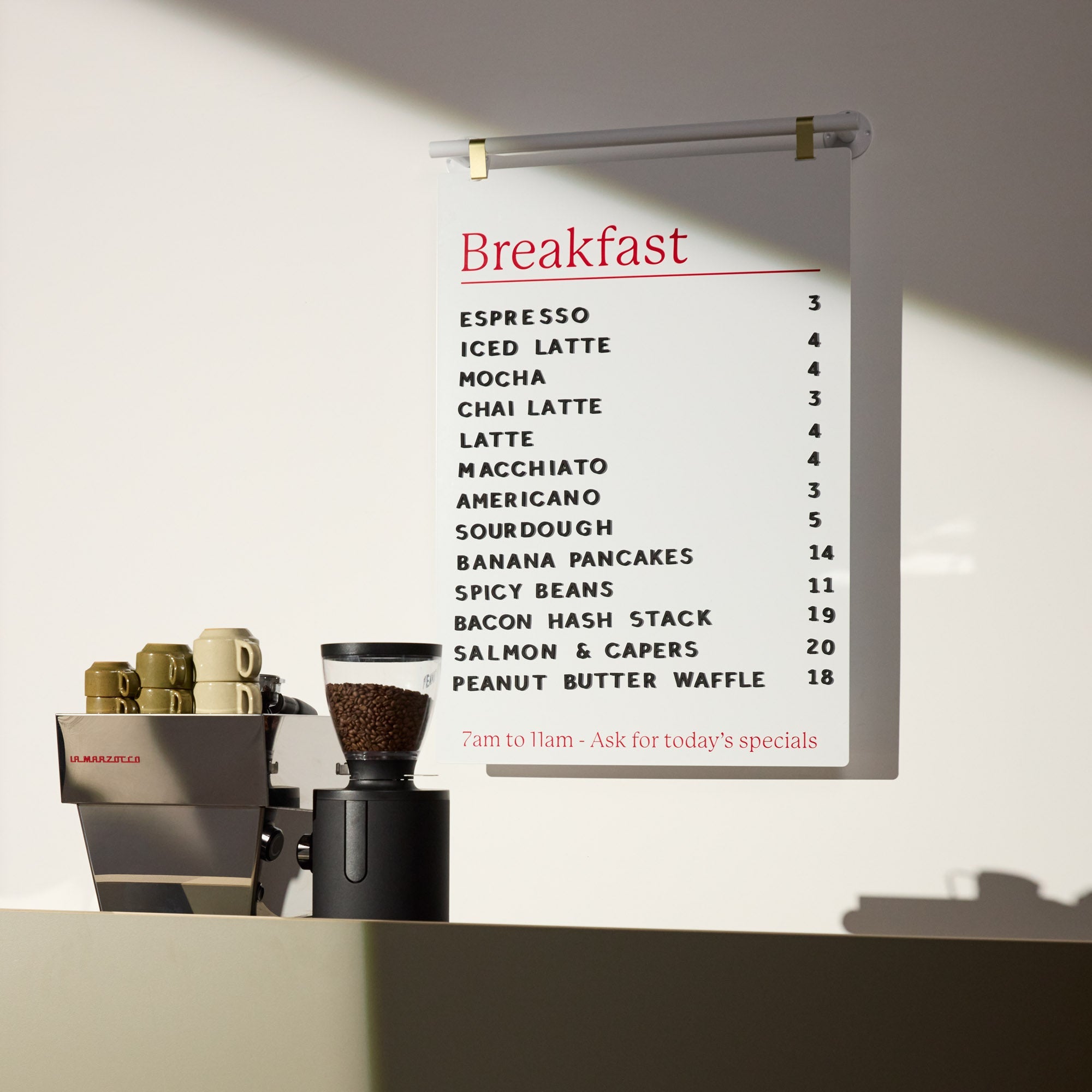
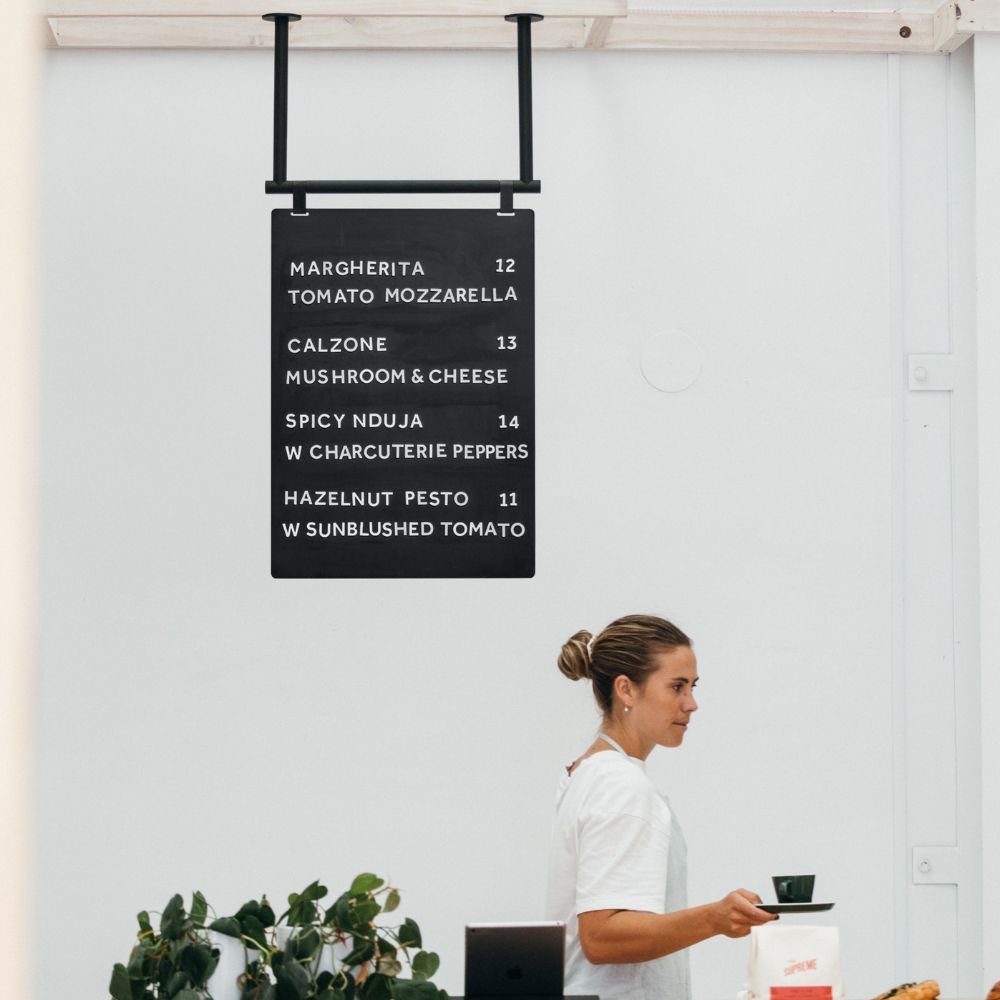
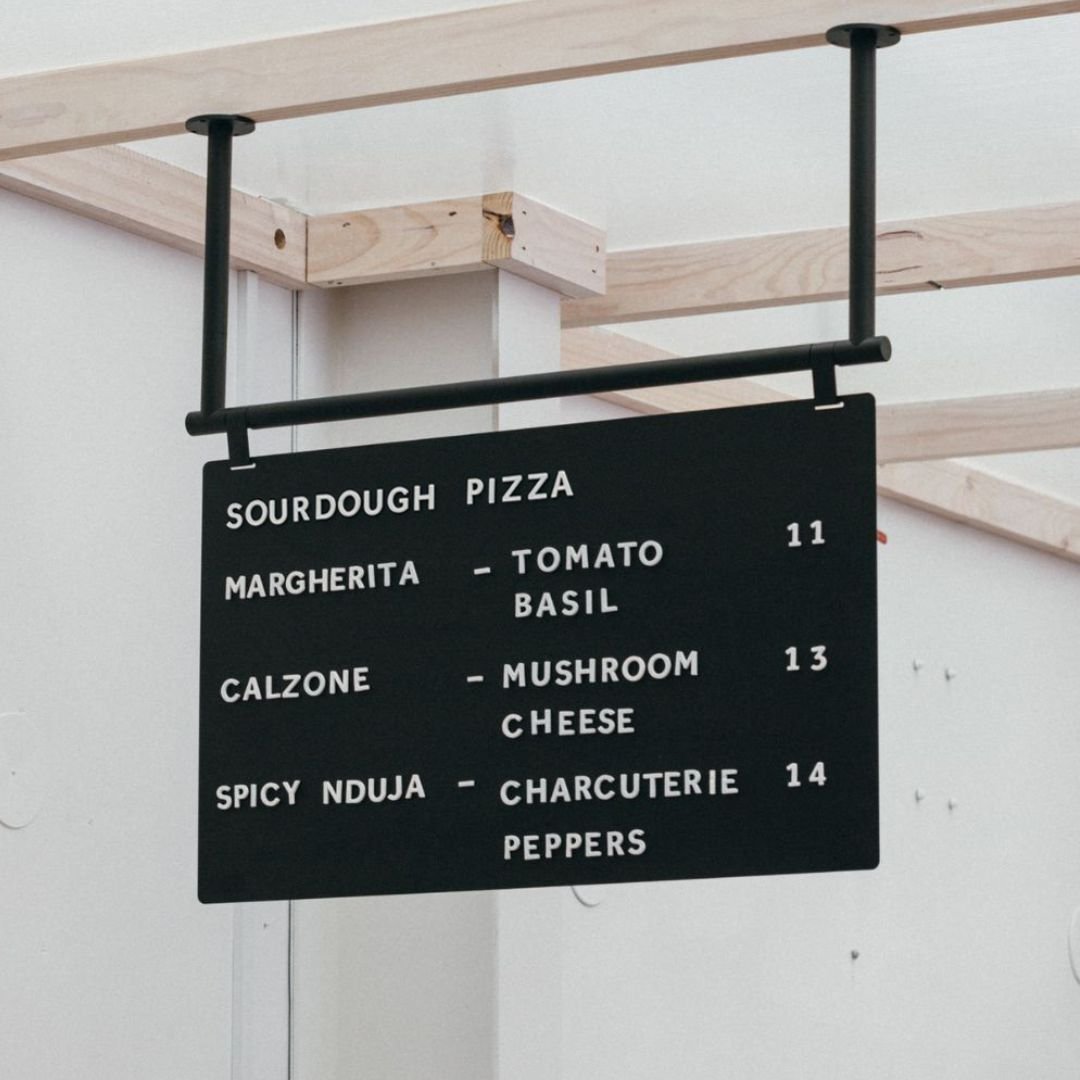
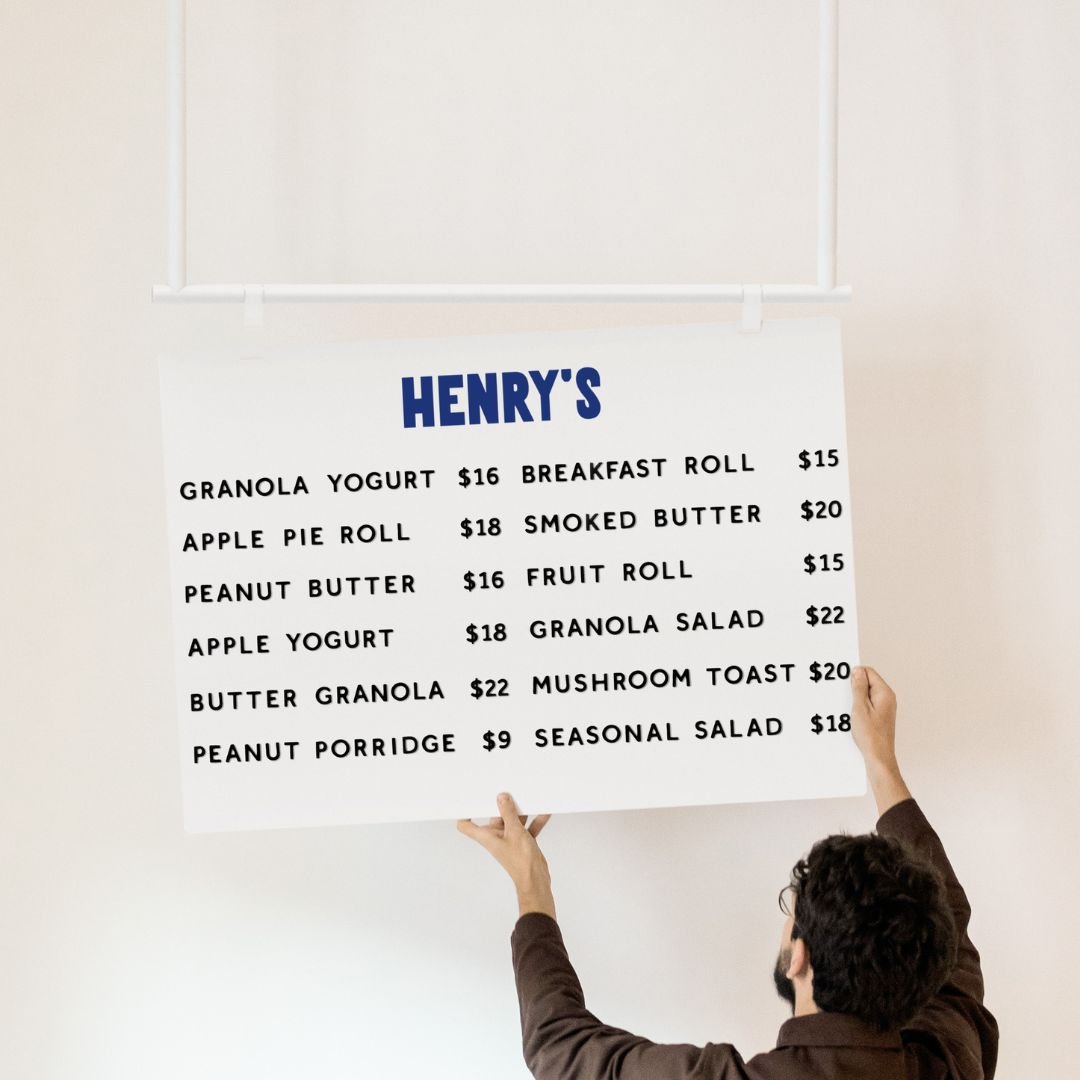
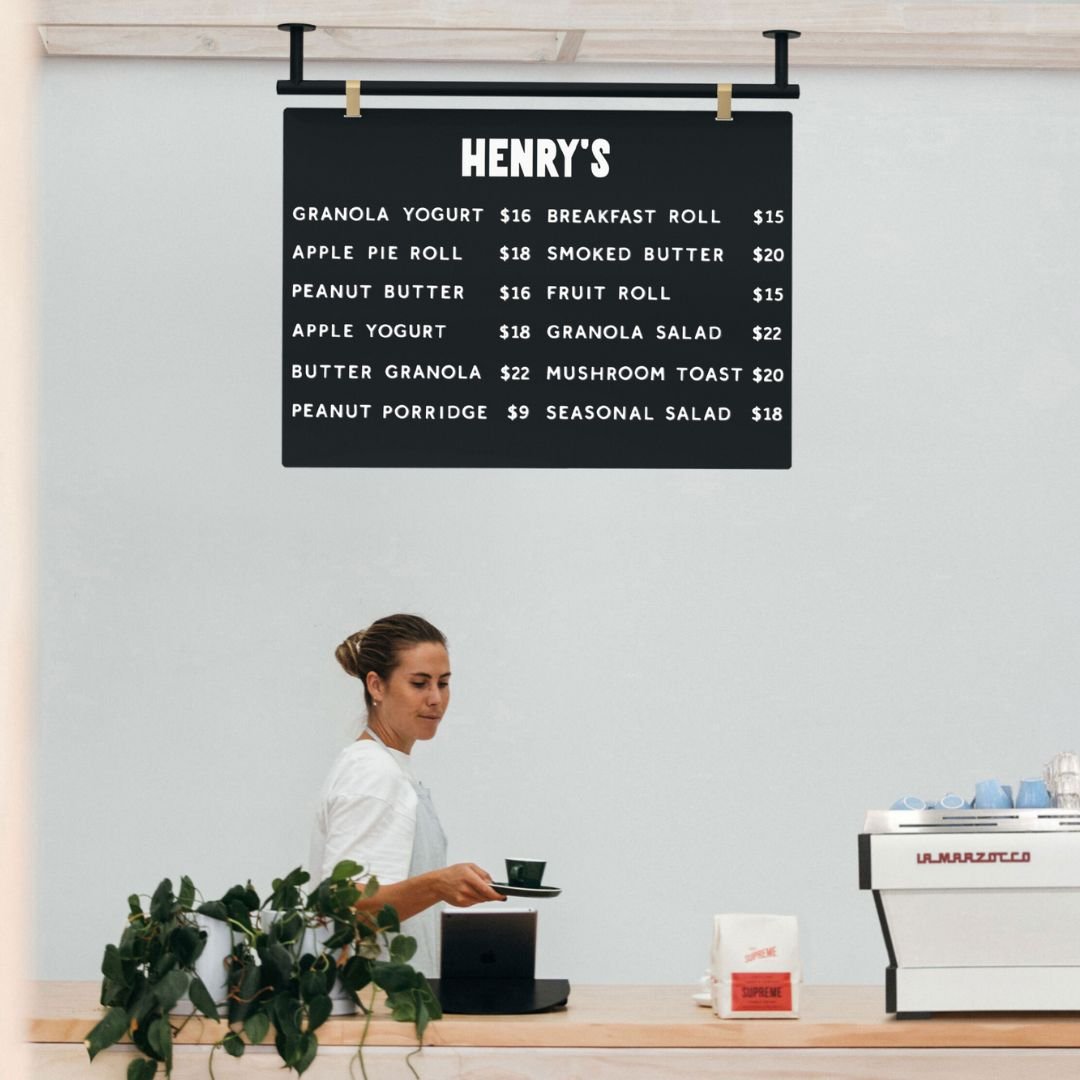
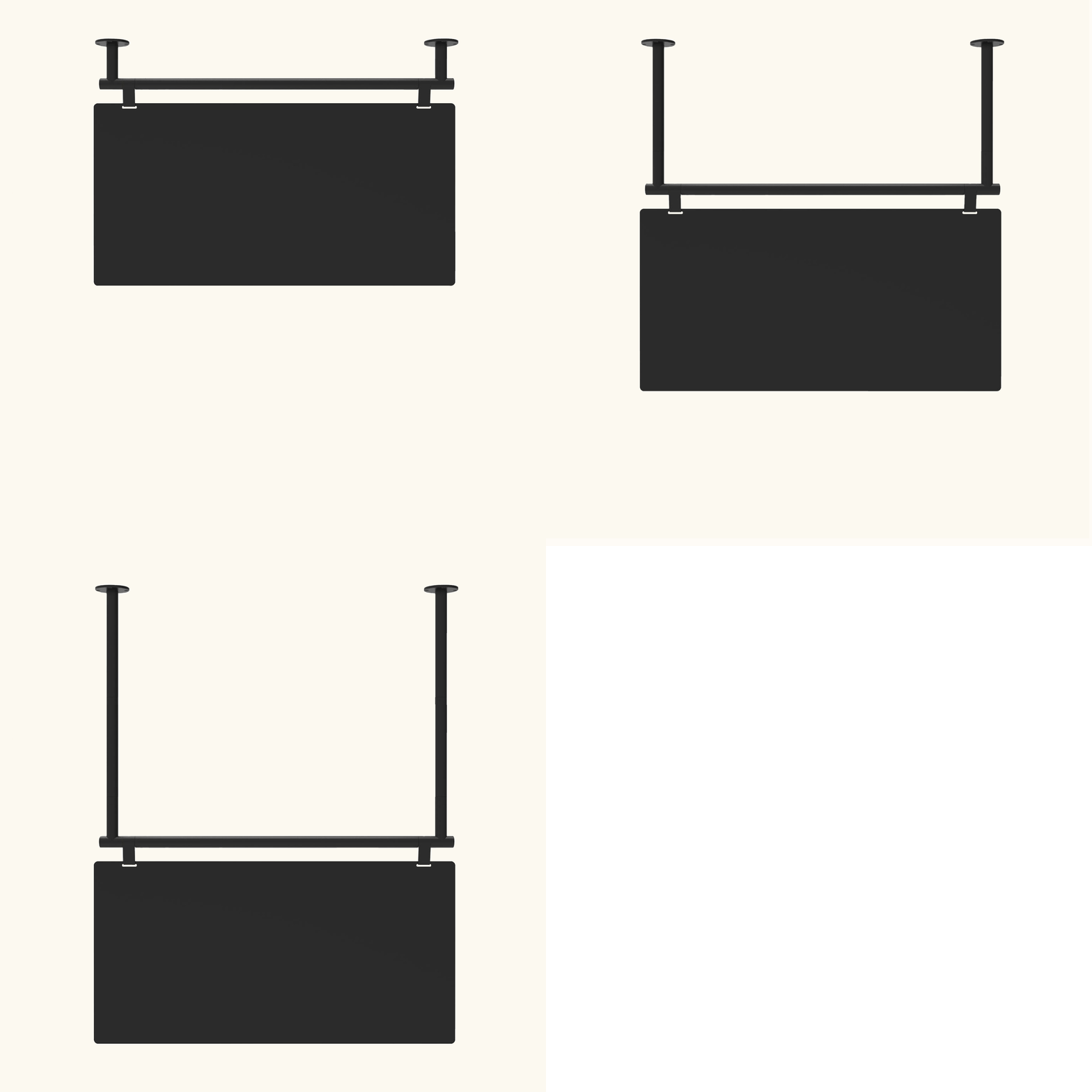
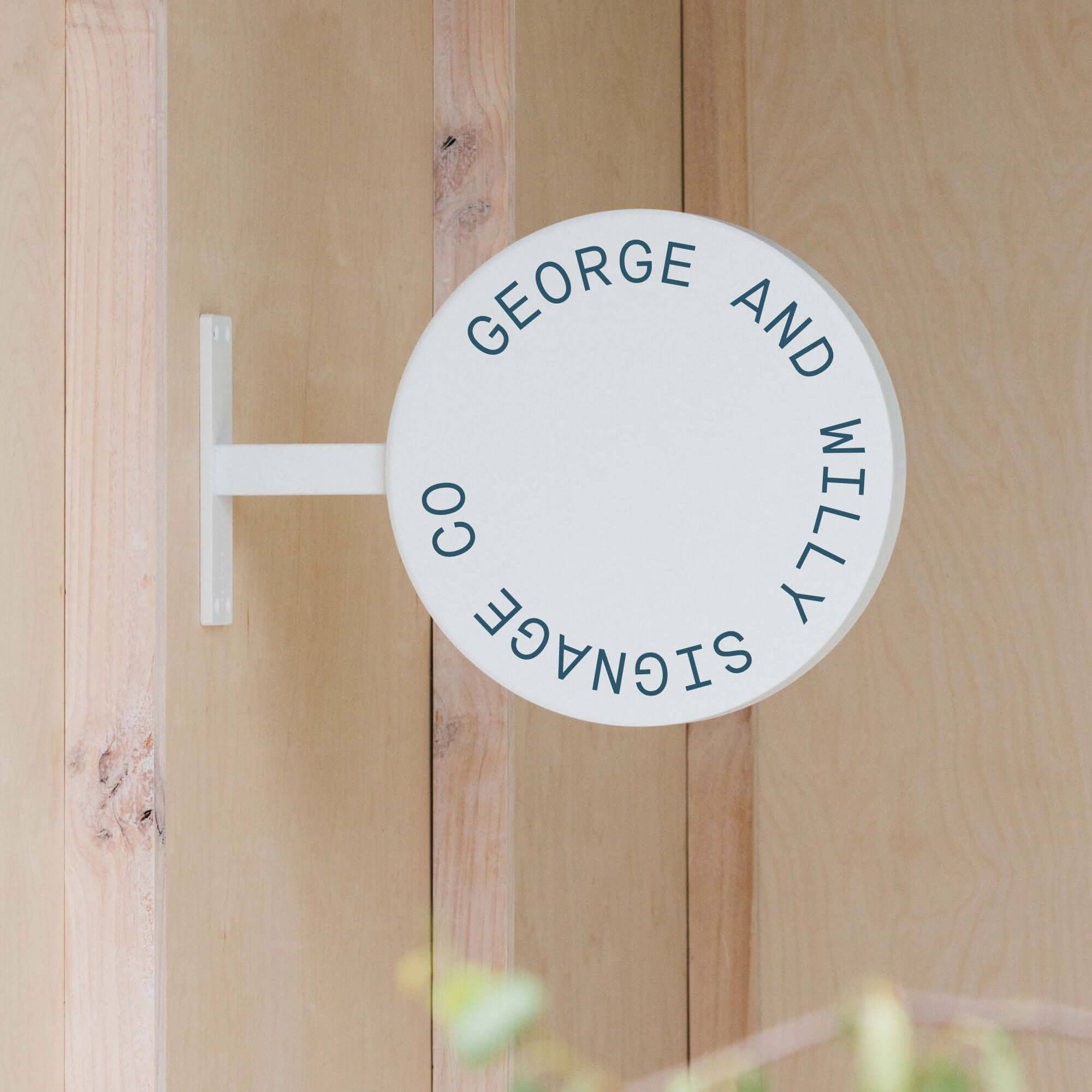
For smaller offices or tight hallways where floor space is limited, consider vertical solutions. Wall mounted or ceiling hung signs keep pathways clear and draw the eye upward, making the space feel more open. A simple vertical blade sign pointing to a department or a hanging sign indicating the kitchen can make a world of difference. For larger buildings, a central directory near the entrance is essential for helping visitors orient themselves quickly.
Designing for Brand Consistency and Readability
Consistency is key to strong branding. Your custom office signs should be a natural extension of your brand identity, using the same colors, fonts, and overall aesthetic found on your website and marketing materials. This creates a cohesive and memorable experience.
- Reinforce Your Brand: Using consistent brand colors can boost brand recognition by as much as 80 percent, making your business instantly familiar.
- Embrace Simplicity: A cluttered sign can overwhelm visitors. Minimalist design, which uses ample white space and clear messaging, often has a greater impact. A clean design for your custom office signs looks confident and professional.
- Match Your Vibe: Your signage style should reflect your company culture. A creative agency might use playful fonts and bold colors, while a law firm would likely opt for elegant, classic typography.
- Prioritize Readability: Choose clean, legible fonts. Ensure there is enough color contrast between the text and the background to make the sign easy to read from a distance.
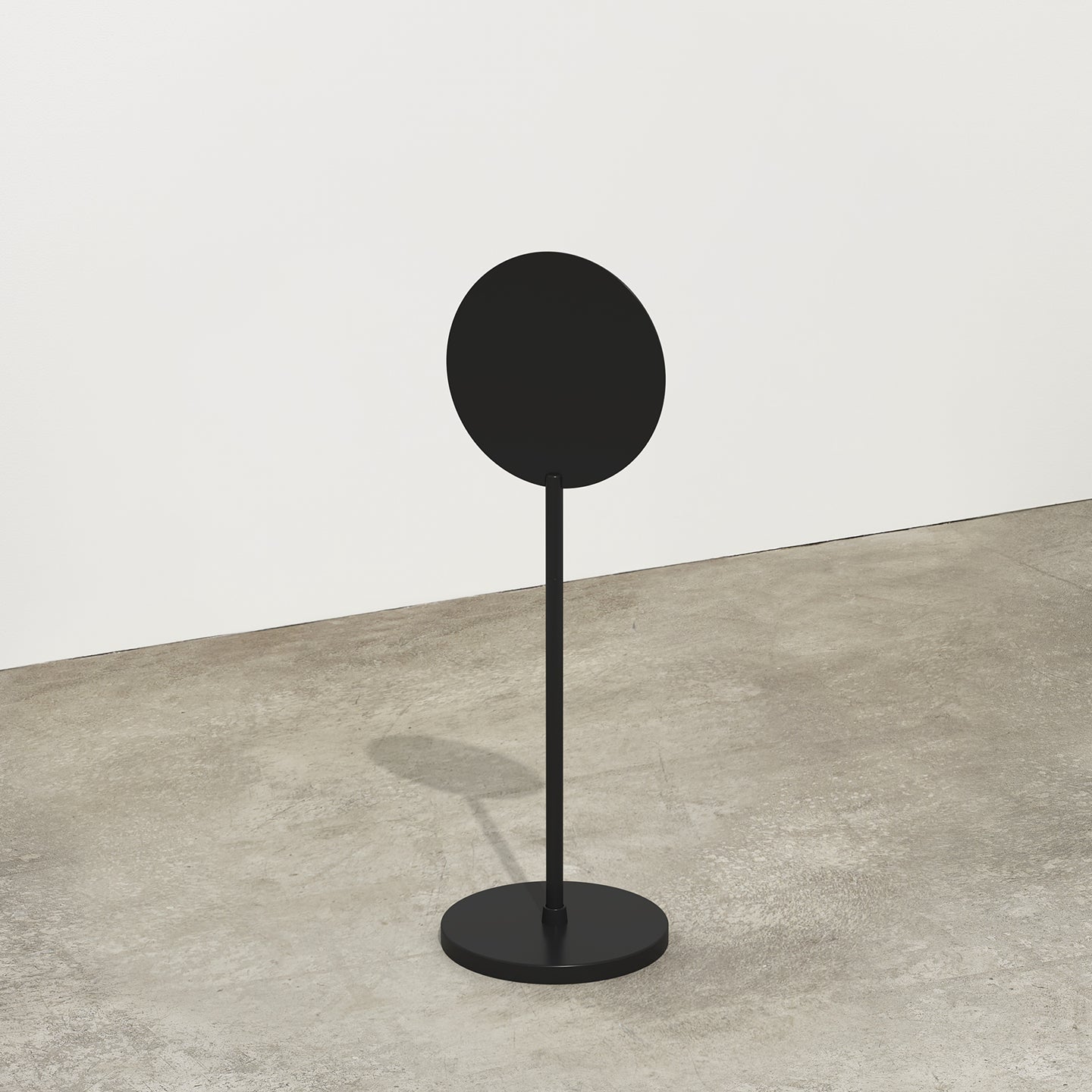
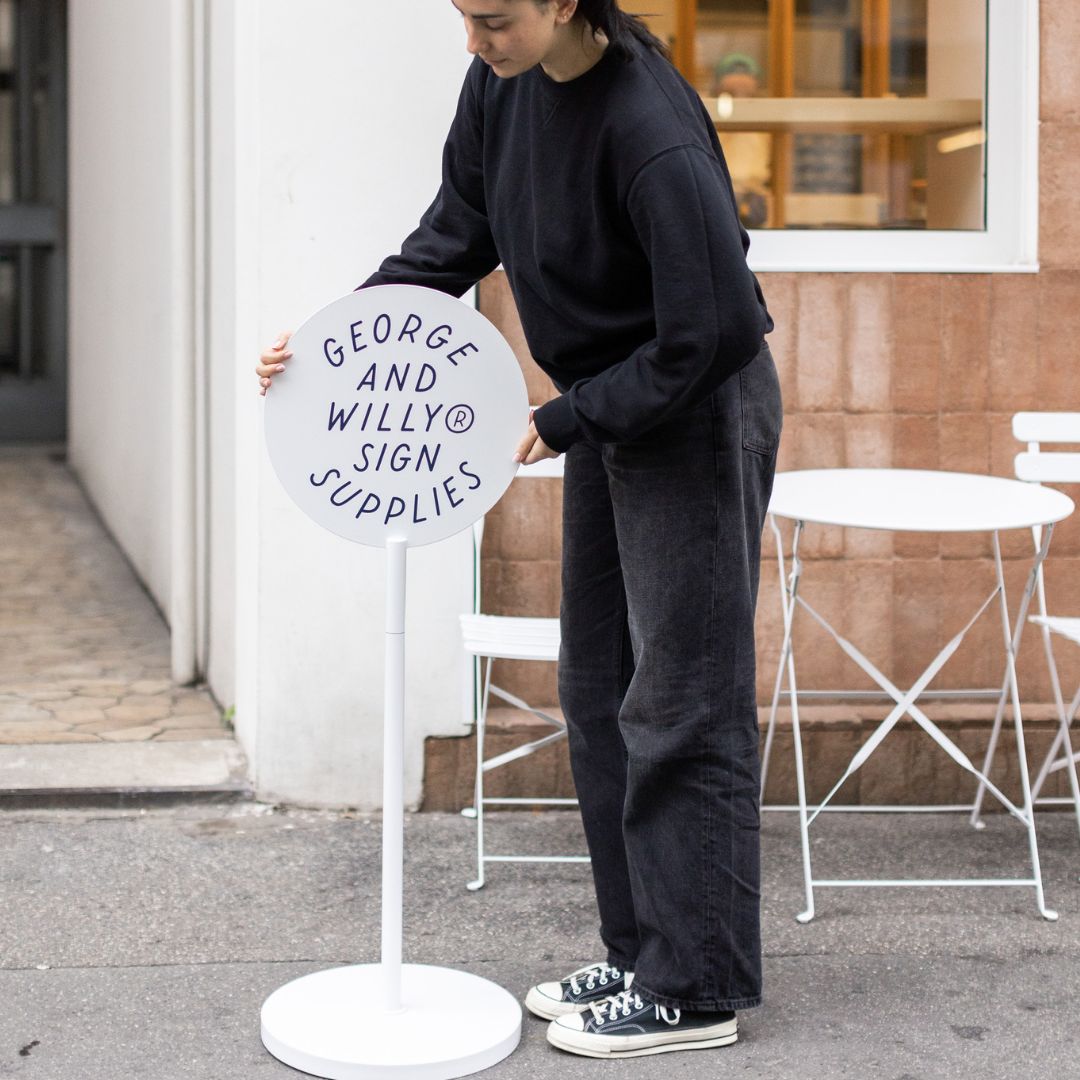
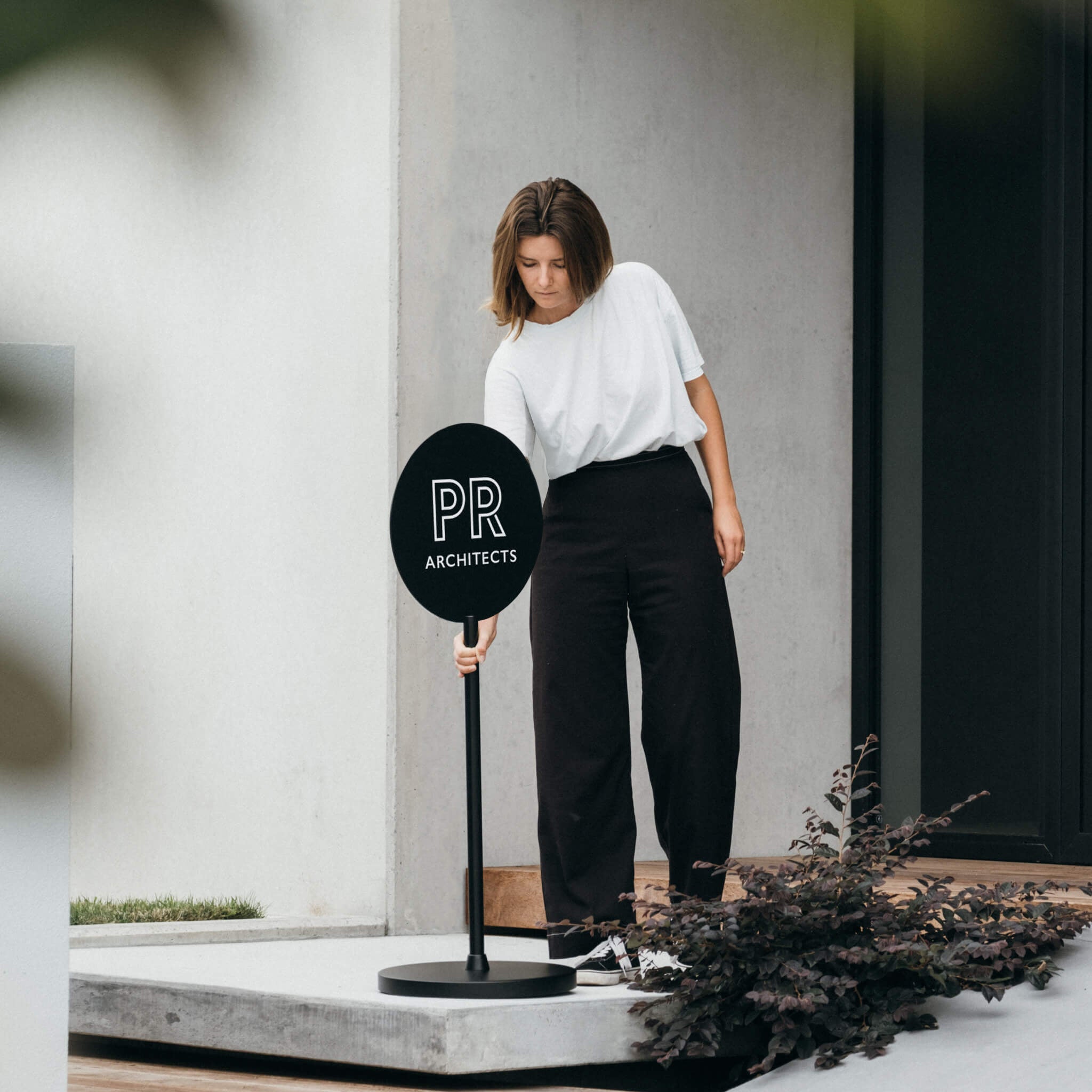
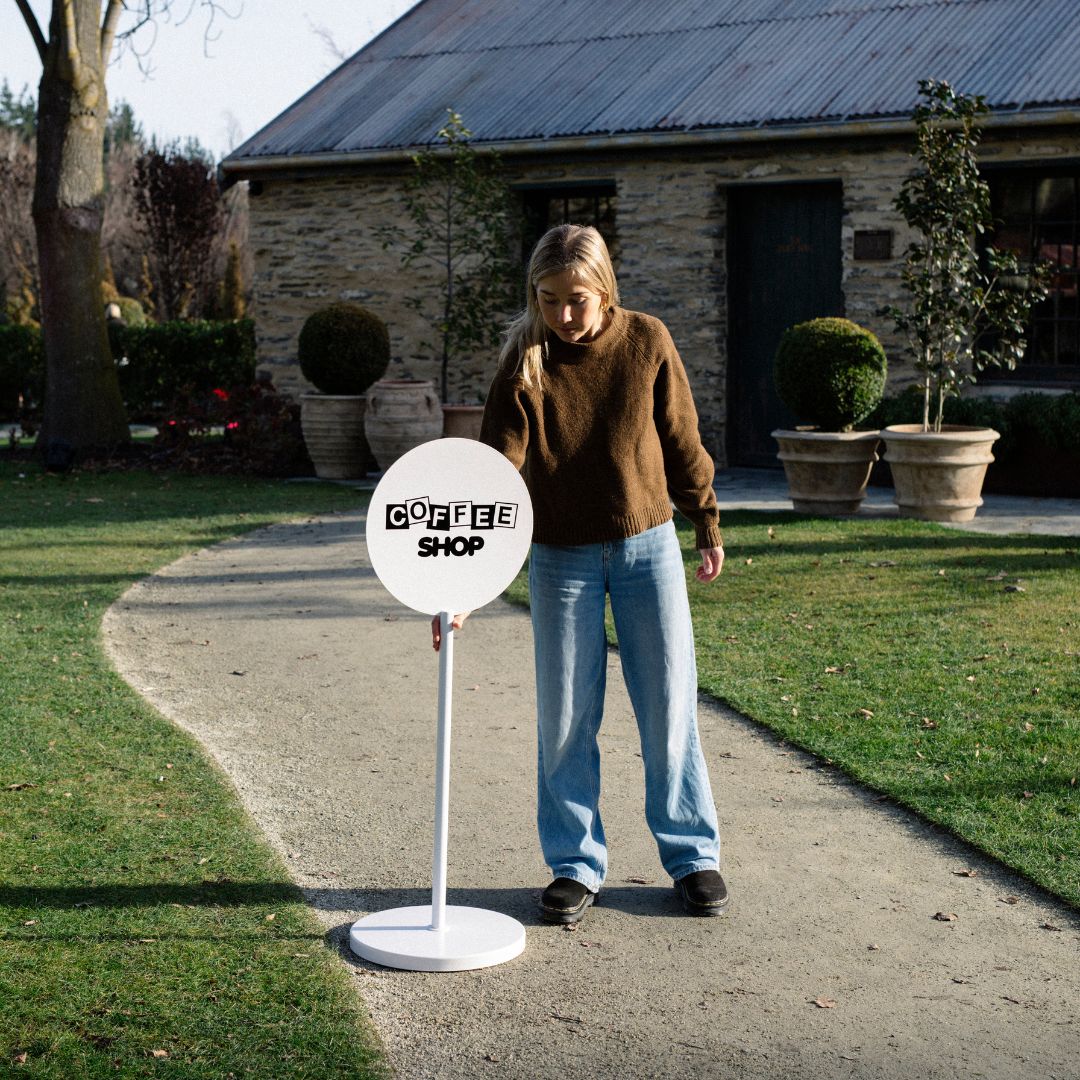
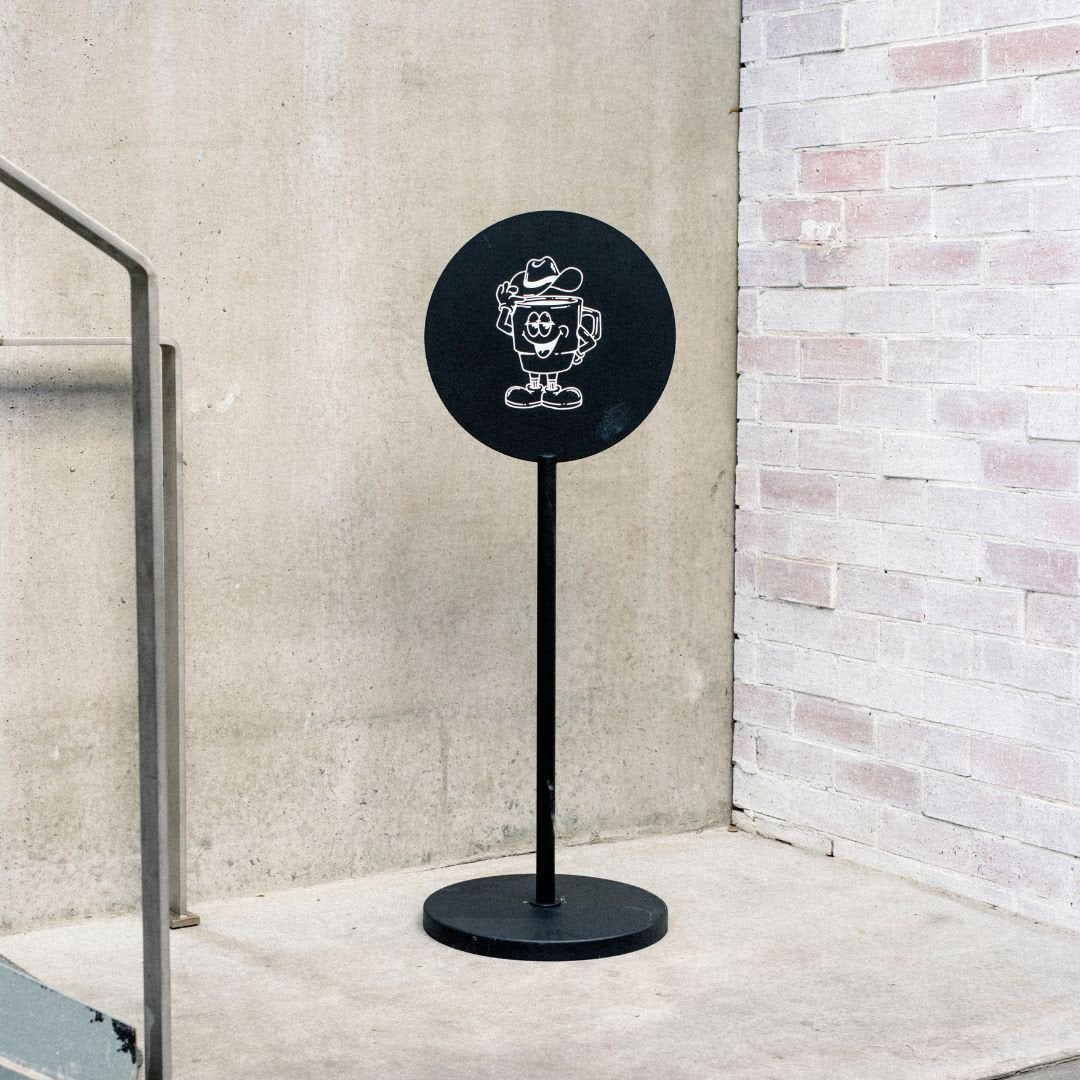
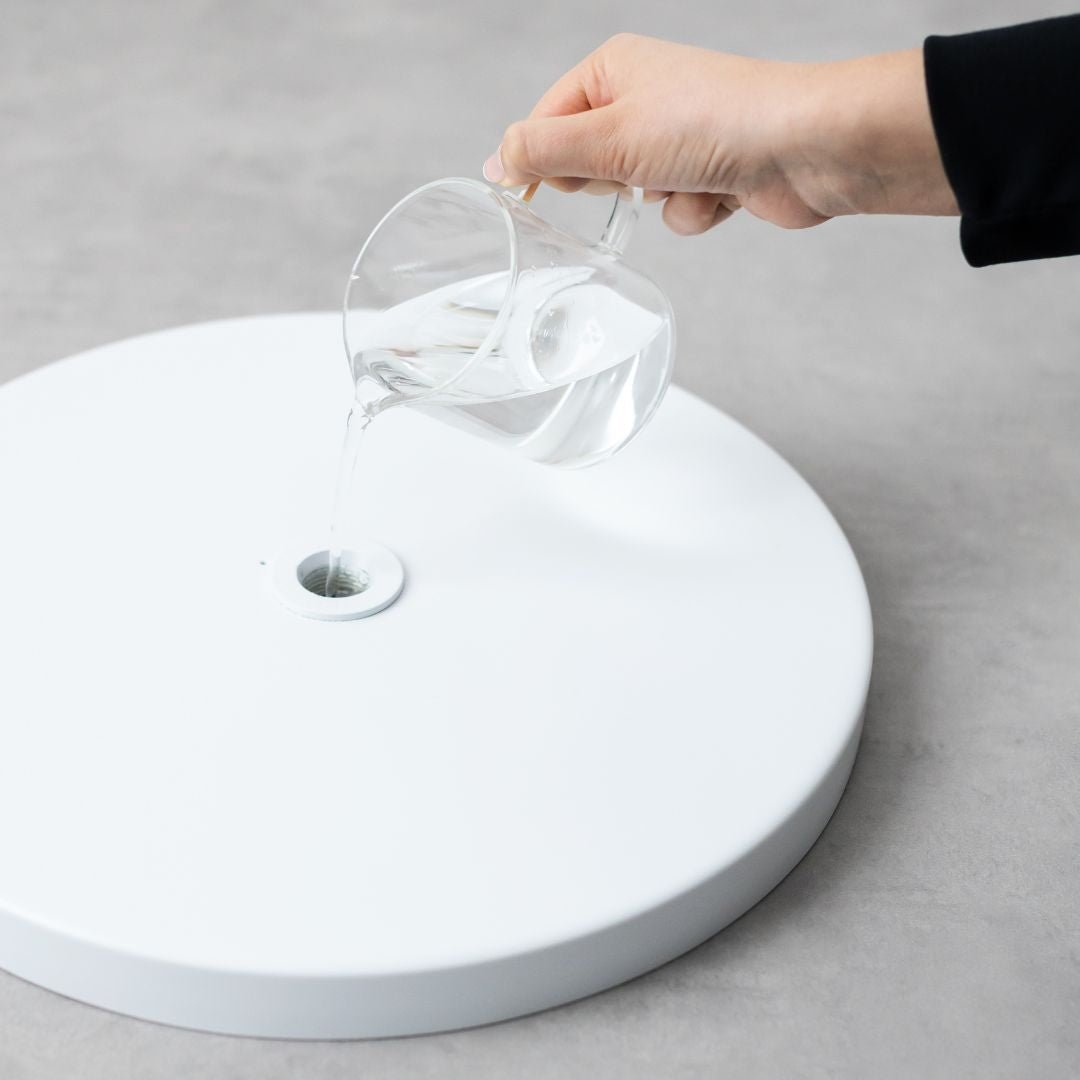
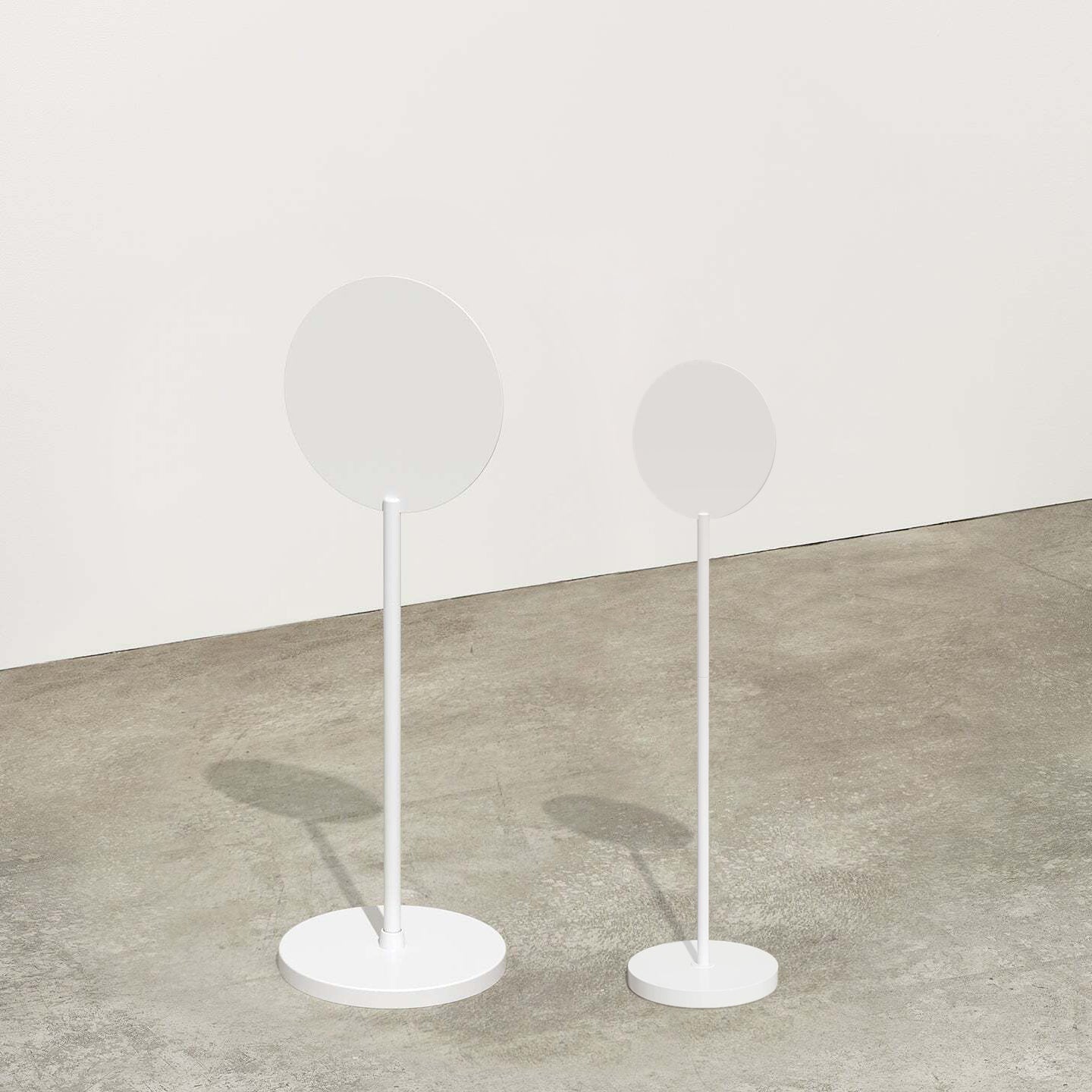
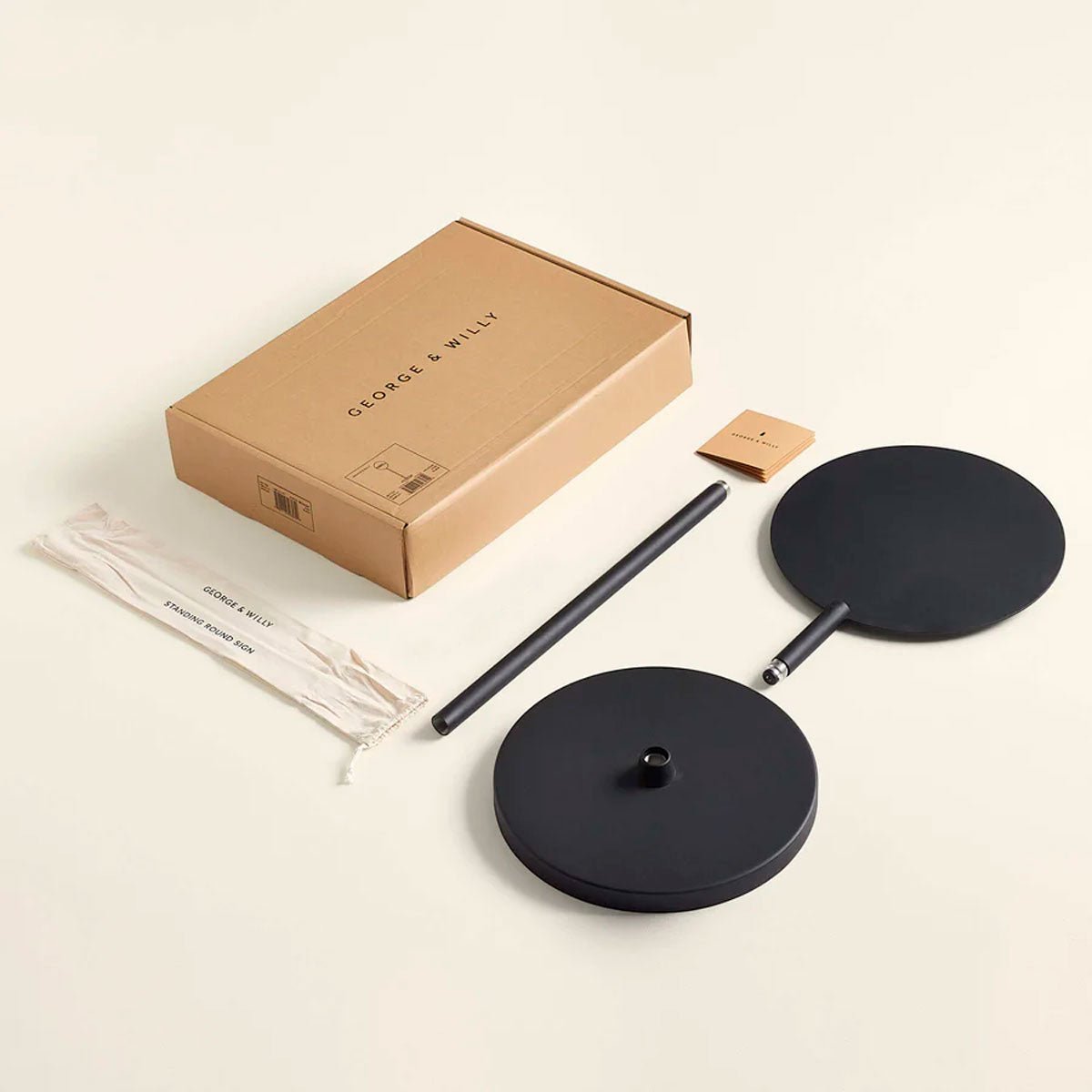
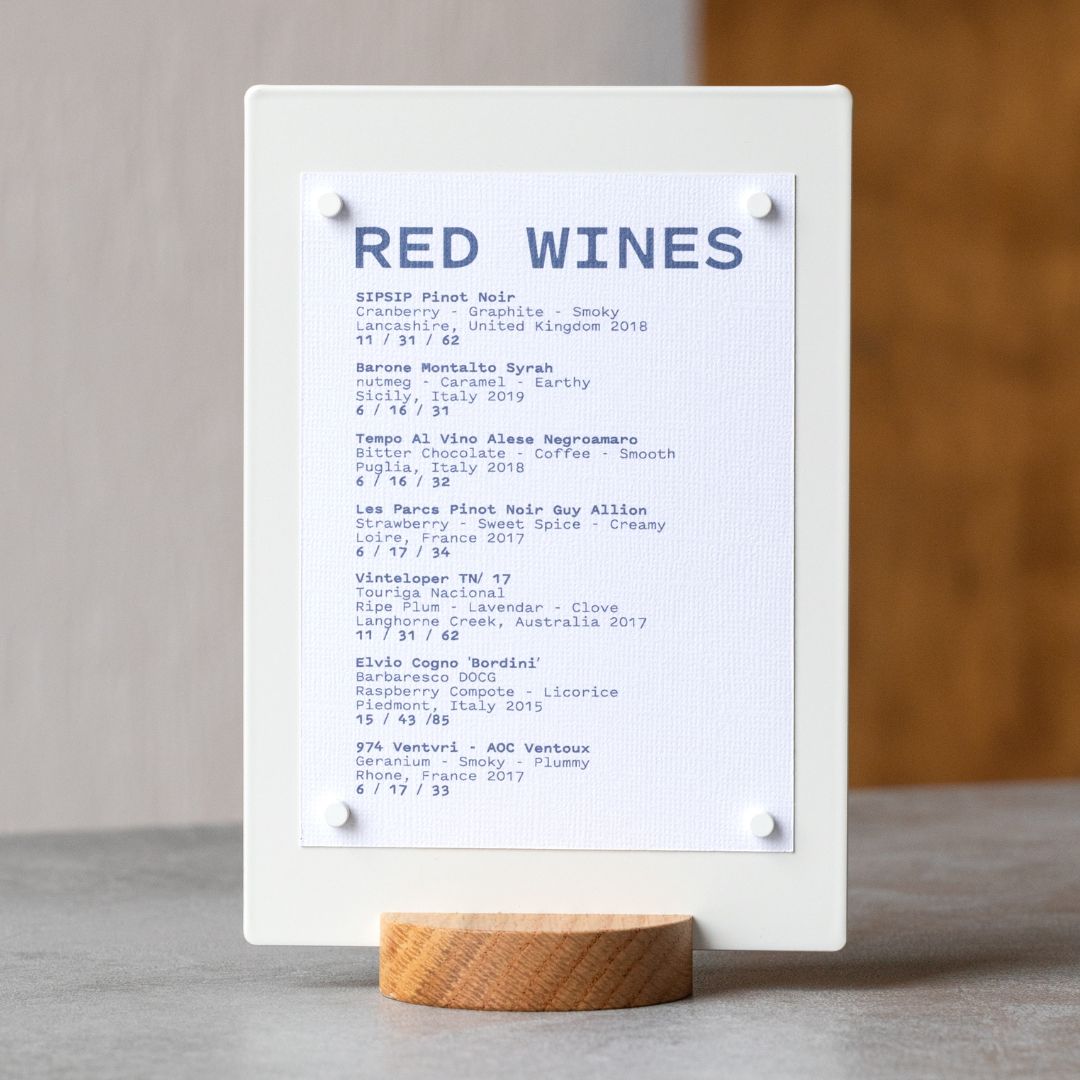
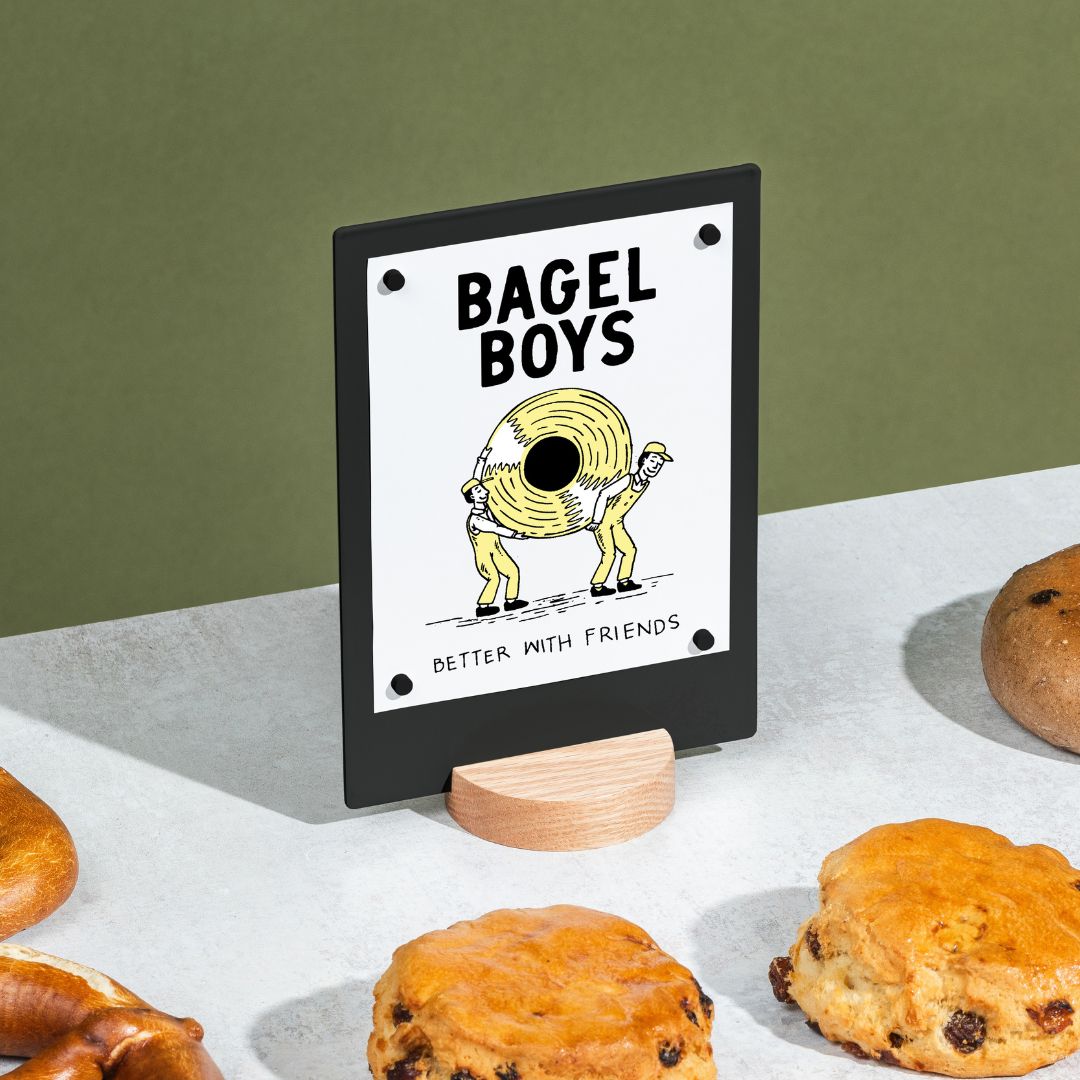
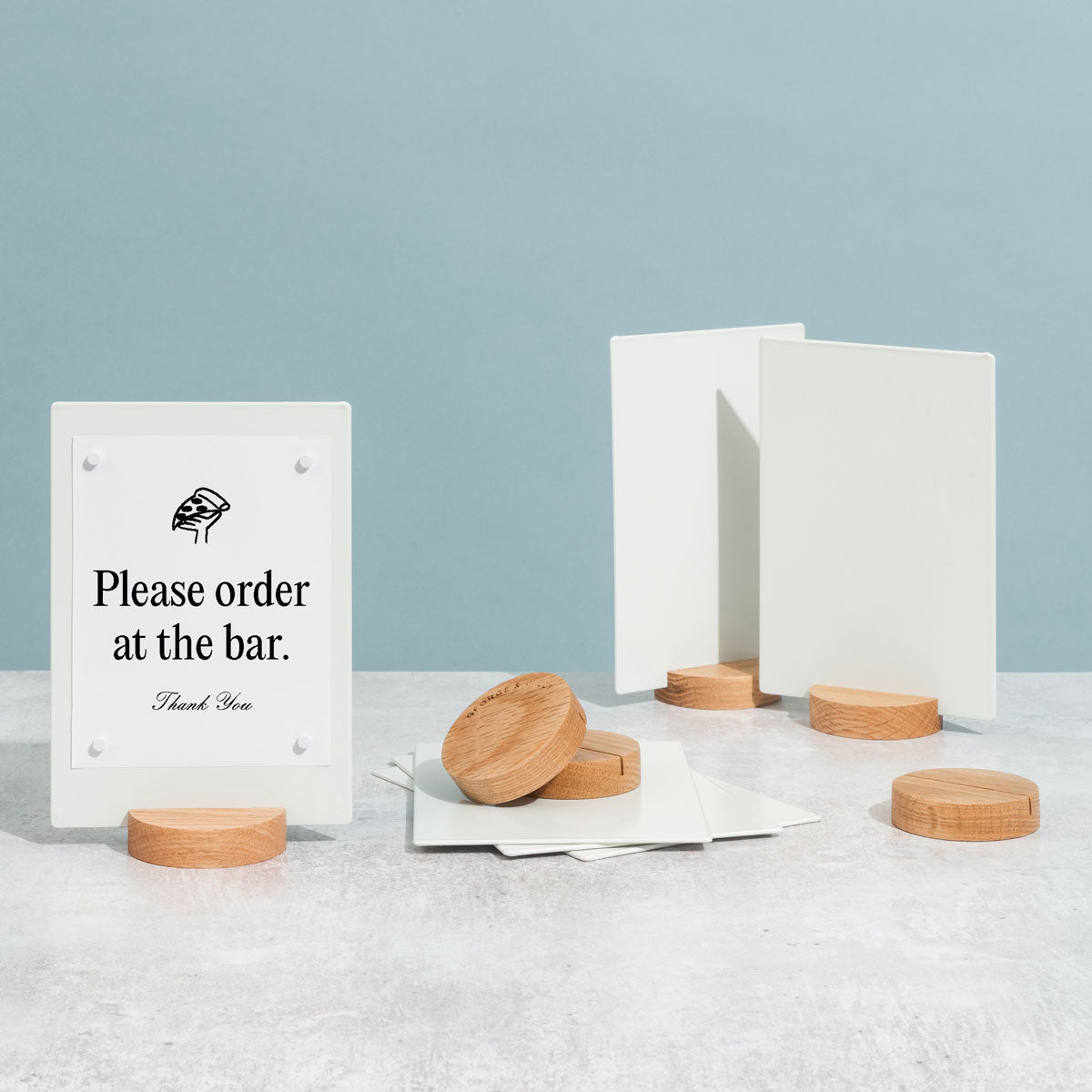
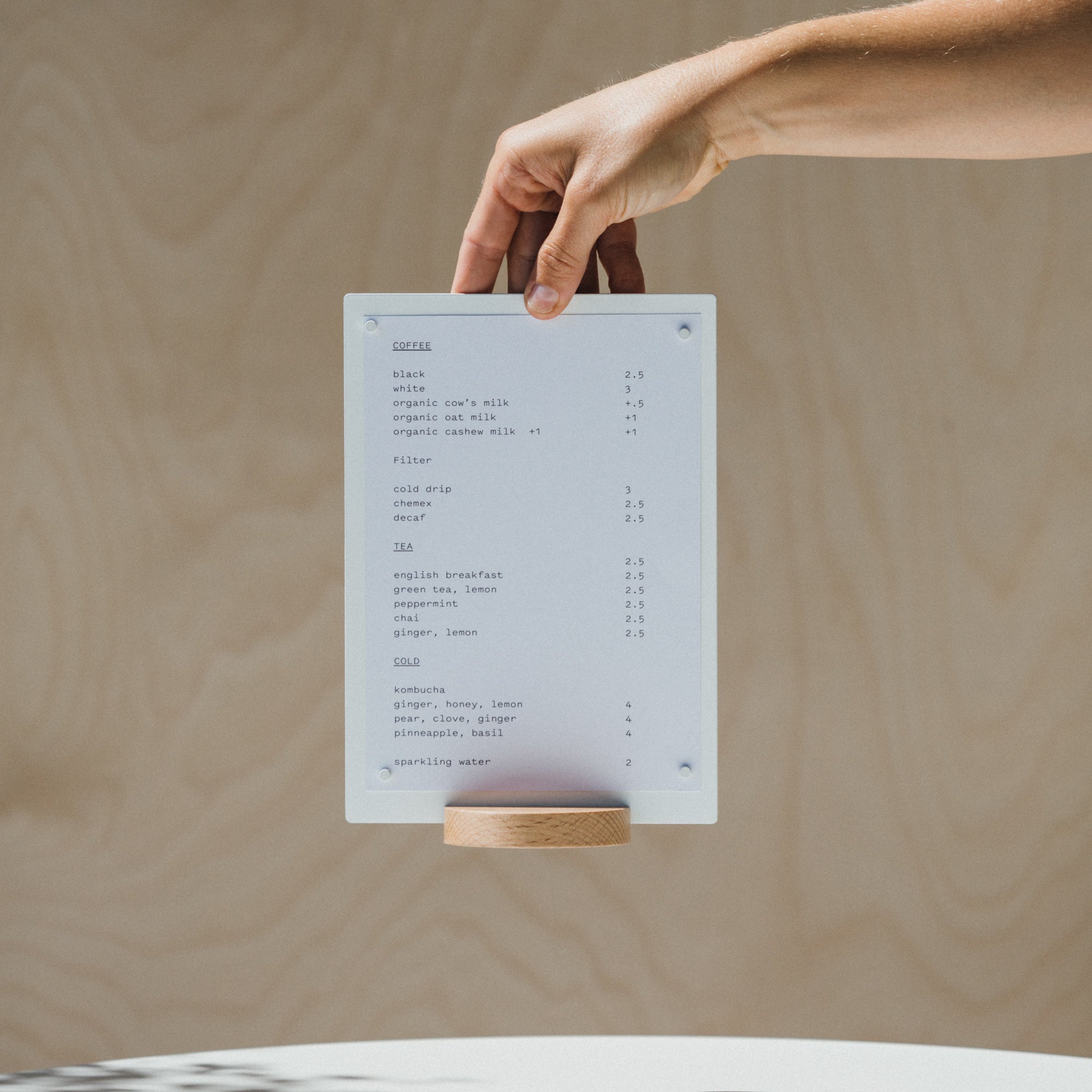
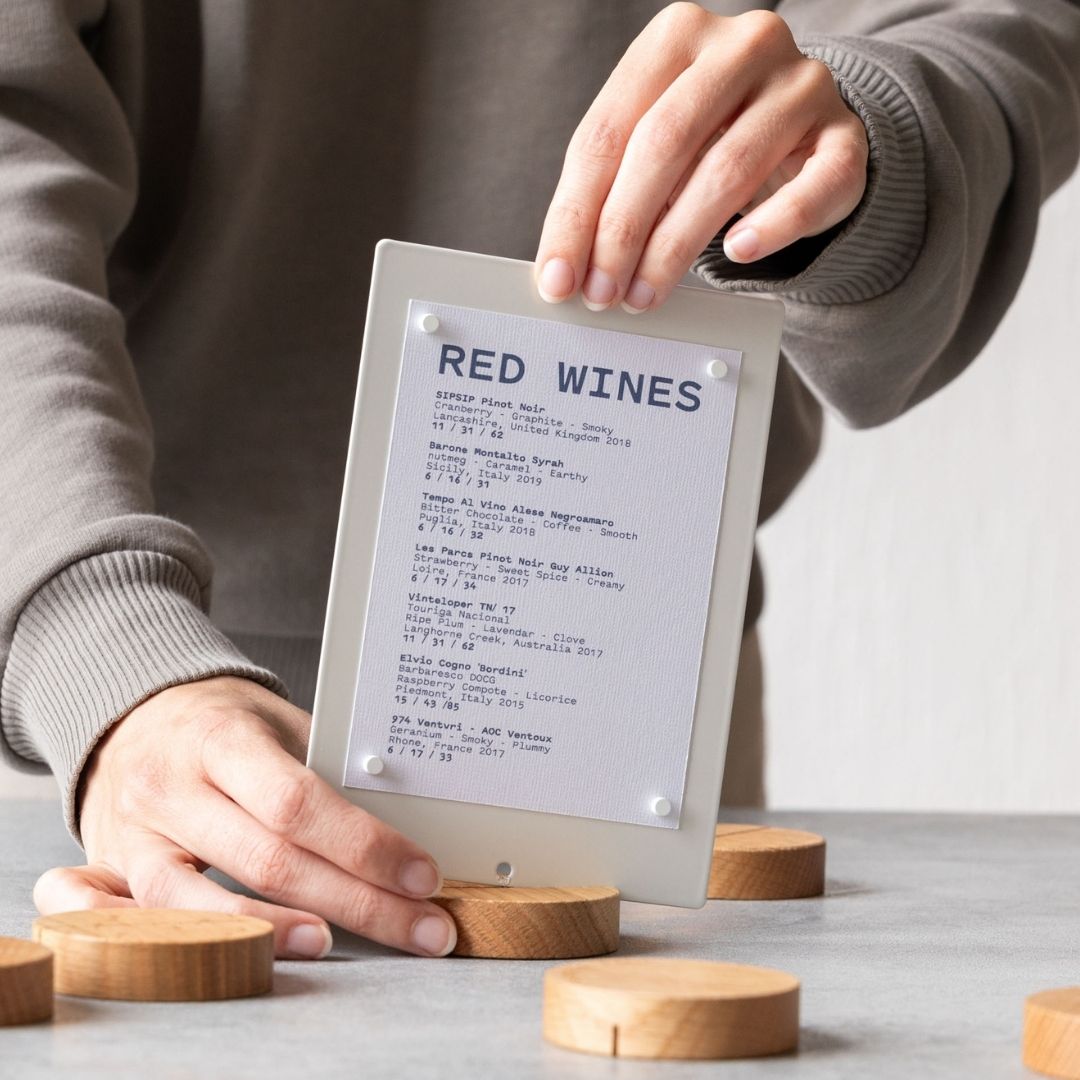
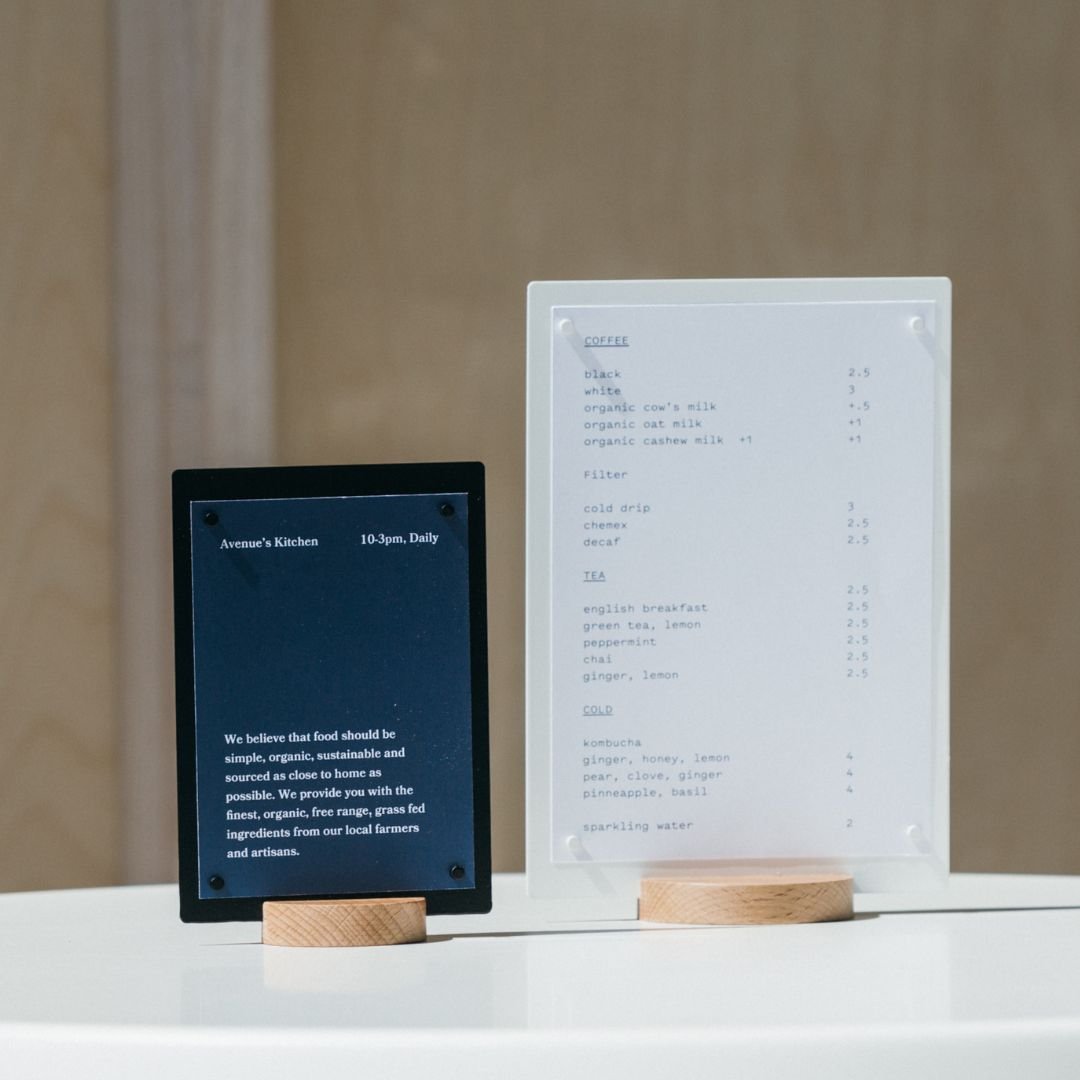
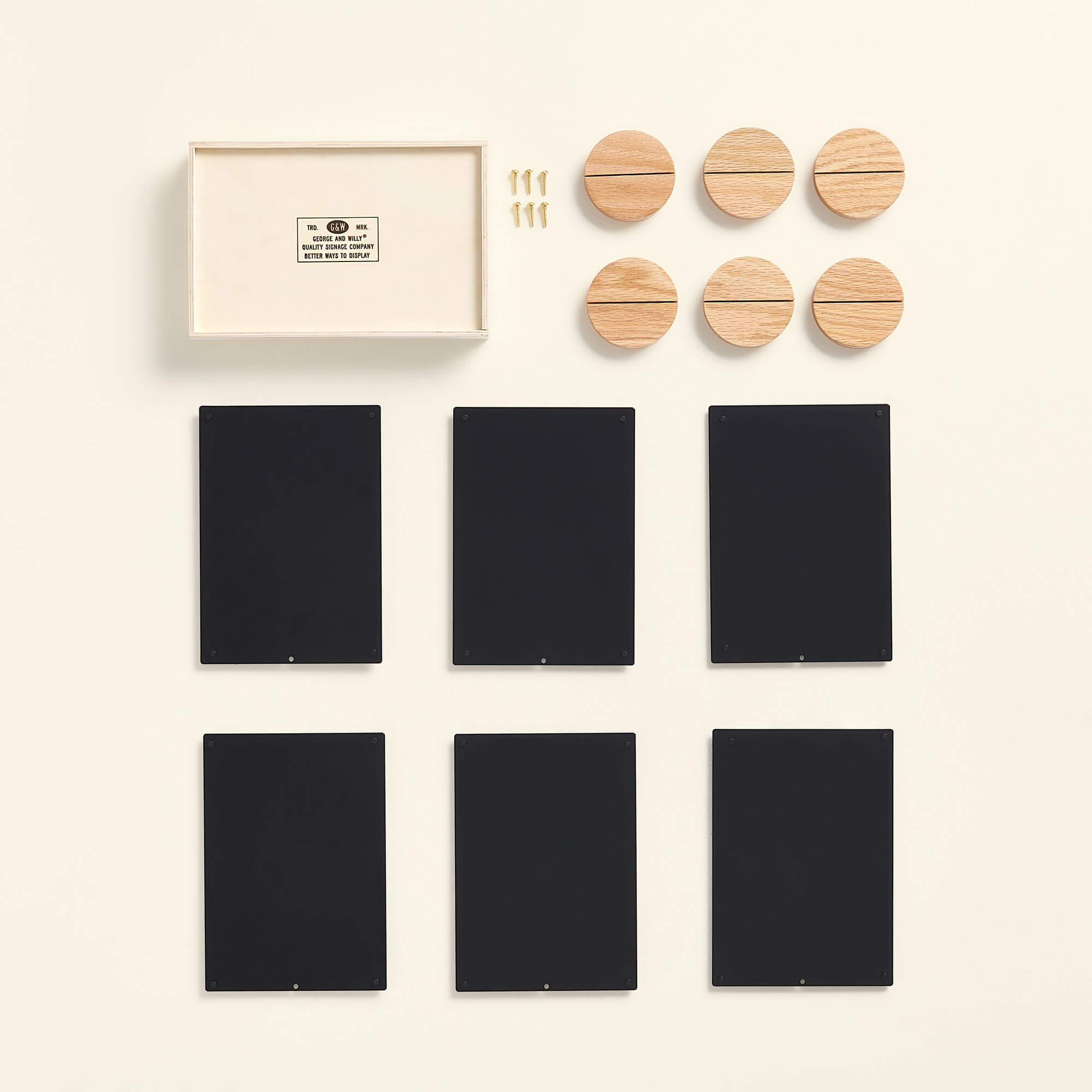
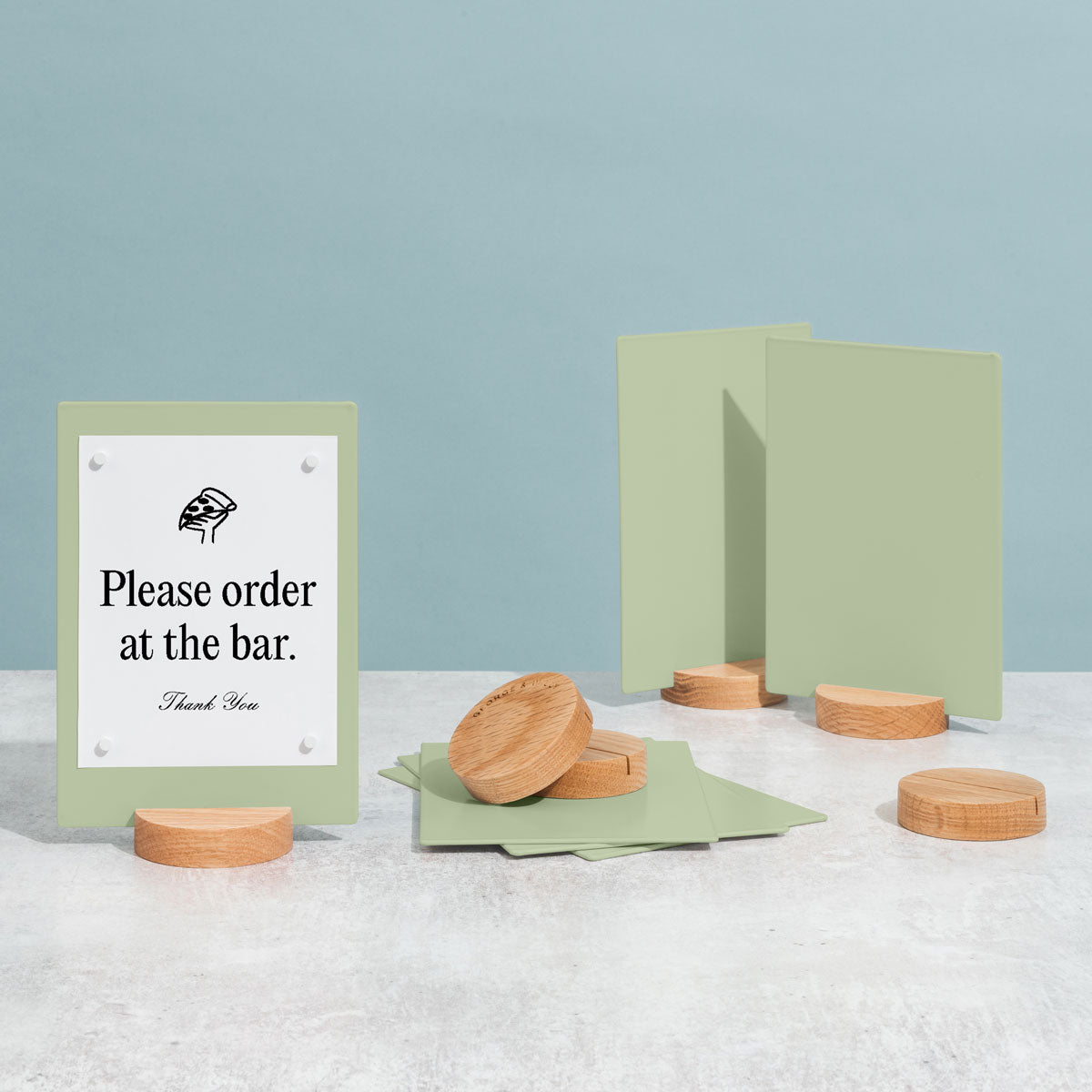
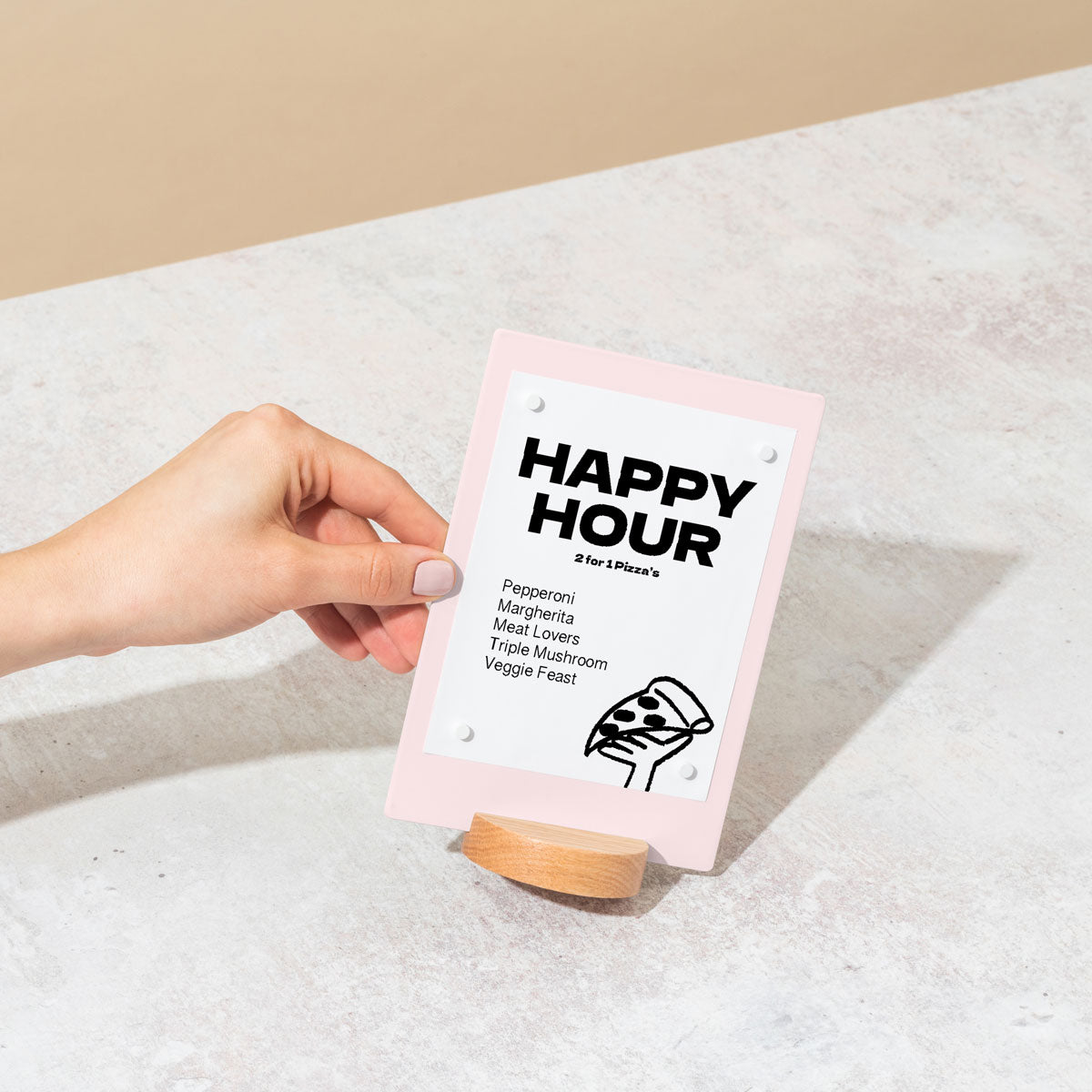
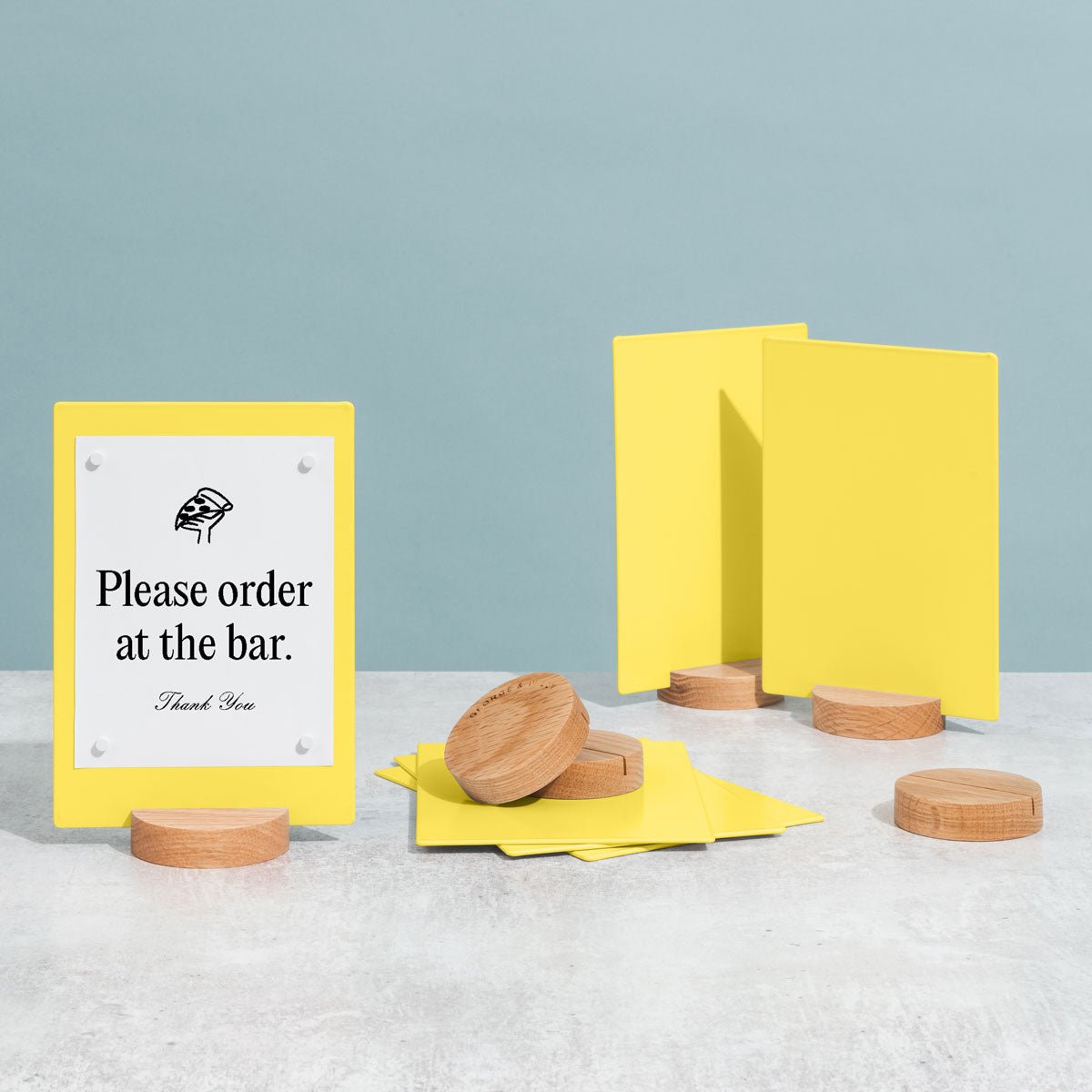
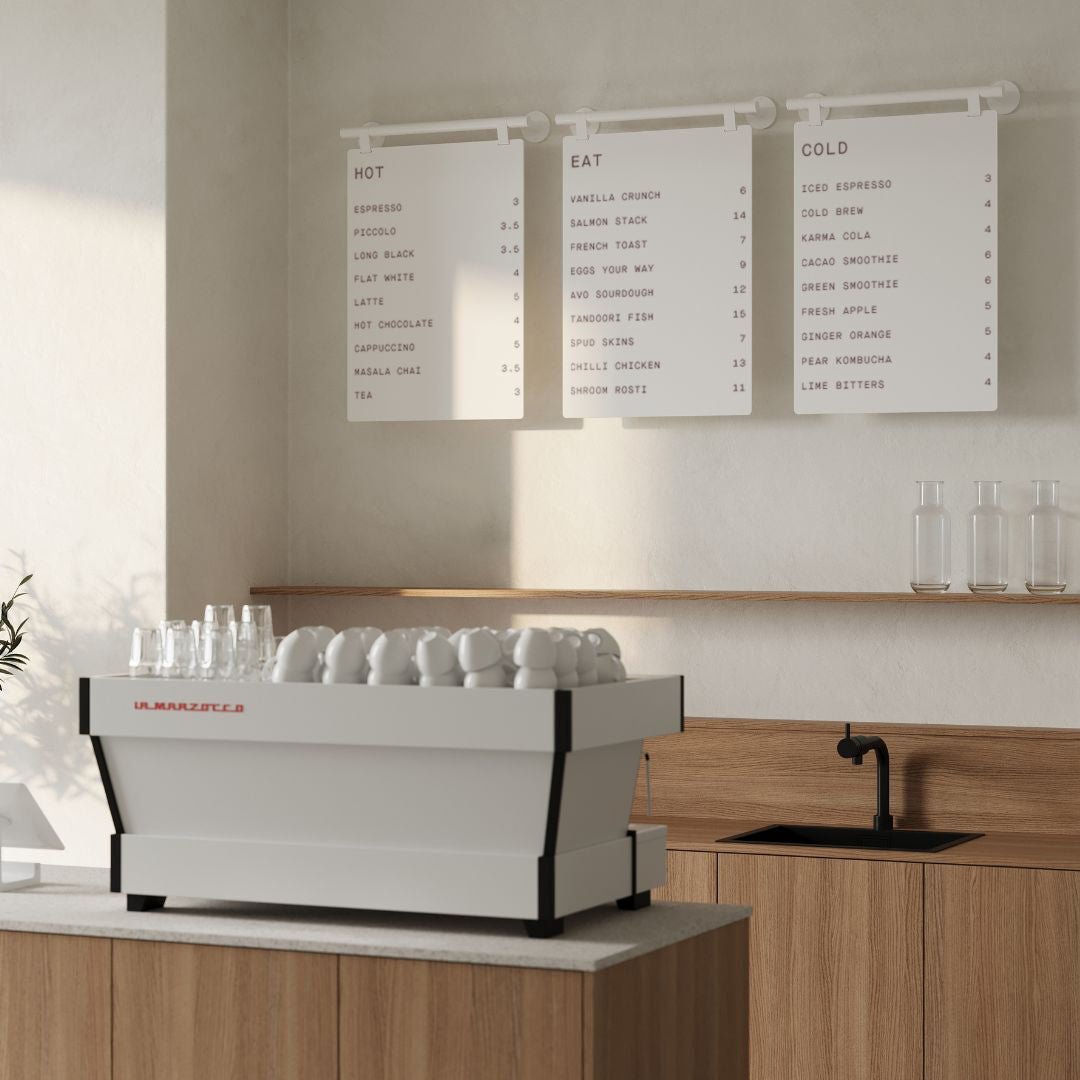
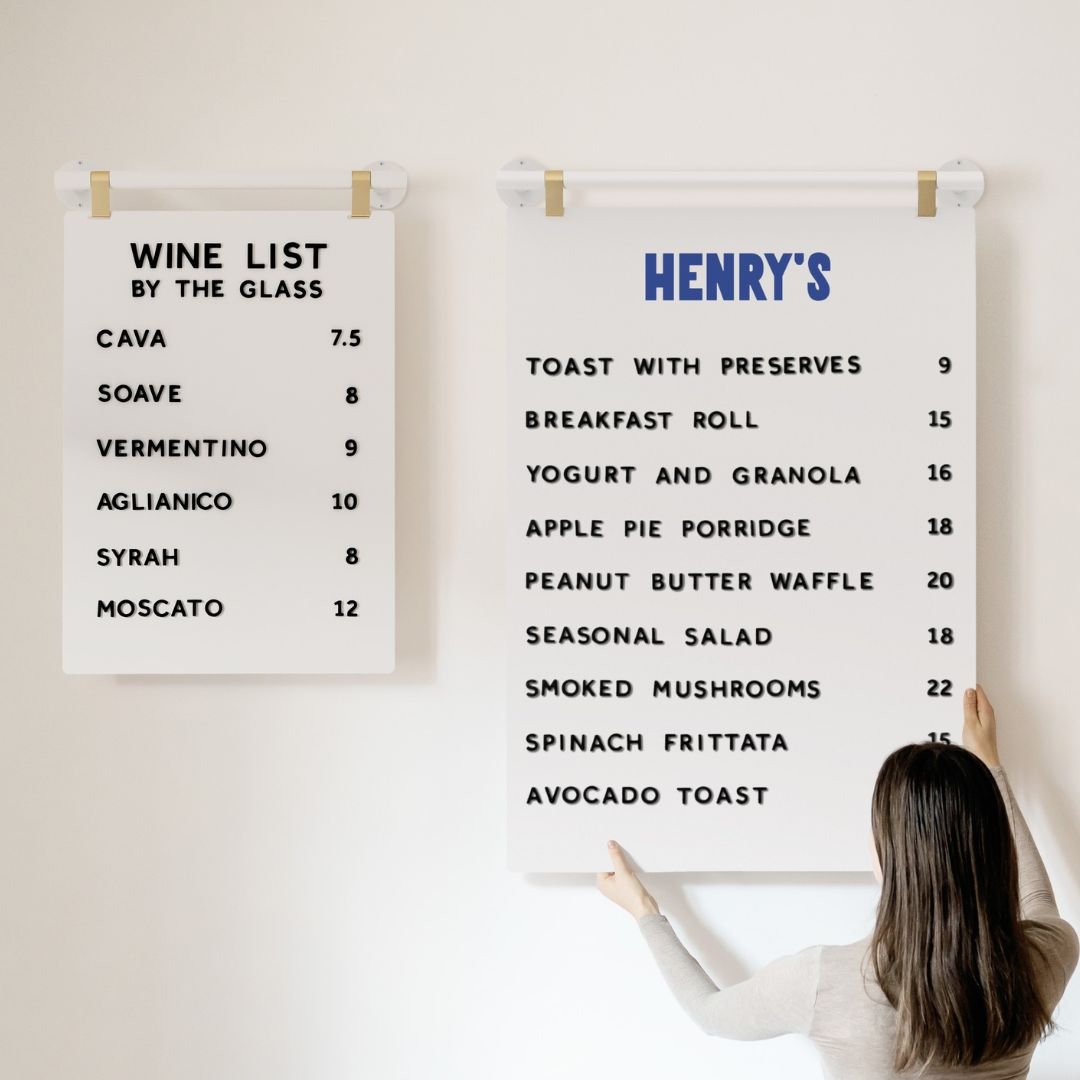
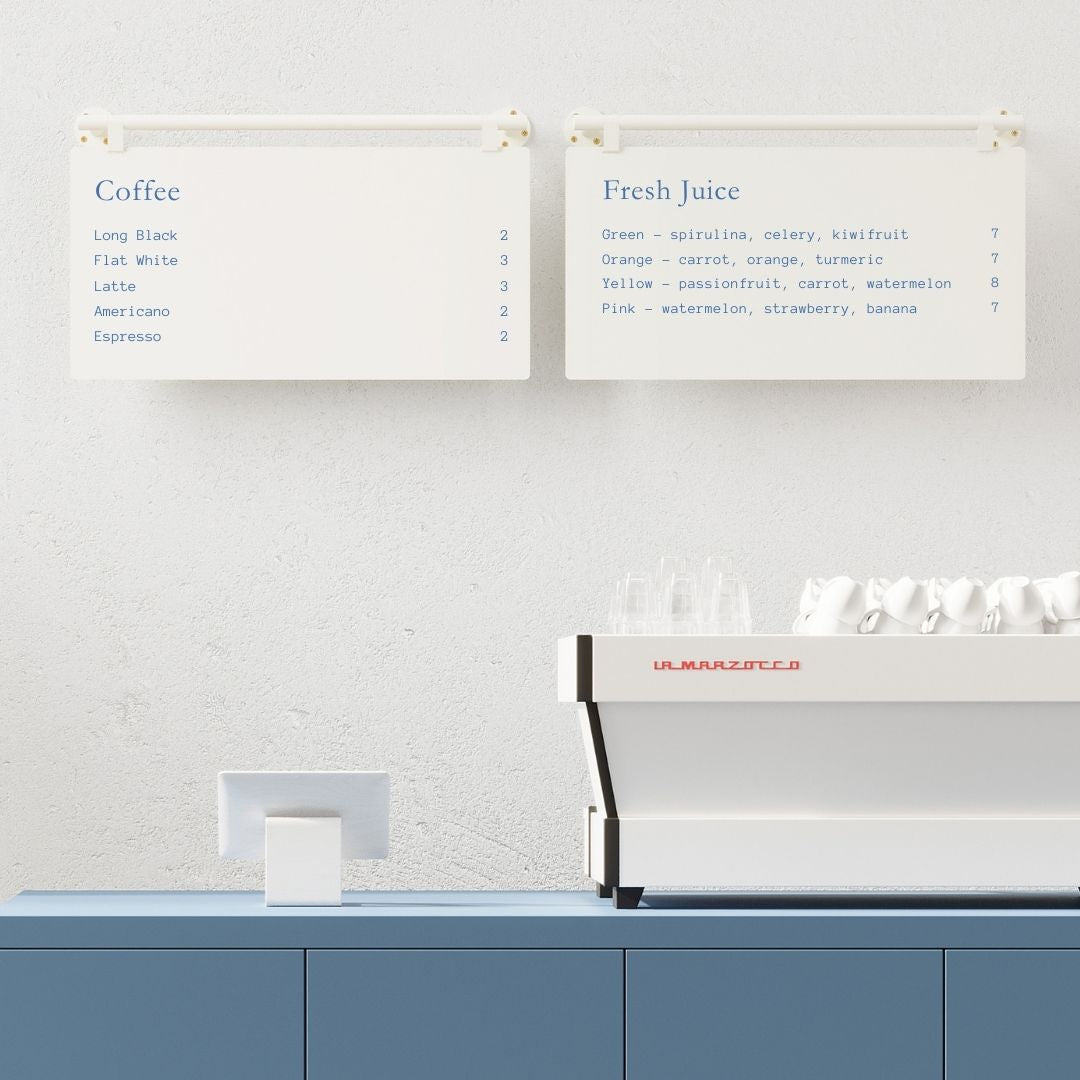
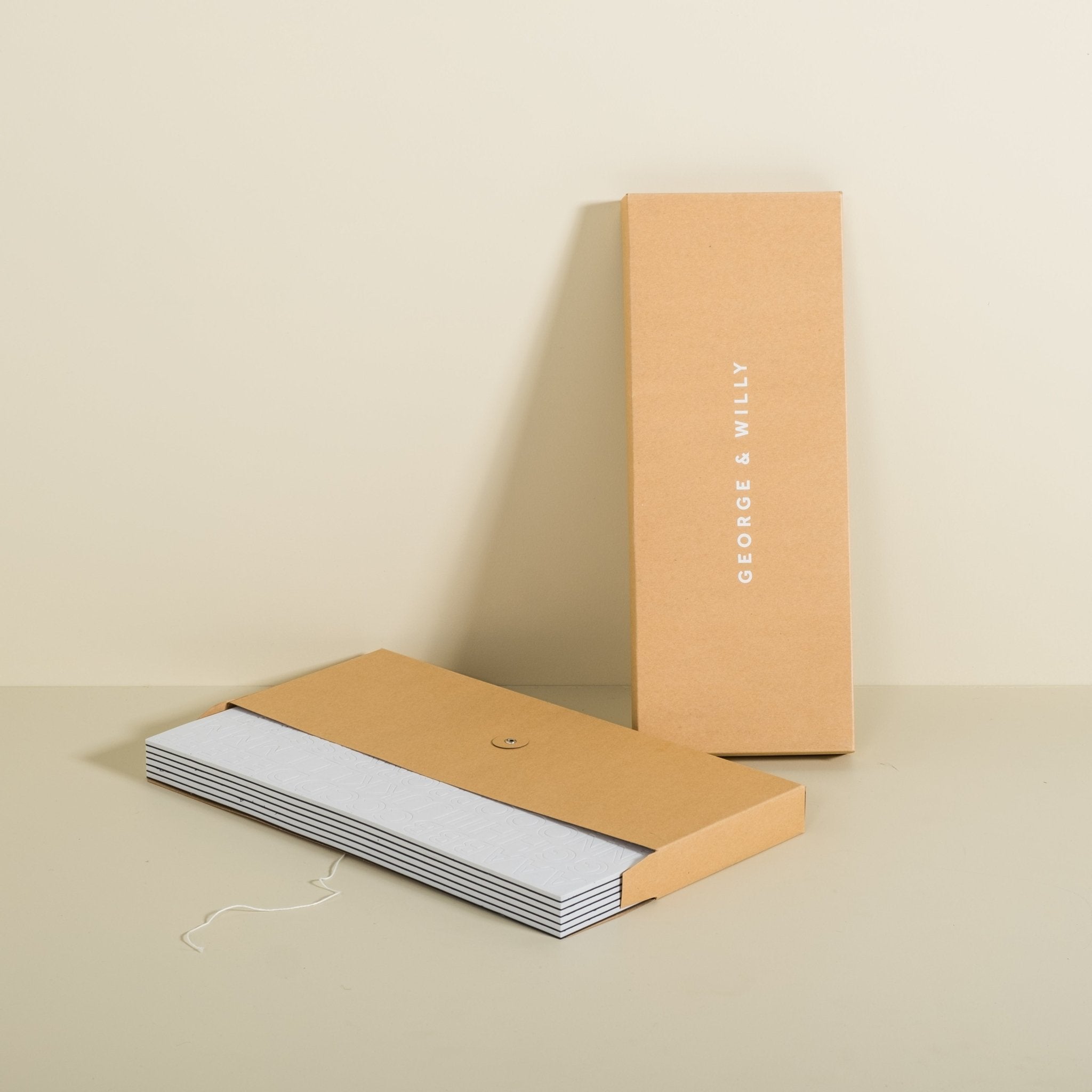
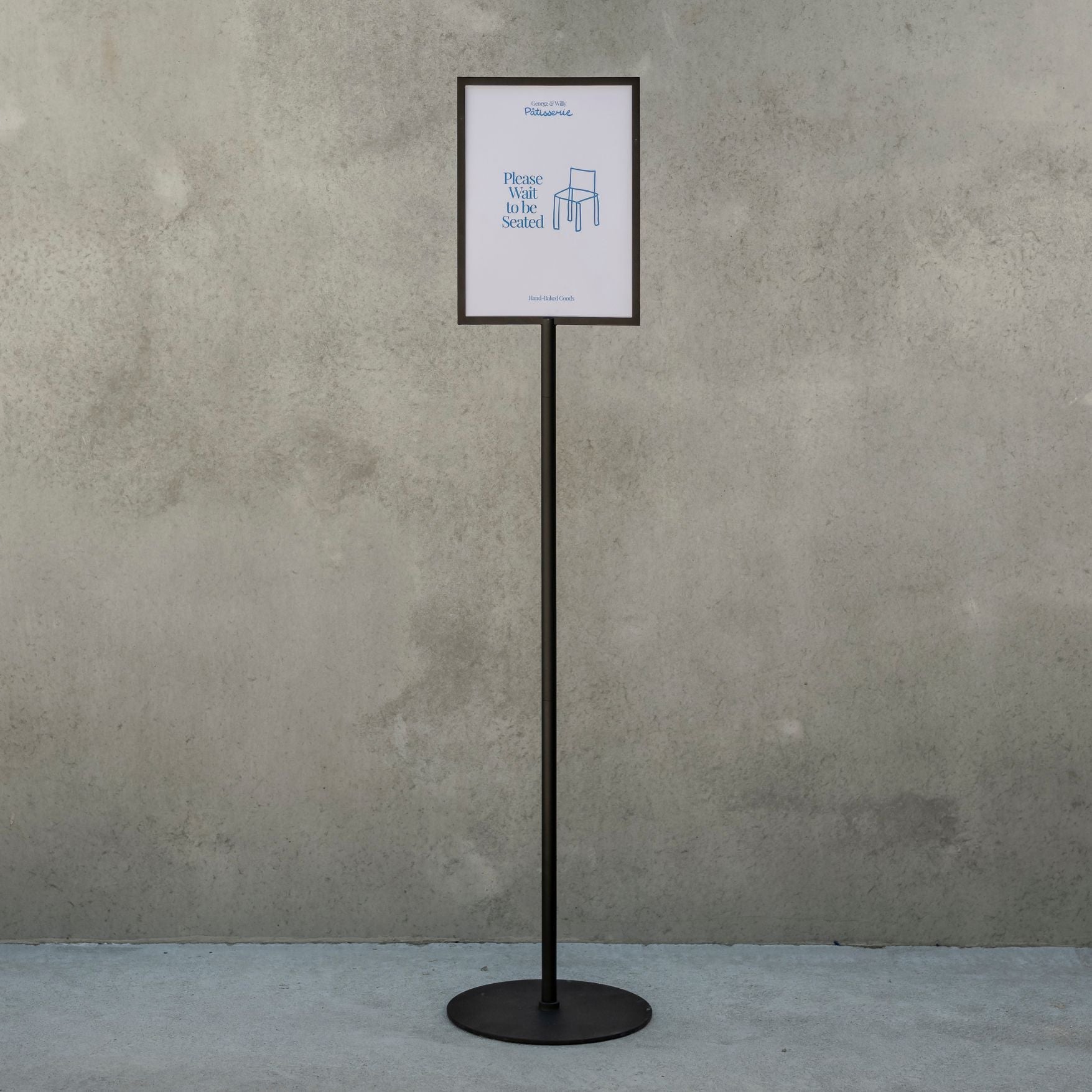
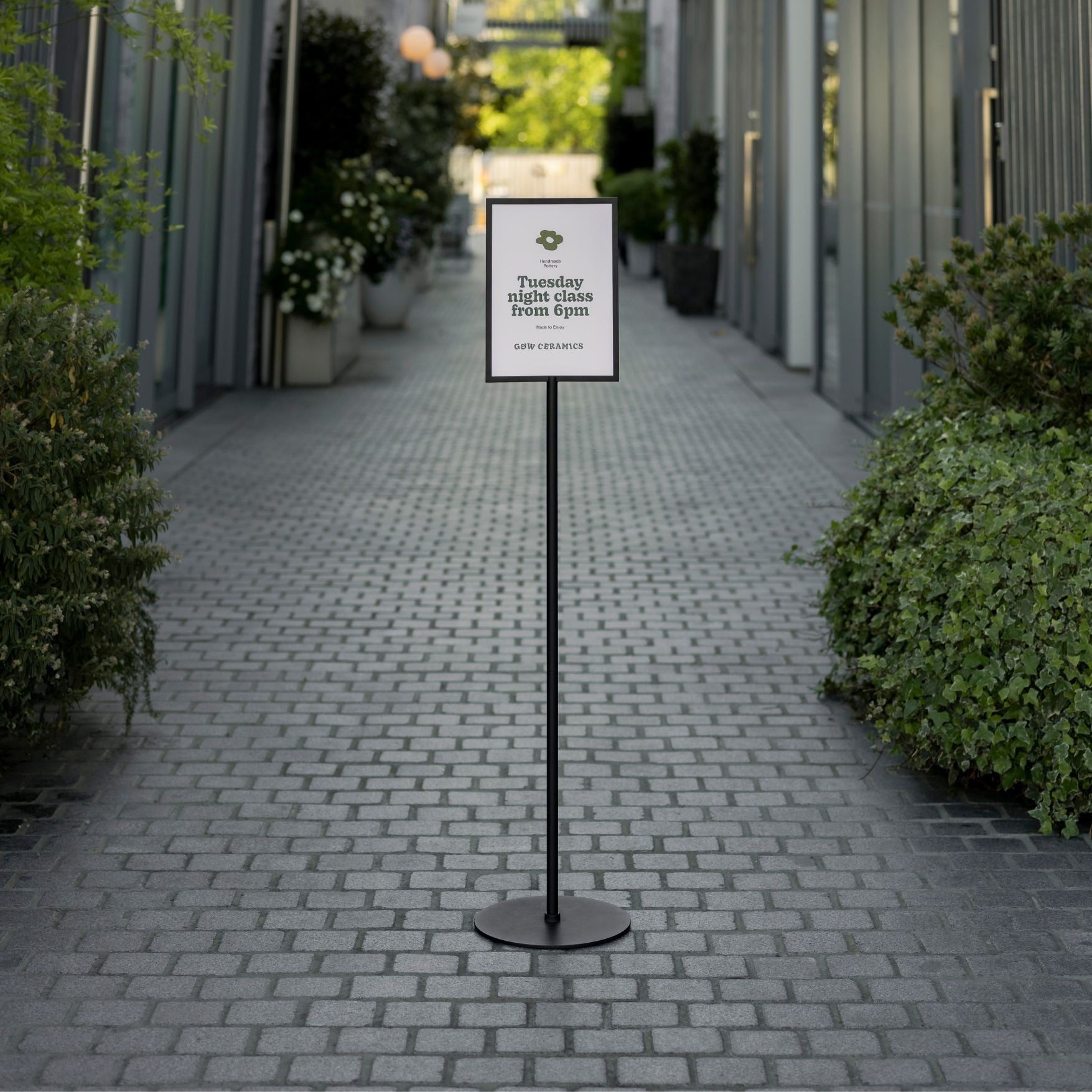
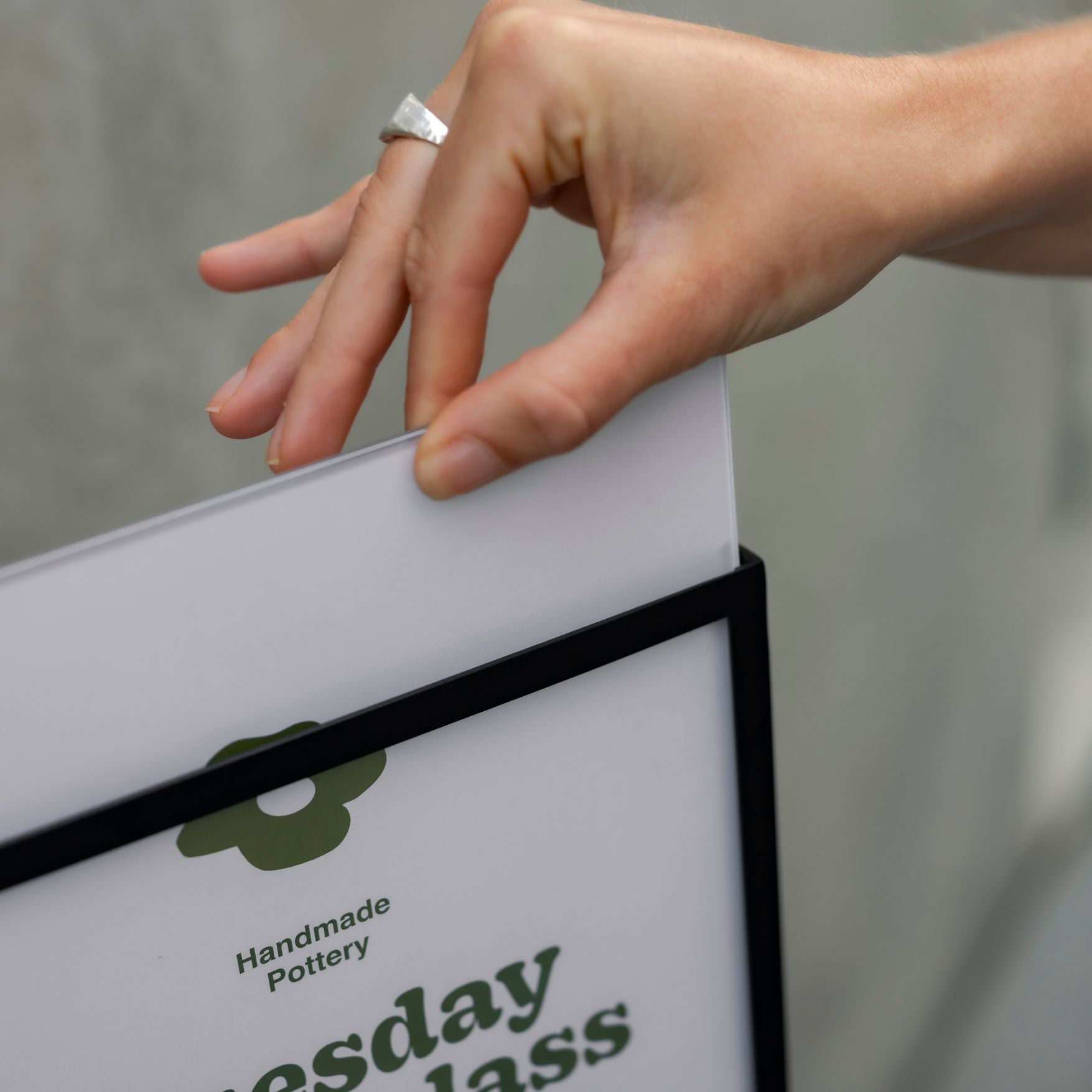
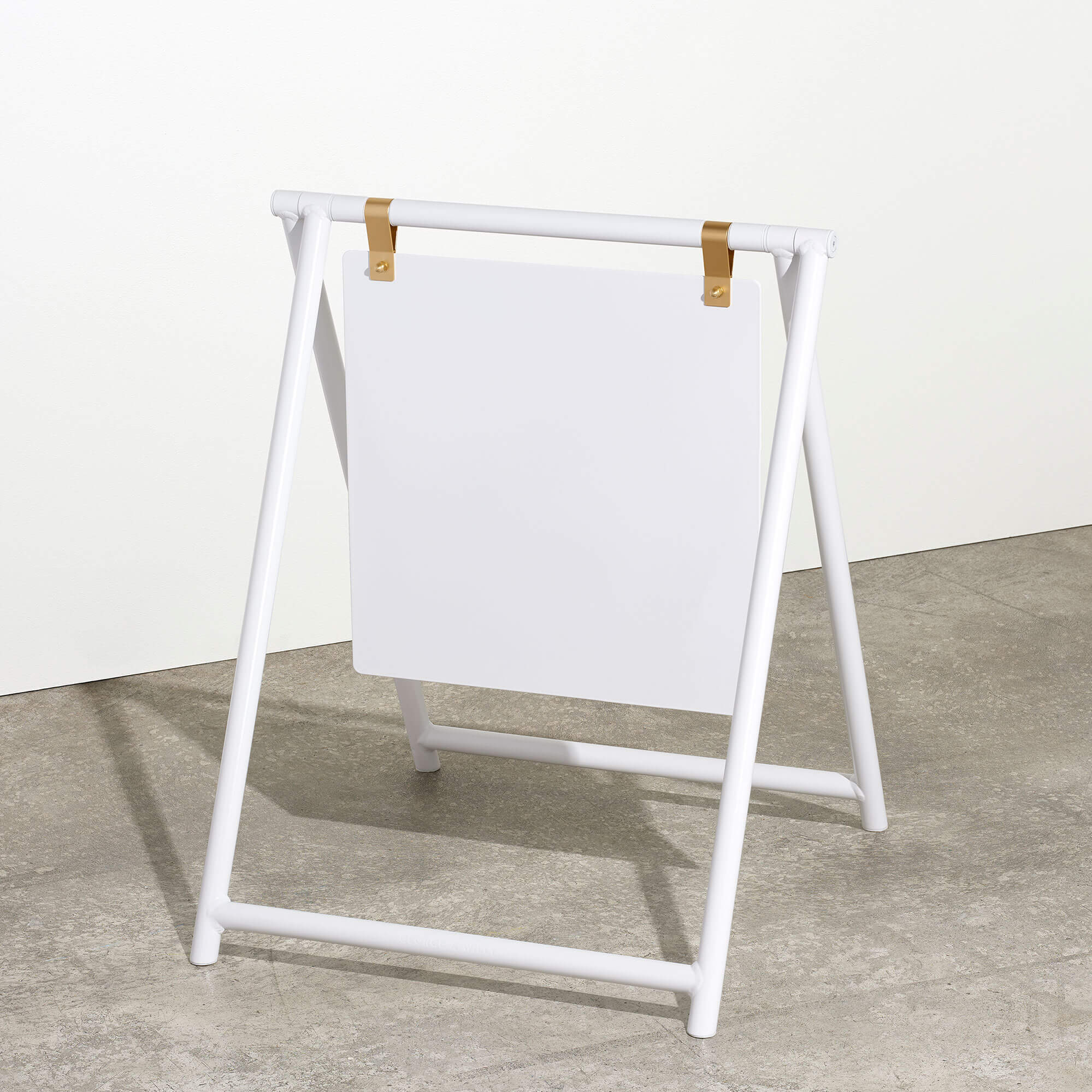
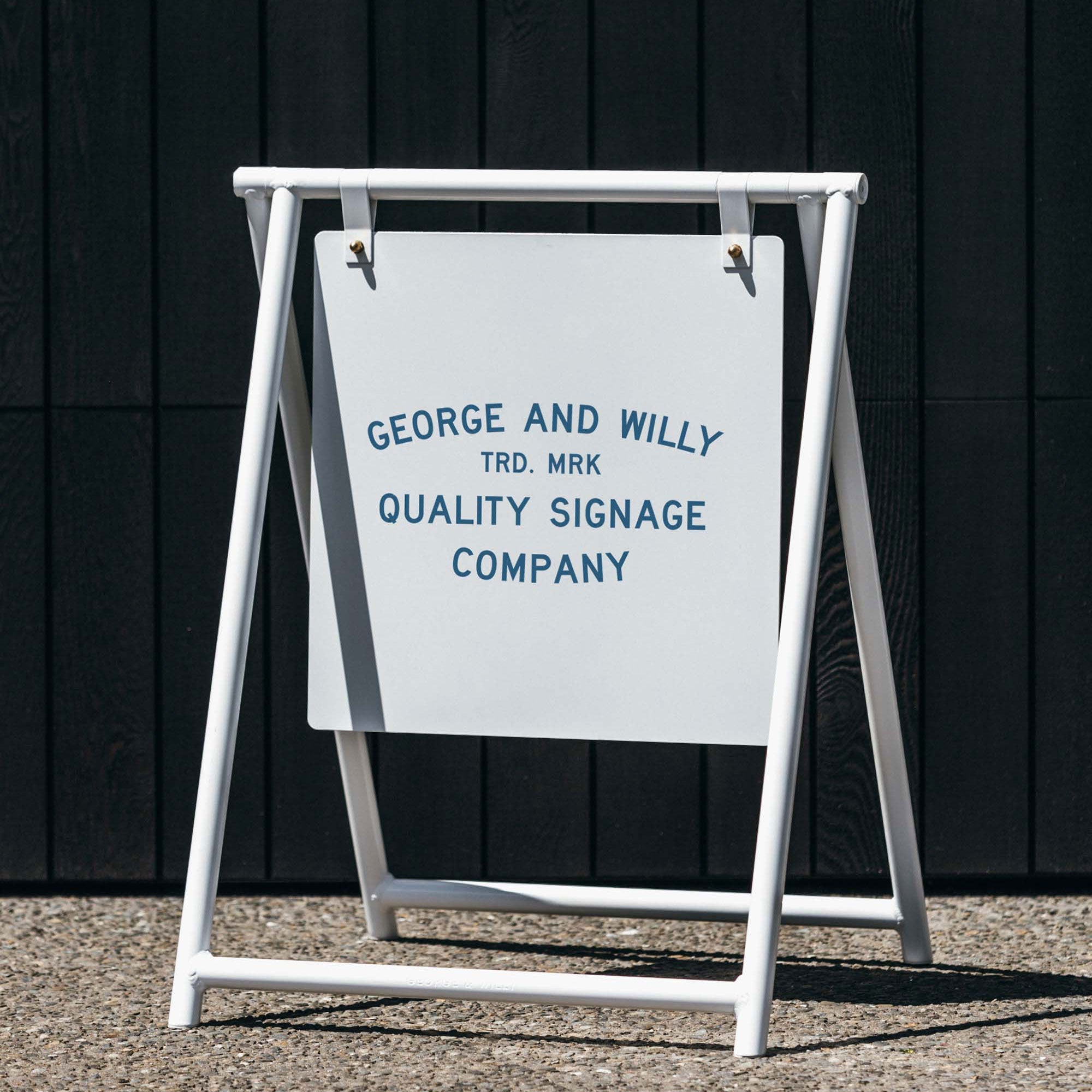
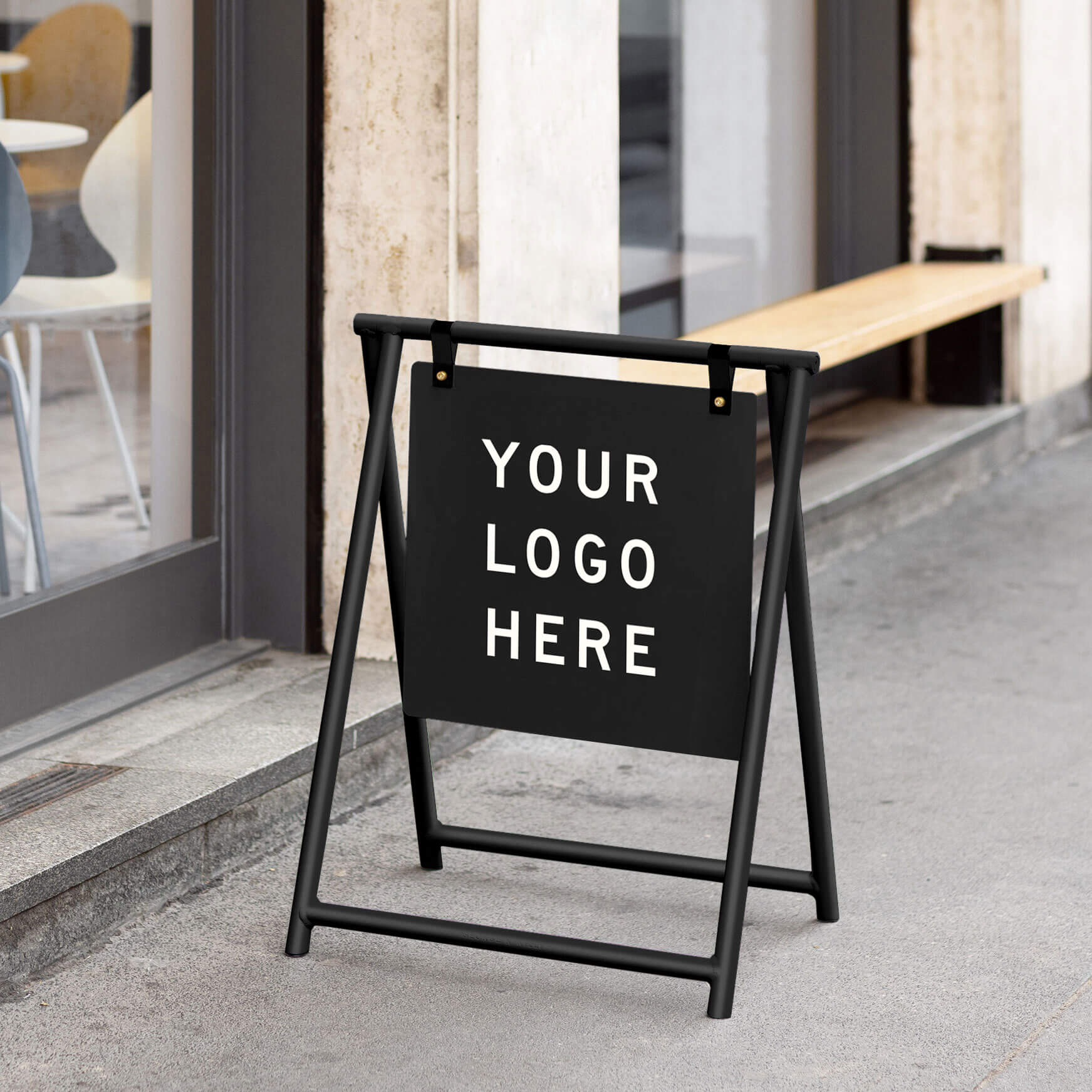
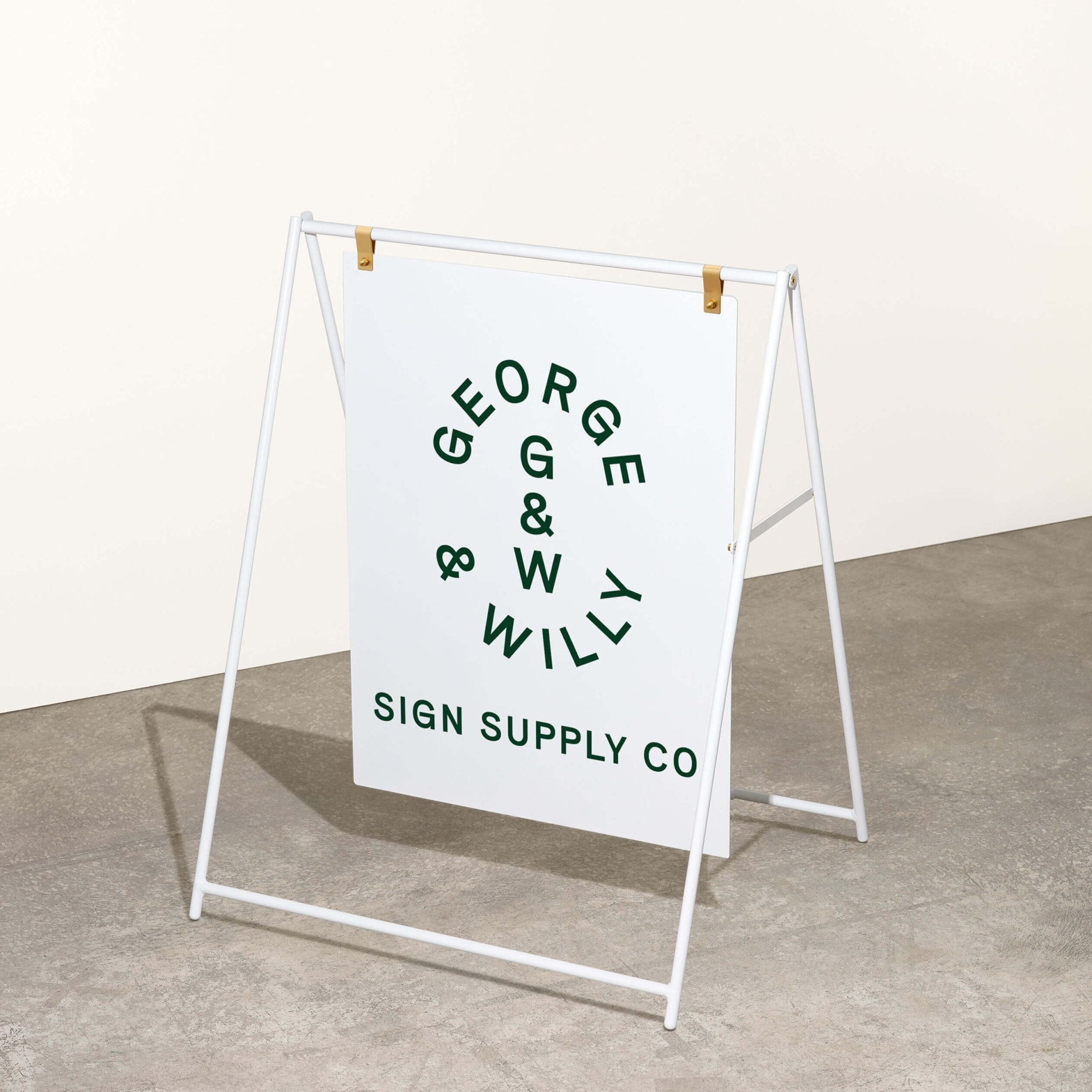
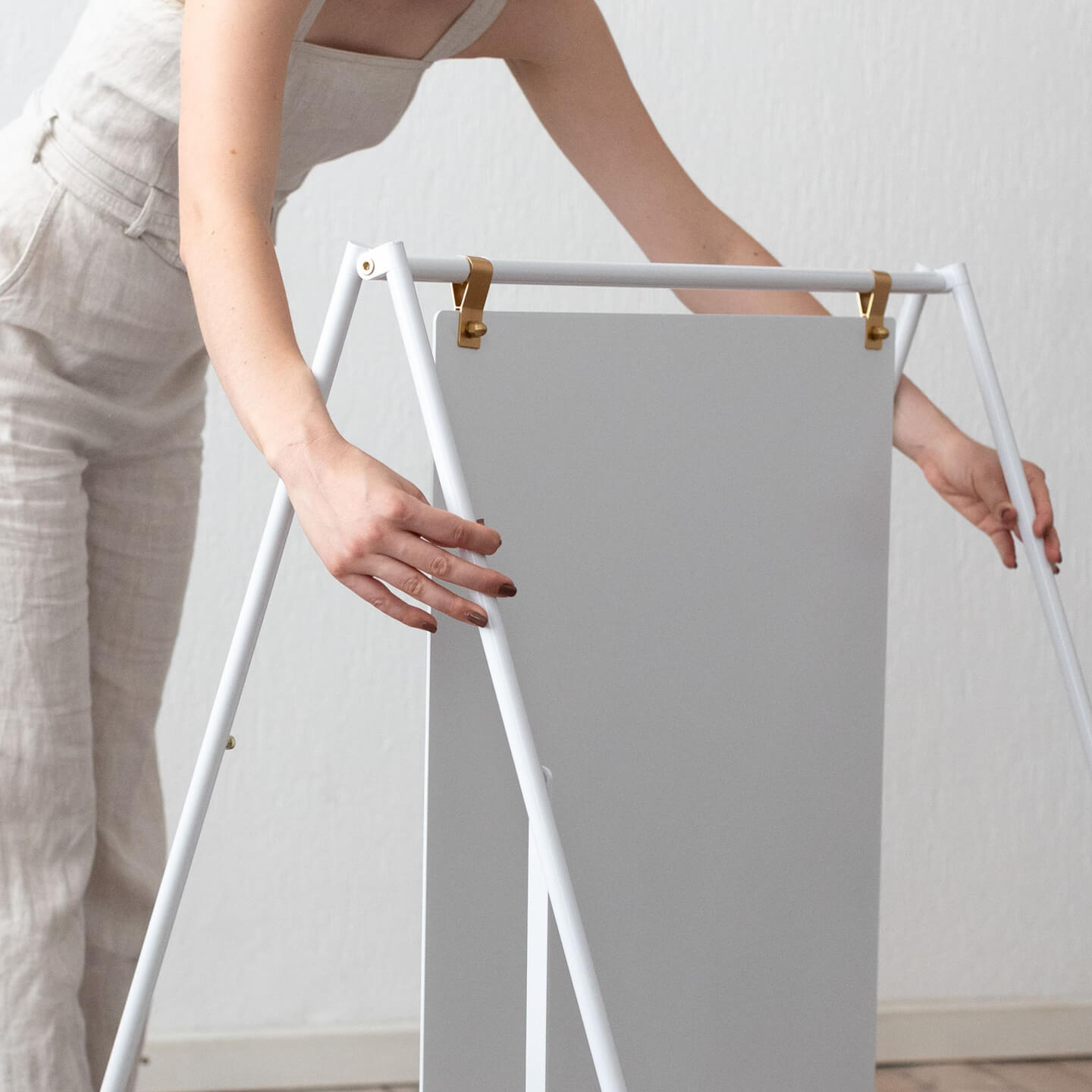
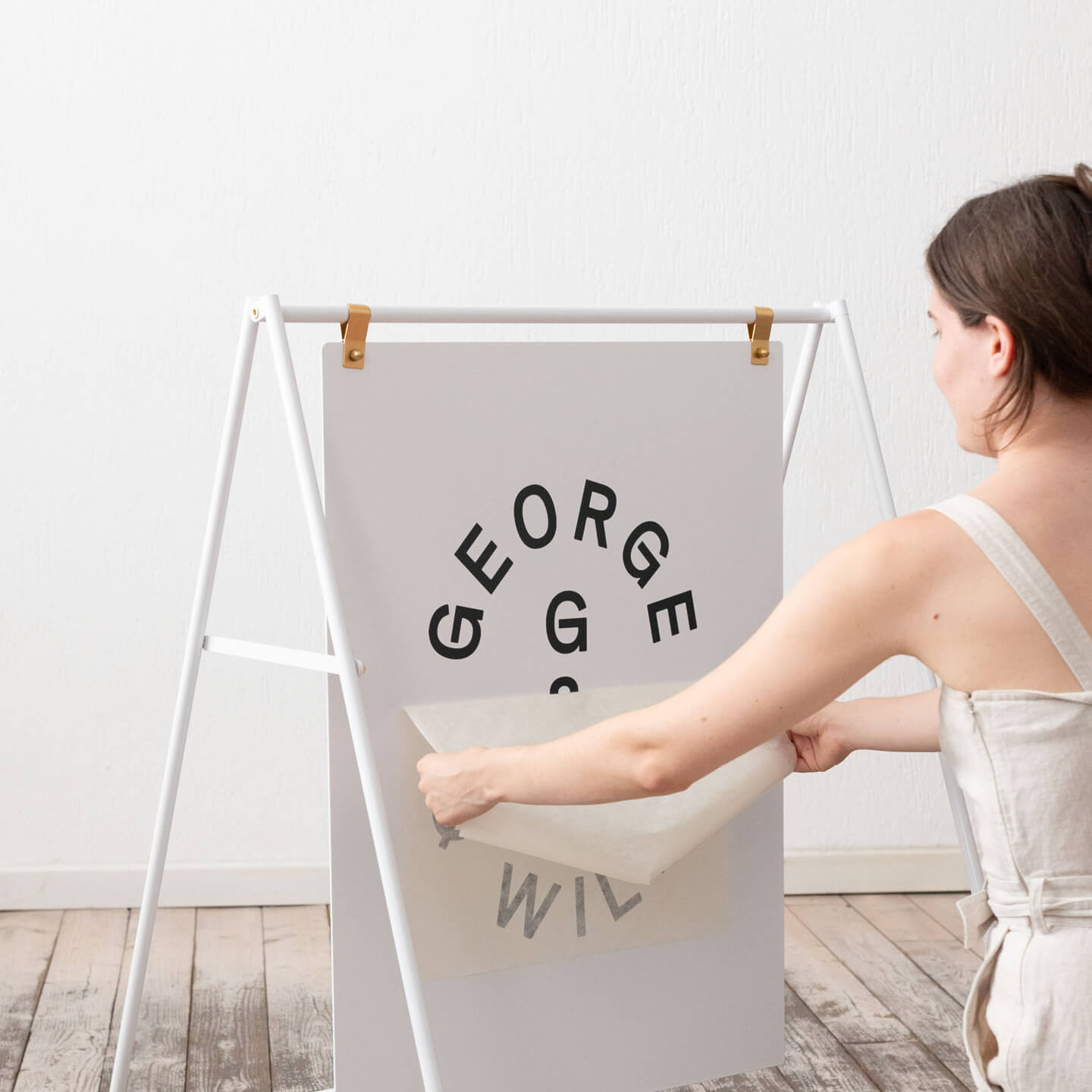
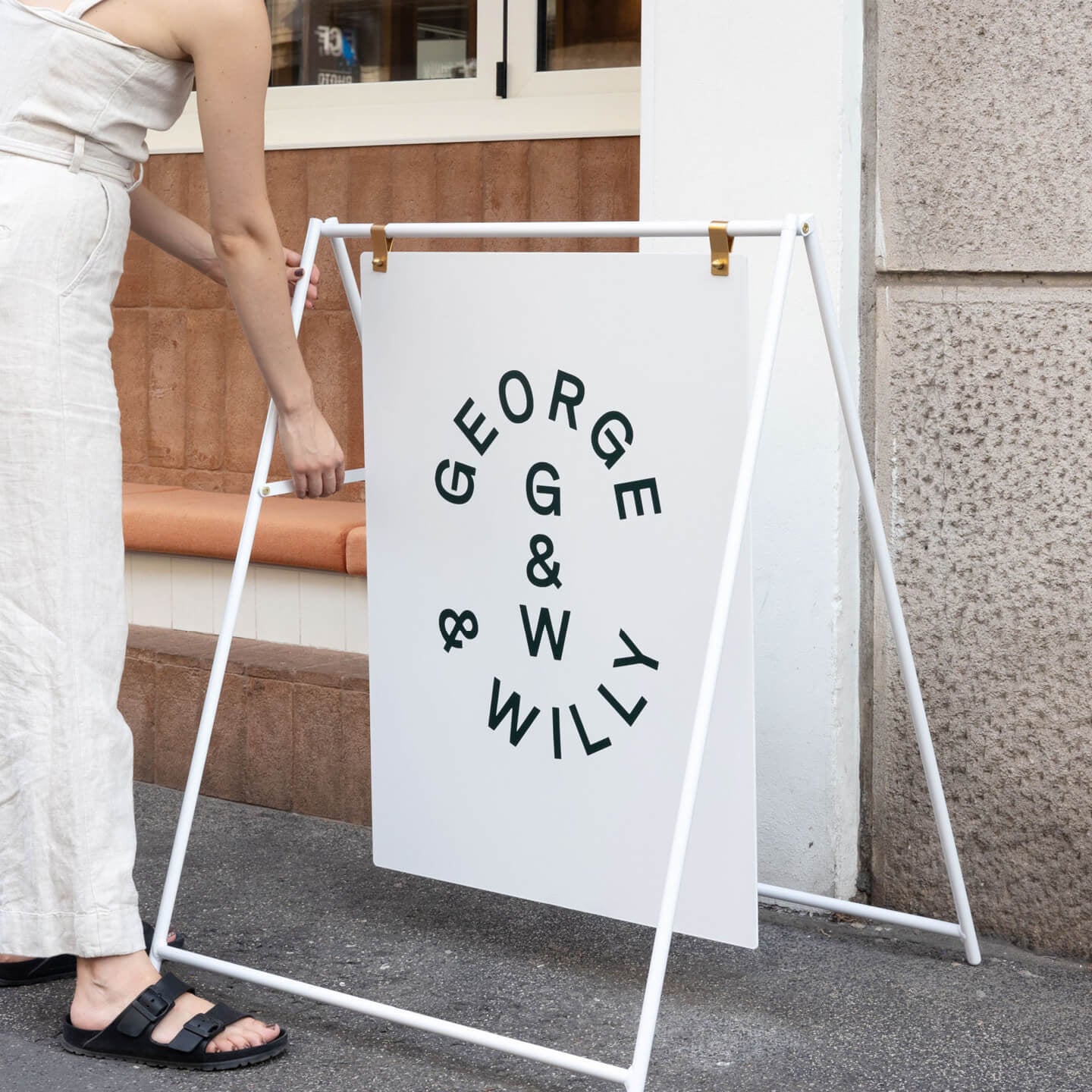
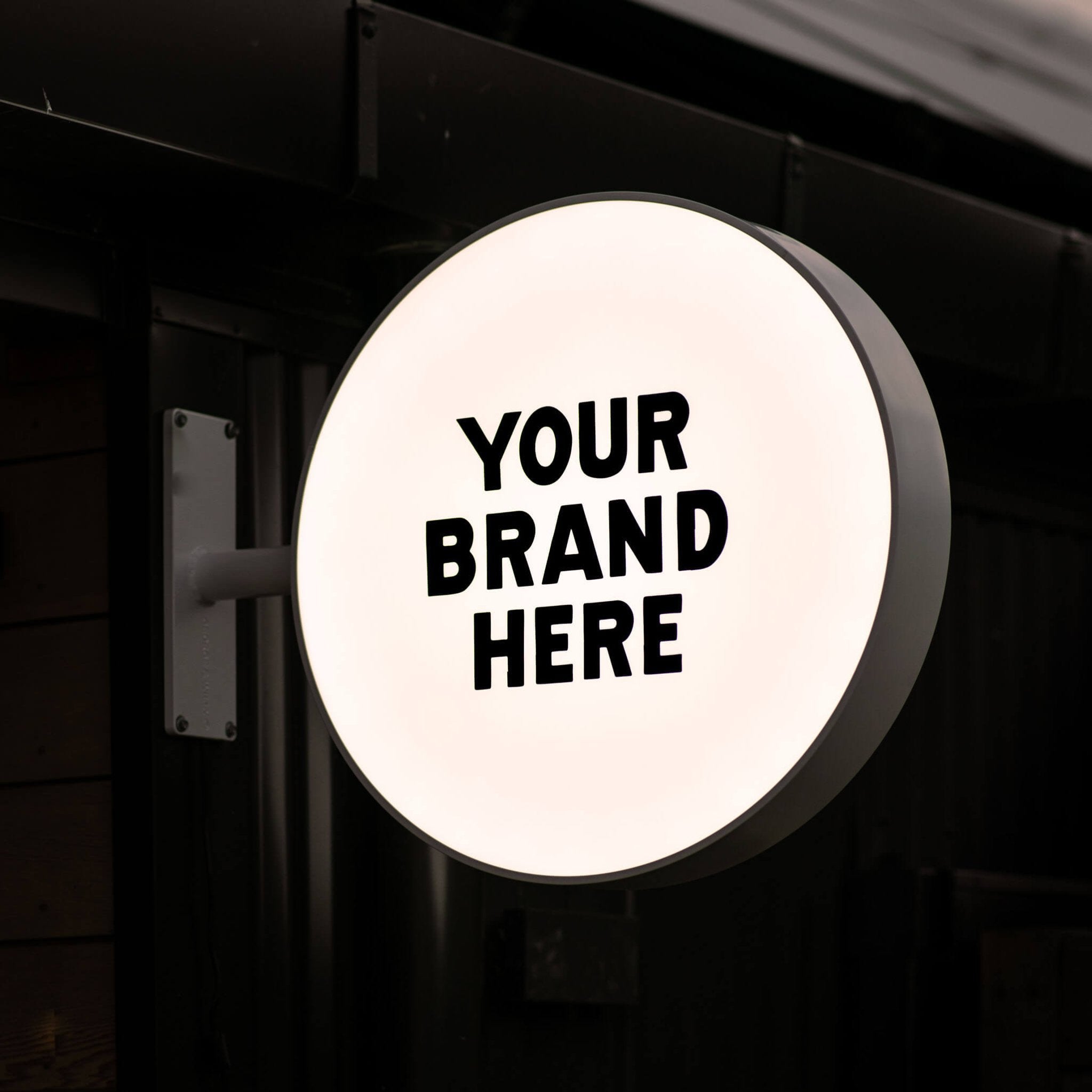
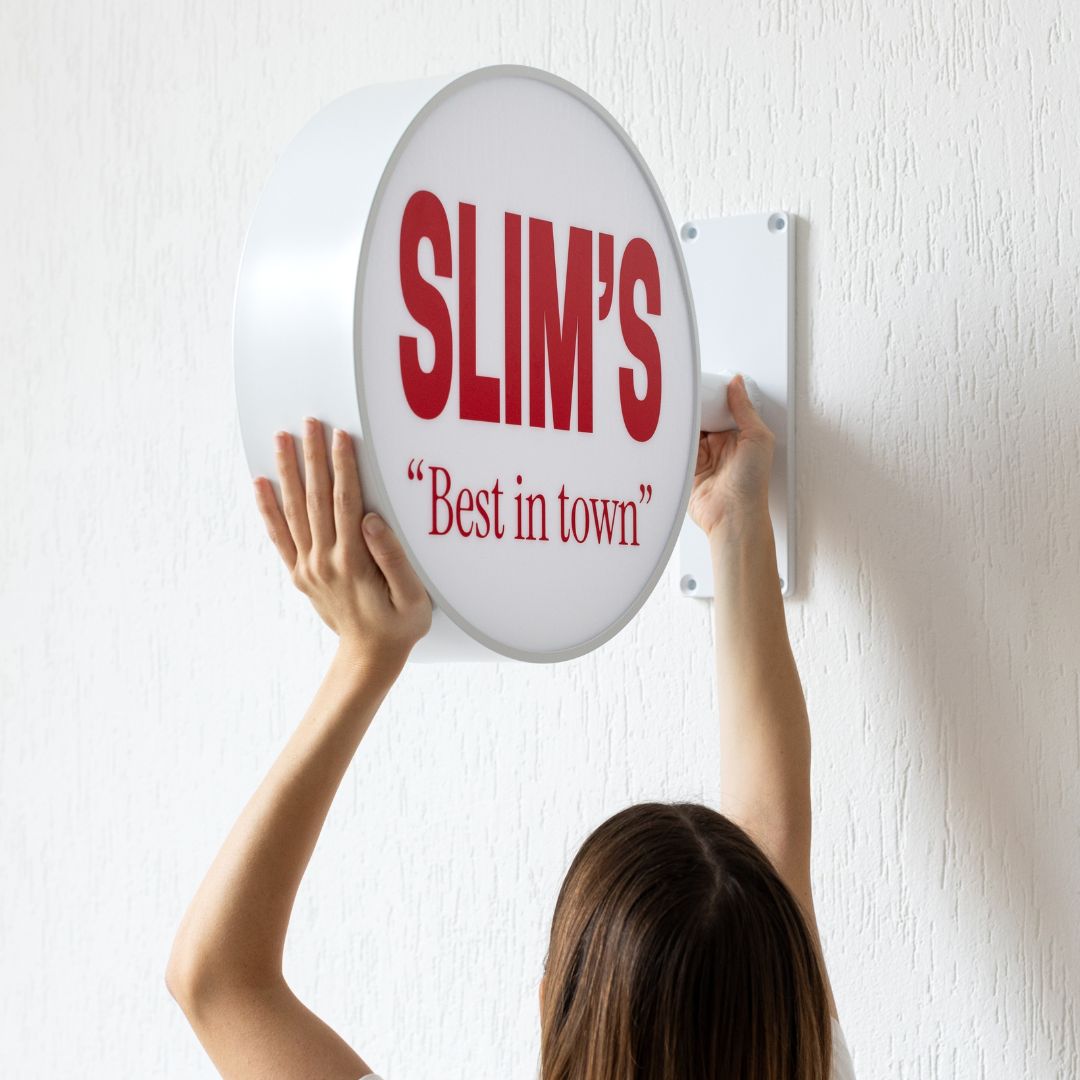
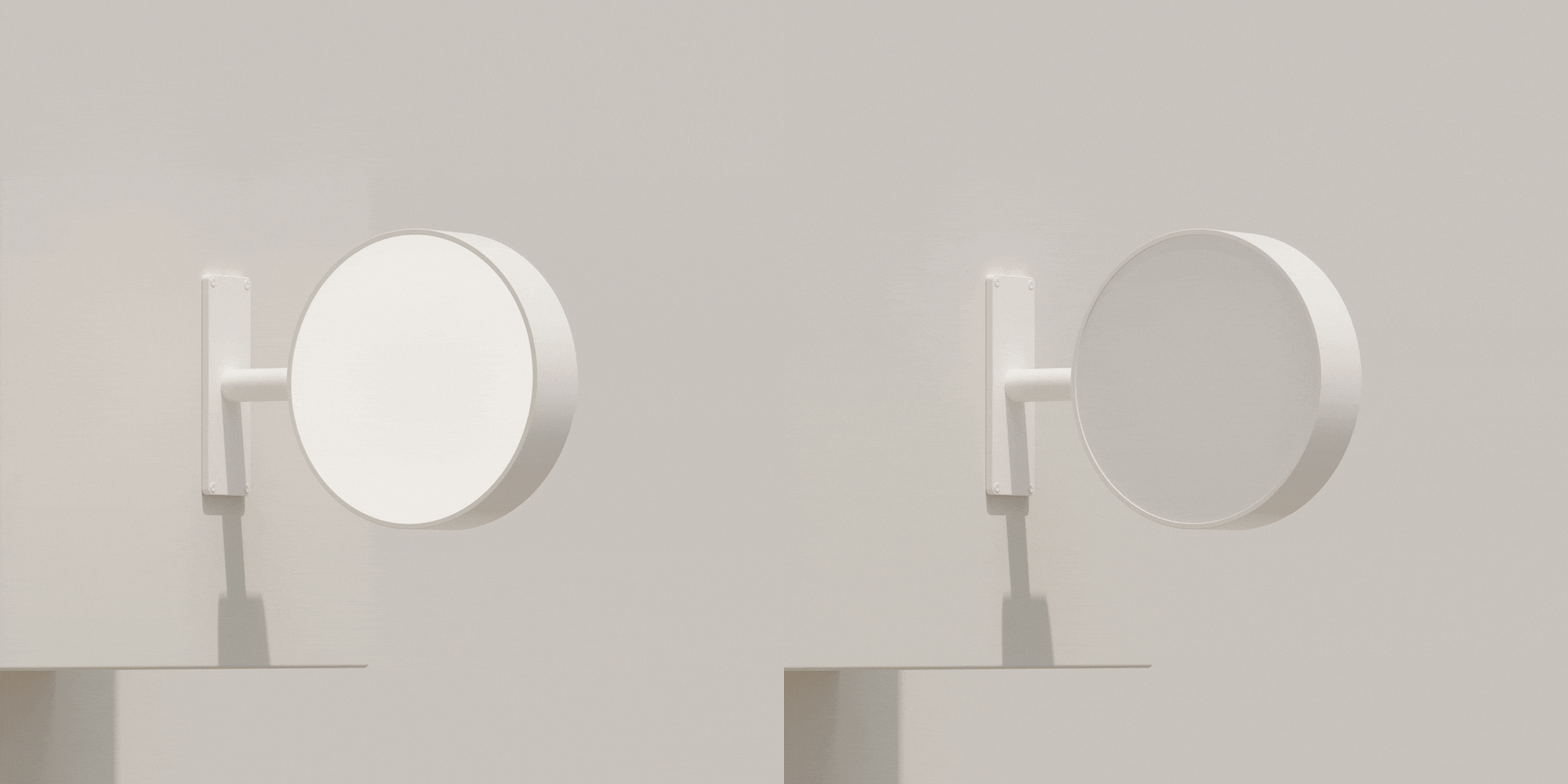
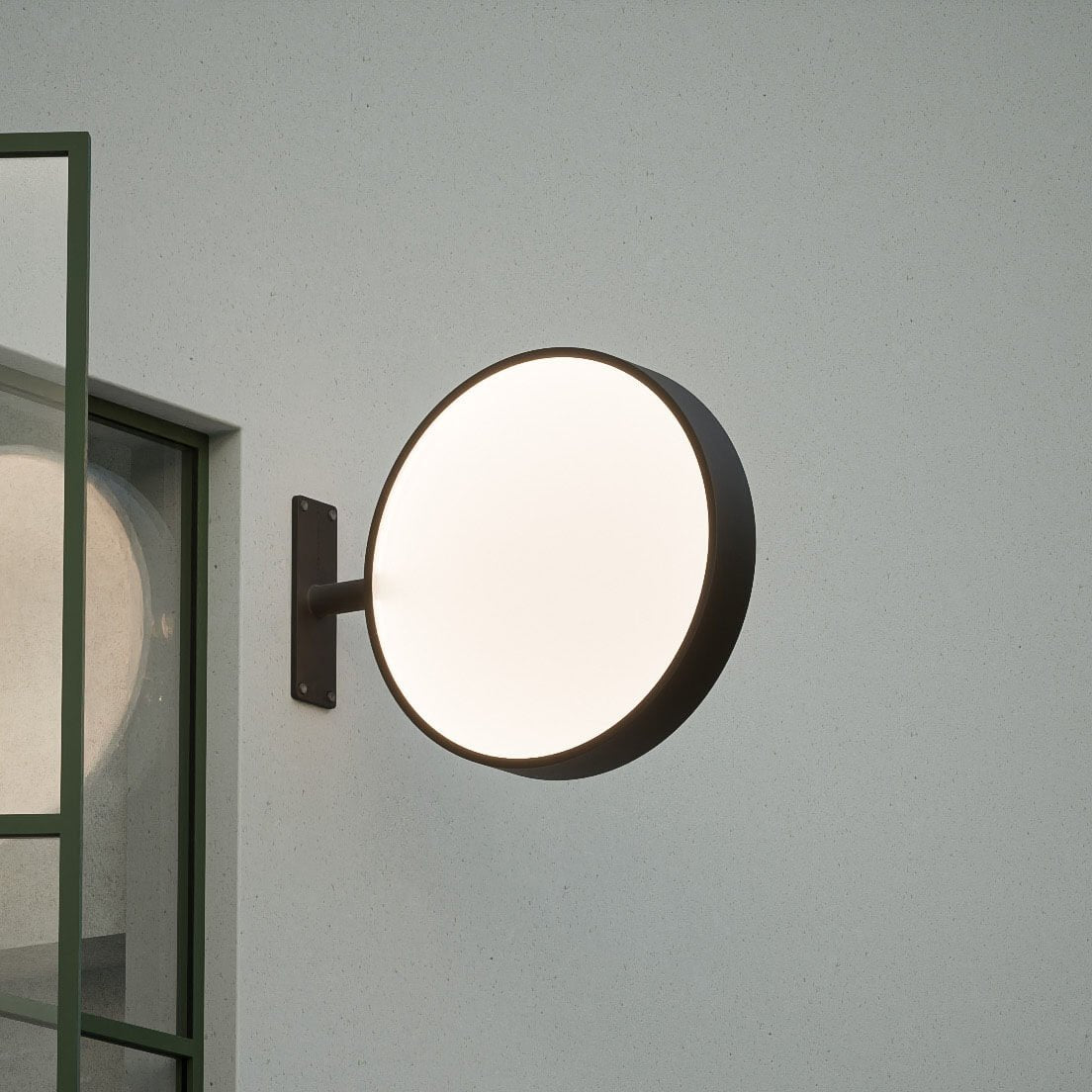
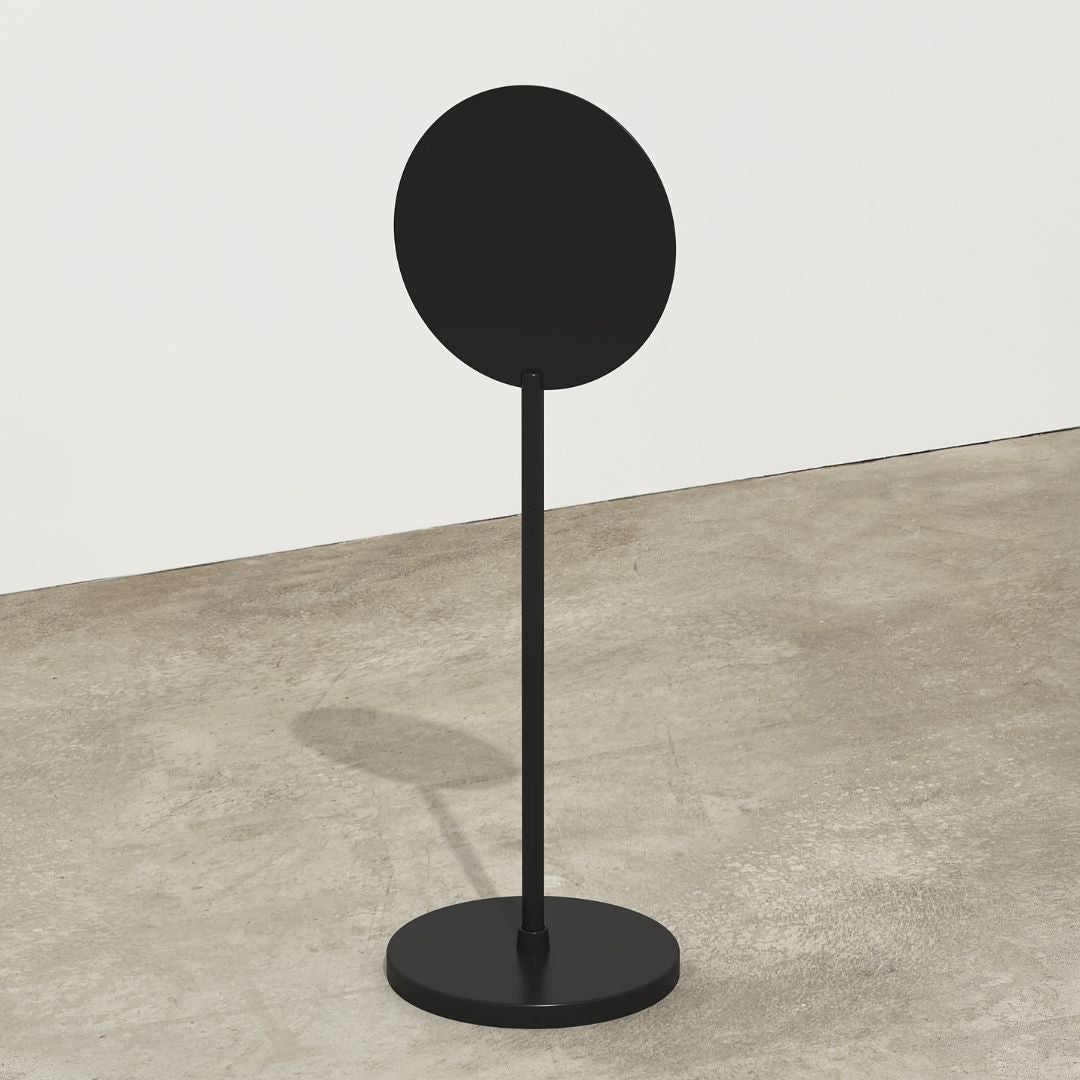
George & Willy offers a range of minimalist signage that provides the perfect blank canvas. Their neutral, design forward pieces can be easily customized by a local signwriter with your logo and branding, ensuring a high end look that is uniquely yours.
Functionality and Flexibility in Office Communication
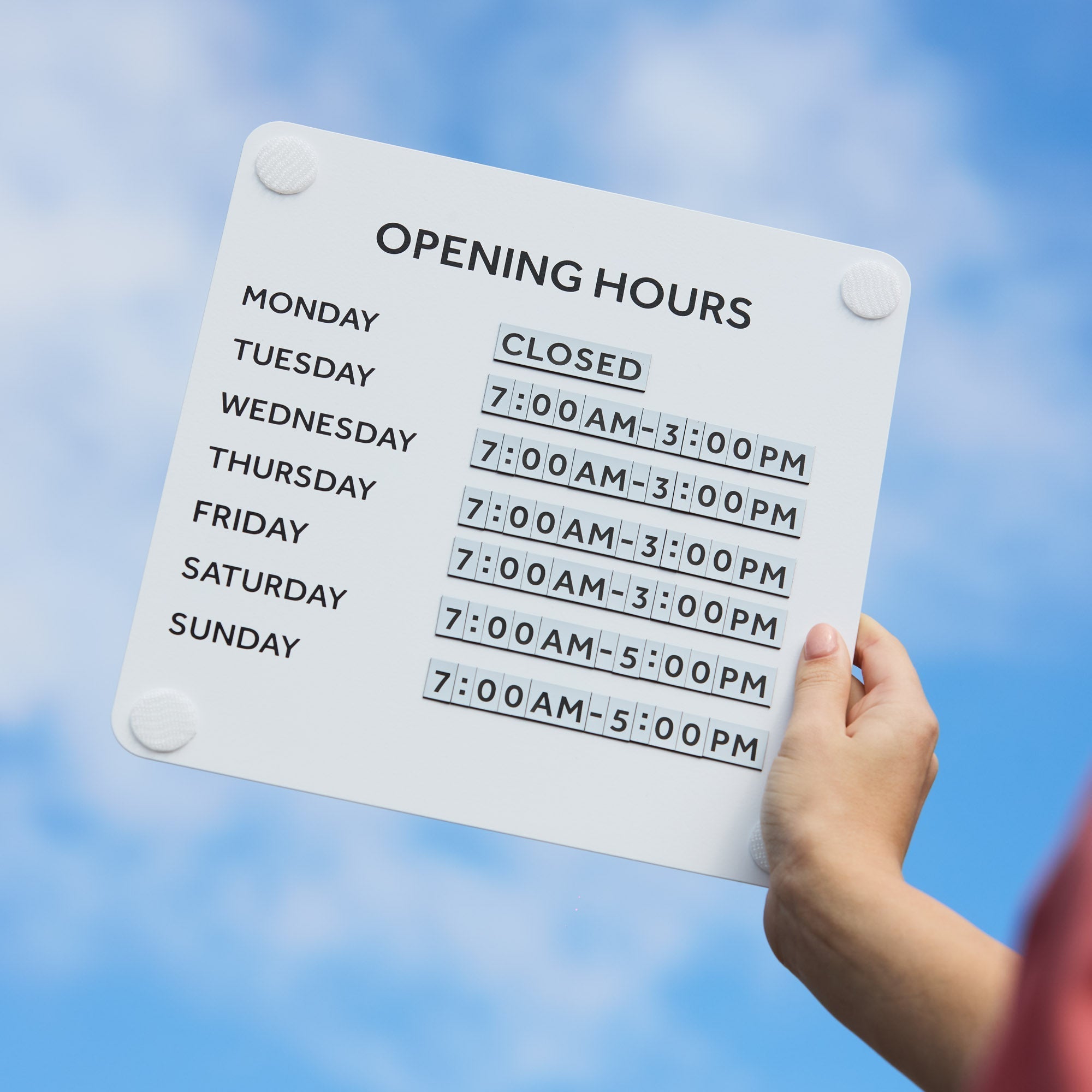
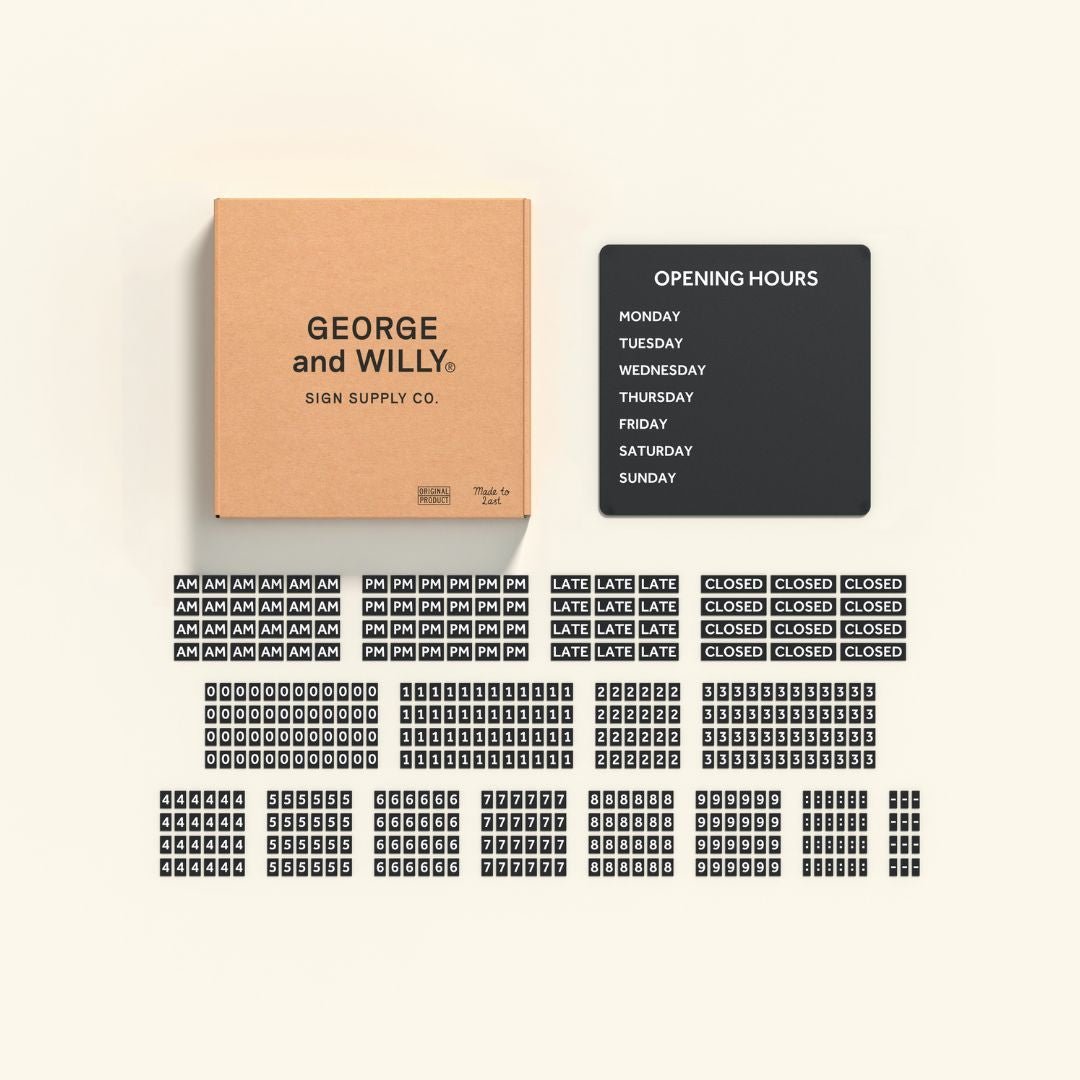
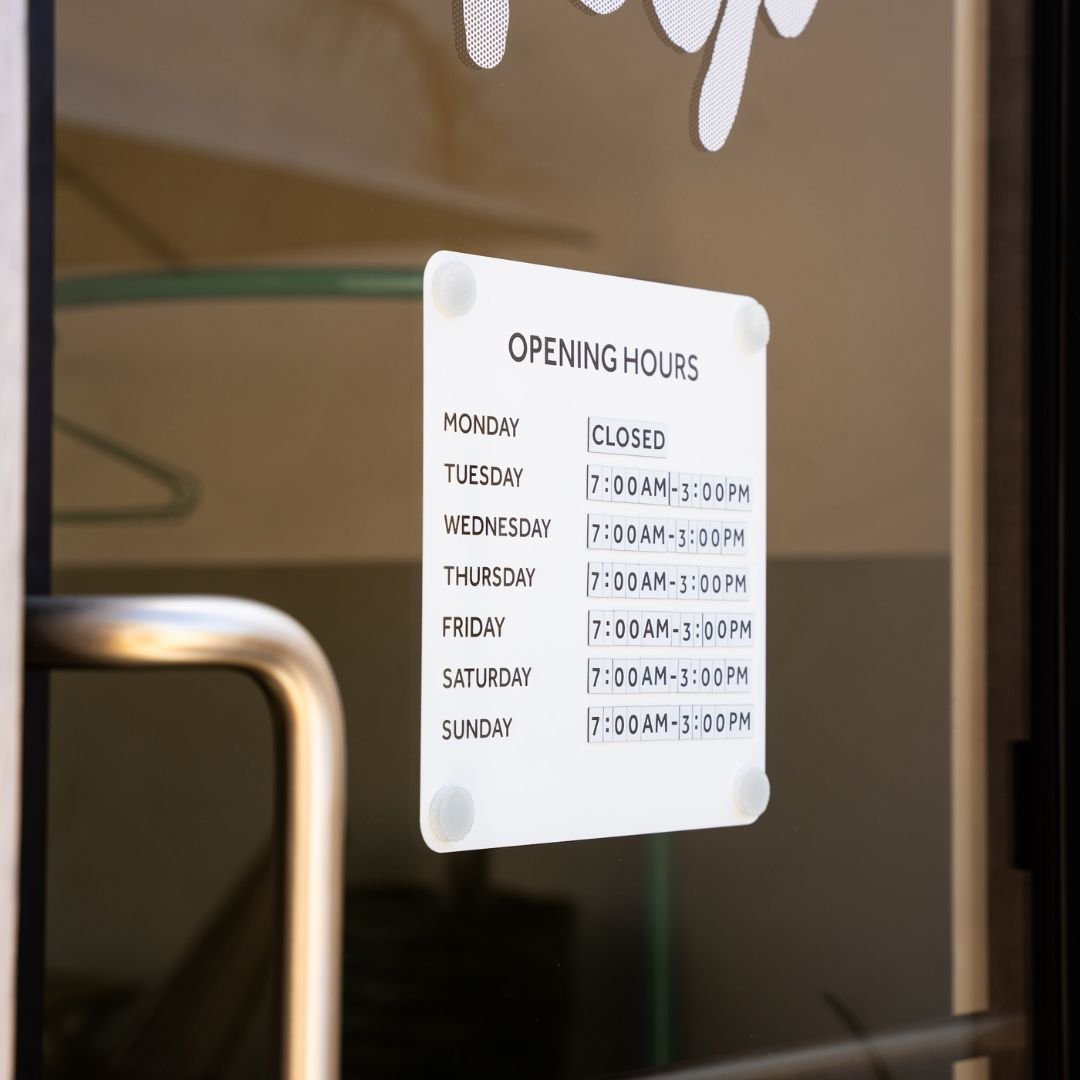
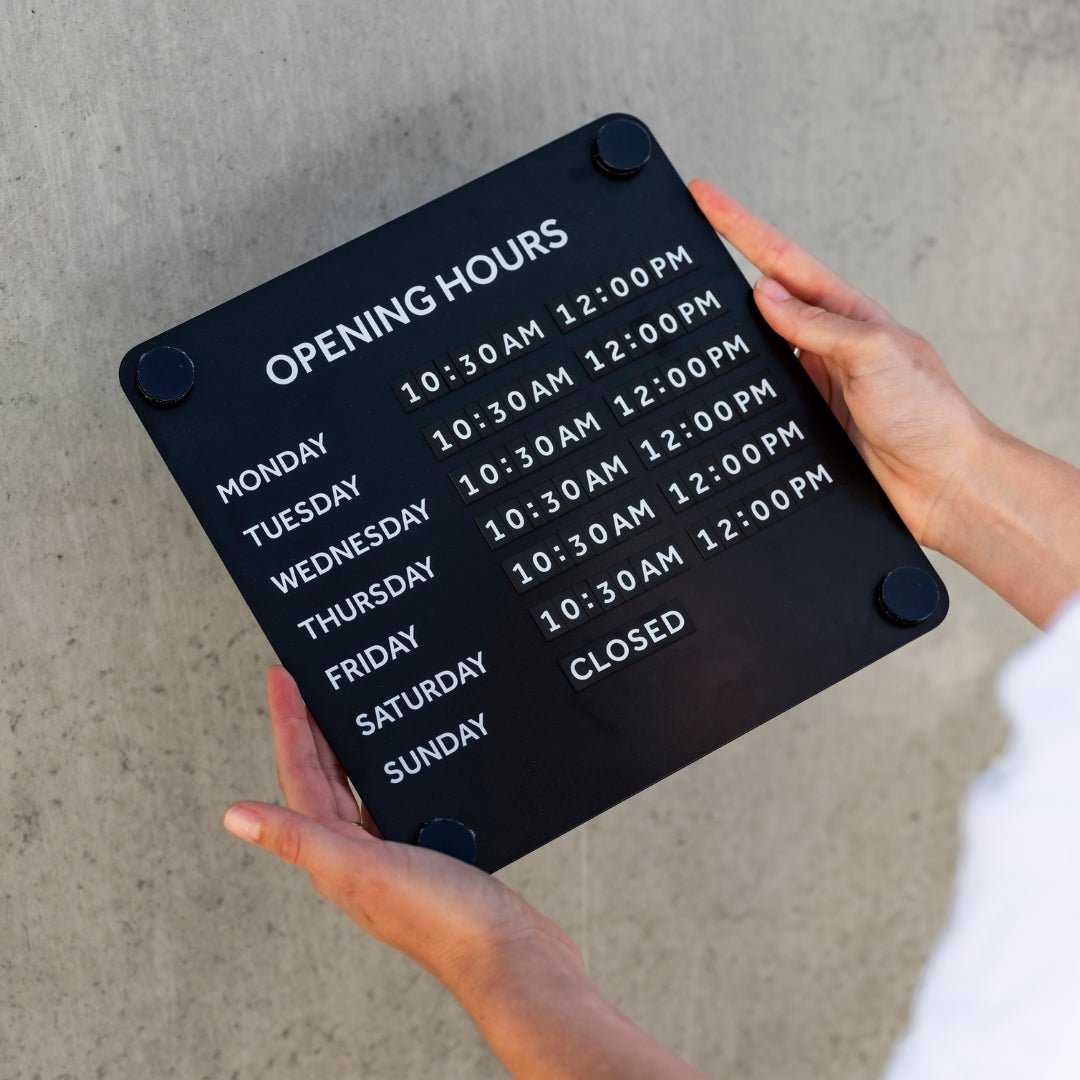
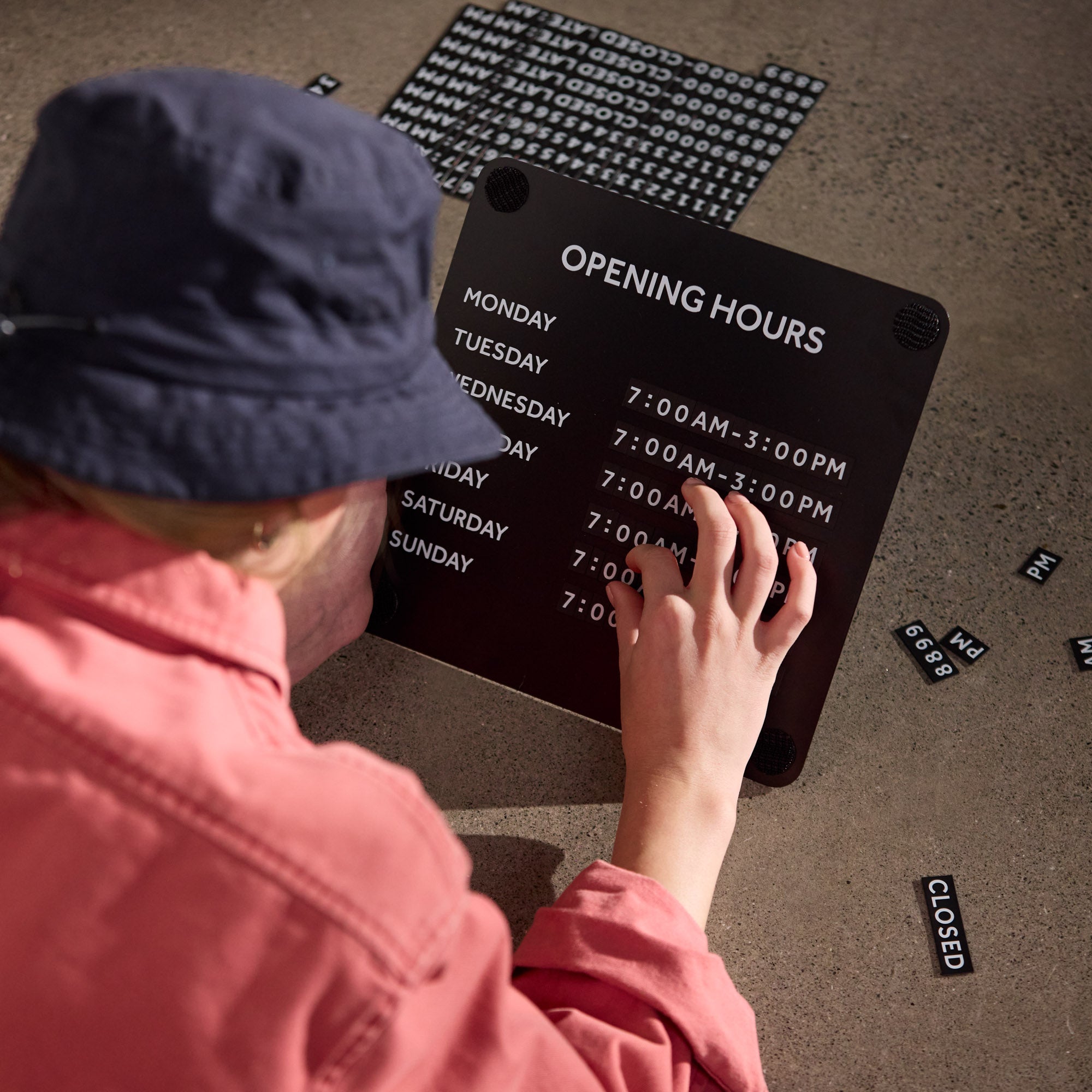
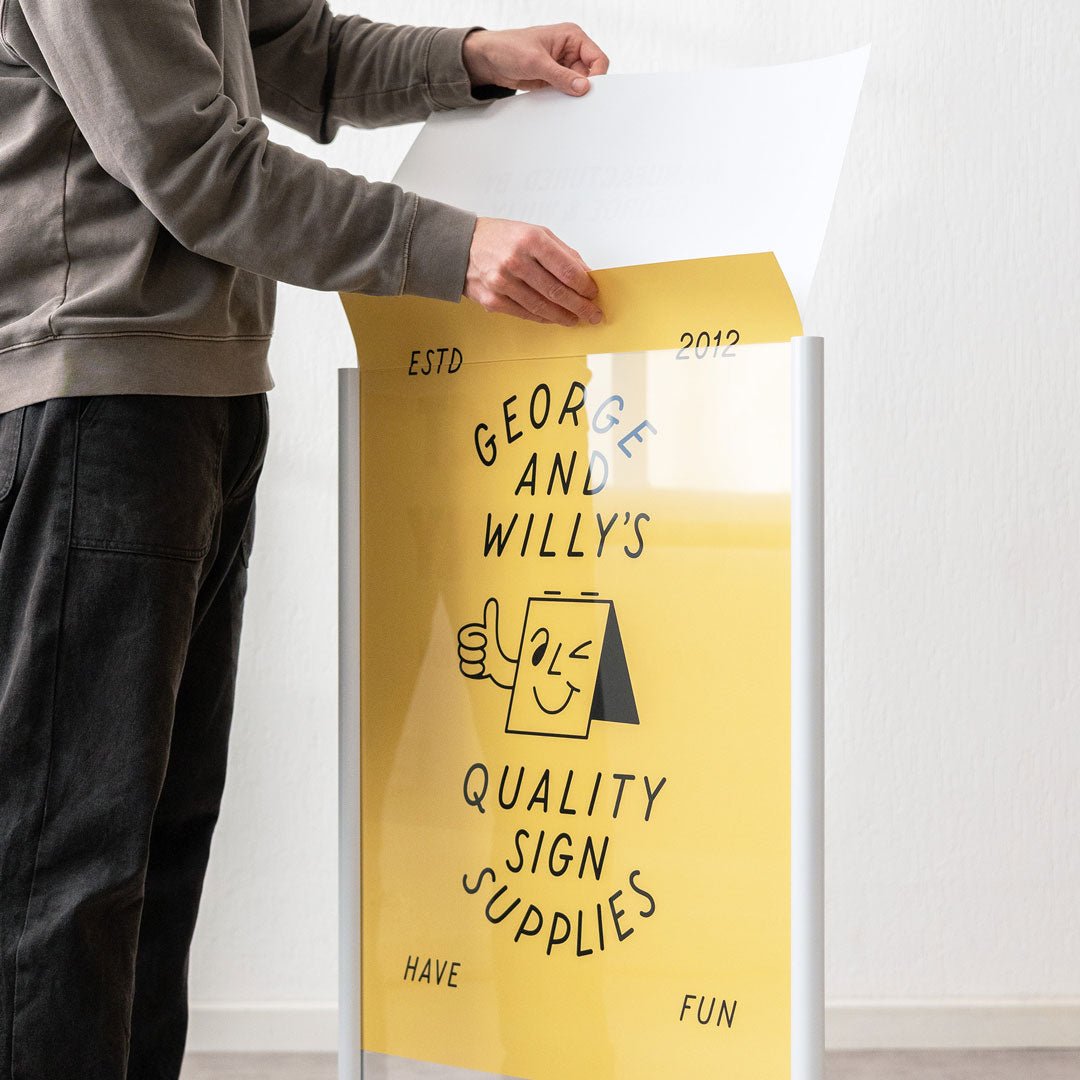
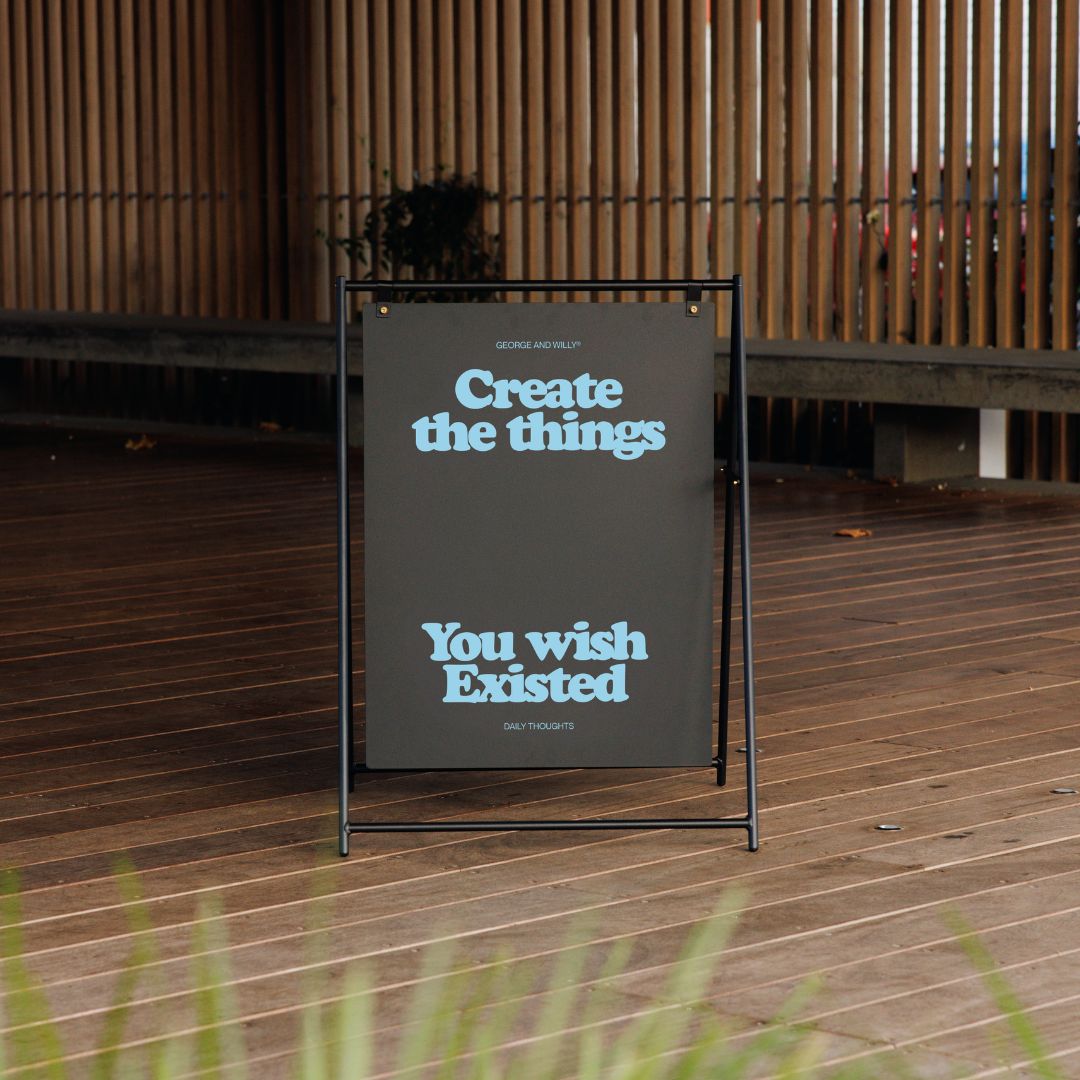
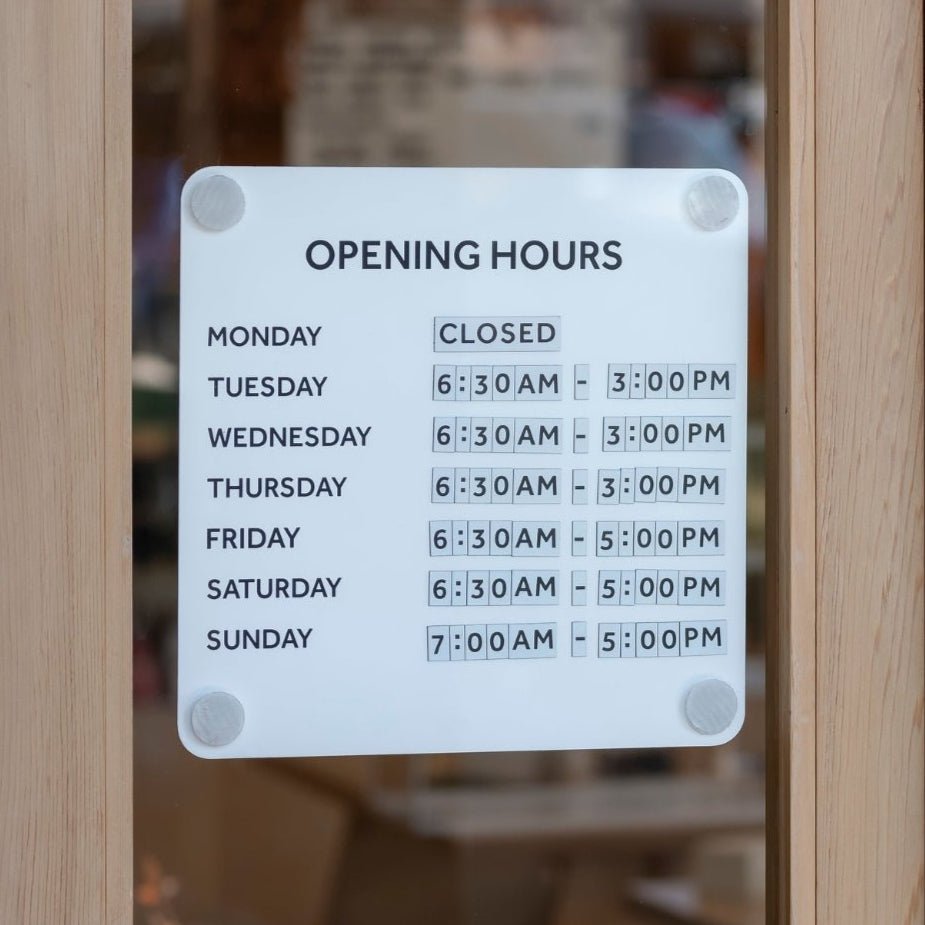
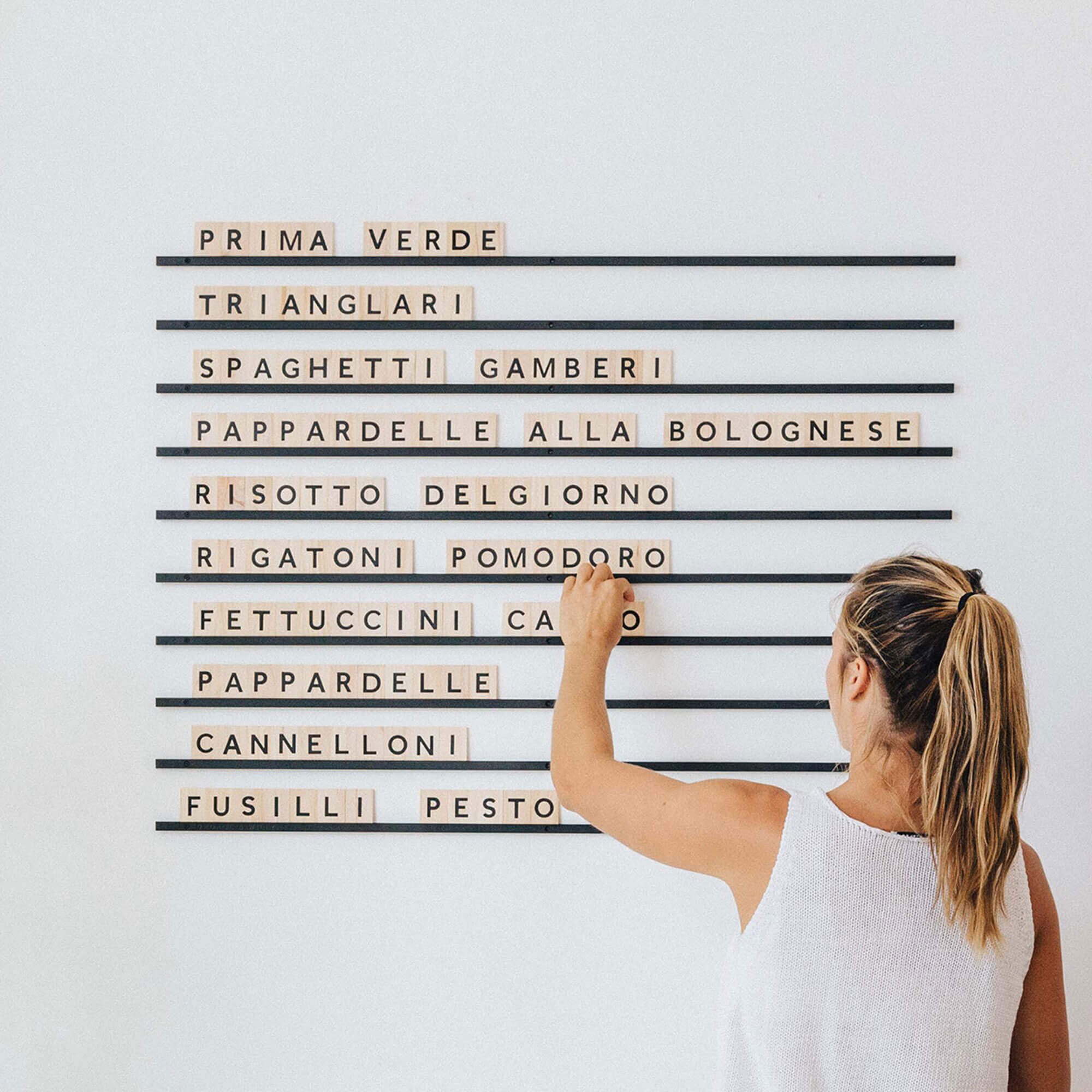
The modern office is a dynamic environment. You may need to update meeting room schedules, post daily announcements, or welcome important clients by name. Your signage should be flexible enough to keep up with these changing needs without requiring constant replacements.
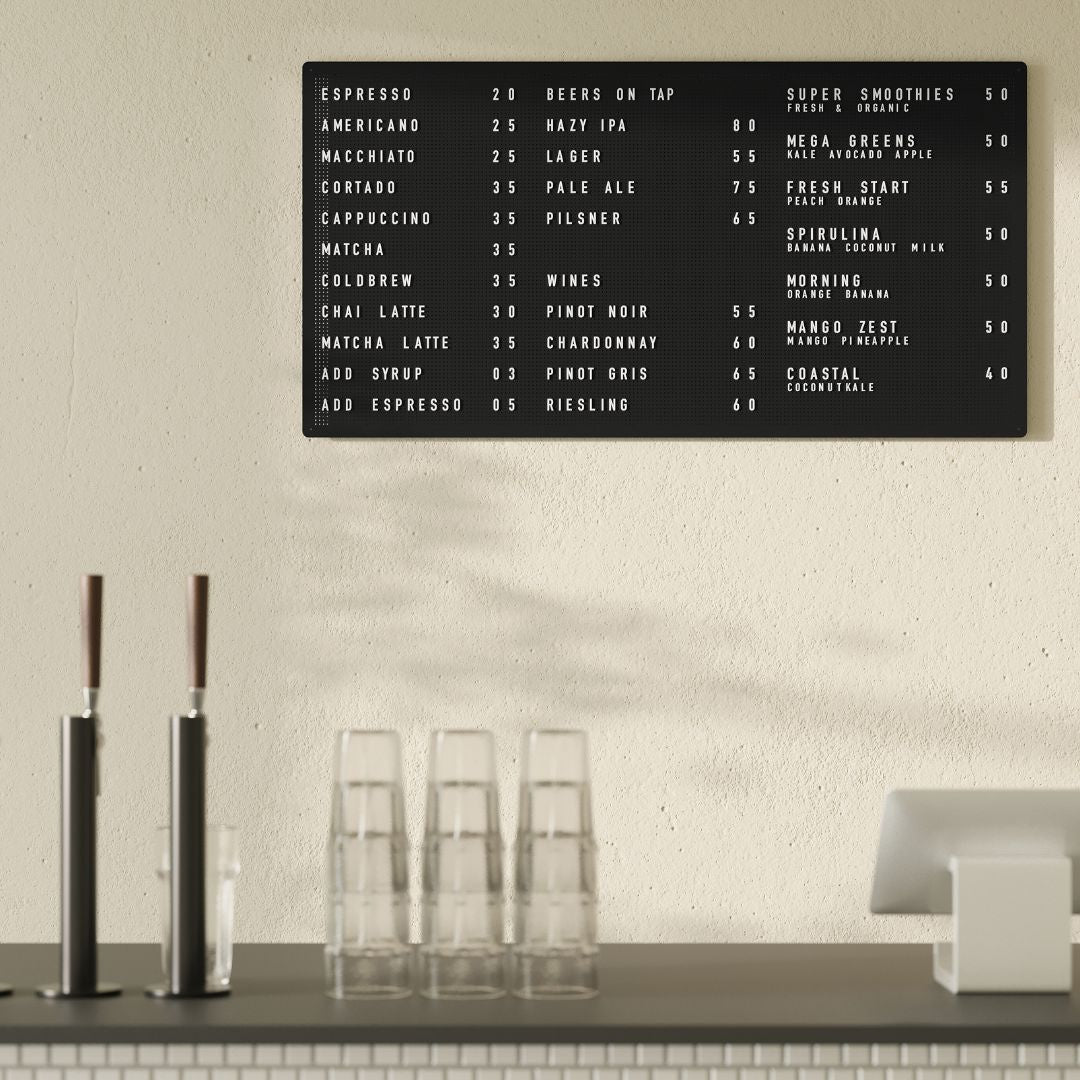
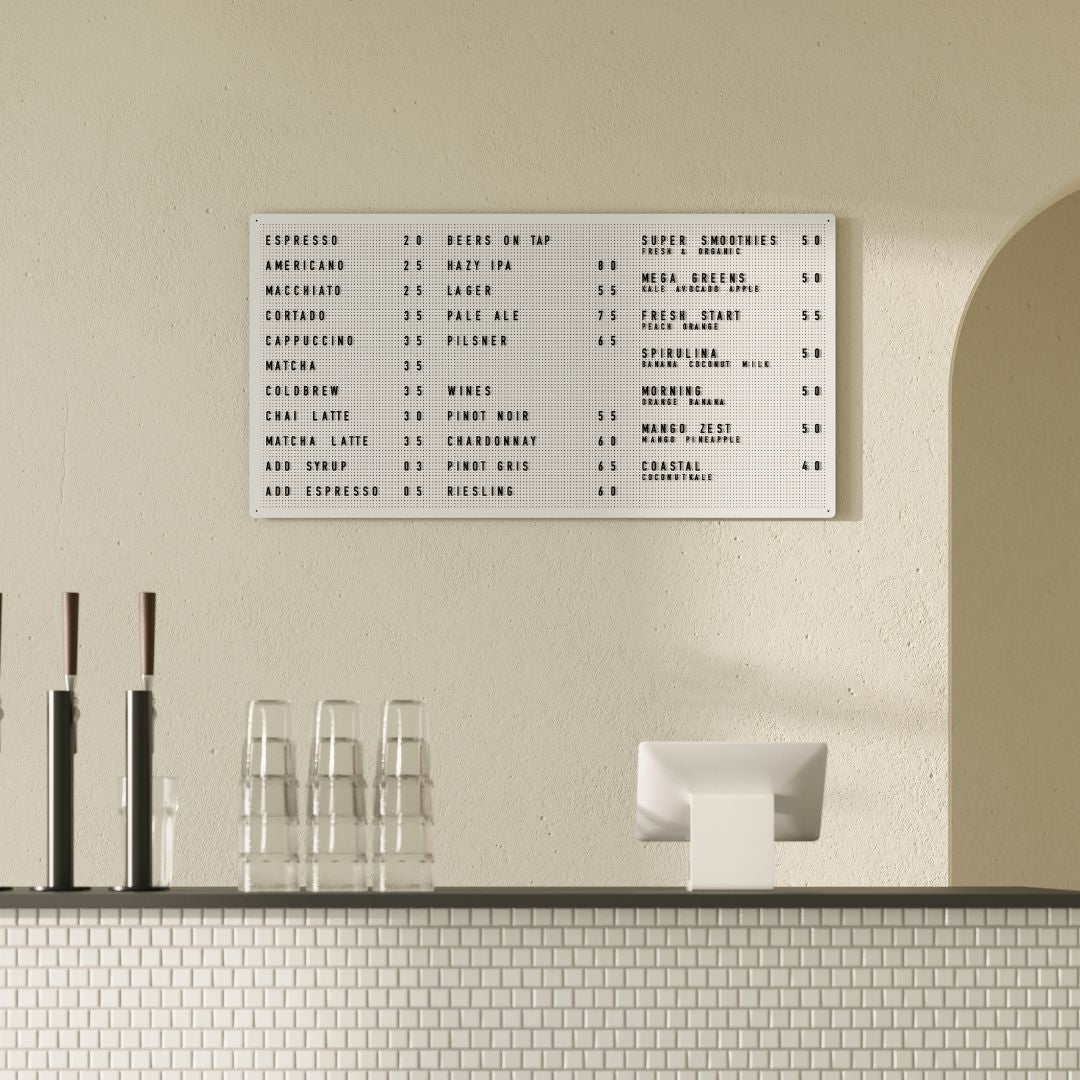
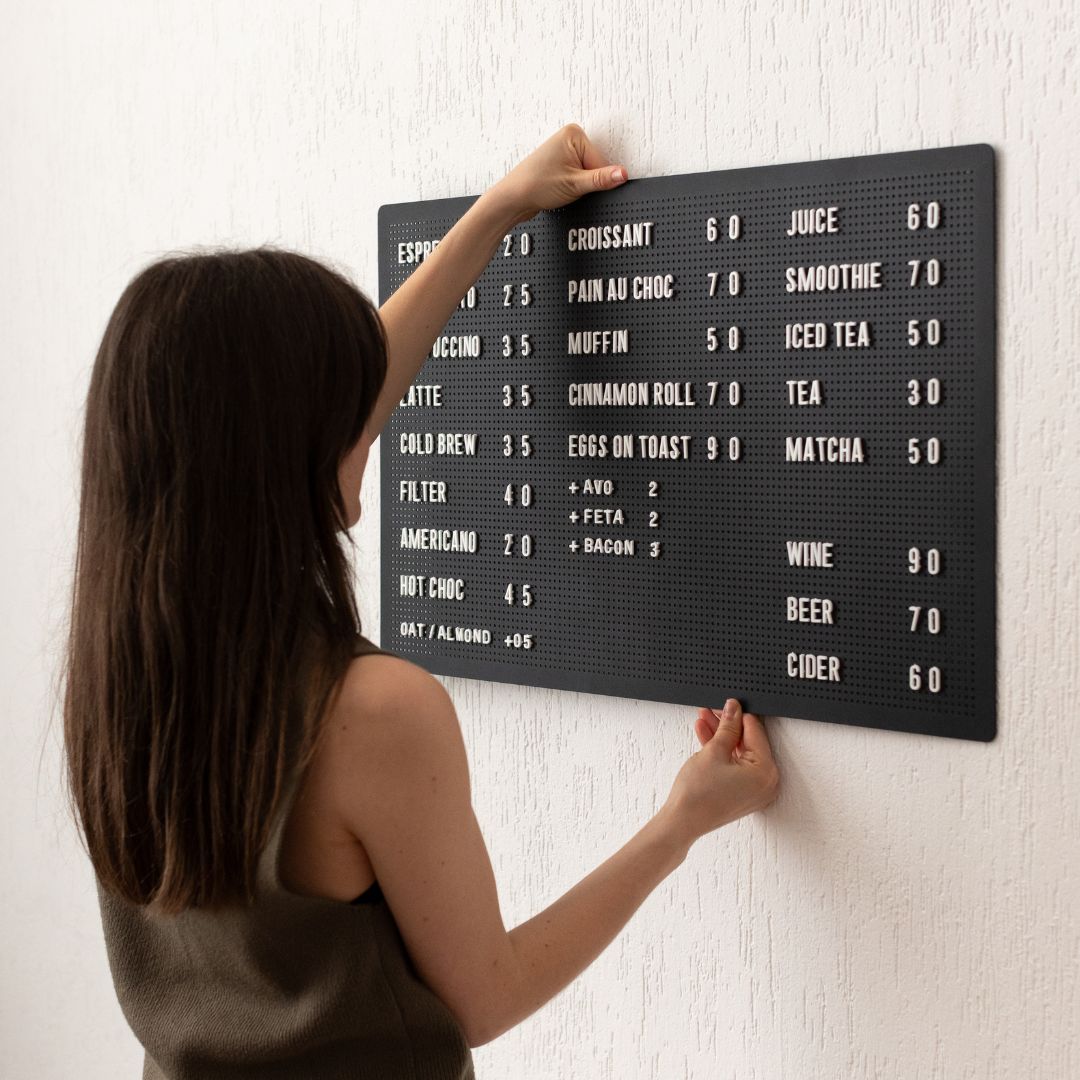
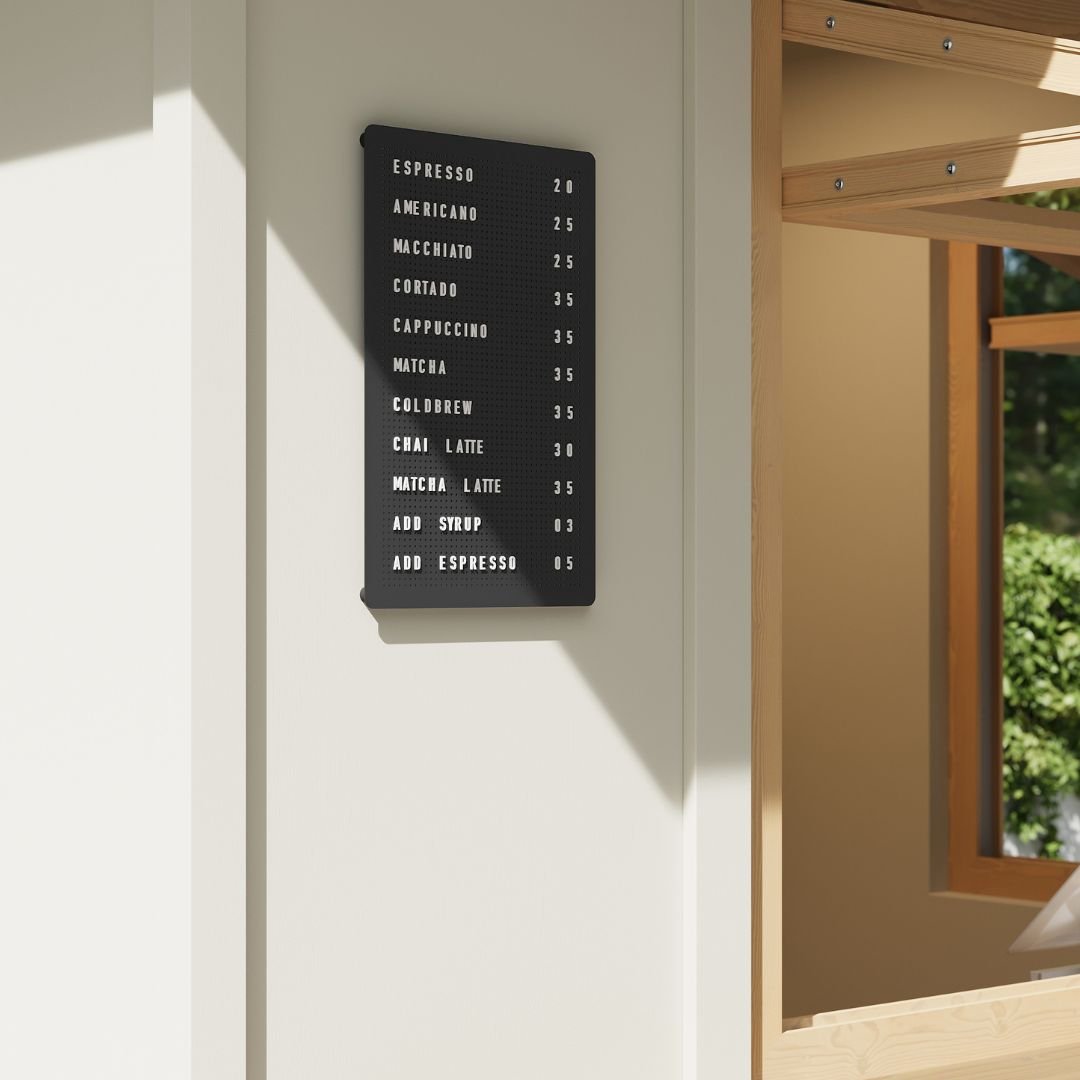
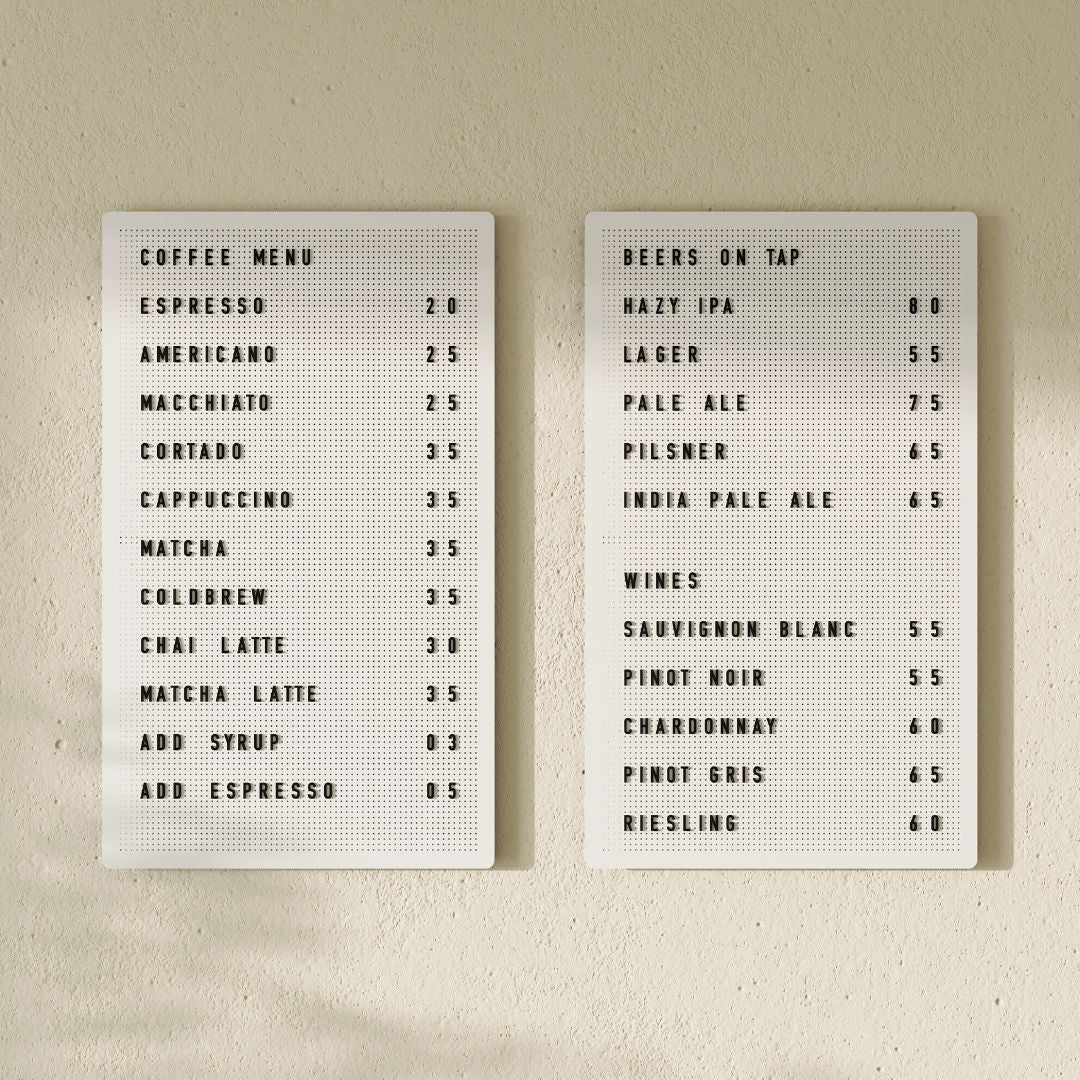
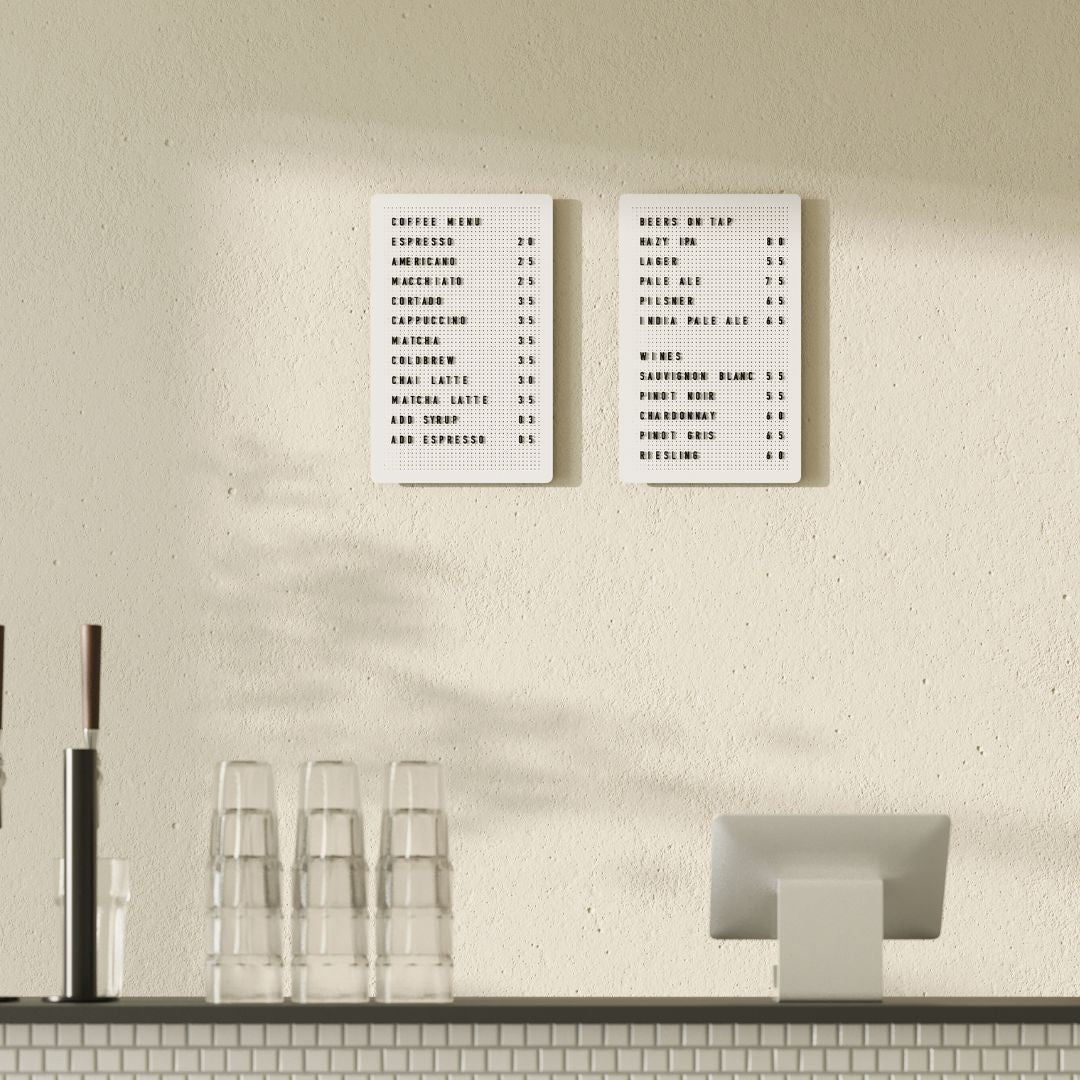
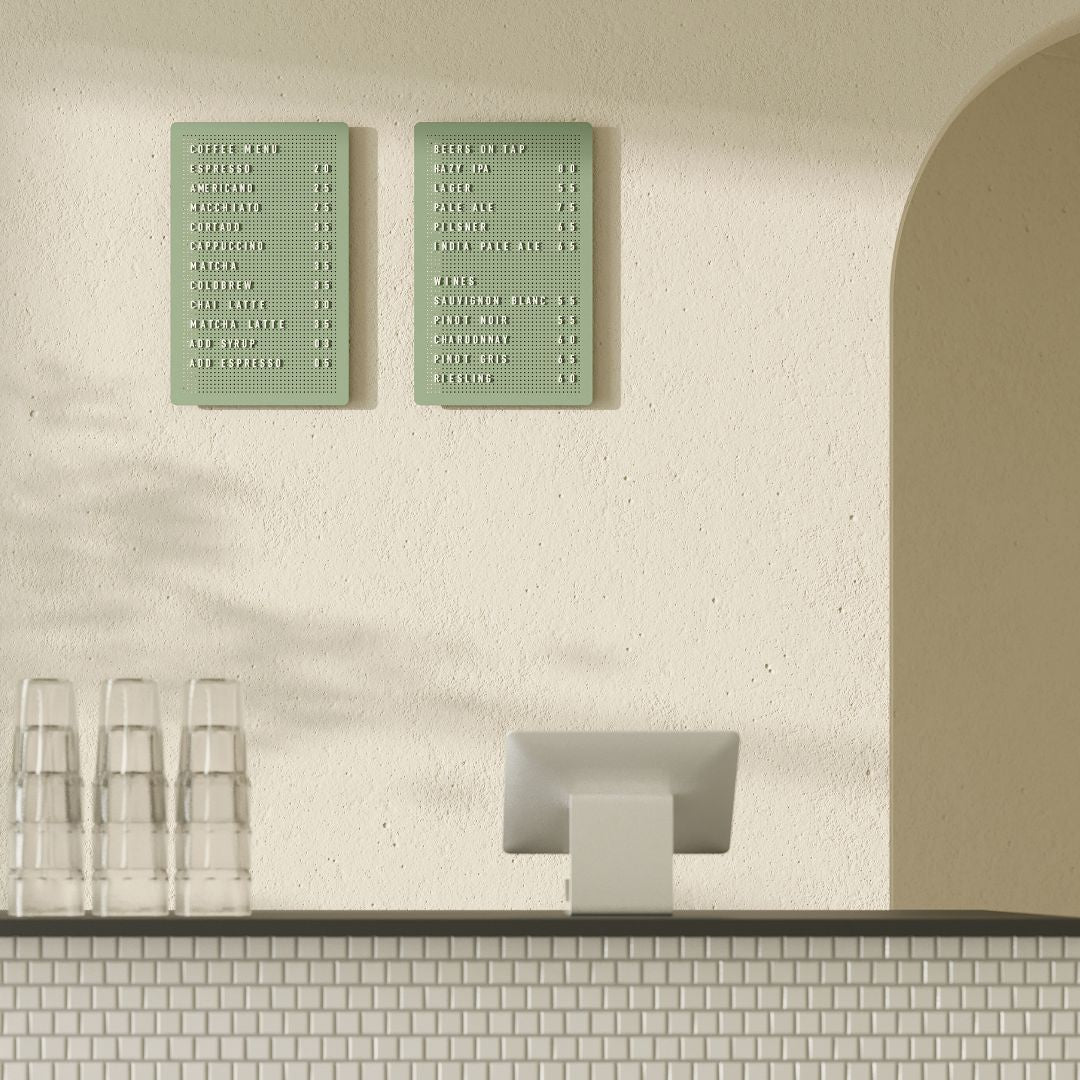
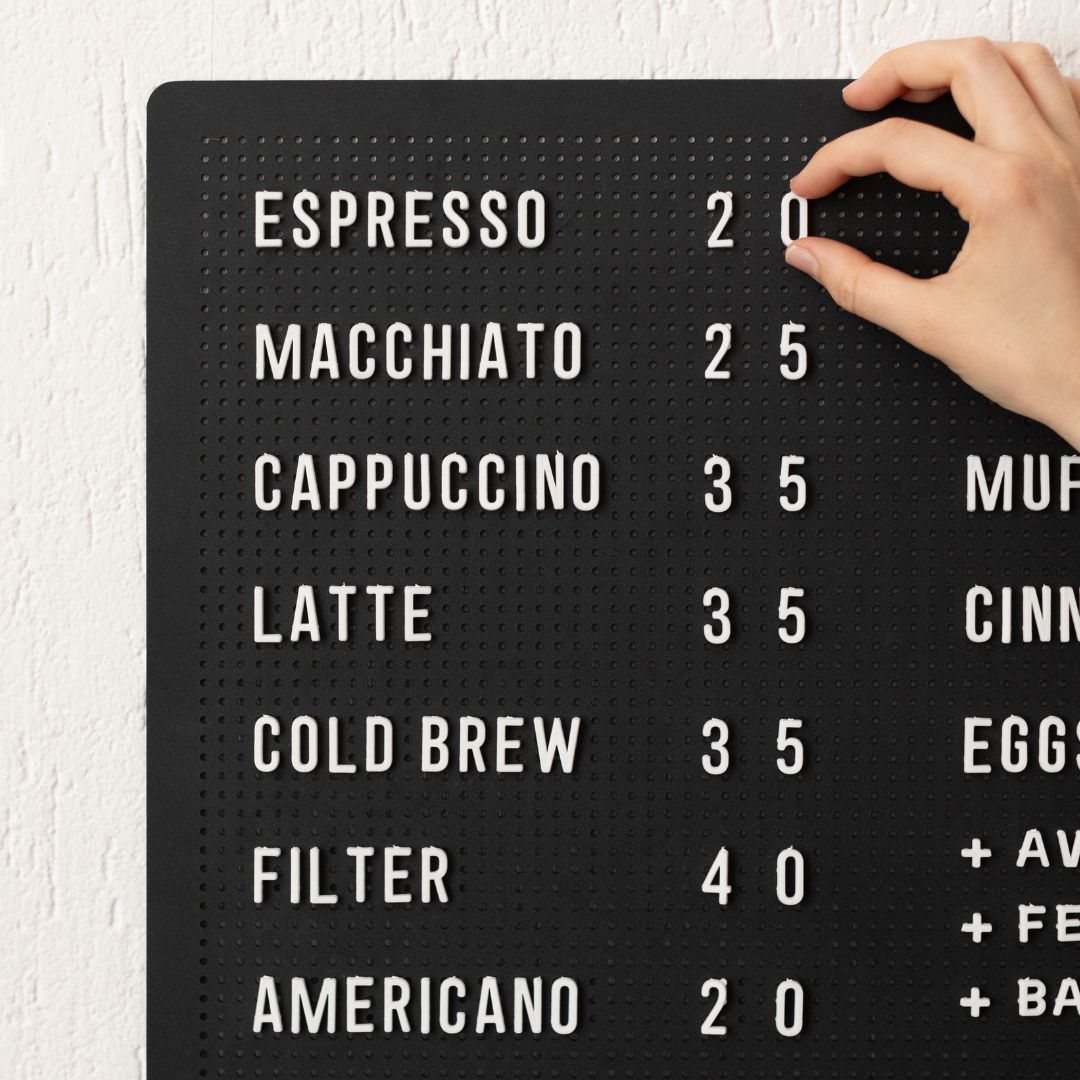
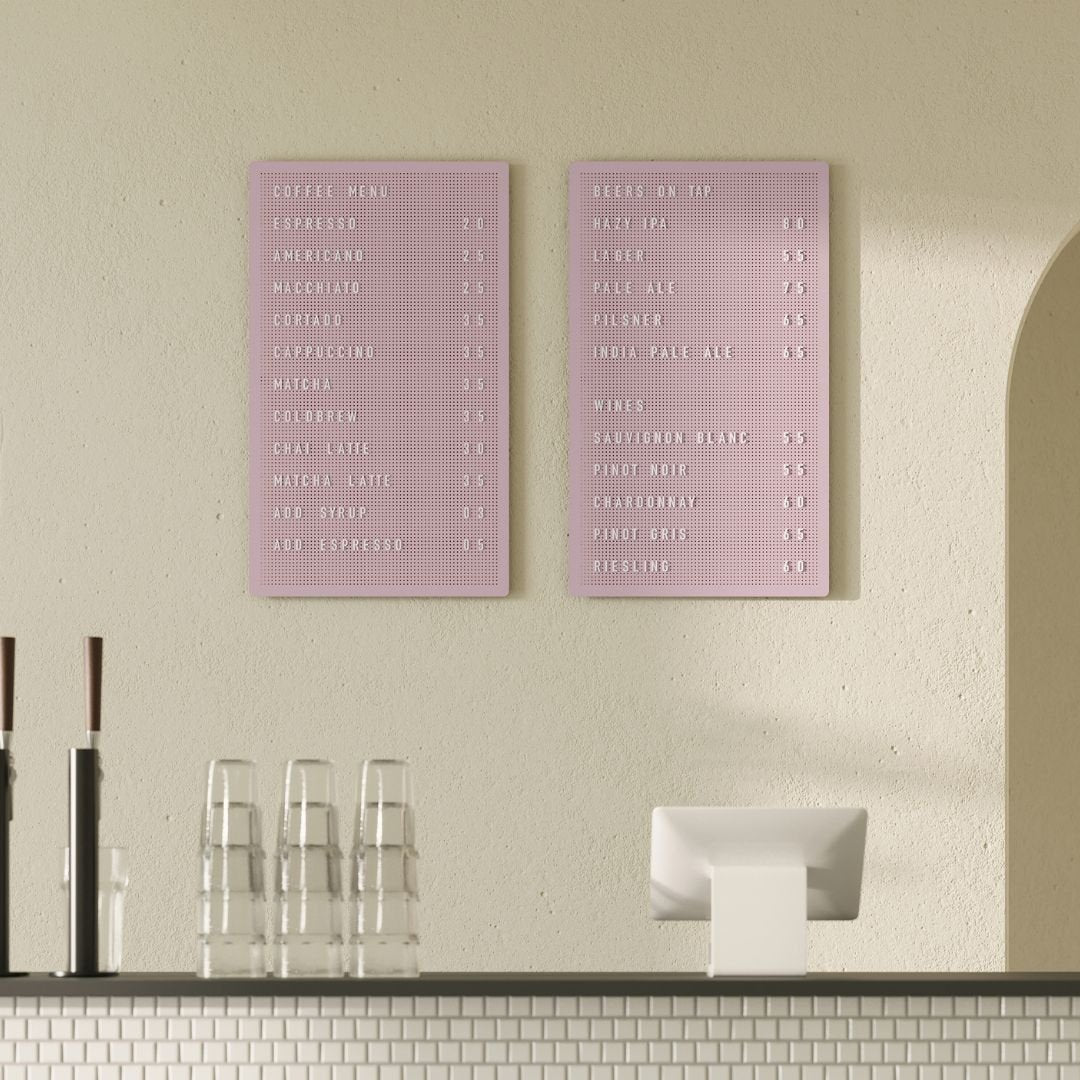
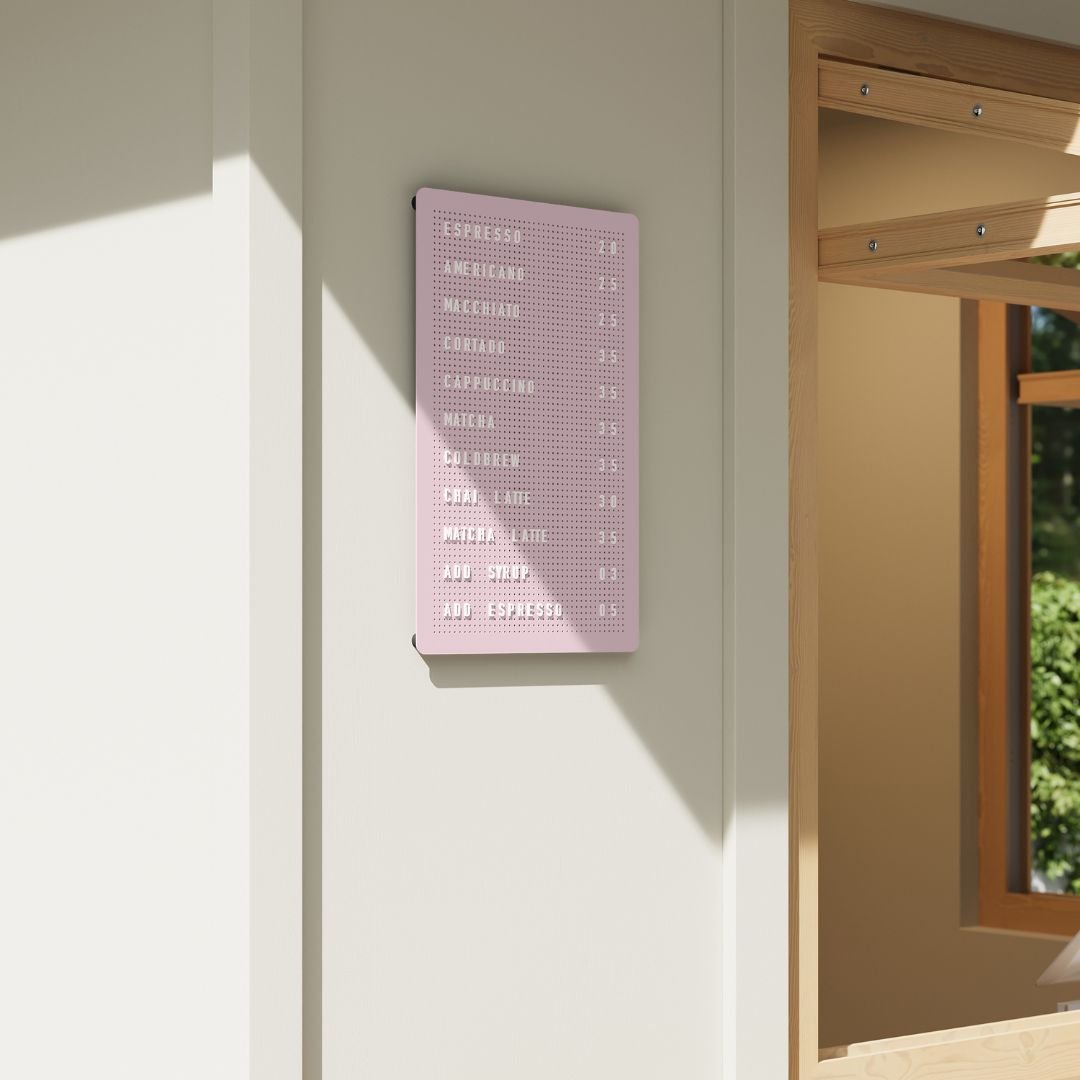
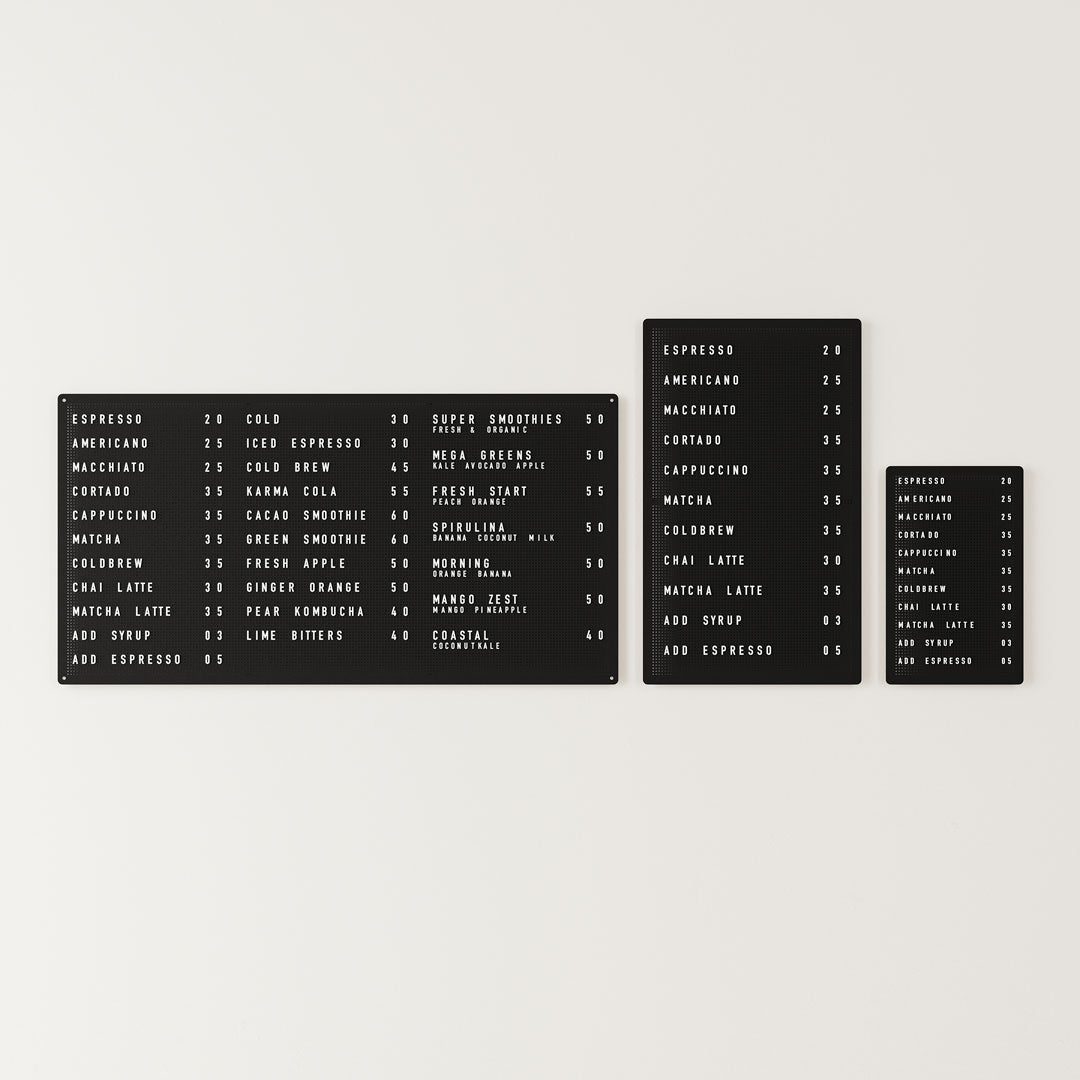
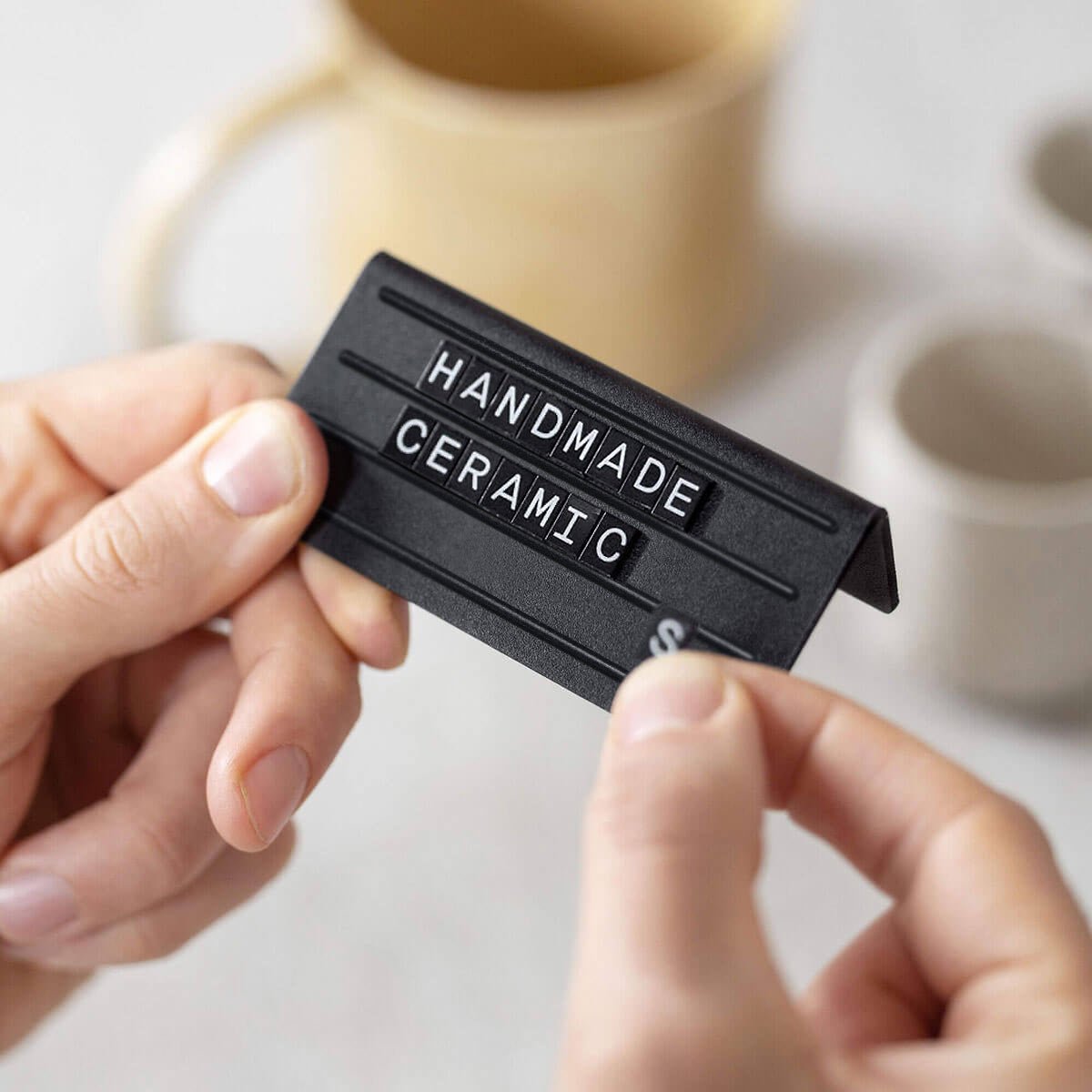
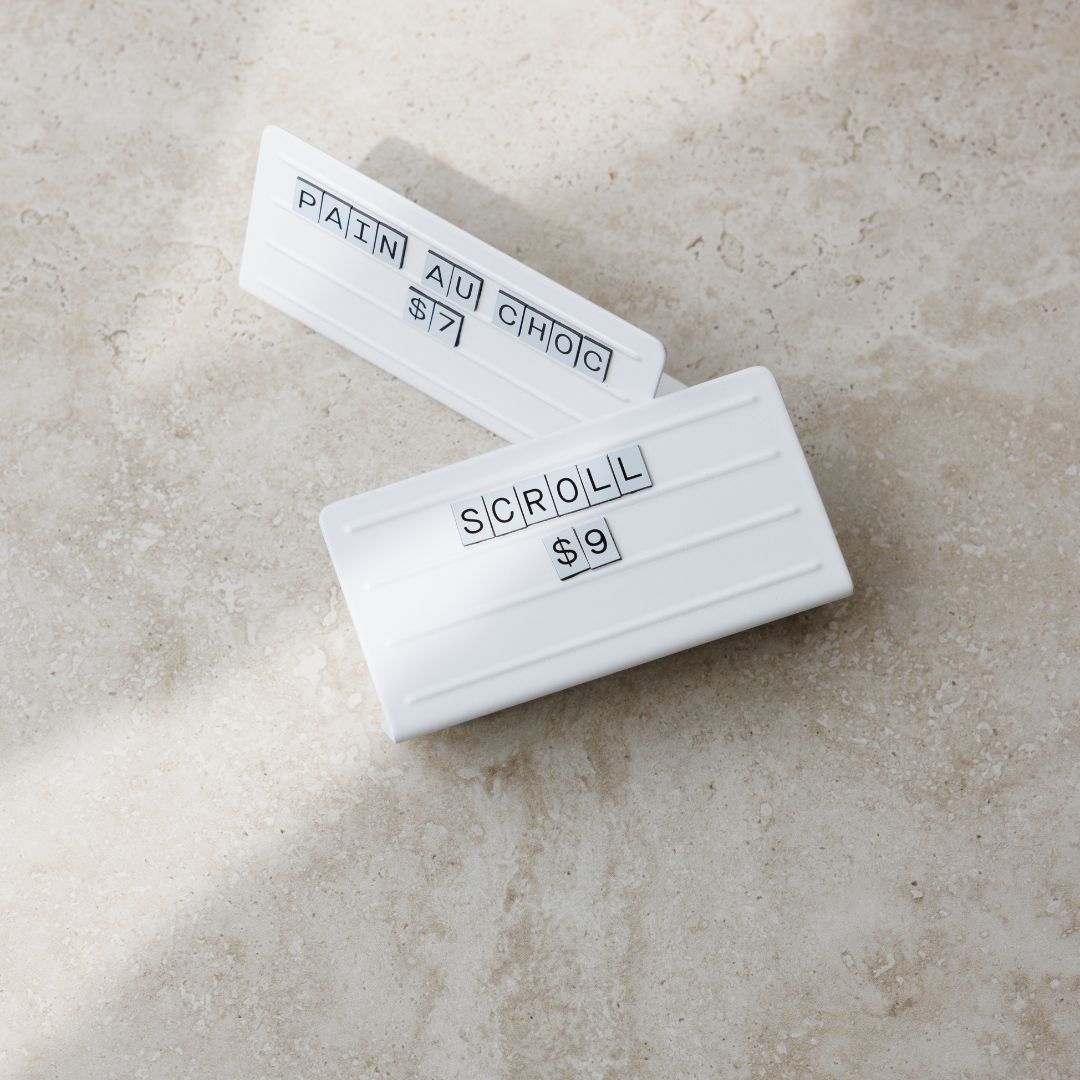
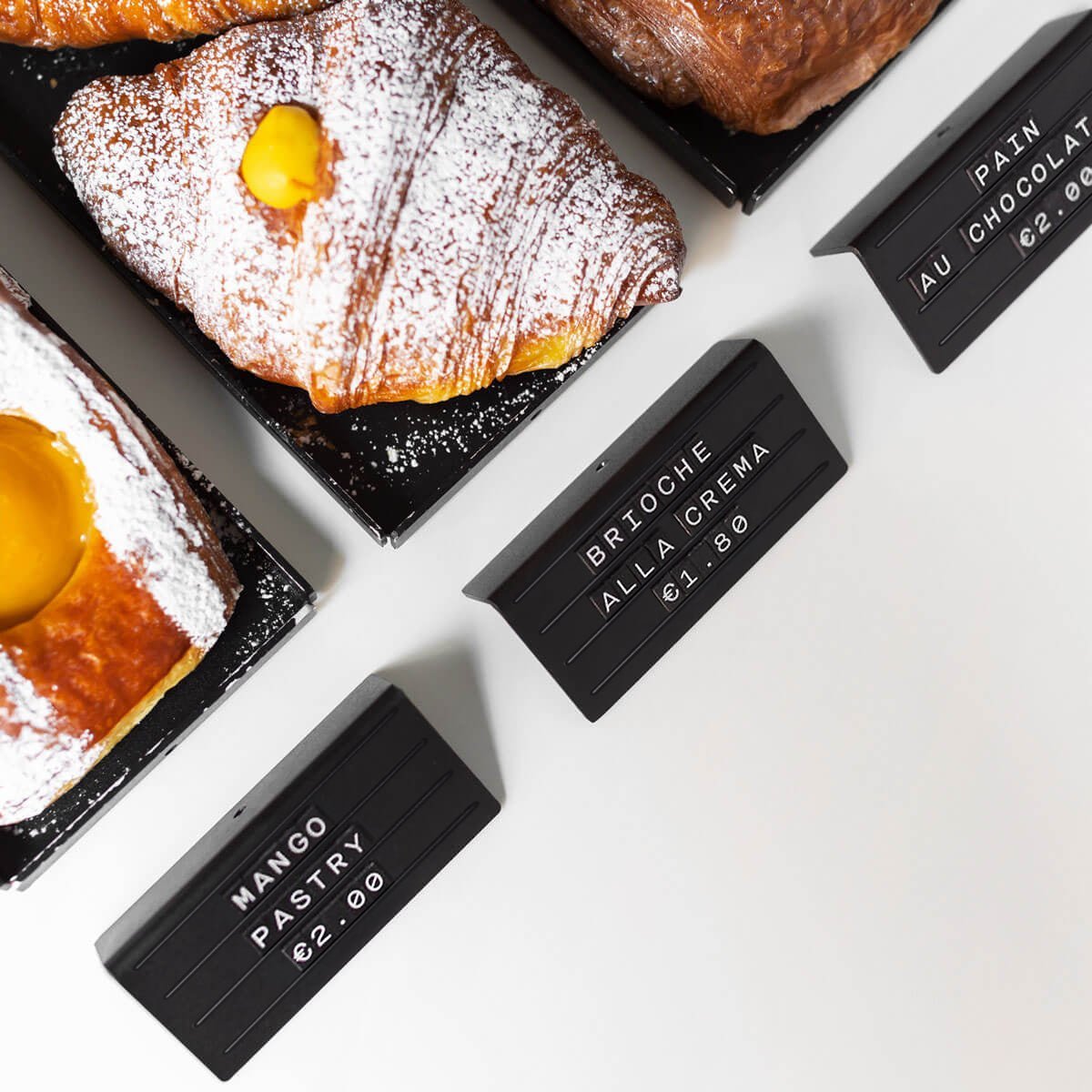
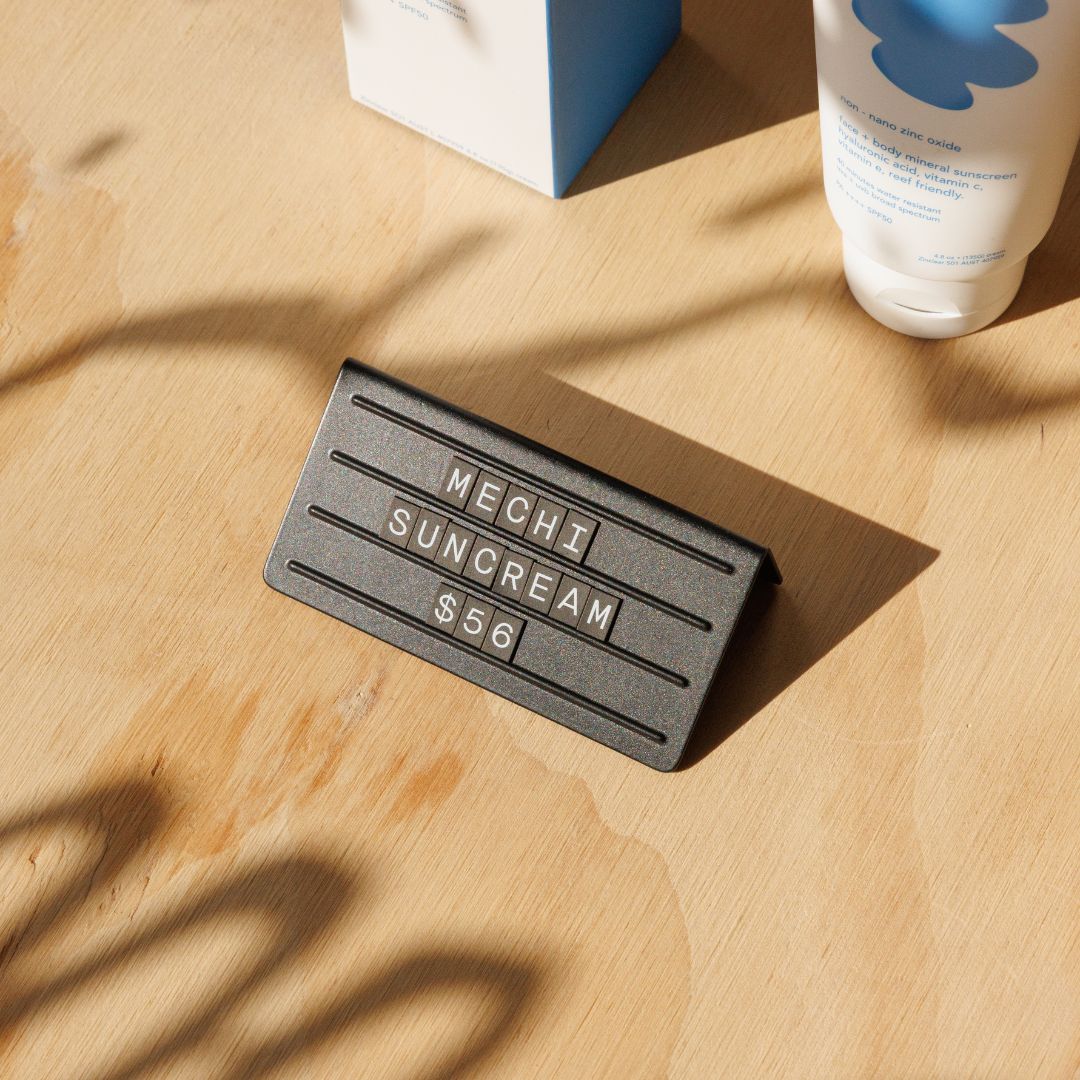
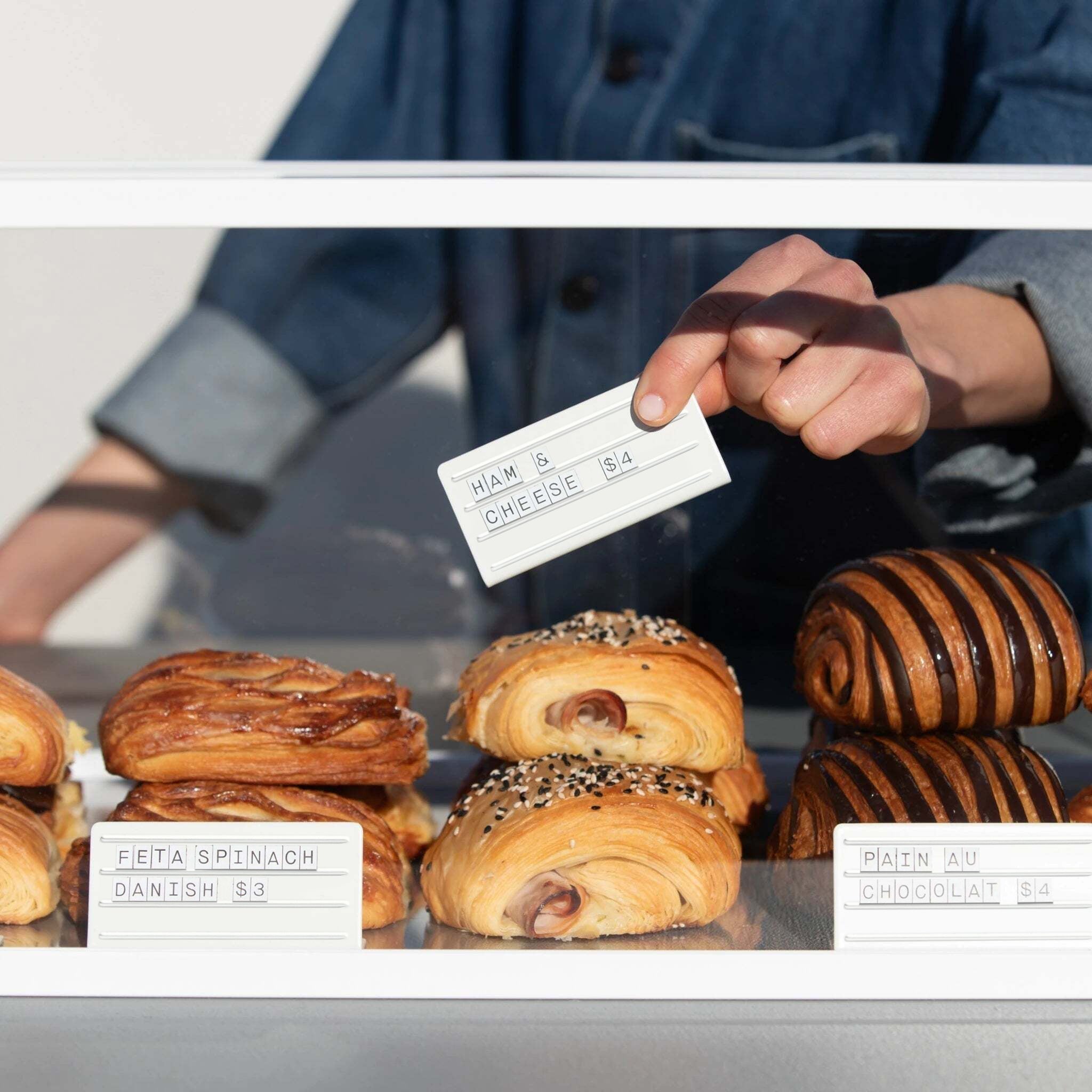
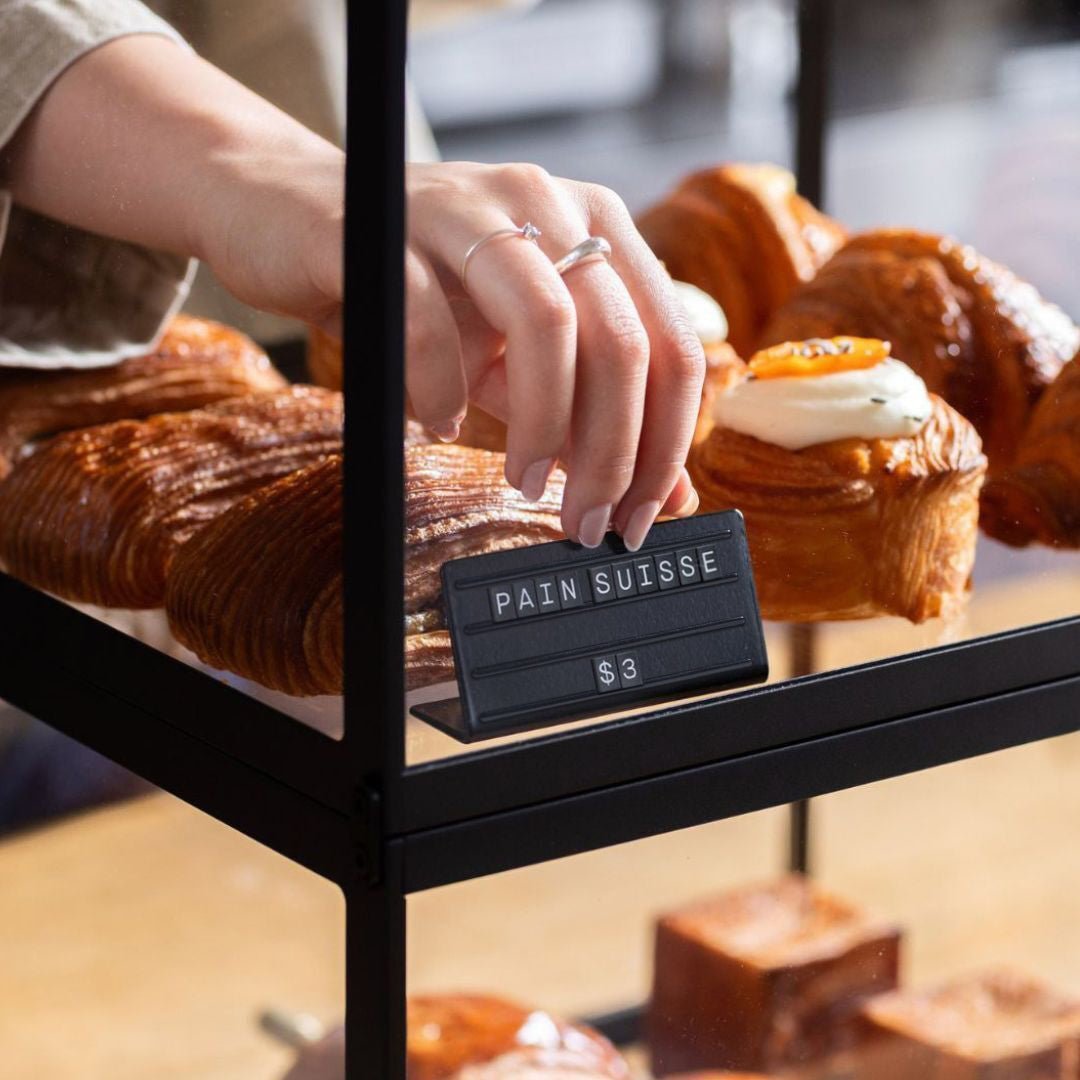
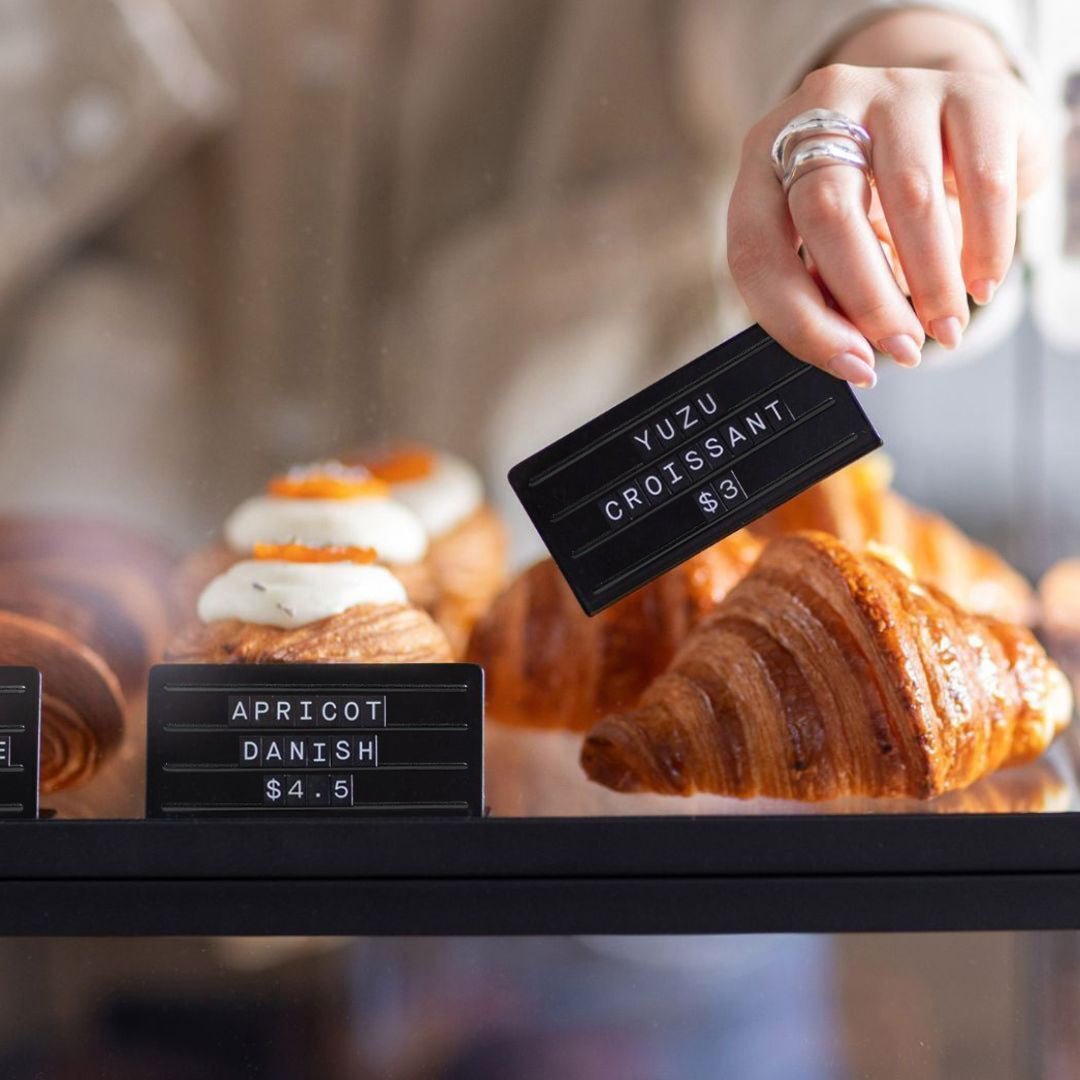
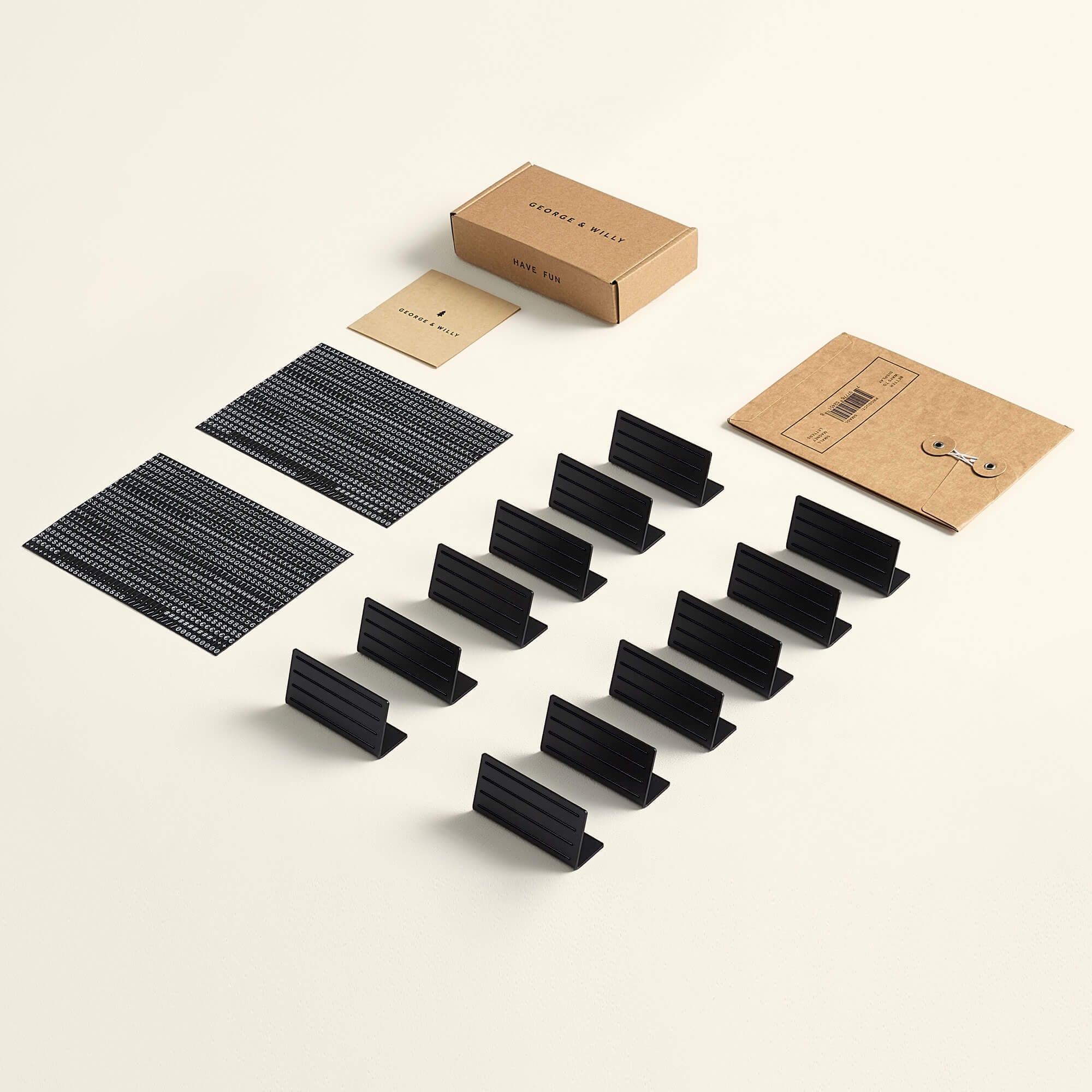
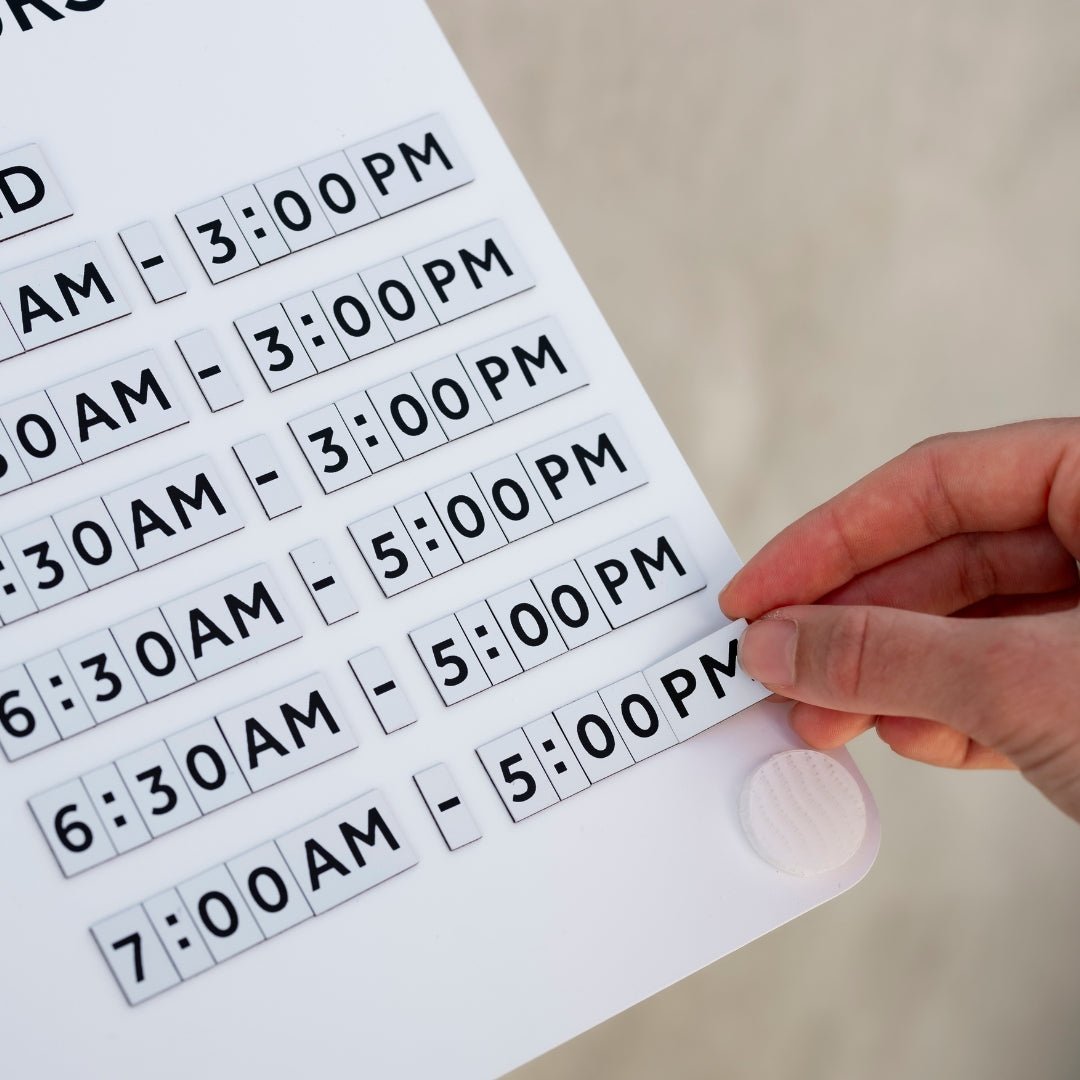
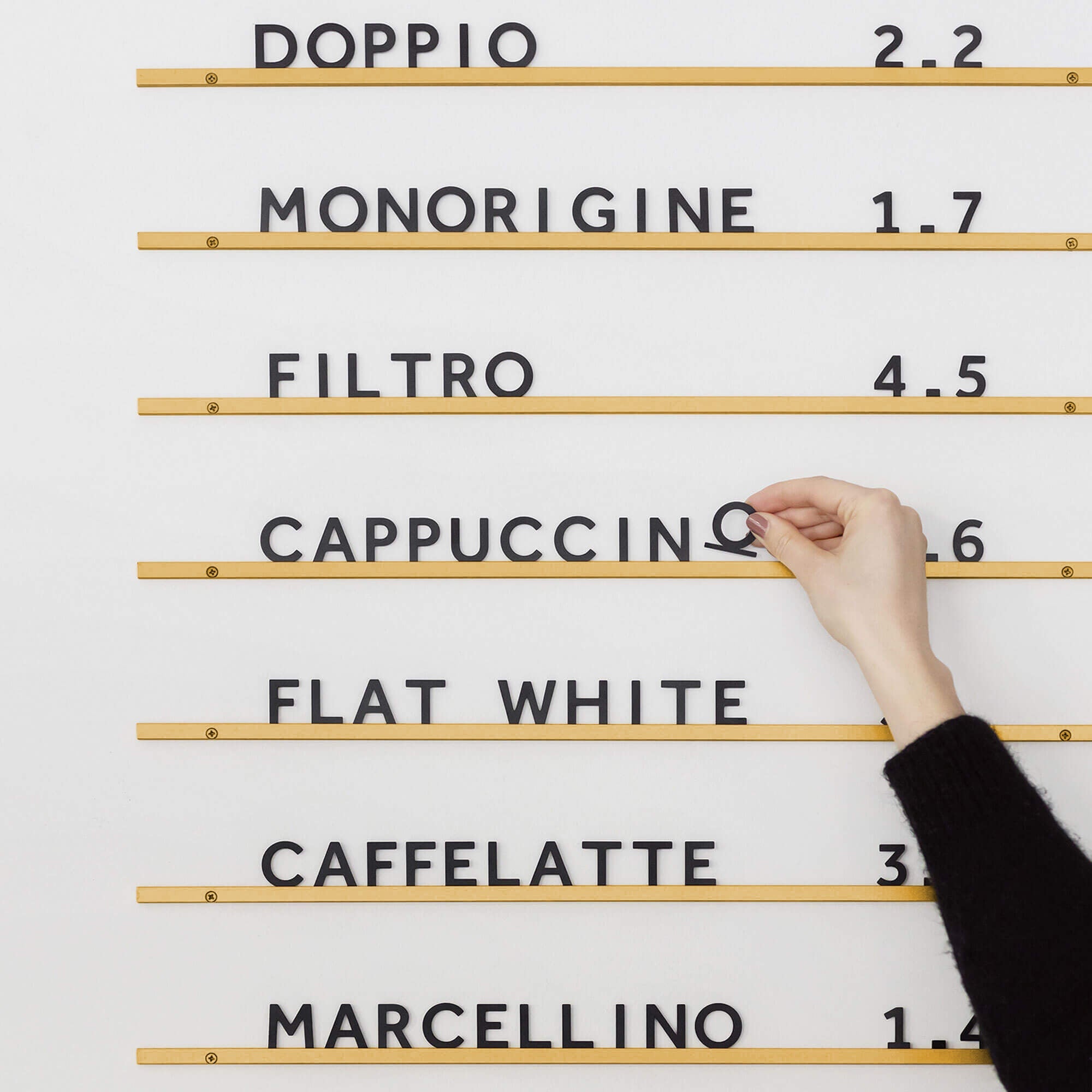
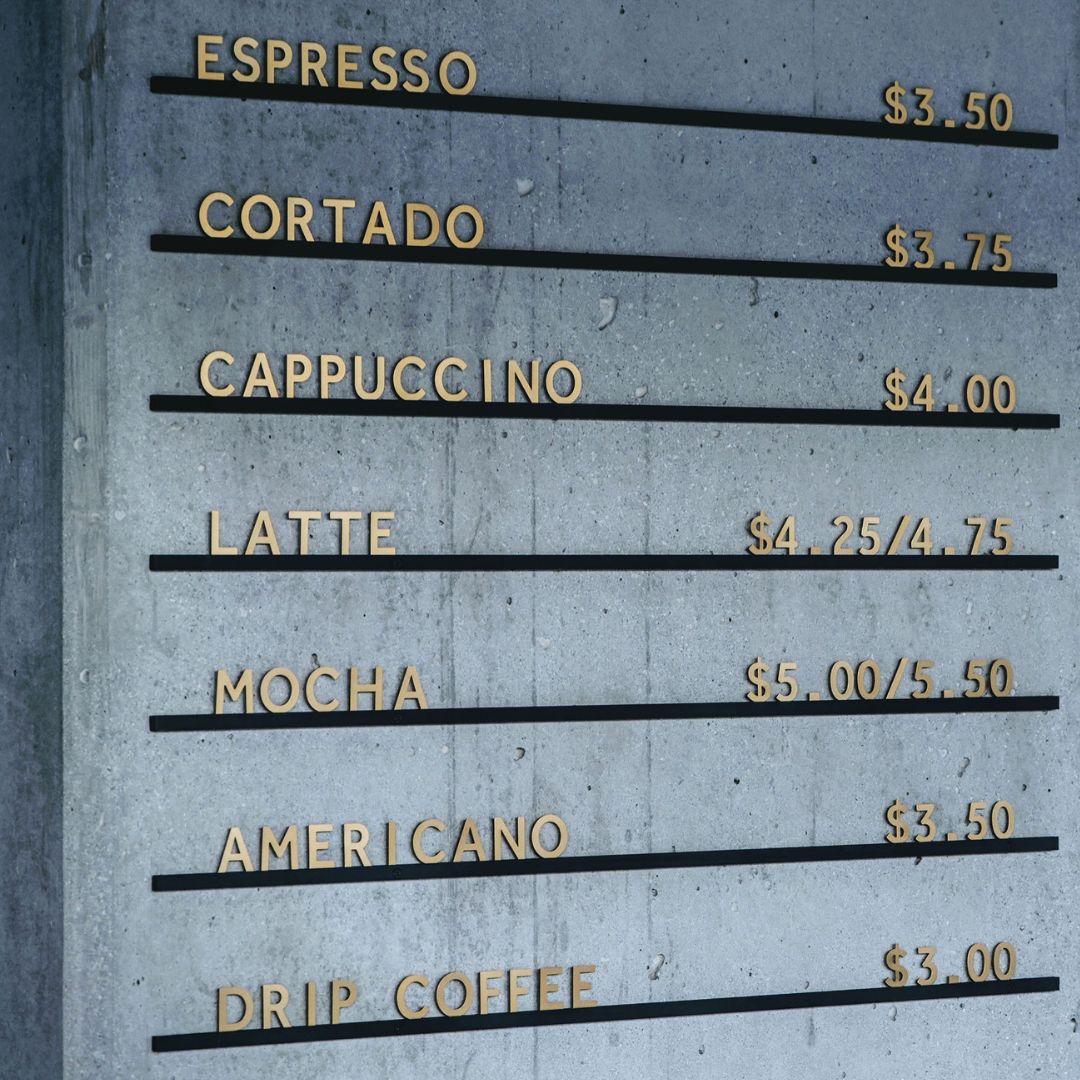
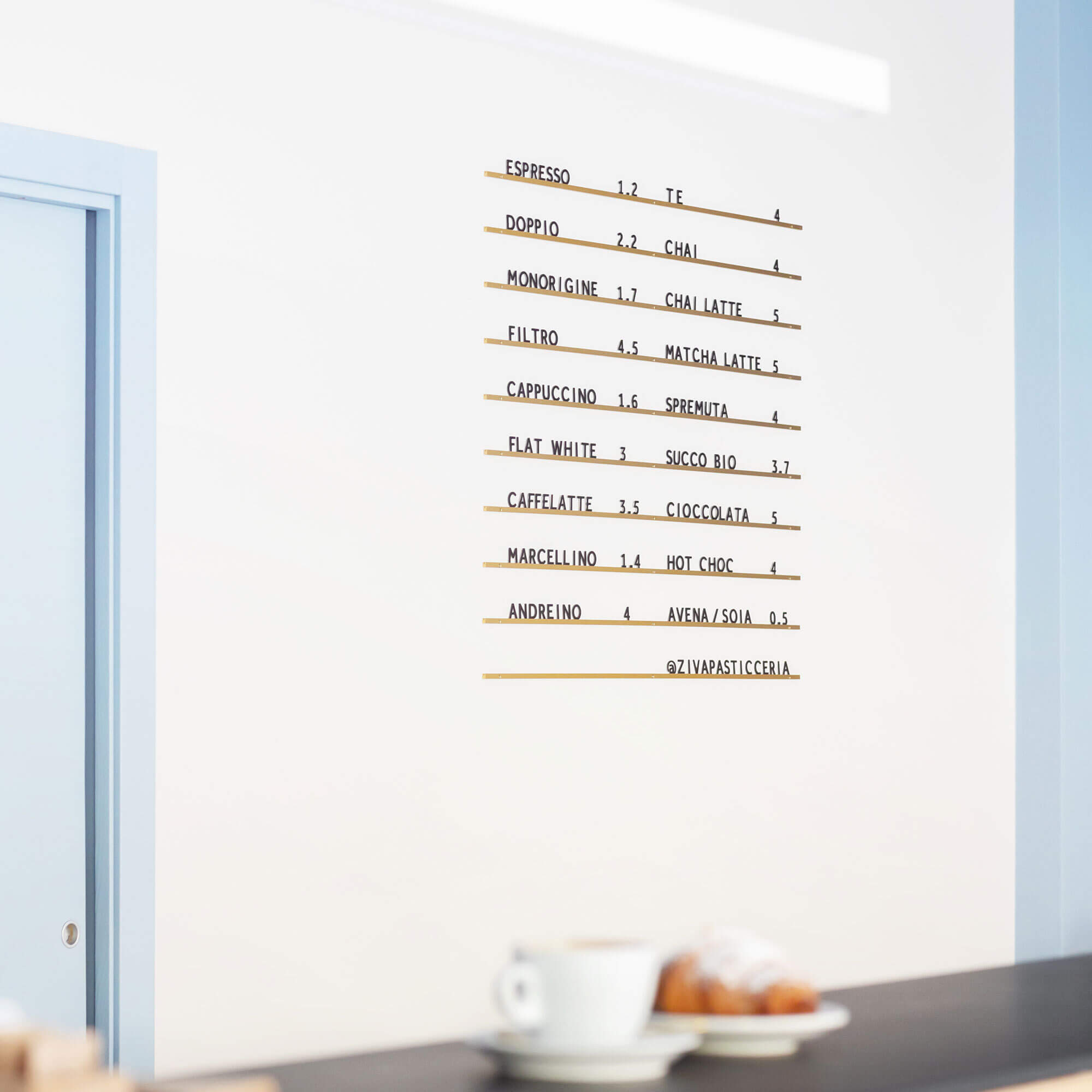
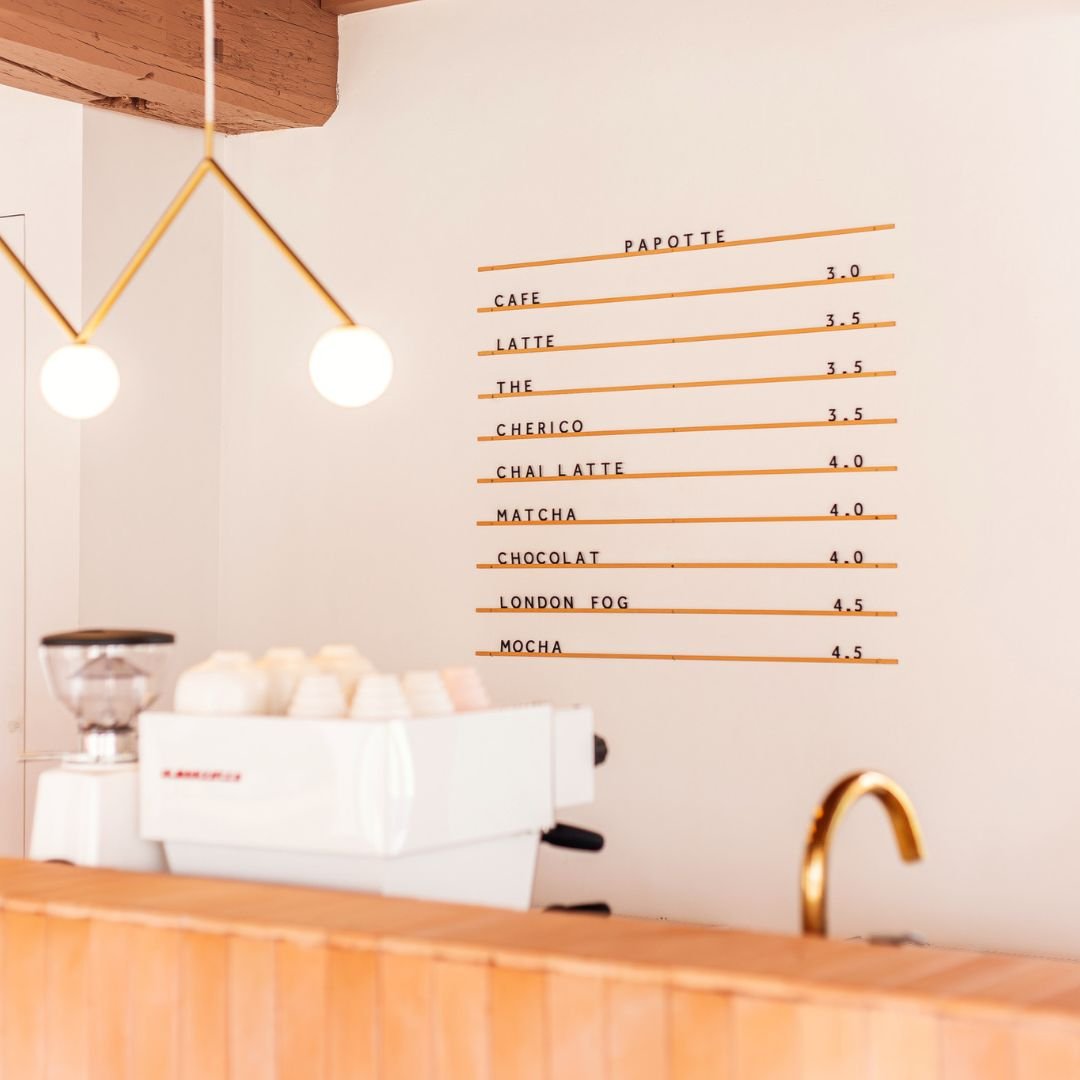
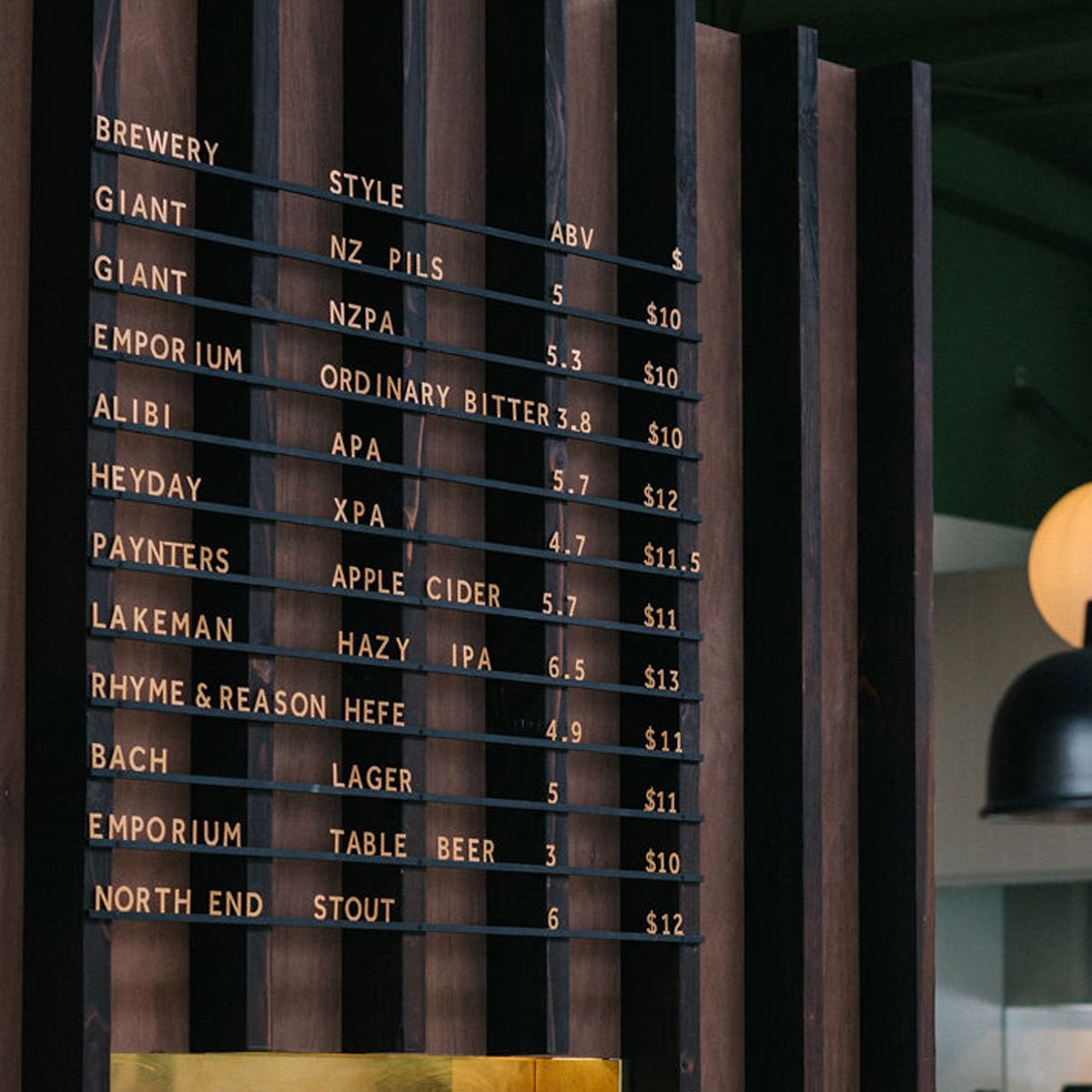
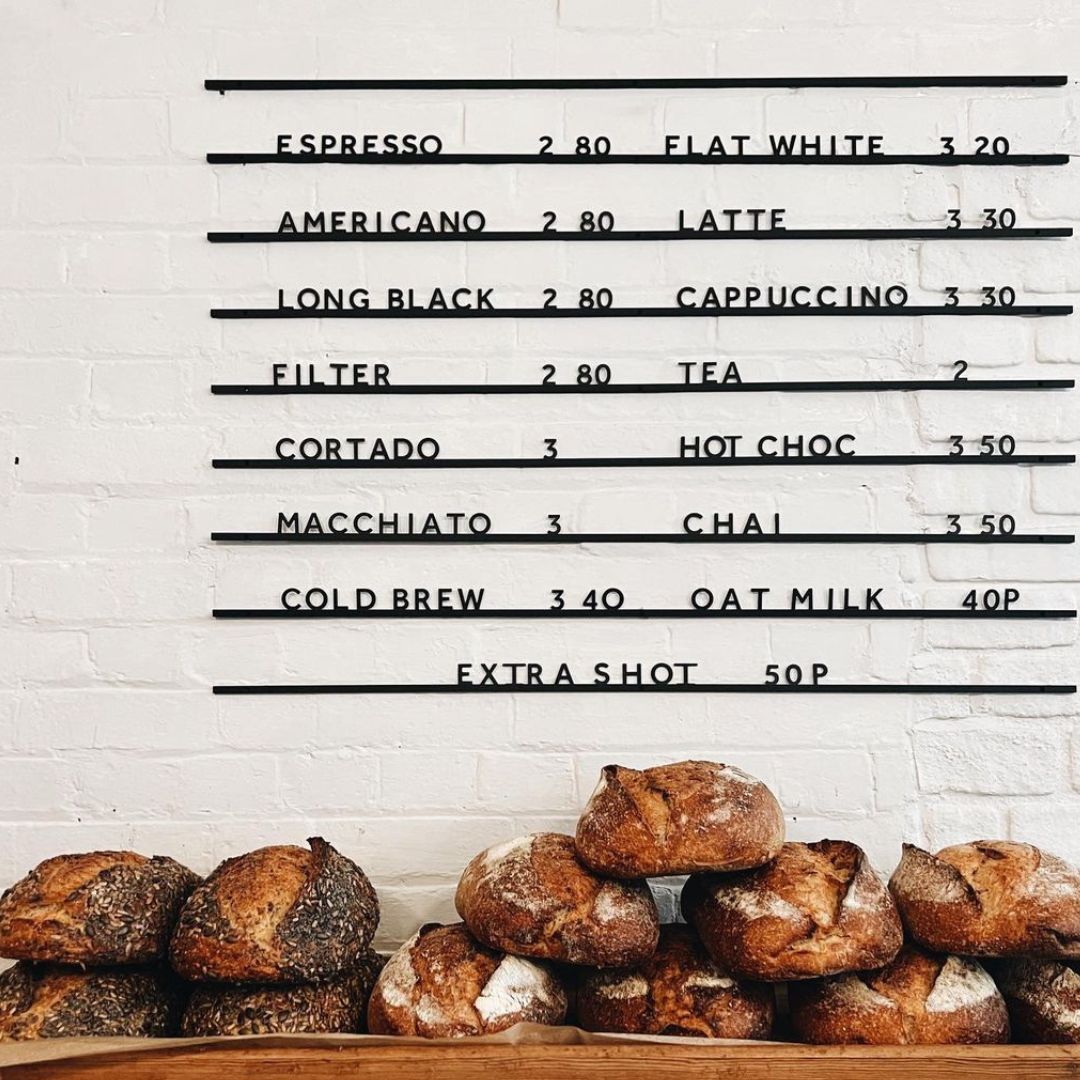
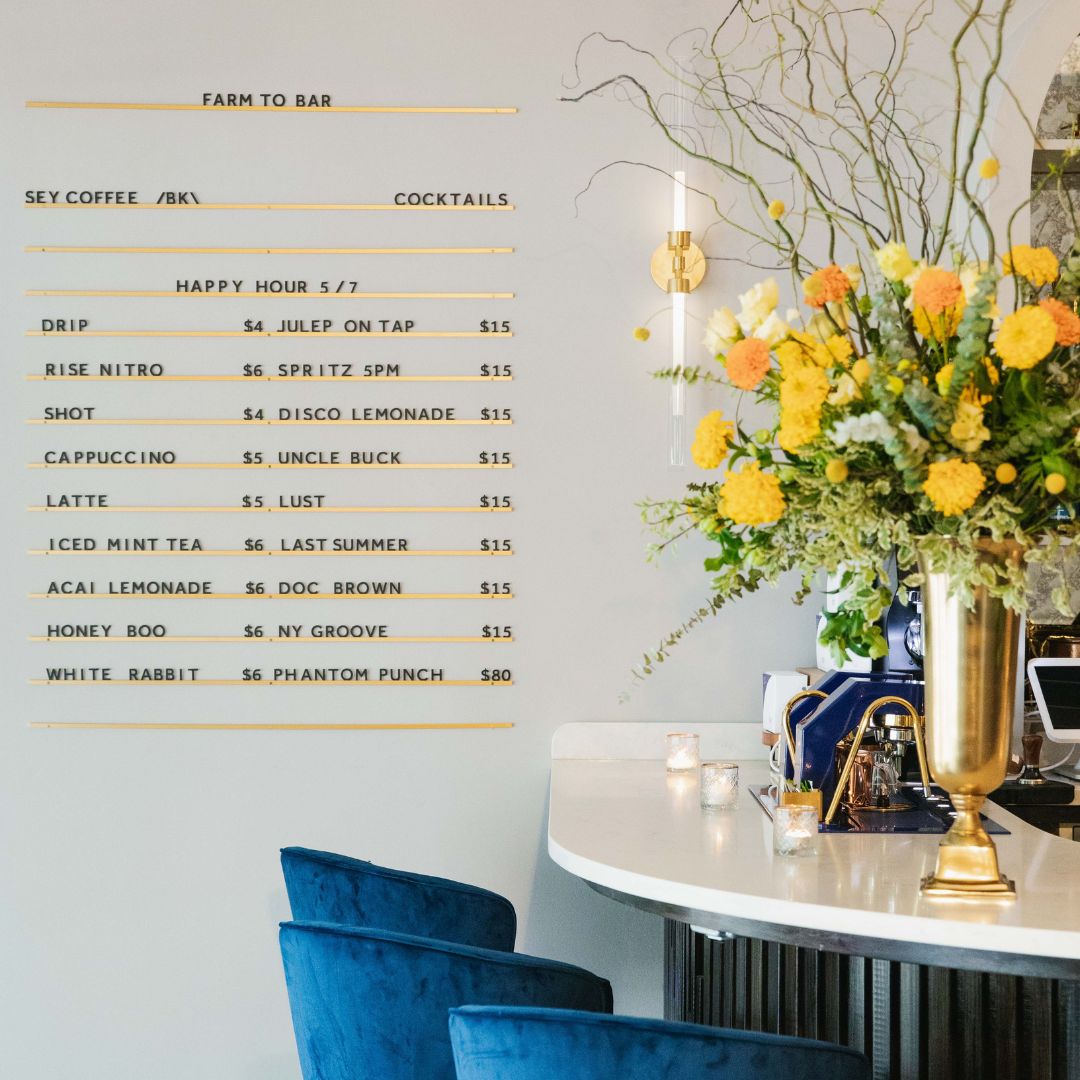
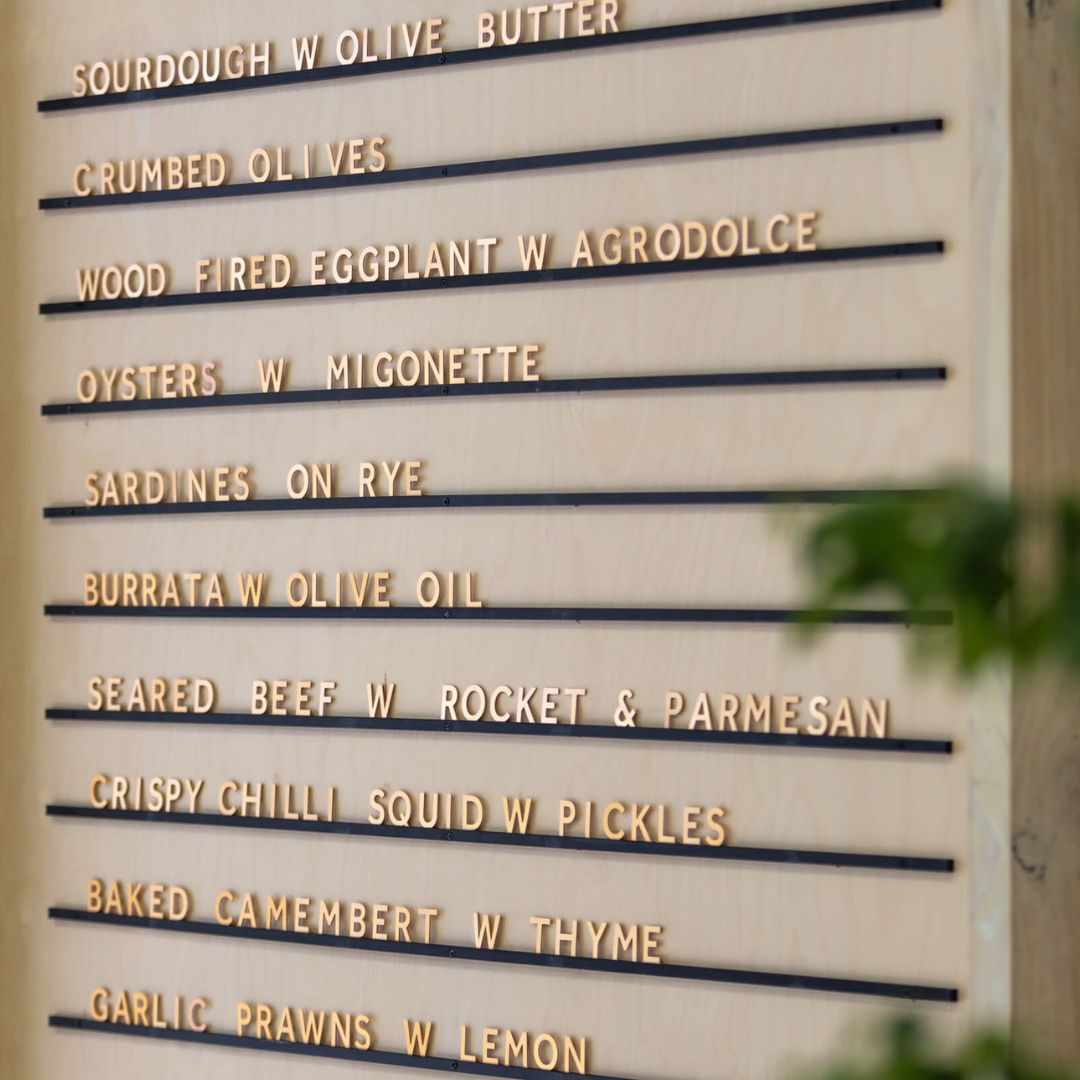
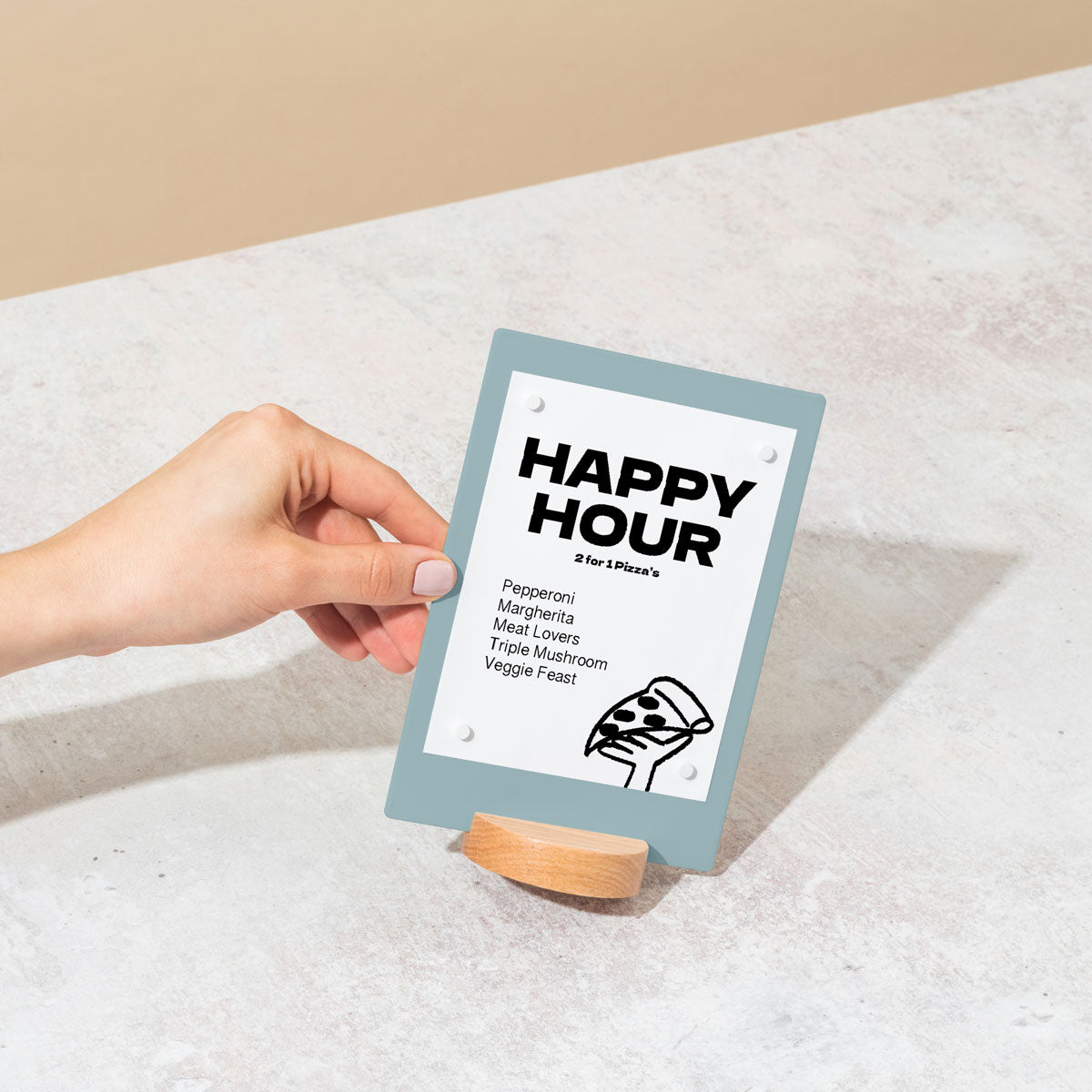
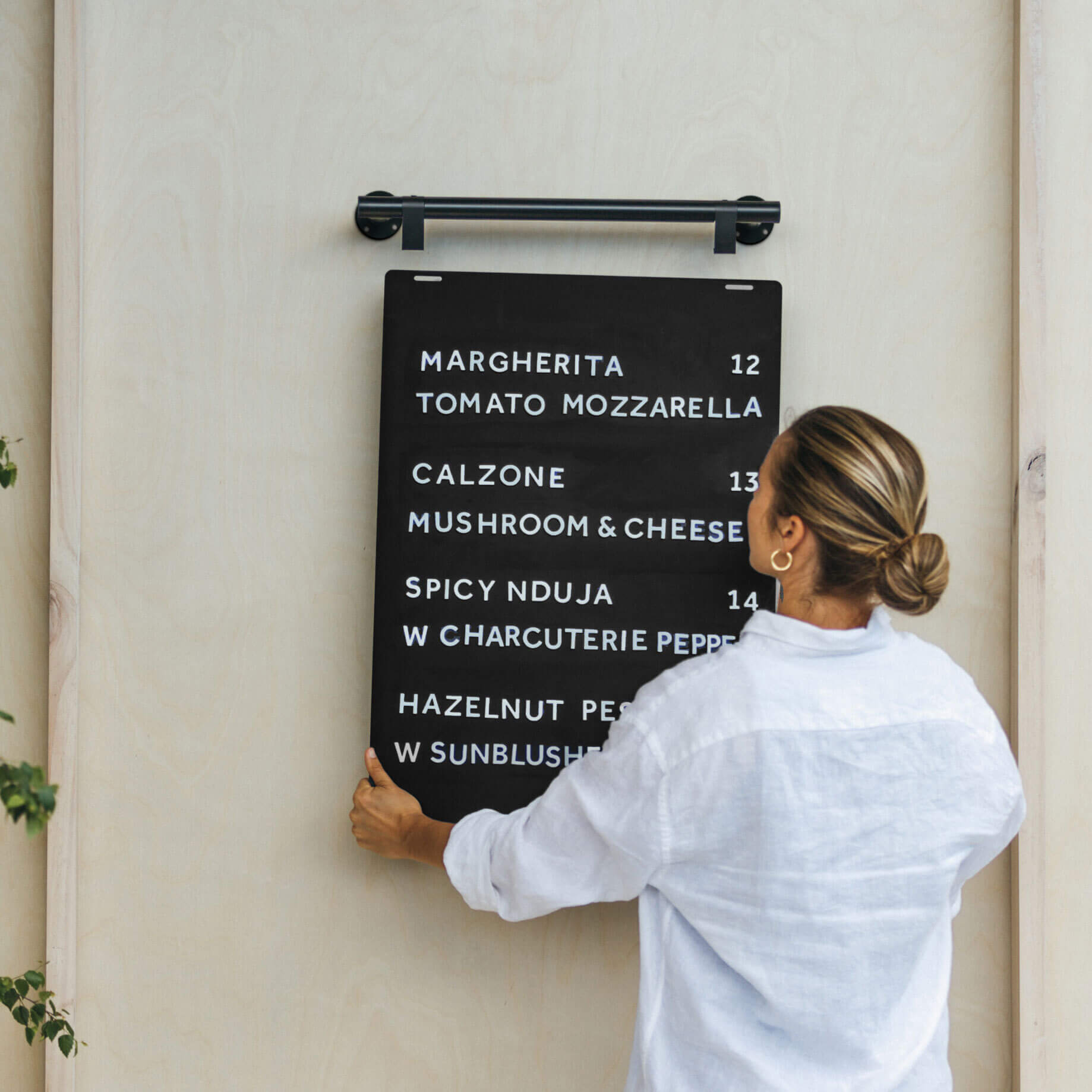
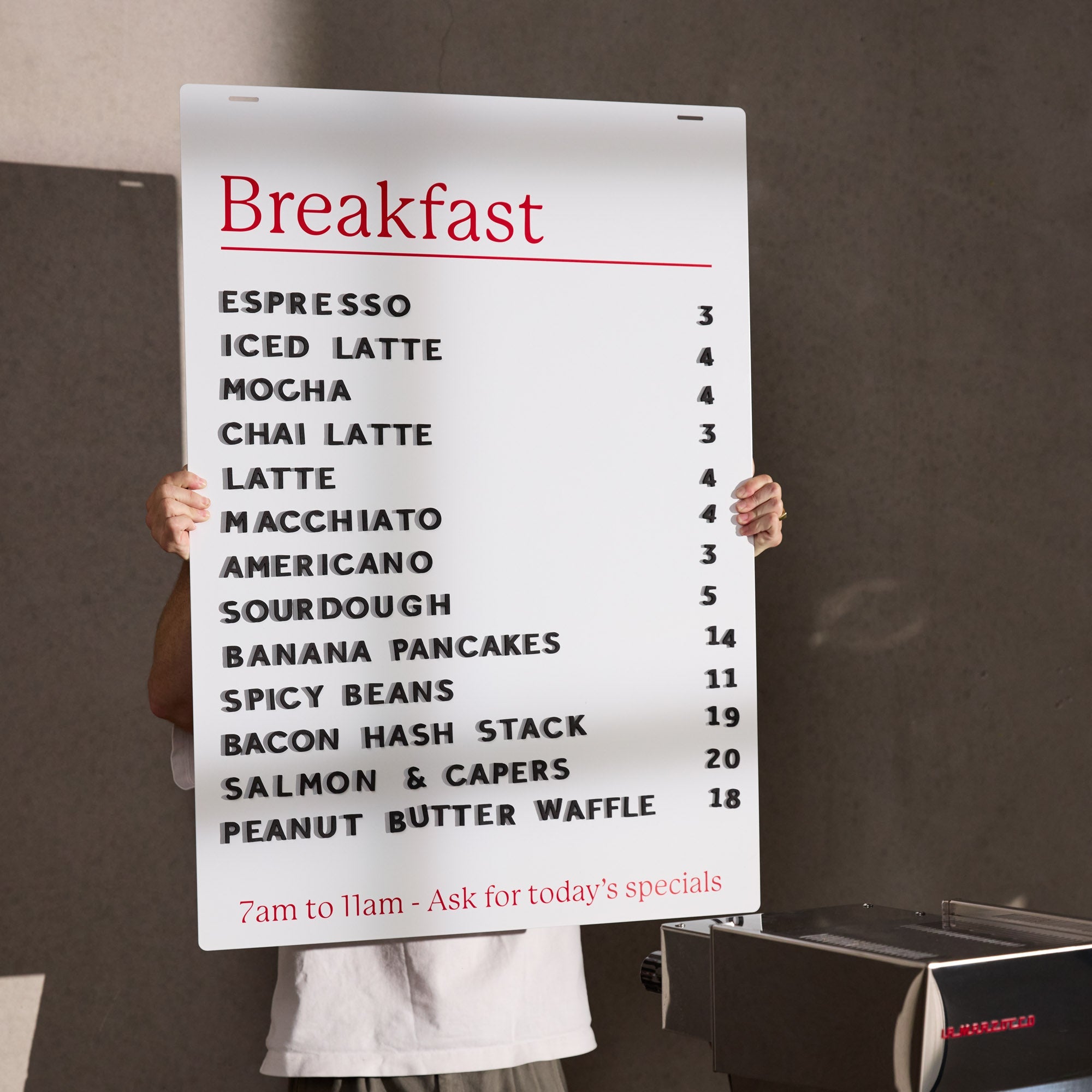
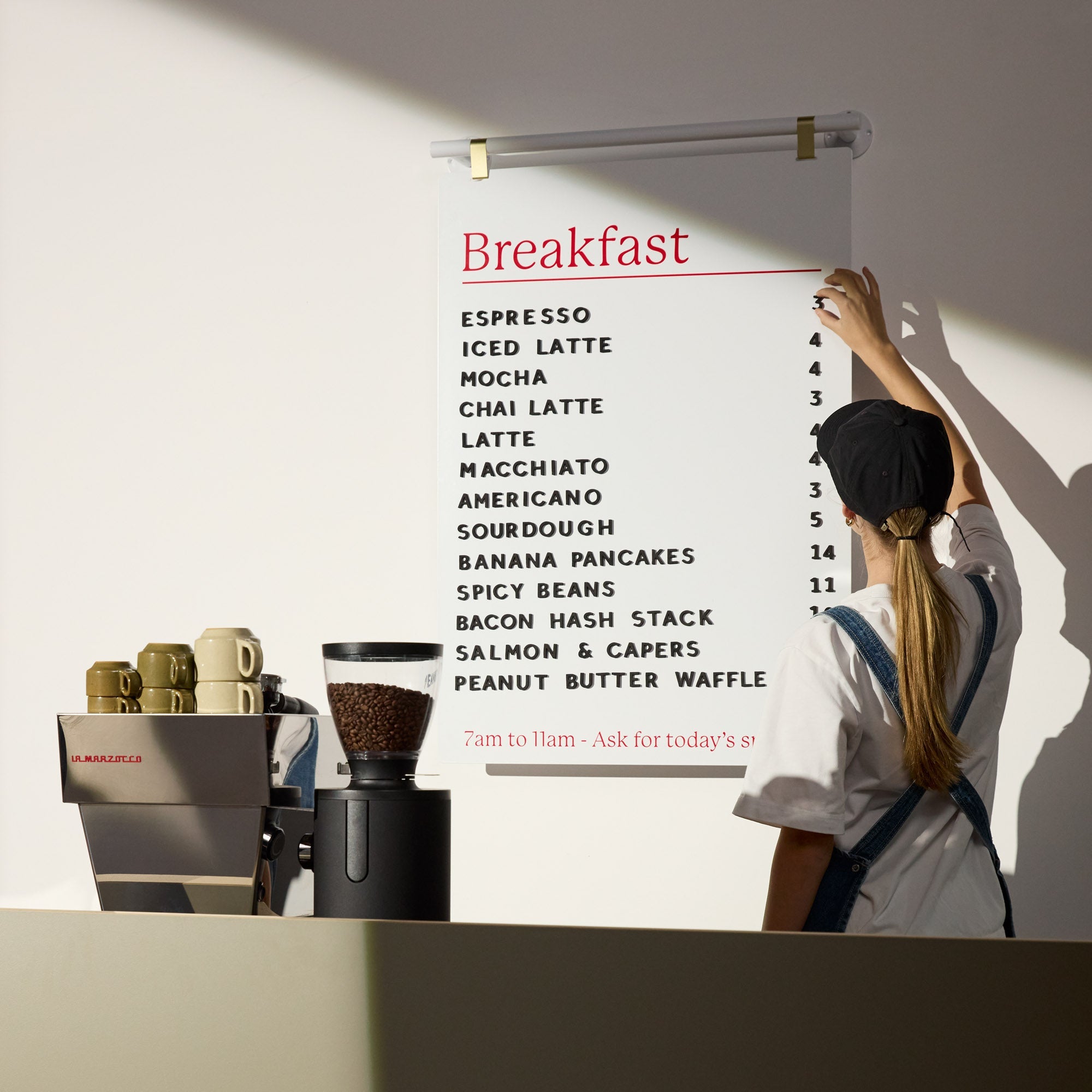
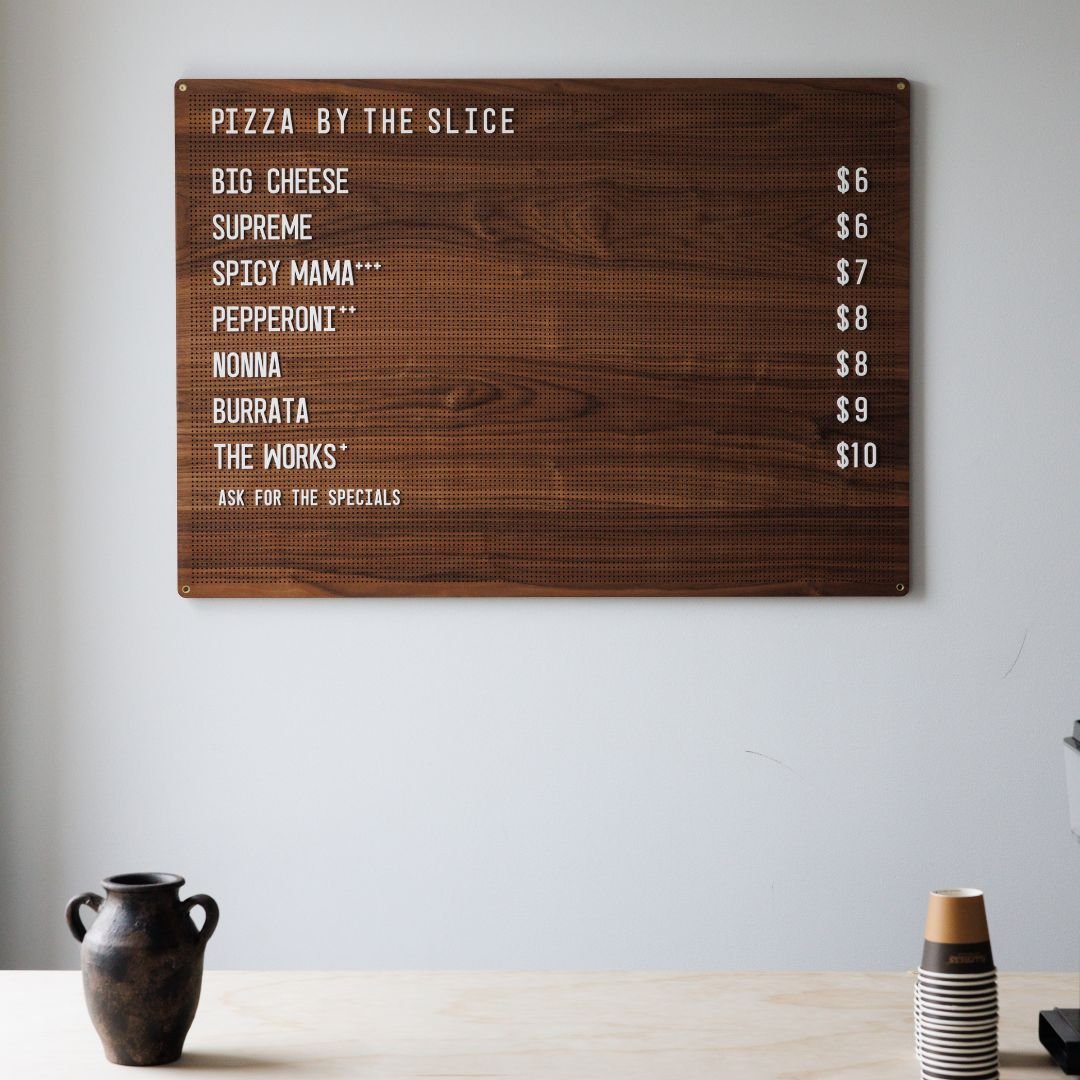
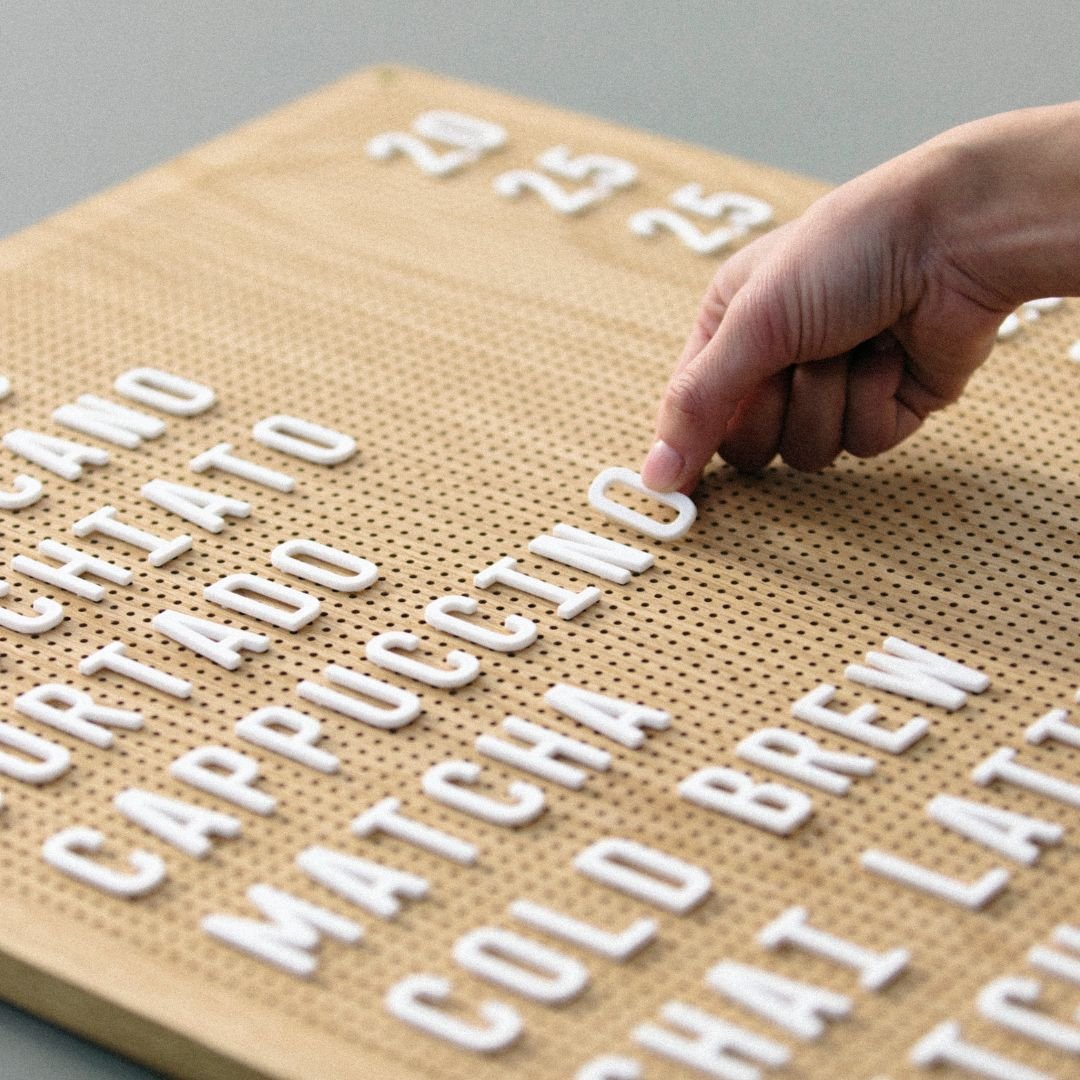
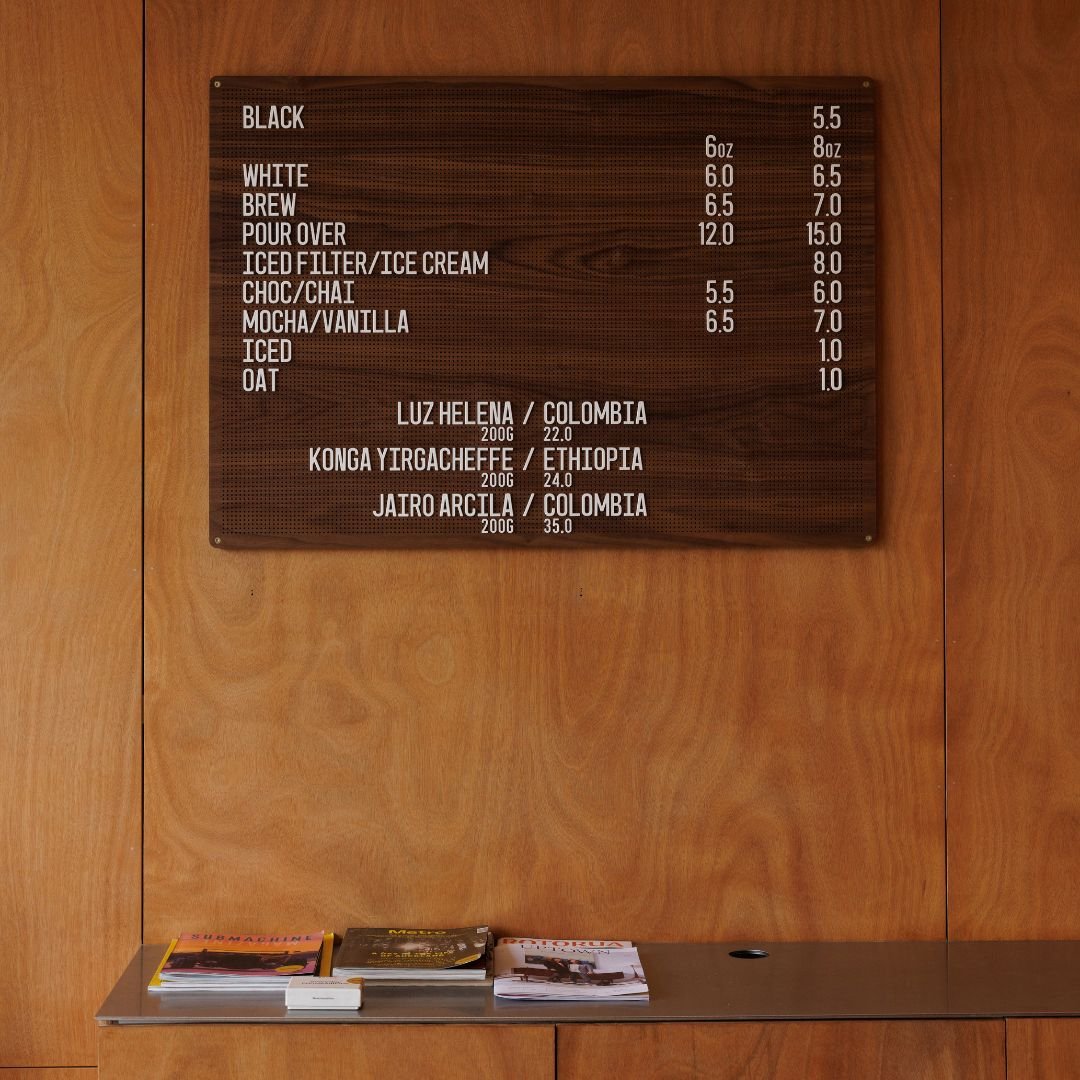
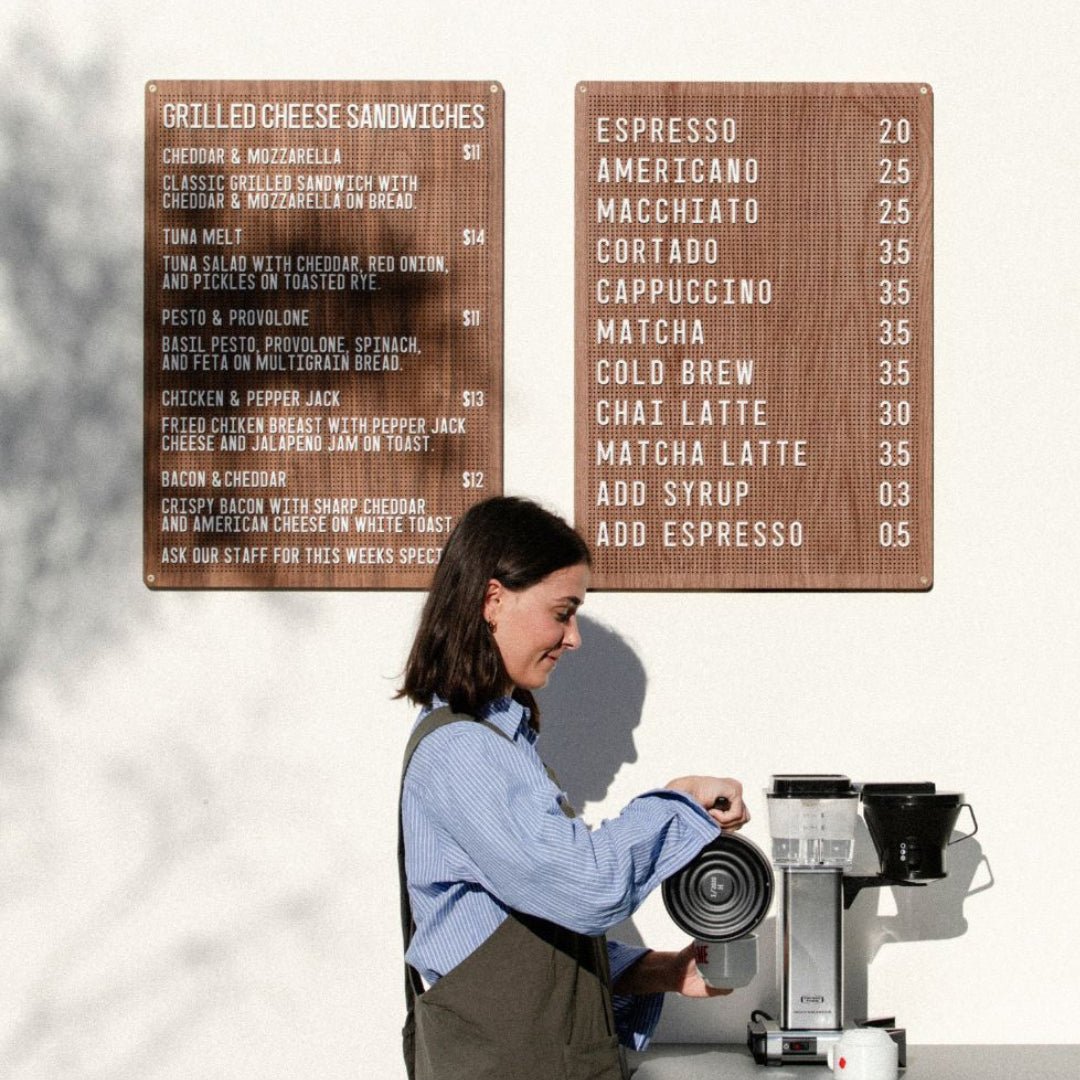
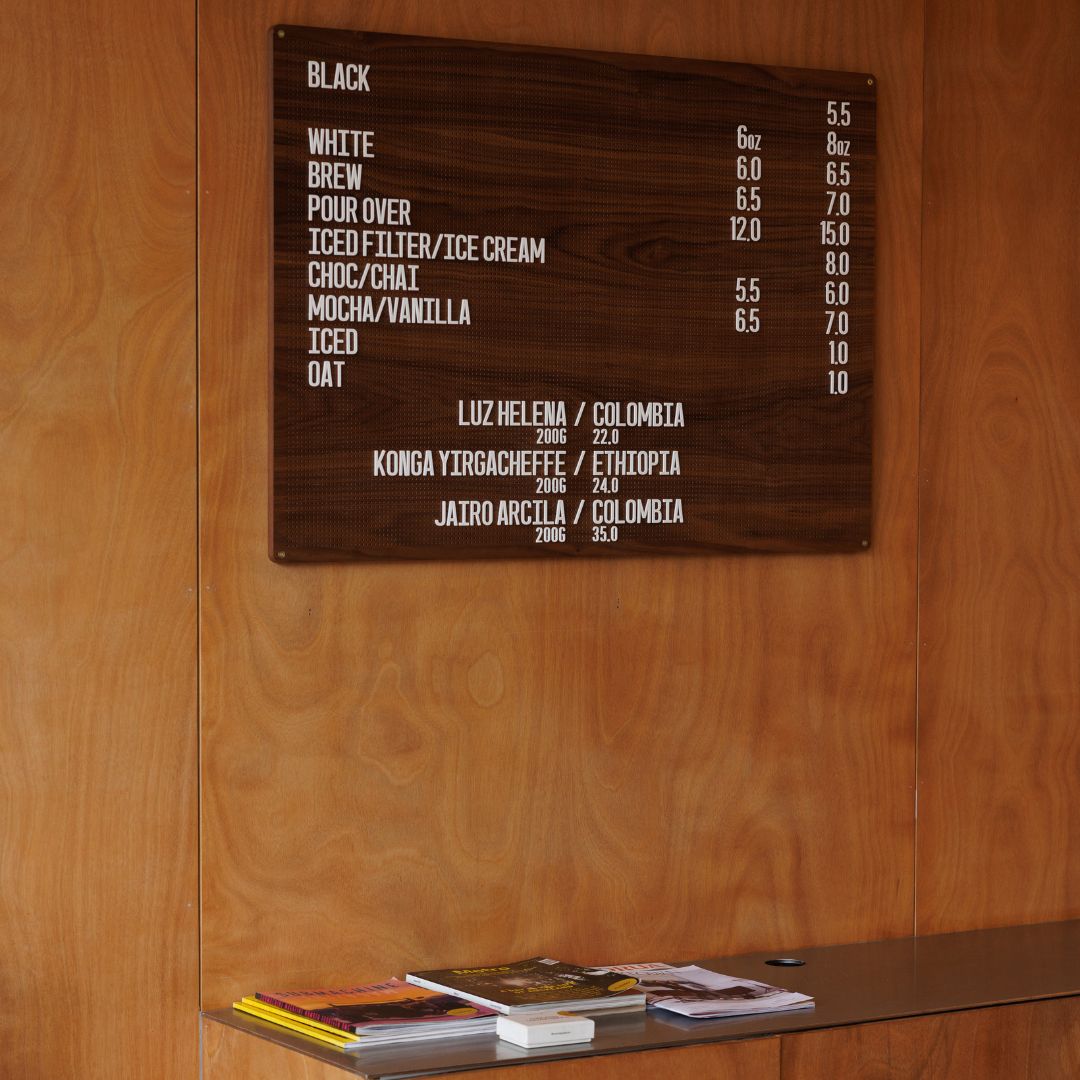
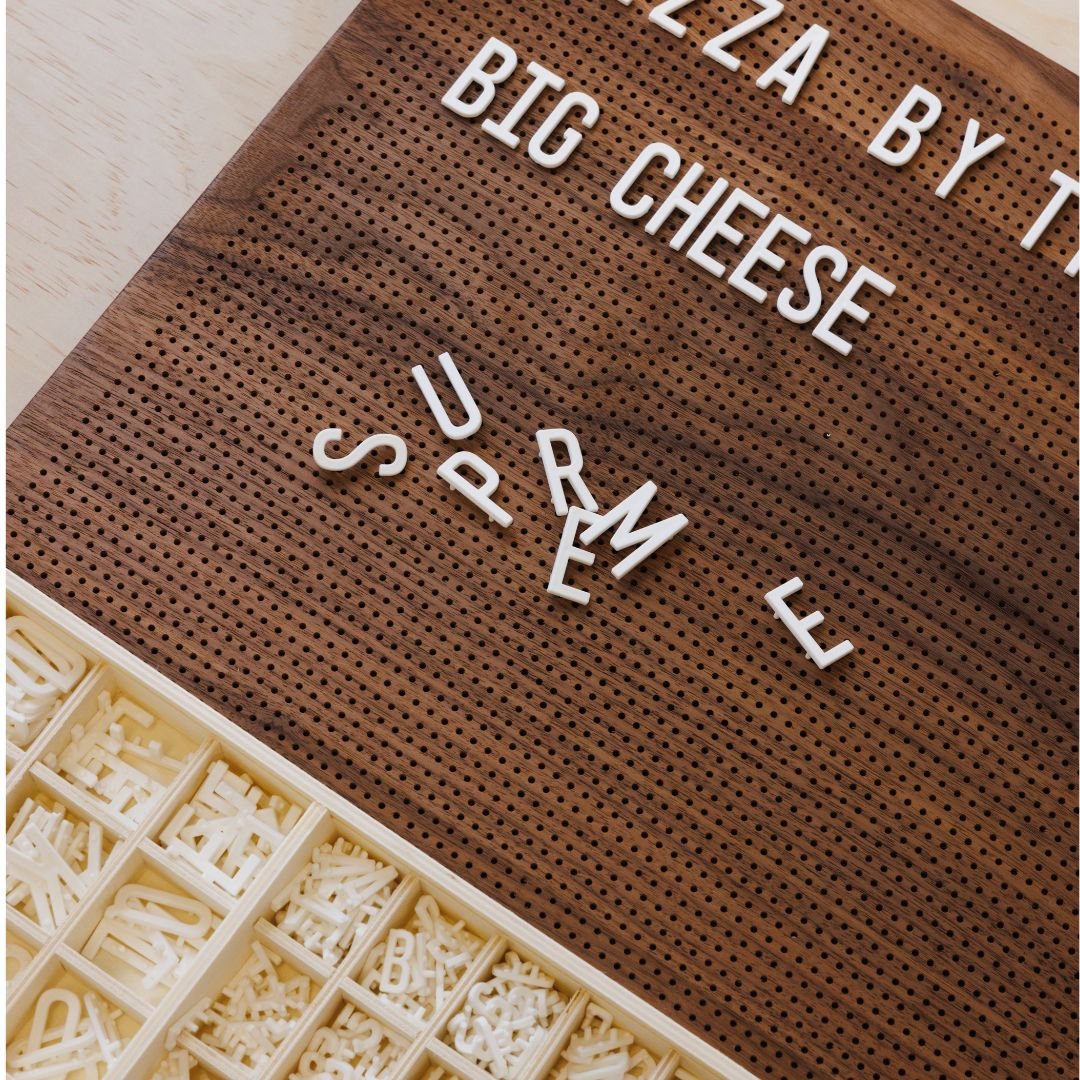
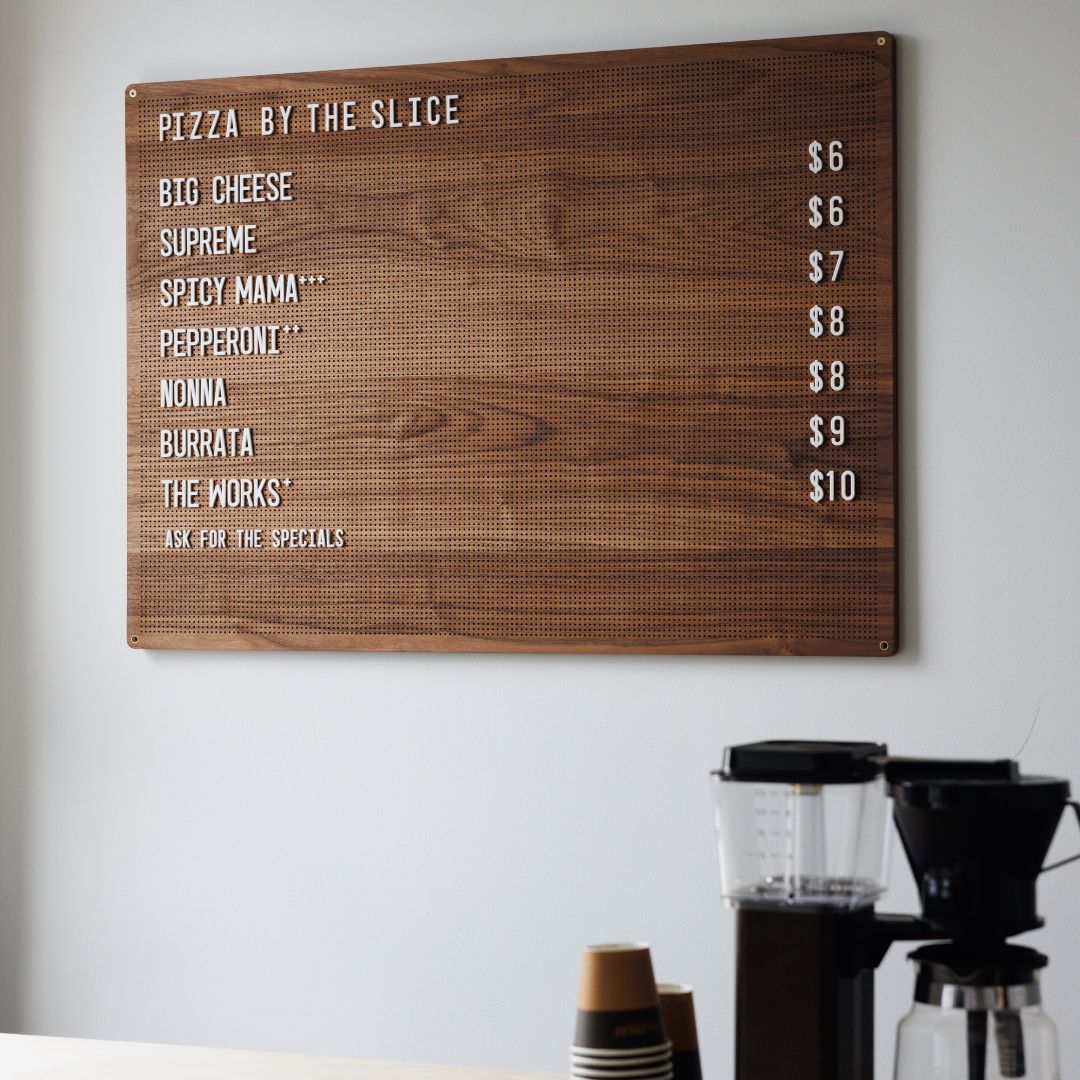
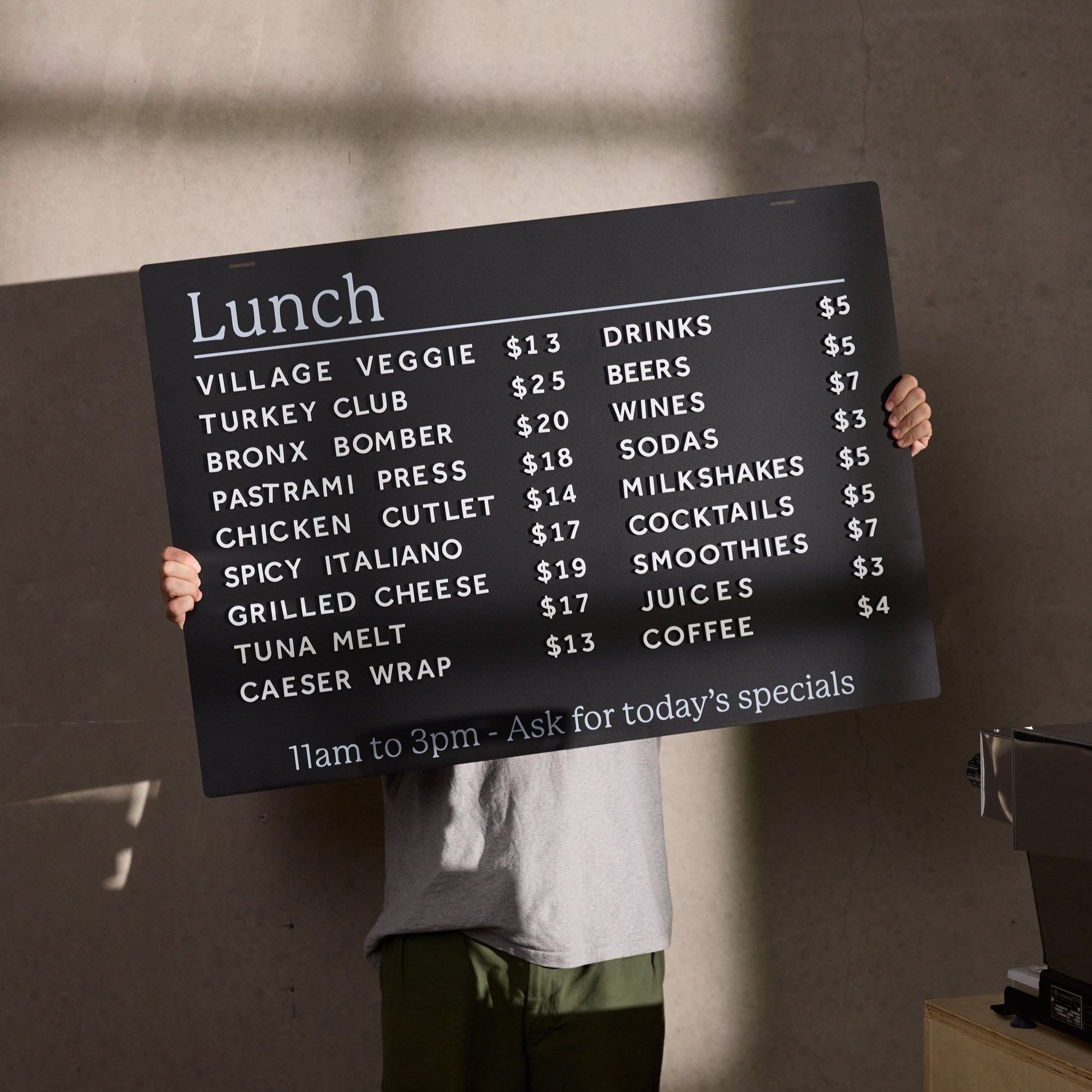
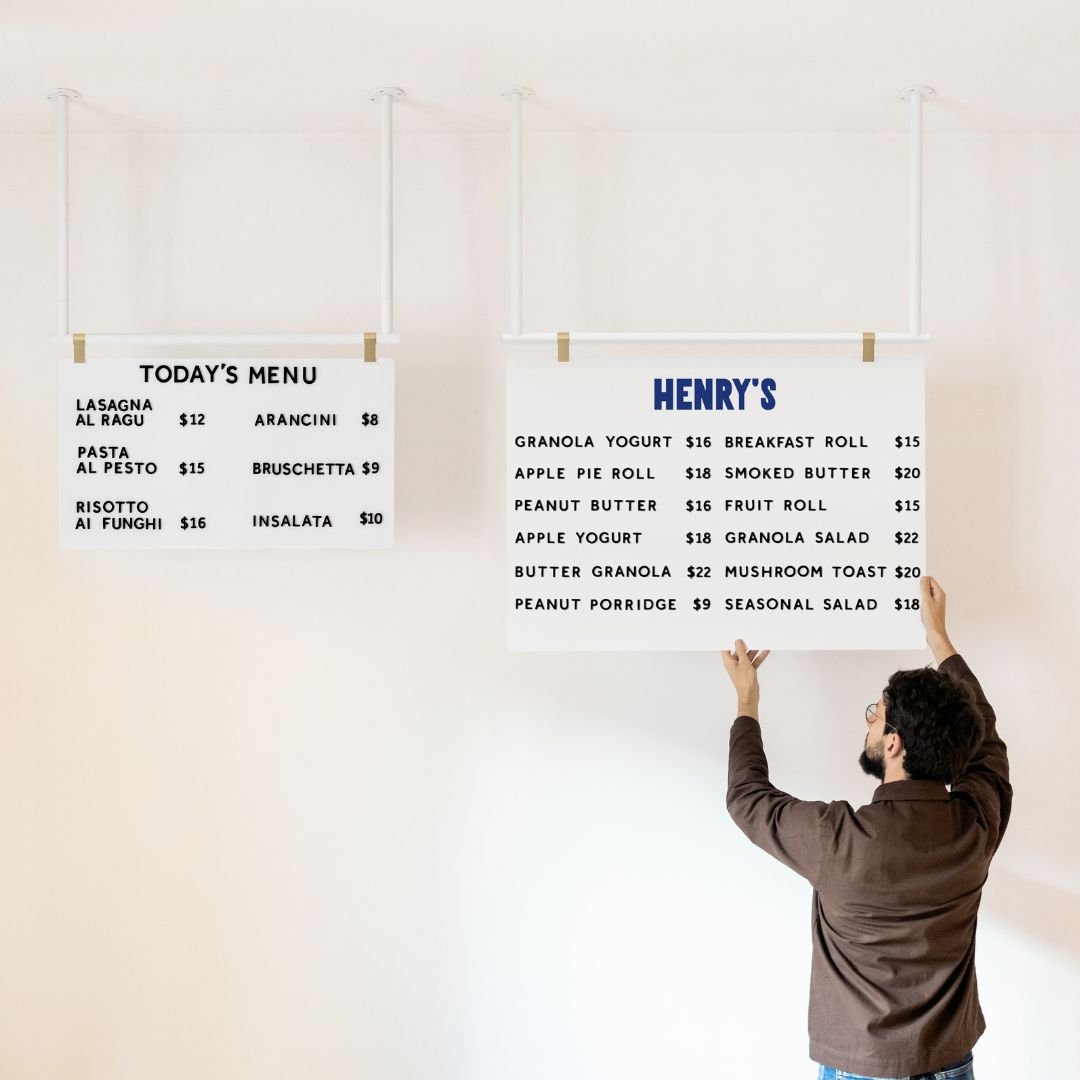
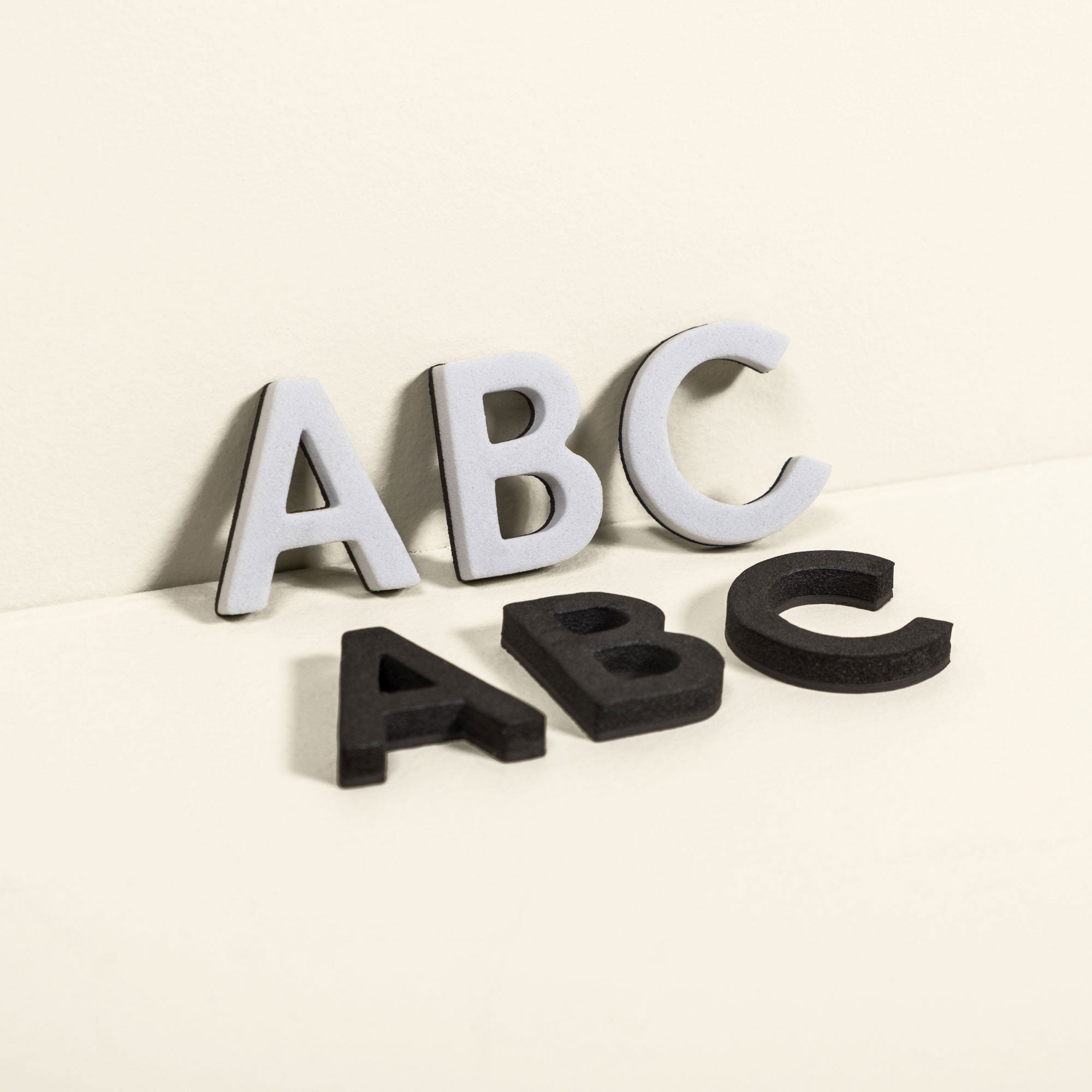
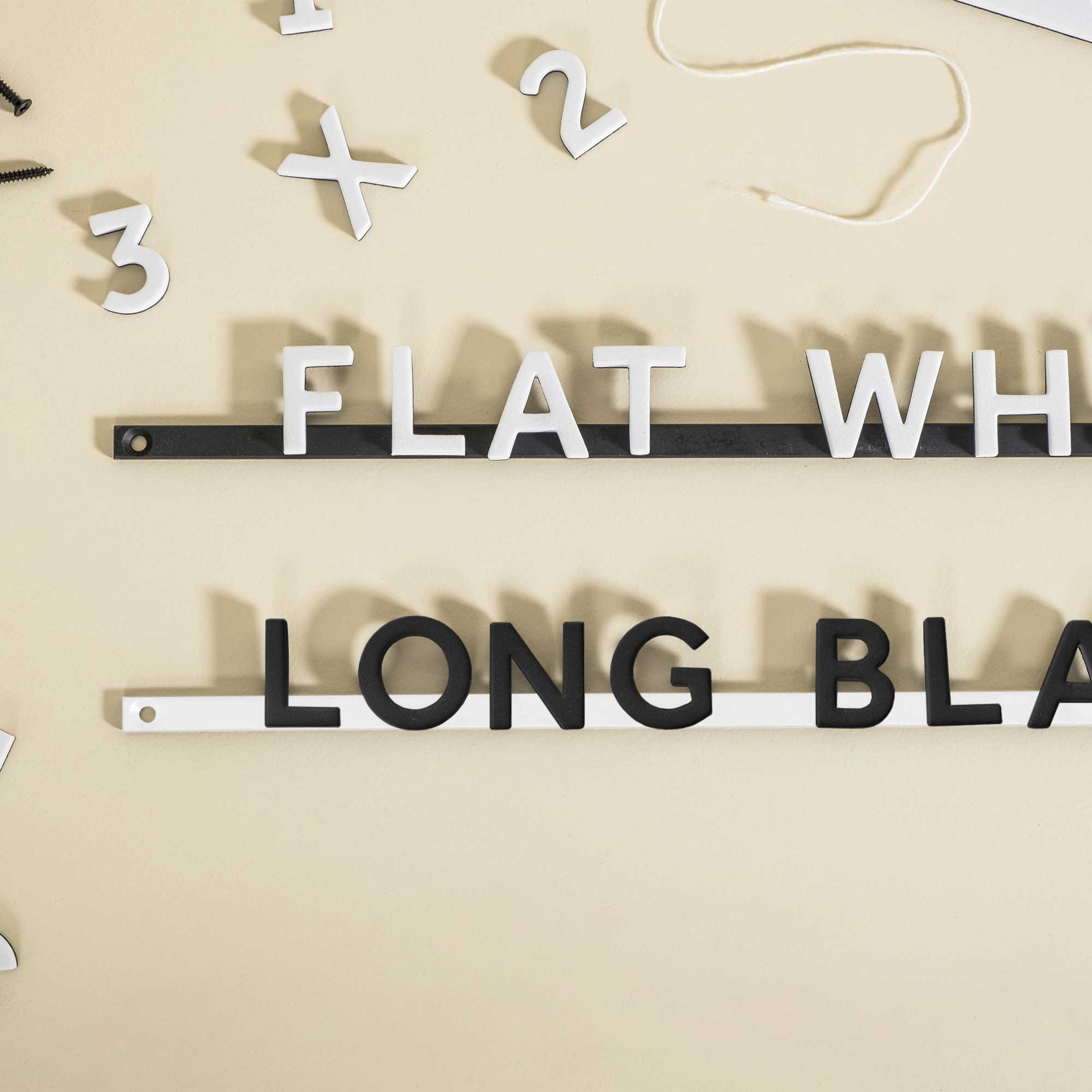
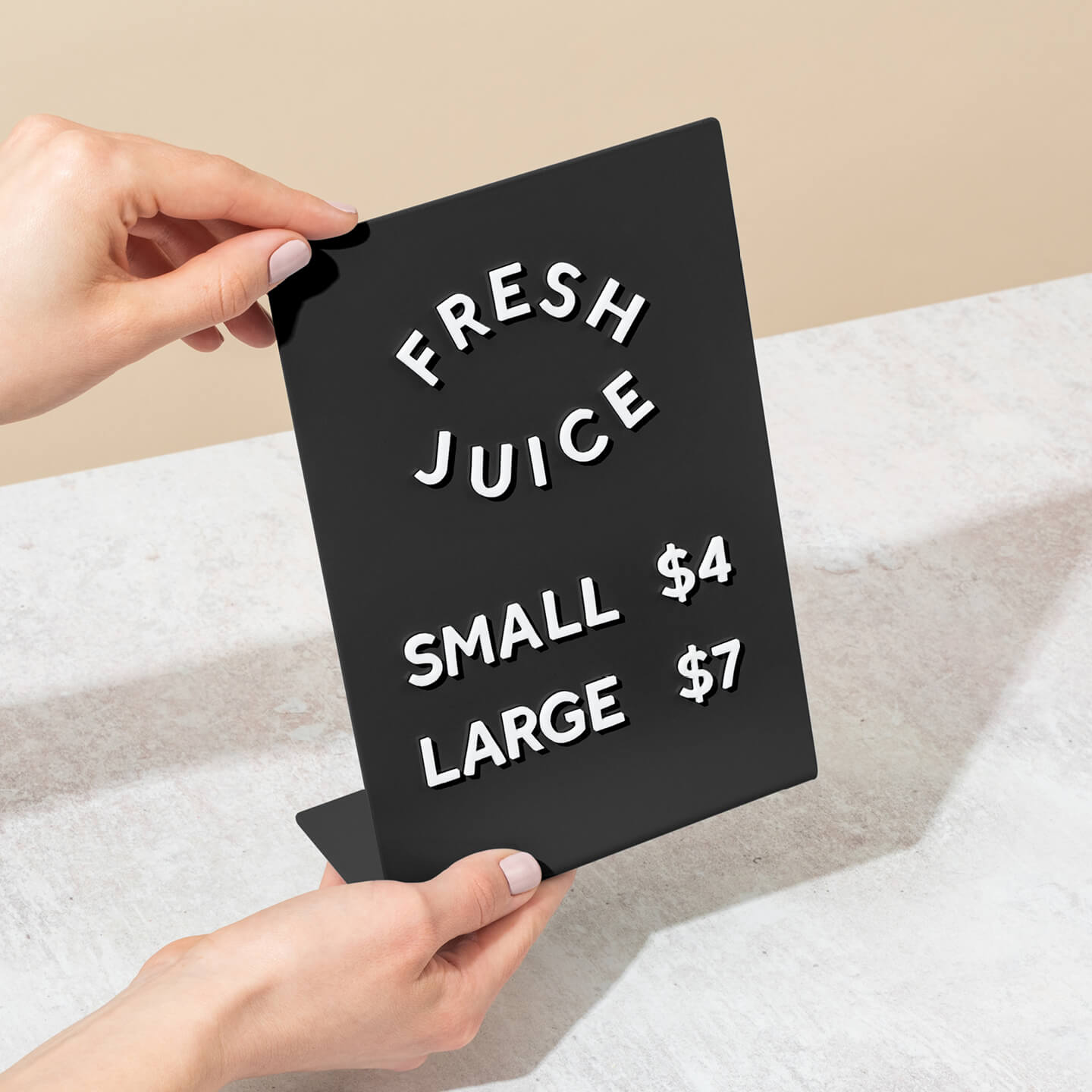
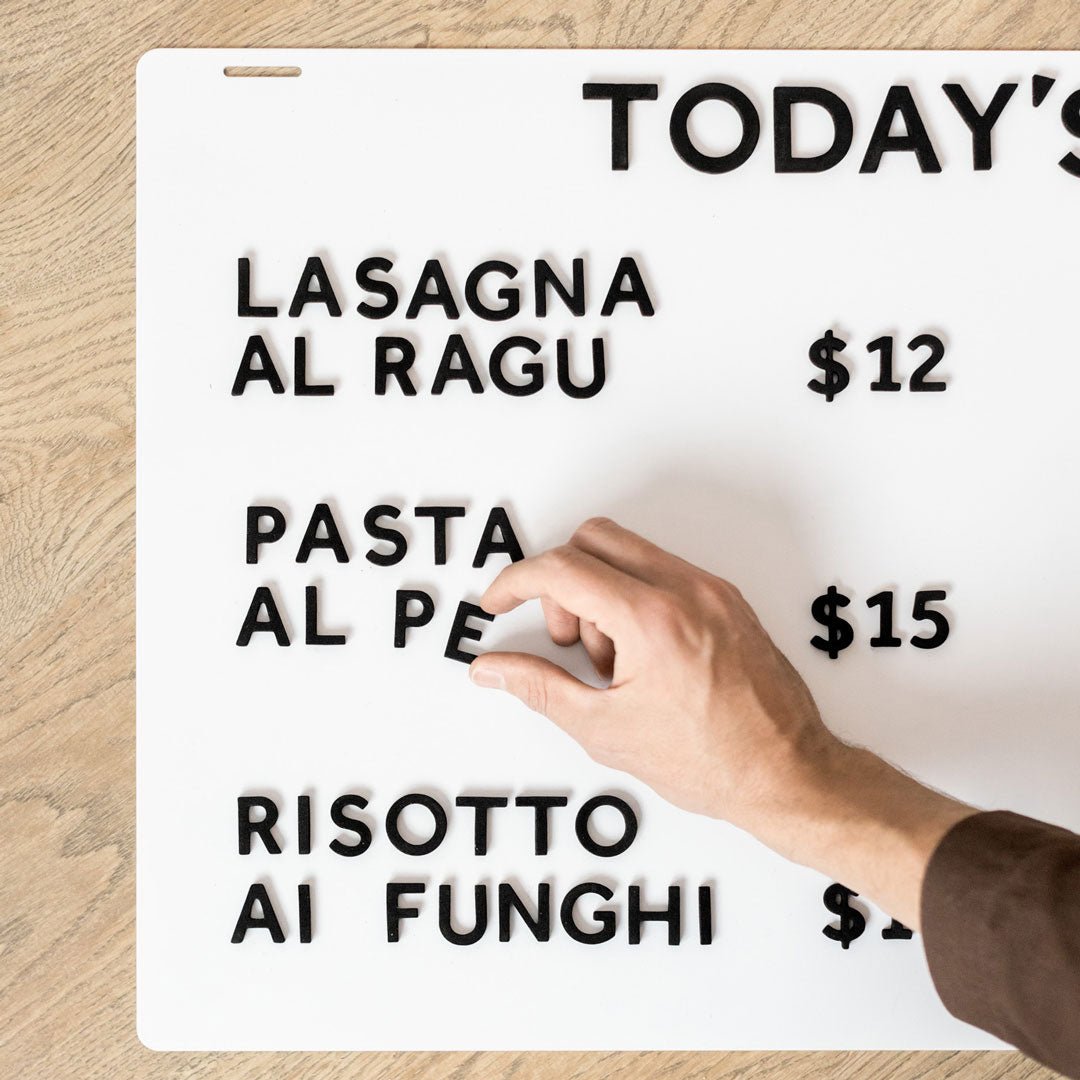
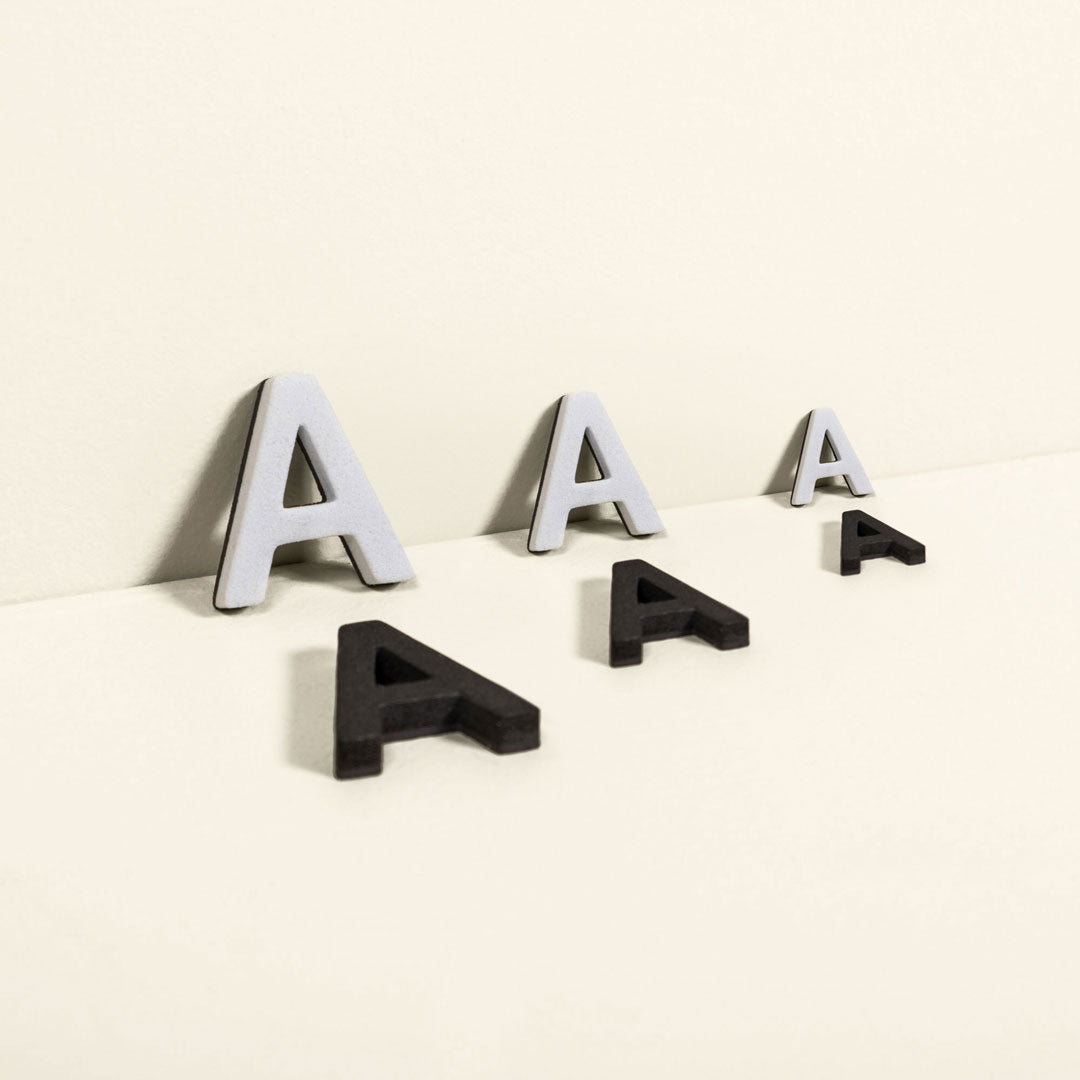
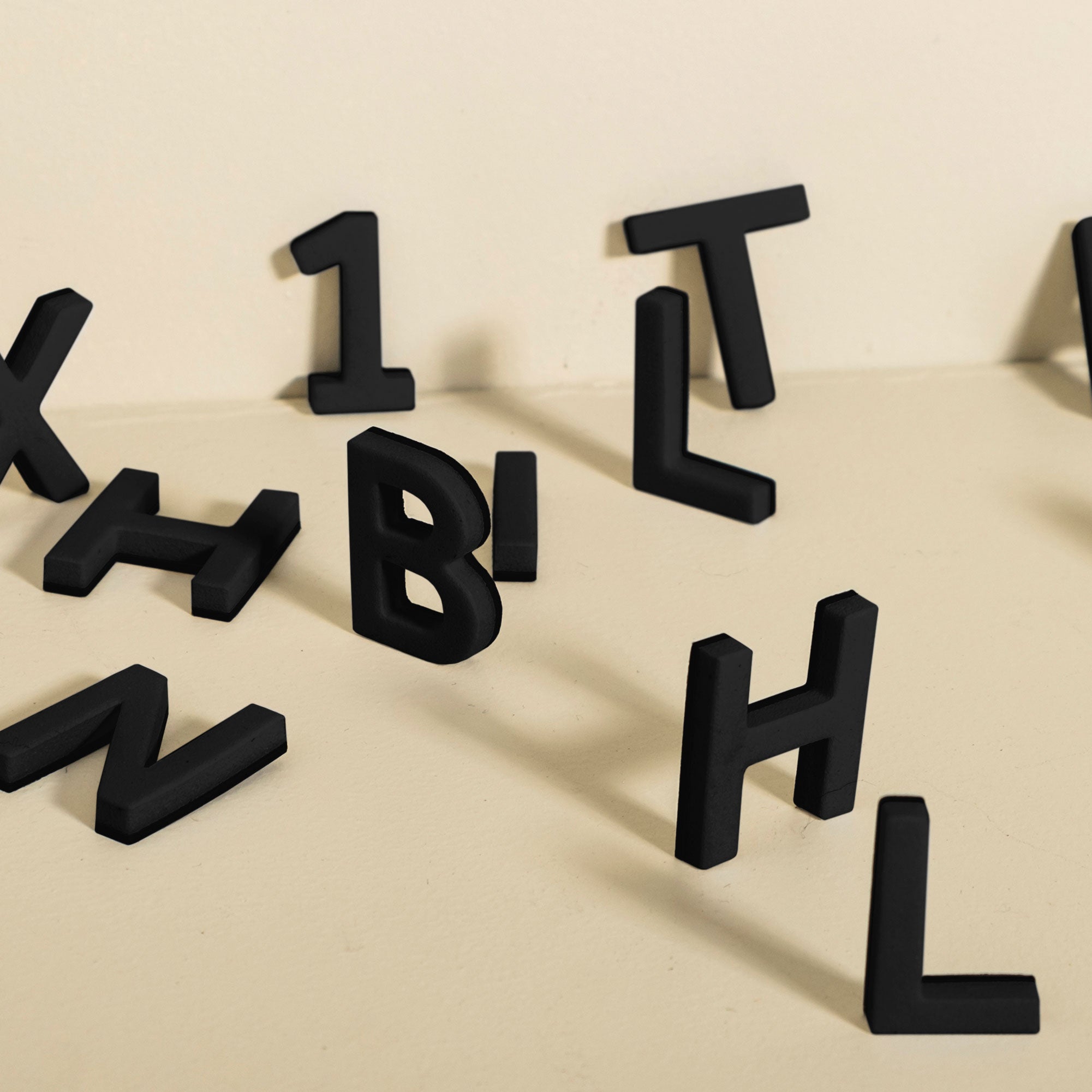
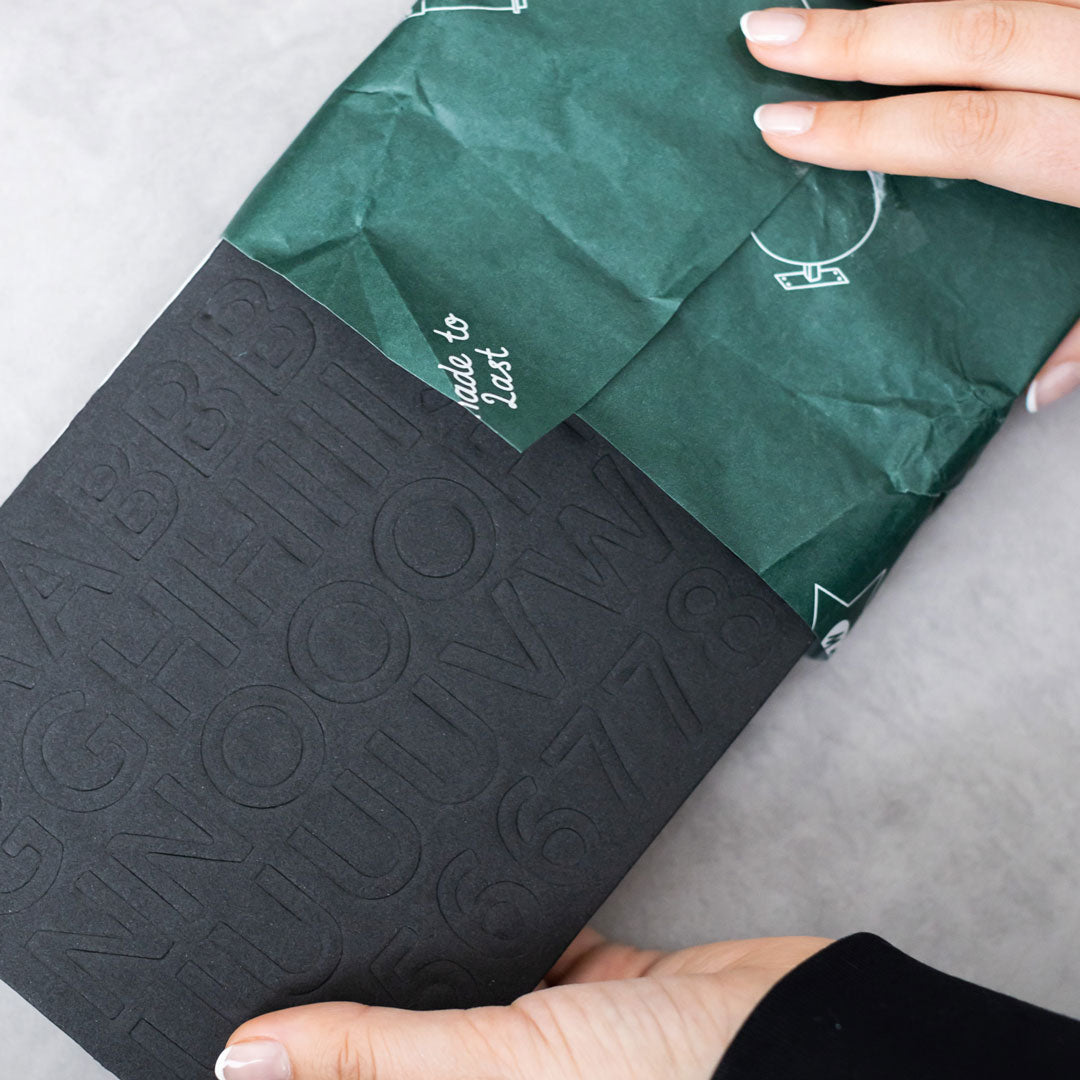
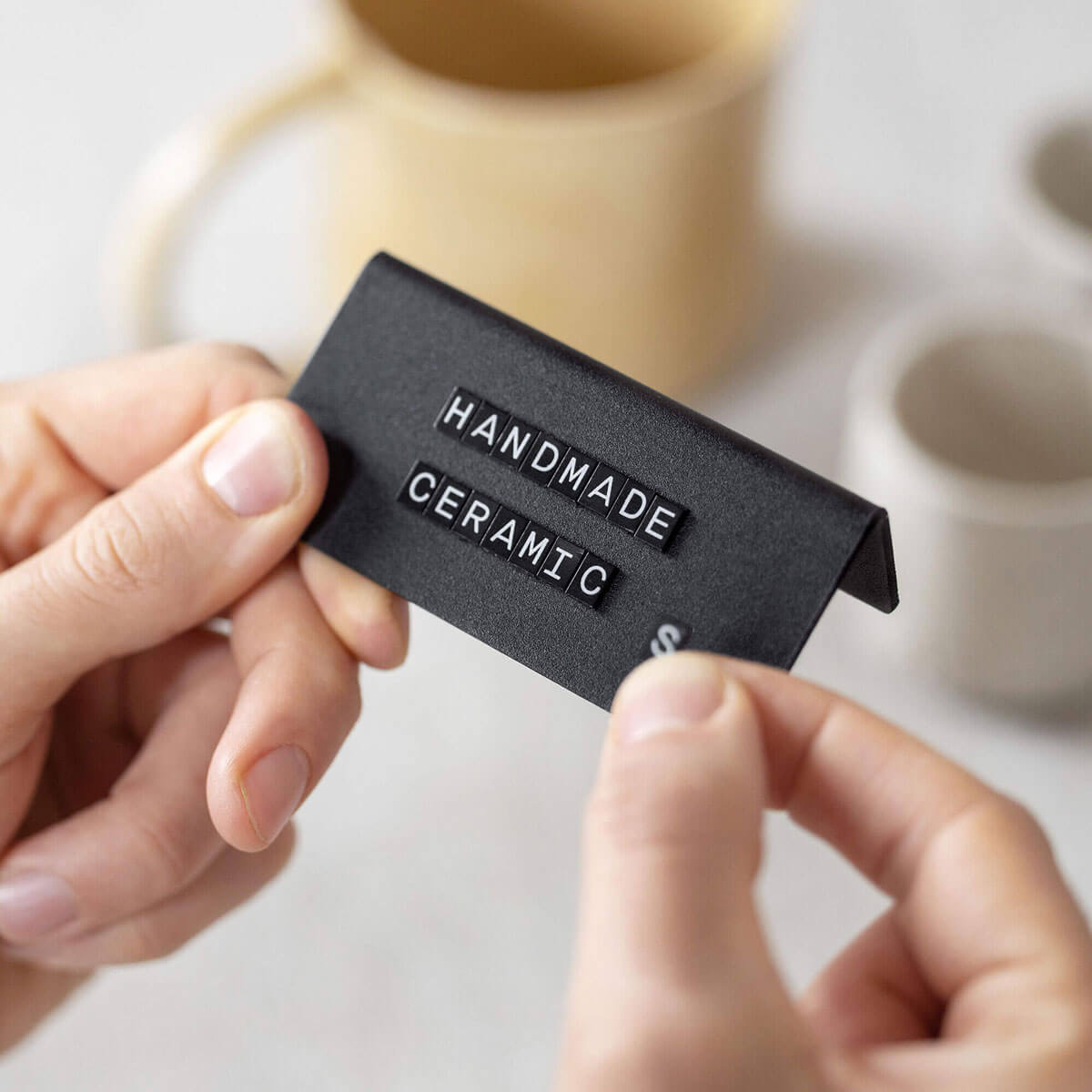
This is where changeable letter boards and displays shine. Instead of reprinting paper signs, systems with magnetic or peg letters allow you to update messages in seconds. These solutions are not only practical but also add a touch of timeless, tactile charm to your workspace.
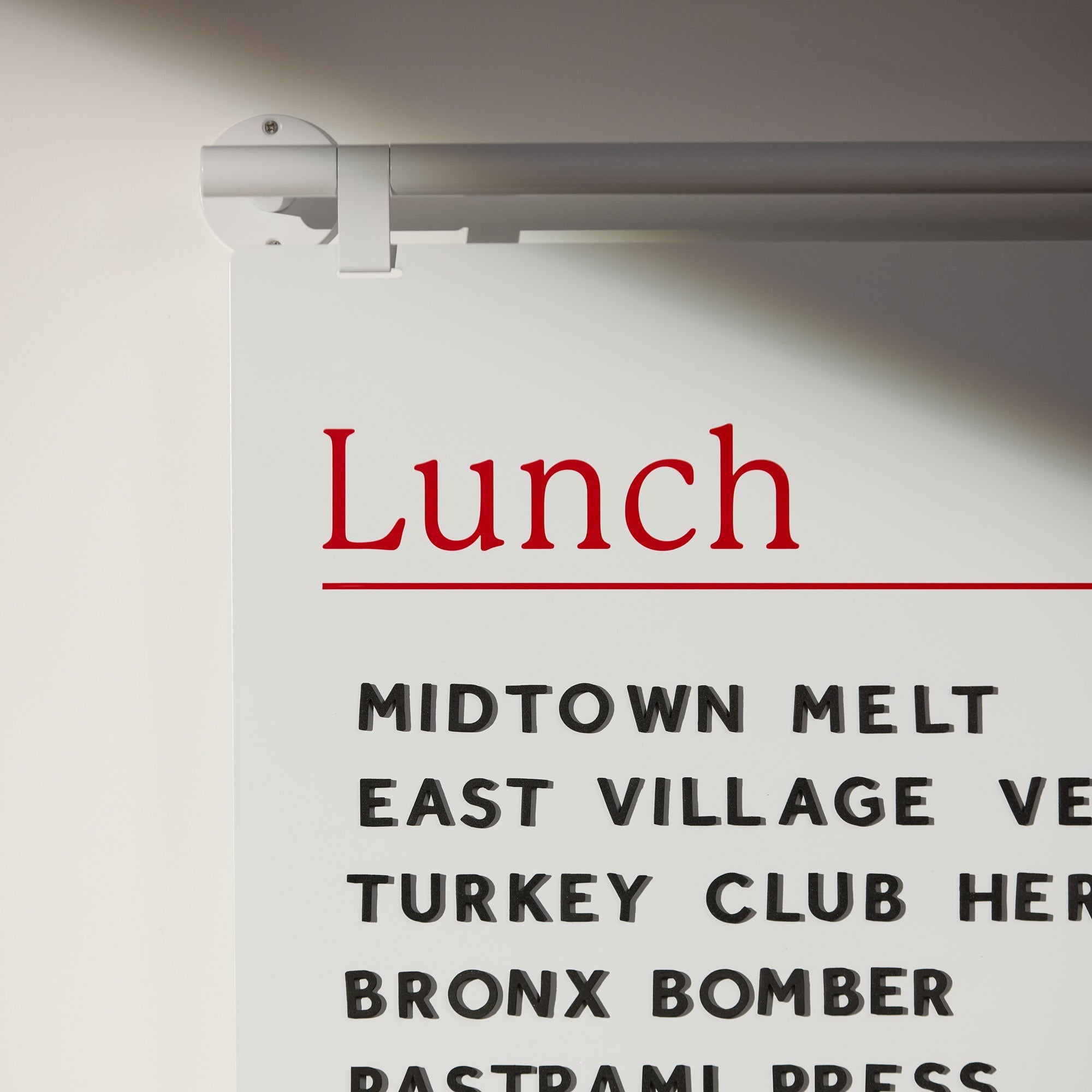
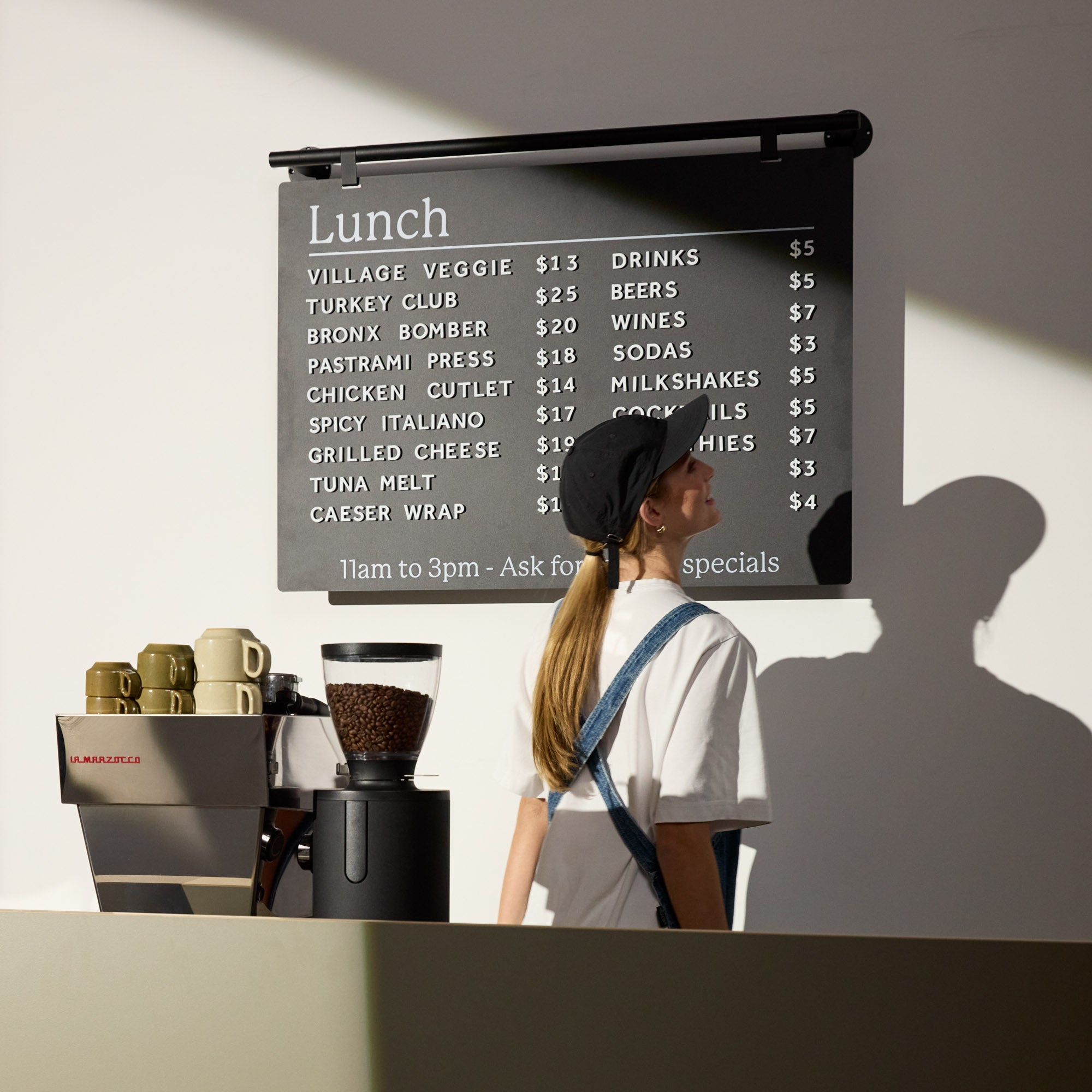
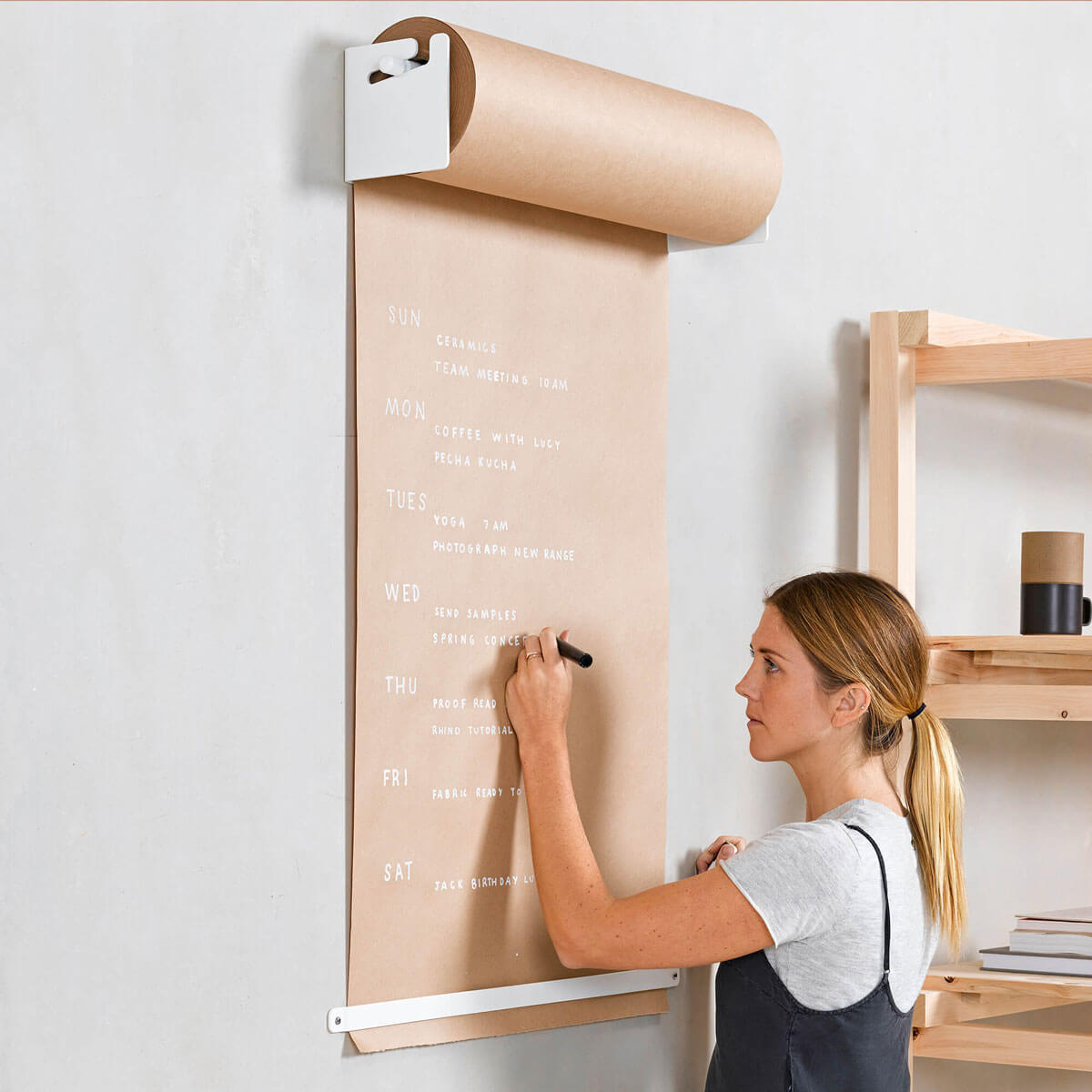
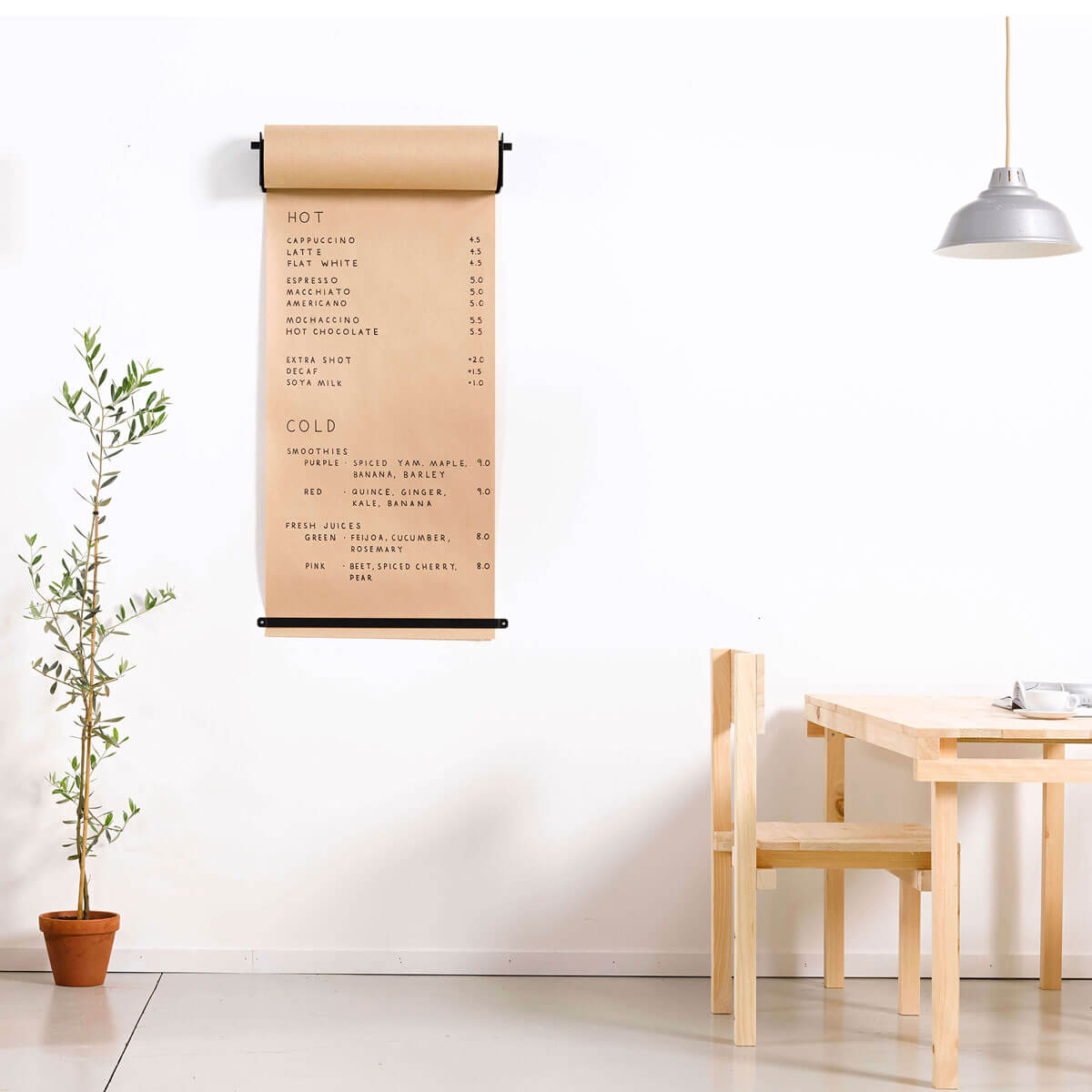
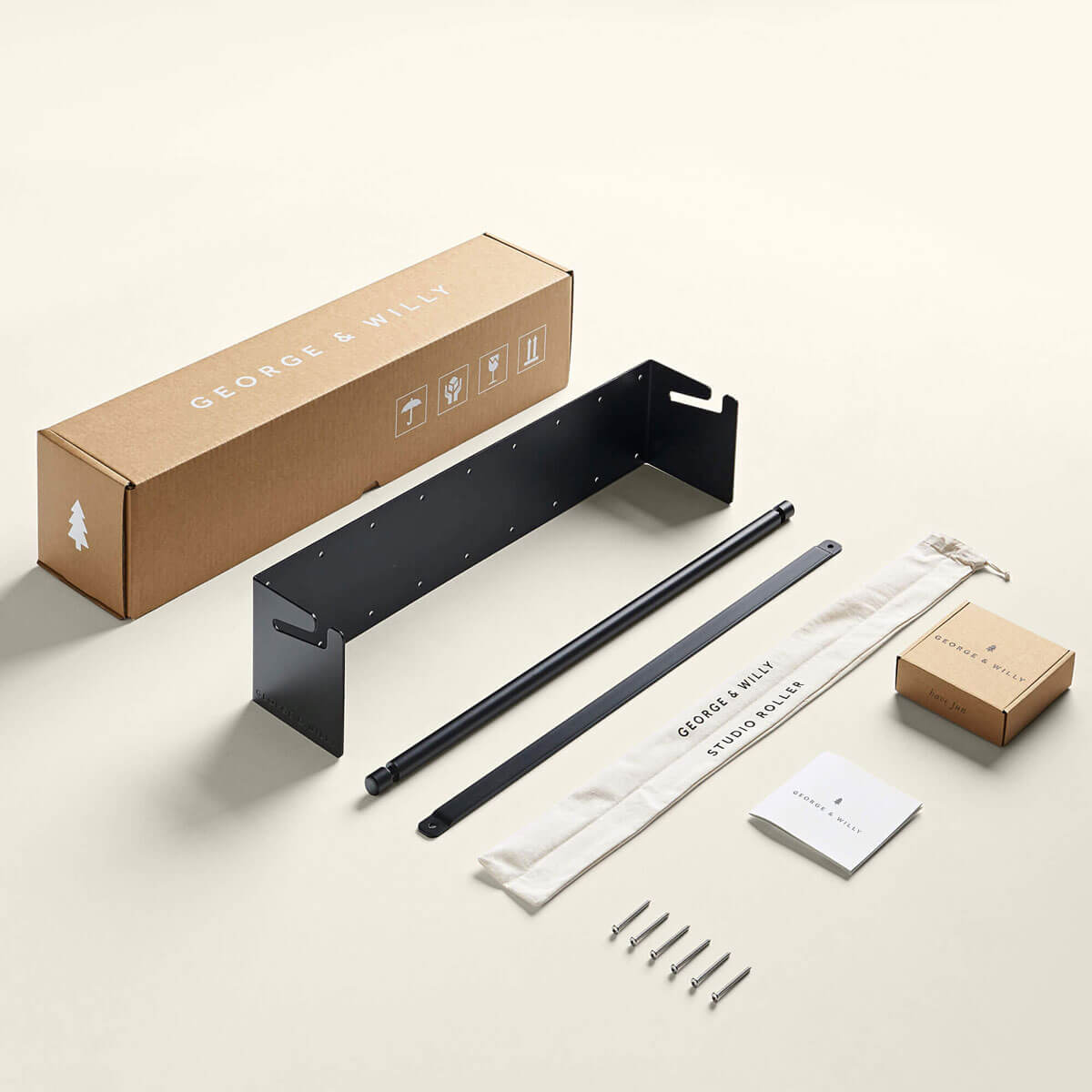
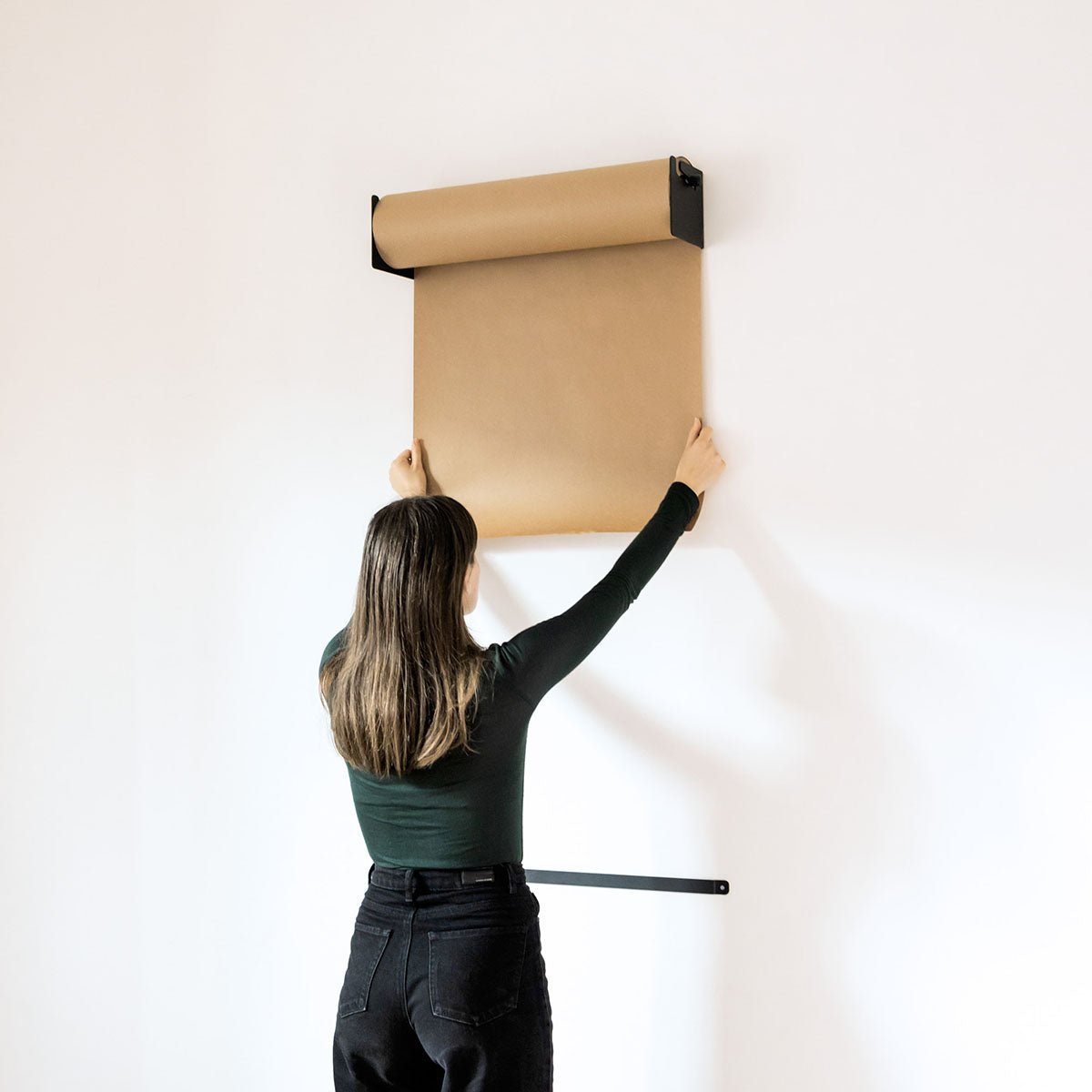
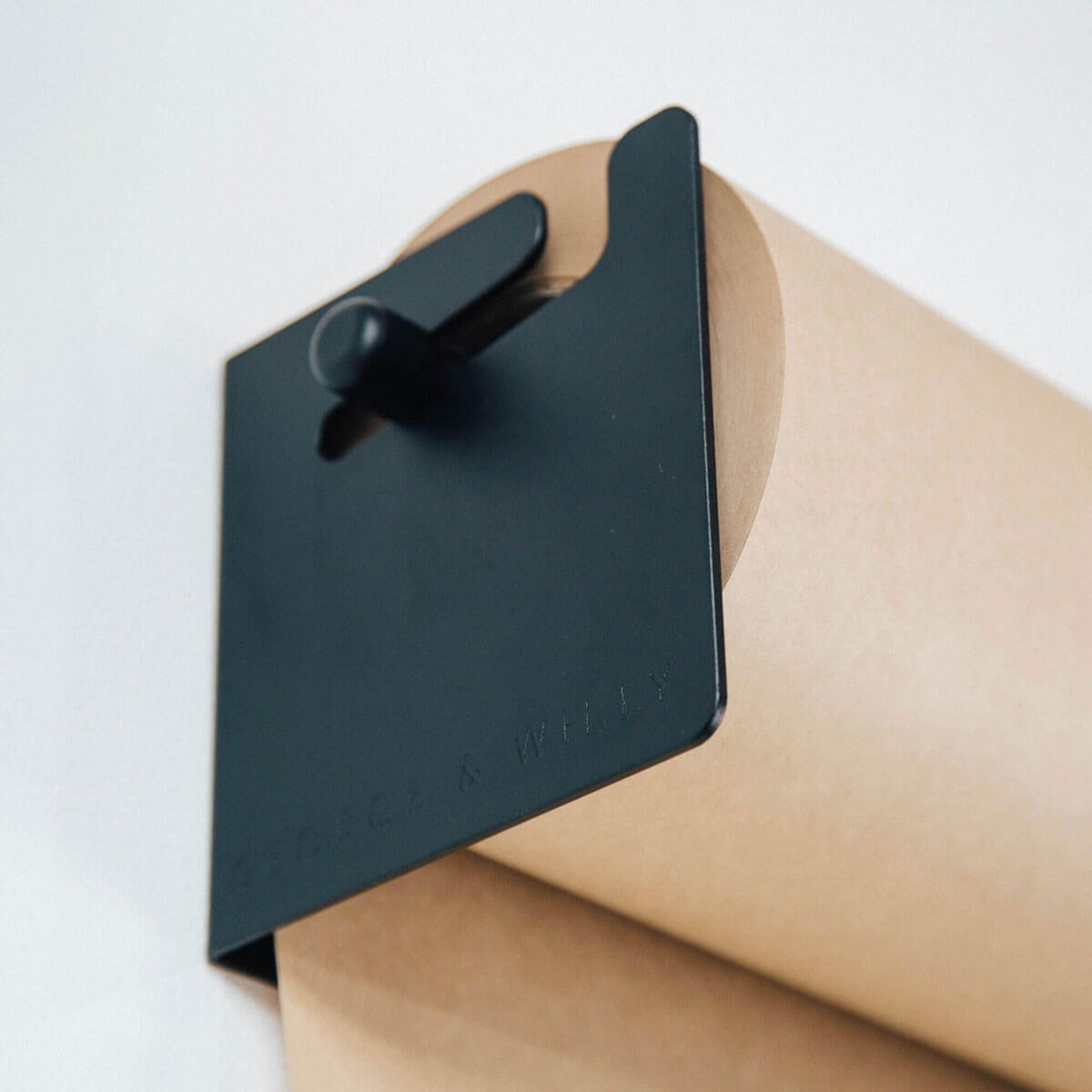
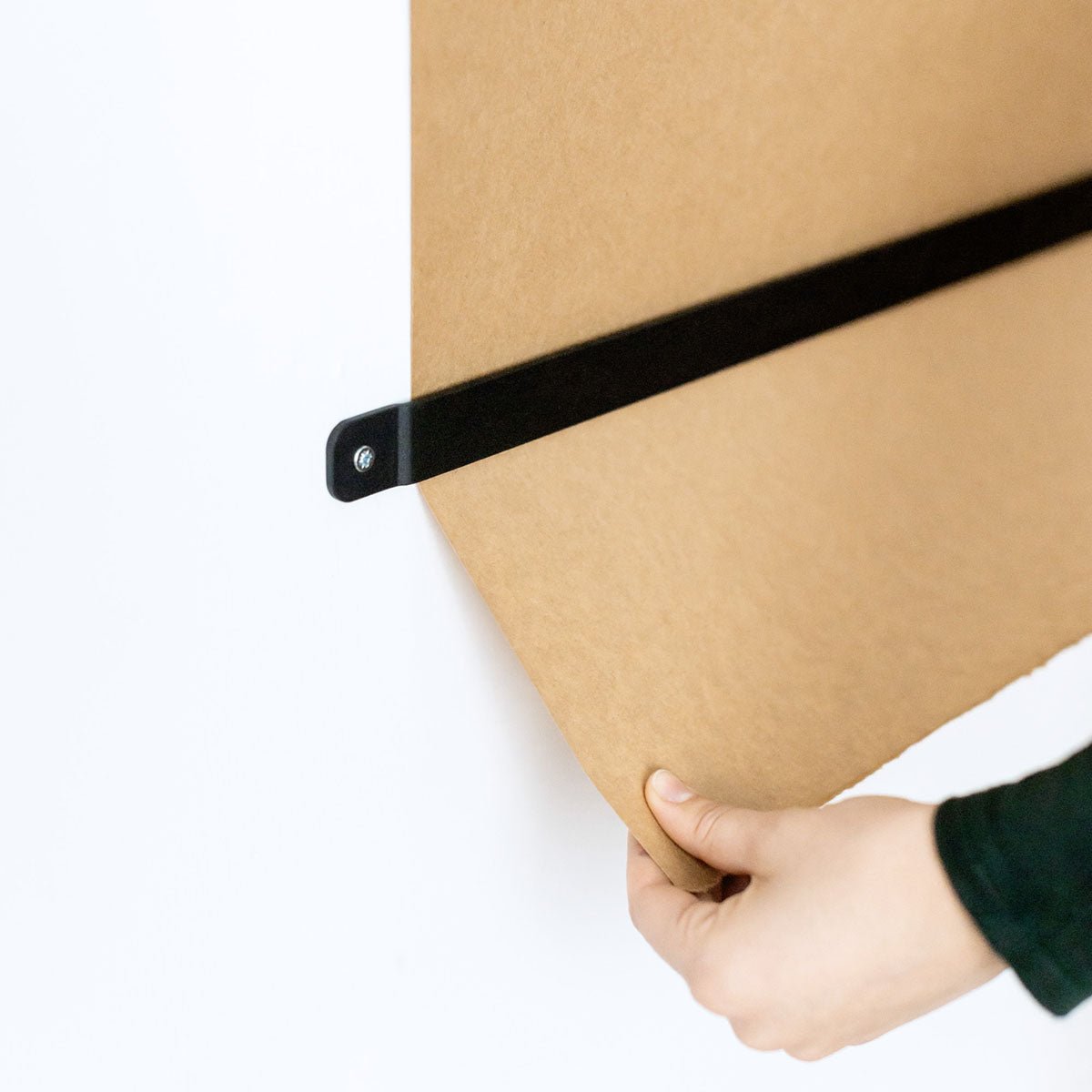
A wall mounted paper roller, like the Studio Roller from George & Willy, is a fantastic tool for brainstorming sessions or for listing daily announcements. For compact spaces, the Daily Roller offers the same idea in a smaller format. For a more formal directory or welcome message at reception, a Magnetic Menu Board provides a clean, elegant way to present information that can be changed on the fly.
Choosing Durable Materials for Lasting Quality
Your office signage is a long term investment in your brand’s image. Choosing durable, high quality materials will save you money and ensure your workspace always looks its best. A faded or chipped sign can negatively impact perception, with studies showing more than half of consumers would be hesitant to enter a business with dilapidated signage.
For both indoor and outdoor custom office signs, look for materials built to last:
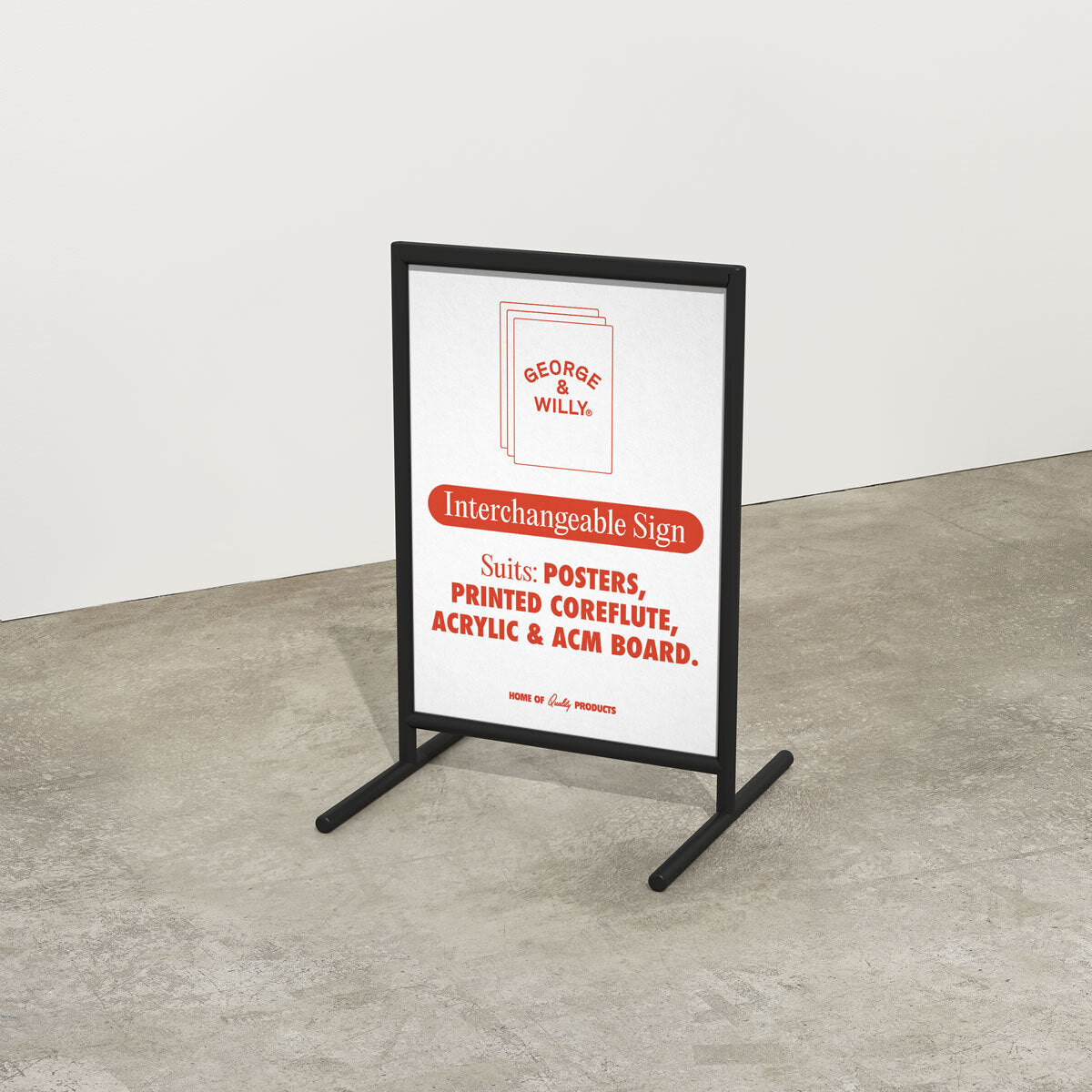
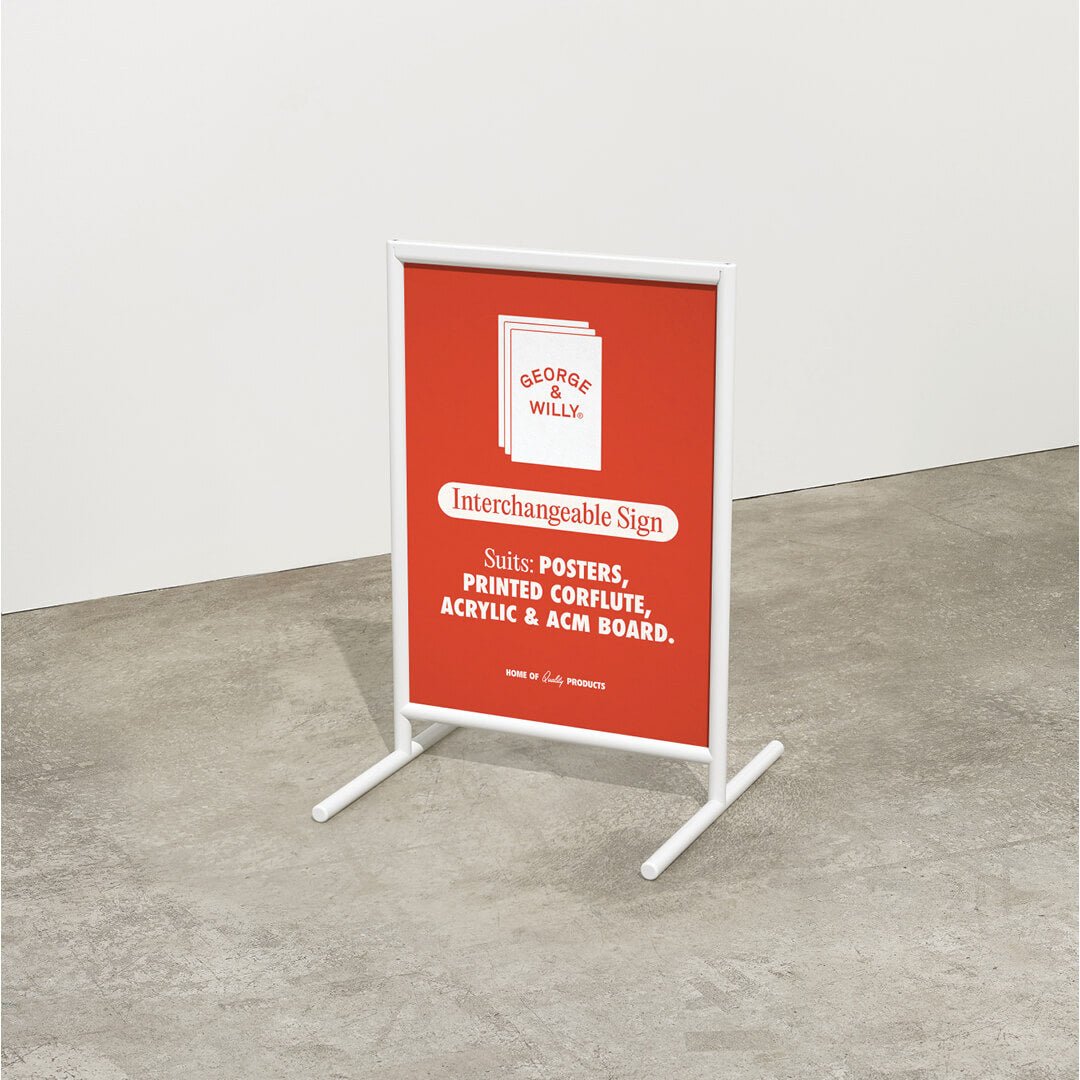
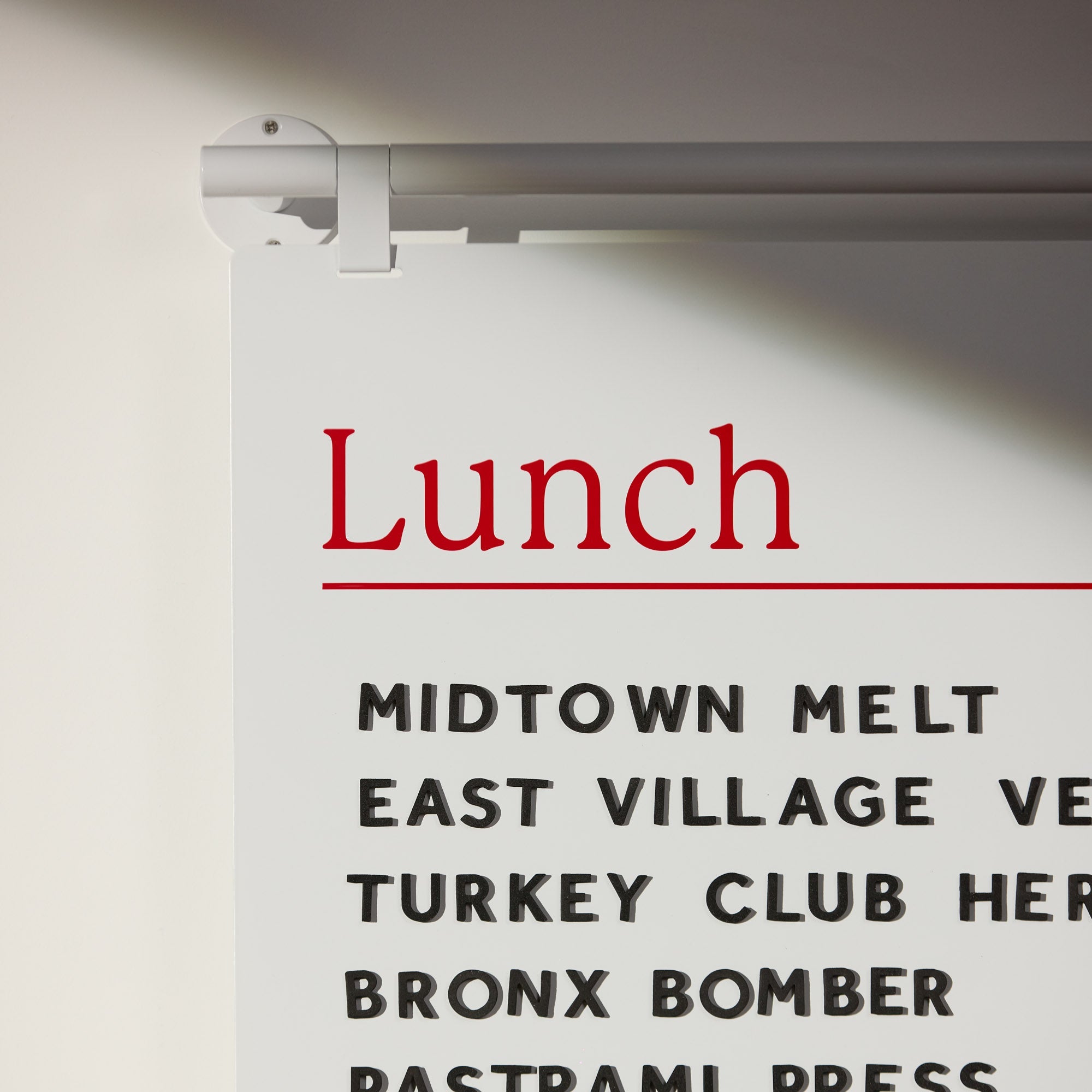
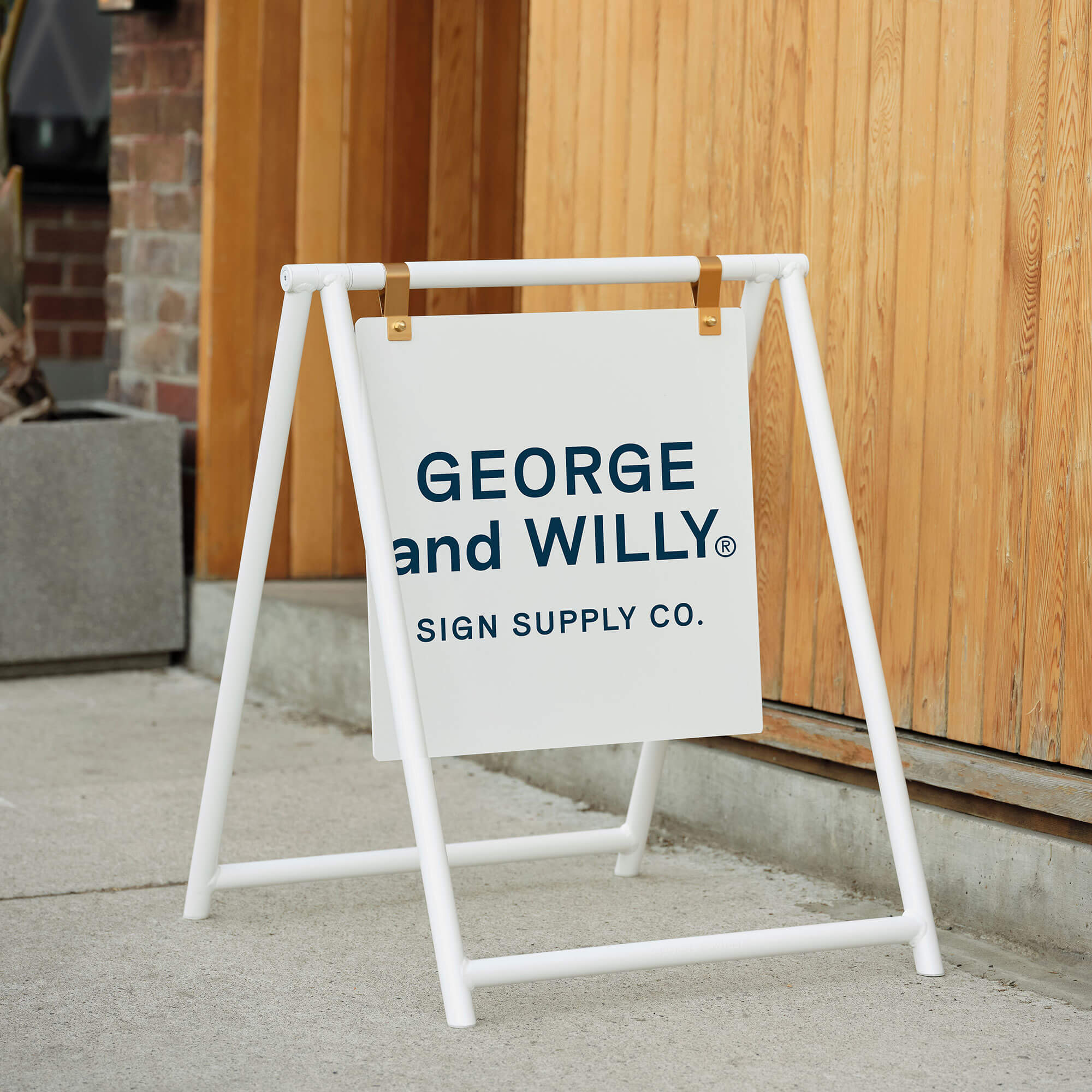
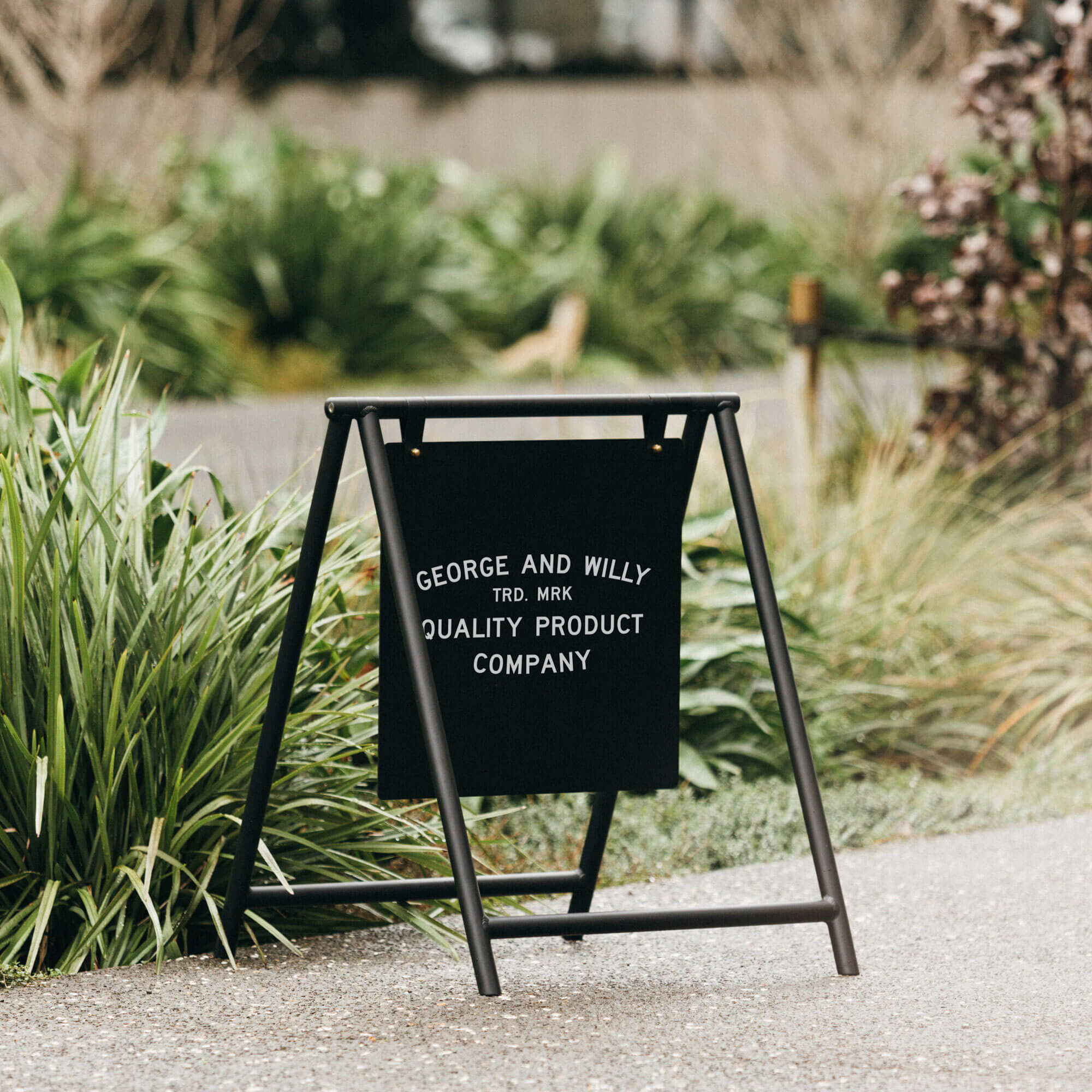
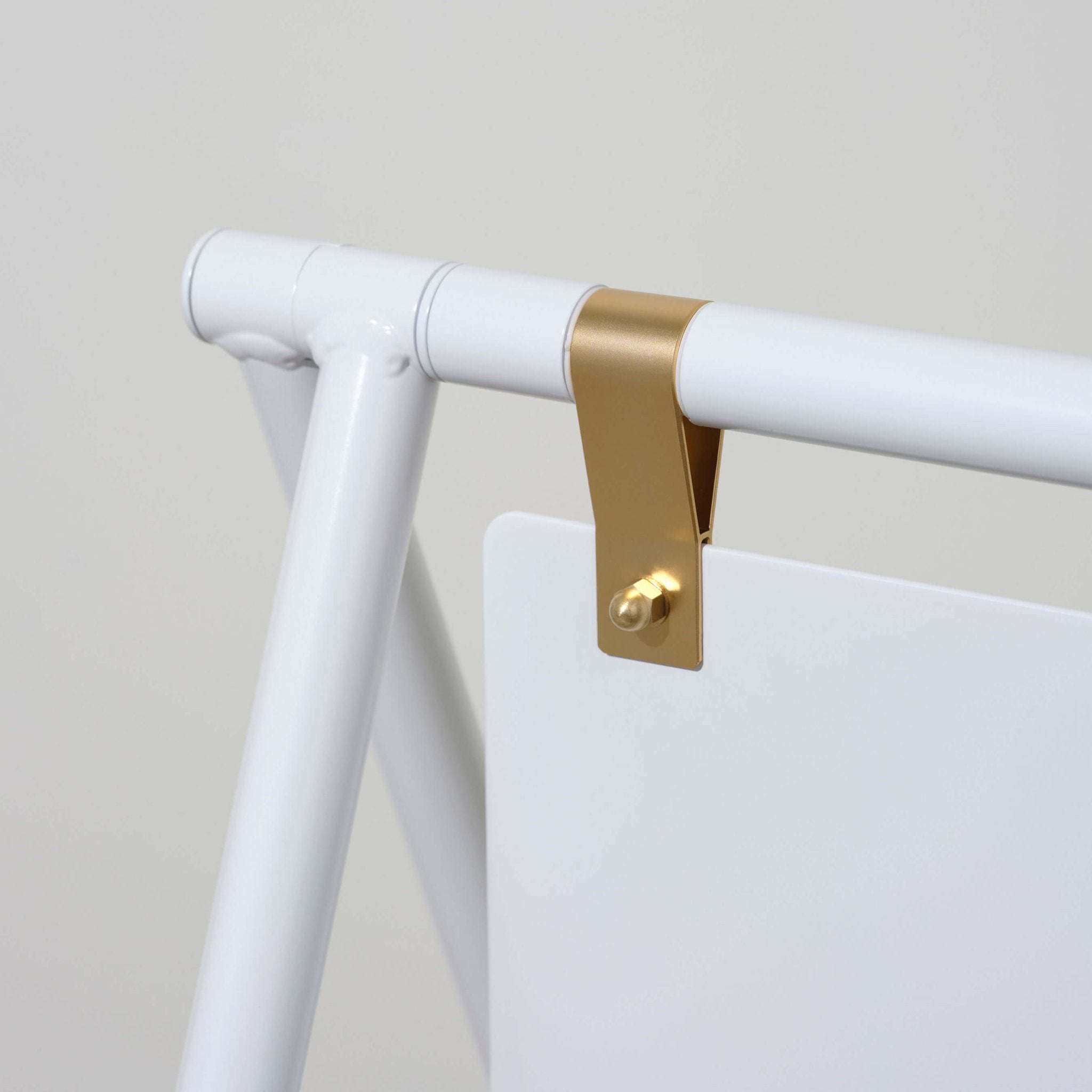
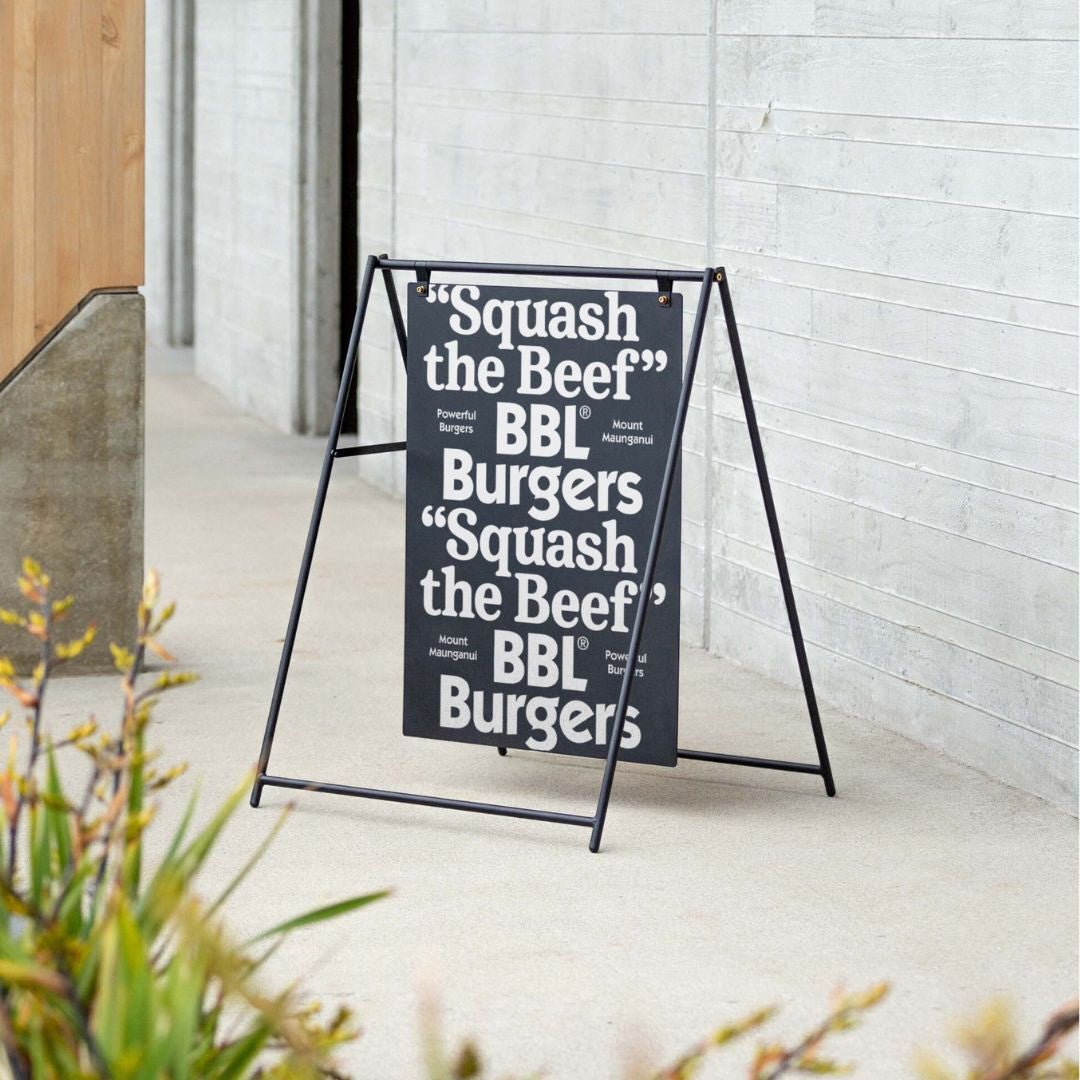
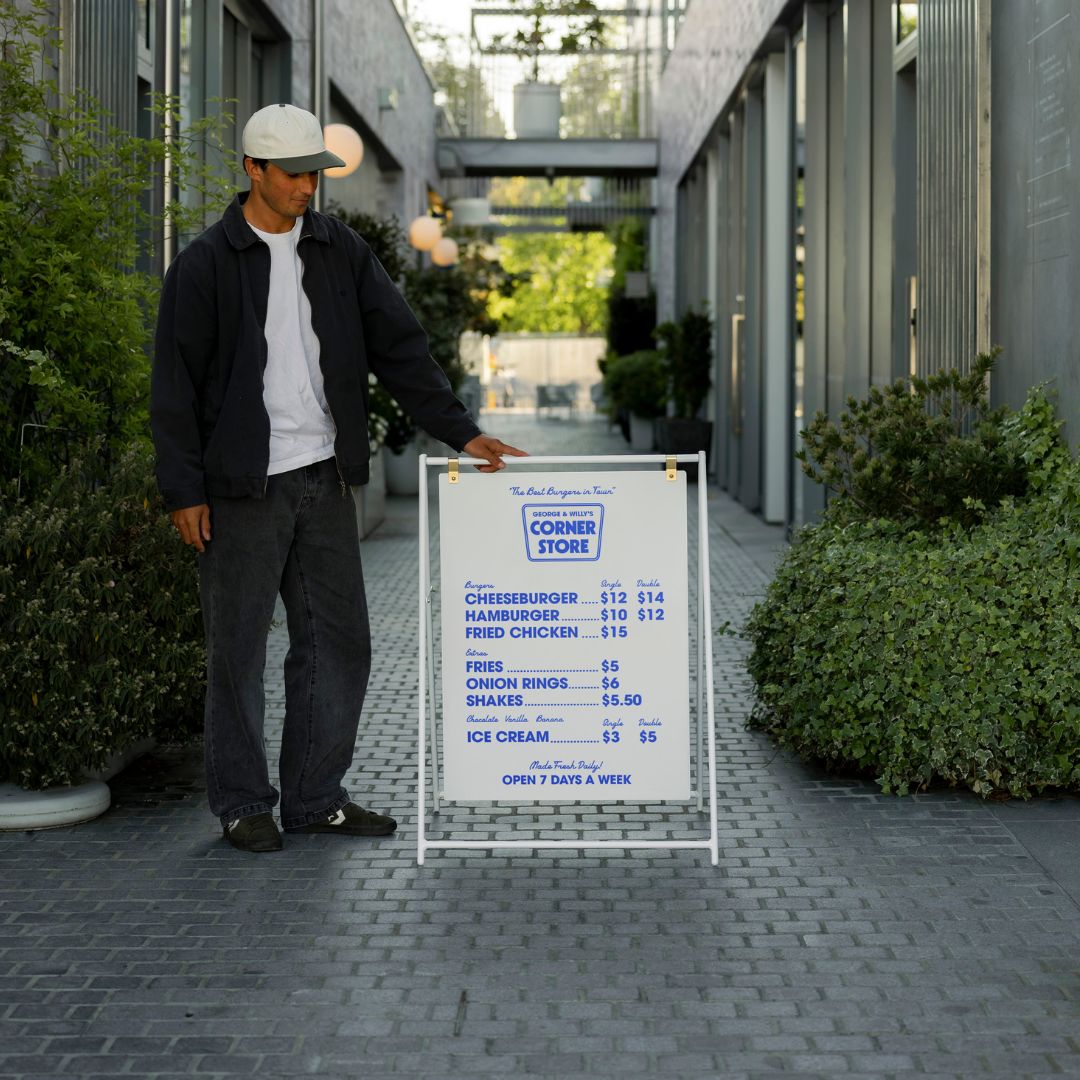
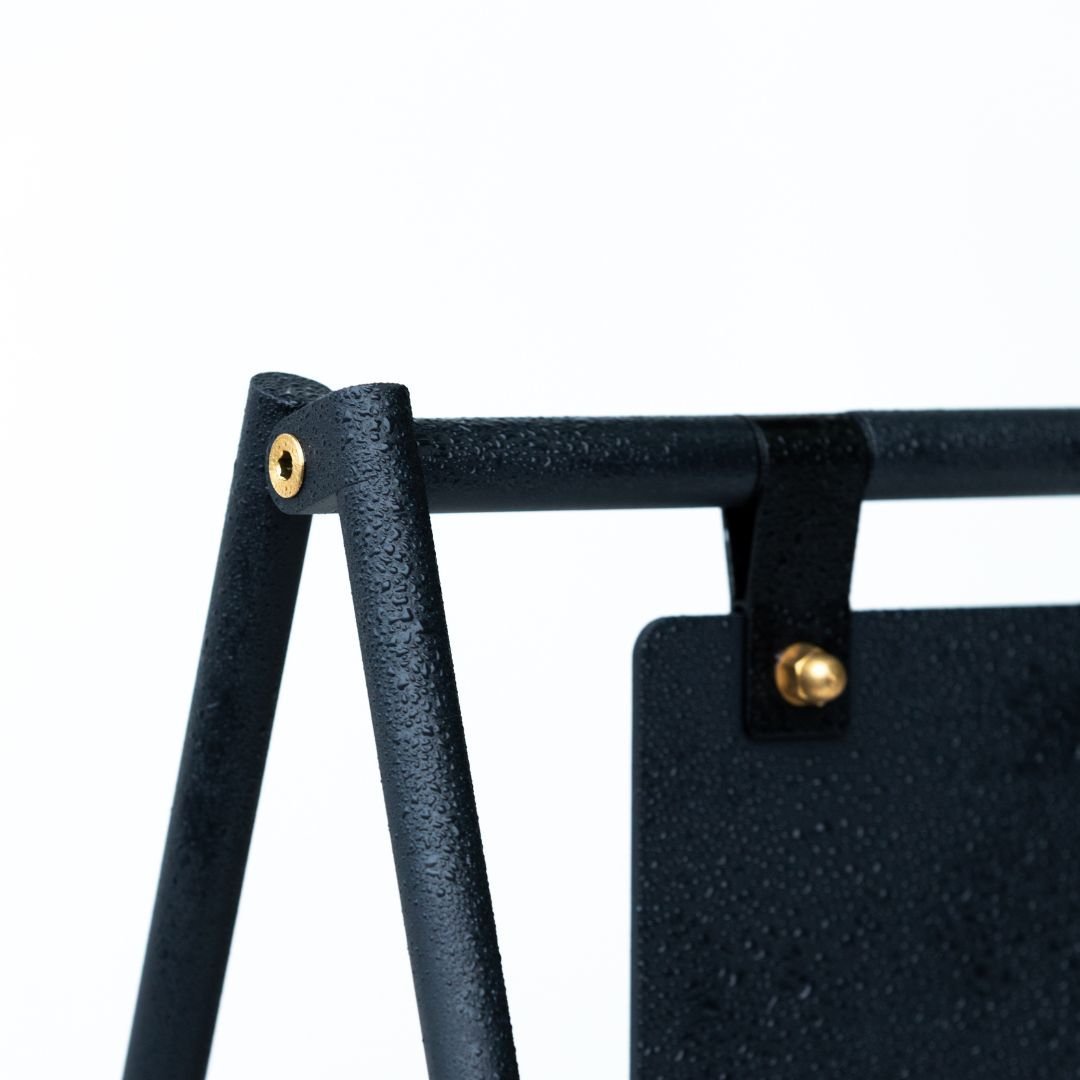
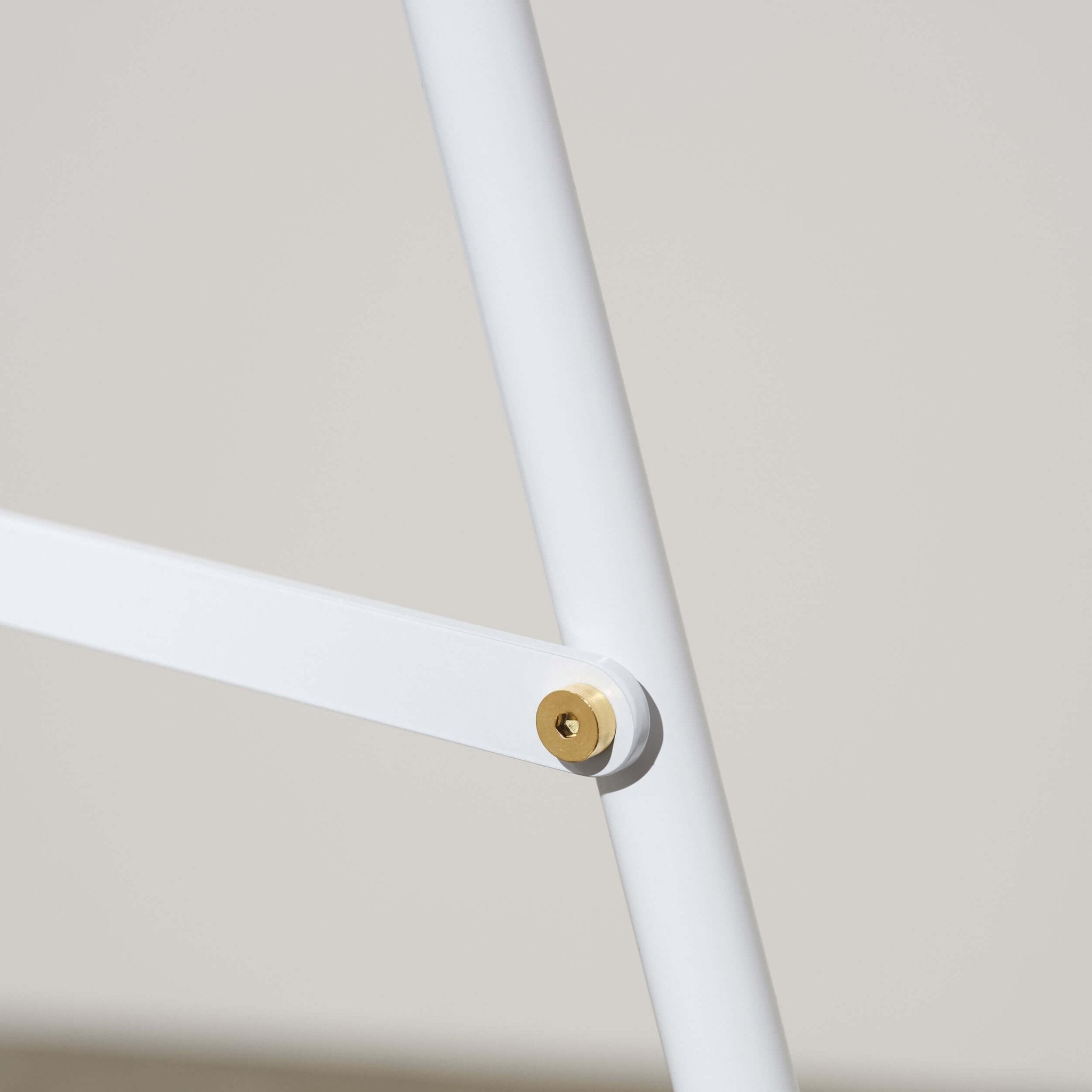
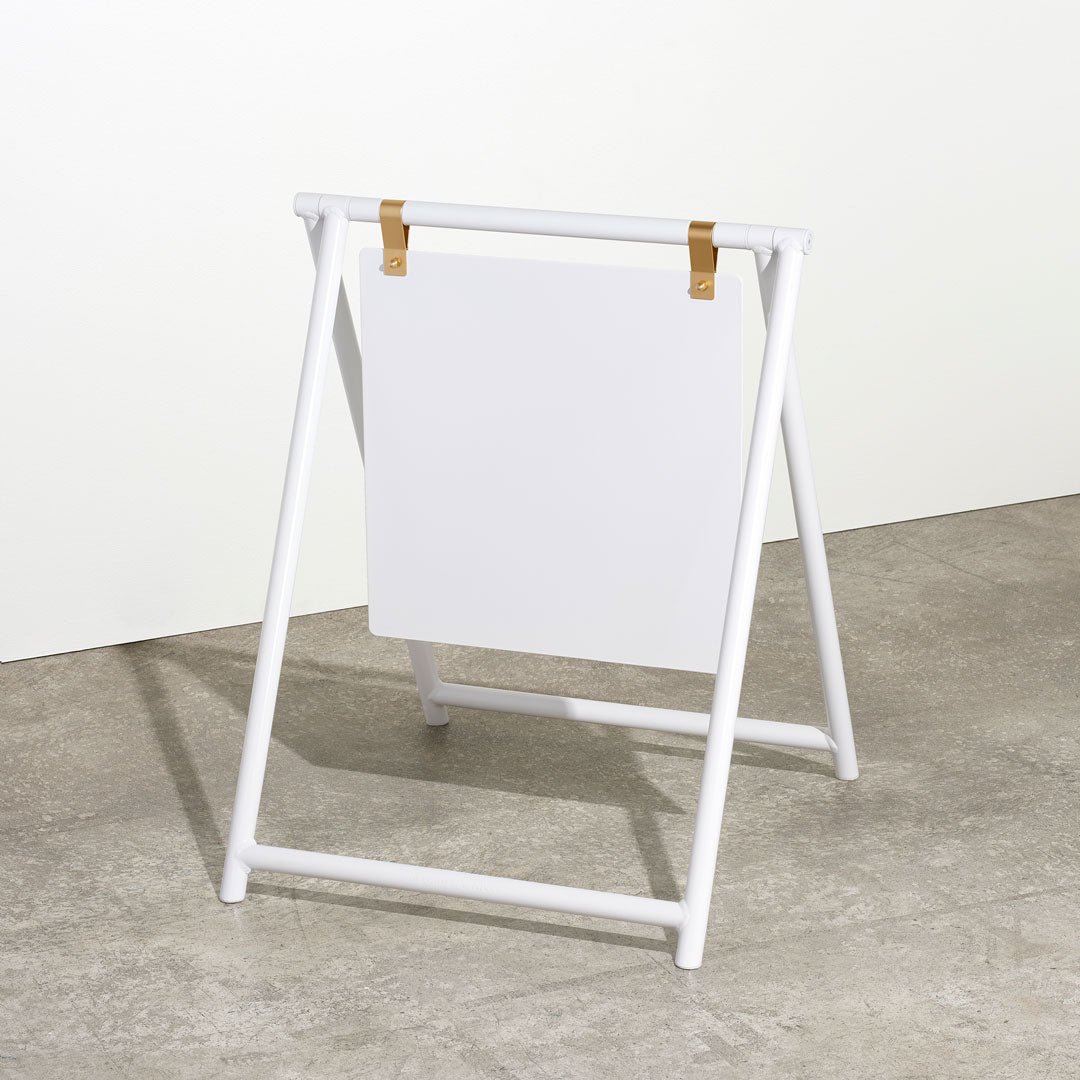
- Powder Coated Aluminum: This material is lightweight, rustproof, and incredibly durable. The powder coating provides a tough, long lasting finish that resists chipping and fading, making it perfect for exterior building signs or A frame signs.
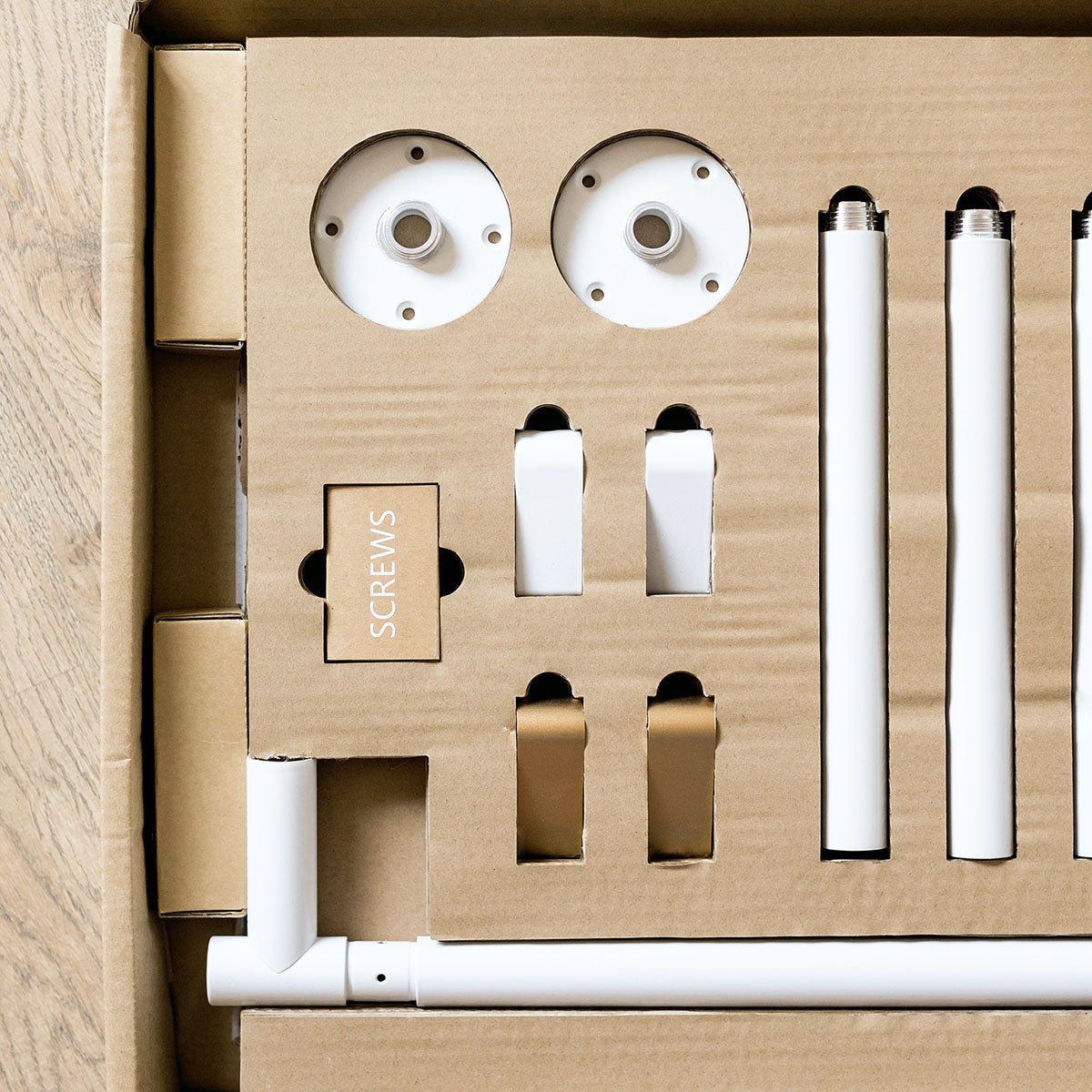
- Steel: Strong and sturdy, steel is another excellent choice for a substantial, professional look, often used for its strength in brackets and frames.
- Acrylic and Glass: These materials offer a modern, sleek appearance. They are often used for lobby signs and can be mounted with standoffs for a floating effect.
- Wood: For a warm, natural, or rustic aesthetic, wood is an excellent choice. It’s best suited for indoor applications to protect it from the elements.
Understanding ADA and Accessibility Requirements
When planning your custom office signs, ensuring your office is accessible to everyone is not just good practice, it’s a legal requirement. The Americans with Disabilities Act (ADA) has specific guidelines for certain types of signs to assist those with visual impairments.
Key requirements for ADA compliant signs typically include:
- Tactile Text: Letters must be raised so they can be read by touch.
- Braille: The corresponding braille translation must be located directly below the tactile text.
- High Contrast: The characters must have a non glare finish and contrast significantly with their background.
- Proper Mounting: Signs must be mounted at a specific height and location to be easily found and read by touch.
While not all signs need to be ADA compliant (your main logo sign is exempt), signs that identify permanent rooms and spaces, like restrooms and exits, must comply.
Frequently Asked Questions
What are the most important types of custom office signs?
Every office should prioritize four key types: a professional lobby or reception sign with your logo, clear directional (wayfinding) signs for navigation, identification signs for individual offices or departments, and regulatory signs for safety and ADA compliance.
How can I make my office signs consistent with my brand?
To ensure brand consistency, use your official brand guidelines for your signs. This means using your designated brand fonts, color palette, and logo. Apply these elements consistently across all custom office signs, from the front door to the individual desk plates.
What materials are best for professional office signs?
Durable and classic materials like powder coated aluminum, steel, high quality wood, and acrylic are excellent choices for professional custom office signs. They convey a sense of quality and permanence. The right material depends on your brand aesthetic and whether the sign will be indoors or outdoors.
Can I update my office signs easily if things change?
Absolutely. For information that changes frequently, like welcome messages or daily schedules, opt for changeable sign systems. Products like magnetic letter boards, peg letter boards, or wall mounted paper rollers allow for quick and easy updates without sacrificing style.
How do I get a custom look without a complex custom fabrication process?
A great strategy is to use beautifully designed, high quality blank signs as a base. You can then work with a local signwriter to apply your logo and lettering using vinyl decals. This gives you a premium, custom look without the long lead times and high costs of full custom fabrication. This approach is perfect for creating beautiful custom office signs.
Are outdoor signs important for an office?
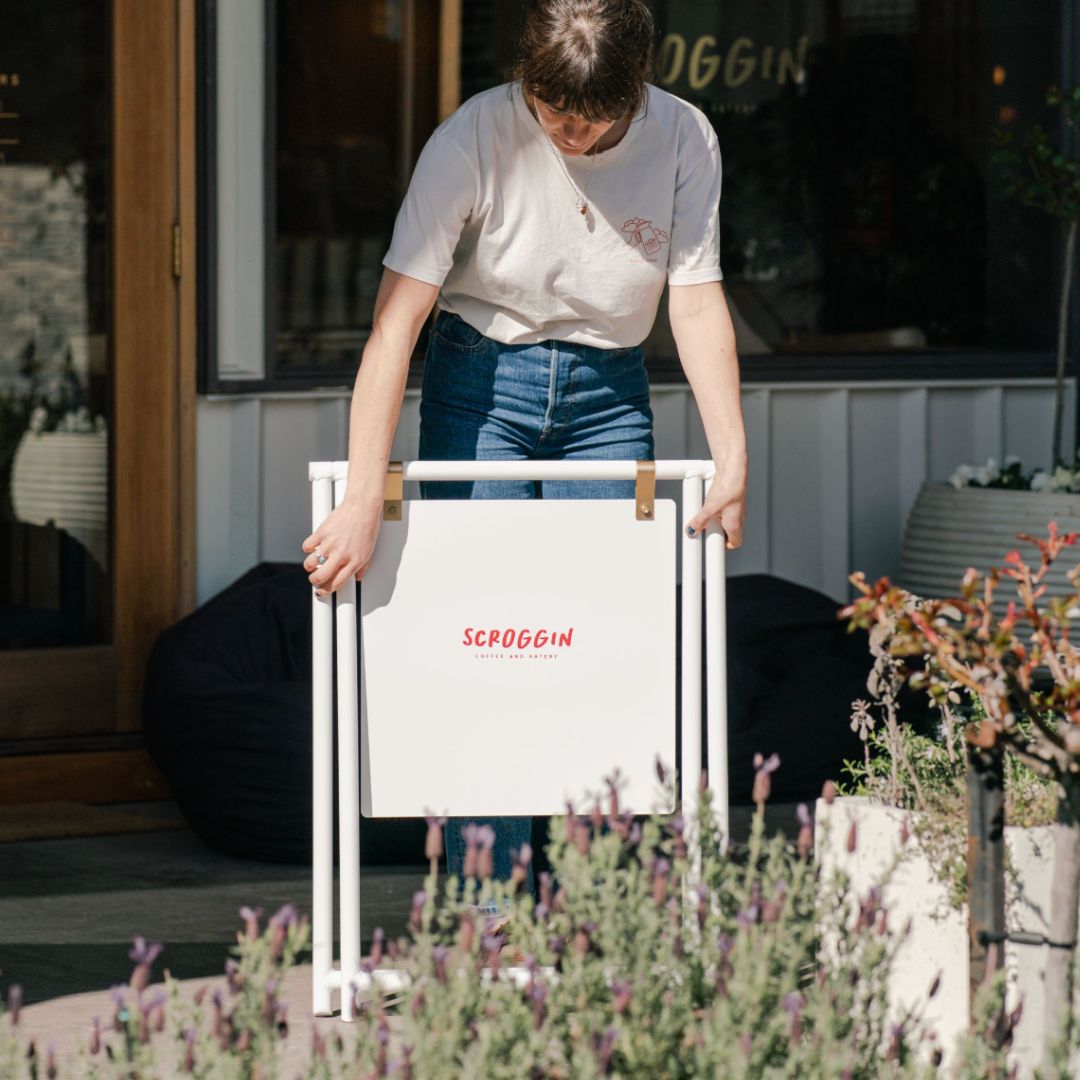
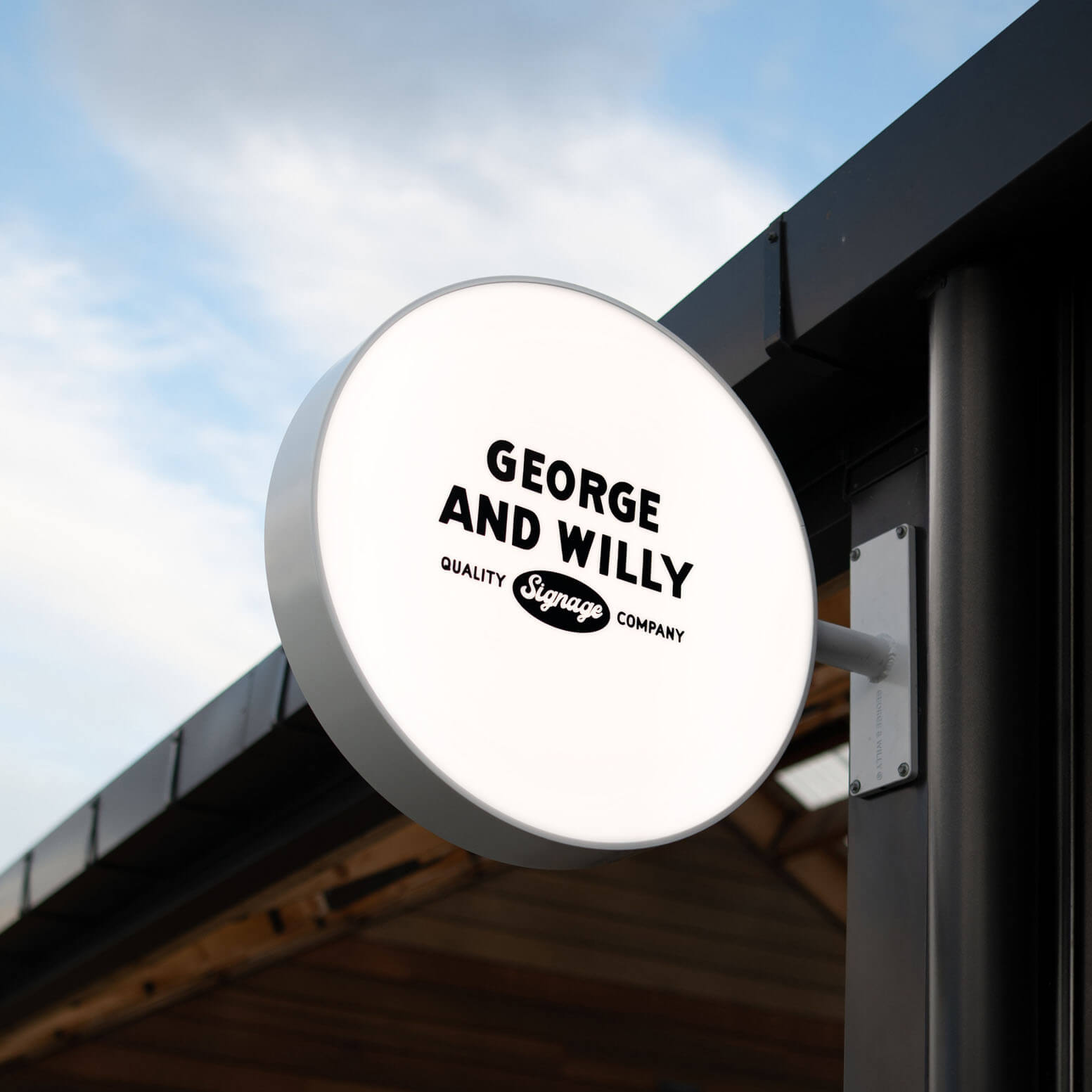
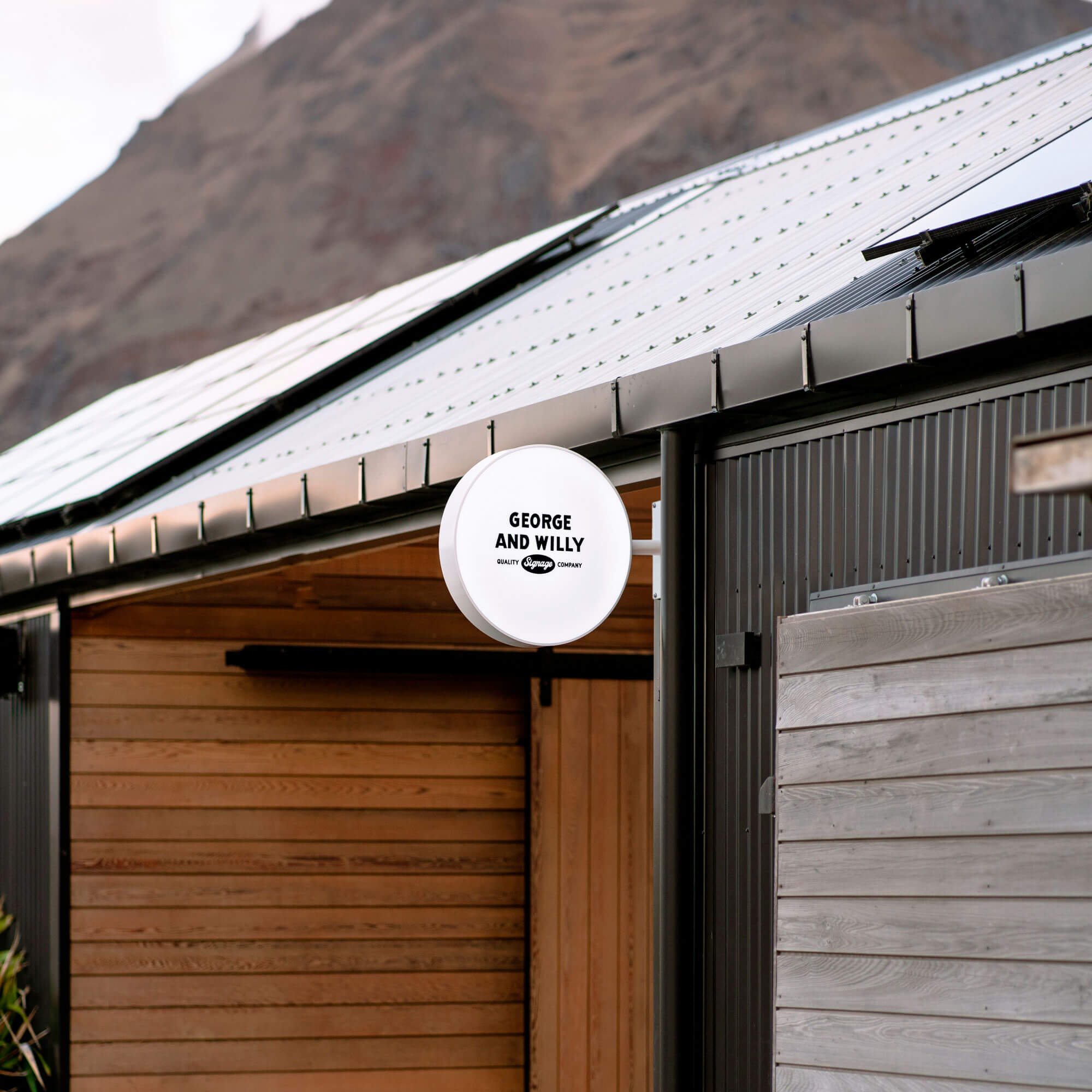
Yes, outdoor signs are crucial. They are the first point of contact and help visitors and potential employees locate your office easily. A well made exterior sign, like a blade sign or an A frame sign on the sidewalk, enhances your visibility and reinforces your brand’s presence.