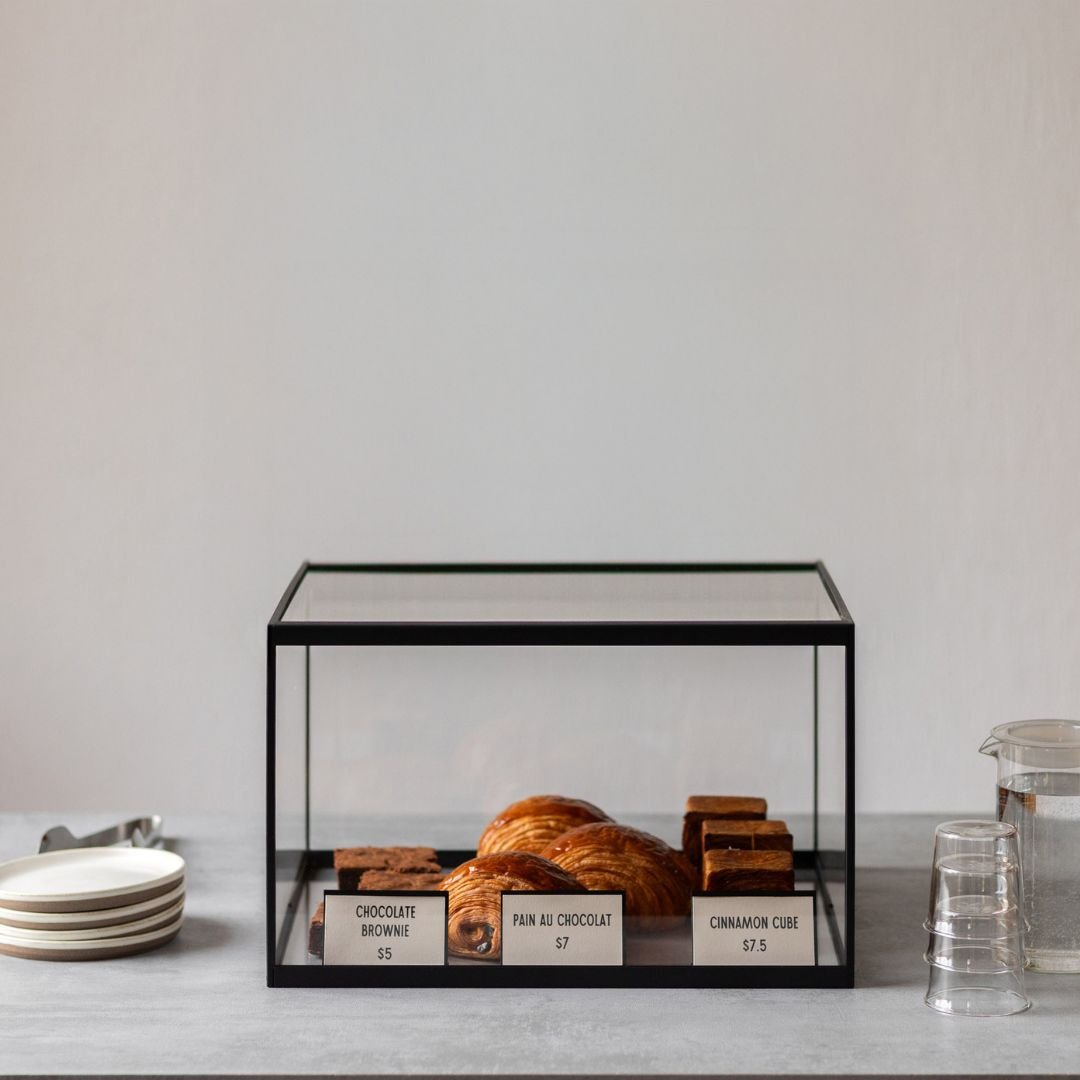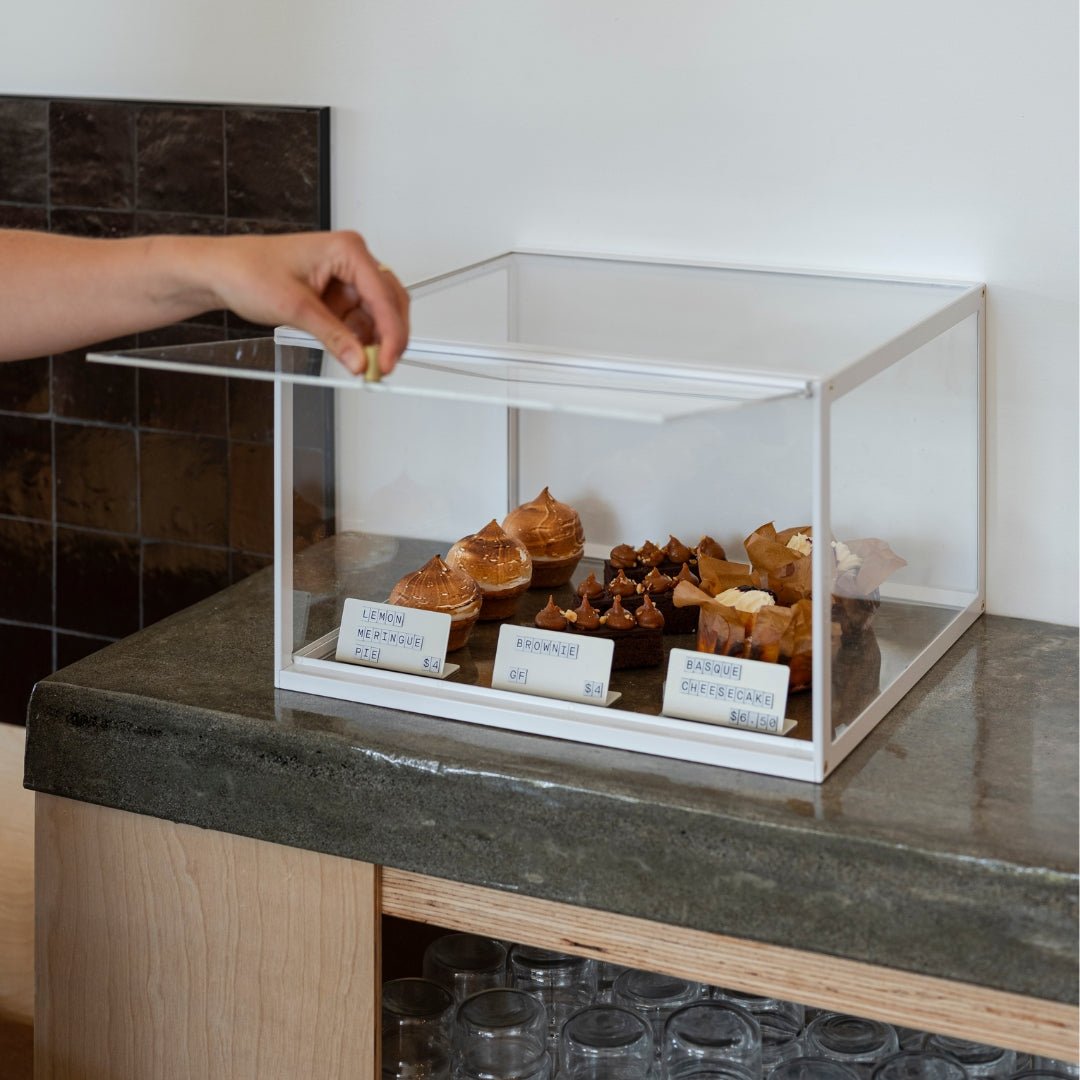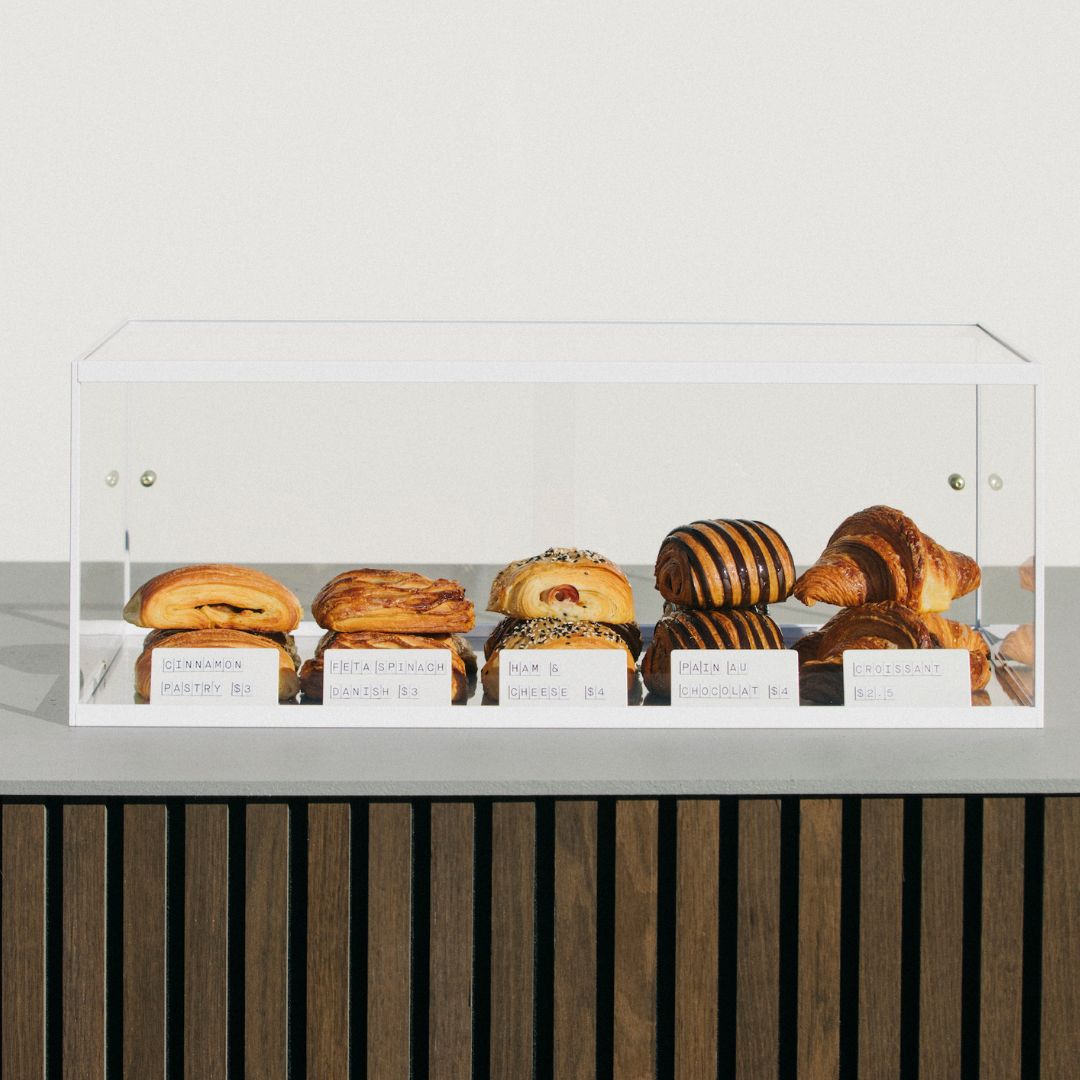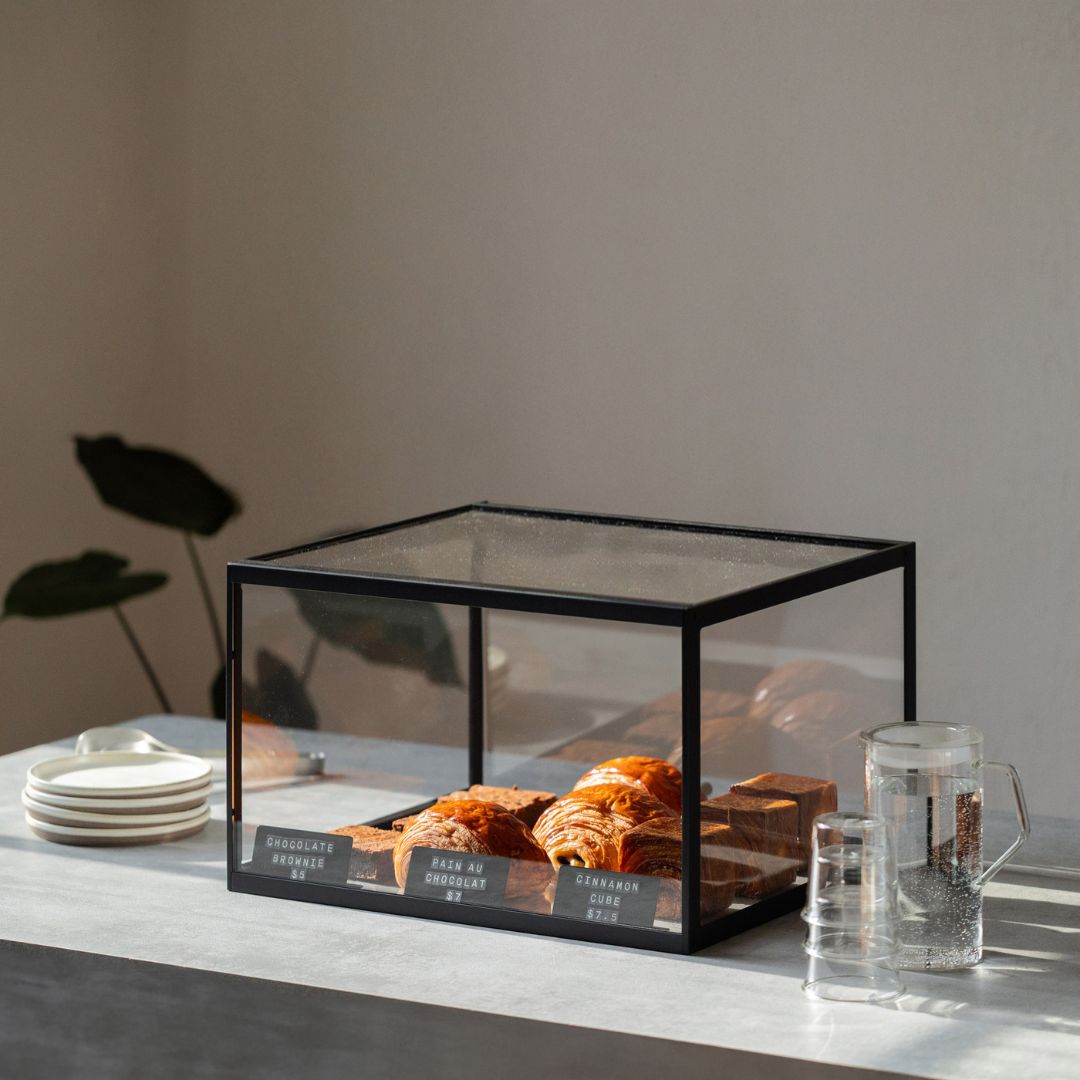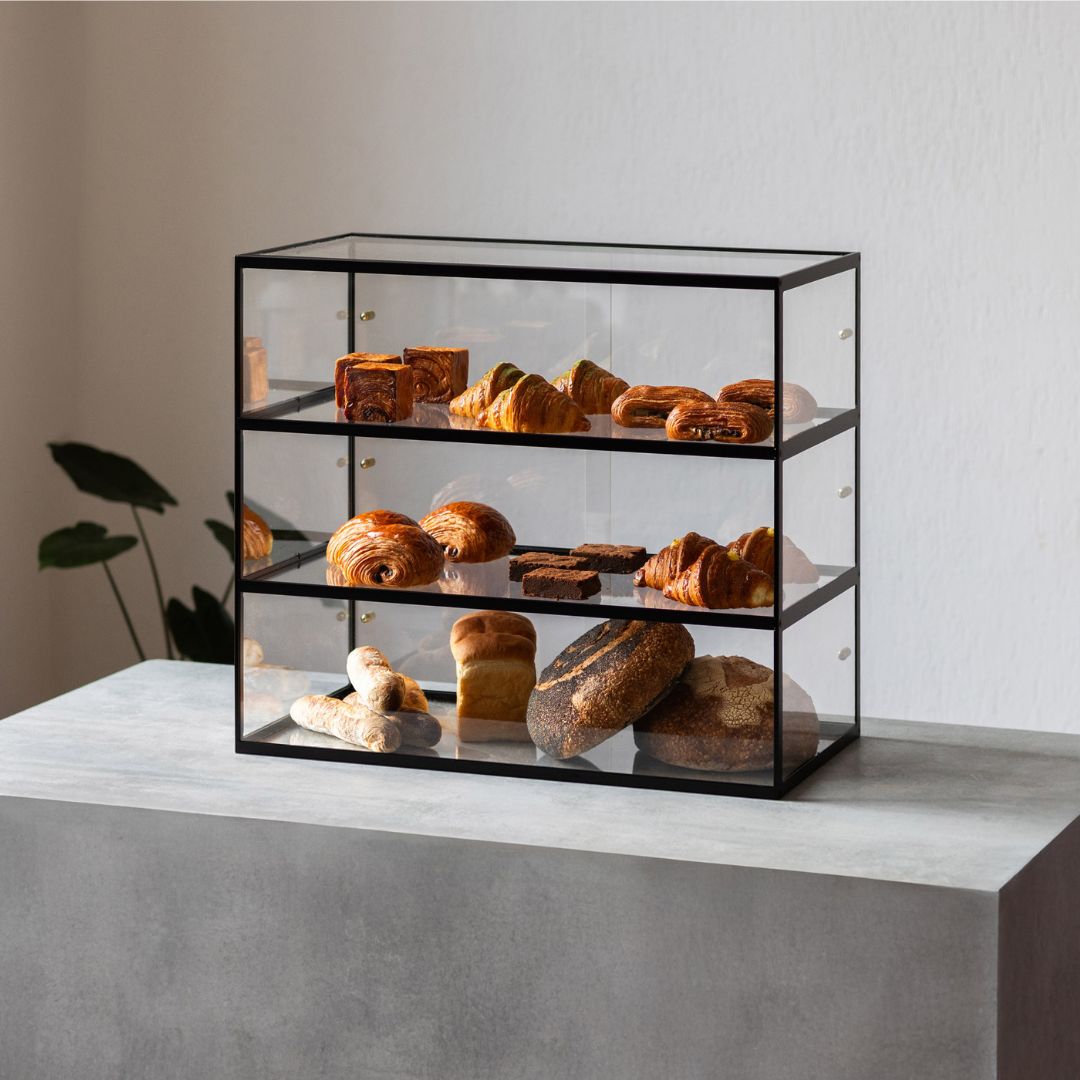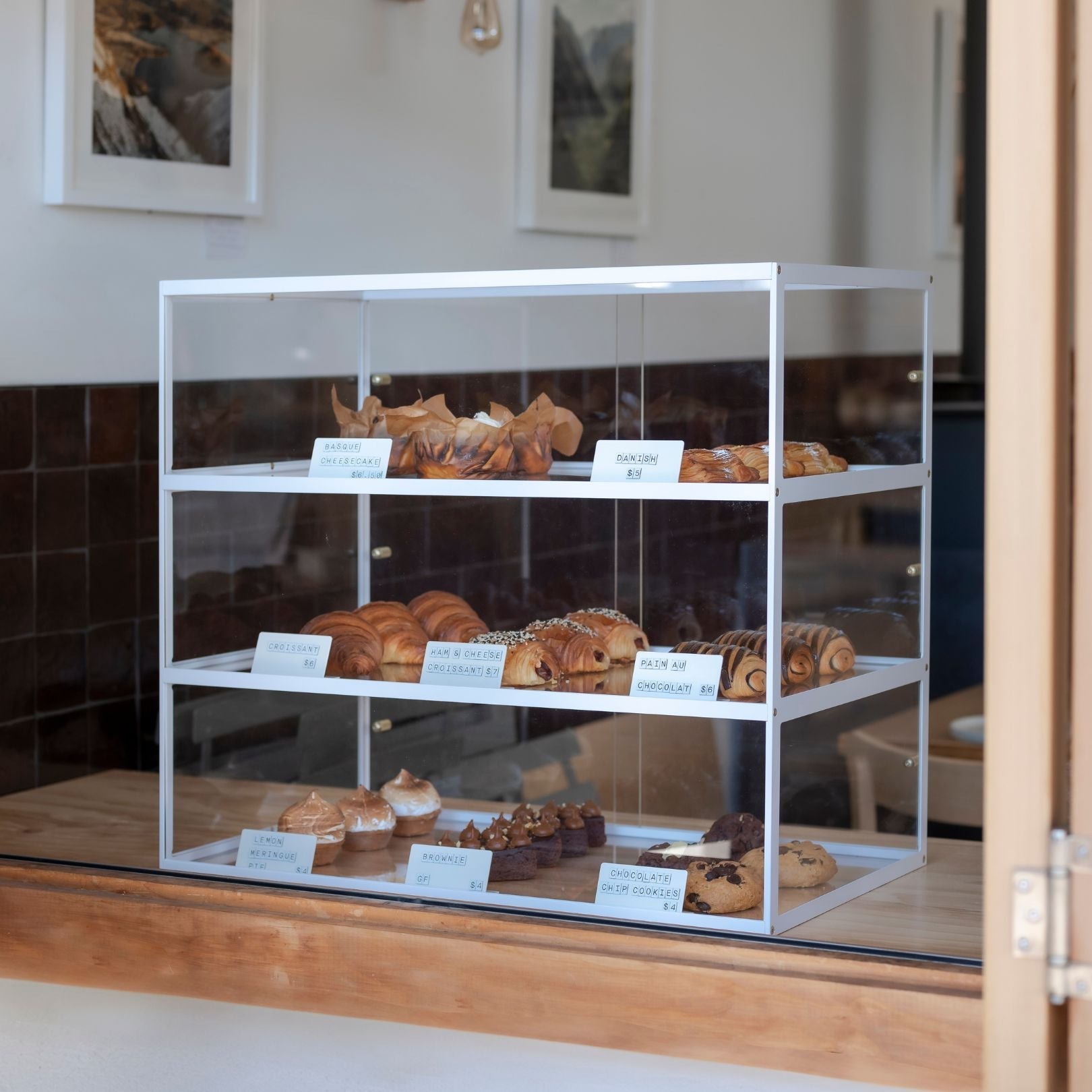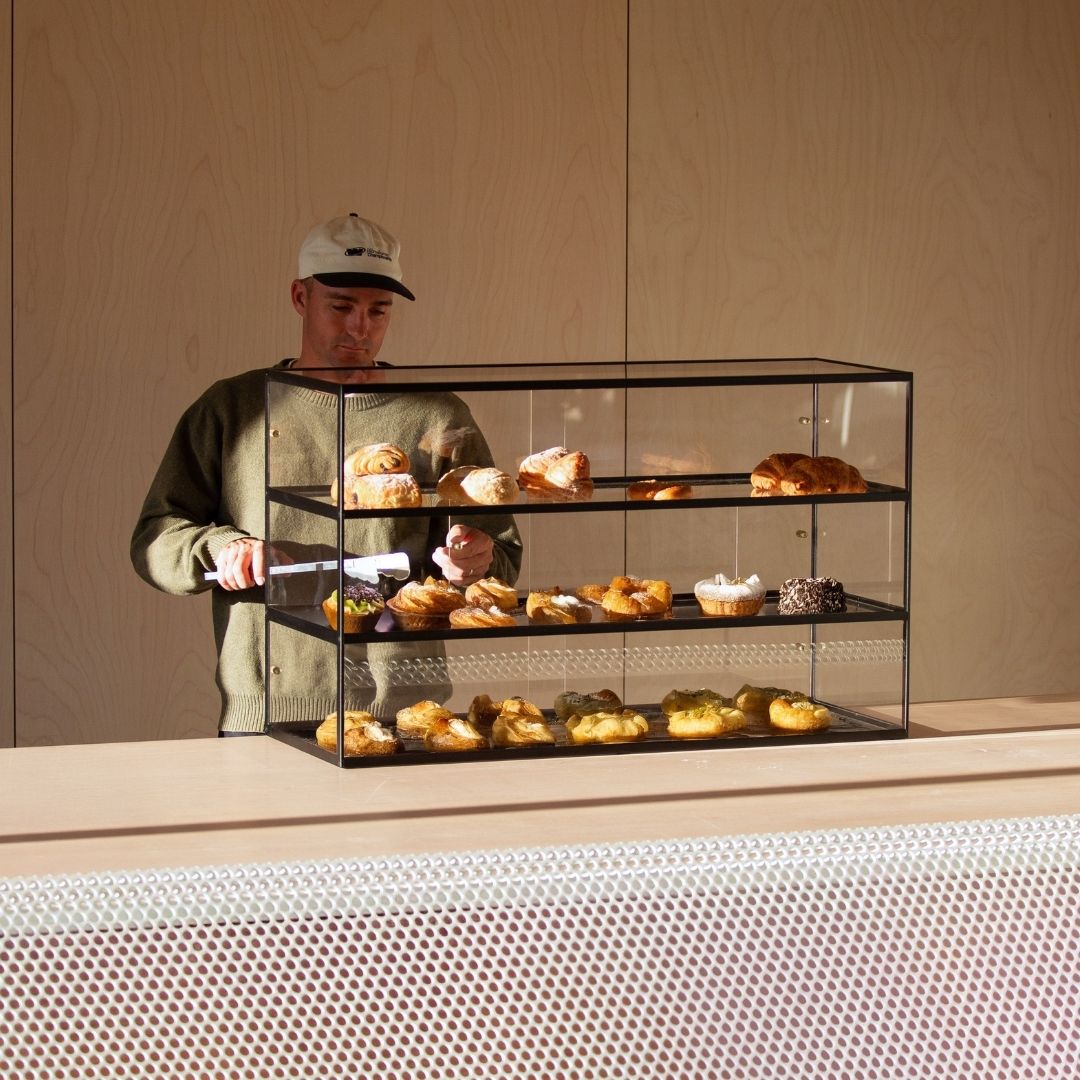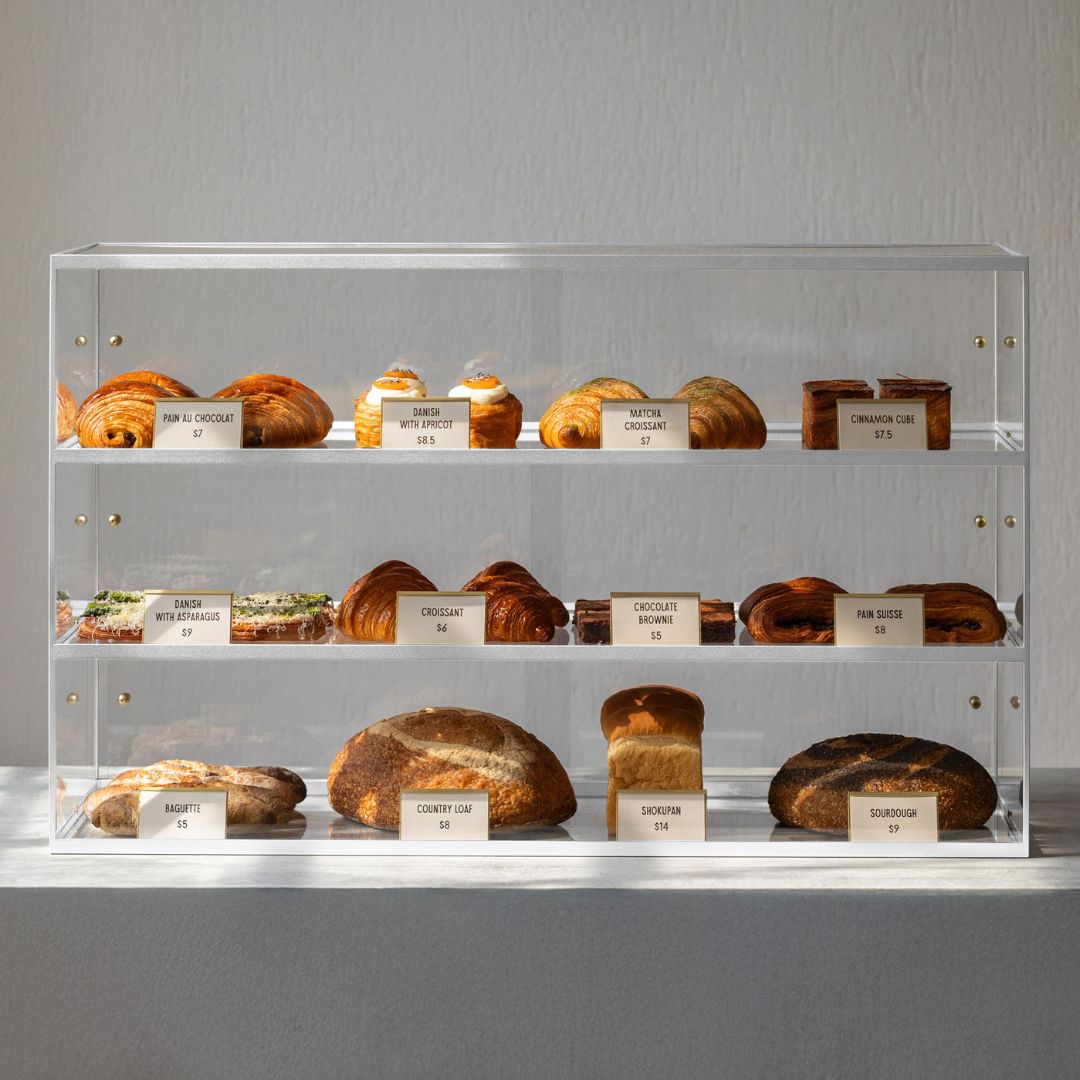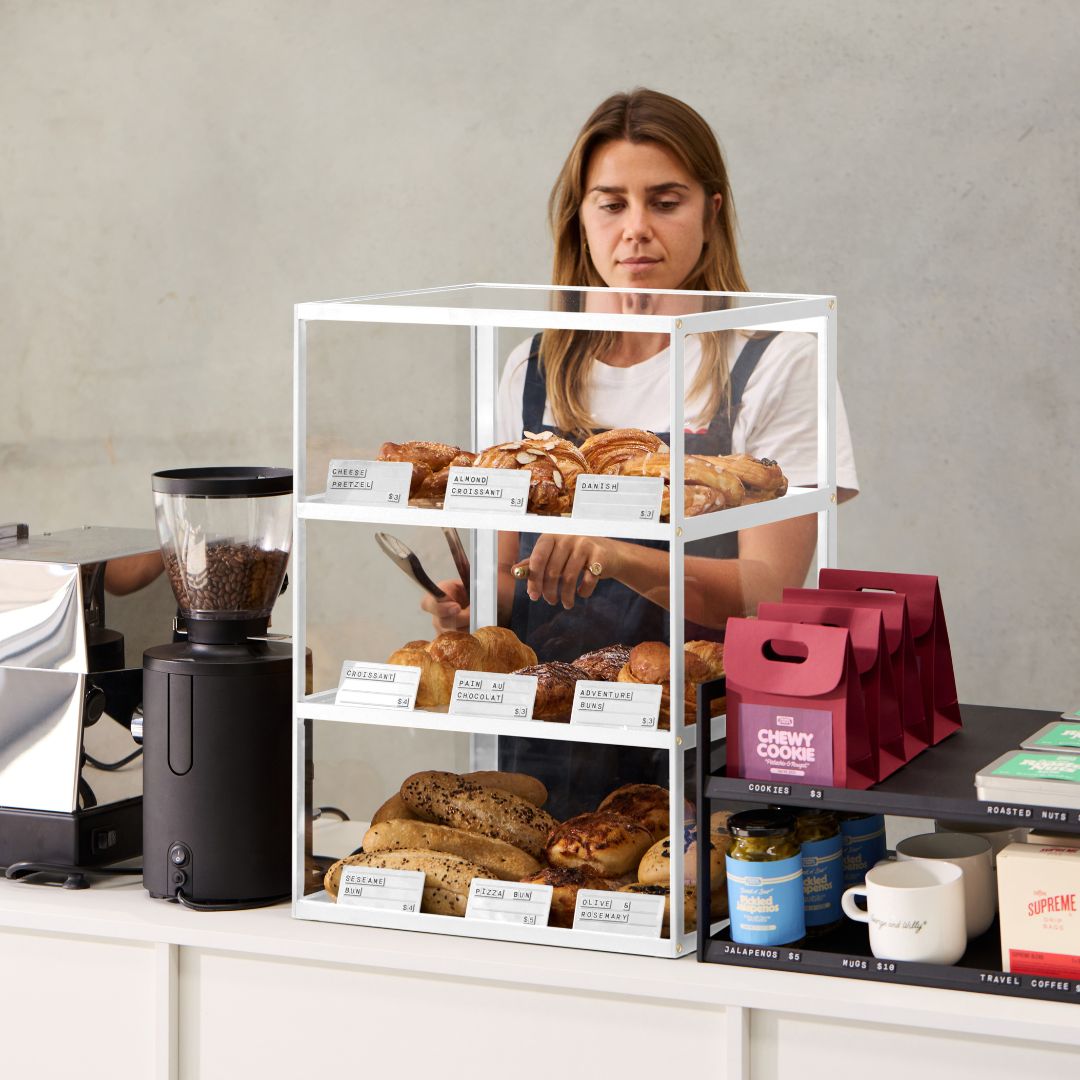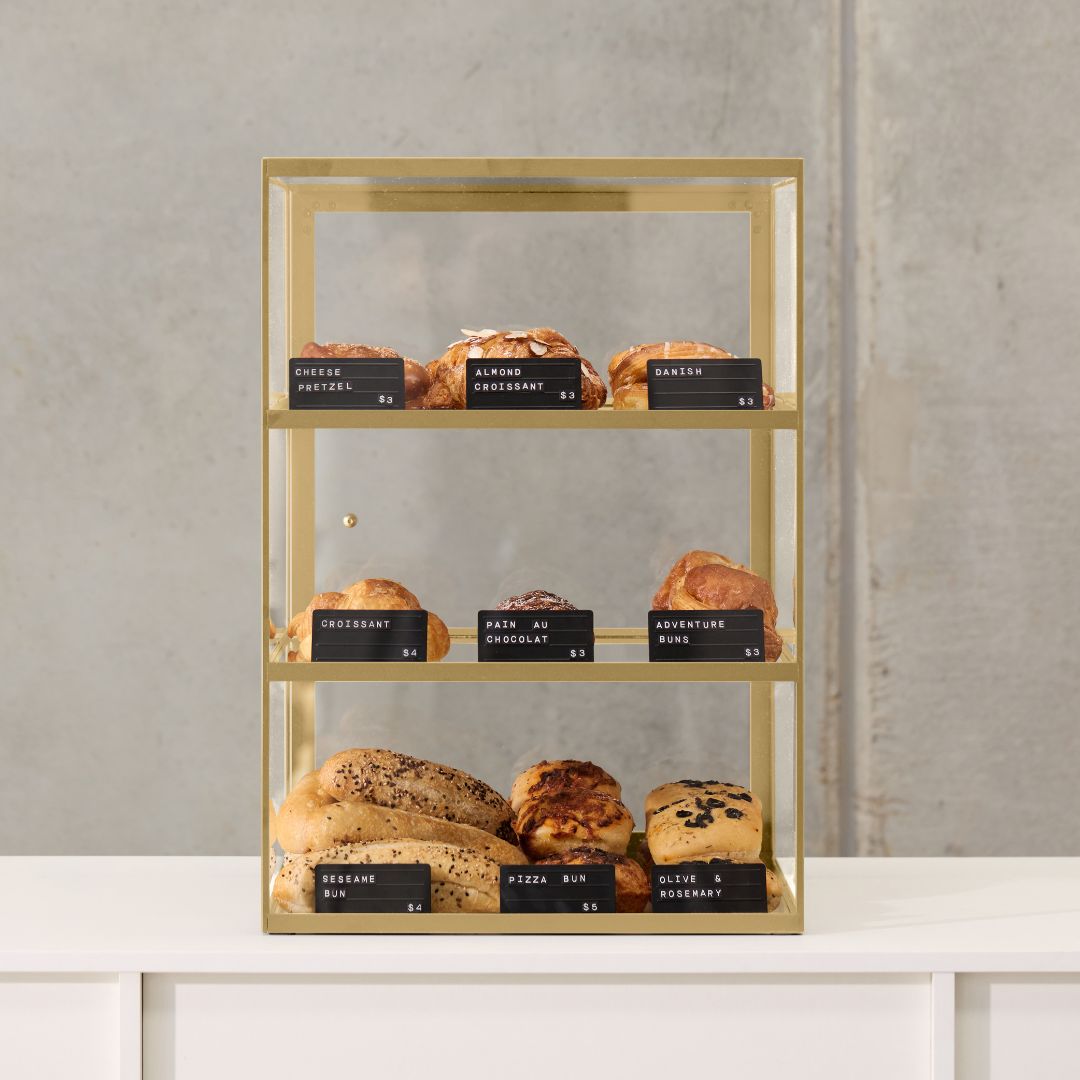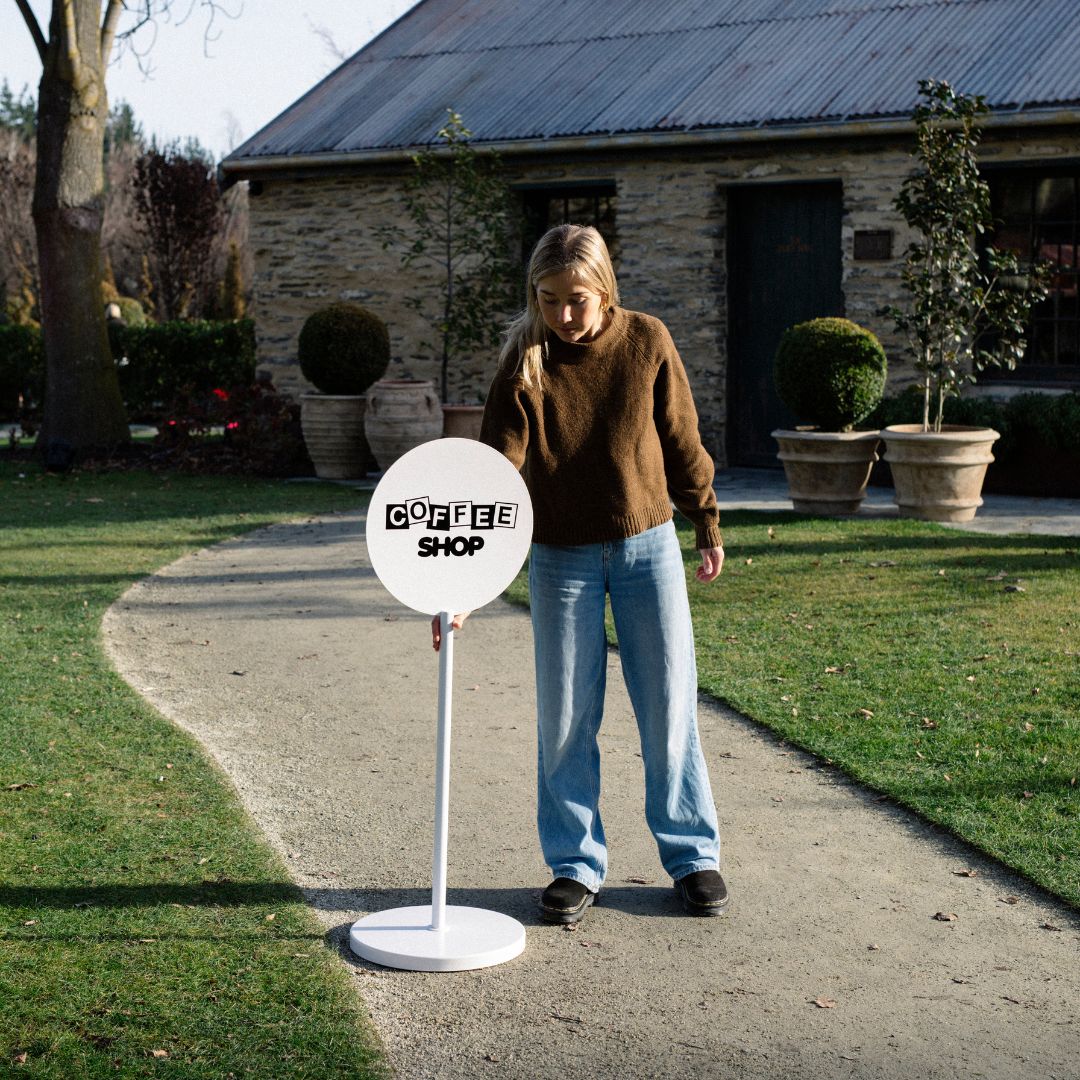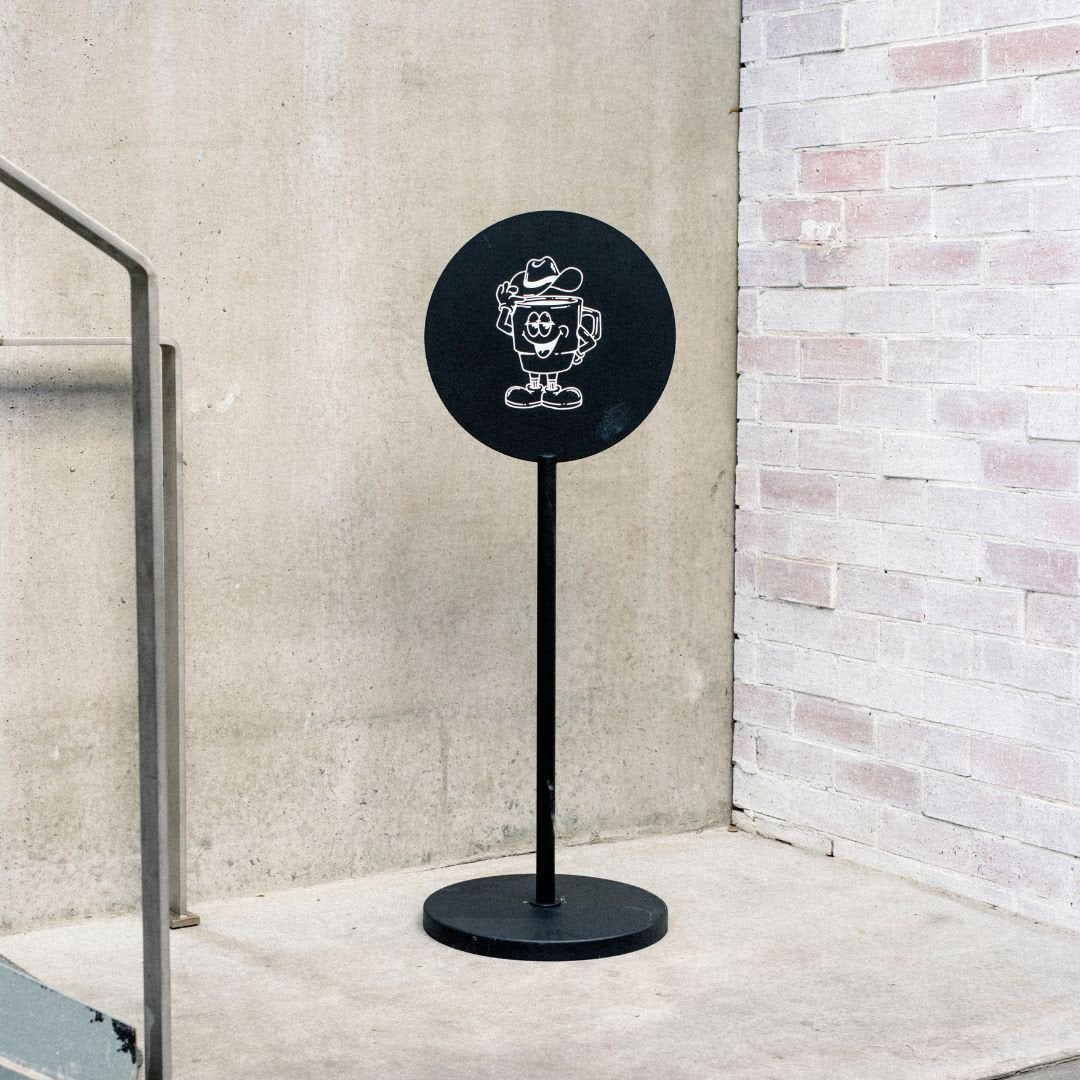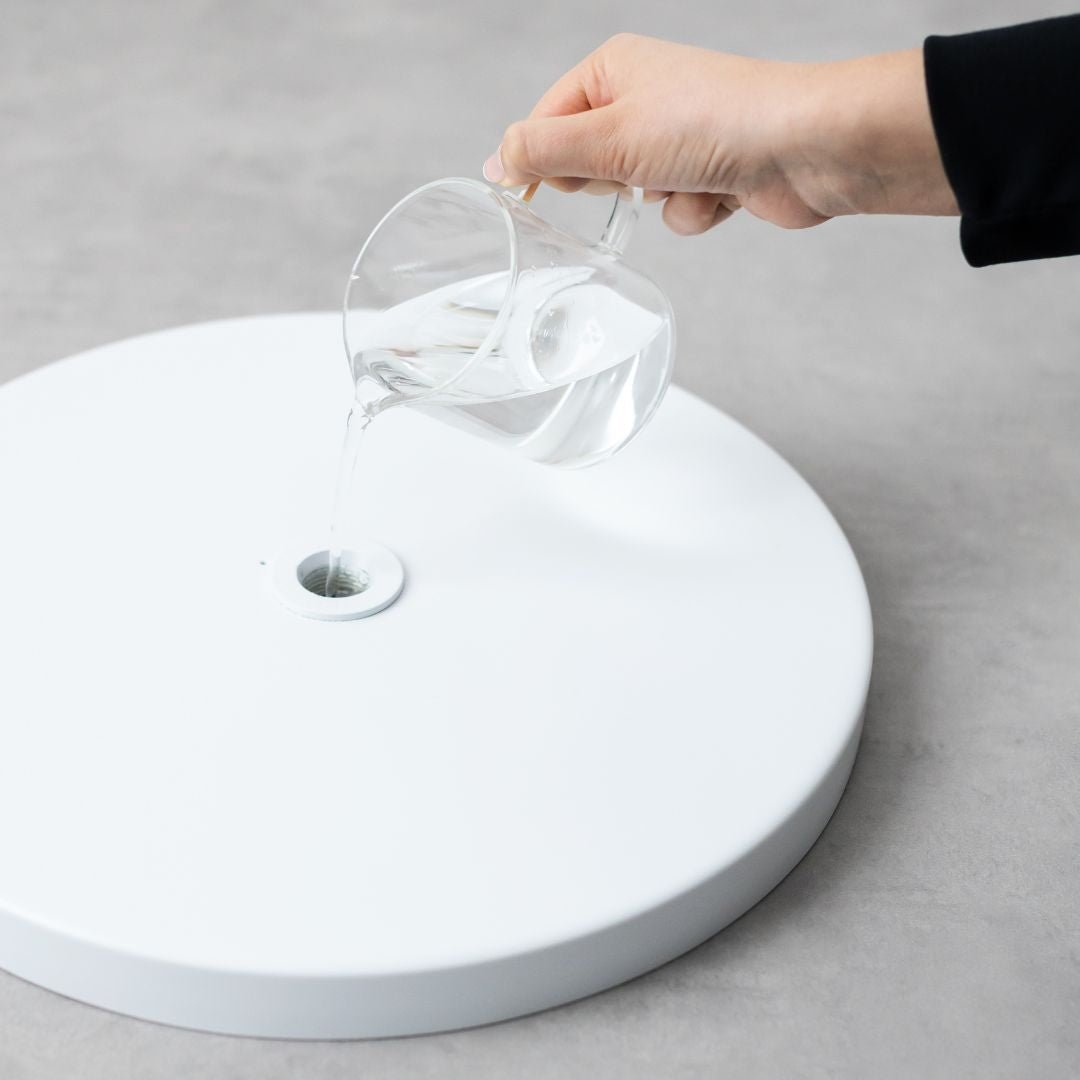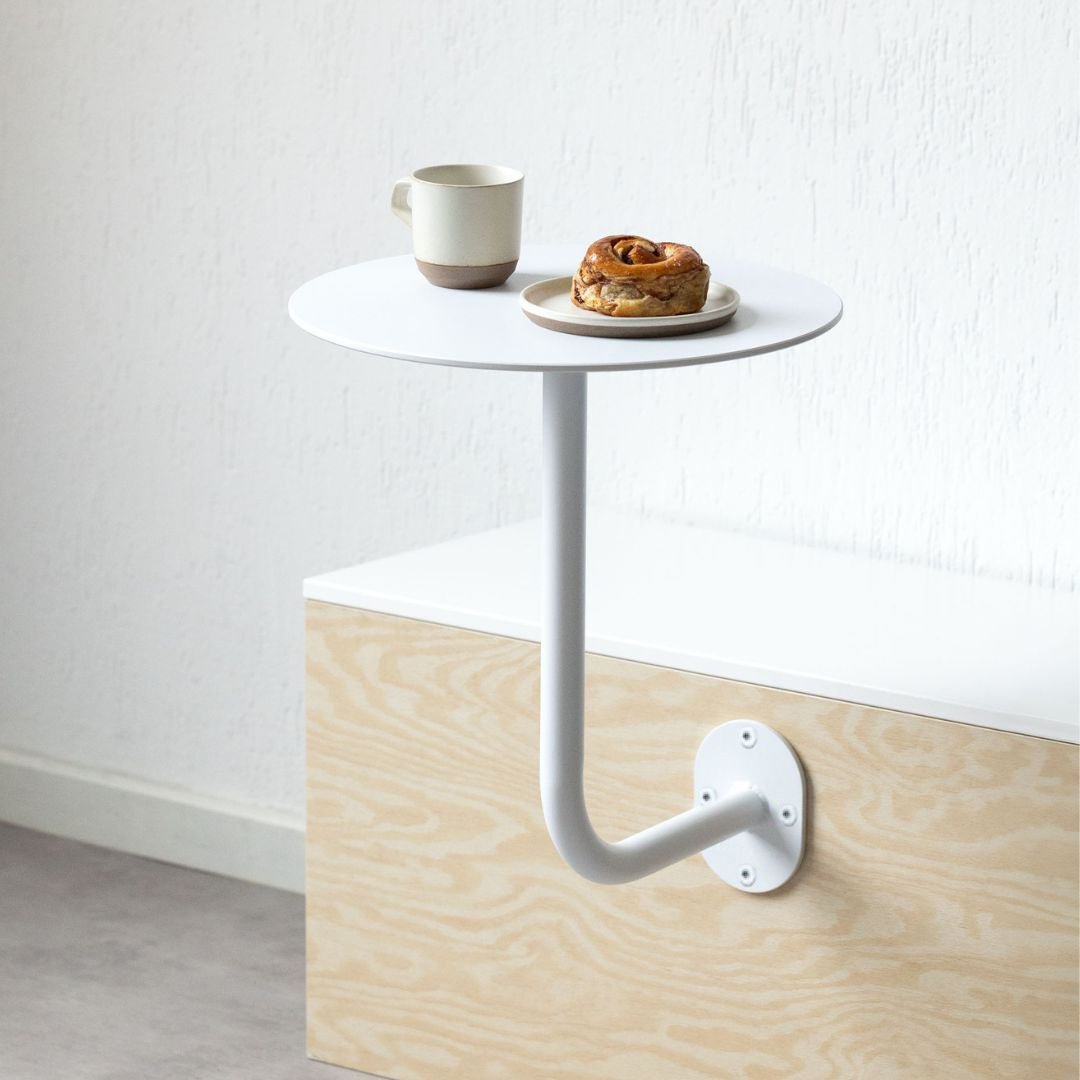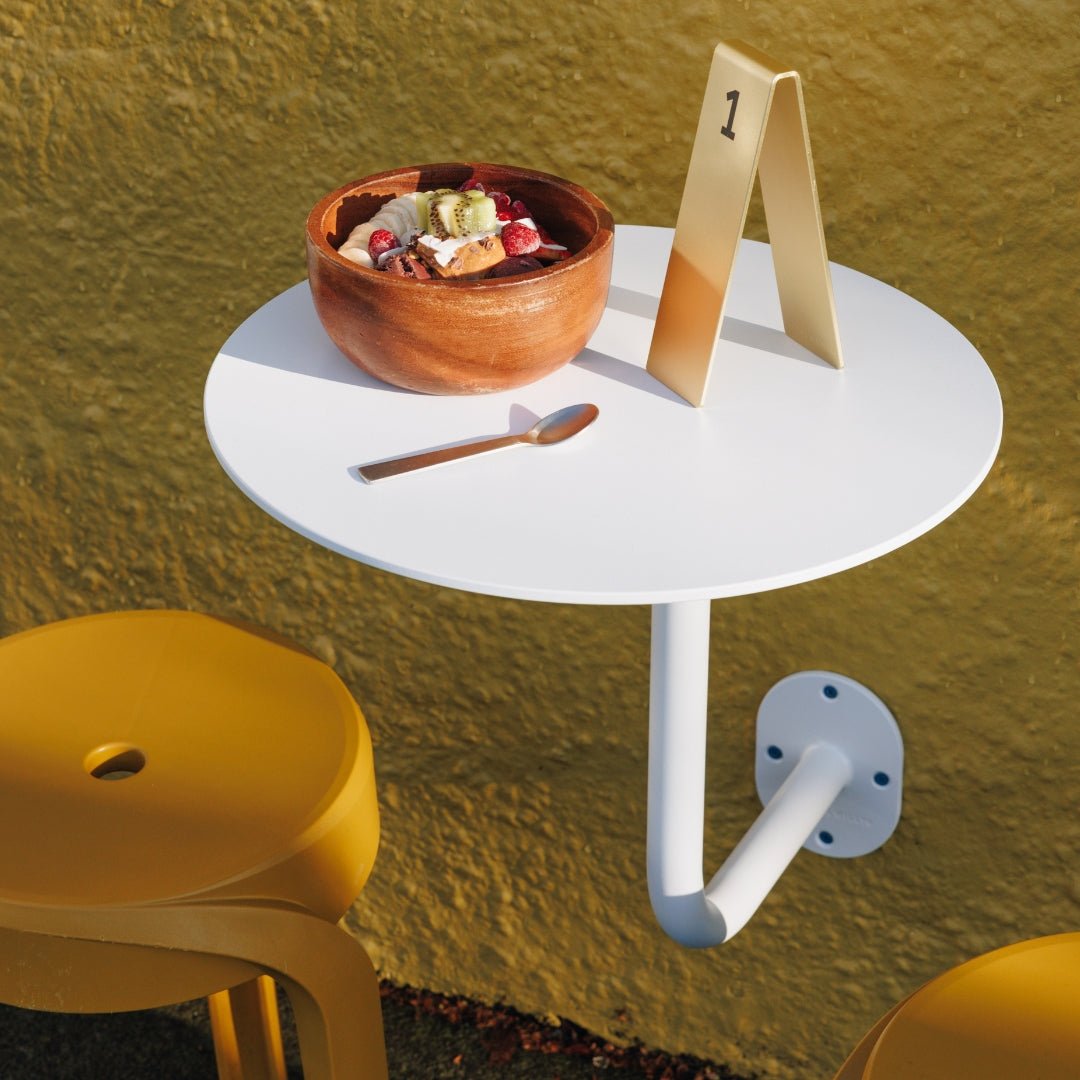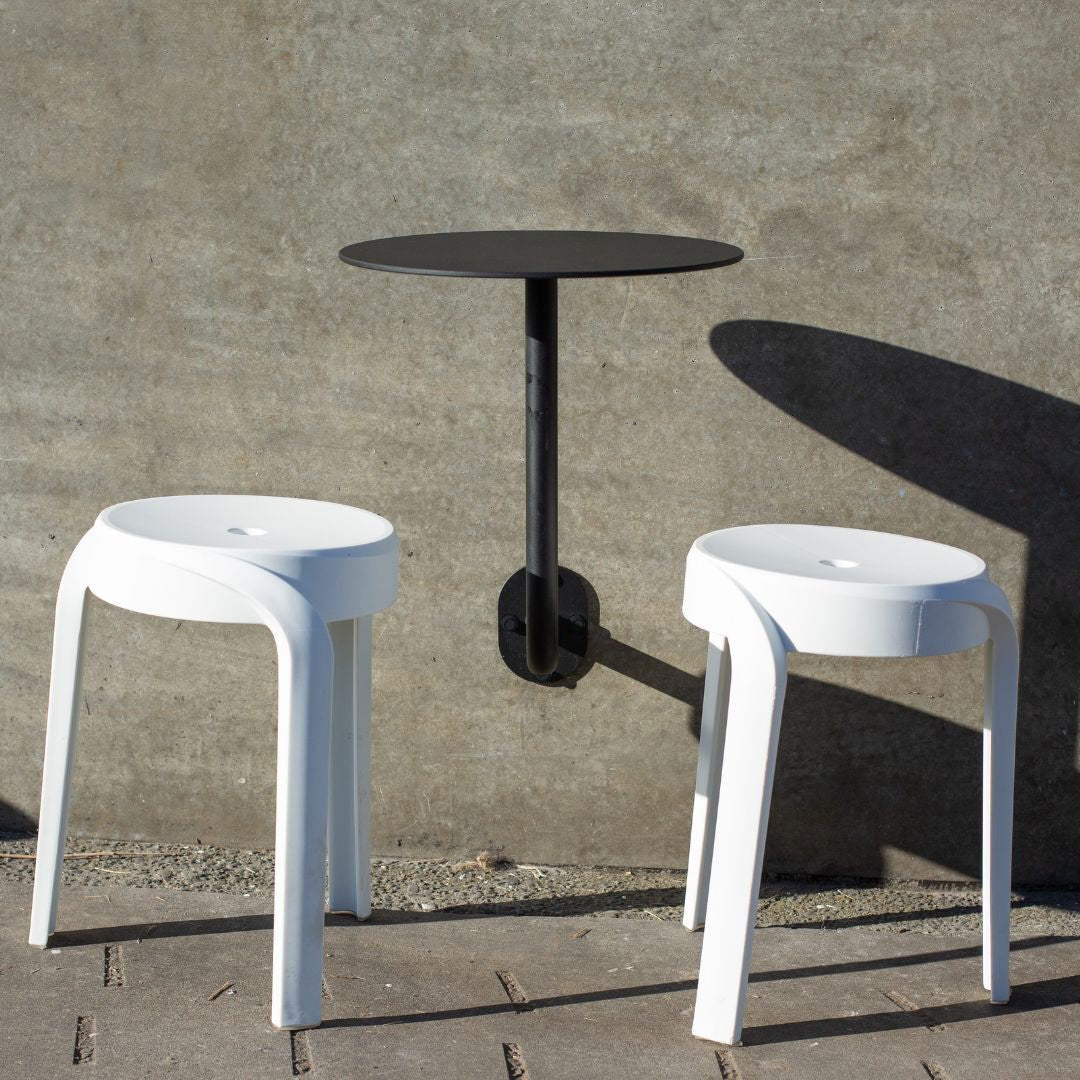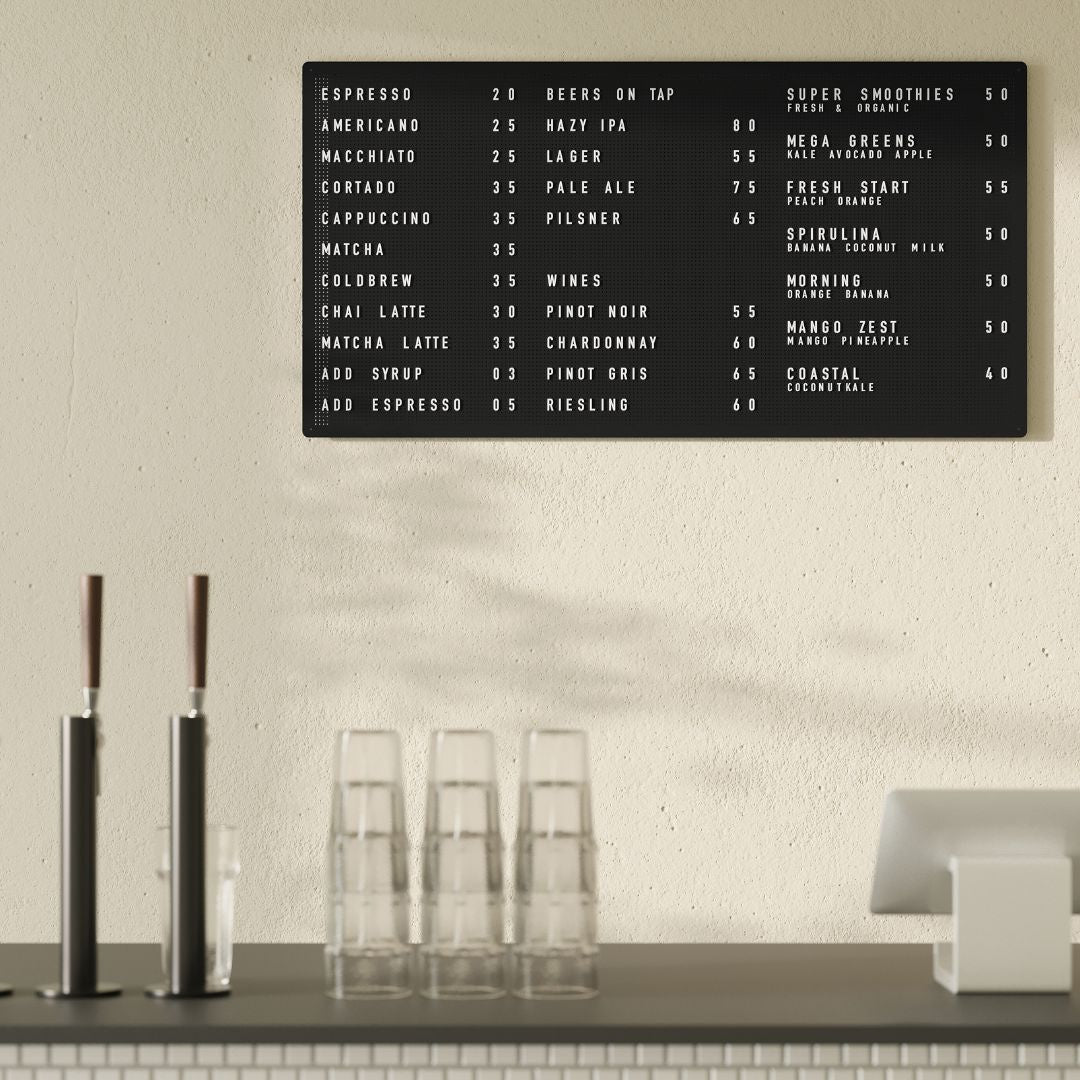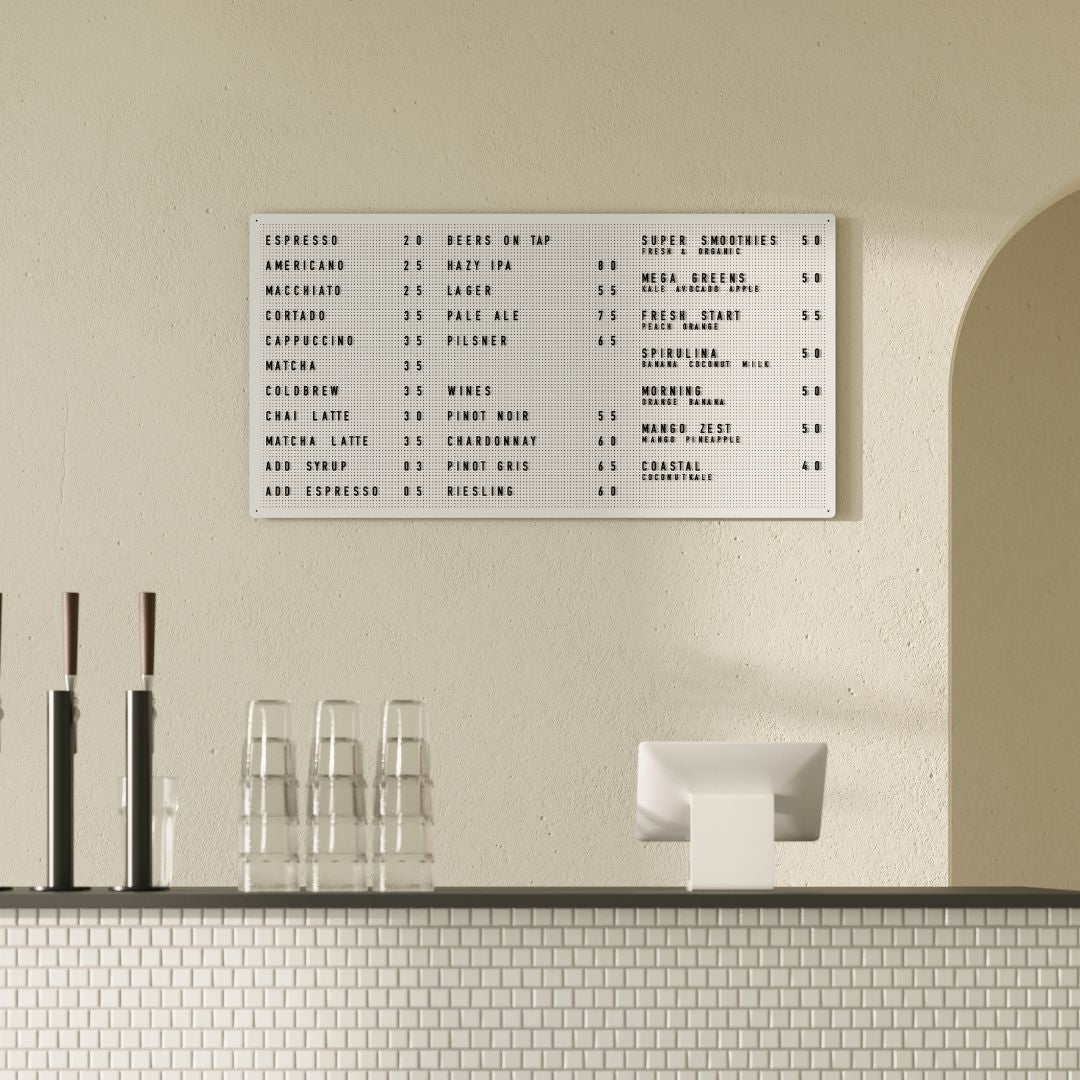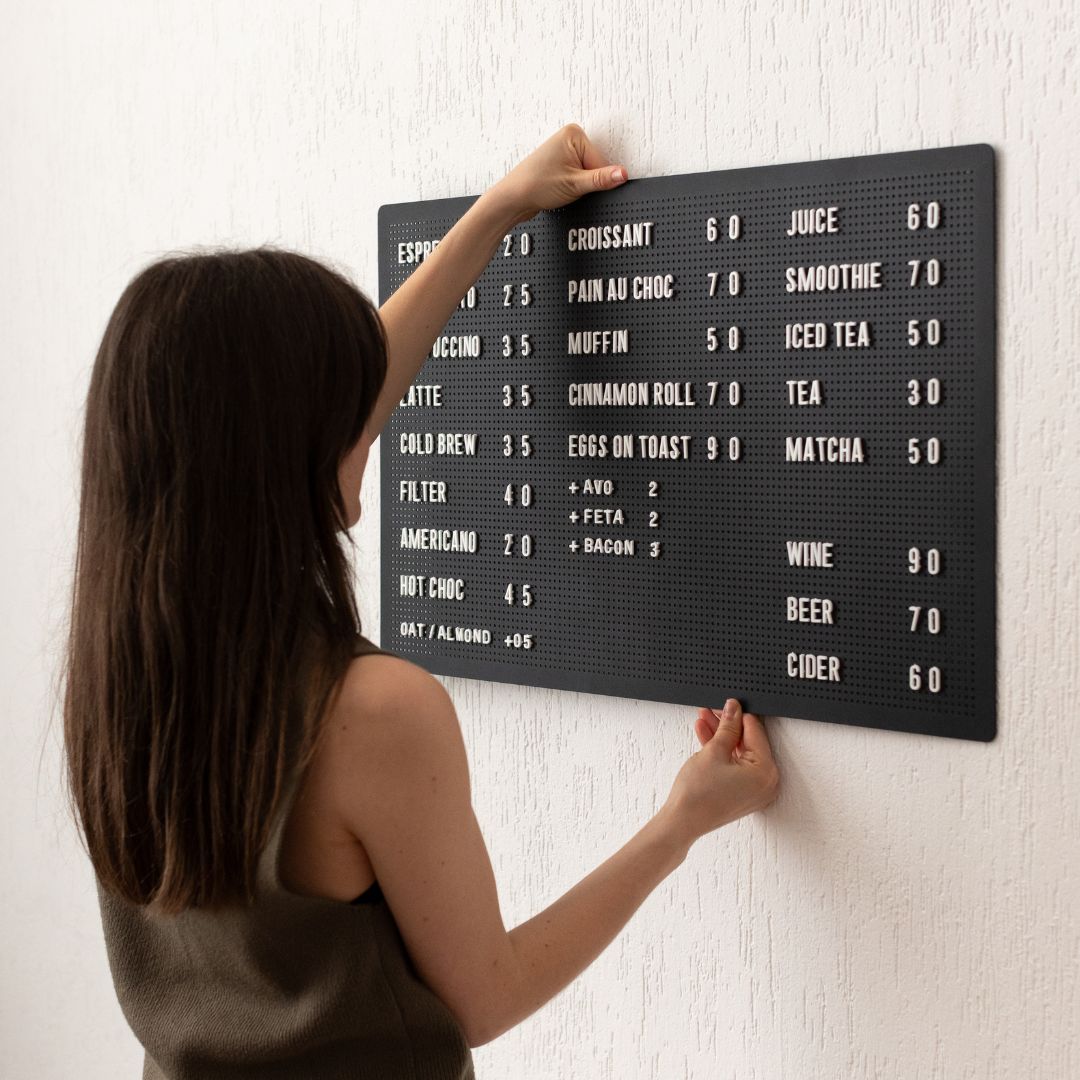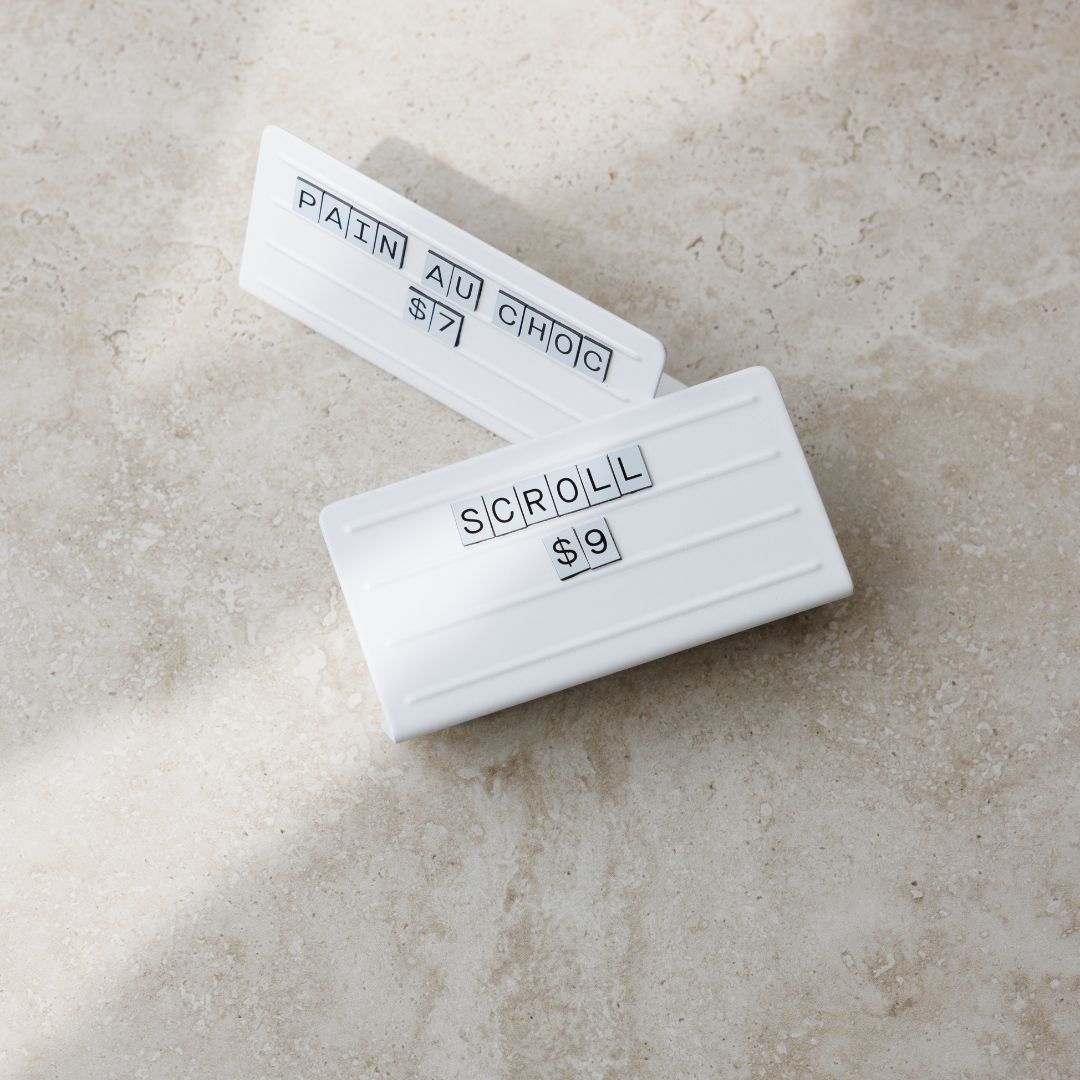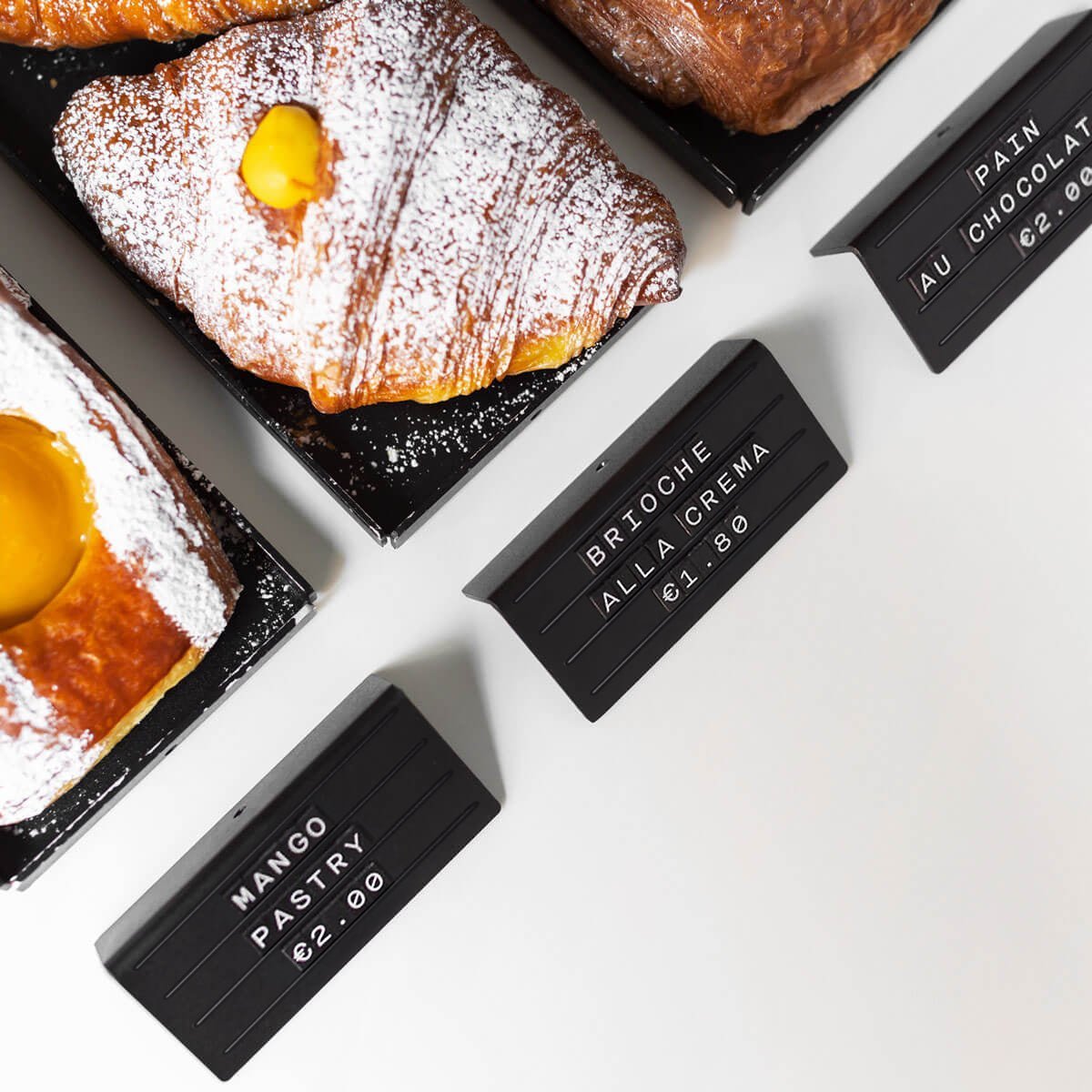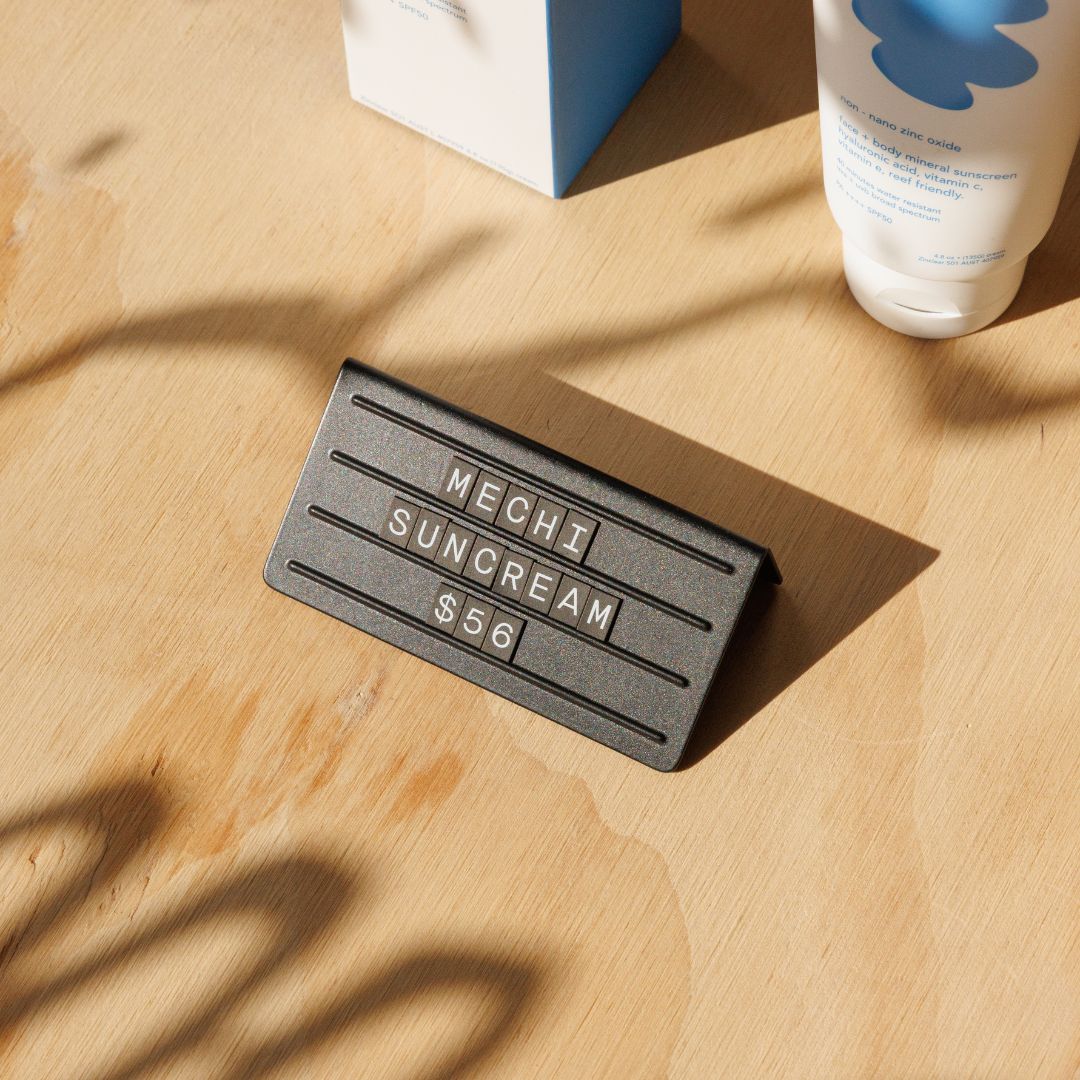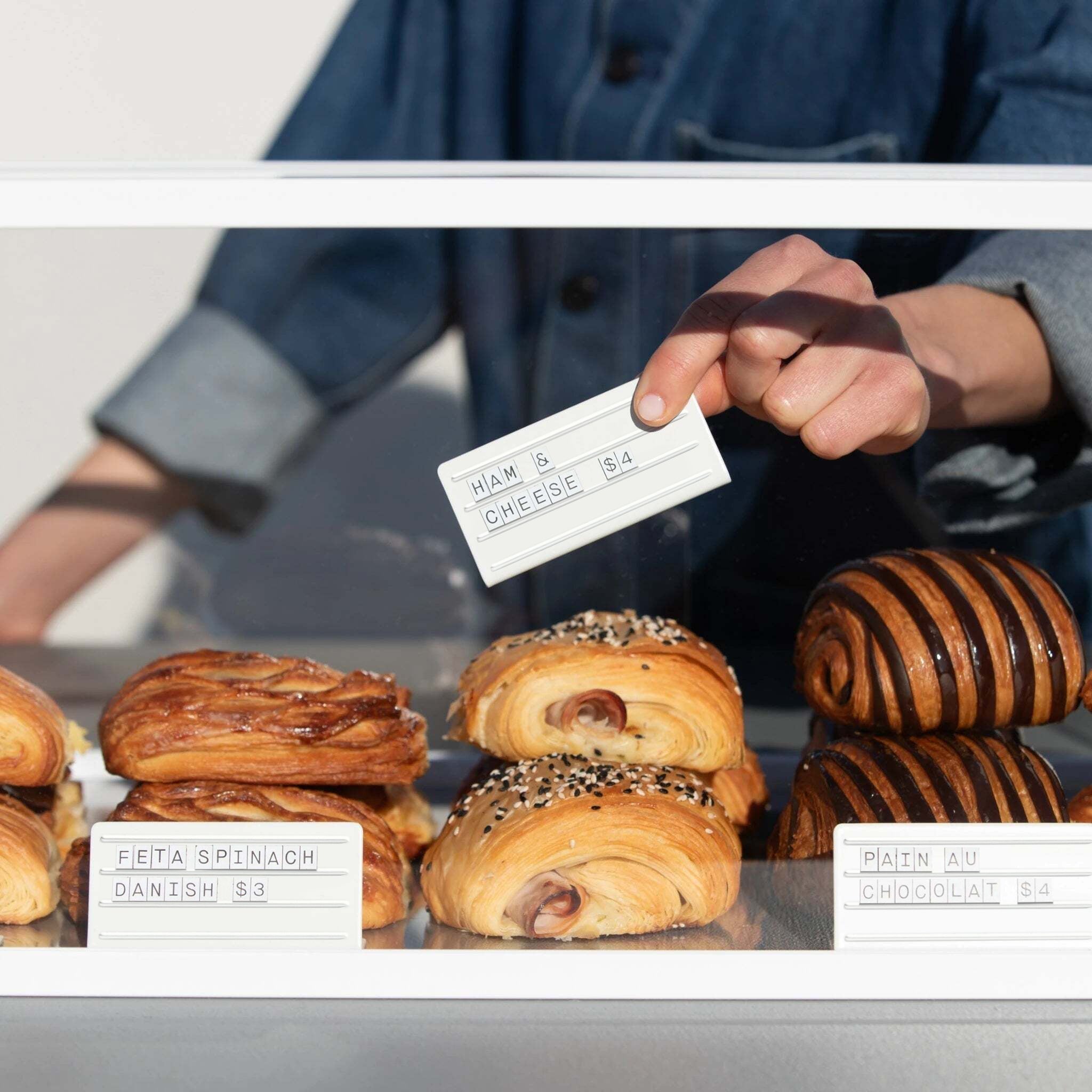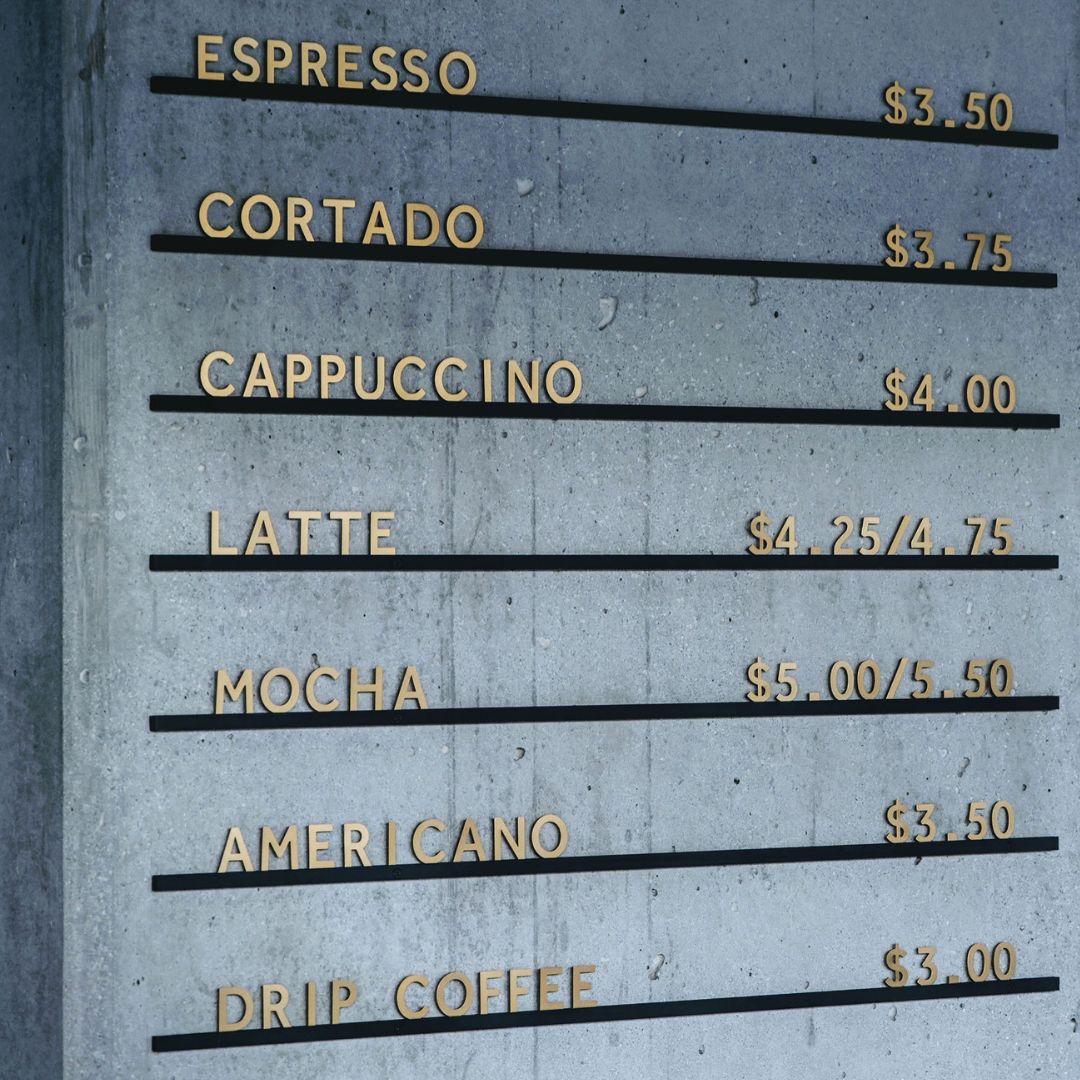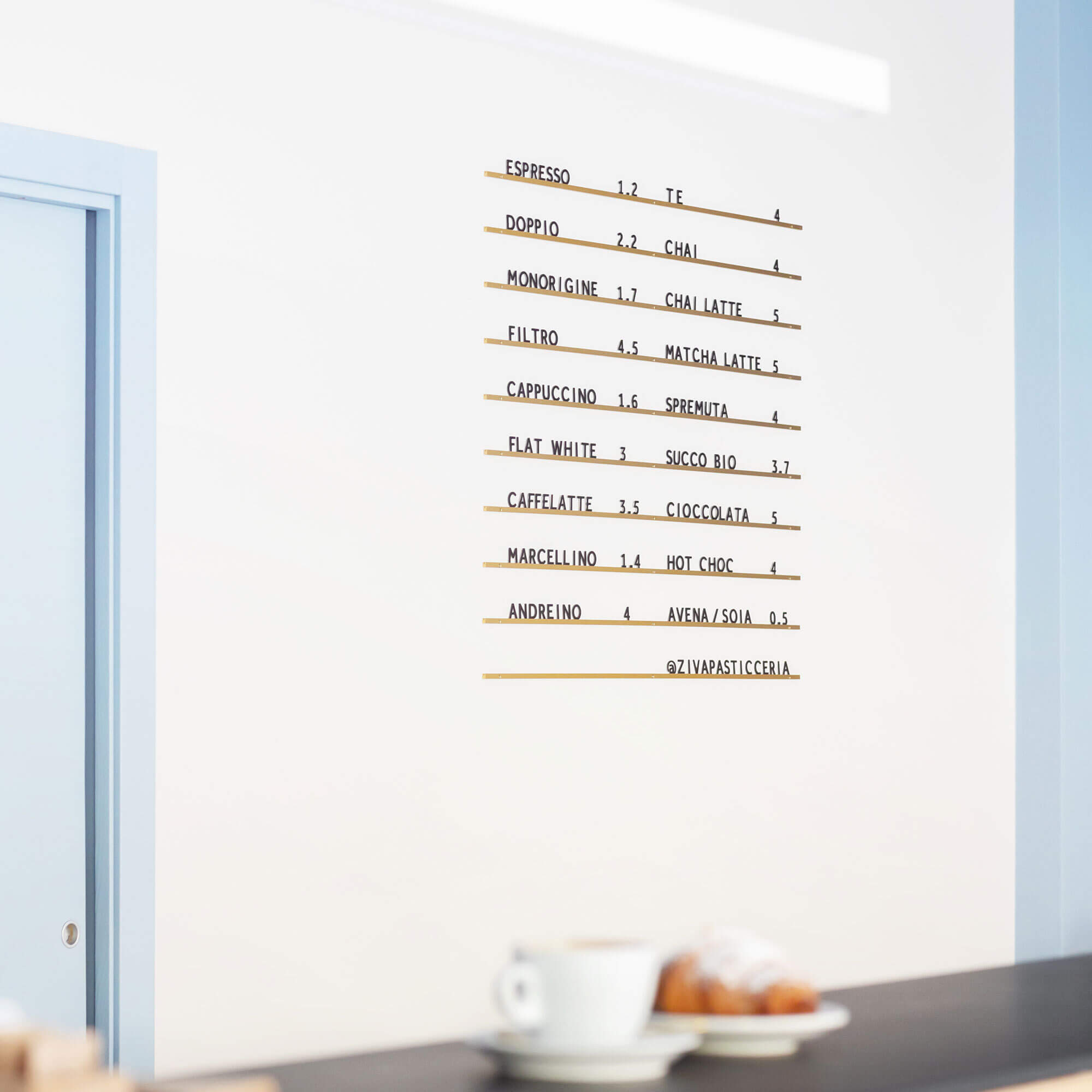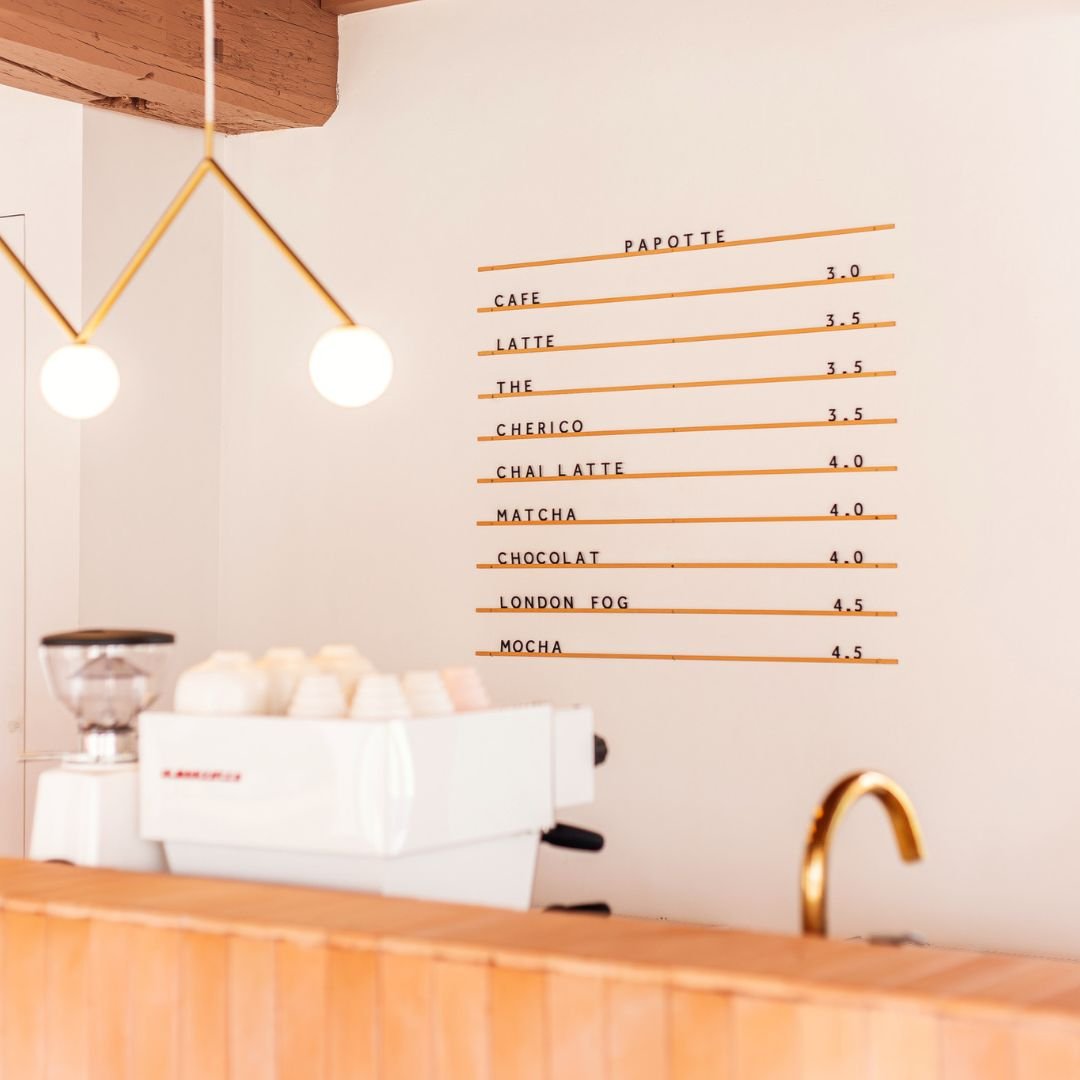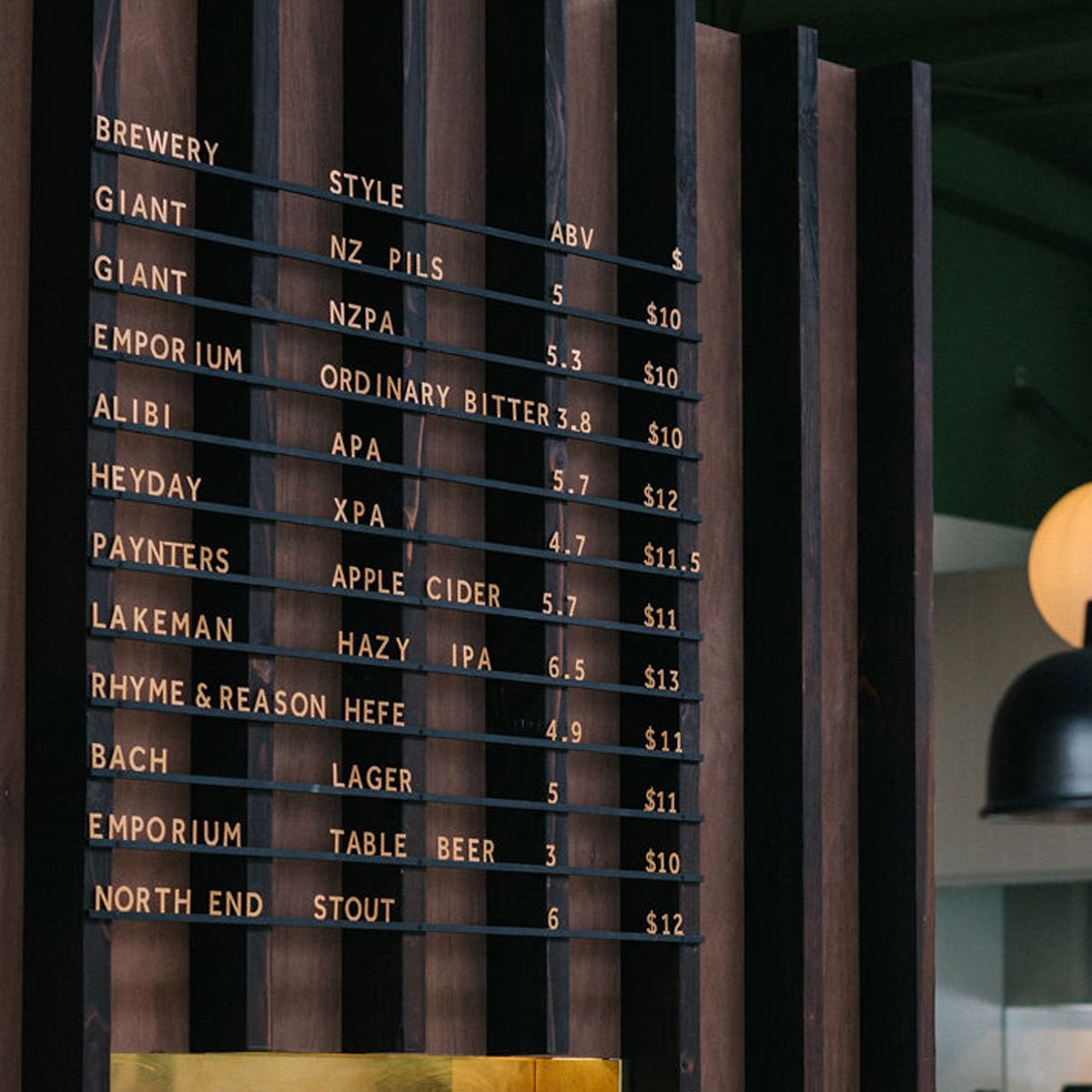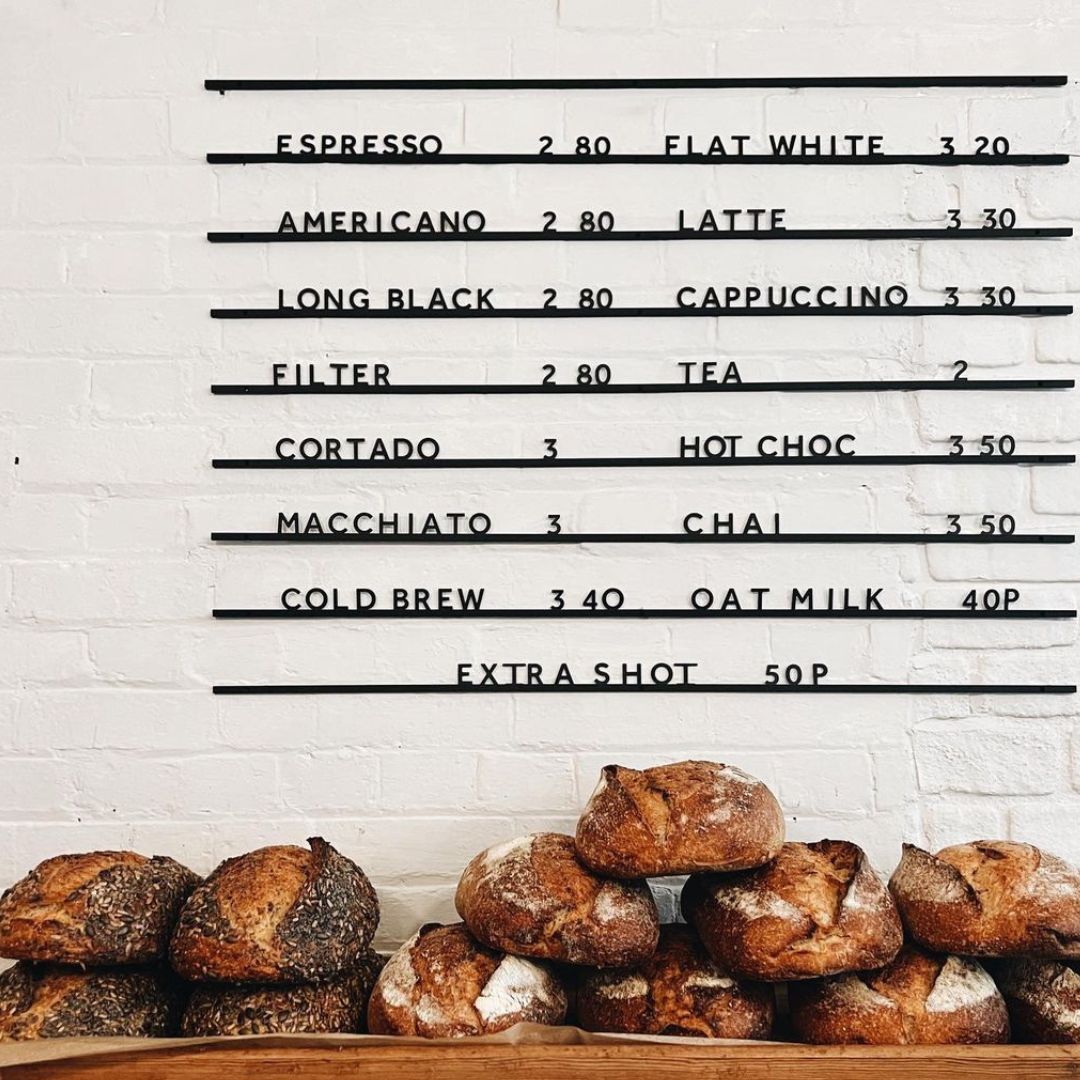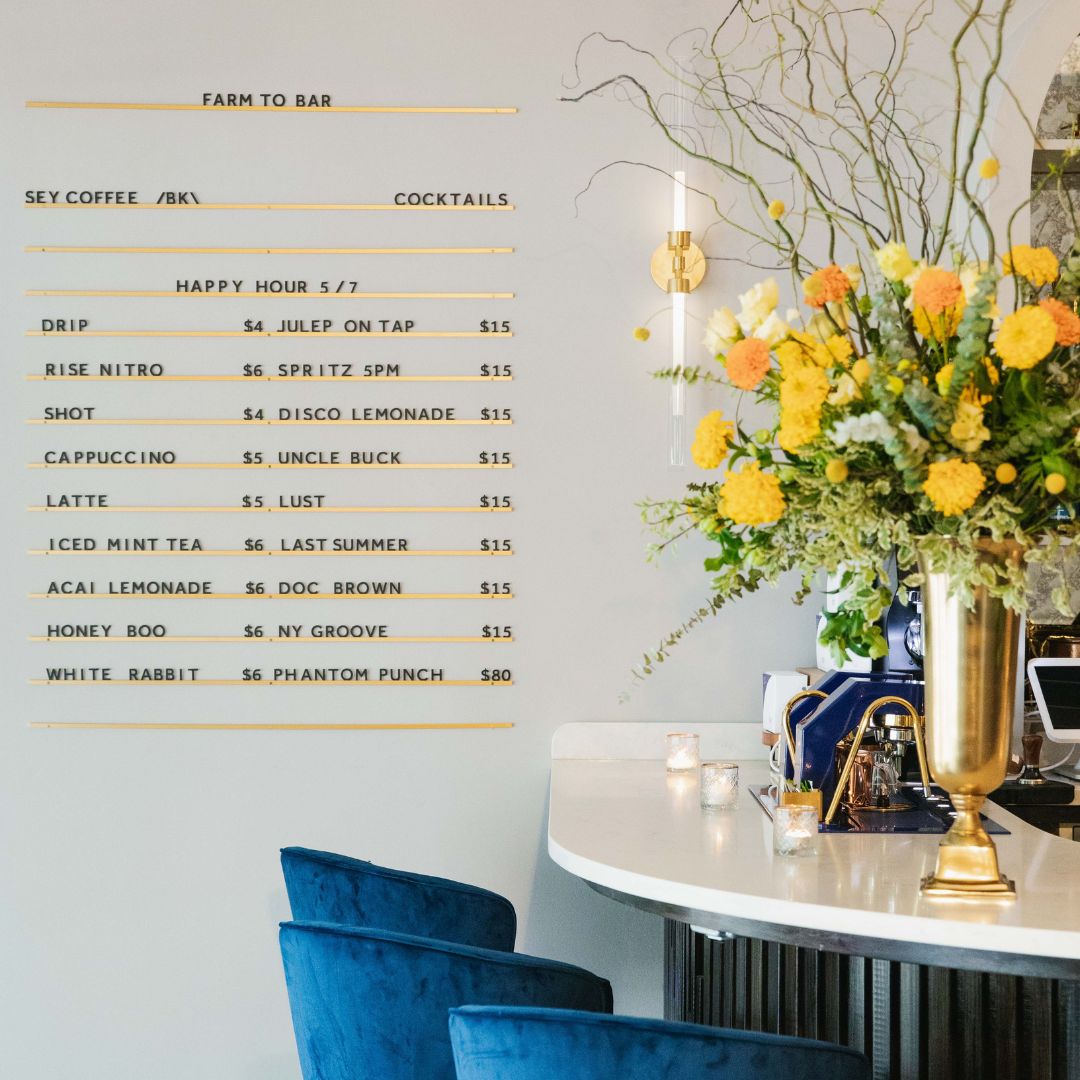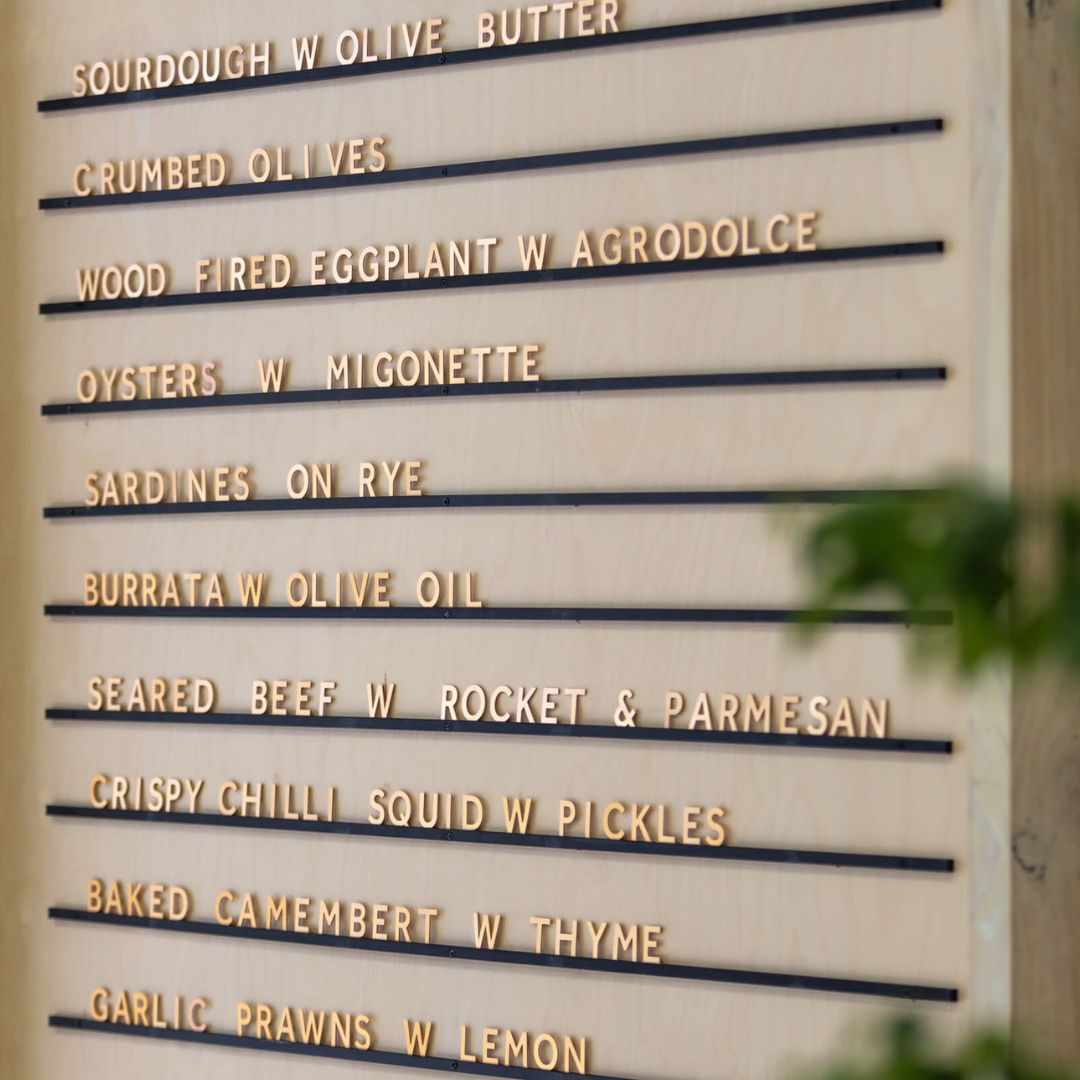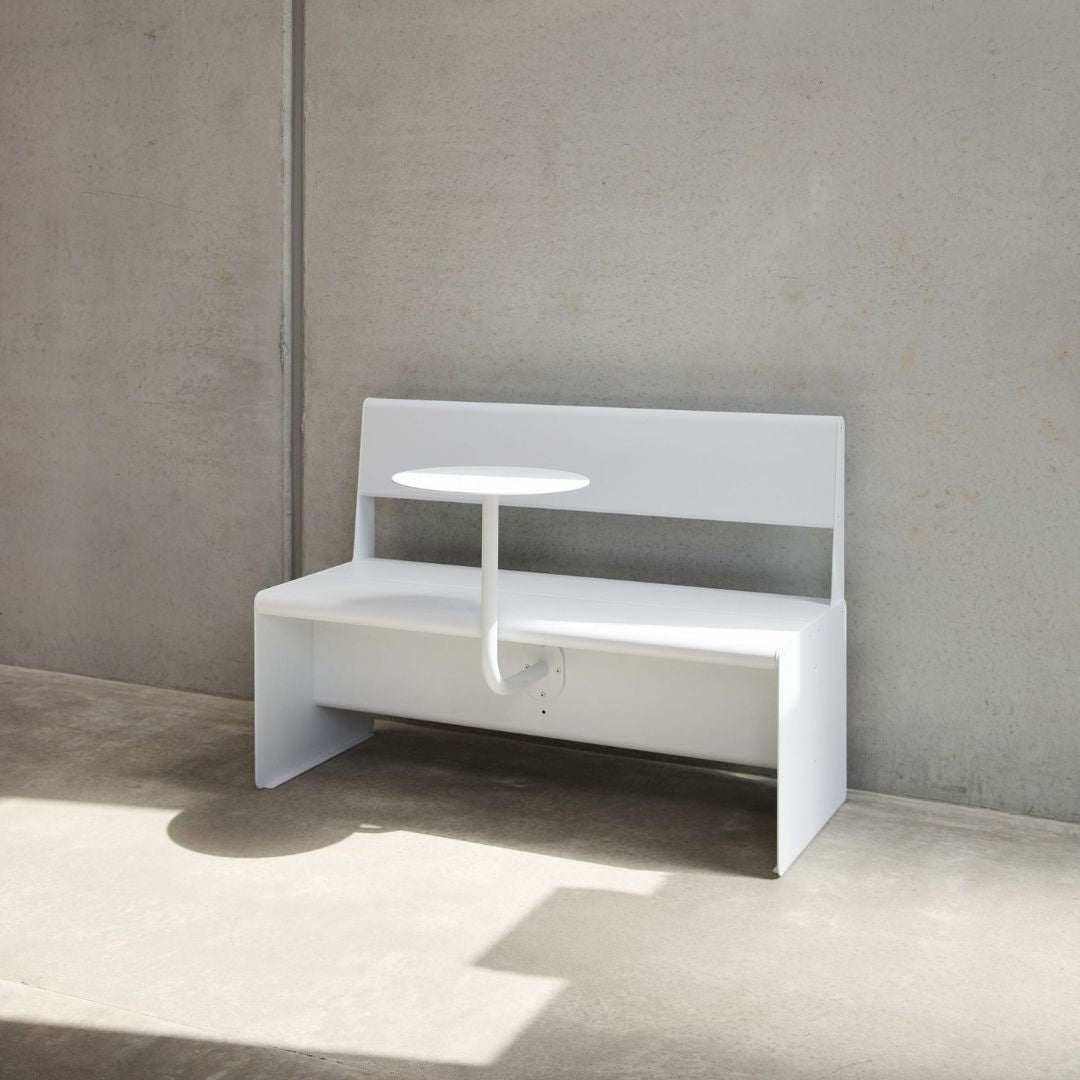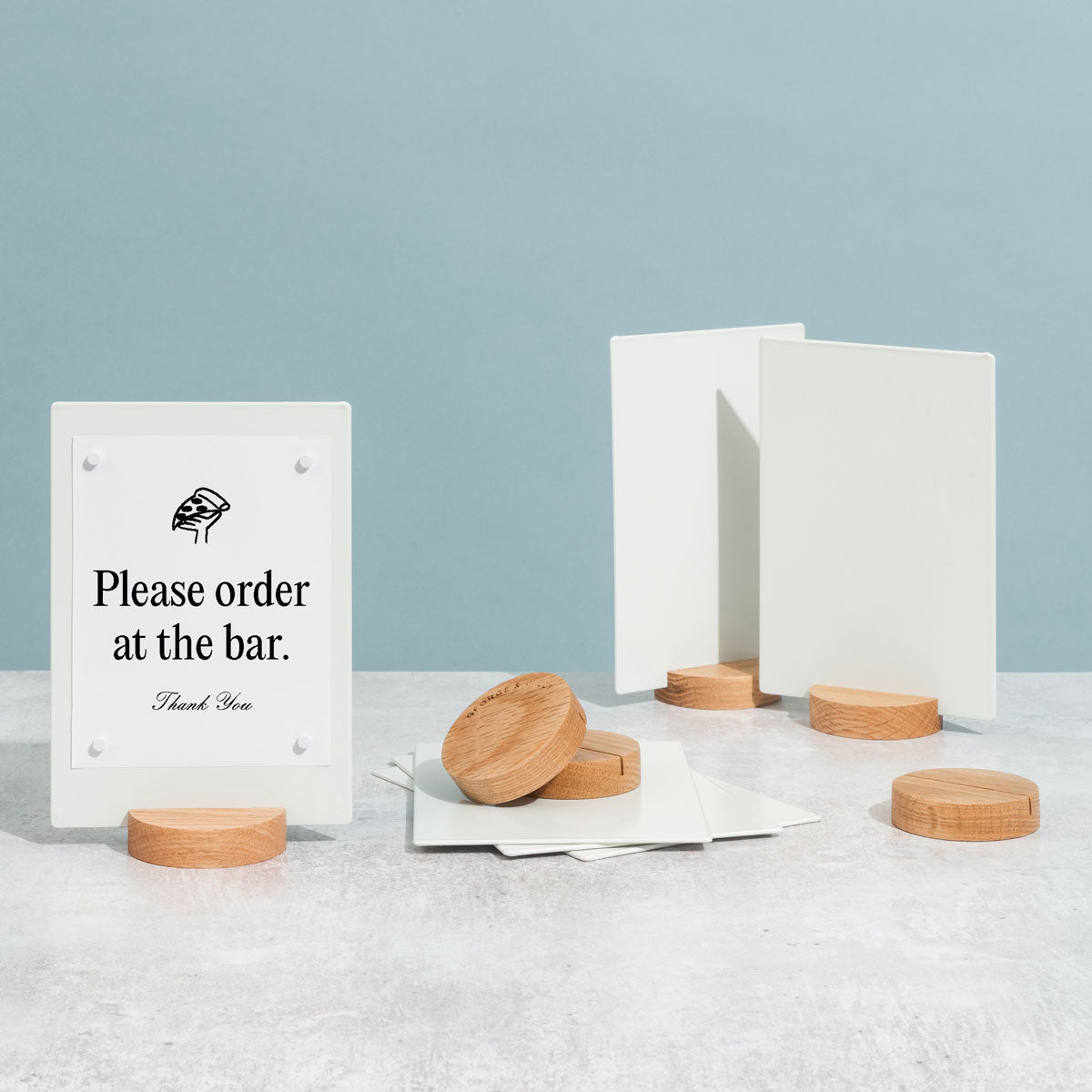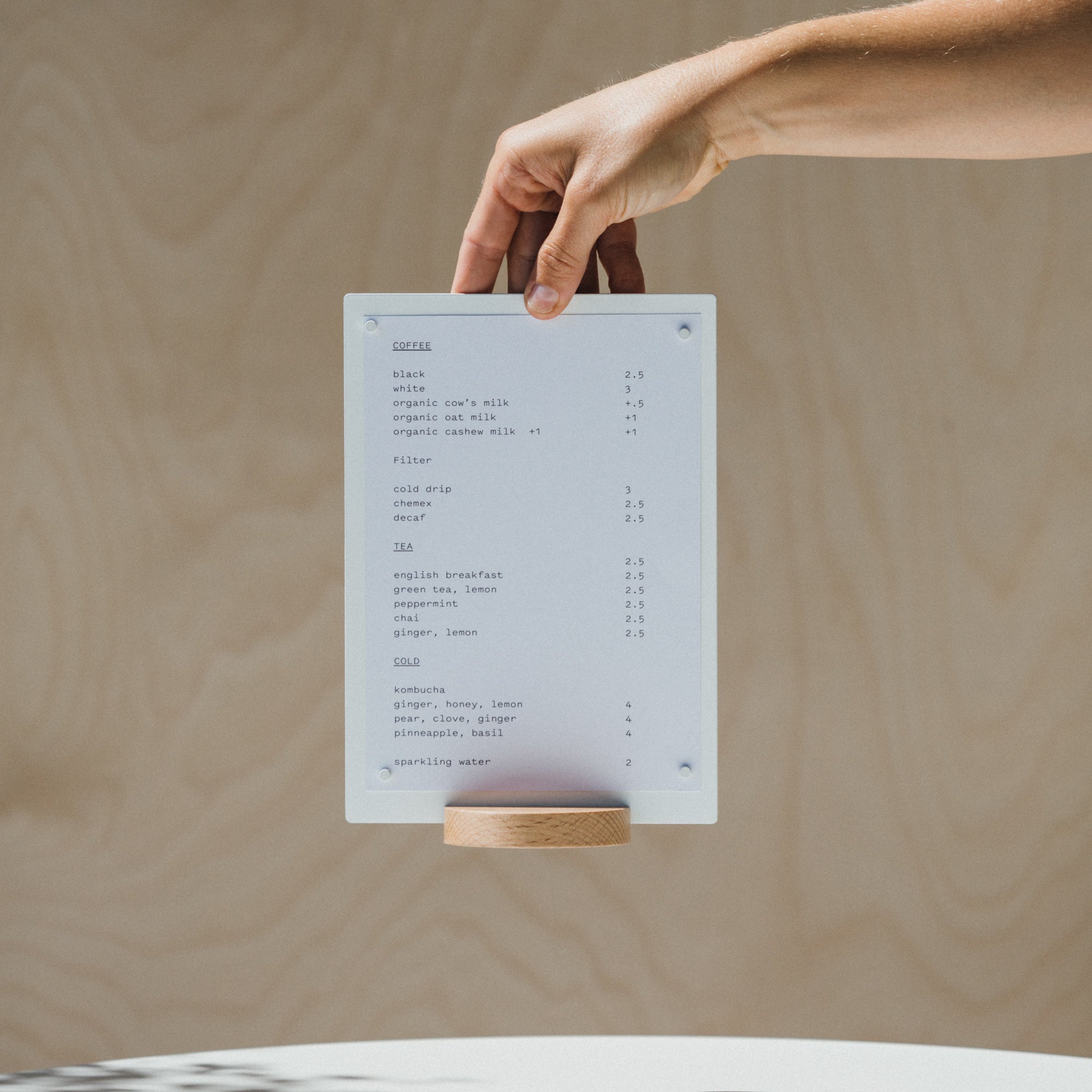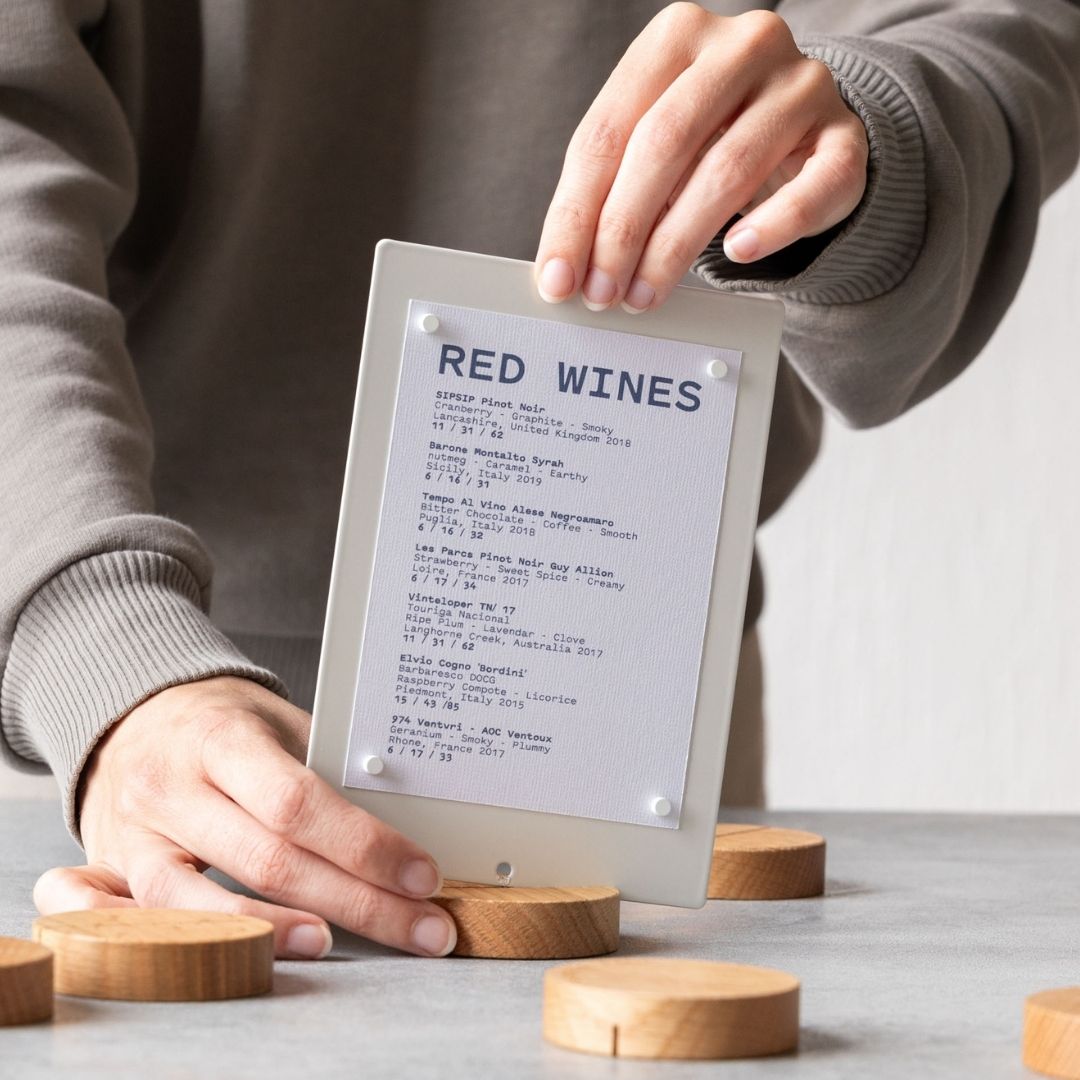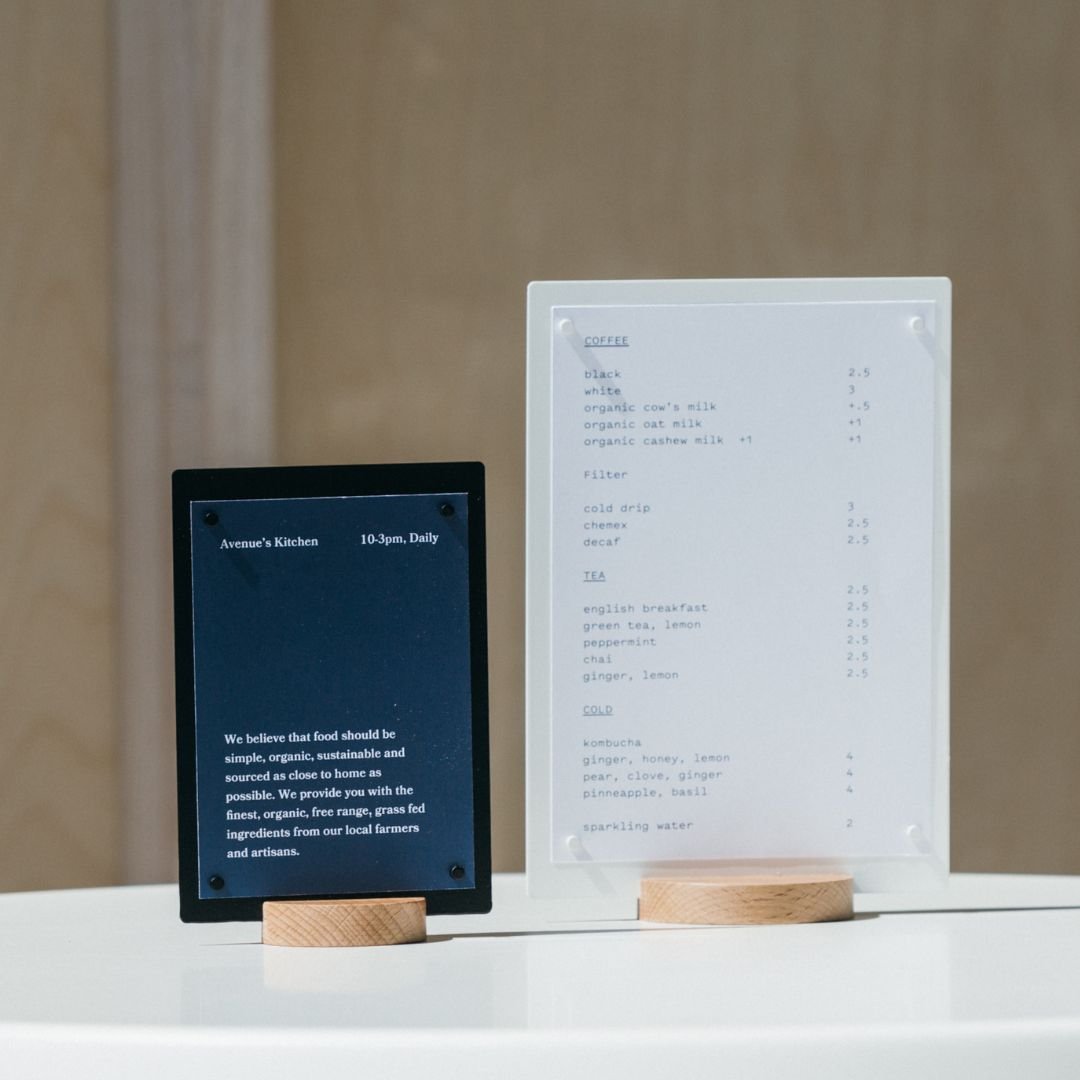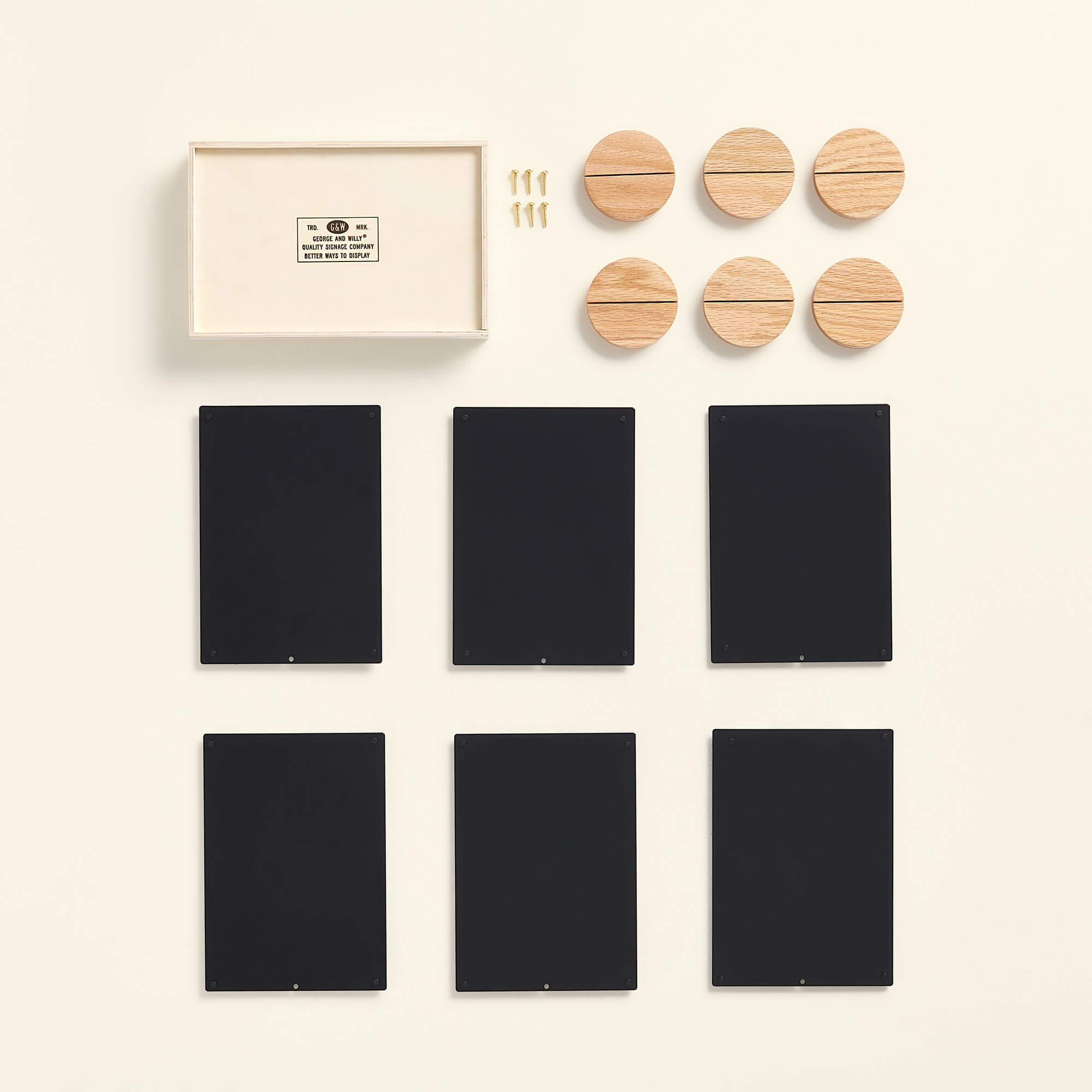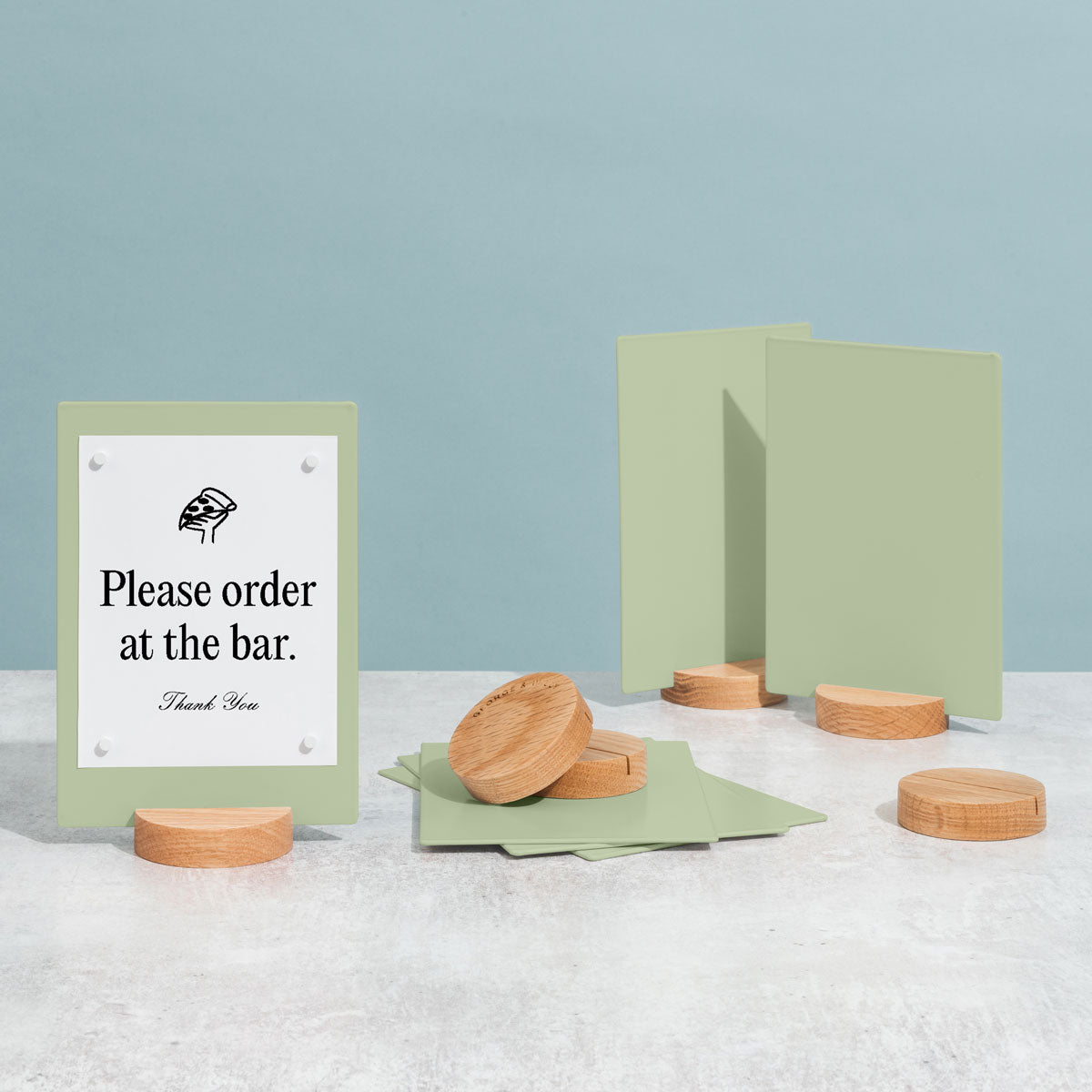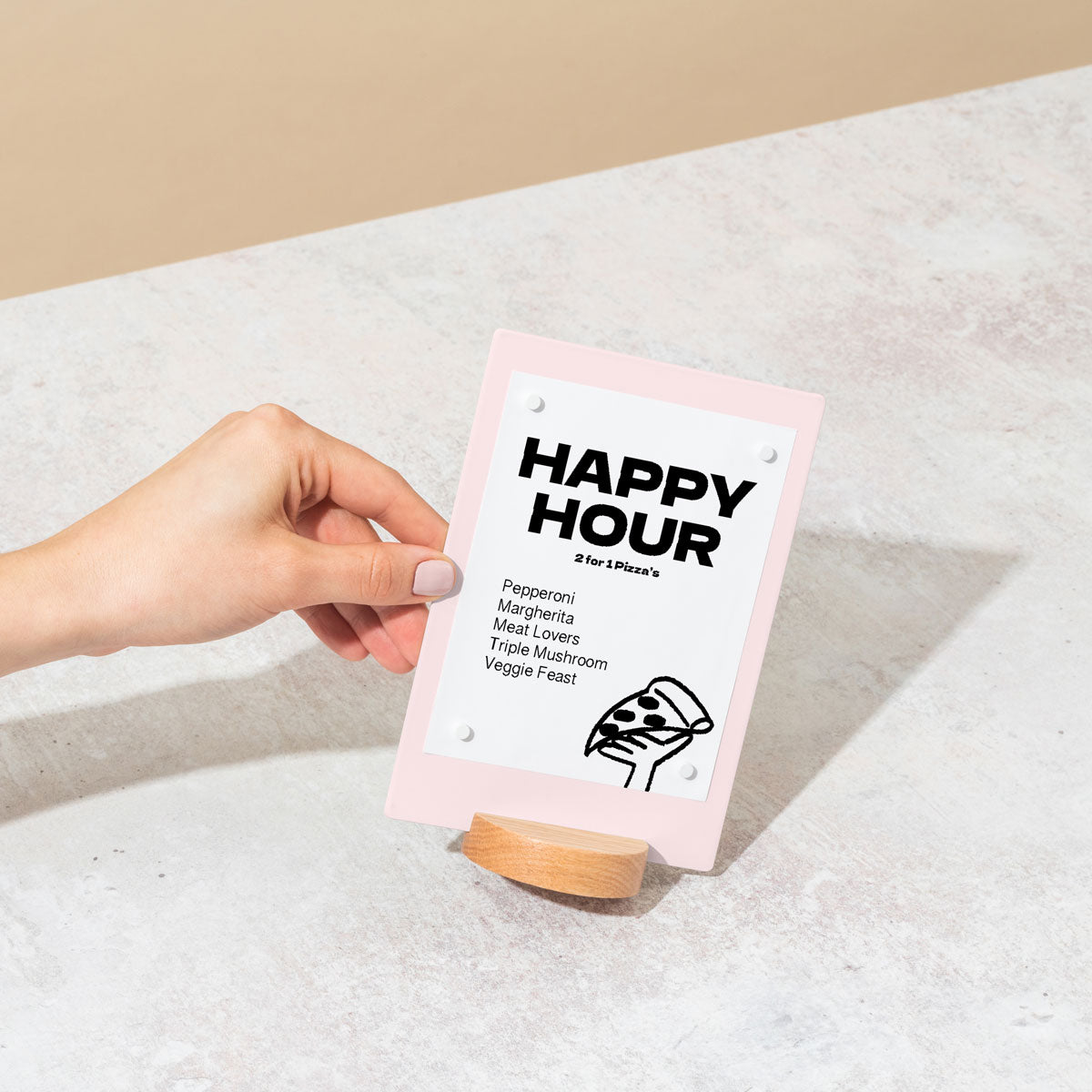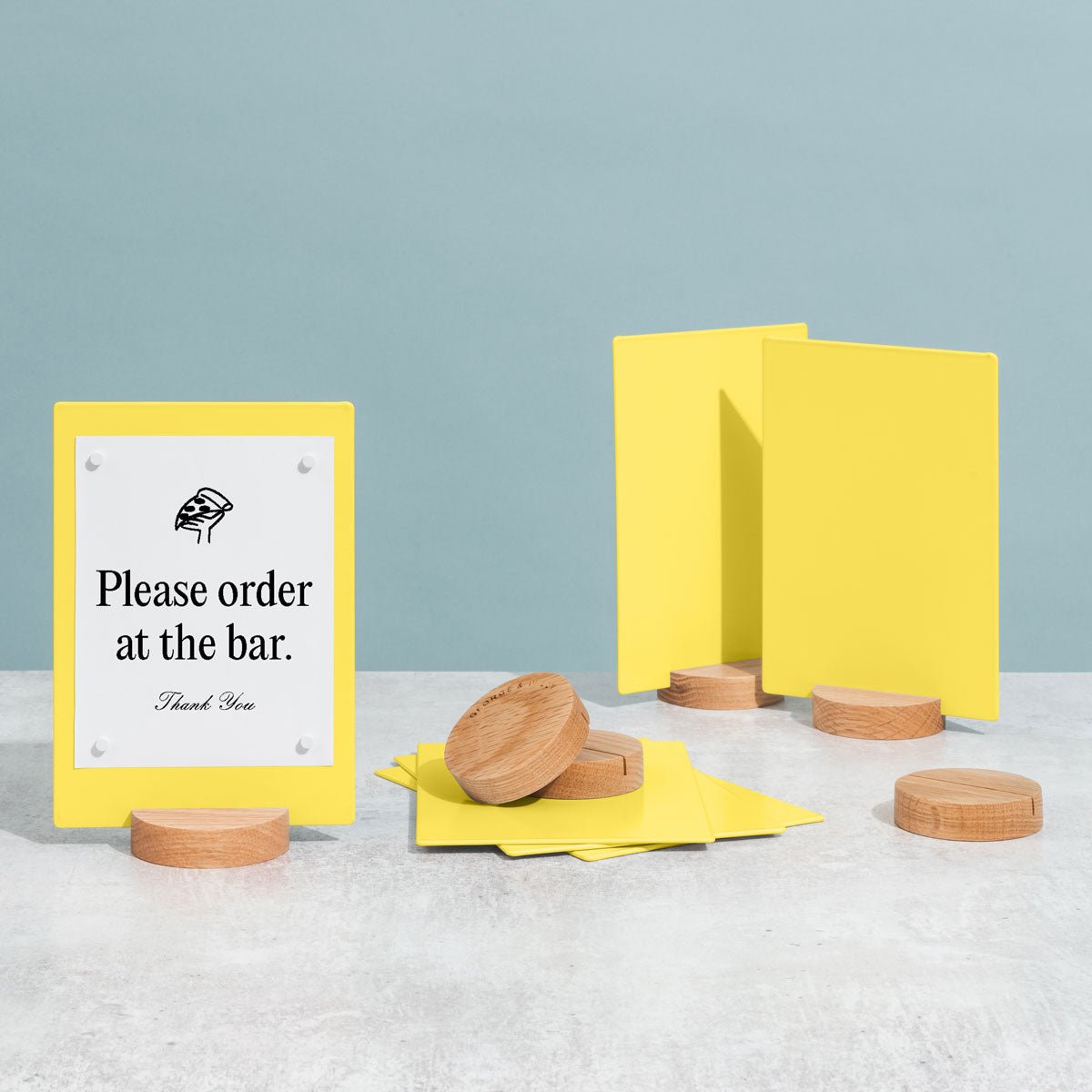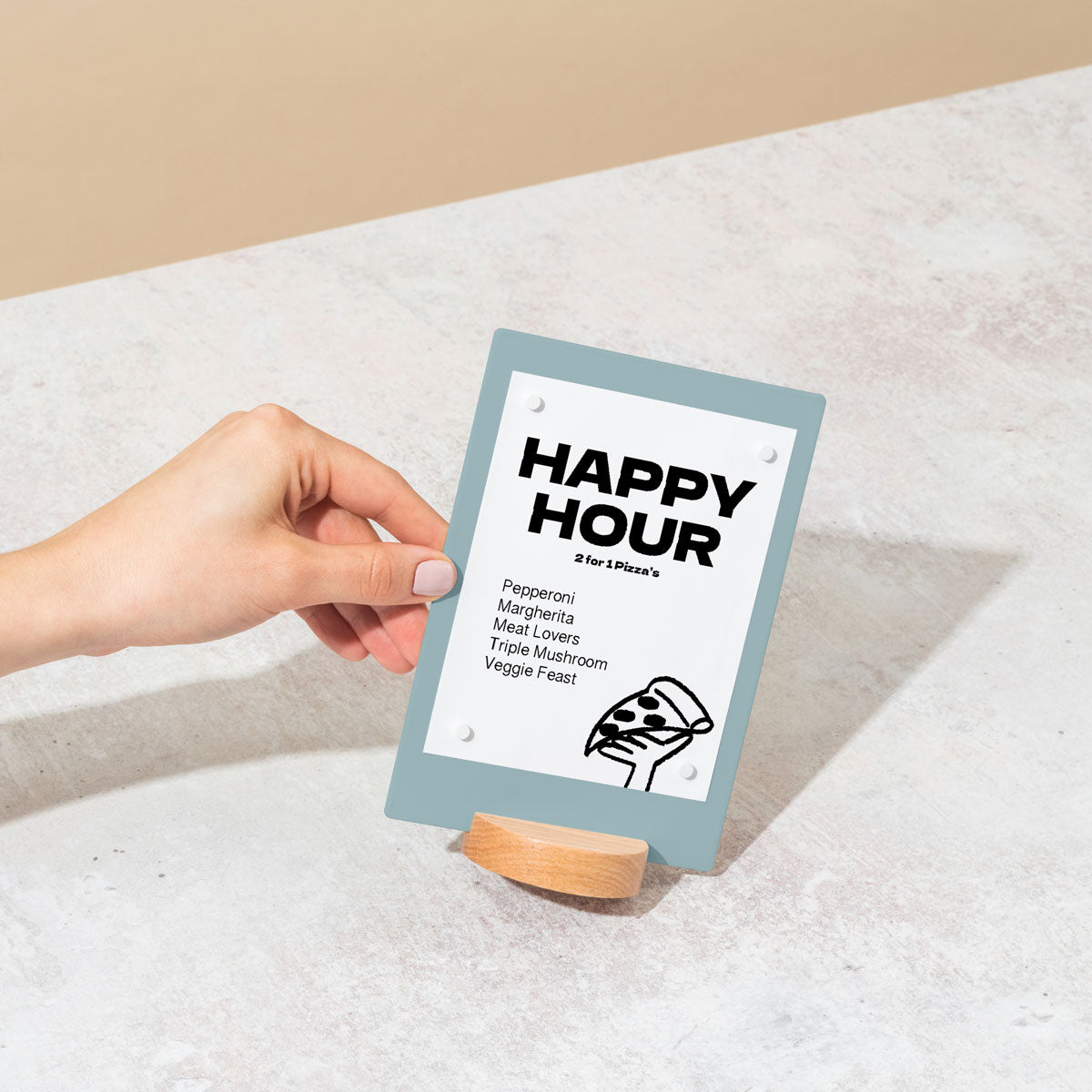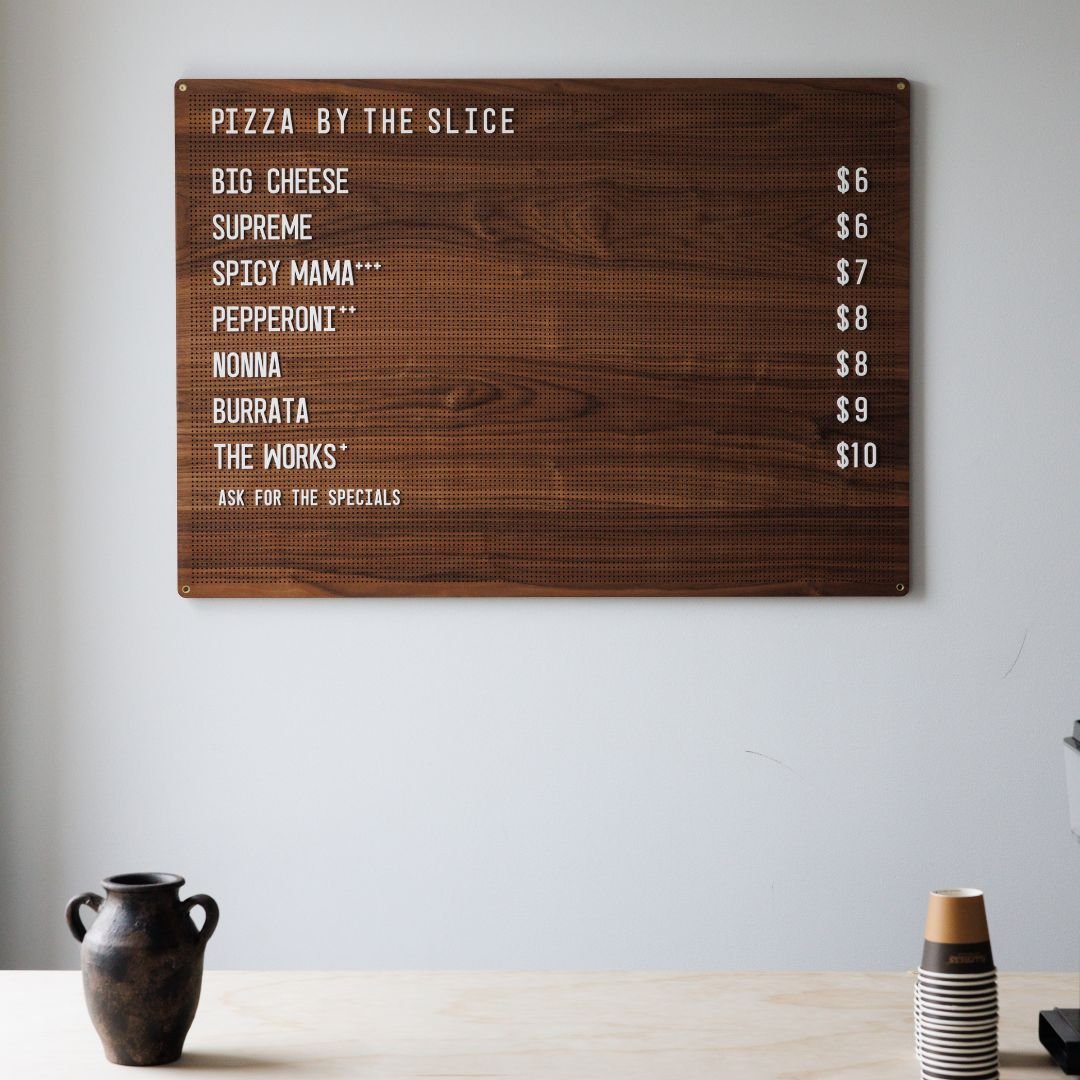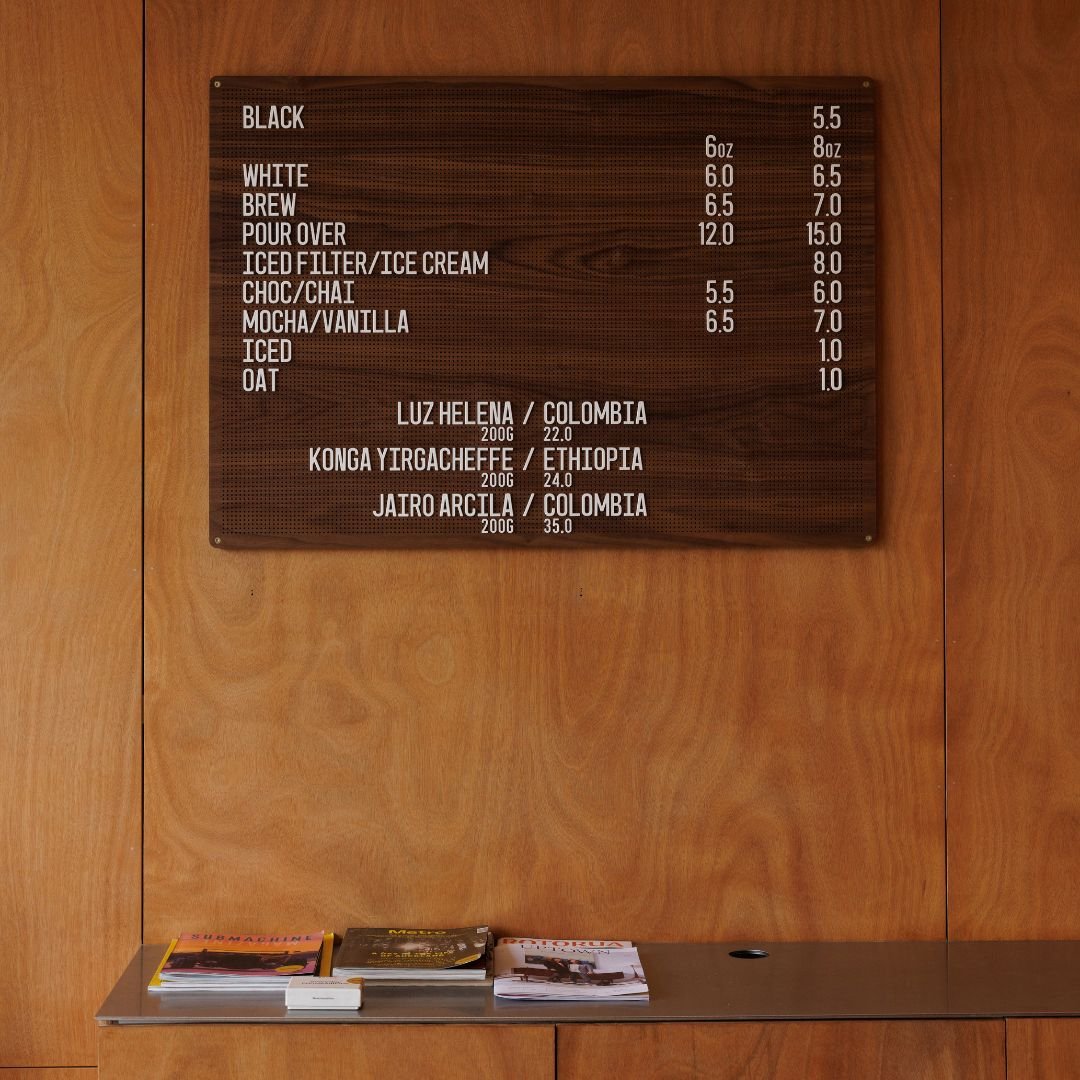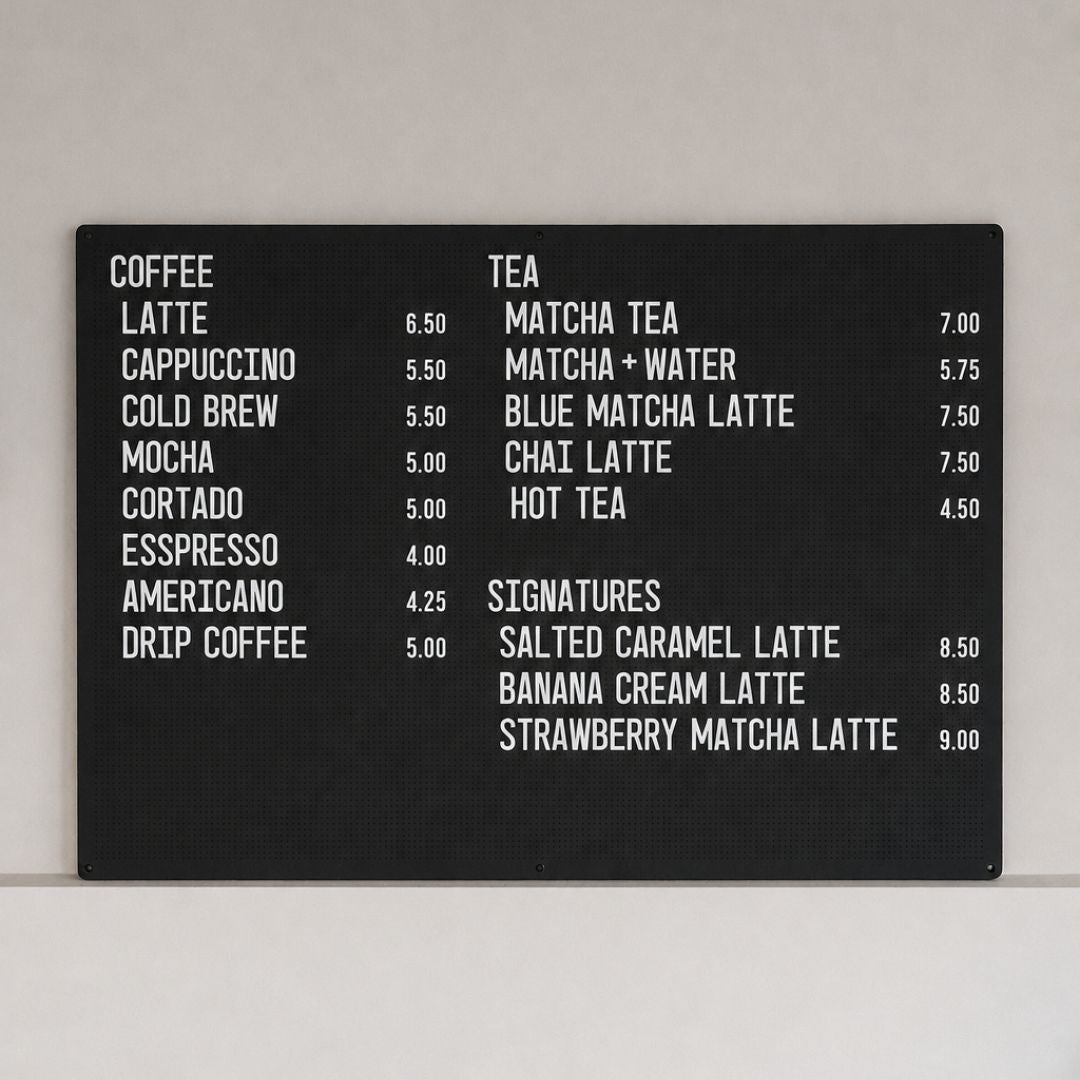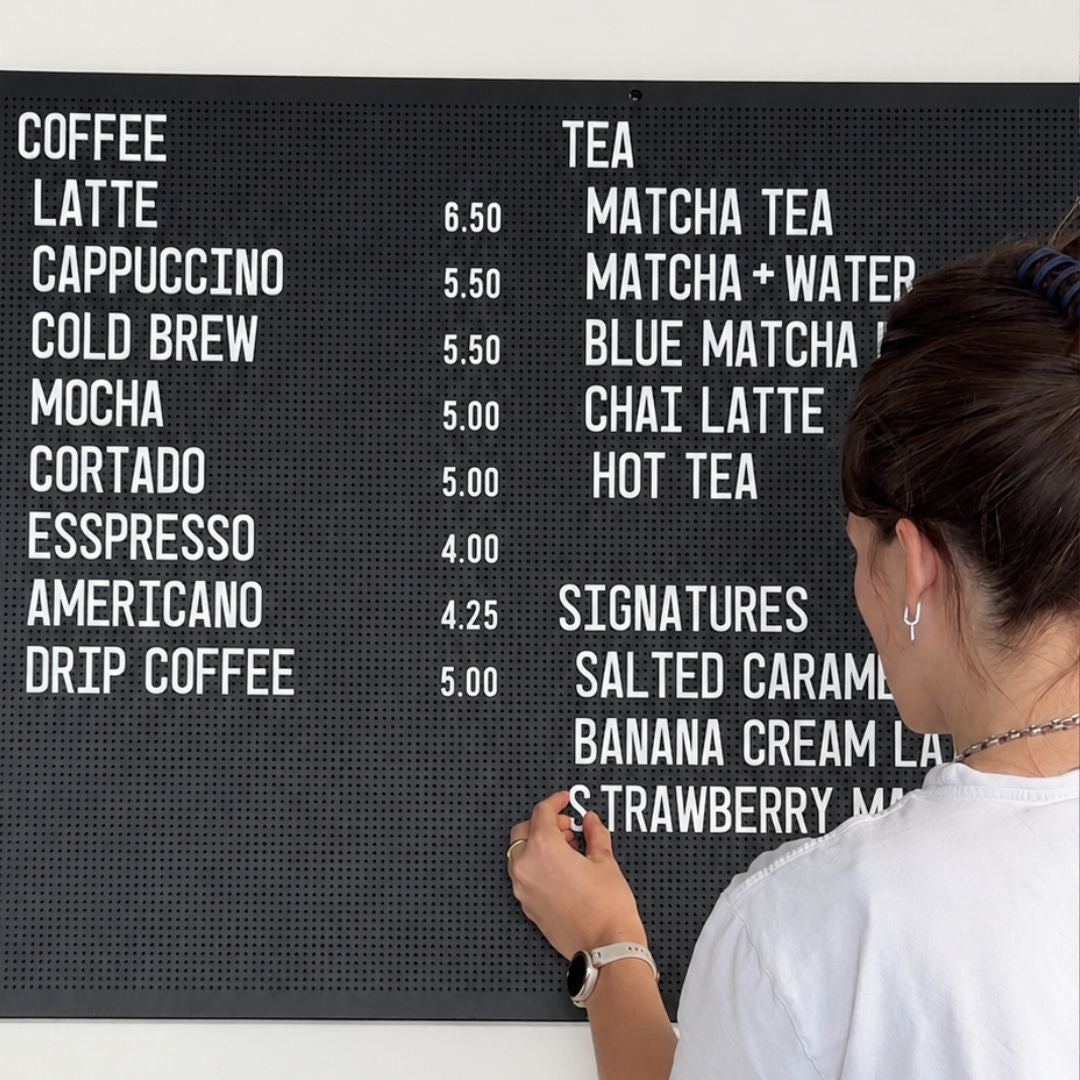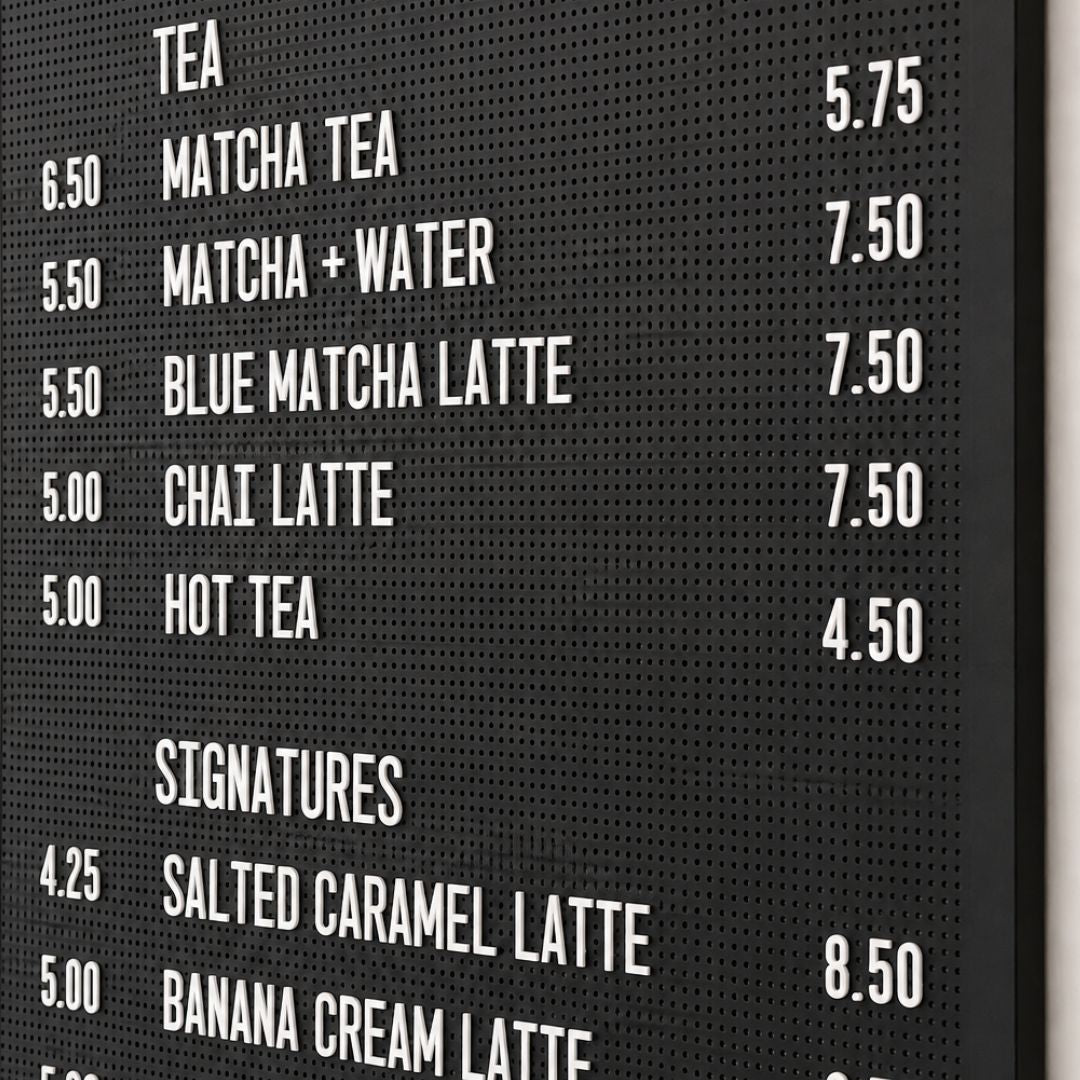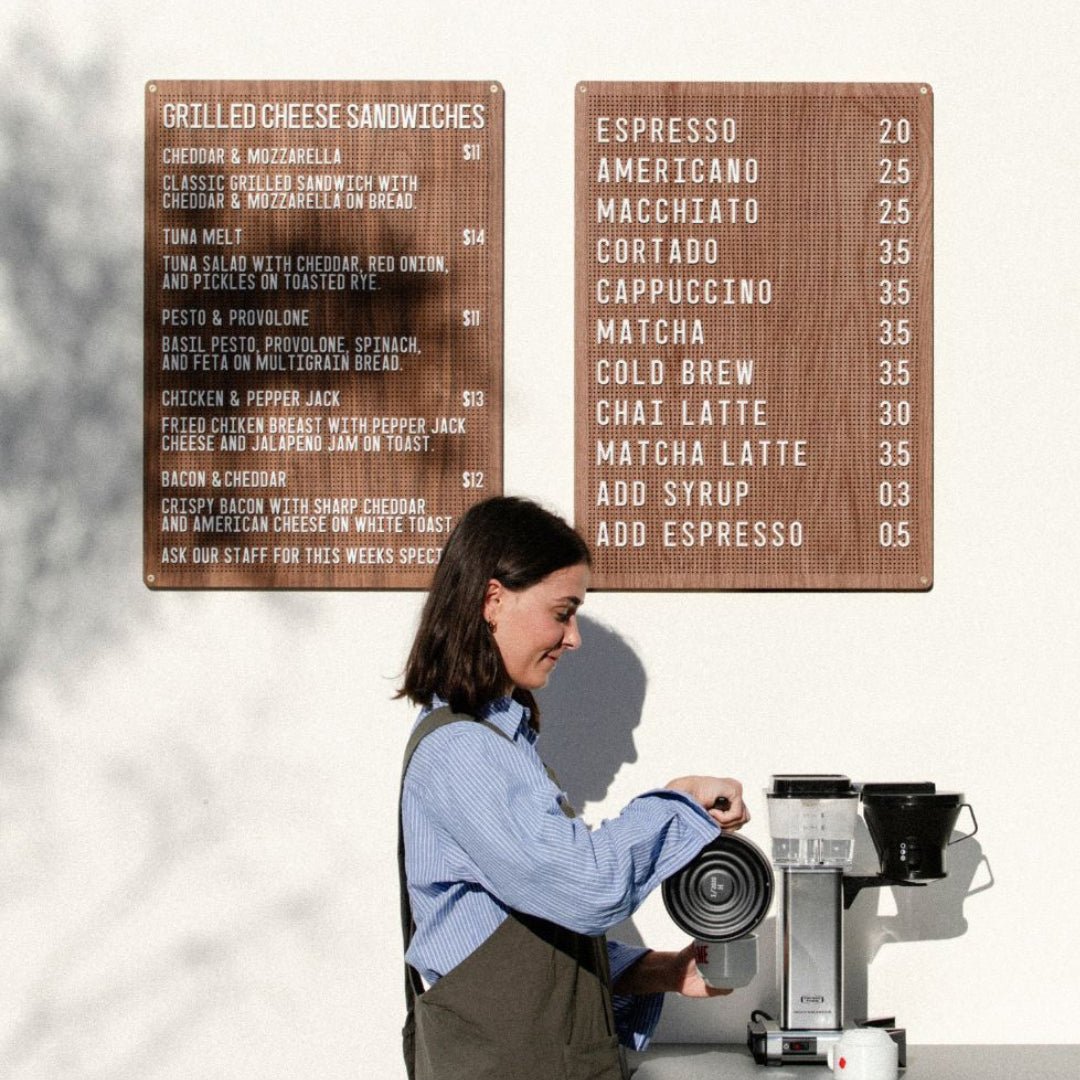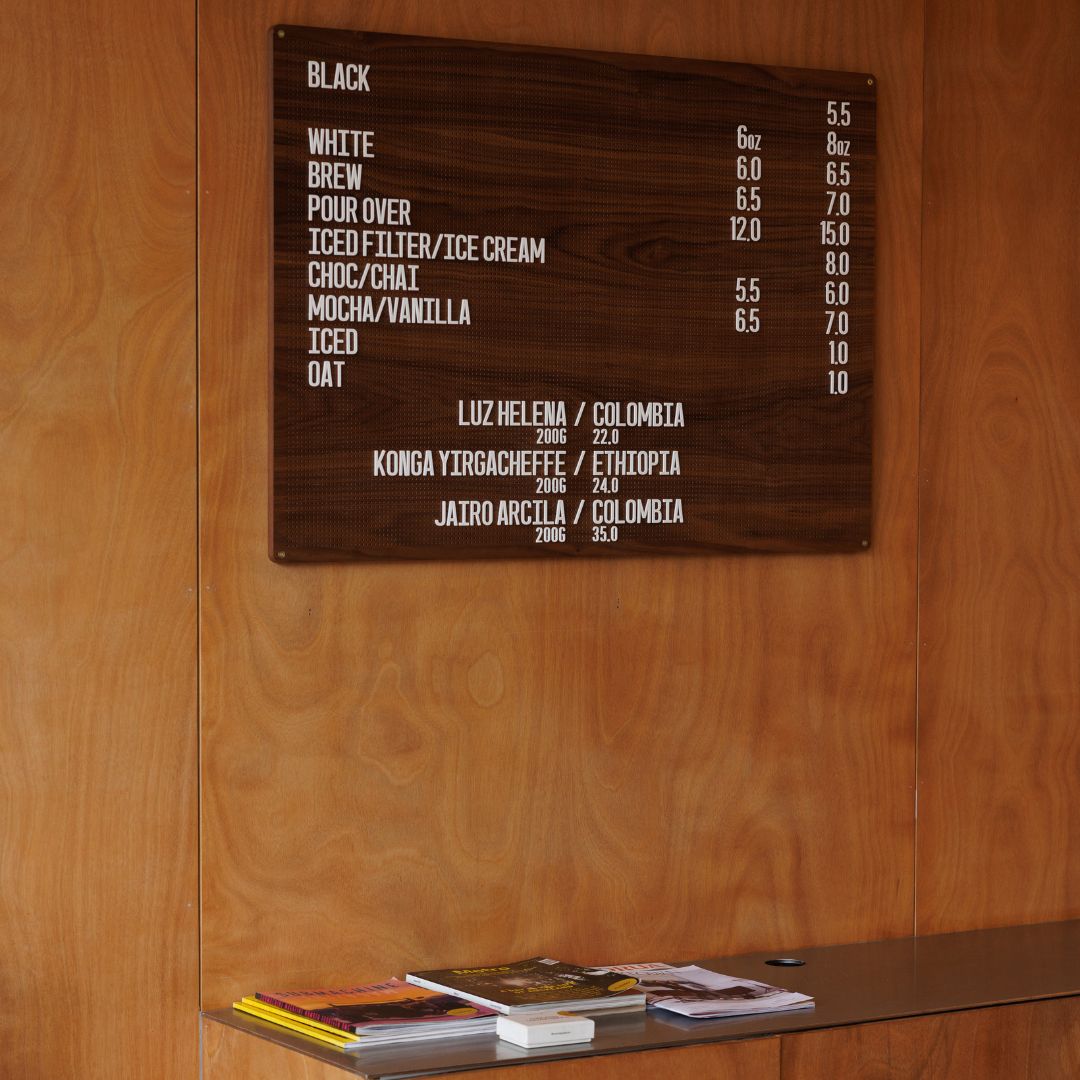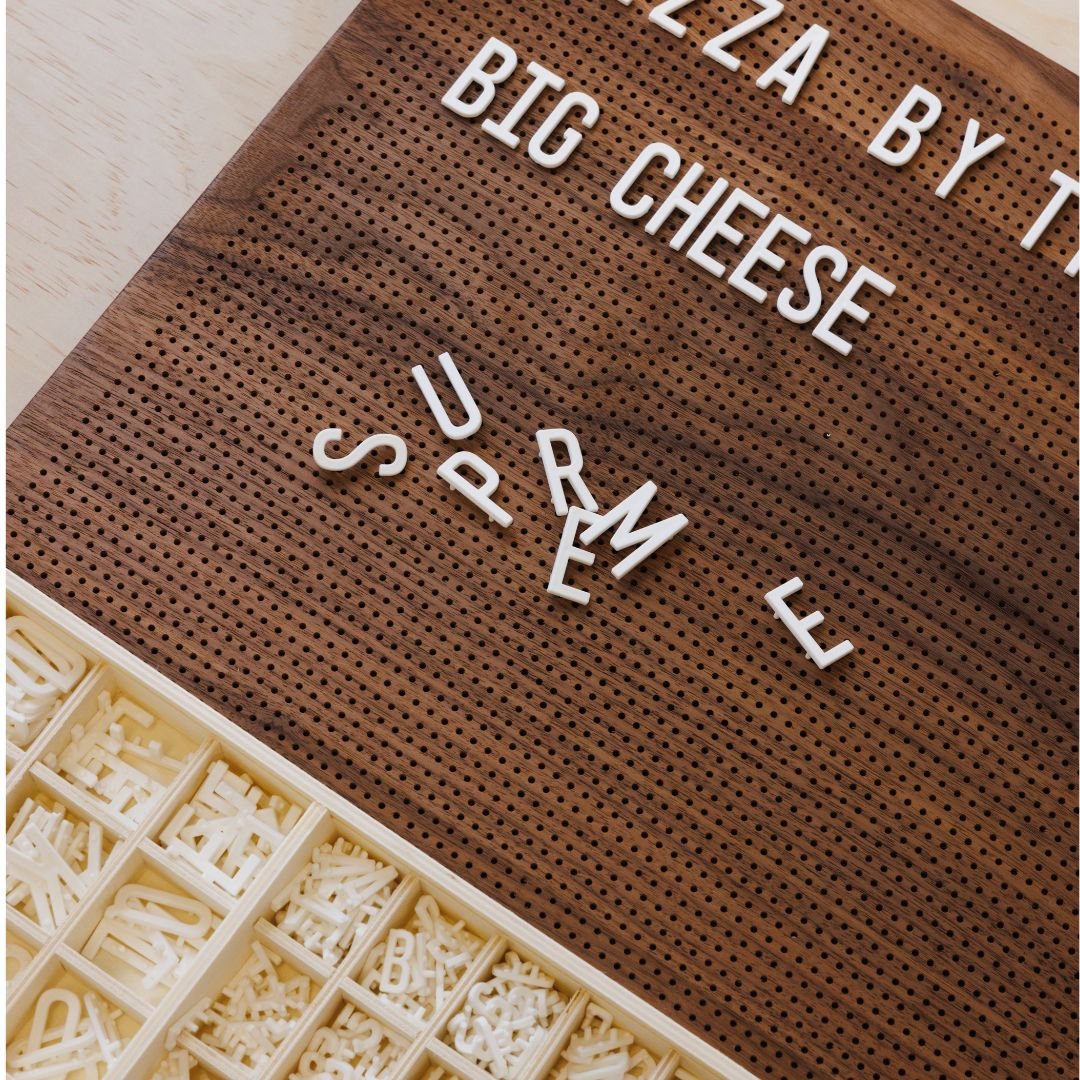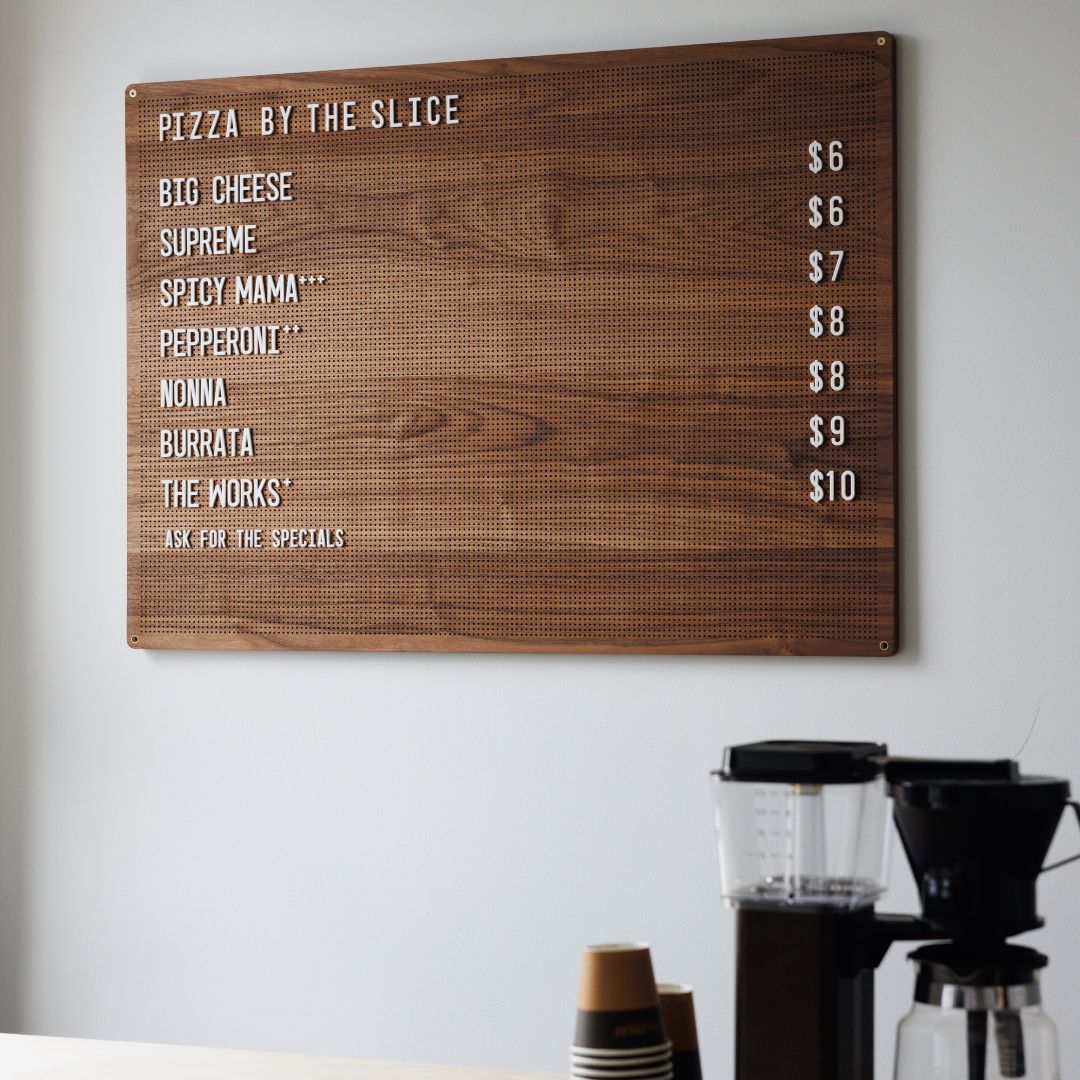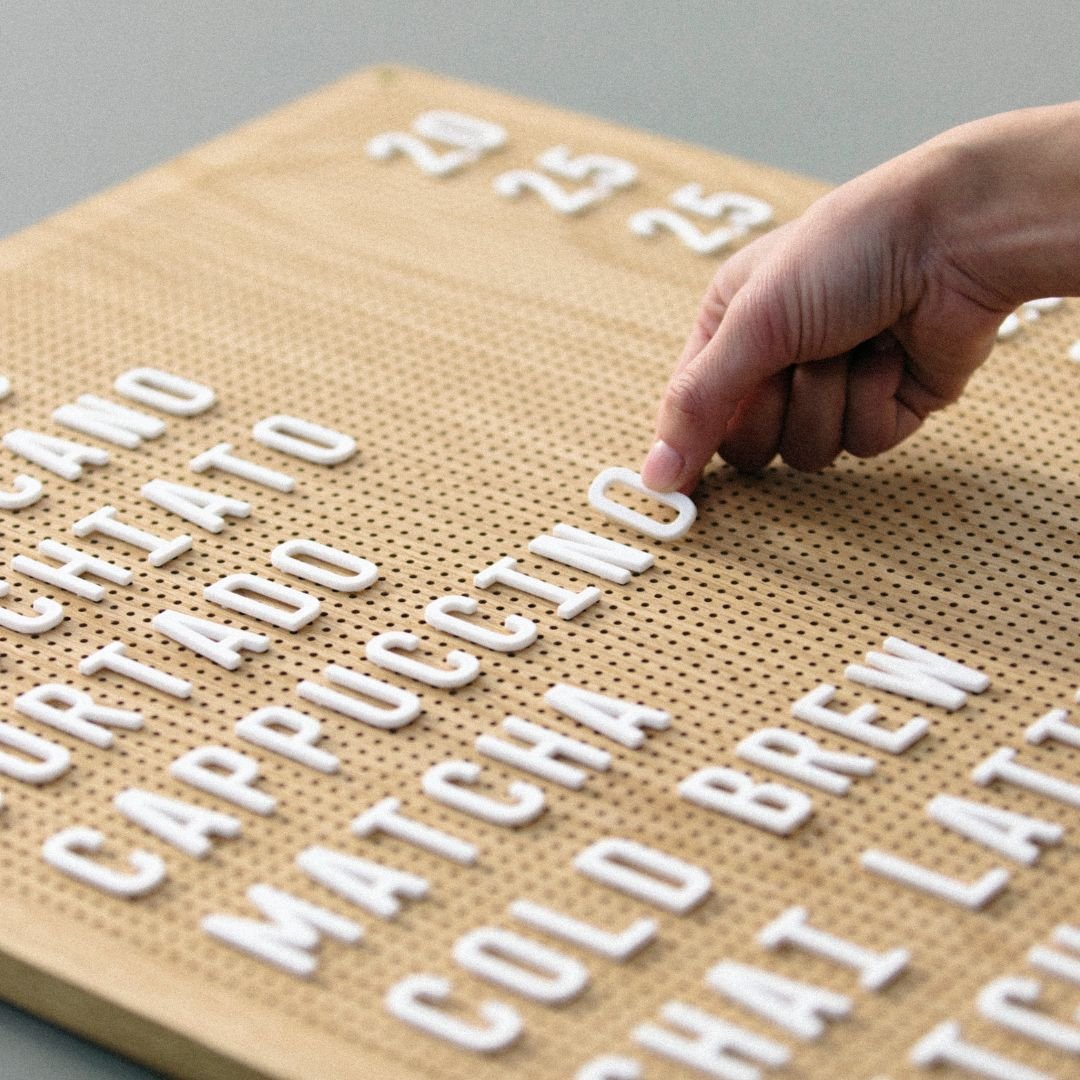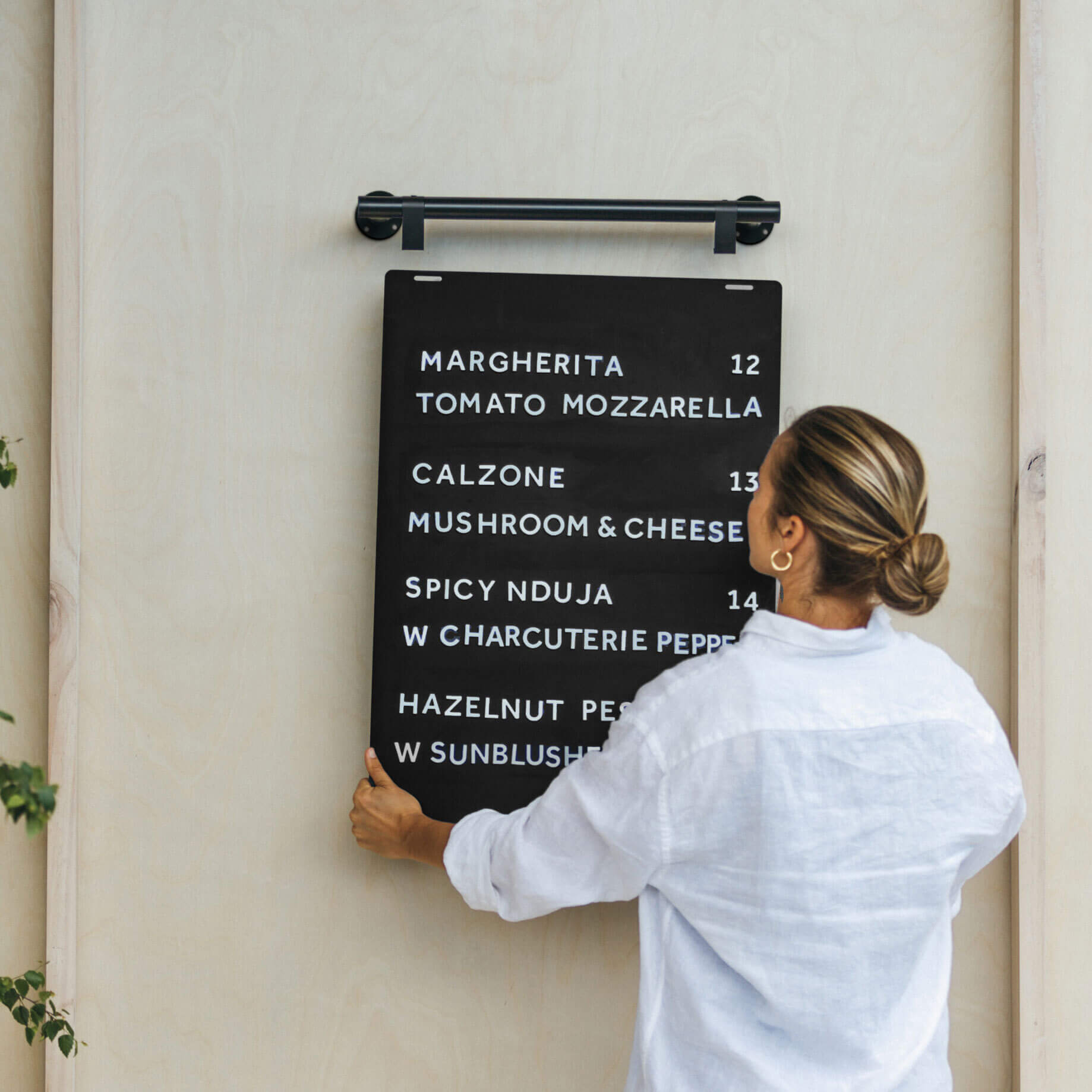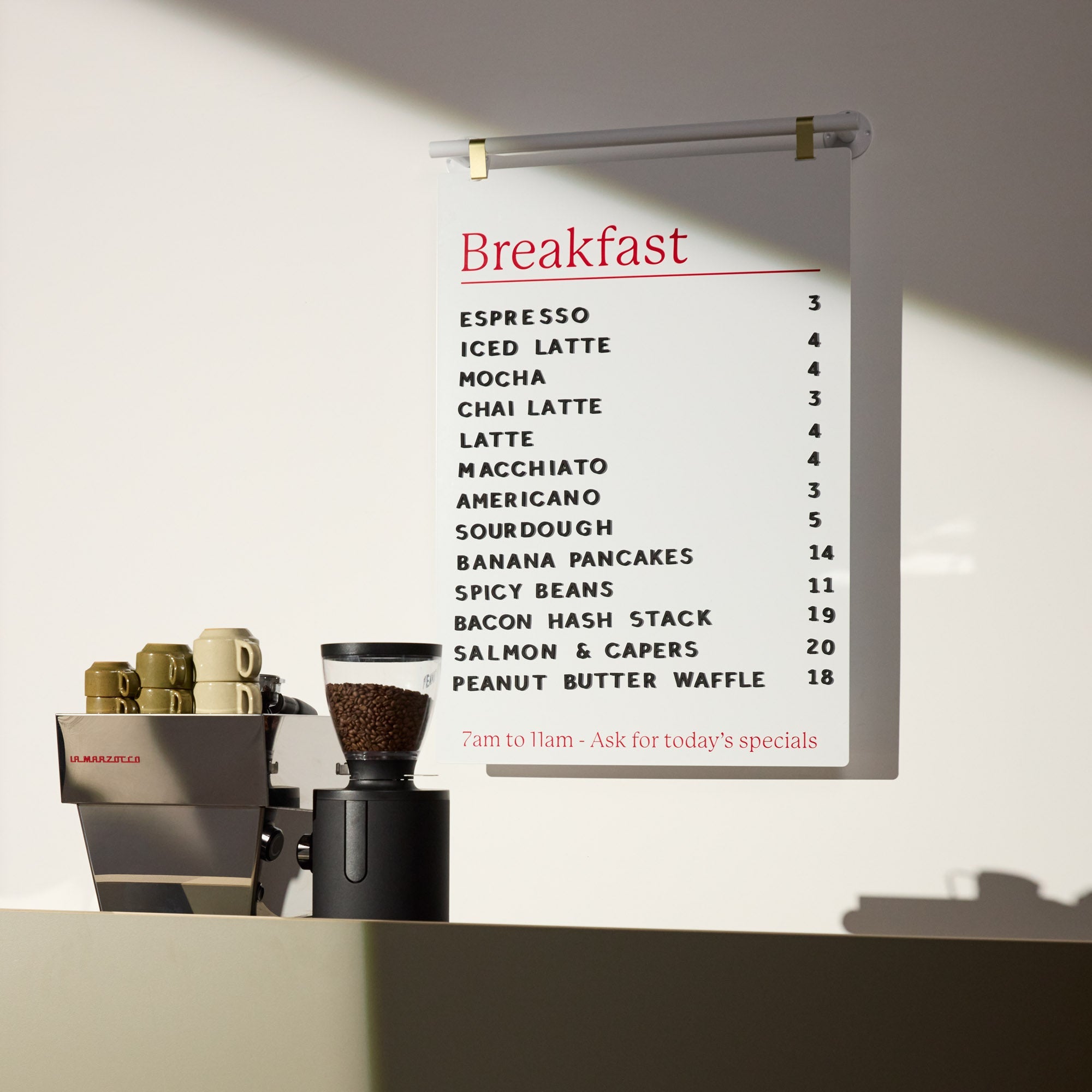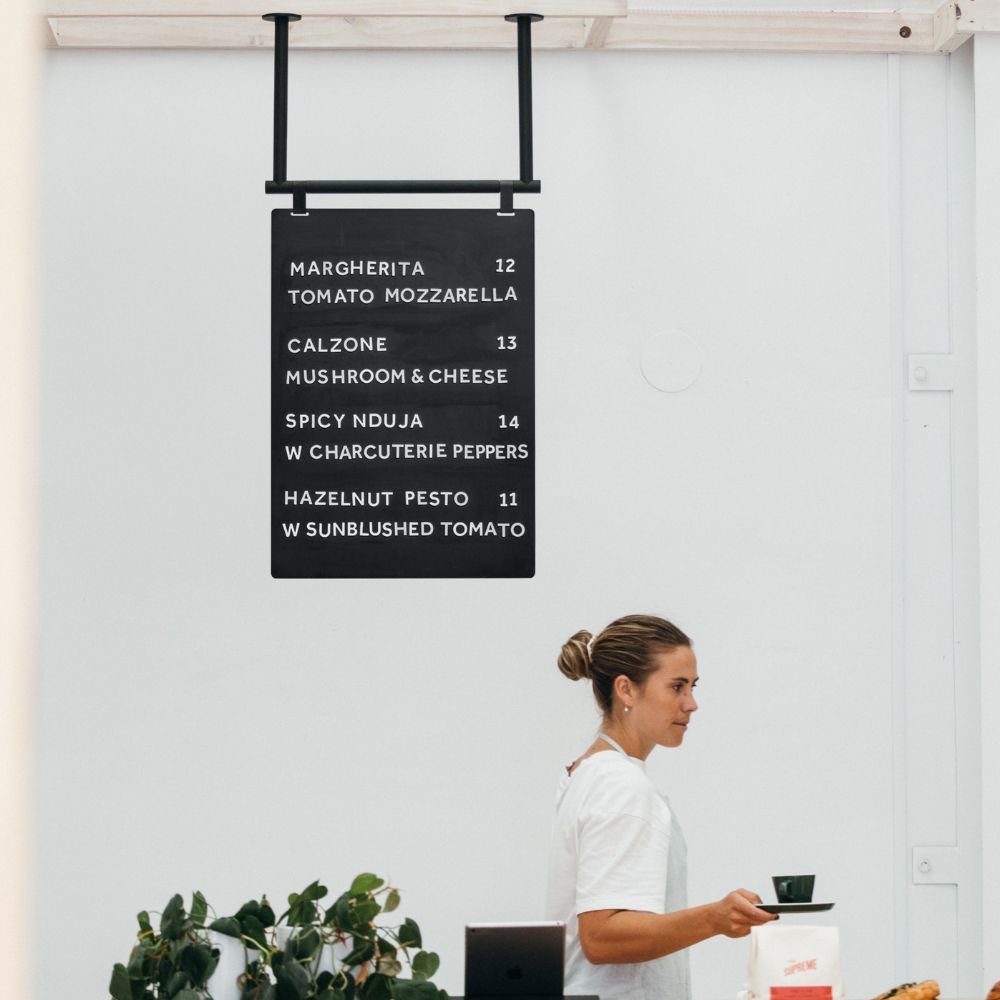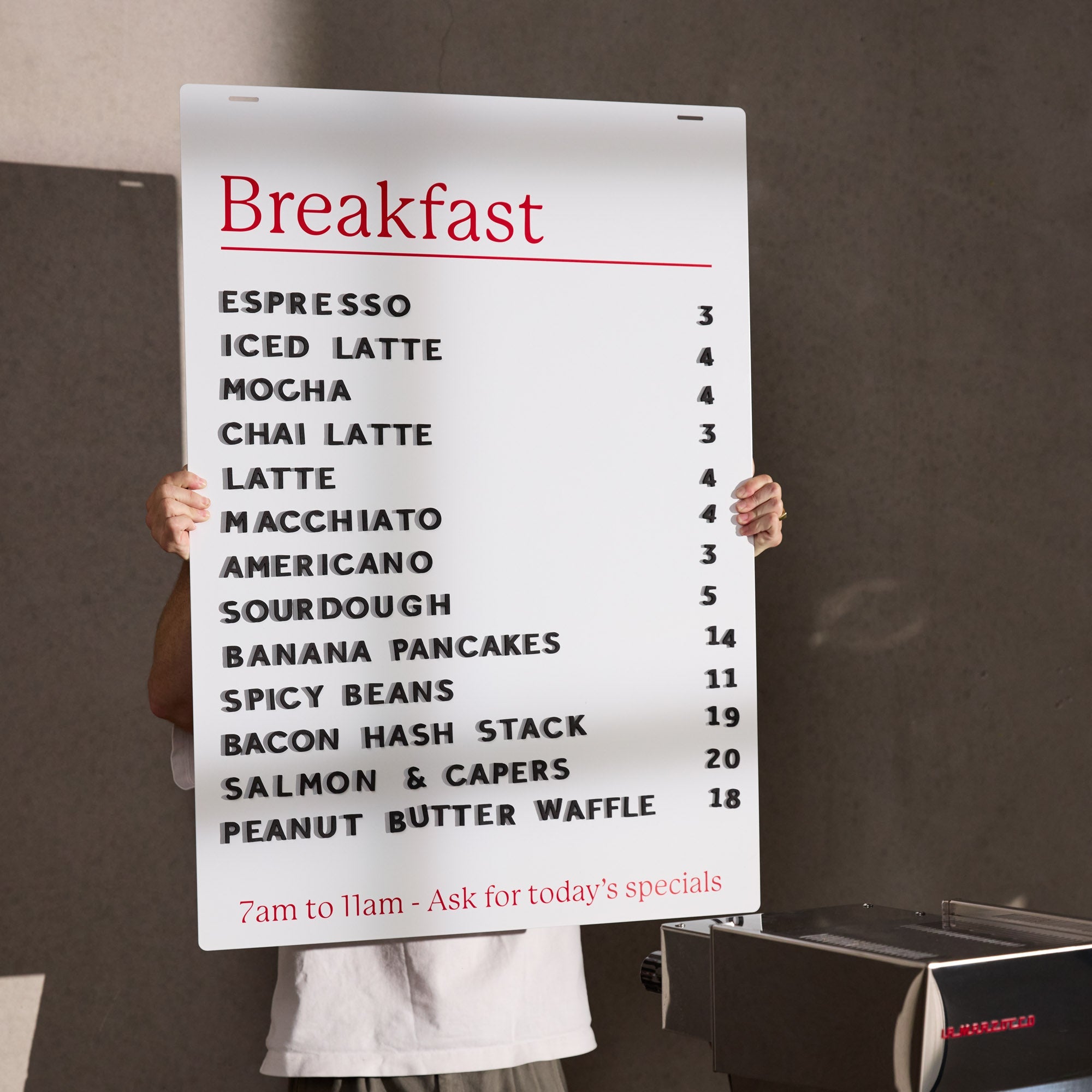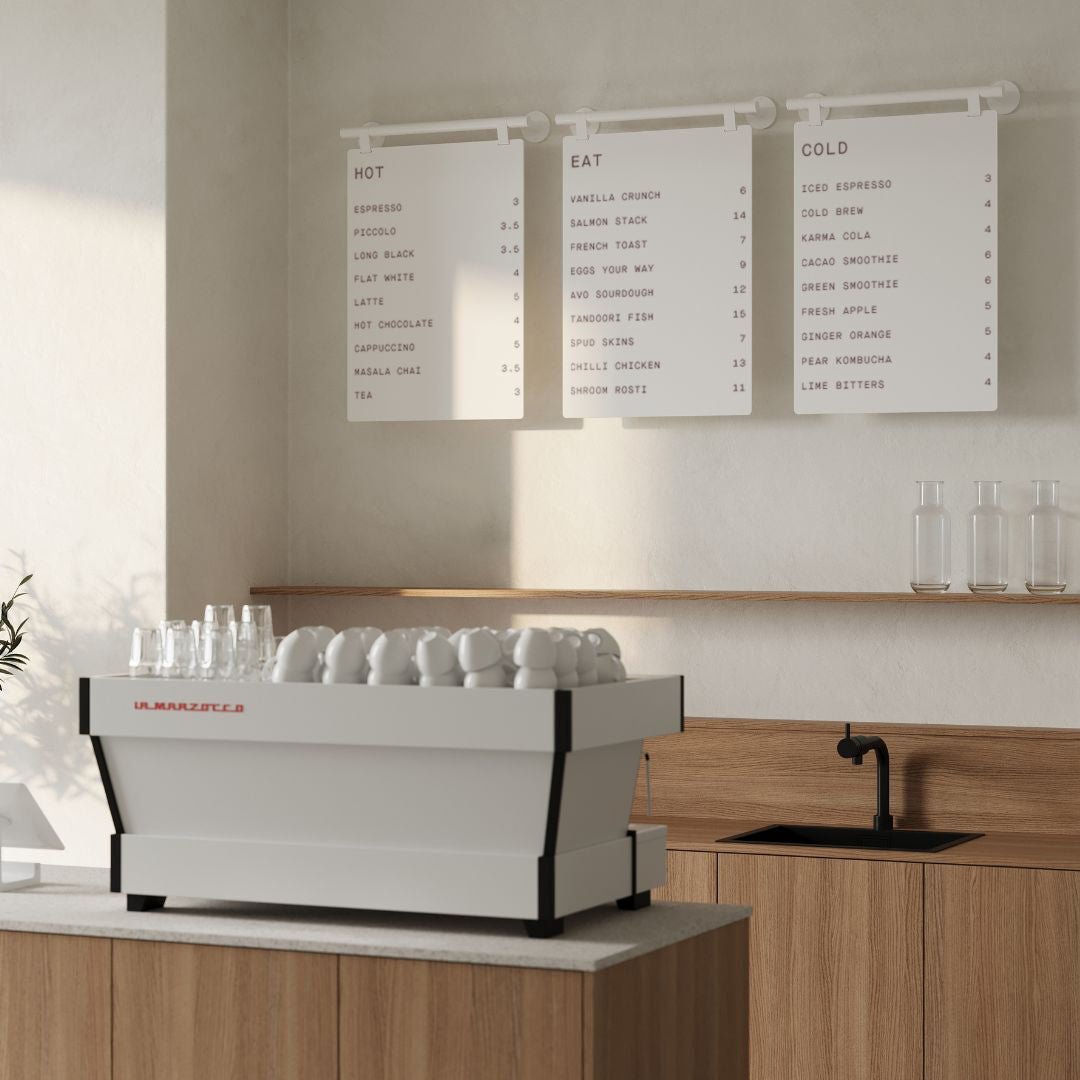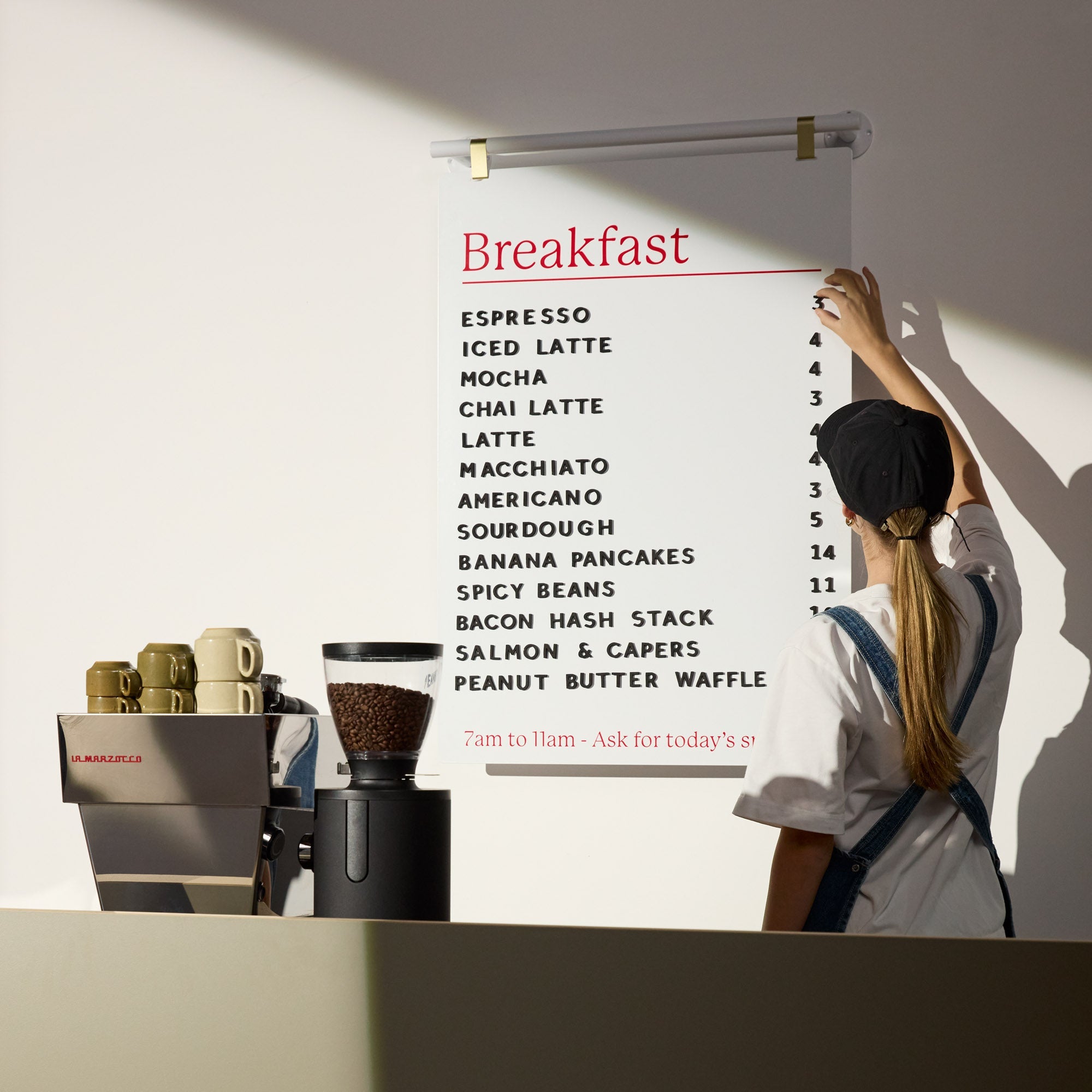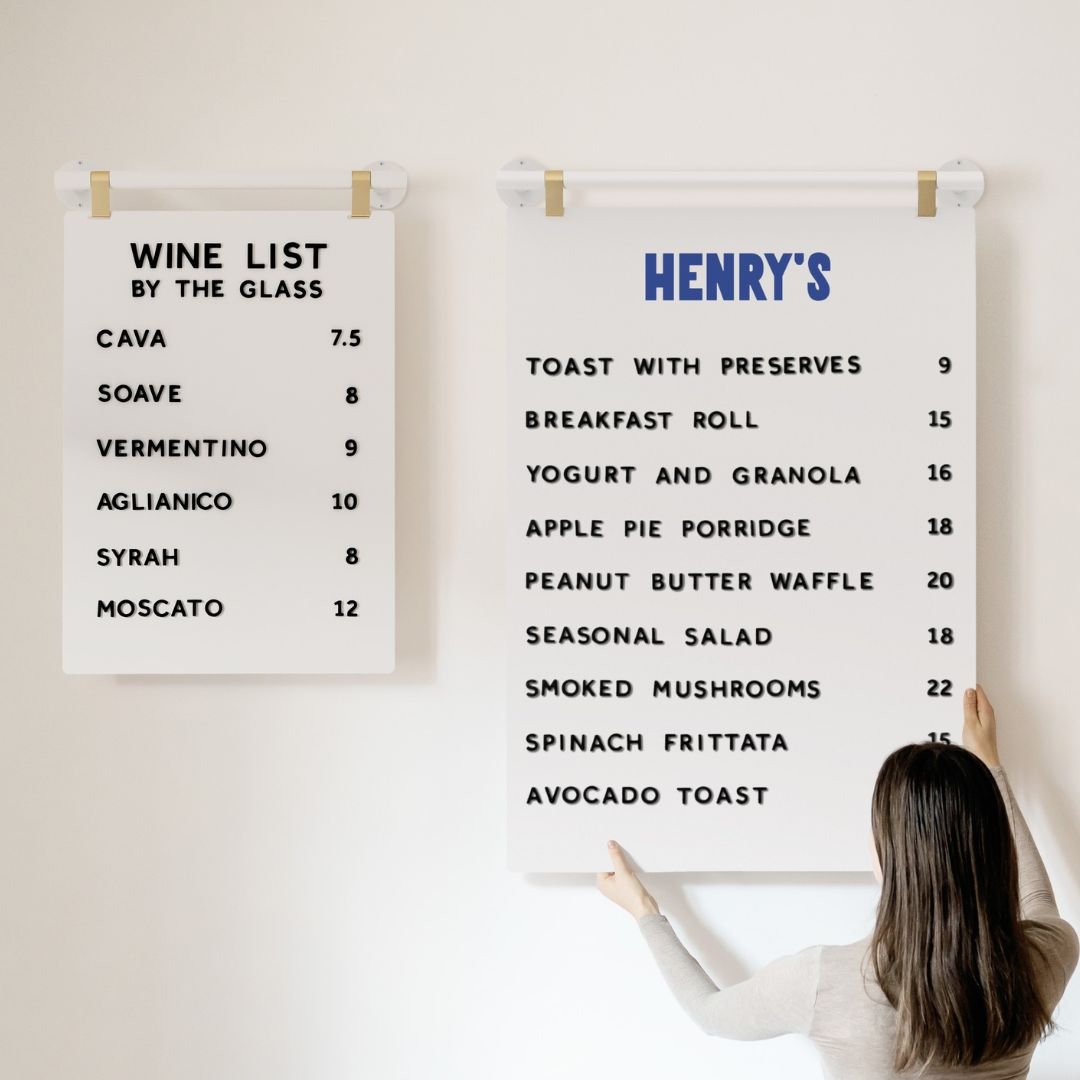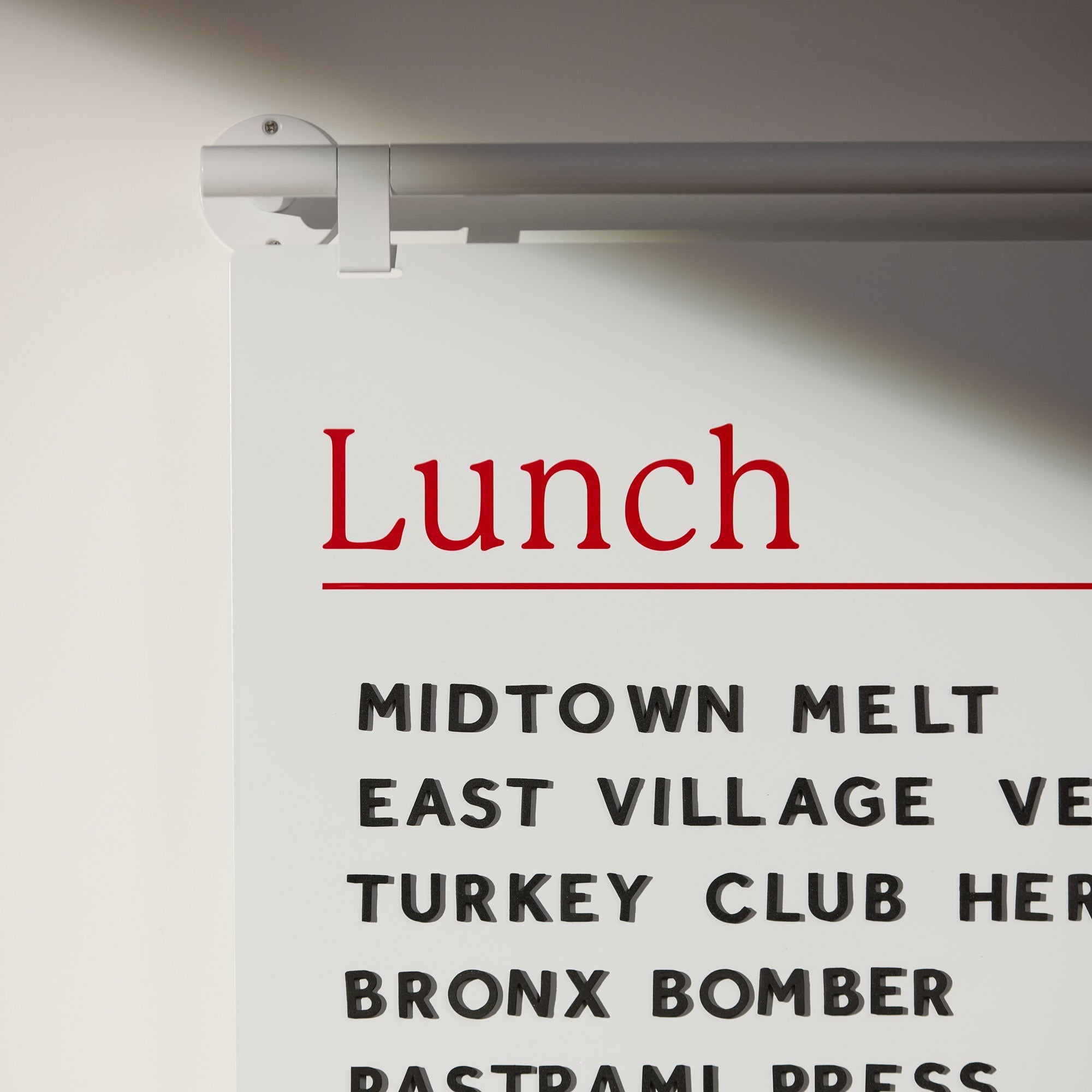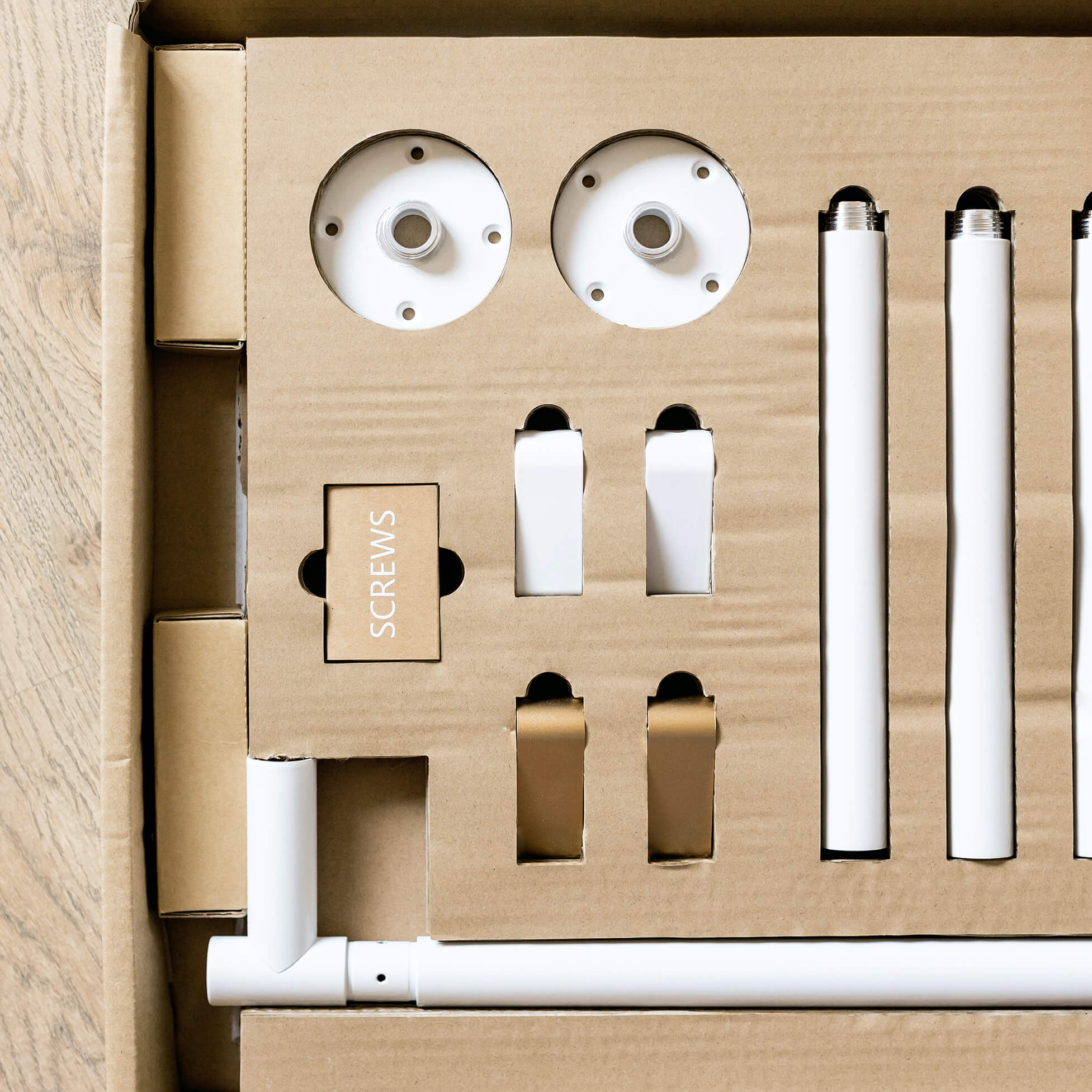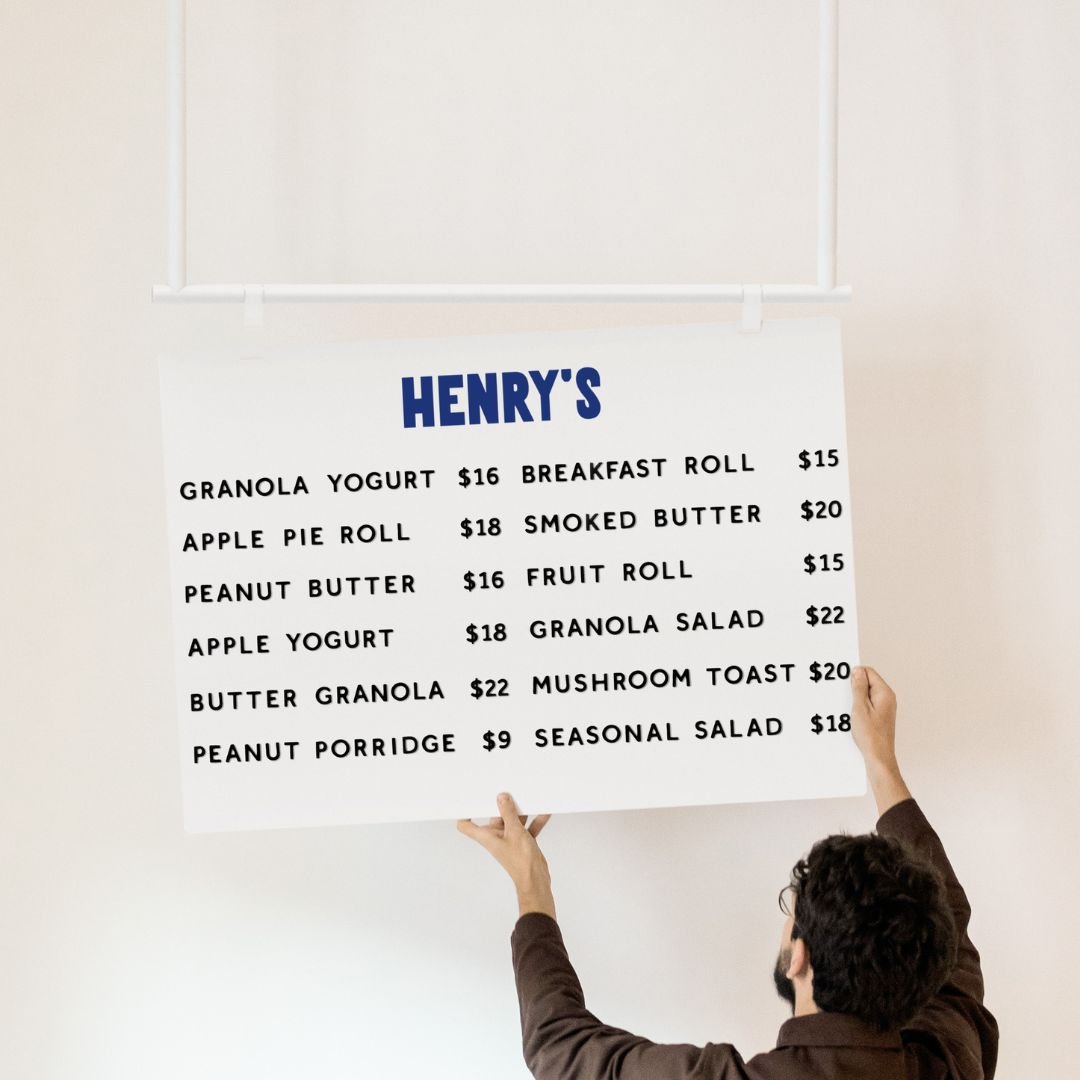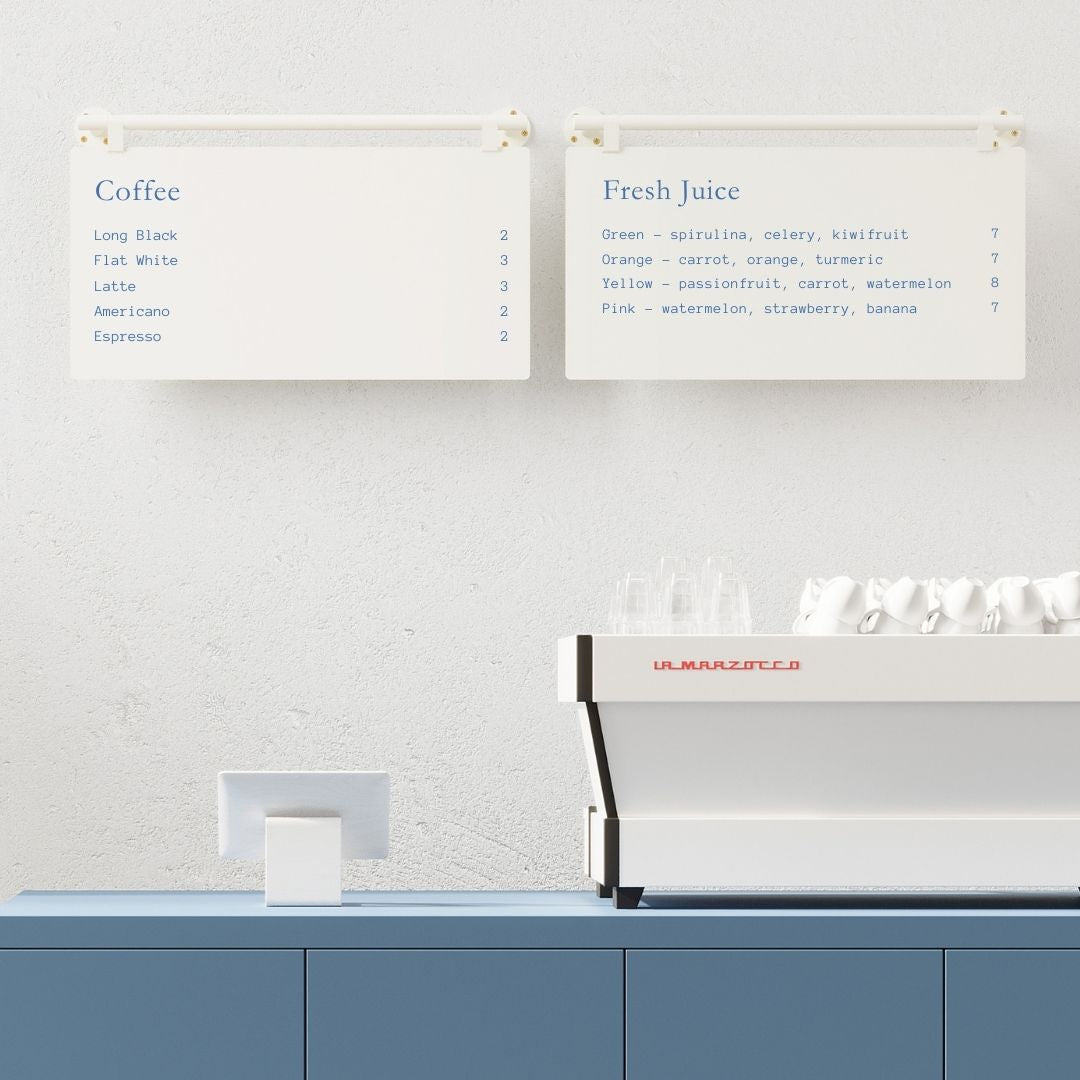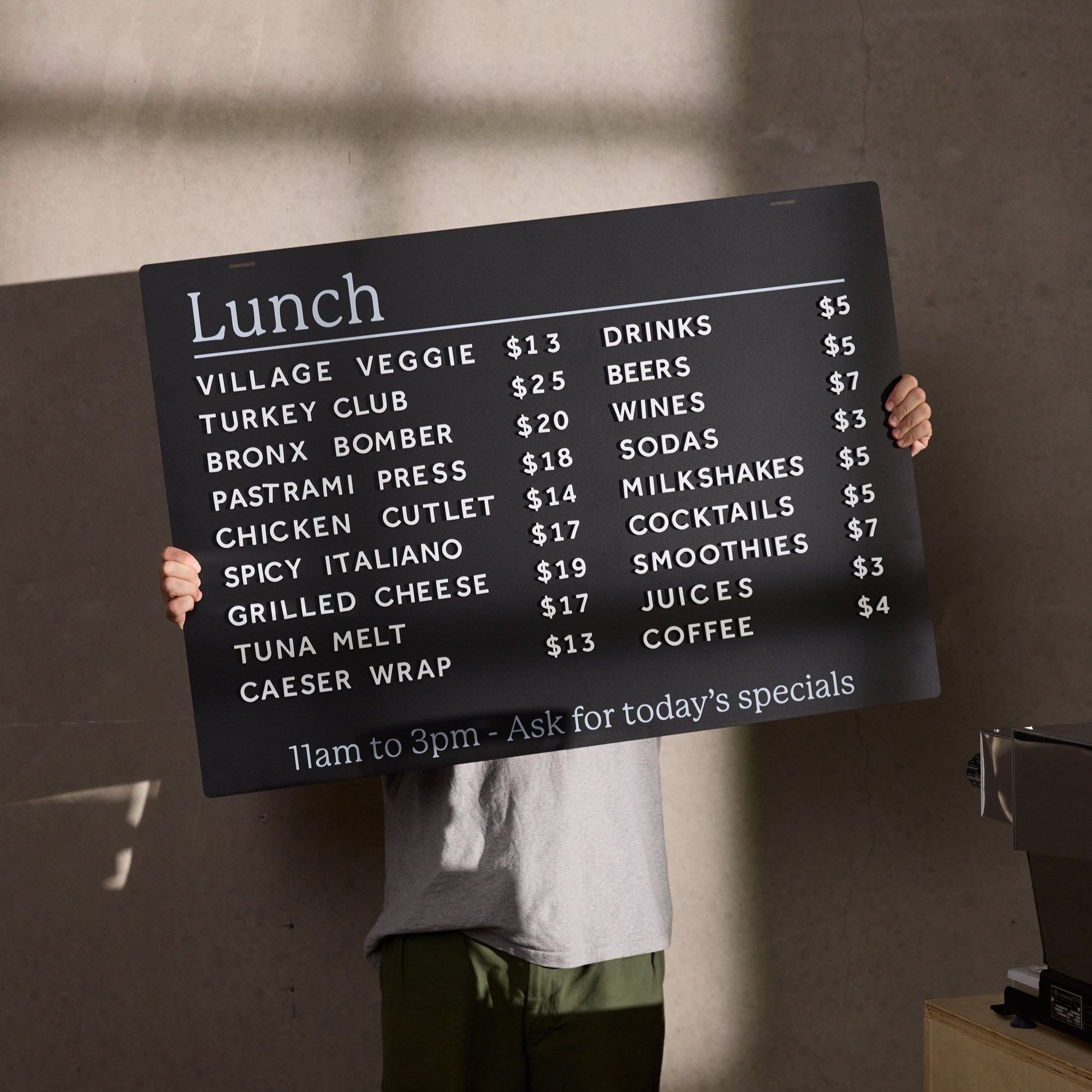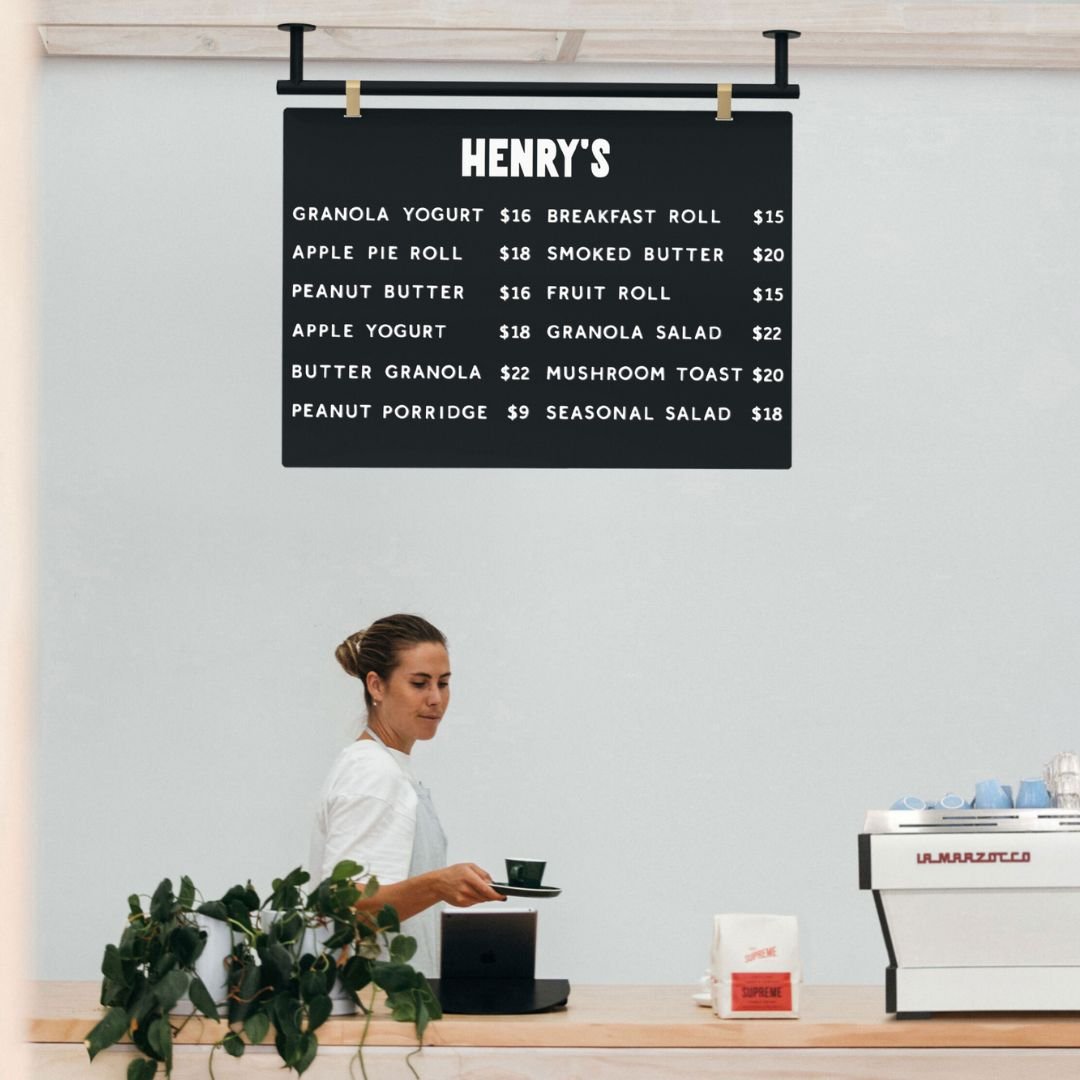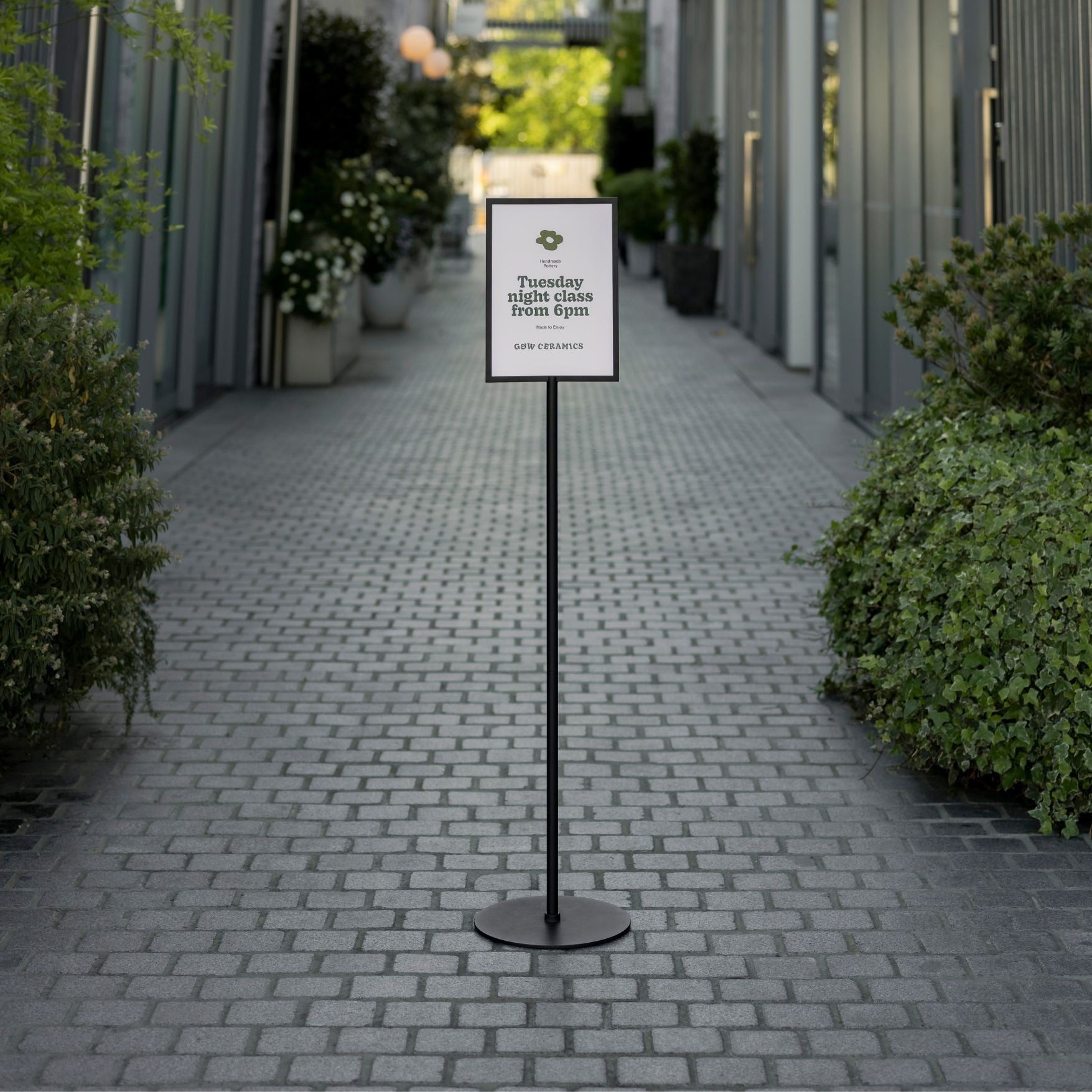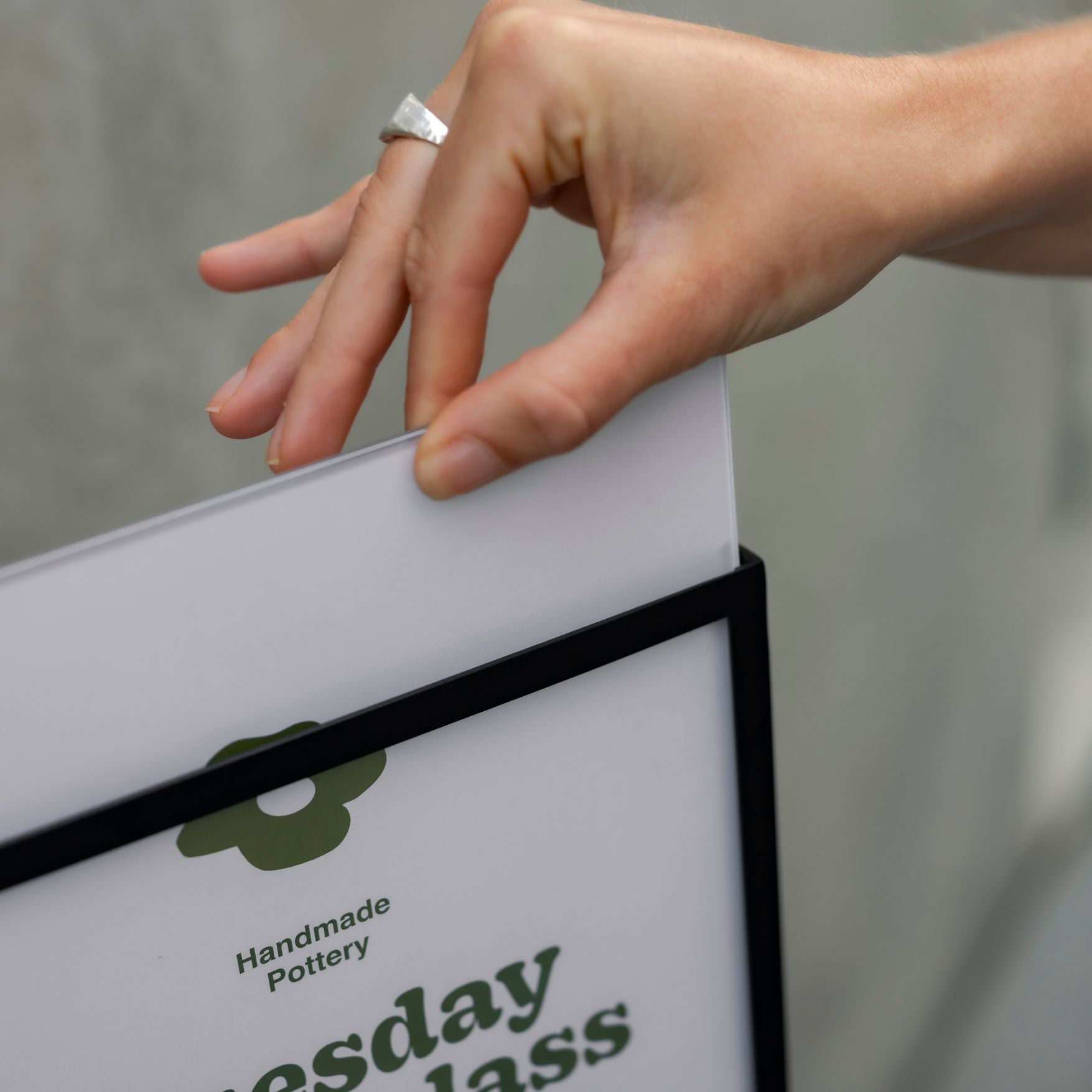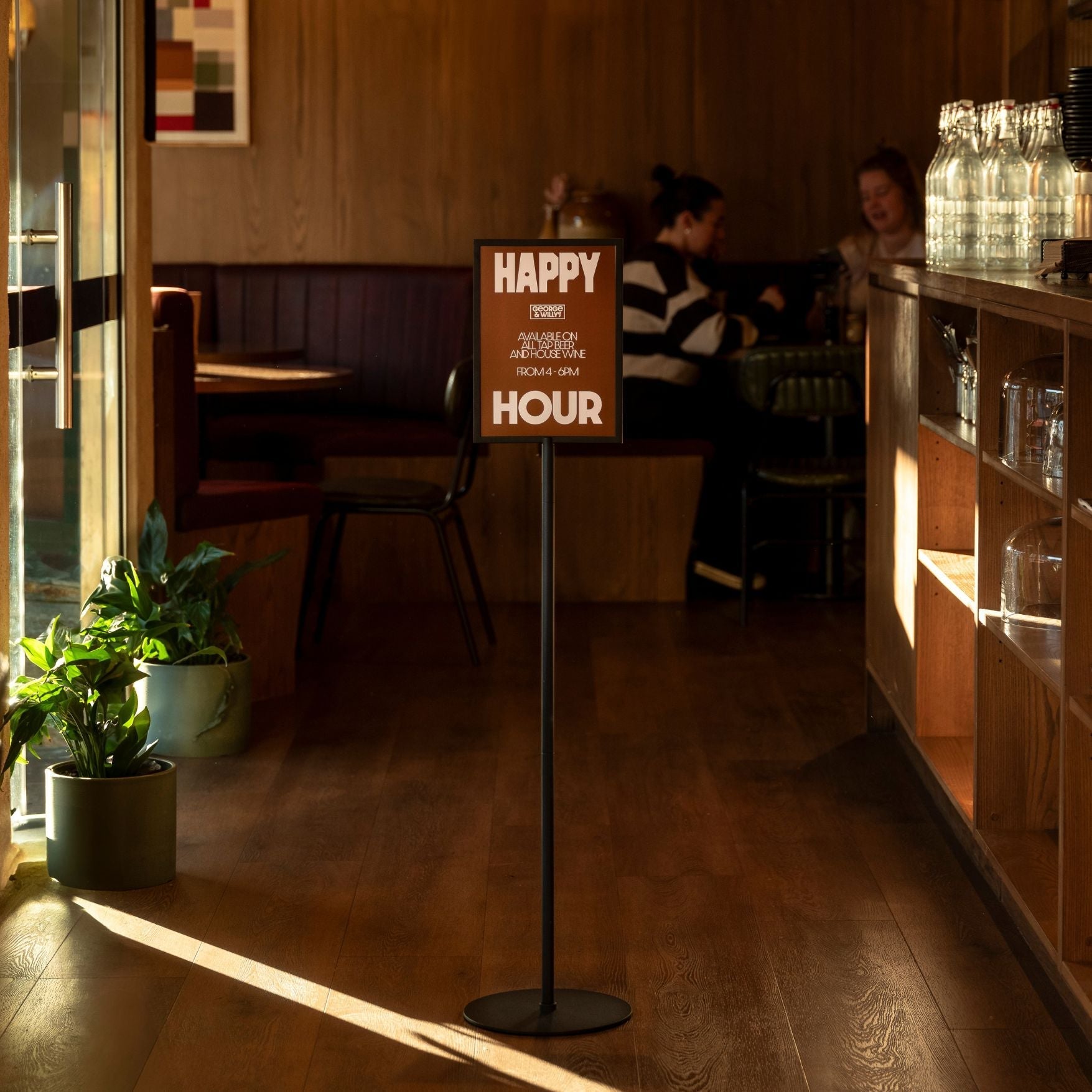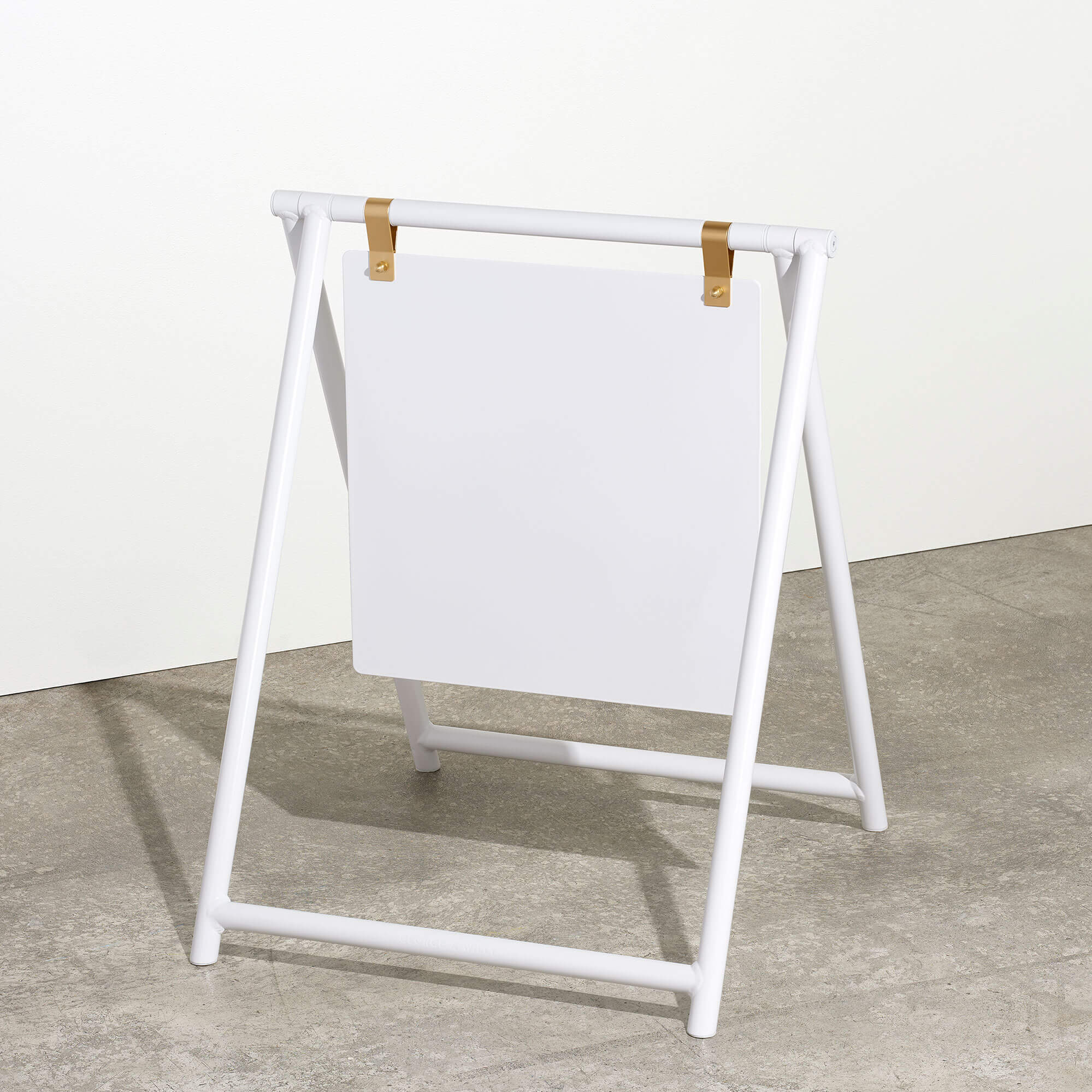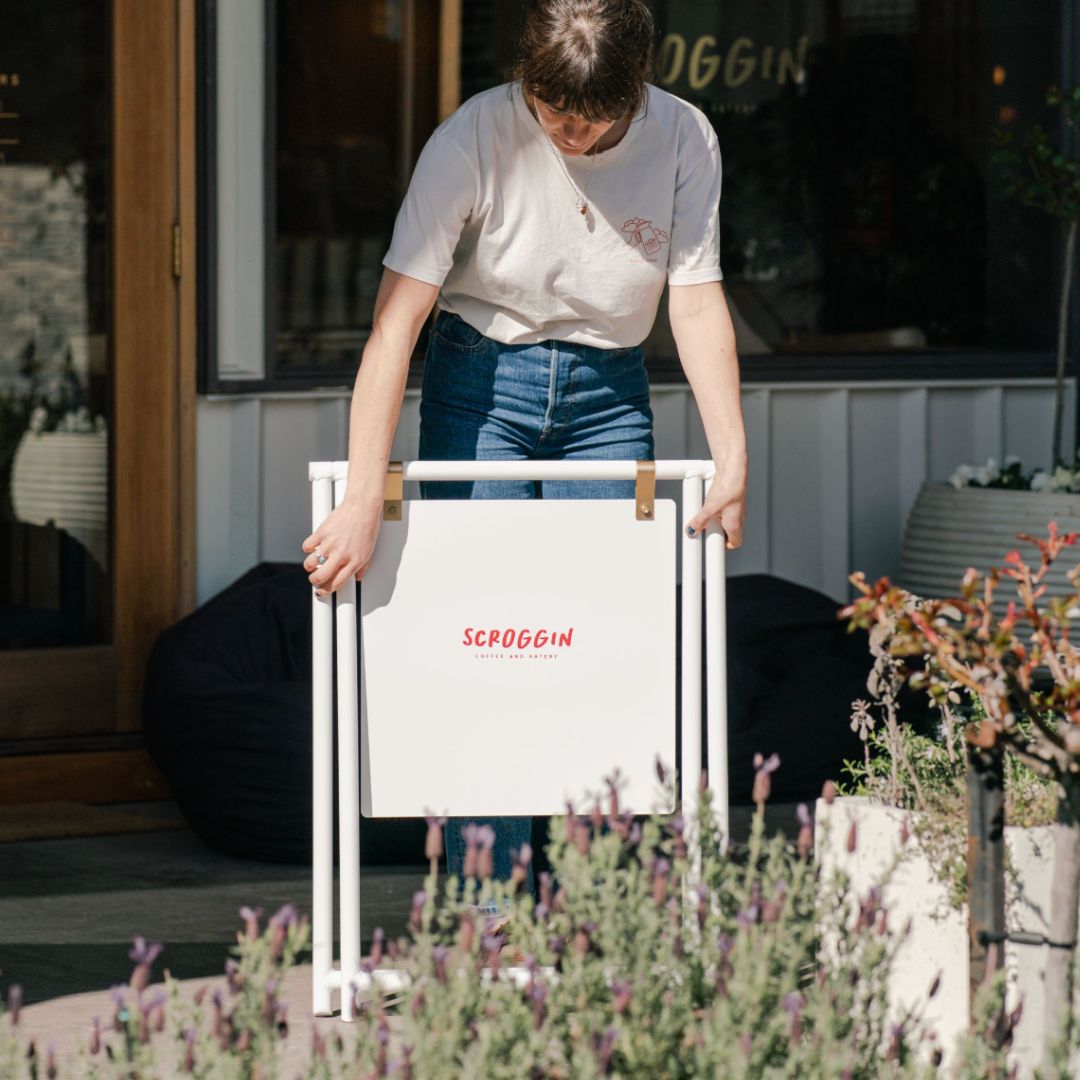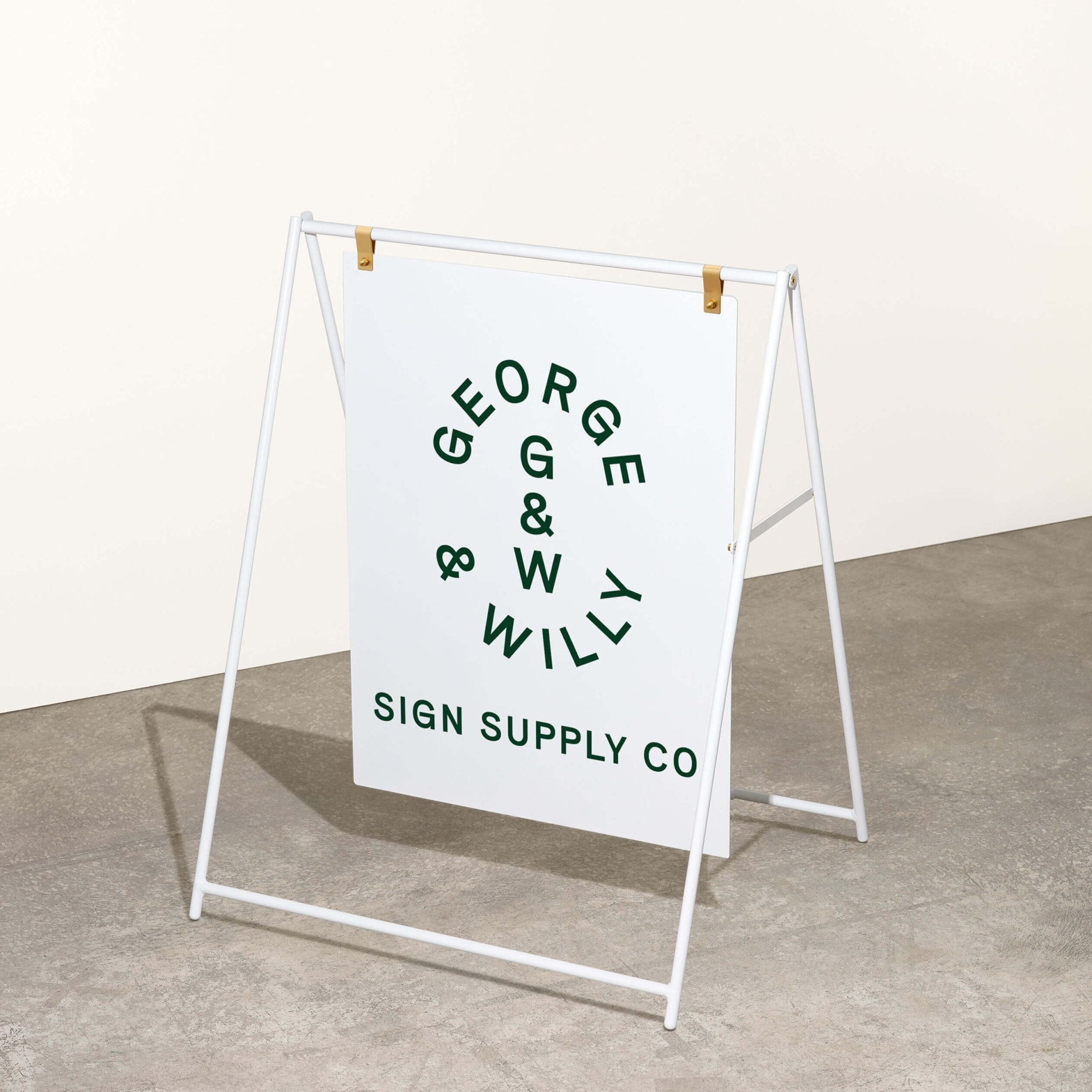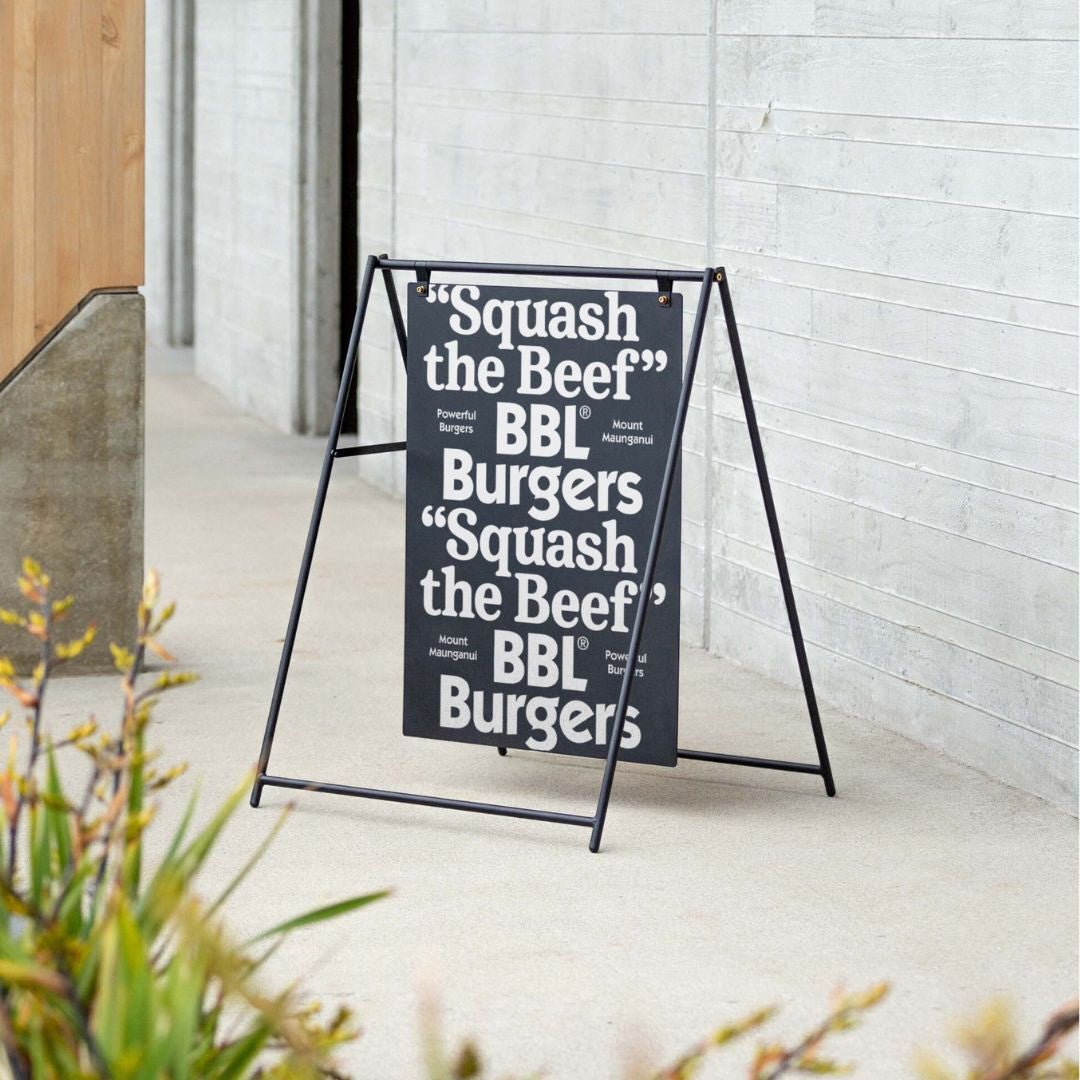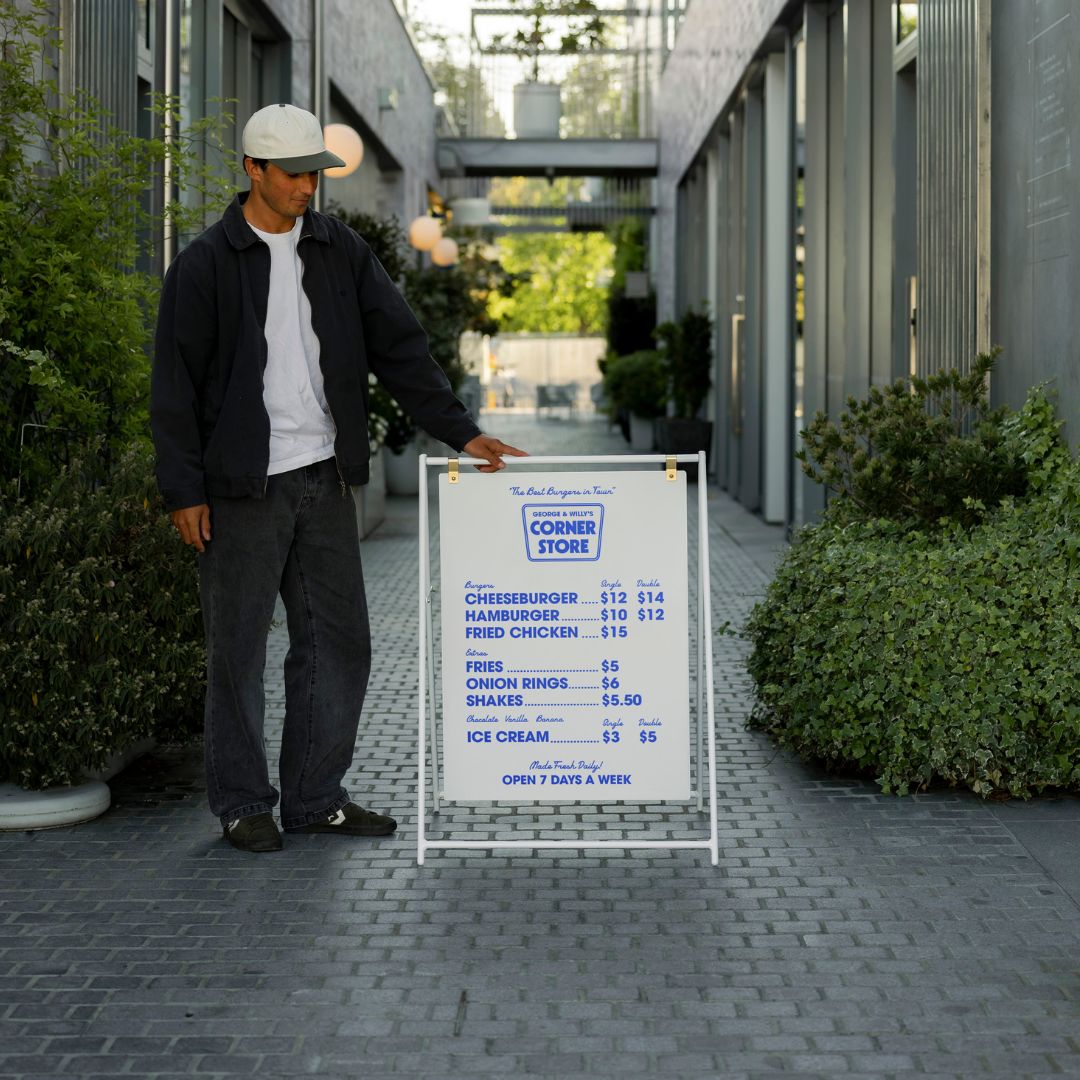




In the busy world of retail and hospitality, the smallest details often make the biggest difference. While large storefront signs get people in the door, it’s the subtle, well placed countertop display signs that guide decisions and drive sales at the most critical moment. These small but mighty tools are your silent salespeople. They work tirelessly to communicate promotions, highlight products, and enhance your brand’s personality right at the point of purchase.
Think of them as the final, friendly nudge for a customer. A simple sign can turn a casual browser into a buyer. This guide will show you exactly how to make that happen.
What Are Countertop Display Signs?
Countertop display signs are small, freestanding signs placed on counters, tables, and retail displays. Their primary job is to communicate targeted information to customers at the point of decision. A staggering 82% of purchase decisions are made by customers while they are physically in a shop. This is where your counter signs come into play. Placed strategically at checkout, on tables, or next to products, they capture attention when customers are most ready to buy.
Their key benefits include:
- Informing Customers: Quickly convey prices, specials, or product features.
- Driving Impulse Buys: Highlight a limited time offer or a popular add on to encourage unplanned purchases.
- Enhancing Brand Aesthetic: Reinforce your brand’s look and feel with quality materials and consistent design.
- Improving Customer Flow: Use signs like “Order Here” or “Pick Up Here” to guide customers efficiently.
Types and Styles of Countertop Signs
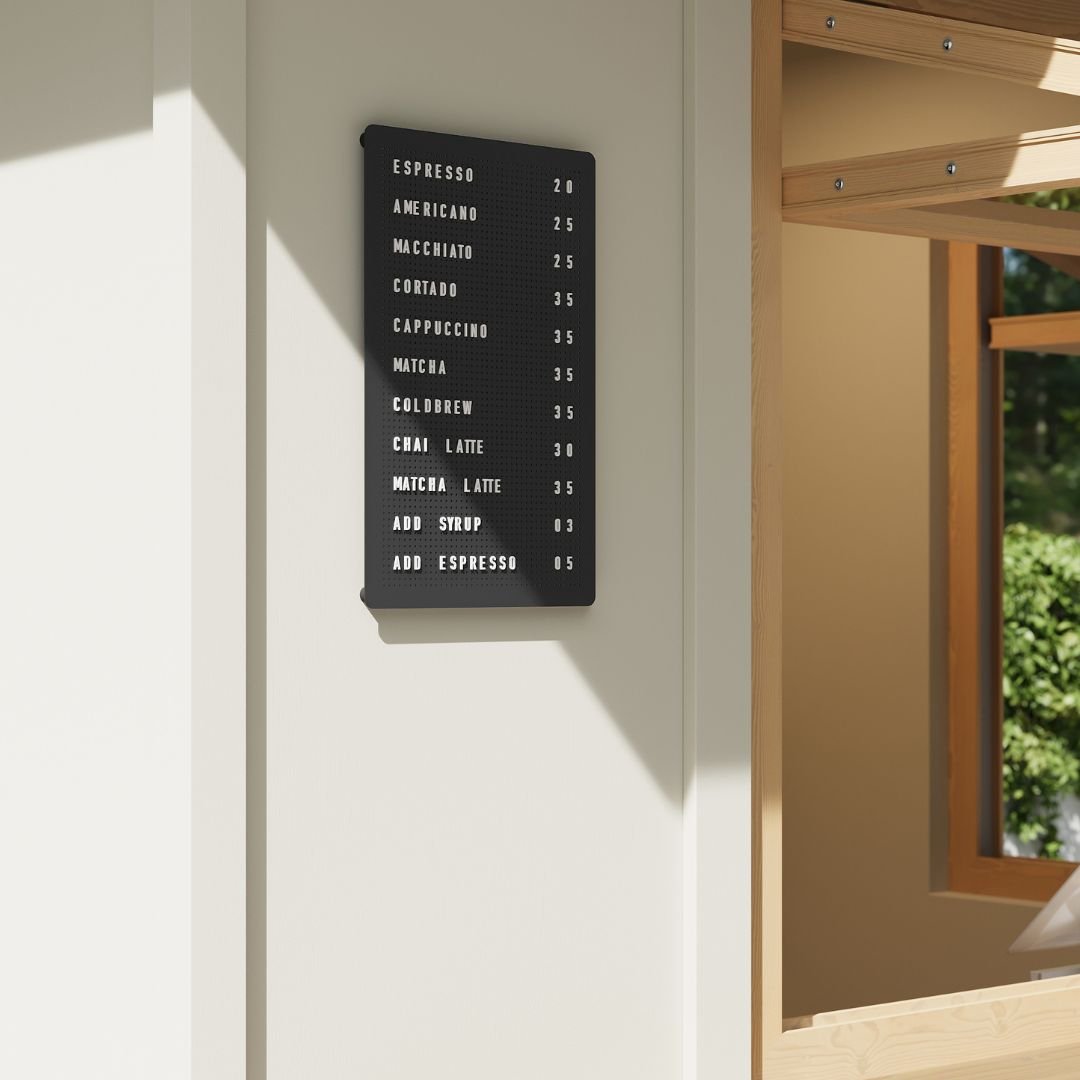
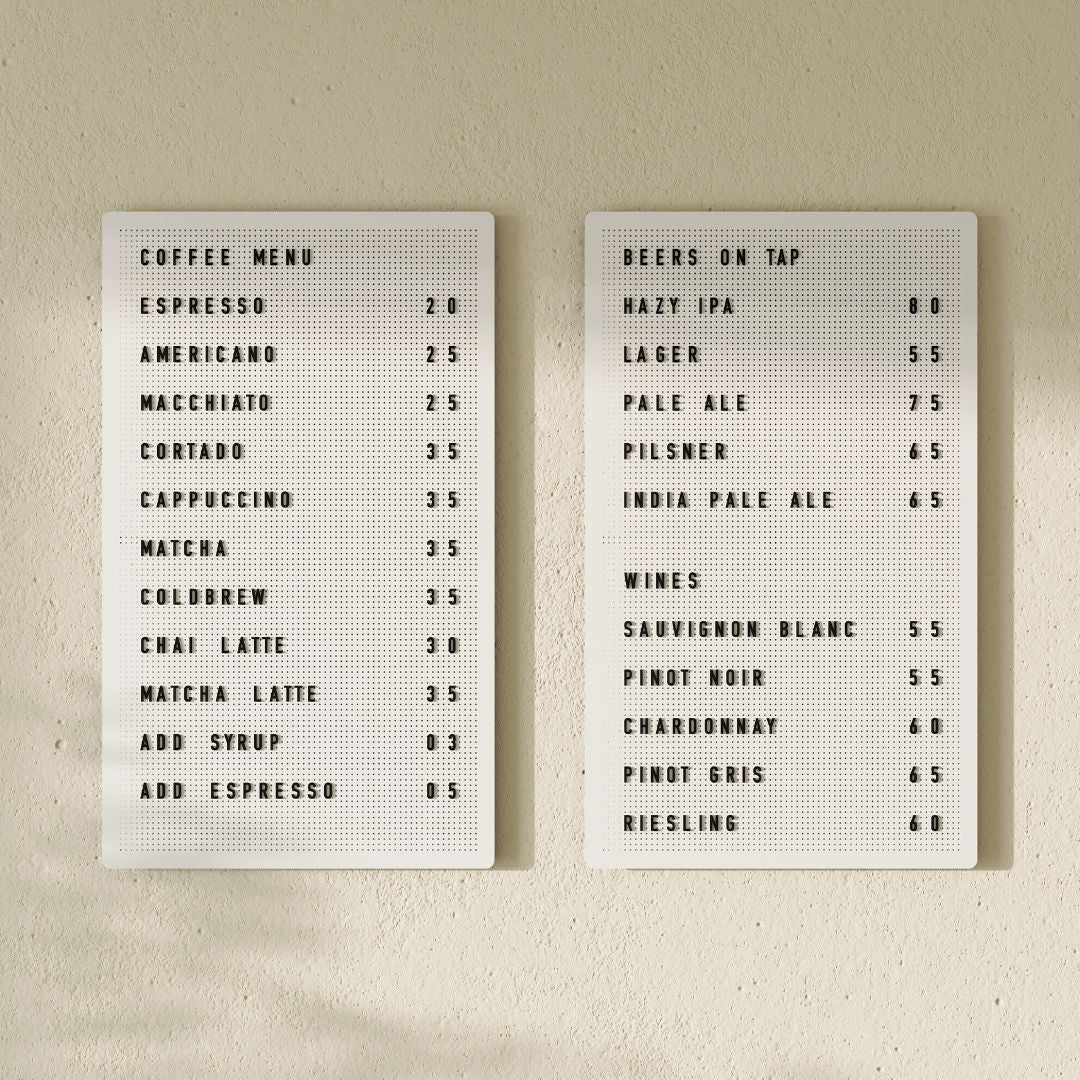
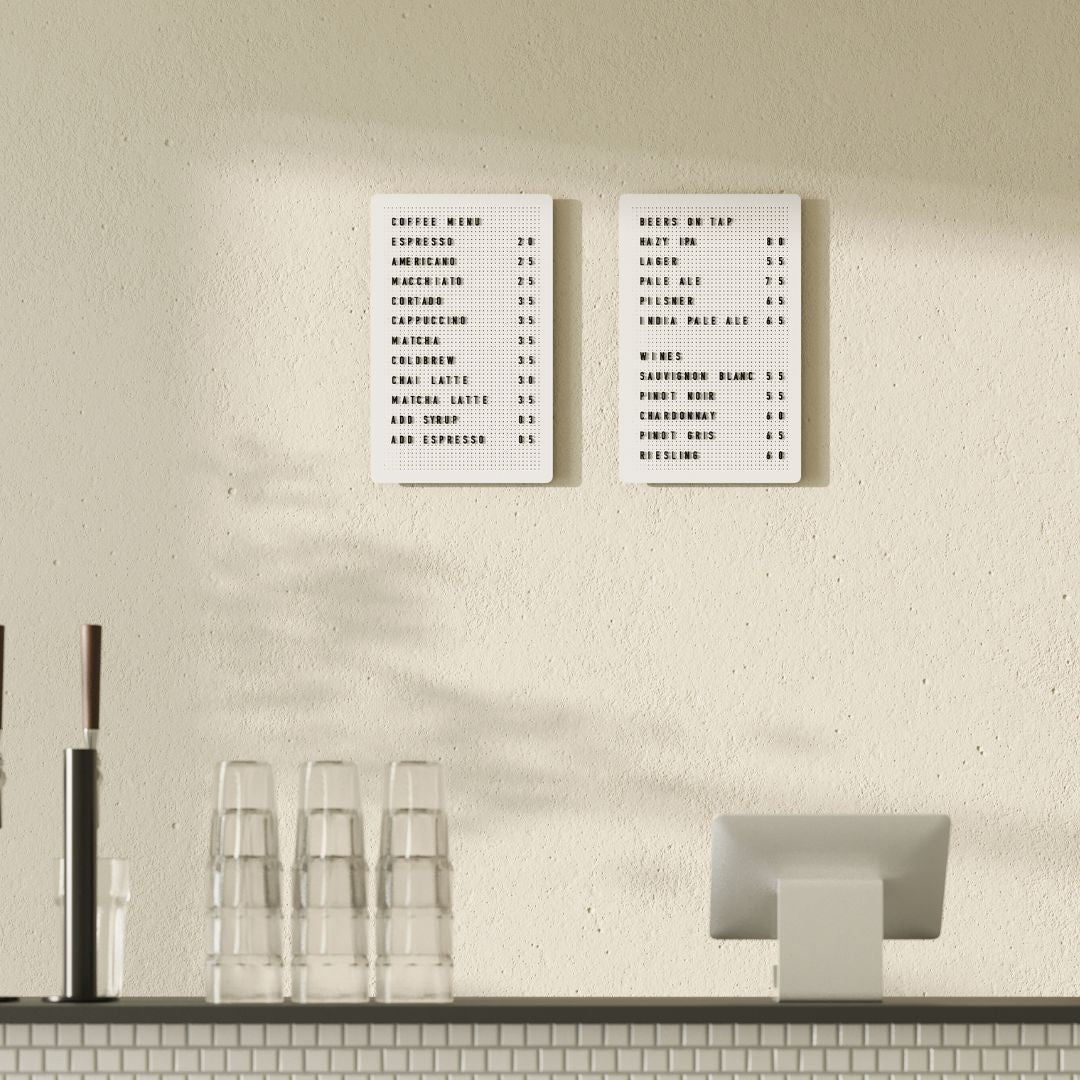
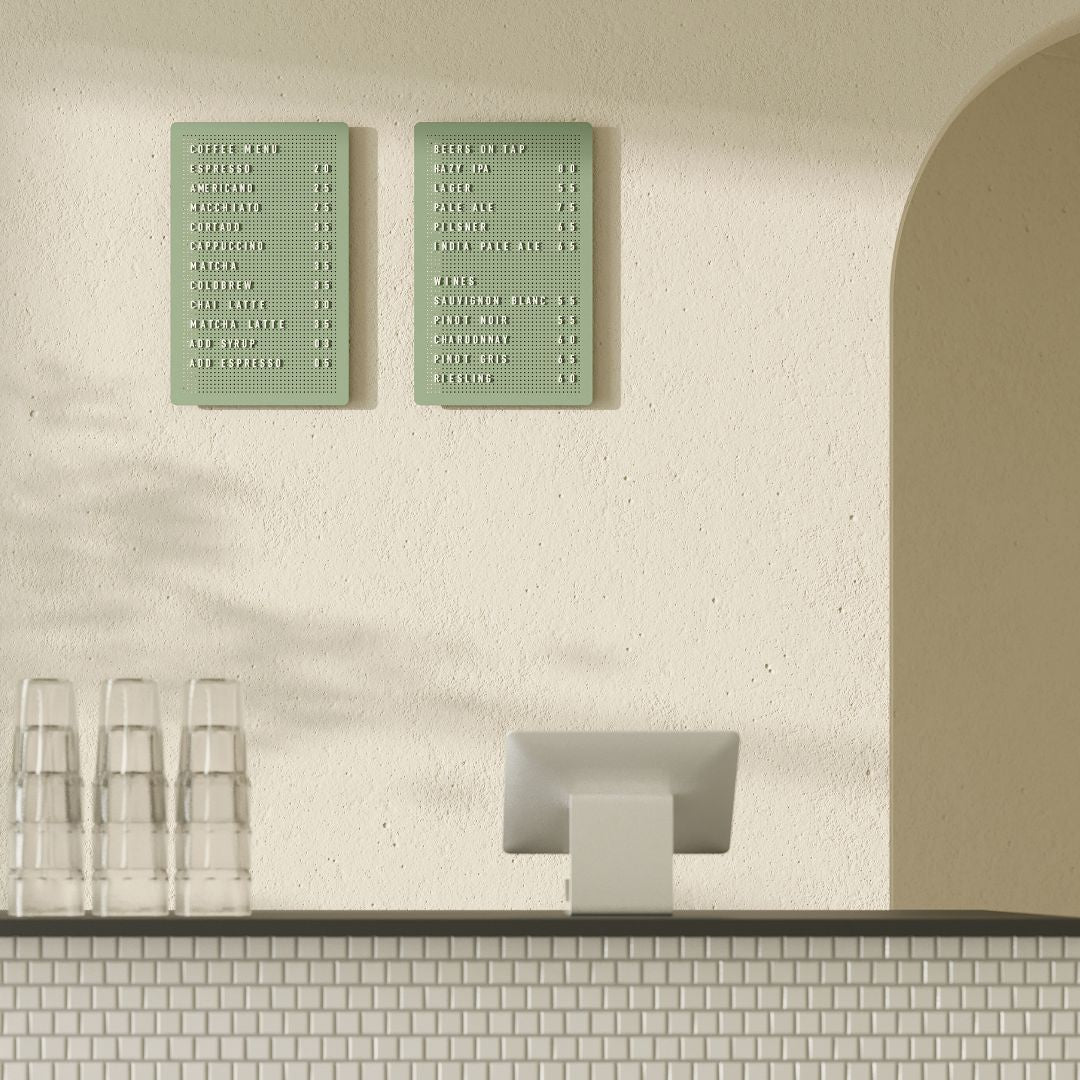
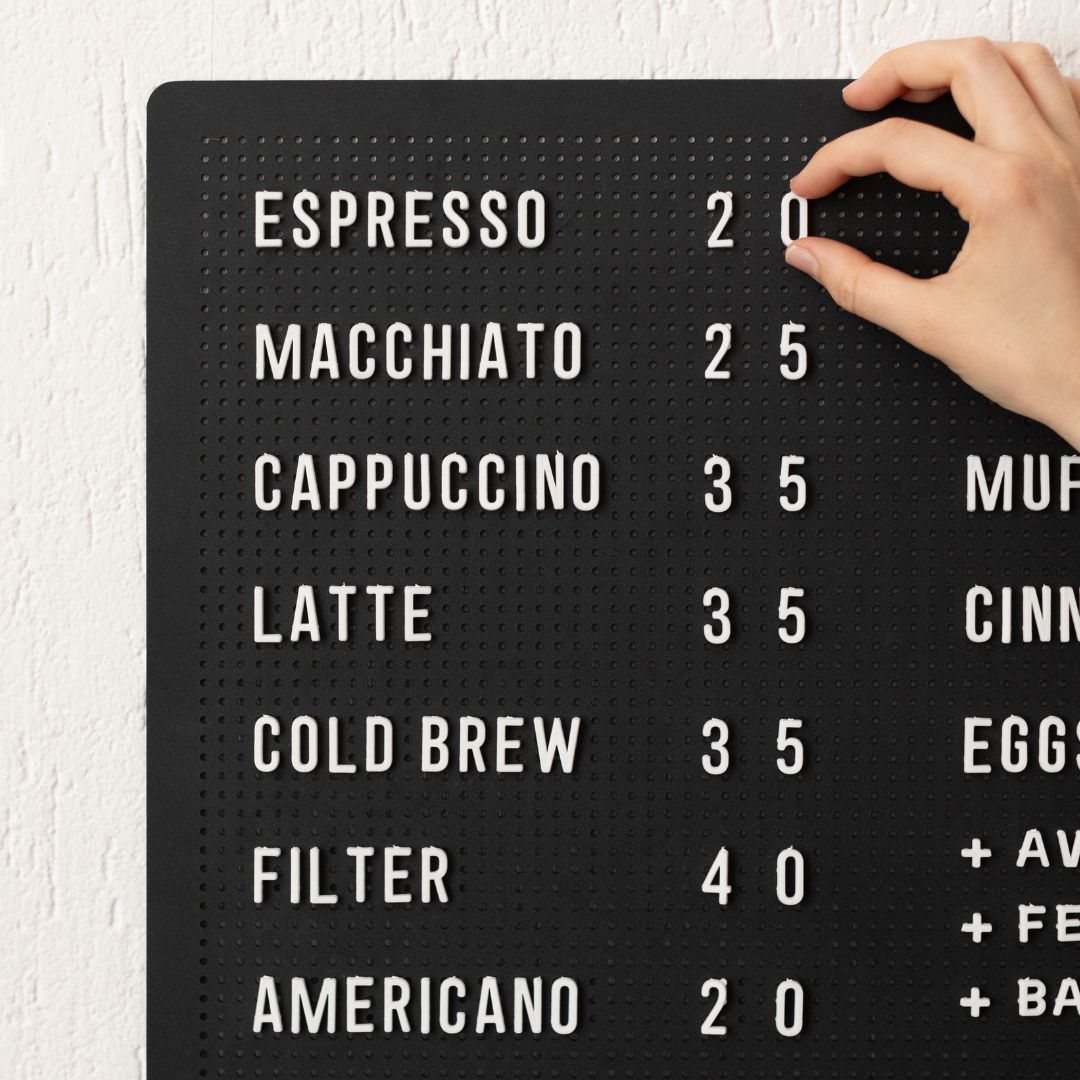
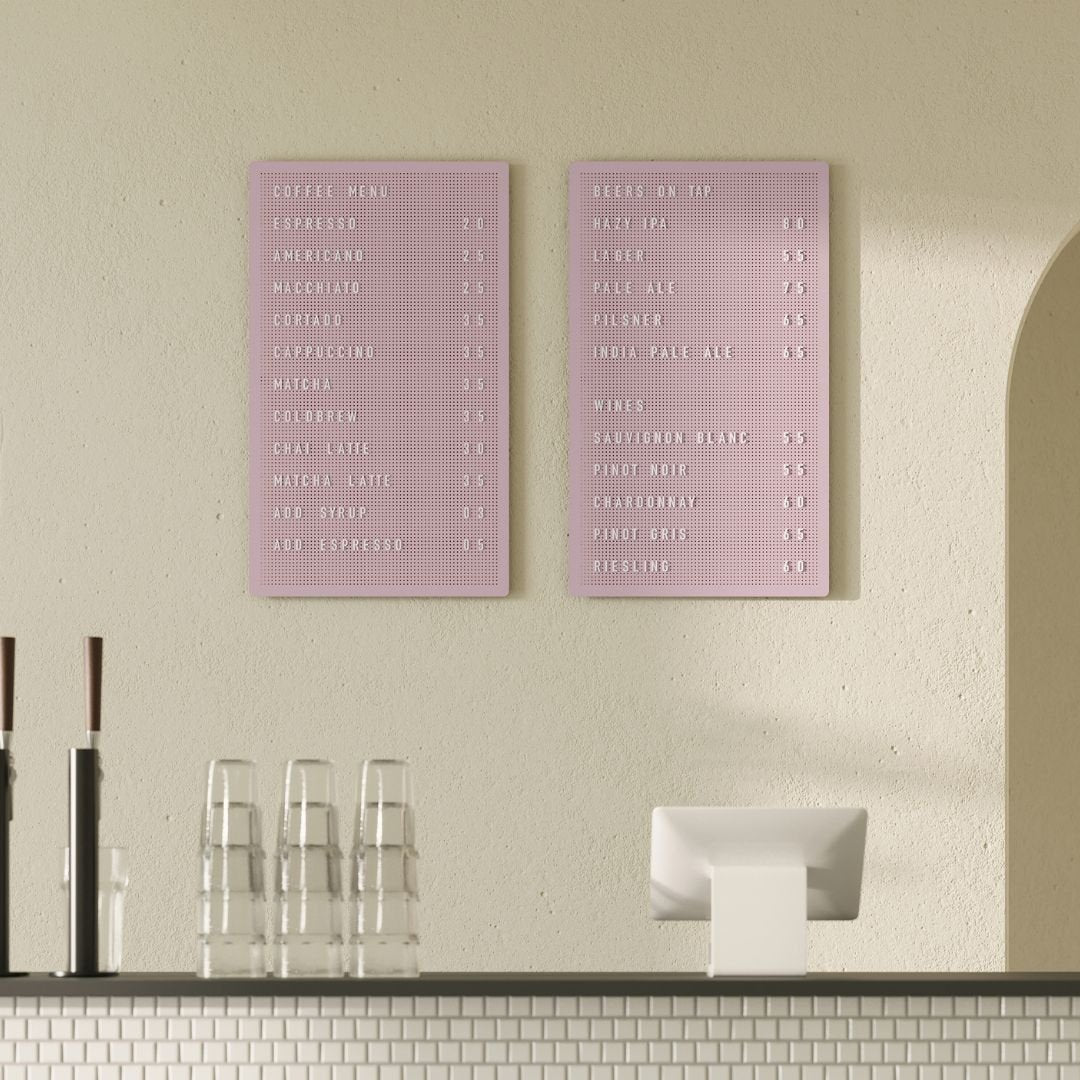
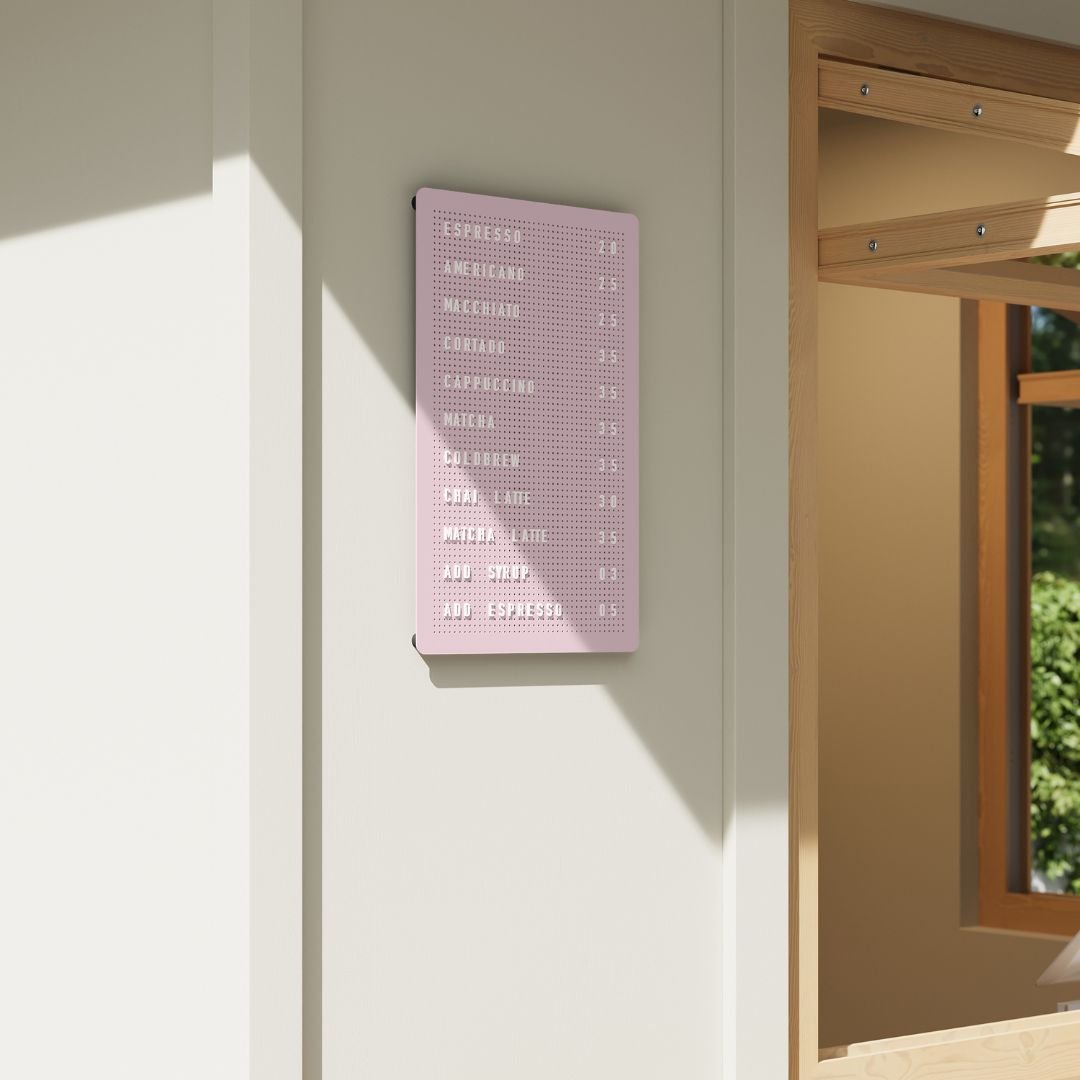
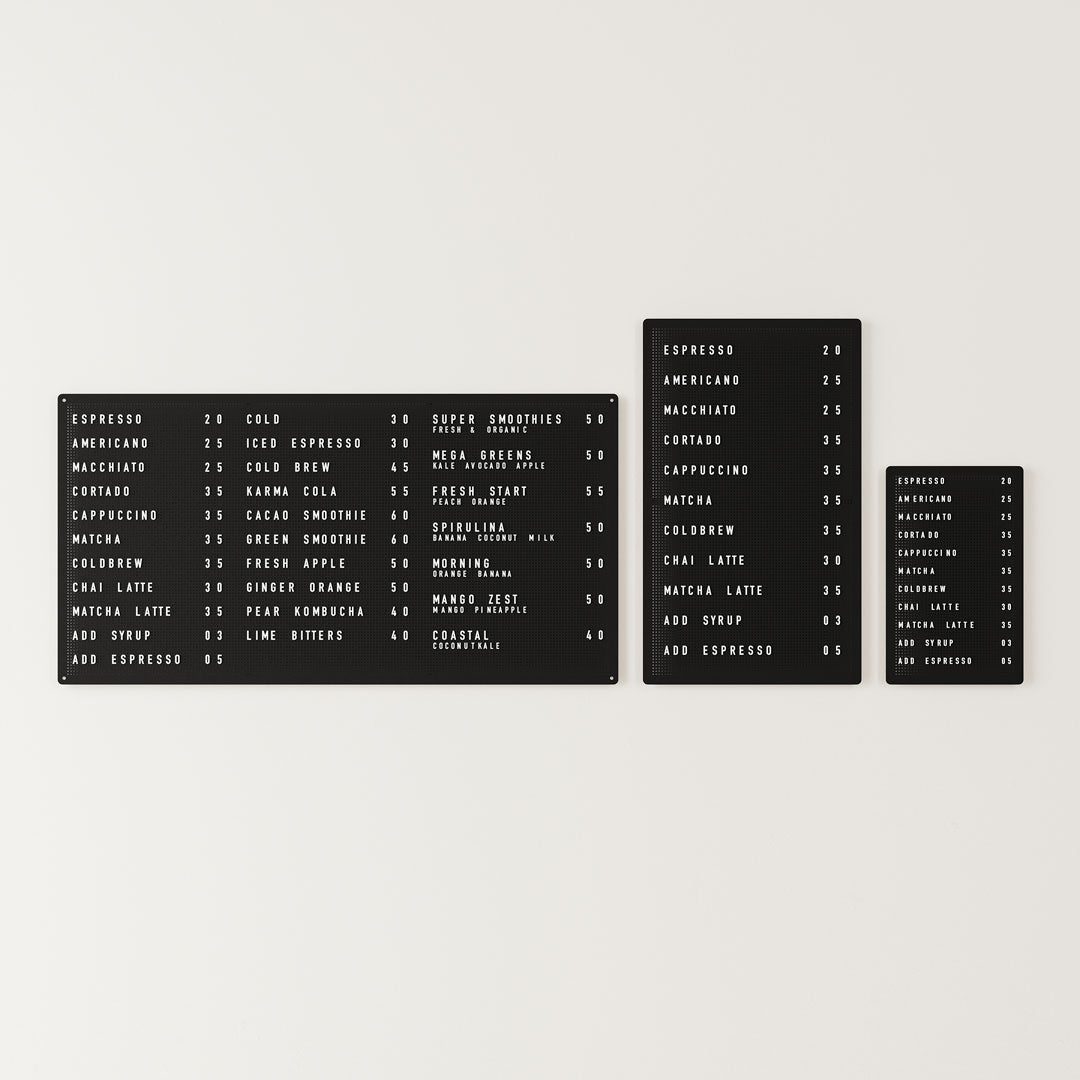
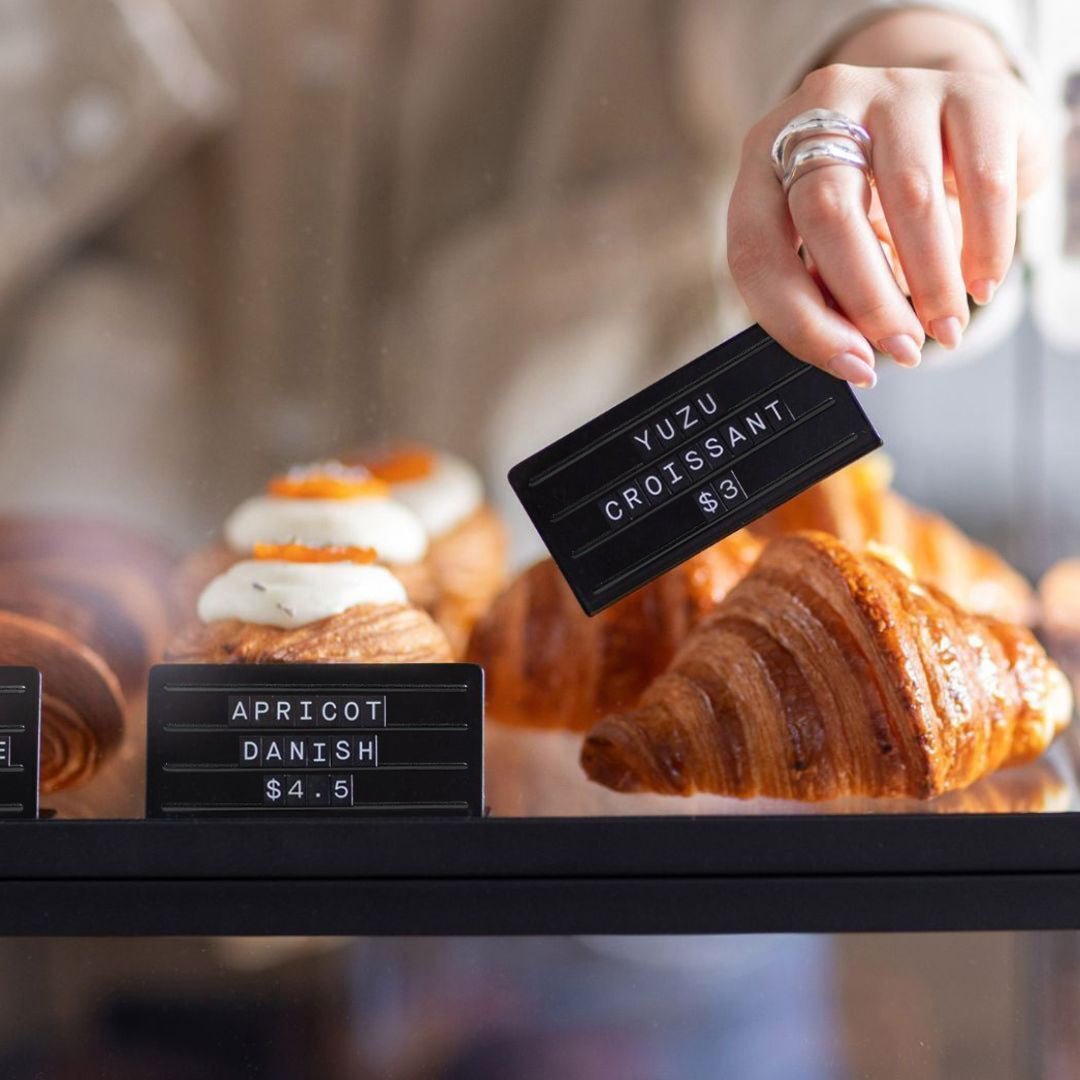
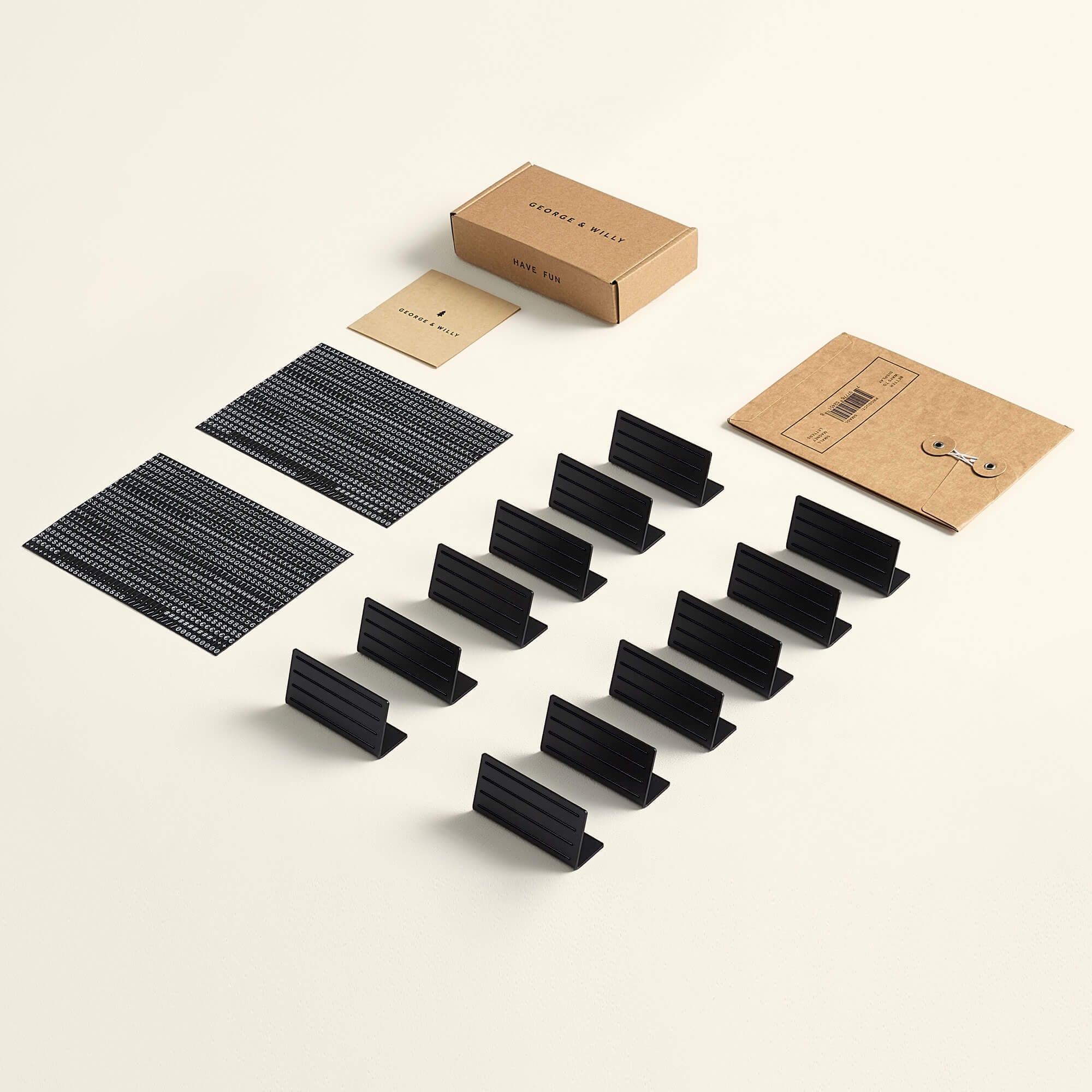
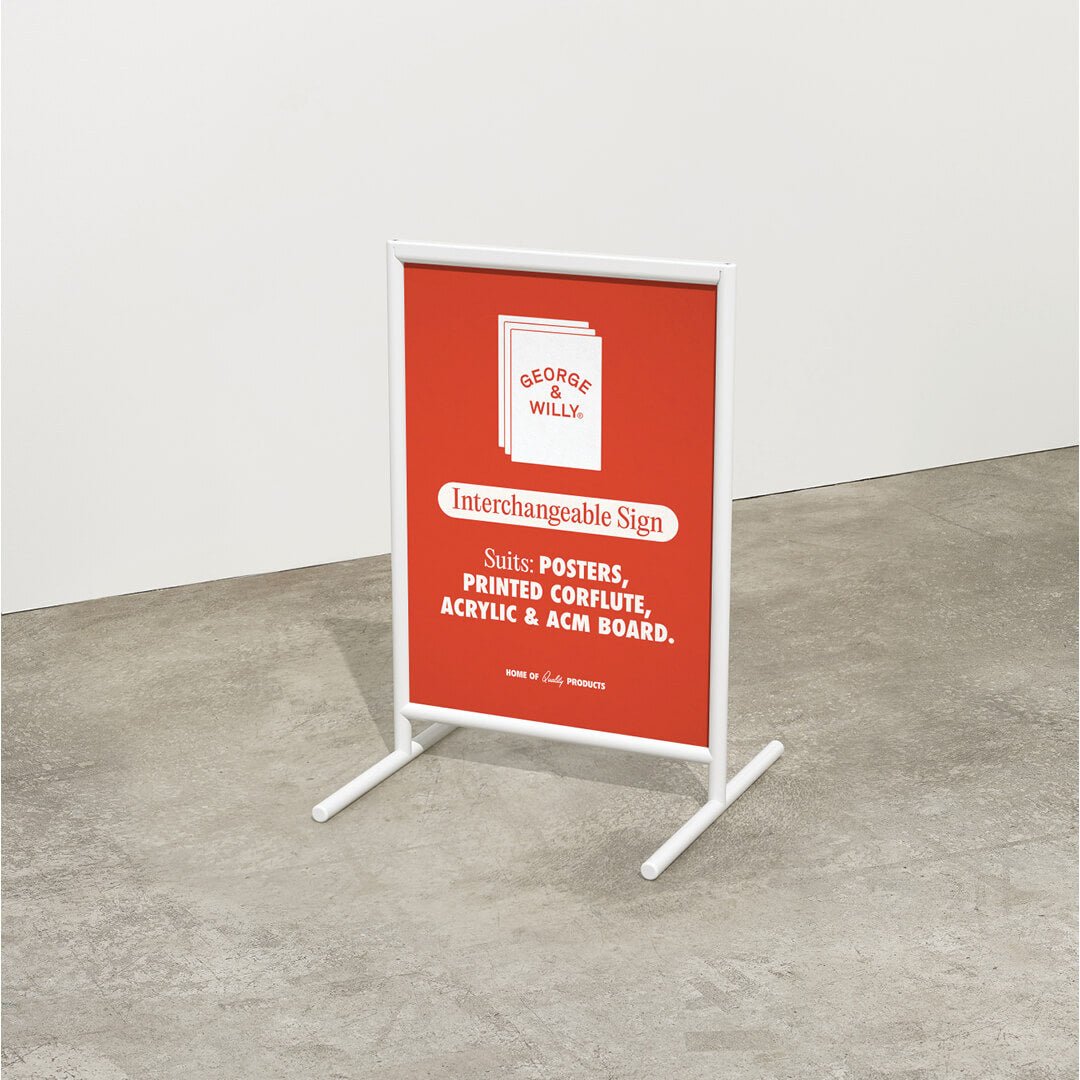
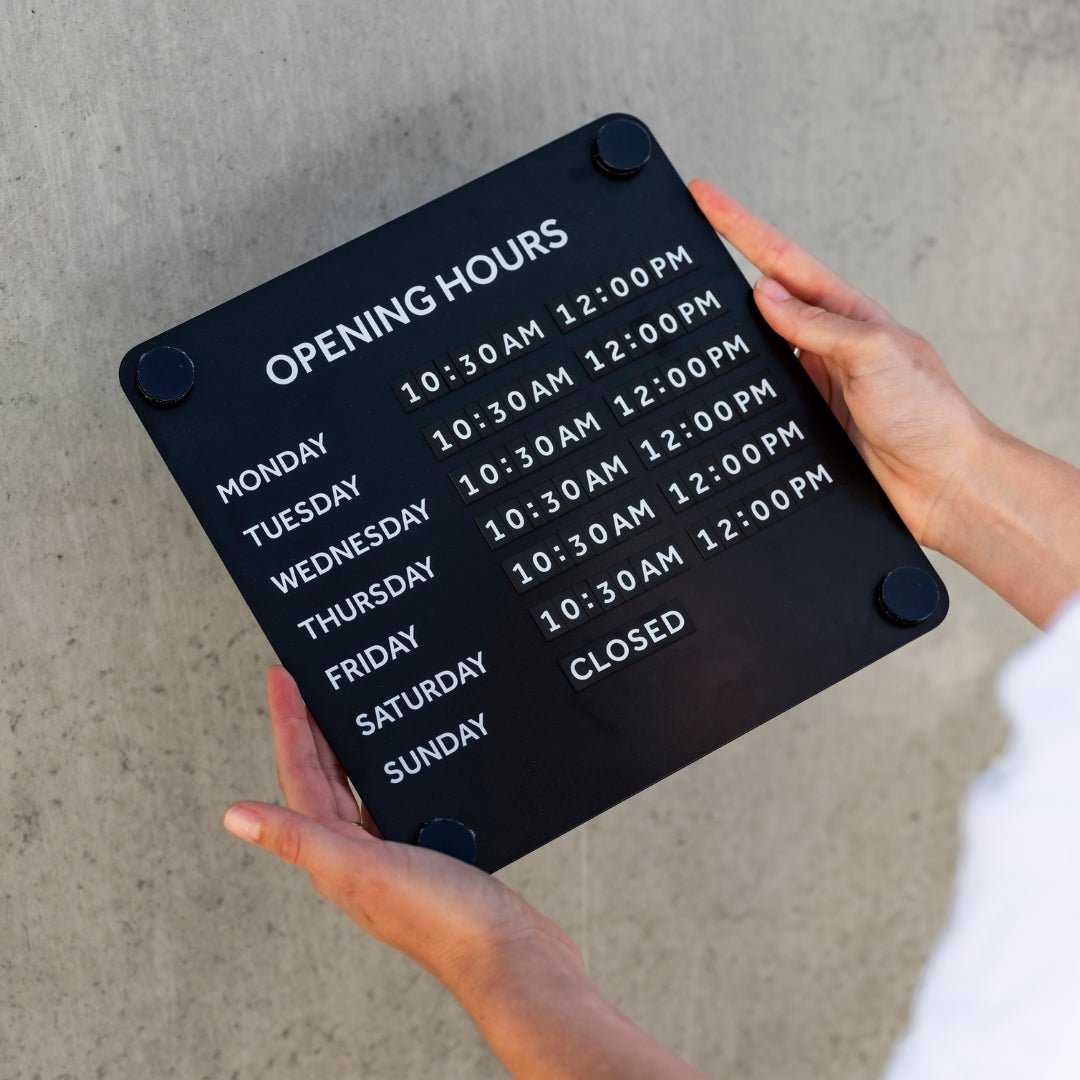
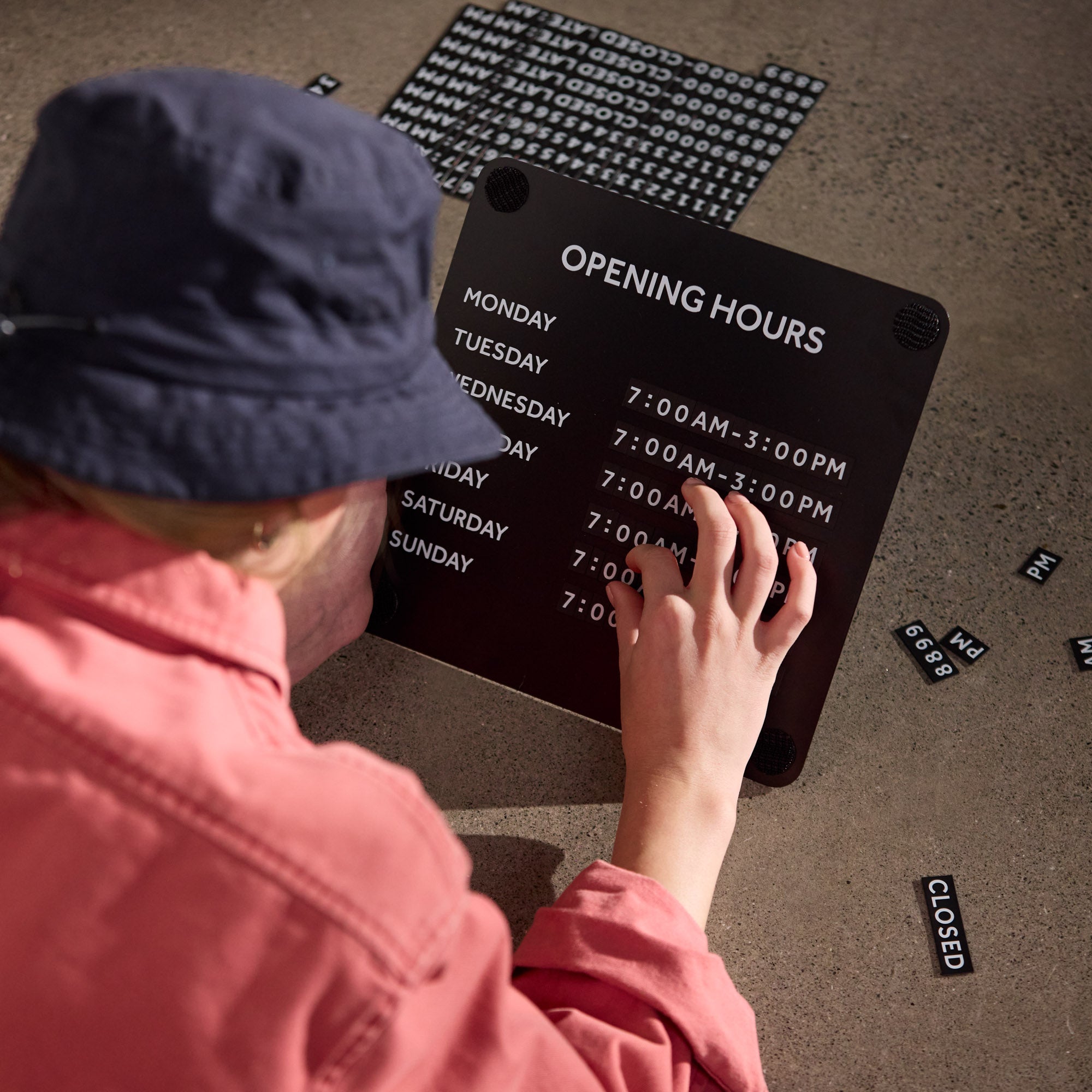
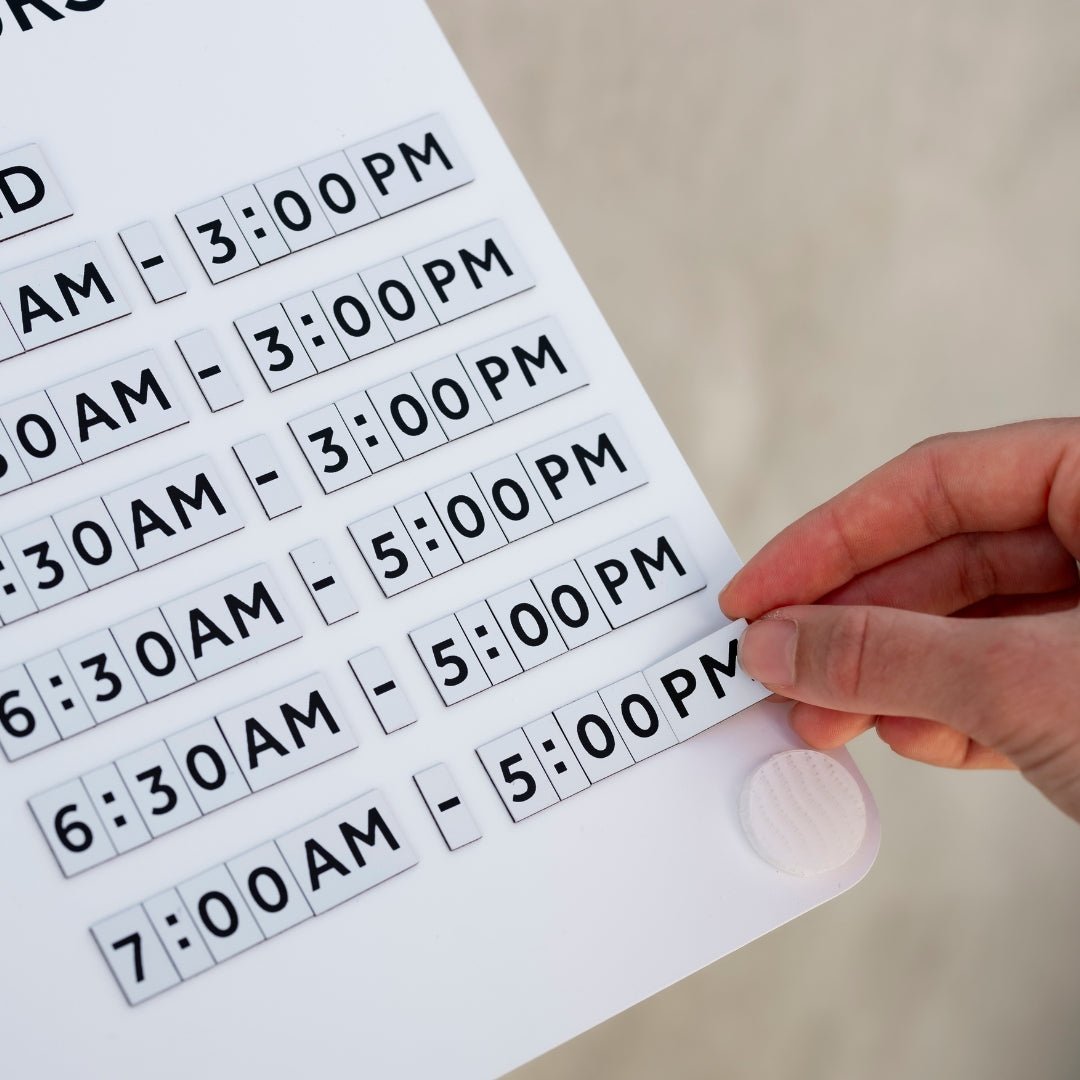
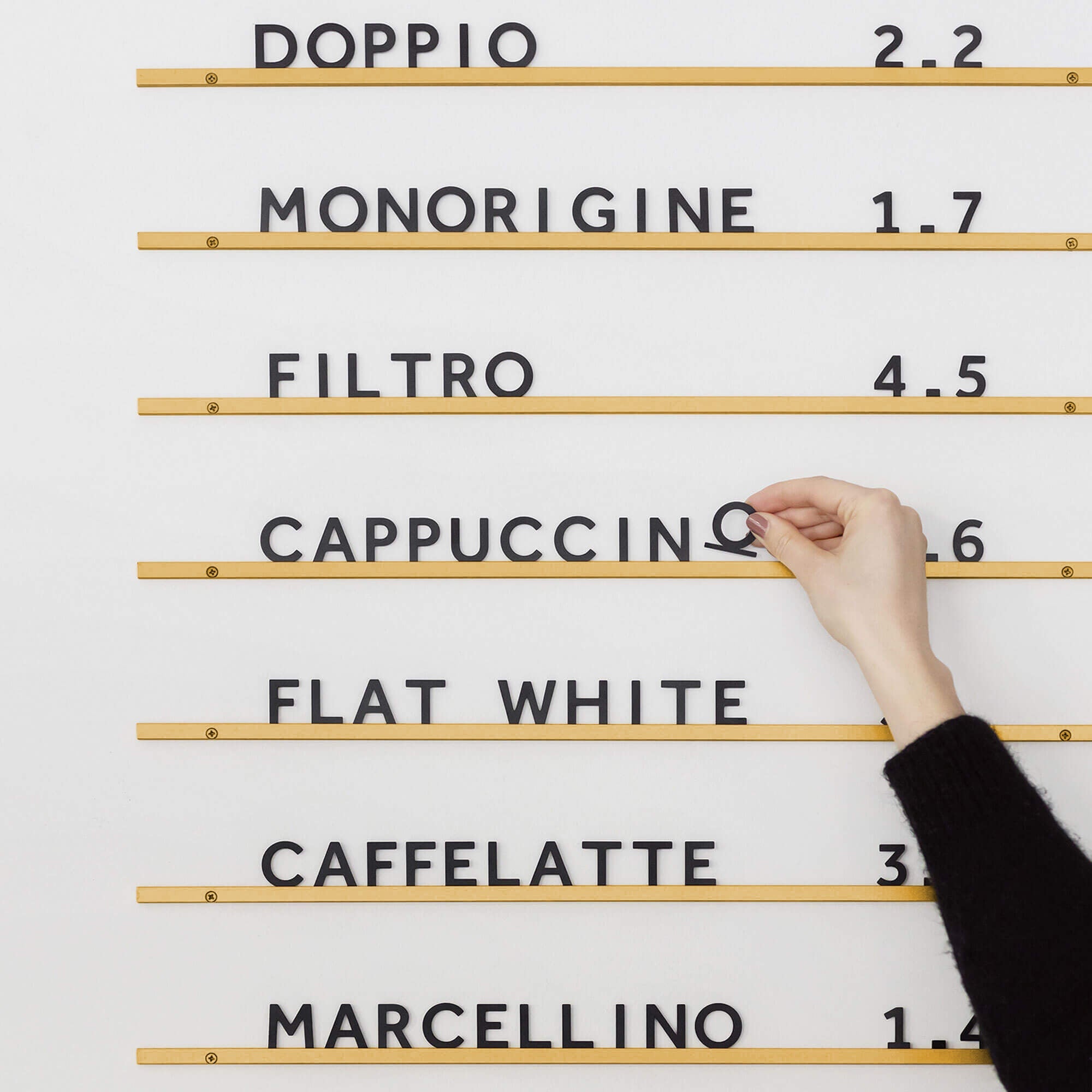
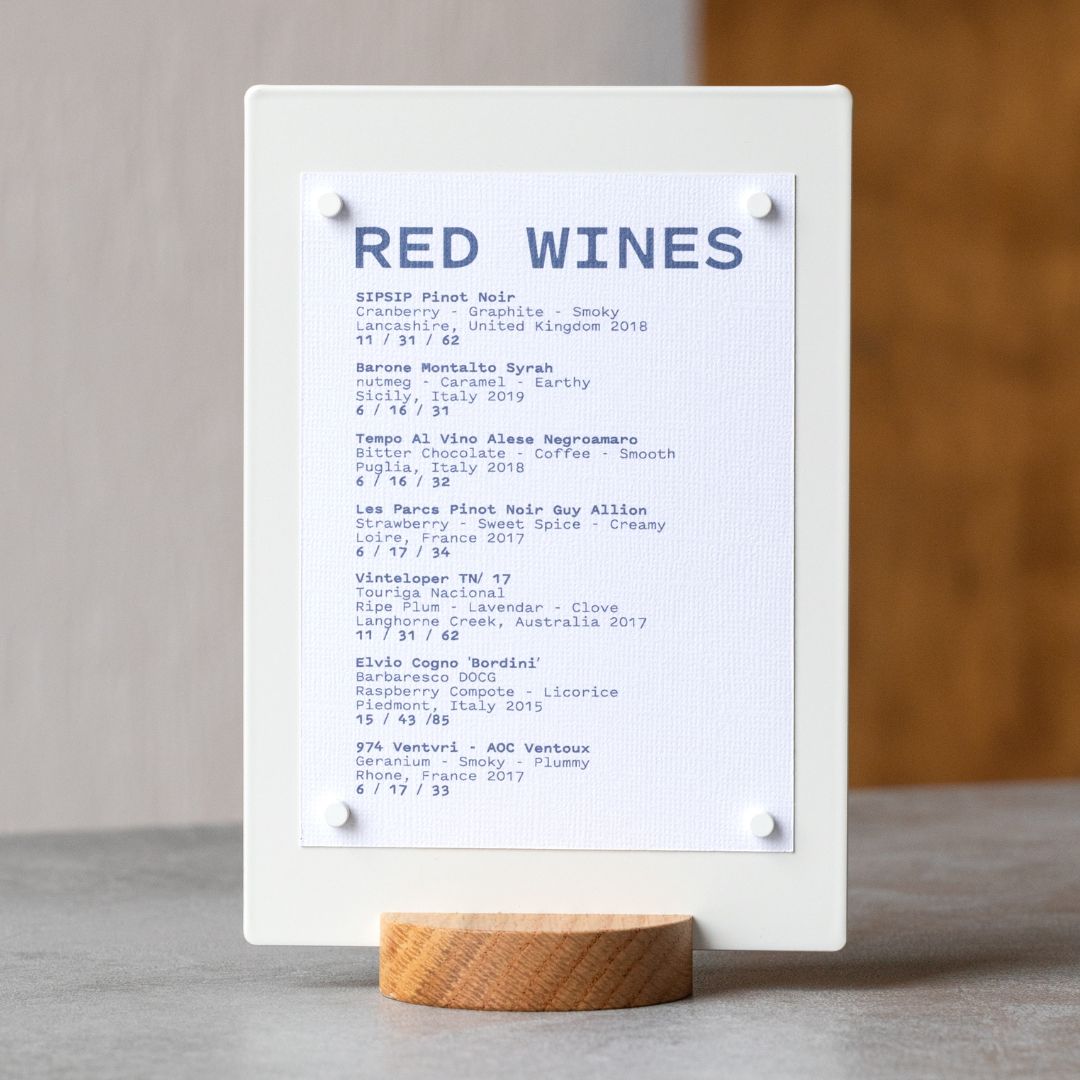
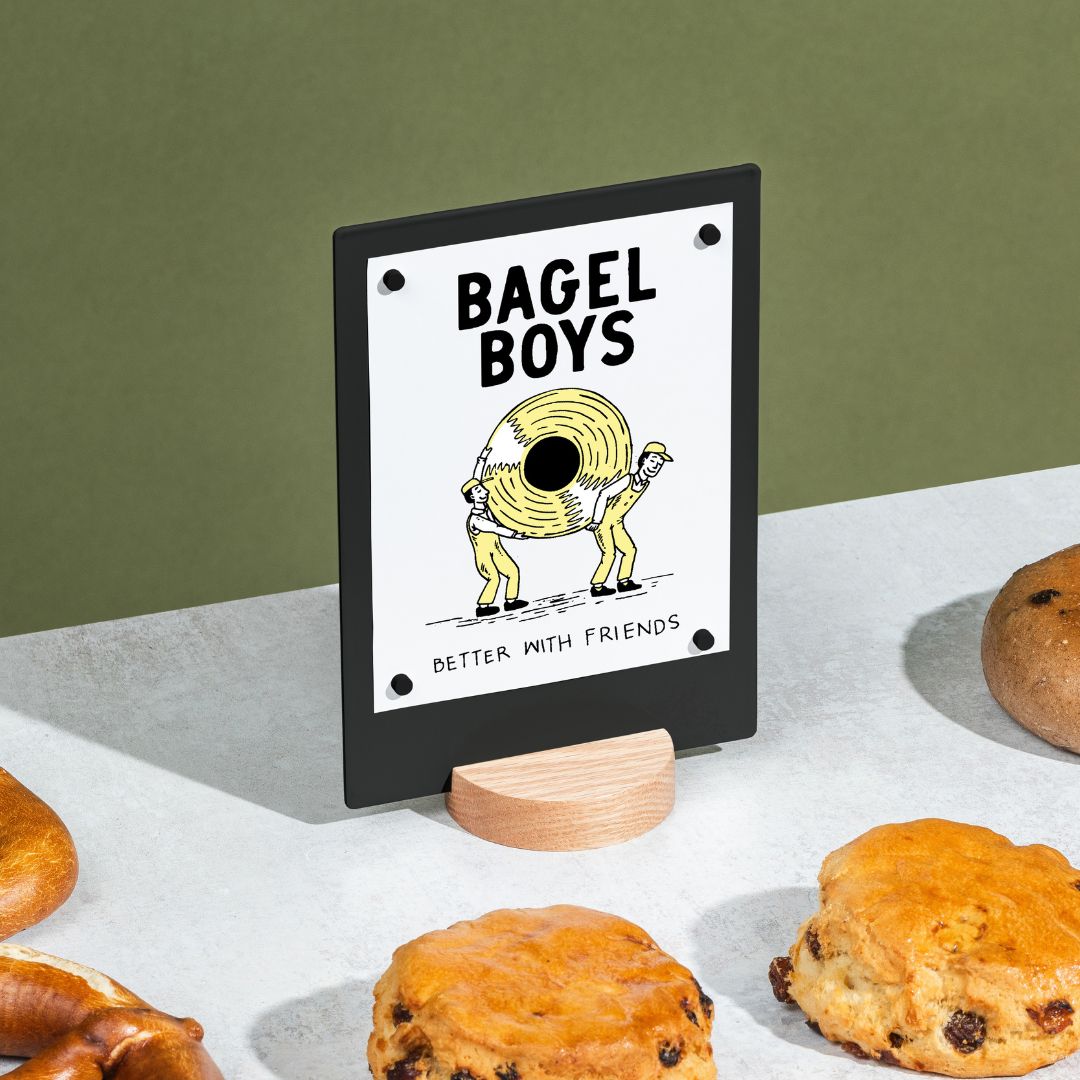
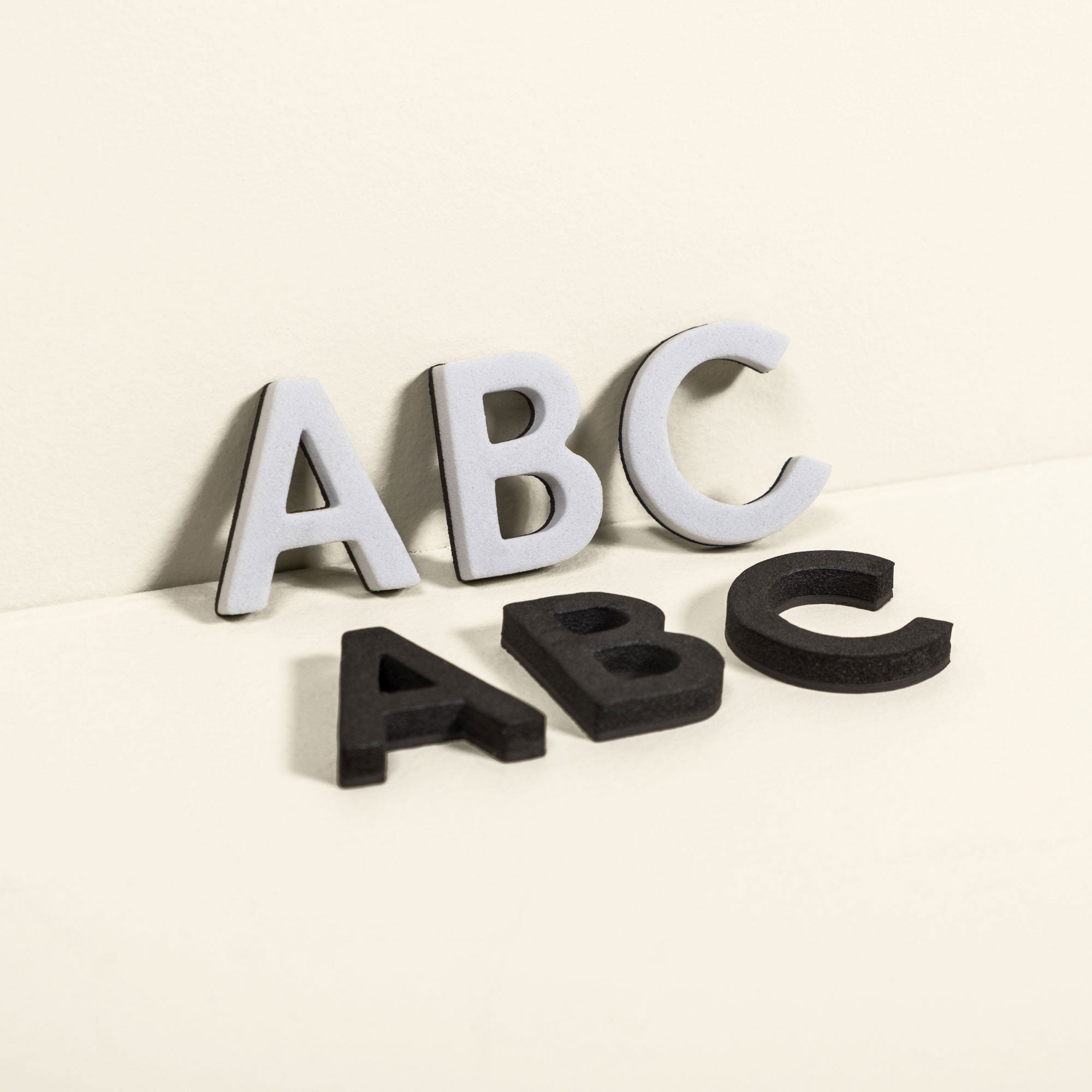
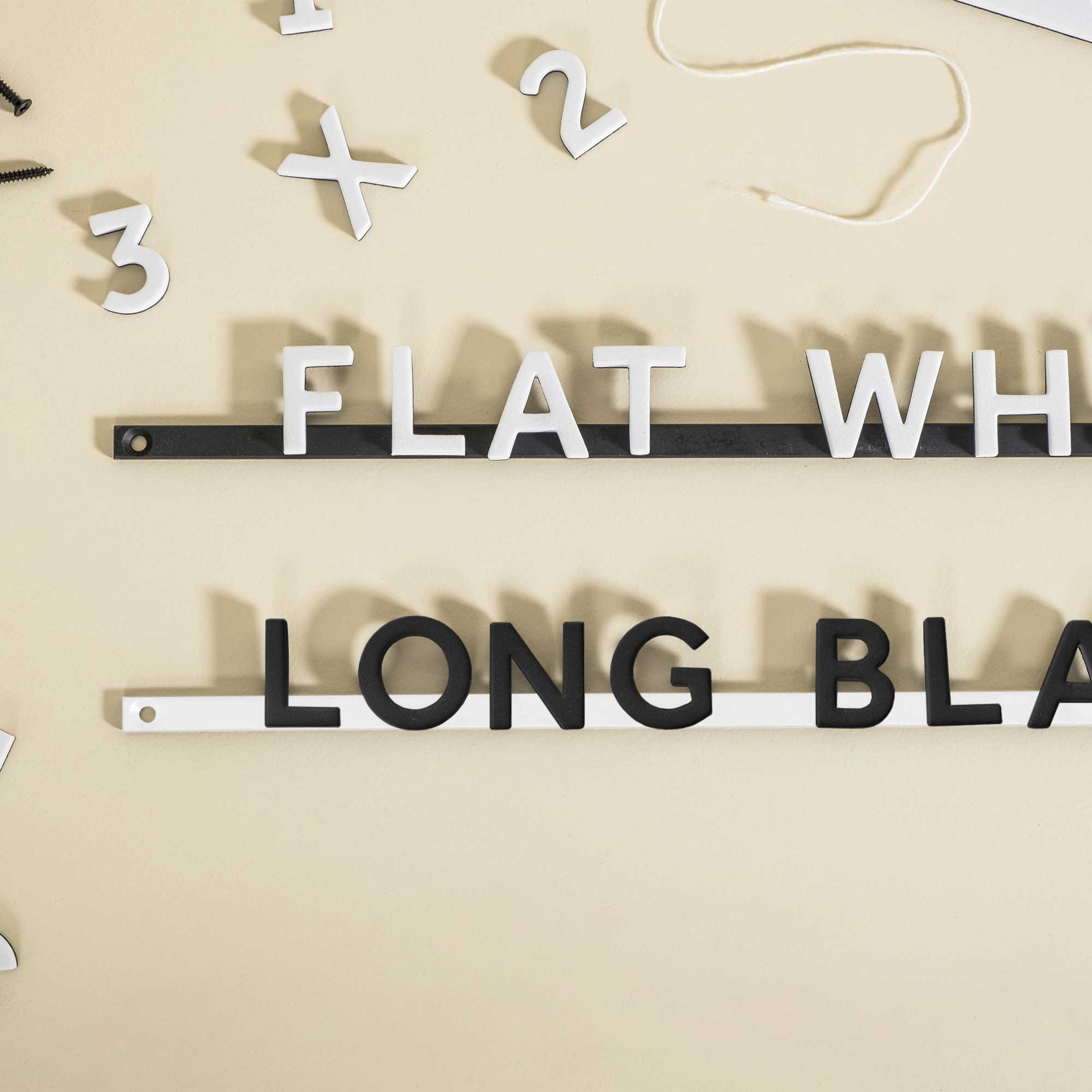
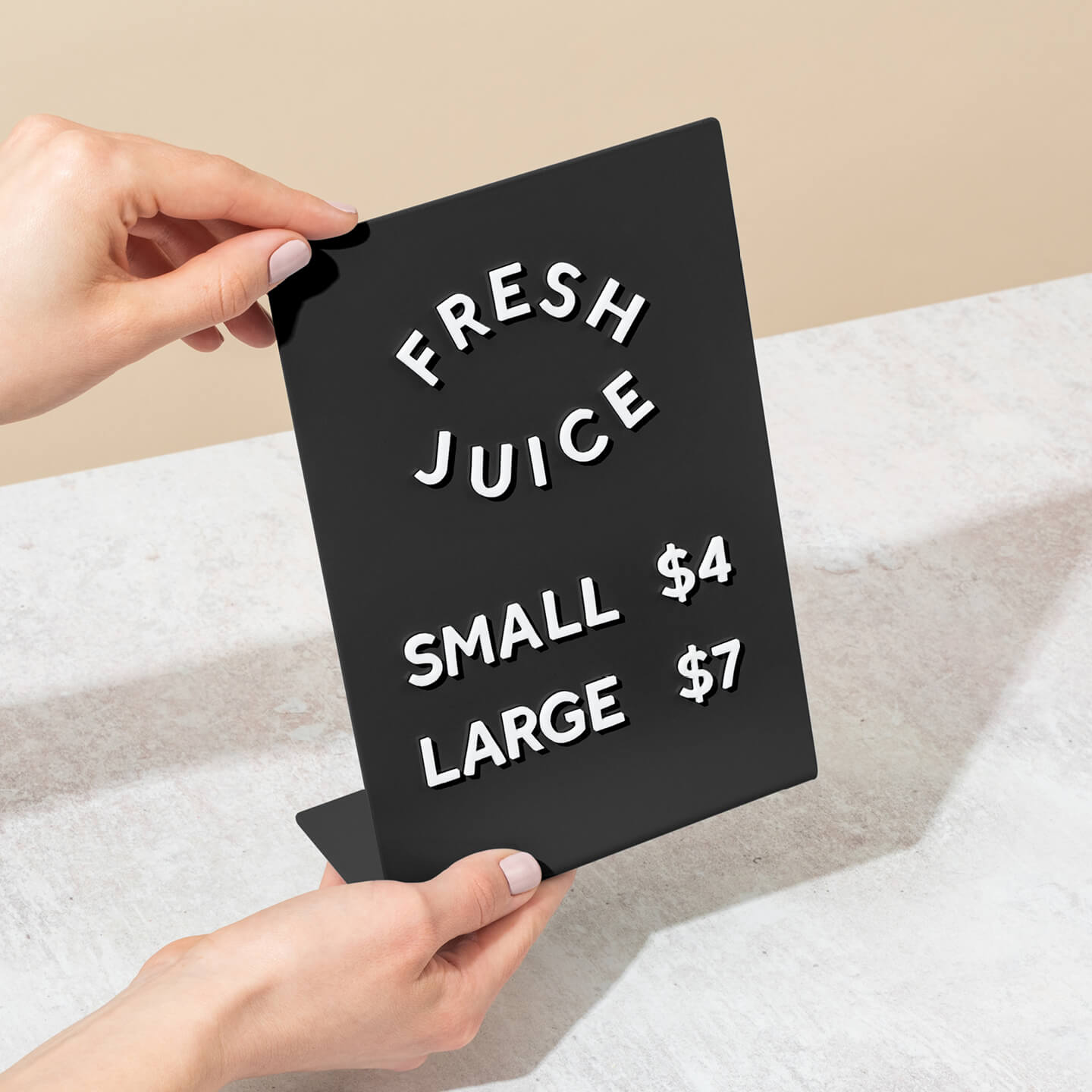
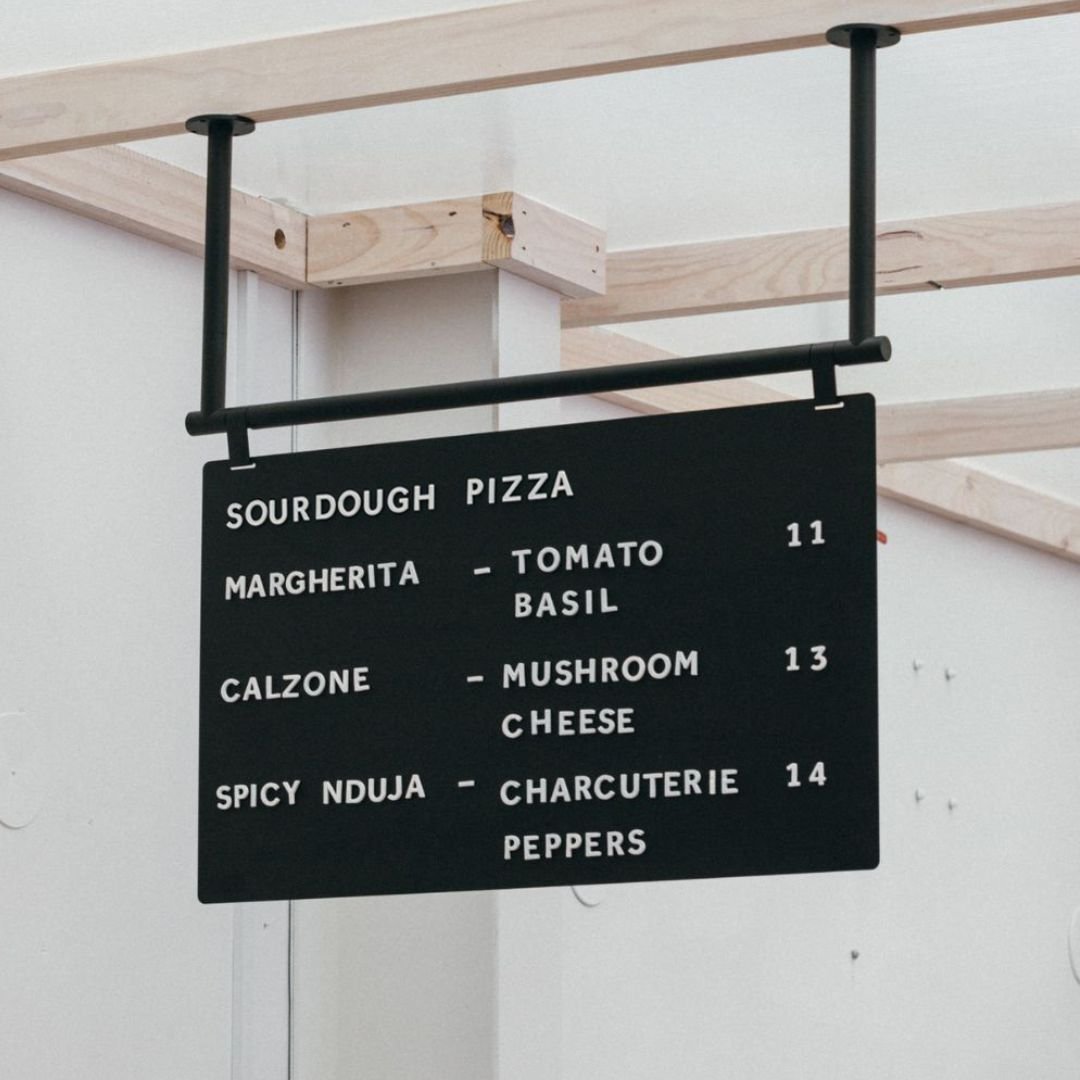
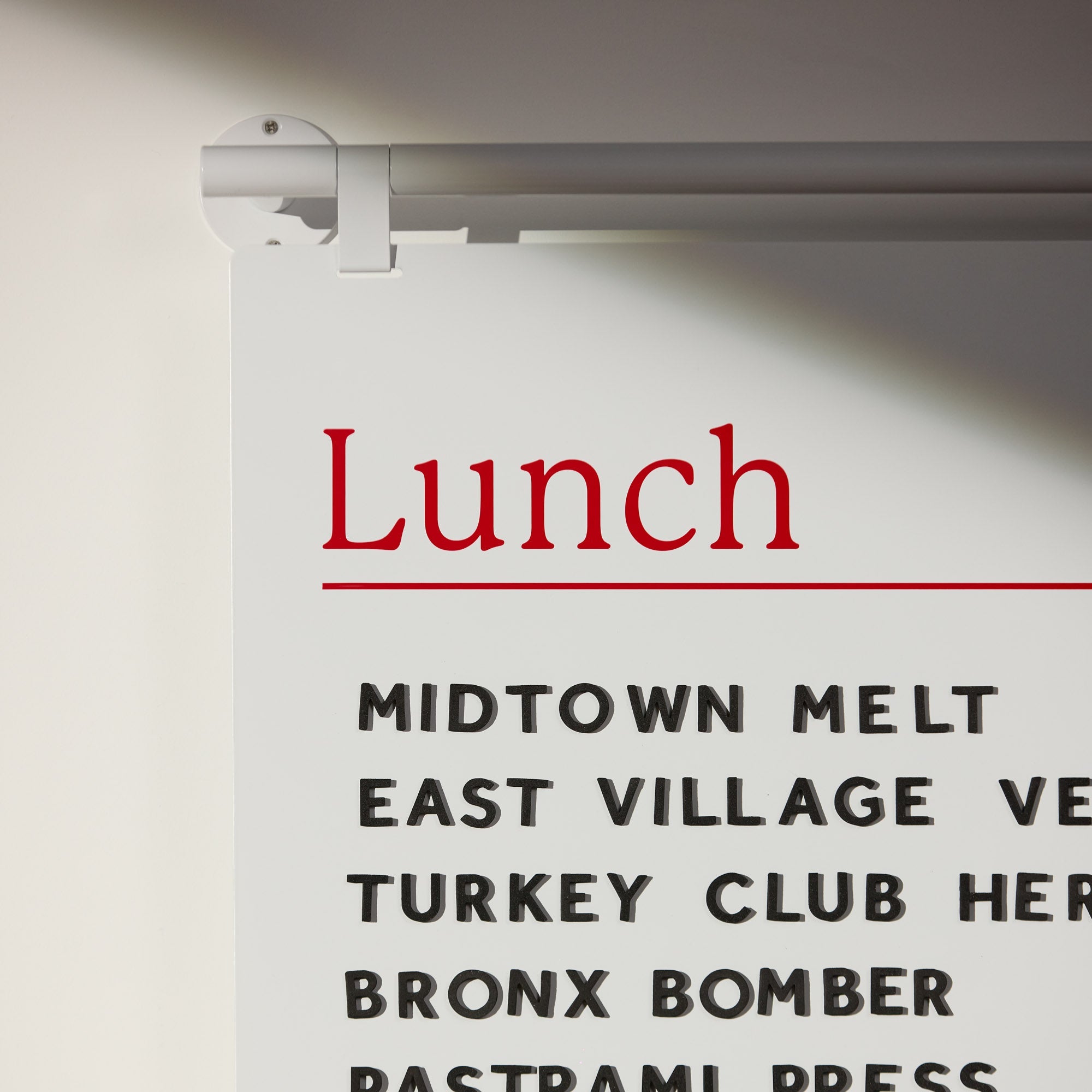
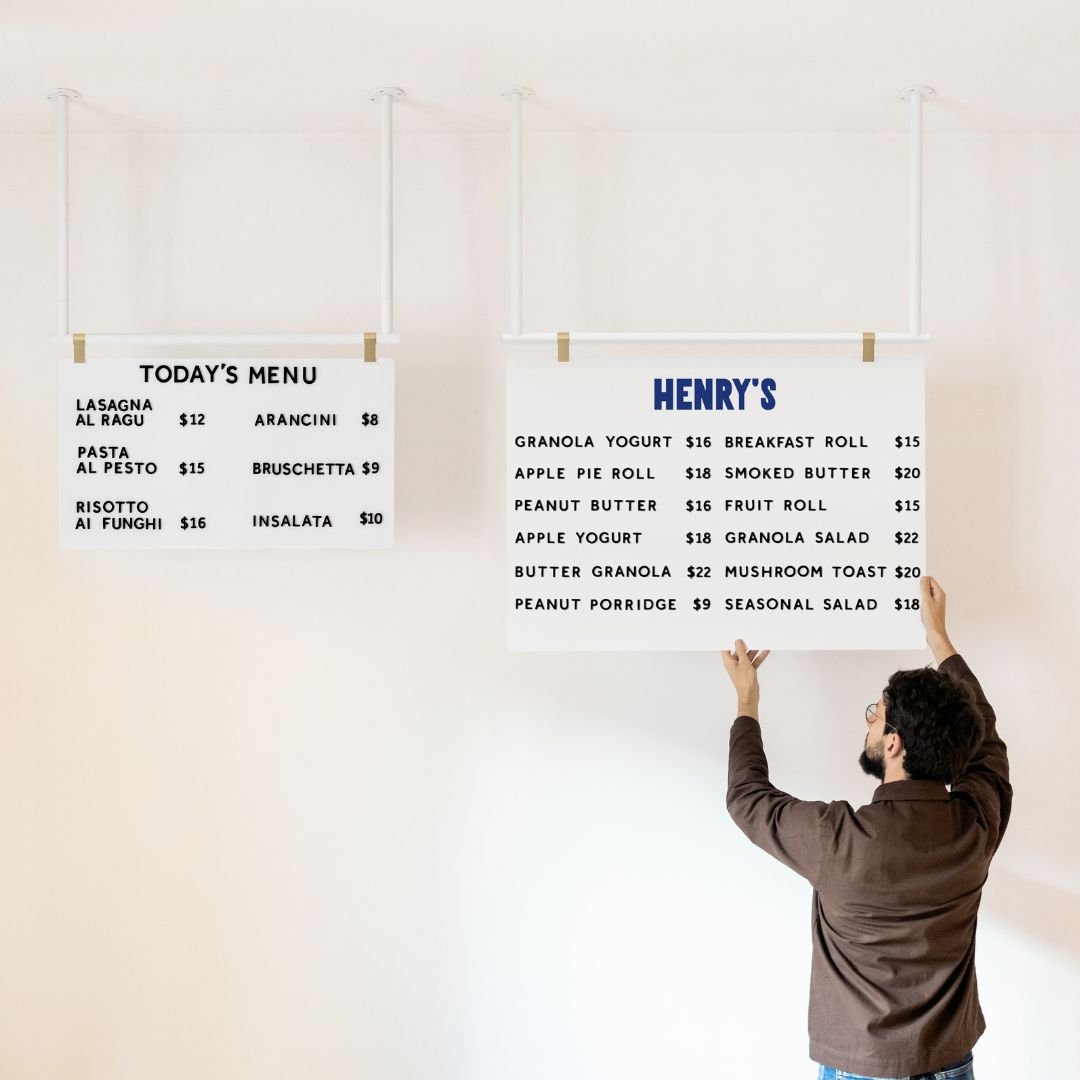
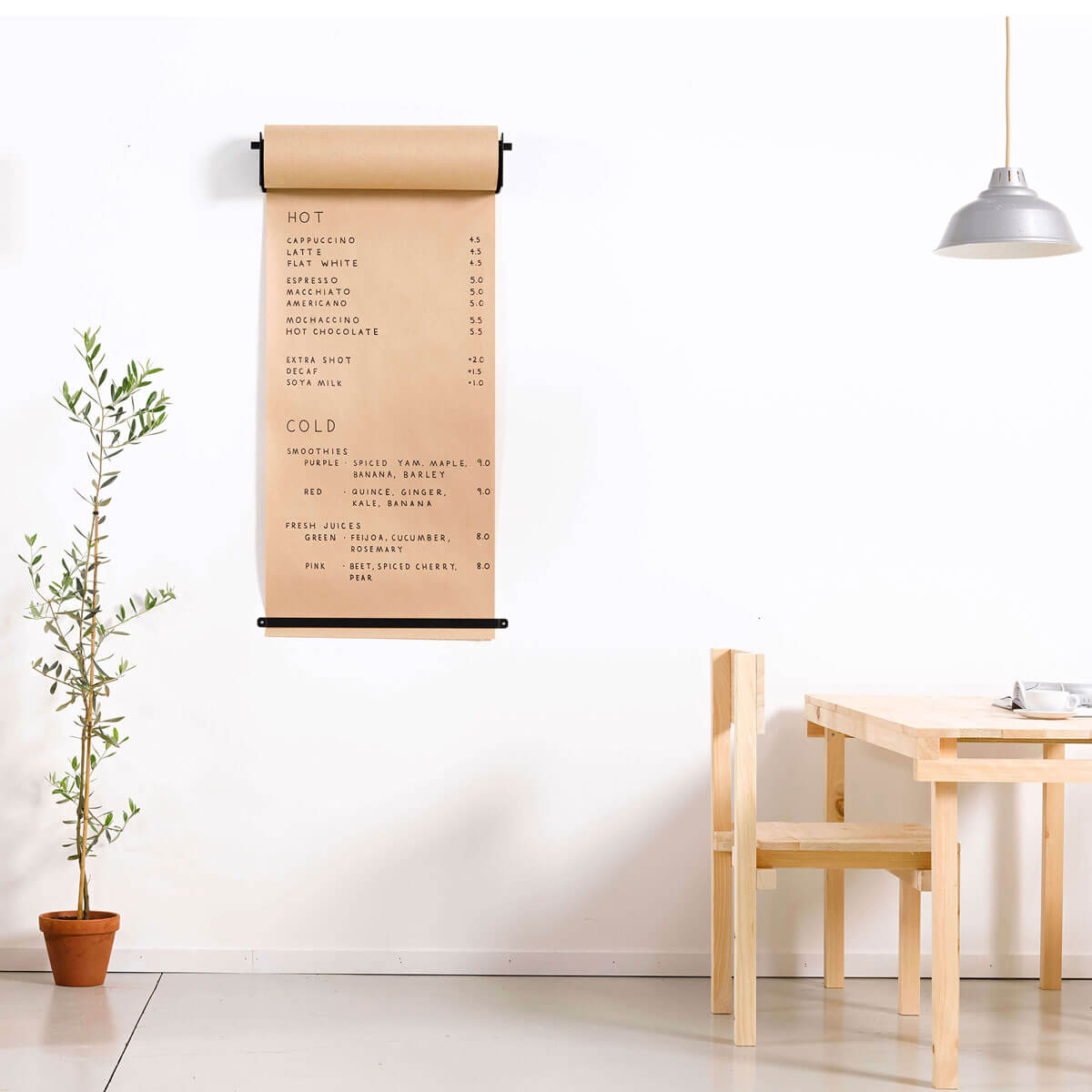
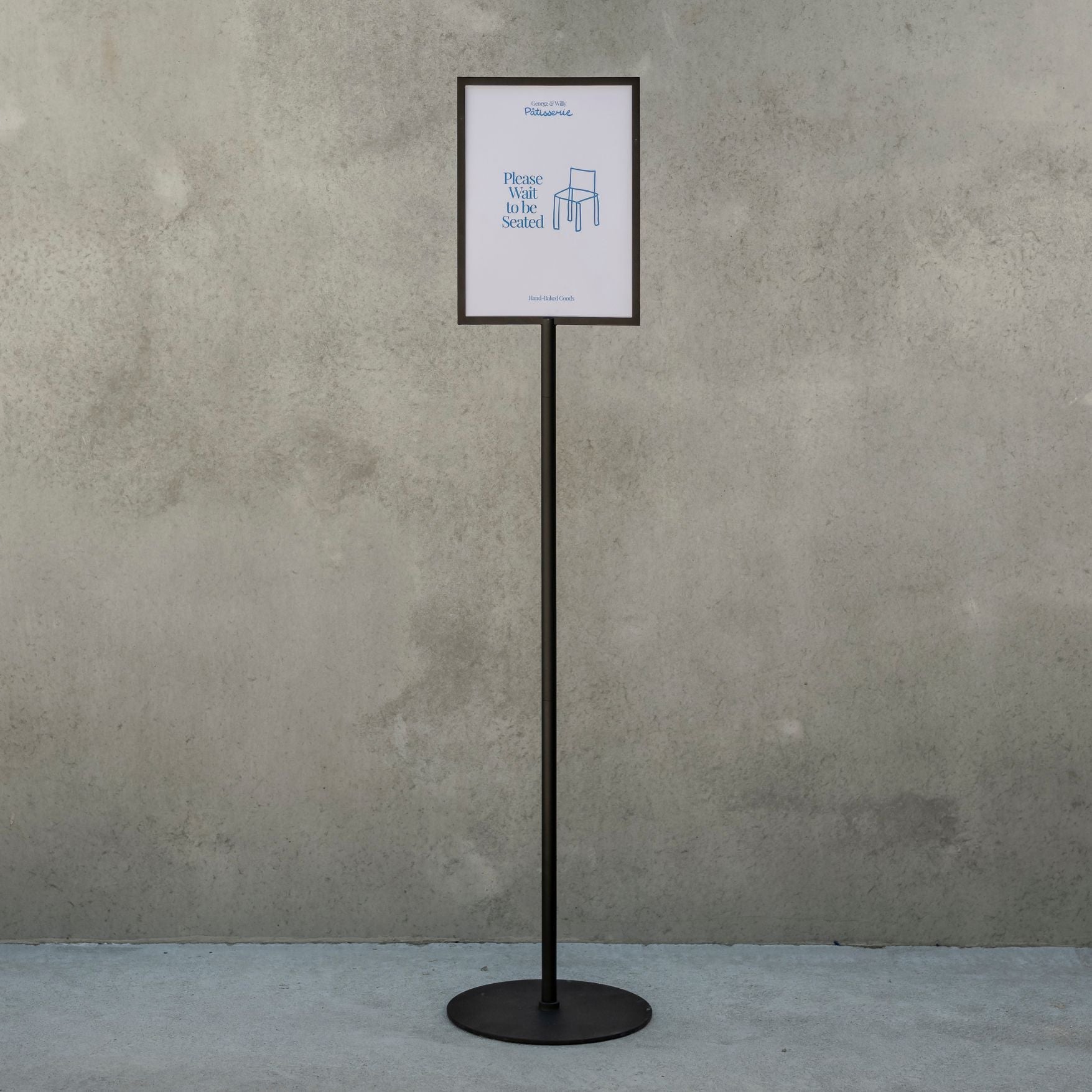
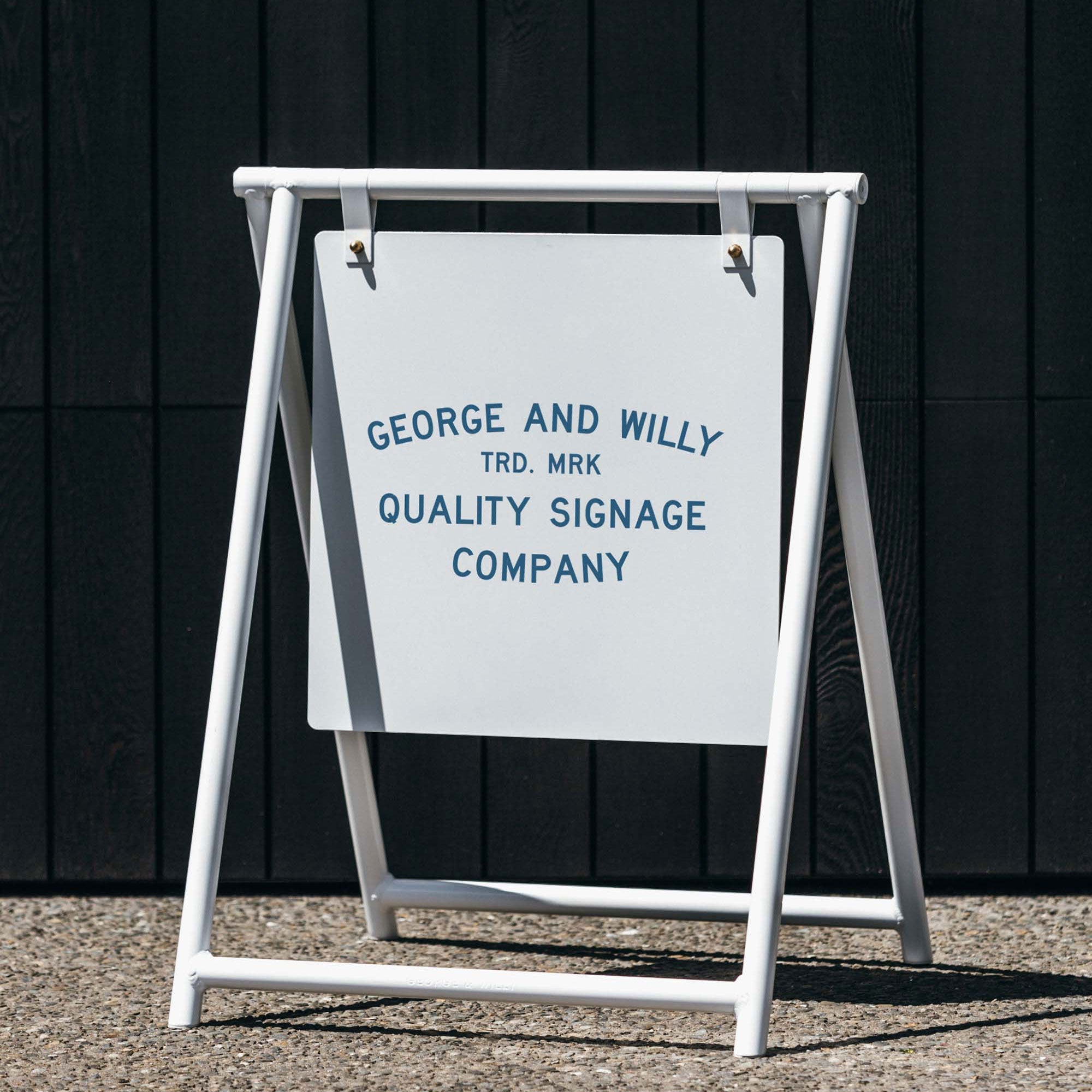
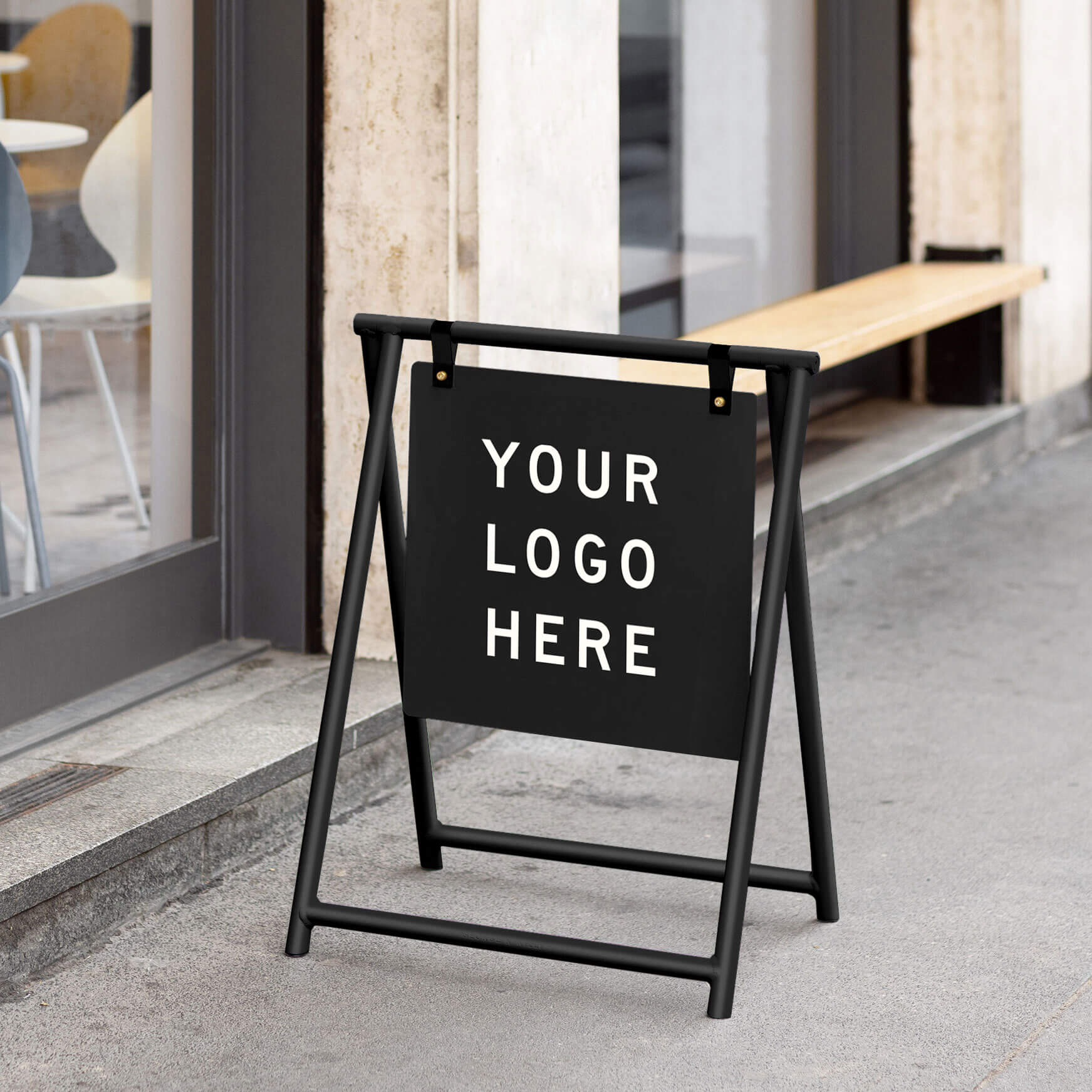
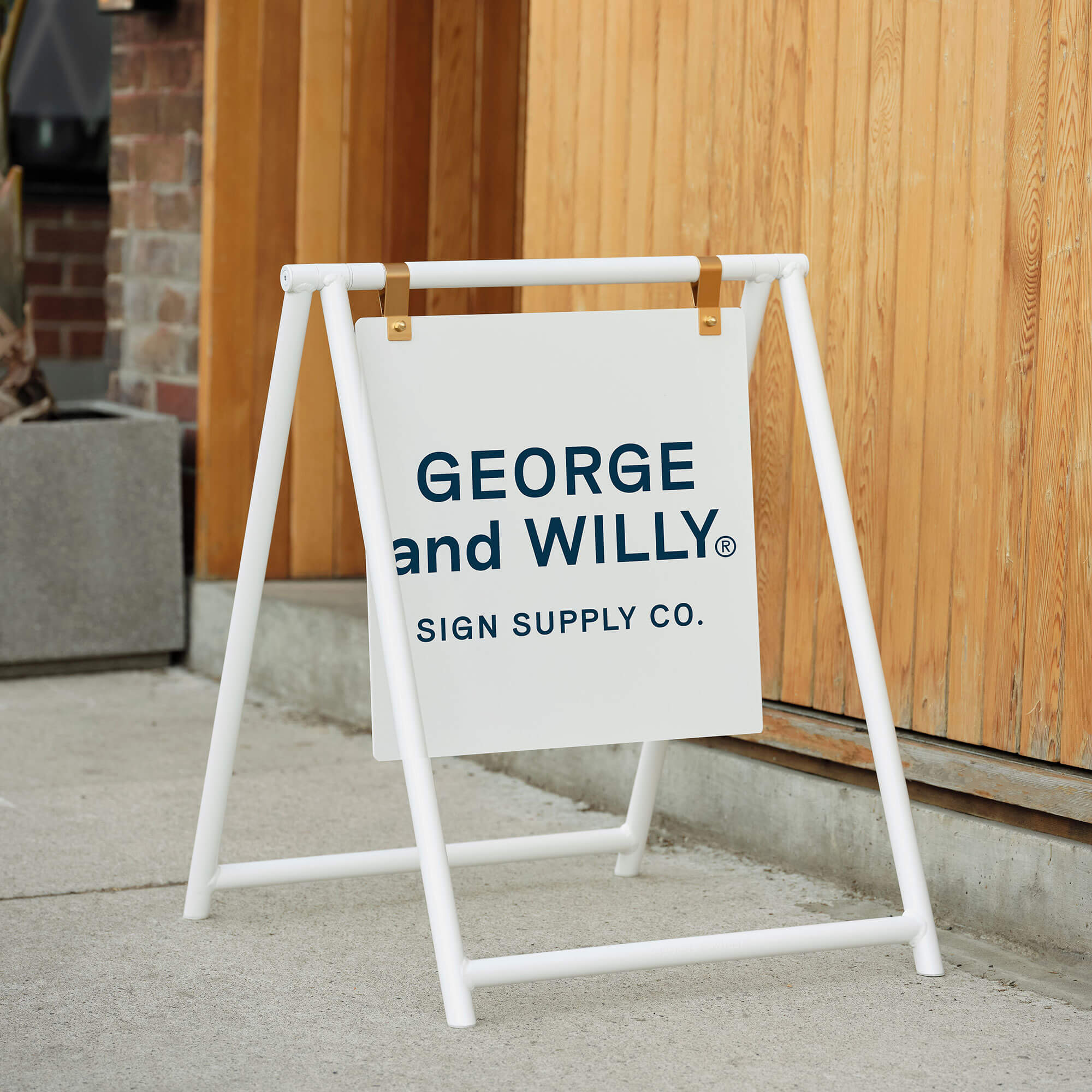
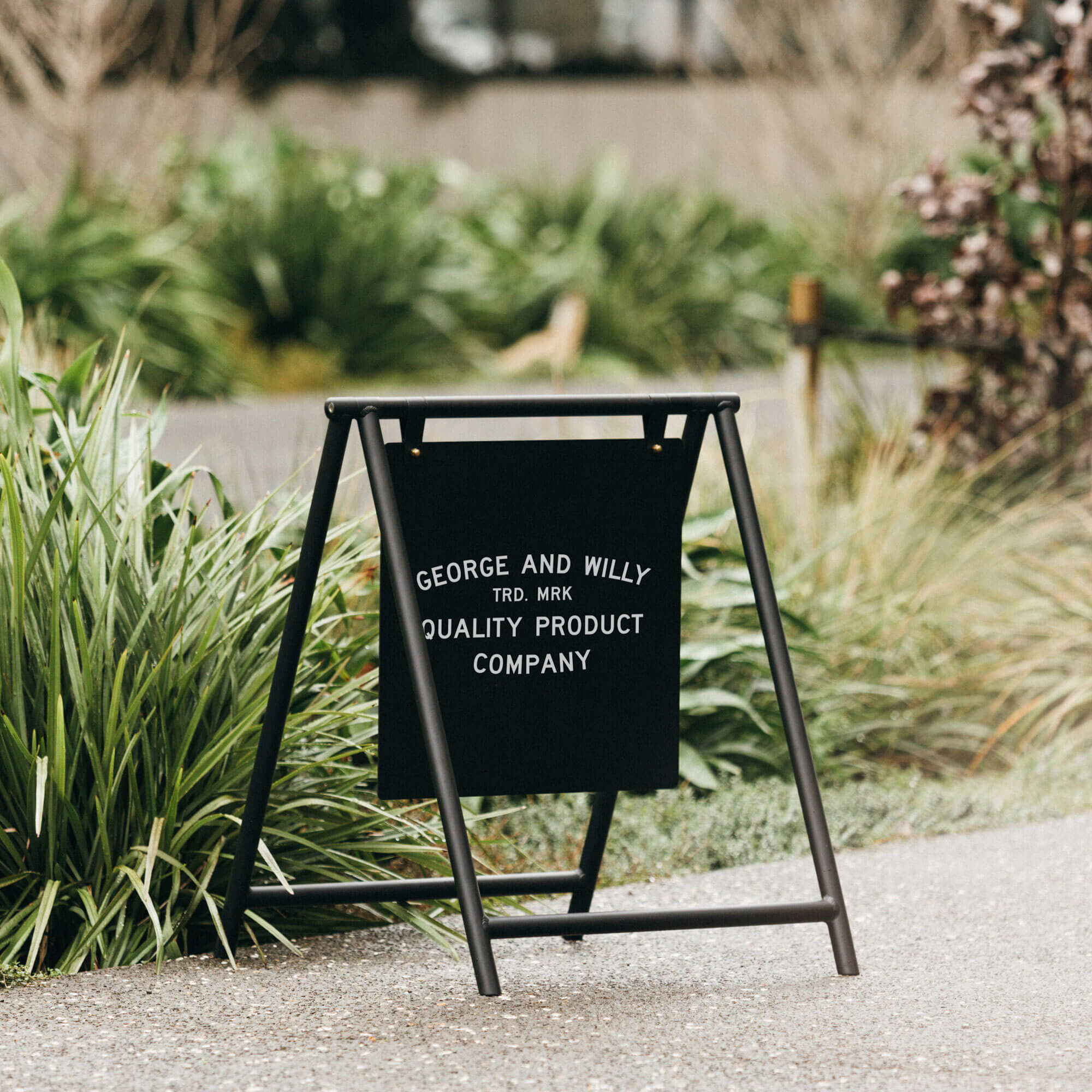
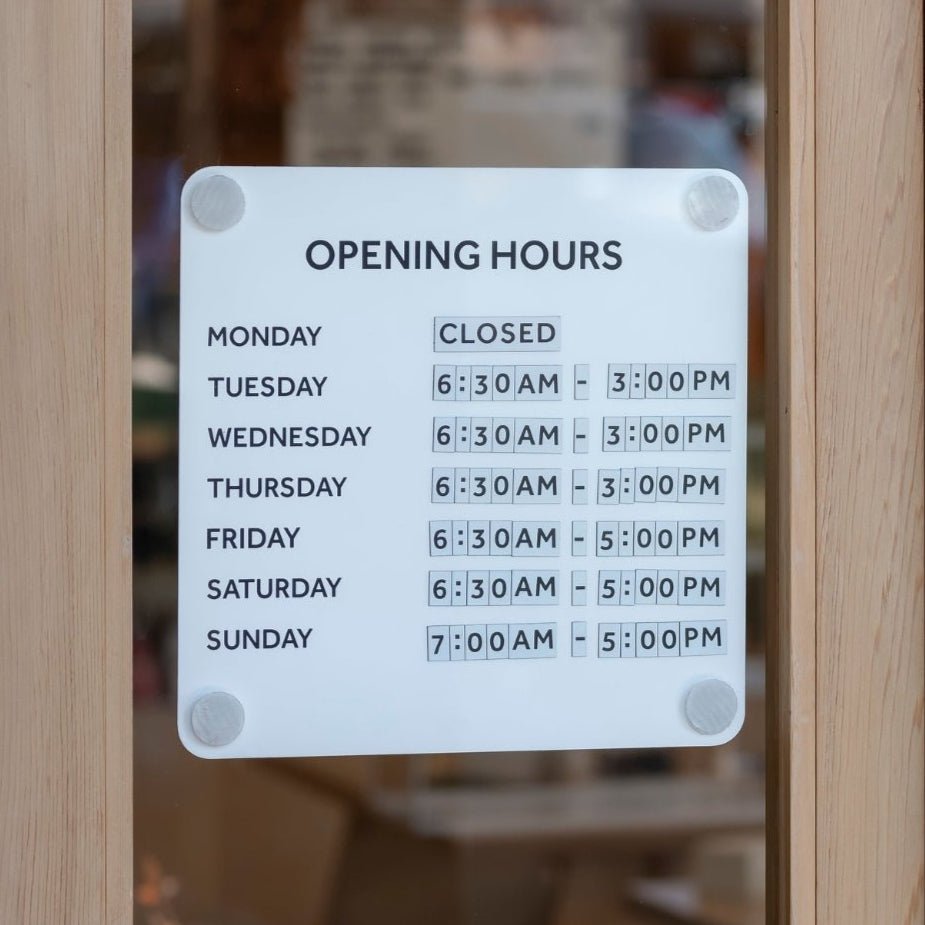
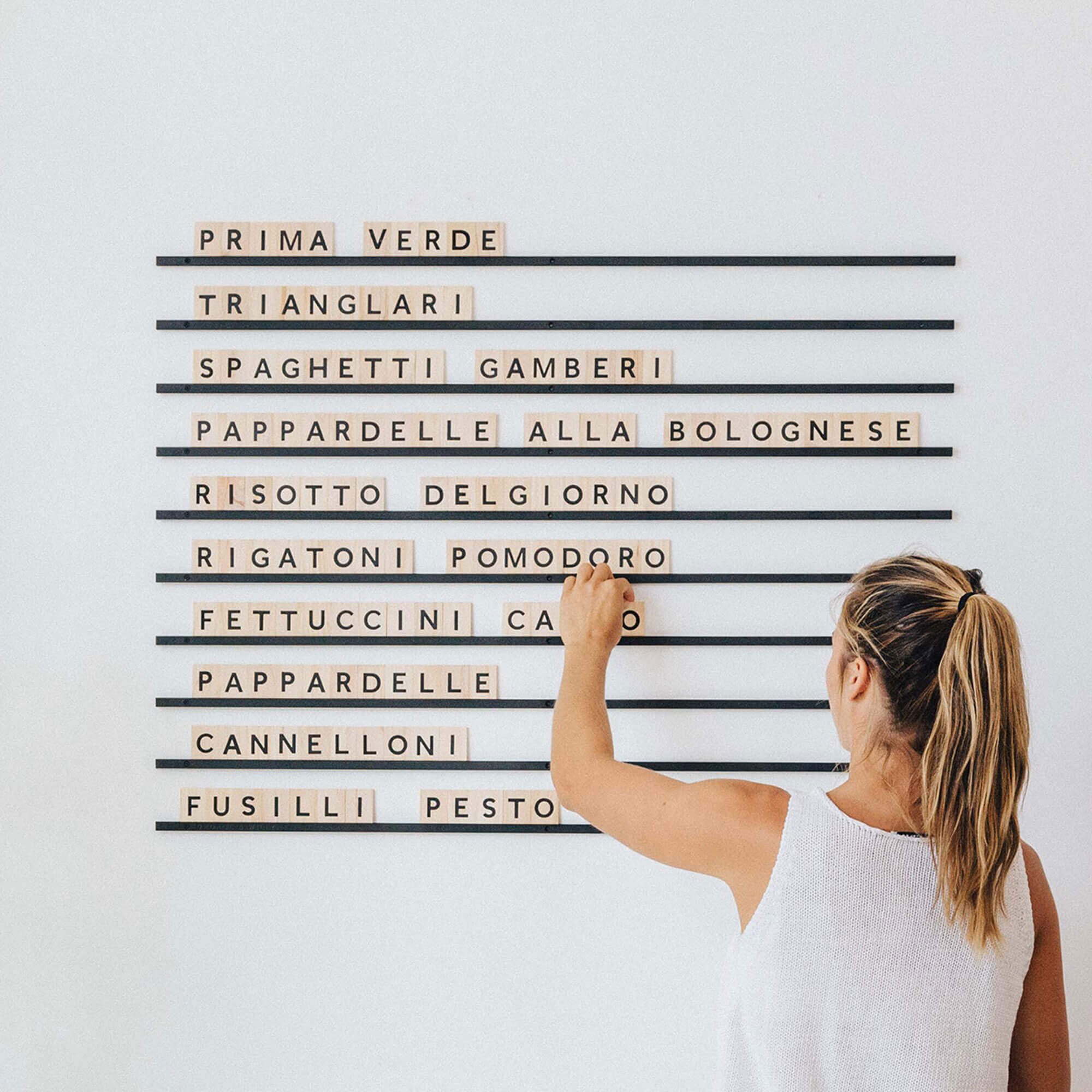
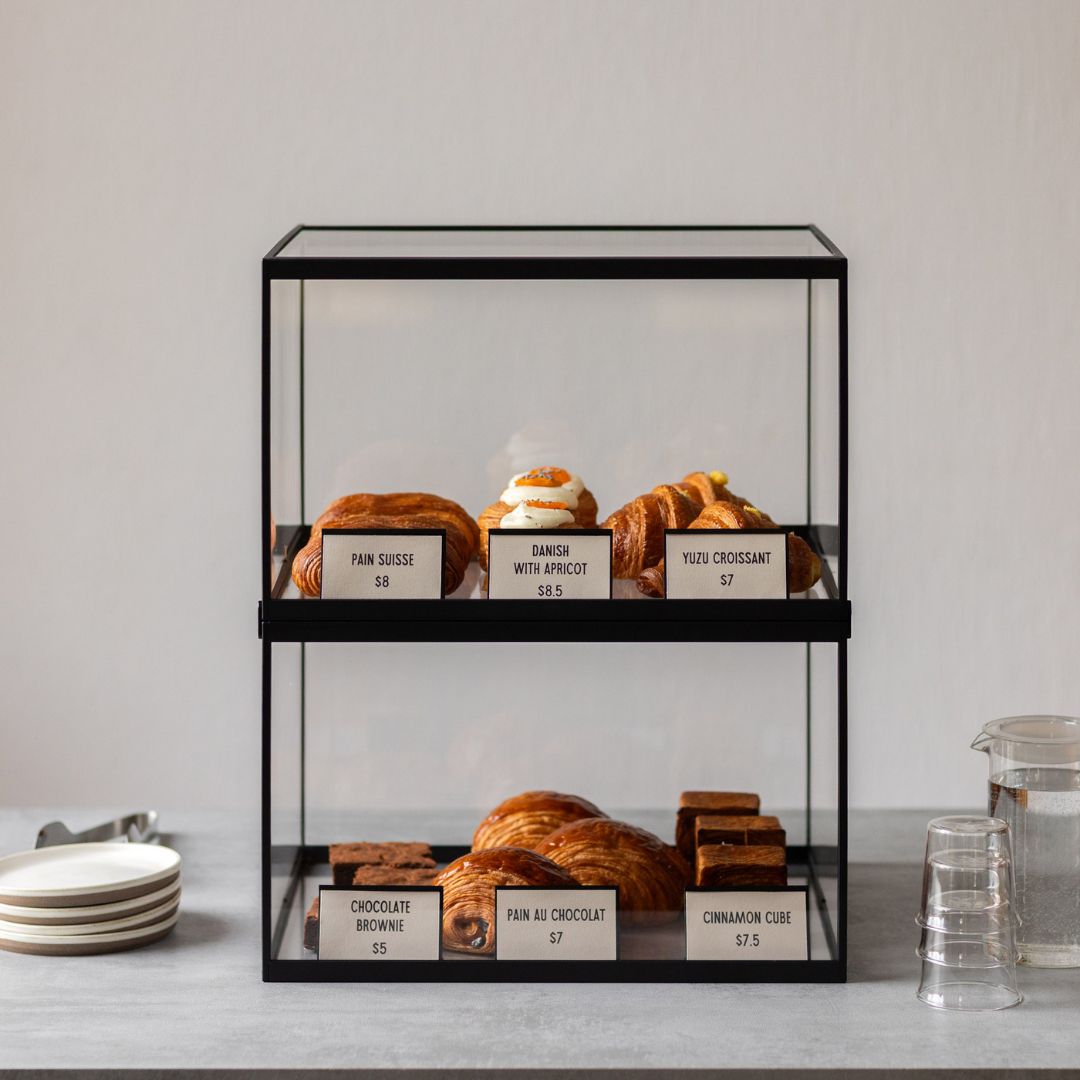
Countertop signs come in various forms, each suited for different environments. Common styles include small A frames, stands with card holders, solid blocks with engraved text, and signs with interchangeable letters. The material choice is crucial as it communicates your brand’s personality. Wood can create a warm, rustic feel, while powder coated aluminum and steel offer a clean, minimalist aesthetic perfect for modern cafes and boutiques. Products like elegant Card Counter Signs or versatile Table Talkers provide a polished look for any setting.
Designing Signs for Maximum Impact
Creating effective countertop display signs isn’t just about writing a message. It’s about clear, branded communication that feels effortless.
Readability is Non Negotiable
A sign that cannot be read is useless. For smaller signs, clarity is even more crucial. Use clean, simple fonts and high contrast color combinations (like black on white) to ensure your message is understood in a glance. Over half of consumers say they are less willing to enter a store if they notice misspellings or sloppy signage, and one survey found that 66% of consumers have formed a poor opinion of a business simply because of its signage. A clean, professional sign builds immediate trust. For quick communication, consider using universally understood icons alongside text, but keep them simple and minimal.
Keep Your Branding Consistent
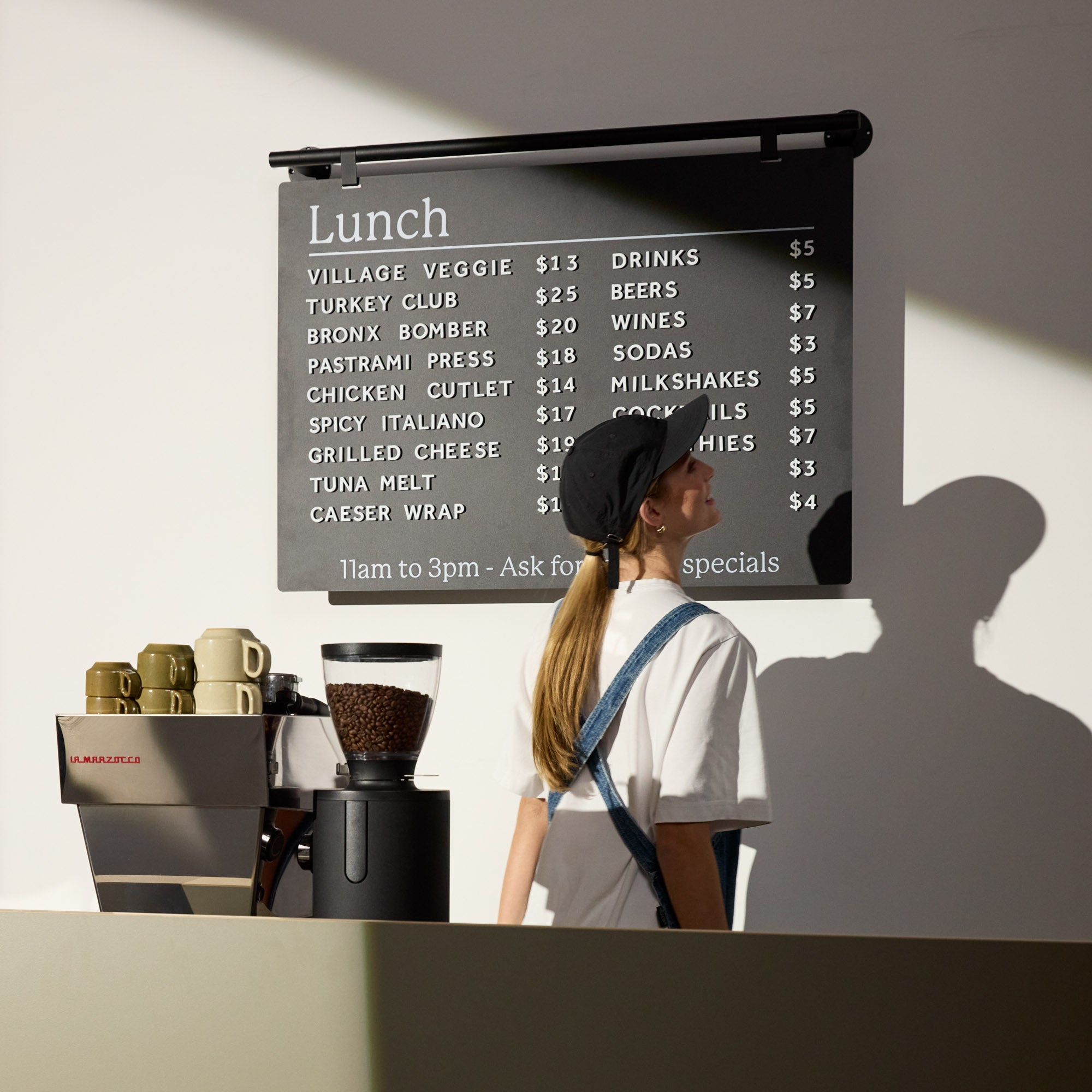
Every sign, no matter its size, is an opportunity to reinforce your brand identity. Your countertop display signs should use the same fonts, colors, and tone of voice as your larger menu boards and storefront signs. This consistency creates a cohesive and professional experience. Furthermore, consistent brand presentation across all platforms can increase revenue by up to 23%, as it builds recognition and trust. Consumers notice these details, with many believing a business’s signage quality reflects its product or service quality.
Fresh Content and Strategic Messaging
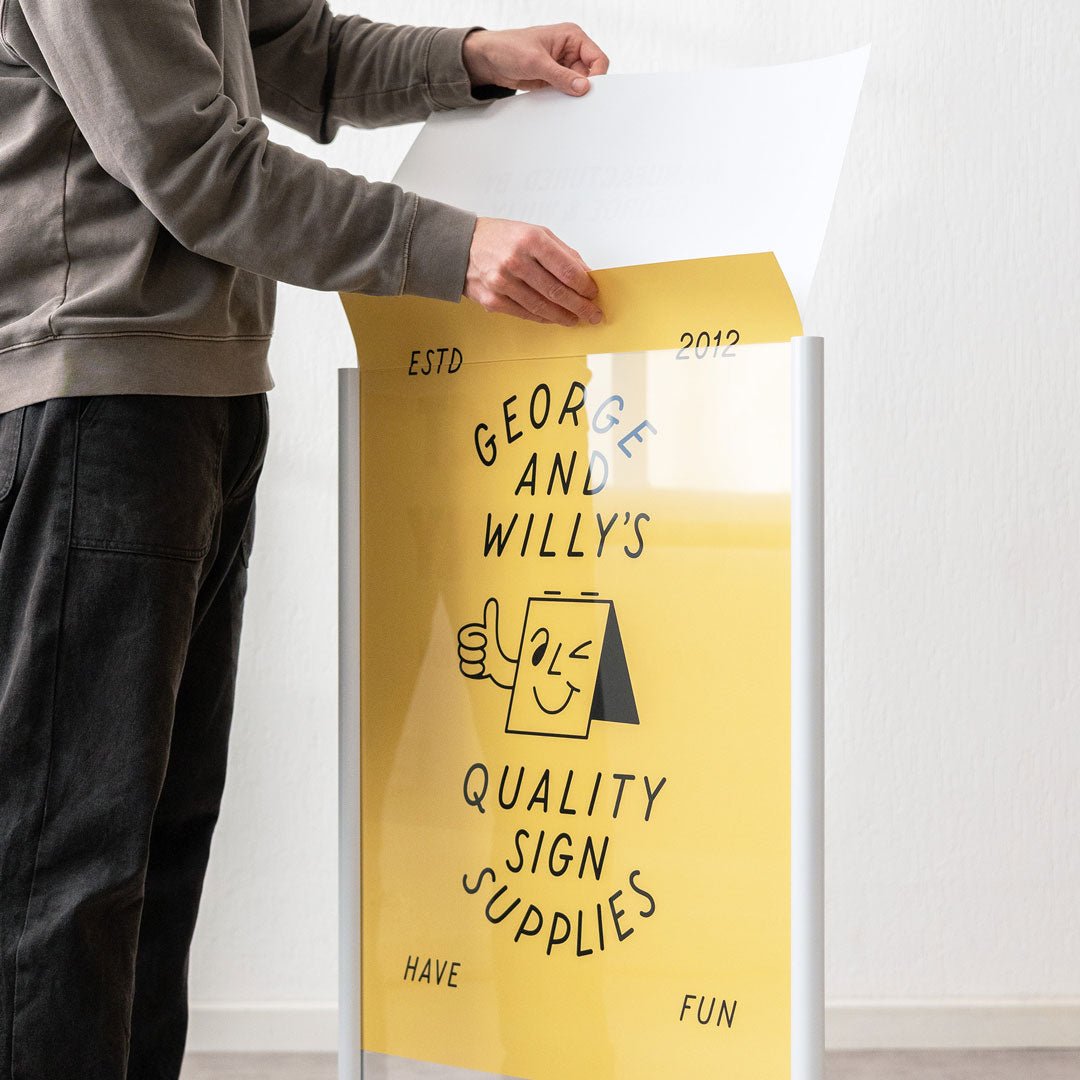
Static signs can eventually become part of the background. To keep customers engaged, update your signs regularly. This is especially important for communicating:
- Daily specials or seasonal items
- Limited time promotions
- New arrivals
- Best selling products
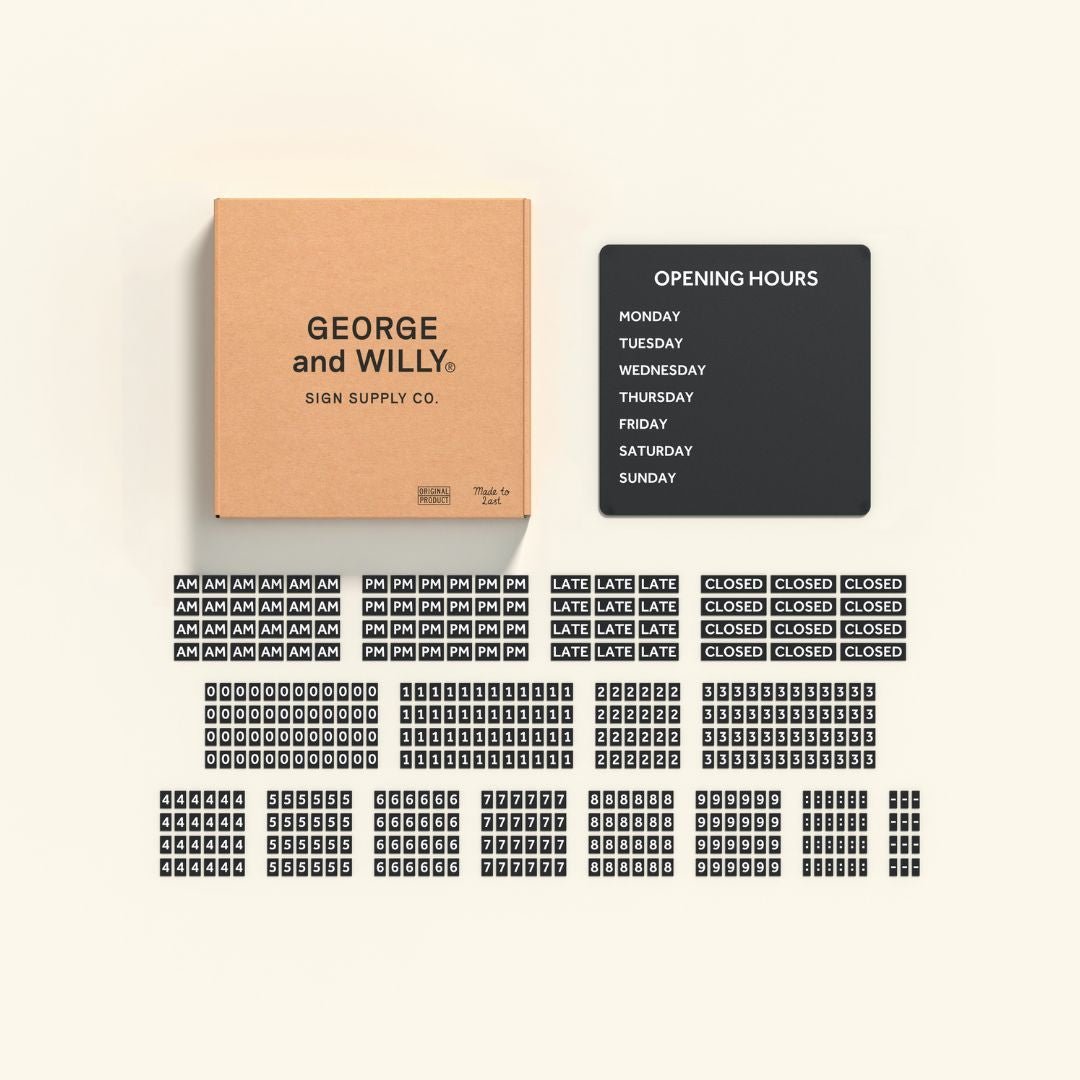
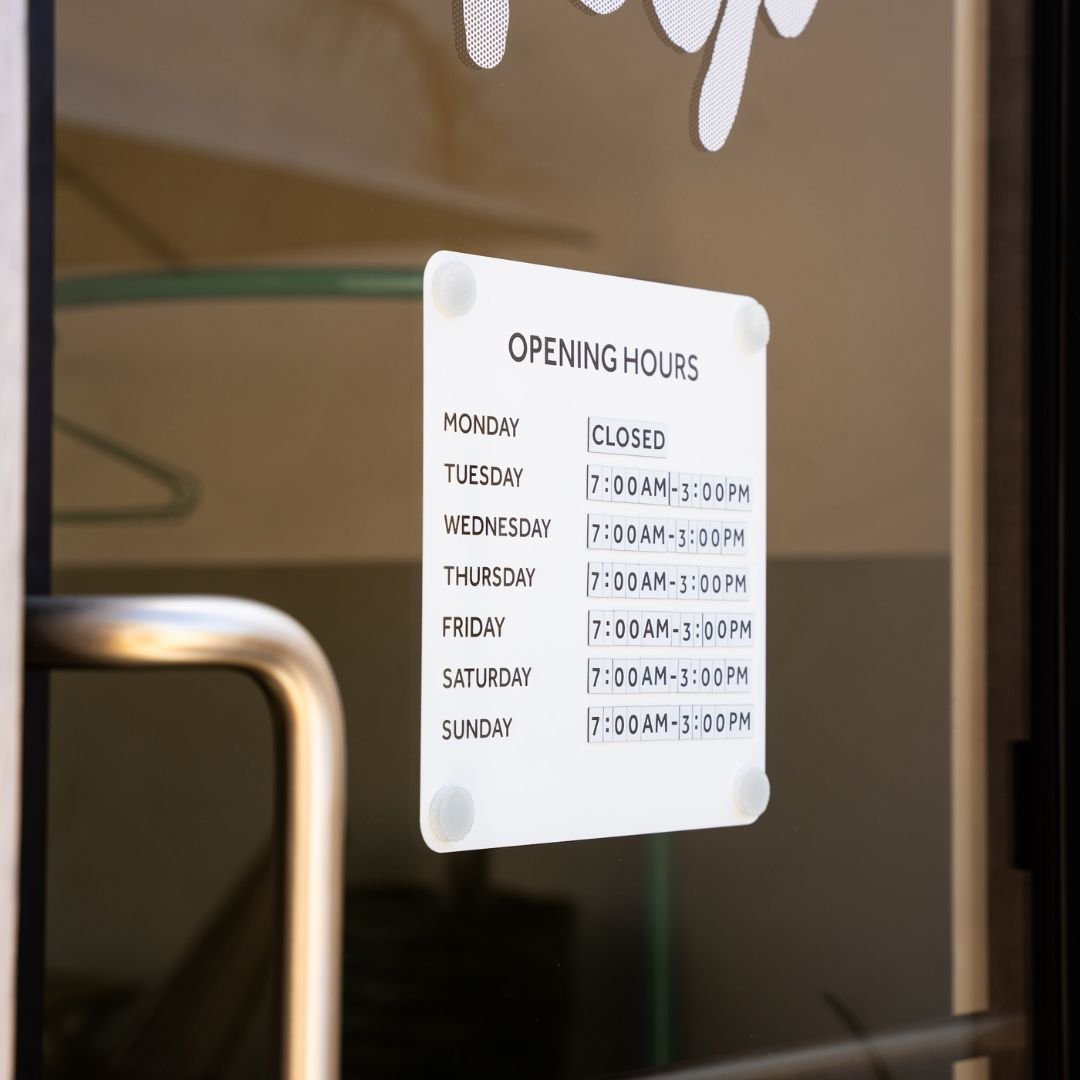
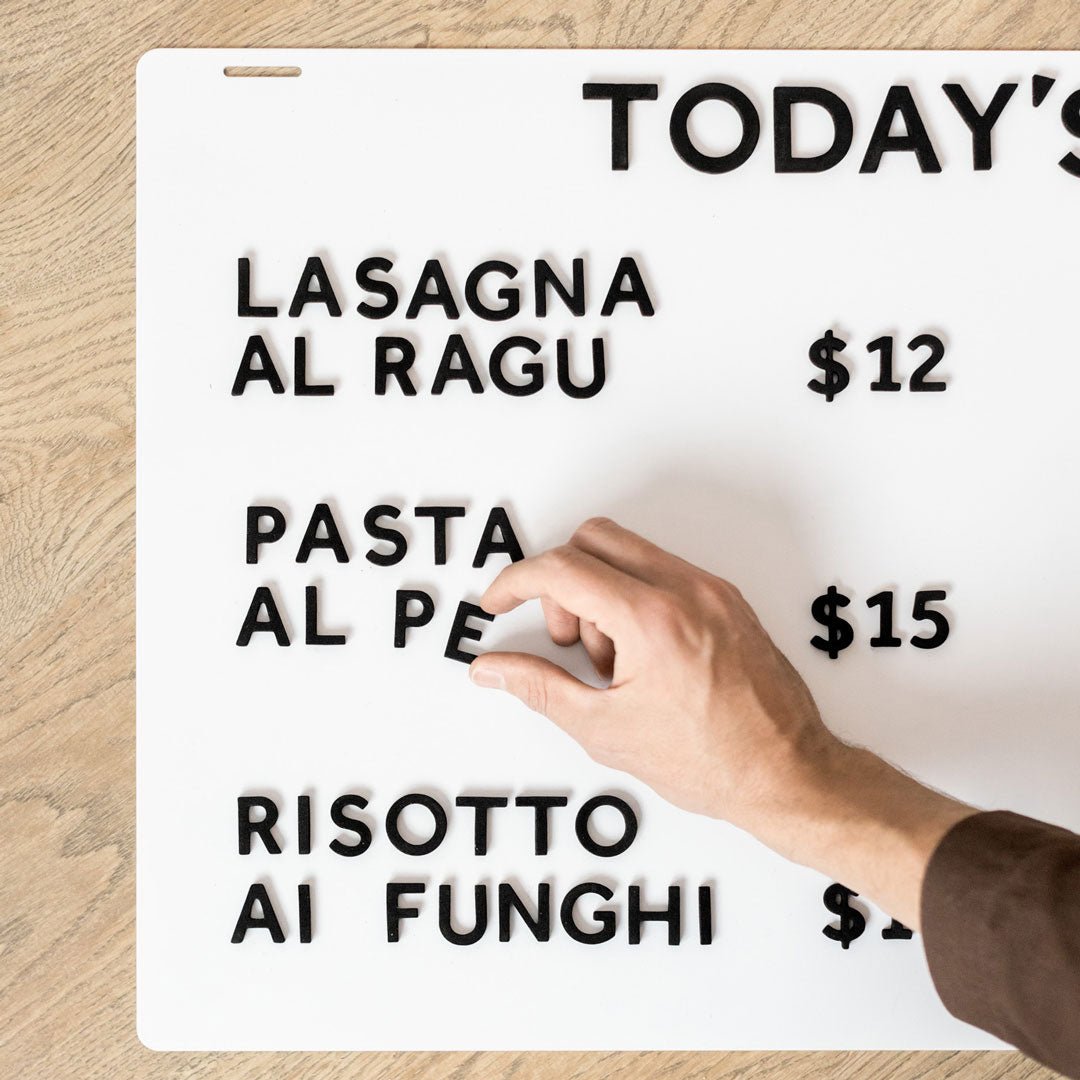
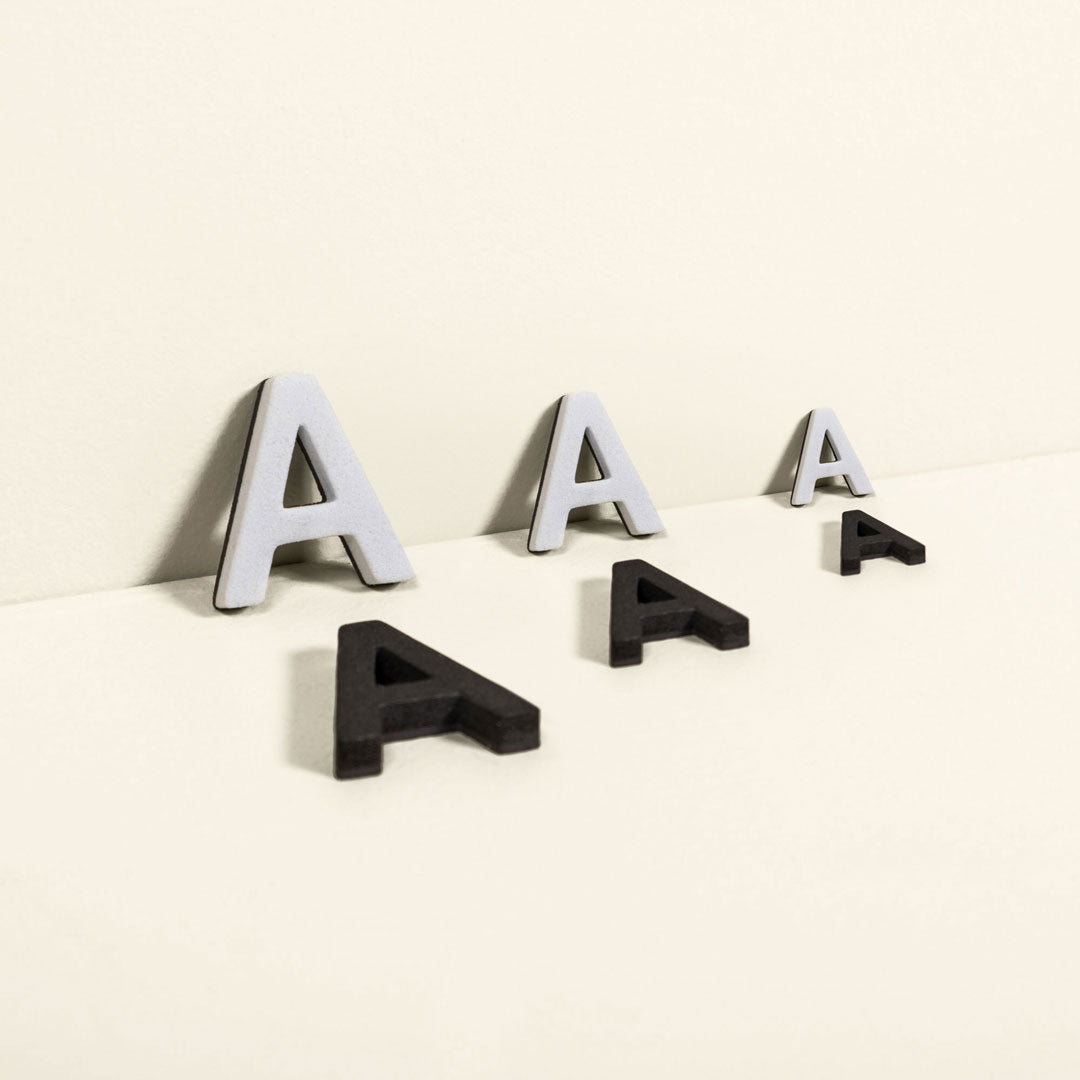
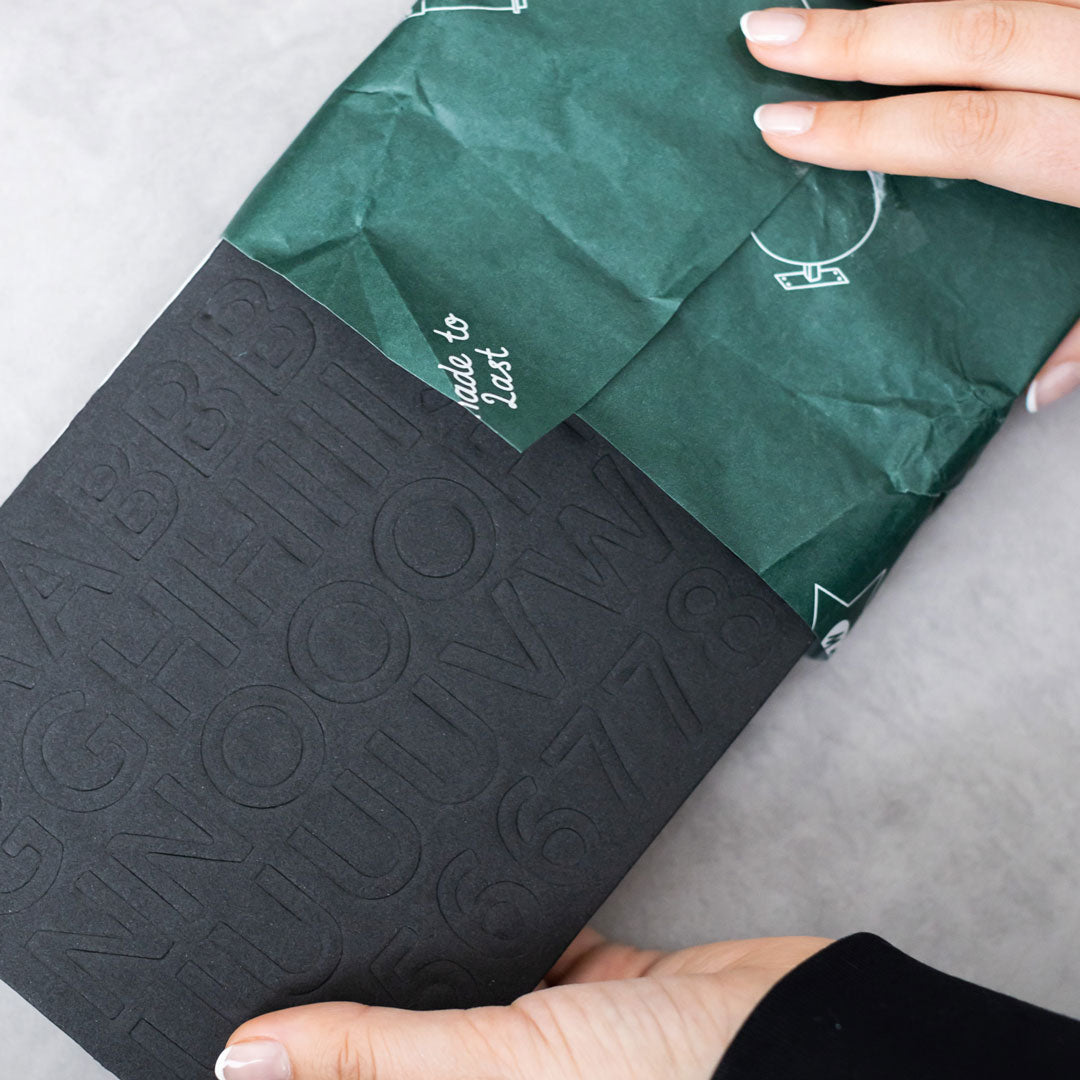
Using a system with interchangeable letters makes this process simple. For instance, a tabletop sign with magnetic letters allows you to change your message in seconds. Plan your promotions with a content calendar to align your signs with holidays, seasons, or special events. When displaying promotions, ensure the terms and conditions are clear to avoid customer confusion.
Choosing the Right Sign for Your Space
The physical quality of your signs says a lot about your business. A flimsy piece of paper in a plastic holder sends a very different message than a sturdy, well designed sign.
Materials, Durability, and Sustainability
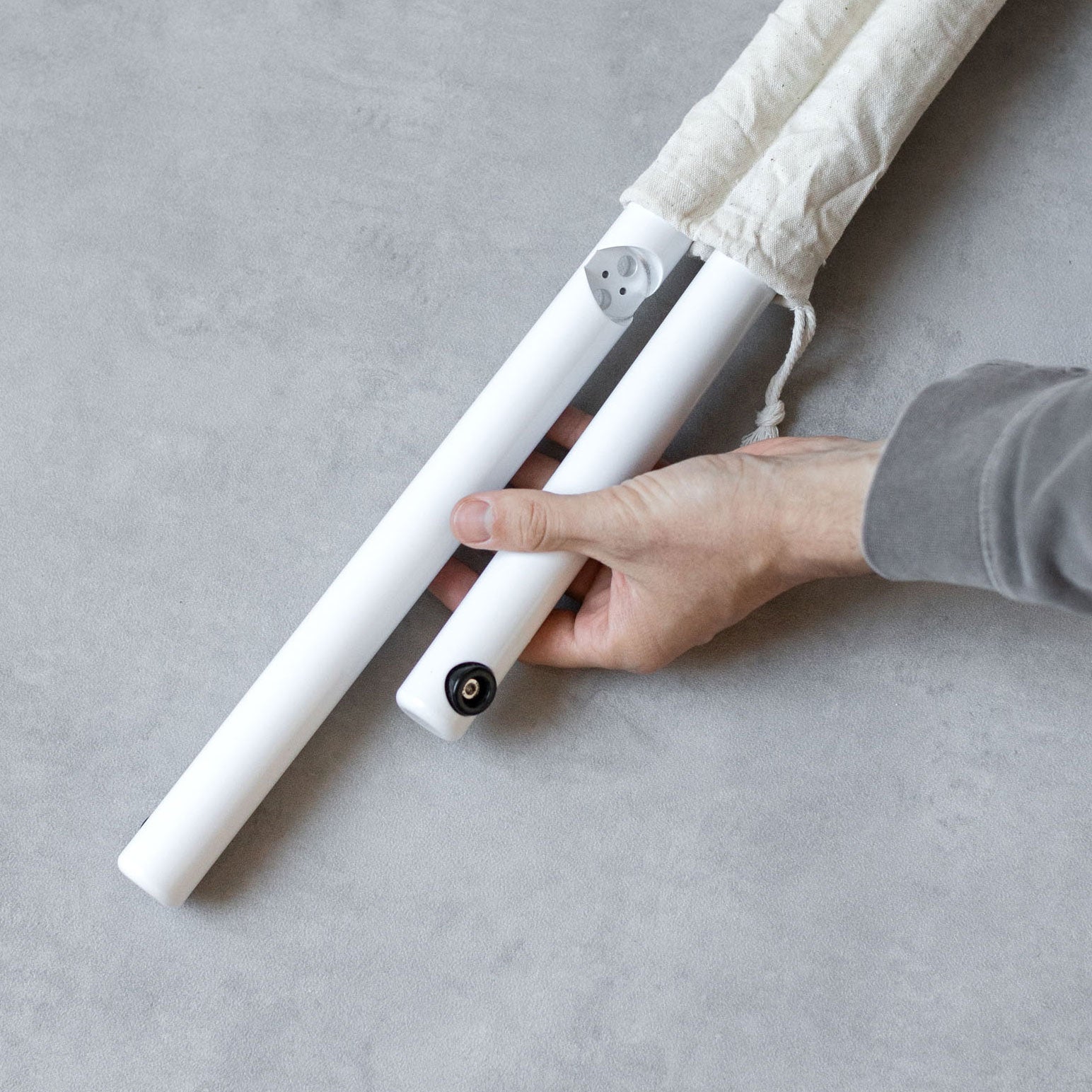
For high traffic environments like cafes and boutiques, durability is key. Materials like powder coated aluminum and steel are not only stylish but also resistant to chipping and wear. Investing in quality, long lasting signage is also a sustainable choice, as it reduces waste from constantly replacing cheap, broken signs. Look for signs with a stable base to prevent them from tipping over in busy areas. For maintenance, a simple wipe down with a soft cloth is usually all that is needed to keep metal or wood signs looking pristine.
A Guide to Size, Format, and Placement
Where you place your countertop display signs is just as important as what they say. Common sizes like 4x6 or 5x7 inches are large enough to be seen without cluttering the counter. Consider the viewing angle. Place signs at a slight angle, facing the customer, to make them easy to read without leaning over.
Prime locations include:
- The Checkout Counter: This is your last chance to communicate. Research shows that nearly one in six brand purchases are made when a product display is present in the store, making this a prime spot for upsells, promoting a loyalty program, or sharing social media handles.
- Dining Tables: In a cafe or restaurant, table signs are perfect for showcasing desserts, drink specials, or a QR code for your digital menu.
- Product Displays: Place a small pricing sign next to a new product. A simple “New Arrival” or “Staff Pick” can spark curiosity.
- Service and Welcome Desks: Use signs to provide clear instructions or a warm greeting.
Industry Specific Ideas and Use Cases
How you use countertop display signs can vary greatly by industry.
- Hospitality (Cafes & Restaurants): Display the Wi Fi password, reserve tables, showcase the soup of the day, or label different milks and sugars at the coffee station.
- Retail (Boutiques & Studios): Announce a sale, provide product information, display prices, or share your Instagram handle to build a community.
- Events & Services (Workshops & Salons): List service options, welcome clients, provide instructions for an event, or display practitioner names.
Modernizing Your Countertop Displays
While classic signs are timeless, modern tools can enhance their functionality.
Digital vs. Static Displays
Digital screens offer dynamic content but can be costly, require power, and sometimes feel impersonal. Static signs, crafted from quality materials like wood or metal, offer a tactile, permanent, and often more elegant solution. They are reliable, never suffer from technical glitches, and contribute to a calm, considered atmosphere. For many design focused brands, the timeless appeal of a physical sign is a better fit.
Best Practices for QR Codes
QR codes are a fantastic way to bridge your physical and digital presence. Use them on countertop signs to:
- Link directly to a digital menu.
- Encourage social media follows.
- Join a mailing list.
- Access a Wi Fi network.
- Make a payment.
Always include a clear call to action next to the QR code, such as “Scan for Menu” or “Follow Us Online,” so customers know what to expect.
Practical Considerations for Business Owners
Beyond design, a few practical details ensure you get the most from your signage.
Budgeting and Cost Drivers
The cost of countertop signs is driven by material, size, and craftsmanship. While budget options exist, investing in durable, well designed signs pays off in the long run. They withstand wear and tear and elevate your brand perception, making them a worthwhile marketing investment. Ordering signs for multiple locations at once can sometimes provide better value.
Customization and Branding
Many of the best signage systems are supplied blank. This allows you to work with a local signwriter to apply your logo or branding with vinyl decals. This approach gives you a high quality, architectural base product combined with complete control over your brand’s specific look, often more quickly and affordably than fully custom fabrication.
Accessibility and Compliance
Ensure your signs are easy to read for everyone by using large, clear fonts. For businesses in diverse communities, offering bilingual signage can be a welcoming touch that improves the customer experience.
Common Mistakes to Avoid
- Too Much Information: A cluttered sign is an unread sign. Focus on one clear message.
- Inconsistent Branding: Mixed fonts, colors, and logos look unprofessional.
- Poor Placement: Hiding signs behind equipment or in low traffic areas defeats their purpose.
- Outdated Content: A sign advertising last week’s special makes your business look careless.
- Low Quality Materials: Flimsy, stained, or cracked signs reflect poorly on your brand.
Measuring Success and Alternatives
Countertop signs work as part of a larger communication strategy.
How to Know if Your Signs Are Working
Measuring the ROI of a small sign can be simple. If you use a sign to promote a specific pastry, track its sales. If a sign asks for social media follows, watch your follower count after introducing it. You can also observe customers. If they are interacting with the signs and following their instructions, you know they are working.
Complements to Countertop Signs
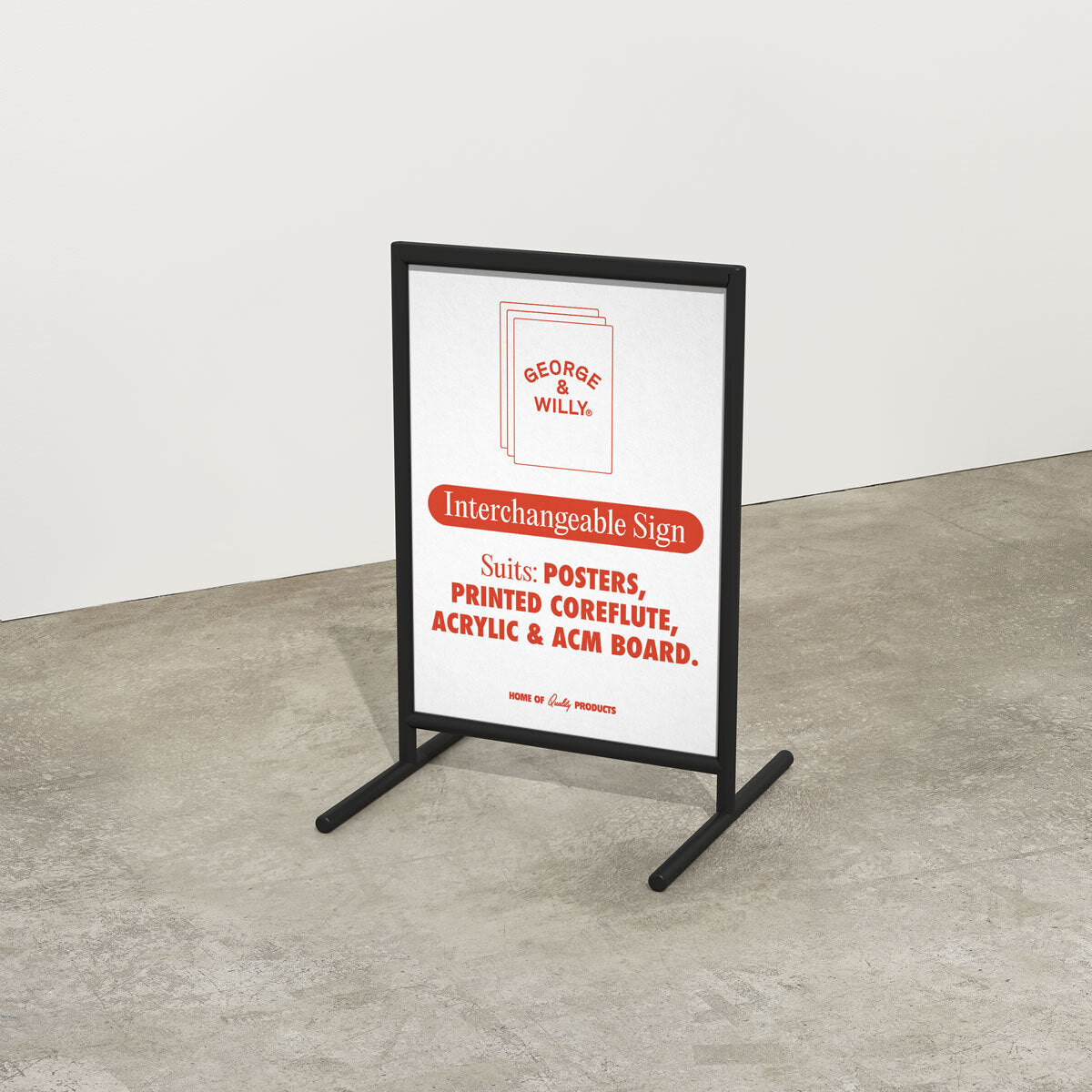
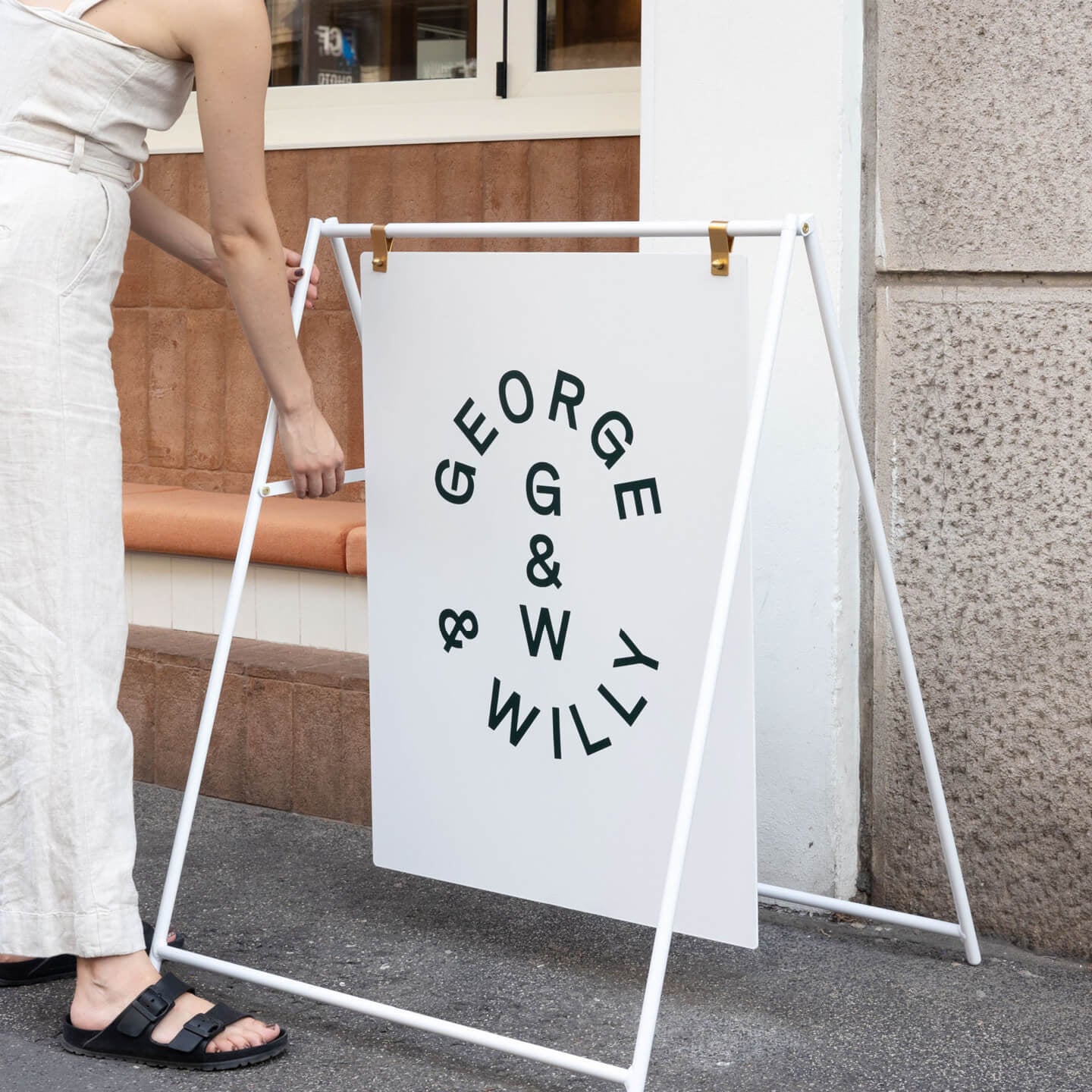
Your counter signs should not work in isolation. They are most effective when they are part of a cohesive signage family. This includes a welcoming A-frame on the sidewalk, clear overhead menu boards, and helpful wayfinding signs. According to research, nearly 76% of consumers have entered a store for the first time based on its signs alone. A consistent visual language across all touchpoints creates a seamless and memorable brand experience.
Frequently Asked Questions
1. What information should I put on a countertop sign?
Keep it concise. Focus on one key message per sign, such as a special offer, a call to action (“Follow us on Instagram”), product information (“Locally Sourced”), or simple directions (“Order Here”).
2. How big should my countertop display signs be?
They should be large enough to be easily read from a short distance but small enough that they do not clutter your counter space. Typically, signs between 4x6 inches and 8x10 inches work well.
3. What are the best materials for durable counter signs?
For longevity in busy environments, look for materials like powder coated aluminum, steel, or solid wood. These materials resist wear and tear and are easy to clean.
4. How often should I update the content on my signs?
It depends on your business. A cafe might update a sign daily, while a retail store might change promotional signs weekly or monthly. The key is to keep the information current and relevant.
5. Can I use countertop display signs for QR codes?
Absolutely. Counter and table signs are a perfect vehicle for QR codes that link to your menu, website, payment portal, or social media pages.
6. Where can I find stylish, high quality countertop display signs?
For businesses looking for a cohesive and design forward look, it’s best to source from a specialized supplier. Companies like George & Willy offer a range of thoughtfully designed signage to create a consistent brand aesthetic.