Office Signage
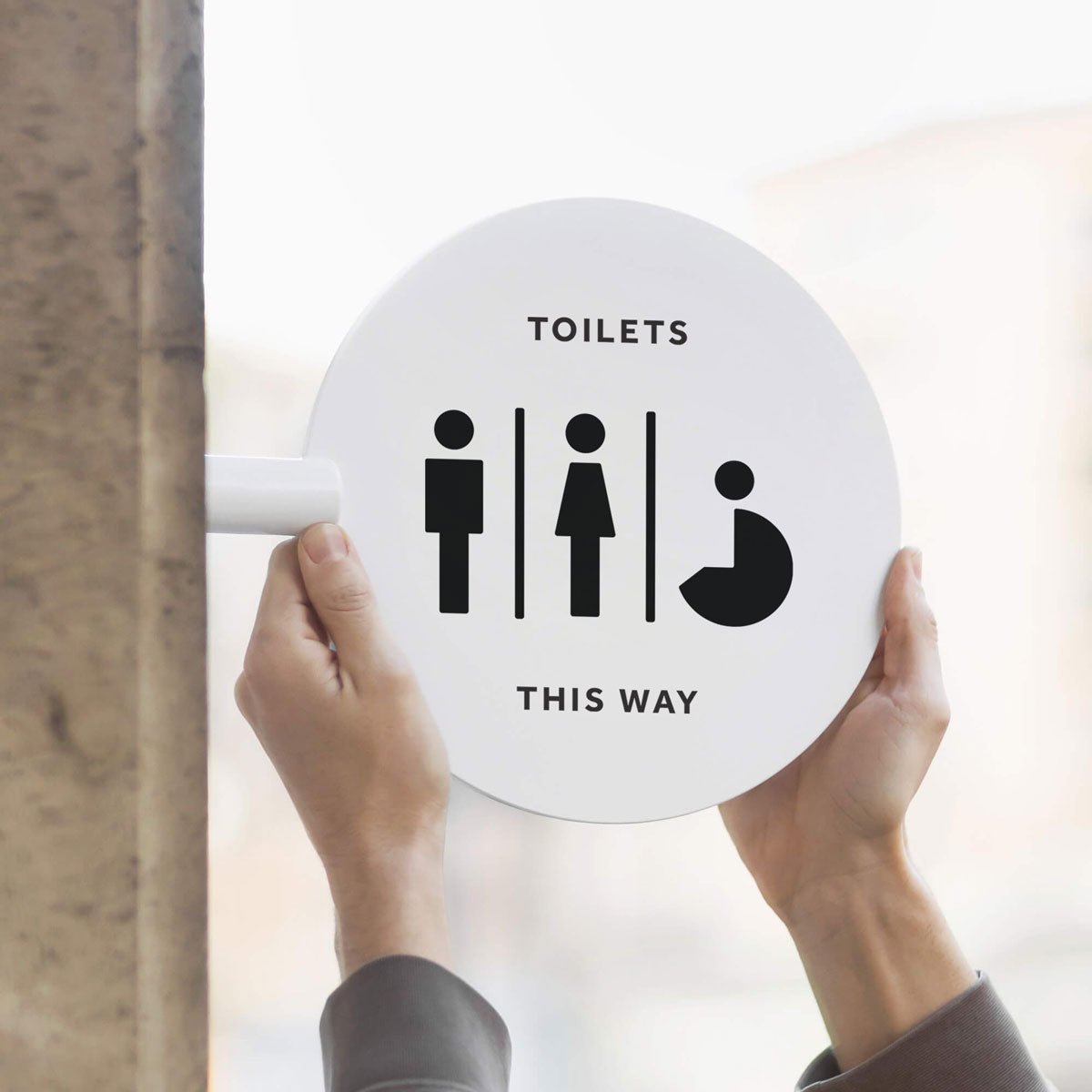
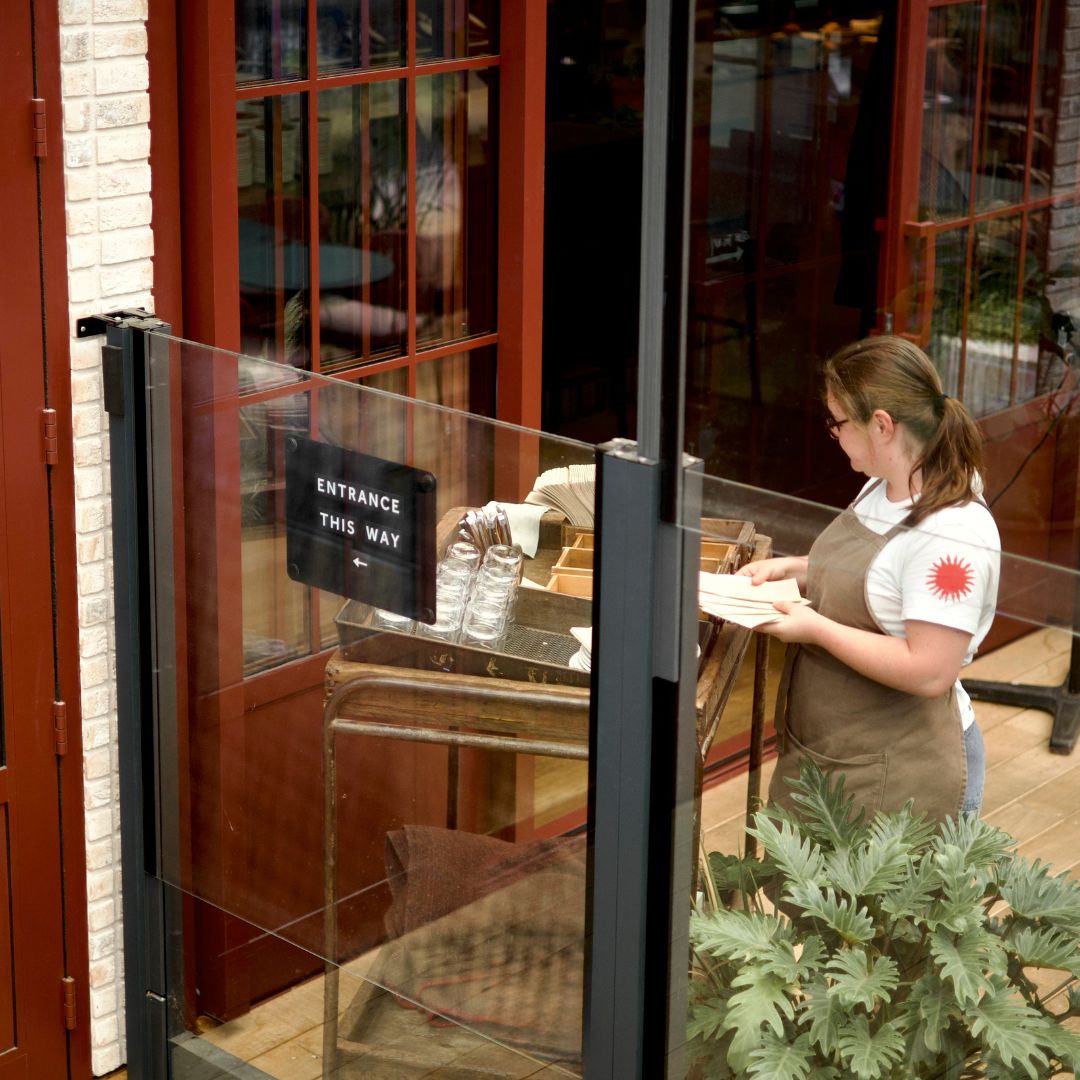
Office signage has one job: helping people find their way without anyone having to ask. That means restroom signs people spot from down the corridor, room names that read at a glance, and something at reception that tells a visitor they're in the right place.
This collection brings together the signs that do that work — wall-mounted, projecting, freestanding and counter — in the same materials and finishes, so a full fit-out looks like one system rather than a collection of parts.
Wayfinding and restroom signs
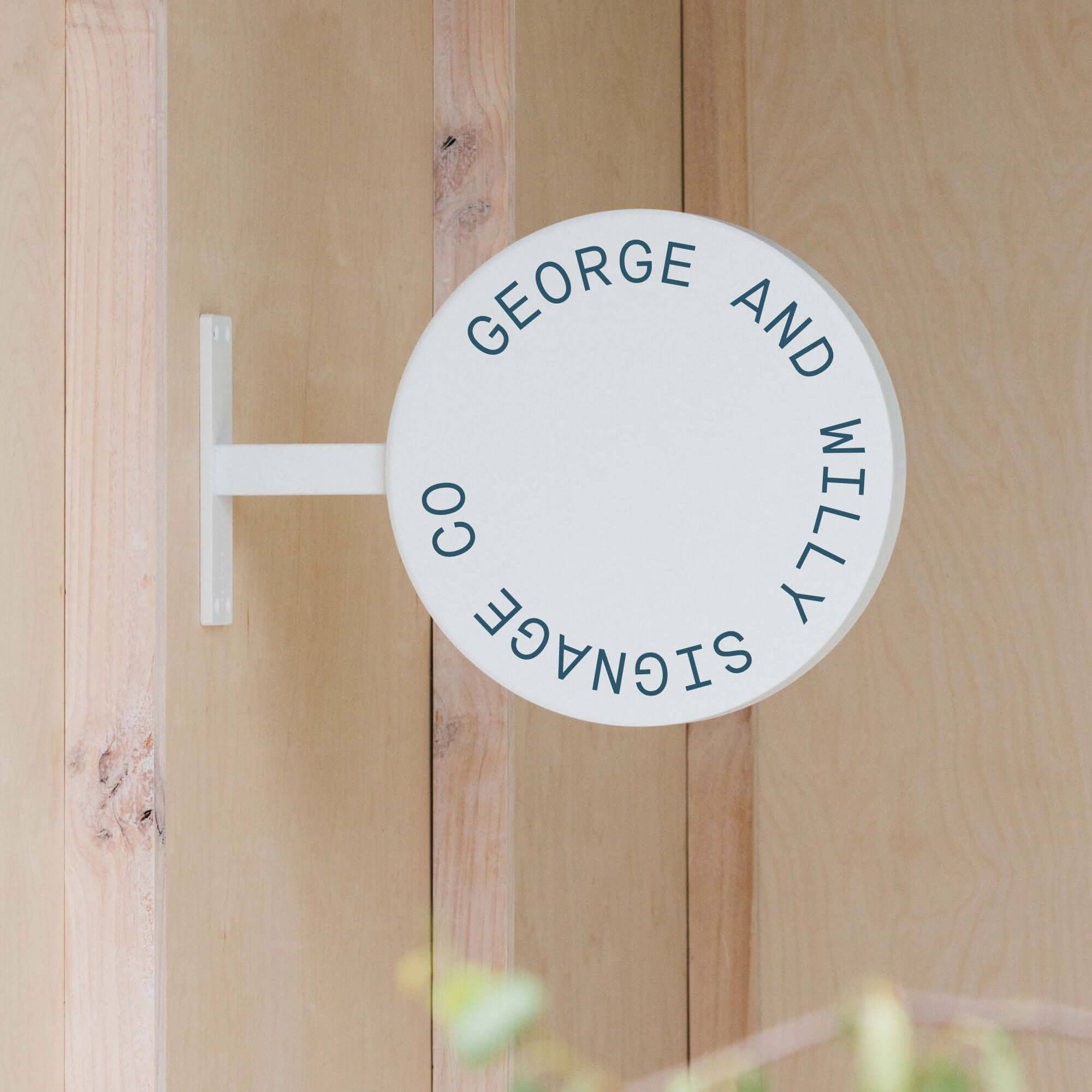
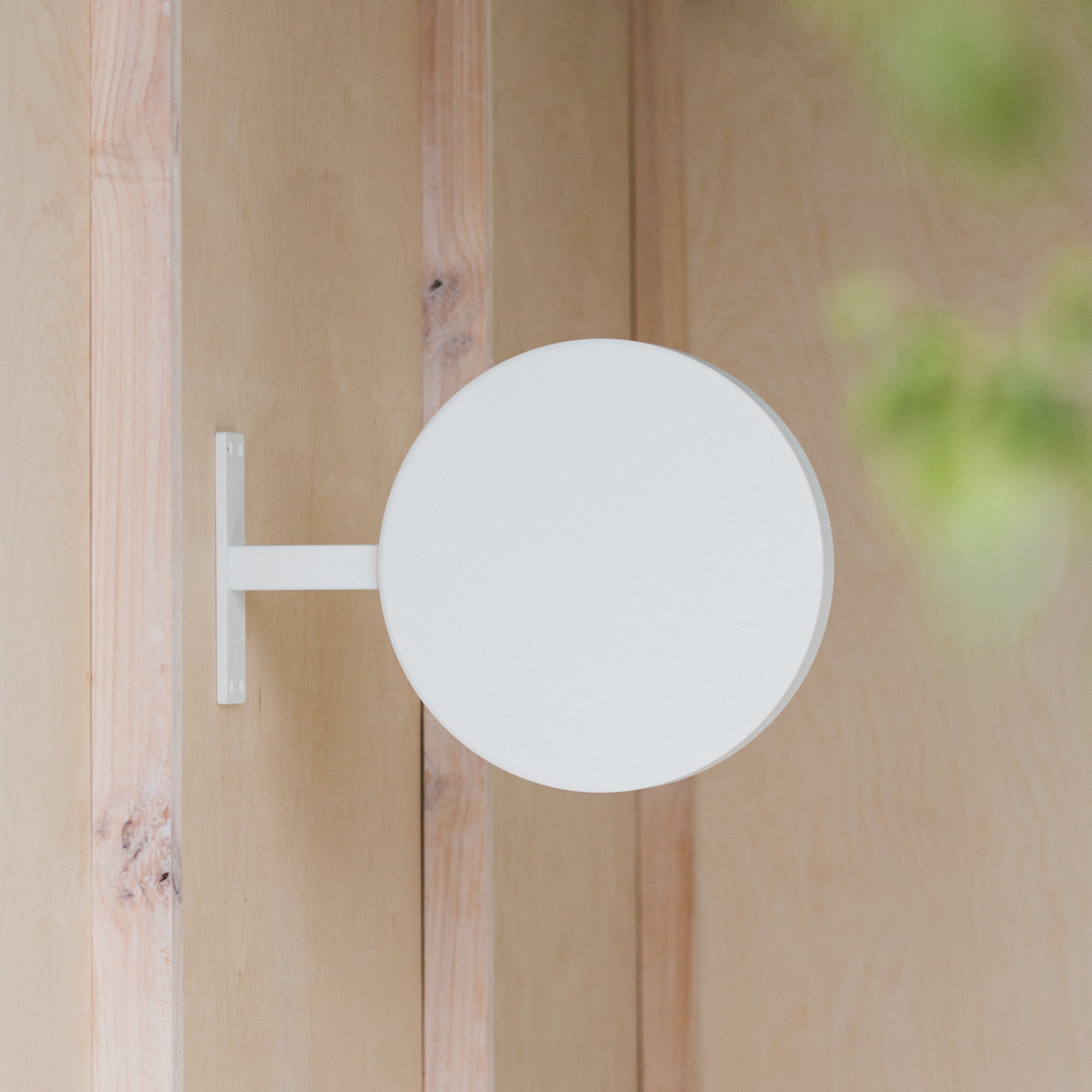
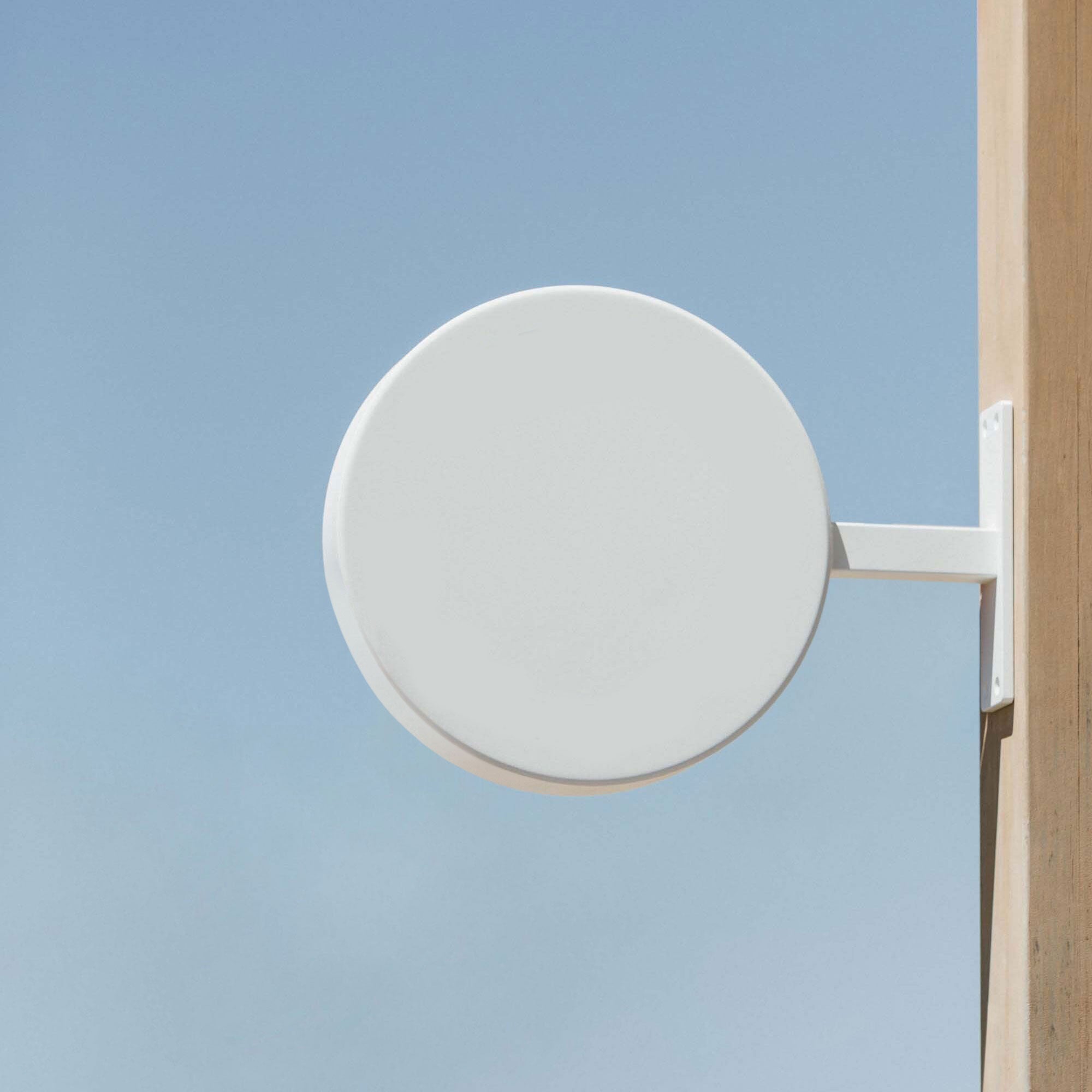
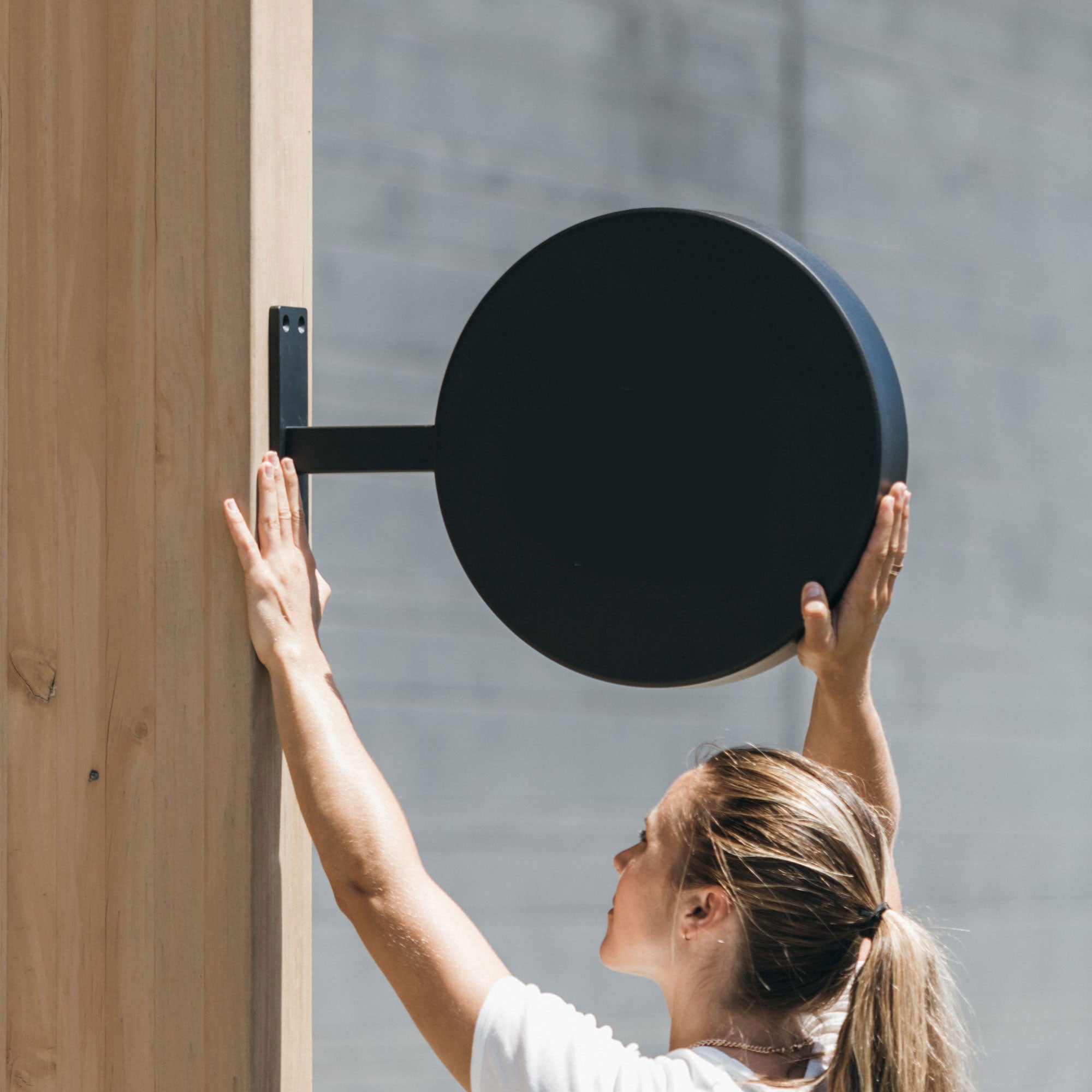
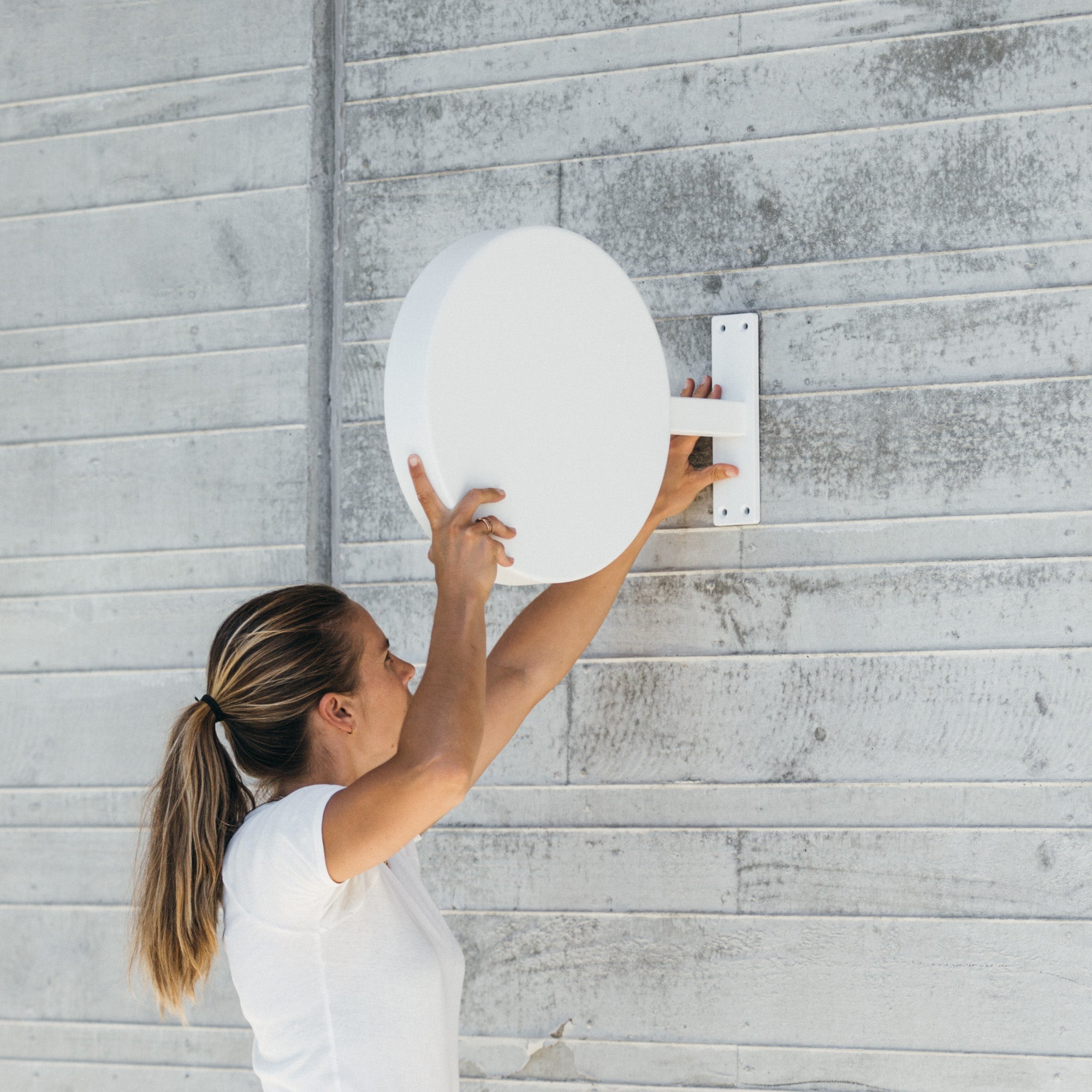
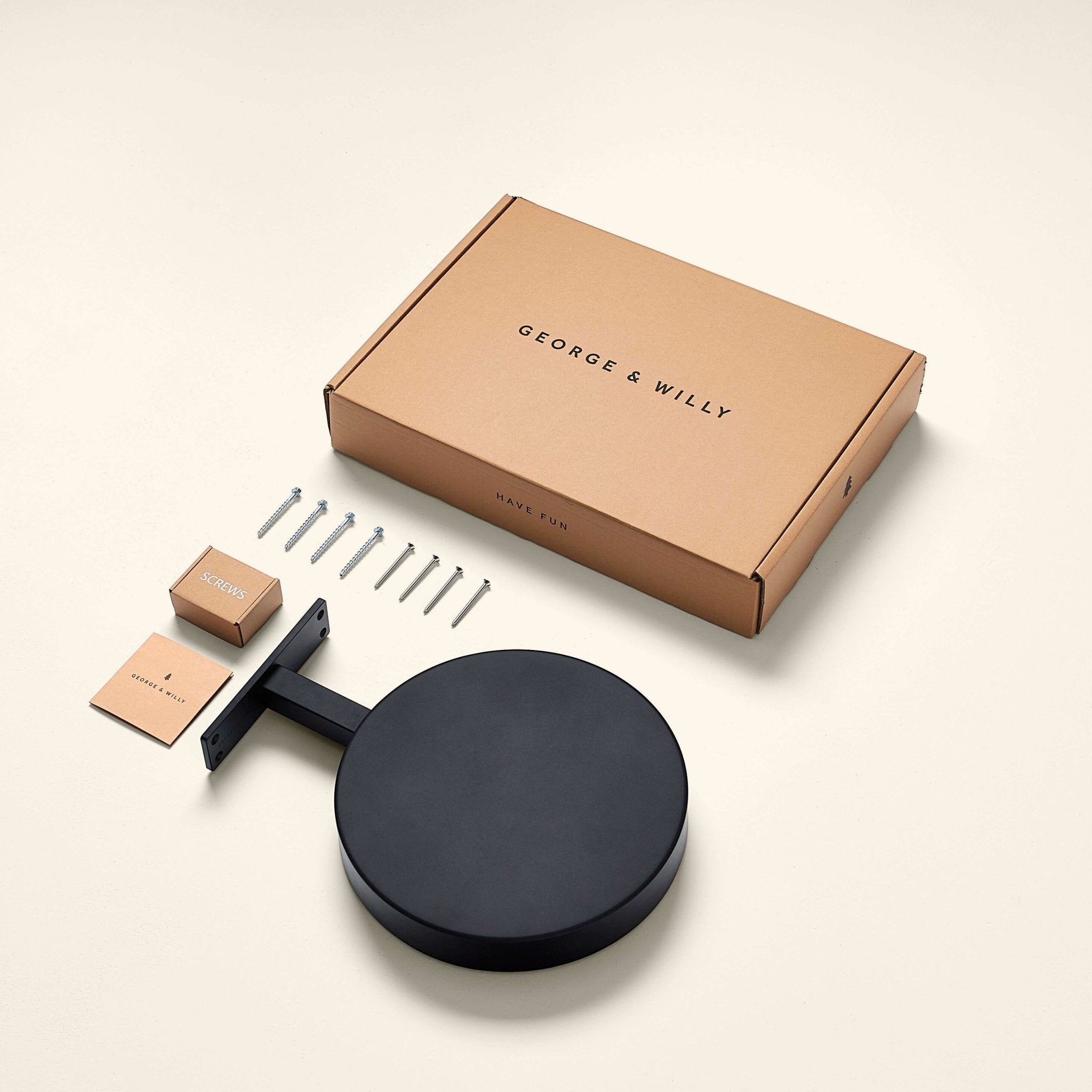
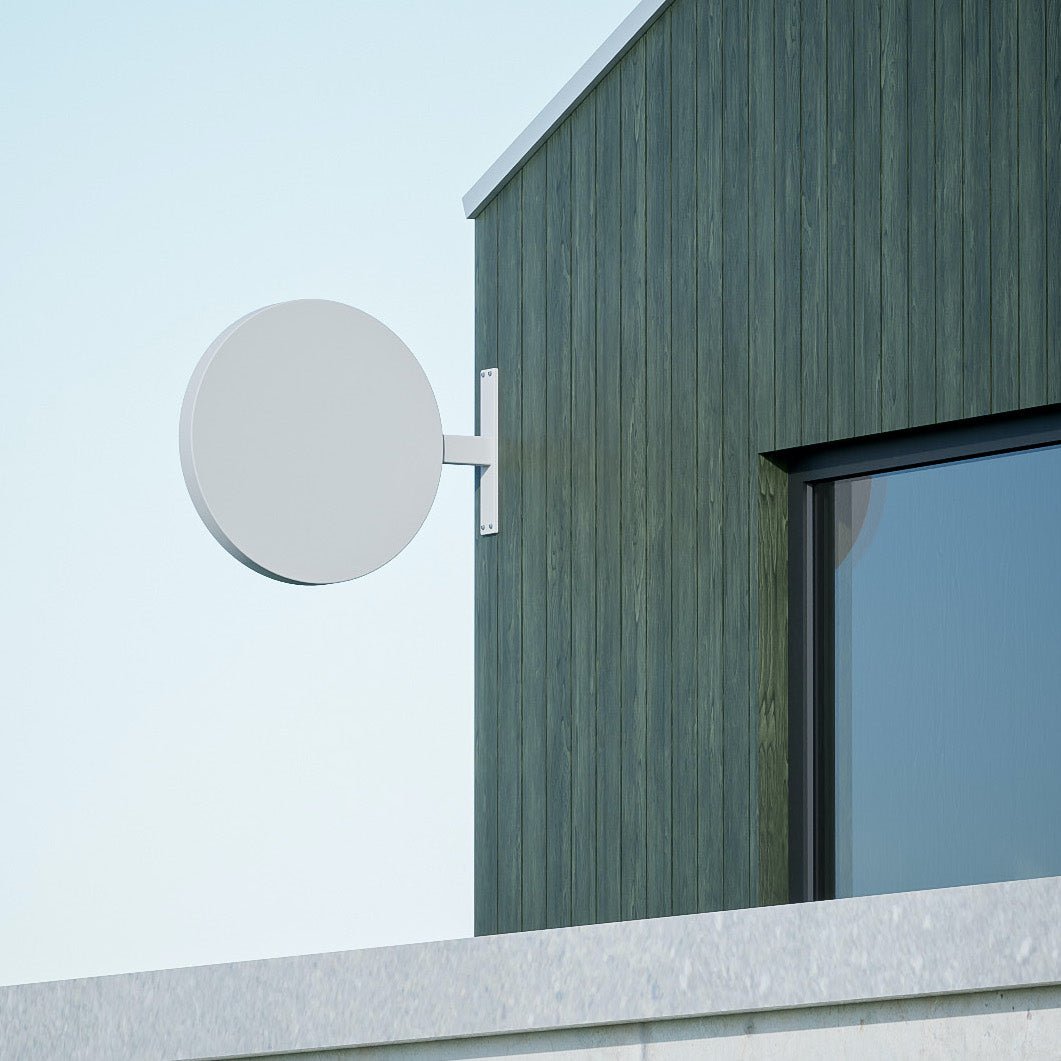
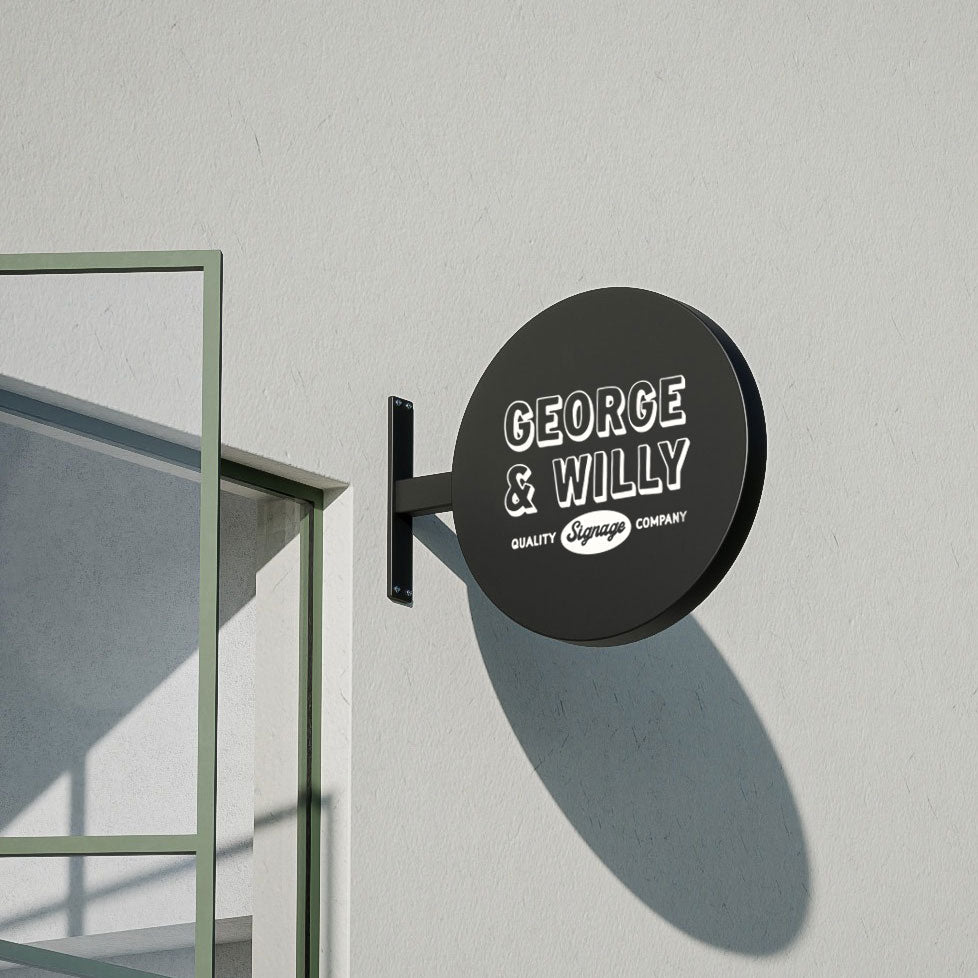
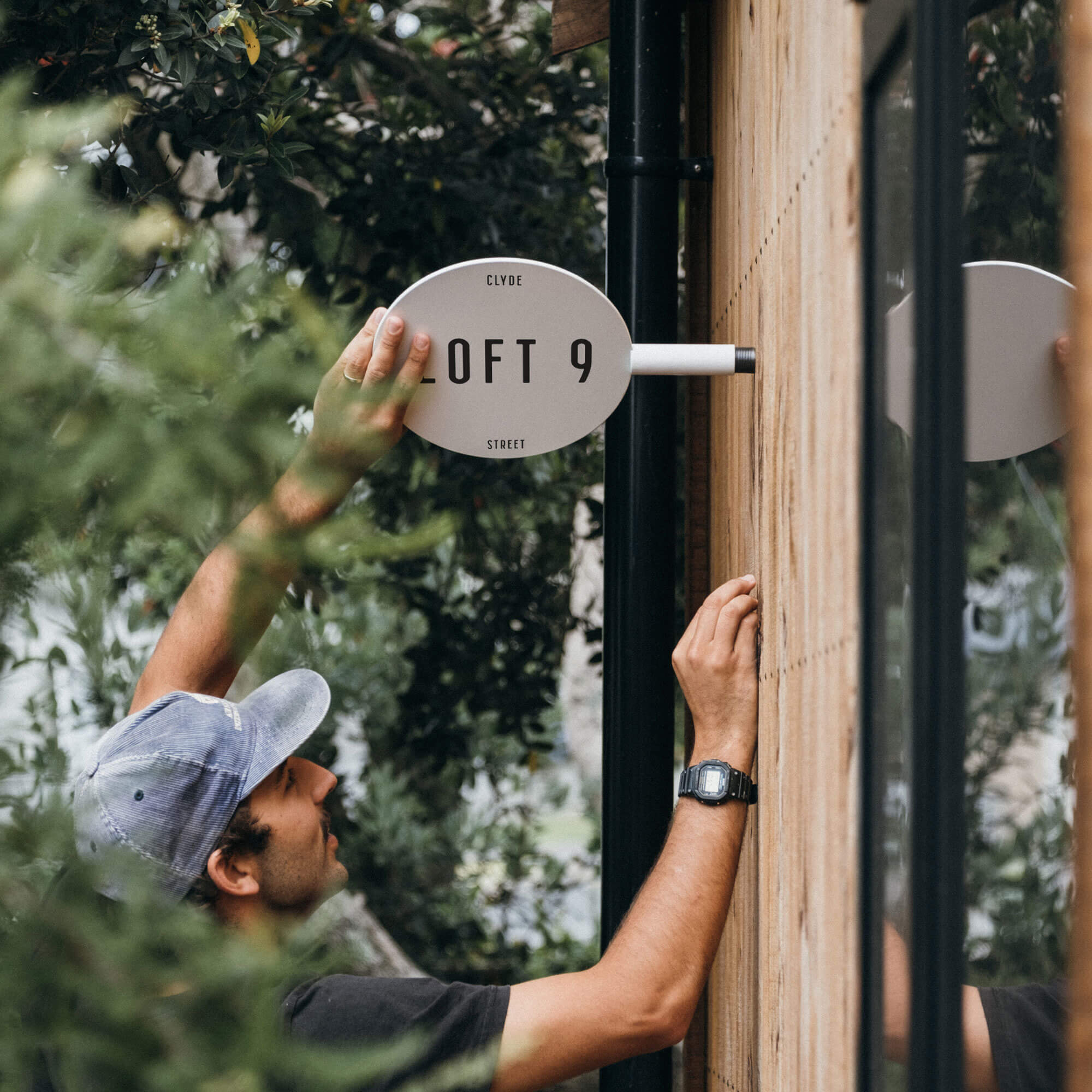
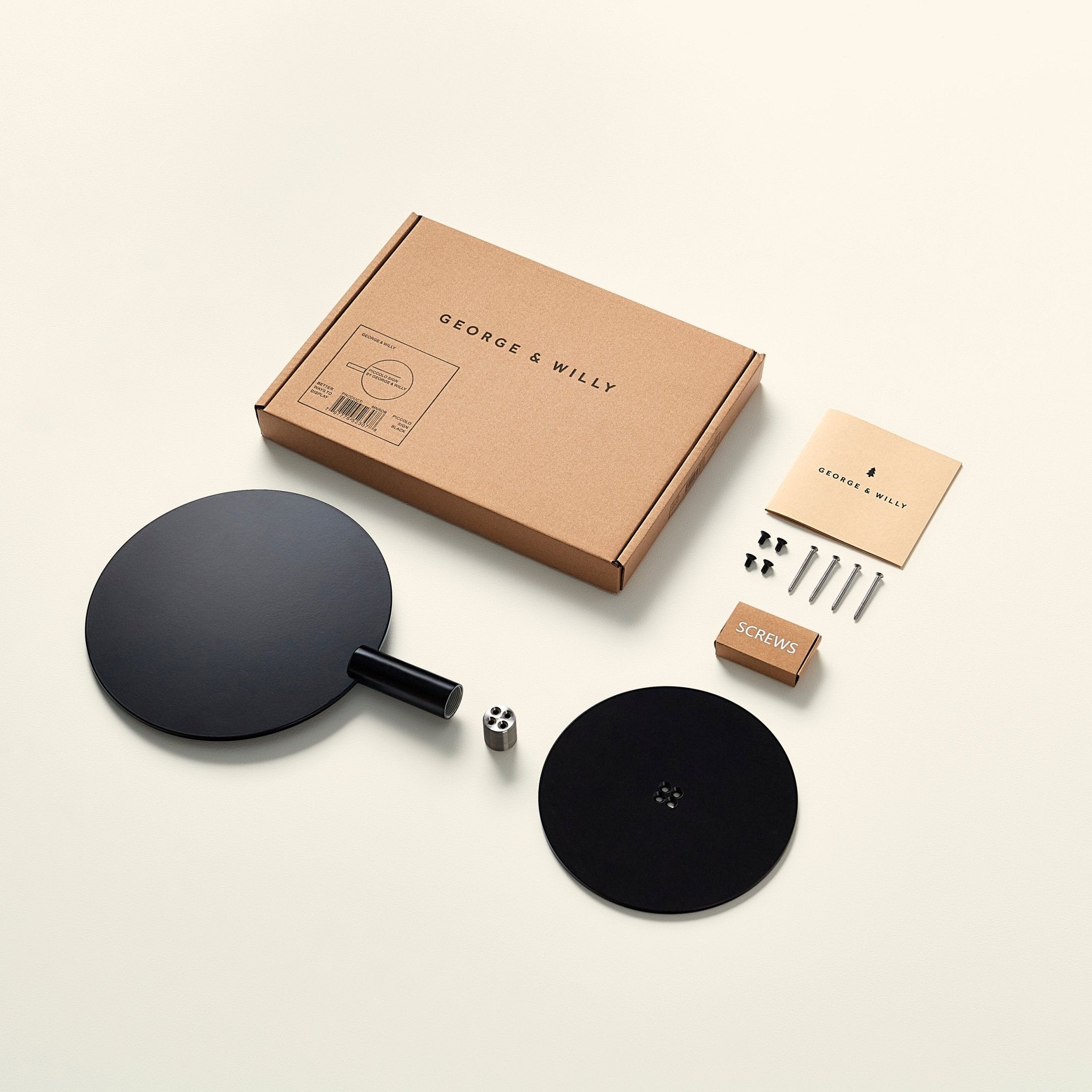
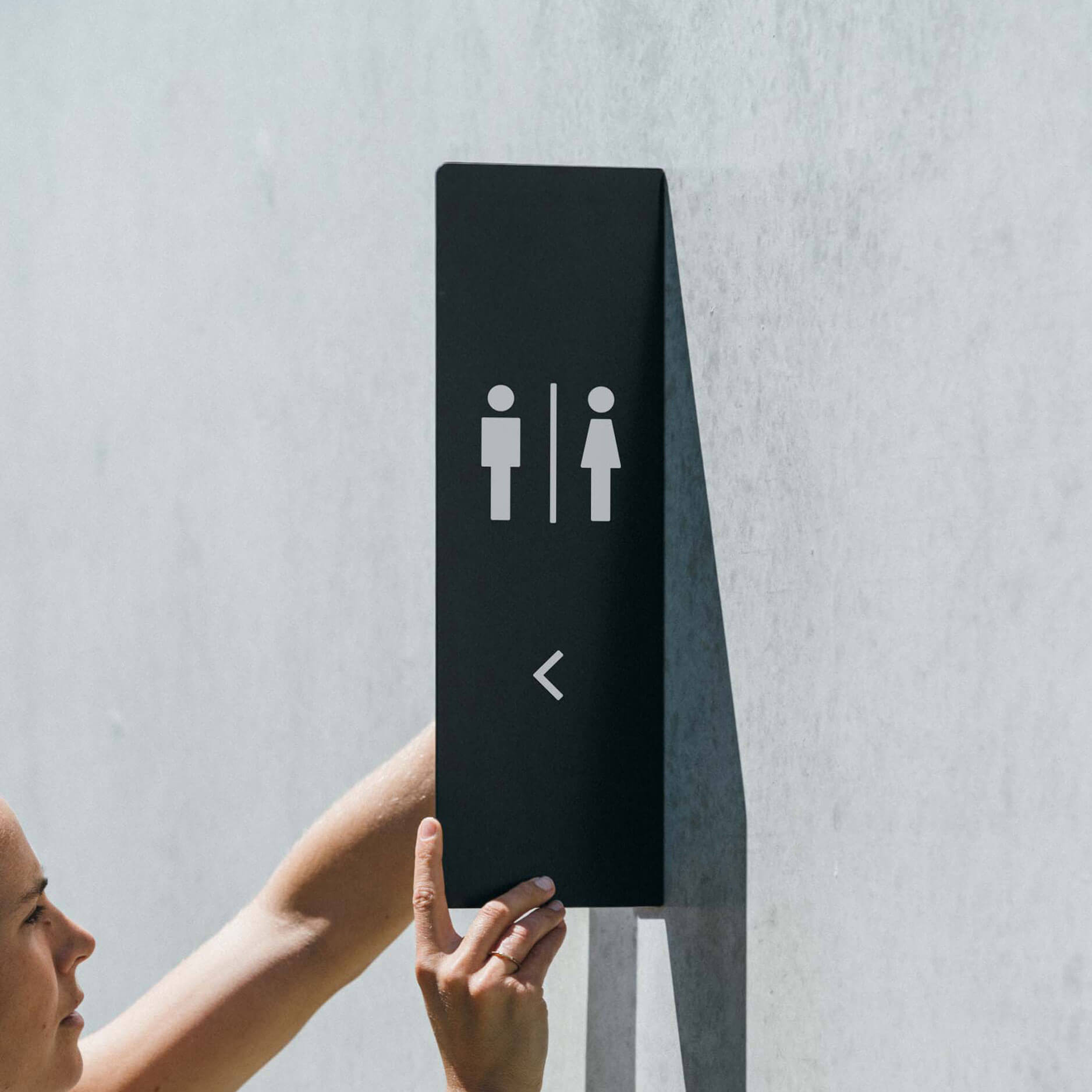
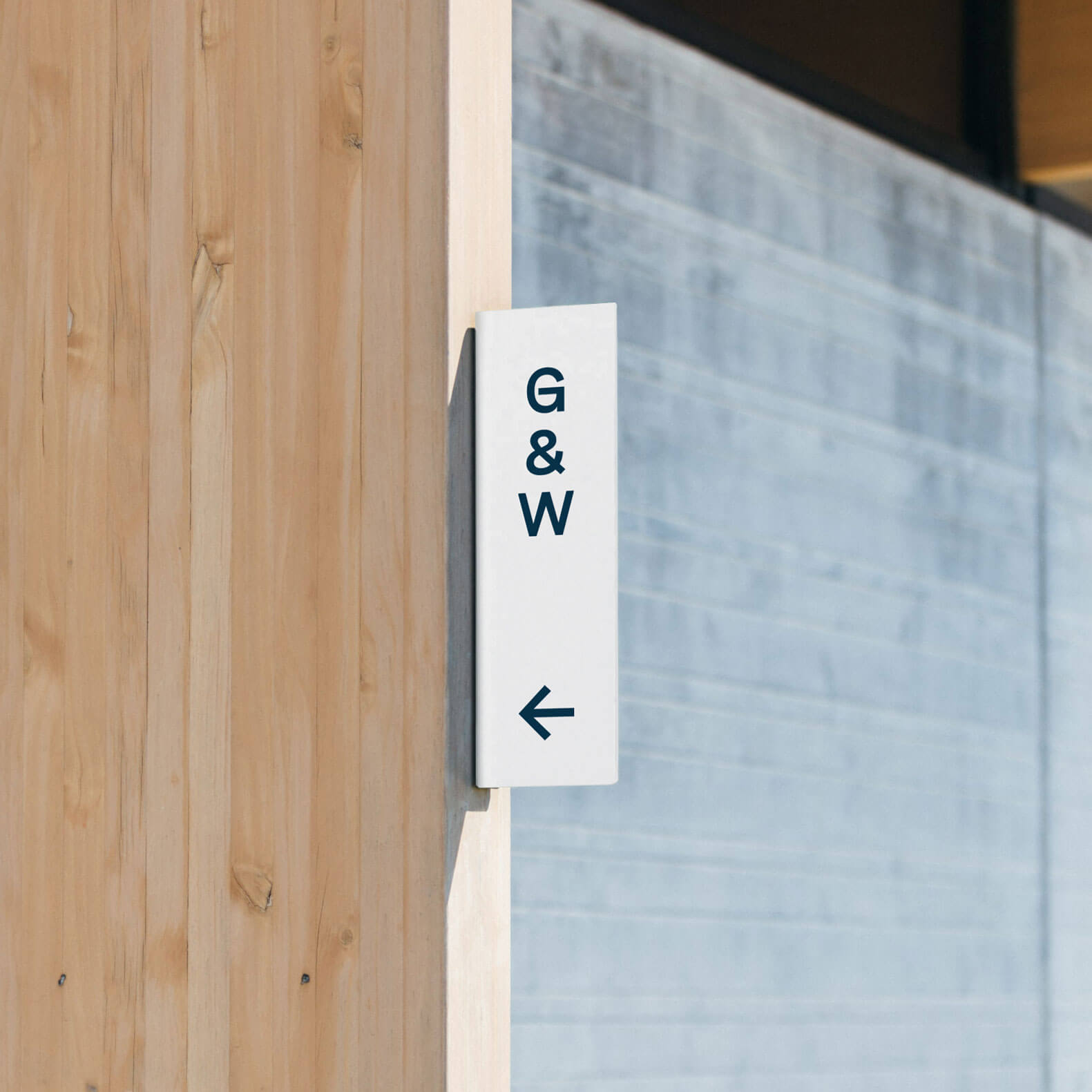
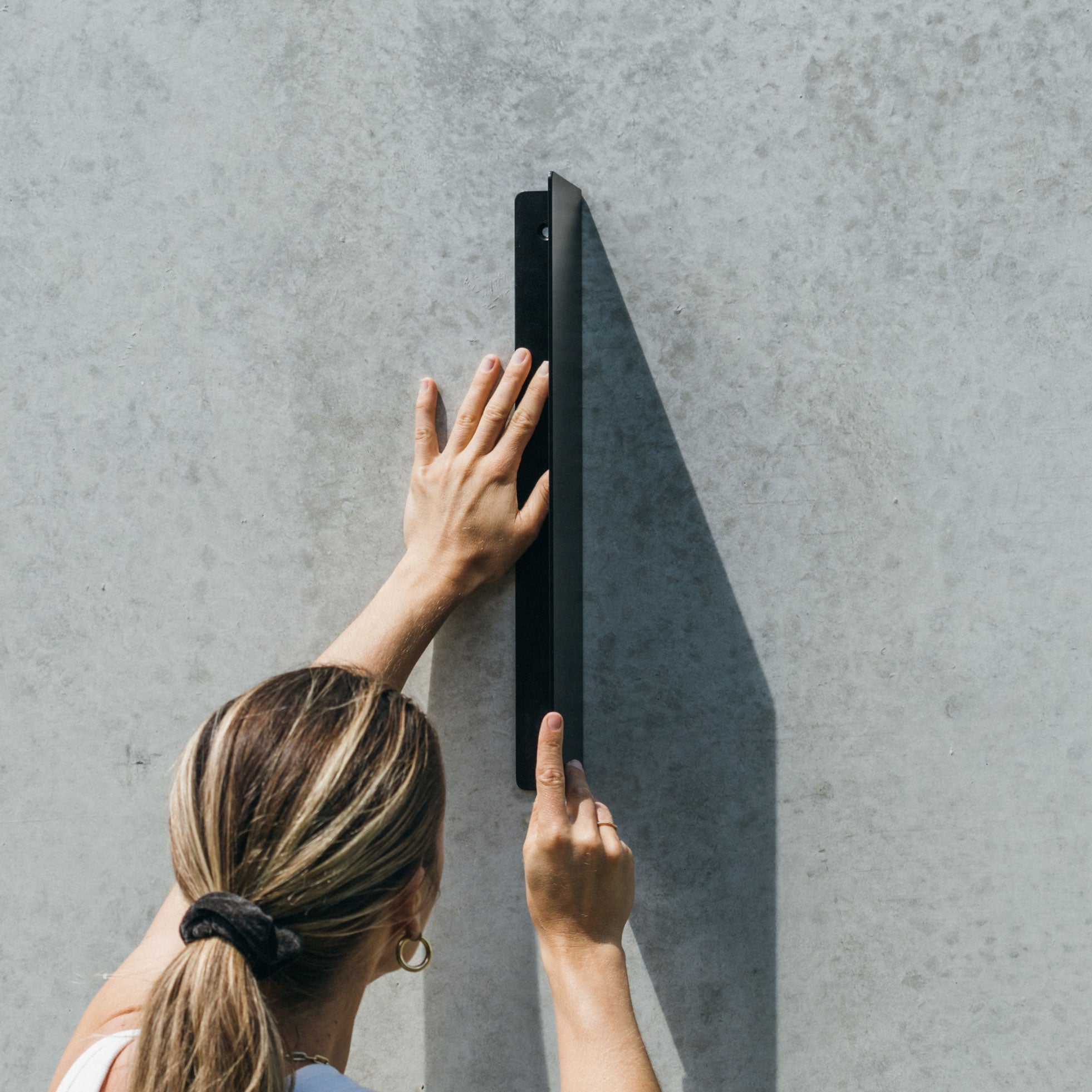
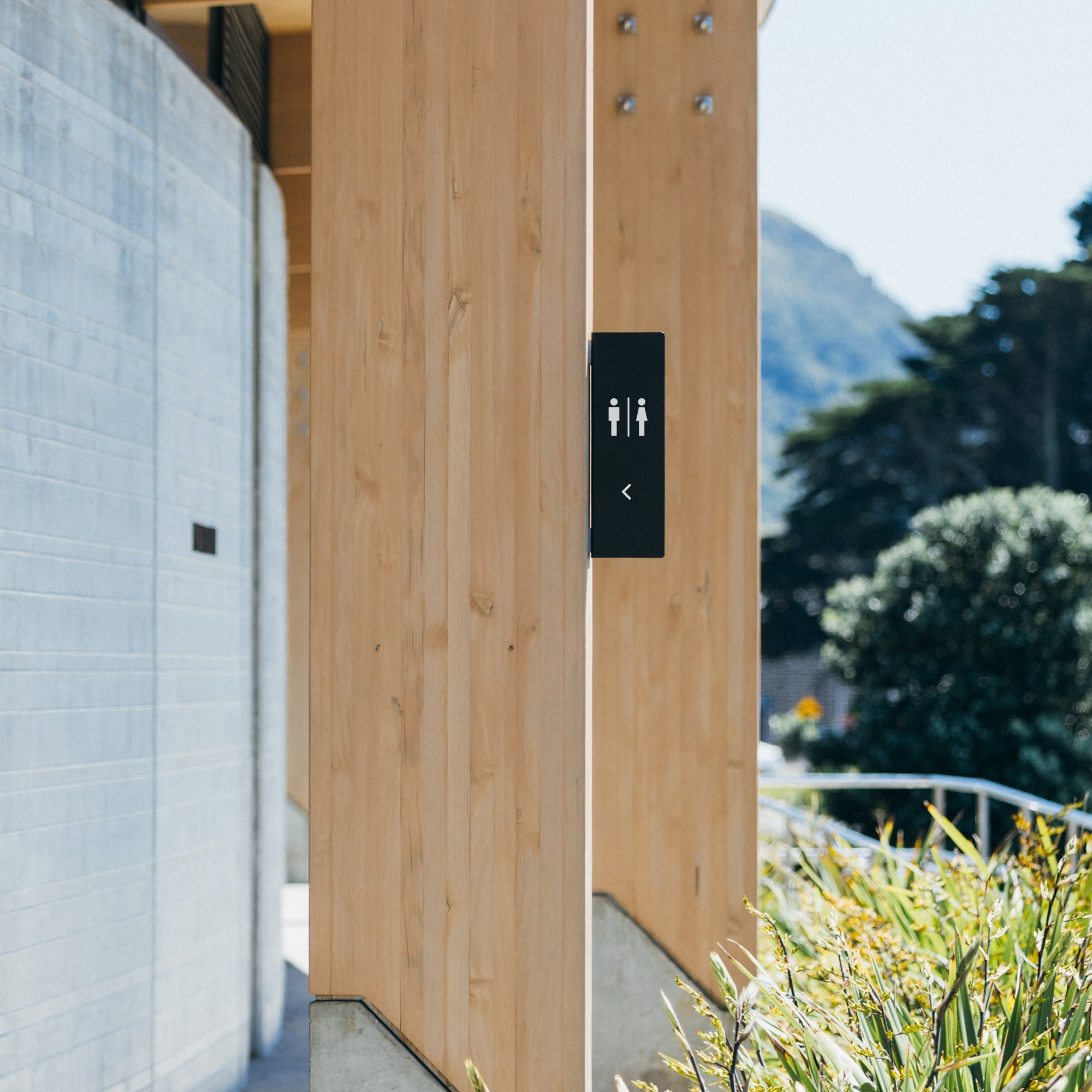
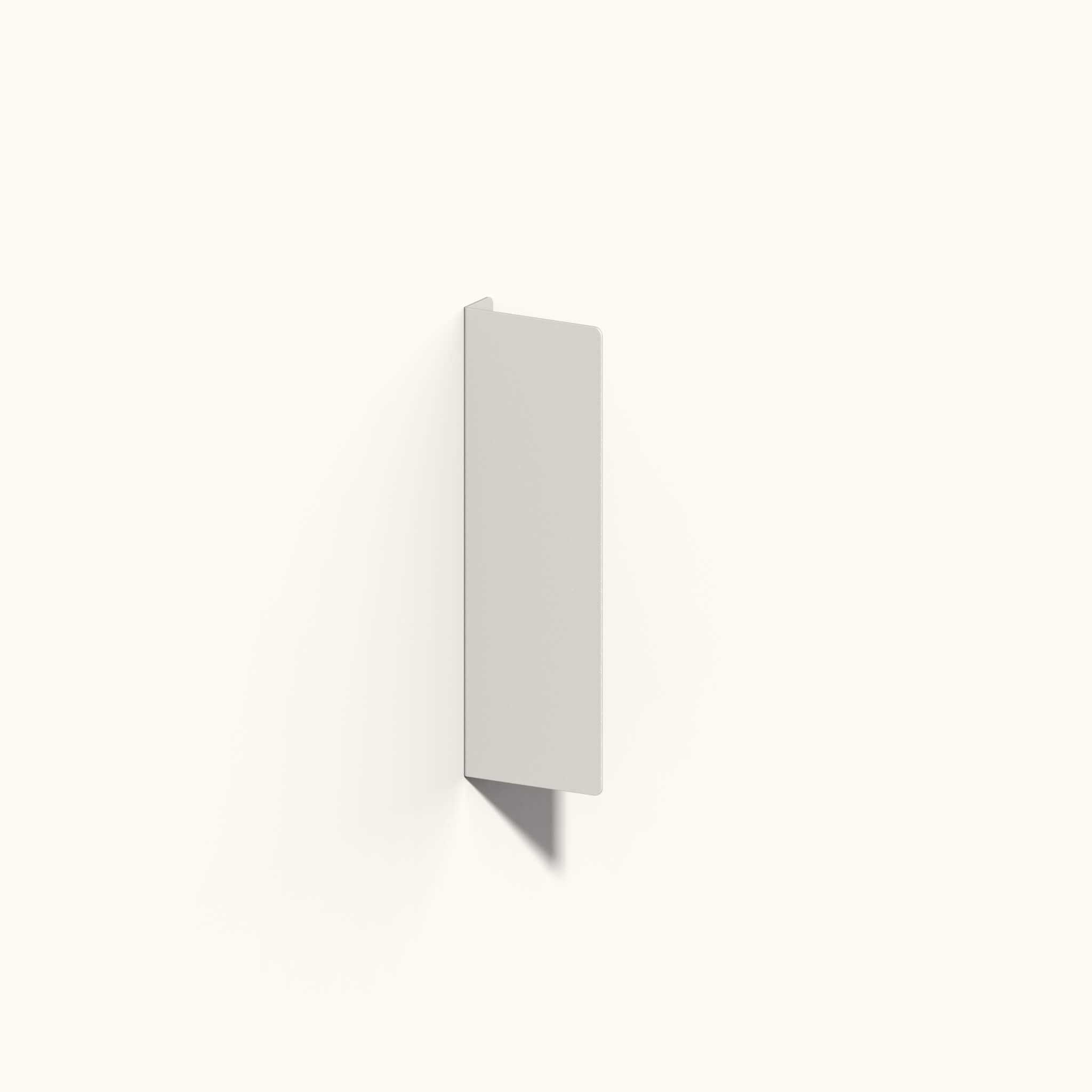
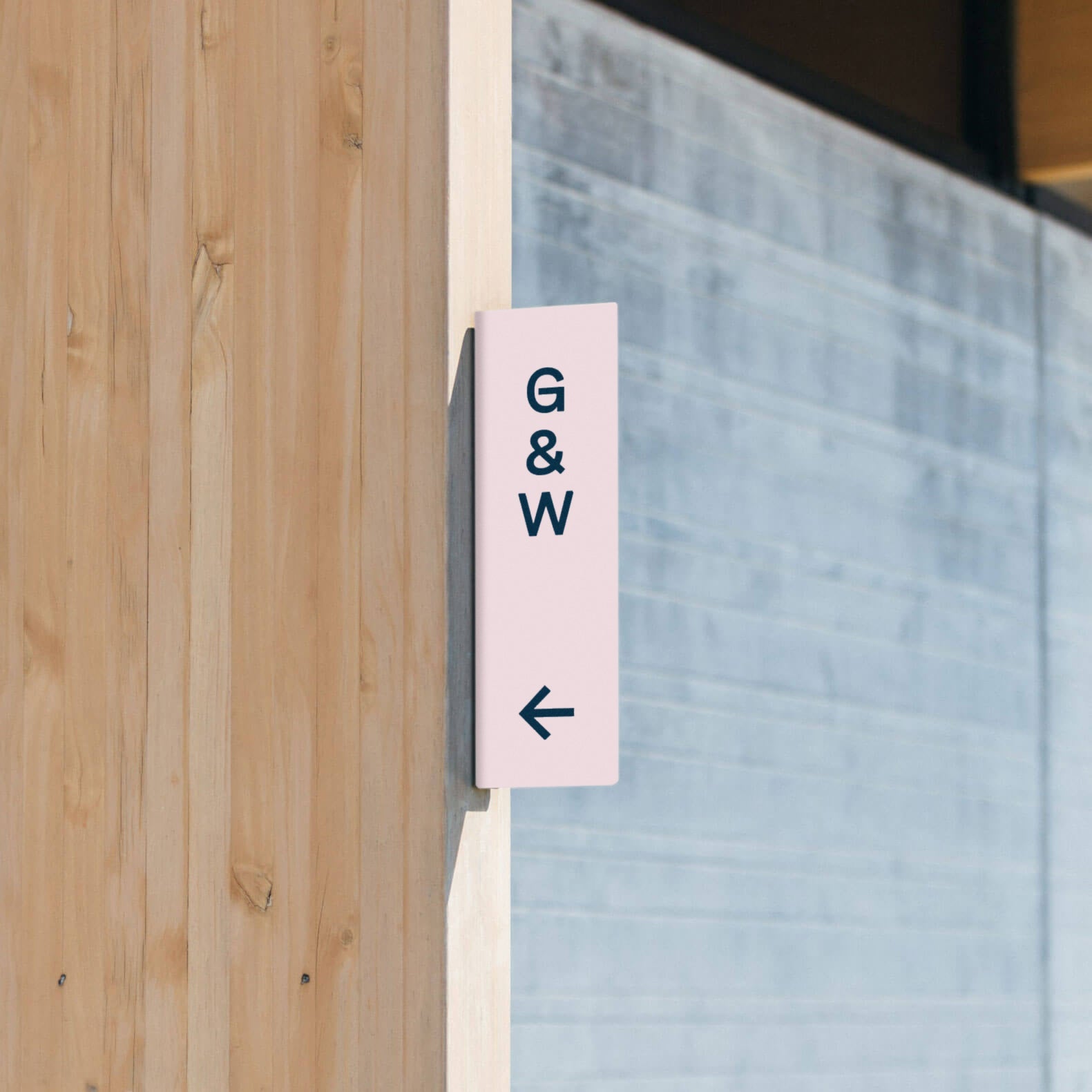
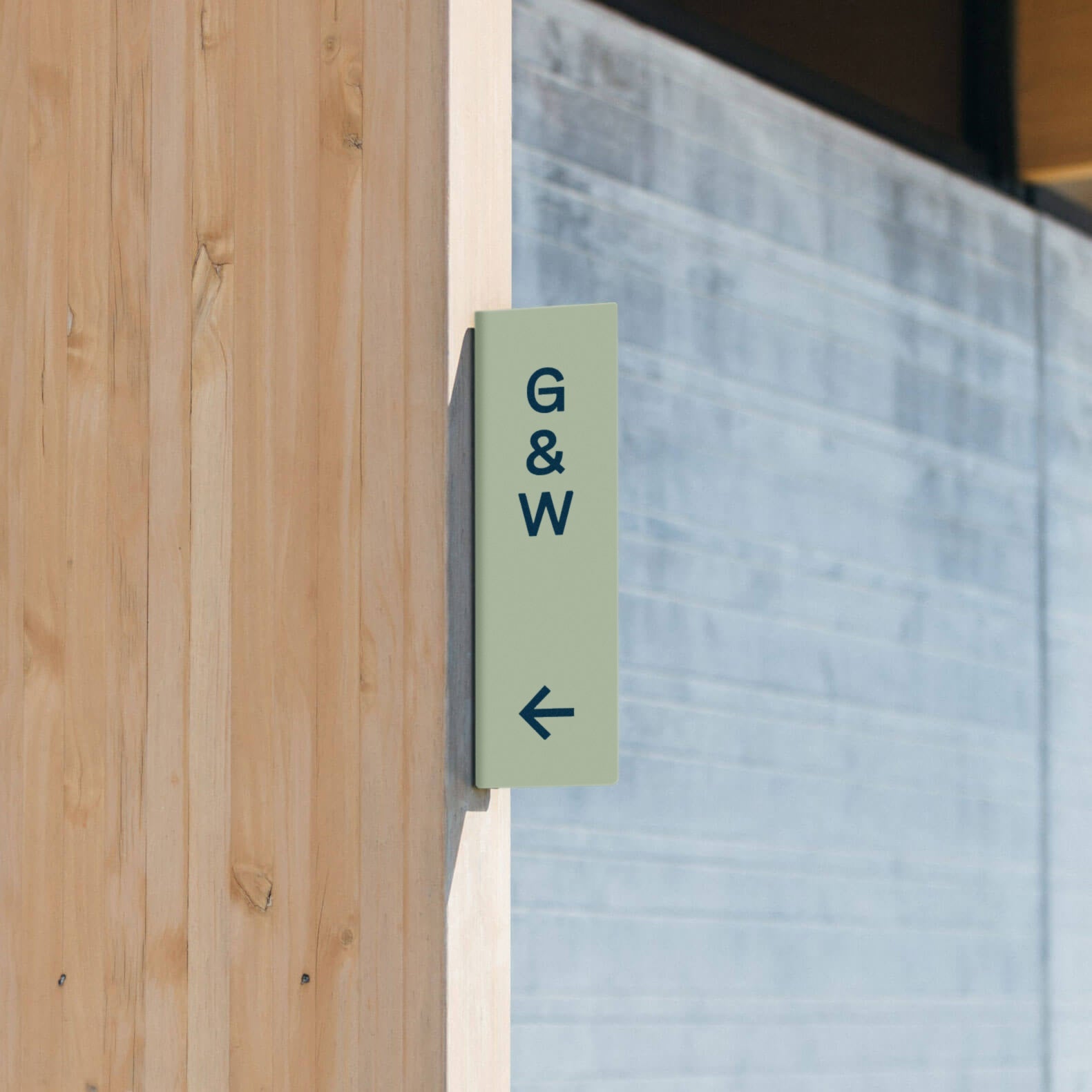
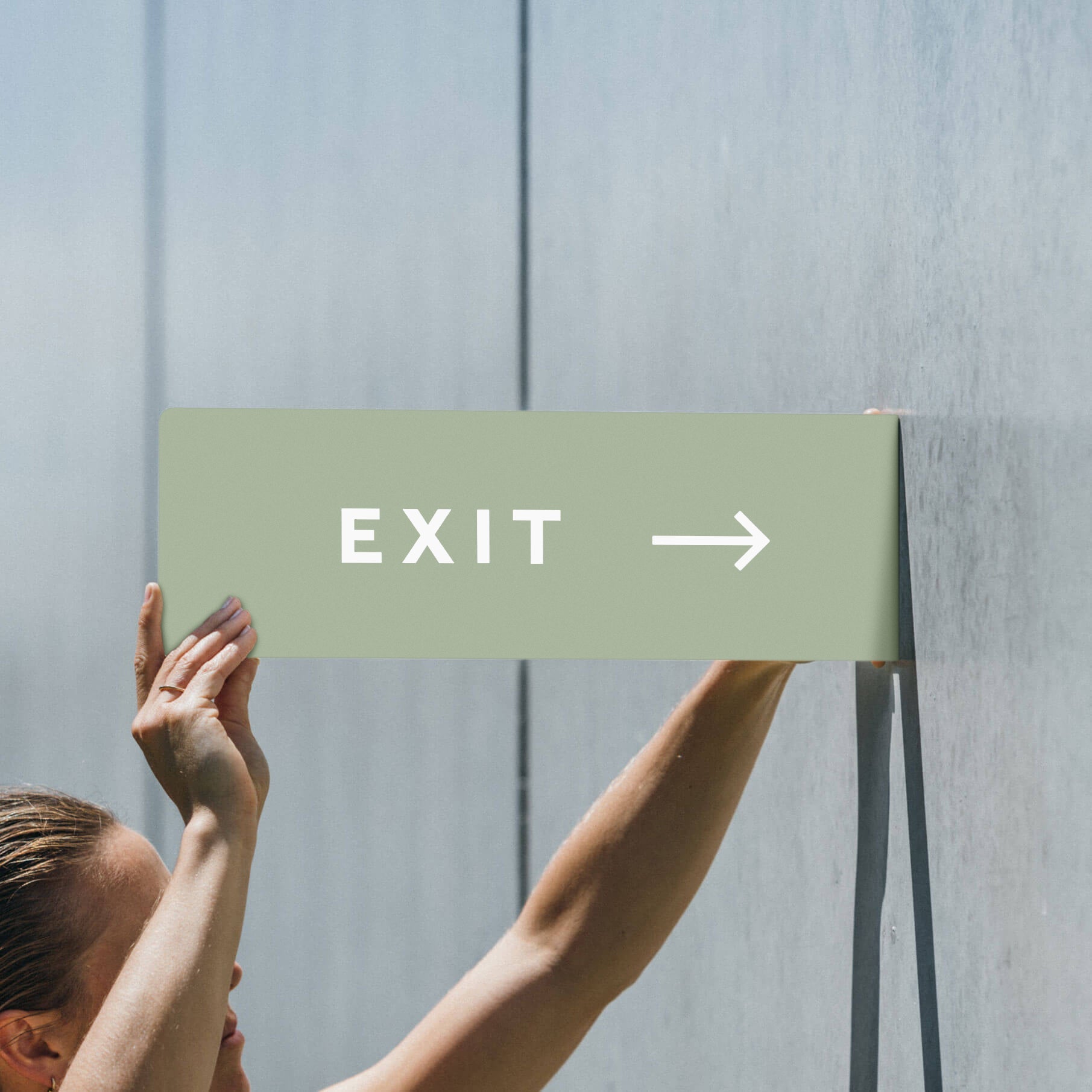
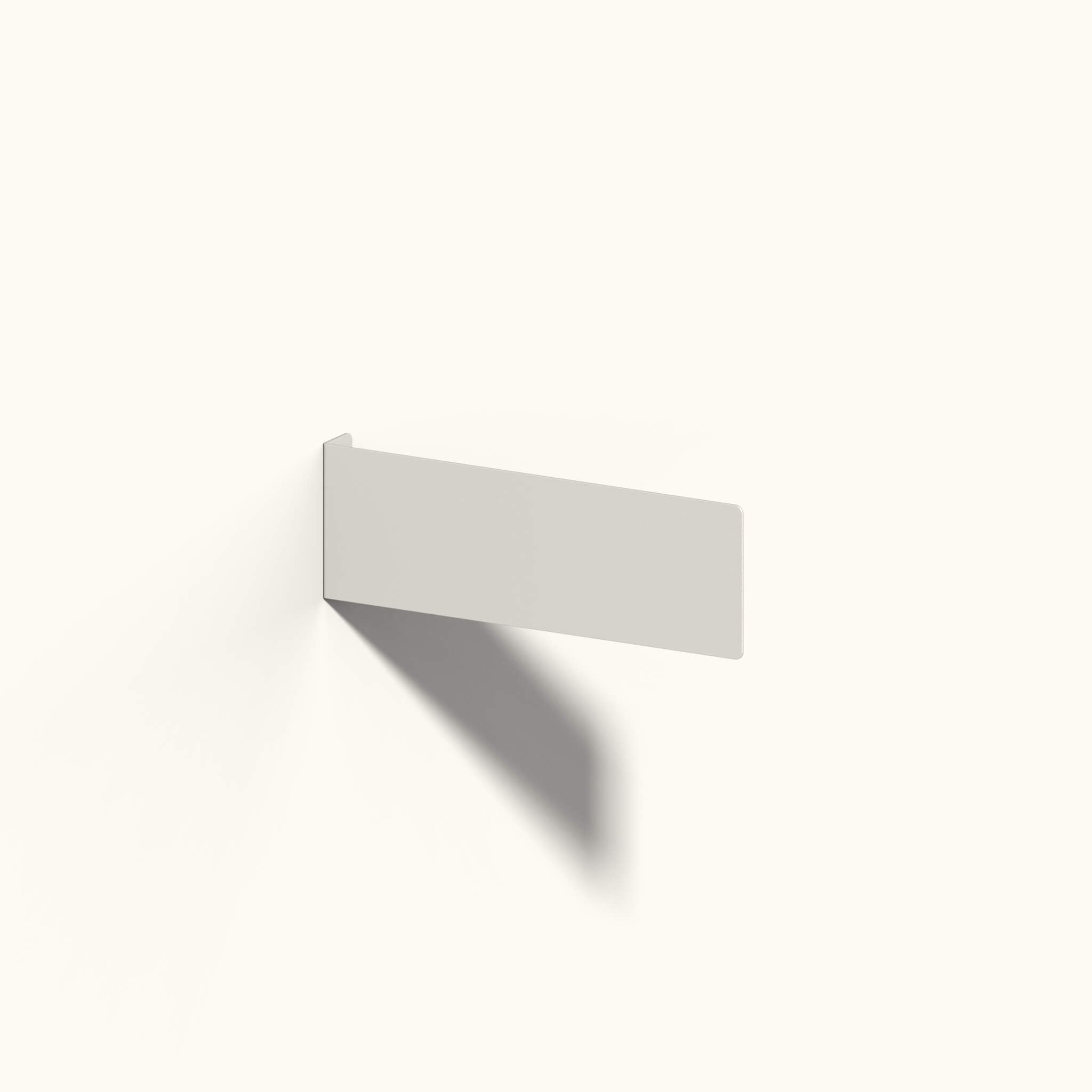
Our blade signs project out from the wall, so they're visible from along a corridor rather than only once you're standing in front of them — the practical difference between finding a restroom and walking past it twice. Seven shapes, all in folded powder-coated aluminum, all double-sided, and all supplied blank so a signwriter can apply your room names, numbers or symbols.
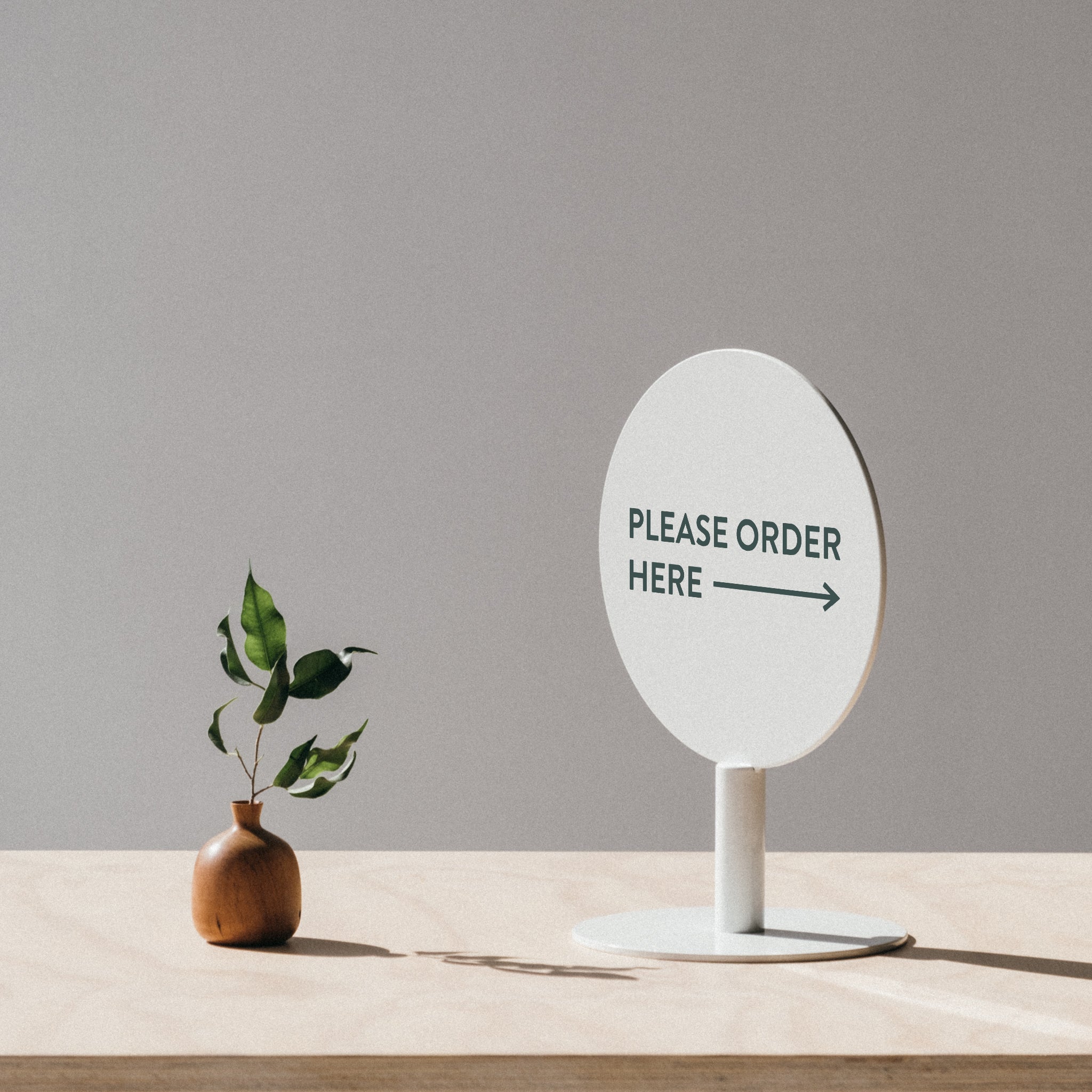
Choose the shape to suit the content: rectangle for a word or room name, vertical for a narrow corridor or stacked lettering, circle and square for symbols and numbers.
Reception and entrance signs
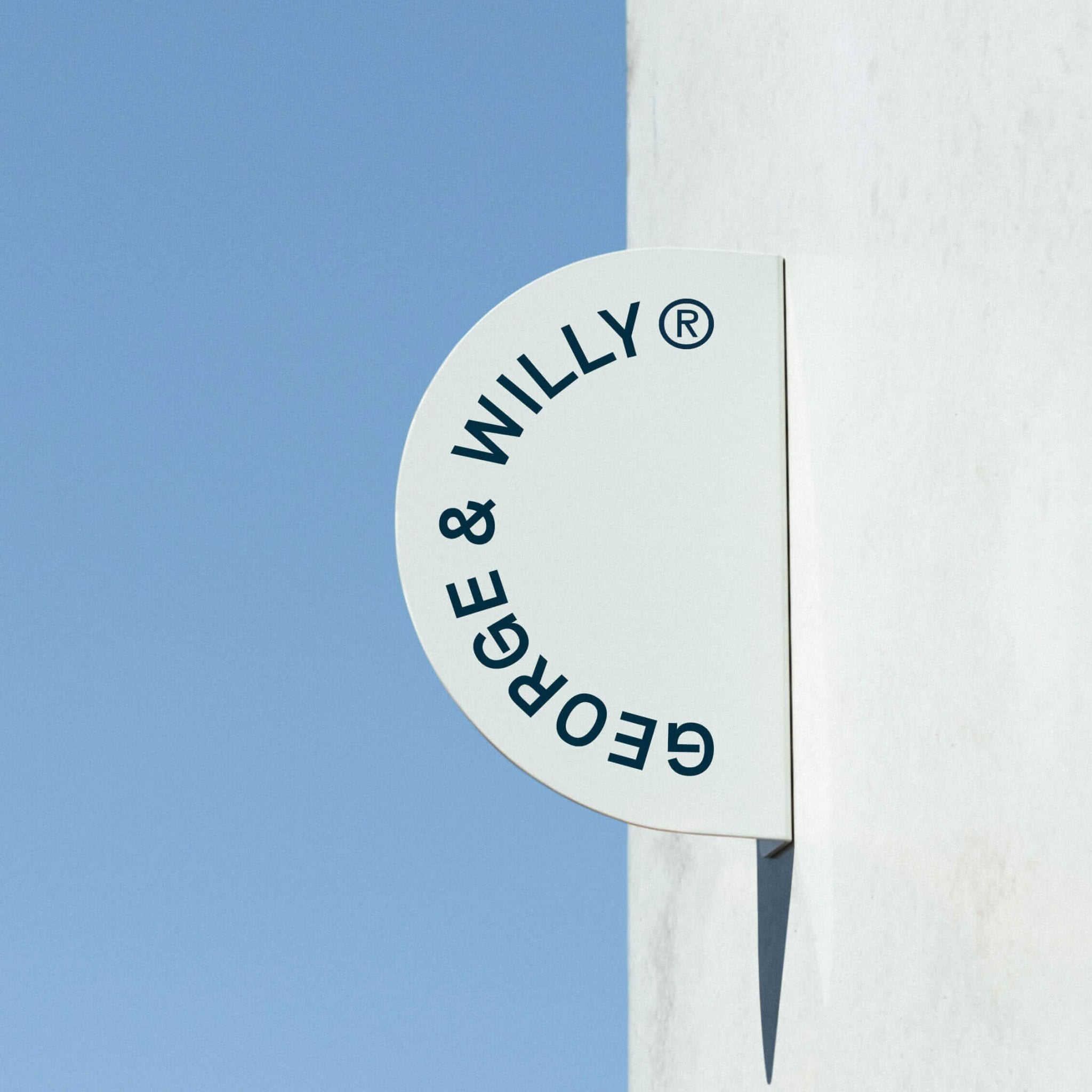
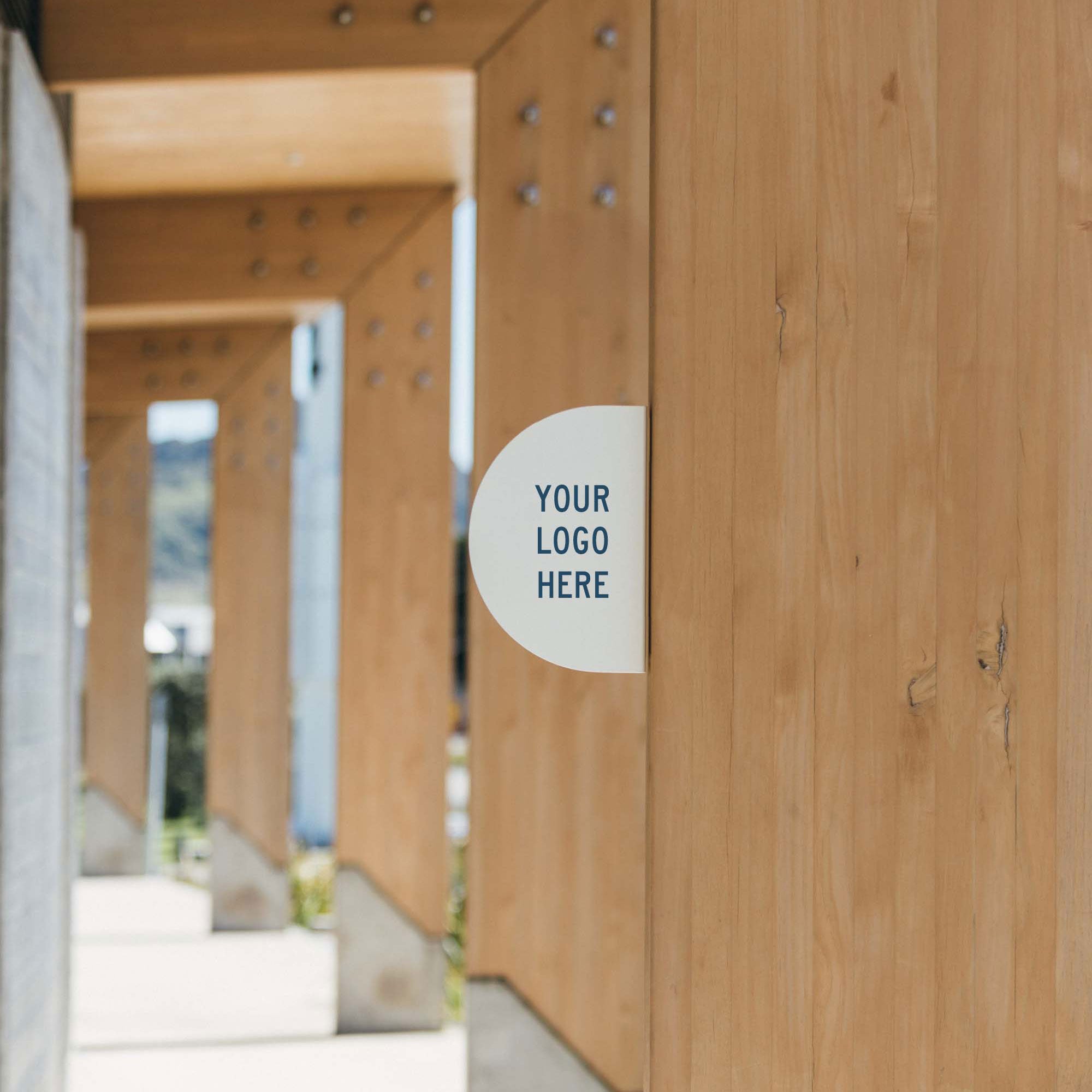
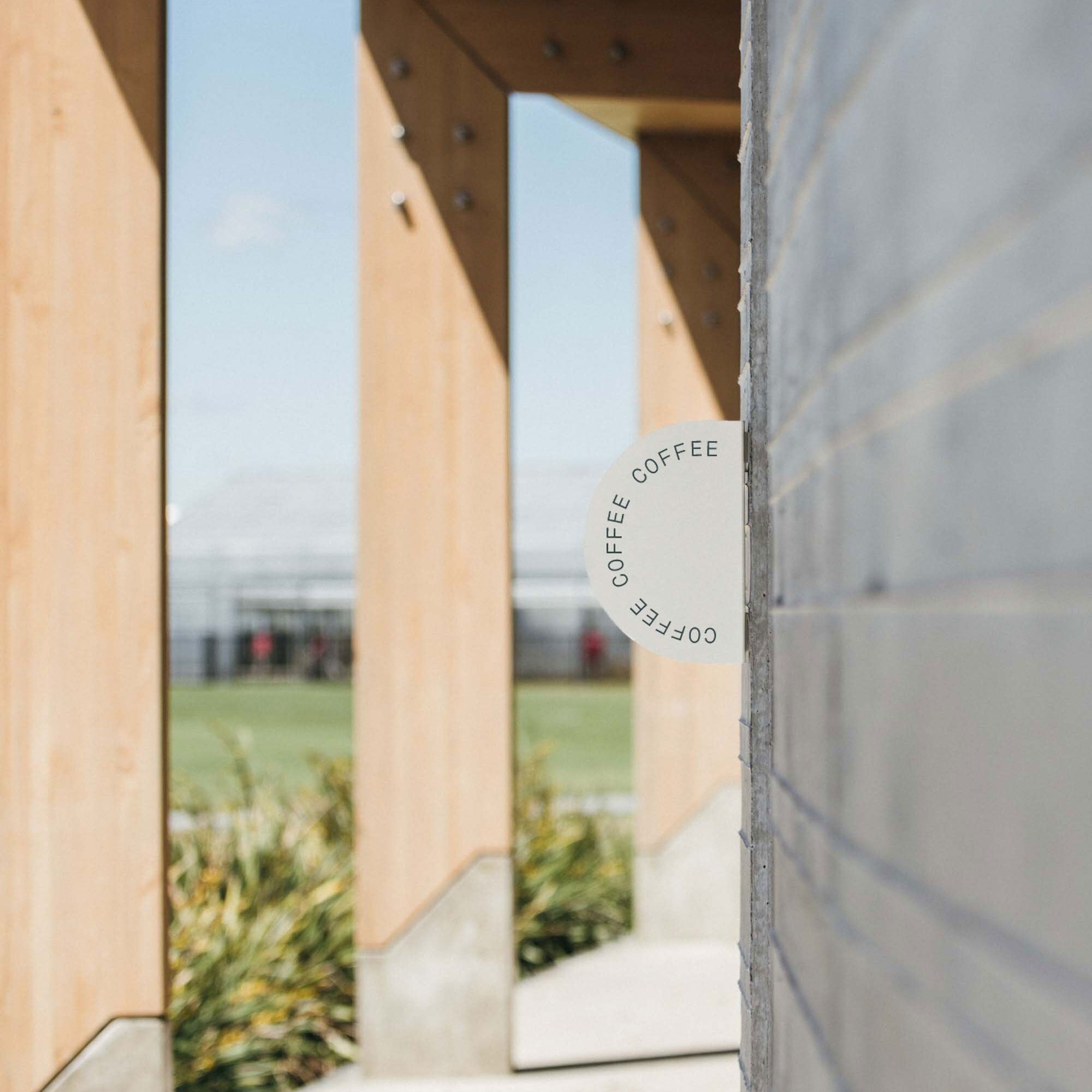
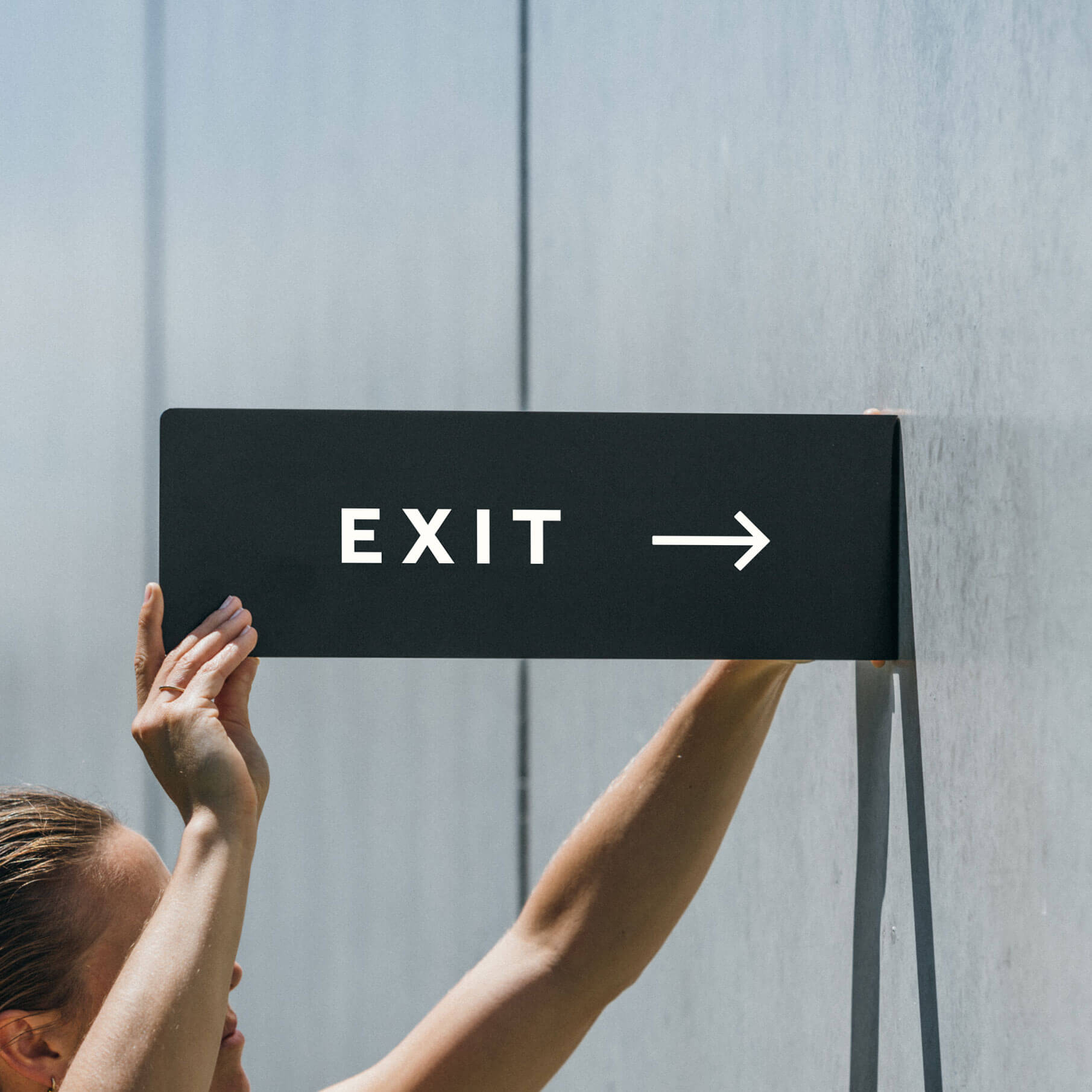
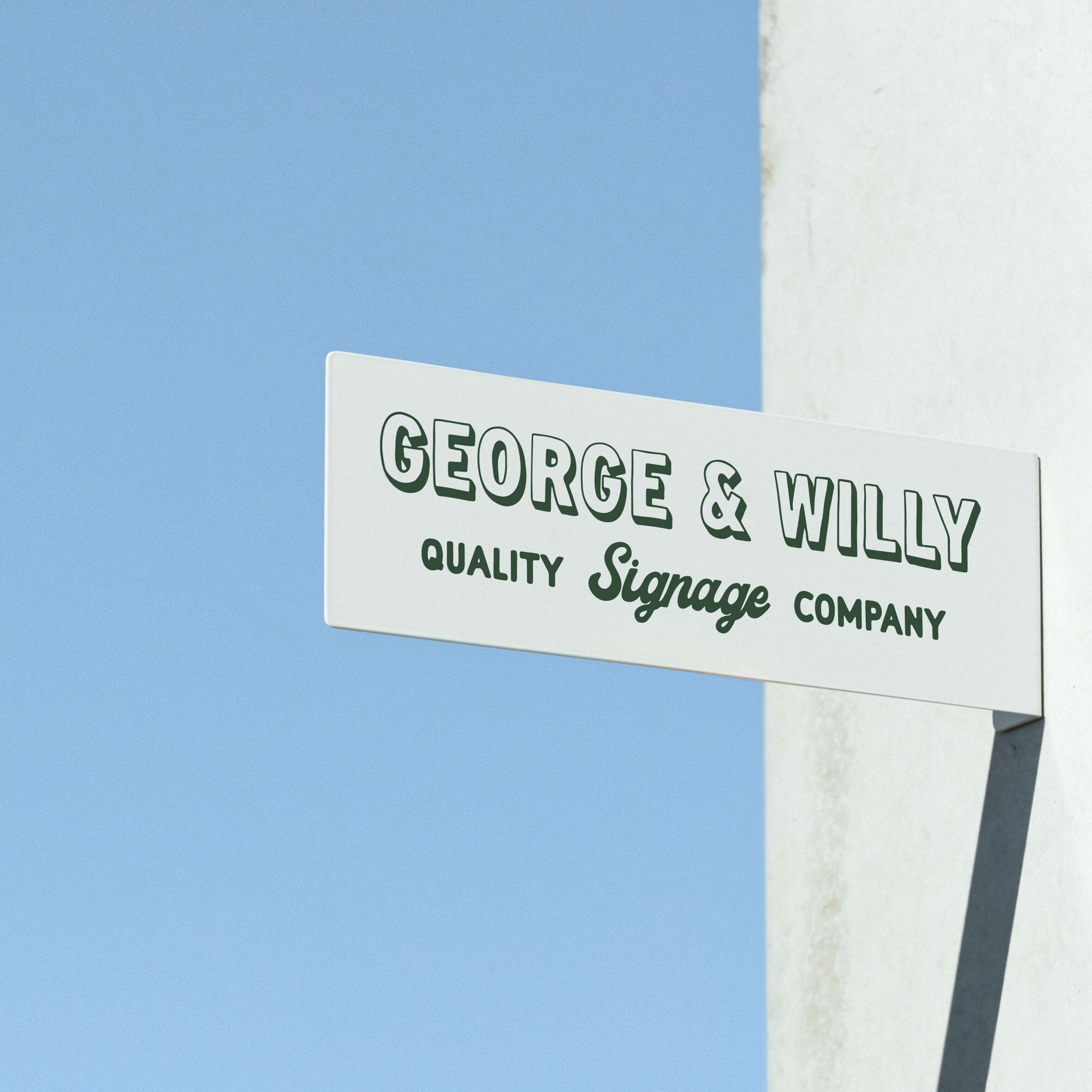
Blade signs project out from the wall, so they're visible from along a corridor rather than only once you're in front of them — the difference between finding a meeting room and walking past it twice. Circle, half round, rectangle, square and vertical shapes, all folded aluminum, all double-sided, all supplied blank for your room names, numbers or symbols.
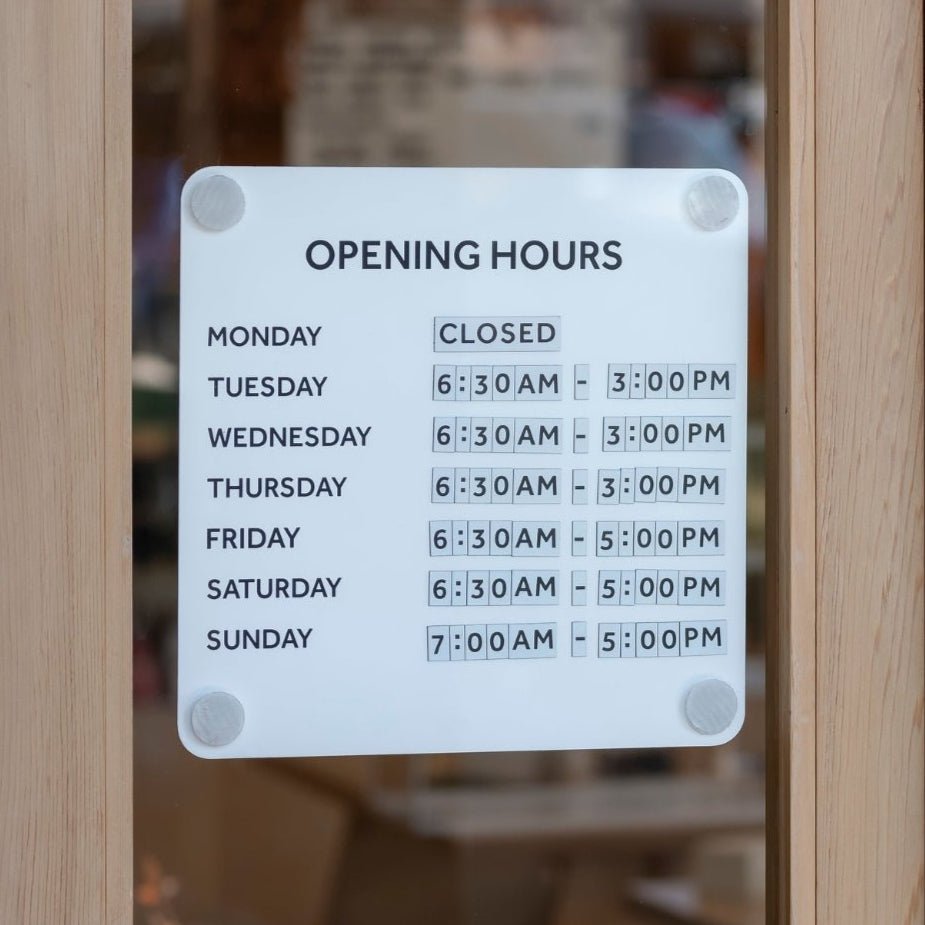
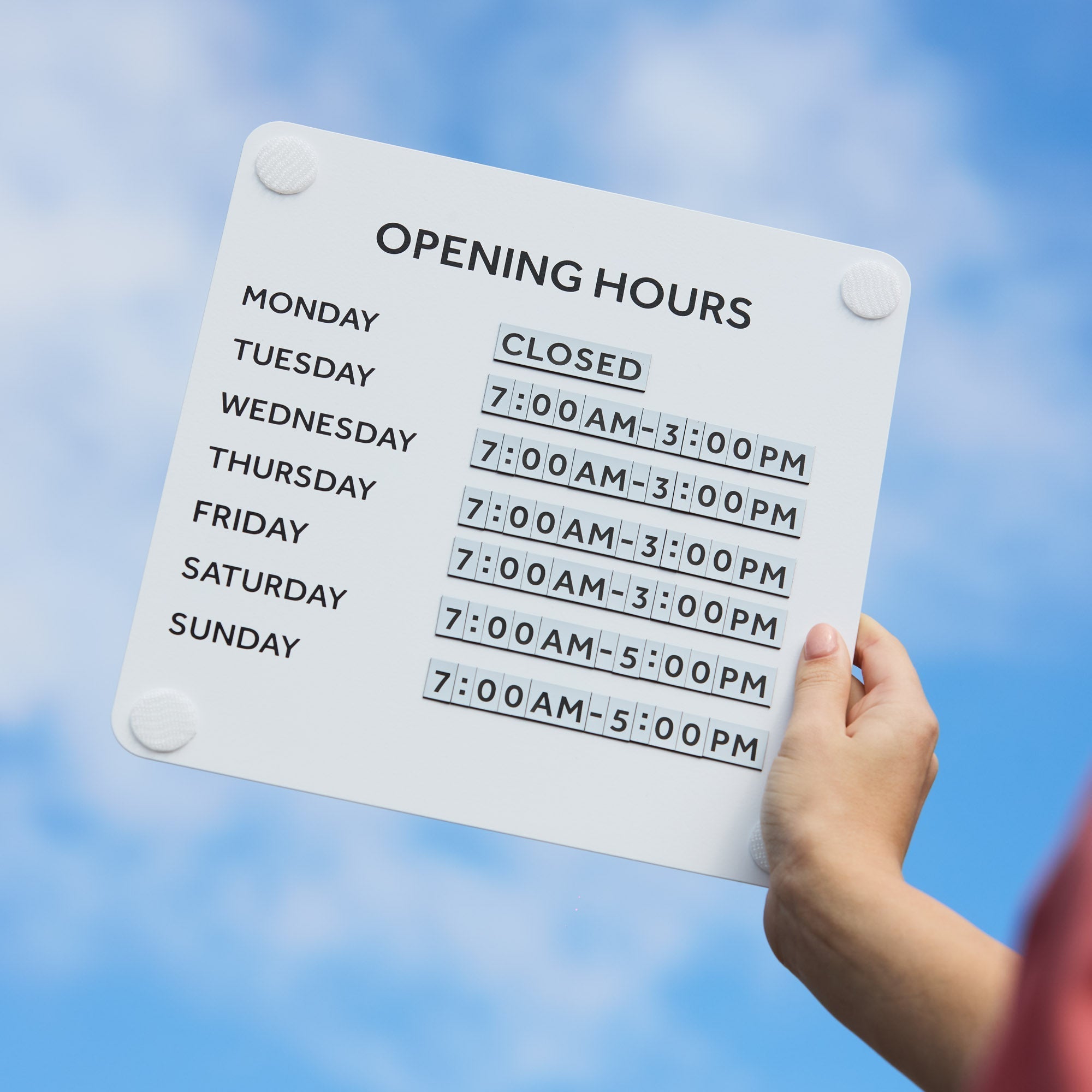
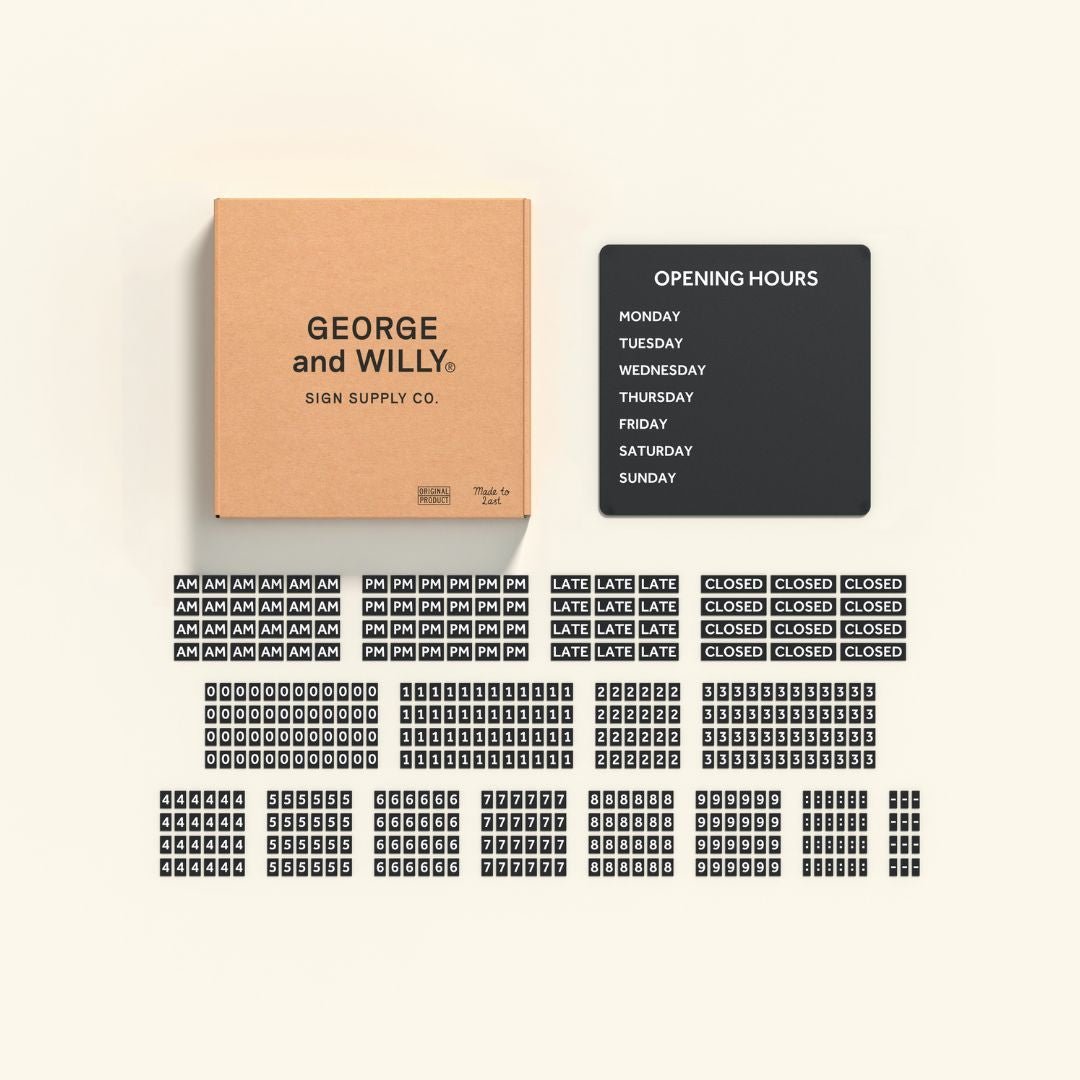
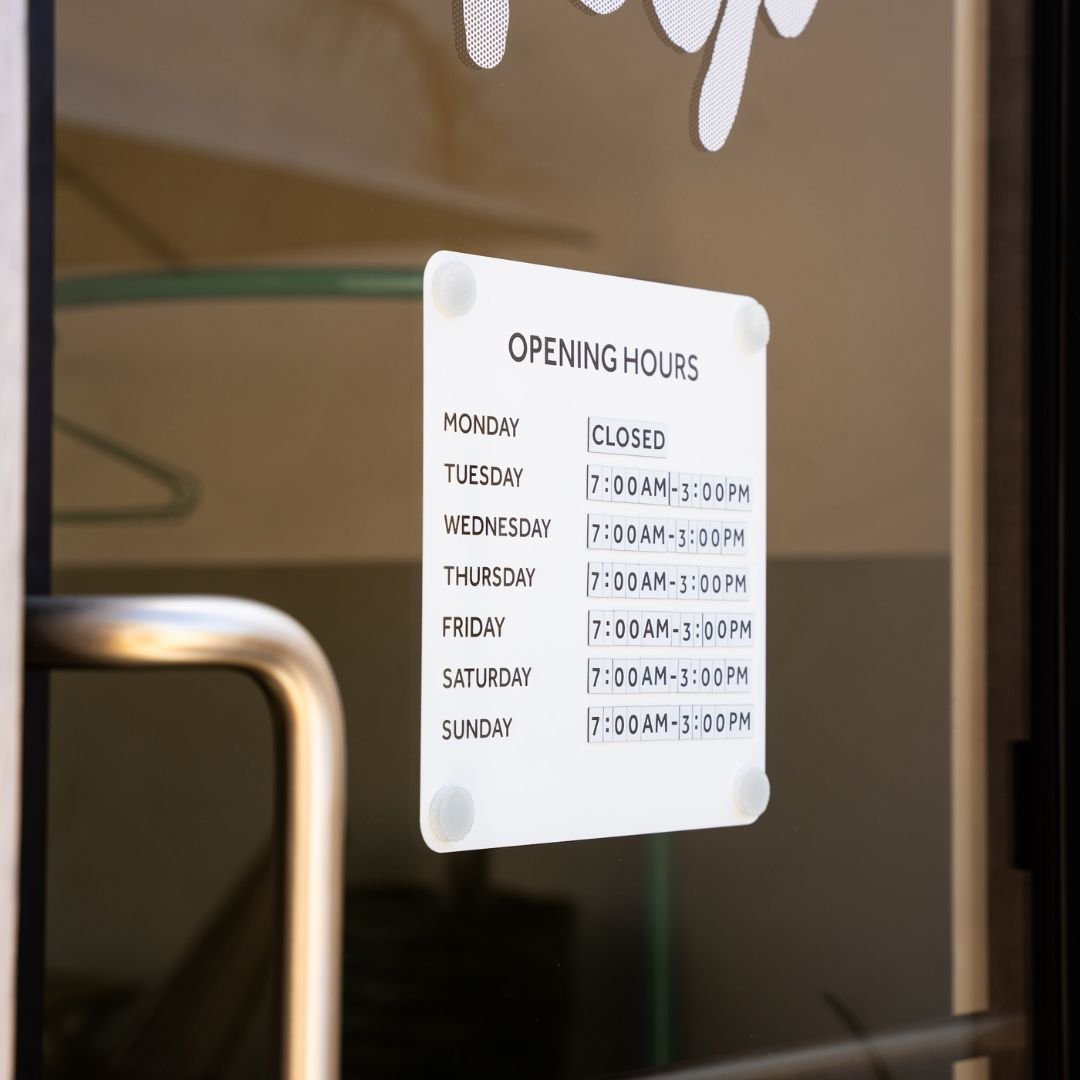
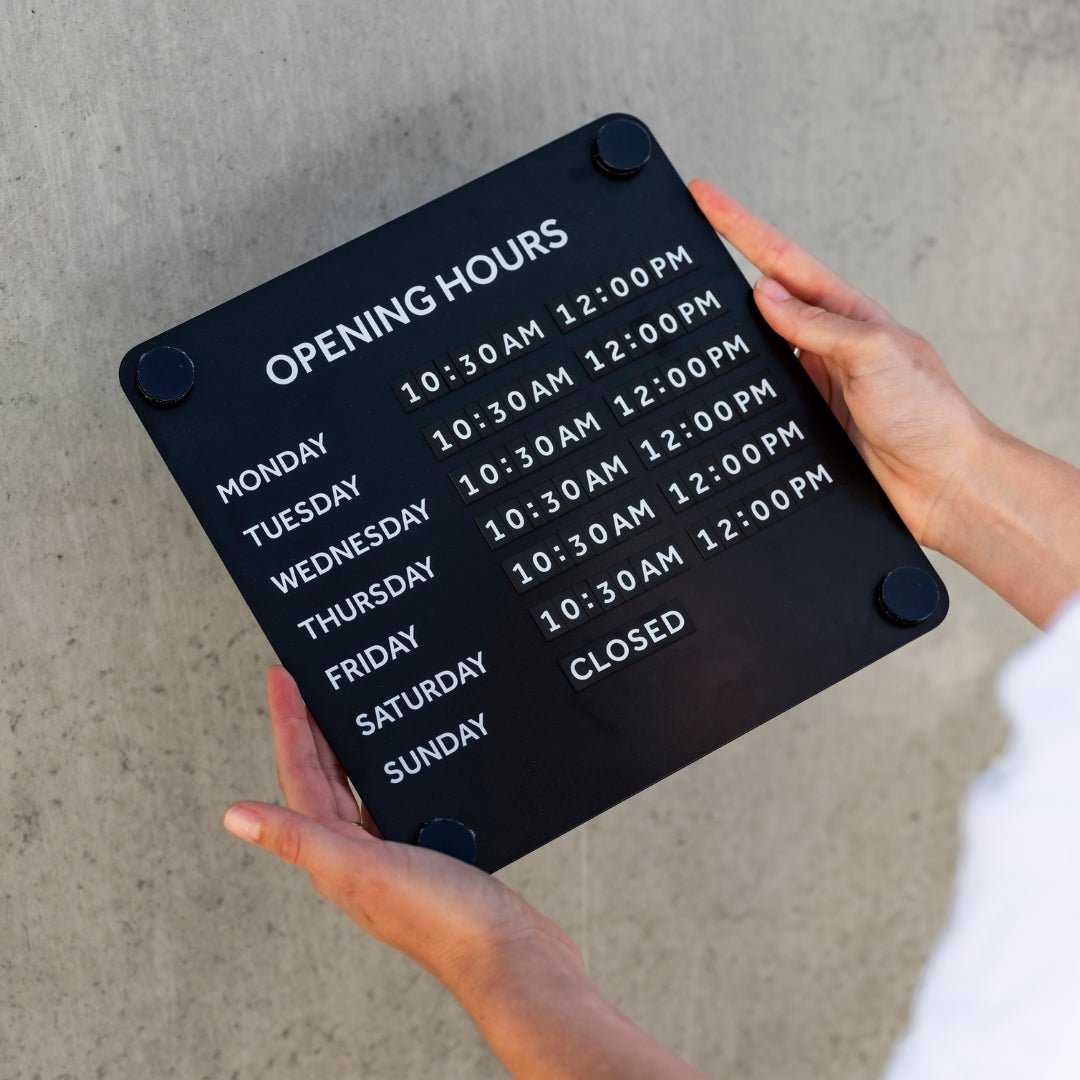
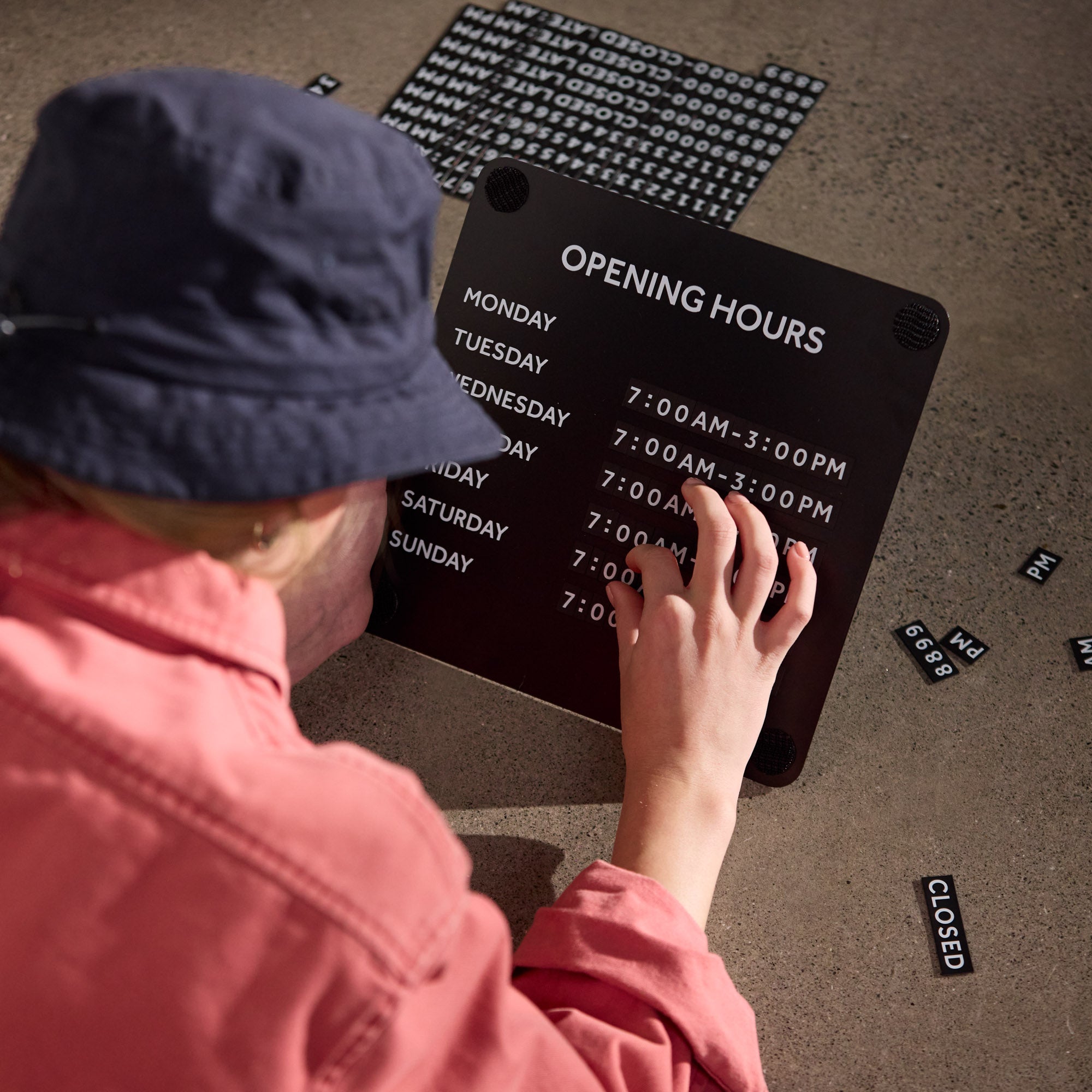
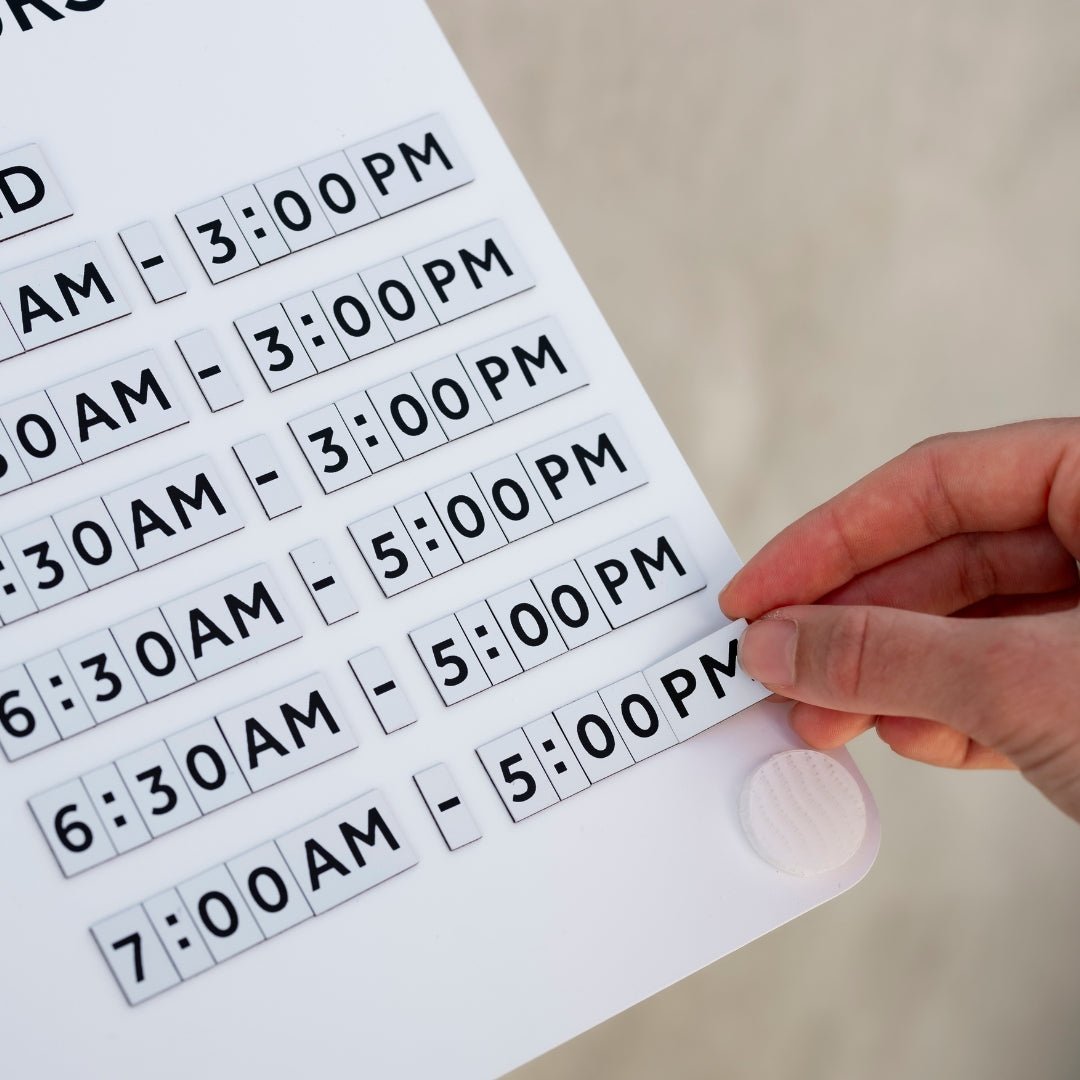
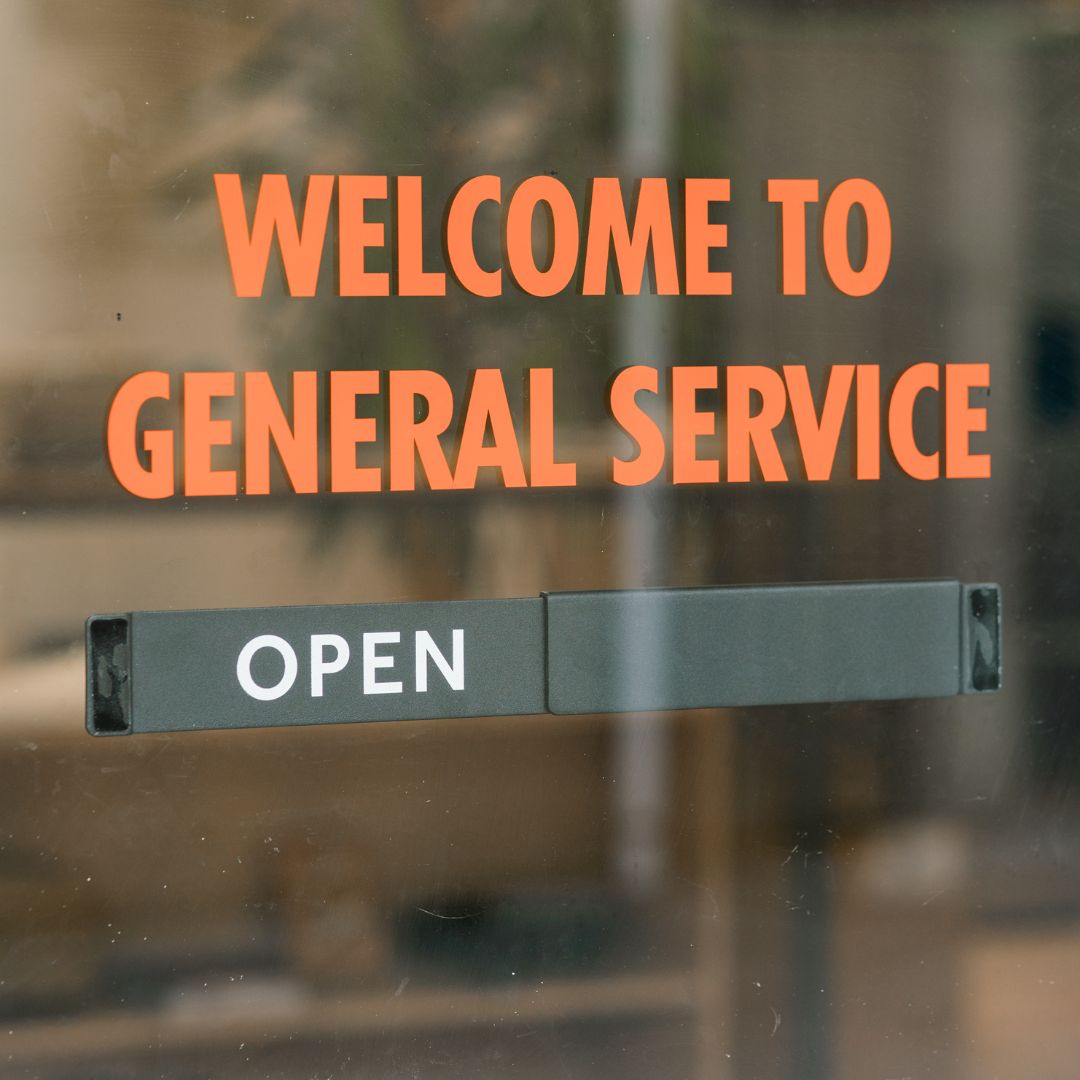
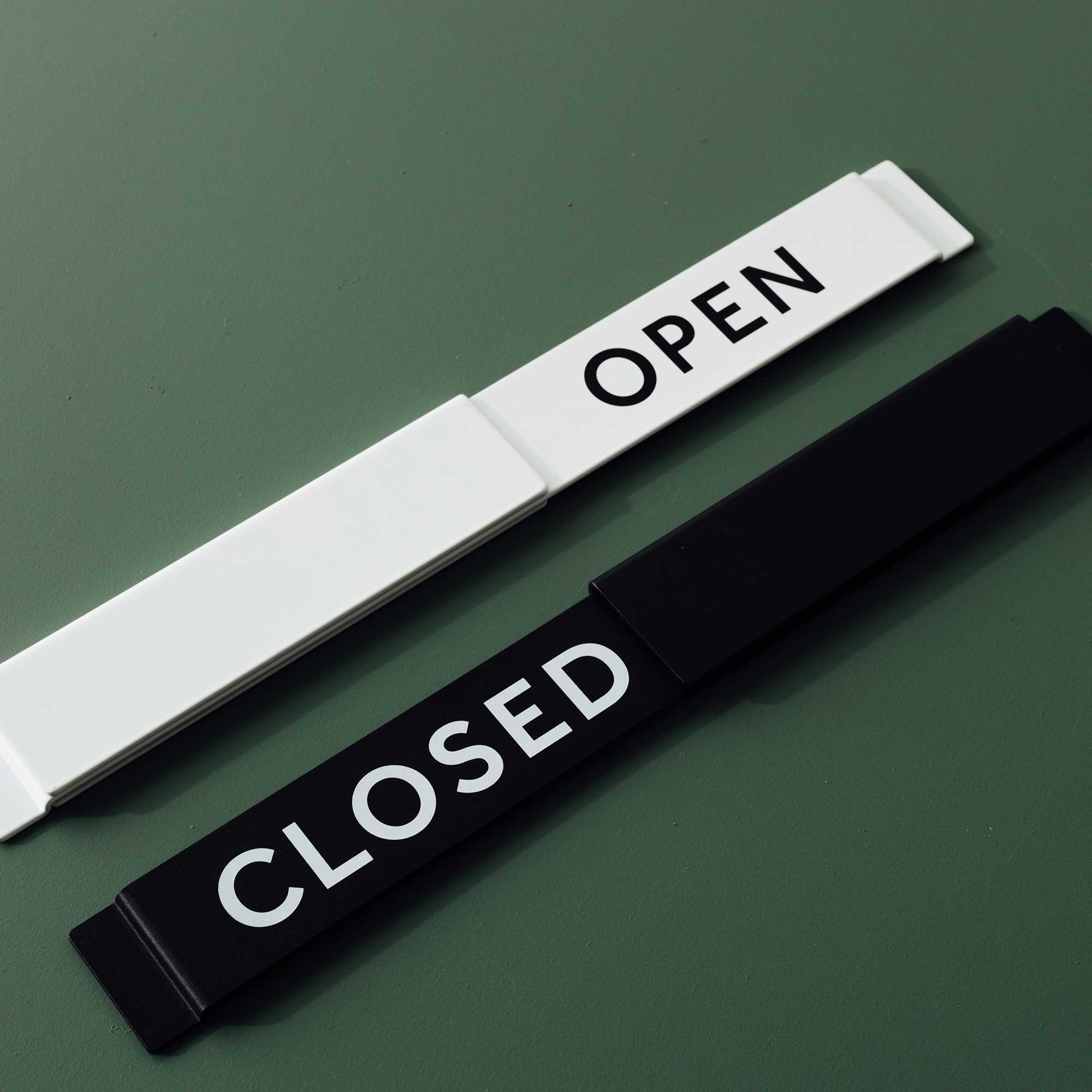
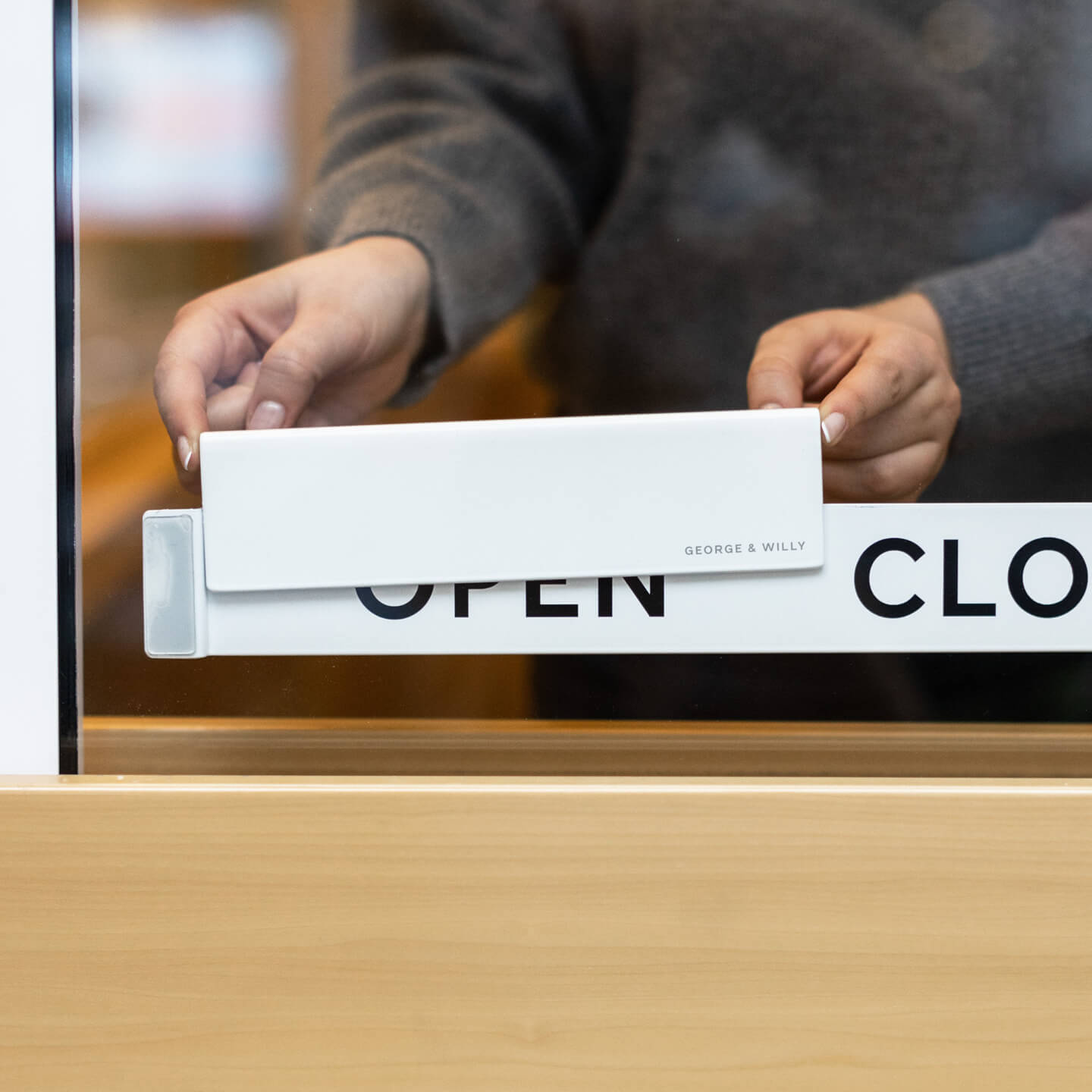
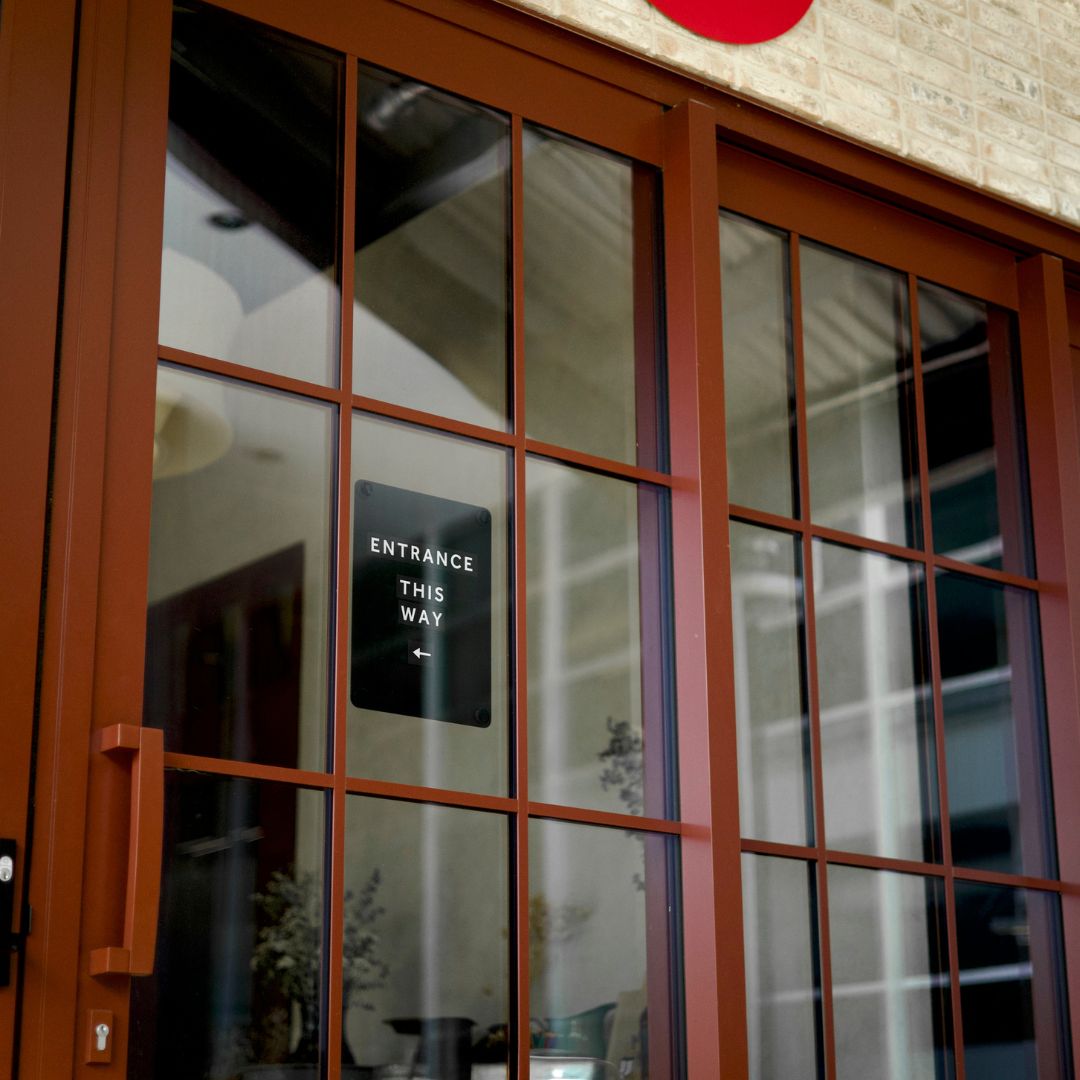
The Opening Hours Sign and Open / Closed Sign mount to glass at an entrance, with magnetic numbers and a sliding indicator you update as your hours change.
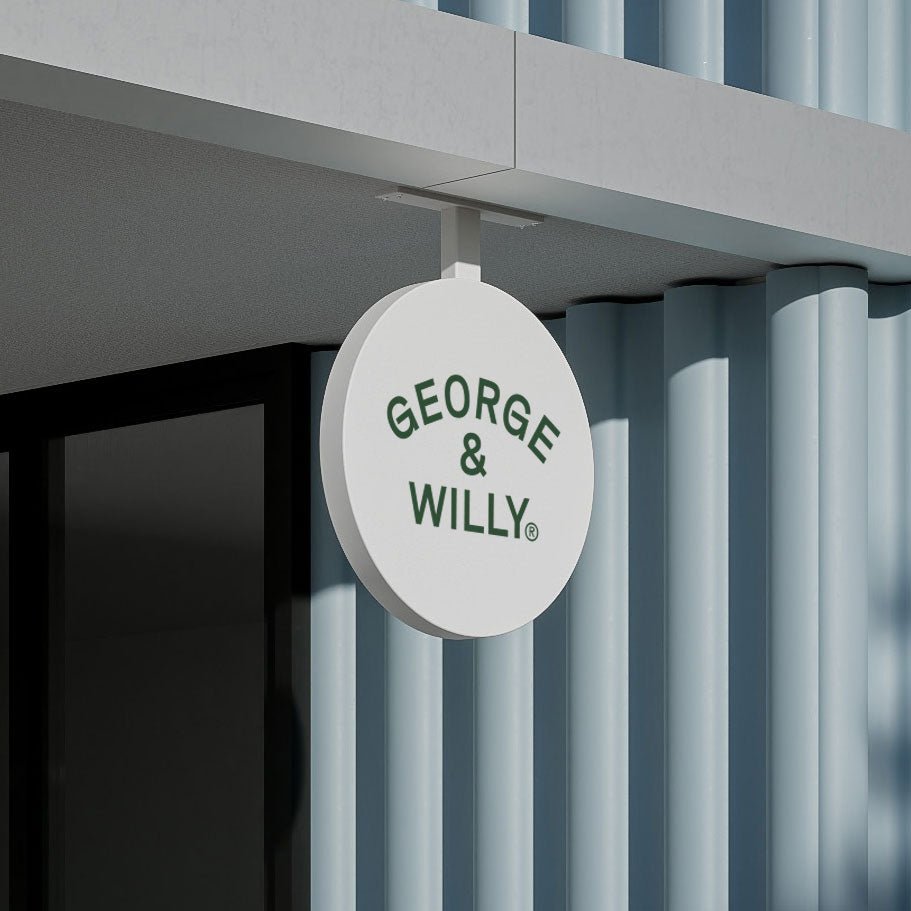
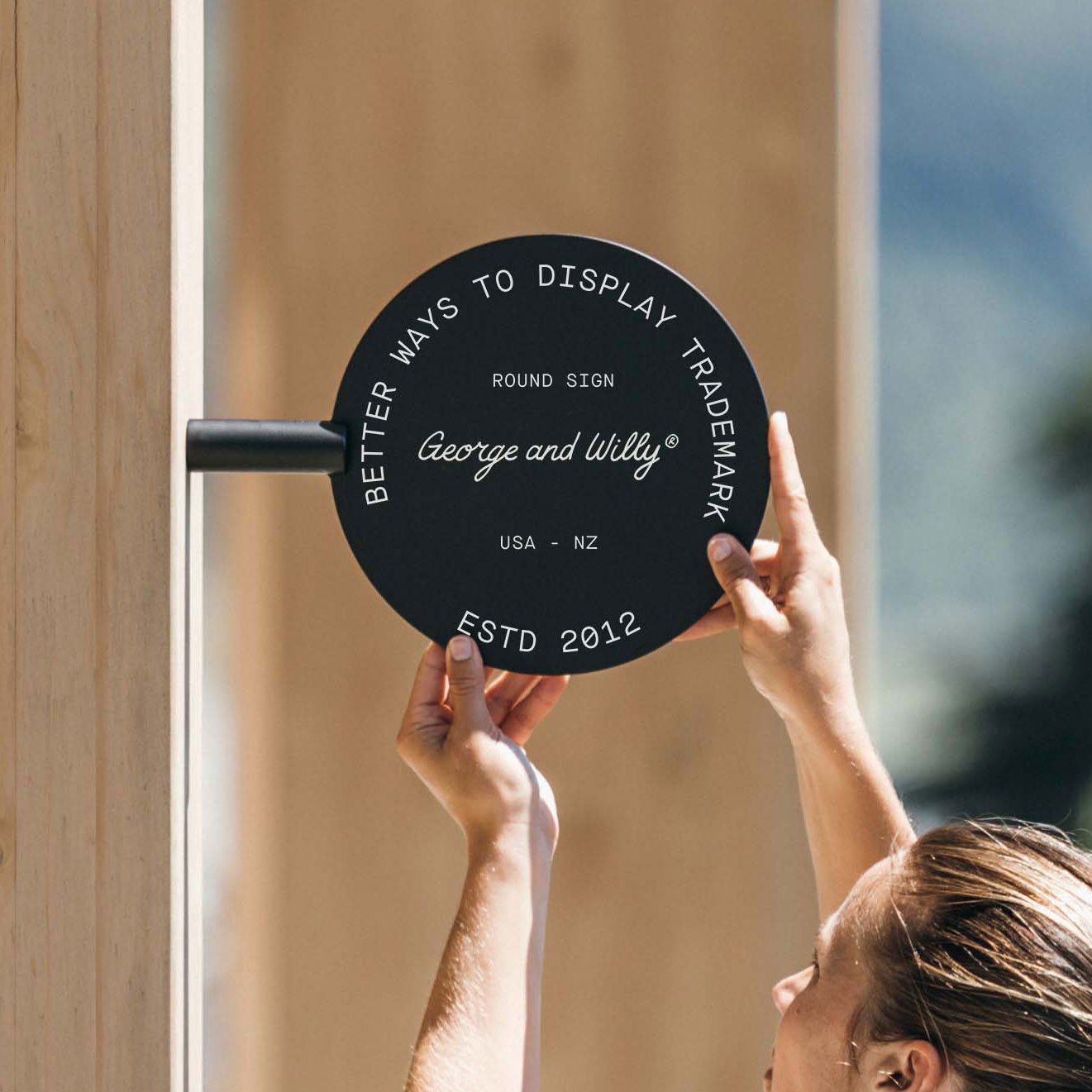
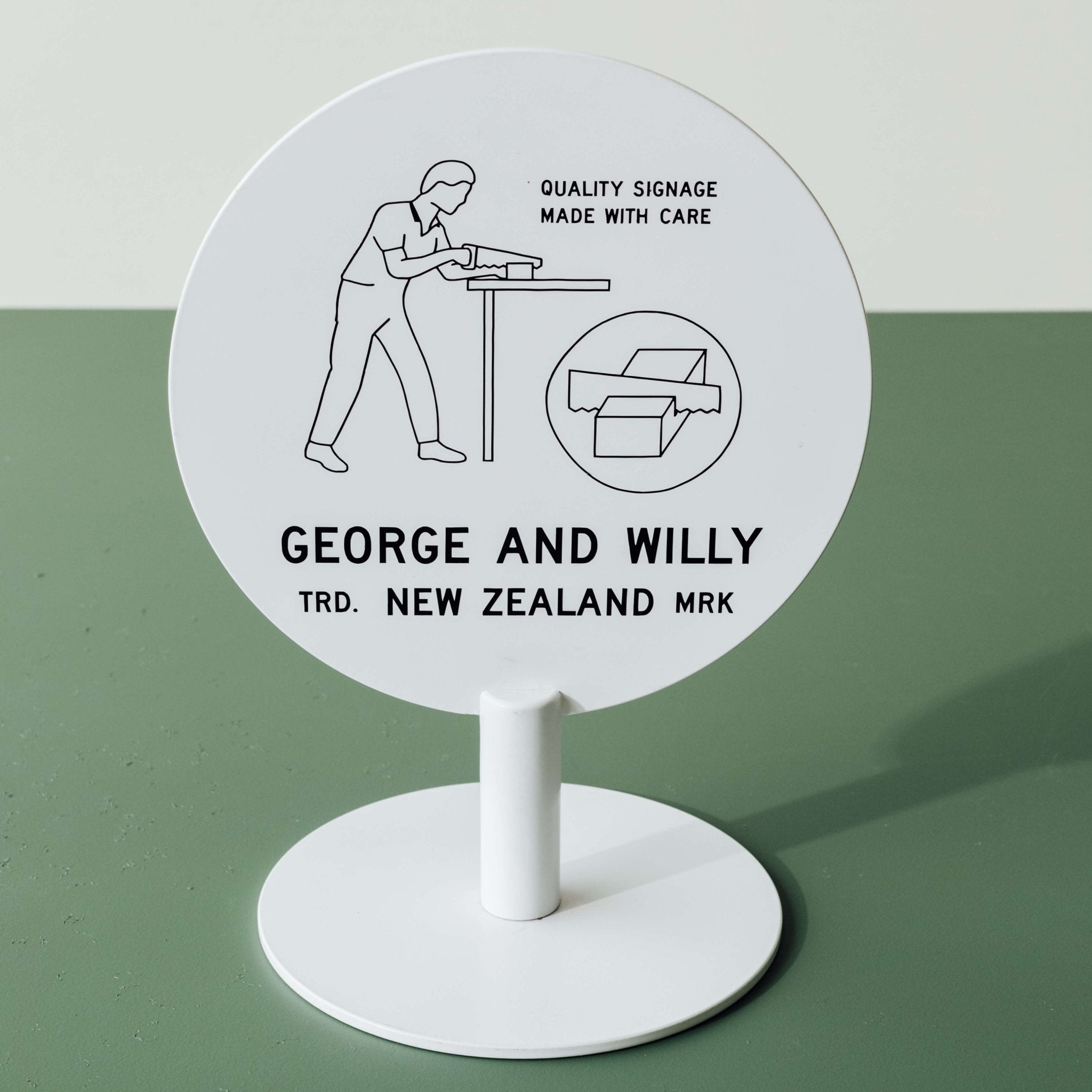
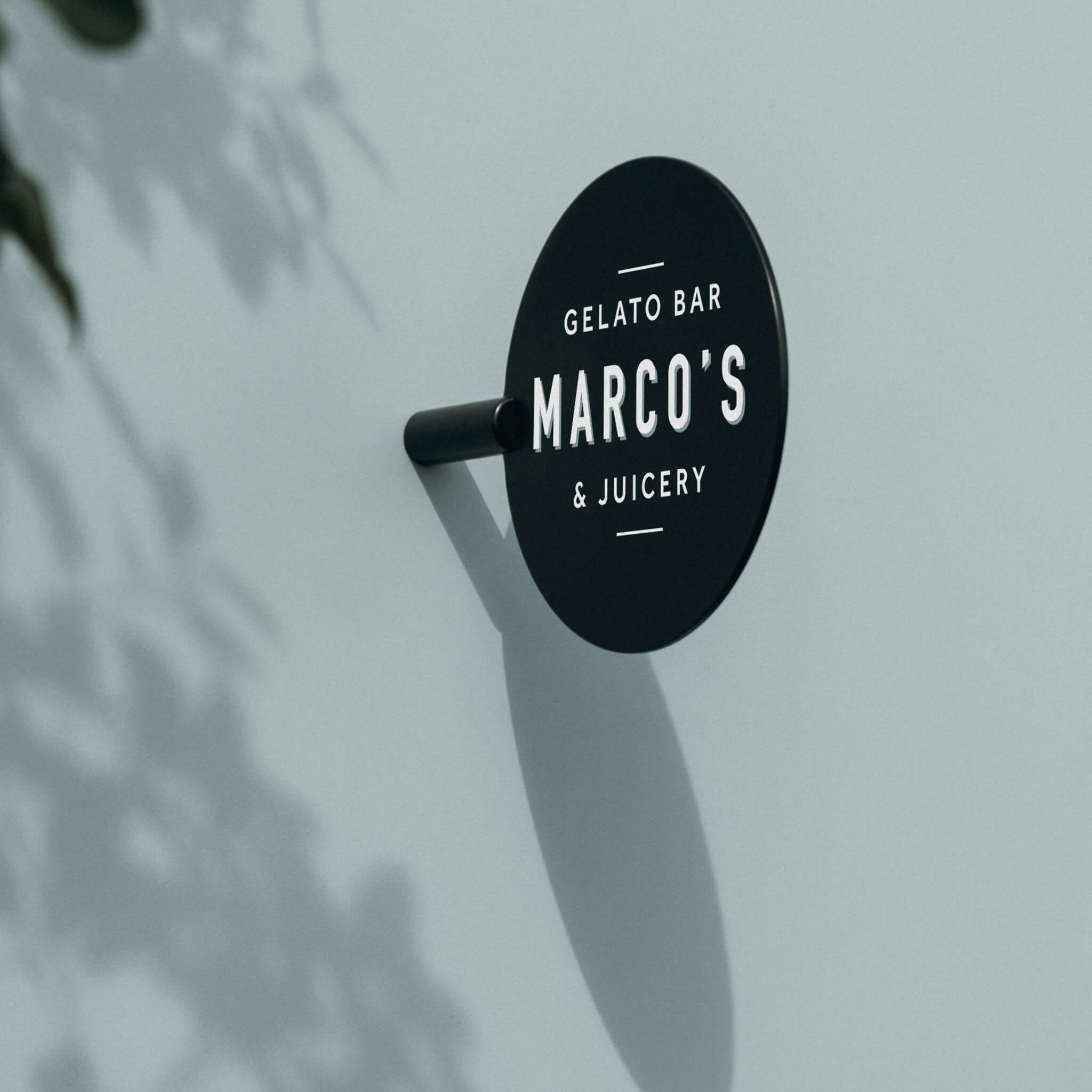
Wall signs like the Round Sign and Circle Sign identify a building or reception permanently.
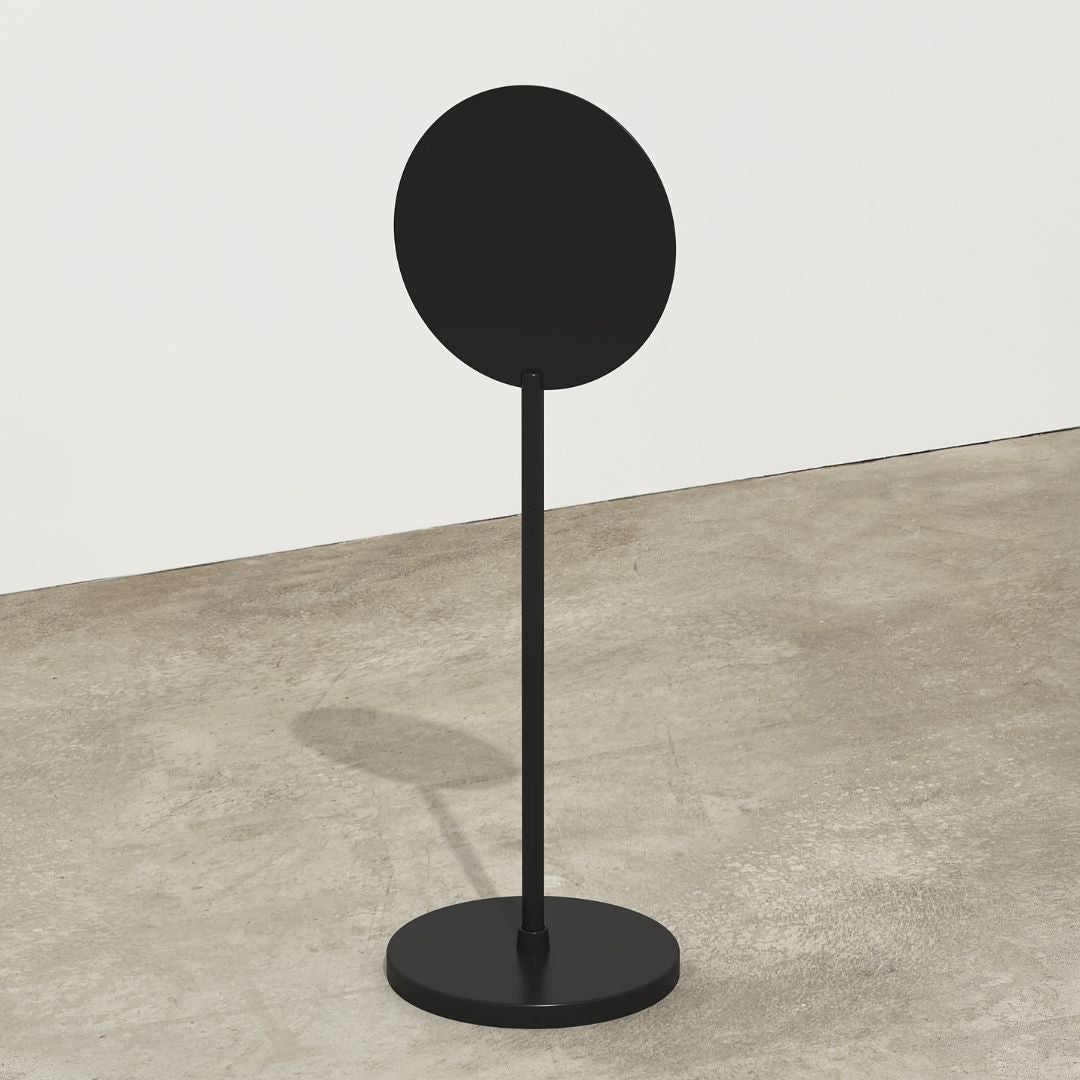
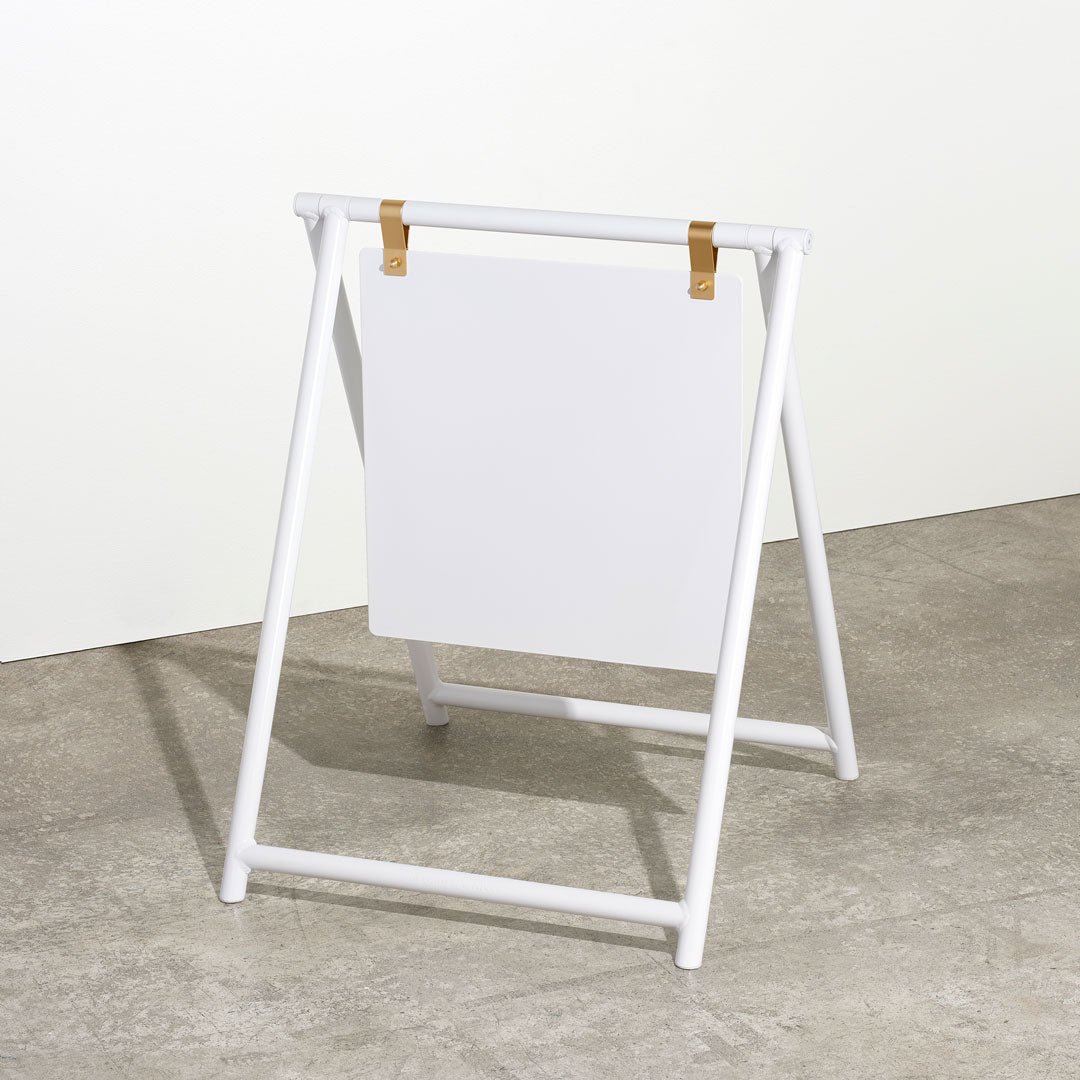
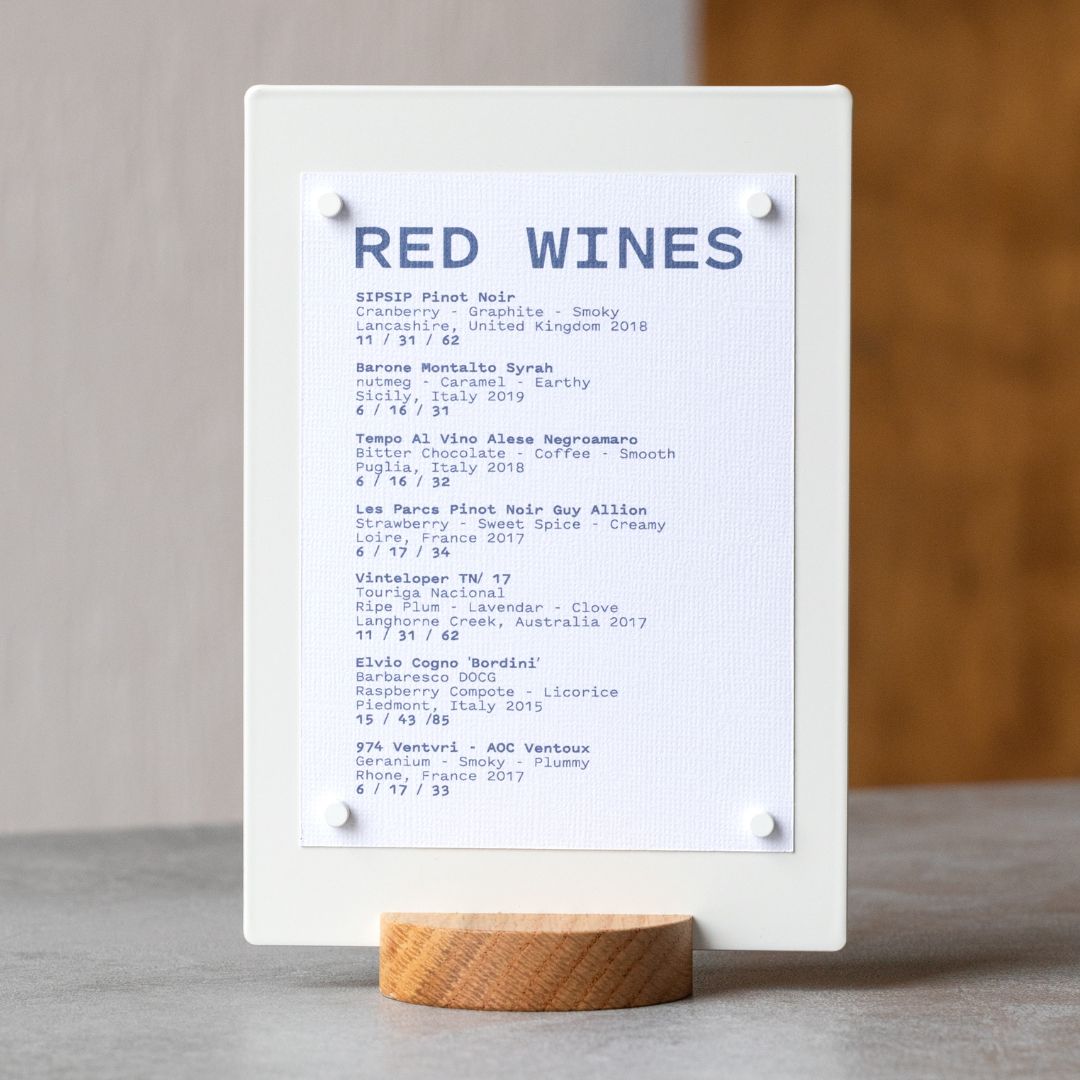
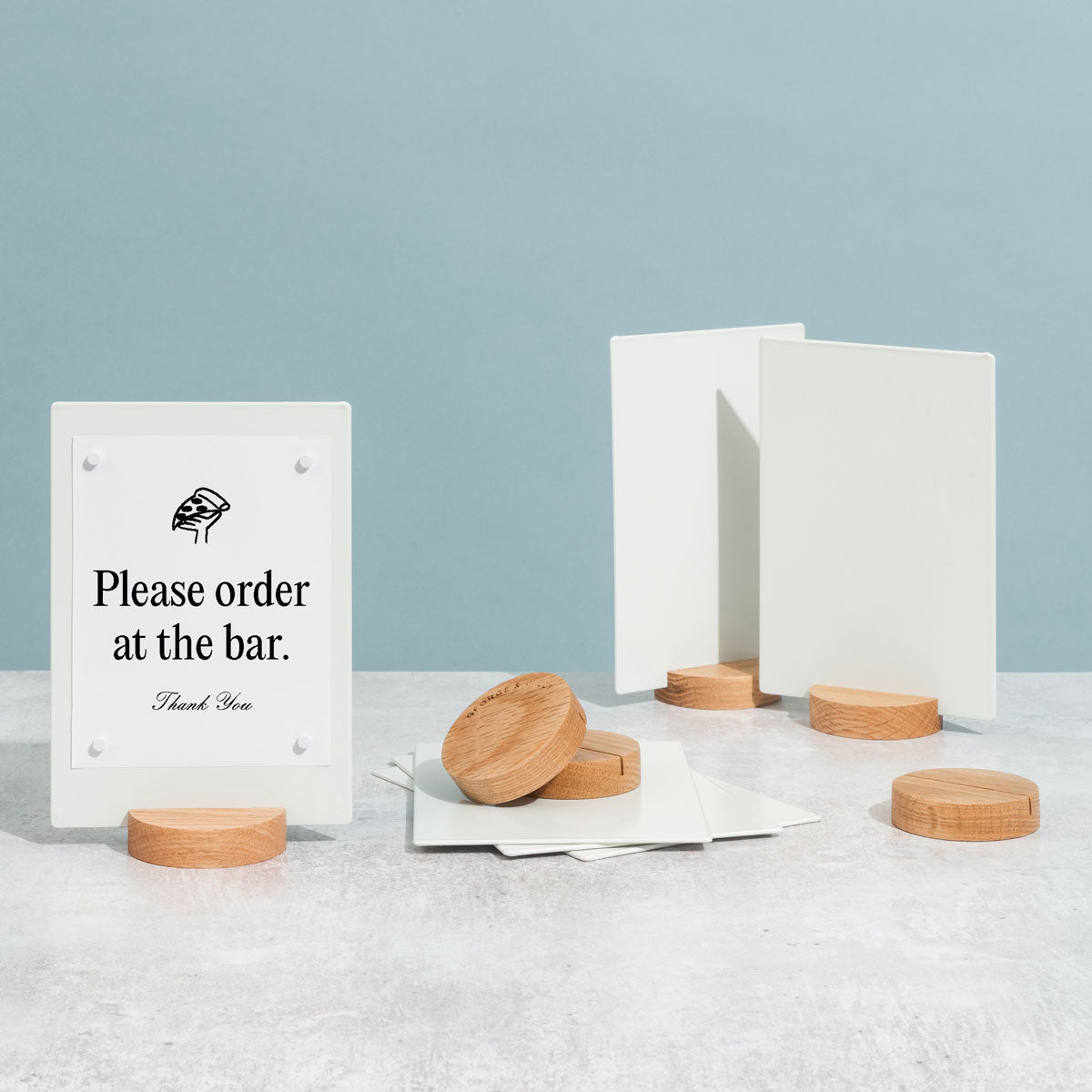
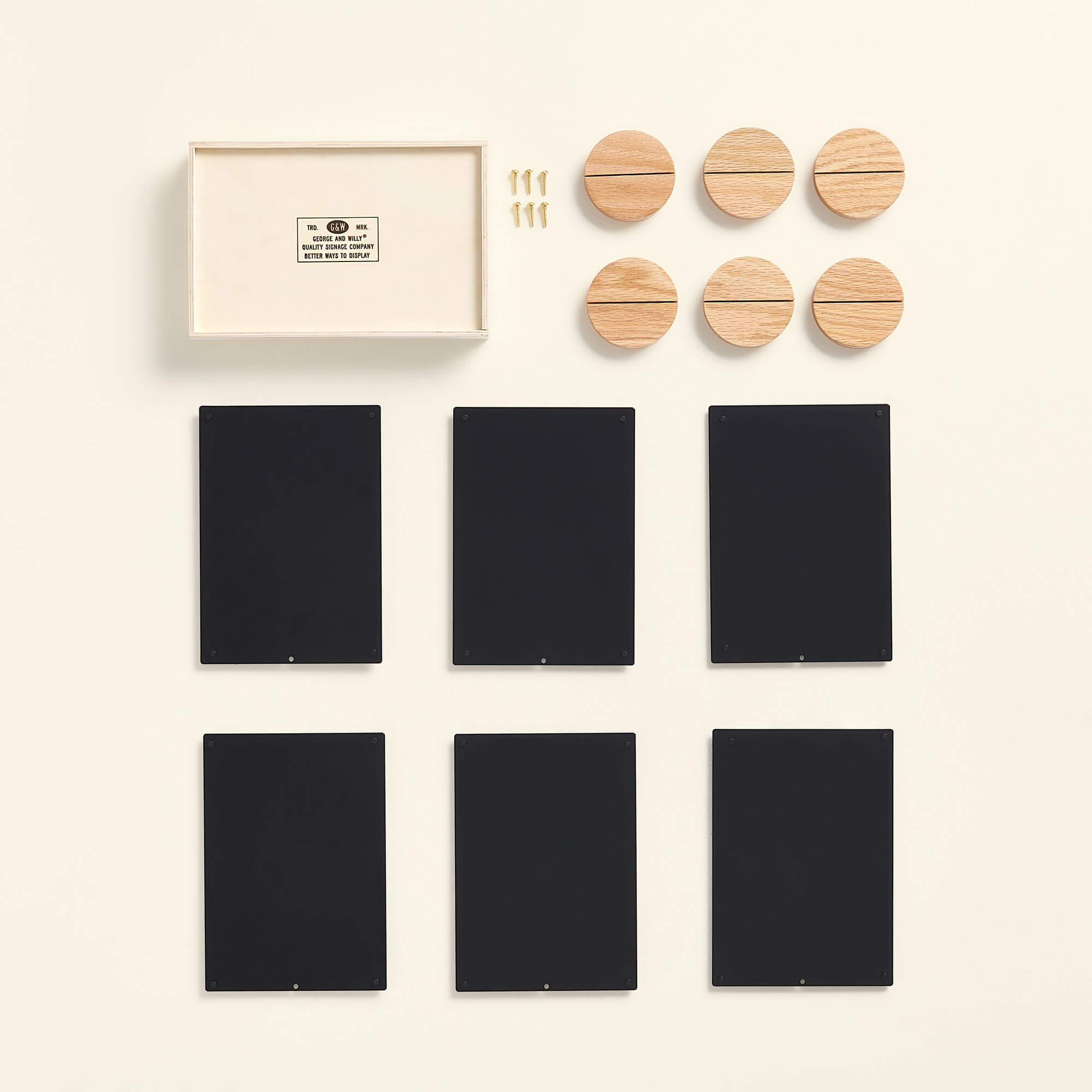
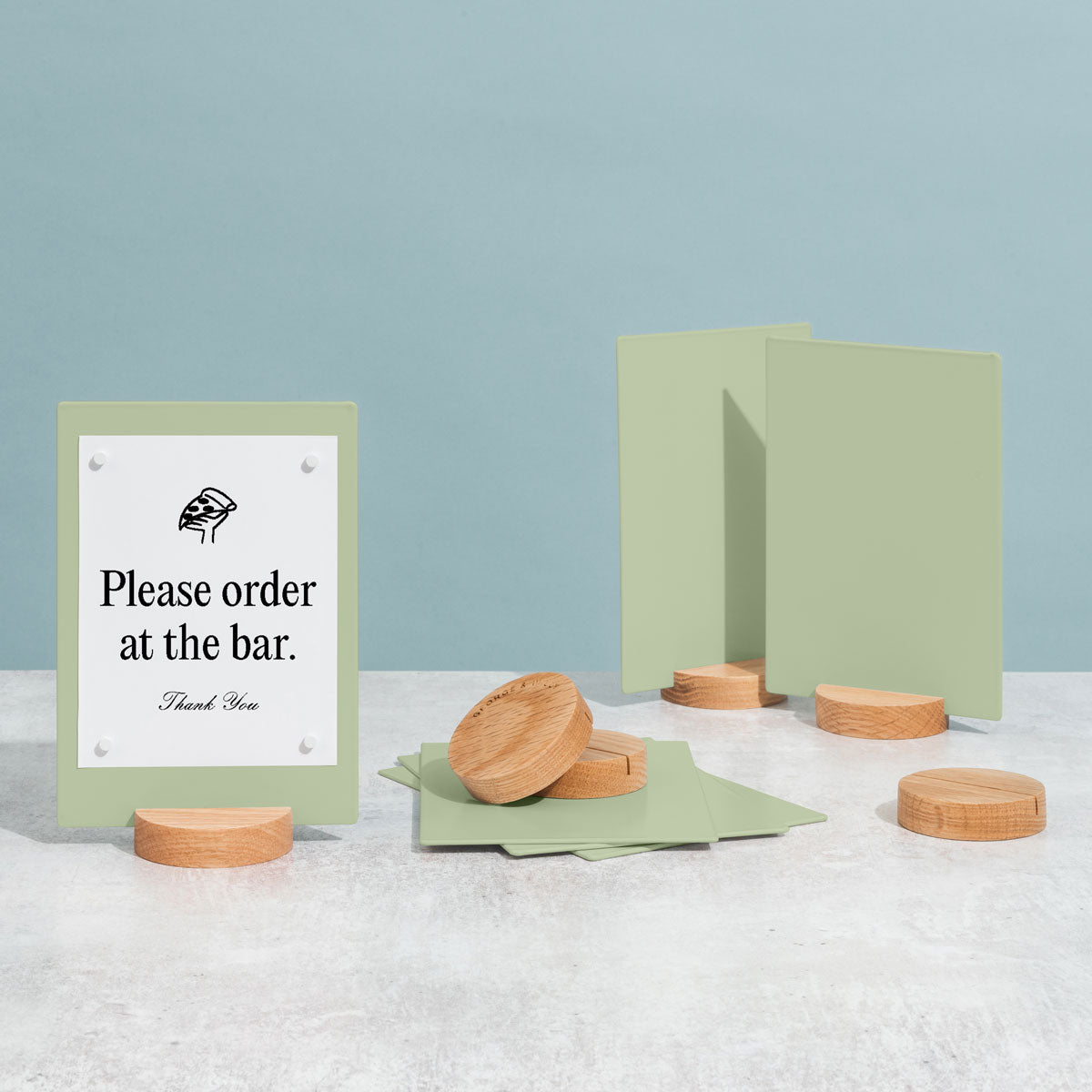
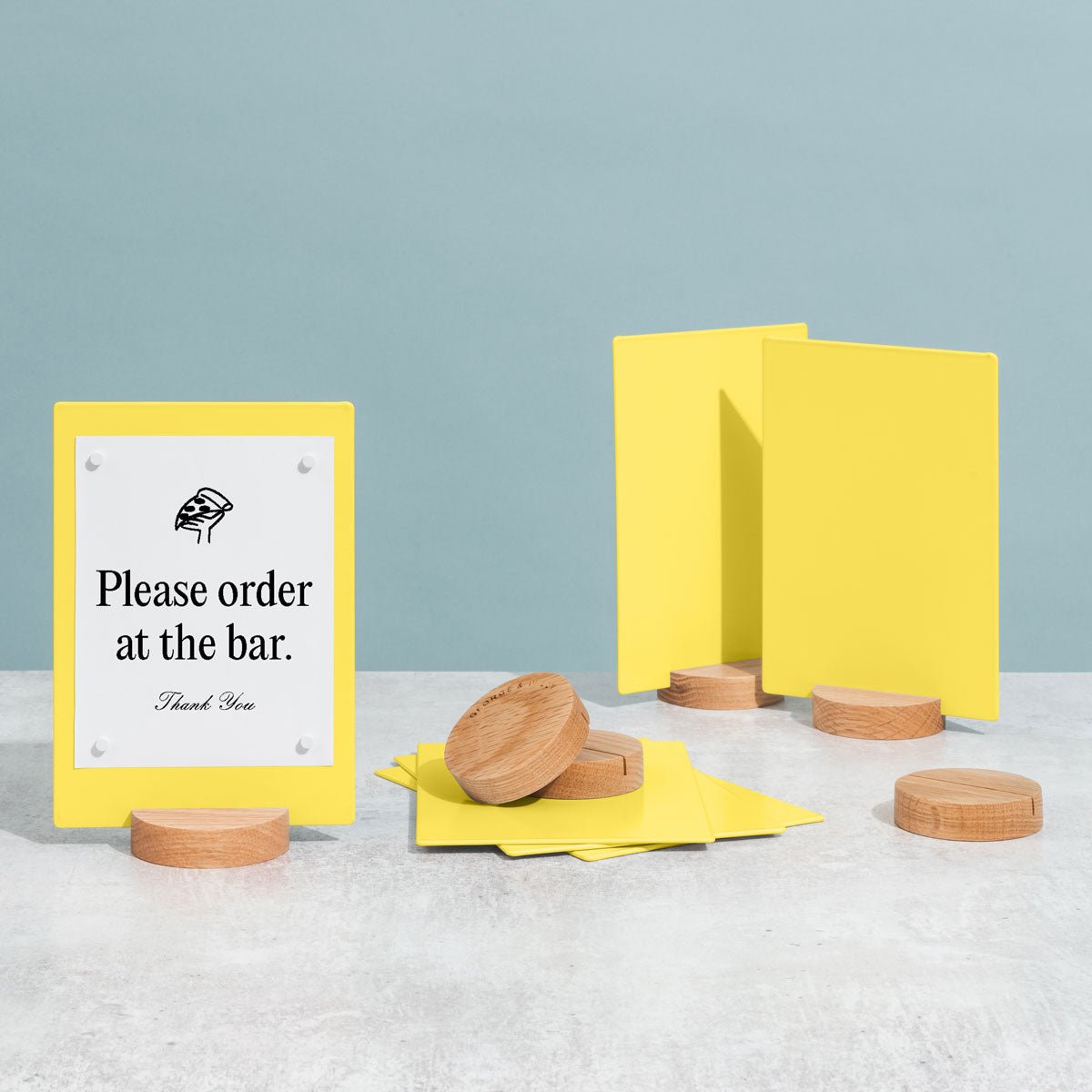
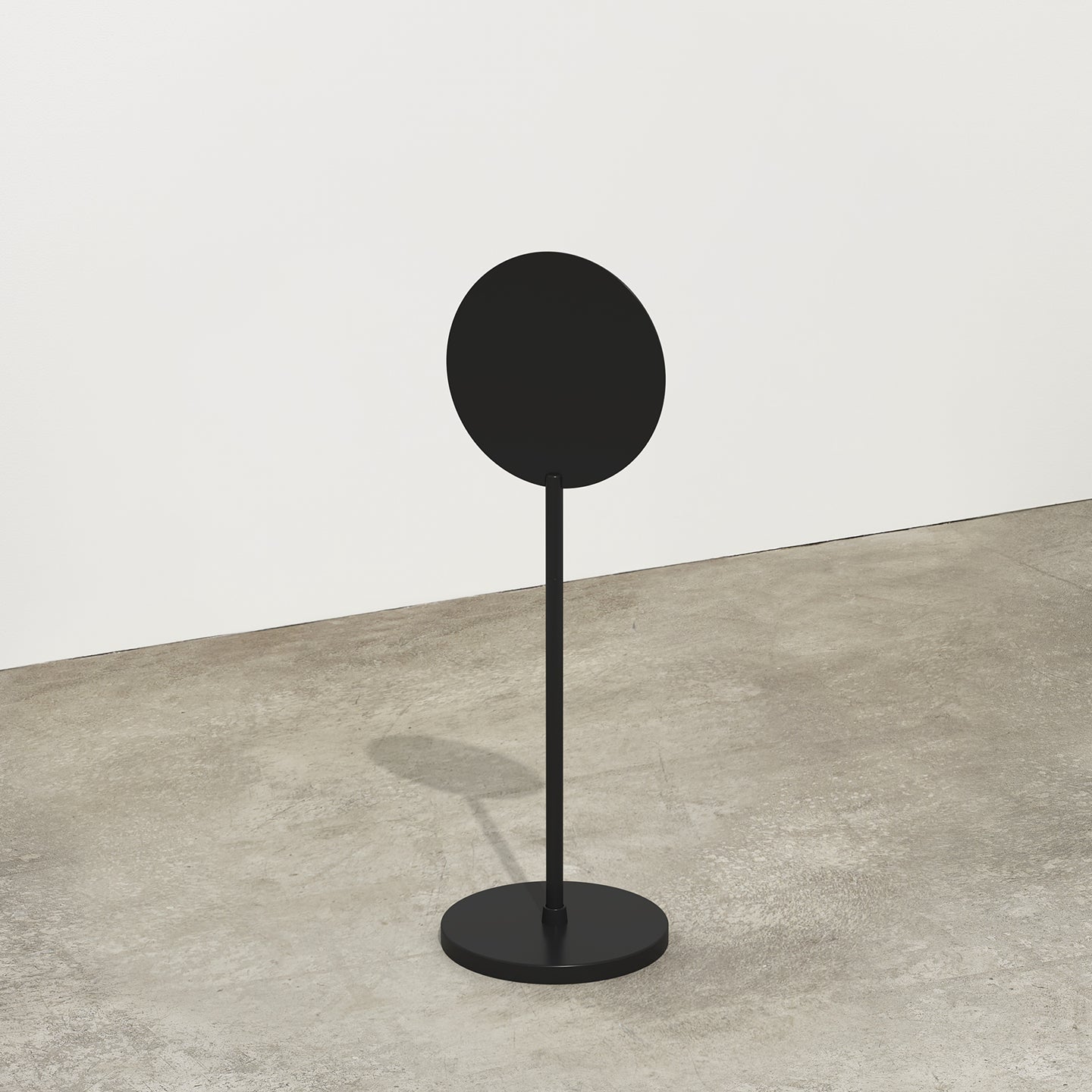
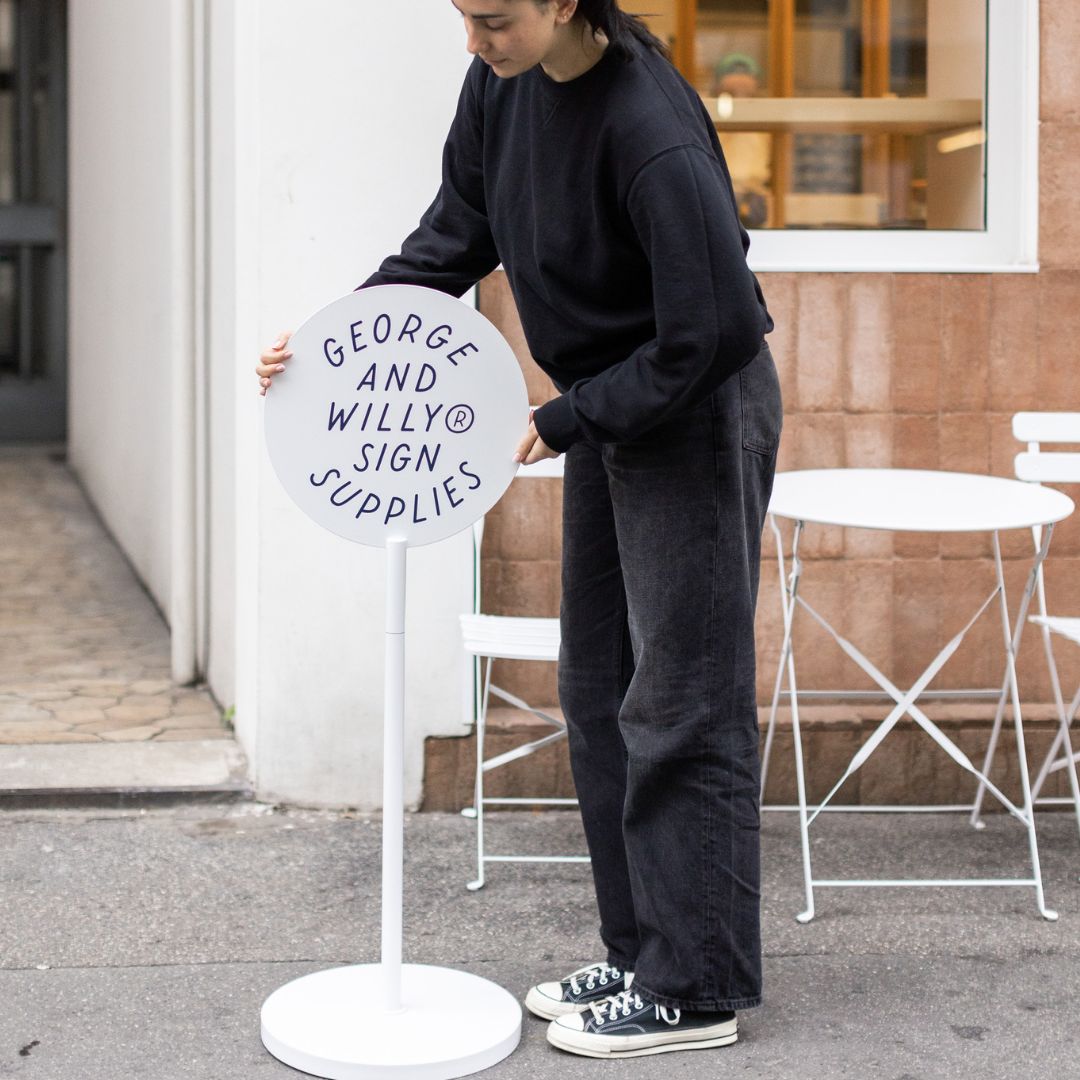
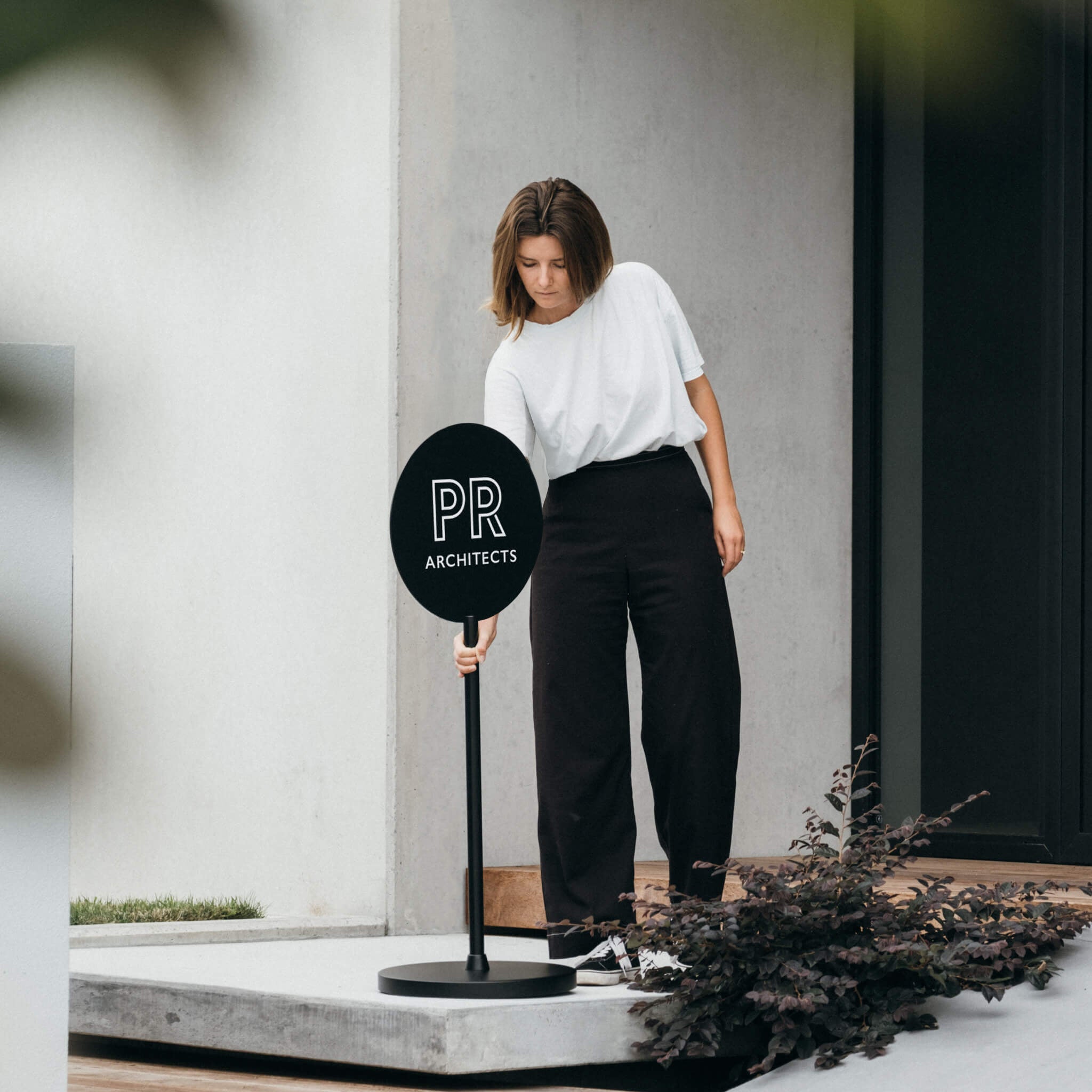
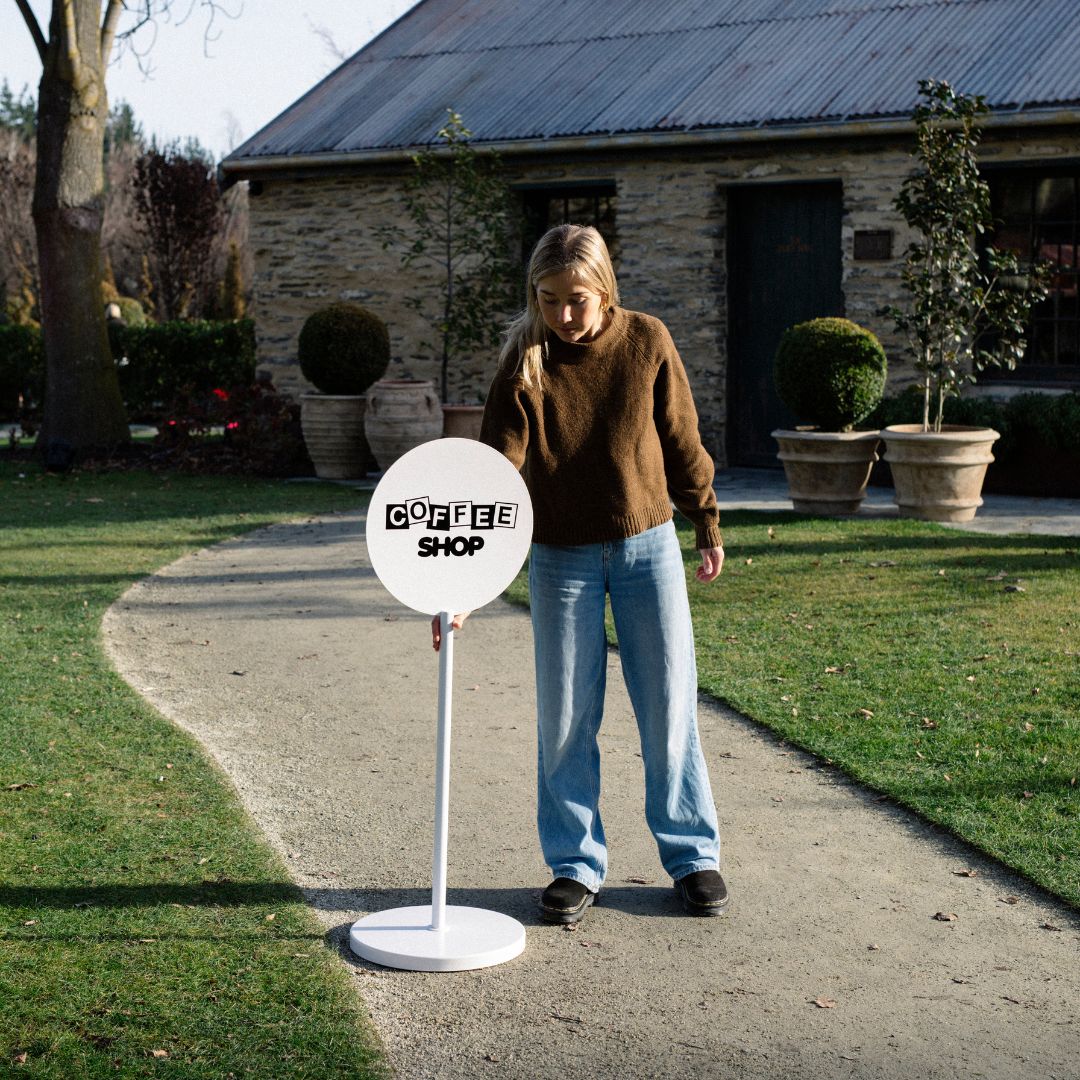
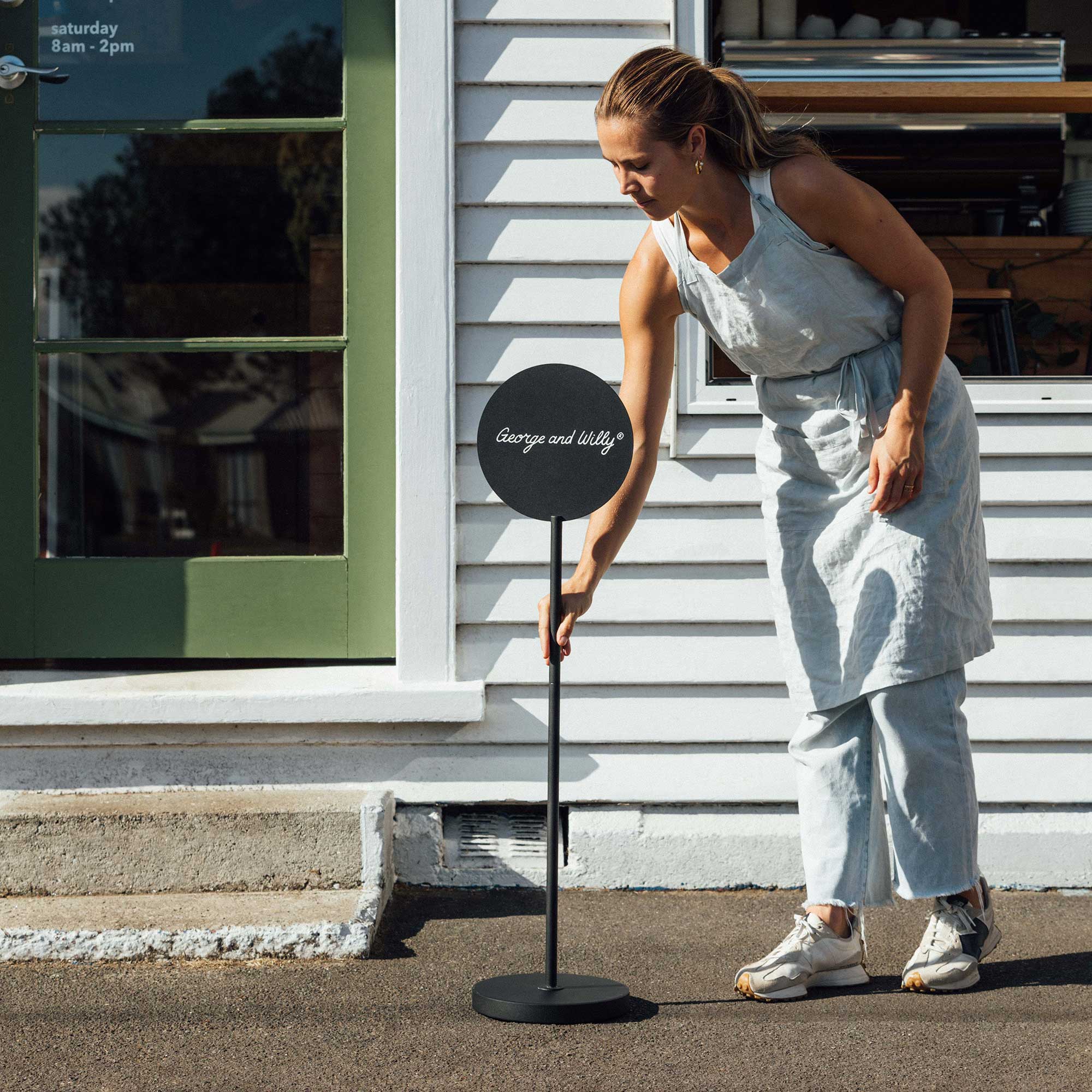
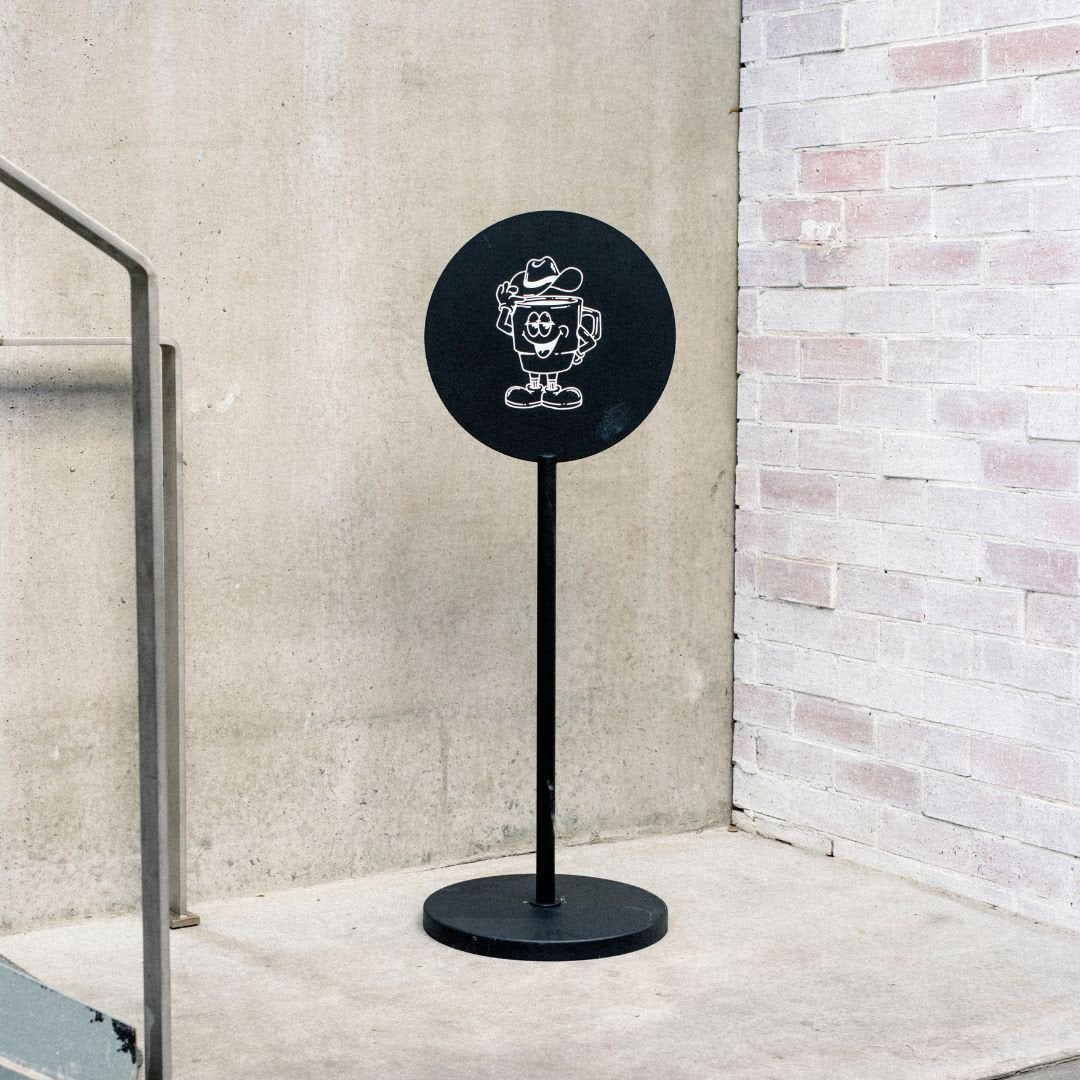
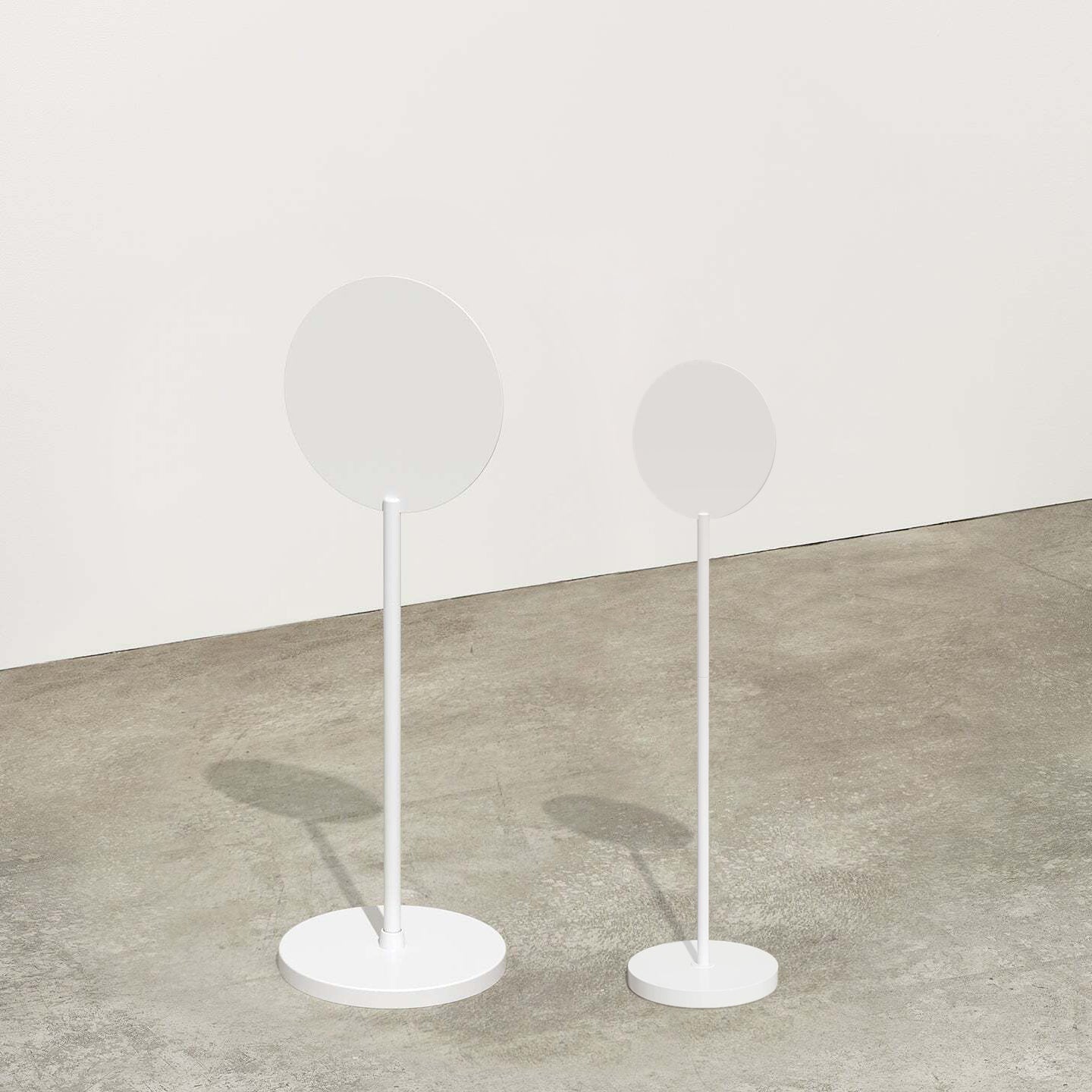
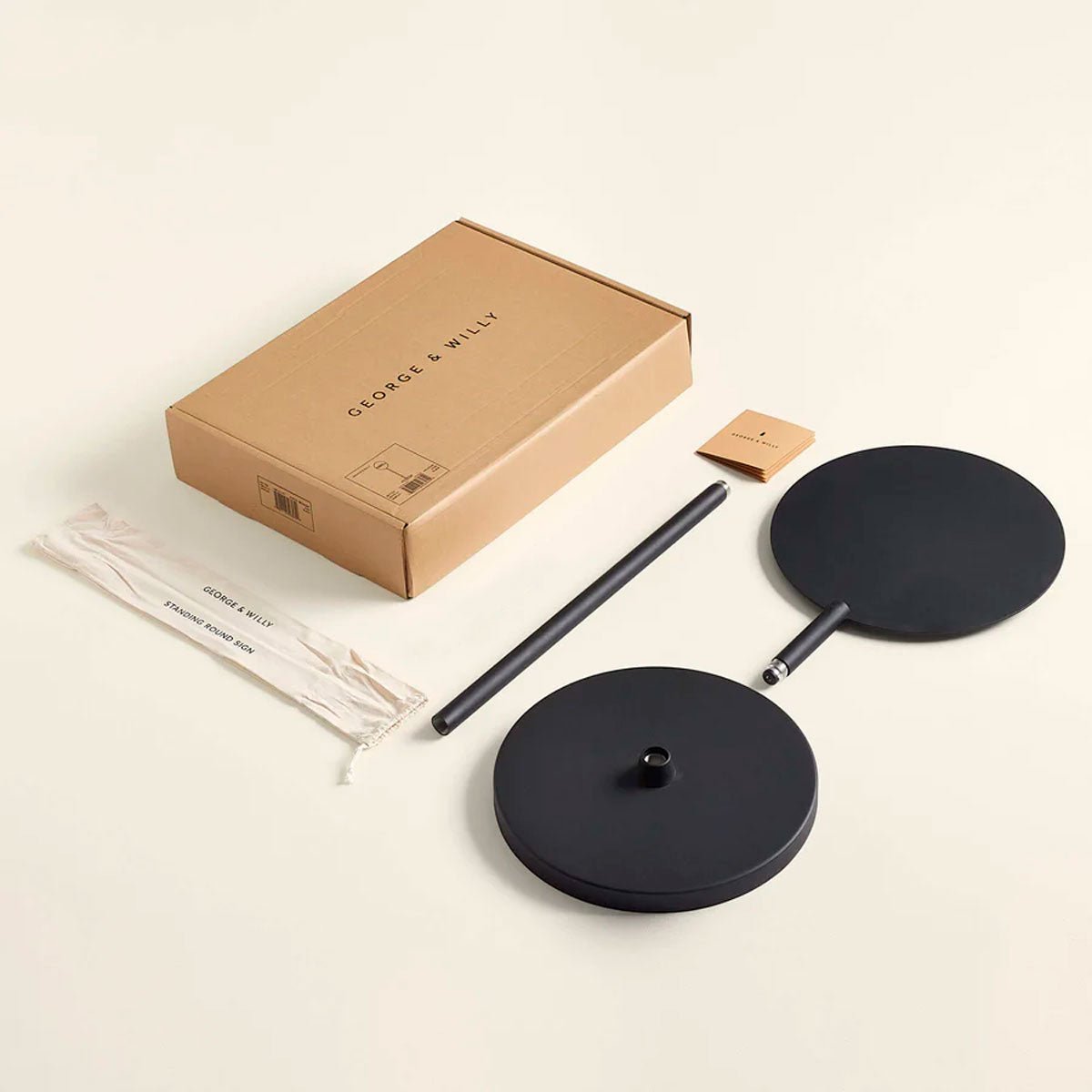
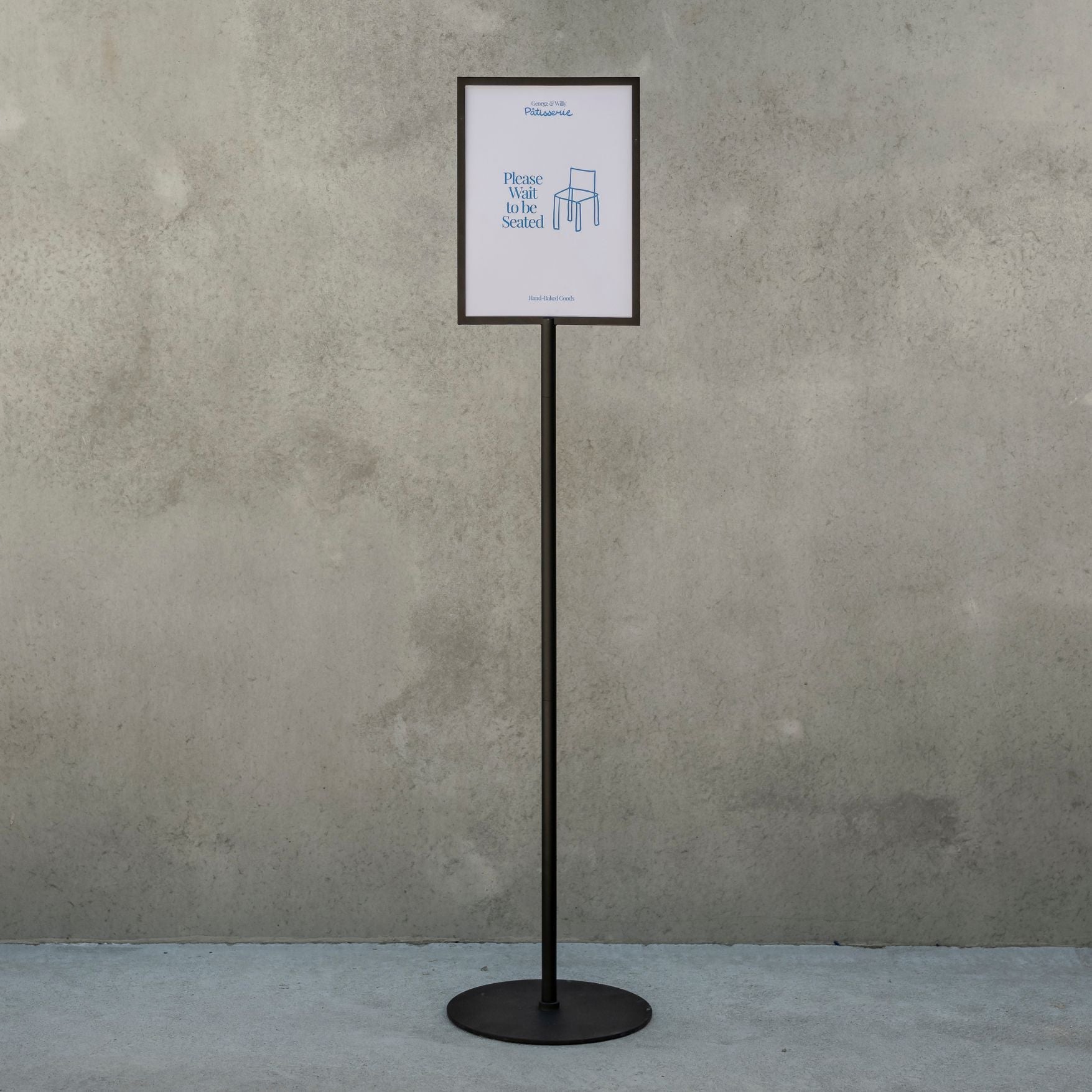
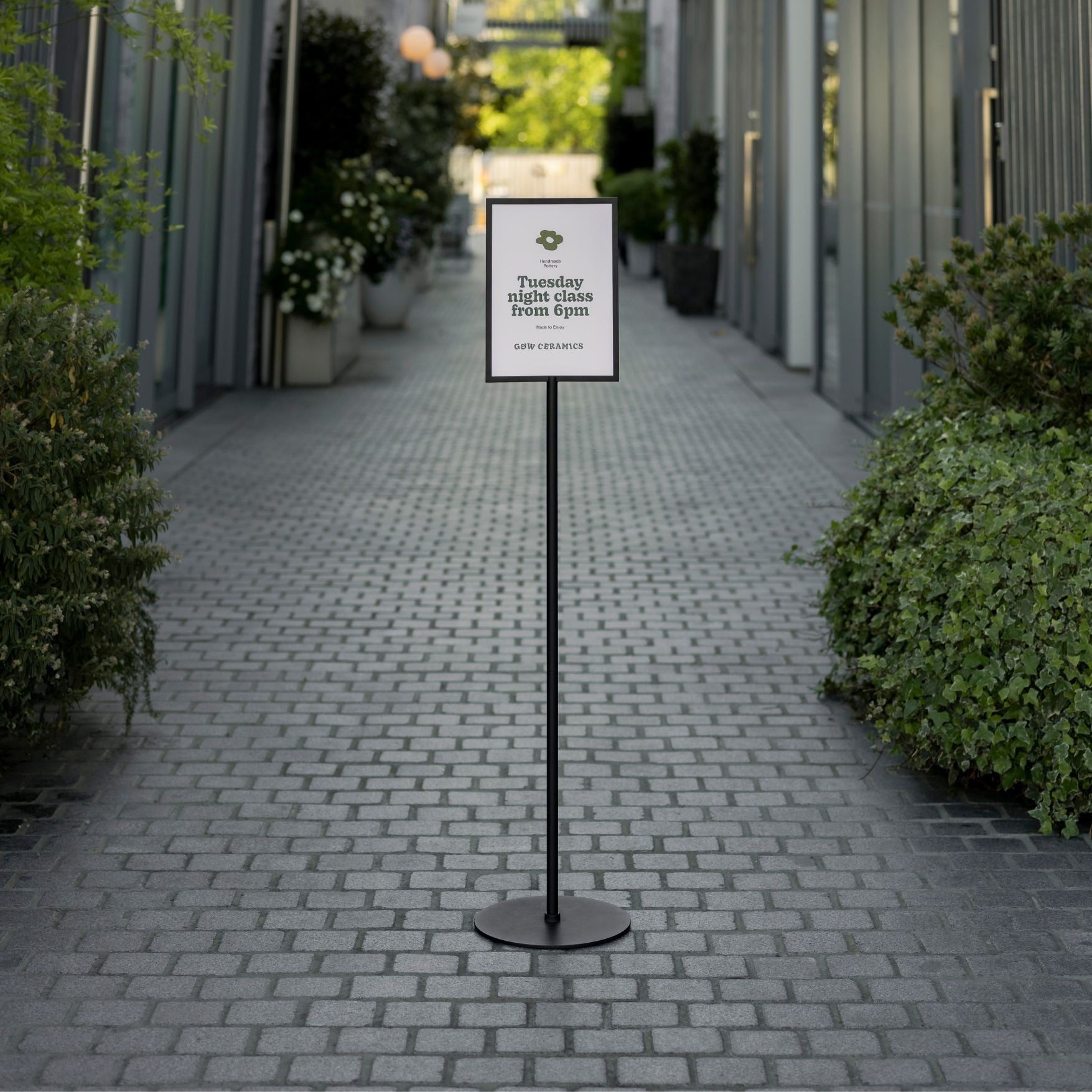
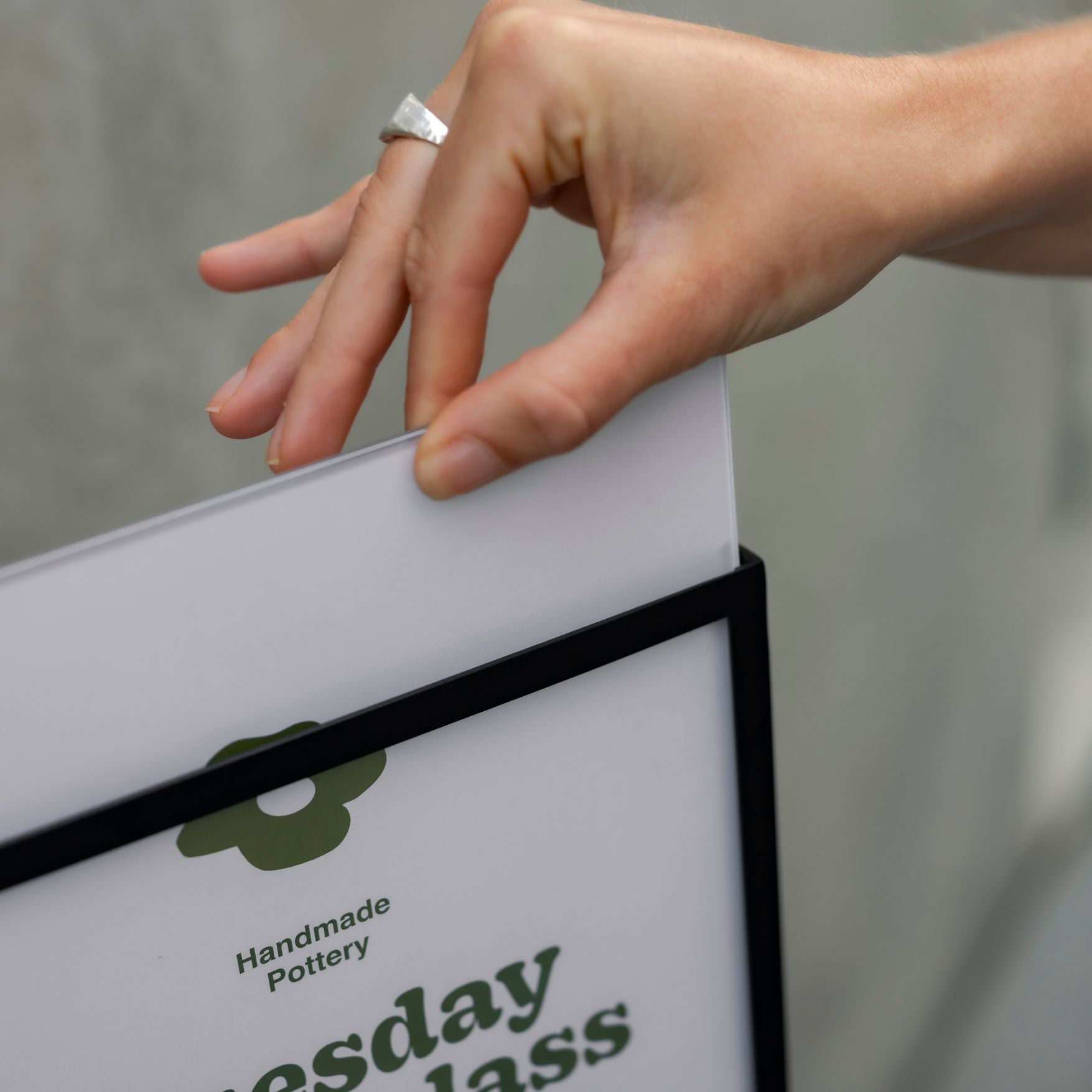
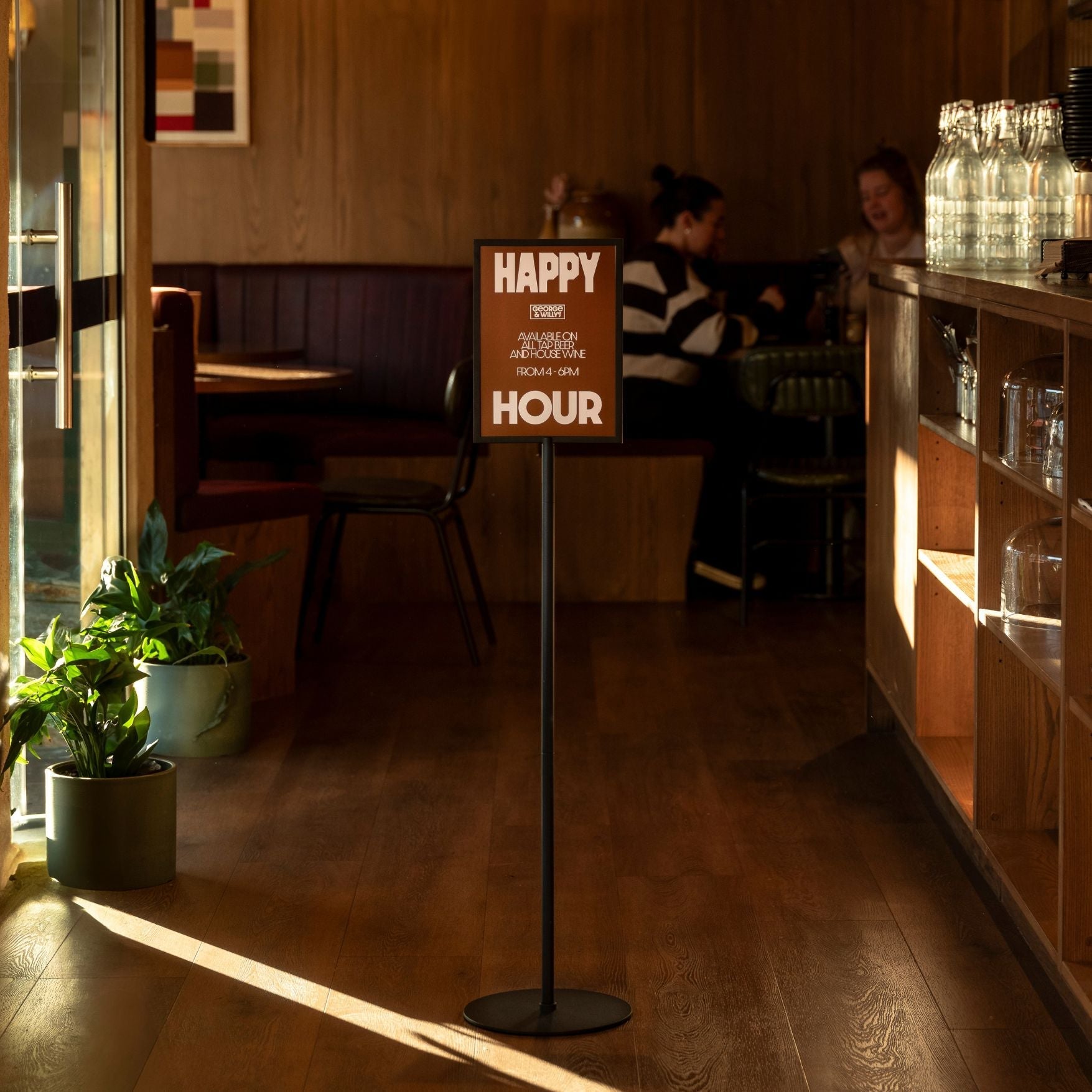
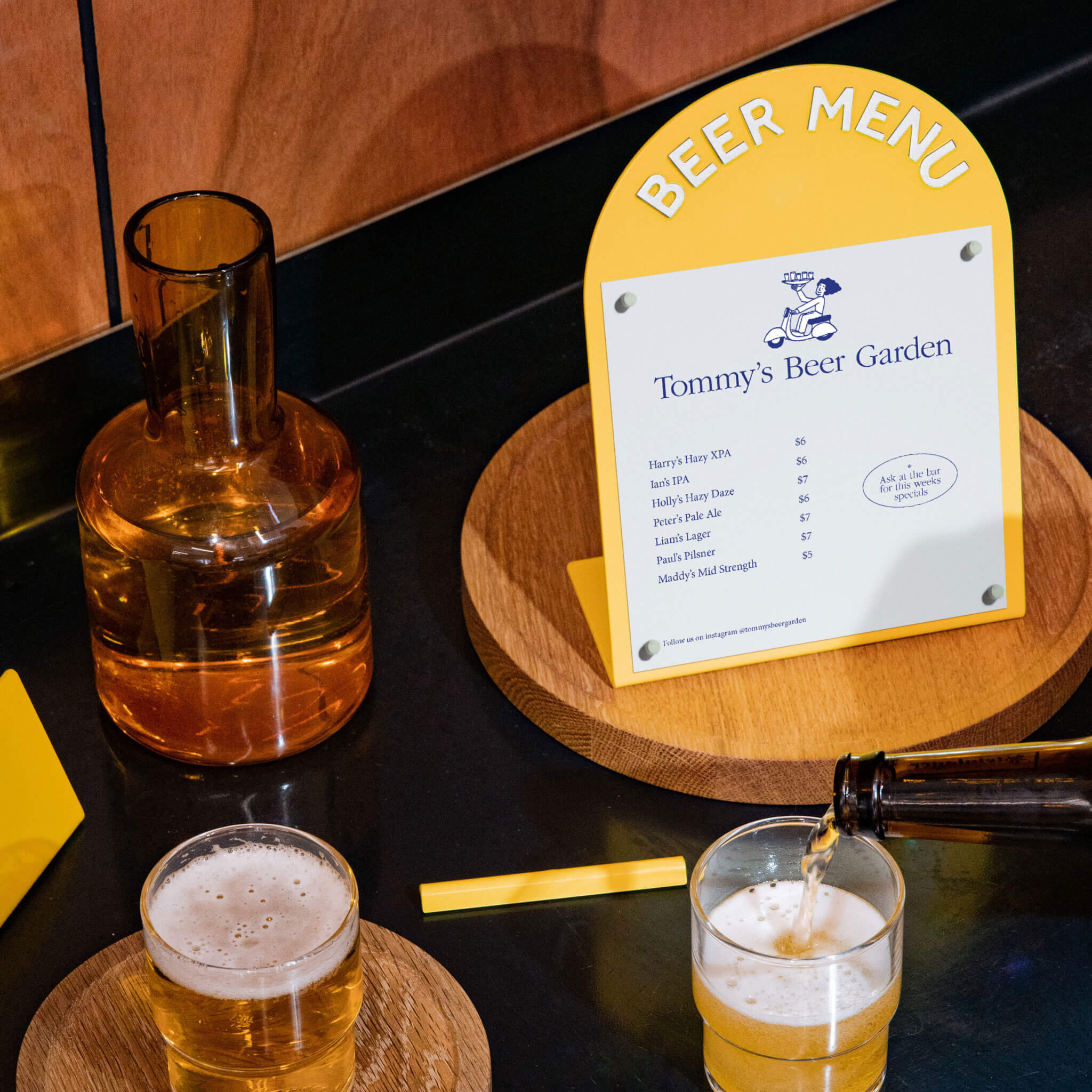
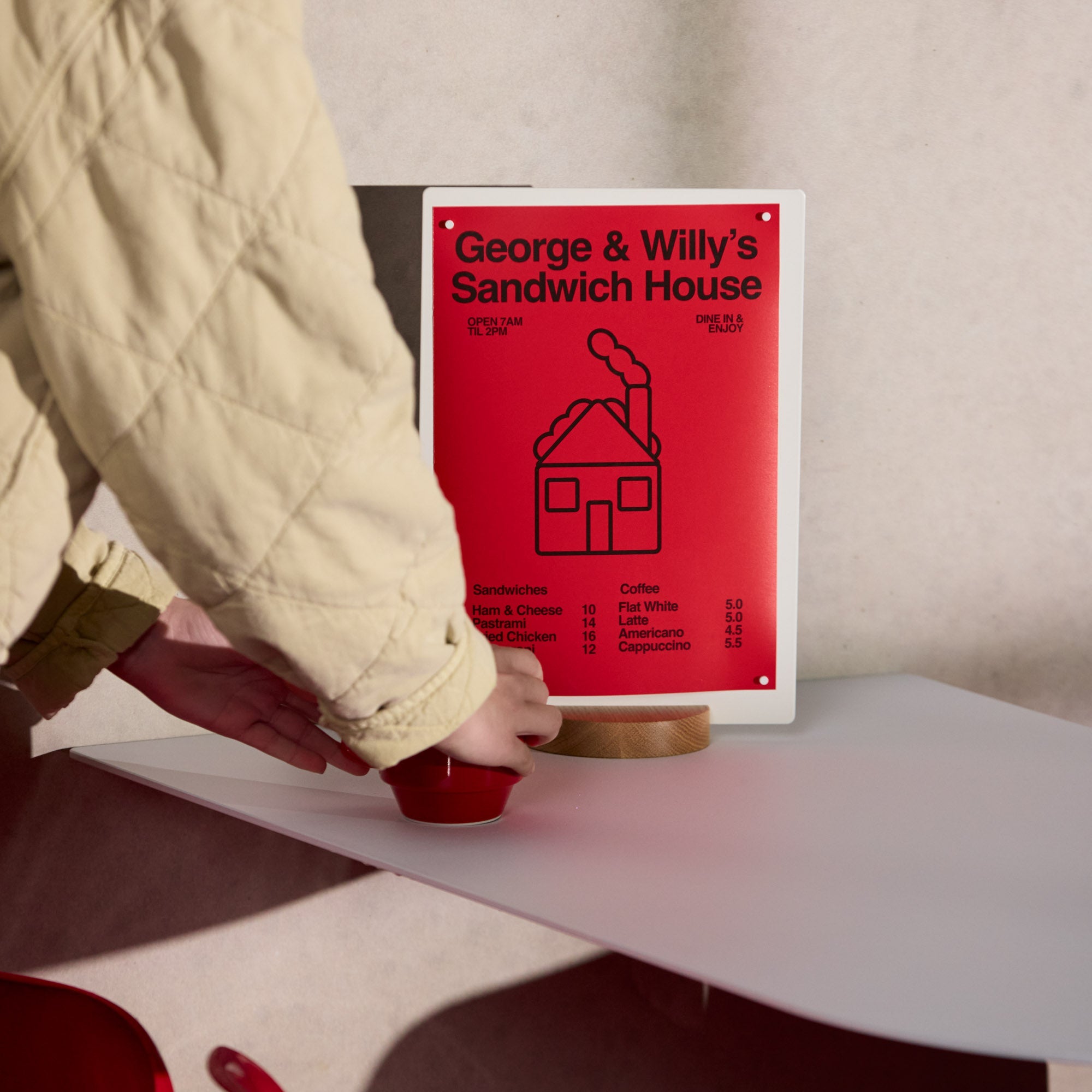
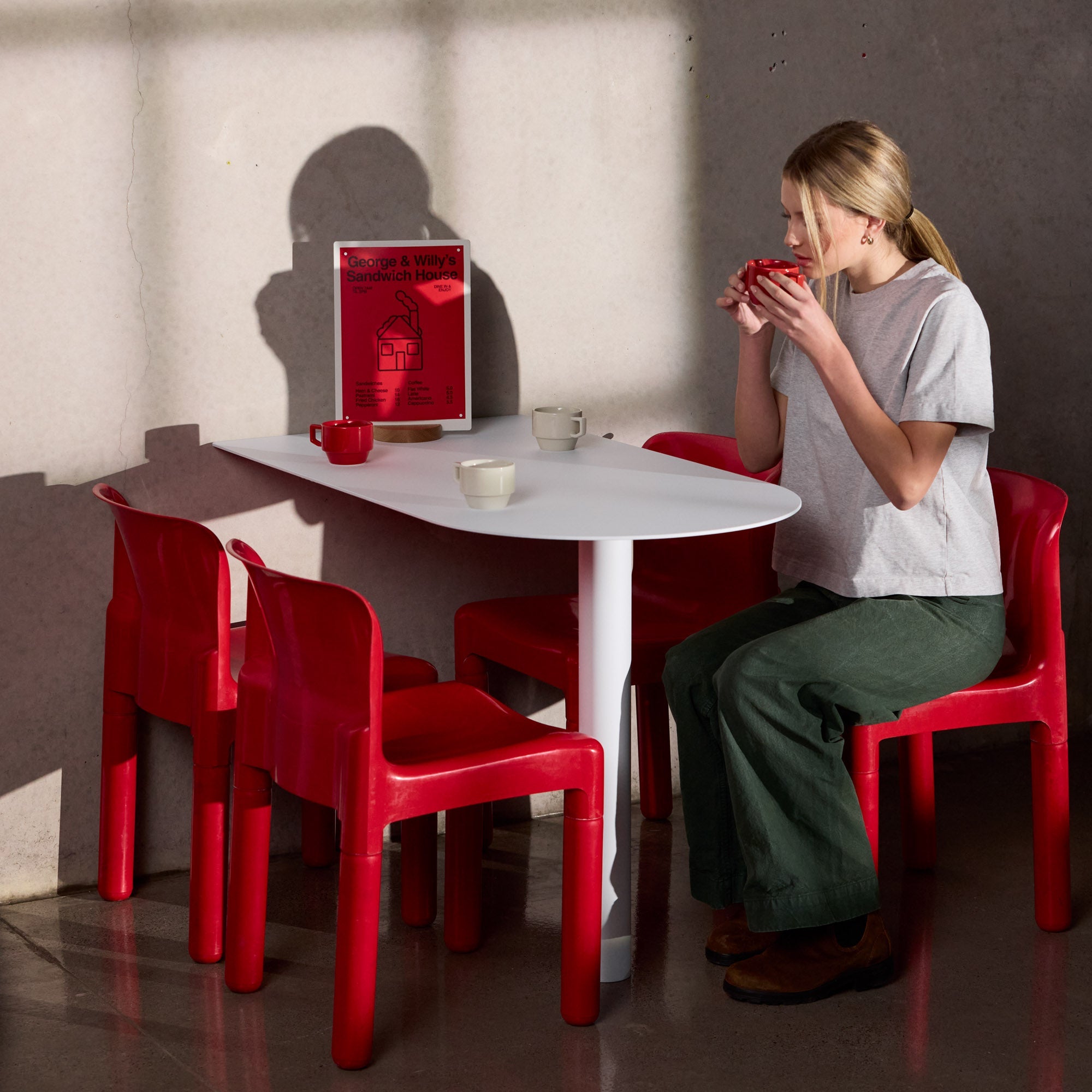
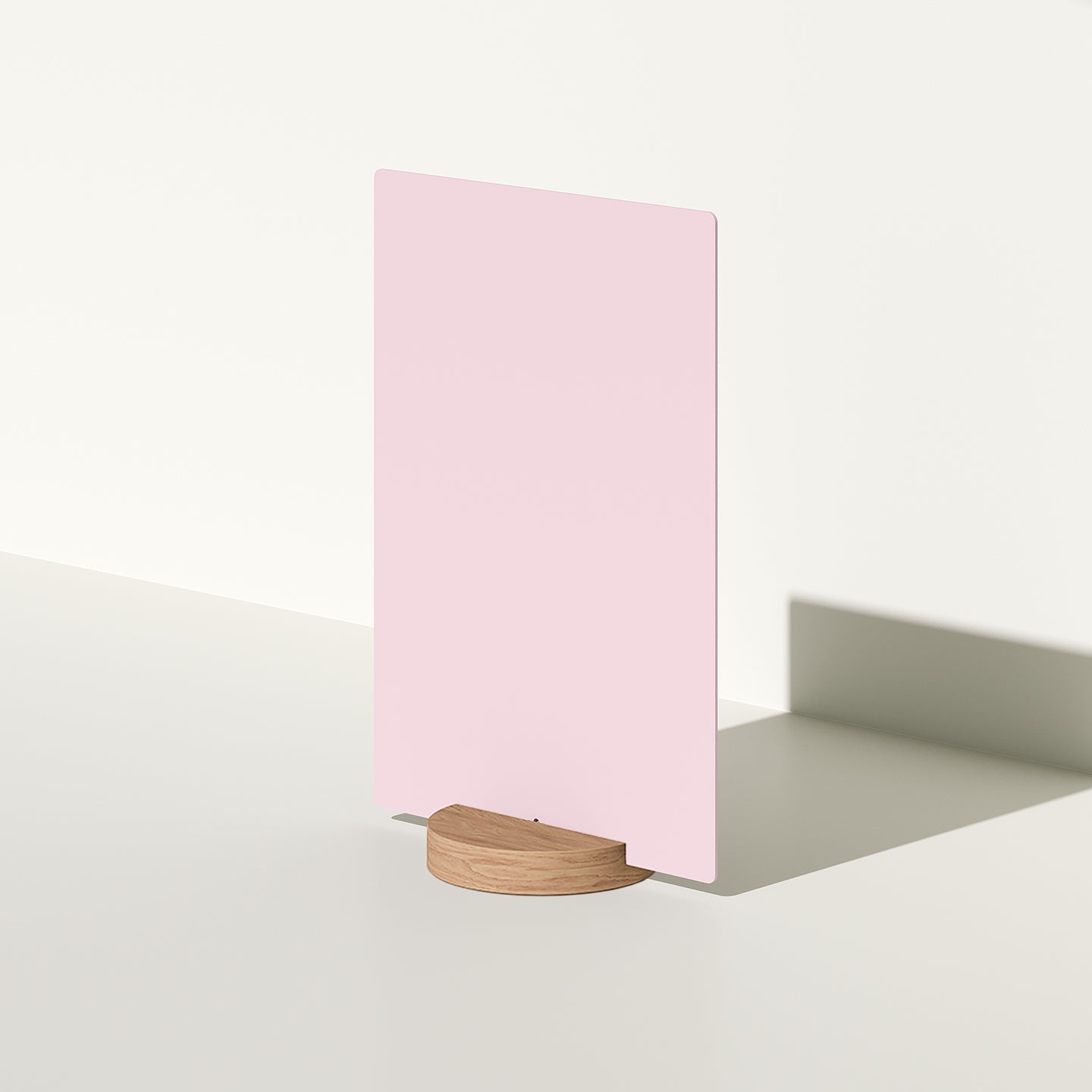
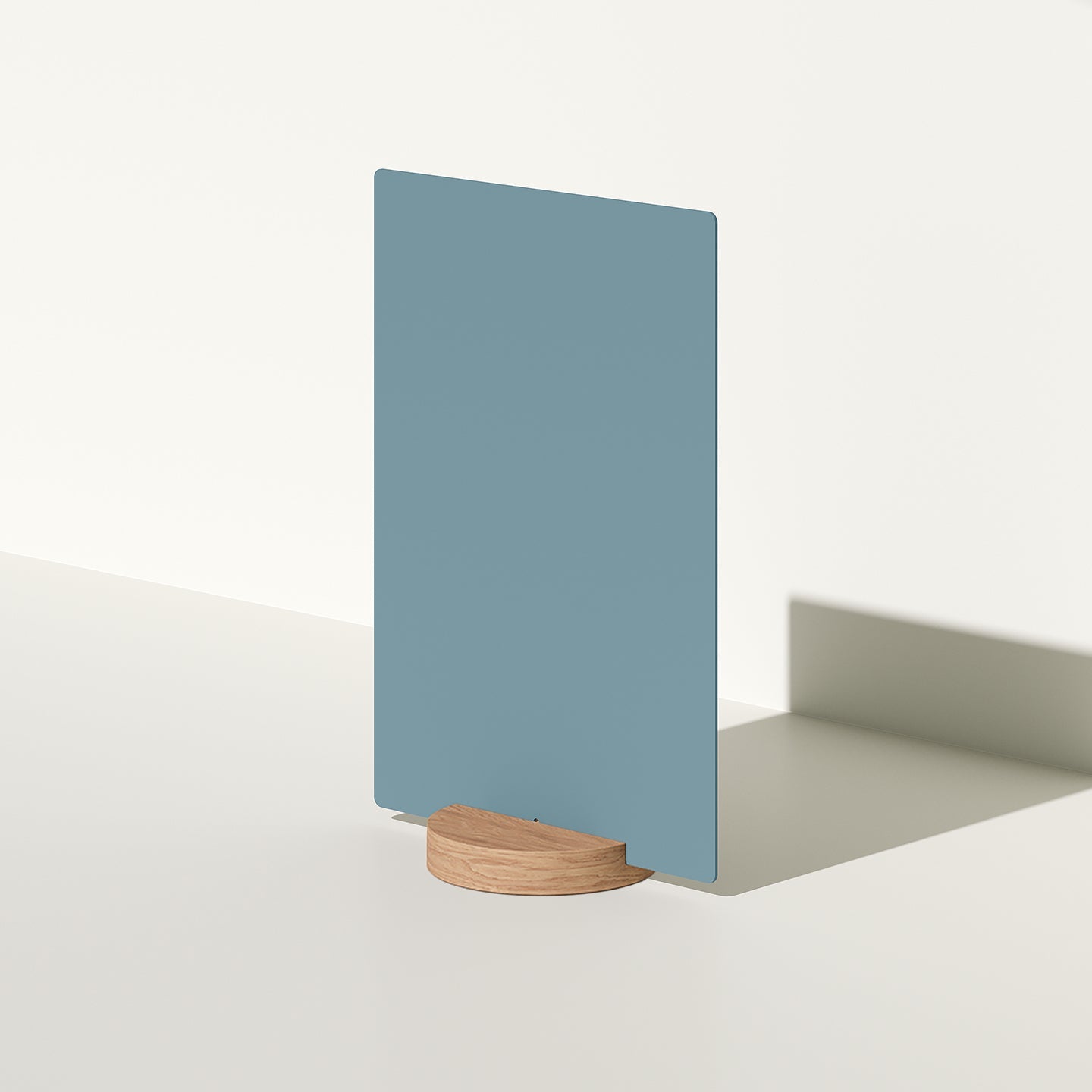
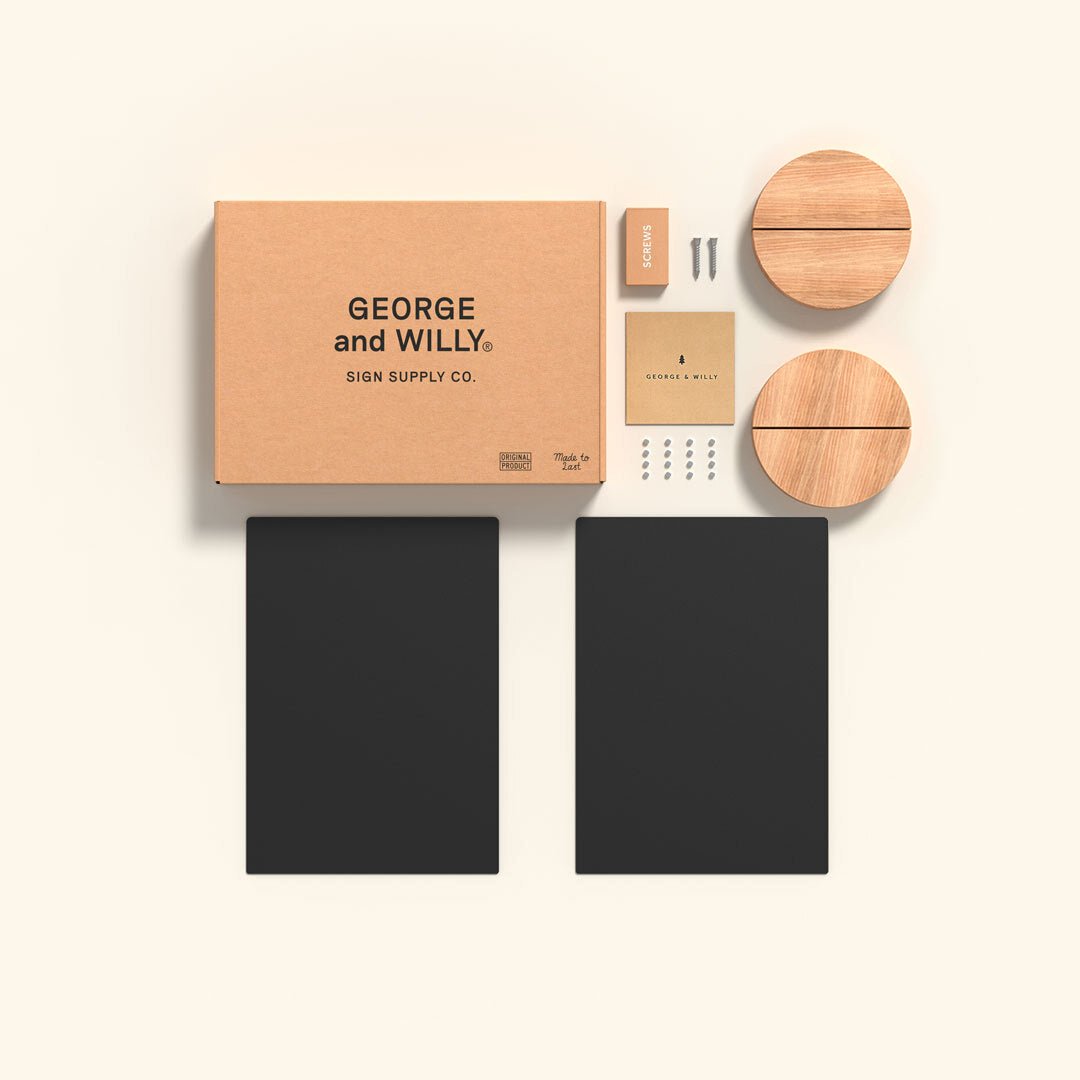
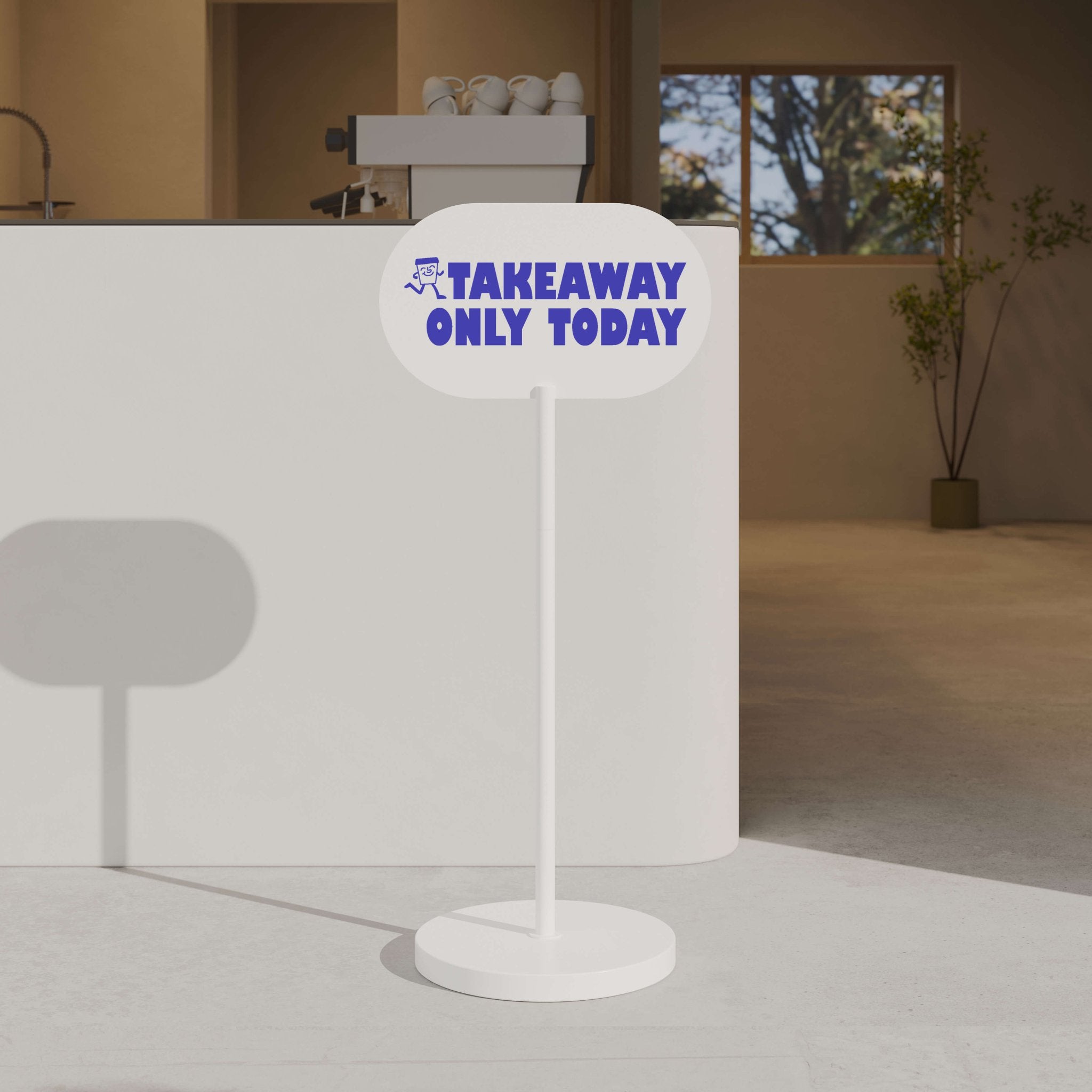
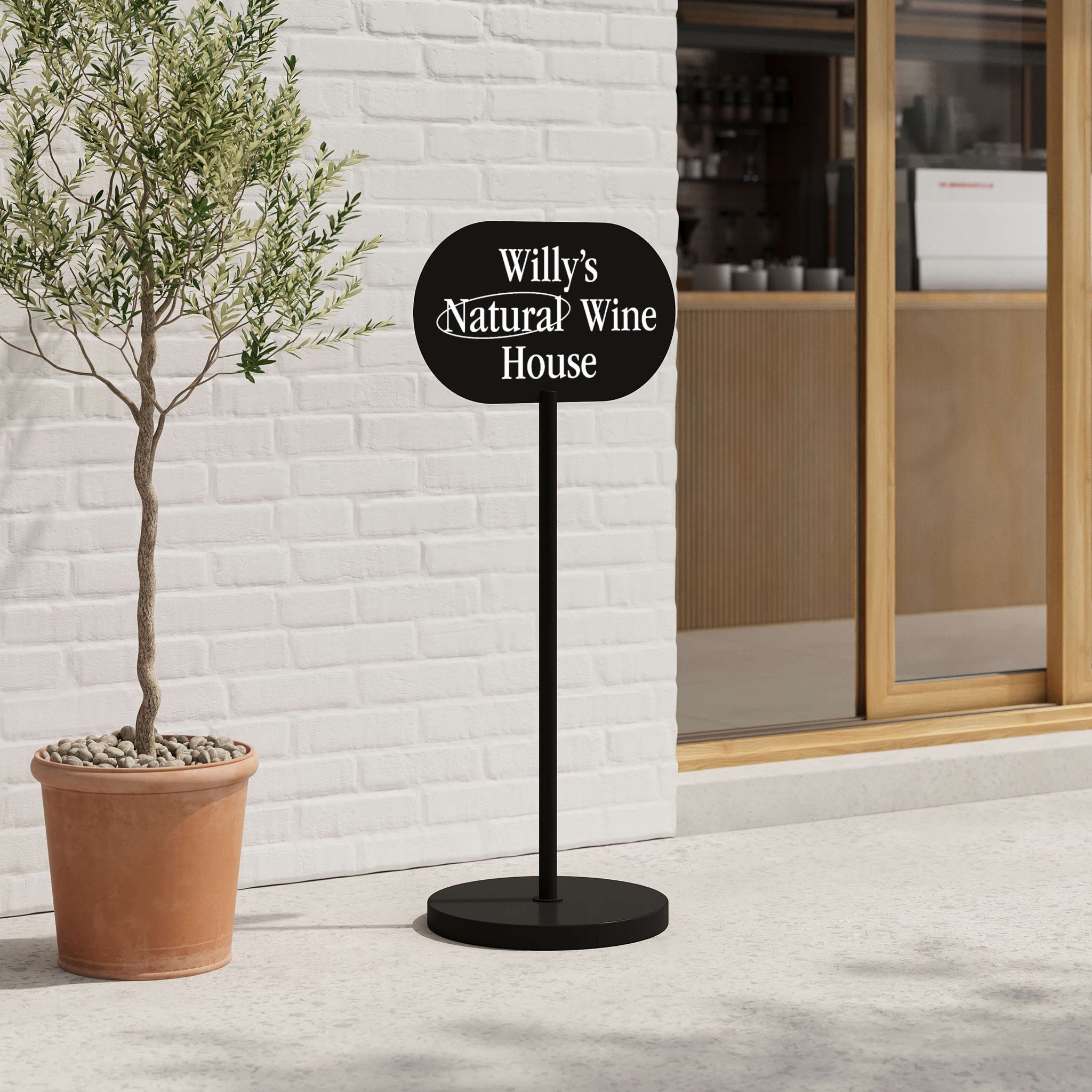
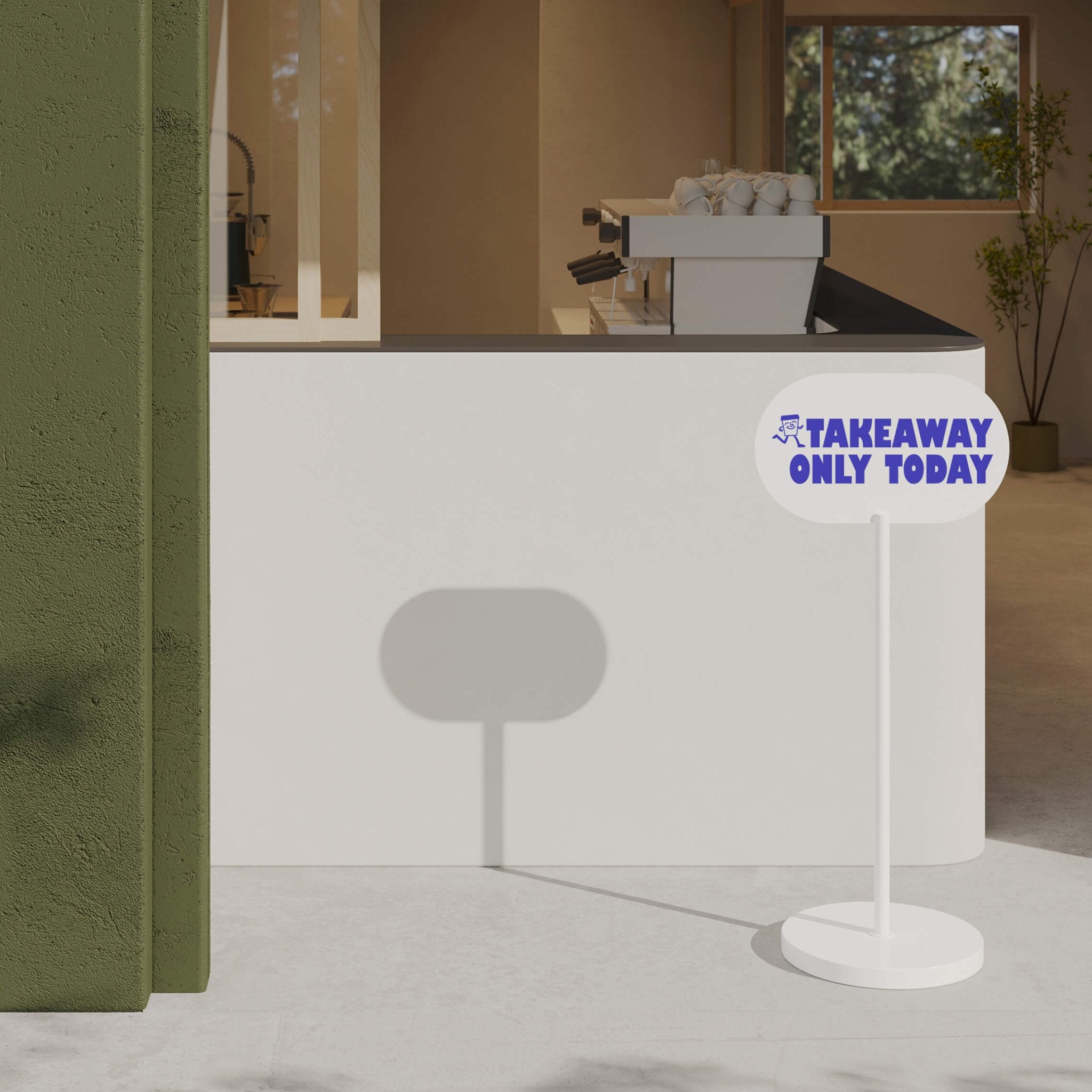
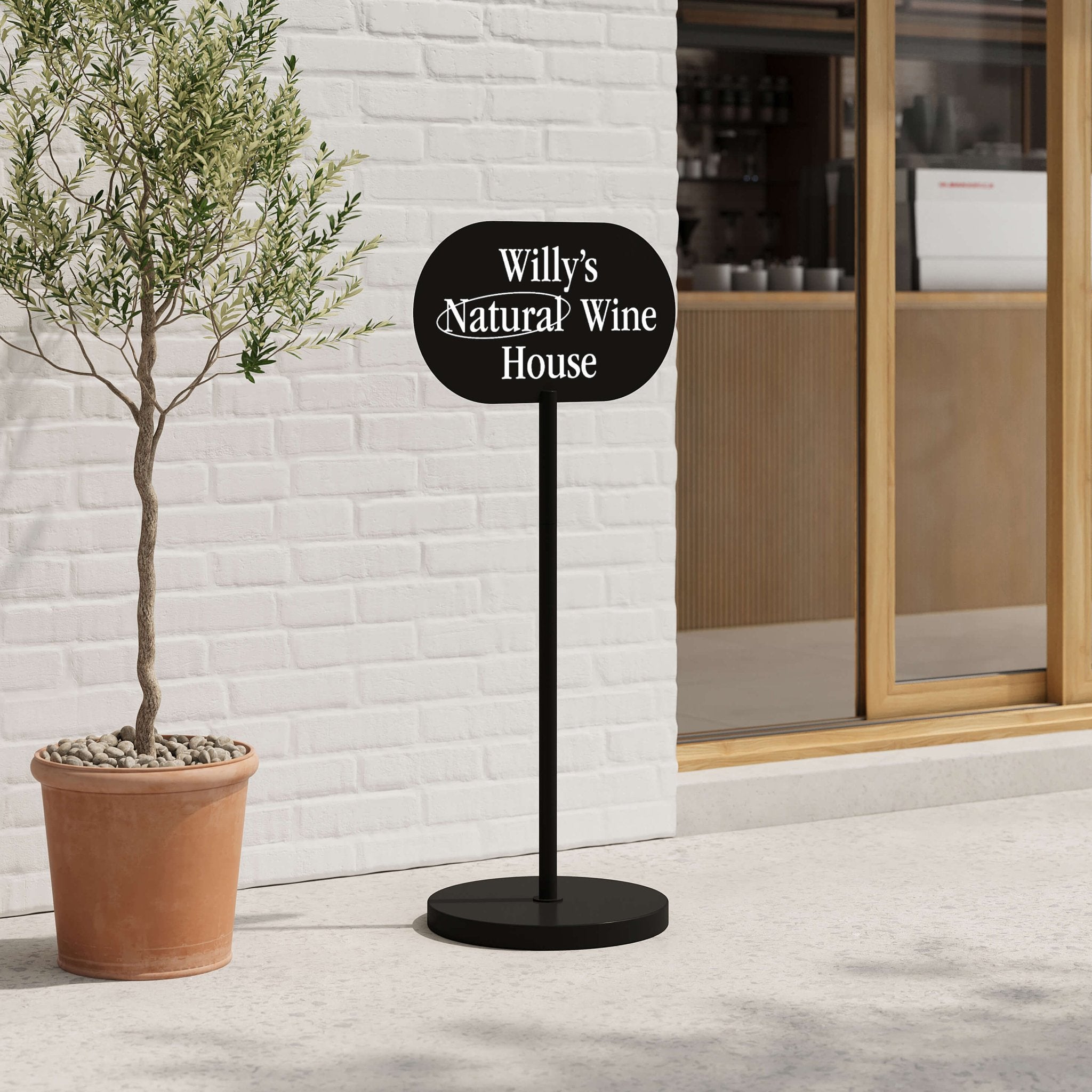
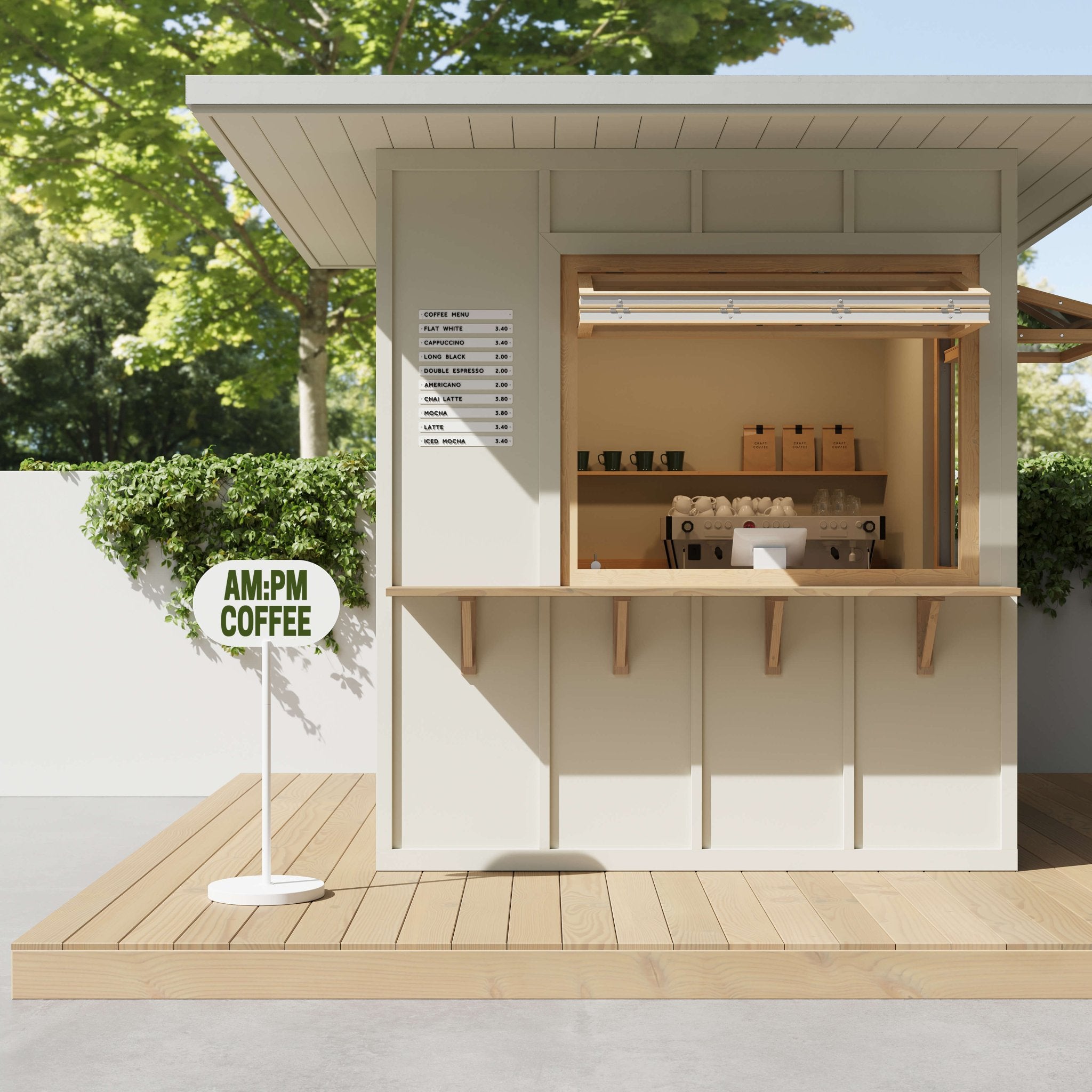
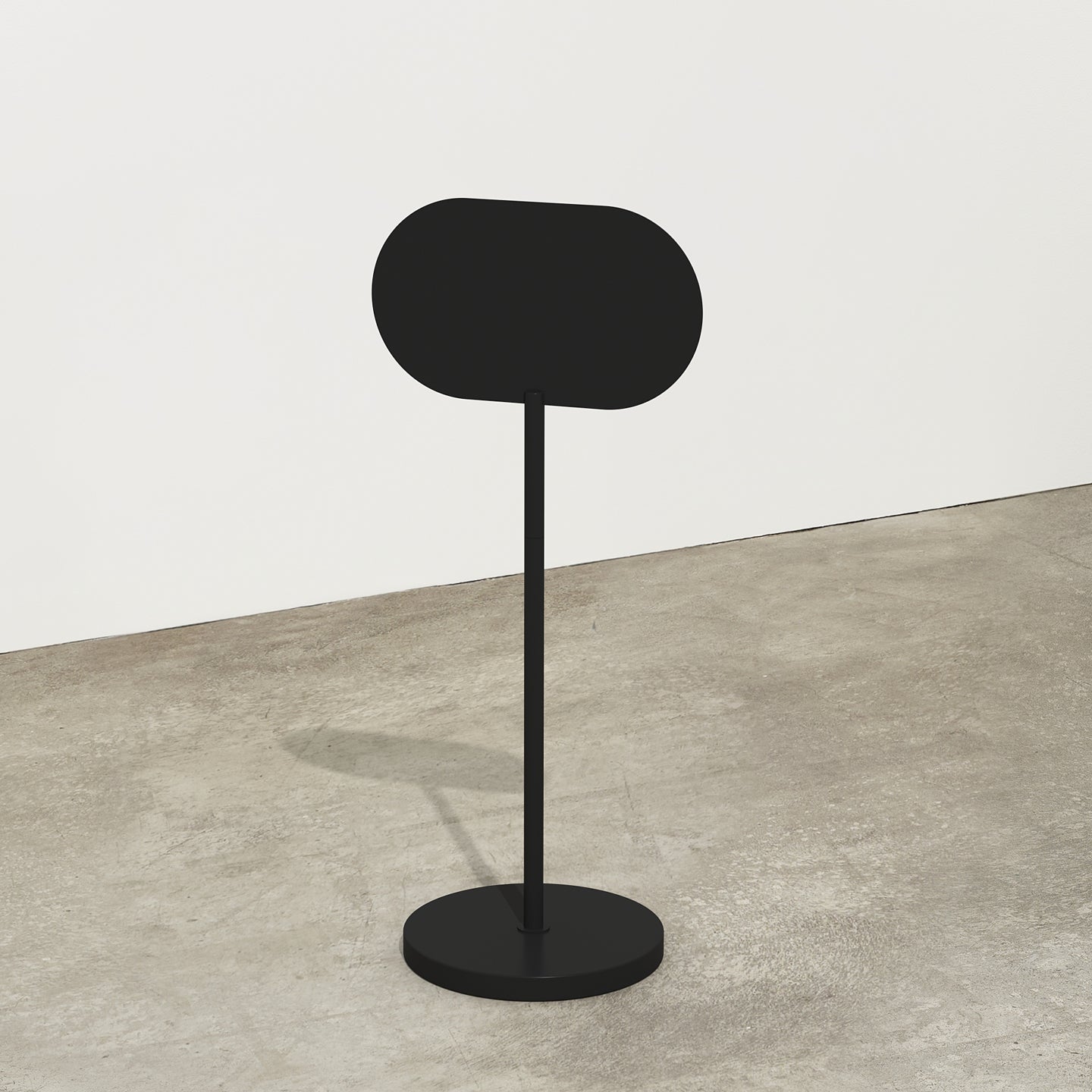
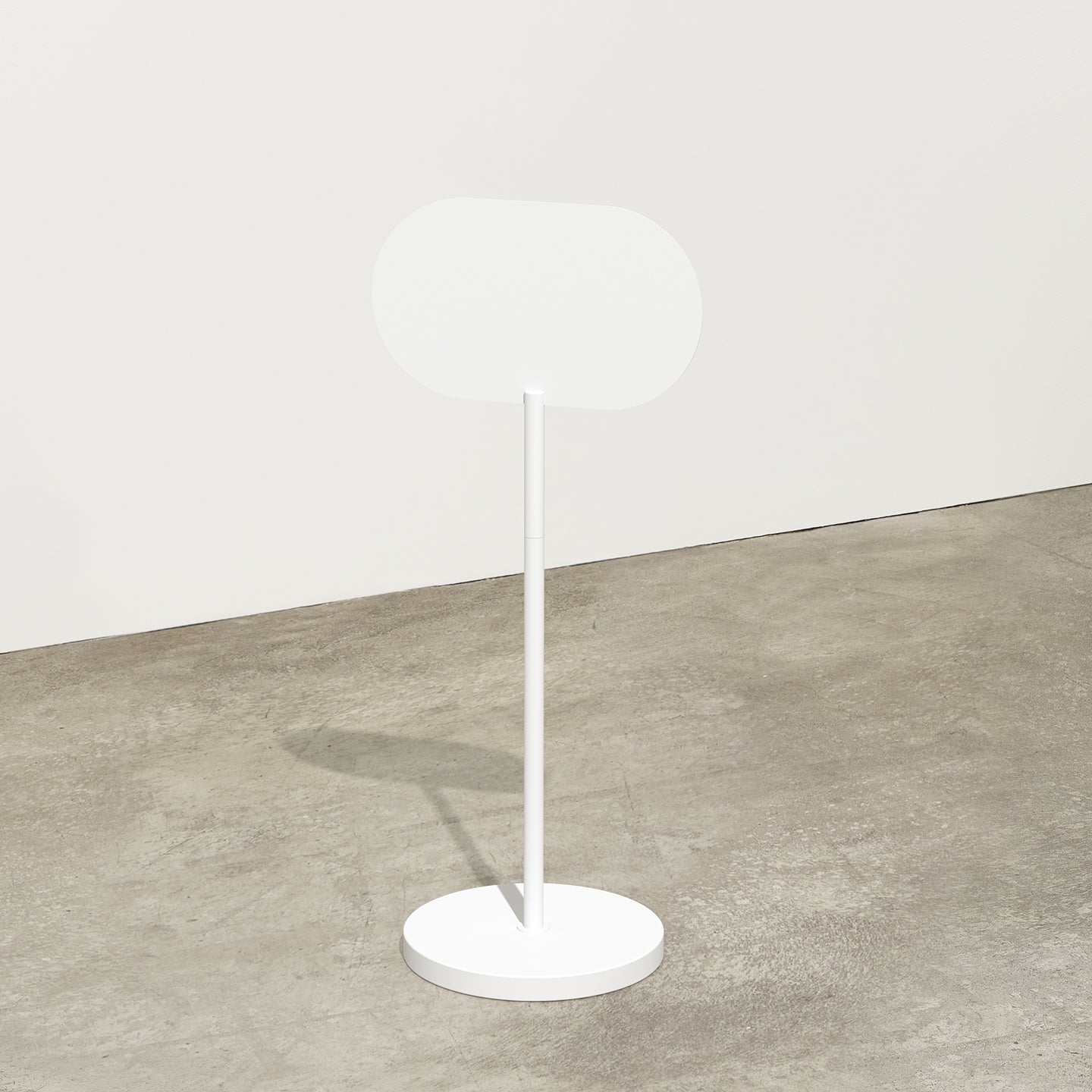
Standing signs work in a lobby or at a door and move whenever the space is reconfigured. The Standing Sign Holder takes an A4 print, so a visitor notice or directory can be updated by anyone with a printer.
Meeting rooms and shared spaces
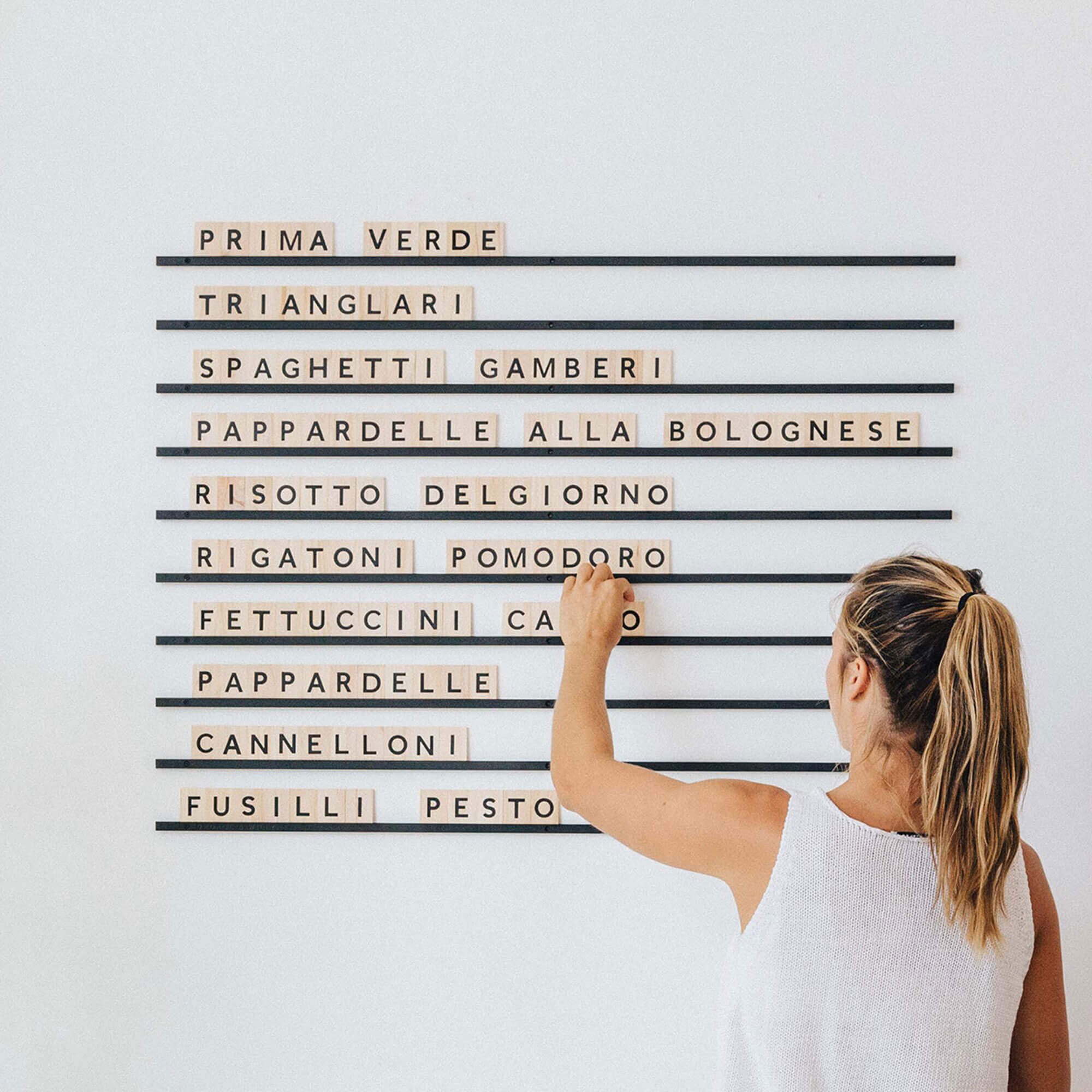
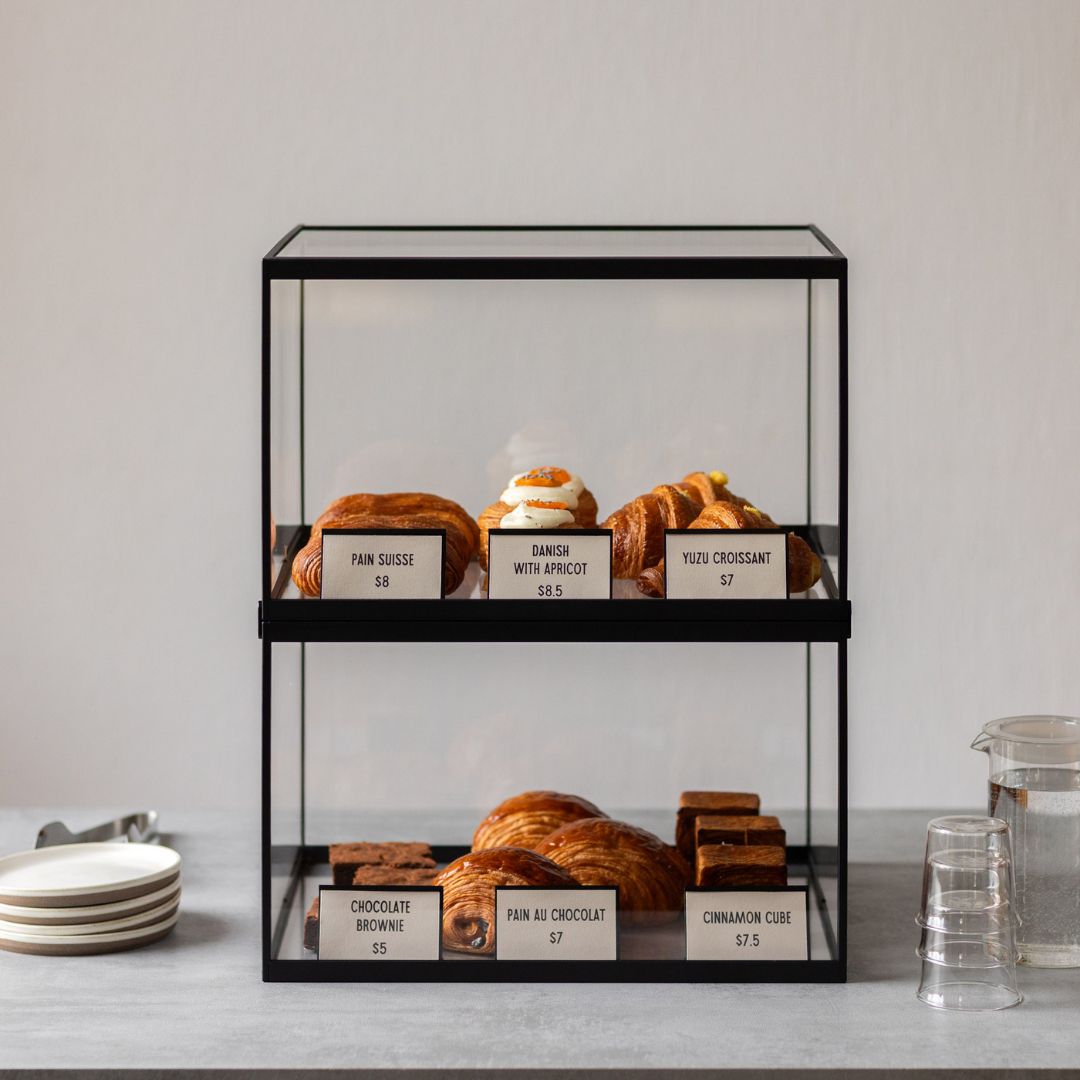
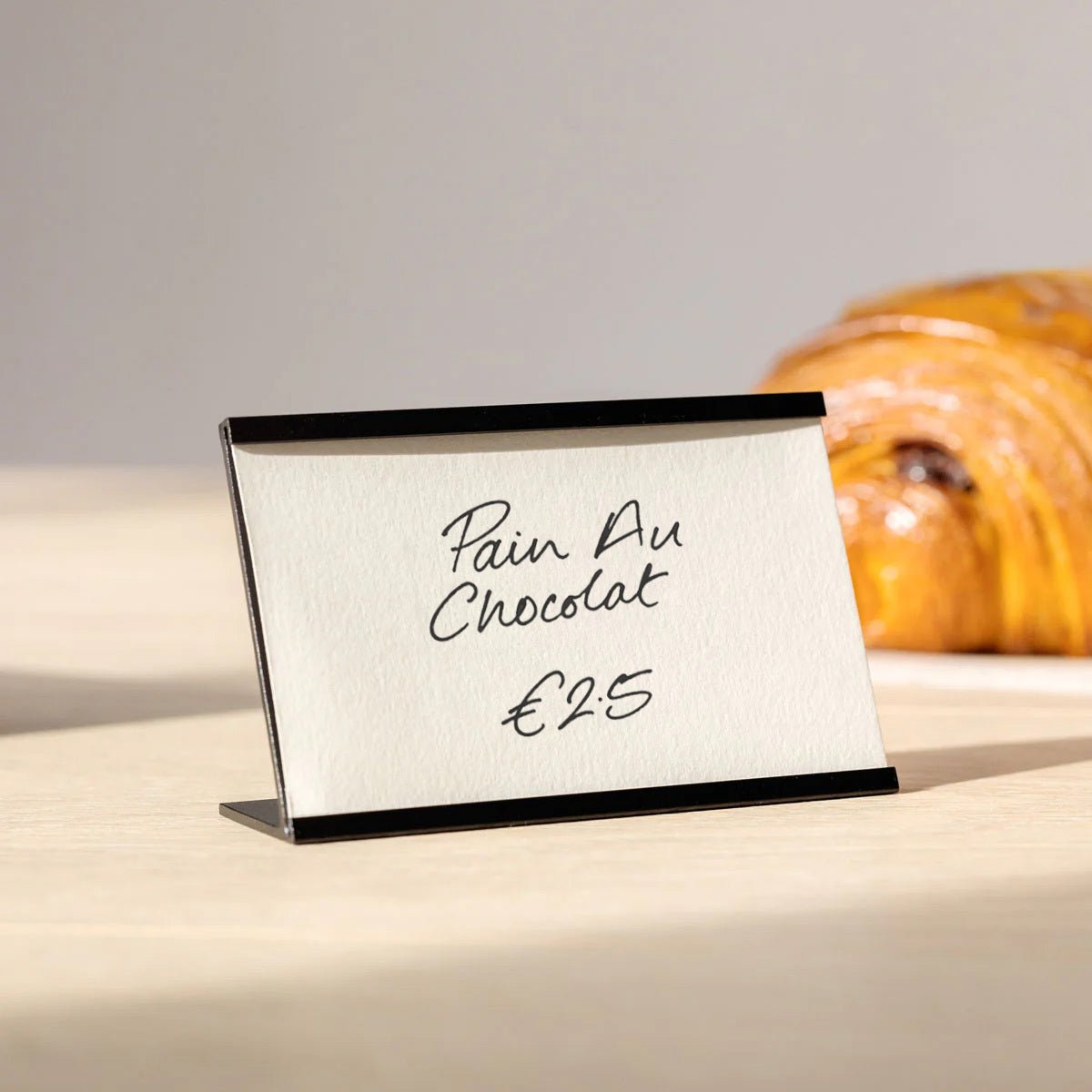
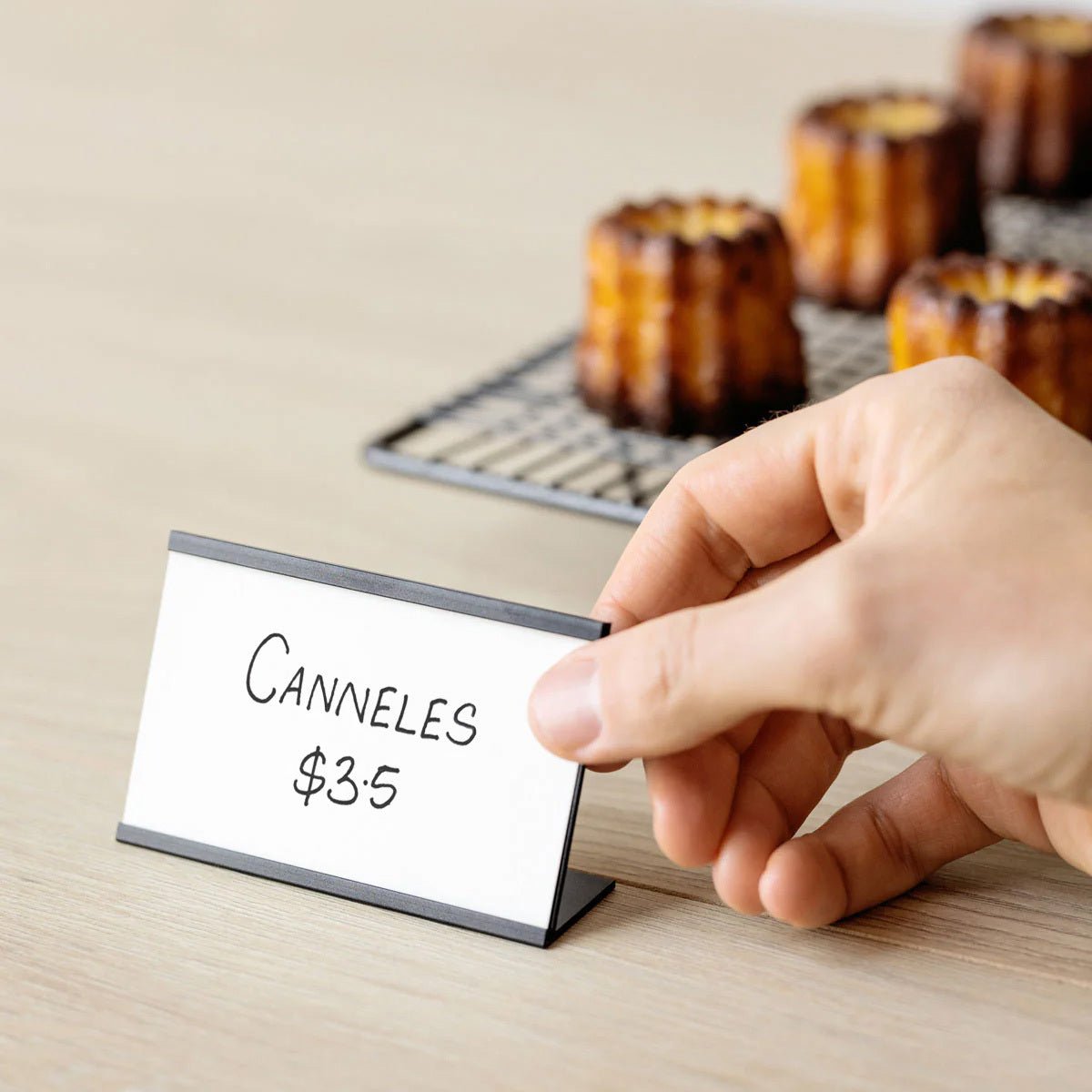
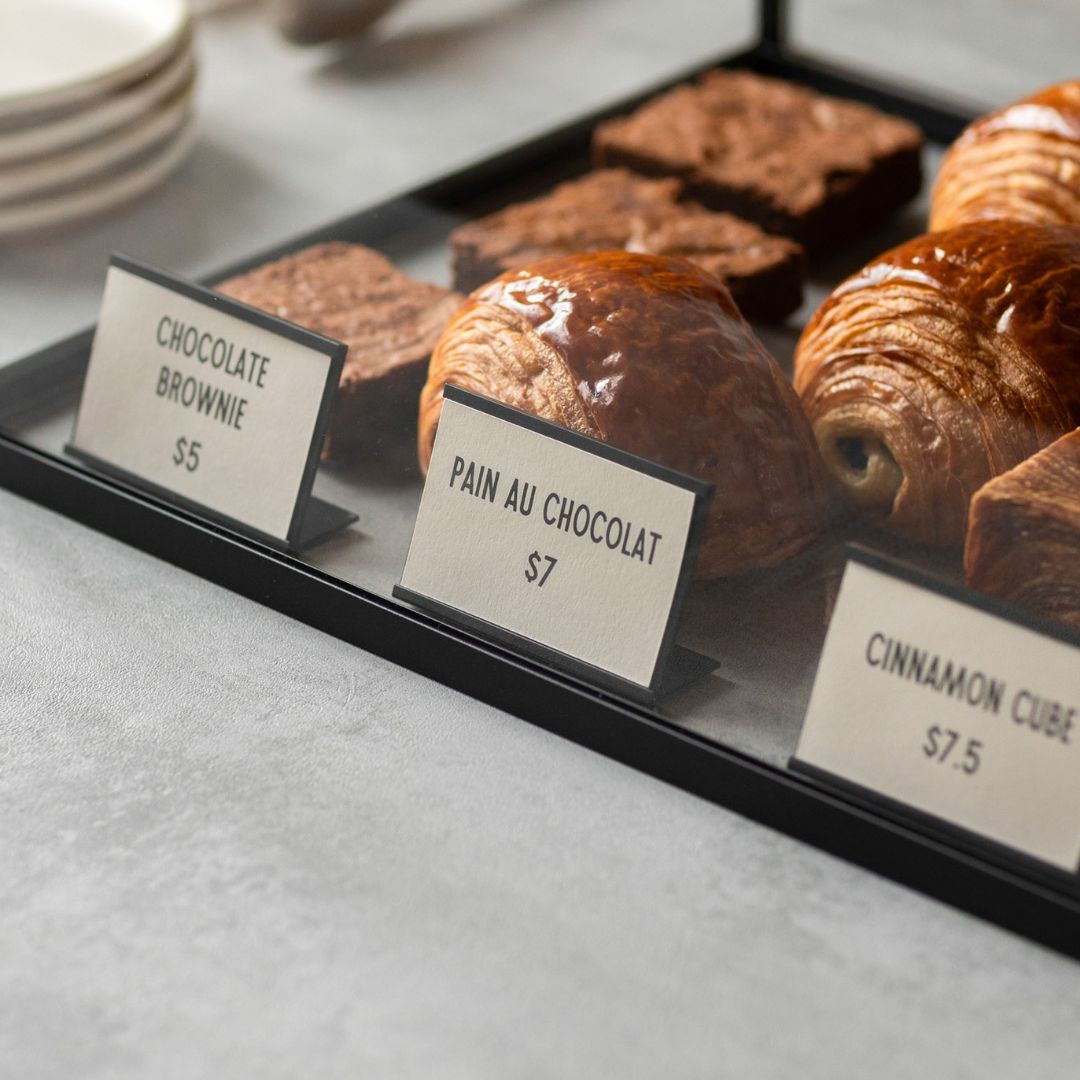
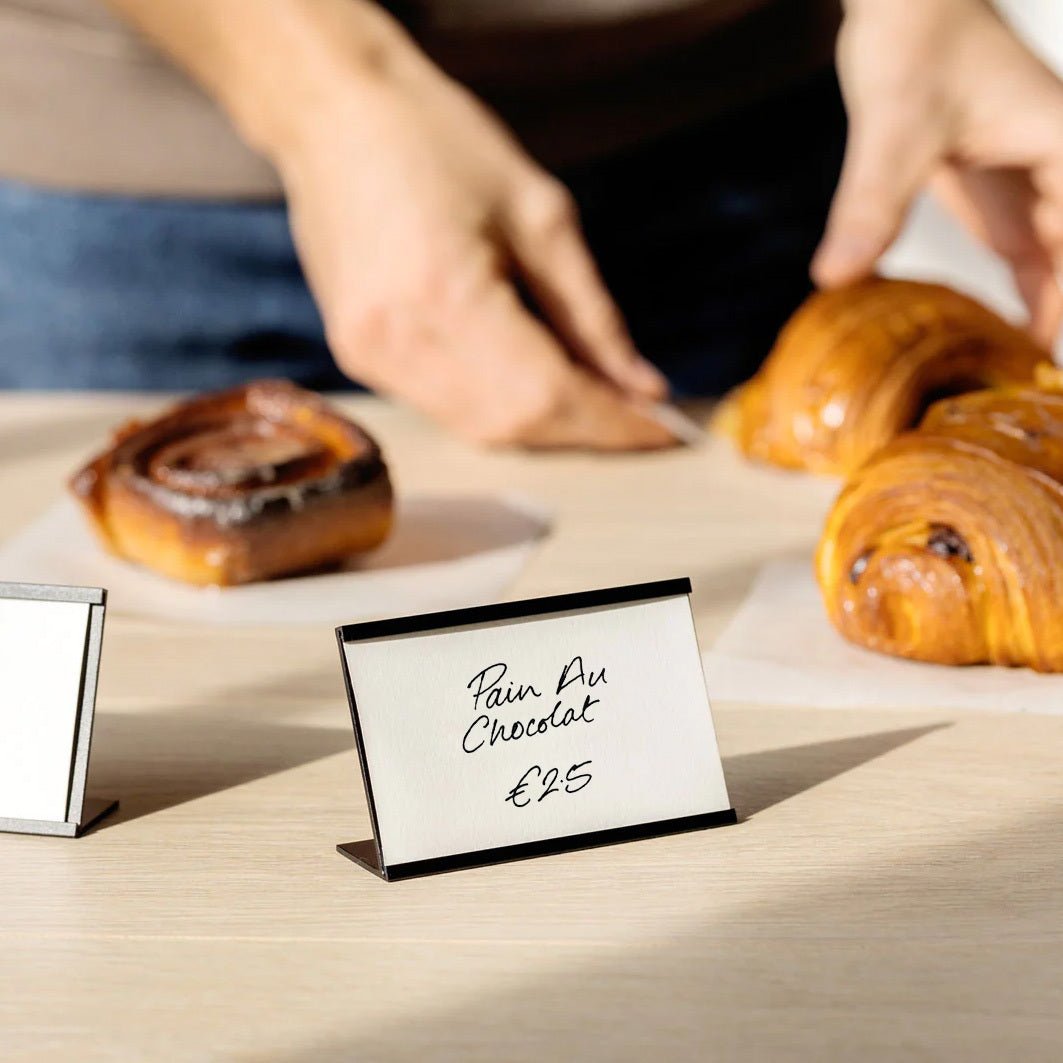
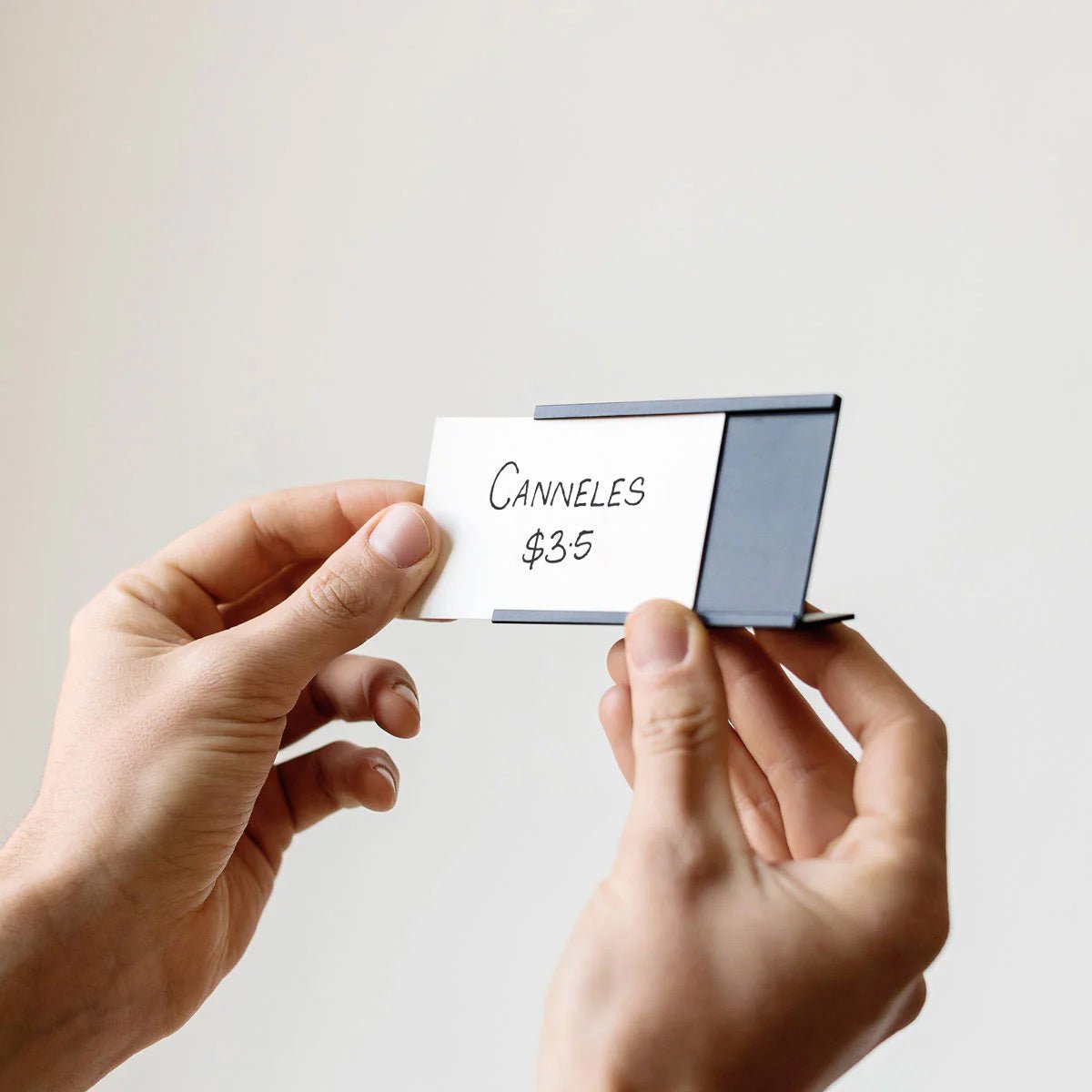
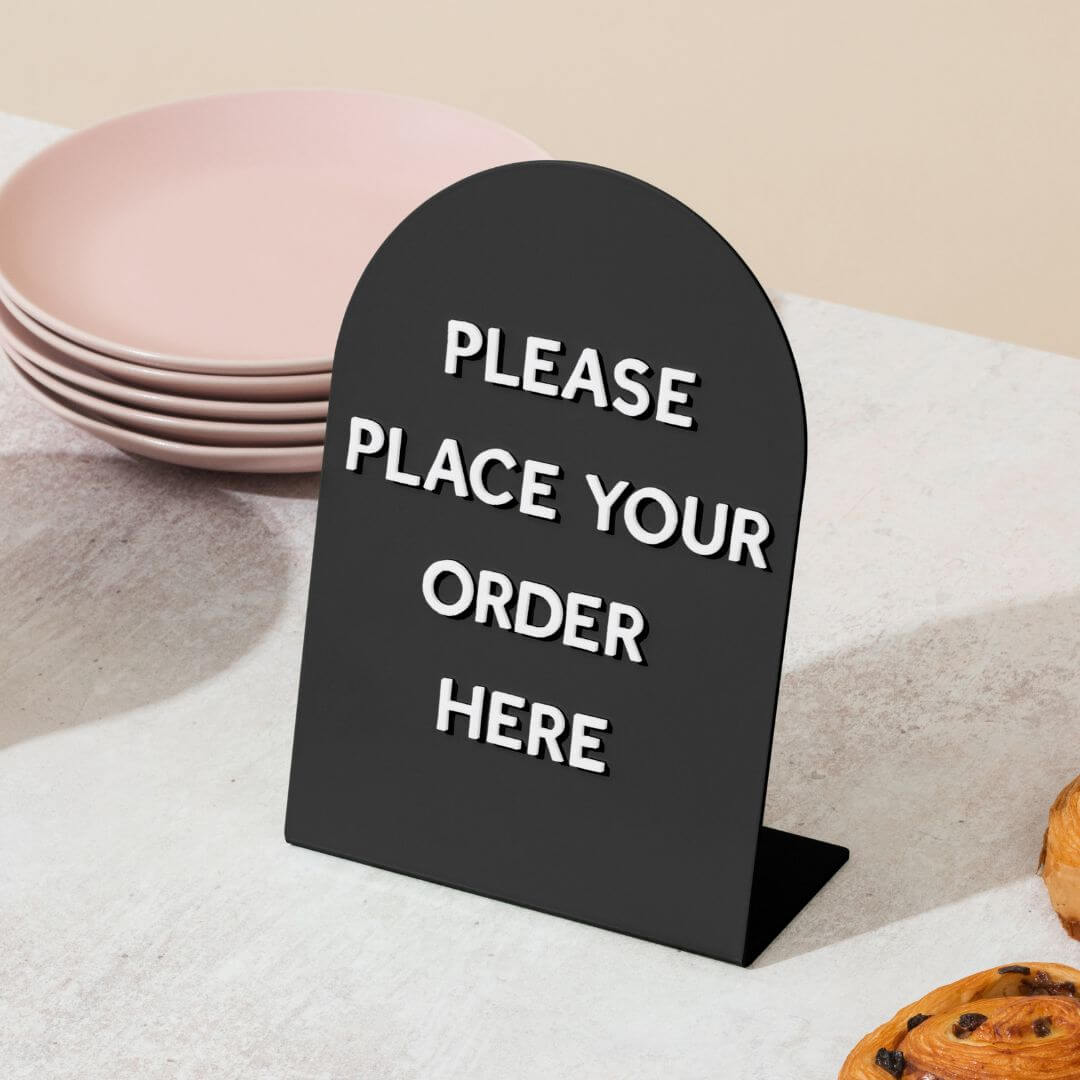
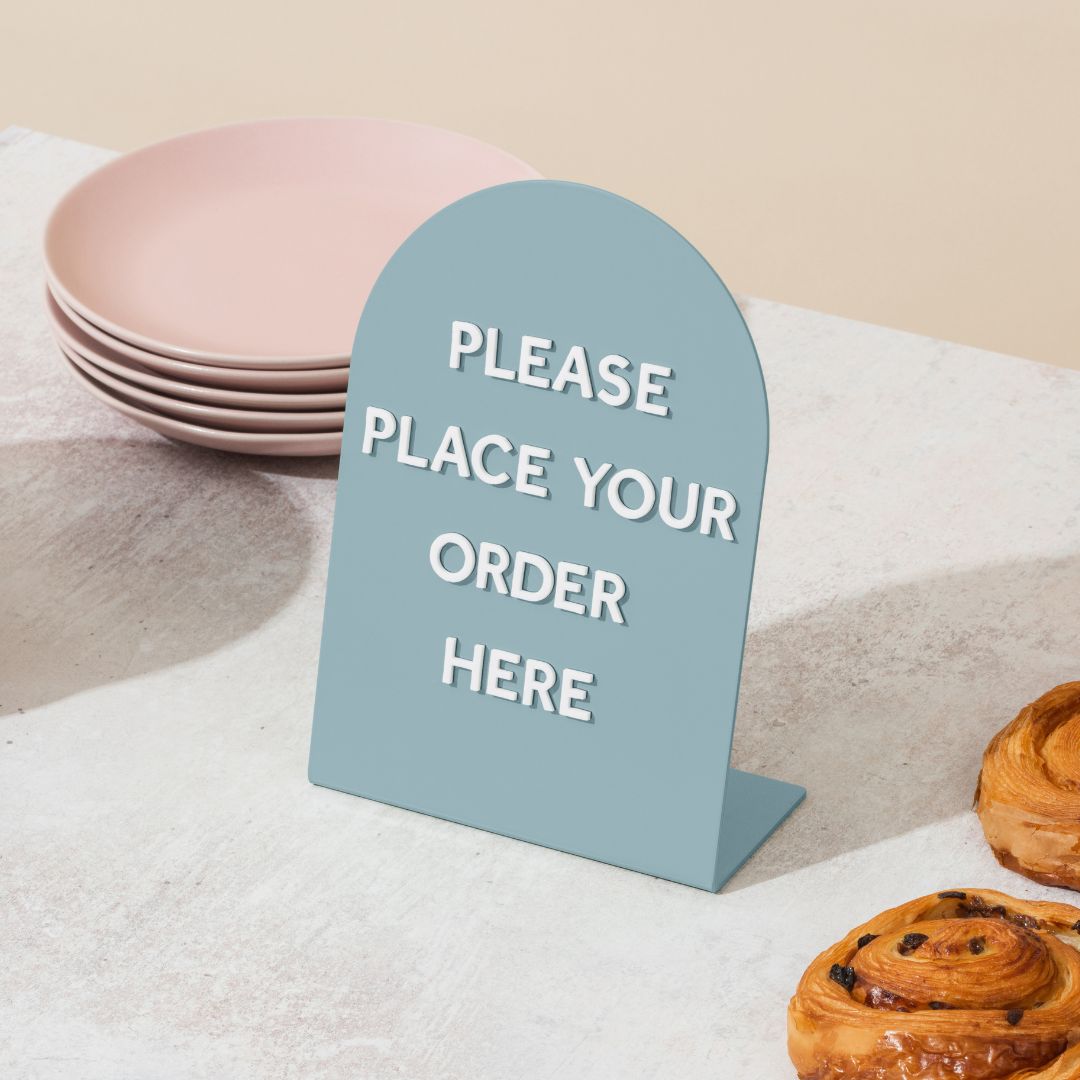
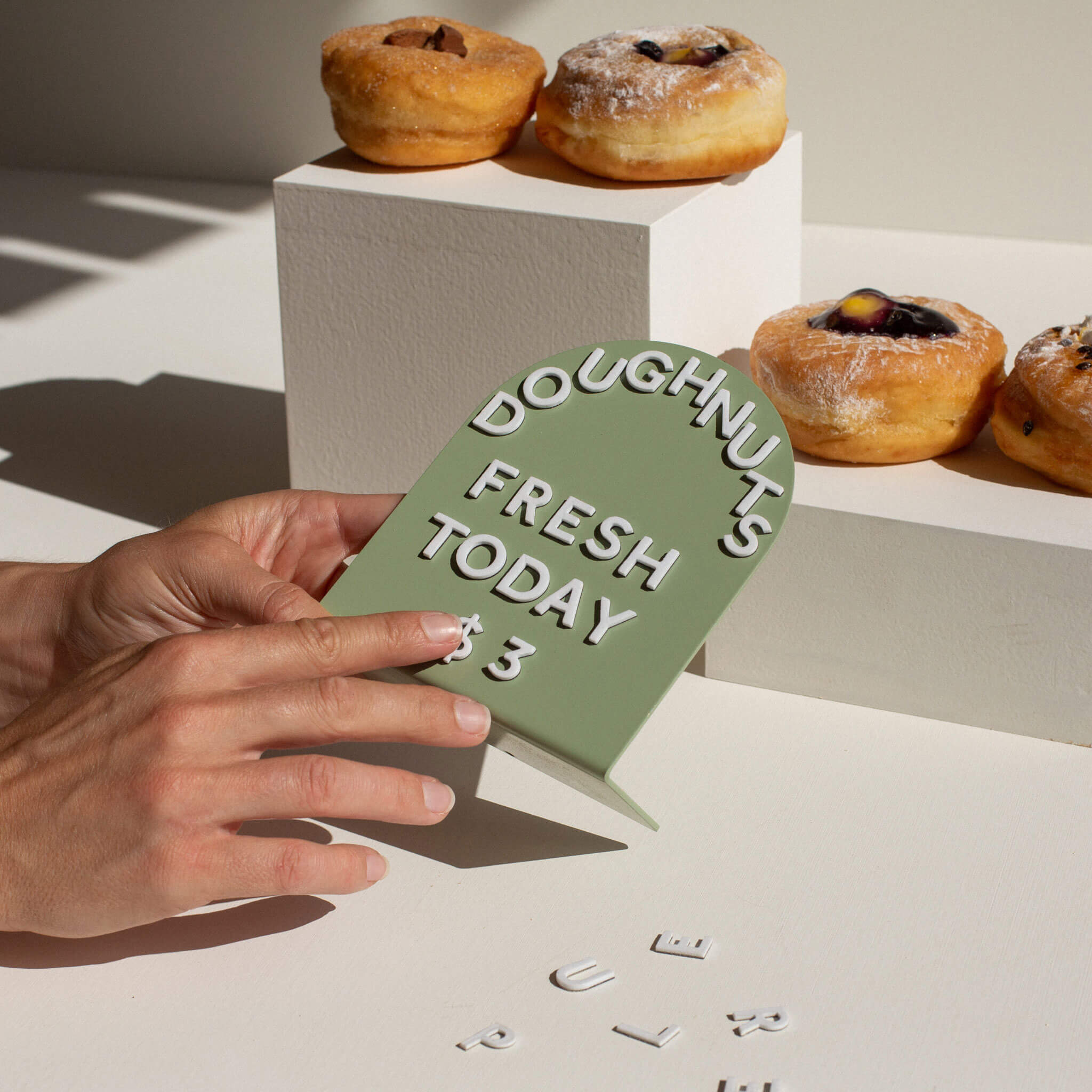
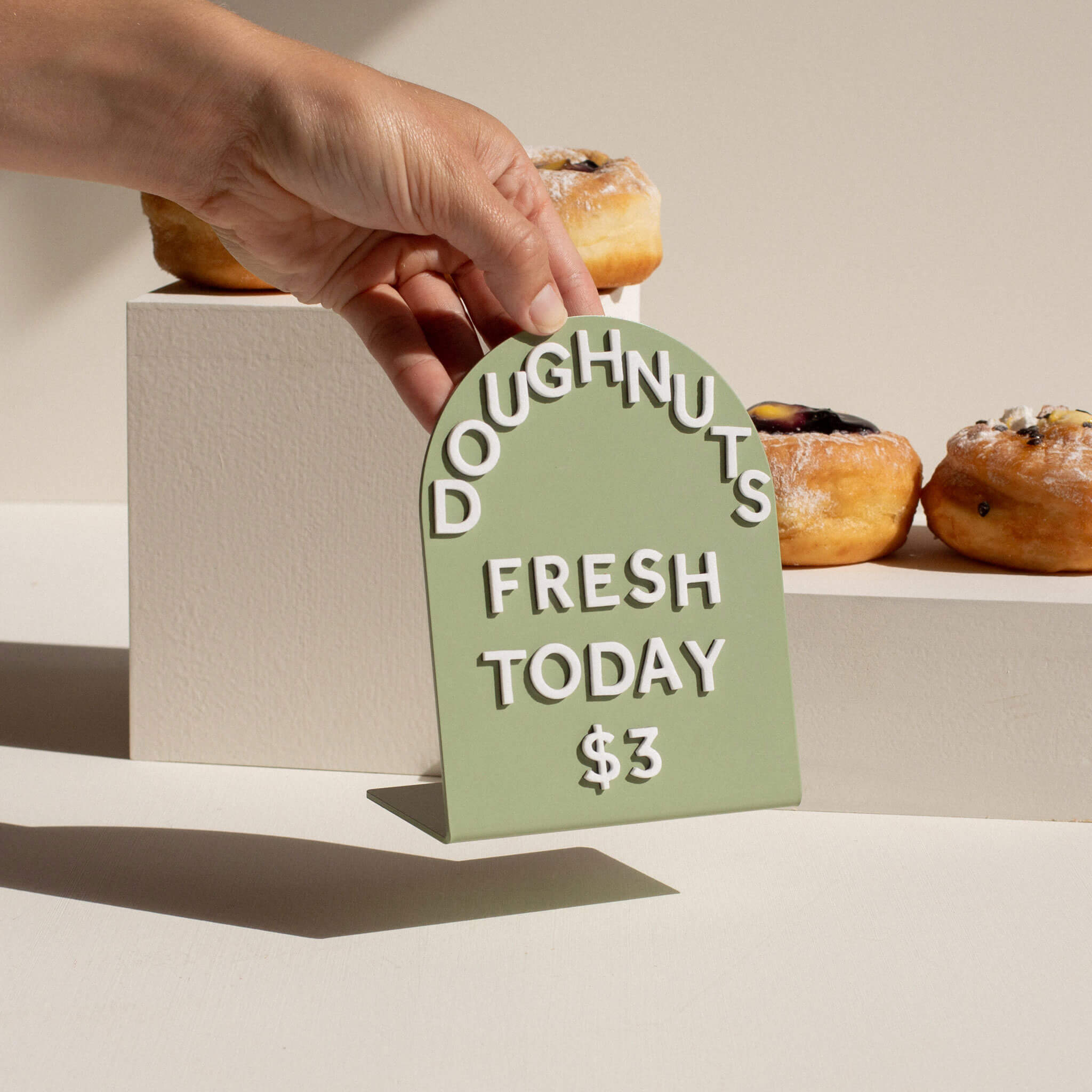
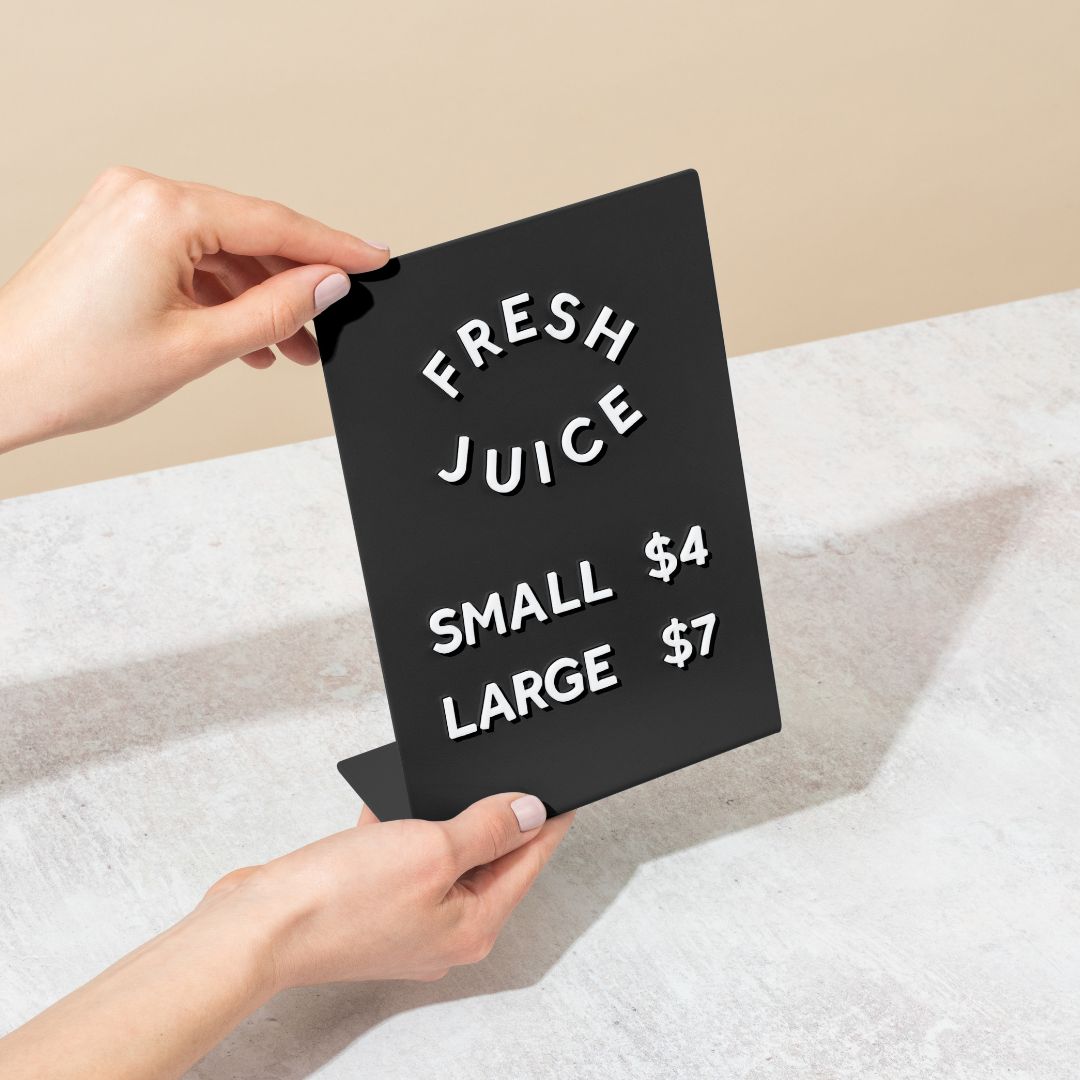
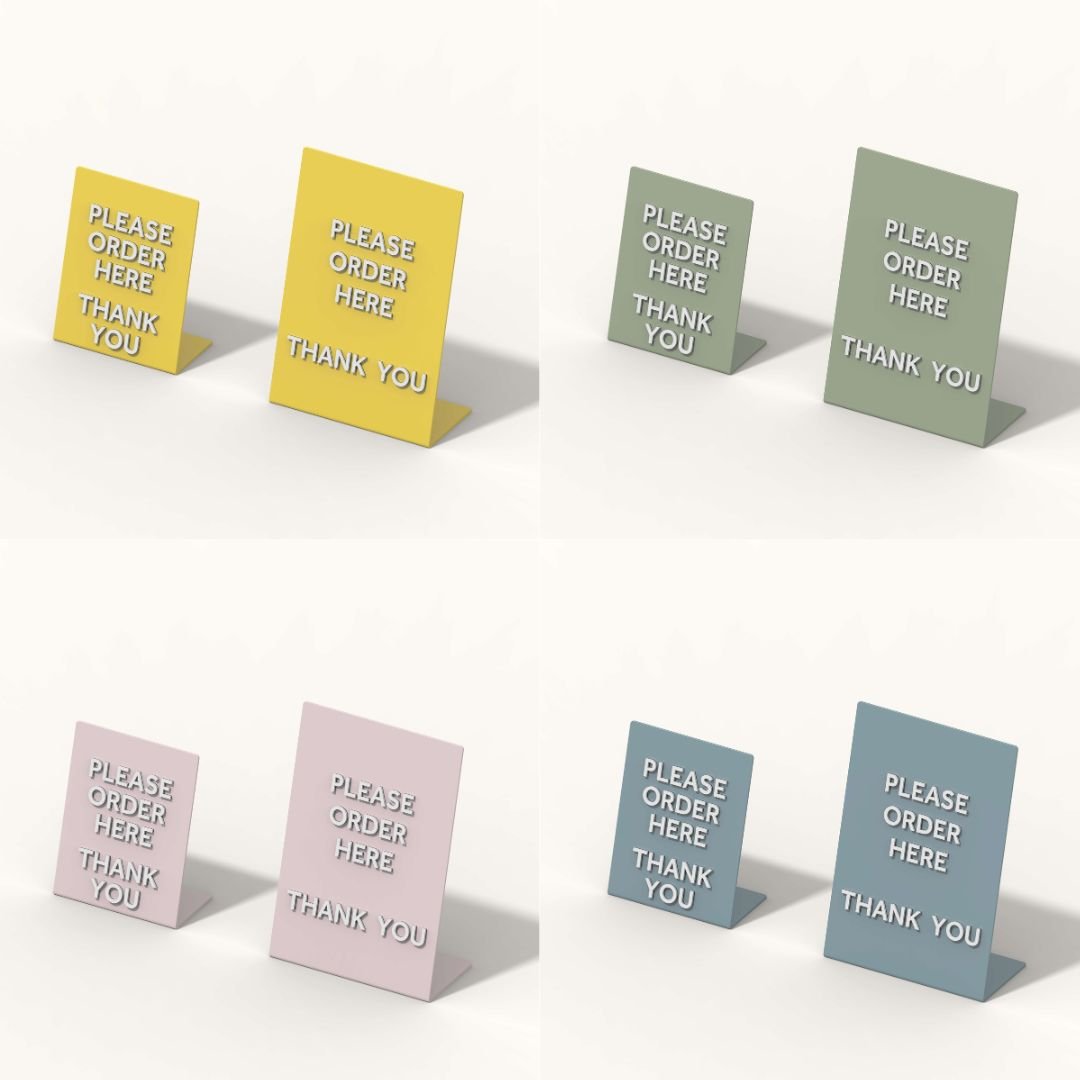
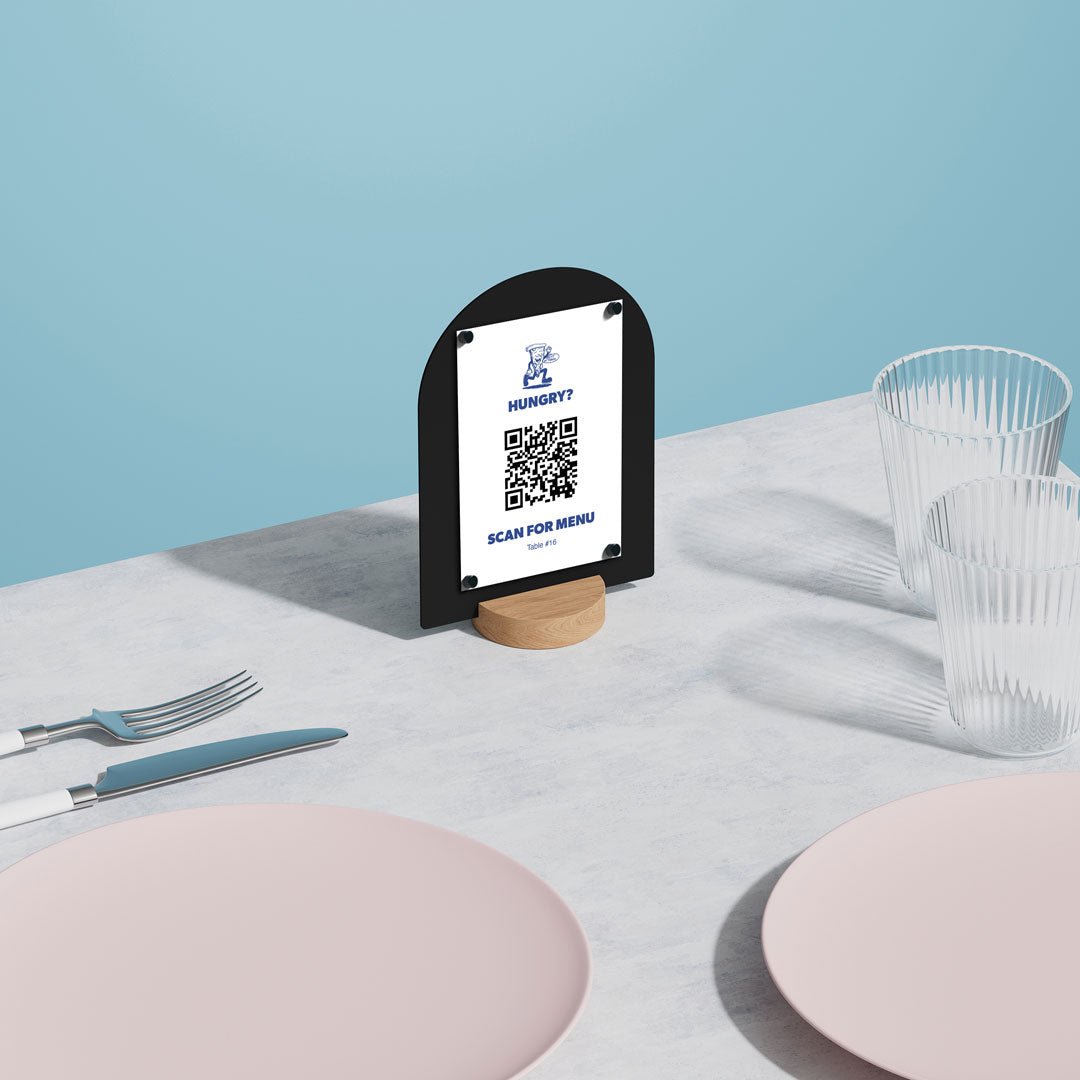
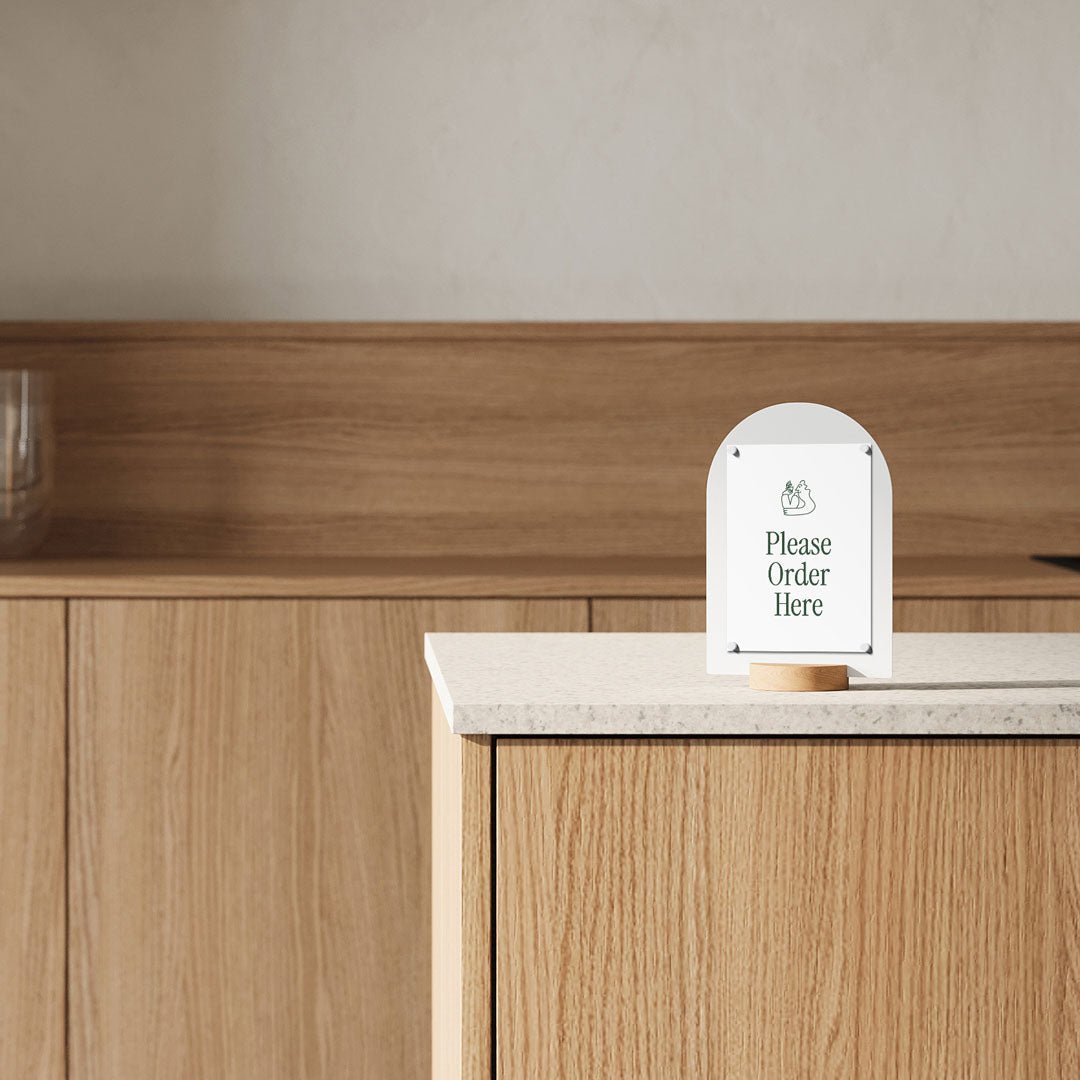
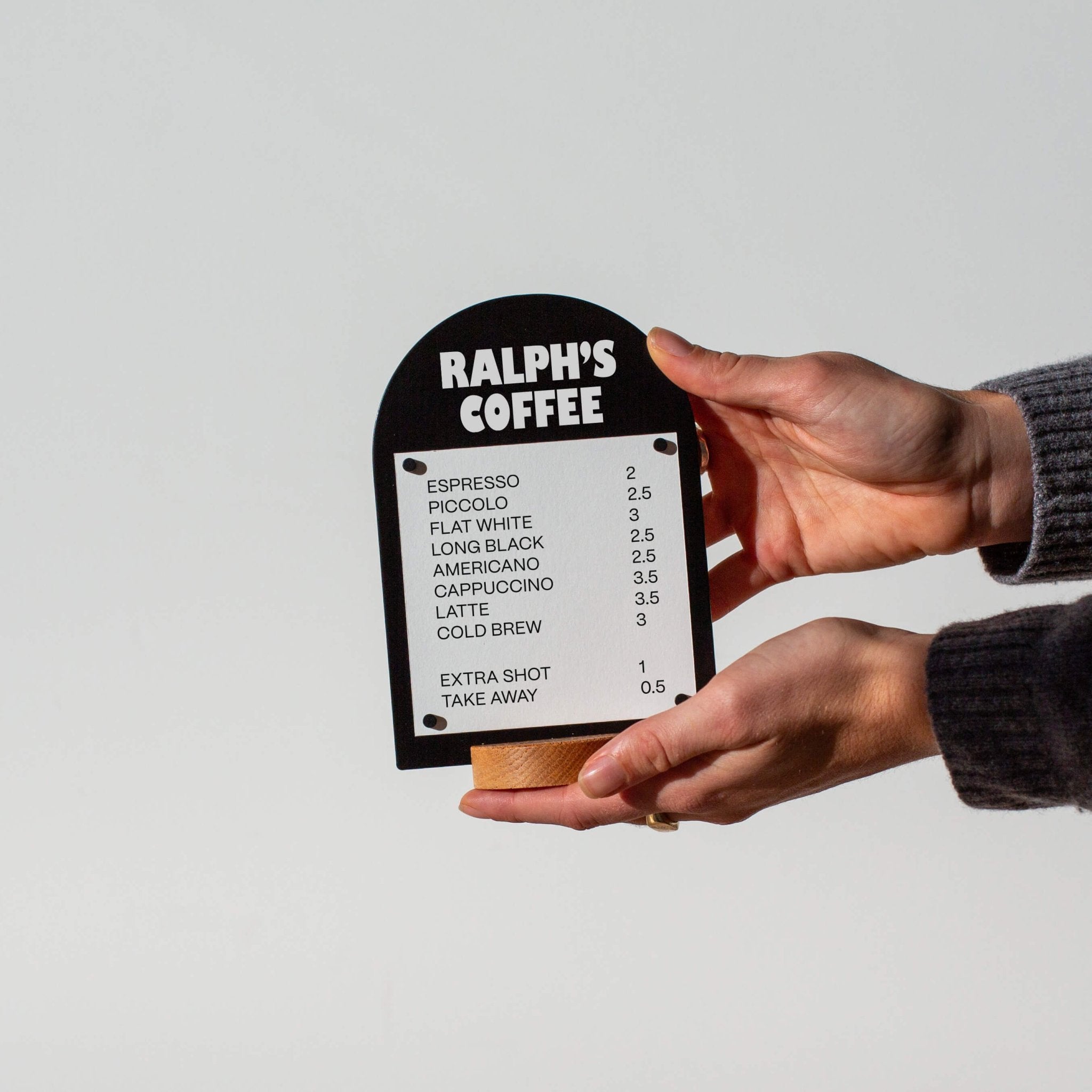
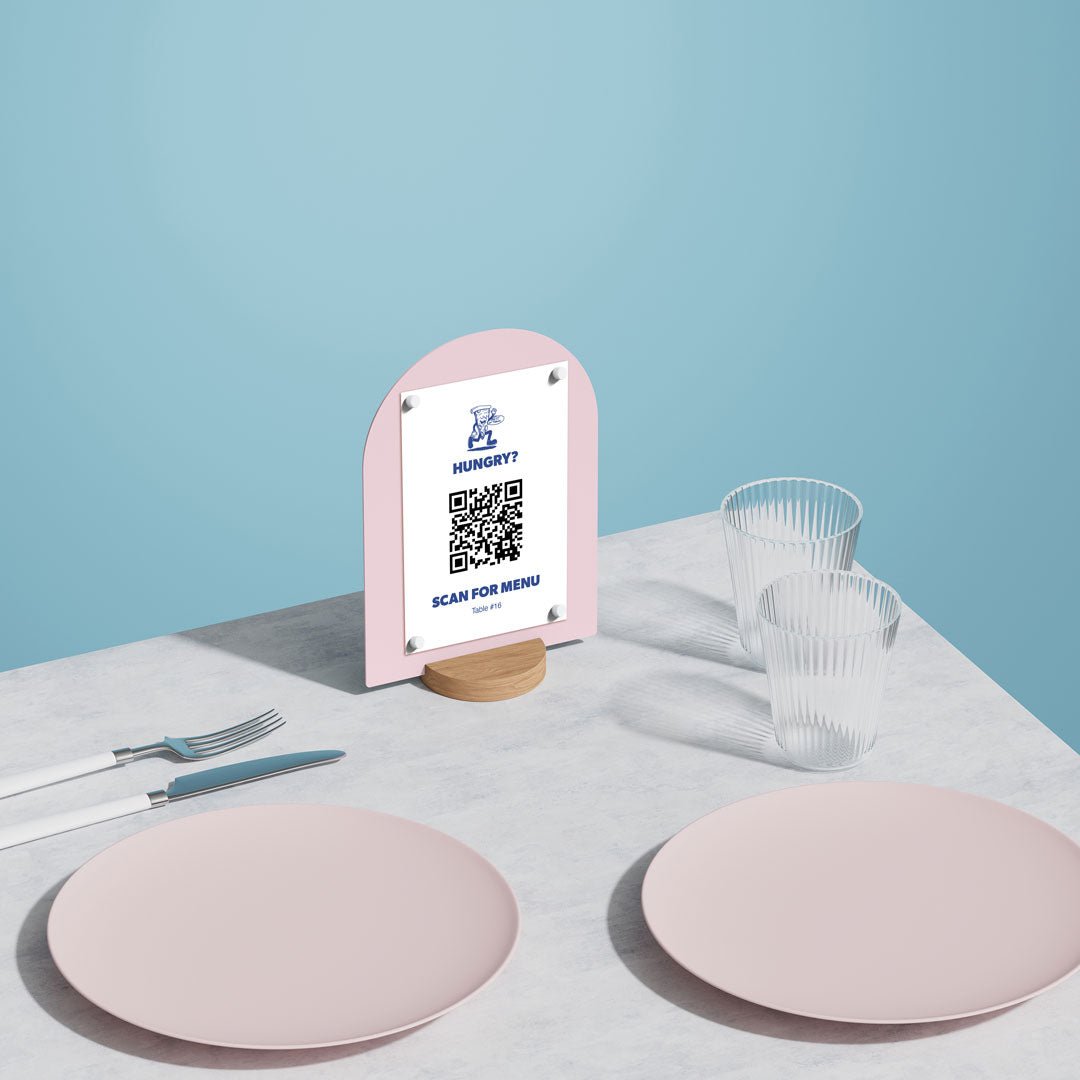
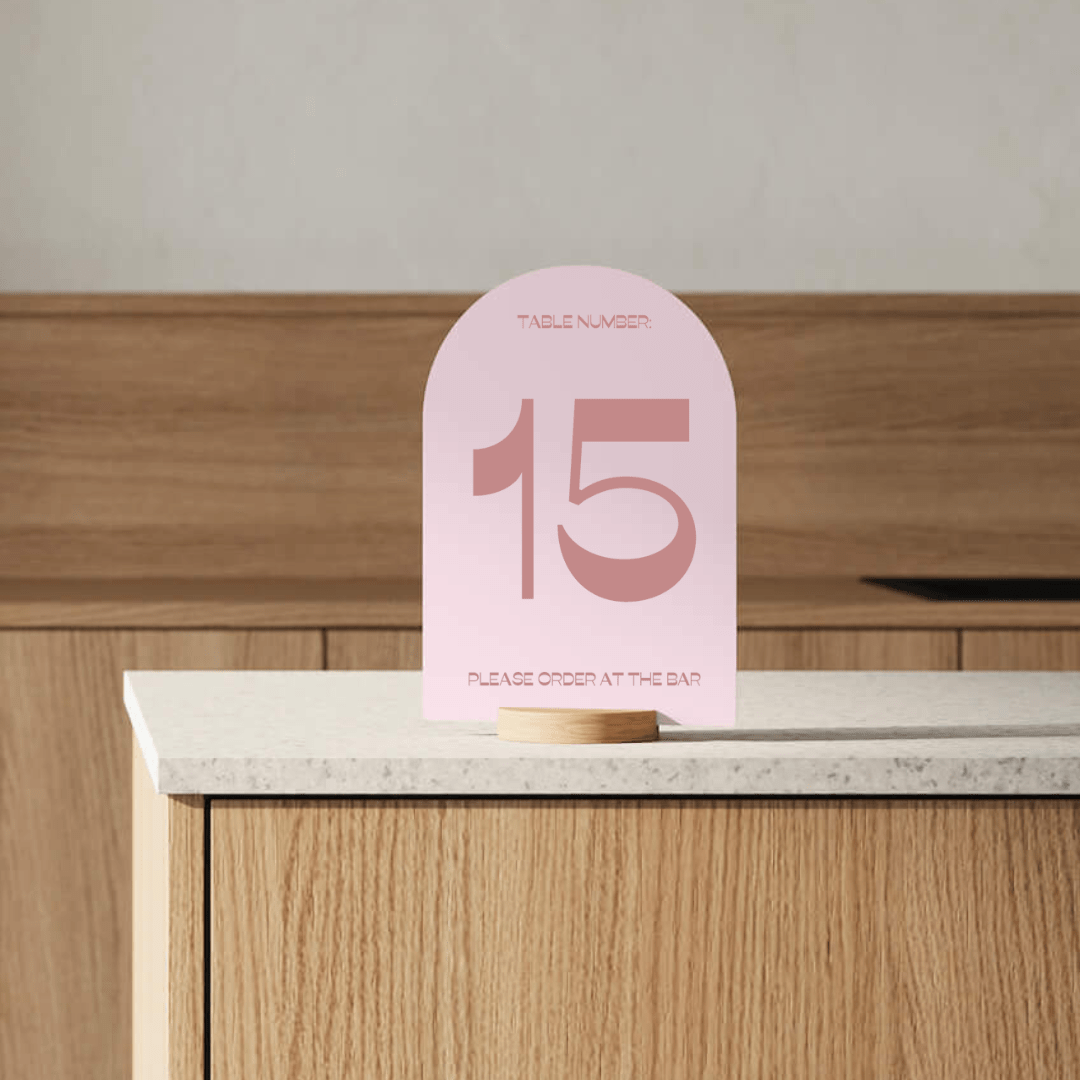
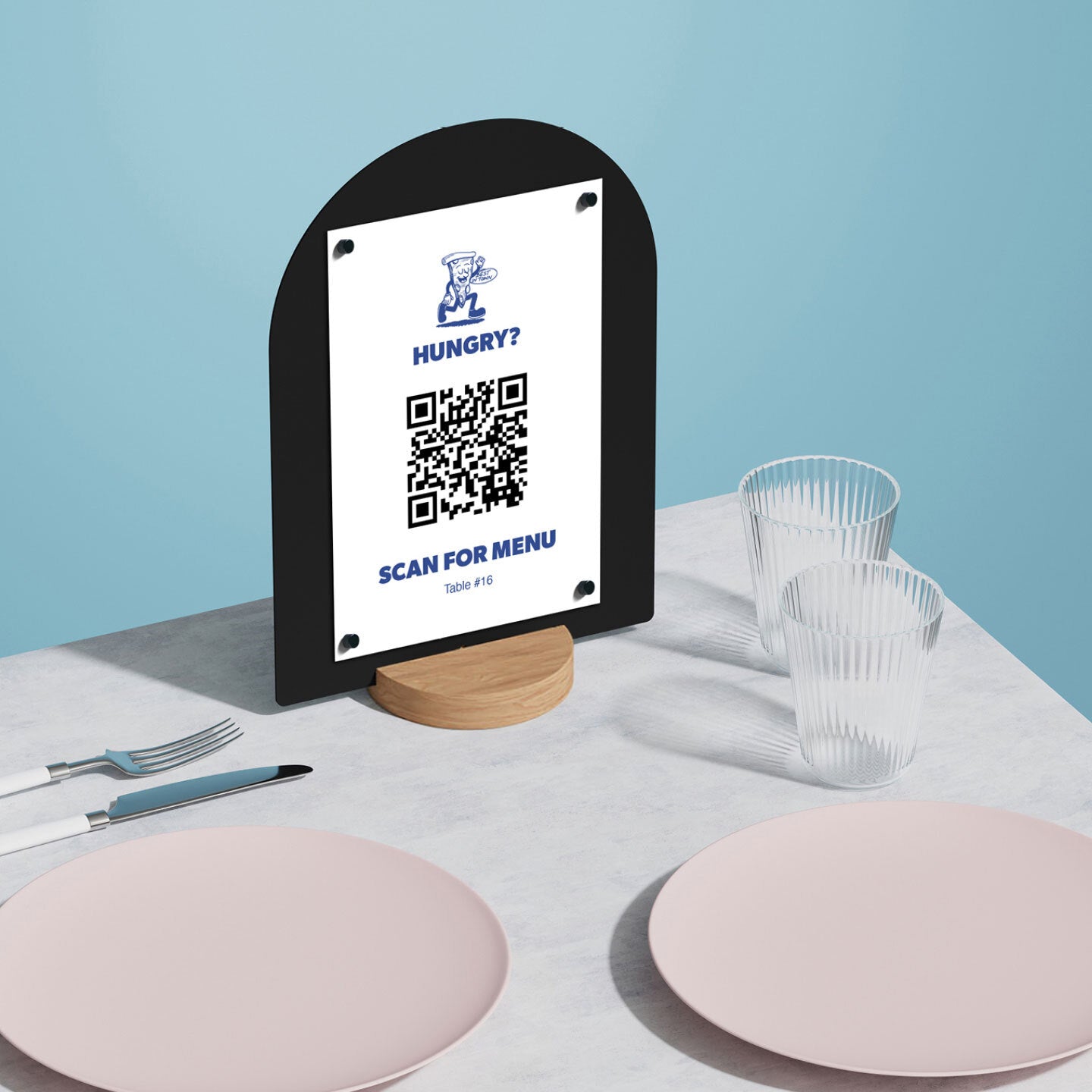
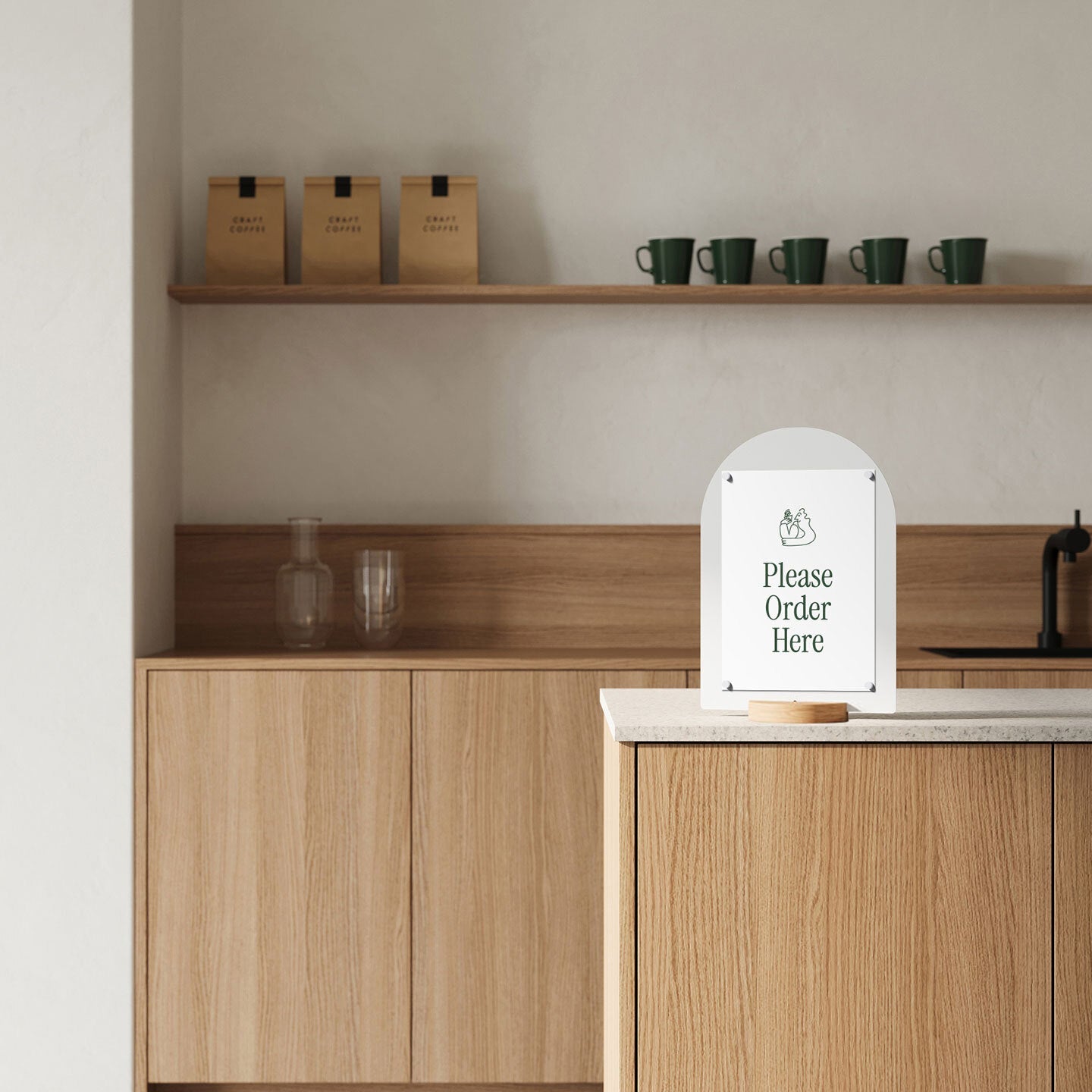
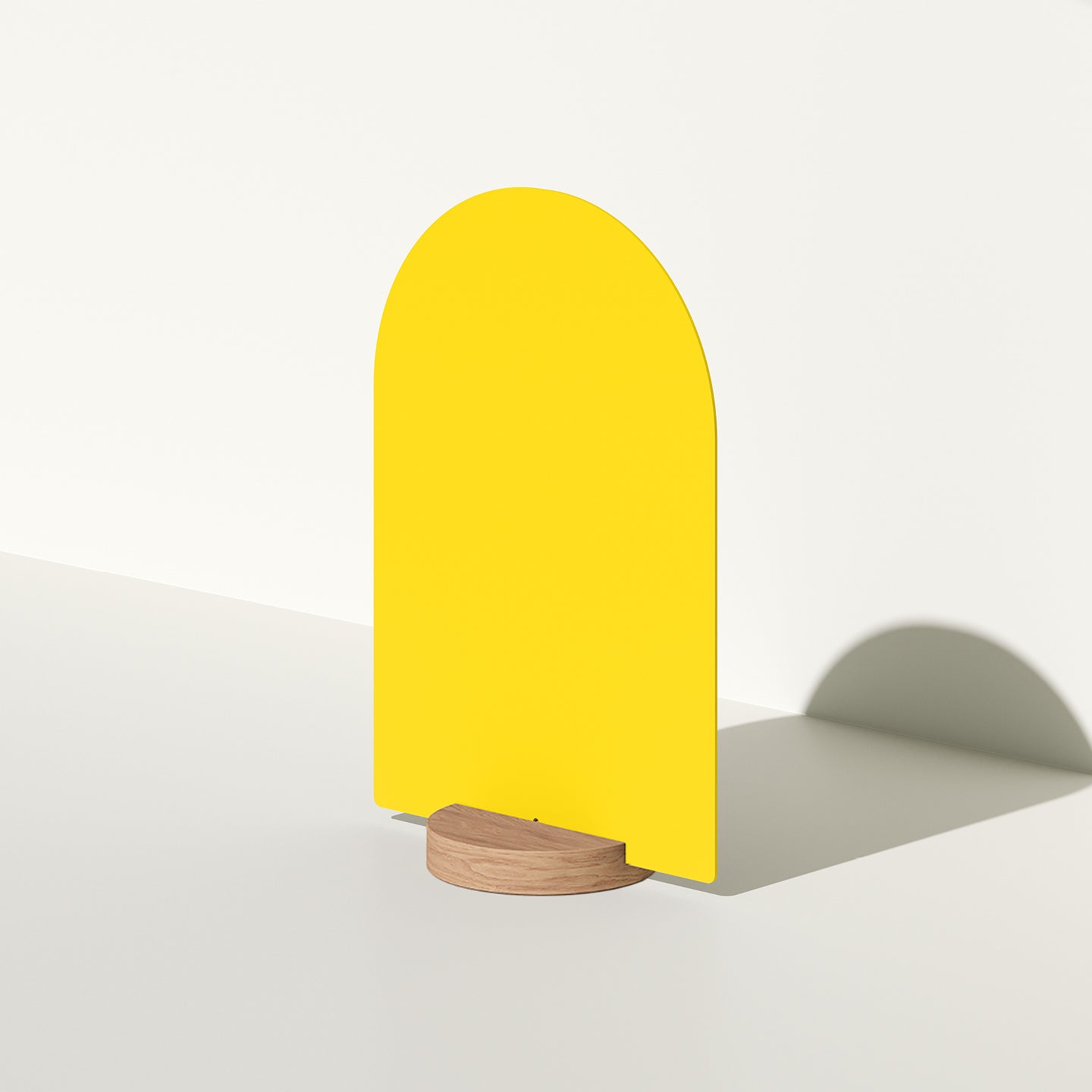
Counter signs with changeable letters or handwritten cards suit desk-level information, room numbering and temporary notices — anything that changes more often than a signwritten sign allows.
Common questions
What signs does an office actually need?
At minimum: restroom signage, and something at reception that identifies you. Beyond that it depends on layout — an open-plan floor with a few meeting rooms needs room names, while a multi-floor or corridor-heavy building needs directional signage at decision points. The test is whether a first-time visitor could find a meeting room without asking.
Can office signs be changed when teams move?
It depends which you choose. Our signs are supplied blank for a signwriter to apply vinyl, so a room name can be re-decaled without replacing the sign. For rooms that change more often, counter signs with magnetic letters or card inserts can be updated in seconds by anyone.
How high should wayfinding signage be mounted?
Accessibility requirements vary by country, and public or commercial buildings often have minimum standards for sign height and contrast. Check your local requirements before installing — particularly for restroom and exit signage, where the rules are usually most specific.
Do office signs arrive with room names or symbols on them?
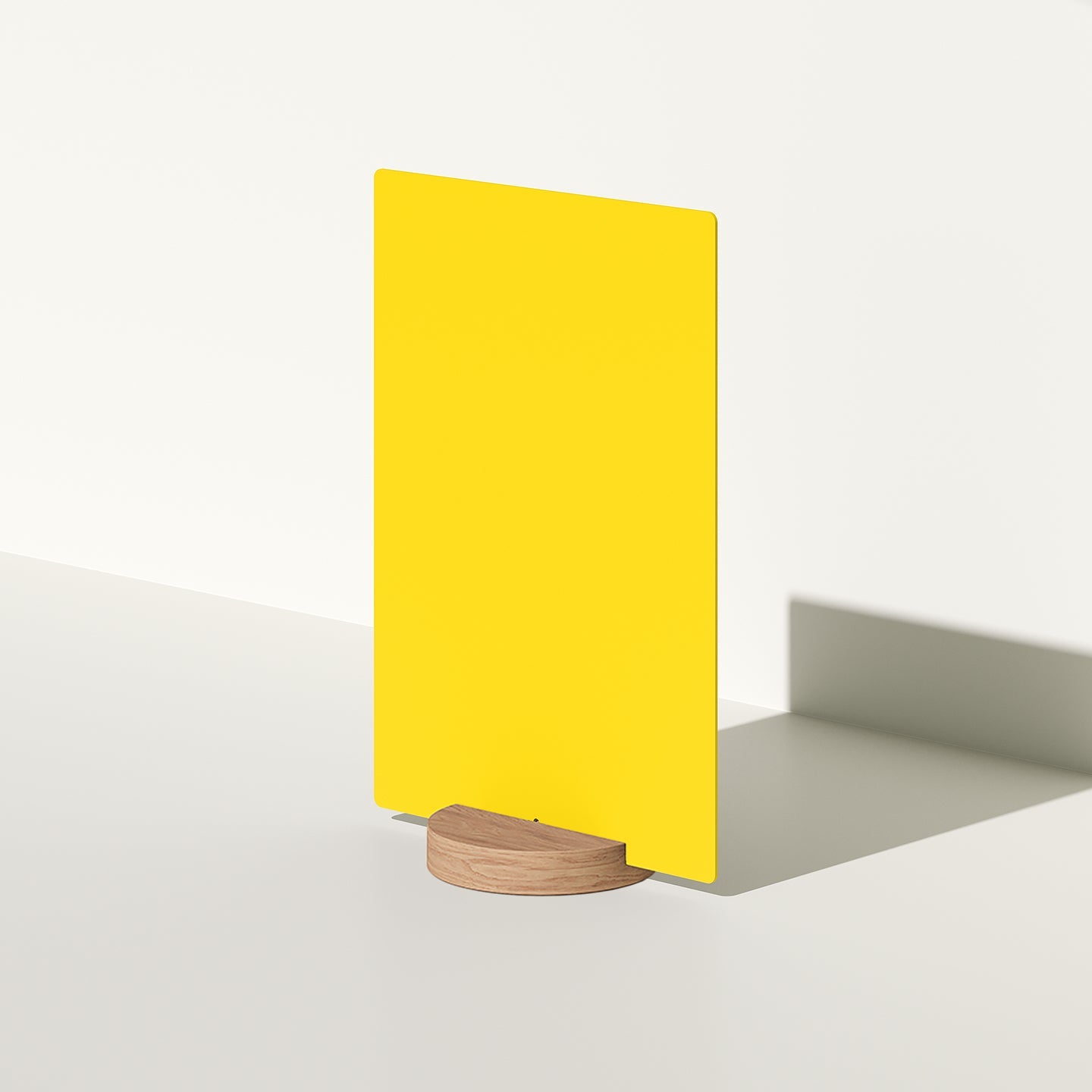
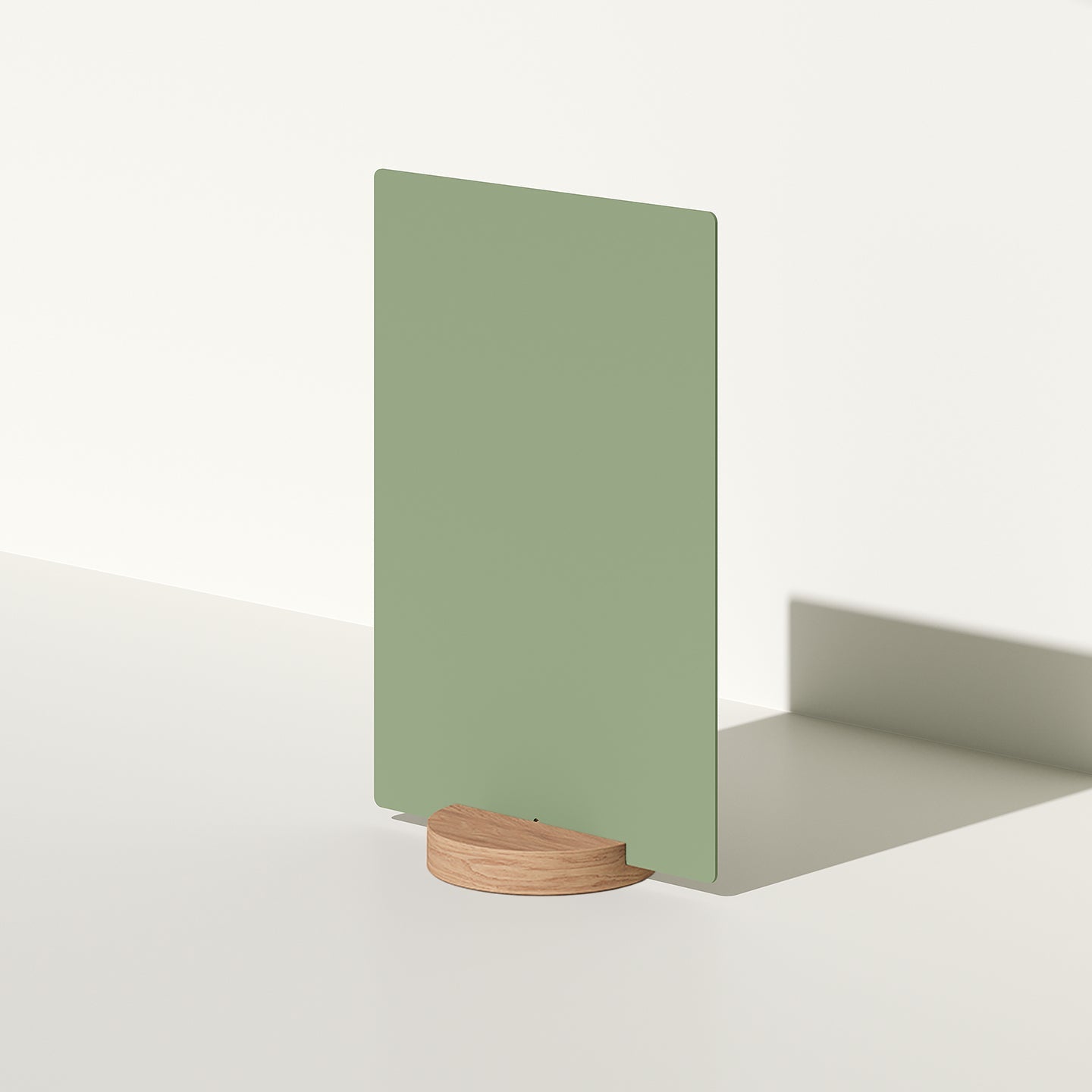
No — our signs are supplied as blanks. A local signwriter can apply vinyl lettering, room names or restroom symbols to either face. Blade signs are double-sided, so you'll need a decal for each side.
Can these signs be used outdoors?
Yes. Our blade signs and wall signs are aluminum, so they suit exterior walls and covered outdoor areas as well as interior corridors — useful if you want the same look on the building exterior as inside.
Do you ship to my country?
We ship to the United Kingdom, Europe, the USA, Canada, Australia, New Zealand and Japan. Full details are on our shipping page.