

Bathroom signage might seem like a small detail, but it’s a crucial touchpoint in any business. It’s more than just a way to point people in the right direction; it’s a reflection of your brand’s attention to detail, commitment to accessibility, and overall aesthetic. Great toilet signage contributes to a seamless customer experience, while poor signage can cause confusion and frustration.
From ensuring legal compliance to reinforcing your brand identity, choosing the right signs is essential. This guide covers everything you need to know about selecting, designing, and installing bathroom signage that is clear, compliant, and stylish.
Why Your Bathroom Signage Matters More Than You Think
Think of your bathroom signage as a silent employee. It communicates important information and represents your business. A study found that 68% of consumers believe the quality of a business’s signs reflects the quality of its products or services. A flimsy, poorly designed, or unclear restroom sign can subtly undermine the professional image you work so hard to create.
On the other hand, well crafted bathroom signage shows you care about your customers’ experience from the moment they walk in until they leave. It ensures everyone, including those with disabilities, can navigate your space with dignity and ease. It’s a small investment that pays off in customer confidence and satisfaction.
The Essentials: ADA Compliance for Bathroom Signage
For businesses in the United States, compliance with the Americans with Disabilities Act (ADA) is not optional. ADA guidelines ensure that signs are easy to read and understand for everyone. While specific regulations can seem complex, they generally focus on a few key areas.
Key ADA Requirements
Tactile and Braille: Signs marking permanent rooms, like restrooms, must have raised tactile letters and corresponding grade 2 braille.
Pictograms: If you use a pictogram (like the classic male or female symbols), it must be in a 6 inch high field. An accessible symbol is required for wheelchair accessible restrooms.
High Contrast: The characters and background must have a non glare finish and high contrast colors (like black on white or white on black) to ensure readability.
Placement and Height: ADA bathroom signage should be mounted on the wall adjacent to the latch side of the door. The baseline of the tactile characters should be between 48 and 60 inches from the finished floor.
Meeting these standards is fundamental for creating an inclusive and legally compliant environment. Always check federal and local regulations to ensure your bathroom signage is up to code.
Choosing the Right Materials for Durability and Style
The material of your bathroom signage impacts its longevity, appearance, and how well it fits your brand. Durability is key, especially in high traffic areas.
Powder Coated Aluminum
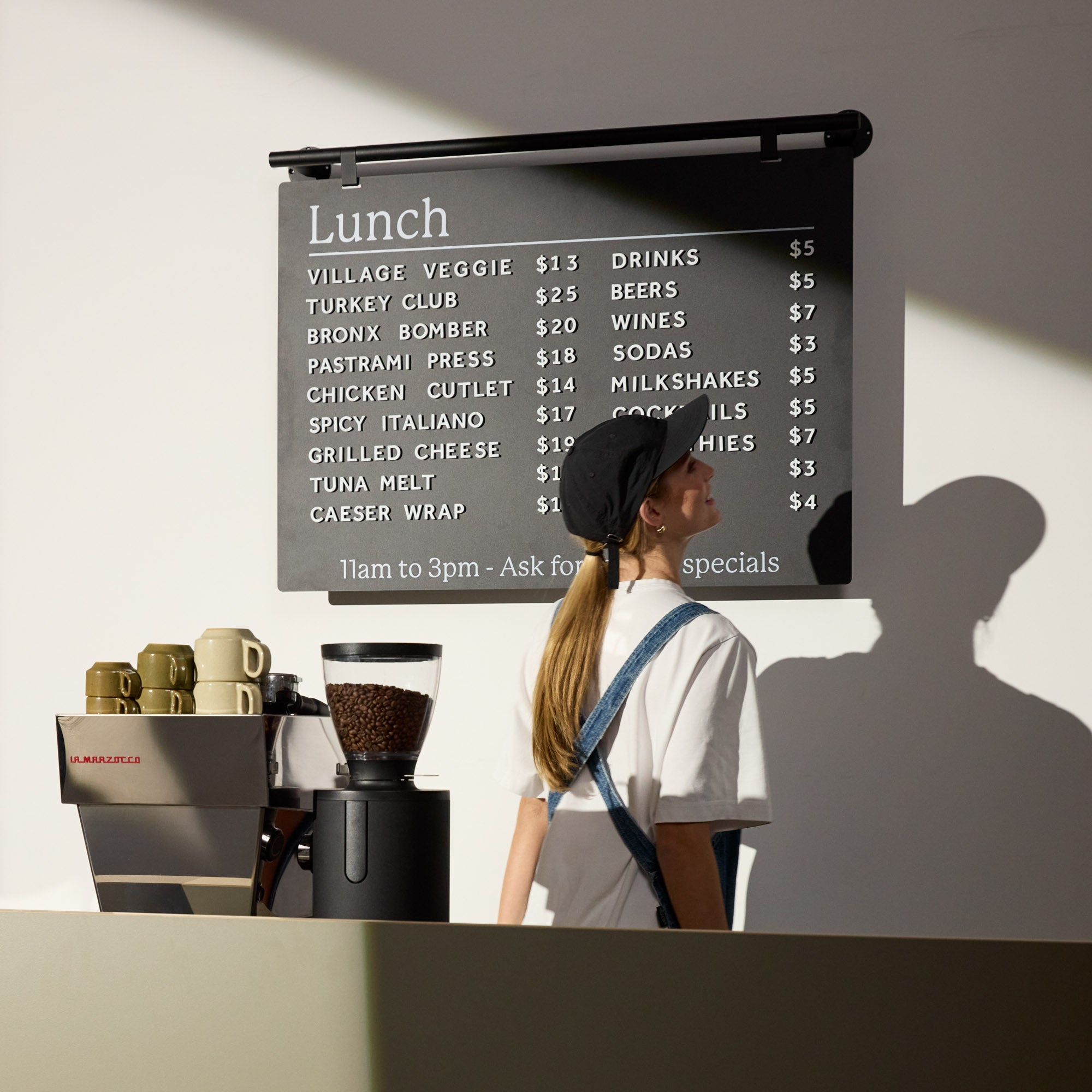
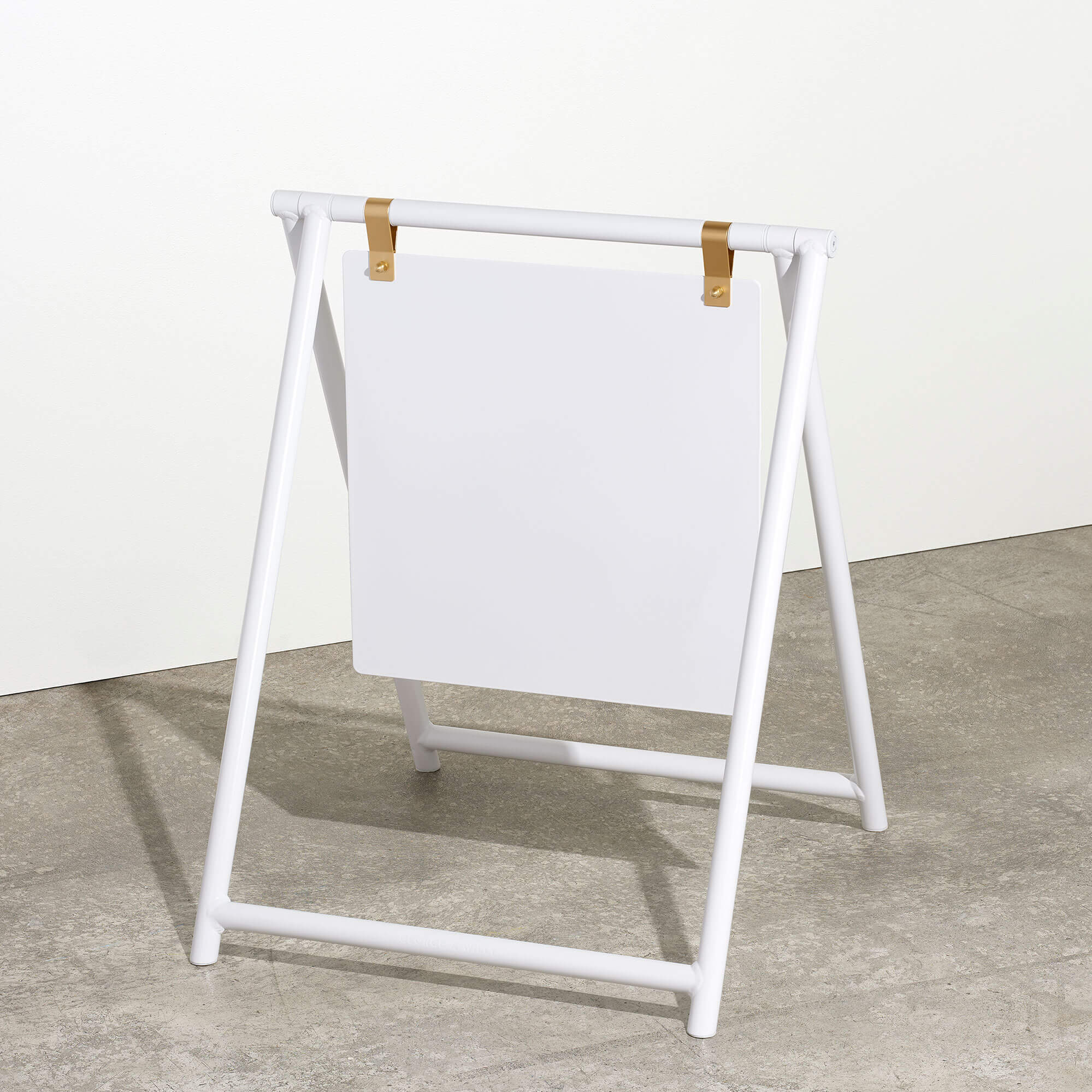
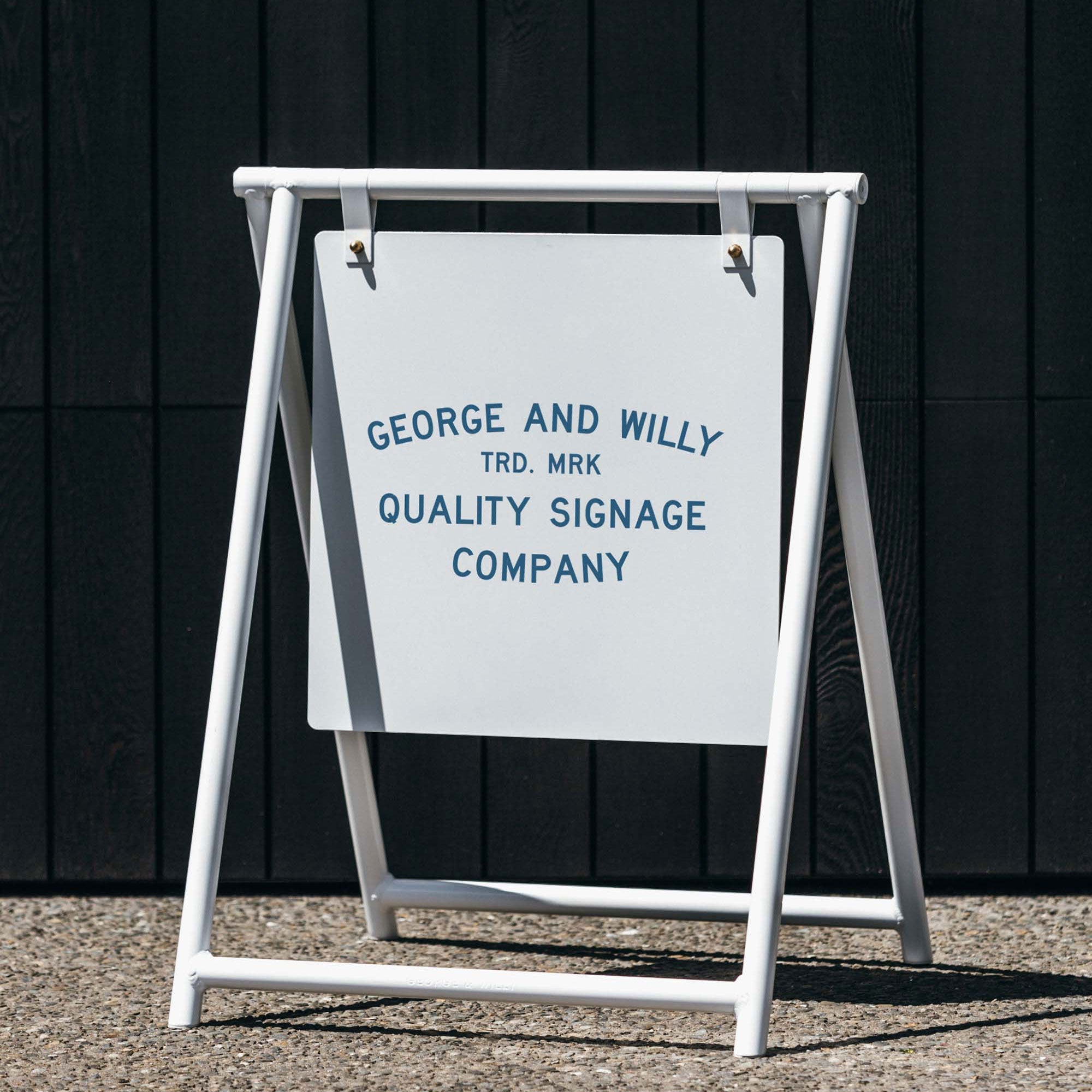
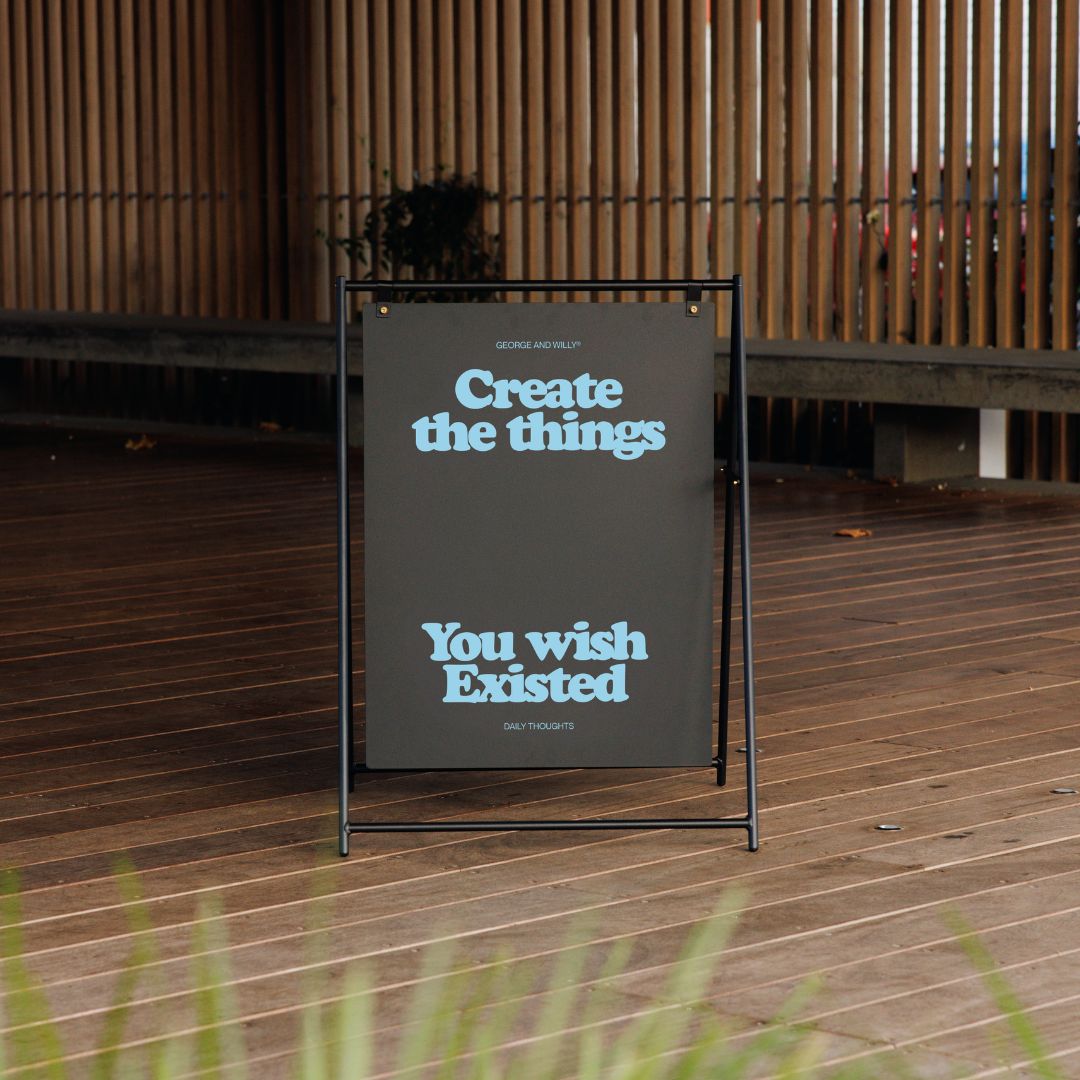
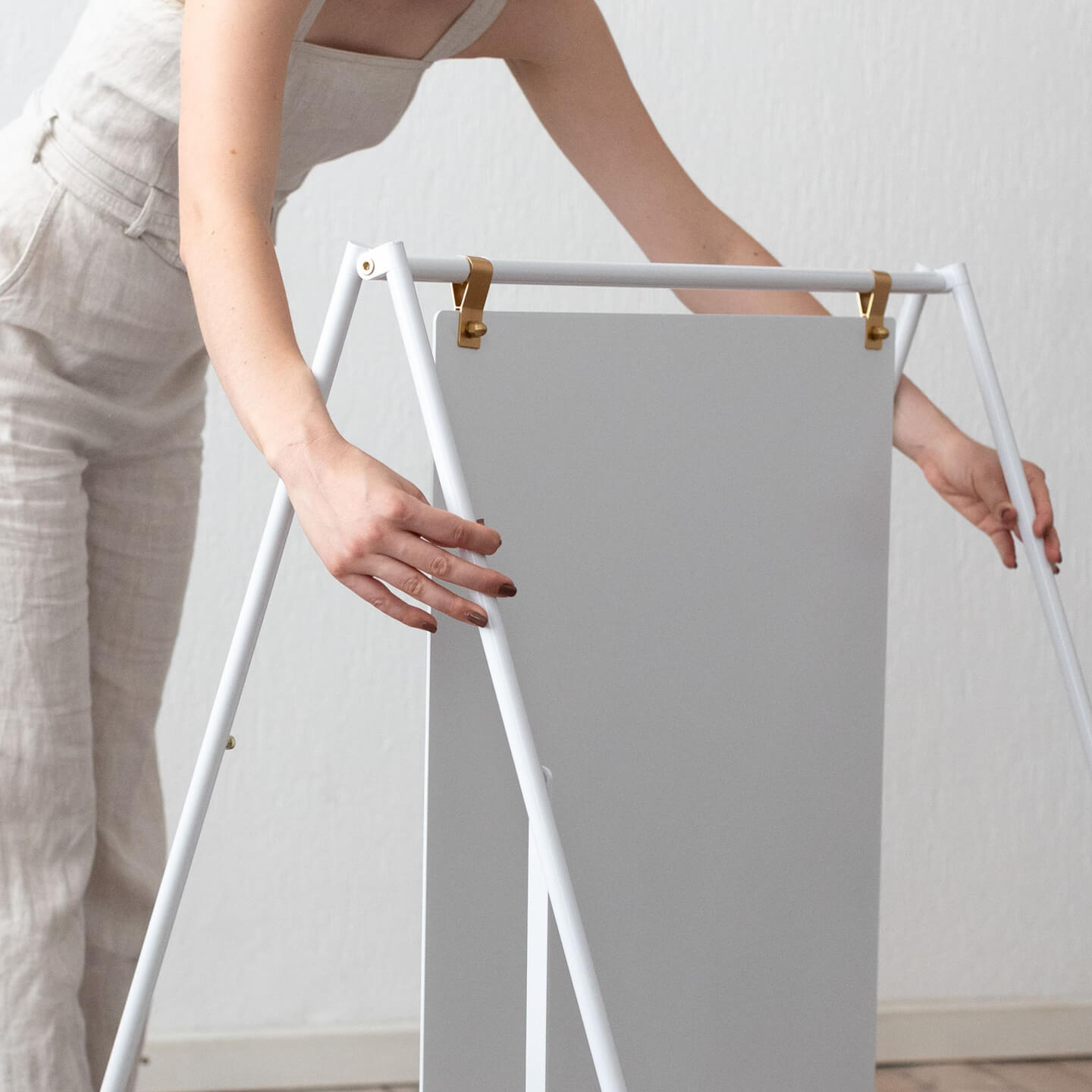
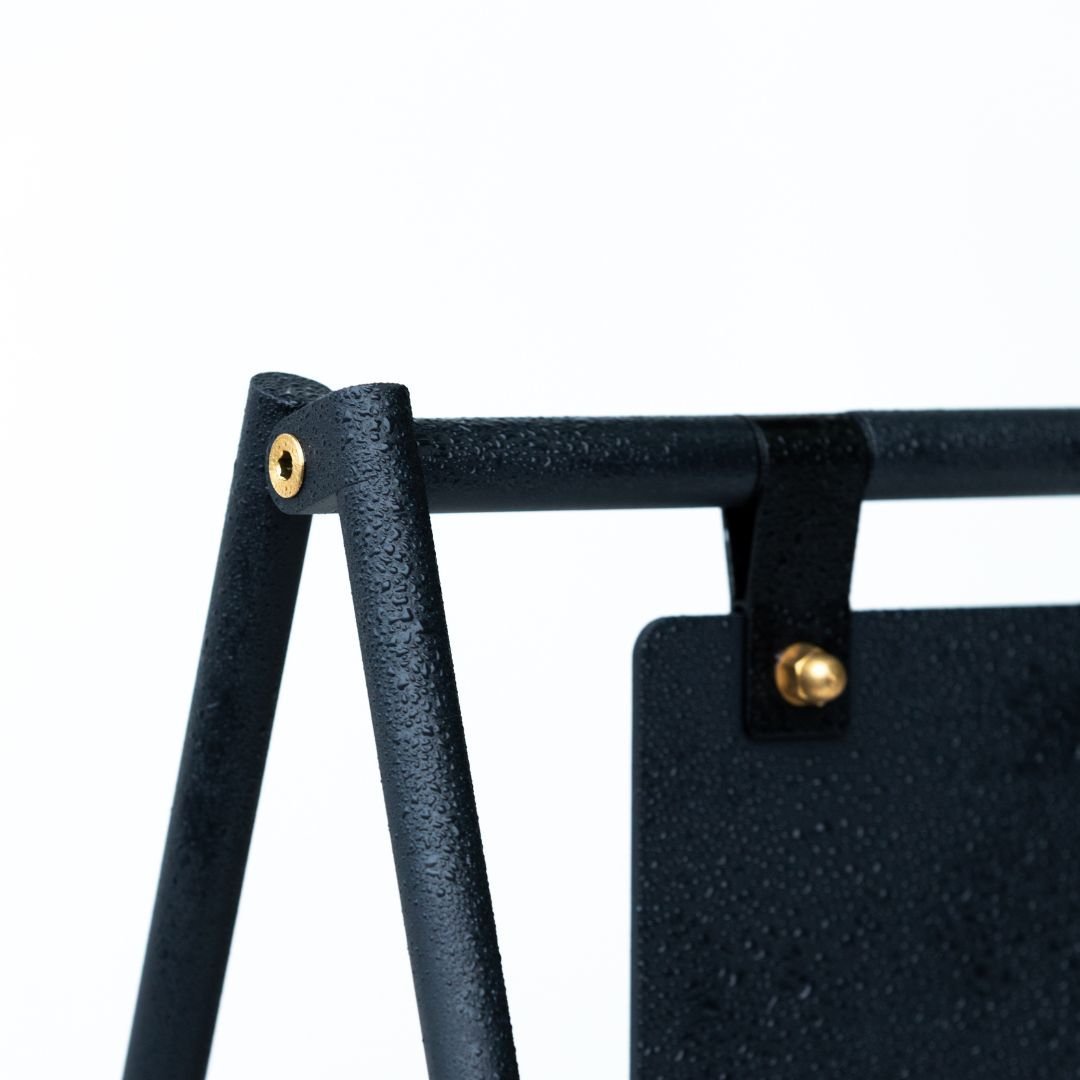
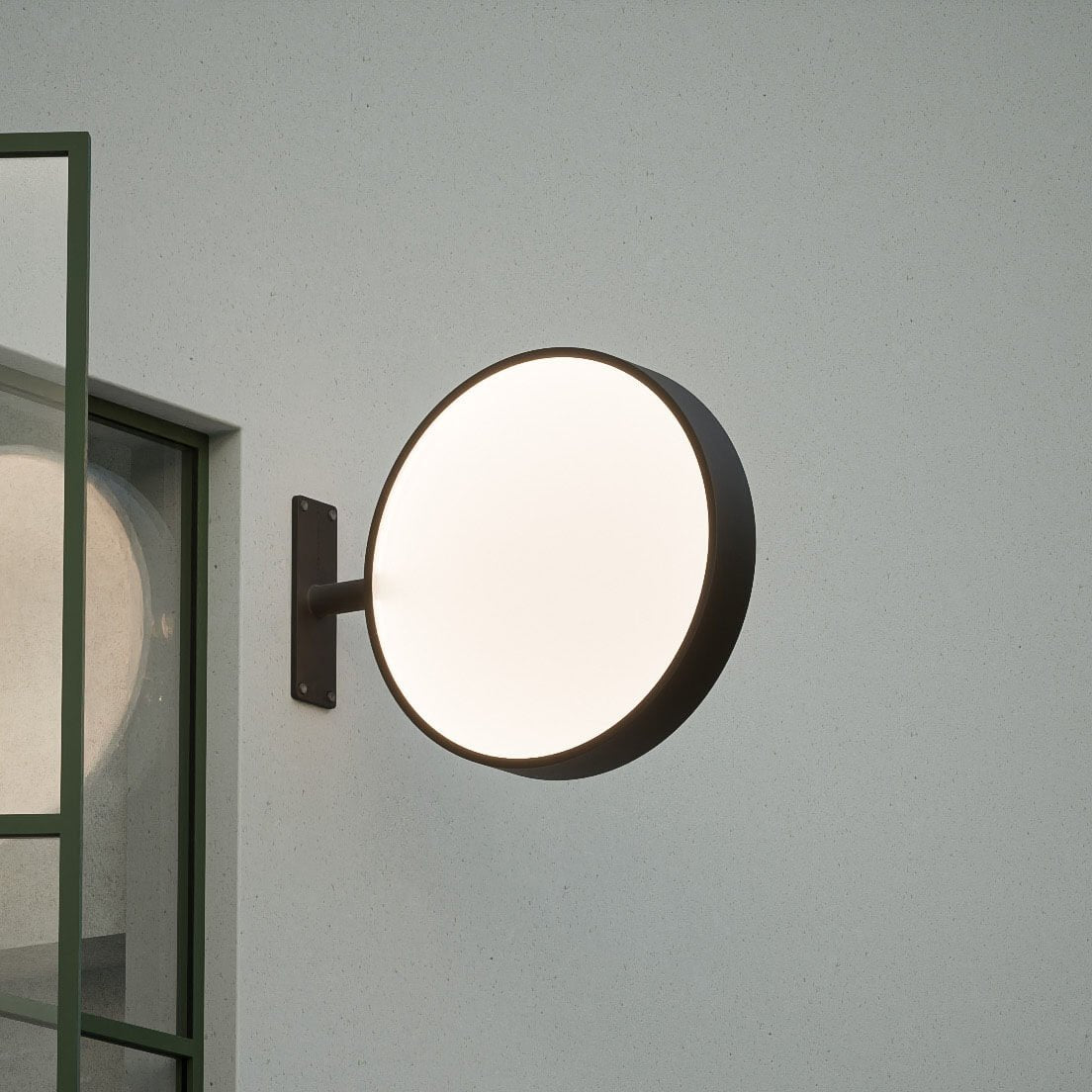
An excellent choice for both indoor and outdoor use, powder coated aluminum is resistant to rust, corrosion, and fading. It offers a sleek, modern finish that is easy to clean and incredibly durable, ensuring your bathroom signage looks professional for years. For tight corridors, consider a compact shopfront sign for clear wayfinding.
Wood
Wooden signs offer a warm, rustic, and natural aesthetic, perfect for cafes, boutiques, and wellness studios. While beautiful, wood may require more maintenance to protect it from moisture and wear over time, especially in a humid bathroom environment.
Acrylic
Acrylic signs are modern, versatile, and can be customized in countless colors and finishes. They are lightweight and easy to maintain, providing a clean and contemporary look that suits many different interior styles.
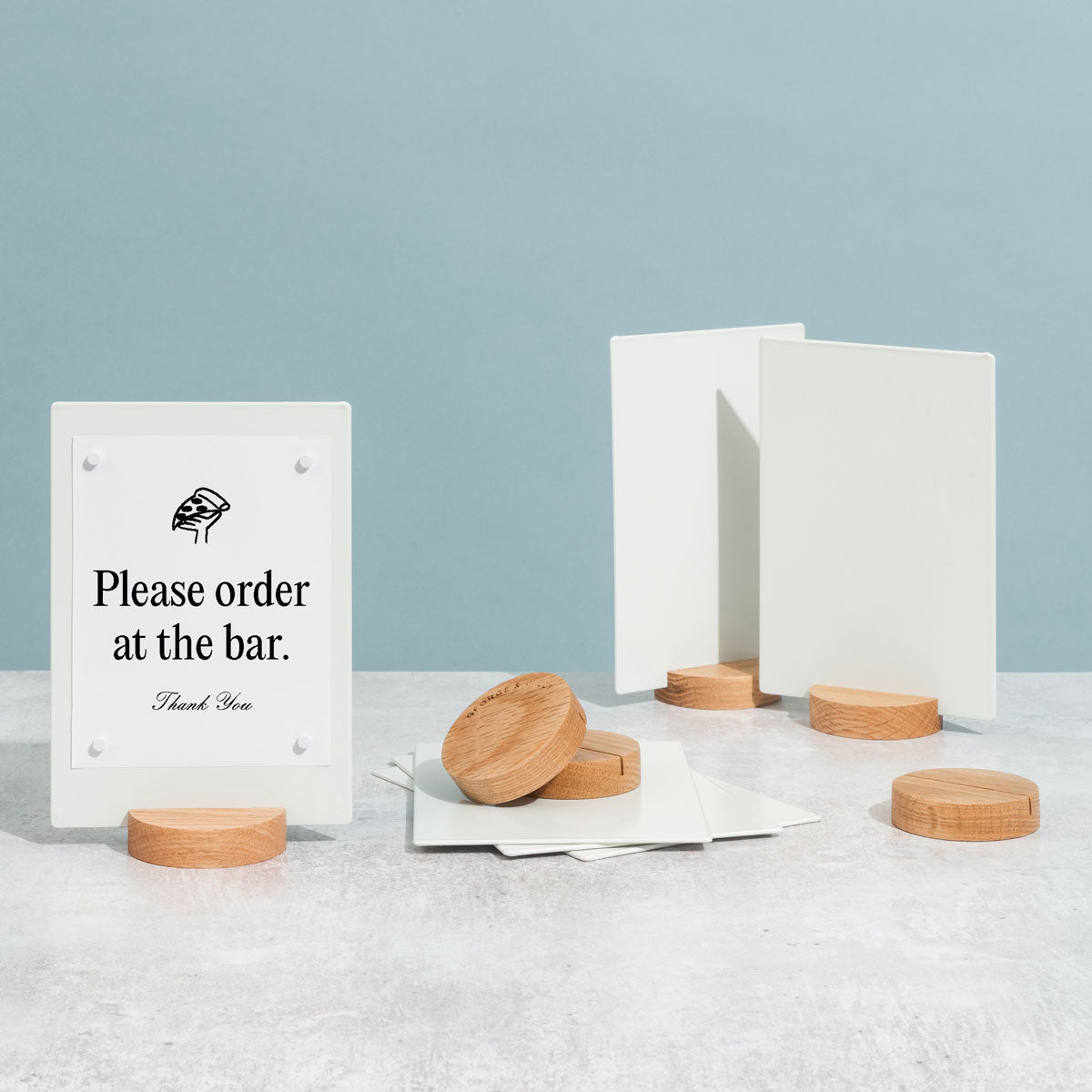
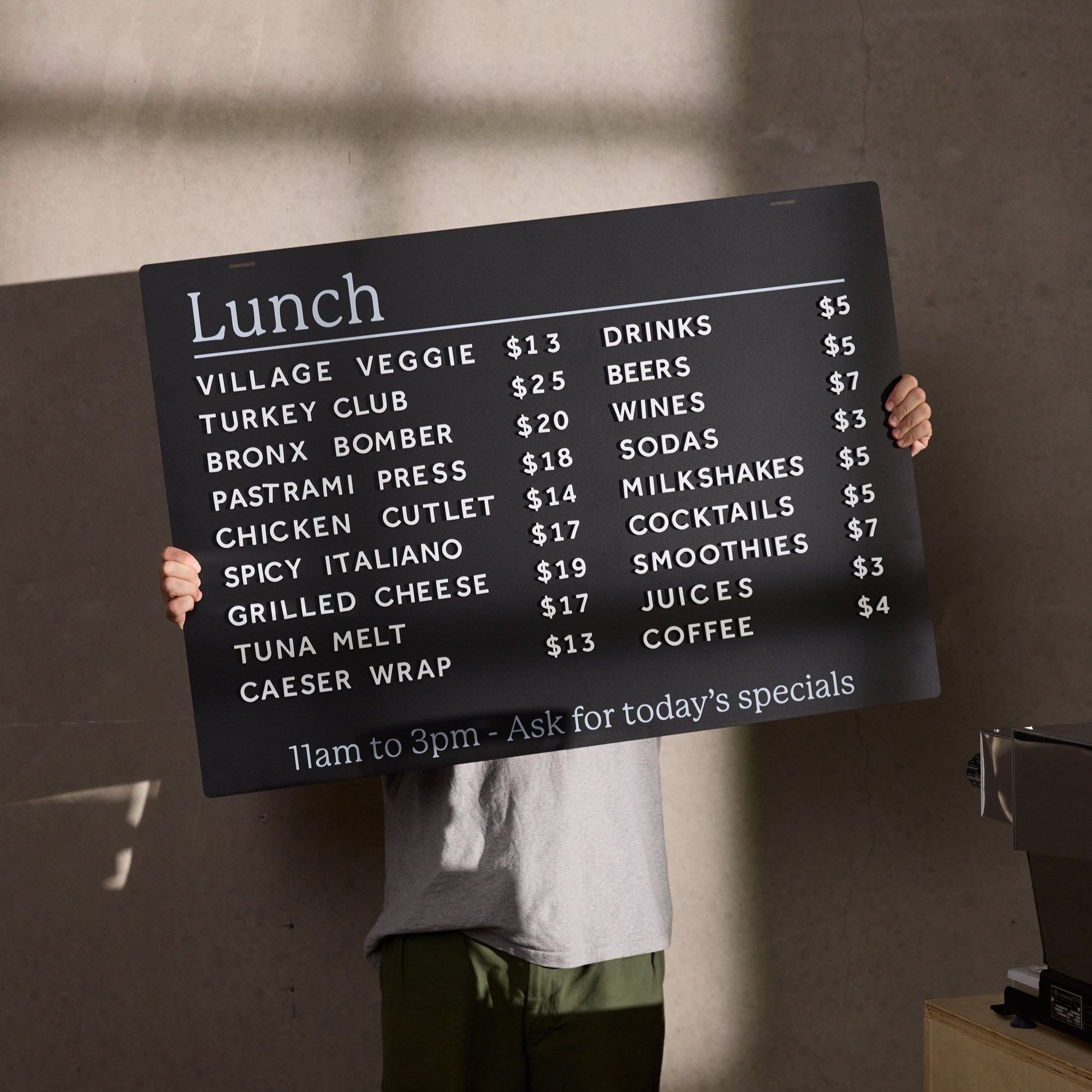
Investing in quality materials ensures your signs can withstand the demands of a commercial space. For businesses looking for a foundation of timeless design and durability, exploring a collection of well crafted, blank signage from a supplier like George & Willy can provide the perfect starting point.
Types of Restroom Signs: From Classic to Creative
While compliance is key, there is still plenty of room for creativity in your bathroom signage. The type of sign you choose can communicate your brand’s personality.
Men, Women, and Accessible Signs
These are the traditional, universally recognized signs. Clear pictograms and text ensure there is no confusion. An accessible symbol must always be included for restrooms that meet ADA standards for accessibility.
All Gender and Unisex Bathroom Signage
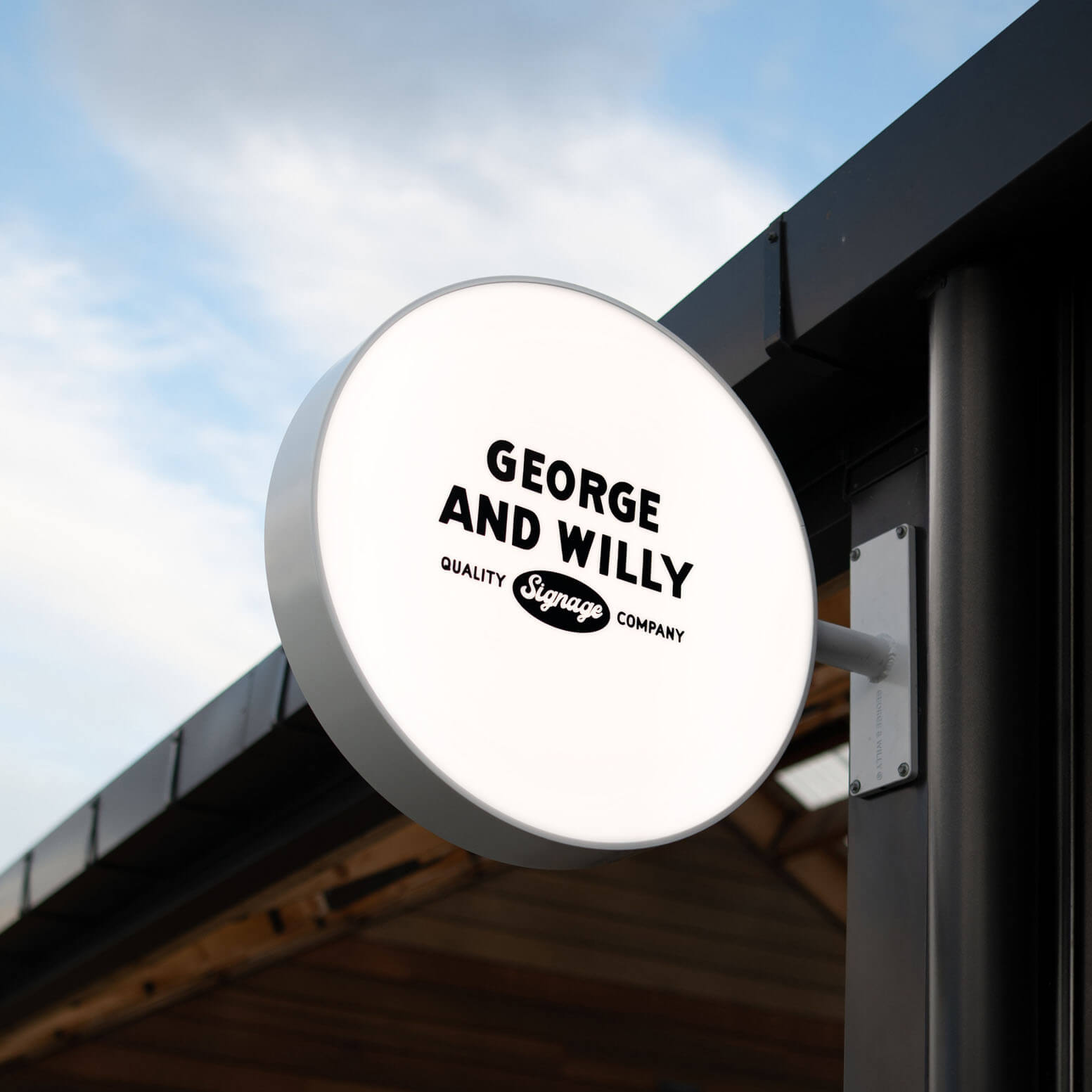
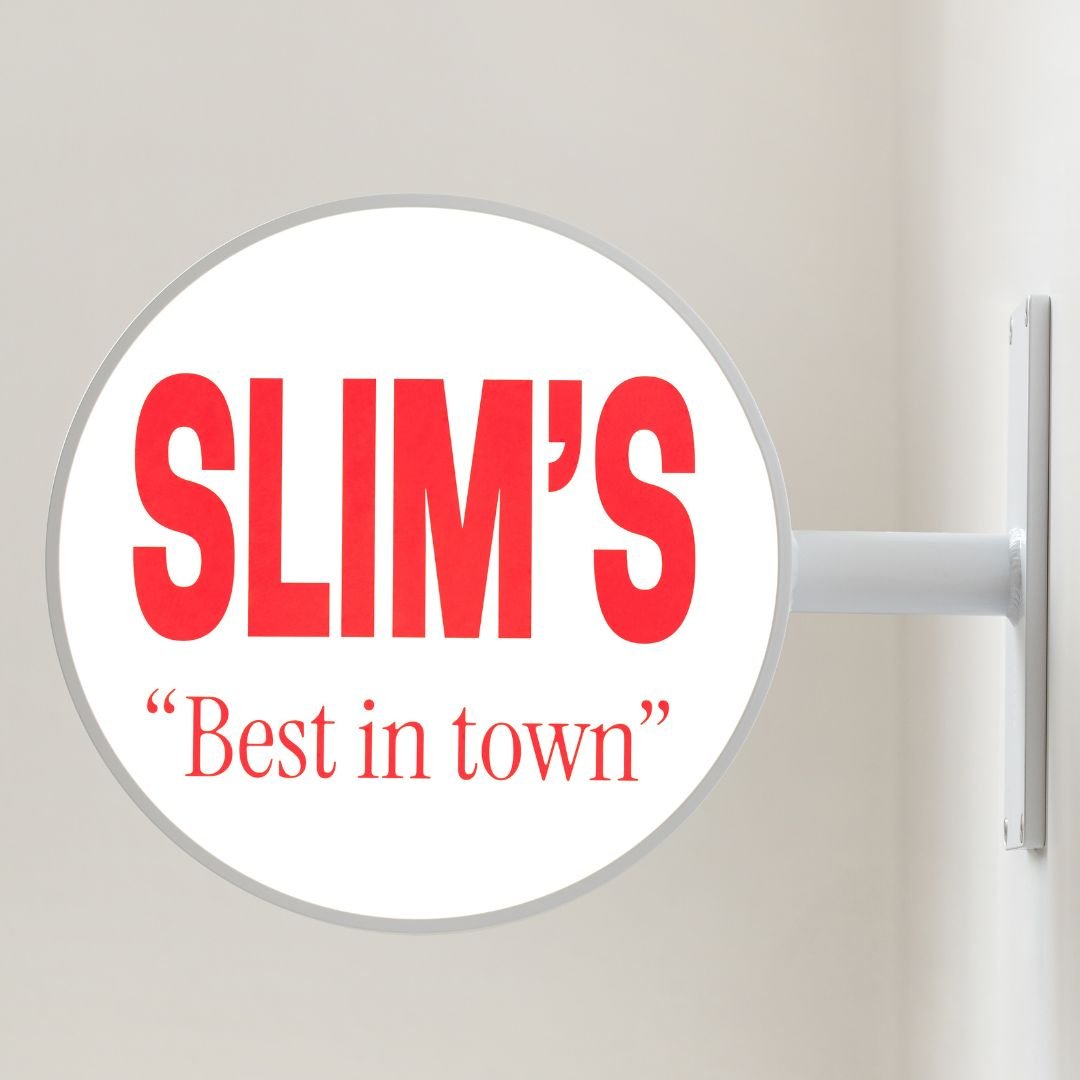
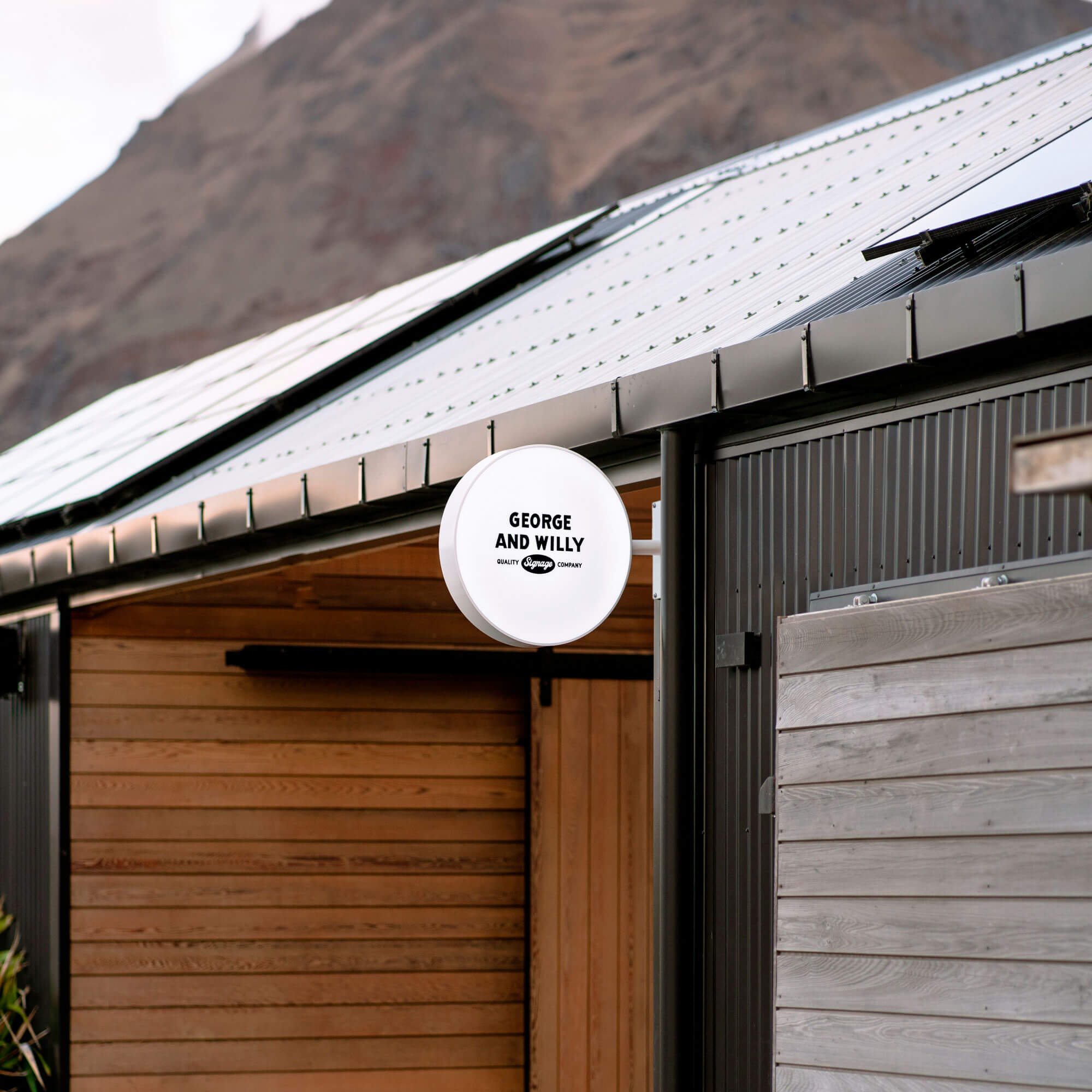
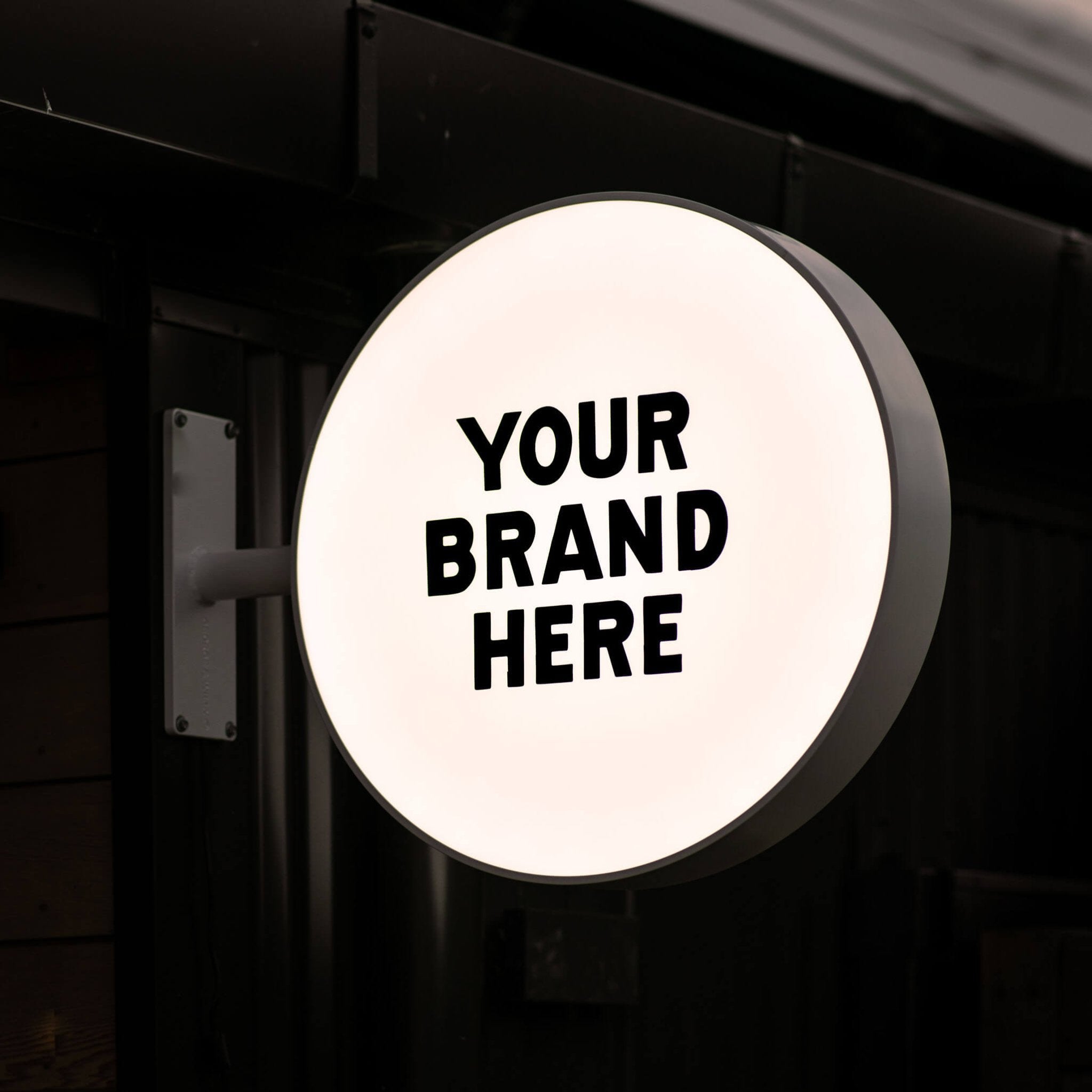
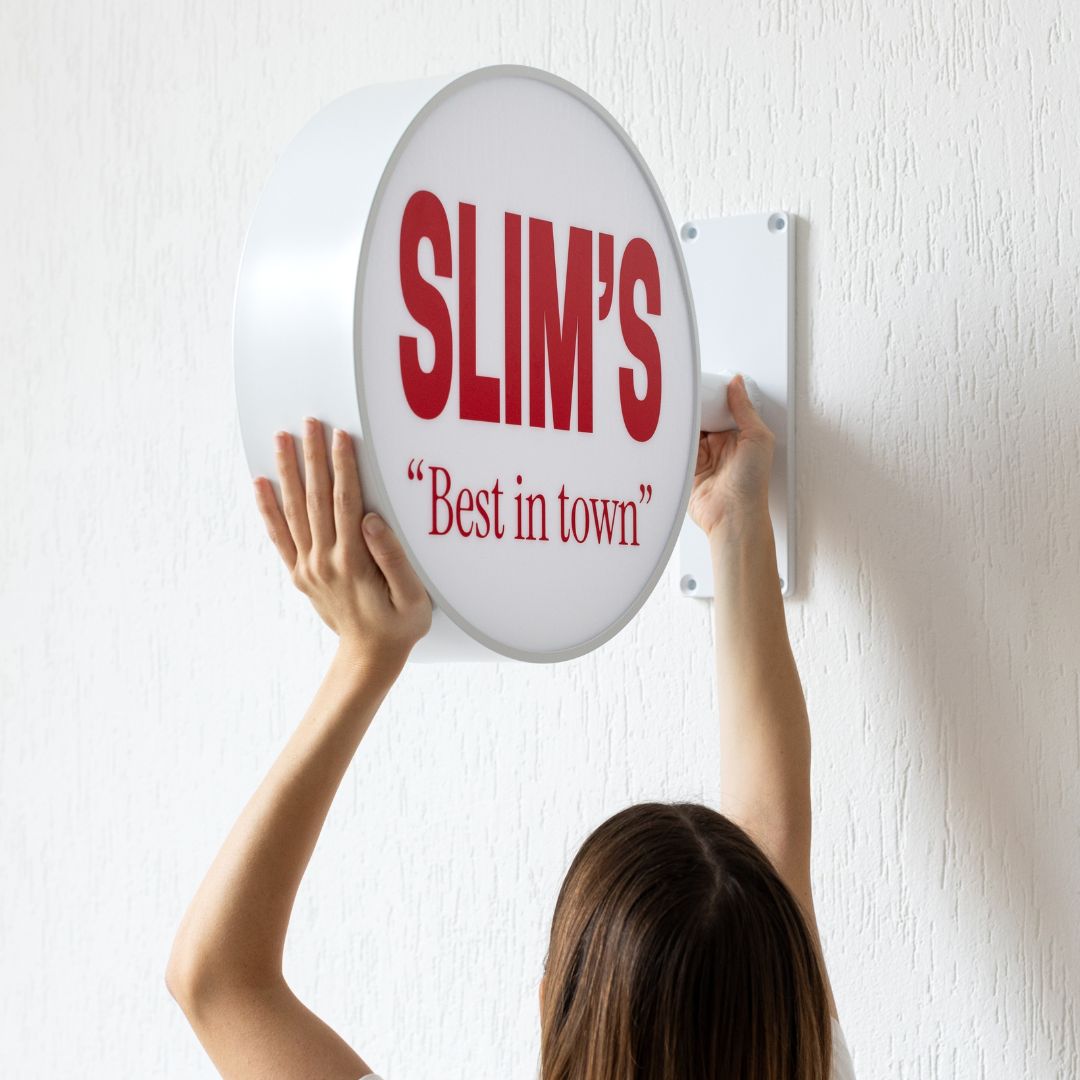
Many modern businesses are opting for all gender or unisex signs to create a more inclusive and welcoming atmosphere. This approach often involves a simple pictogram of a toilet or a combination of symbols. A minimal blade sign works well on doors, and clear text helps ensure everyone understands the space is available to them.
Getting Creative: Beyond the Stick Figure
Your bathroom signage doesn’t have to be boring. For businesses with a unique brand identity, this is an opportunity to be creative. Consider using:
Minimalist Icons: Simple, elegant icons instead of the standard pictograms.
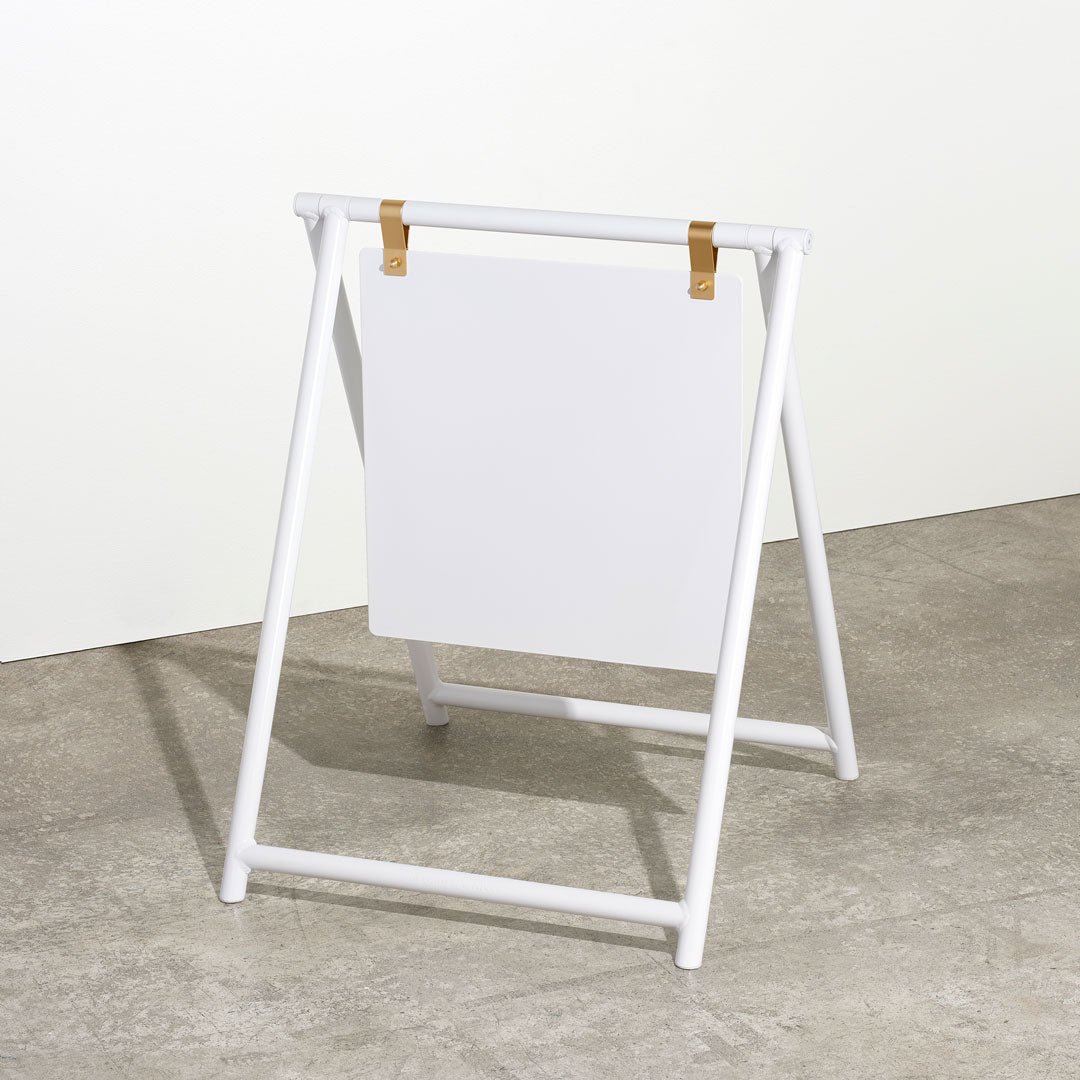
Text Based Signs: A beautifully designed panel, like the Square Panel Sign, with just the word “Restroom” in your brand’s font.
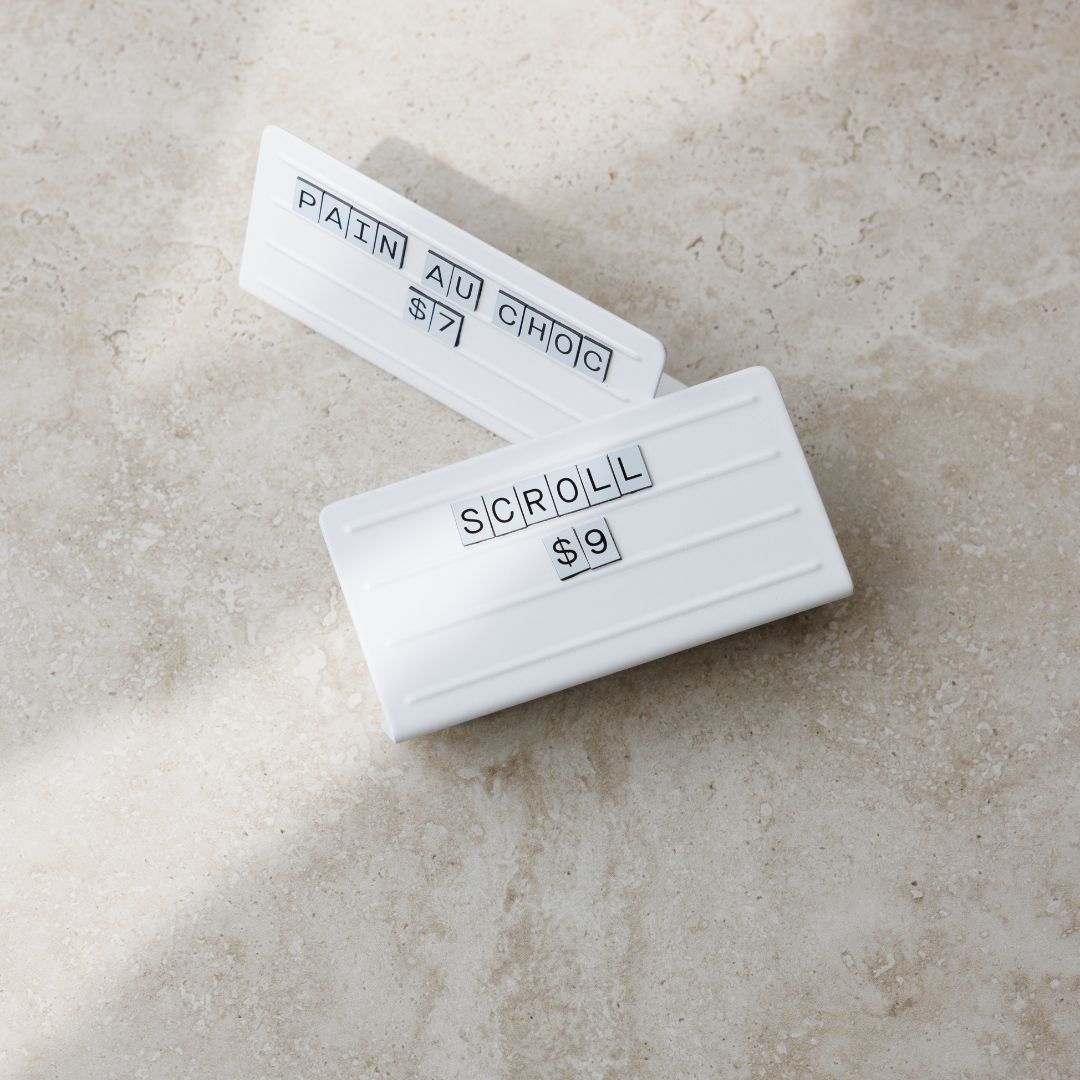
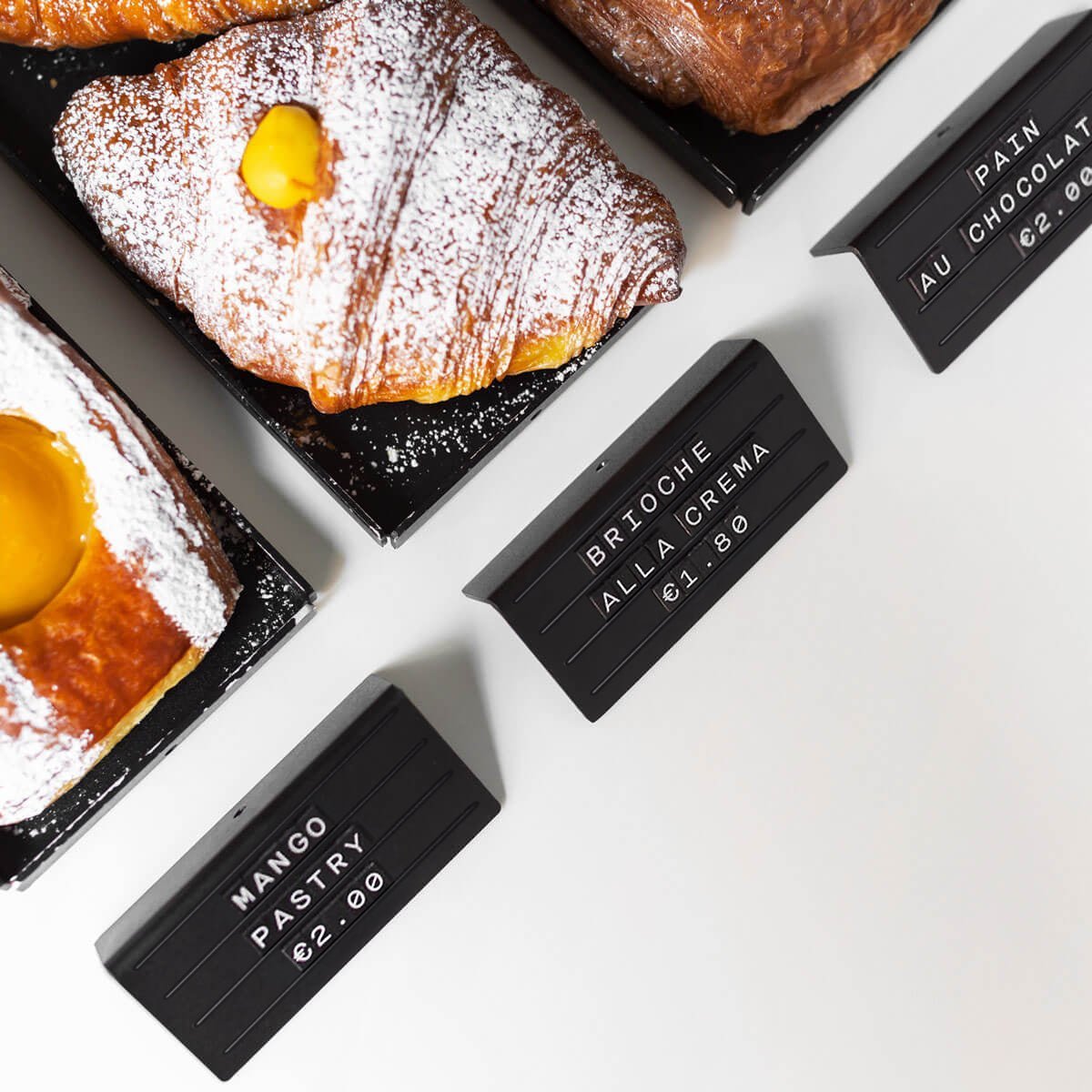
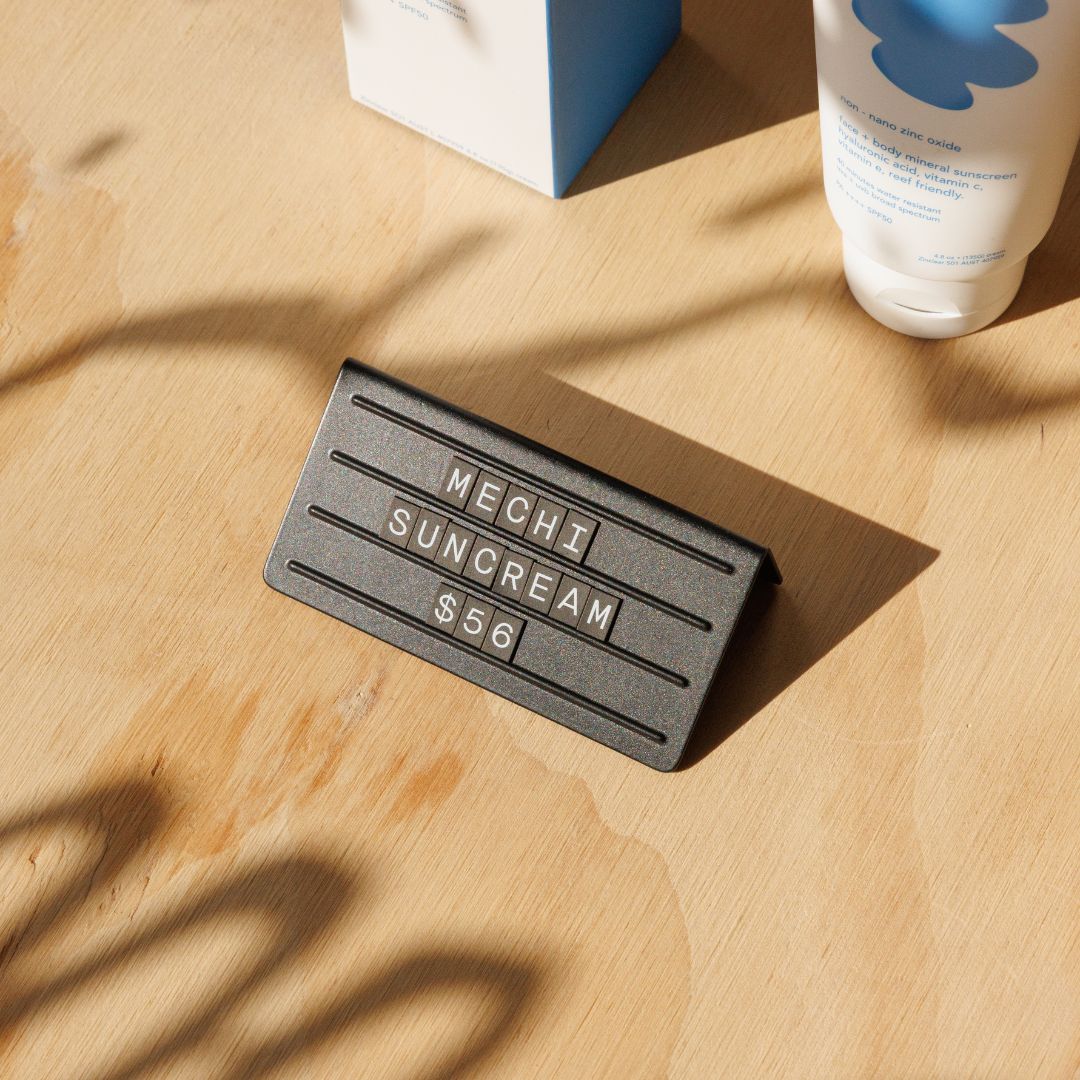
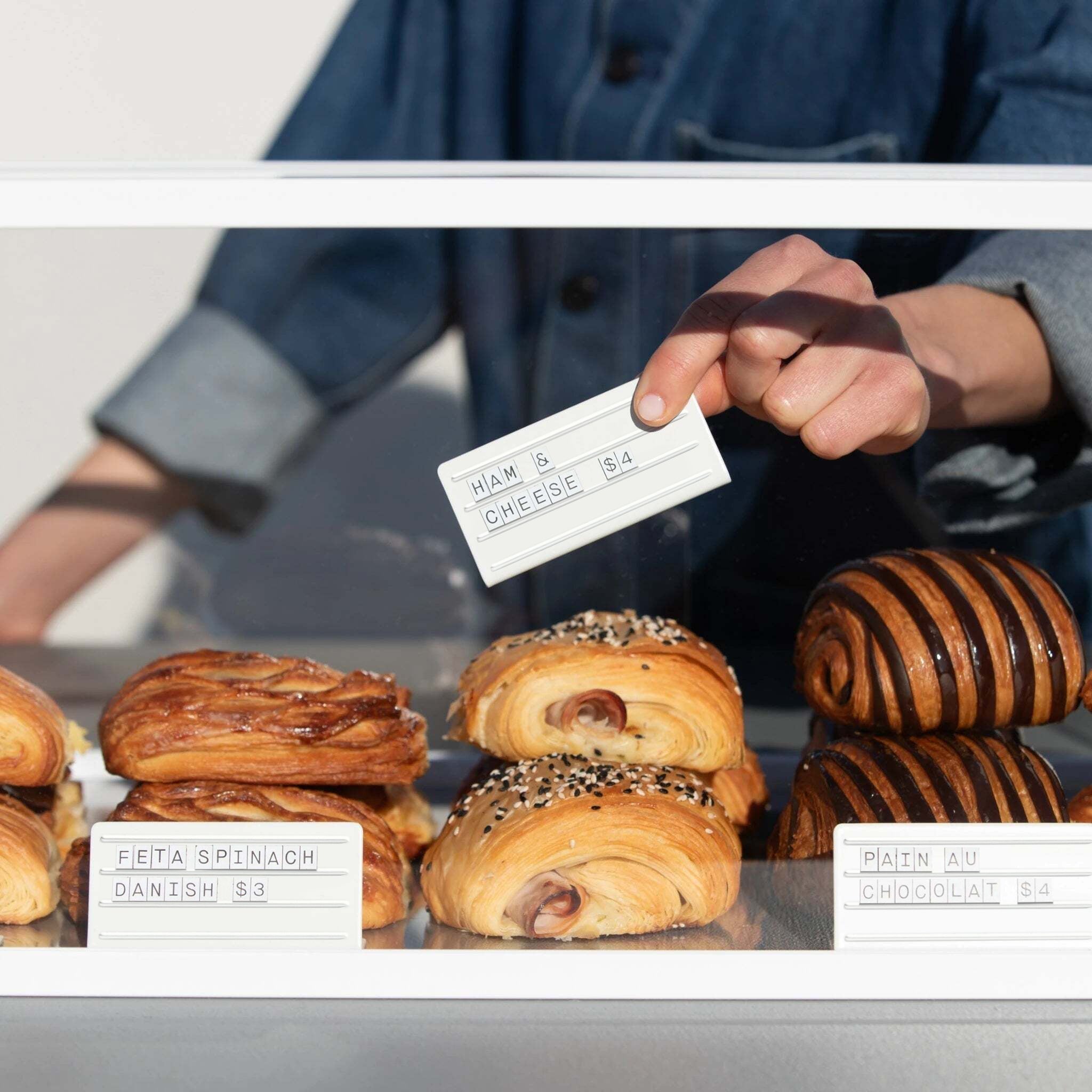
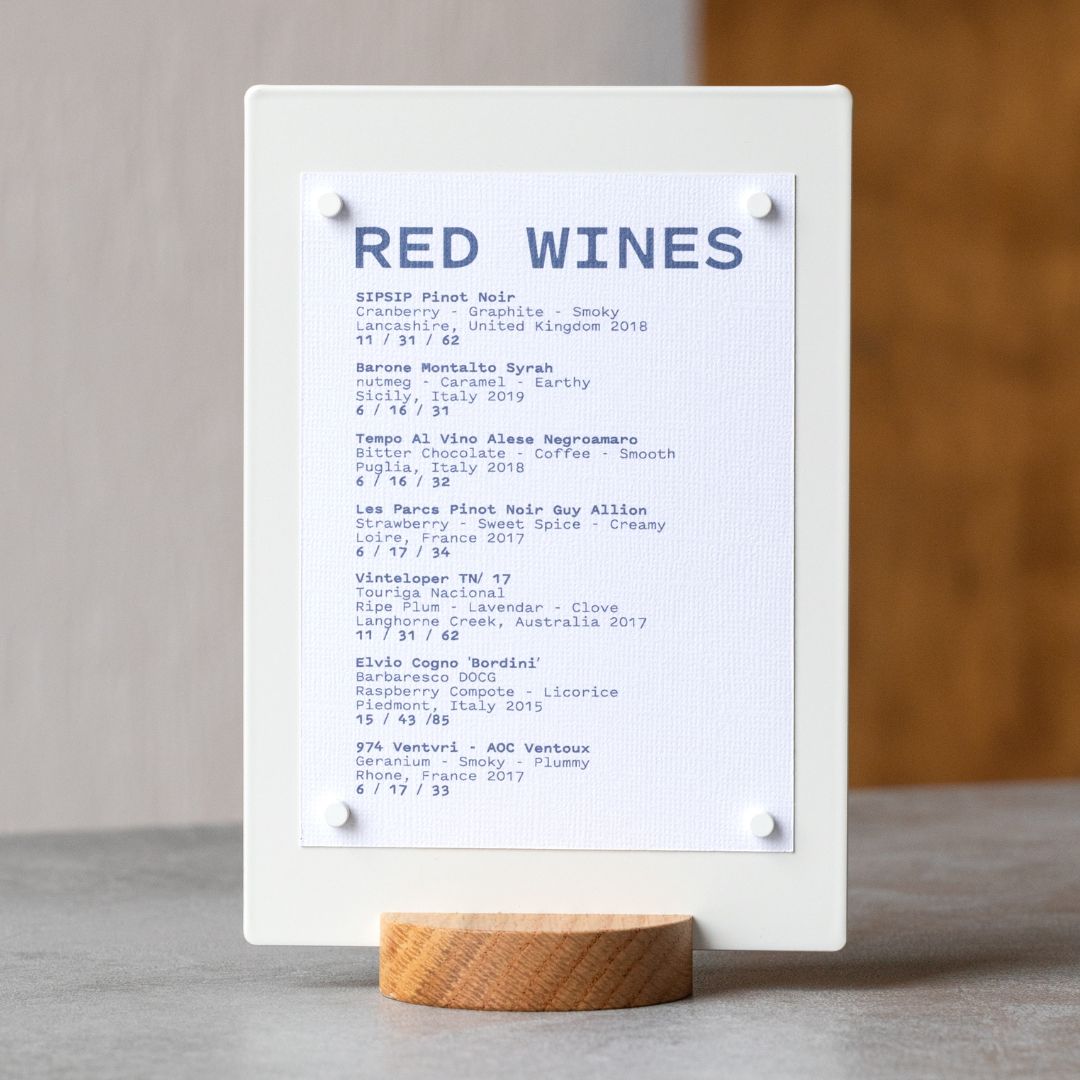
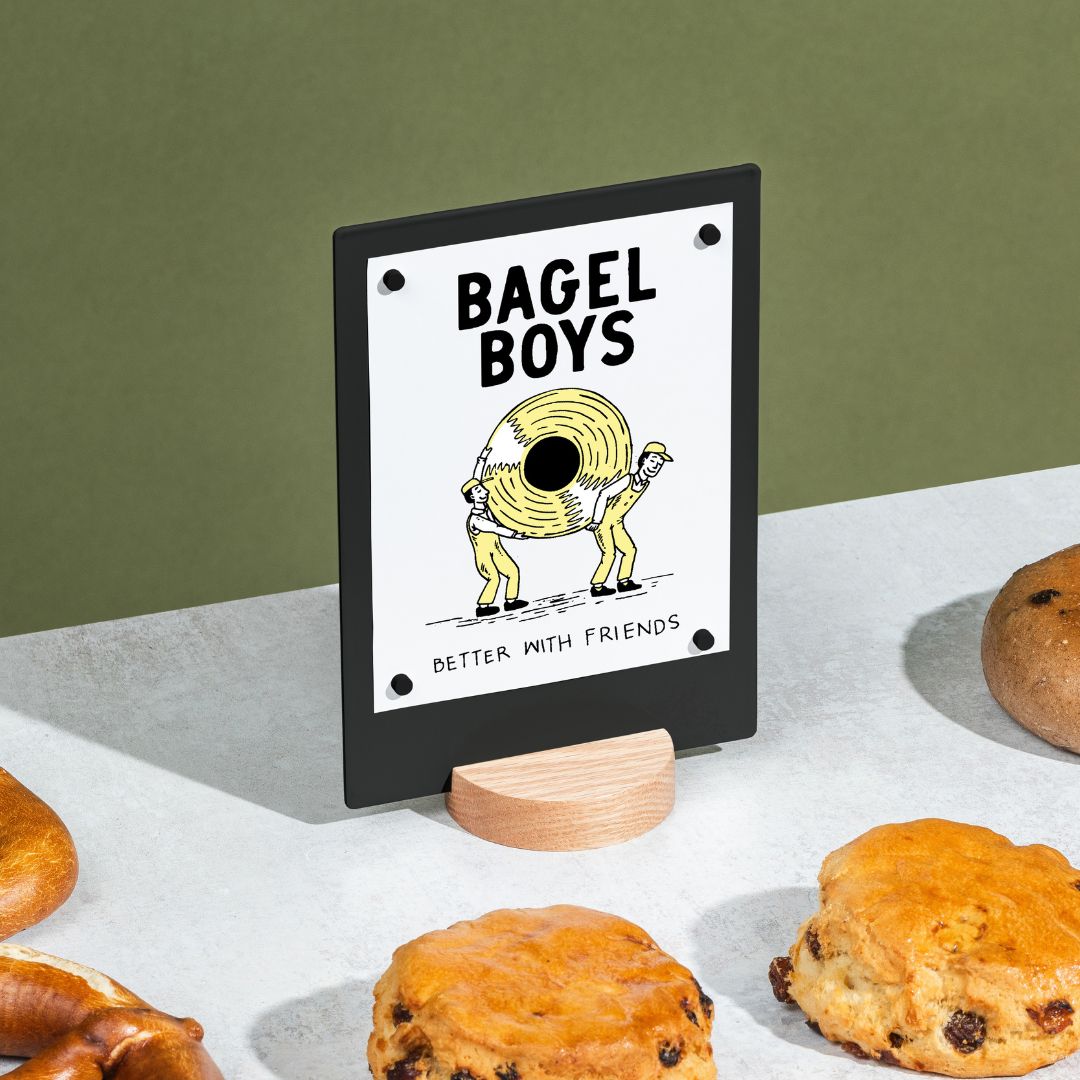
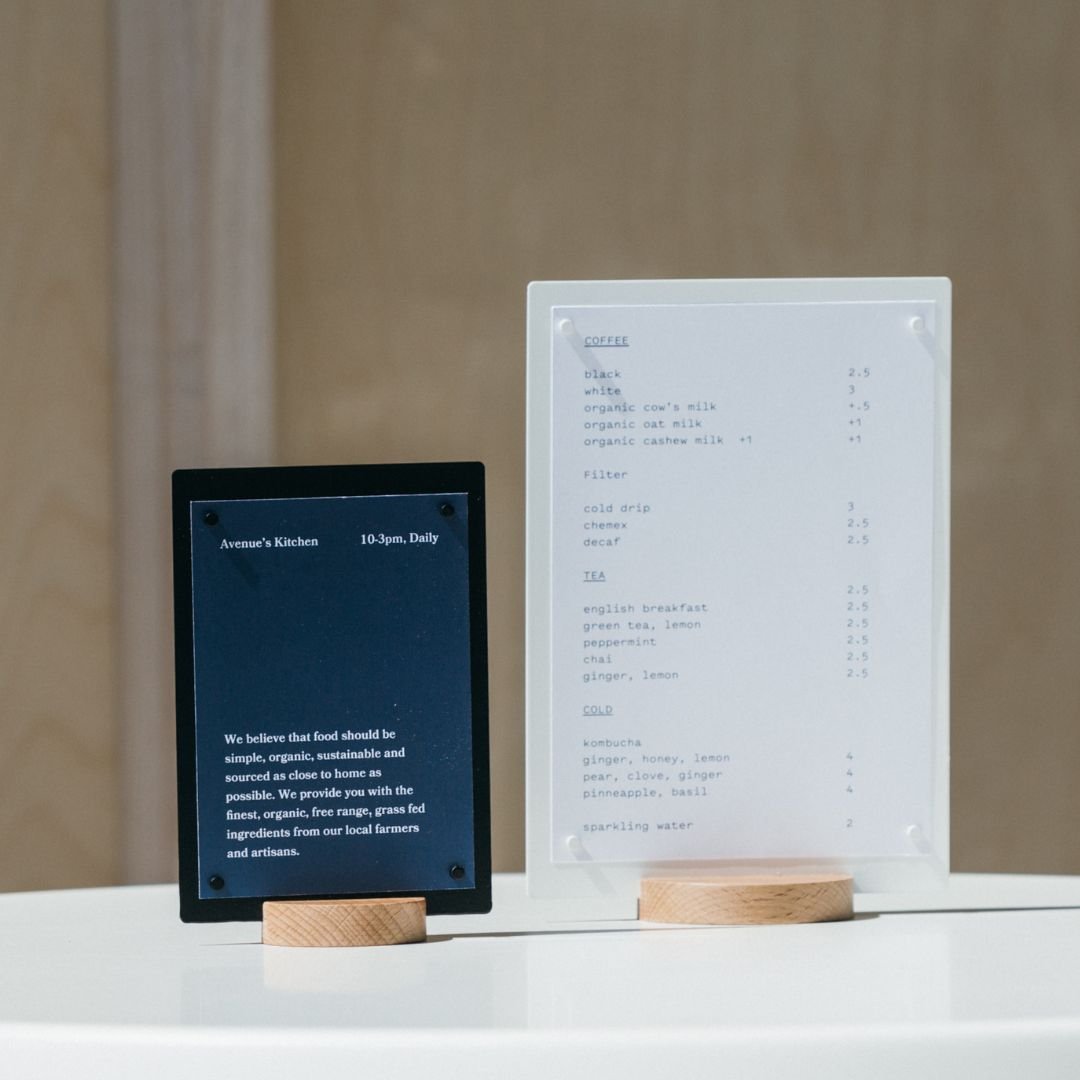
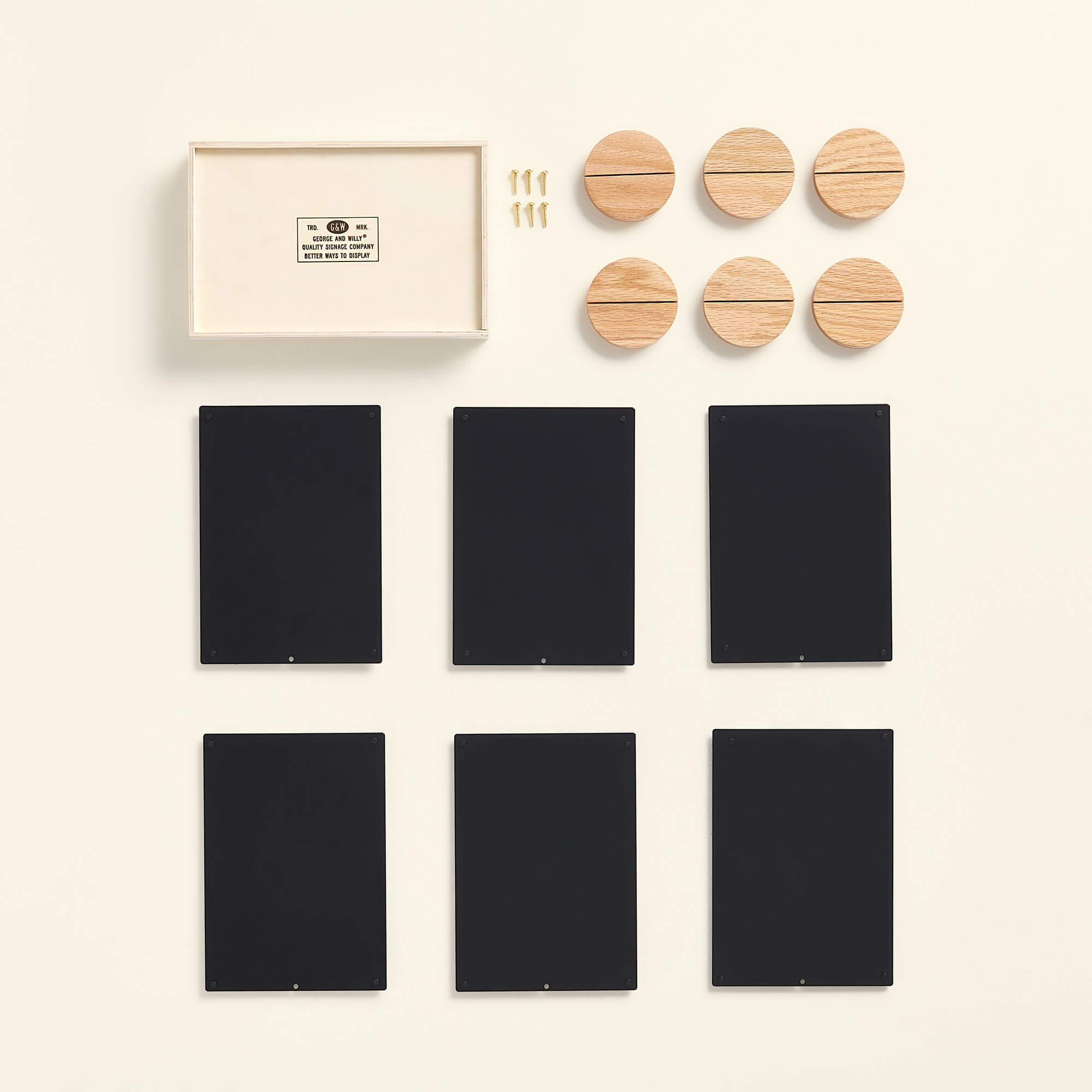
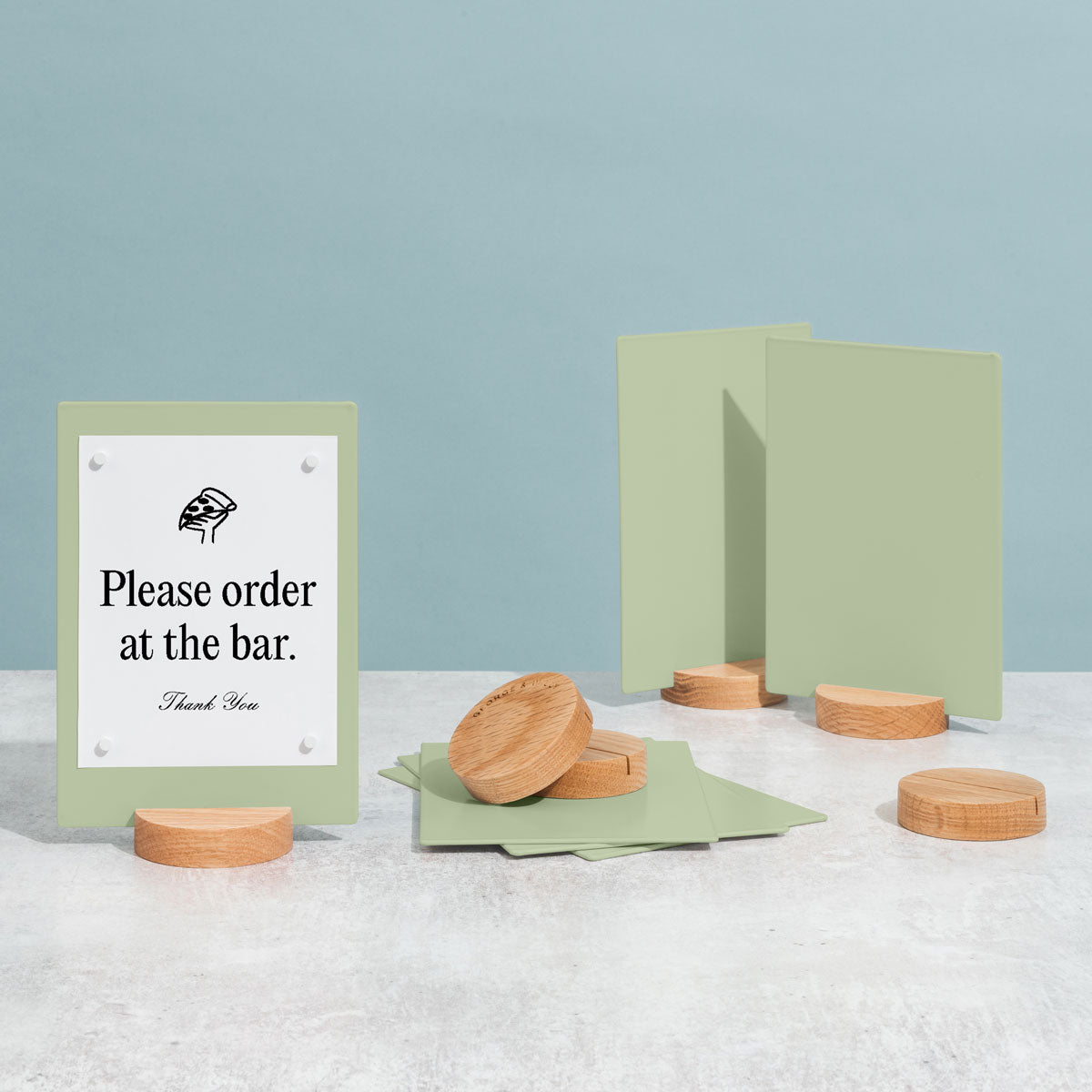
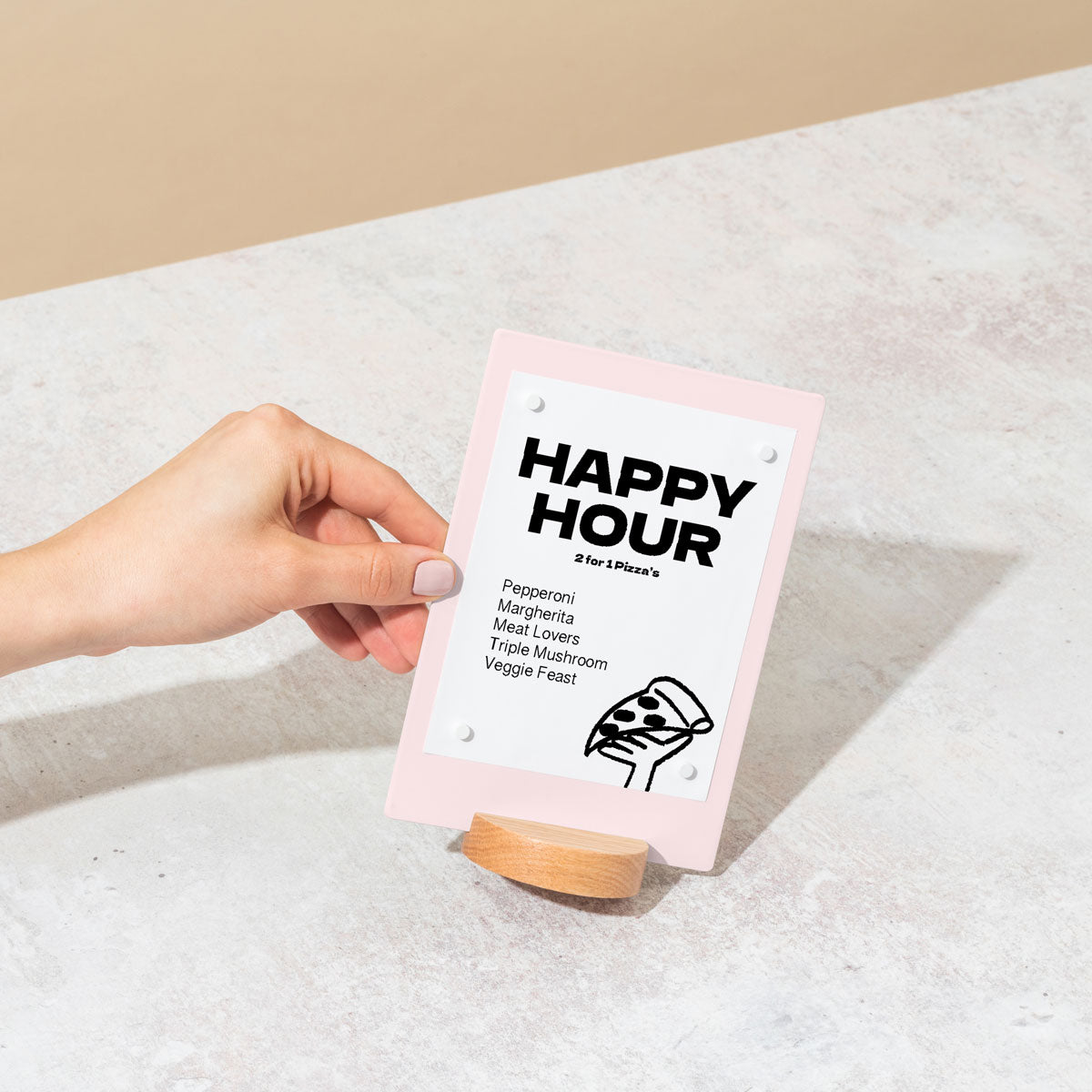
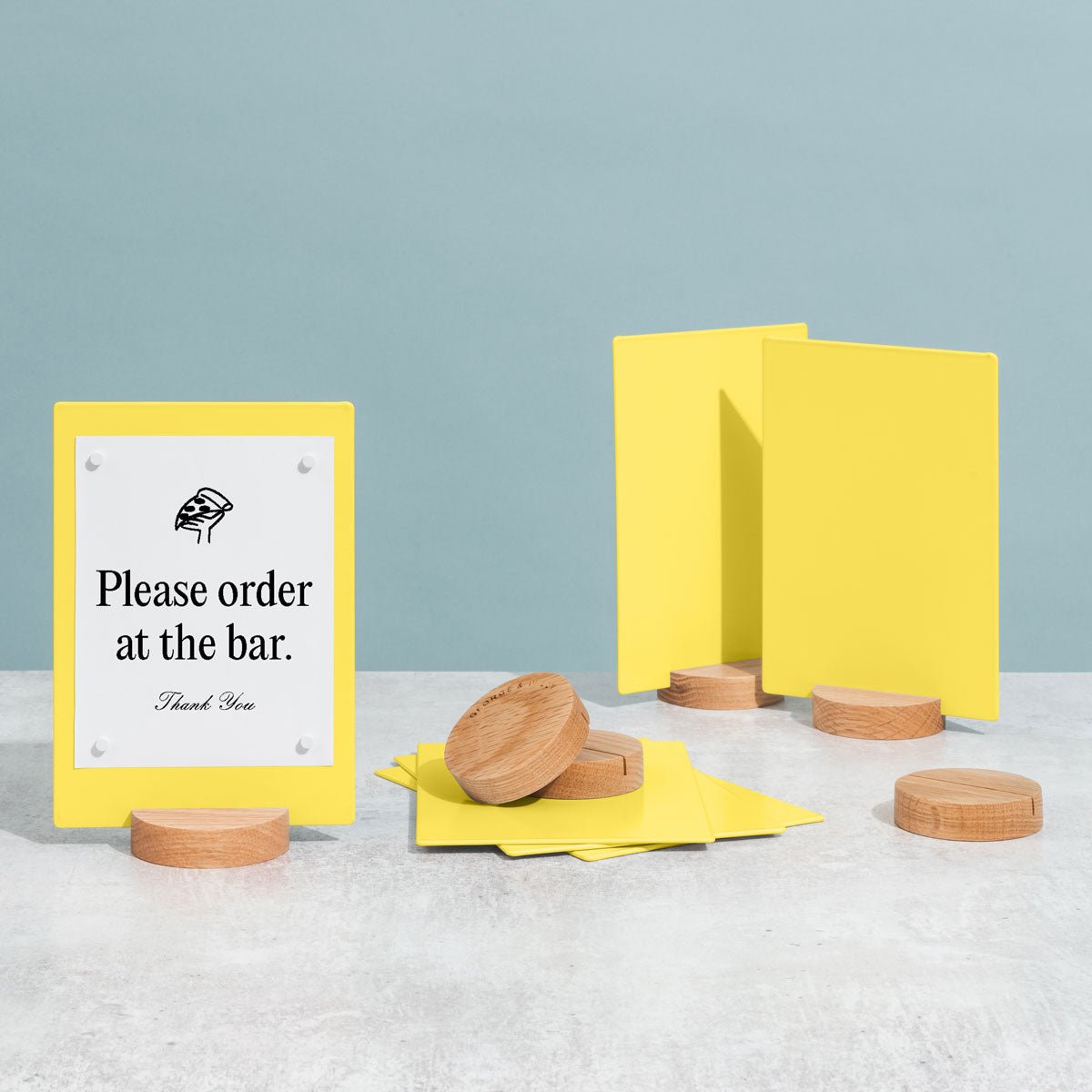
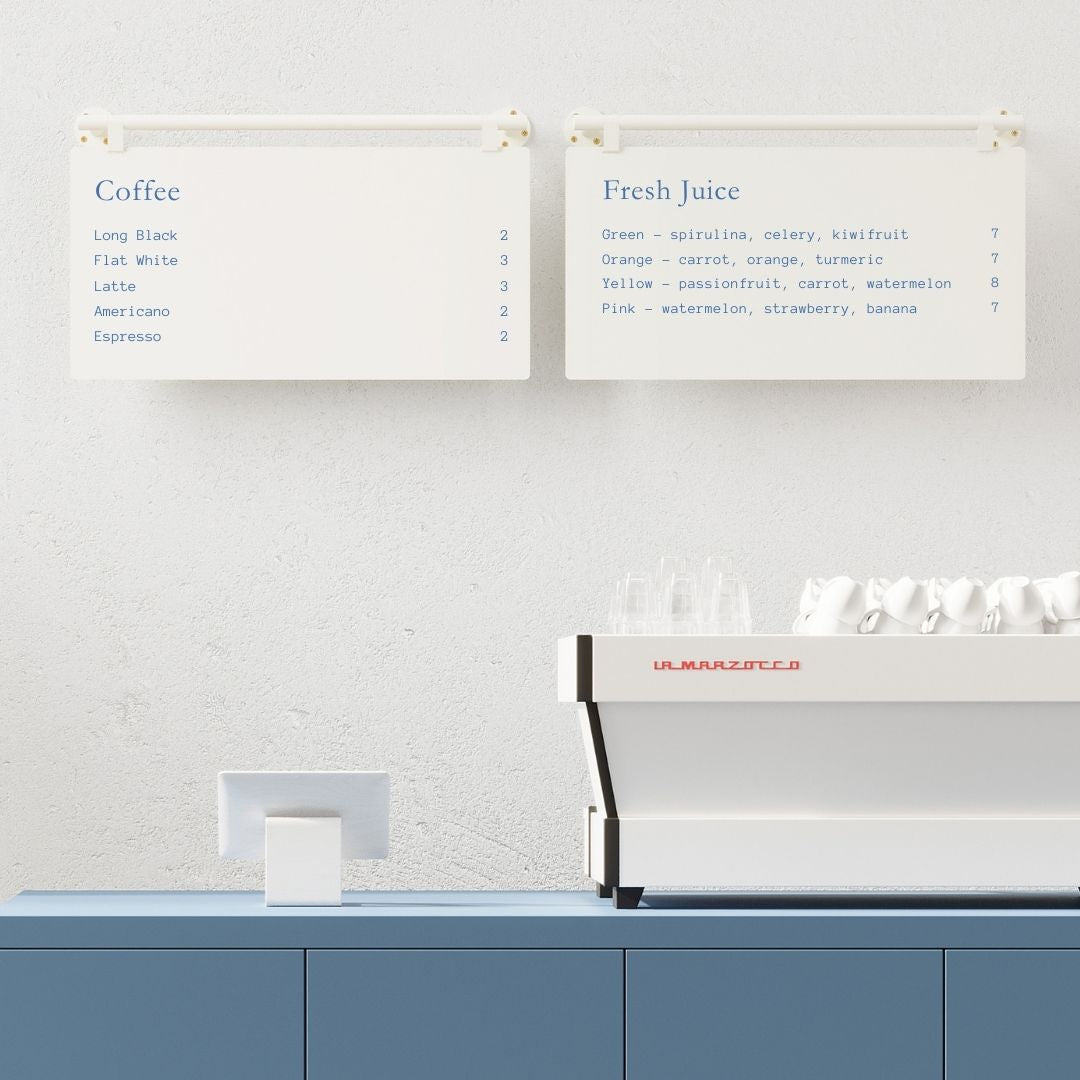
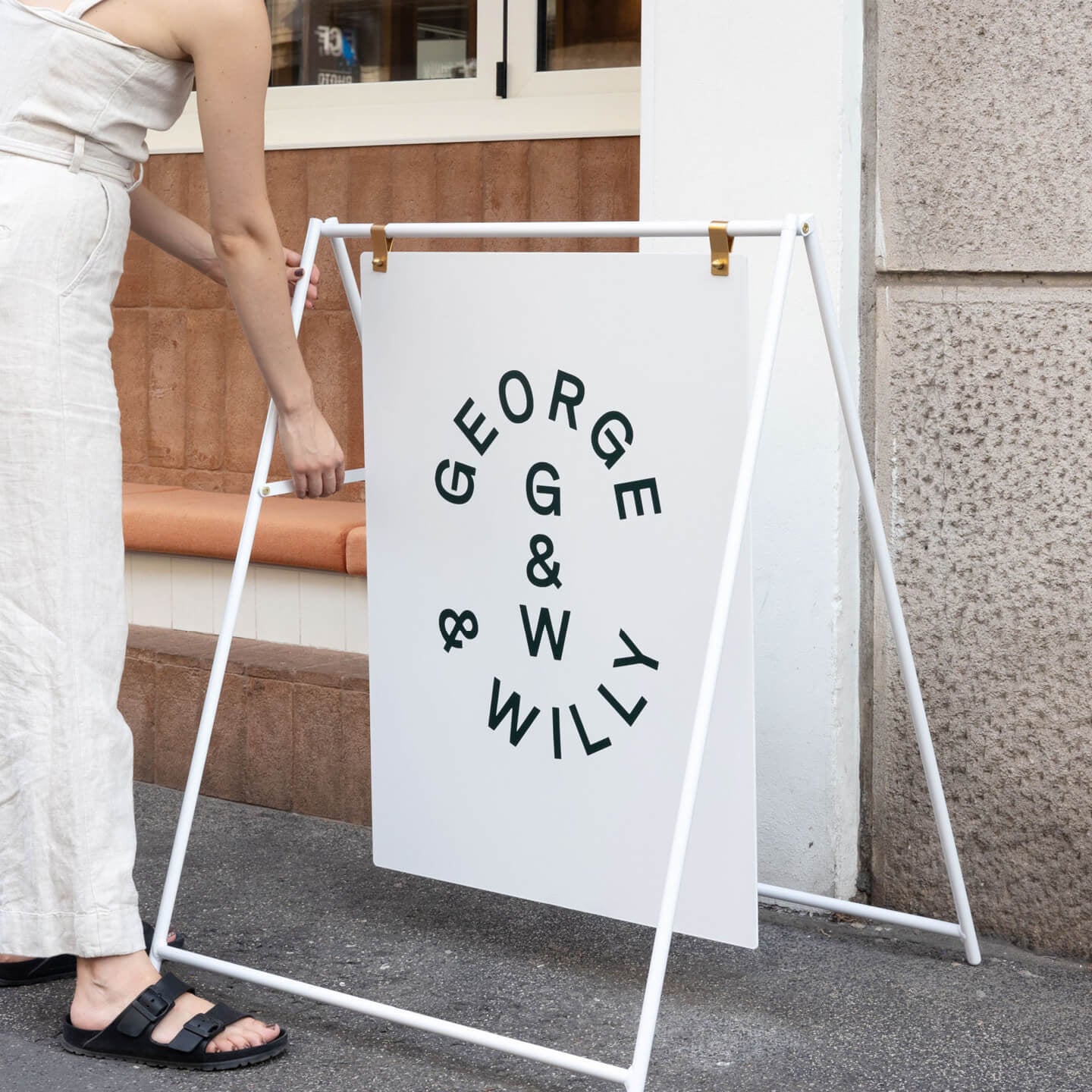
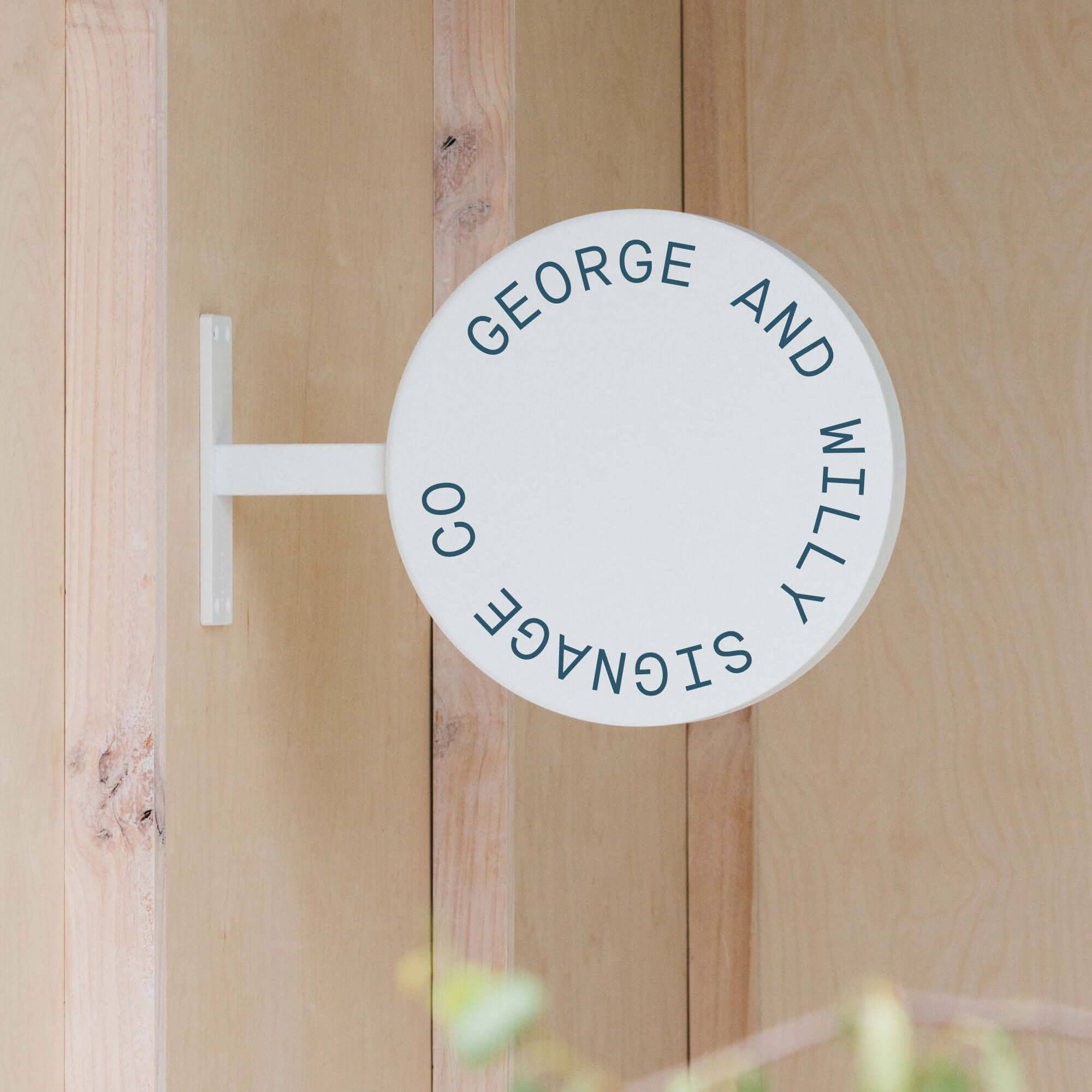
Repurposed Signage: A small blade sign mounted perpendicular to the wall, like the Vertical Blade Sign, can add an architectural element. A stylish tabletop sign, like one of our countertop signs, could be placed on a nearby counter or shelf to artfully direct guests.
The goal is to be both creative and clear. Your unique bathroom signage should still be intuitive for a first time visitor.
Design and Branding: Making It Your Own
Every sign in your business is a piece of your brand story. Consistent branding helps build recognition, and using your signature colors can increase brand recognition by up to 80%. Your bathroom signage should align with your overall design language, using the same fonts, colors, and tone as your other materials.
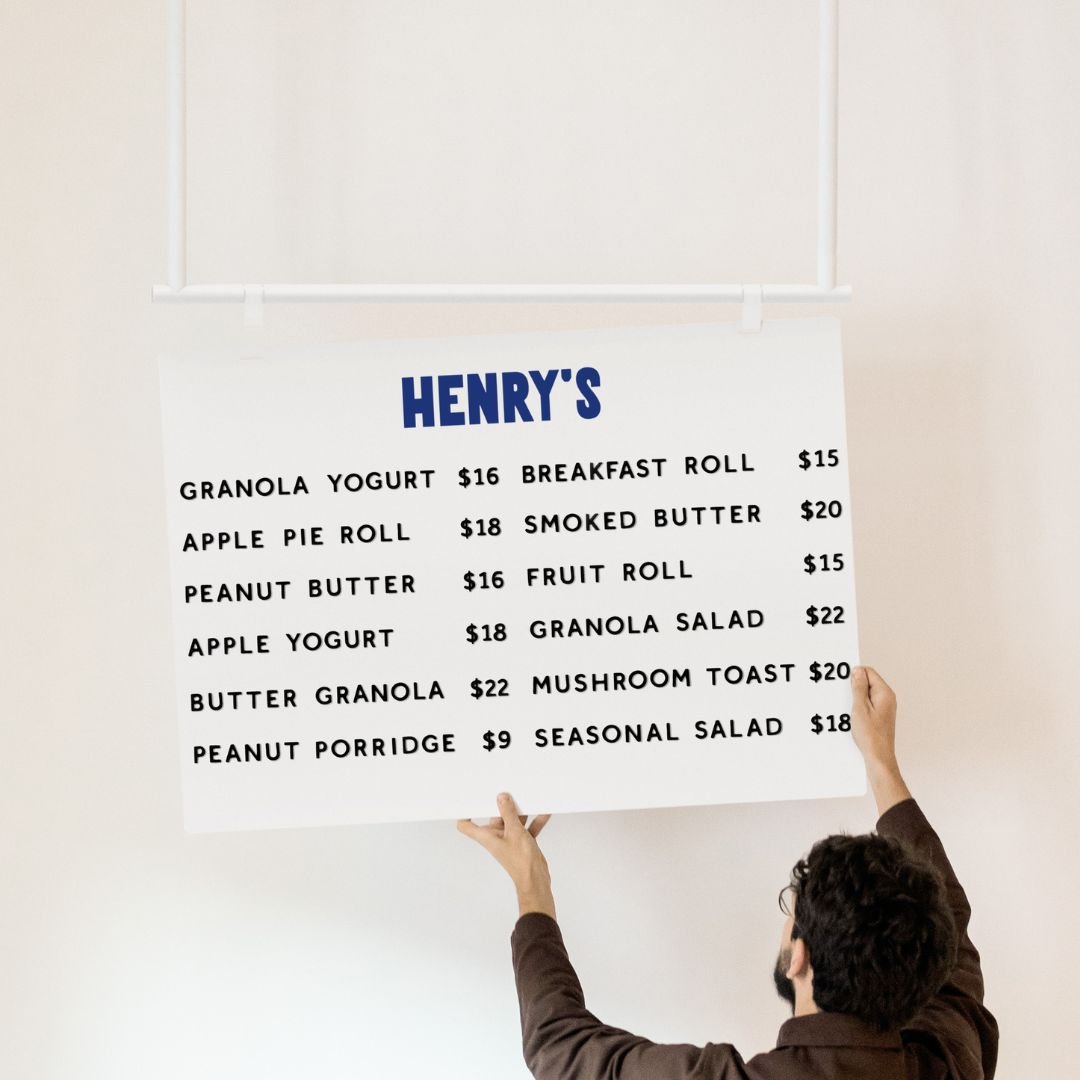
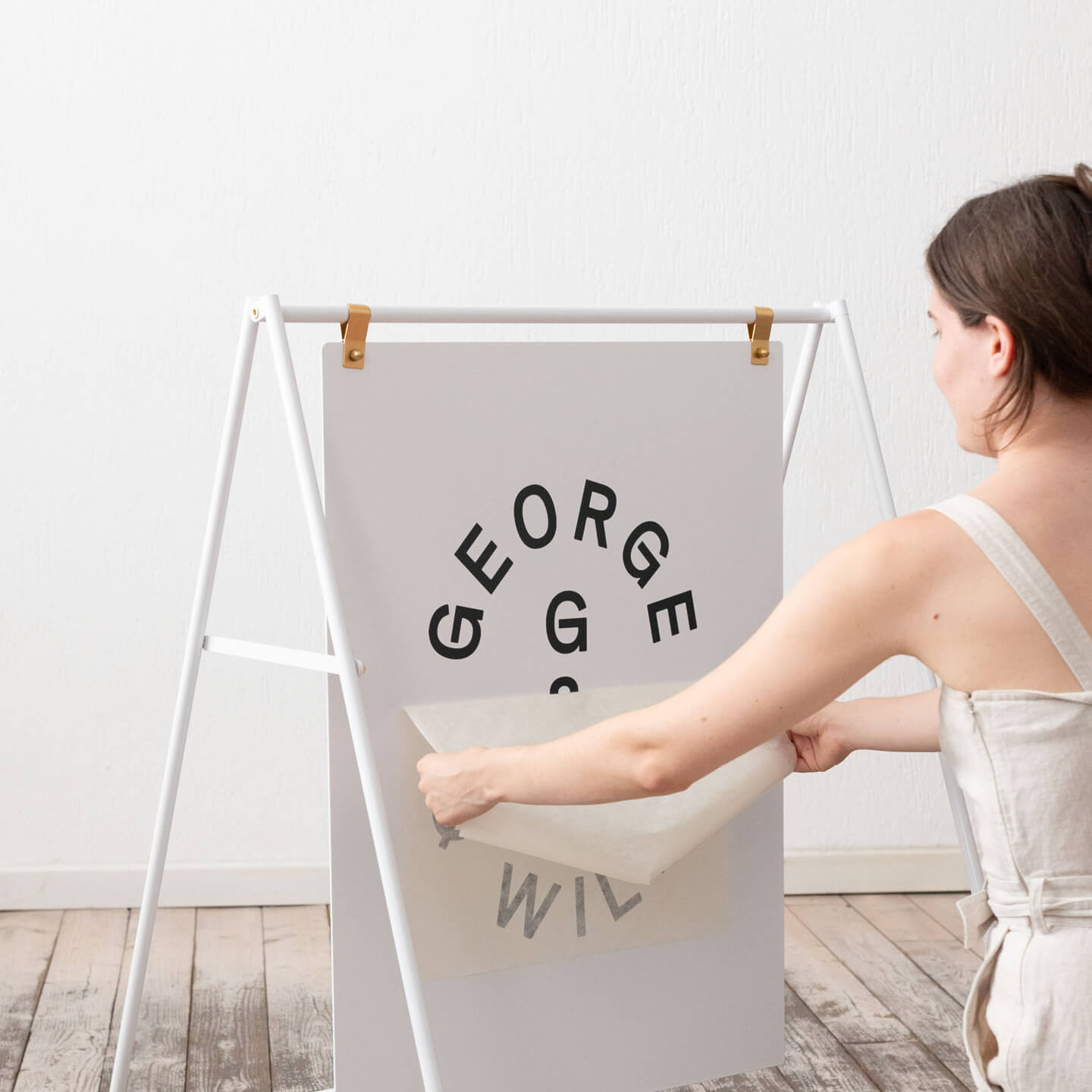
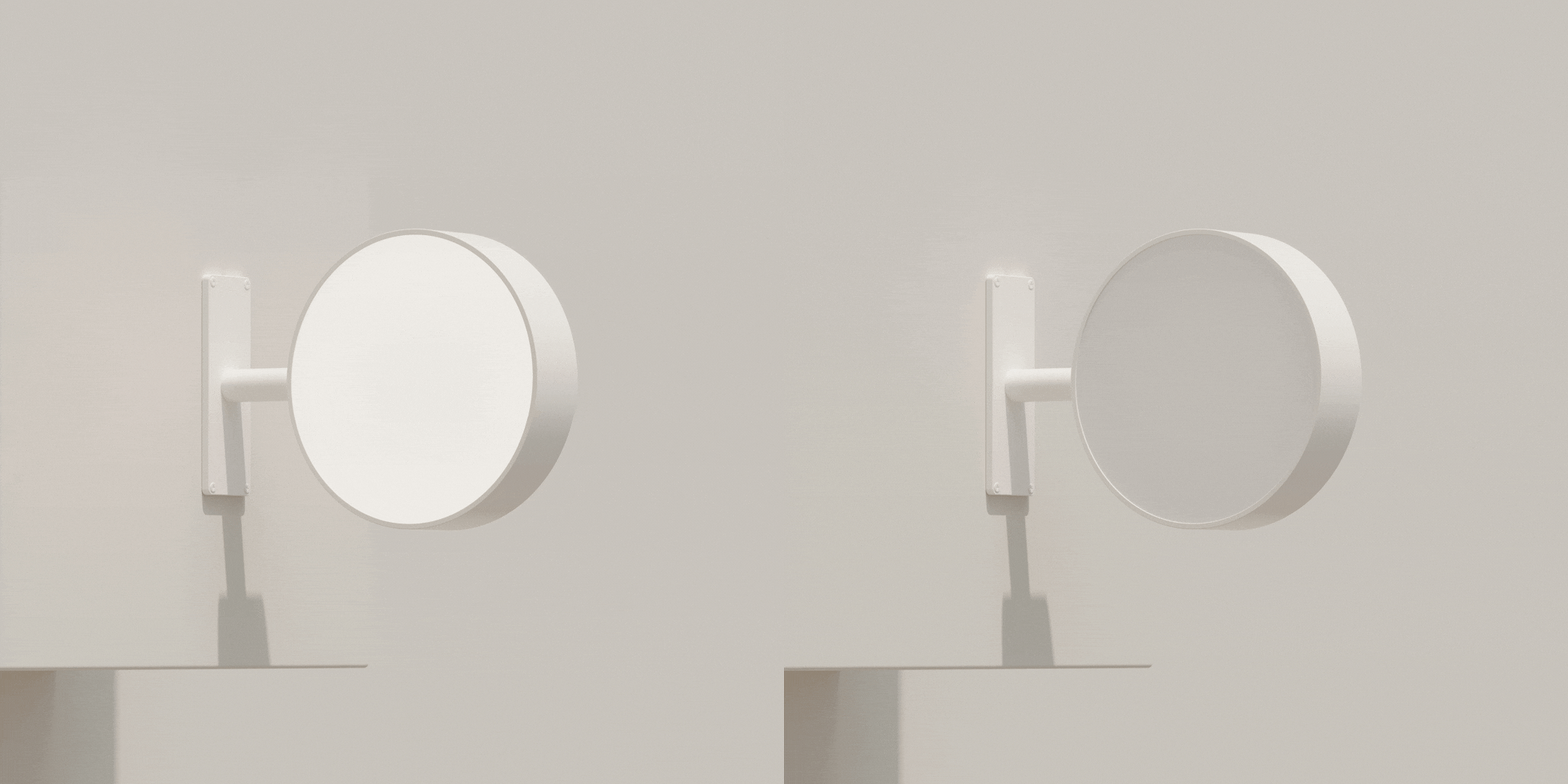
Many businesses prefer the flexibility of blank signage. Products that arrive unbranded act as a blank canvas, allowing you to work with a local signwriter to add your specific branding via vinyl decals. This approach combines the quality of a well made product with the custom touch of your unique brand. To see how a cohesive look can elevate a space, browse the full collection of signage solutions for inspiration.
FAQ: Your Bathroom Signage Questions Answered
What is the correct height to install ADA bathroom signage?
The baseline of the tactile text on an ADA compliant sign should be mounted between 48 inches minimum and 60 inches maximum from the floor. It should be on the wall on the latch side of the door.
Do all bathroom signs need to have braille?
Signs that designate a permanent space, such as a restroom, are required by the ADA to include tactile characters and braille. Directional or temporary signs may not require it.
What is the difference between a unisex and an all gender restroom?
Functionally, they serve the same purpose: a restroom for use by any person. The term “all gender” is often preferred today as it is considered more inclusive and welcoming than “unisex”.
How can I make my bathroom signage creative while staying compliant?
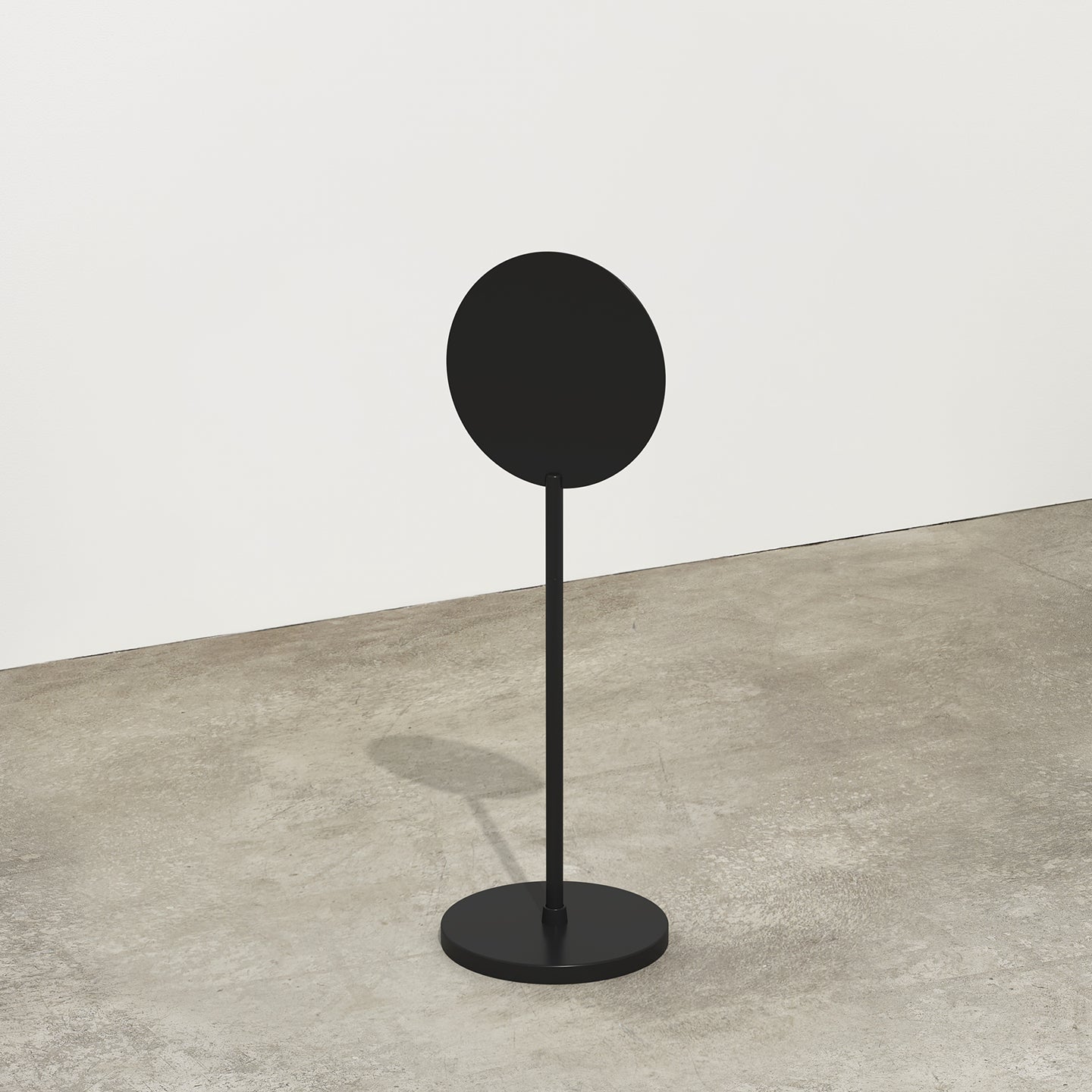
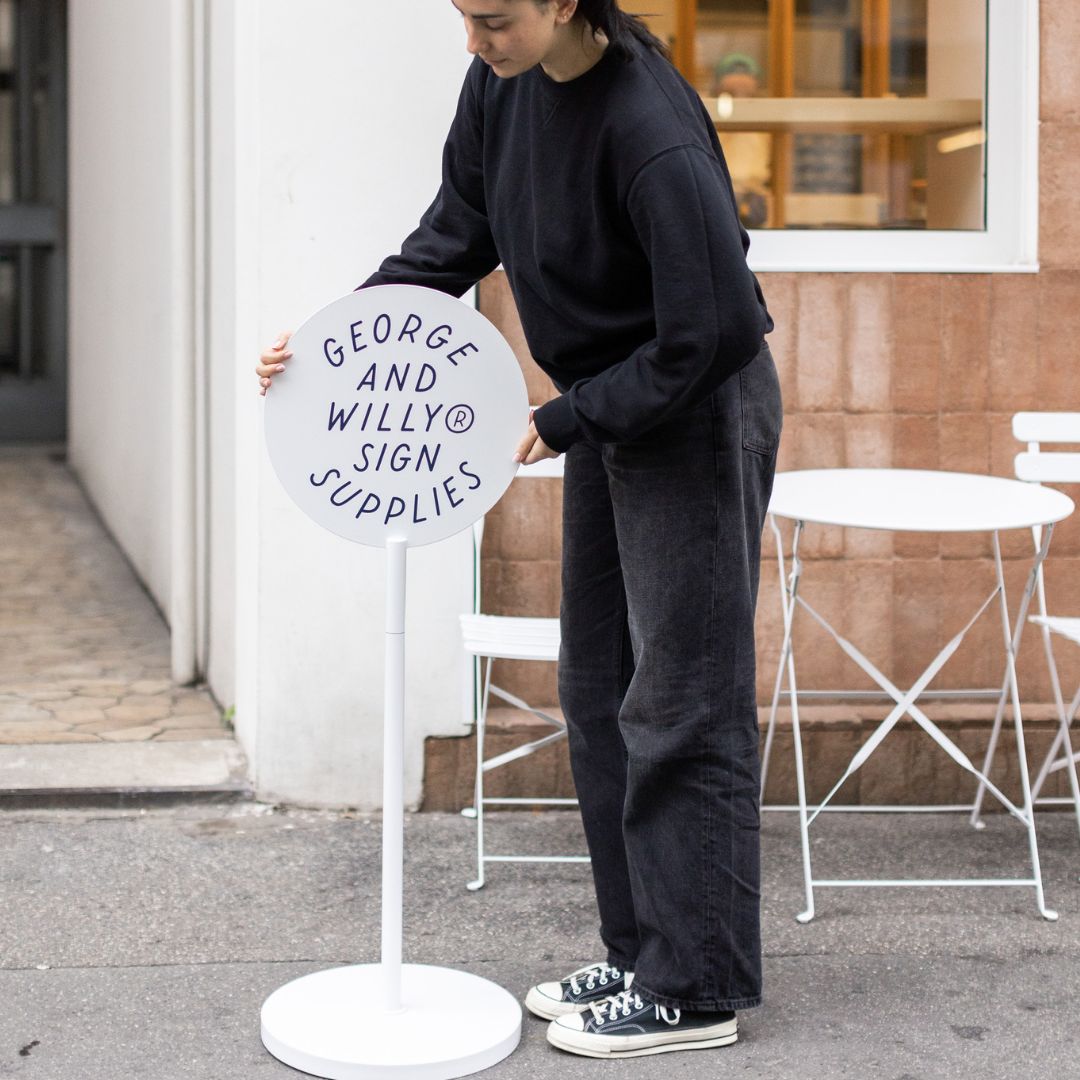
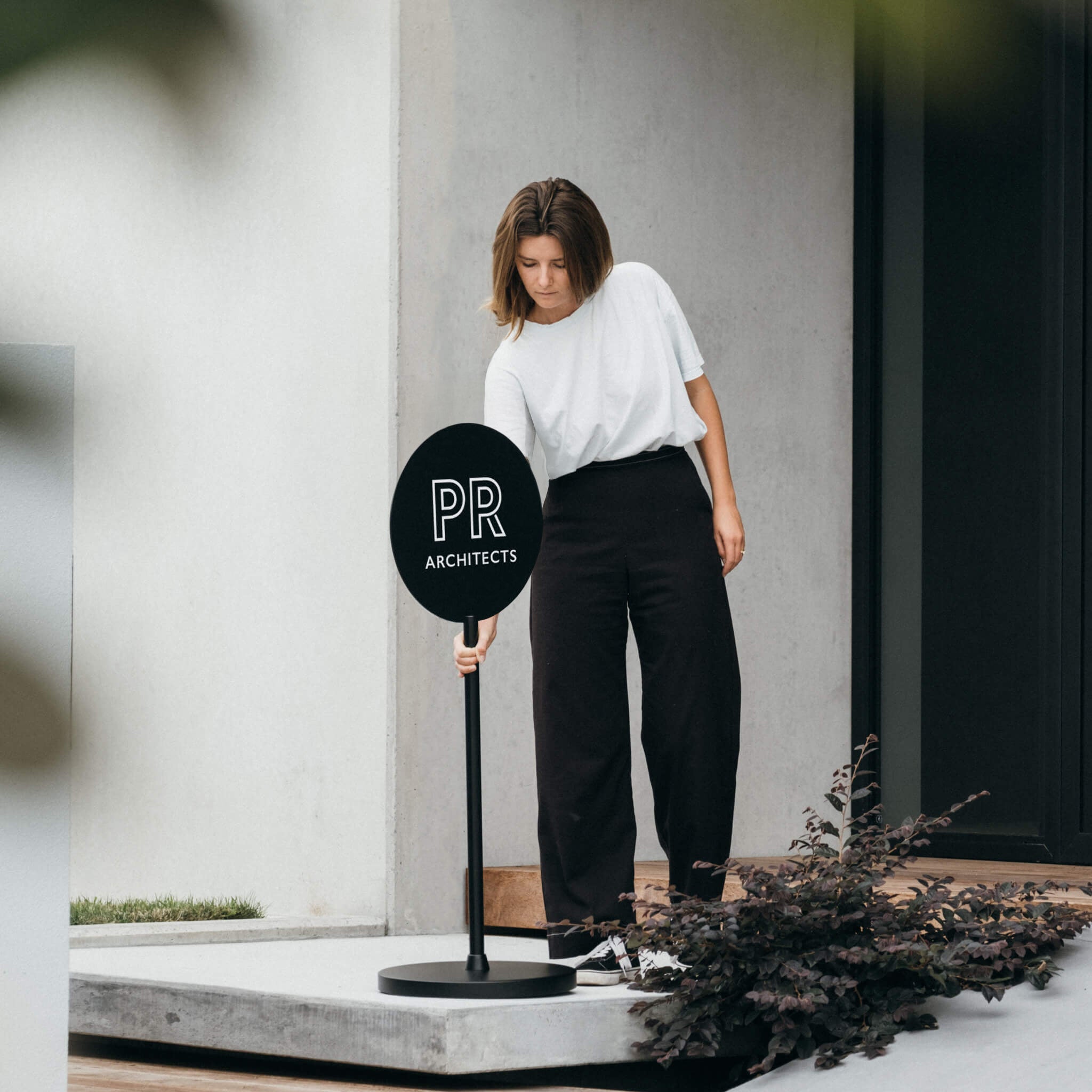
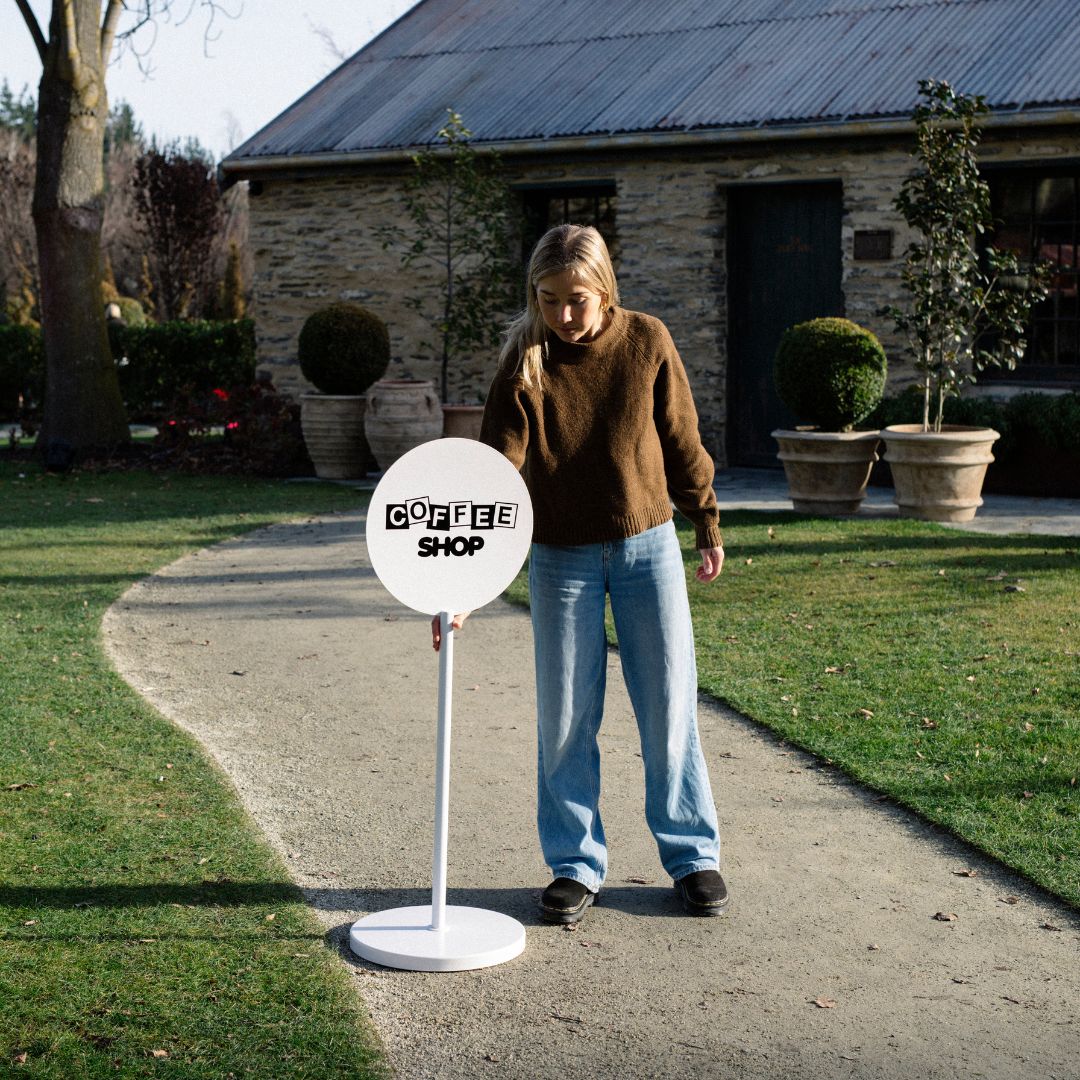
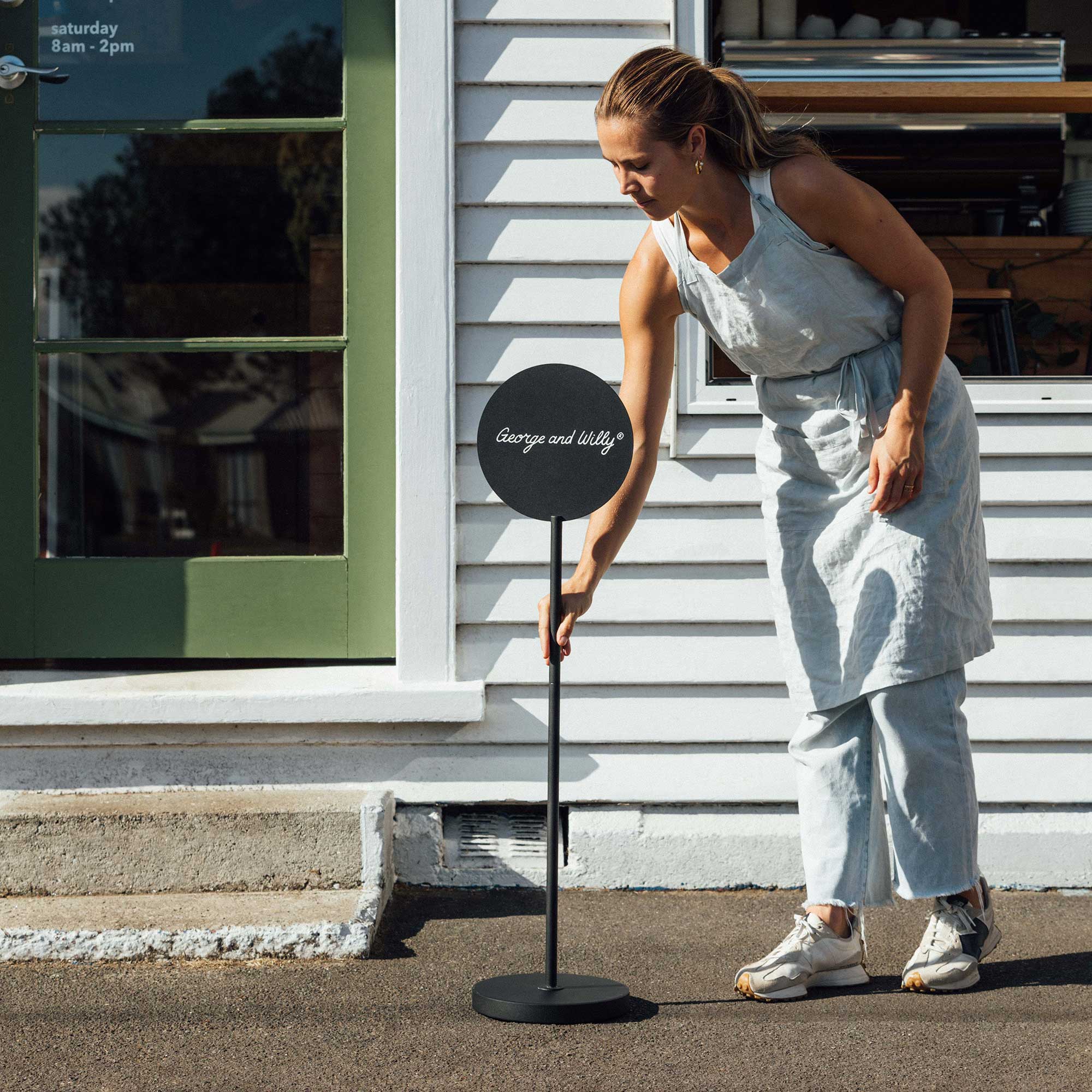
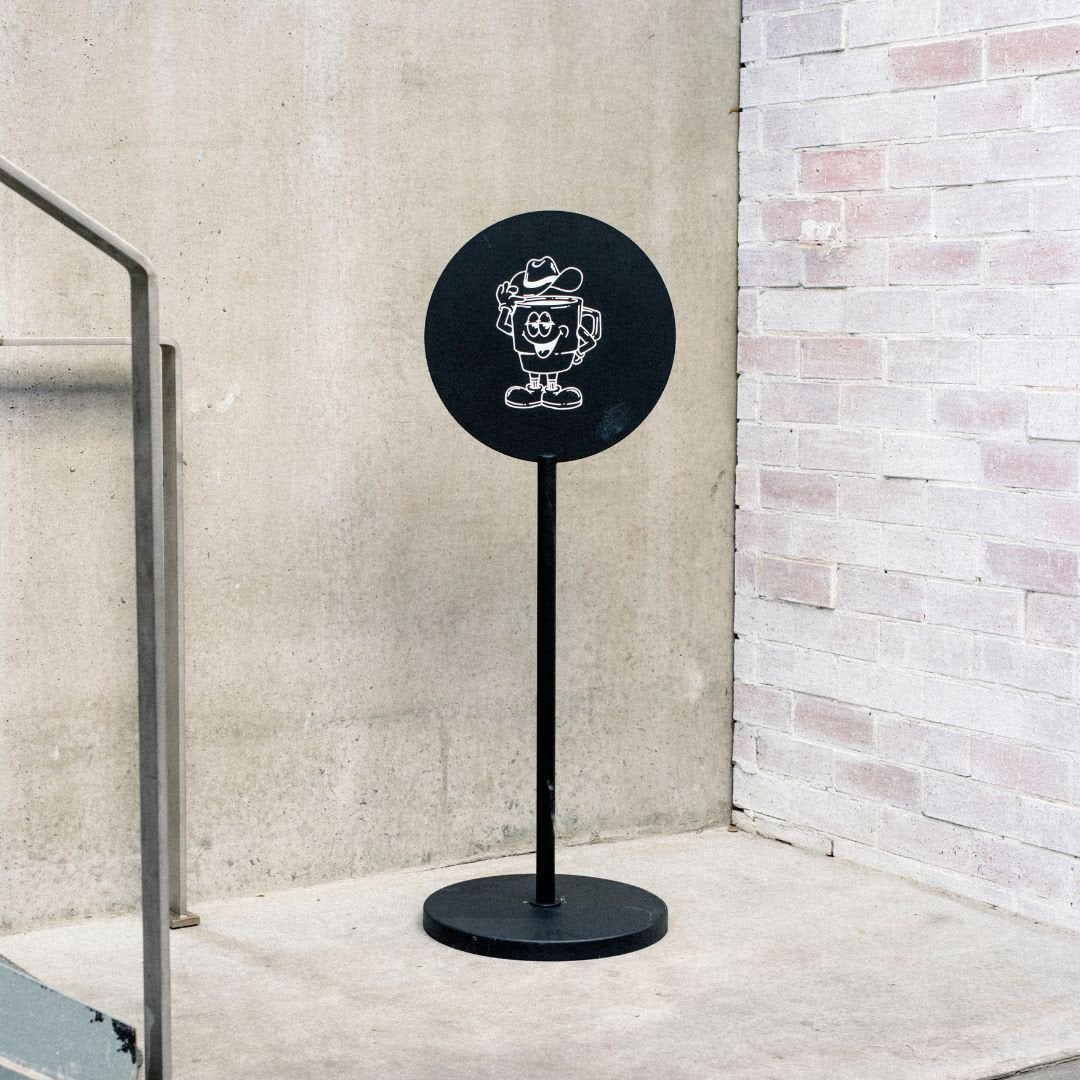
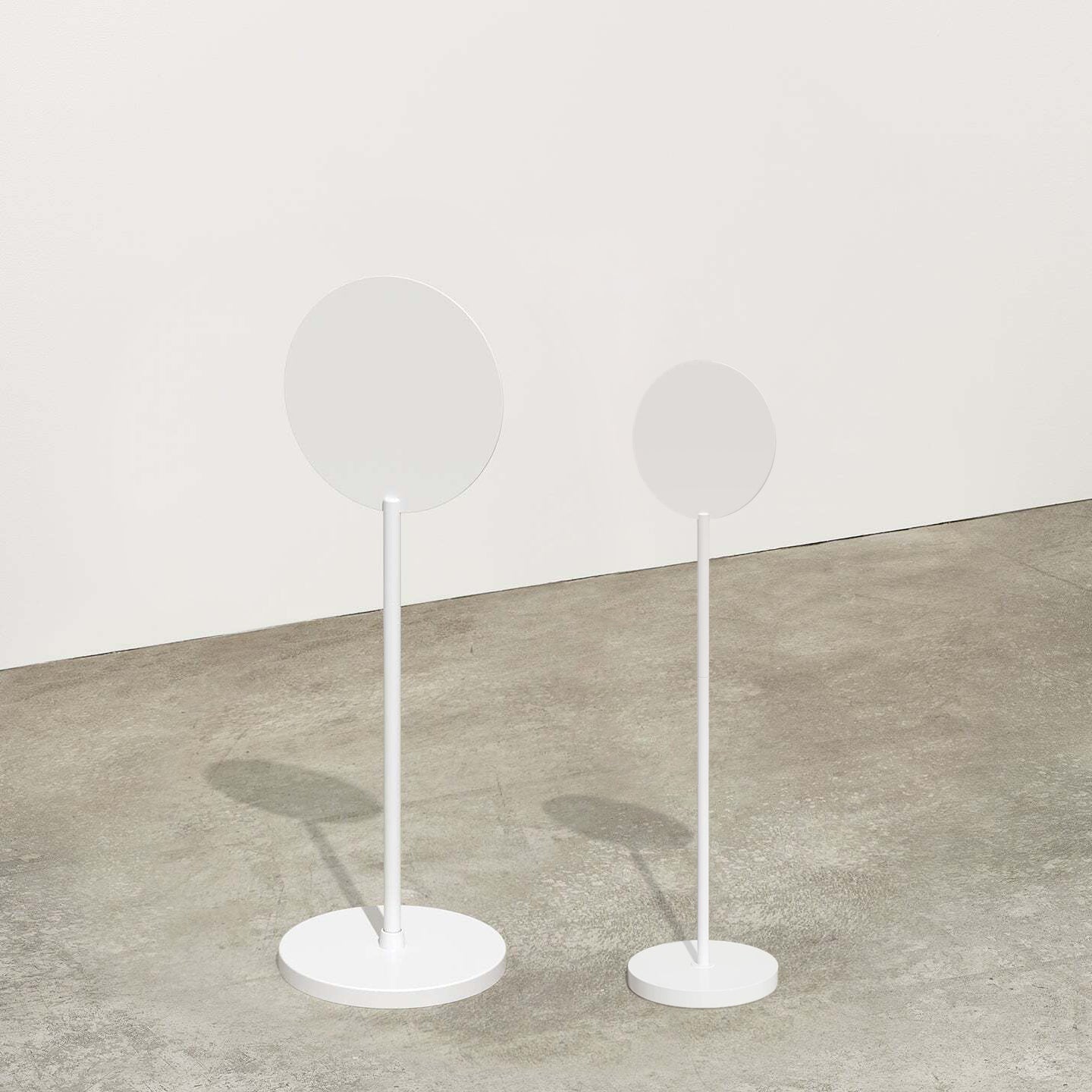
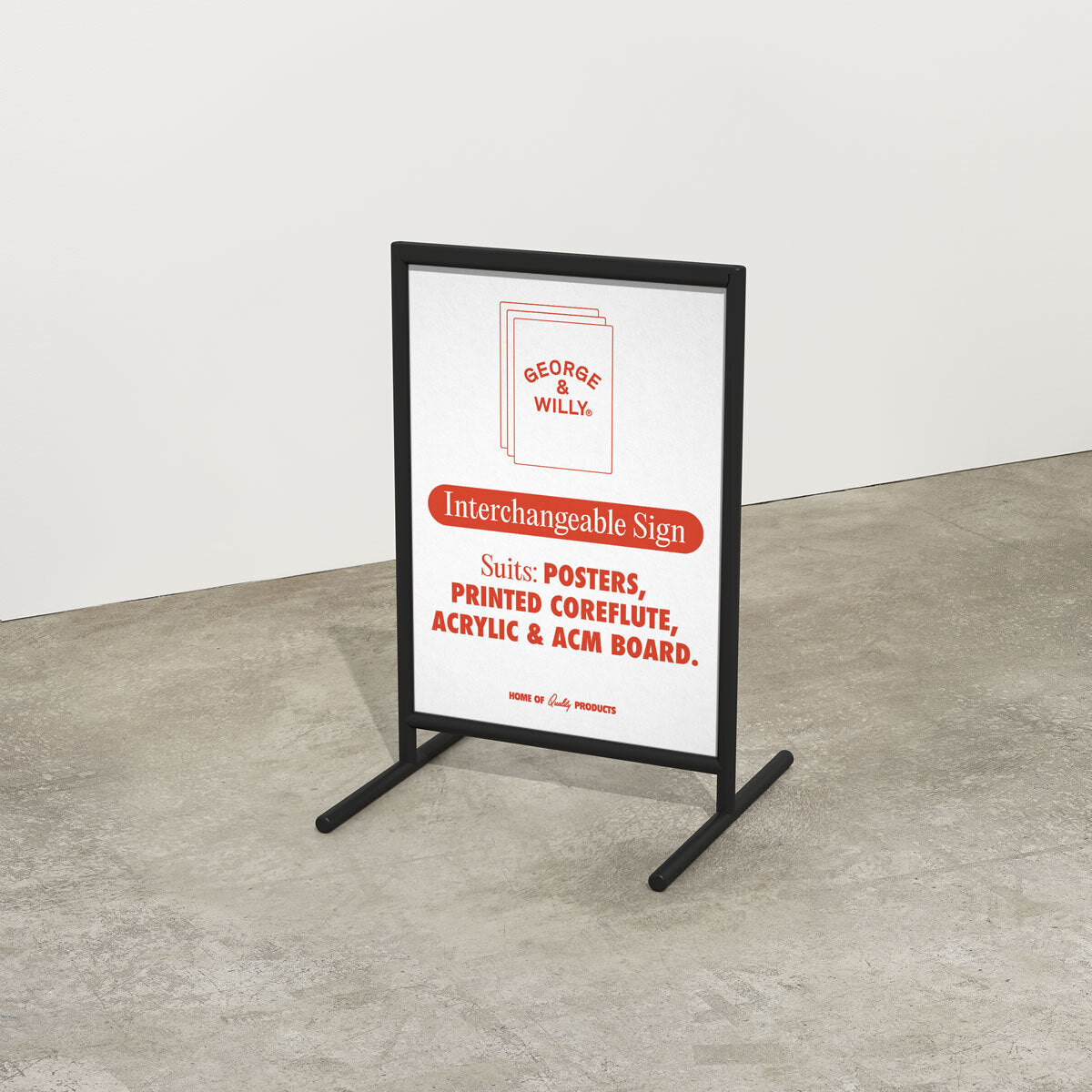
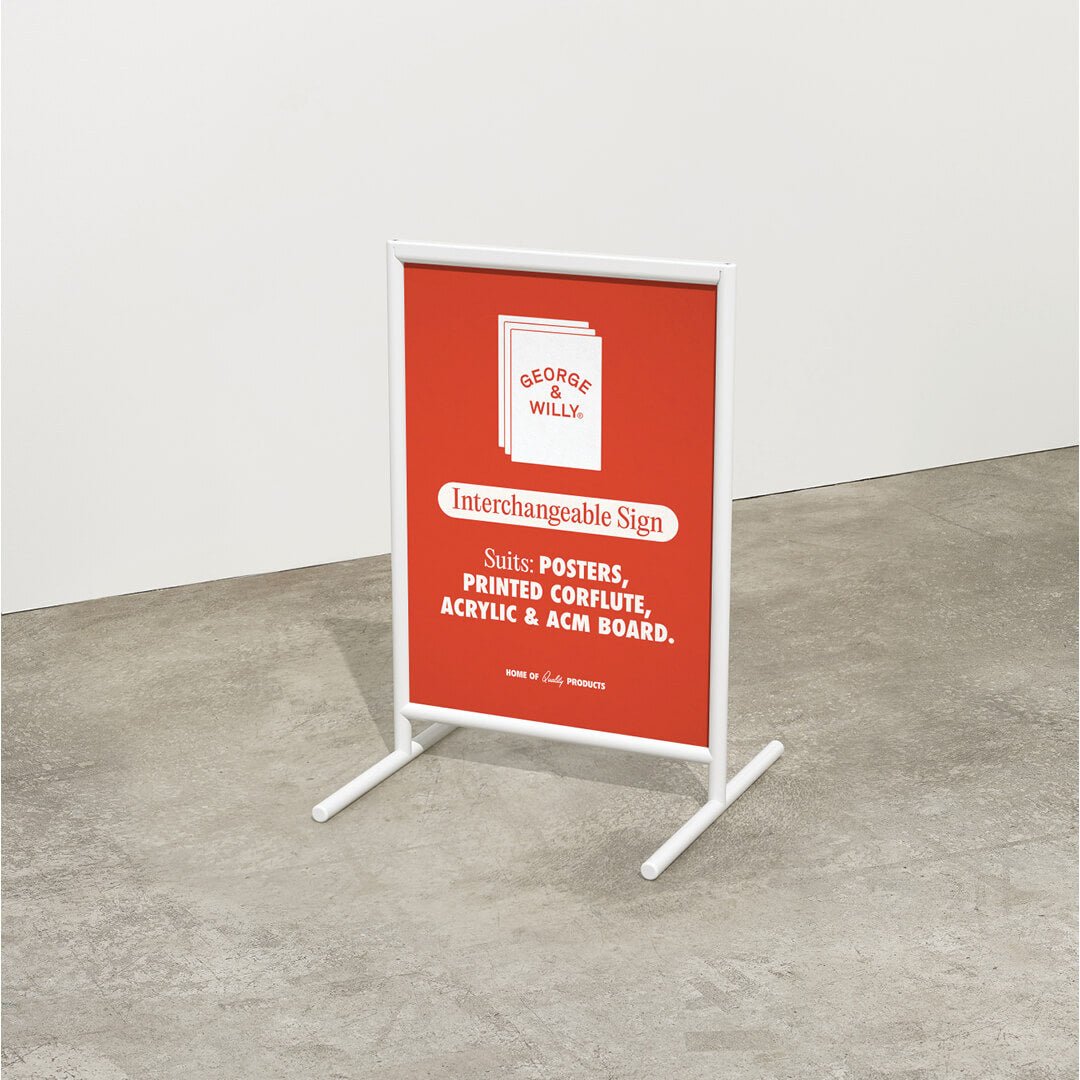
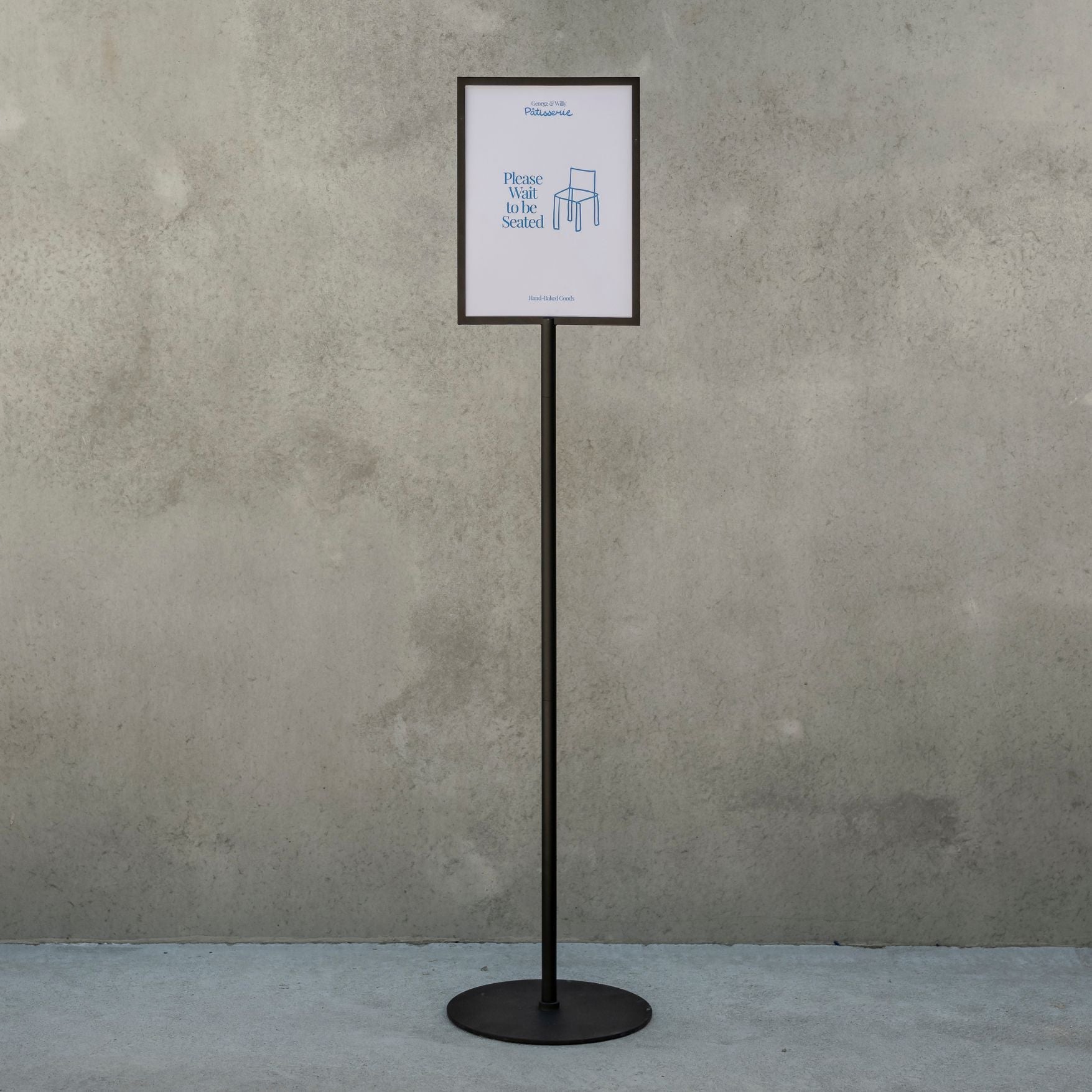
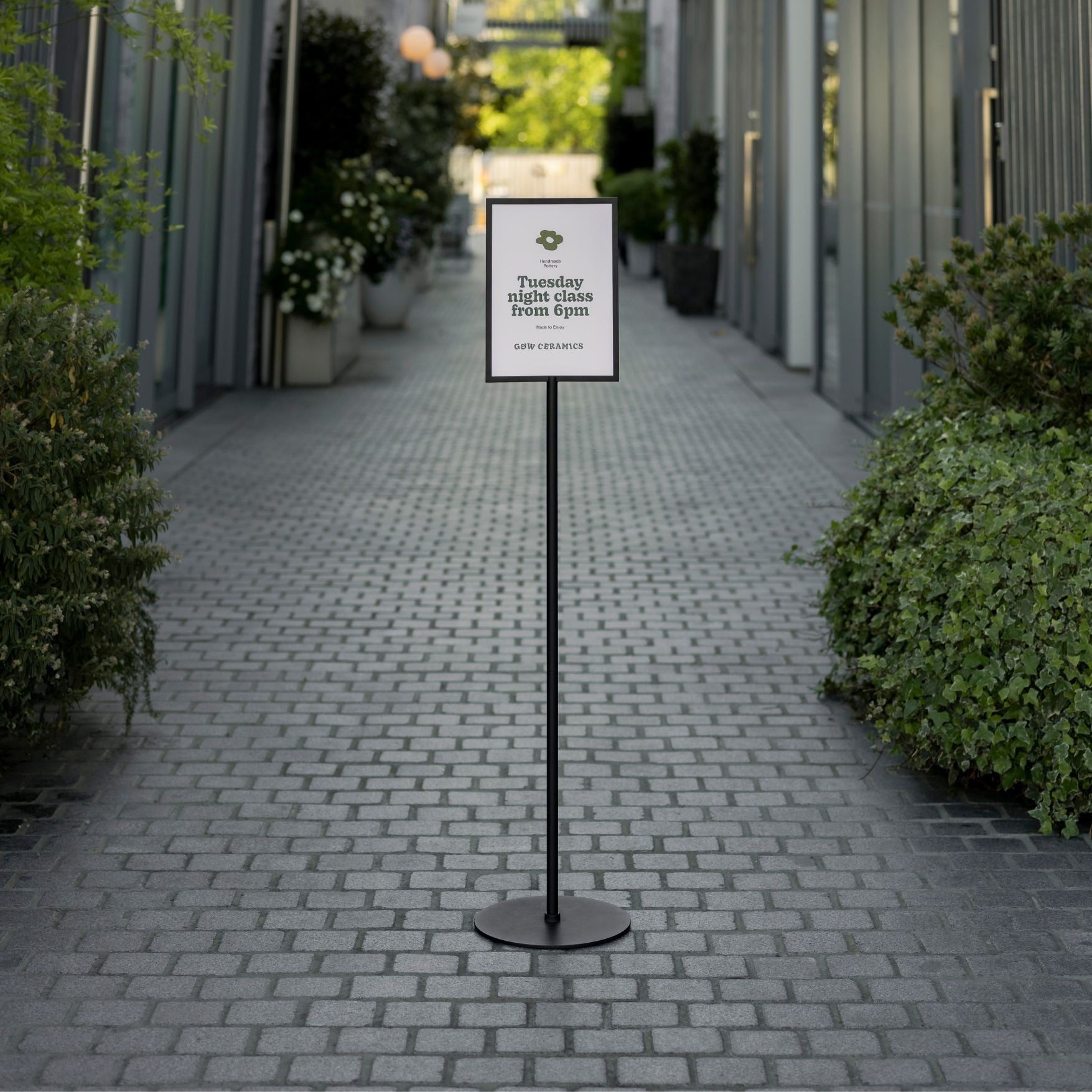
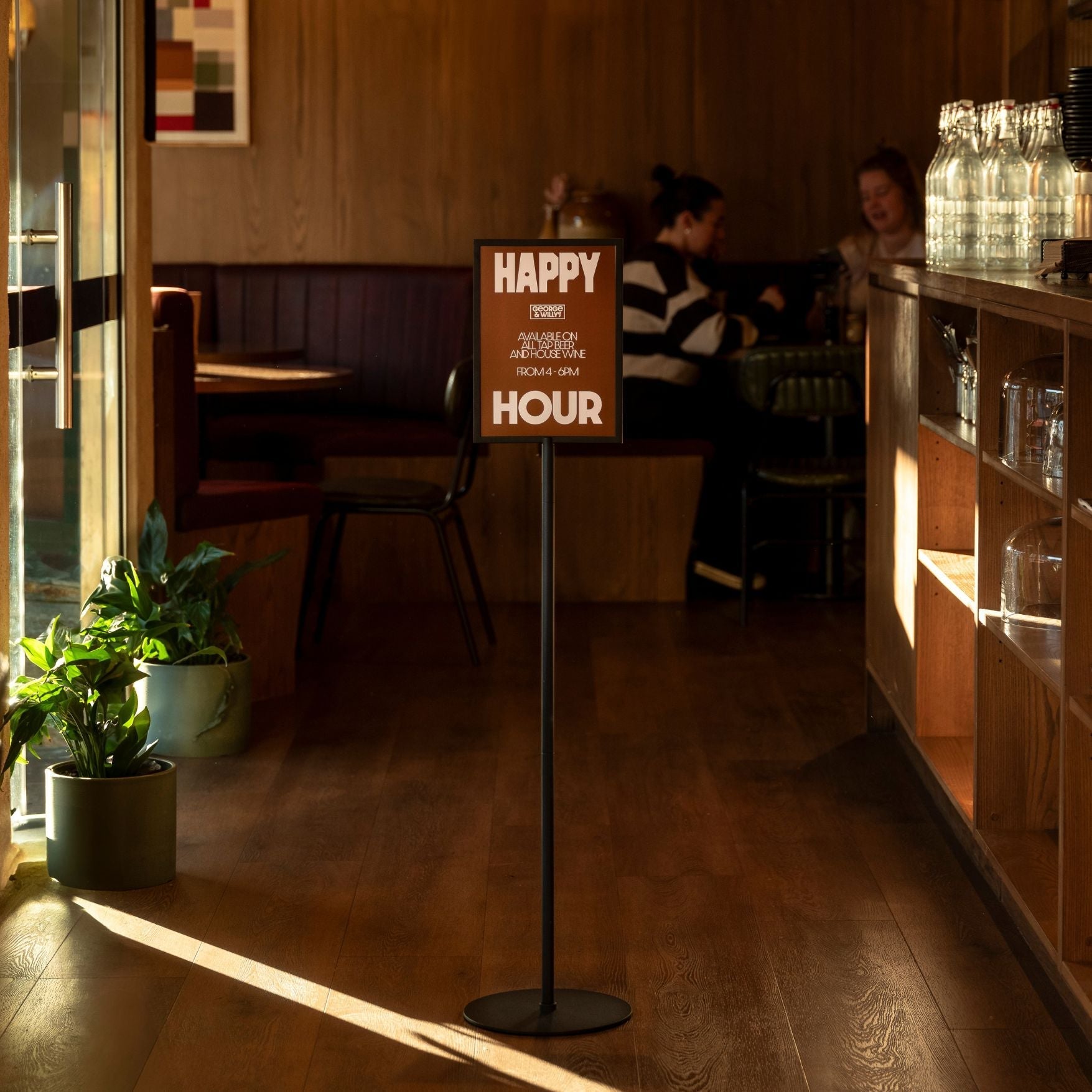
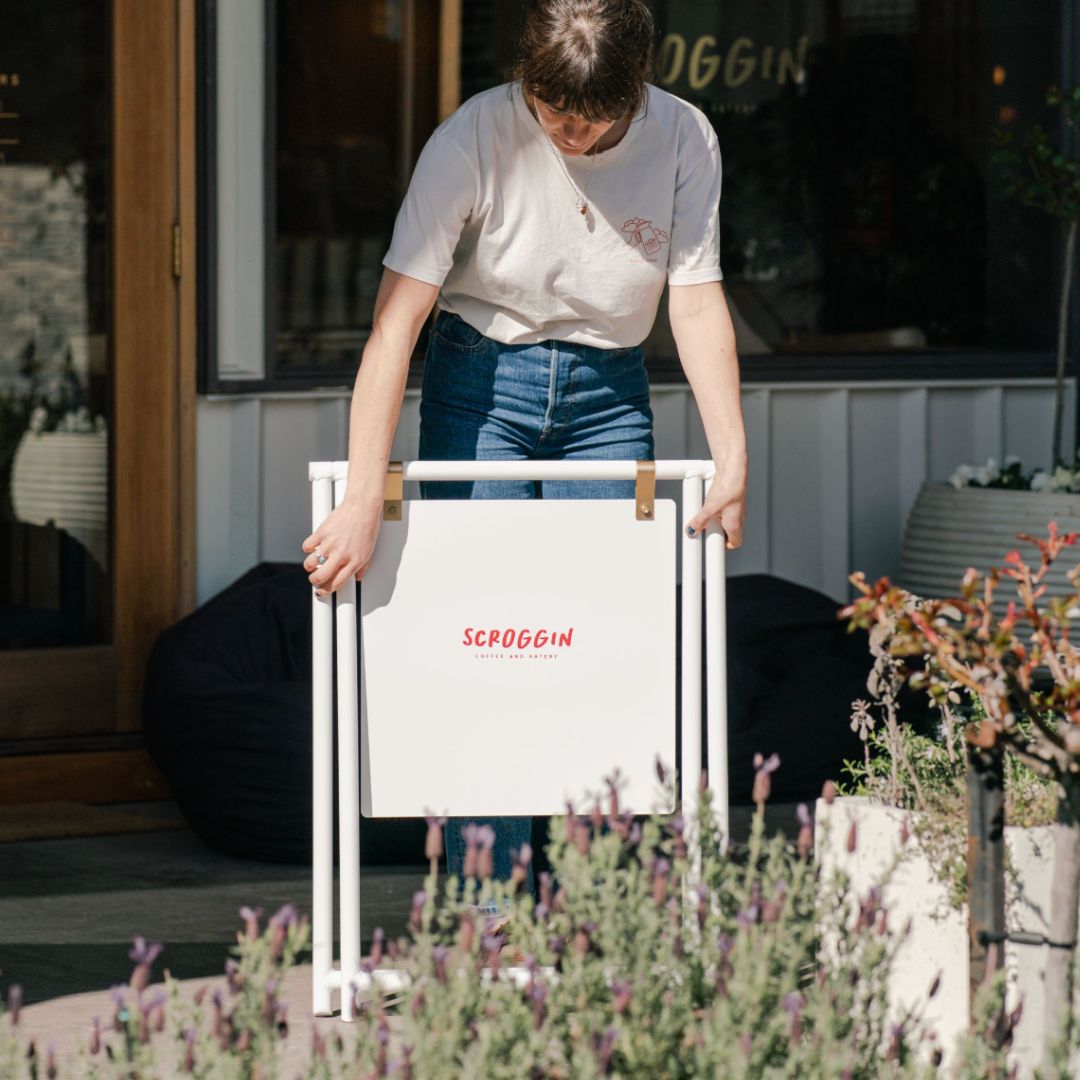
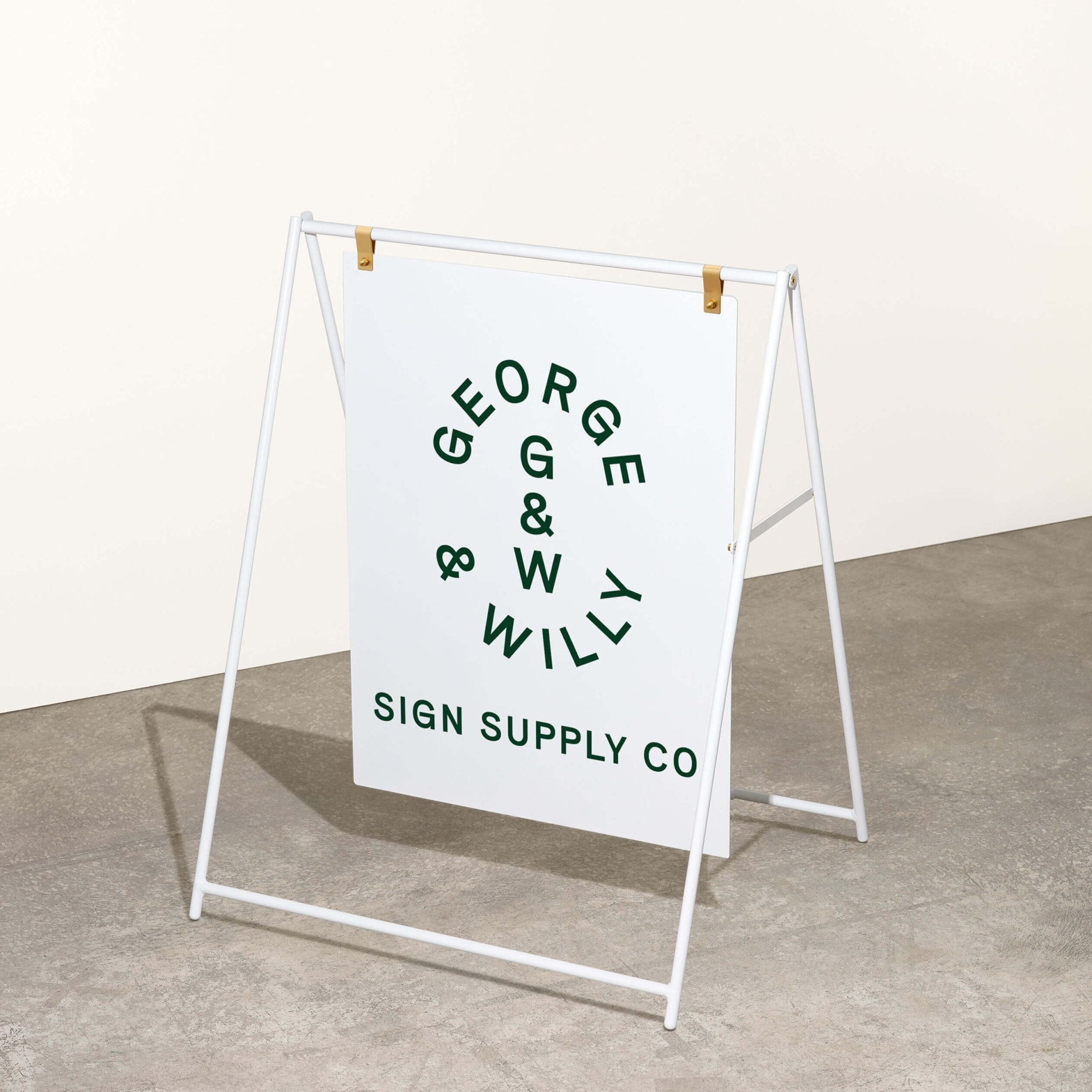
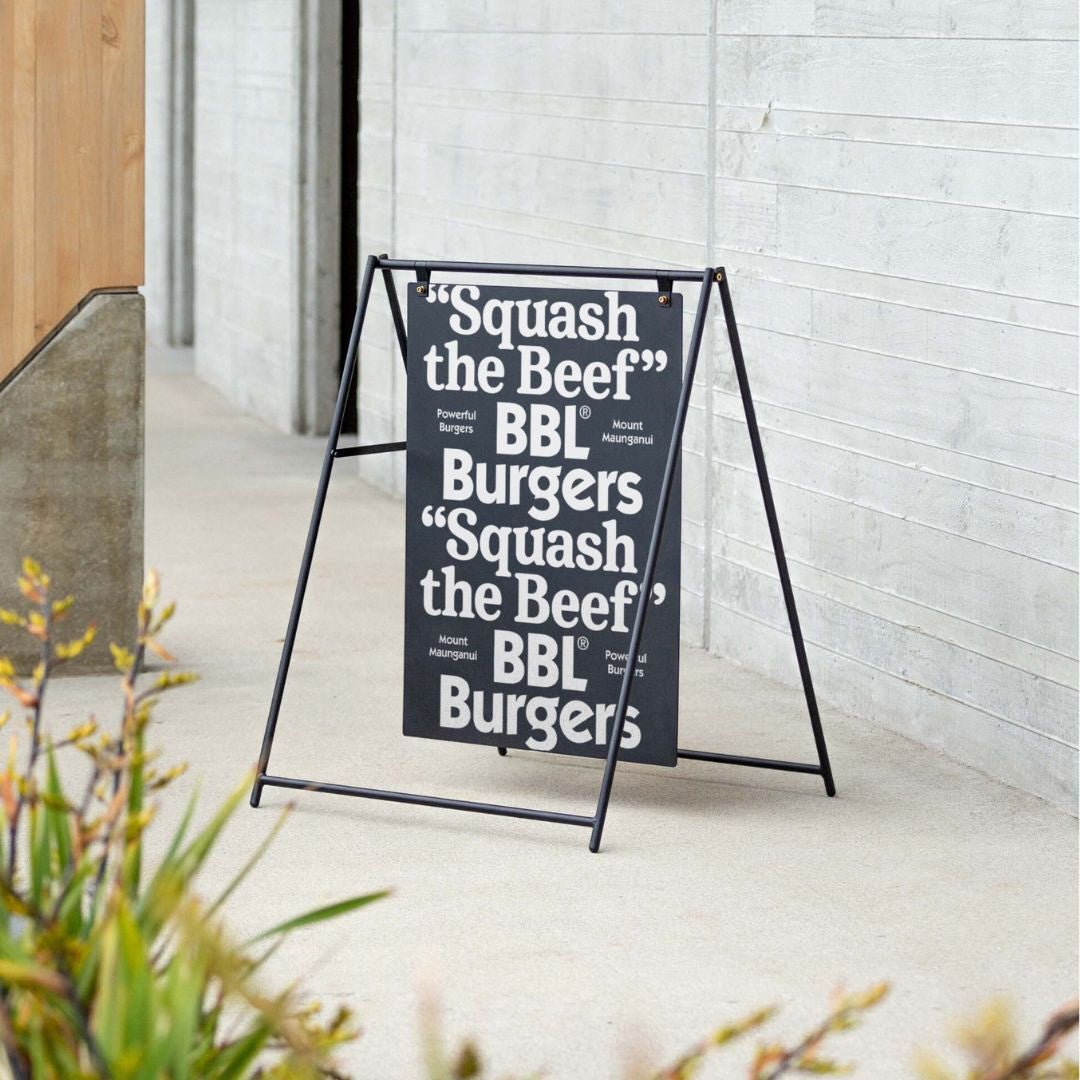
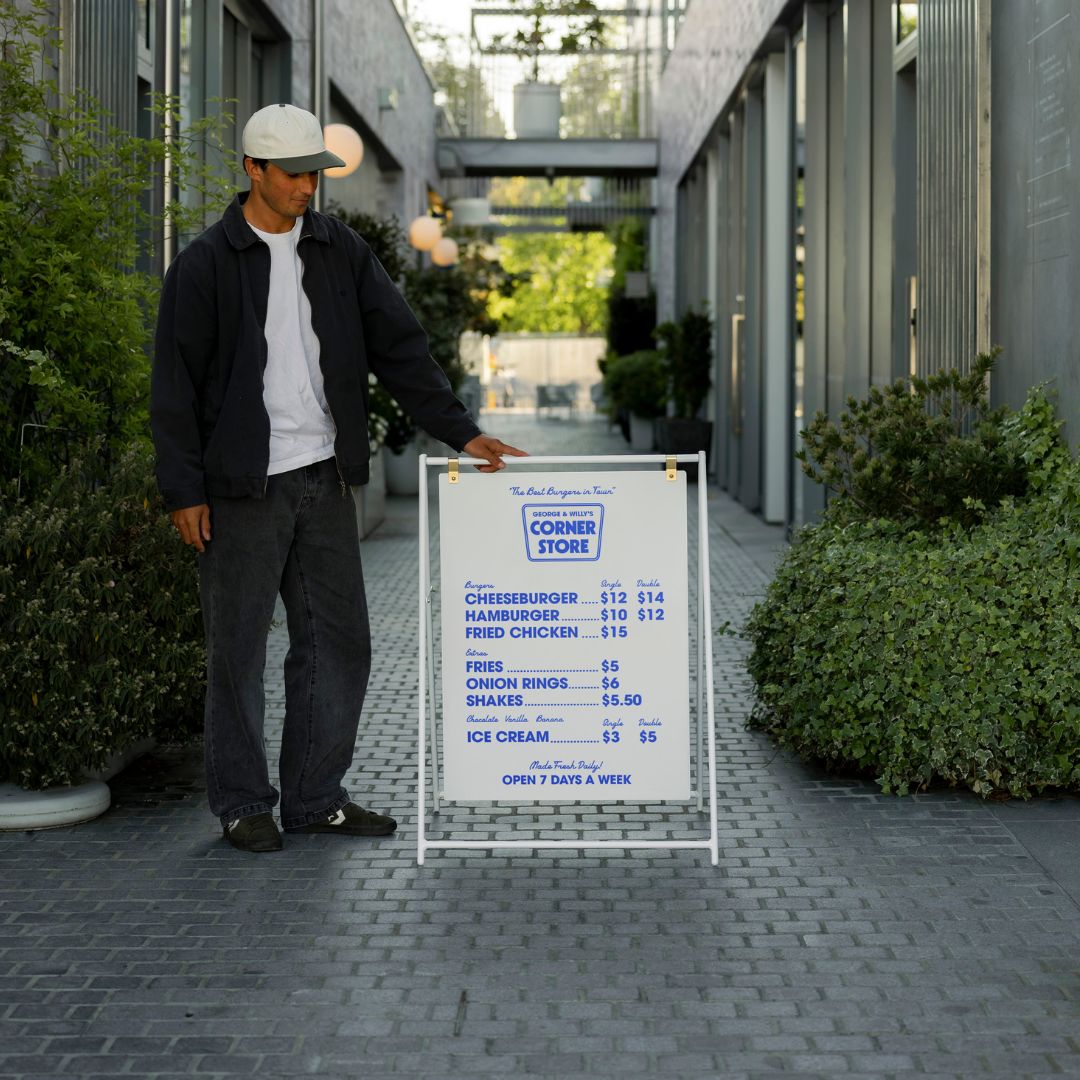
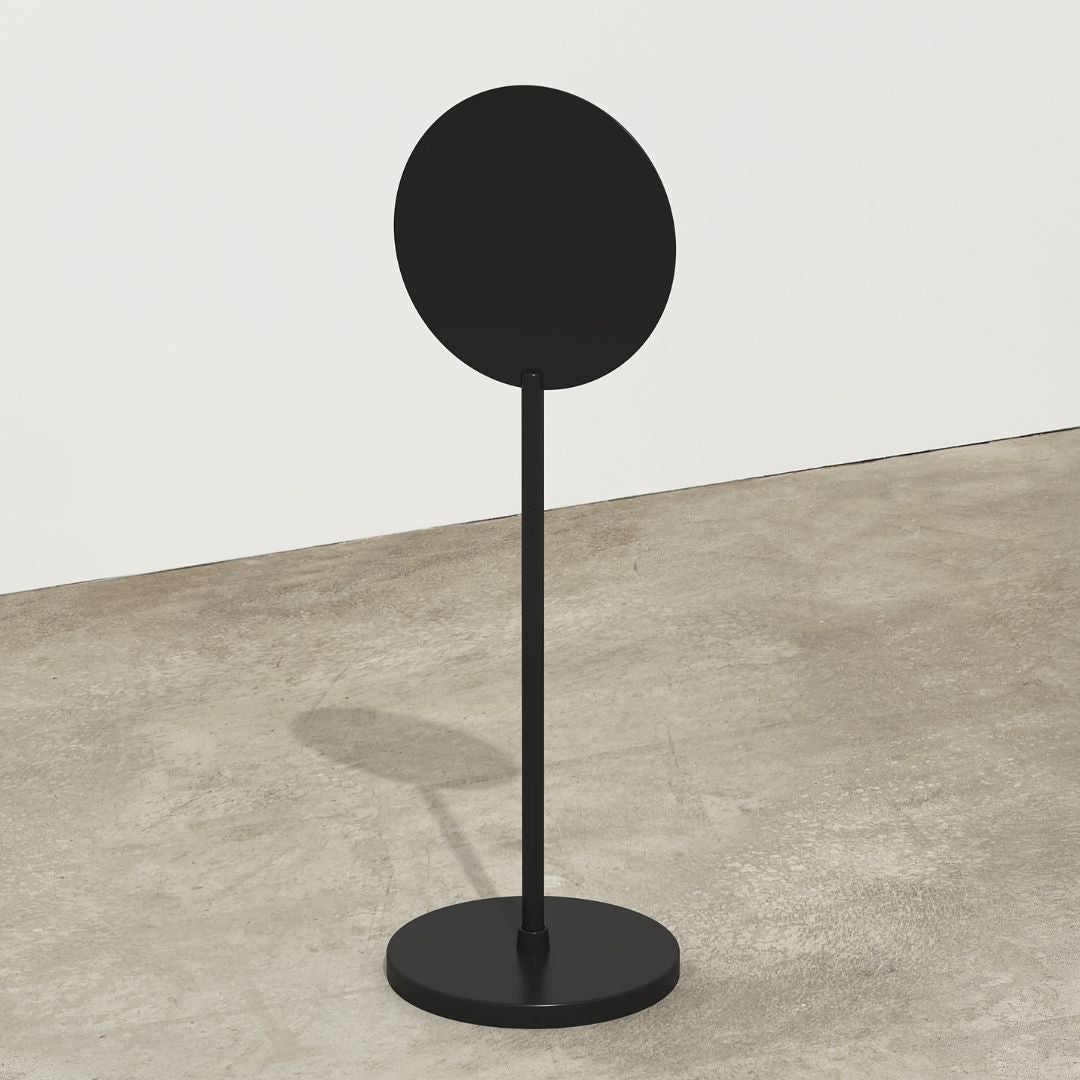
You can be creative with materials, typography (as long as it’s a sans serif and easy to read), and overall design. If your restrooms are tucked away, a free standing sign can guide guests without cluttering walls. As long as you meet the ADA requirements for contrast, tactile elements, braille, and placement, you have freedom with the aesthetic.
Are wooden bathroom signs a good idea?
Wooden signs can be very stylish but may not be as durable as aluminum or acrylic in a damp environment. If you choose wood, ensure it is properly sealed and maintained to prevent warping or damage.
What are the best materials for outdoor bathroom signage?
Powder coated aluminum and stainless steel are excellent choices for outdoor bathroom signage. They are highly resistant to weather, rust, and UV damage, ensuring they remain in great condition for years.