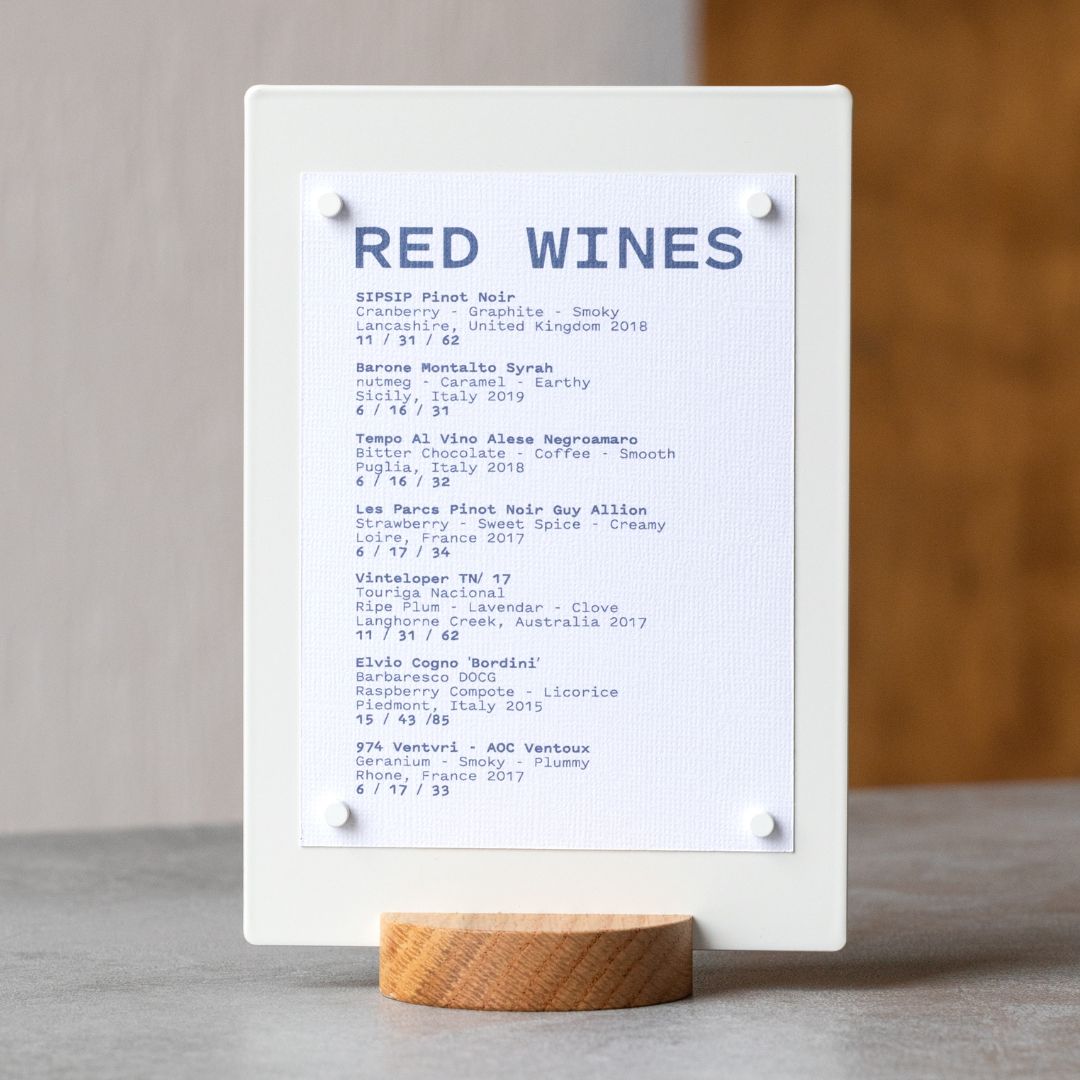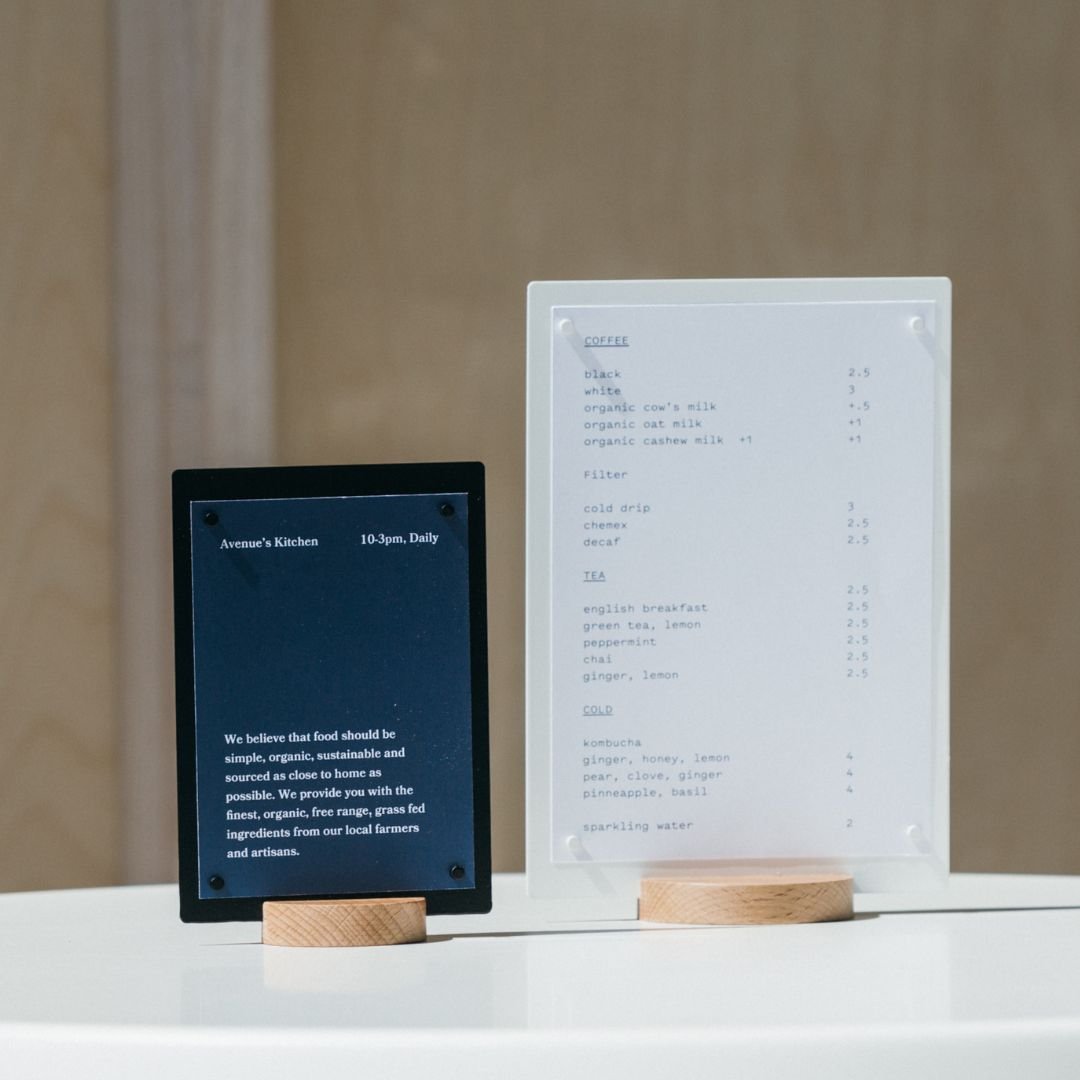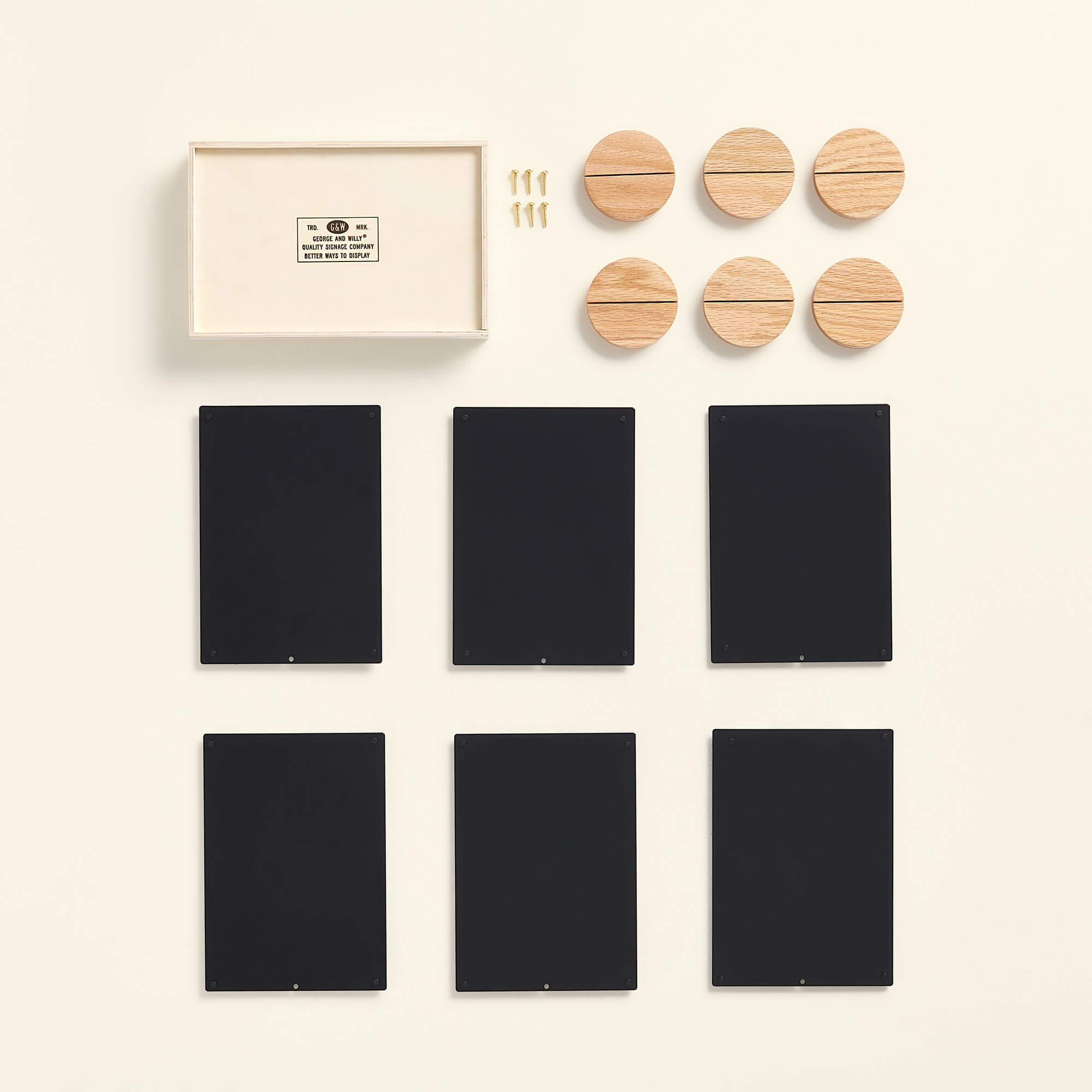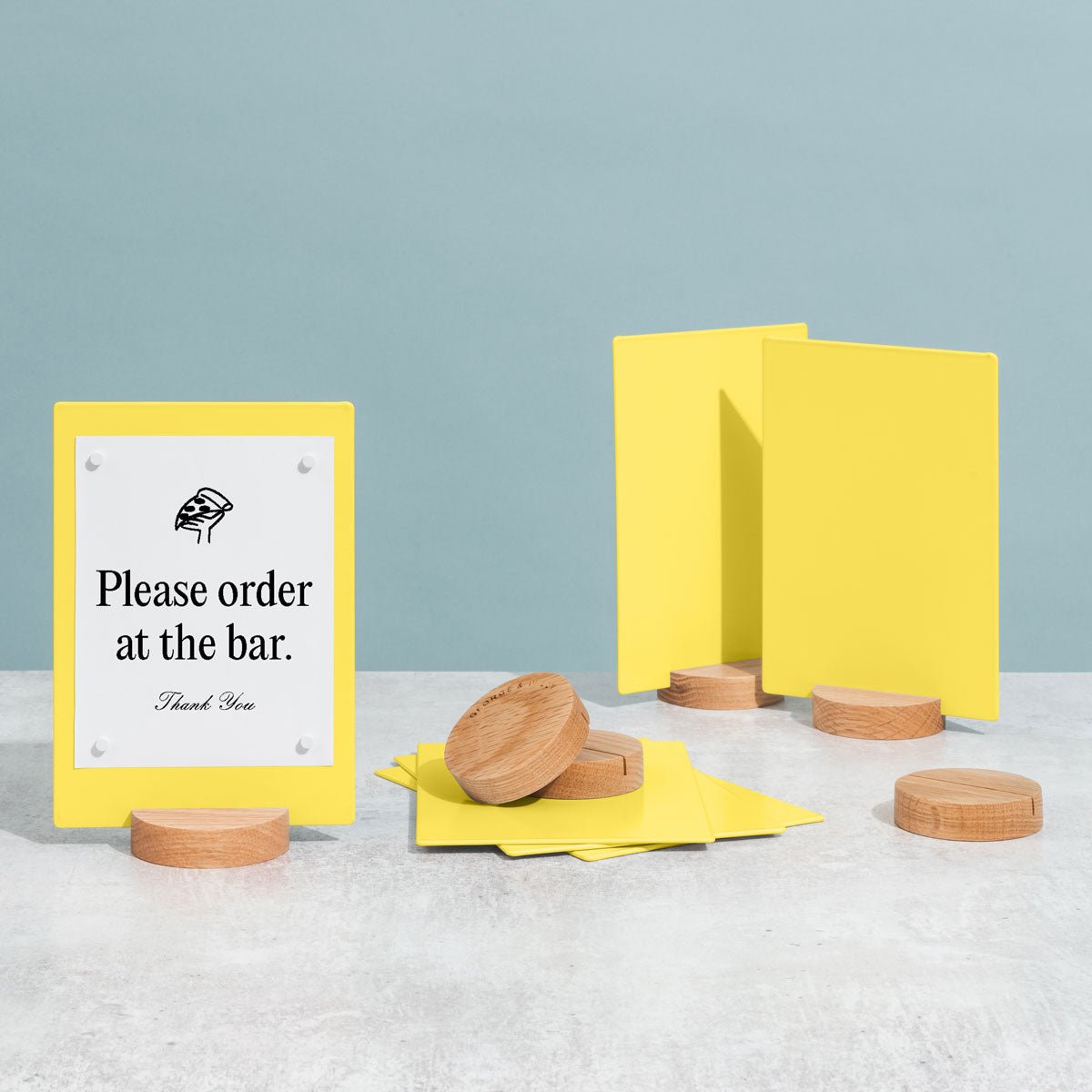







Industrial signage refers to the collection of signs, labels, and visual cues used throughout manufacturing plants, warehouses, and other industrial settings. In any busy facility, from a sprawling distribution center to a high tech manufacturing plant, these signs are the unsung heroes of safety and efficiency. More than just a compliance requirement, a smart industrial signage strategy keeps people safe, guides workflow, and even sharpens your brand’s professional image. With workplace injuries remaining a significant concern, the right signs can make all the difference.
This guide explores how to build a robust industrial signage system that protects your team and boosts your bottom line.
Why a Cohesive Signage Strategy Matters
Effective signage is a powerful tool for preventing accidents and improving flow. Considering an estimated 70% of workplace incidents are linked to human error, a well placed sign can be the critical reminder that prevents a costly mistake. Businesses lose billions each year due to avoidable safety failures, yet a strong signage program is a relatively low cost solution. The goal is to create a visual language that communicates clearly and instantly, turning your facility into a safer, more productive space.
Before you order a single sign, start with a thorough audit. This needs assessment involves walking through your entire facility to map every location that requires a sign. A critical part of this is signage traffic flow mapping, where you analyze how people and vehicles move through your space to identify key decision points and potential hazards. Involve your safety team to ensure you cover all bases and comply with regulations like those from OSHA, which mandates specific warning signs for serious hazards.
A Complete Guide to Exterior Signage
Your property’s exterior signage is the first interaction visitors, employees, and delivery drivers have with your facility. It must be clear, durable, and professional.
Primary Identification Signs
For properties set back from the road, large freestanding signs are essential for visibility.
- A monument sign is a low profile sign often made with a stone or brick base that creates a professional, established look at an entrance.
- A pylon sign is a much taller, freestanding structure, sometimes with multiple panels for different tenants, that is visible from a distance along busy roads.
Building Mounted Signs
Signs attached directly to your building identify your brand and guide visitors.
- A projecting sign, or blade sign, extends perpendicularly from a building, making it highly visible to pedestrians.
- An led illuminated sign ensures your business is visible day and night, using energy efficient lighting to make your name and logo stand out.
- A cabinet sign, also known as a box sign, is an enclosed sign with an internal light source that illuminates a translucent face.
Branding and Navigational Signs
Exterior signs also serve critical branding and logistical roles.
- A reception sign inside the main entrance reinforces your brand the moment someone walks in.
- An exterior vinyl graphic can transform a plain wall or window into a branding opportunity. A vehicle wrap does the same for company cars and trucks, turning them into mobile billboards.
- Clear parking sign and dock sign systems are crucial for preventing chaos in your yard and loading areas. They direct truck and employee traffic efficiently and safely.
Interior Signage: Guiding and Branding Your Space
Inside your facility, signage continues to play a vital role in safety, navigation, and brand consistency.
Wayfinding and Identification
A clear interior wayfinding system reduces confusion and saves time.
- A directory sign in lobbies and at major junctions helps people find their way around a large complex.
- A room identification sign for offices, conference rooms, and utility closets is a simple but essential element of an organized workplace.
Compliance and Accessibility
Meeting legal requirements for signage is non negotiable. An ADA sign (Americans with Disabilities Act) is a prime example. These signs must follow strict rules for tactile text, braille, mounting height, and location to ensure accessibility for everyone.
Enhancing the Brand Experience
Use interior branding signage to carry your company’s aesthetic throughout the facility. This creates a cohesive and professional environment that reinforces company culture for employees and impresses visitors.
Essential Signage for Operational Floors
On a busy shop floor or in a warehouse, signs are critical for both safety and productivity.
Safety and Hazard Communication
Clear warnings prevent accidents around machinery and hazardous materials.
- A lockout tagout sign is a critical safety sign used during machine maintenance to prevent accidental startup.
- An equipment safety plaque, often a durable metal plate, provides permanent warnings and instructions directly on a piece of machinery.
- Barrier tape and caution tape are used to temporarily block off hazardous areas. For permanent hazards, restricted access signage is essential.
Visual Management and Efficiency
Visual cues help streamline processes and reduce errors.
- A shop floor graphic, such as durable, anti slip floor decals, can mark pedestrian walkways, forklift routes, and work zones.
- Use a shelf tag or bin label system for clear inventory management.
- Pipe tag and conduit tag markers identify the contents and flow direction in pipes and conduits, which is vital for maintenance and safety.
Equipment and Control Signage
Clear labeling on equipment is crucial for proper operation and maintenance.
- A control panel graphic overlay is a durable, custom printed layer that labels the buttons, switches, and indicators on machinery.
- An HMI graphic (Human Machine Interface) refers to the visual elements on a digital screen that allow an operator to interact with a machine.
- An equipment maintenance sign can indicate the status of a machine, such as “Under Repair” or “Scheduled for Maintenance”.
The Modern Approach to Signage Implementation
Traditionally, getting the right signs meant a lengthy and expensive custom fabrication process. Today, a more flexible approach is available.
The Custom Signage Process, Reimagined
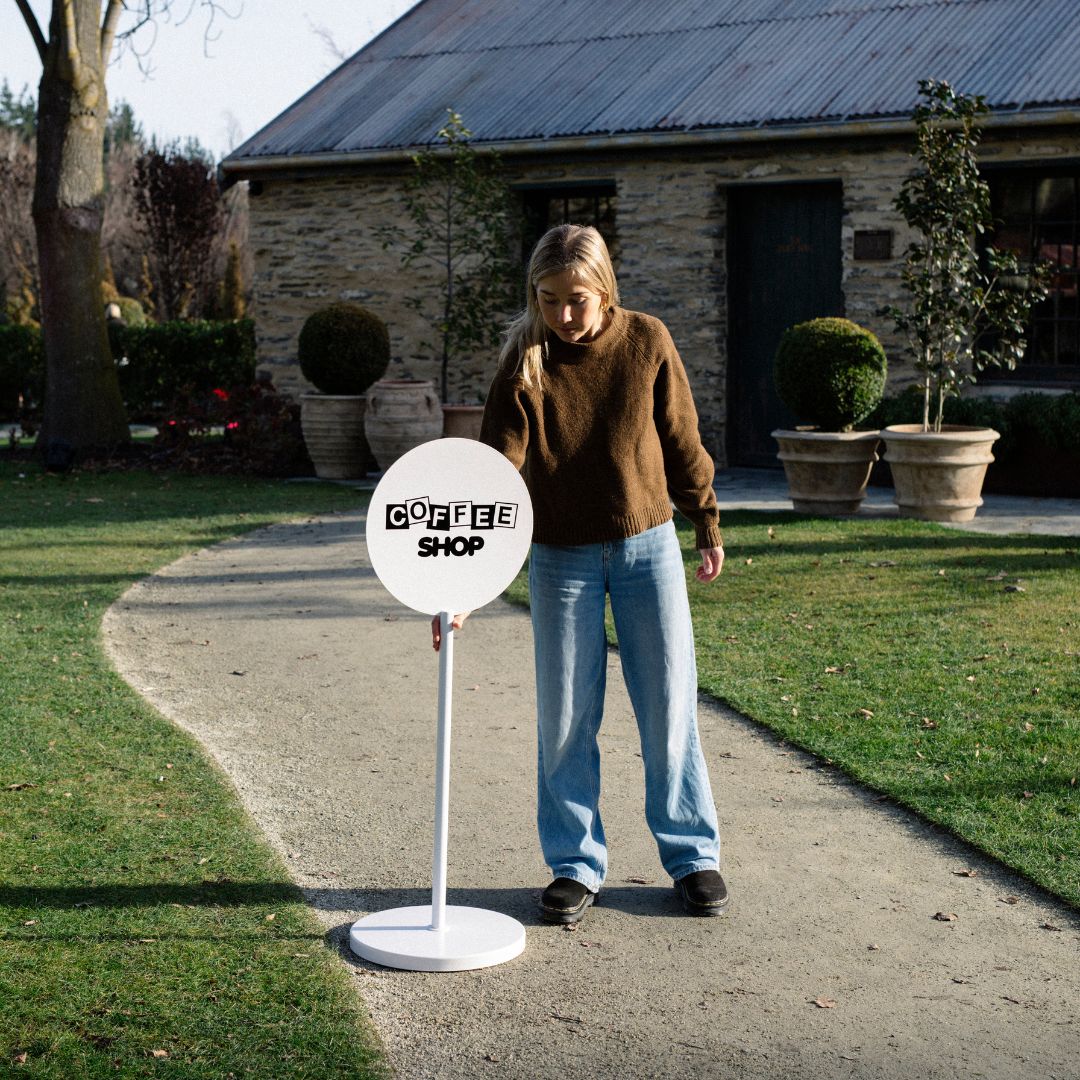
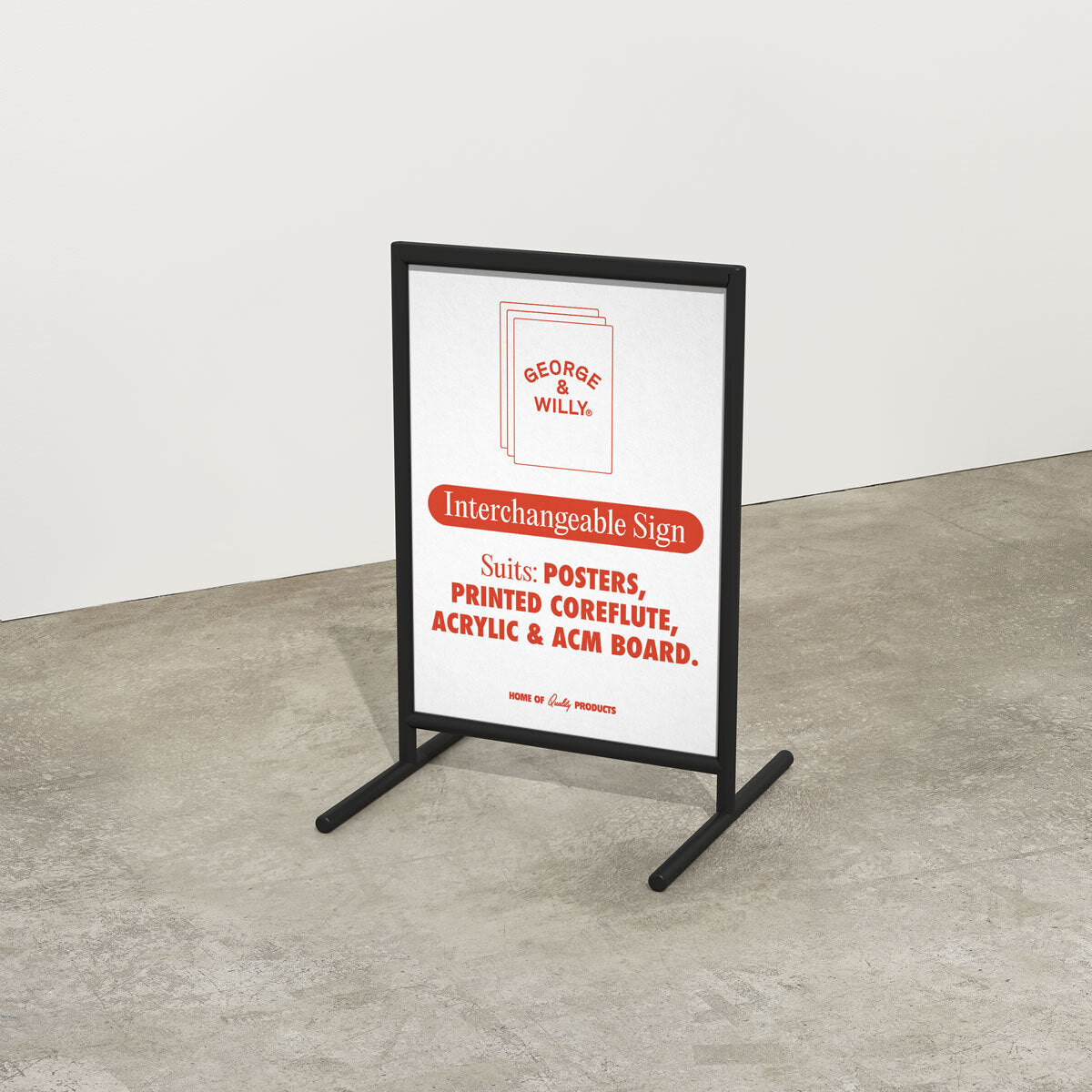
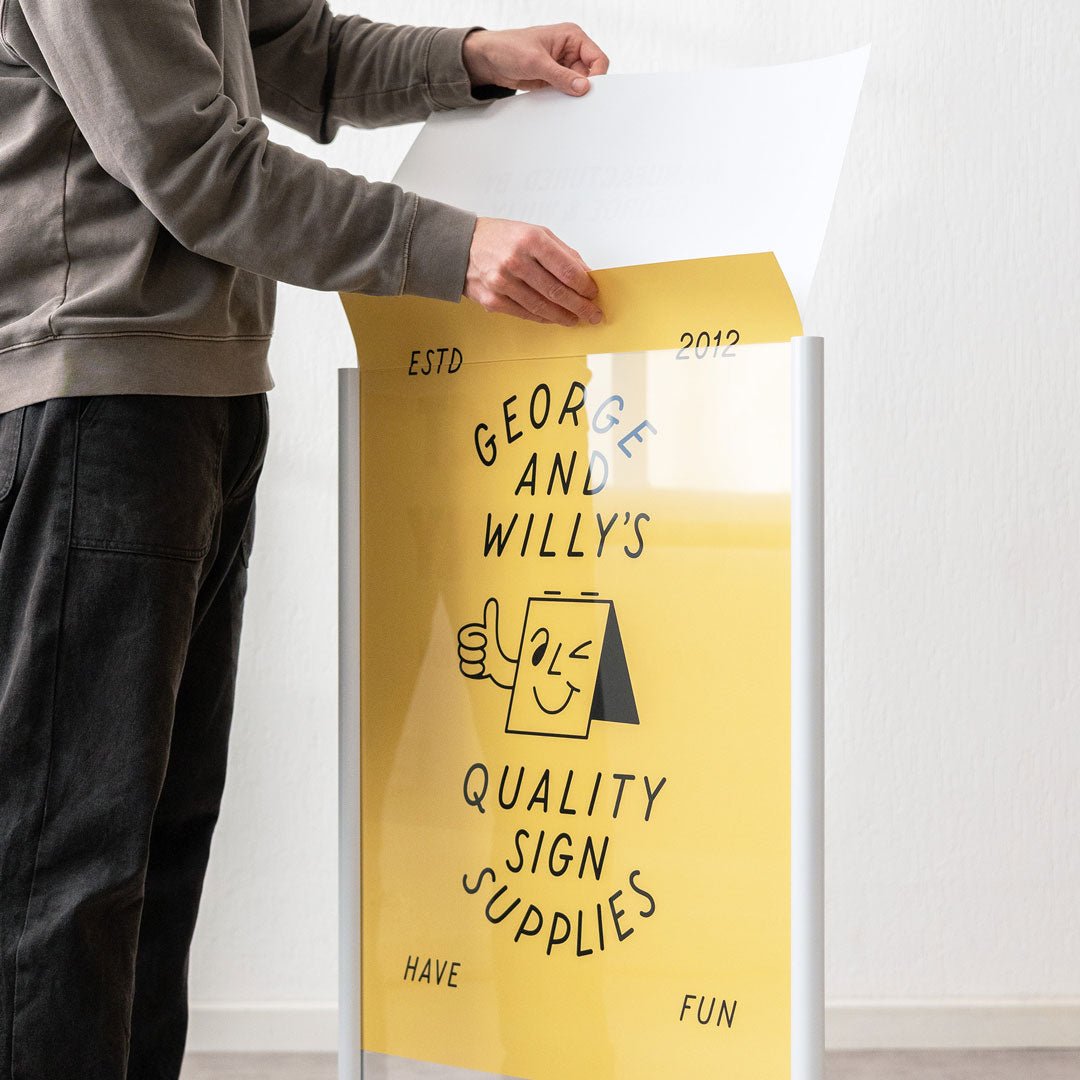
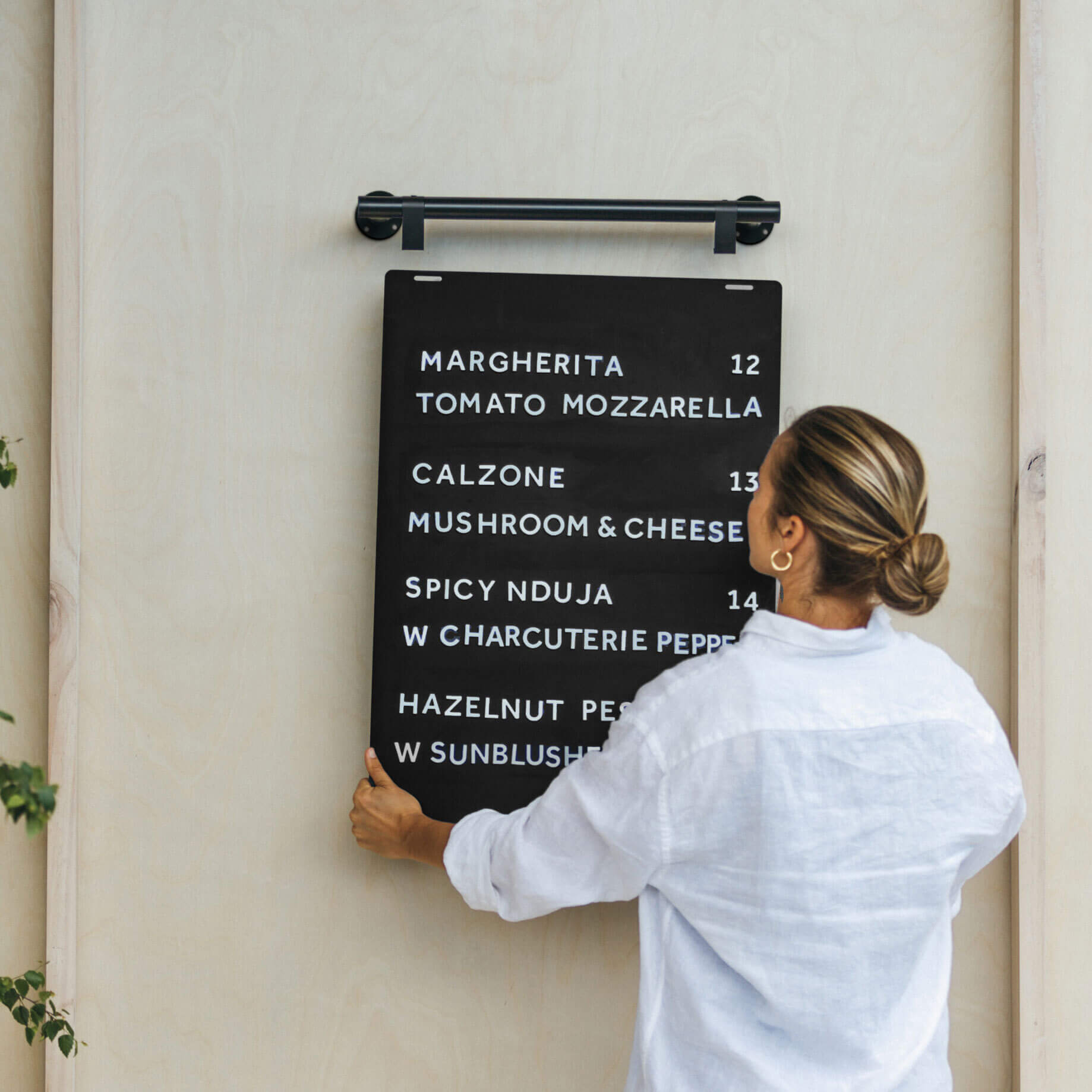
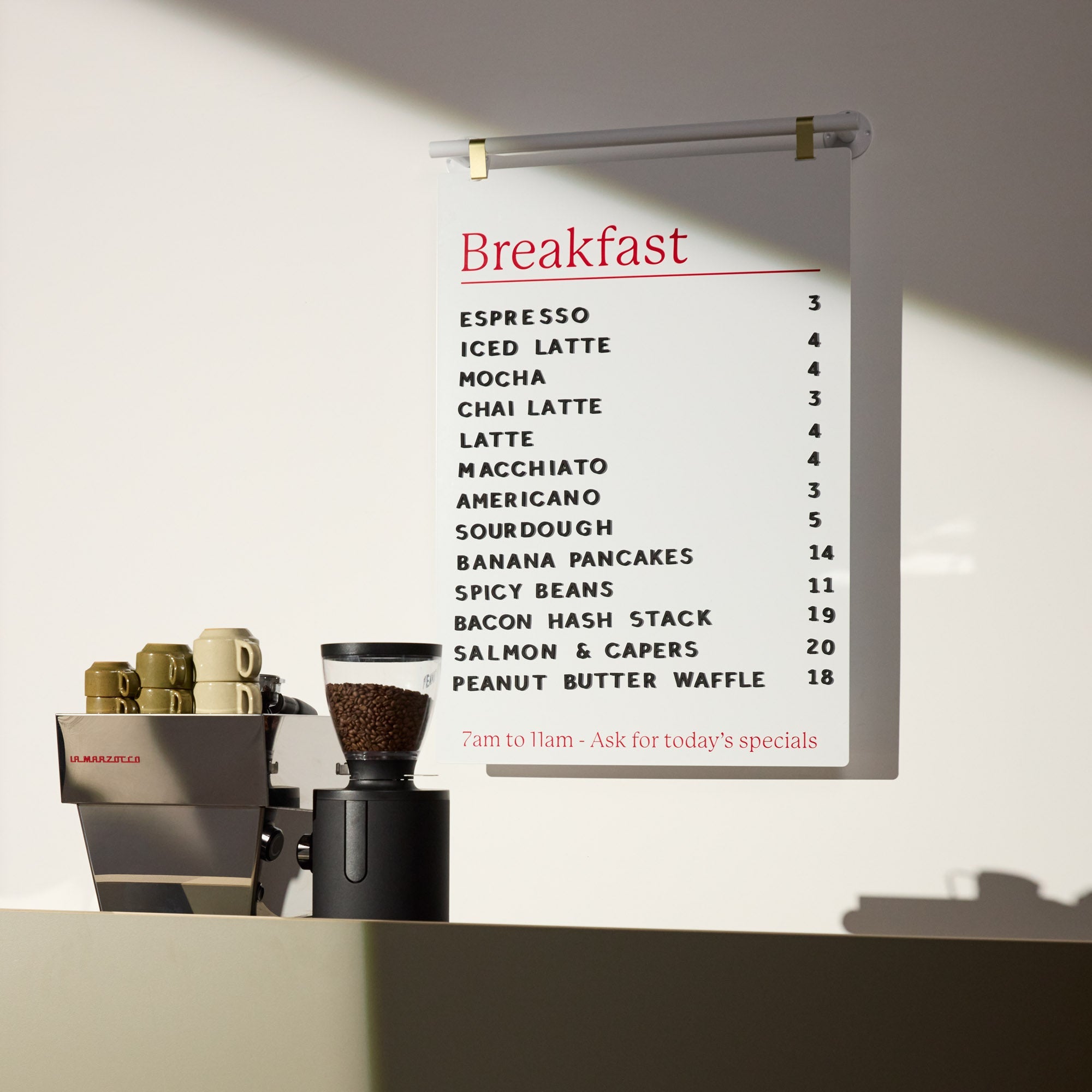
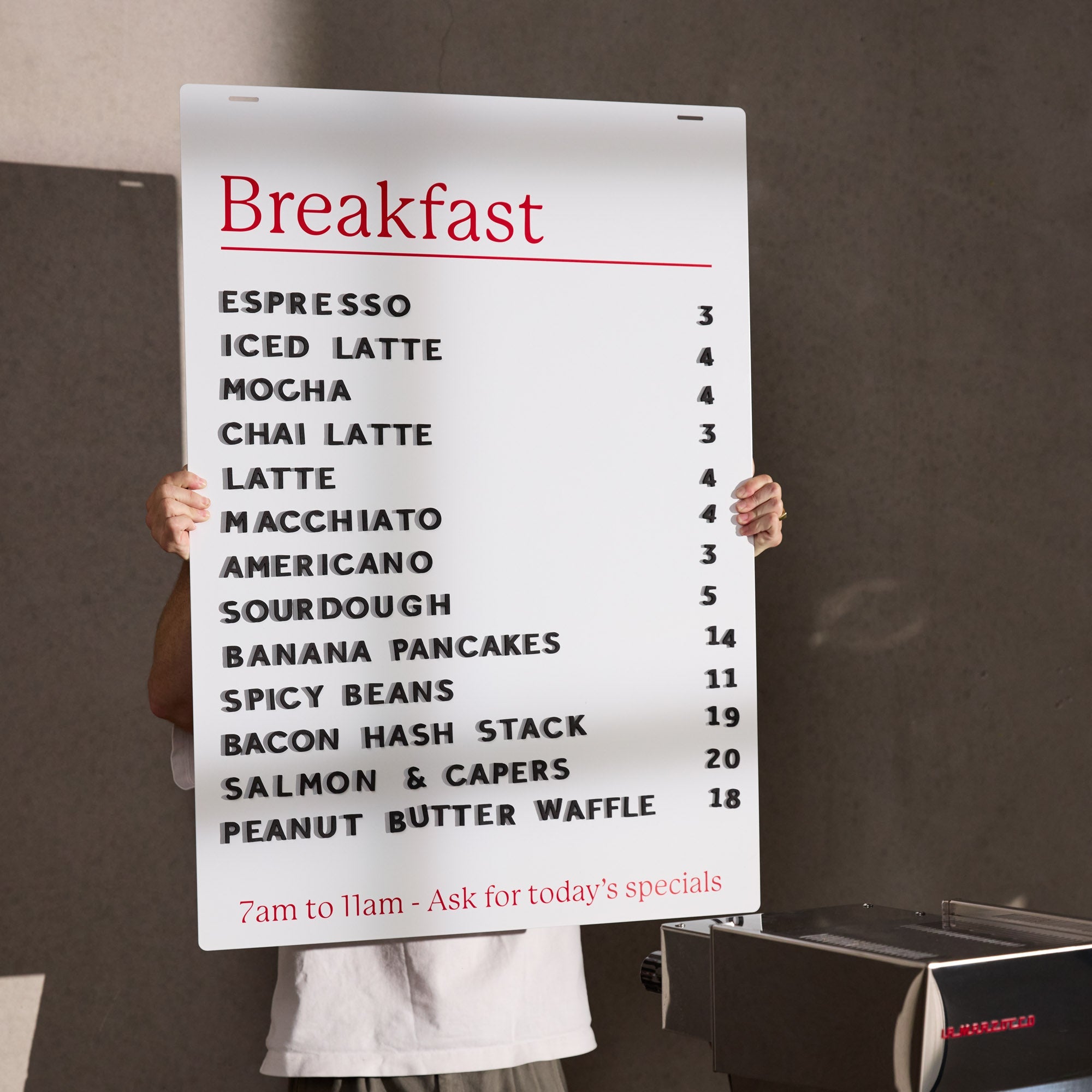
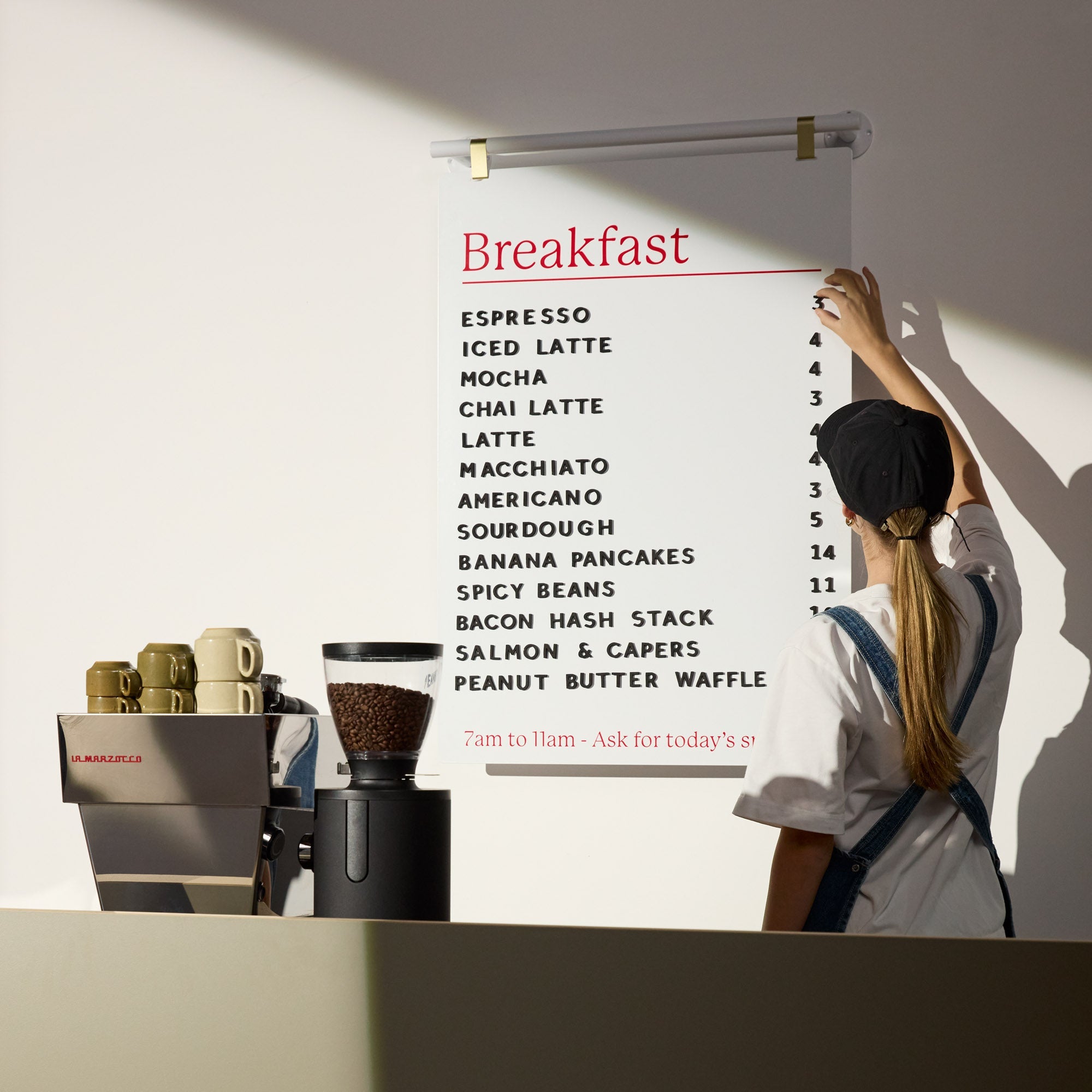
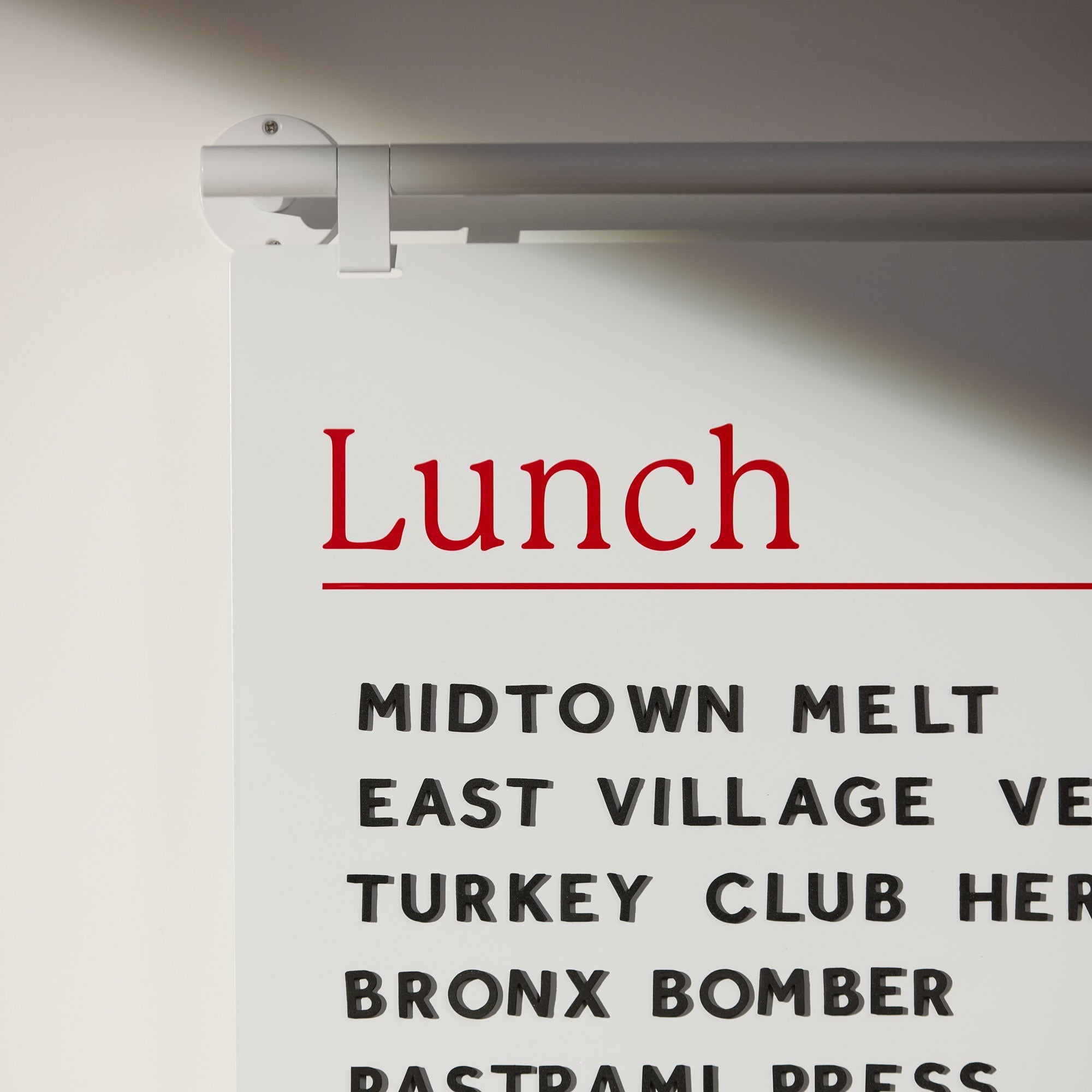
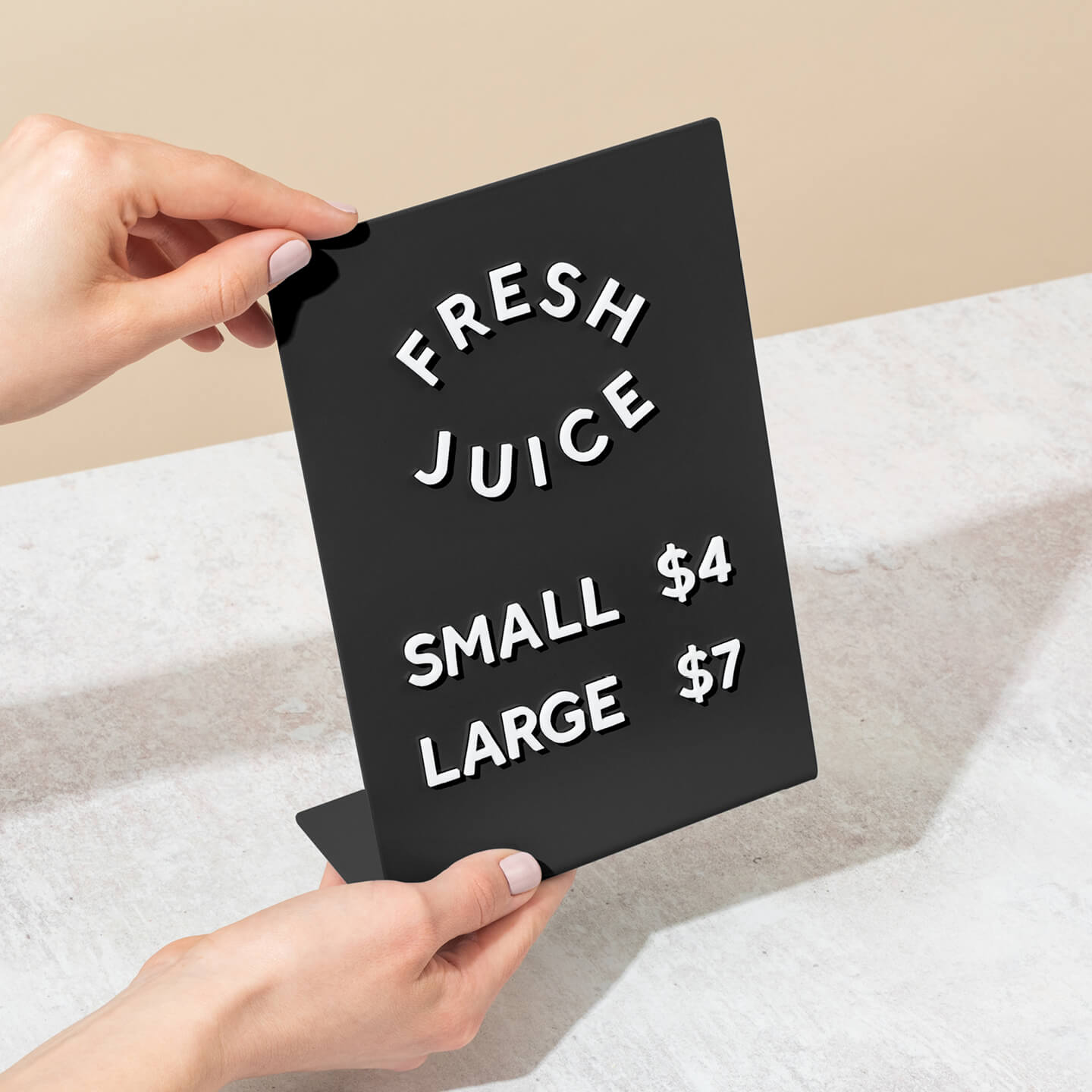
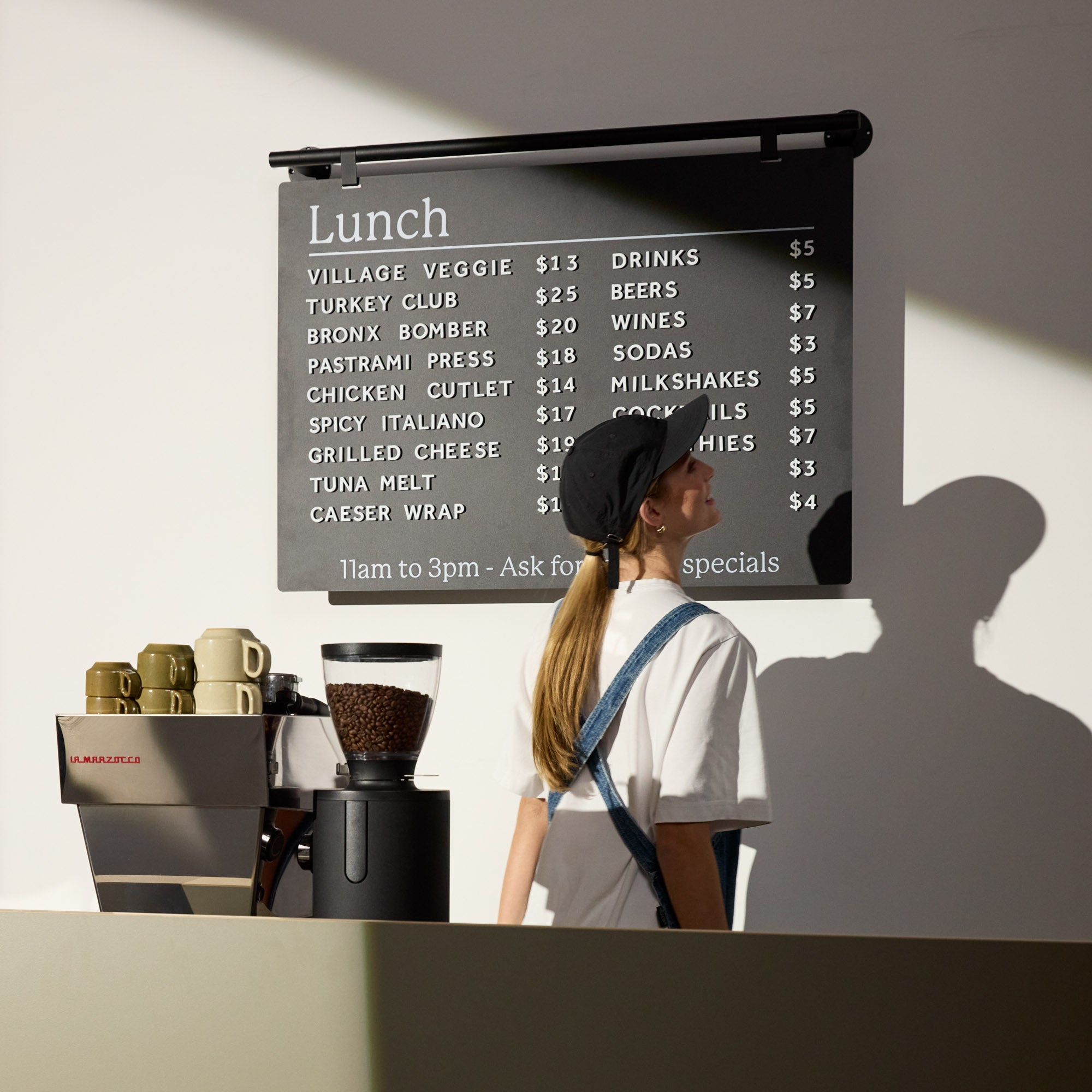
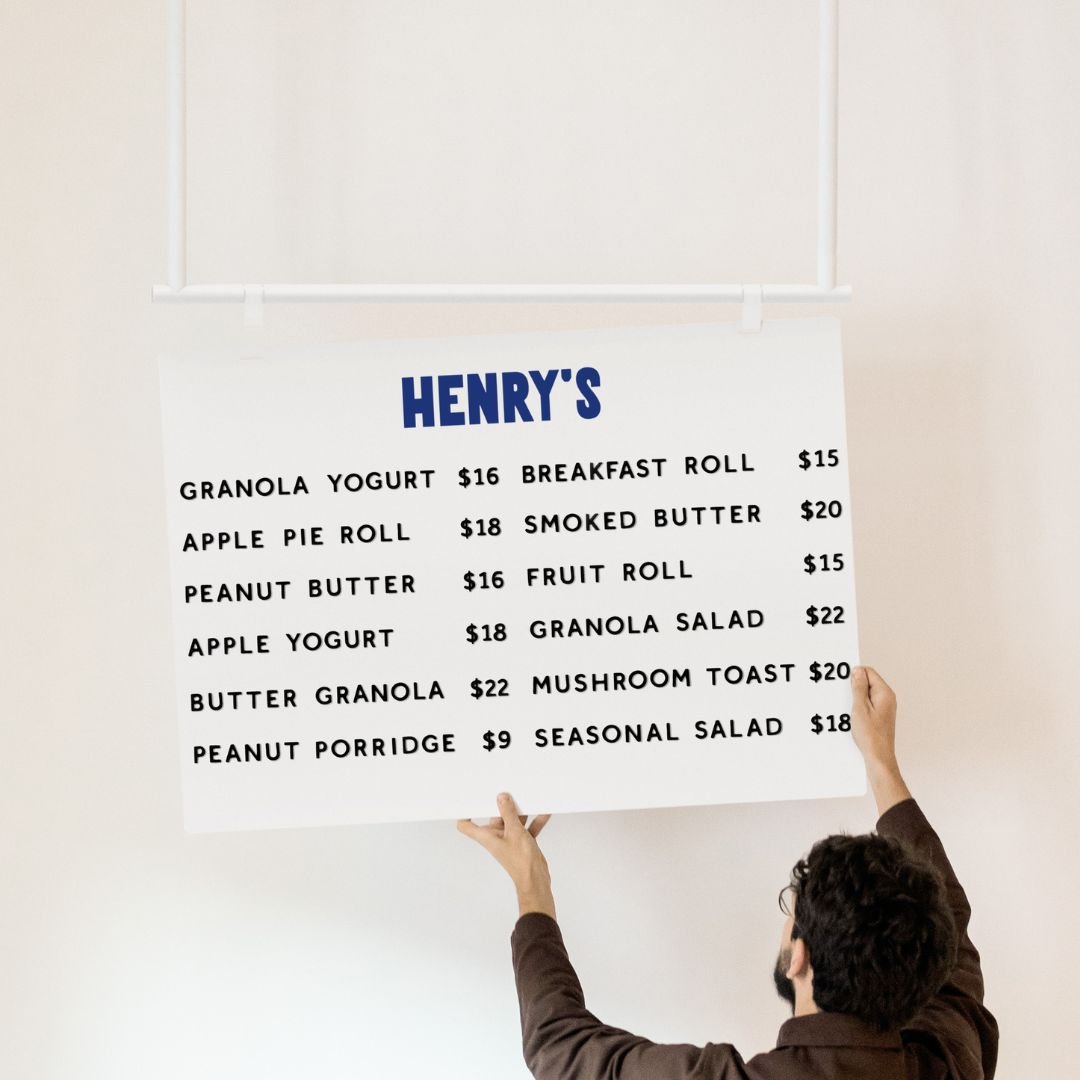
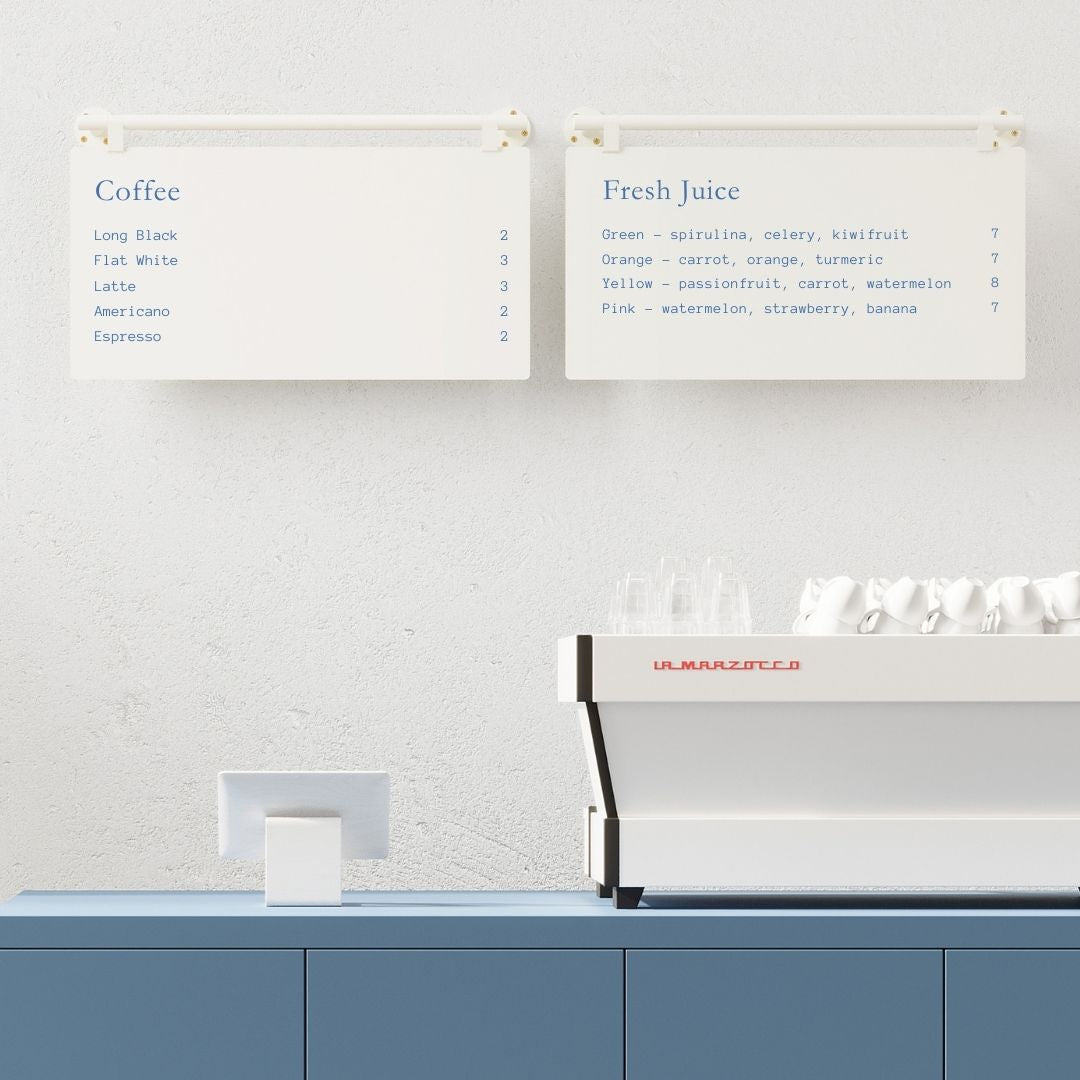
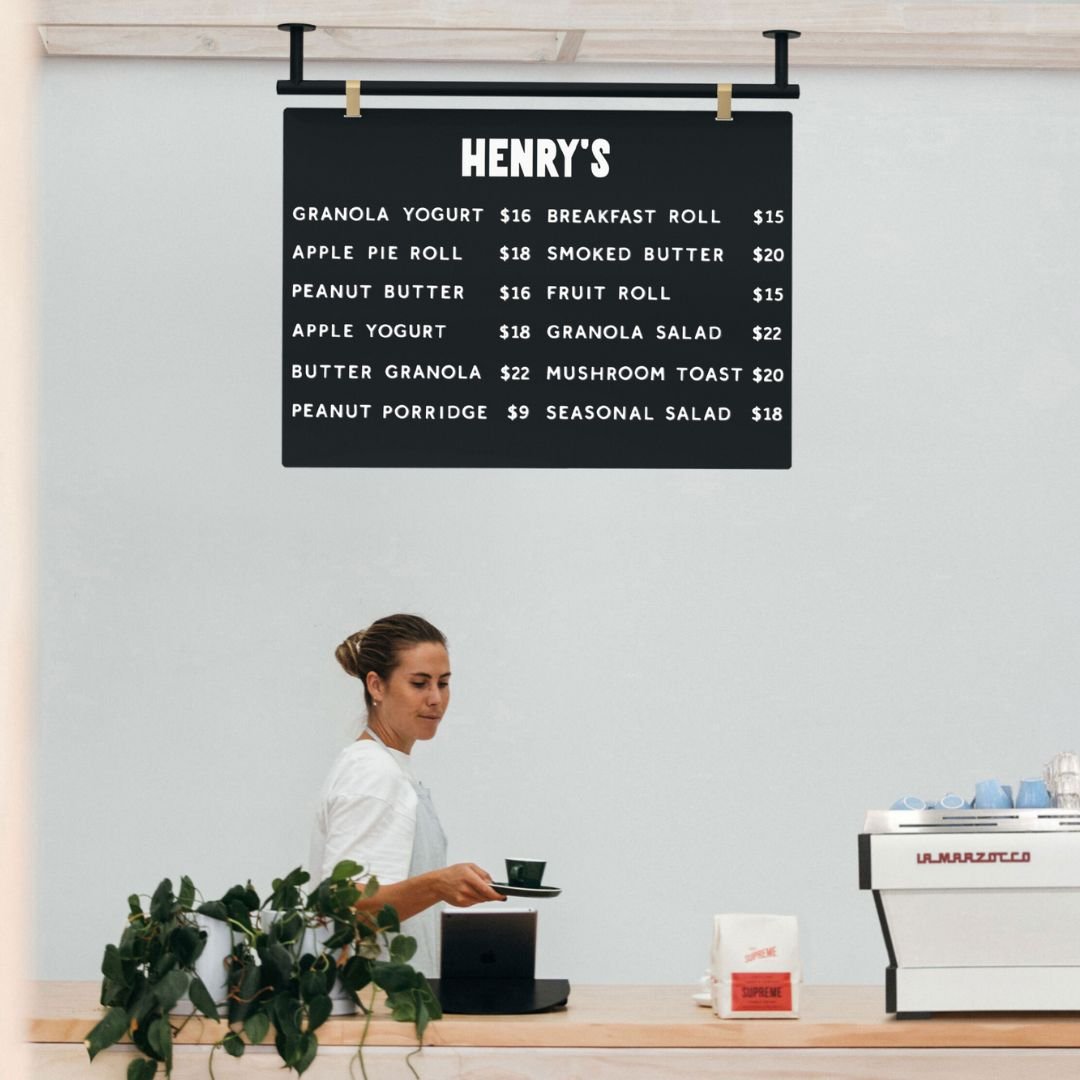
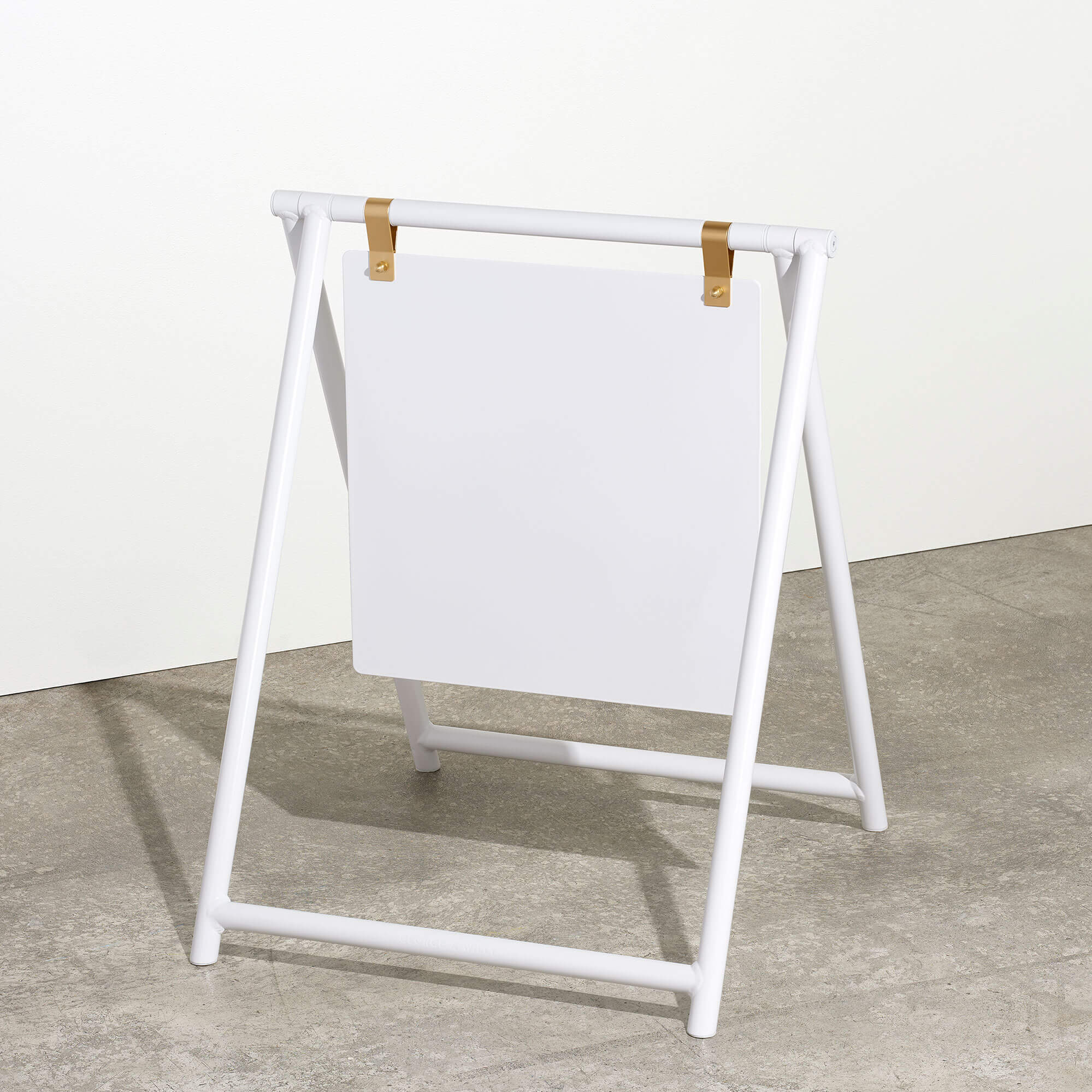
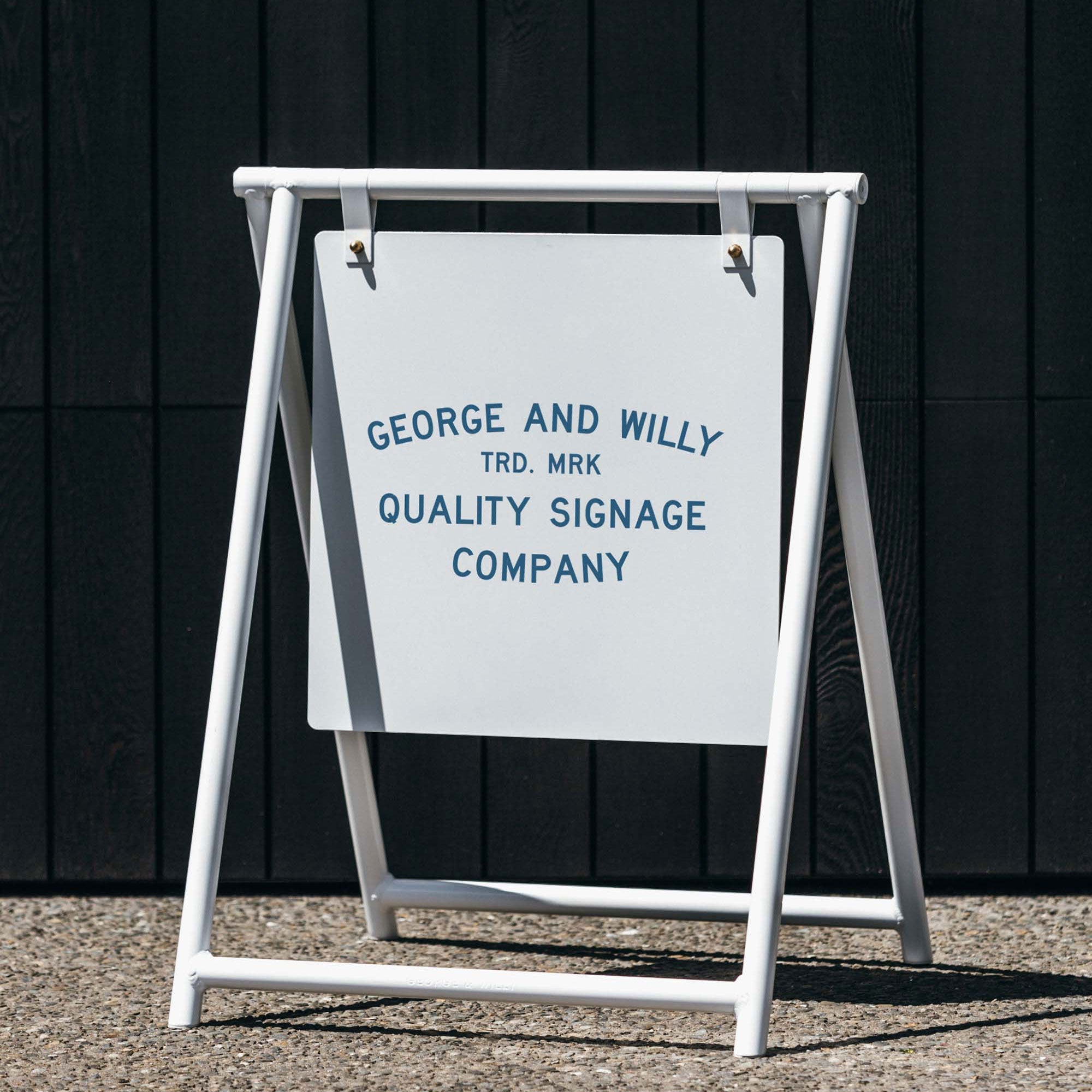
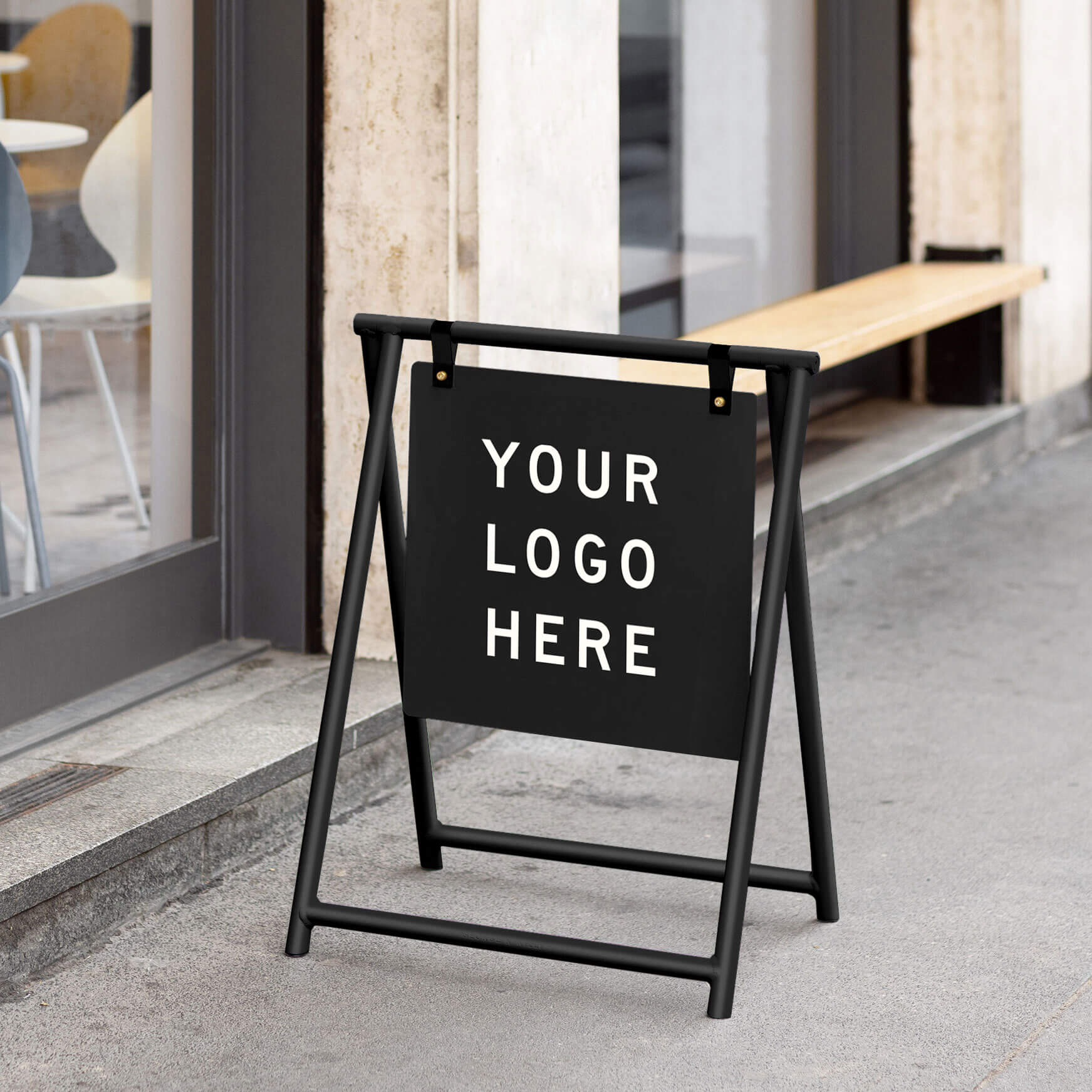
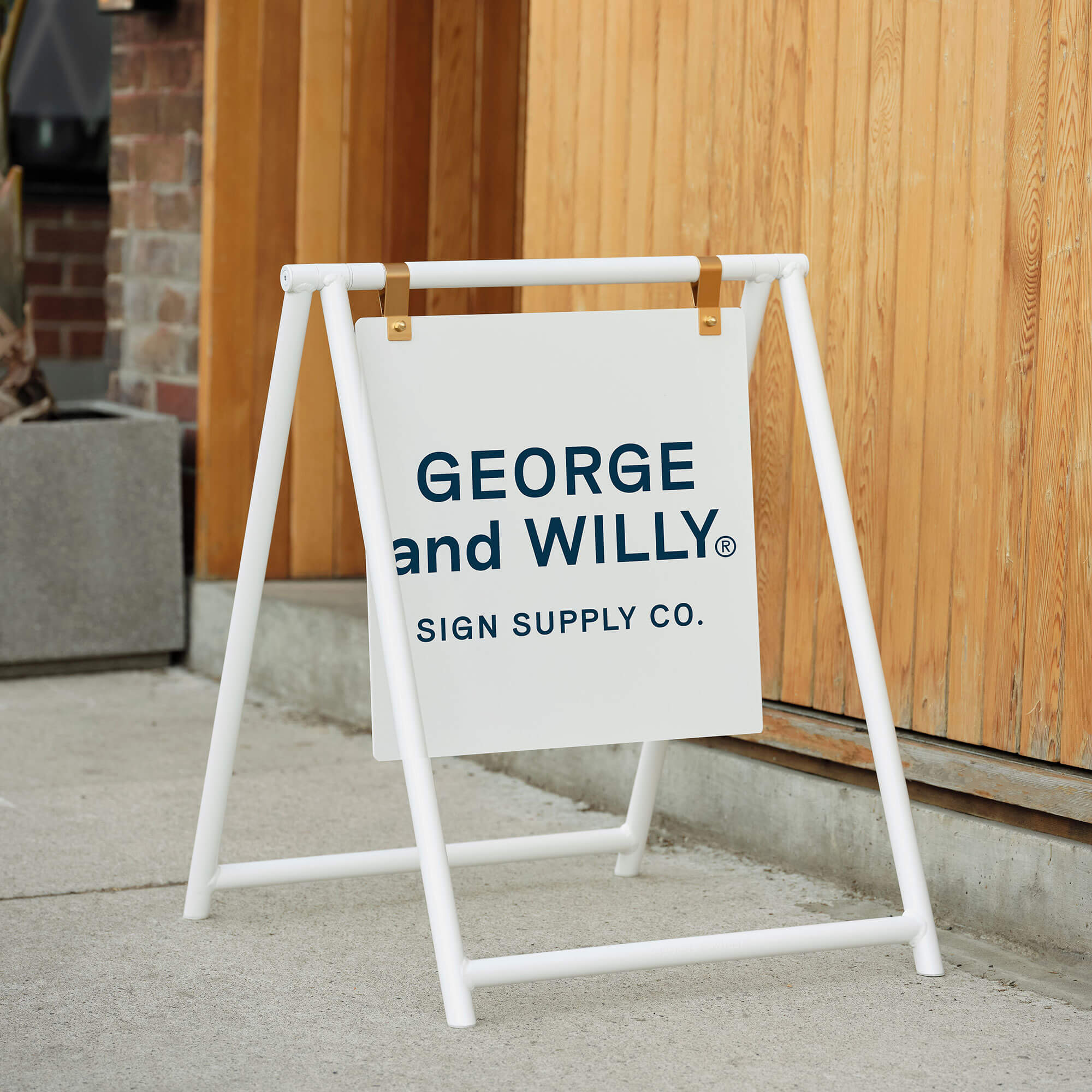
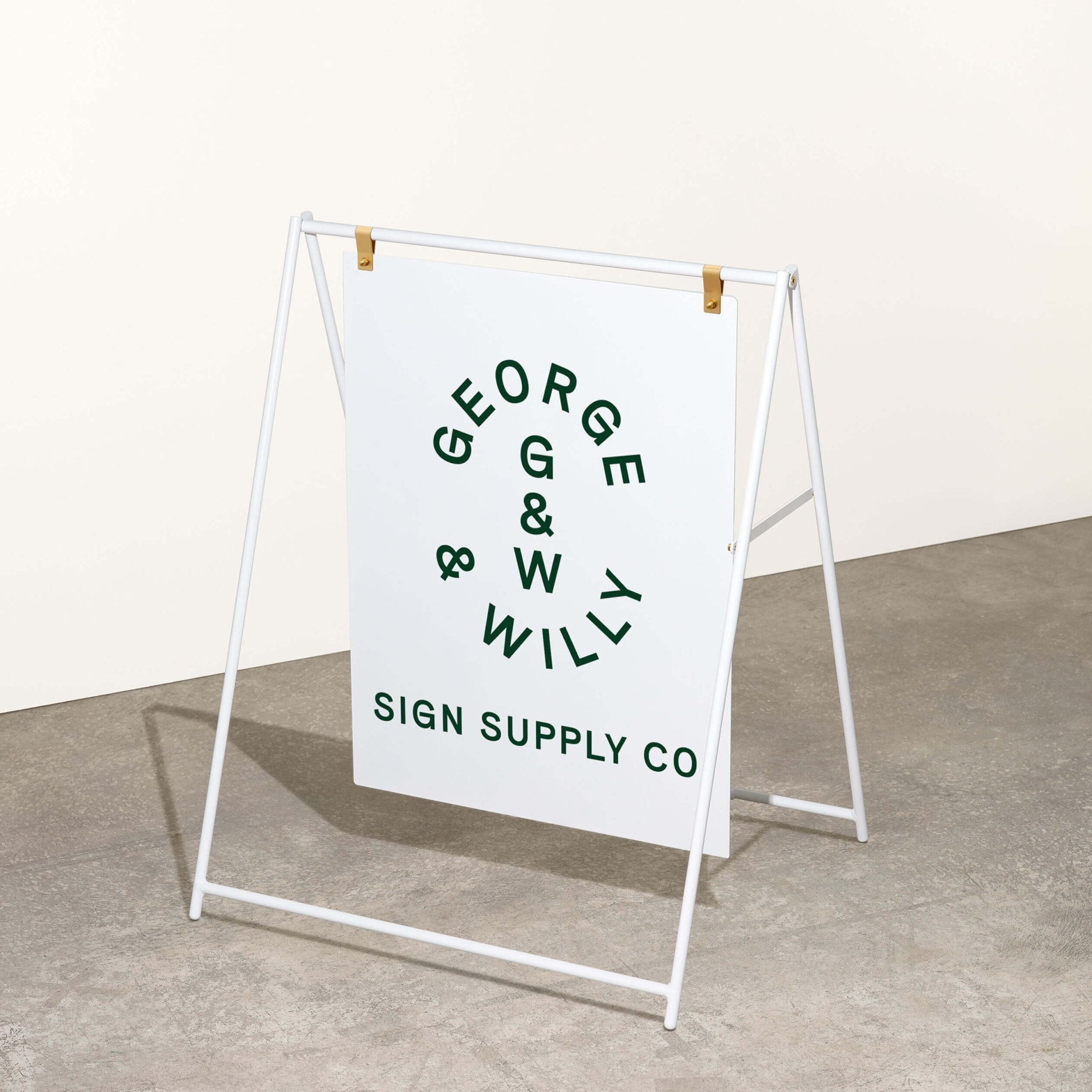
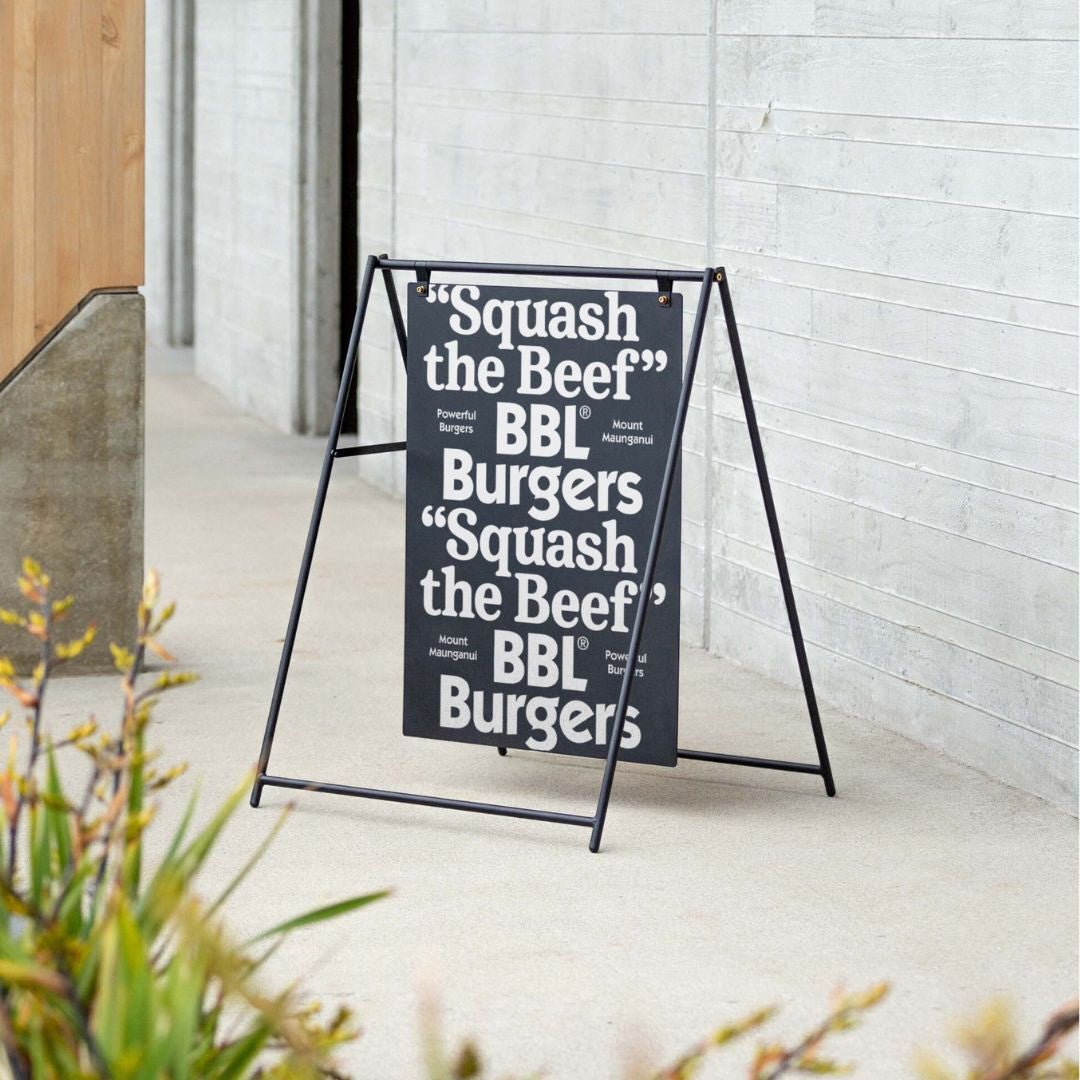
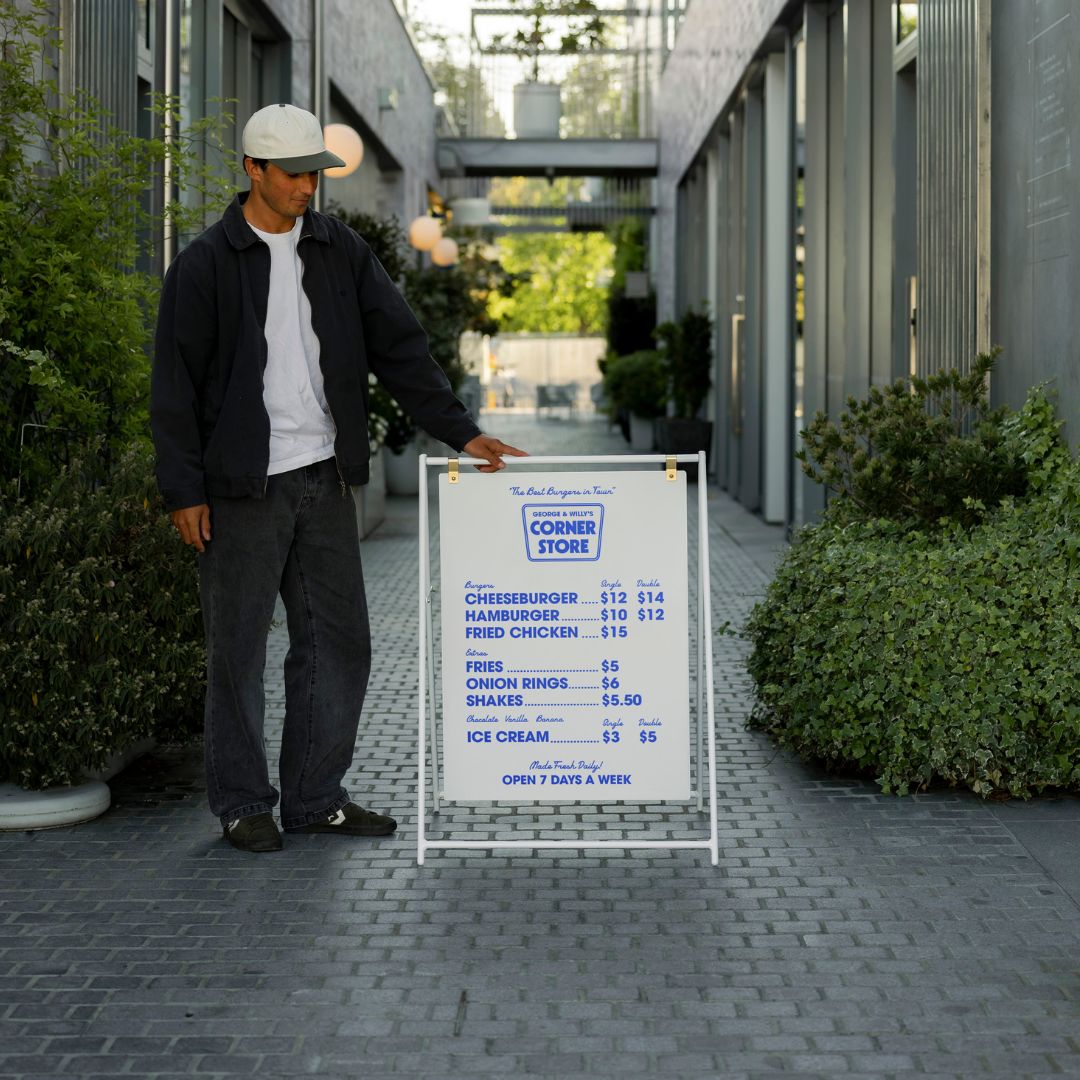
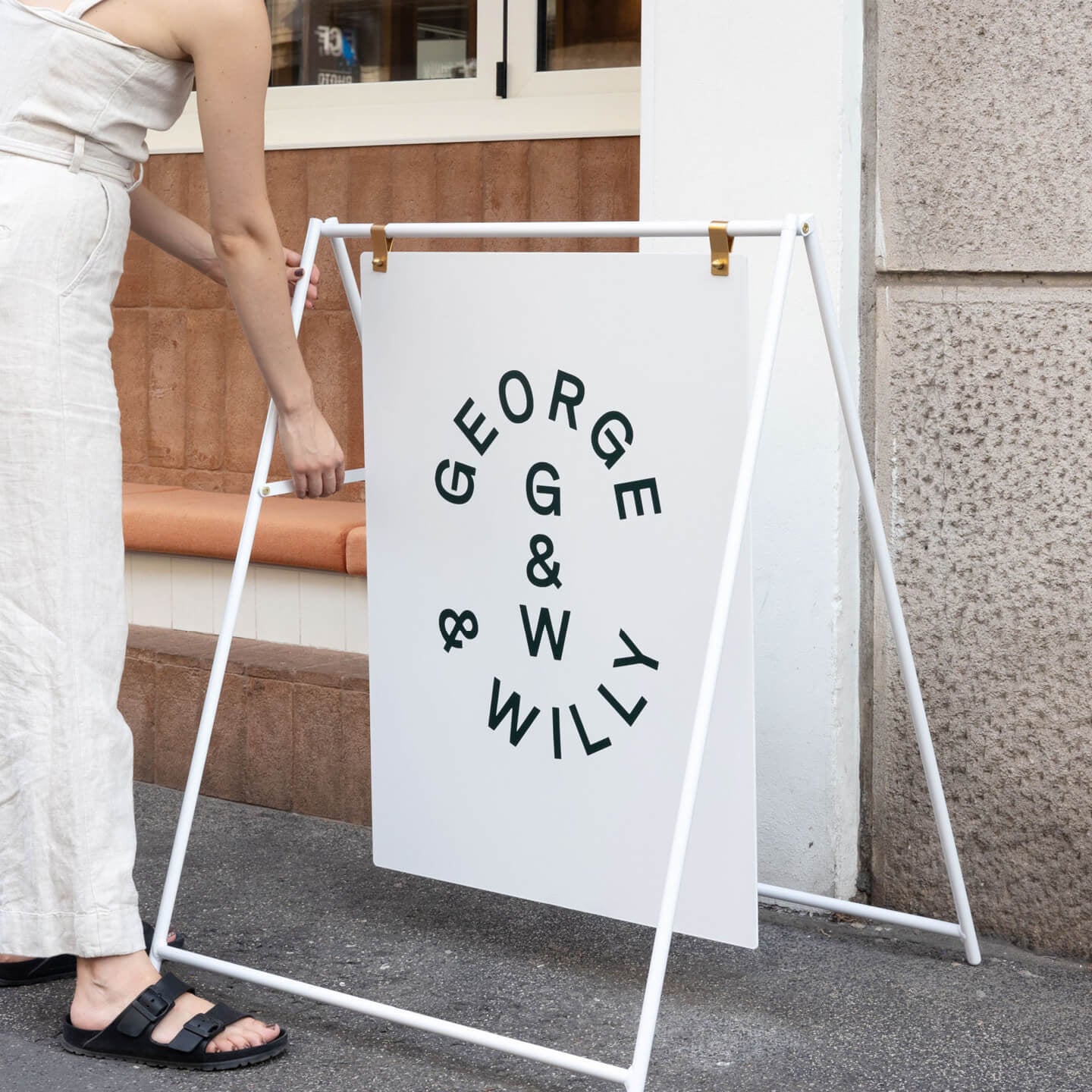
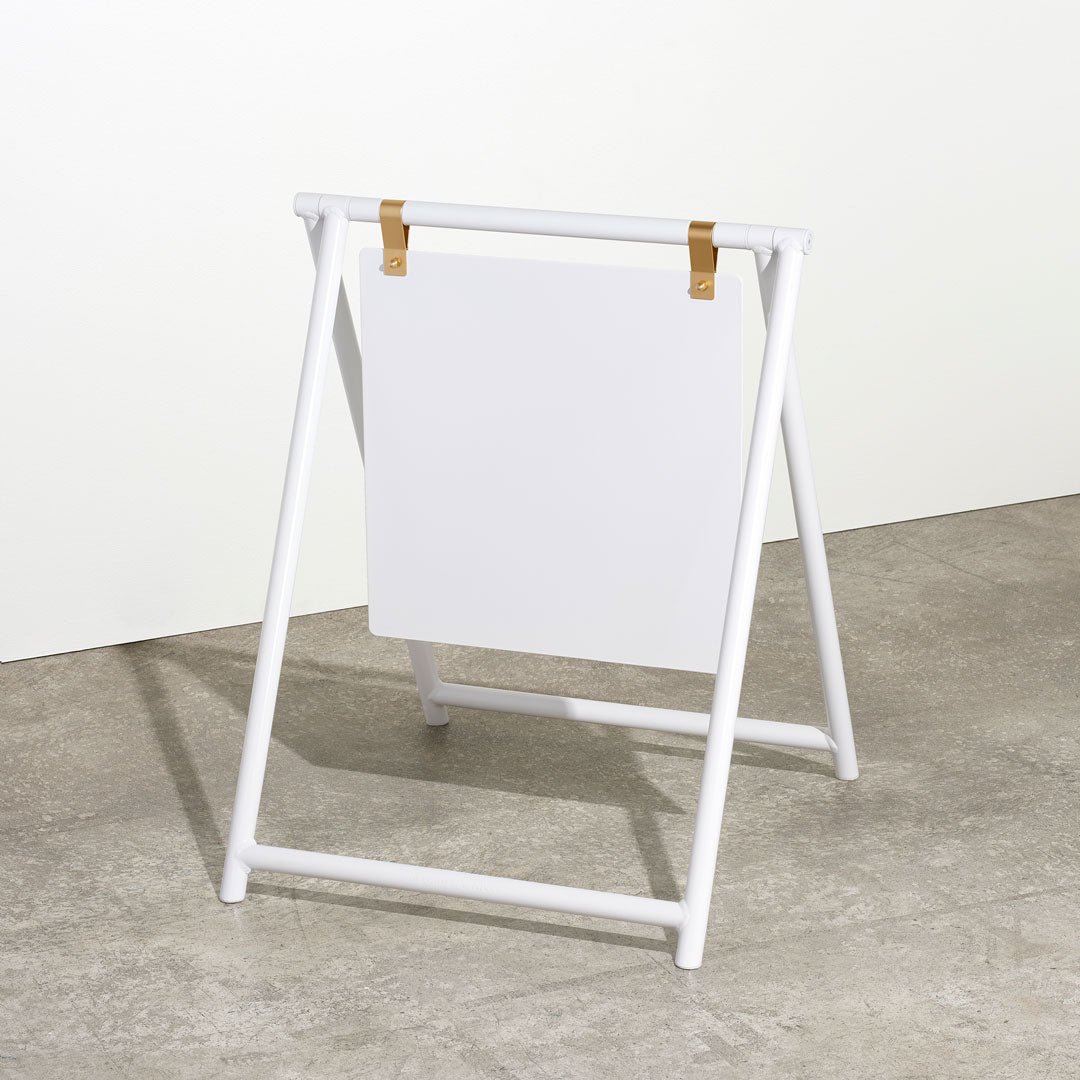
Instead of a fully bespoke solution, many businesses now opt for high quality, blank signage. This modern custom signage process involves sourcing well designed, durable signs, like a modern A-Frame Sign, and having a local signwriter apply your custom vinyl graphics. This approach is faster, more cost effective, and allows for greater flexibility.
Installation and Long Term Flexibility
Thoughtful sign selection can also simplify management.
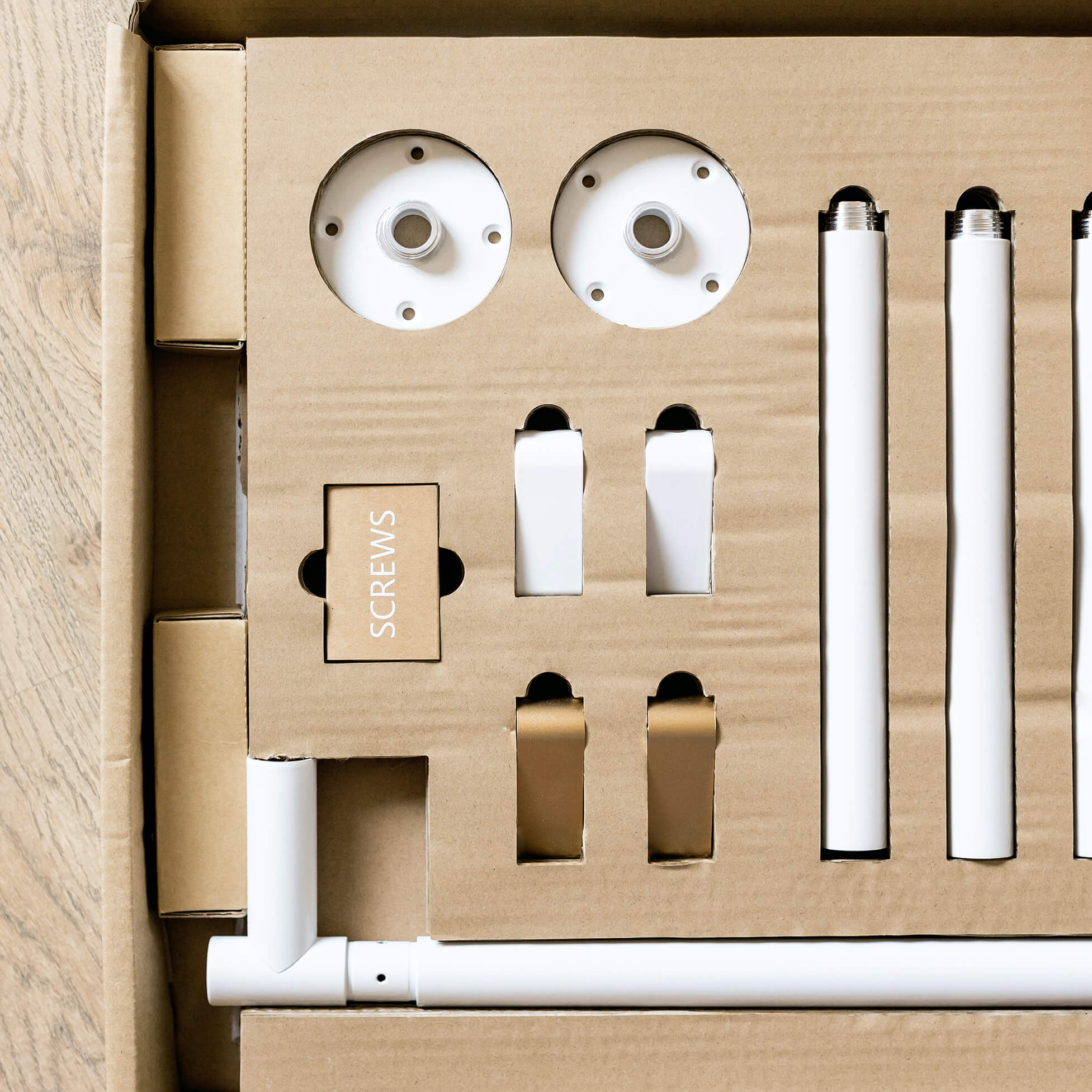
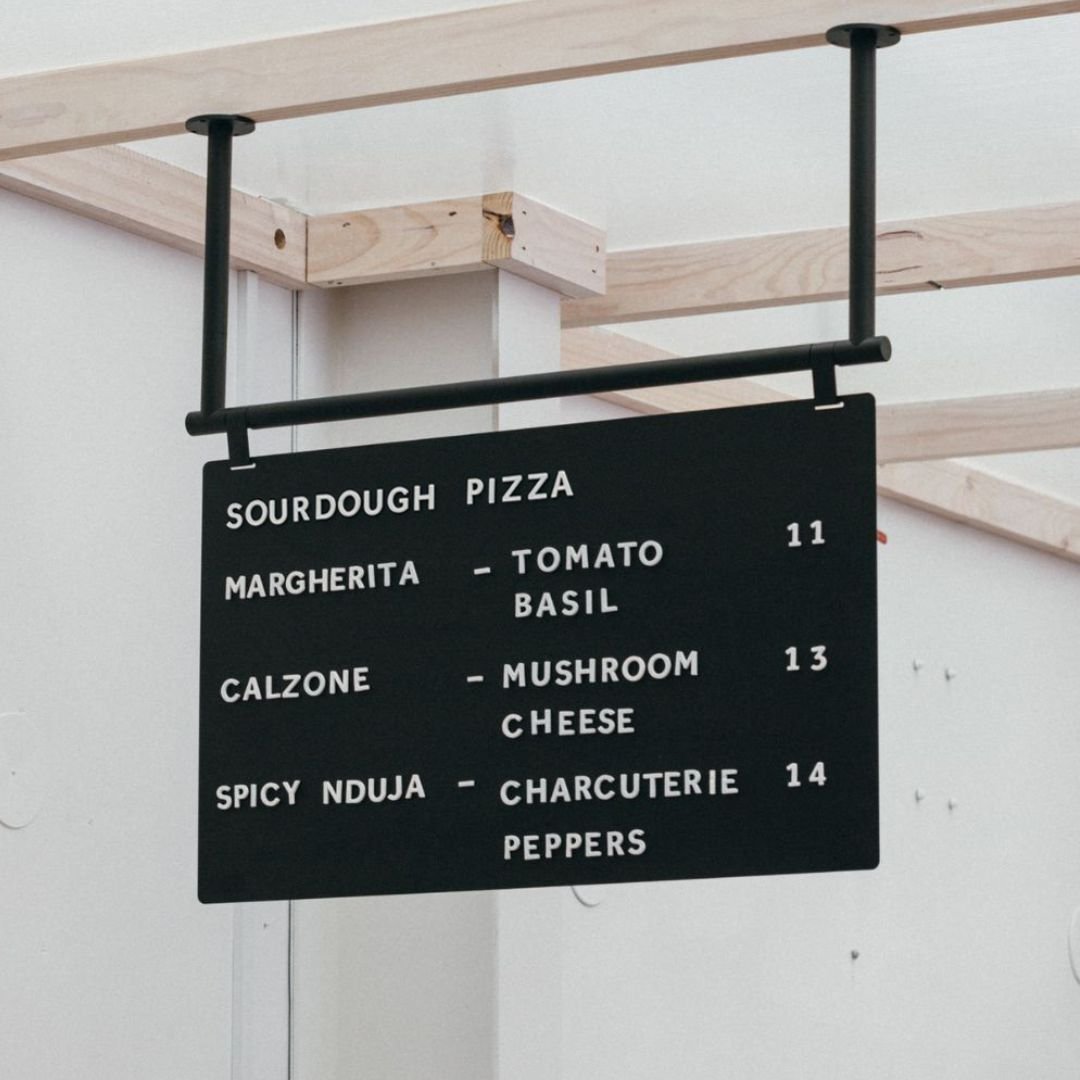
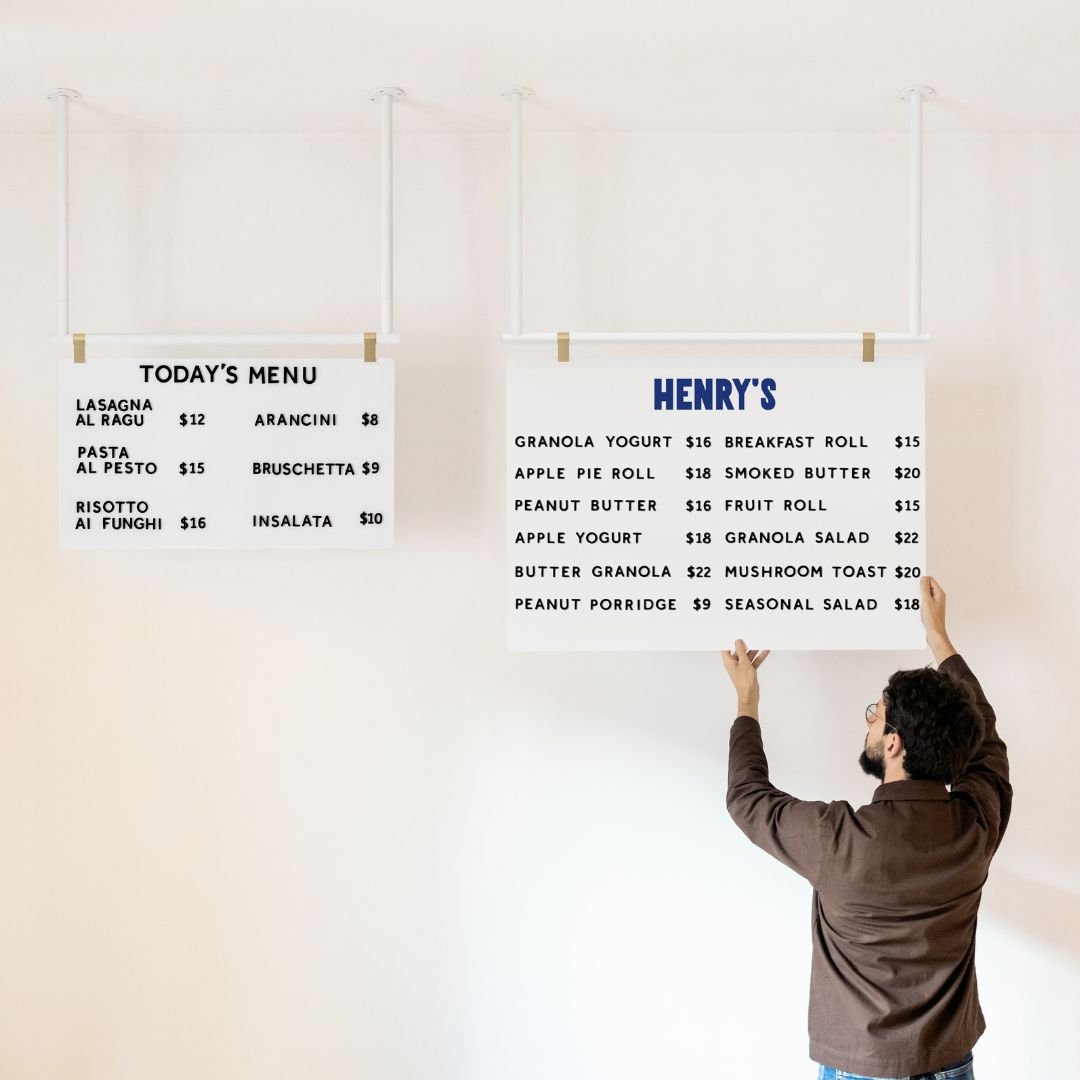
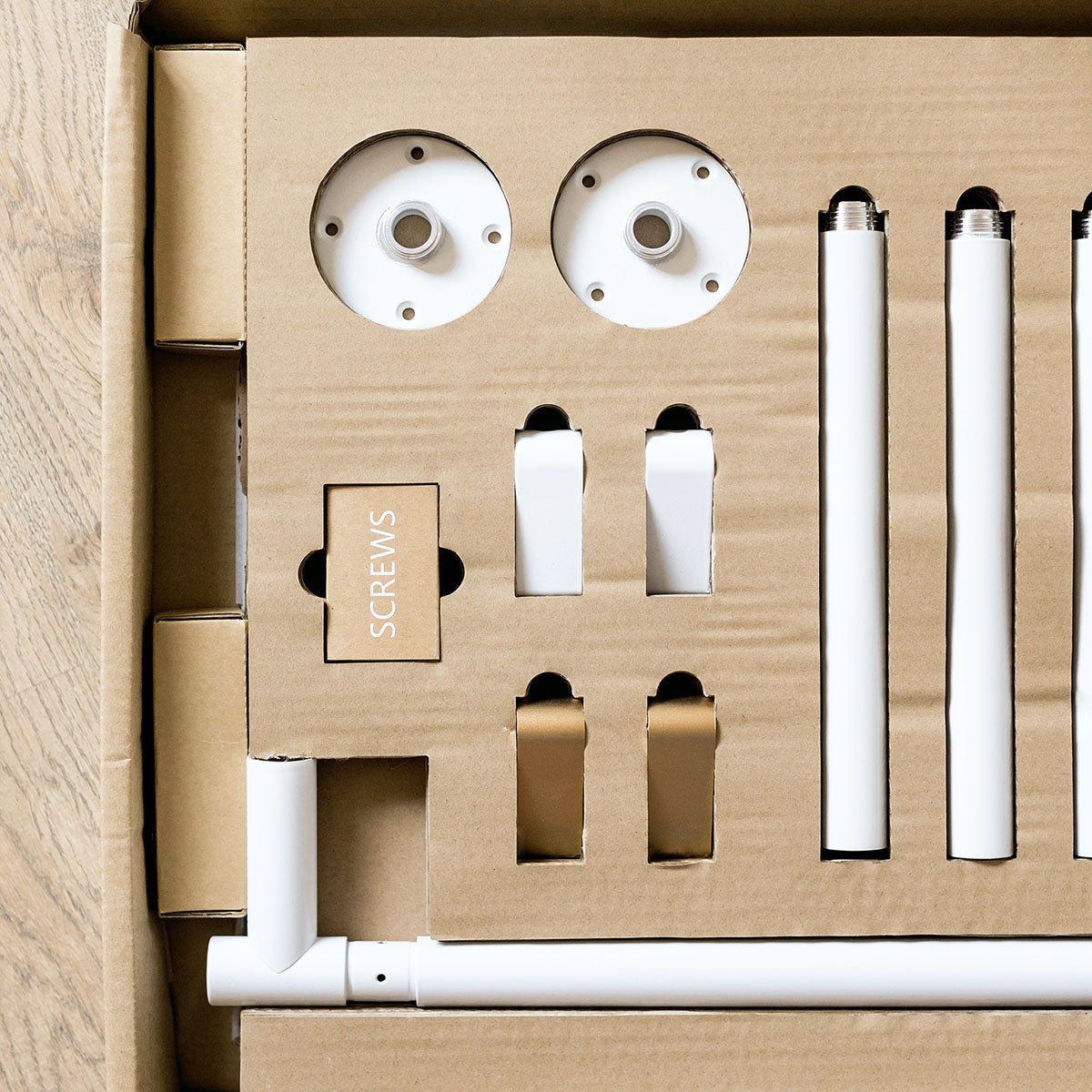
- Minimize building penetration by choosing signs that don’t require extensive drilling, such as freestanding signs, magnetic displays, or ceiling mounted options.
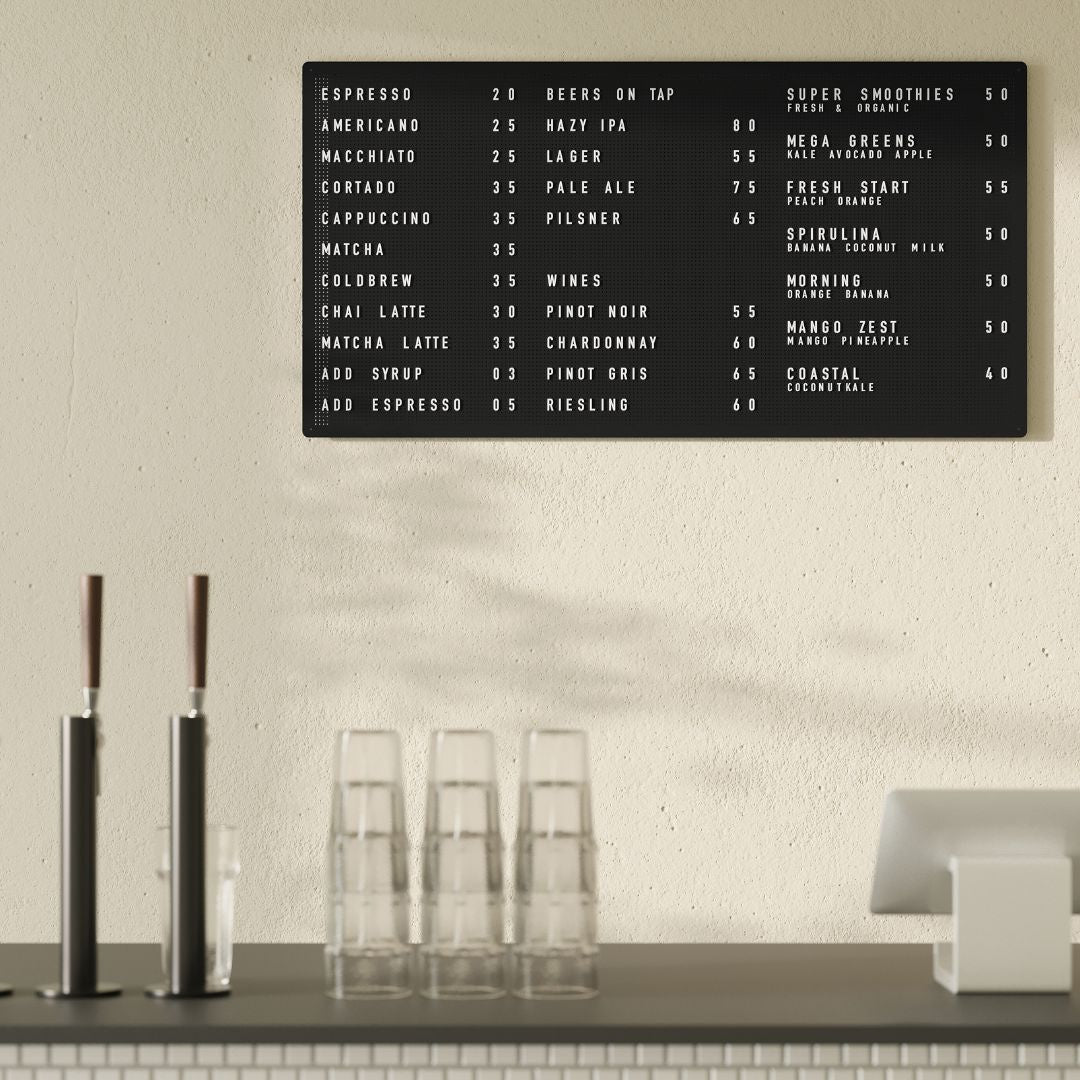
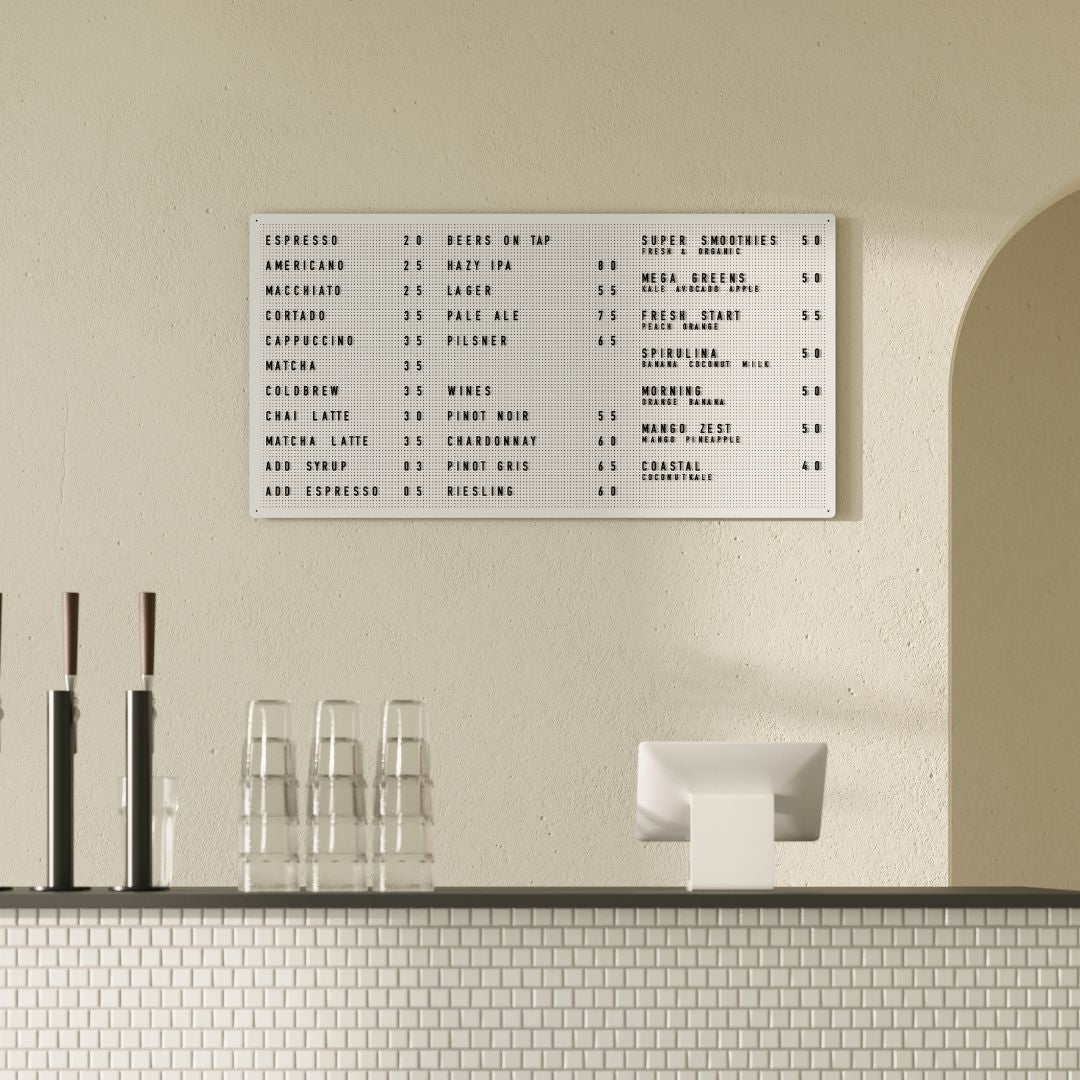
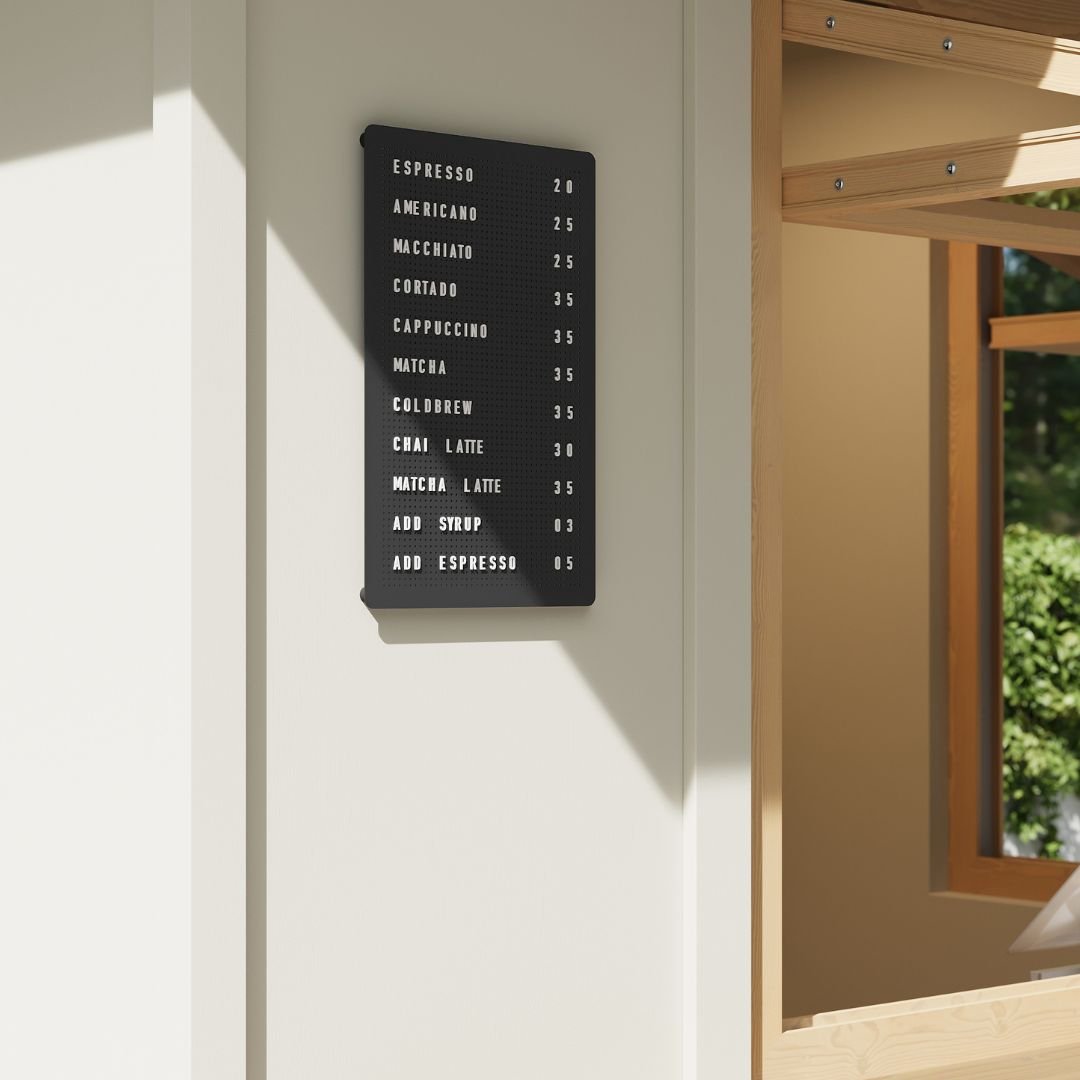
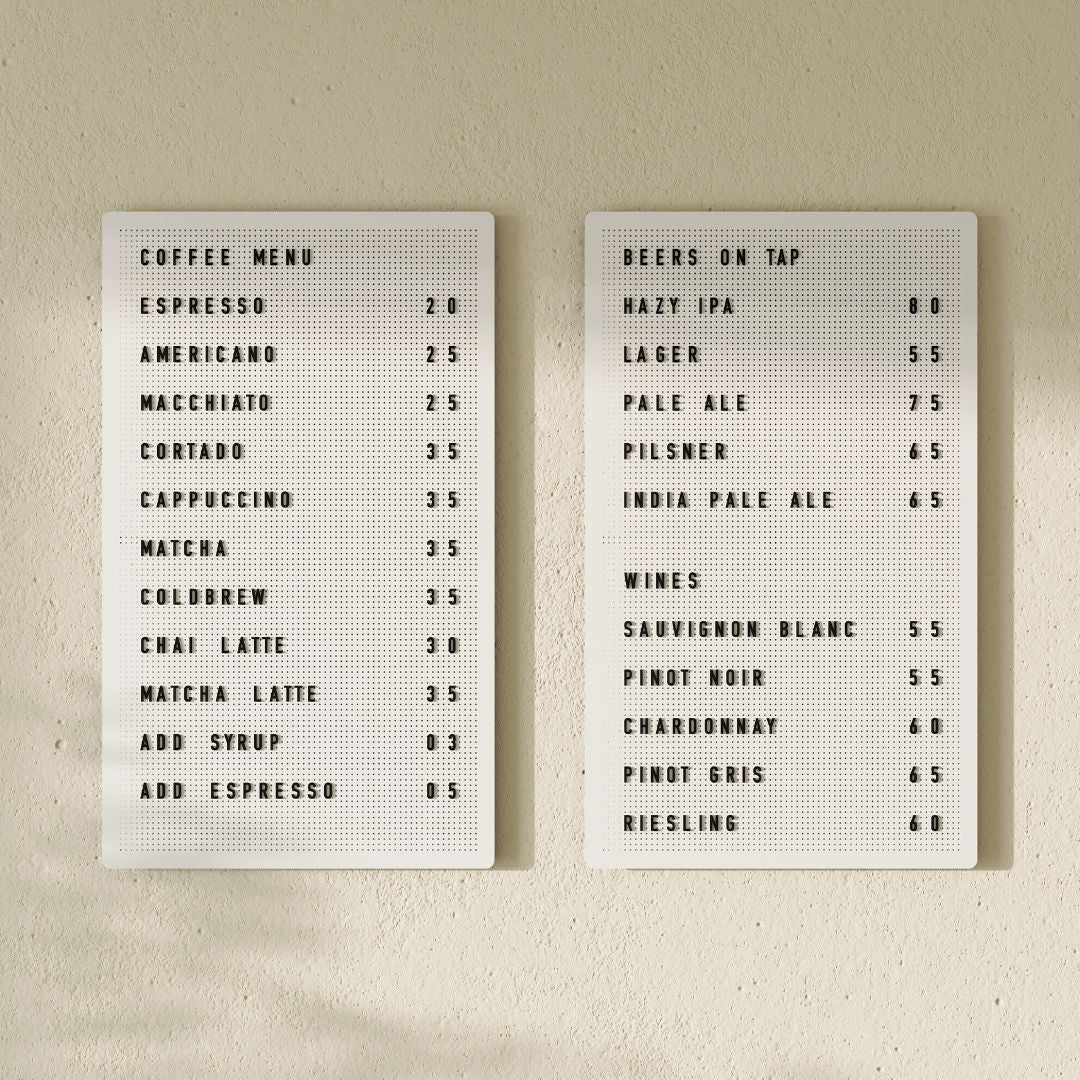
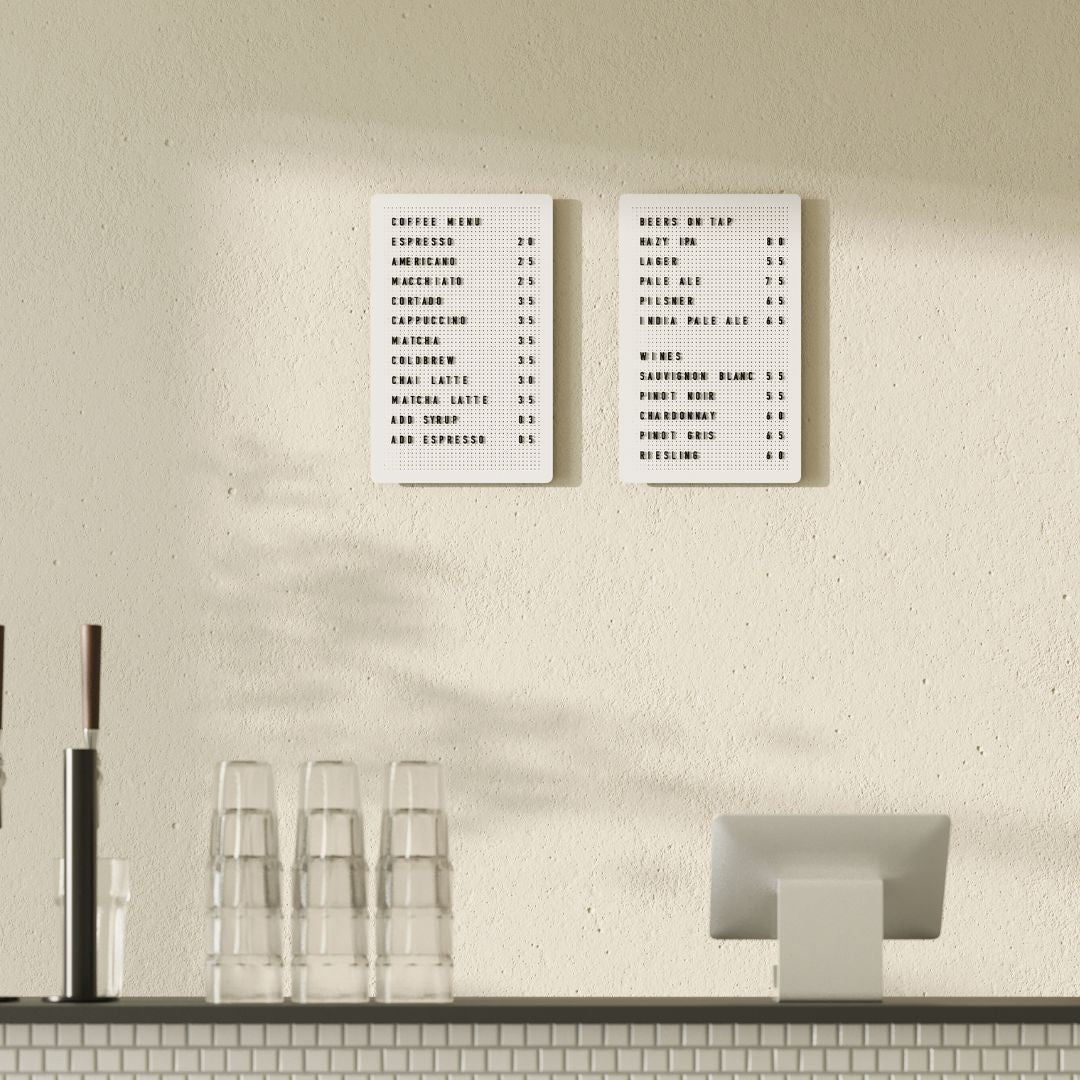
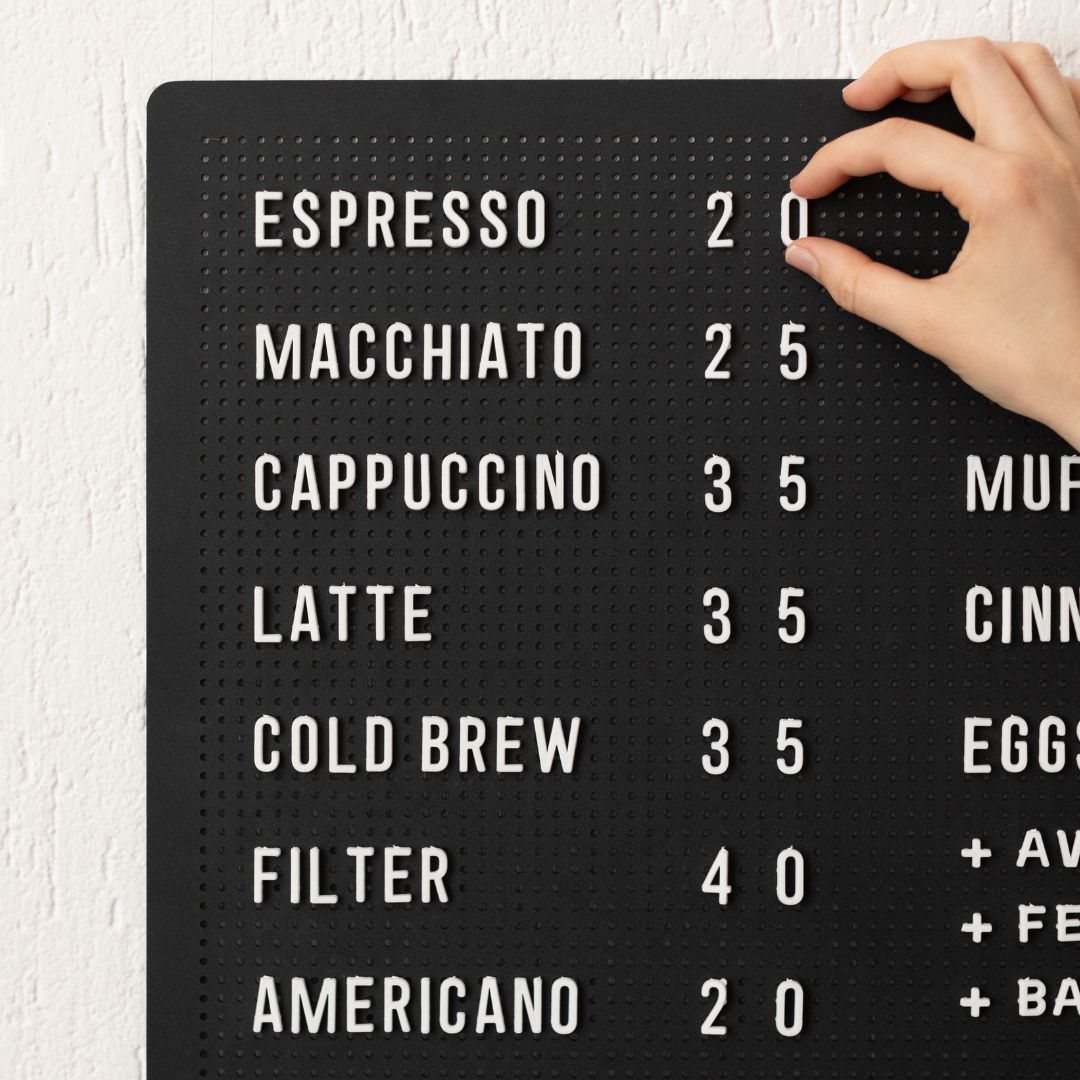
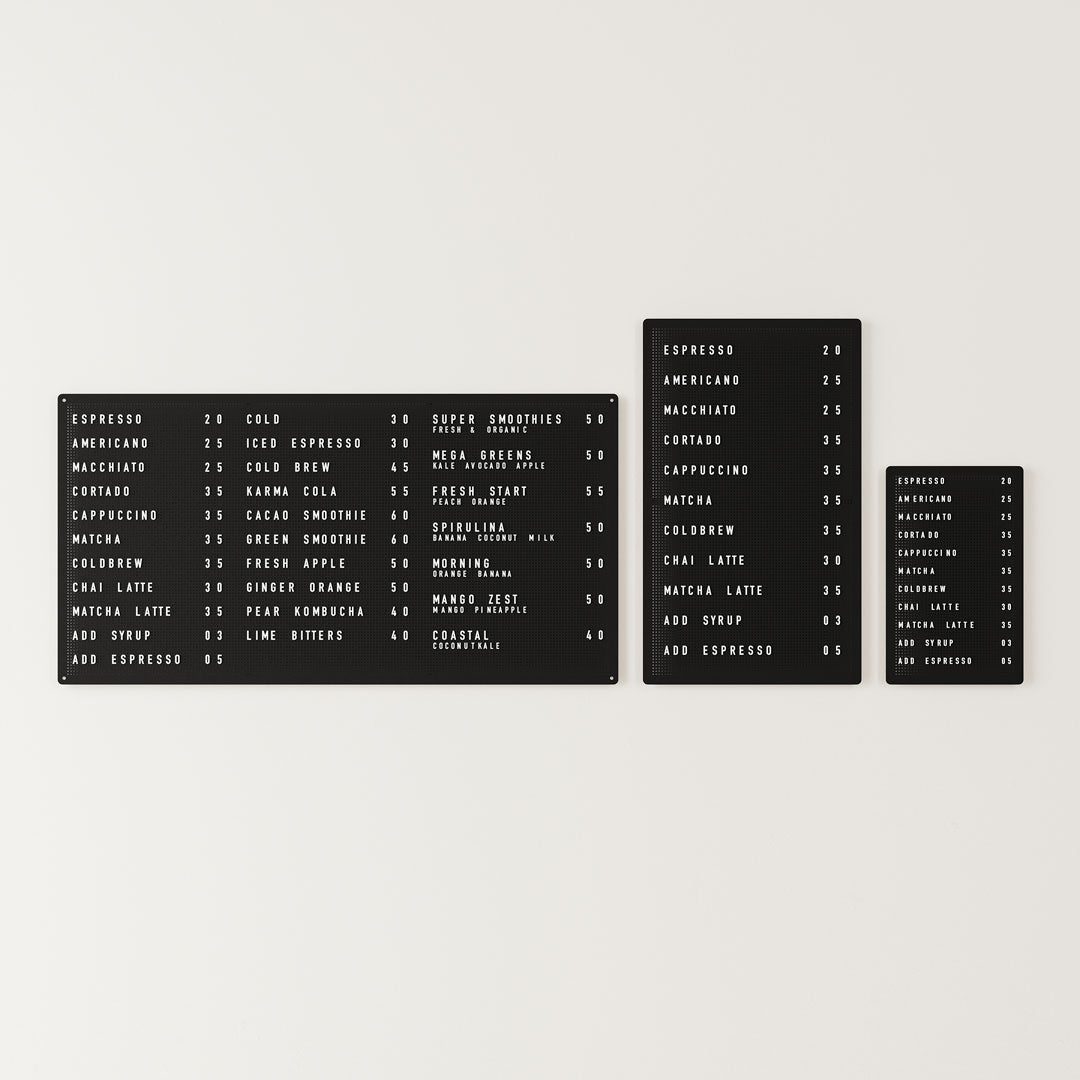
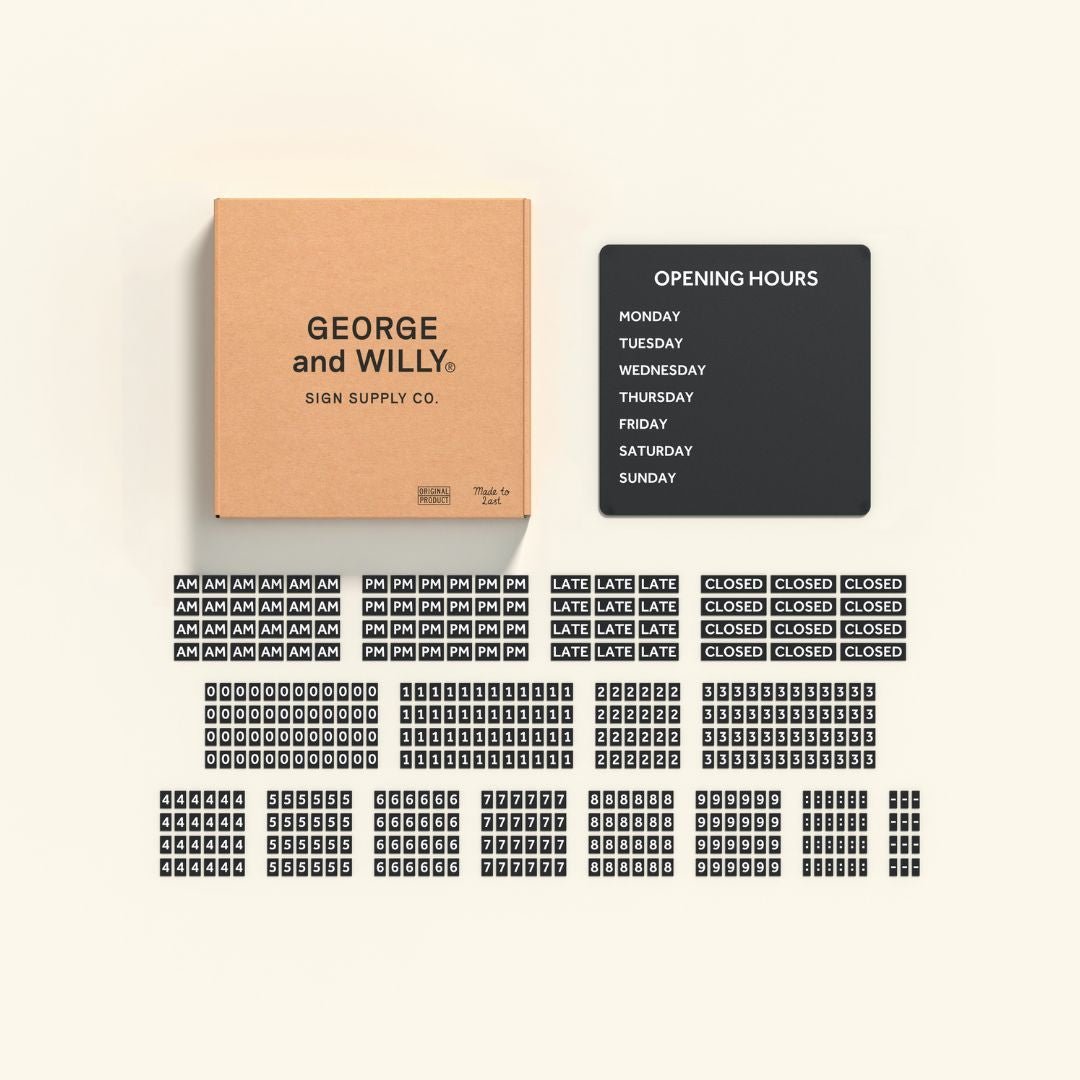
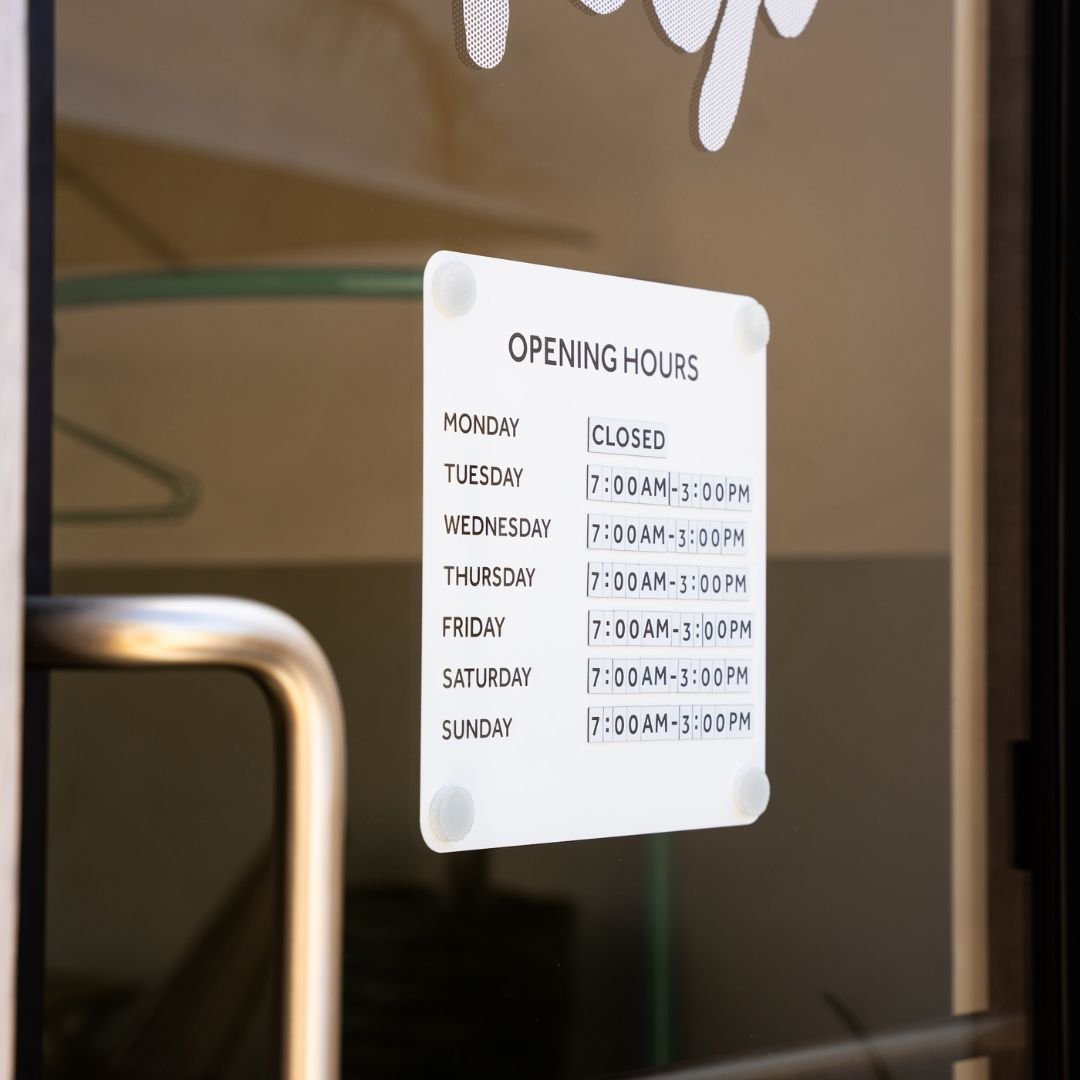
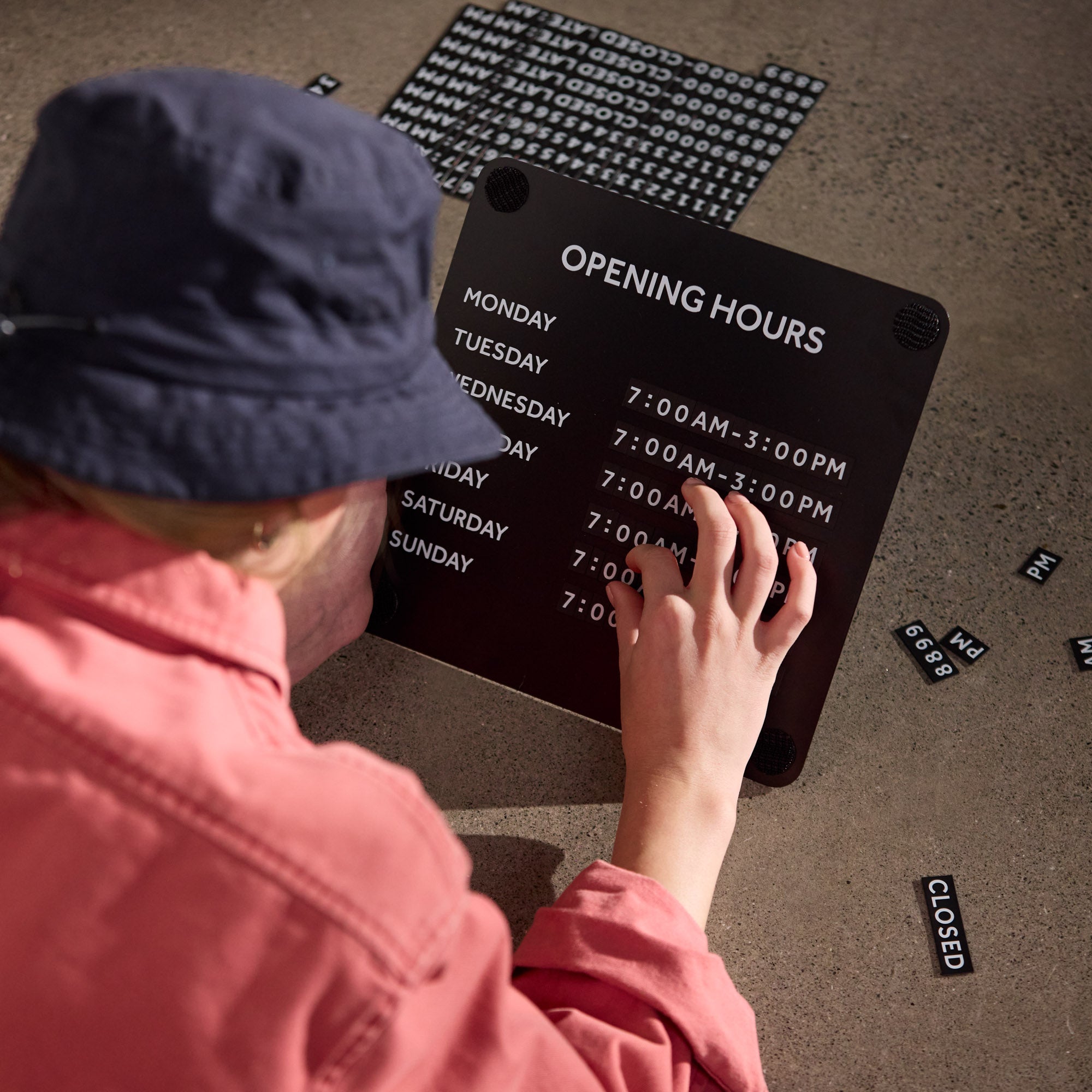
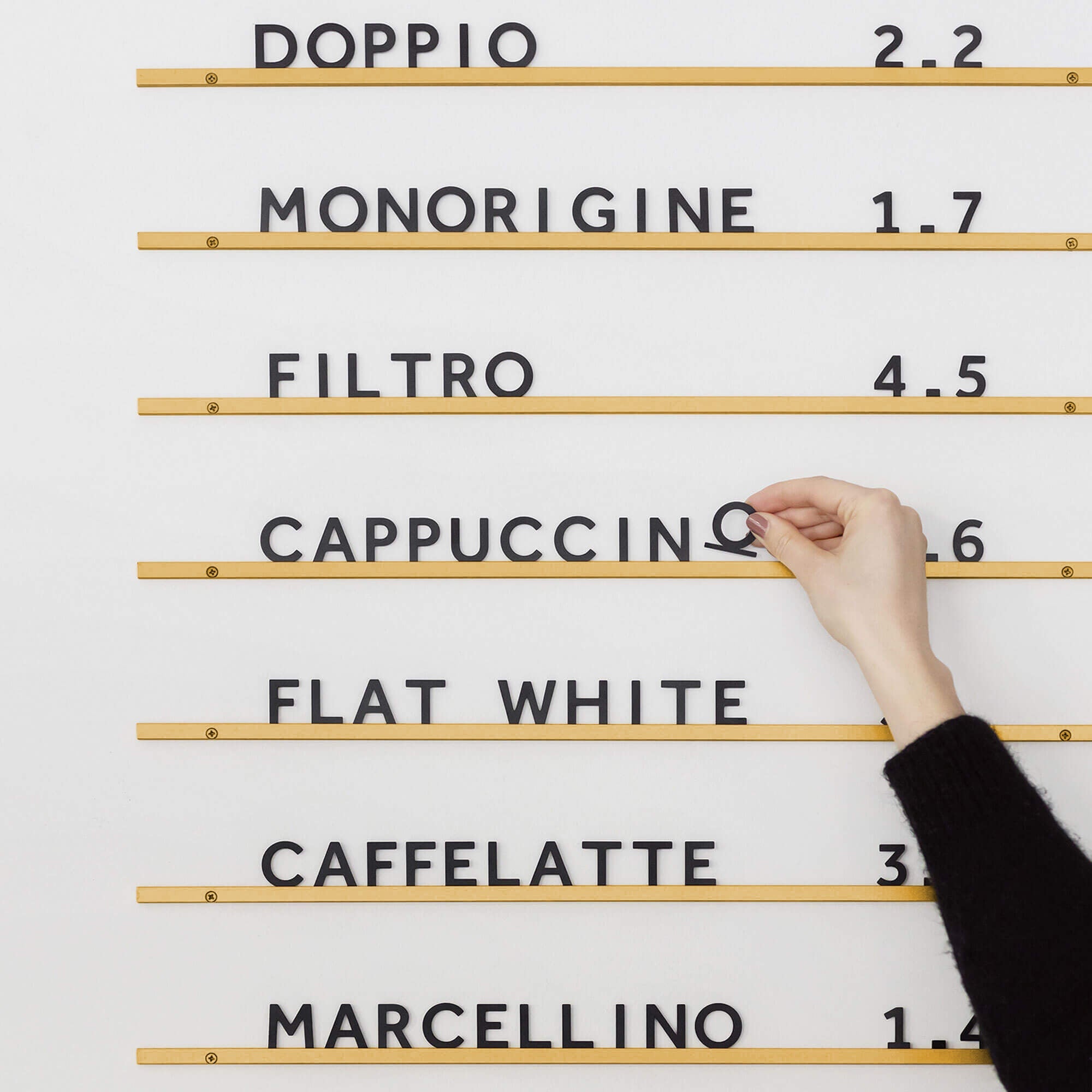
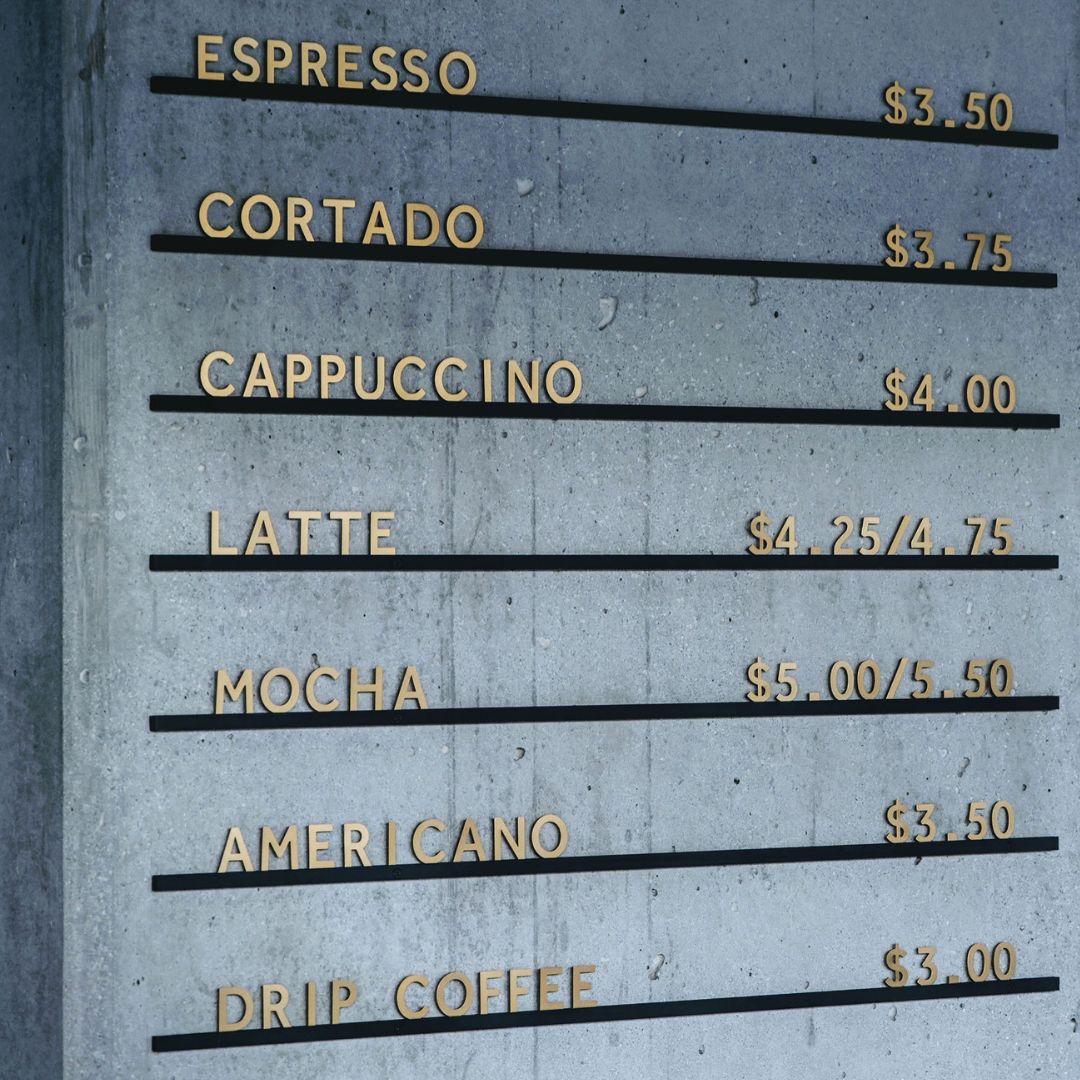
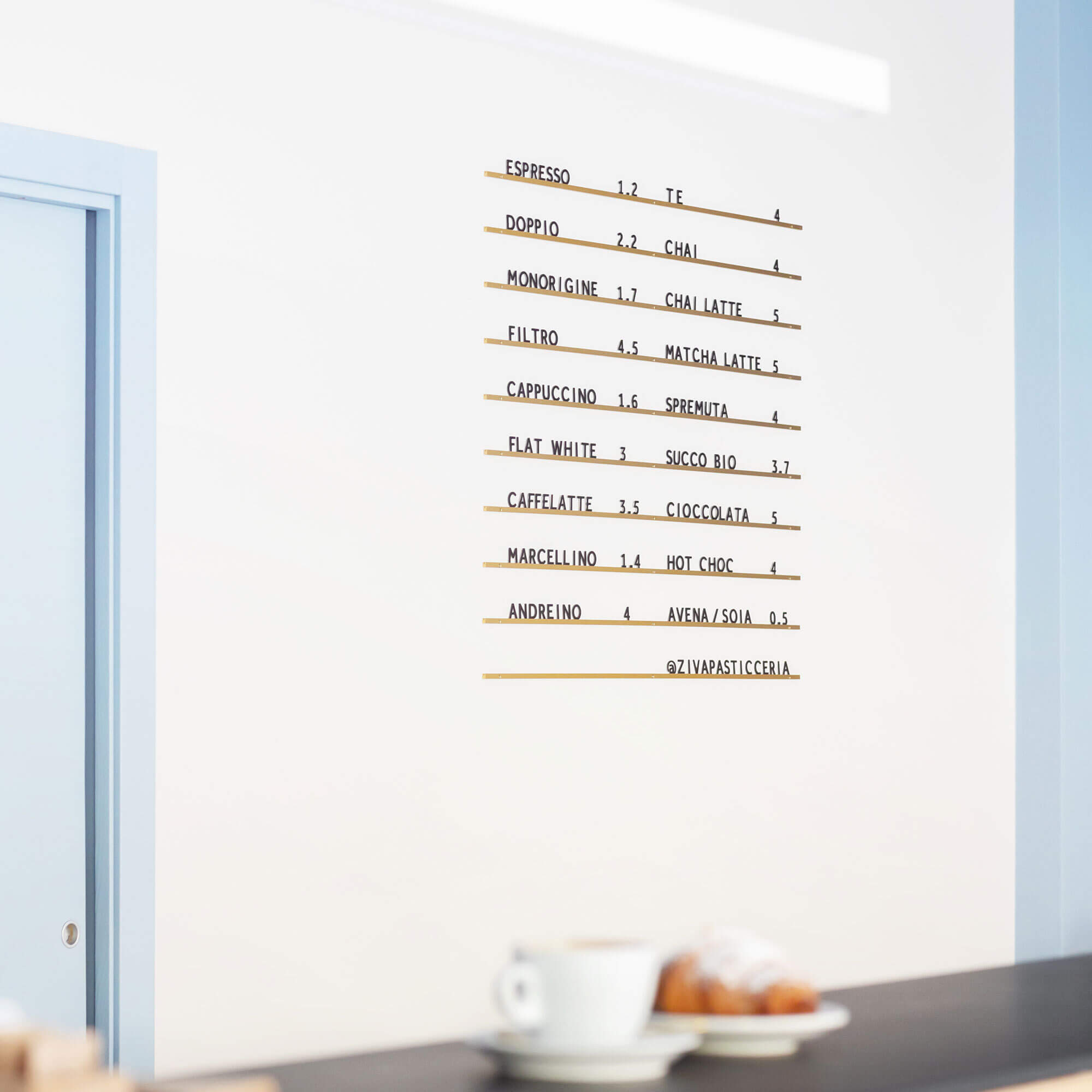
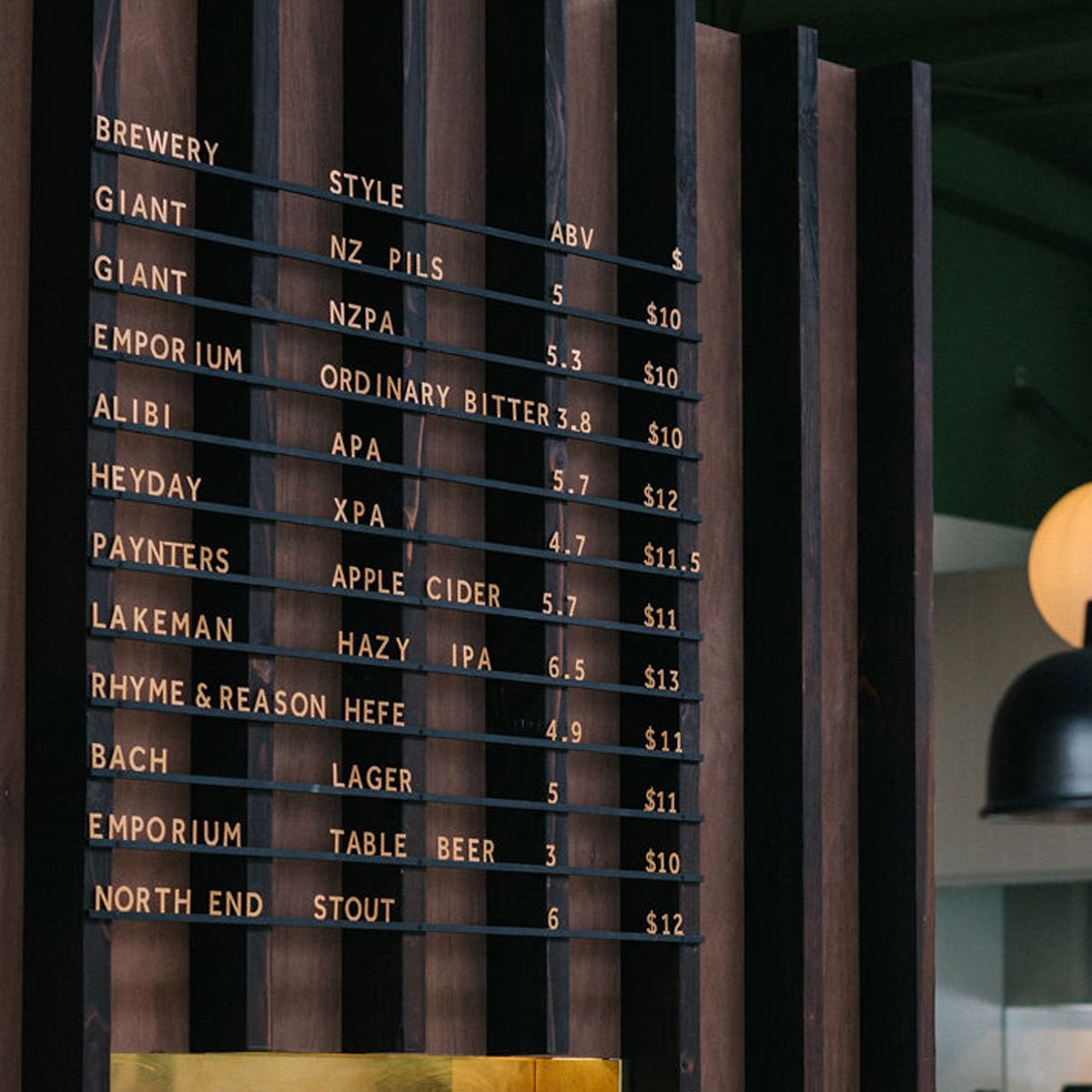
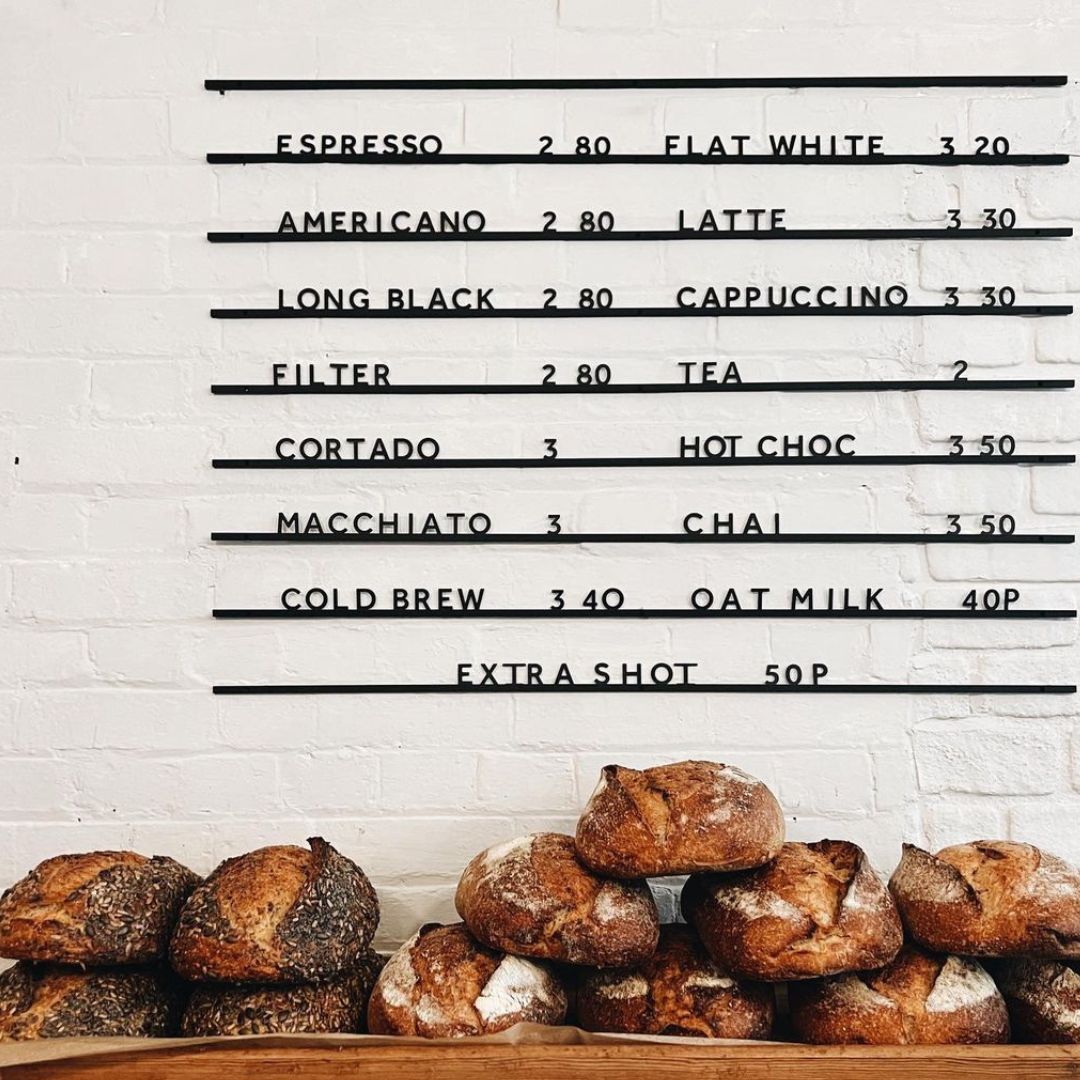
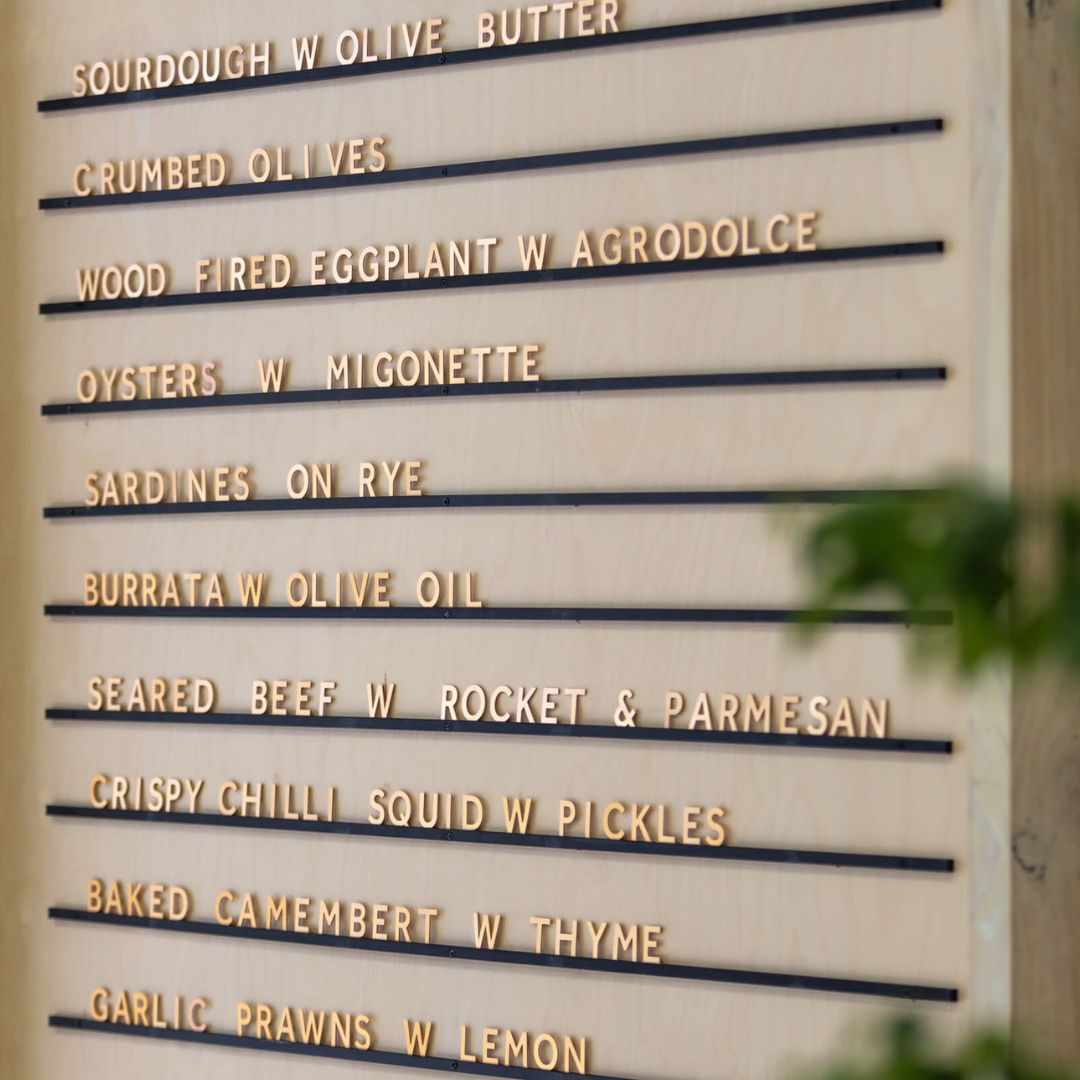
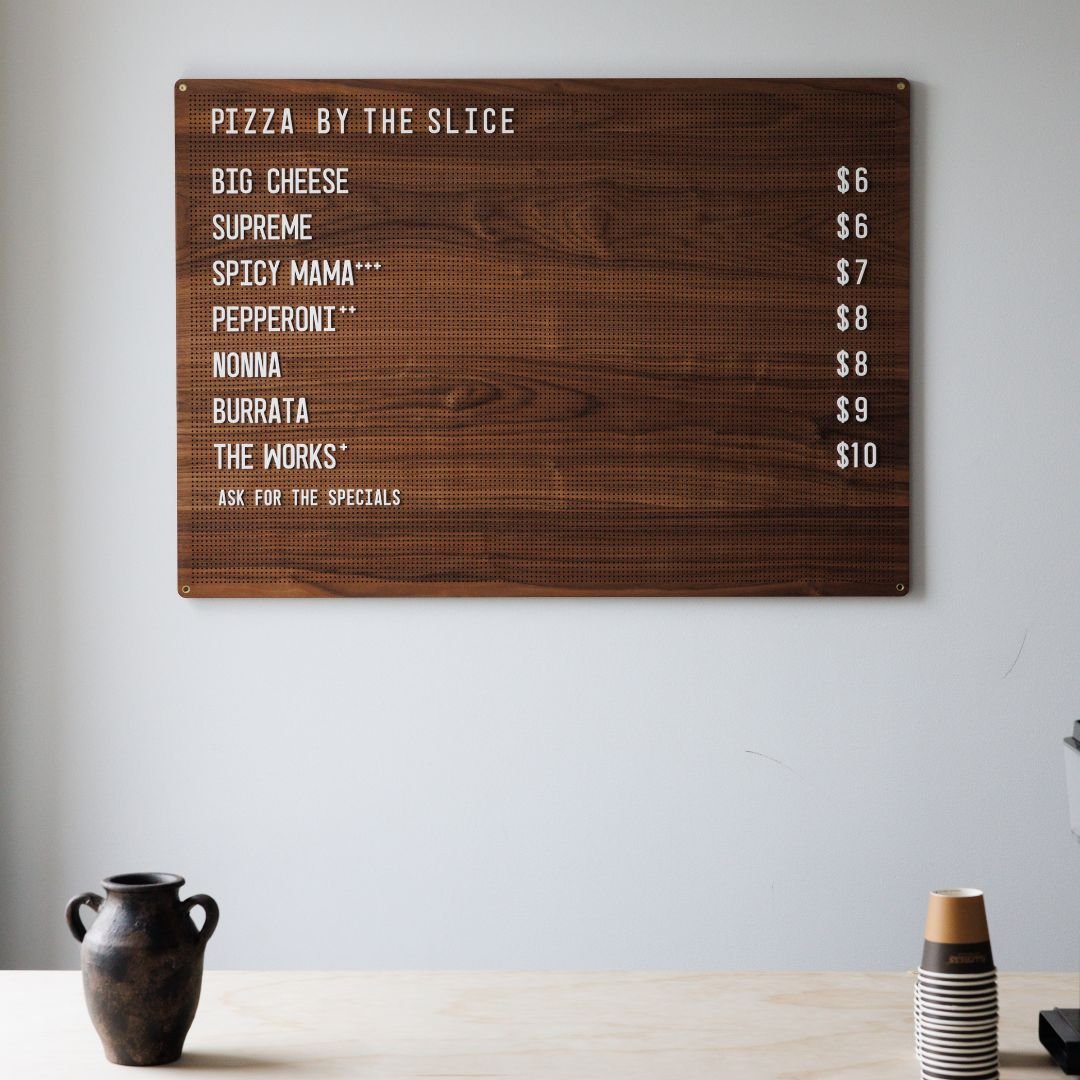
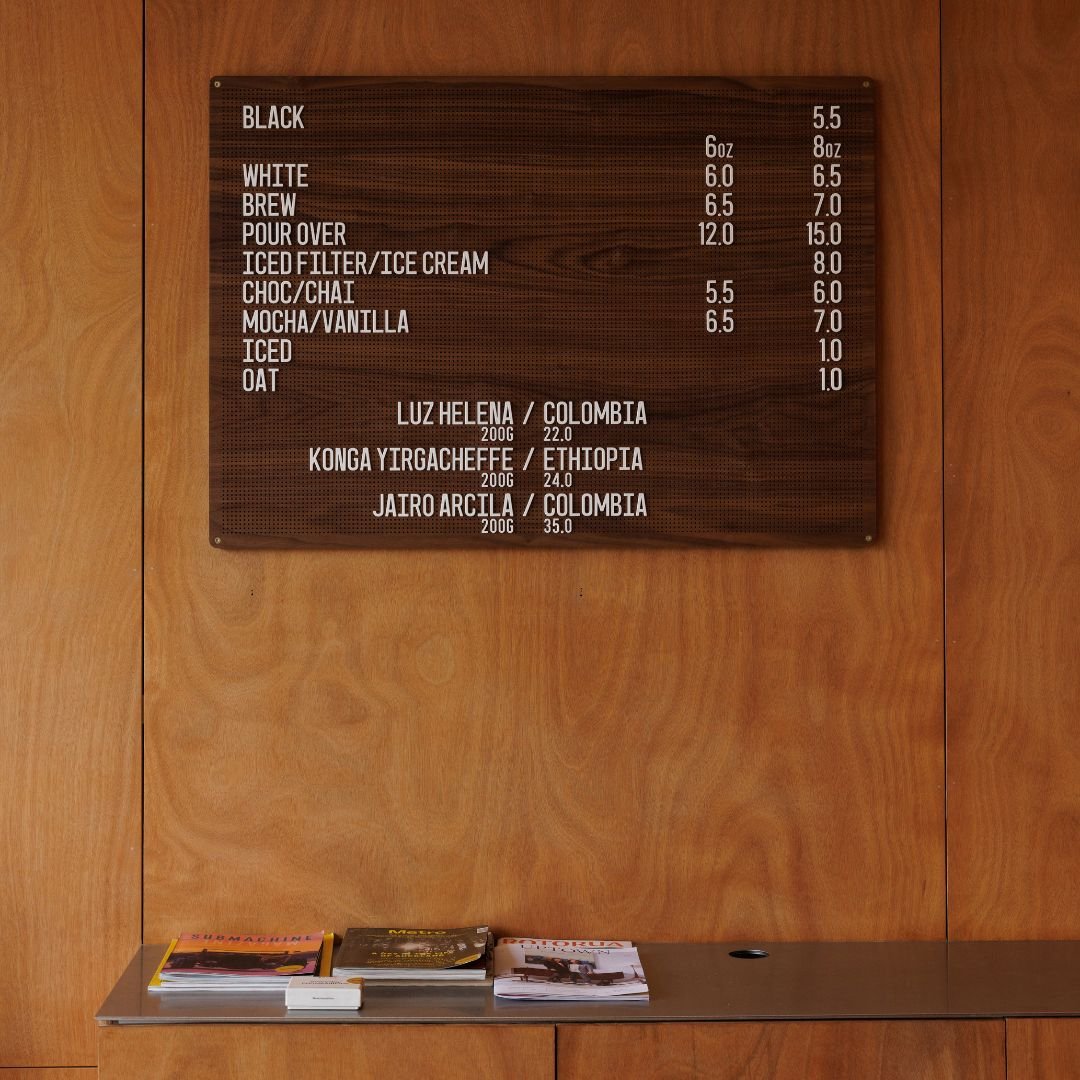
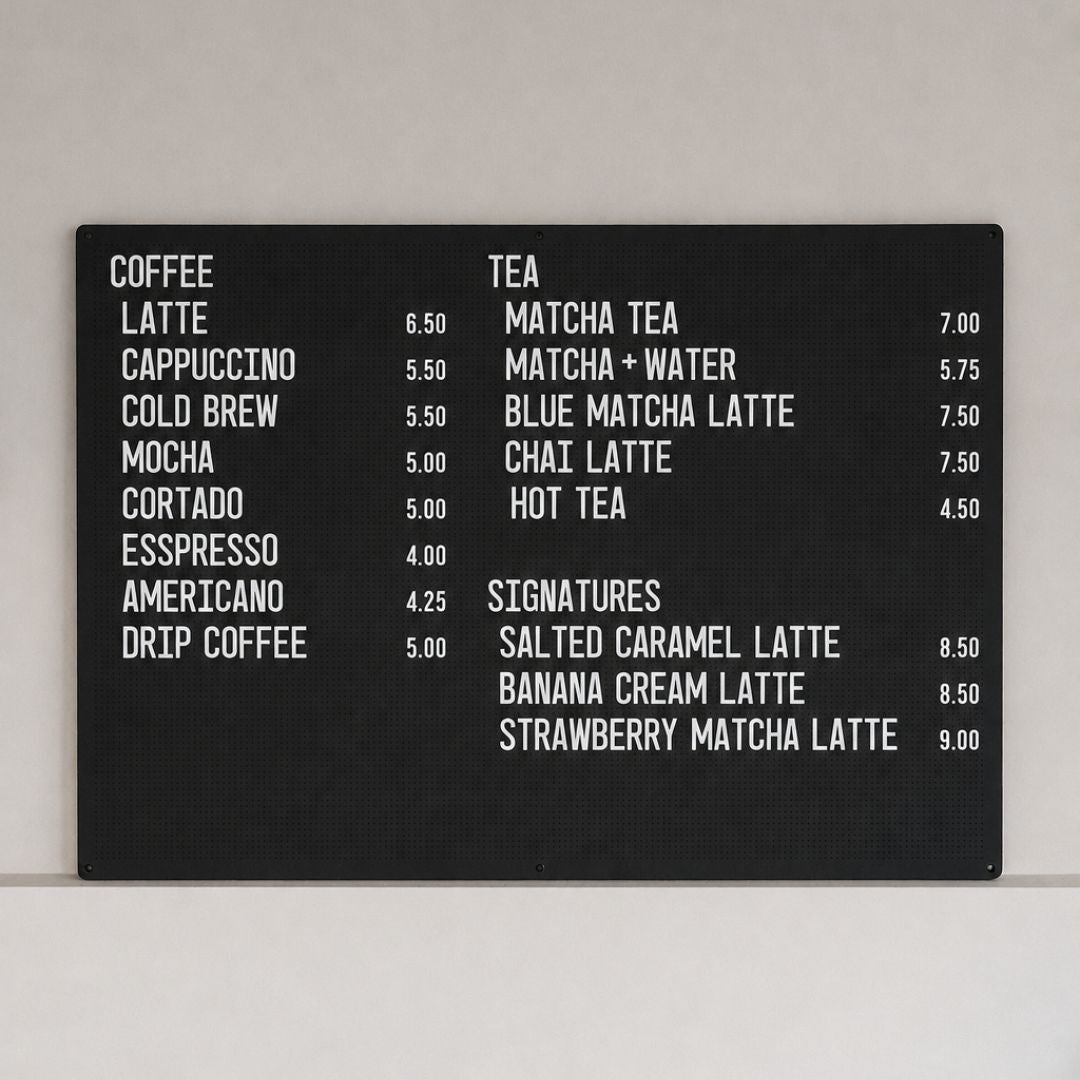
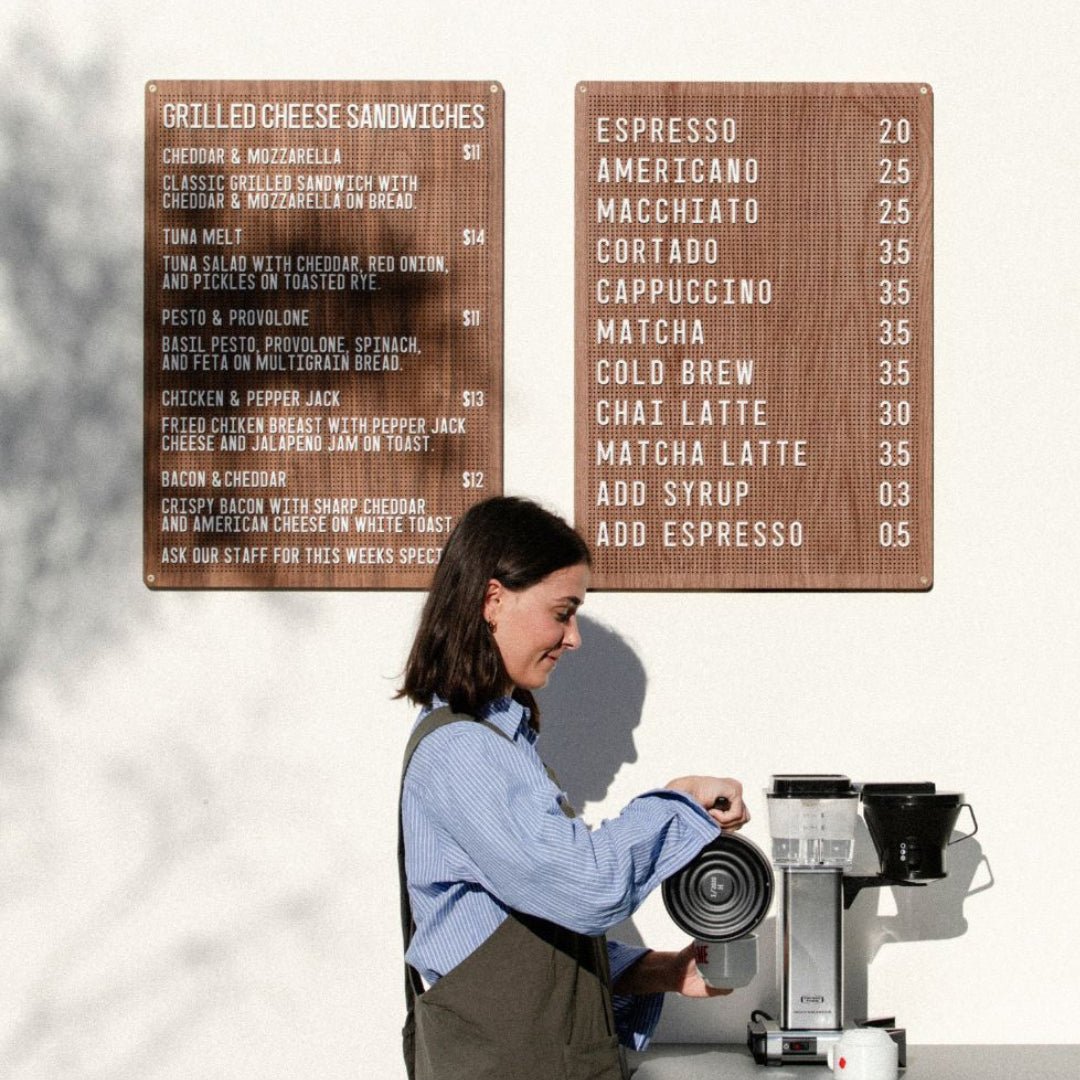
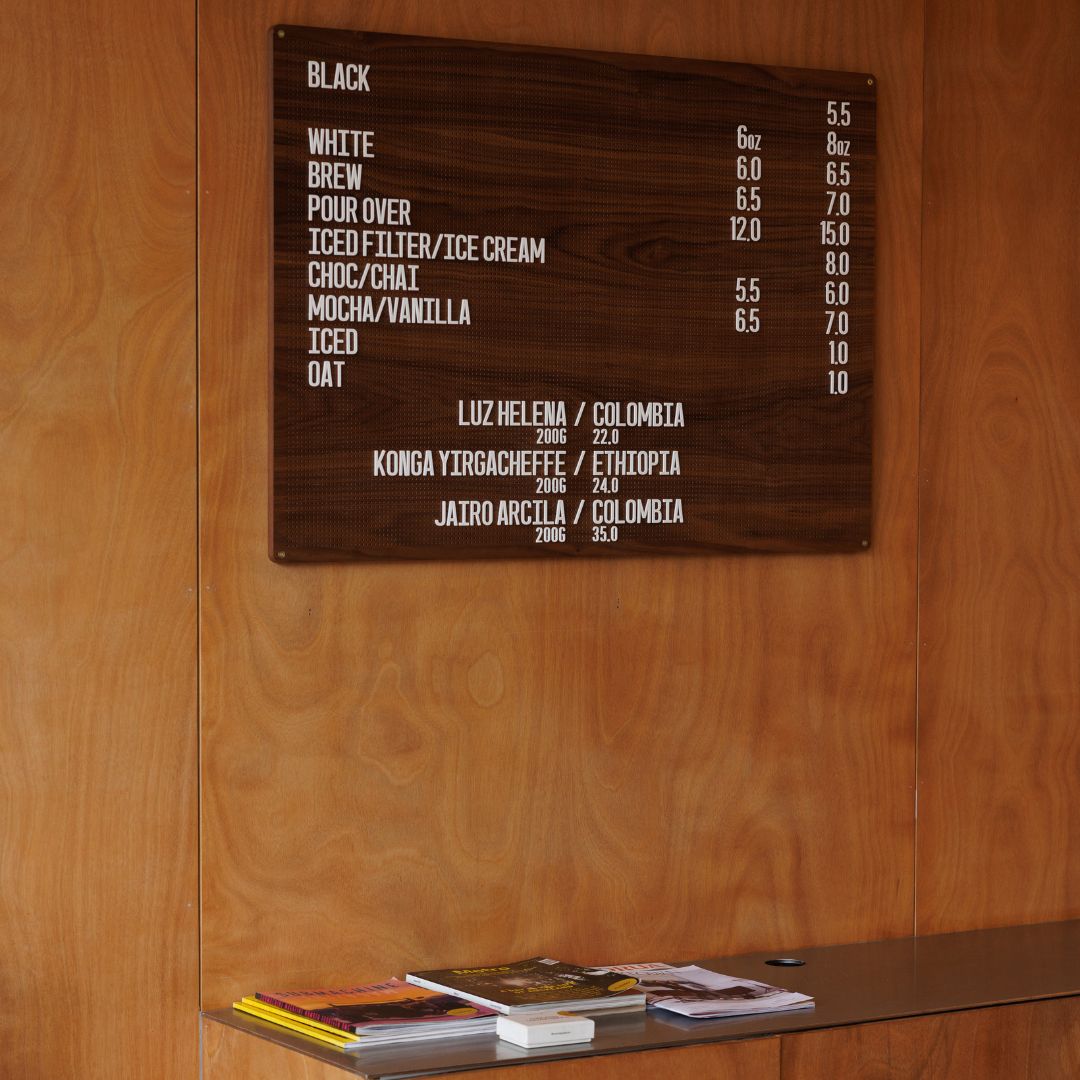
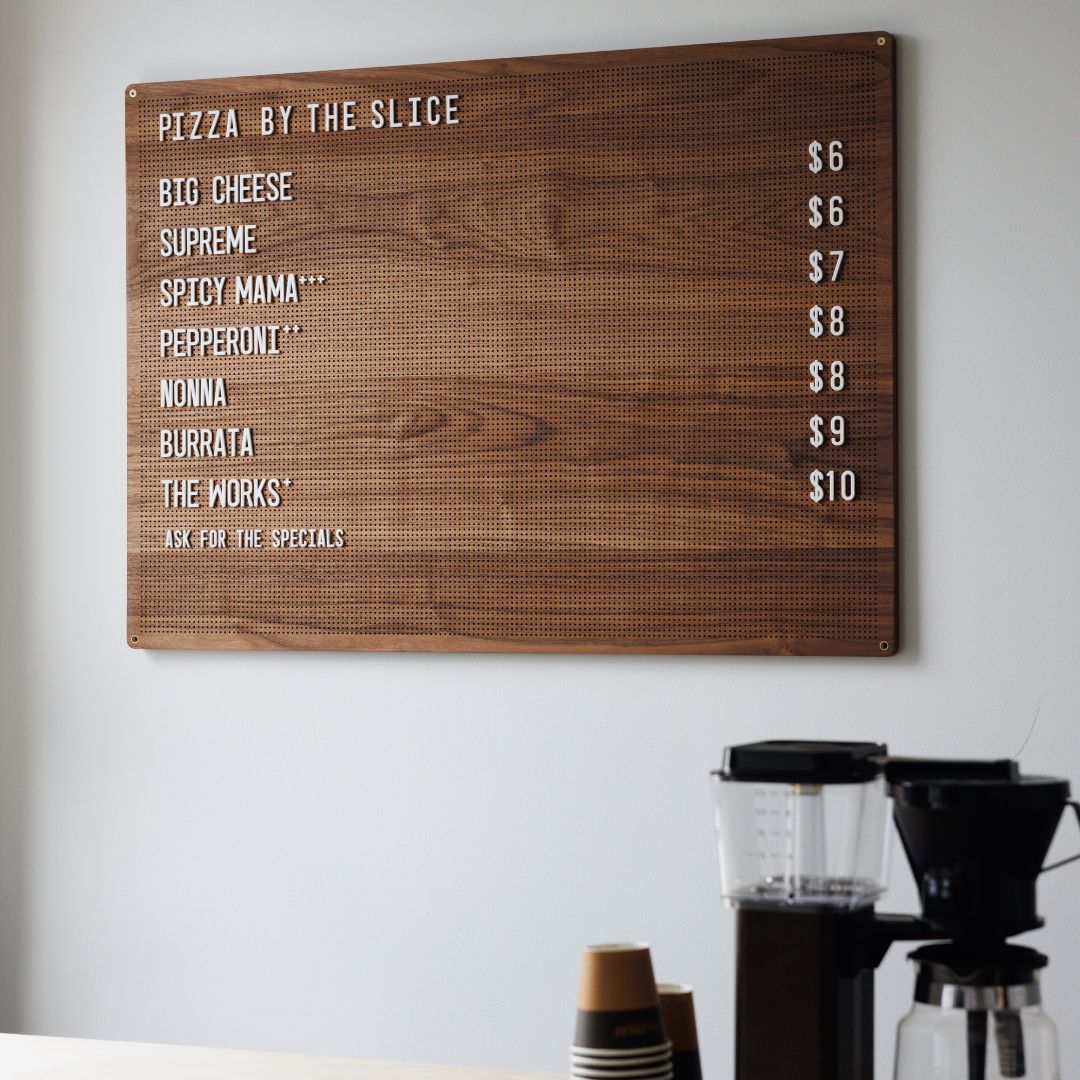
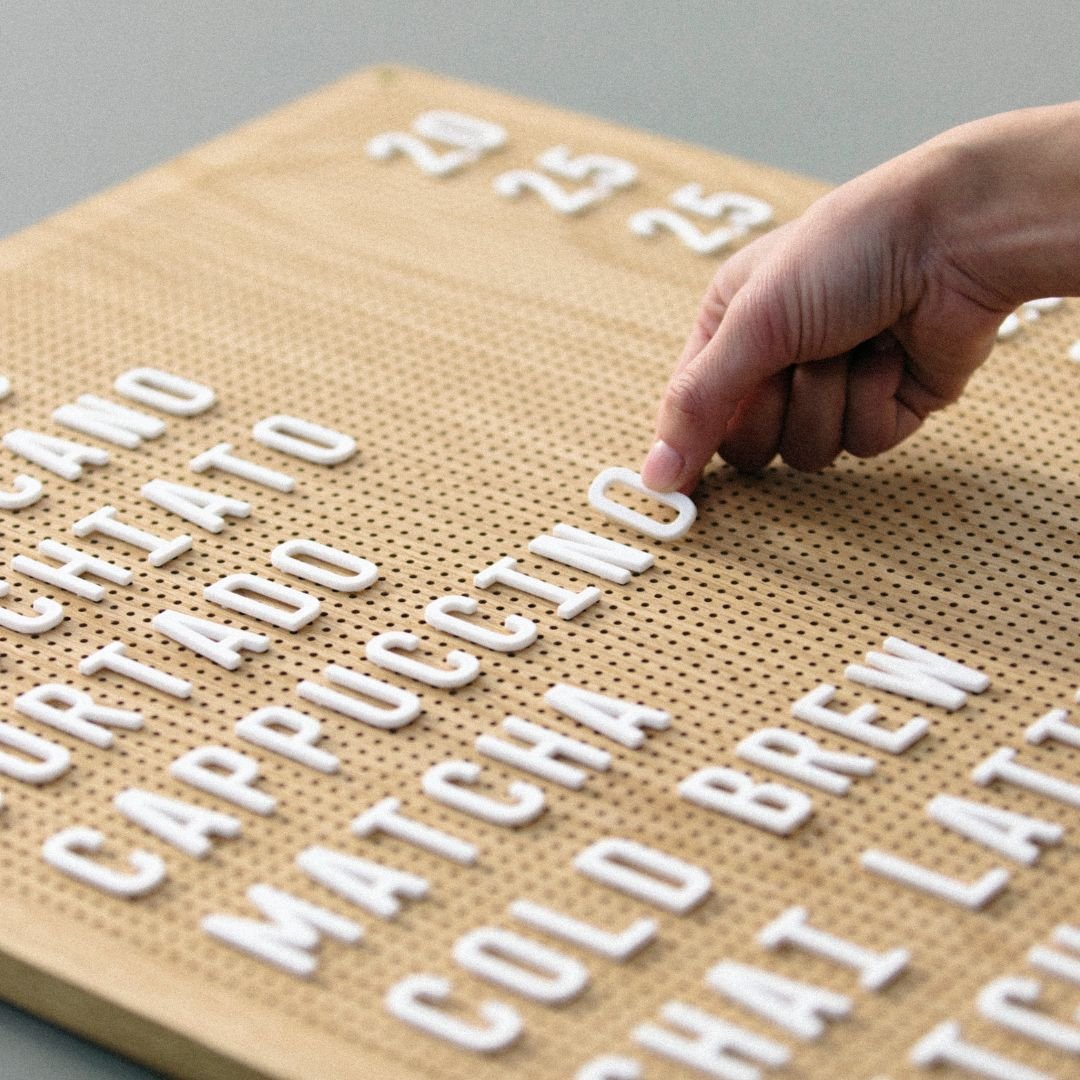
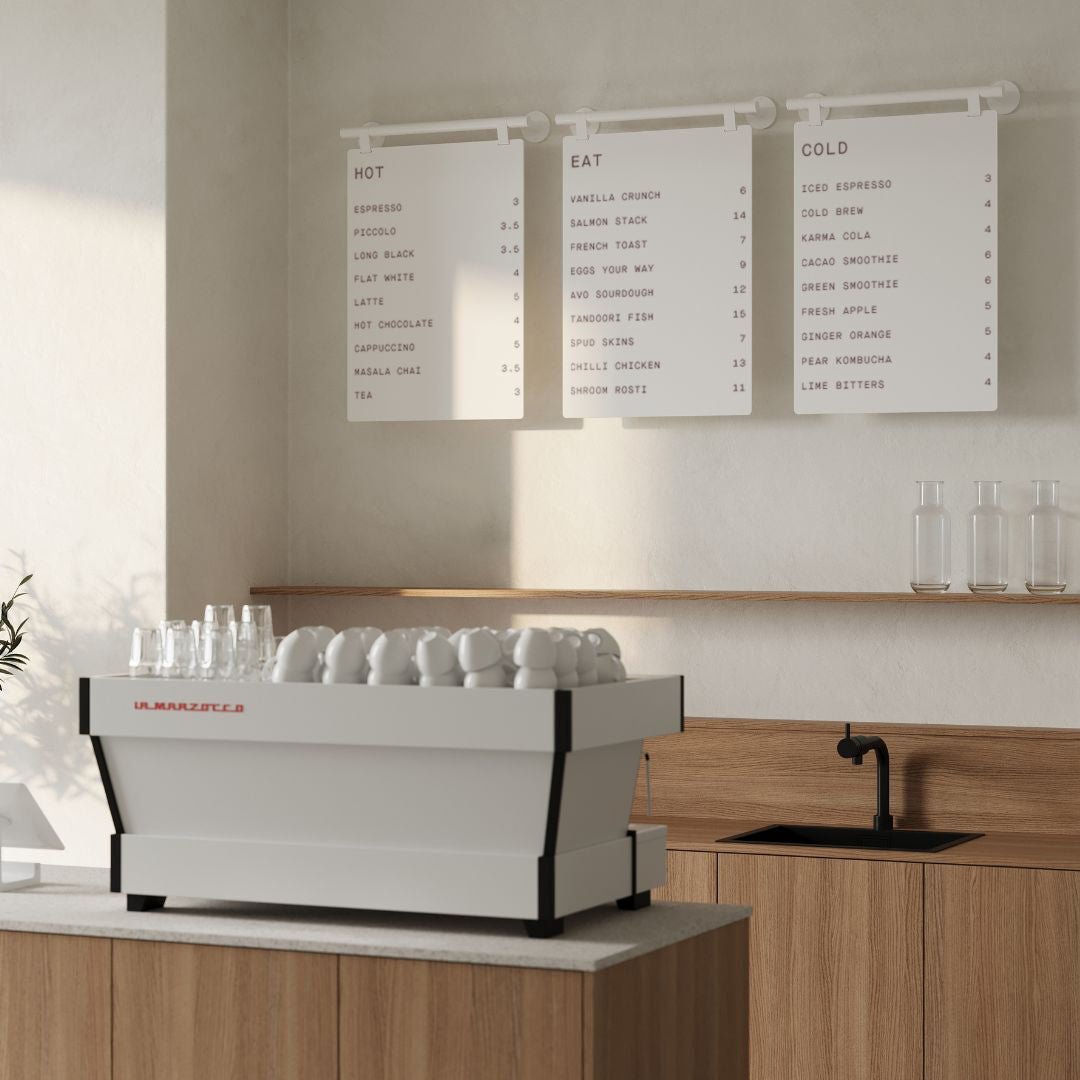
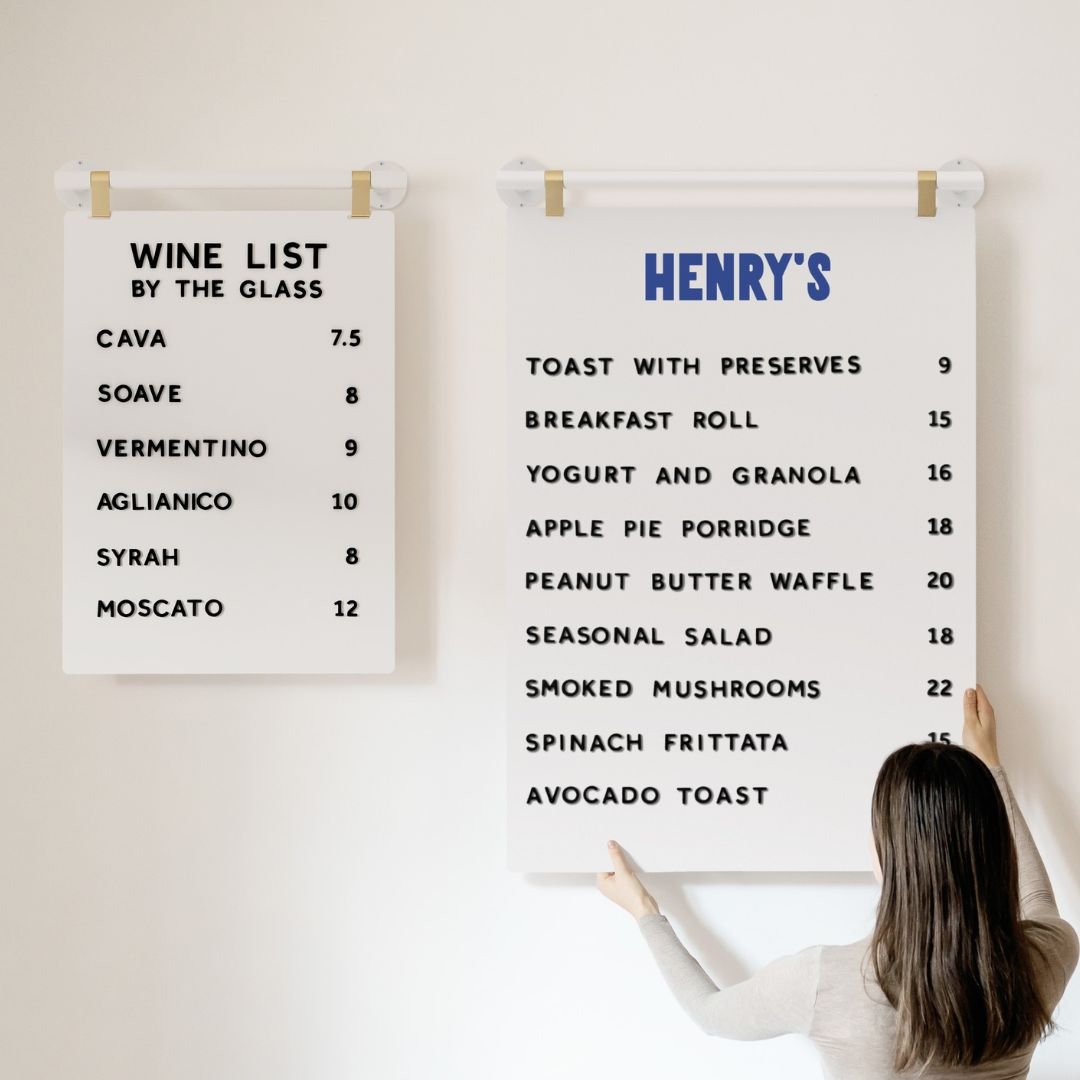
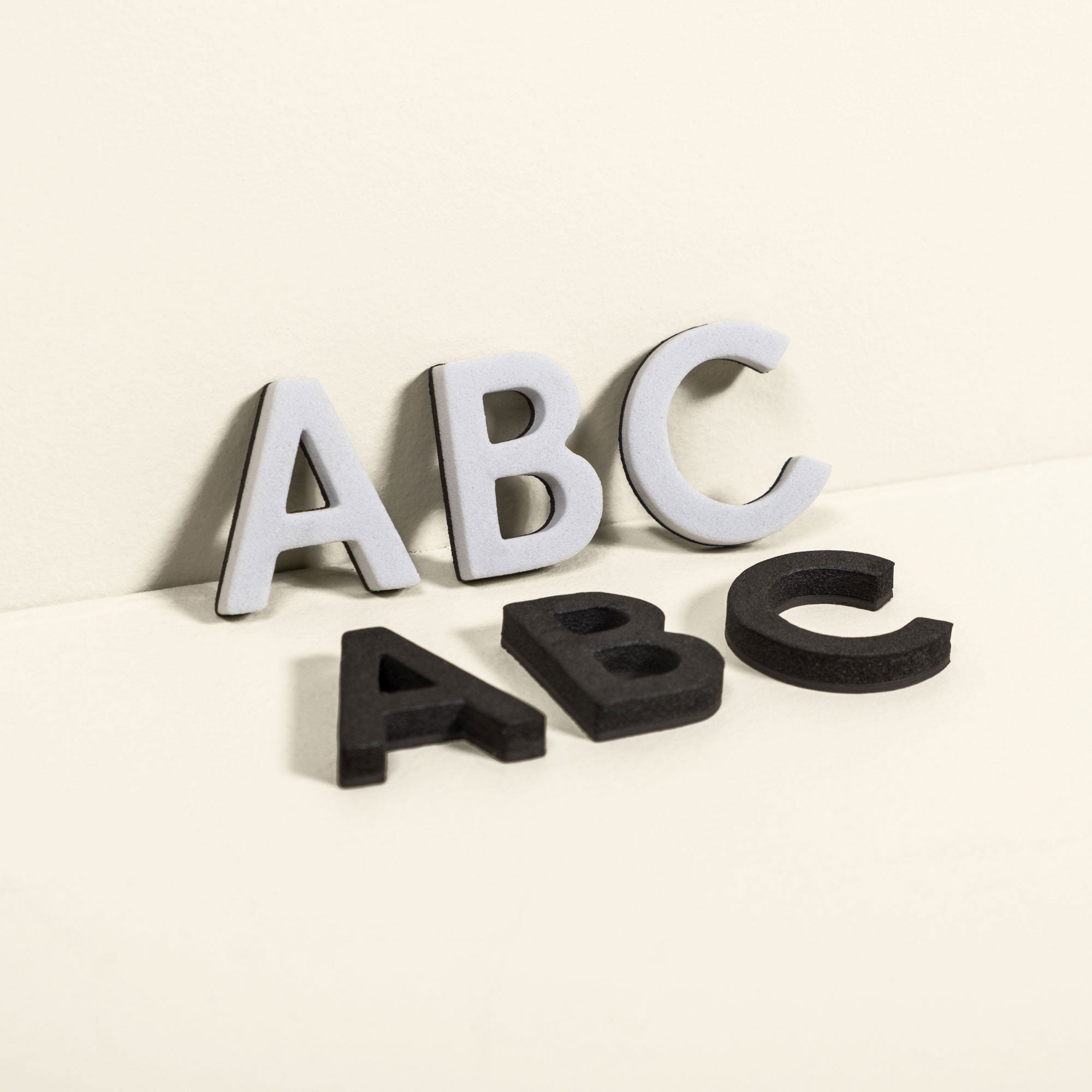
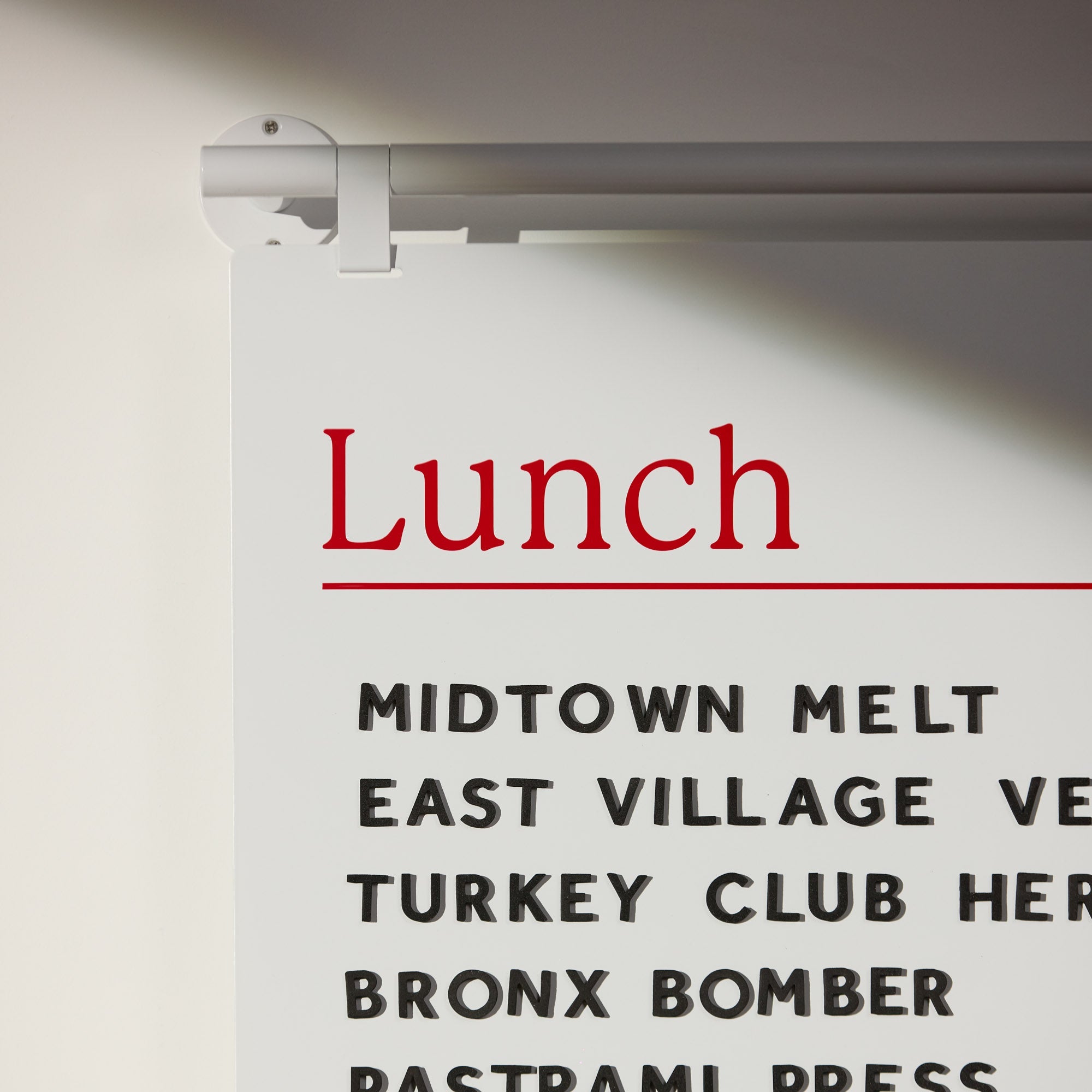
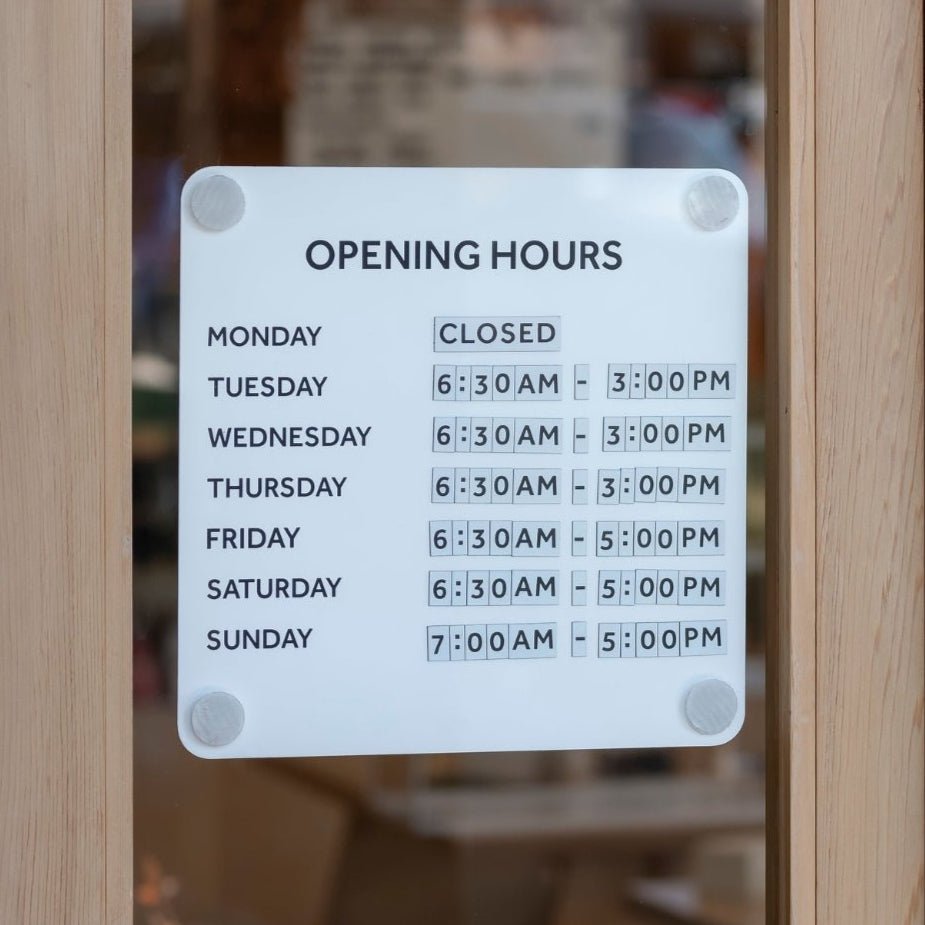
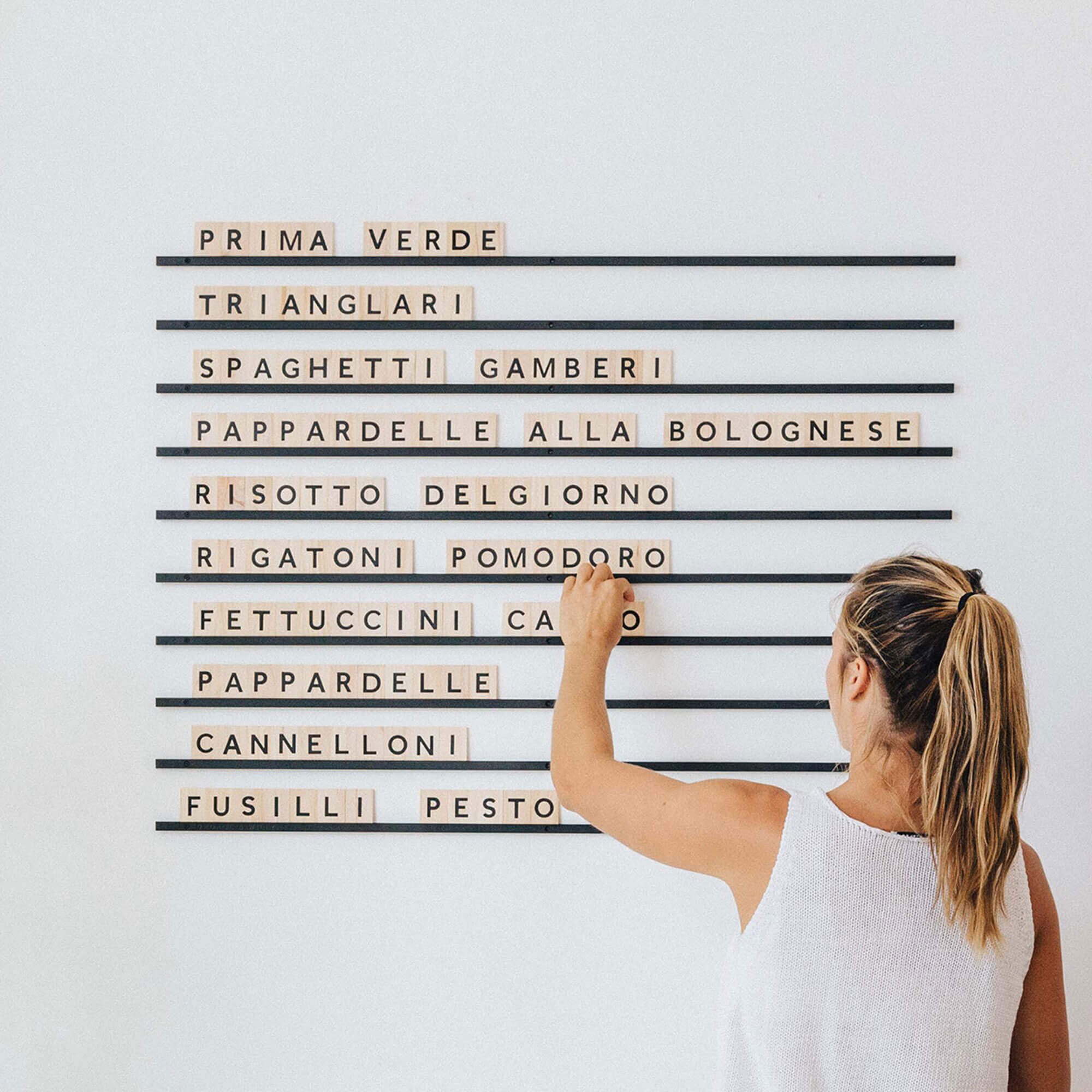
- For commercial properties, choose systems that support tenant change simplification. Menu boards with changeable letters or modular sign panels can be updated easily for new occupants without needing a complete replacement.
Key Industrial Signage Tips for Maximum Impact
Once you have a plan, focus on execution. A few core principles can make your industrial signage program much more effective.
Choose Durable, Compliant Materials
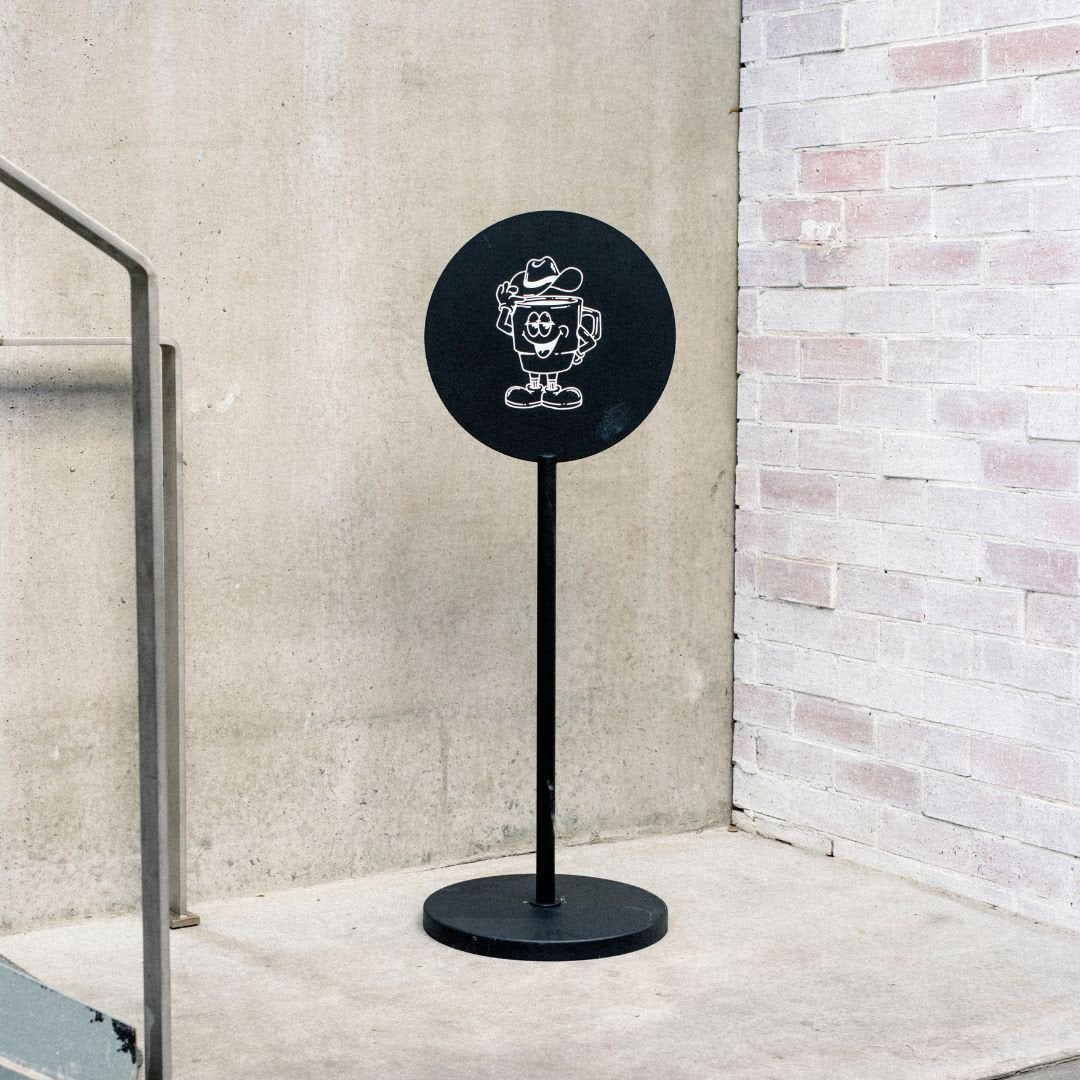
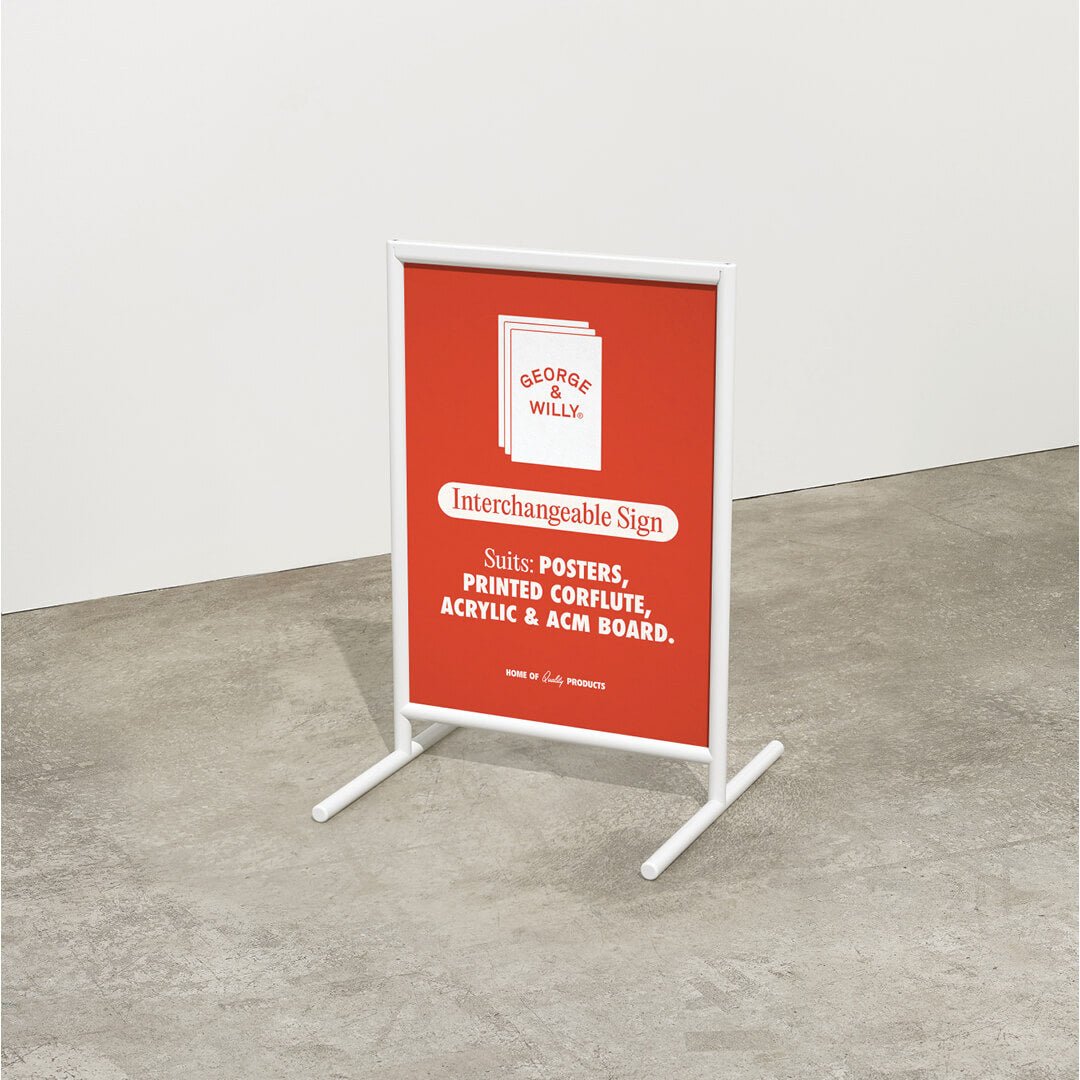
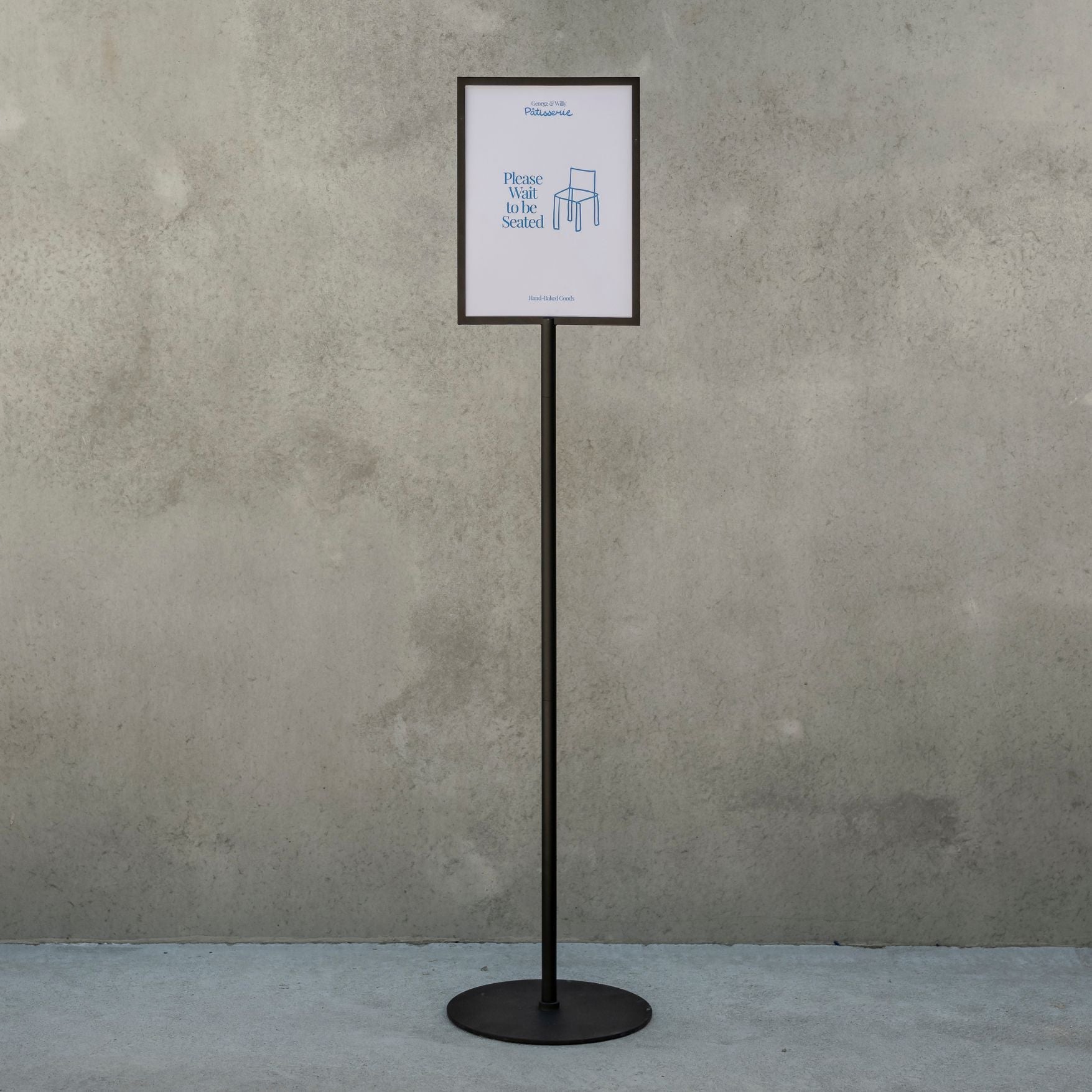
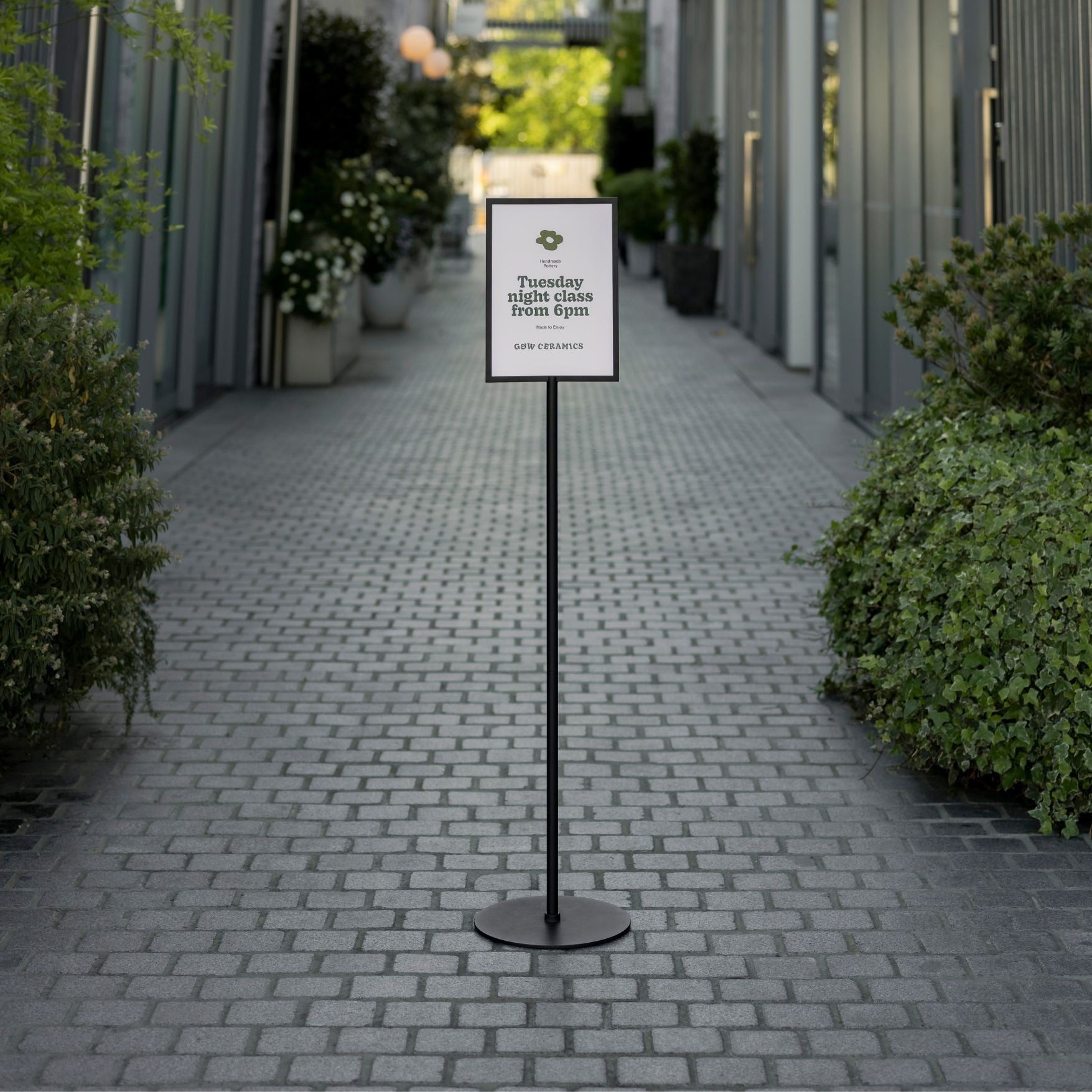
Industrial environments are tough, so your signs need to be too. Opt for durable materials like powder coated aluminum, which resists rust and stands up to sun and rain. For example, a Rounded Sidewalk Sign built from powder coated aluminum holds up outdoors. It is a key industrial signage tip to invest in quality from the start. Also, ensure your signs meet all relevant OSHA and ANSI standards for colors, fonts, and pictograms.
Keep It Clear, Consistent, and Intuitive
Clarity is everything. Use legible fonts, high contrast colors, and simple language. Visuals are powerful, as the brain can process images up to 60,000 times faster than text. A clean pictogram or color cue will transmit its message almost instantly. Maintain consistency in your designs and placement so employees learn where to look for important information.
Train Your Team
The best signs are useless if your team doesn’t understand them. Make training on industrial signage a part of your onboarding and regular safety meetings. OSHA actually requires employers to instruct their teams on the meaning of specific signs, such as ensuring everyone knows that a “Danger” sign indicates an immediate hazard requiring special precautions.
Review and Improve Your Signage Strategy Continuously
Your facility is always evolving, and your industrial signage should evolve with it. Don’t treat signage as a one time project. Periodically review your signs to ensure they are still accurate, visible, and relevant. After any near miss or incident, ask if better signage could have helped prevent it. If you are looking for timeless, durable options that can adapt as your business grows, explore a collection of thoughtful signage solutions, such as a Standing Round Sign for entry points.
Frequently Asked Questions About Industrial Signage
What is industrial signage?
Industrial signage is a broad term for the signs, labels, and visual graphics used in commercial and industrial environments. It includes everything from large exterior pylon signs and safety warnings to interior directory signs and small equipment labels.
Why is industrial signage so important?
It is crucial for safety, efficiency, and branding. It warns of hazards, guides people and vehicles to prevent confusion, communicates important procedures, and presents a professional brand image to visitors and employees.
What are the main types of industrial signage?
The main types include exterior identification signs (monument, pylon), building mounted signs (projecting, illuminated), wayfinding signs (directory, room ID), safety signs (danger, warning, ADA), and operational signs (floor graphics, equipment tags).
How do I choose the right materials for industrial signs?
Choose materials based on the environment. For outdoor or harsh indoor conditions, use weather resistant materials like powder coated aluminum. For areas with low light, consider photoluminescent or reflective materials.
Are custom industrial signs worth the investment?
Yes, particularly for exterior building signage that reinforces your brand identity. A Round Outdoor Shop Sign, for example, makes a clean first impression. Customization doesn’t have to be complex; applying a vinyl logo to a high quality blank sign is an effective and popular strategy.
How often should I review my facility’s signage?
Review all industrial signage at least once a year, or whenever there is a change in your facility’s layout, equipment, or processes. You should also review signage after any safety incident to see if improvements can be made.