


Vehicle advertising is a powerhouse for brand visibility. Studies show an incredible 97% of people remember ads they see on vehicles, compared to just 19% for traditional billboards. A magnetic car door sign is one of the easiest ways to turn your daily drive into a marketing machine. But how do you use one without creating a headache for your car’s paint job?
It’s all about balancing promotion with proper care. This guide will walk you through everything you need to know, from cleaning routines to understanding what surfaces work, so you can advertise your business confidently while keeping your vehicle in pristine condition.
The Essentials of Magnetic Car Door Sign Care
Proper care starts before you even put the sign on your car and continues with a simple, regular routine. Getting this right is the key to a long lasting sign and flawless paint.
Prepping Your Car for a Magnetic Sign
First impressions matter, both for your customers and for the magnet connecting with your vehicle. Always start with a perfectly clean and dry surface. Any dust or road grit trapped underneath can act like sandpaper, causing fine scratches over time.
-
Wash and Dry: Clean the area of the car door with mild soap and water, then dry it completely with a soft cloth. Don’t forget to wipe down the back of the magnetic sign itself.
-
Consider Wax: Applying a quality coat of car wax to the panel creates a helpful buffer between the magnetic car door sign and your paint. Just be sure to let the wax cure for a day or two before applying the magnet.
-
Flatten First: If your sign was stored rolled up, lay it flat on a metal surface like a refrigerator for about 24 hours. Applying a curled magnet can trap air and weaken its grip.
Why a Removal Schedule Is Non Negotiable
A magnet removal schedule is simply a routine for taking your signs off to clean and inspect the area underneath. Forgetting this step is the number one cause of potential issues.
Experts recommend removing your magnetic car door signs at least once a week for a thorough cleaning. If you have a brand new paint job, some manufacturers even suggest daily removal just to be extra safe. This simple habit prevents dirt and moisture from getting trapped, which can weaken the magnet’s hold and potentially harm the paint. If you drive through heavy rain, it’s a good idea to remove the magnet and dry the car door as soon as you can.
Will a Magnetic Car Door Sign Damage My Car’s Paint?
This is the most common question, and the answer is reassuring. A high quality magnetic sign will not damage your vehicle’s paint when used correctly. The problems people occasionally run into almost always come from improper care, not the magnet itself.
The Real Culprit: Trapped Dirt and Debris
It’s not the magnet that scratches your car, it’s the tiny particles of dirt and road grime that can get trapped between the magnet and the paint. As your car vibrates, these particles can cause microscopic abrasions on the clear coat. This is precisely why the weekly cleaning routine we mentioned is so important. By keeping both the car door and the back of the magnet clean, you eliminate the risk of scratching.
Sun, Heat, and “Ghosting”
Sunlight and heat introduce a couple of other factors to be aware of.
-
Heat Bonding: In very hot climates, a magnetic sign left on a car can essentially “bake” onto the surface. Extreme heat can soften the magnet’s material, causing it to bond with the car’s clear coat. Removing it frequently in hot weather prevents this from happening.
-
Uneven Fading (Ghosting): A magnetic car door sign acts like a sunblock for your paint. Over time, the paint on the rest of your car may fade slightly from UV exposure, while the area under the magnet remains protected. When you remove the sign, you might see a faint, darker outline of where it was. This is called ghosting. You can easily prevent this by removing the magnet regularly to let the paint underneath get some sun, ensuring your car’s color fades evenly.
Will a Magnet Stick to My Vehicle?
Before you invest in a beautiful new sign, you need to be sure it will actually stick to your car. Magnets only adhere to ferrous metals (metals containing iron), and many modern vehicles use other materials.
The Fridge Magnet Test: Steel vs. Aluminum and Plastic
The easiest way to check your vehicle is with a simple fridge magnet. Try to stick it on the exact spot where you plan to place your magnetic car door sign. If it sticks firmly, you have a steel panel and you are good to go.
However, magnets will not stick to:
-
Aluminum: Many trucks and modern cars use aluminum panels to save weight.
-
Fiberglass: The bodies of some vehicles, like the Chevrolet Corvette, are made of fiberglass.
-
Plastic: Bumpers, trim pieces, and spoilers are almost always made of plastic.
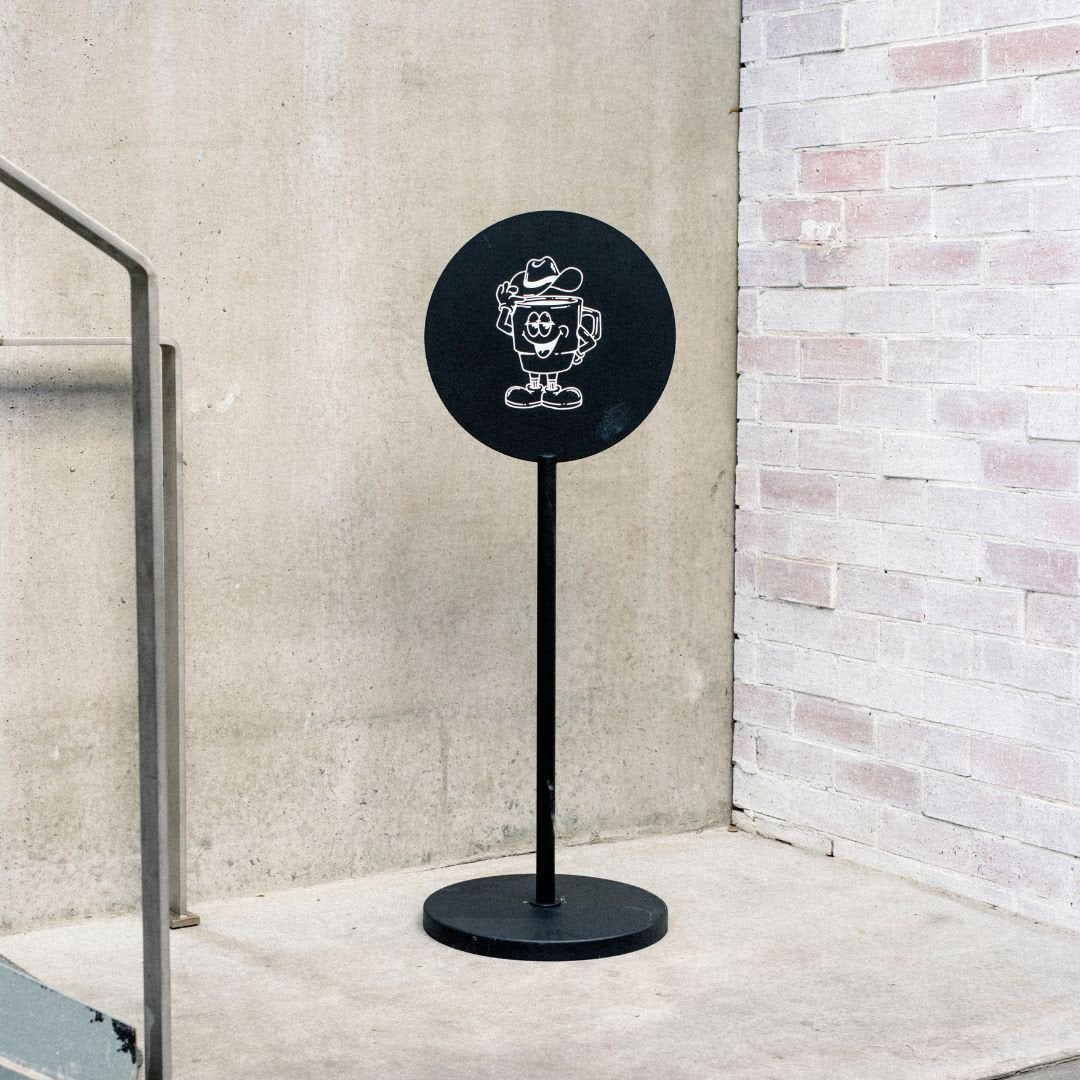
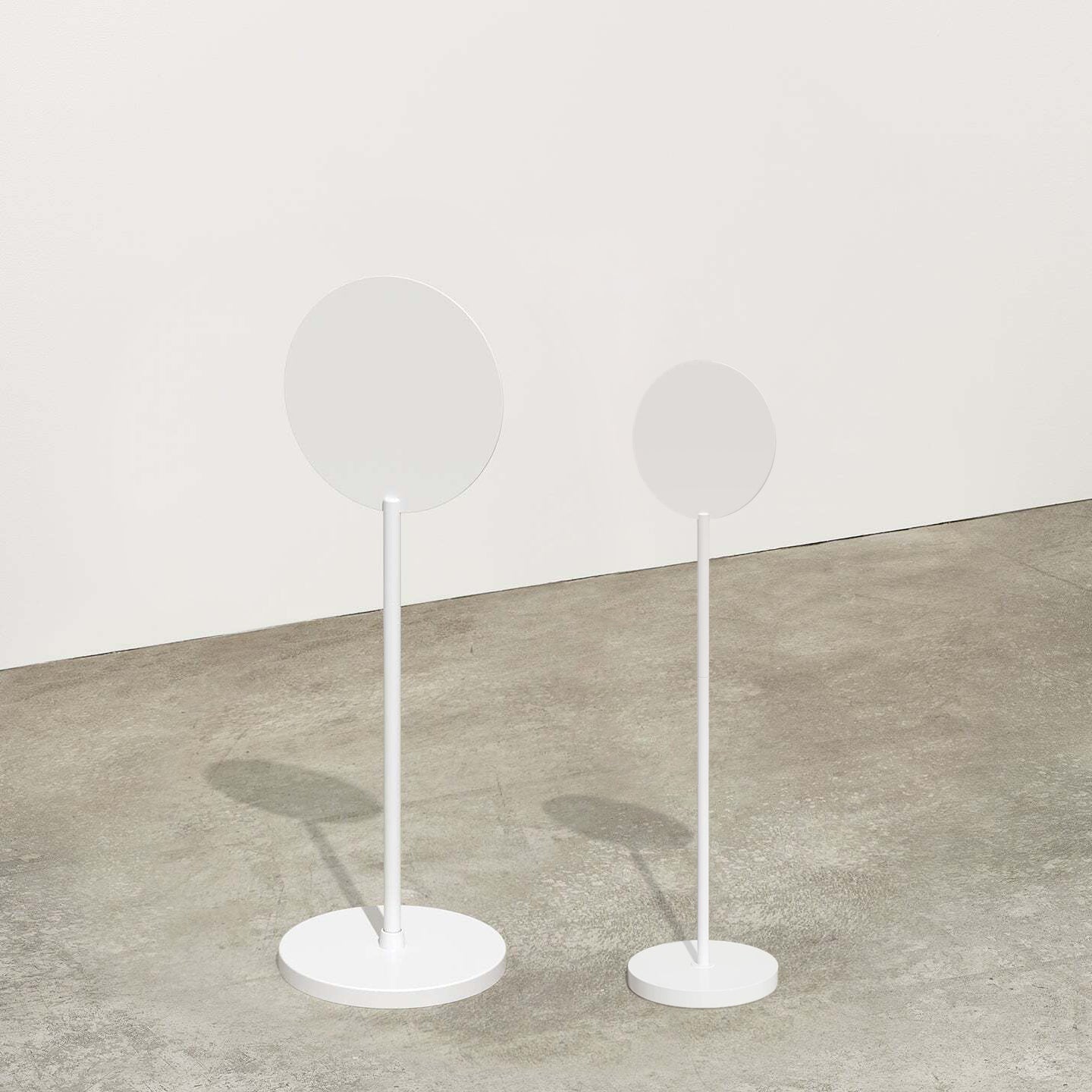
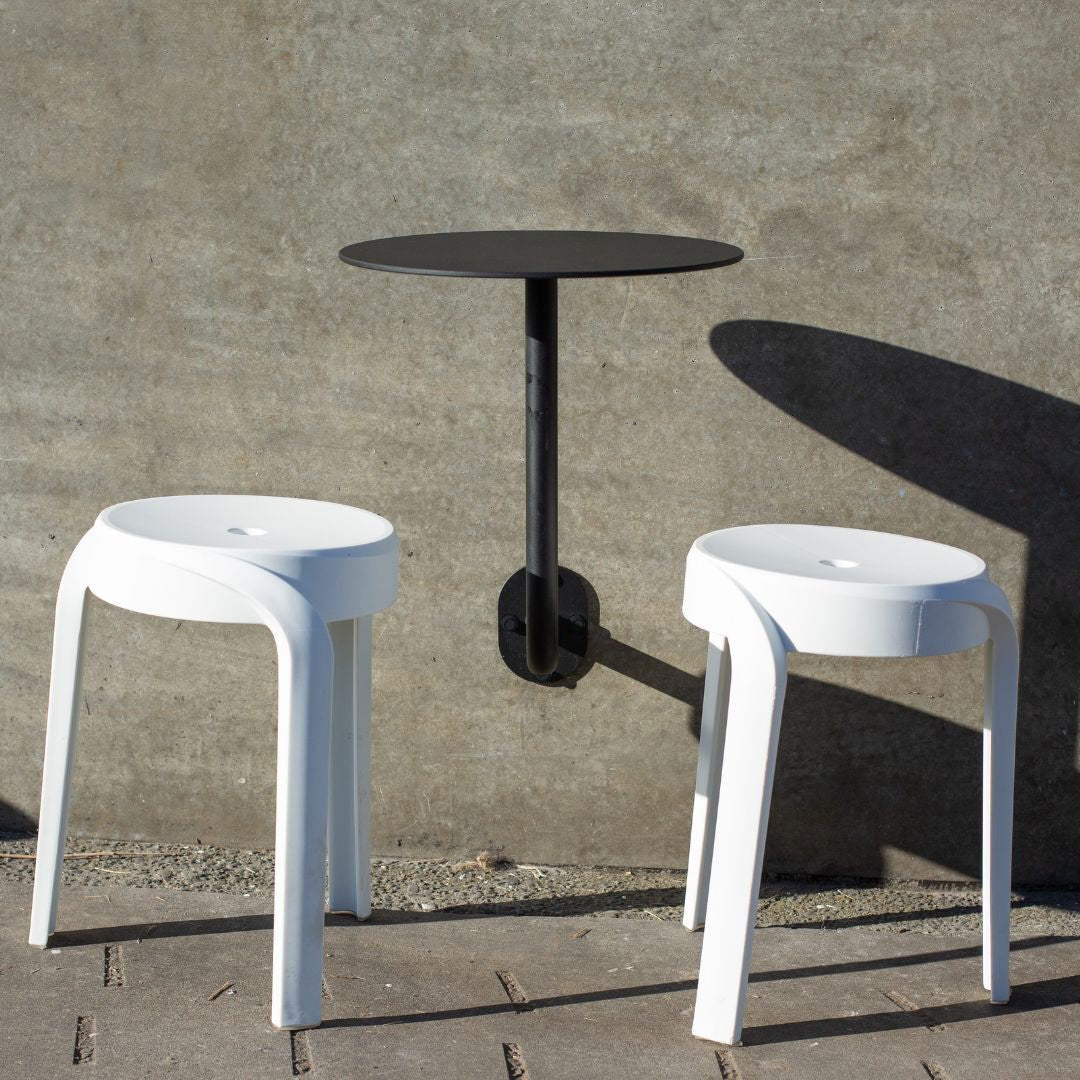
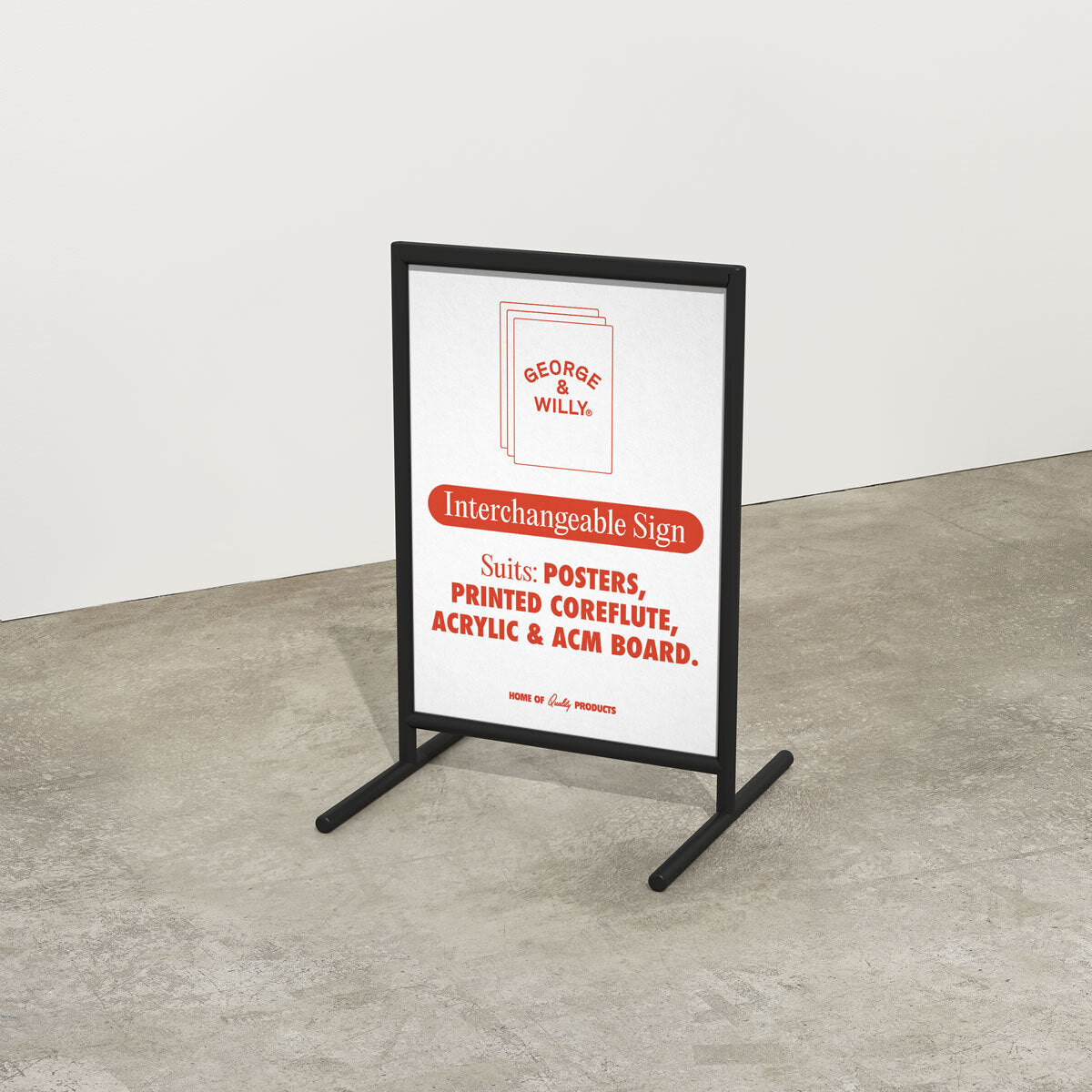
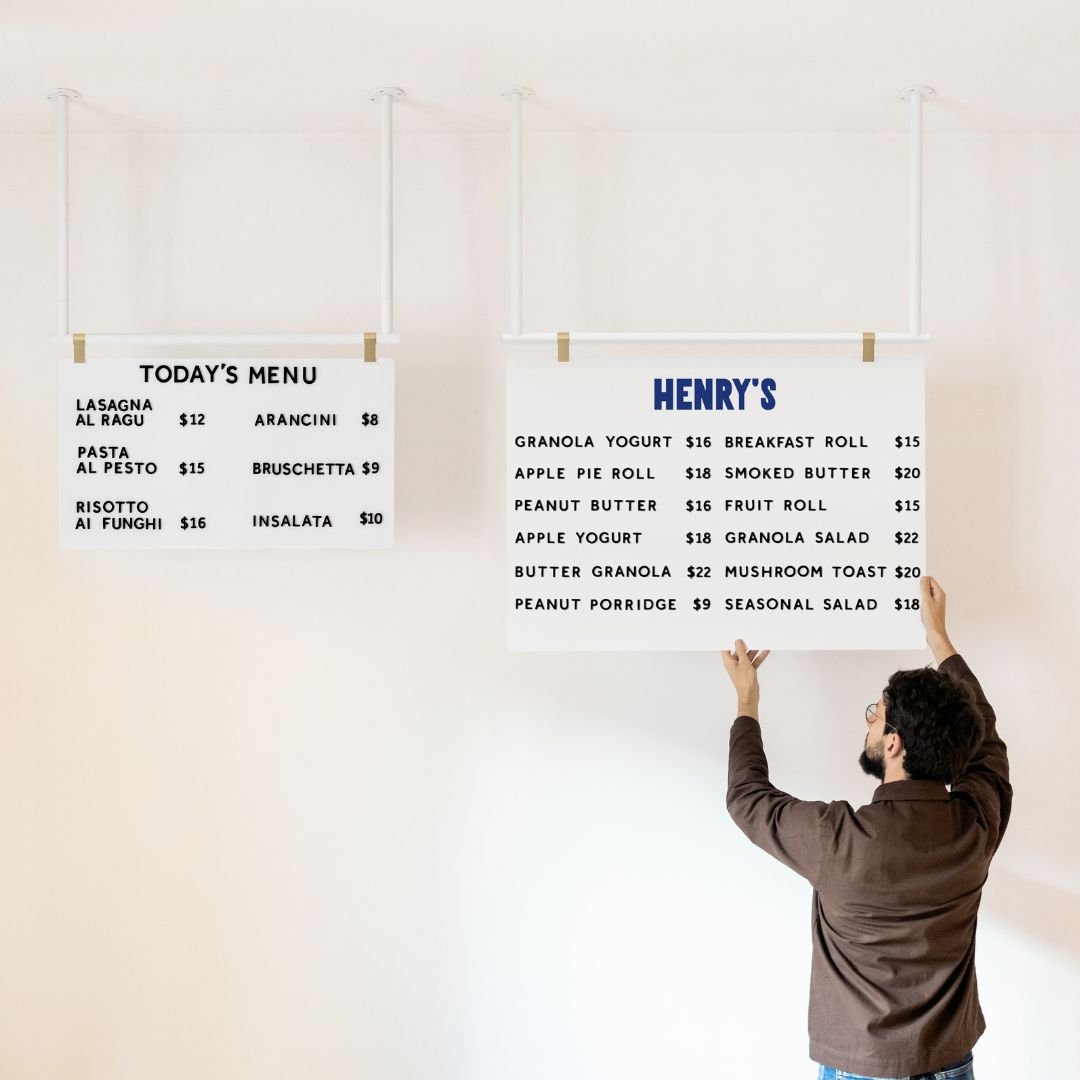
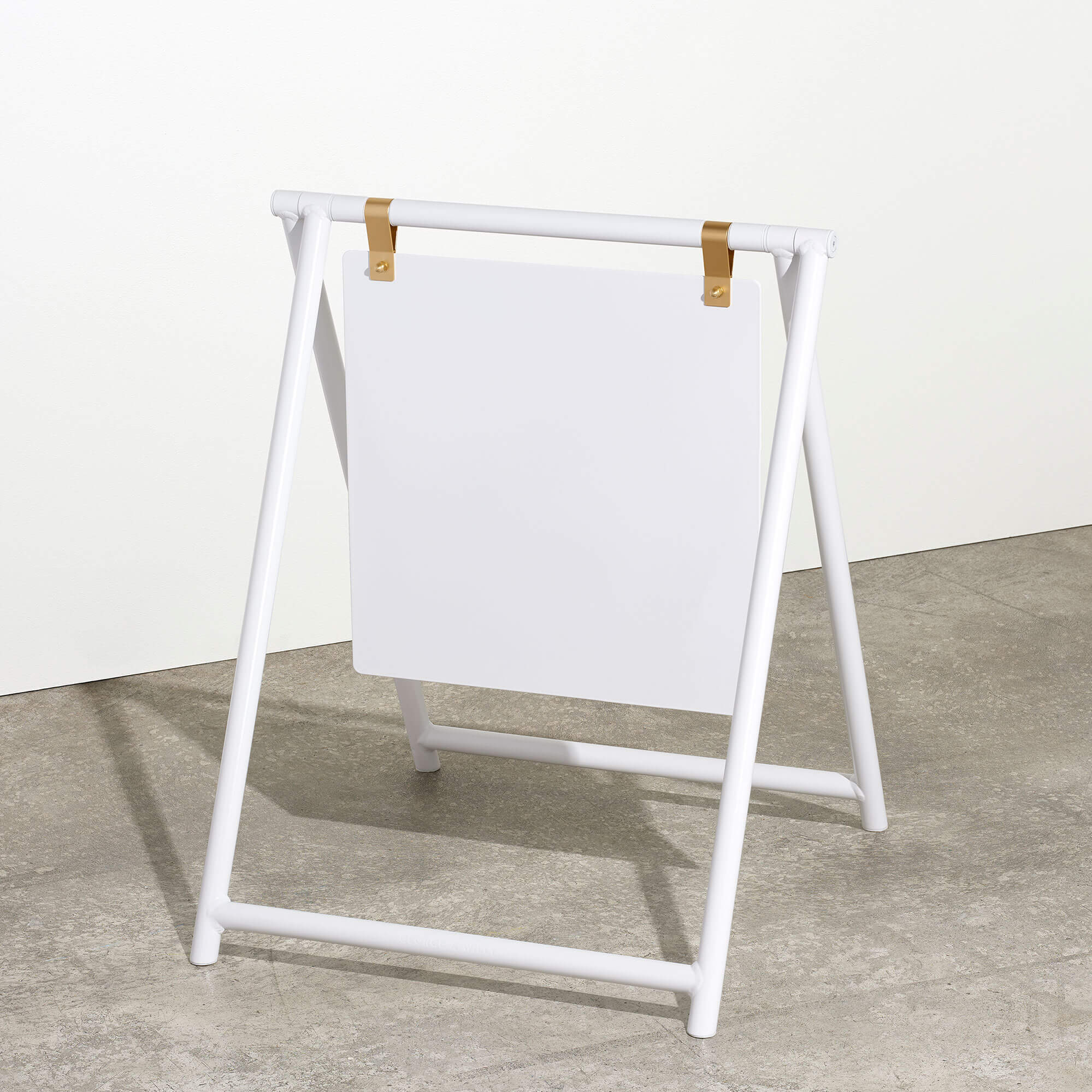
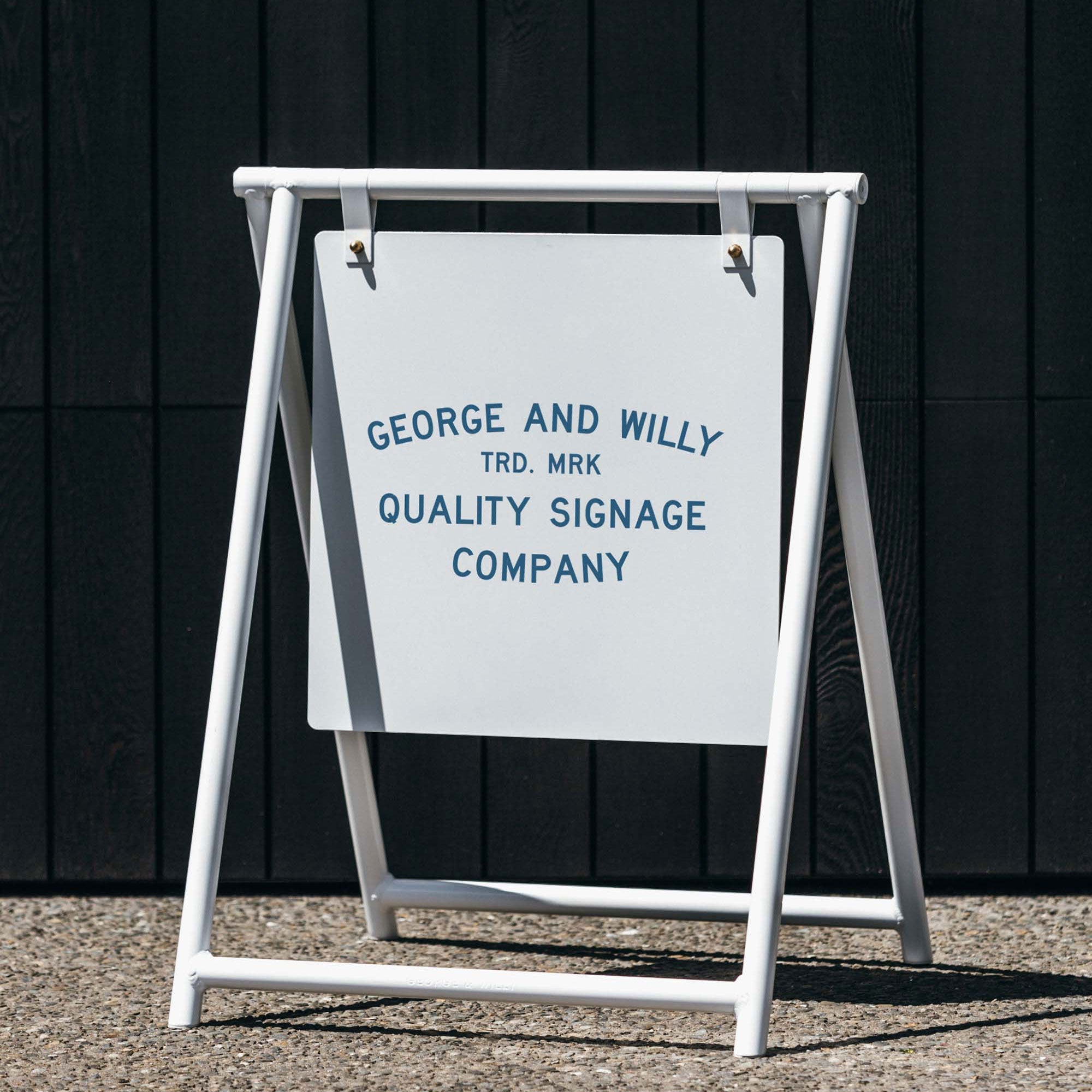
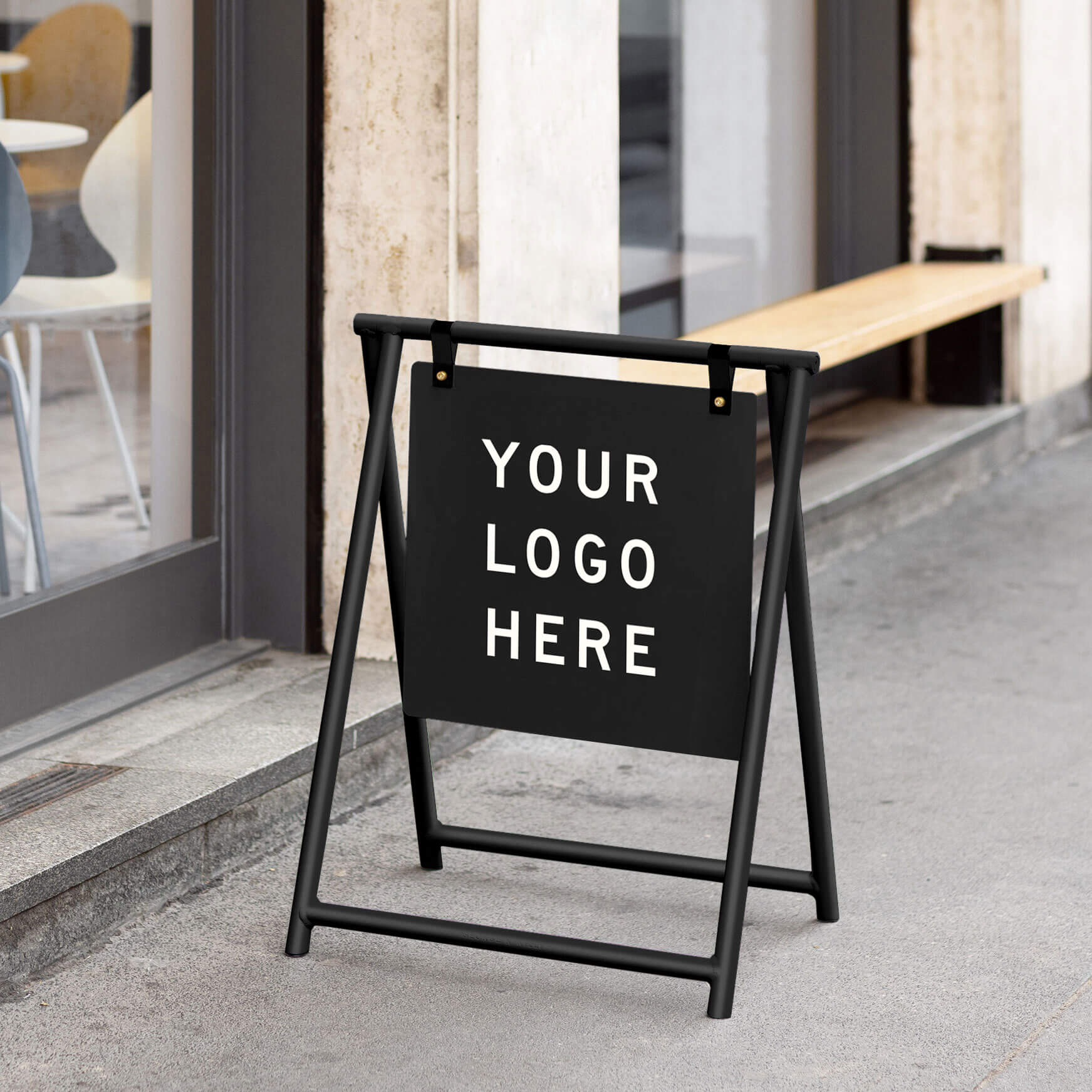
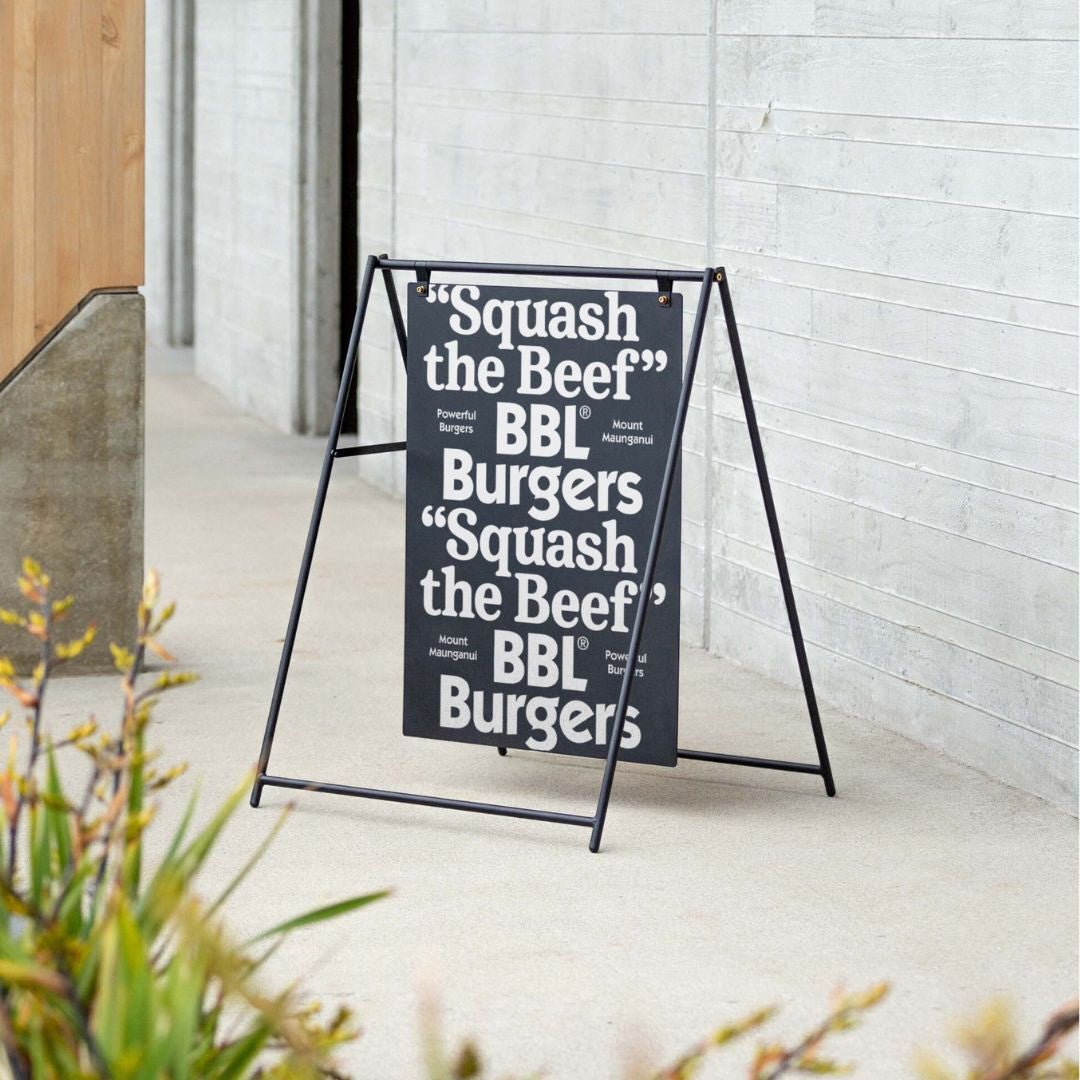
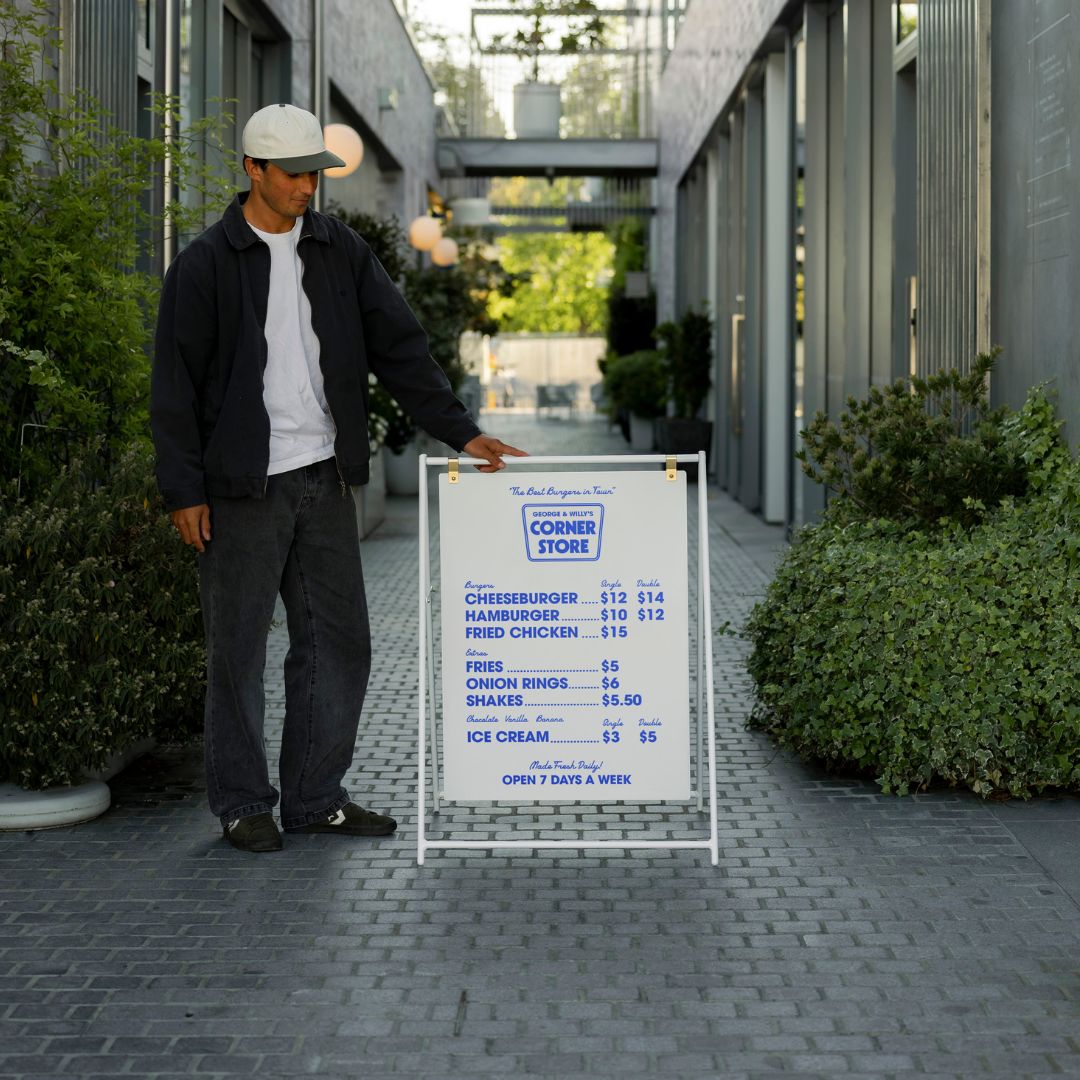
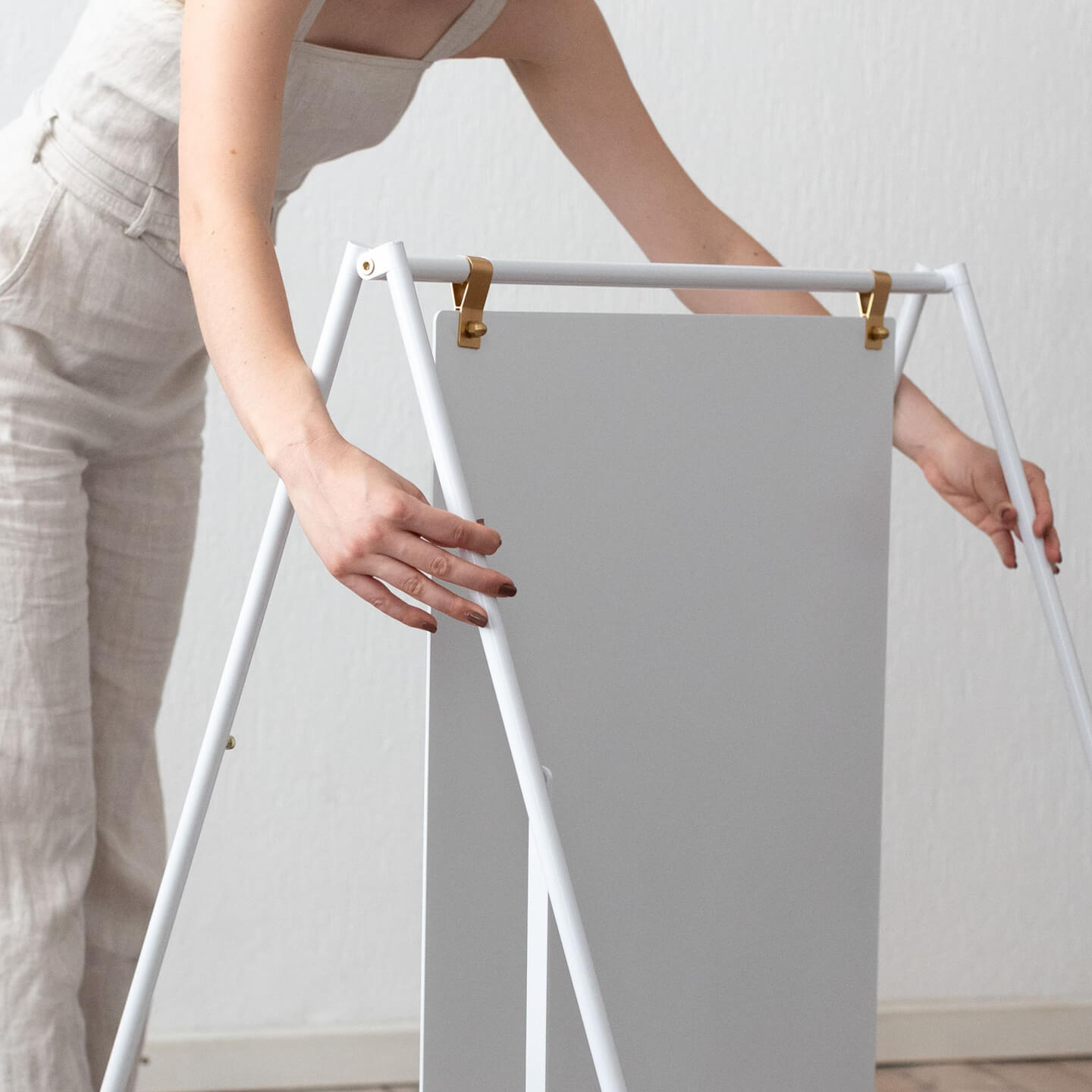
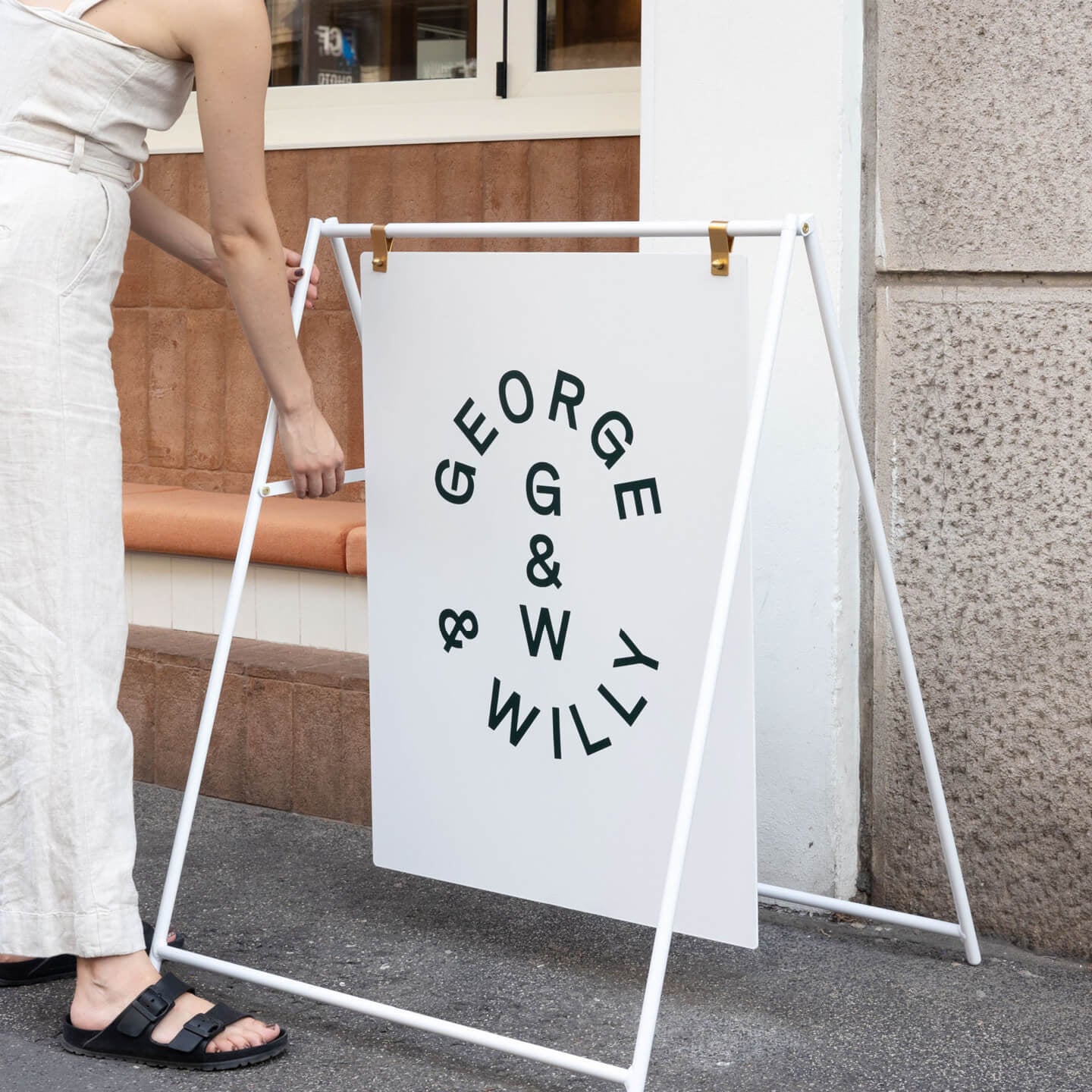
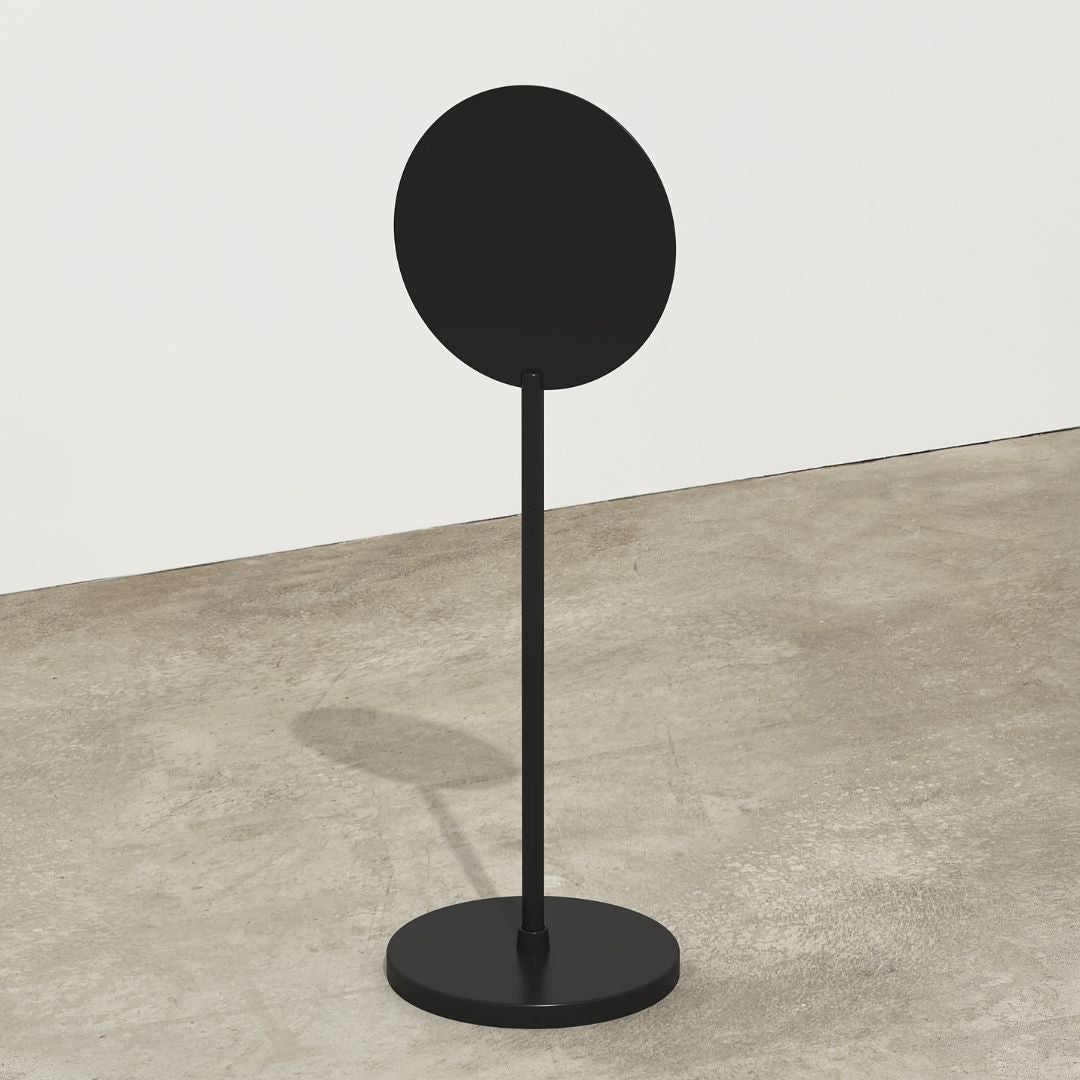
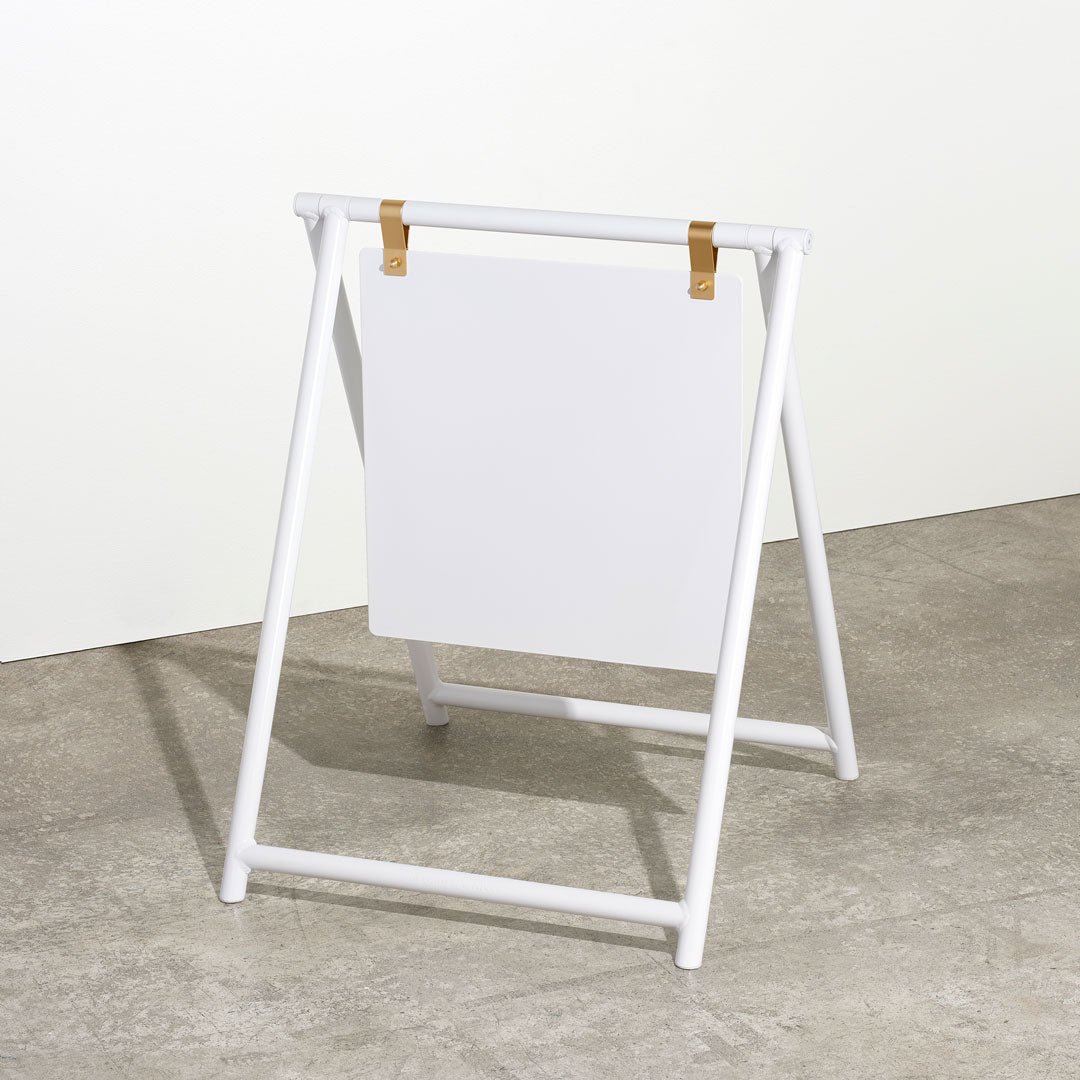
If the fridge magnet doesn’t stick, that panel isn’t made of steel, and a magnetic sign won’t work there. In that case, you might consider other options like vinyl decals for permanent branding. For a temporary solution, a well-designed A-Frame Sign can be a fantastic way to advertise when you’re parked at an event or job site. For extra curbside visibility, the Rounded Sidewalk Sign gives you a taller profile that’s easy to spot at markets and job sites. Need a smaller footprint? The Standing Round Sign fits neatly beside a booth or on tight sidewalks.
A Note on Stainless Steel
While not common on cars, you might encounter stainless steel on a food truck or custom vehicle. It’s important to know that not all stainless steel is magnetic. High grade austenitic stainless steels (like 304 and 316) are not magnetic, while ferritic grades (like 430) are. Always perform the magnet test to be sure.
Magnetic Car Door Signs vs. Vinyl Wraps
When it comes to vehicle advertising, the two most popular choices are magnetic signs and vinyl wraps. They both get the job done, but they serve different needs.
A vinyl wrap is like a second skin for your vehicle. It’s an adhesive vinyl sheet that can cover your entire car. A professionally installed wrap is gentle on factory paint and can actually protect it from UV rays and minor scratches. However, wraps are semi permanent, meant to stay on for years, and represent a much larger upfront investment.
A magnetic car door sign offers unbeatable flexibility and affordability.
-
Versatility: You can put it on for work and take it off for personal use. This is perfect for business owners who use a personal vehicle or live in neighborhoods with restrictions on commercial vehicles.
-
Cost: Magnets are a fraction of the cost of a full vehicle wrap, making them an effective and accessible way to get your brand noticed.
Ultimately, the choice comes down to your priorities. If you want a permanent, full coverage branding solution that also protects your paint, a wrap is a great choice. If you value flexibility, affordability, and the ability to have an unbranded vehicle whenever you want, the magnetic car door sign is the clear winner. For consistent visibility back at your shop between drives, a Blade Sign keeps your branding seen from the sidewalk.
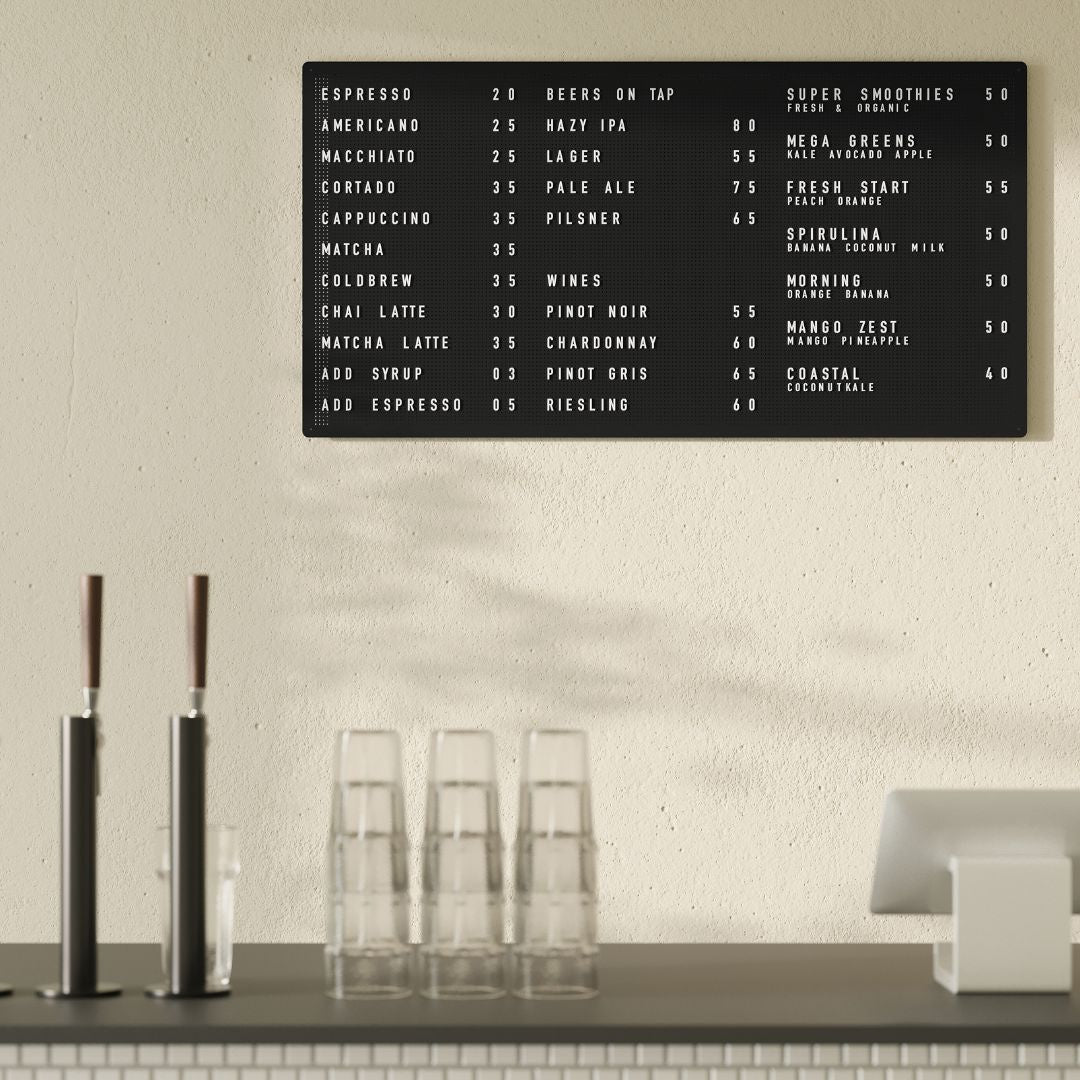
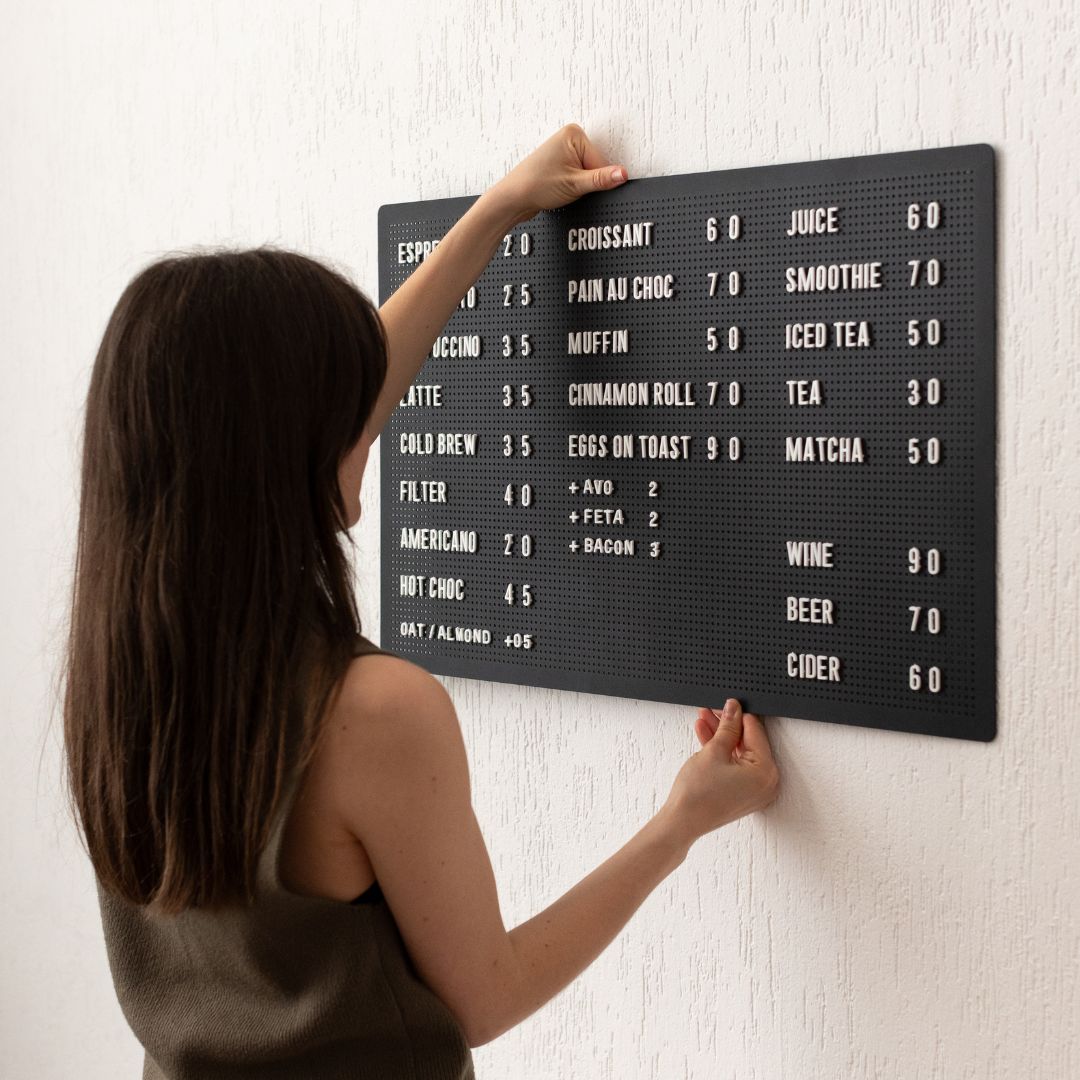
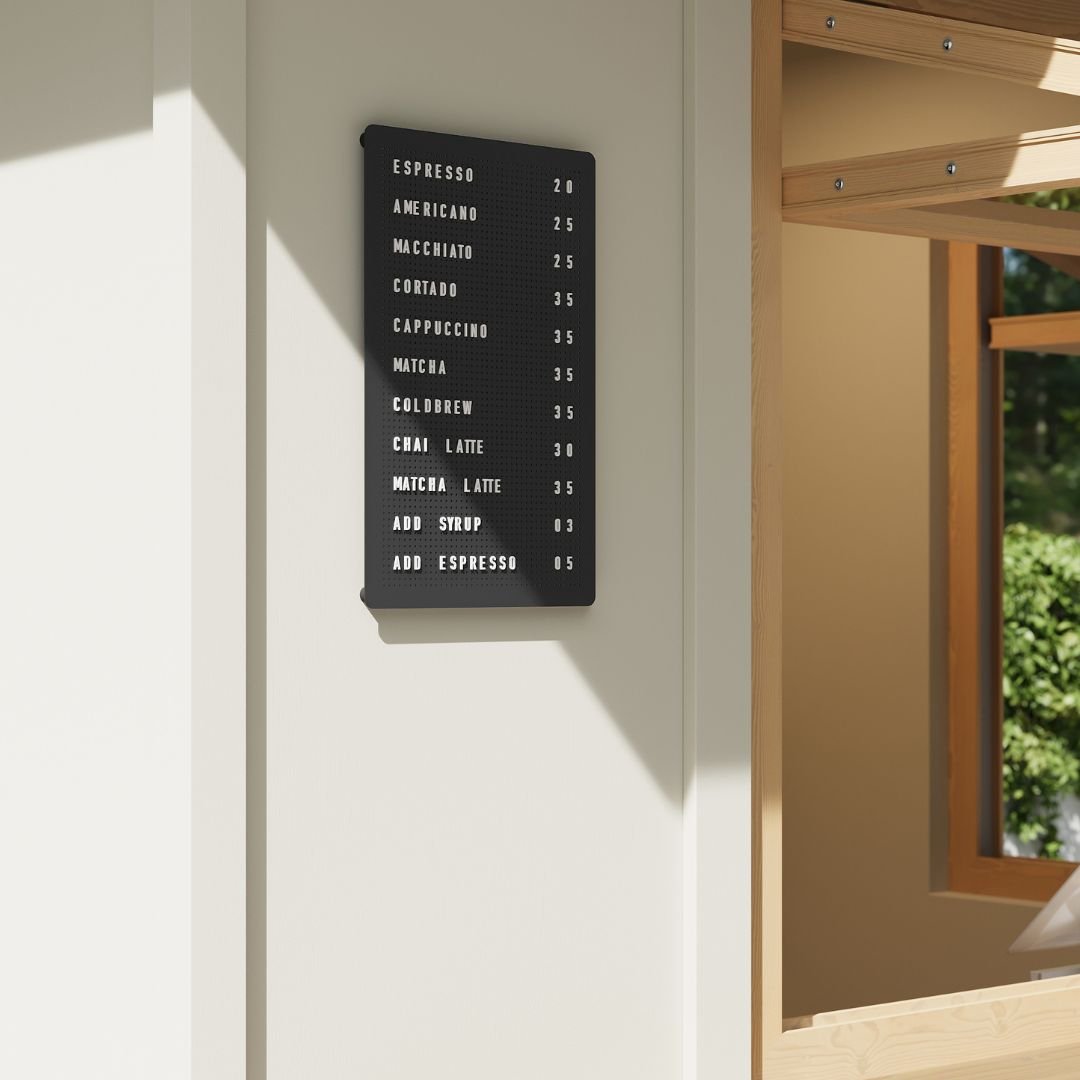
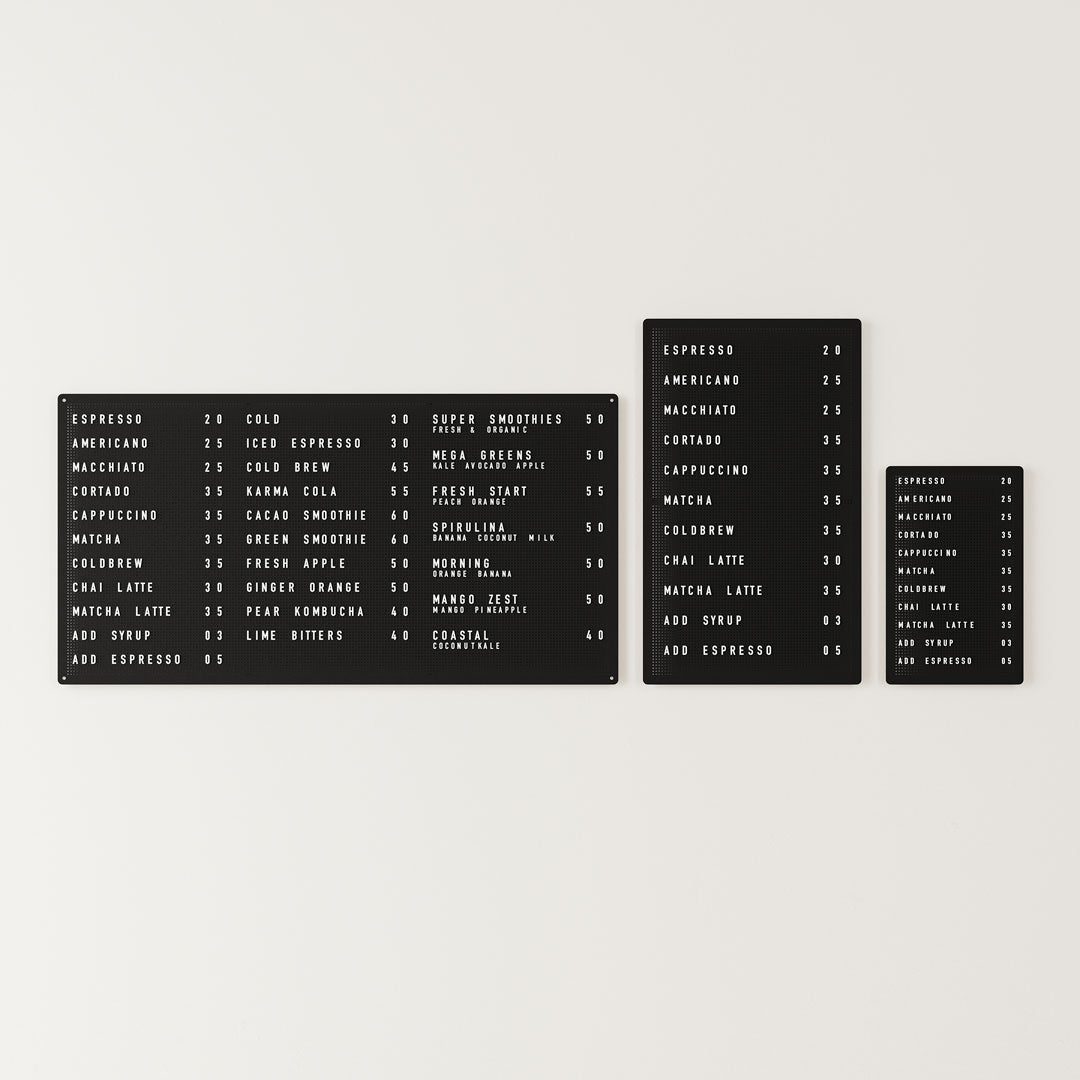
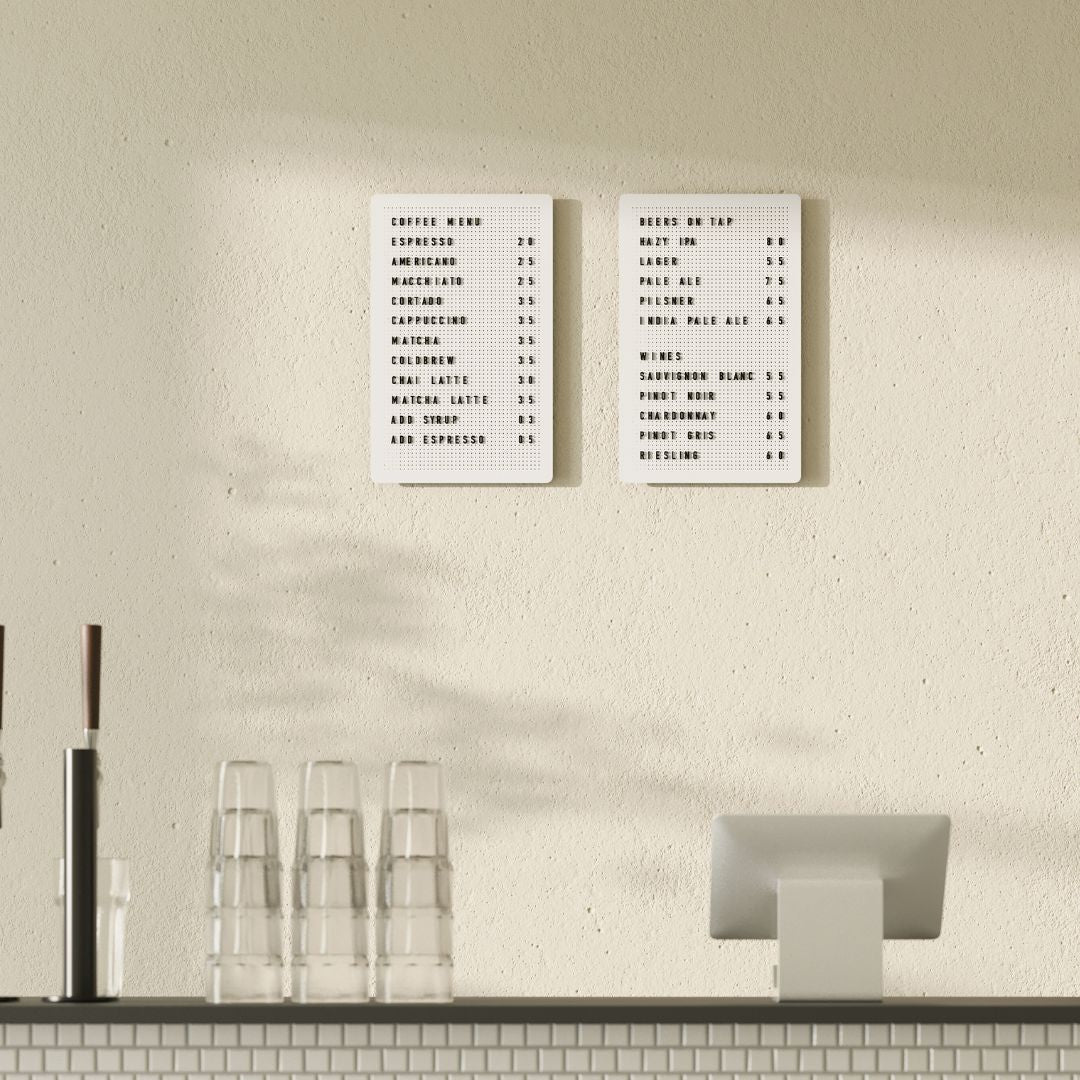
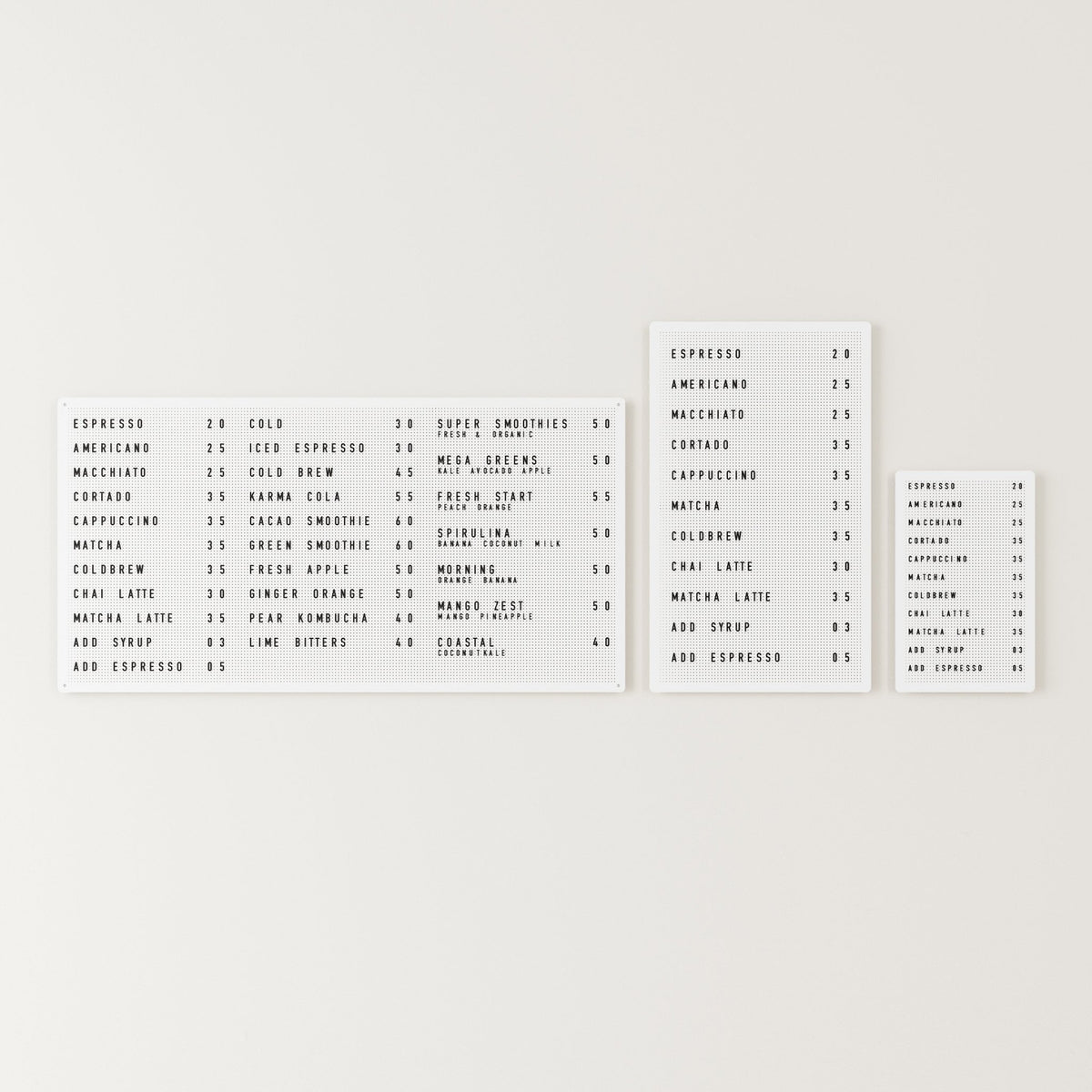
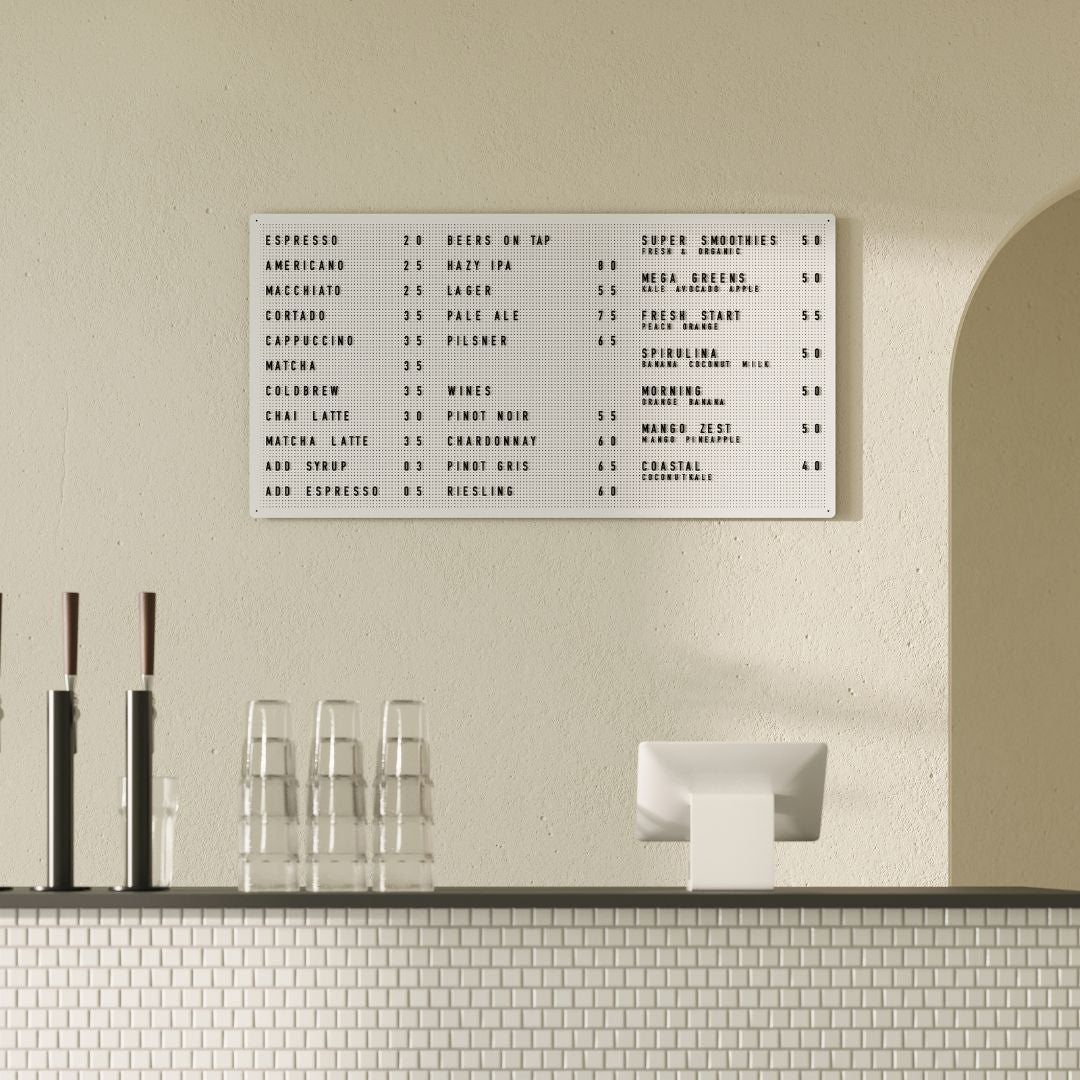
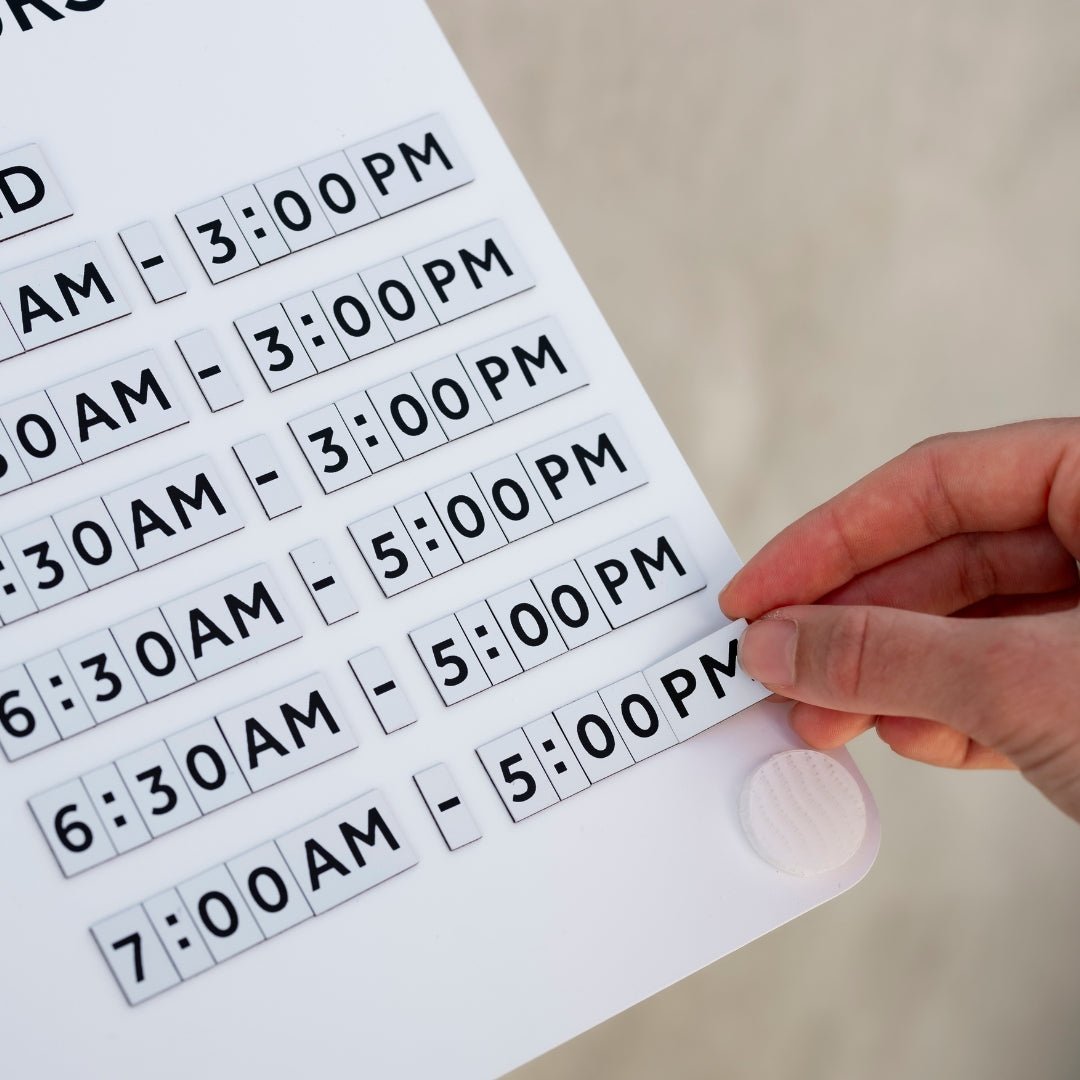
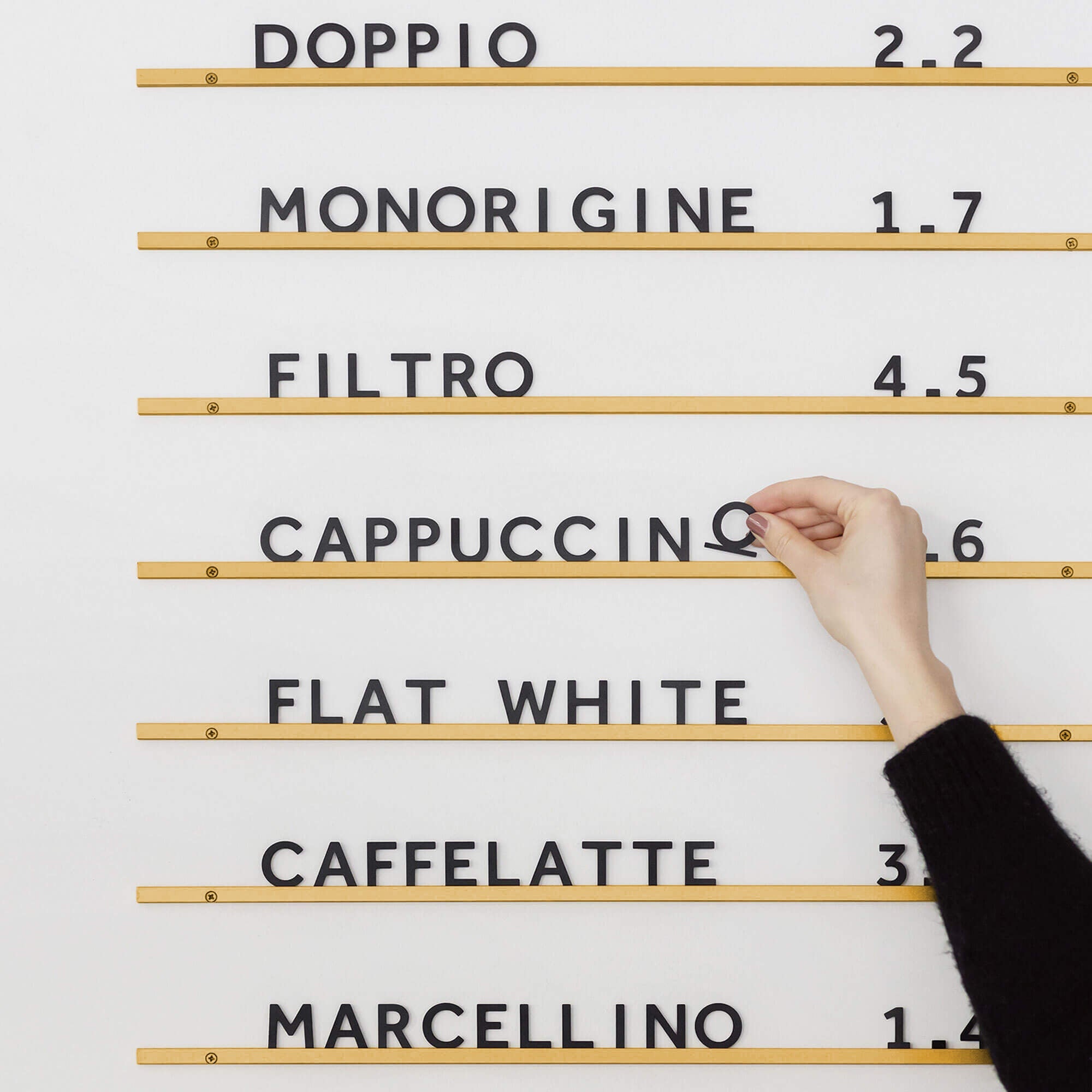
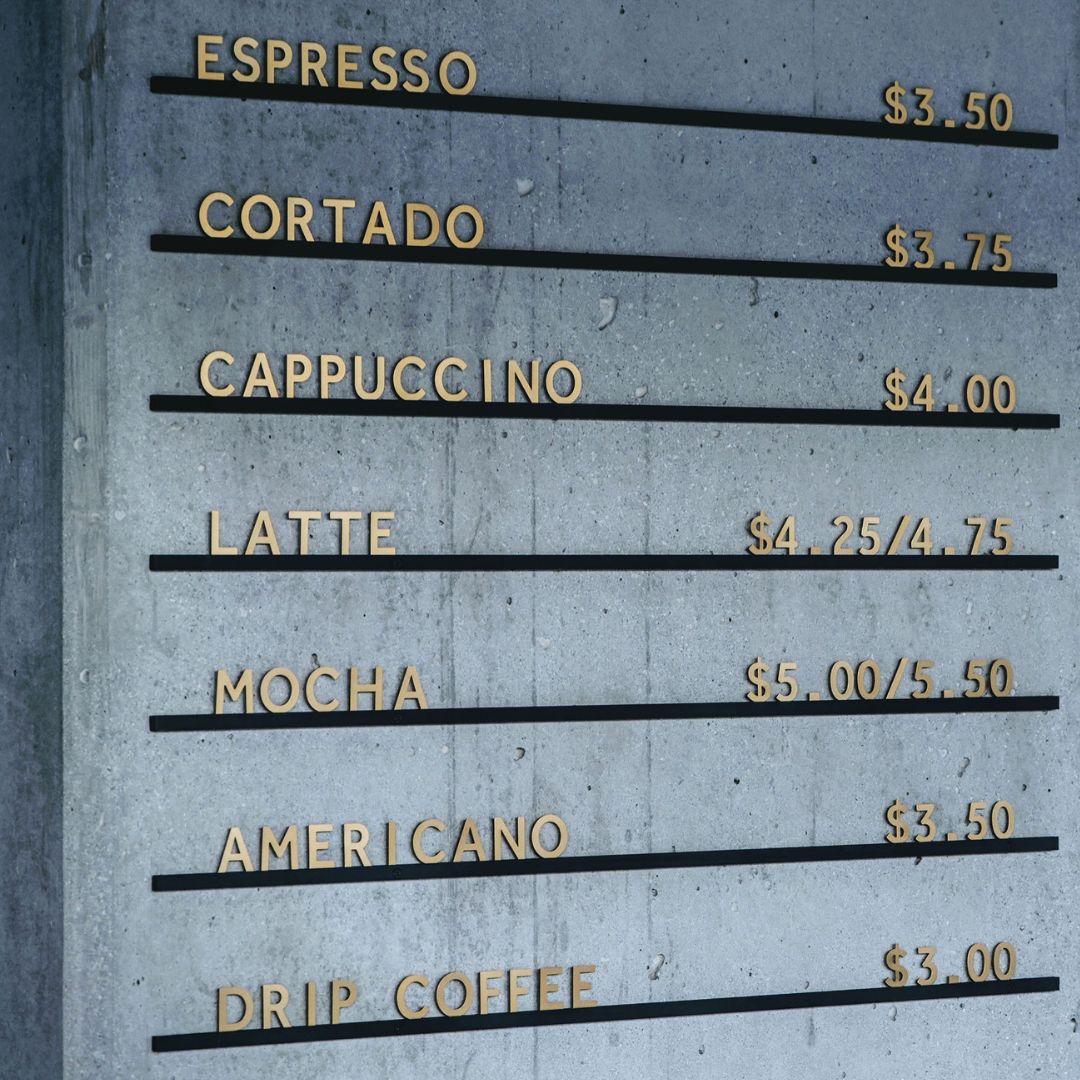
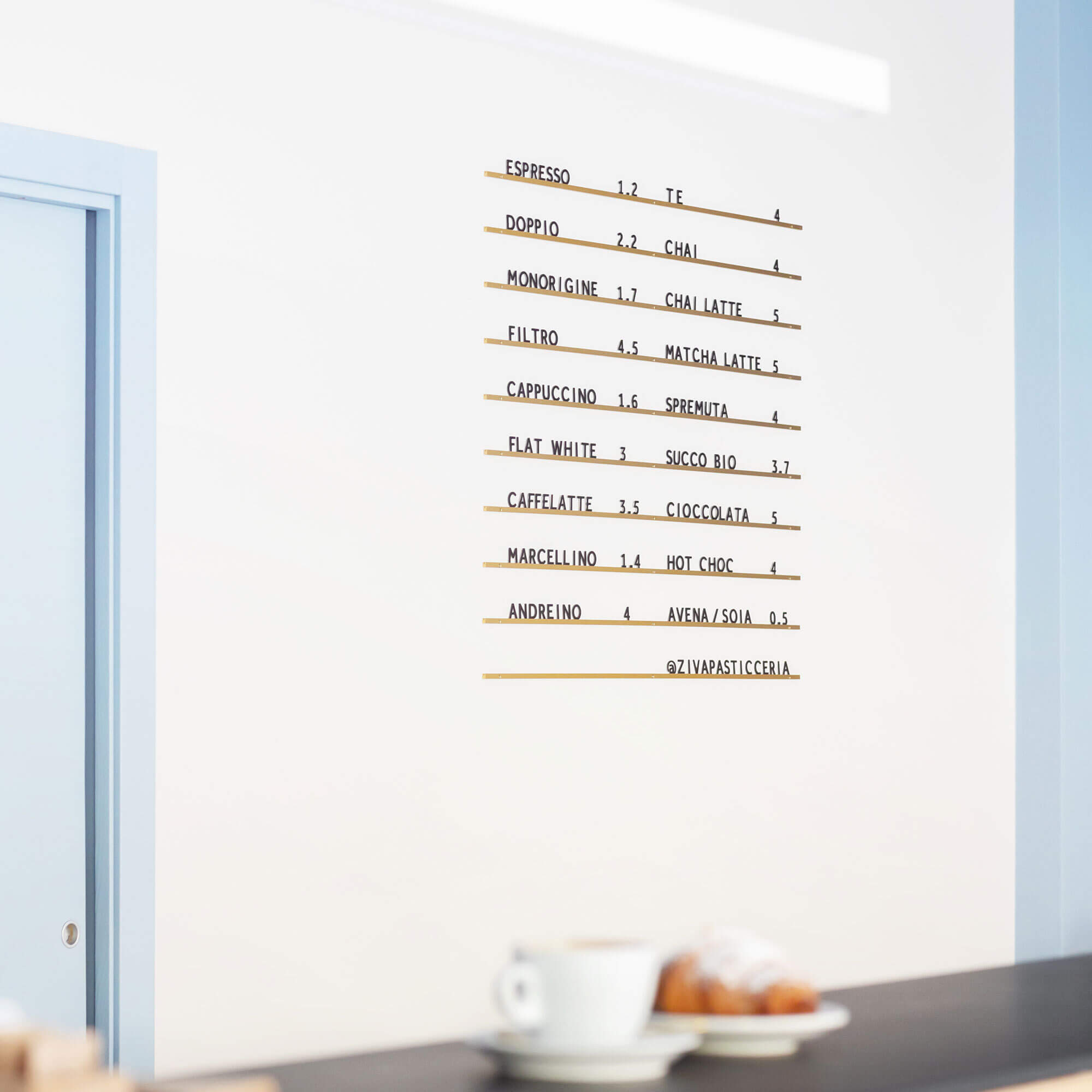
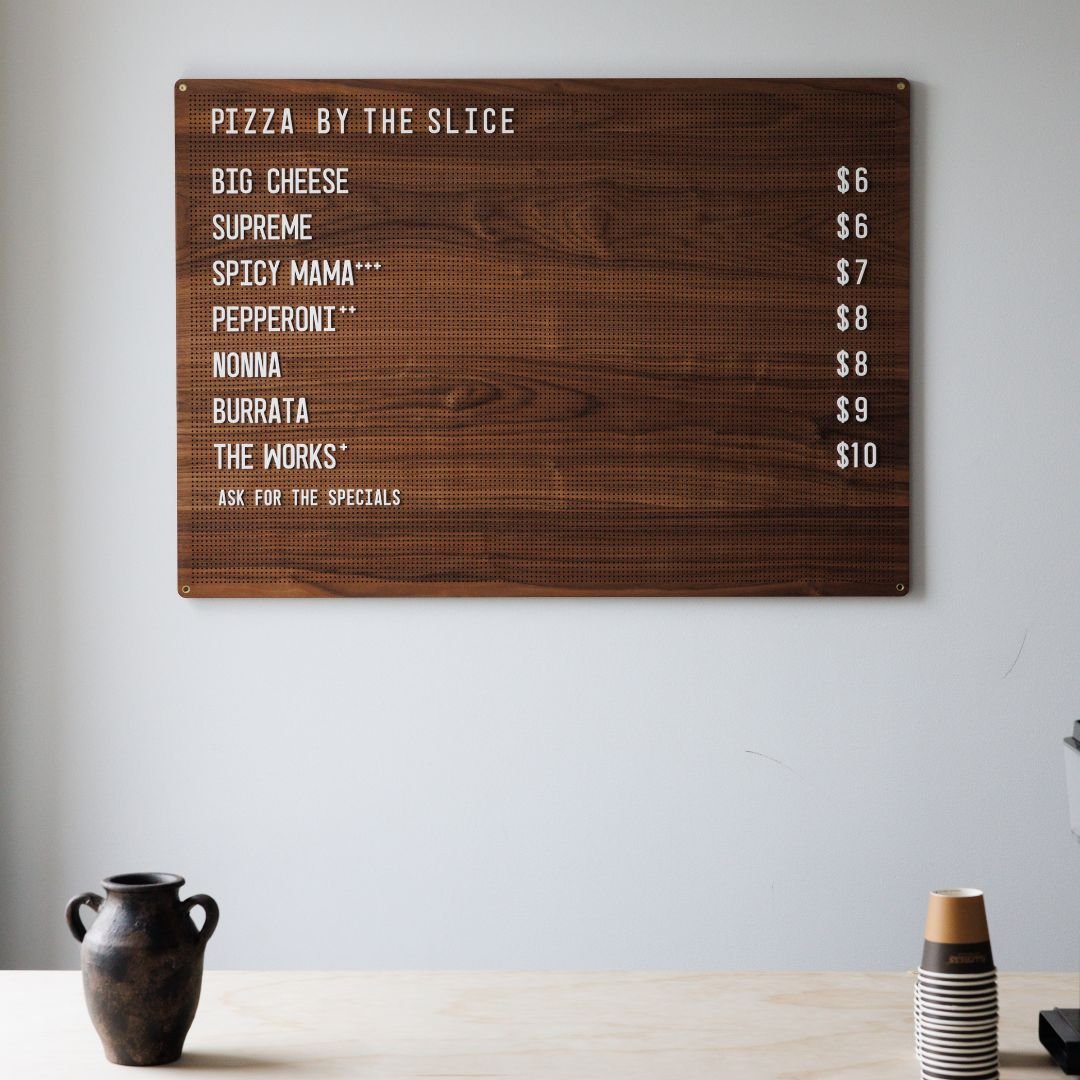
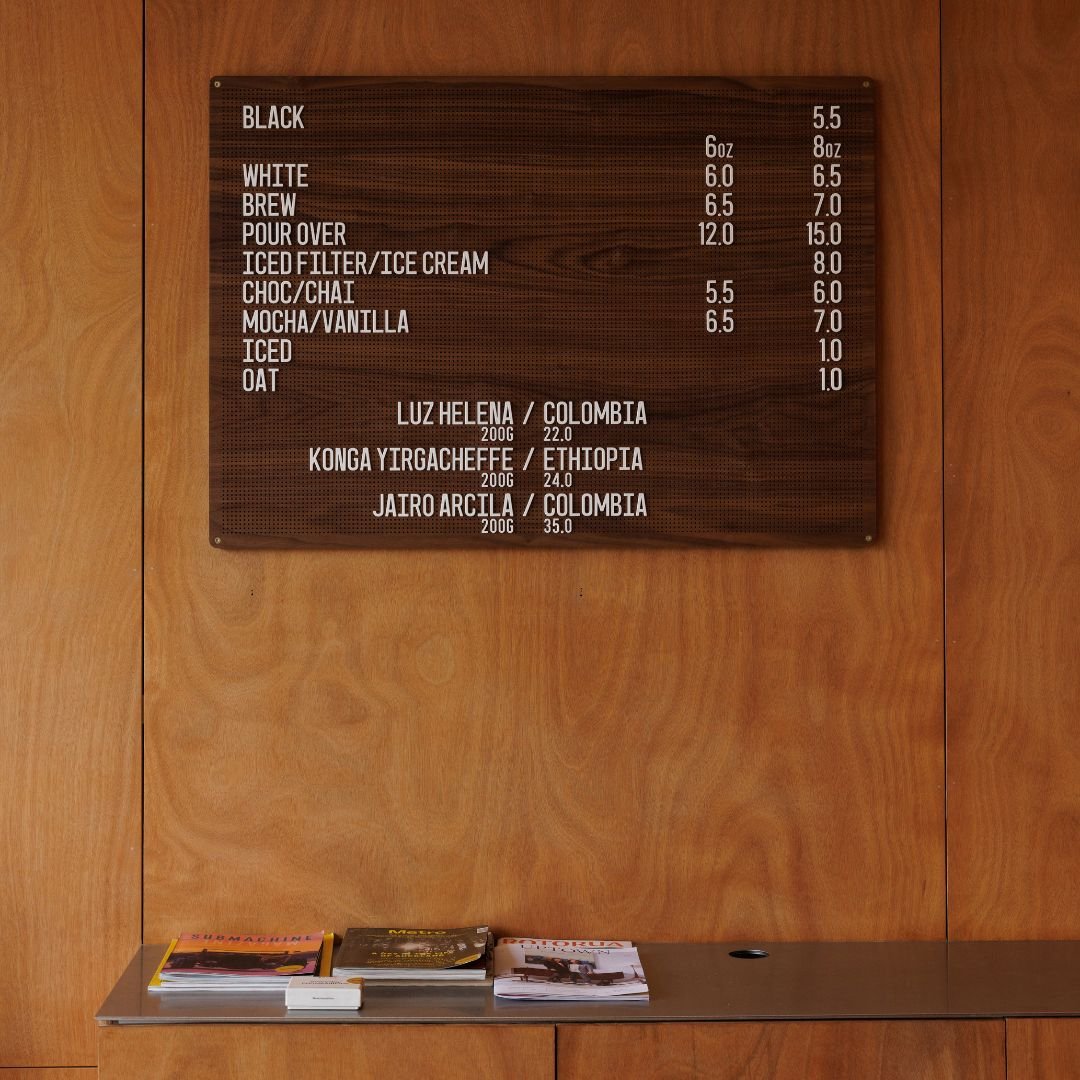
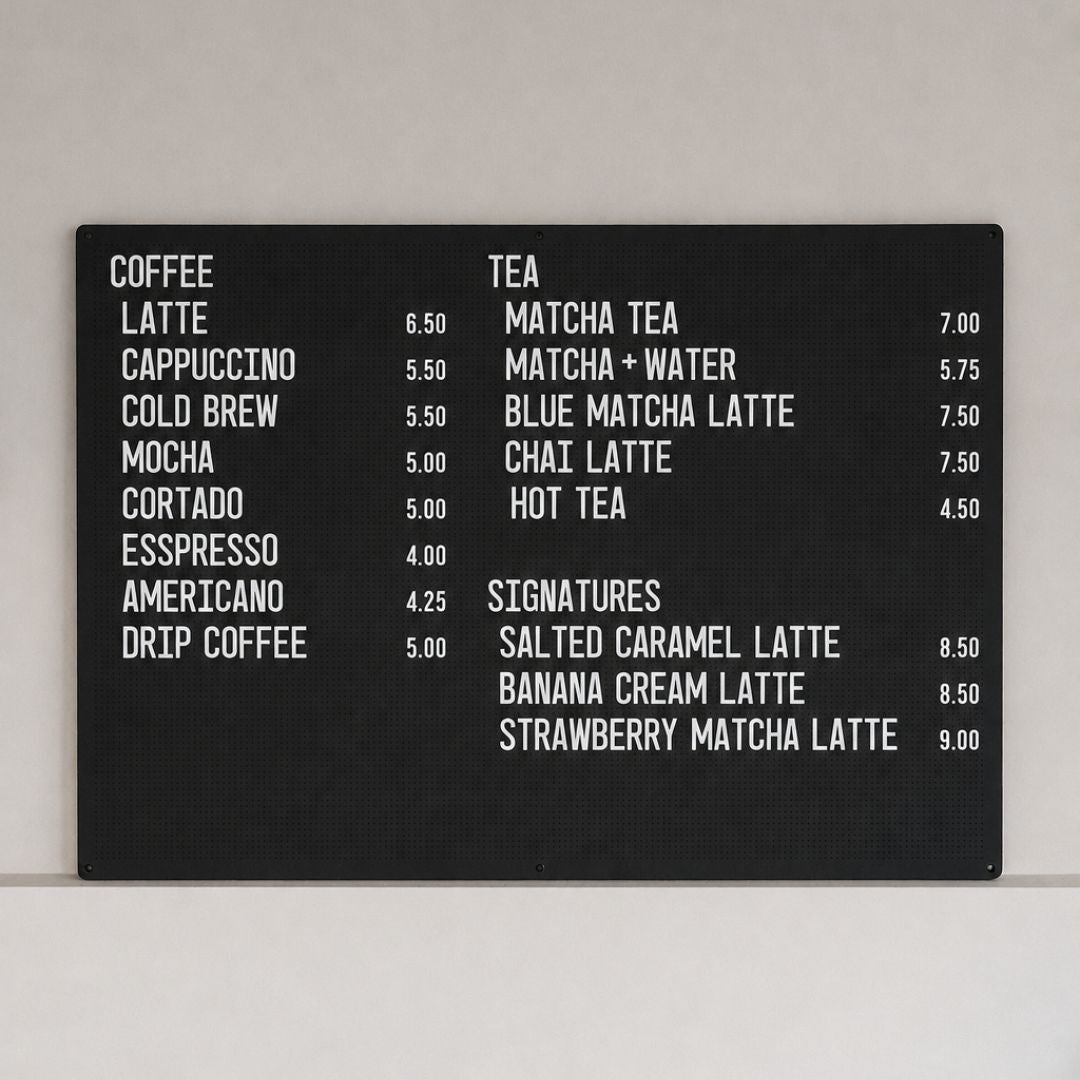
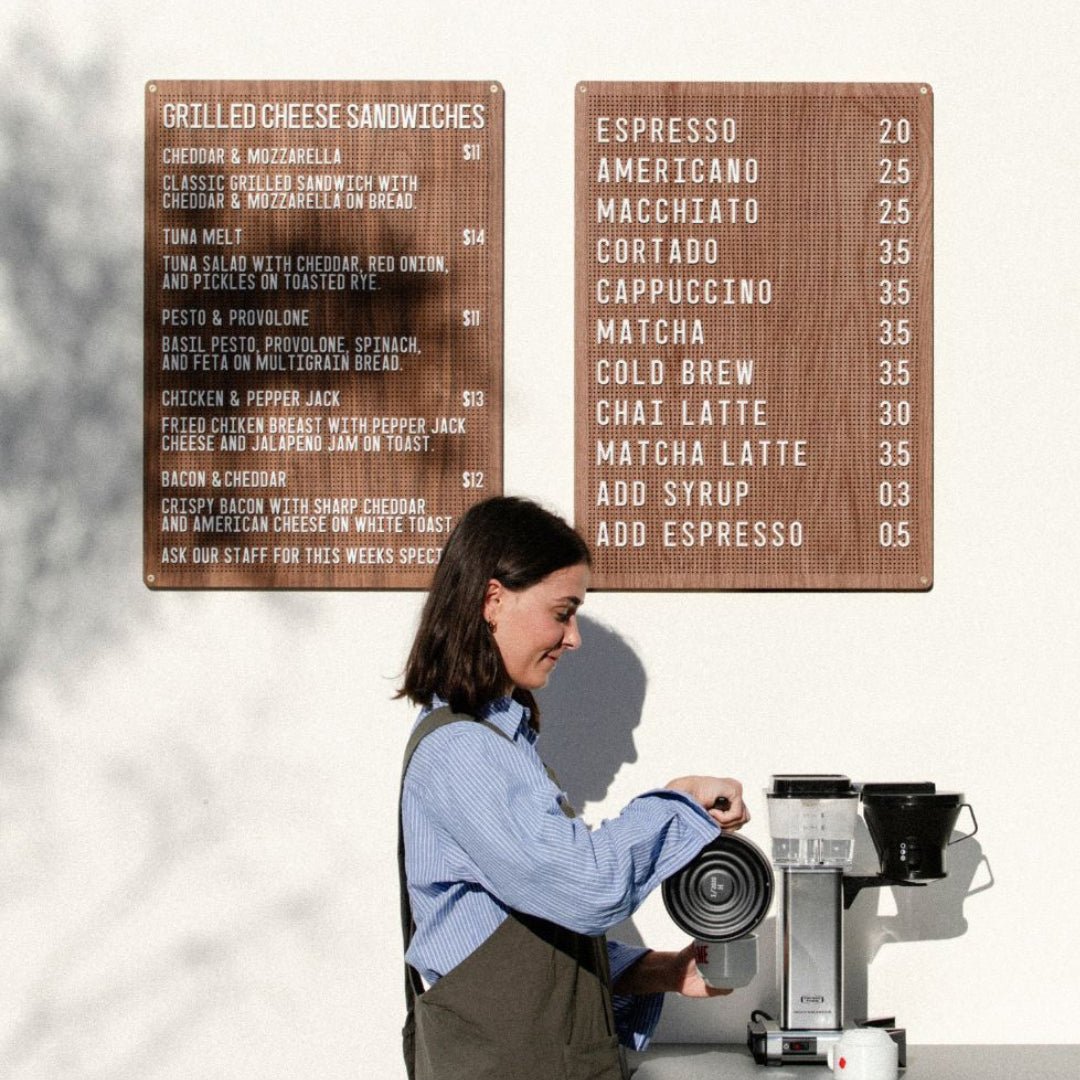
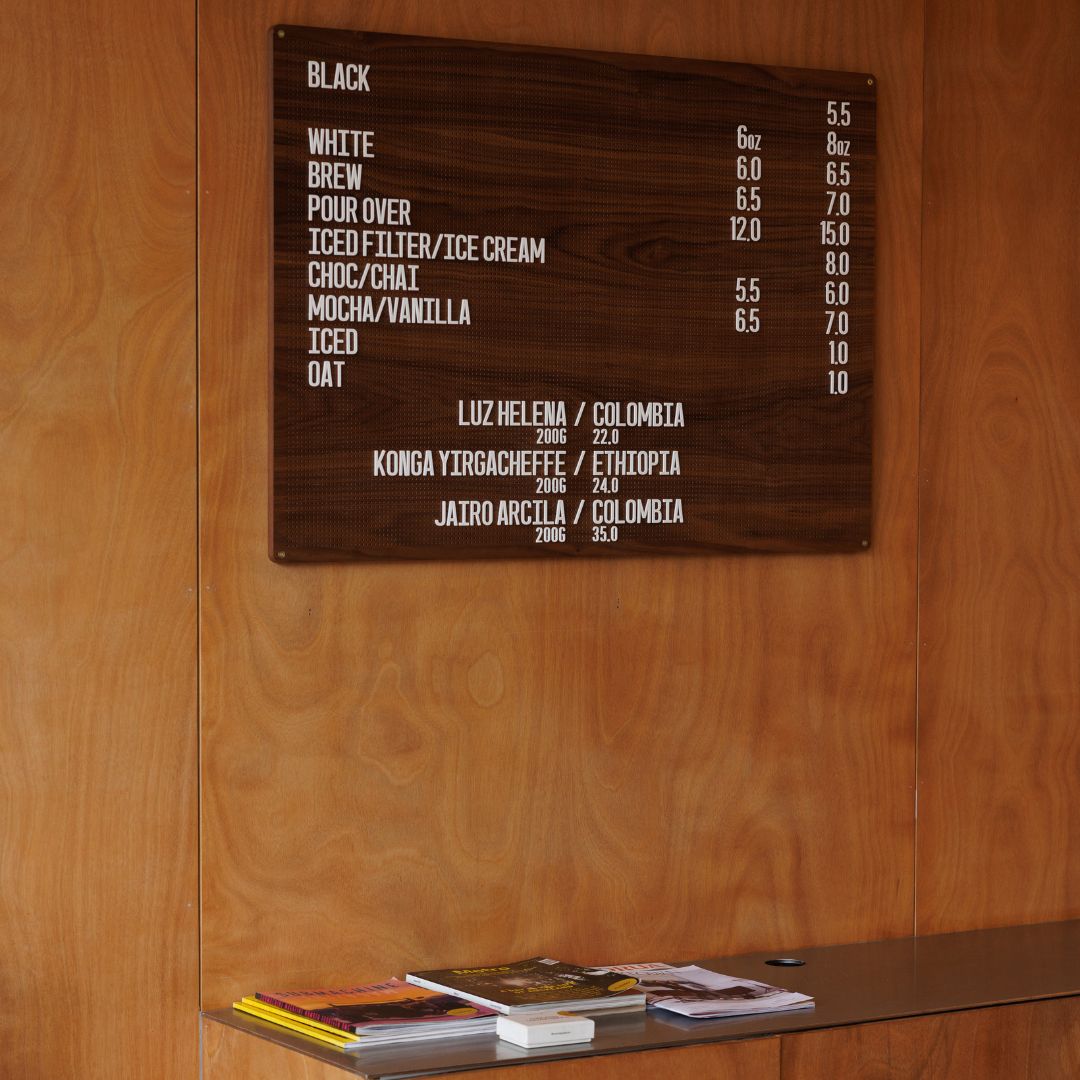
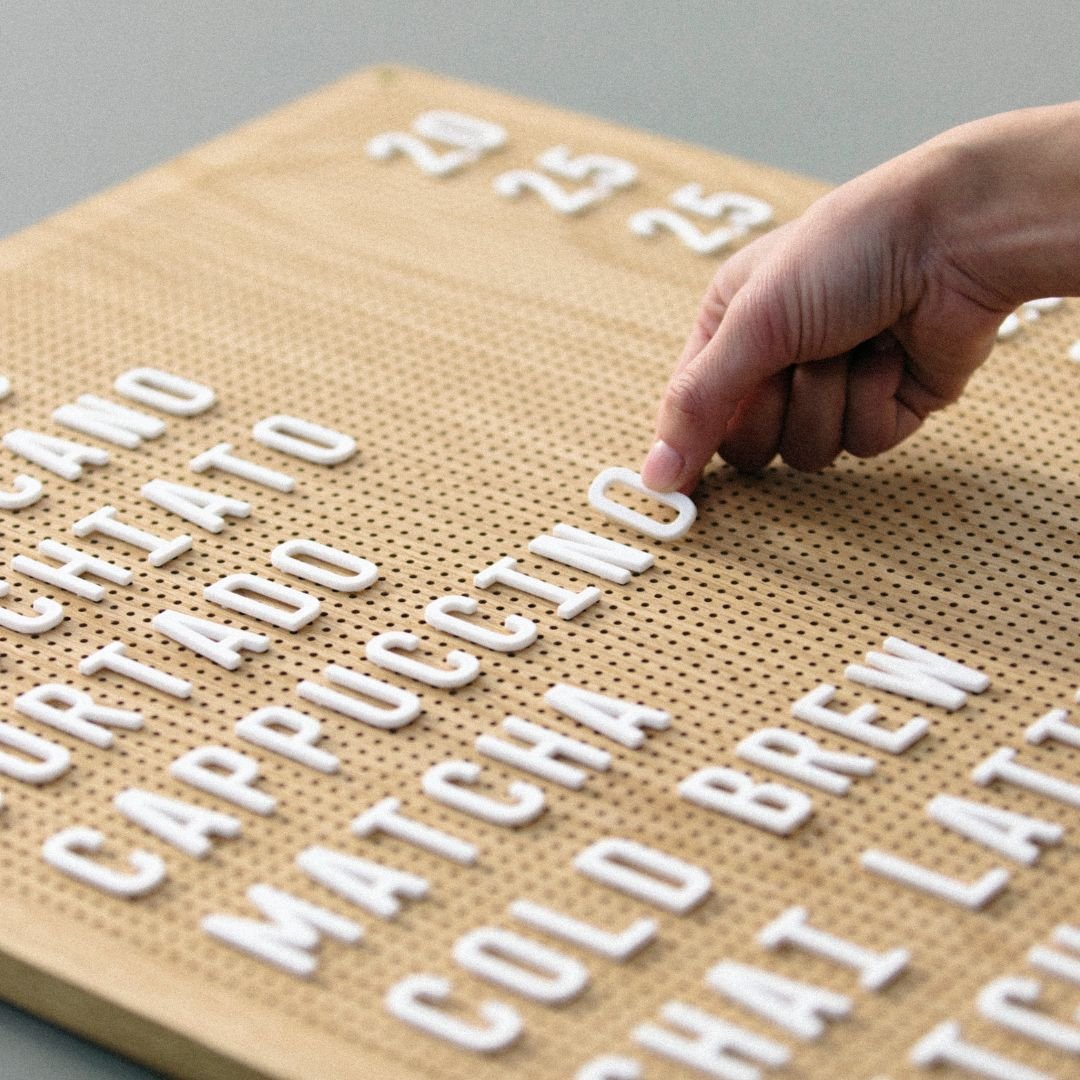
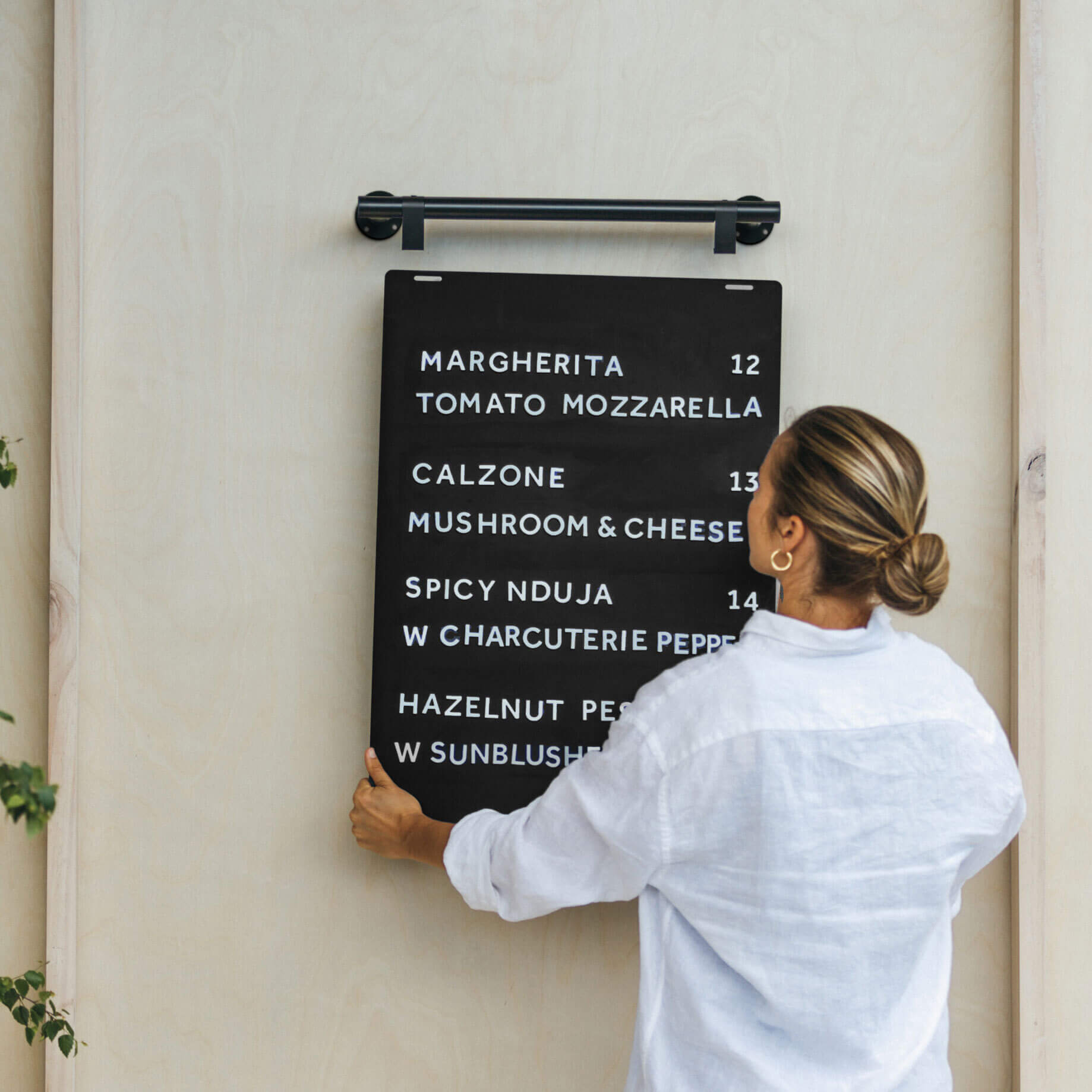
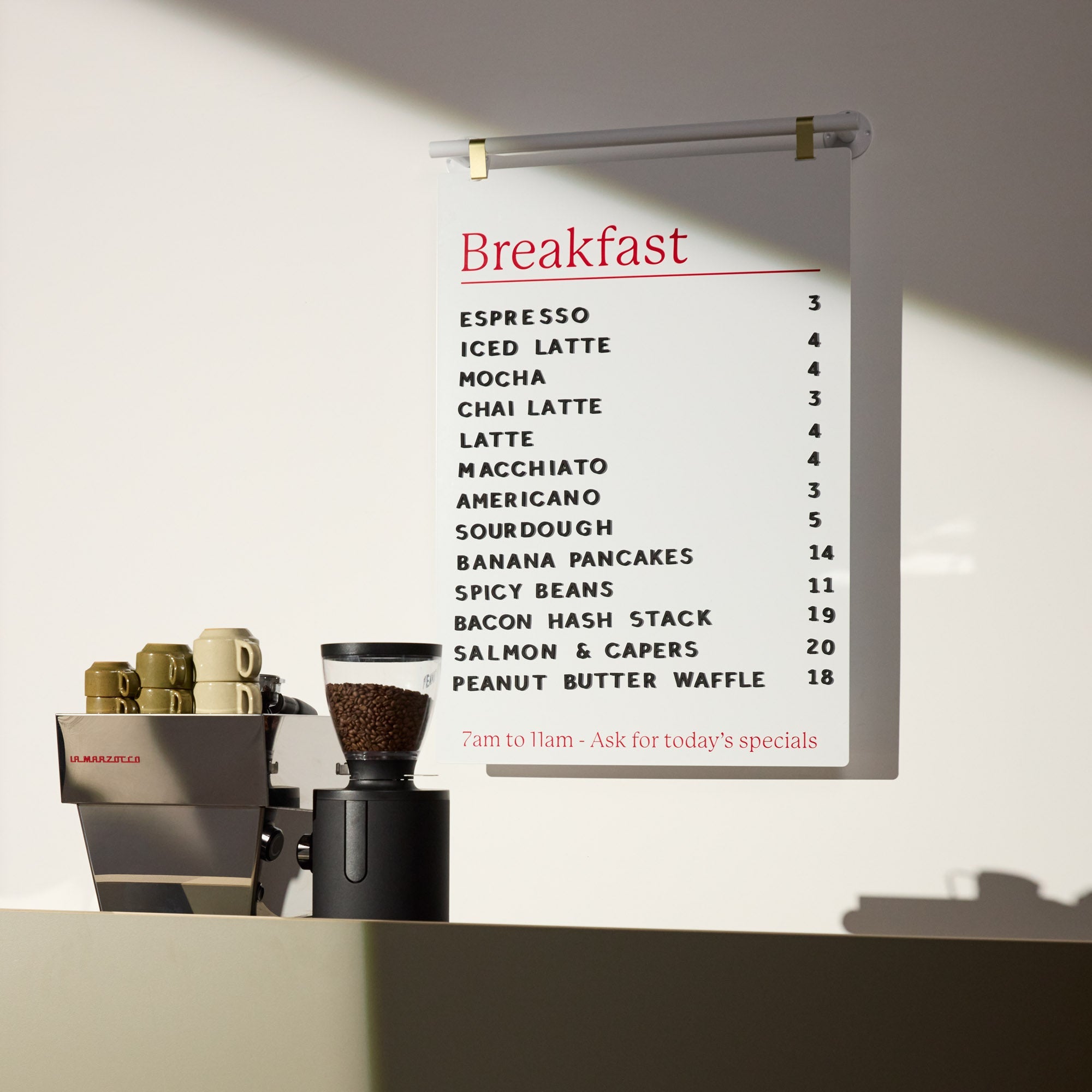
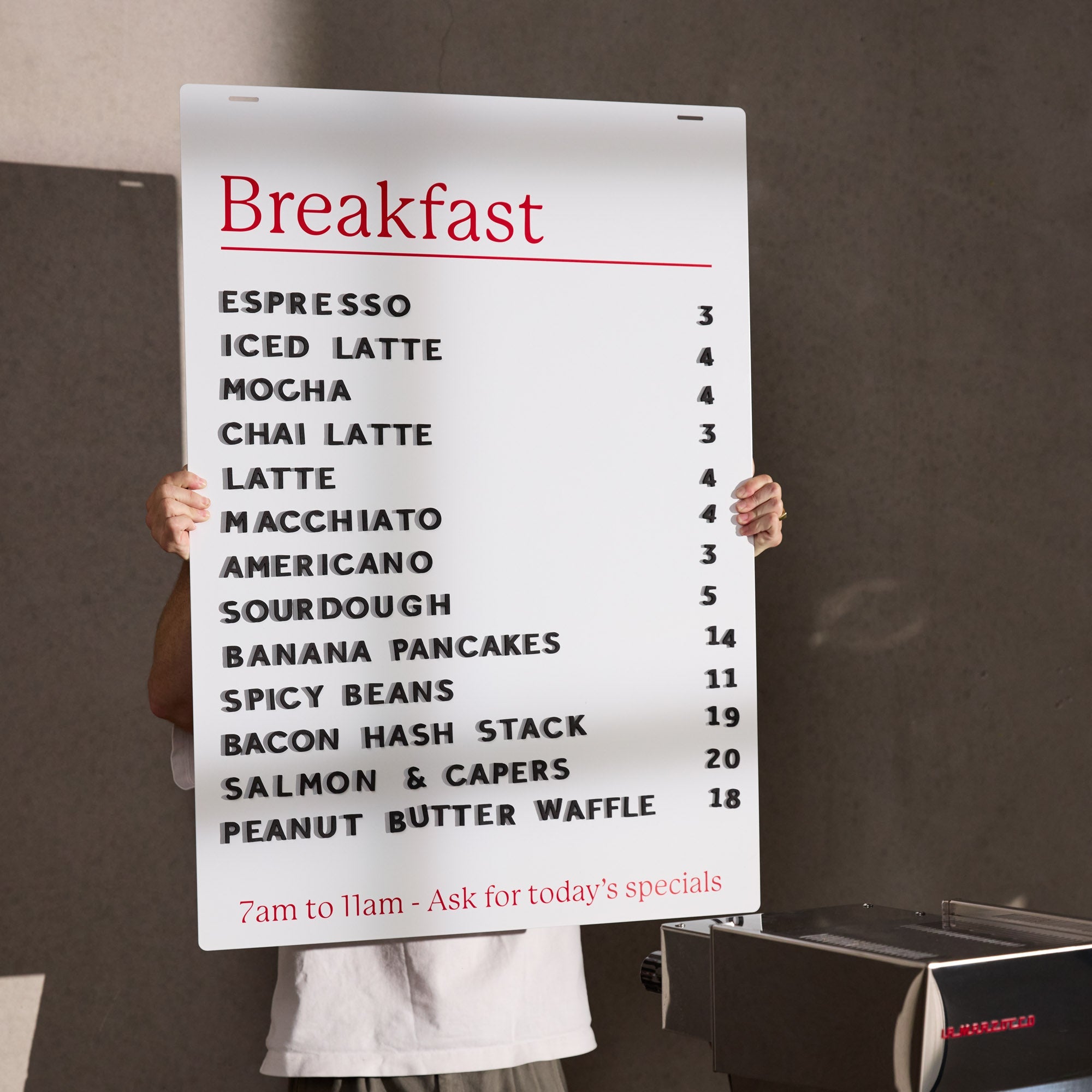
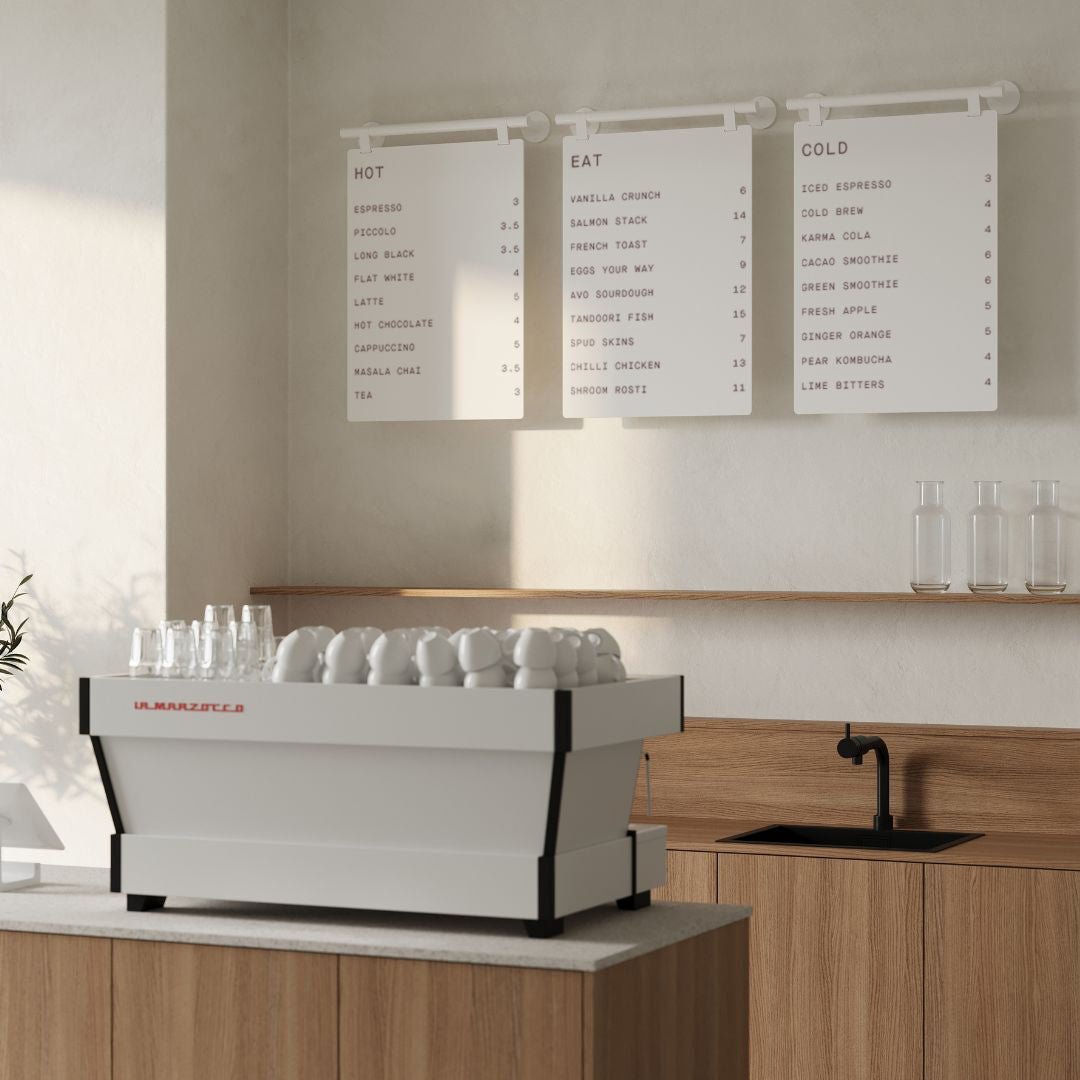
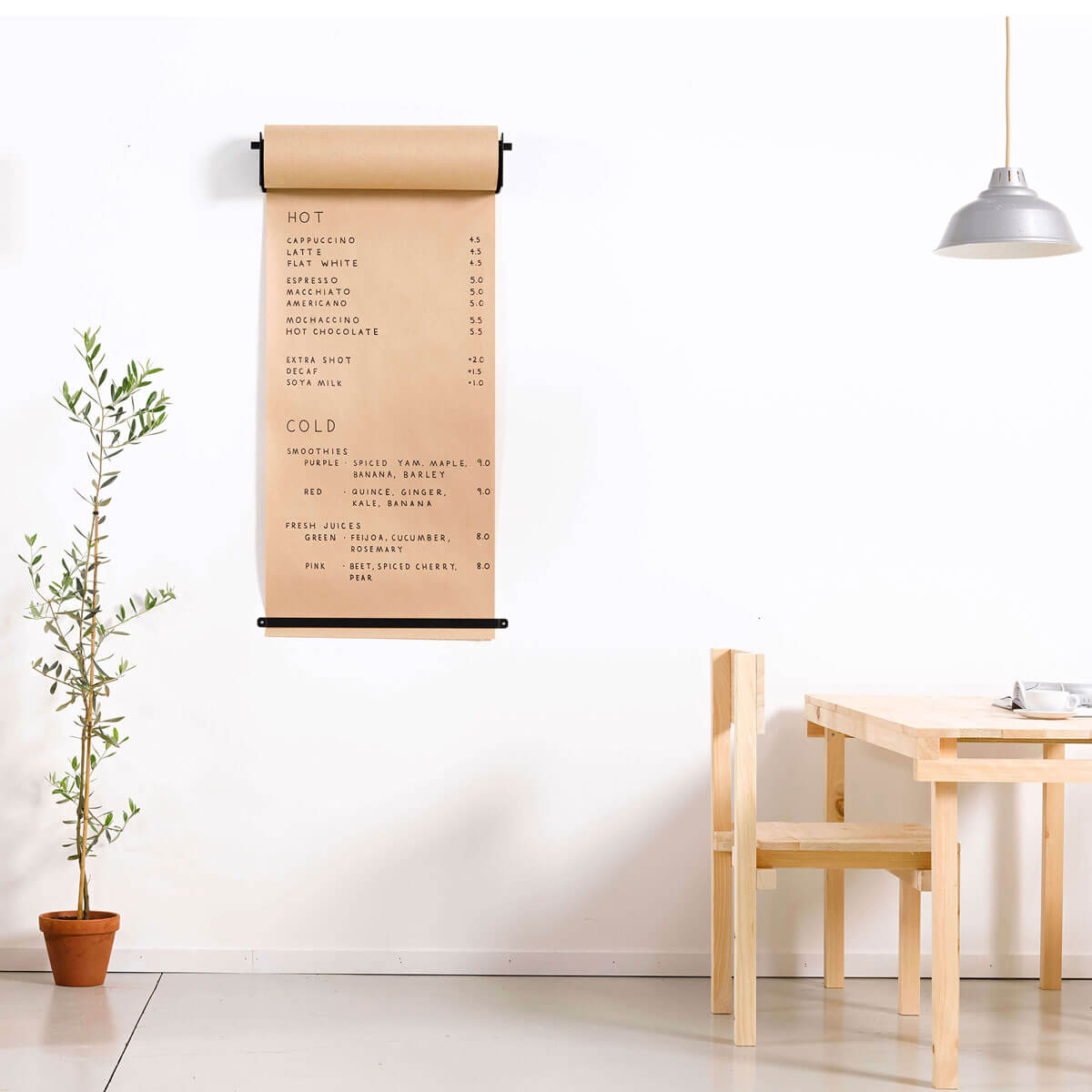
With just a little bit of care, a magnetic sign is a safe, powerful, and smart way to promote your business on the go. If you’re looking for more ways to create a cohesive and beautiful brand presence, explore our Magnetic Menu Board for quick, on-brand menu updates.
Pair it with tidy Counter Signs to highlight specials at the register or pickup counter.
Frequently Asked Questions about Magnetic Car Door Signs
1. How often should I remove my magnetic car door sign?
You should remove it at least once a week to clean both the car door and the back of the magnet. In very hot weather or after heavy rain, you should remove it more frequently.
2. Can I use a magnetic car door sign on a new paint job?
It’s best to wait for new paint or clear coat to fully cure before applying a magnetic sign. Check with your body shop, but a waiting period of 90 days for new paint is a common recommendation. For new cars, waiting 60 days is a safe bet.
3. What’s the best way to clean my magnetic sign?
Use a soft cloth with mild, soapy water to gently wipe the magnetic side and the printed front. Rinse it with clean water and let it air dry completely before putting it back on your vehicle.
4. Why won’t a magnet stick to my car door?
If a magnet won’t stick, your car door is likely made of a non magnetic material like aluminum, fiberglass, or plastic. Many modern vehicles use these materials to reduce weight.
5. Will rain ruin my magnetic car door sign?
No, rain will not ruin the sign itself, but you should remove it after a heavy downpour to dry the area underneath. Trapped moisture can be harmful to your car’s paint over time.
6. Can a magnetic sign fly off while driving?
If applied correctly to a clean, flat, steel surface, a quality magnetic sign should stay securely in place at highway speeds. Always ensure the entire magnet is flat against the car with no air pockets underneath.