

In the bustling world of retail, the final moments of a customer’s journey are incredibly valuable. This is where a strategic point of sale display, any promotional material or fixture placed near the checkout area where transactions happen, can turn a good sale into a great one. These powerful marketing tools are designed to influence customer behavior, boost revenue, and encourage impulse purchases right at the moment of the transaction.
Whether you’re a cafe owner designing your counter or a marketer planning a new promotion, understanding the world of the point of sale display is key. The global market for them is booming, projected to grow from around 13 billion dollars to over 30 billion by 2033, as more businesses recognize their power. Let’s dive into what makes them so effective.
What Exactly Is a Point of Sale Display?
The primary goal of a point of sale display is to grab a shopper’s attention at the final stage of their visit, encouraging them to make a last minute purchase. These promotional fixtures, placed right near the checkout, often showcase new items, special deals, or small add on products like candy, magazines, or travel sized toiletries.
With research showing that a high percentage of purchase decisions are made inside the store, capturing attention at the checkout with a well placed point of sale display can have a huge impact. They don’t just sell products, they also introduce customers to items they may not have seen, making their trip more convenient and interesting.
POS Display vs. POP Display: What’s the Difference?
You’ve probably heard the term Point of Purchase (or POP) display, and it’s often used interchangeably with point of sale display. While similar, there is a key difference in location and timing.
-
A Point of Purchase (POP) display can be located anywhere in the store. Think of an endcap display at the end of an aisle or a large branded stand in the middle of a department. It influences buying decisions as shoppers browse.
-
A point of sale display is specifically located at or near the checkout counter where the actual sale occurs. It targets shoppers in the final moments as they prepare to pay.
So, a POP display guides customers throughout the store, while a POS display is the final nudge, perfect for capturing that last impulse.
Exploring the Main Types of Point of Sale Display Fixtures
Point of sale displays come in all shapes and sizes, designed to fit different products, spaces, and goals. They can be temporary fixtures for a seasonal promotion or permanent installations for everyday items. Here are some of the most common types you’ll encounter.
Countertop Display and Counter Display Unit (CDU)
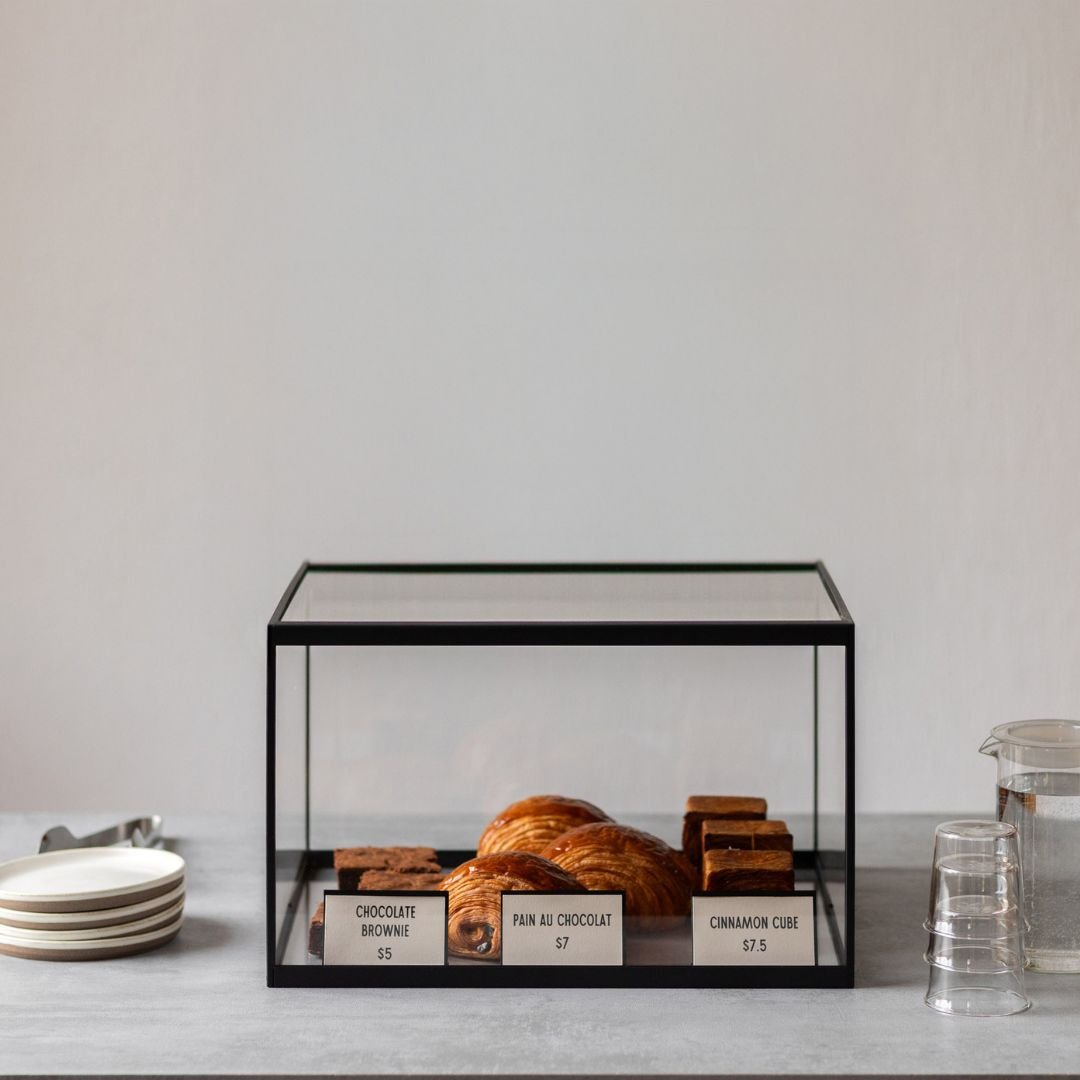
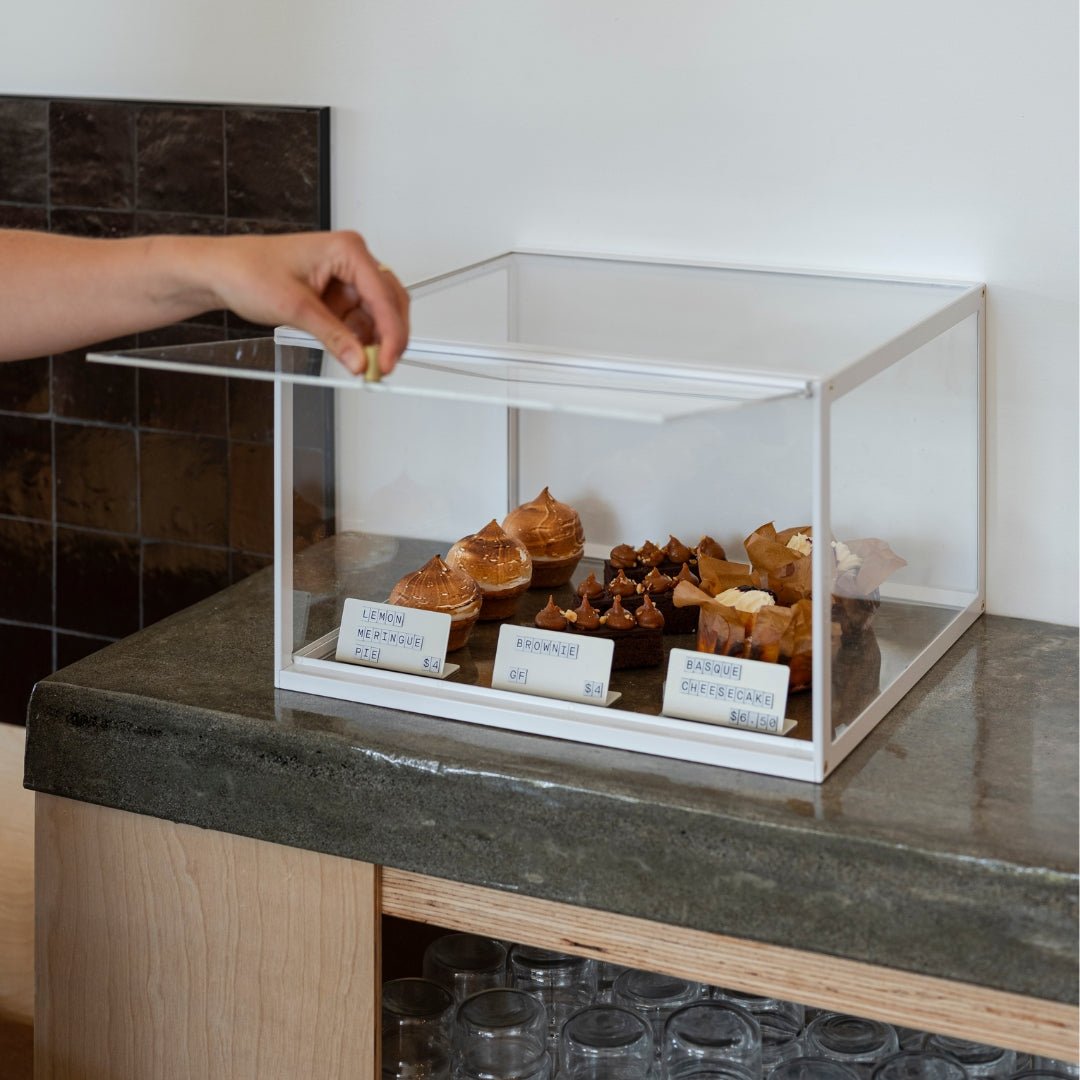
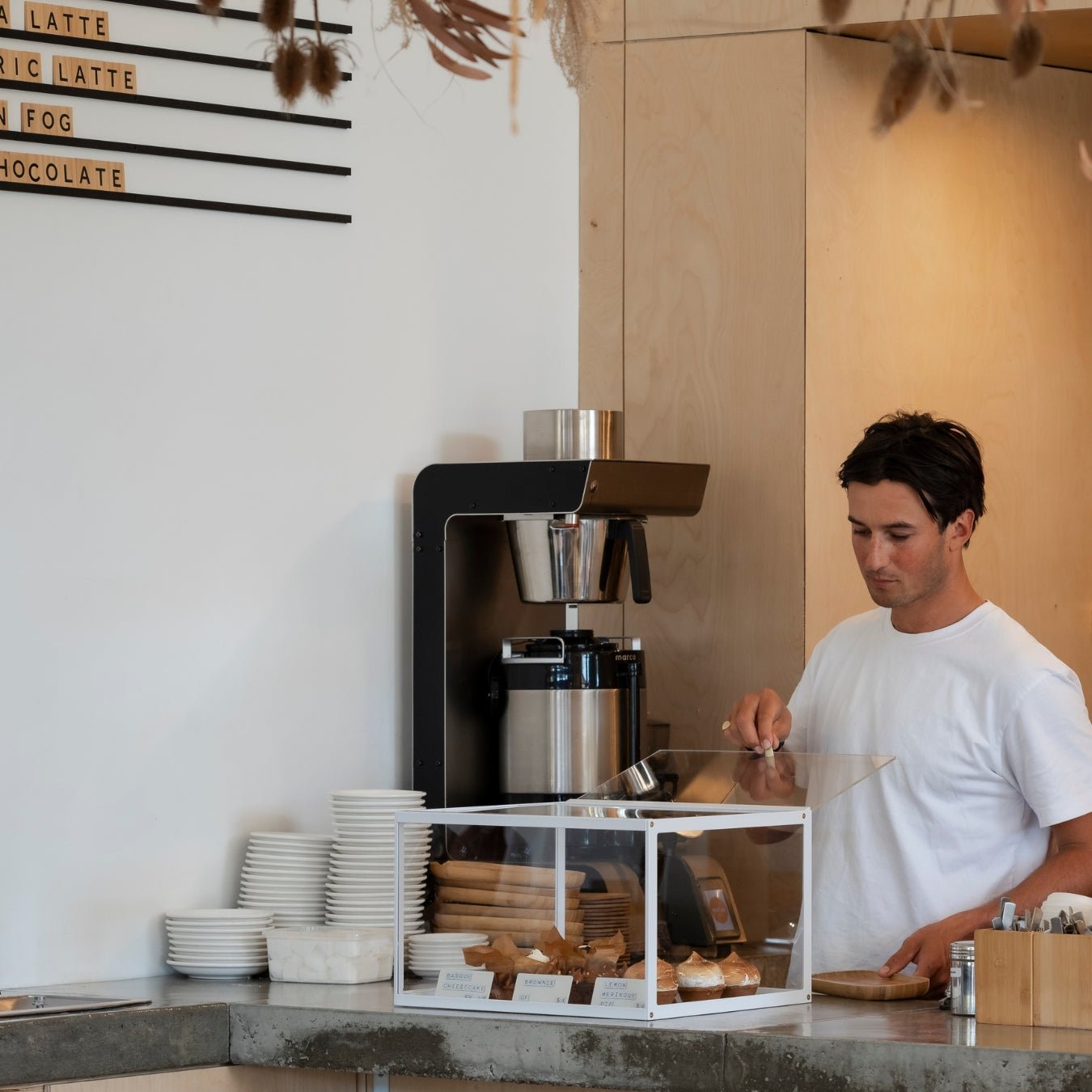
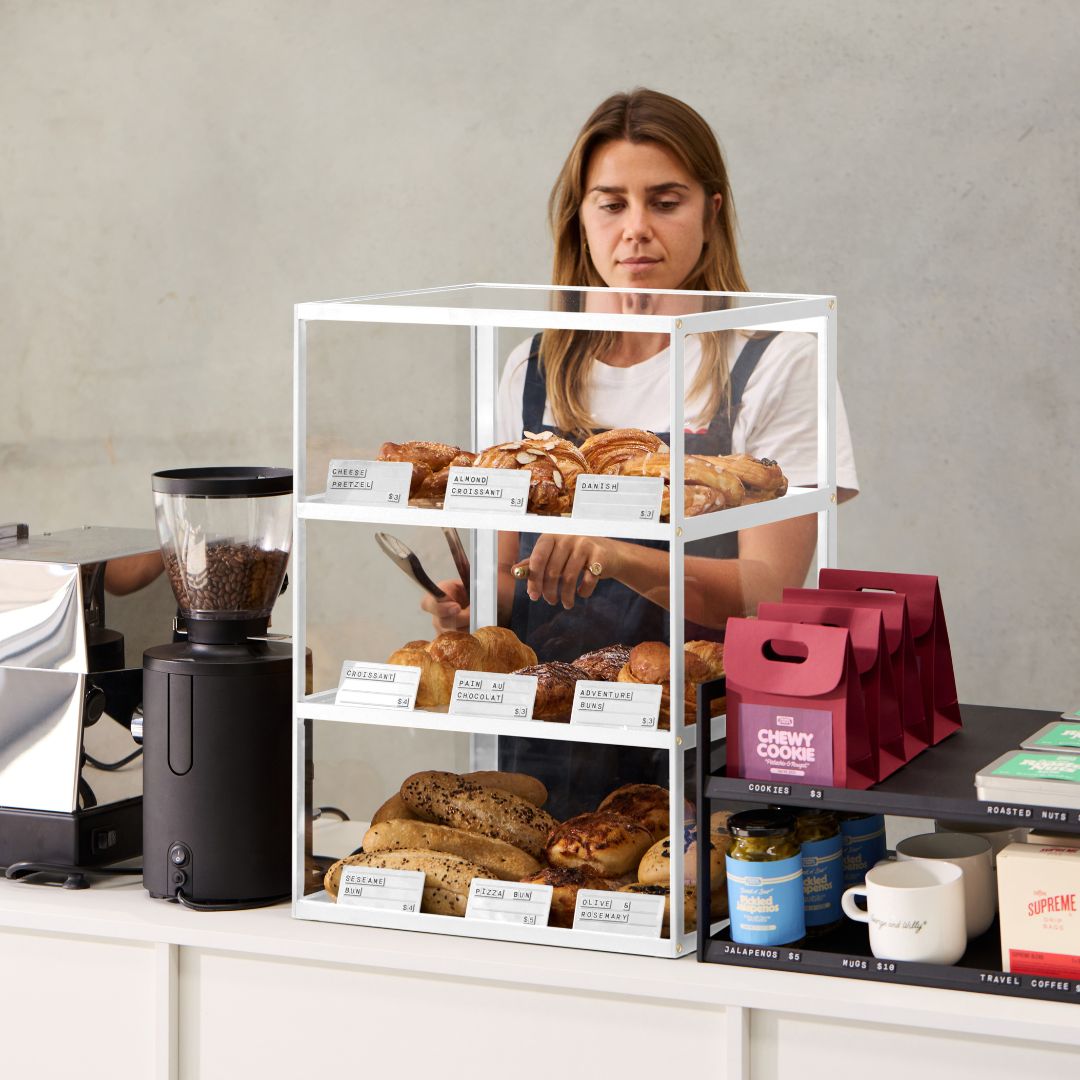
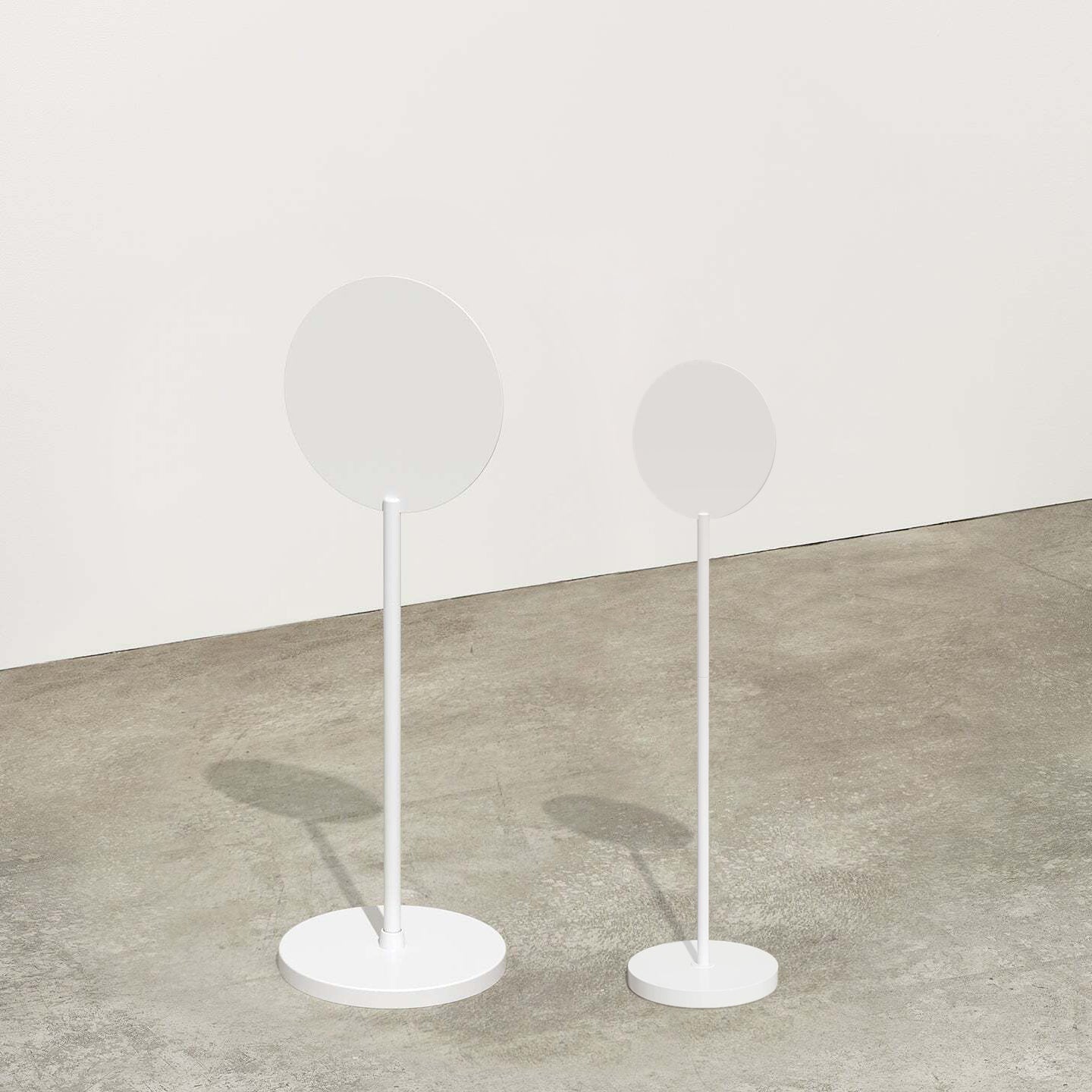
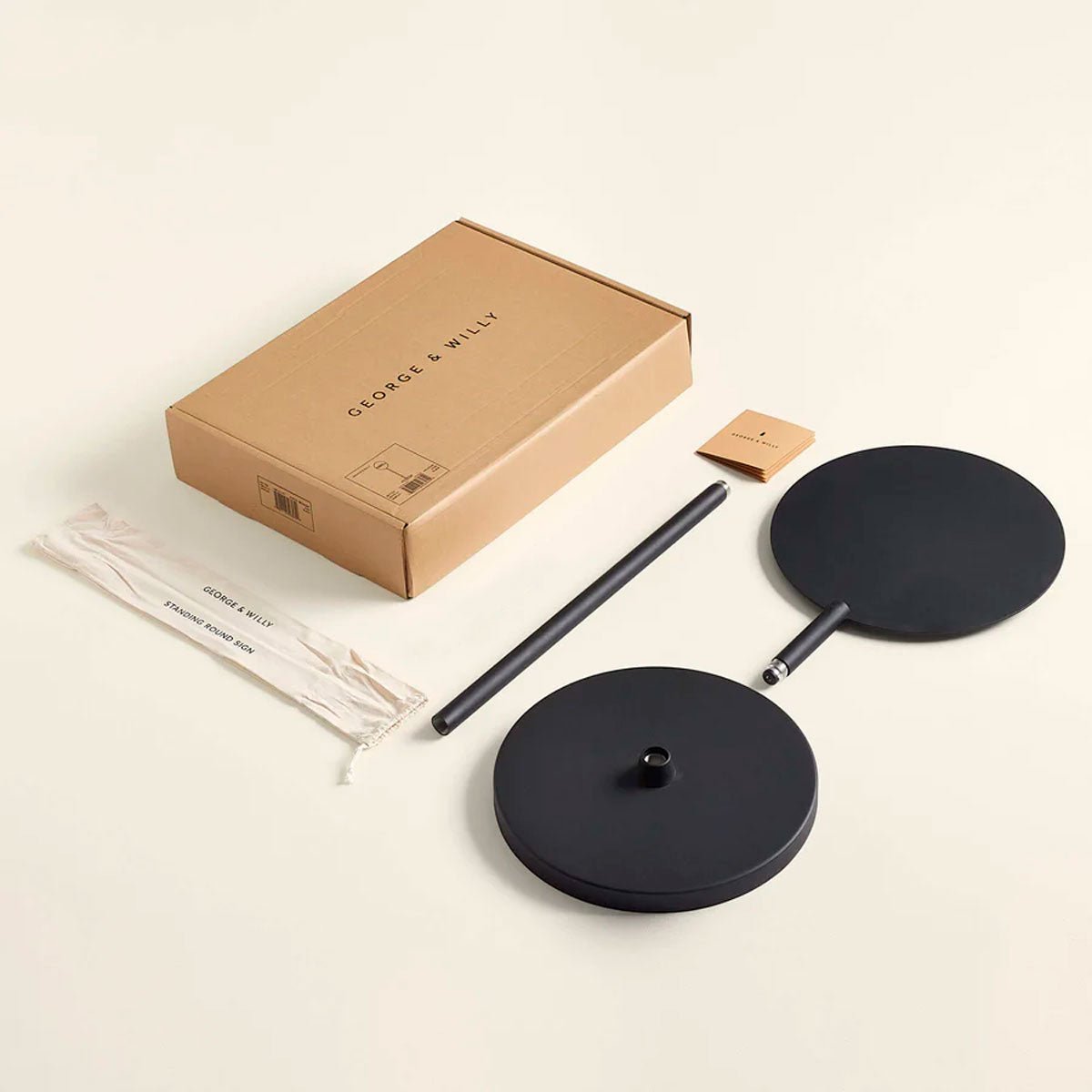
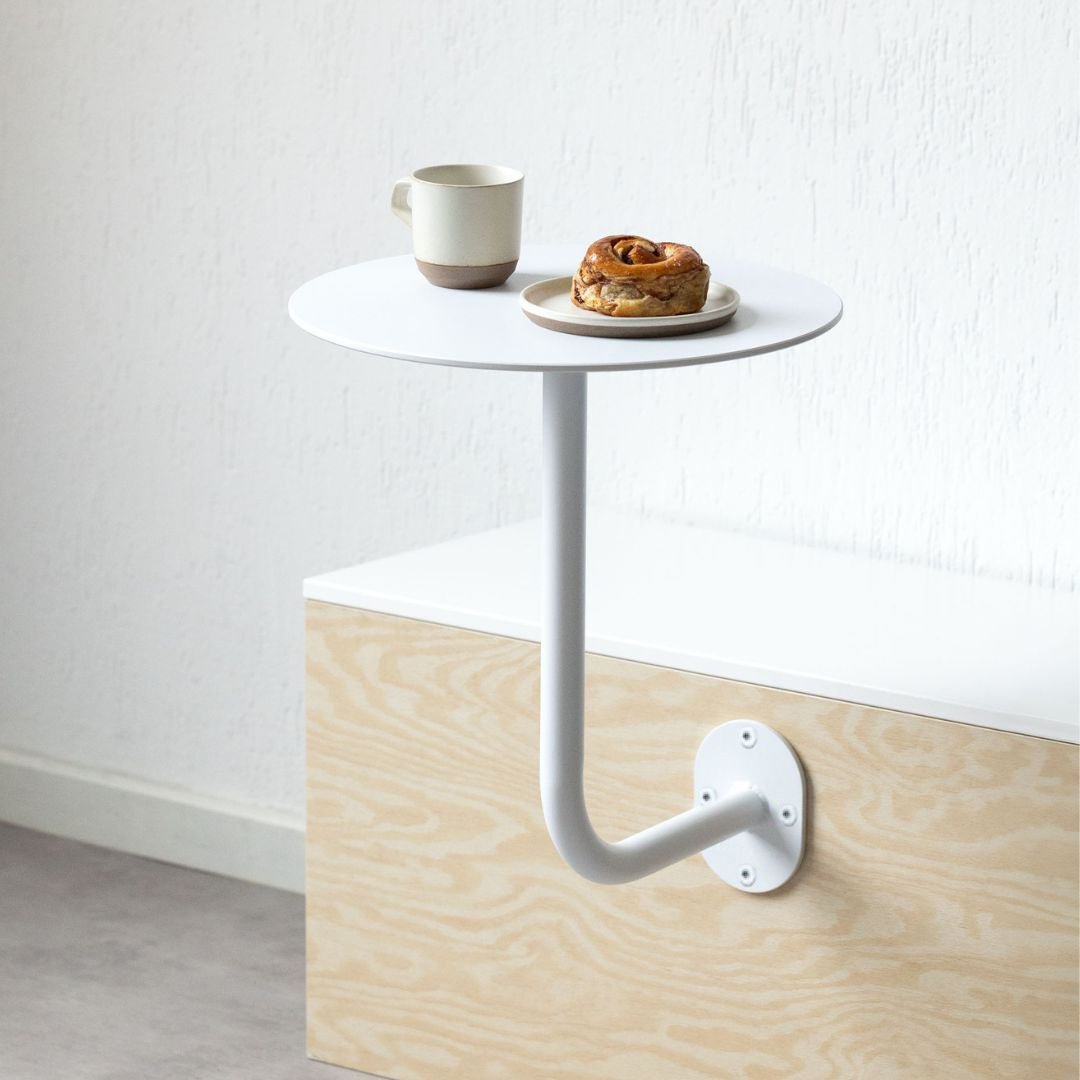
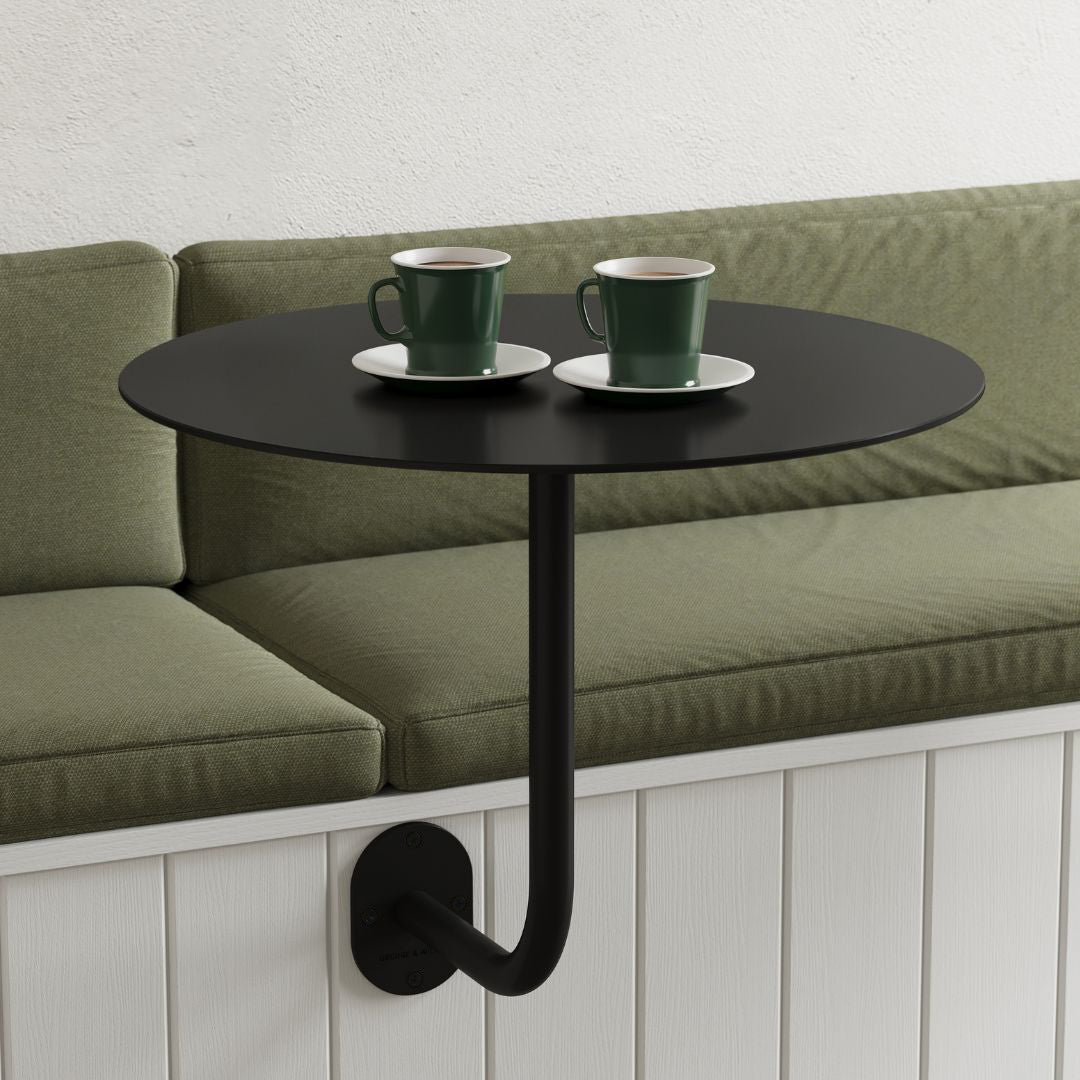
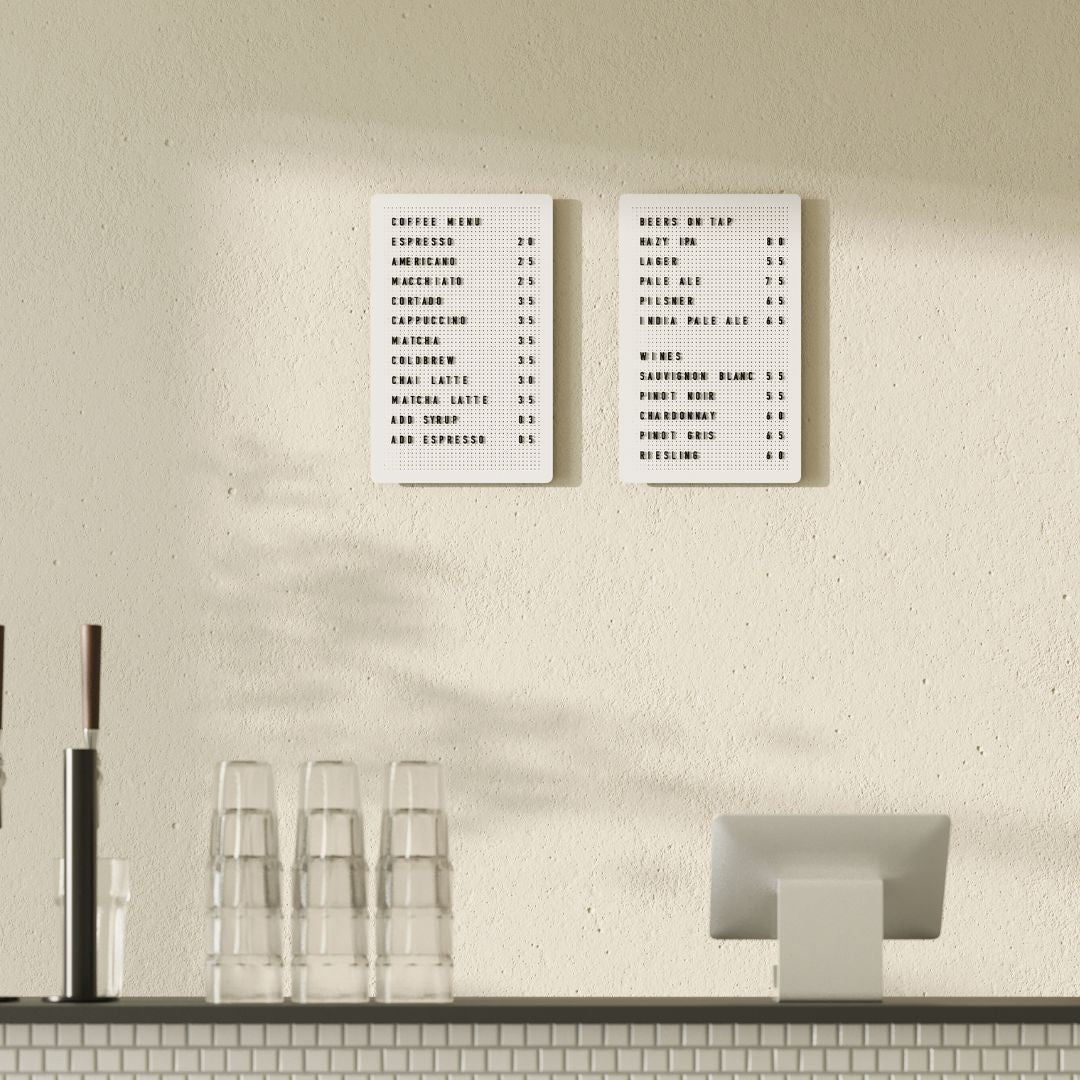
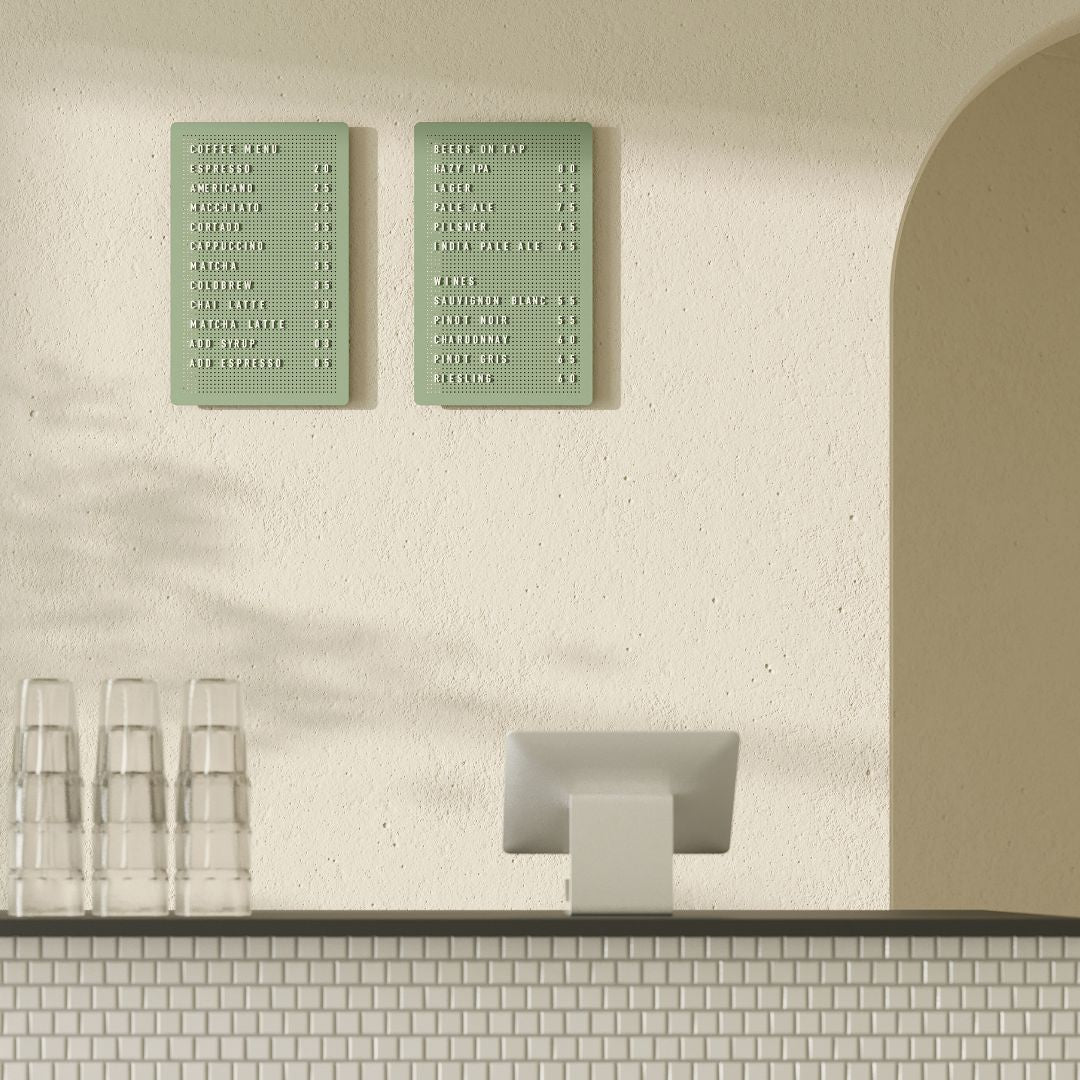
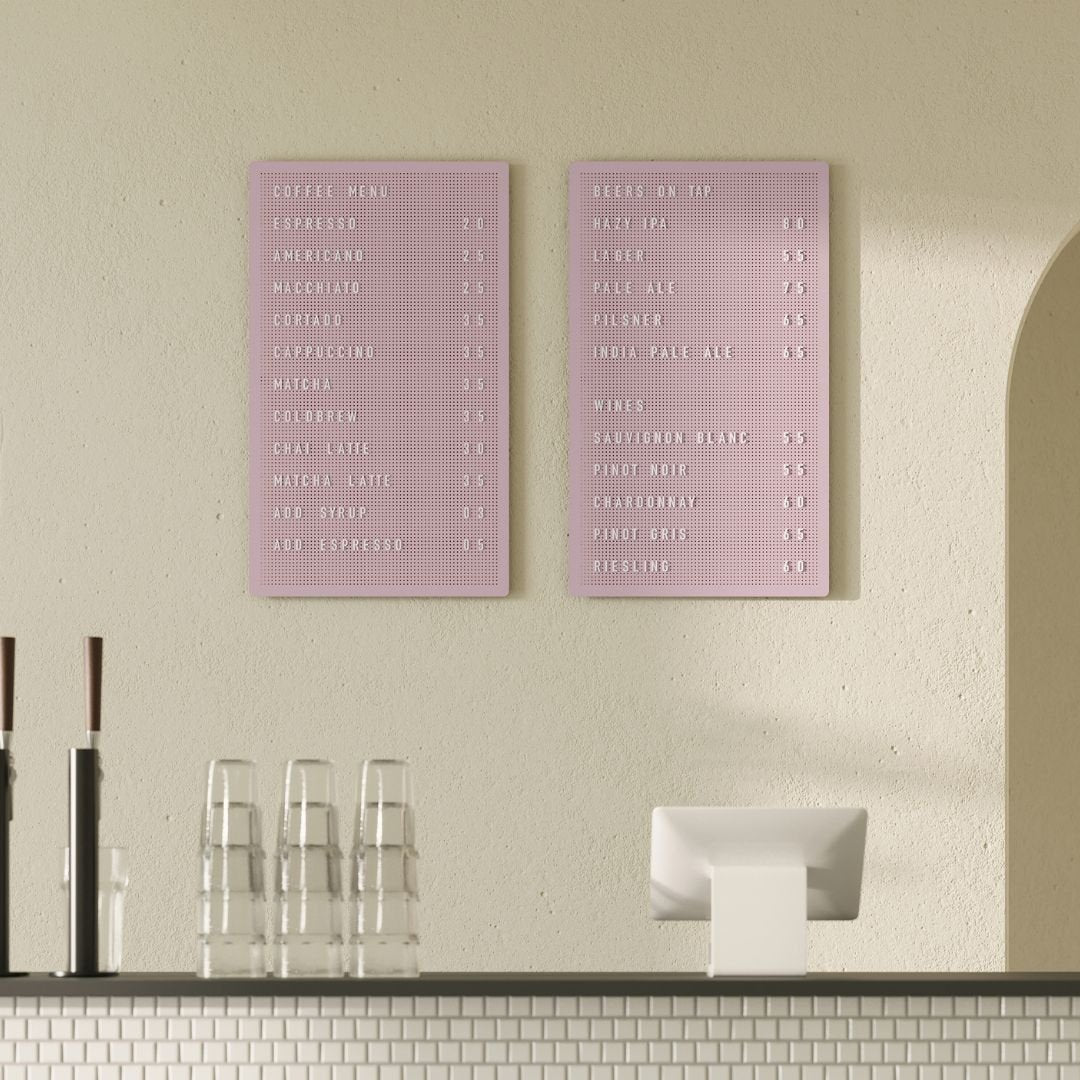
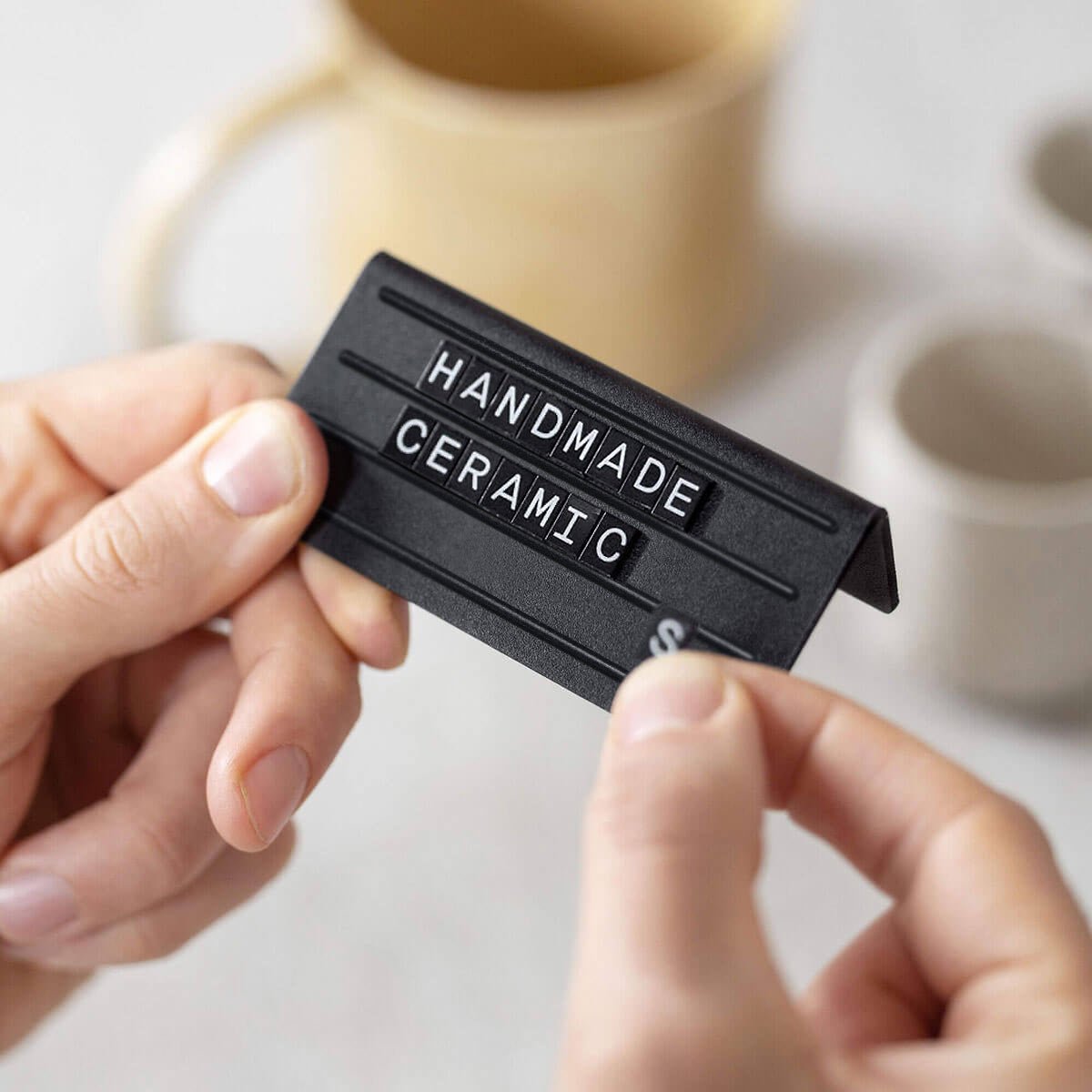
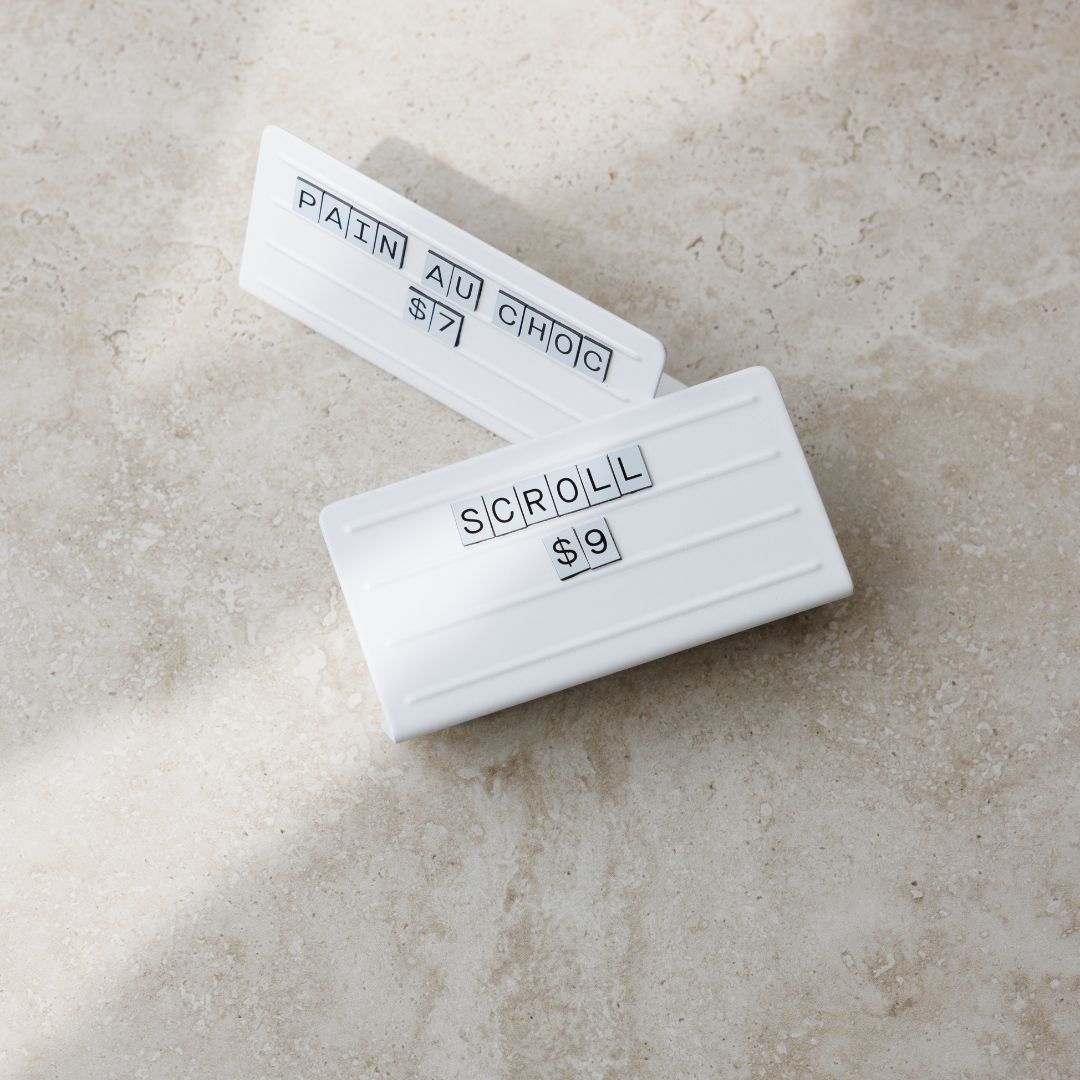
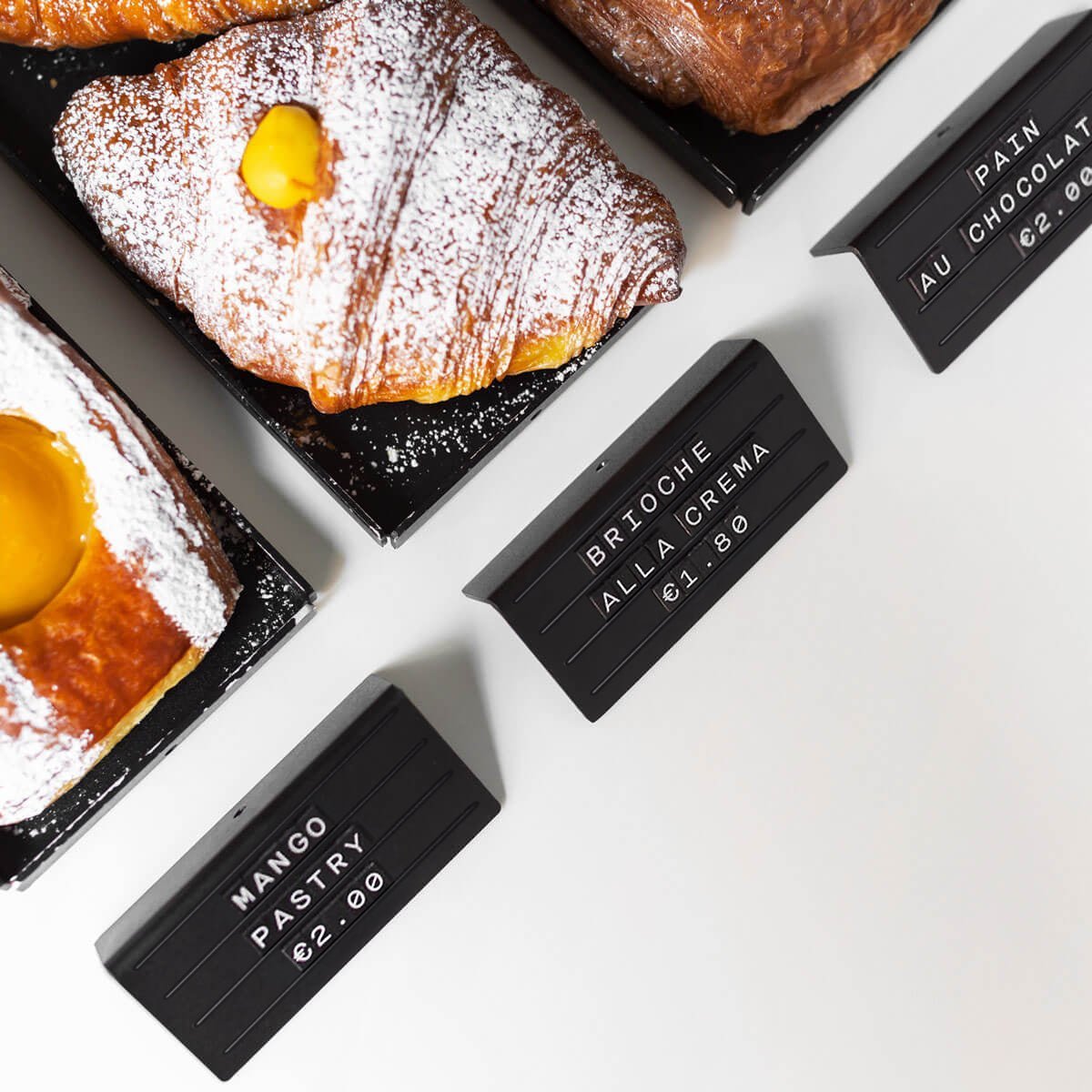
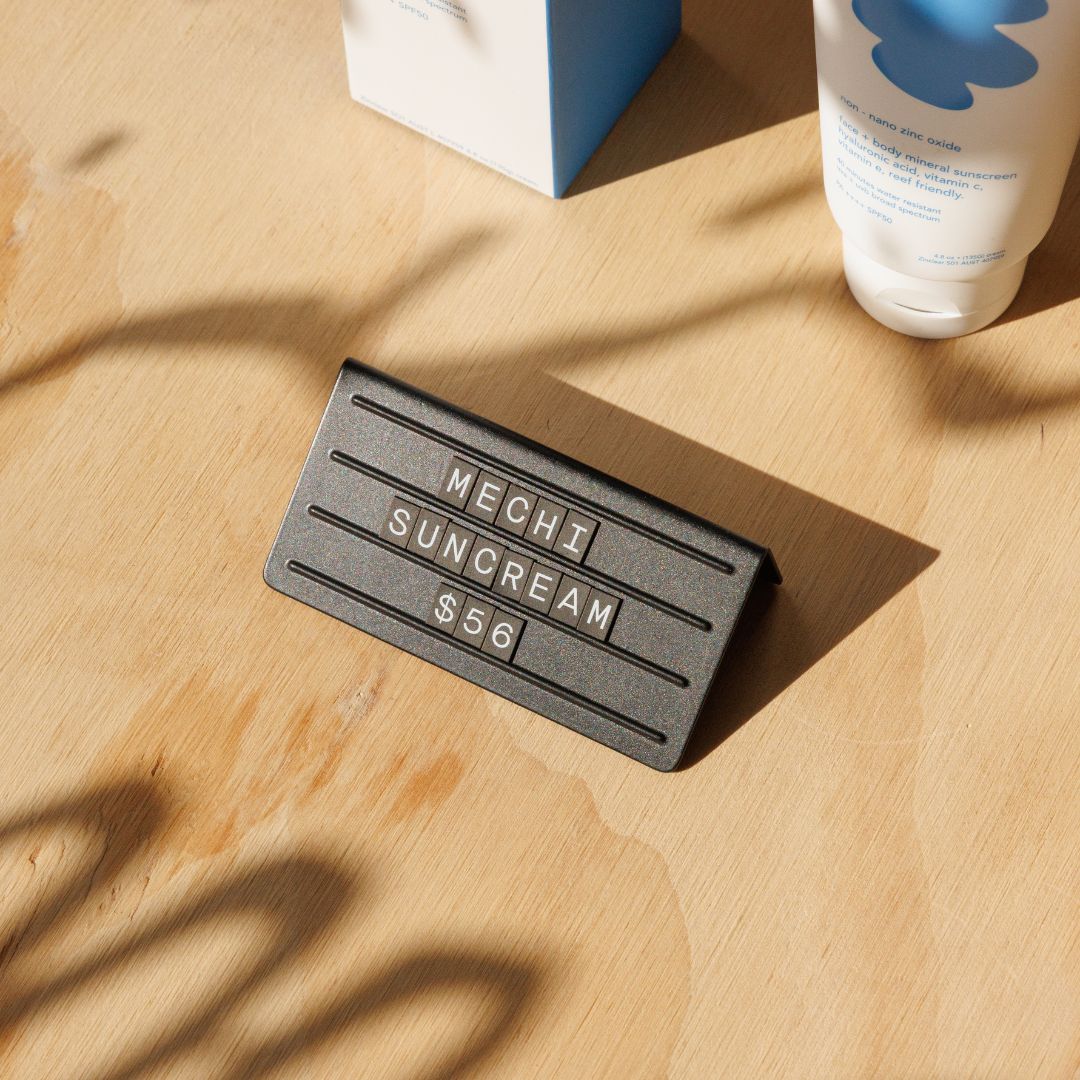
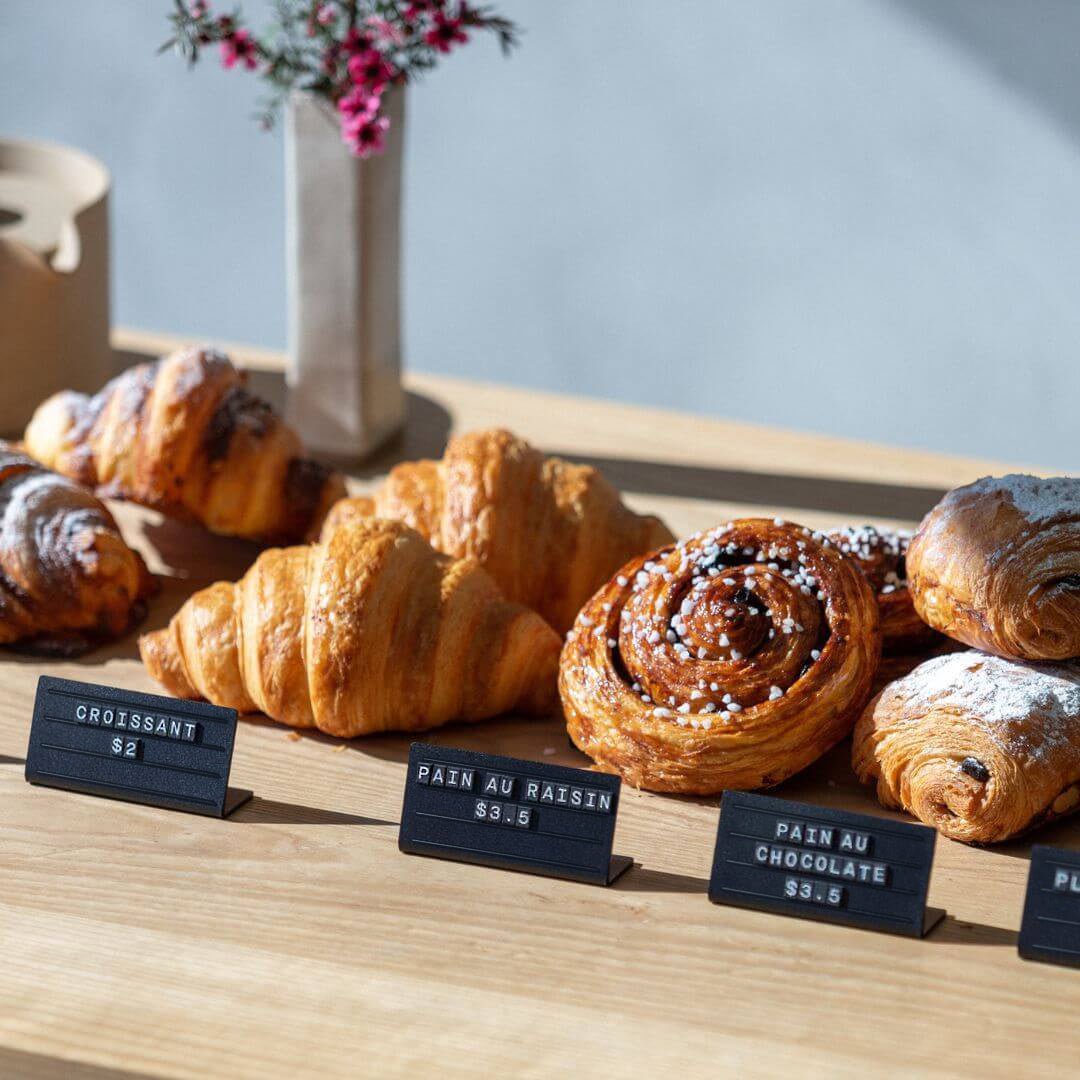
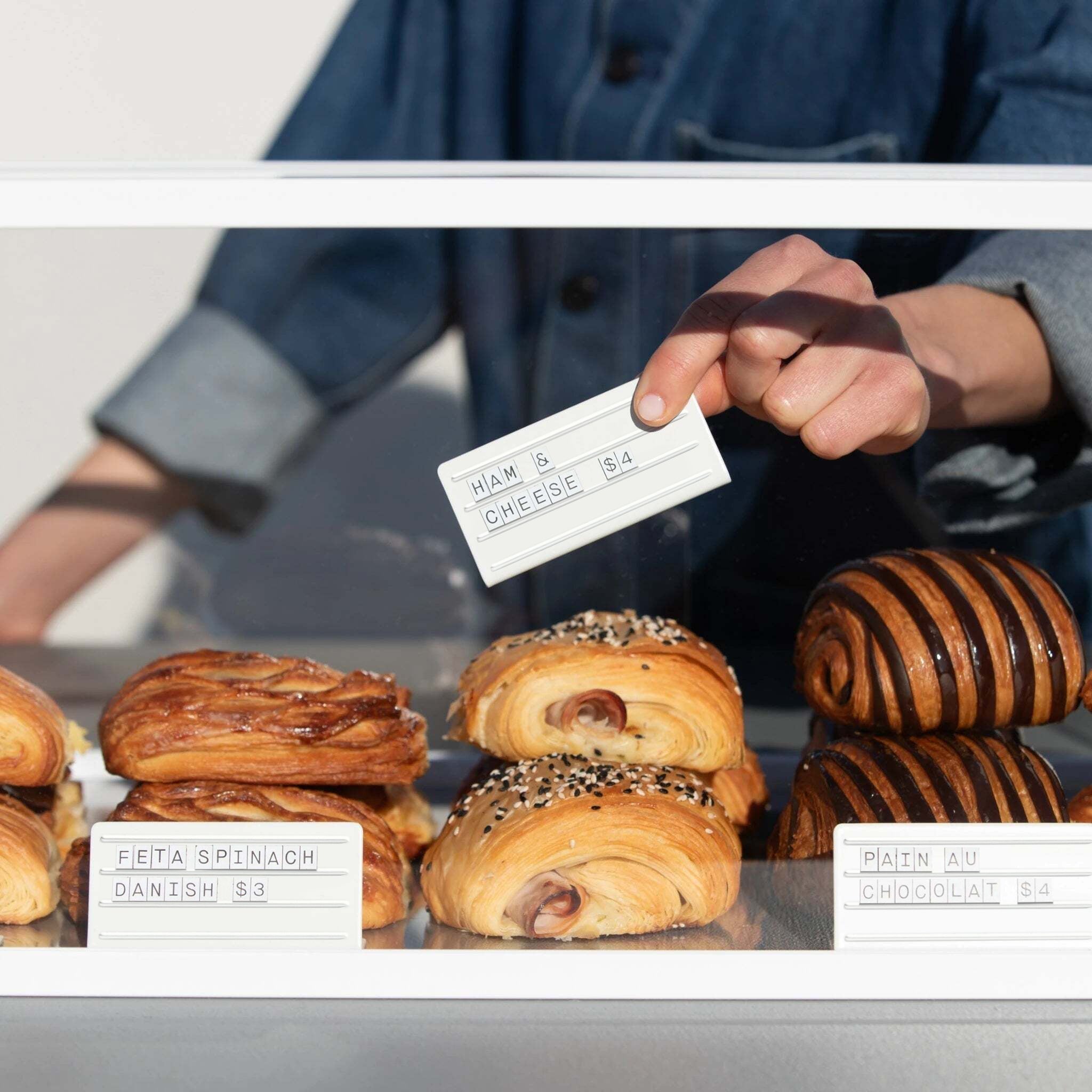
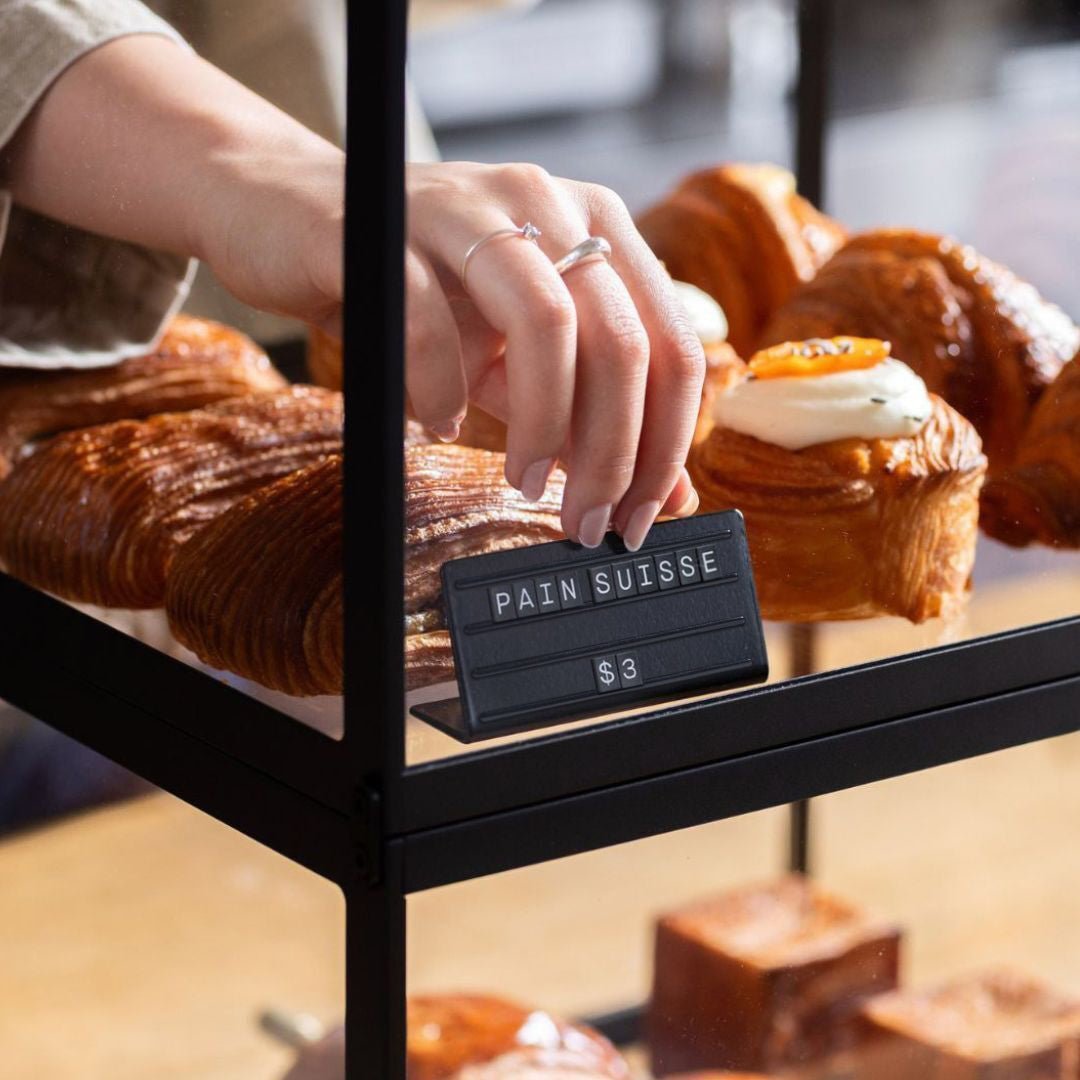
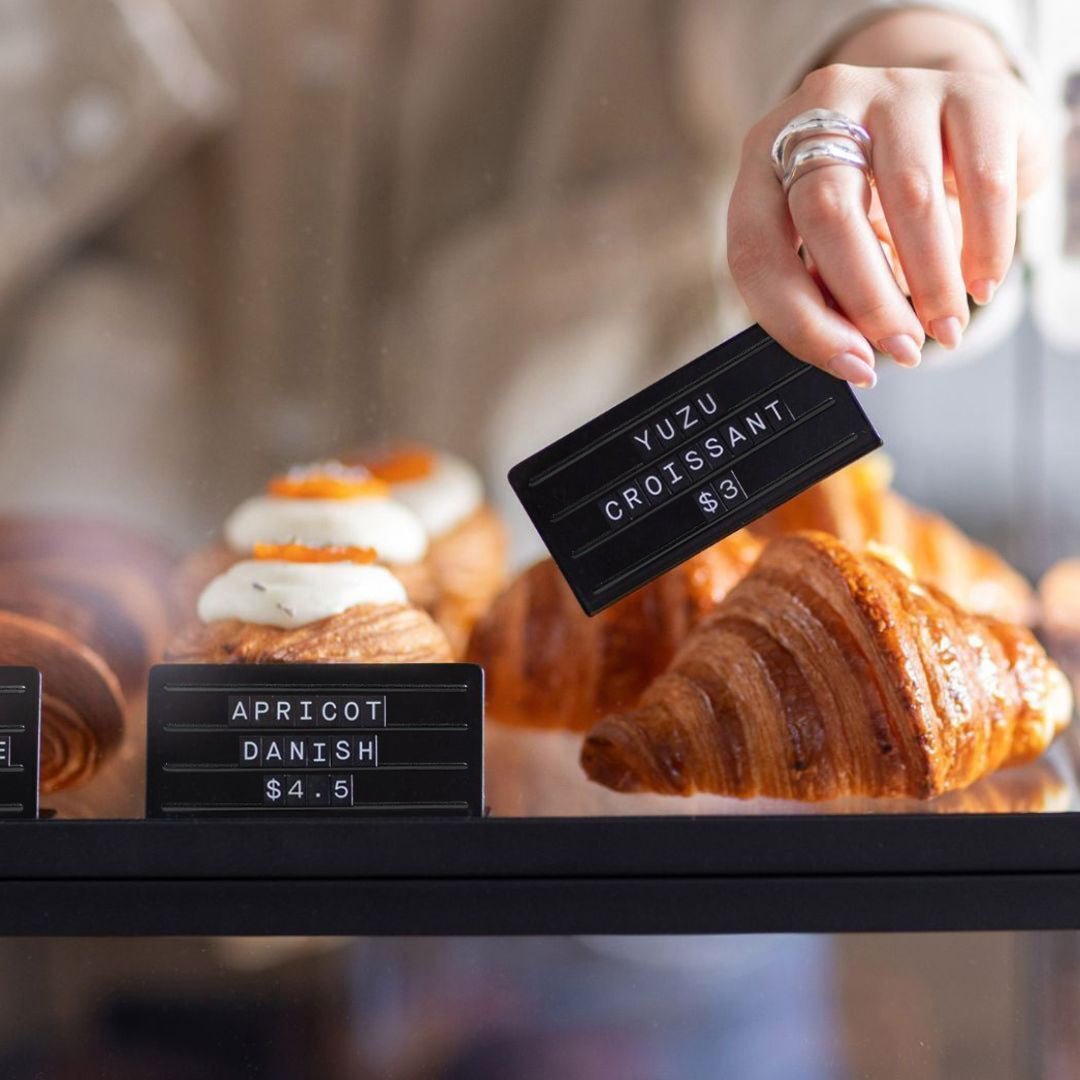
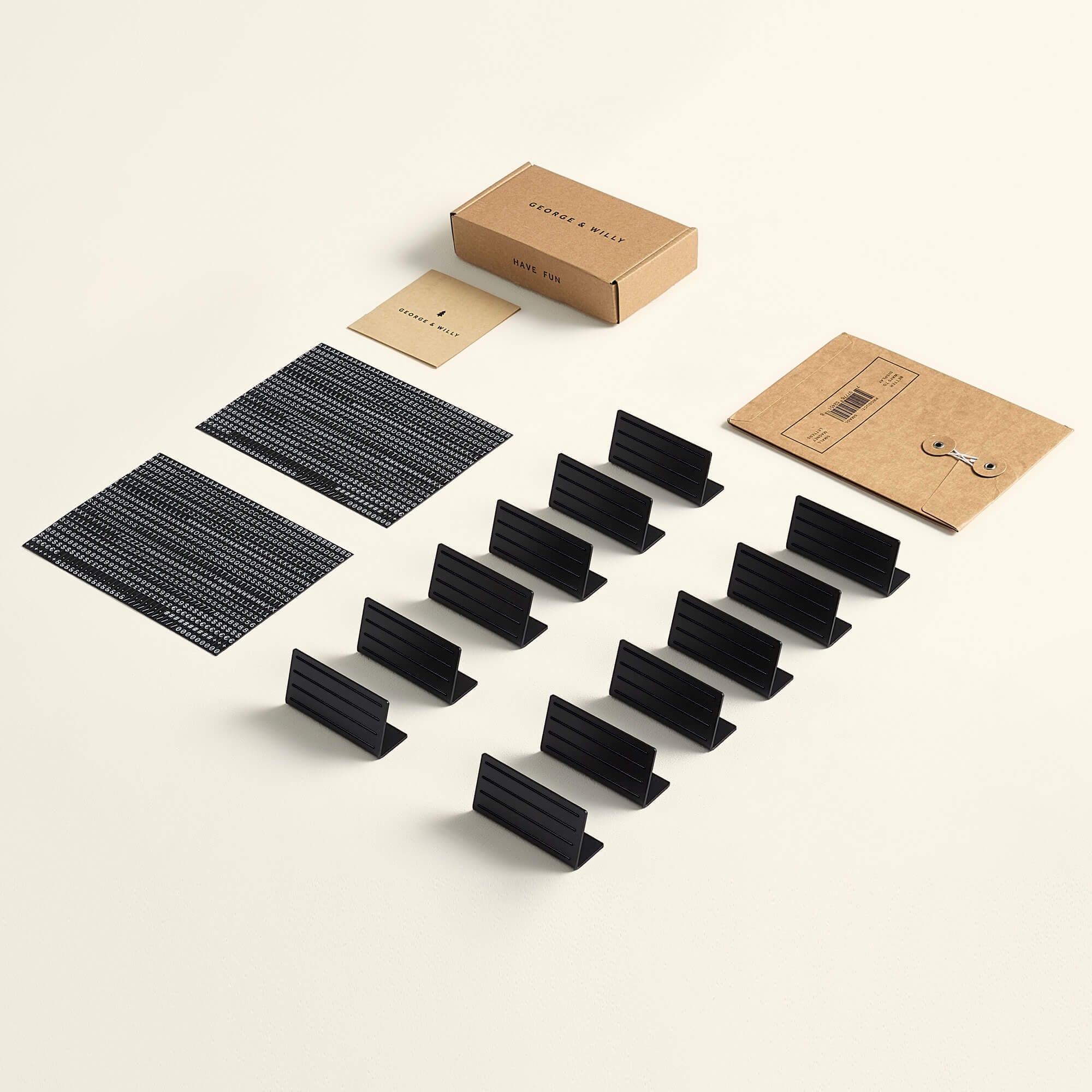
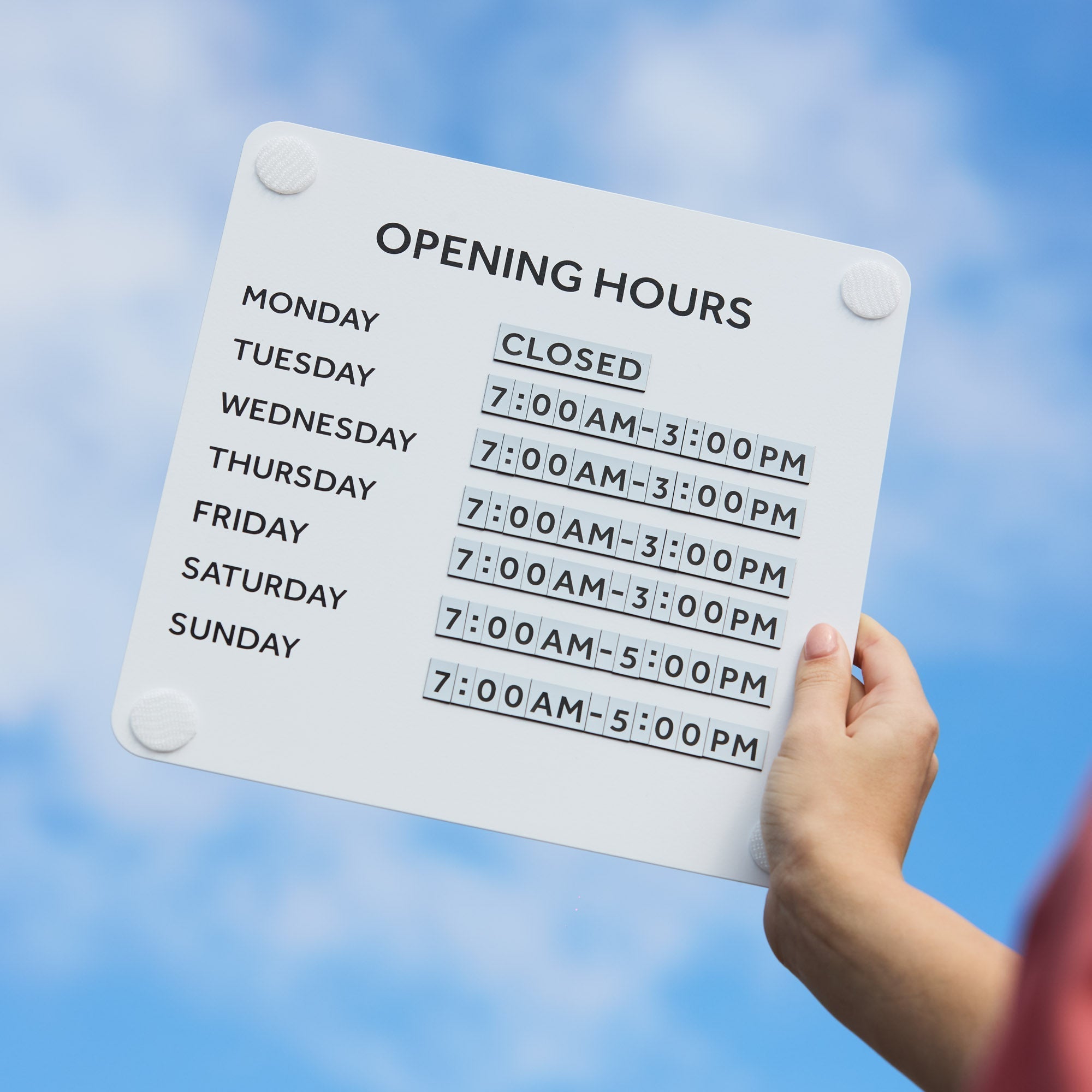
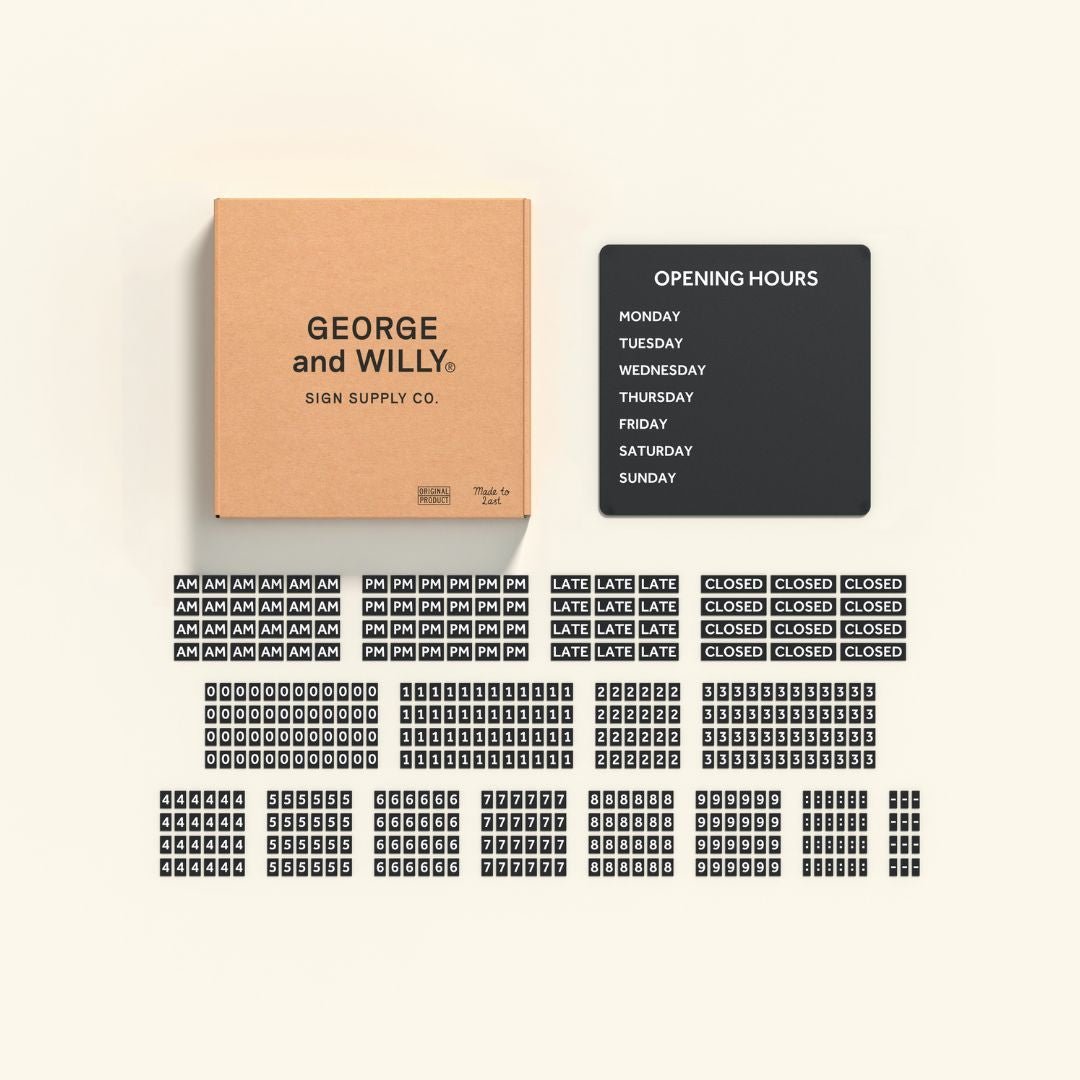
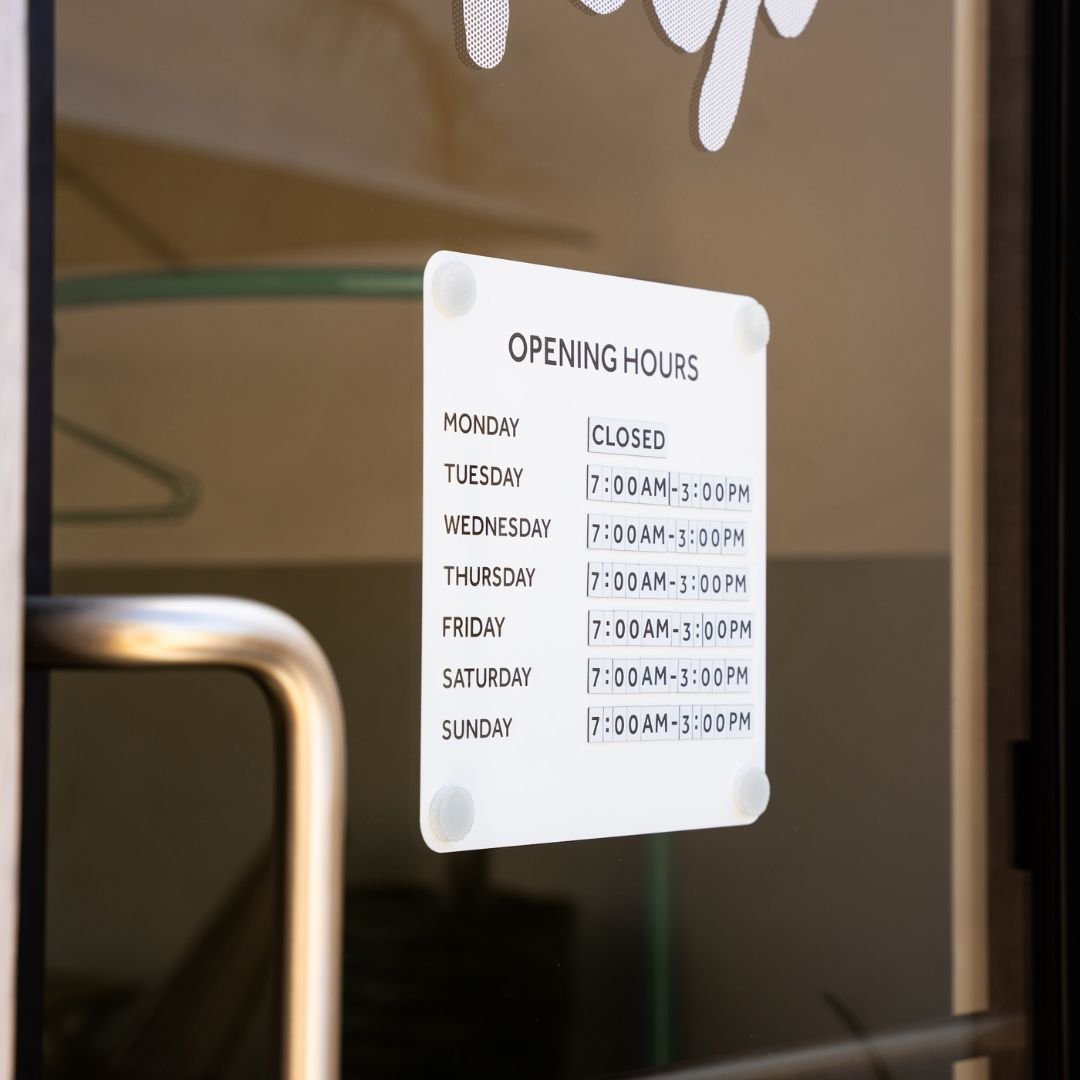
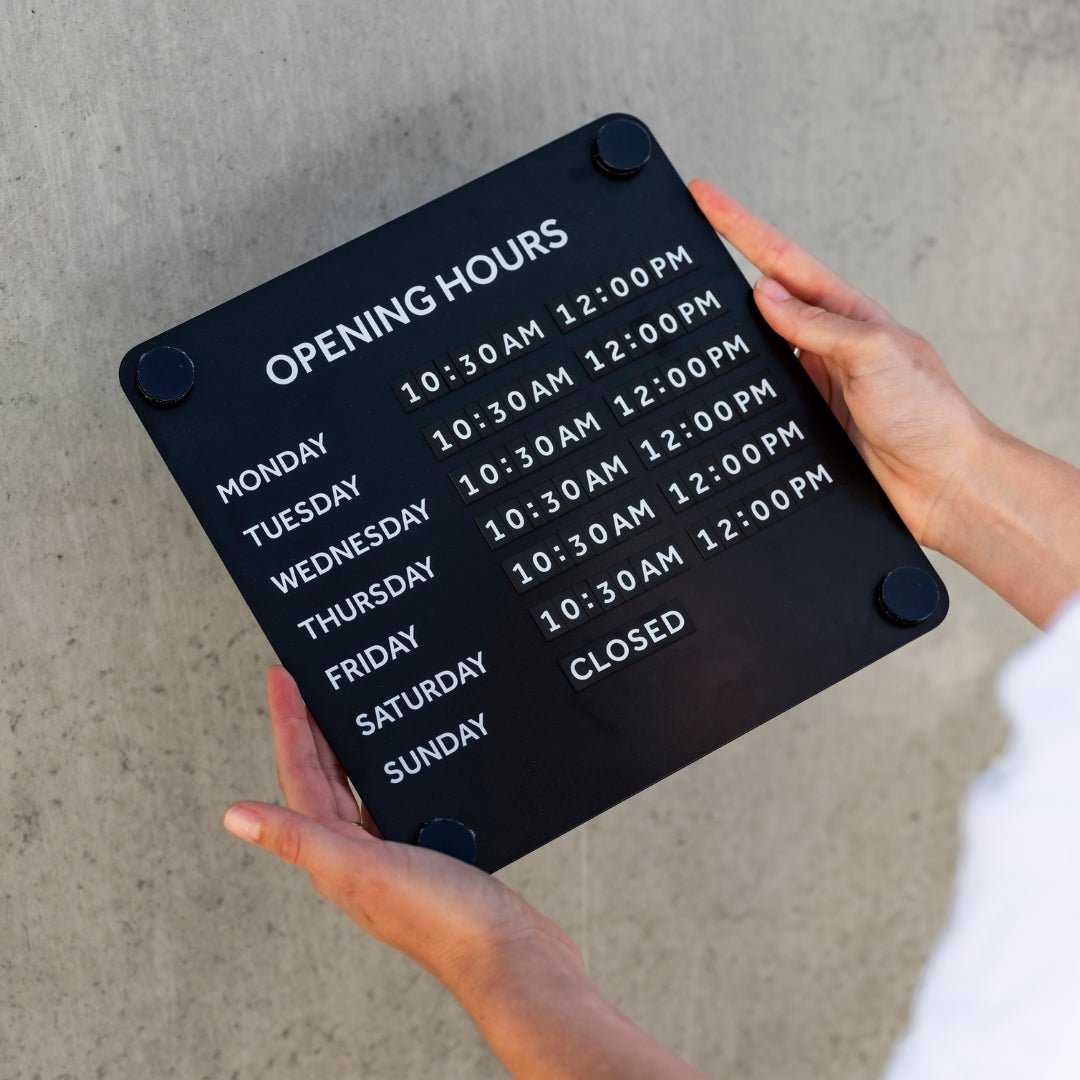
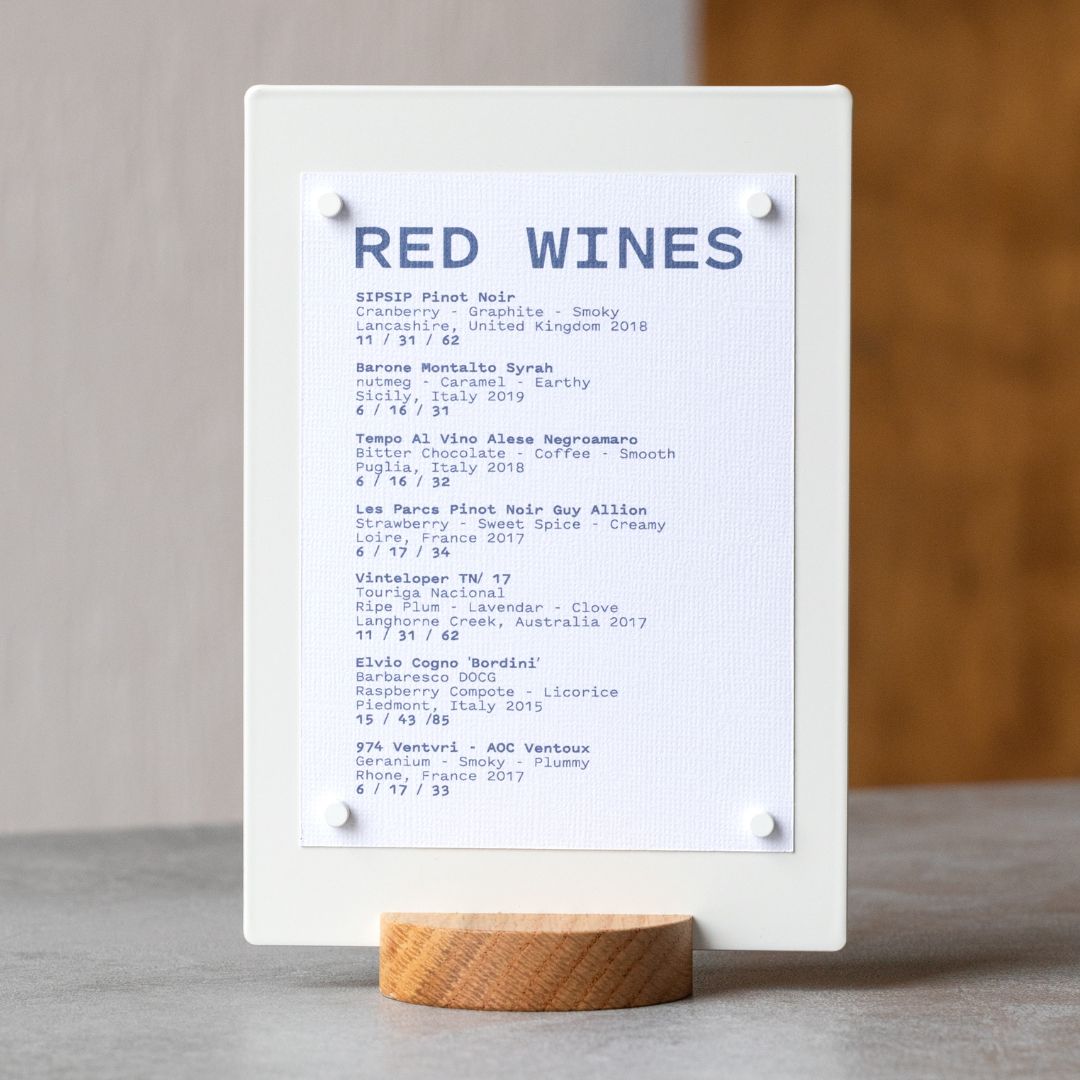
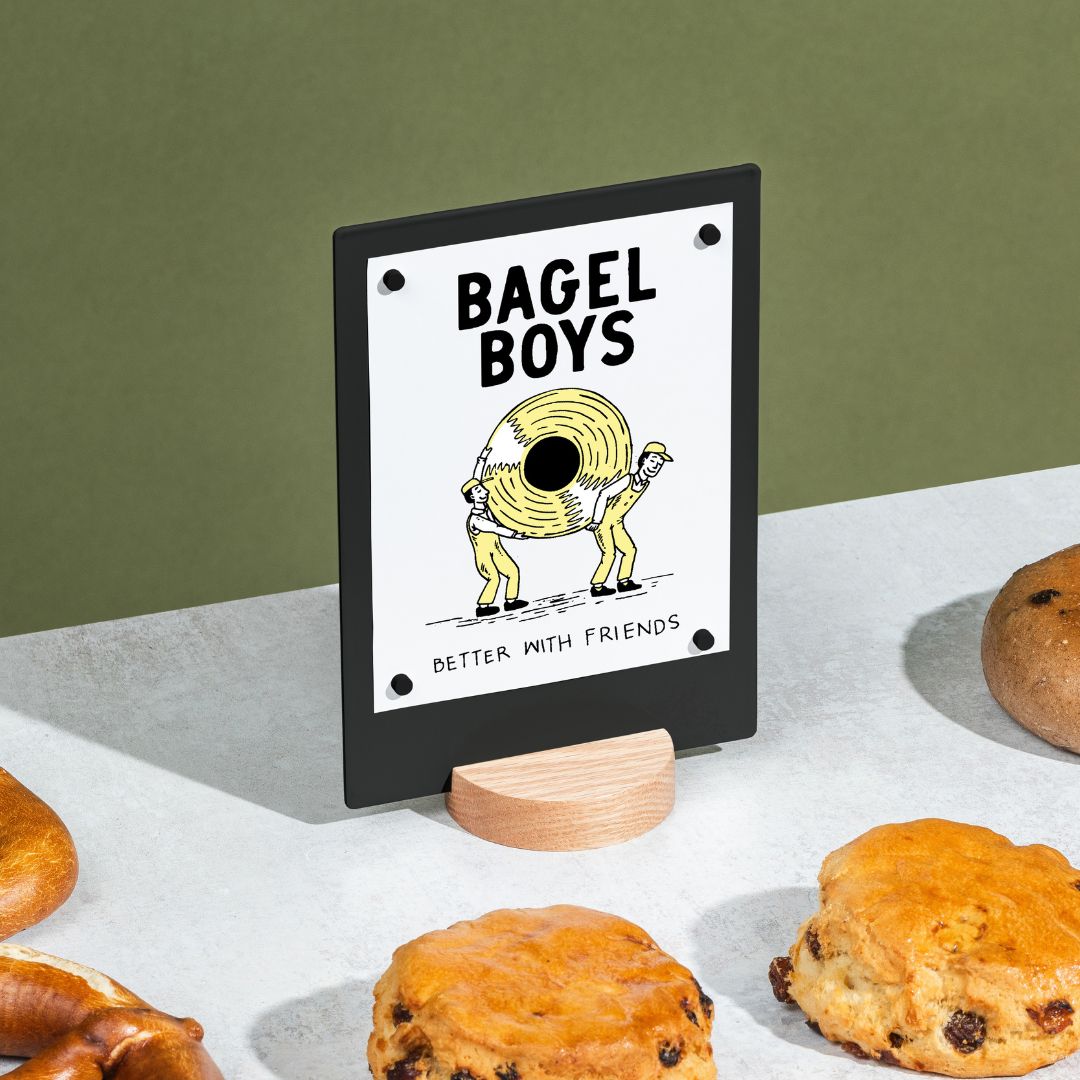
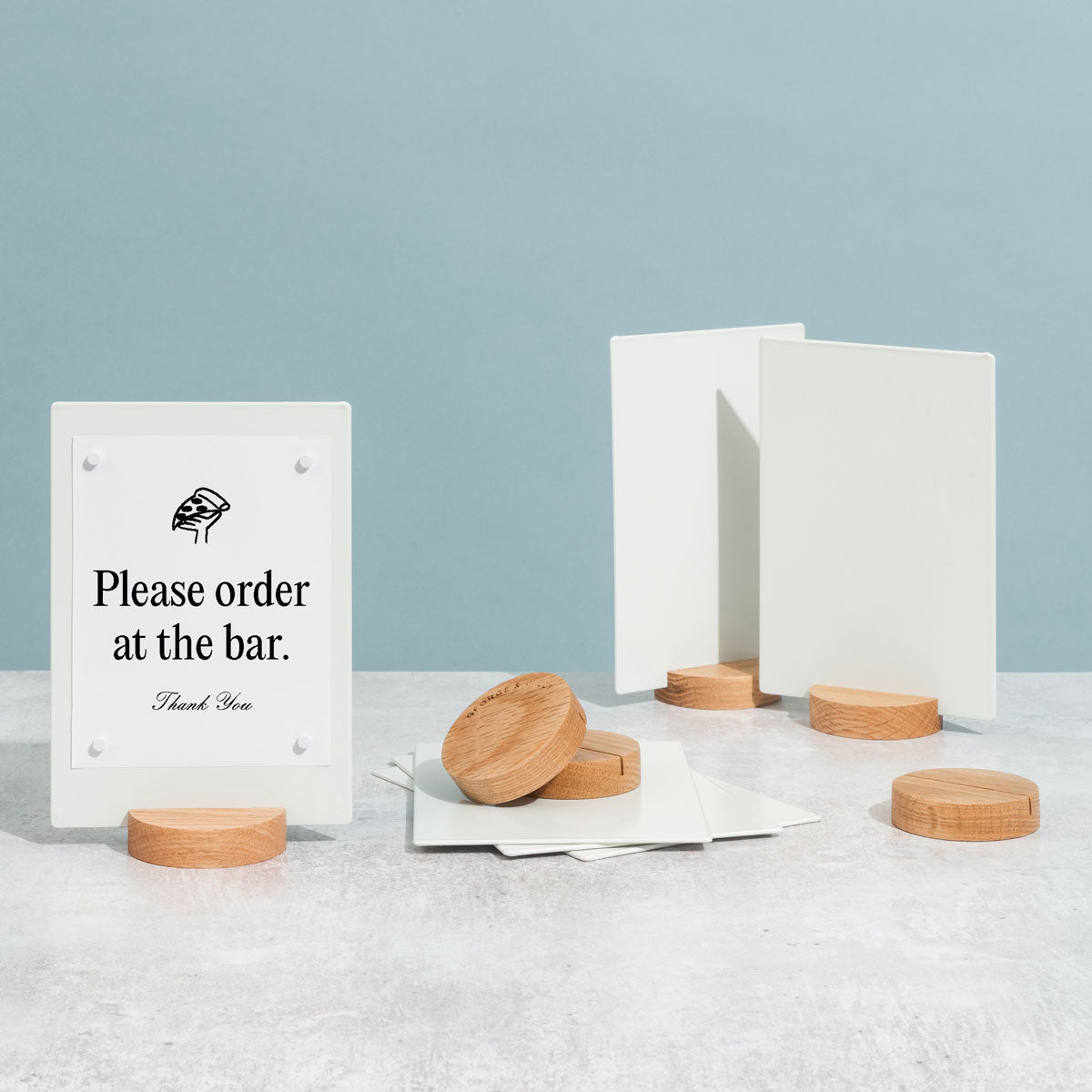
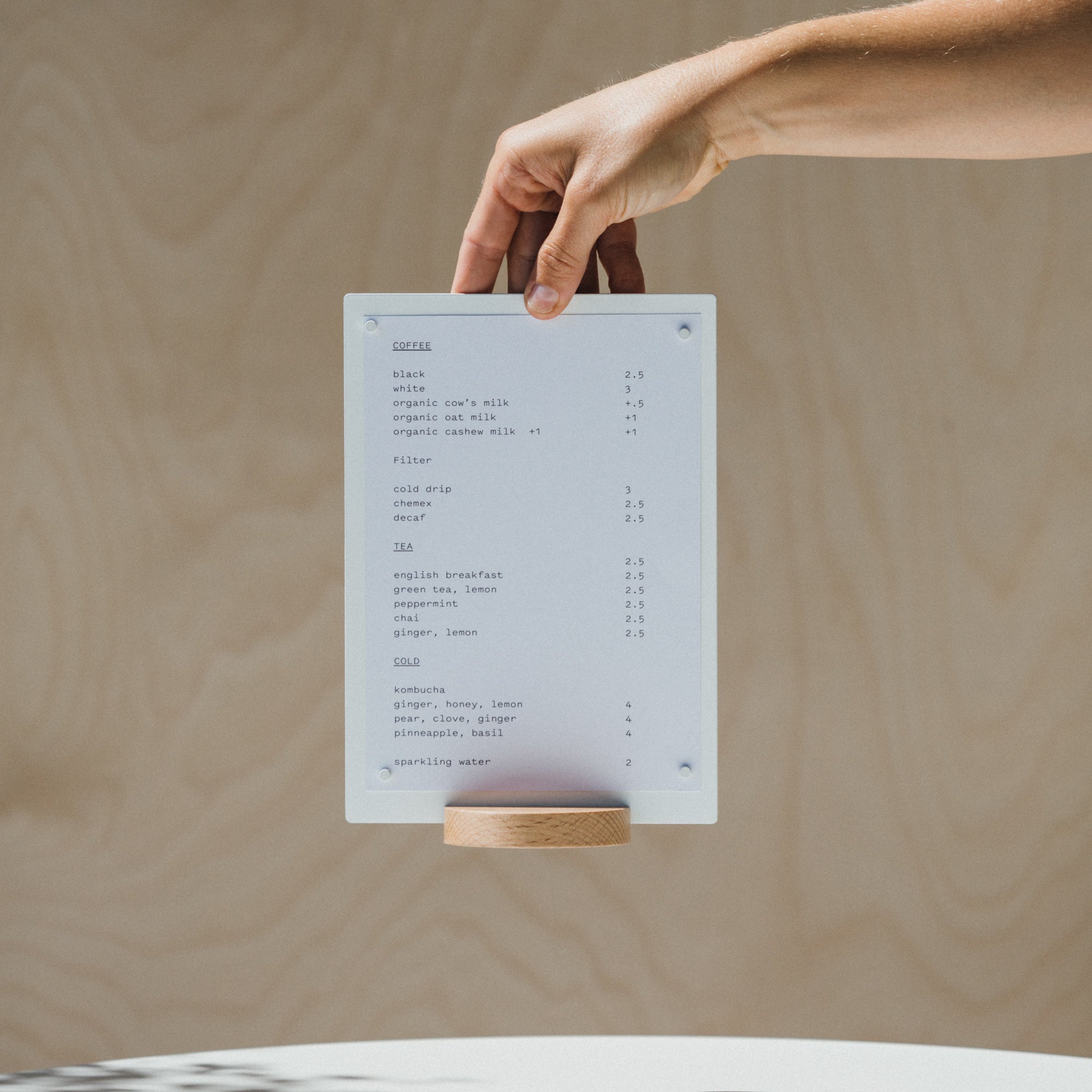
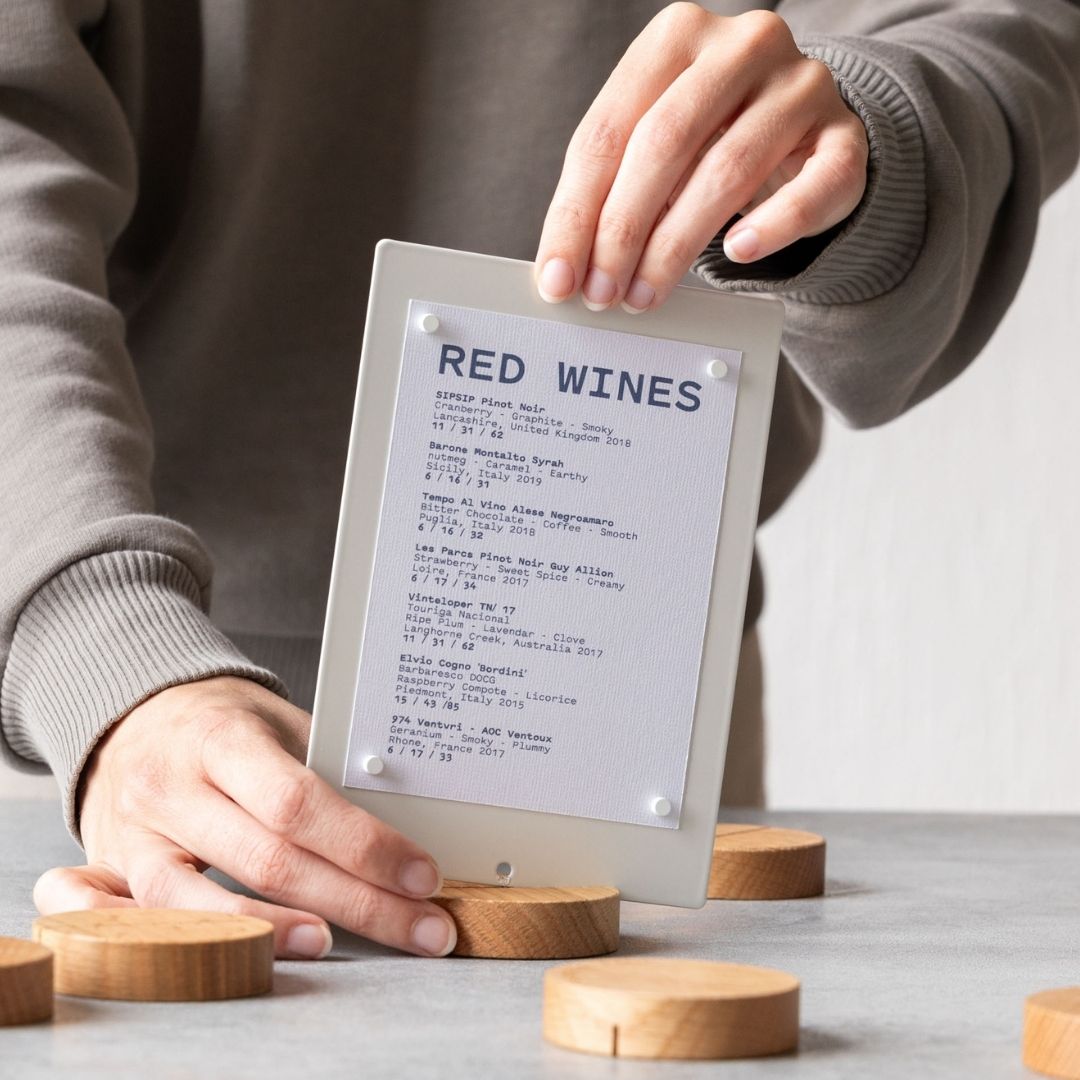
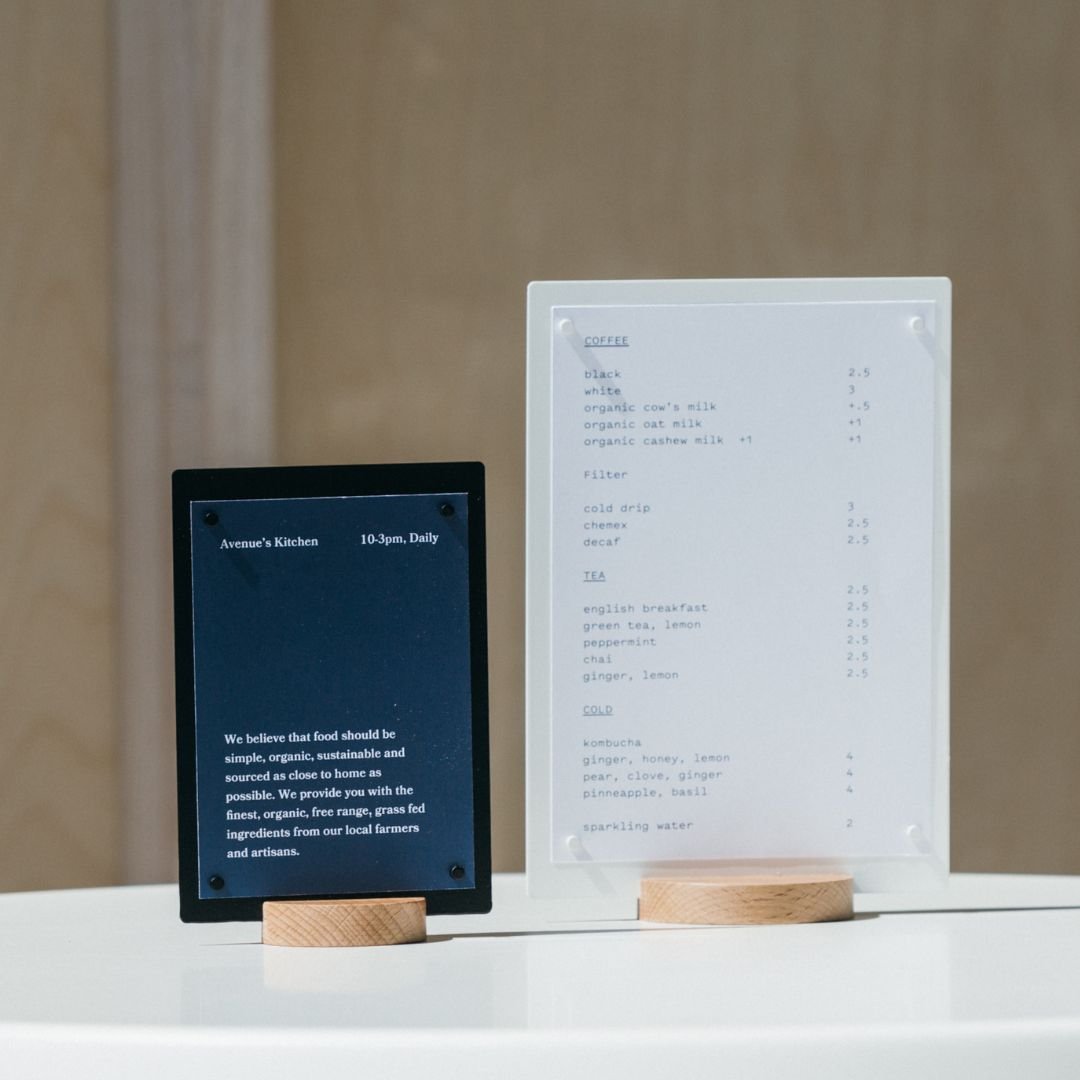
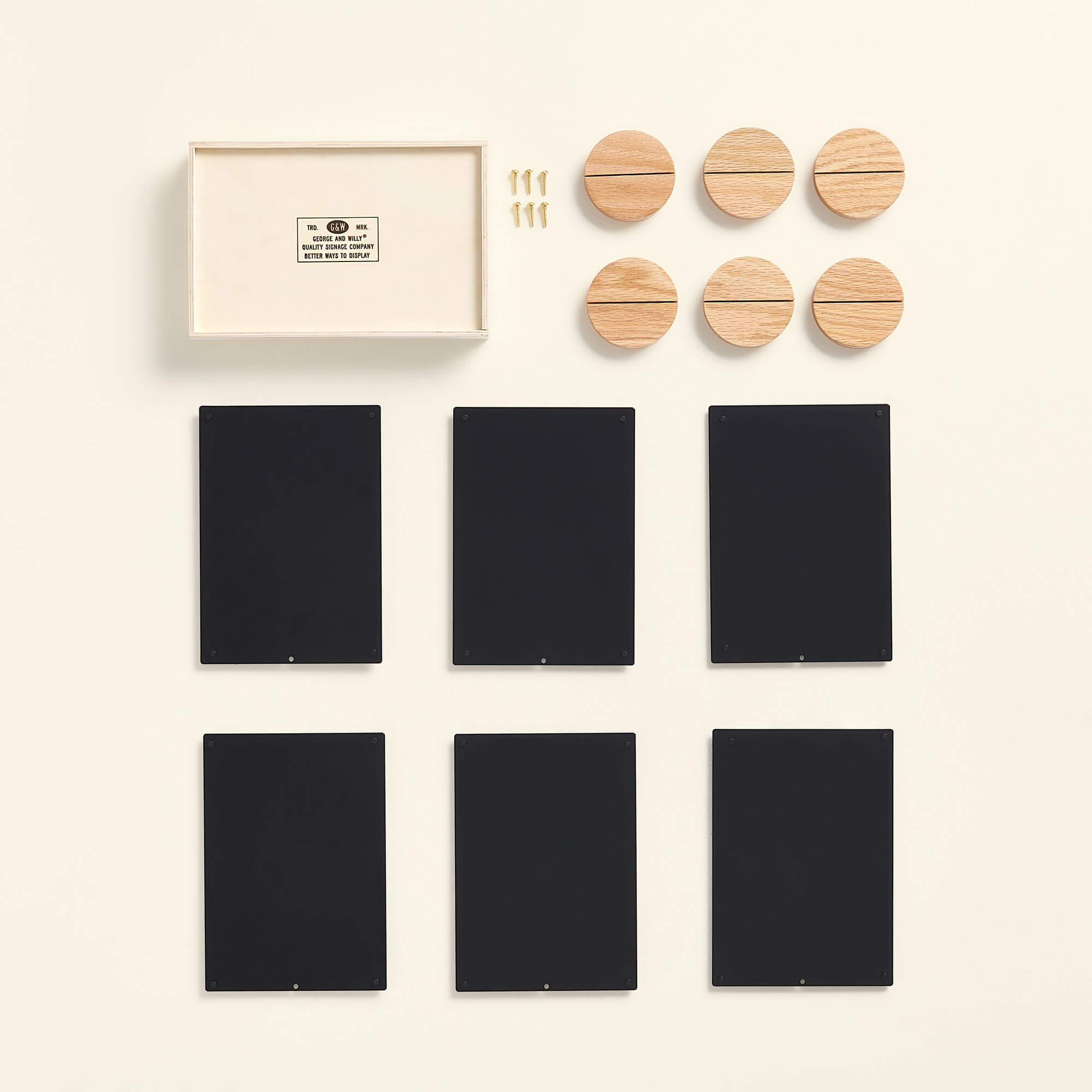
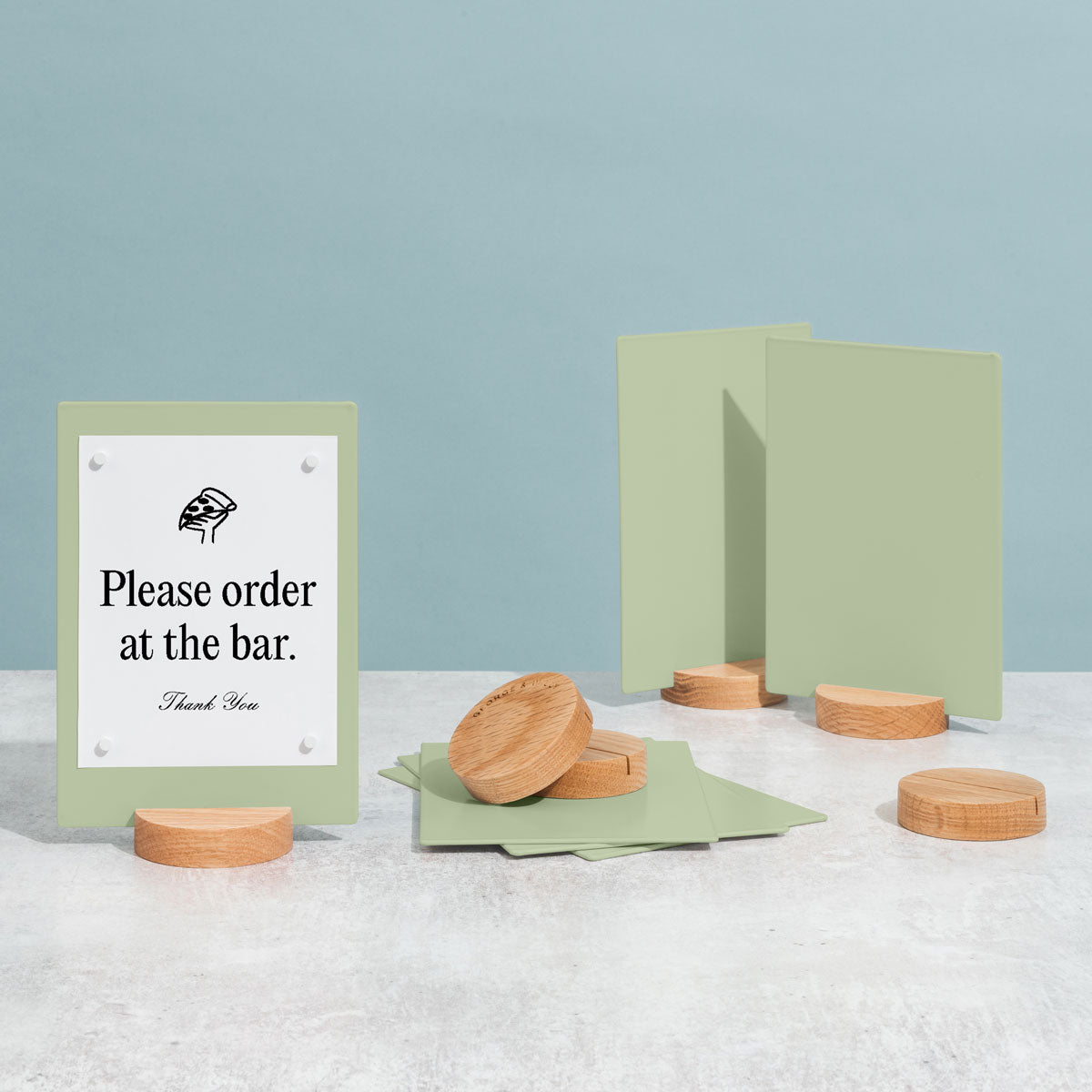
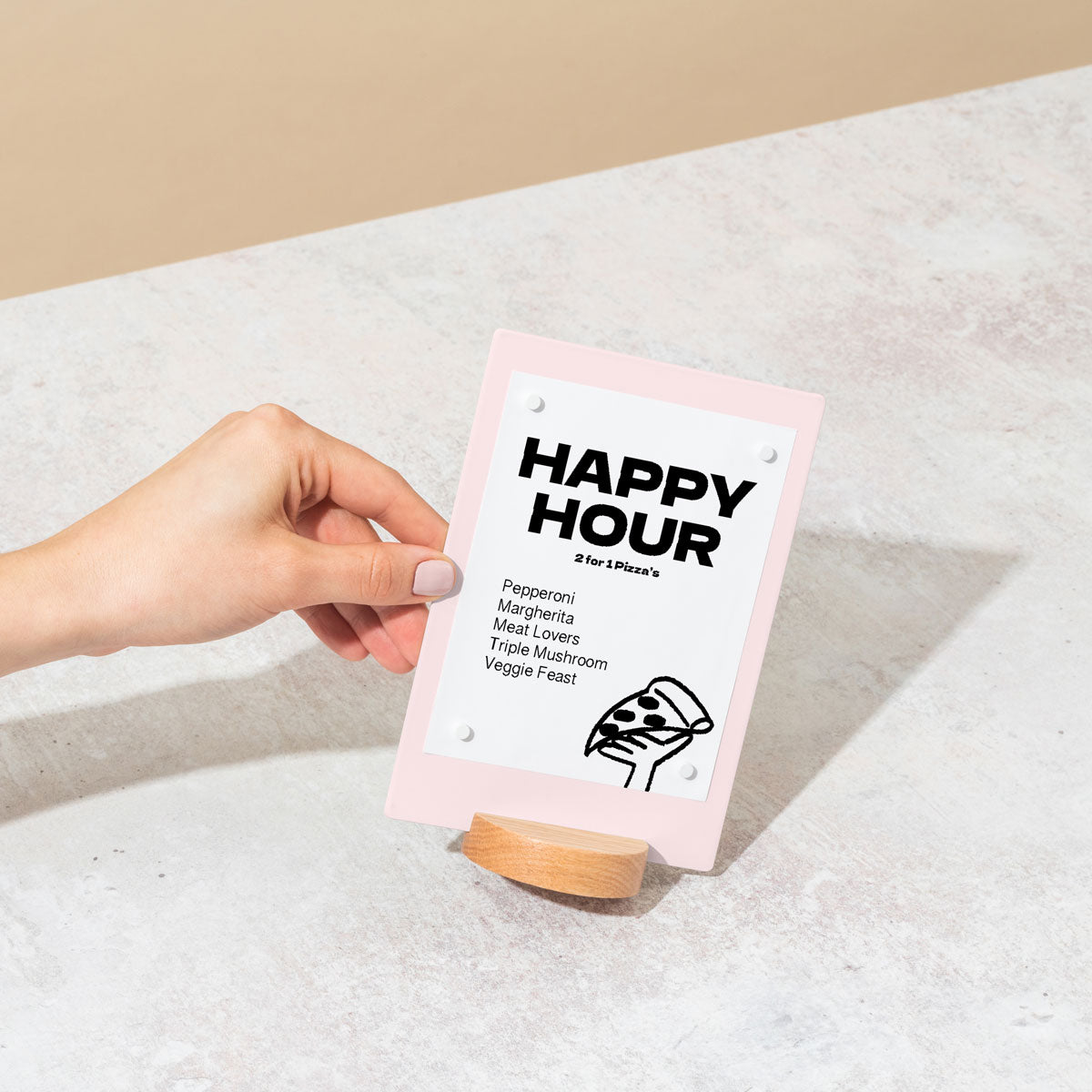
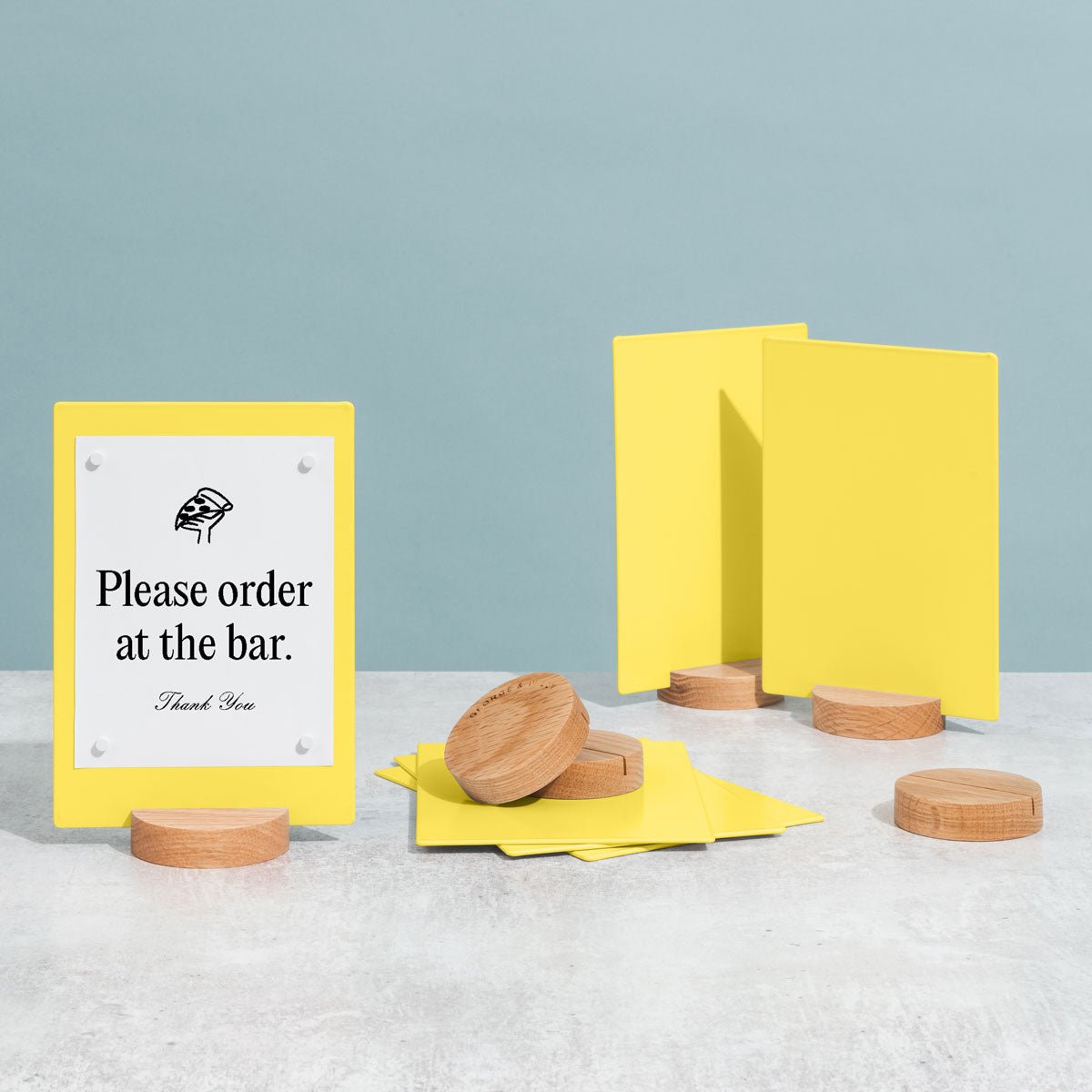
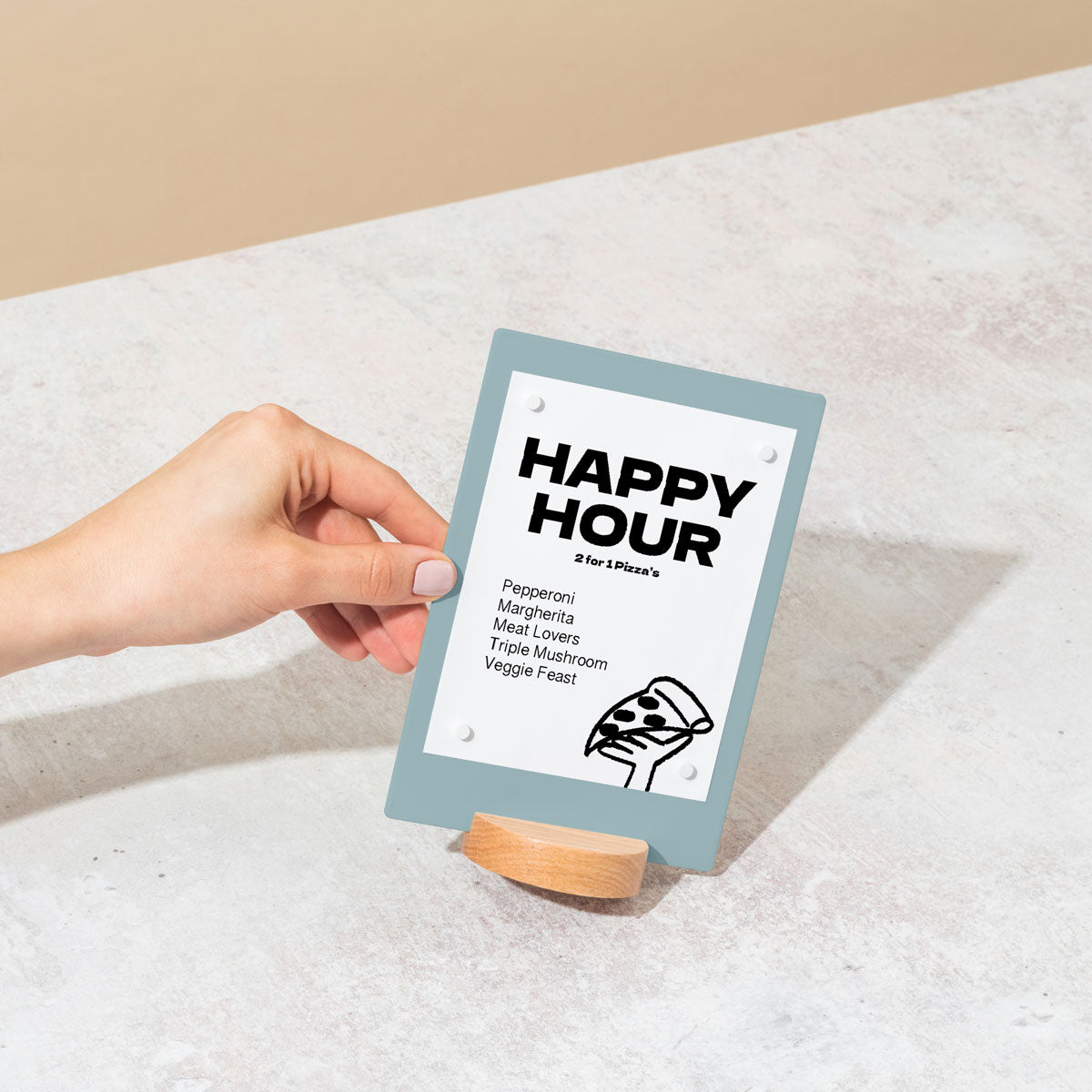
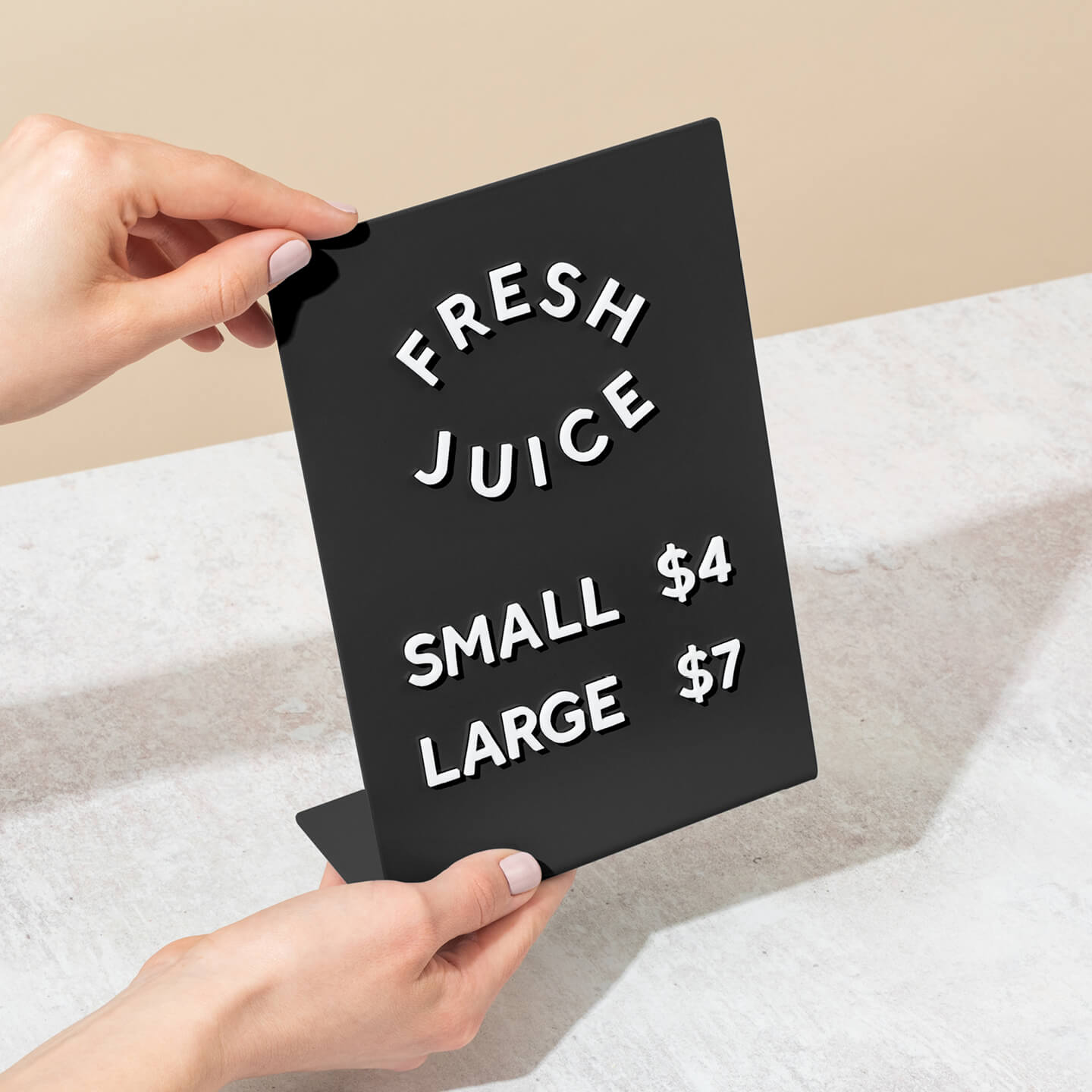
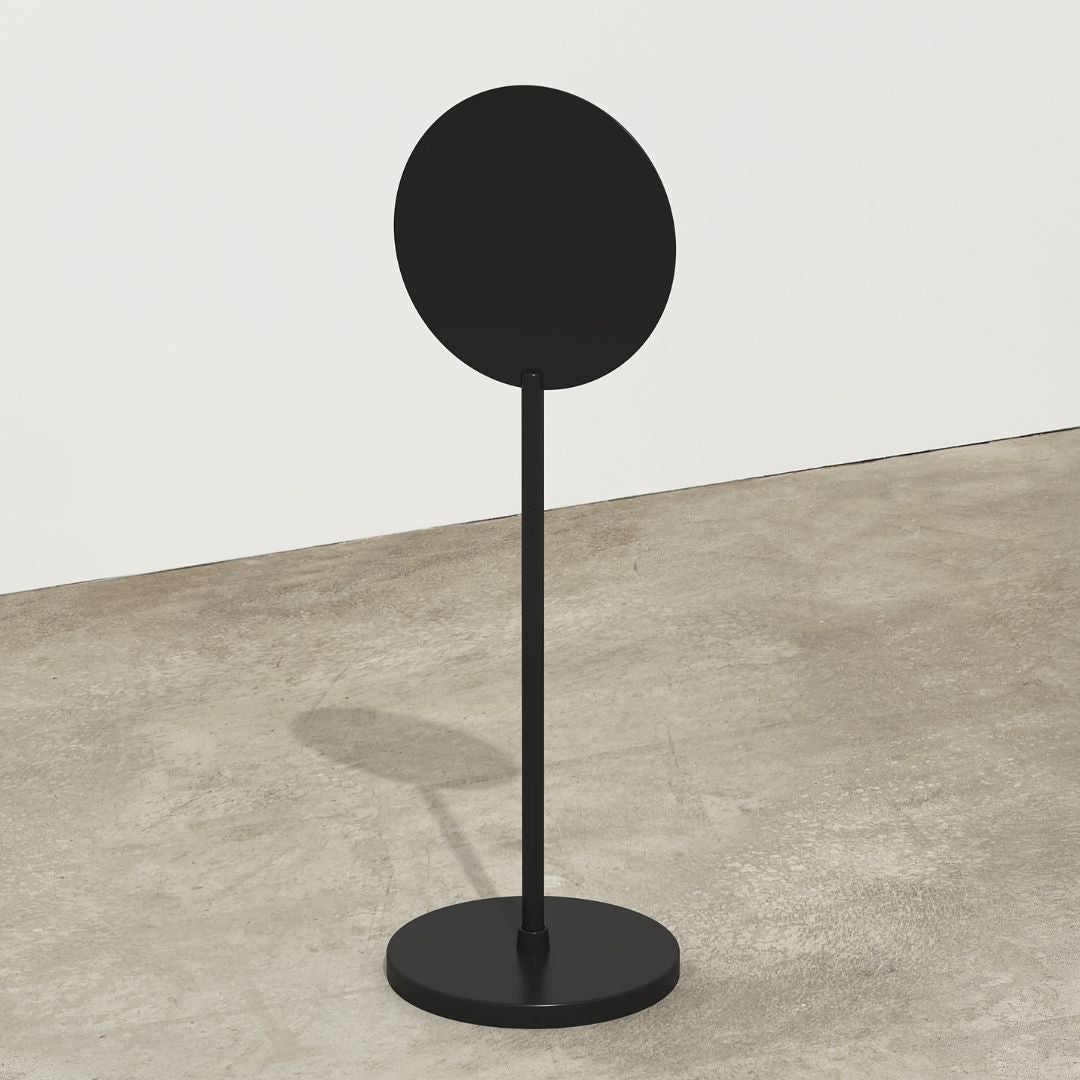
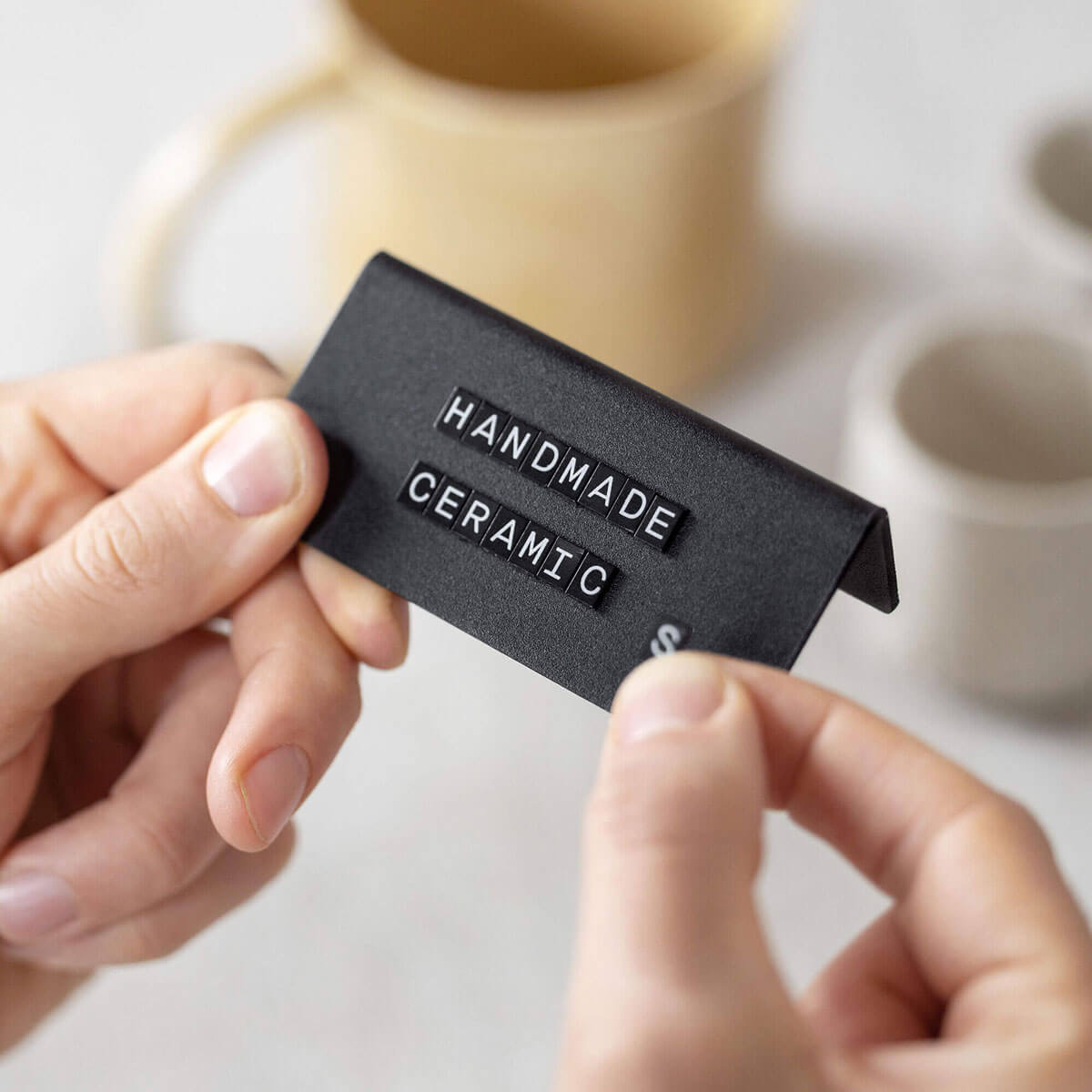
A countertop display is a small unit designed to sit right on the checkout counter, placing products directly in the customer’s line of sight. They are perfect for small, grab and go items. A Counter Display Unit, or CDU, is often a pre packed cardboard or plastic unit provided by a manufacturer, ready to be placed on the counter instantly. These capitalize on unused counter space to drive impulse sales. Stylish and minimal options, like the Counter Signs sets from George & Willy, can elevate a counter’s appearance while communicating prices or promotions with ease. For small SKU labels and prices, Card Counter Signs keep checkout messaging tidy and consistent.
Freestanding Display Unit (FSDU)
A Freestanding Display Unit, or FSDU, is a standalone floor display. You’ve seen them as cardboard towers or metal racks in high traffic aisles. Their biggest advantage is flexibility, as retailers can move them to prime locations to catch the shopper’s eye. FSDUs are designed to interrupt the customer’s journey and make a featured product impossible to miss.
Lightbox Display
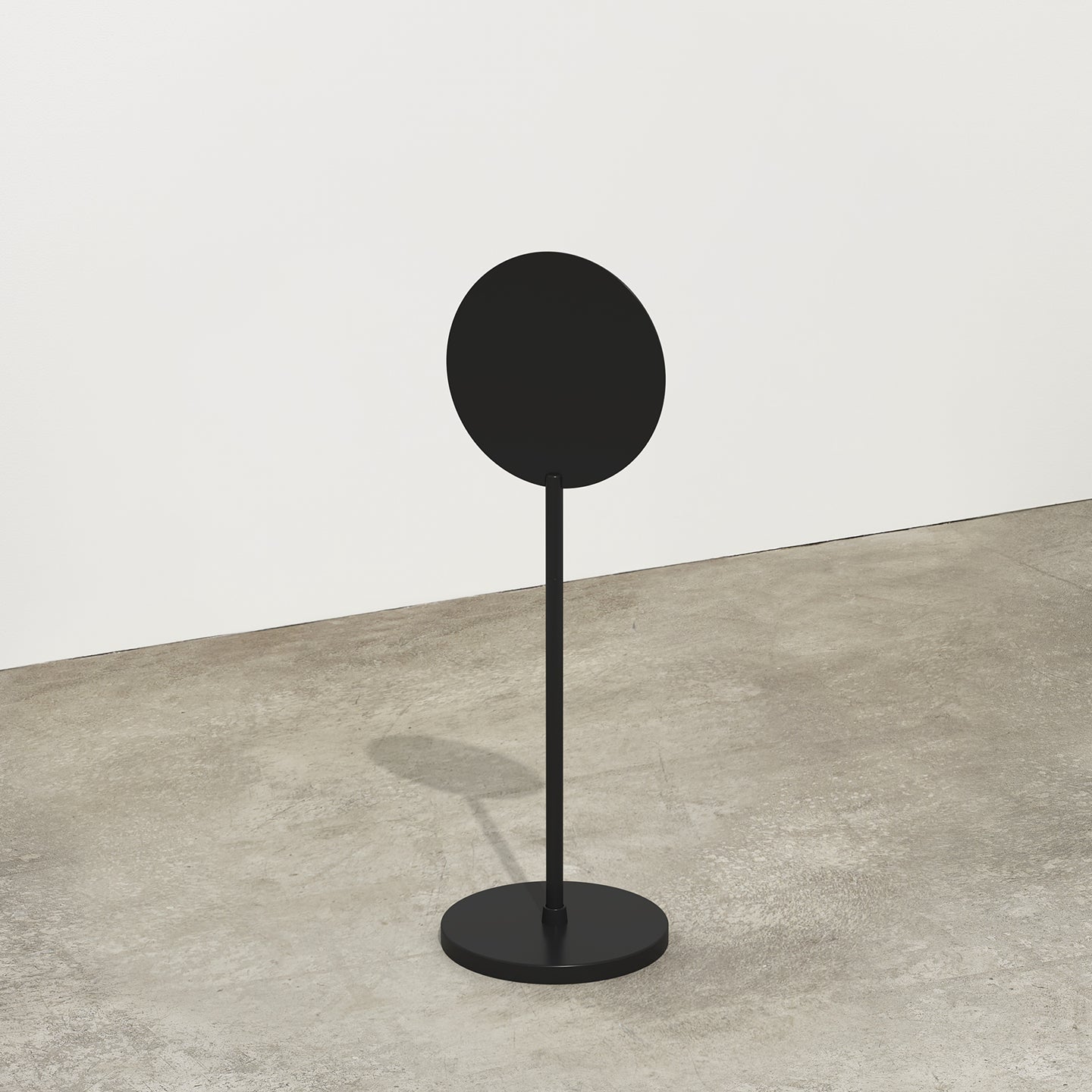
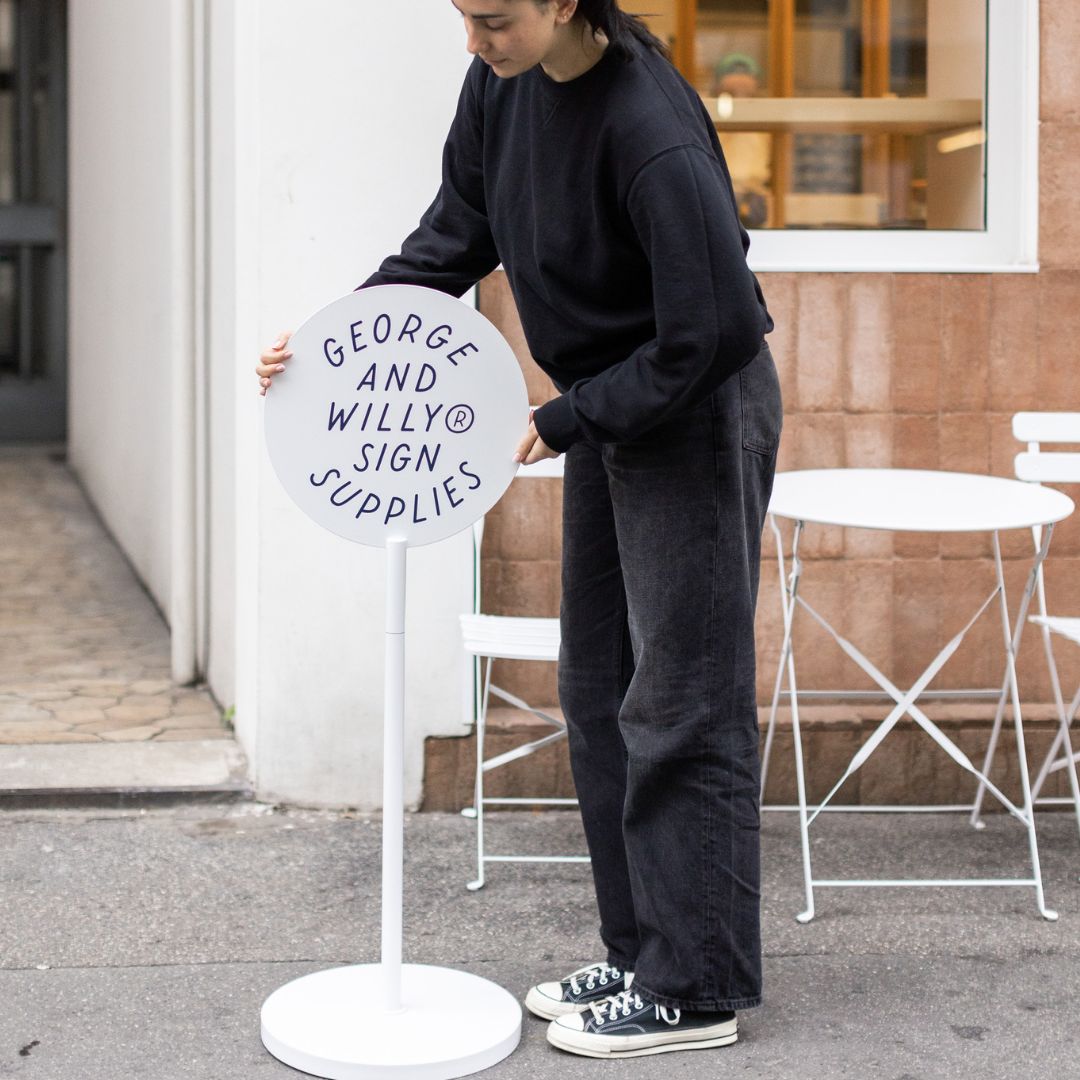
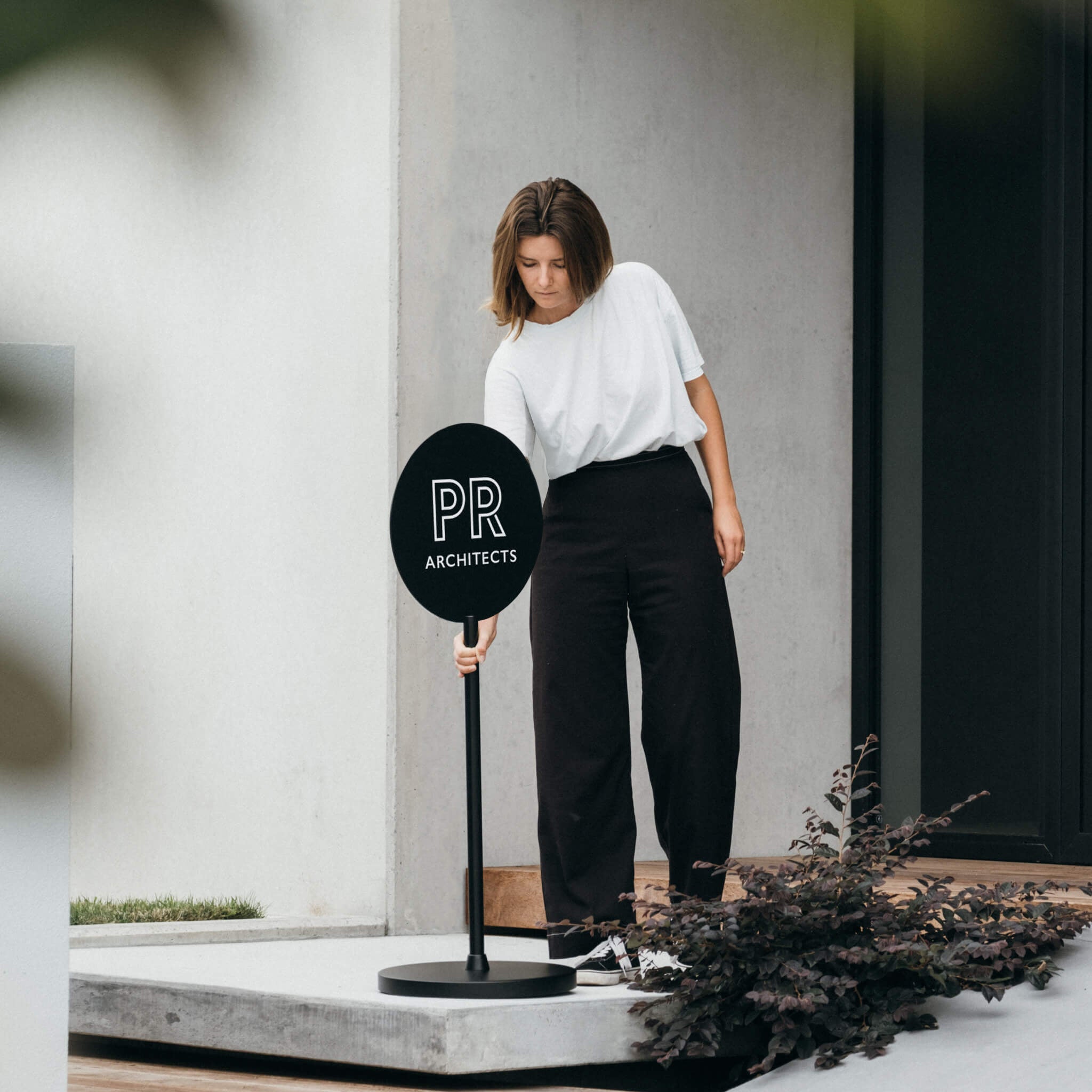
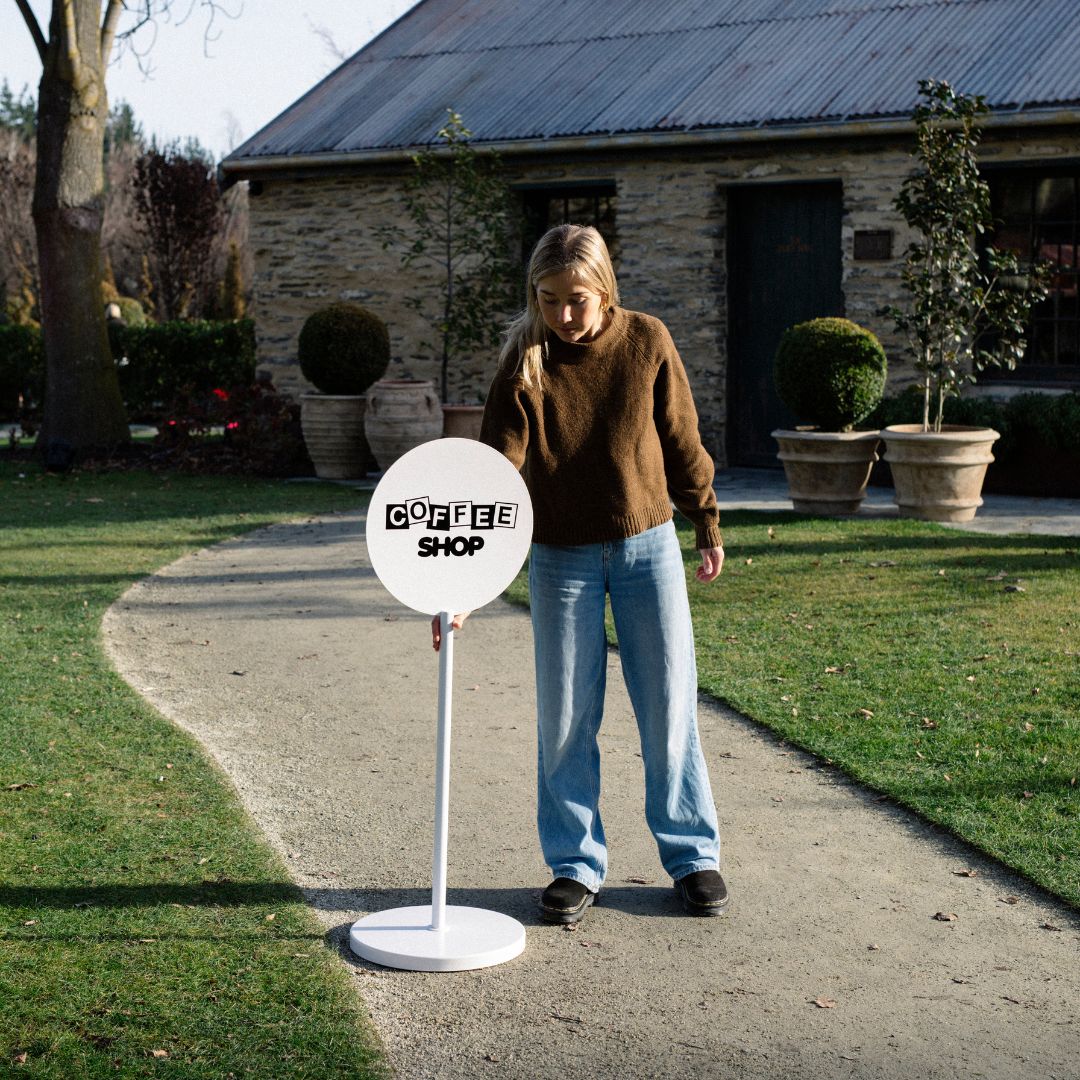
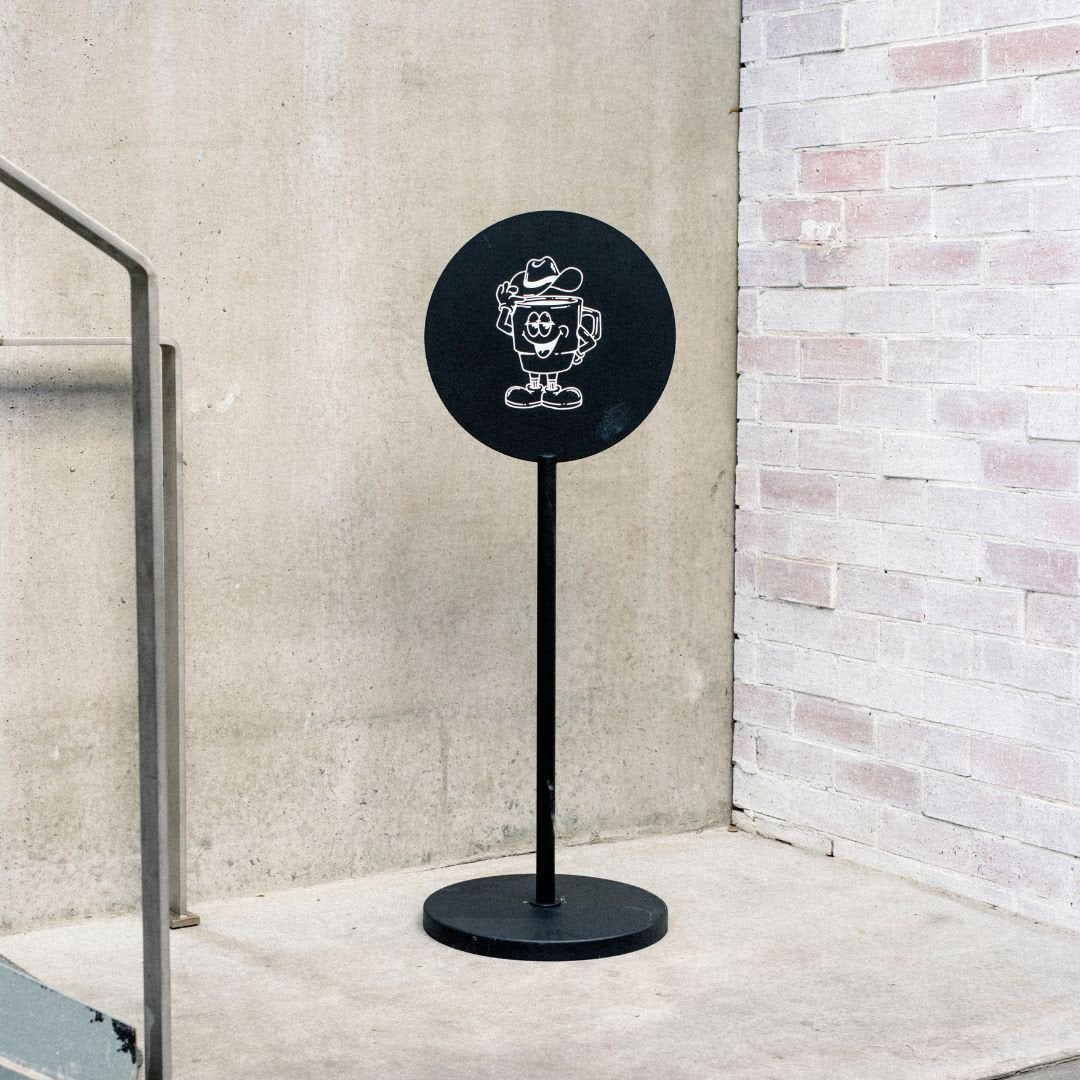
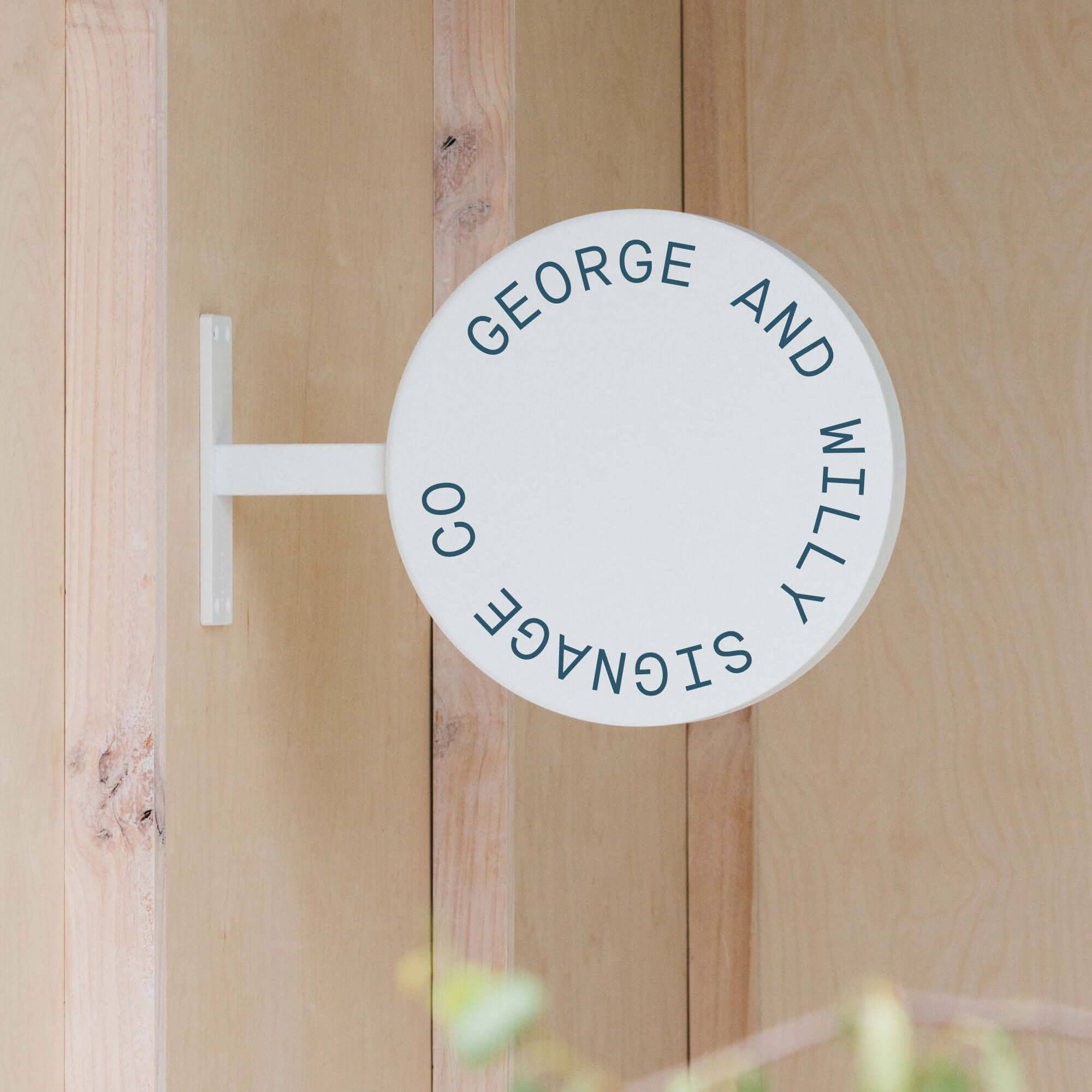
A lightbox display uses internal LED lighting to make graphics and messages glow. This high visibility makes them incredibly effective, especially in busy environments. Because humans are naturally drawn to light, an illuminated sign can cut through visual clutter and direct a shopper’s focus. They are perfect for highlighting new products or creating a premium ambiance. A modern, circular illuminated sign can make a brand’s logo truly shine behind the counter. Prefer a clean, non illuminated look? A compact Blade Sign delivers the same modern shape without lighting.
Dump Bin
A dump bin is an open top container, often made of wire or cardboard, filled with products for shoppers to rummage through. They are fantastic for promoting high volume or discounted items like clearance toys or bargain snacks. Dump bins create a “treasure hunt” feeling that encourages customers to dig in and find a great deal, which is an excellent way to move merchandise quickly.
Shelf Talker
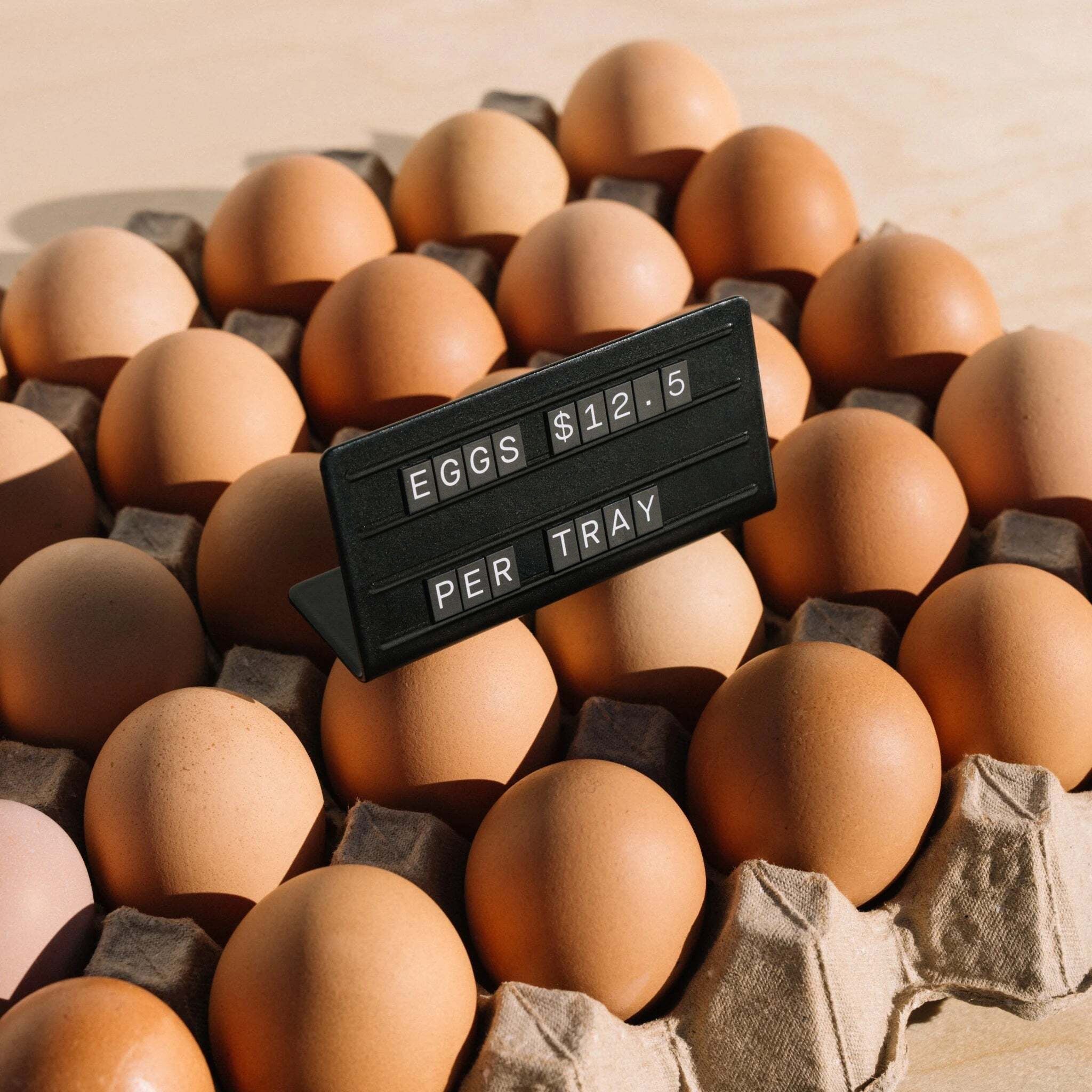
A shelf talker is a small piece of signage that attaches to a store shelf, literally “talking” to customers as they pass by. They can highlight a special price, a product feature (“New Flavor!”), or a customer rating. Even though they are small, these mini billboards can significantly influence decisions by providing a helpful nudge right at the product’s location. Pair shelf talkers with small Pricing Signs to keep add on items clearly labeled at the register.
Poster and Sign Holders
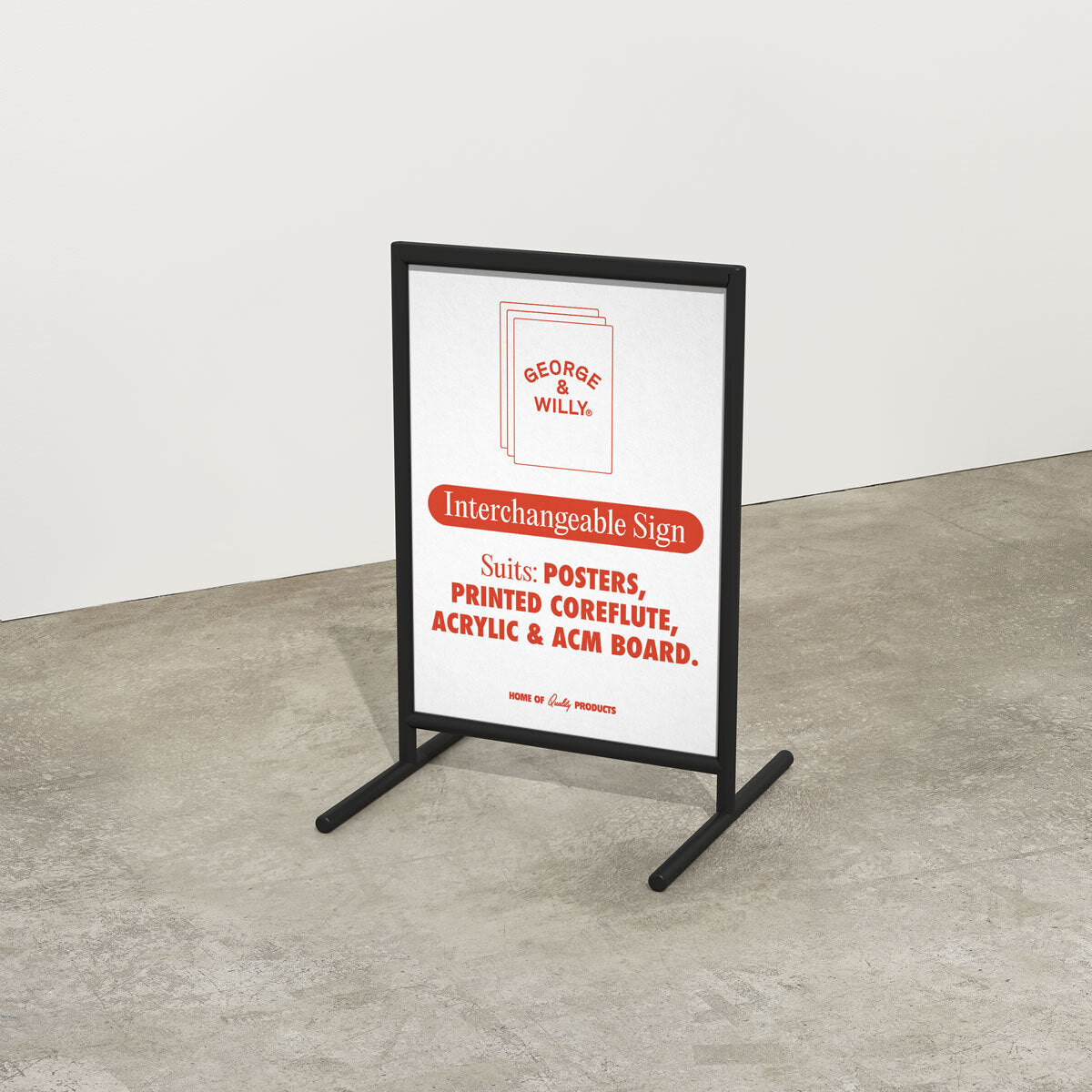
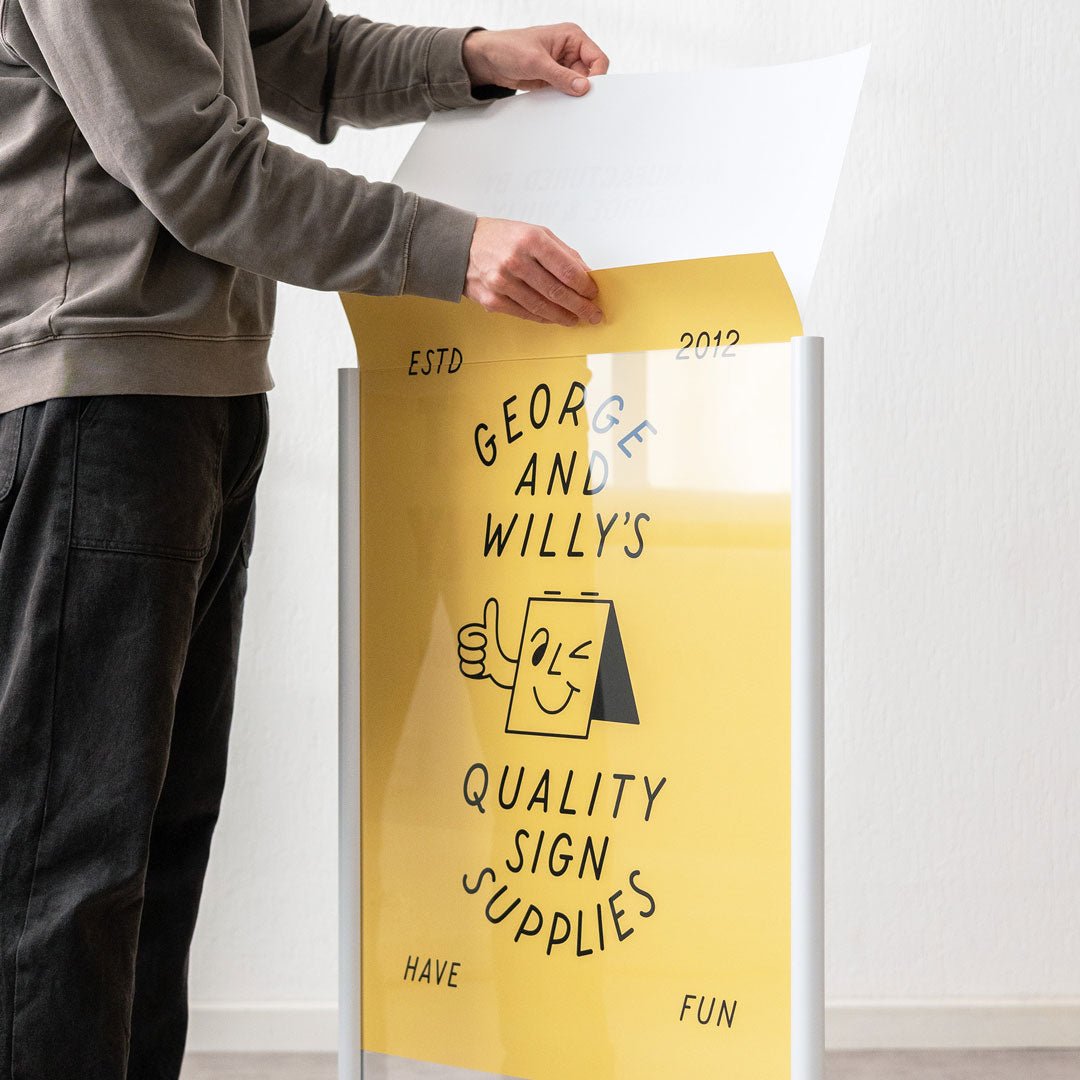
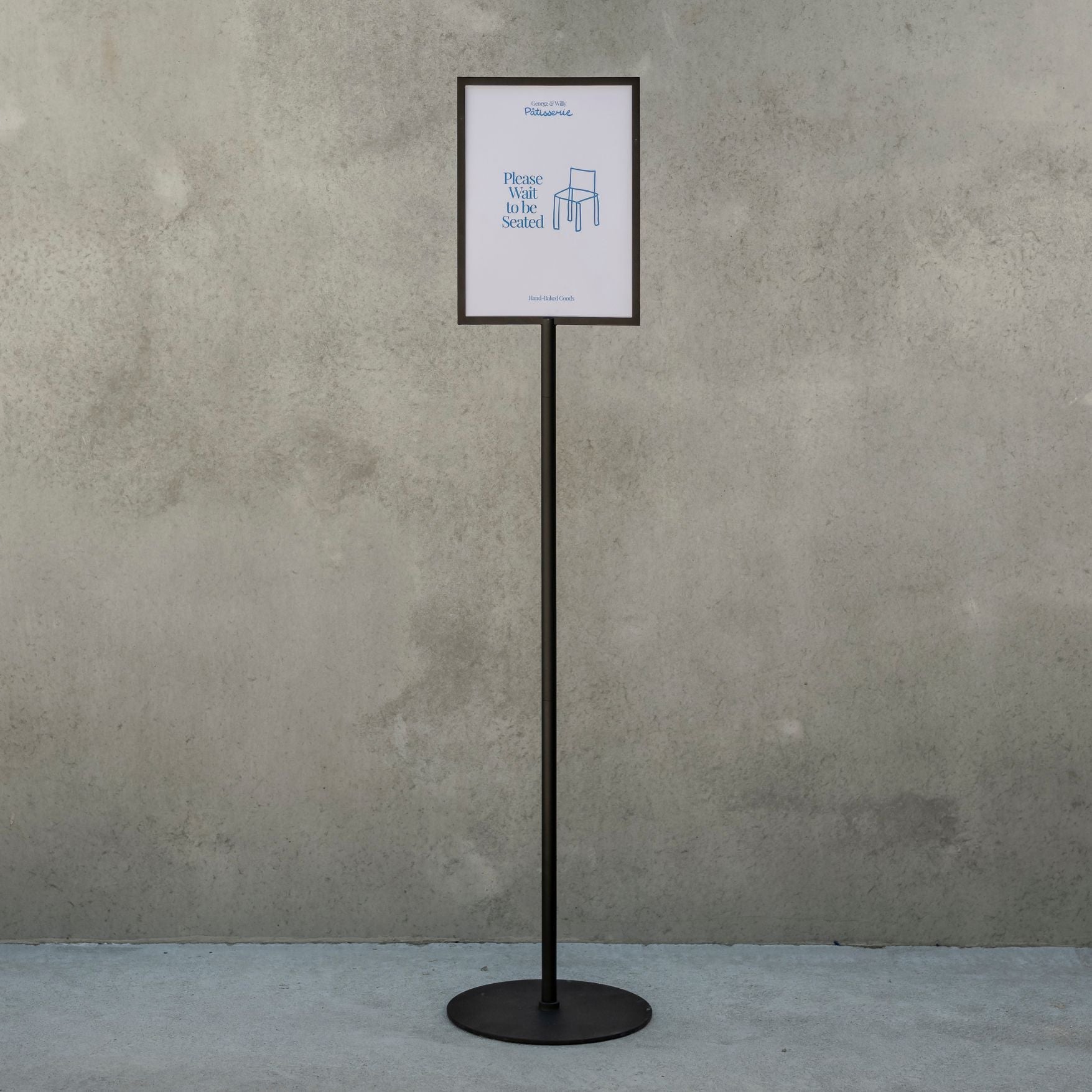
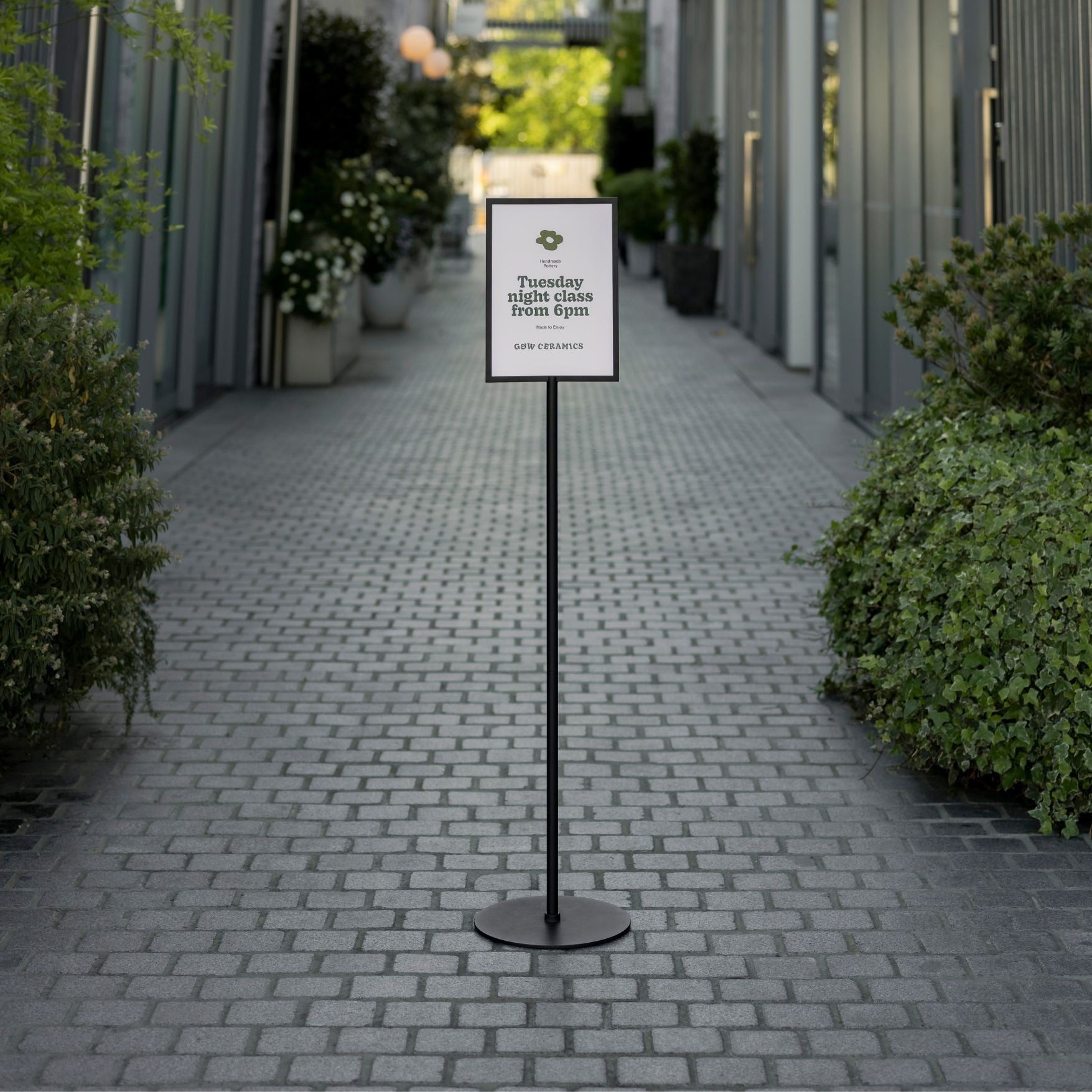
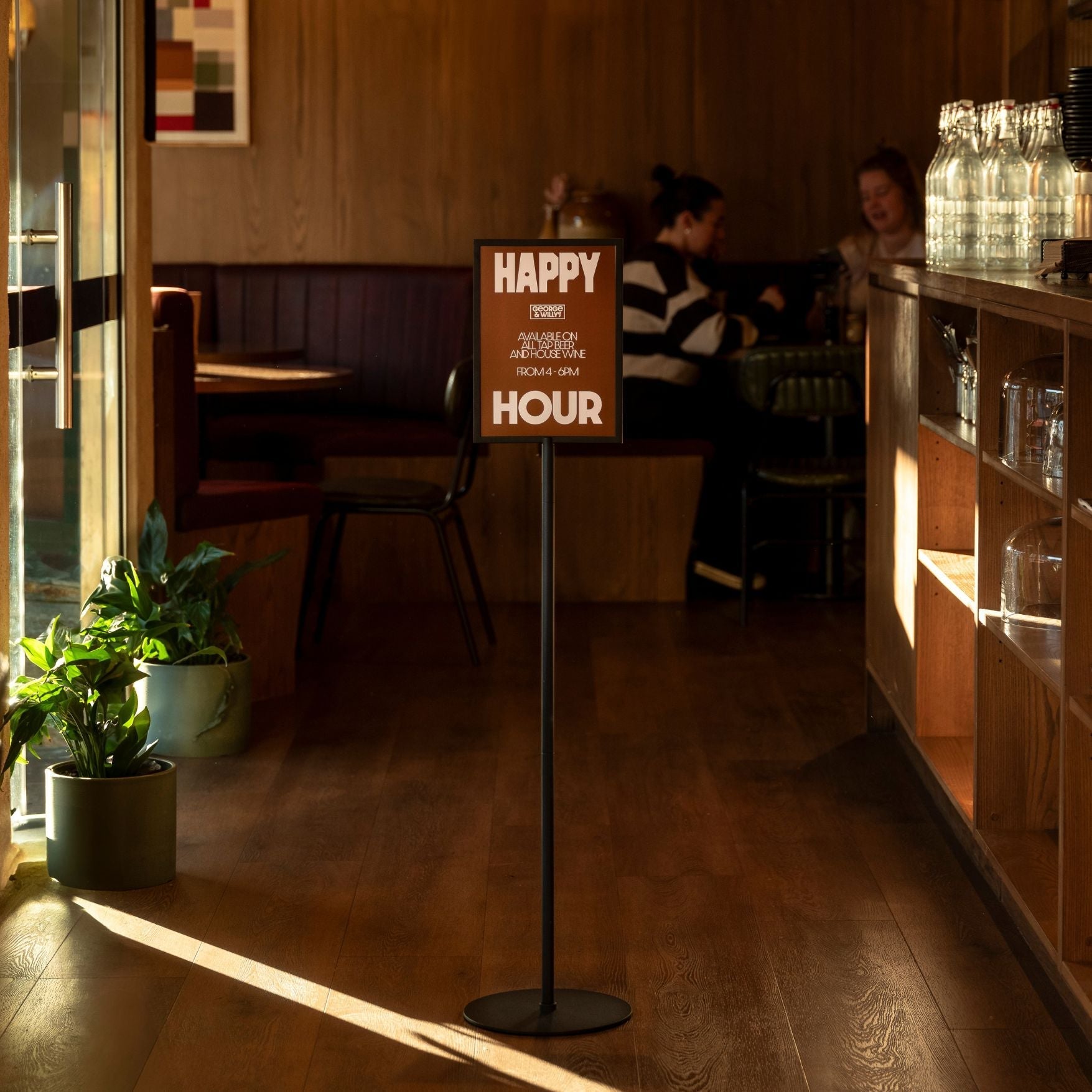
Posters are a classic and effective form of in store advertising. Placed in a stand or holder near the checkout (like a slim Menu Stand), a poster can announce a sale, promote a loyalty program, or reinforce brand identity. A FedEx Office survey famously found that nearly 76% of consumers have entered a store simply because a sign caught their eye, proving the power of a well designed poster.
Gravity Feed Display
A gravity feed display uses angled shelves or tracks to automatically slide products forward as one is removed. This ensures the display always looks full and organized, a concept known as “facing”. You often see these in coolers for drinks or for products like batteries and candy. They are a clever, low maintenance way to keep products accessible and appealing.
PDQ (Pretty Darn Quick) Display
The name says it all. A PDQ display is a pre packed, easy to set up unit (often a cardboard tray or small stand) that arrives ready to sell. It’s designed to be deployed “pretty darn quick” with minimal labor from store staff. Brands often use PDQ displays for new product launches or promotions to ensure a consistent presentation across many locations.
Digital Signage
Digital signage refers to any electronic screen displaying dynamic content like videos, animations, or rotating images. A screen at the checkout can capture attention far more effectively than a static sign, with some studies finding digital displays get 400% more views. They can also reduce perceived wait times by giving customers something interesting to watch.
Interactive Display
An interactive display invites customers to participate, not just look. This could be a touchscreen kiosk for browsing products, a tablet for customizing an item, or a display that reacts to motion. Engagement is key here. One study found that adding interactive displays doubled customer engagement rates, which often leads to higher sales.
Robotic POS Display
An emerging trend, a robotic point of sale display uses motion to bring products to life. Imagine a can of soup that dances or a product that lifts off the shelf when you approach. Companies that use these in store marketing robots have reported staggering results, with some campaigns boosting sales of featured products significantly.
Specialty Display
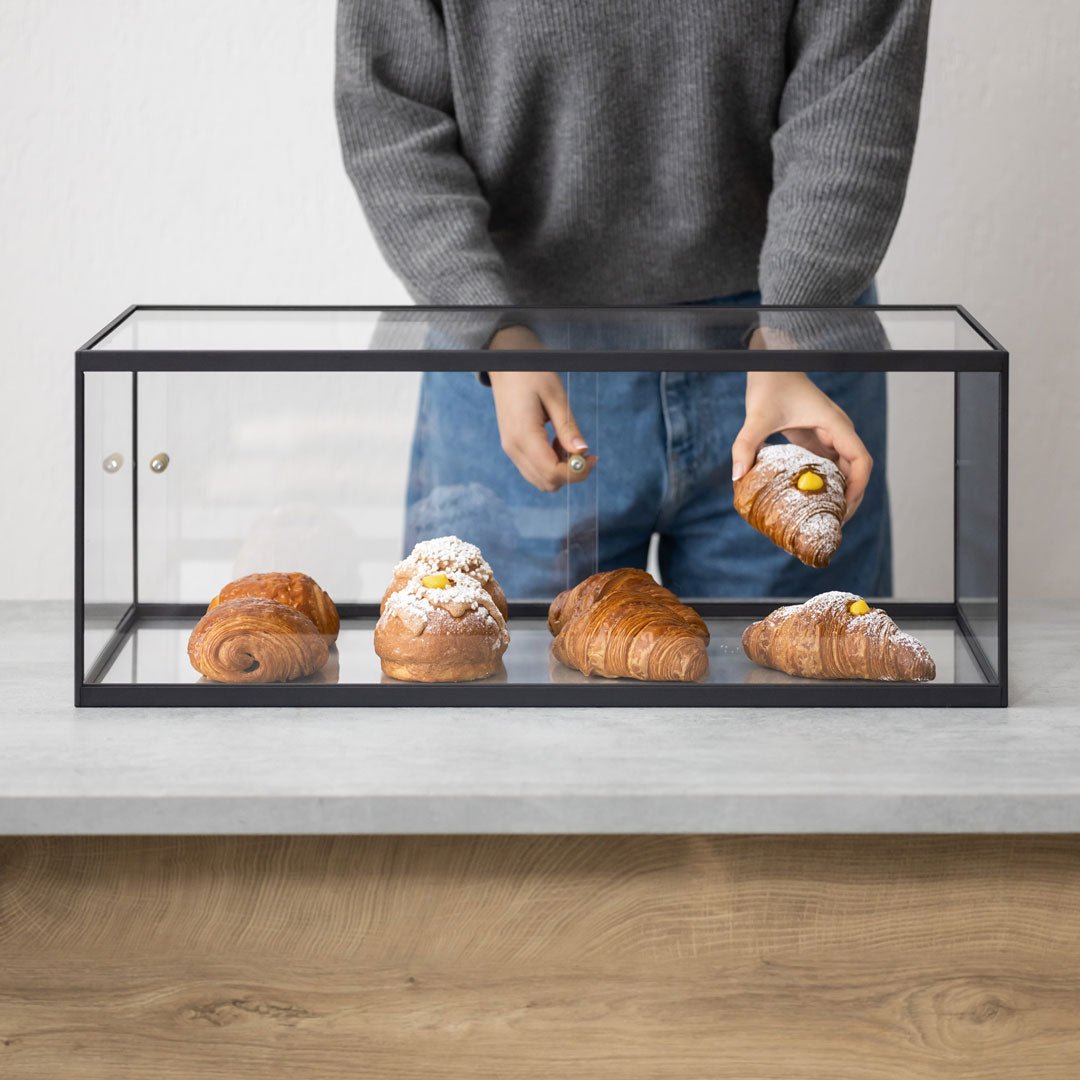
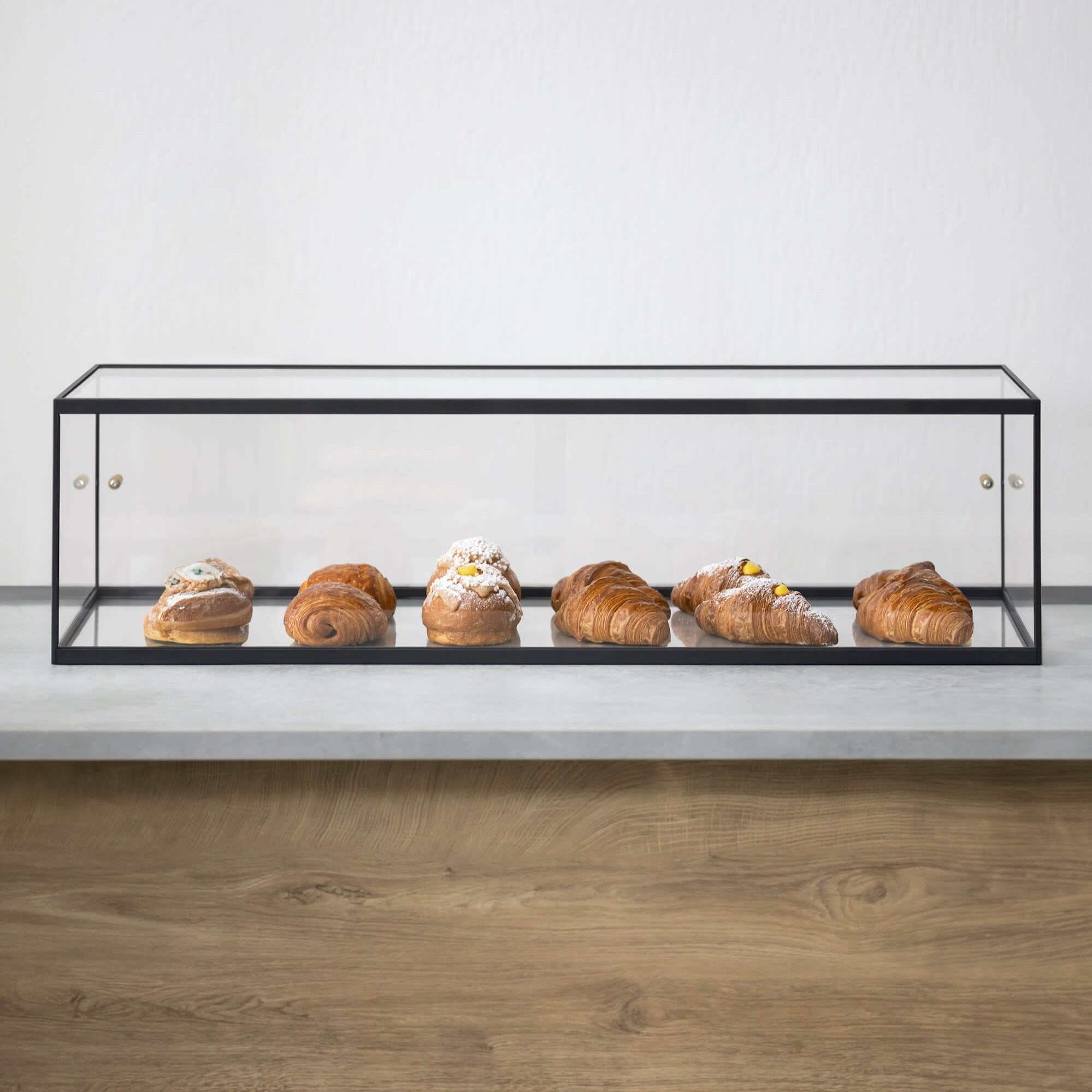
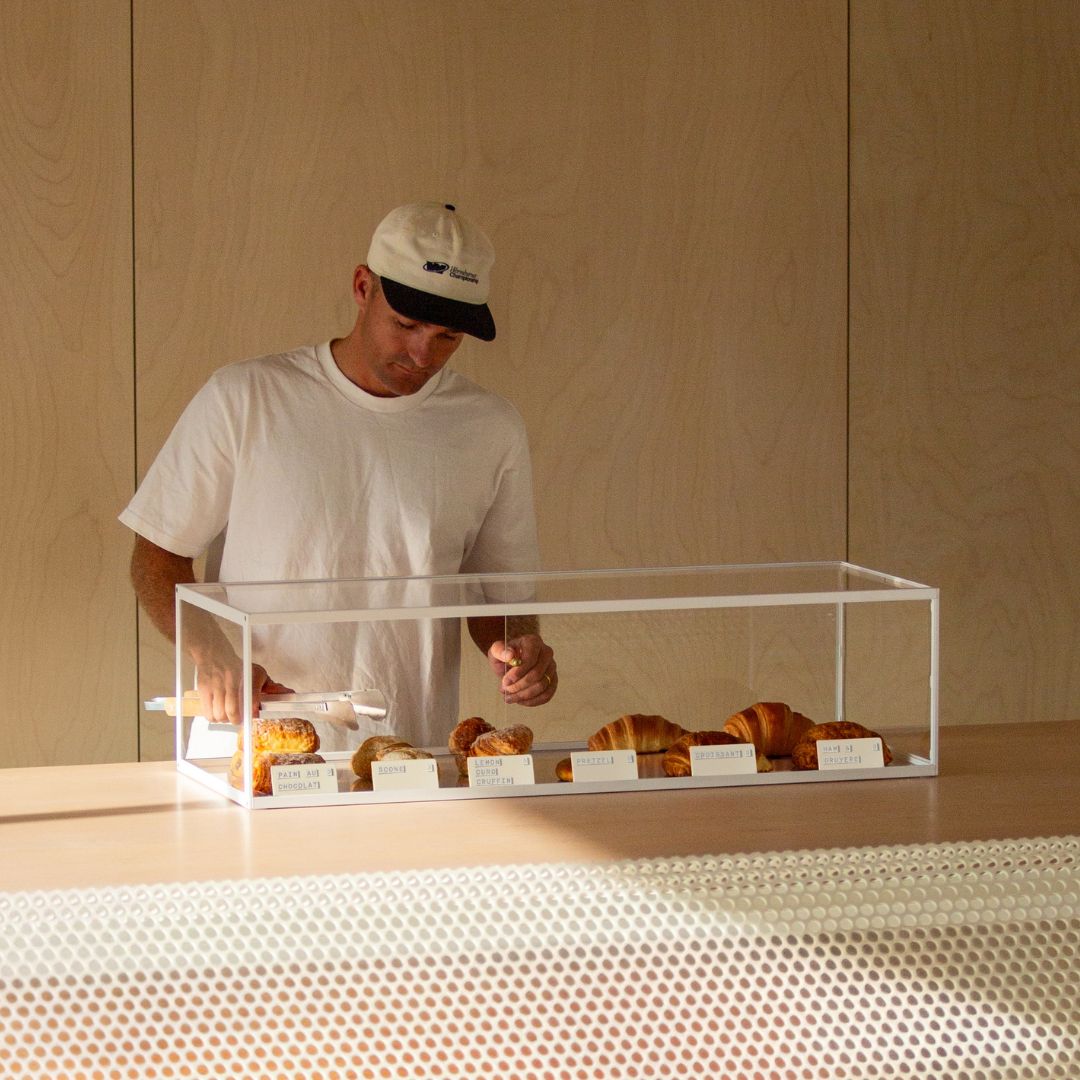
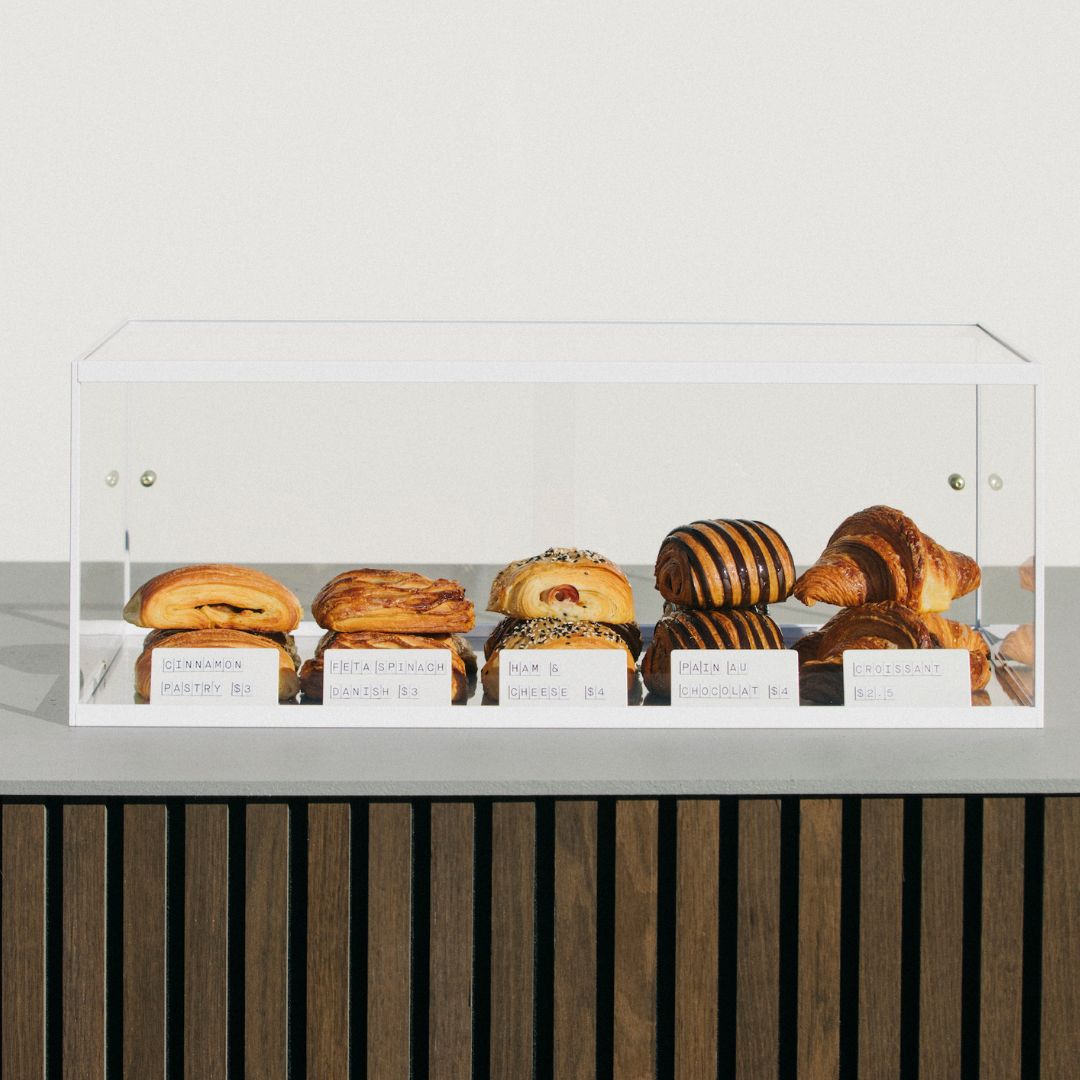
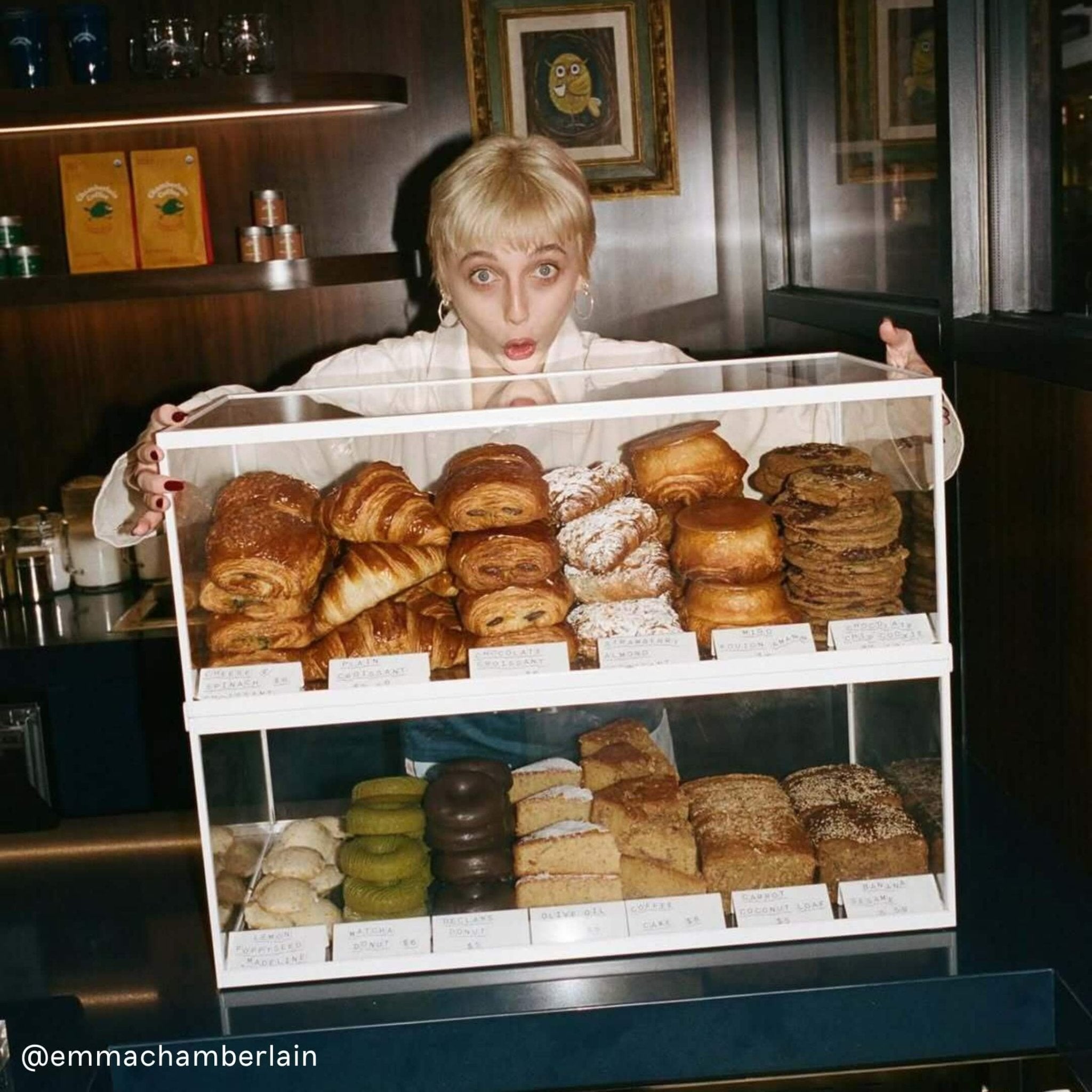
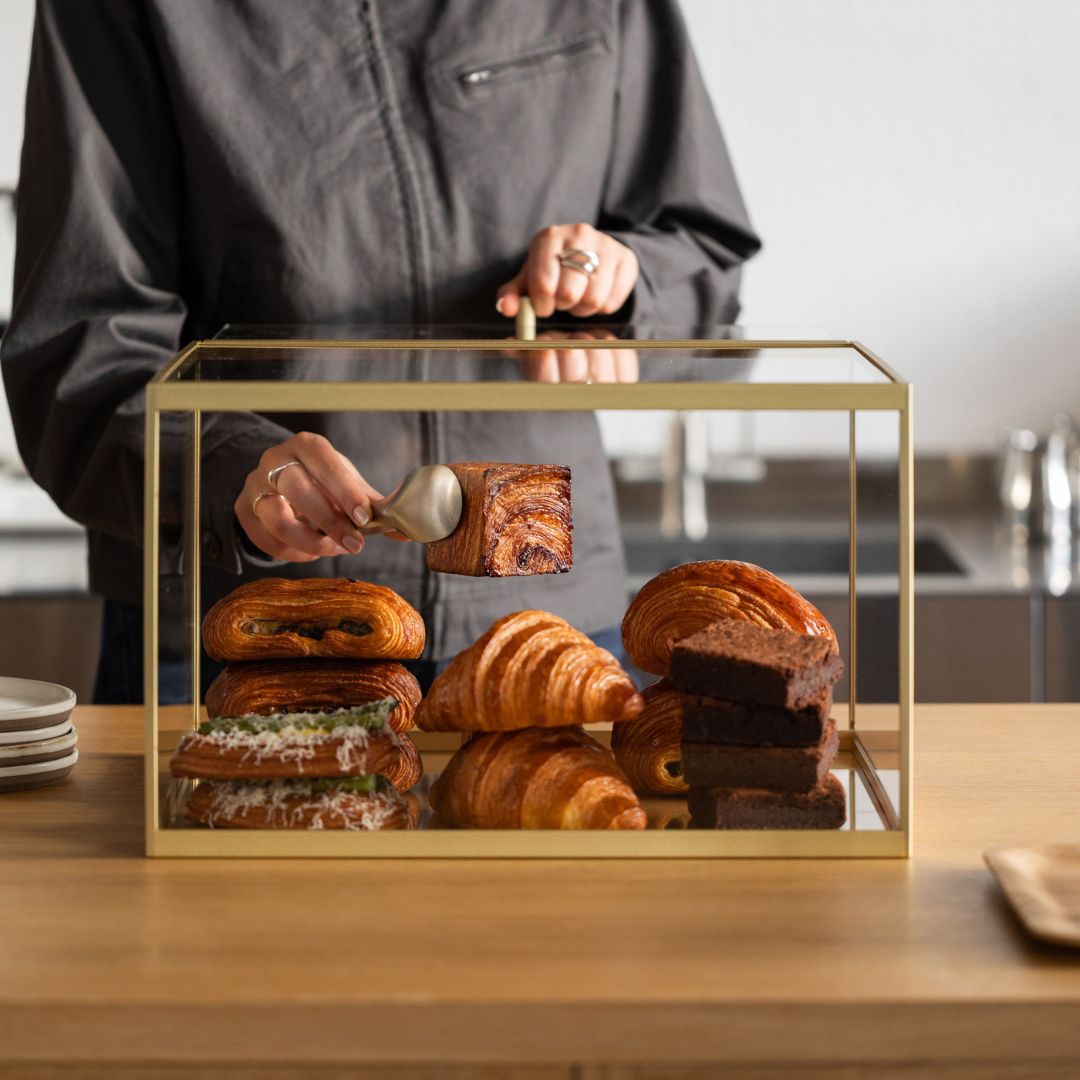
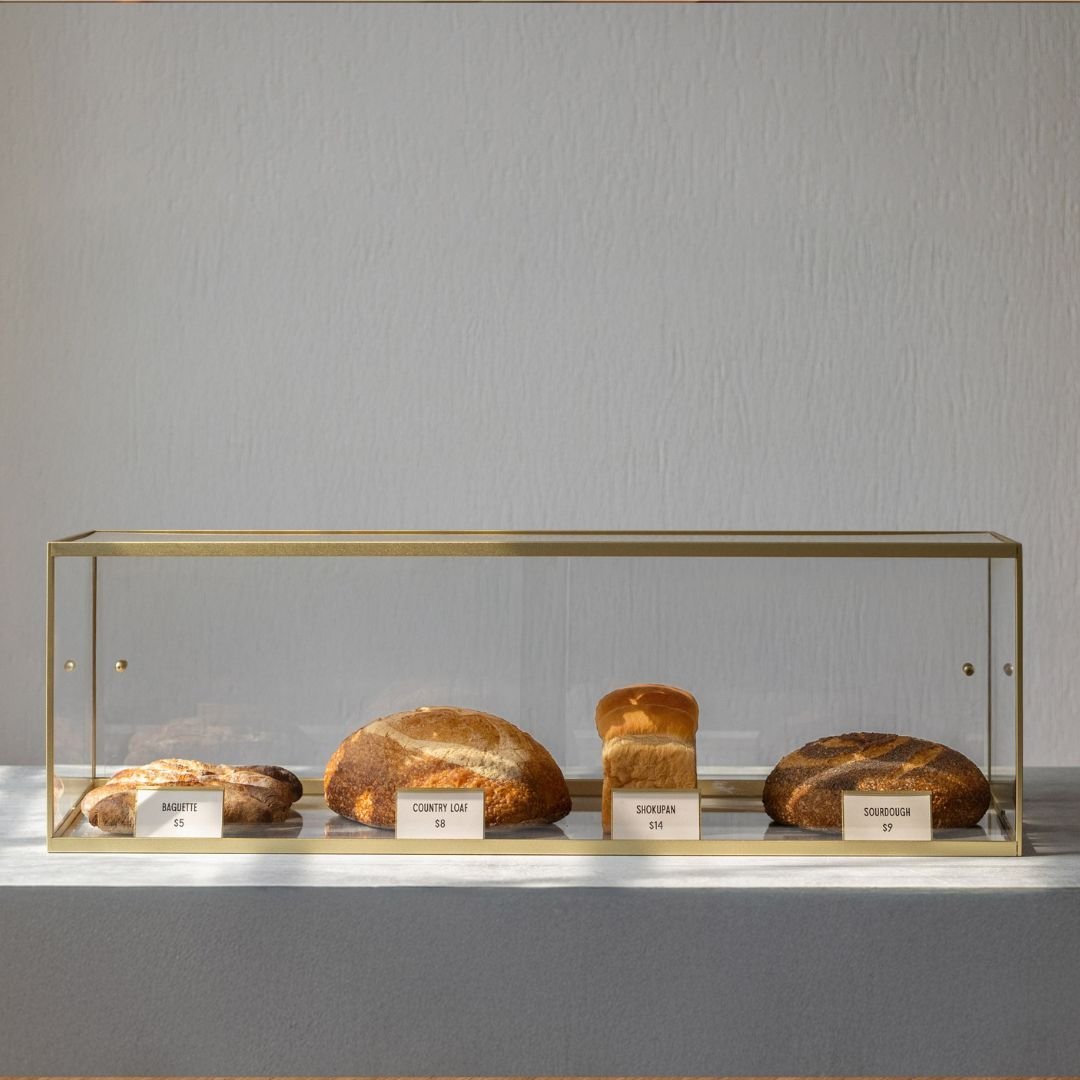
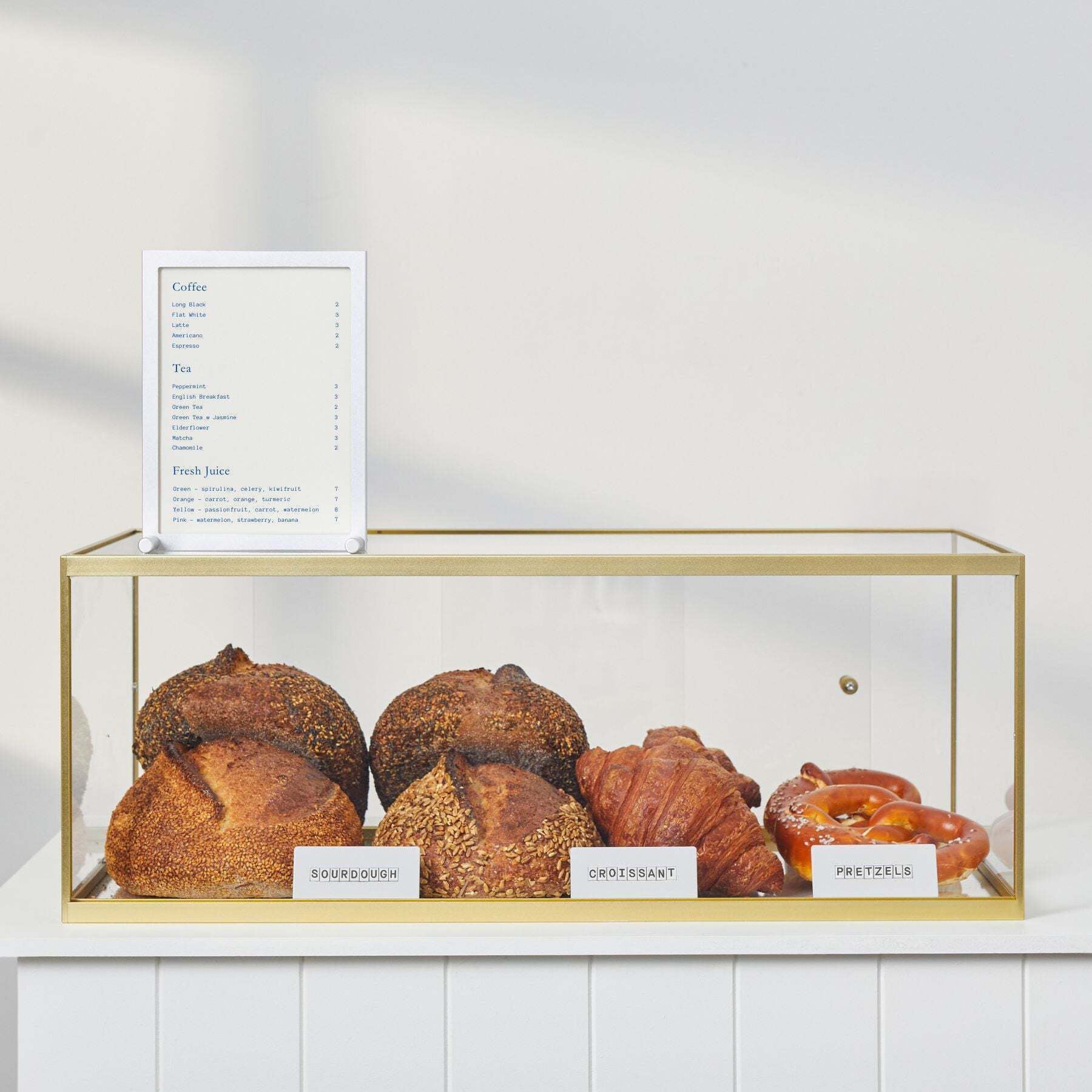
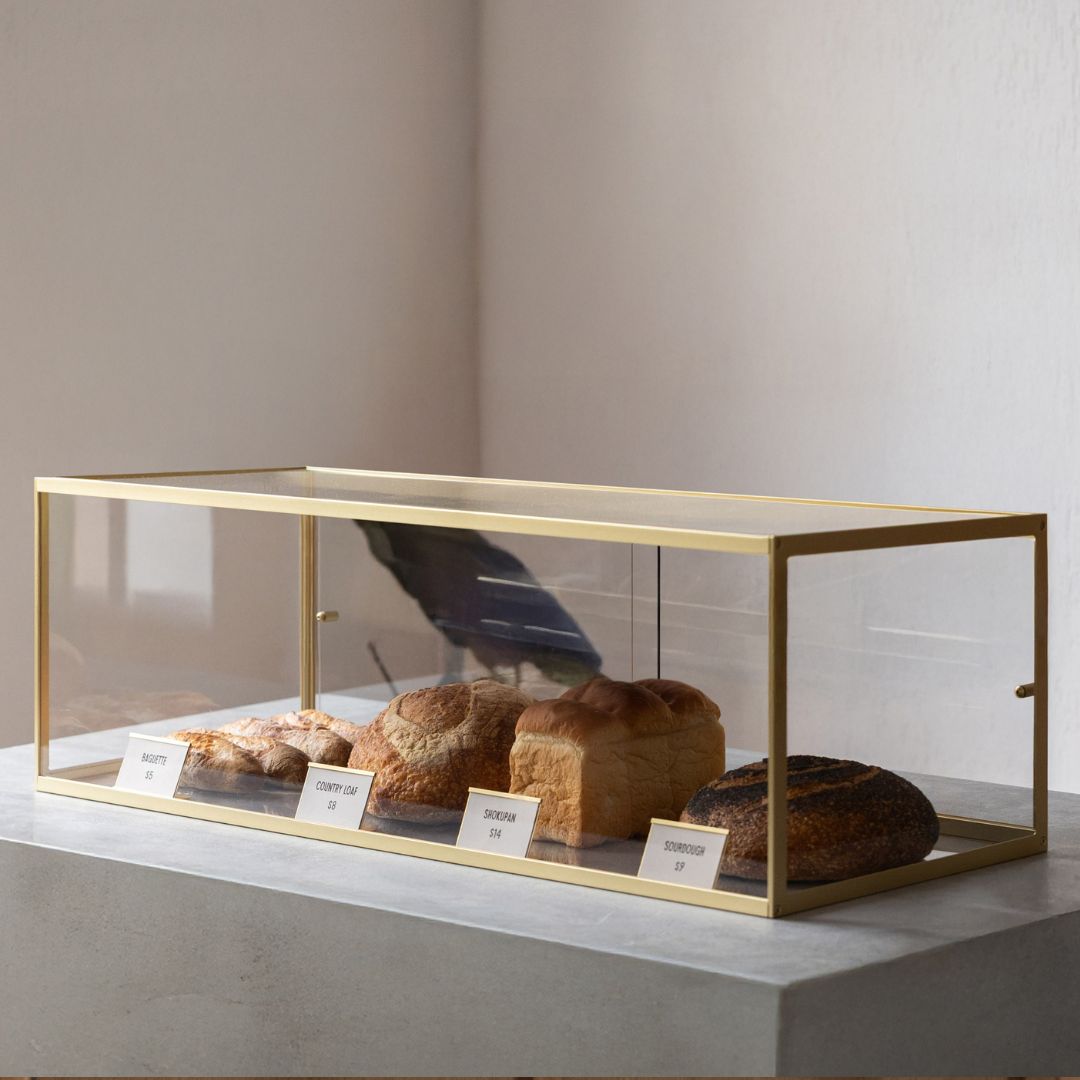
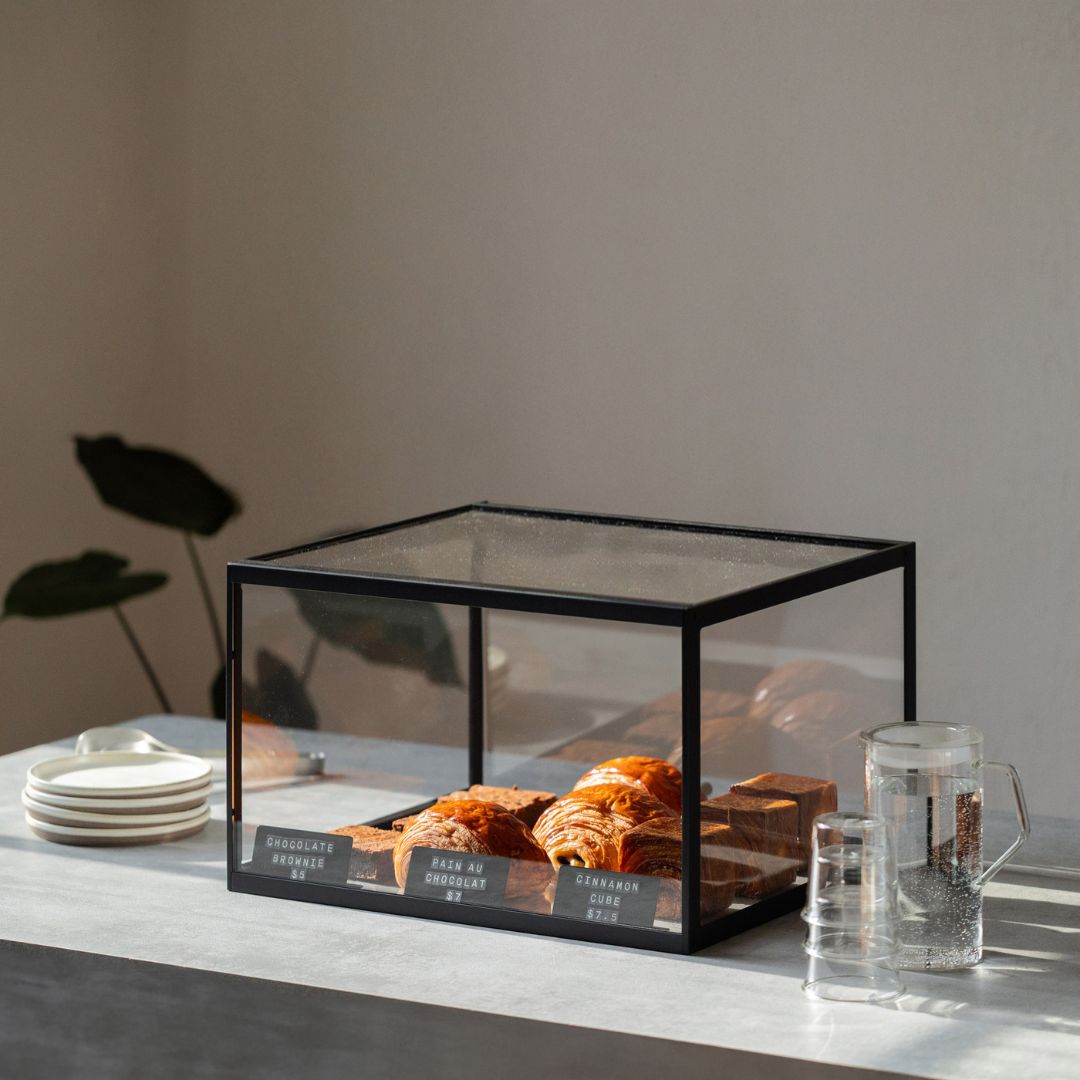
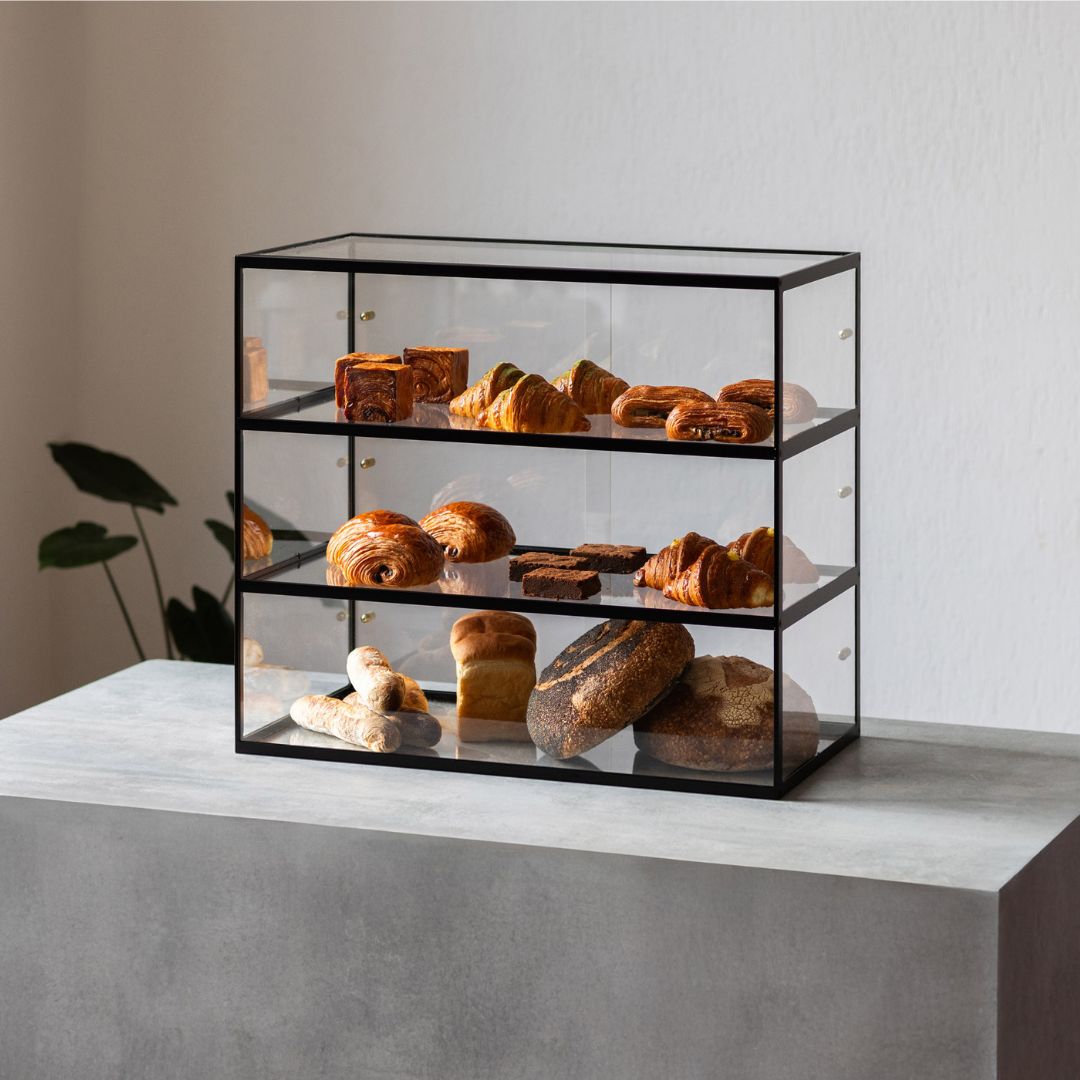
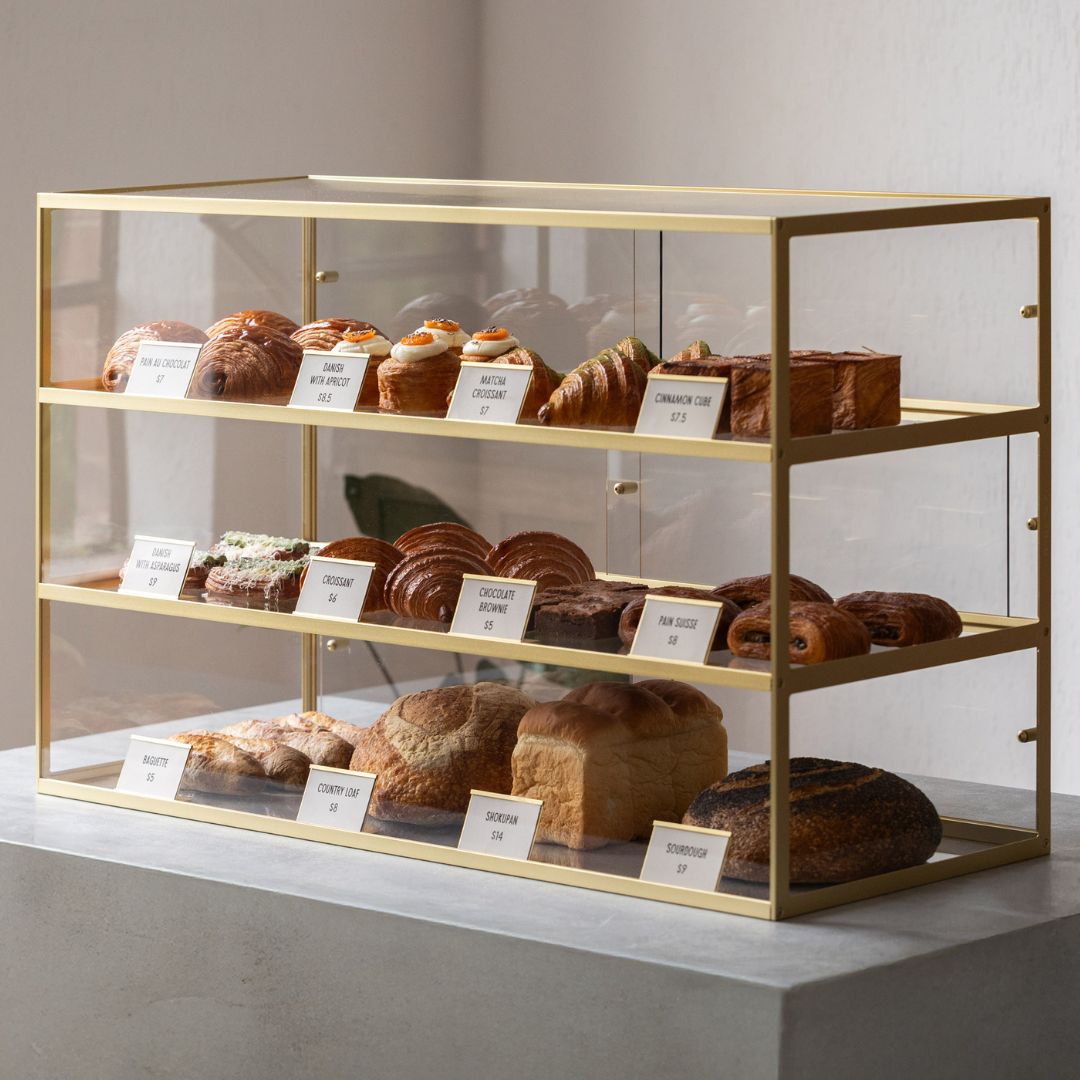
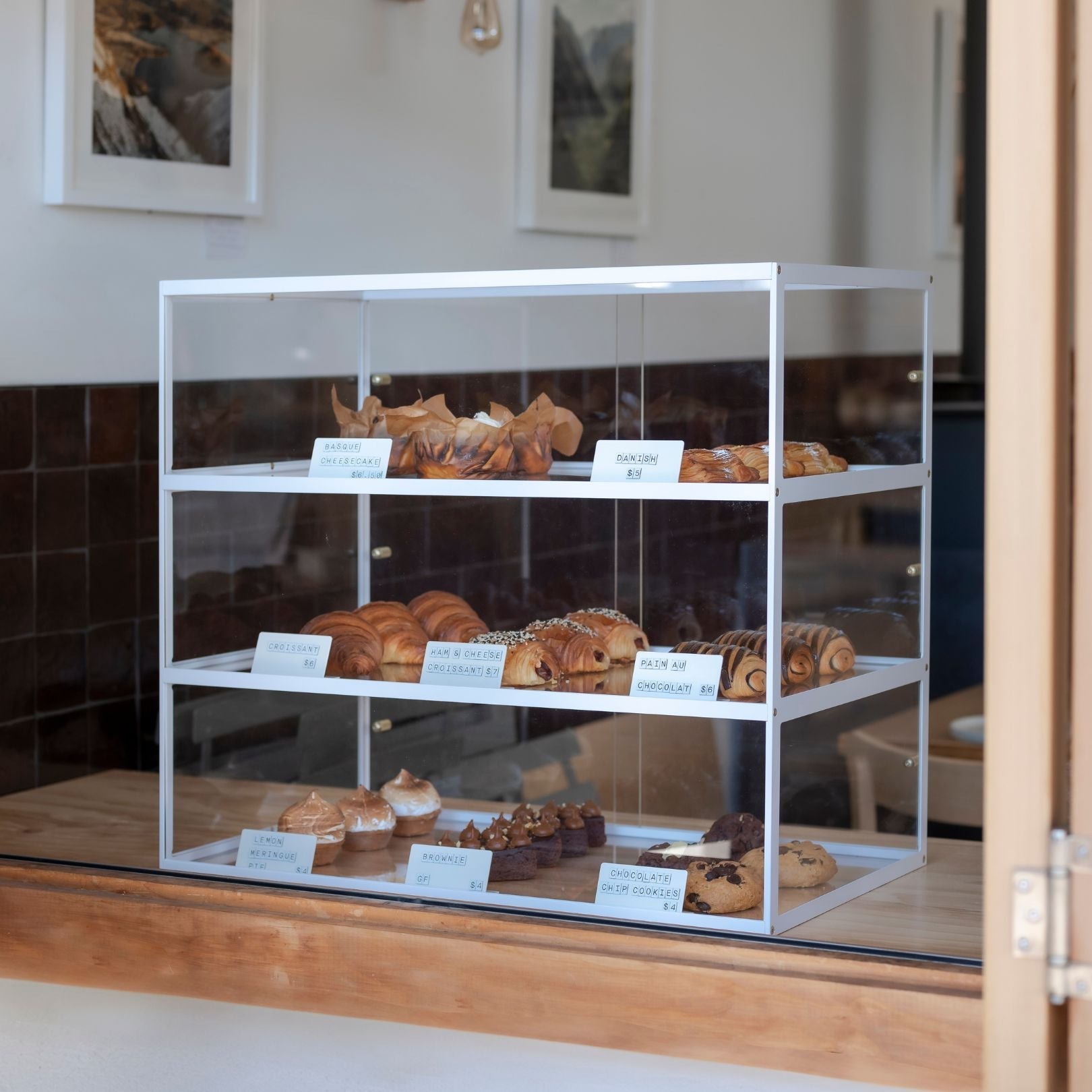
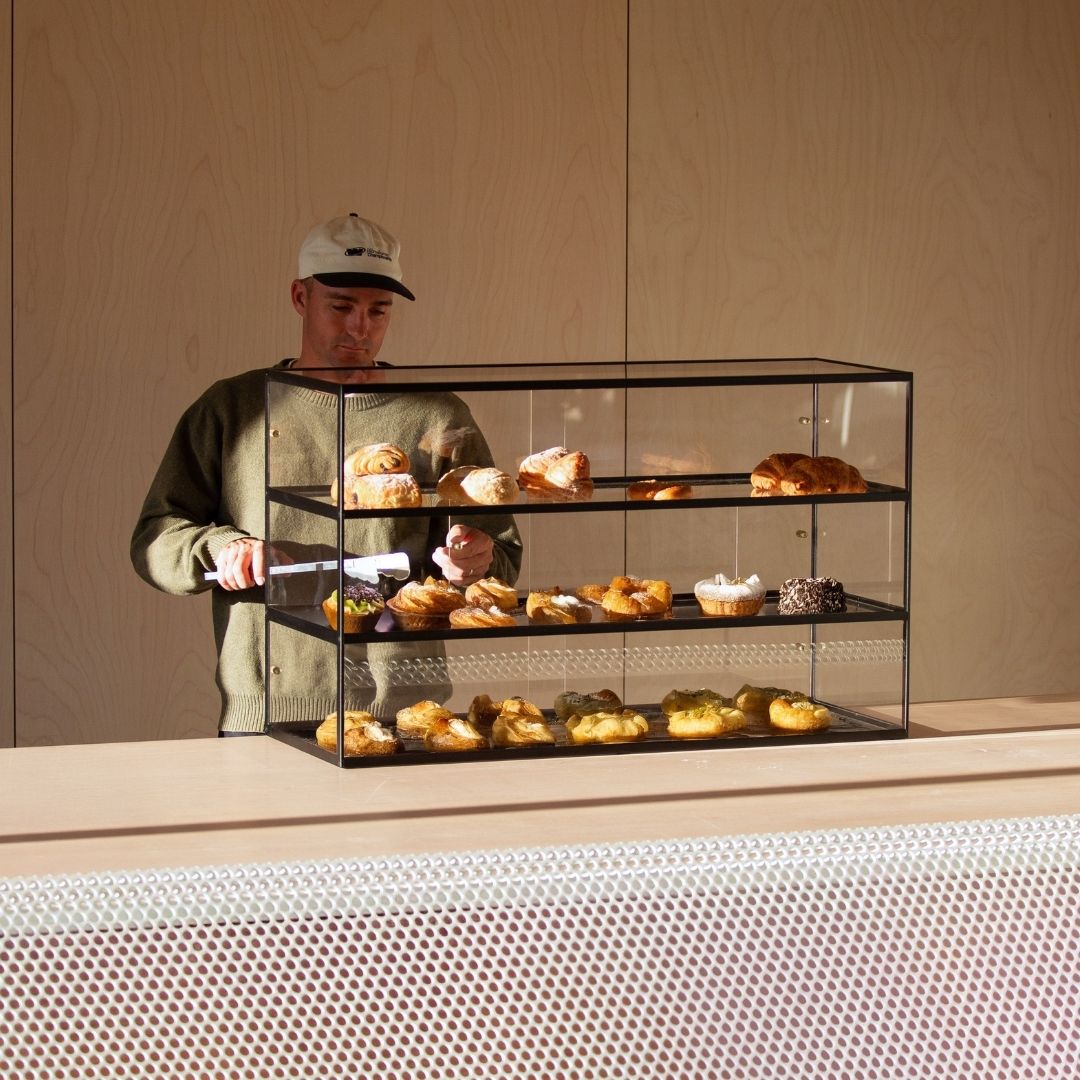
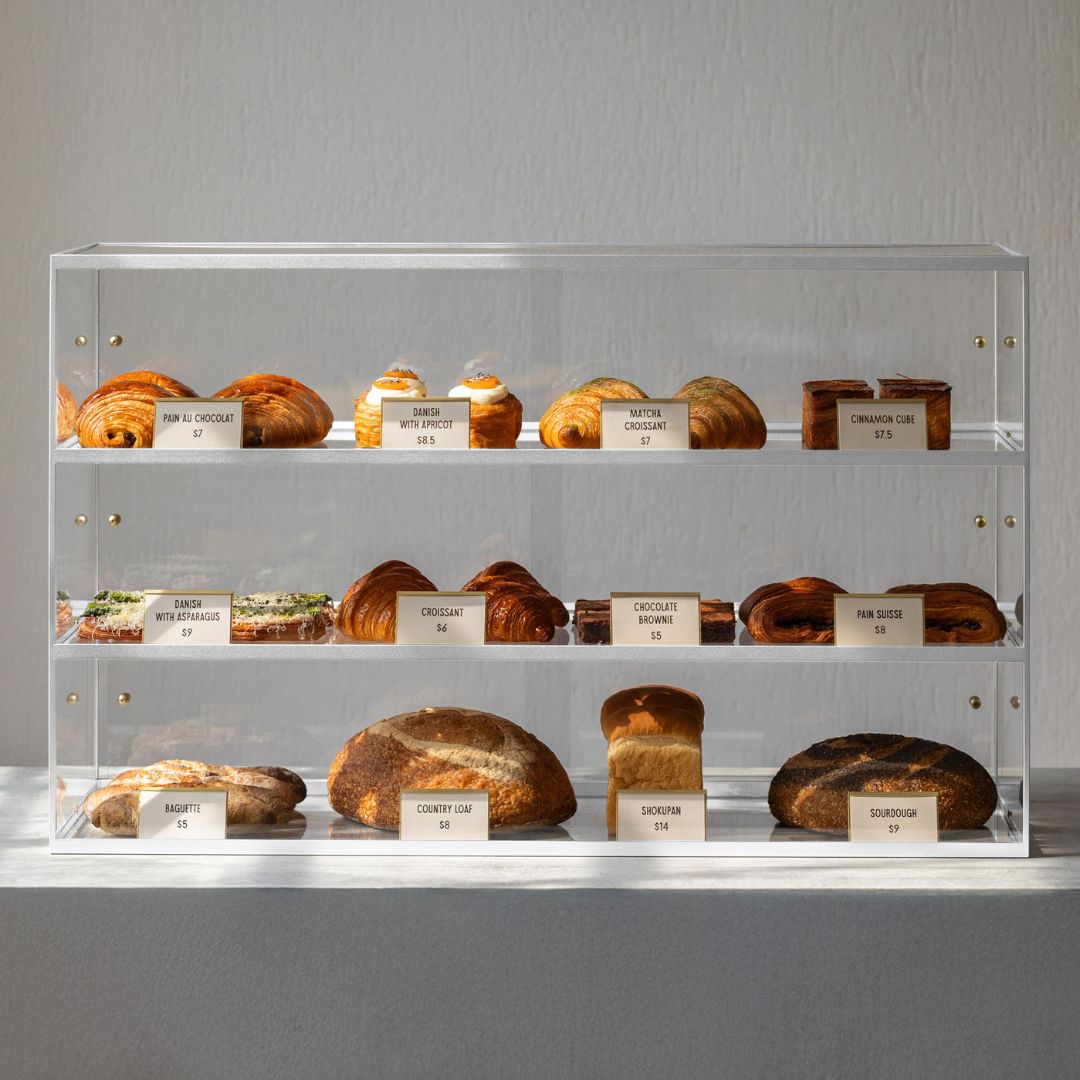
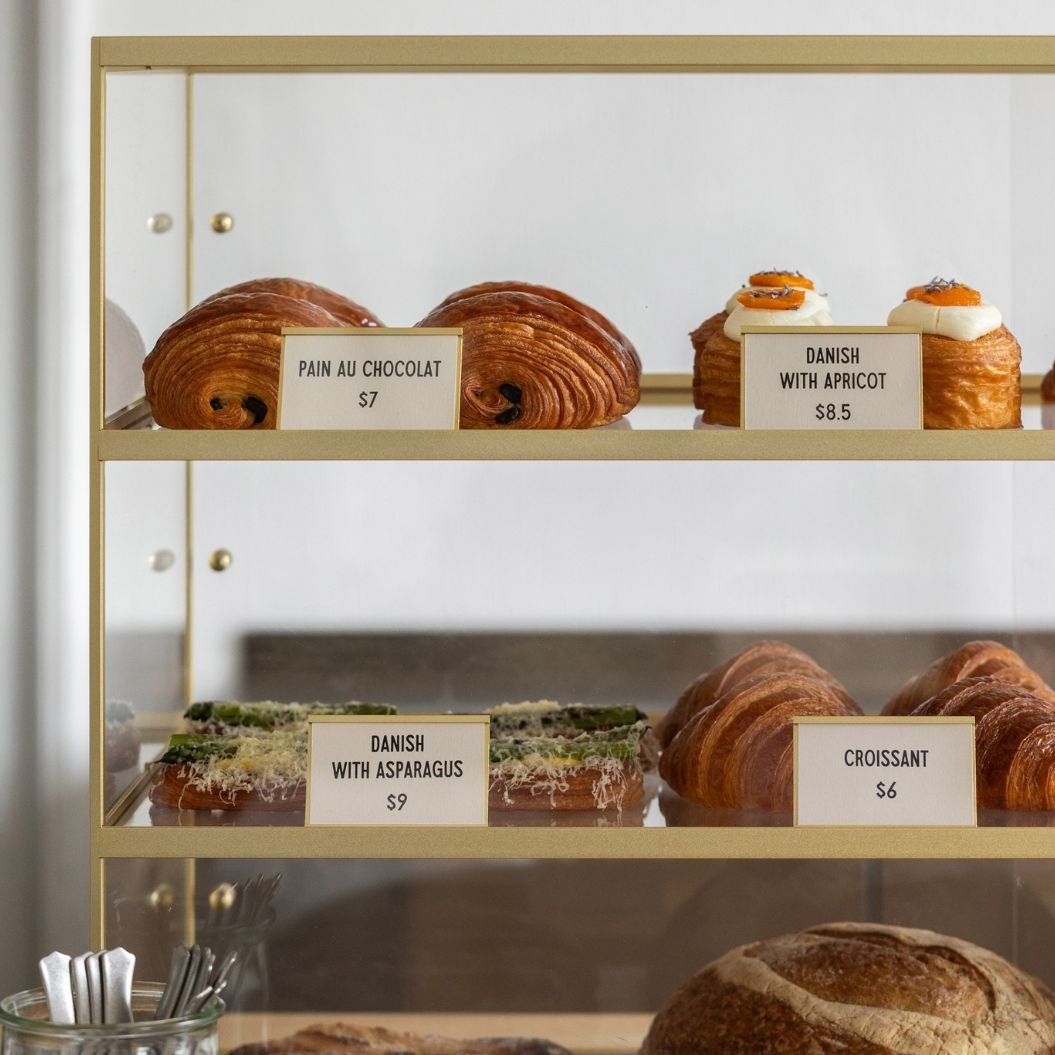
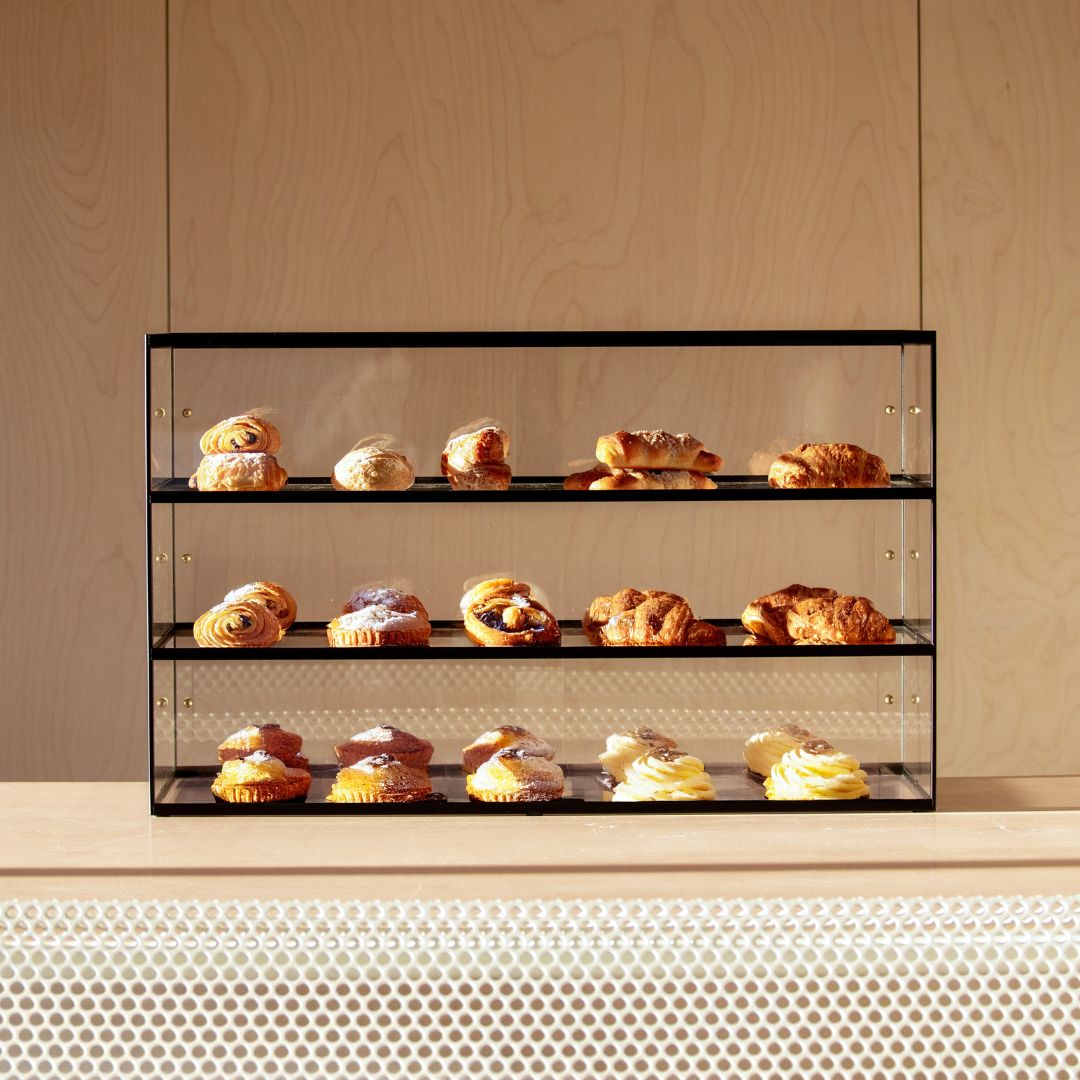
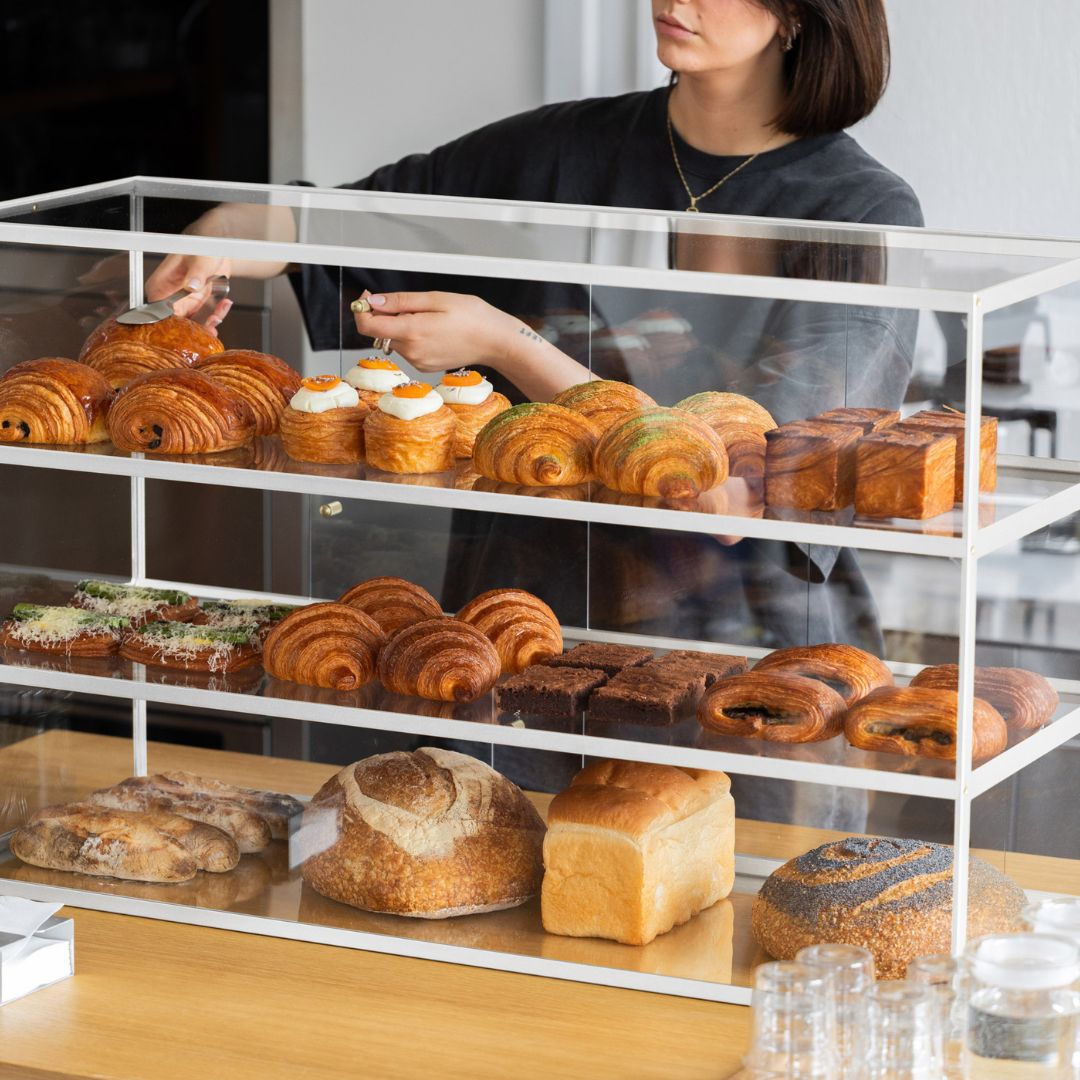
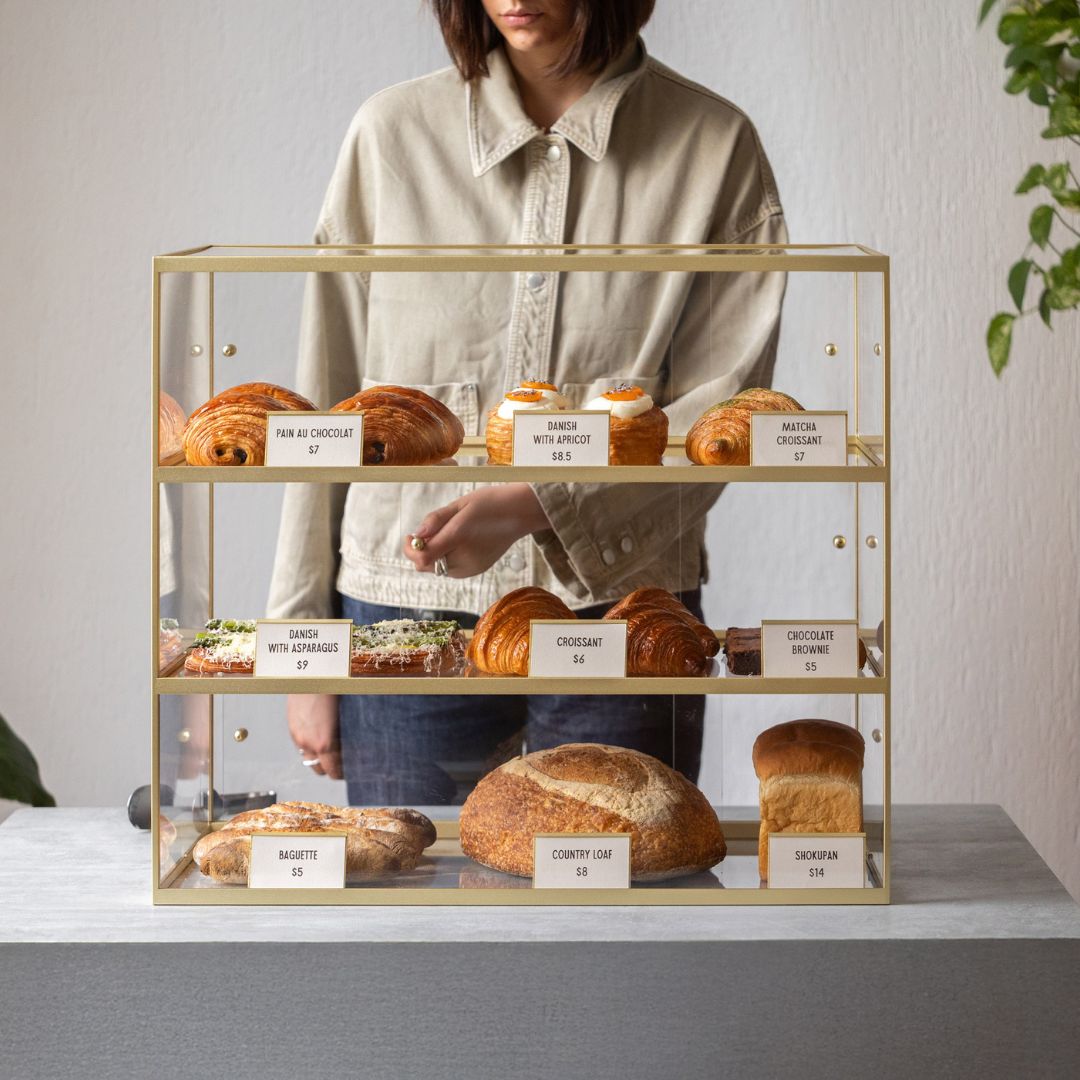
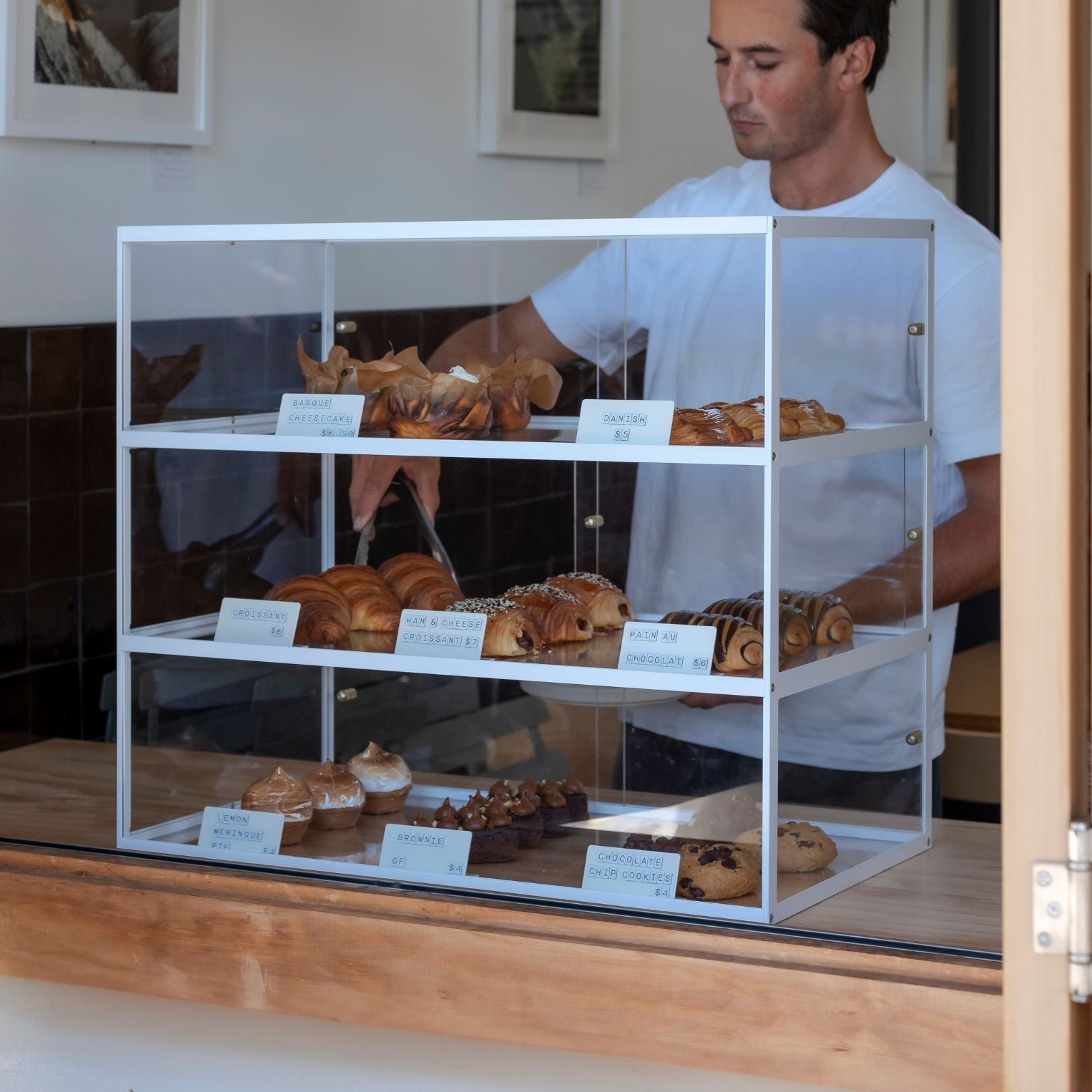
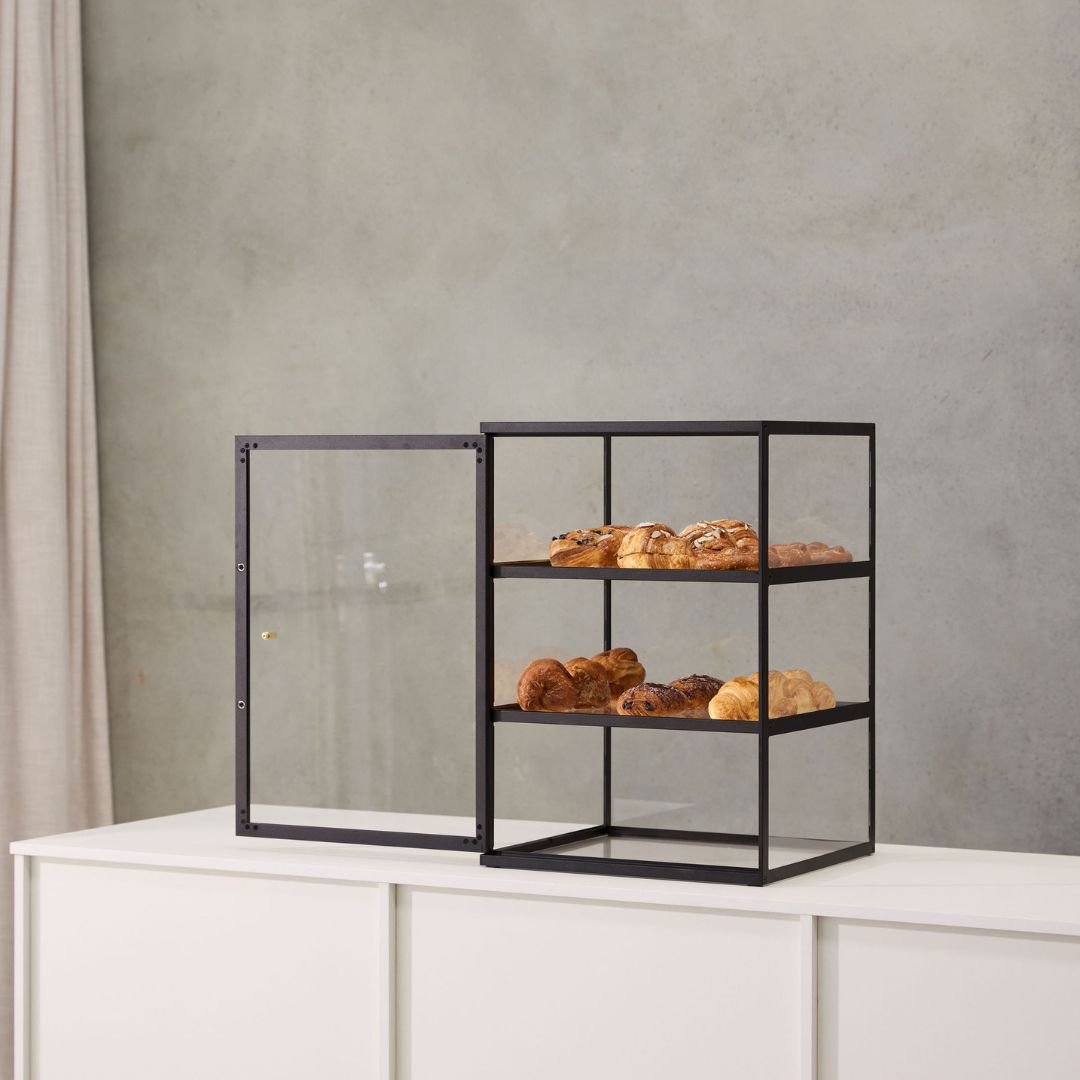
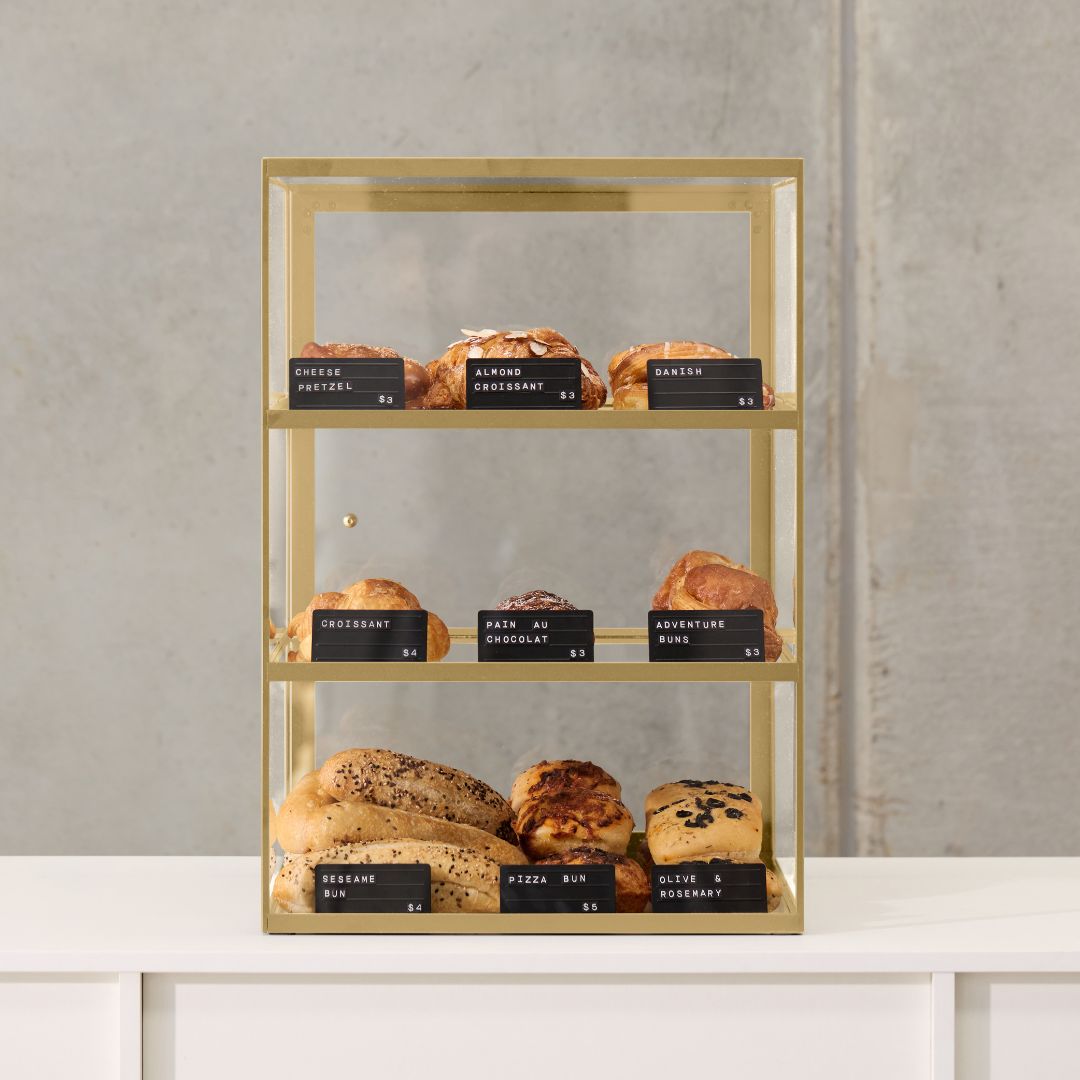
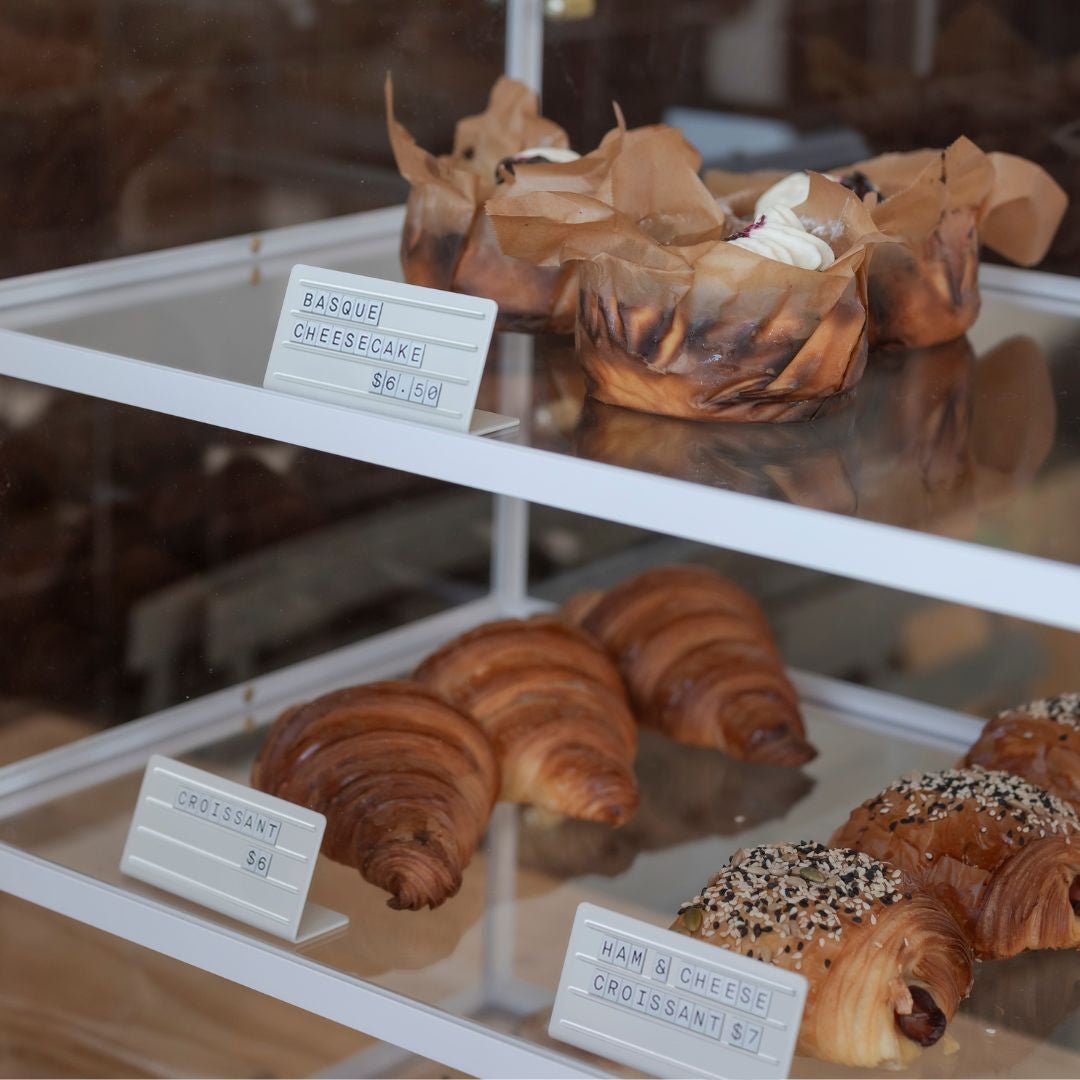
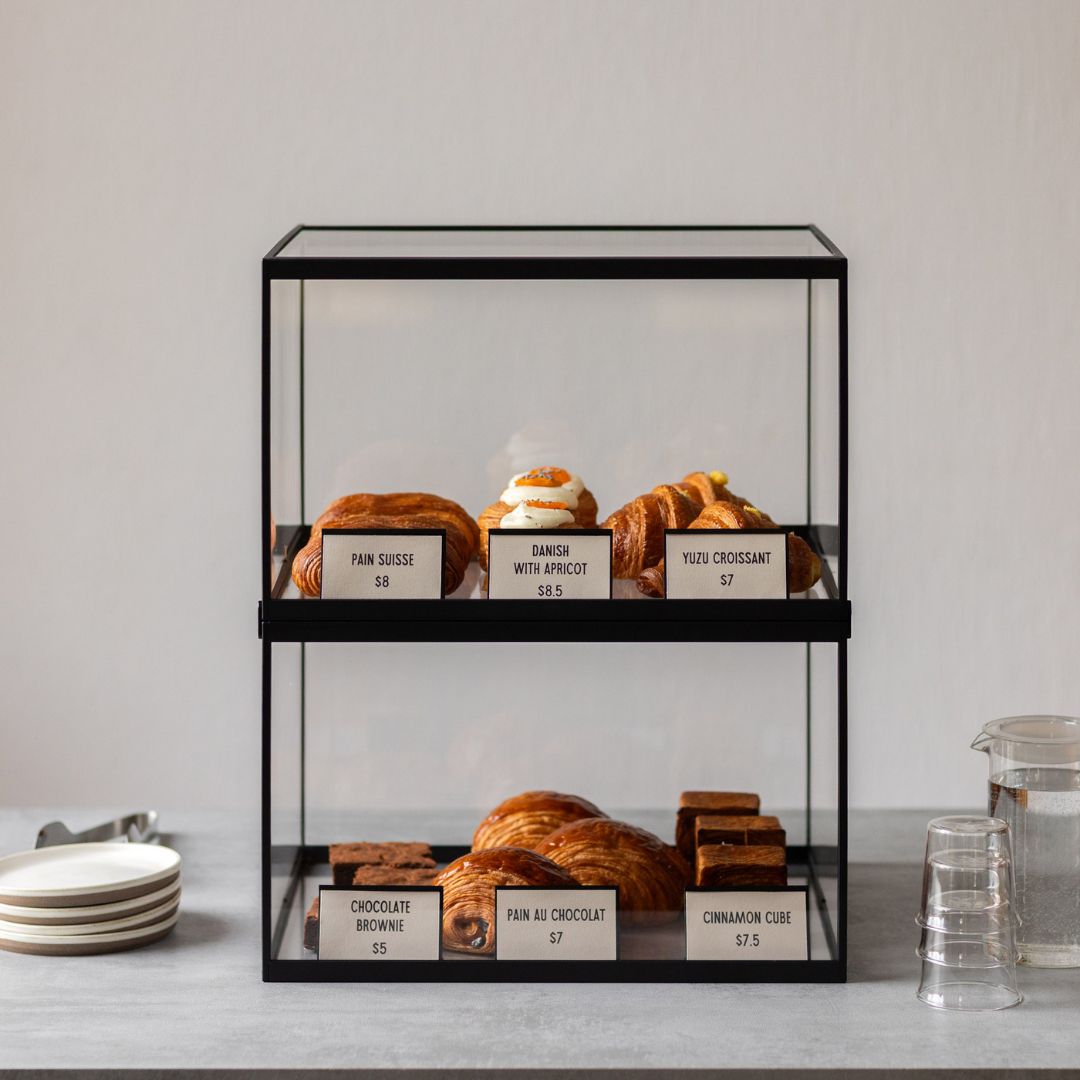
Beyond standard shapes, specialty displays are designed to showcase specific types of products in a unique and appealing way. Think of a tiered wooden stand for fresh pastries, an elegant case for jewelry, or a custom built unit that reflects the product’s unique shape. For example, a well designed Bakery Display Case not only protects food items but also presents them in a way that feels premium and enticing, encouraging an impulse treat with a coffee. These displays elevate the product and enhance the overall brand aesthetic.
Using a Point of Sale Display for In Store Marketing
A point of sale display is more than just a fixture; it’s a vital component of your overall in store marketing strategy. It acts as a silent salesperson at the most critical moment of the customer journey. Integrating your POS displays with broader campaigns ensures a cohesive and powerful message that drives results.
Reinforcing Campaigns and Promotions
Your POS display is the perfect tool to echo store wide promotions. If you are running a seasonal sale or a “buy one, get one” offer, reinforcing that message at the checkout reminds customers one last time and can significantly boost participation. Use consistent branding, colors, and messaging from your entrance signs to your POS displays to create a seamless experience.
Telling a Cohesive Brand Story
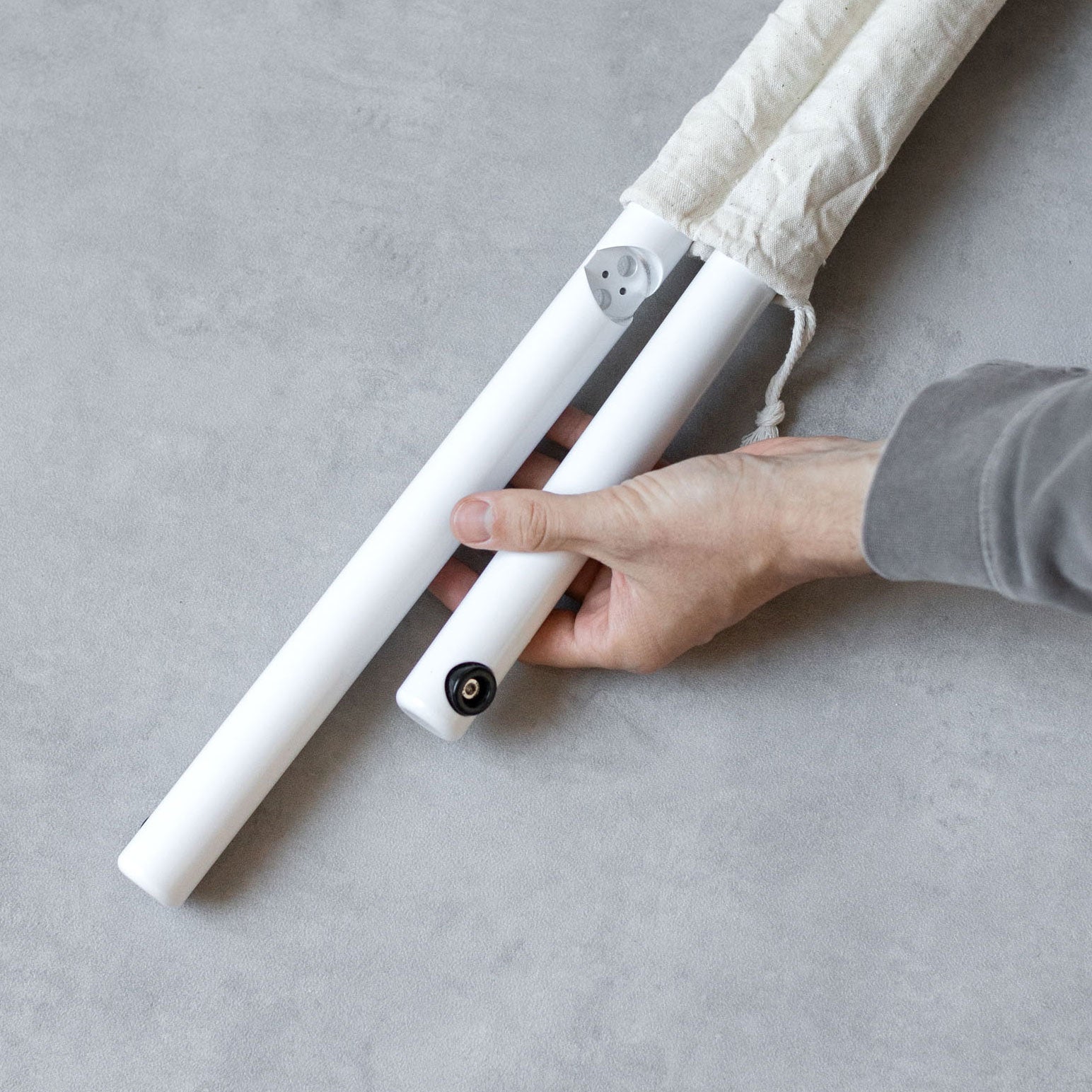
Every touchpoint in your store should tell your brand’s story, and the checkout is no exception. A well designed display that reflects your brand’s aesthetic (whether minimalist, rustic, or modern) strengthens brand identity. For instance, using displays made from quality materials like powder coated aluminum and wood can communicate a commitment to durability and design, enhancing customer perception and loyalty.
Driving Cross Sells and Upsells
Strategically placed displays can introduce customers to complementary products they might have missed. For example, a display of lens cleaning wipes next to a glasses counter or travel sized lotions at a boutique checkout can increase the average transaction value. It’s about anticipating the customer’s needs and offering a convenient solution right when they are ready to buy.
Executing POS Displays Across Multiple Locations
For businesses with more than one location, like a café chain or a growing retail brand, maintaining a consistent brand experience is crucial. A uniform look across all stores builds trust and reinforces your brand identity, ensuring customers have the same quality experience no matter where they are. However, executing this vision can be a logistical challenge.
The Challenge of Consistency
Managing displays across various locations is complex. Each store might have a different layout, size, or staff, making a one size fits all approach difficult. Without a clear strategy, your brand presentation can become diluted, leading to an inconsistent customer experience that weakens brand loyalty.
Strategies for a Cohesive Rollout
A successful multi location strategy hinges on centralized planning and smart logistics. The goal is to make it simple for each store to execute your brand vision perfectly every time.
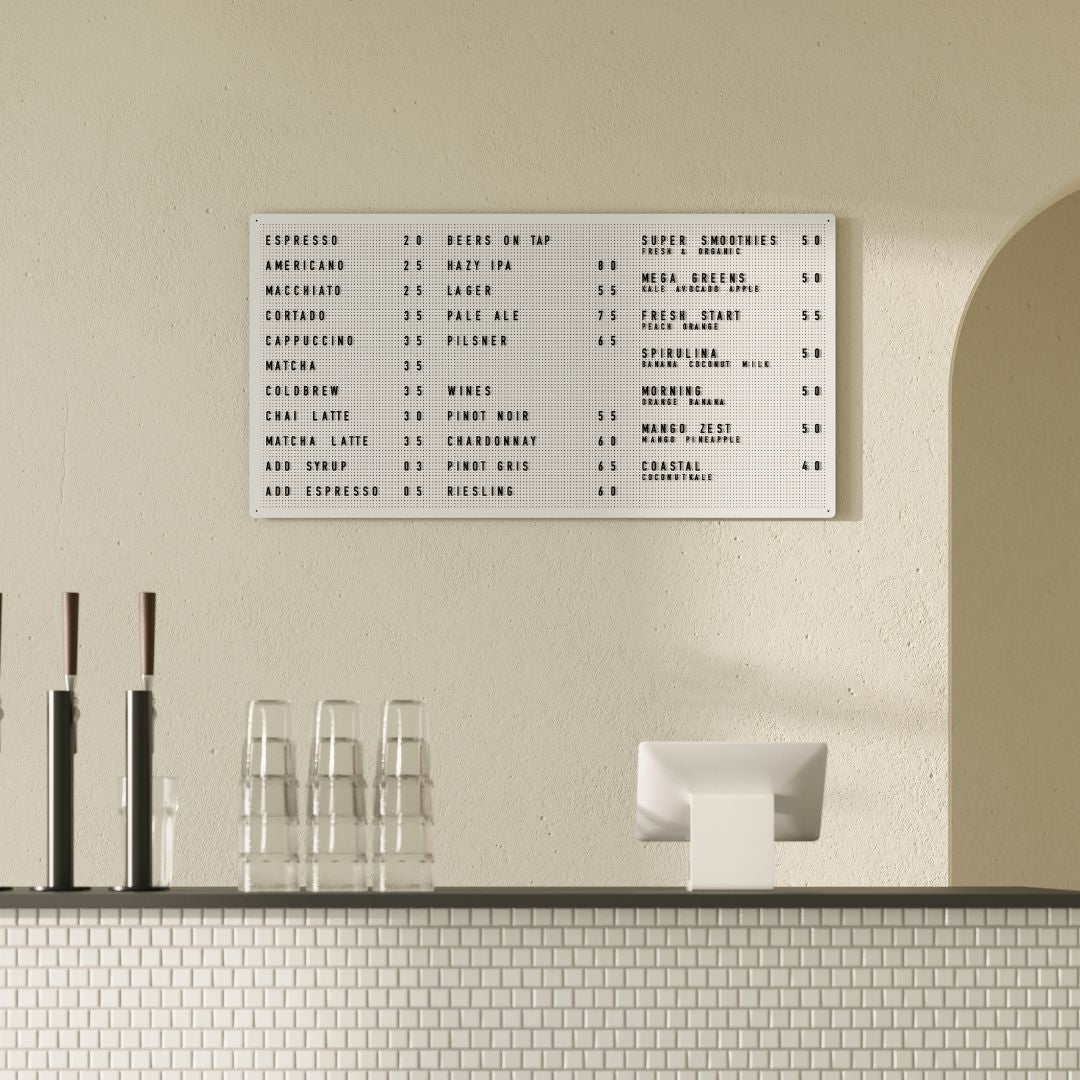
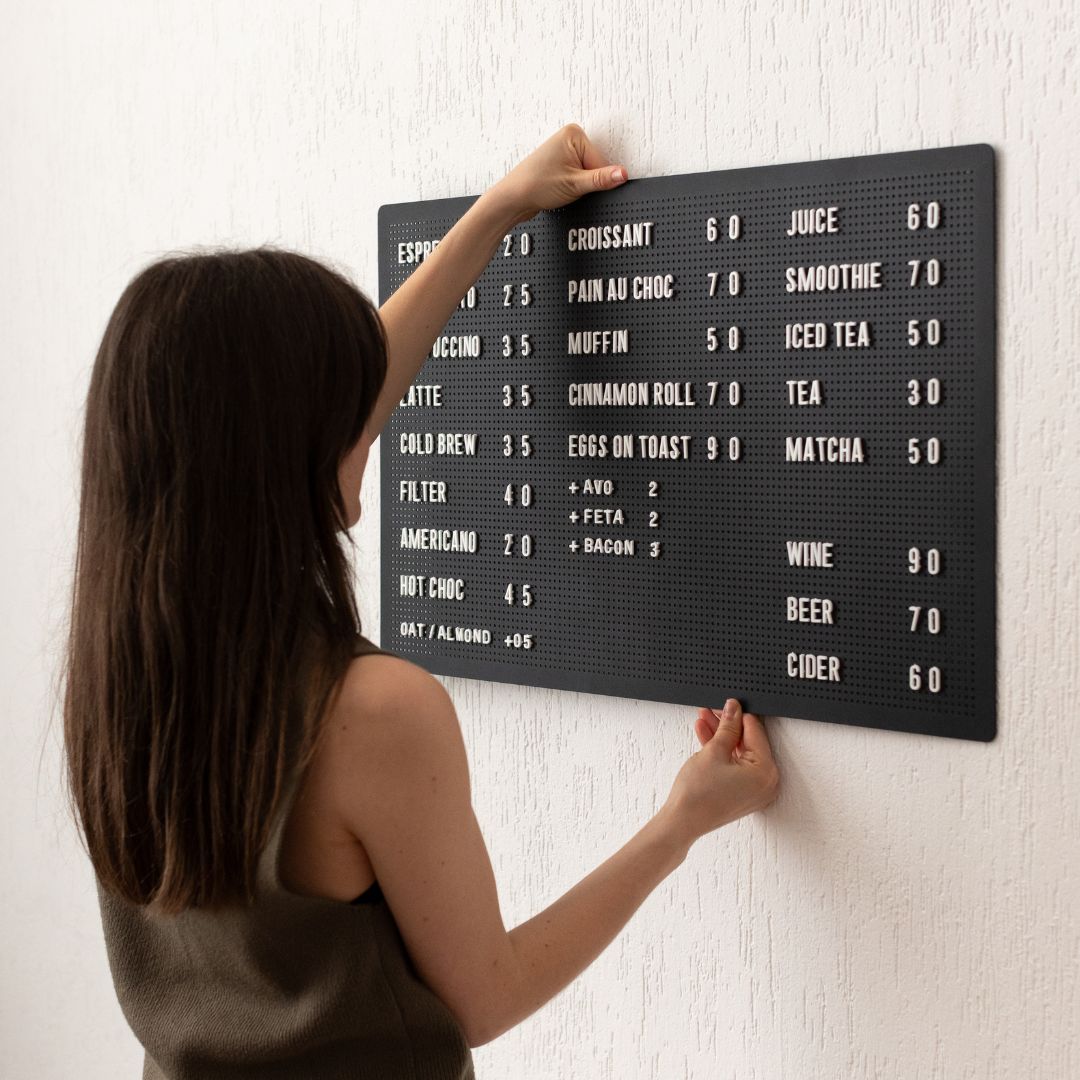
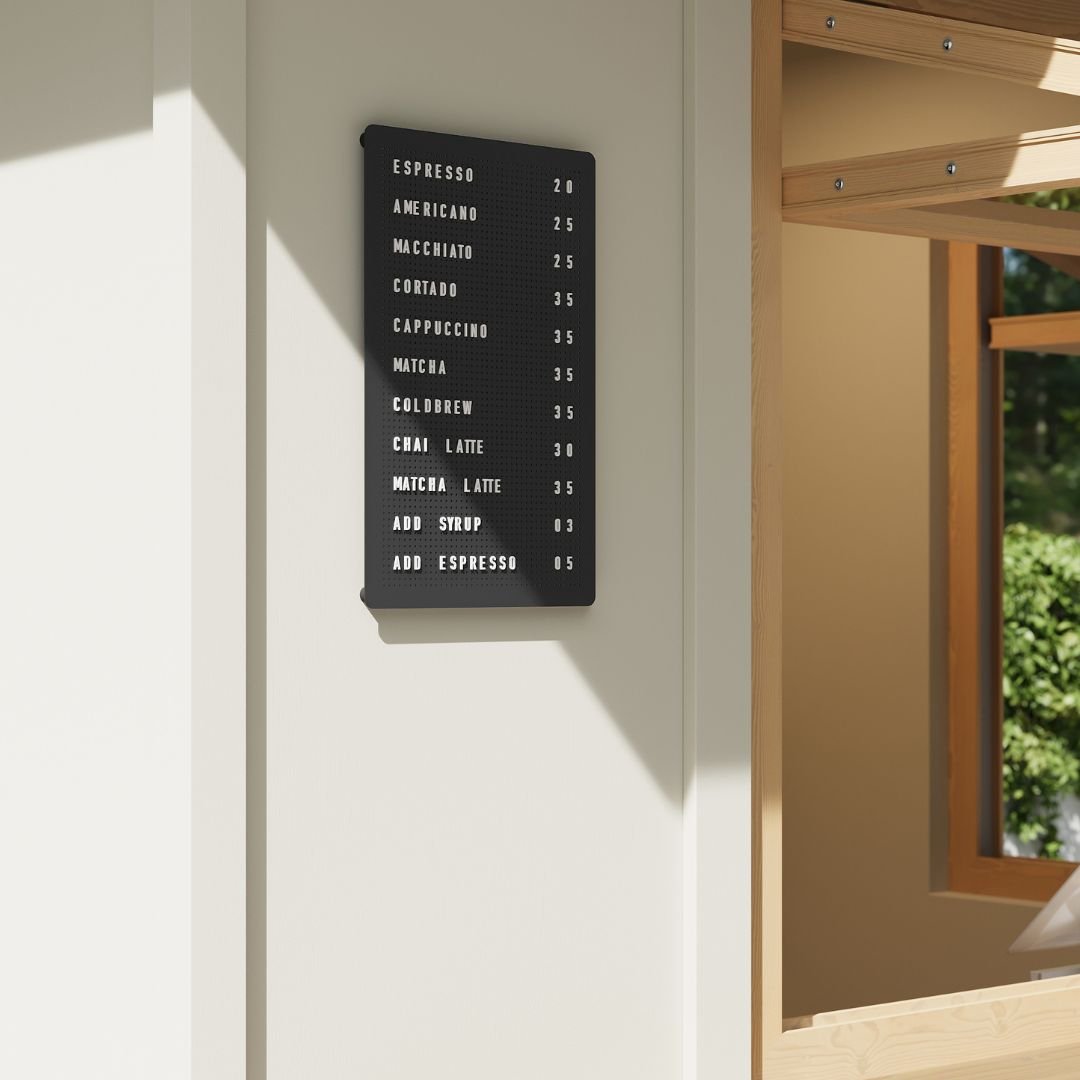
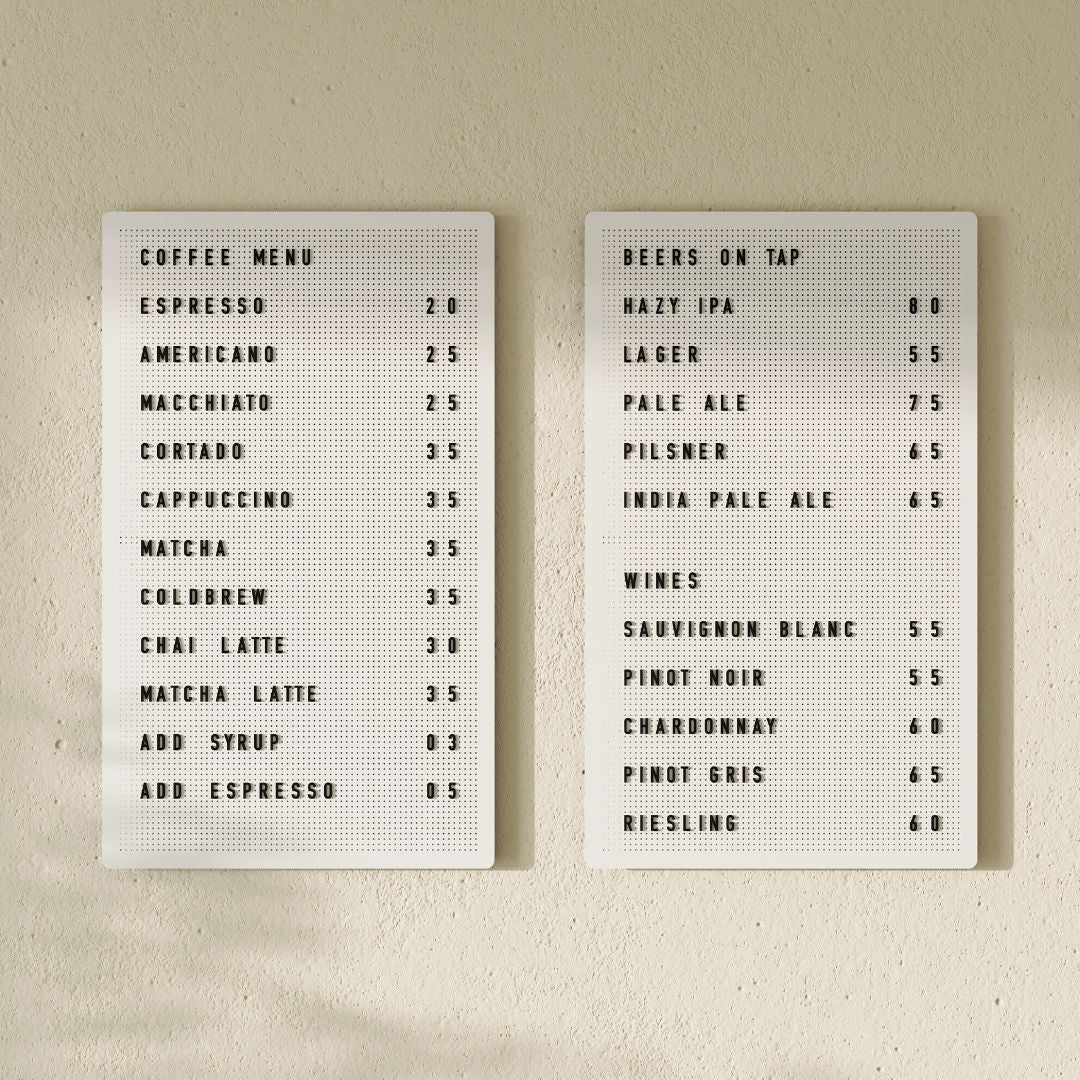
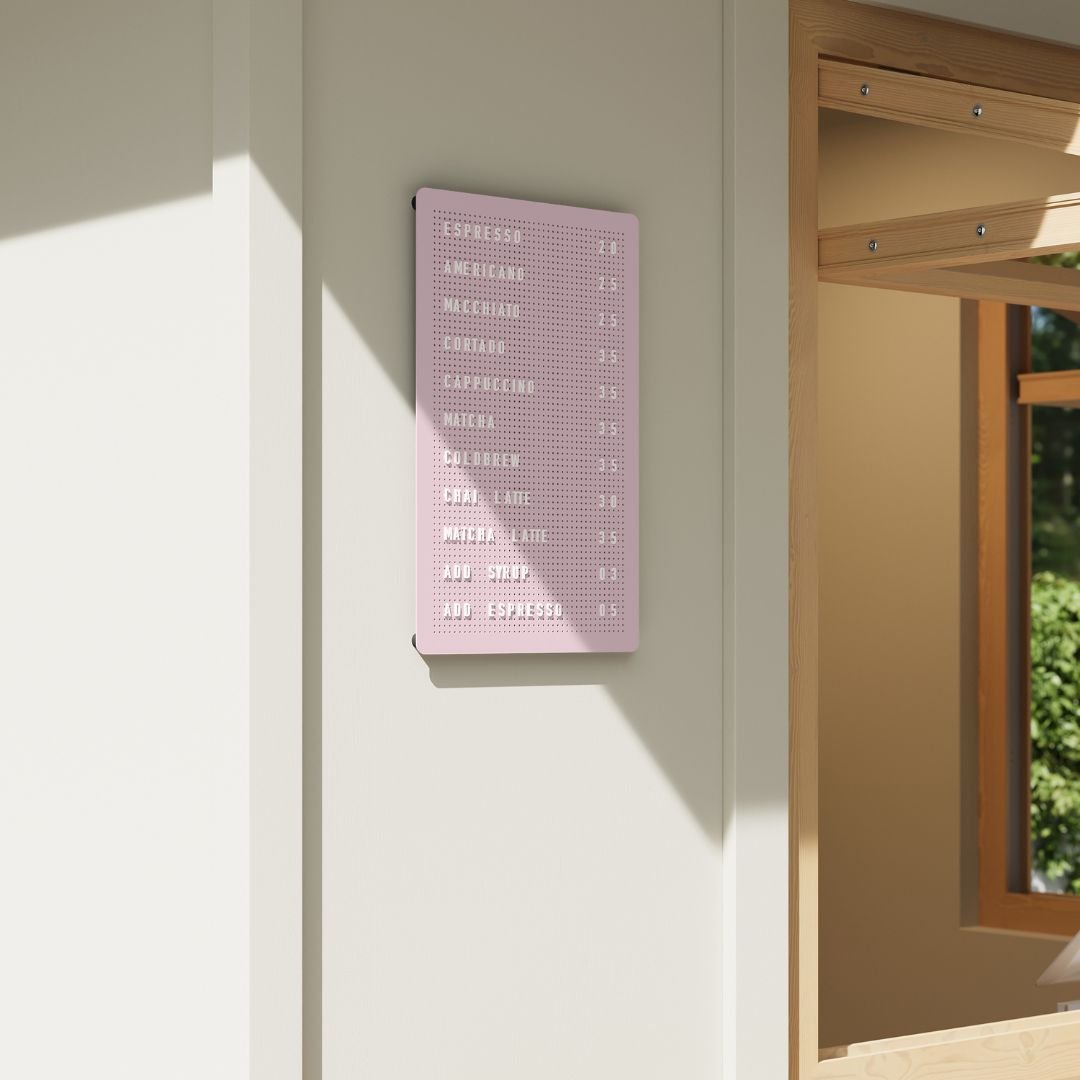
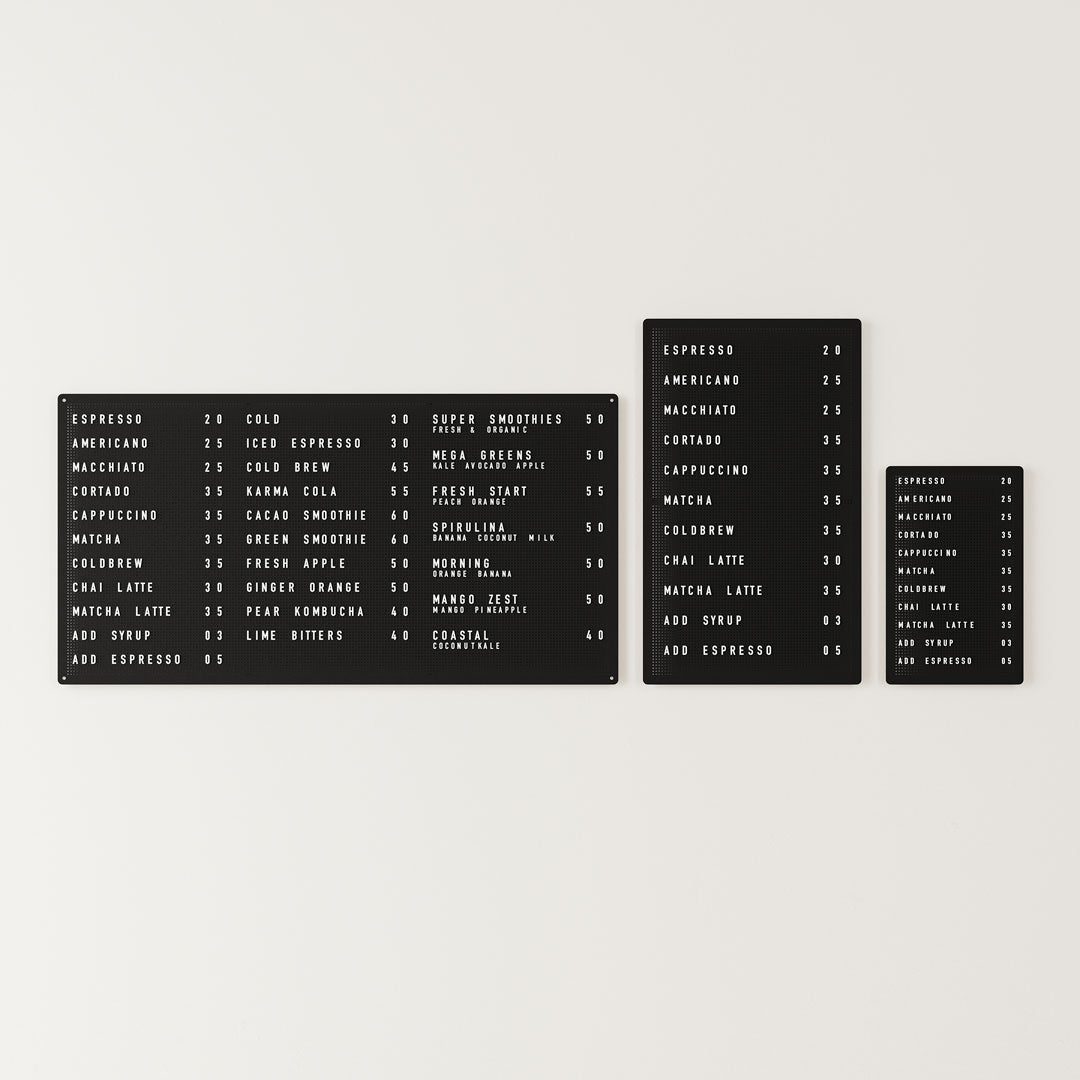
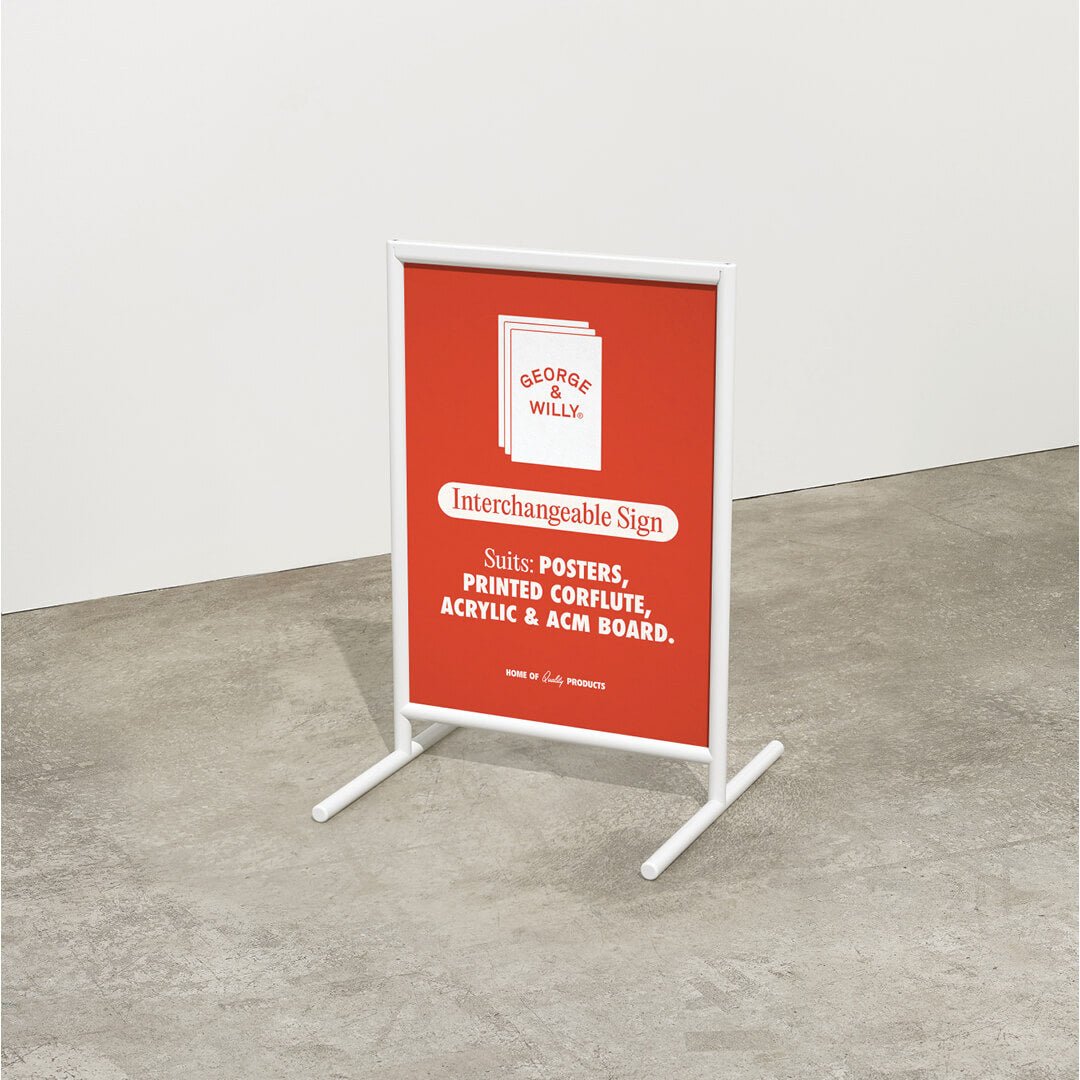
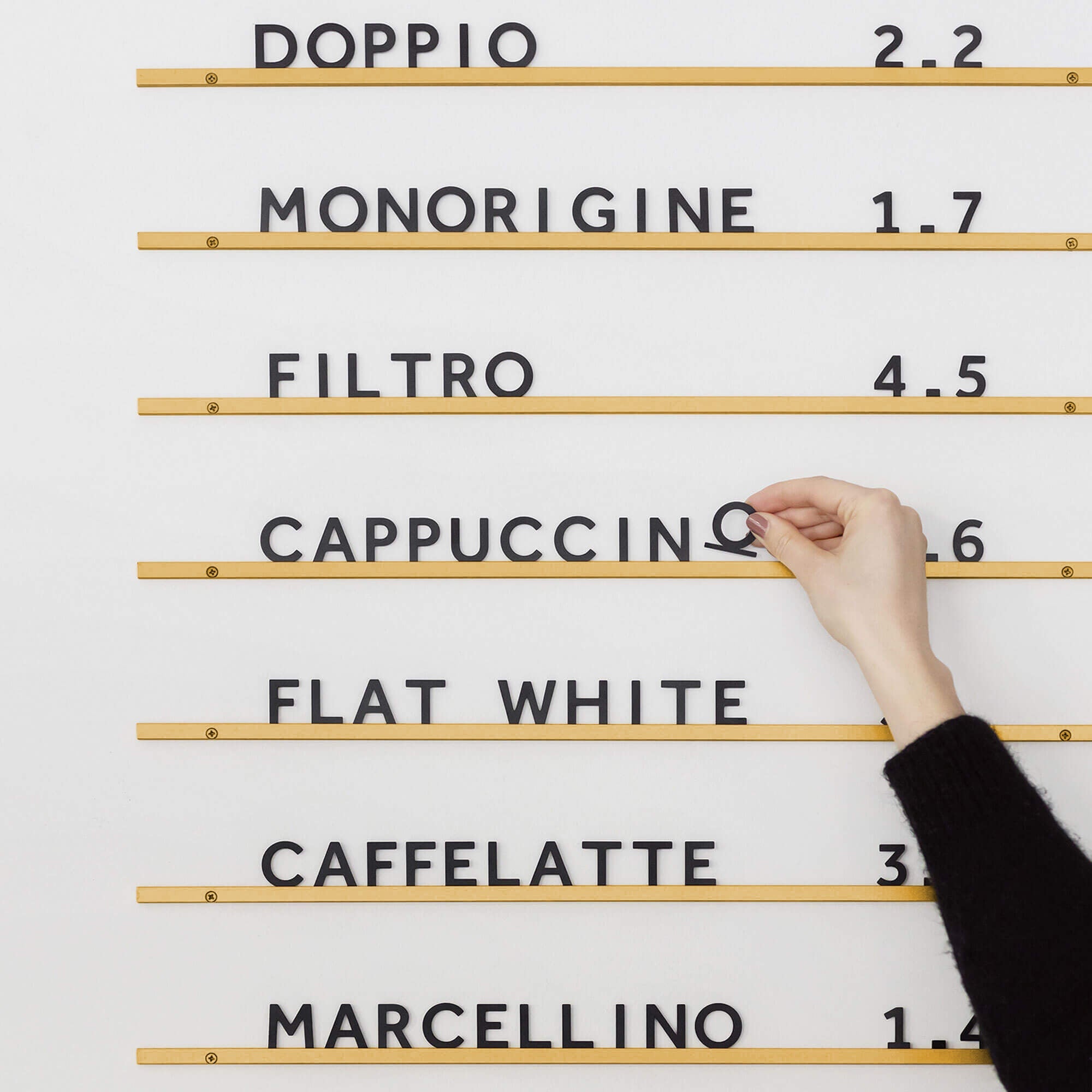
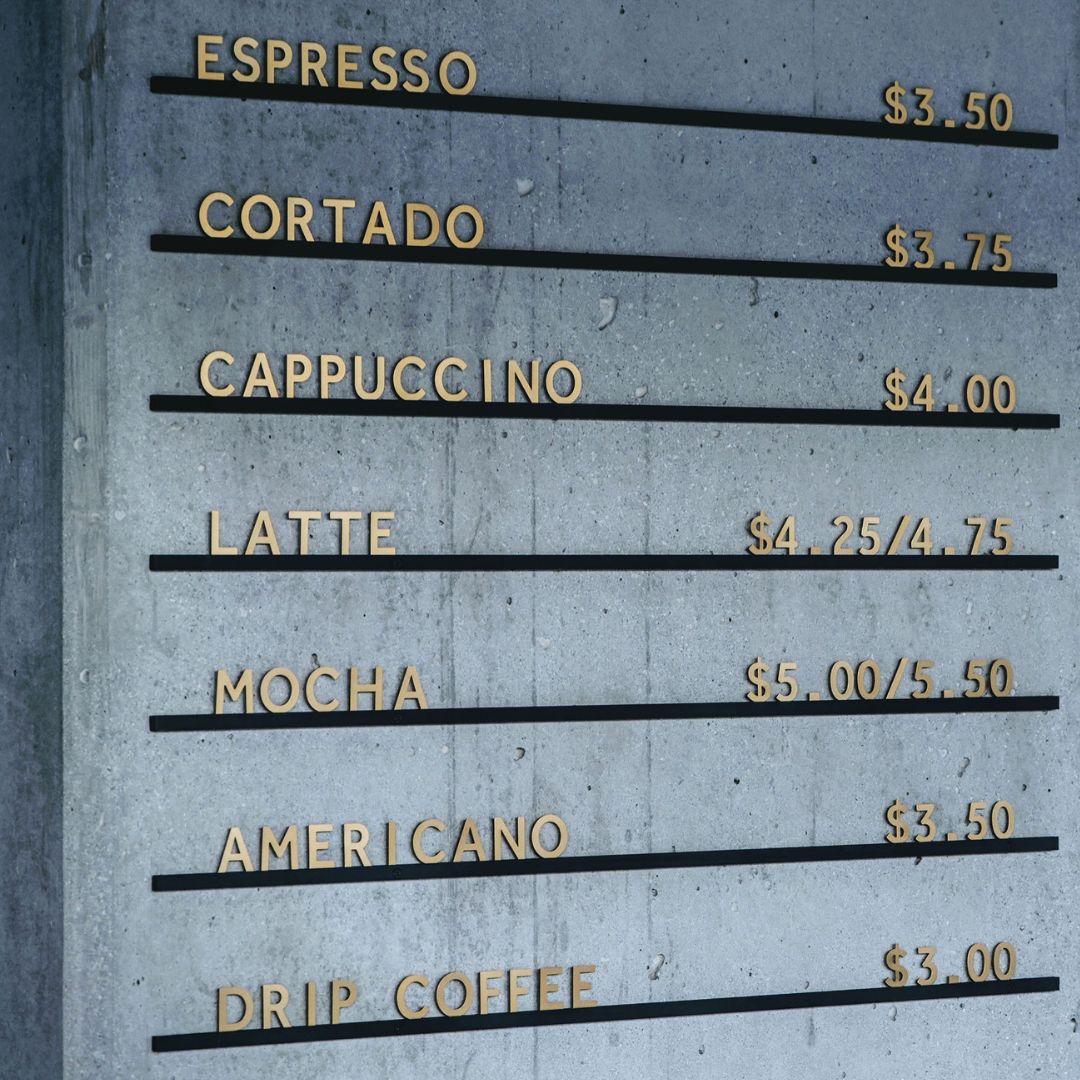
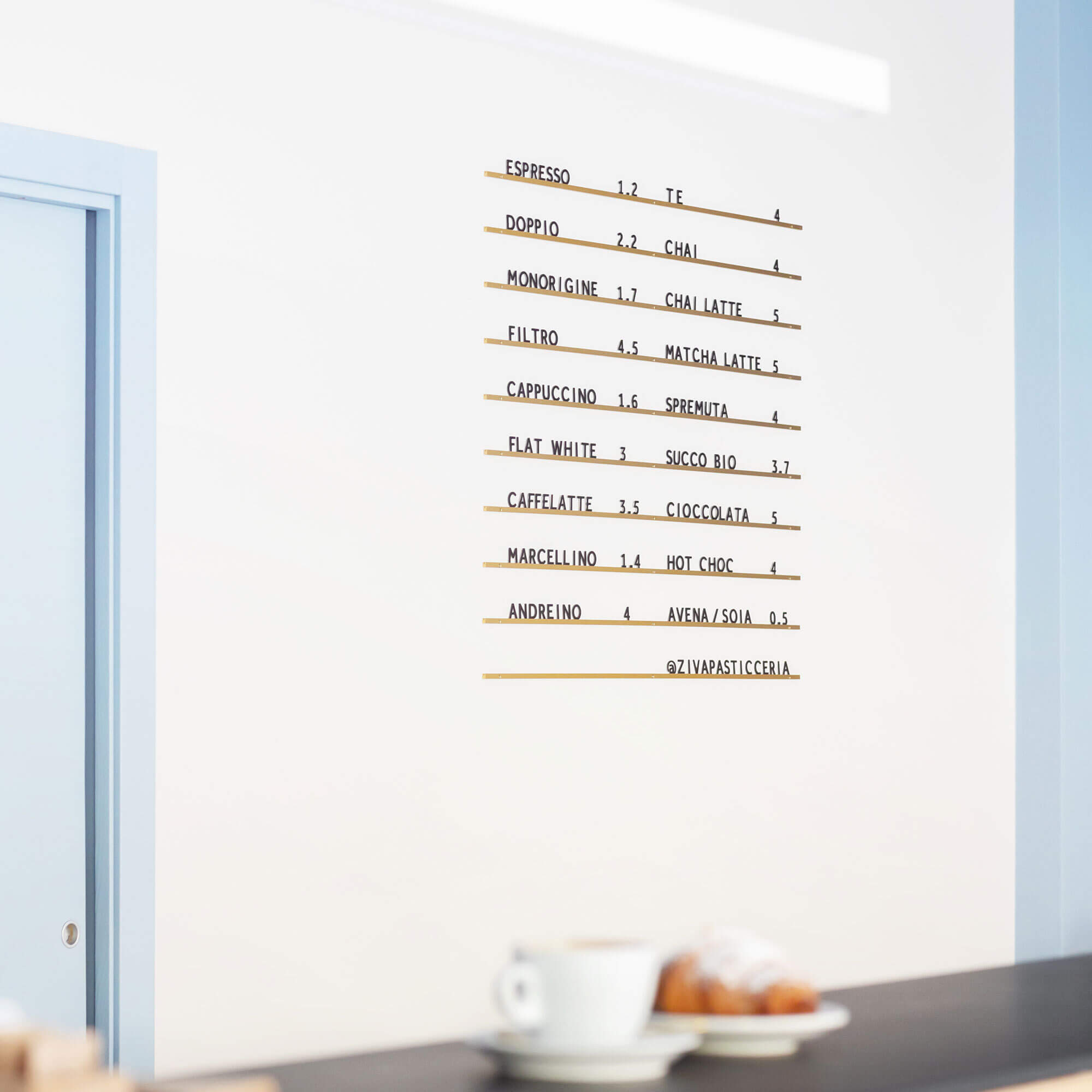
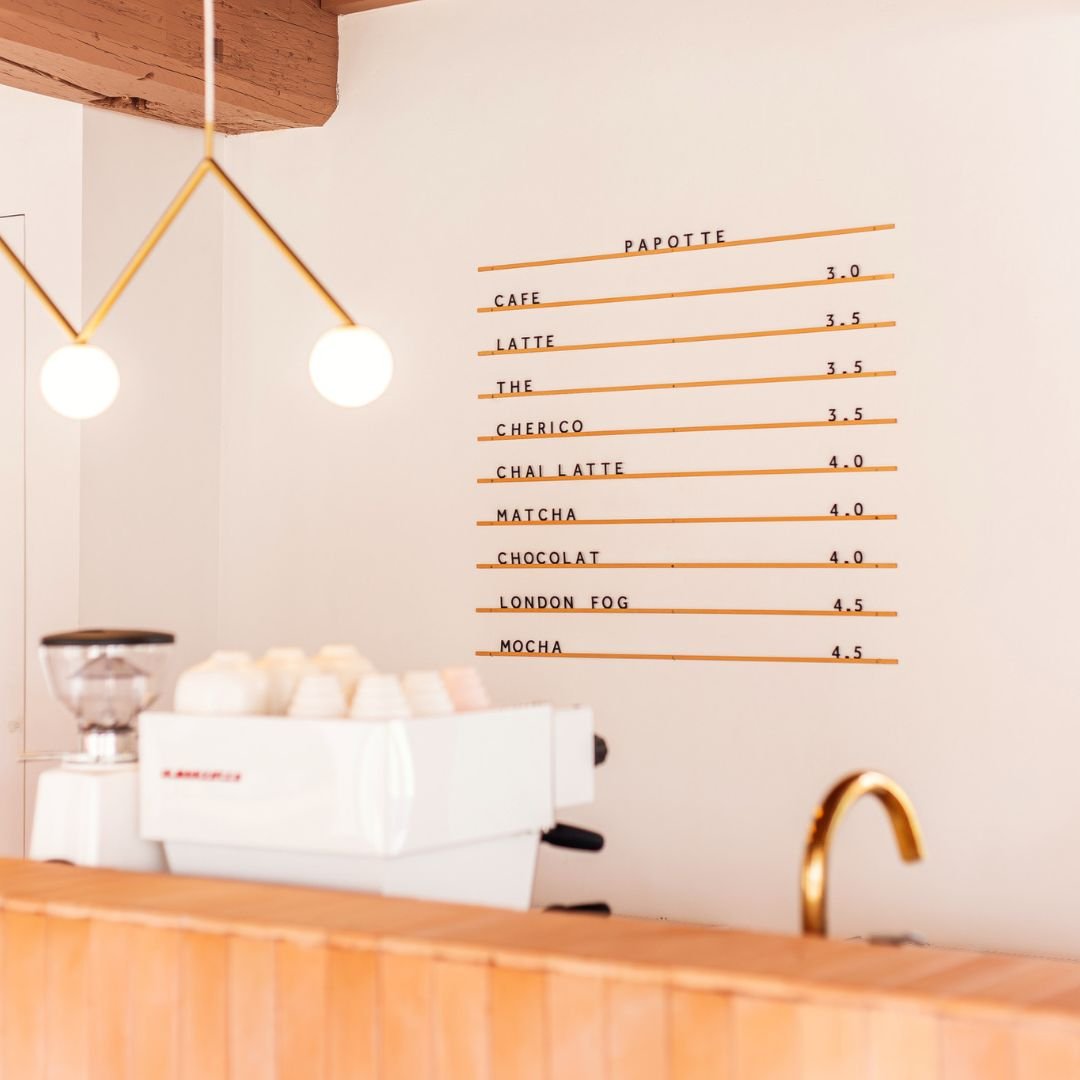
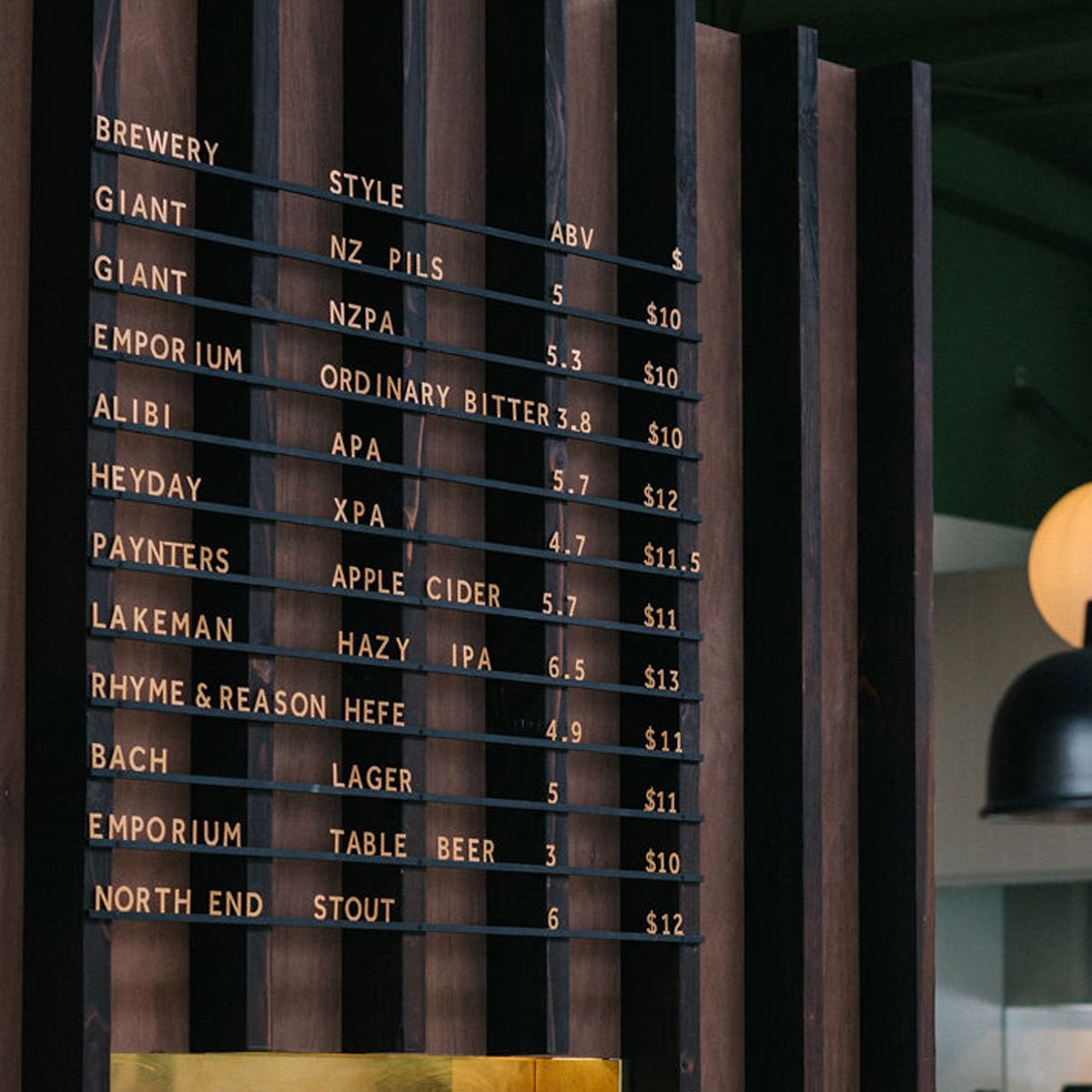
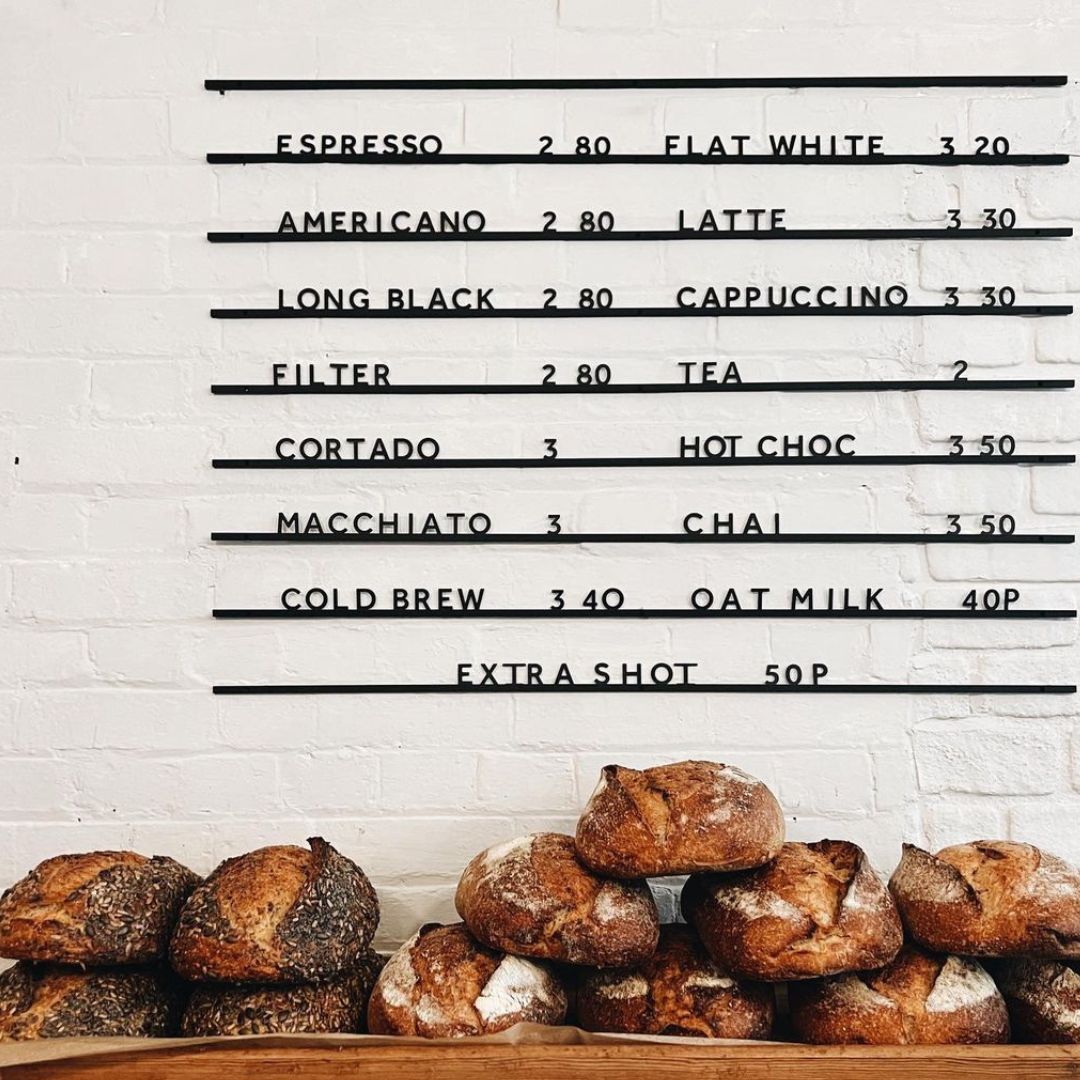
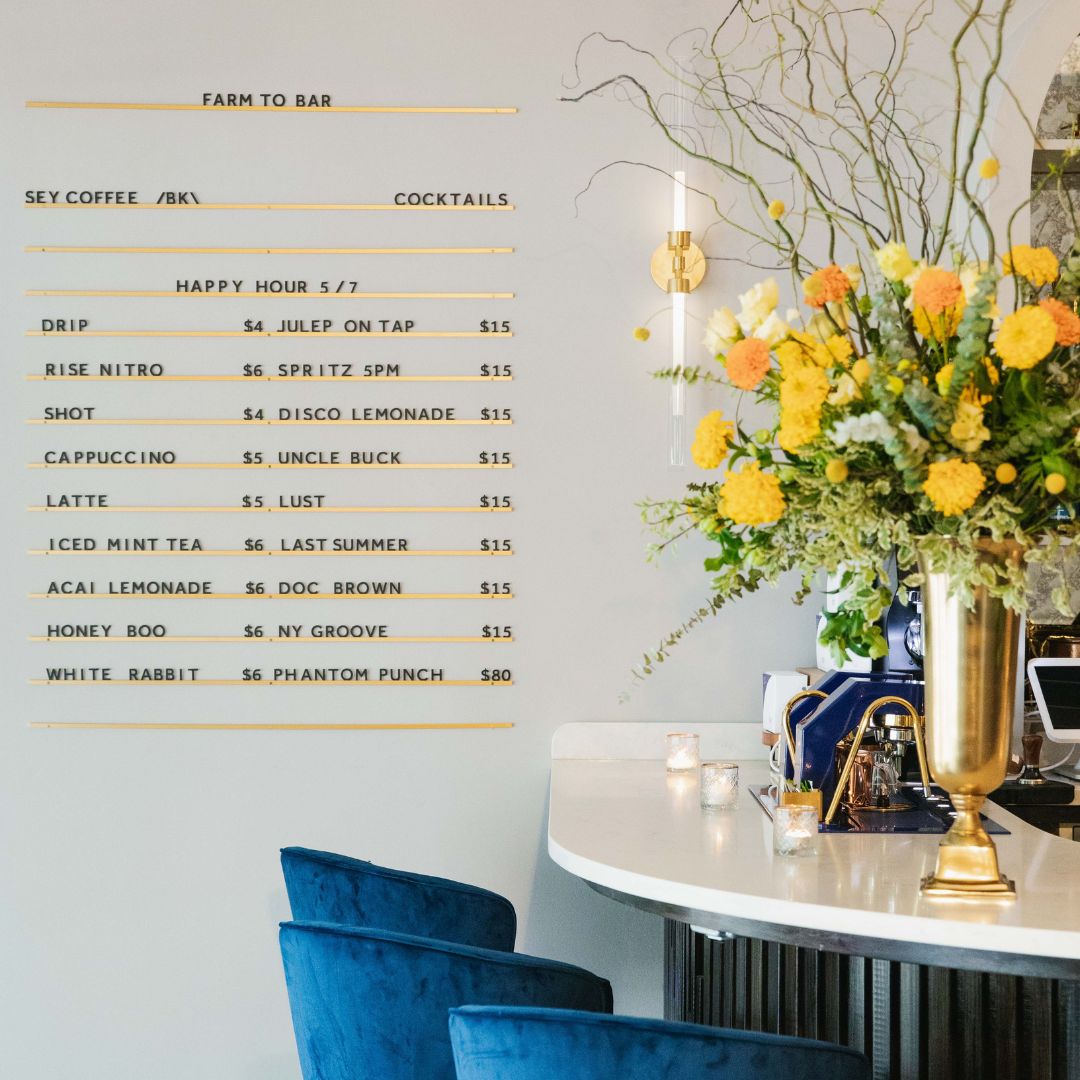
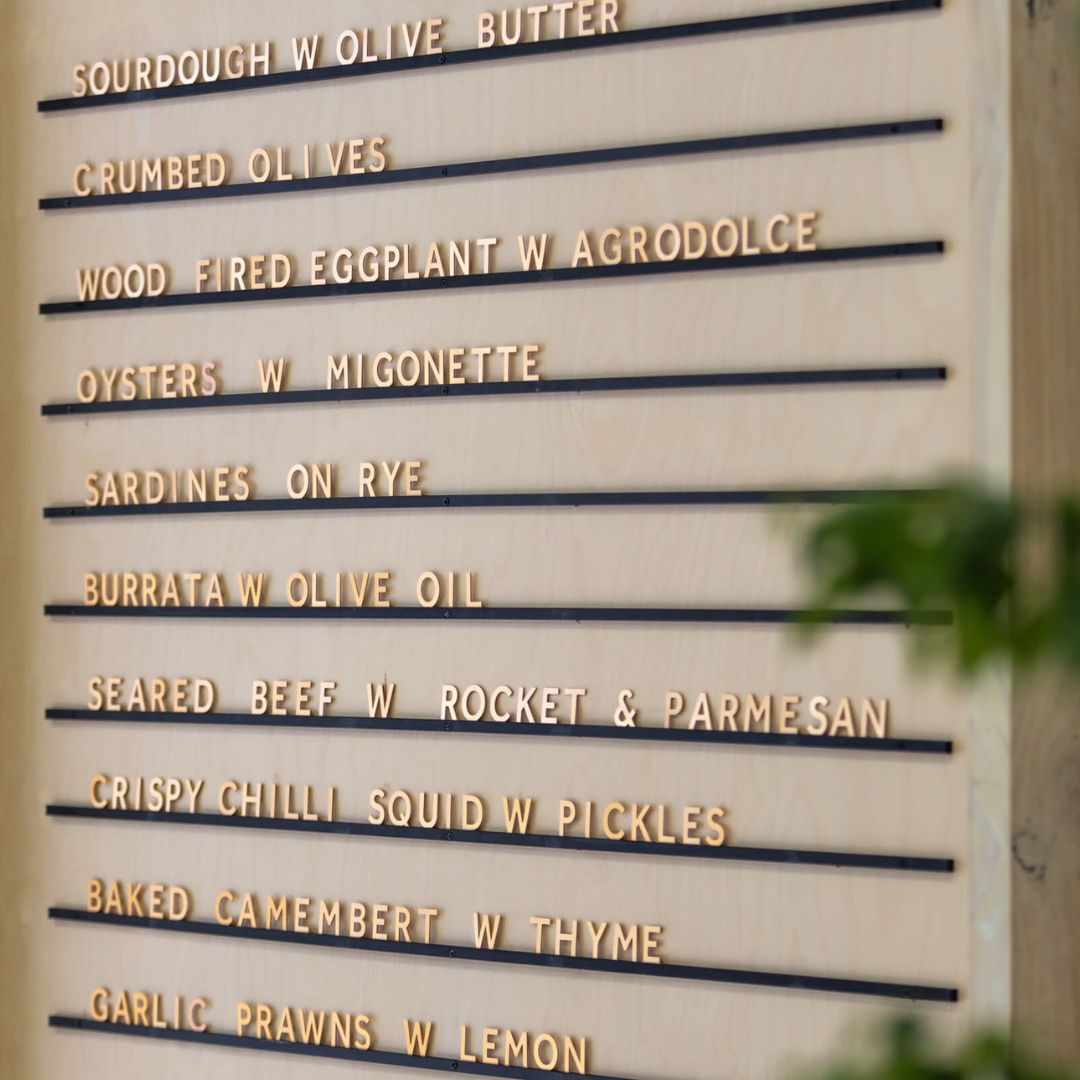
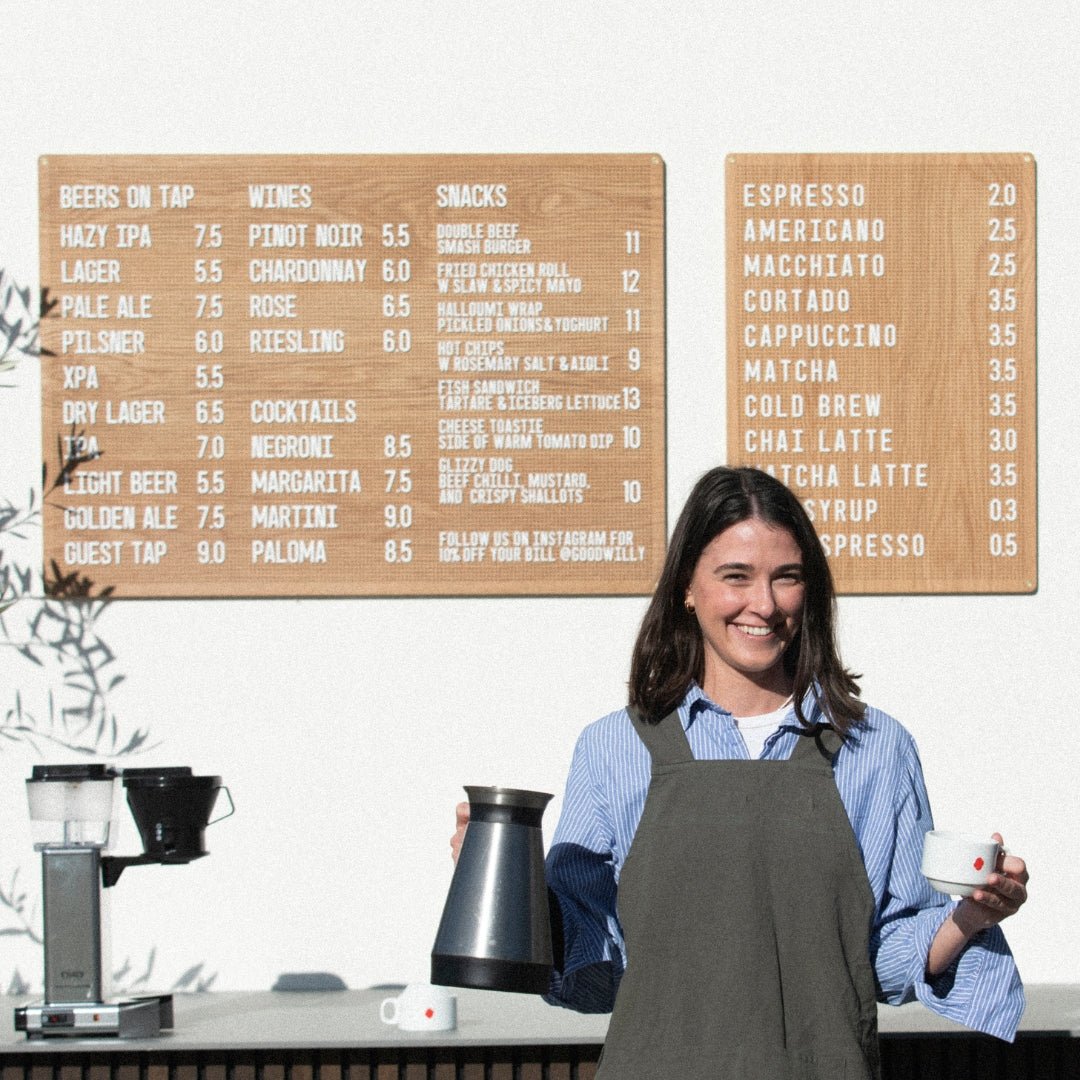
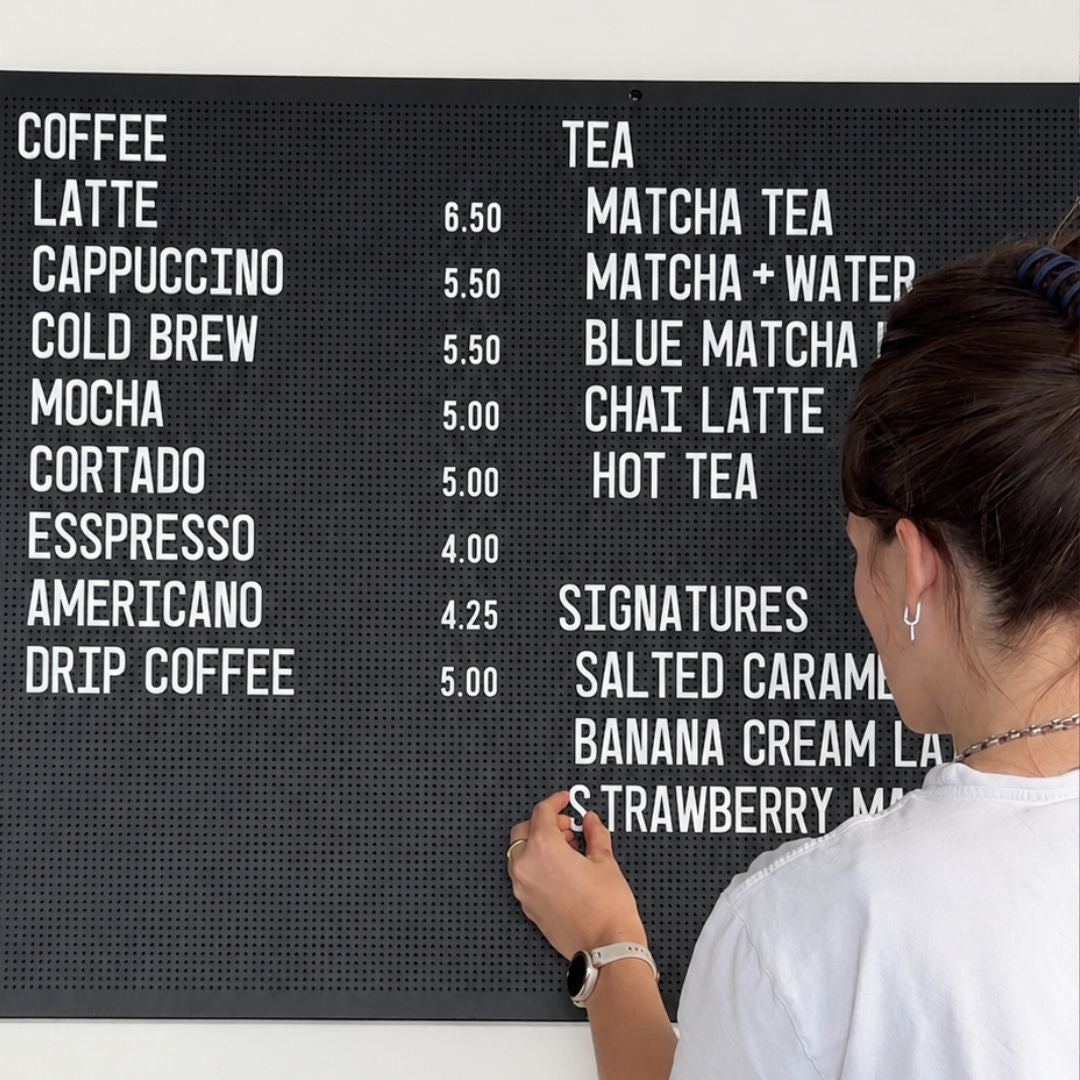
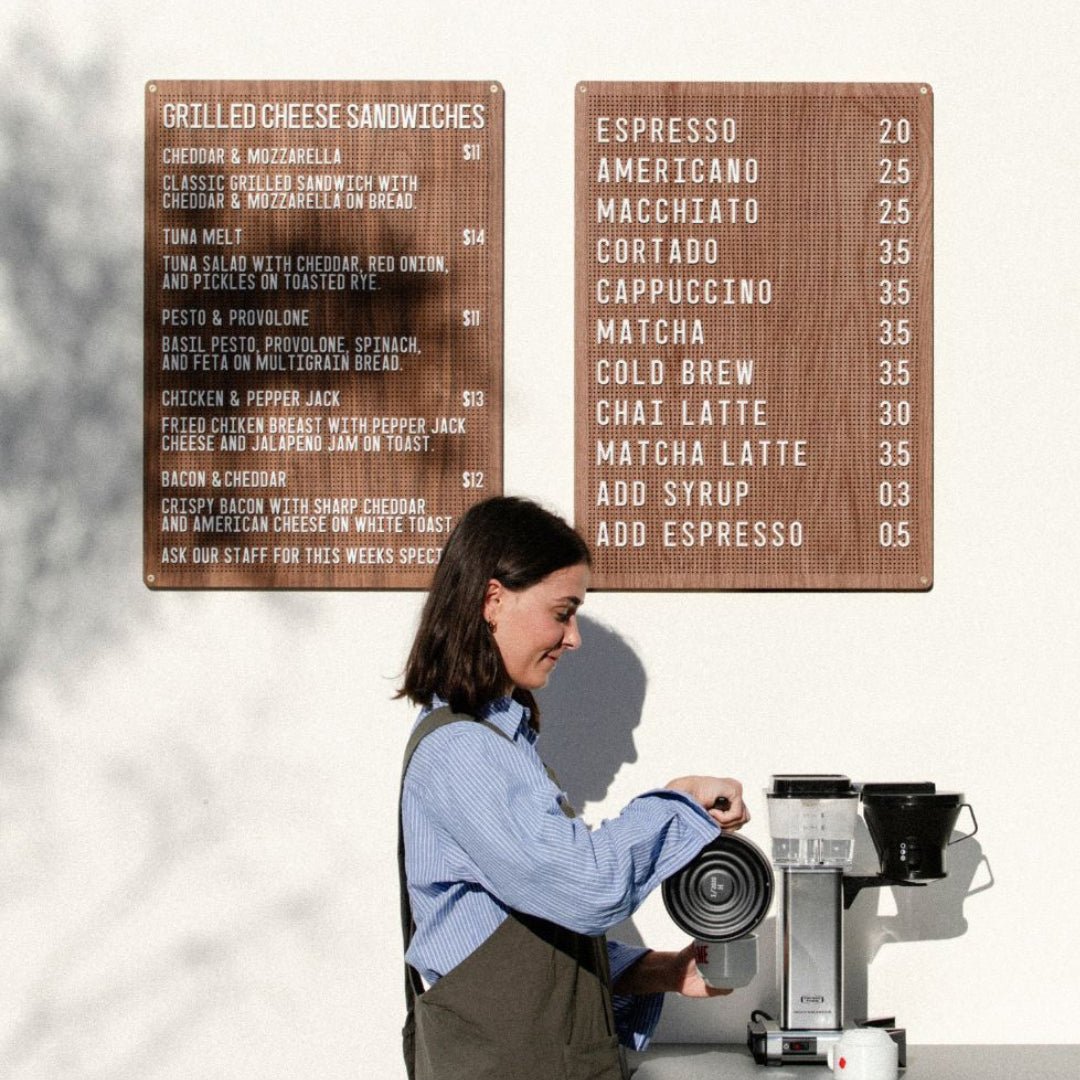
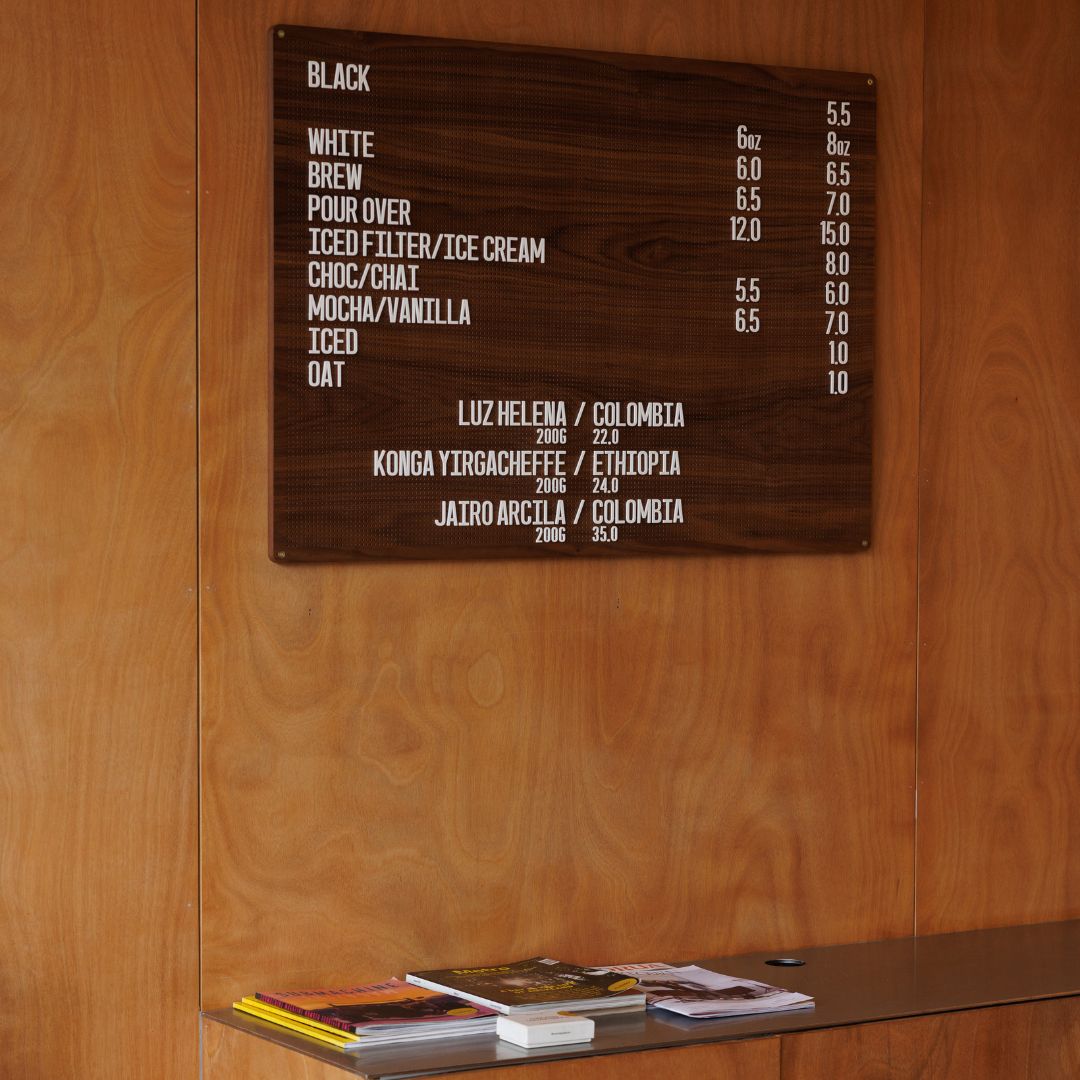
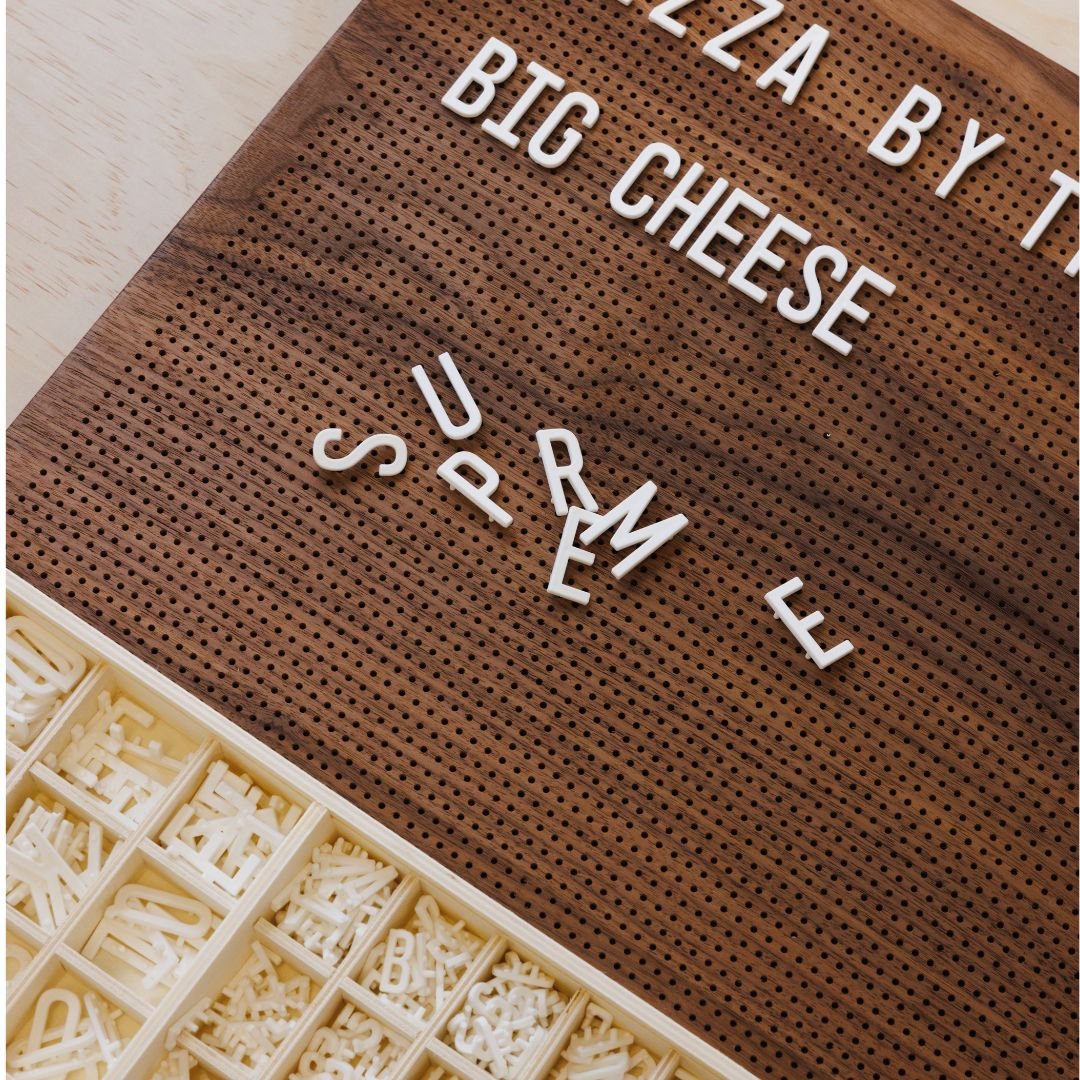
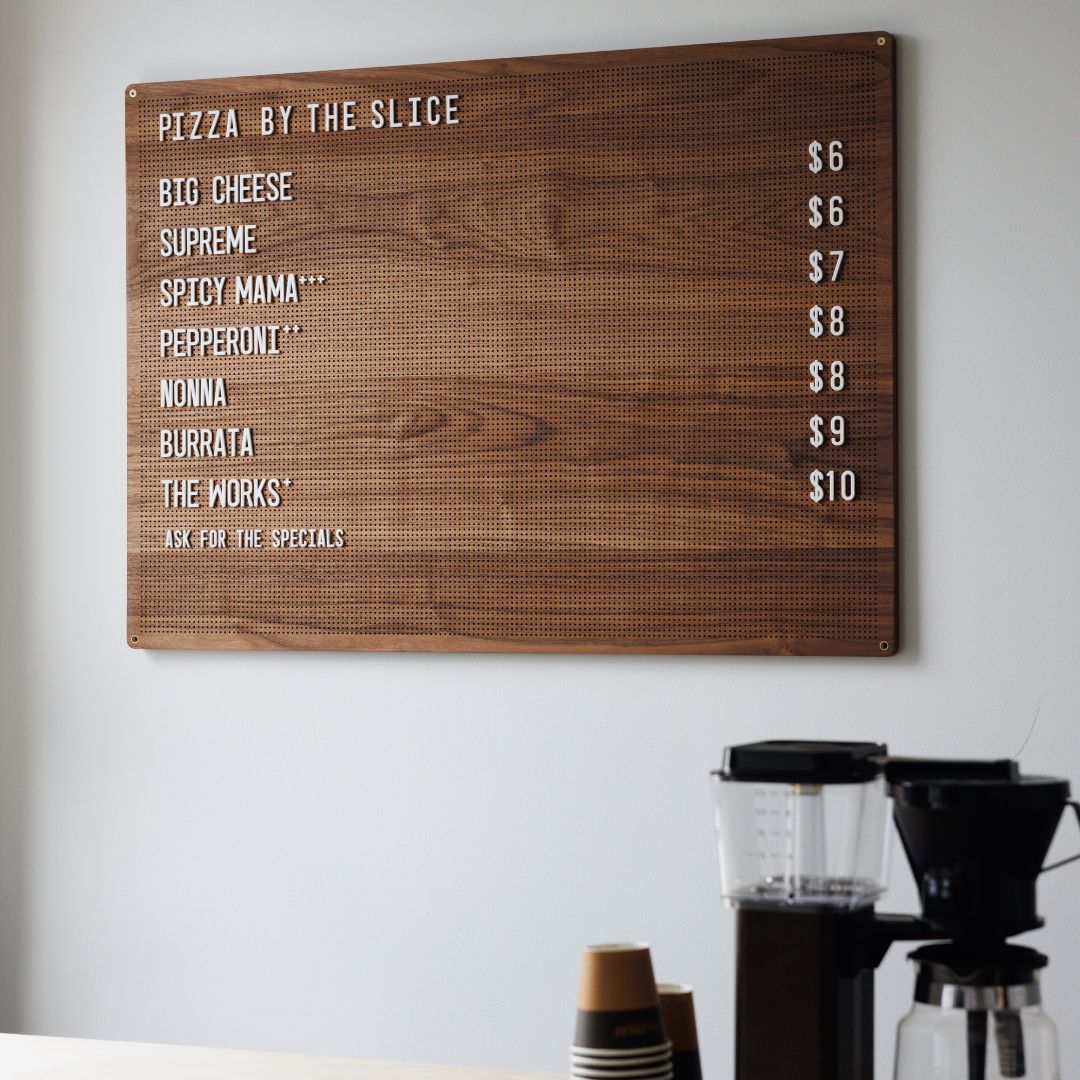
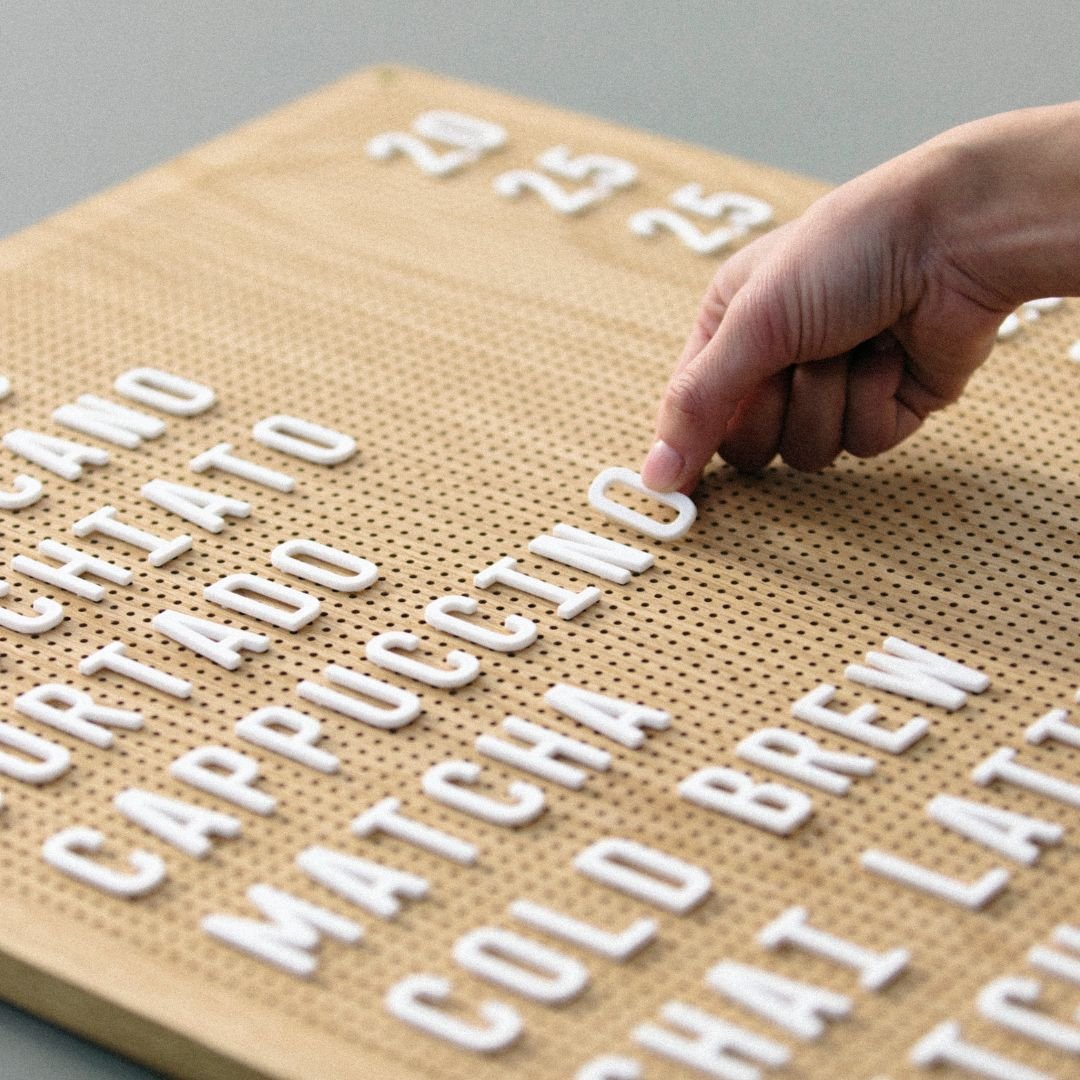
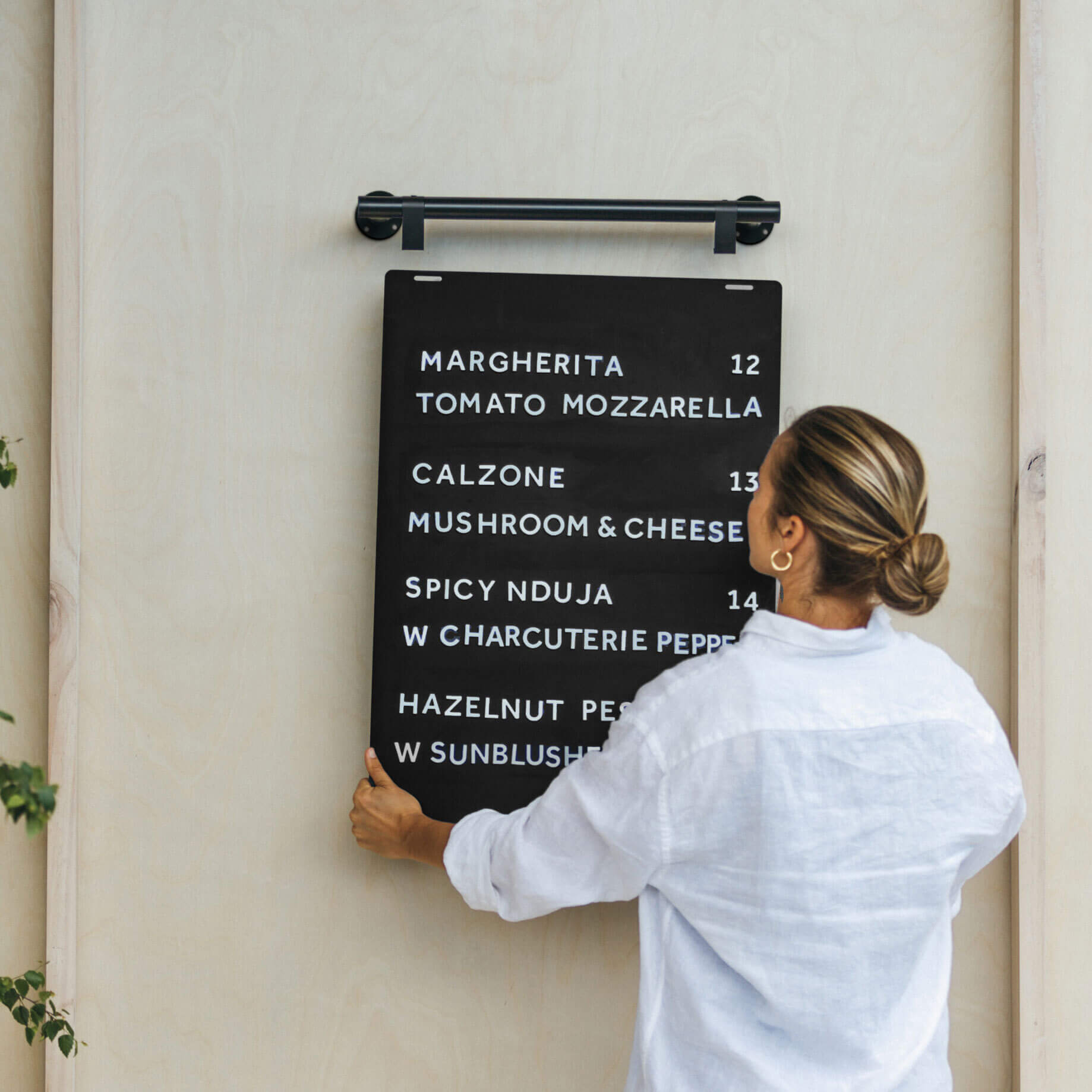
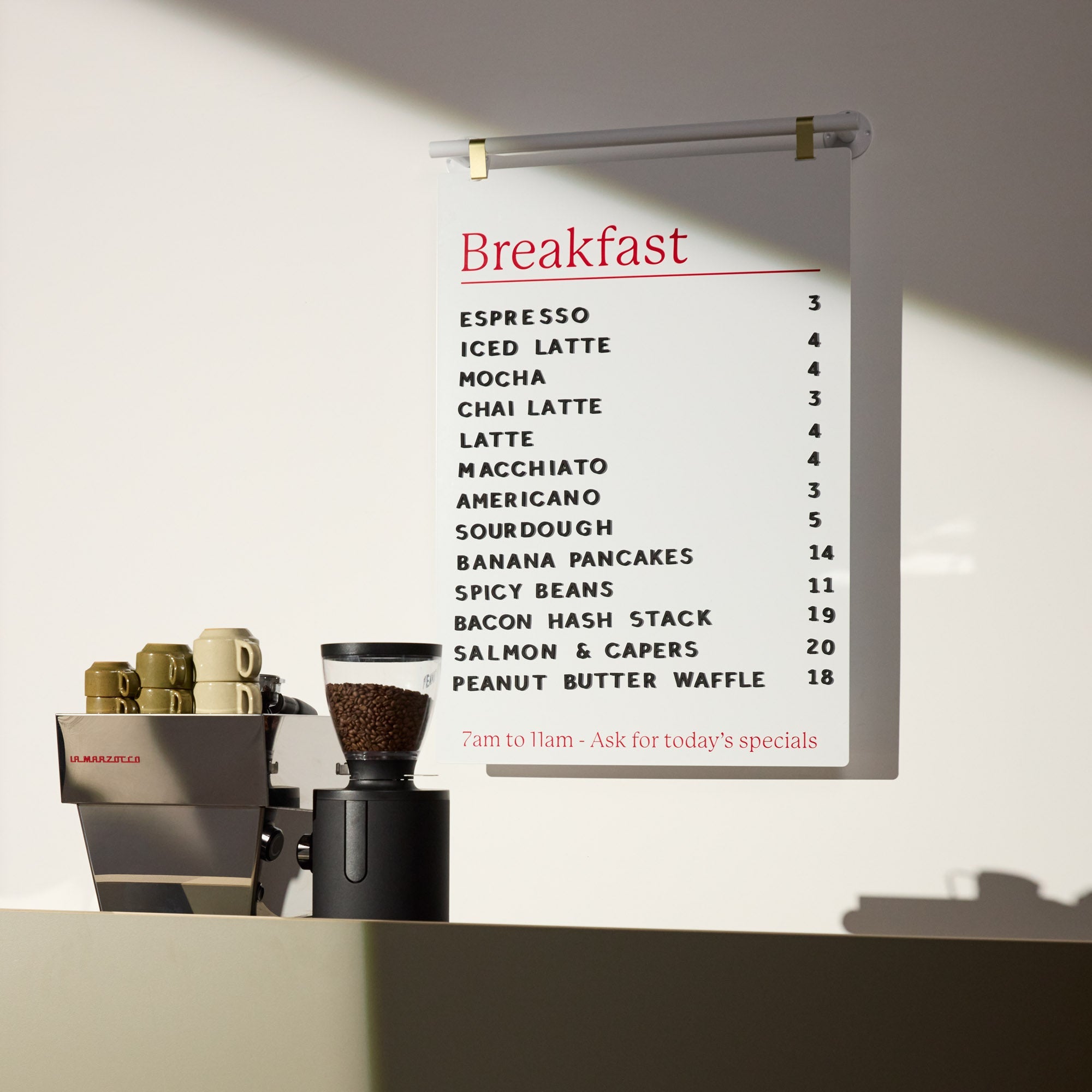
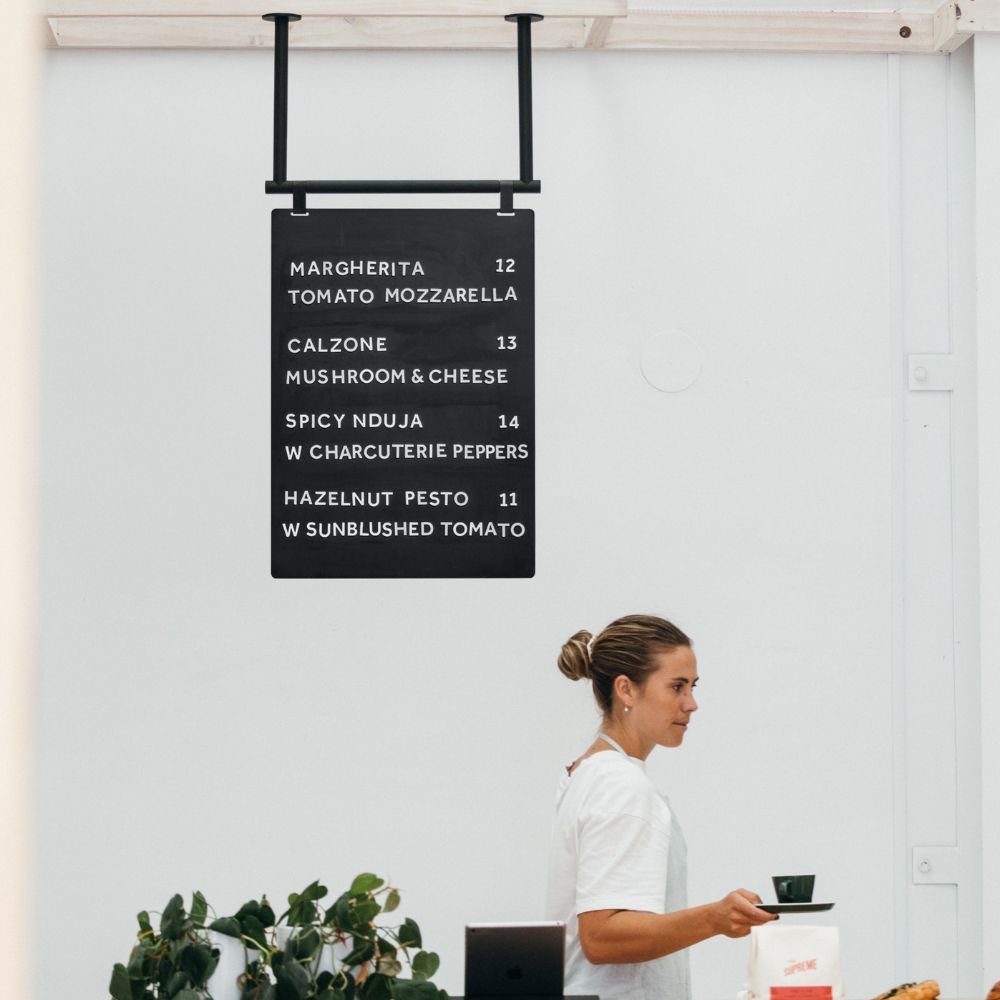
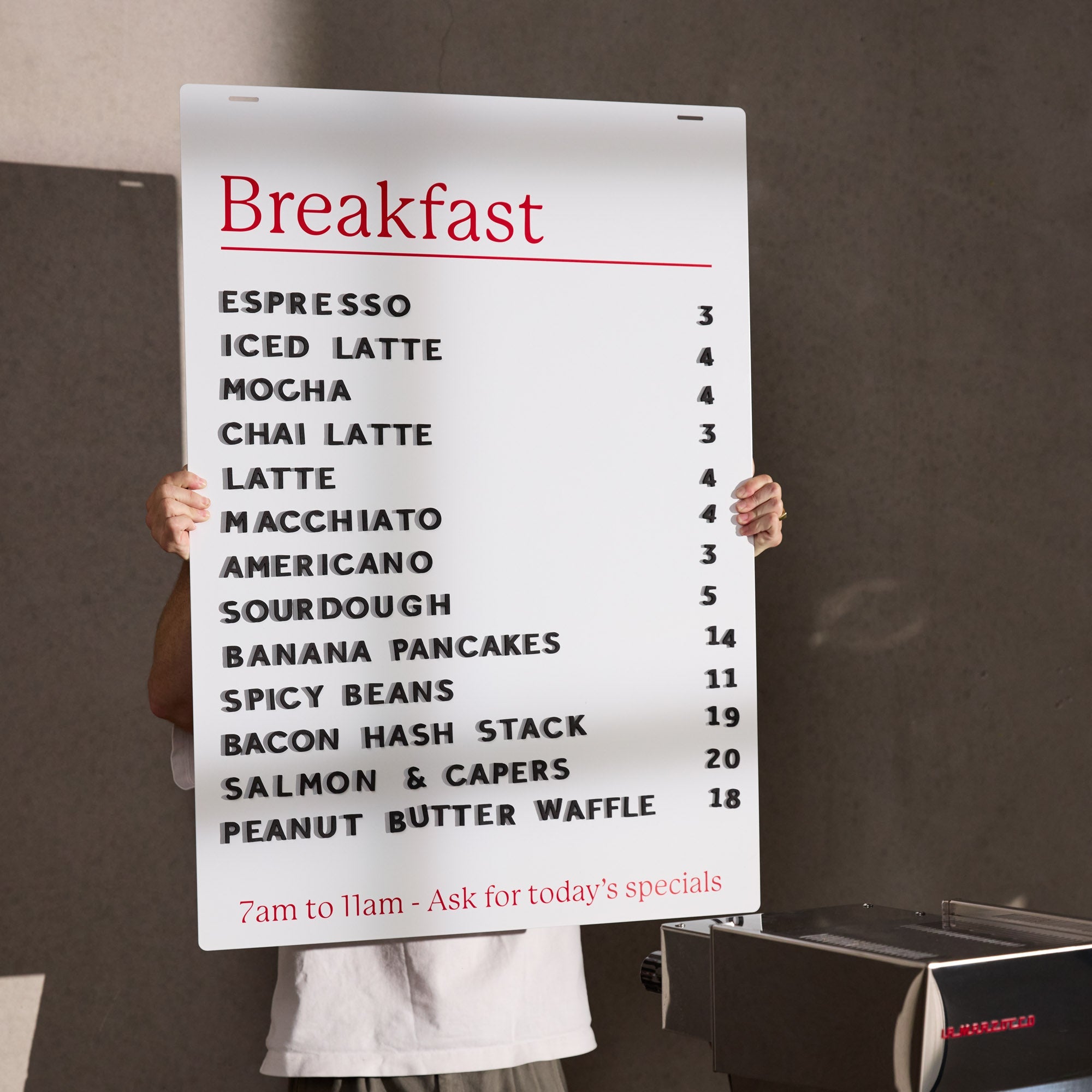
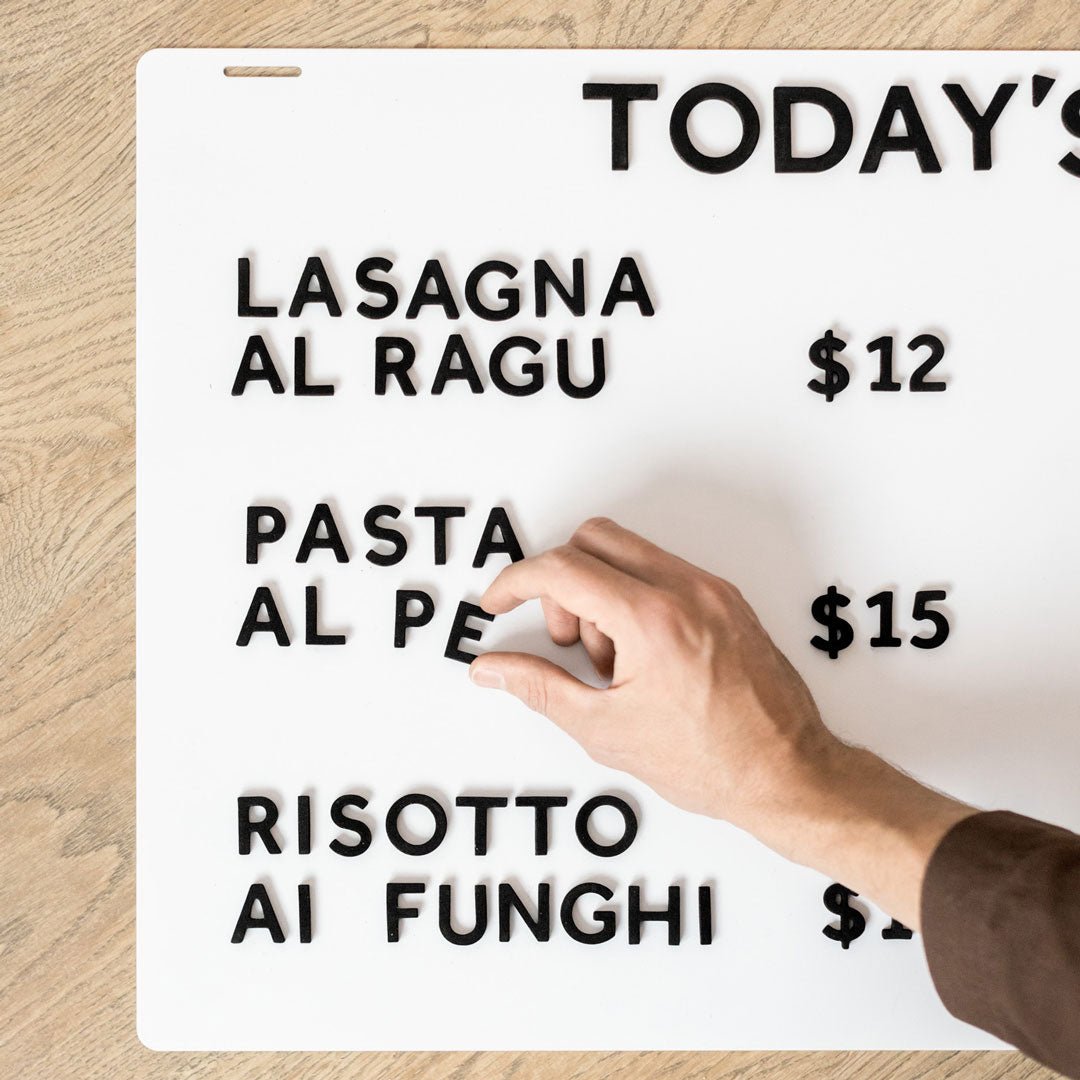
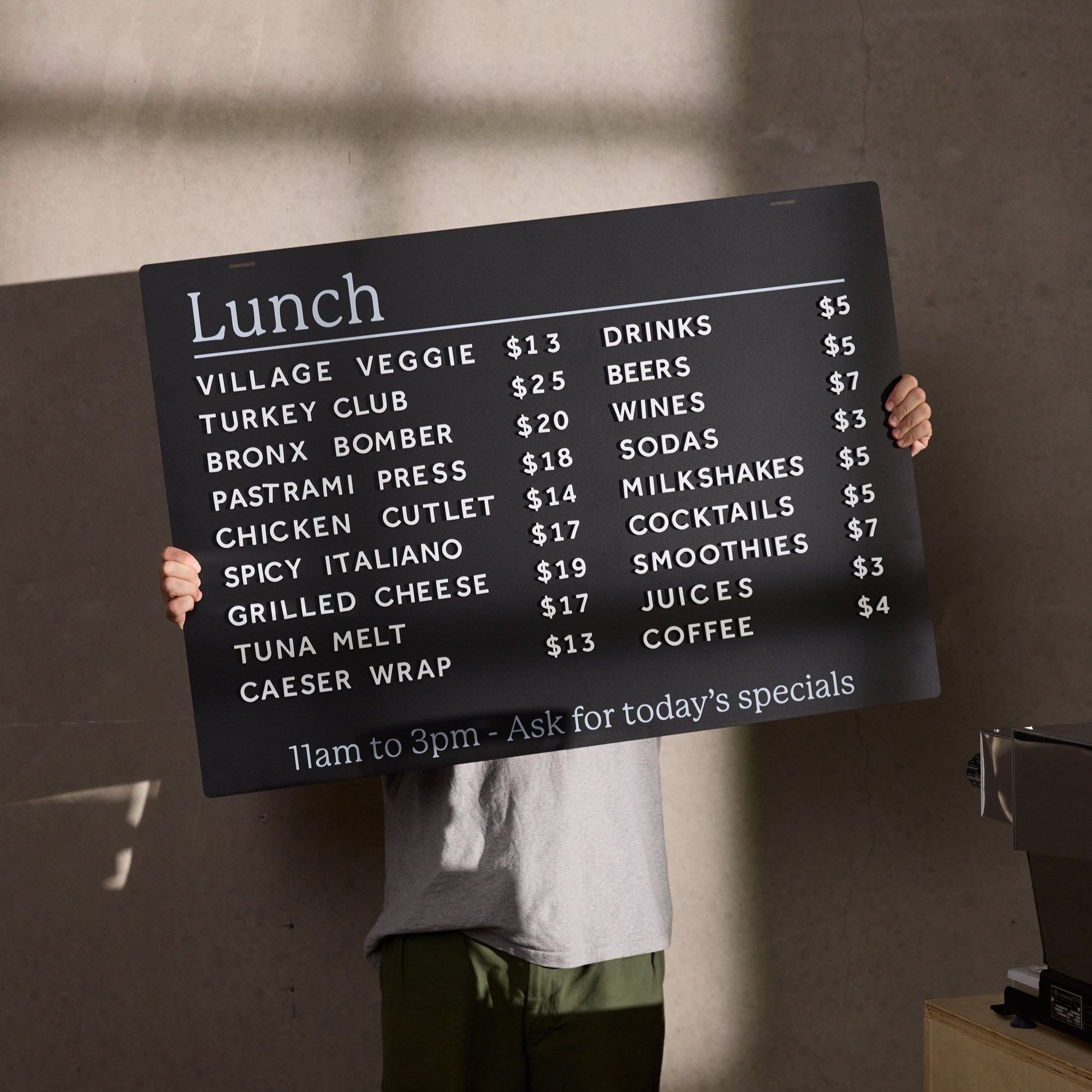
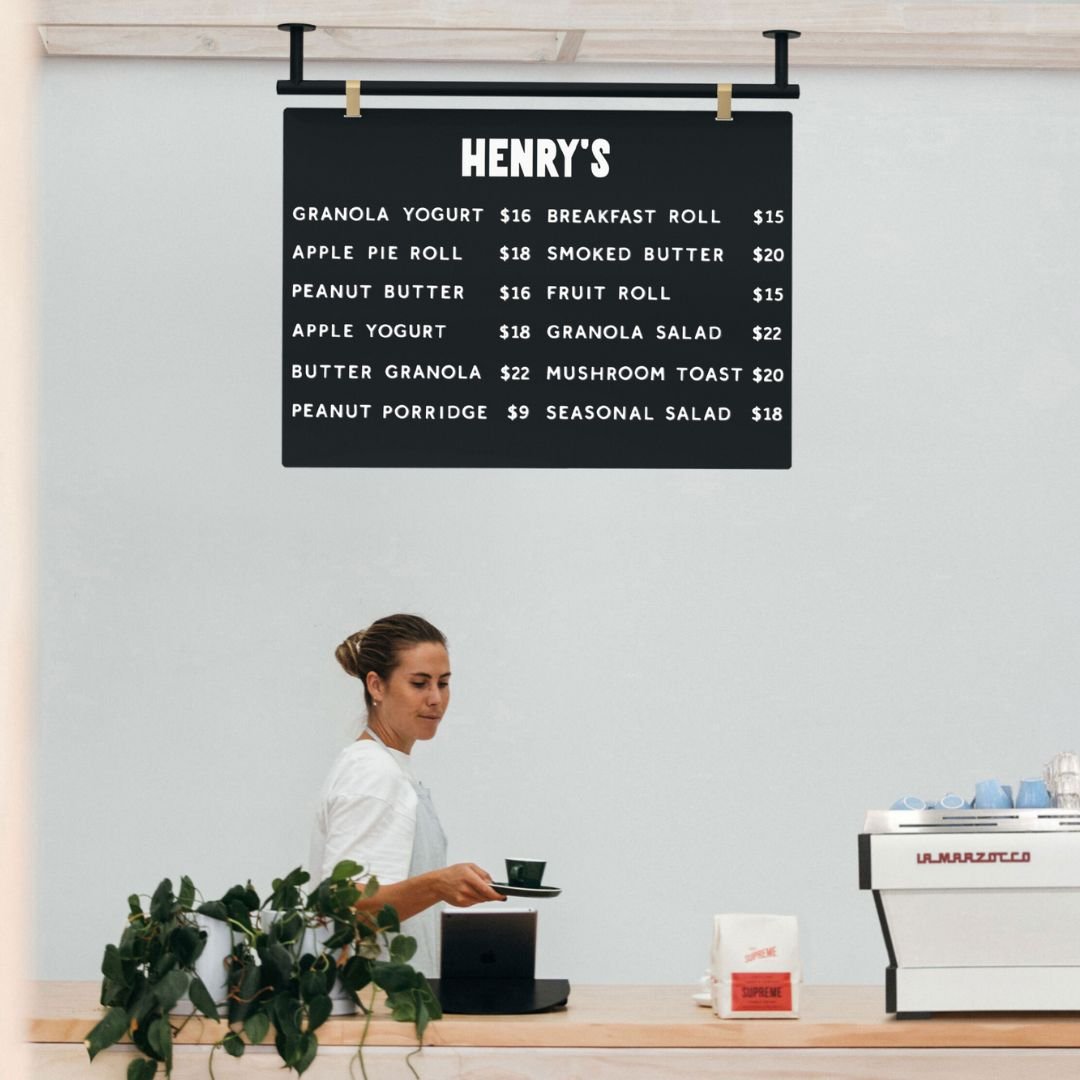
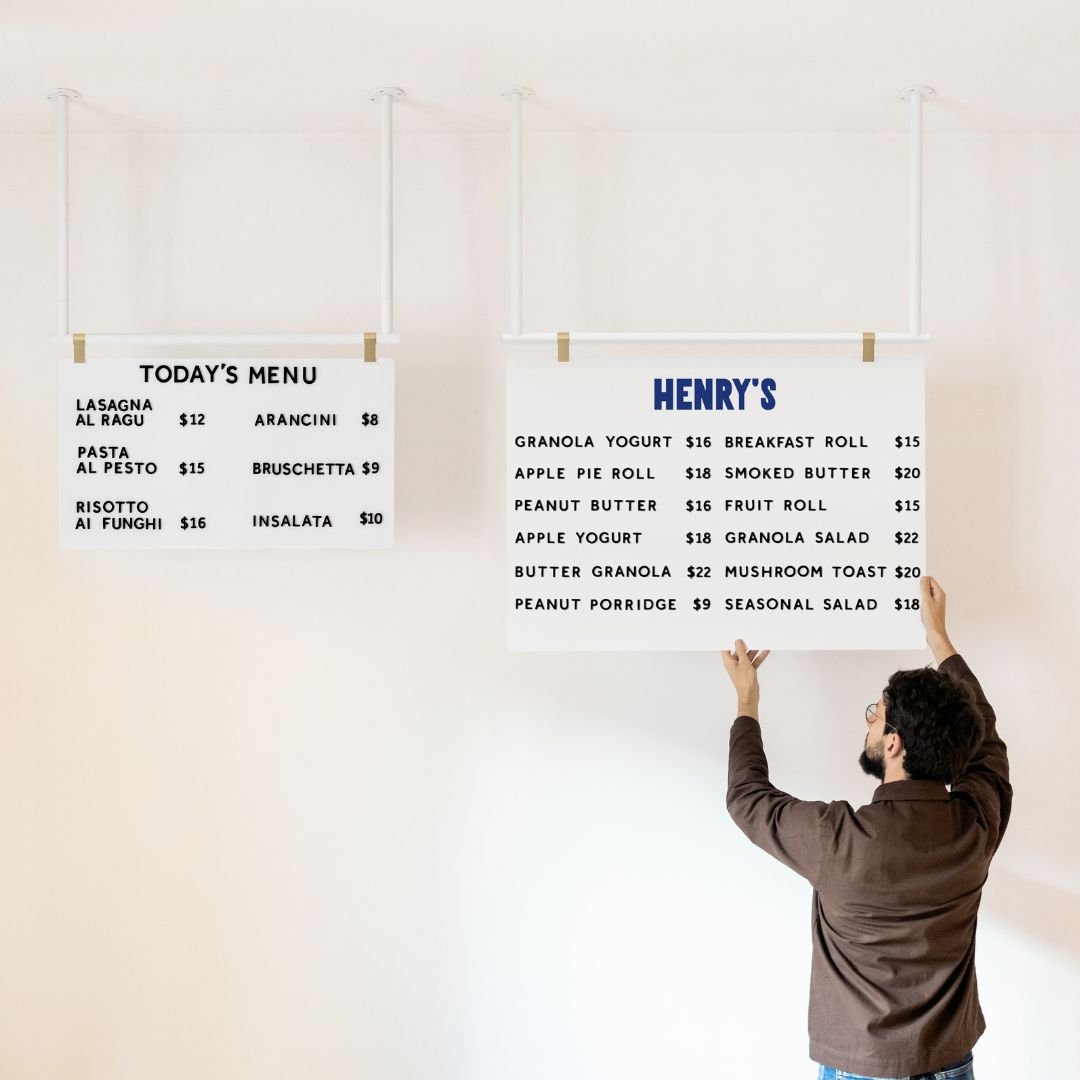
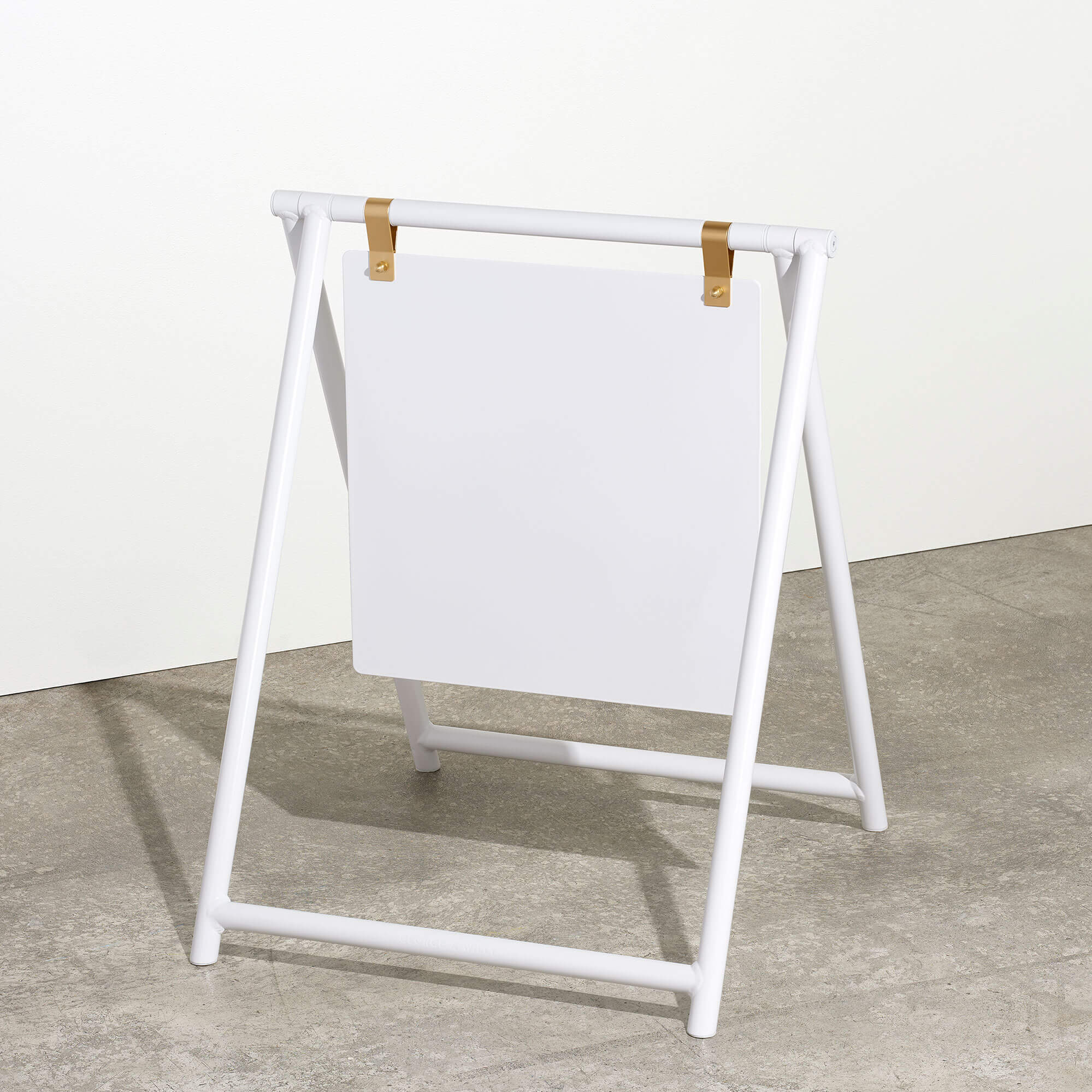
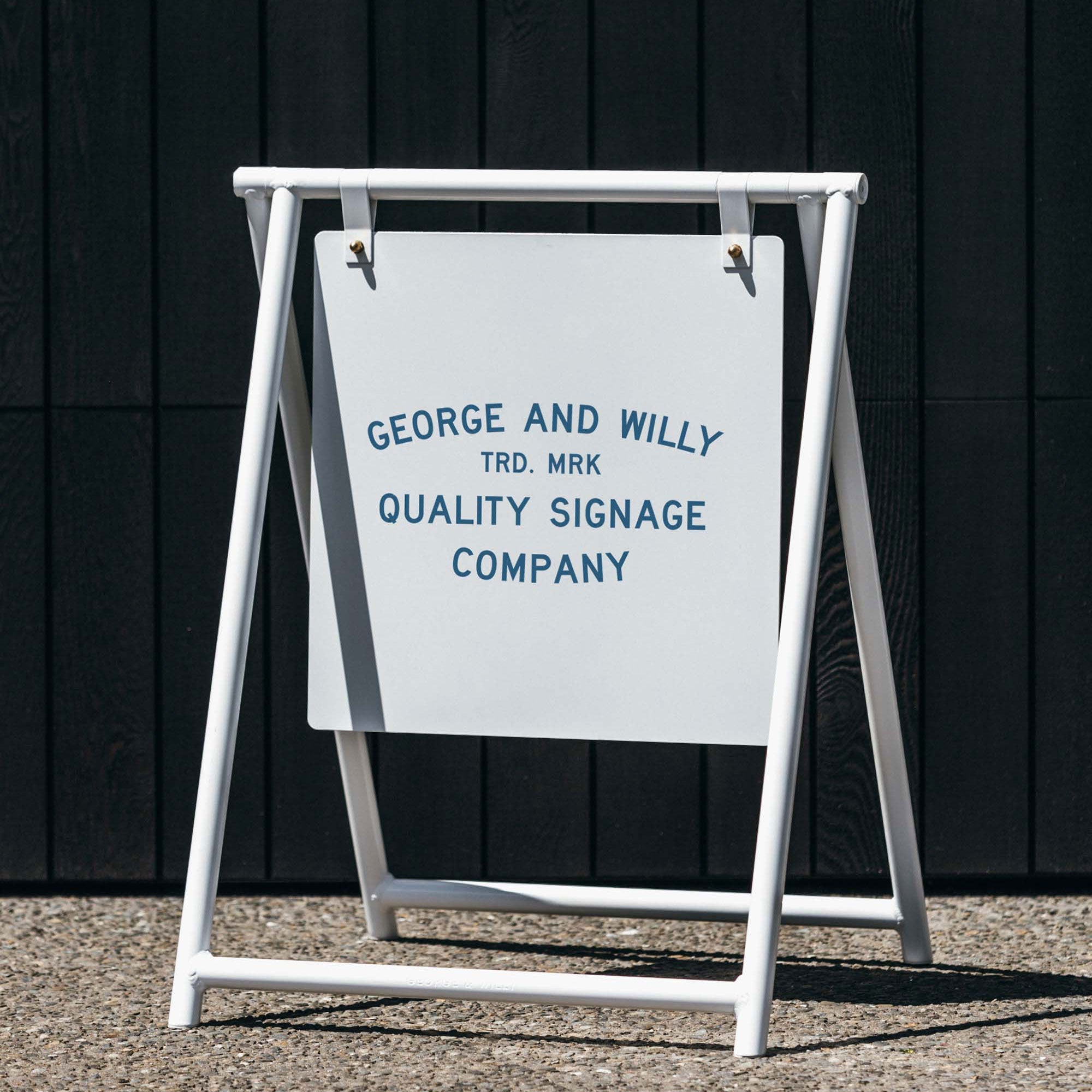
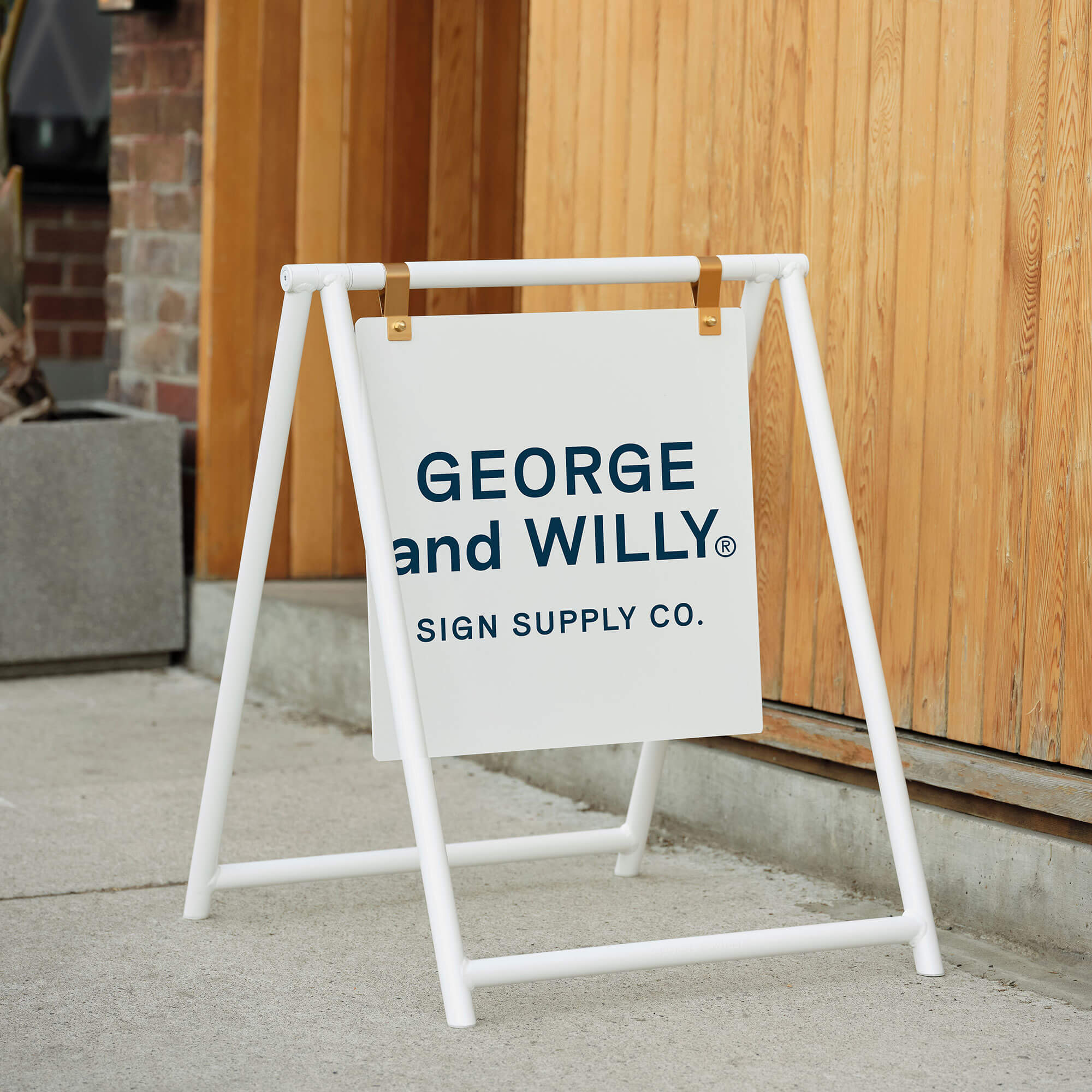
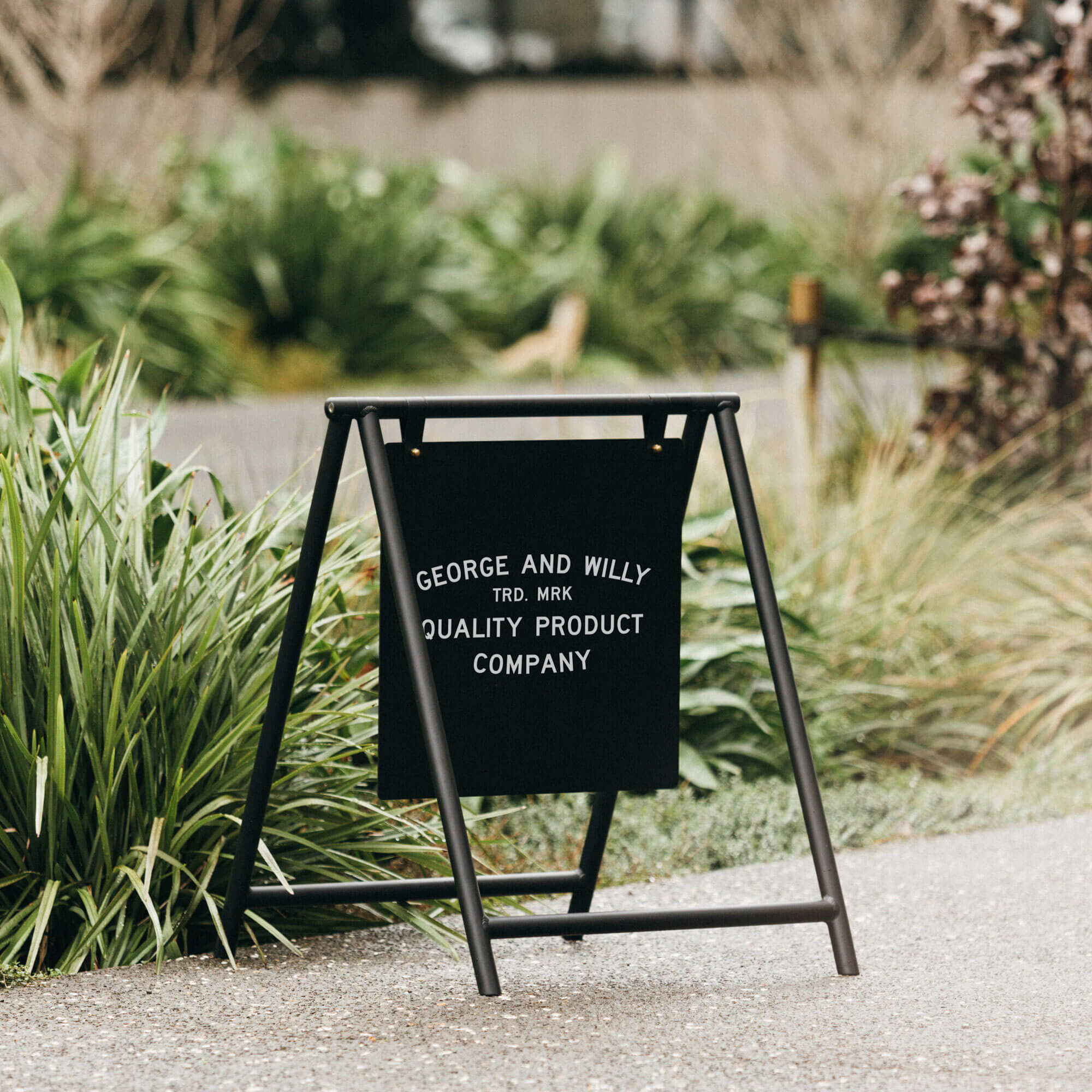
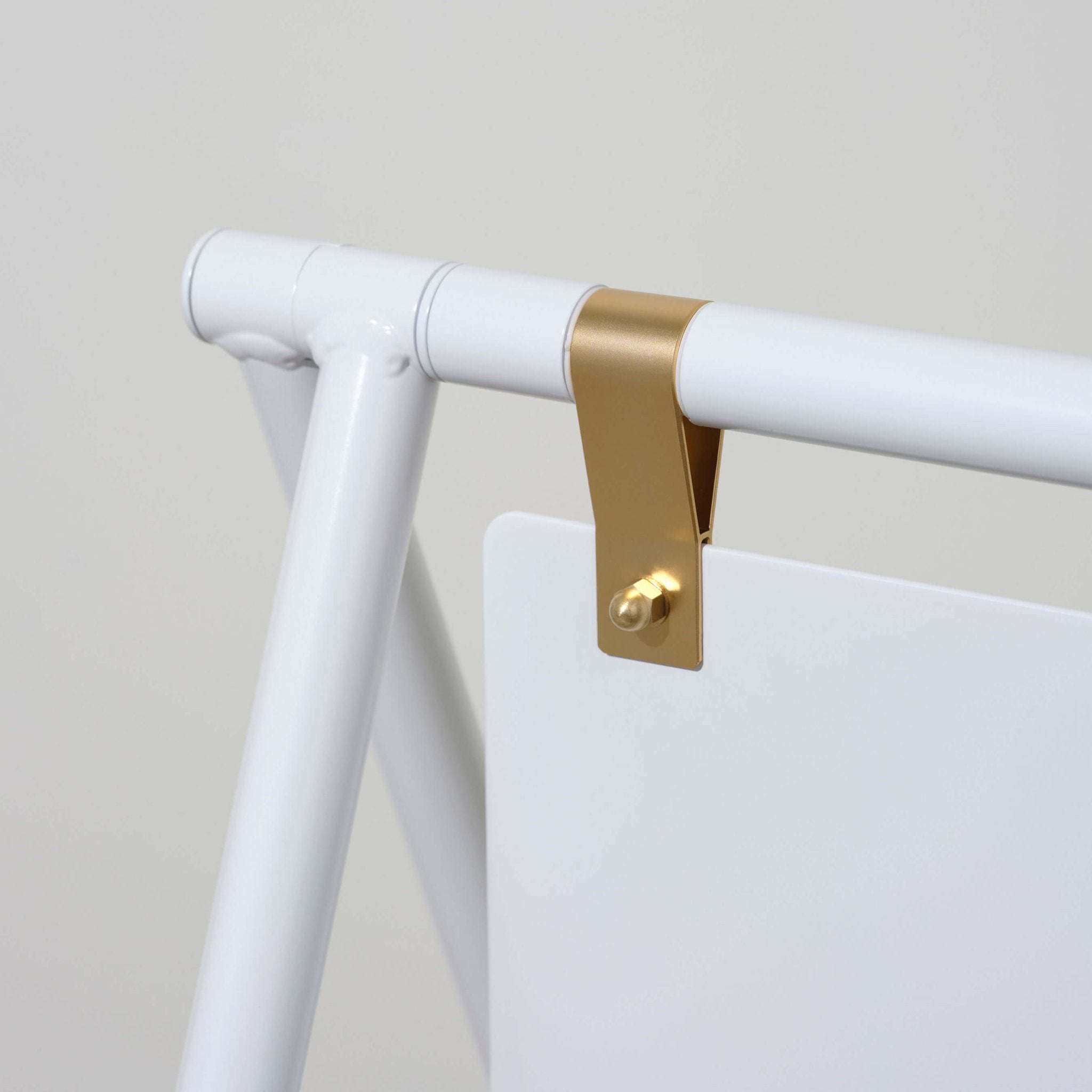
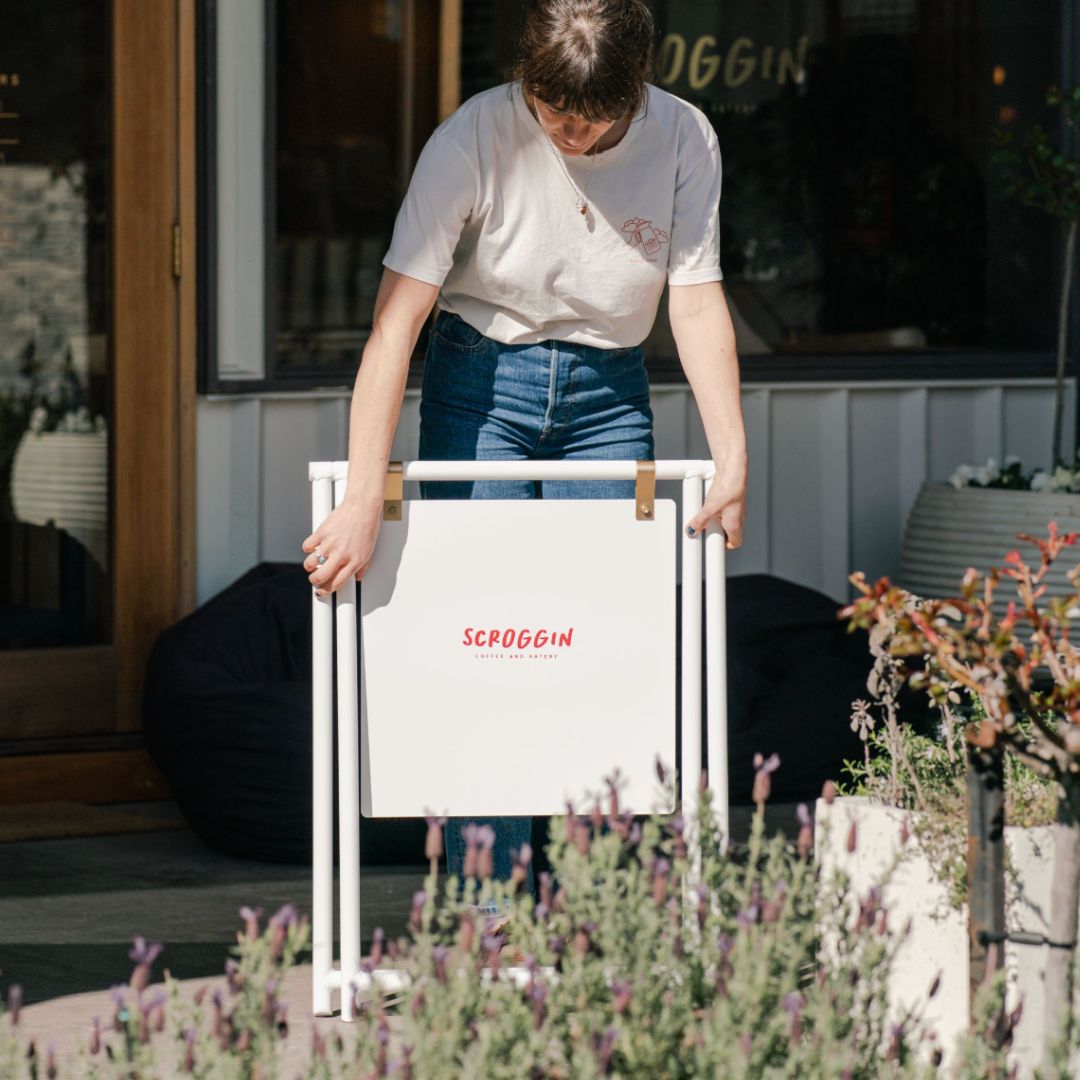
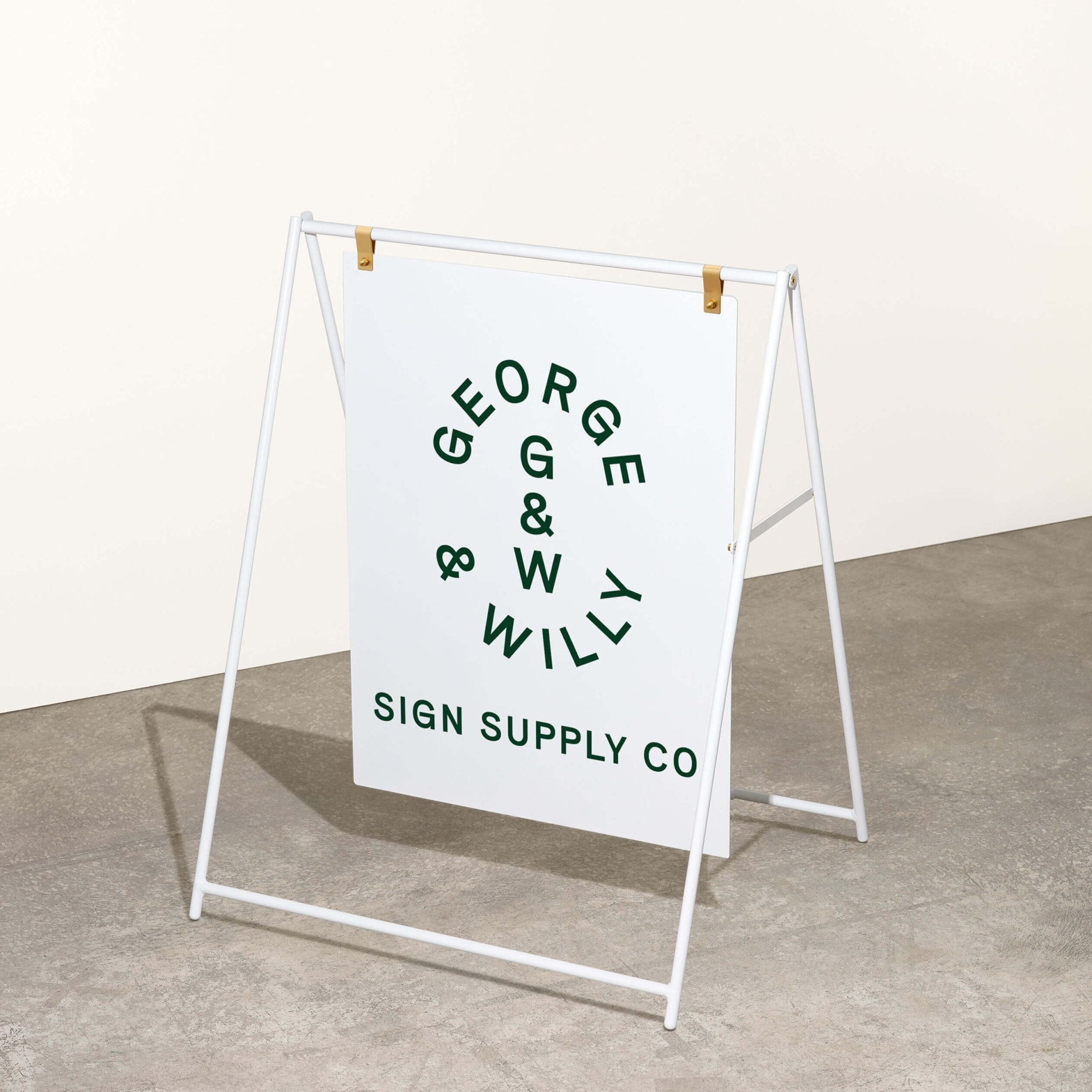
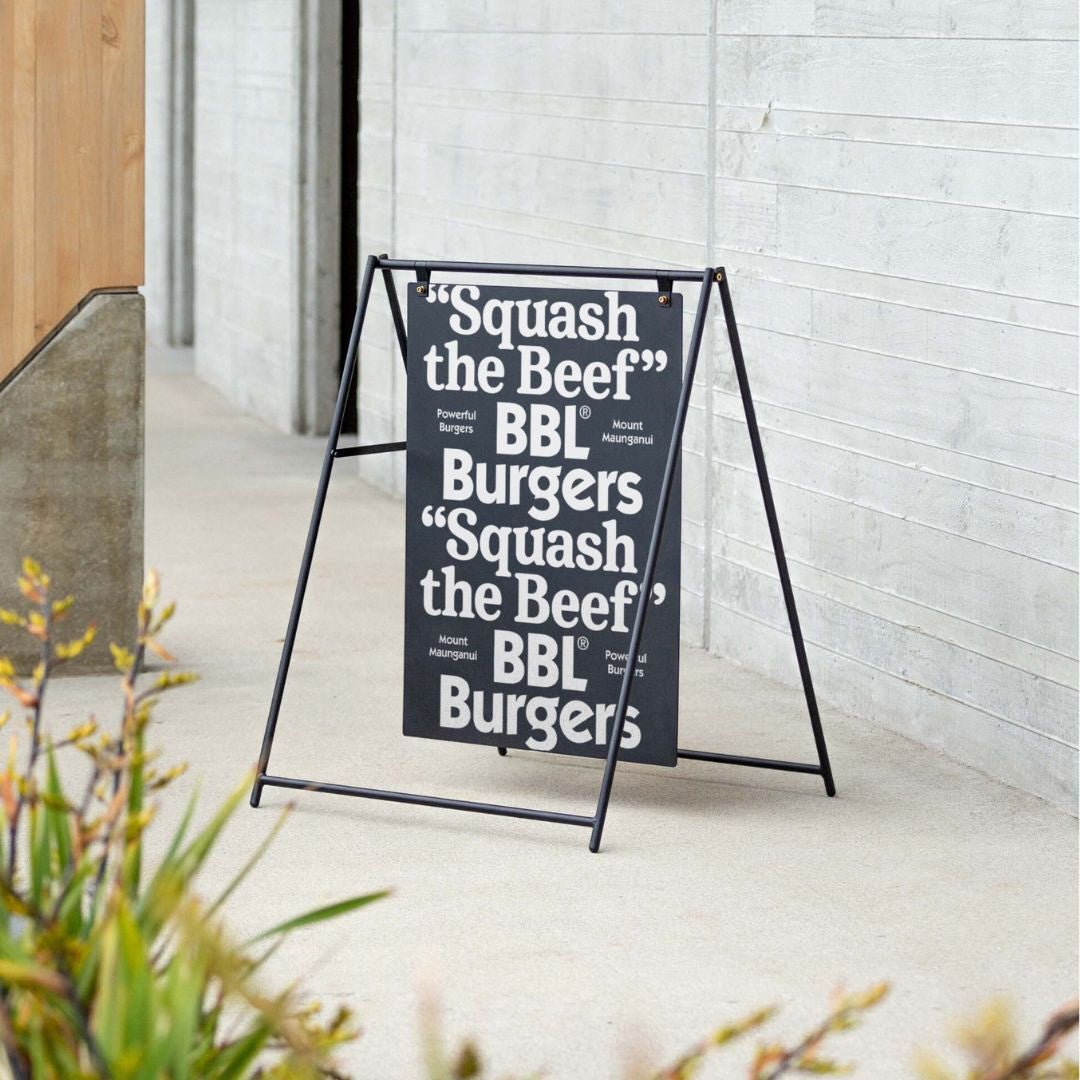
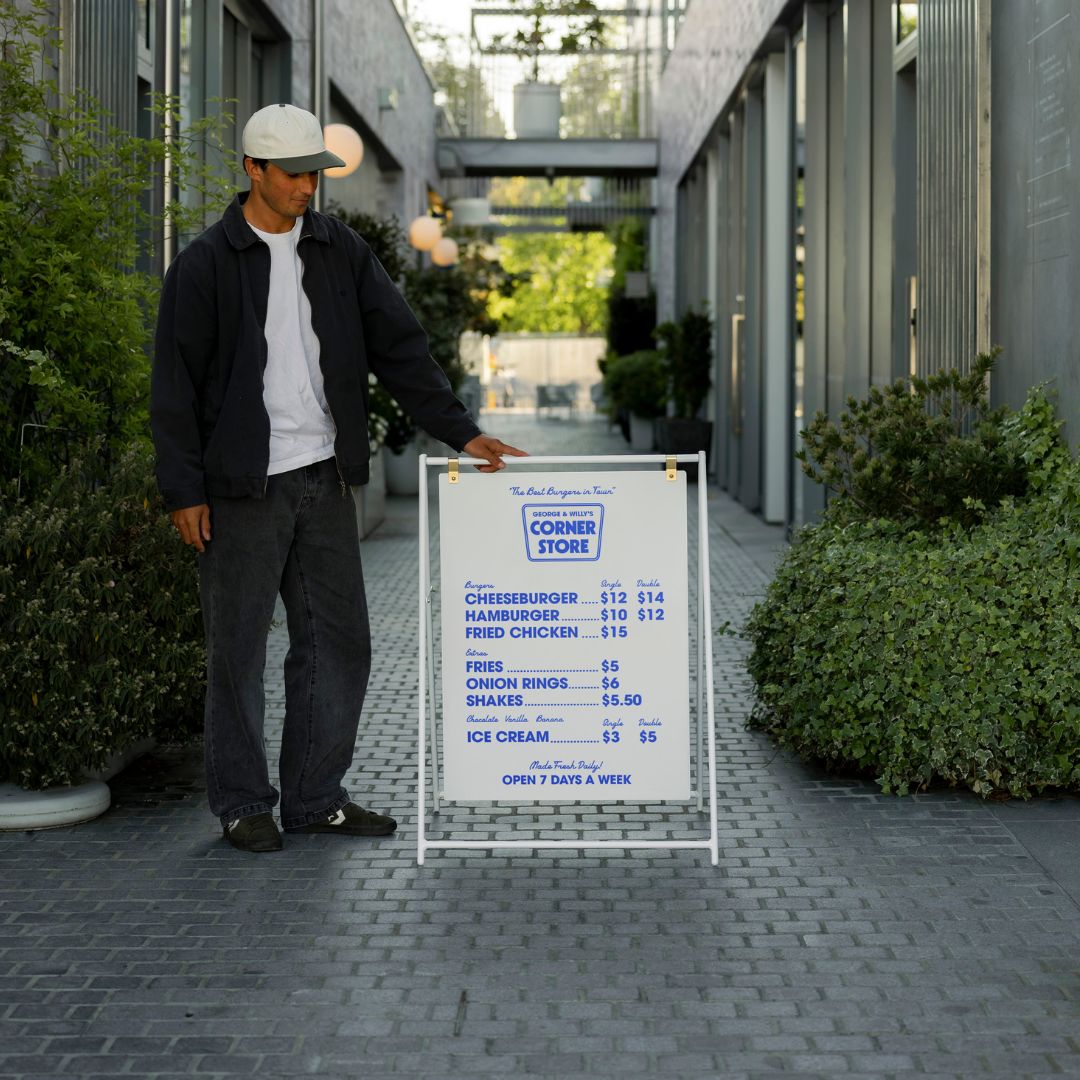
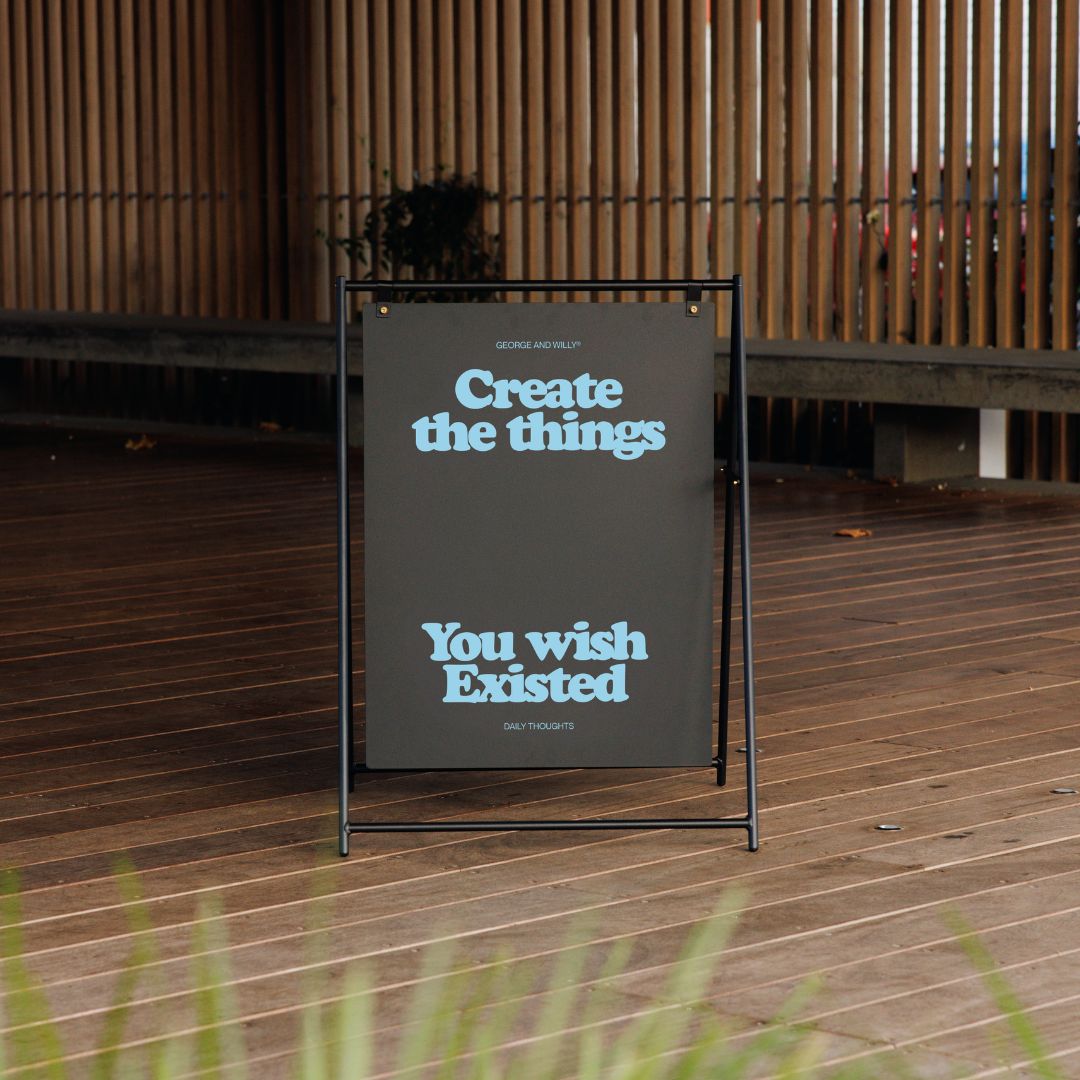
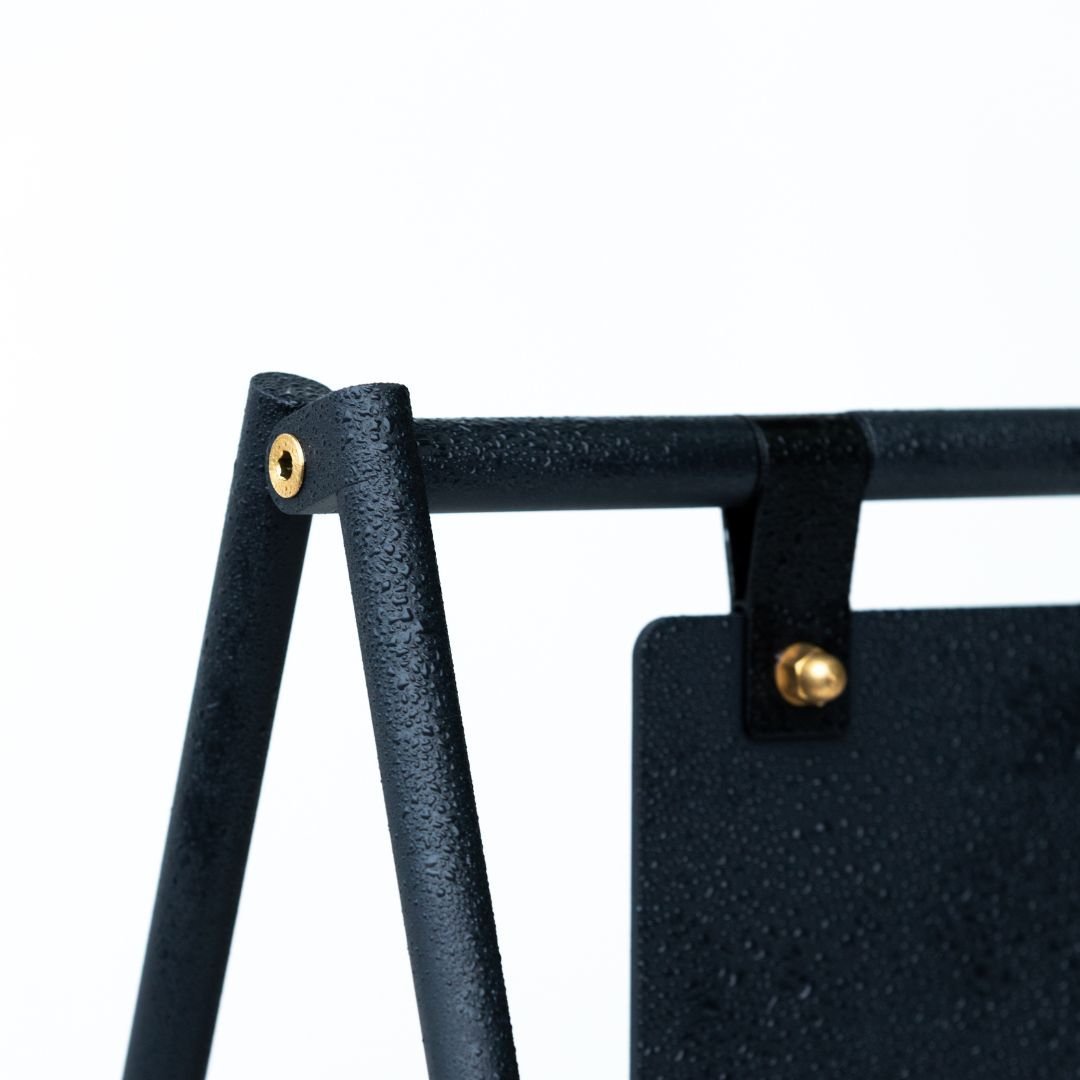
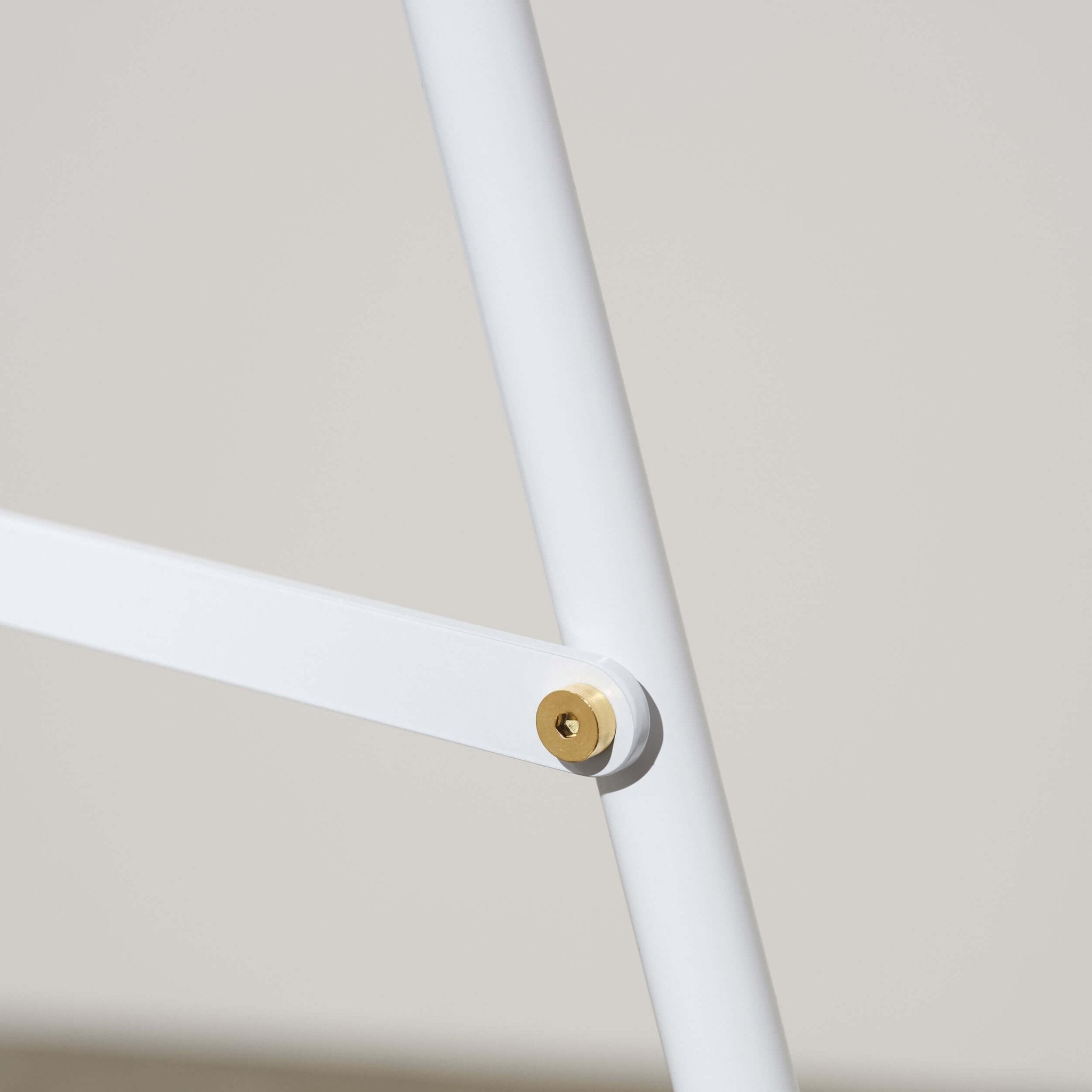
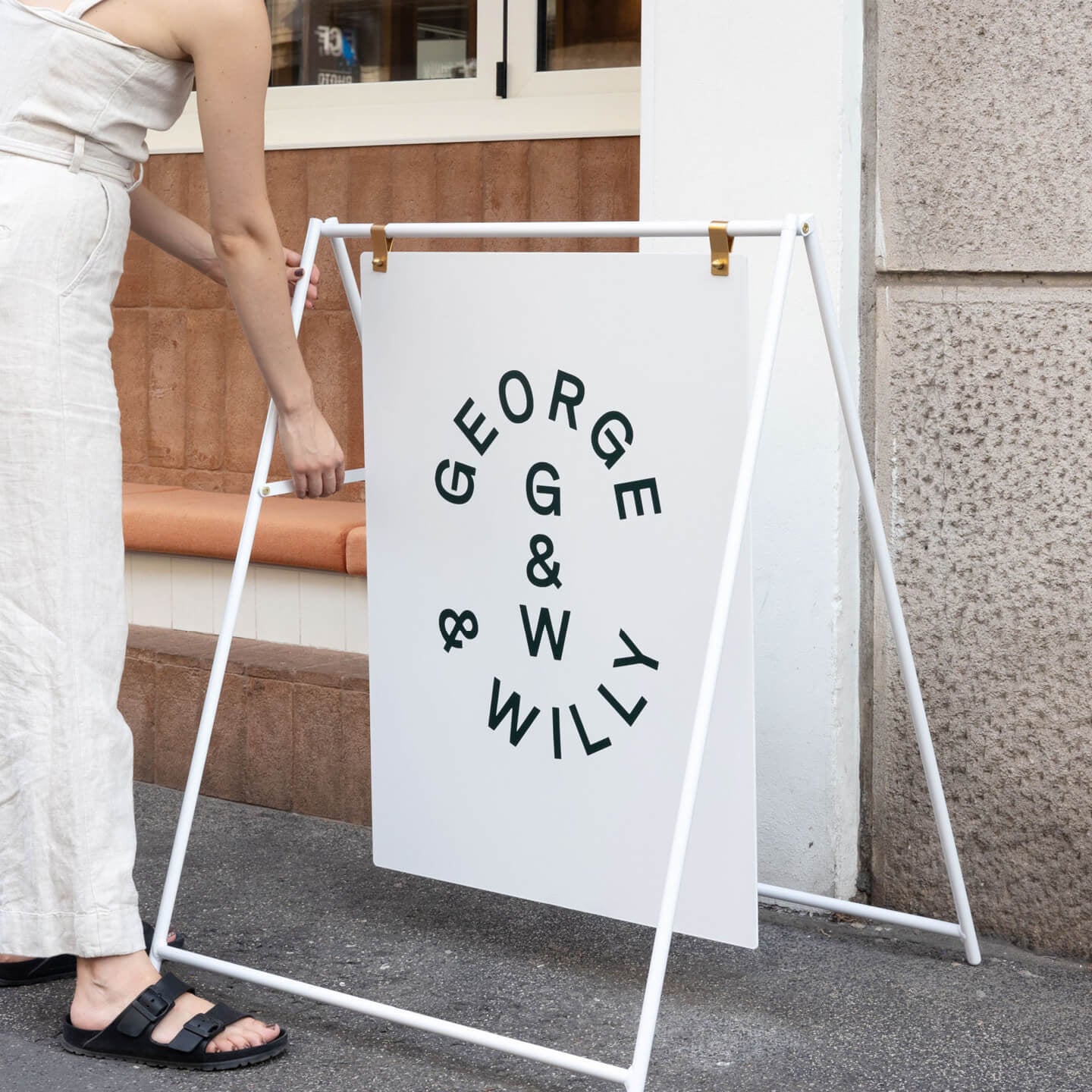
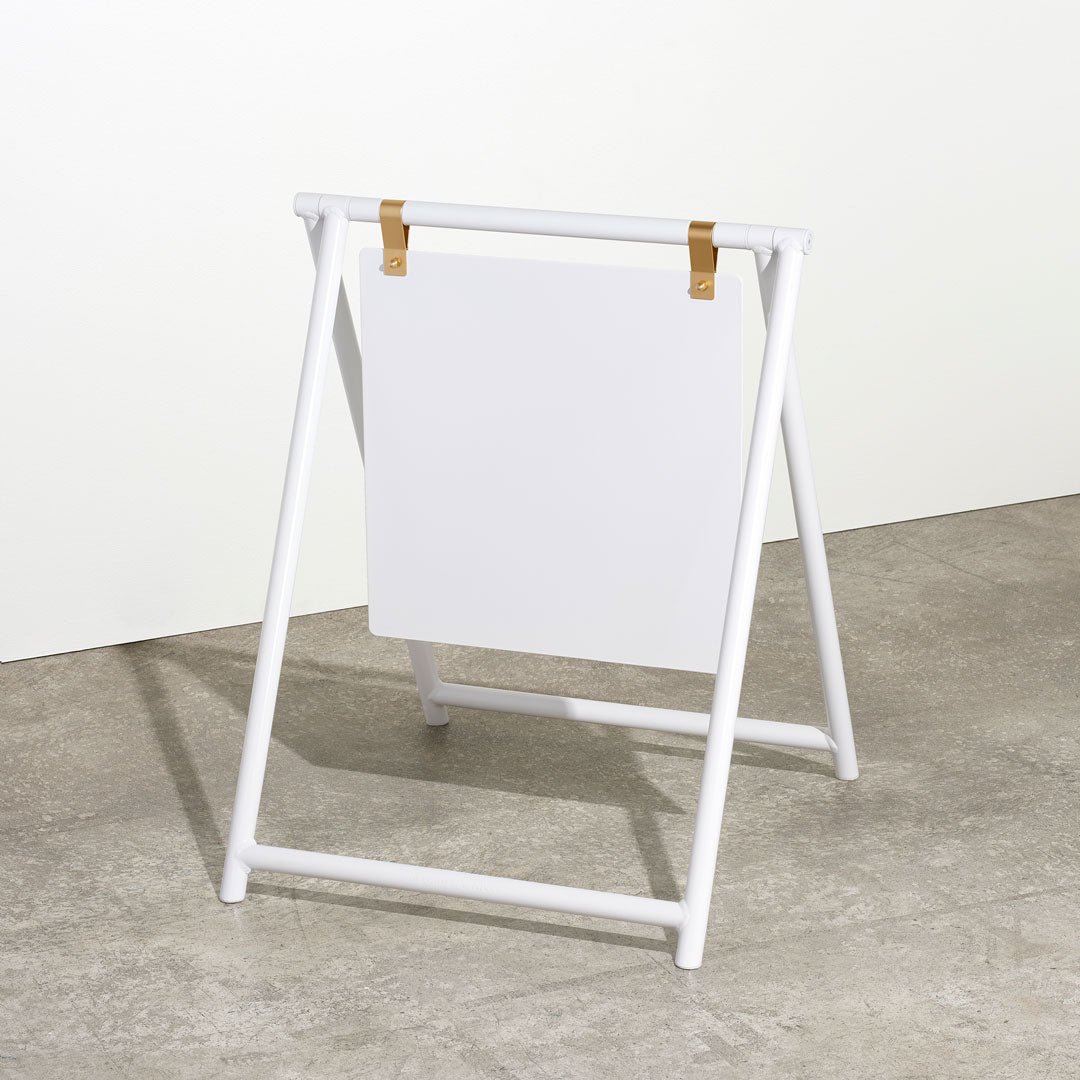
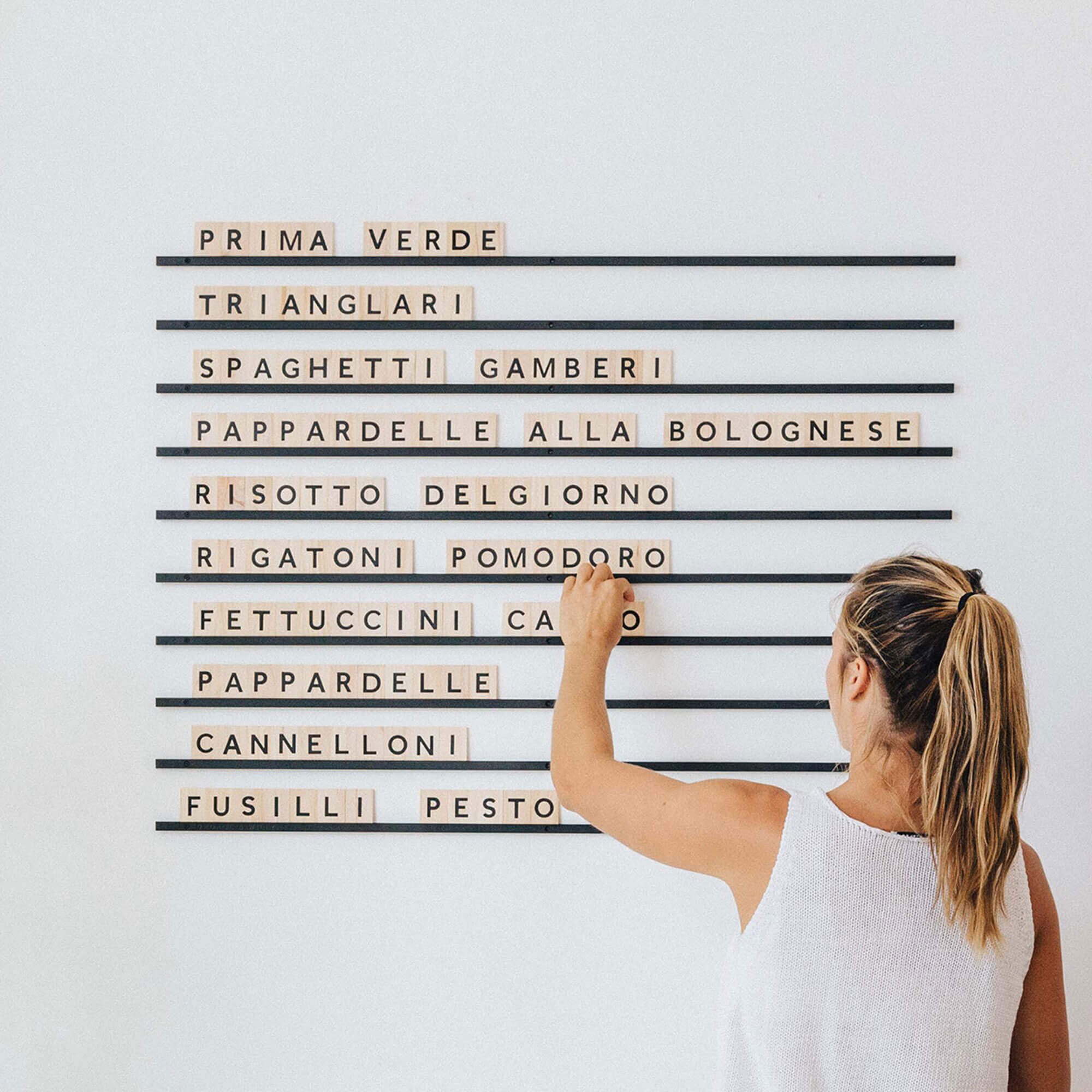
- Standardize Your Signage Kit: Create a core set of displays that can be used in every location. A cohesive kit, for example an A frame sign for the sidewalk, a letter board for the menu, and matching counter signs, ensures a consistent aesthetic. This approach simplifies ordering and setup.
- Develop Clear Guidelines: Provide each location with a simple, visual guide or planogram. This should show exactly how and where to set up displays, what products to feature, and how to keep them looking tidy. Detailed instructions remove guesswork for local managers.
- Choose Durable and Easy to Use Displays: Select displays made from high quality, durable materials that can withstand a busy commercial environment. Fixtures that are easy to assemble, update, and clean save staff time and ensure they are always used correctly.
- Streamline Logistics: Partner with suppliers that offer reliable, global shipping to simplify distribution. Centralized warehousing and phased dispatches can help manage rollouts for new promotions or store openings, ensuring every location receives its materials on time.
By planning your multi location display strategy thoughtfully, you can ensure every customer interaction, from the front door to the final sale, perfectly reflects your brand’s quality and vision.
How to Choose the Right Point of Sale Display
Selecting the perfect point of sale display requires thoughtful consideration of your products, space, and brand. The right choice can amplify your marketing efforts and drive sales, while the wrong one can create clutter and confusion. Here’s how to make a smart decision.
Consider Your Product
The size, shape, and type of product you’re selling should be the primary factor in your decision.
- Small, lightweight items: Products like candy, lip balm, or gift cards are perfect for countertop displays (CDUs) where they can be easily grabbed.
- Larger or bulkier products: Freestanding units (FSDUs) or dump bins work well for showcasing larger items or a high volume of a single product.
- High end goods: For more premium items, consider a sophisticated countertop display or a specialty case that protects the product while highlighting its quality.
Assess Your Space
Retail space, especially around the checkout, is prime real estate. Measure the available area on and around your counter to ensure the display fits comfortably without obstructing the transaction process or creating a mess. For tight spaces, think vertically with tiered displays or use wall mounted options. Compact signage like Table Talkers can communicate messages effectively without taking up valuable counter space.
Define Your Budget and Goals
Displays can range from simple, cost effective cardboard units to more permanent fixtures made of metal, wood, or acrylic. Define your budget and your primary goal. Are you looking for a temporary display for a seasonal promotion or a durable, long term solution for everyday items? Your goal will help determine how much you should invest.
Align with Your Brand Aesthetic
Your display should be an extension of your brand. Choose materials and a design that match your store’s overall look and feel. A modern, minimalist cafe would benefit from sleek aluminum and wood displays, while a rustic boutique might opt for more natural materials. Cohesive design reinforces your brand identity and creates a more professional, intentional customer experience.
Best Practices for an Effective Point of Sale Display
Ready to create a point of sale display that truly performs? Follow these tried and true best practices to guide your design and strategy.
Start with a Clear Goal
Before you do anything else, define what you want your display to achieve. Is the goal to clear out old inventory, launch a new product, or promote a seasonal deal? A clear goal will inform every other decision, from the design to the messaging.
Know Your Product and Your Customer
A great display highlights what makes a product special and speaks directly to the target customer. Understand the unique selling points and communicate them clearly. Think about what your customer needs or desires at that moment and tailor your message to them.
Make it Accessible and Shopper Friendly
If customers can’t easily see or reach the products, the display will fail. Place items at a comfortable eye level. Ensure the display doesn’t block walkways or the transaction area, and keep it well stocked and tidy.
Focus on Clear, Appealing Design
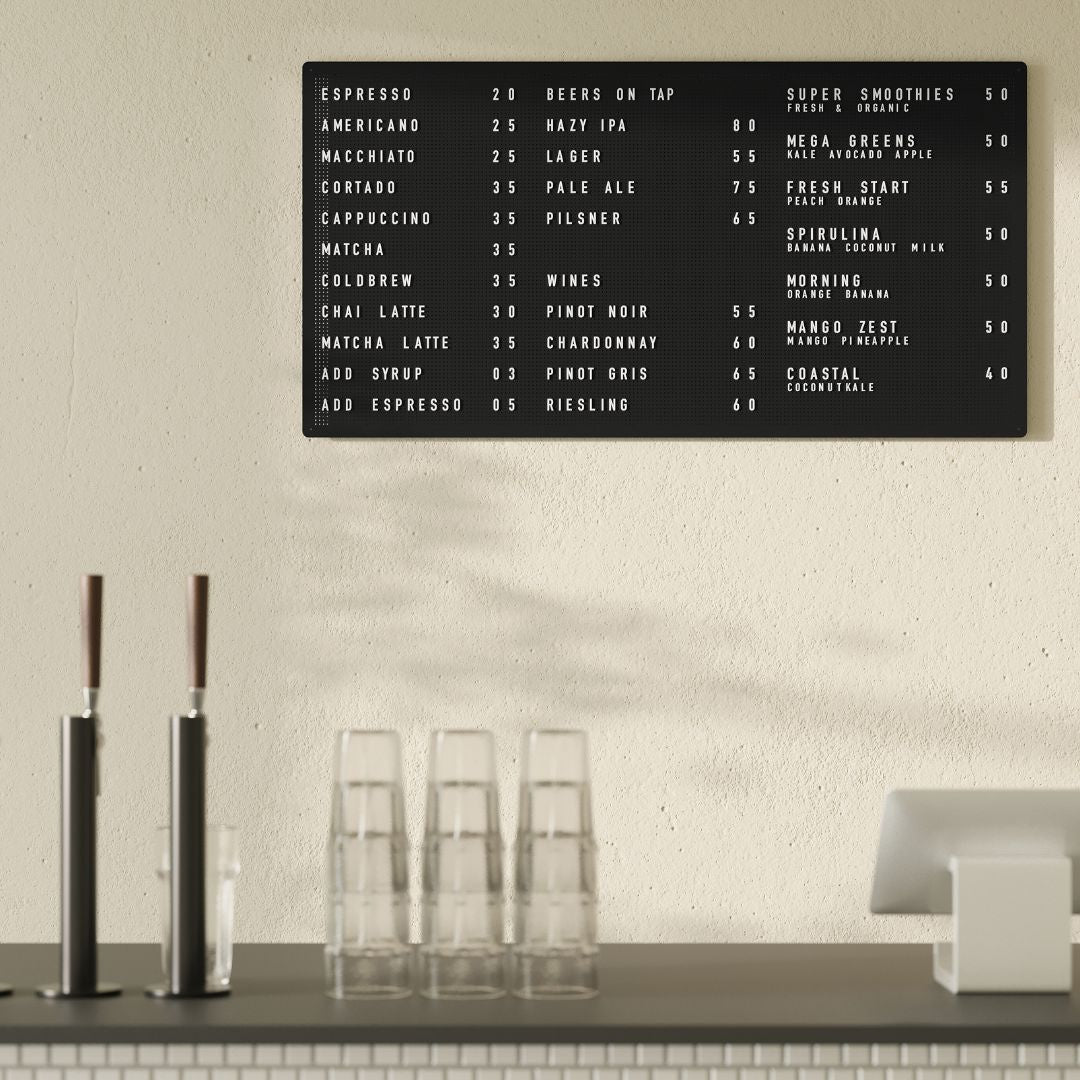
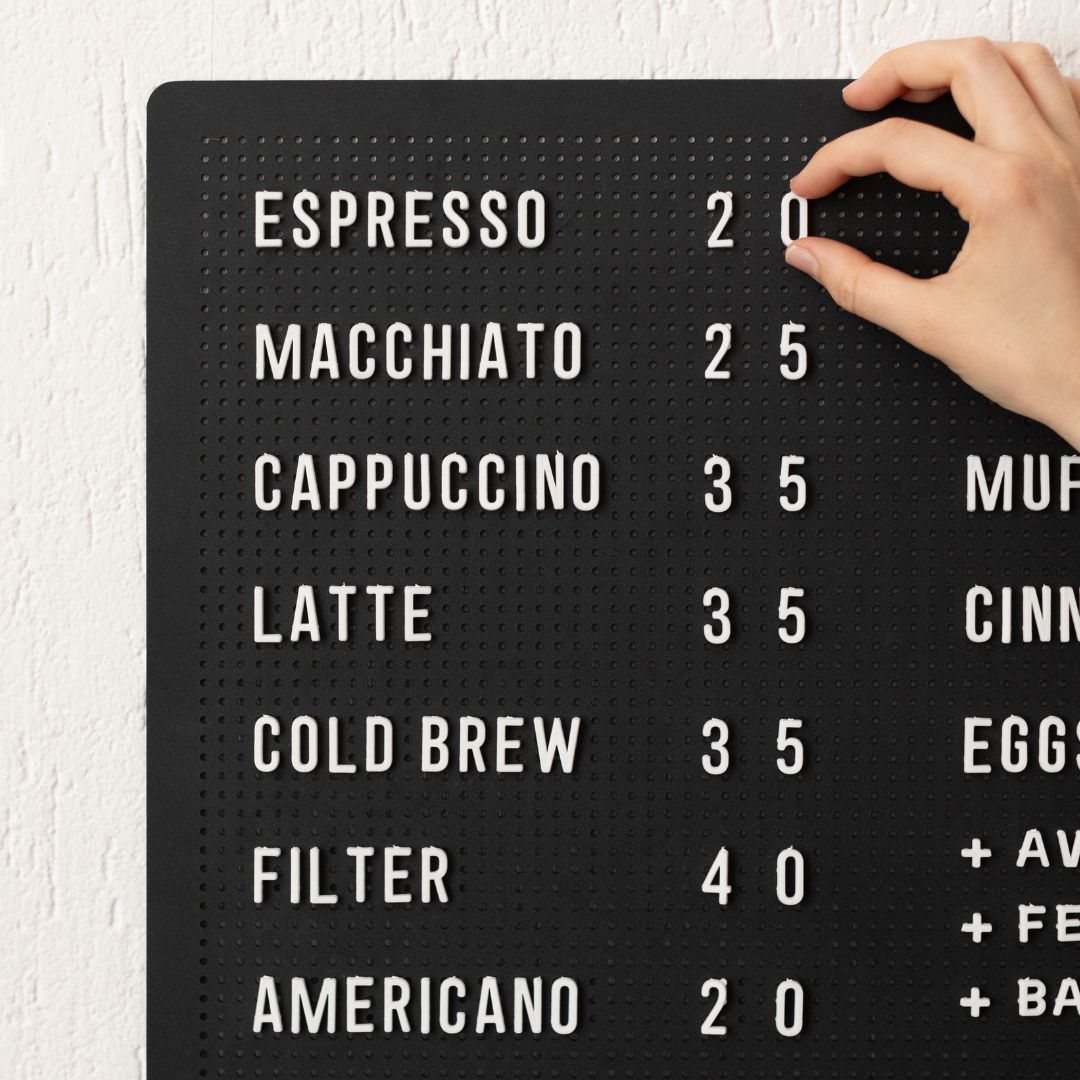
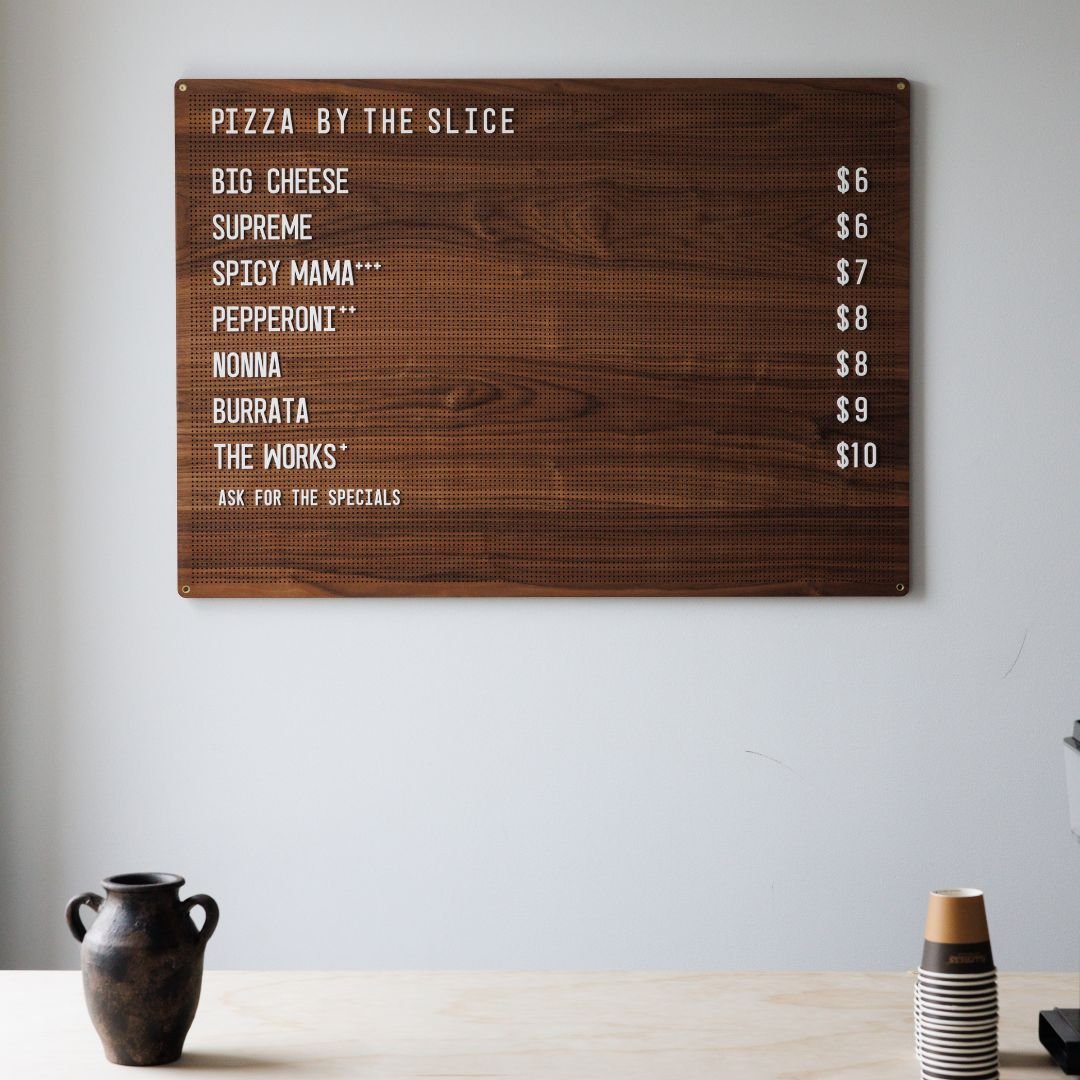
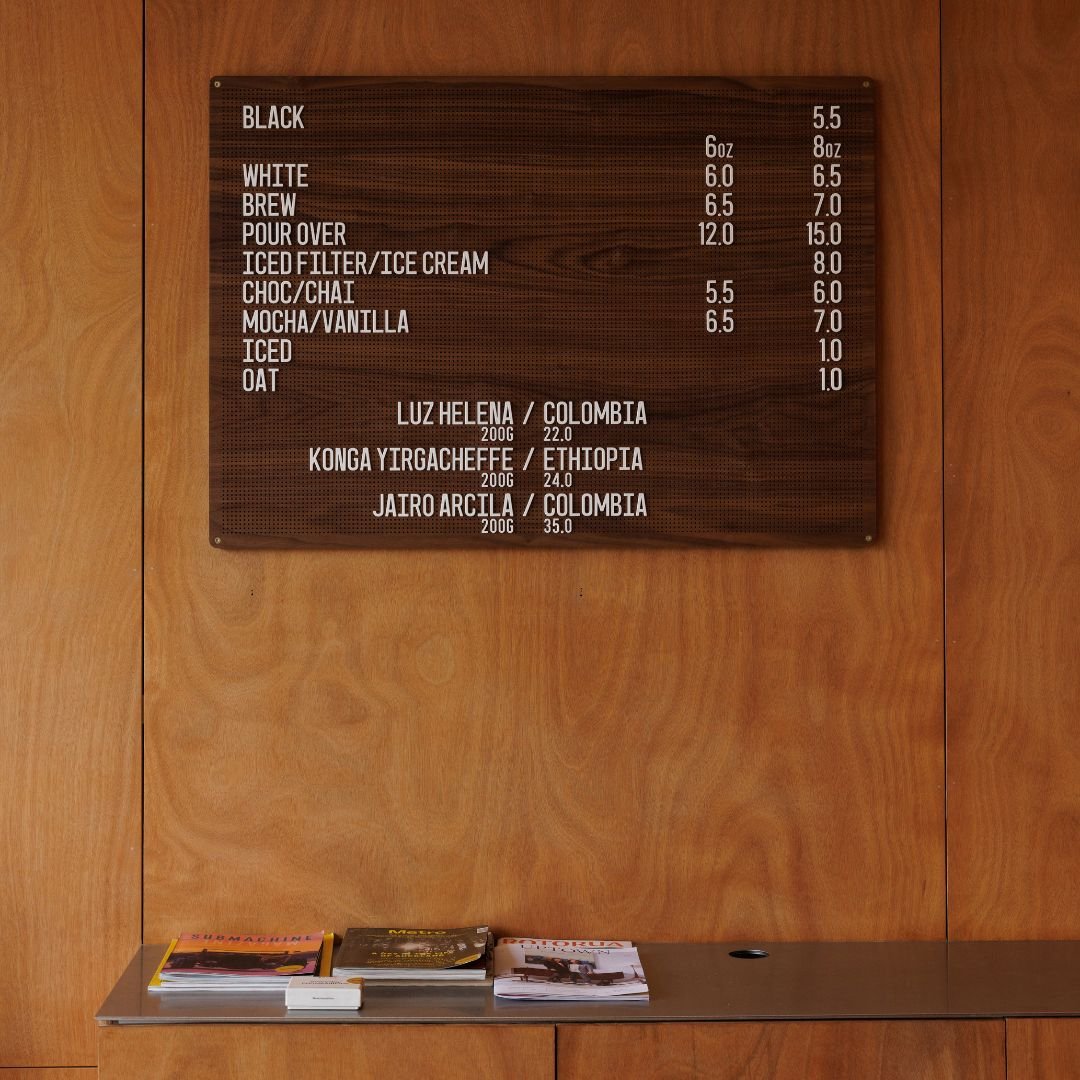
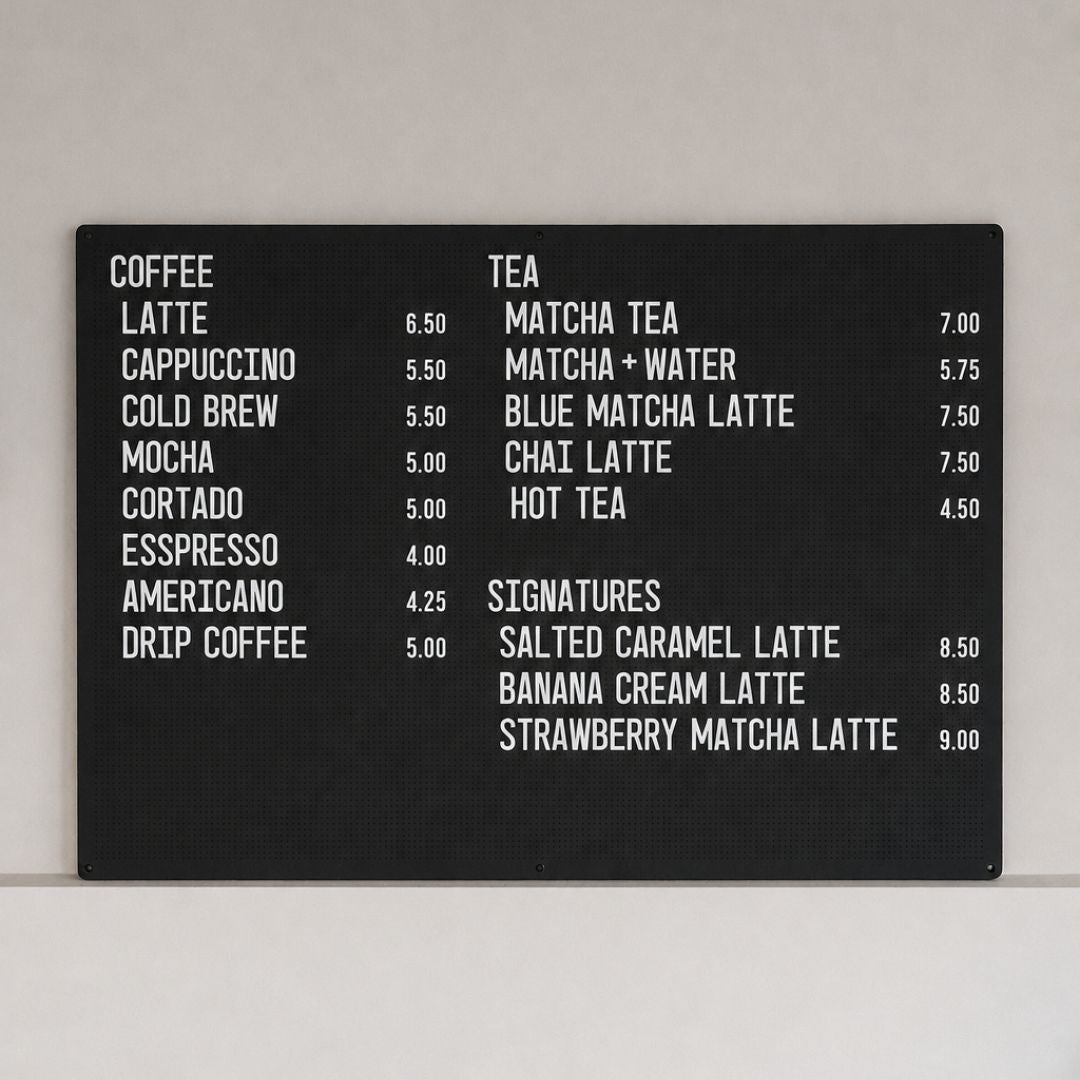
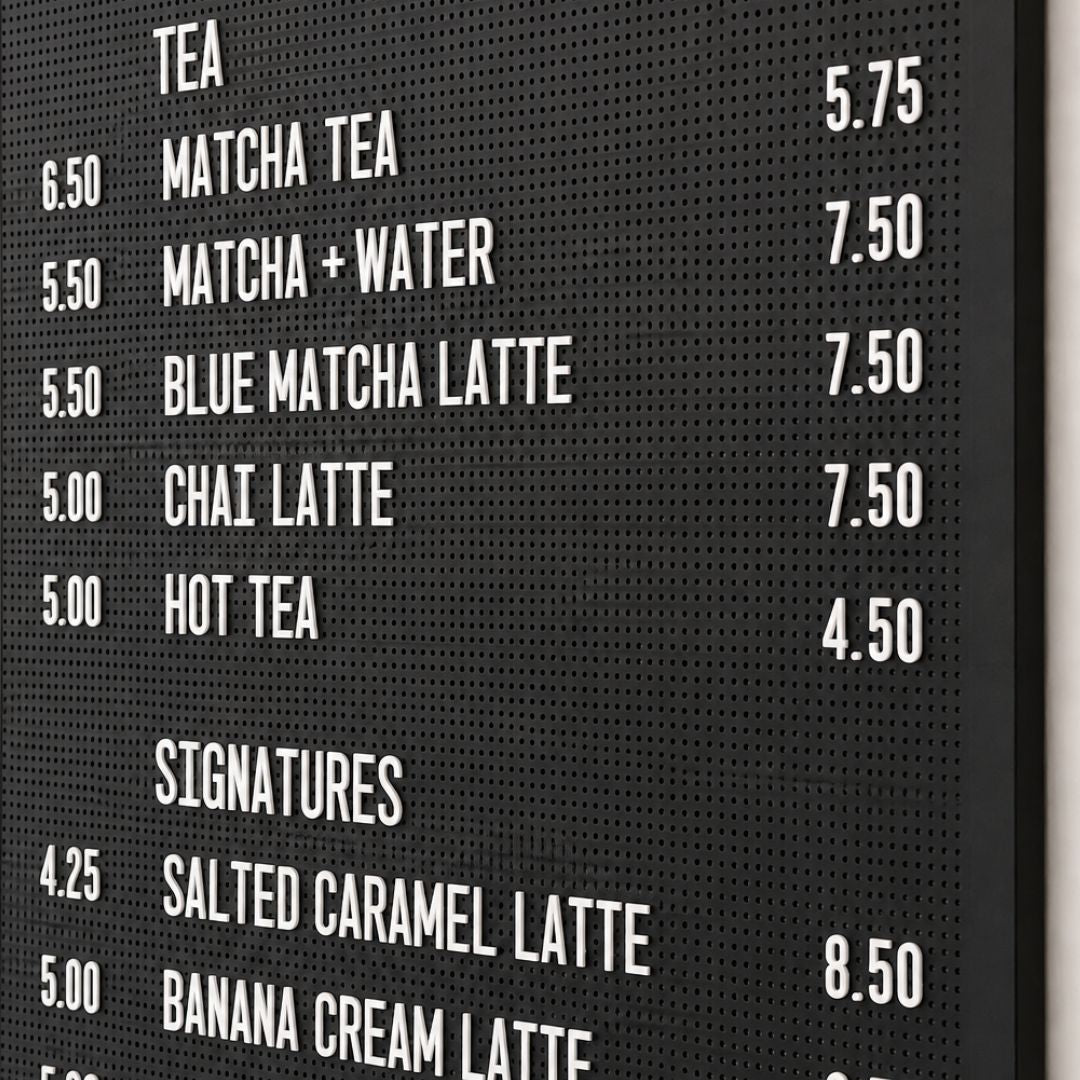
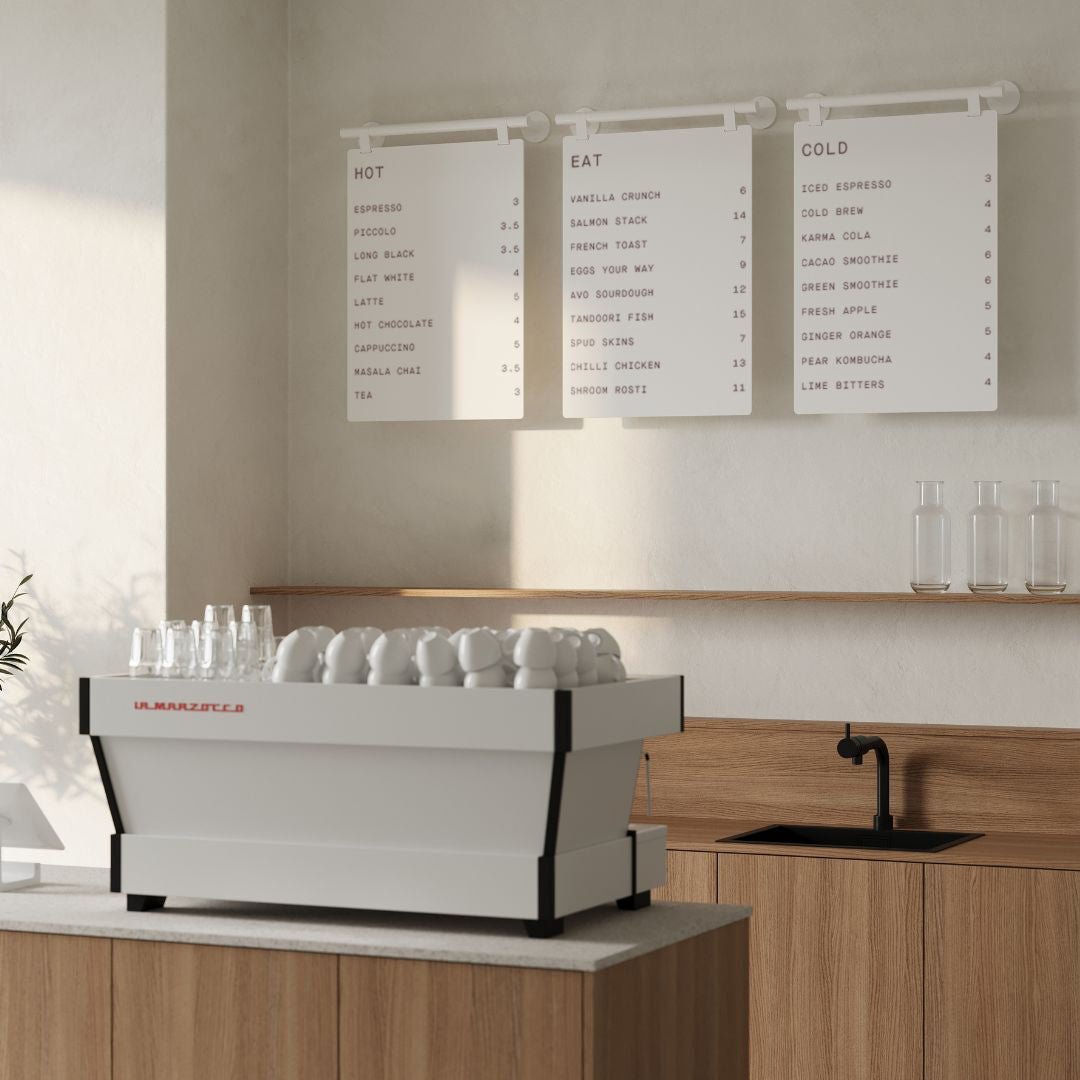
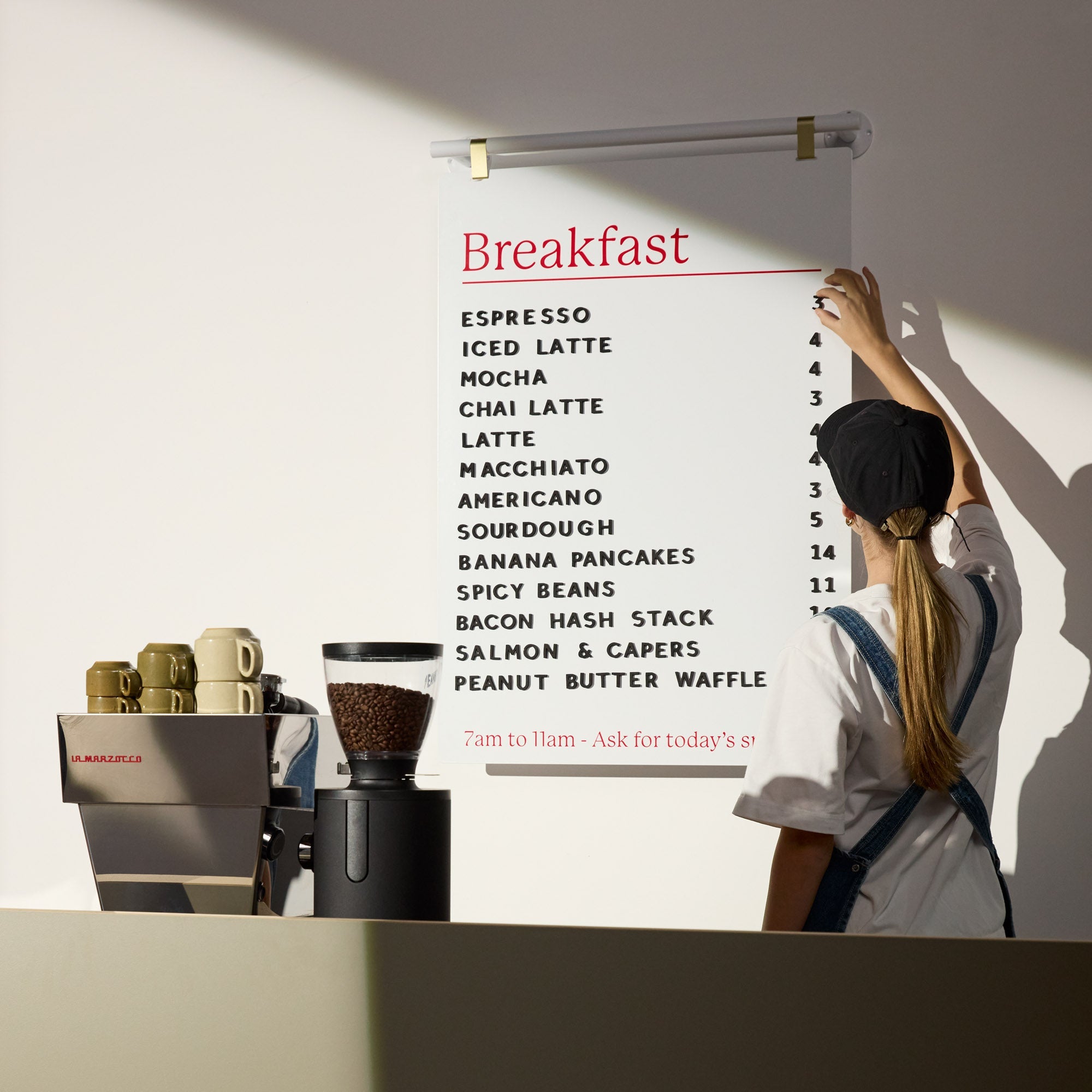
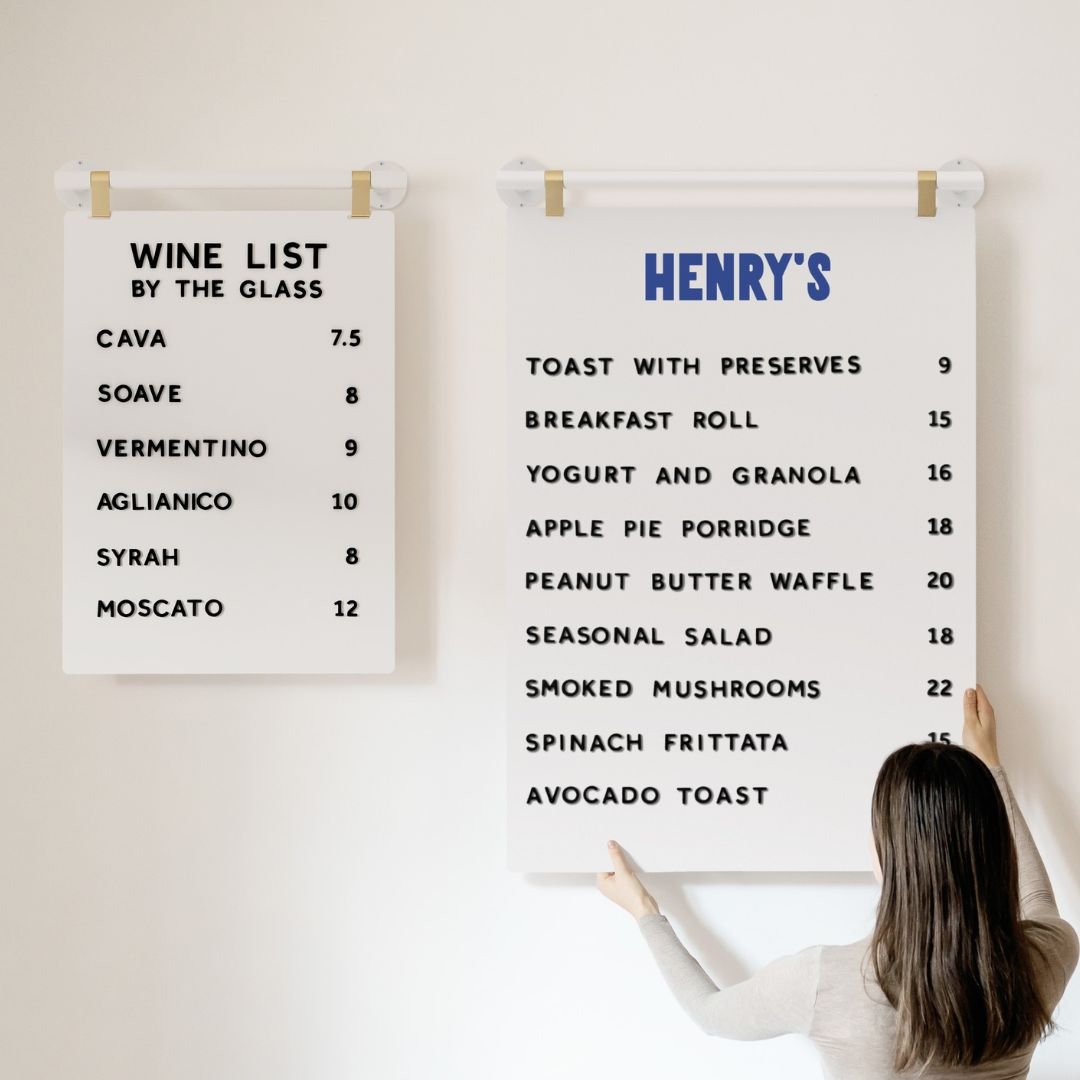
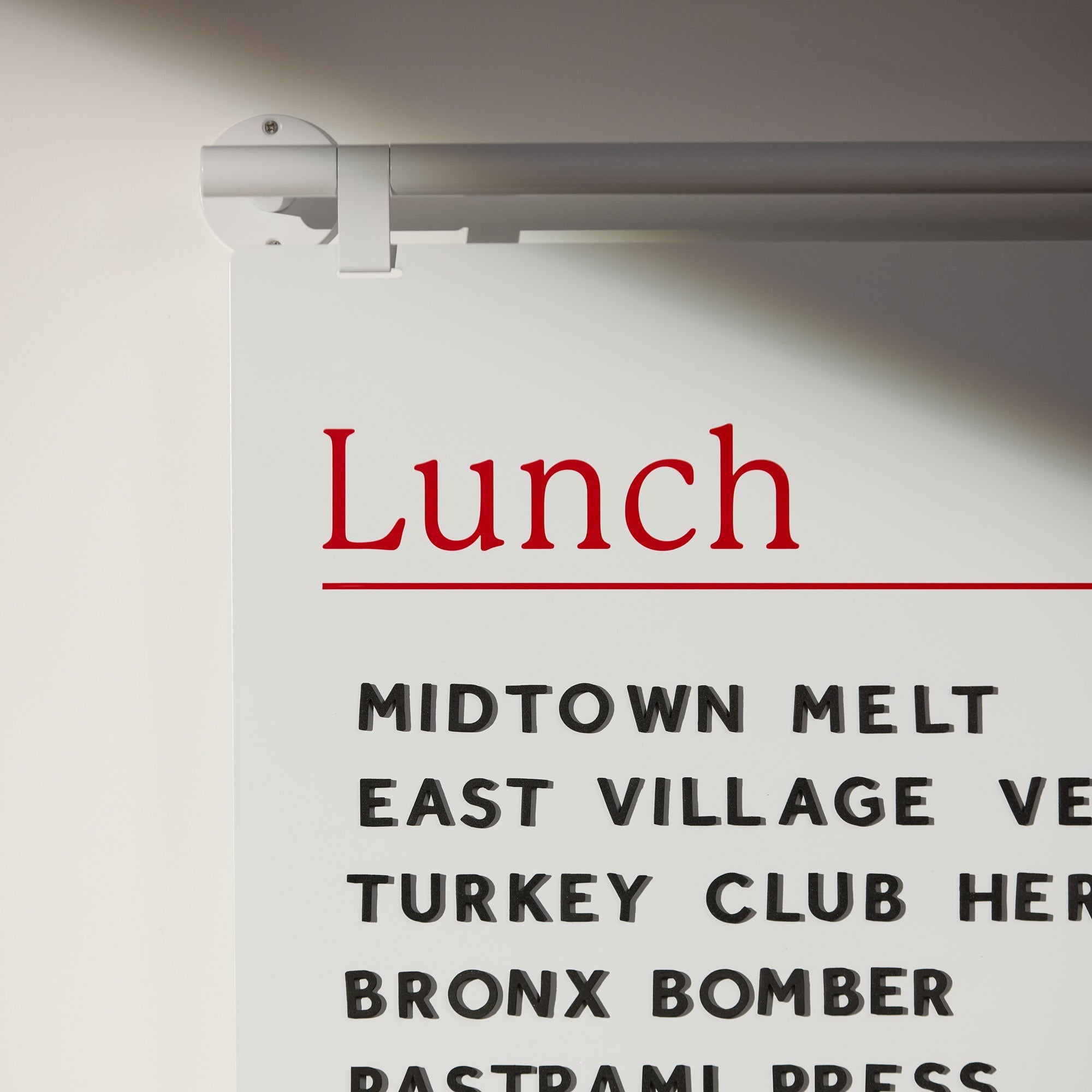
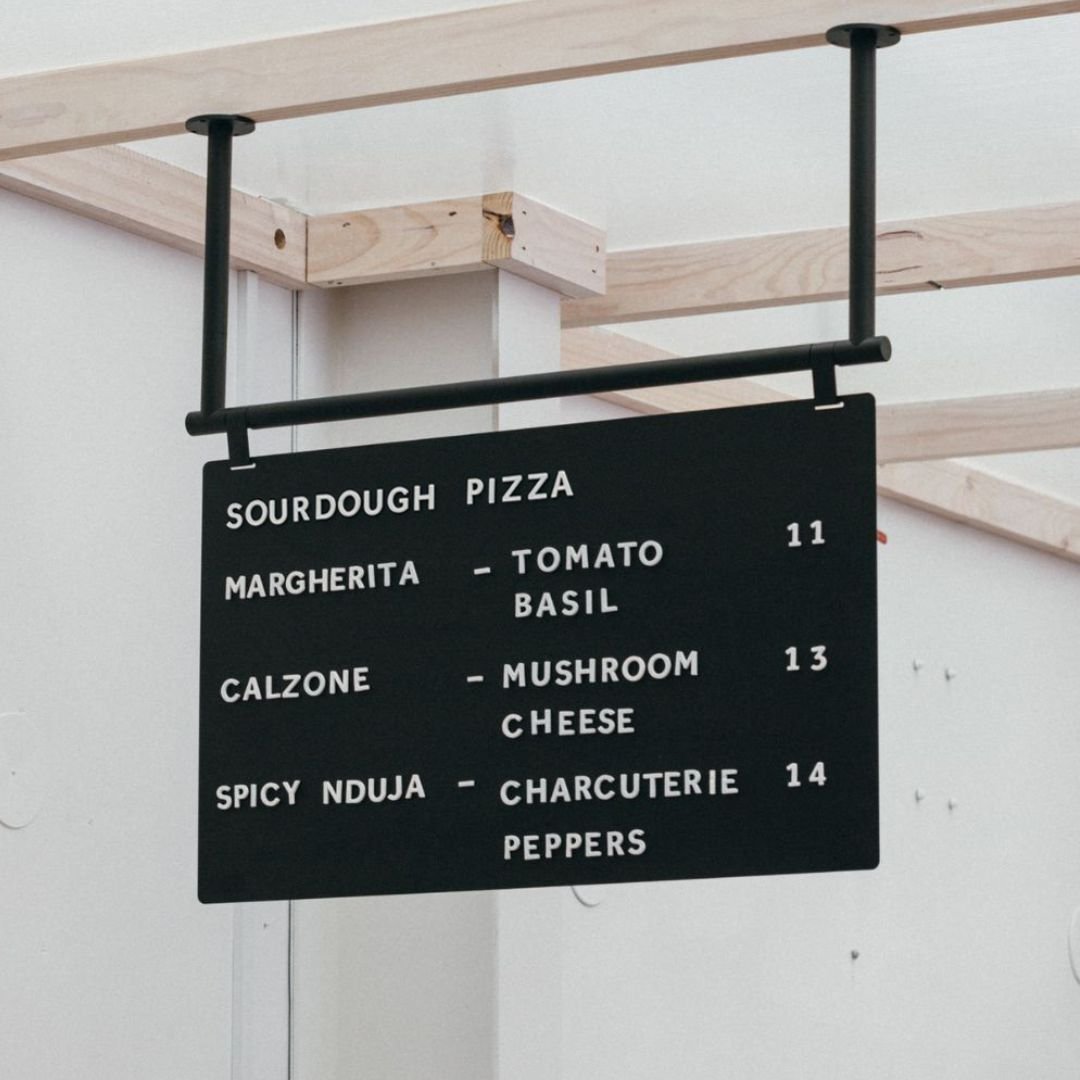
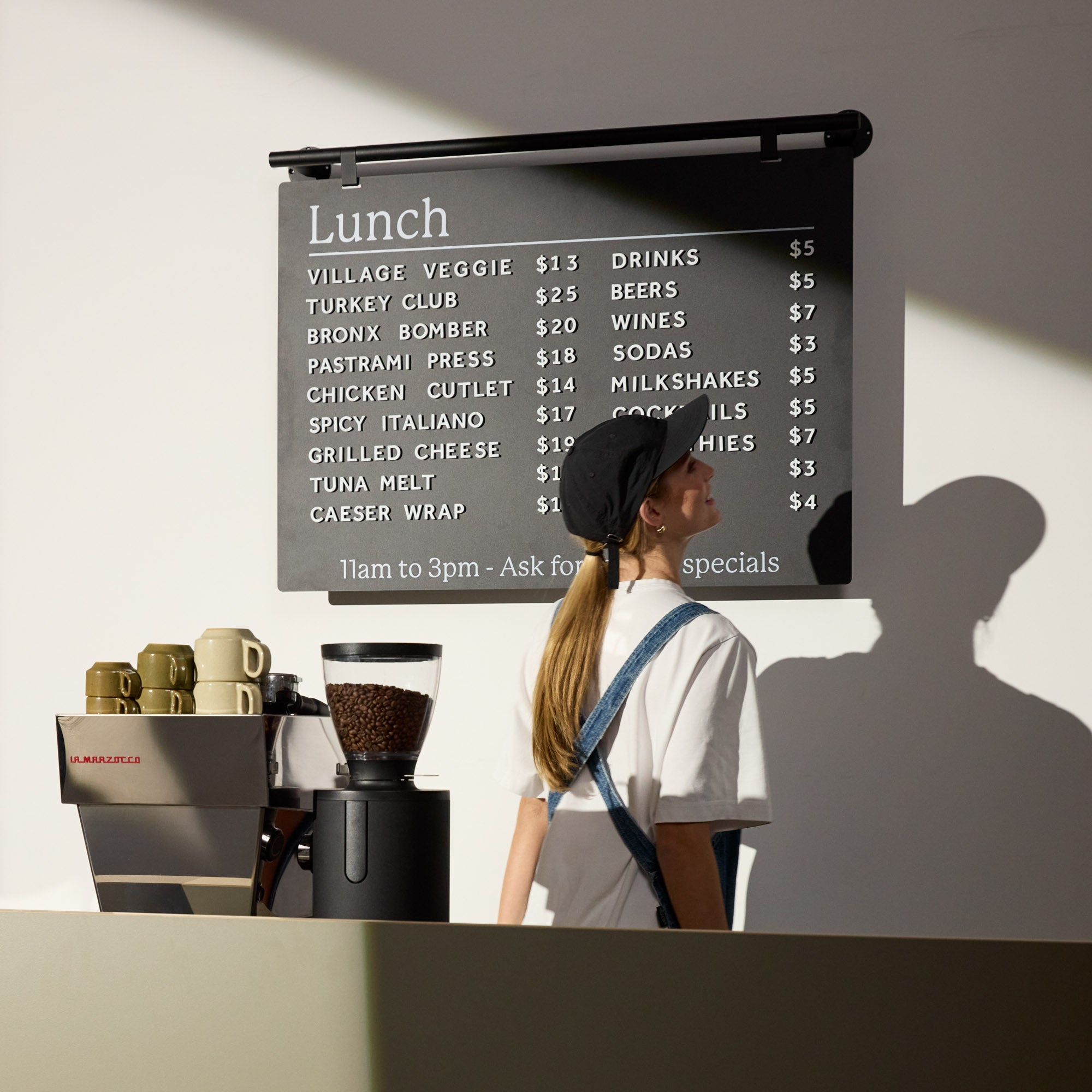
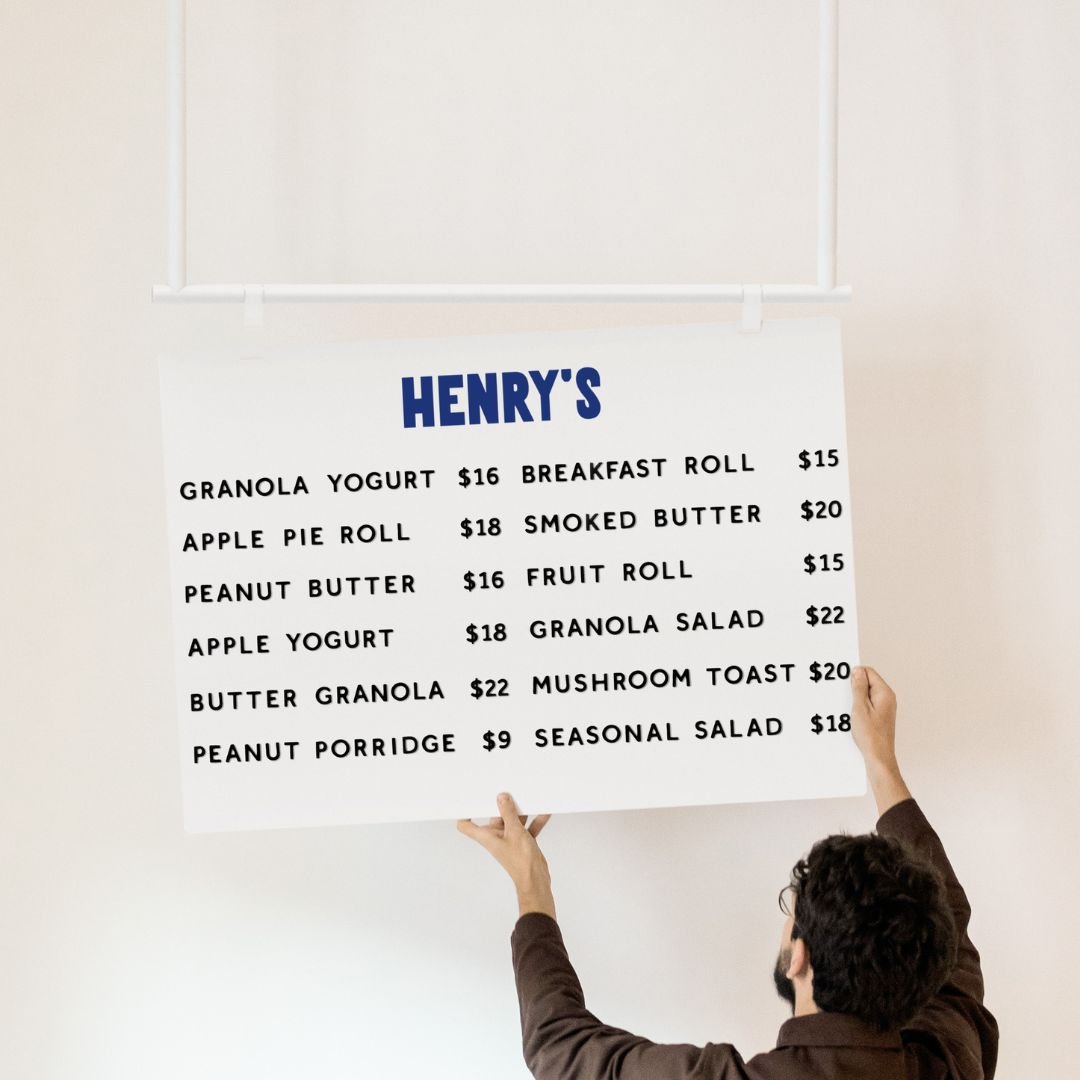
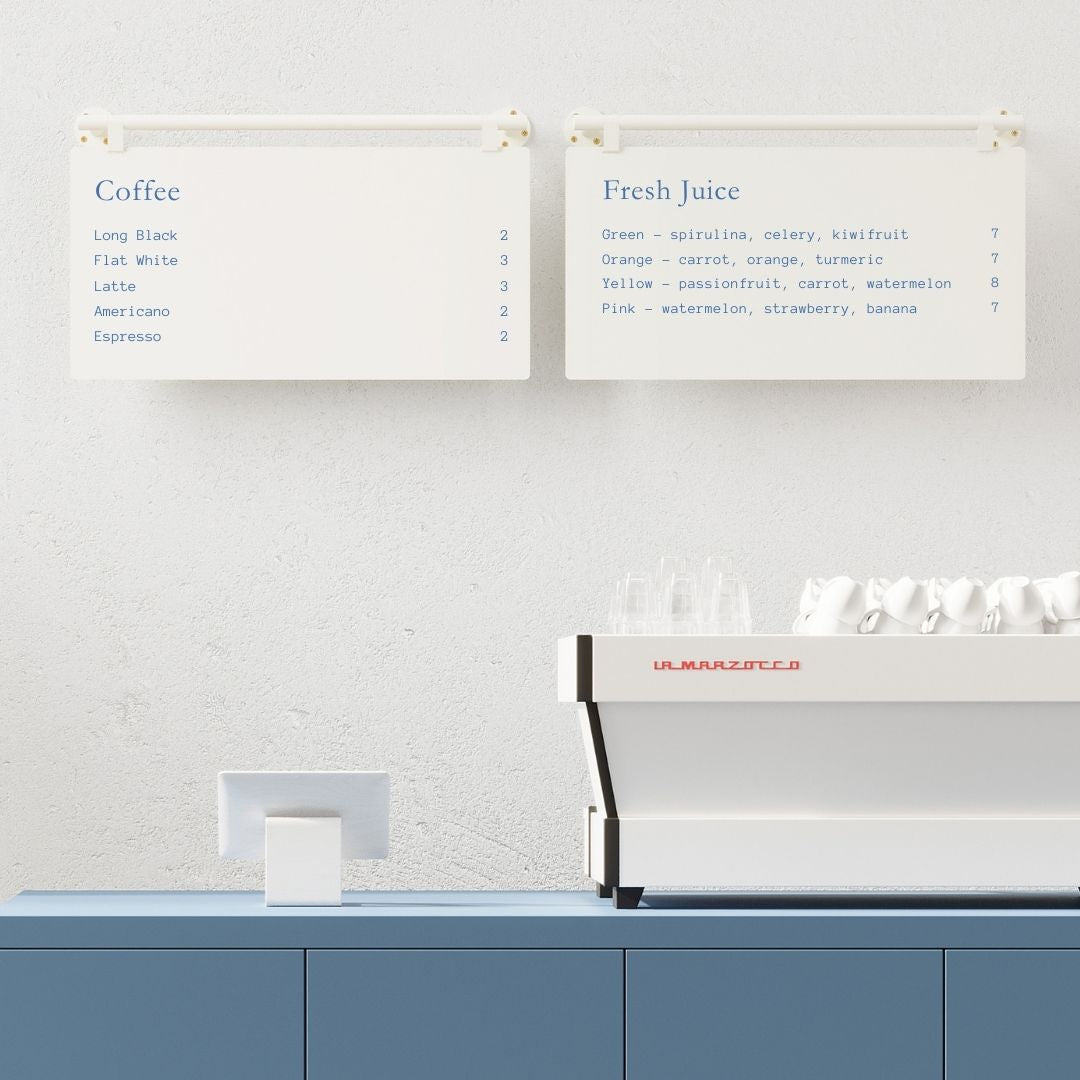
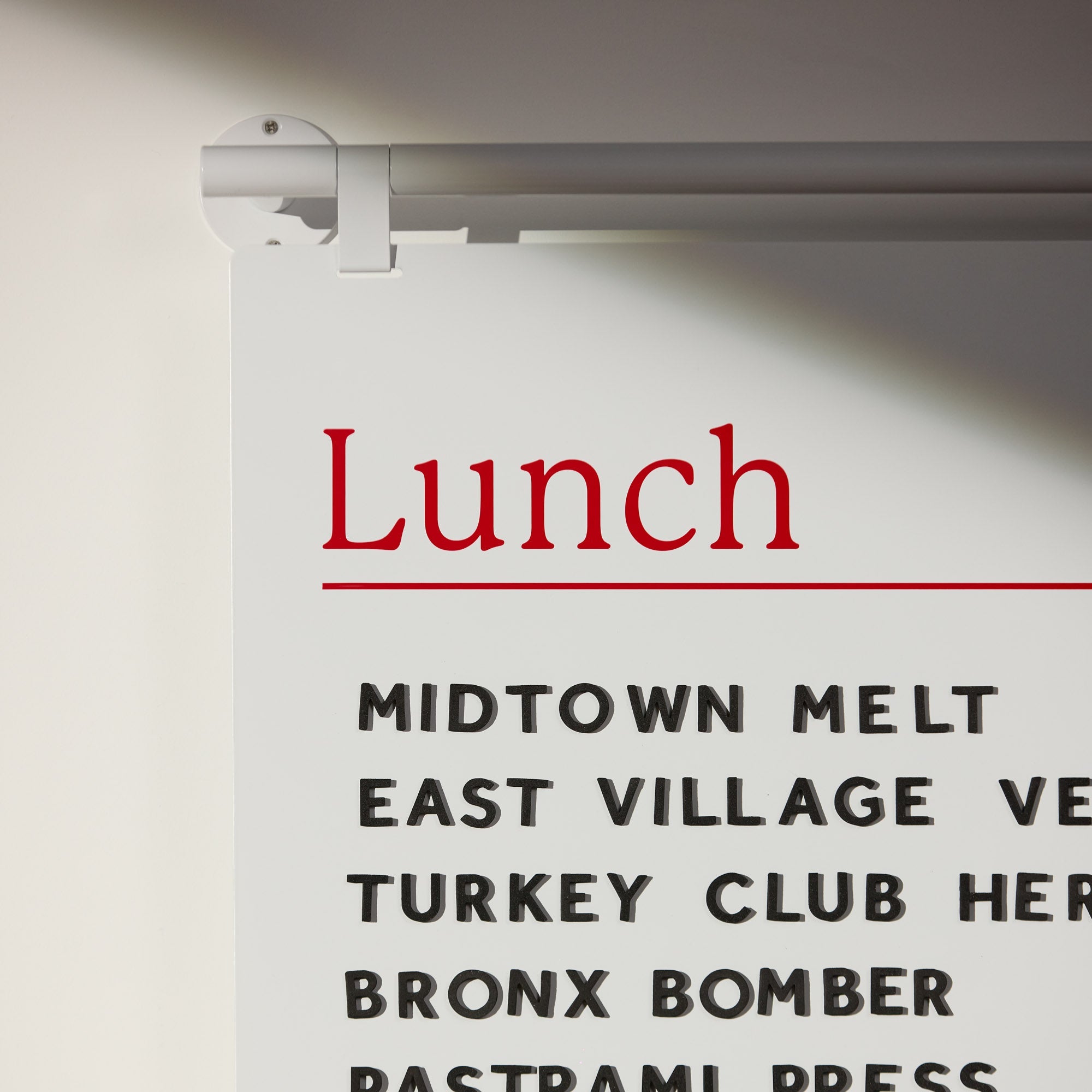
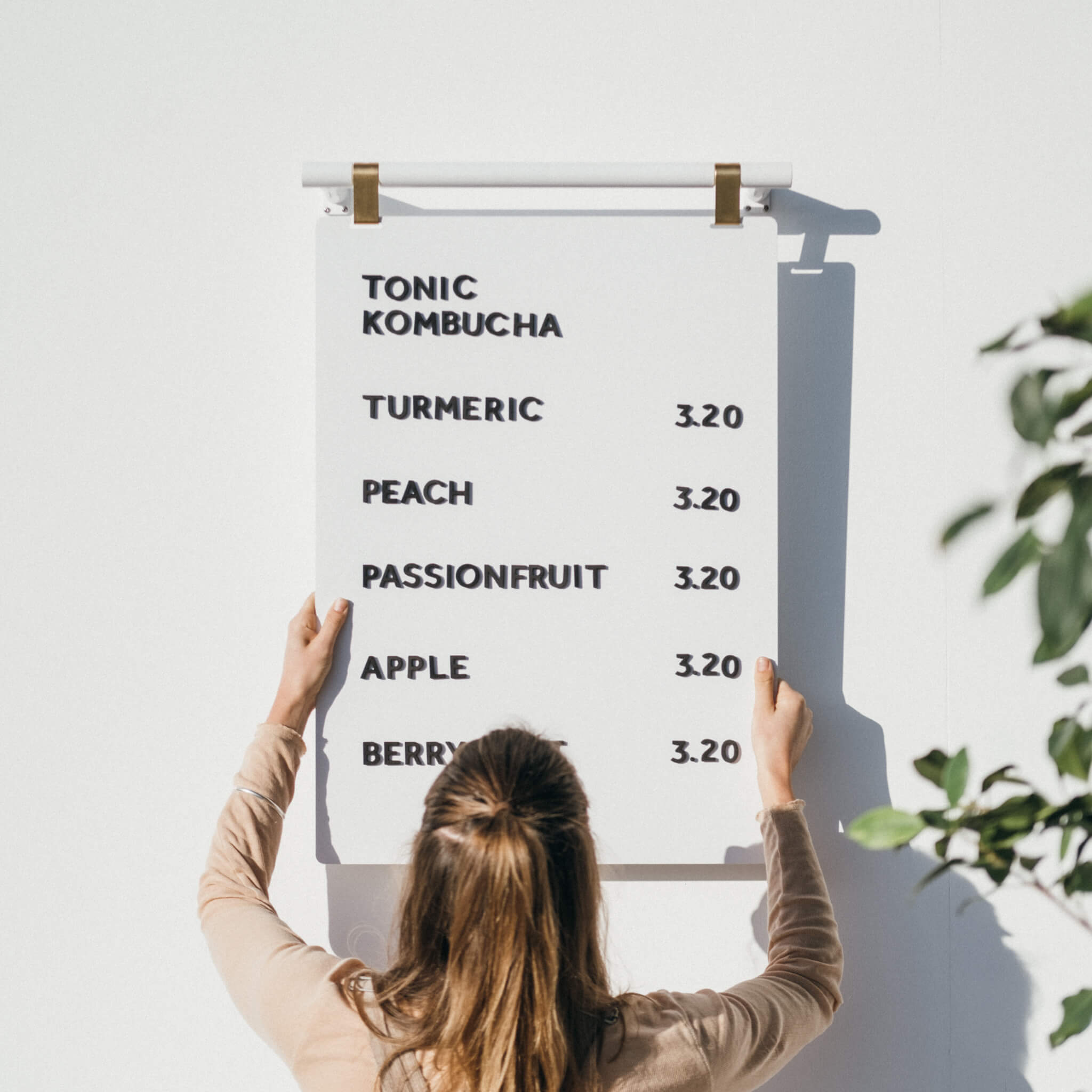
At the checkout, you only have a few seconds to make an impression. Keep your design clean, simple, and uncluttered. Use a strong headline, high quality images, and a clear call to action. Visual clutter can lead to lost sales, so prioritize clarity above all. To see how minimalism and clarity can work together, browse this collection of retail signage and displays for inspiration. For a clean, quick change system behind the counter, the Menu Boards keeps pricing legible without visual clutter.
Use Bold Colors and Legible Typography
Bold colors help your display stand out in a visually busy environment. Use vibrant, high contrast combinations to grab attention. Typography should be large, clear, and easy to read from a distance. A study found that color can increase brand recognition by up to 80%, making it a powerful tool in your design arsenal.
Engage the Senses
Go beyond sight to create a truly memorable experience. A pleasant scent, a subtle sound, or the ability to touch and feel a product can dramatically increase engagement. Scent marketing is particularly powerful, with some studies showing it can influence impulse purchases.
Tell a Story
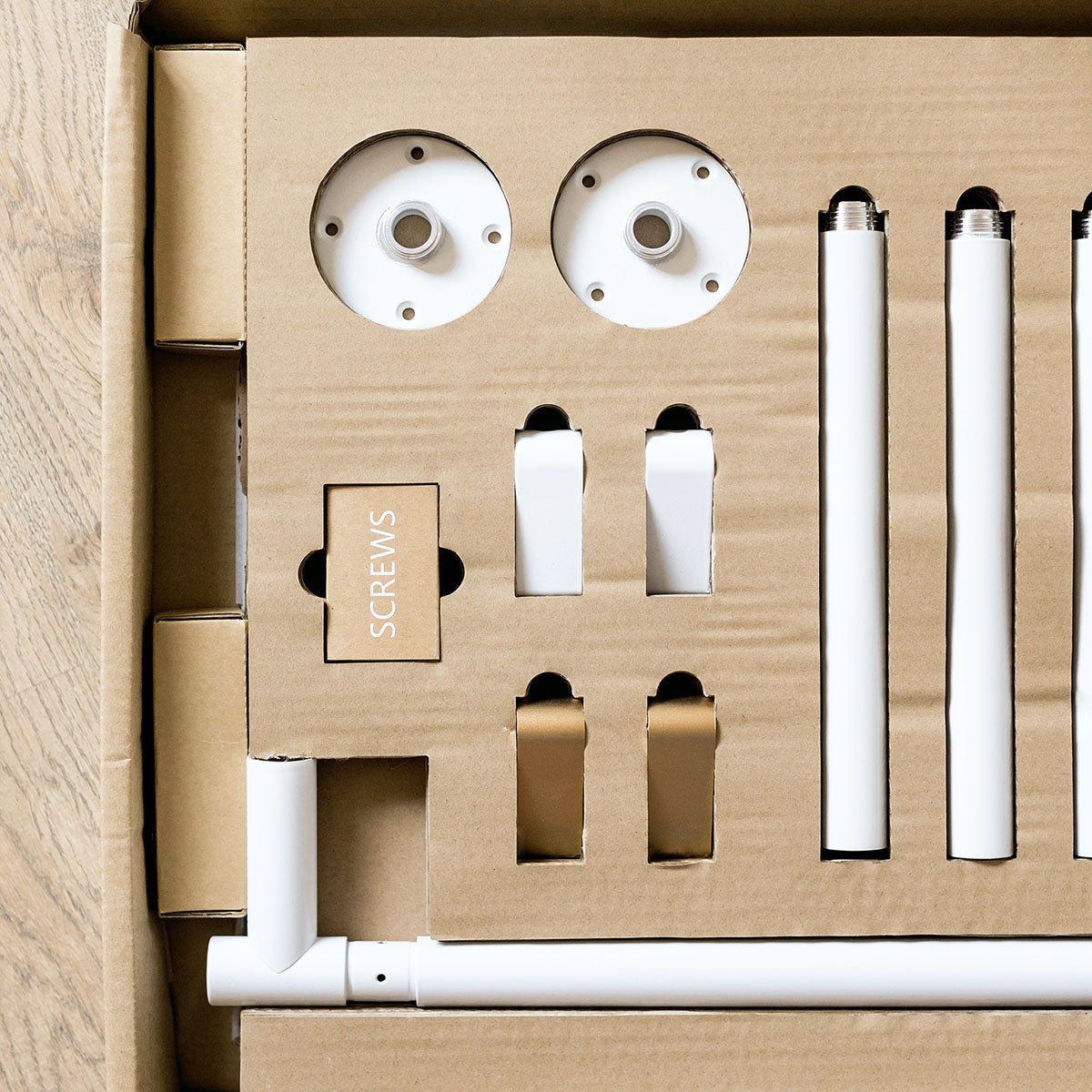
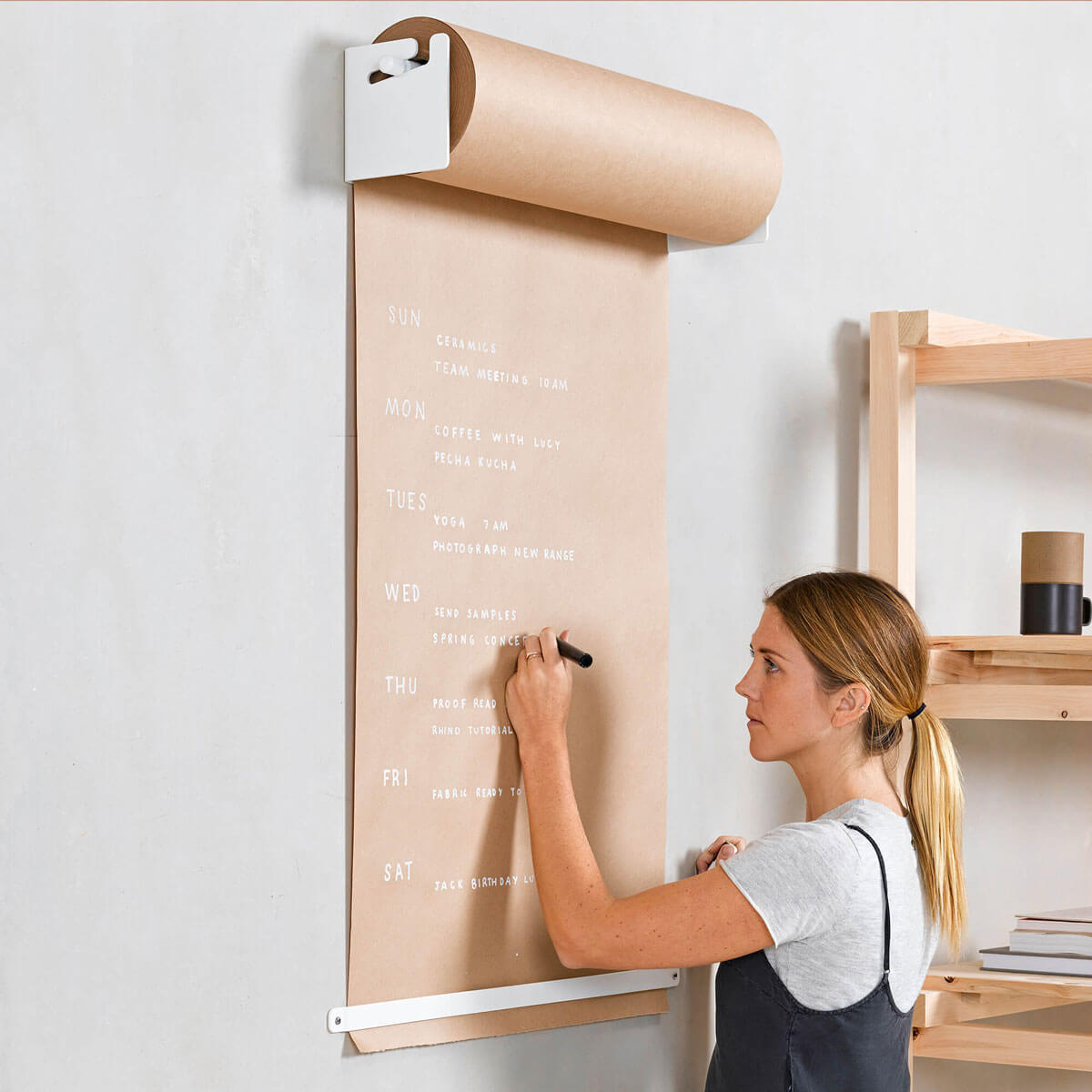
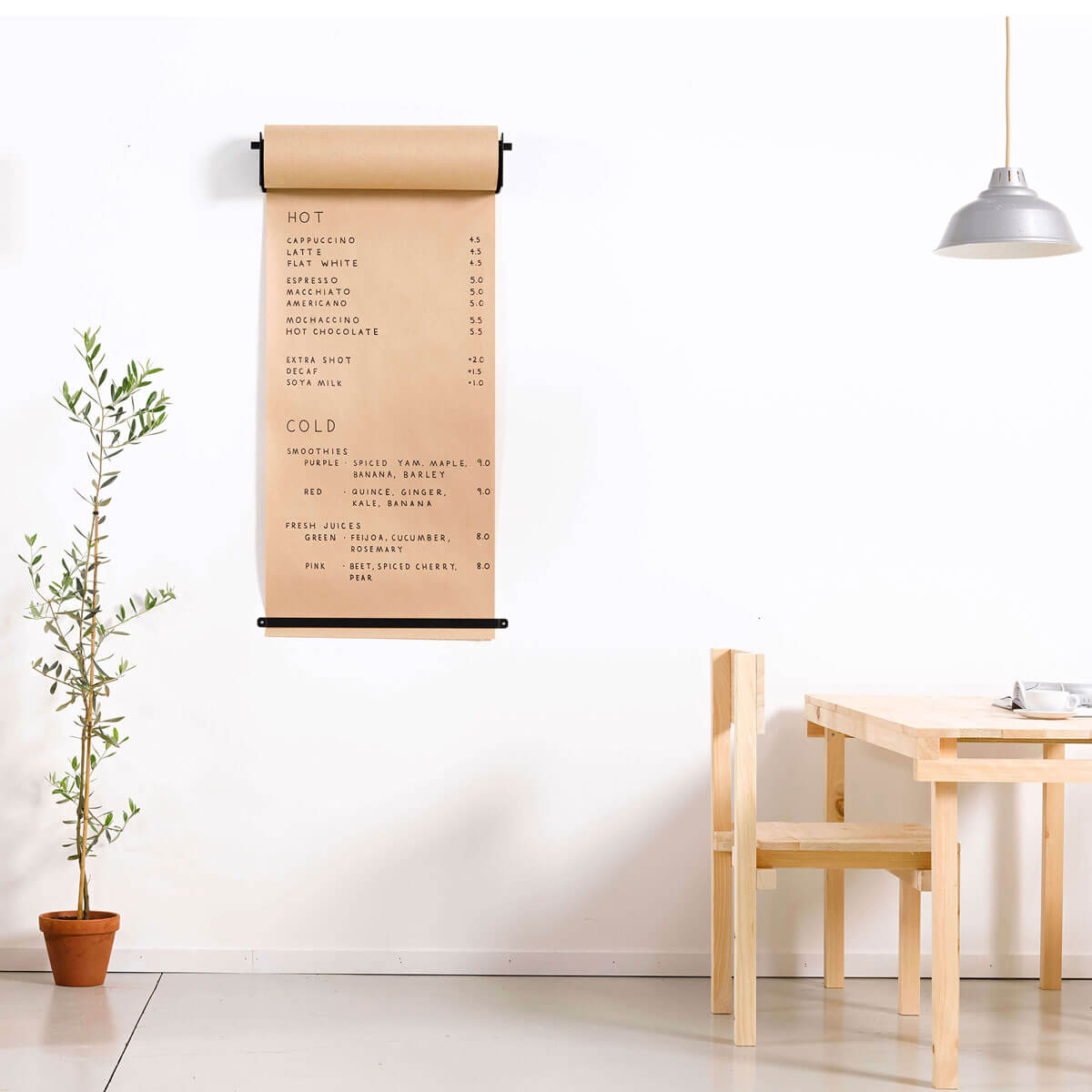
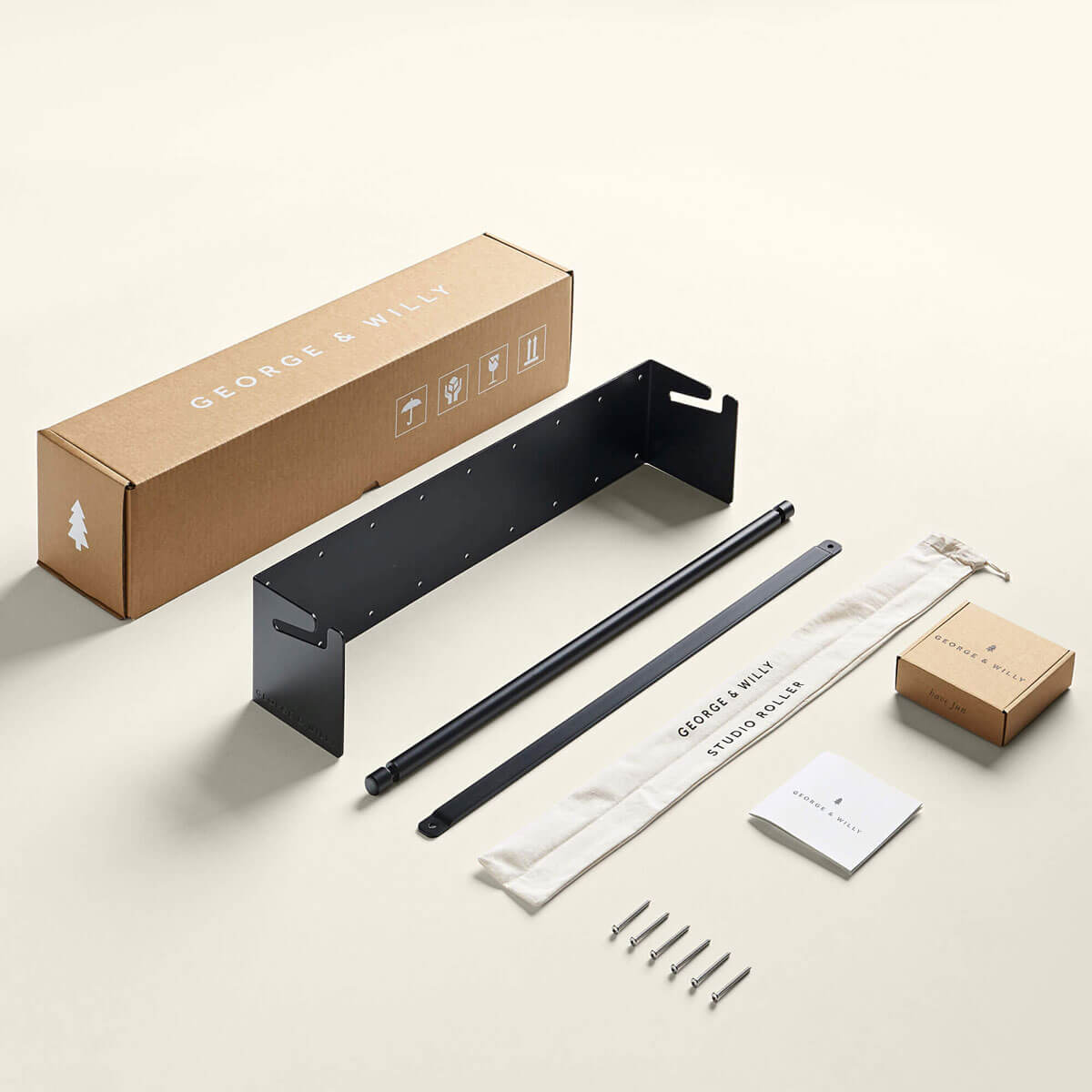
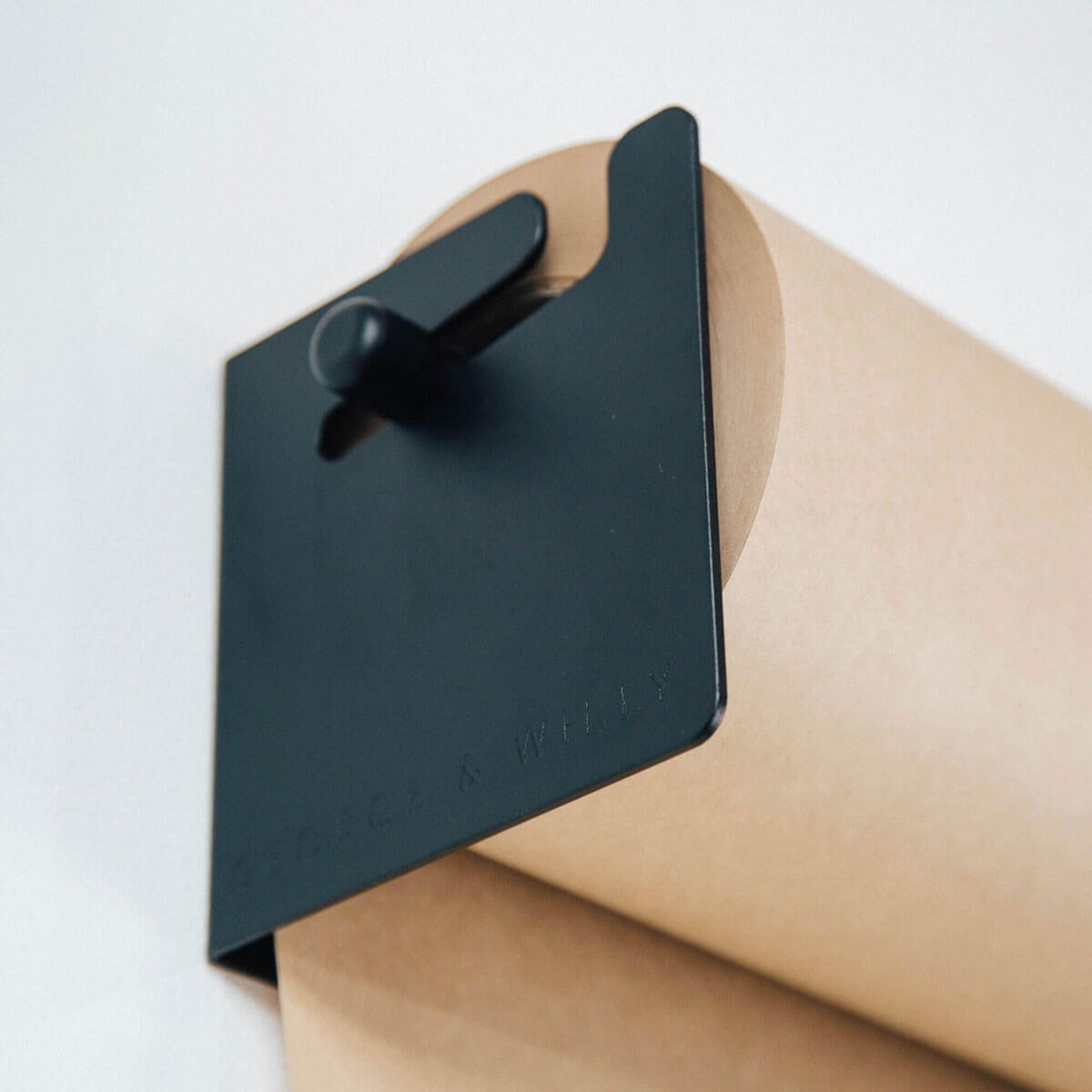
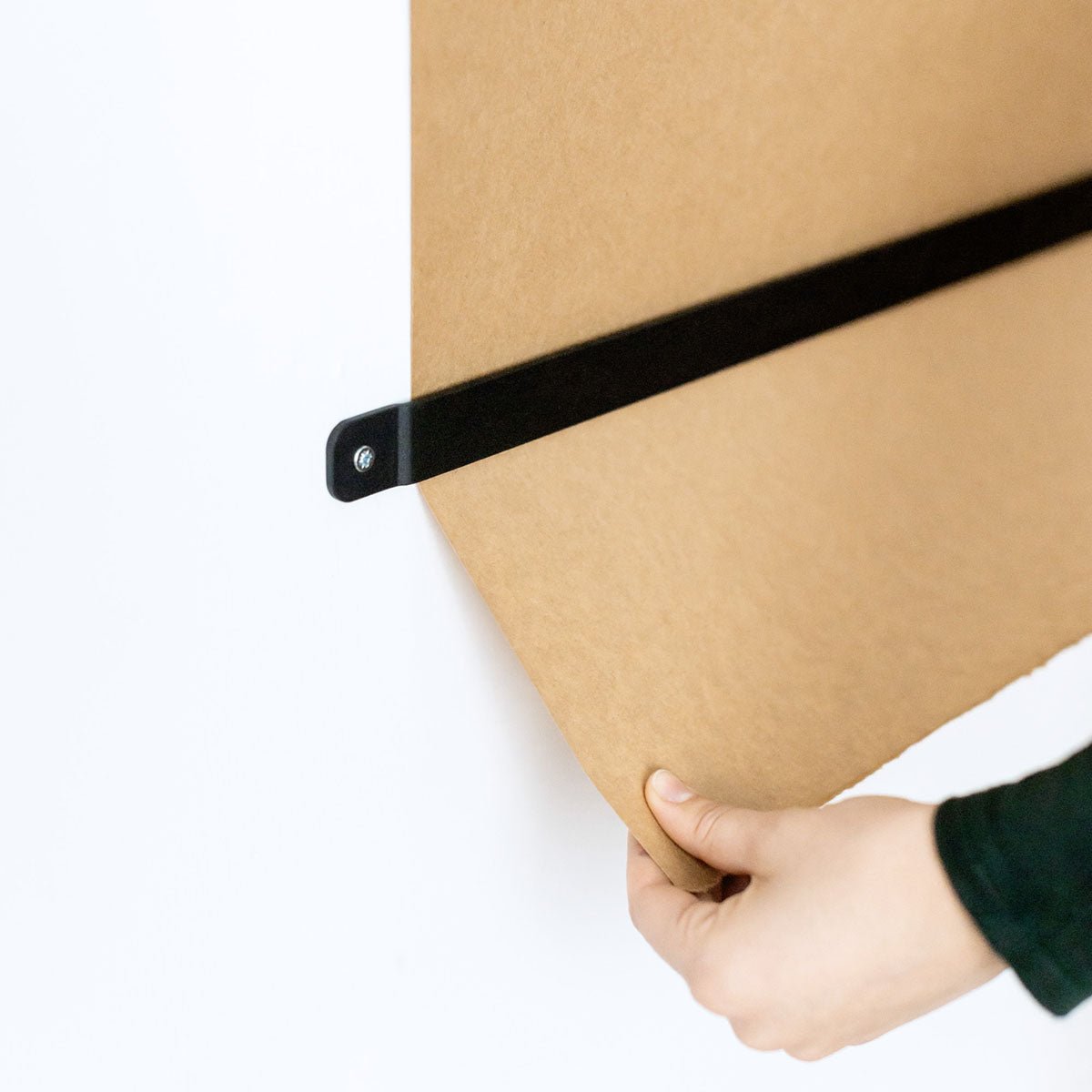
Humans are wired for stories. Use a theme or a brief narrative to give your product context and create an emotional connection. Then handwrite a headline or daily special on a wall mounted Studio Roller to make it feel fresh and personal.
Encourage Customer Involvement
Turn passive viewing into active participation. An interactive element, like a QR code to scan for a contest, a “scratch and sniff” sticker, or a button to press for a product demo, can significantly boost engagement and make your brand more memorable.
Point of Sale Display FAQ
What is the main goal of a point of sale display?
The primary goal is to drive impulse purchases by attracting customer attention to specific products at the checkout. It also serves to increase brand awareness and promote special offers.
Are POS displays expensive?
They don’t have to be. A simple, well designed cardboard countertop display can be very cost effective and generate a high return on investment. Costs can range from very low for temporary displays to higher for permanent, digital, or interactive fixtures.
What’s the difference between a POS and POP display?
The key difference is location. A POP (Point of Purchase) display can be anywhere in the store to influence decisions as people shop. A POS (point of sale display) is specifically at the checkout counter to capture last minute sales.
What kind of products work best for a point of sale display?
Typically, small, low cost, and high appeal items work best. Think candy, gum, magazines, batteries, gift cards, and travel sized products. These are items customers can add to their purchase without much thought.
How can I make my POS display more effective?
Focus on a clear goal, use a clean and bold design, make products easily accessible, and keep the display well stocked. Telling a simple story or engaging multiple senses can also make it more memorable and effective.
Do digital POS displays work better than static ones?
Digital displays can be more effective at capturing attention, as studies show they get significantly more views than static signs. They offer flexibility for changing promotions but come at a higher initial cost. The best choice depends on your budget and goals.