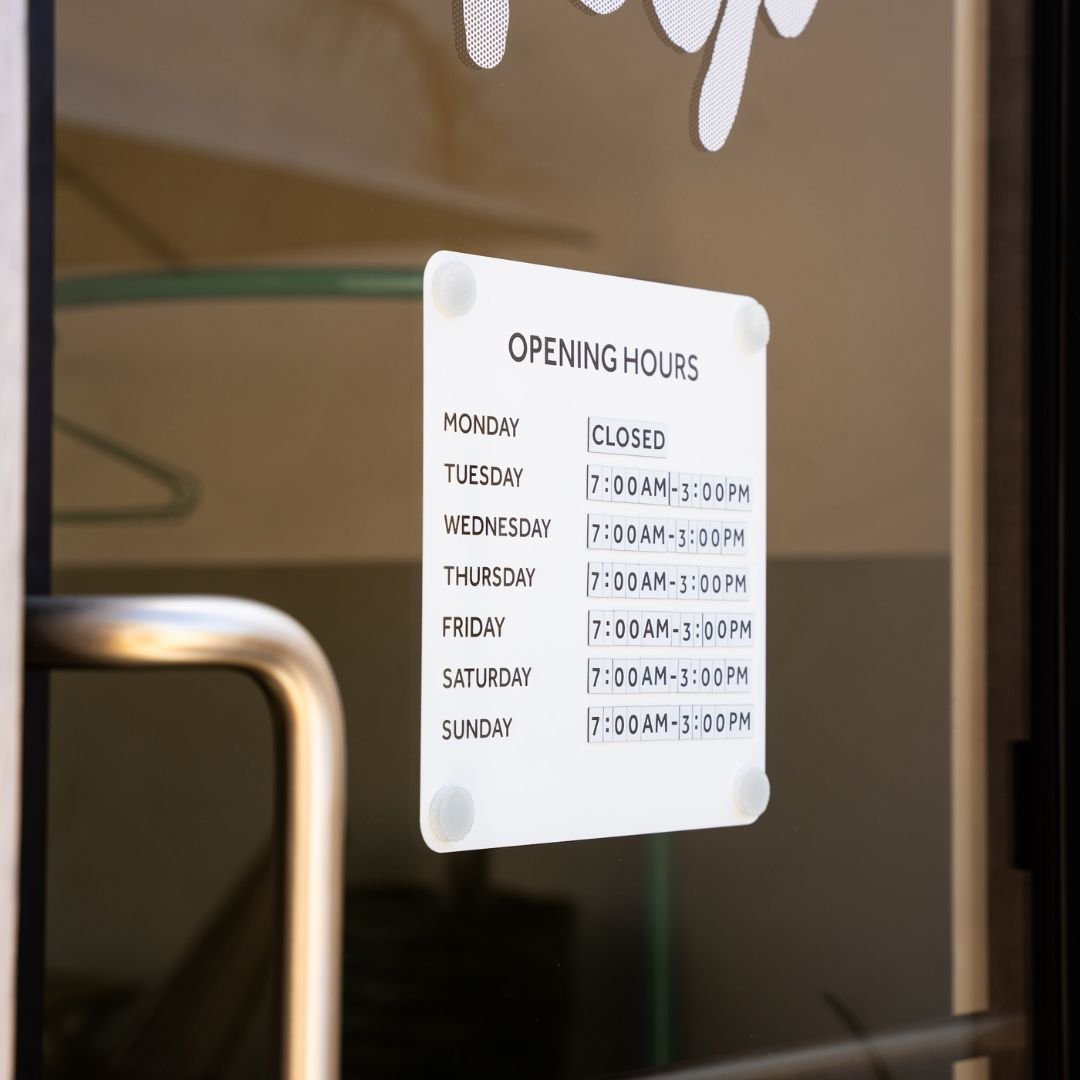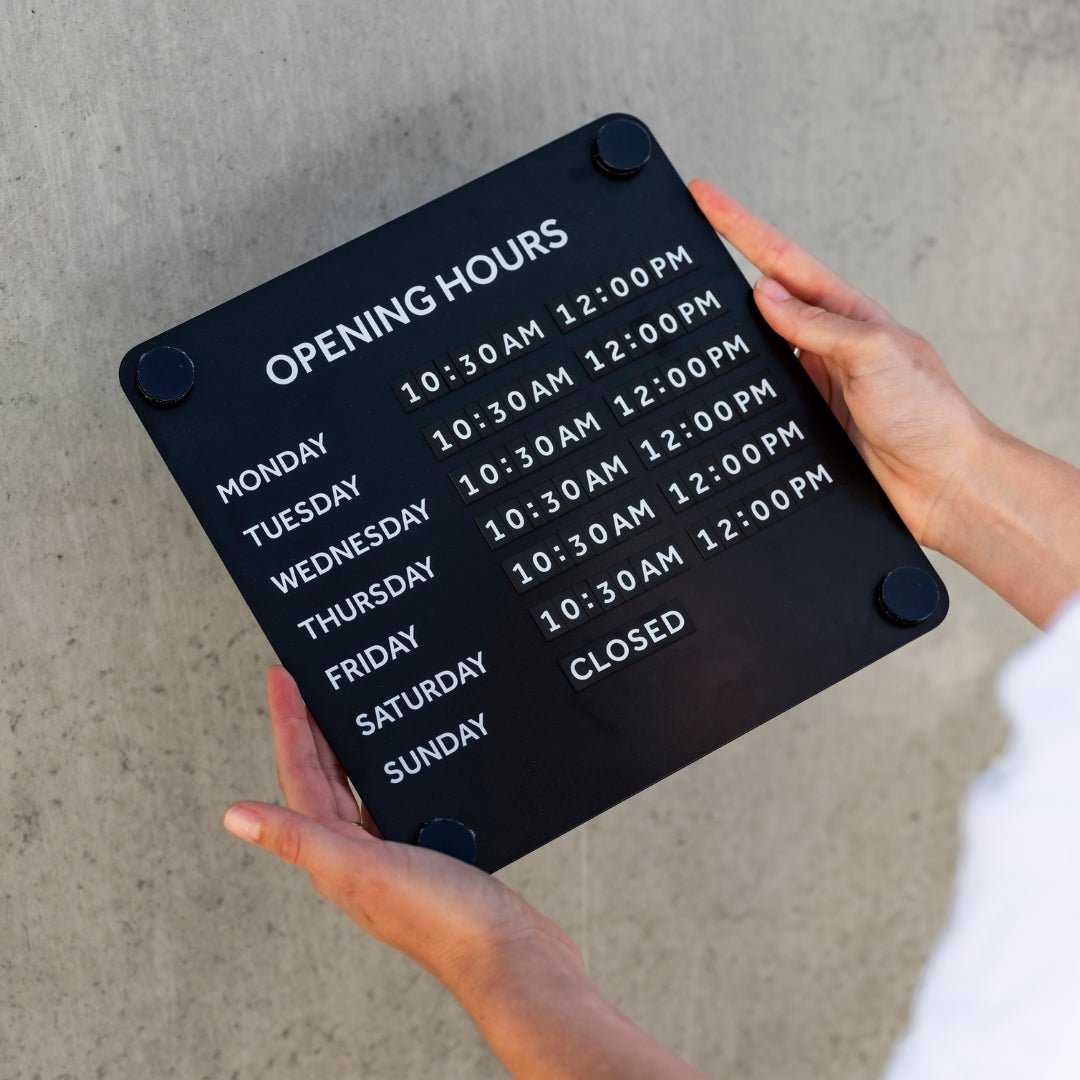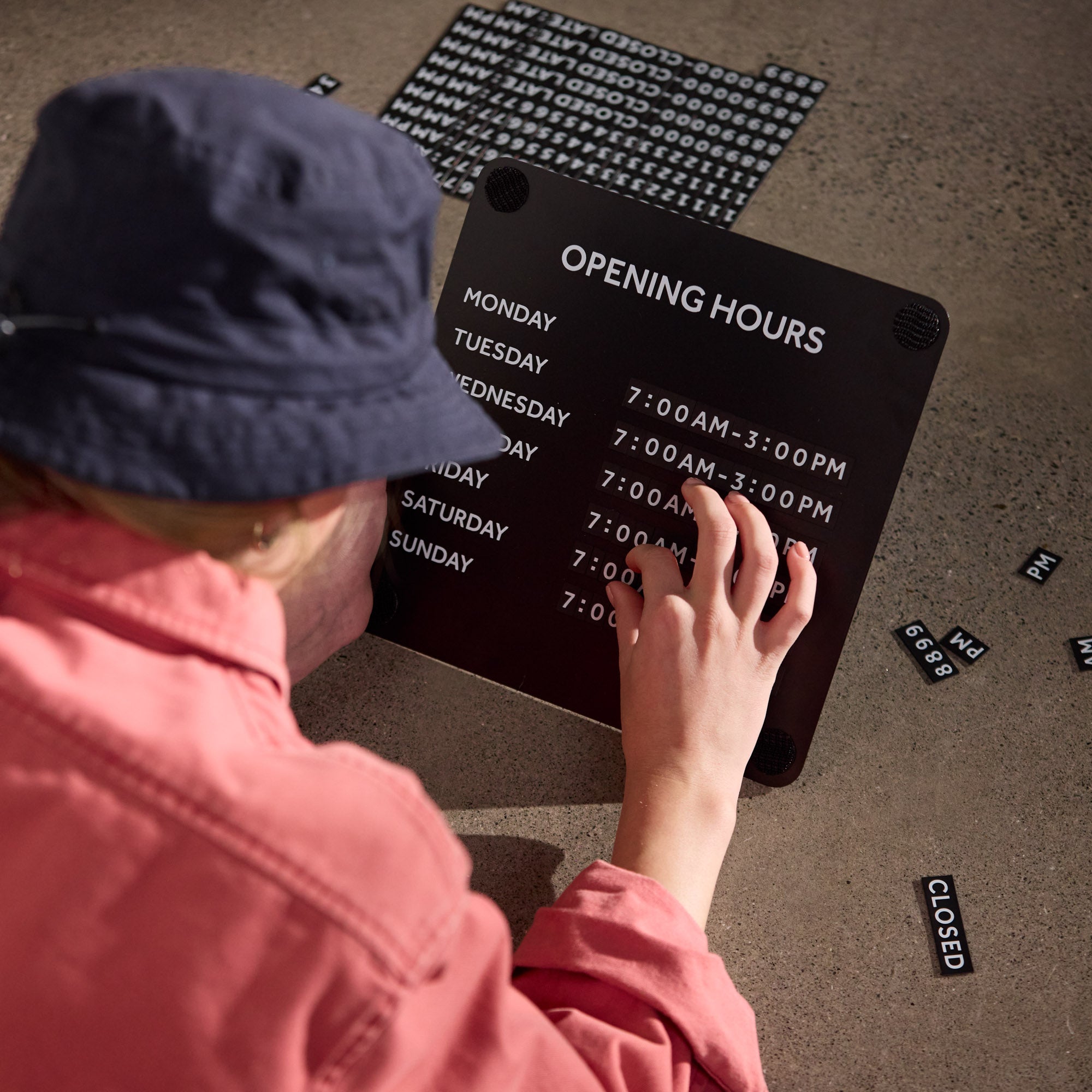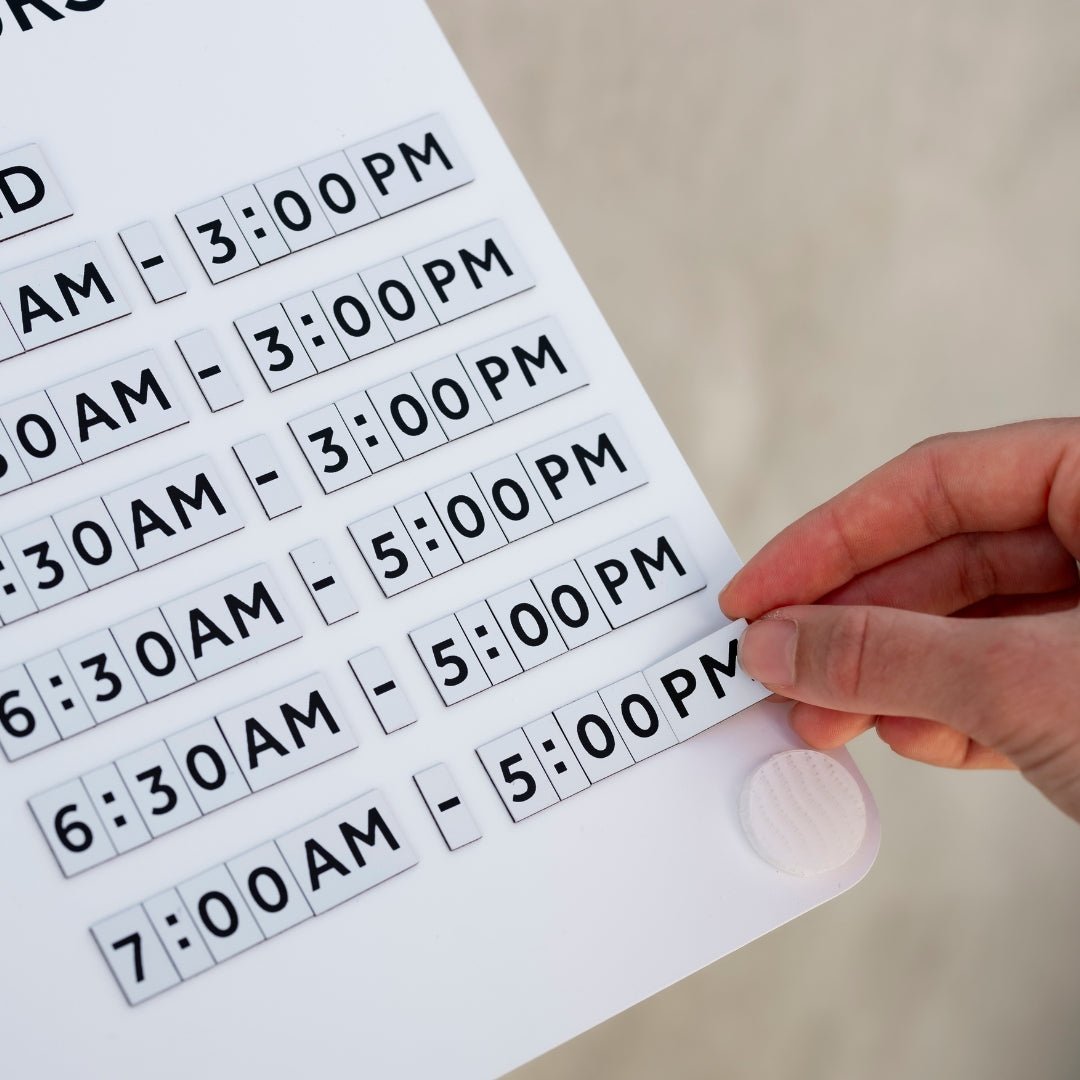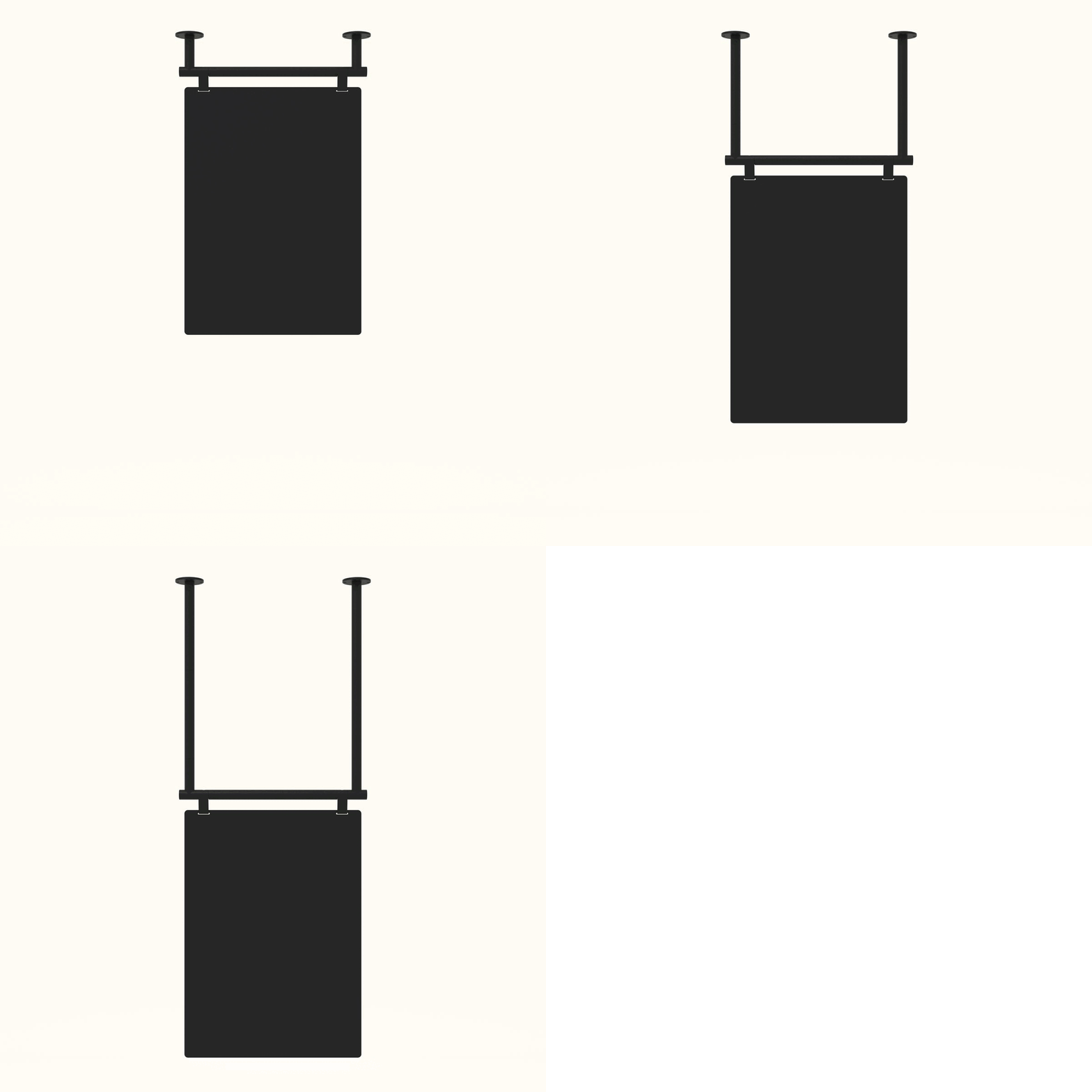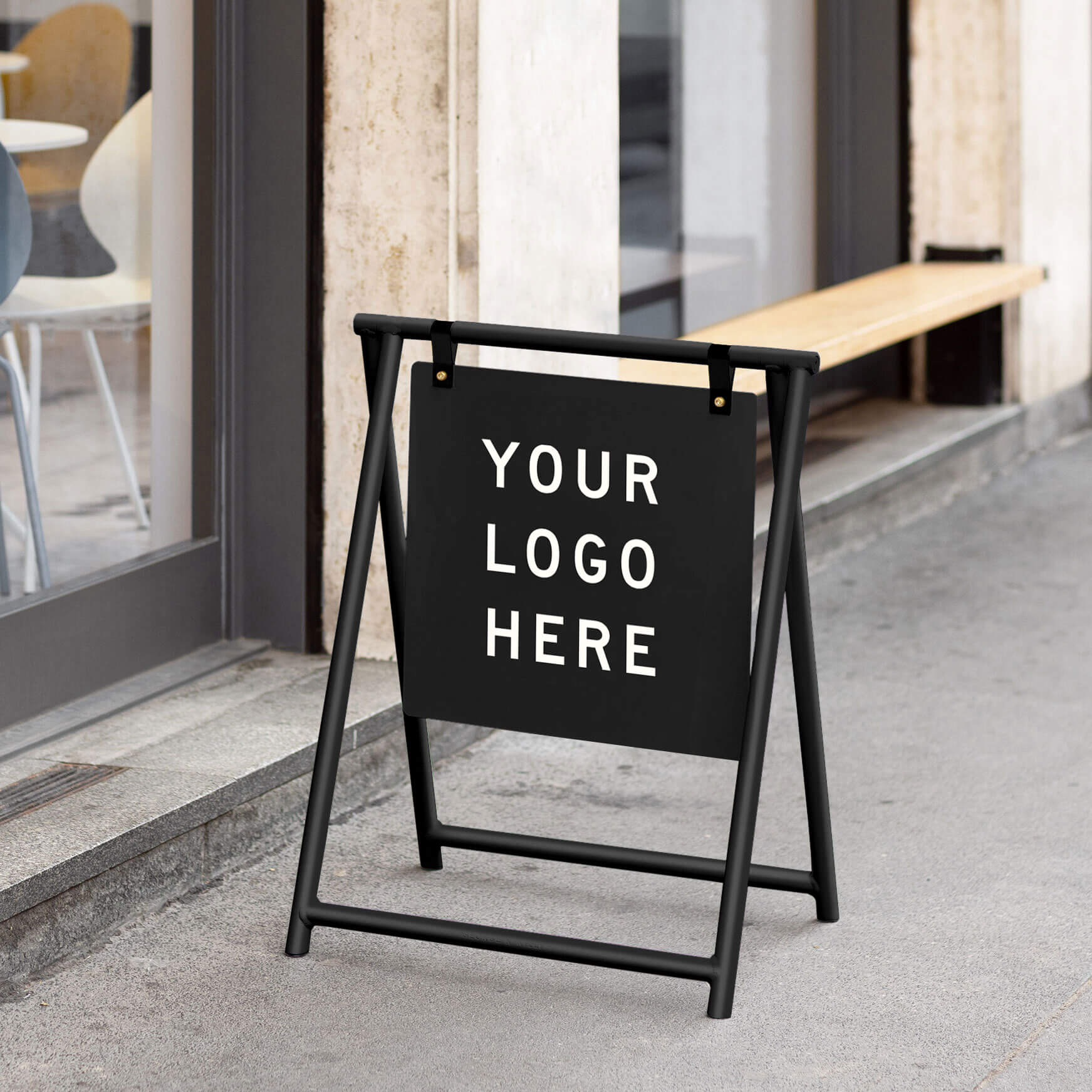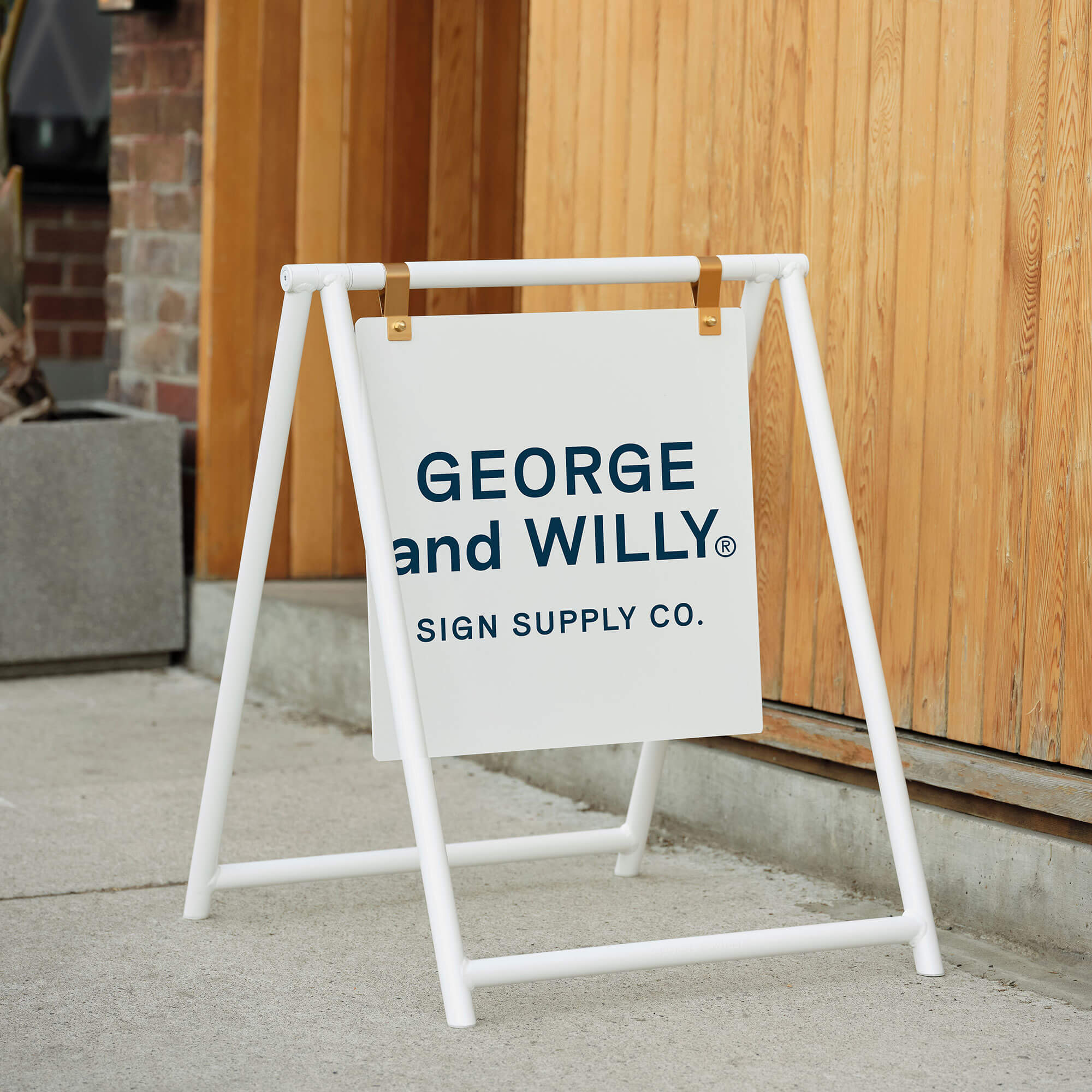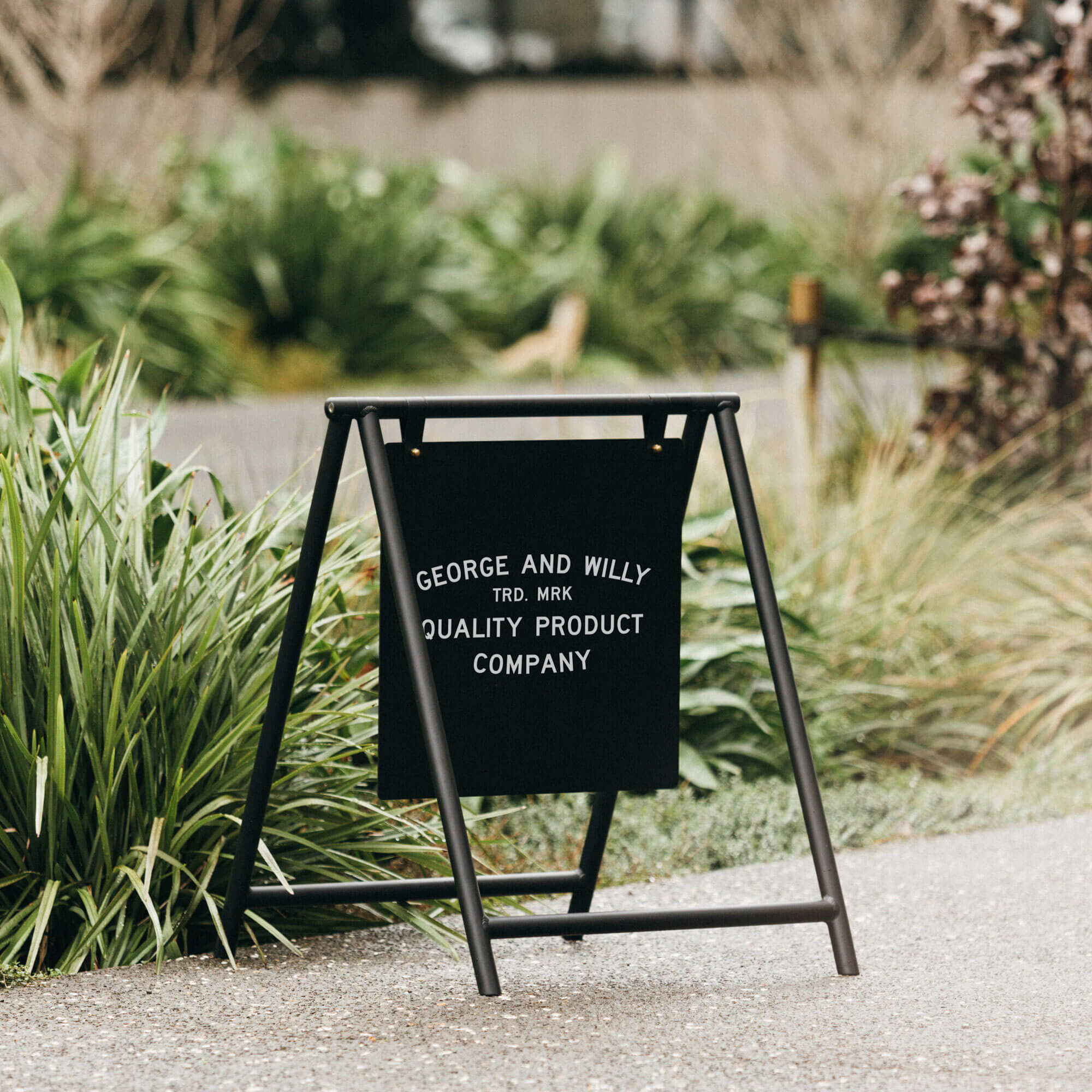



Walk down any bustling city street and you will likely see them: signs that stick out from buildings, catching your eye from down the block. This is the magic of the blade sign, a type of sign that mounts perpendicular to a building’s facade. Instead of sitting flat against the wall, it projects outward, usually at a 90 degree angle. From medieval pubs to modern coffee shops, these projecting signs are one of the most effective ways to grab attention and guide customers to your door.
This guide covers what a blade sign is, its different styles, and why it might be the perfect addition to your storefront business sign collection.
The name “blade sign” comes from the way it cuts through the sightline of the street, making it visible to people approaching from either direction. This is also why it’s often called a projecting sign in city codes and architectural plans. Because they stick out, most blade signs are double sided to maximize visibility. This simple design choice makes them far more effective at catching pedestrian and vehicle traffic than a standard flat sign. A blade sign creates a two way advertisement, ensuring your business gets noticed no matter which way people are heading.
Types and Styles of Blade Signs
While all blade signs project from a building, they come in a variety of styles and fabrication methods that suit different needs and aesthetics. Understanding these options can help you choose the perfect sign for your business.
Common Blade Sign Formats
- Stationary vs. Hanging Signs: A stationary blade sign is rigidly mounted to a building. A hanging sign, which is a broader category that includes blade signs, may be attached with chains or brackets that allow for some movement.
- Illuminated Signs: For businesses open at night, an illuminated blade sign ensures you remain visible. This can be achieved with internal lighting, like an LED light box, or by using external lights aimed at the sign face.
- Interior Blade Signs: Blade signs are not just for exteriors. Inside large spaces like malls, airports, or office buildings, interior blade signs serve as excellent wayfinding tools, directing people to restrooms, departments, or exits.
Popular Fabrication Styles
- Dimensional and Channel Letter Signs: For a three dimensional effect, many businesses use dimensional or channel letters. Dimensional letters are solid, raised letters cut from materials like acrylic or aluminum. Channel letters are fabricated, hollow letters that often contain their own internal lighting, creating a bright, highly visible effect day or night.
- Neon Blade Signs: For a vibrant, retro feel, neon signs are a classic choice. Made from glass tubes filled with gas, they offer a unique and eye catching glow that stands out, especially after dark.
- Sandblasted or Routed Signs: Often made from wood or high density urethane (HDU), these signs have a classic, textured look. The design is either carved into the sign’s surface (routed) or the background is blasted away to make the letters and logo pop out in relief (sandblasted).
Blade Signage Design and Craftsmanship
Beyond the basic type, the design and quality of your blade sign communicate your brand’s story before a customer even steps inside.
Choosing a Design for Your Brand
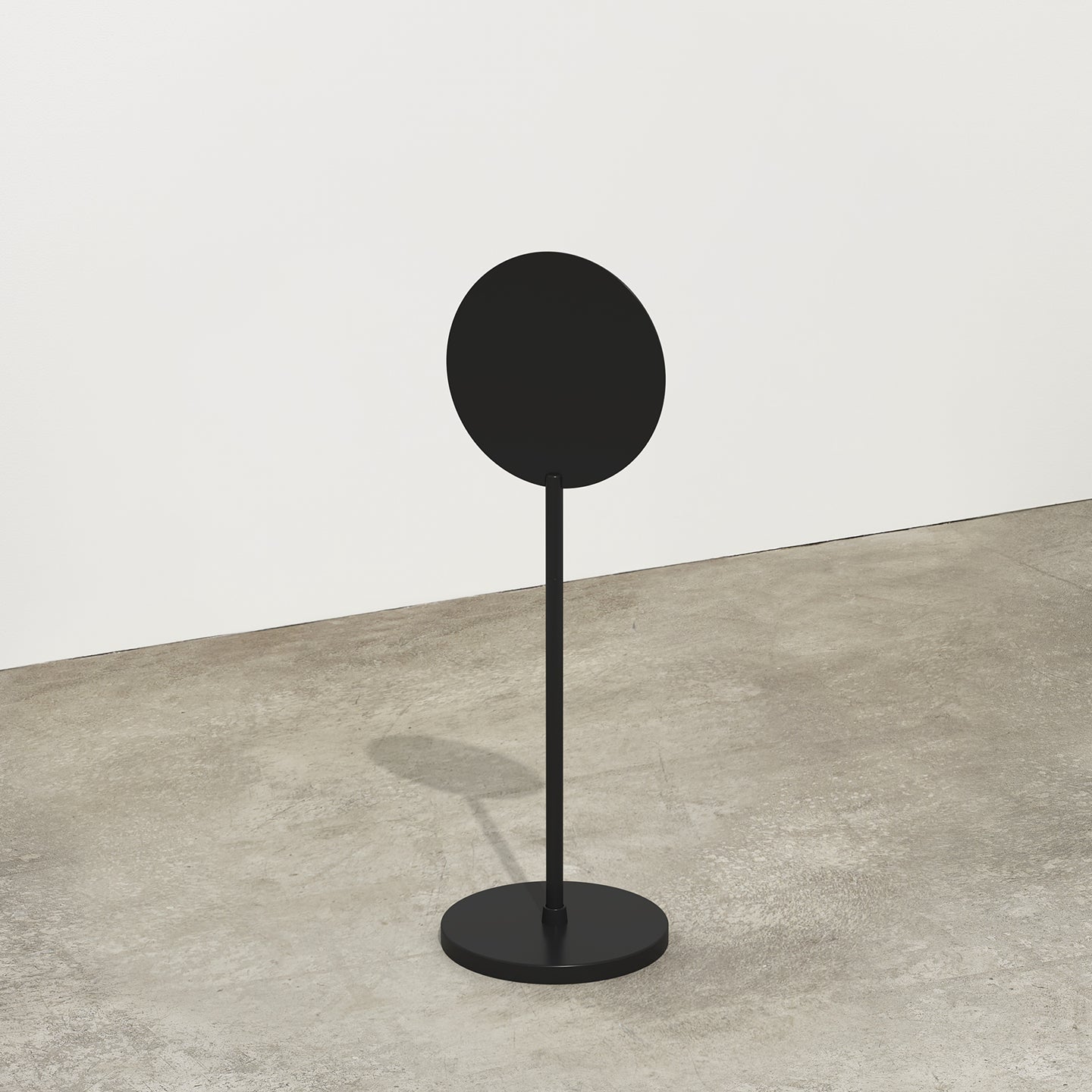
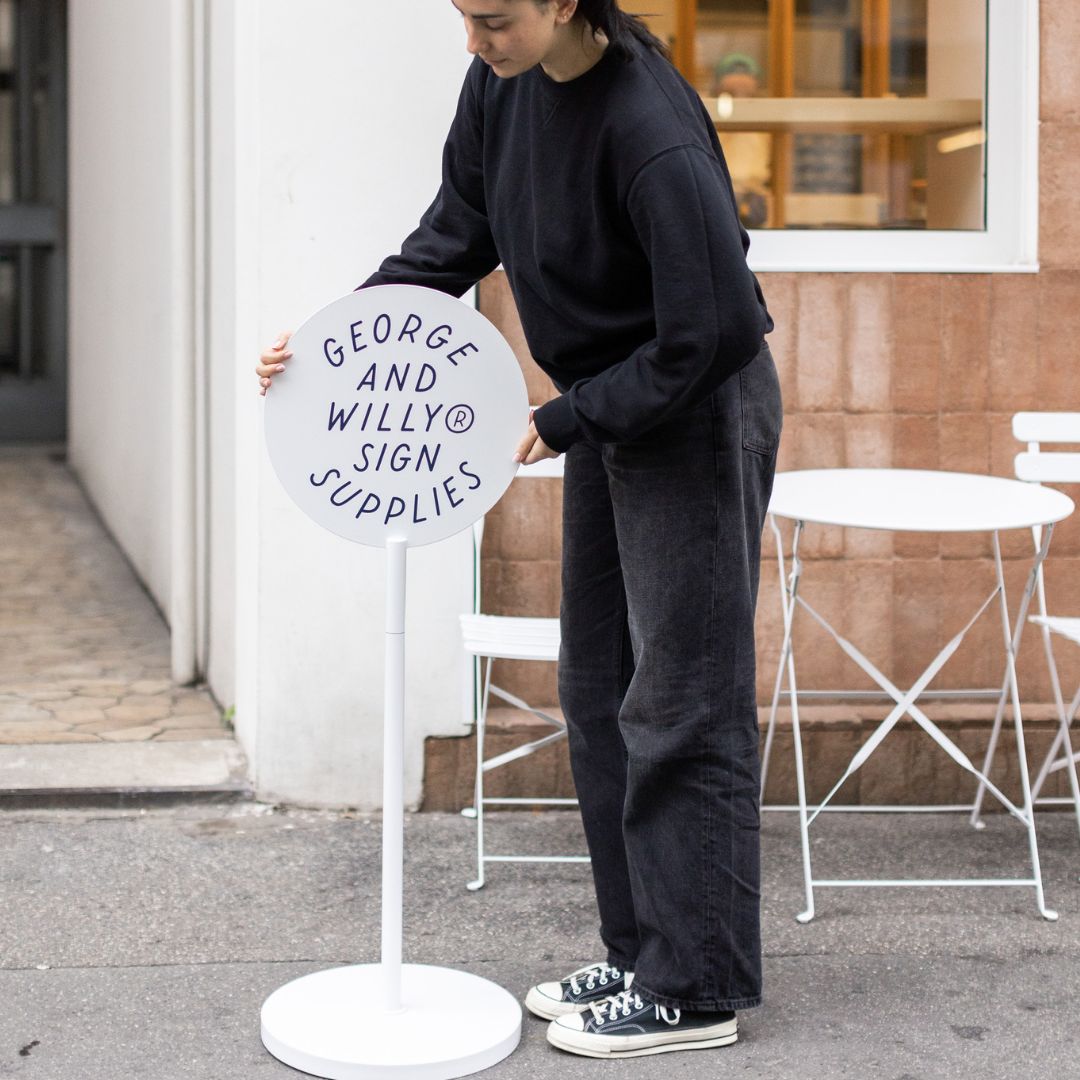
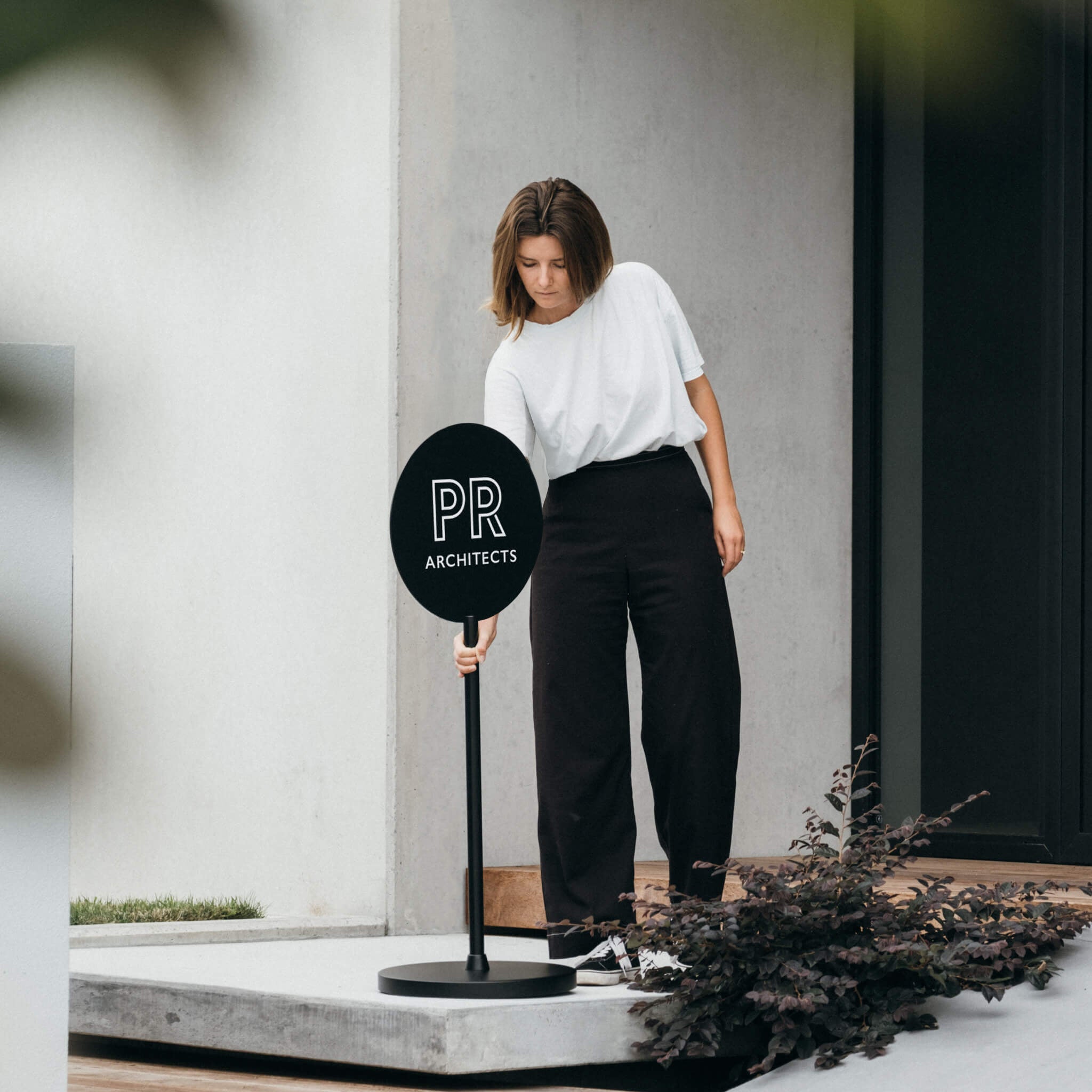
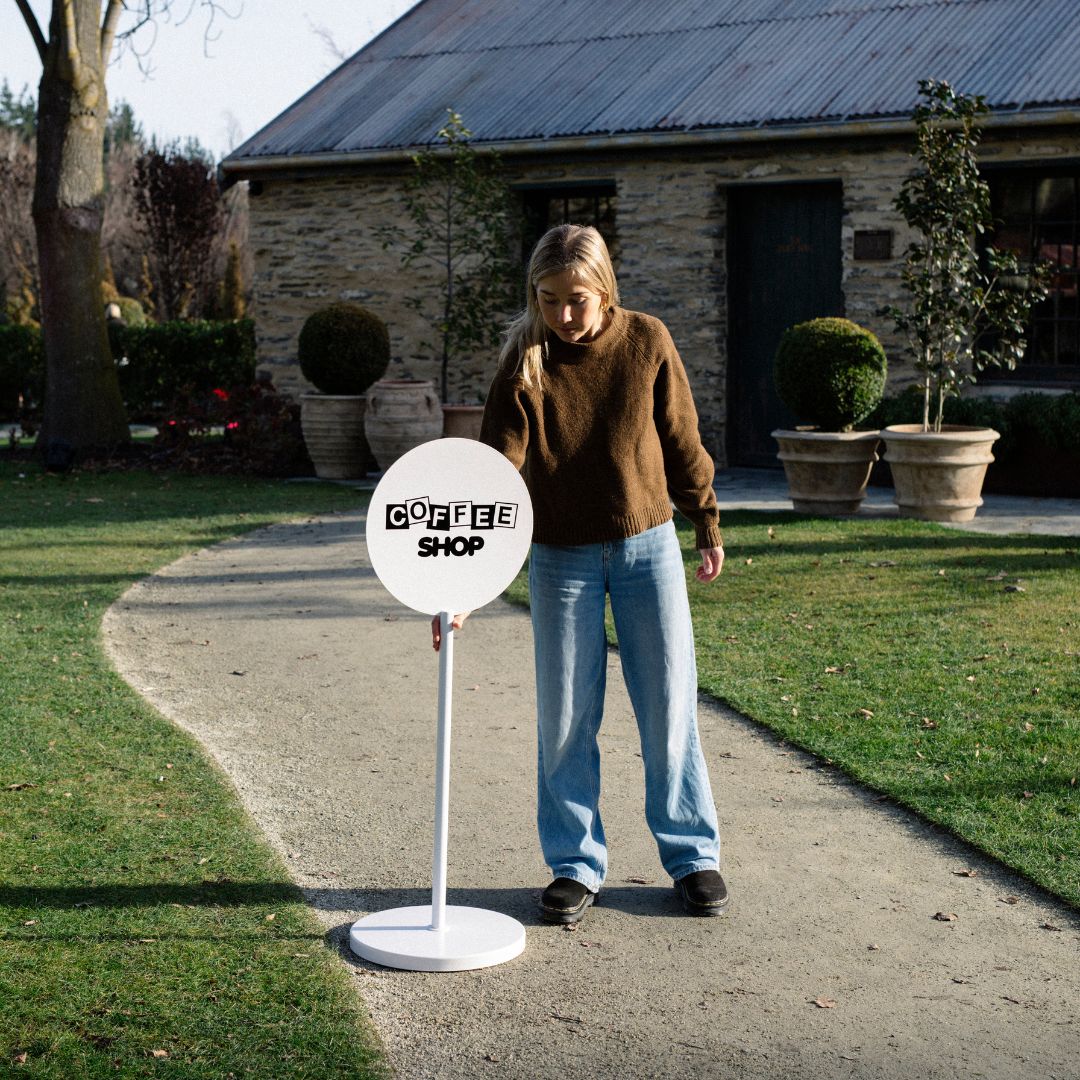
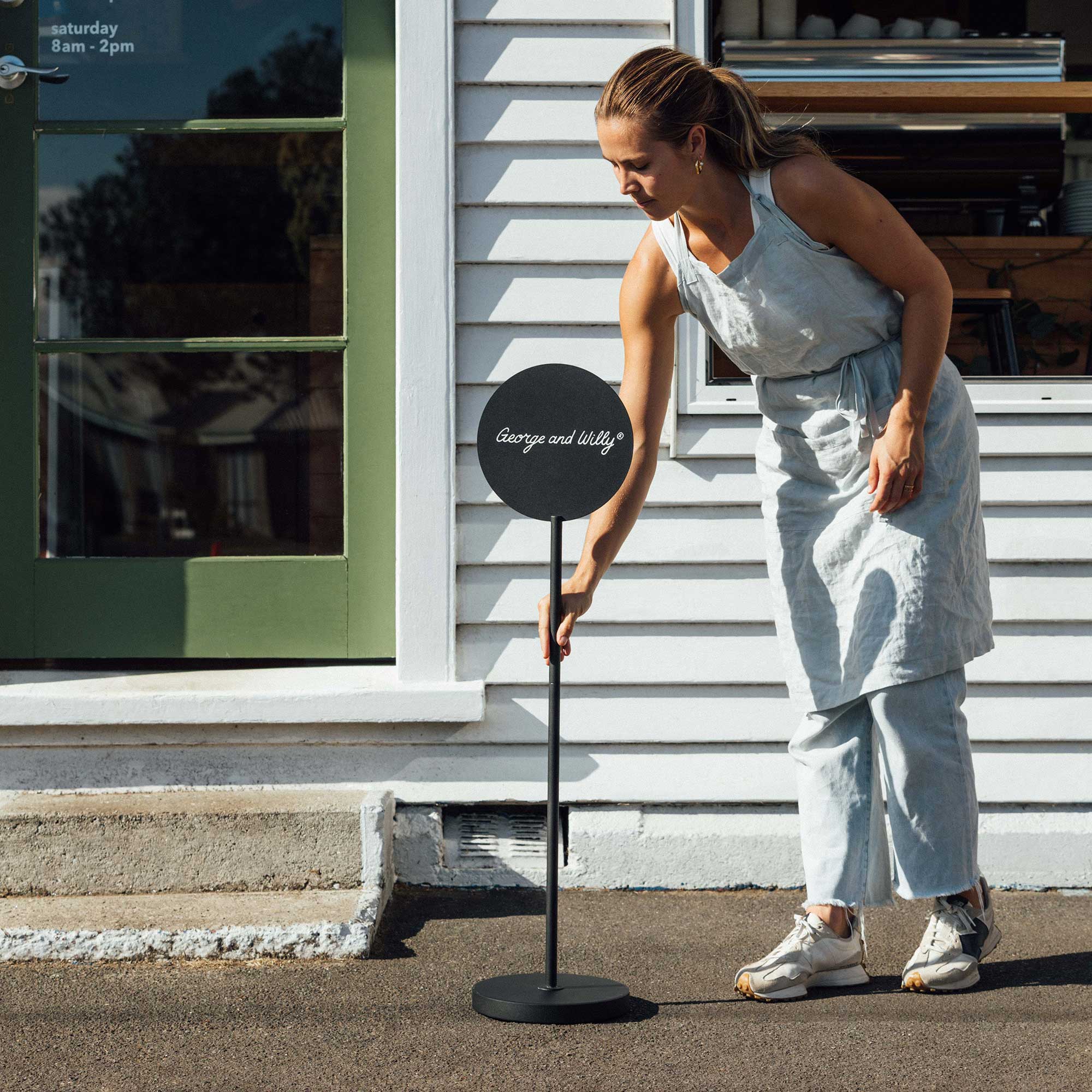
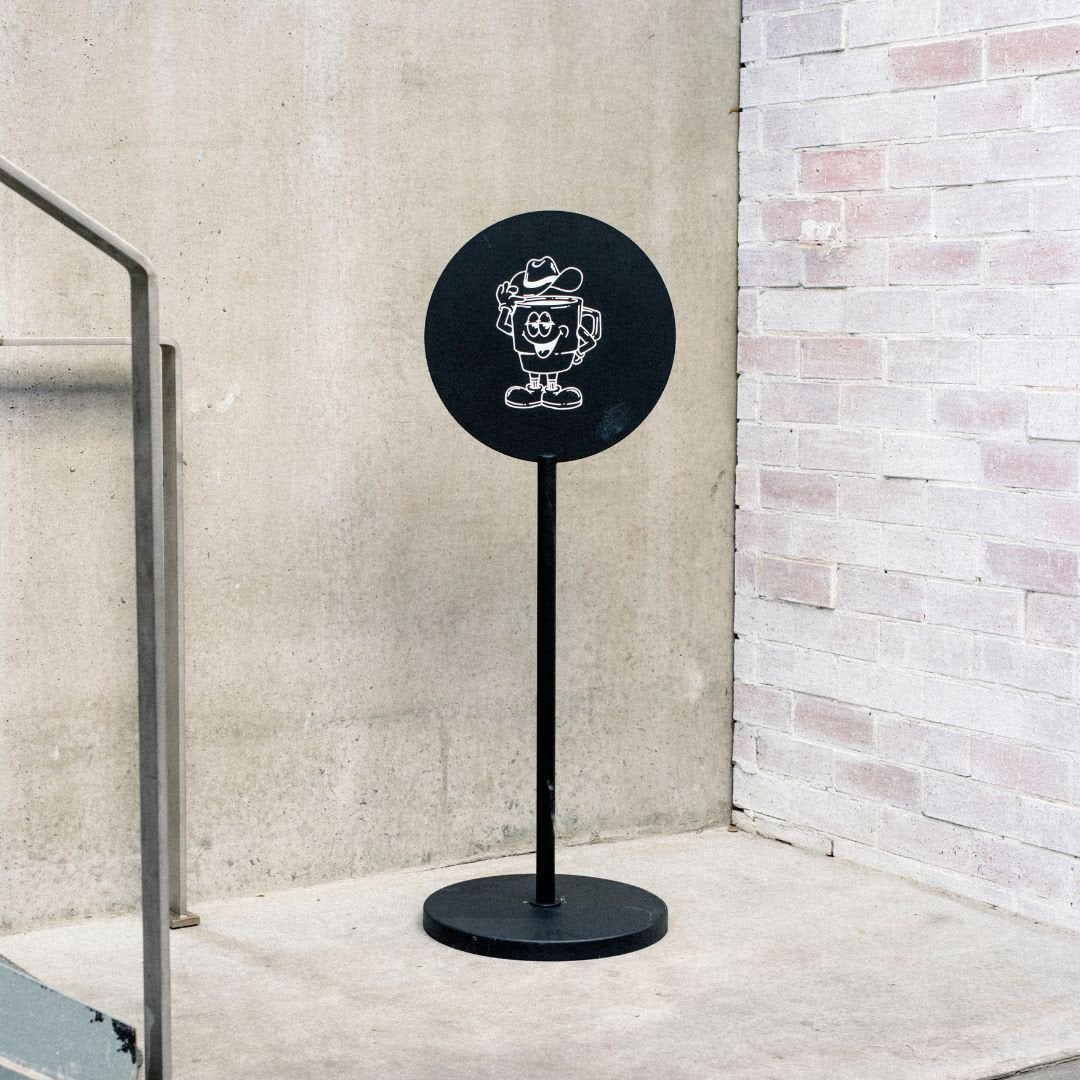
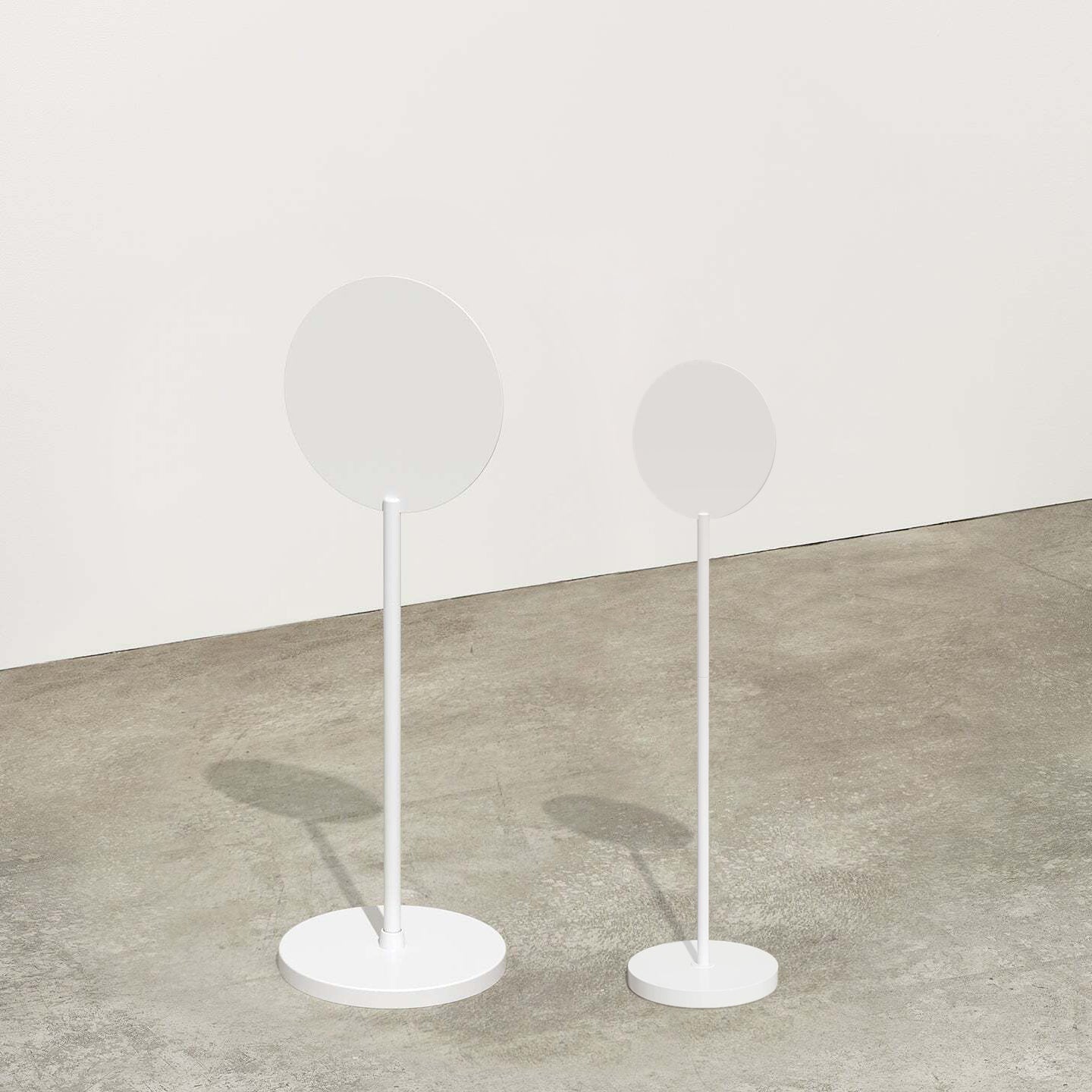
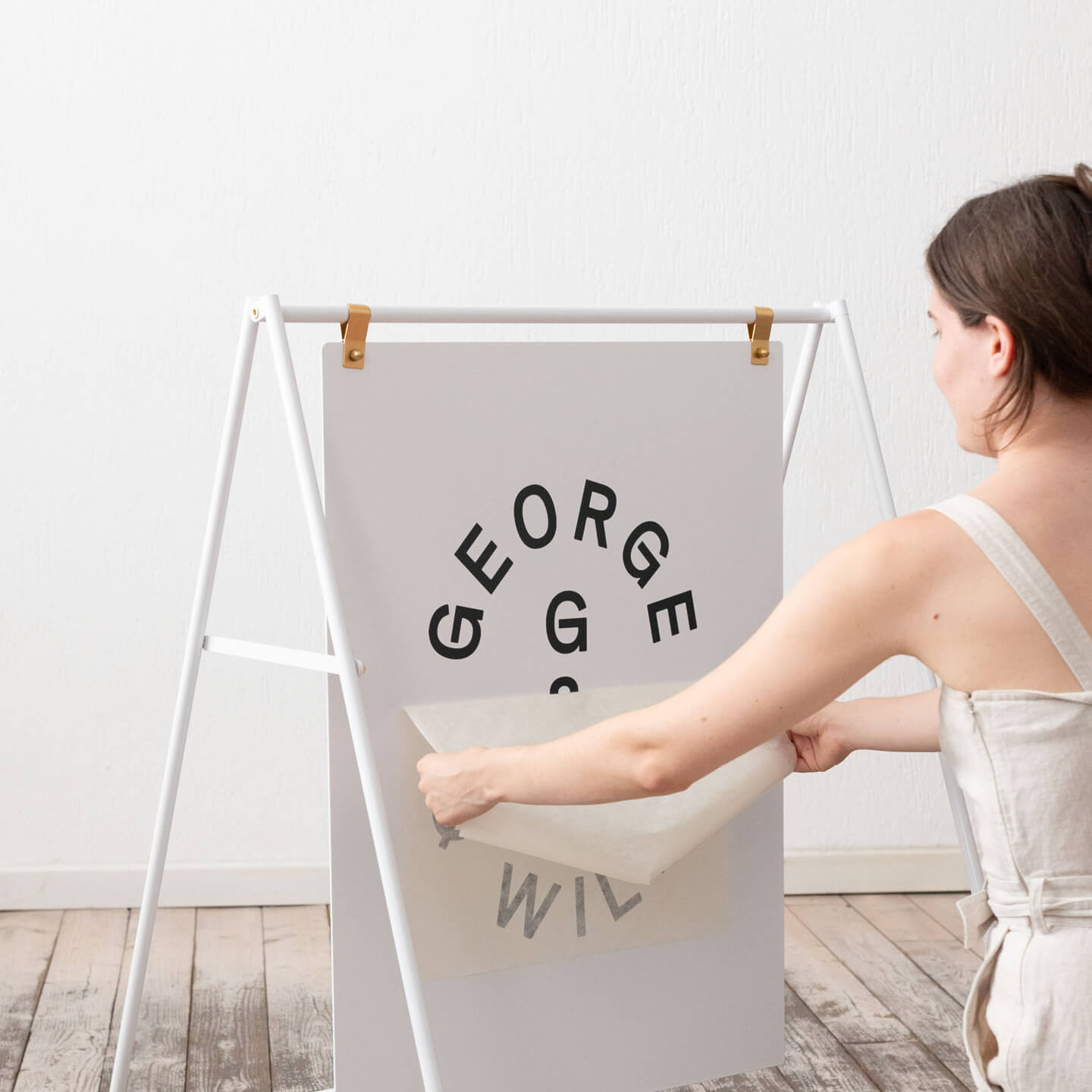
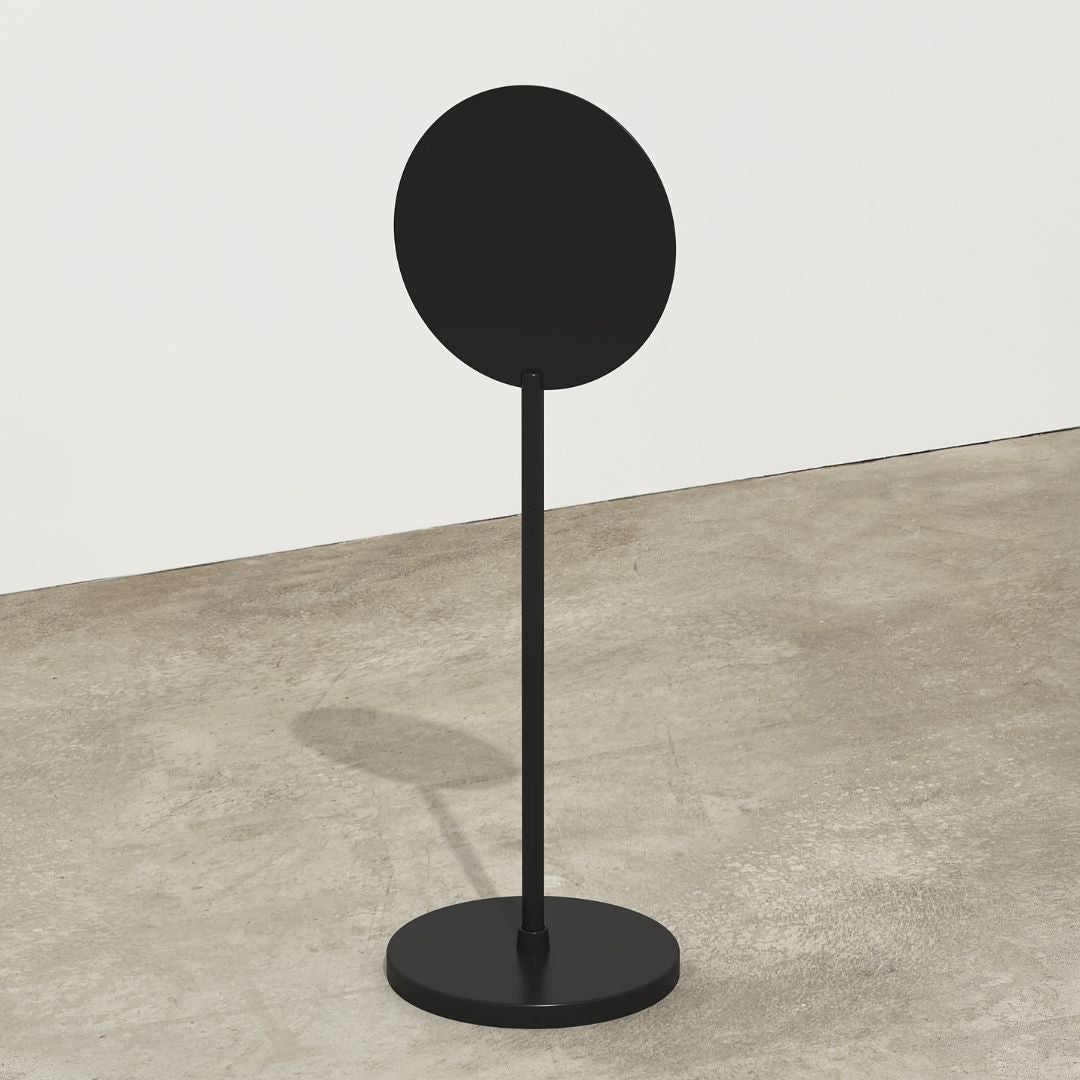
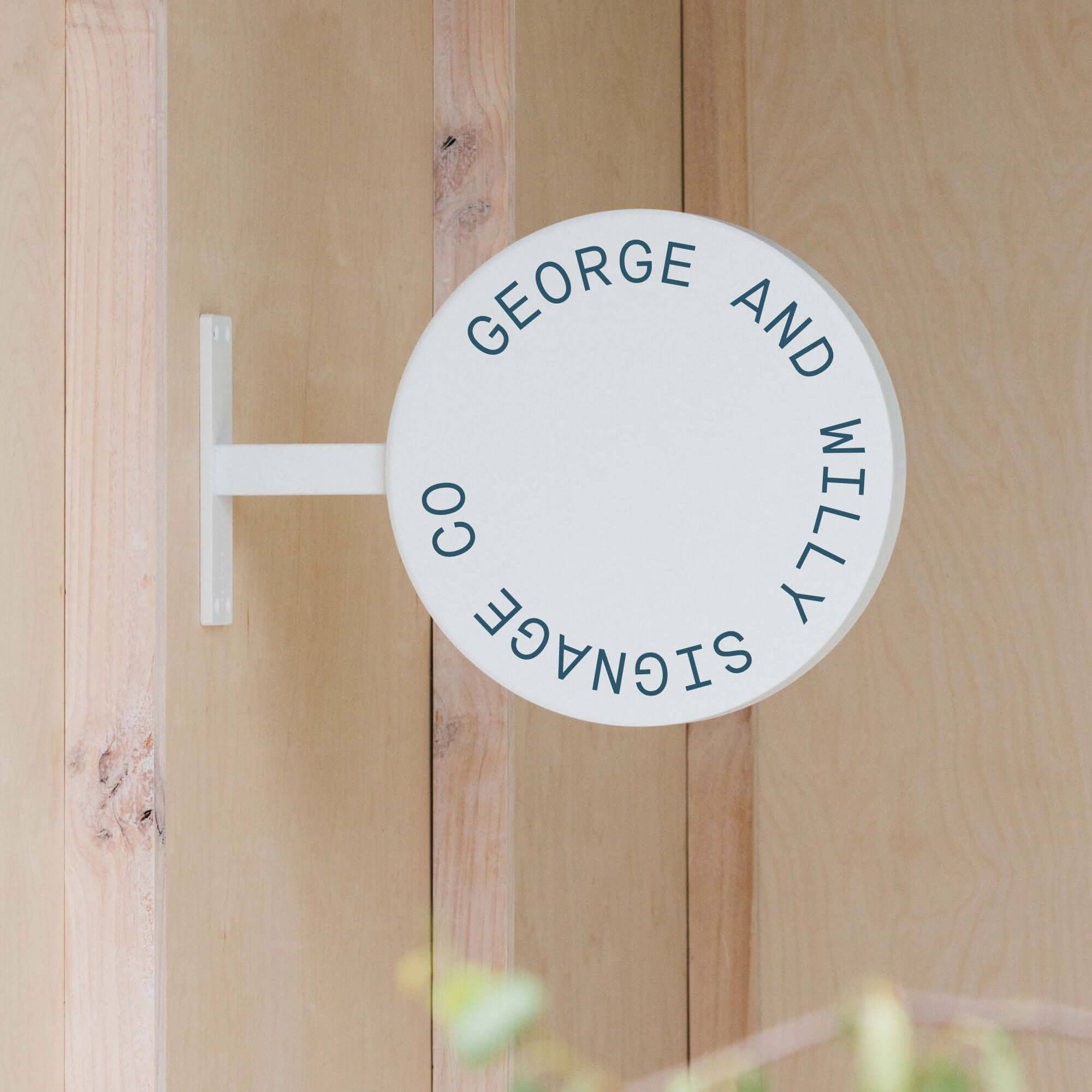
Effective blade signage design considers shape, color, and typography to create a clear and memorable impression. Minimalist designs with bold, easy to read text often work best, as pedestrians have only a few seconds to take in the message. While some businesses opt for a custom shape blade sign fabricated to a specific logo, many find that classic geometric shapes offer timeless appeal. A round, square, or rectangular sign provides a clean canvas that can be easily customized with vinyl graphics by a local sign writer, allowing for brand expression without the long lead times of full custom work.
Why Craftsmanship and Detail Matter
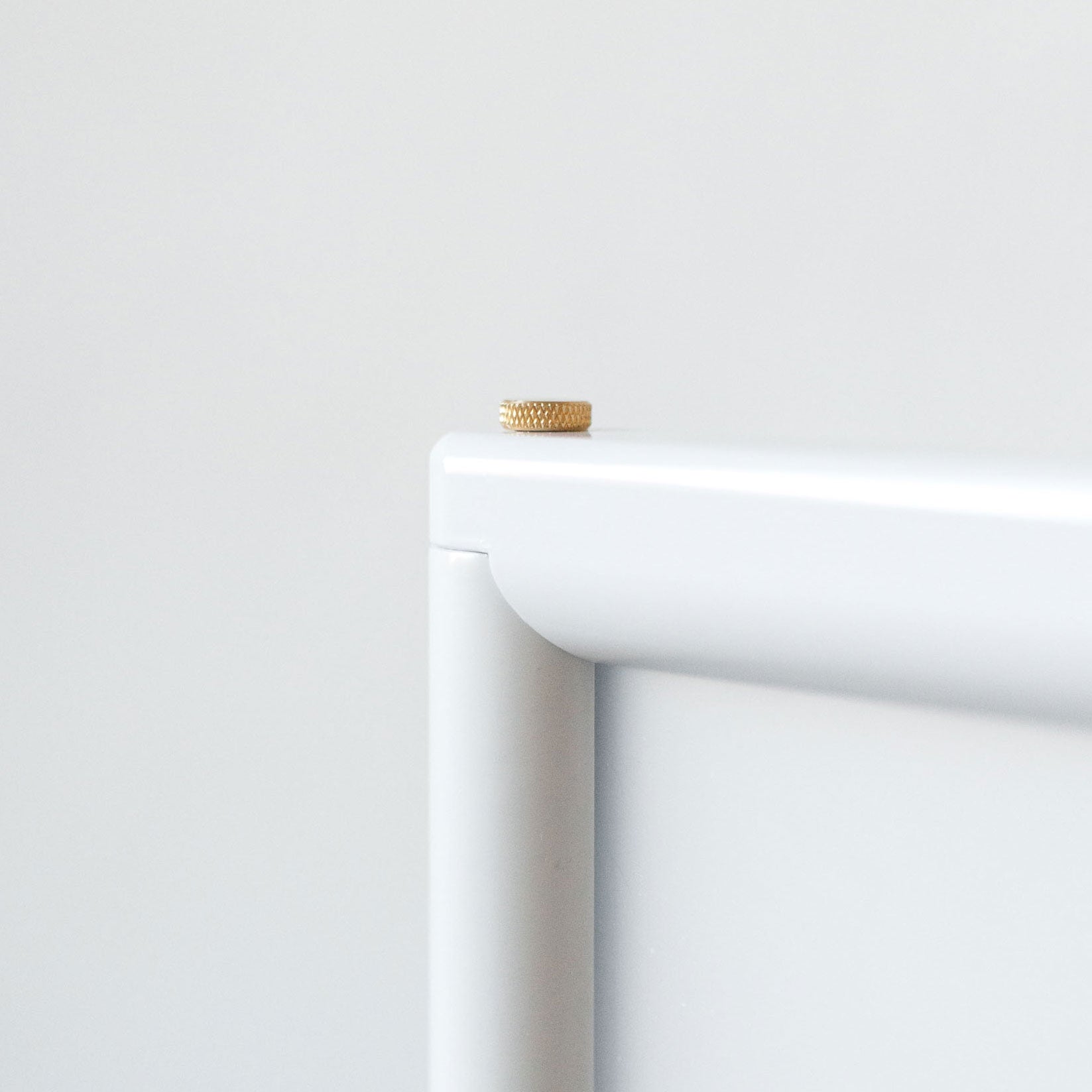
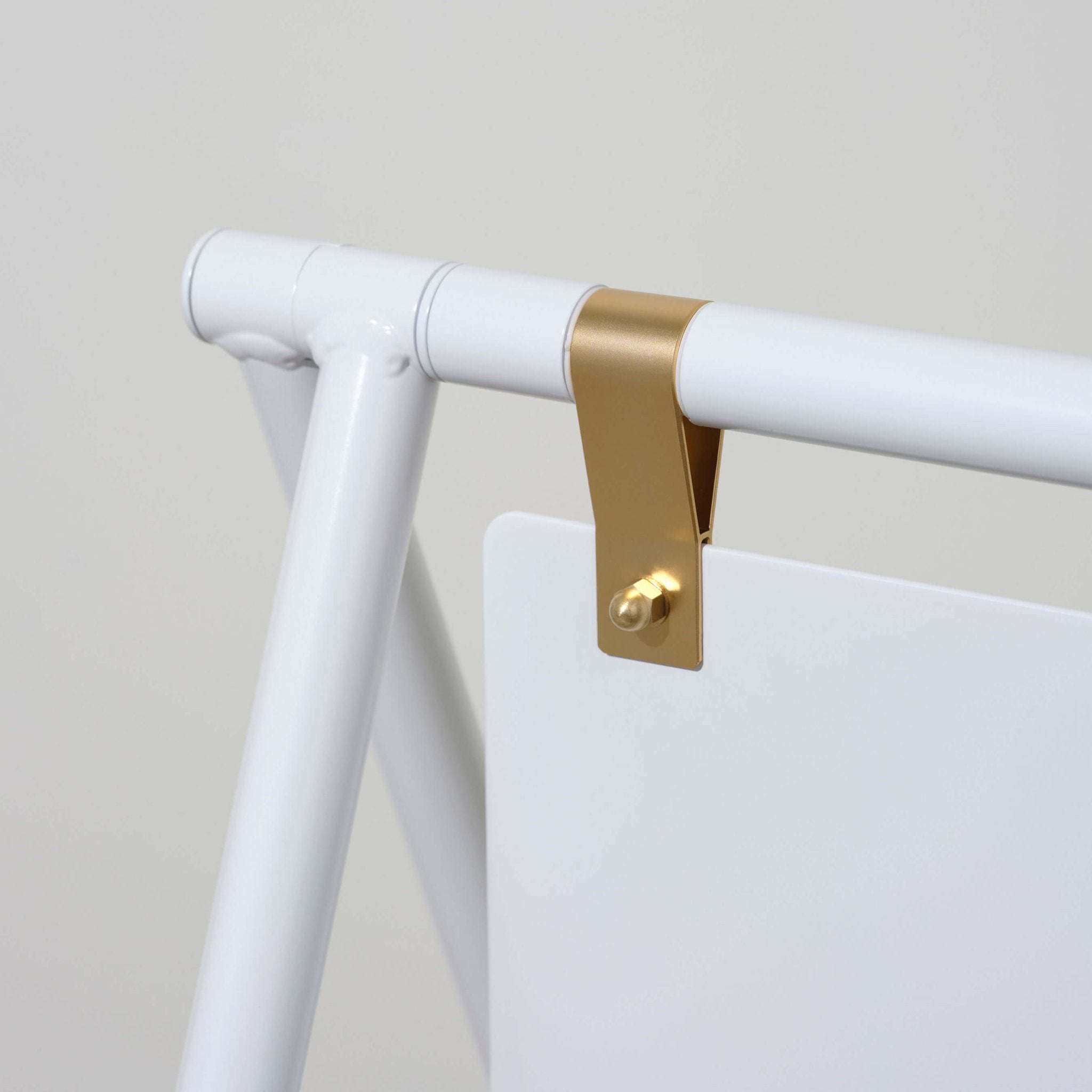
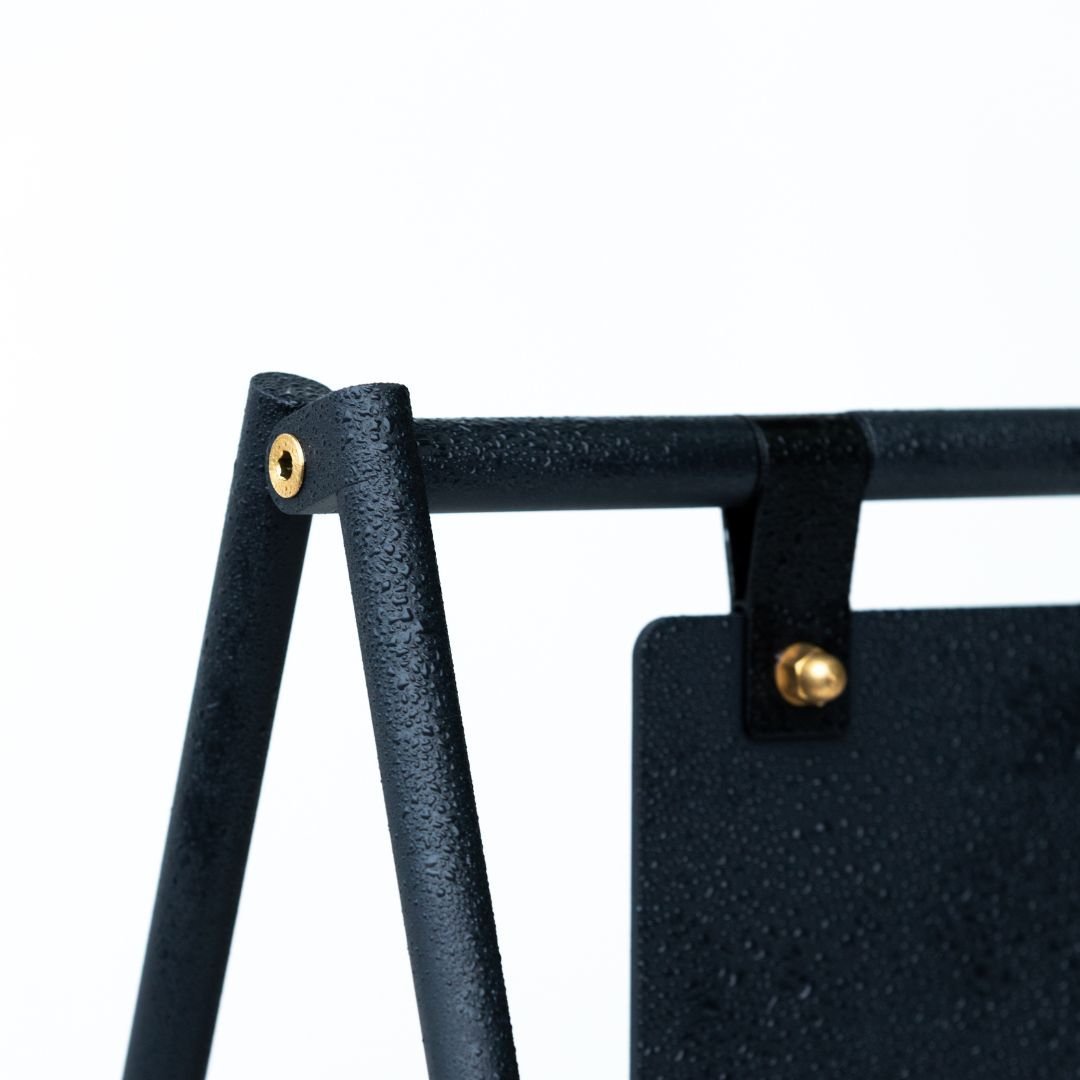
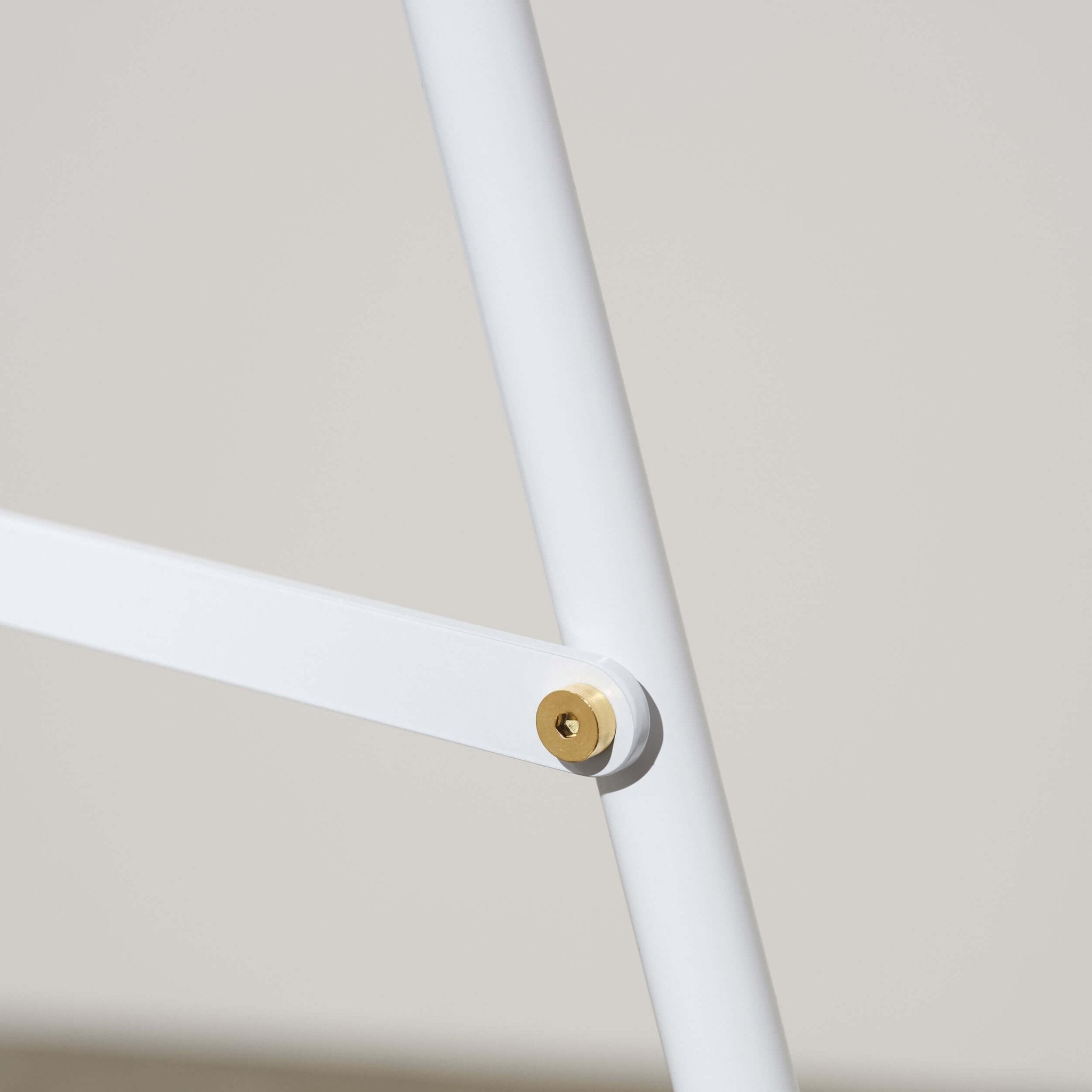
A blade sign is an extension of your business, and its quality reflects on your brand. Well crafted signs are made from durable, weather resistant materials like powder coated aluminum, which prevents rust and fading over time. Pay attention to the small details, such as the quality of the welds and the sturdiness of the mounting hardware. These elements not only contribute to the sign’s aesthetic but also ensure it remains safe and secure through various weather conditions. Investing in a well made sign means it will continue to look great and represent your business effectively for years to come.
How Businesses Use a Blade Sign
The main purpose of a blade sign is to boost visibility and attract more customers. By projecting from the building, it captures the attention of people from much farther away than a flat sign. This is a huge advantage on a busy street where you are competing for every glance.
The data backs this up. A FedEx survey found that almost 8 in 10 people have entered a store for the first time simply because its sign caught their eye. Even more impressively, nearly 7 in 10 of those people ended up making a purchase. A blade sign is perfectly positioned to create these opportunities by drawing in curious passersby who might have otherwise missed your shop.
Beyond attracting new customers, a good blade sign can have a measurable impact on your sales. One study found that about 60% of businesses saw an average 10% increase in revenue after improving their signage. A blade sign is a 24/7 advertisement that works for you around the clock without any ongoing costs.
They also help with wayfinding, guiding people to your entrance, which is especially helpful if your door is in an alley or off the main street. A beautifully crafted sign can also enhance a building’s curb appeal, adding character to the neighborhood. A thoughtfully designed blade sign can stand out without creating visual clutter.
From Medieval Pubs to Modern Cafés: Blade Sign Examples
Blade signs are not a new invention. Their history stretches back centuries. In medieval Europe, when many people could not read, shopkeepers used symbolic objects that hung from their buildings. A shoemaker might hang a wooden boot, while a tavern might display a bundle of grapes. These were early forms of projecting signs designed to be spotted easily by travelers.
This practice was so important that in 1389, King Richard II of England passed a law requiring anyone selling ale to hang a sign outside their establishment. This was done to make pubs easy for inspectors and patrons to find. You can still see ornate, iron forged blade signs swinging above historic pubs and shops in many European towns today.
A more modern, iconic example is the Fox Theatre in Riverside, California. Like many grand theaters of the 1930s and 40s, it featured a towering vertical blade sign to draw in crowds. During its restoration, two replica blade signs, each 22 feet tall, were installed to recreate its historic look. Today, these signs serve as a landmark, guiding visitors just as the originals did nearly a century ago.
In contemporary settings, you will find blade signs on storefronts for every type of business. A trendy coffee shop might use a minimalist round blade sign, while a classic barbershop could opt for a hand painted sign with ornate brackets. The design possibilities are endless, allowing businesses to perfectly match their sign to their brand identity. For inspiration on how a modern blade sign can elevate a storefront, explore the Rectangle Blade Sign.
Why a Blade Sign is a Smart Investment for Small Businesses
For a small business, a wall sign can be a marketing game changer. Without a large advertising budget, your storefront sign is one of your most powerful and cost effective tools.
Consumer perception is heavily influenced by signage. According to a FedEx Office survey, 68% of consumers believe a store’s sign reflects the quality of its products or services. A clean, professional blade sign can signal trustworthiness, while a poor quality sign might deter potential customers. In fact, over half of consumers said they would be hesitant to enter a store with a misspelled or poorly made sign. Even worse, nearly 60% said they simply would not enter a business that has no sign at all.
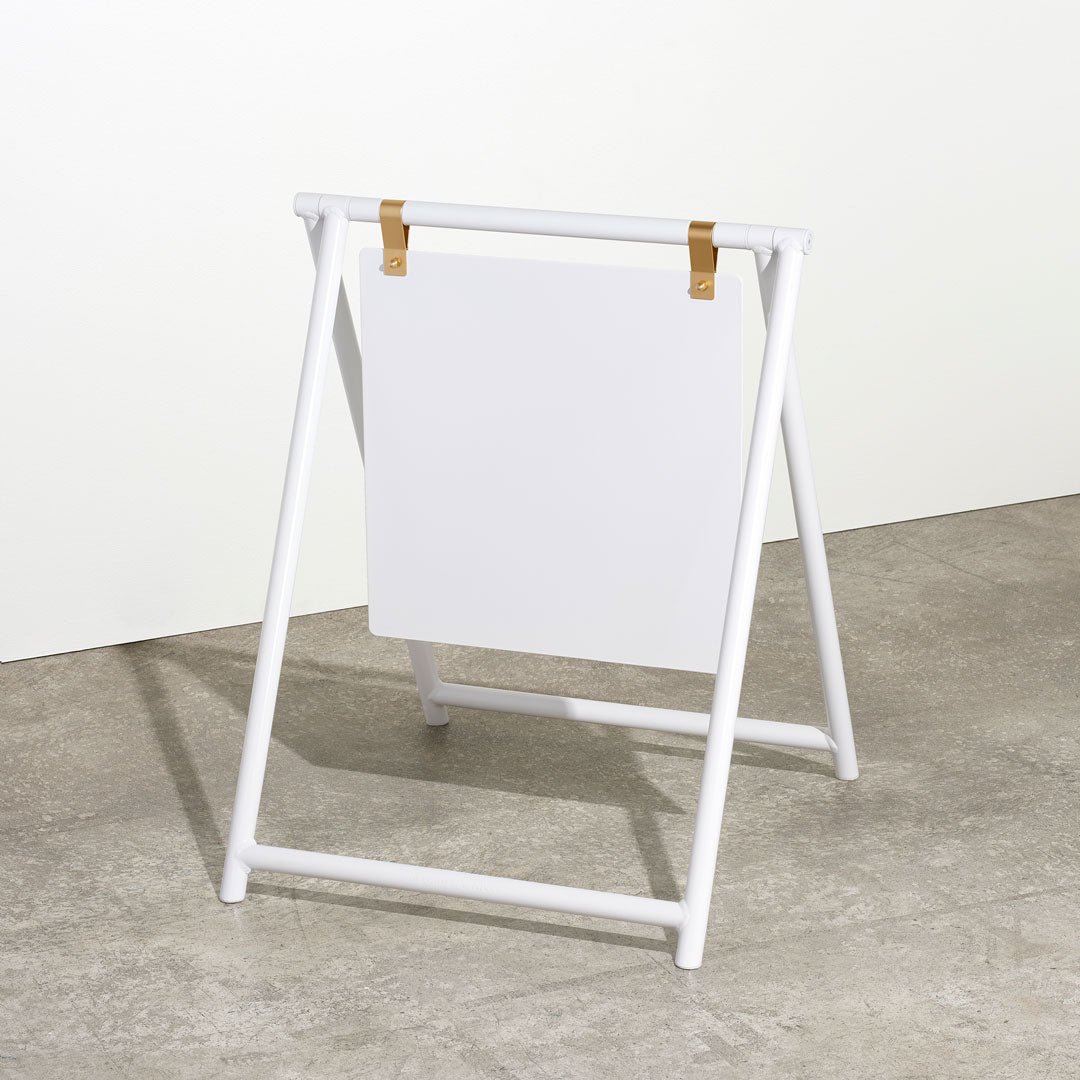
A good sign puts your business on the map for people in your community. Research shows that 76% of consumers have visited a new store based on its sign. It fixes the problem of being overlooked. A blade sign is often a better investment than other forms of advertising because it works continuously after a one time cost. For footpath visibility, pair it with a pavement sign to catch passersby at street level.
Installation, Service, and Support
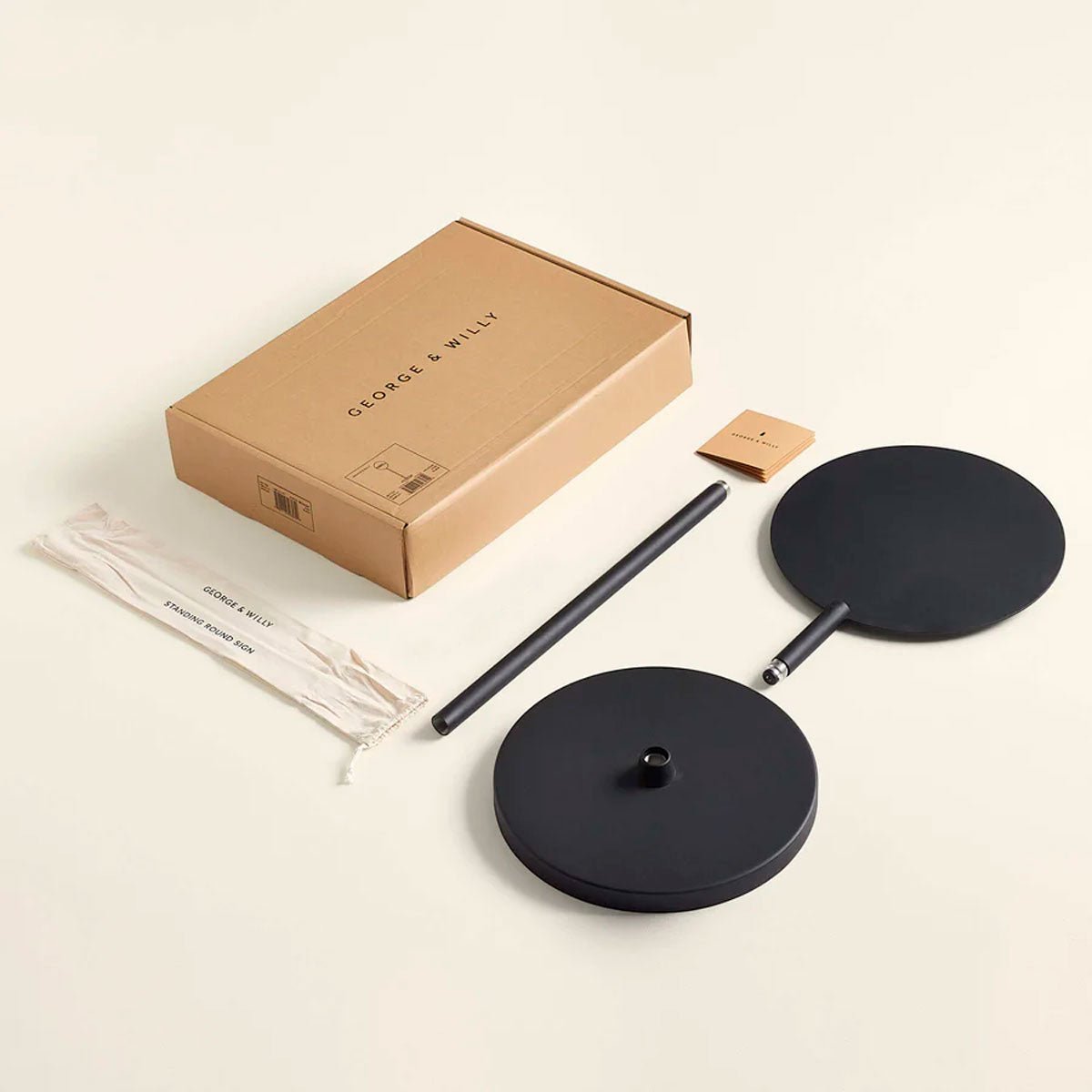
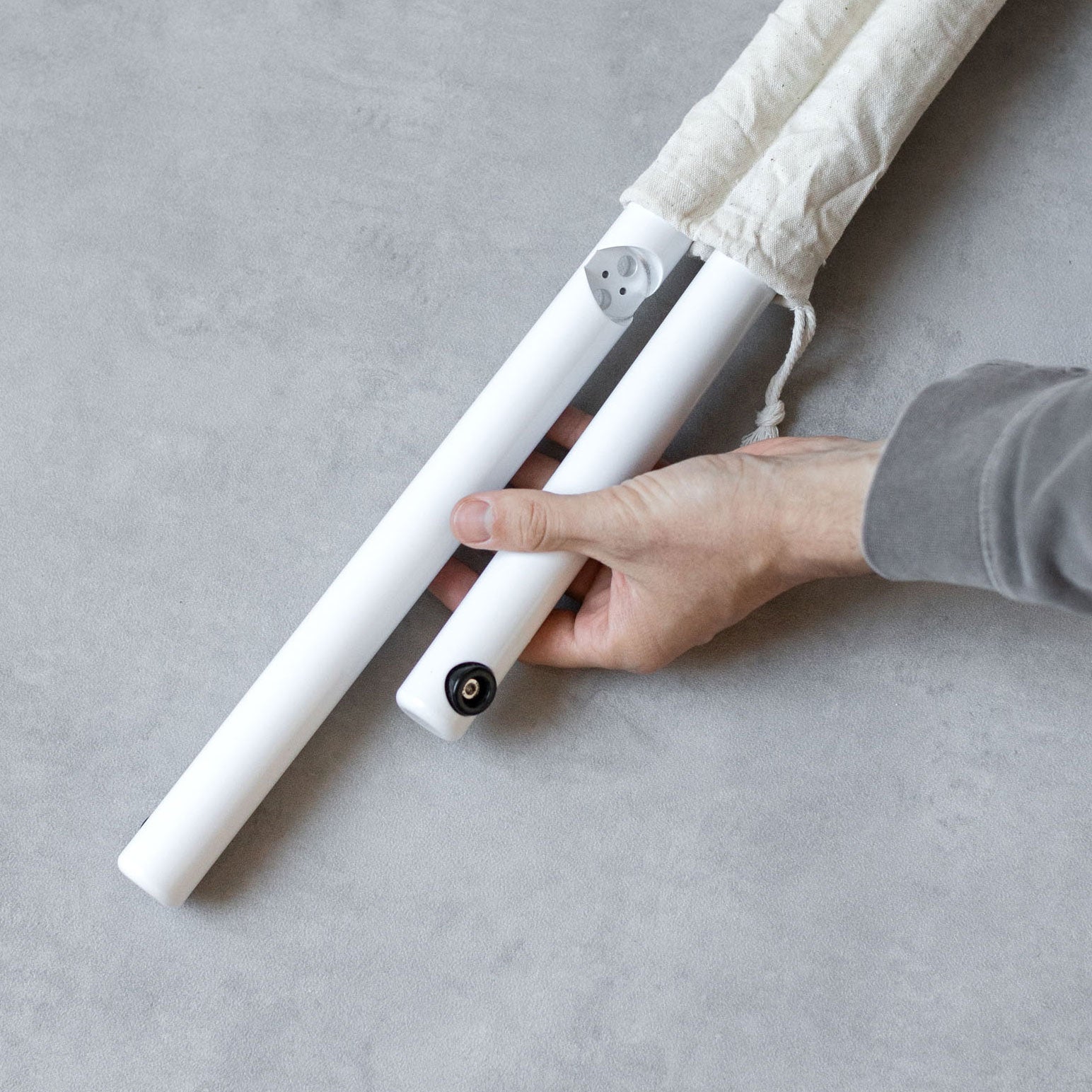
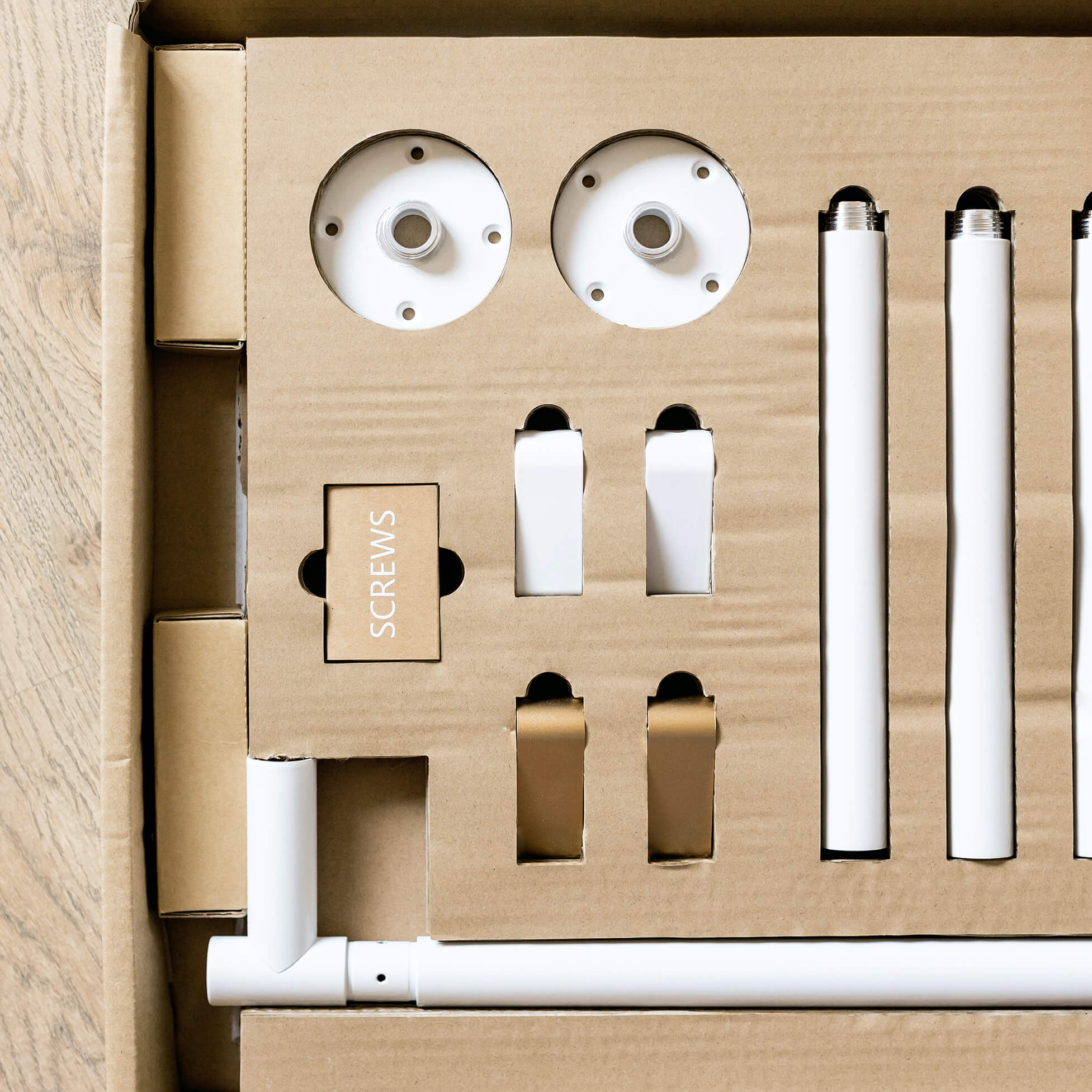
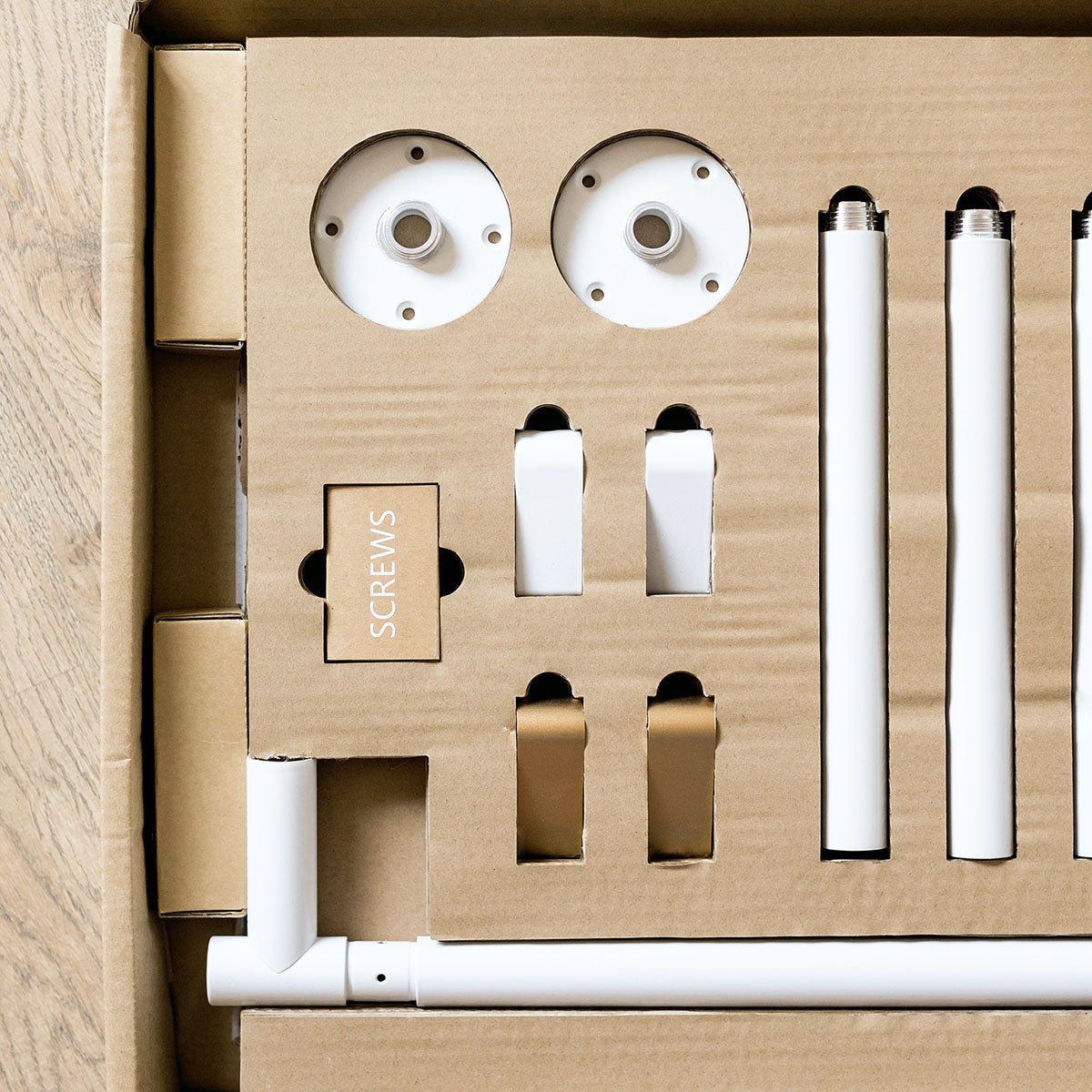
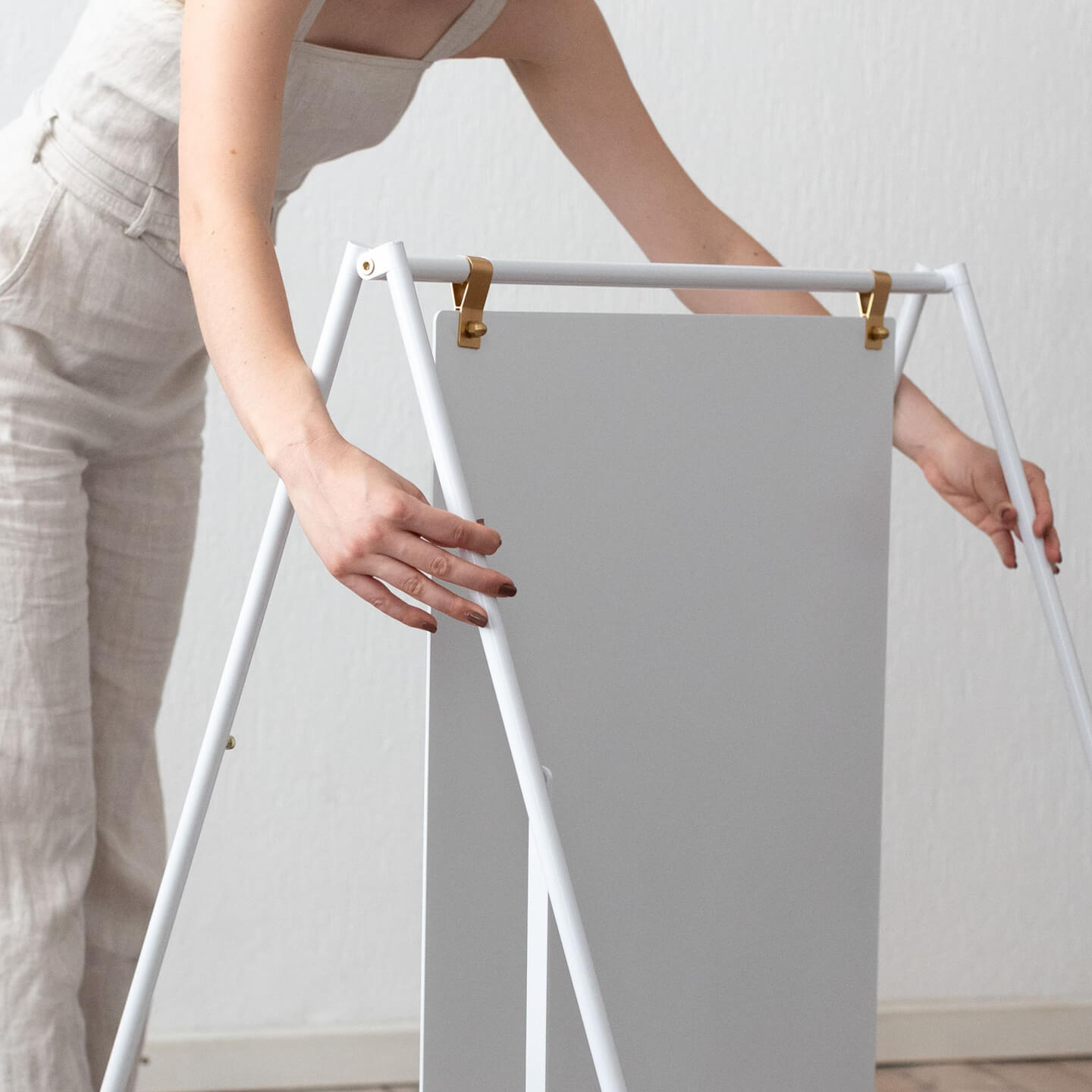
Modern blade signs are also practical. They are designed for easy installation and are made from durable materials that withstand the elements. Good quality signs come with sturdy brackets and all the necessary mounting hardware to ensure a secure installation.
Maintenance is typically minimal. Regular cleaning can keep your sign looking fresh. For illuminated signs, occasional service might be needed to replace bulbs or check wiring. If a sign is damaged, it is best to contact a professional for repair to ensure it remains safe and secure.
When choosing a sign provider, look for strong service and support. A good company will offer clear installation guides, responsive customer service, and a warranty that covers faulty workmanship or materials. This ensures your investment is protected and you have help available if you need it.
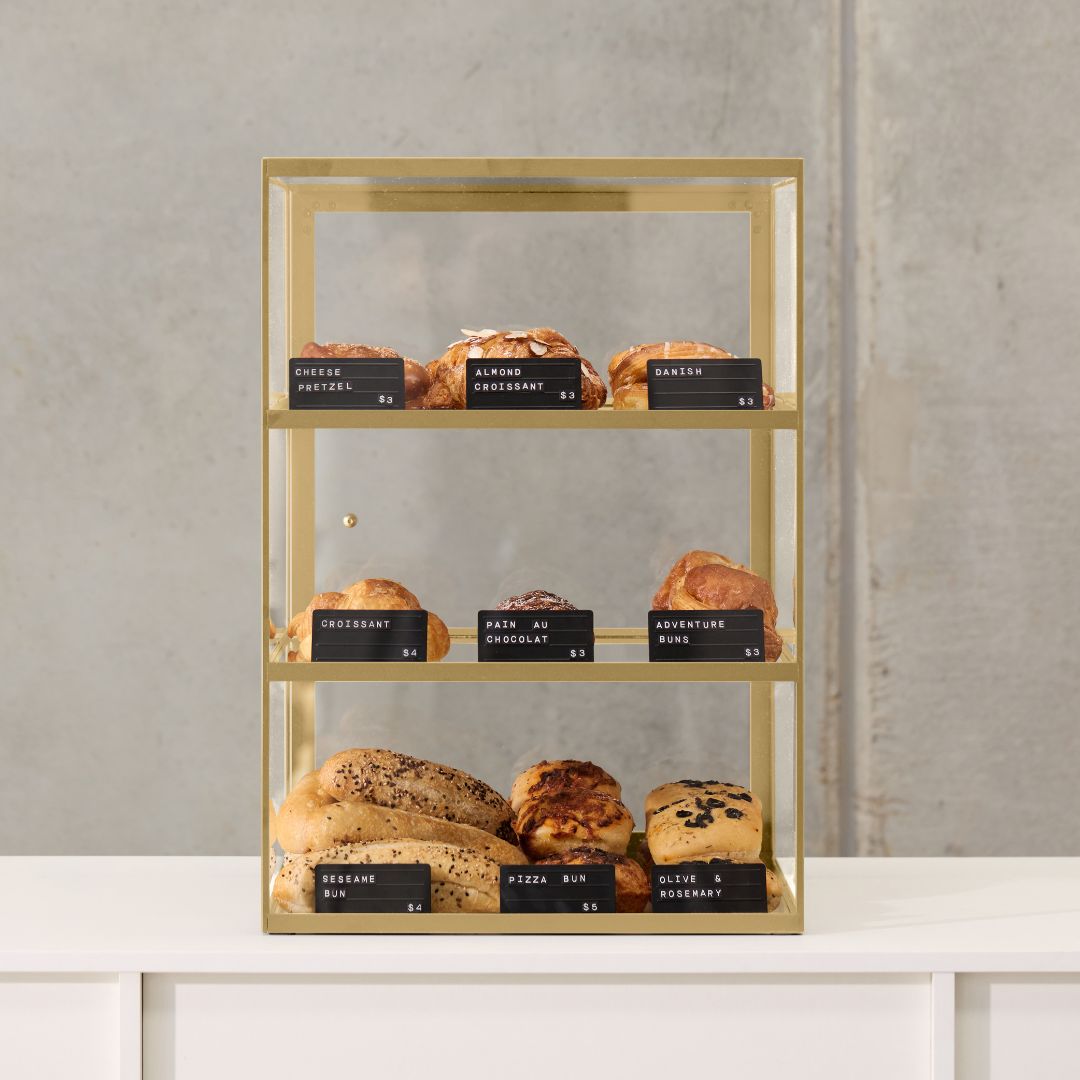
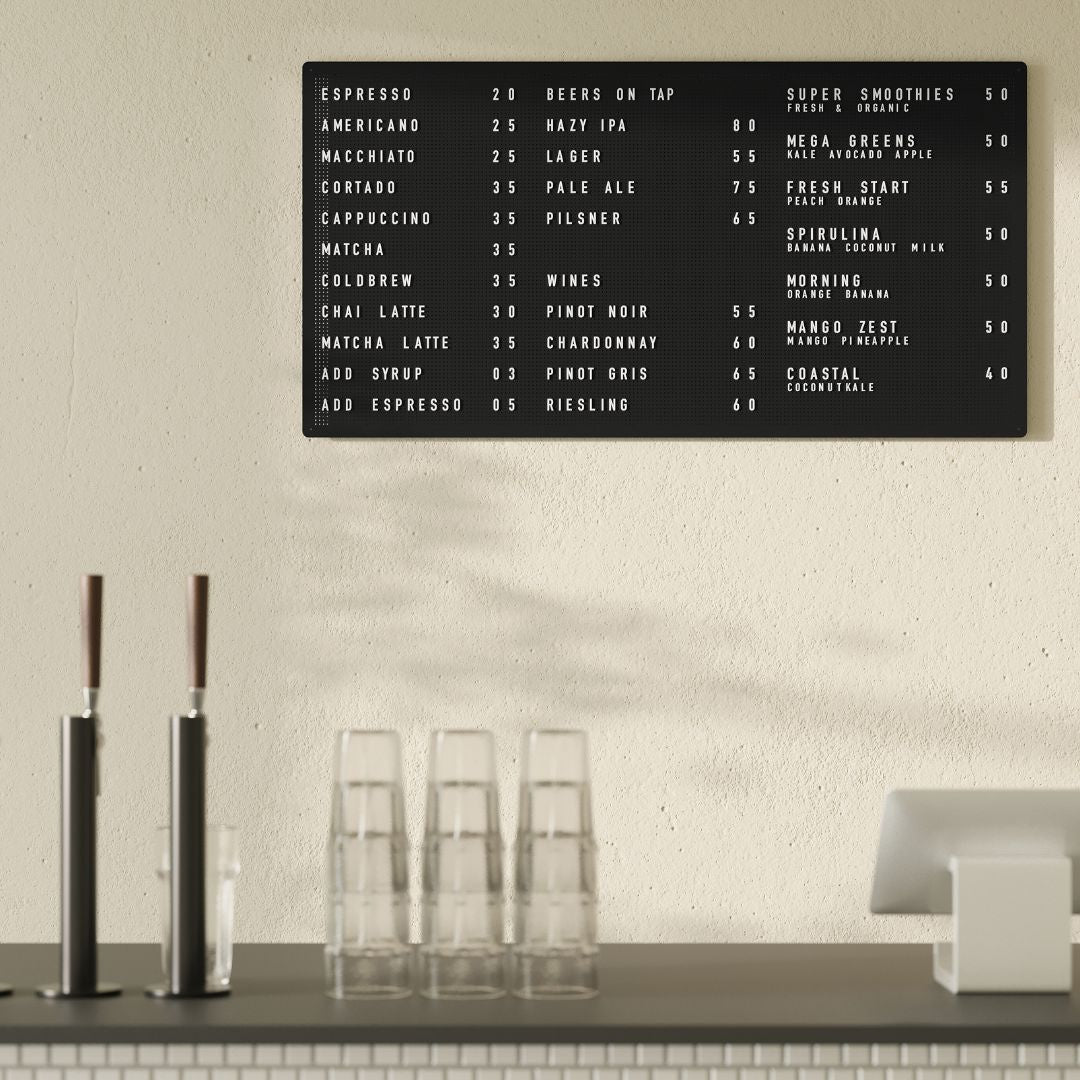
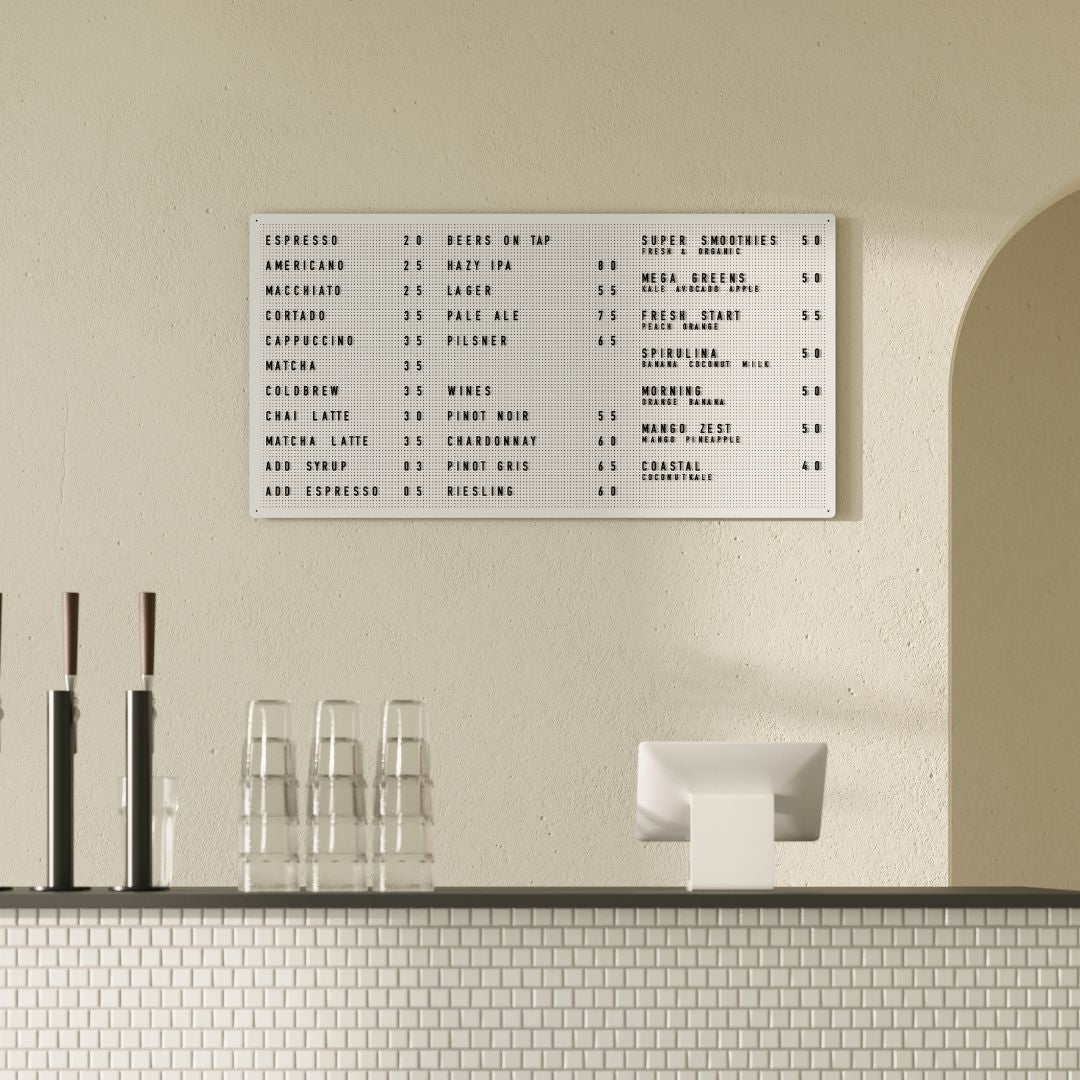
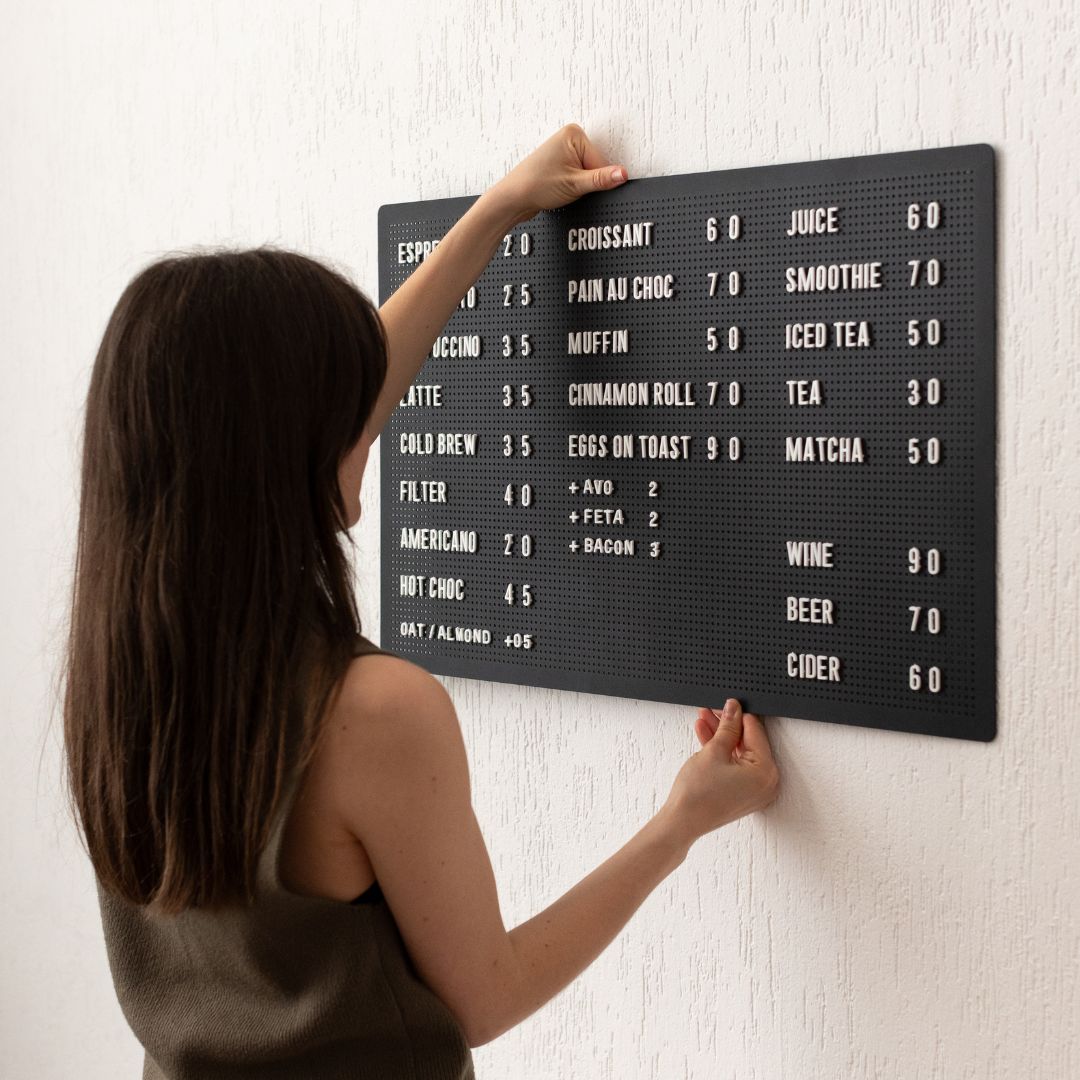
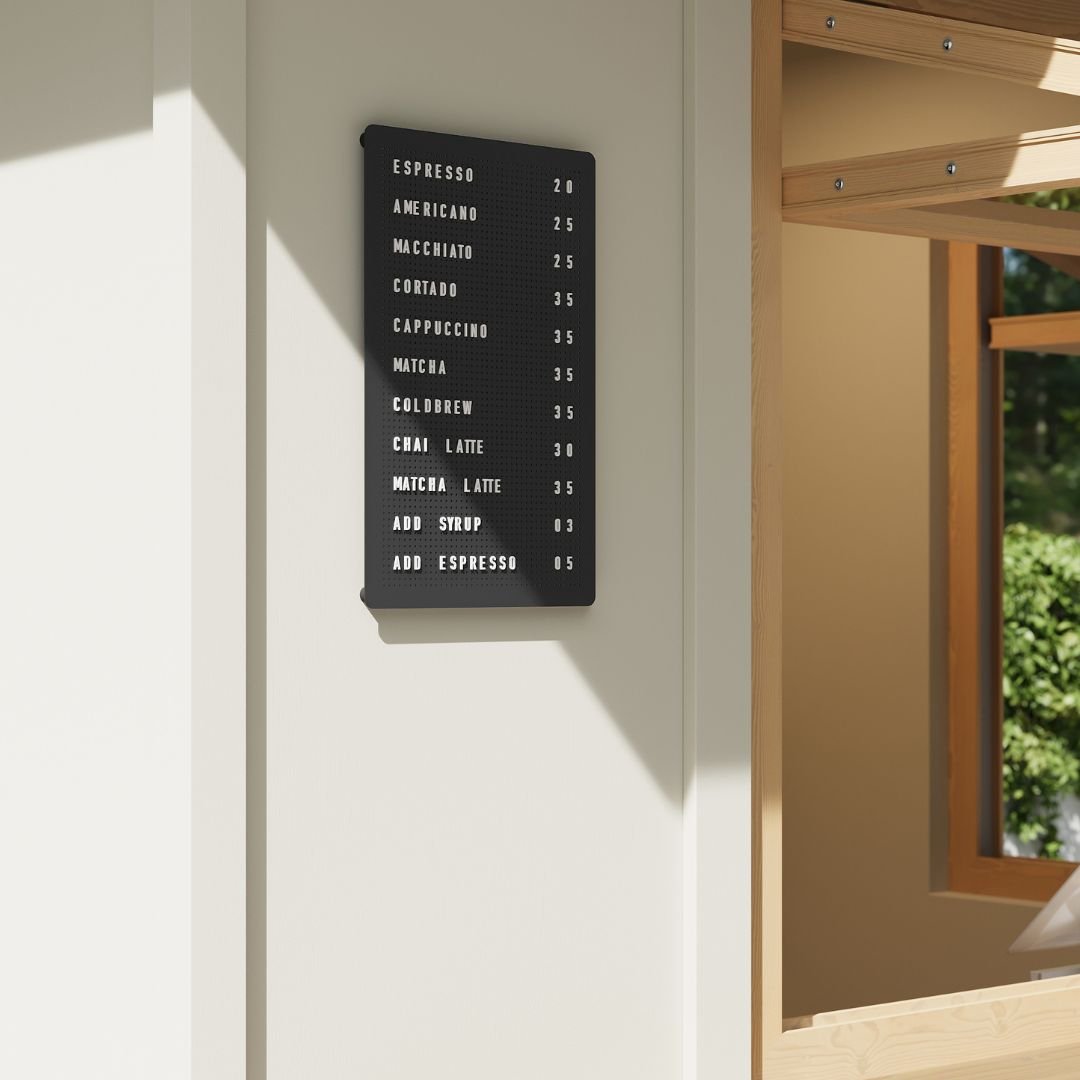
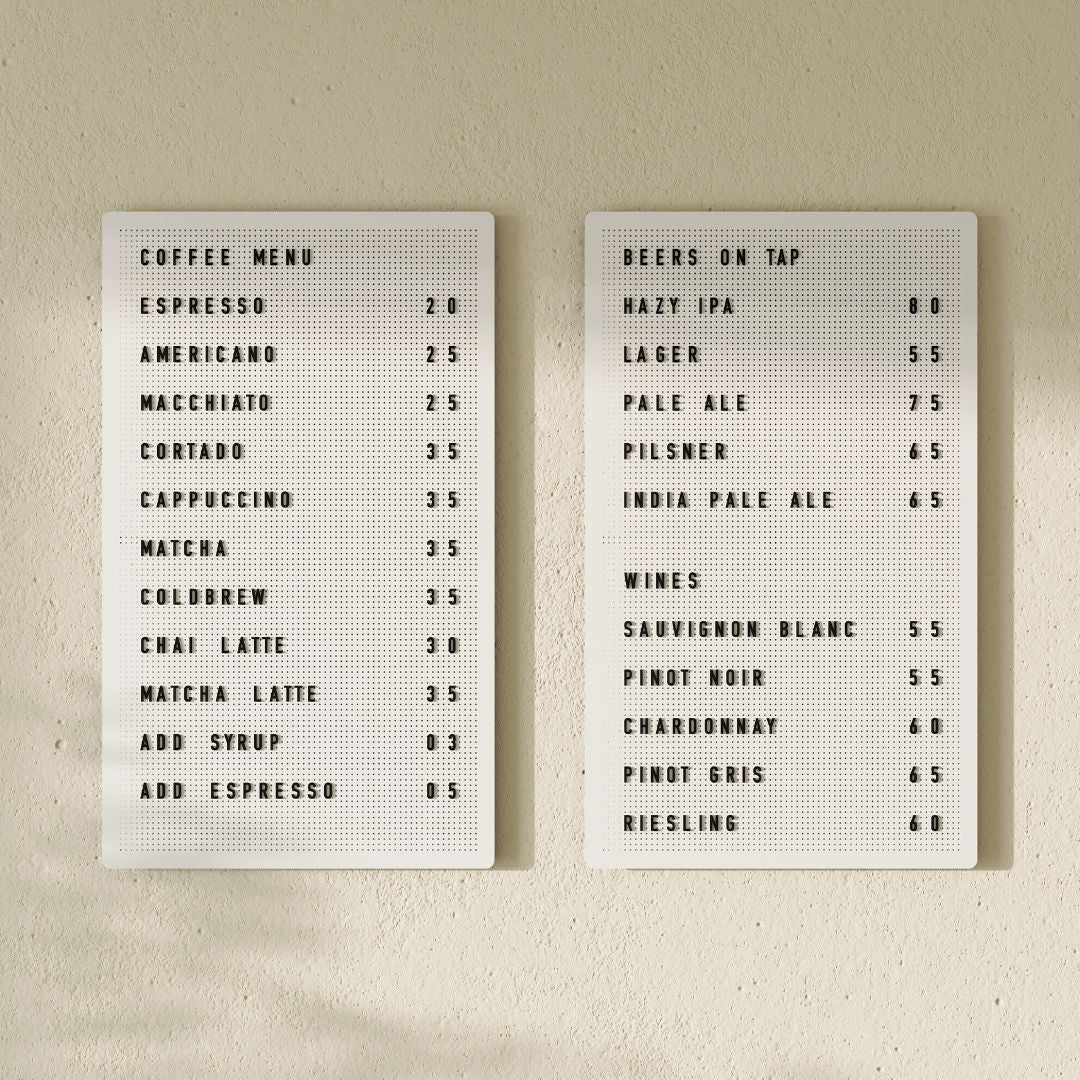
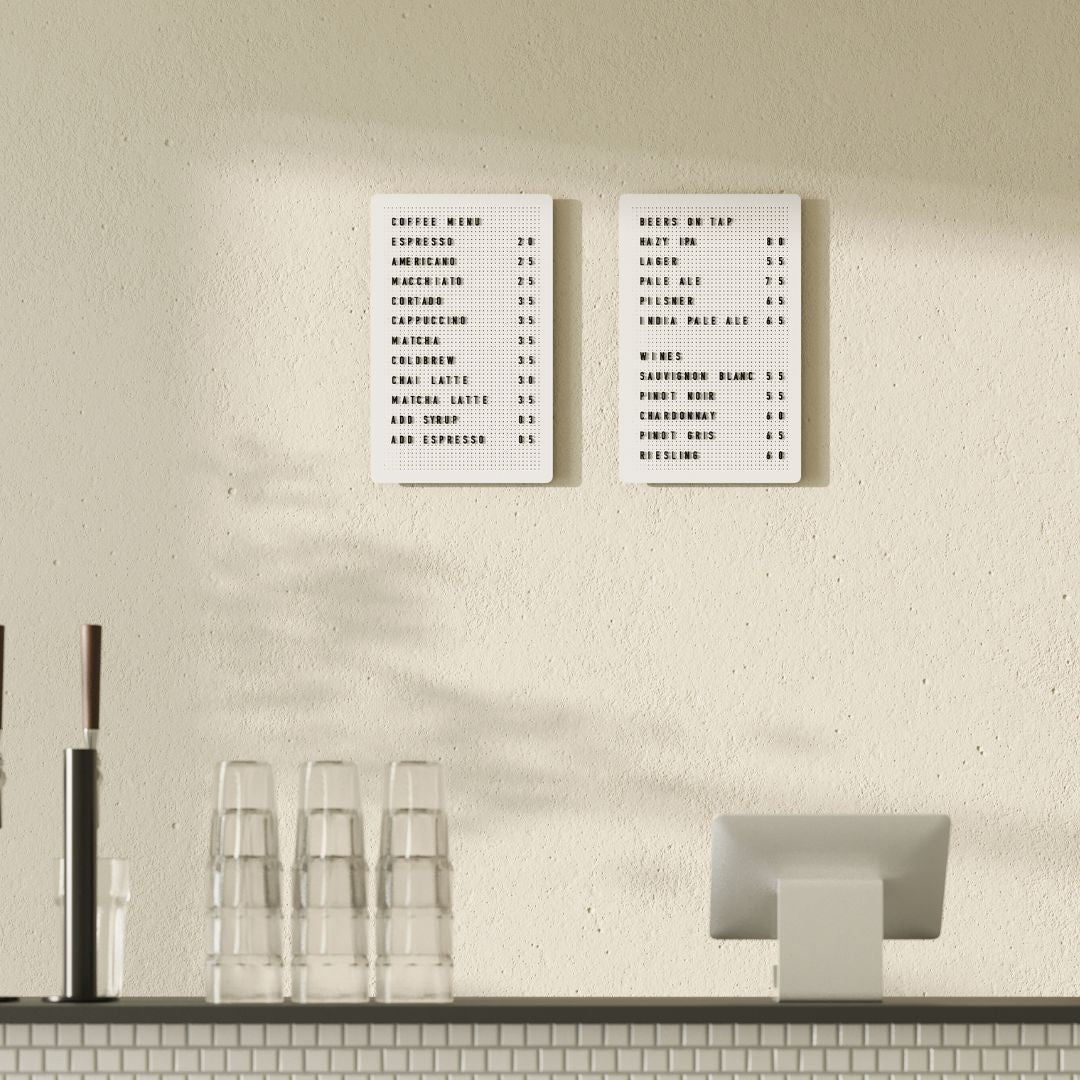
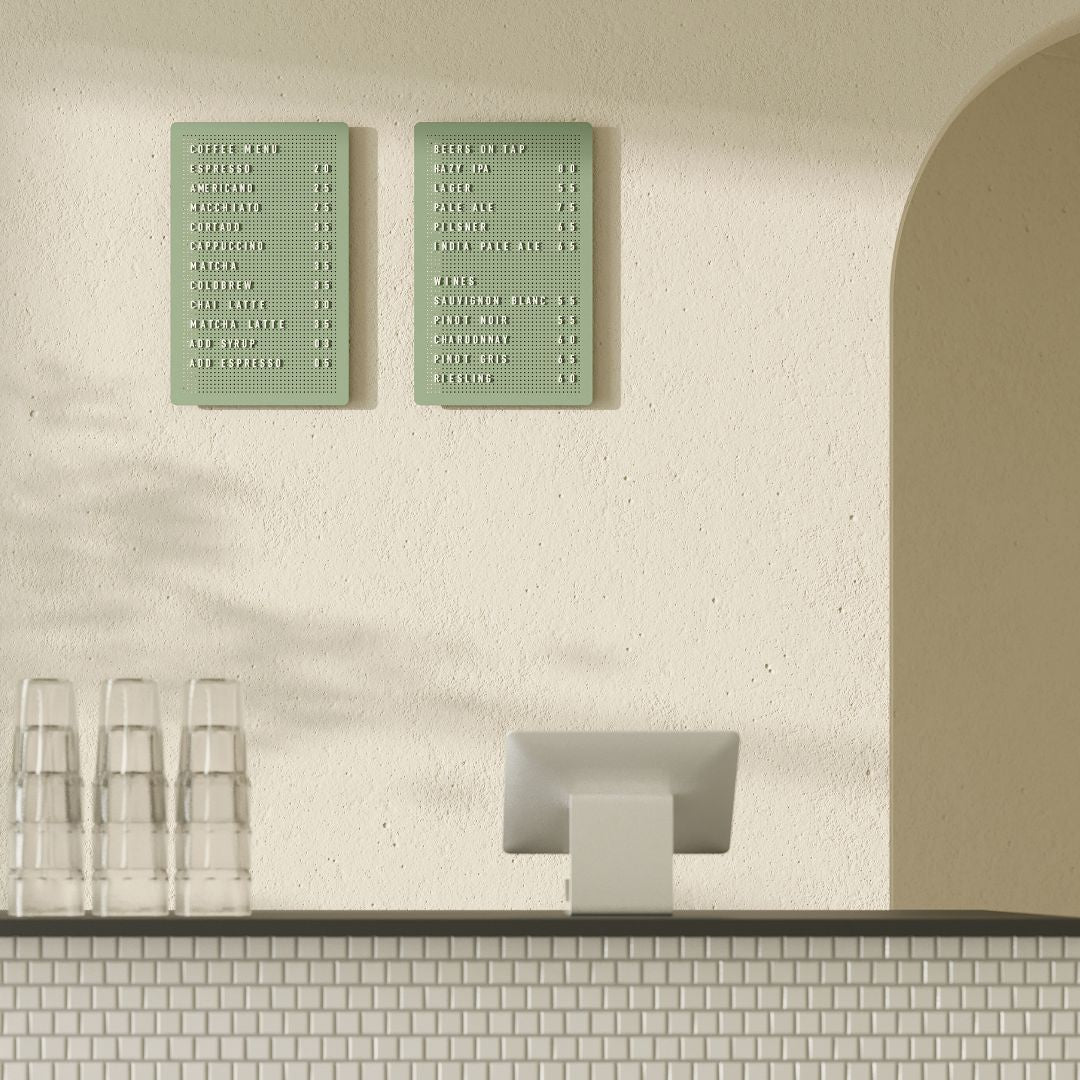
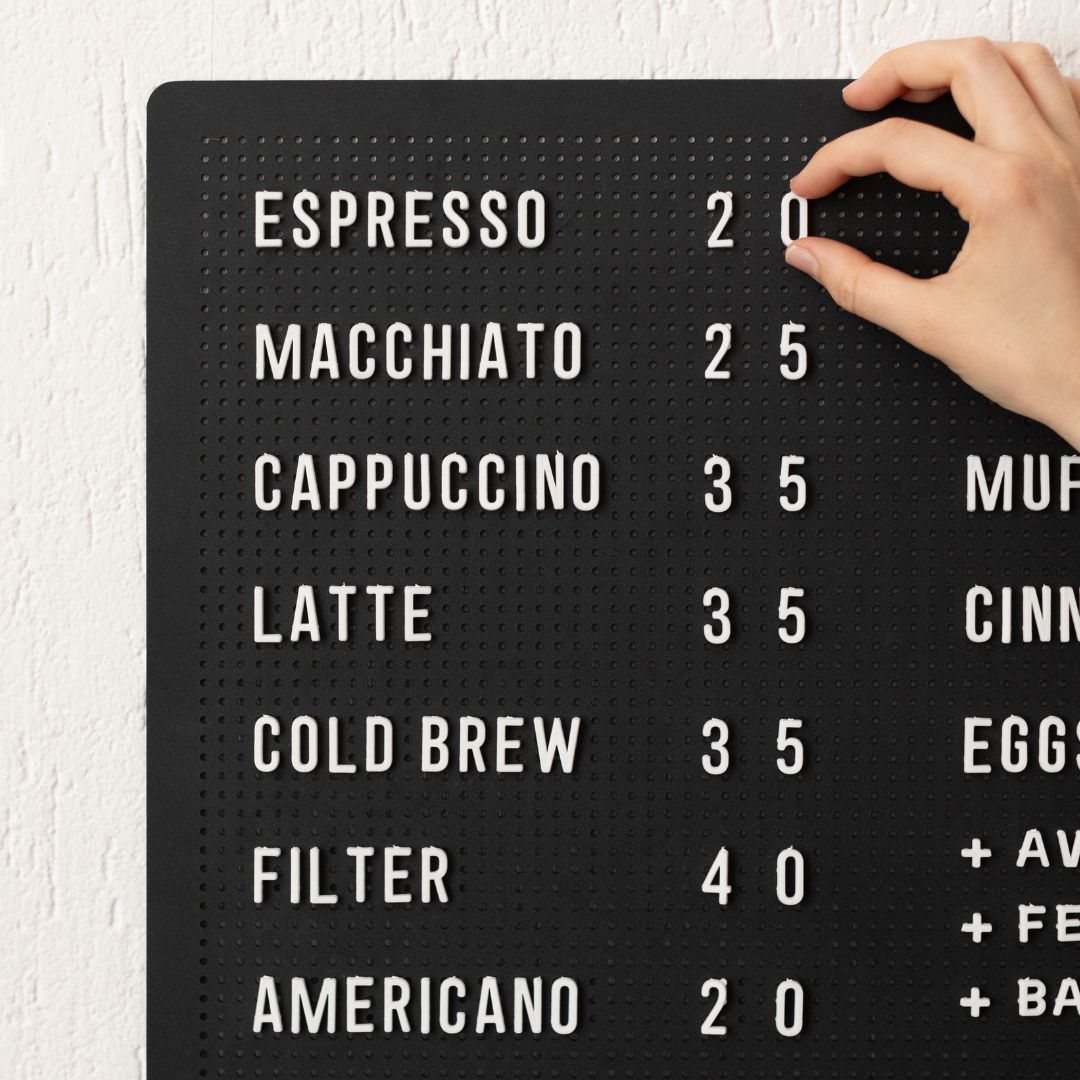
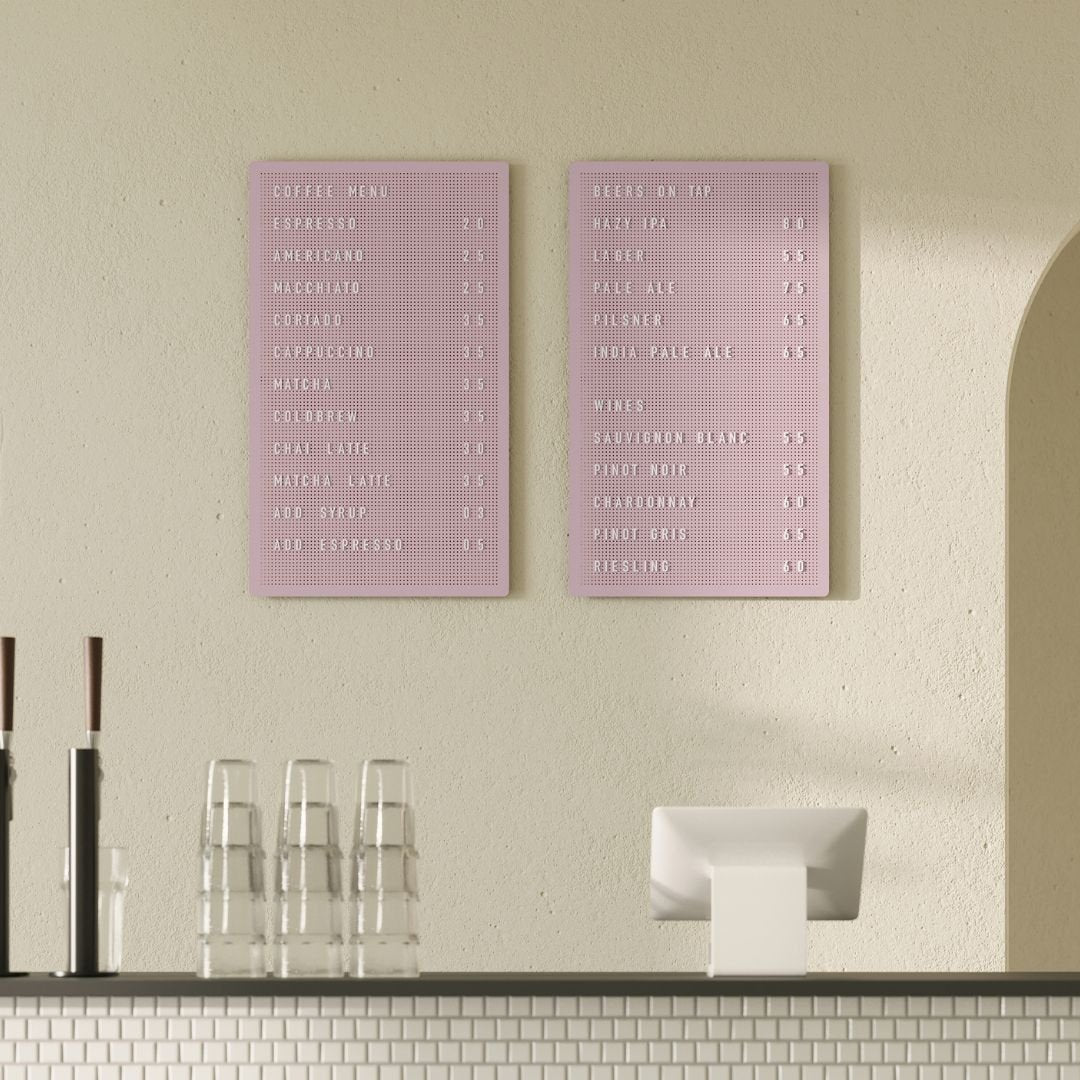
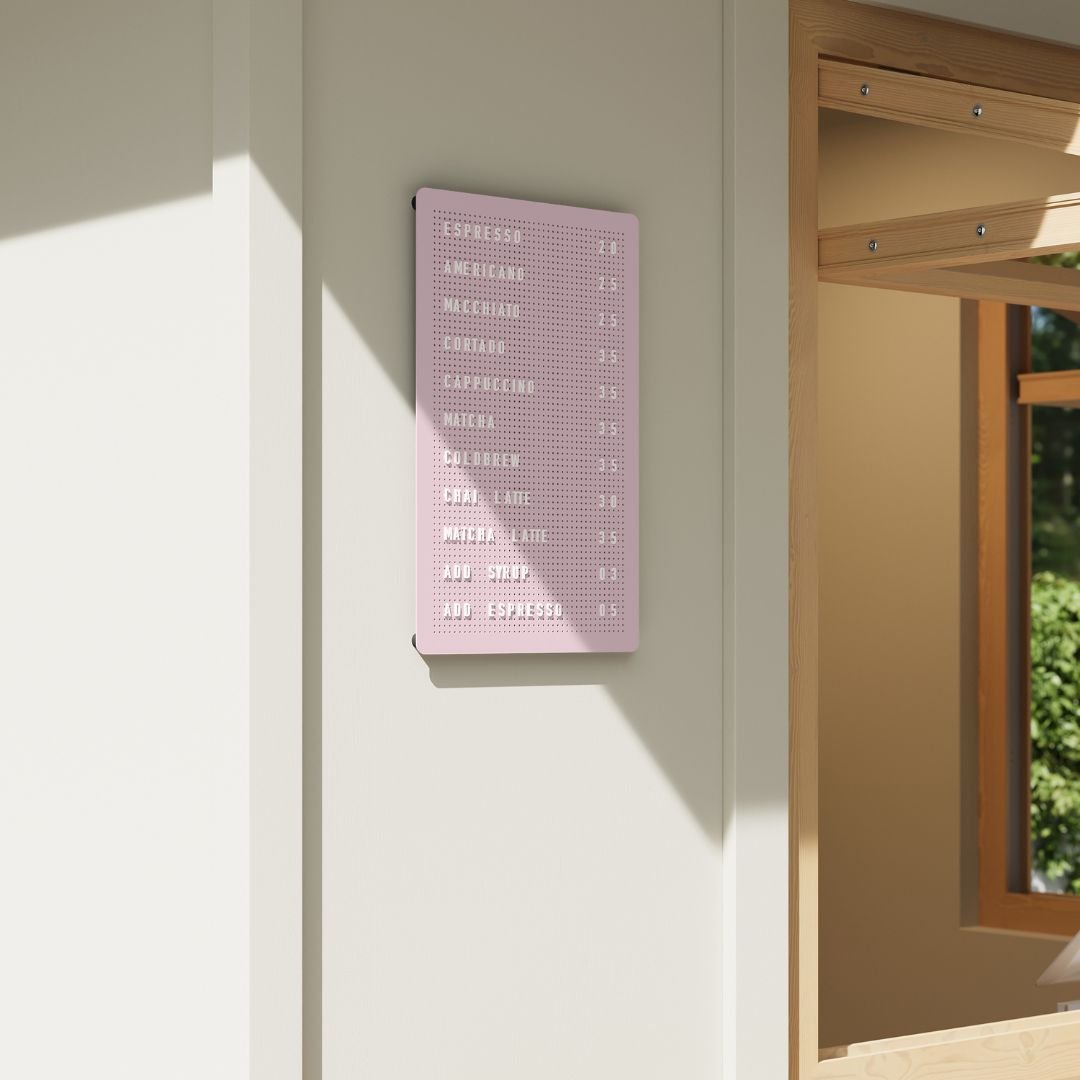
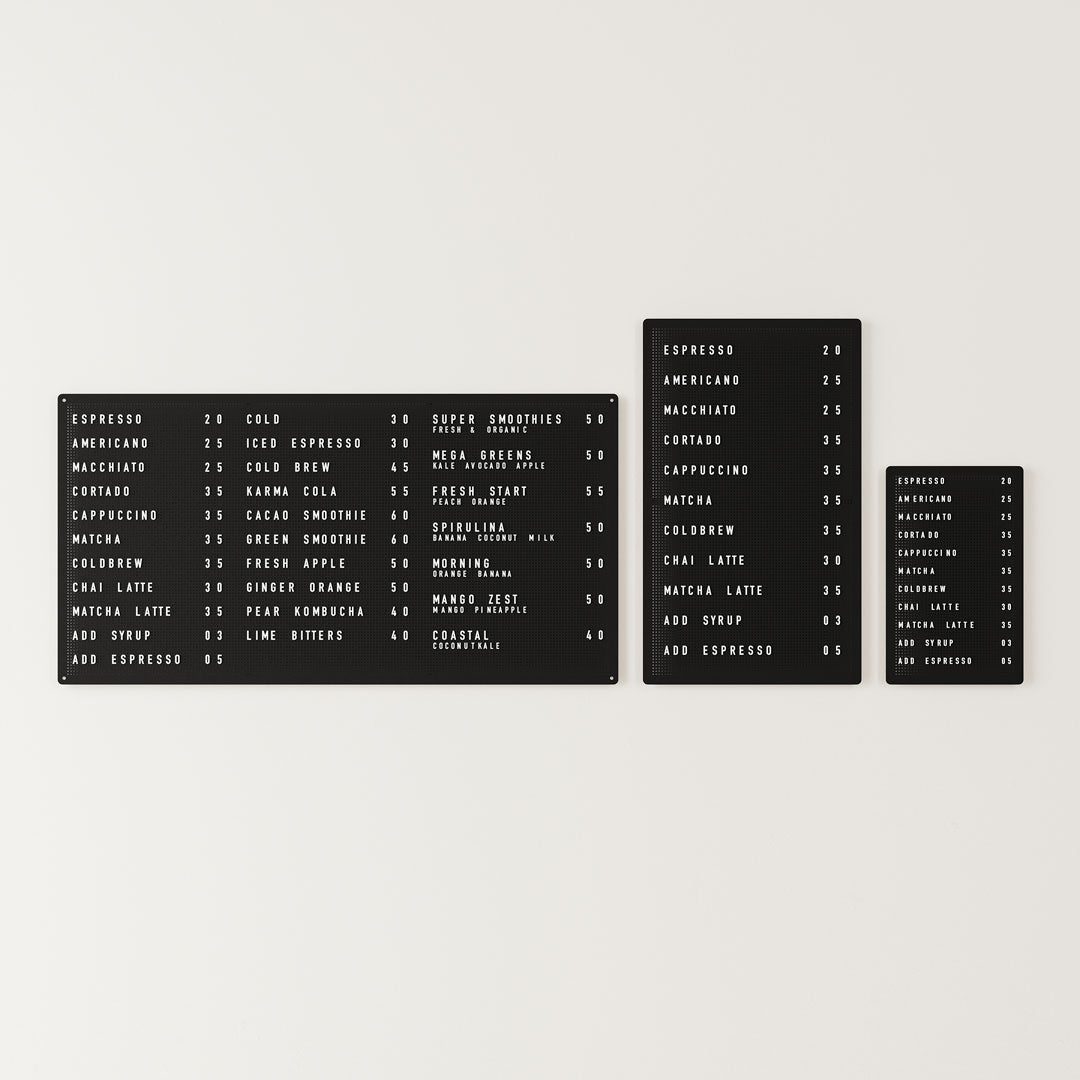
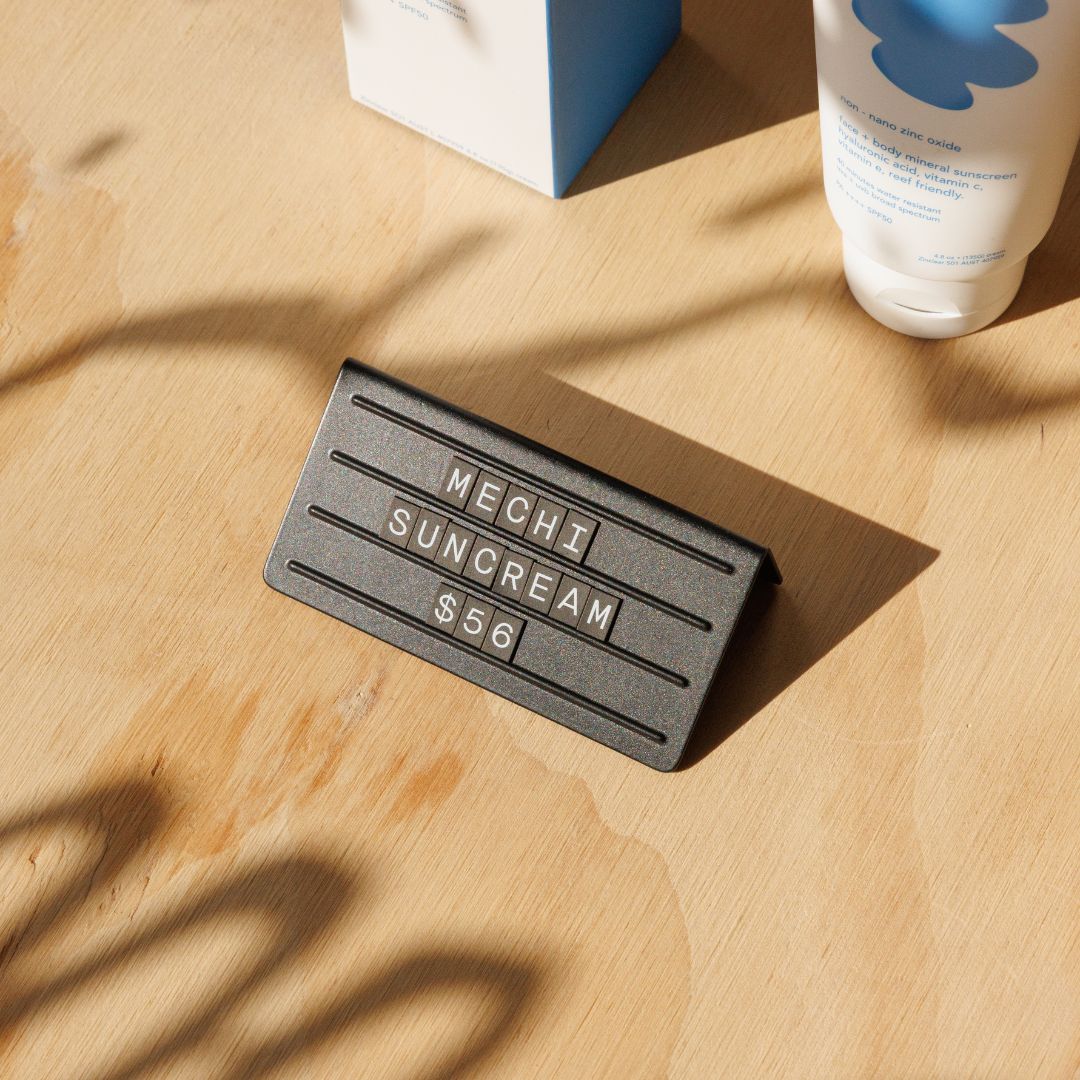
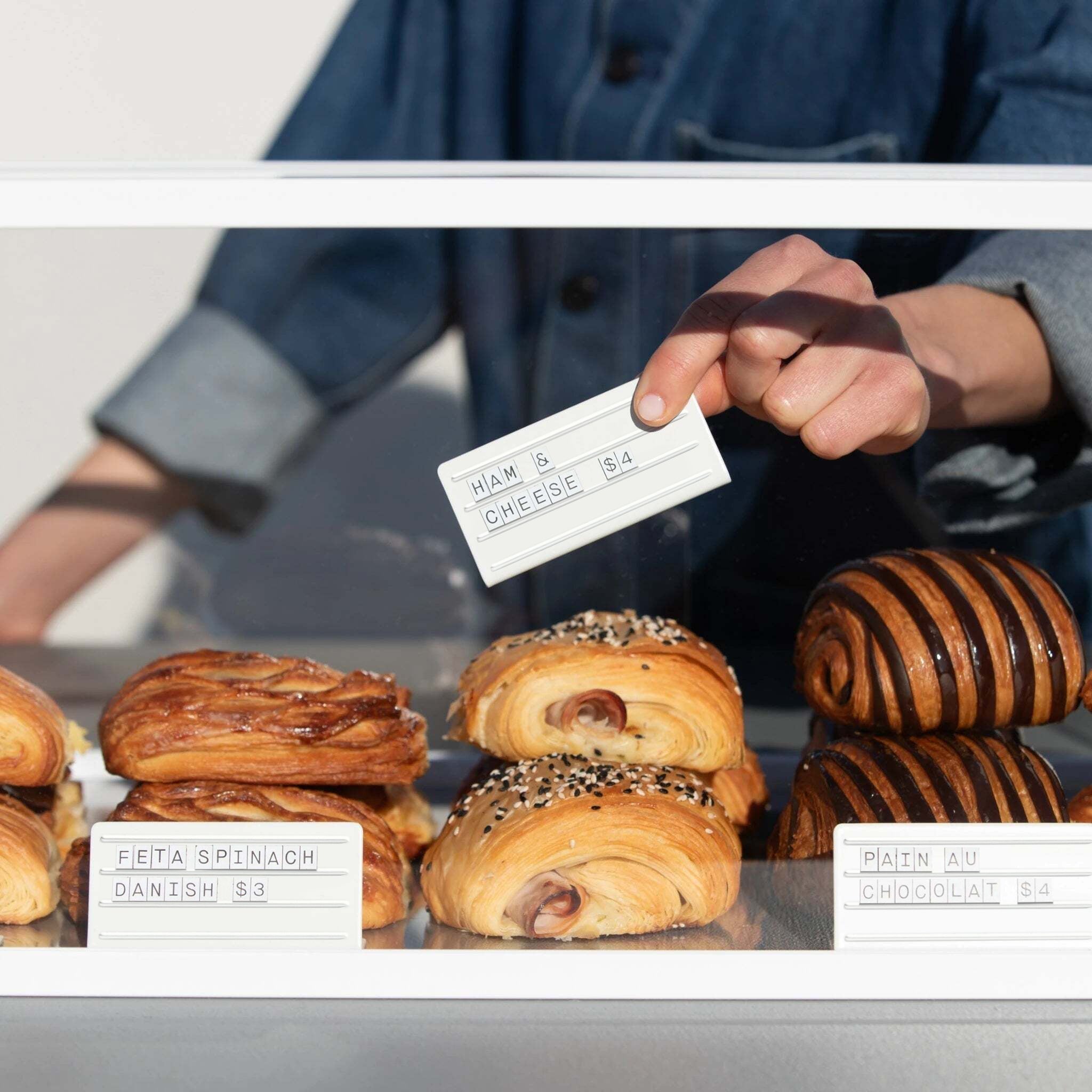
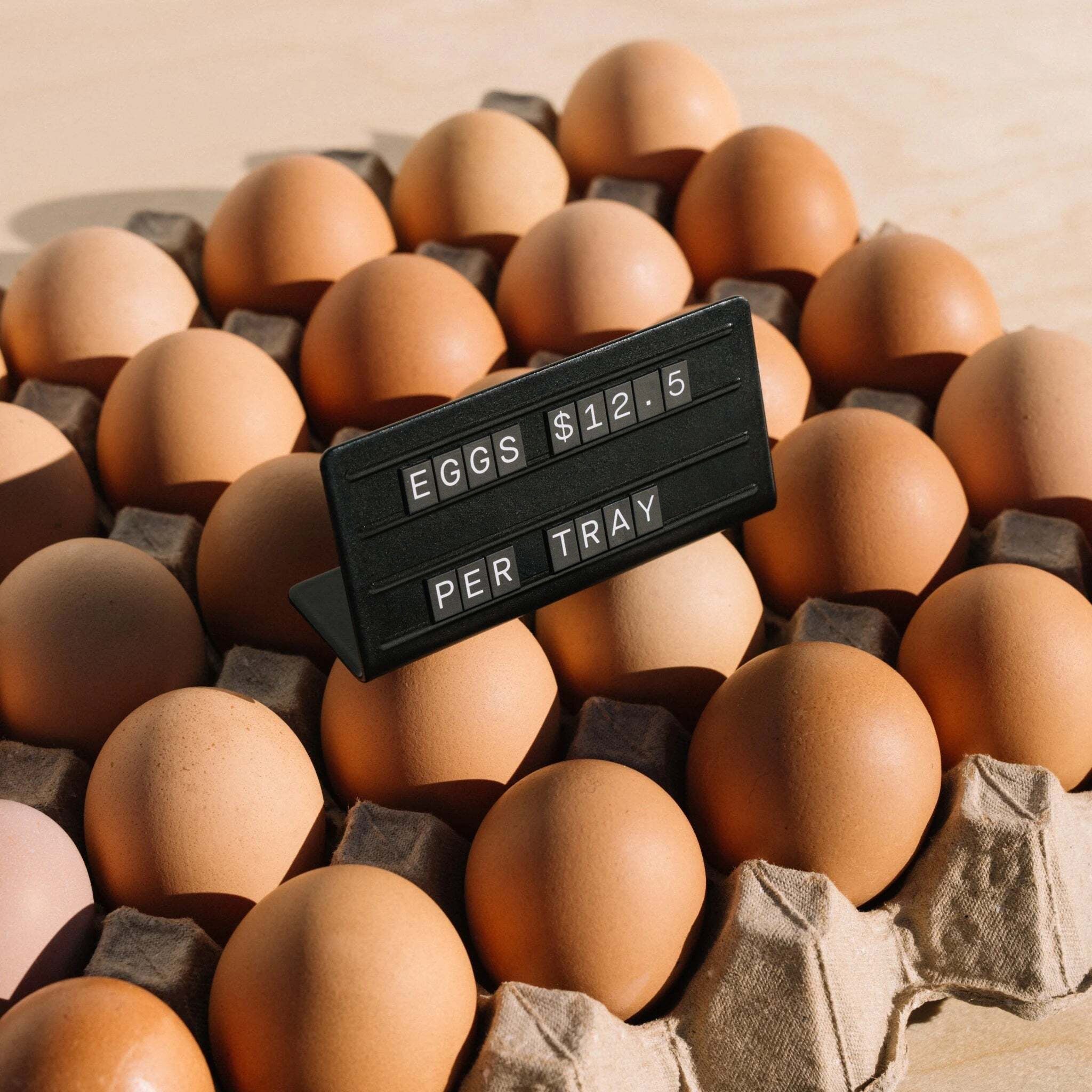
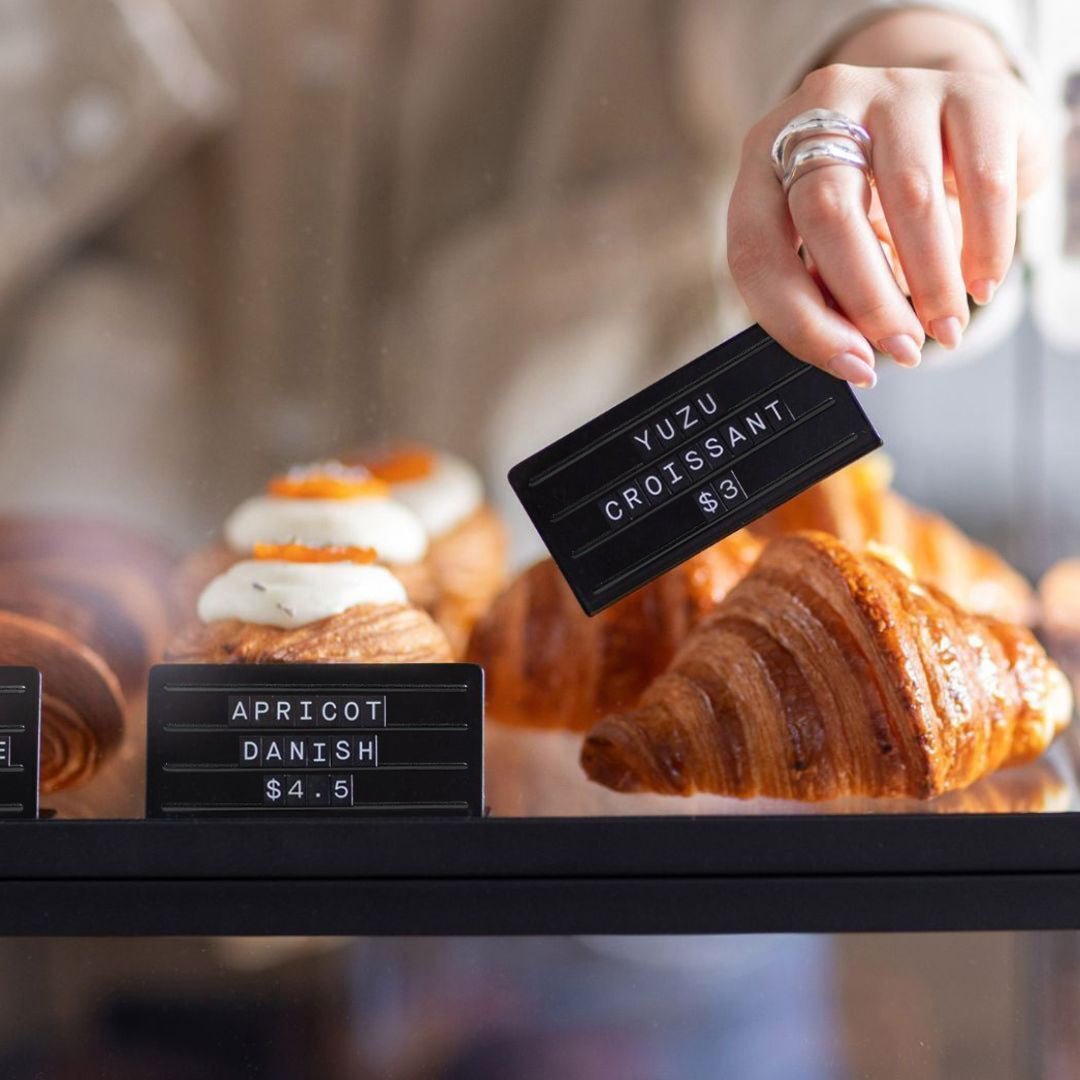
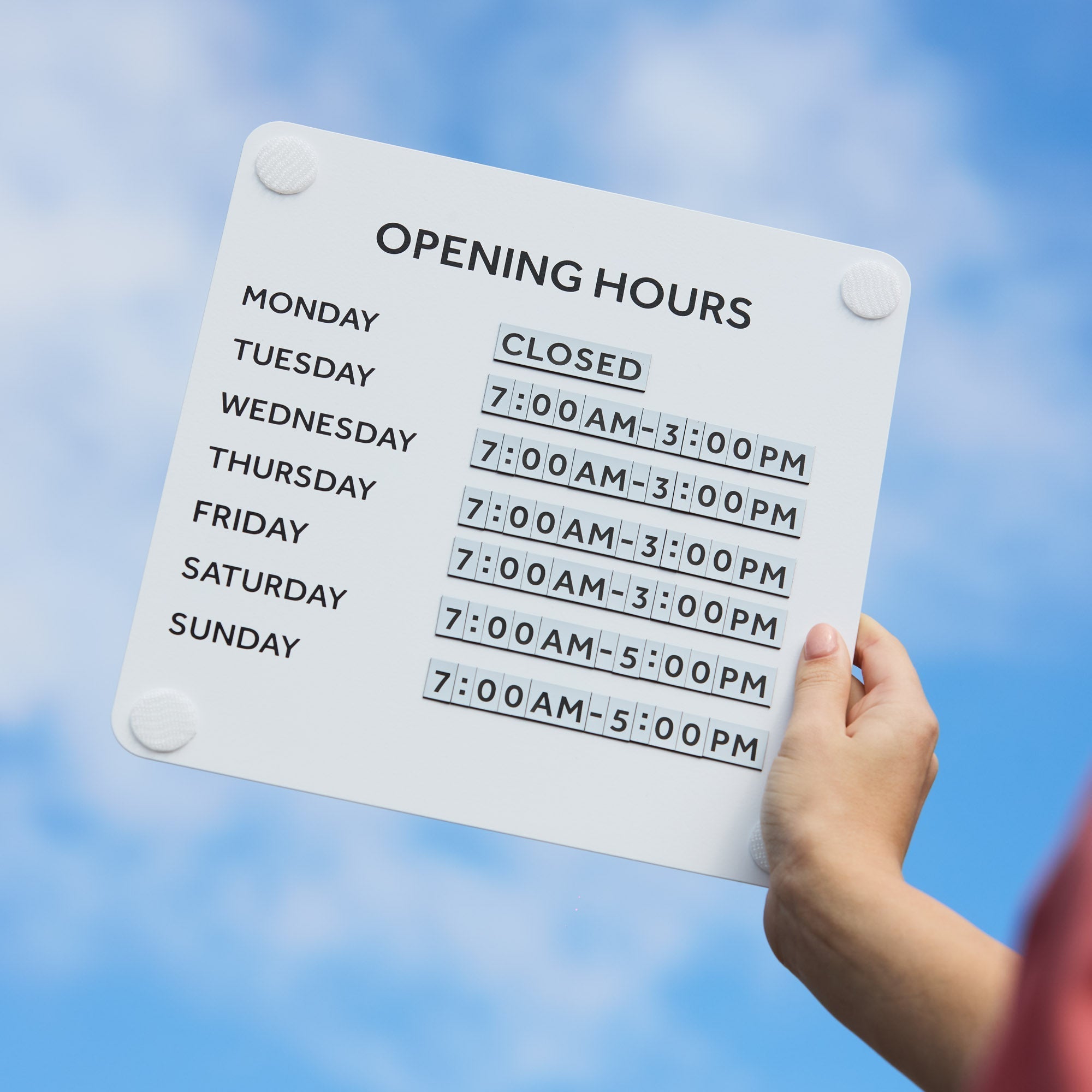
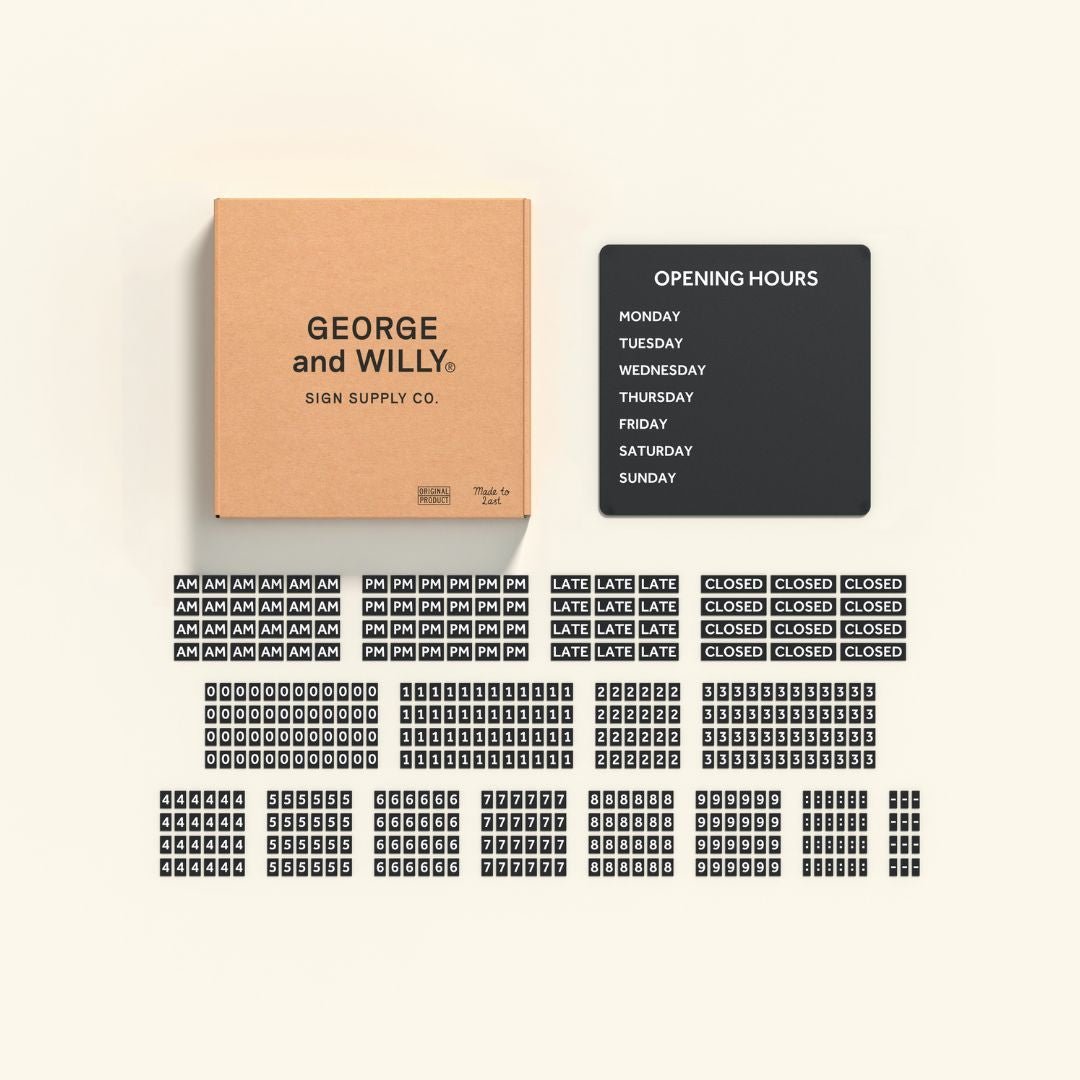
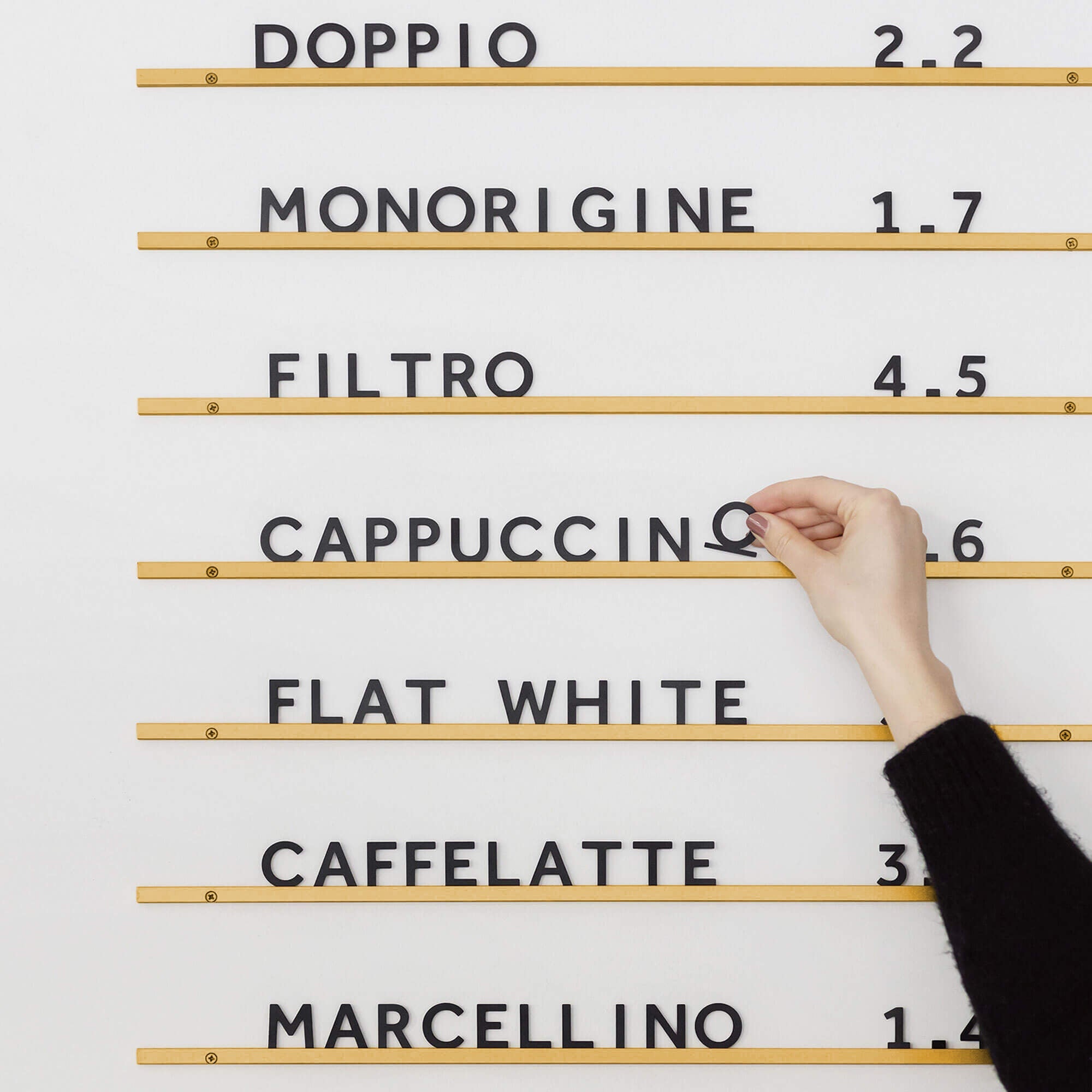
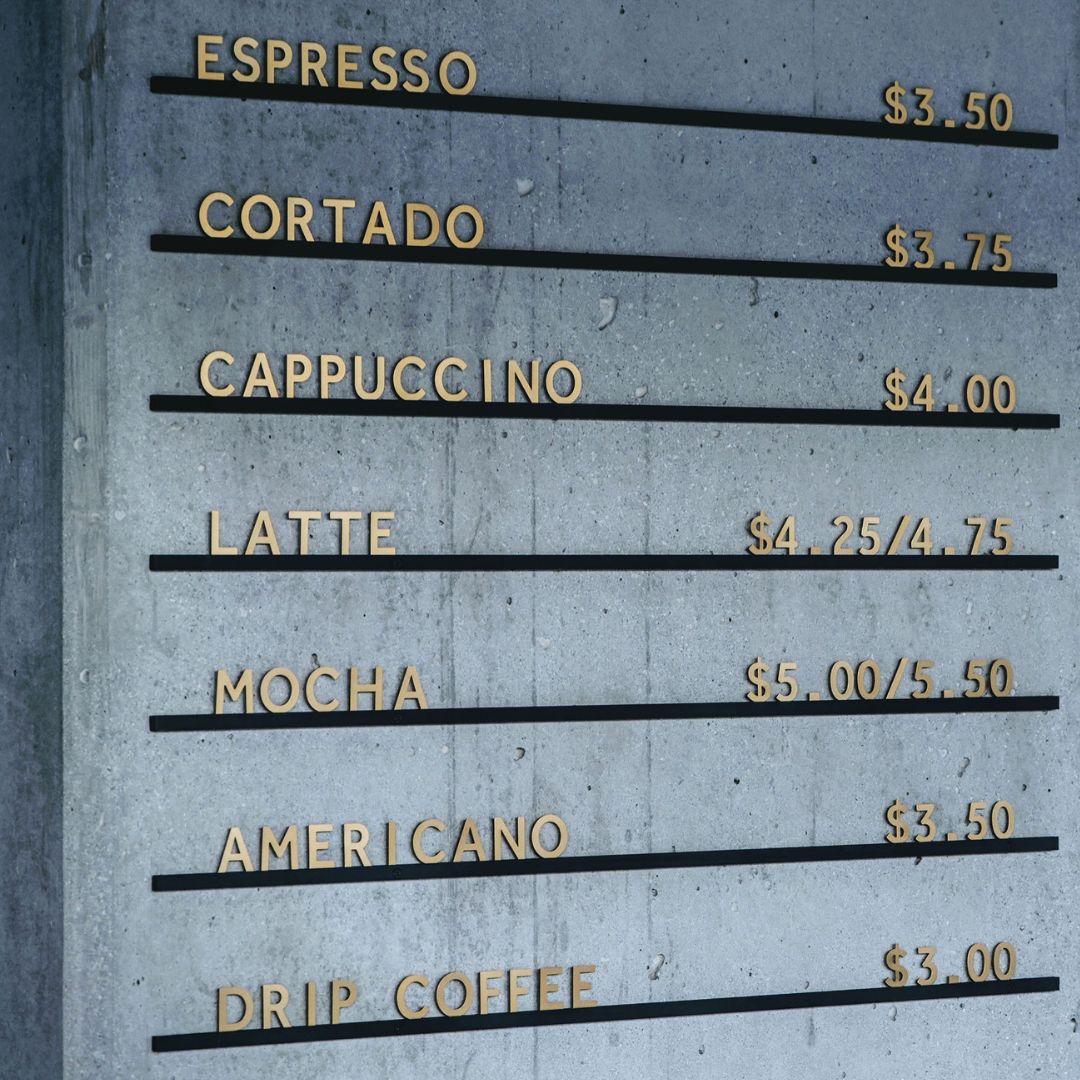
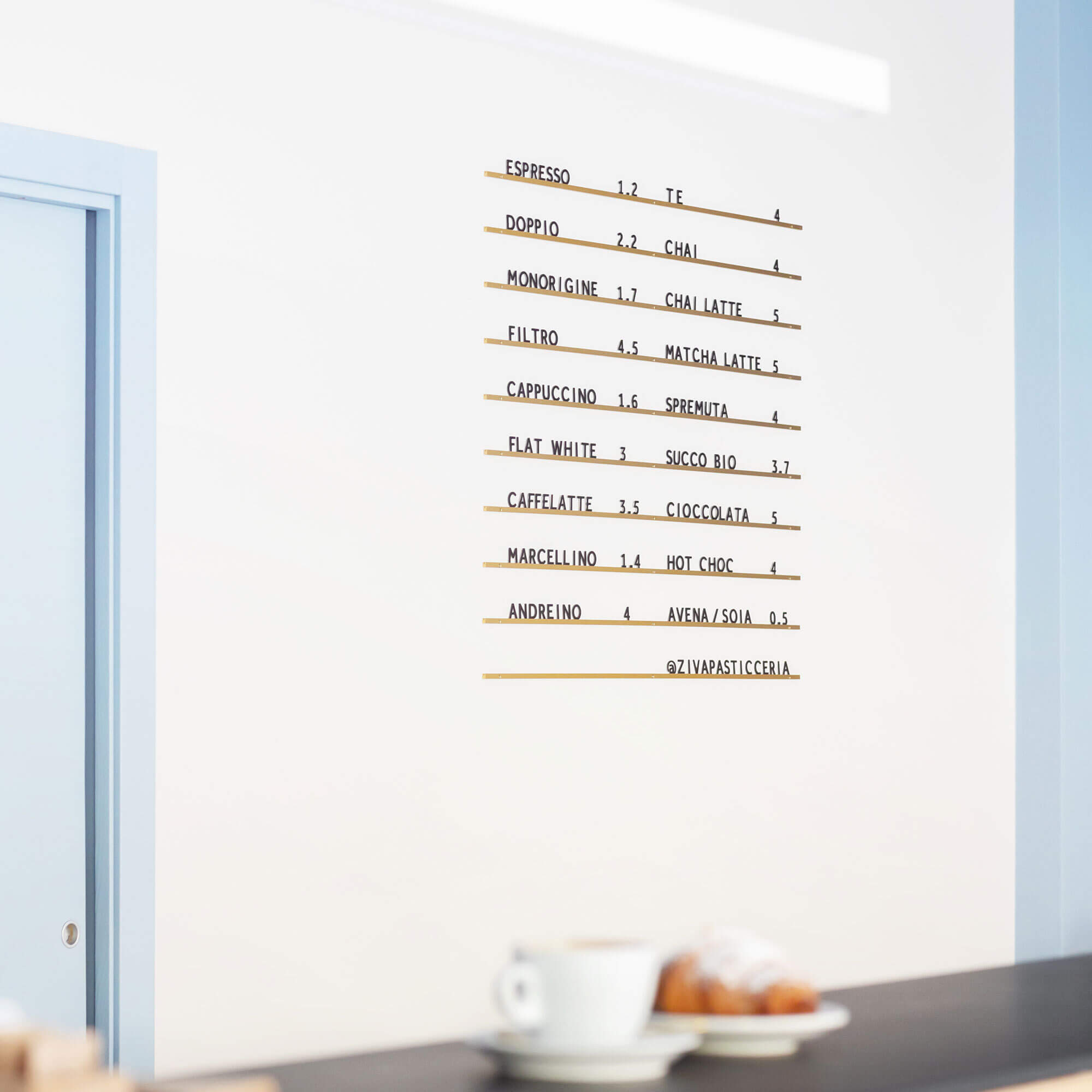
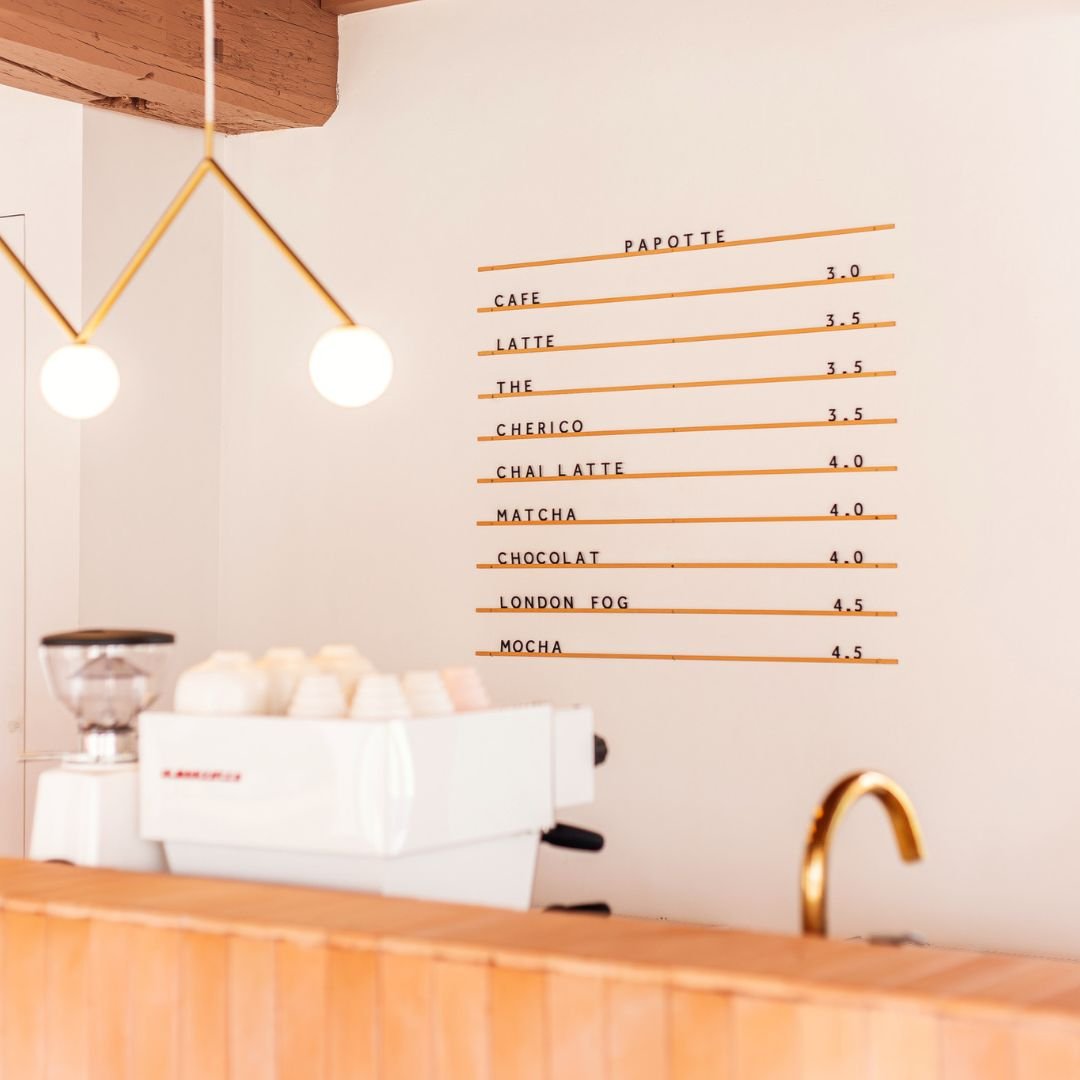
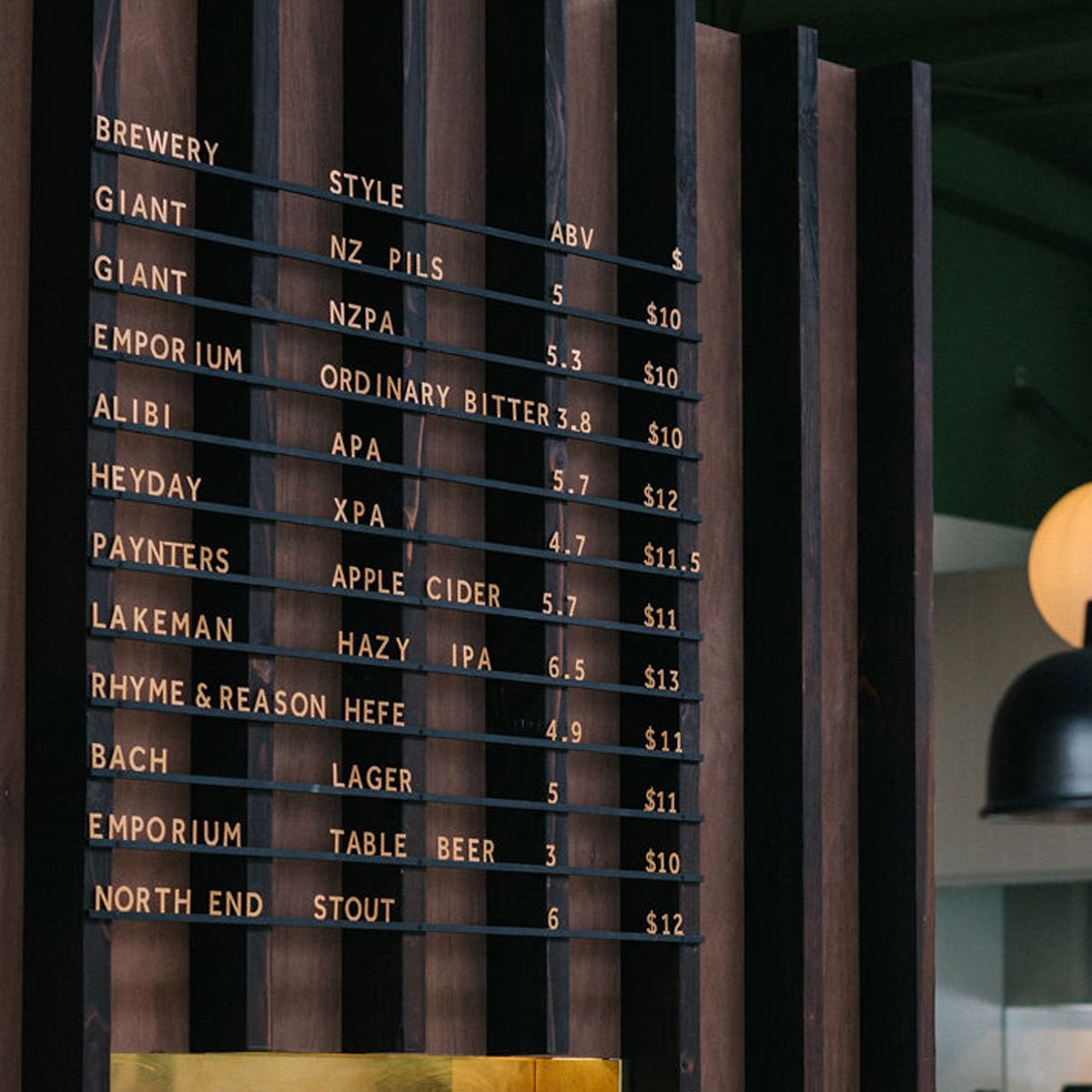
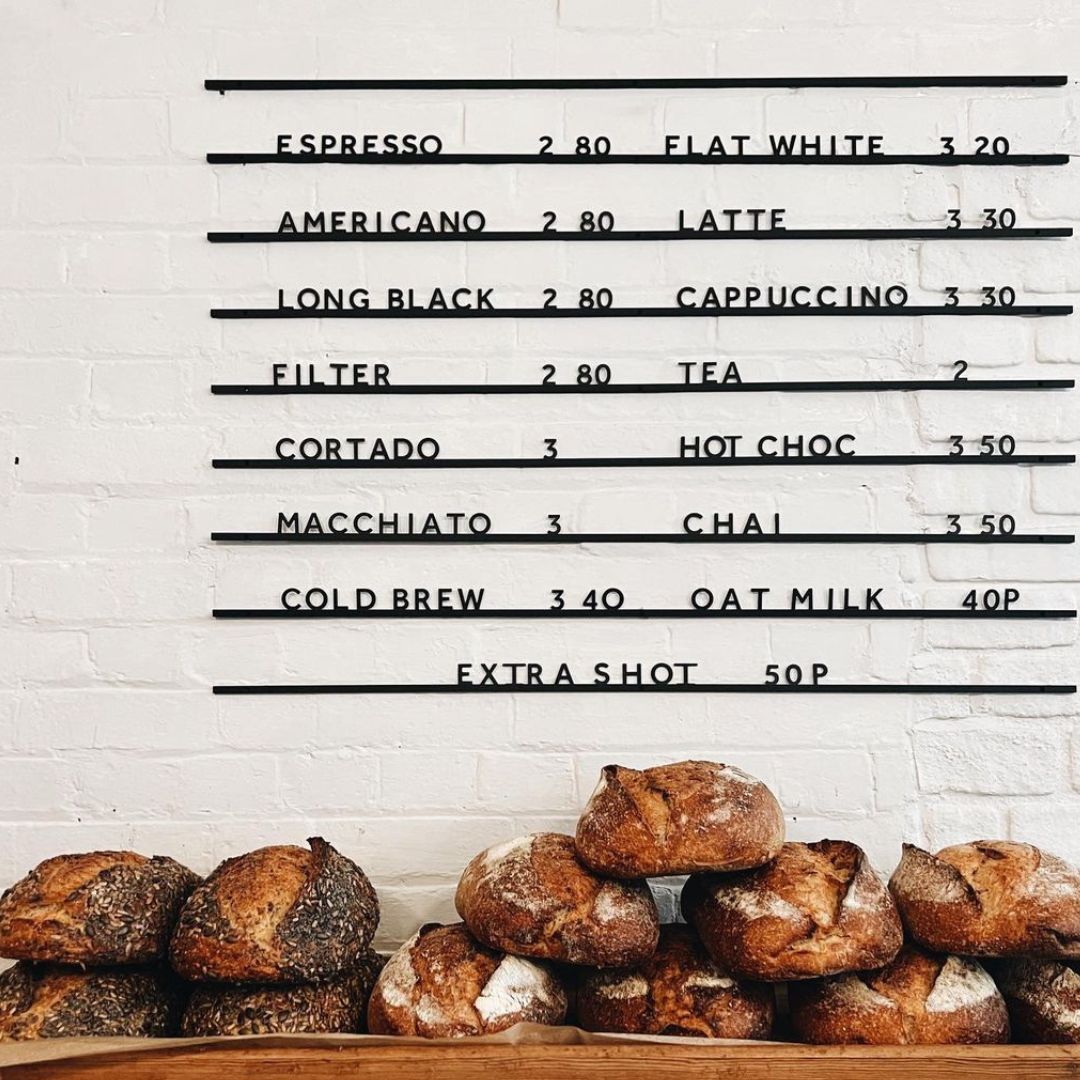
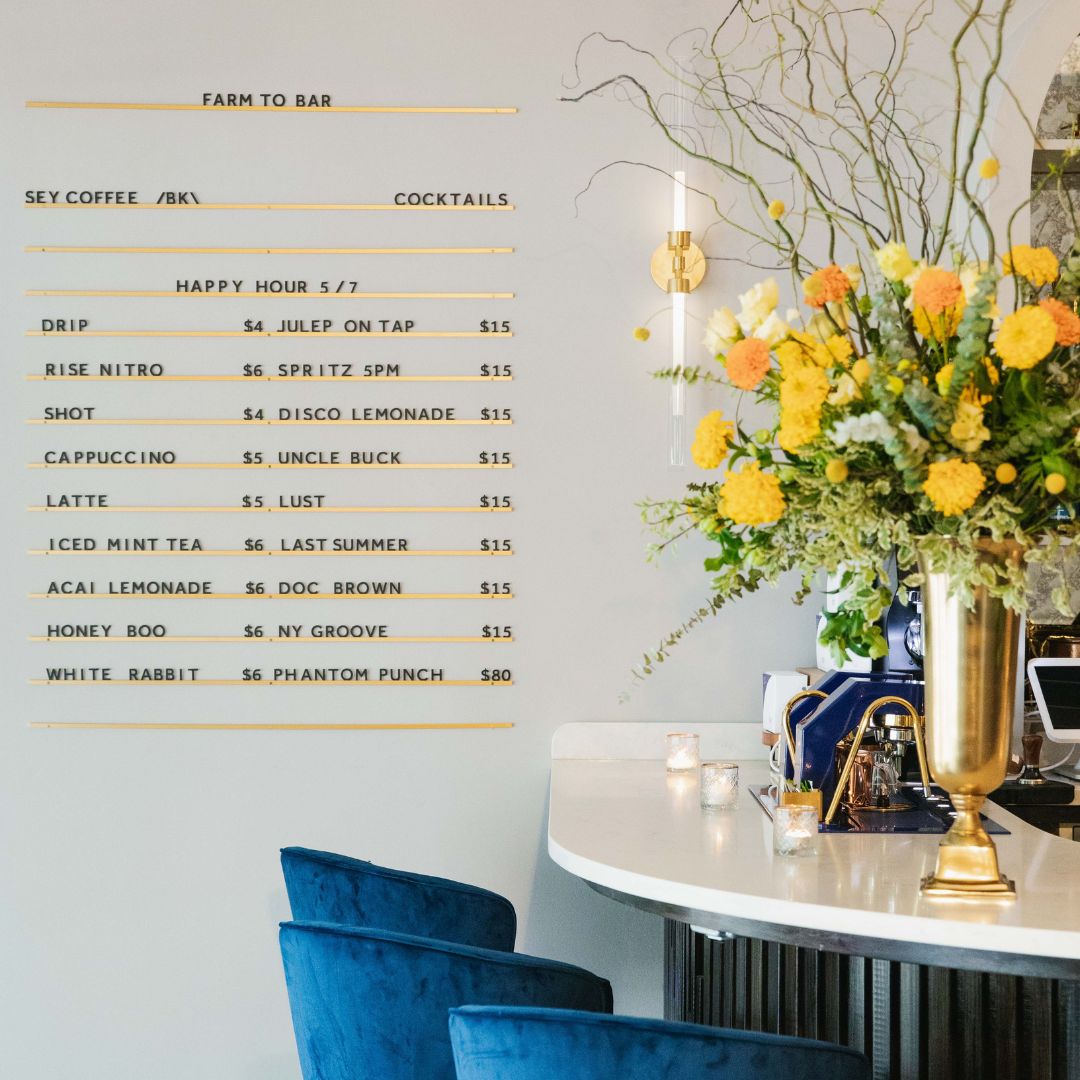
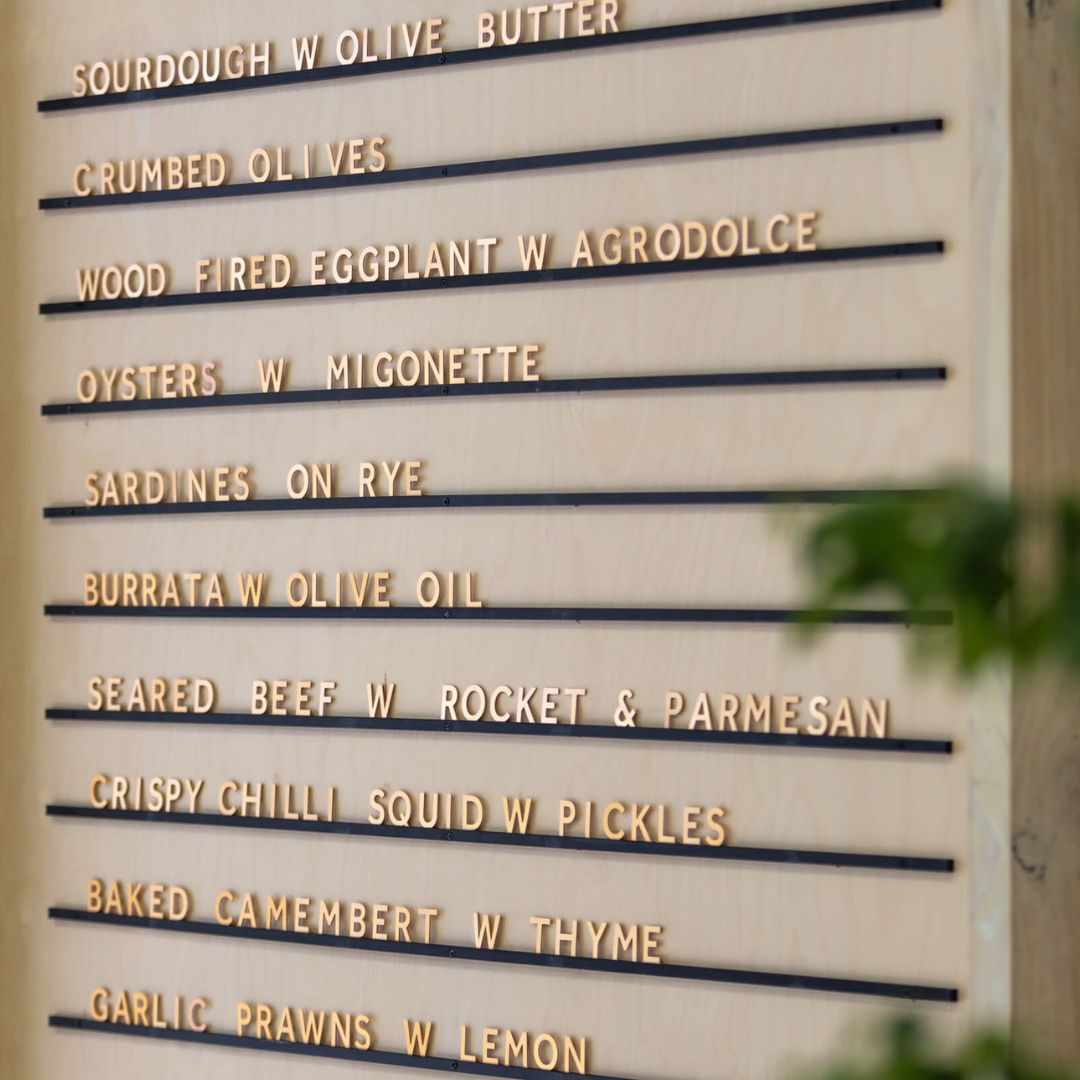
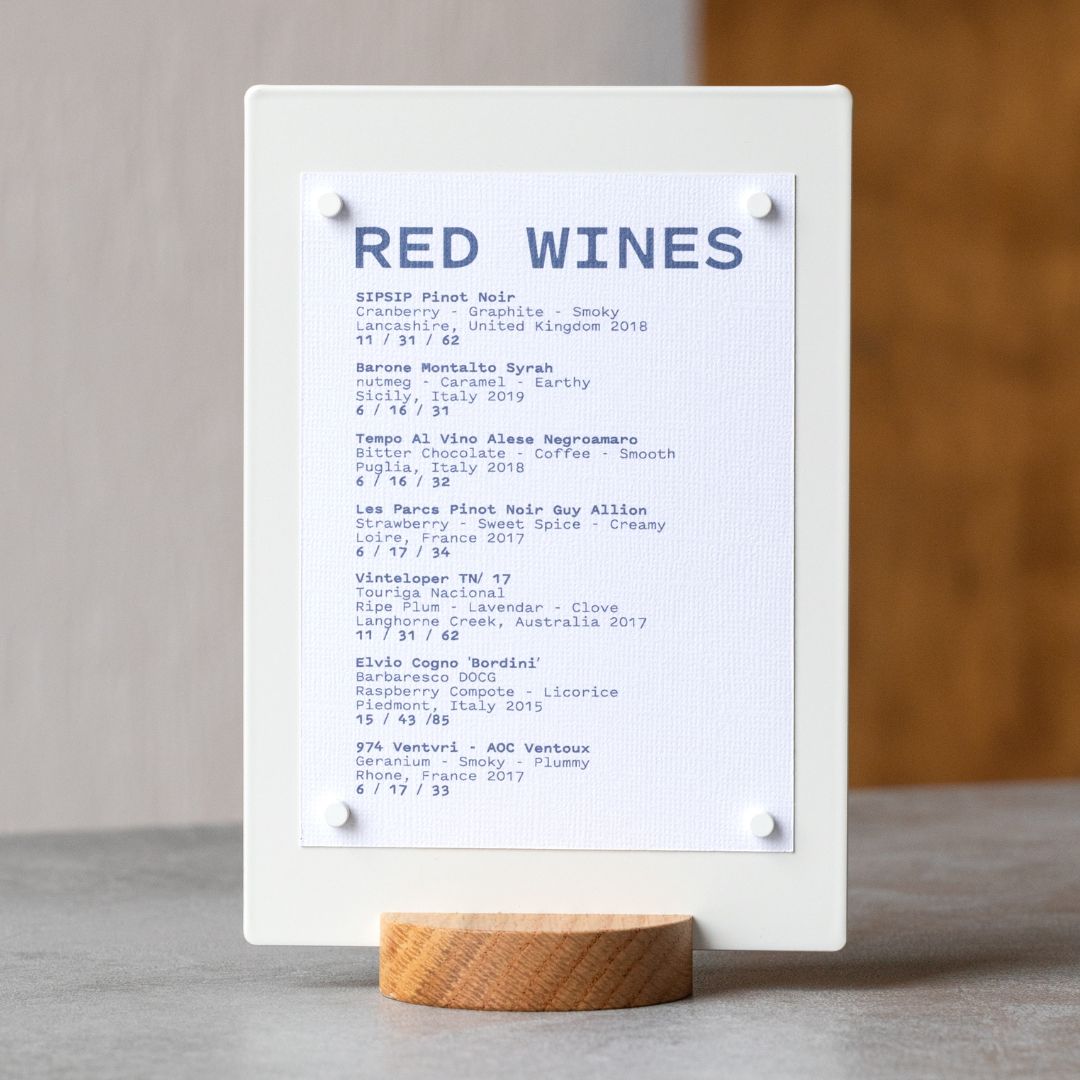
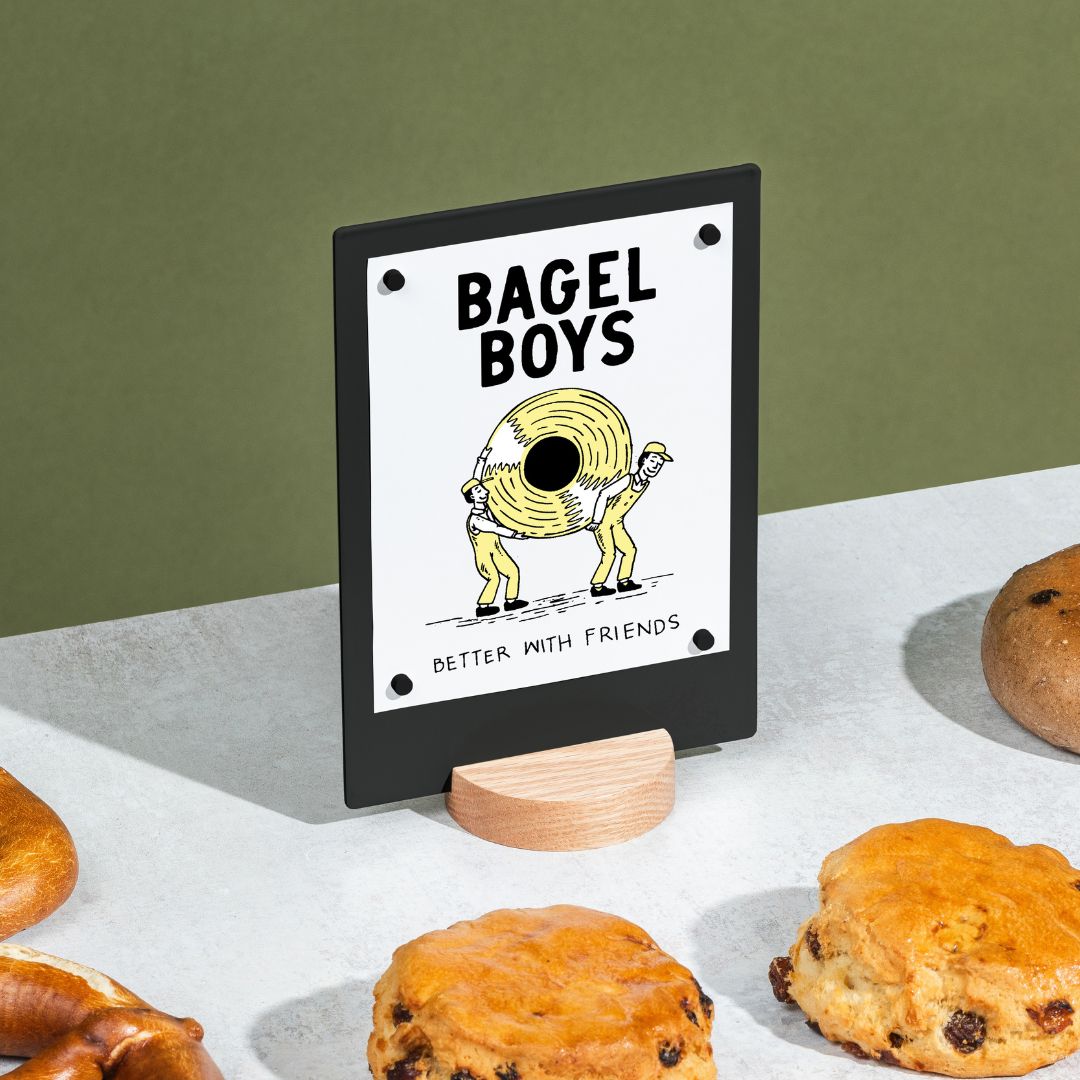
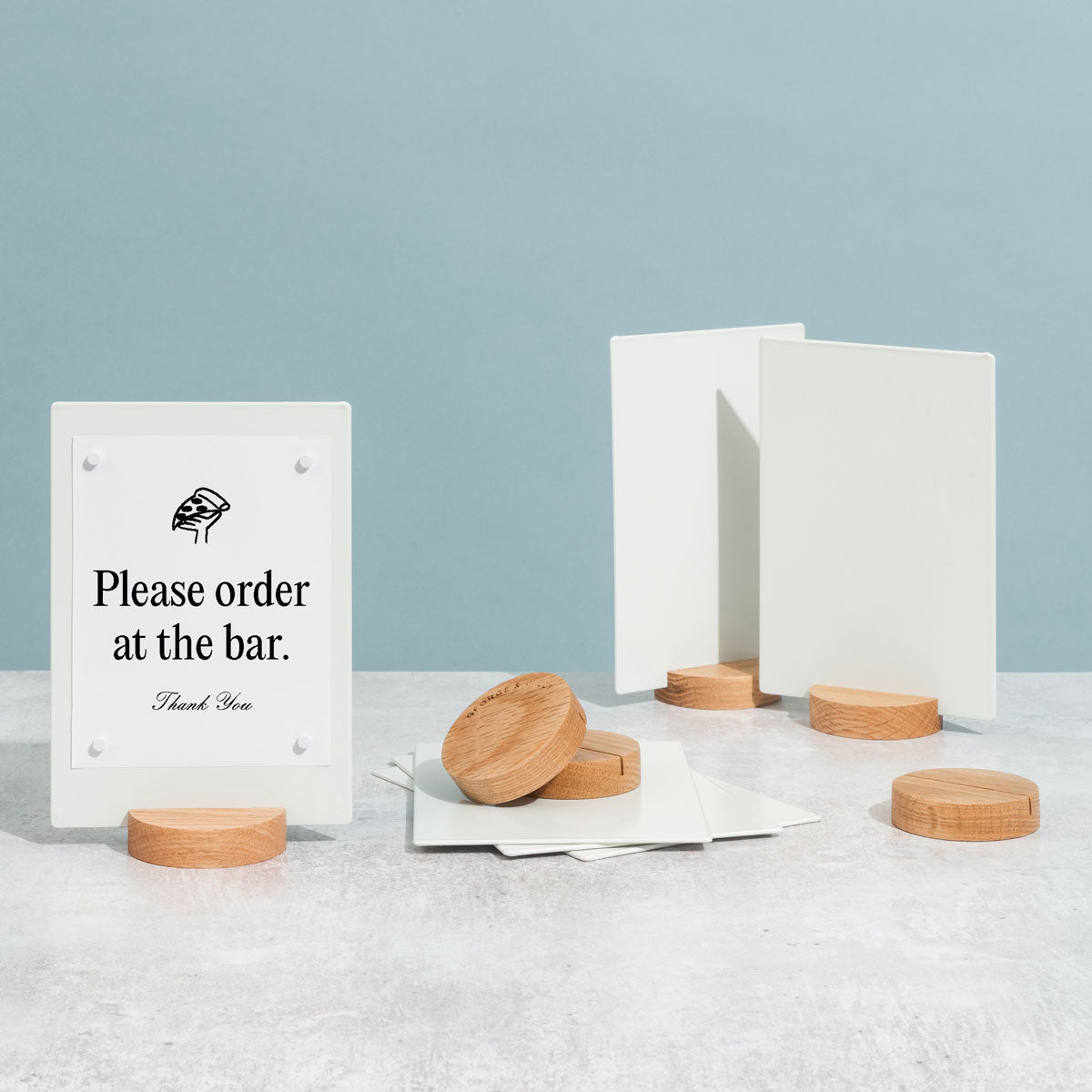
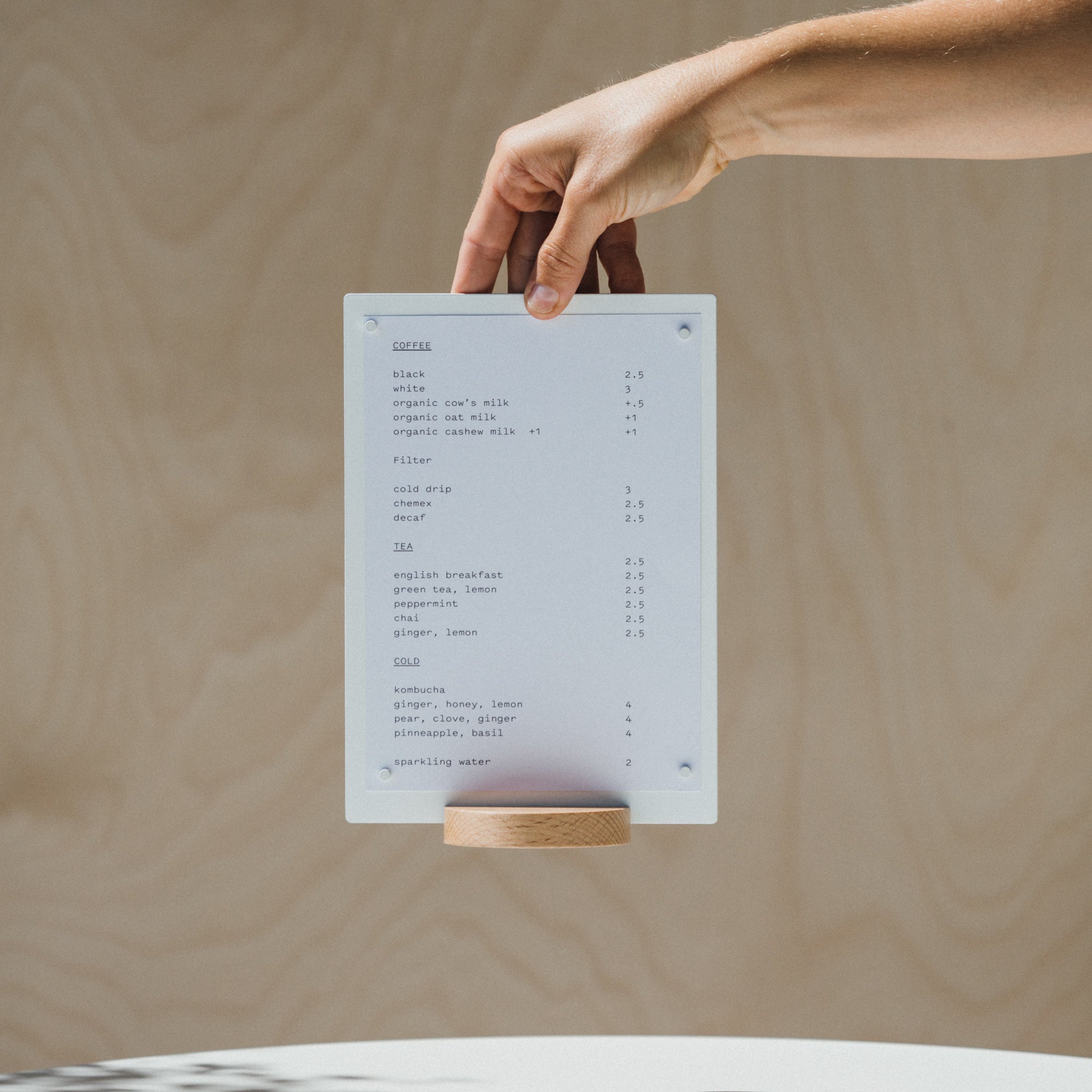
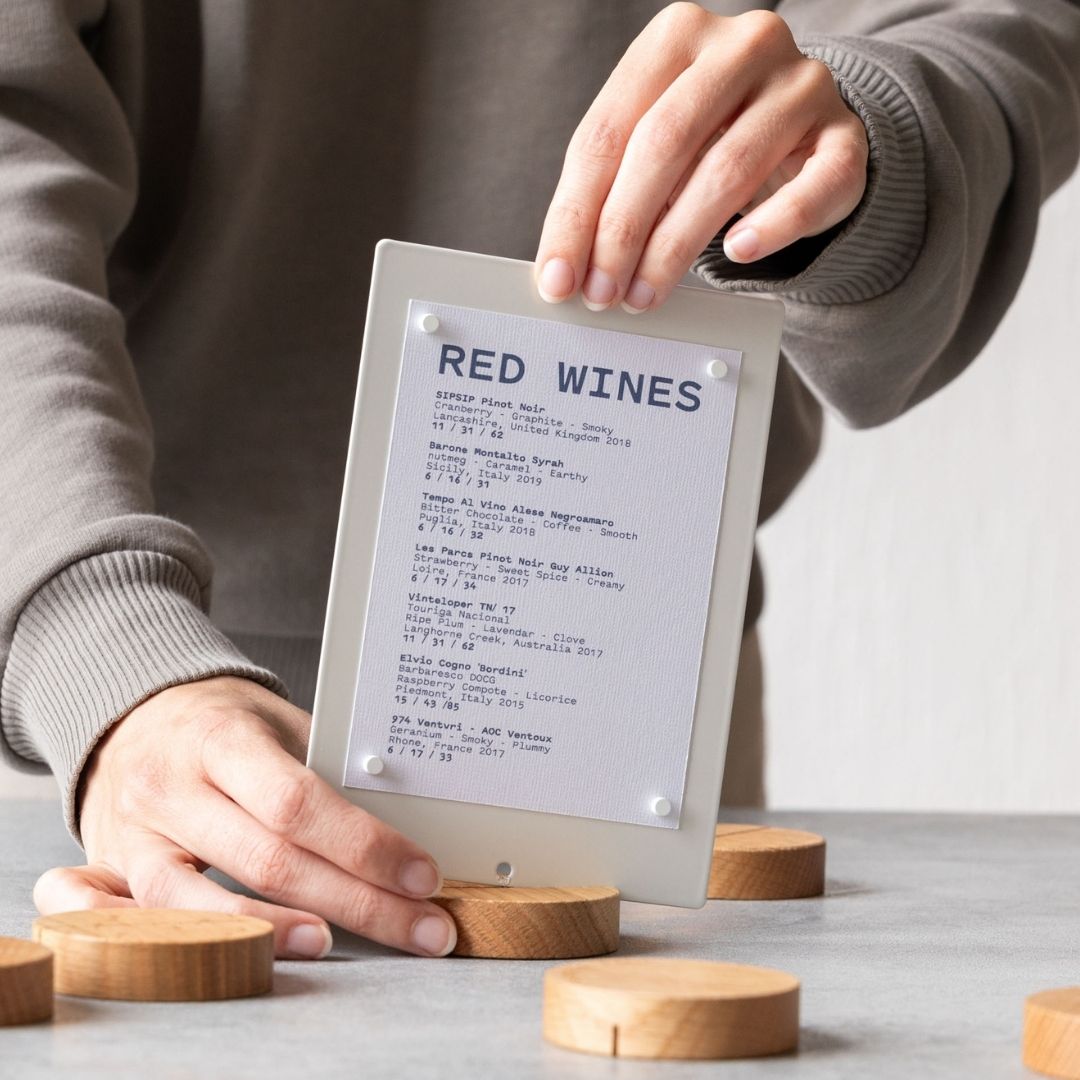
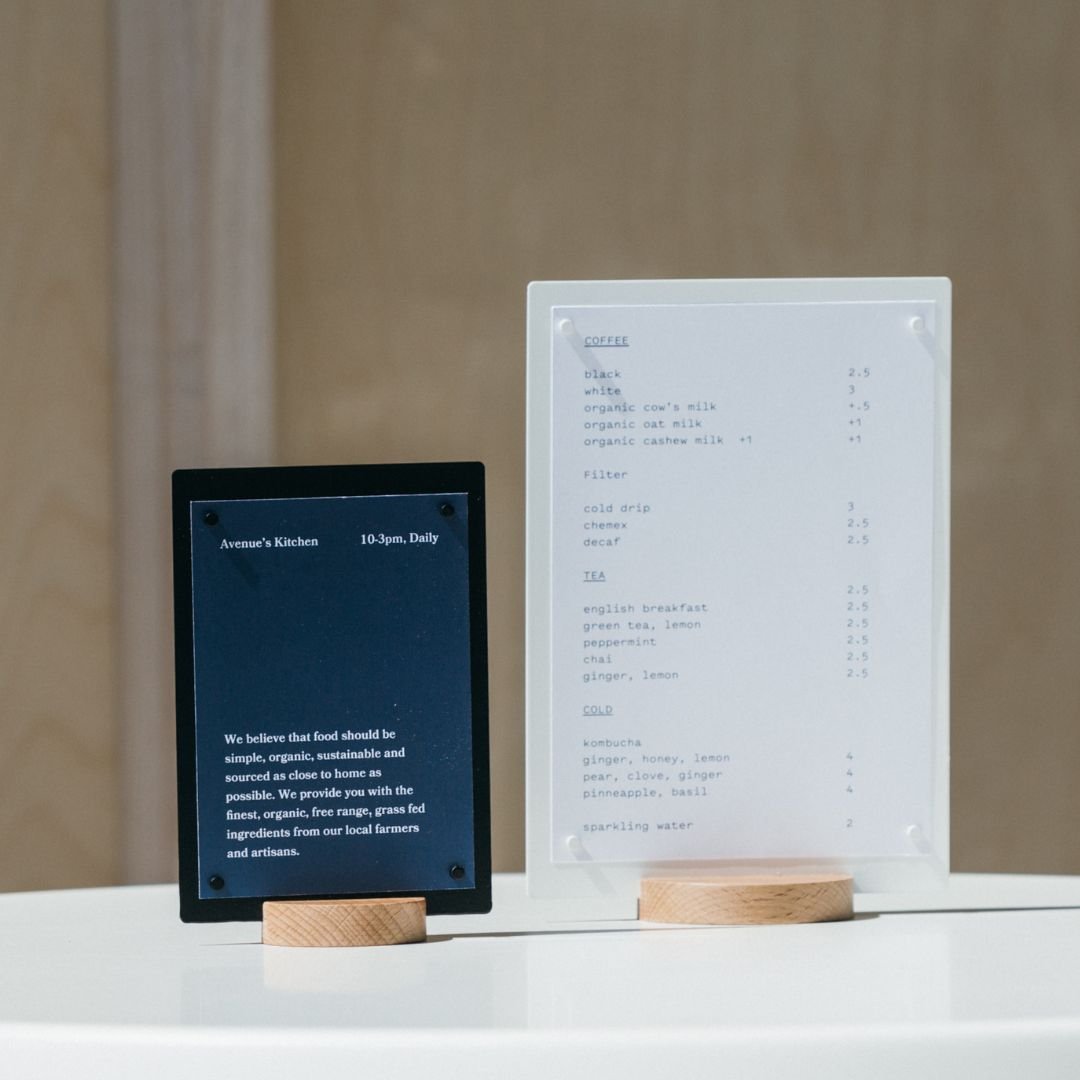
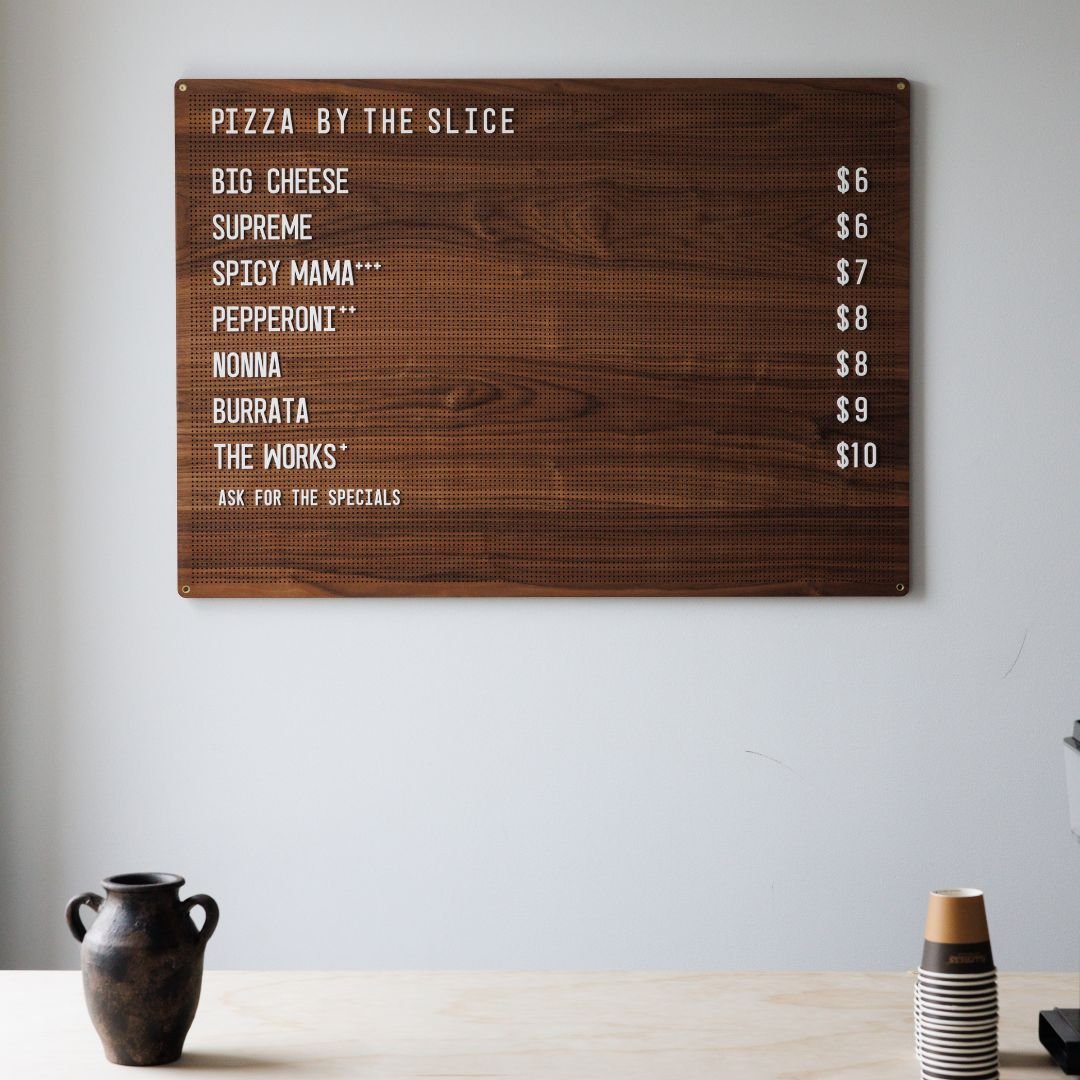
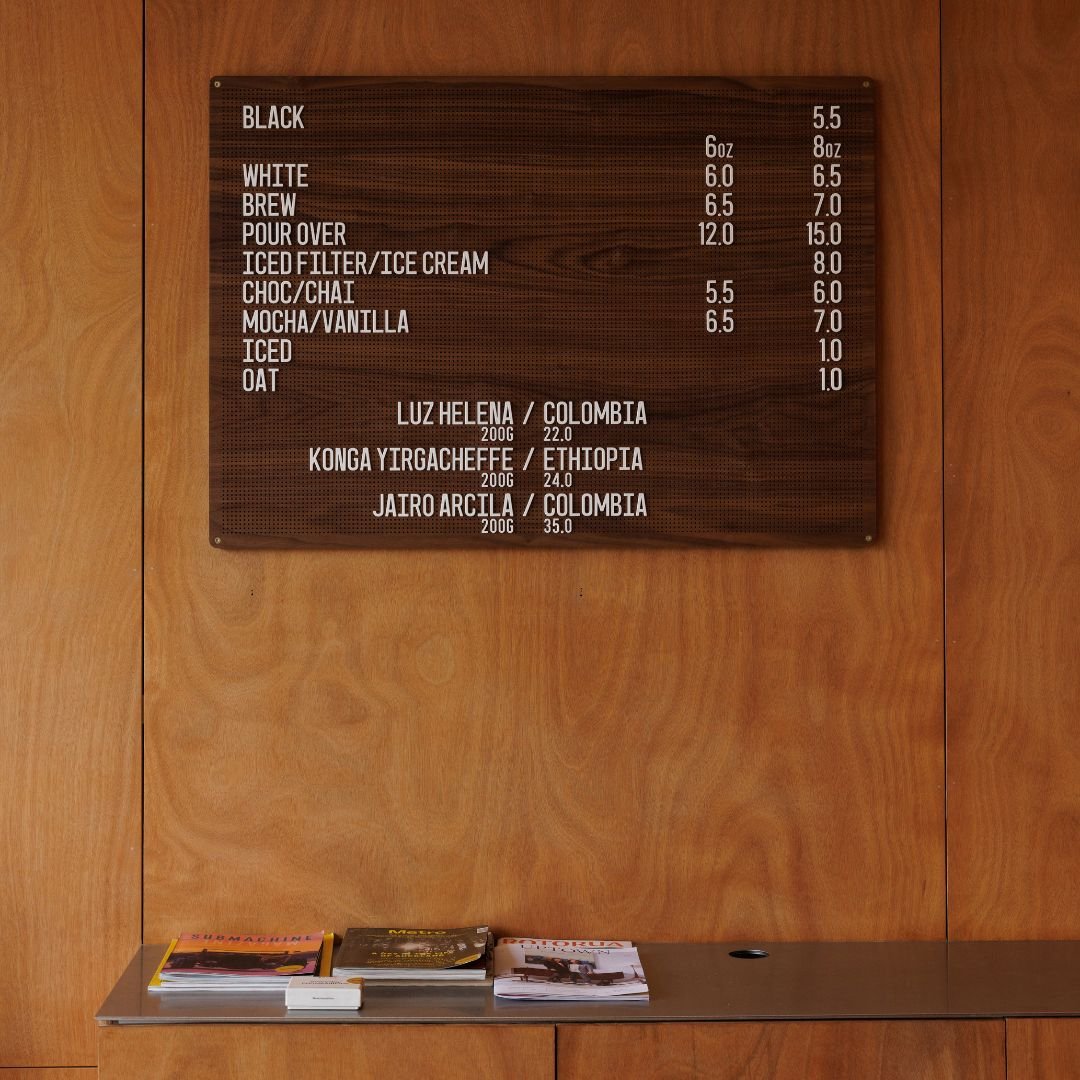
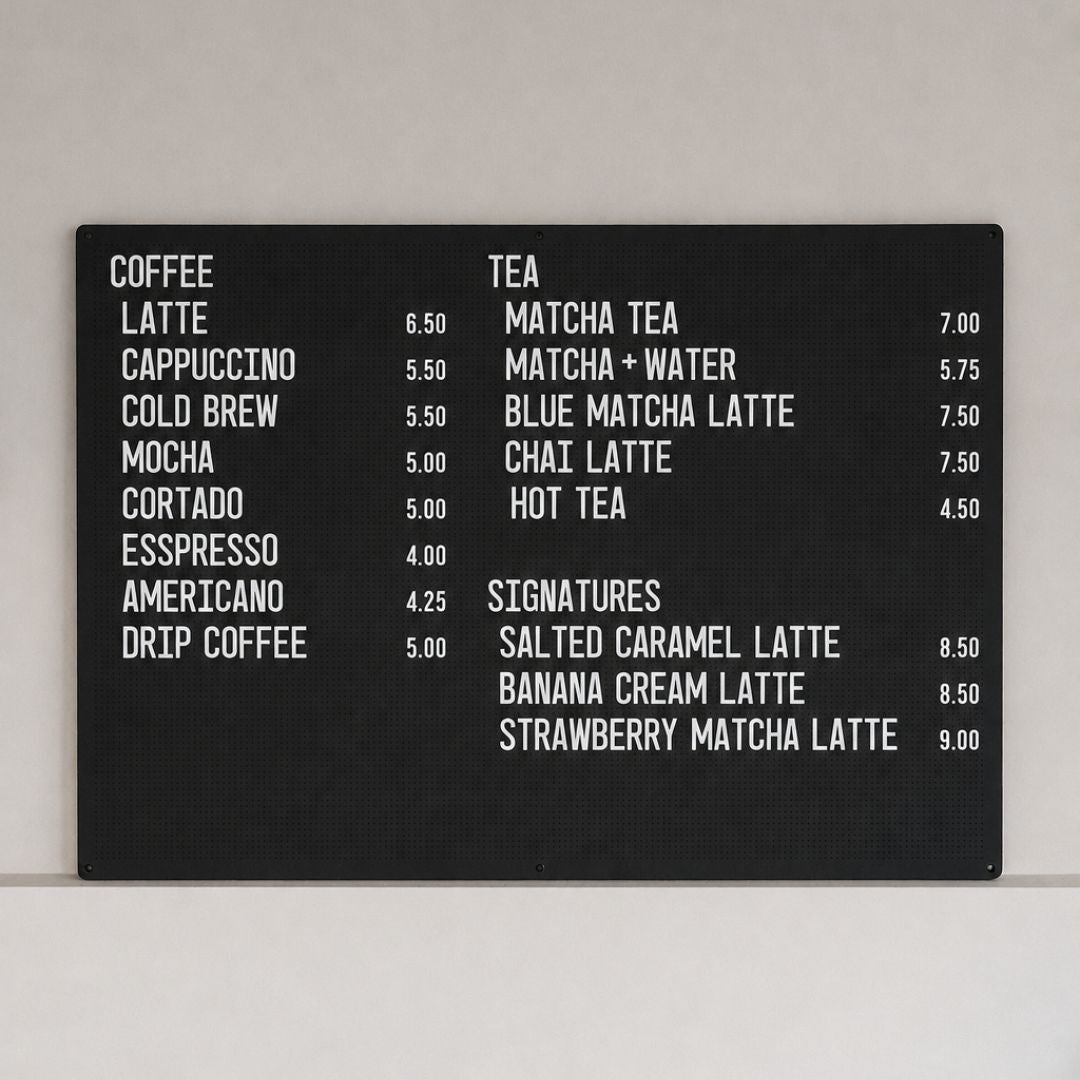
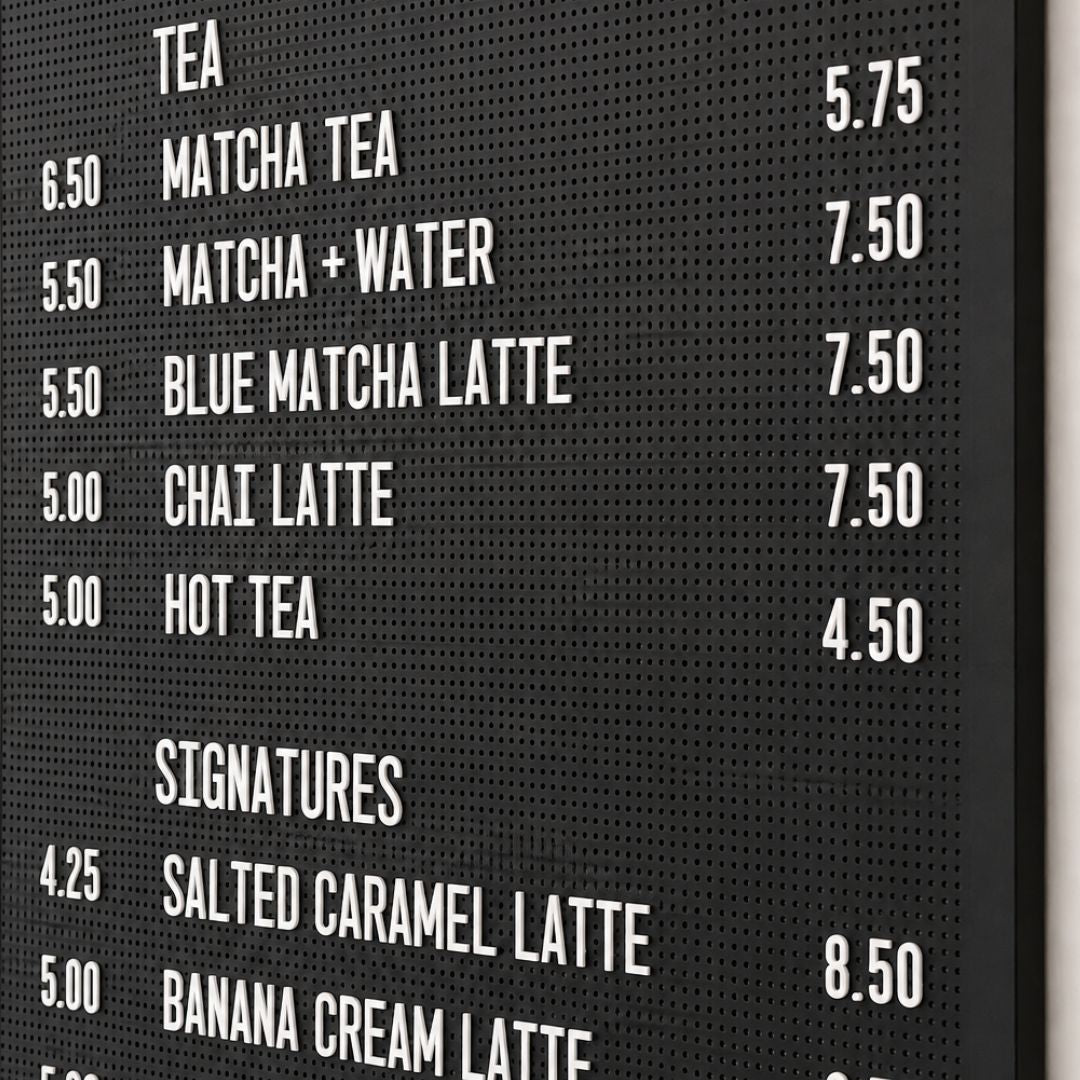
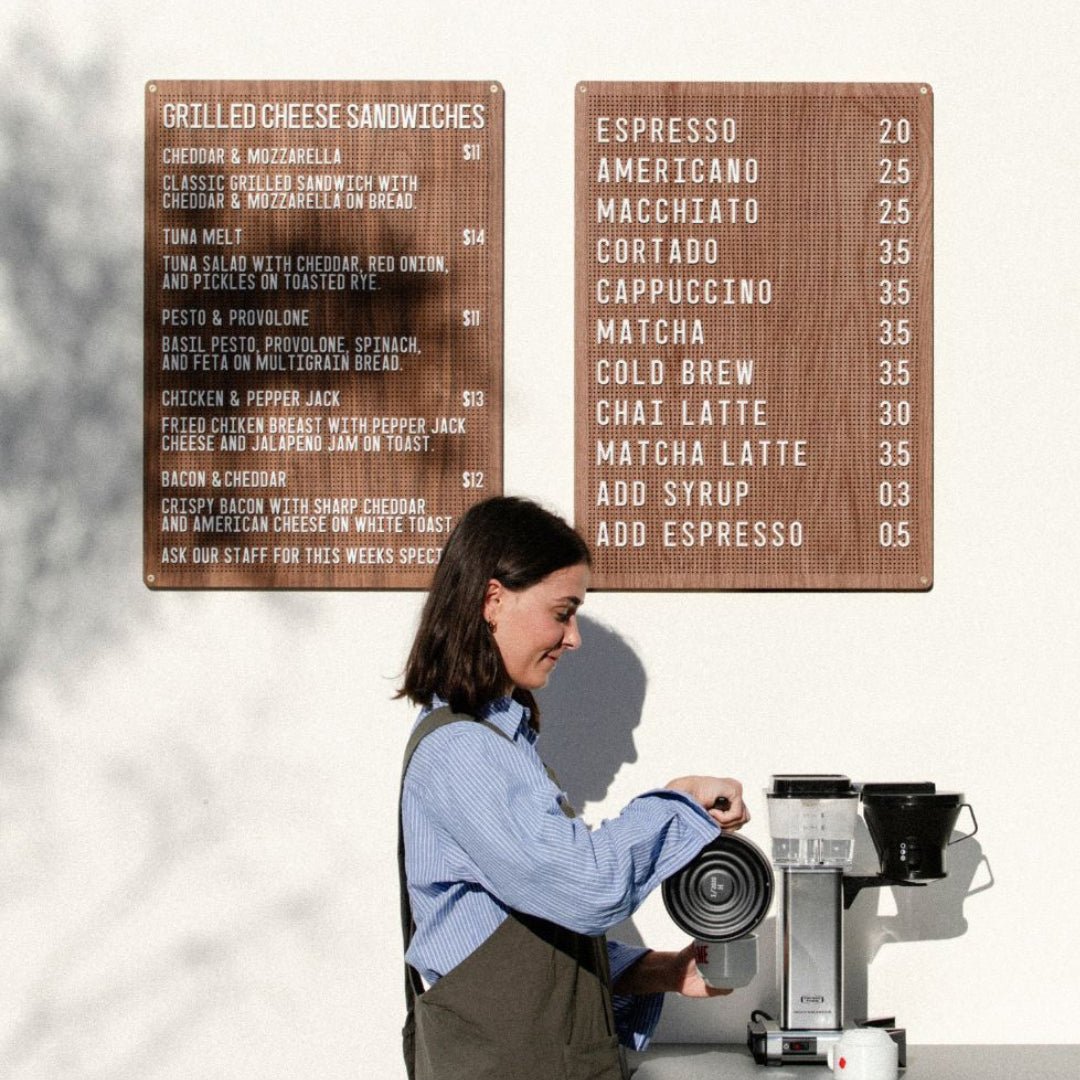
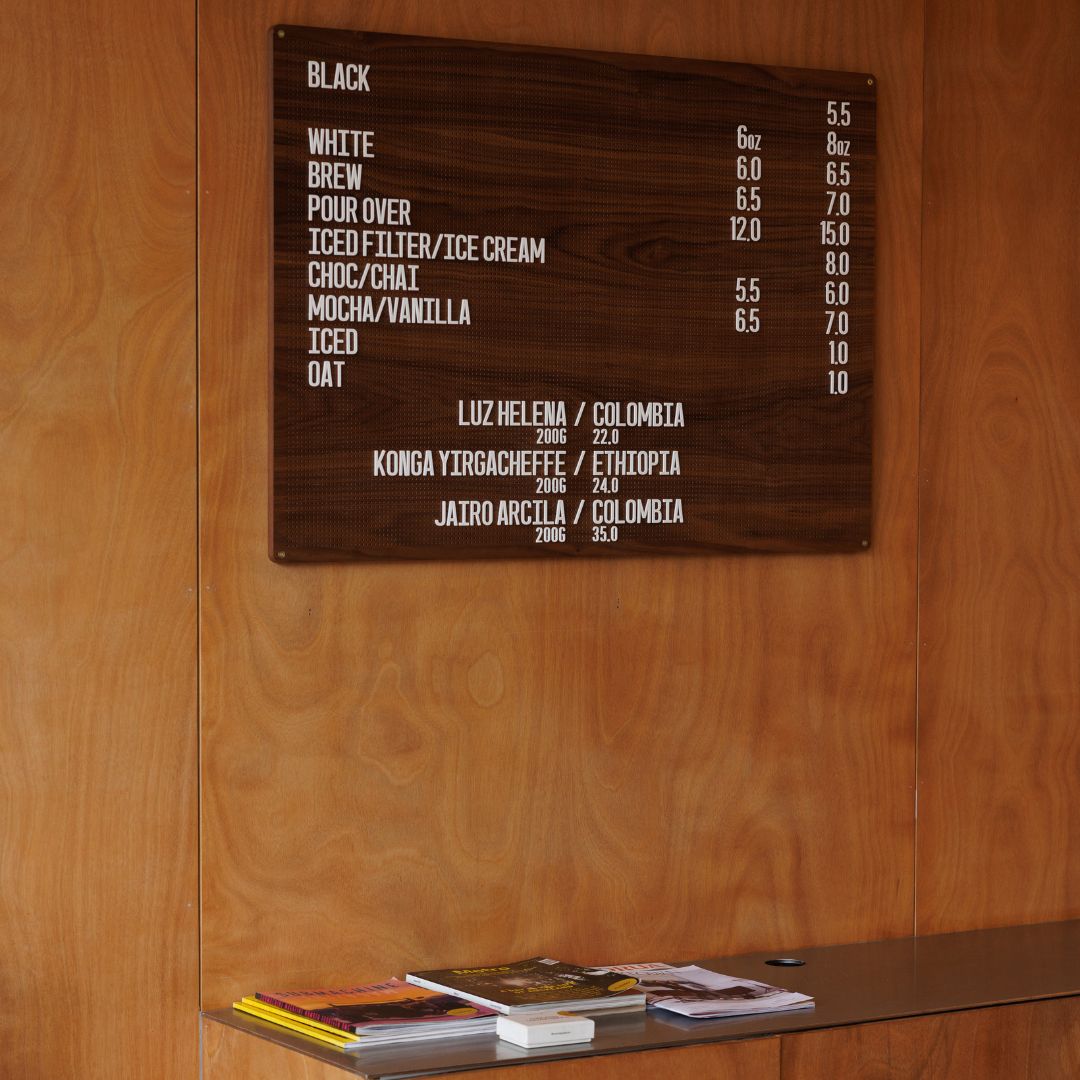
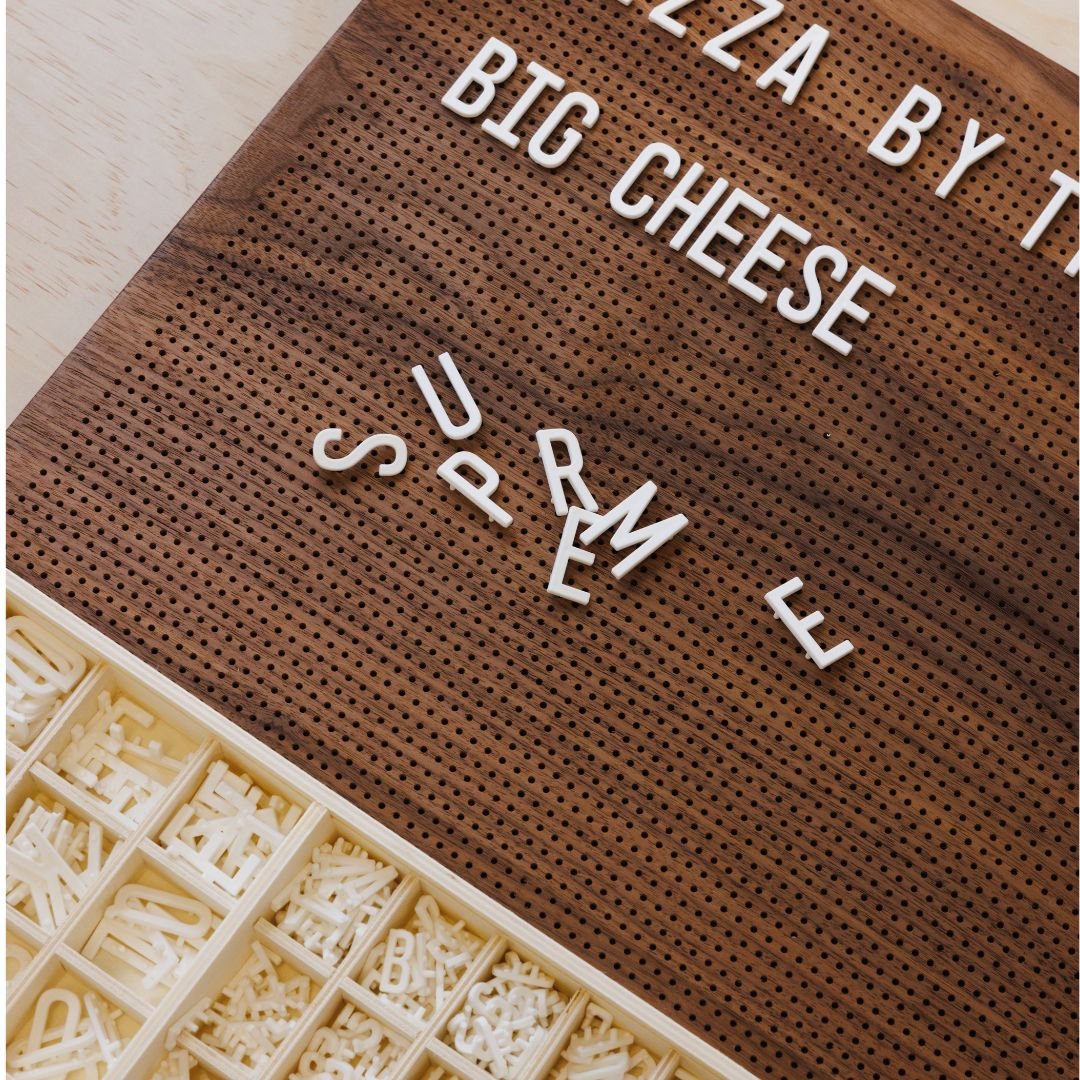
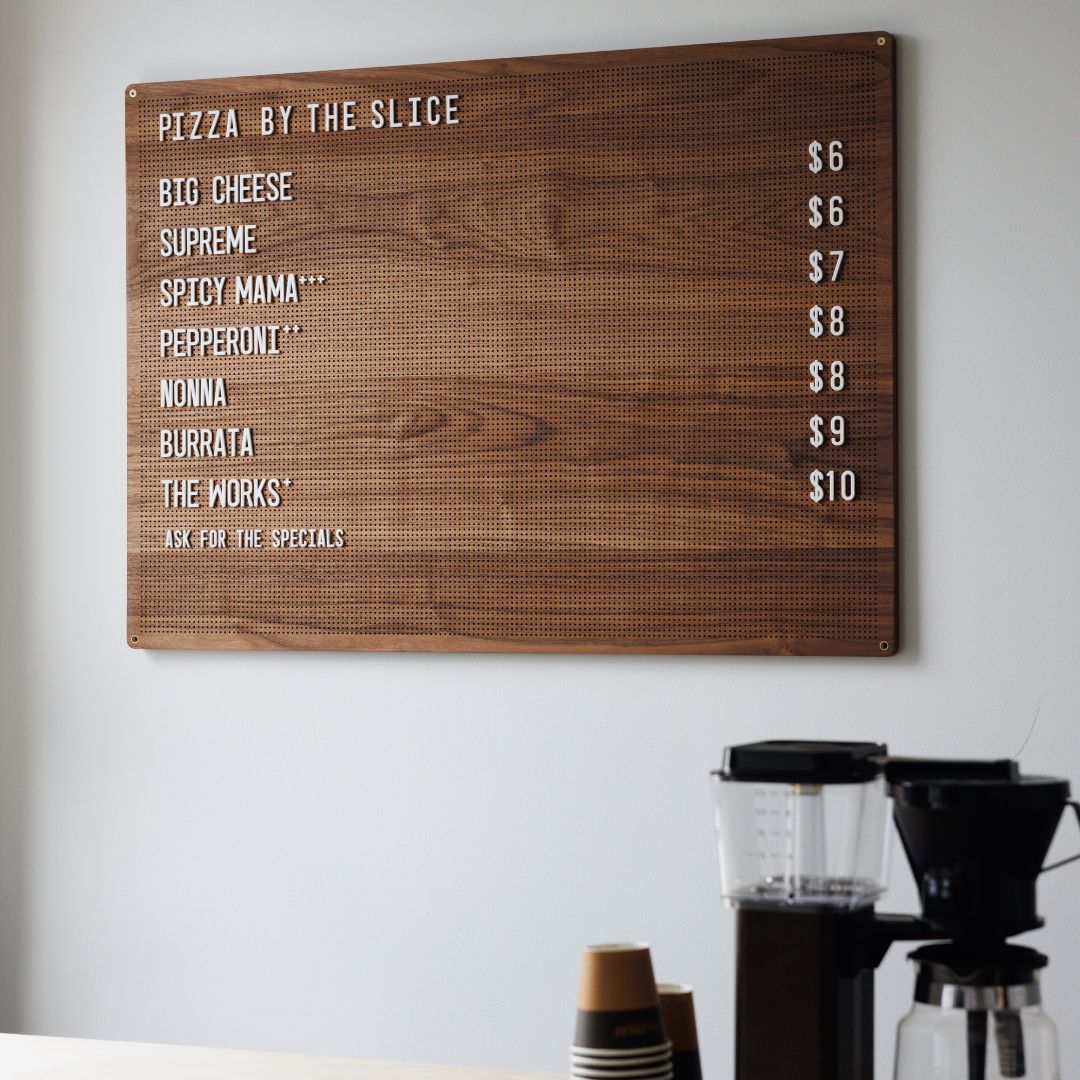
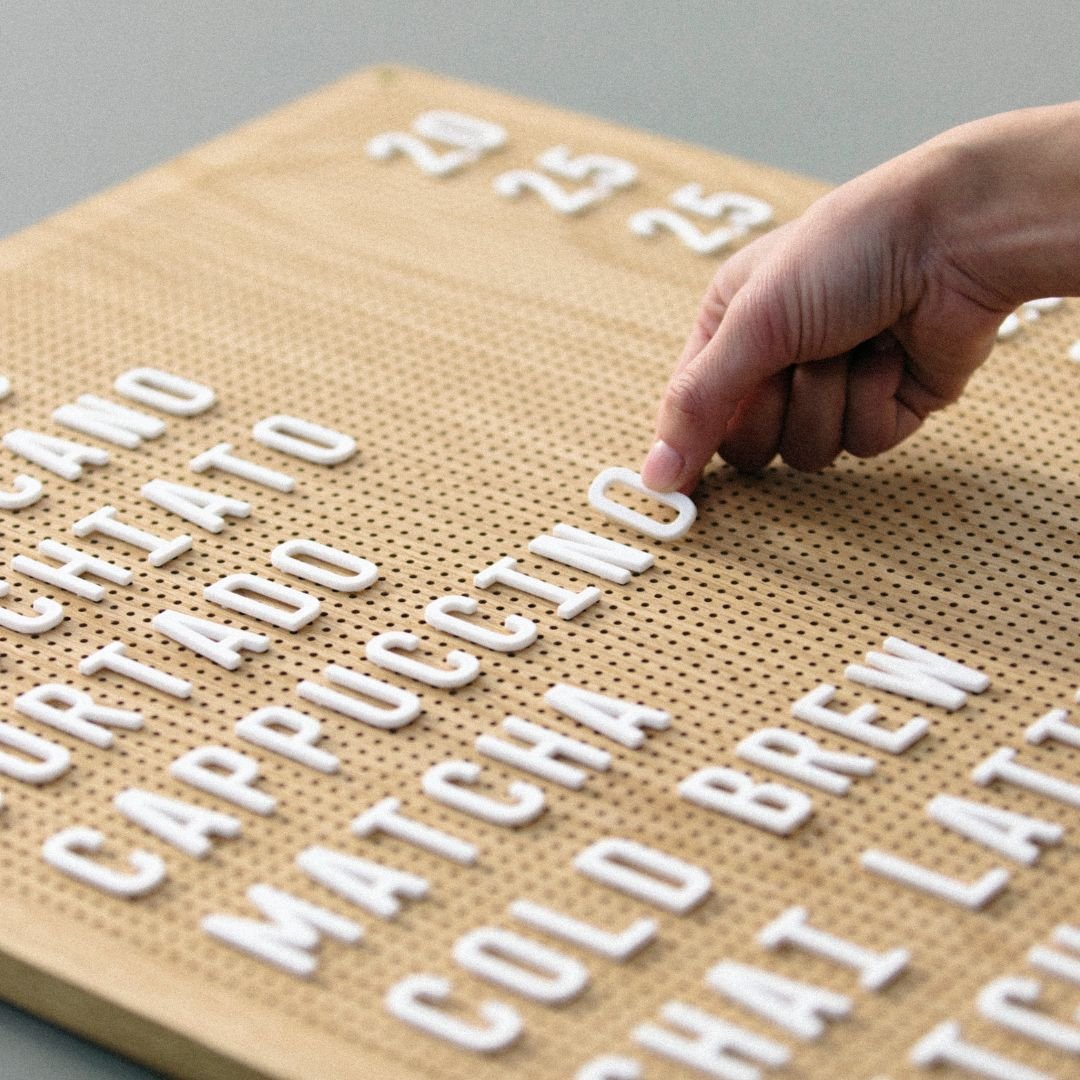
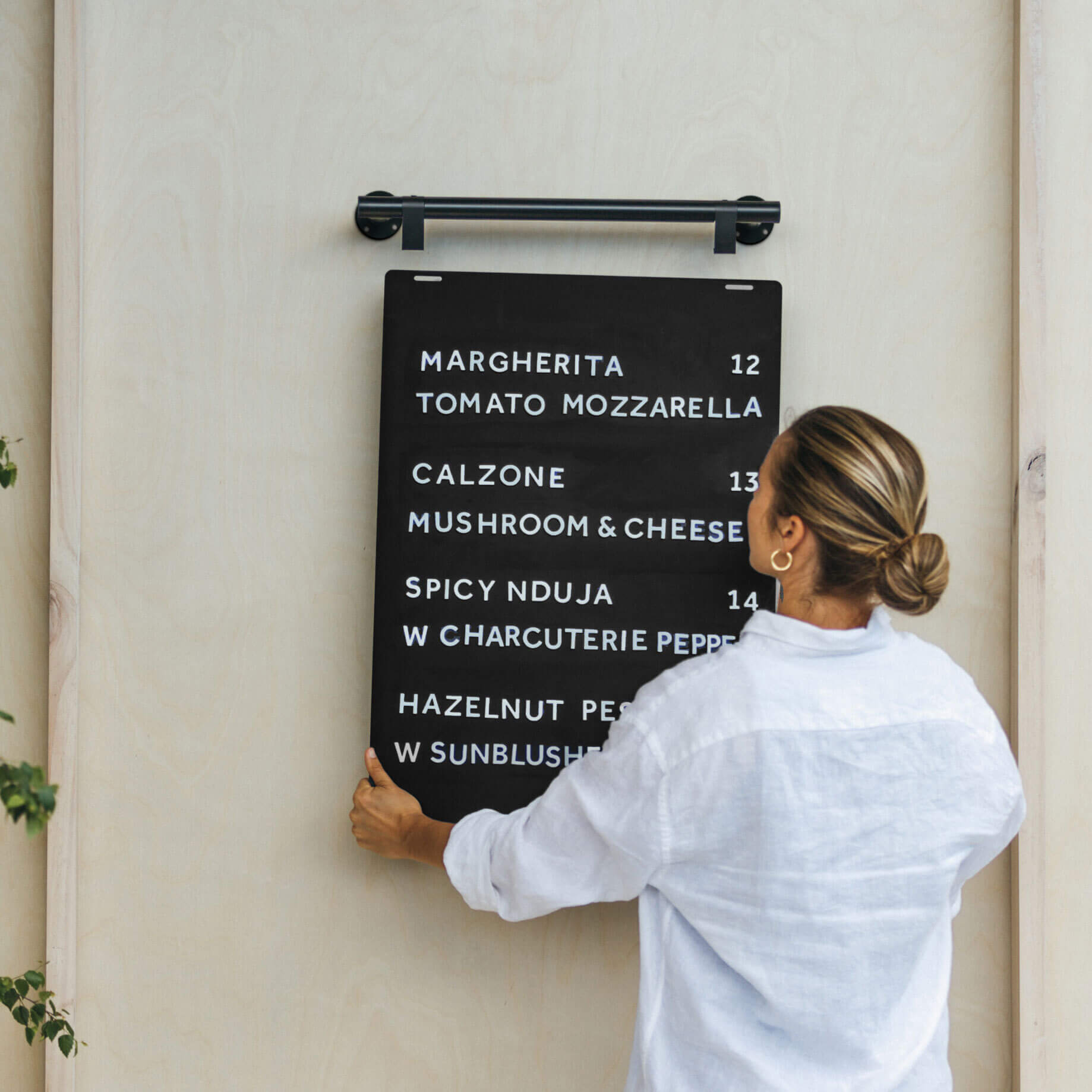
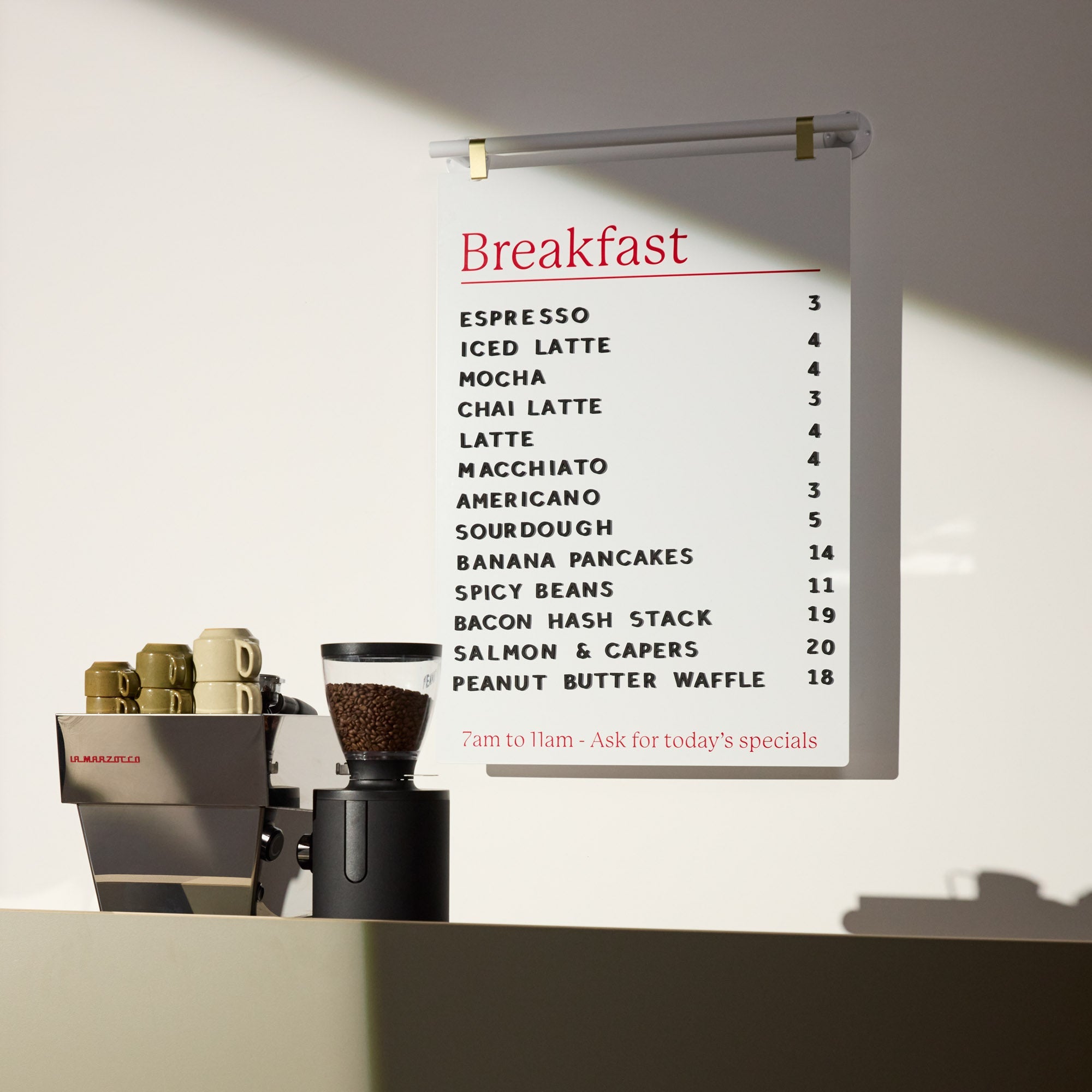
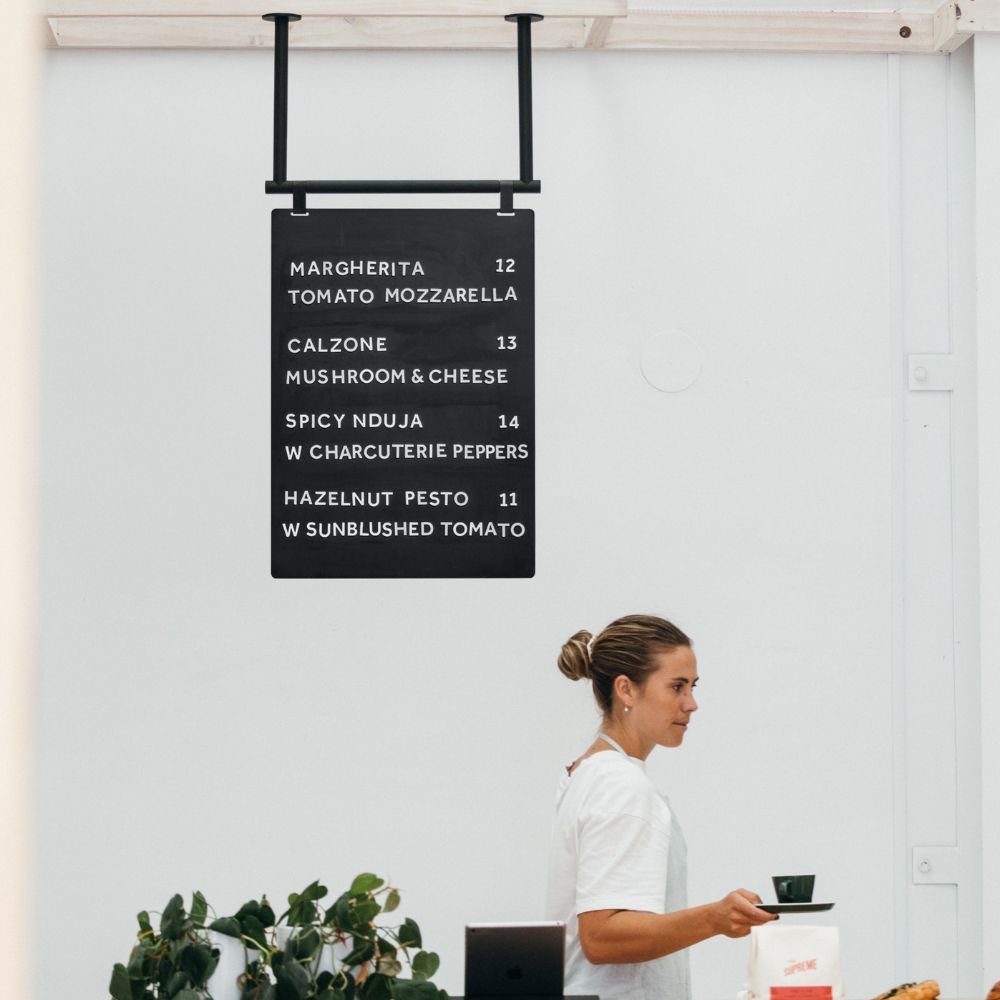
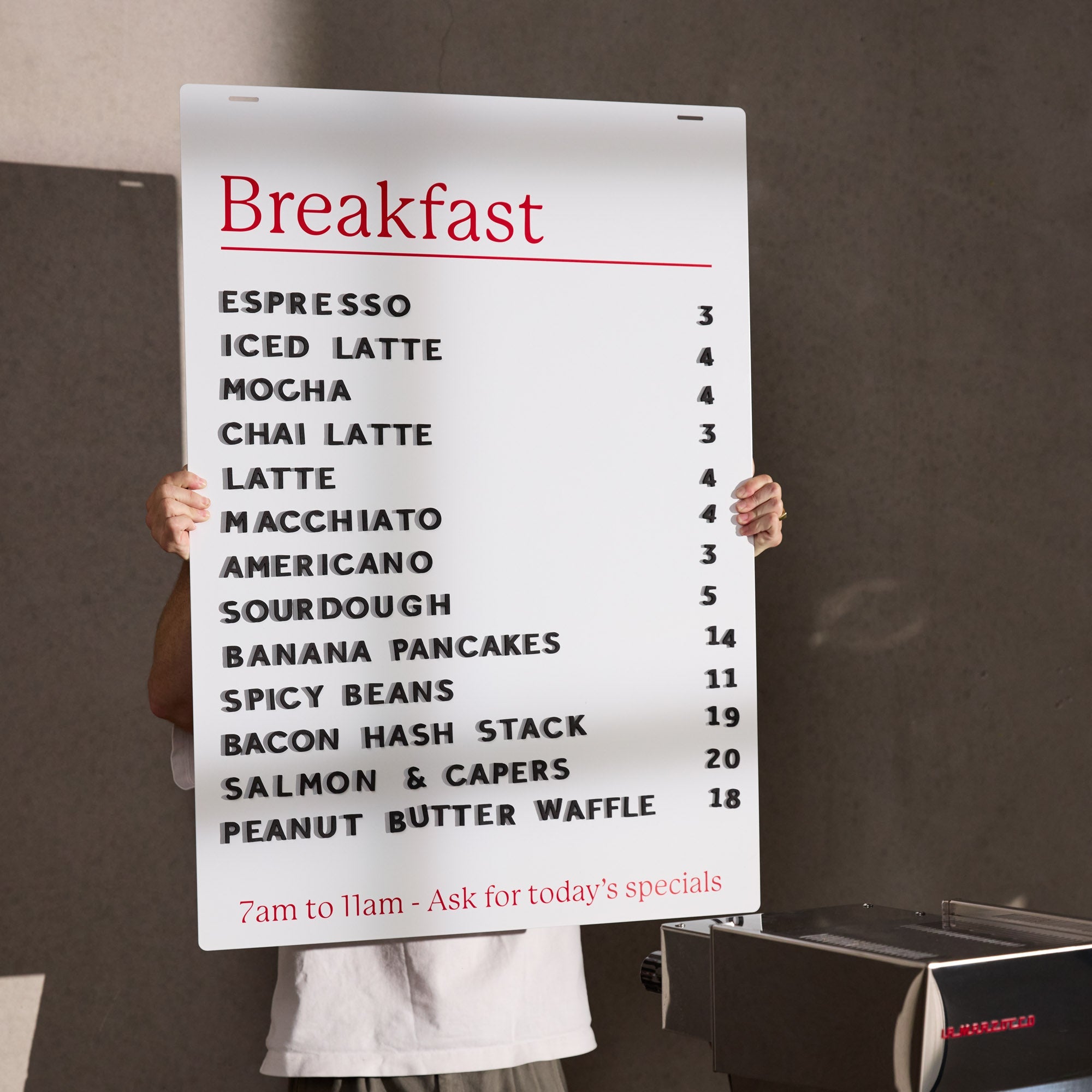
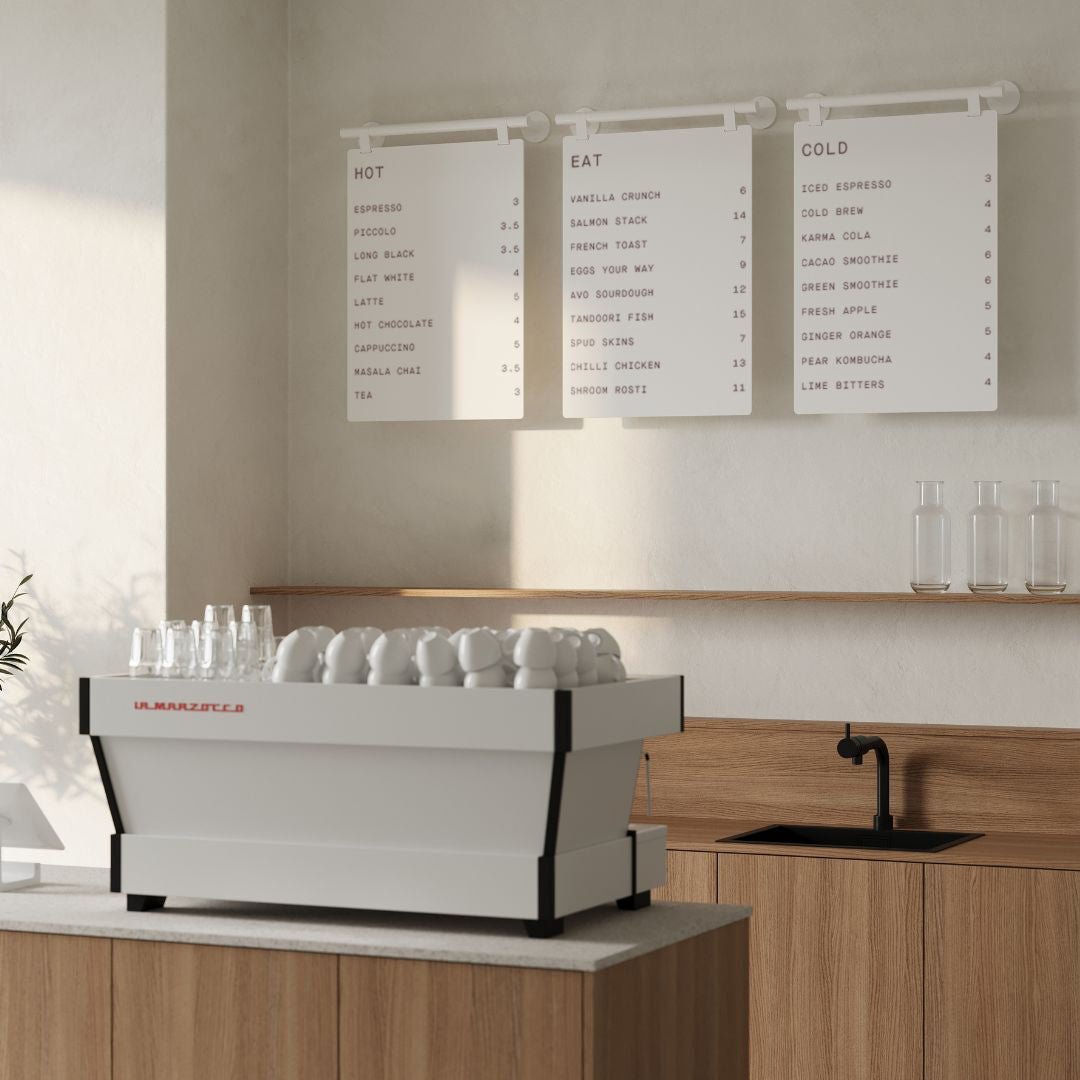
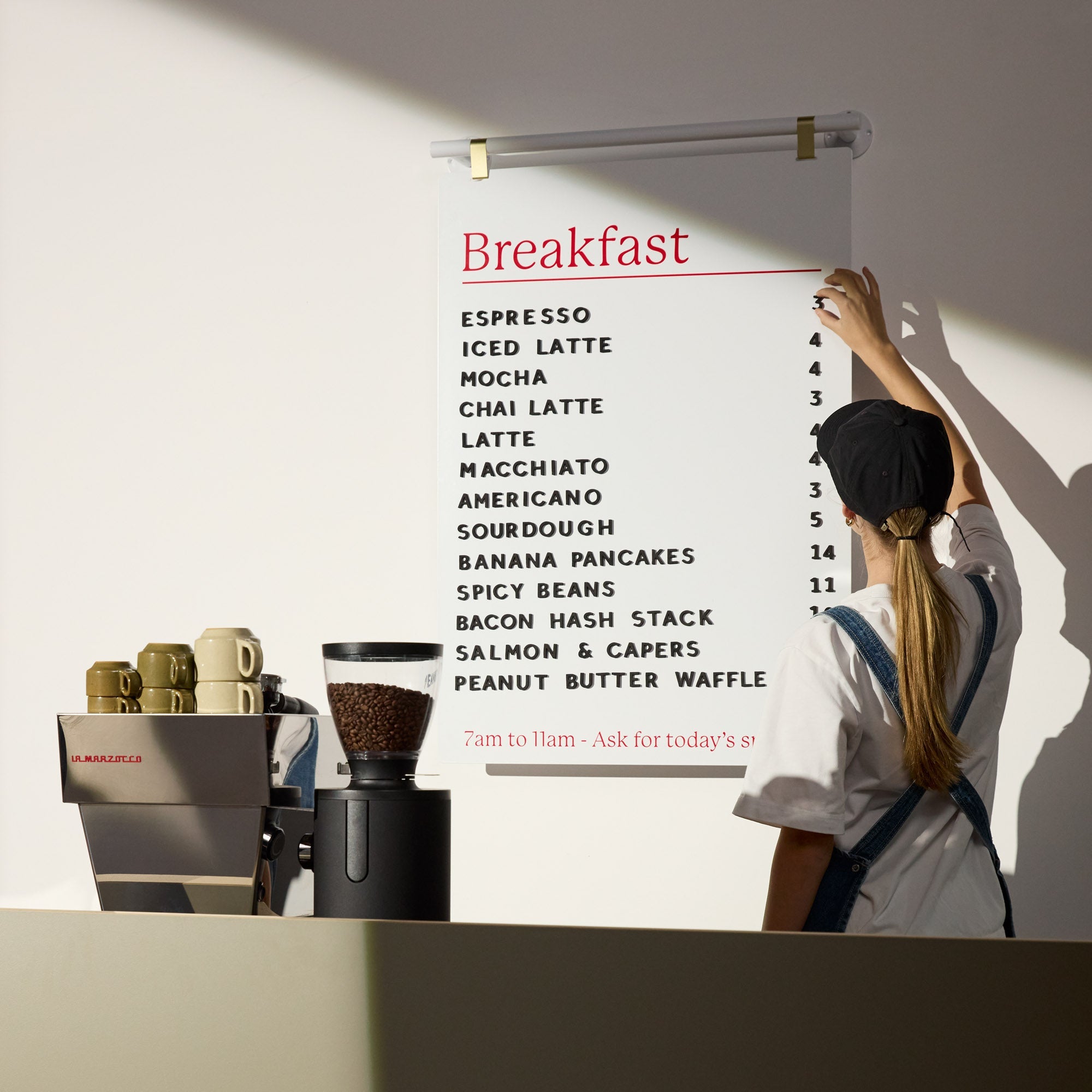
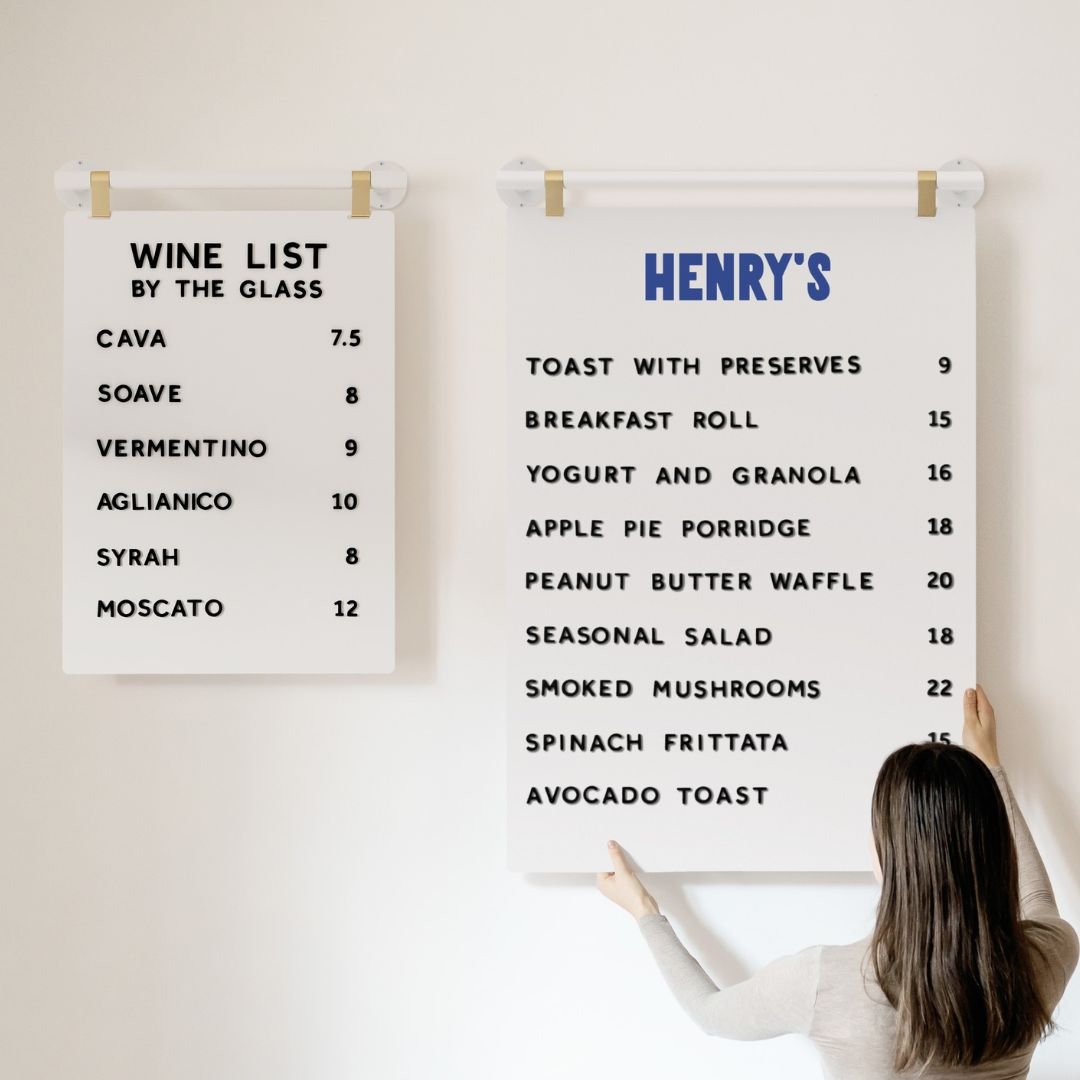
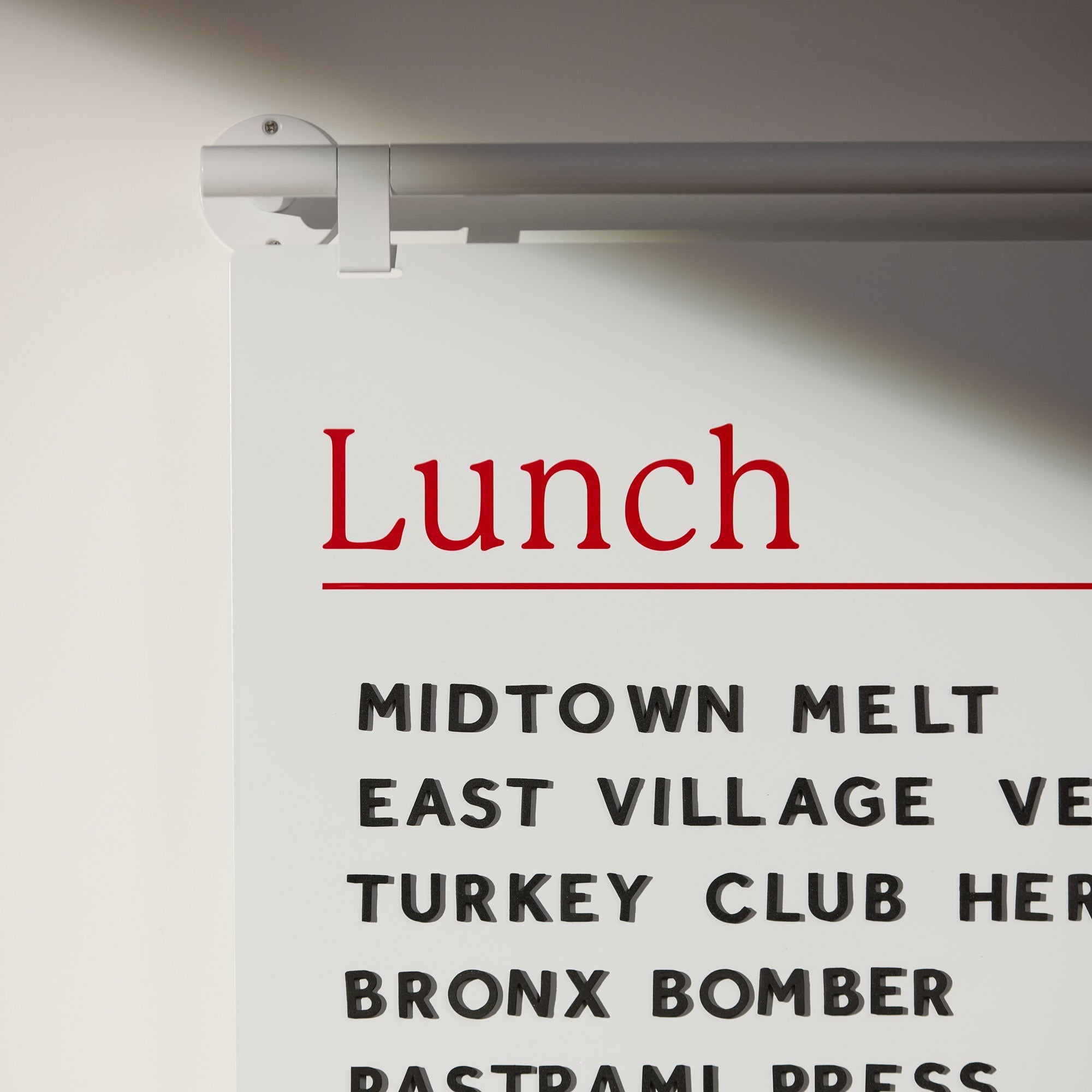
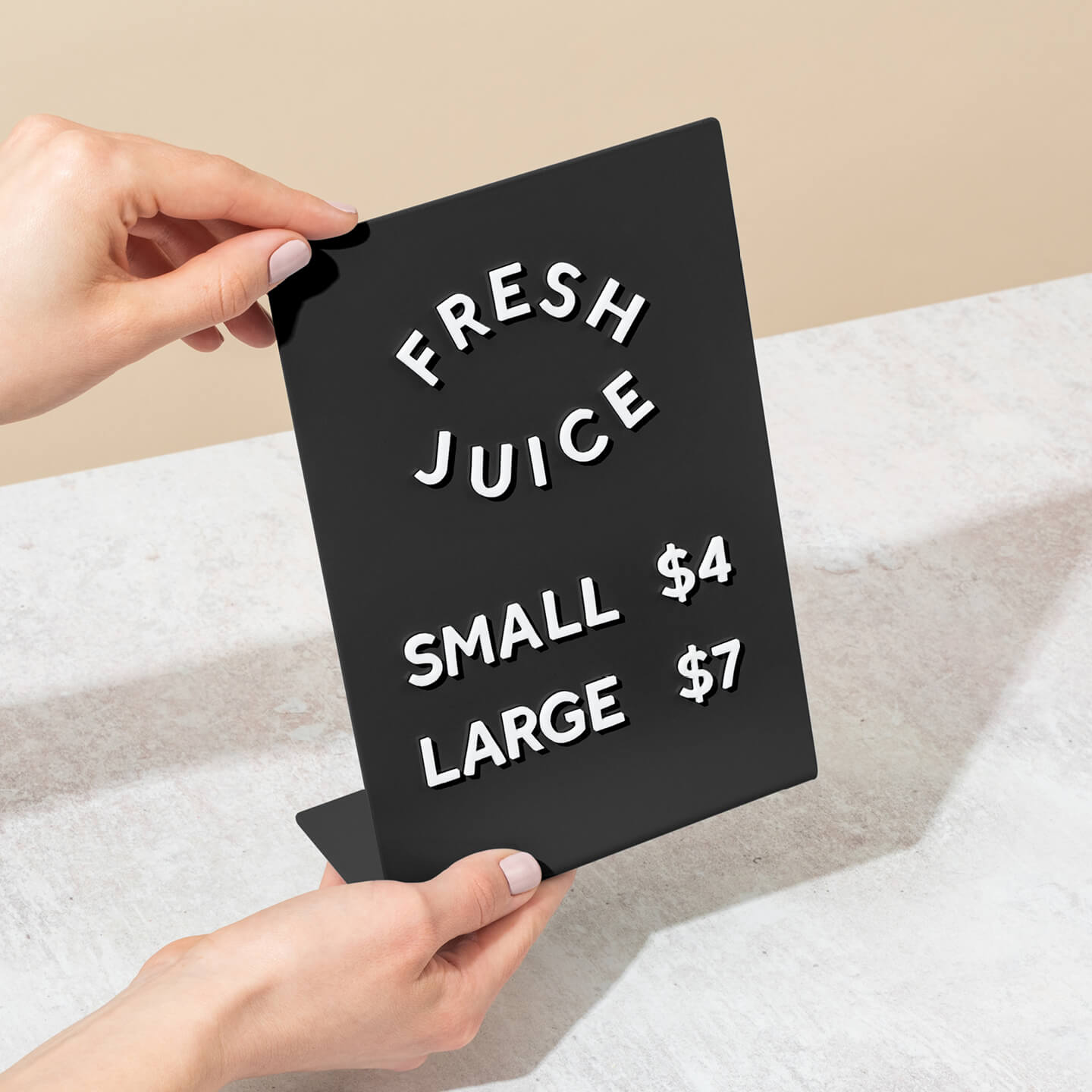
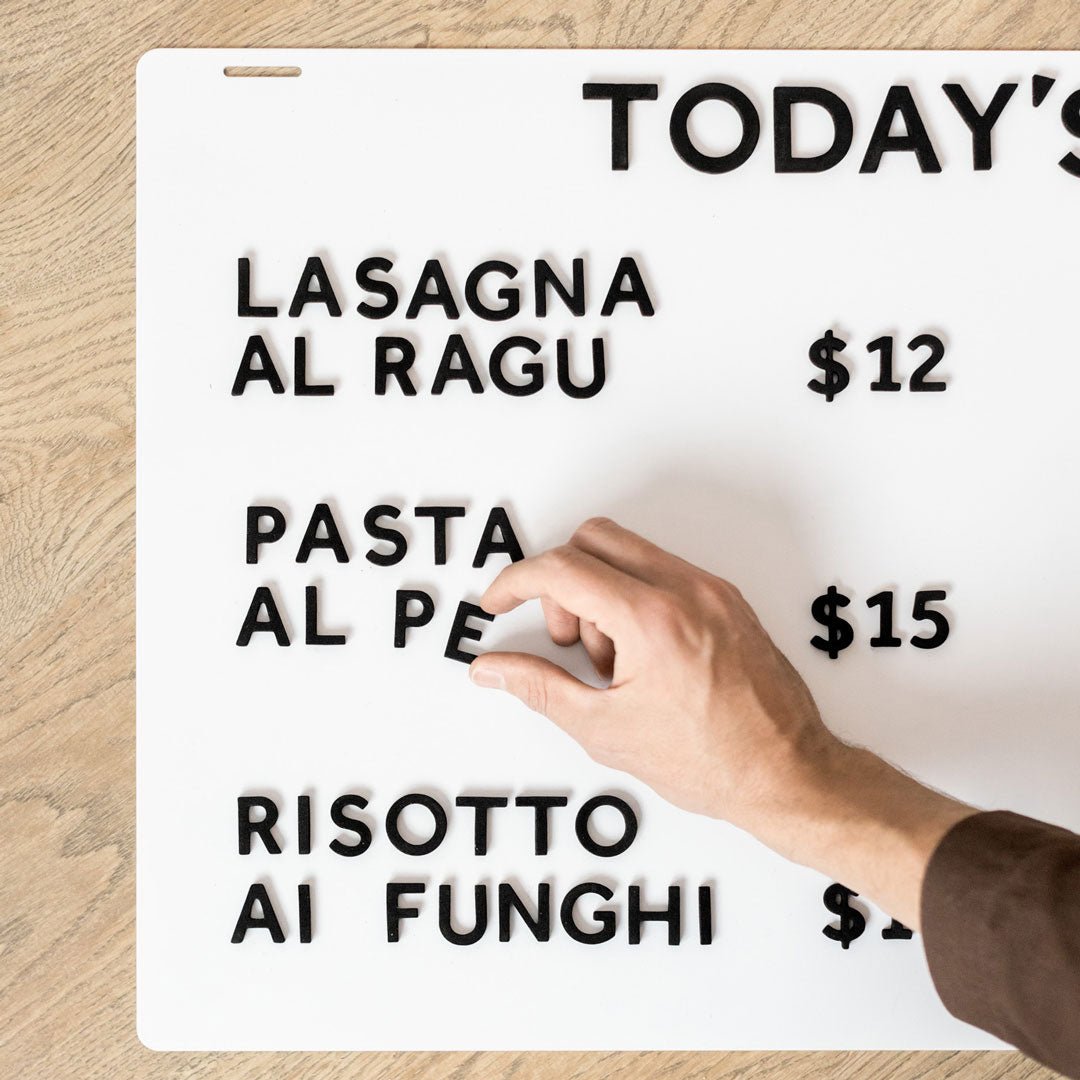
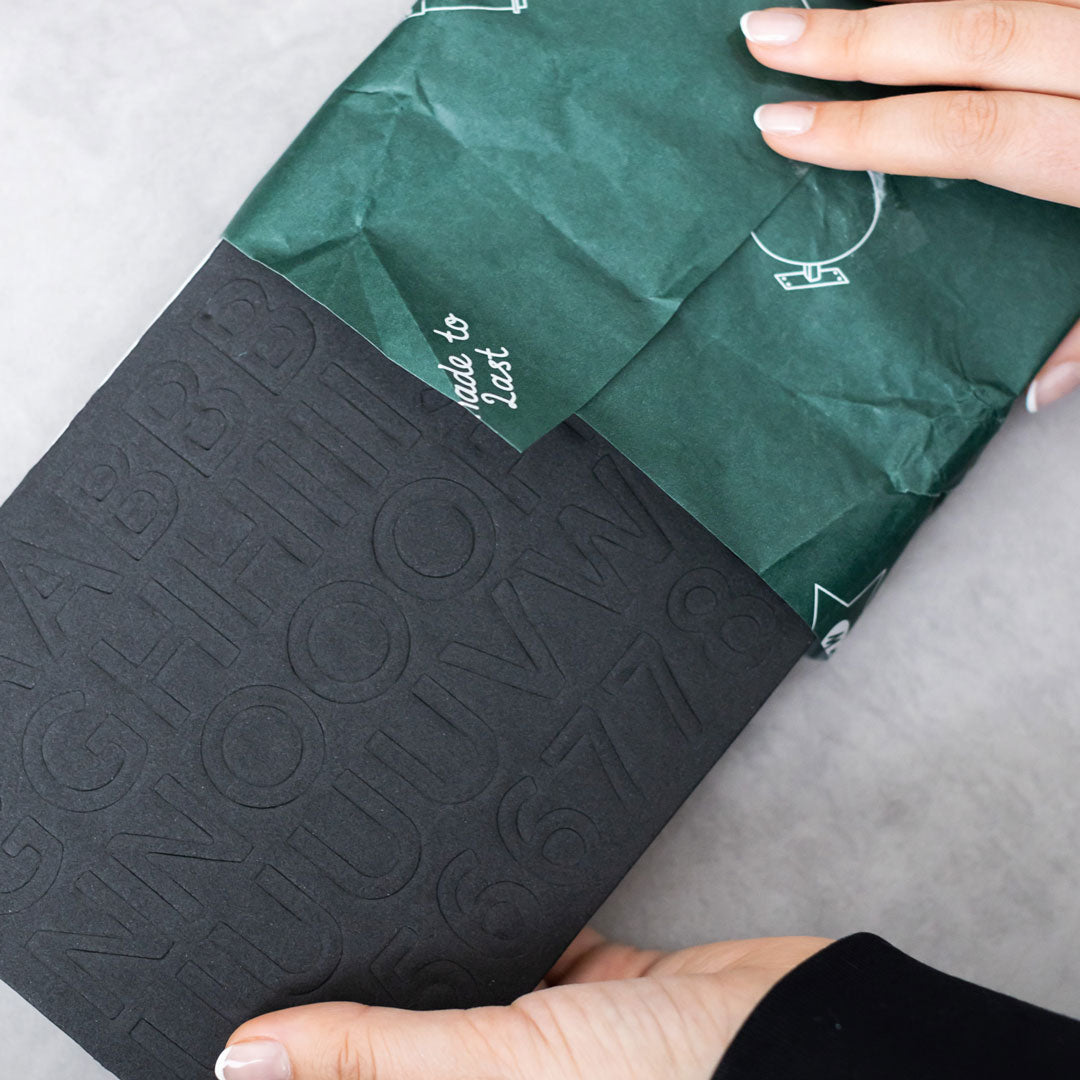
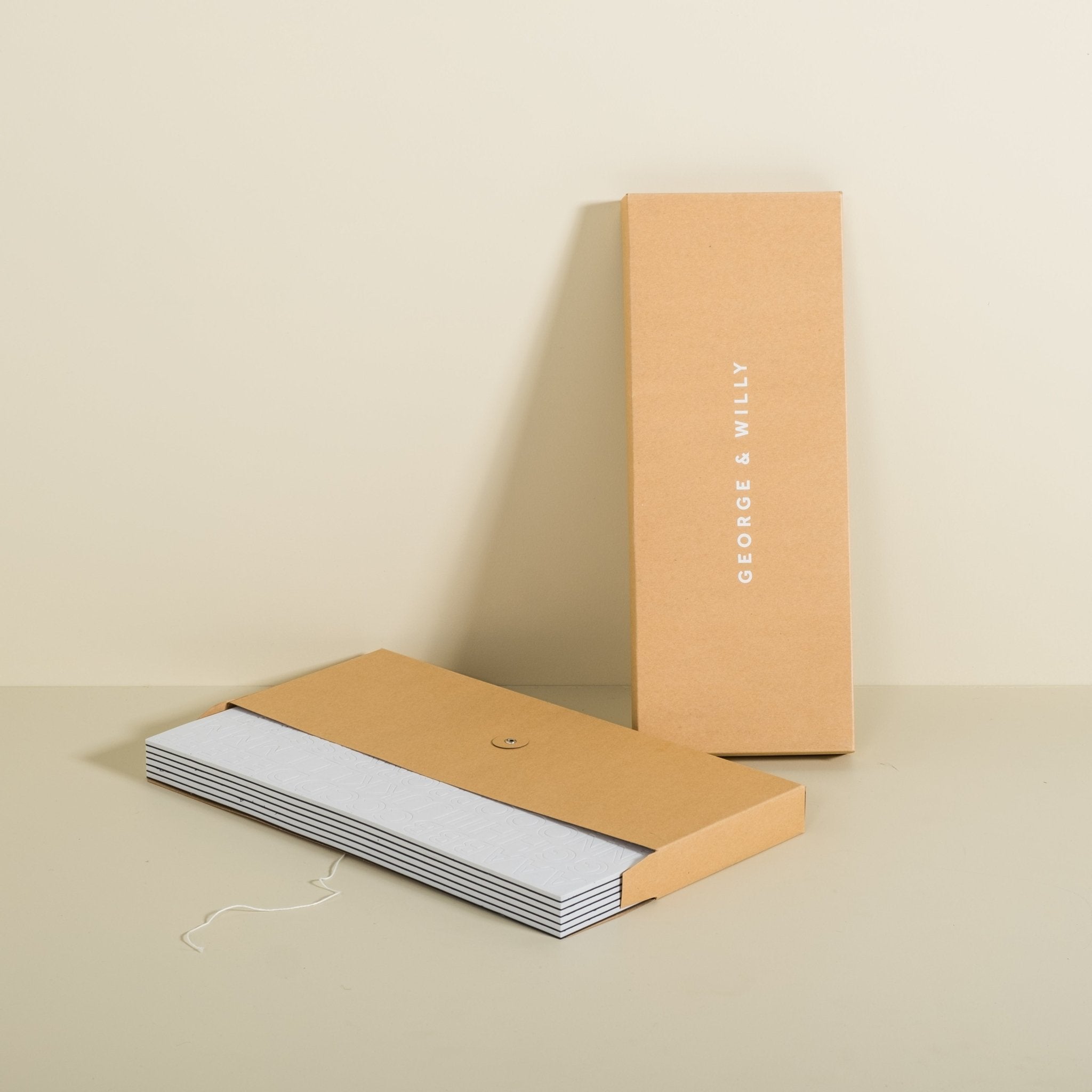
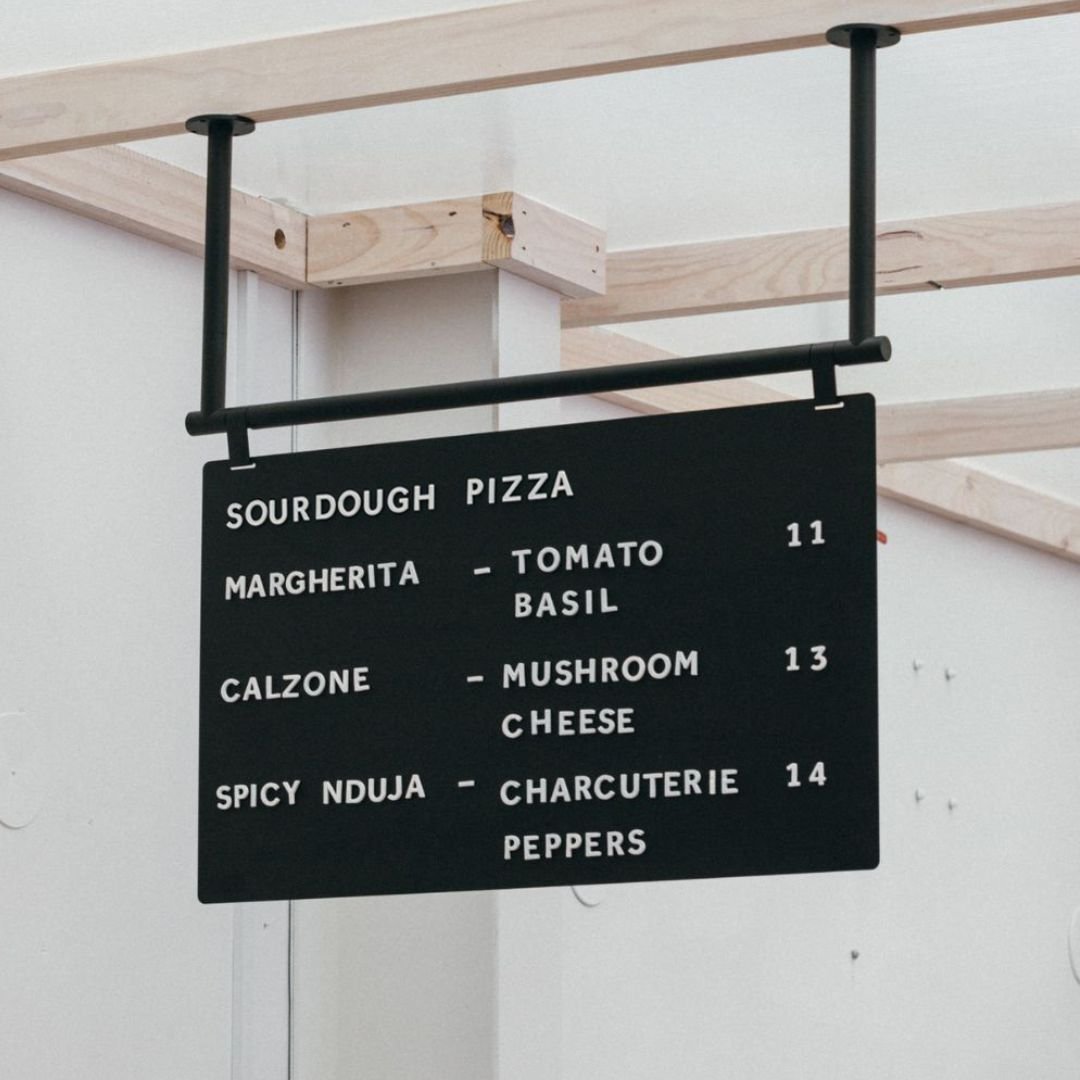
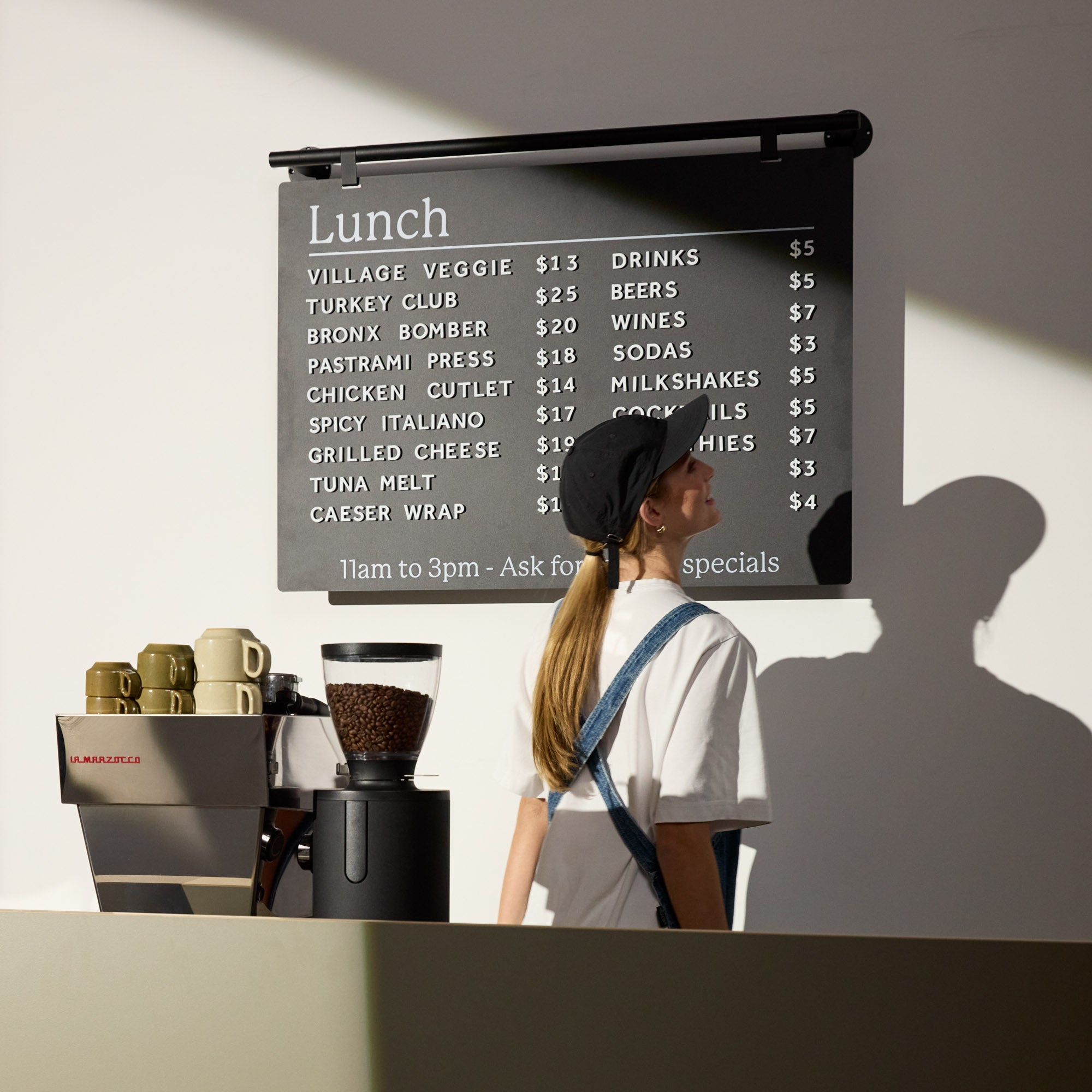
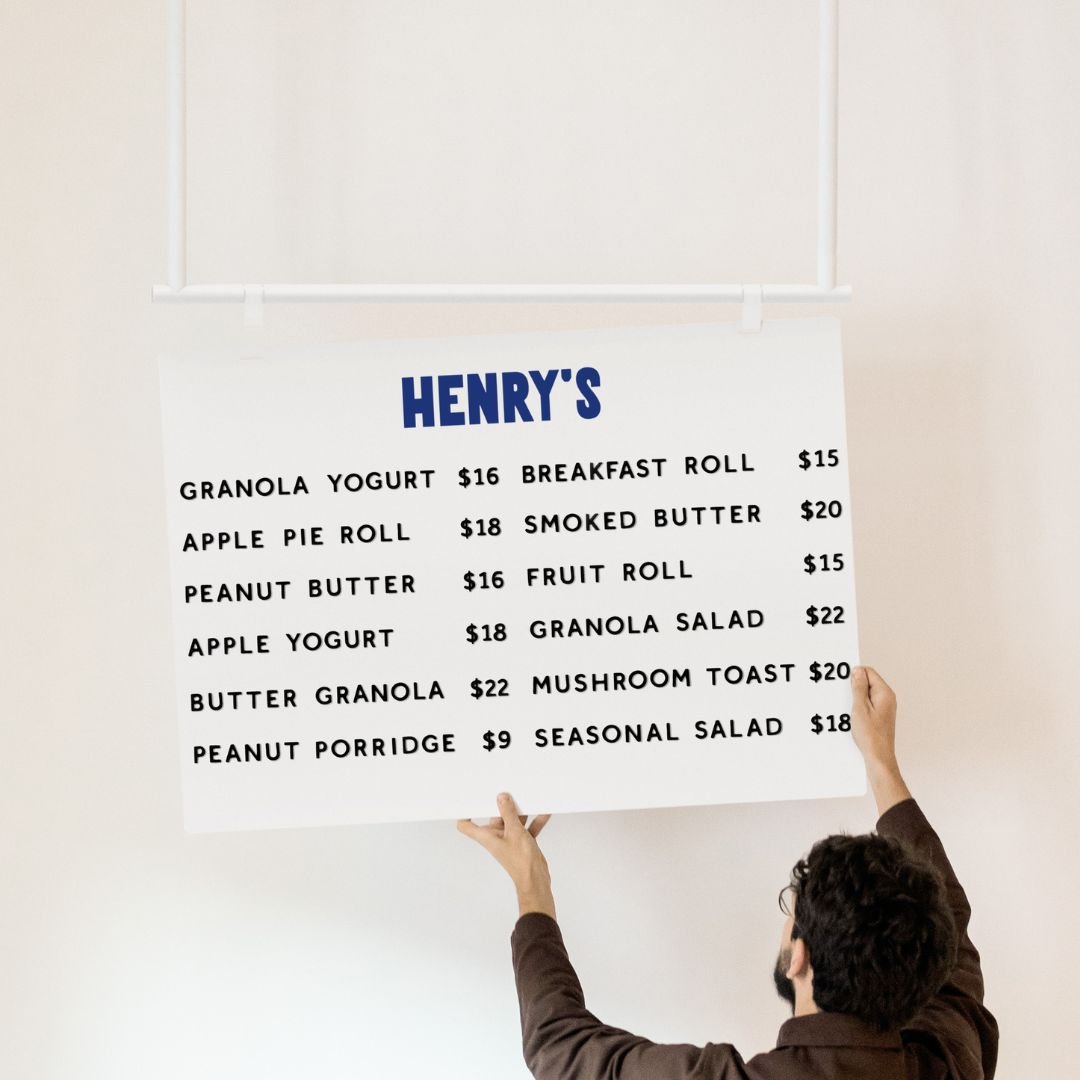
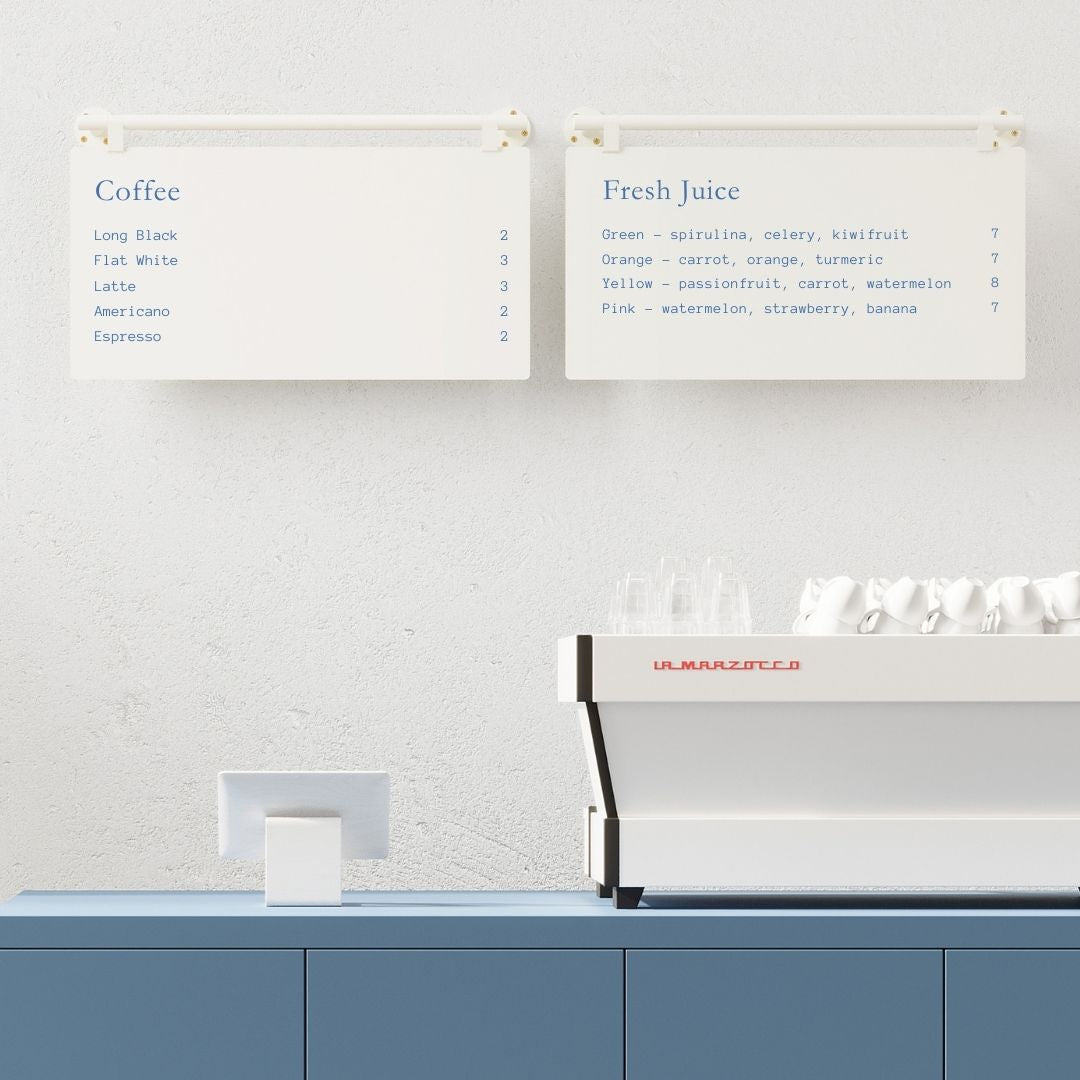
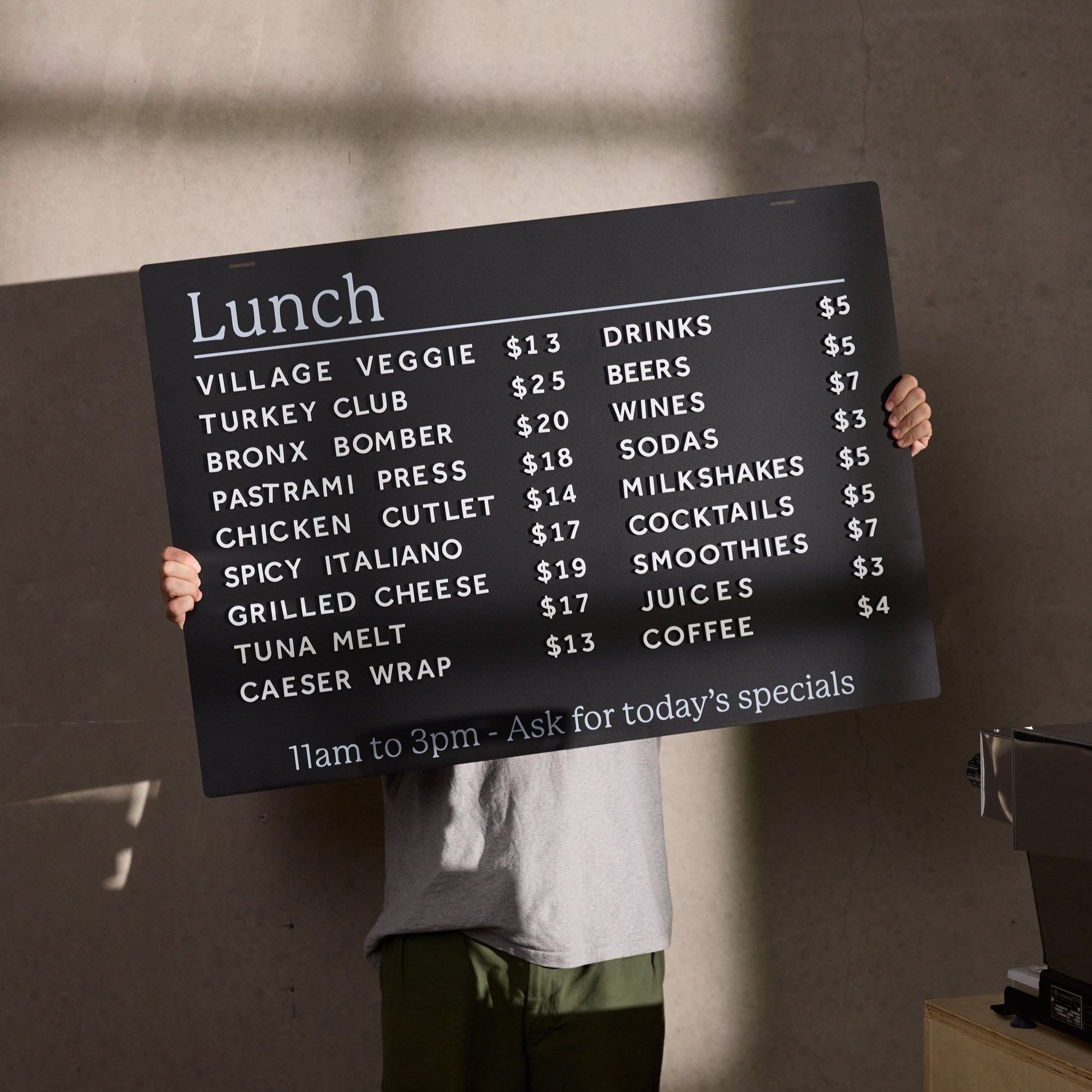
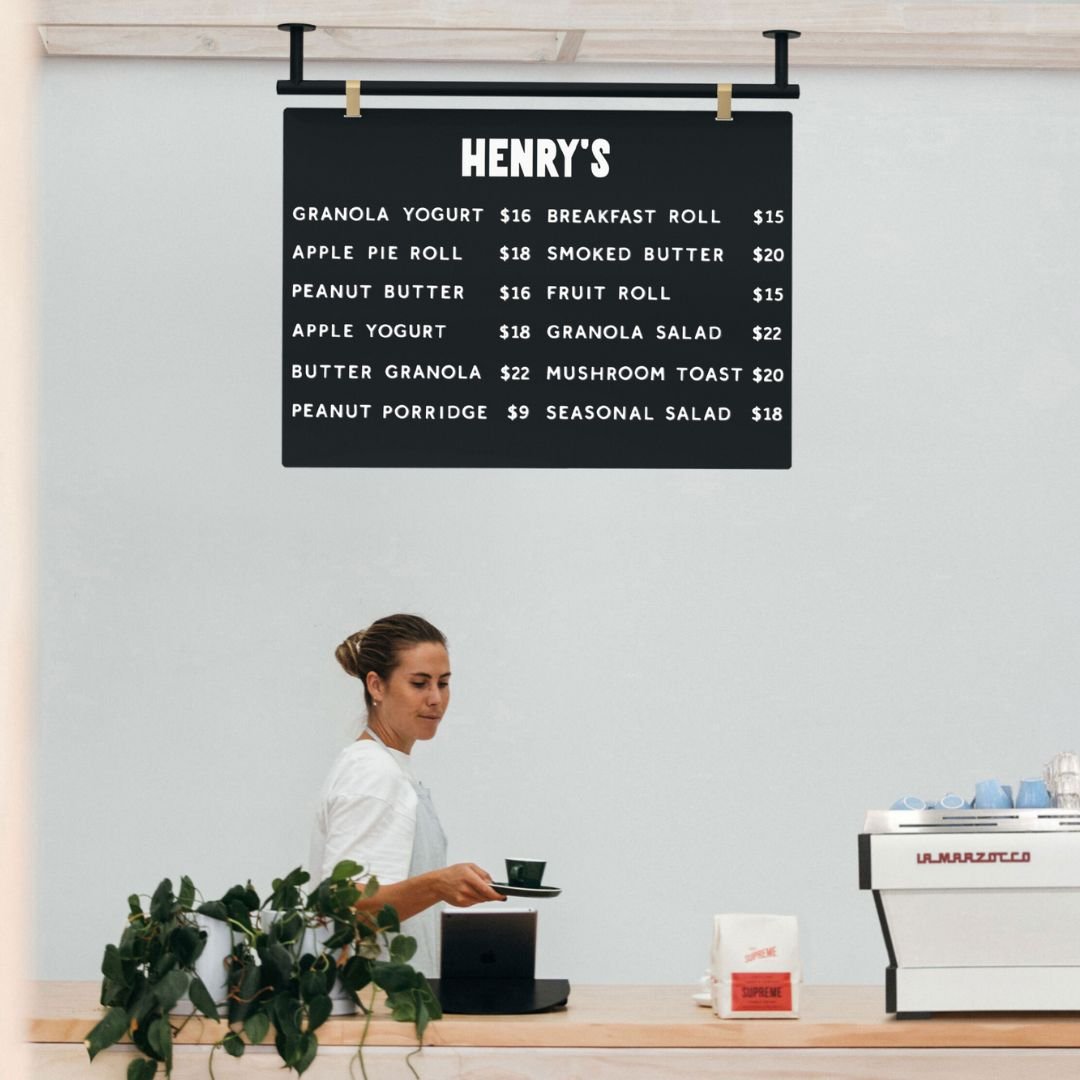
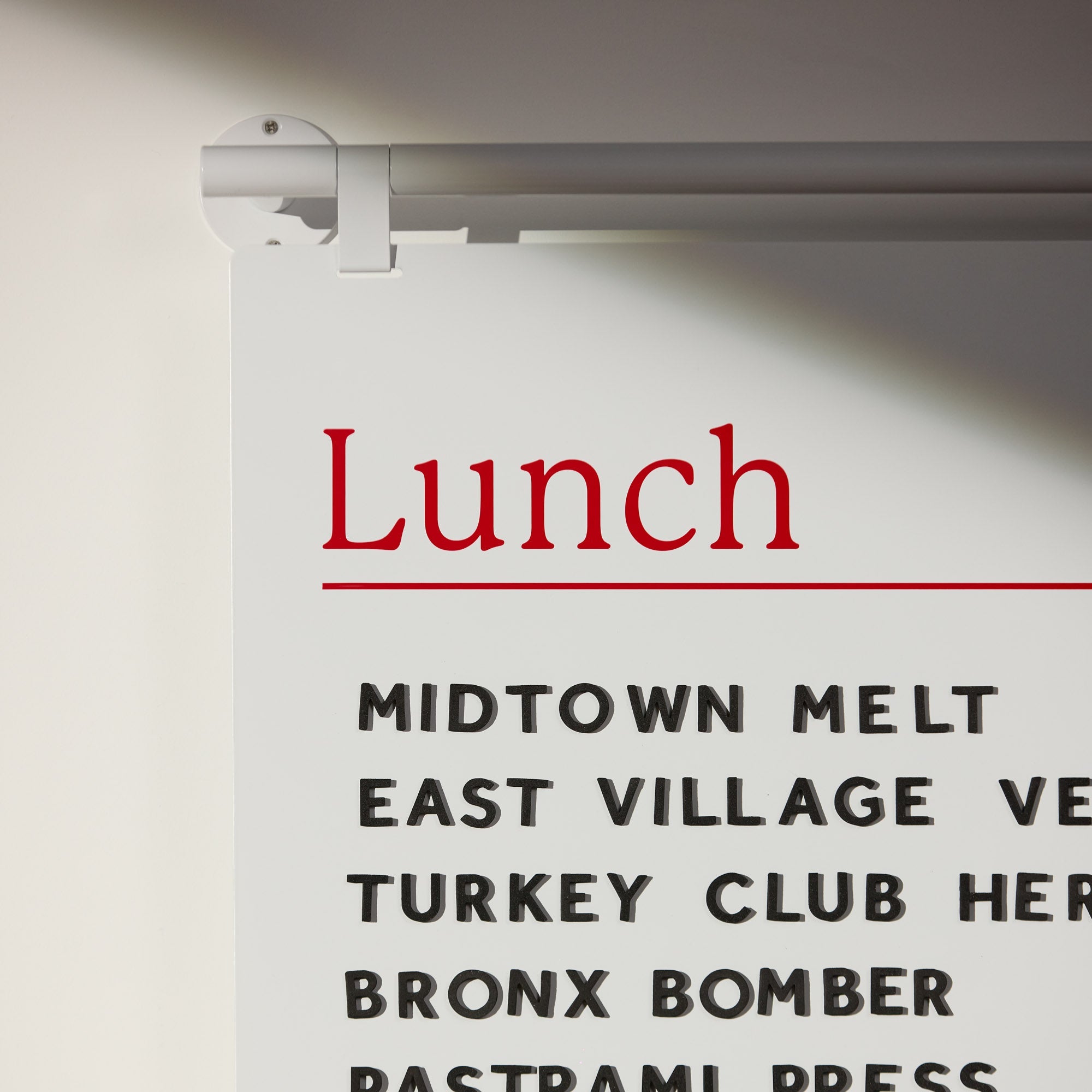
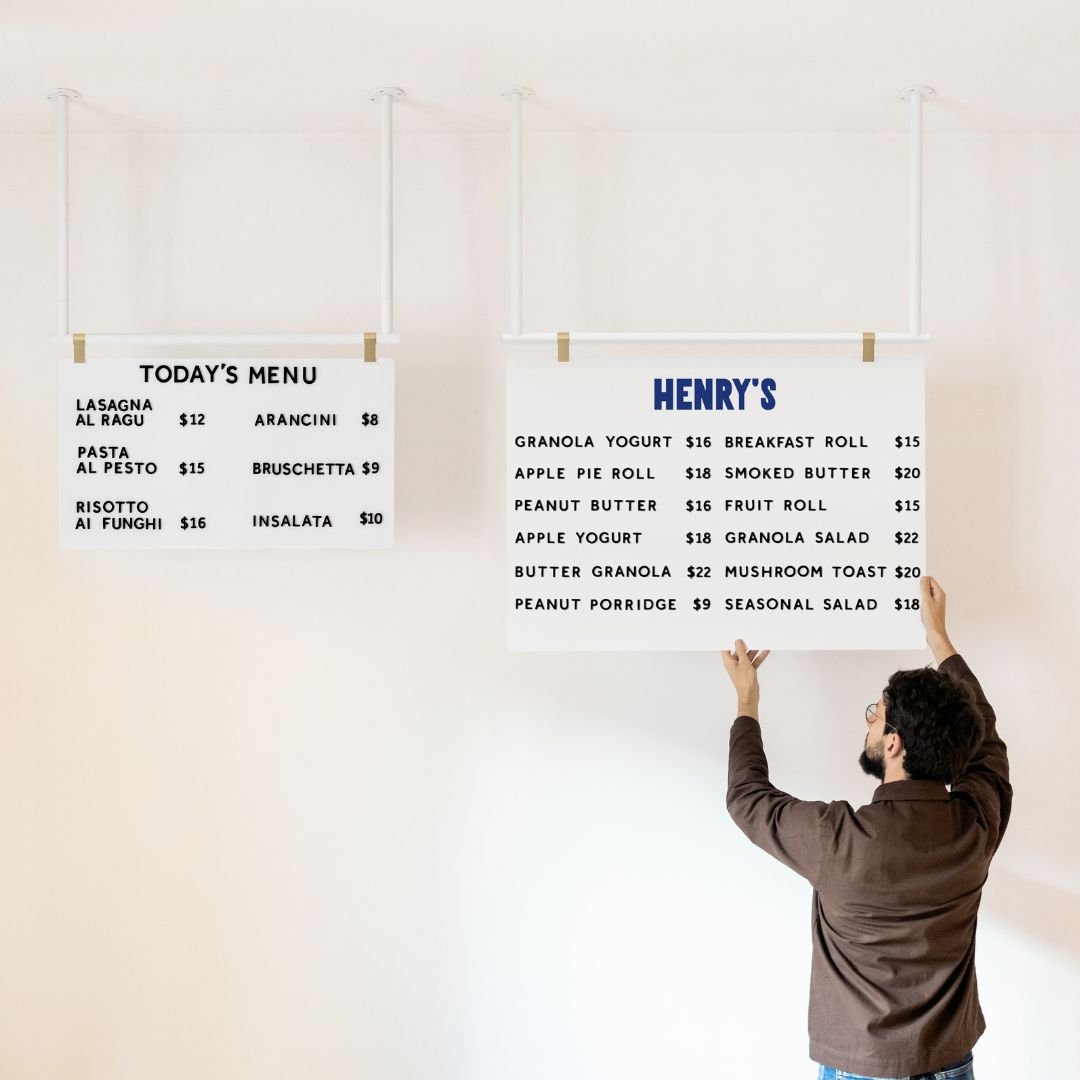
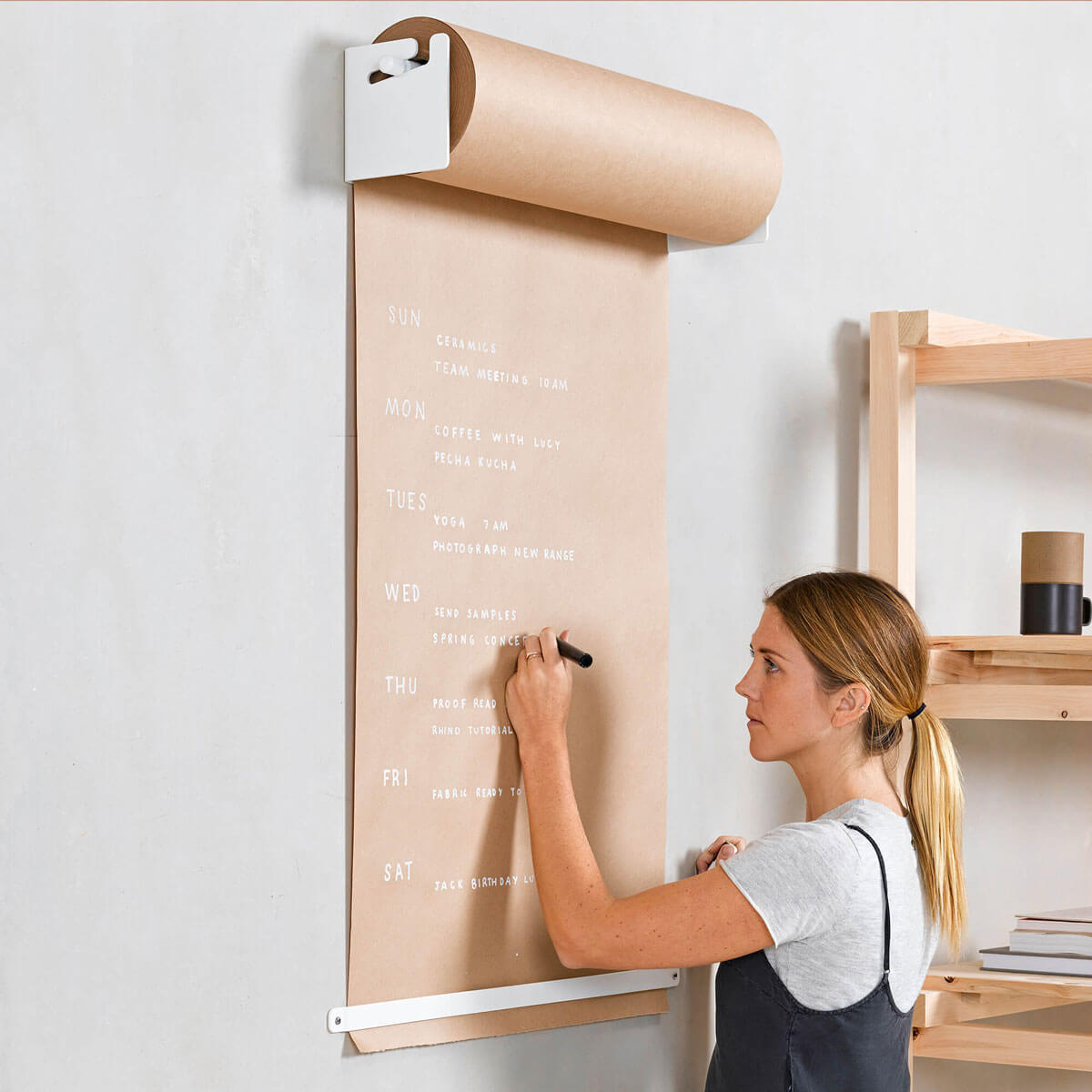
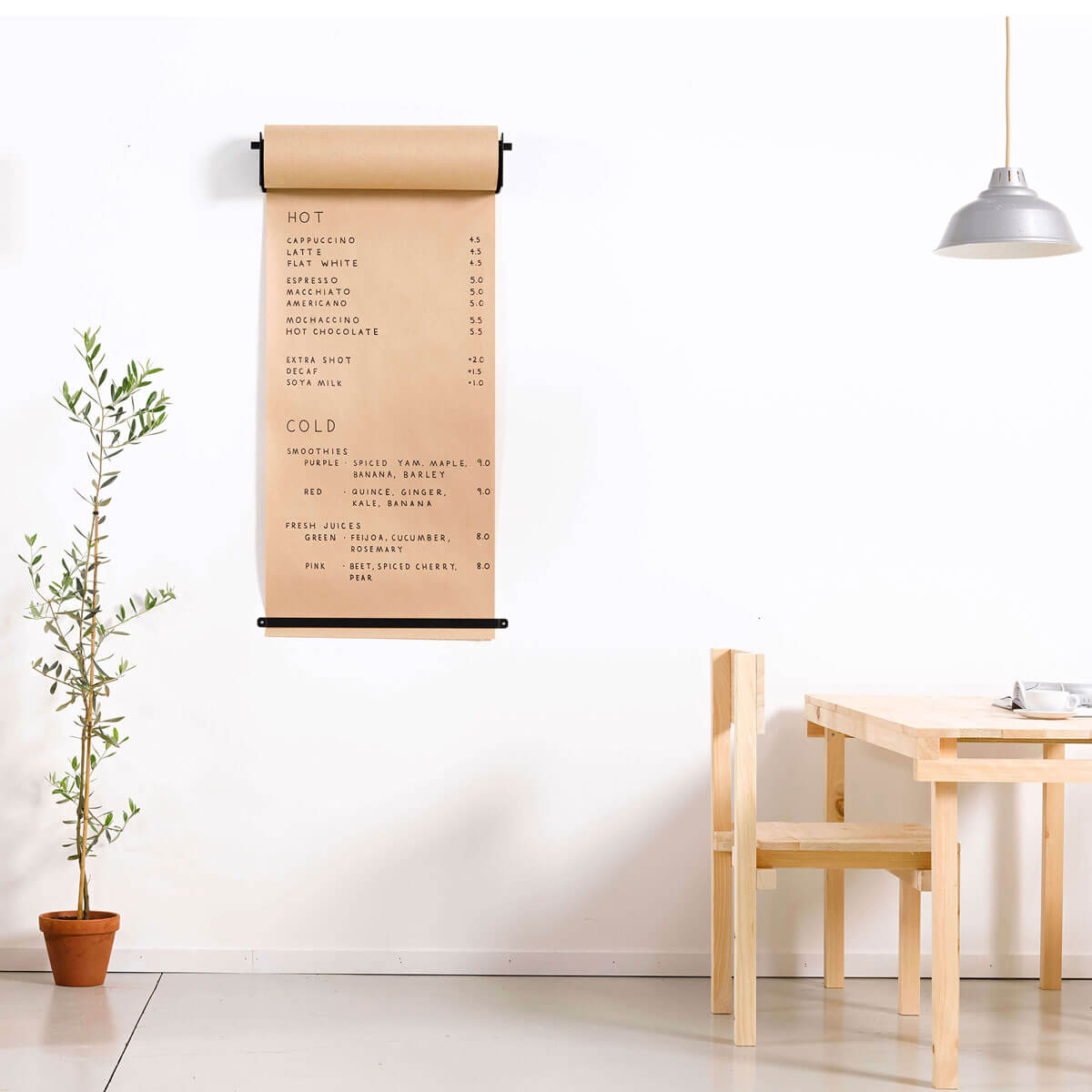
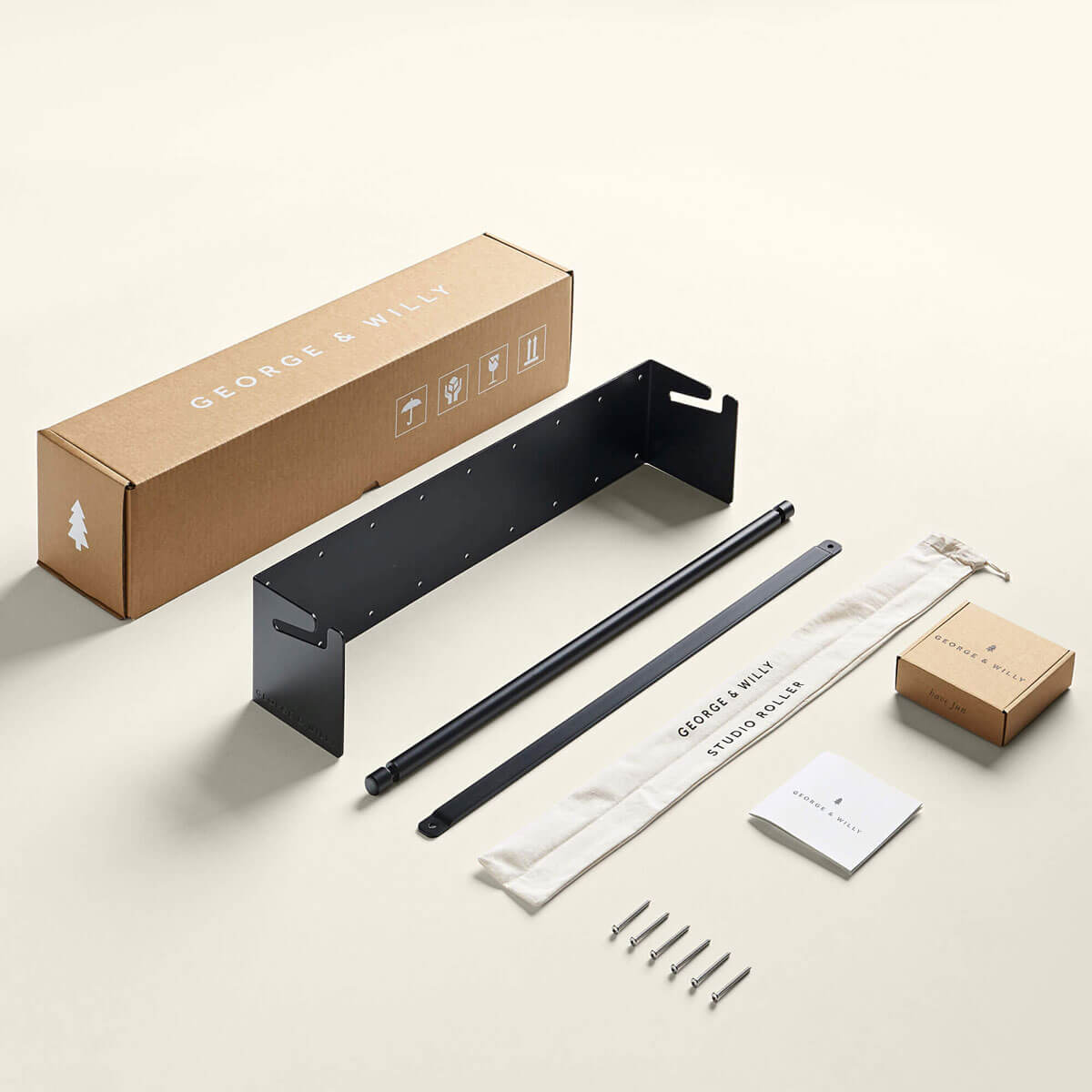
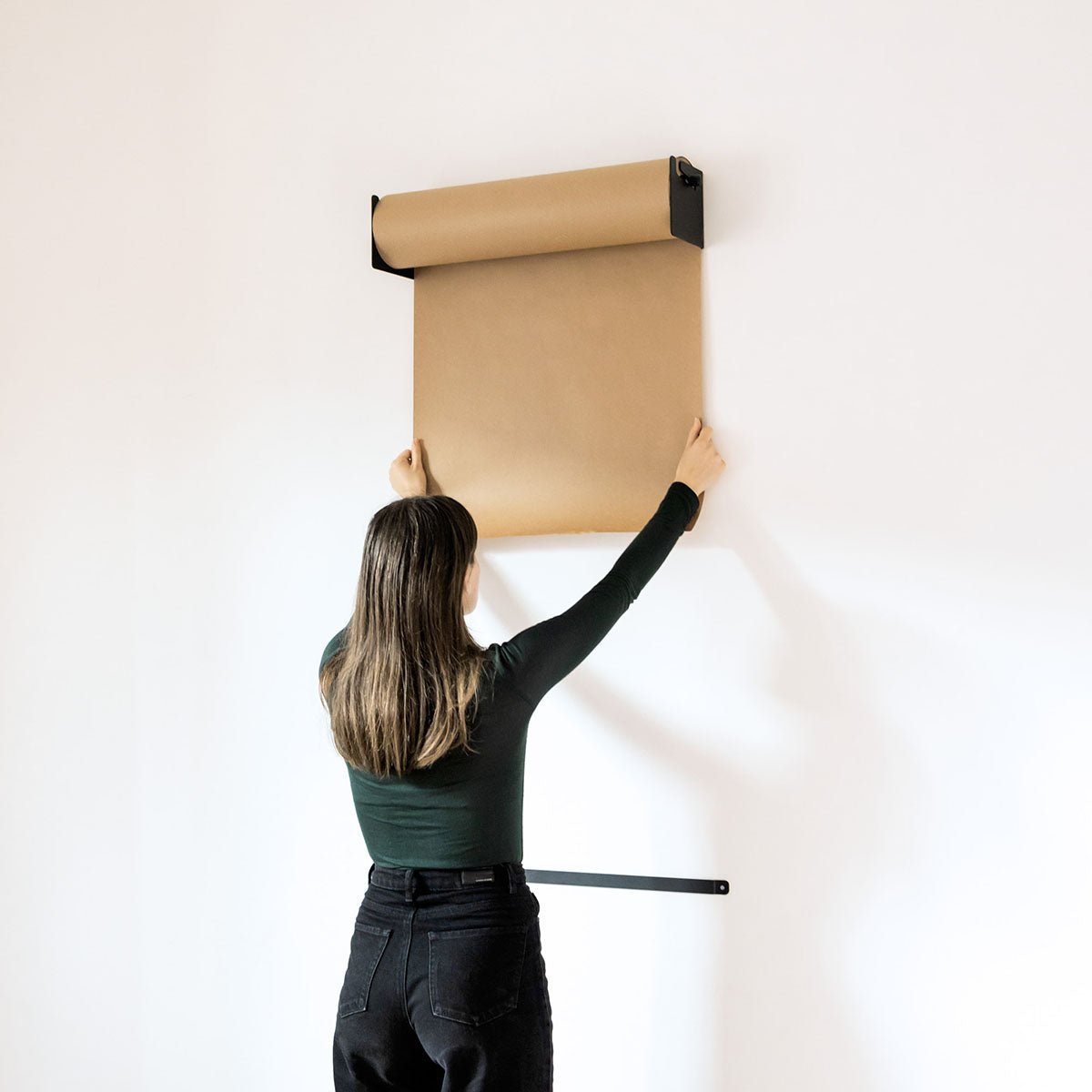
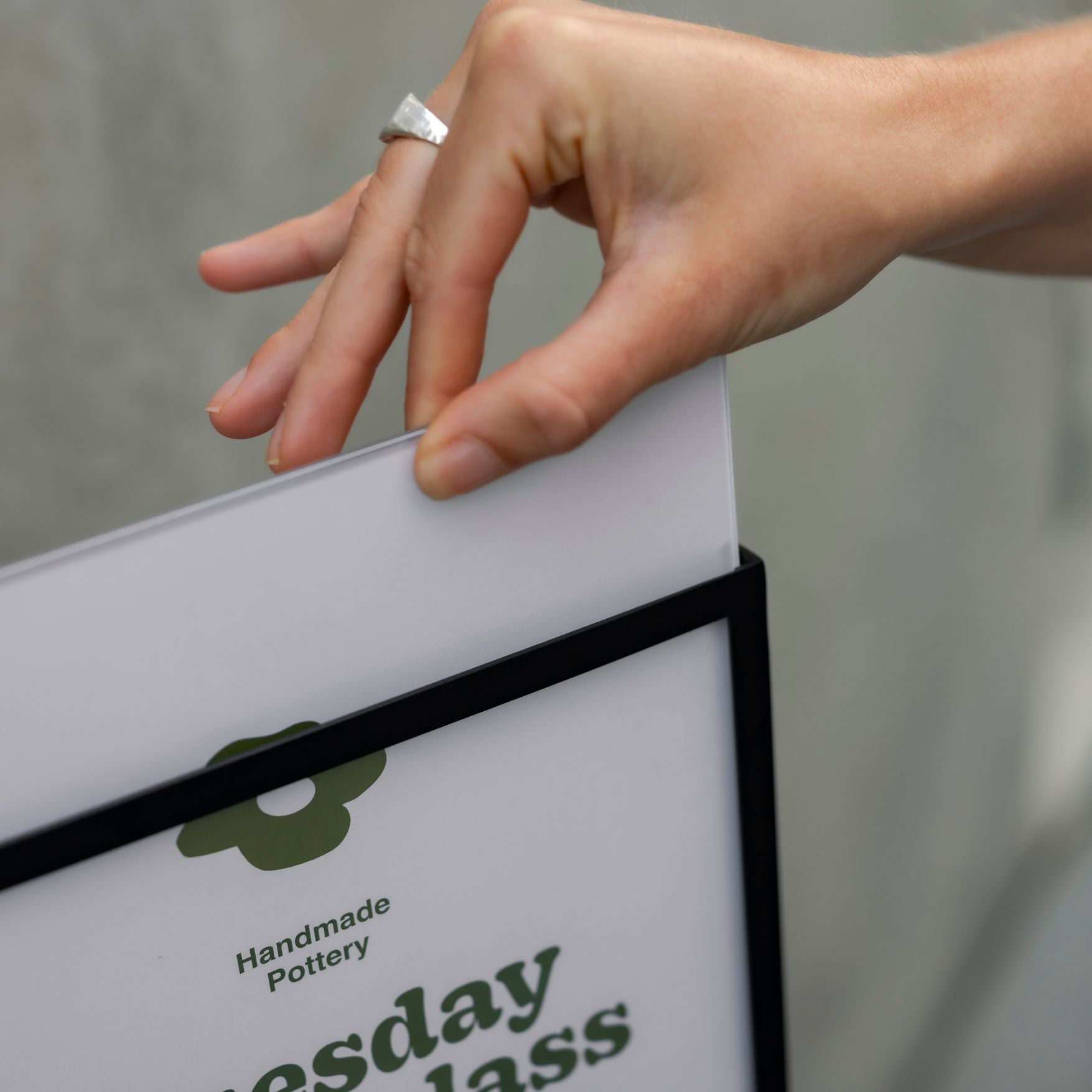
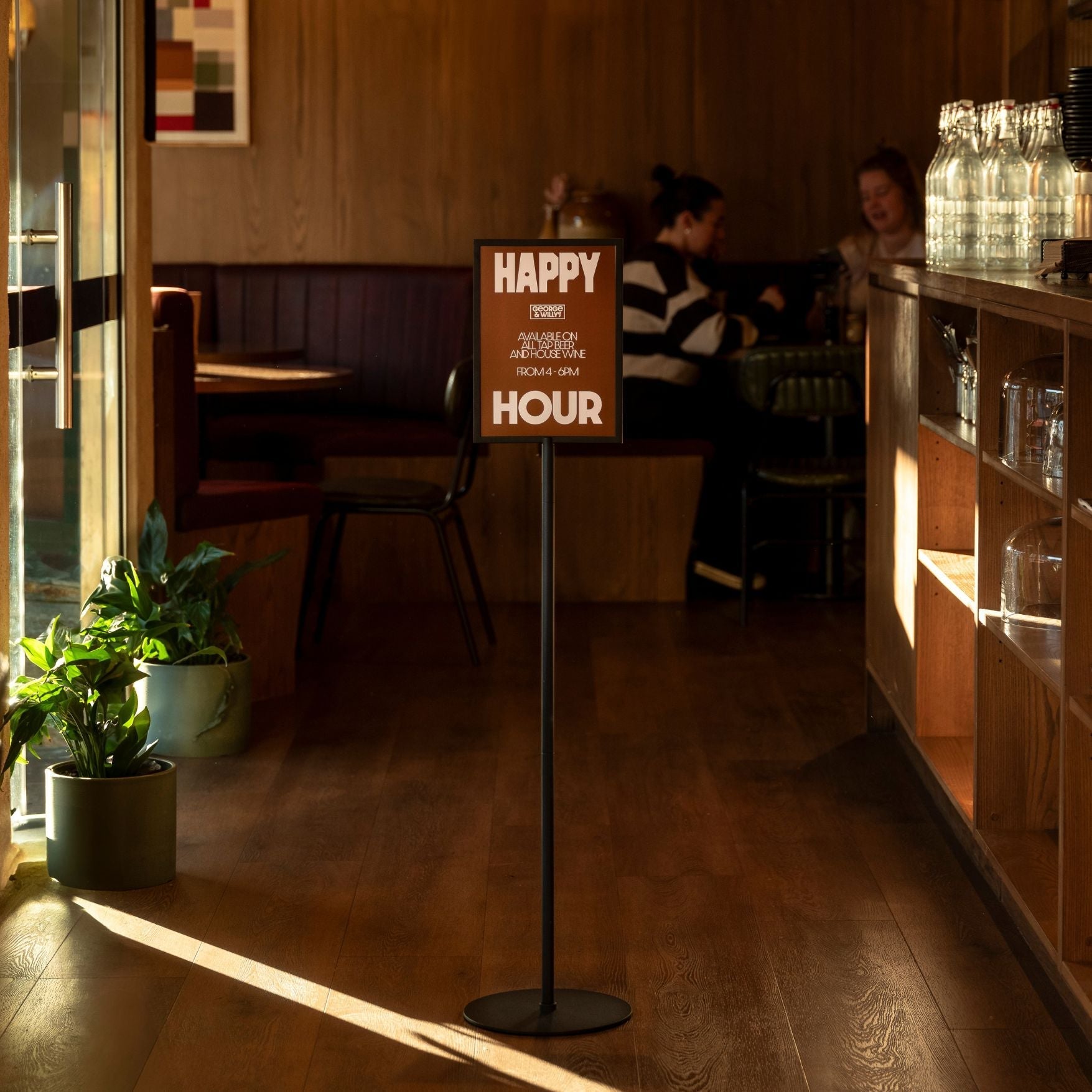
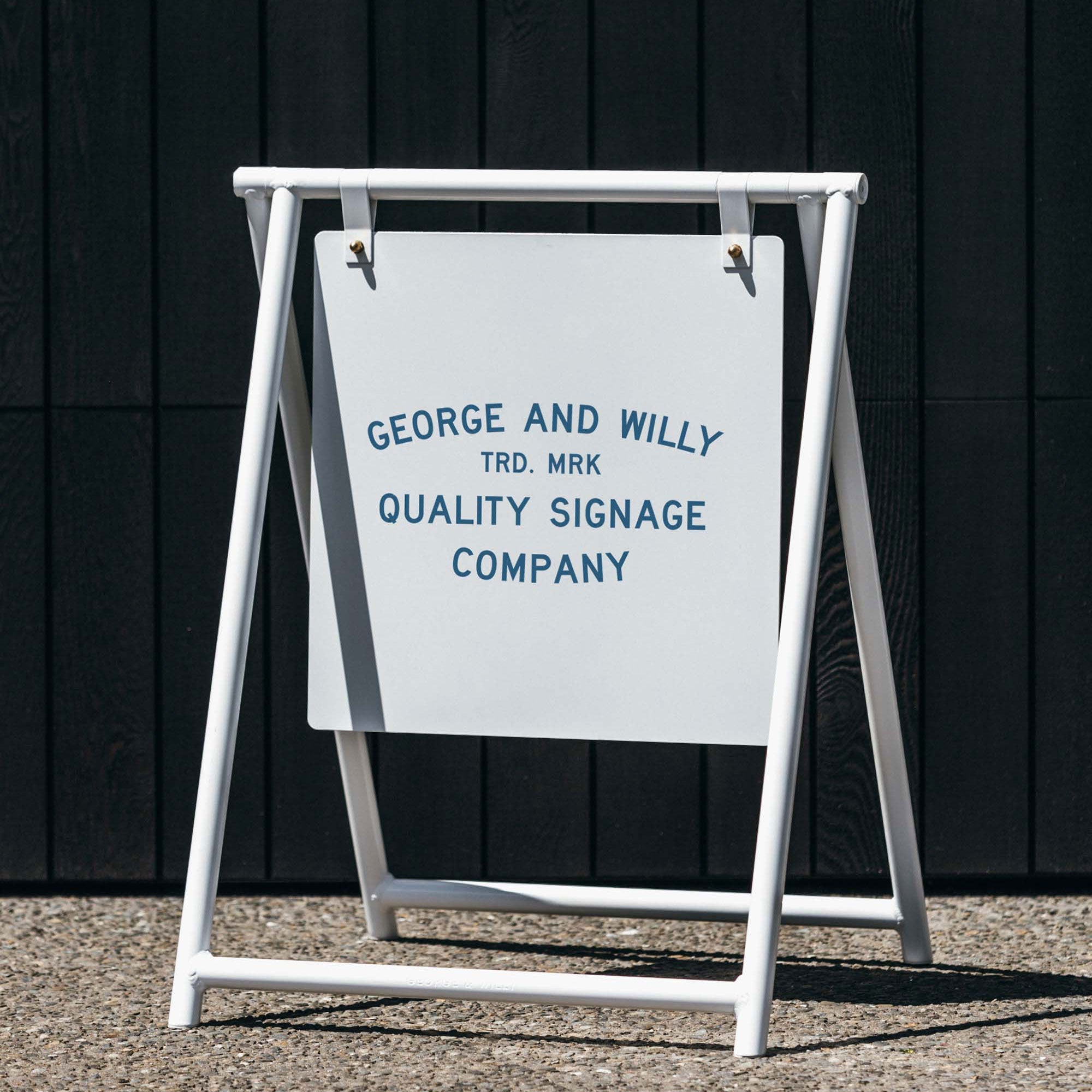
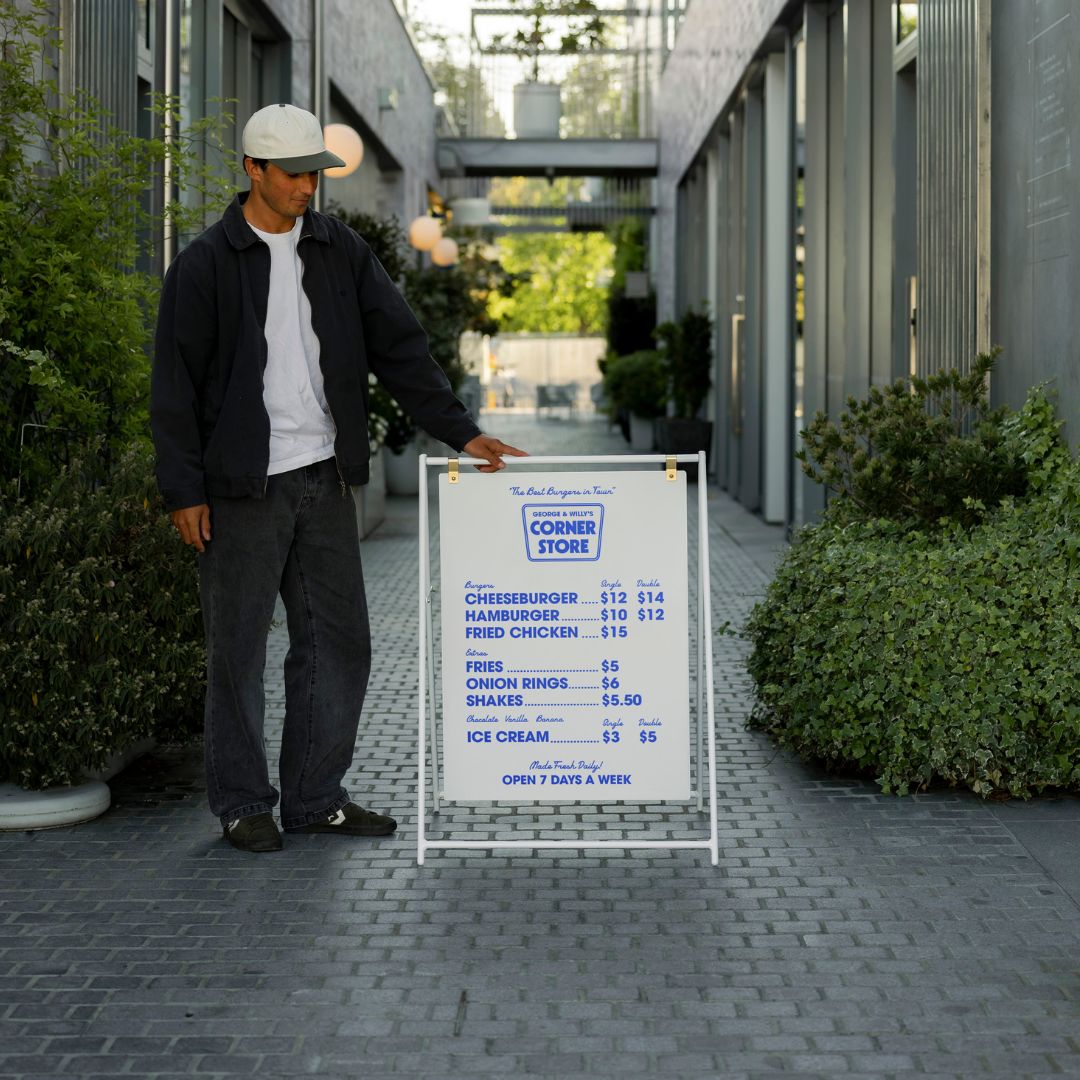
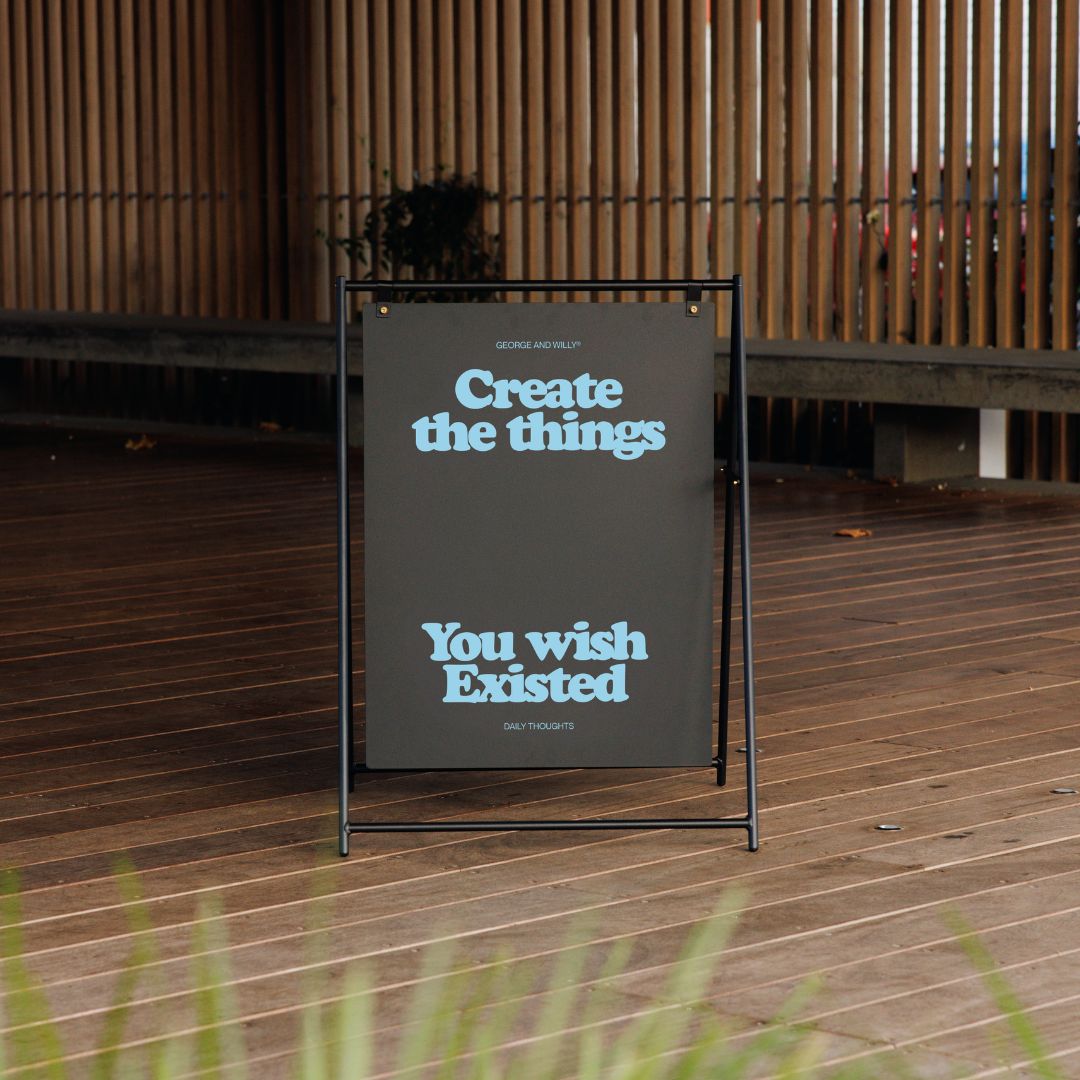
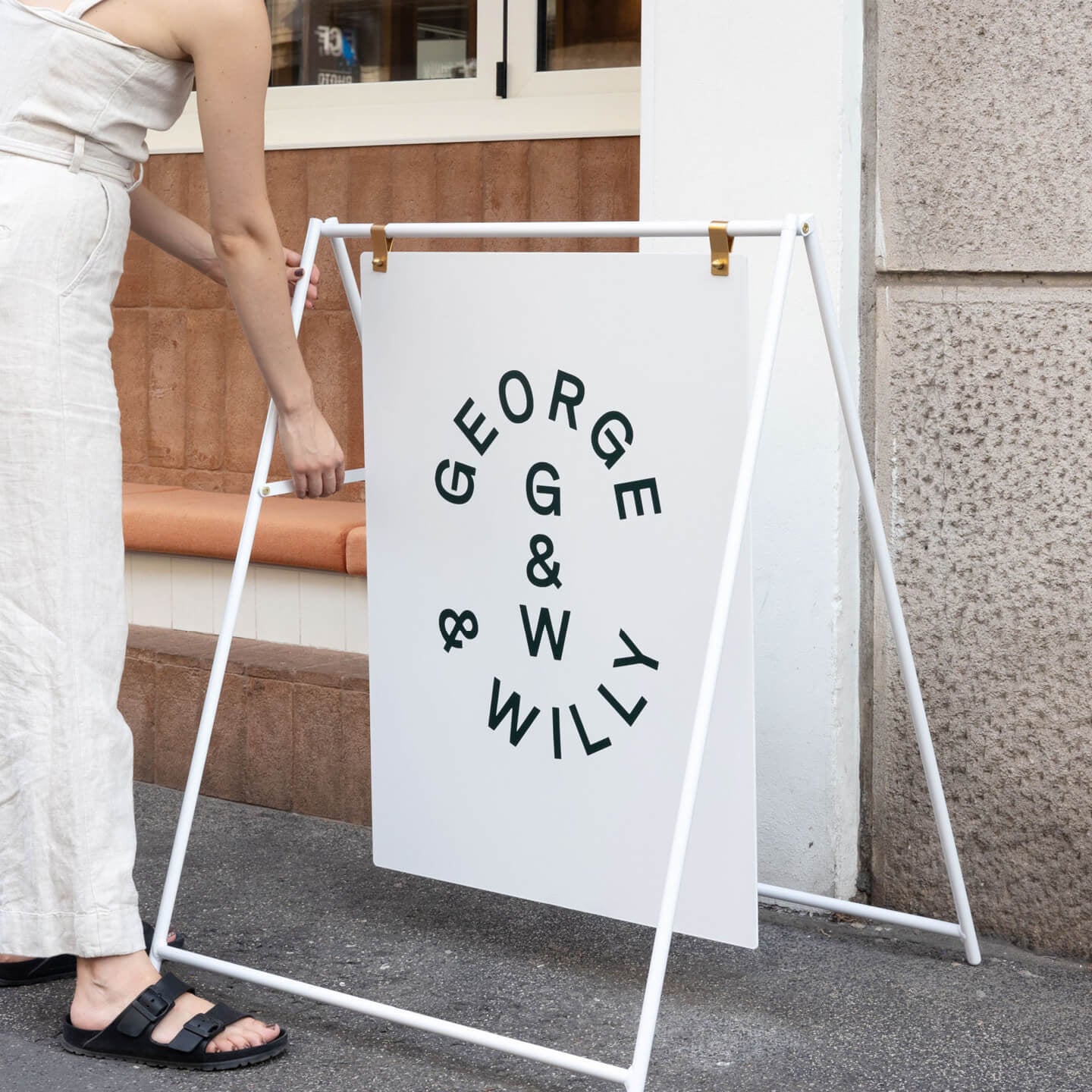
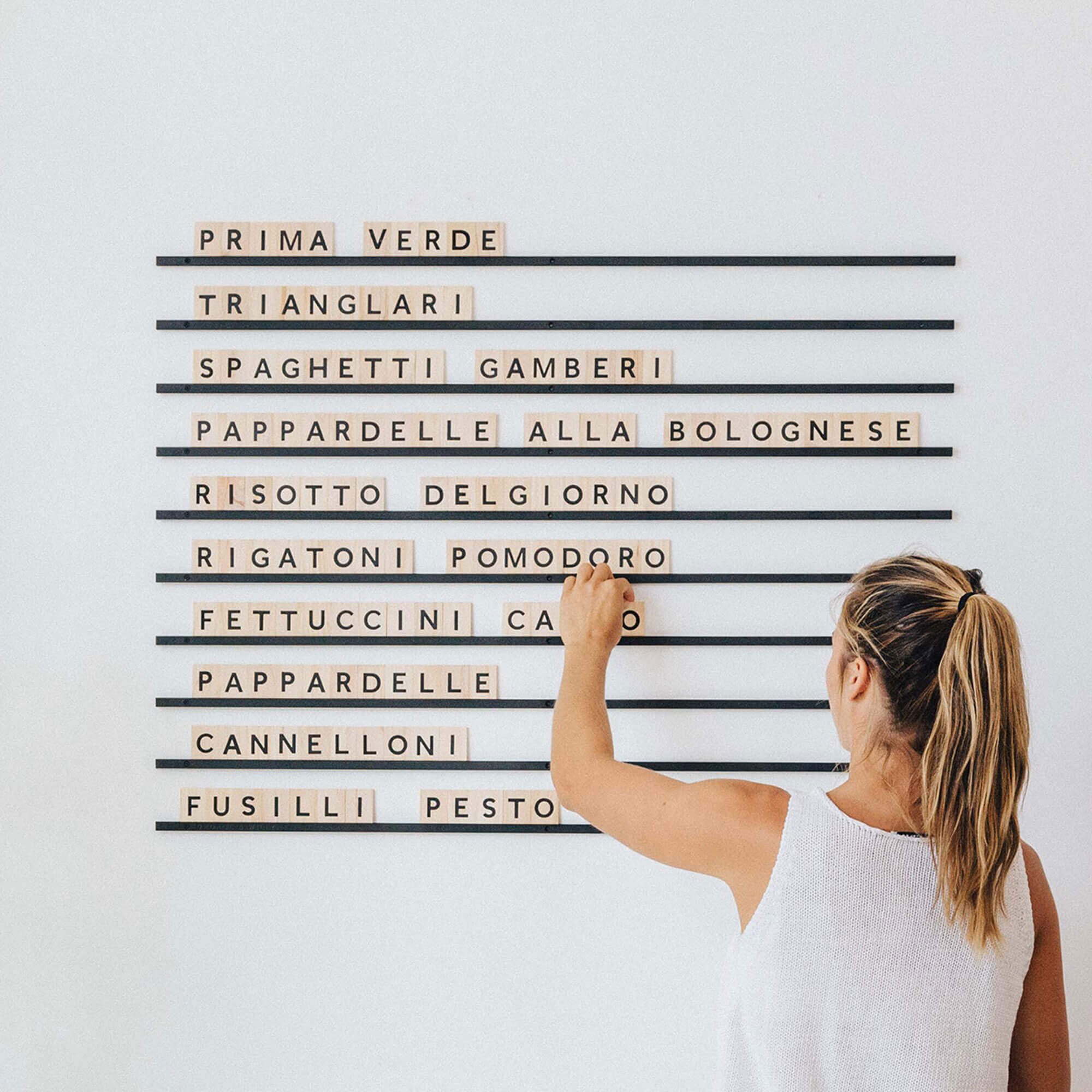
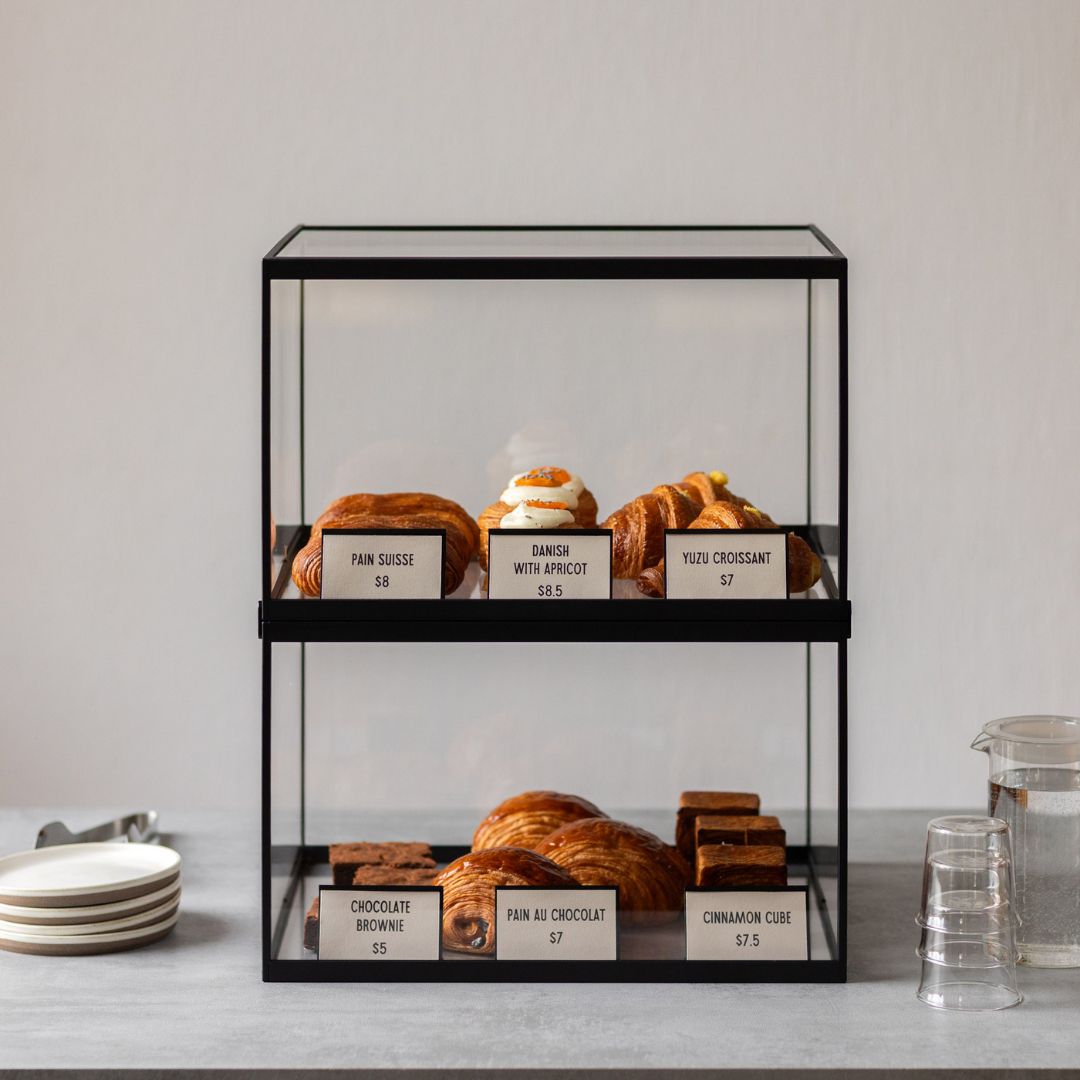
Inside, an easy to update menu board keeps menus and pricing looking as polished as your exterior signage. Brands like George & Willy focus on creating signs that are not only stylish but also built to last, providing a simple yet powerful way for you to invite customers in.
Frequently Asked Questions About Blade Signs
What is the difference between a blade sign and a projecting sign?
The terms are often used interchangeably. A blade sign is a type of projecting sign, meaning it juts out perpendicularly from a building. “Projecting sign” is the more formal or technical term you might see in zoning regulations.
What materials are blade signs made from?
They come in a variety of materials to suit different aesthetics and budgets. Common choices include aluminum, steel, wood, and acrylic. Aluminum is a popular option for outdoor use because it is lightweight and naturally rust resistant.
Do I need a permit for a blade sign?
In most cases, yes. Cities and municipalities usually have specific regulations for projecting signs to ensure they are safe and do not obstruct public space. You will likely need to check local zoning codes for rules on size, height, and placement before installation.
How are blade signs mounted?
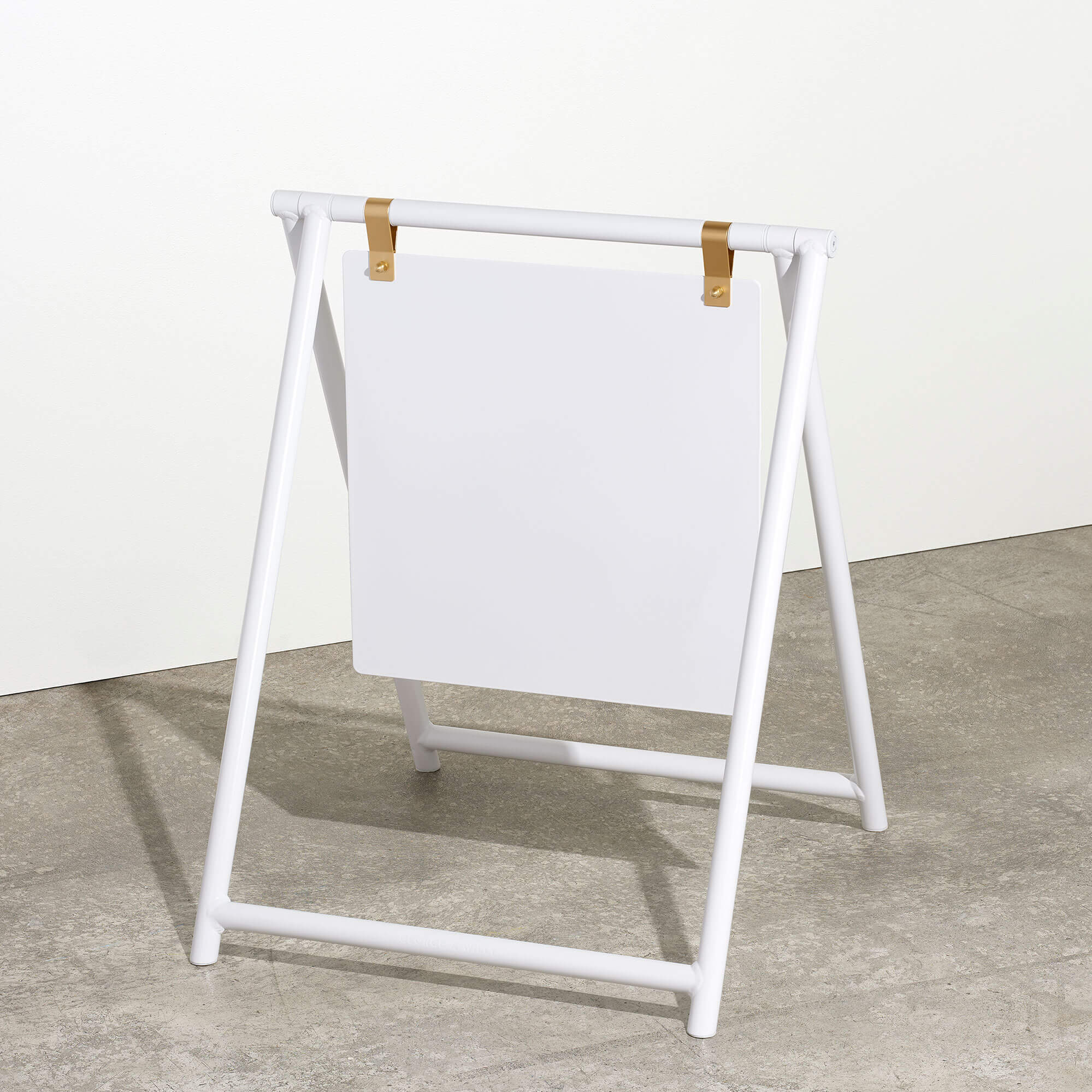
Blade signs are typically mounted to a building’s facade using a sturdy bracket or arm. Good quality signs come with all the necessary mounting hardware and clear instructions to ensure a secure installation. For example, the Square Panel Sign includes mounting hardware for a straightforward install.
Can I customize a blade sign with my logo?
Absolutely. While some companies sell blank signs, they are designed for easy customization. You can work with a local sign writer to apply a vinyl decal of your logo, or you can have the sign face printed or painted before installation.