




A great sign can grab attention, but without the right support, its message falls flat, literally. Lawn signs stands are frames or rods designed to anchor a sign into the ground, keeping your message visible and professional. Typically used for yard signs, these supports are pushed into soft ground like grass or soil, holding the sign upright and stable. The quality of your lawn signs stands matters more than you might think—a flimsy stand can make your sign look unprofessional or let it fall over in the first gust of wind.
This guide walks you through everything you need to know about lawn signs stands, from the different types available to how to install them for maximum impact and security.
The Main Types of Lawn Signs Stands
Sign stands come in a few common styles, each suited for different signs and conditions. Understanding the options helps you choose the right one for the job.
H Shaped Wire Stakes
The most common option is the H shaped stake, also known as an H wire stake. It’s a simple metal frame shaped like an H. The top prongs slide into the vertical channels, or flutes, of a corrugated plastic sign, while the bottom legs push into the ground. A standard H stake is typically 30 inches tall and made from 9 gauge galvanized steel wire, which provides a good balance of strength and rust resistance. They are popular because they are incredibly simple, lightweight, and can be installed in seconds.
Plastic “Spider” Stakes
A plastic spider stake gets its nickname from its multi pronged design, which can look a bit like a spider. These are made from tough, high strength plastic, sometimes from recycled materials reinforced with fiberglass. A key feature is the built in step peg, a small platform you can press with your foot to easily drive the stake into compacted soil. The wider base helps prevent the sign from twisting or leaning in softer ground like sand or mulch.
Heavy Duty Goal Post Stakes
For larger signs or tougher weather, a heavy duty goal post stake is the top choice. It resembles a beefed up H stake, often with a U shaped top for extra sign support. These are made from much thicker galvanized steel wire that won’t bend easily in hard ground. They are ideal for supporting larger sign panels, and it’s common to use two of these lawn signs stands to secure an extra wide sign, like one that is four feet across.
What Are They Made Of? A Look at Materials and Durability
The material of your sign stand directly impacts its strength, longevity, and appearance.
-
Galvanized Steel: This is the go to for wire stakes. The galvanization process adds a protective coating that prevents rust, making steel stakes durable enough to withstand rain and harsh weather. They are strong and can often be reused for years.
-
Plastic: Plastic stakes, like spider stakes, will never rust. They are often made from high density plastic that offers good flexibility, allowing them to bend slightly in the wind without breaking. However, lower quality plastic can become brittle over time with sun exposure. A high quality plastic stake, however, can be almost bulletproof.
-
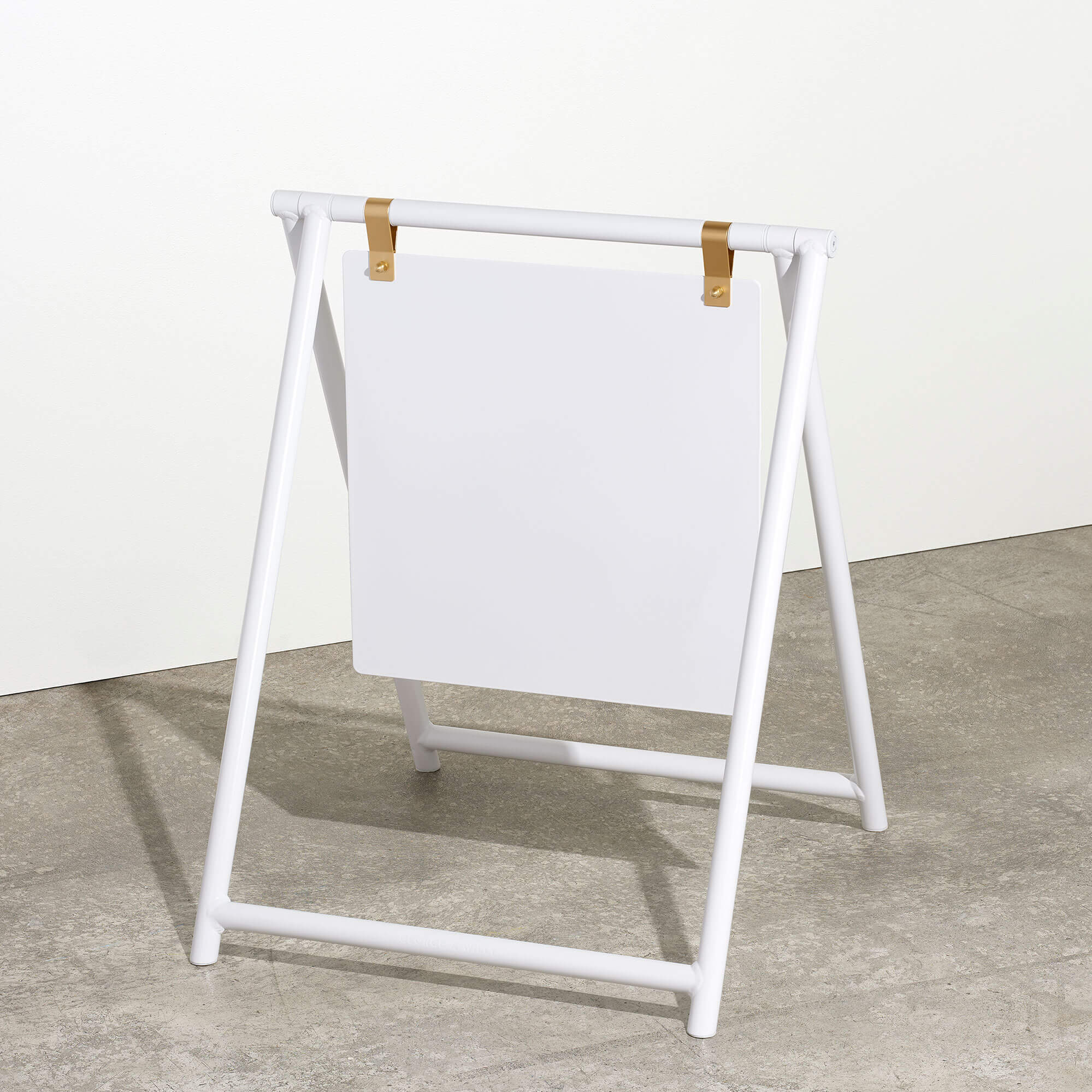
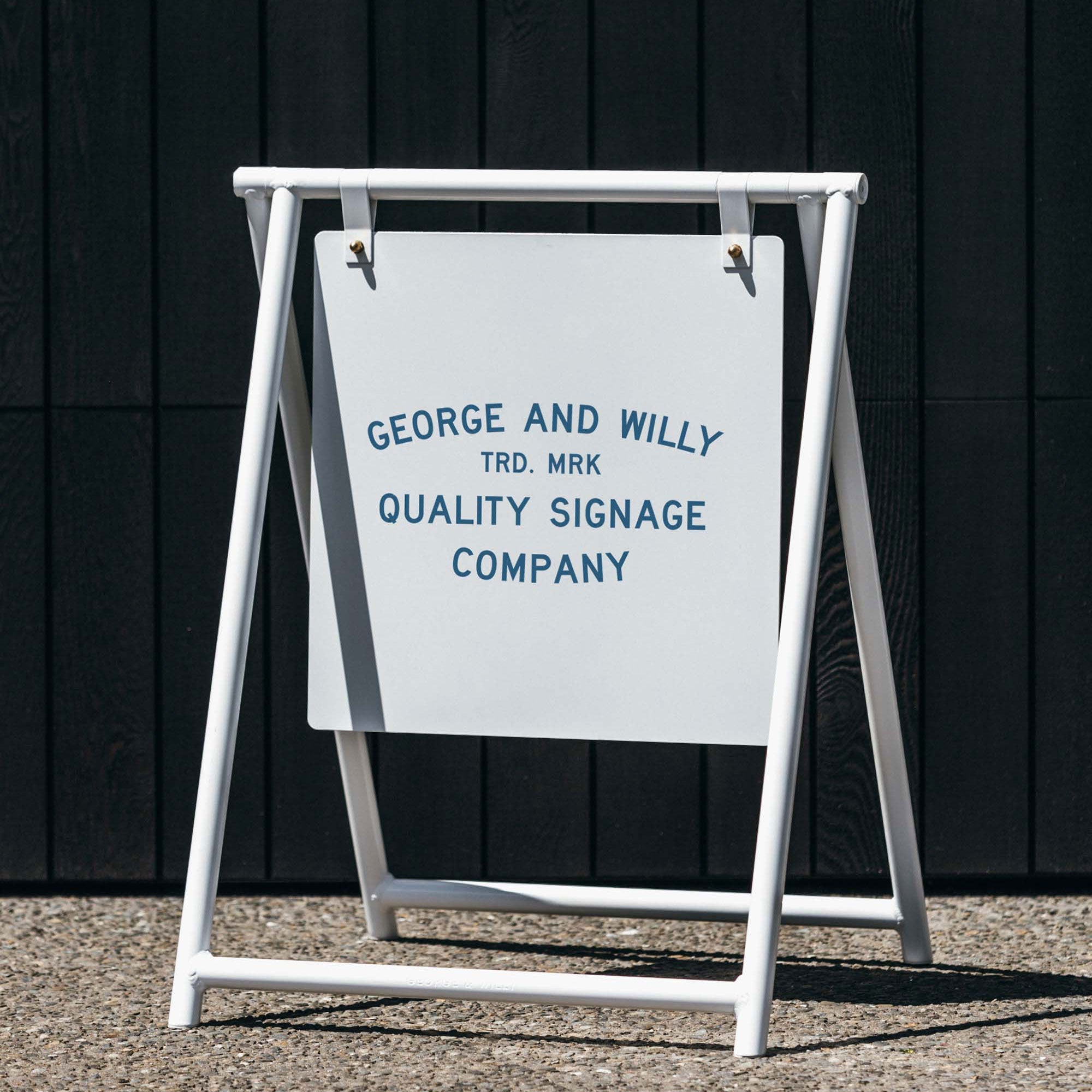
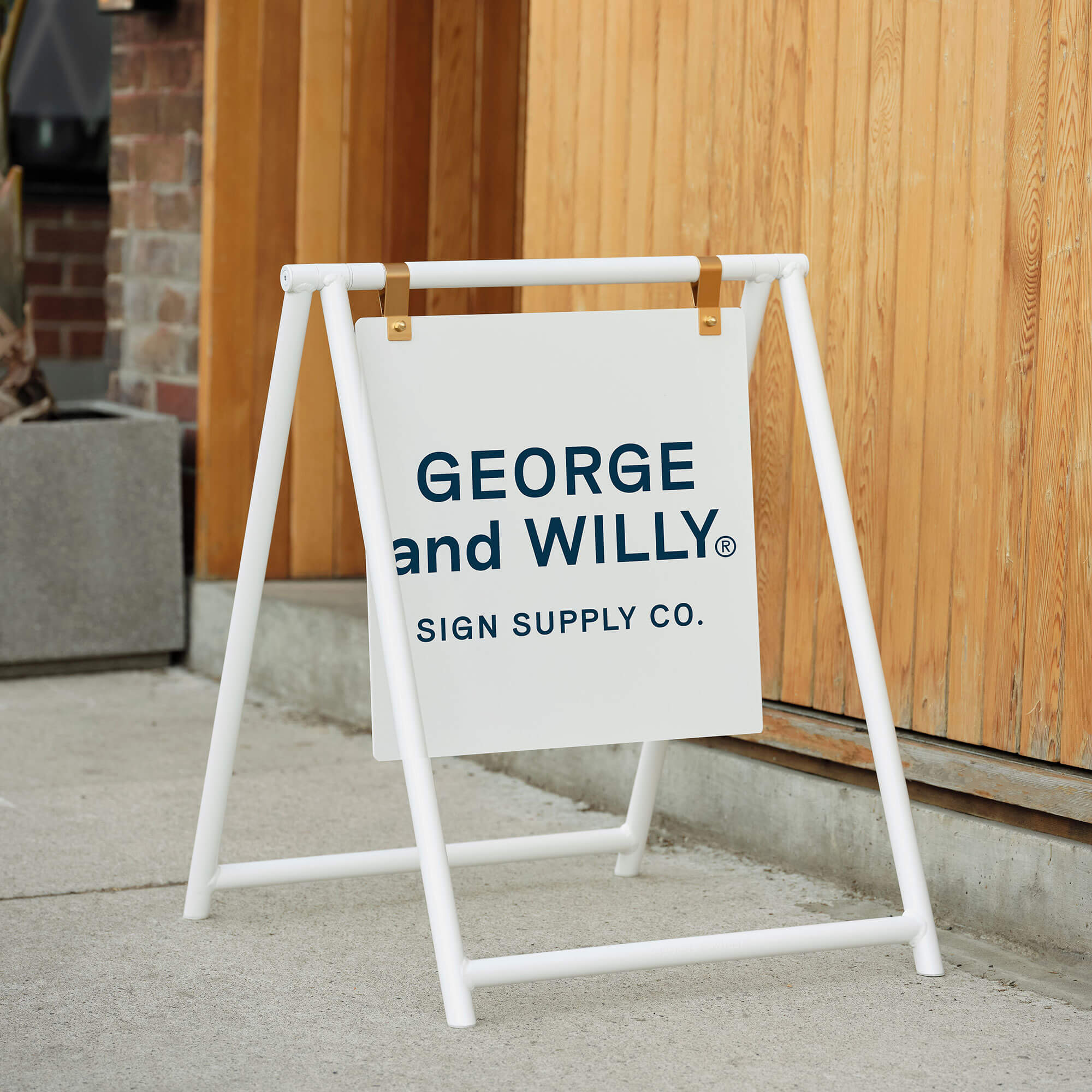
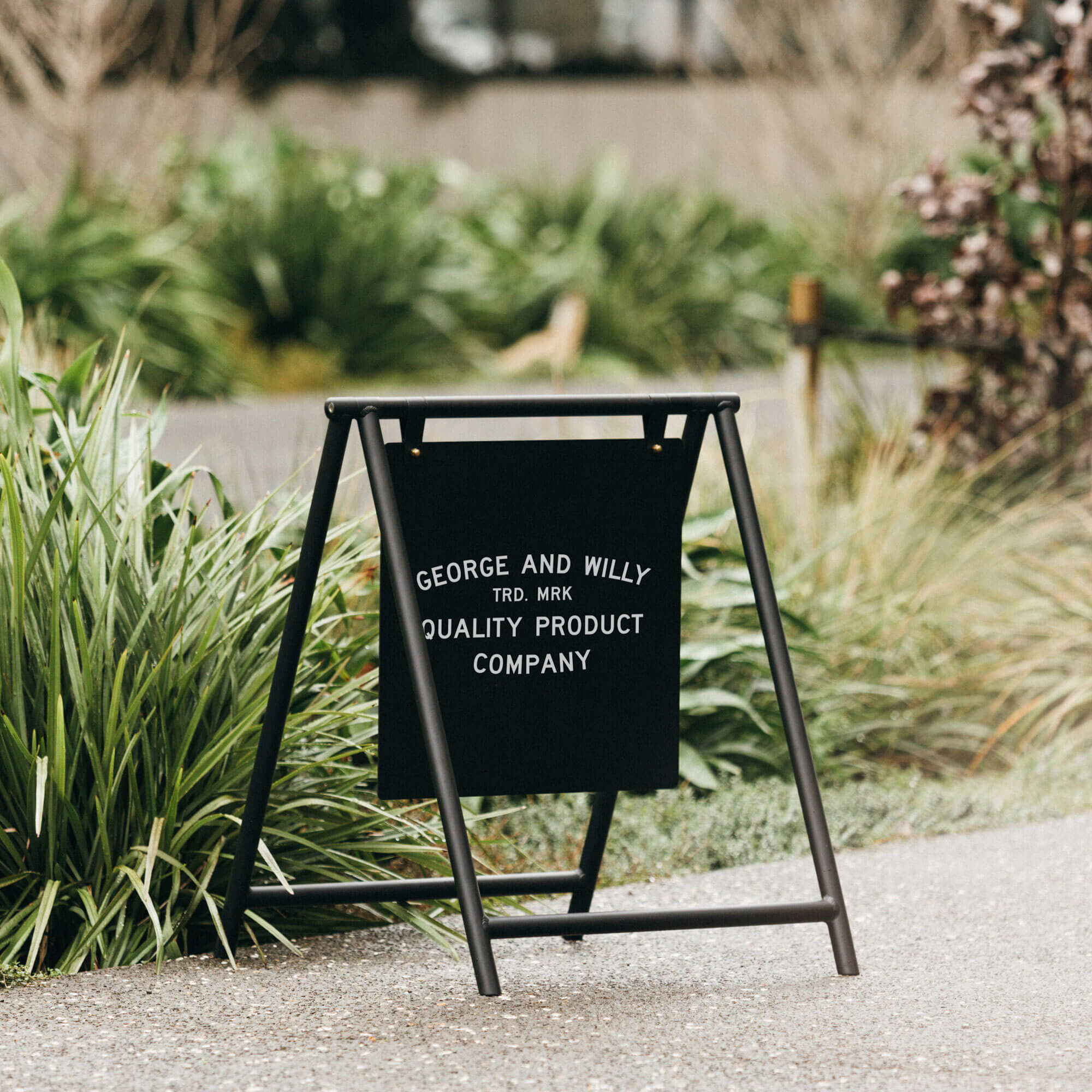
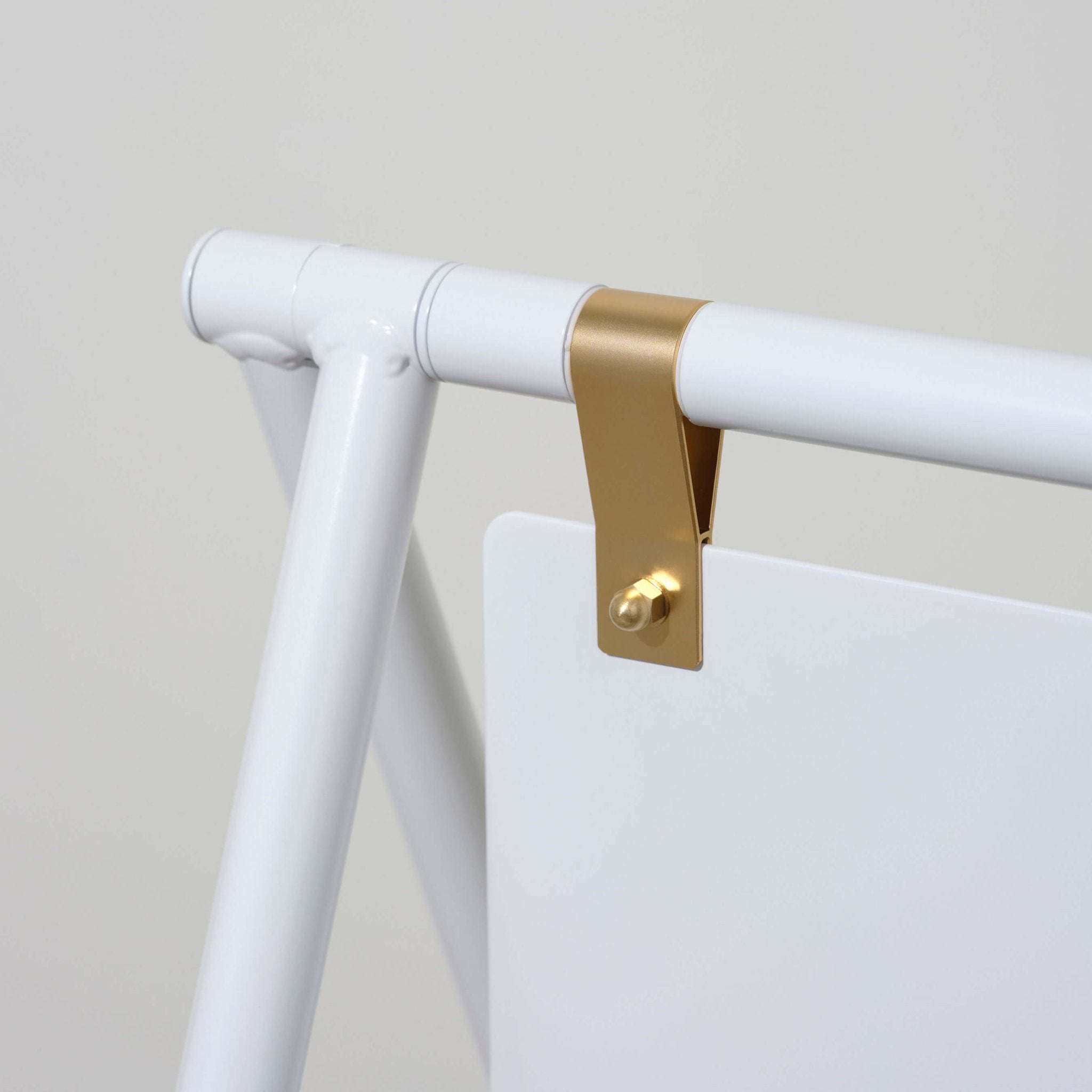
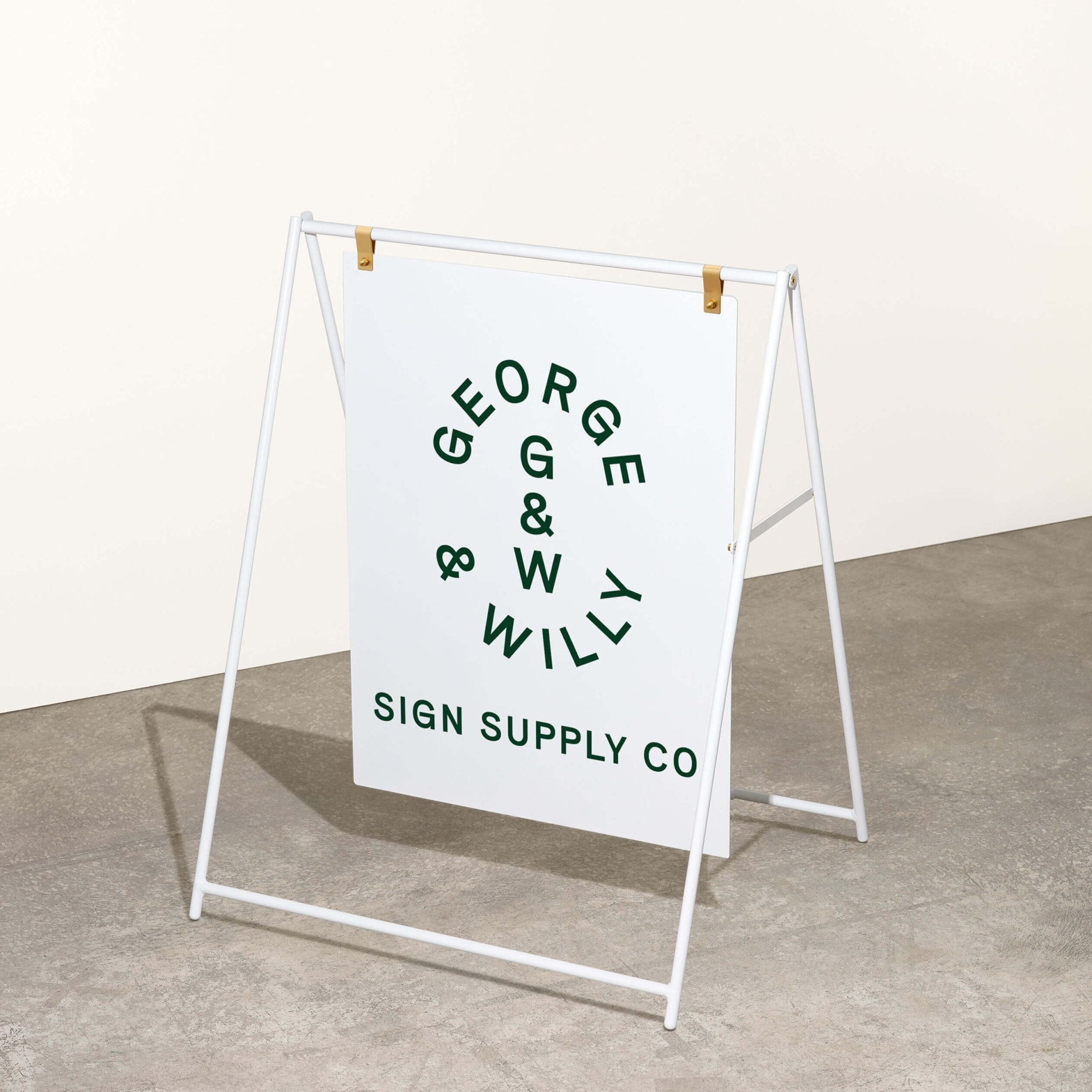
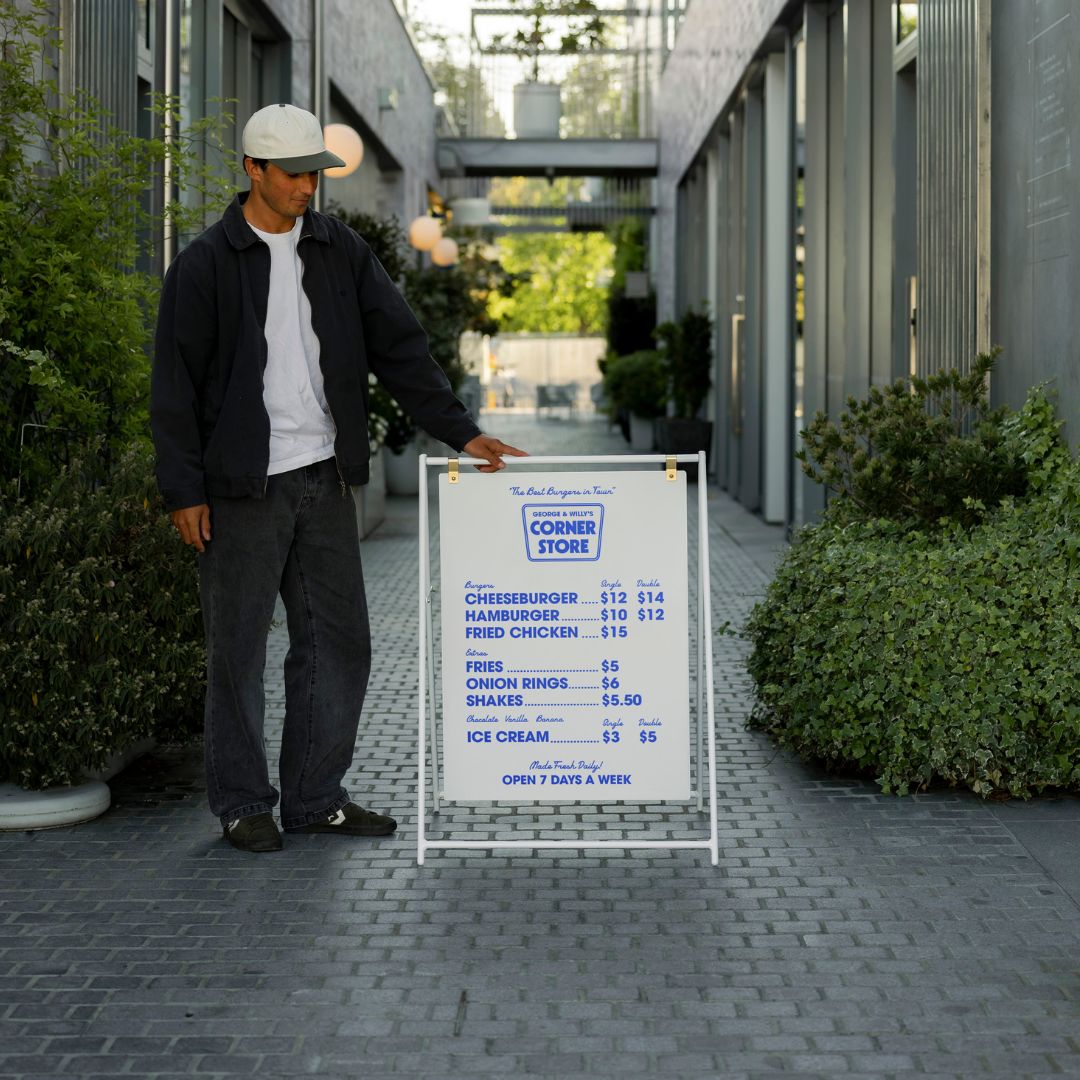
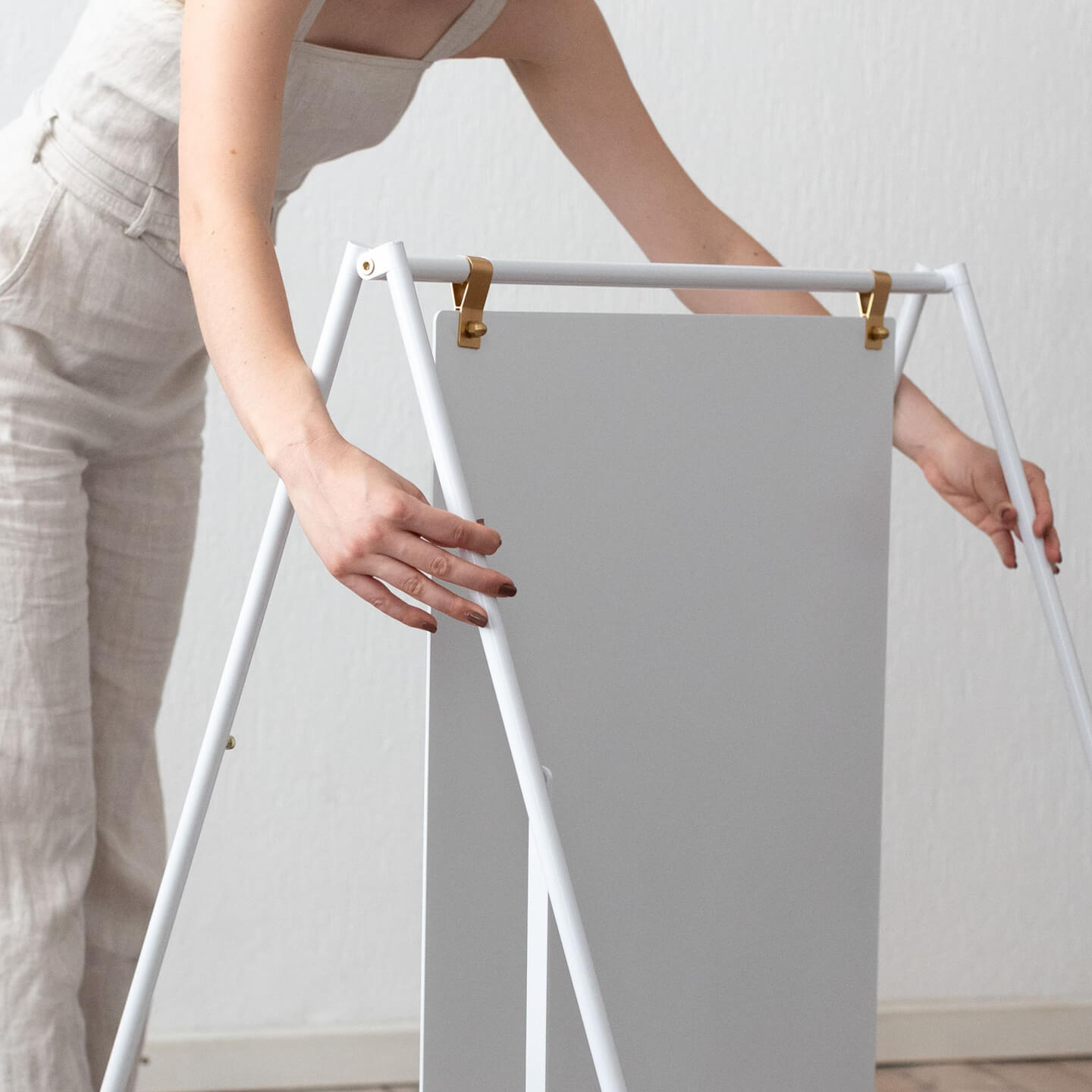
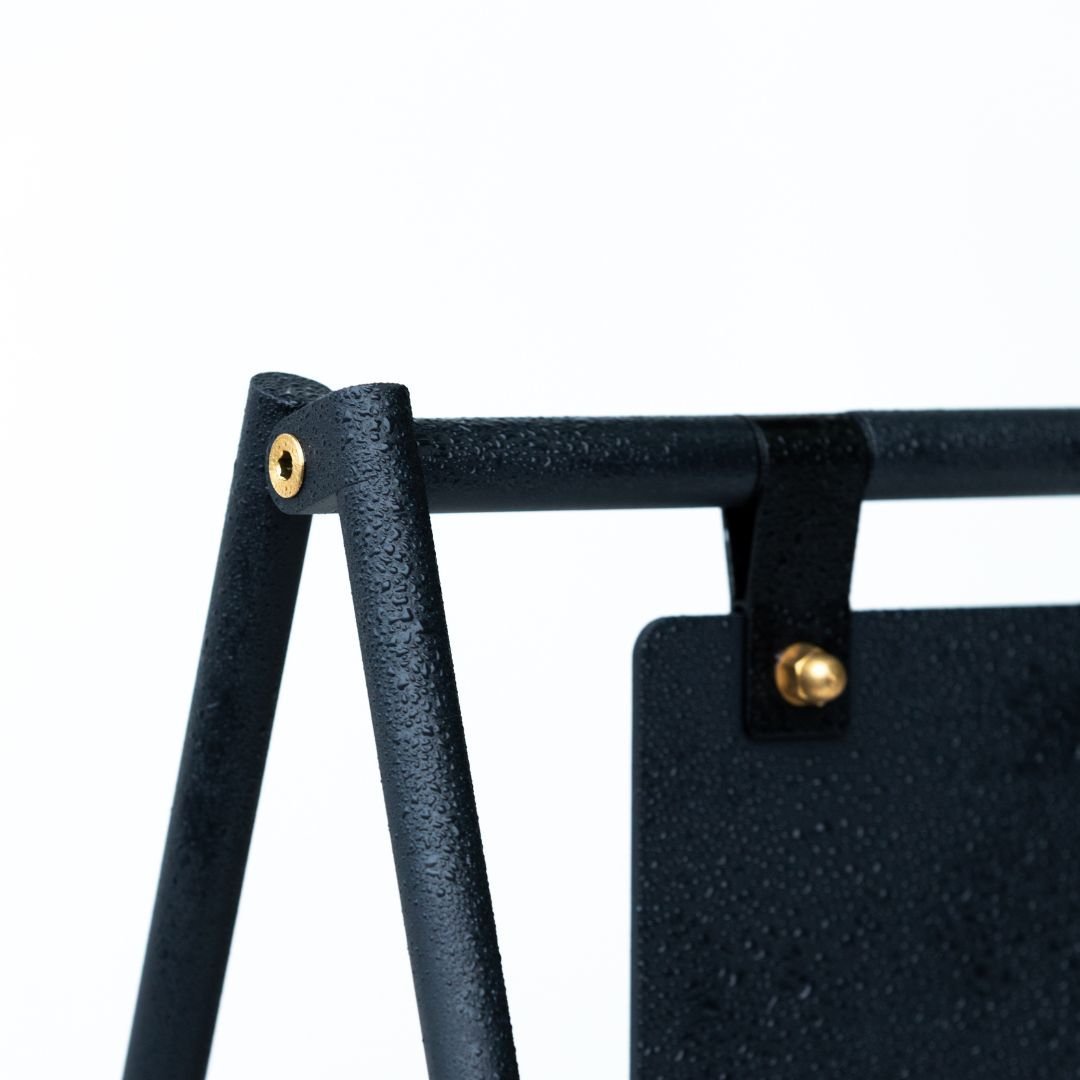
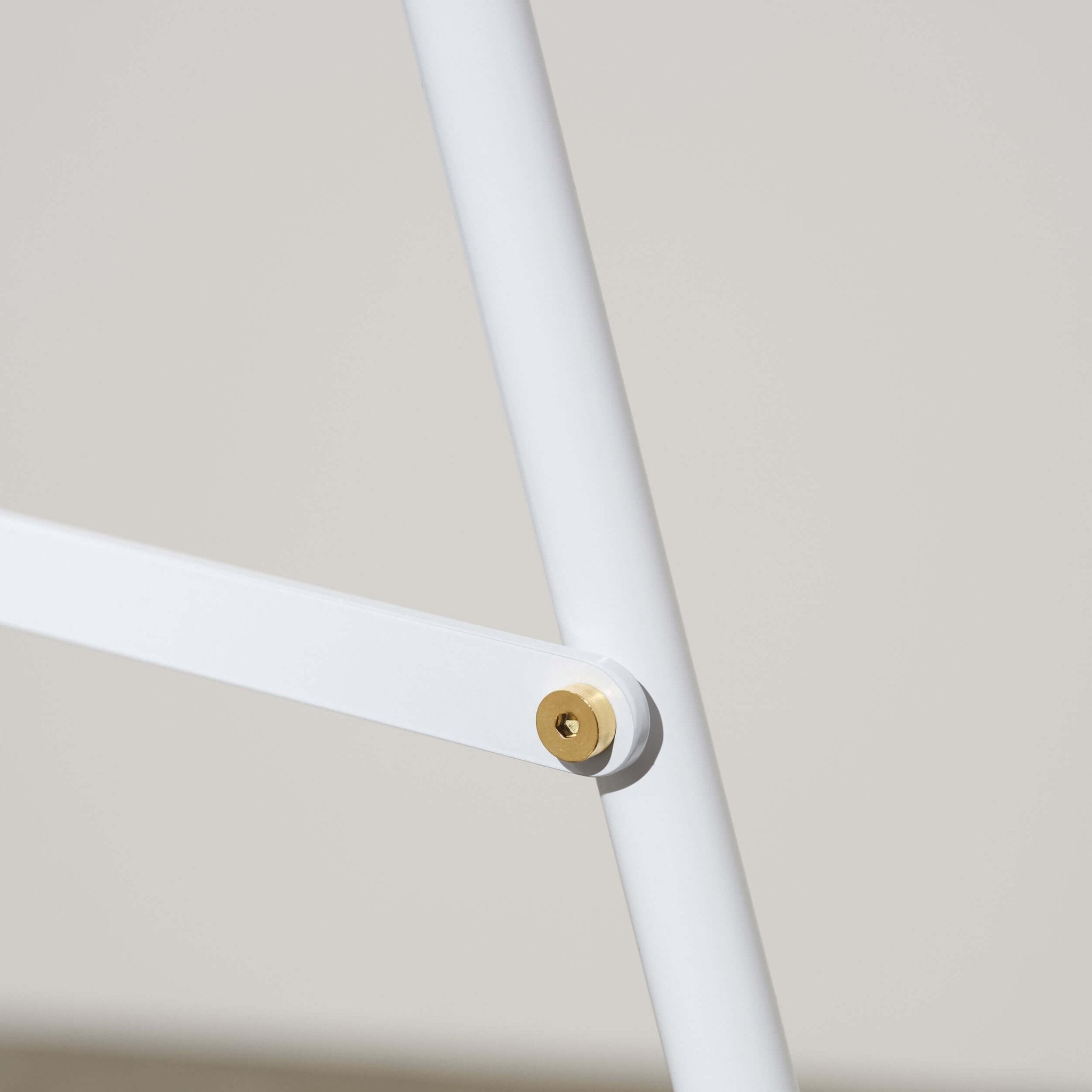
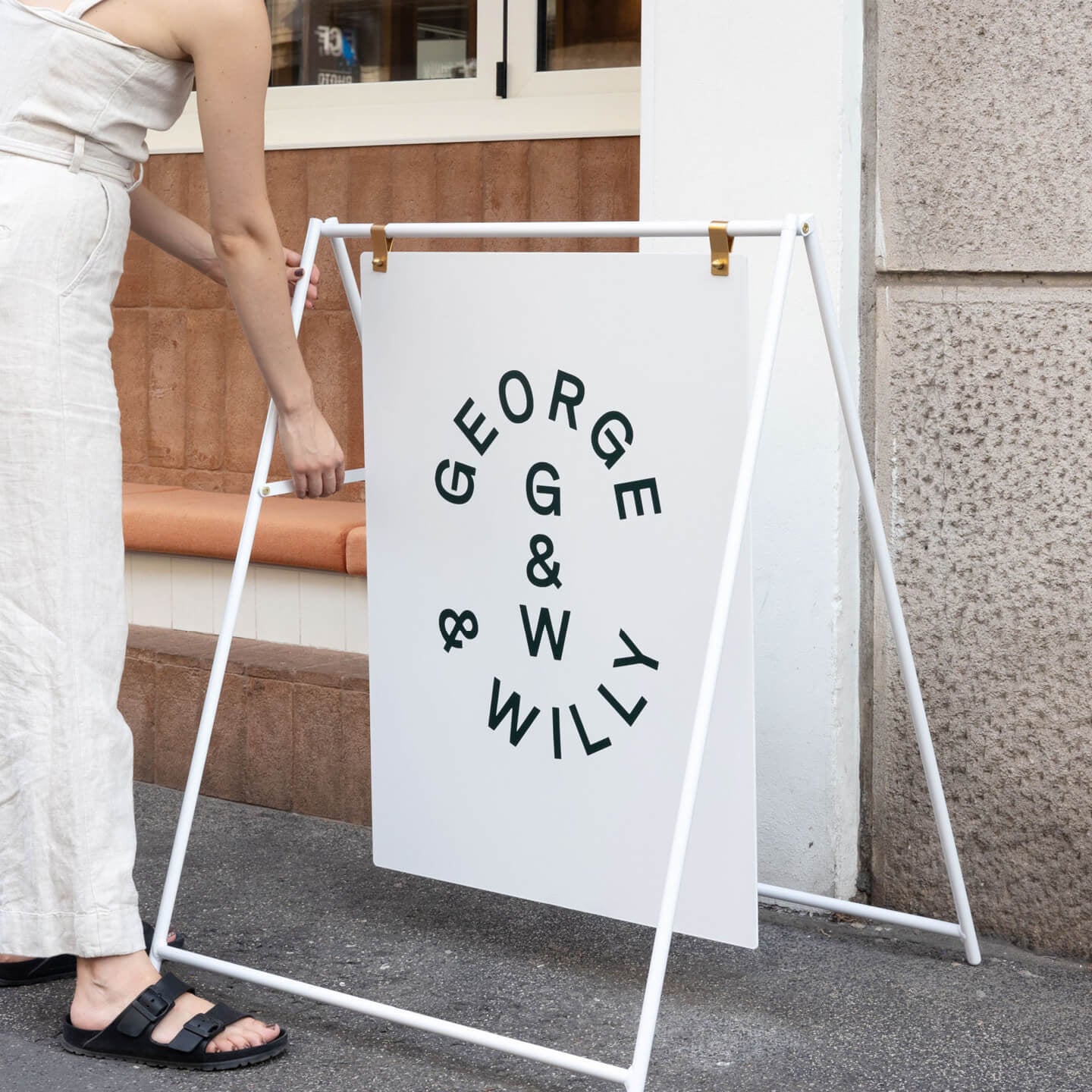
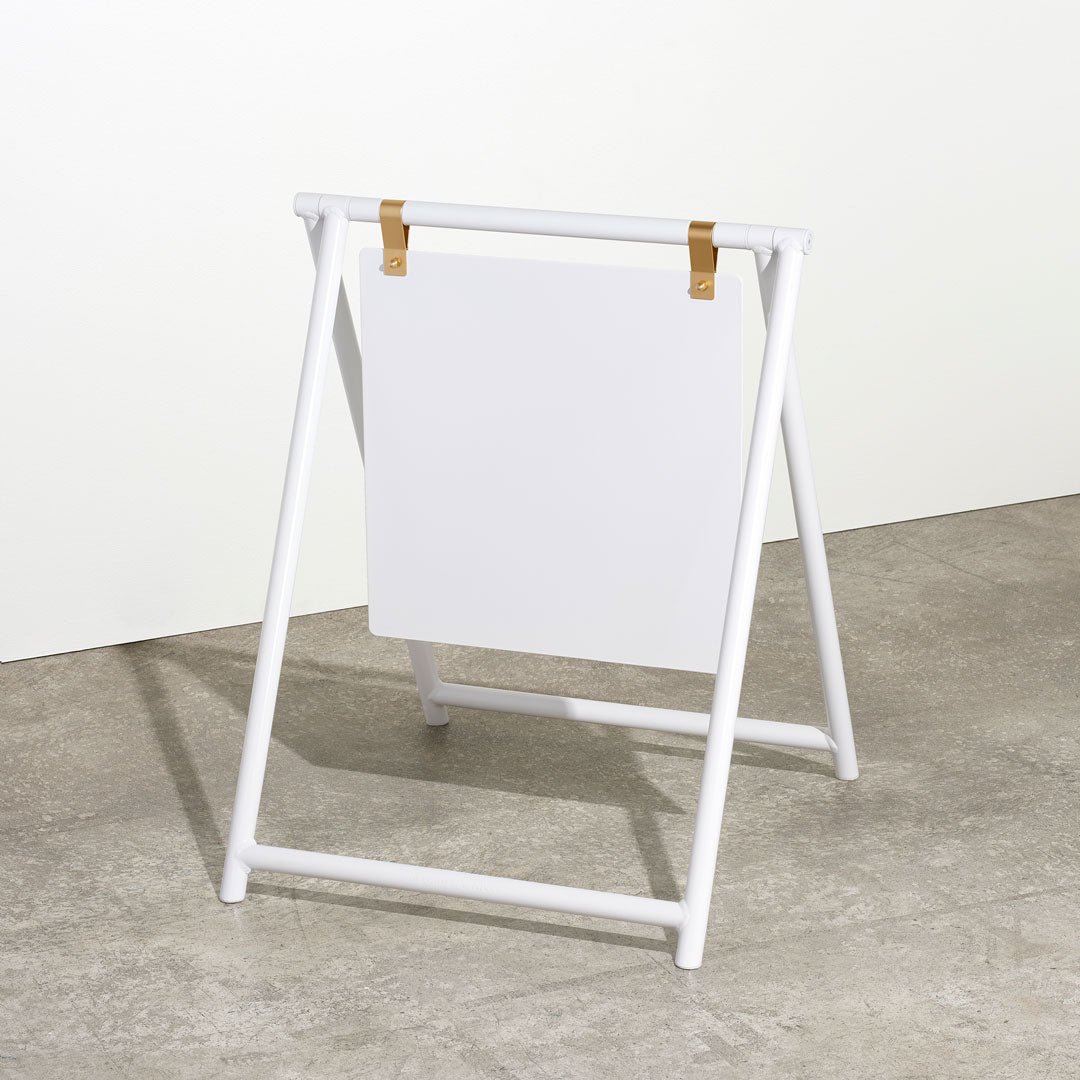
Aluminum: While less common for simple stakes, aluminum is a fantastic material for more substantial sign frames and stands. It’s lightweight and naturally rustproof, perfect for long term outdoor use. For businesses looking for a more permanent and polished look, premium options like the powder-coated aluminum A-Frame Sign from George & Willy offer exceptional durability and style.
Getting the Right Fit: Size and Portability
The size of your stand affects both visibility and stability. Standard lawn signs stands are usually around 30 inches tall, which holds a sign about a foot off the ground. Shorter stakes, sometimes called half stakes, are about 15 inches tall and keep signs low for a more discreet, floating look.
Portability is a huge advantage of most lawn signs stands. Wire stakes weigh only a few ounces each, and a plastic spider stake can weigh as little as 0.3 pounds. This means you can easily carry dozens at a time, making them perfect for large campaigns or events. They are designed to pack flat and take up minimal space in a car trunk or storage closet.
How to Install Lawn Signs Stands Like a Pro
Proper installation ensures your sign is stable, visible, and professional looking.
Preparing the Ground for Installation
A little prep work goes a long way. Before you install your sign, take a moment to prepare the ground.
-
Clear the Area: Remove any rocks, sticks, or large weeds from the spot where you plan to place the sign.
-
Assess the Soil: The type of ground determines your approach.
-
Soft Soil: Push the stake in deeper for more stability. Pack the soil firmly around the base with your foot.
-
Hard Soil: If the ground is dry and compacted, pouring a little water on the spot can soften it. You may need a rubber mallet to gently tap the stake into the ground.
-
Sandy Soil: Use stakes with a wider base or multiple prongs. You might need to drive the stake extra deep to get a good grip.
-
Rocky Soil: Use a sturdy steel stake. If you hit a rock, try a slightly different spot rather than forcing it and bending the stake. Creating a small pilot hole with a metal rod can also help.
The Installation Process
For most lawn signs stands, installation is a tool free job. Simply slide the top prongs of the stake into the sign’s flutes, then push the bottom legs into the prepared ground. If the stake has a crossbar or step peg, use your foot to apply even pressure. The goal is to get the stake about 10 to 12 inches into the ground for a secure hold.
Proper Placement for Maximum Impact
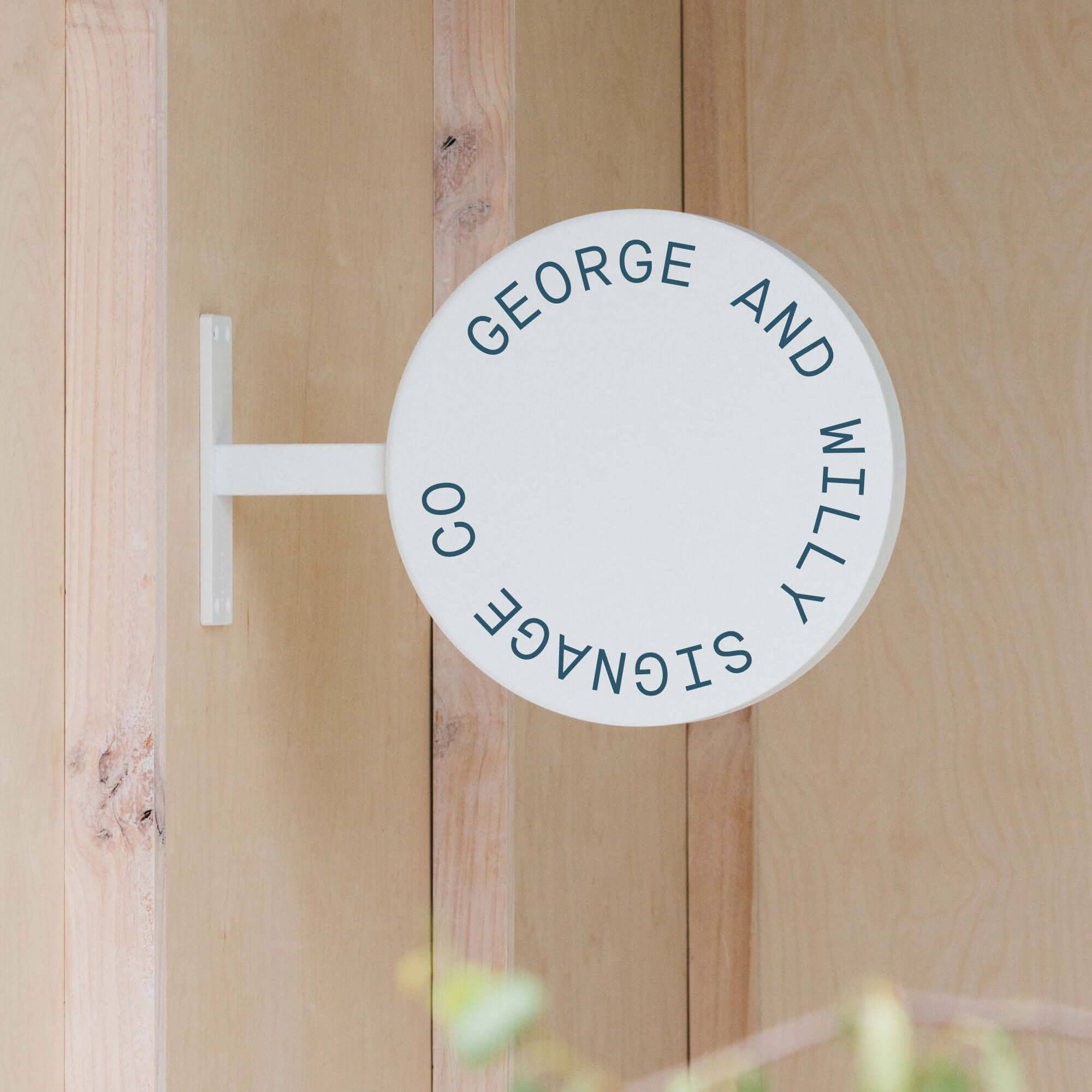
Where you put your sign is just as important as how you put it in. Place it where it will be seen by your target audience, such as near sidewalks, driveways, or property entrances. Make sure it’s not obstructing pathways or creating a blind spot for drivers. After installation, step back and look at it from a distance to ensure it is straight, level, and facing the flow of traffic. A tilted sign looks unprofessional and is more likely to catch the wind and fall over. For a more permanent storefront solution at entrances, a wall mounted hanging sign keeps messaging eye-level without taking yard space.
Key Factors to Consider When Choosing Your Stand
Beyond the basics, a few other factors will influence your choice of lawn signs stands.
Ensuring Maximum Sign Visibility
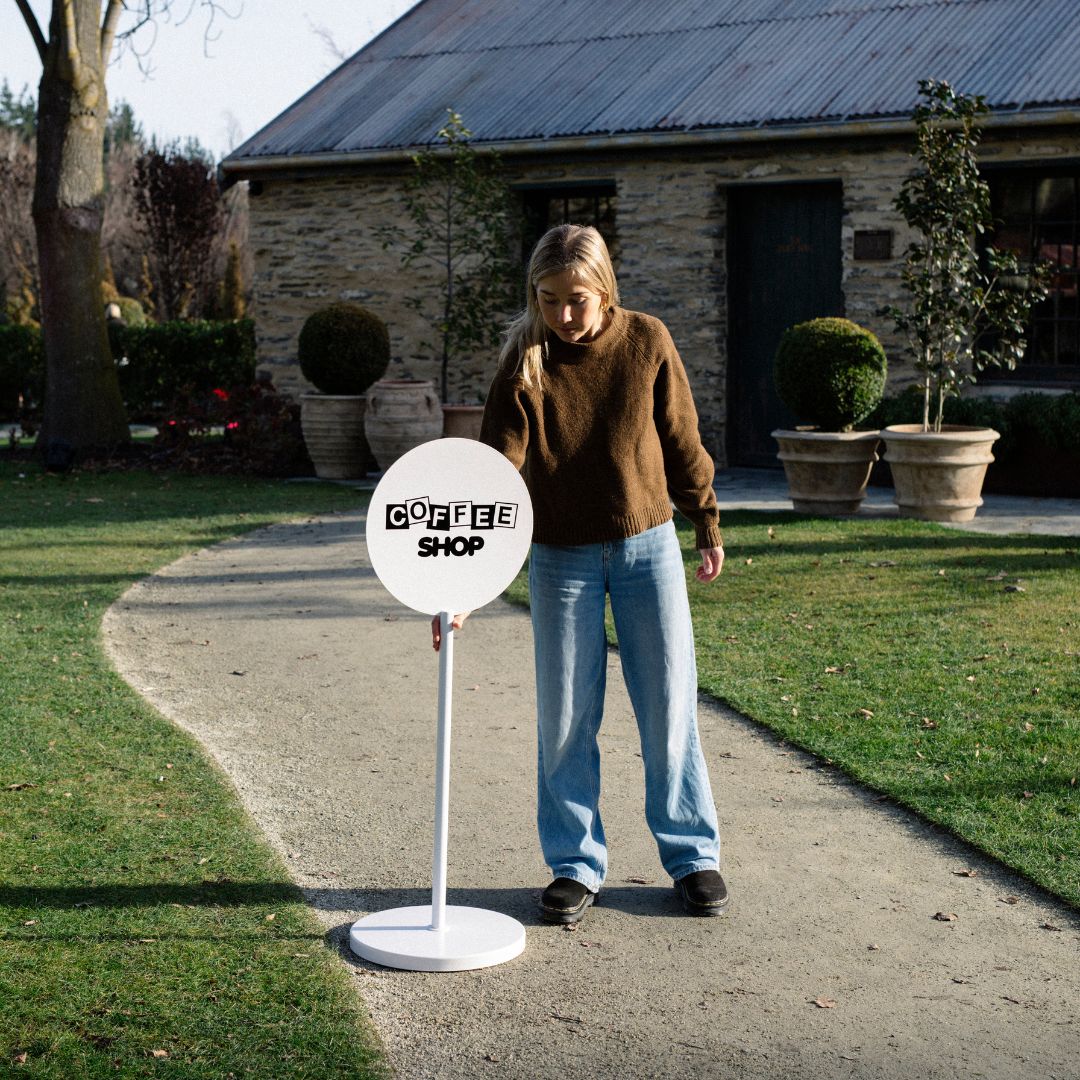
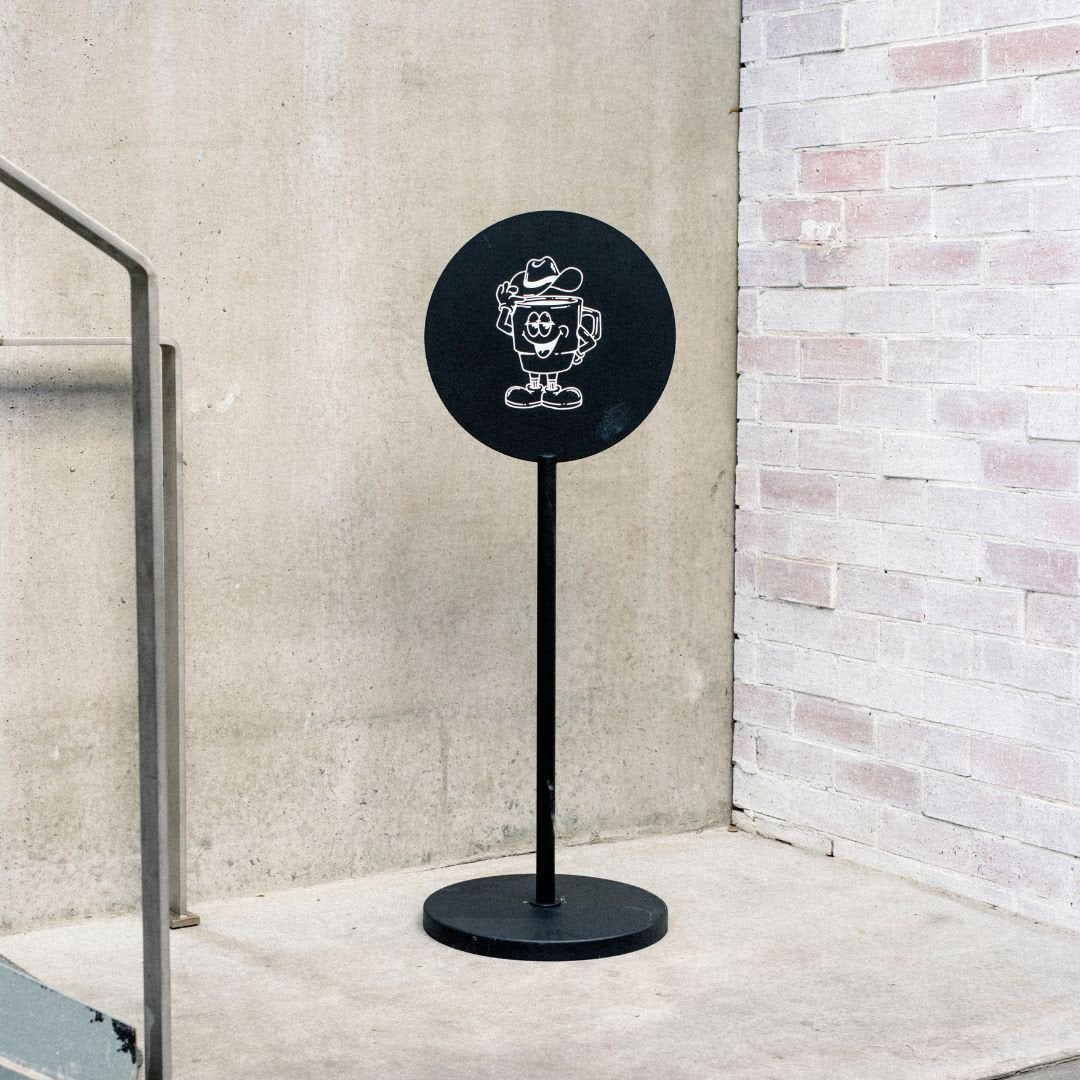
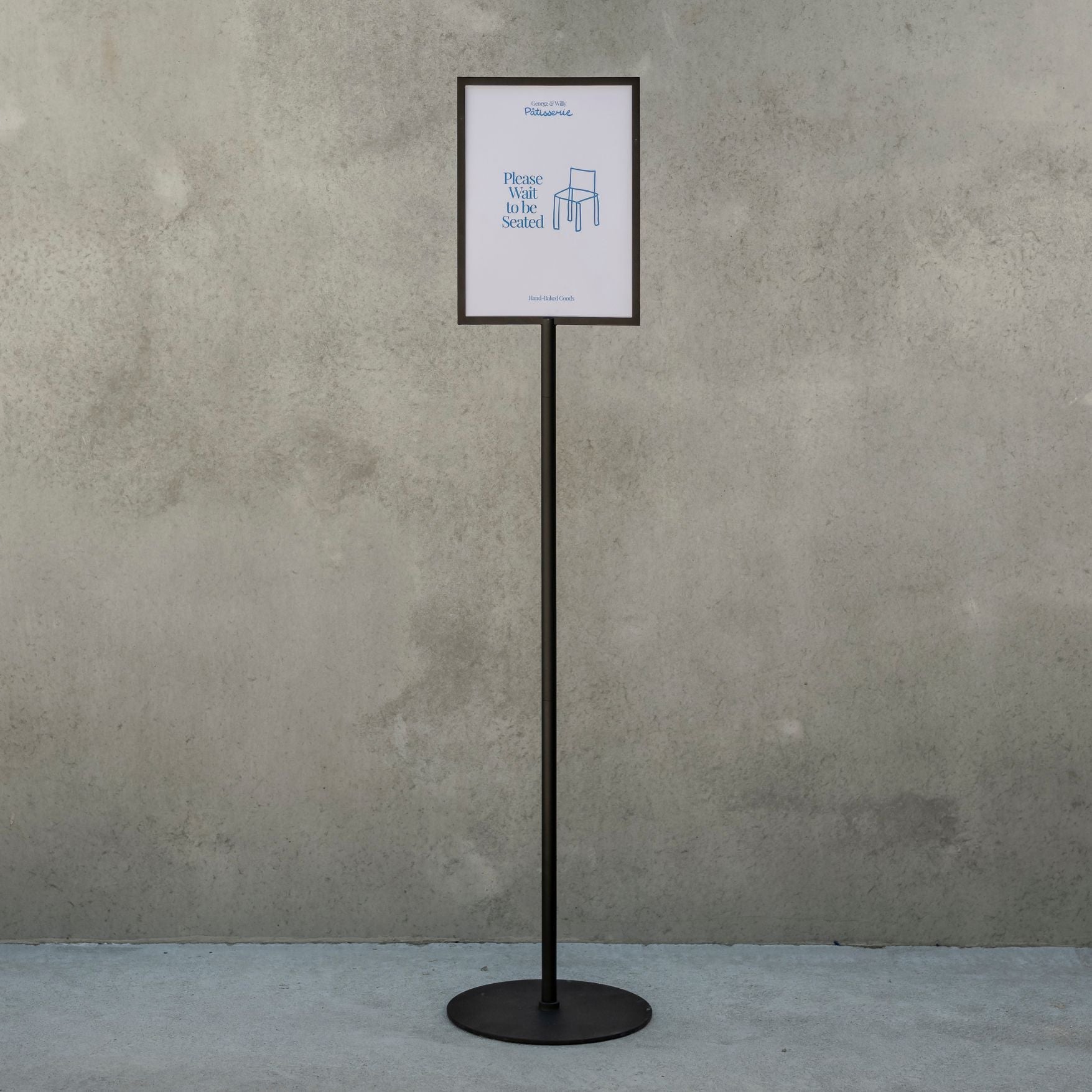
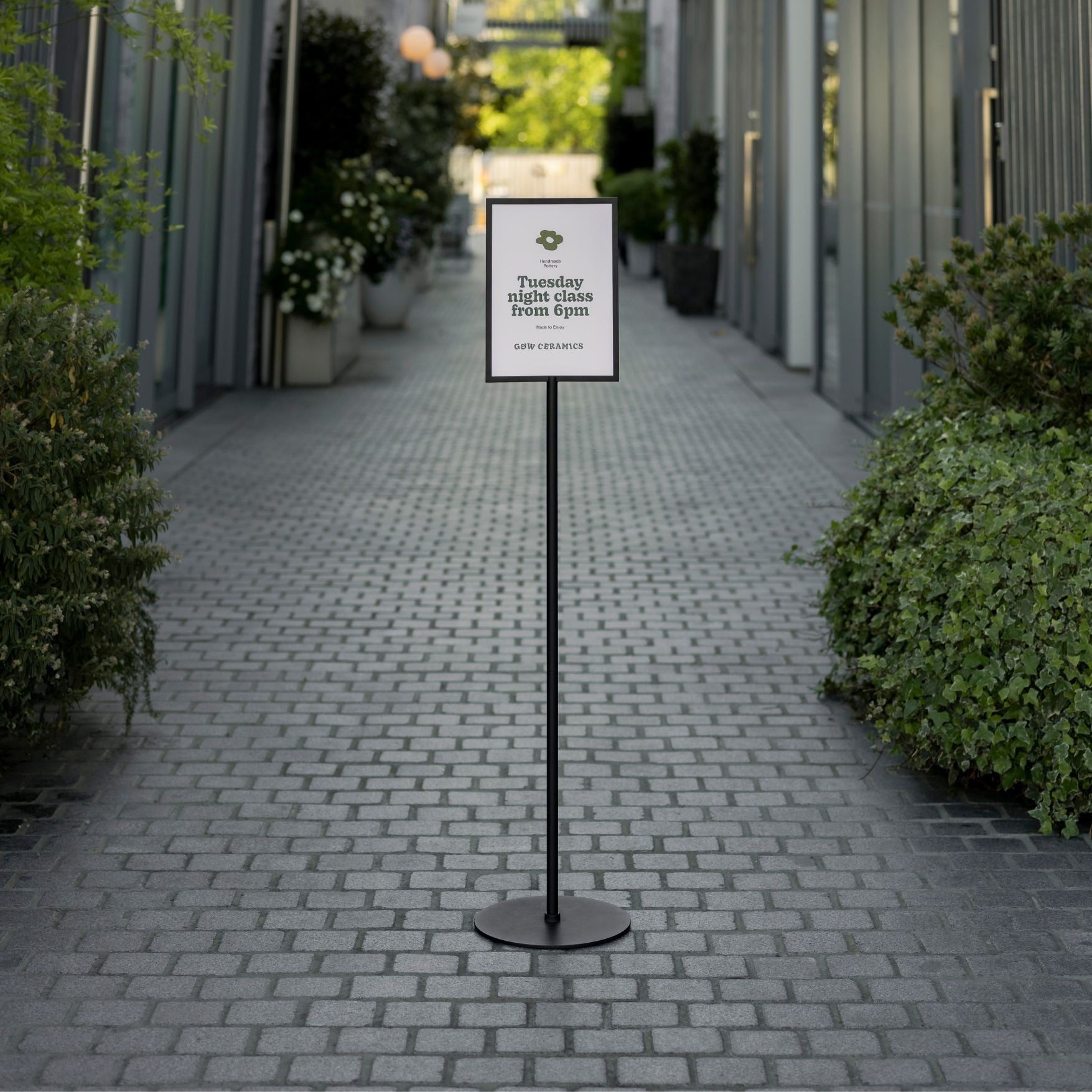
The stake’s height helps your sign get noticed. A taller stake can lift a sign above snow or landscaping. However, make sure the sign itself is sturdy enough for the height. A level, straight sign is also much easier to read and presents a more professional image. Where staking isn’t possible (pavement or hardscape), a freestanding Standing Round Sign achieves similar sightlines with a clean, minimal footprint.
Keeping Your Sign Secure
Security is all about stability. Driving your stake deep into the ground is the first step. For larger signs or in windy areas, using two heavy duty stakes provides much better support. You can also add extra security by using zip ties to attach the sign or stake to a nearby fence post. After a heavy rain or windstorm, it’s always a good idea to check your signs and push any loosened stakes back into the ground.
Cost Effectiveness and Reusability
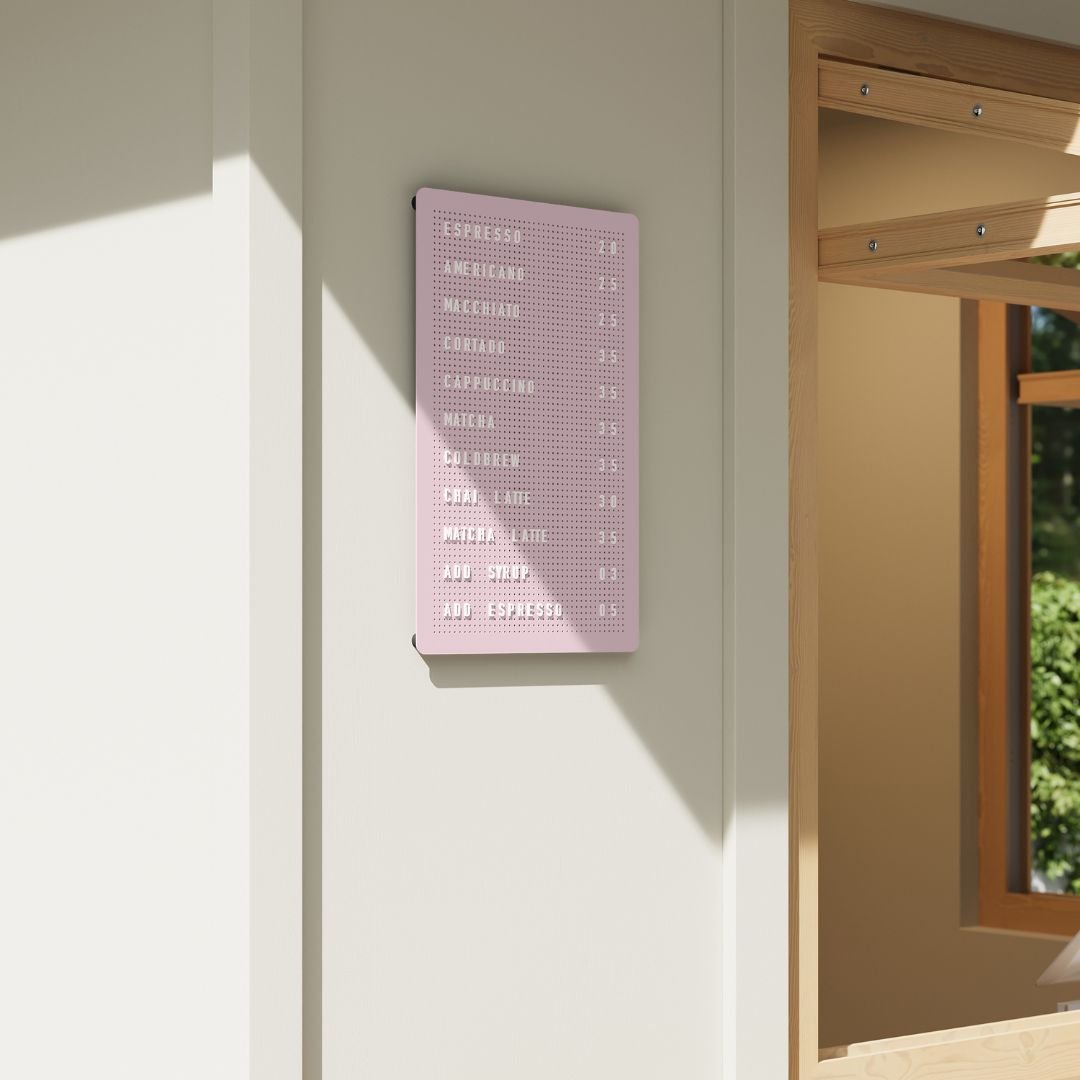
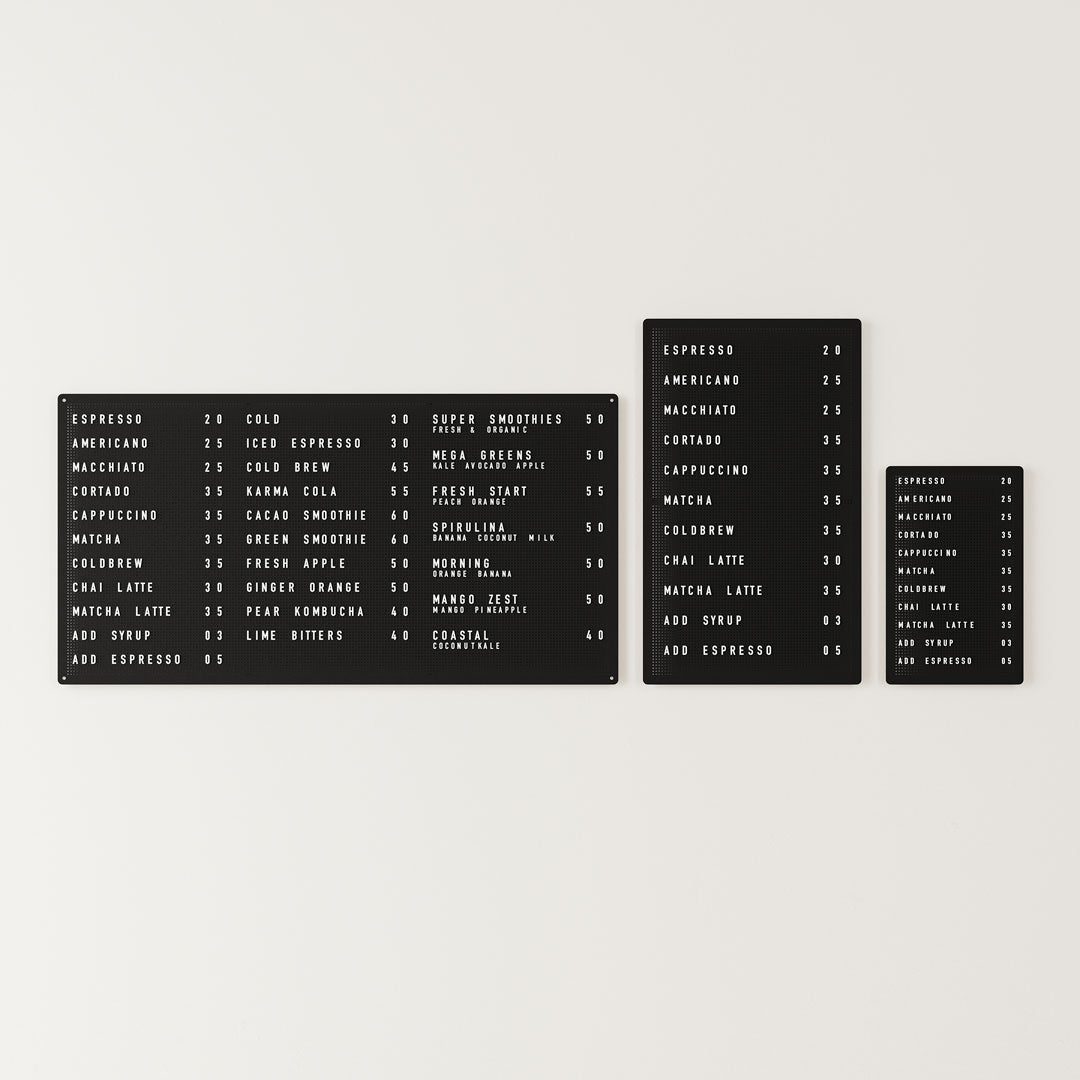
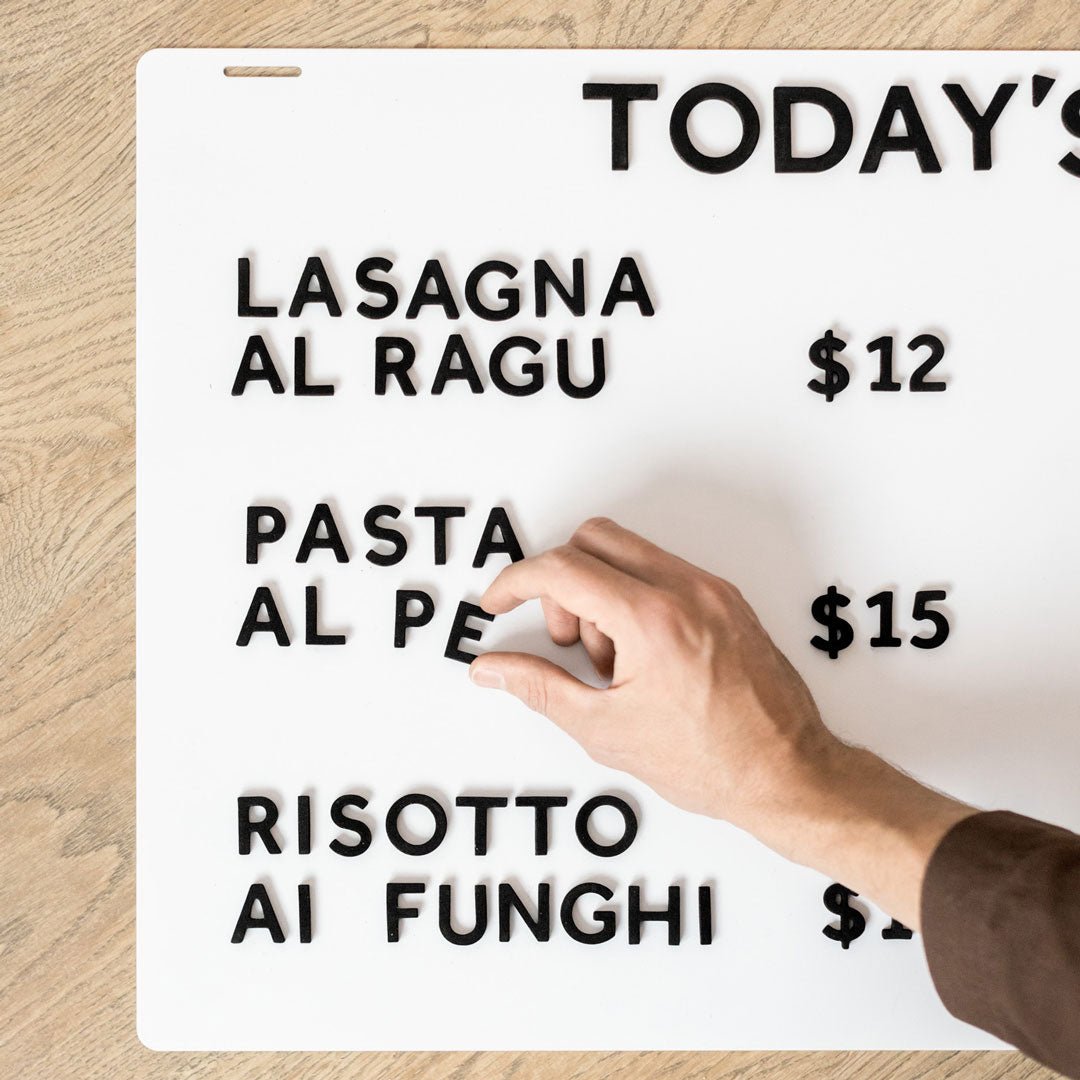
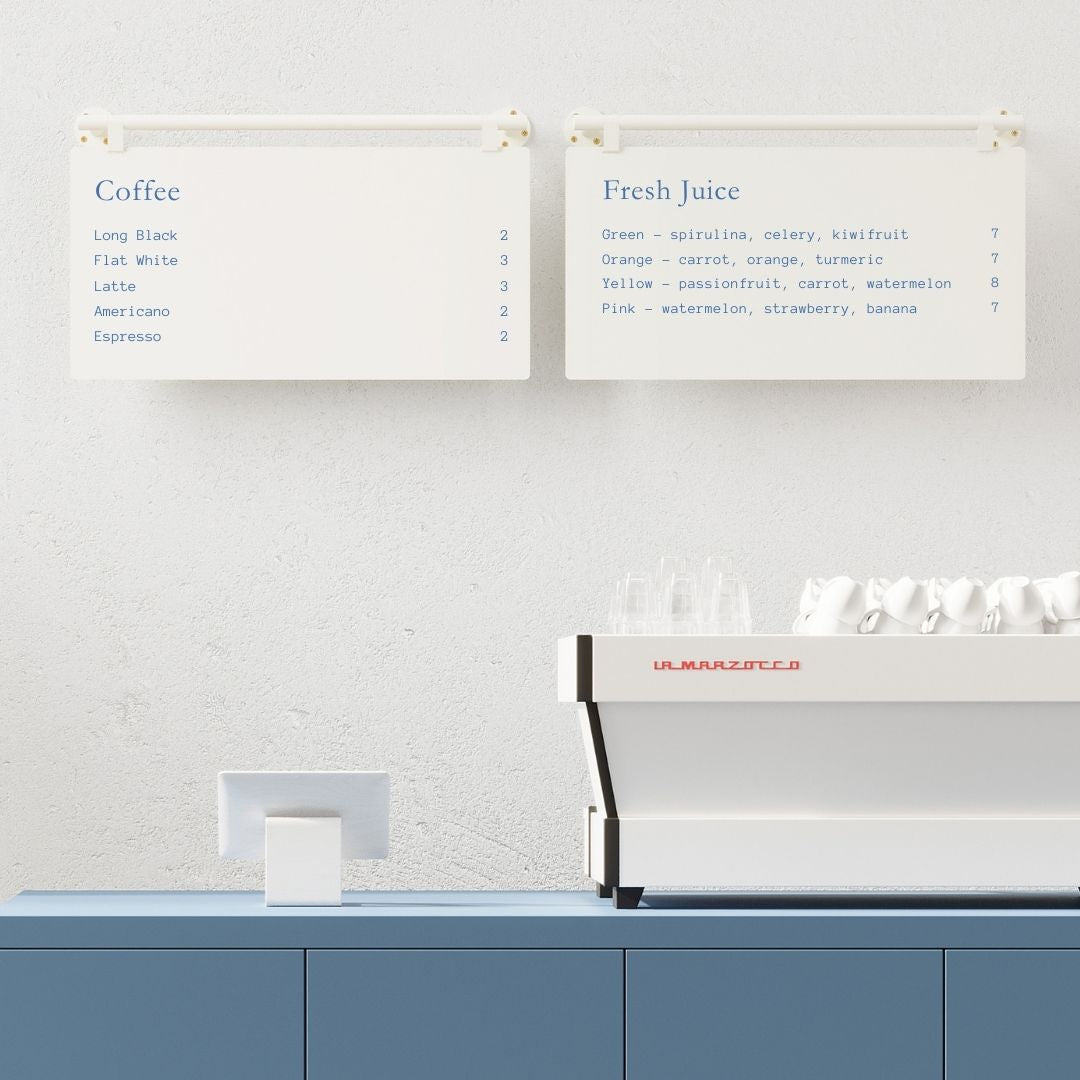
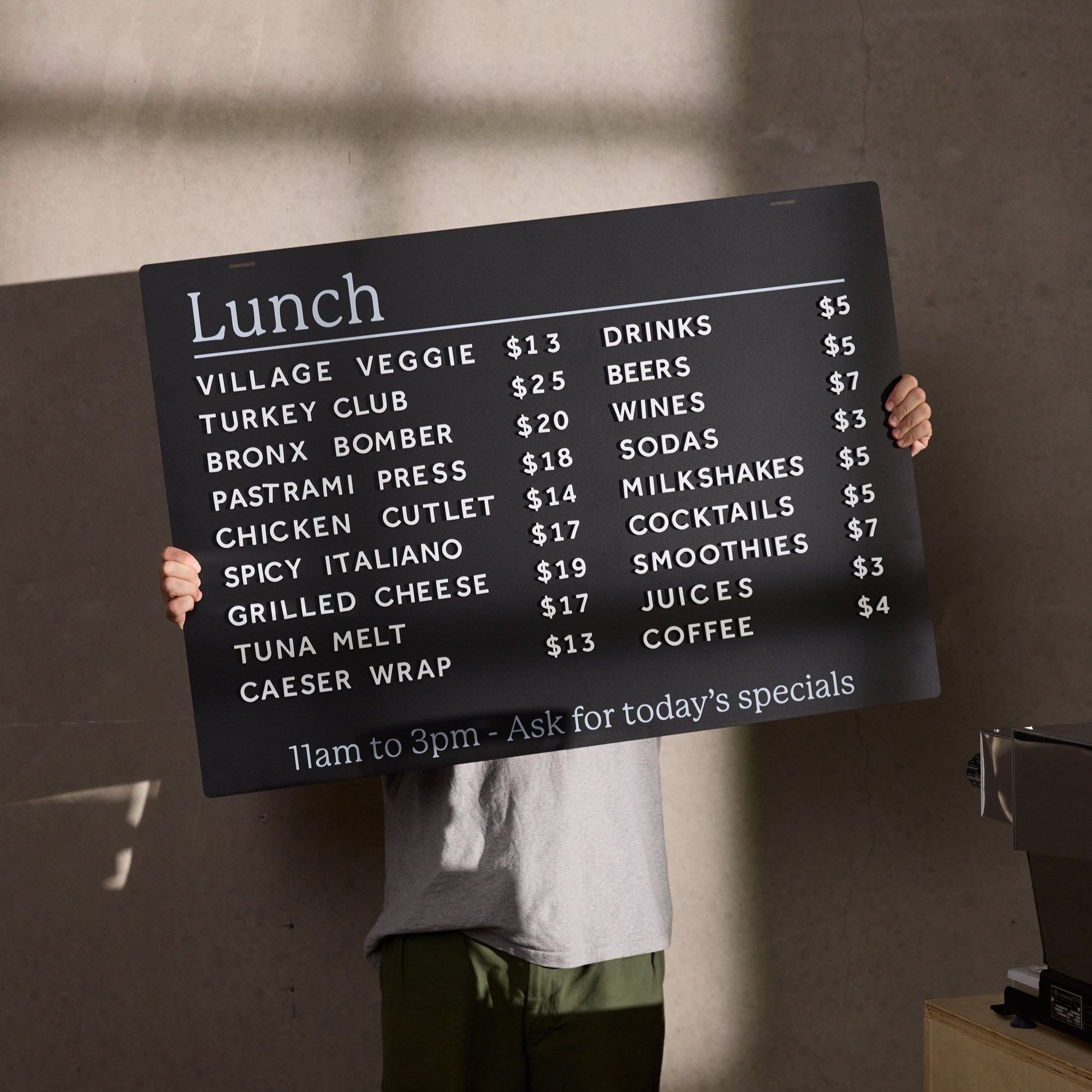
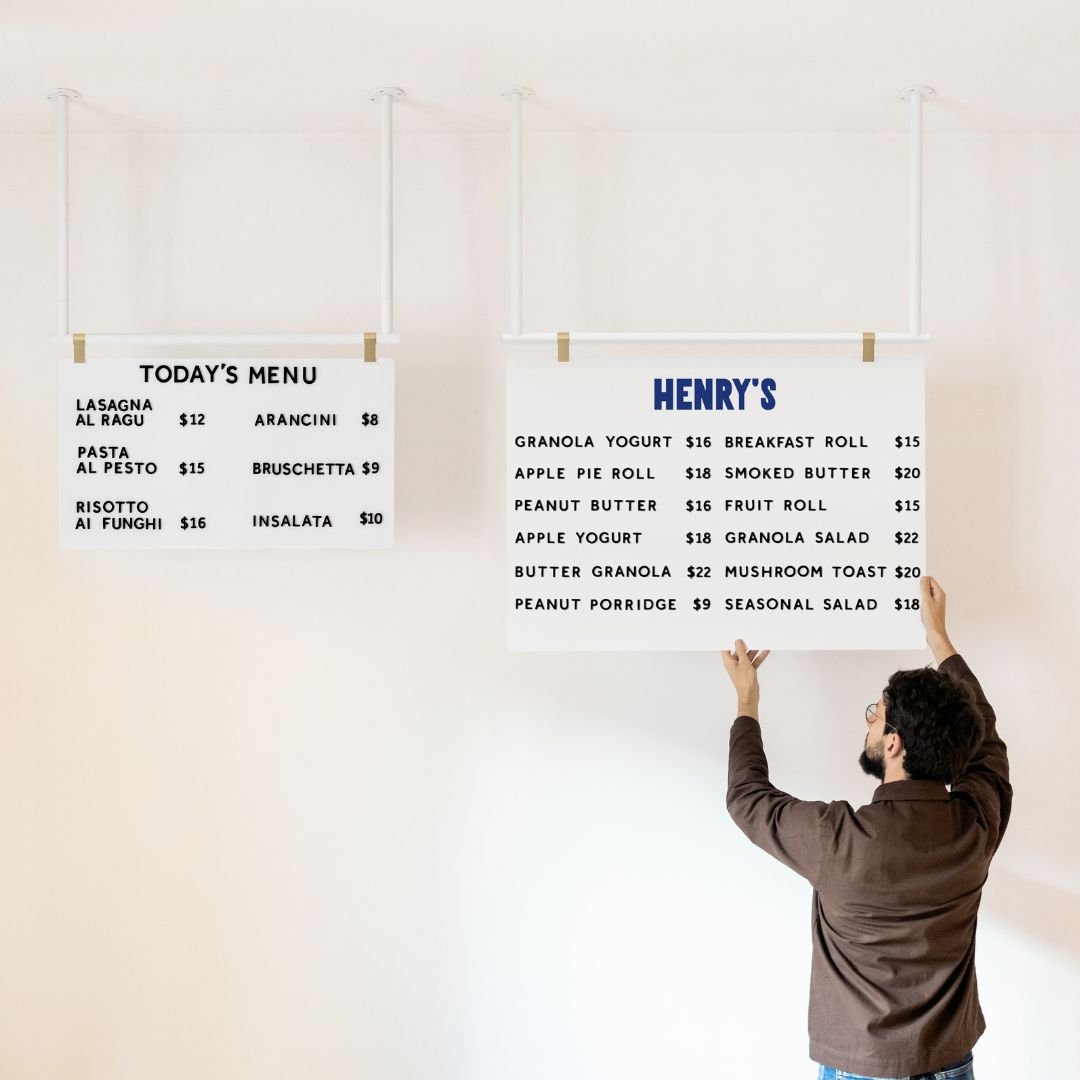
Lawn signs stands are a very affordable advertising tool. Basic H wire stakes can be purchased for less than a dollar each in bulk. While plastic or heavy duty stakes cost a bit more, their durability and reusability often make them a smart investment. Taking care of your stakes allows you to reuse them for multiple events, stretching your budget even further. For indoor promos that change often, a reusable cafe menu board is another cost-effective option that avoids reprints.
Simple Maintenance for Long Lasting Use
A little care can significantly extend the life of your lawn signs stands.
-
Inspect Regularly: Before each use, check for any bends, cracks, or significant rust.
-
Clean Before Storing: Wipe off any mud or dirt before you put your stakes away. This prevents caked on dirt from making them difficult to use next time.
-
Store Properly: Keep your stands in a dry place to prevent rust on metal stakes. Bundle them neatly to avoid bending or tangling.
Where to Buy Lawn Signs Stands
You can find lawn signs stands in several places, depending on your needs.
-
Hardware Stores: Local home improvement stores are great for grabbing a few stakes quickly.
-
Online Retailers: Sites like Amazon offer a huge selection and competitive pricing, especially for bulk orders.
-
Sign Supply Companies: Local or national sign printers are an excellent source. You can often add the correct lawn signs stands directly to your sign order, ensuring a perfect fit.
-
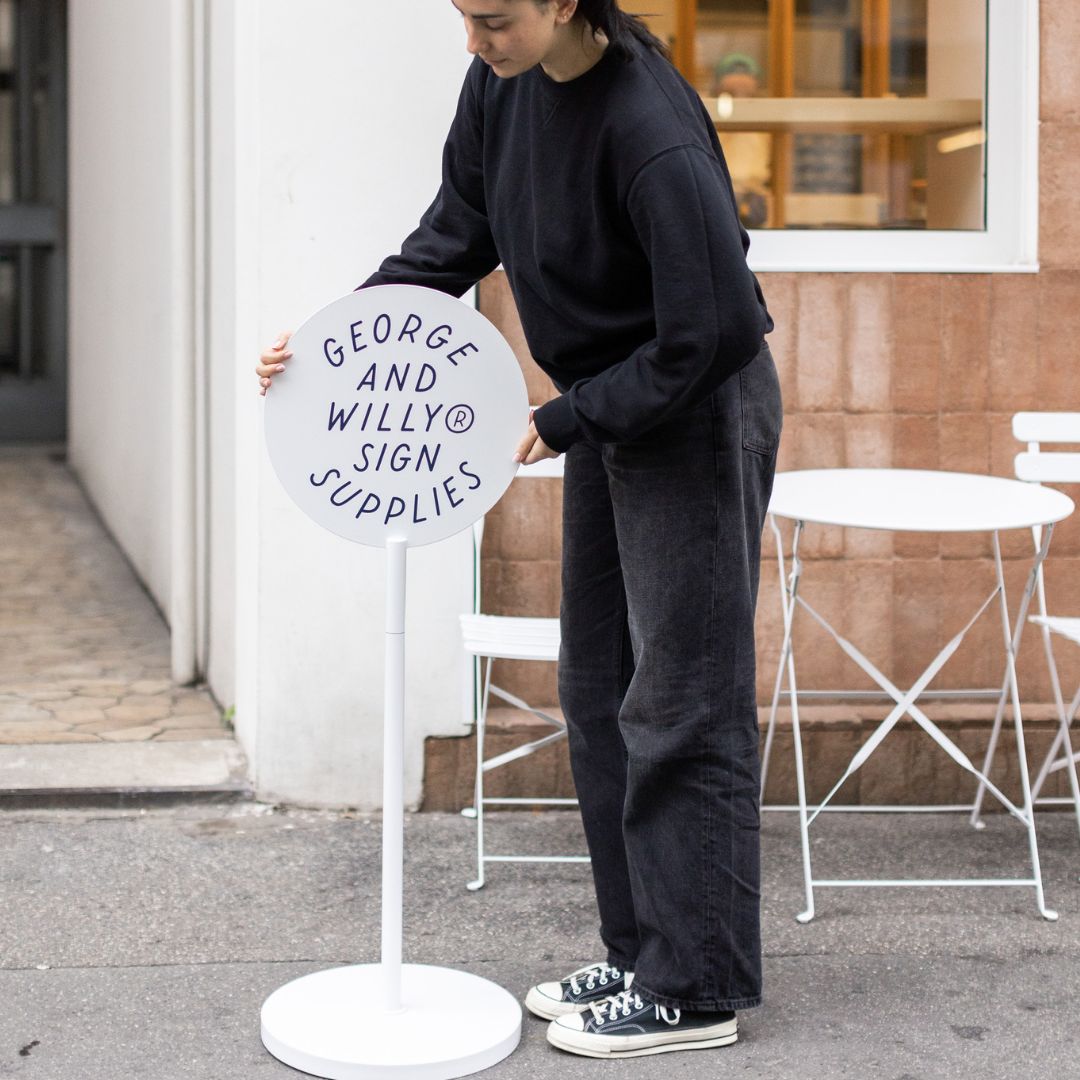
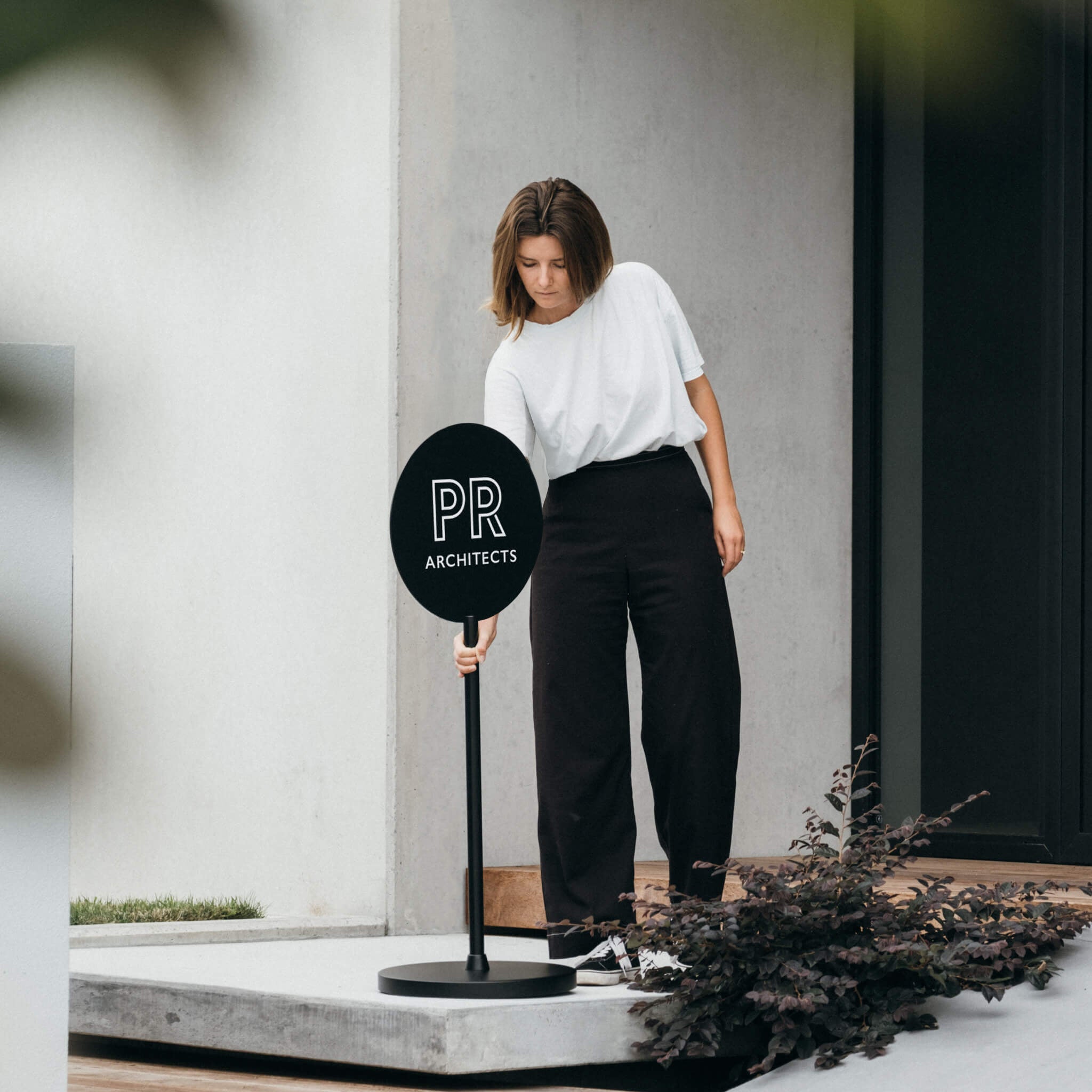
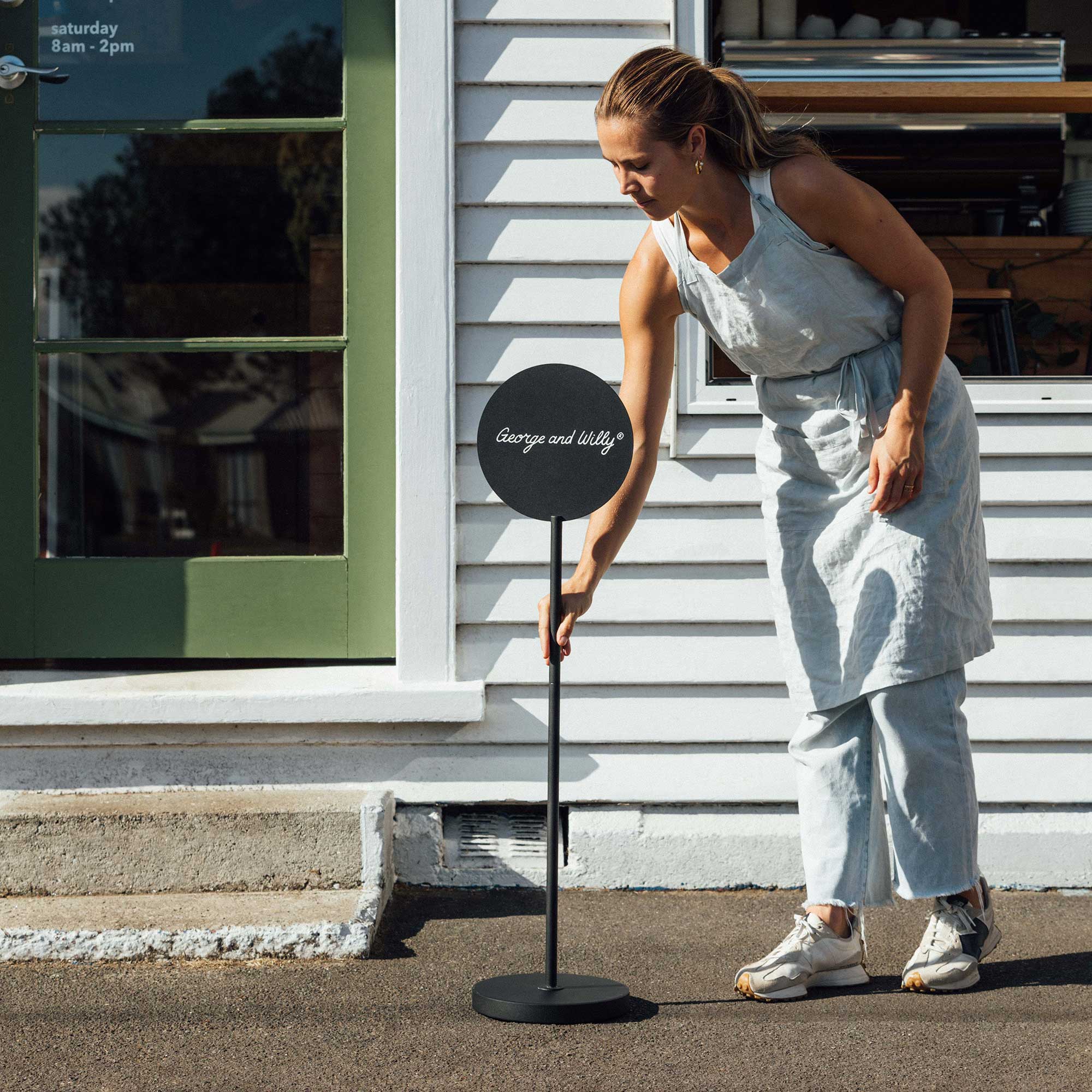
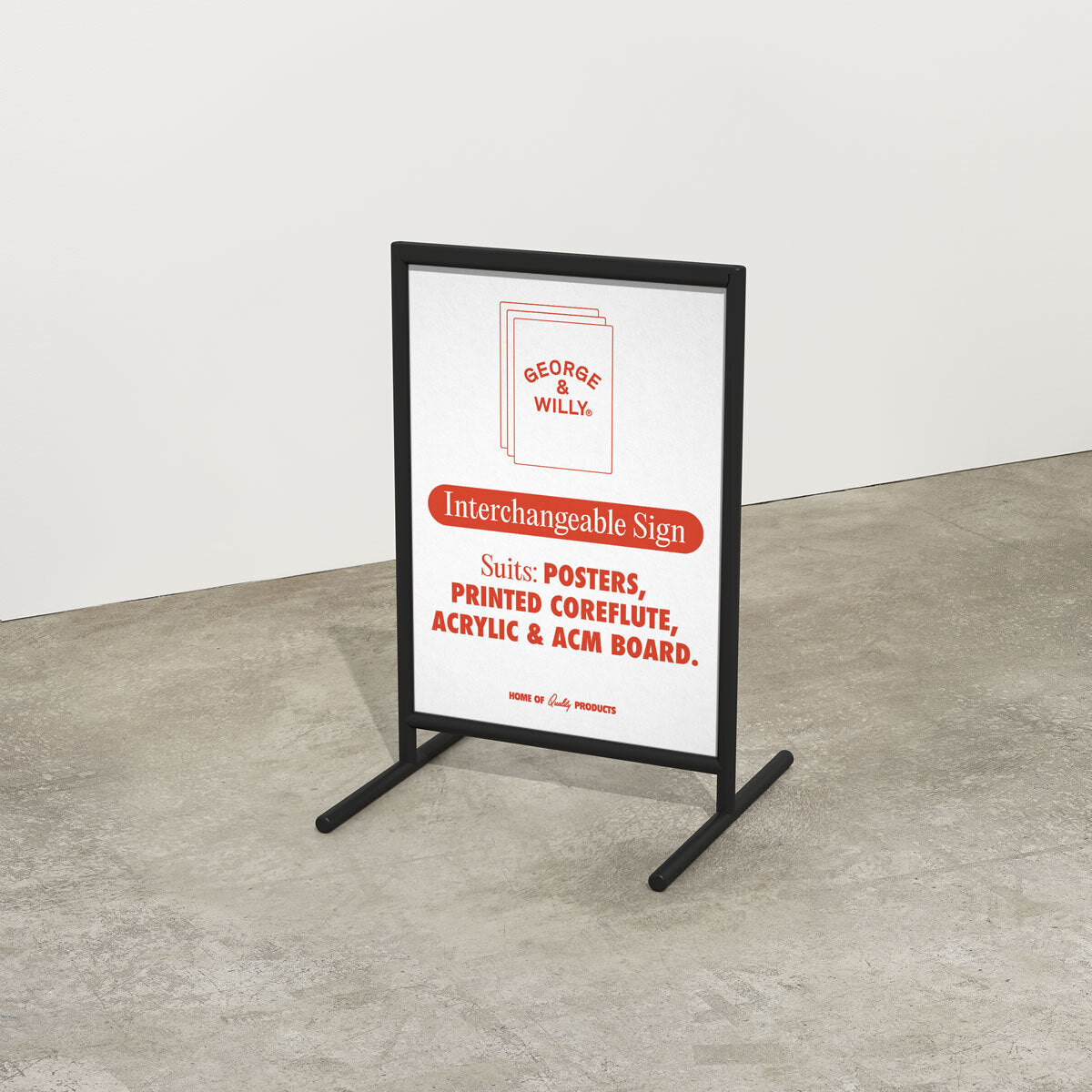
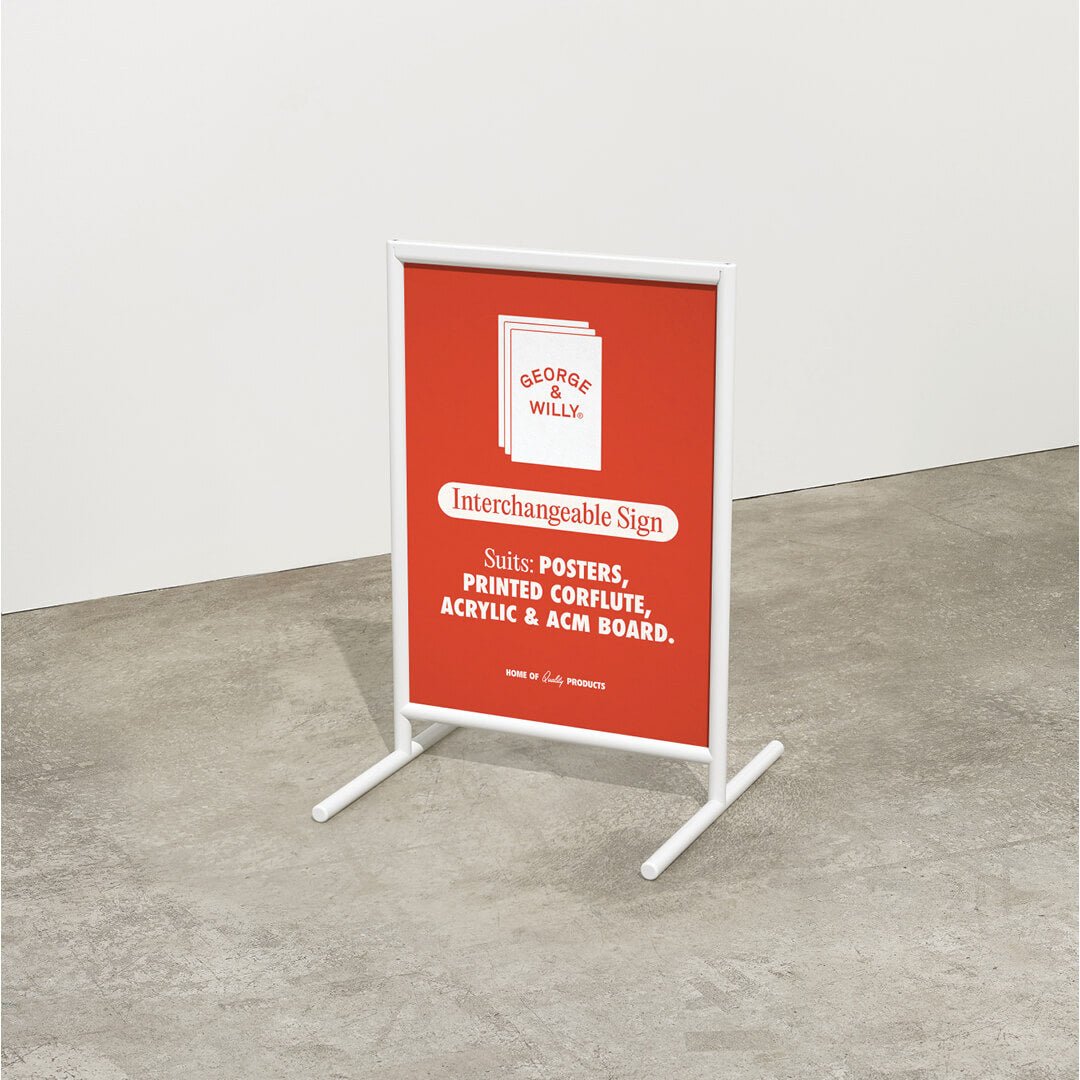
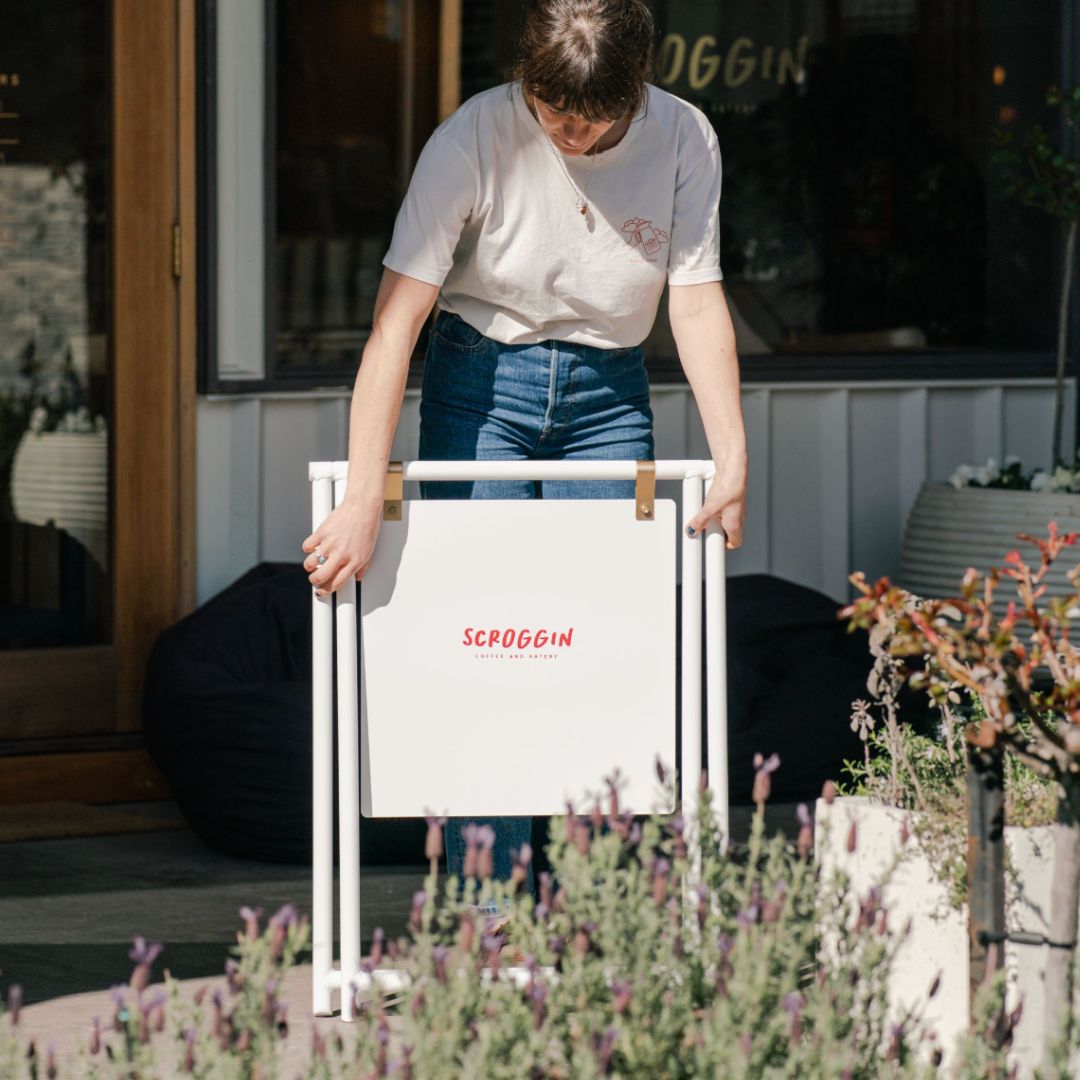
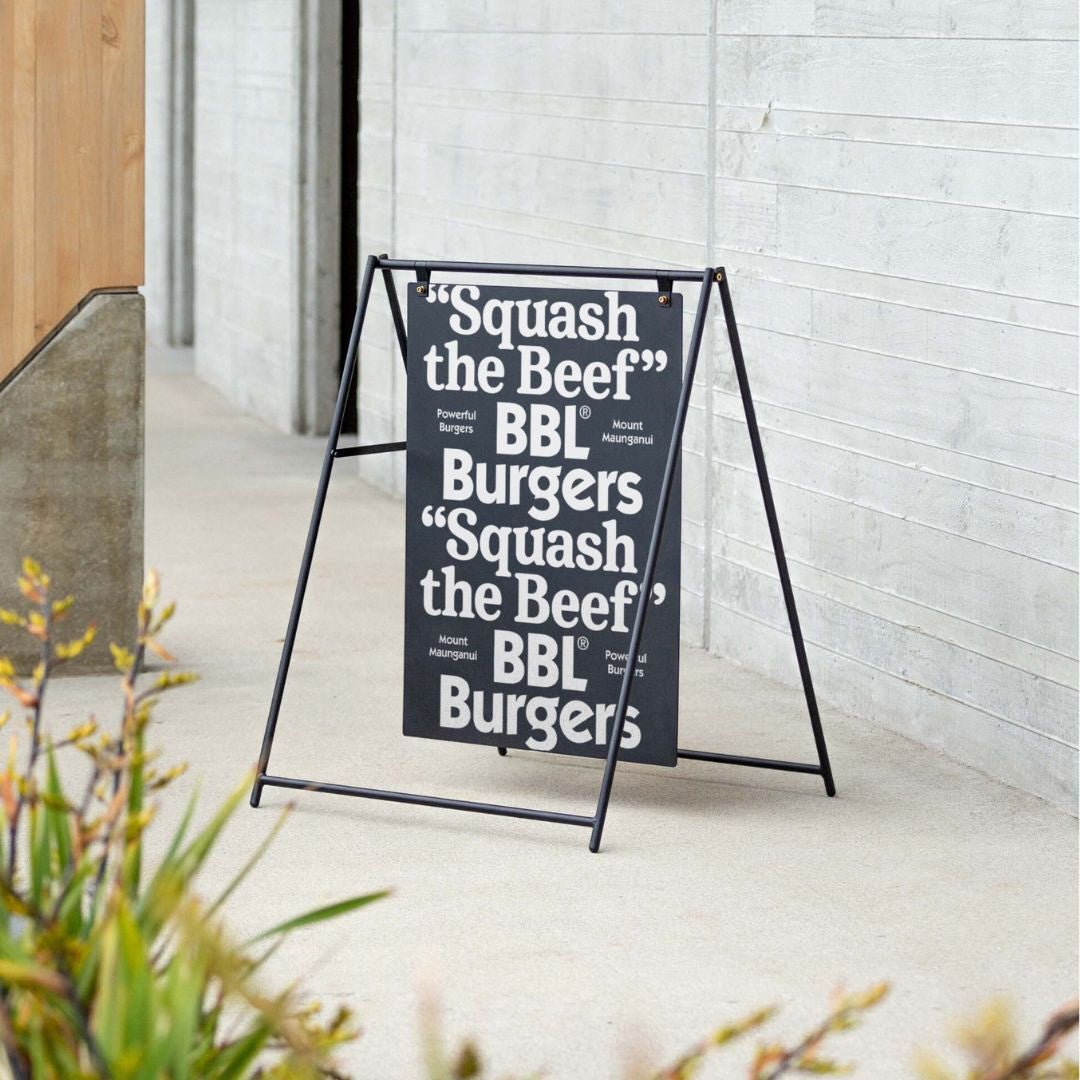
Specialty Design Brands: For businesses that value aesthetics and want a cohesive look, brands like George & Willy provide beautifully crafted signage that elevates your space. While a simple stake is functional, a well designed sidewalk sign can make a much stronger first impression. If you are looking to create a lasting and premium display, exploring storefront options like storefront blade signs is a great next step.
Frequently Asked Questions About Lawn Signs Stands
What is the best type of stand for windy conditions?
Heavy duty goal post stakes made from thick gauge steel are the best choice for windy areas. Their robust construction resists bending, and using two stakes on a single sign adds even more stability. If you opt for a sidewalk board near a lawn or entrance, add a Sandbag for A-Frame Signs for extra stability.
How deep should lawn signs stands be placed in the ground?
For optimal stability, you should aim to push the stake 10 to 12 inches into the ground. A shallower depth may not be secure enough to withstand wind or accidental bumps.
Can I reuse lawn signs stands?
Absolutely. High quality steel and plastic stakes are designed for multiple uses. With proper care and maintenance, you can reuse them for many different campaigns or events, making them a very cost effective option.
How do I get a sign stand into hard, dry ground?
The best trick is to pour some water on the spot and let it soak in for a few minutes to soften the soil. If it’s still difficult, you can use a rubber mallet to gently tap the top of the stake. Creating a pilot hole with a screwdriver or metal rod can also help guide the stake in.
Are metal or plastic lawn signs stands better?
It depends on your needs. Metal (galvanized steel) stakes offer superior strength and are great for hard soil and windy conditions. Plastic stakes are lightweight, rustproof, and often easier to insert into the ground with their built in step pegs.
What size stand do I need for my sign?
A standard 10 inch by 30 inch H stake is perfect for common 18 by 24 inch yard signs. For larger signs, choose a heavy duty stake or use two standard stakes for support. For very small signs, a shorter 15 inch half stake can provide a clean, low profile look.