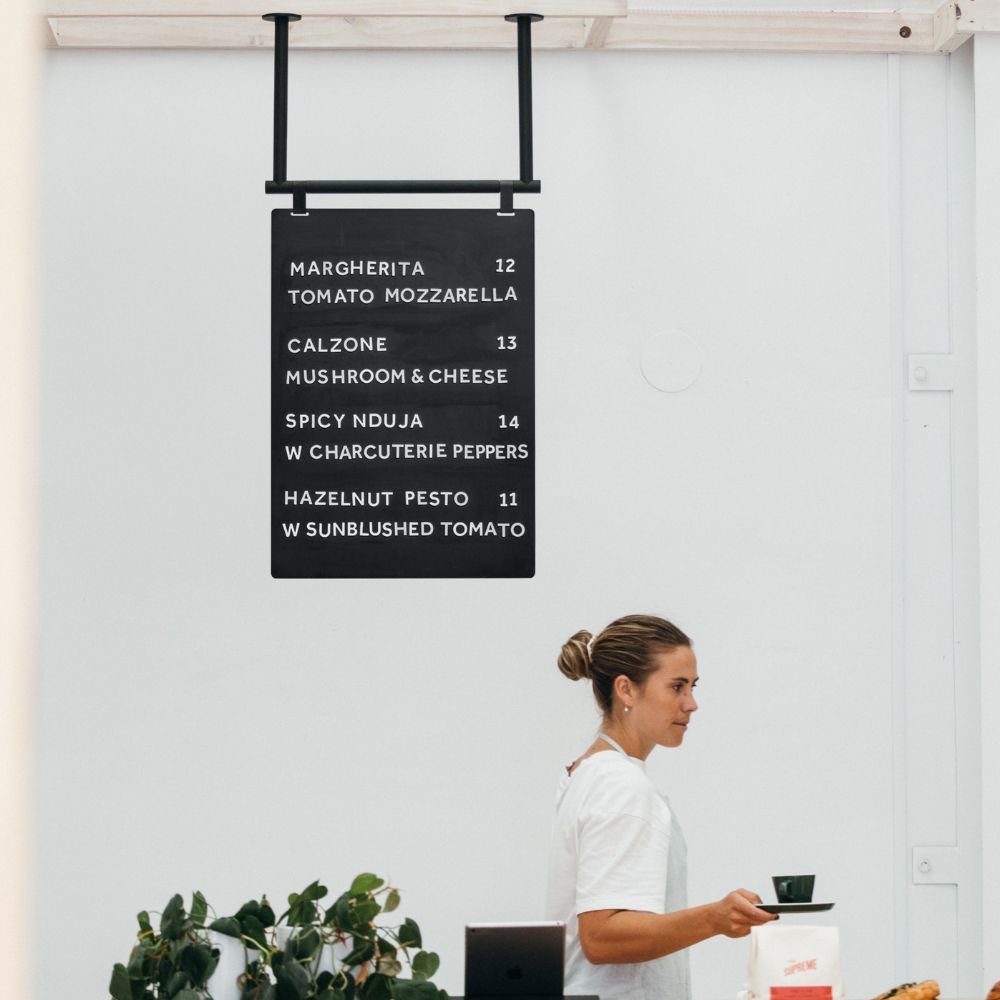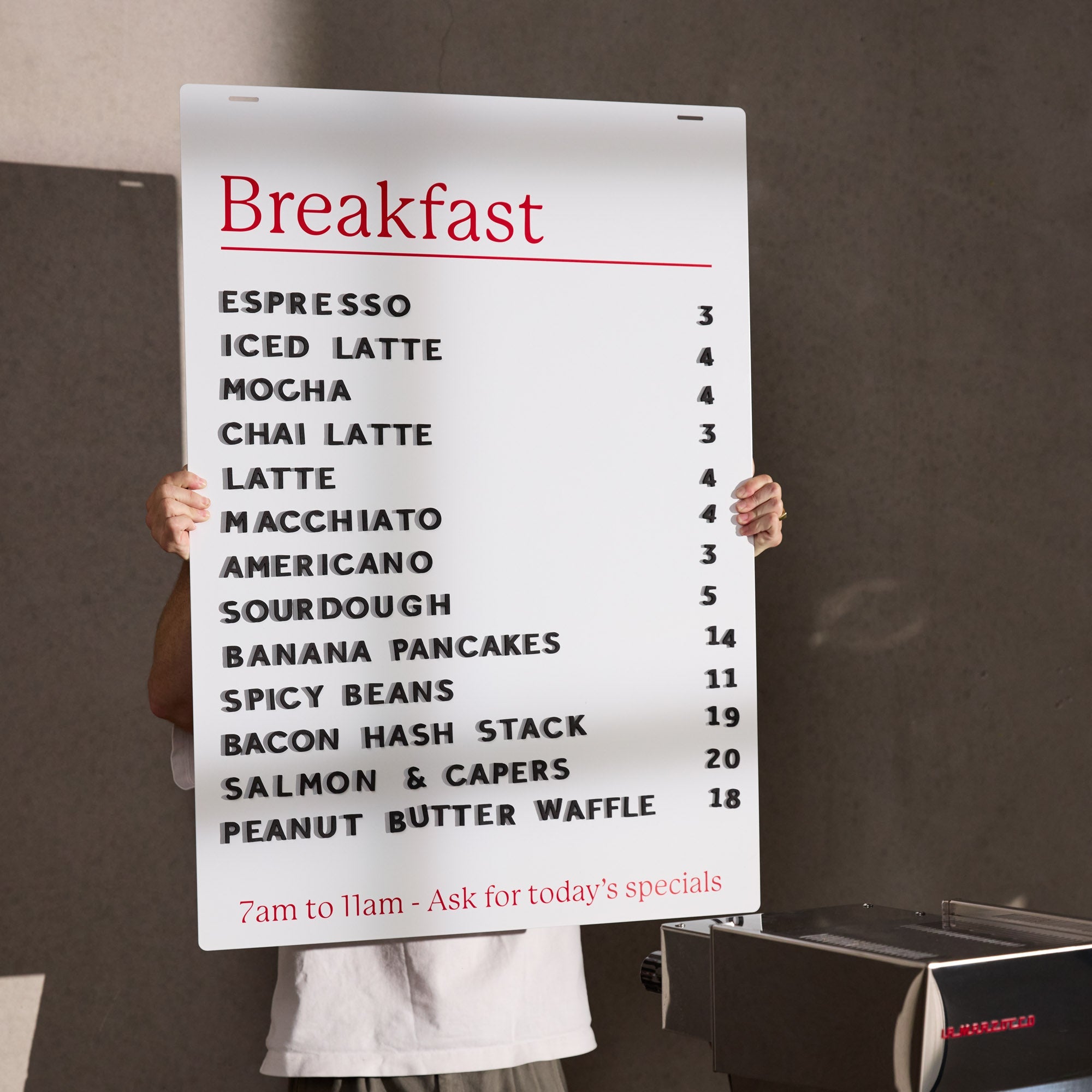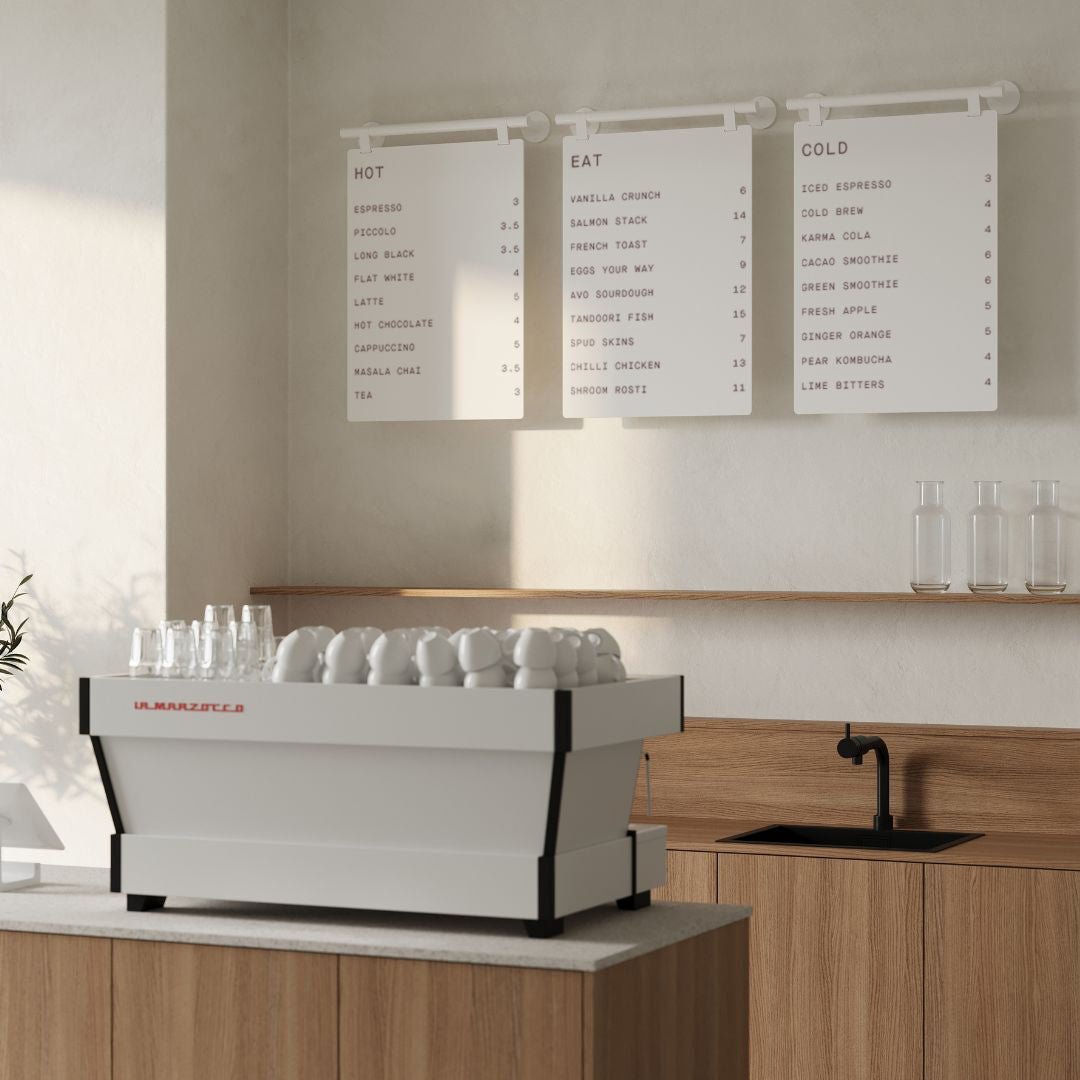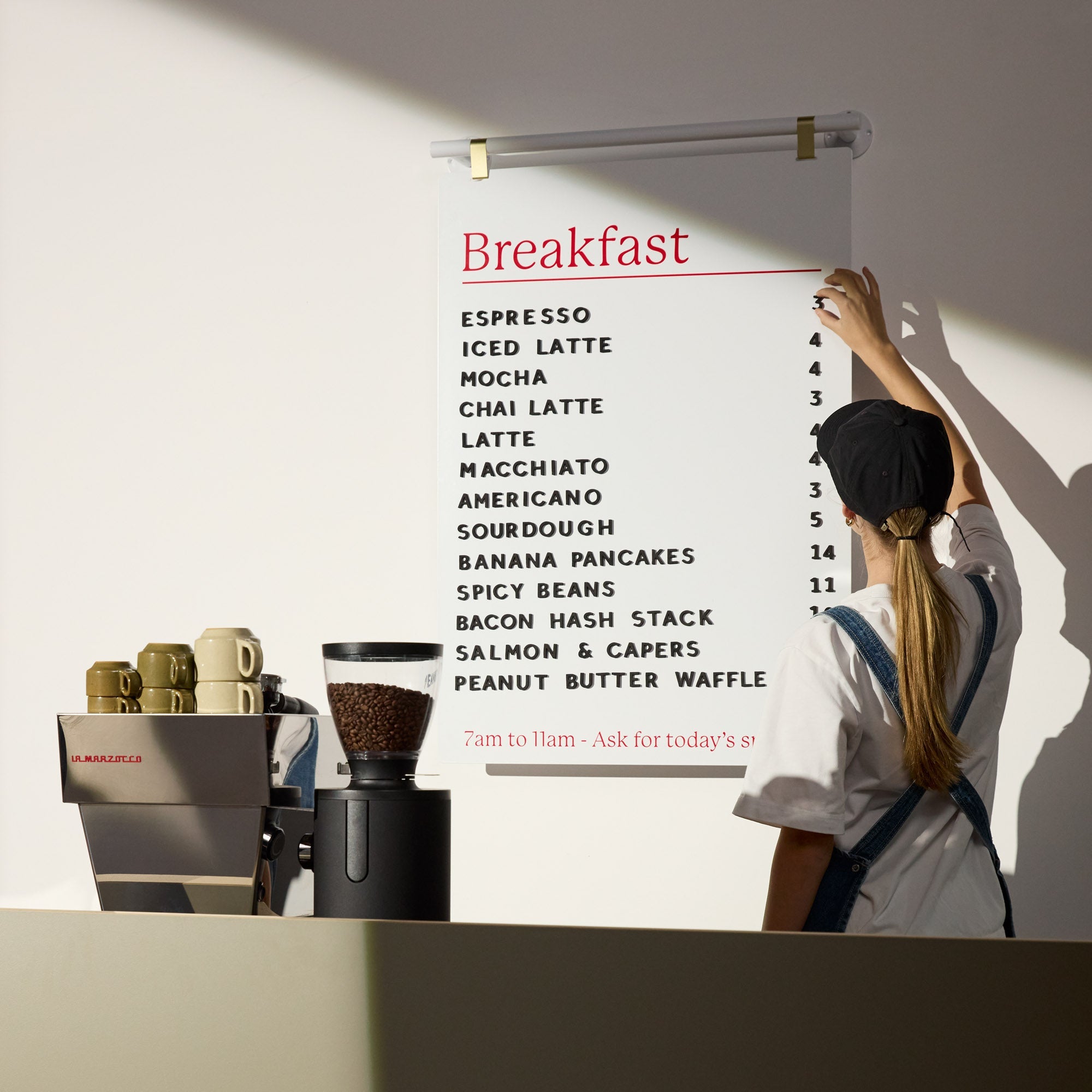




A well placed sign on the street is more than just decoration, it’s your business’s handshake with the world. For cafes, boutiques, and studios, sidewalk signs are one of the most powerful tools for turning a casual passerby into a loyal customer. They grab attention, communicate your brand’s personality, and can directly increase your daily sales.
The key is to use them effectively. A great sign is a blend of smart design, clear messaging, and durable construction. Let’s explore how to make your sidewalk signs work harder for your business.
What Exactly Is a Sidewalk Sign?
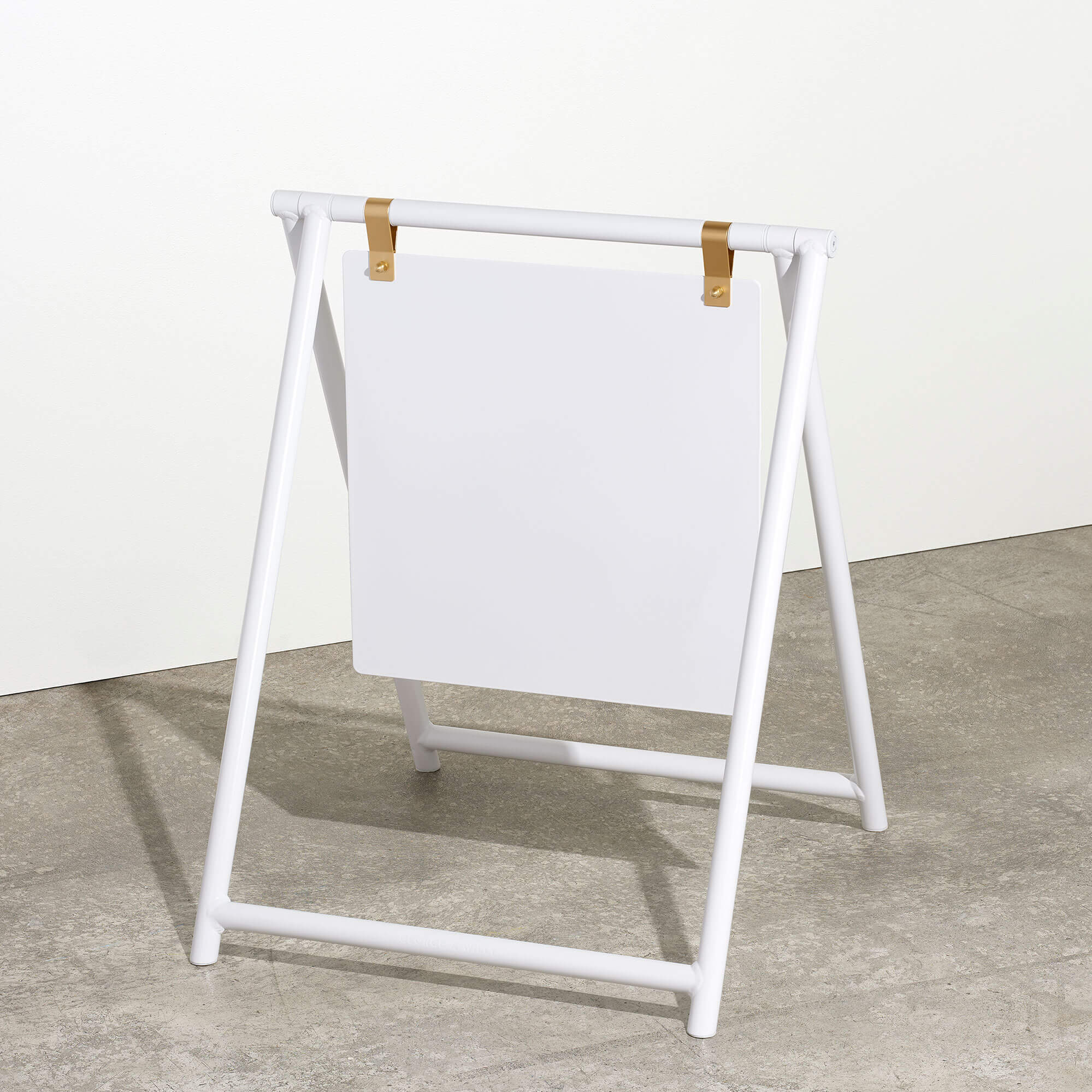
Before we dive in, let’s clarify the terms. You might hear them called sidewalk signs, A frame signs, sandwich boards, or pavement signs. While they often describe the same thing (a portable, freestanding sign), there are subtle differences. “Sidewalk sign” is a broad term for any sign placed on a walkway. A “sandwich board” or “A frame” specifically refers to the classic two sided, hinged sign that stands on its own. These terms are mostly interchangeable, all serving the same goal: capturing attention at street level.
Why Sidewalk Signs Are Your Unsung Marketing Heroes
In a digital world, the power of a physical sign is often underestimated. Yet, the numbers tell a compelling story. A survey found that an incredible 76% of consumers have walked into a store they had never visited before based on its sign alone. That’s a huge opportunity for growth, driven by something as simple as a well crafted message on the pavement.
On the flip side, nearly 60% of consumers will avoid entering a business if it lacks clear signage. Your exterior signs, especially sidewalk signs that meet people at eye level, are crucial for making that vital first impression. They are also incredibly cost effective. Compared to traditional advertising, the cost per one thousand impressions for on premise signage is mere cents, making it a brilliant long term investment.
Tracking Your Return on Investment
Measuring the direct impact of a sidewalk sign can be straightforward. Here are a few methods:
- Track Foot Traffic: Use a door counter or your security camera data to monitor foot traffic before and after putting out a new sign or message. A noticeable increase is a strong indicator of success.
- Analyze Sales Data: Run a promotion that is mentioned only on your sidewalk sign, like “10% off lattes today.” Then, track the sales of that specific item to see a direct correlation.
- Use QR Codes or Unique URLs: Include a QR code on your sign that links to a special landing page or offer. Tracking the number of scans or visits gives you concrete engagement data.
- Simply Ask: Encourage your staff to ask new customers, “How did you hear about us?” This qualitative feedback is incredibly valuable.
Choosing the Right Type of Sidewalk Sign
Not all sidewalk signs are created equal. The best choice depends on your business type, location, and how often you need to update your message.
The Classic A Frame Sign
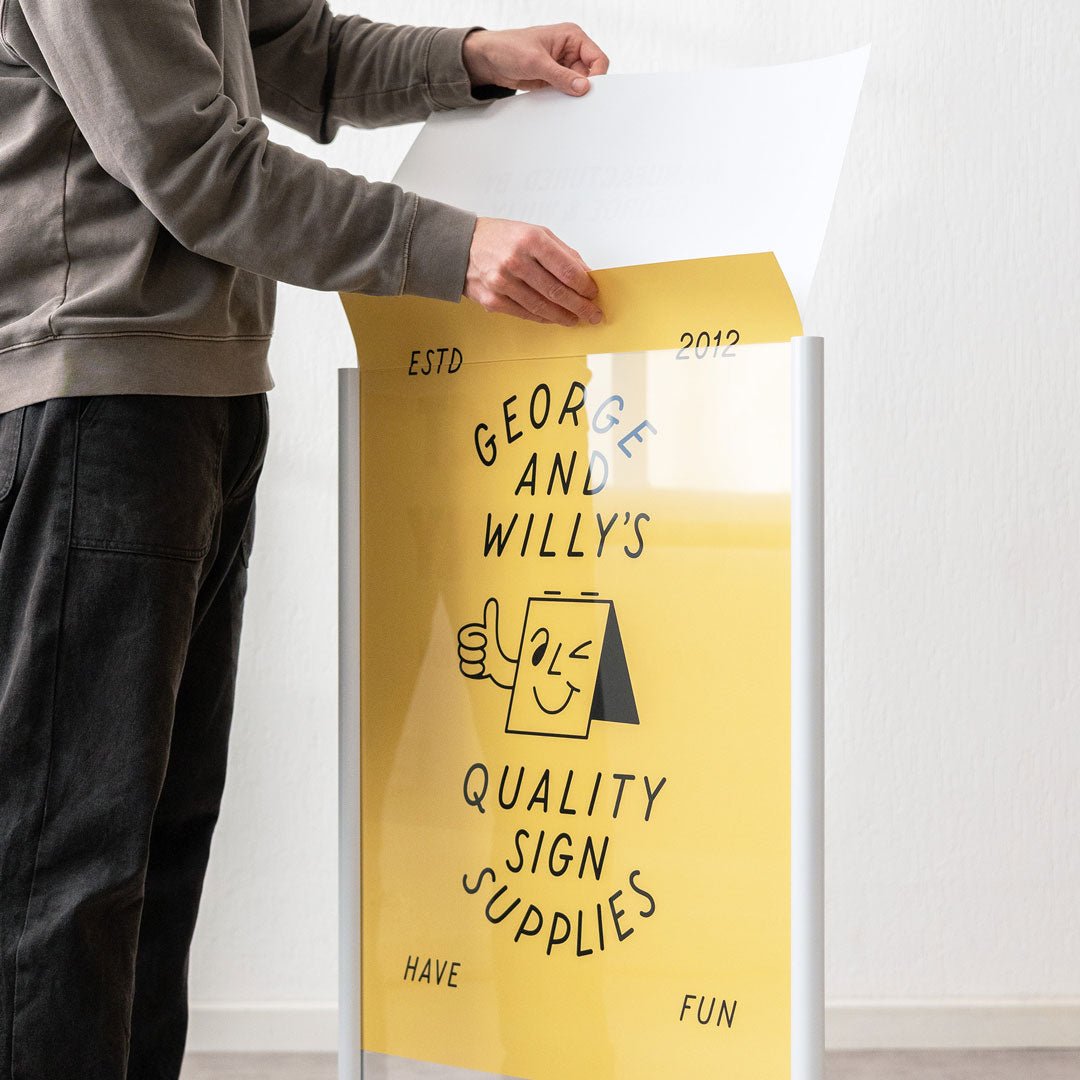
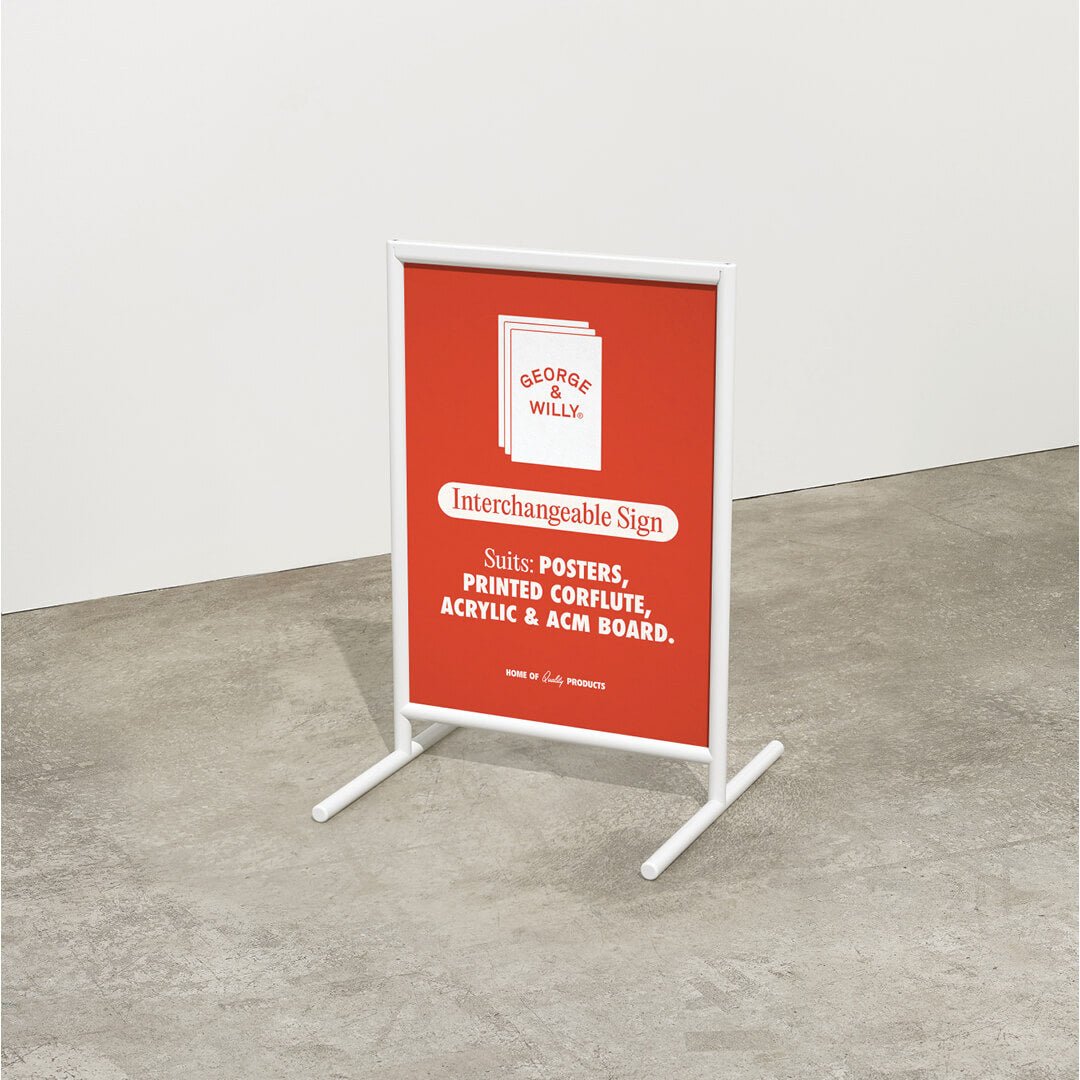
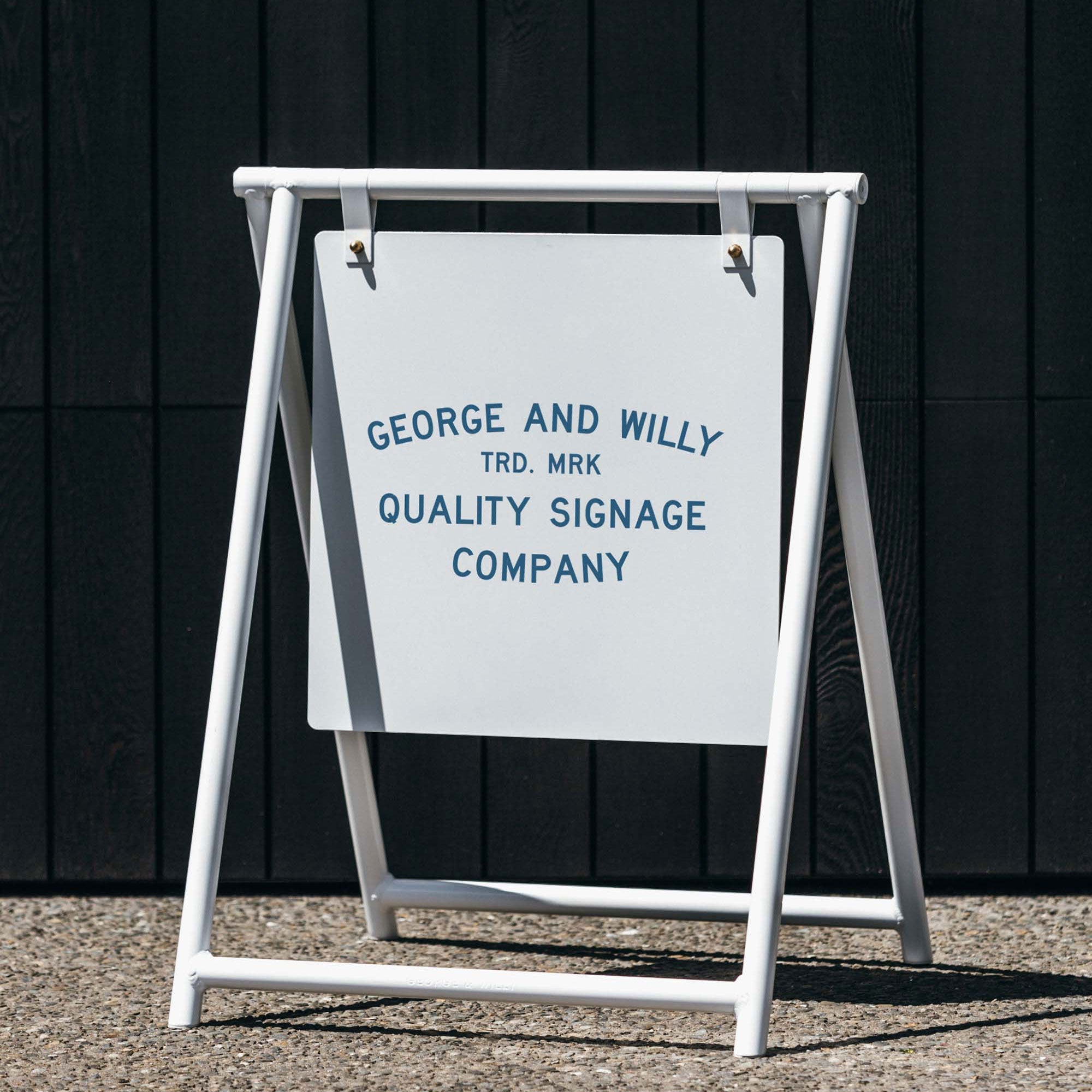
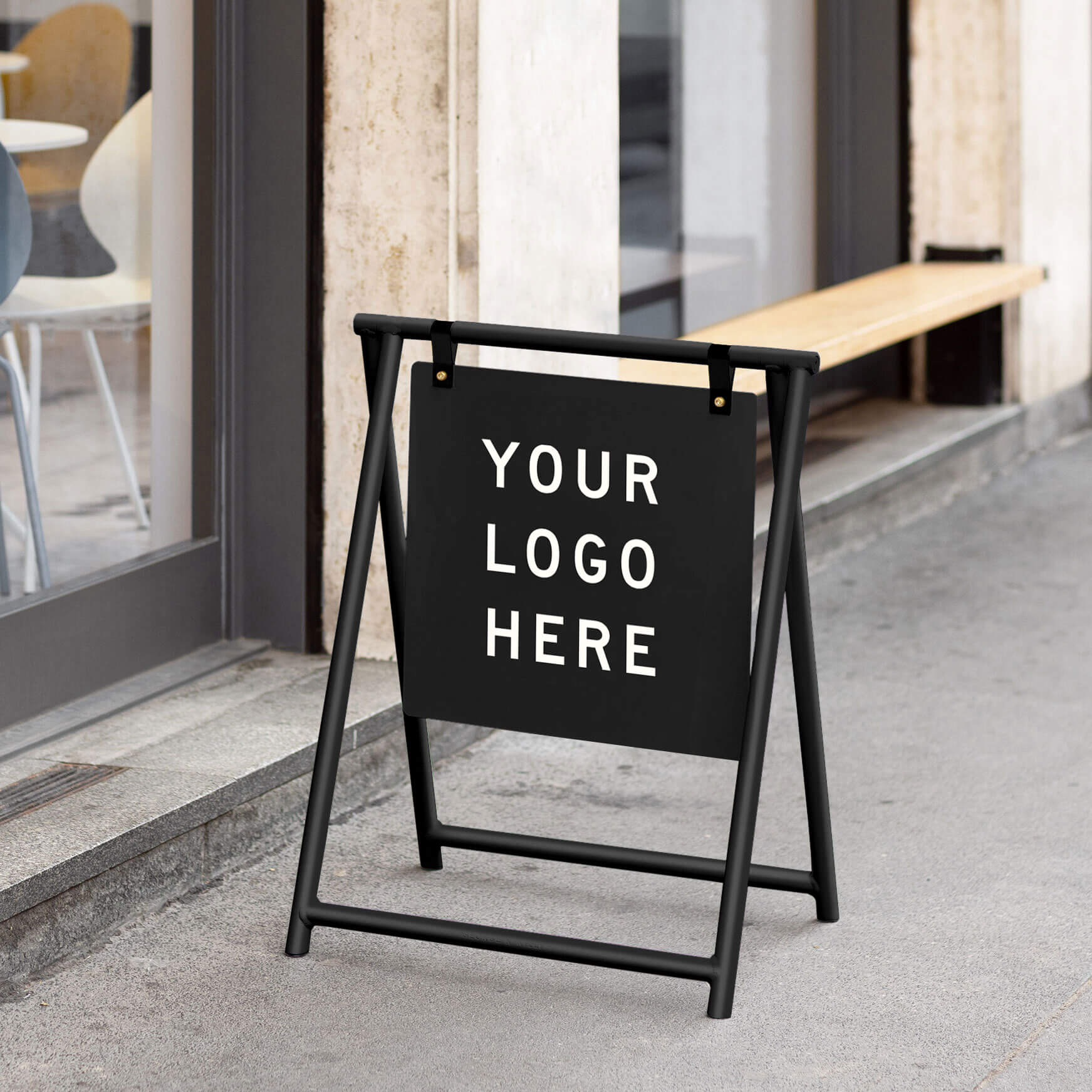
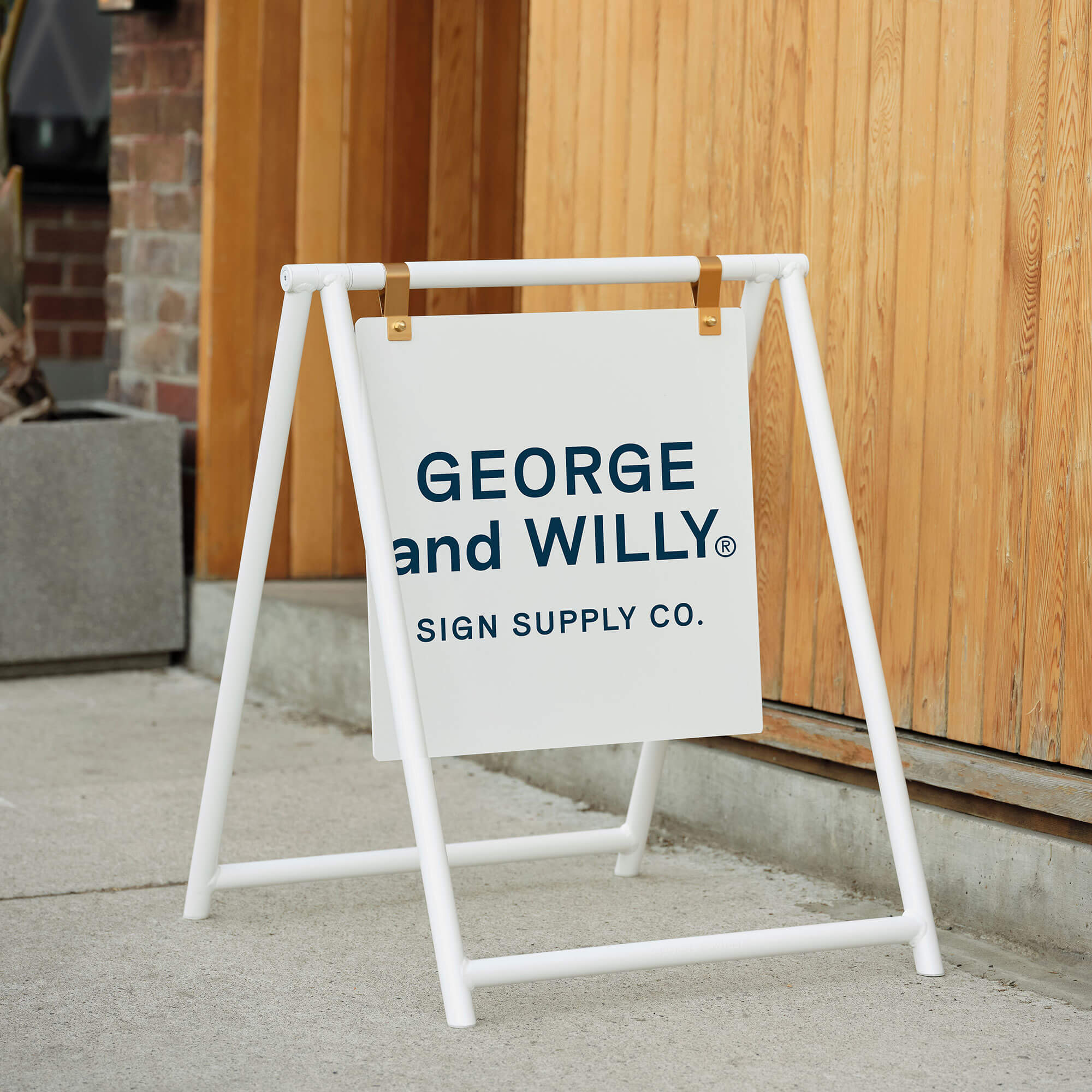
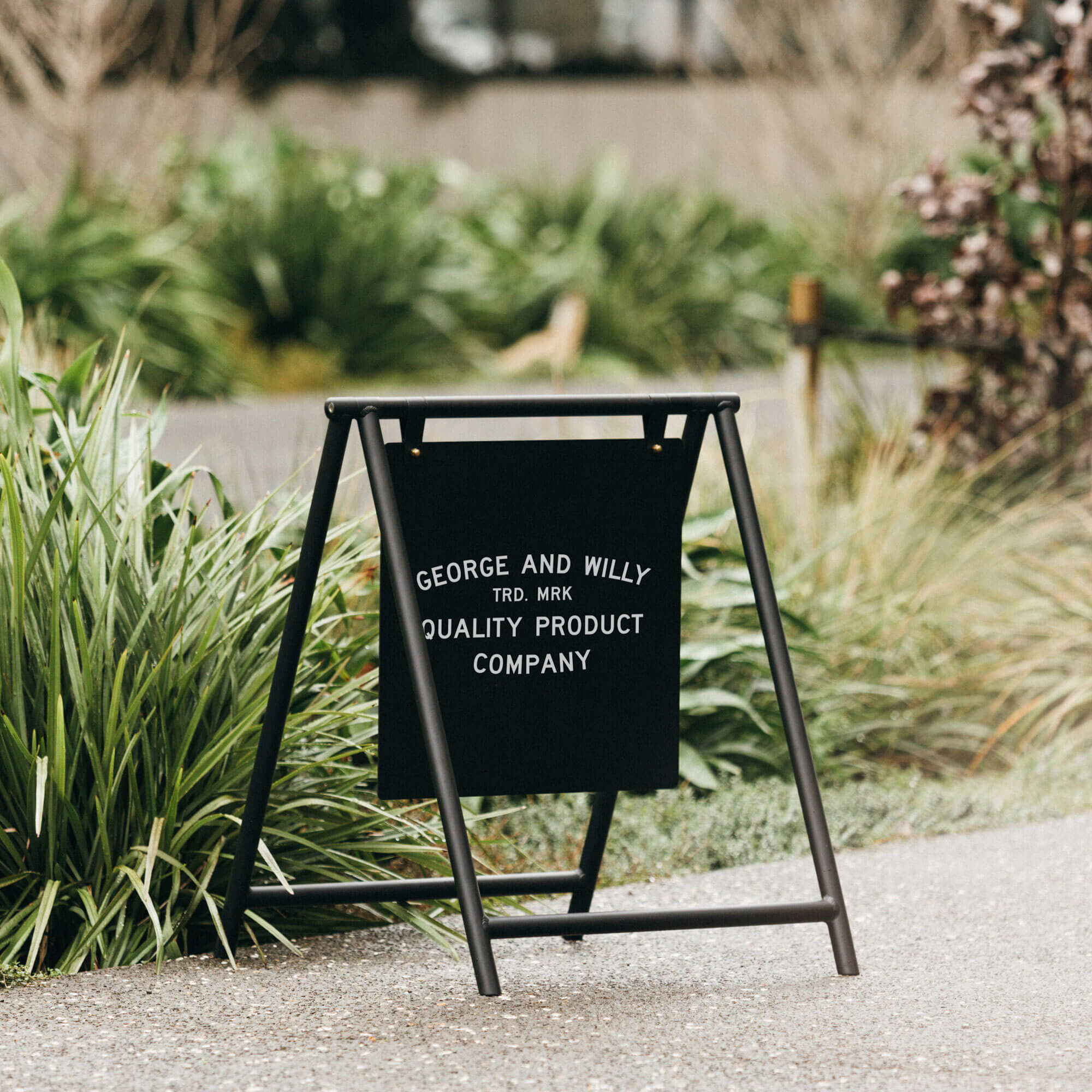
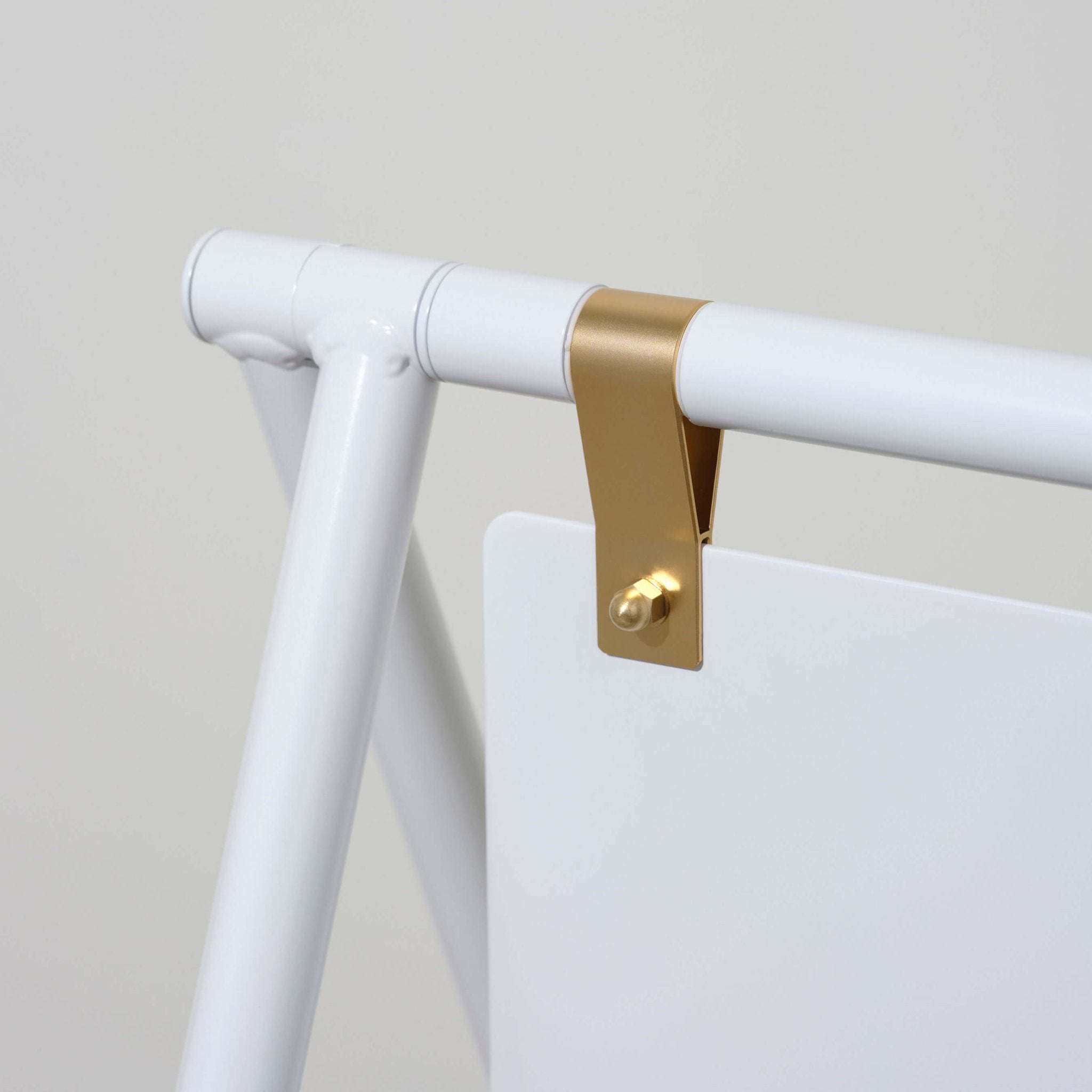
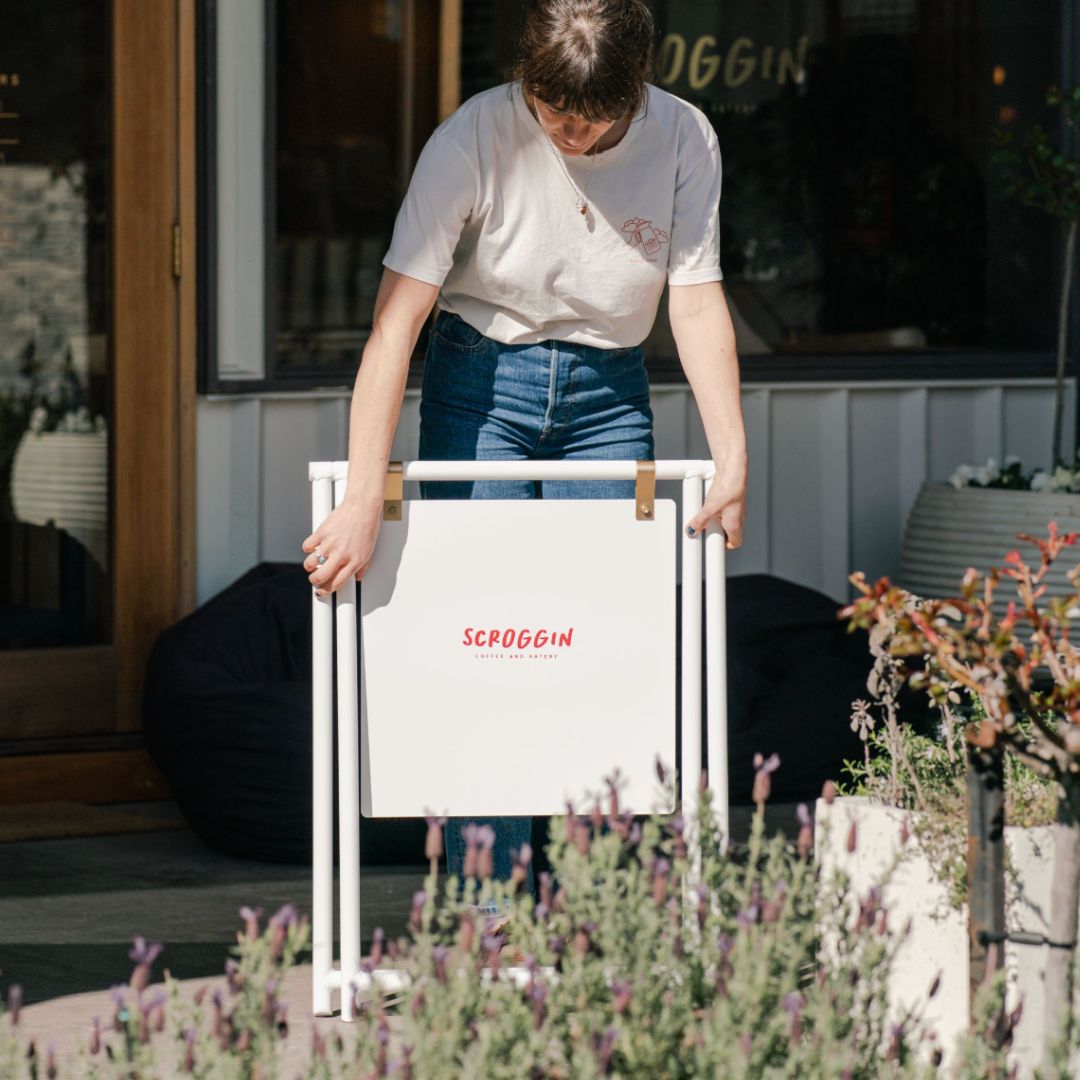
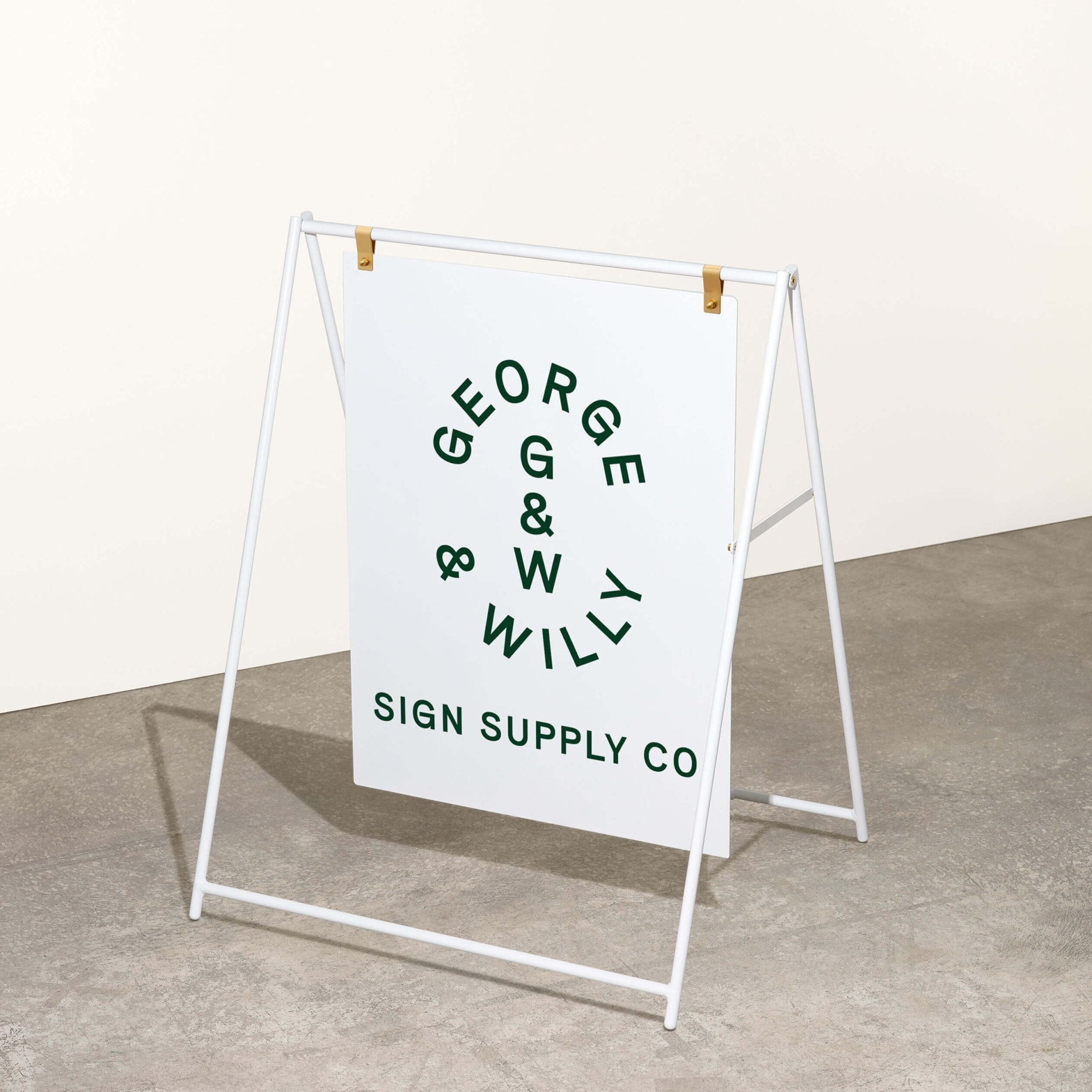
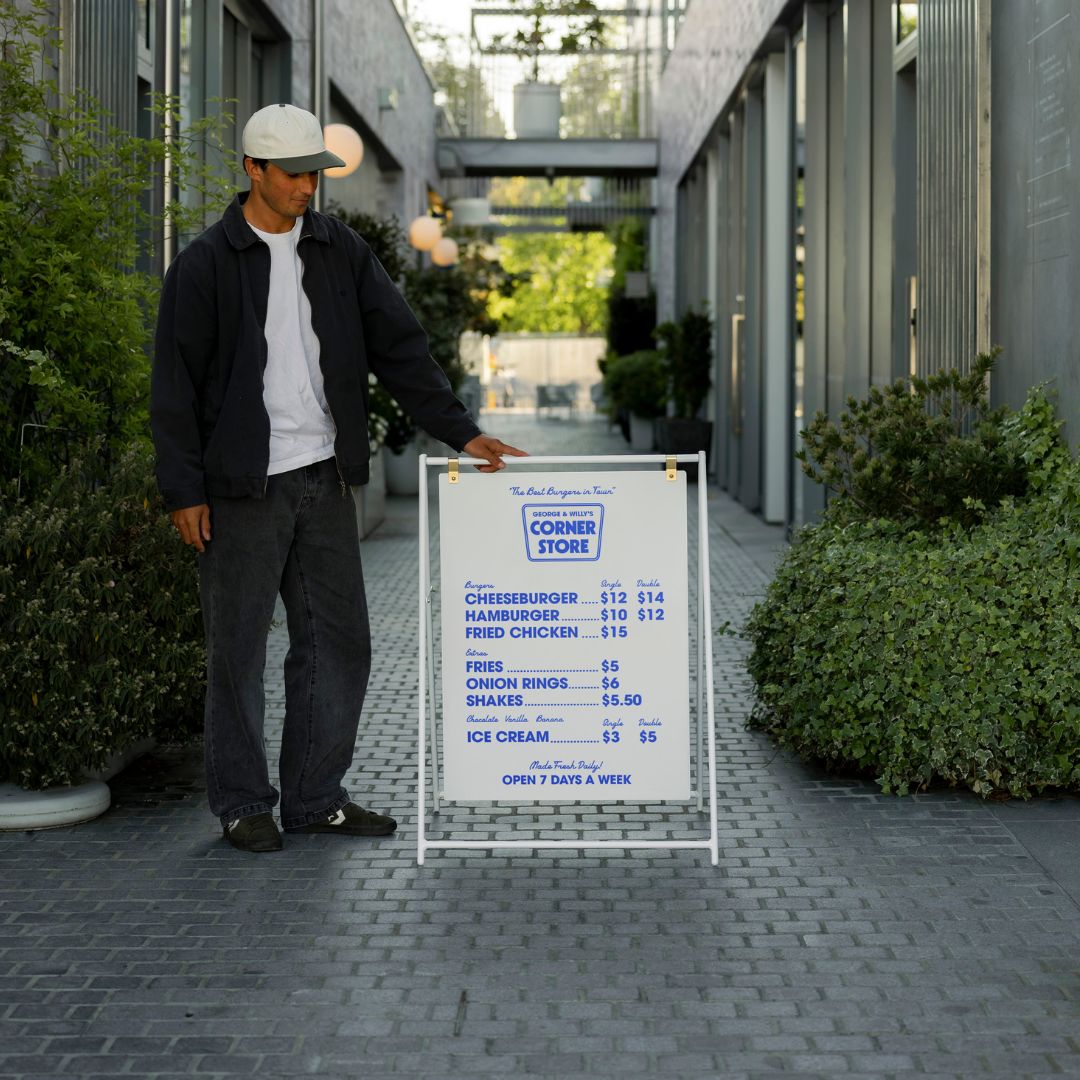
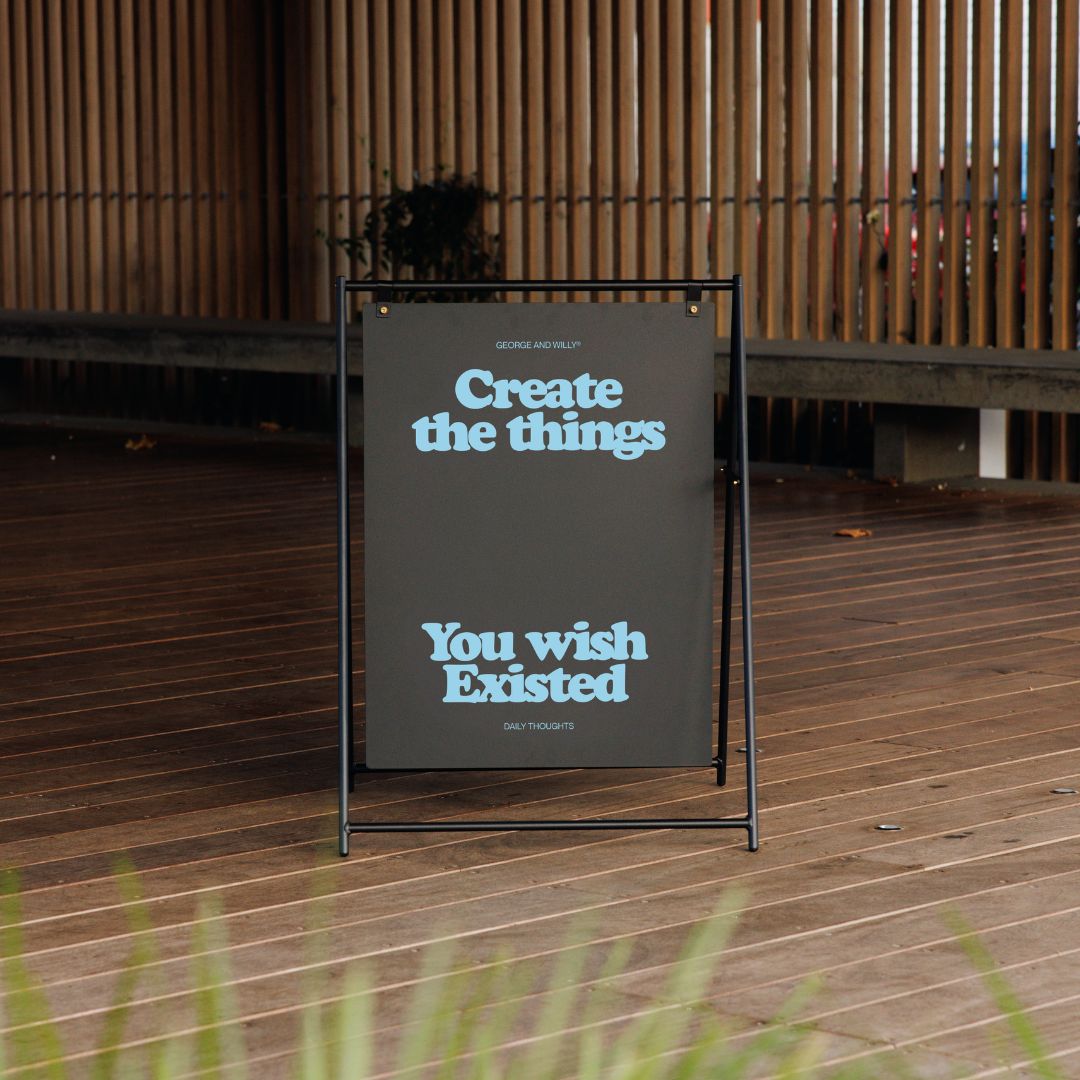
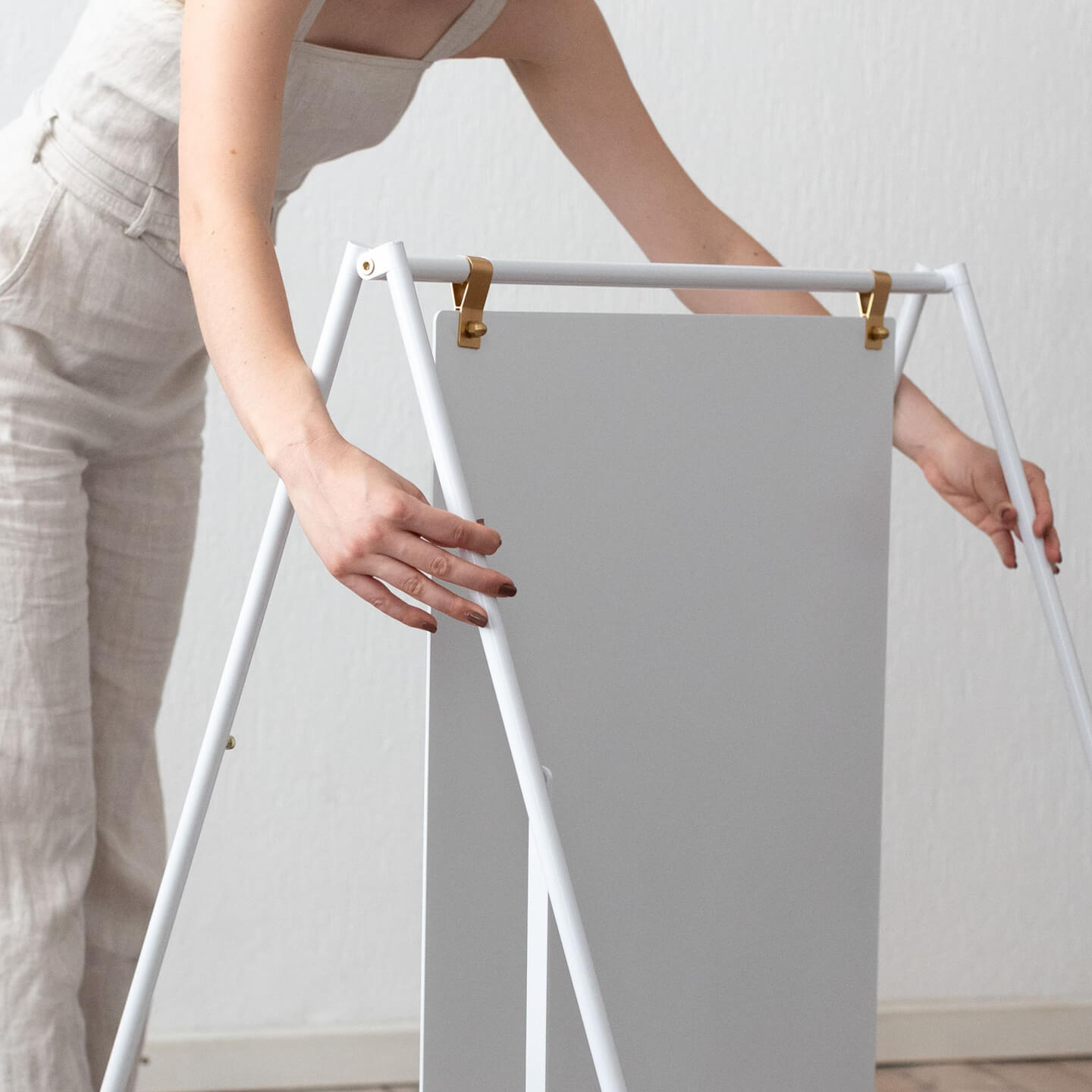
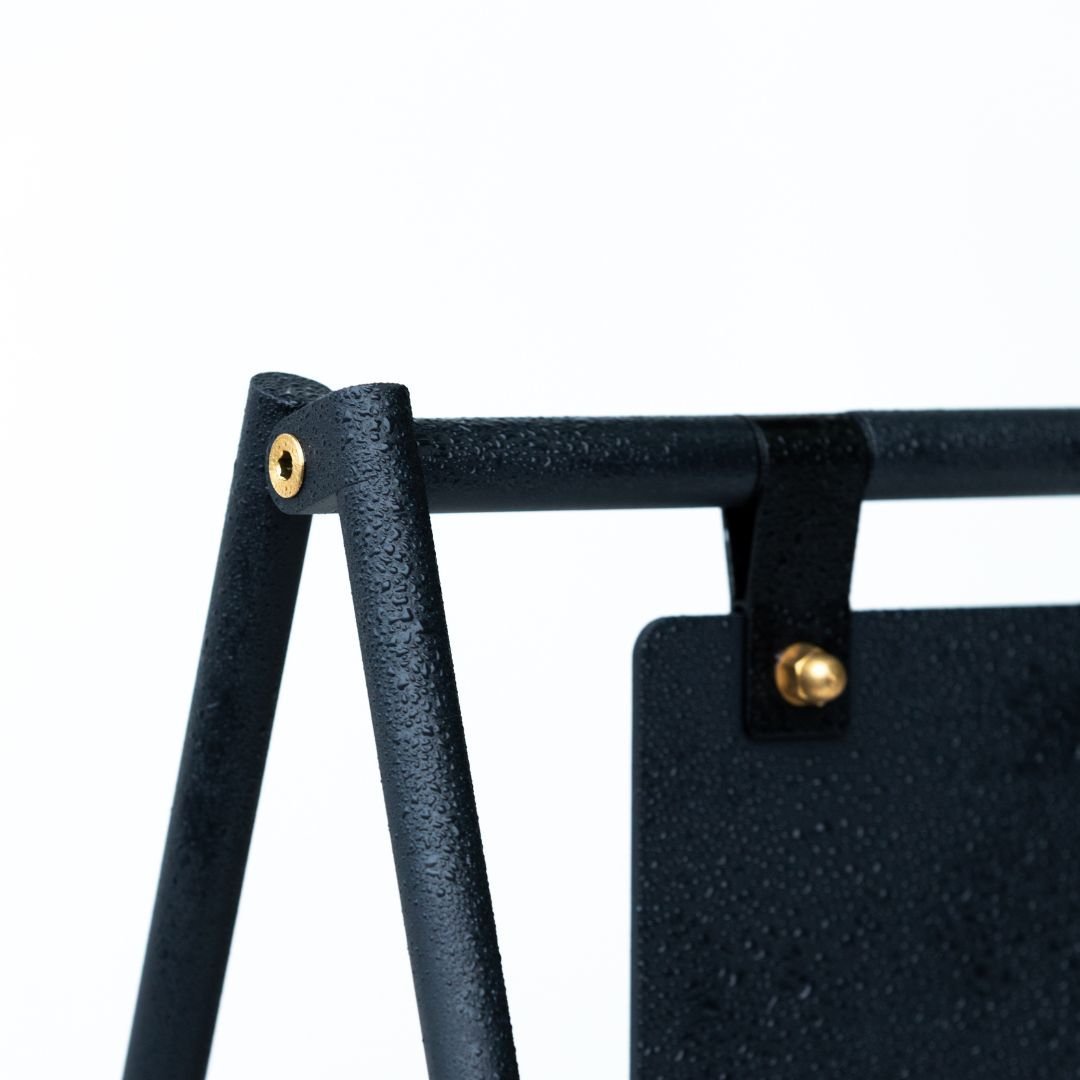
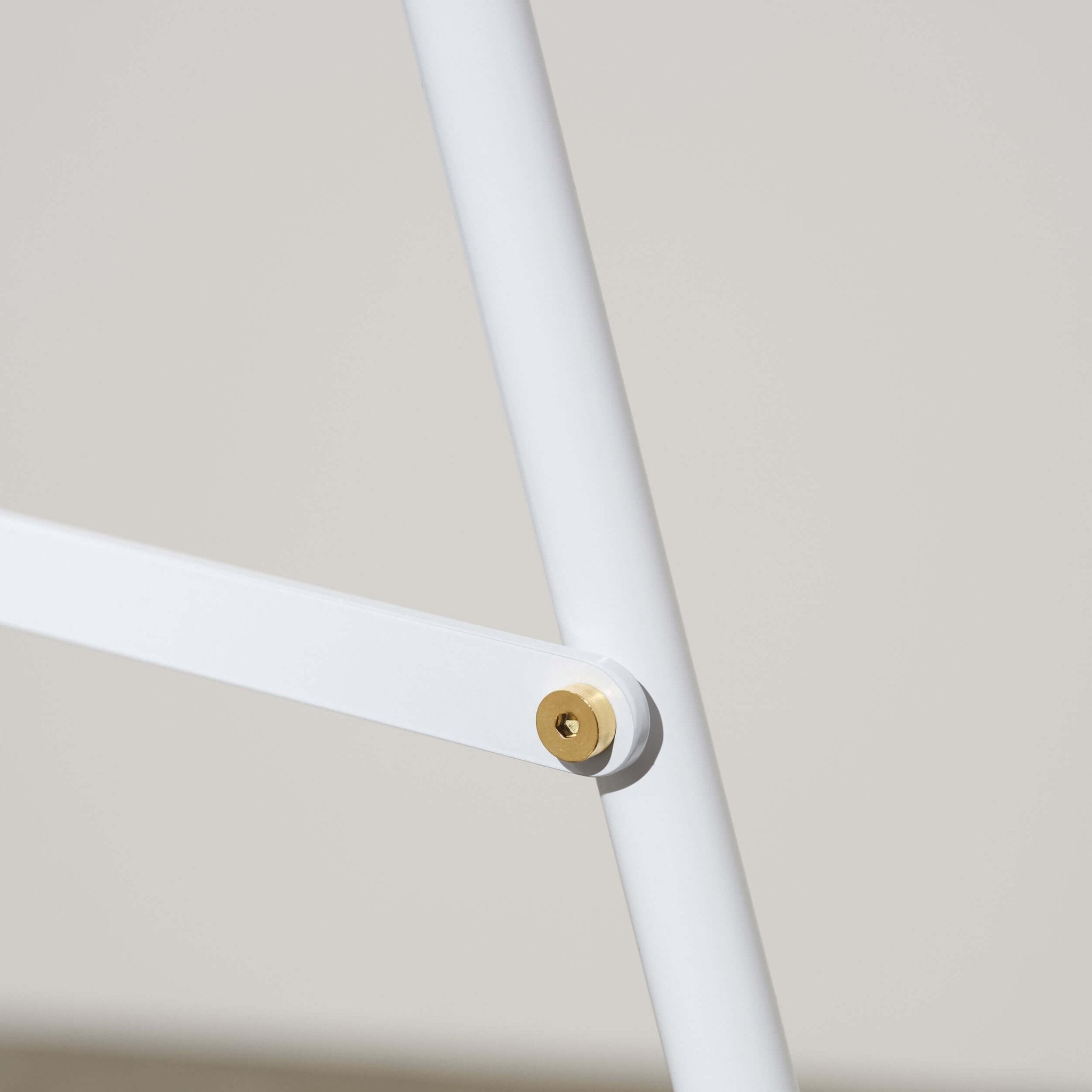
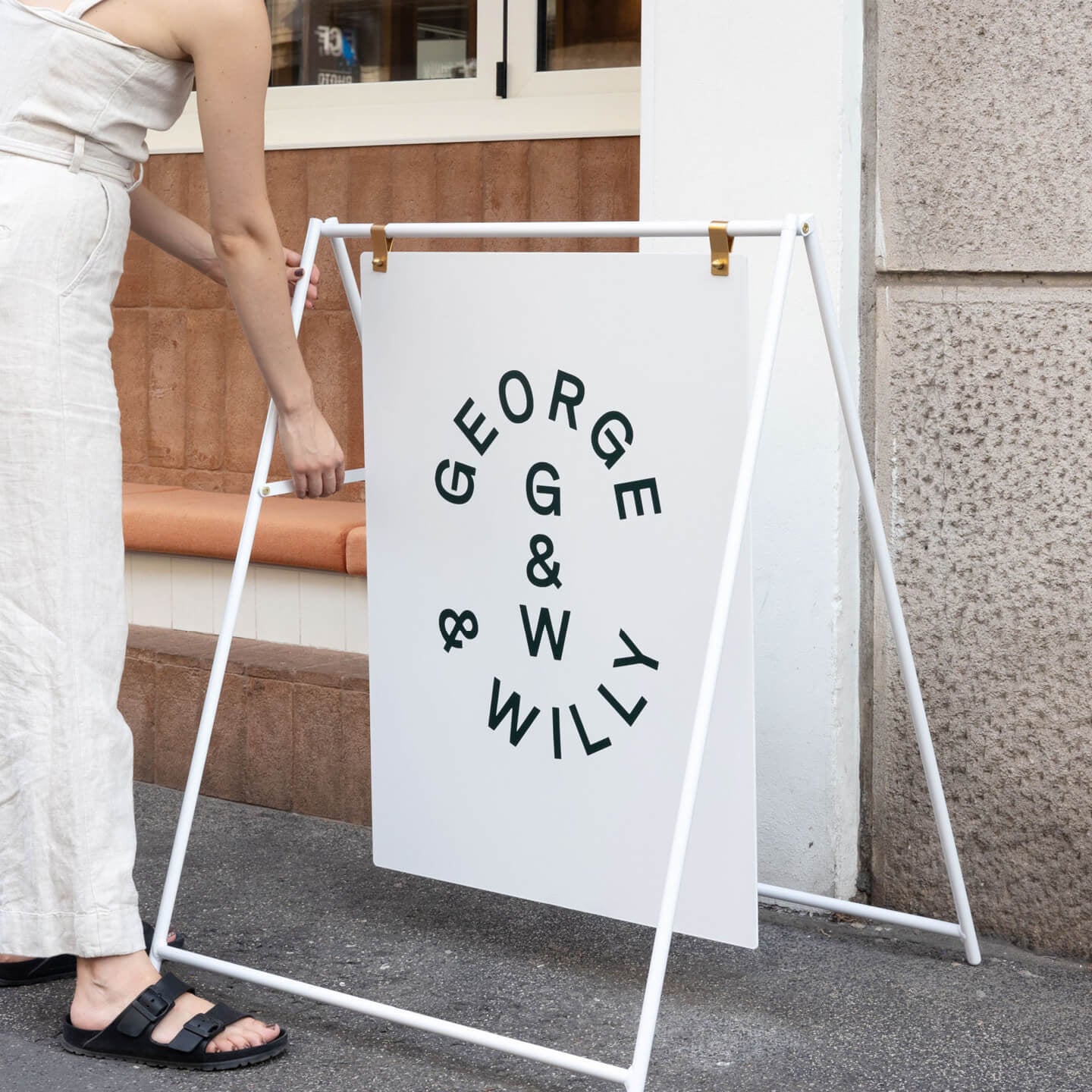
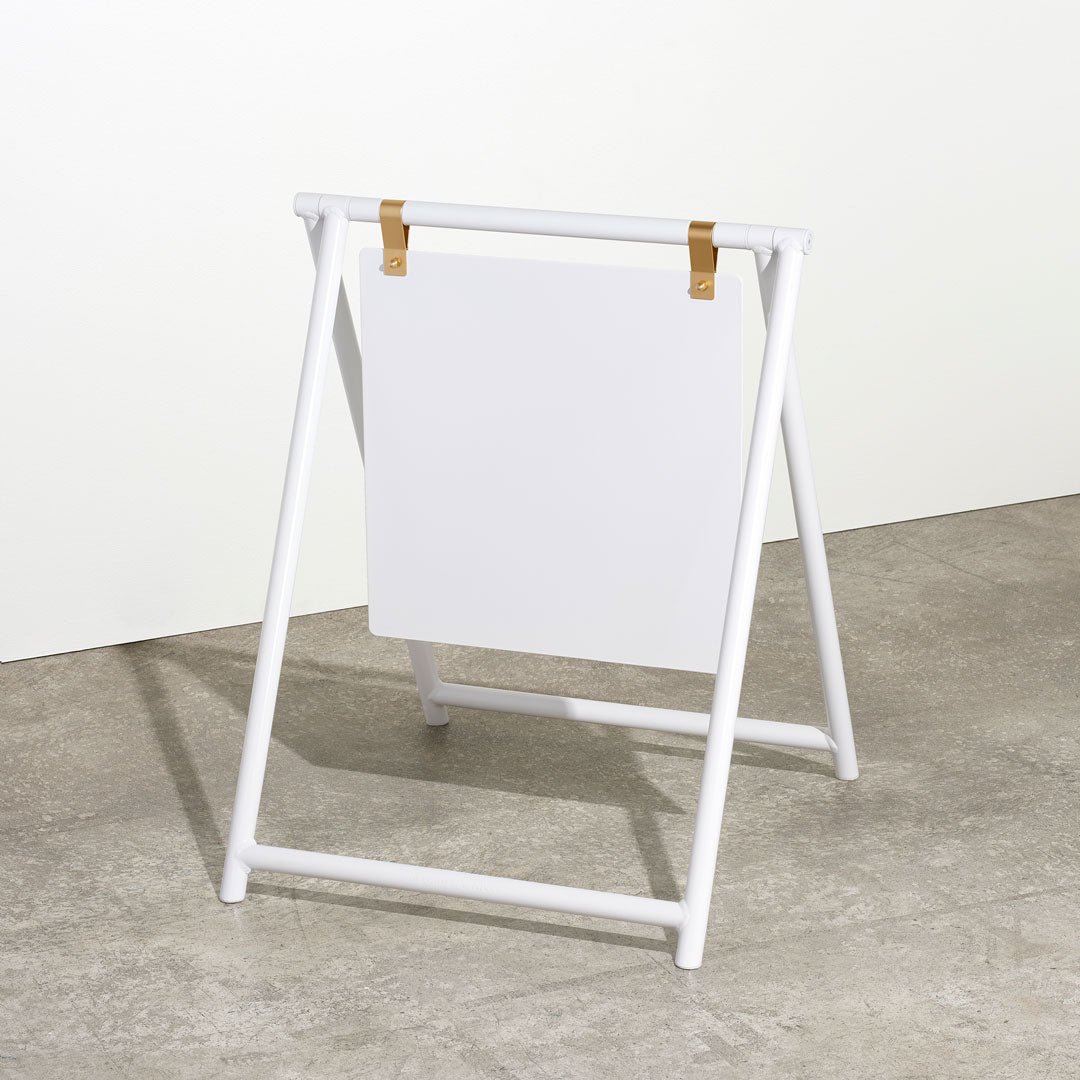
The A frame sign is a versatile favorite for a reason. Its two sided design captures foot traffic from both directions, and its foldable nature makes it easy to store overnight. It’s perfect for a witty welcome message, a simple menu highlight, or your brand logo. A well designed A frame, like the minimalist Large Sidewalk Sign from George & Willy, combines portability with a professional look that elevates your storefront.
The Poster Sidewalk Sign
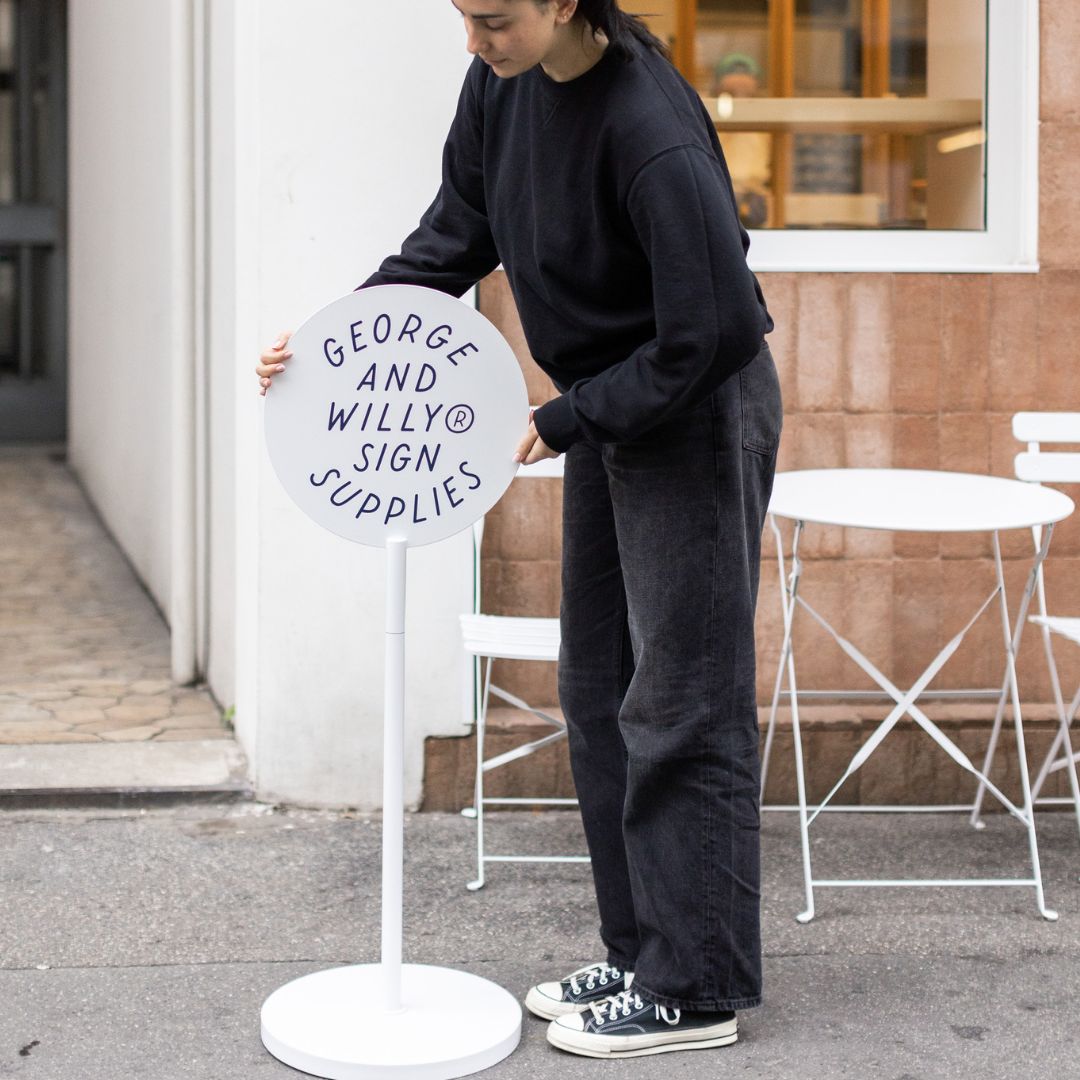
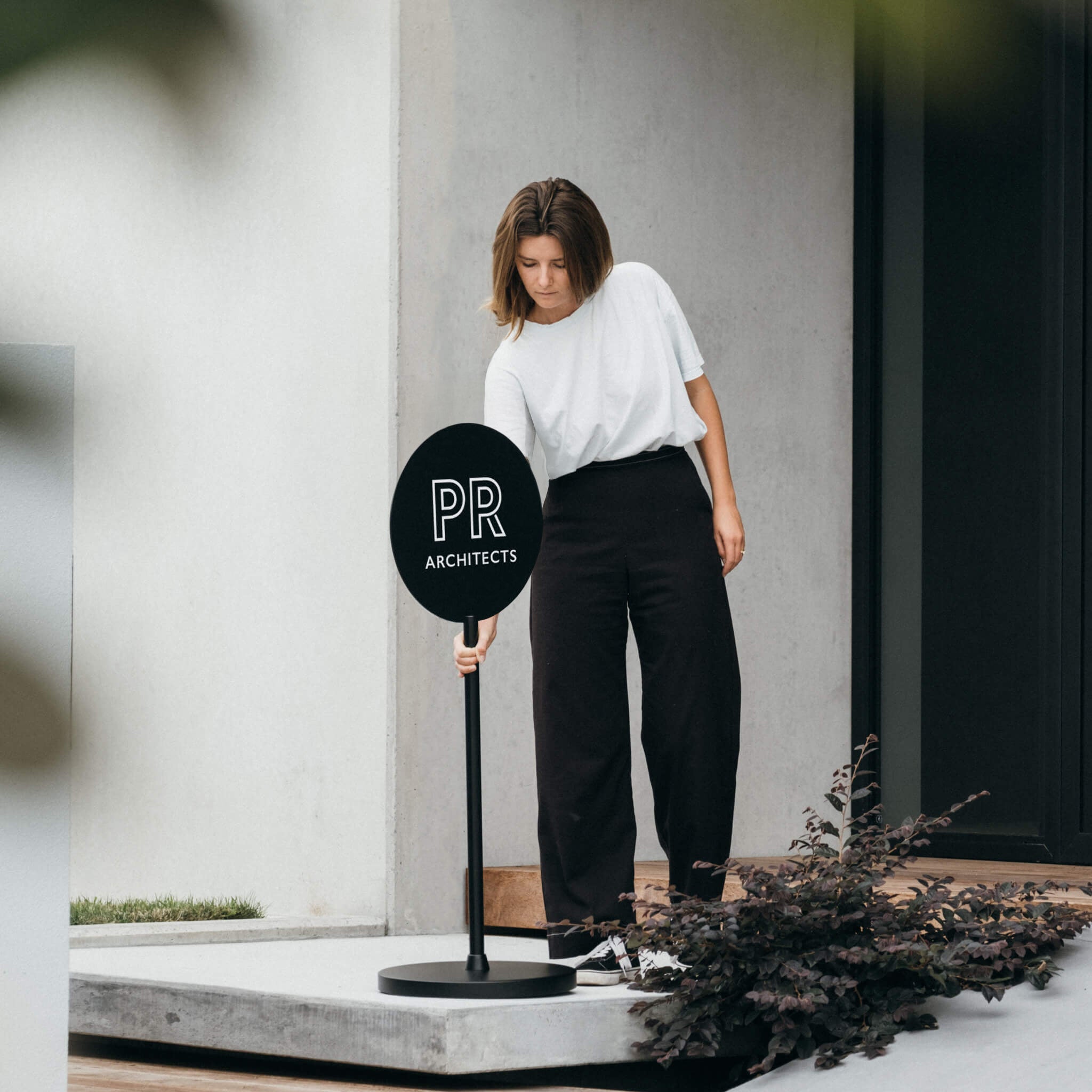
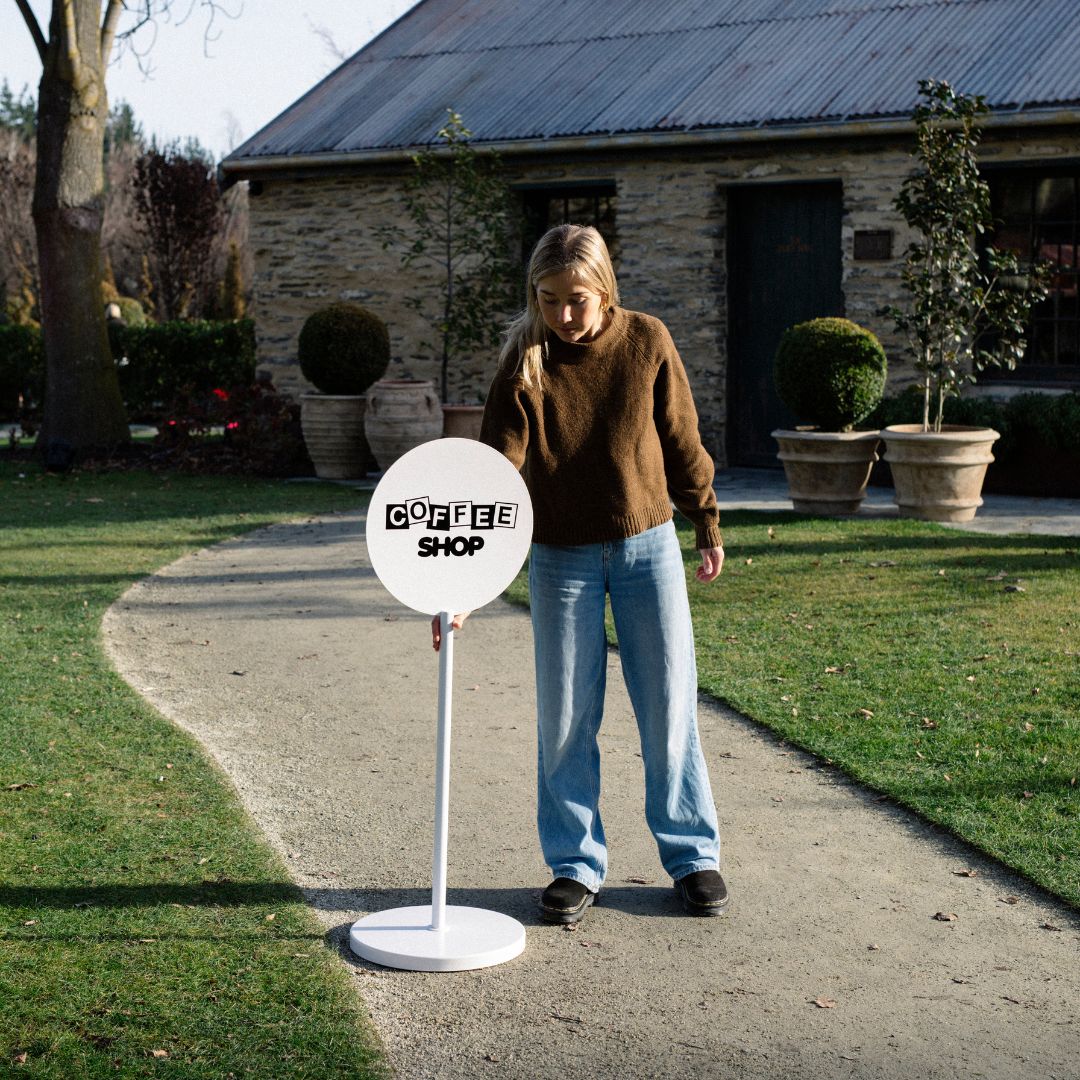
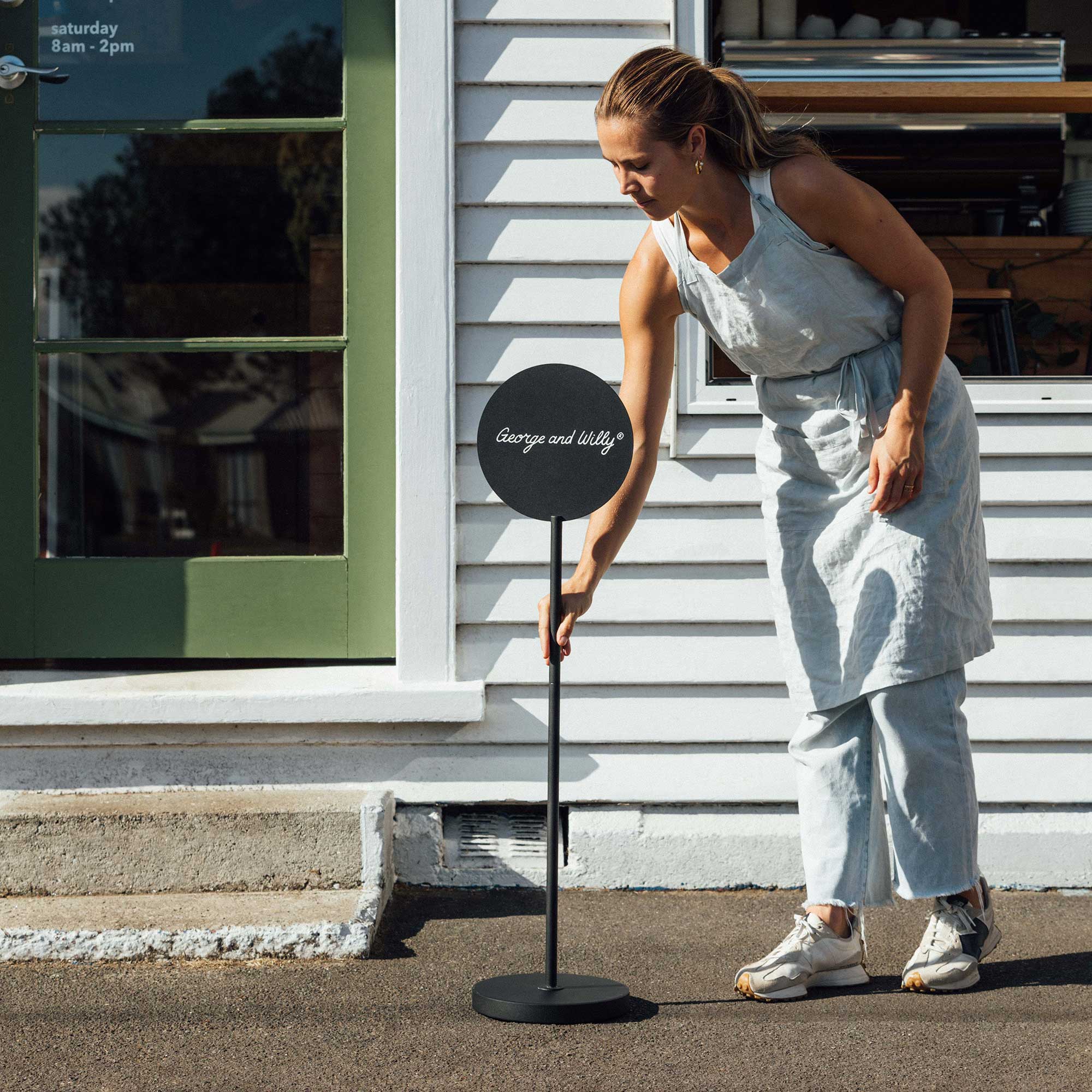
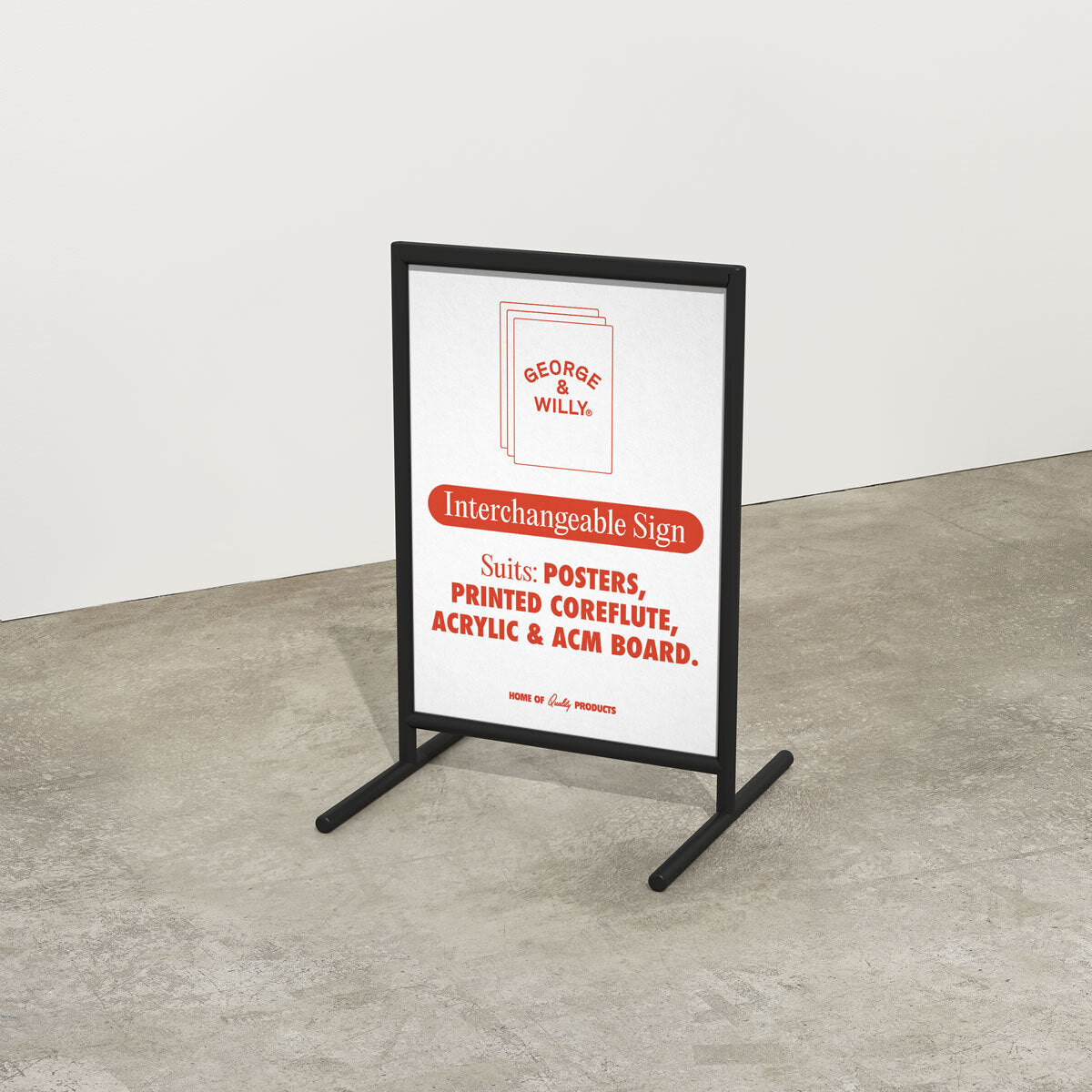
If your business relies on high quality visuals, like a retail store promoting a new collection or a gallery advertising an exhibition, a poster sidewalk sign is ideal. These signs are designed to hold and protect printed posters, allowing you to swap out beautiful, full color graphics with ease while keeping them safe from the elements. Prefer a softer silhouette? Try a Rounded Sidewalk Sign for a modern look that still stops traffic.
The Changeable Letter Board Sign
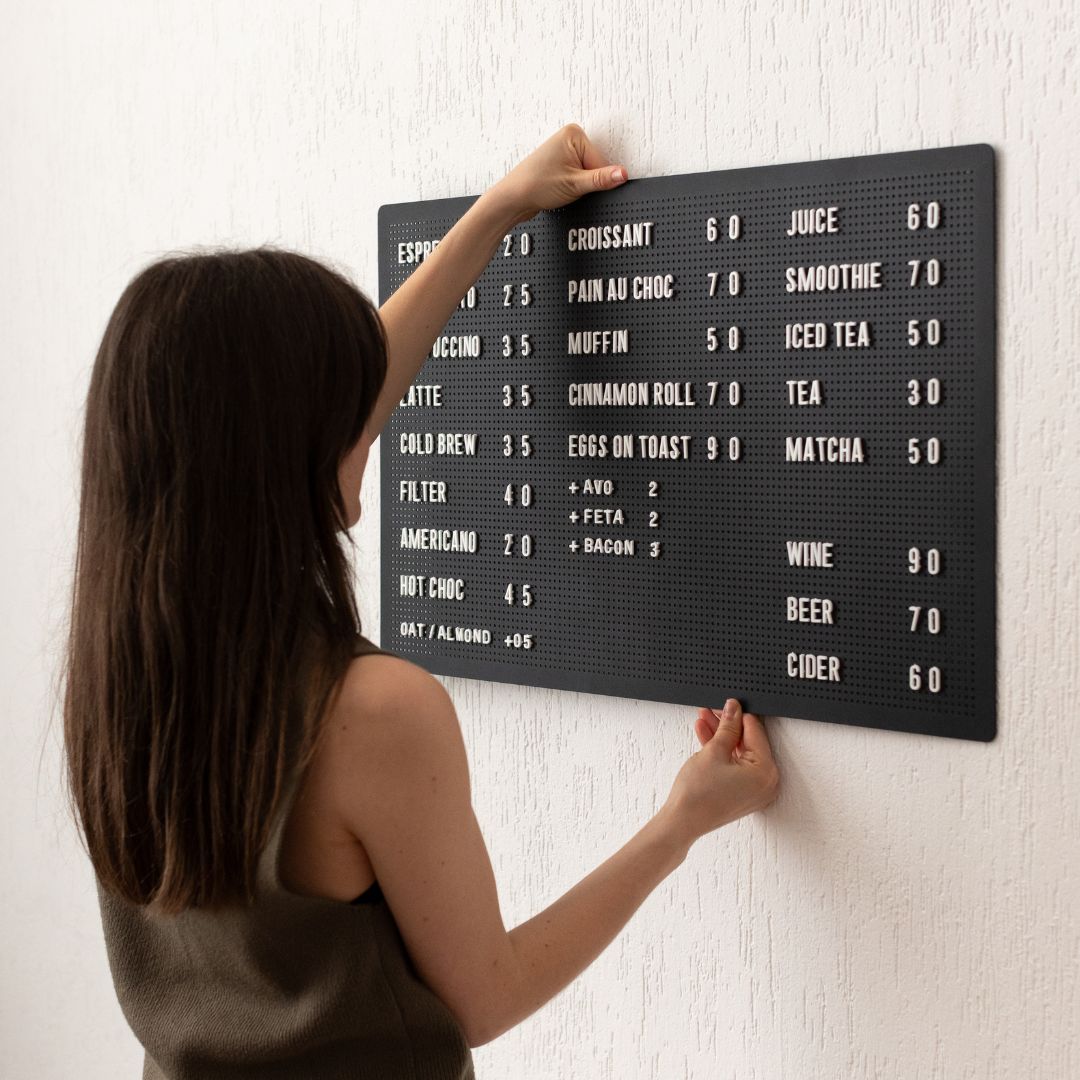
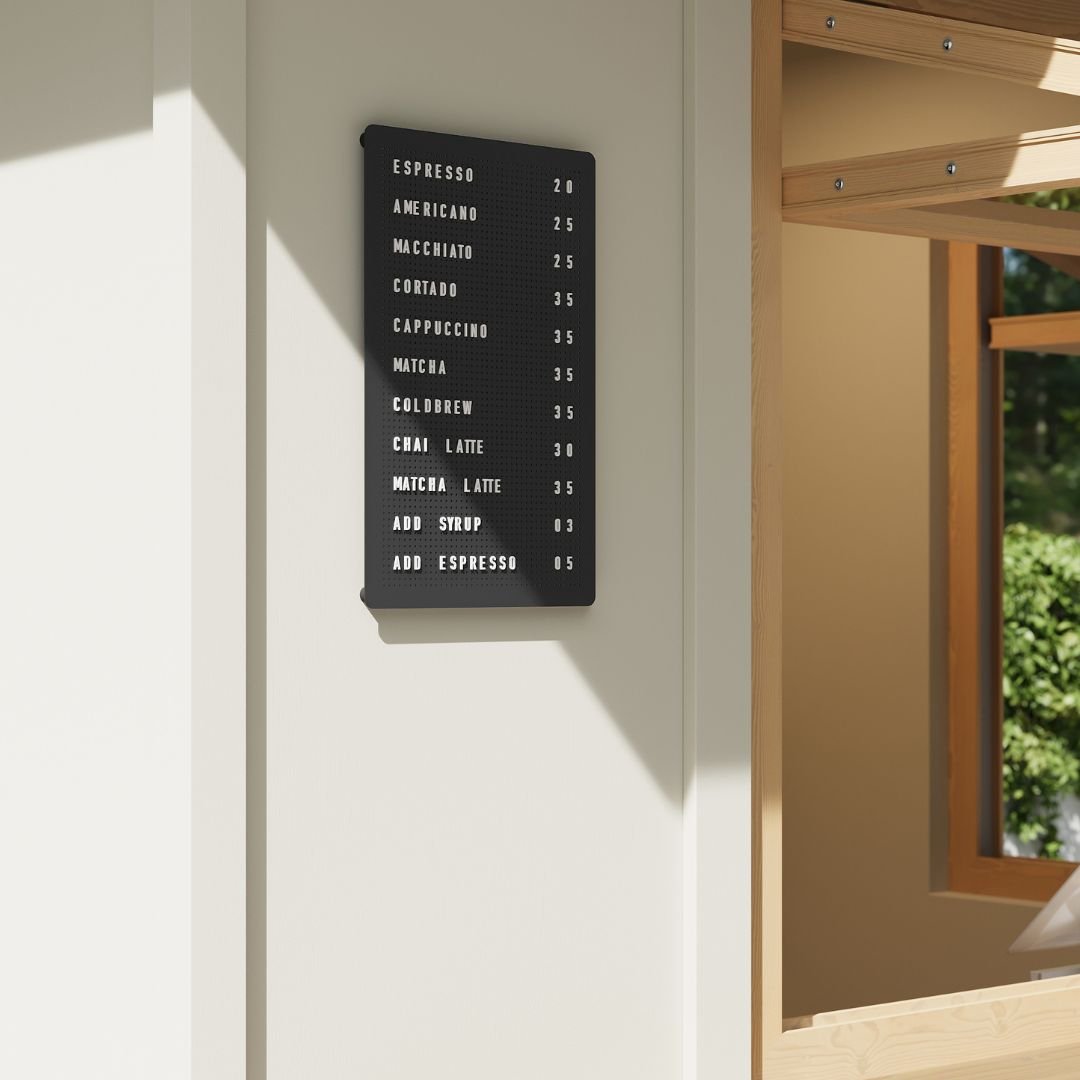
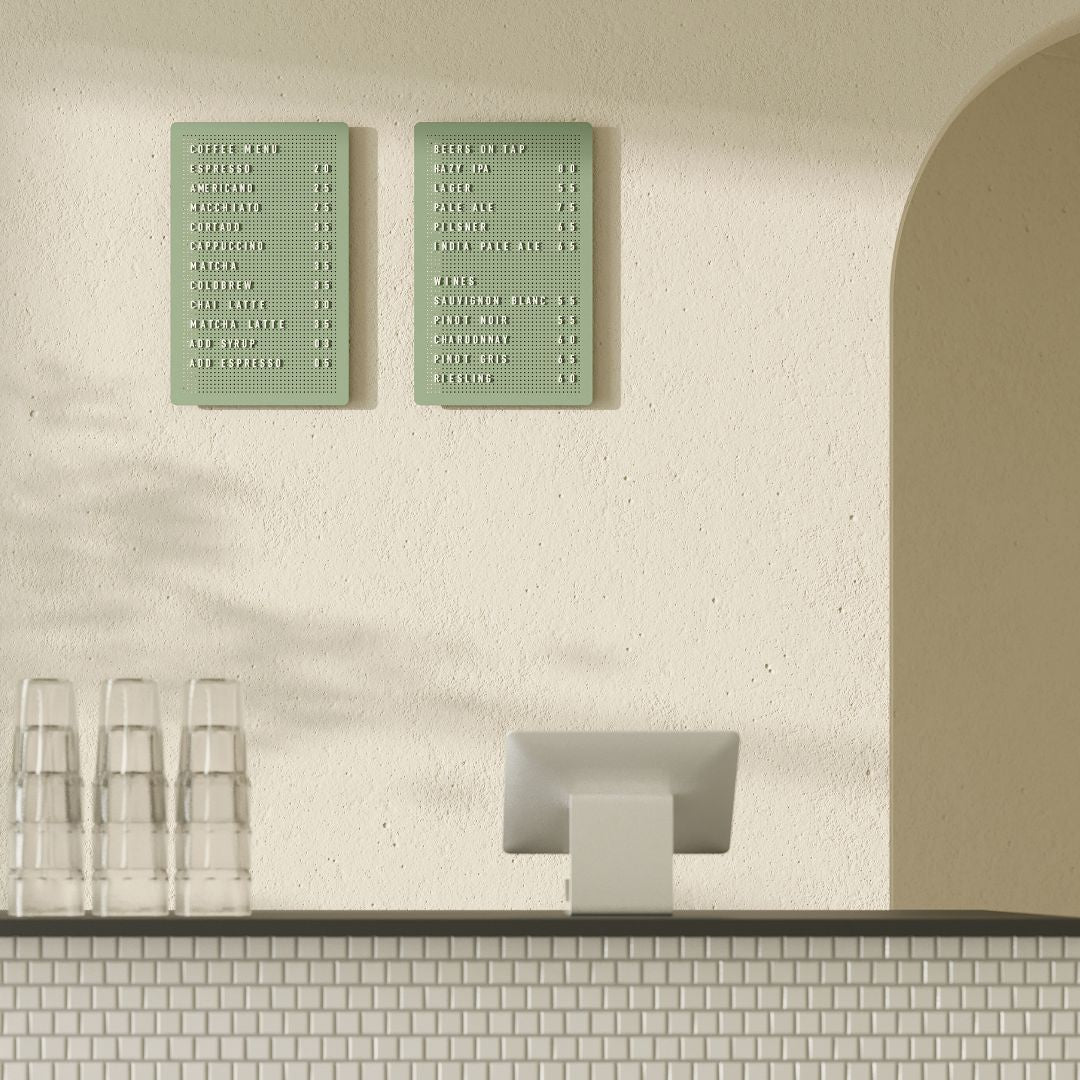
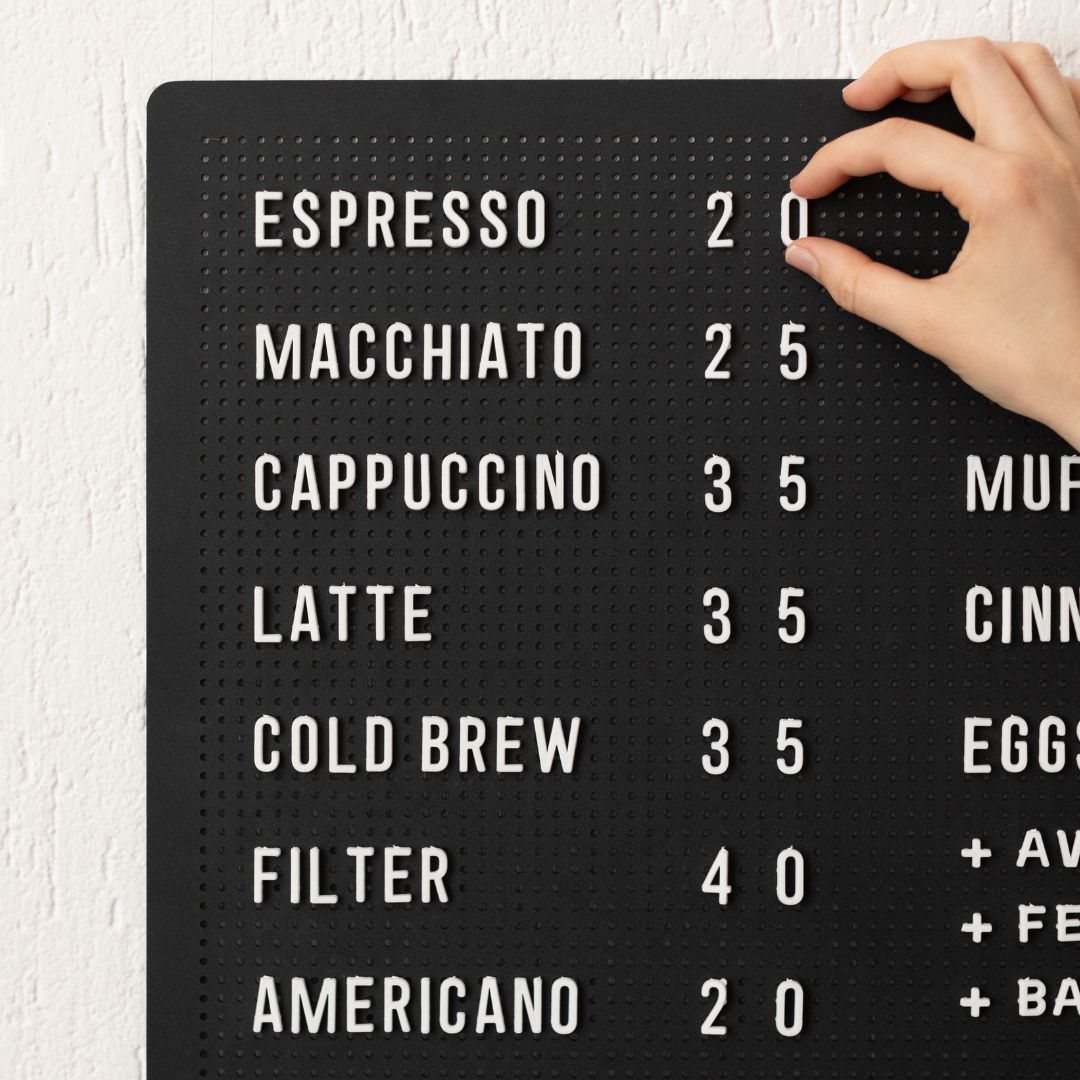
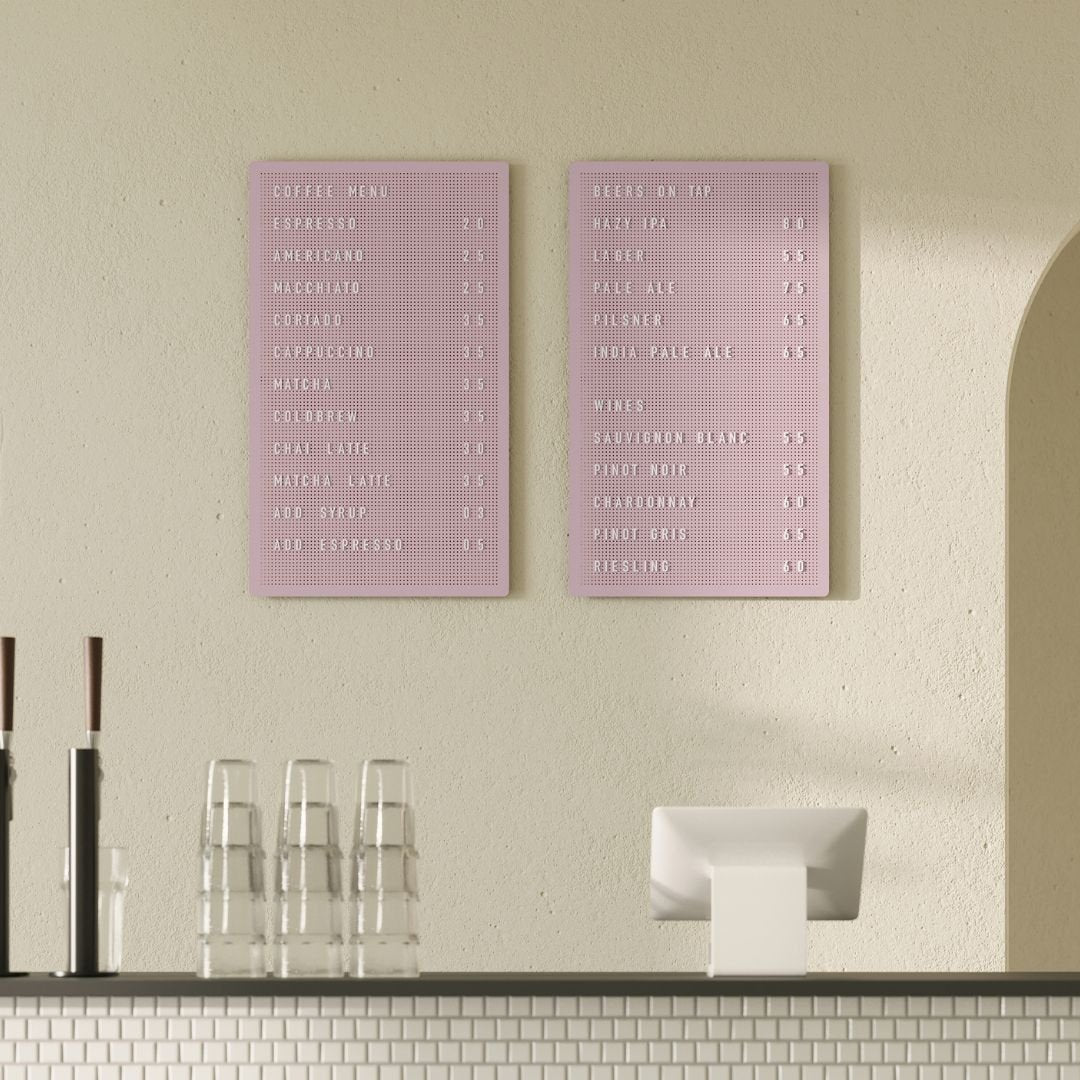
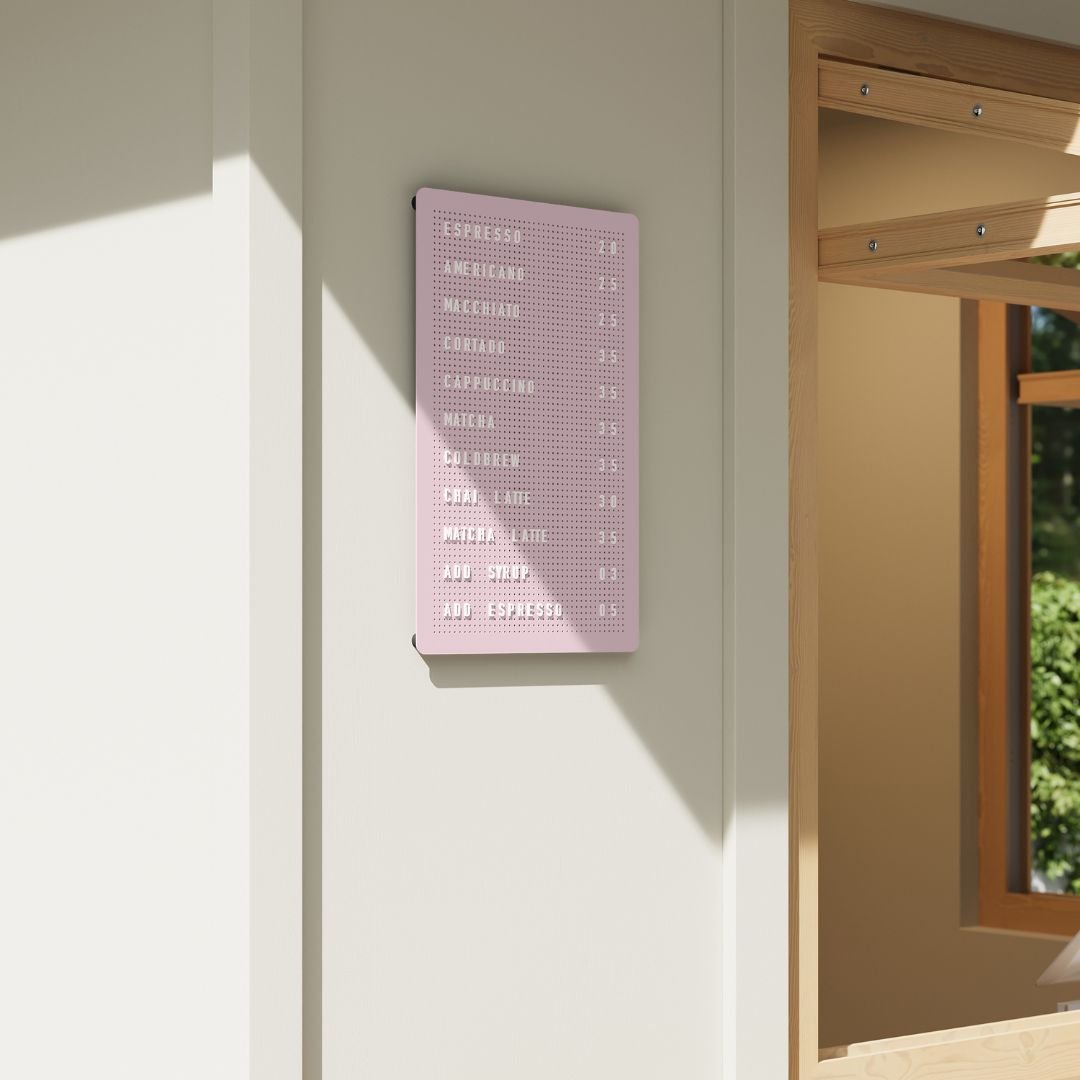
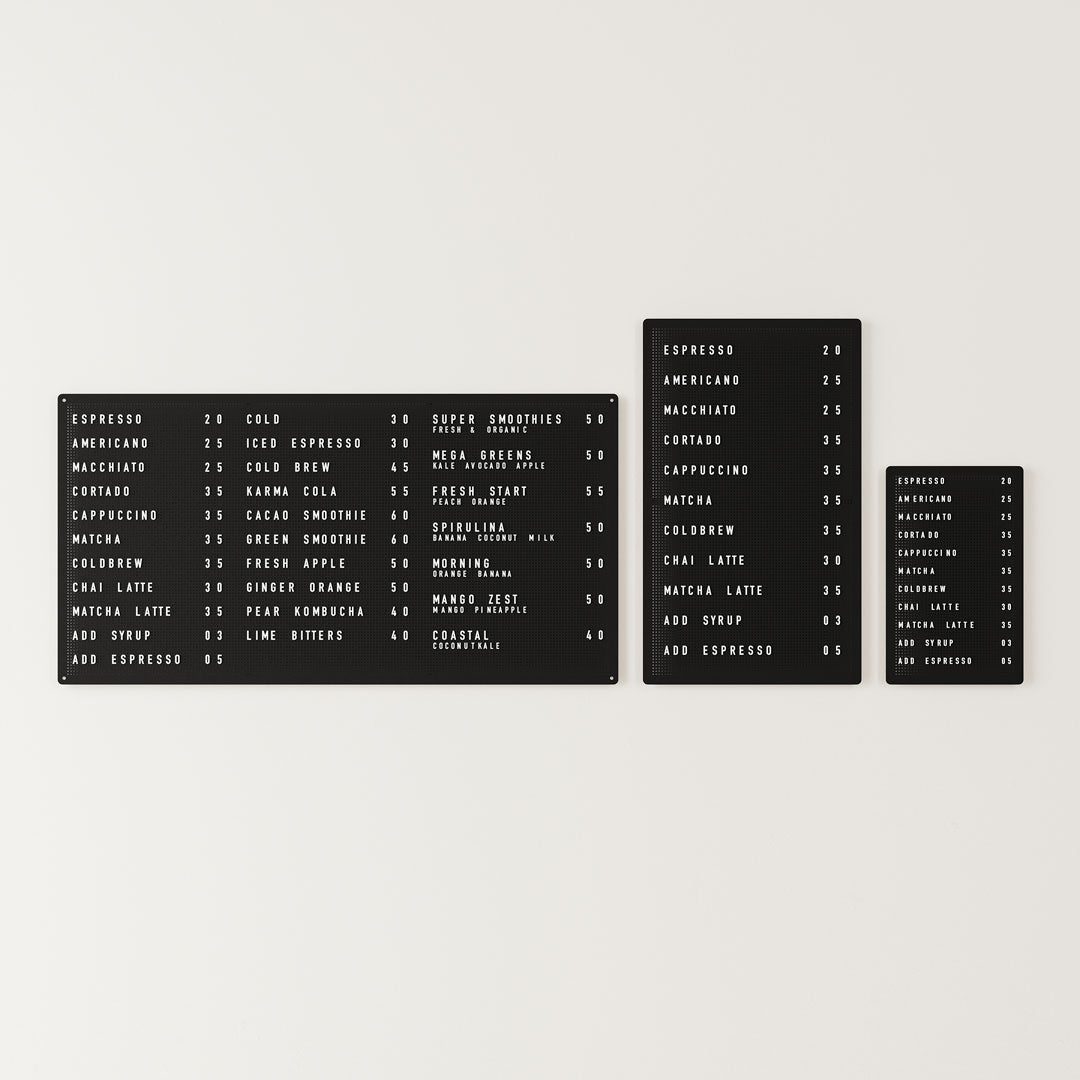
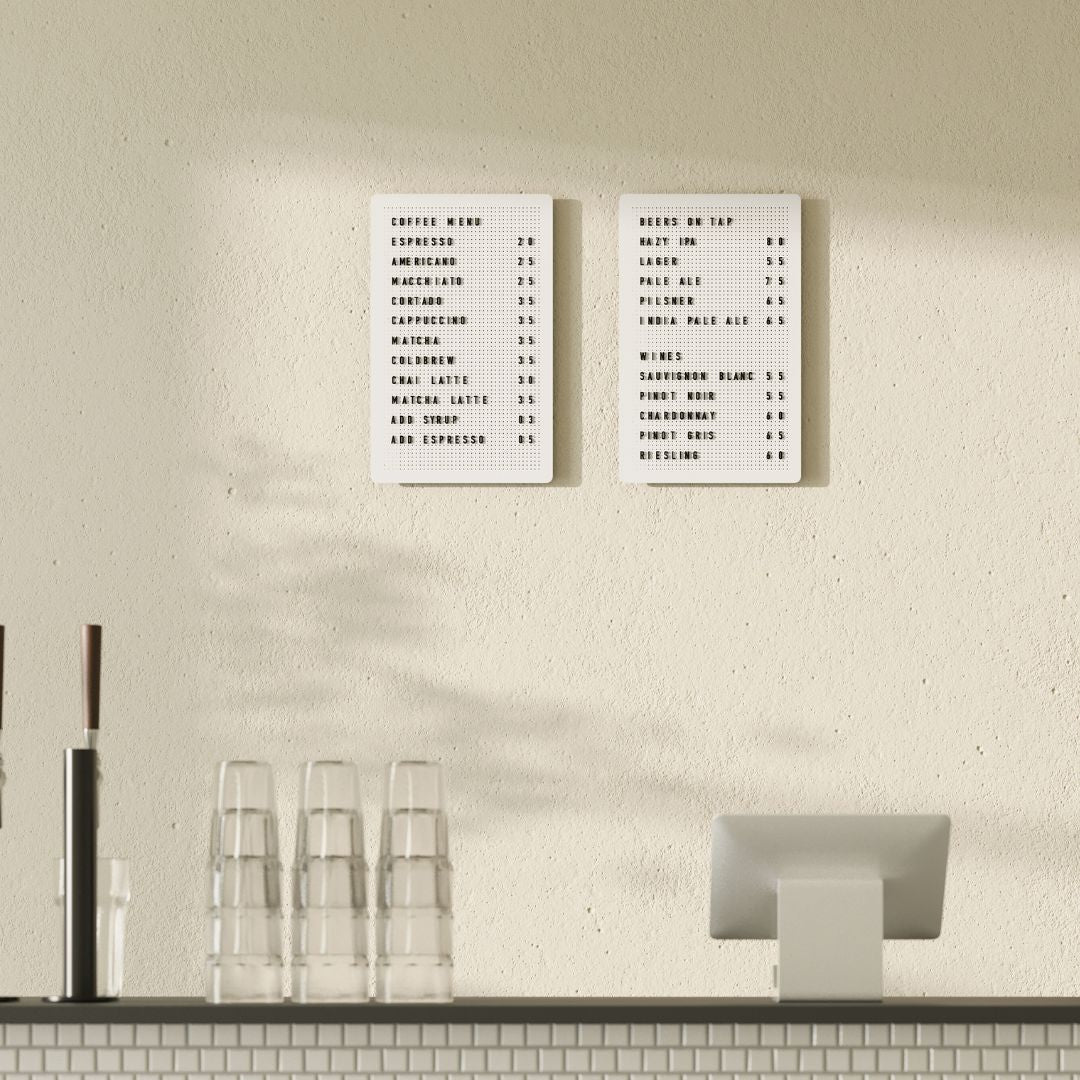
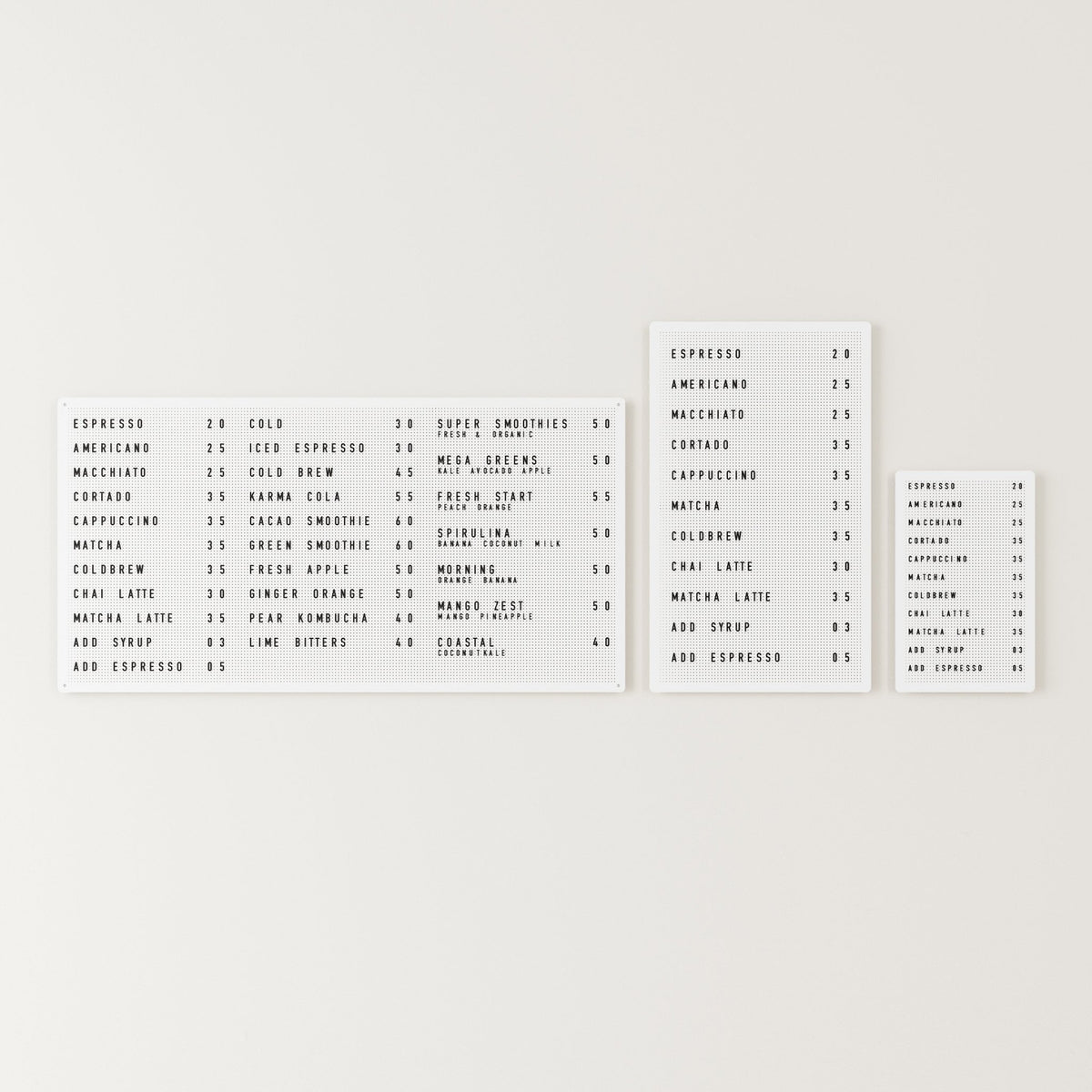
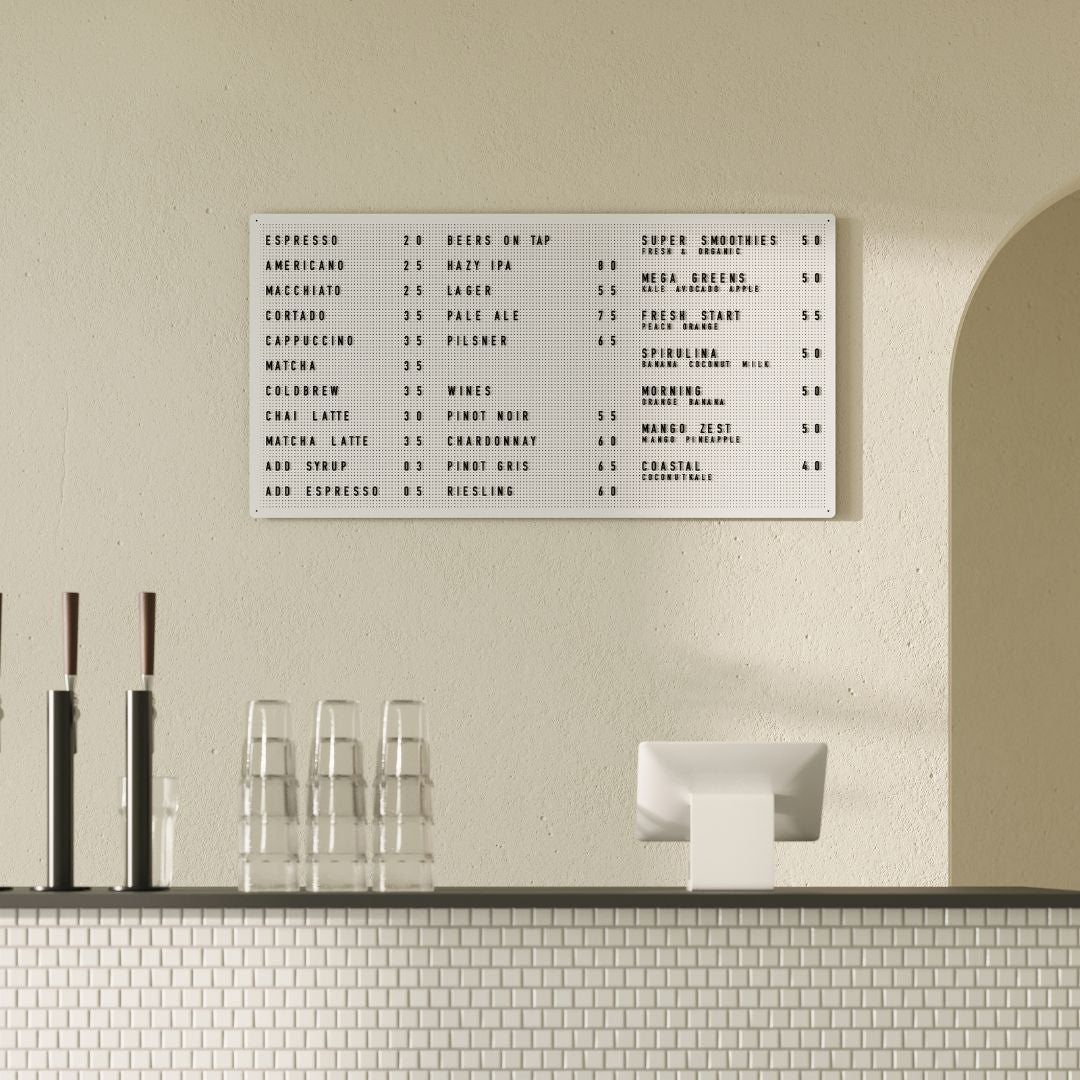
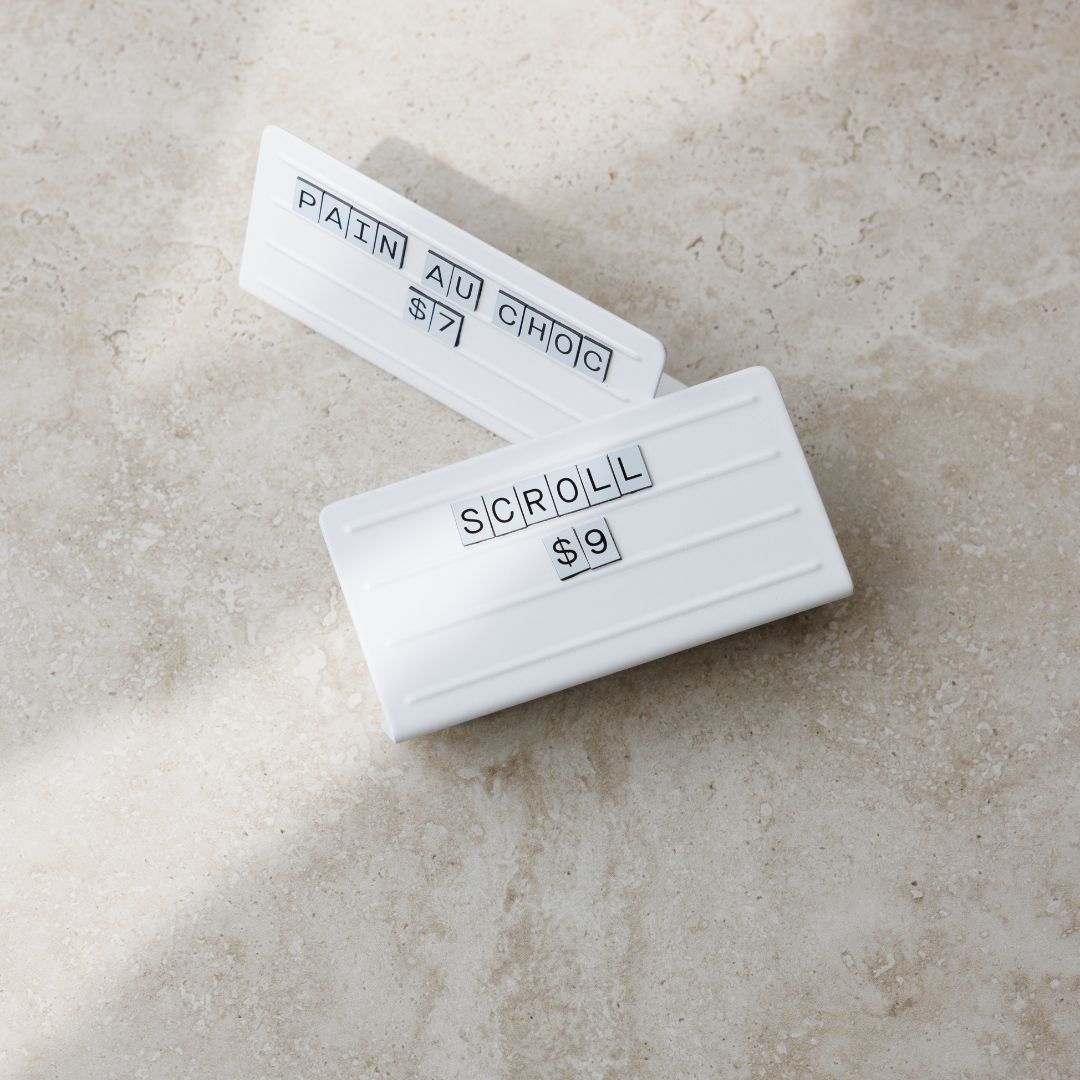
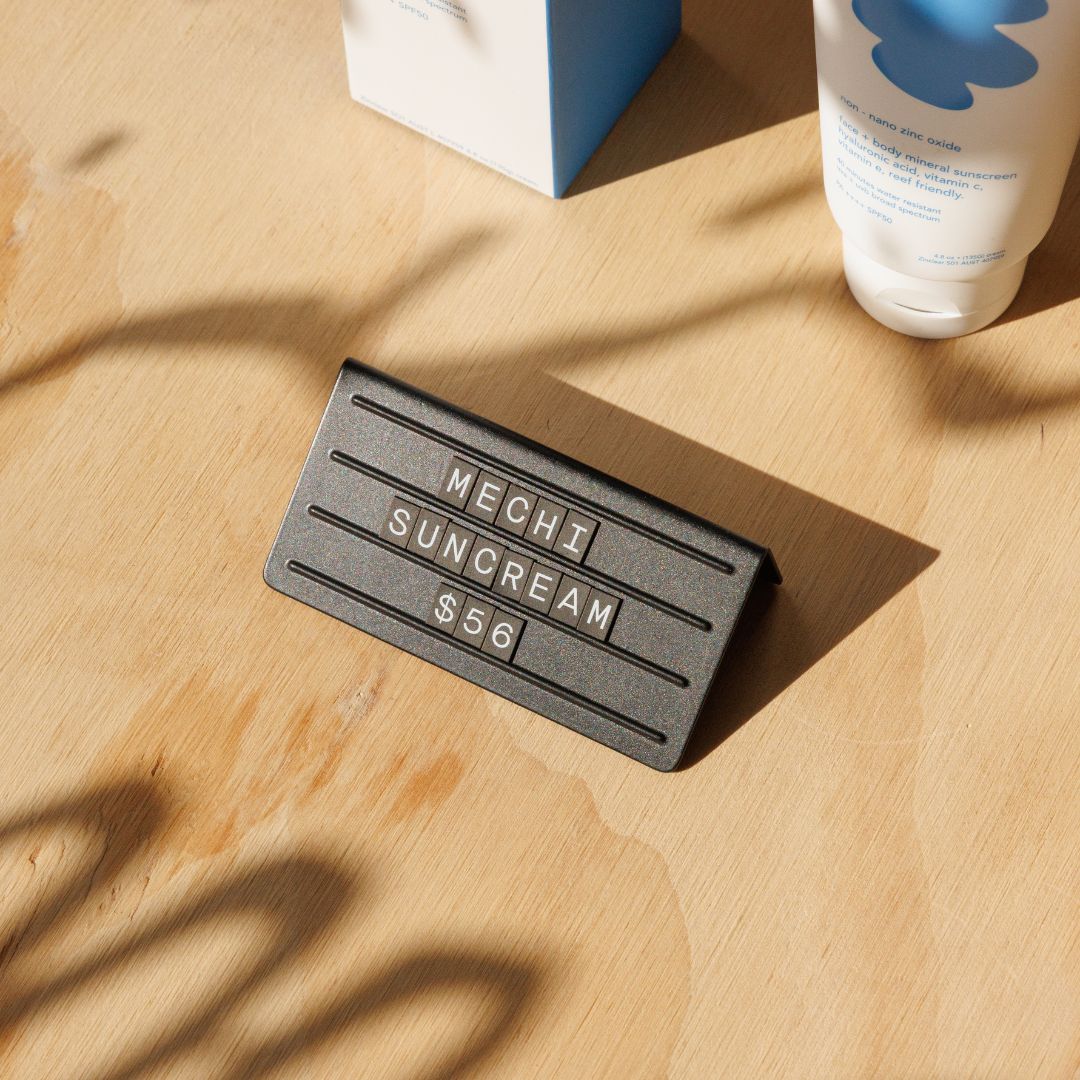
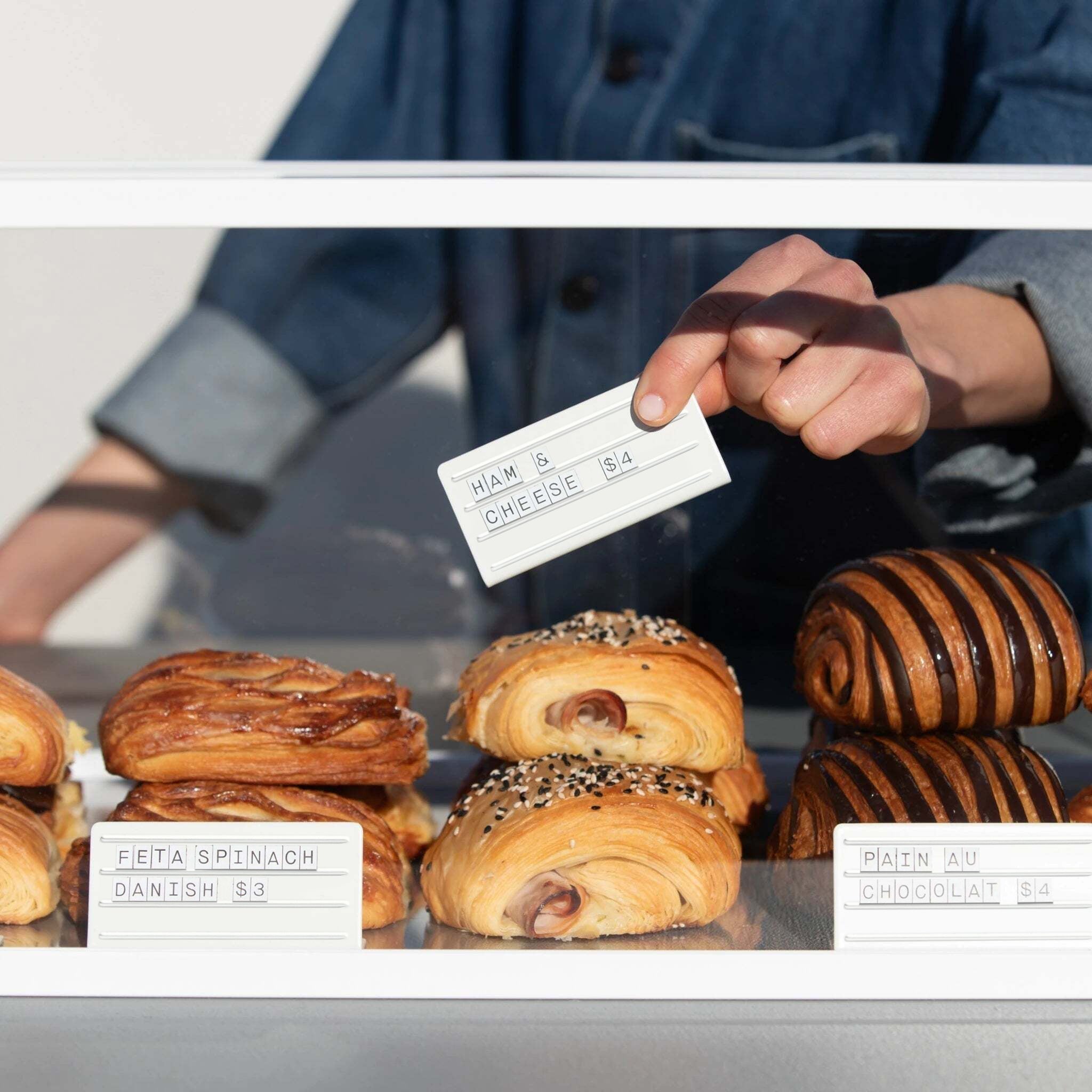
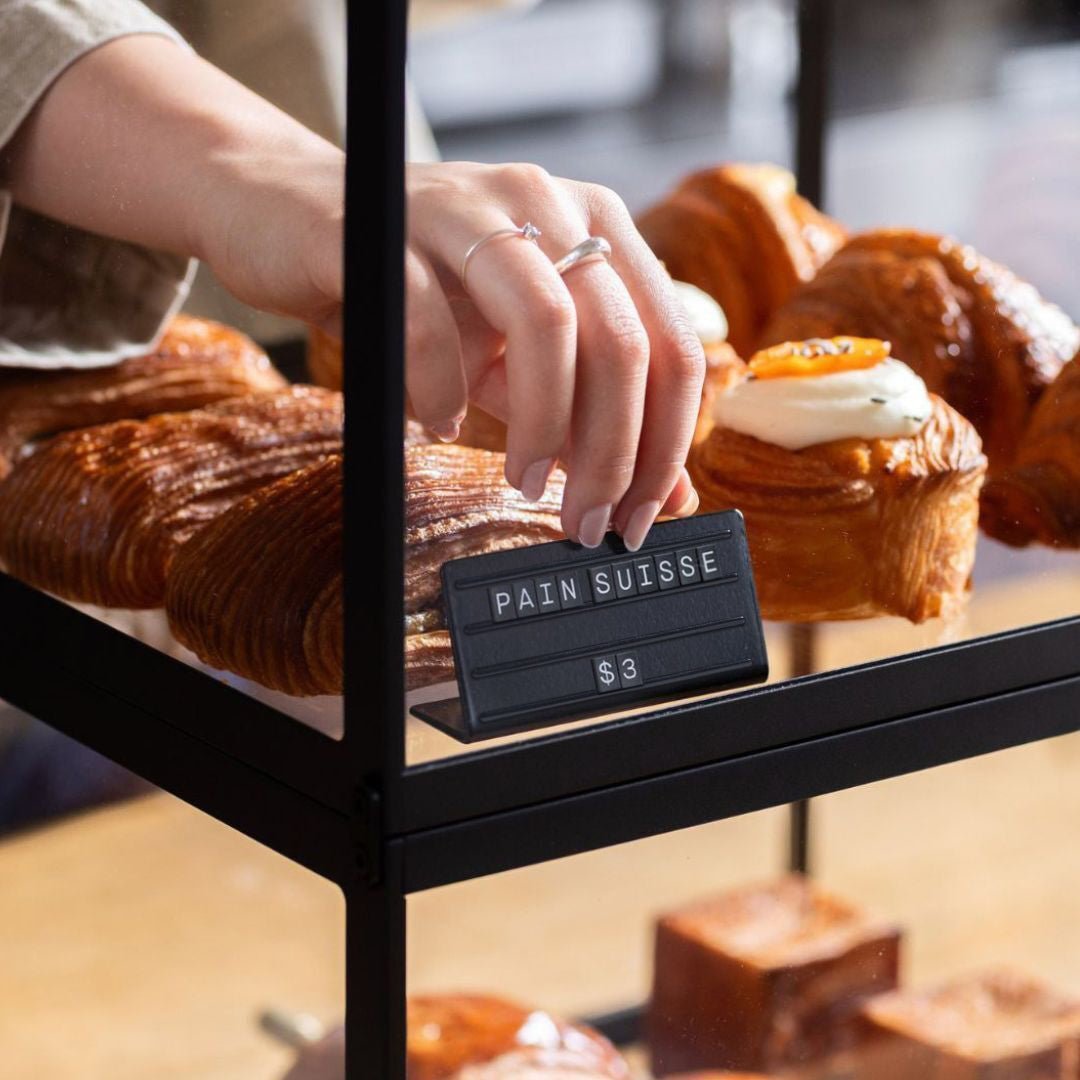
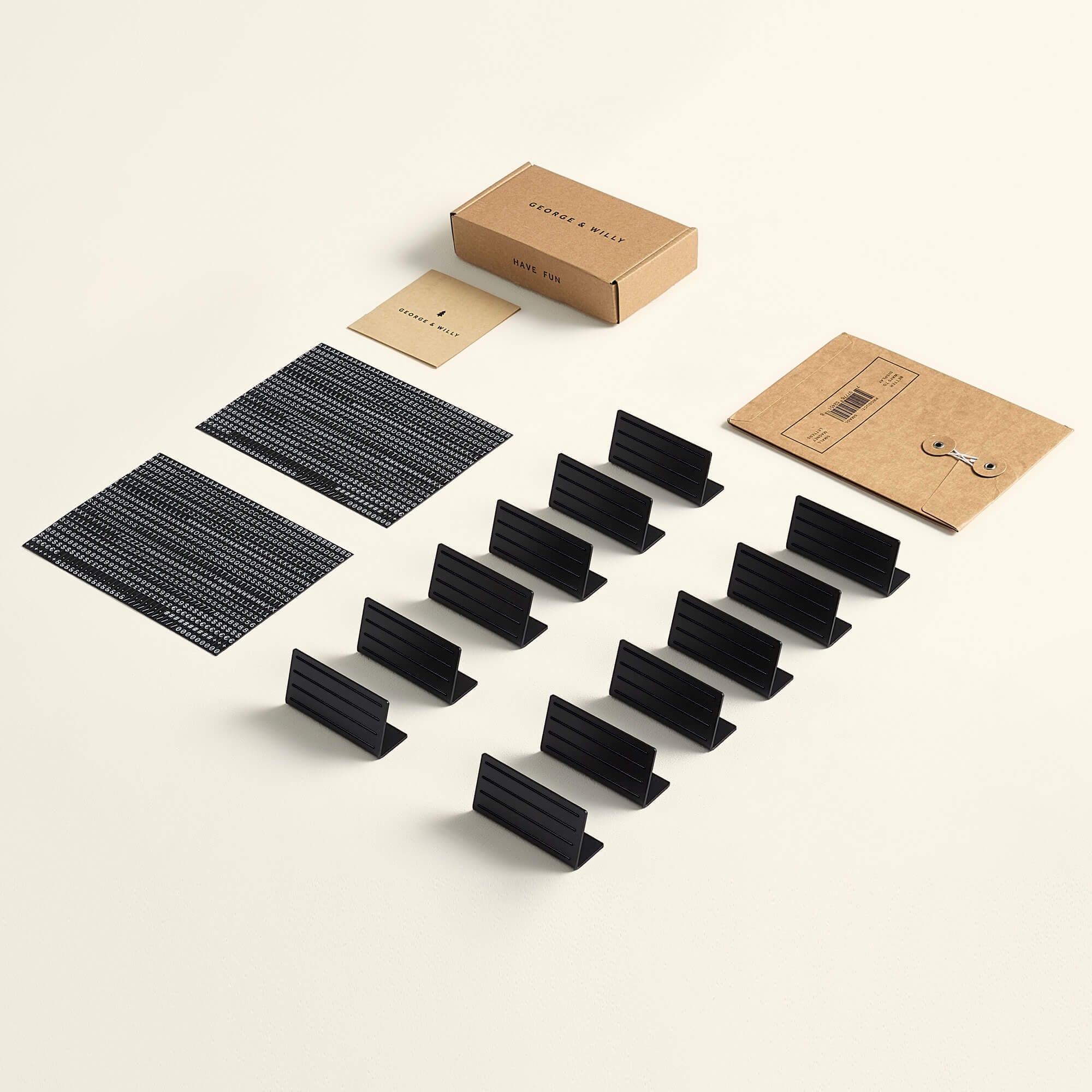
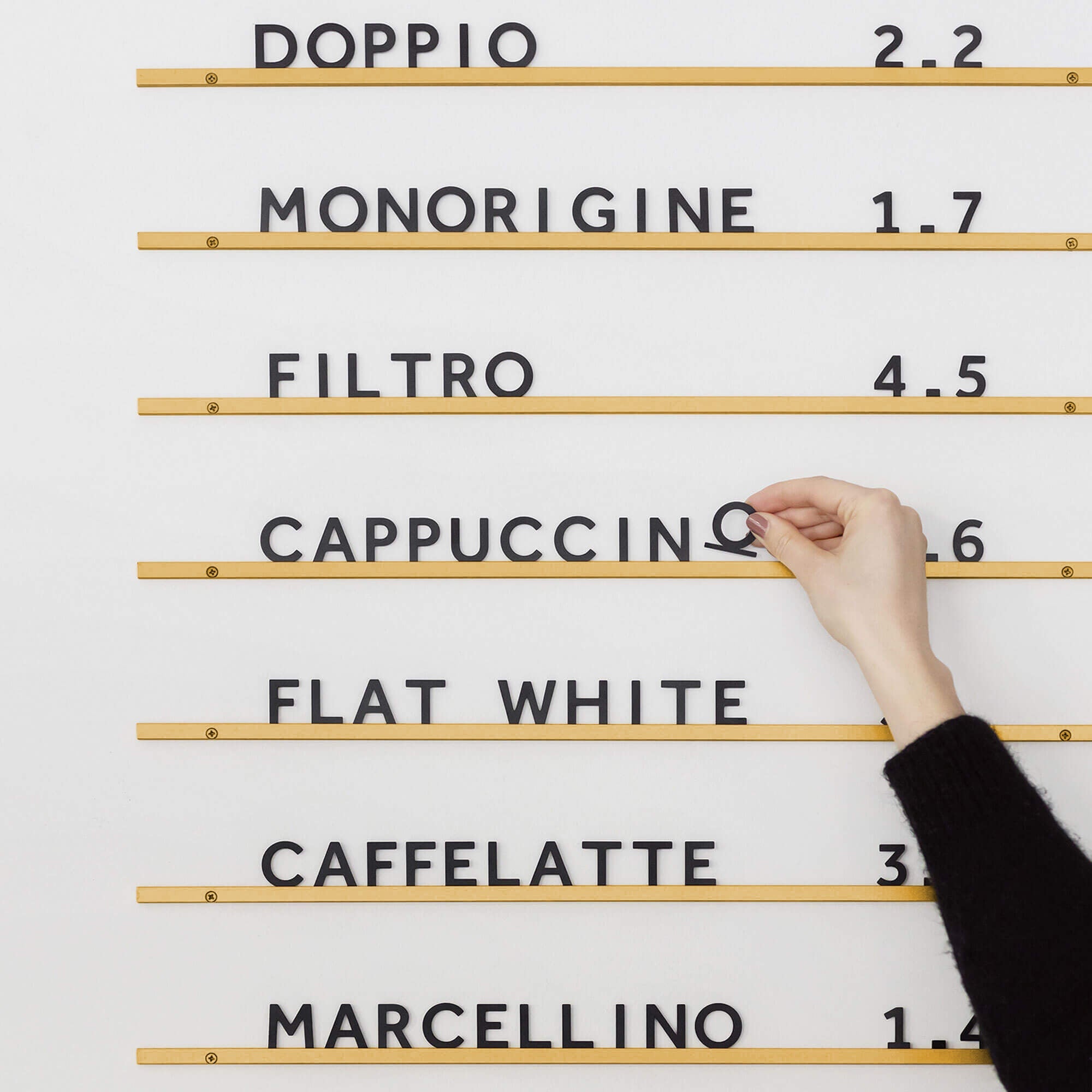
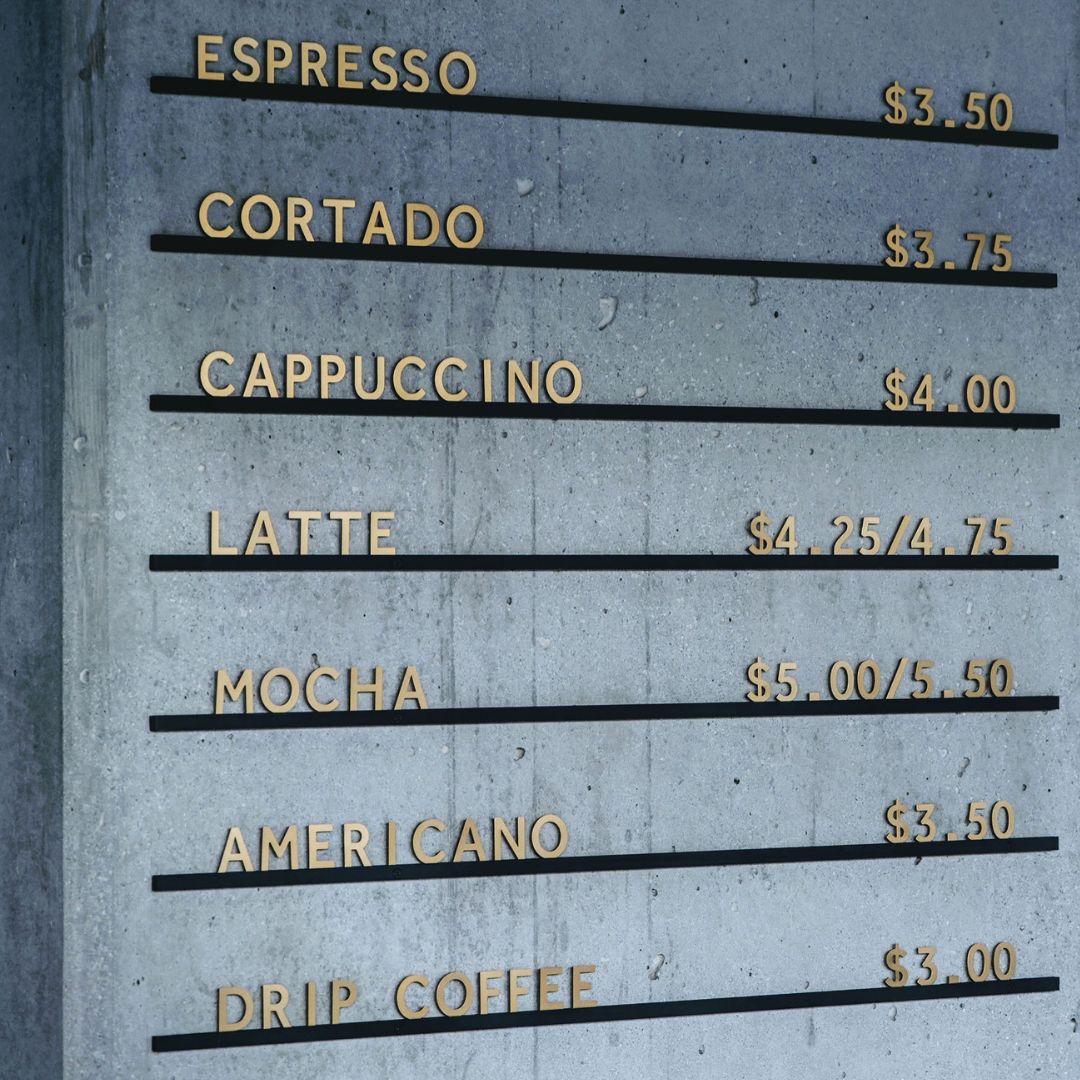
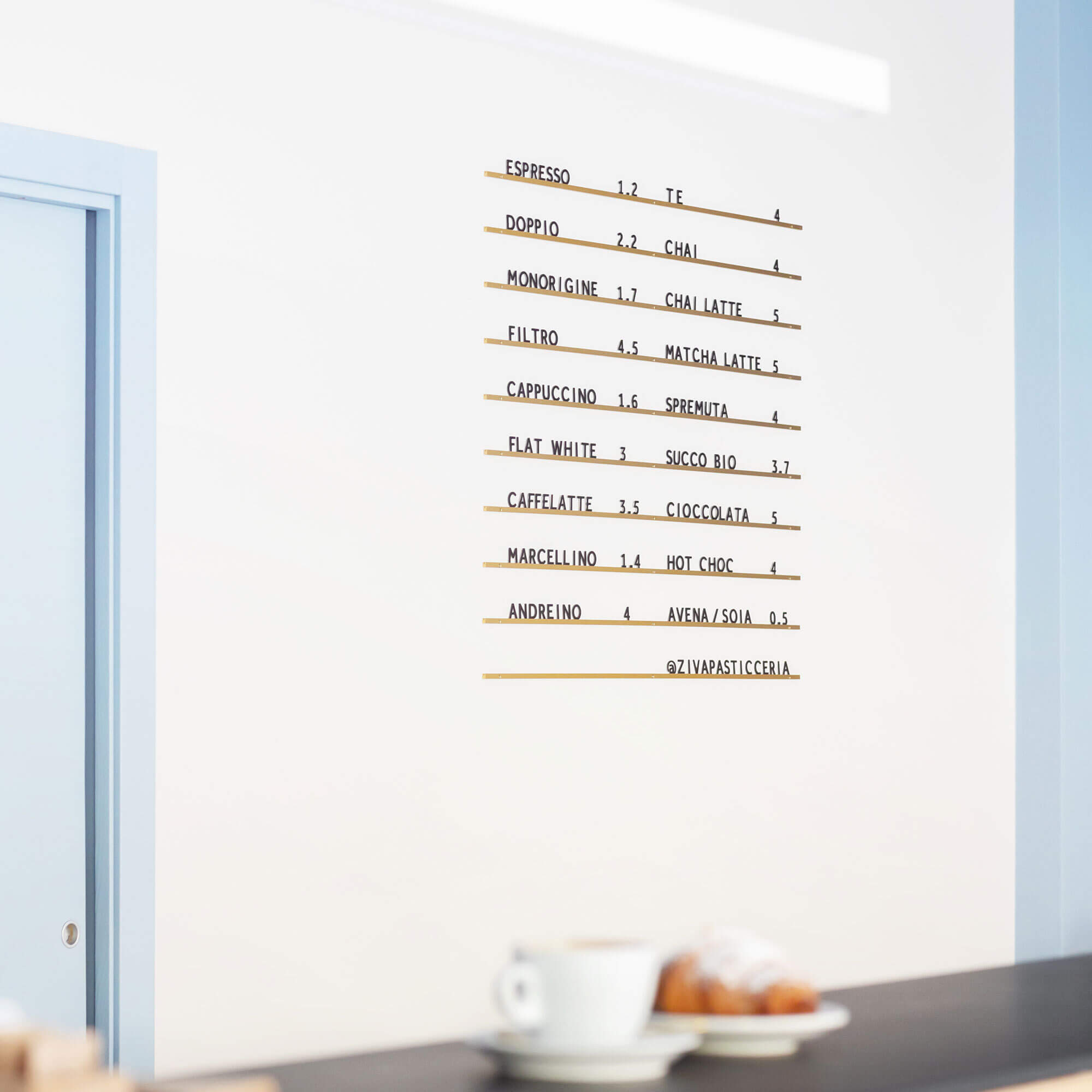
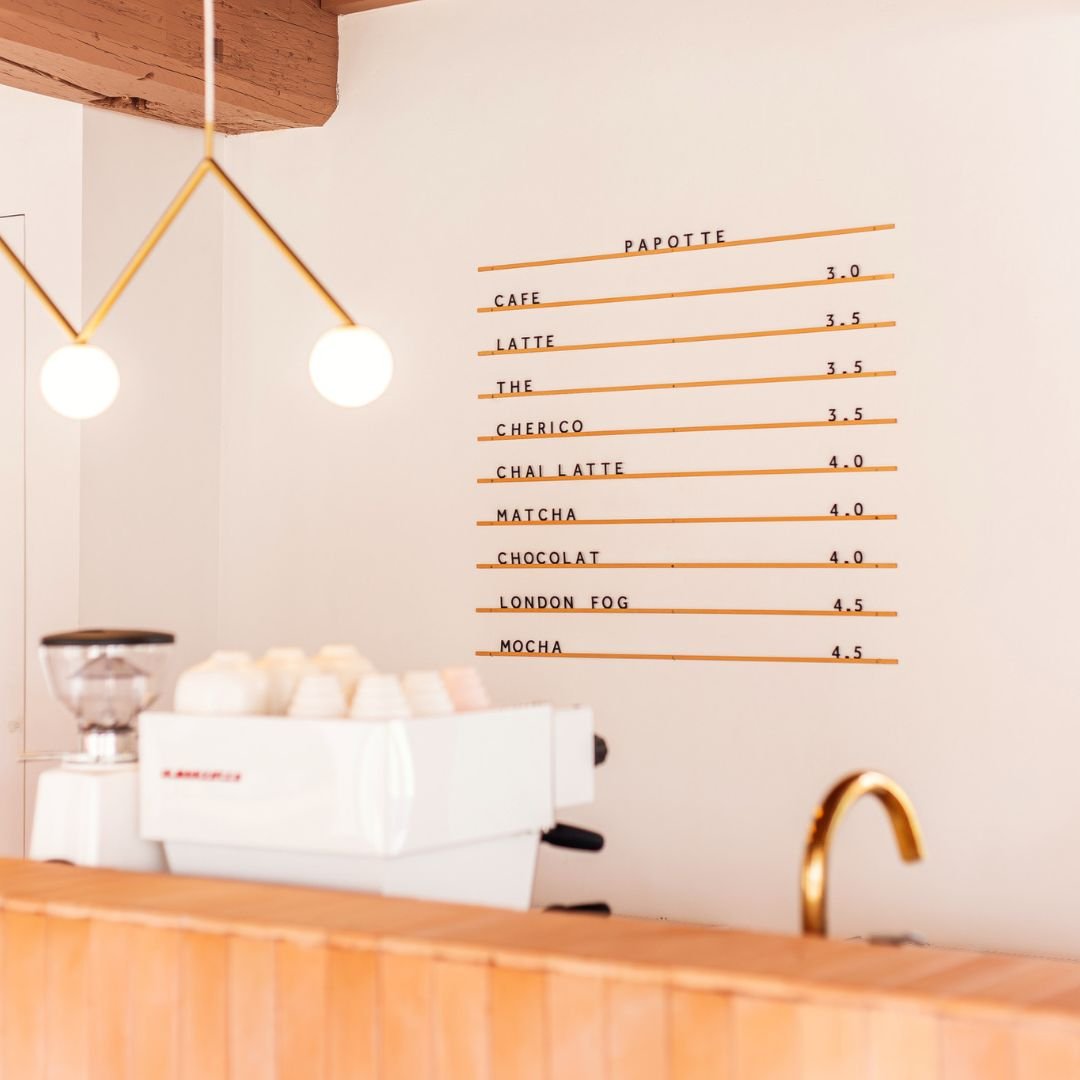
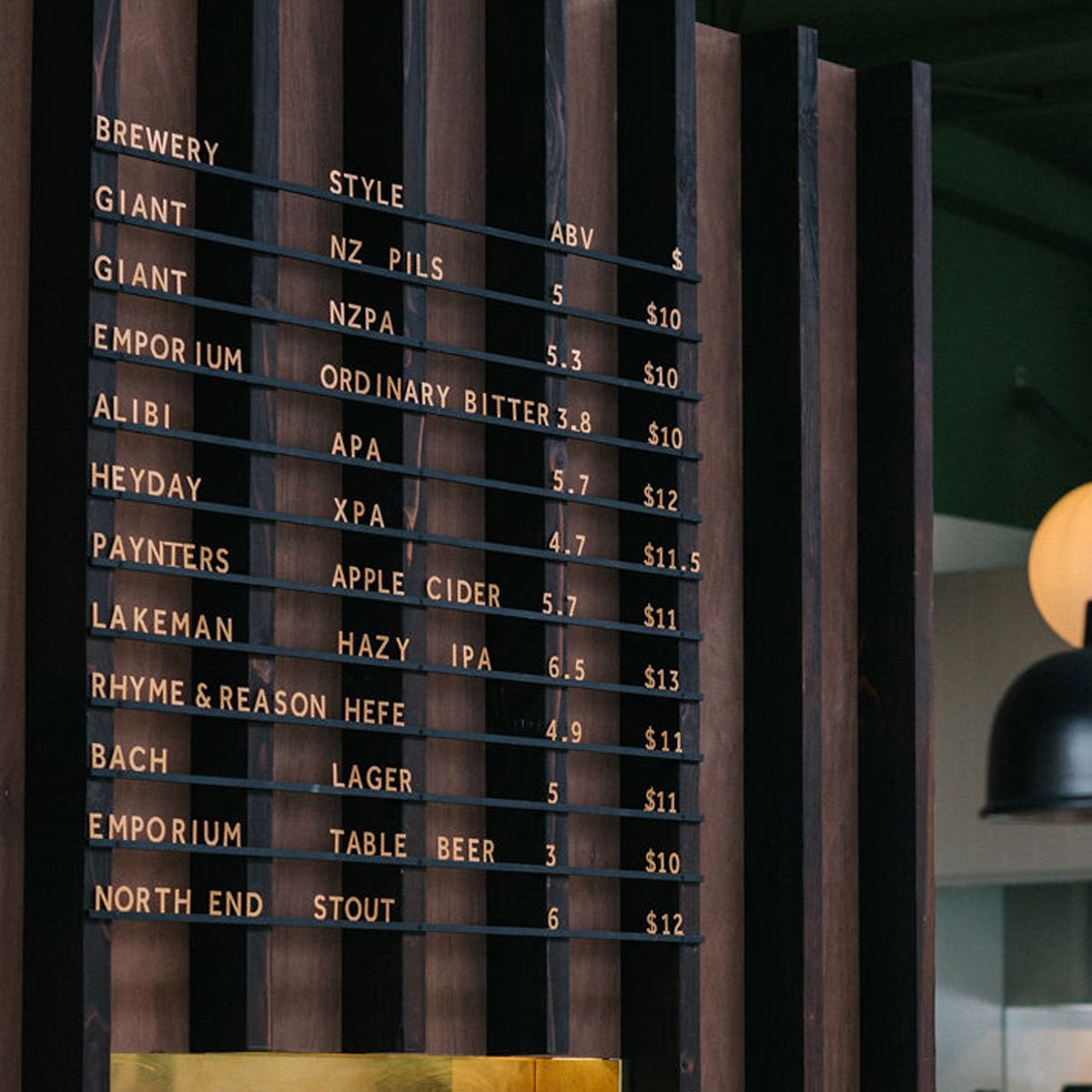
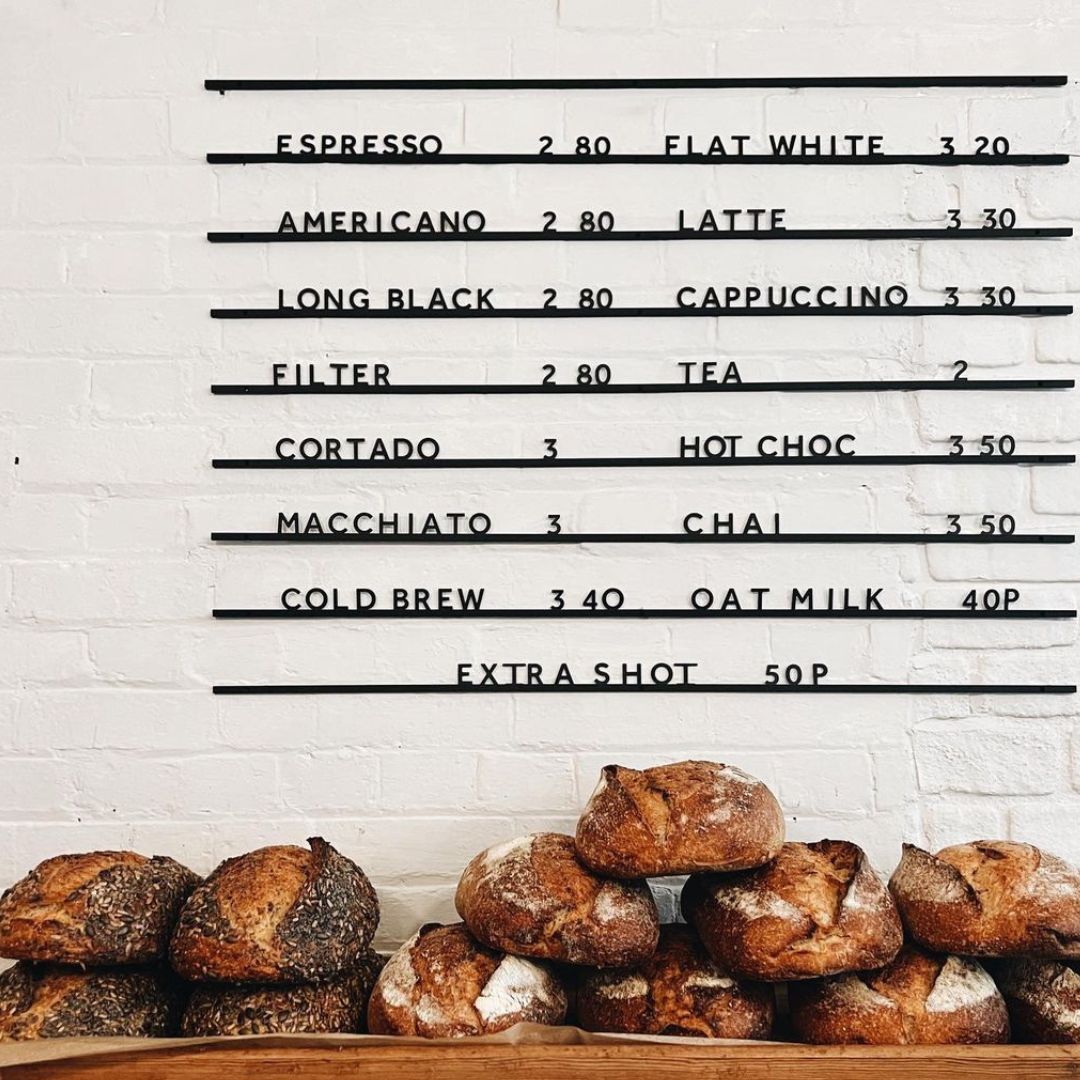
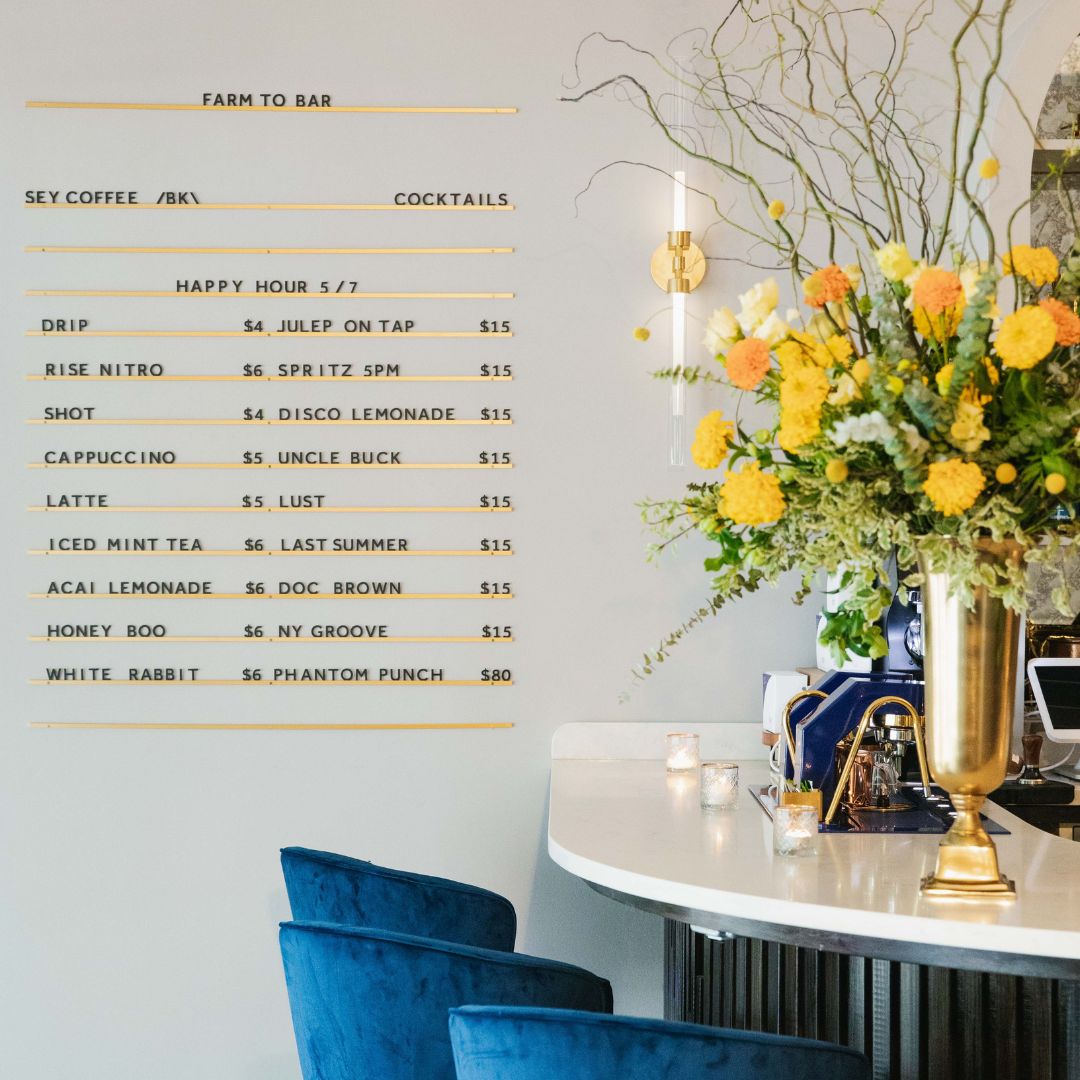
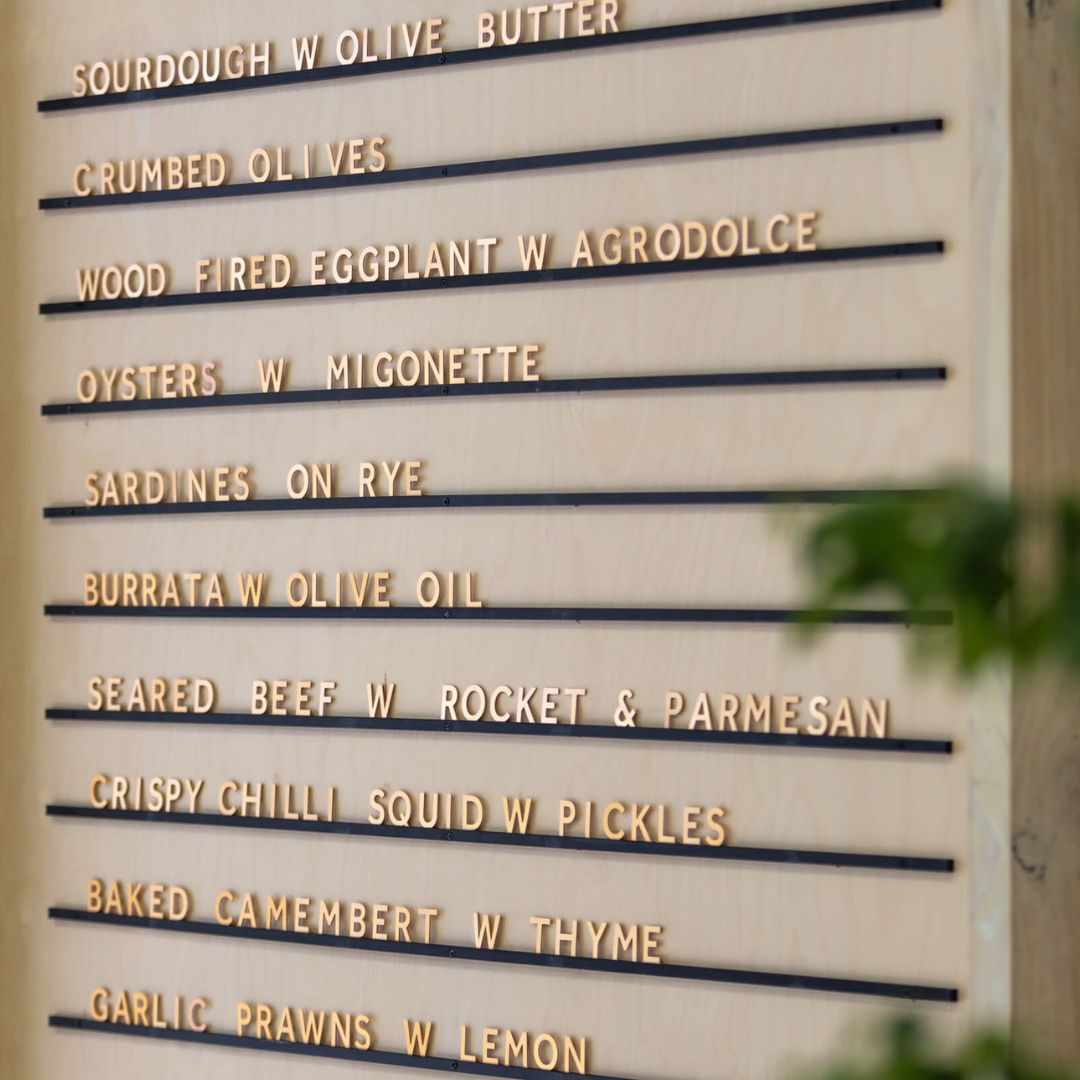
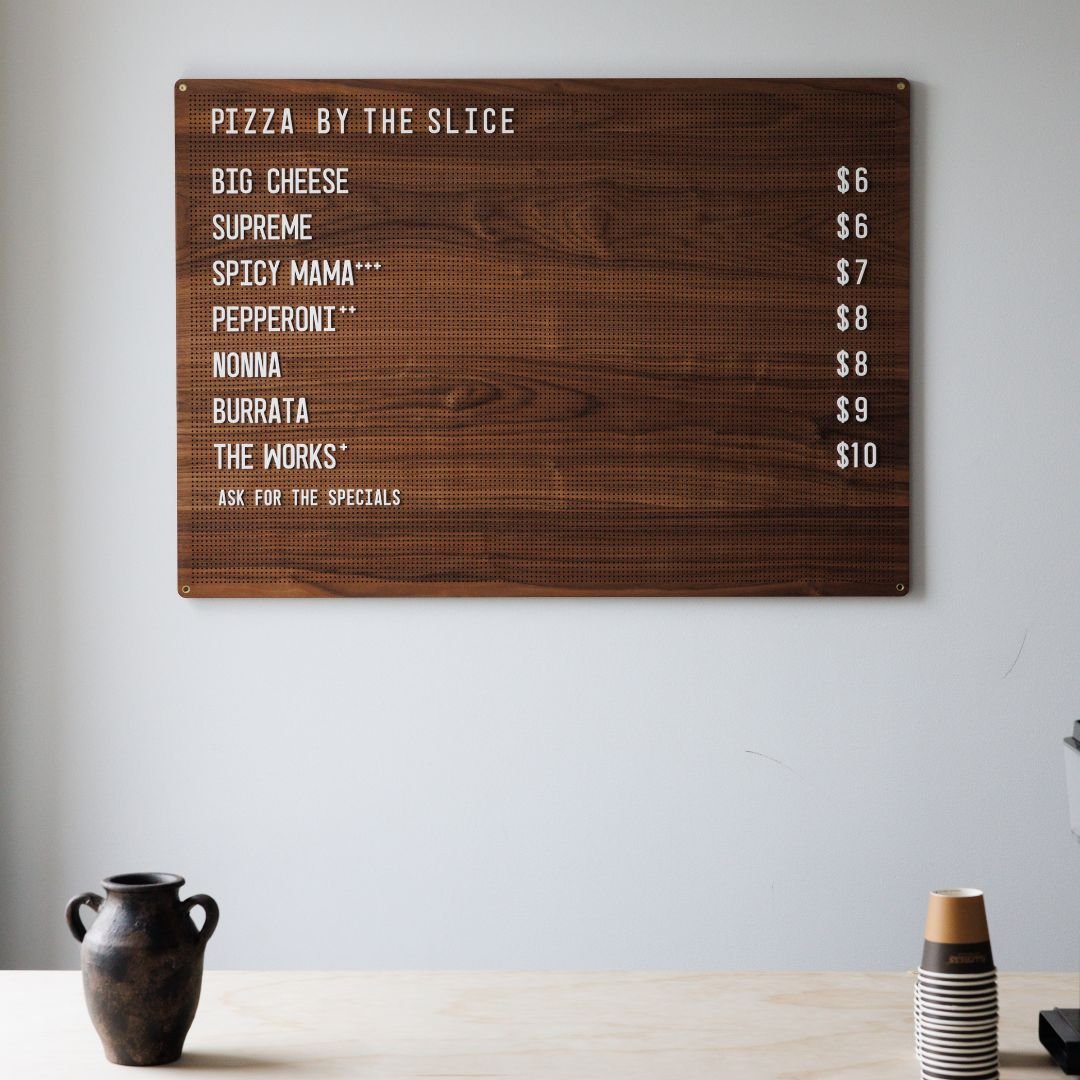
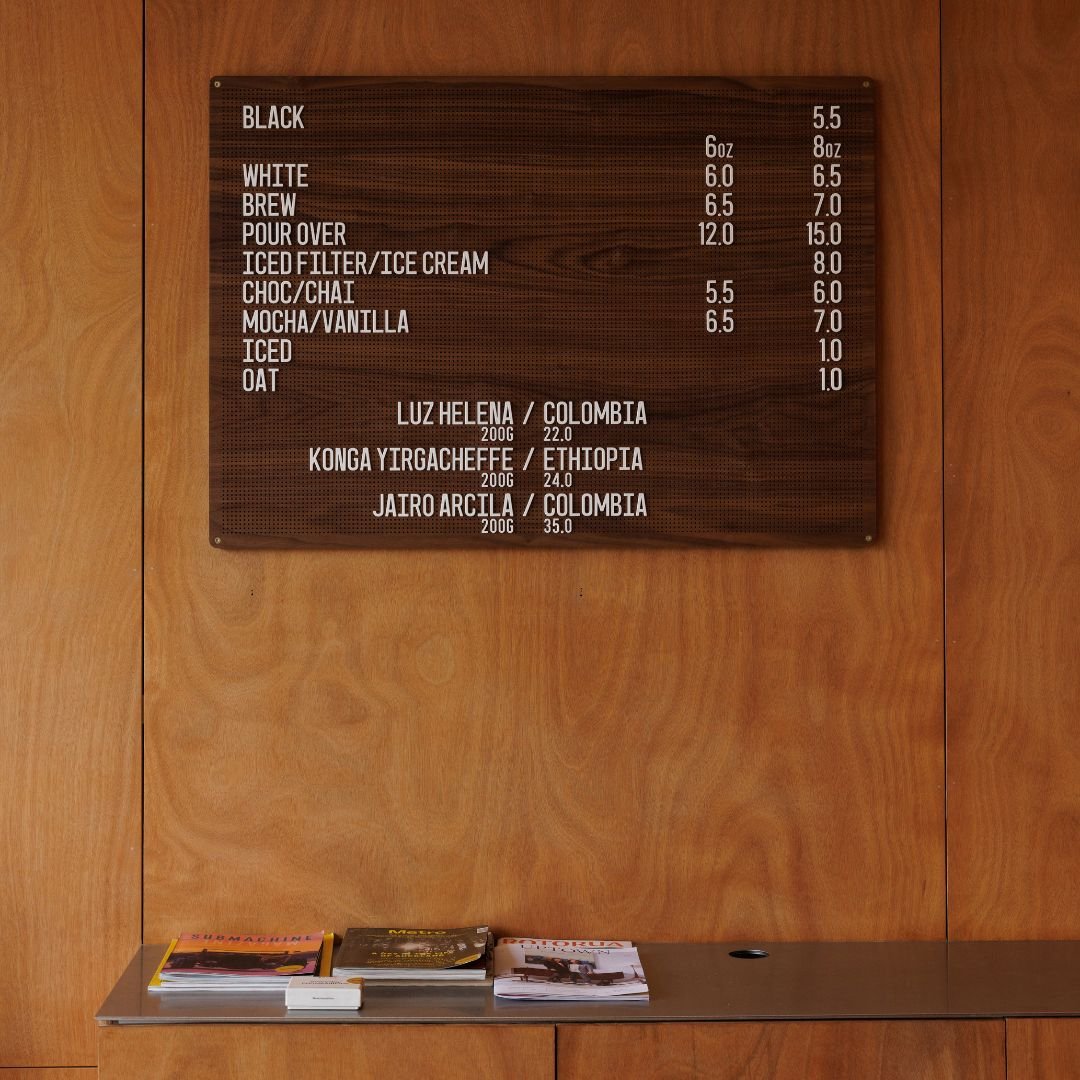
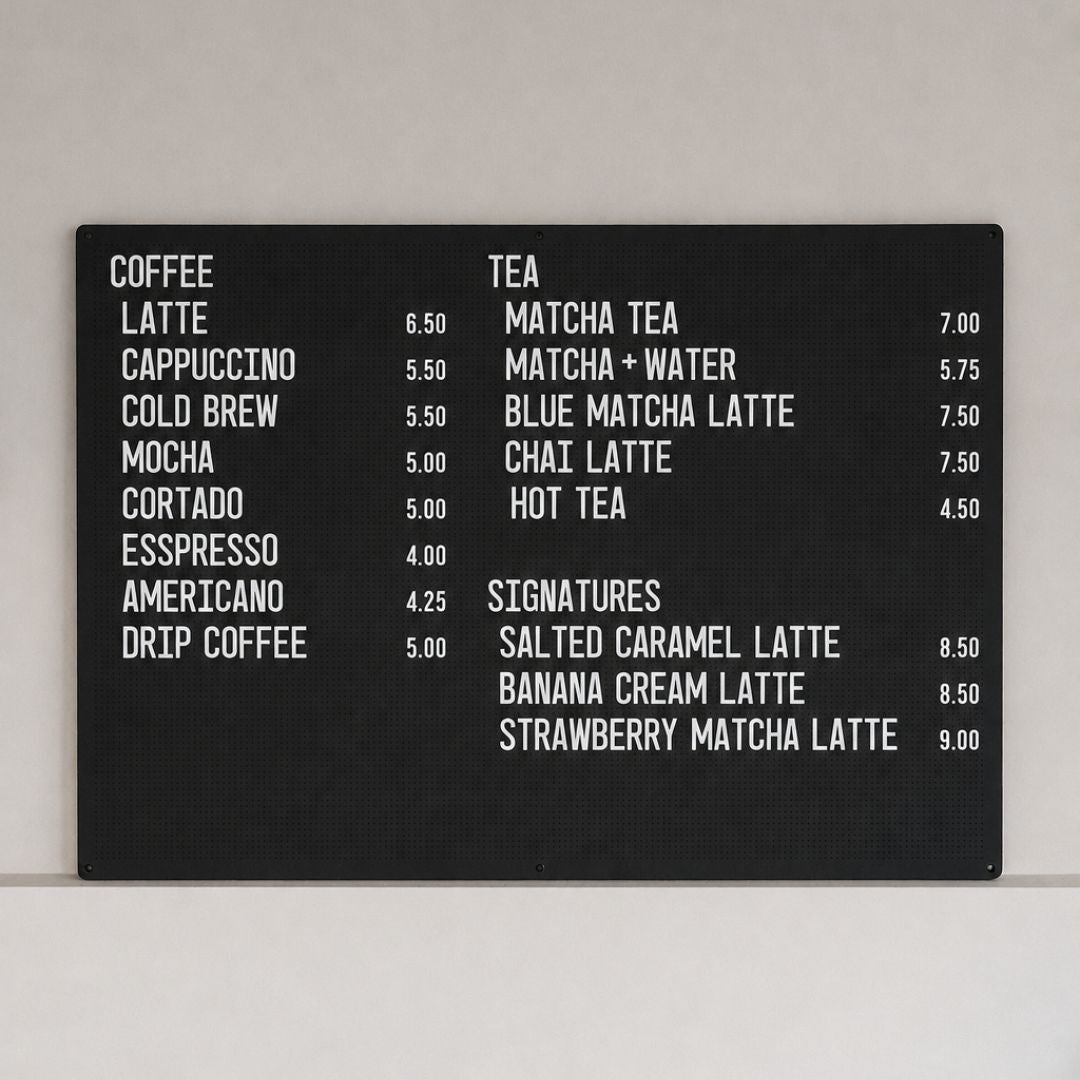
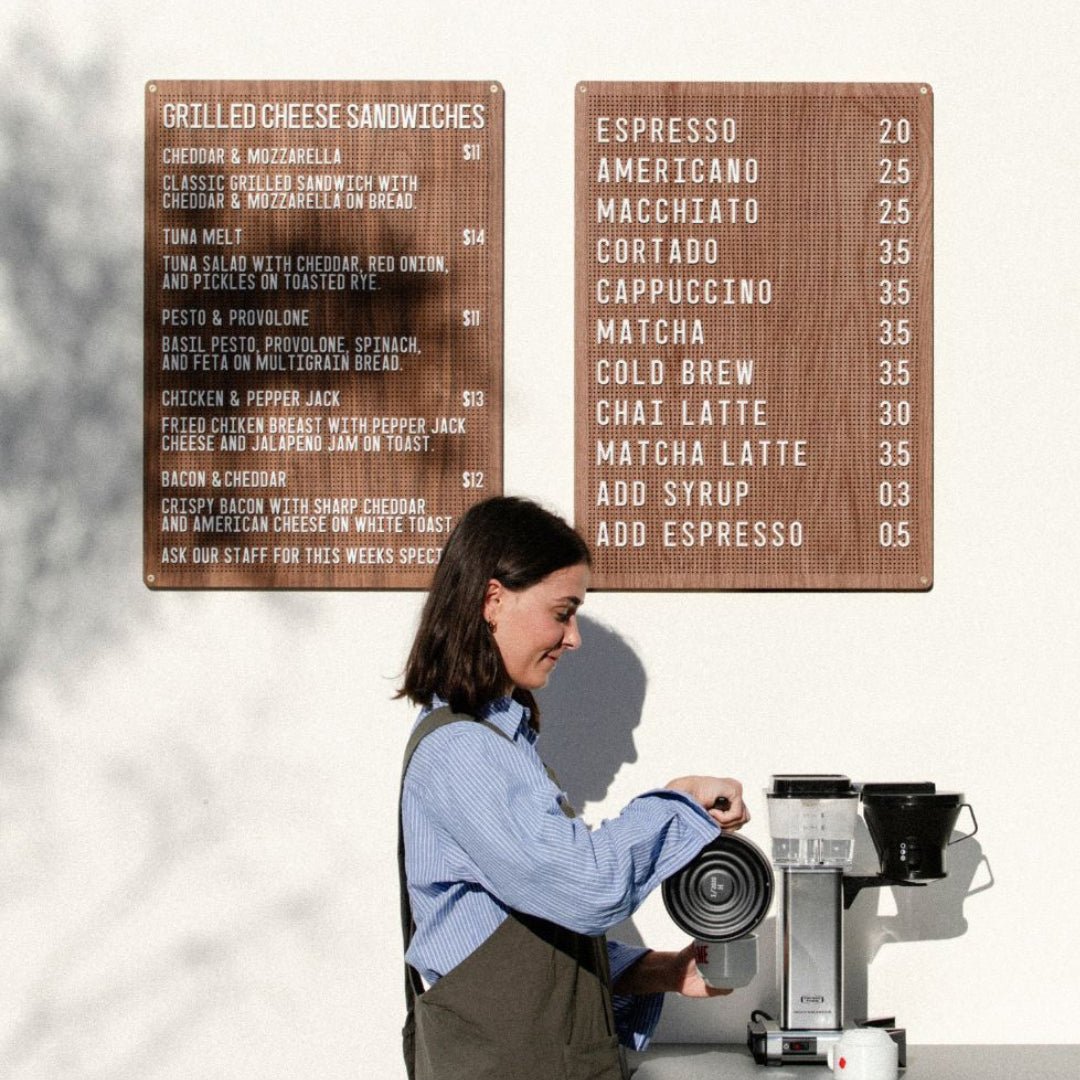
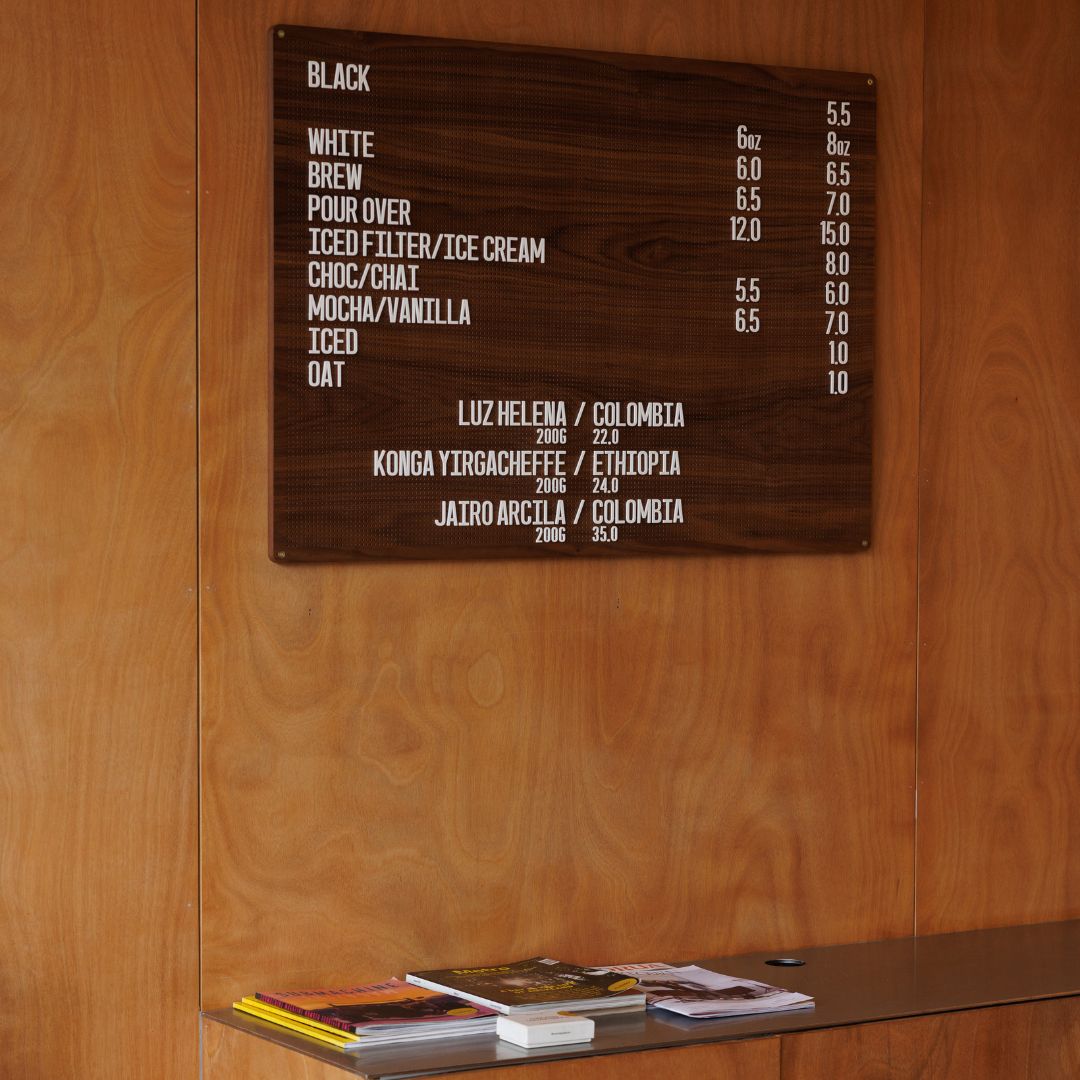
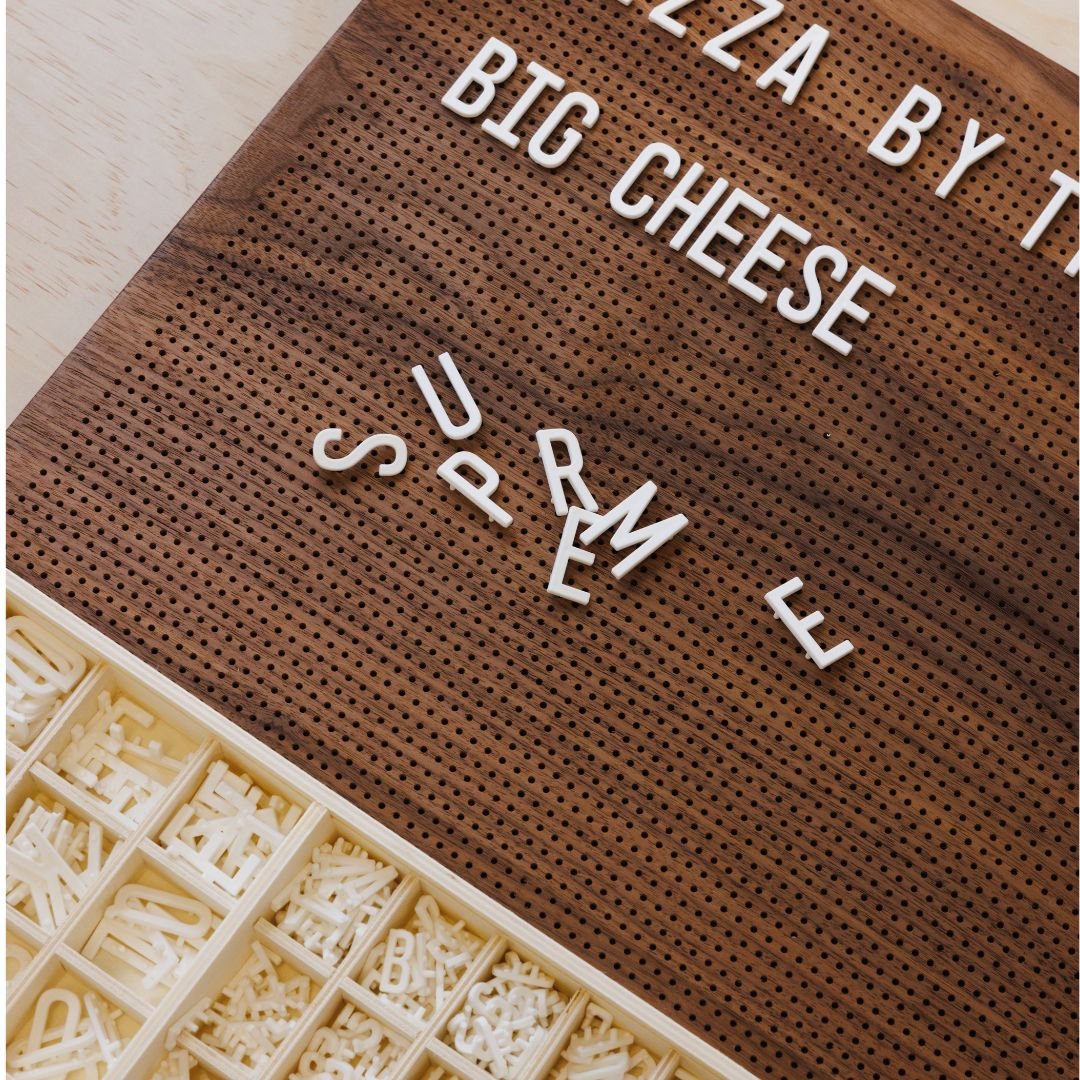
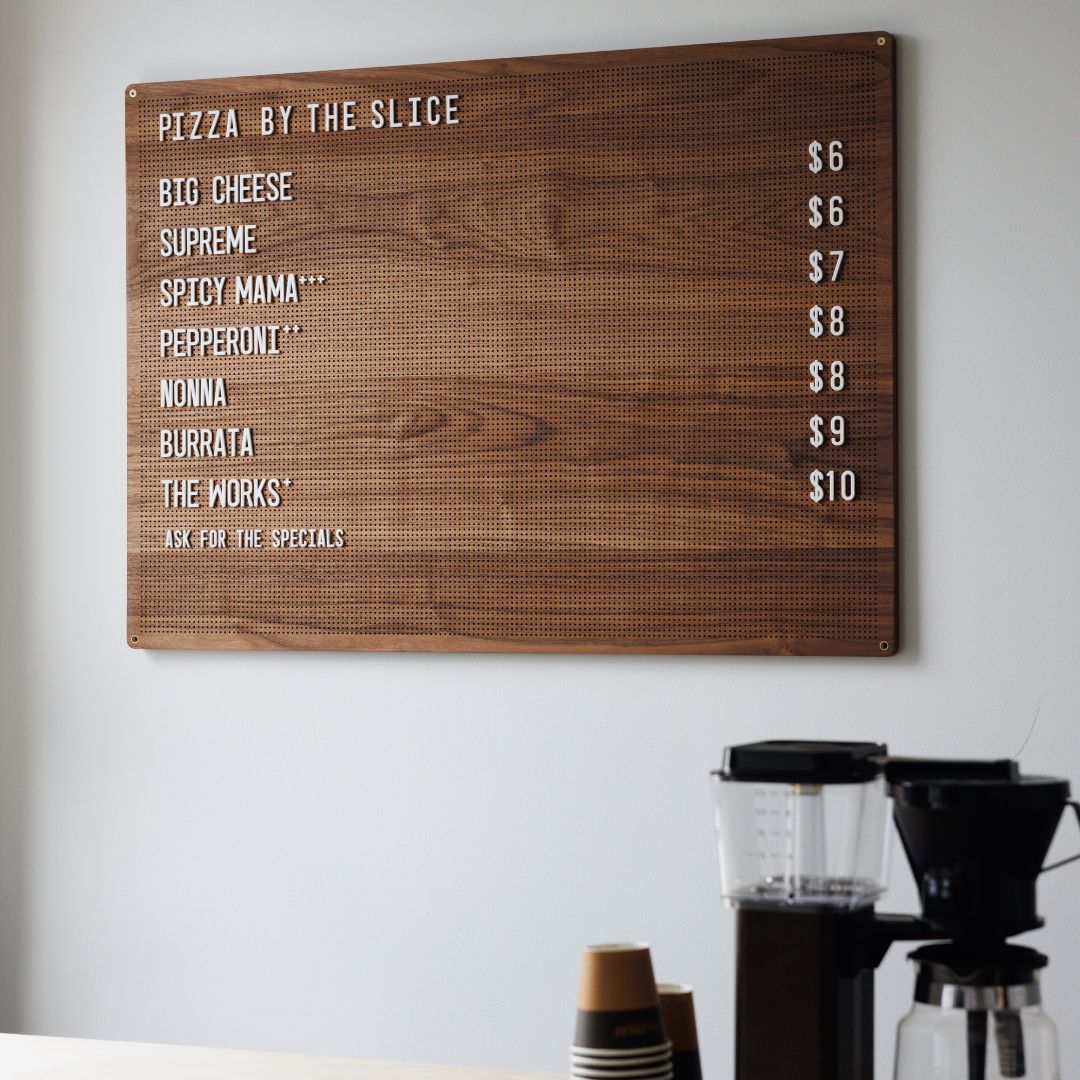
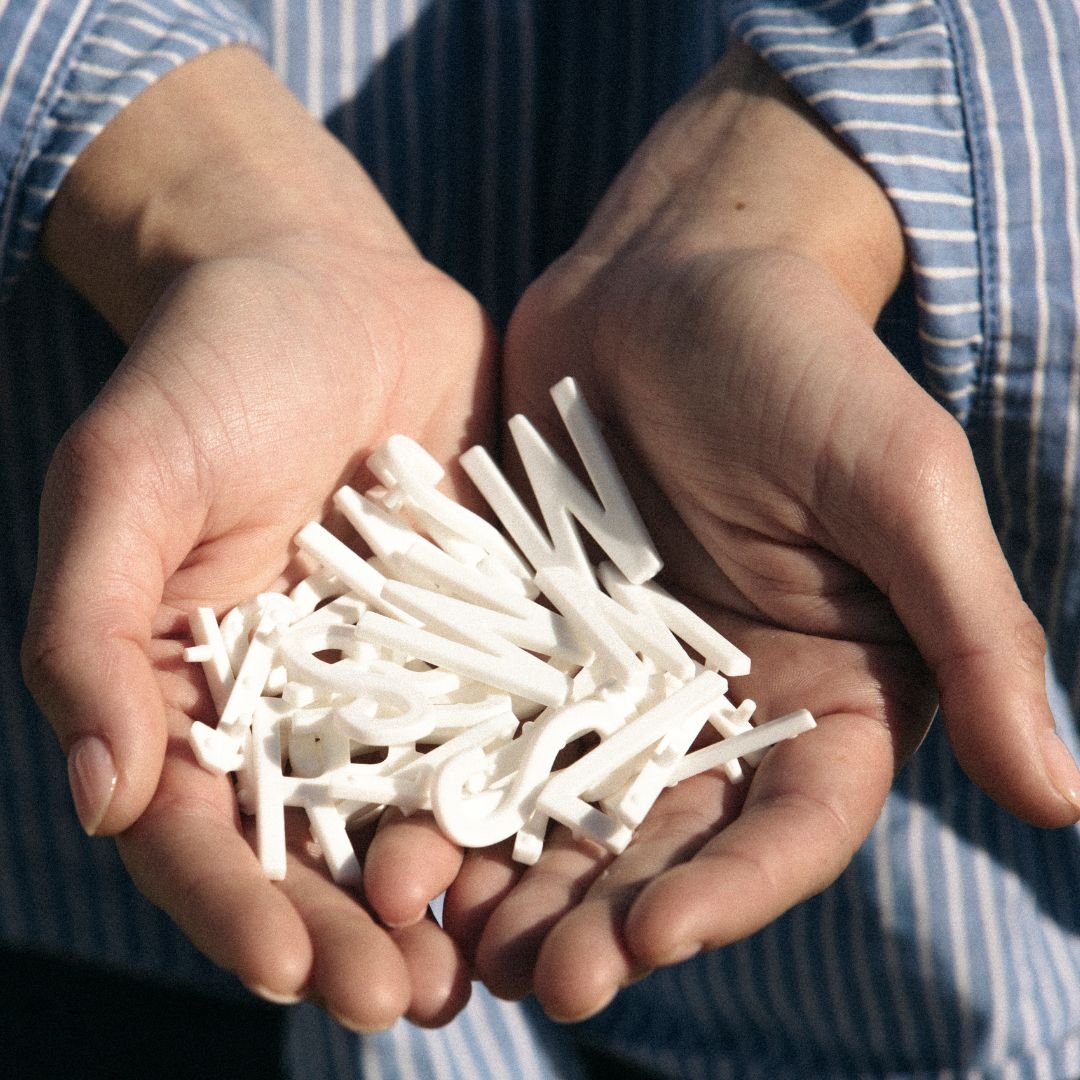
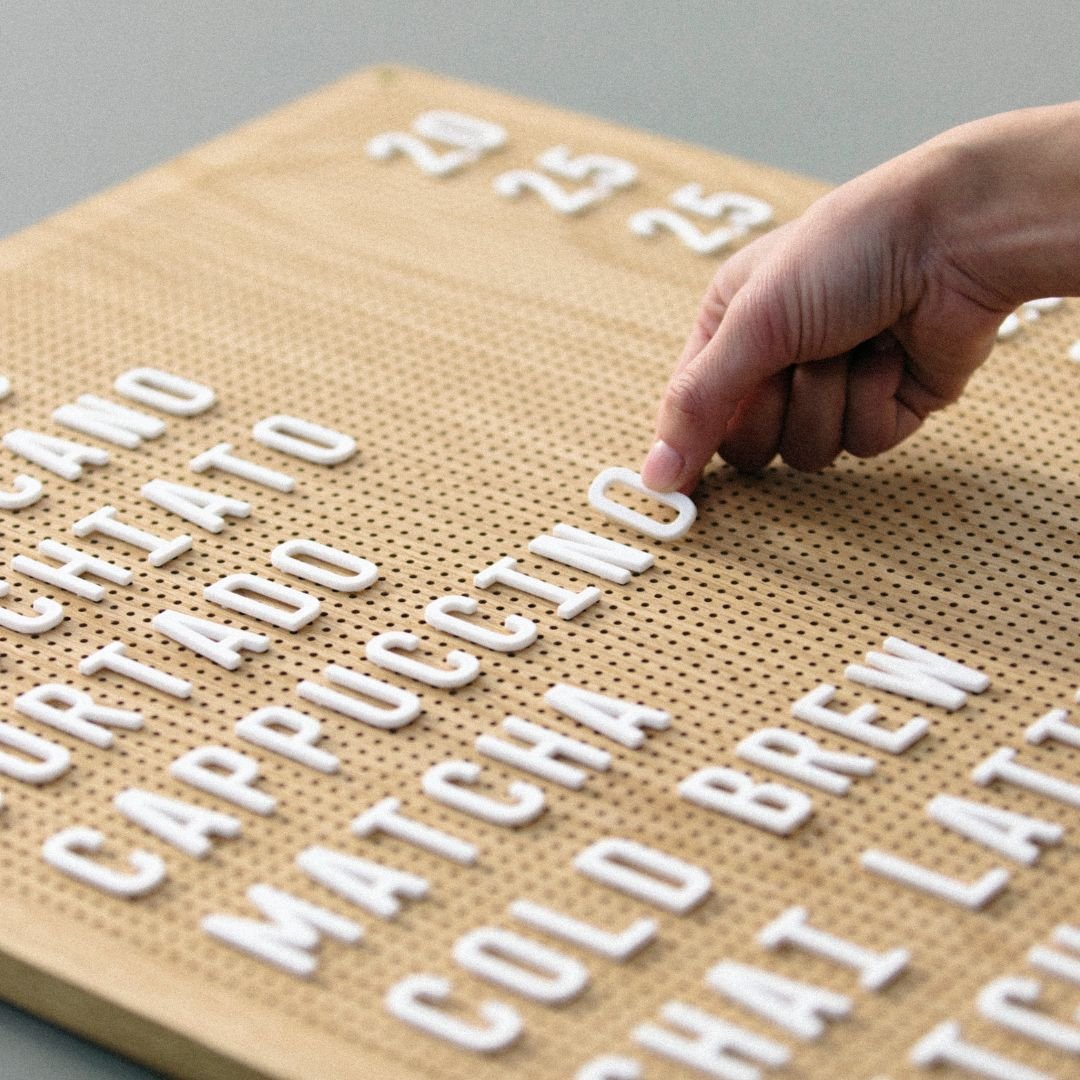
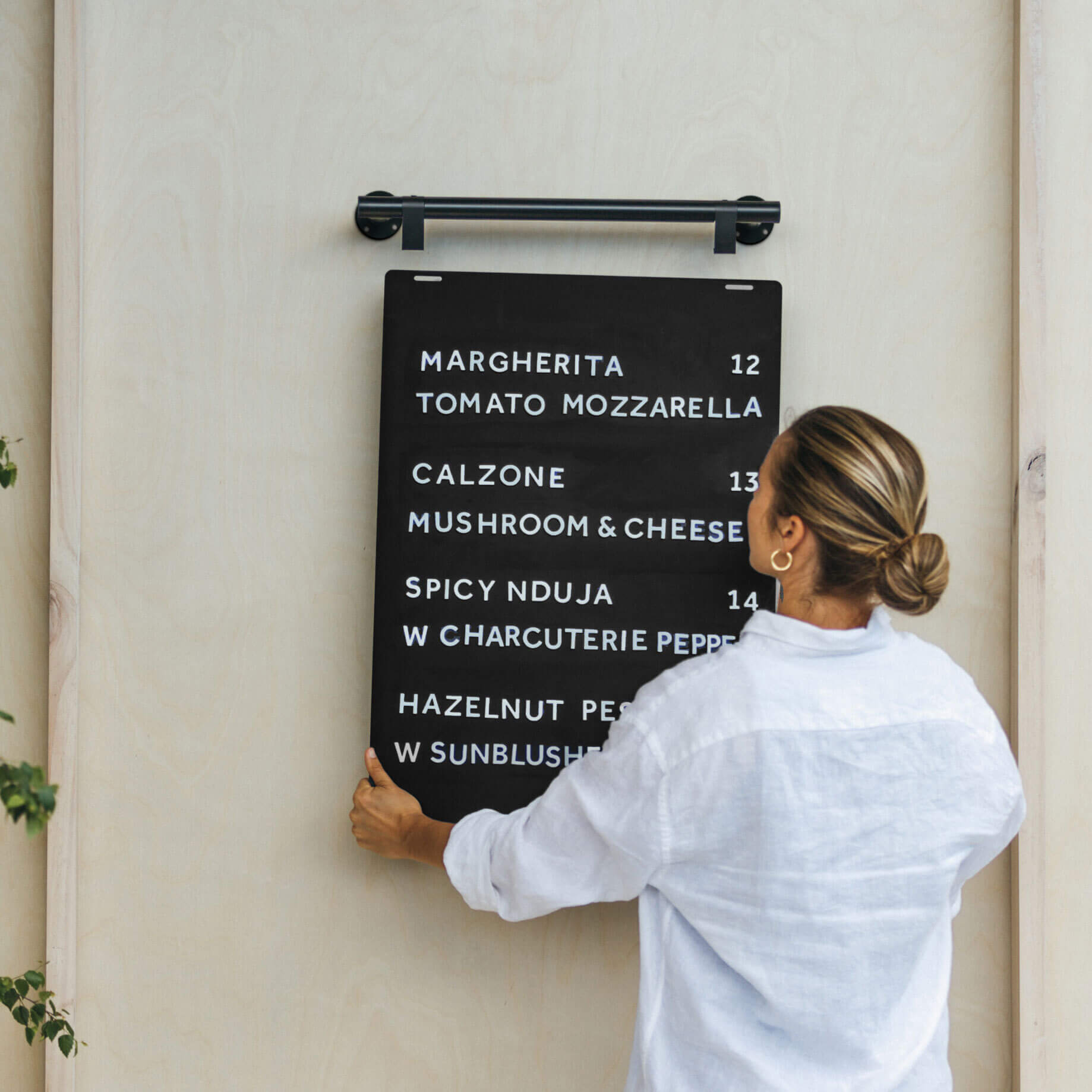
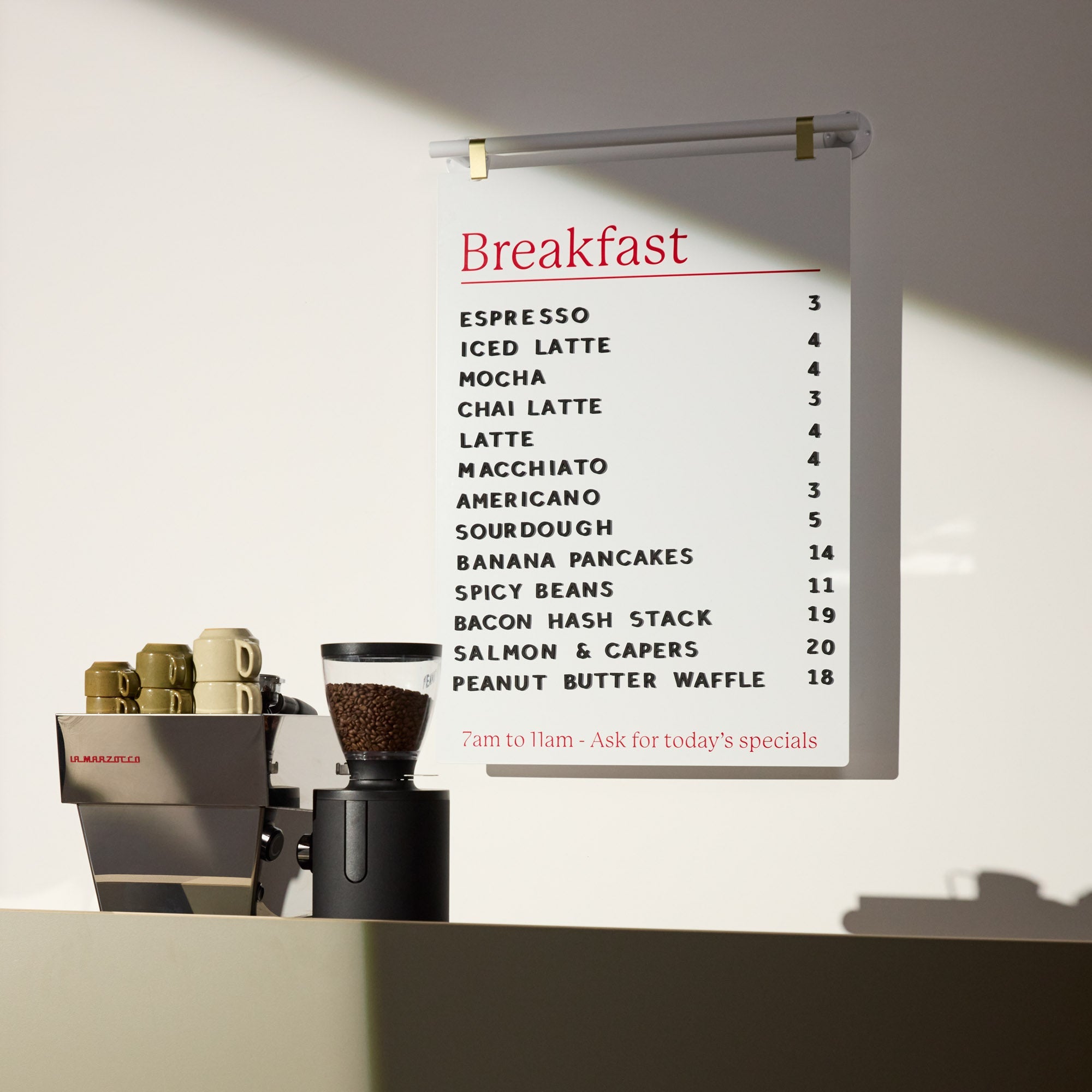
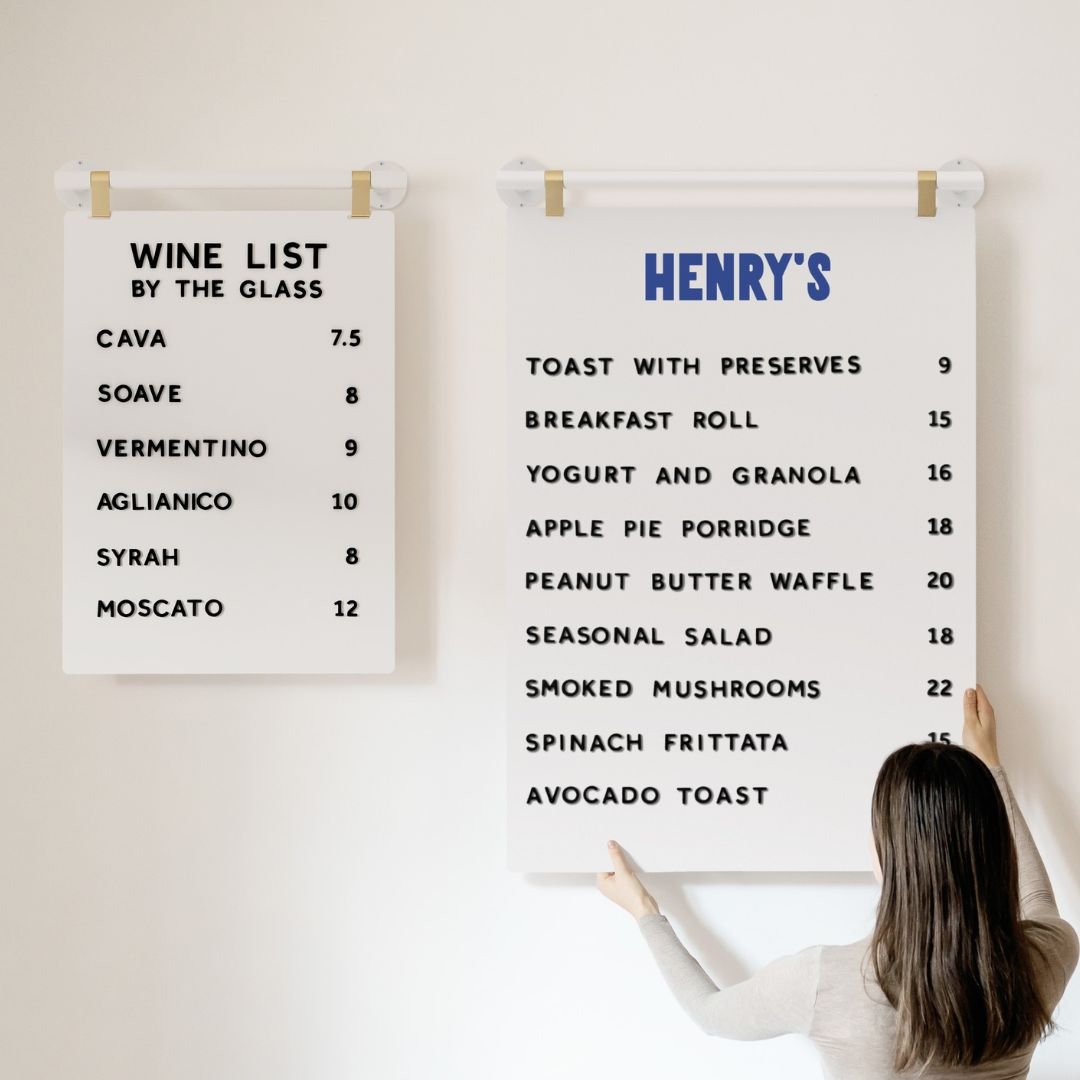
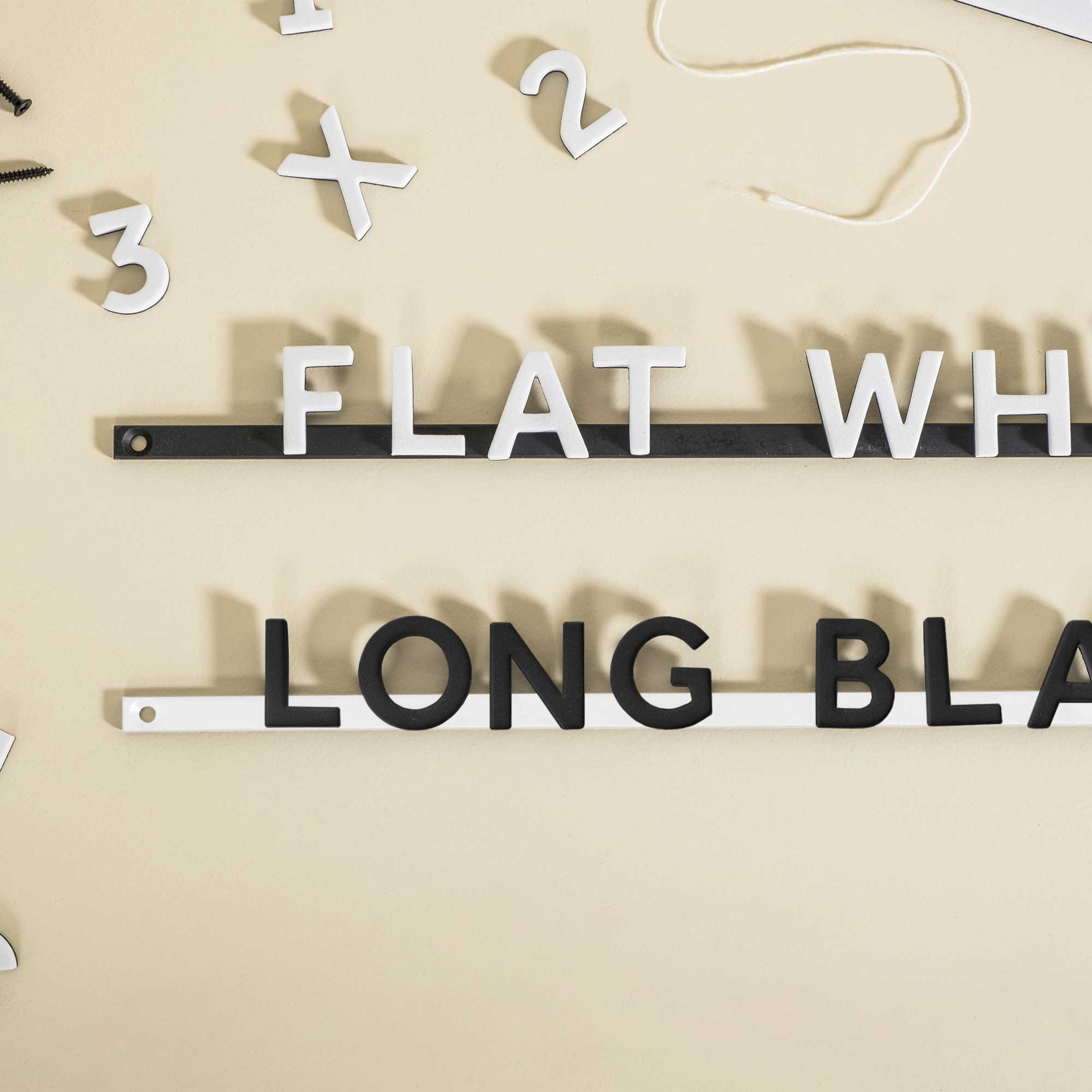
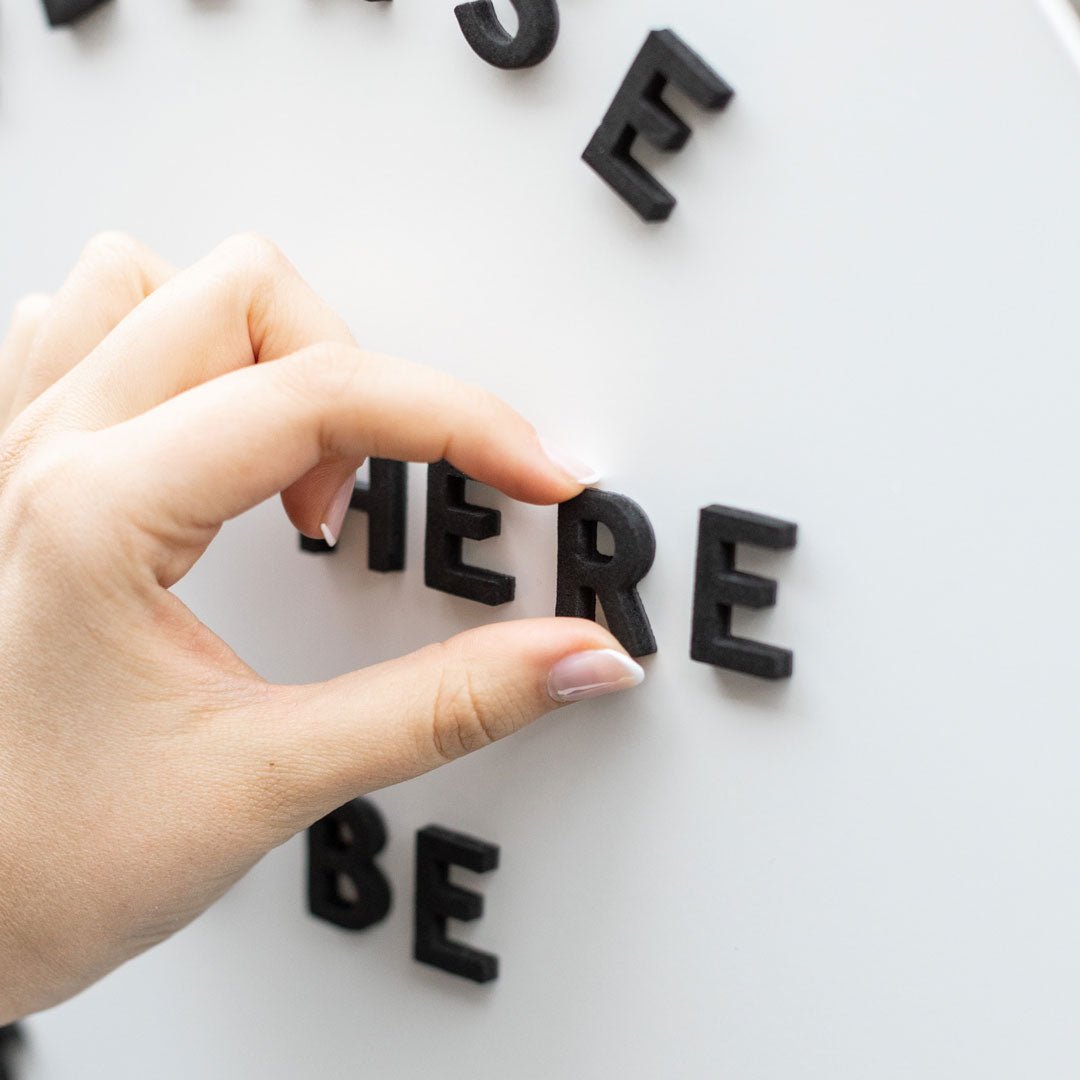
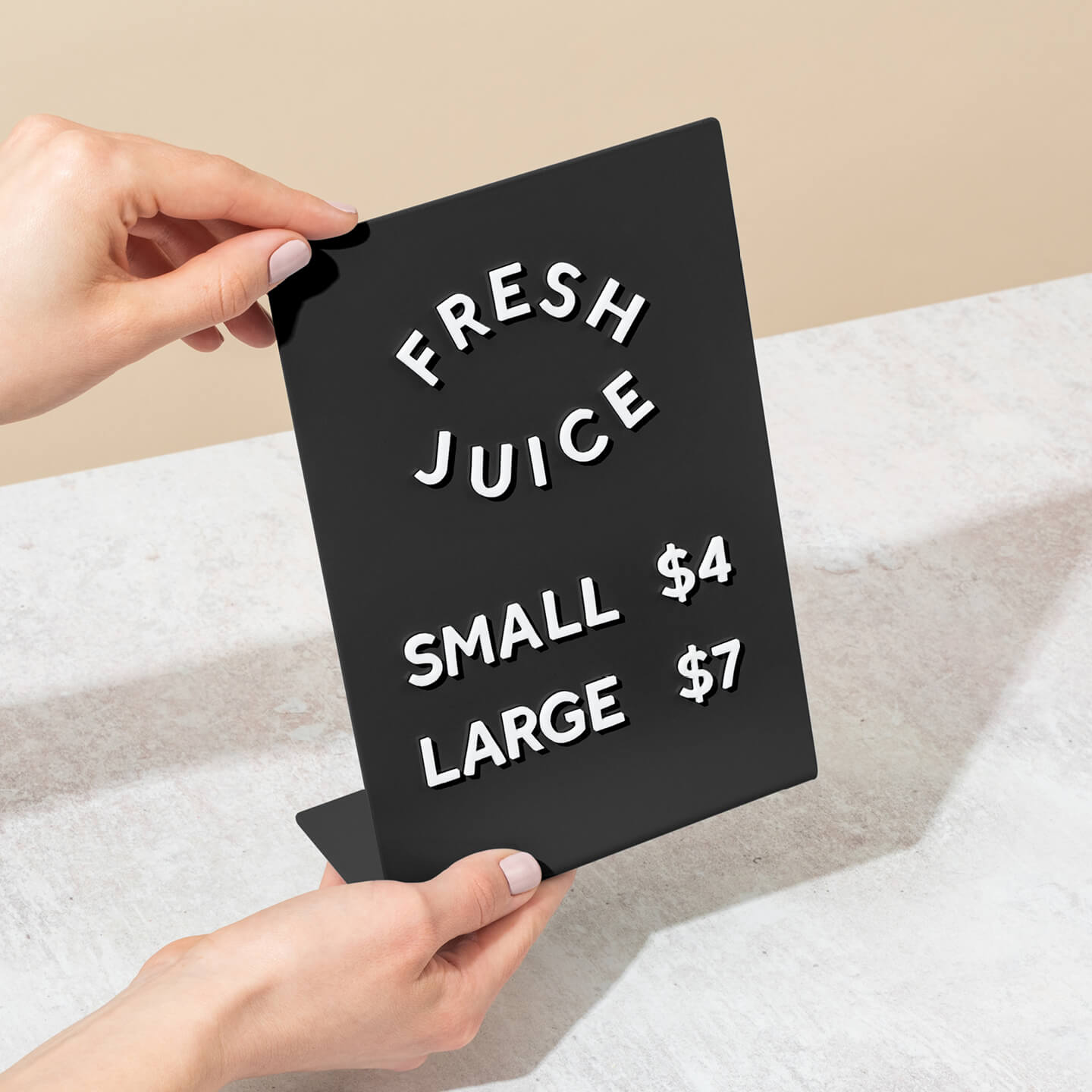
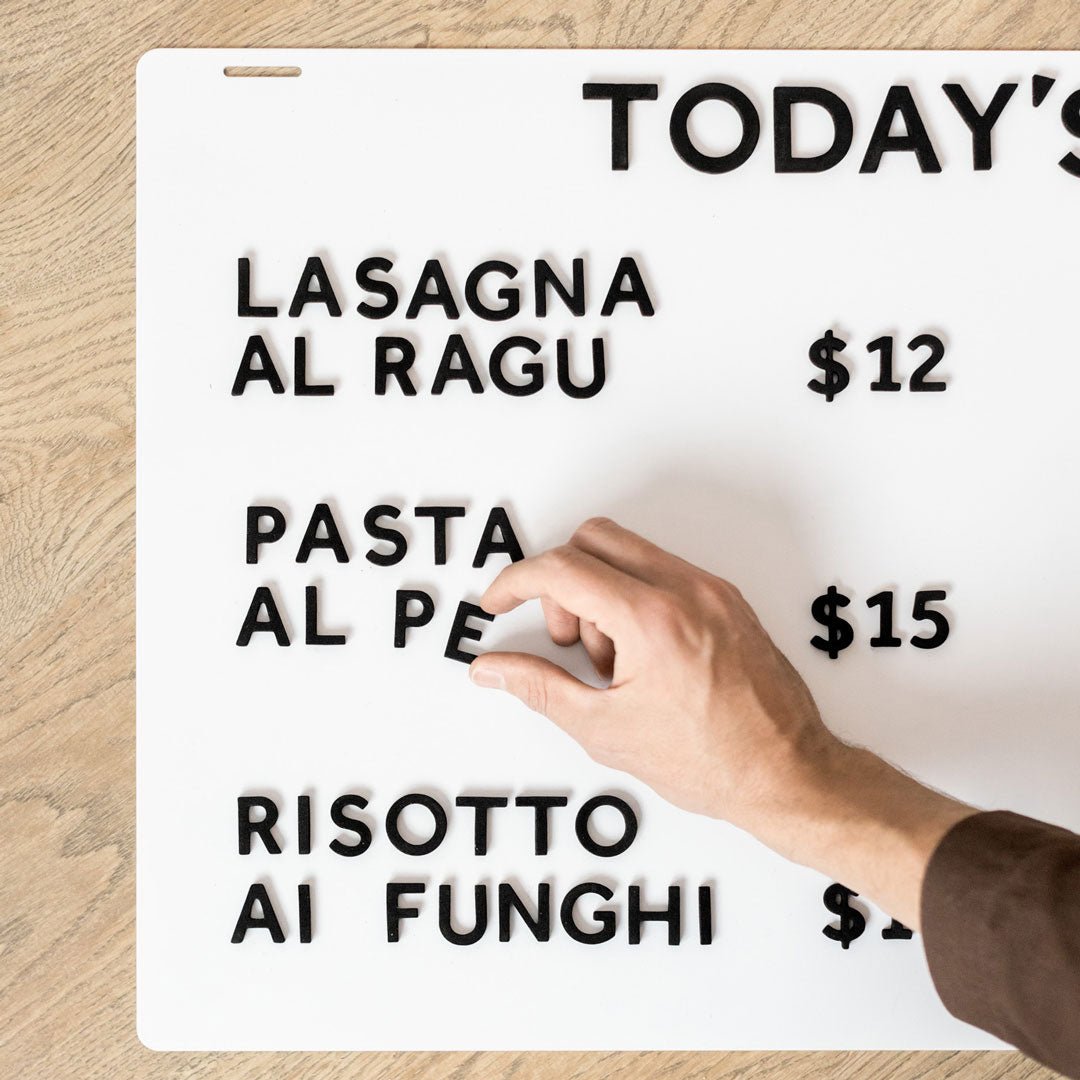
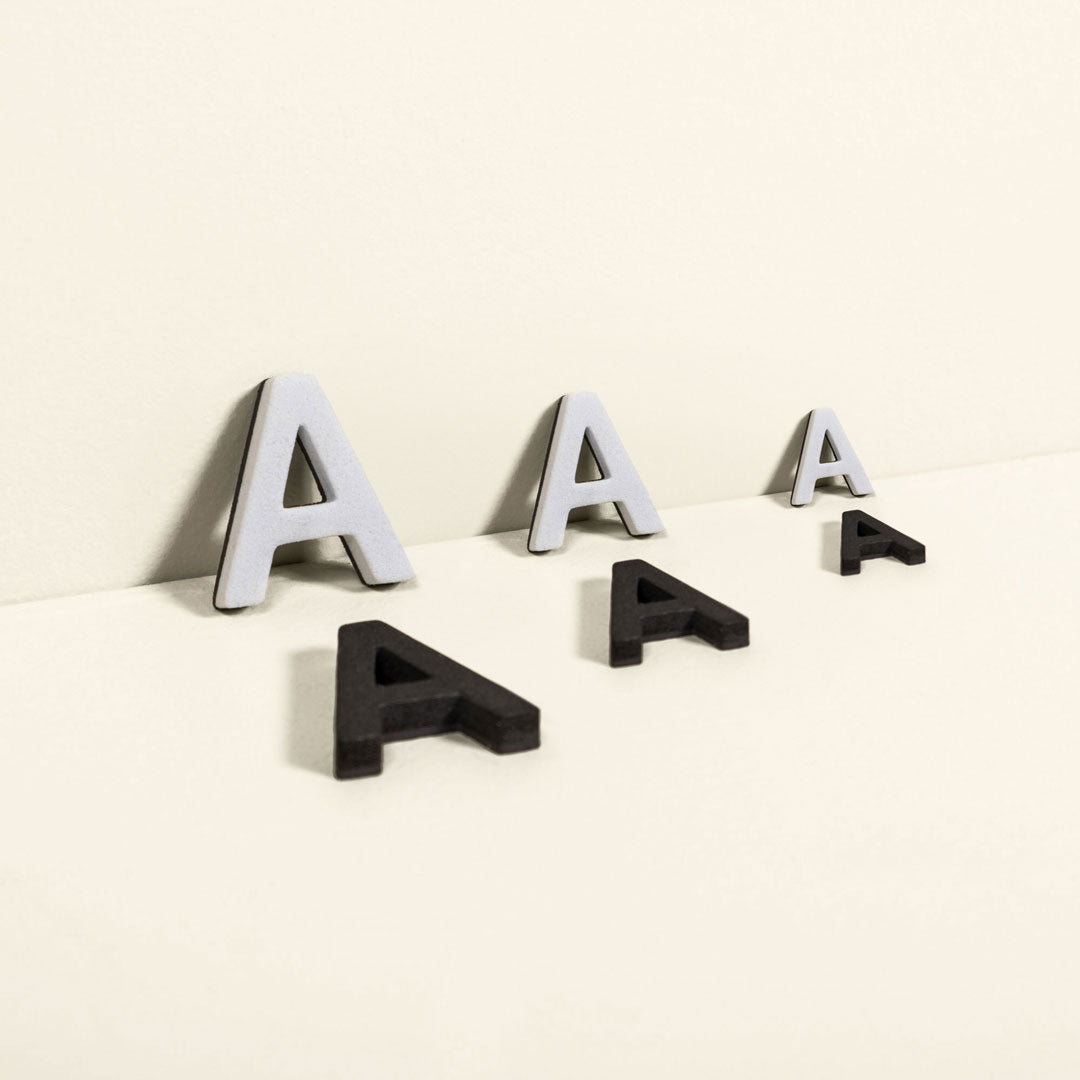
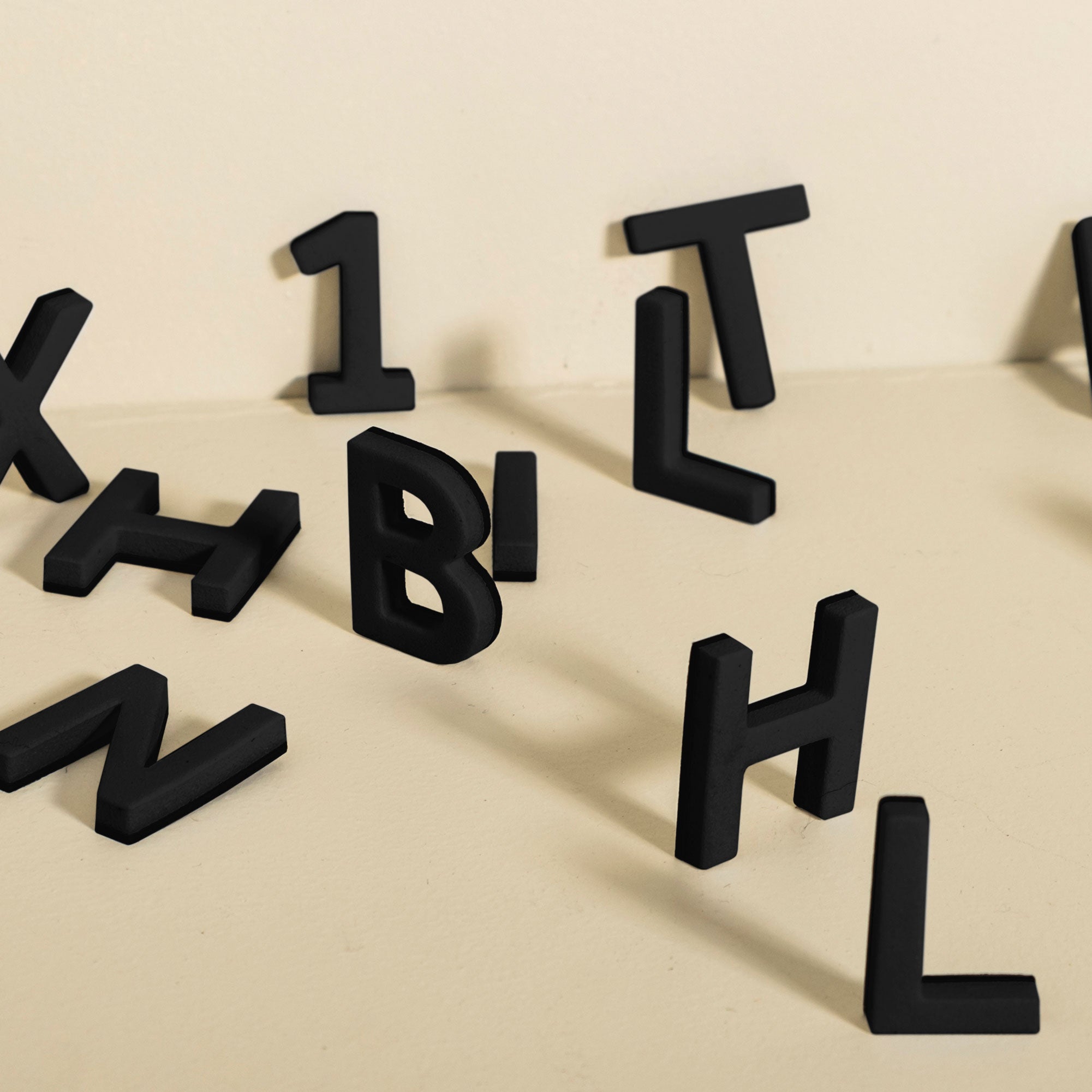
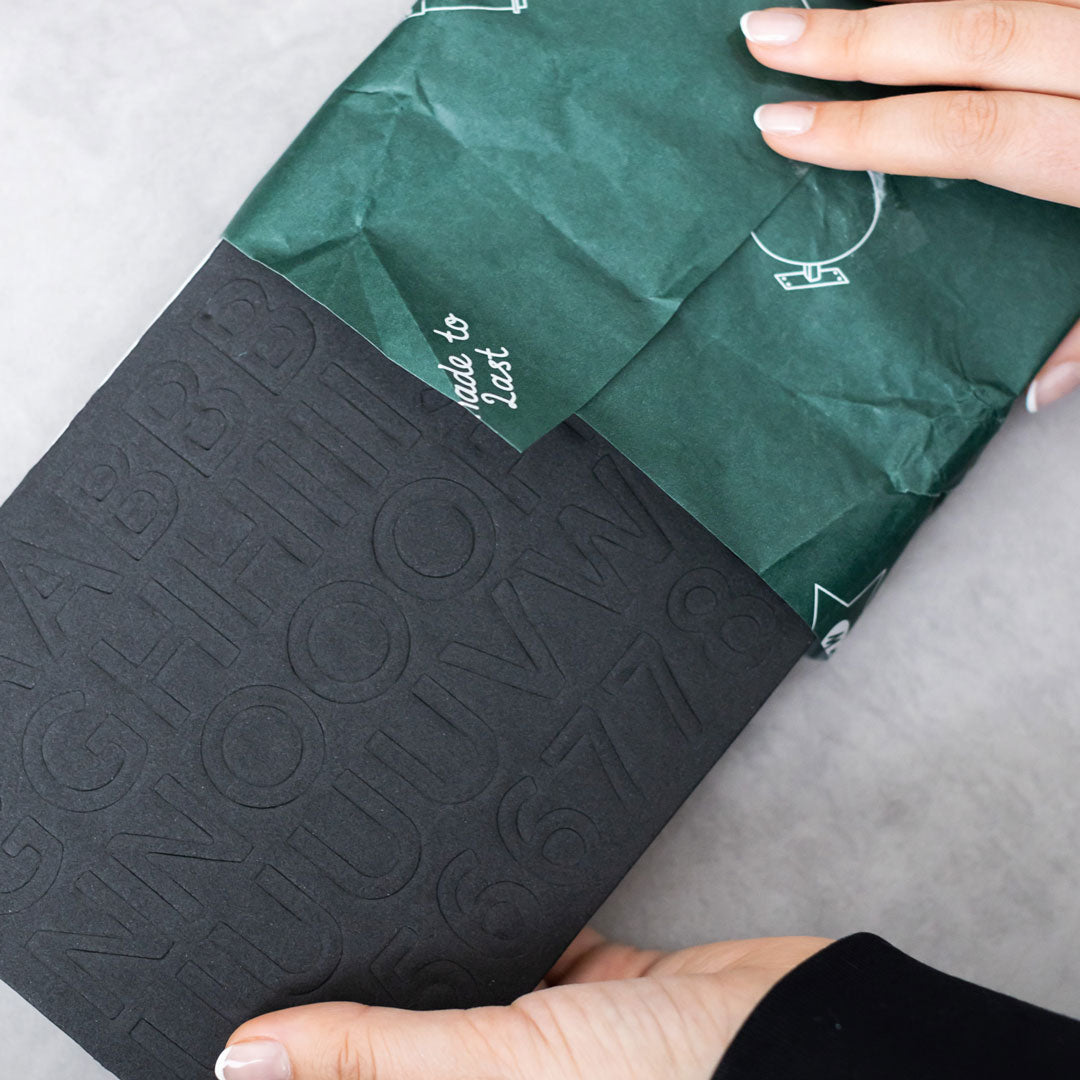
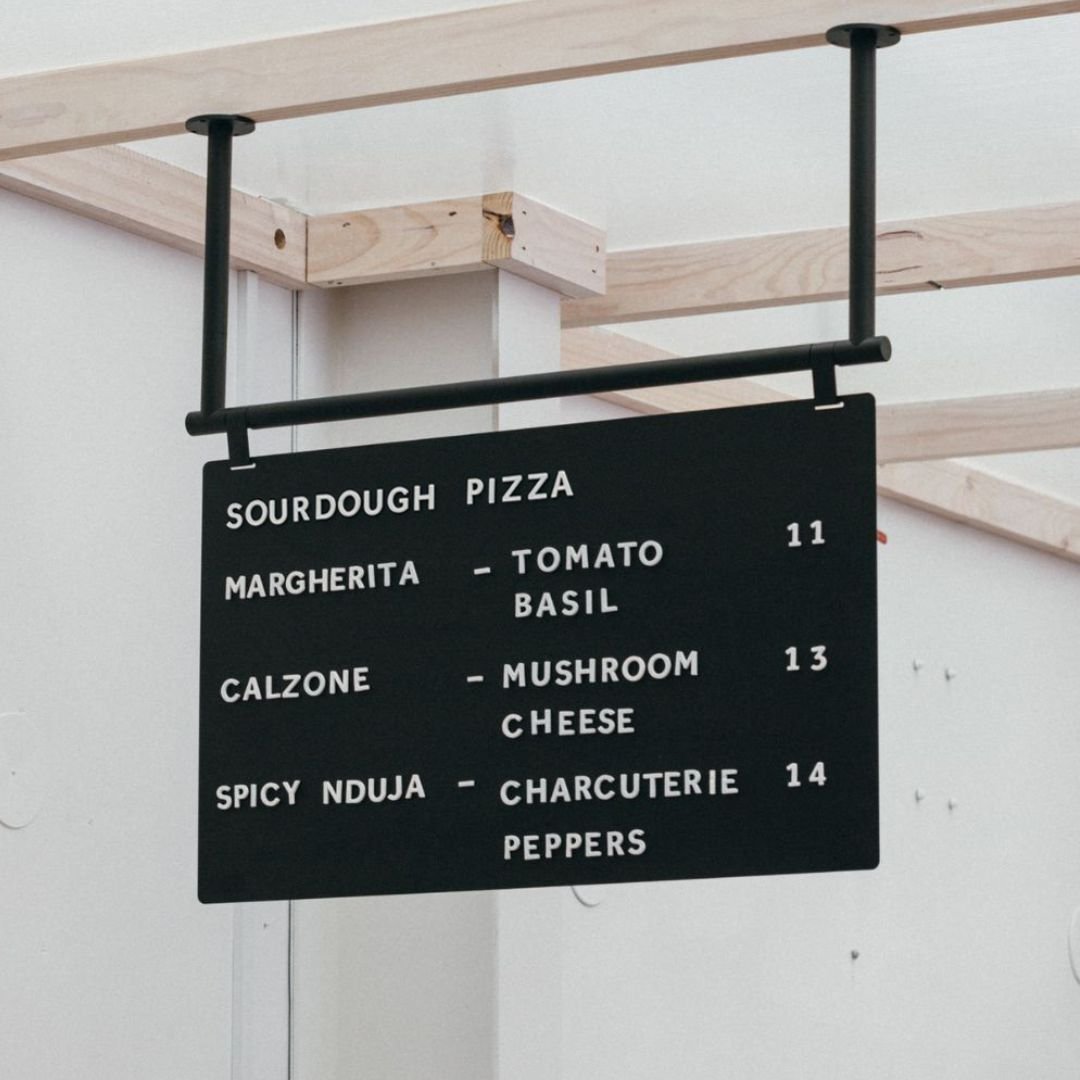
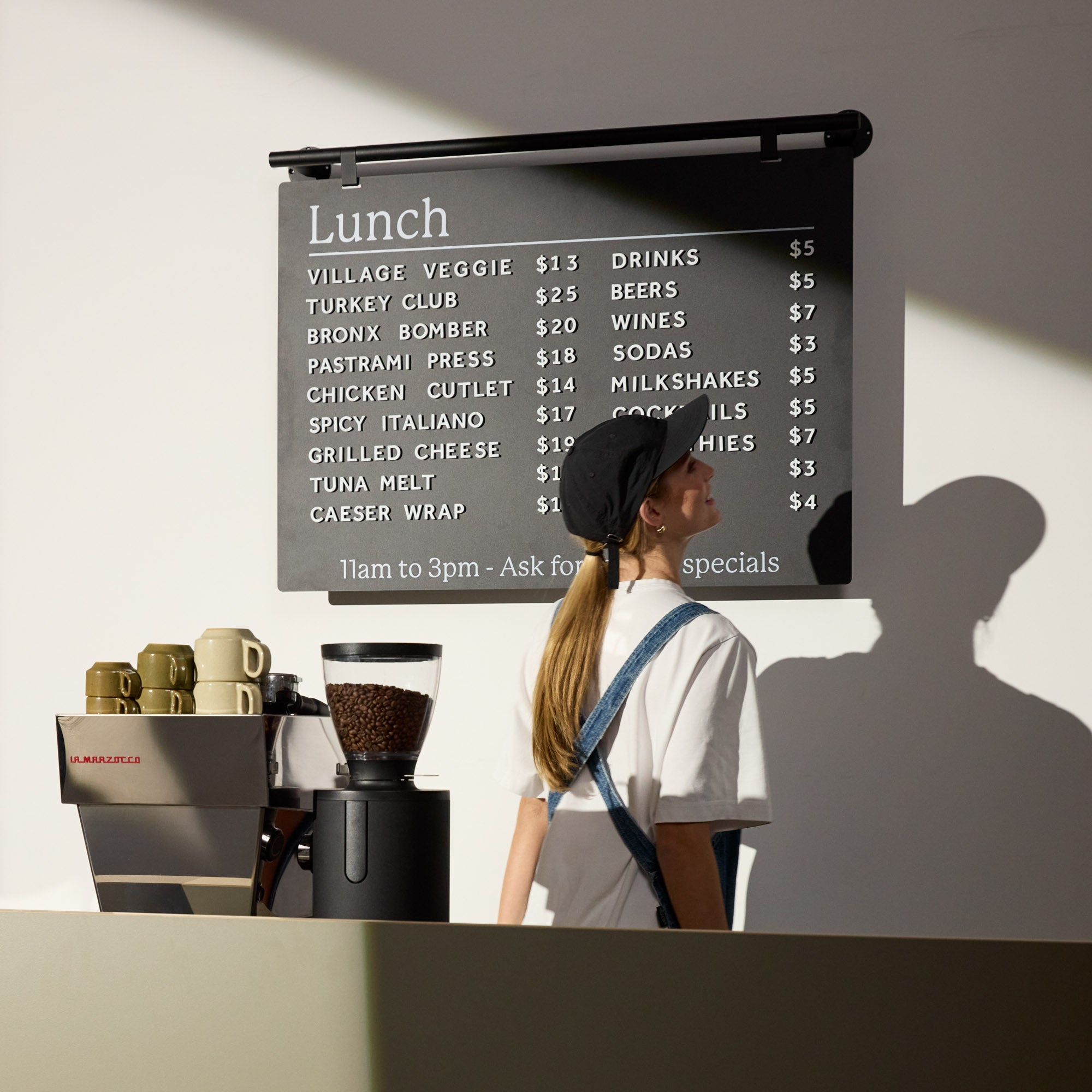
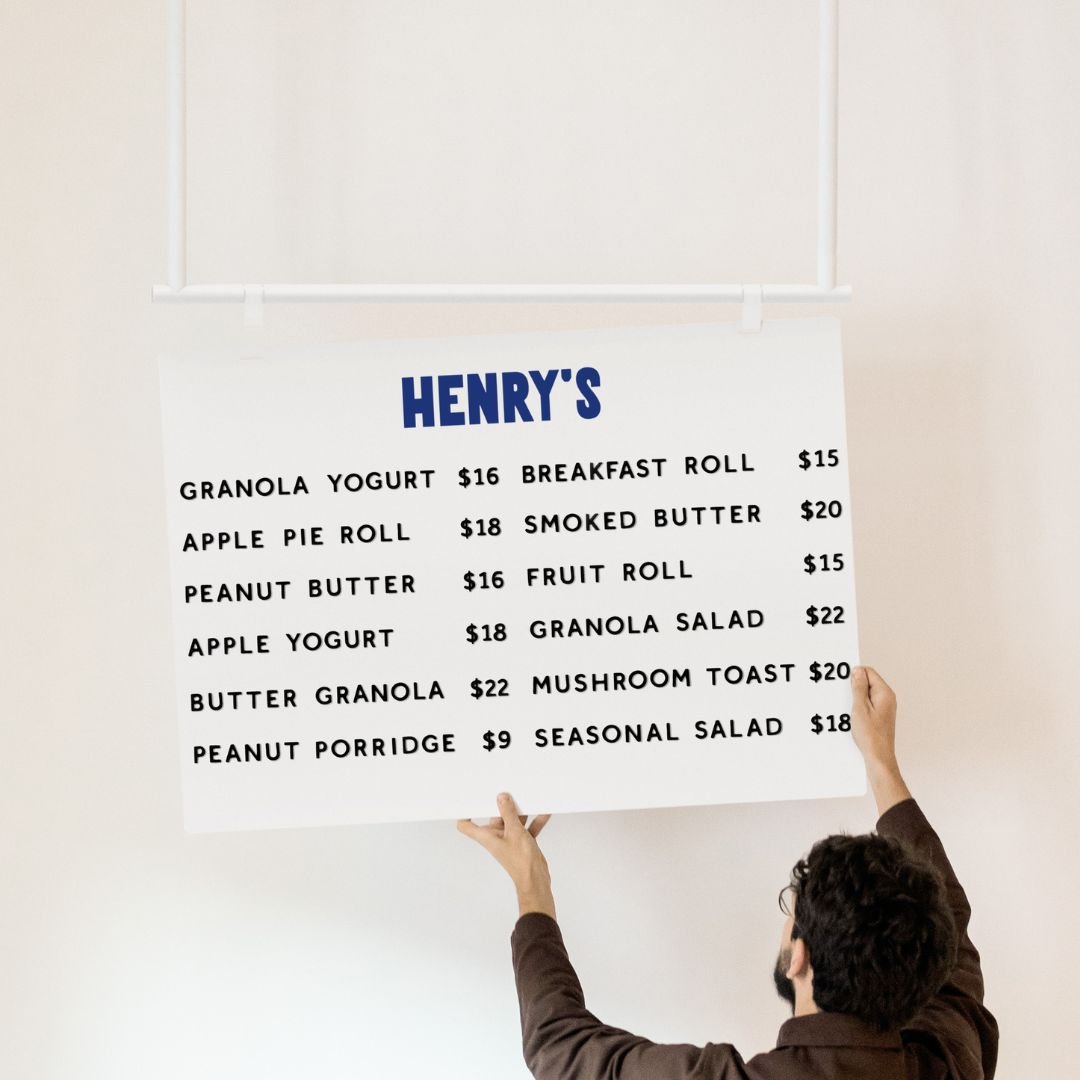
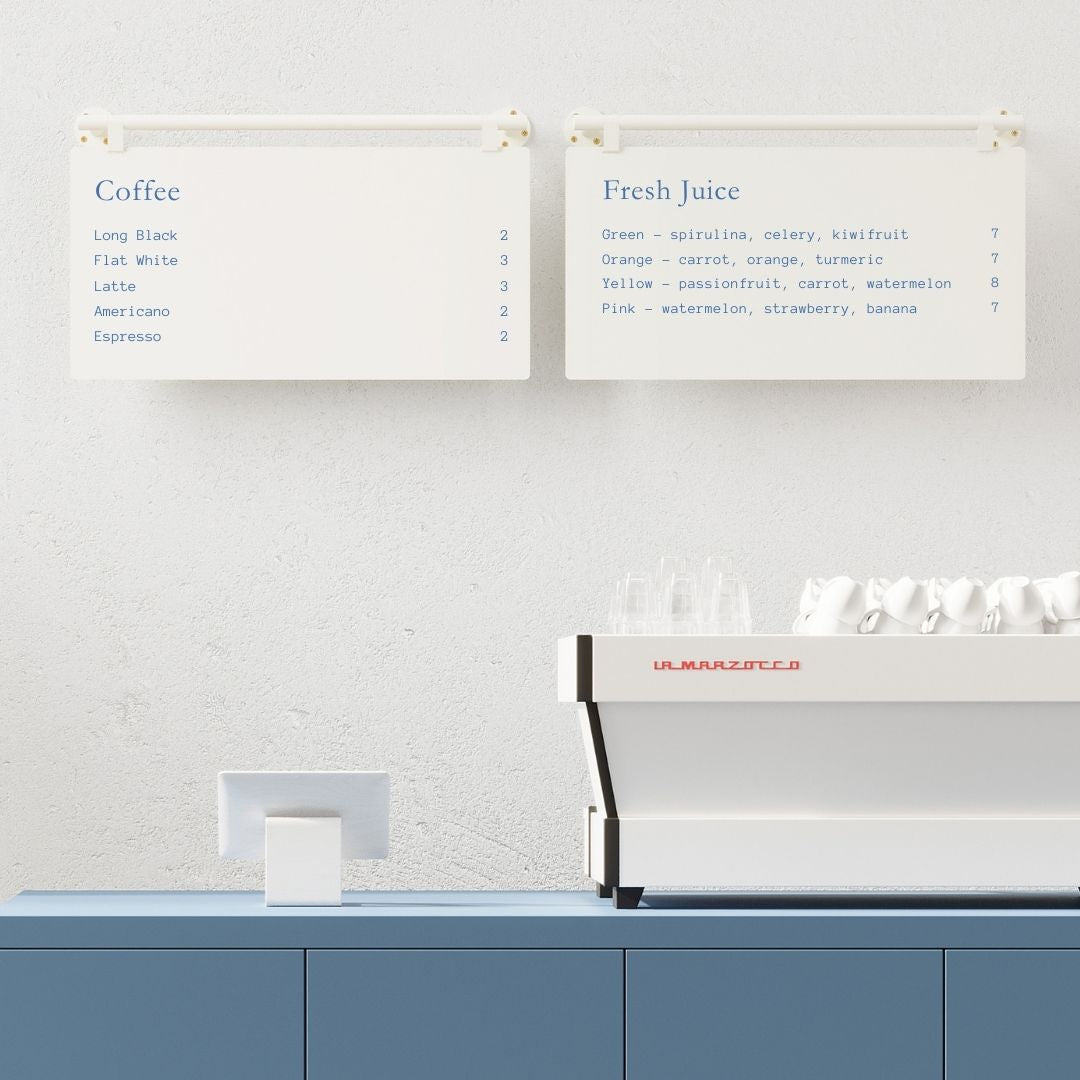
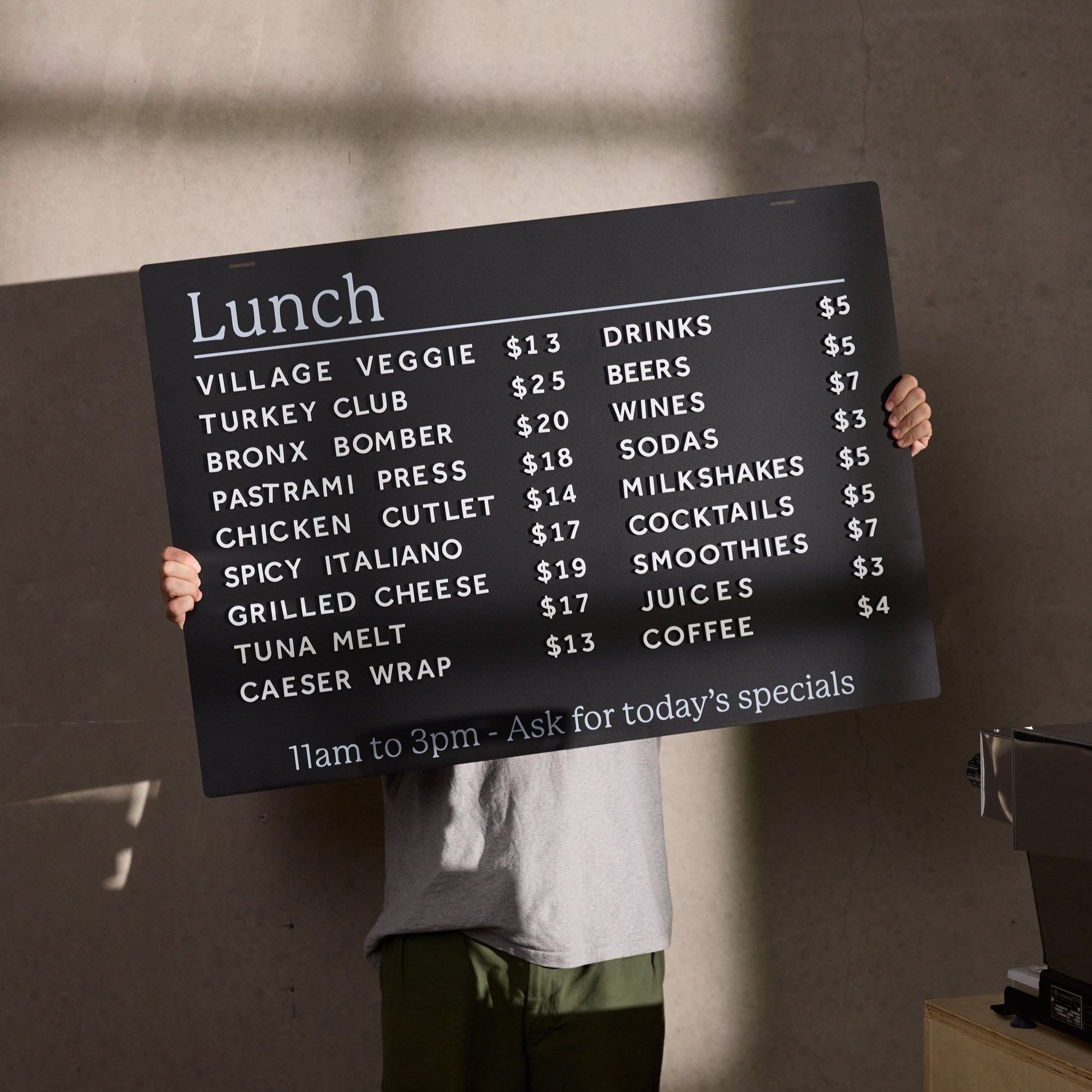
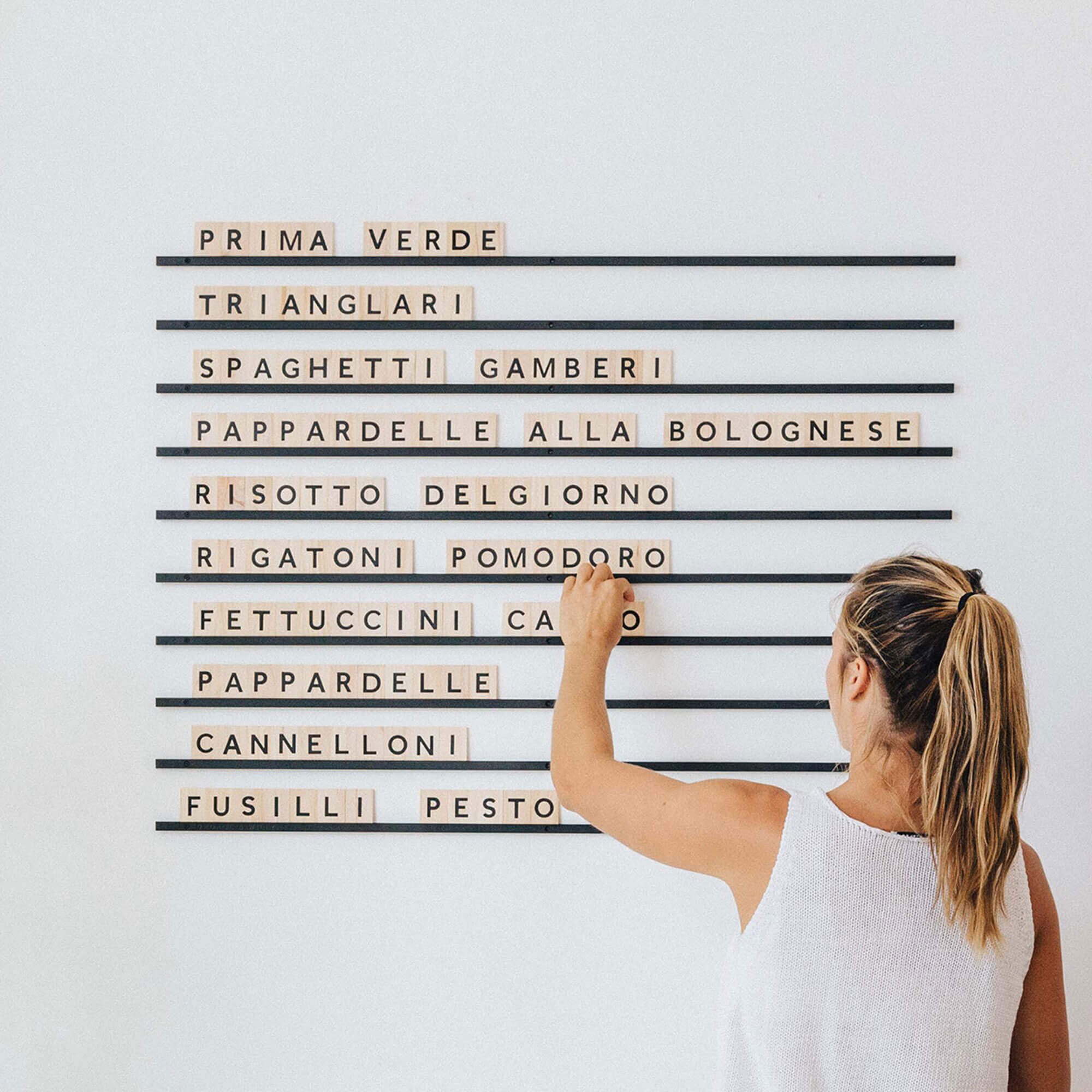
For businesses with dynamic offerings, such as restaurants with daily specials or coffee shops with a rotating menu, changeable sidewalk signs are a lifesaver. These might be chalkboards, whiteboards, or signs with slatted grooves for individual letters. They offer maximum flexibility, letting you update your message in minutes to announce a flash sale or a fresh batch of pastries. For a clean, ready to go option, consider the Letter Sidewalk Sign.
Heavy Duty and Wind Resistant Signs
For locations exposed to the elements, consider more robust options. Wind resistance is crucial for both safety and durability.
- Springer or Swing Signs: These signs have a base with springs that allow the sign face to flex in the wind, preventing them from tipping over.
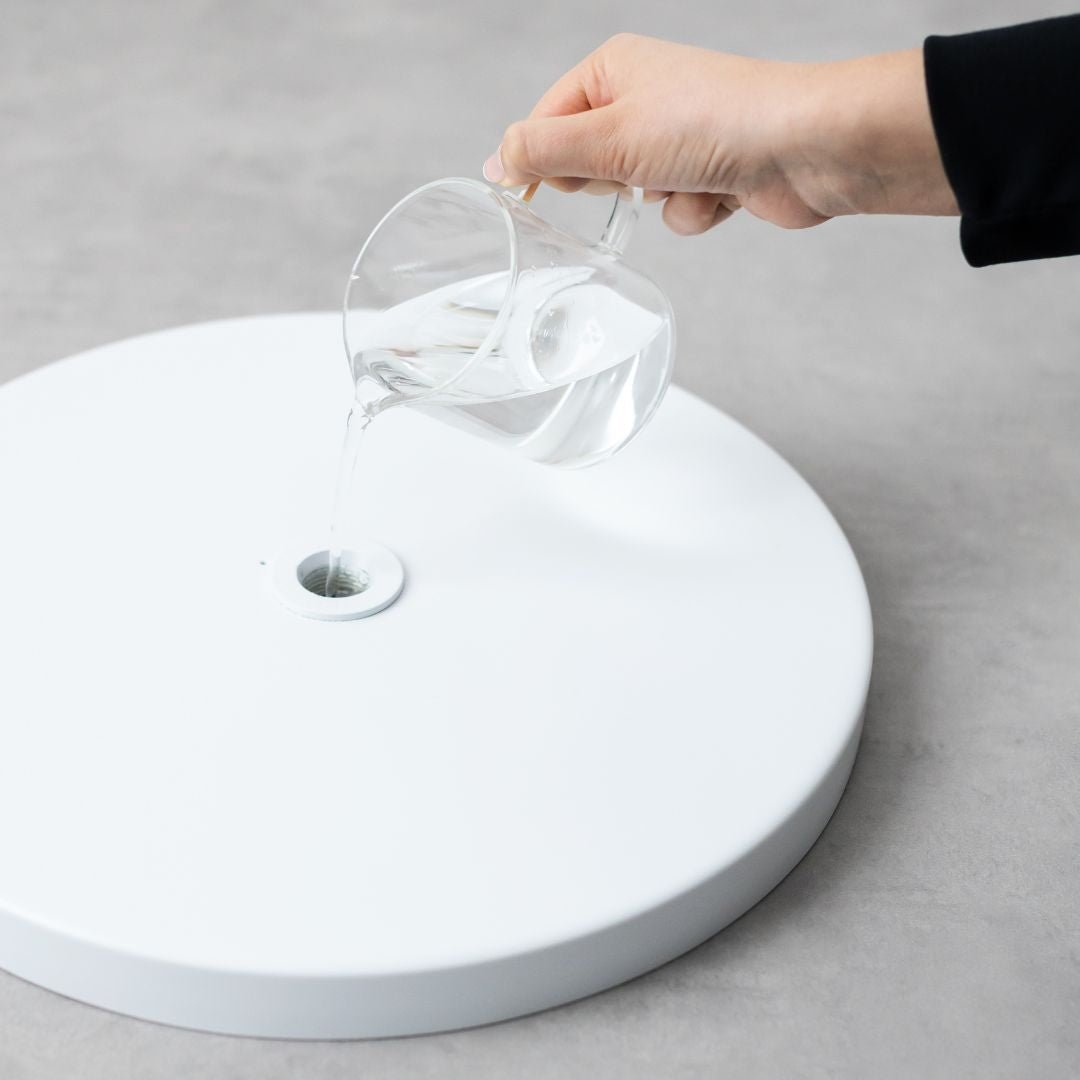
- Water Base Signs: These have a hollow base that you can fill with water or sand for significant weight and stability. Many quality plastic A frames include this feature.
- Wheeled Signs: For large, heavy signs that need to be moved daily, a wheeled base offers portability without the strain.
Illuminated and LED Signs
To capture attention after dark, an illuminated sign is an excellent choice. Modern LED sidewalk signs are bright, energy efficient, and can make your message pop during evening hours, making them ideal for bars, restaurants, and businesses with late operating times. When using these, ensure that all electrical components are rated for outdoor use and that cords do not create a tripping hazard on the sidewalk.
Key Factors to Consider Before You Buy
Beyond the basic type, a few other specifications will influence your decision.
Materials Compared: Metal, Wood, and Plastic
The material of your sign impacts its durability, weight, aesthetic, and cost.
- Metal (Aluminum or Steel): Often considered the premium choice, metal offers excellent durability and weather resistance, especially when powder coated to prevent rust. It provides a sleek, professional look that aligns with a minimalist brand aesthetic. While heavier than plastic, this weight adds to its stability.
- Wood: Wood offers a warm, rustic, and inviting feel. However, it requires more maintenance, needing regular sealing or staining to protect it from moisture and sun, which can cause warping or rot.
- Plastic (PVC or Coroplast): This is typically the most lightweight and budget friendly option. It’s resistant to rust and water, but it can become brittle or fade over time with prolonged sun exposure. It is often used for signs with printed, swappable inserts.
Standard Sizes, Dimensions, and Weight
While there is no single universal standard, most A frame signs use common graphic insert sizes. Popular dimensions for the sign face are 18x24 inches and 24x36 inches. Larger formats up to 27x47 inches are also available for maximum visibility. The overall height of an A frame sign is typically between 3 to 4 feet. Weight is a key factor, a heavier sign is more stable in the wind, but a lighter sign is easier to move daily. Look for a balance that suits your location and staff.
Understanding Price and Cost Factors
The cost of a sidewalk sign can range from under one hundred dollars to over $500. Key factors influencing the price include:
- Material: Heavy duty, powder coated aluminum or steel signs cost more than lightweight plastic models.
- Size: Larger signs require more material and naturally cost more.
- Brand and Design: Design led signs from brands focused on aesthetics and quality materials carry a premium over generic, mass produced options.
- Features: Special features like built in wheels, water fillable bases, or included letter sets will affect the price.
Eco Friendly and Sustainable Options
Sustainability is an increasing consideration for many businesses. Look for signs made from recyclable materials like aluminum, which can be recycled indefinitely without losing quality. Some manufacturers also offer products made from FSC certified wood or recycled plastics. Choosing a durable, long lasting sign is in itself a sustainable choice, as it reduces the need for frequent replacements.
Designing a Sign That Actually Works
An effective sign communicates its message in a split second. Here’s how to ensure your design hits the mark.
Keep It Short, Sweet, and Readable
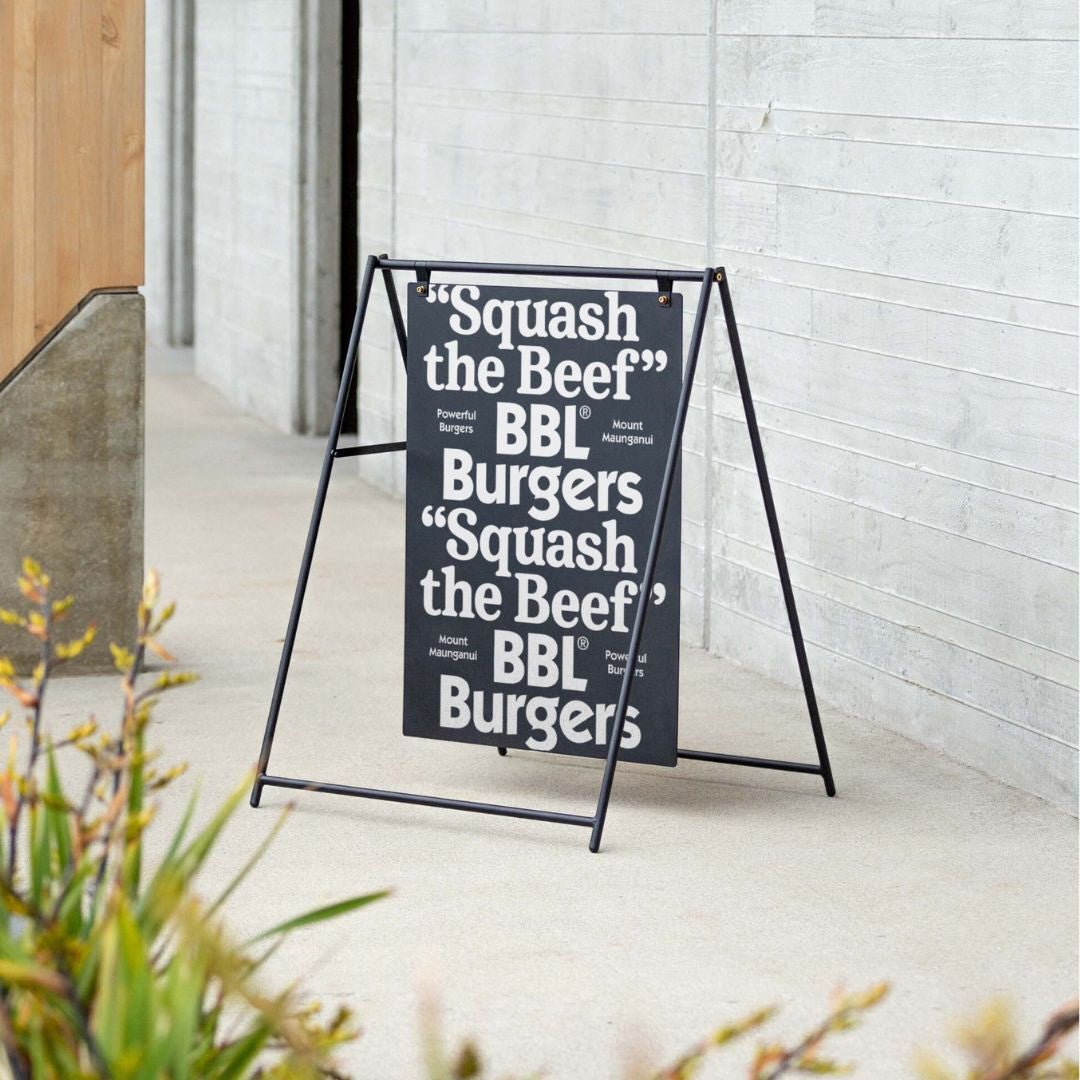
A person walking by only has a few seconds to read your sign. Keep your message concise and to the point. Use large, clear fonts and high contrast colors (like white on black, or black on white) to maximize legibility. A good rule of thumb is to have one inch of letter height for every ten feet of viewing distance.
| Viewing Distance | Minimum Letter Height |
|---|---|
| 10 feet | 1 inch |
| 20 feet | 2 inches |
| 50 feet | 5 inches |
| 100 feet | 10 inches |
Reflect Your Brand’s Personality
Your sidewalk sign is an extension of your brand. Is your cafe cozy and rustic? A hand lettered chalkboard might be perfect. Is your boutique modern and sleek? A sign with crisp, clean typography will reinforce that image. Research shows that presenting a brand consistently can increase revenue by up to 33%, and that consistency starts at the curb.
Make It Professional and Error Free
A polished sign signals a quality business. In fact, 68% of consumers believe a store’s signage reflects the quality of its products or services. Typos, messy handwriting, or a faded, dirty sign can actively deter customers. Taking a moment to double check spelling and keep your sign clean is a simple way to build trust before anyone even steps inside.
Graphics and Customization Options
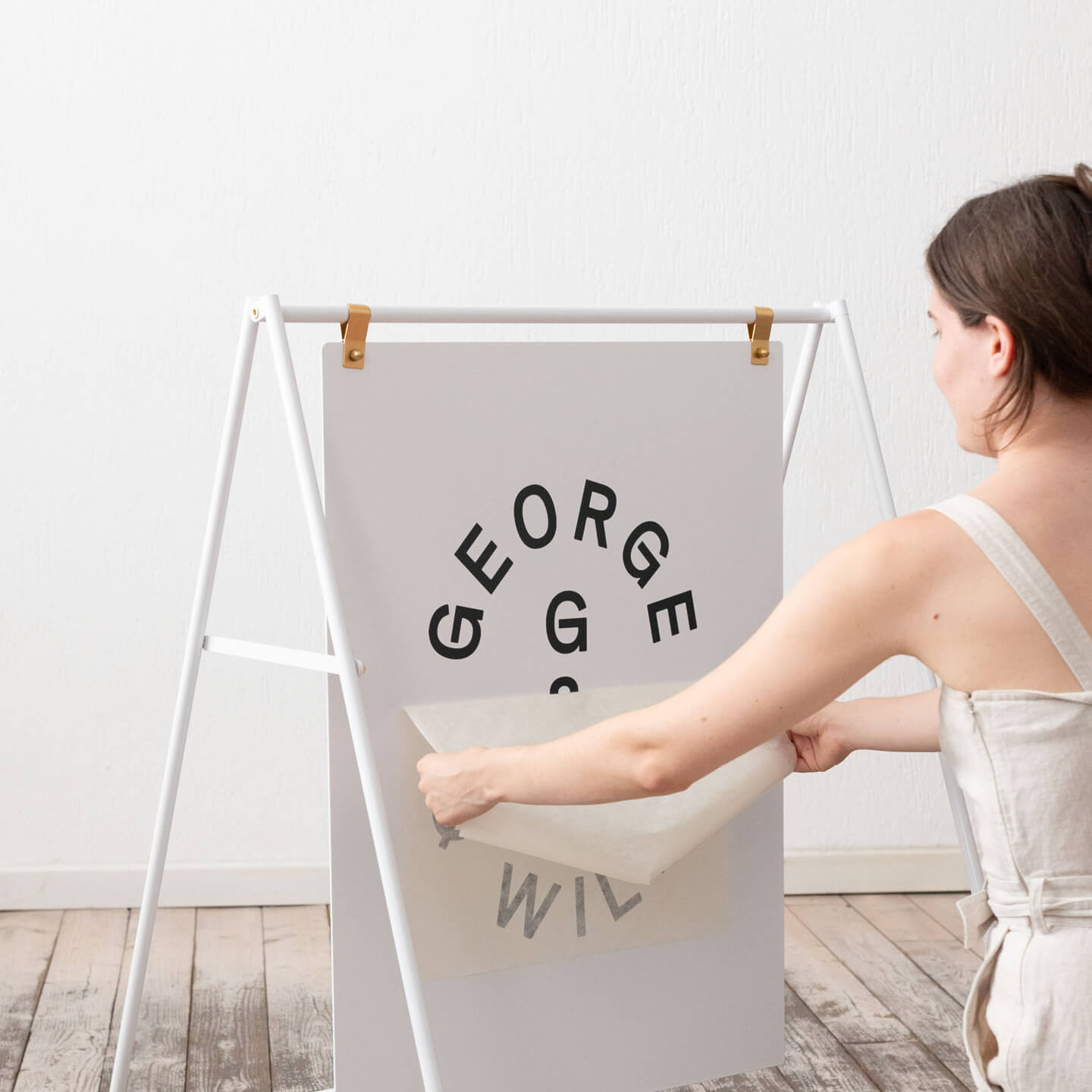
While some businesses print directly onto signs, a more flexible approach is using a high quality blank sign and applying custom graphics with vinyl decals. This allows for professional, crisp branding that can be updated later if needed. You can work with a local signwriter to apply your logo or a permanent message to signs like those from George & Willy, which arrive blank and ready for your unique touch.
Upkeep, Storage, and Lifespan
A quality sign is an investment. Proper care will ensure it serves your business for years to come.
Setup, Assembly, and Daily Storage
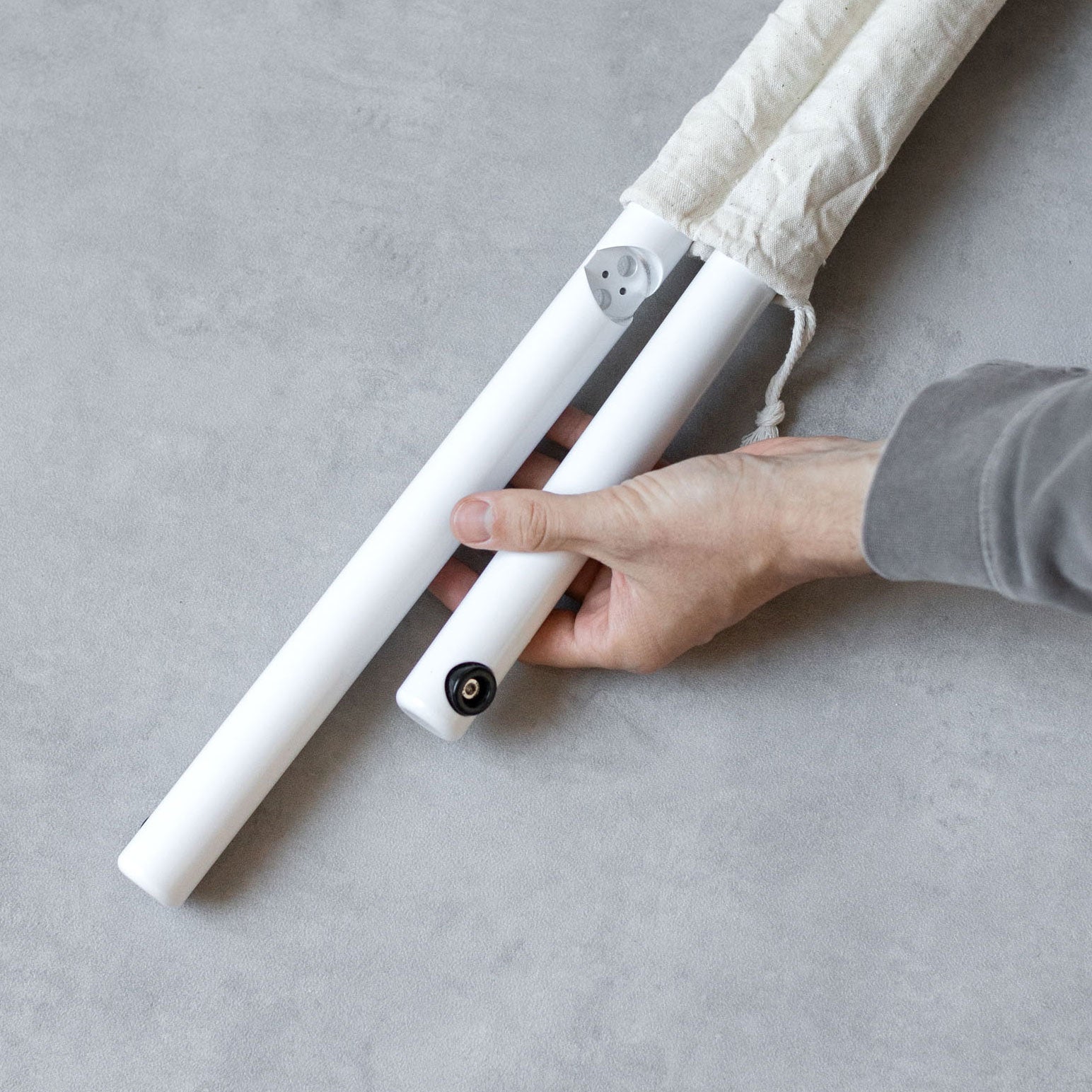
Most sidewalk signs, like A frames, require no assembly and simply fold open for setup. It is crucial to bring your sign inside every night. This protects it from theft, vandalism, and unnecessary wear from overnight weather, significantly extending its life.
Maintenance and Cleaning Guide
Regular cleaning keeps your sign looking professional. For powder coated metal signs, the process is simple:
- Rinse with clean water to remove loose dirt.
- Use a soft cloth or sponge with a mild soap and warm water solution.
- Gently scrub the surface, avoiding abrasive cleaners or harsh chemicals.
- Rinse thoroughly to remove all soap residue and dry with a soft cloth to prevent water spots.
Lifespan, Warranties, and Replacement Parts
A well made sign from durable materials like aluminum can last for many years. When purchasing, check the manufacturer’s warranty. A strong warranty (like the 2 year warranty offered by George & Willy) is a good indicator of a quality product built to last. For letter boards or other modular signs, ensure that replacement letters or parts are readily available.
Placement, Legality, and Safety
Where you put your sign is as important as what it says. Follow these guidelines for effective and compliant placement.
Strategic Placement for Maximum Impact
Position your sign where it will be most visible to oncoming foot traffic, but be sure not to obstruct the walkway. Place it far enough from your entrance to catch attention from a distance, drawing people toward your door.
Navigating Local Ordinances and Permits
Always check your local city regulations regarding sidewalk signage to ensure you are compliant. Many municipalities have rules about:
- Size: Maximum height and width allowances.
- Placement: Required clearance on the sidewalk for pedestrian access.
- Time: Restrictions on when signs can be displayed (e.g., only during business hours).
- Permits: Some cities may require a permit to place a sign on a public sidewalk.
A Deeper Look at ADA Accessibility
The Americans with Disabilities Act (ADA) has specific guidelines to ensure public walkways are accessible to everyone. The key requirement for sidewalk signs is maintaining a continuous “clear path of travel”.
- Clear Width: The sidewalk must have a clear, unobstructed path that is at least 36 inches wide. If a sidewalk is less than 60 inches wide, passing spaces may be required at intervals.
- Protruding Objects: Ensure your sign does not create a hazard for visually impaired individuals. Freestanding objects should not have bases that someone could trip over.
- Stability: Your sign must be stable and not easily tipped over, which could create an obstruction or hazard.
Safety and Security
A stable sign is a safe sign. To prevent your sign from tipping in the wind, choose a model with a low center of gravity and a solid weight. For A frame signs in windy areas, sandbags for A Frame signs can provide extra security. To prevent theft, bring your sign inside every night.
Creative and Strategic Use Cases
Industry Specific Ideas and Examples
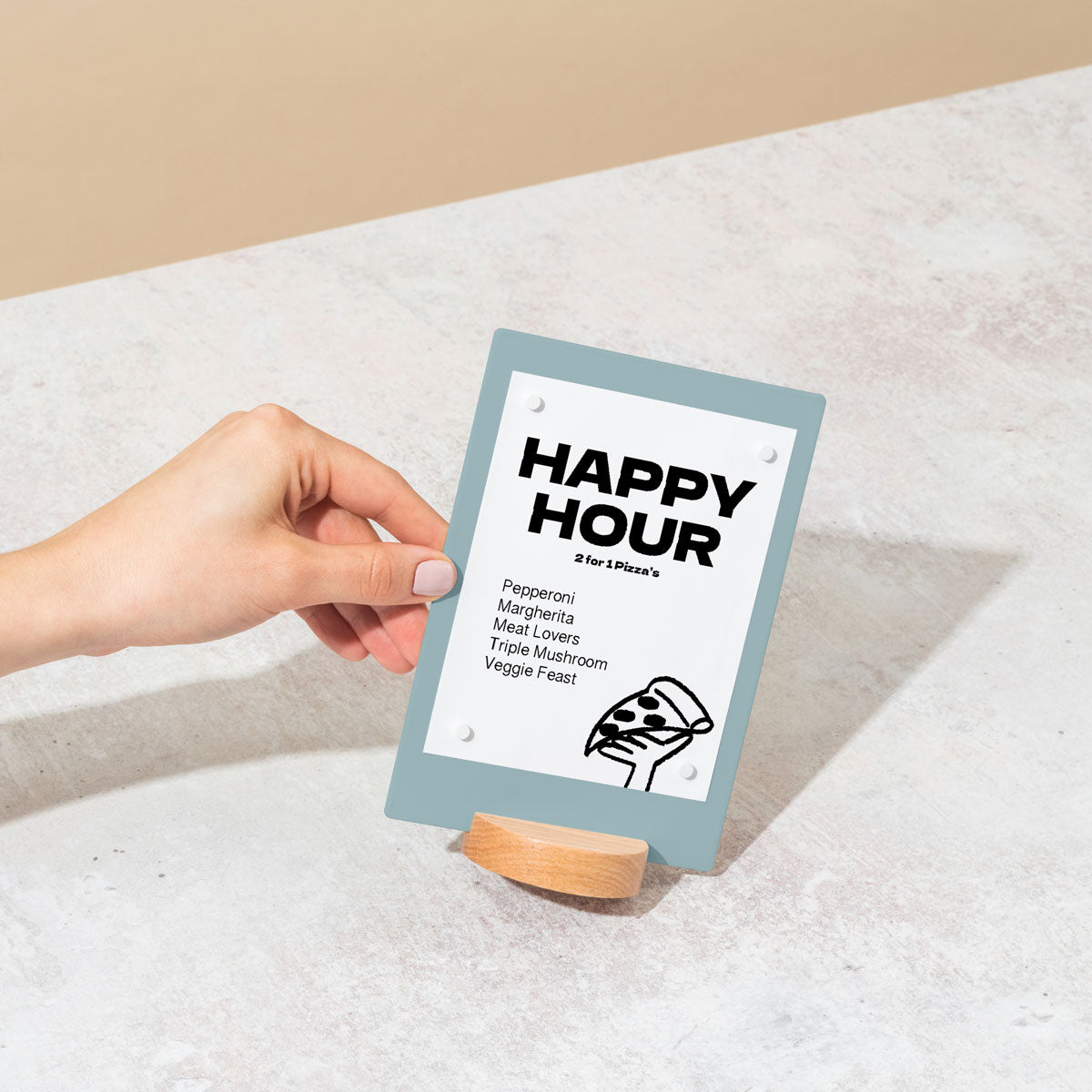
- Cafes and Restaurants: Announce daily specials, promote happy hour, display a QR code for your menu, or share a “coffee of the day”.
- Retail Boutiques: Highlight a new collection, announce a sale, or welcome shoppers with a stylish message that reflects your brand.
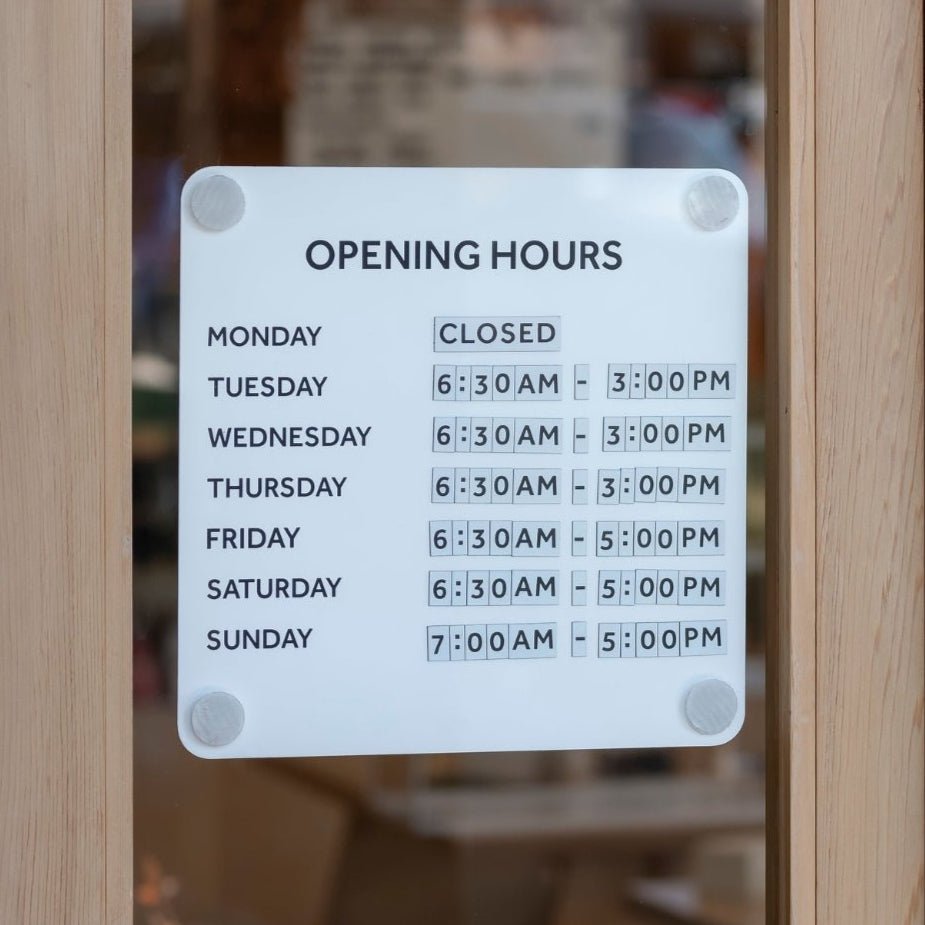
- Salons and Studios: Showcase walk in availability, advertise a specific service, or list your opening hours in a creative way.
Alternatives When Sidewalks Are Restricted
If your local rules are very strict or your sidewalk is too narrow, you have other options to capture street level attention:
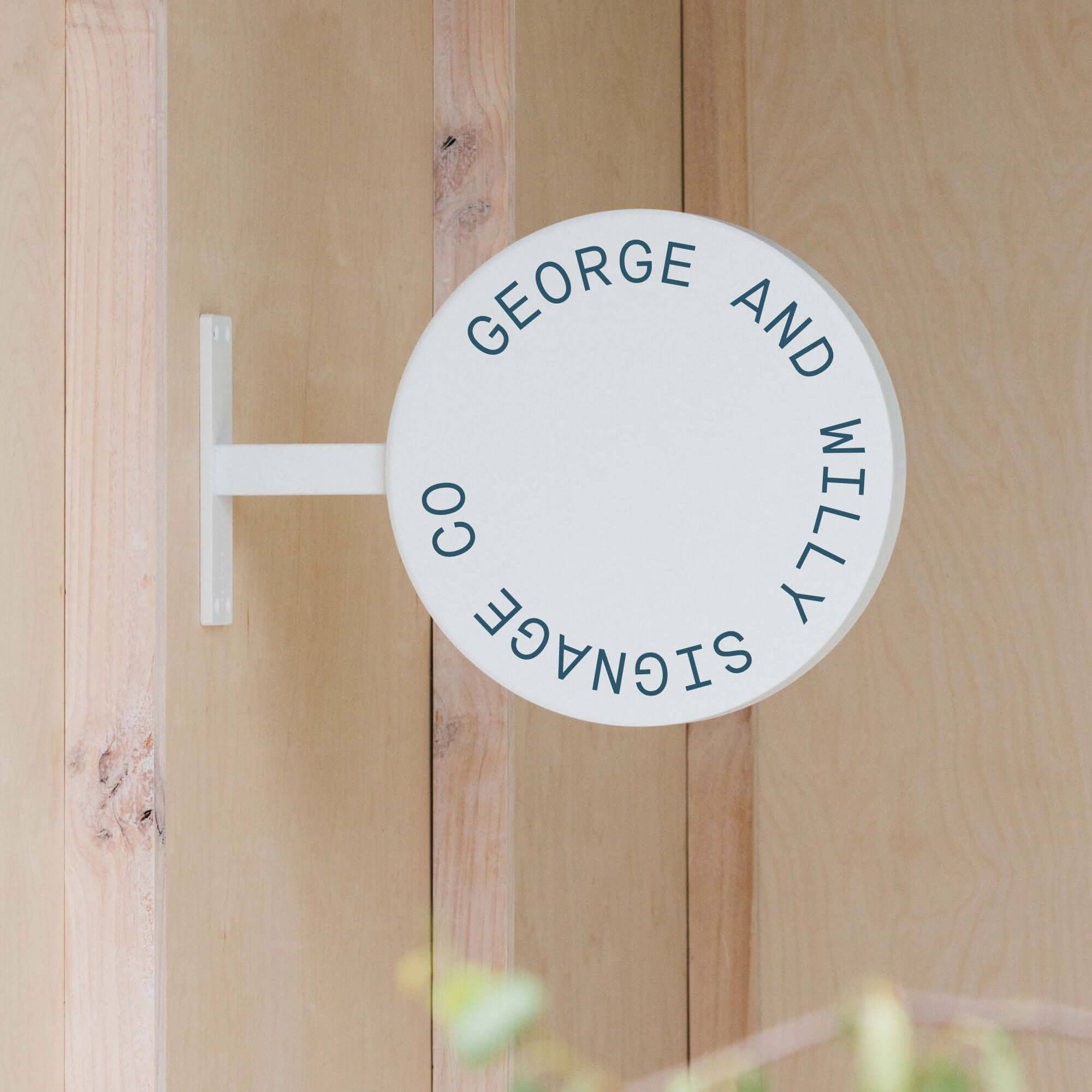
- Blade Signs: These are signs that project from the side of a building, highly visible to pedestrians walking along the storefront.
- Window Decals: Use your window space for high contrast vinyl lettering or graphics.
- Wall Mounted Signage: A permanent sign mounted flat against your building can establish your presence.
Frequently Asked Questions About Sidewalk Signs
What should I write on my sidewalk sign?
Keep it brief and engaging. Announce a daily special, ask a fun question, share a witty quote, or clearly state a promotion (like “20% Off All Sweaters”). The goal is to pique curiosity and invite people in.
How do I make my sidewalk sign stand out?
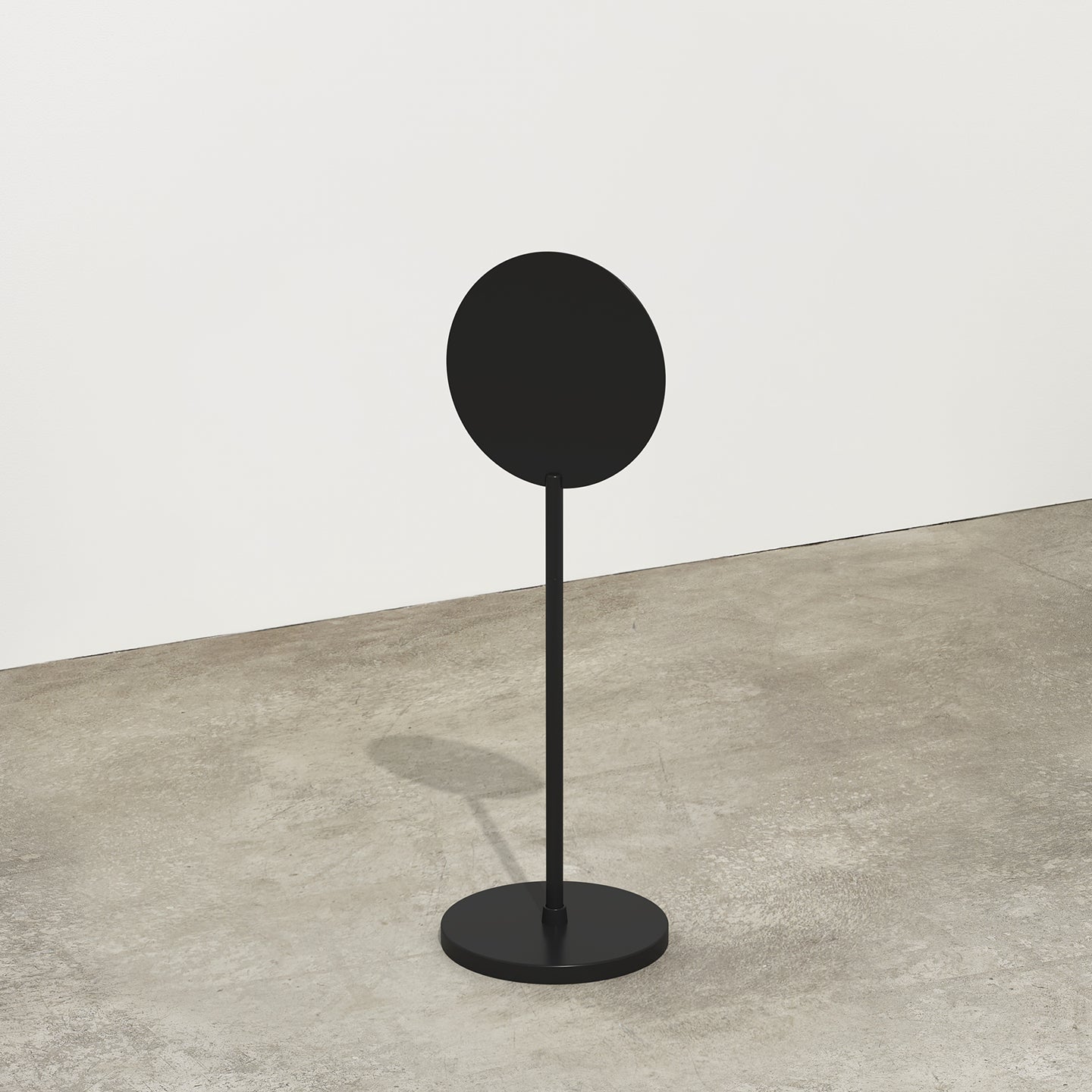
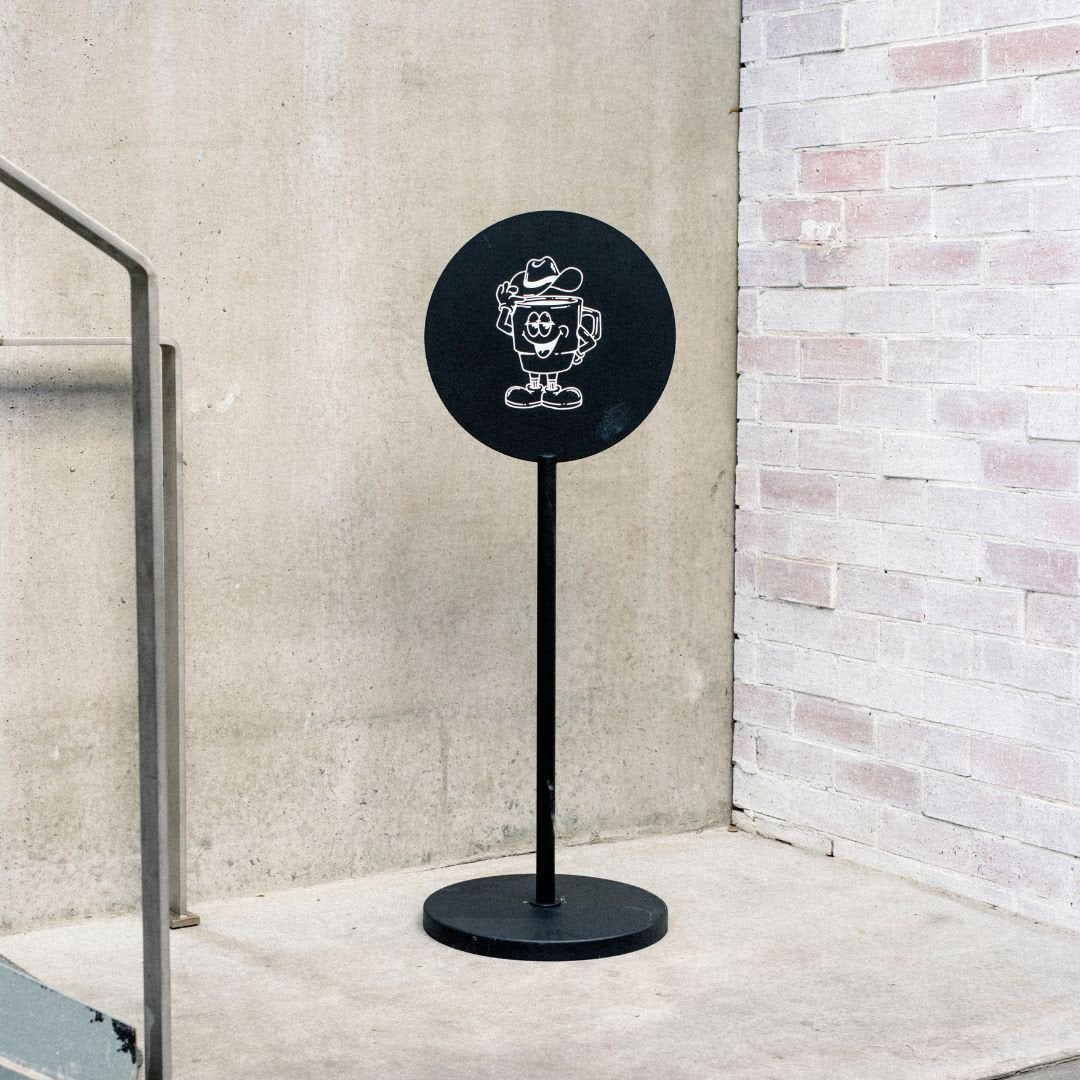
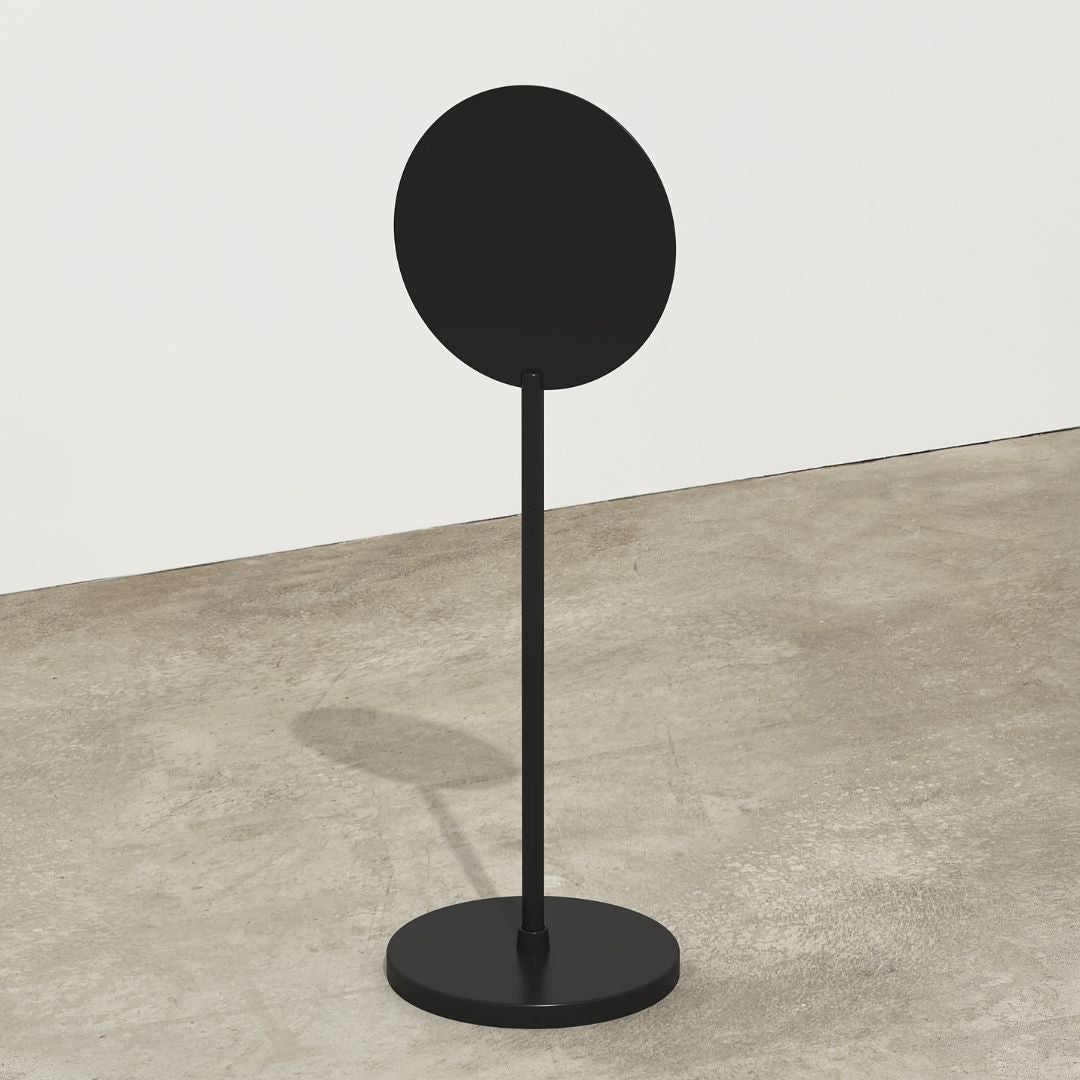
Use a clean design, high contrast colors, and a compelling message. A unique shape, like a Standing Round Sign, or high quality materials can also help it stand out from generic signs. Less is often more; a simple, bold message is more effective than a cluttered one.
Are sidewalk signs effective for any type of business?
Yes, almost any brick and mortar business can benefit. They are especially effective for businesses that rely on foot traffic, including cafes, restaurants, bakeries, retail shops, salons, and fitness studios.
How do I keep my sidewalk sign from blowing over in the wind?
Choose a sign with a solid weight and a stable design, such as an A frame. Some signs are designed with weighted bases that can be filled with sand or water. Others can be secured with sandbags for A Frame signs in very windy conditions.
Do I need a permit for a sidewalk sign?
This depends entirely on your local municipality. Many towns and cities have regulations regarding the size, placement, and duration for sidewalk signs. It is always best to check with your local business authority or city hall first.