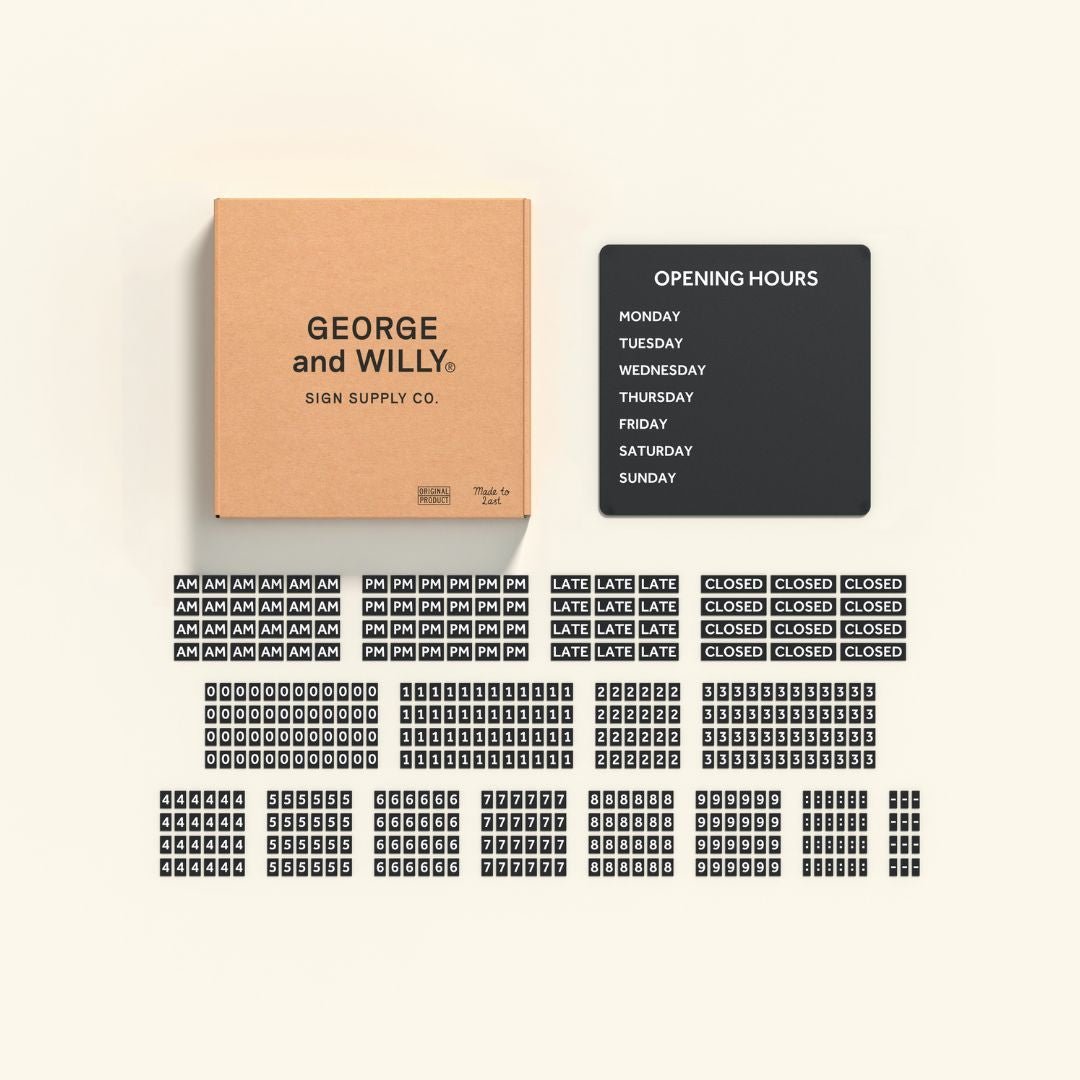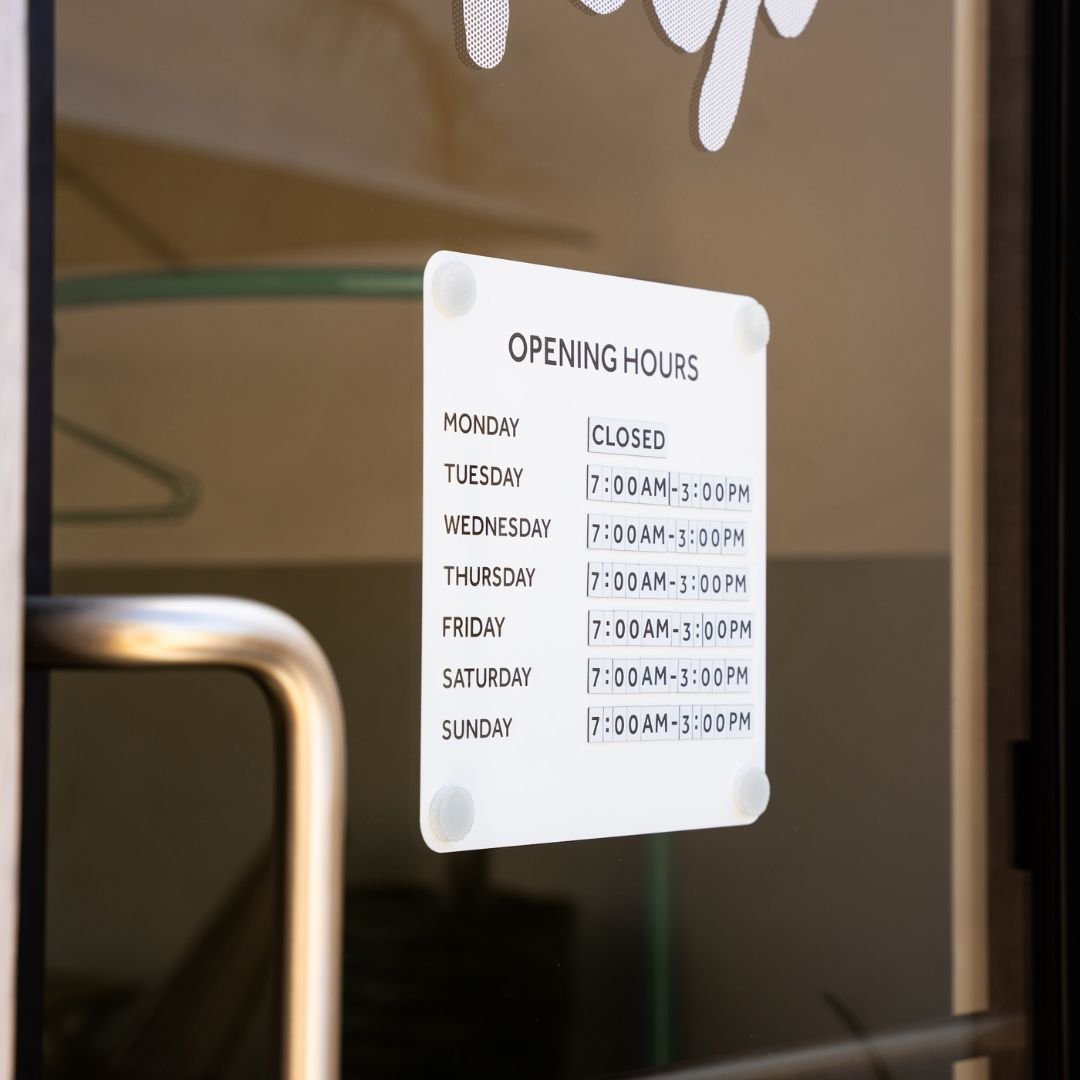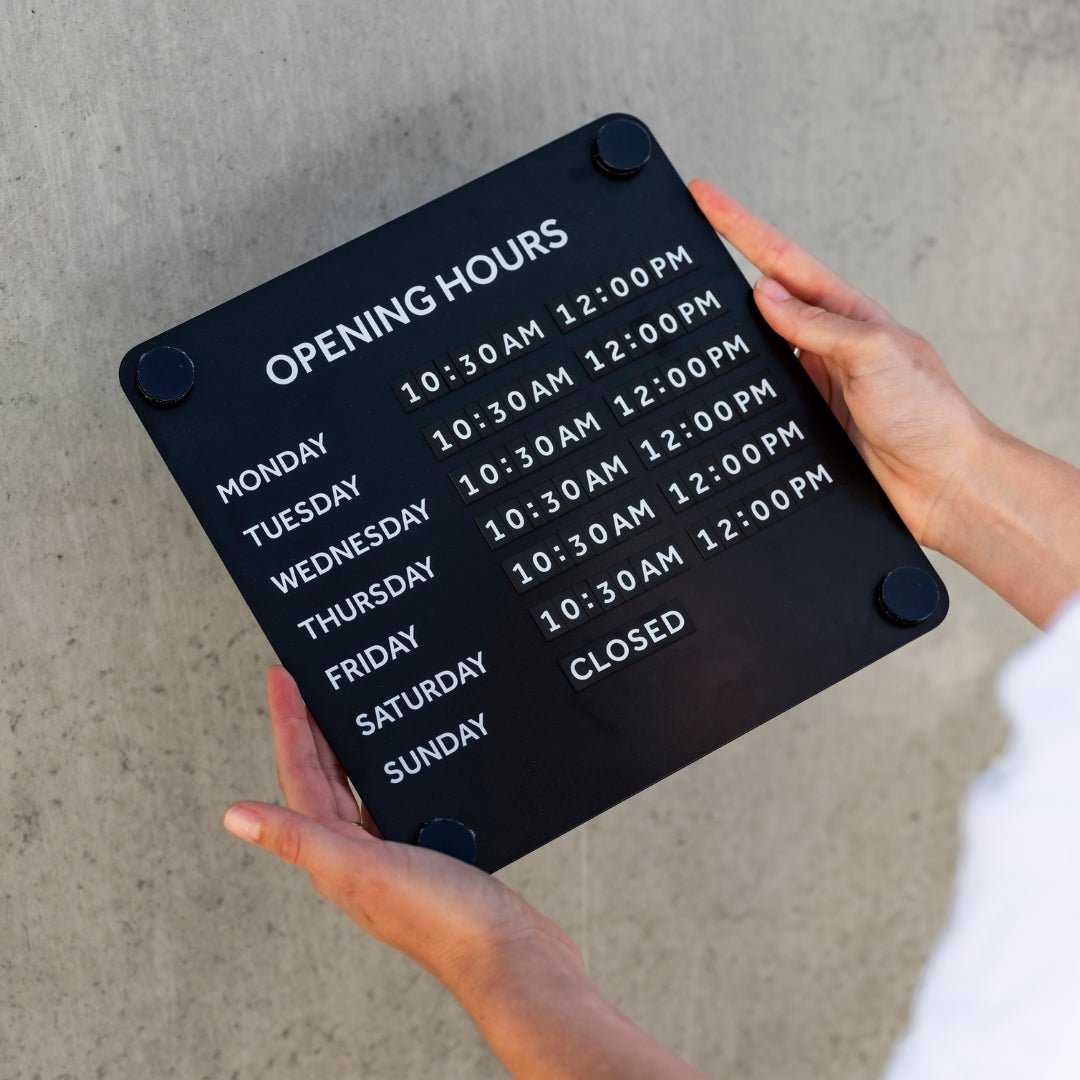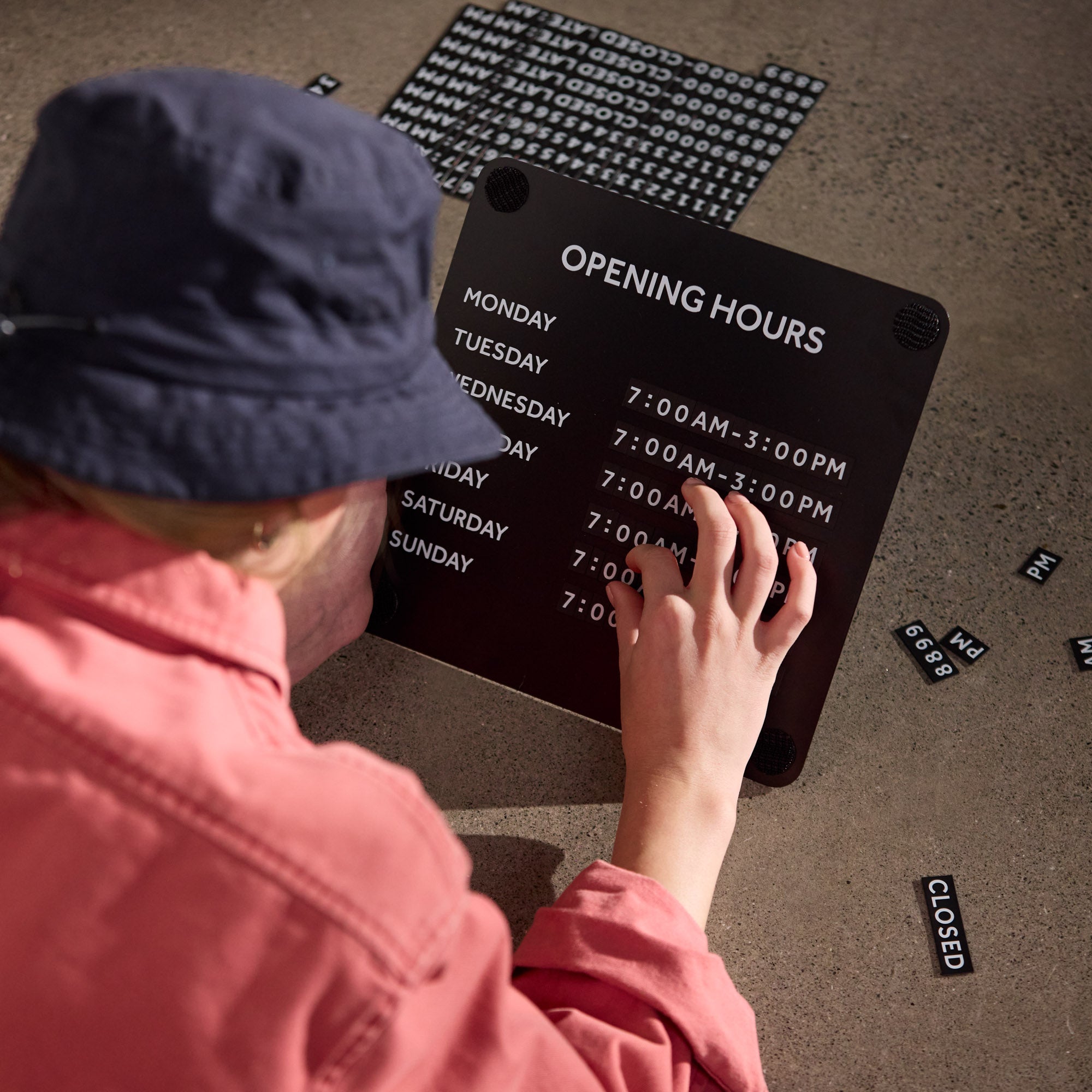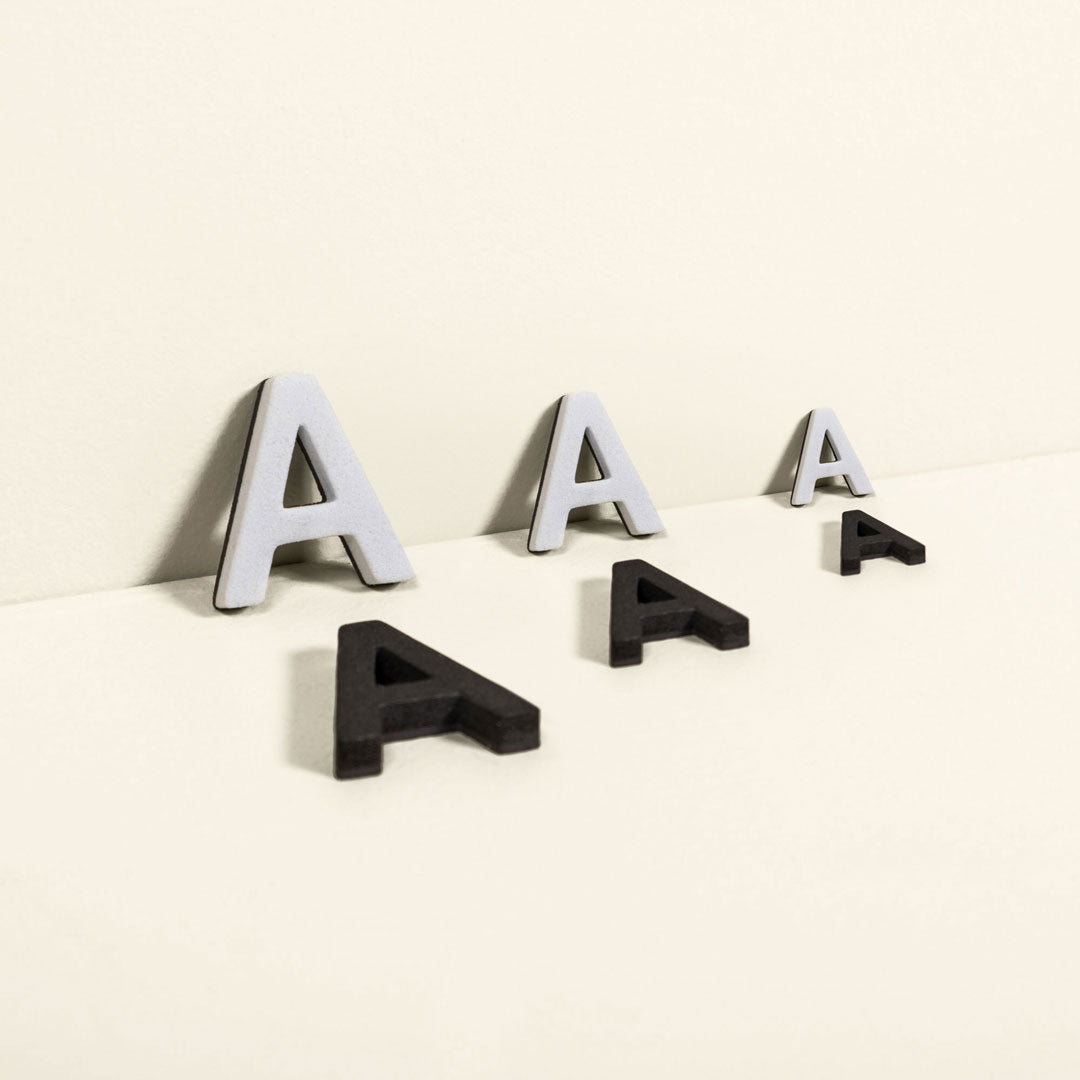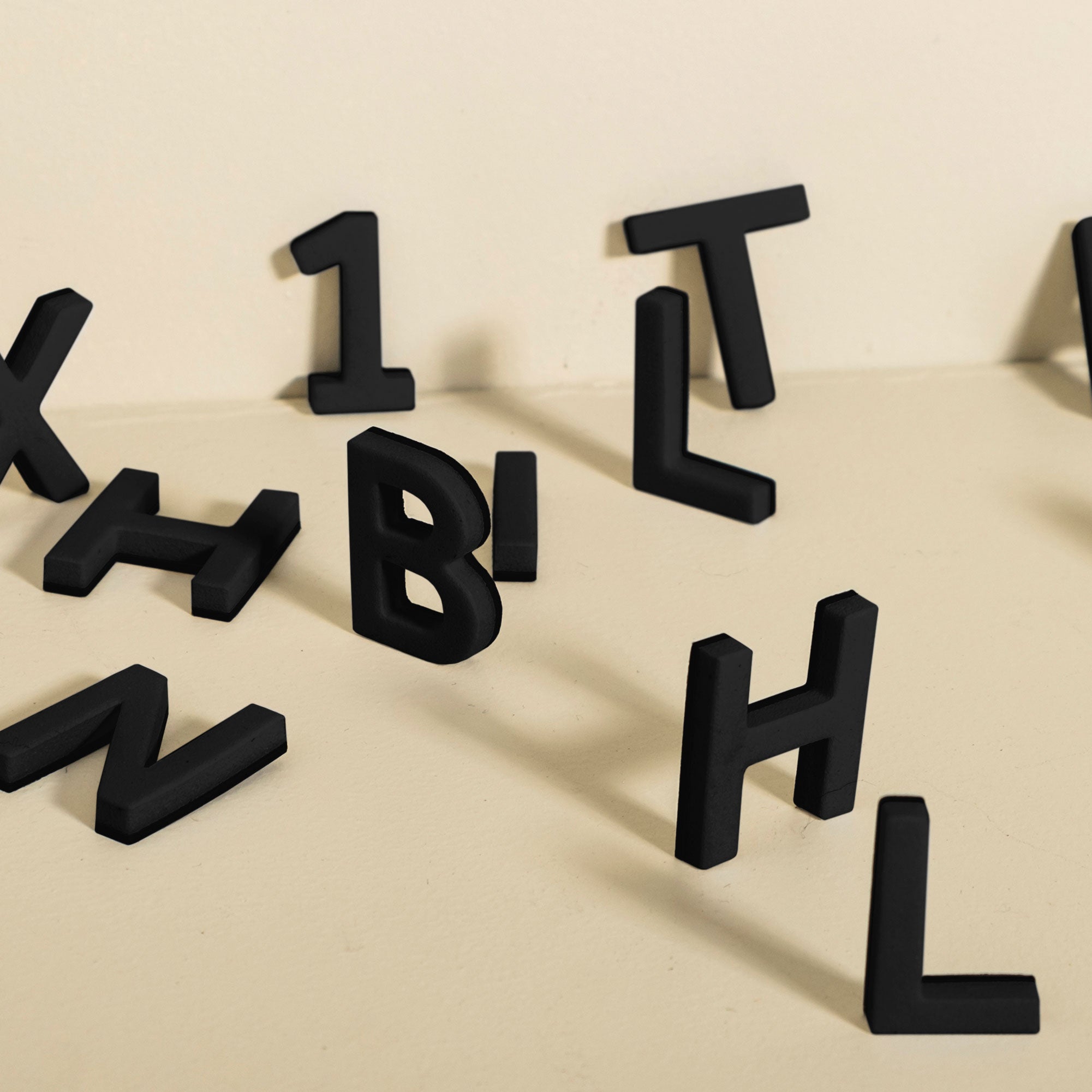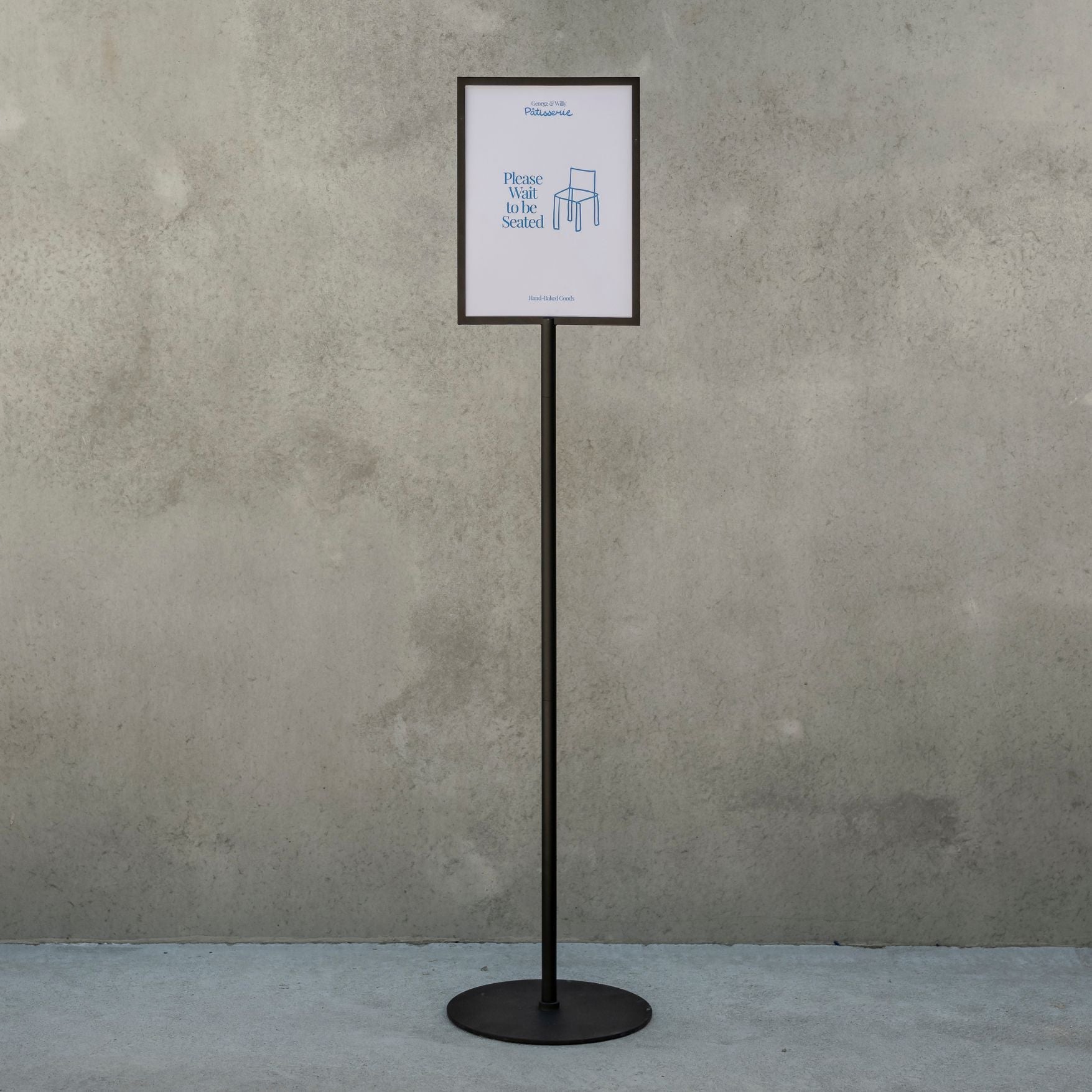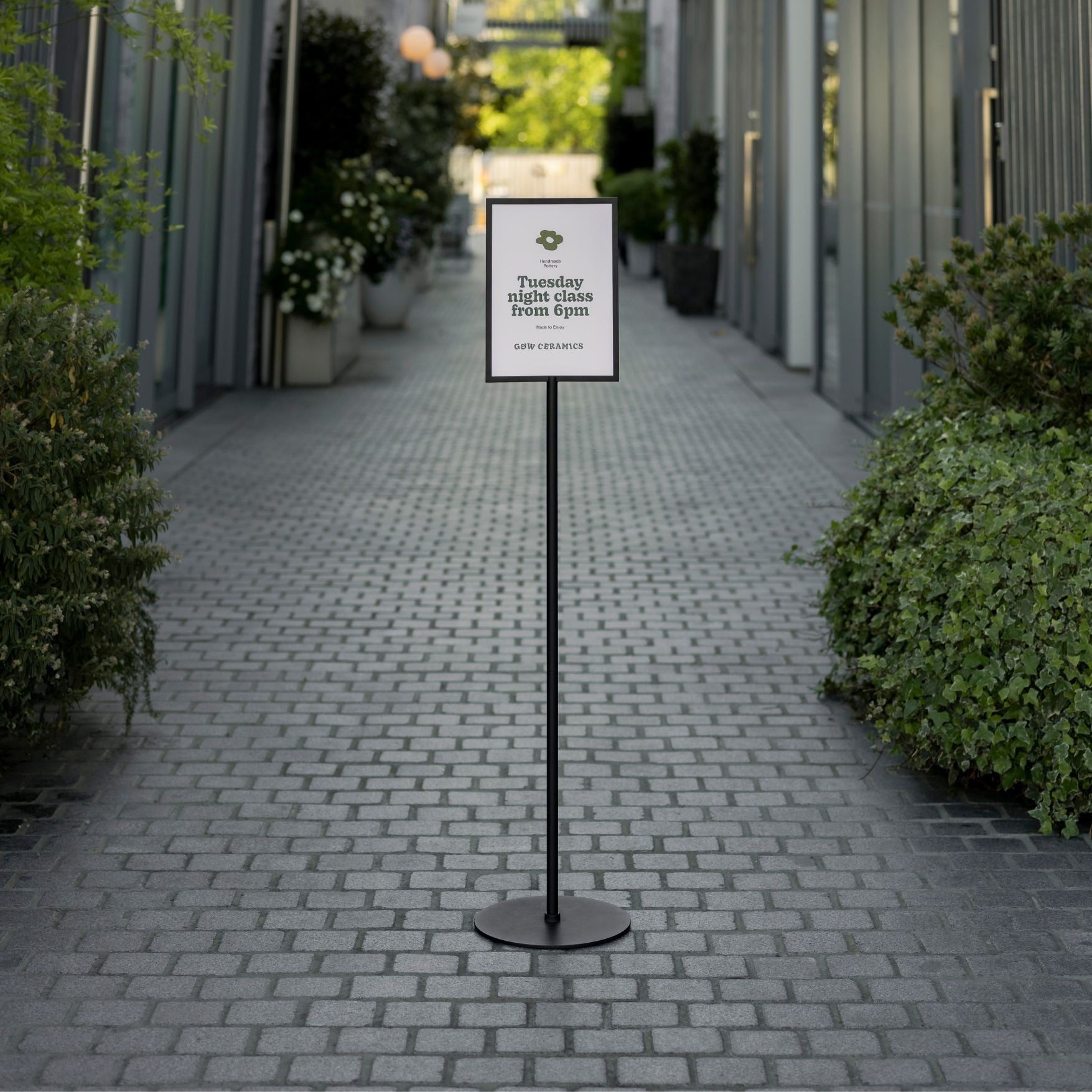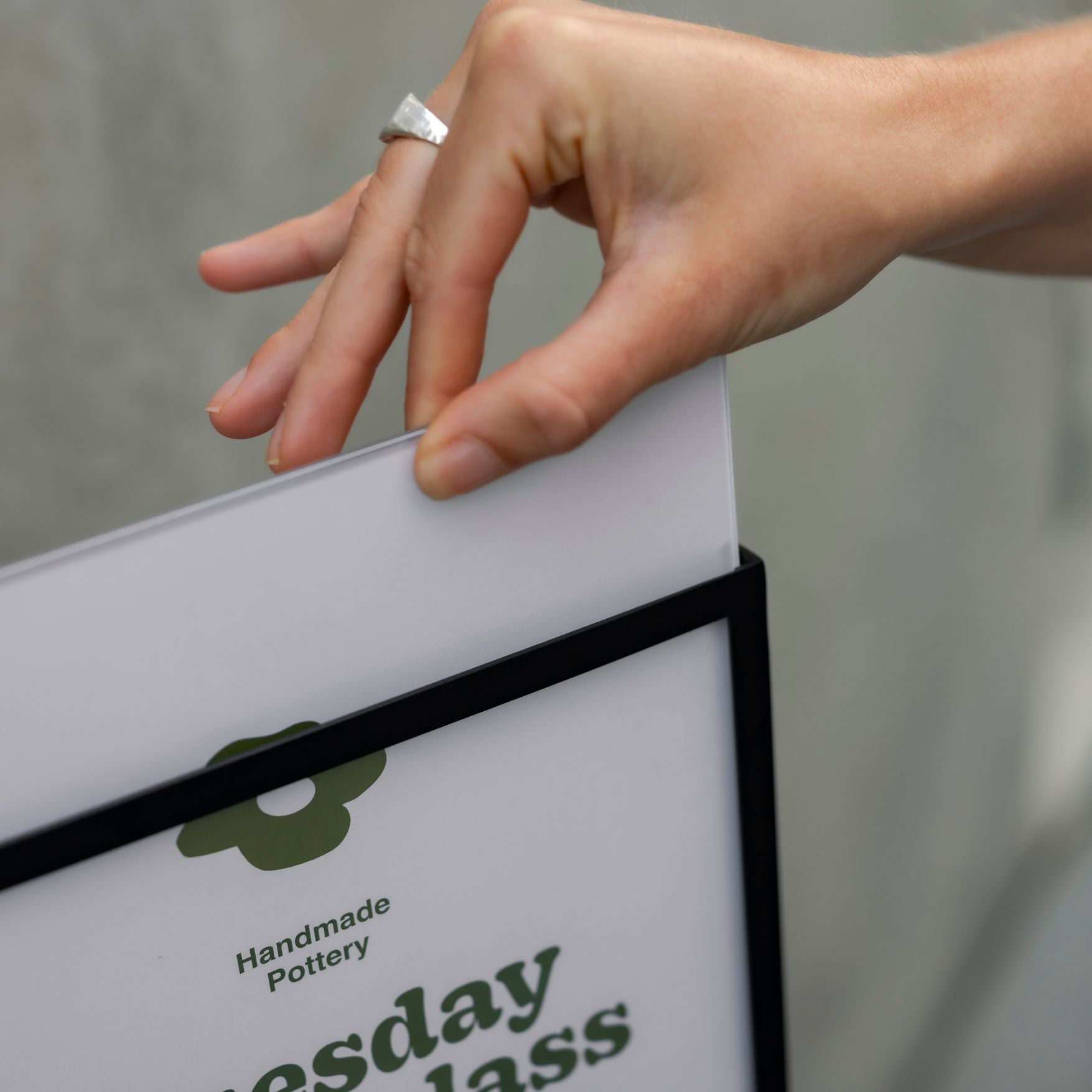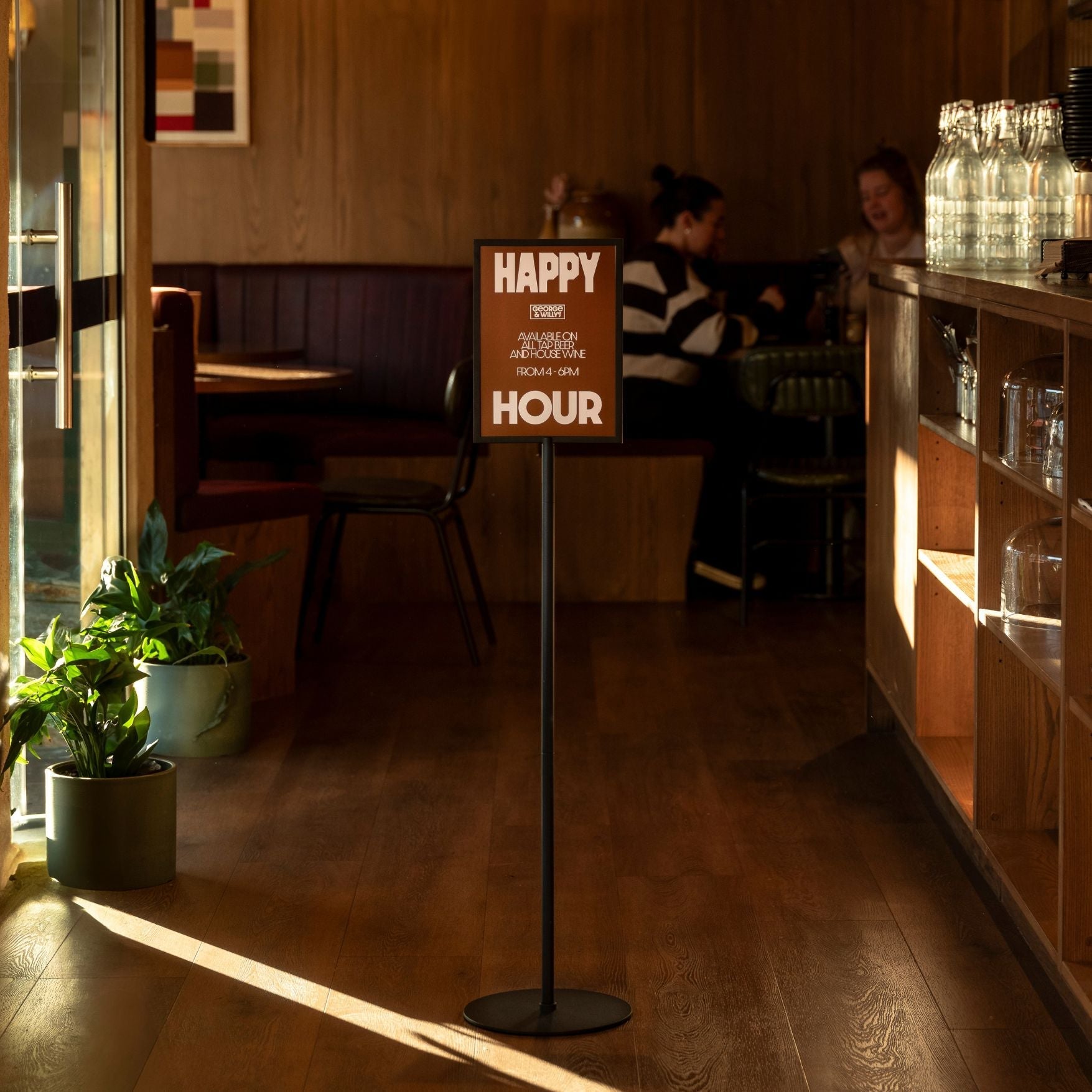


Custom signs do more than just display your business name. They are a silent salesperson, a 24/7 brand ambassador, and often the very first impression a potential customer has of your business. But finding the best company for custom outdoor signs and creating effective signage involves more than just a great logo. From choosing the right materials to navigating installation, a successful project requires careful planning.
This guide will walk you through everything you need to know to create custom signs that not only look great but also deliver real results for your brand.
Choosing the Right Materials for Your Custom Signs
The material you choose for your custom signs directly impacts their appearance, durability, and lifespan. Making the wrong choice can cut a sign’s life by up to 50%, so it’s crucial to match the material to its environment.
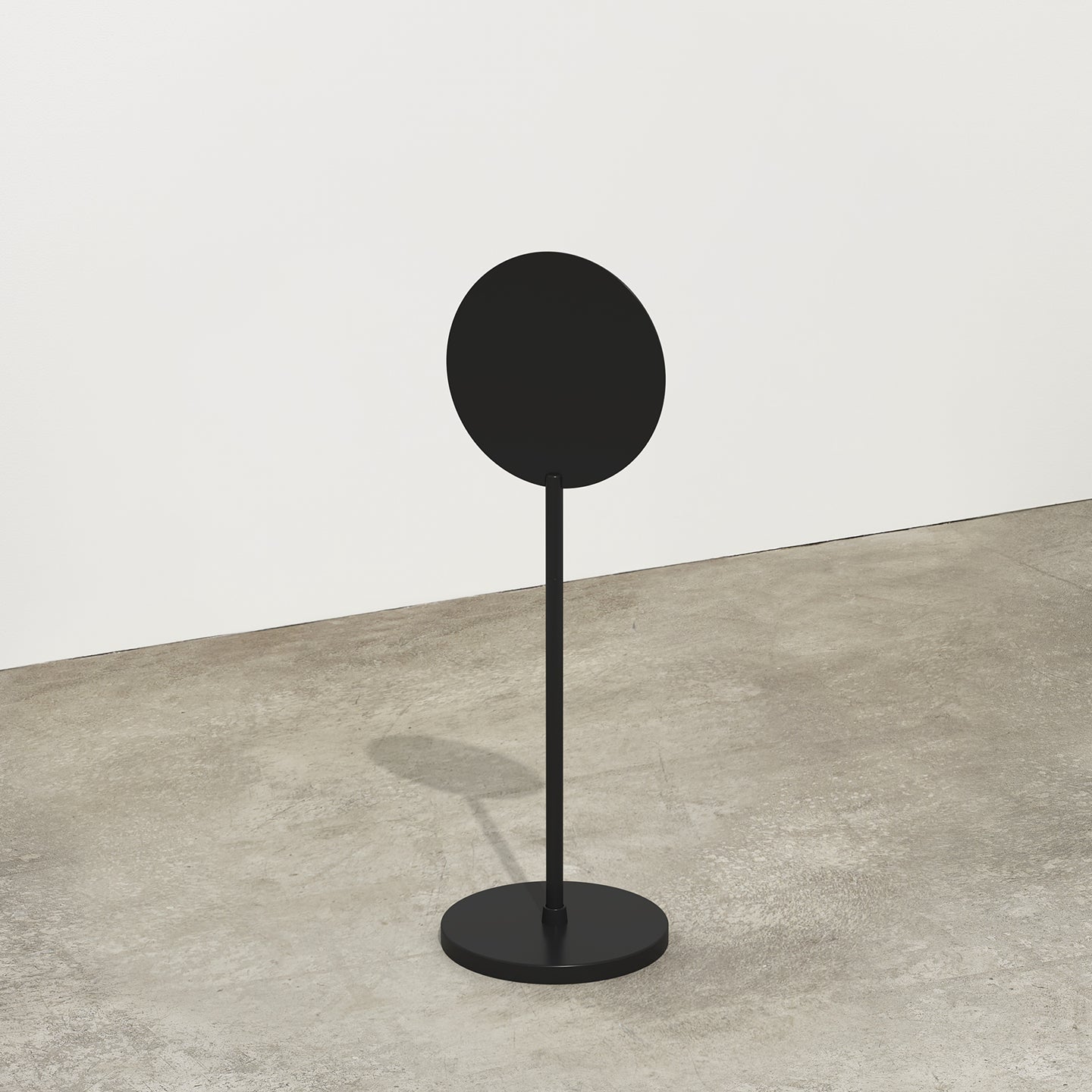
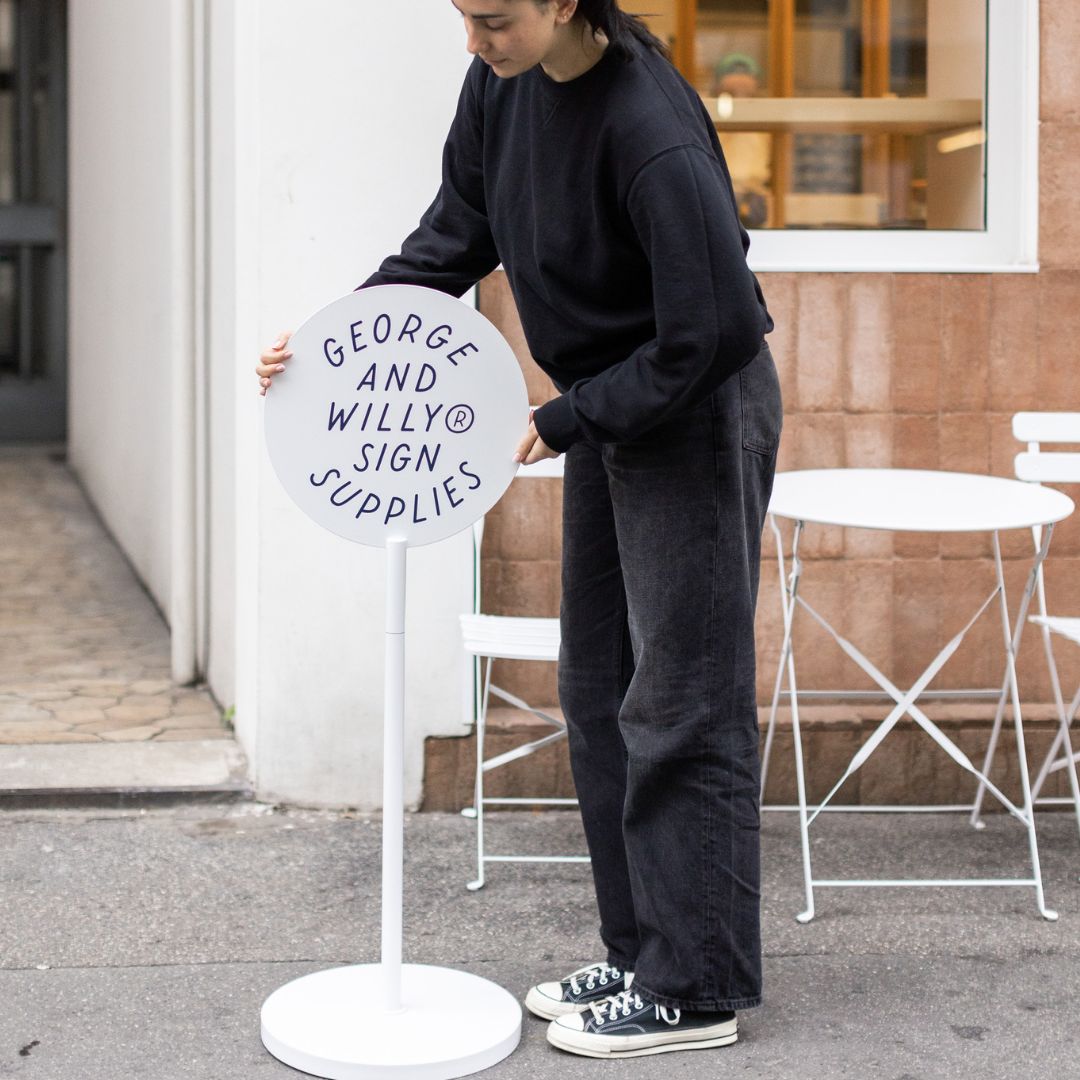
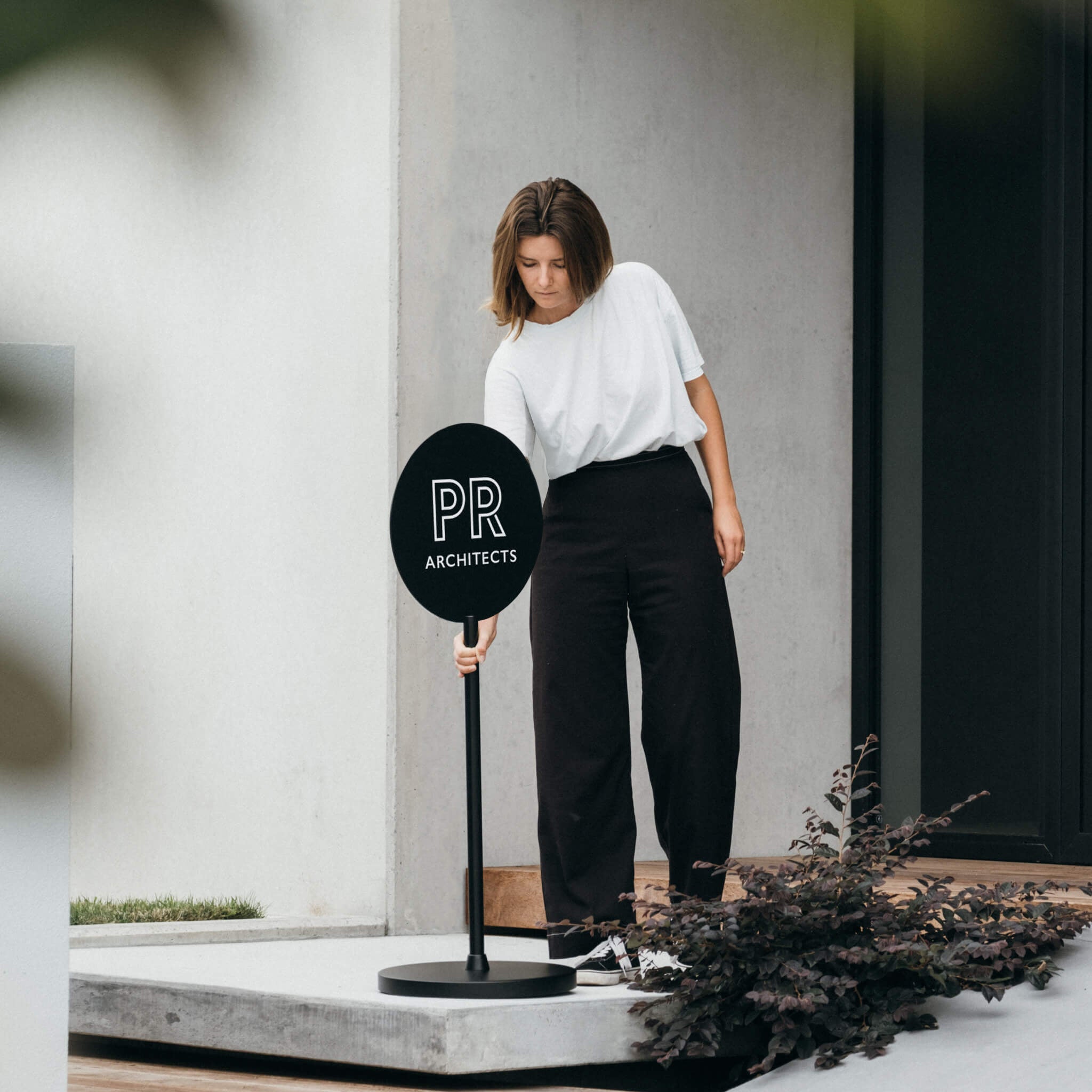
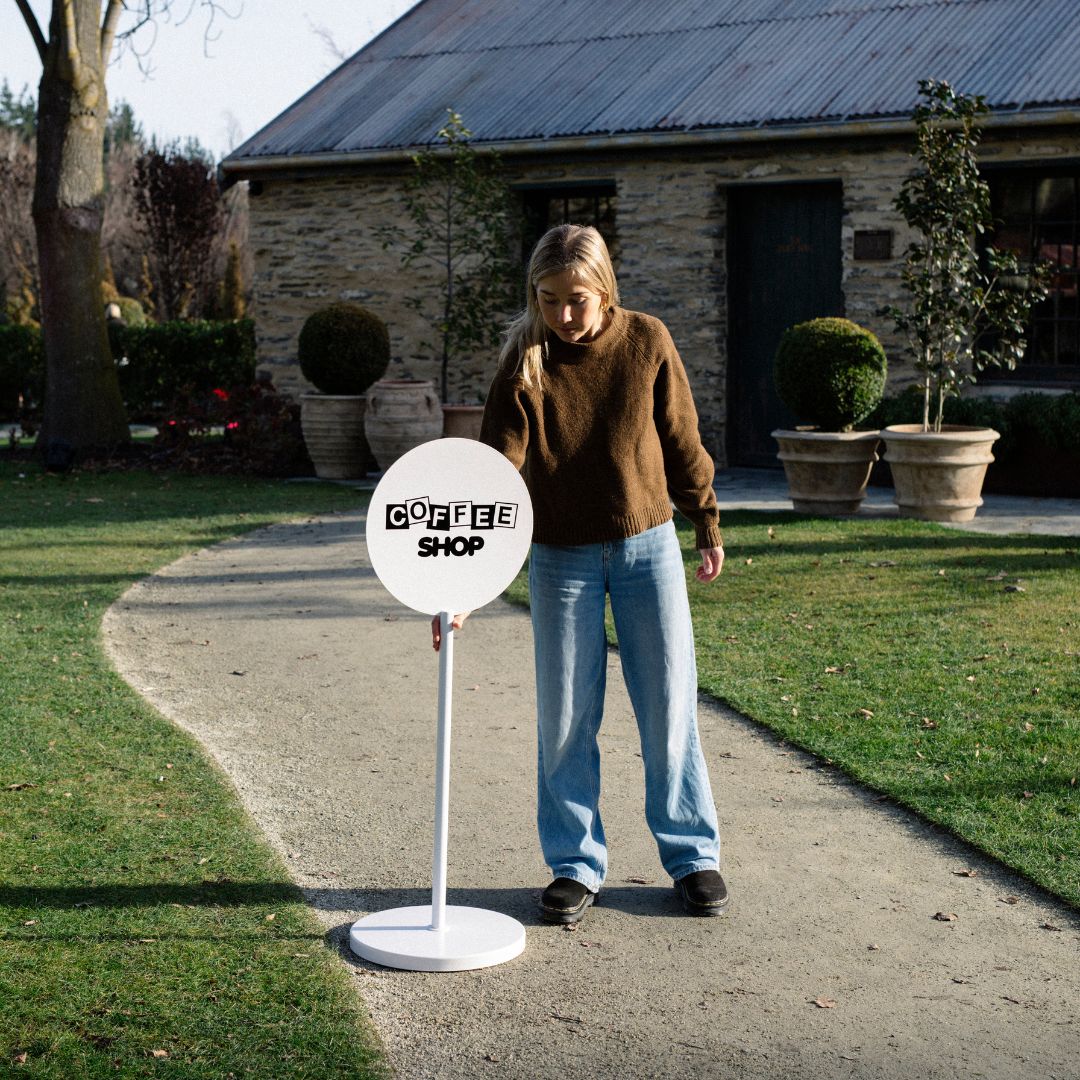
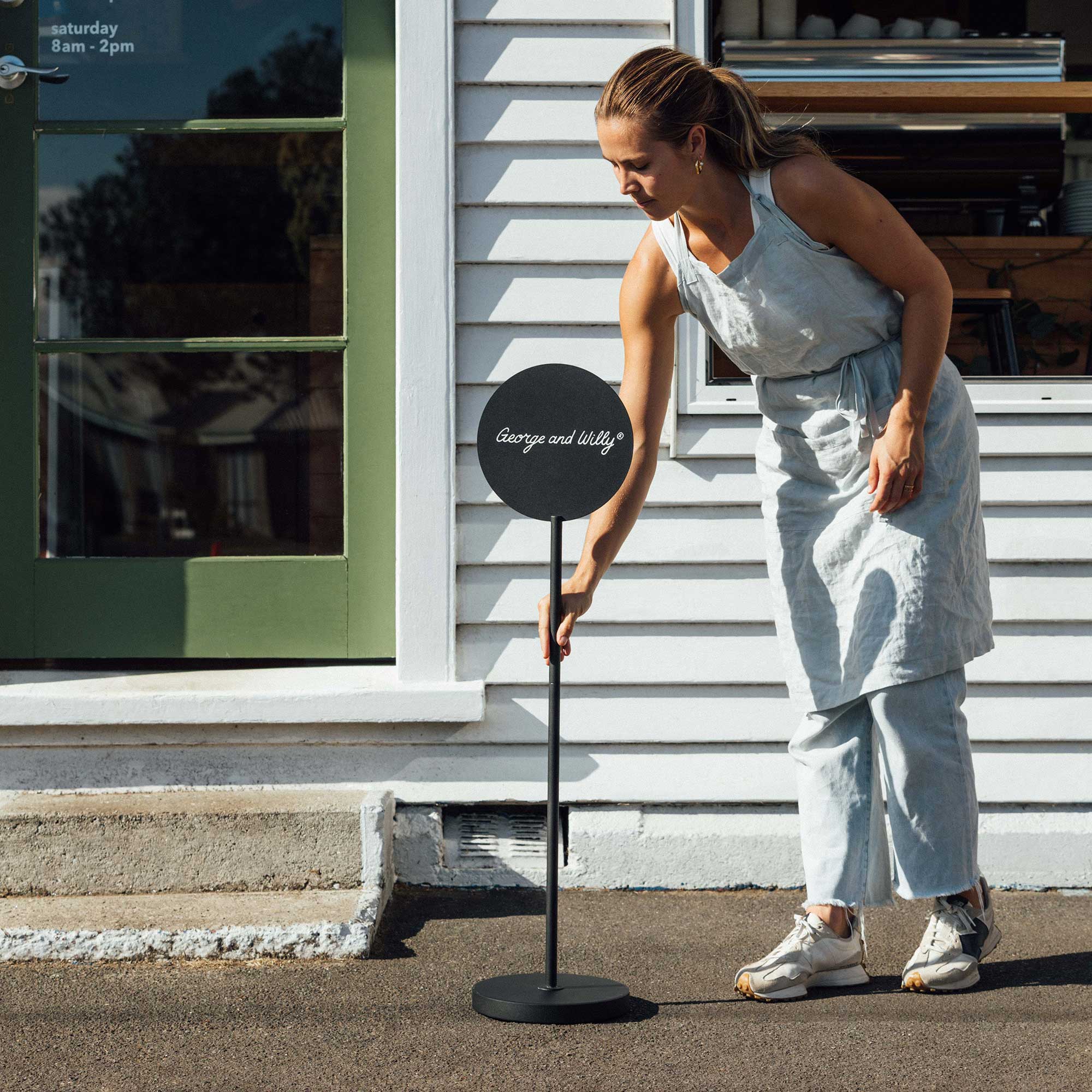
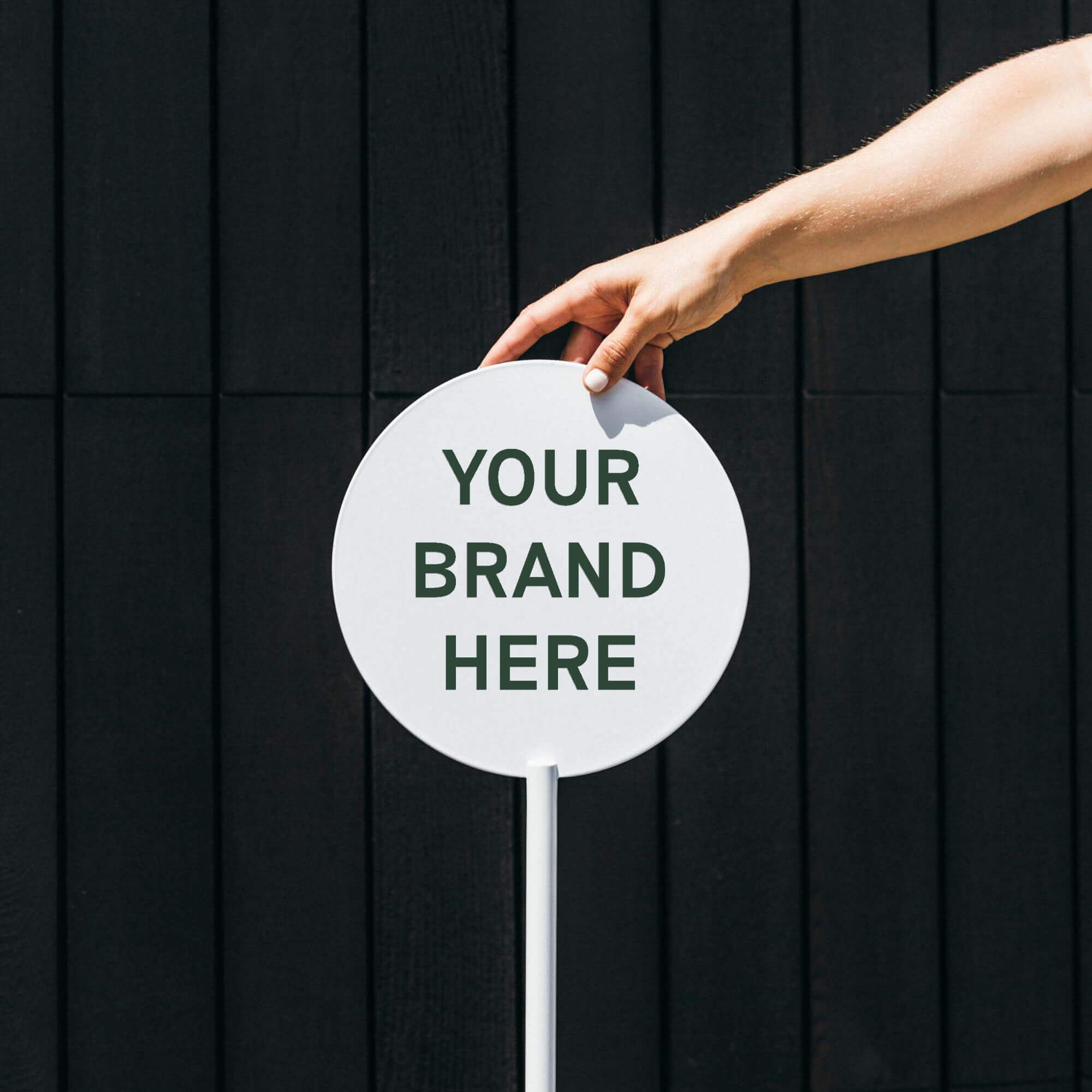
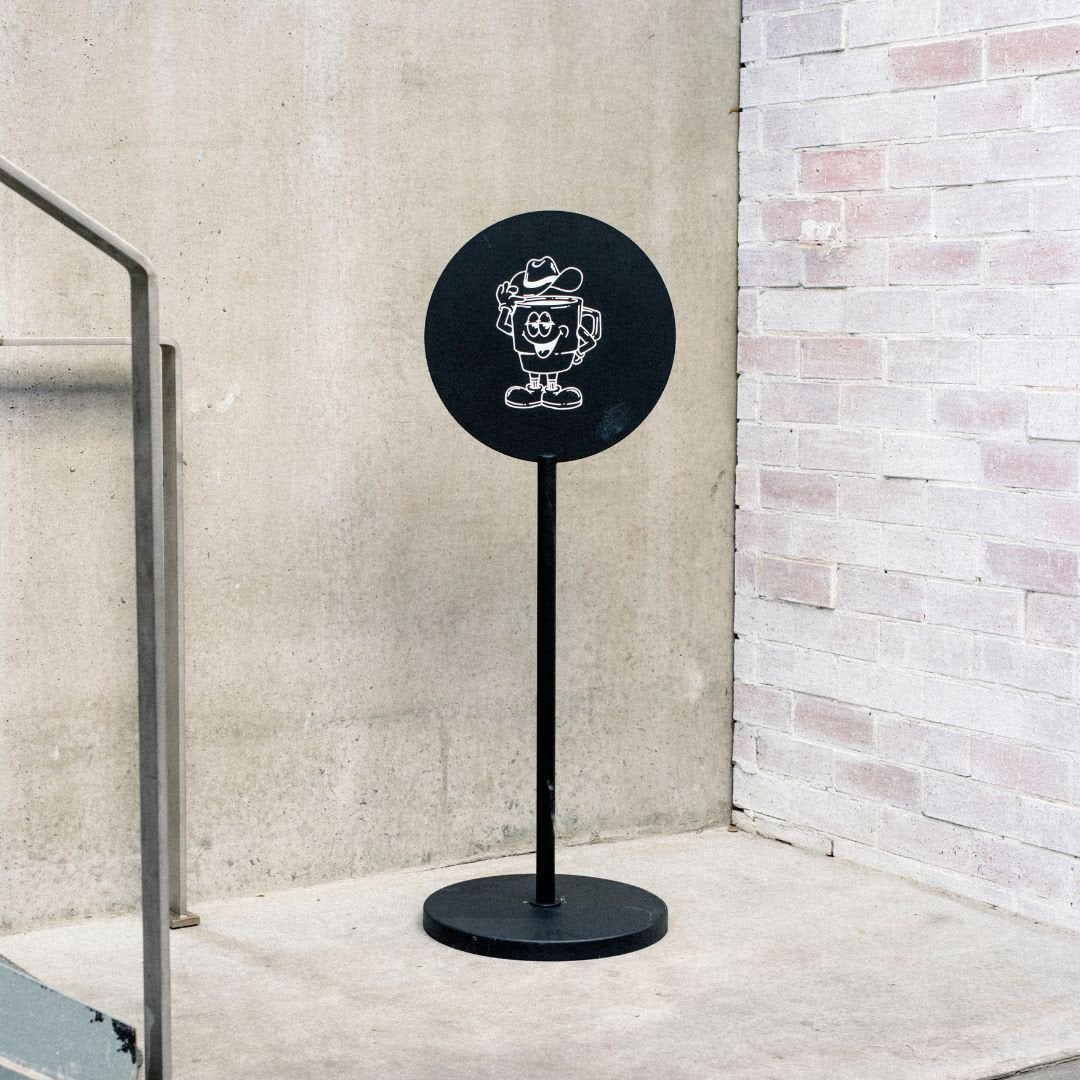
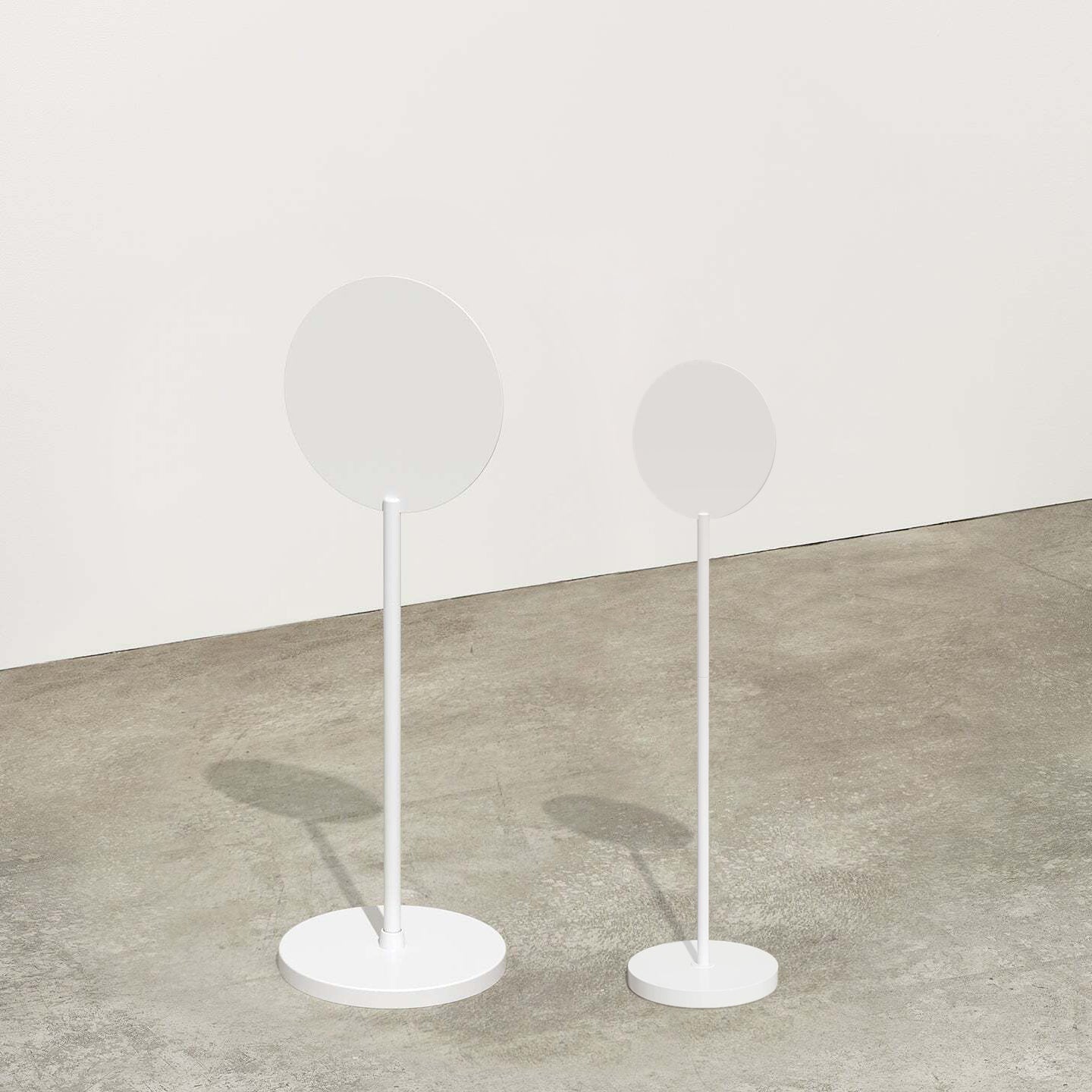
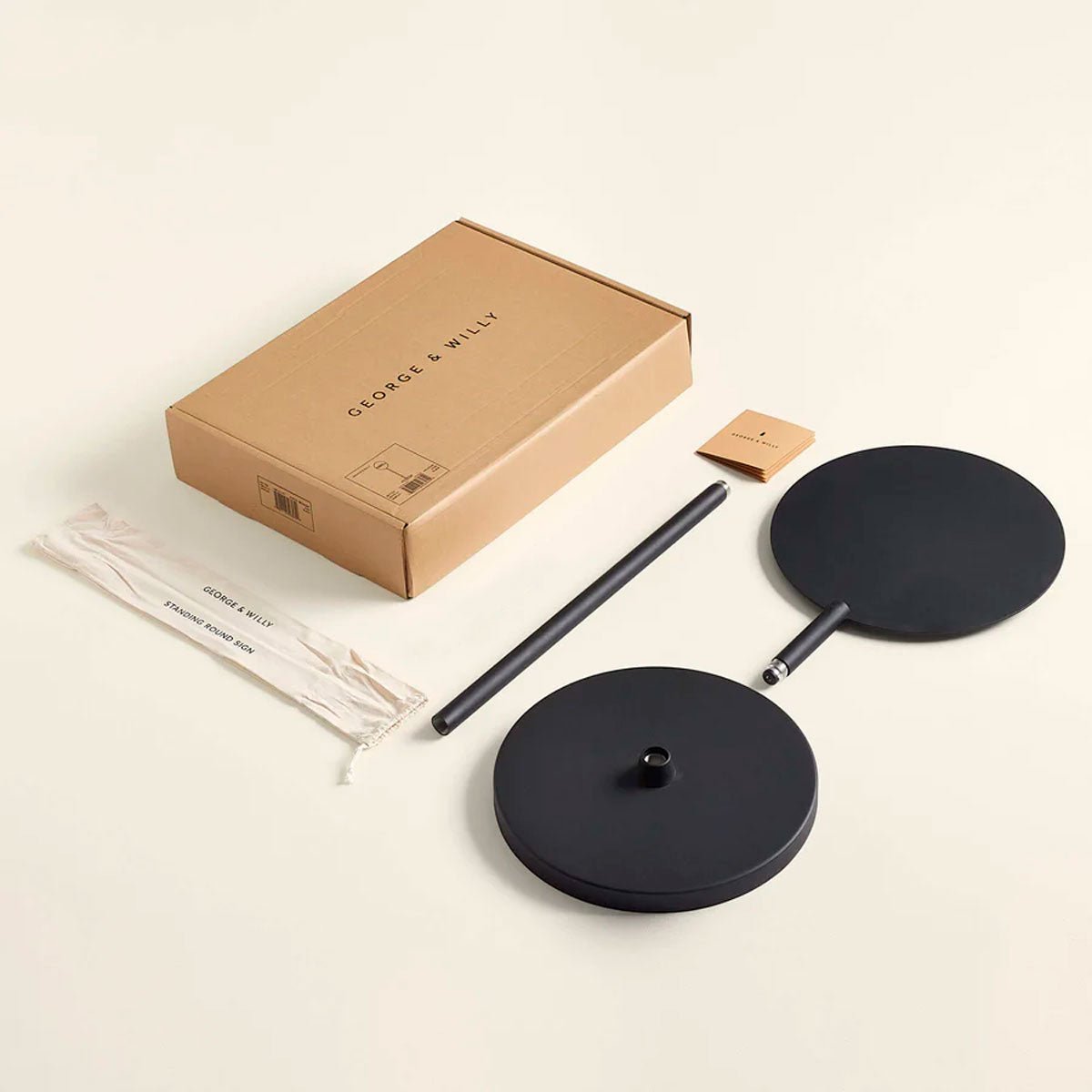
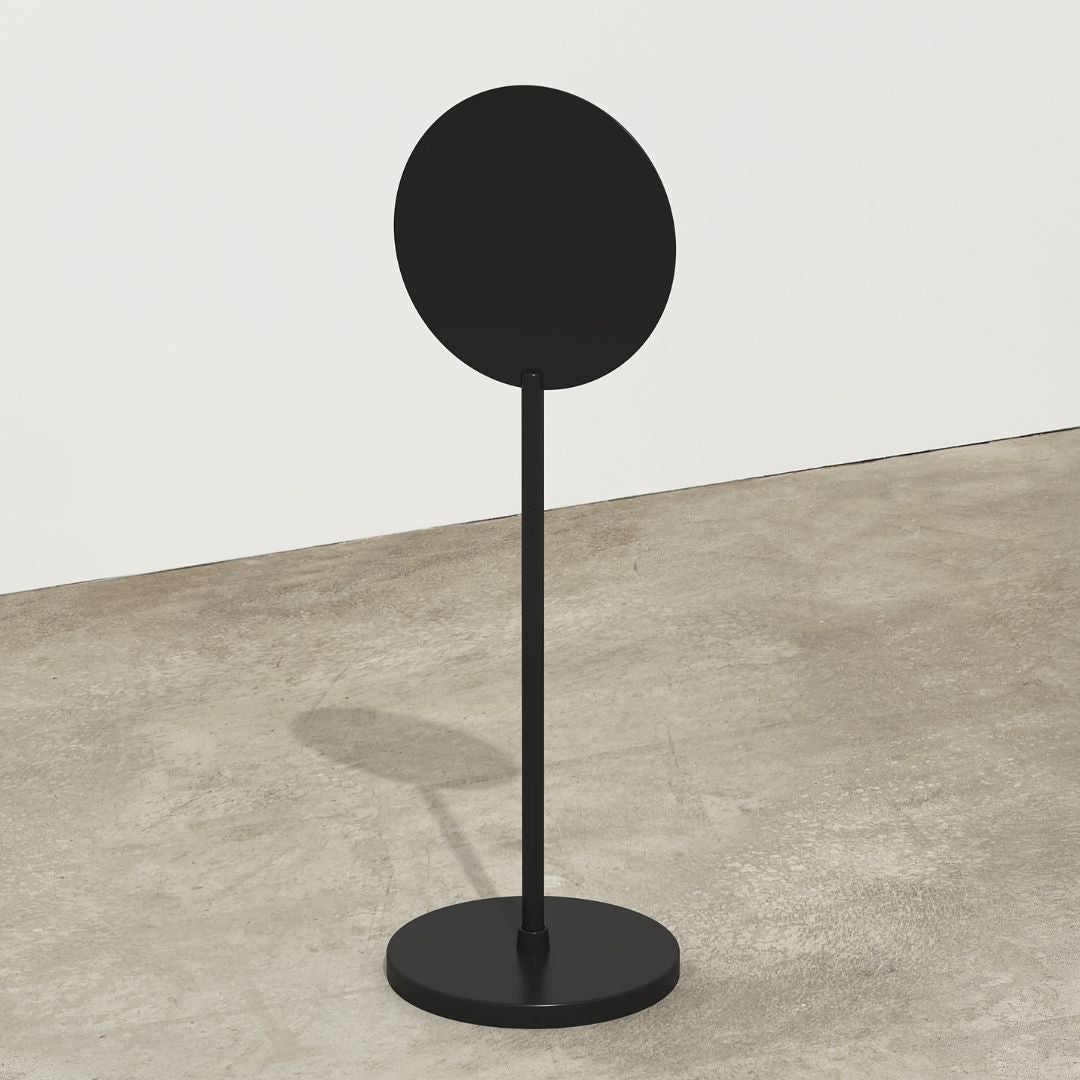
For outdoor signs that need to withstand the elements, weather resistant options are a must. For example, a Round Outdoor Shop Sign offers durable, high-visibility branding.
- Aluminum composite panels and high grade acrylics are top performers, known for keeping colors vibrant for 7 to 10 years outdoors. These materials are excellent at resisting UV fading and corrosion.
- Premium vinyl with protective laminates is another solid choice, lasting 5 to 7 years outside before showing significant wear.
- Mesh banners are a smart solution for windy locations because they allow air to pass through, reducing stress on the sign’s mounts.
Investing in quality materials pays off. The demand for durable metal signs has been rising by about 15% each year since 2021 as businesses recognize their long term value. You can also consider eco friendly signage materials like recycled plastics or sustainably sourced timber to combine visual appeal with environmental responsibility.
Planning for Indoor vs. Outdoor Signage
An outdoor sign faces completely different challenges than an indoor one, so you need a different strategy for each.
Outdoor custom signs must be built tough. They need to be large enough and have enough contrast to be seen by passing drivers and pedestrians; projecting options like a Blade Sign can improve sightlines on busy streets. If your business is open after dark, illuminated or backlit signs are essential. One study found that 77% of people struggle to locate a business without clear signage. A high quality exterior sign with a UV resistant coating can stay bright for nearly a decade, while an untreated wood sign might fade in a single season.
Indoor signage is all about enhancing the customer experience. Since viewers are closer and weather isn’t a concern, you can use more detailed and decorative designs. Use interior signs for:
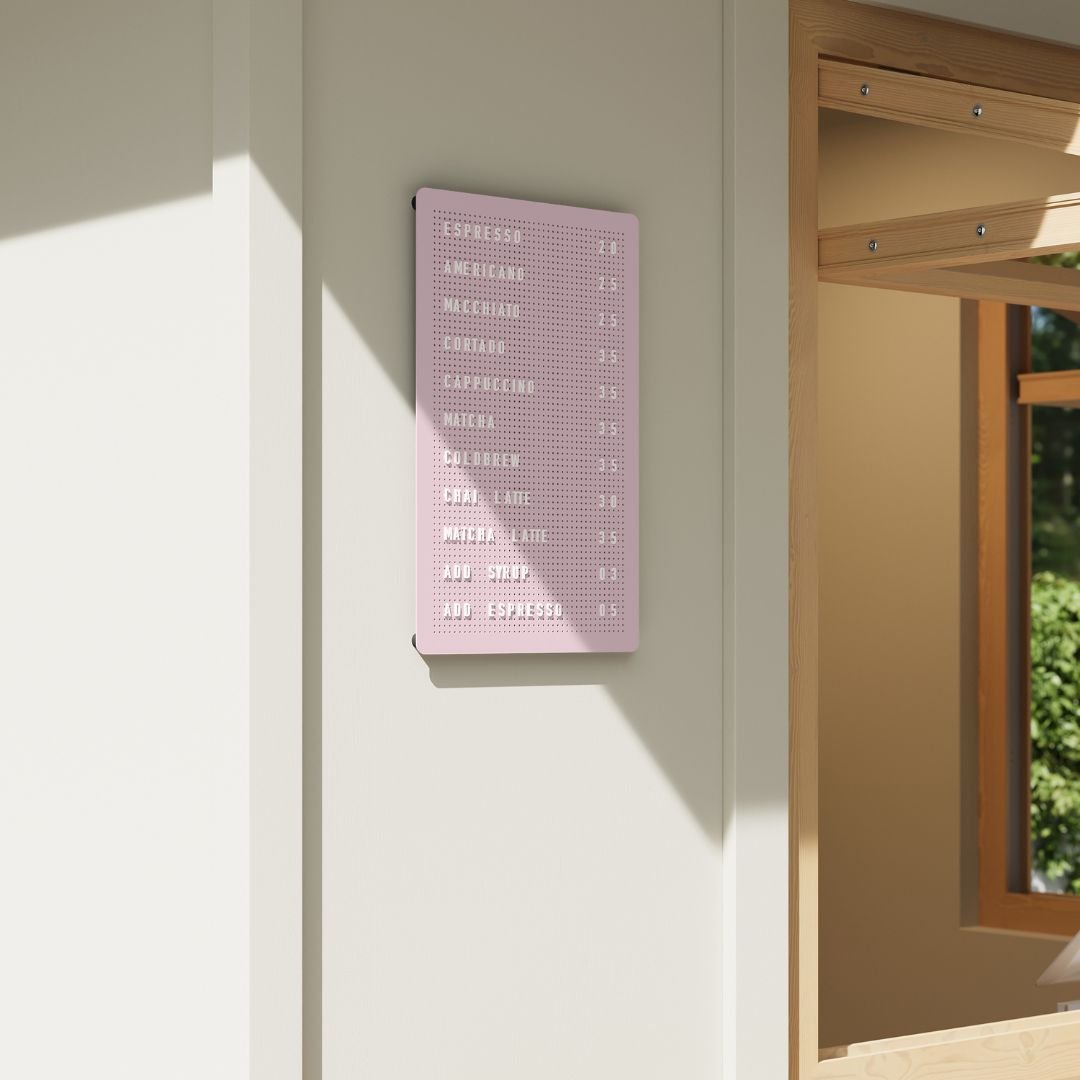
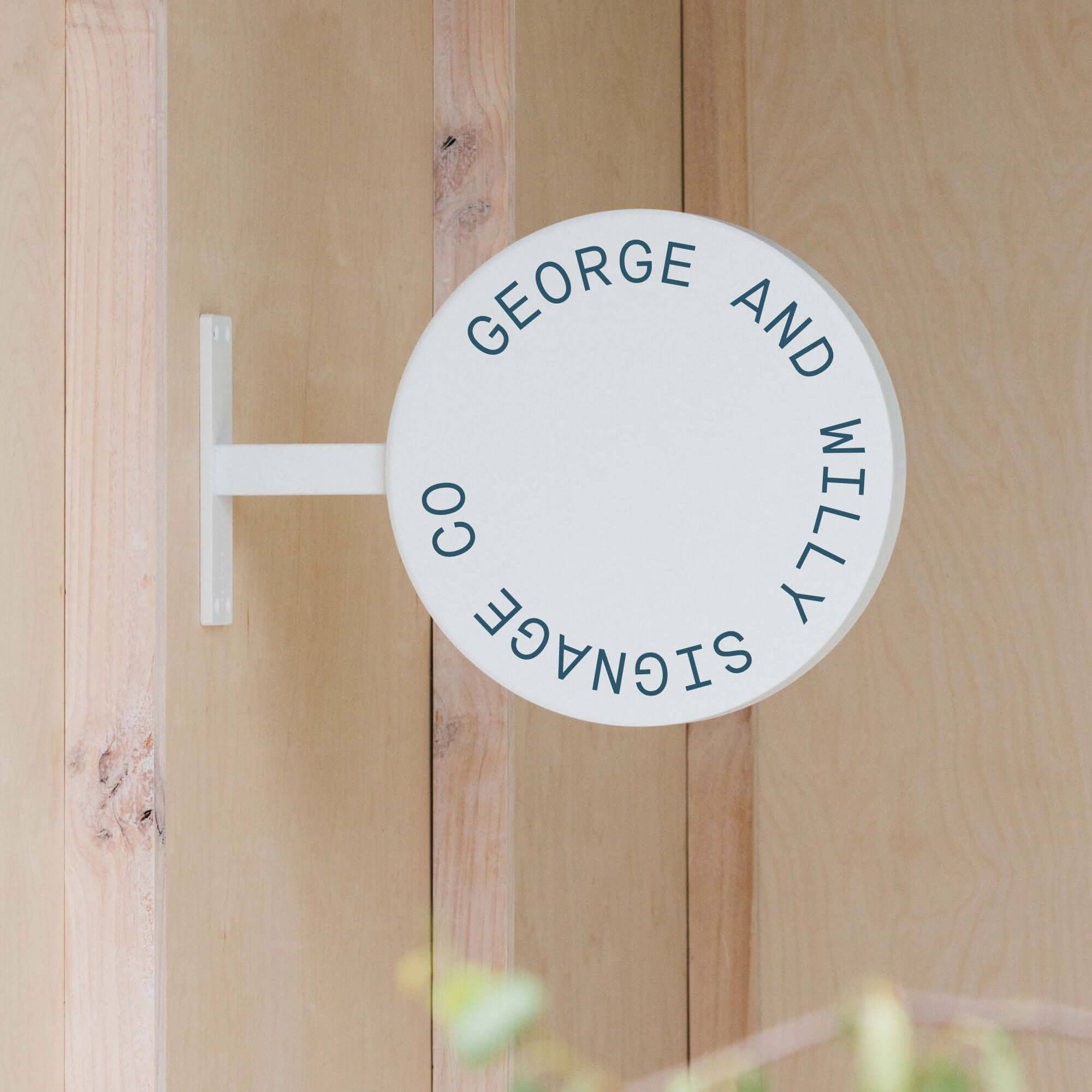
- Wayfinding: Clear directional signs are critical. Research showed that nearly all first time visitors in a hospital got lost when signage was lacking. Projecting options like a Wall Sign help pedestrians spot entrances from a distance.
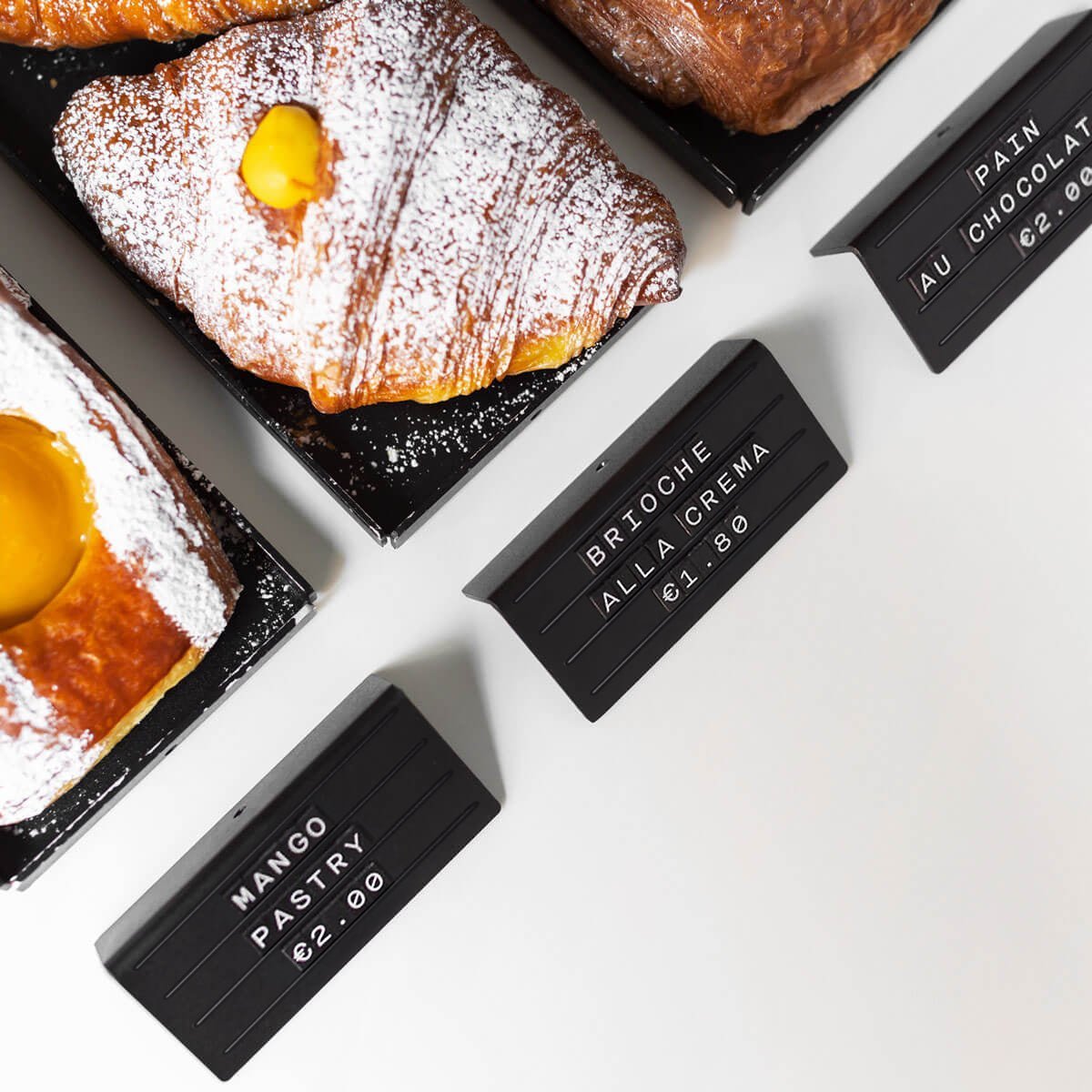
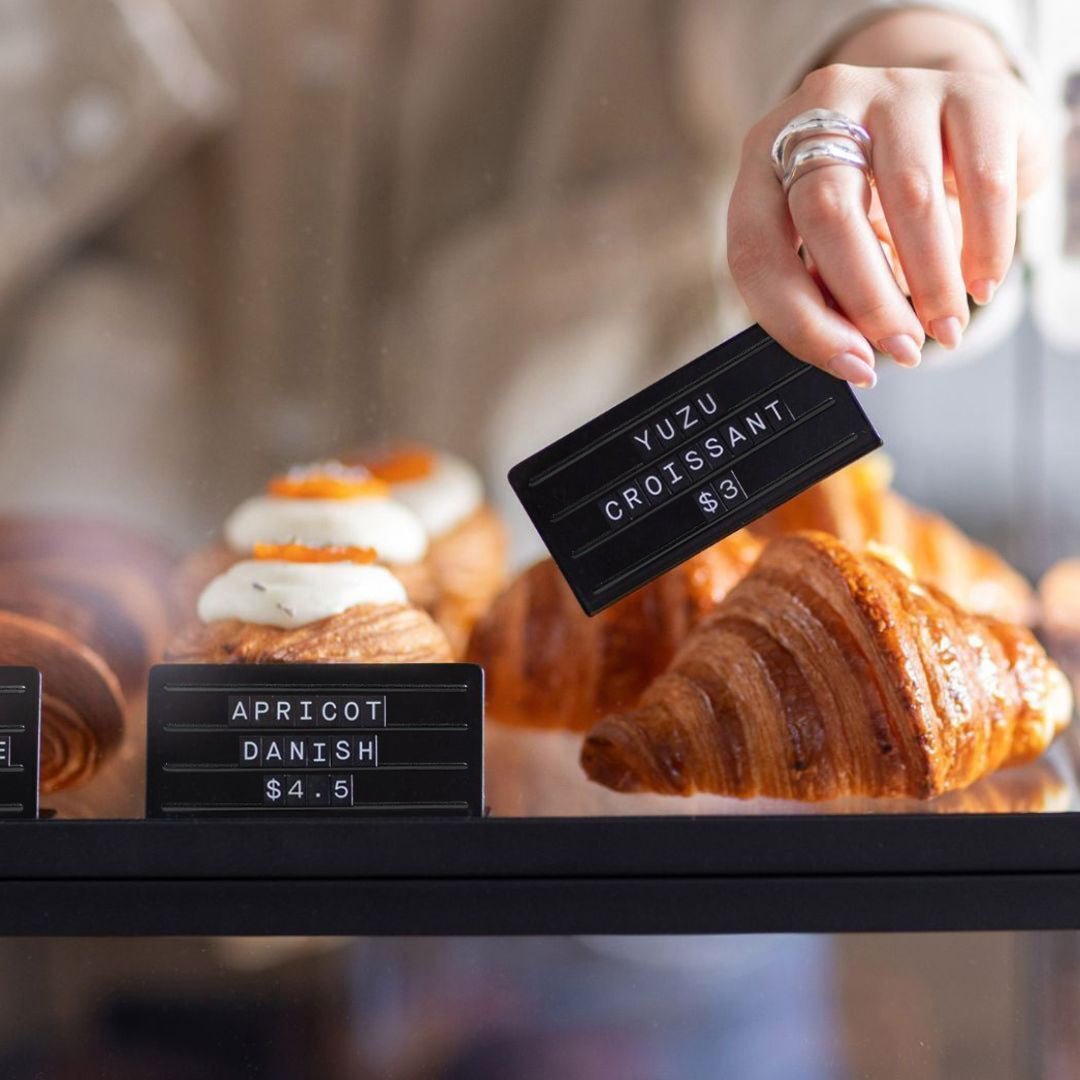
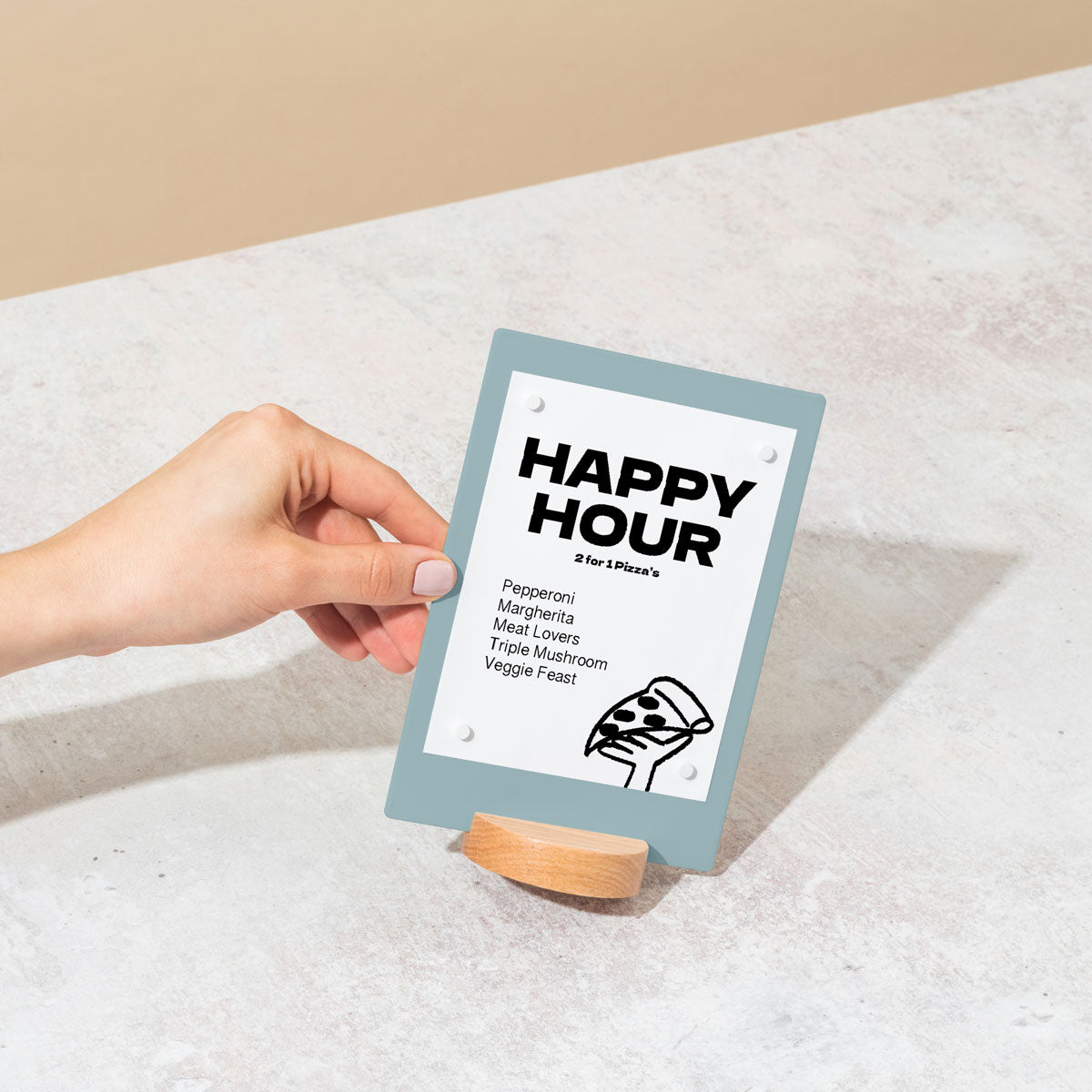
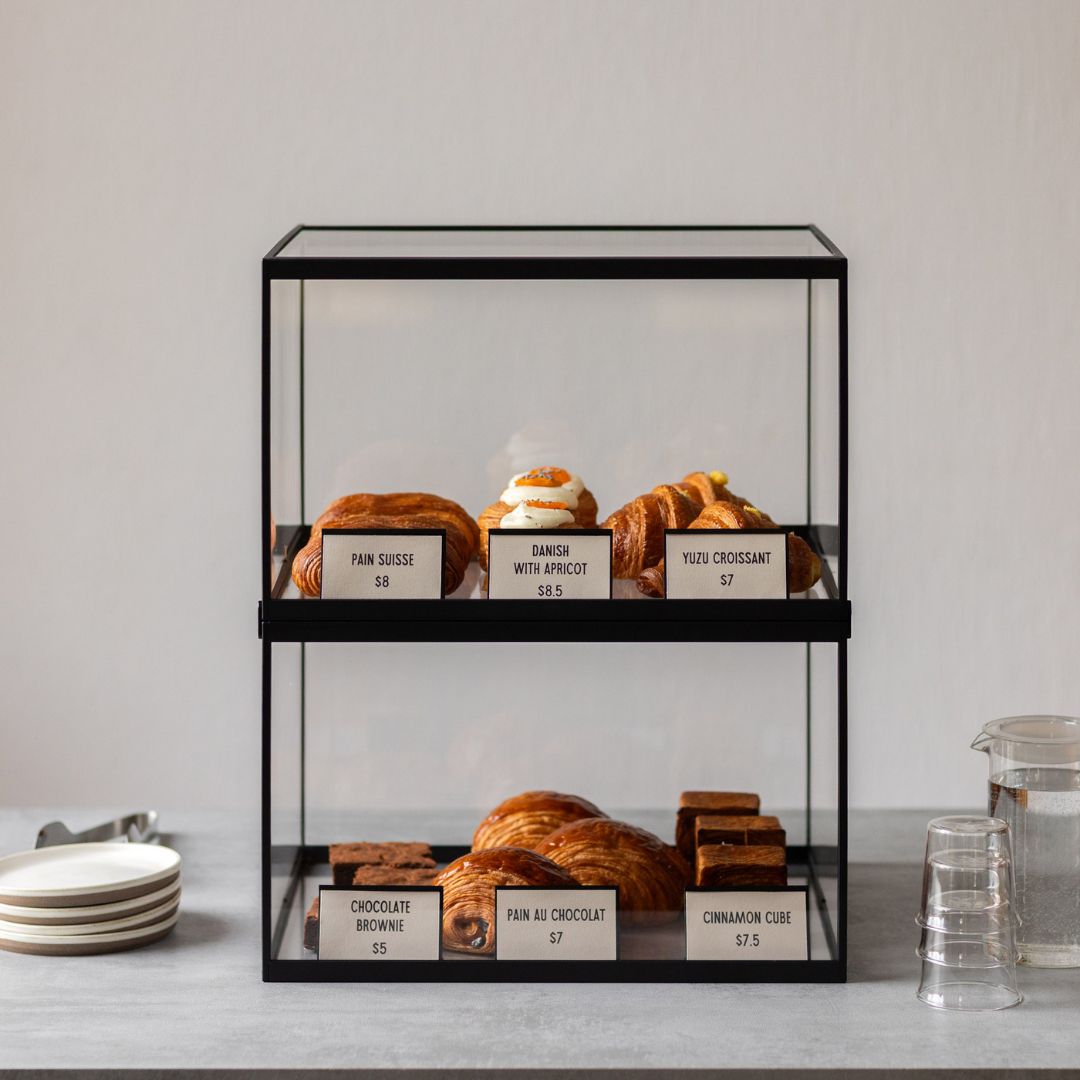
- Promotion: Well placed signs can directly influence sales. A simple counter sign at the register can boost impulse purchases by around 60%.
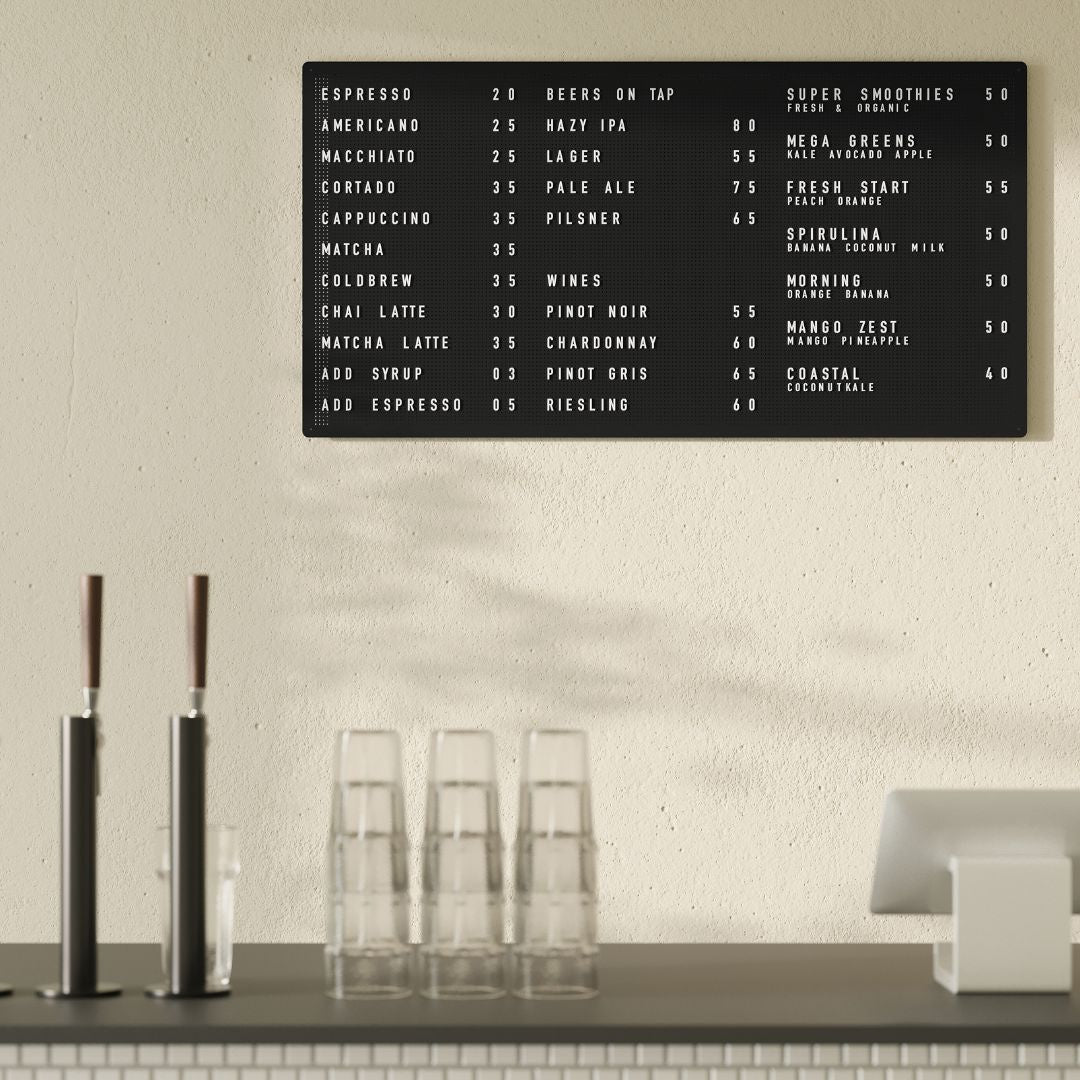
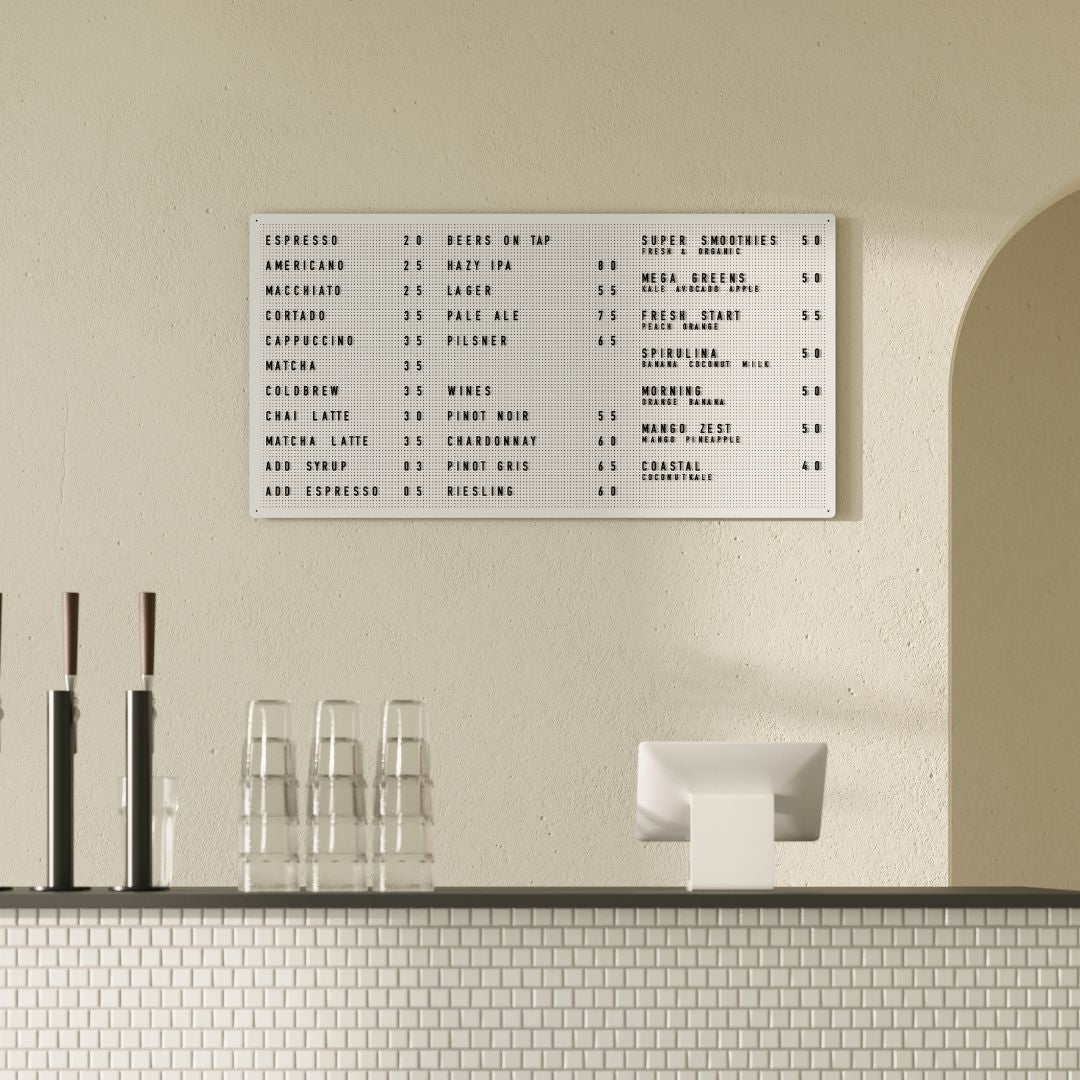
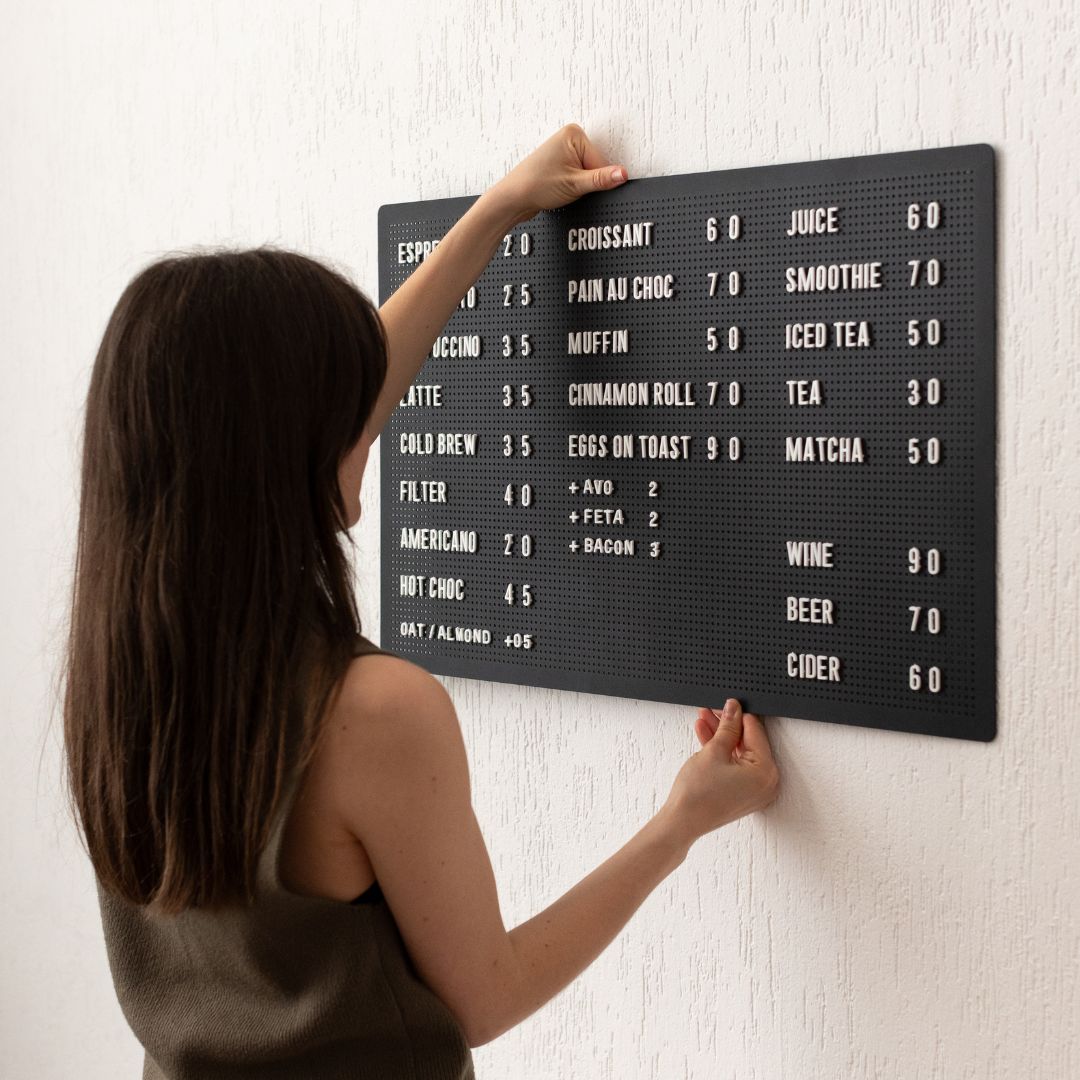
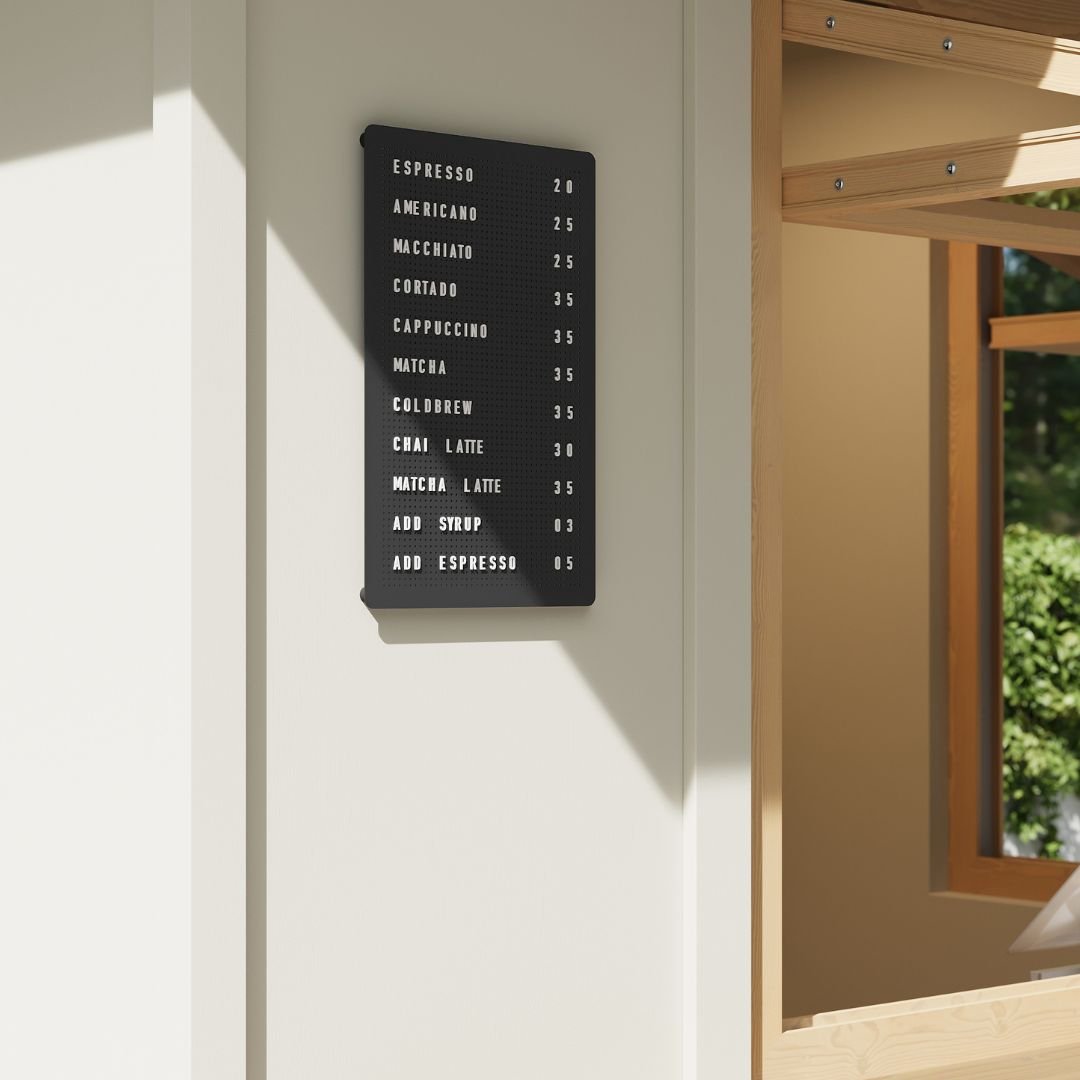
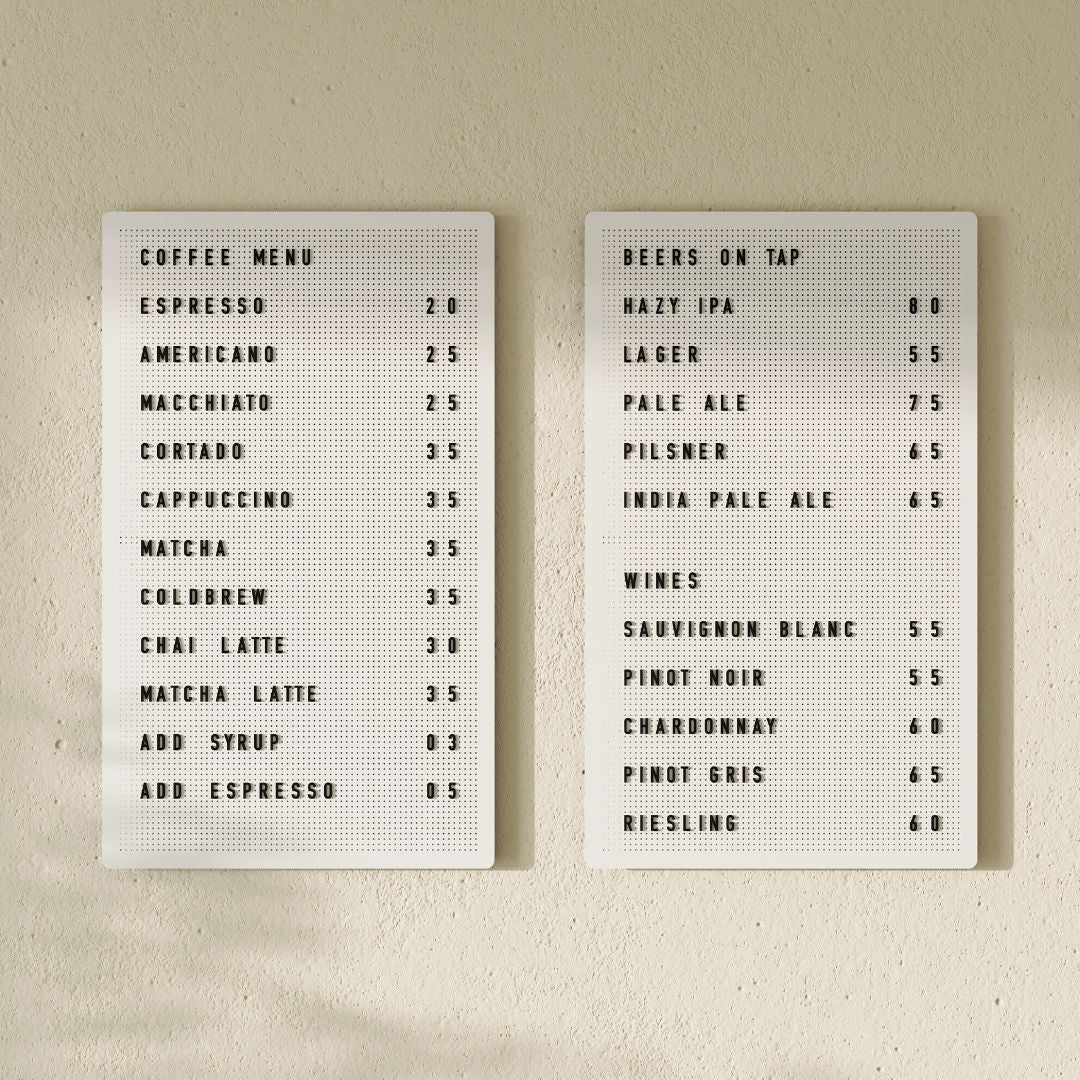
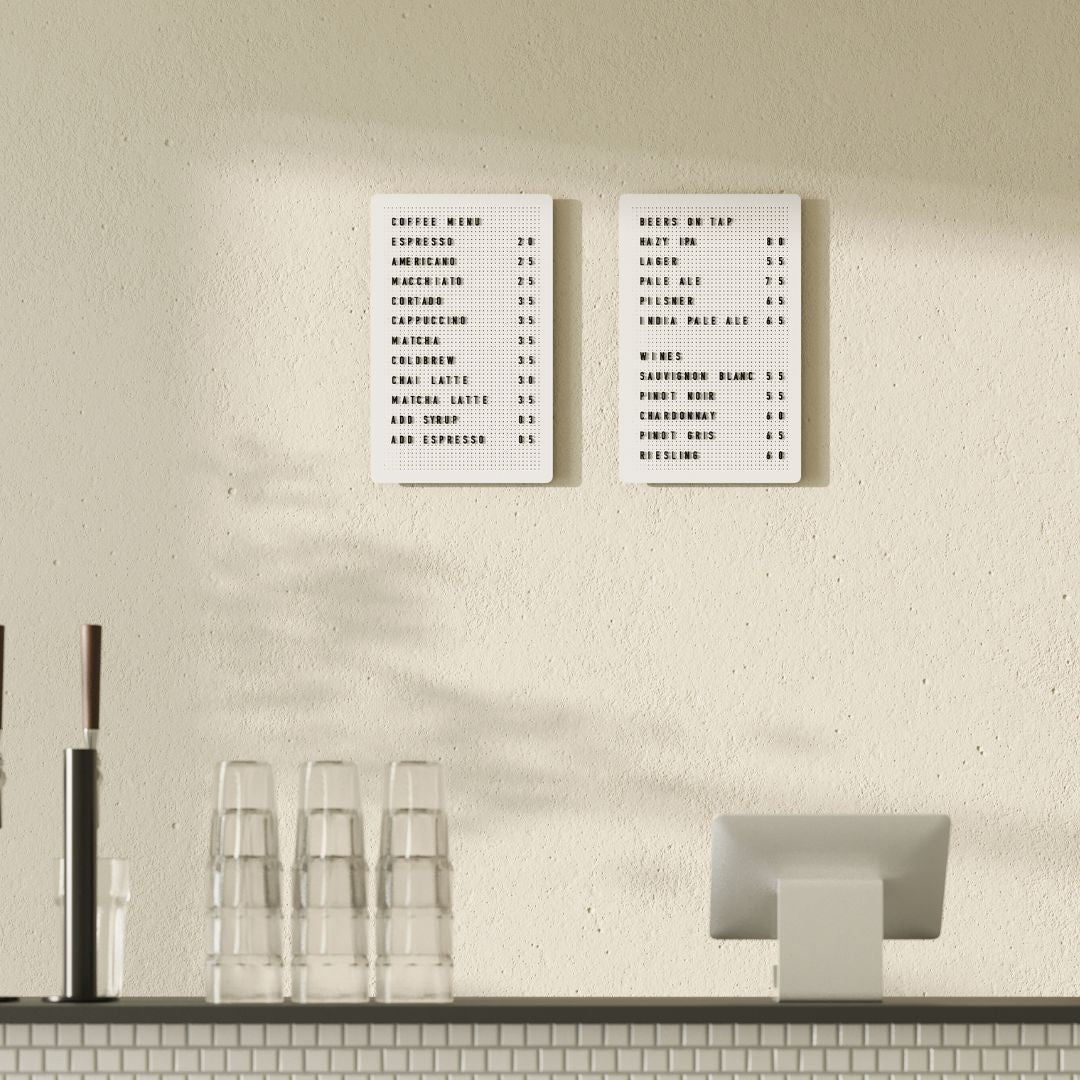
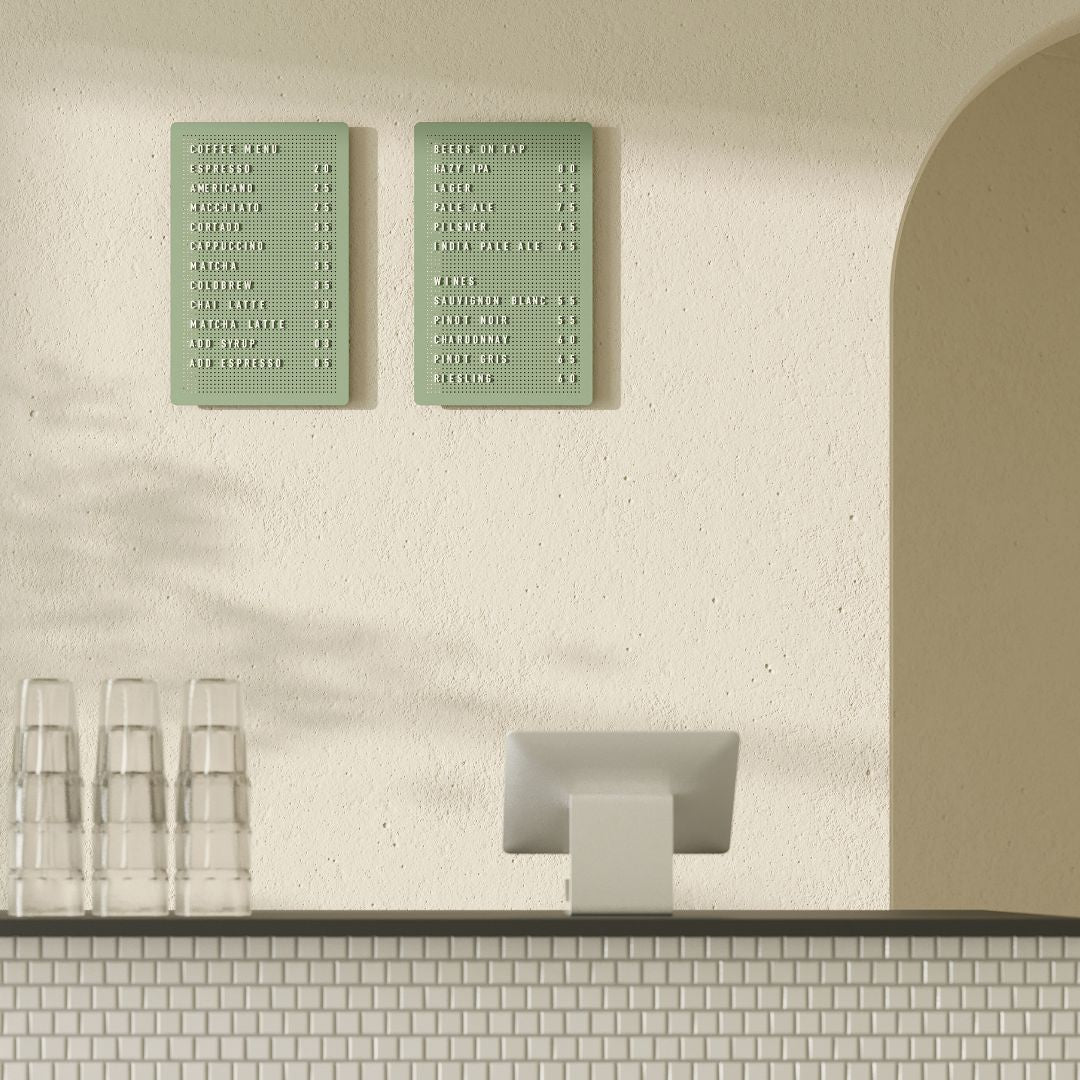
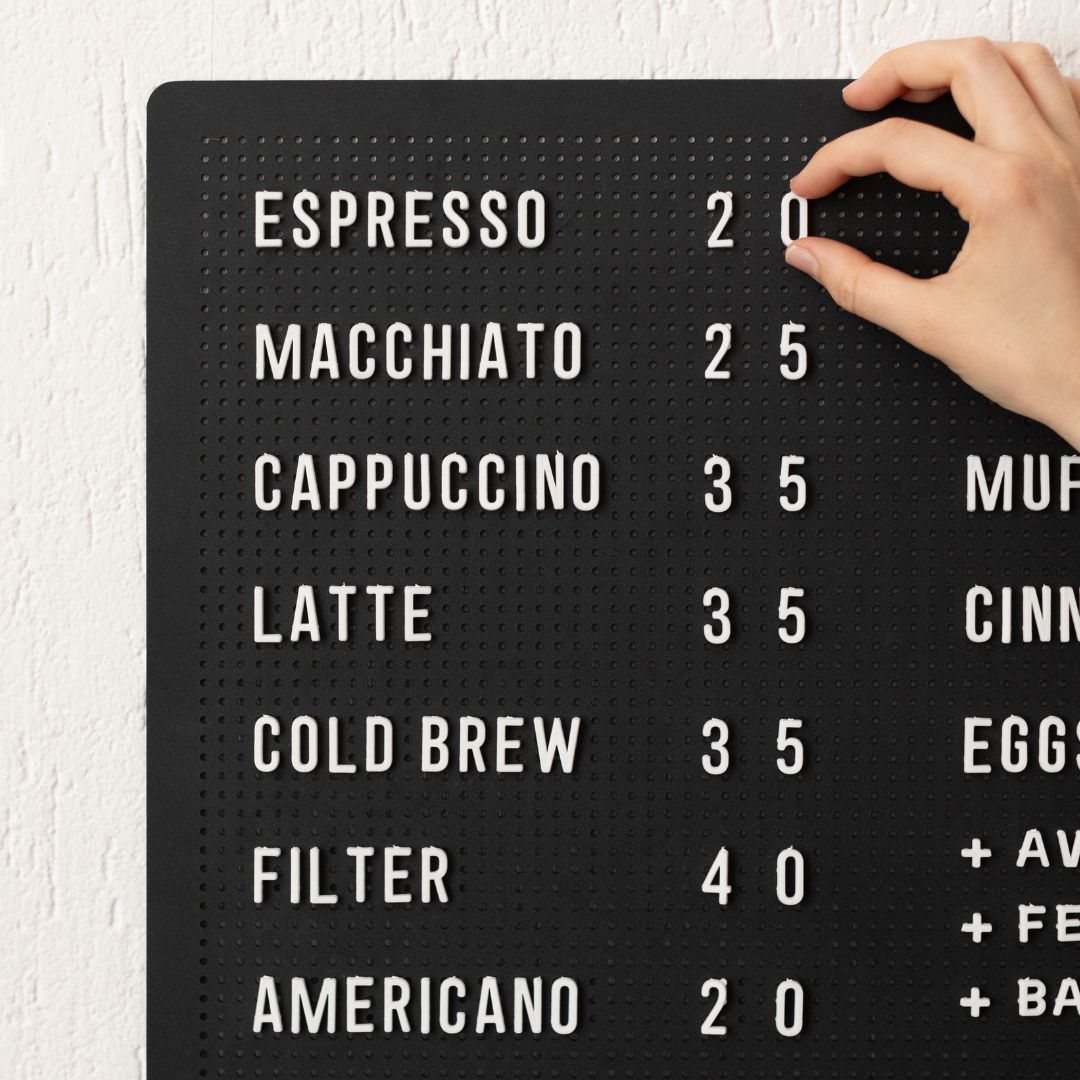
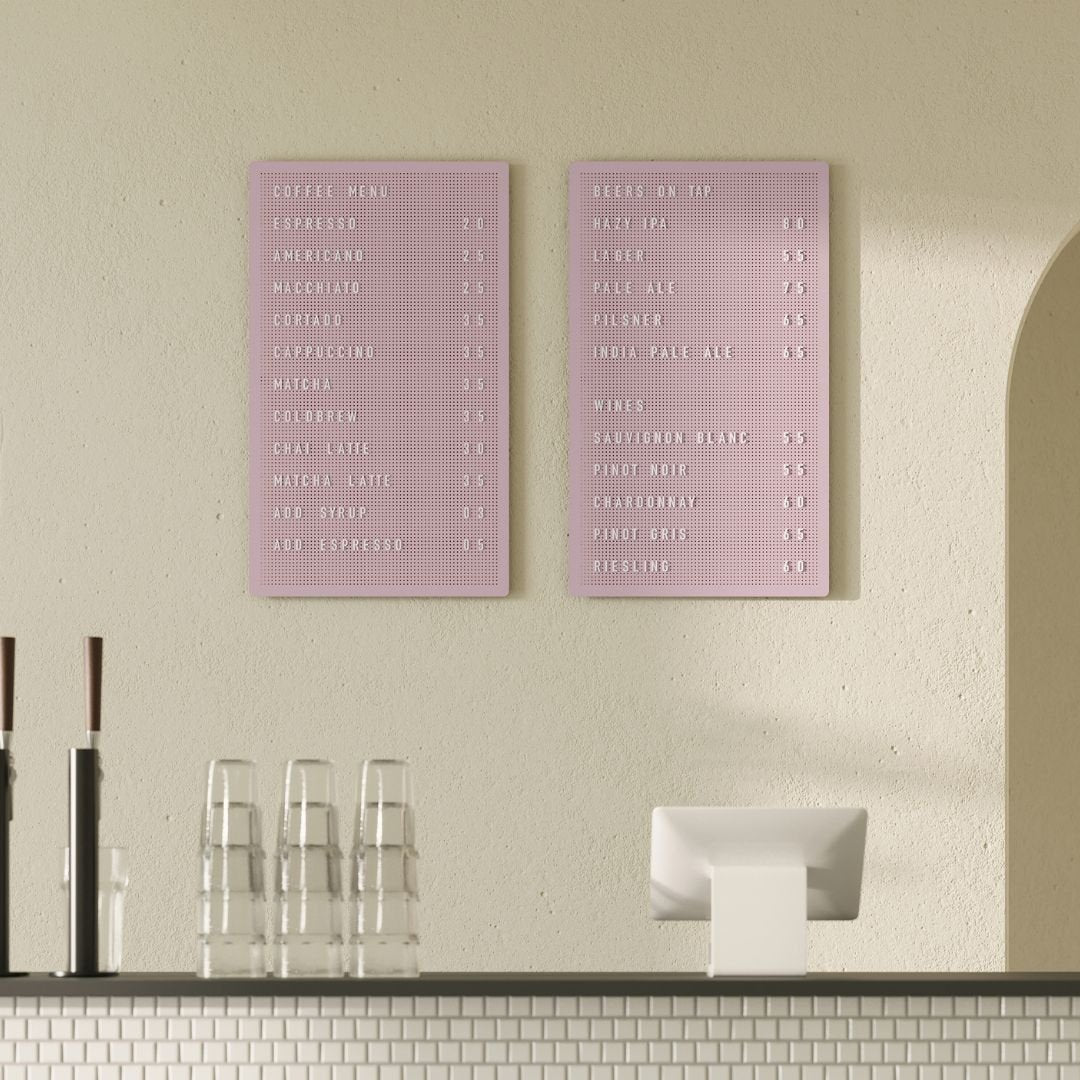
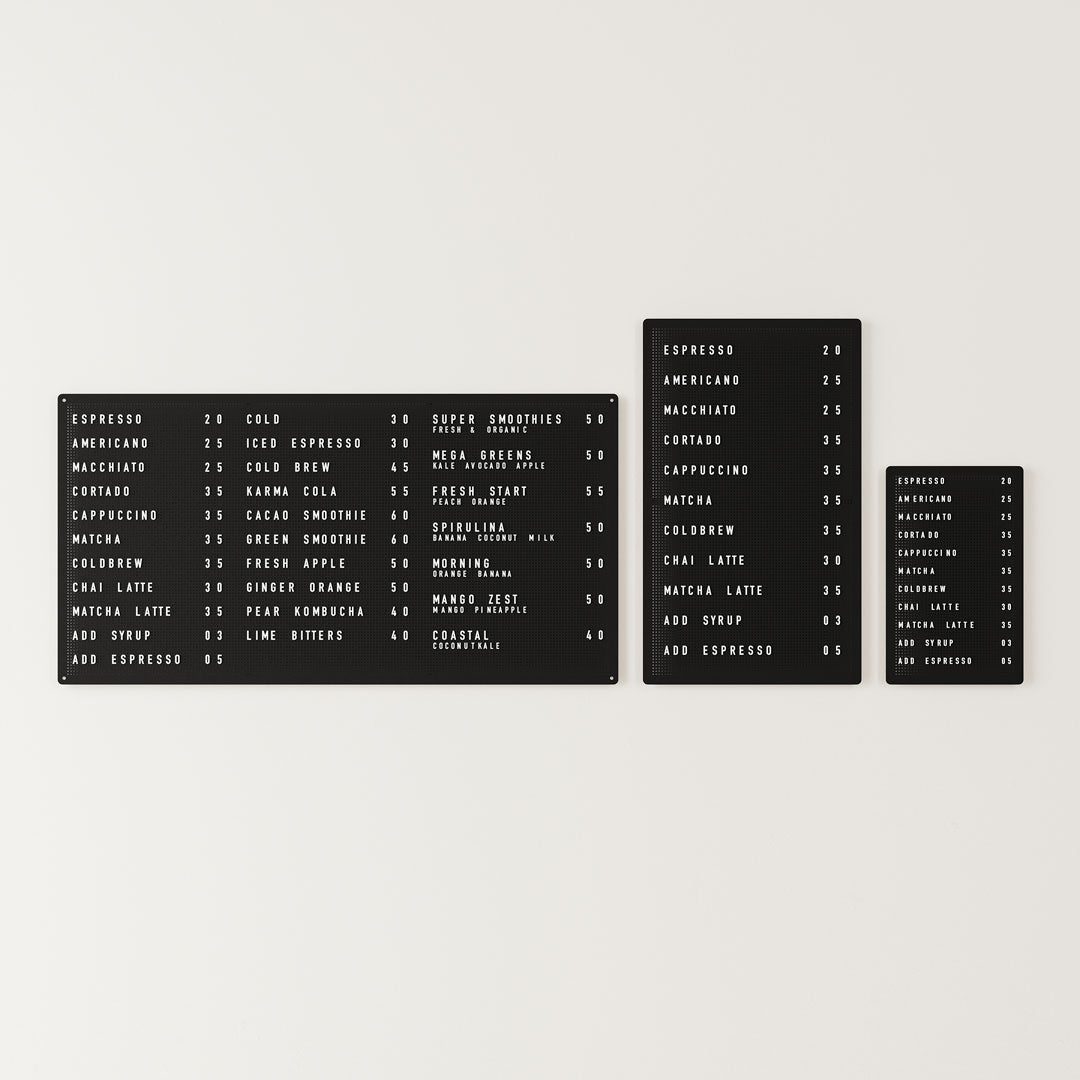
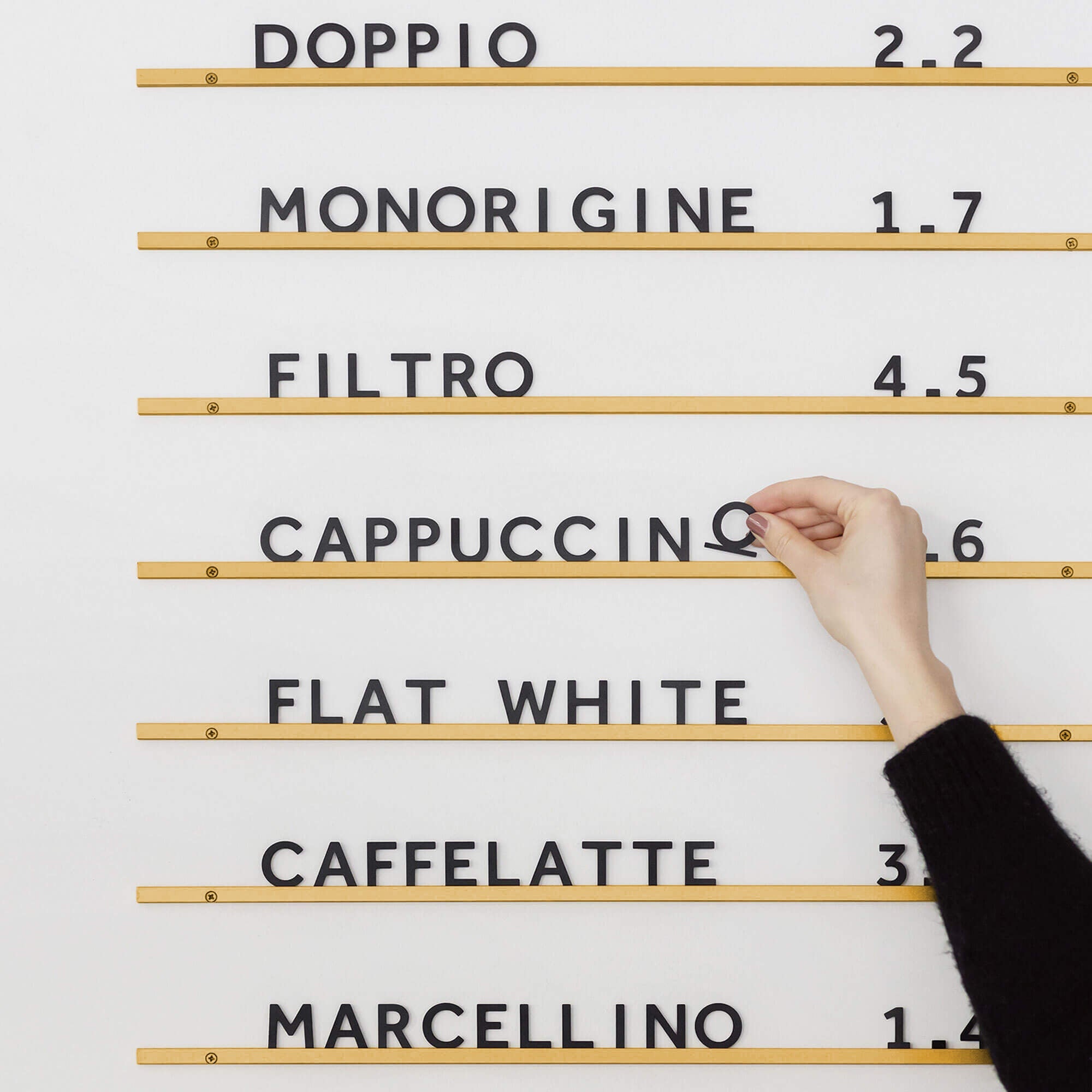
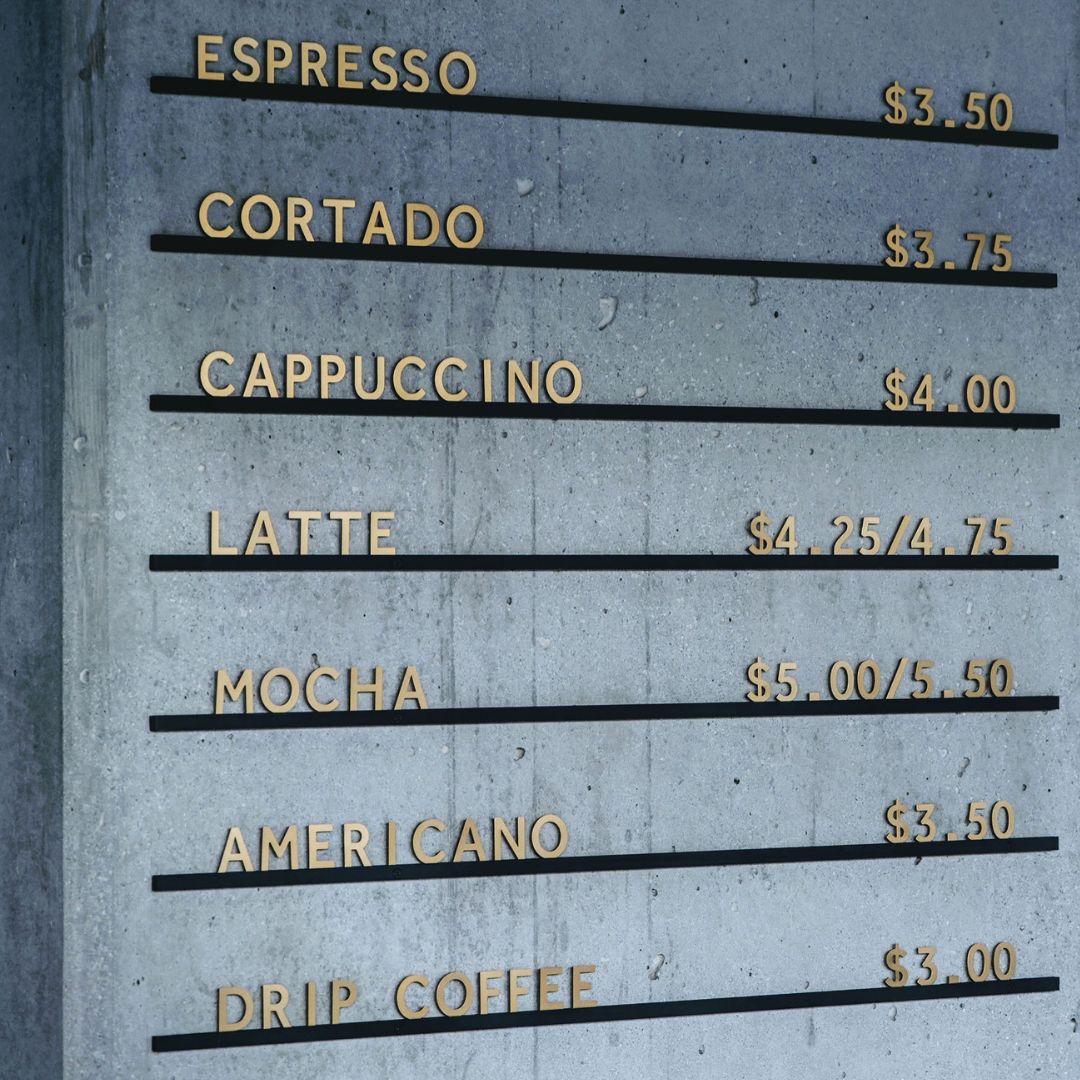
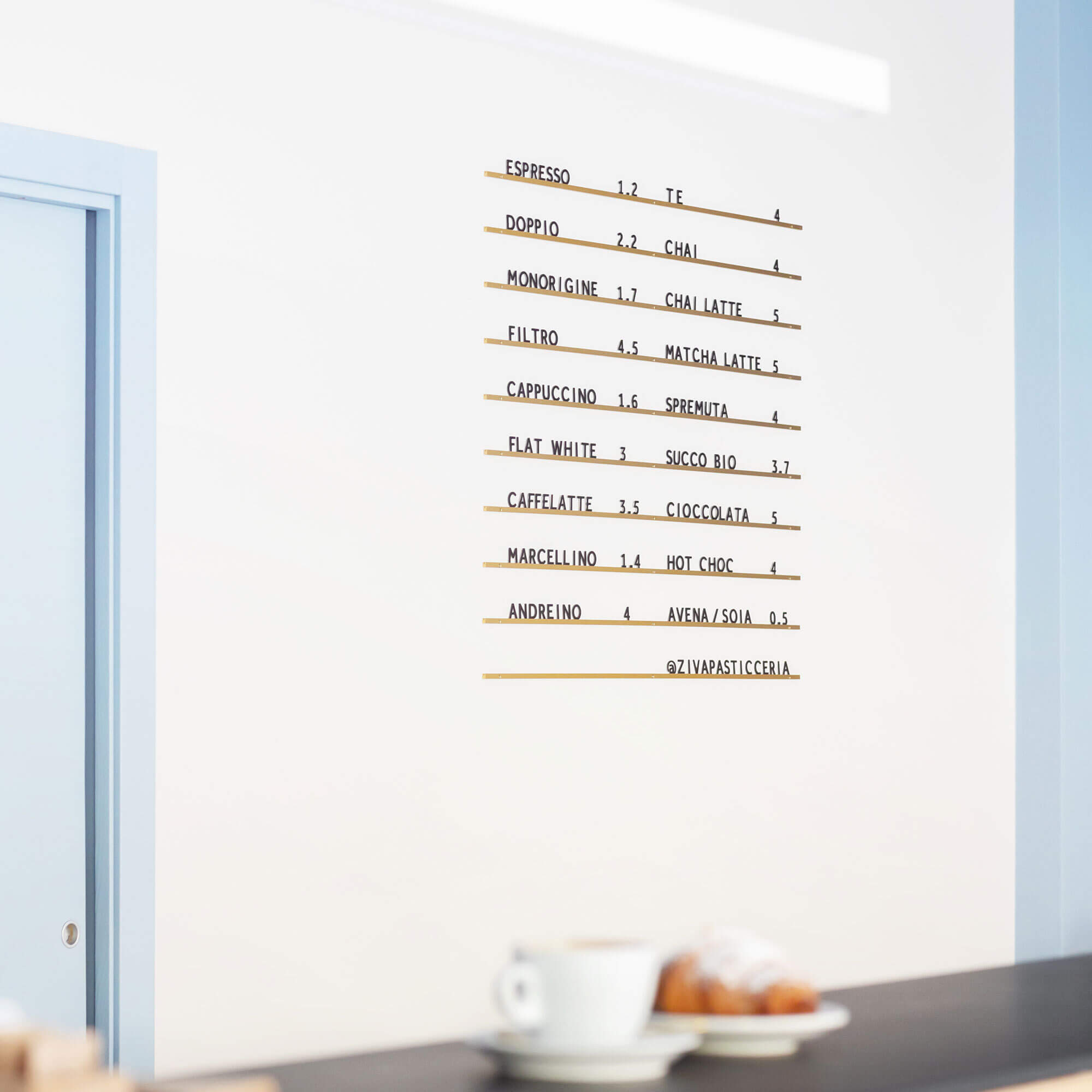
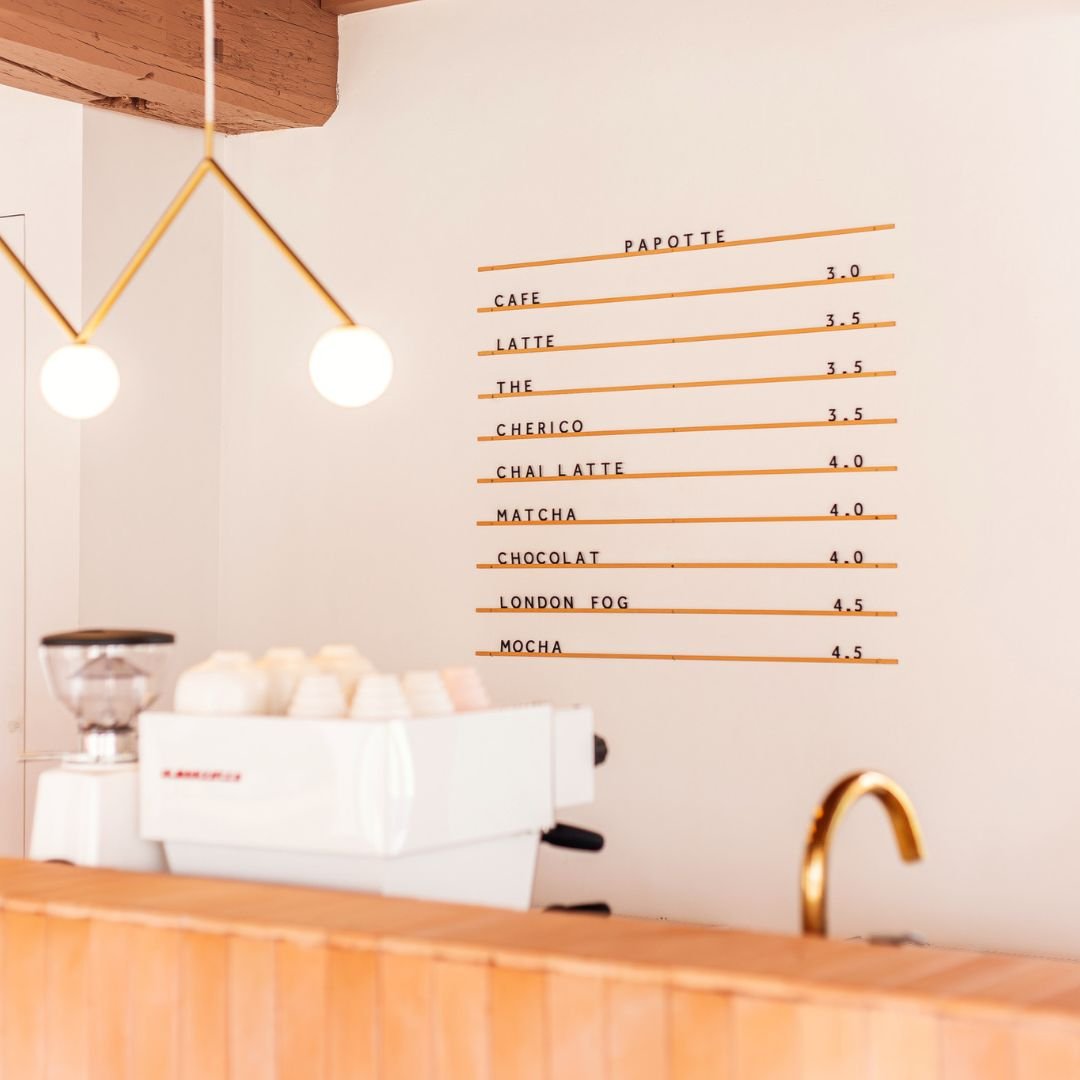
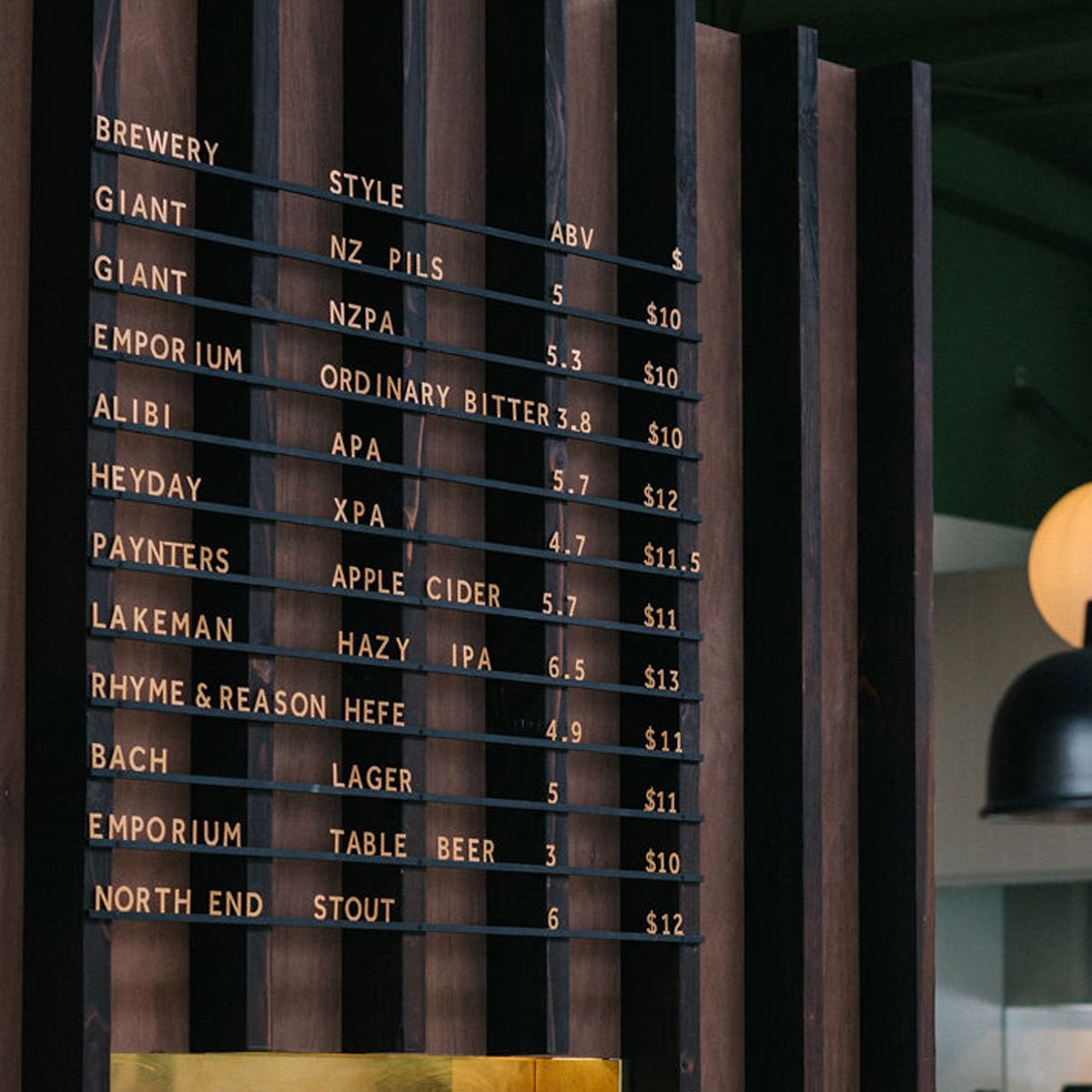
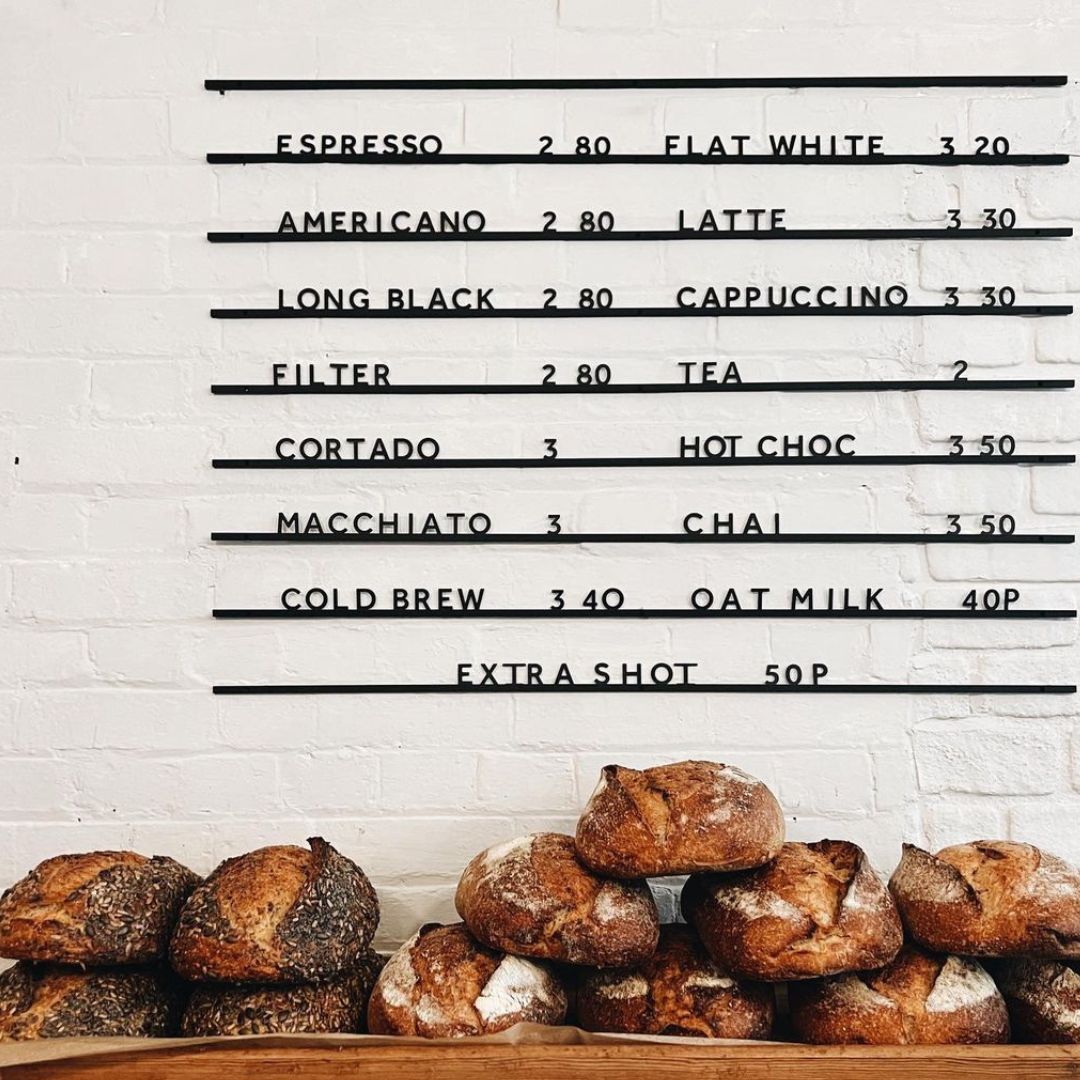
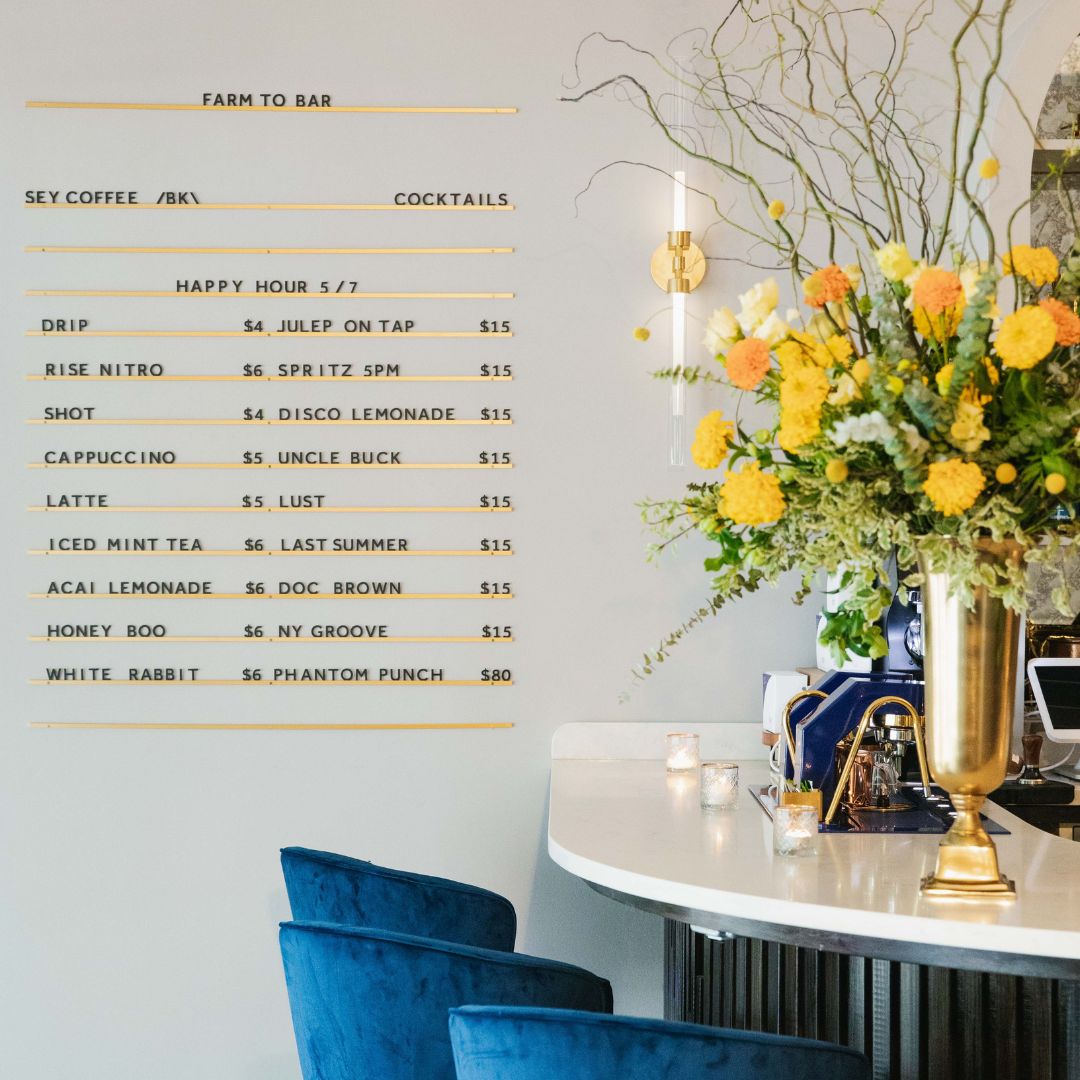
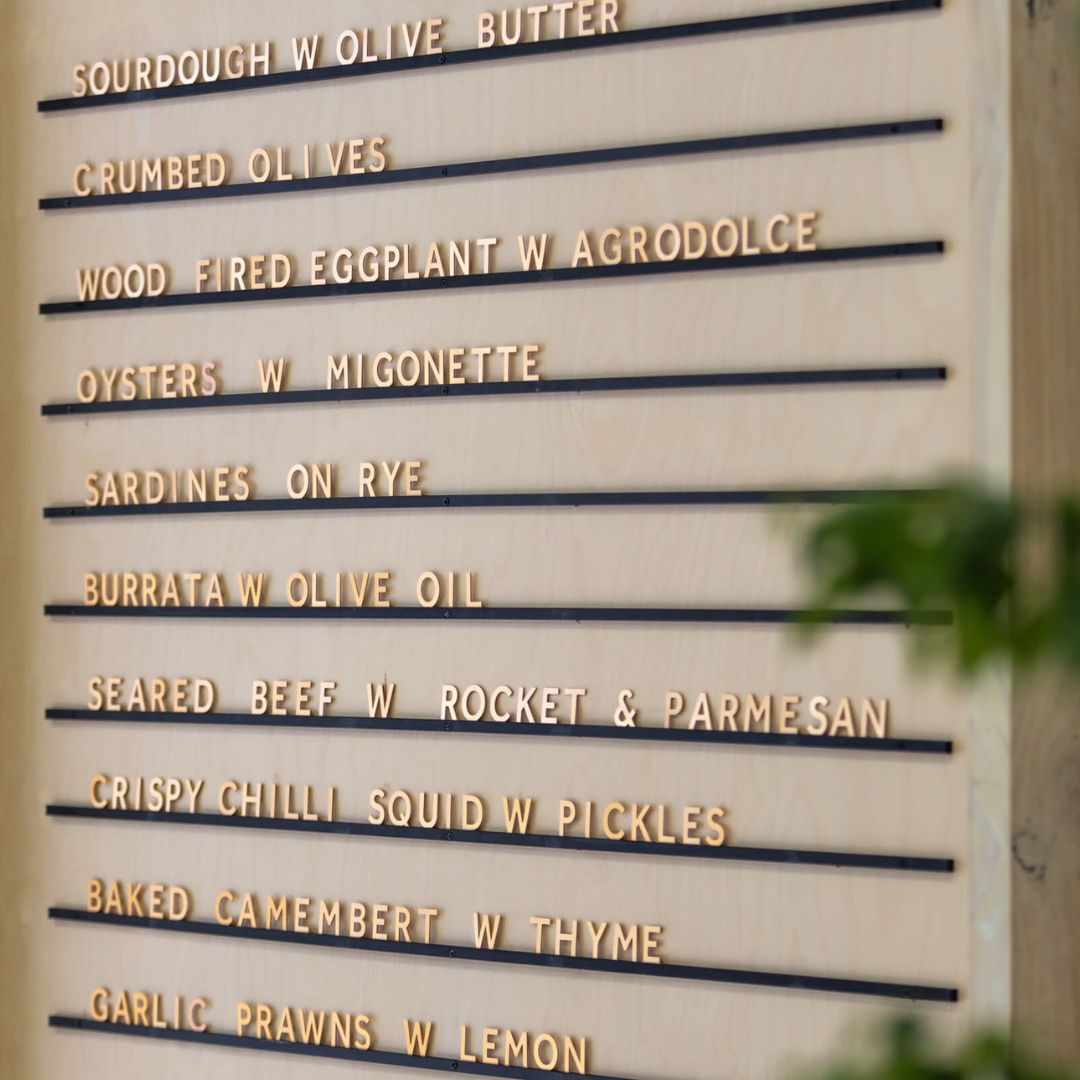
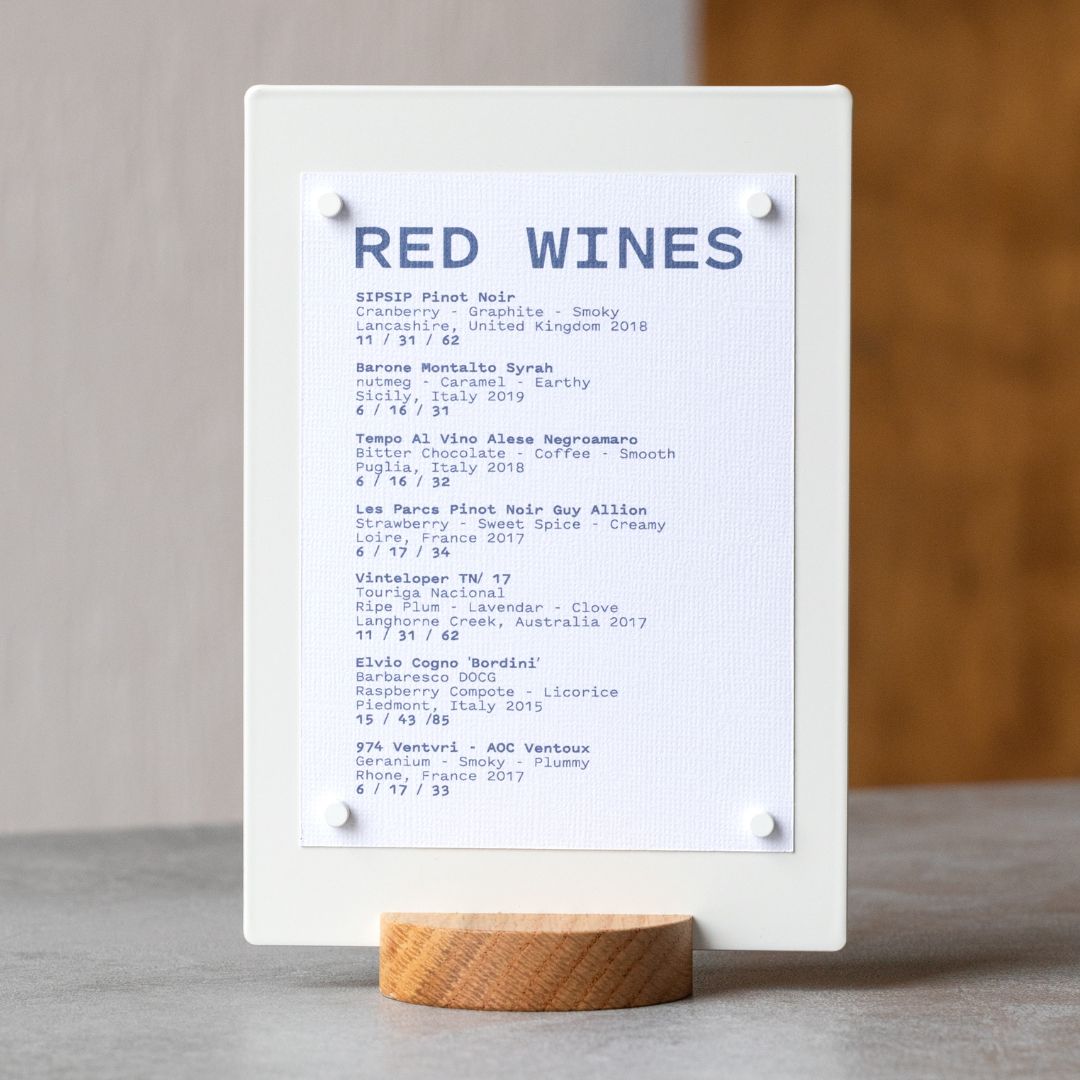
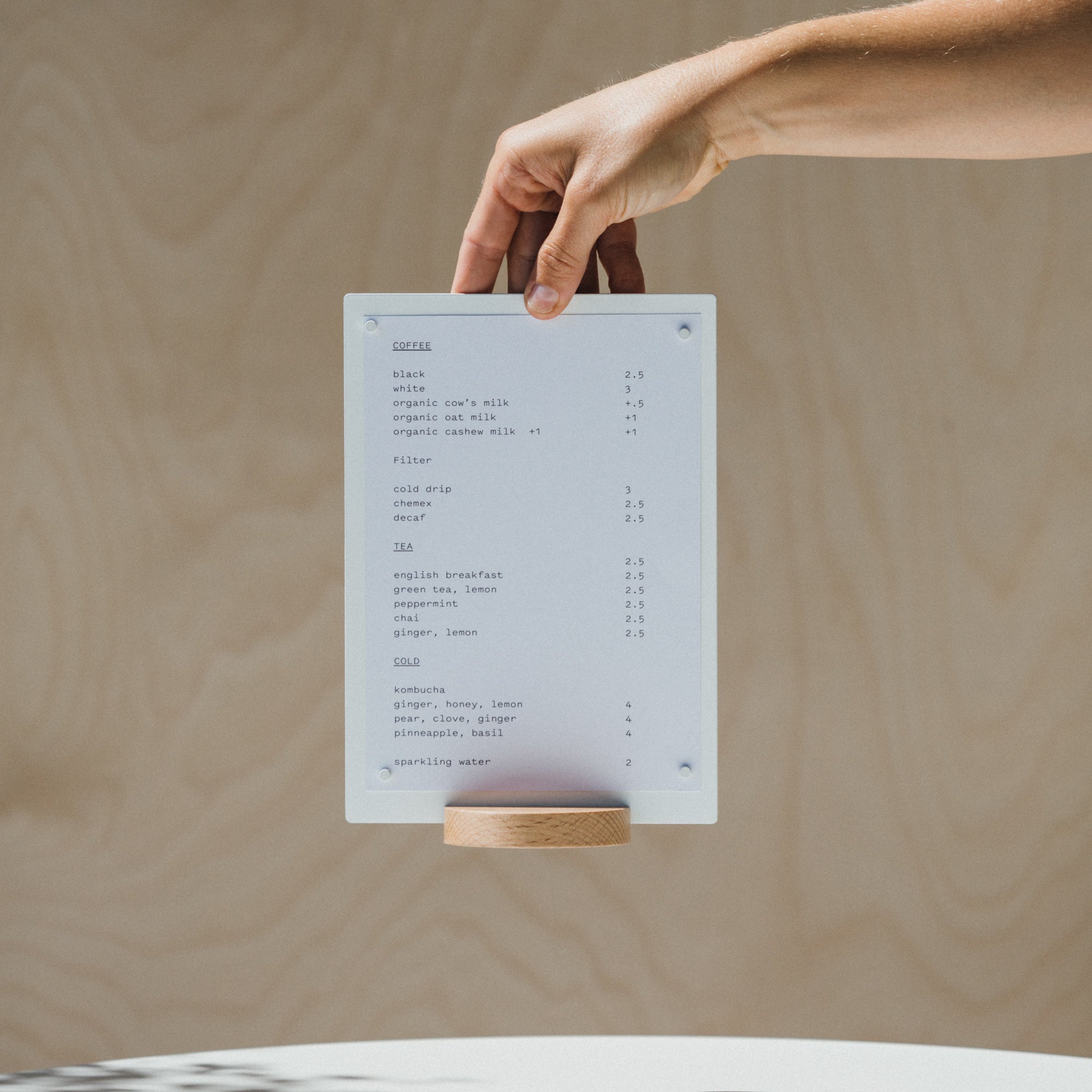
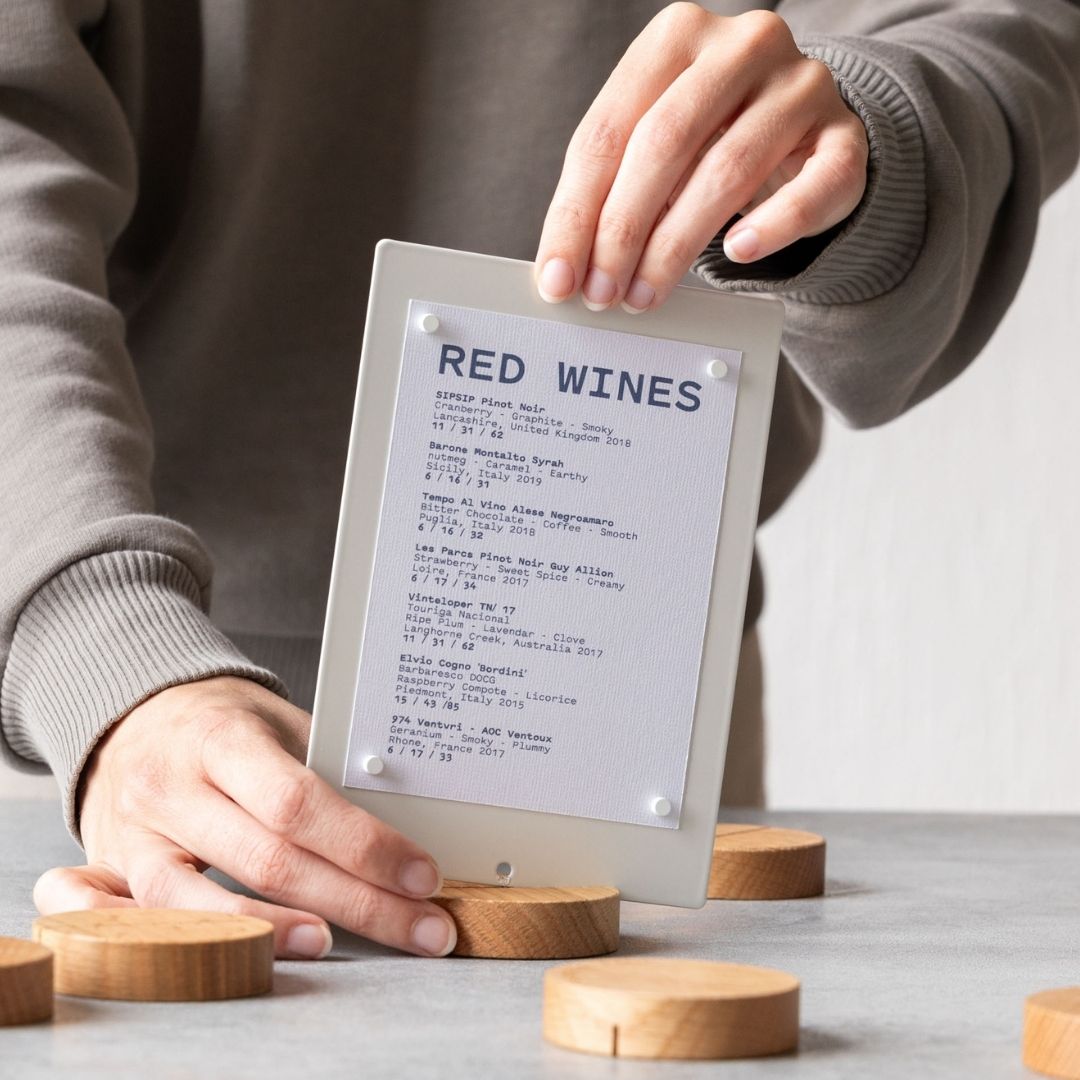
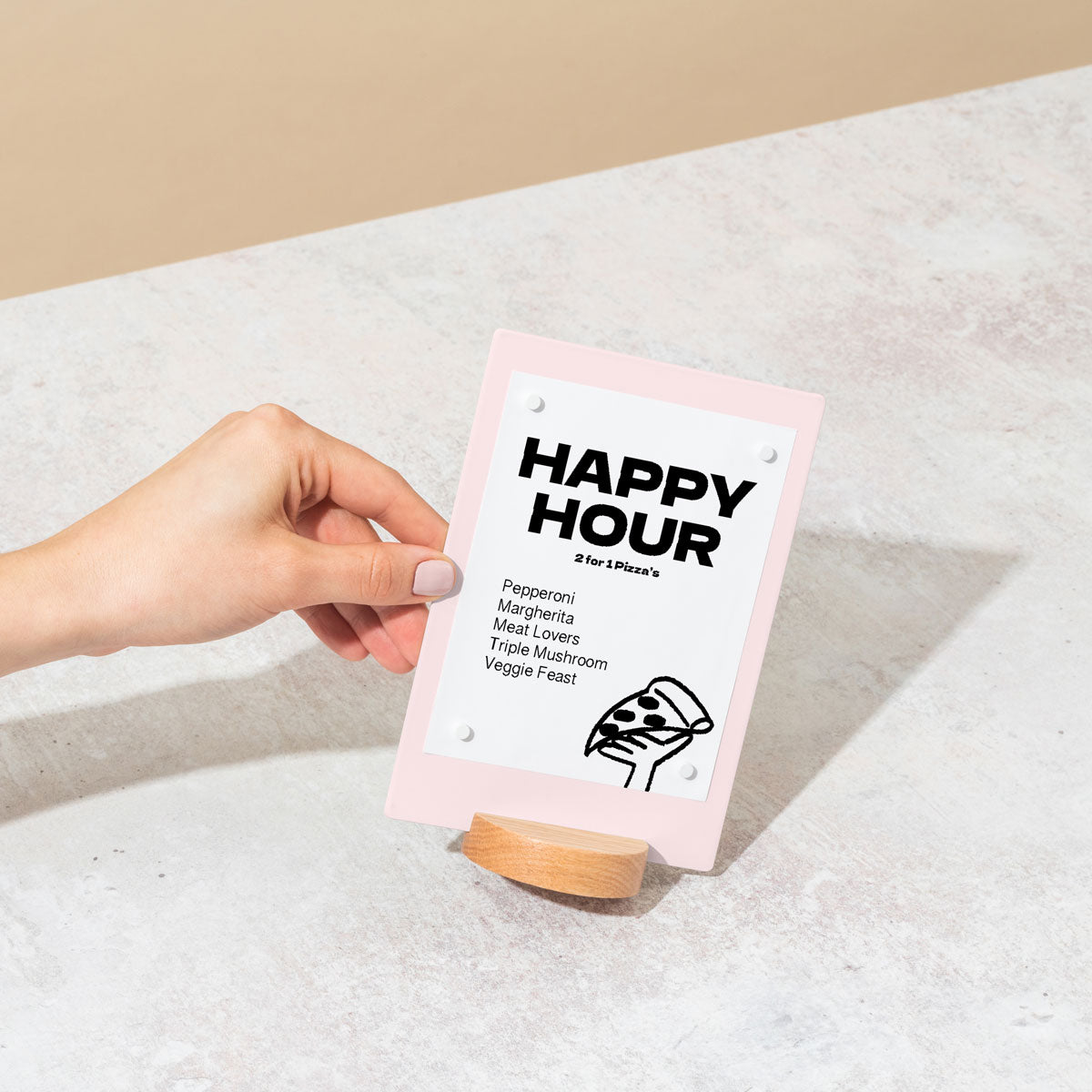
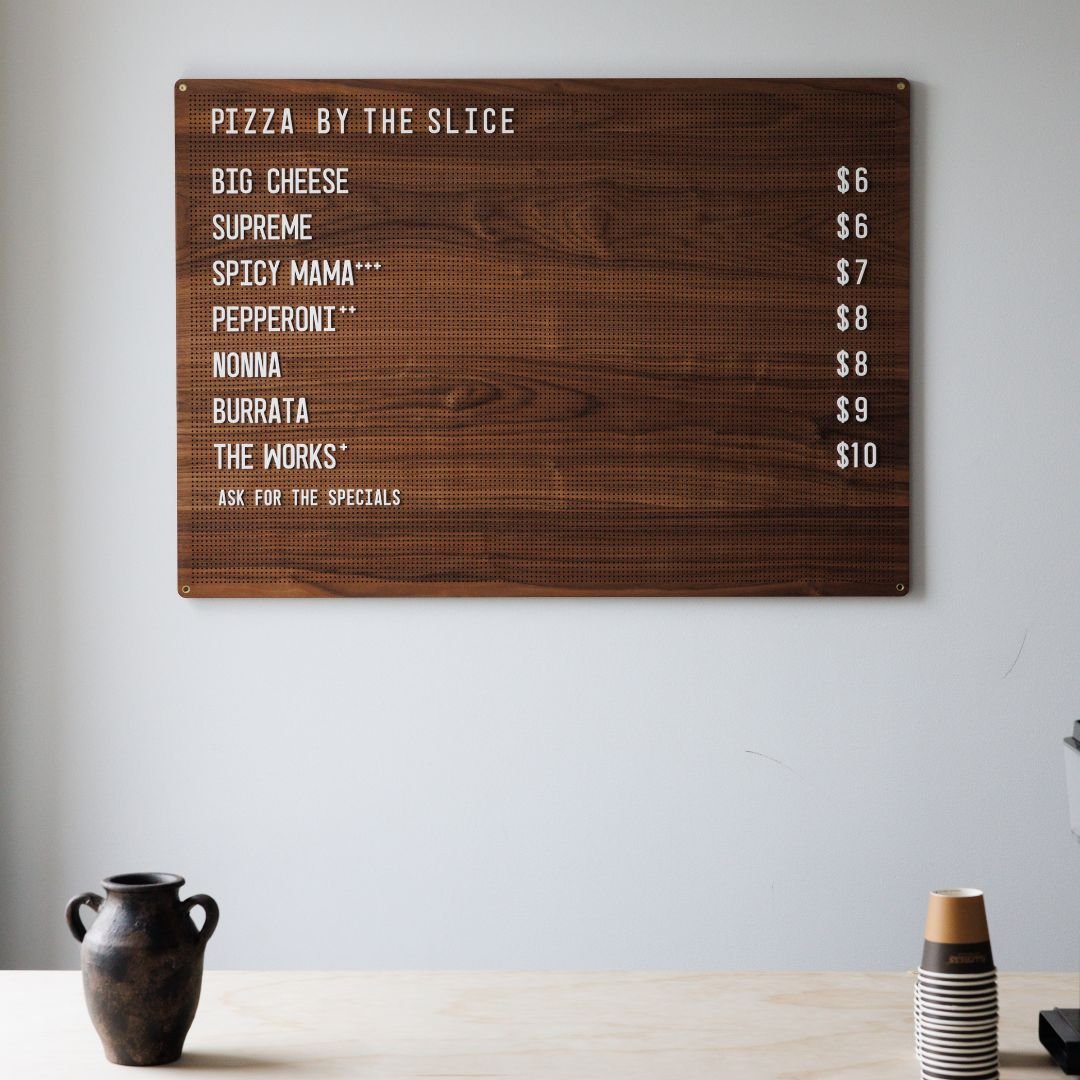
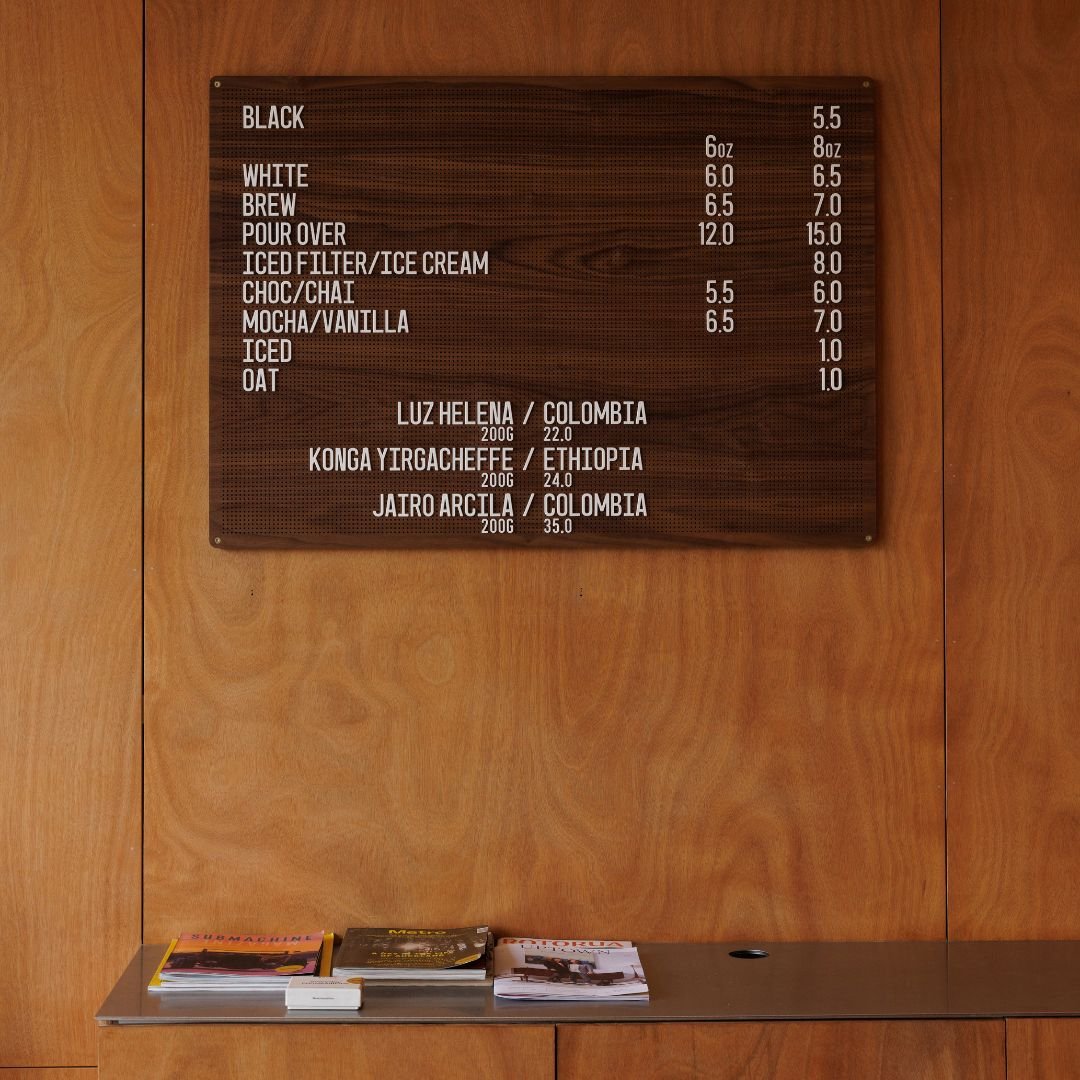
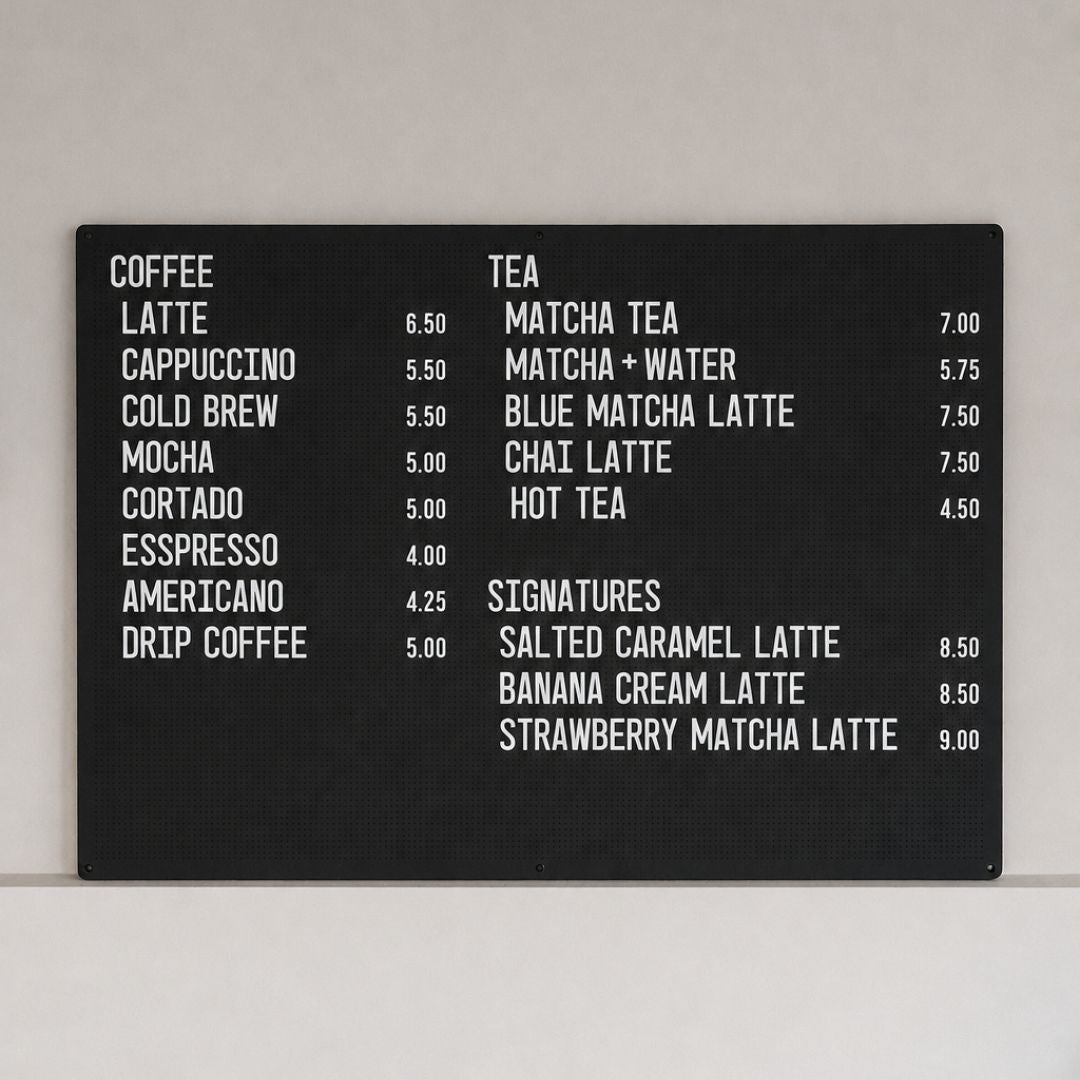
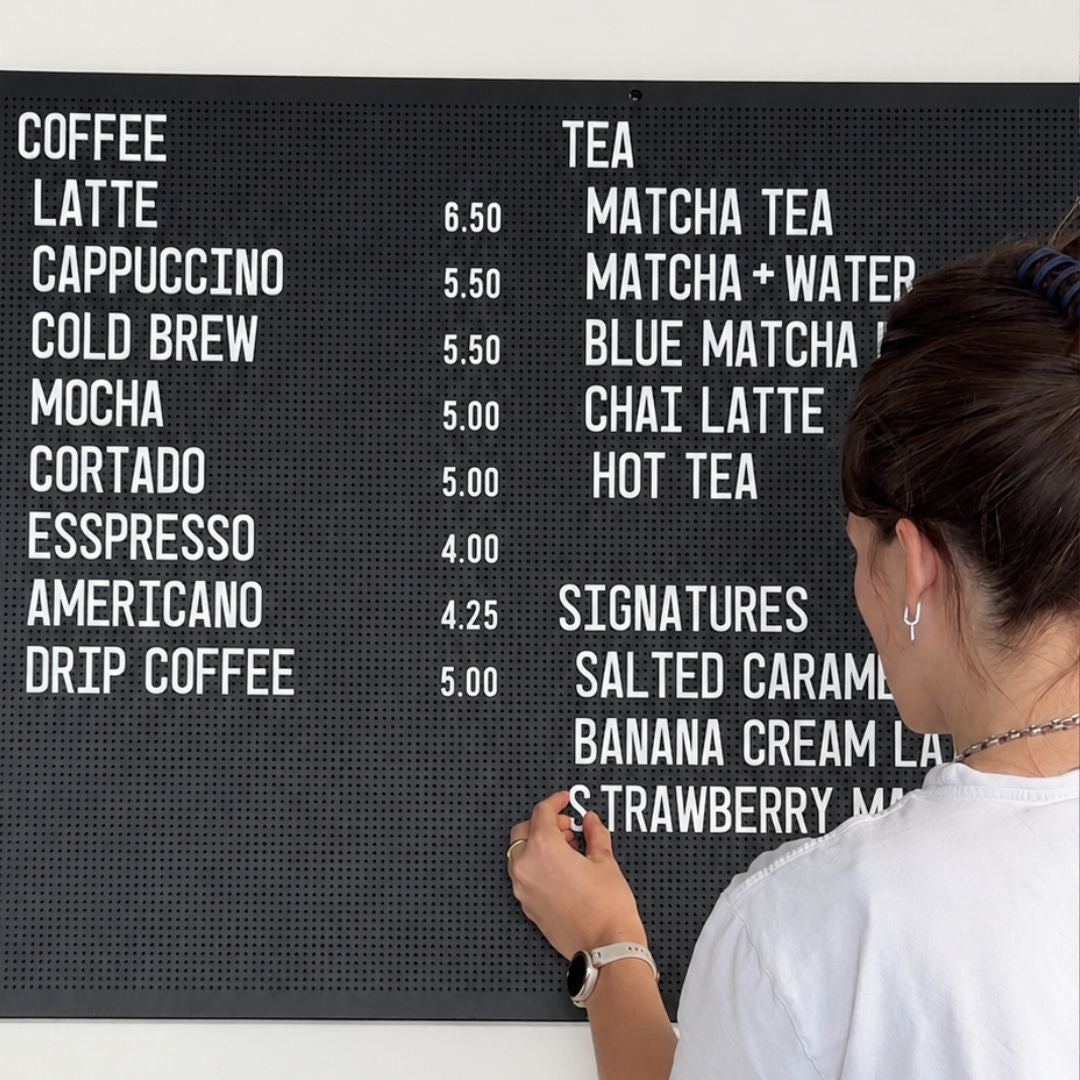
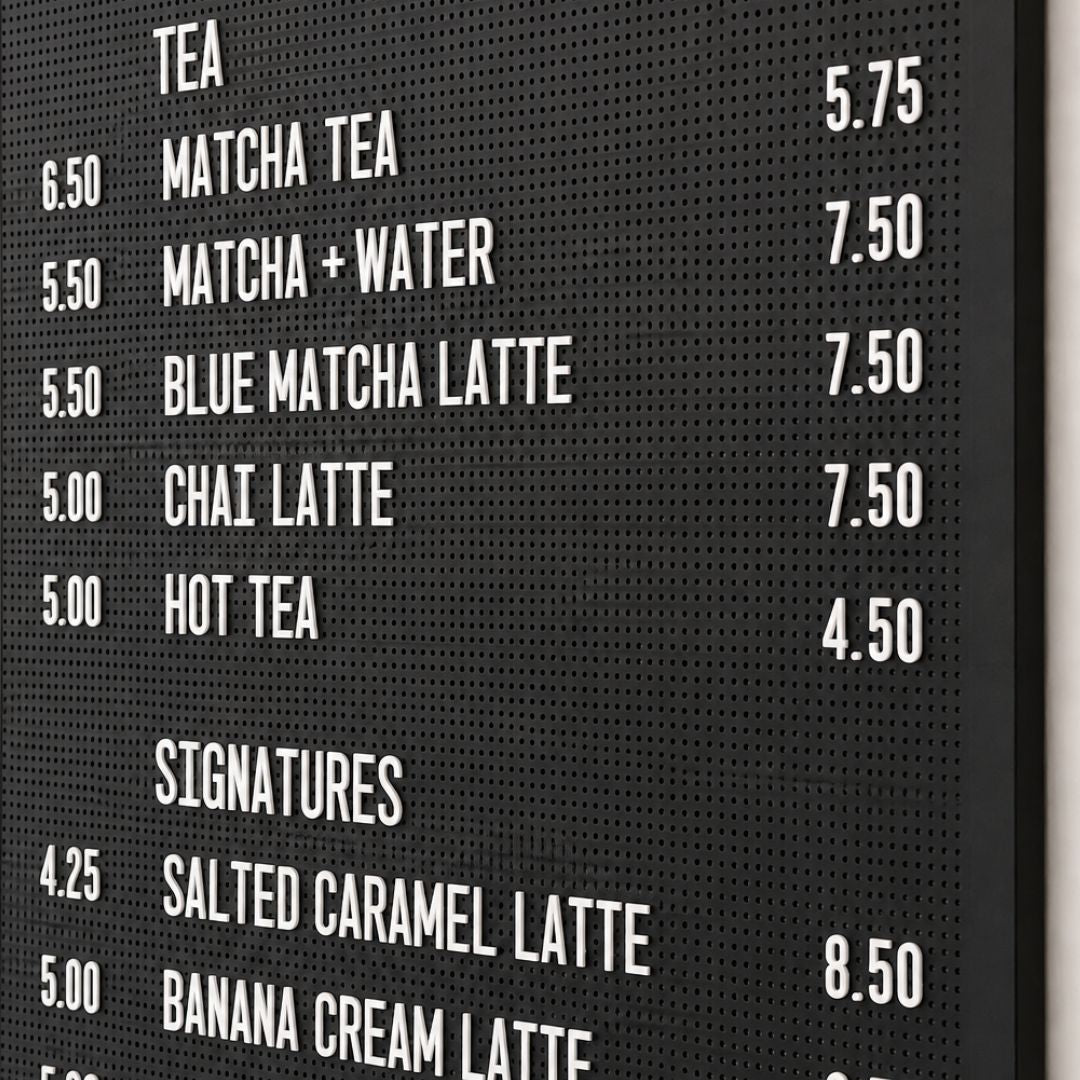
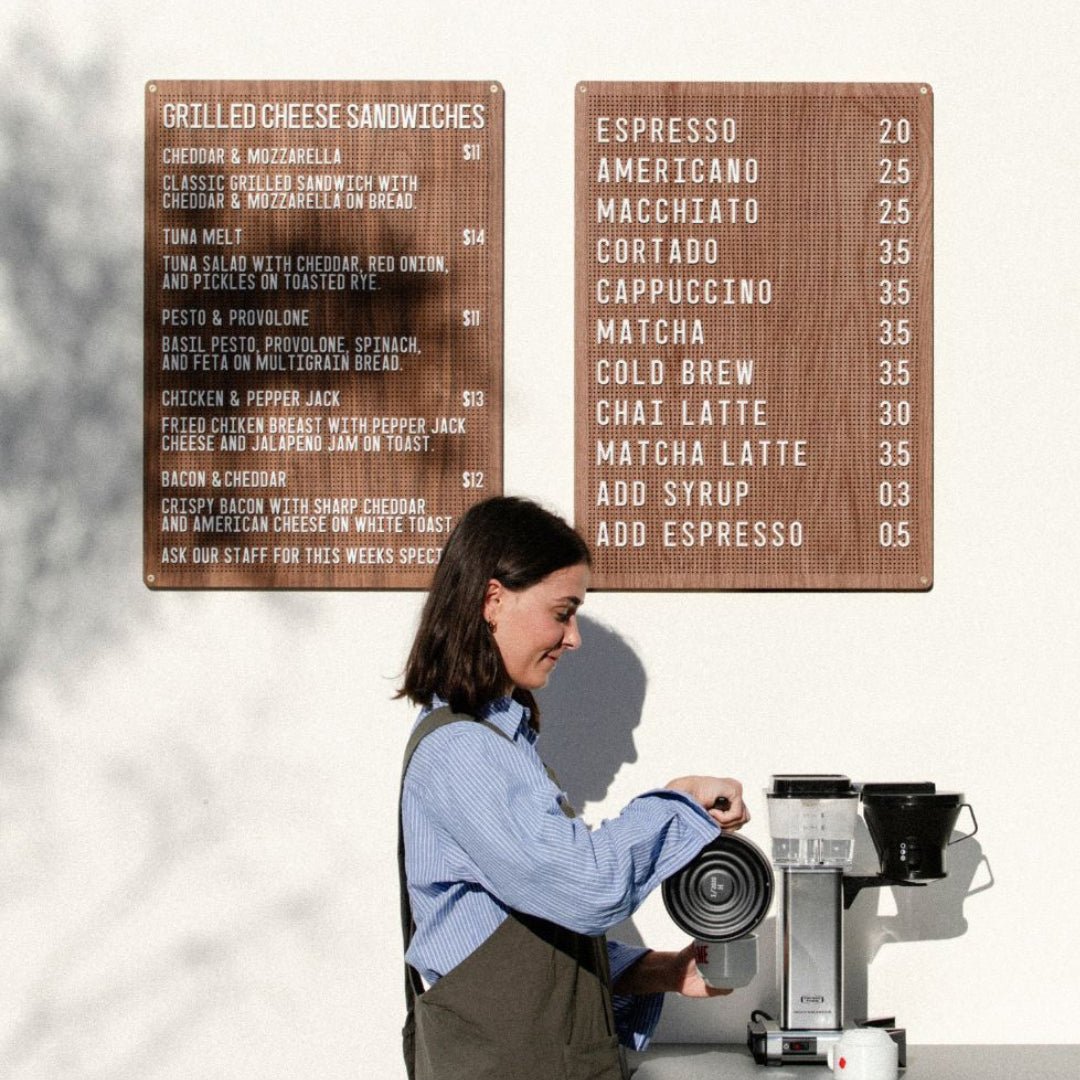
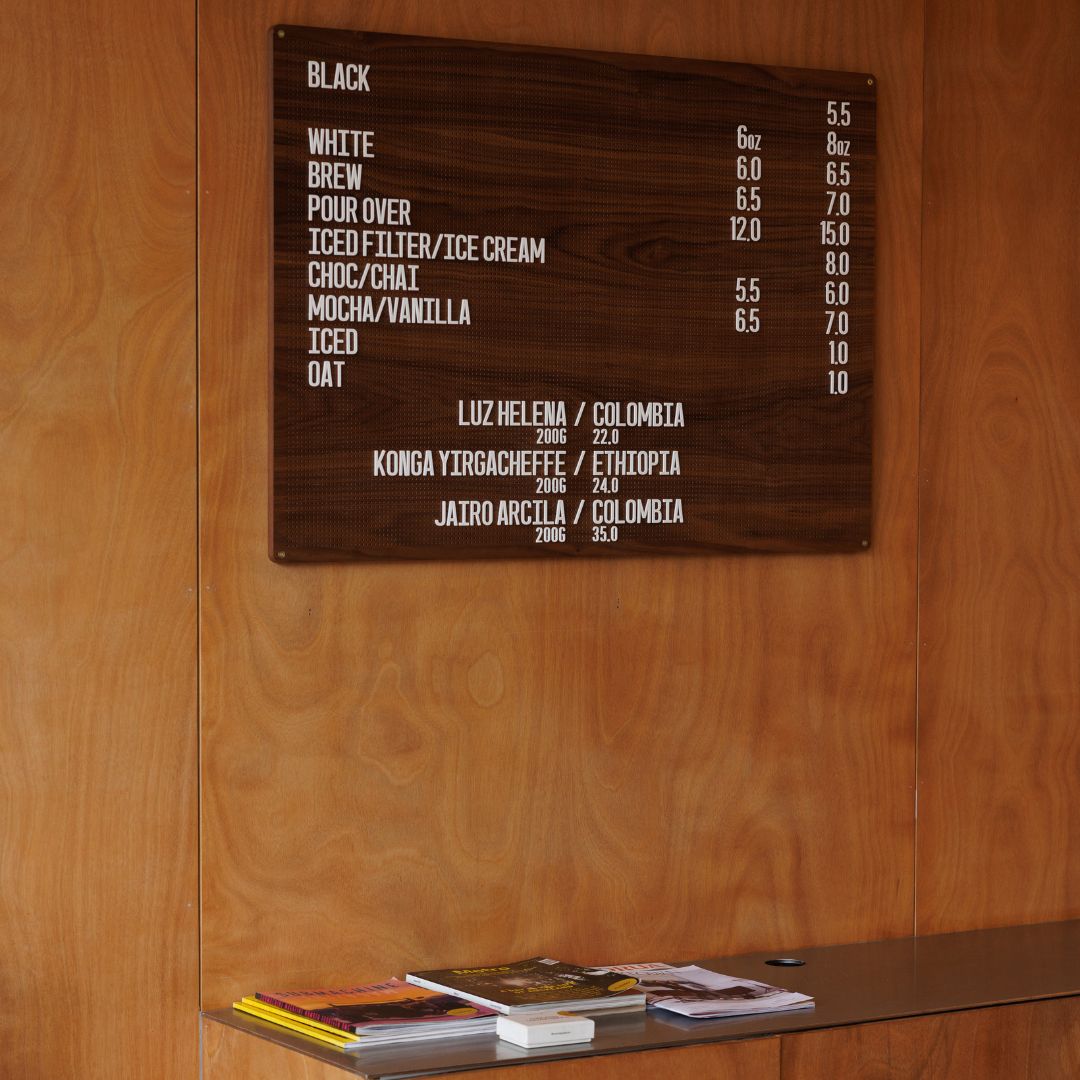
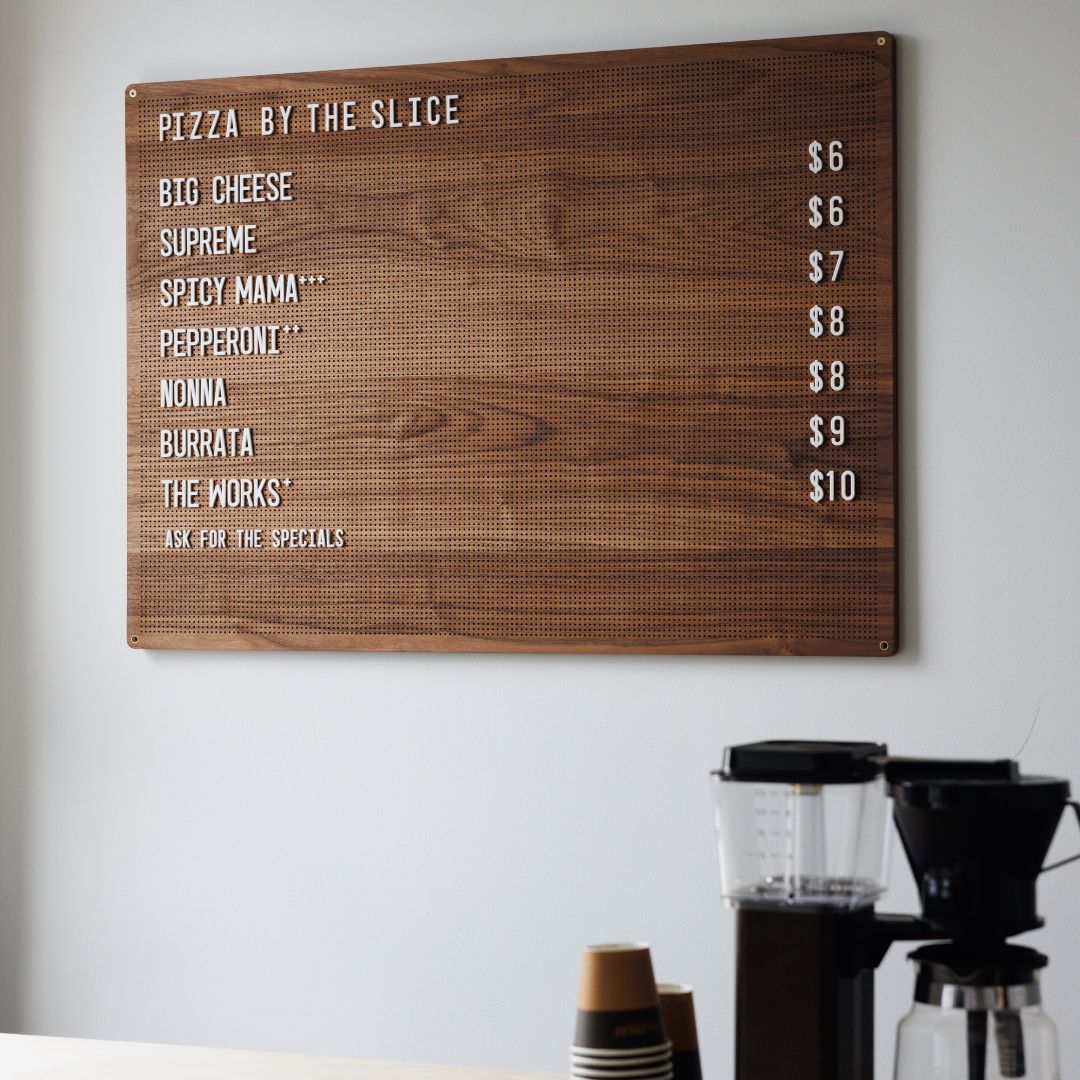
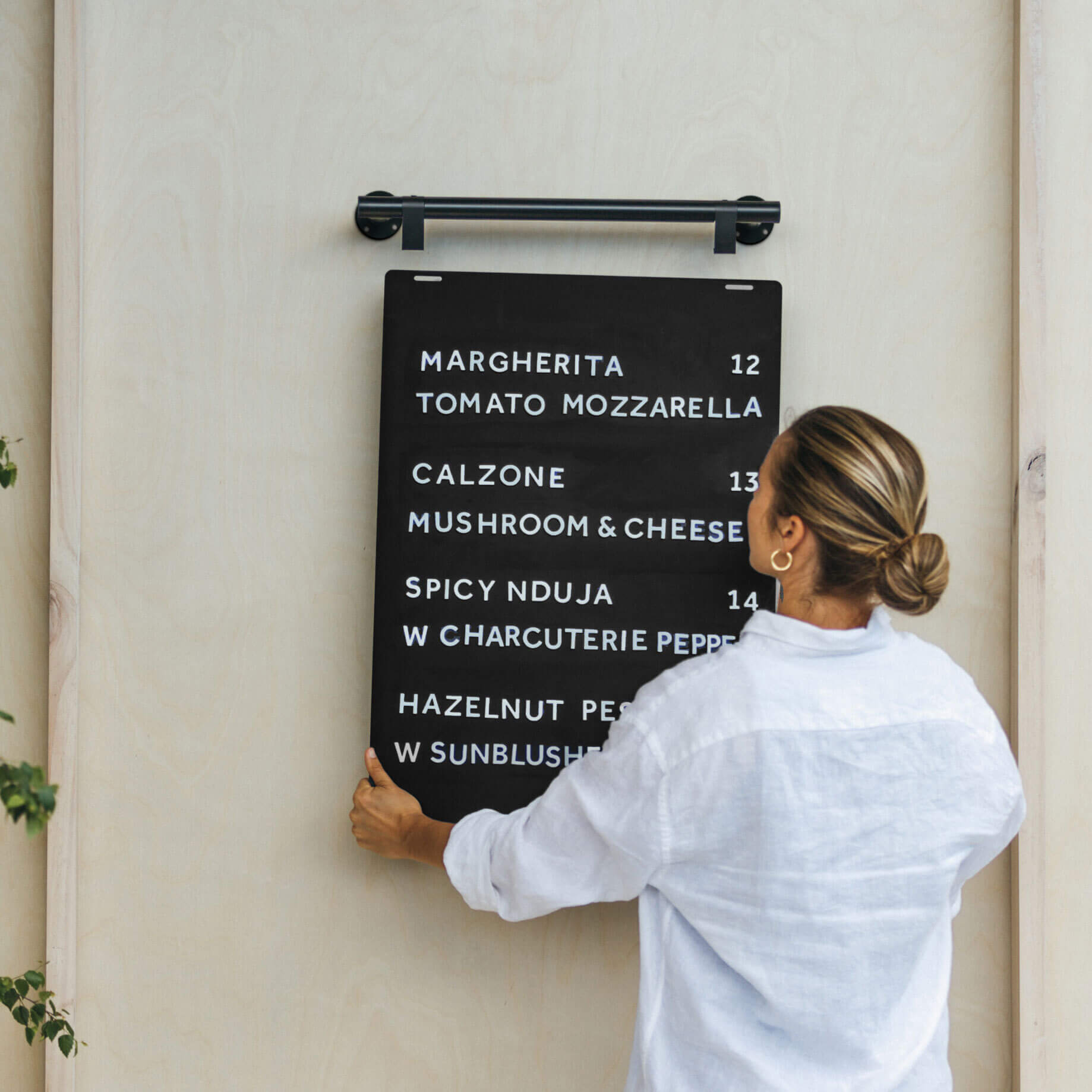
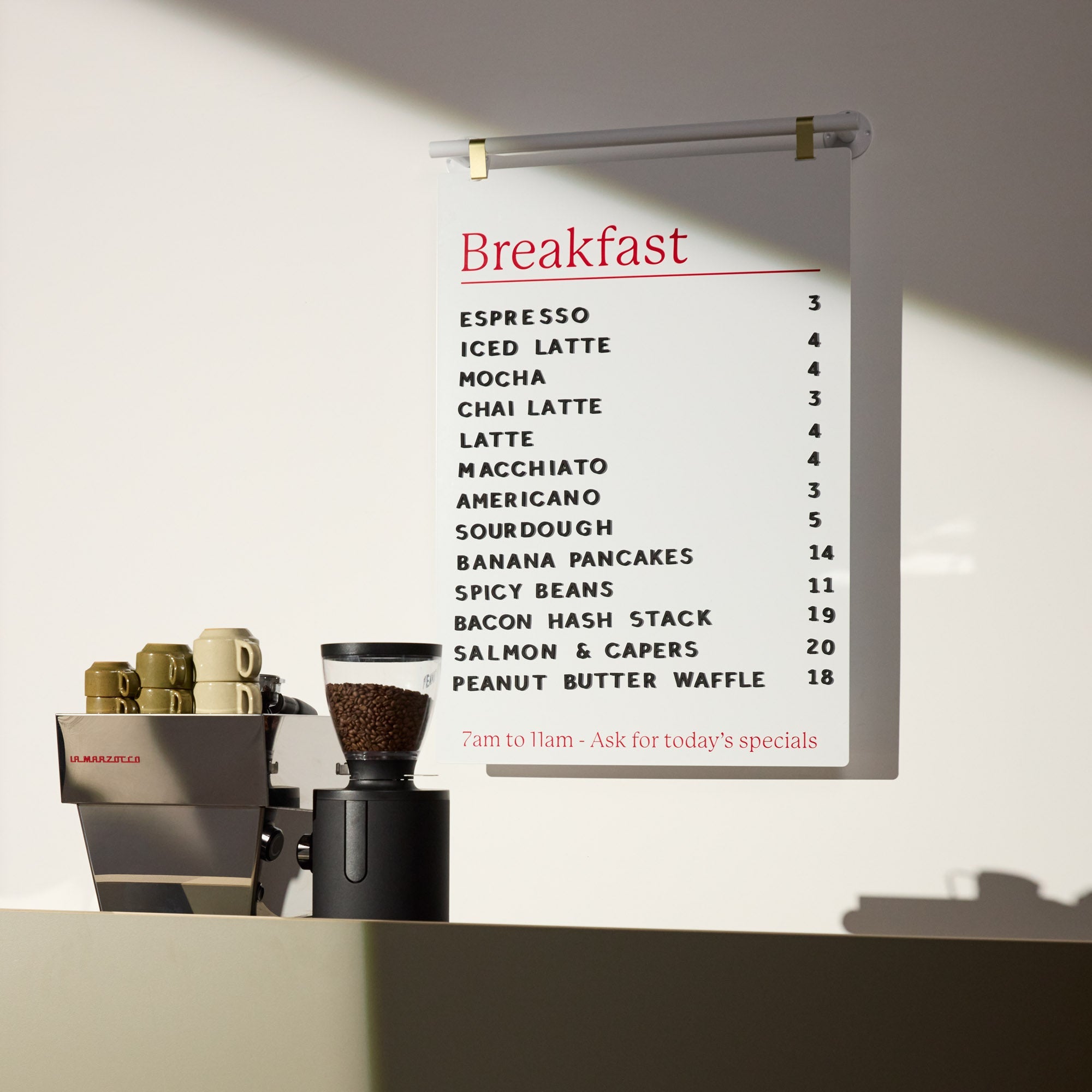
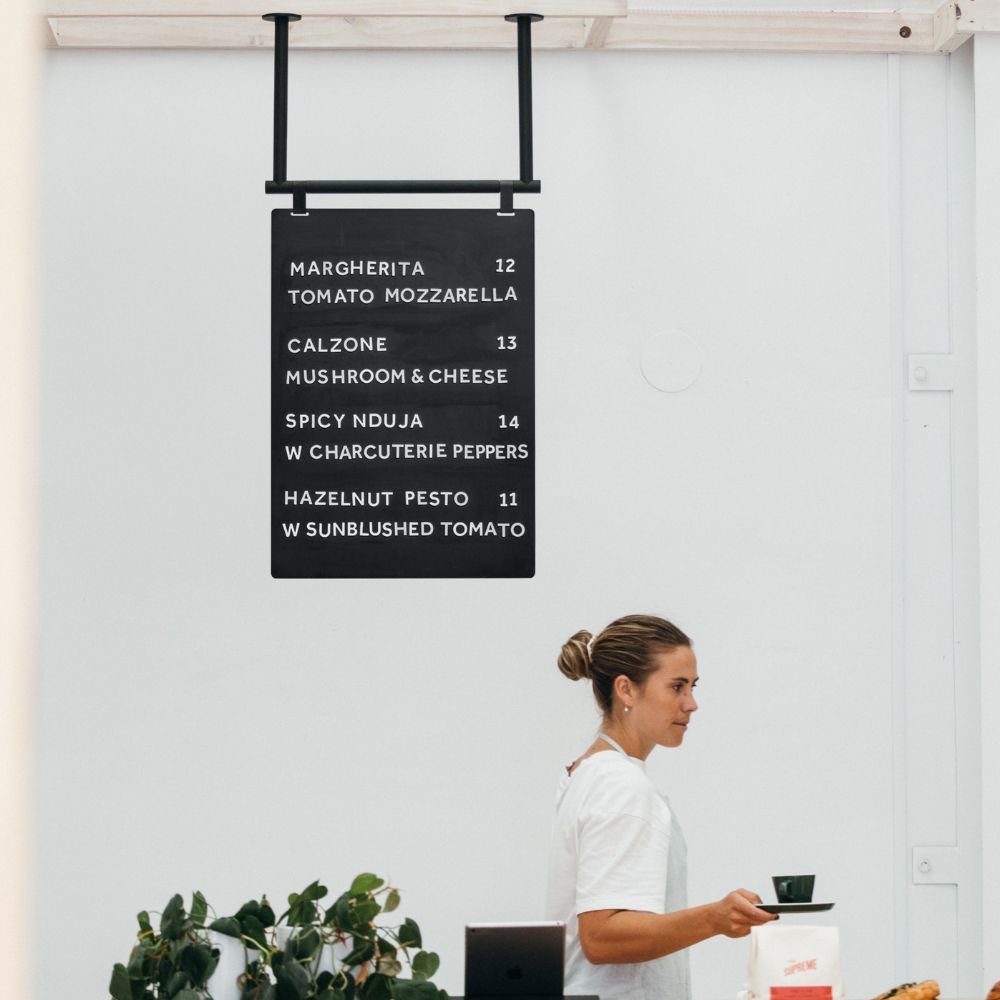
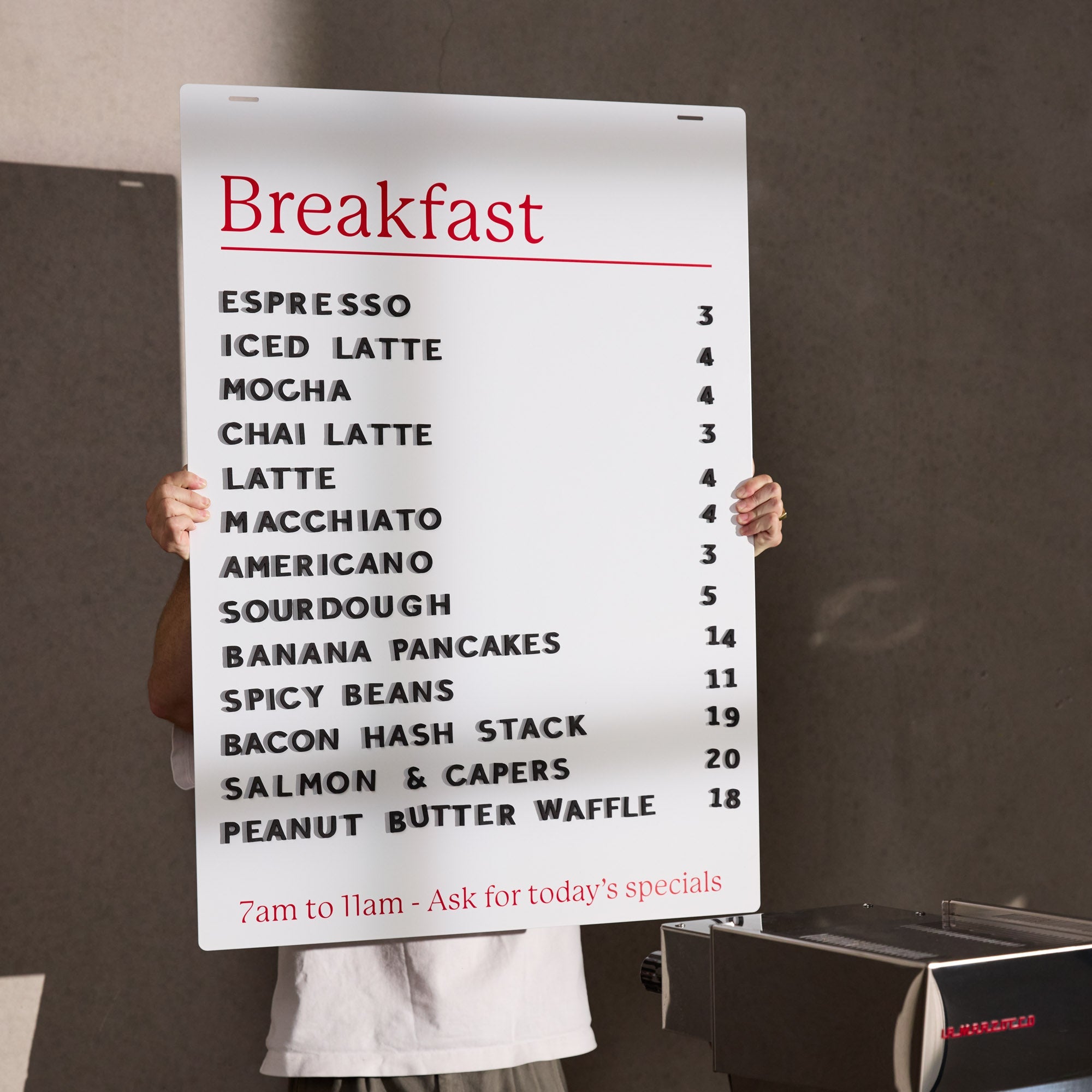
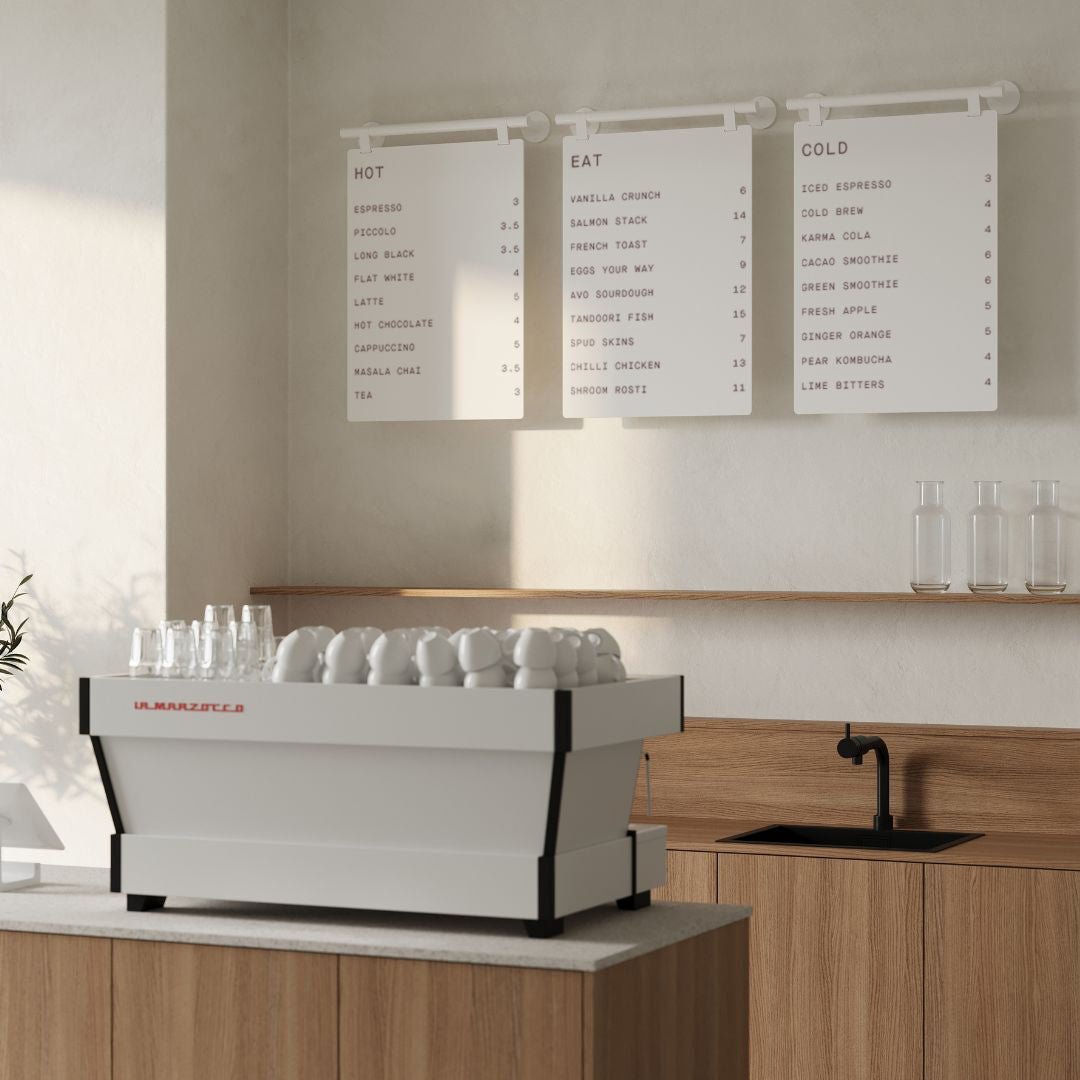
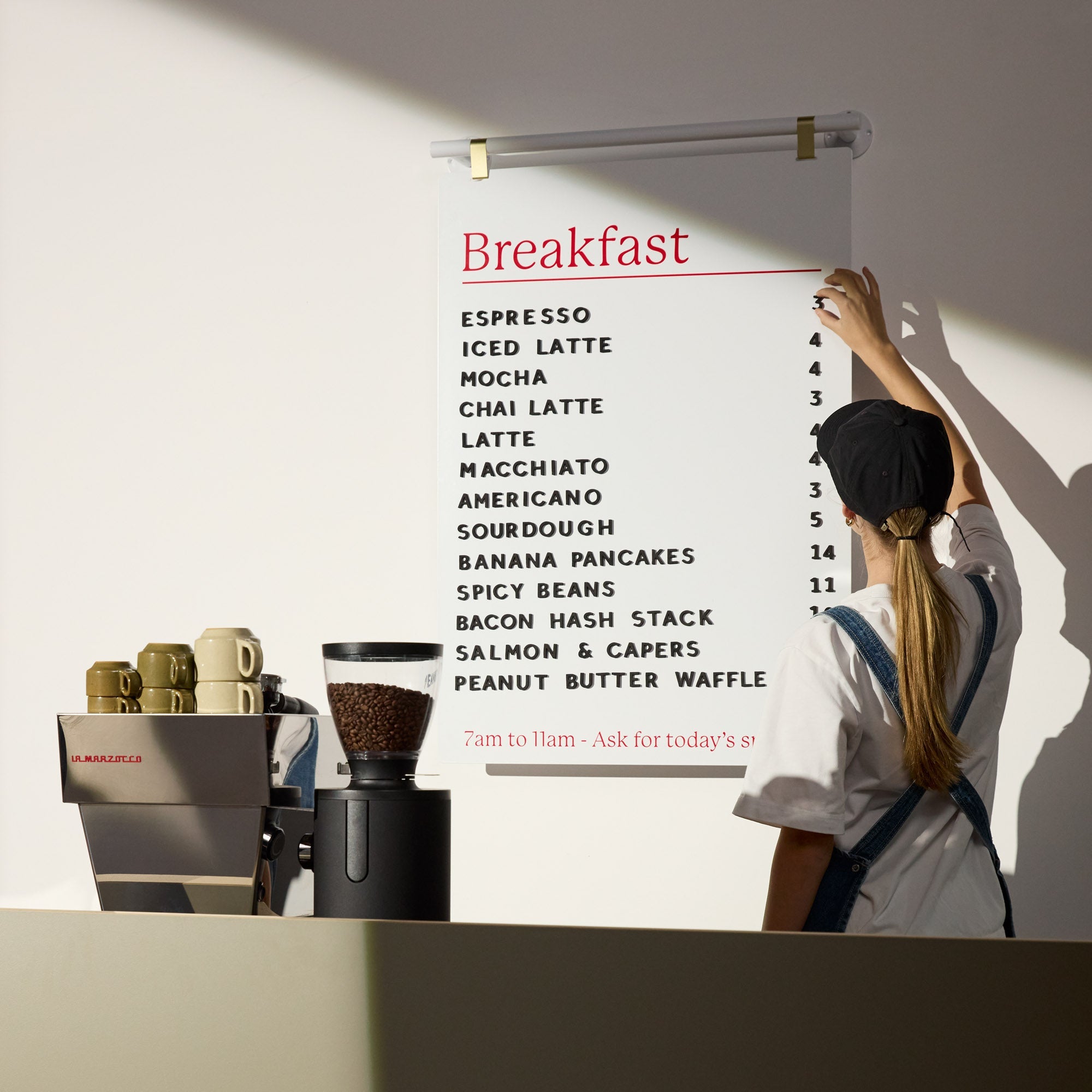
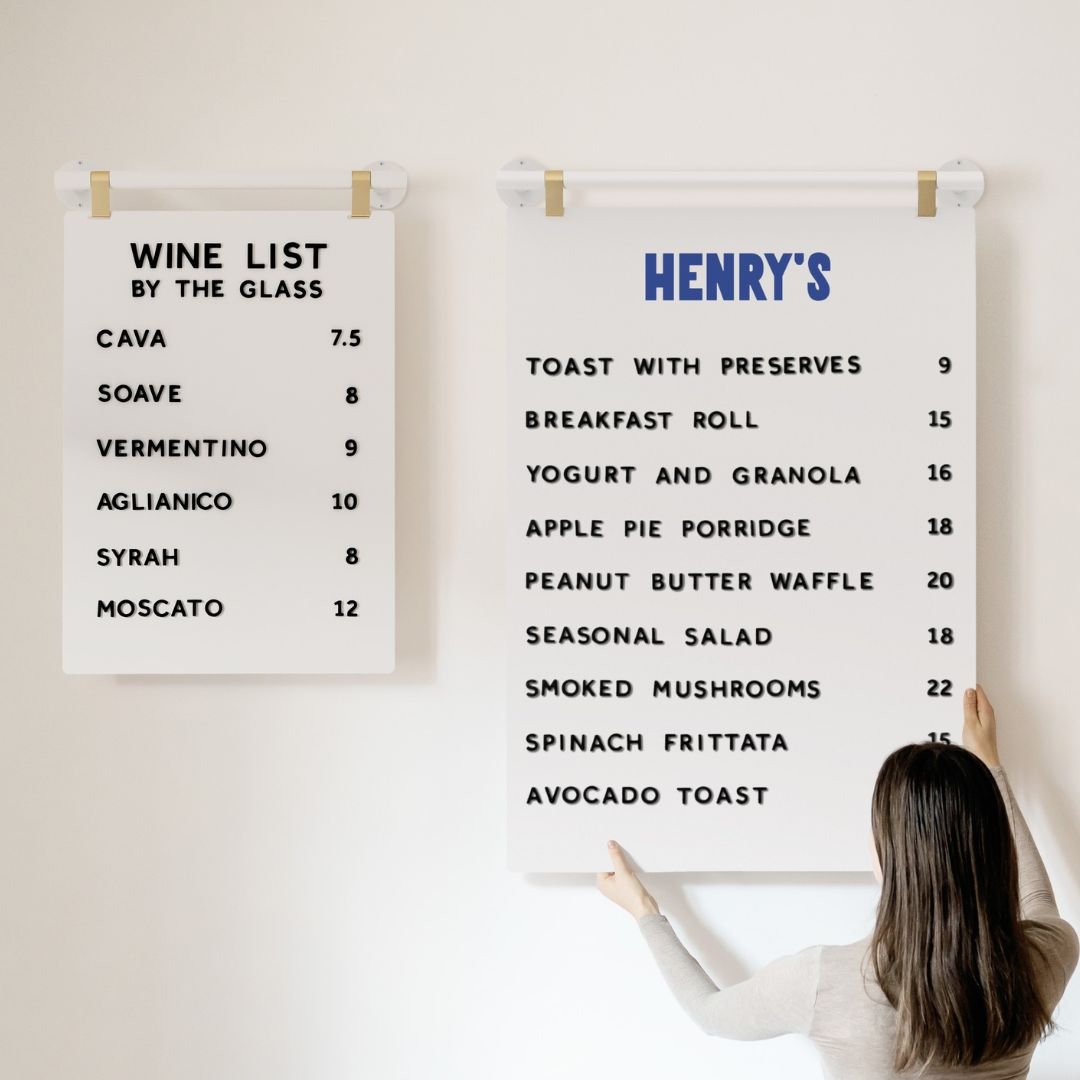
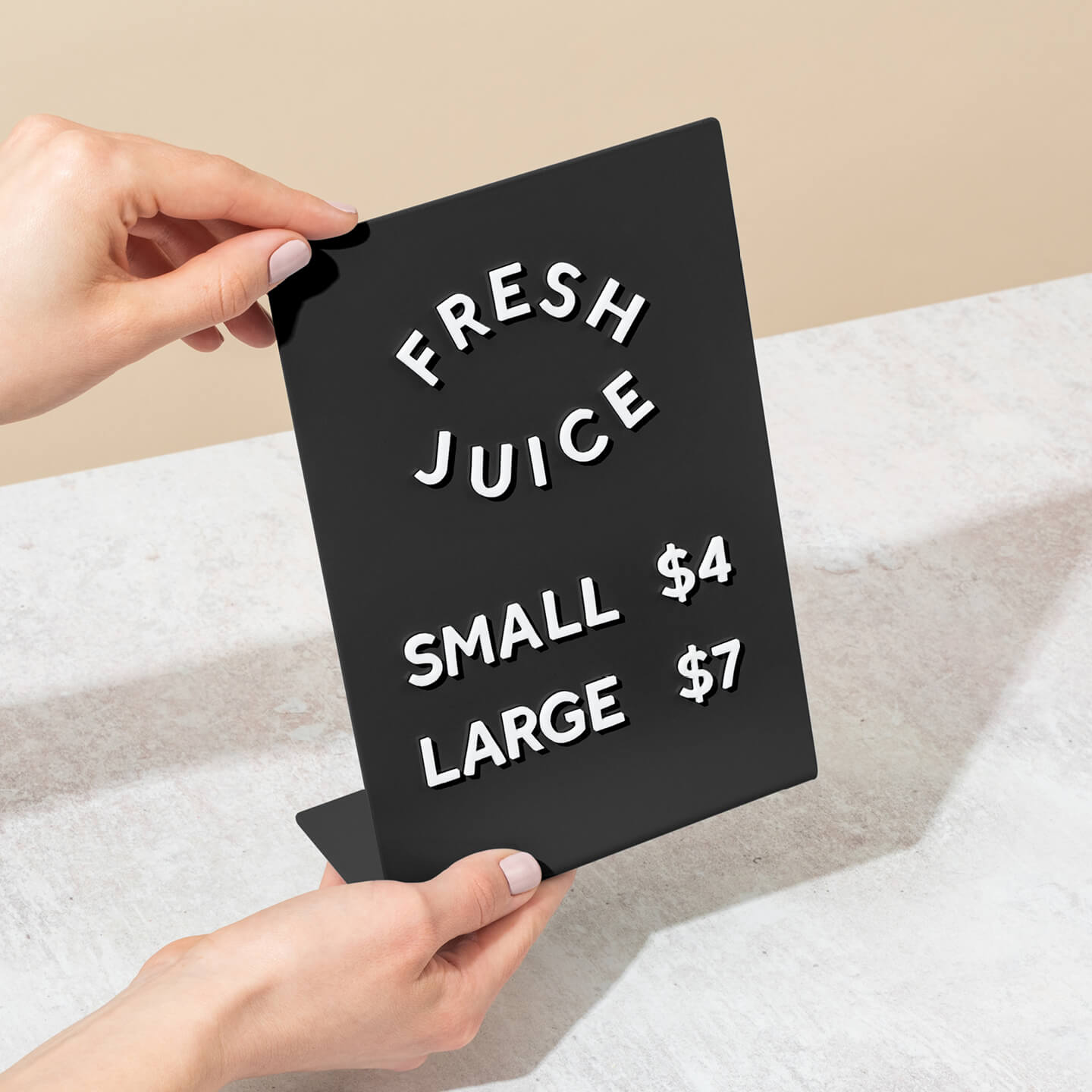
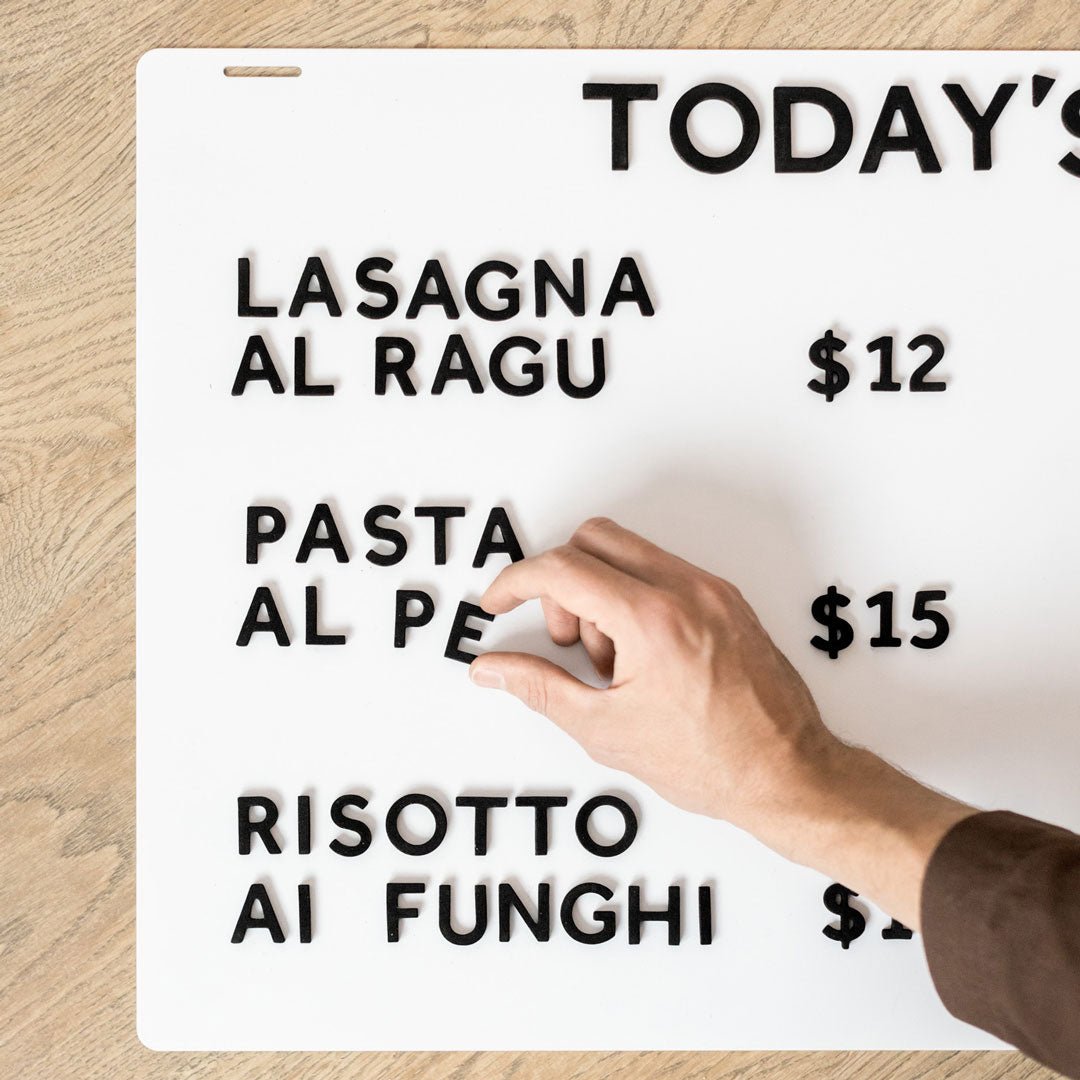
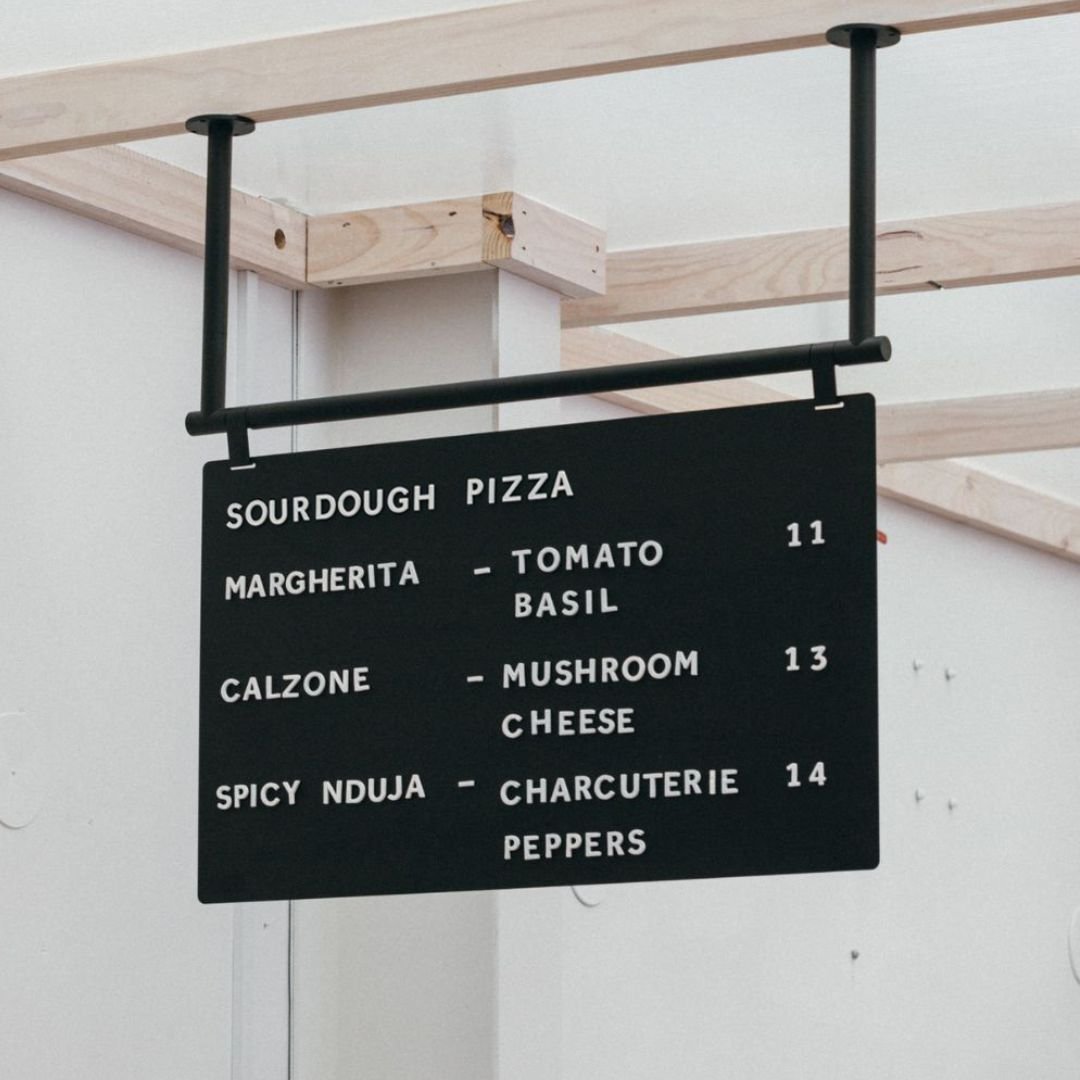
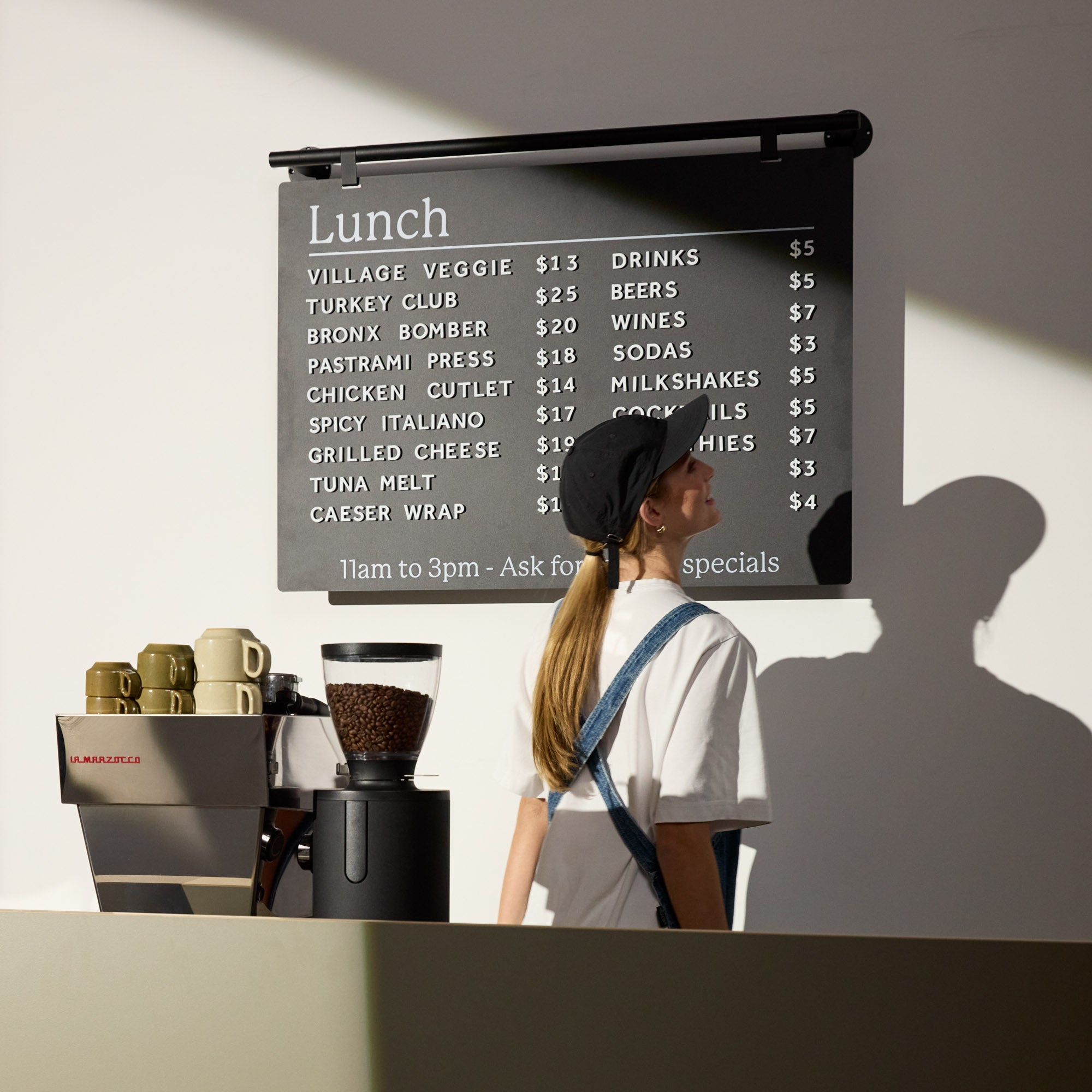
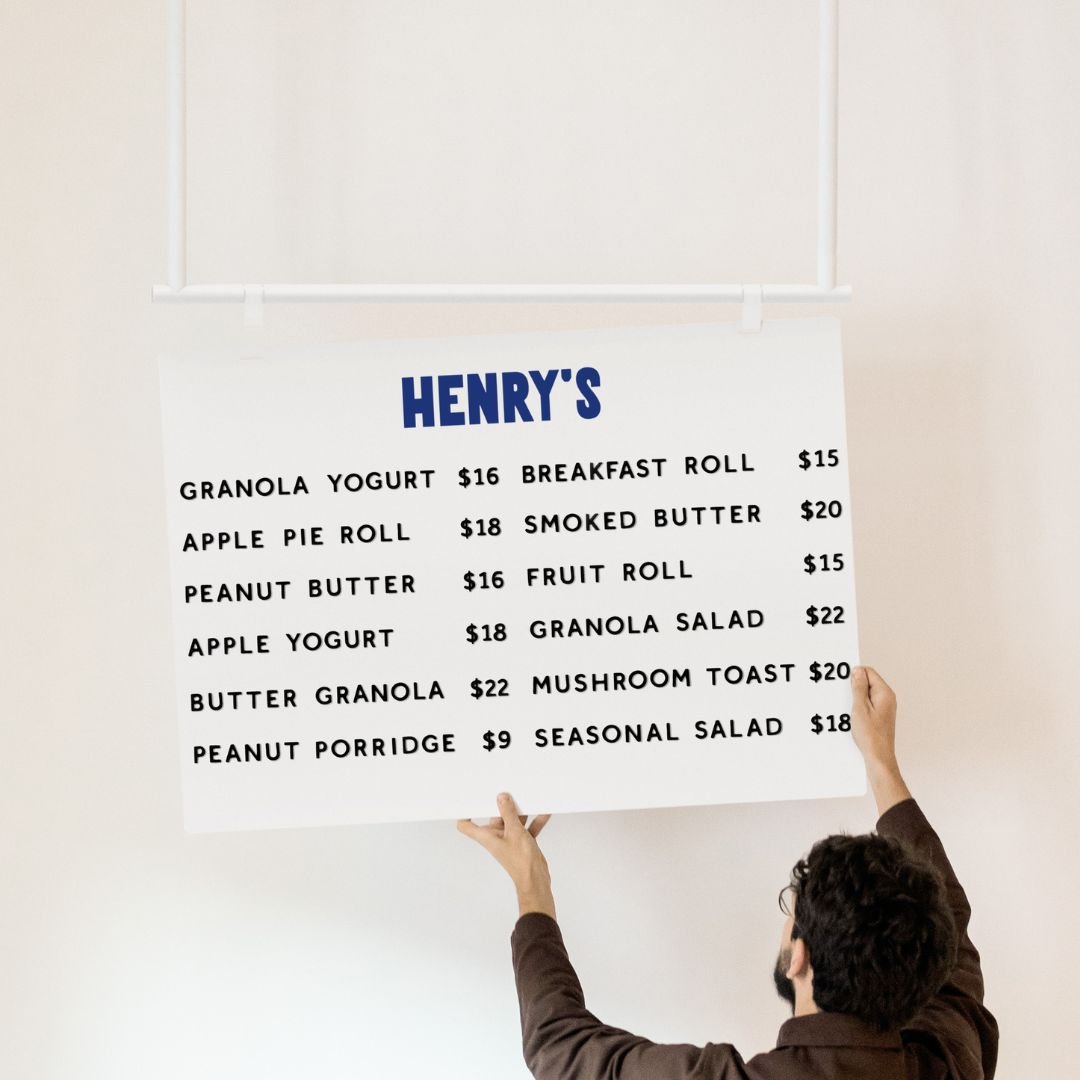
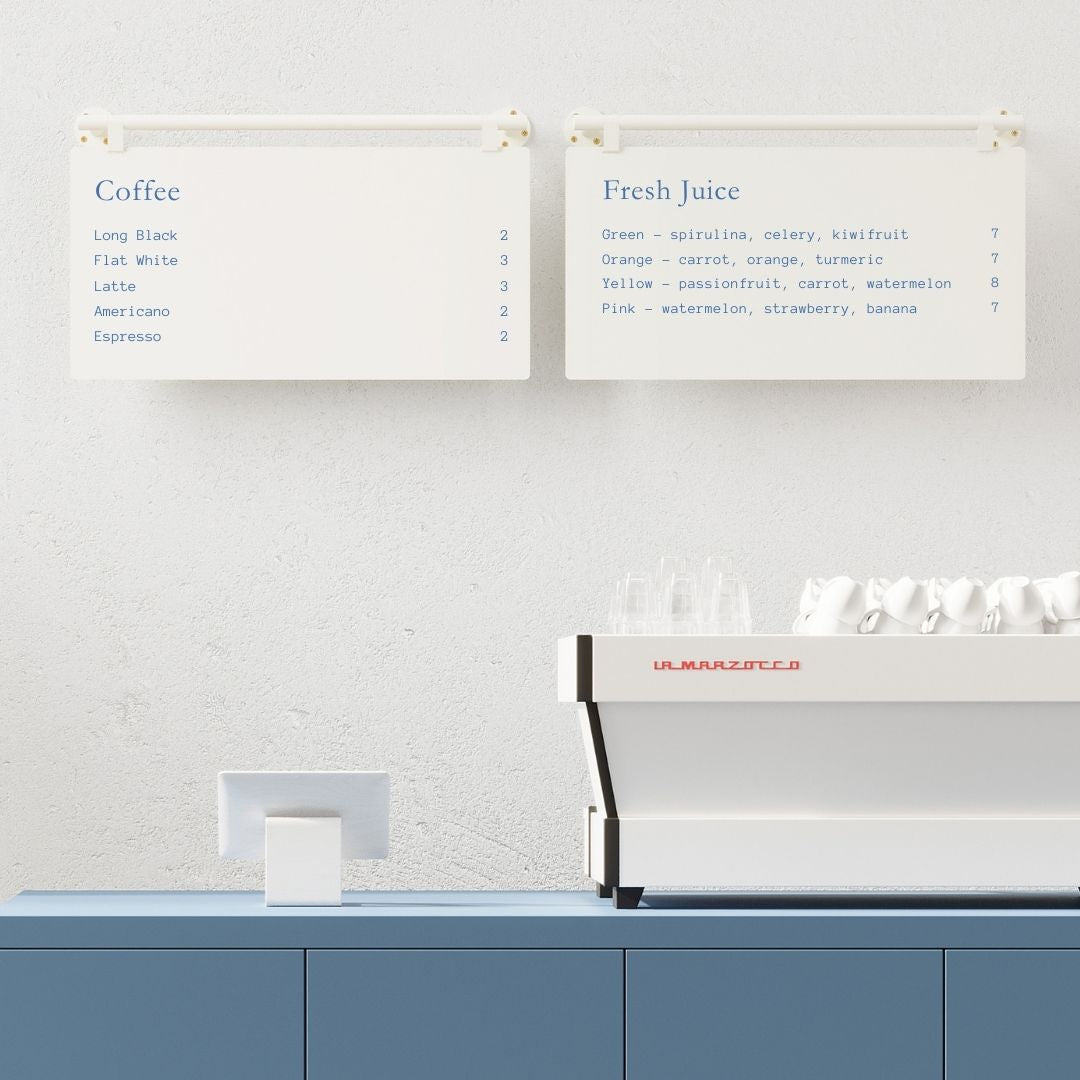
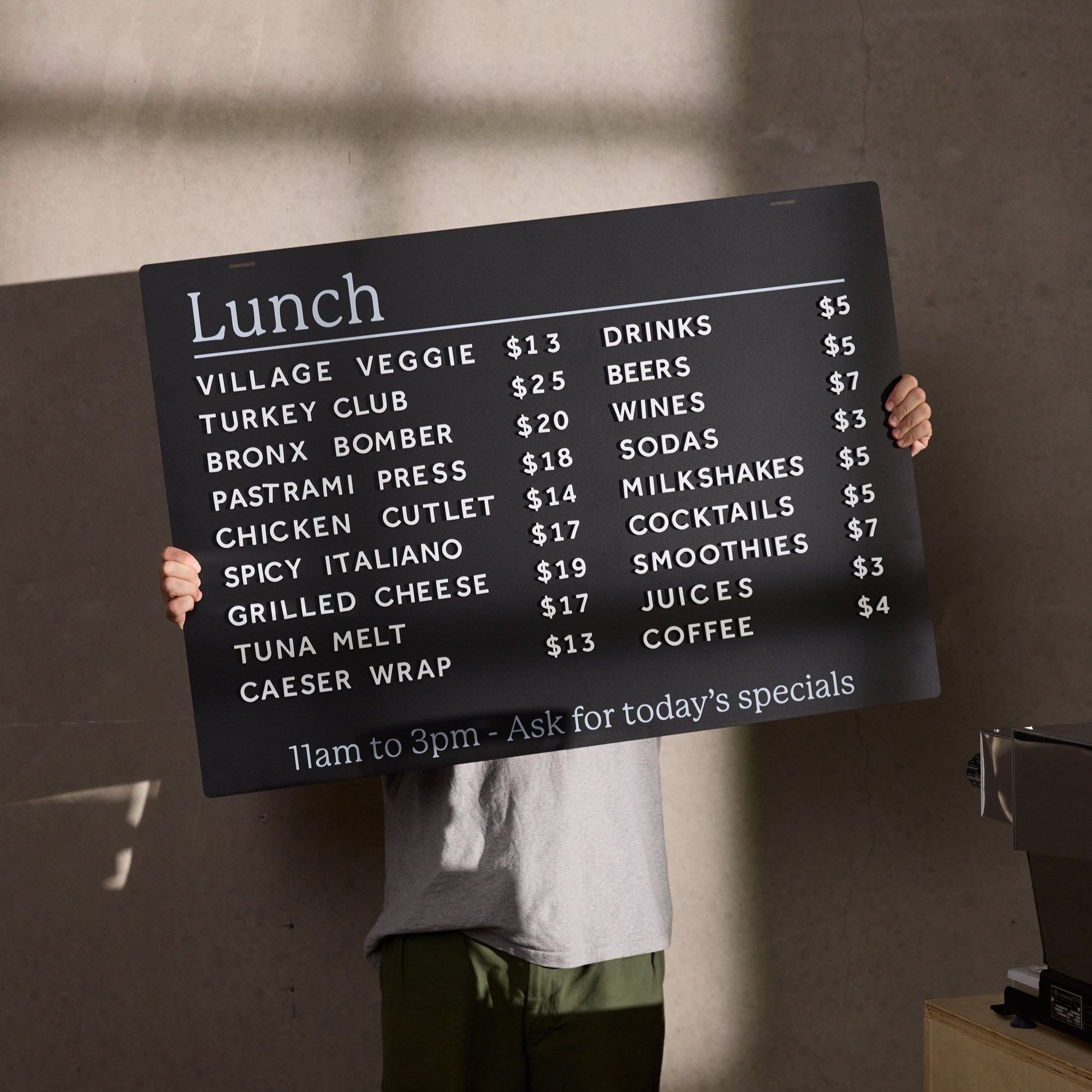
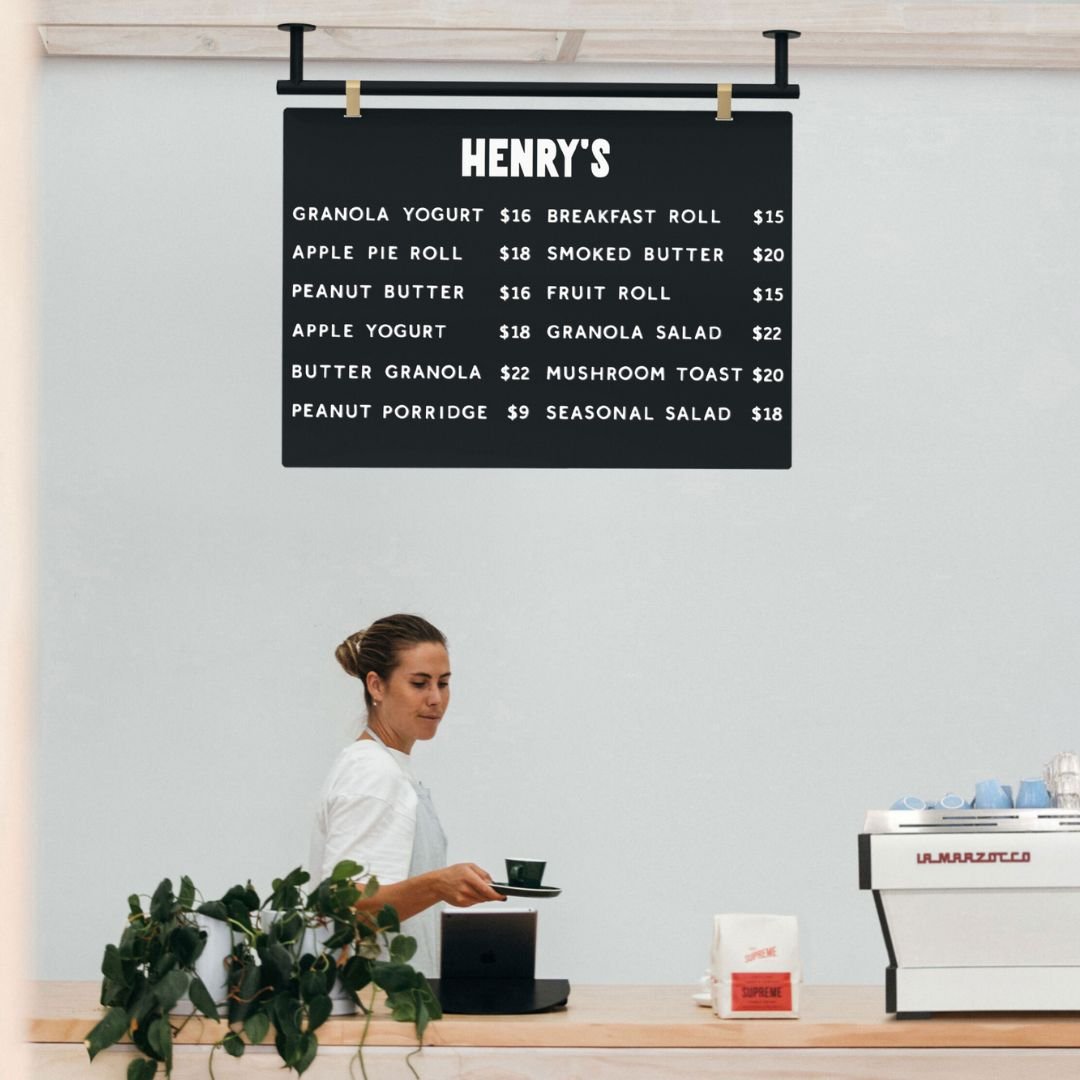
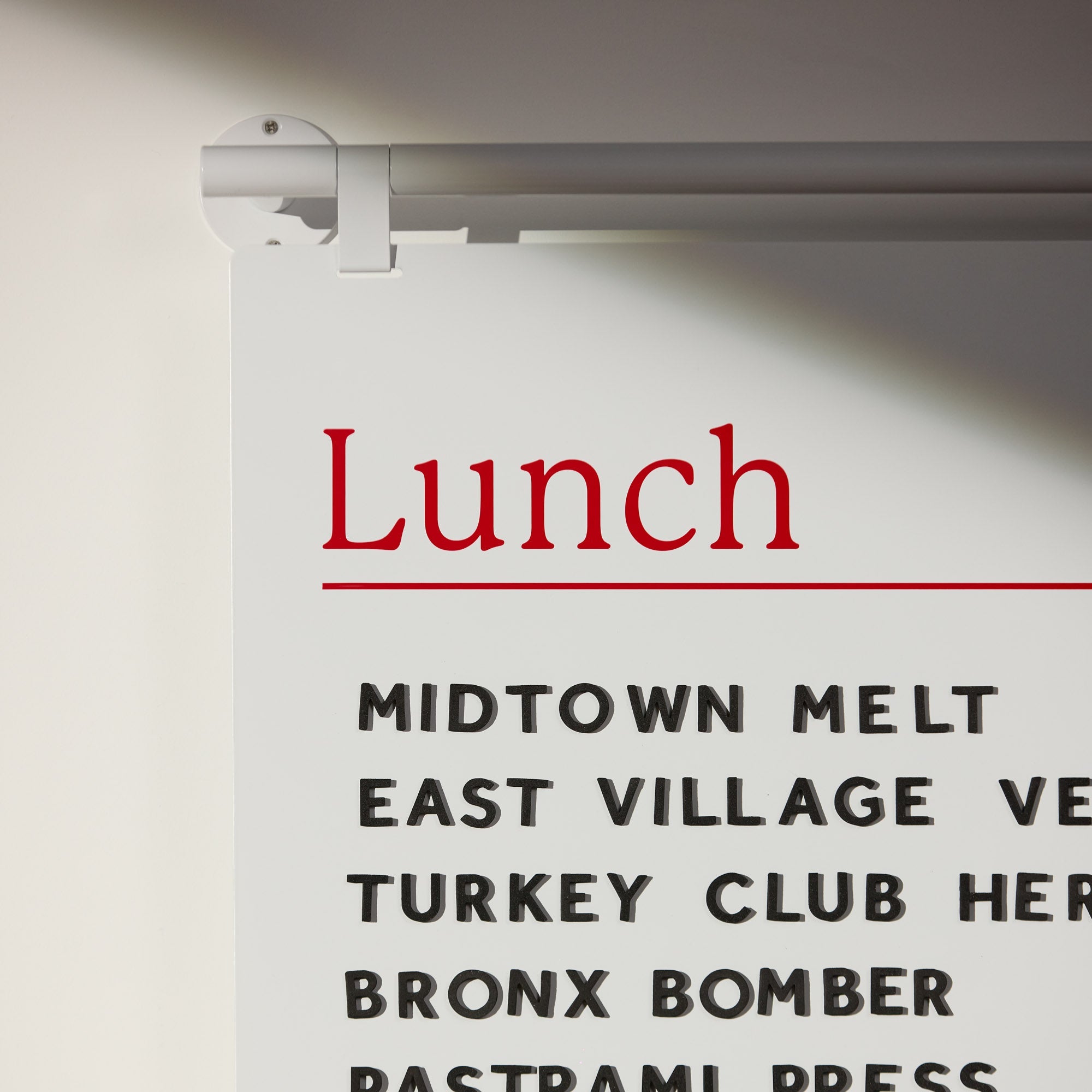
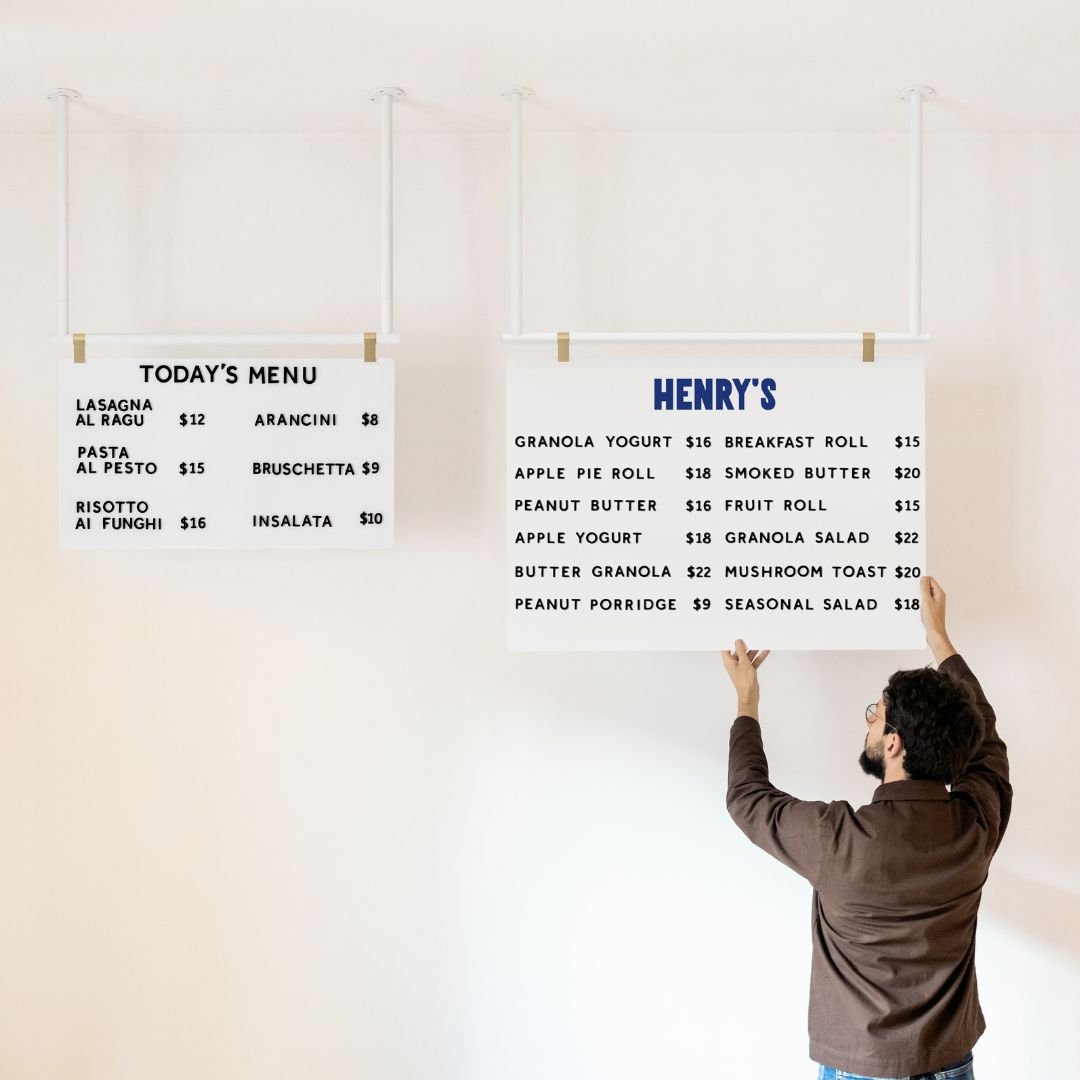
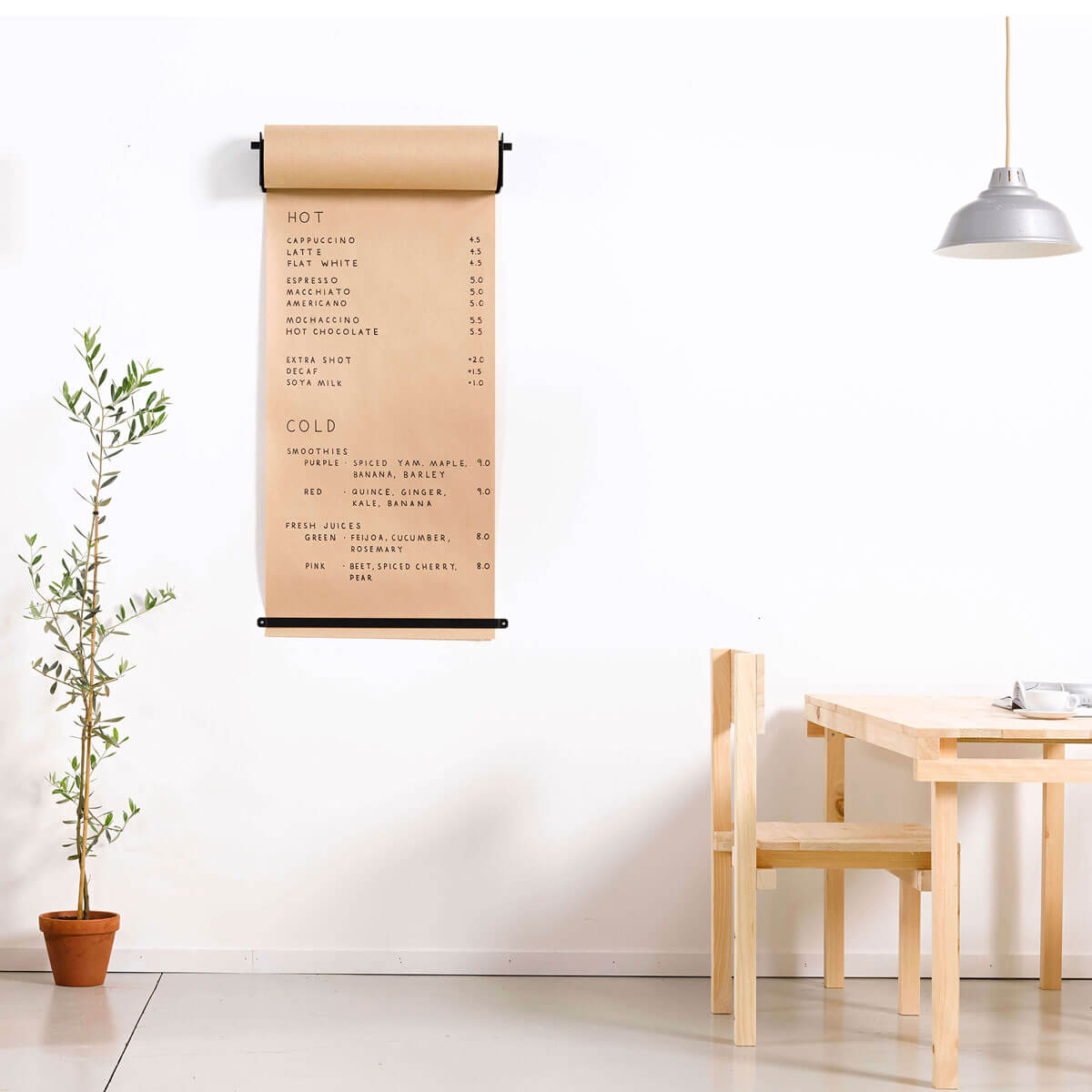
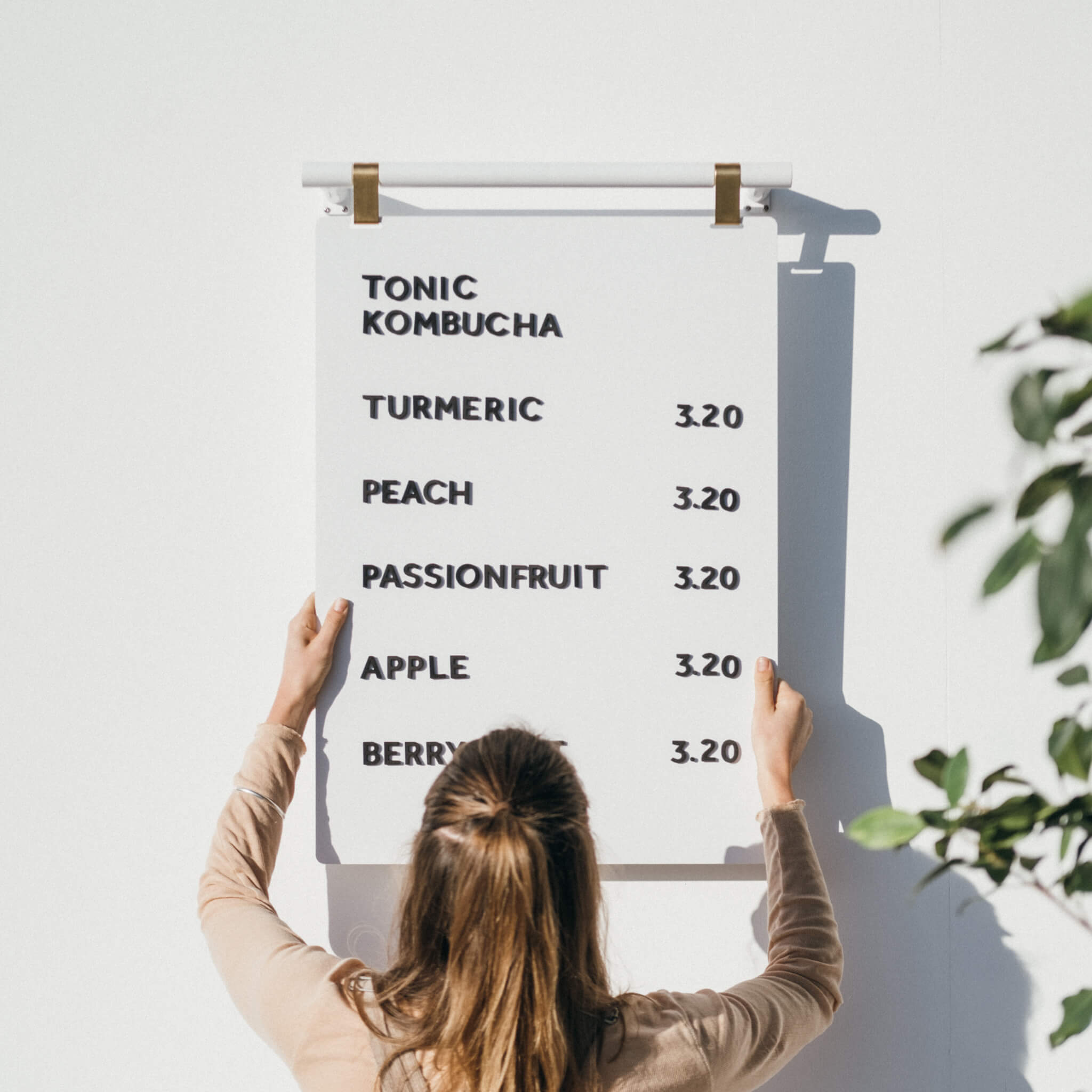
- Information: Menu boards or displays featuring specials can be very effective. Customers are 59% more likely to order an item when it’s labeled as a “seasonal special” on a sign.
Creating an Effective Custom Sign Design
A beautiful sign is useless if no one can read it. Effective design prioritizes legibility and clarity to communicate your message in a single glance.
Start with size and visibility. A good rule of thumb is to have 1 inch of letter height for every 10 feet of viewing distance. This is crucial, as about 50% of consumers have missed a business entirely because the sign’s lettering was too small or unclear.
Next, focus on contrast and simplicity.
- High Contrast: Dark text on a light background (or the reverse) is always the most readable combination.
- Simple Fonts: Avoid overly decorative fonts for important information. A clean, simple typeface is easier to read quickly.
- Uncluttered Layout: Stick to a short, clear message. Your logo and a simple tagline are often all you need for your main sign.
Finally, consider the viewing conditions. Poor lighting can be a major issue, with 64% of shoppers reporting they have trouble reading signs in dim light. Plan for either built in illumination or ensure the sign will be placed in a well lit area.
Using Signage as a Powerful Visual Communication Tool
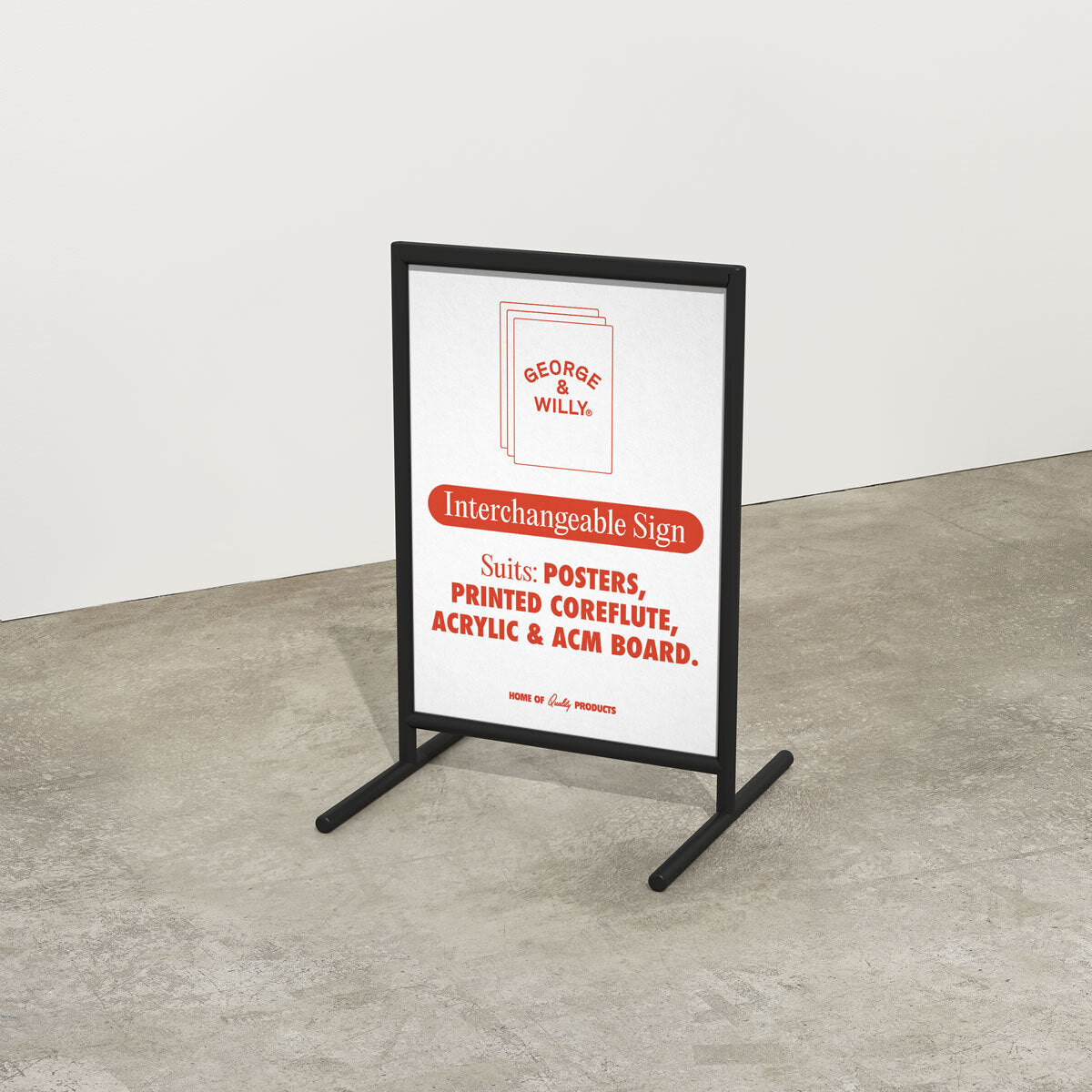
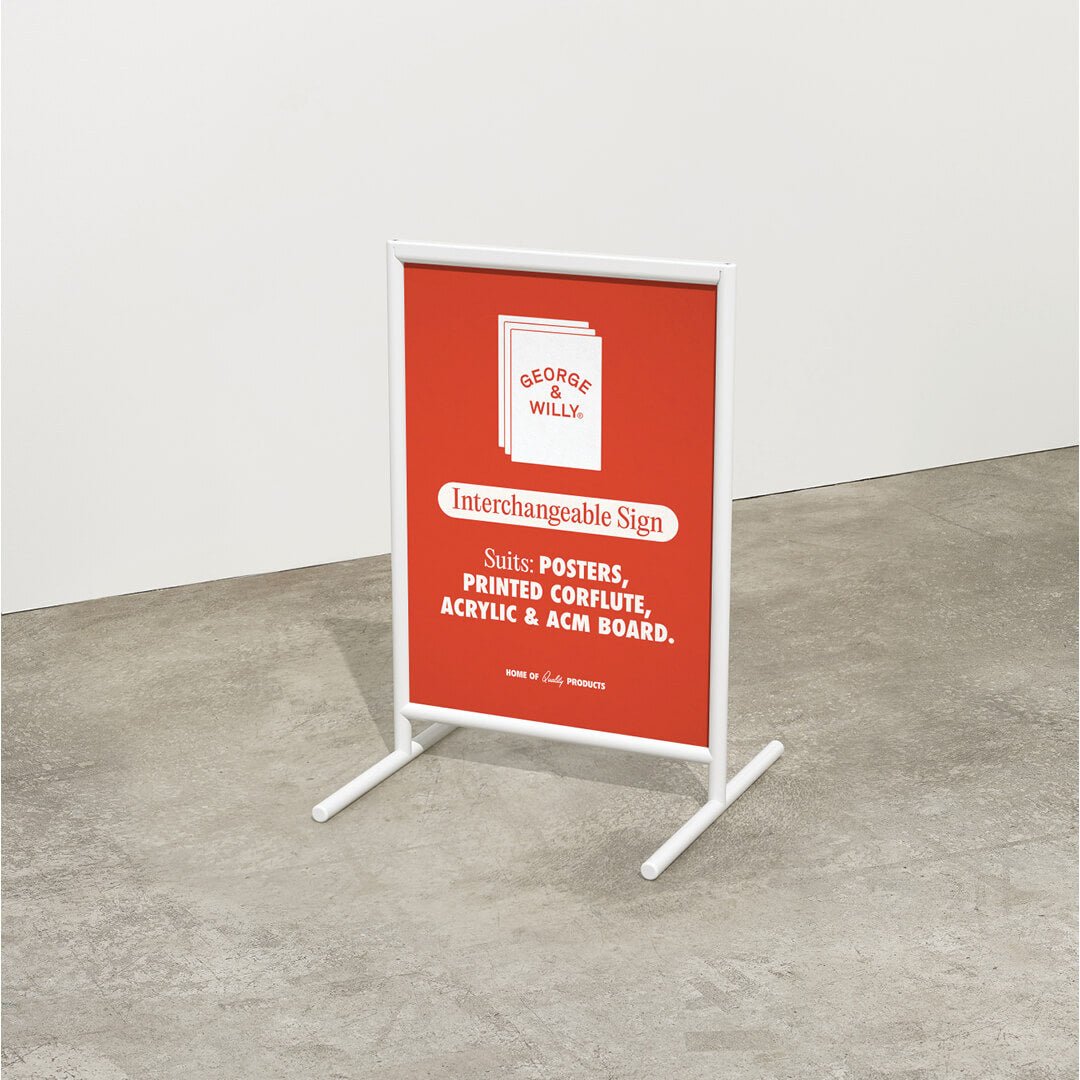
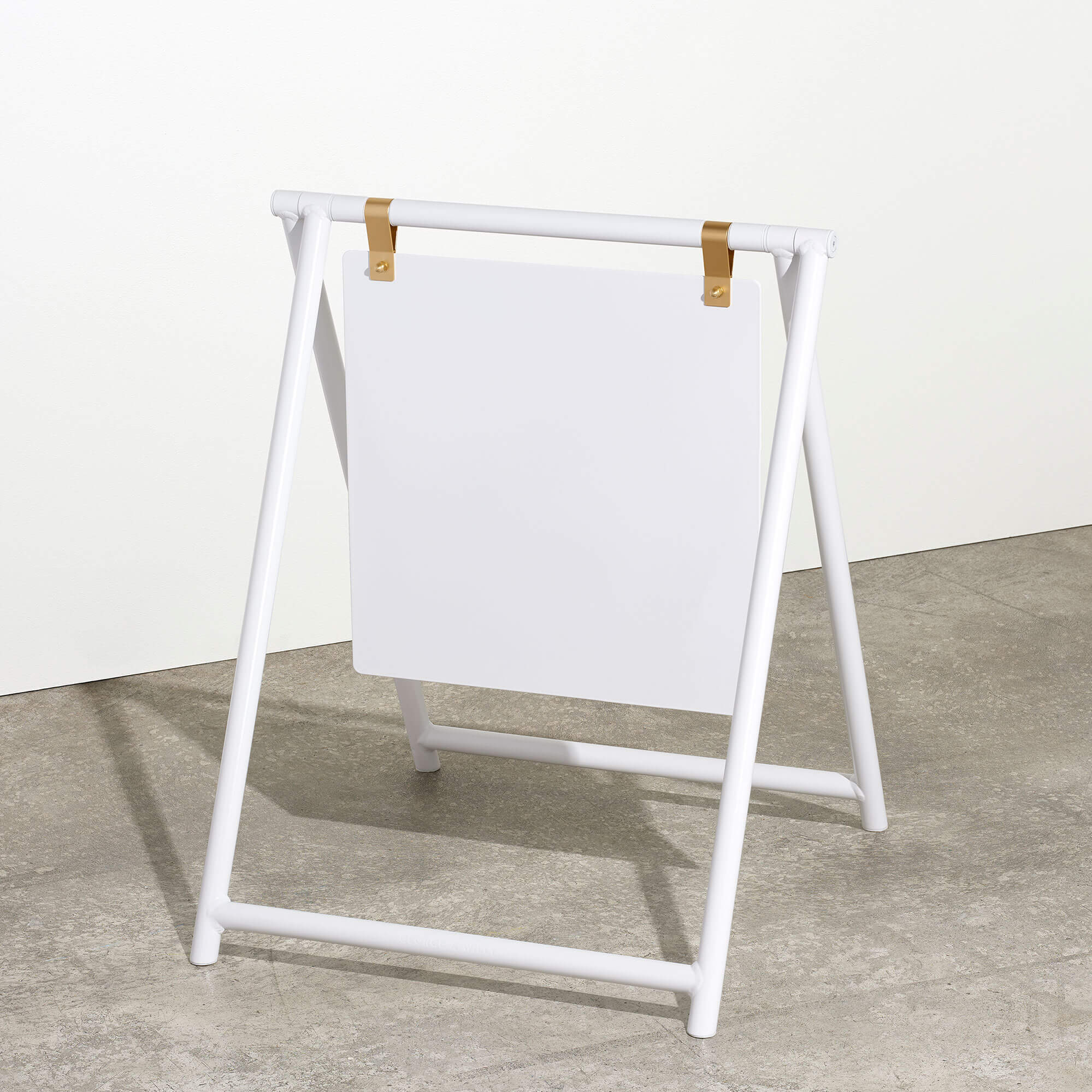
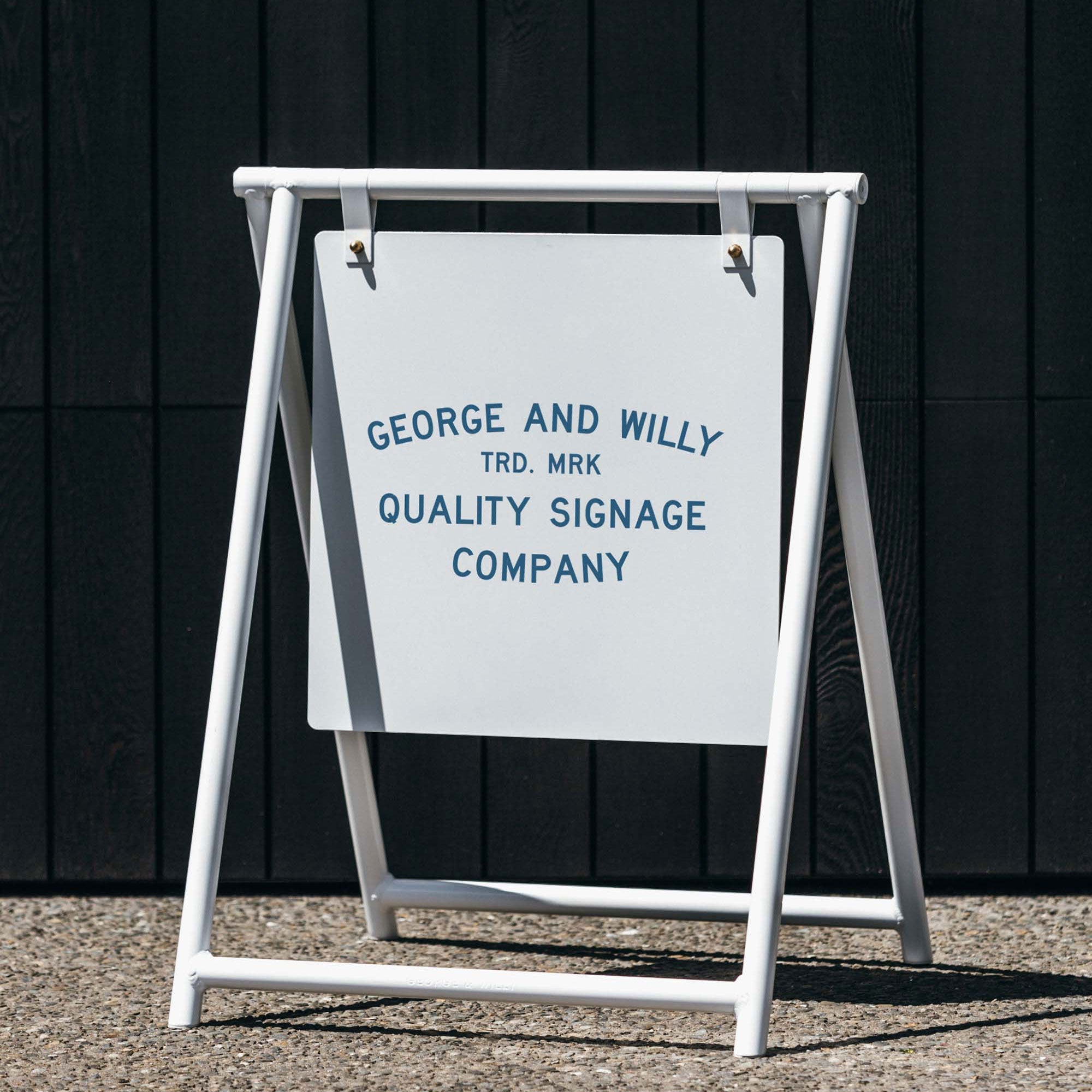
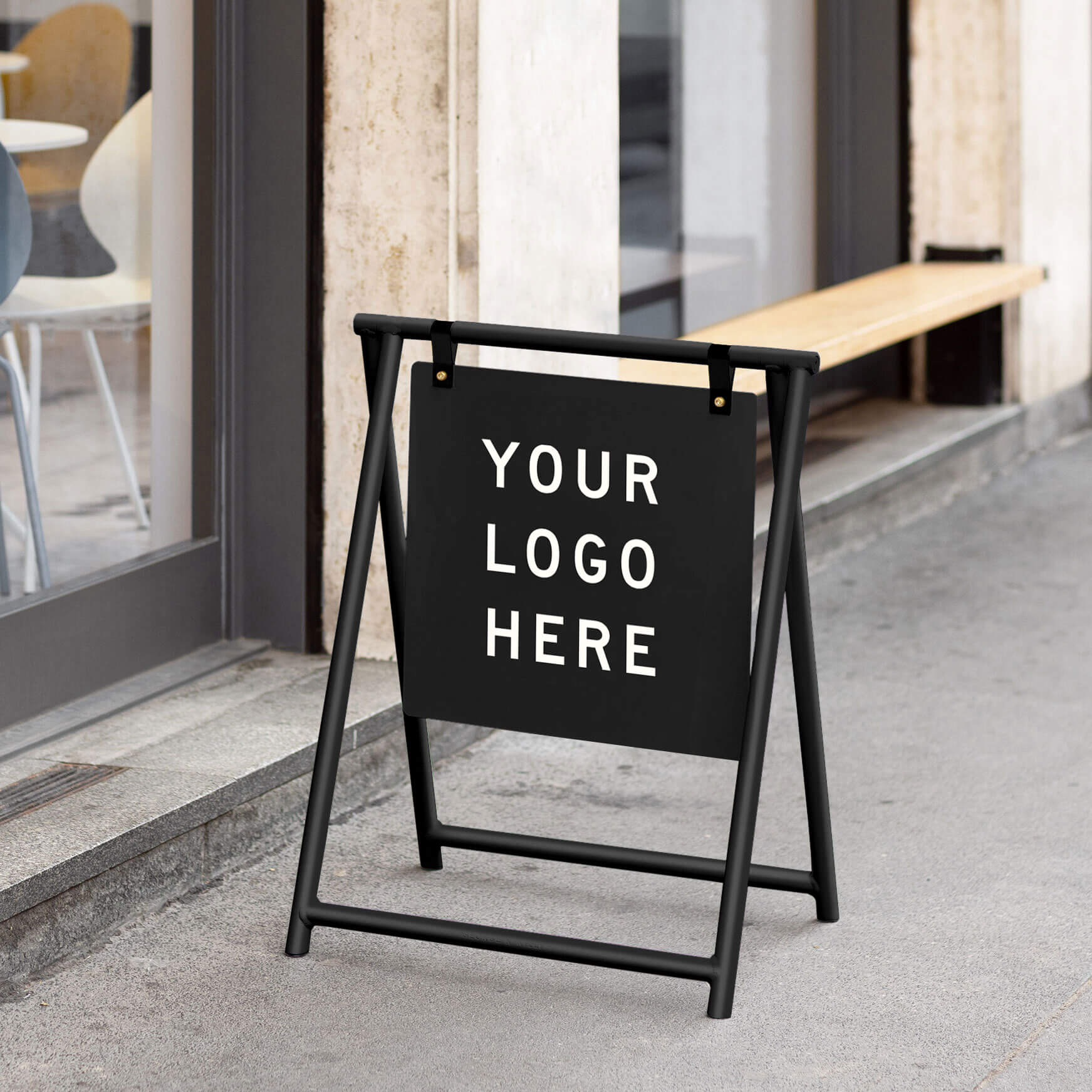
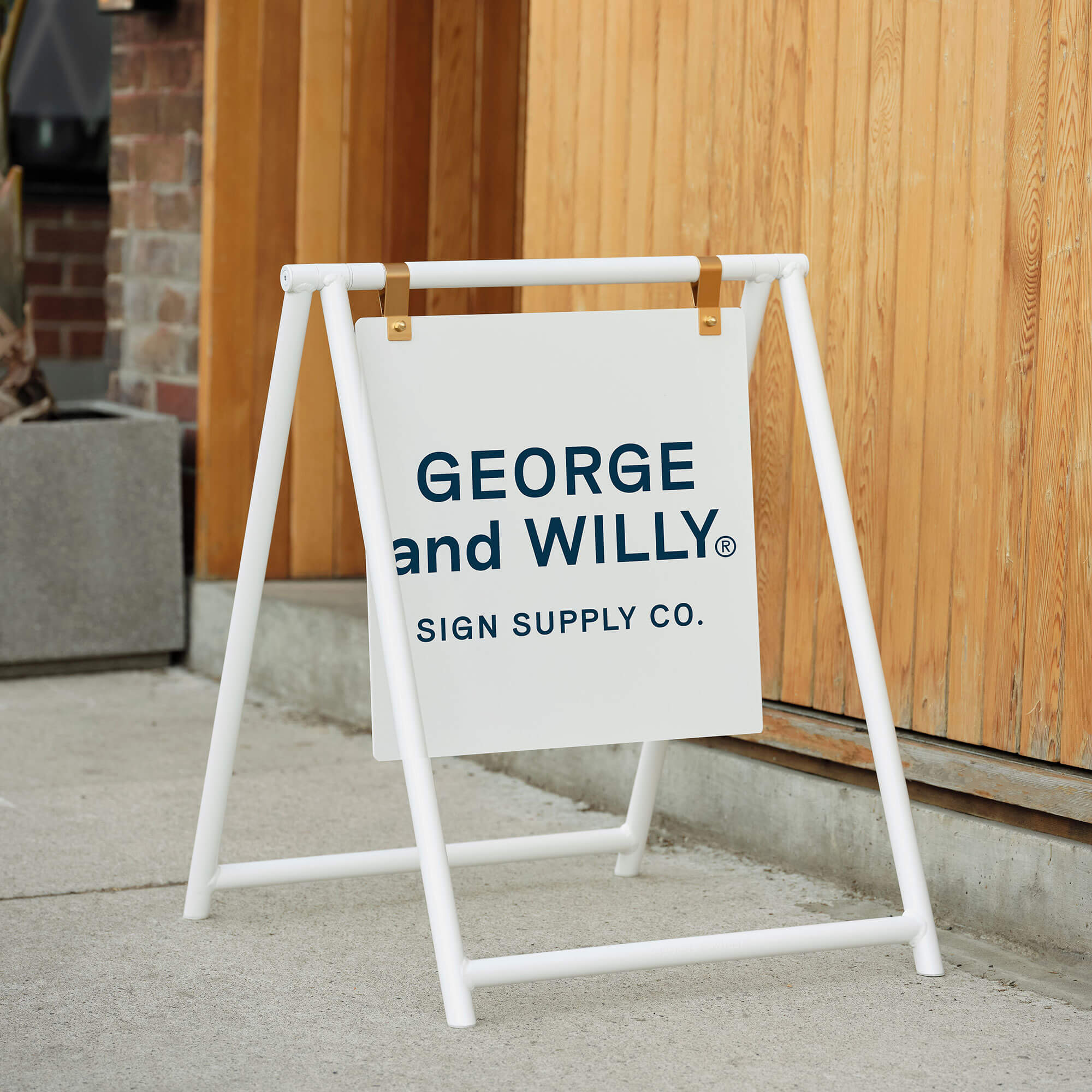
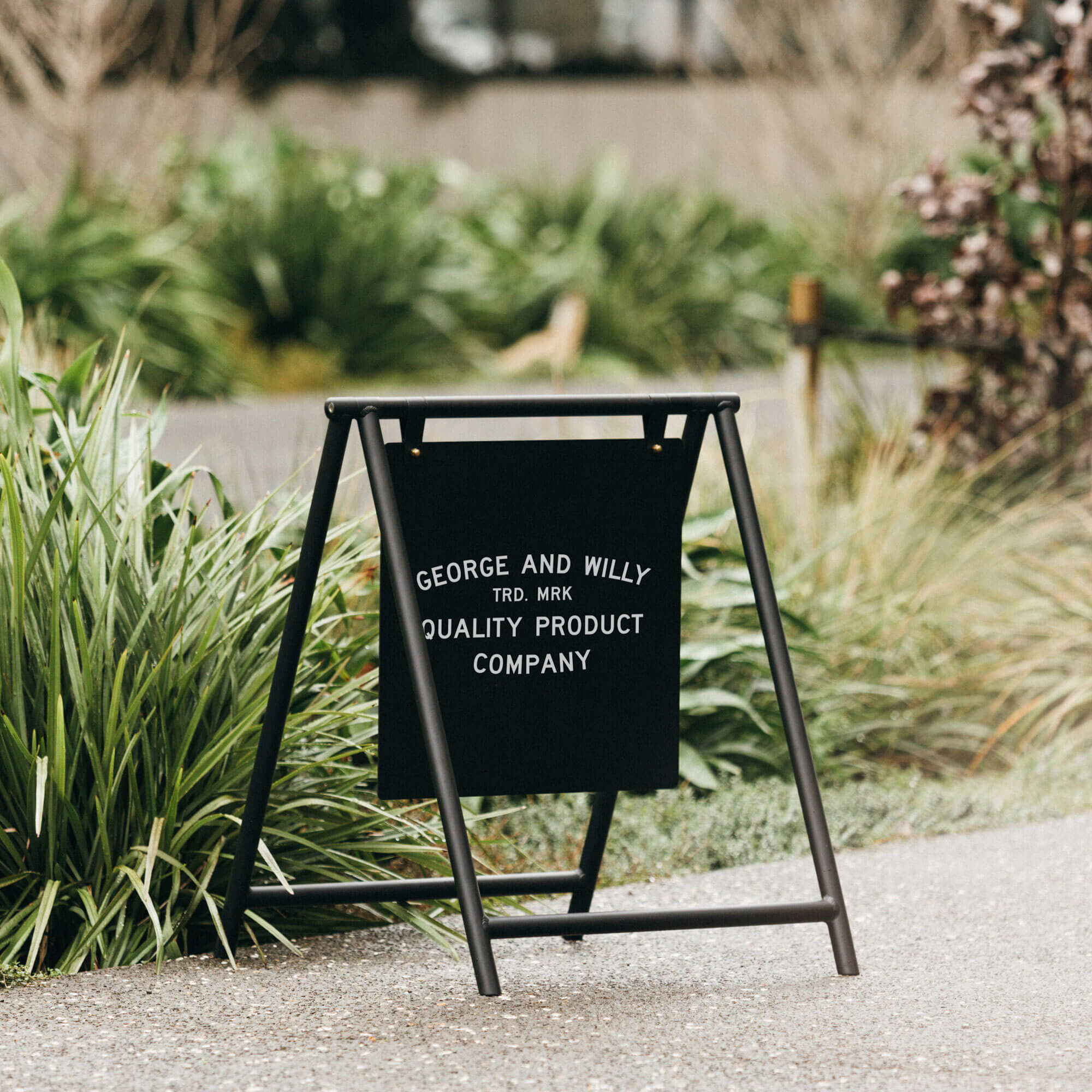
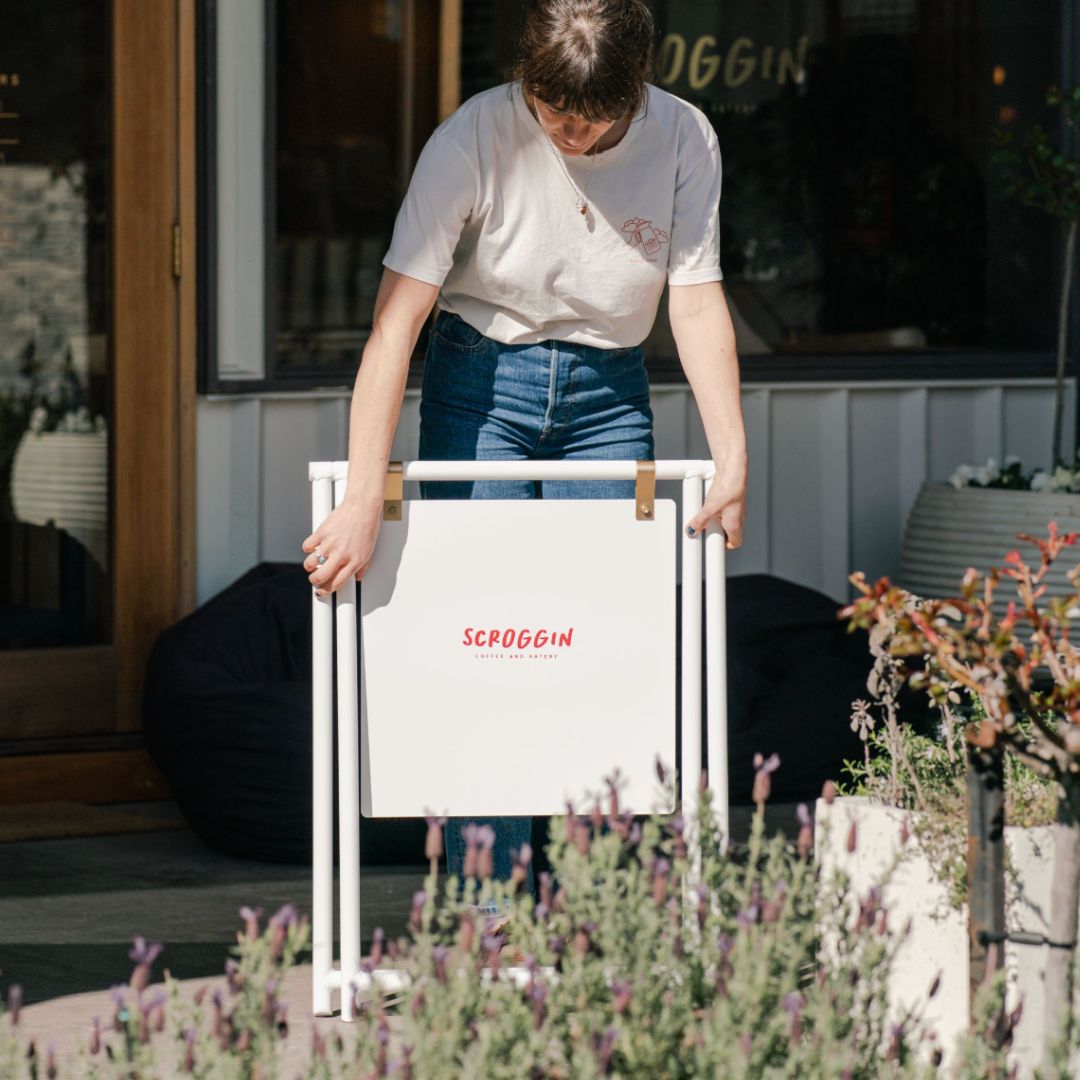
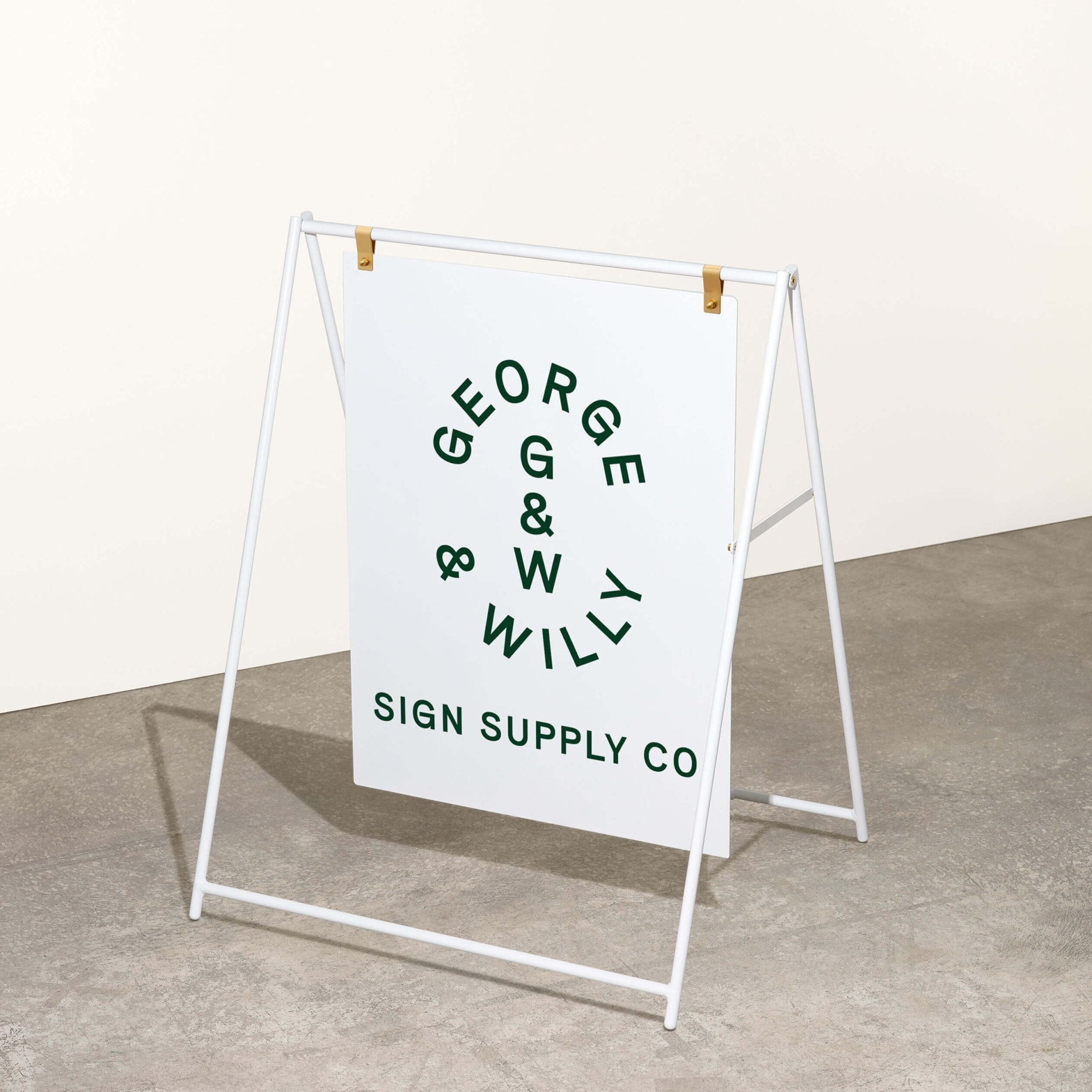
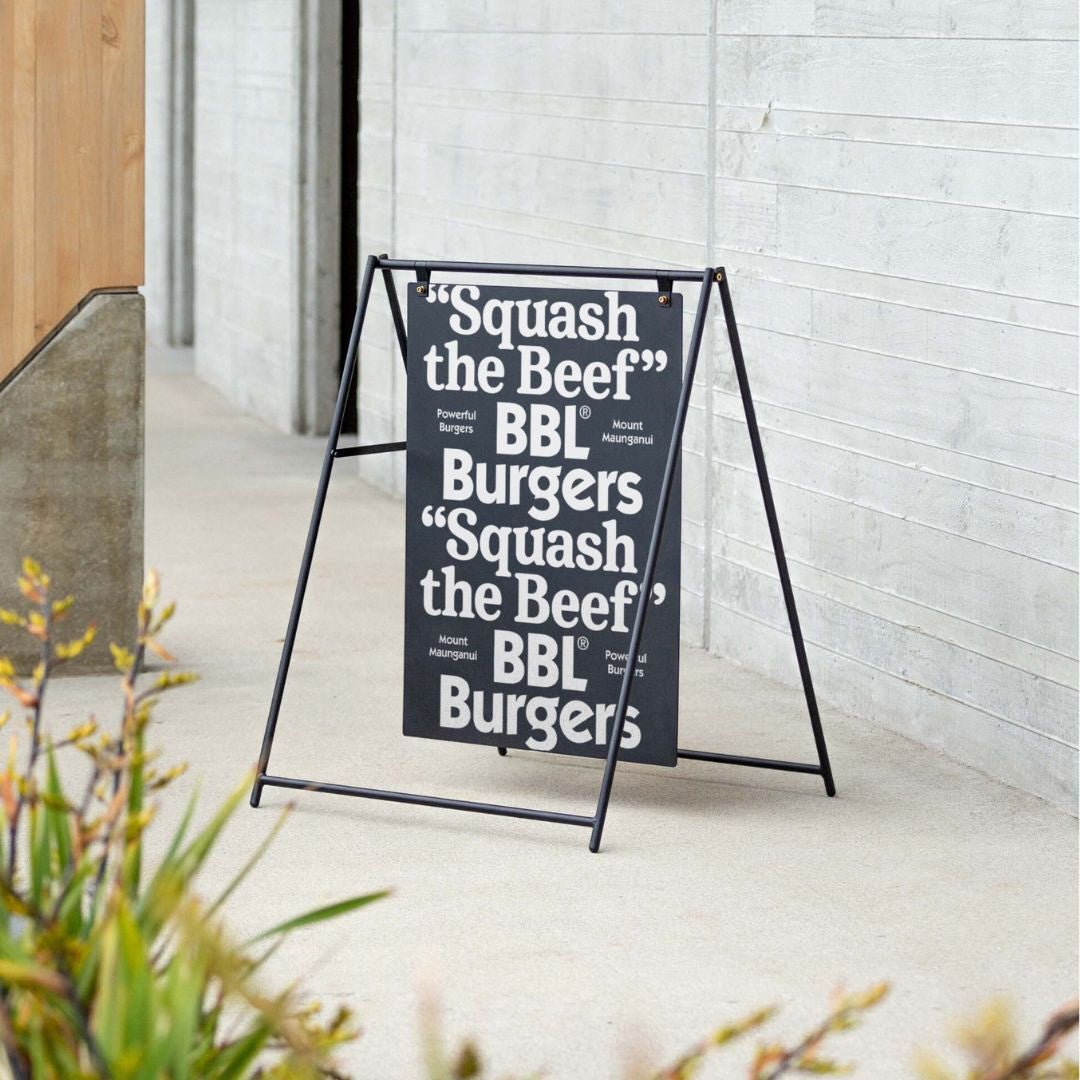
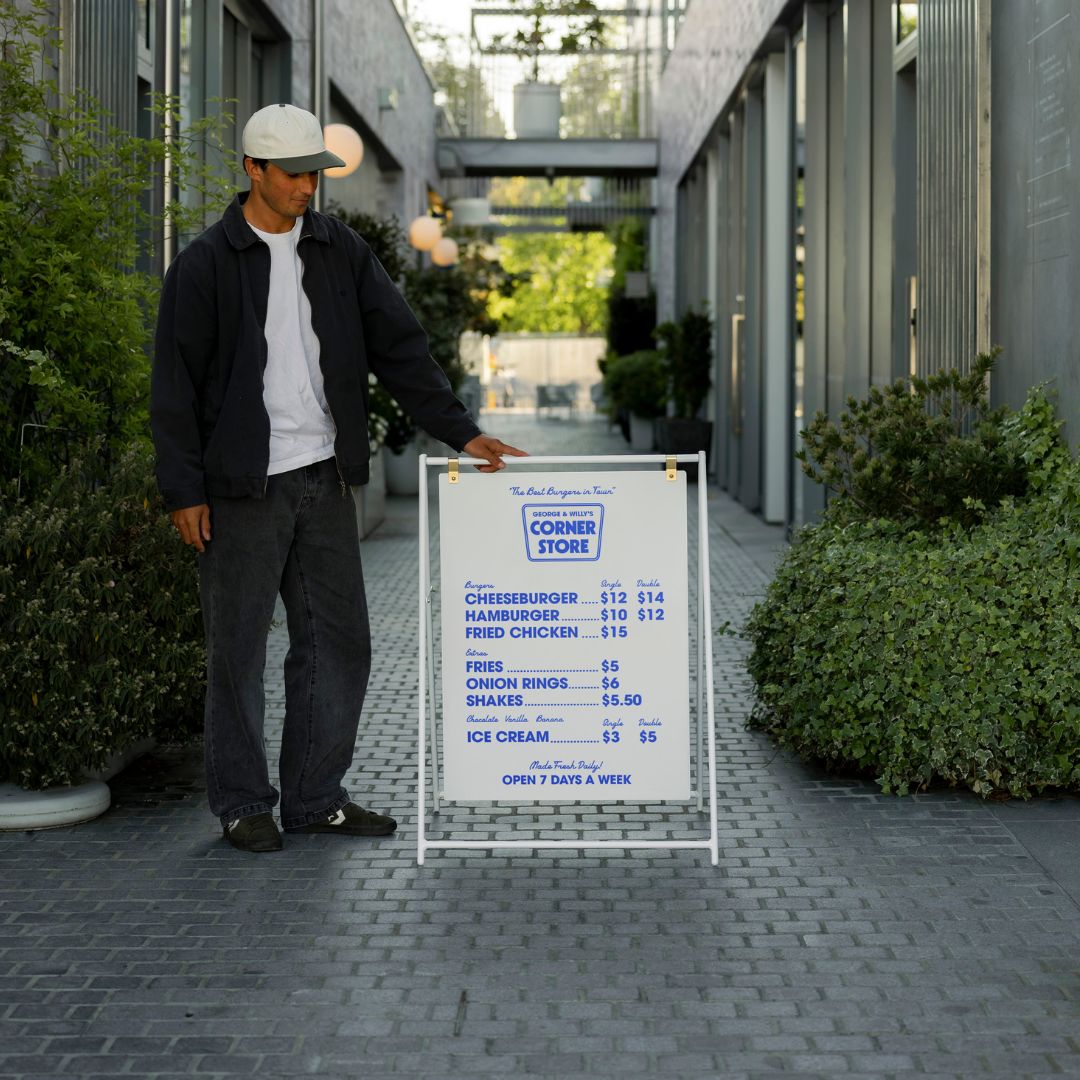
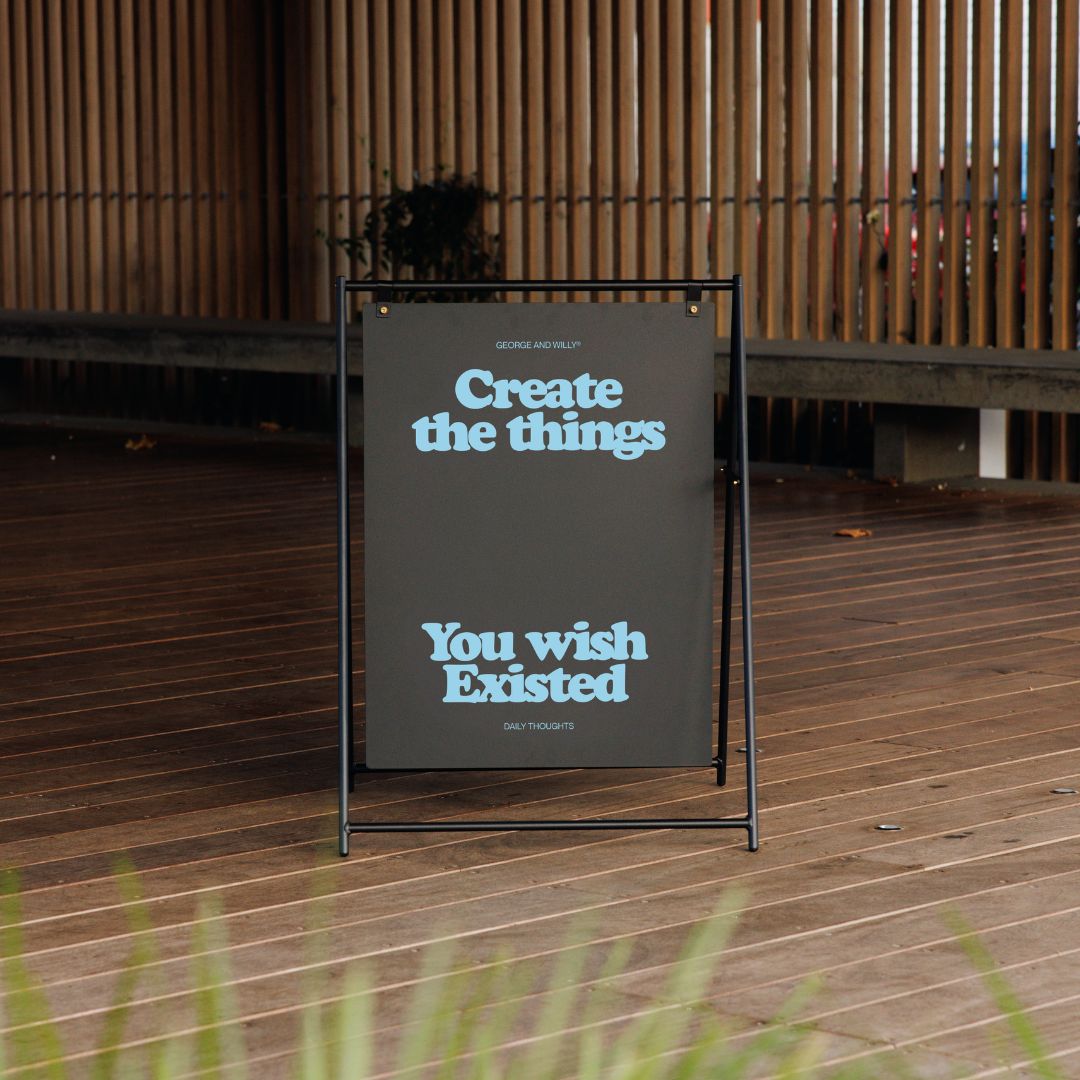
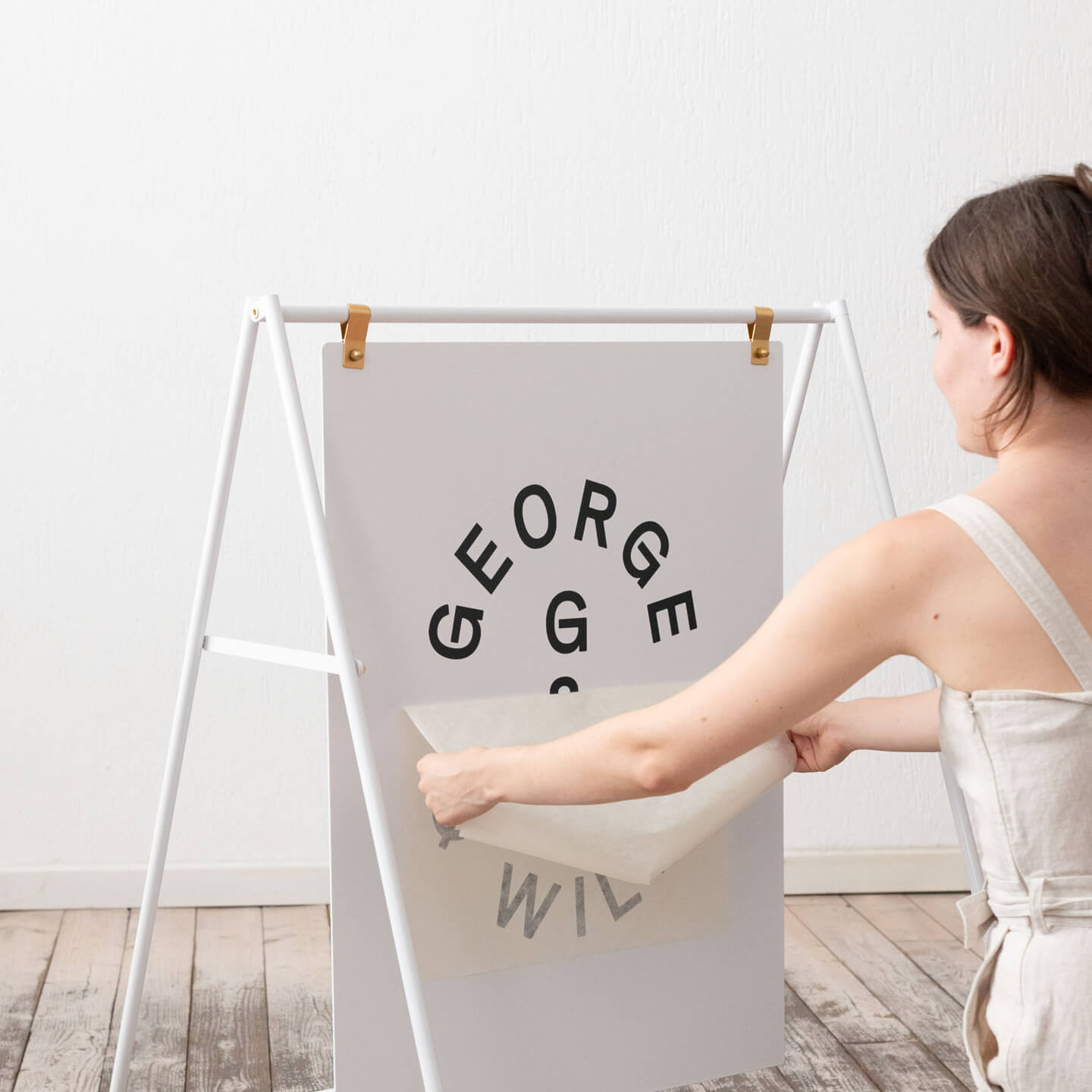
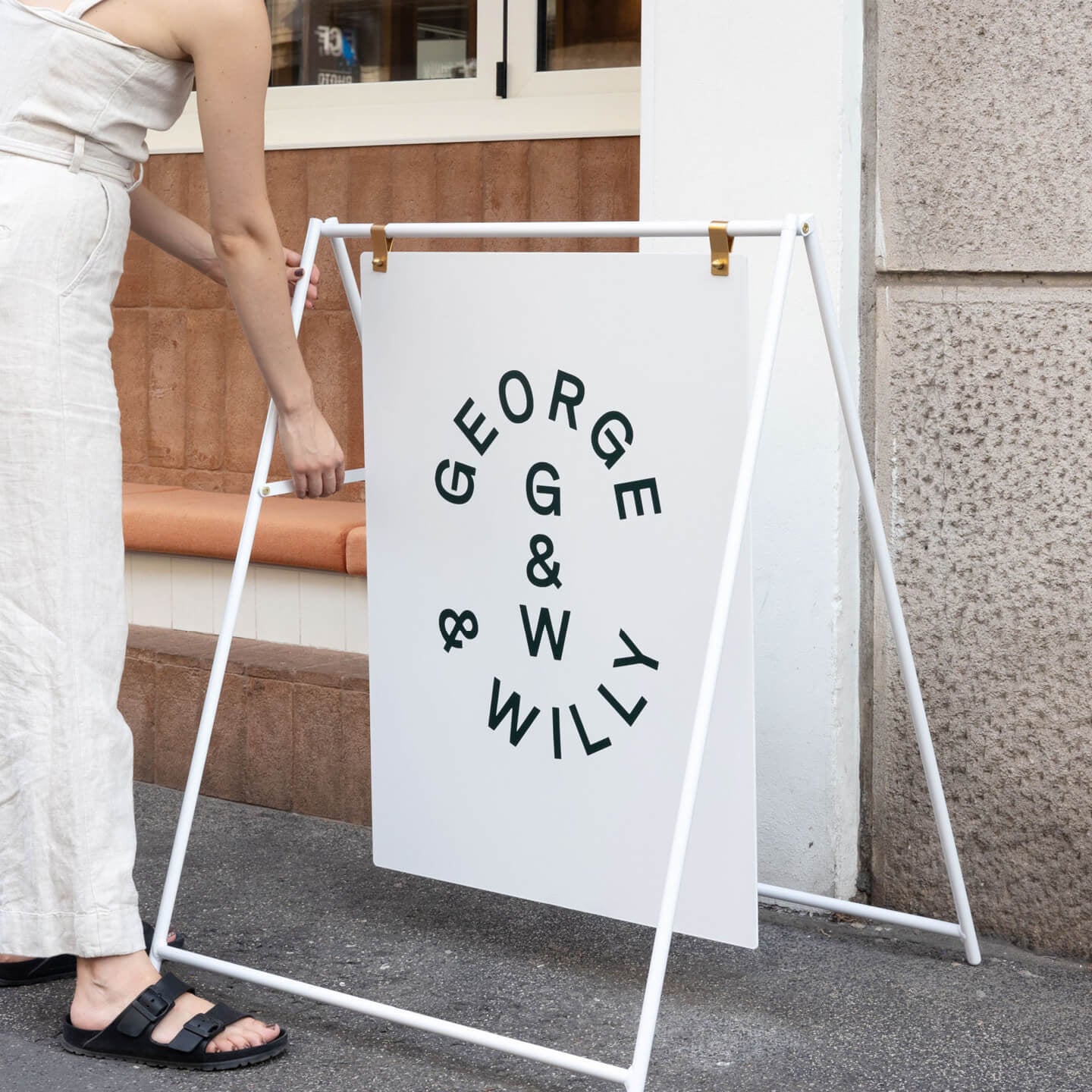
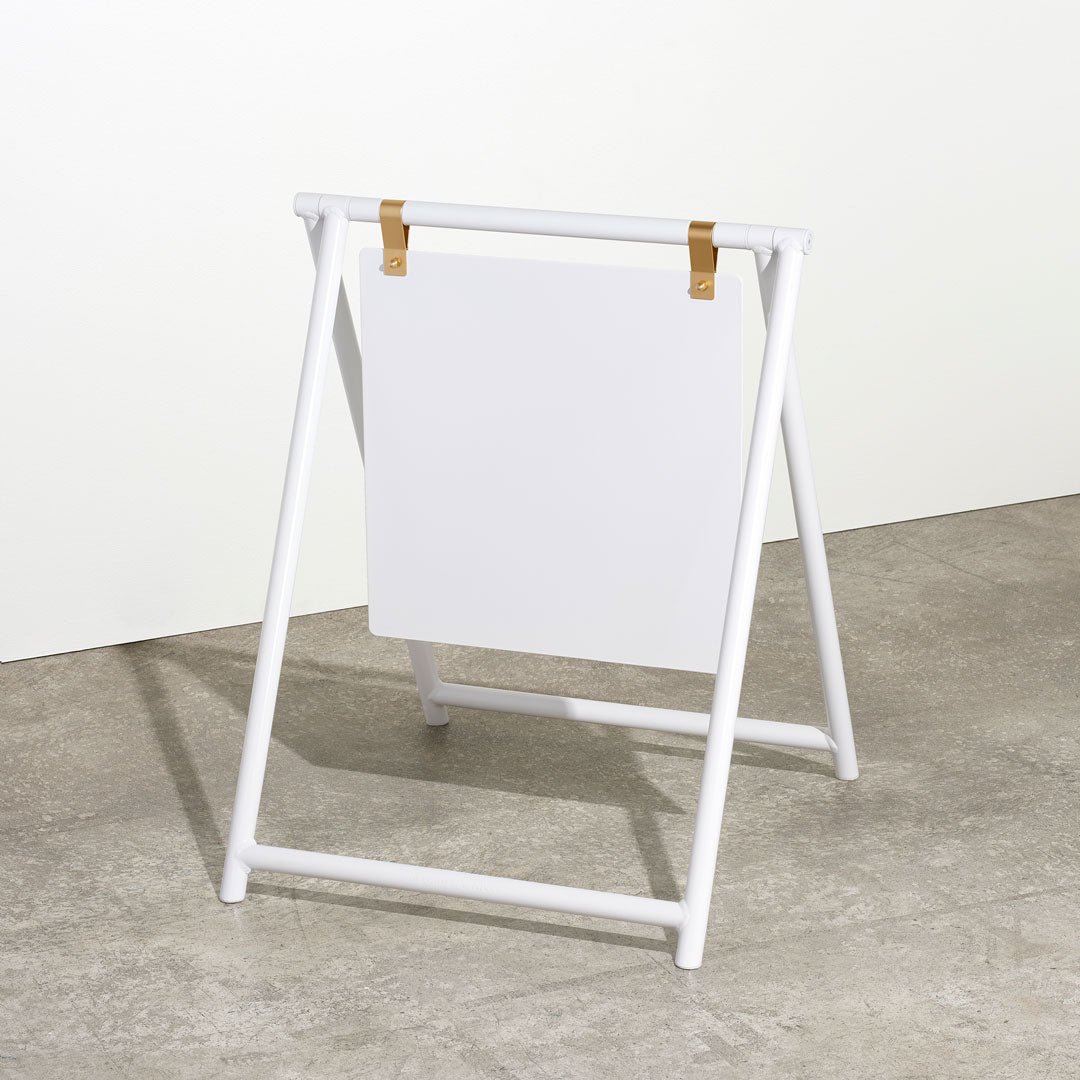
Think of your custom signs as a core part of your brand’s visual communication. They are the first thing people see, and they instantly send a message about the quality of your business. The impact is significant, with 76% of consumers saying they have walked into an unfamiliar store simply because an eye catching sign drew them in. A sidewalk A-Frame sign is a simple way to create that eye-catching moment.
On the flip side, poor signage can actively drive customers away. Over half of consumers (52%) are less willing to enter a store if its sign has typos or looks cheap. Even worse, about 60% of people will avoid a business that has no sign at all.
Great signage also builds brand recognition and can even generate free advertising. An impressive 75% of consumers have told someone about a business just because they liked its sign. To achieve this, ensure your signage uses the same fonts, colors, and tone as your other marketing materials. For inspiration on creating compelling signs that tell your brand’s story, you can explore a range of signage solutions.
Balancing Custom and Pre-Made Signage
While custom signs offer a unique branding opportunity, pre made signage can be a practical choice for certain needs. The trick is to know when to use each.
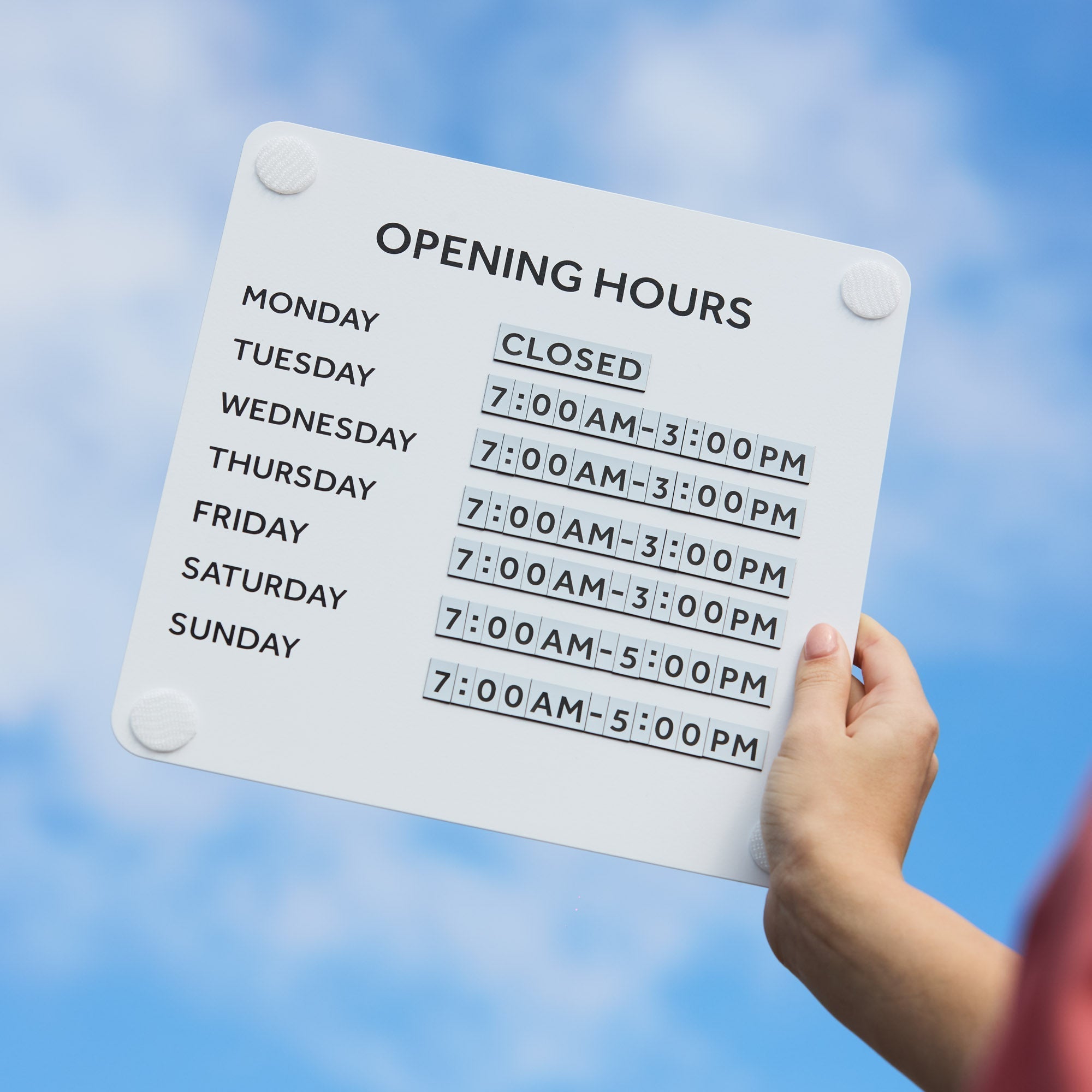
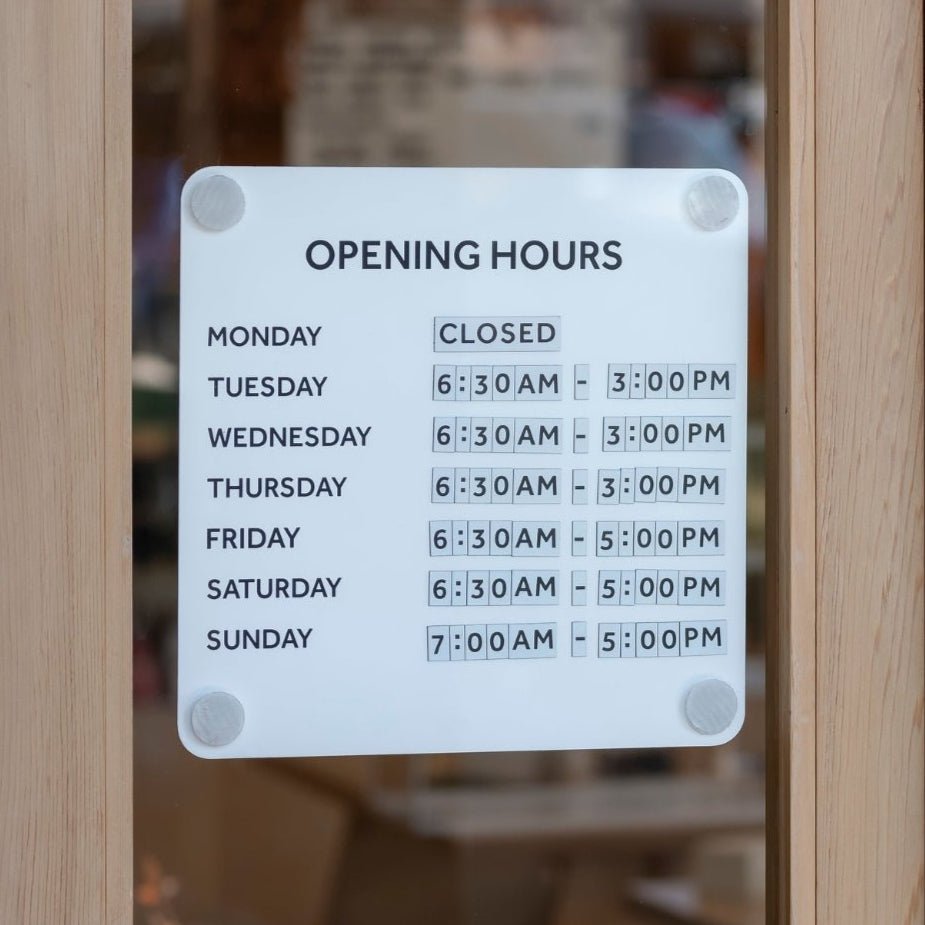
Pre made signs, like an Open sign or “Restroom” signs, are affordable and readily available for generic messages. However, they are often made with cheaper materials that can fade or get damaged easily. This can negatively affect your brand perception, as 68% of consumers believe a store’s signage reflects the quality of its products or services.
For your primary branding, always invest in custom designed signs. This is where you incorporate your logo, colors, and unique identity. Consistent branding across all touchpoints, including your signs, can increase revenue by up to 23%.
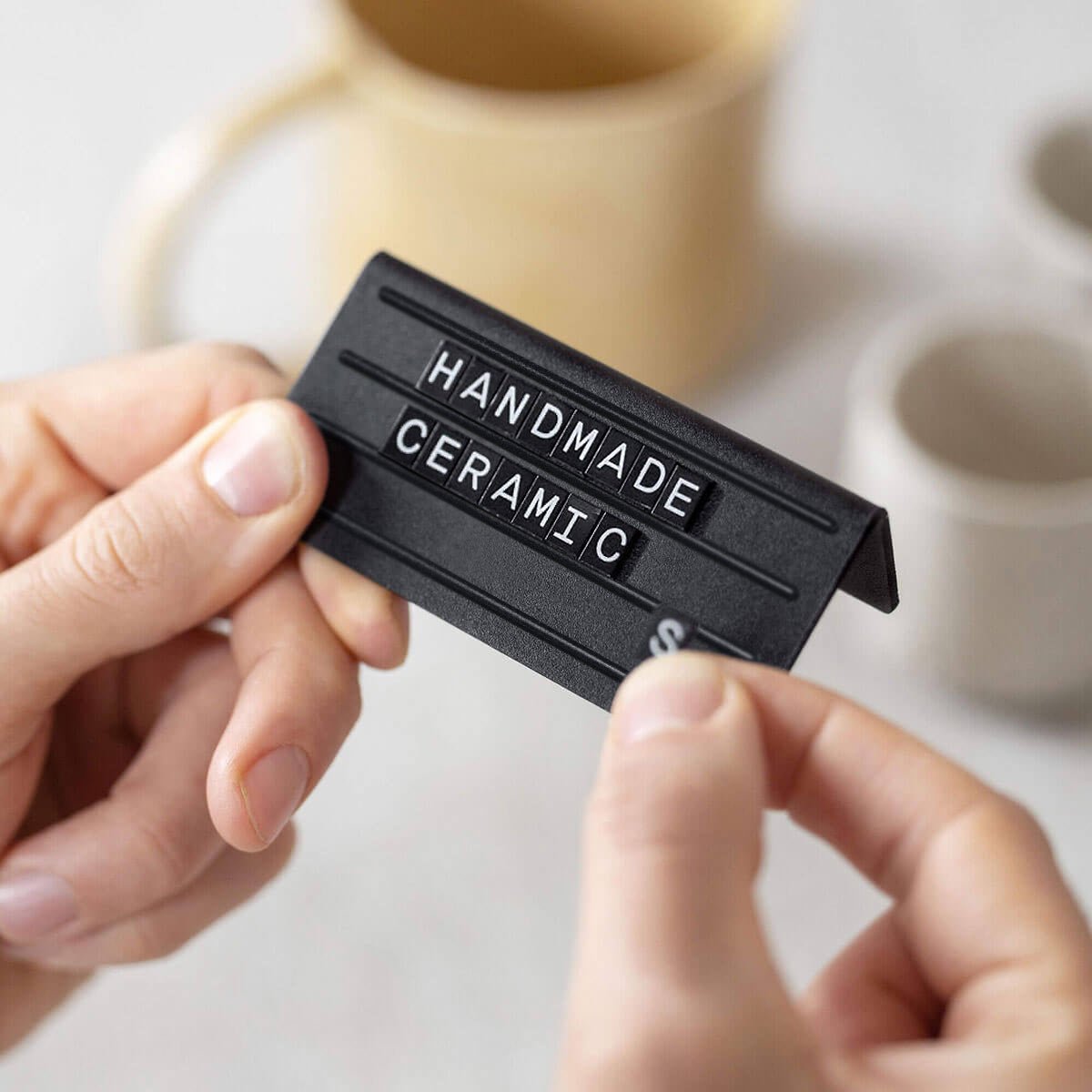
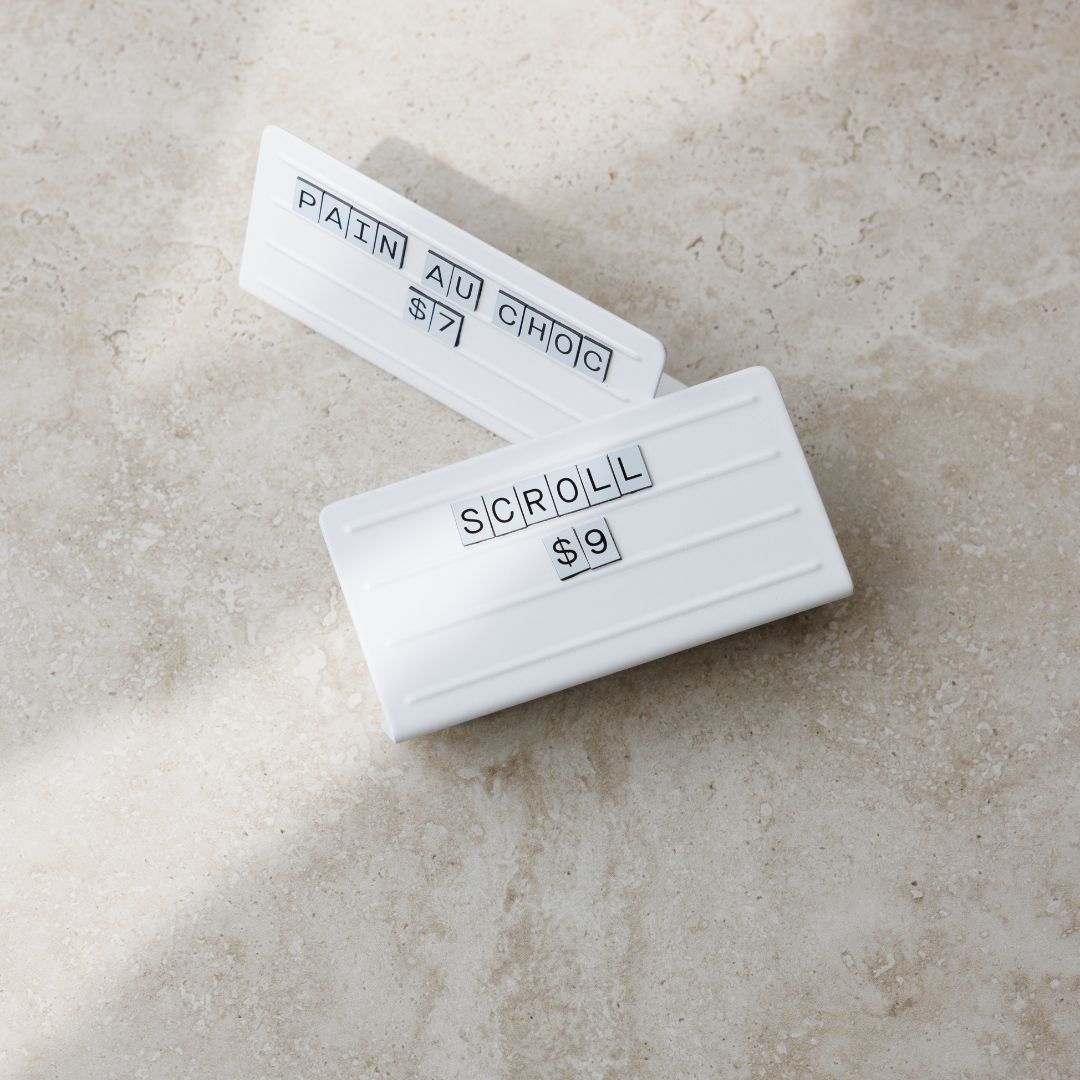
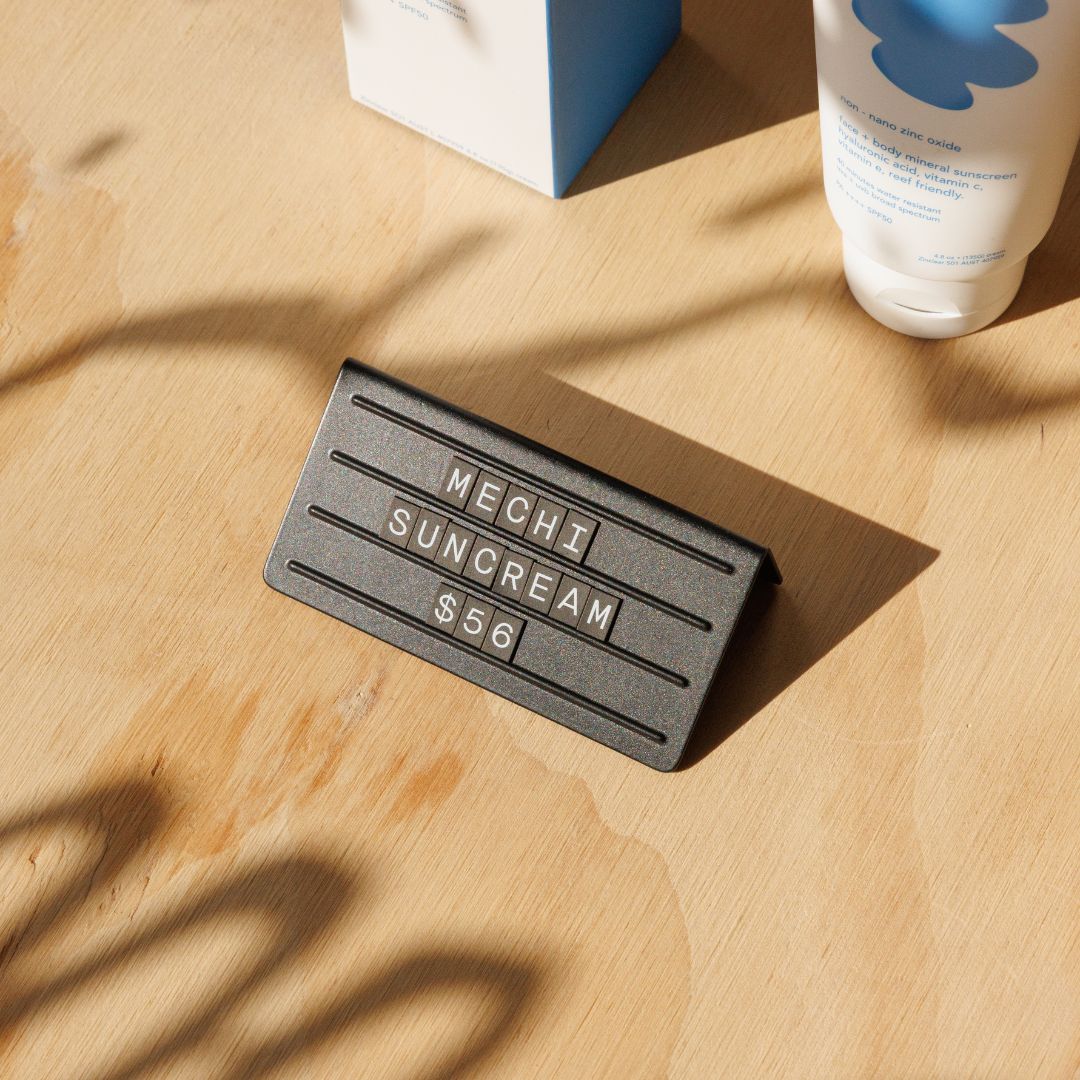
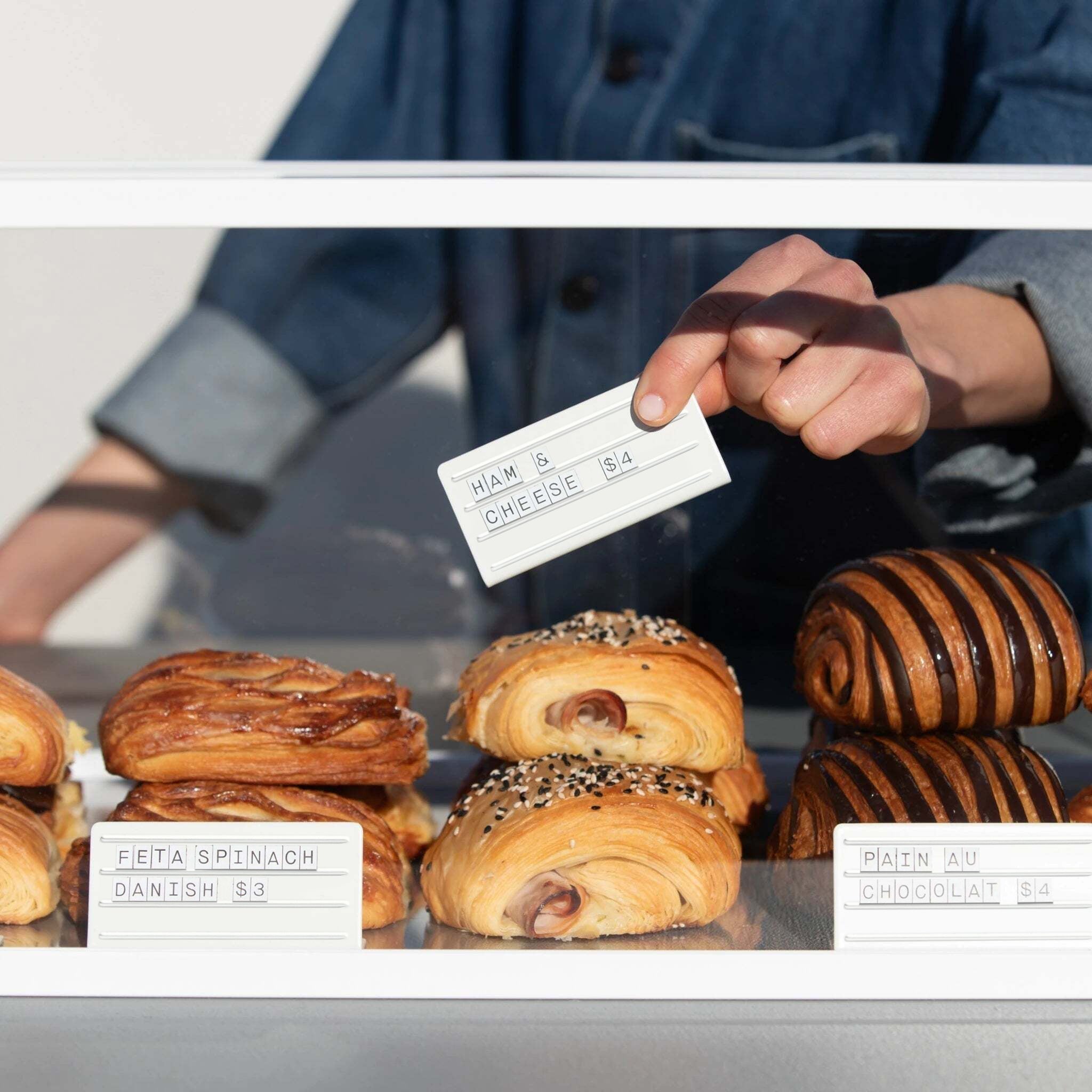
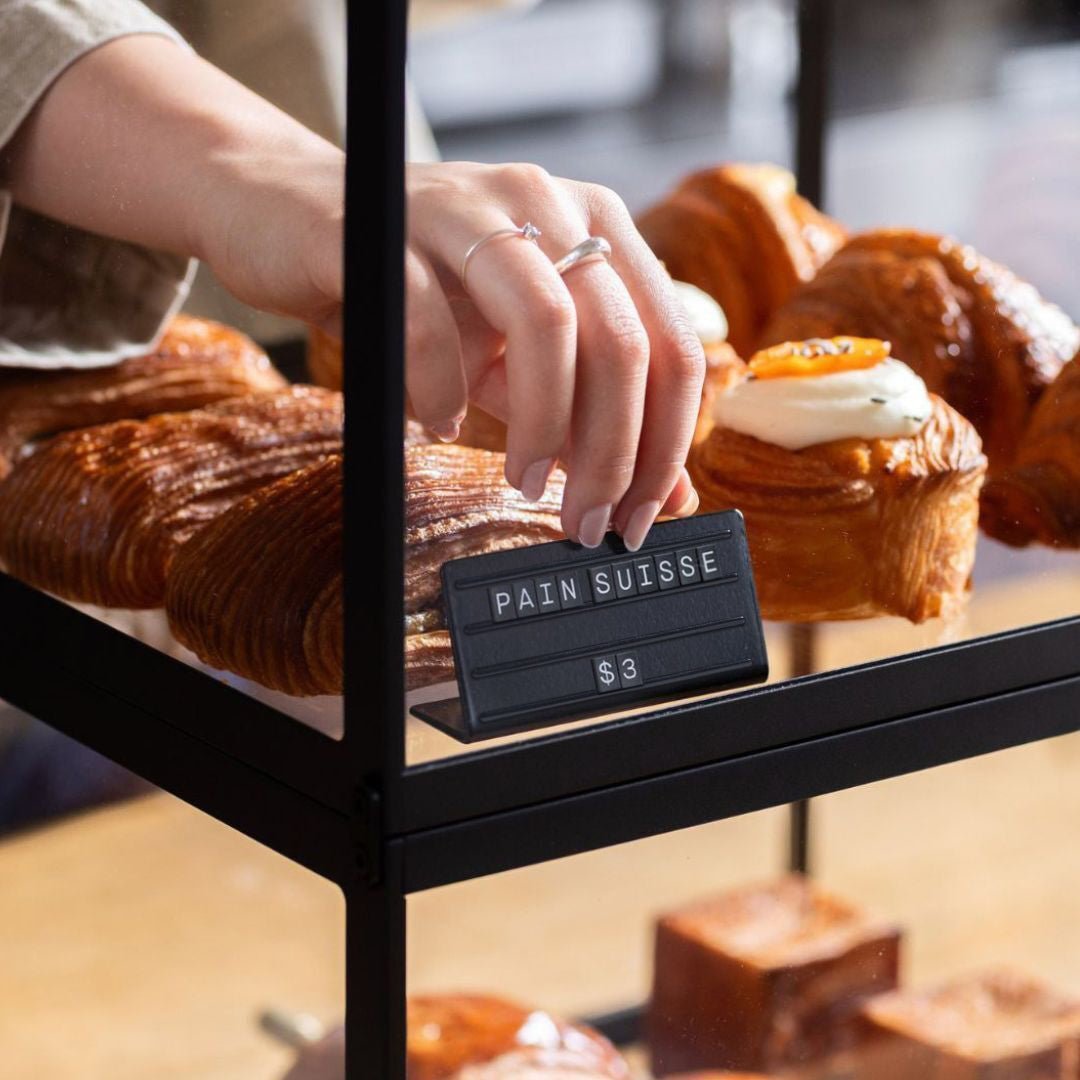
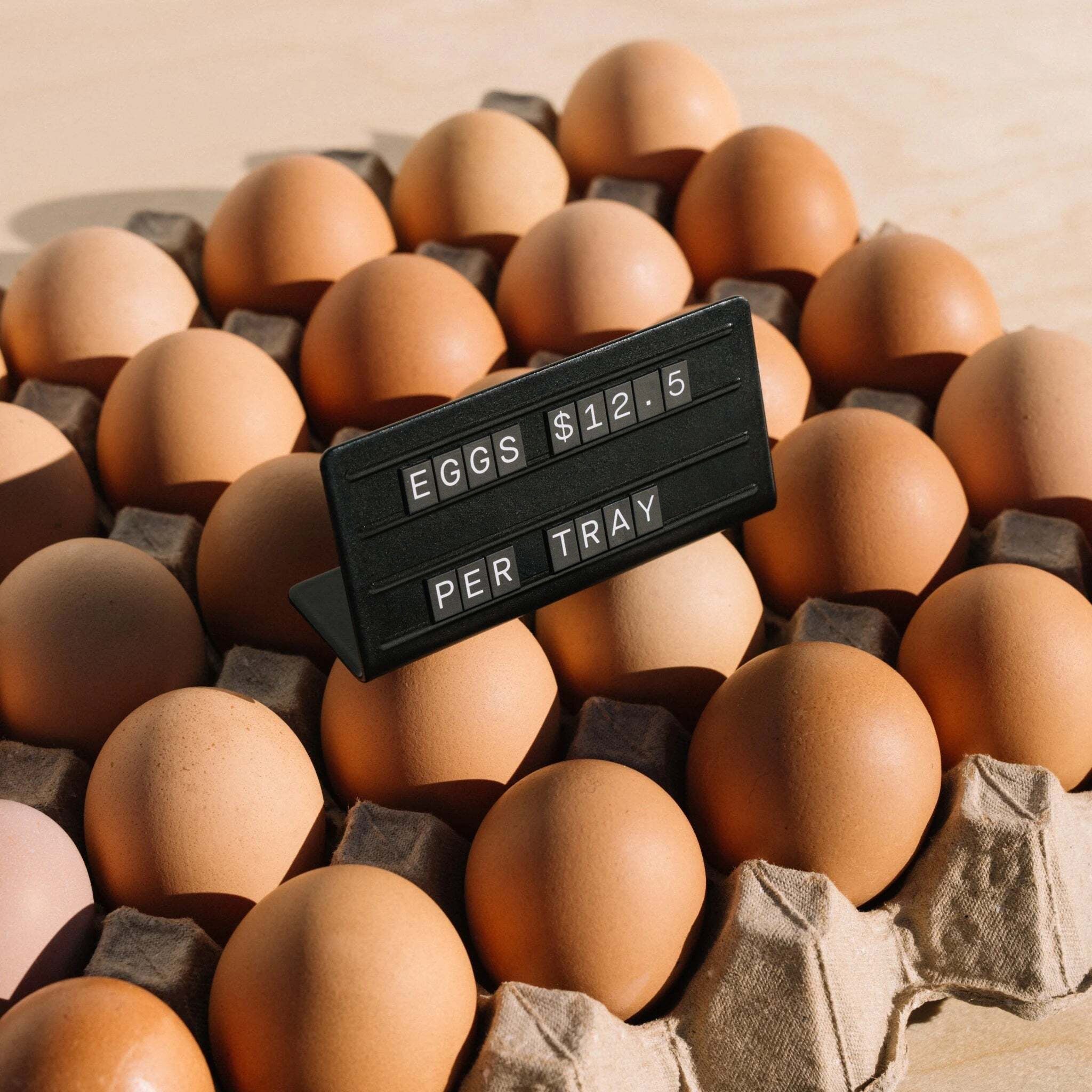
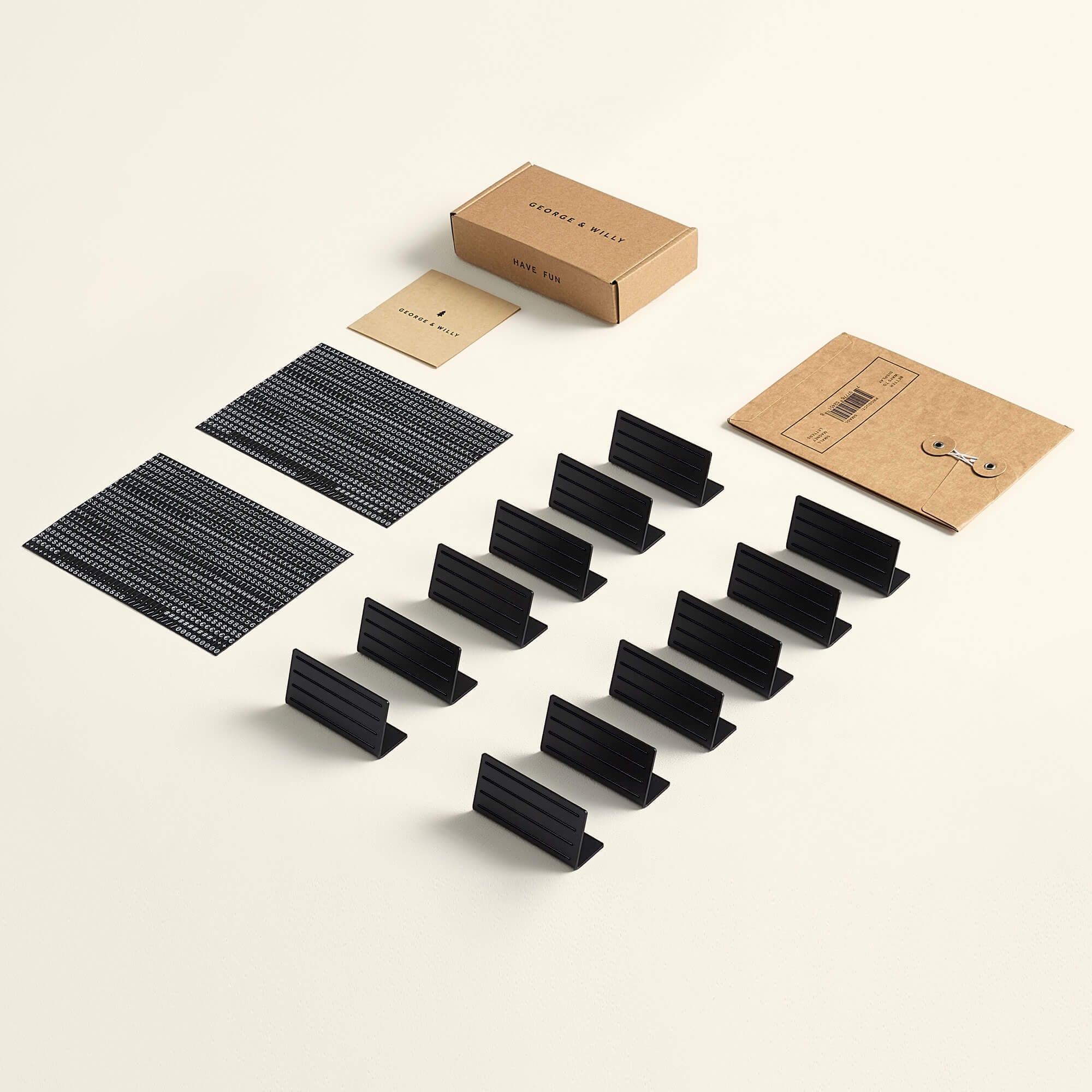
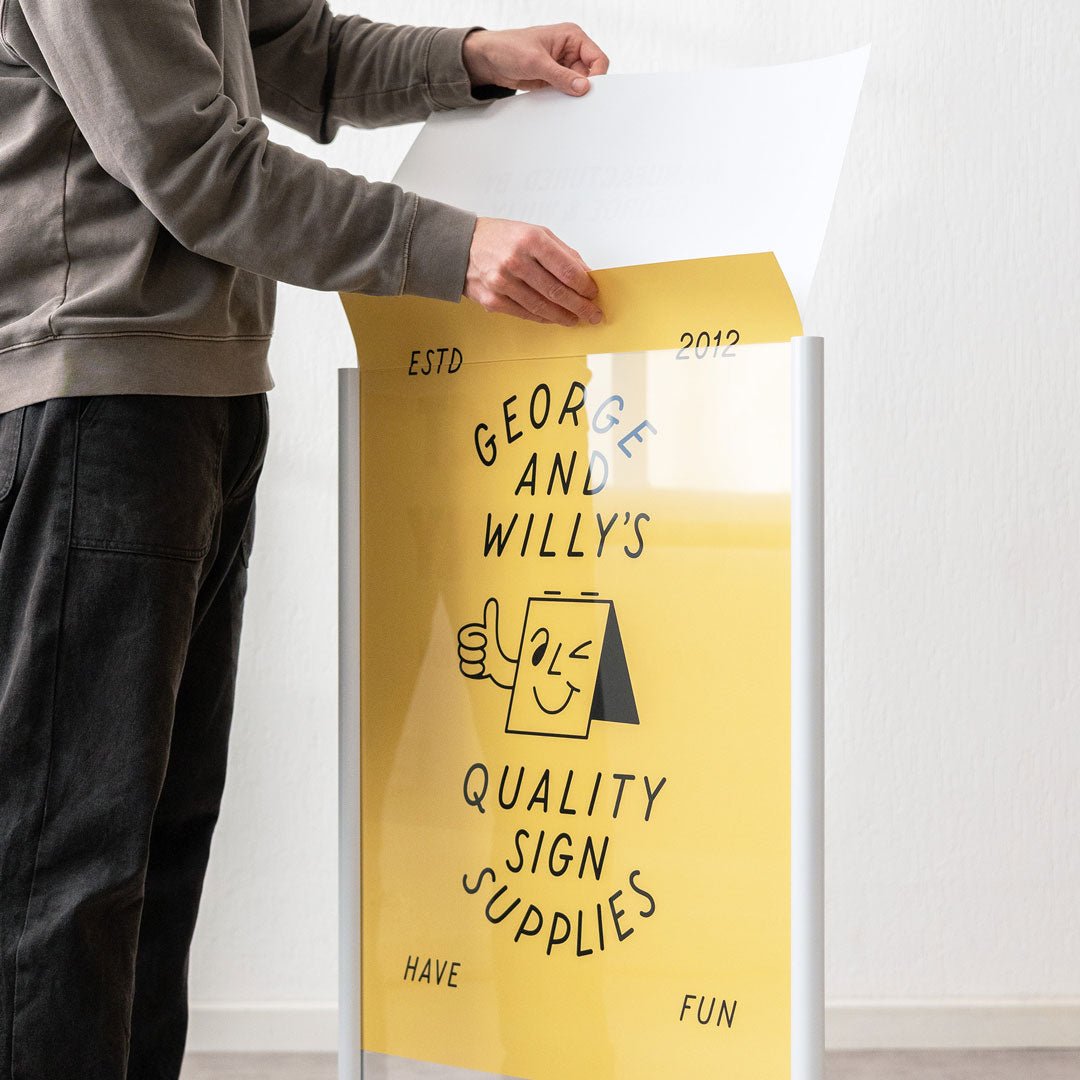
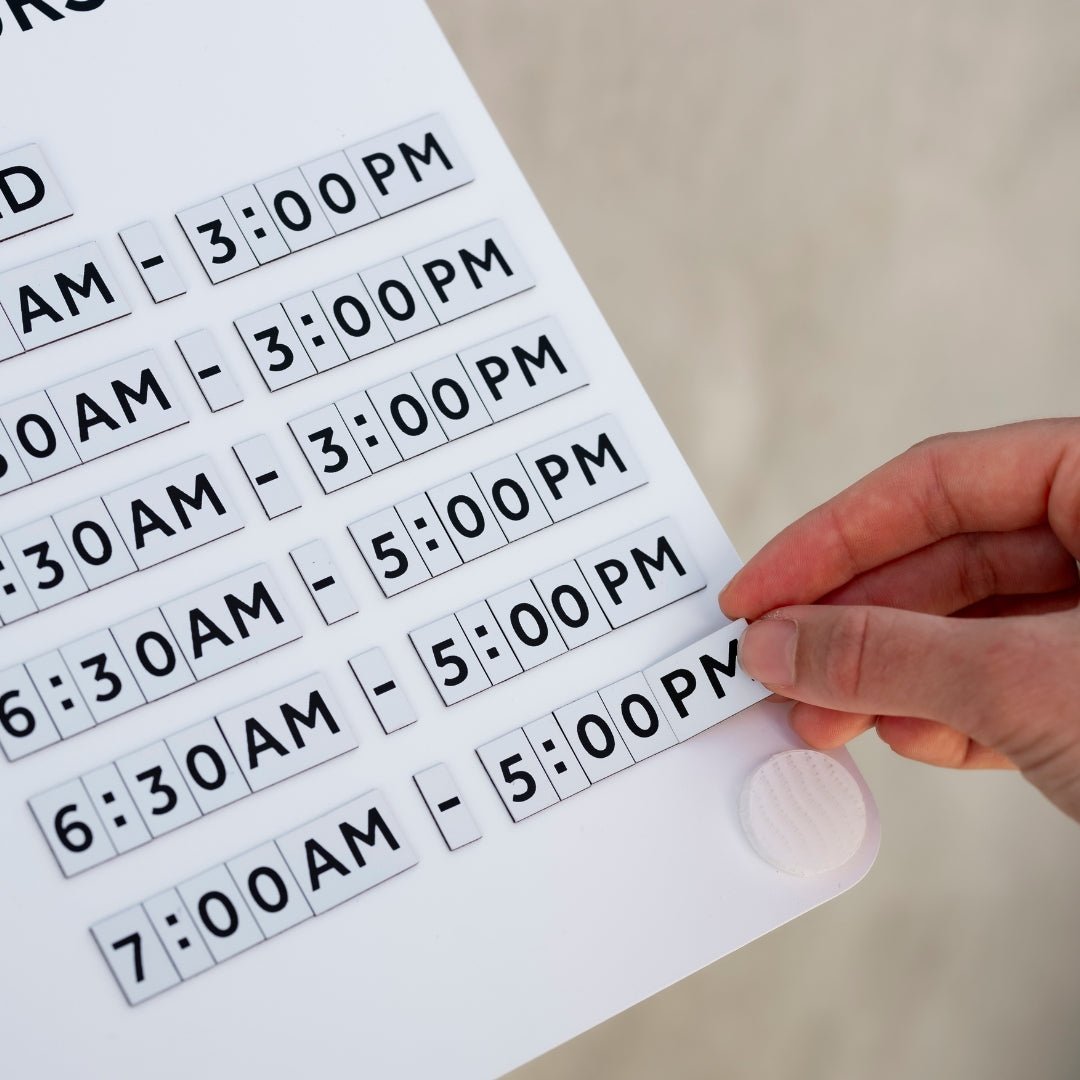
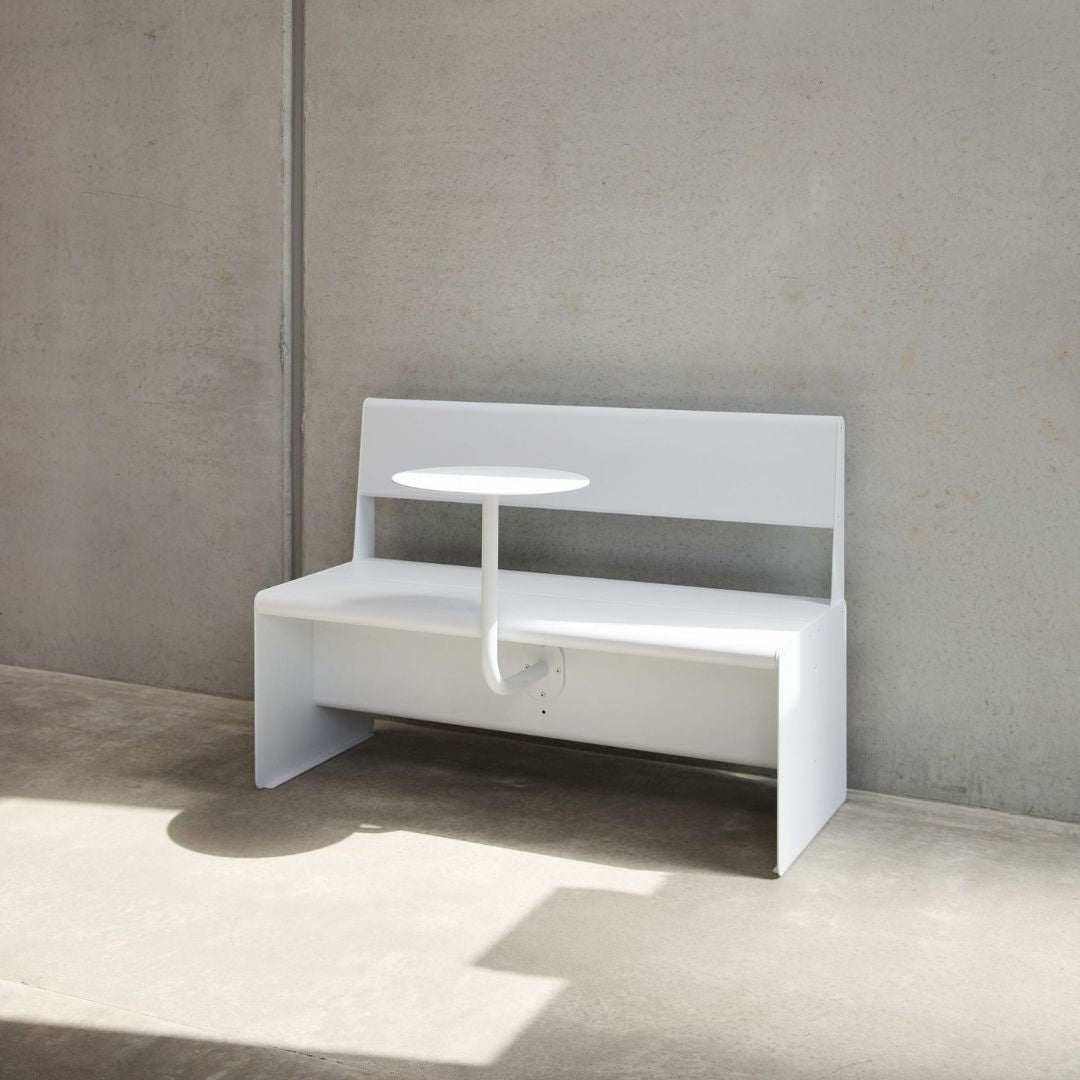
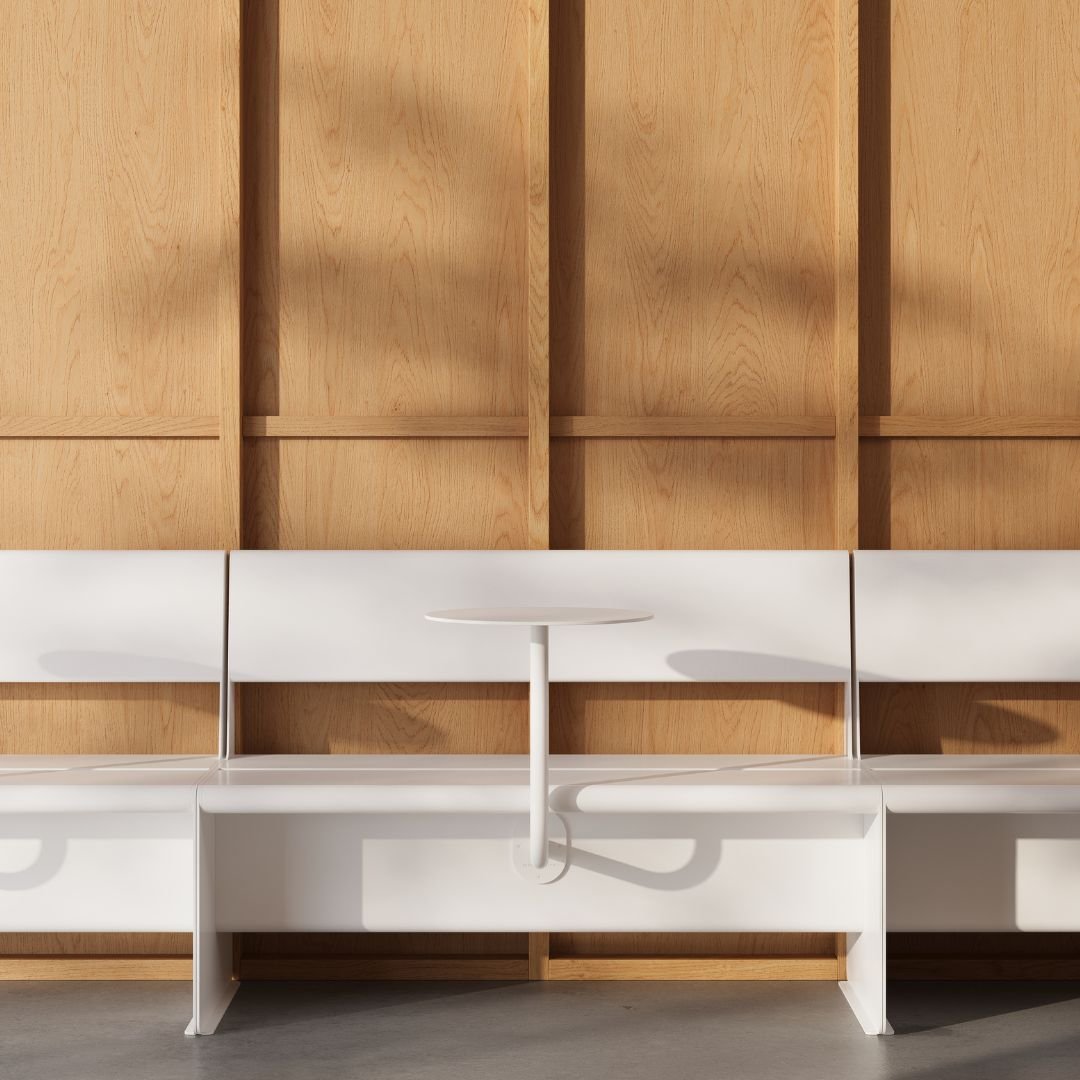
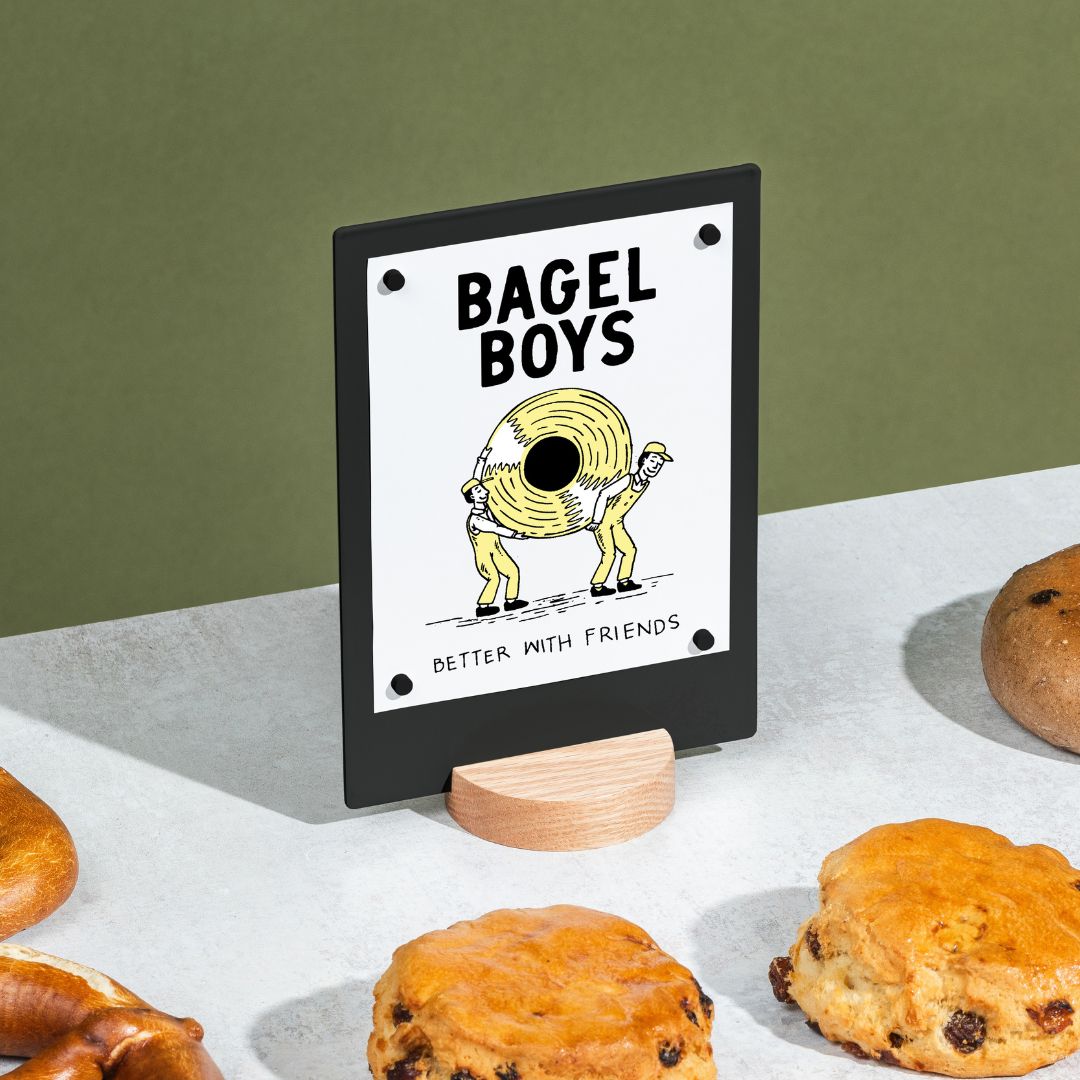
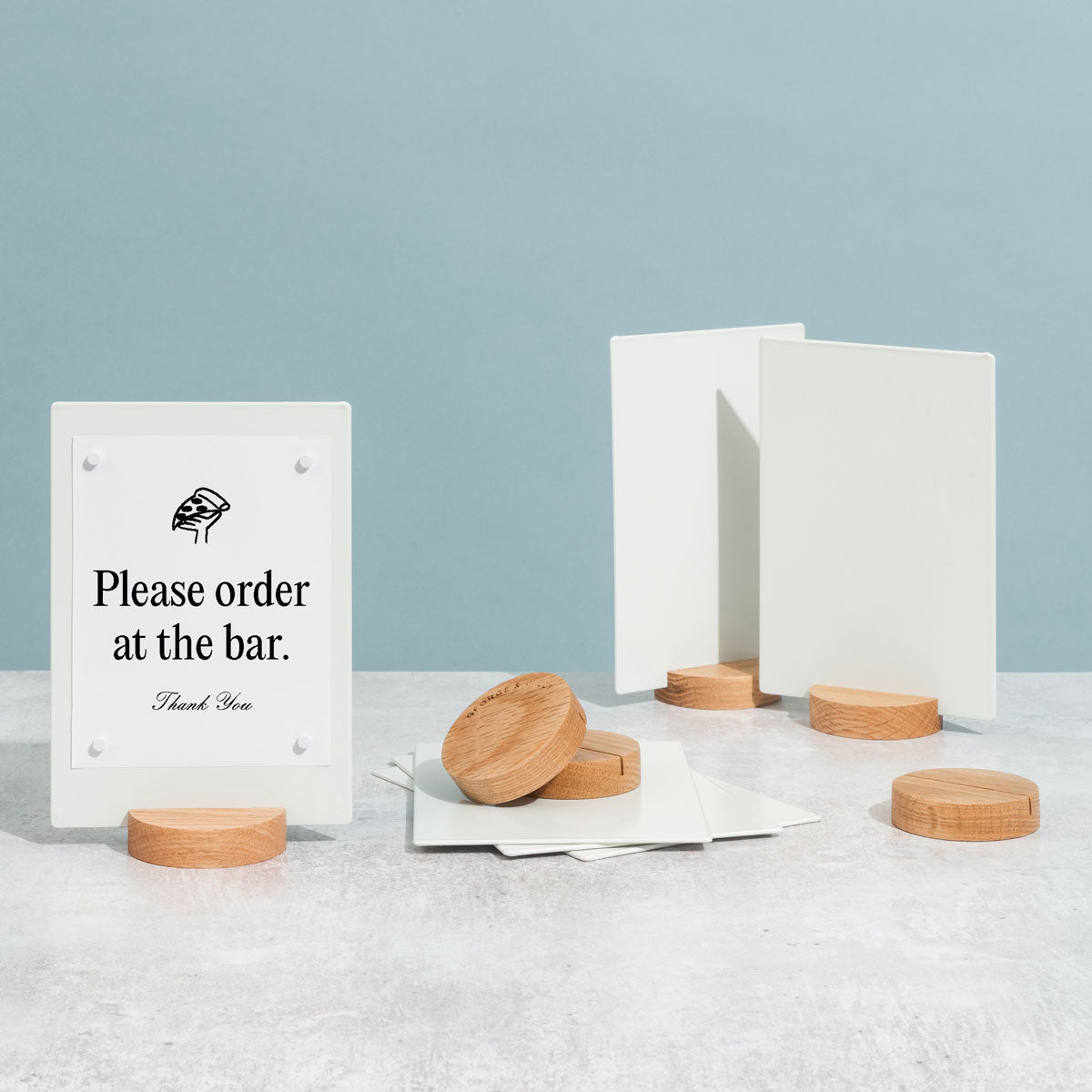
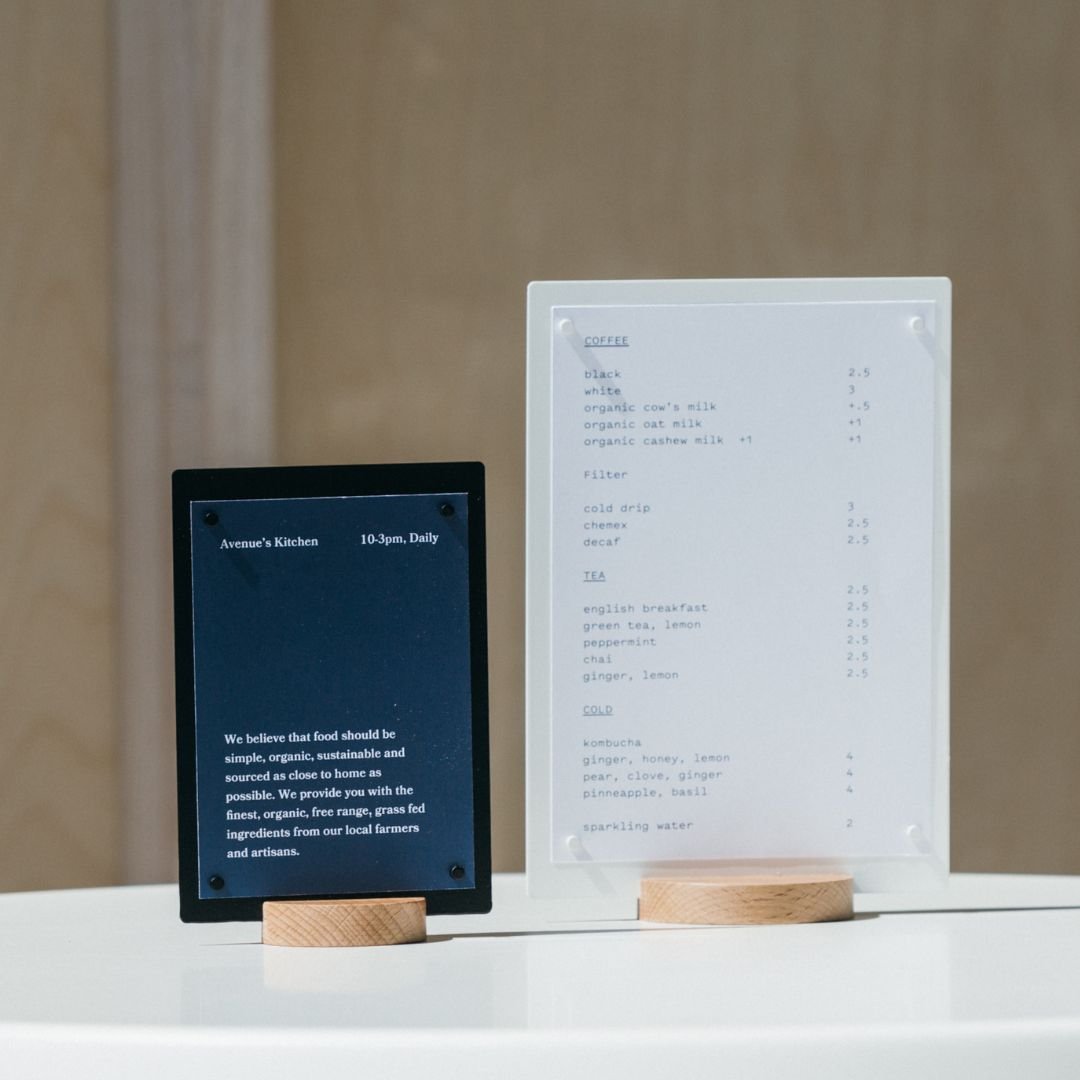
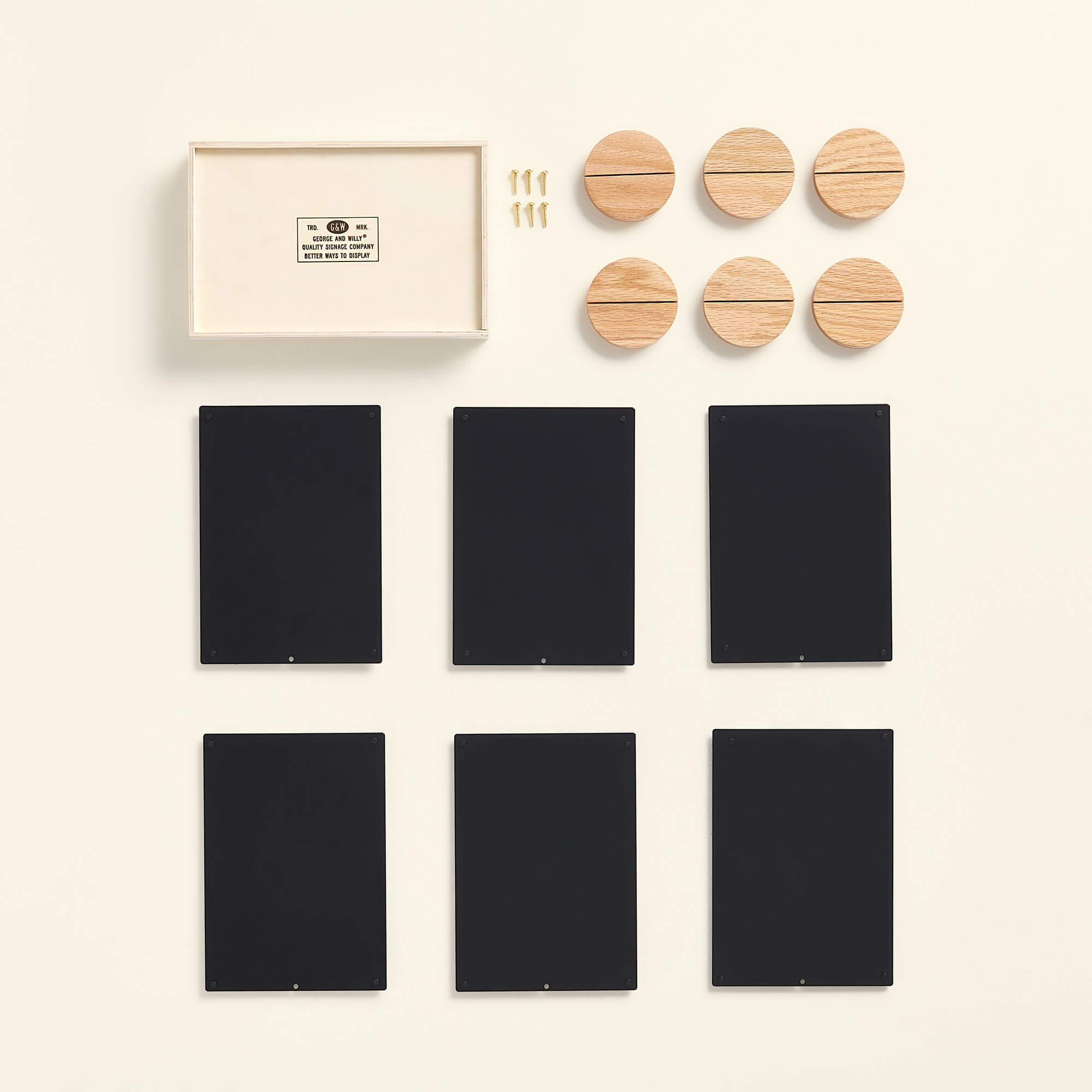
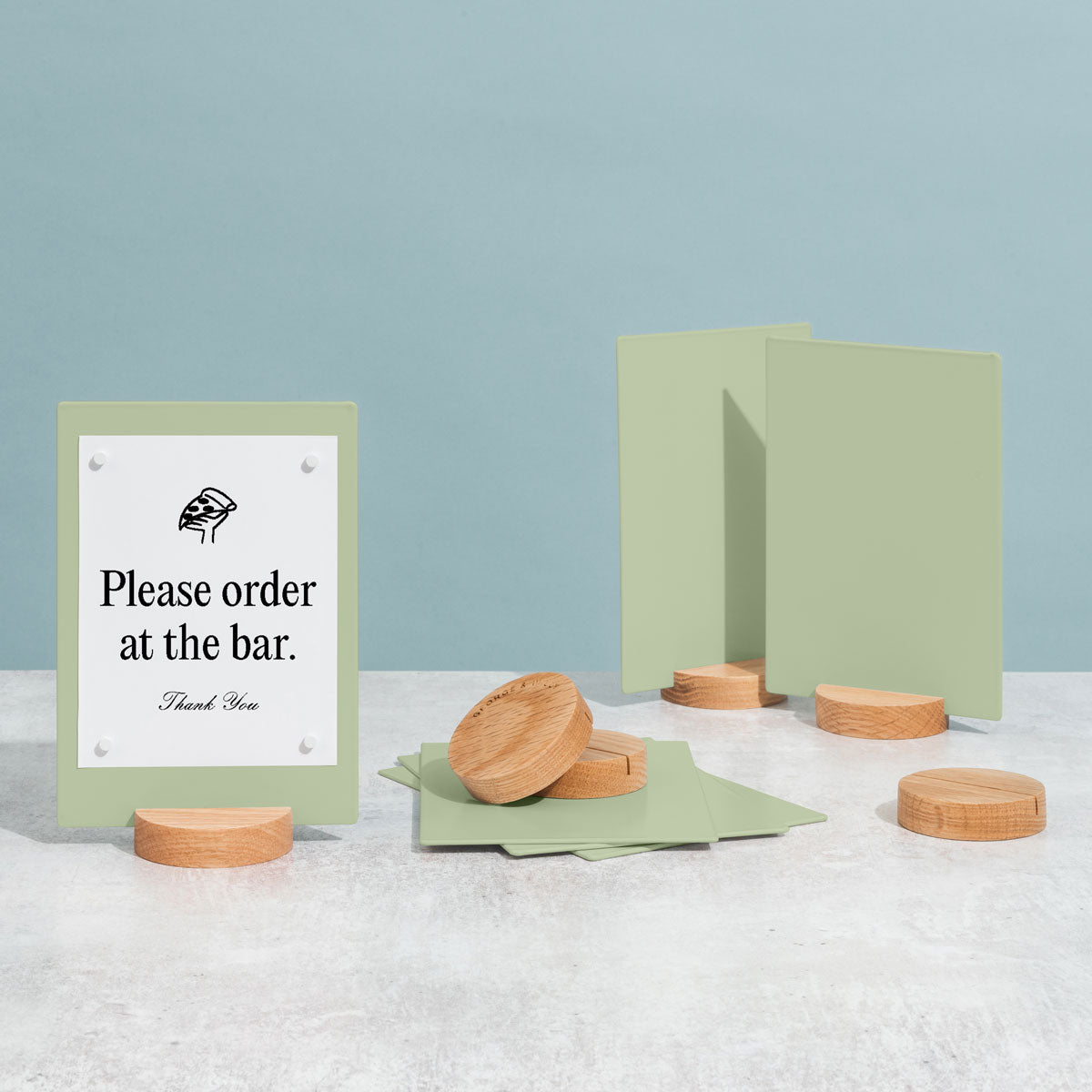
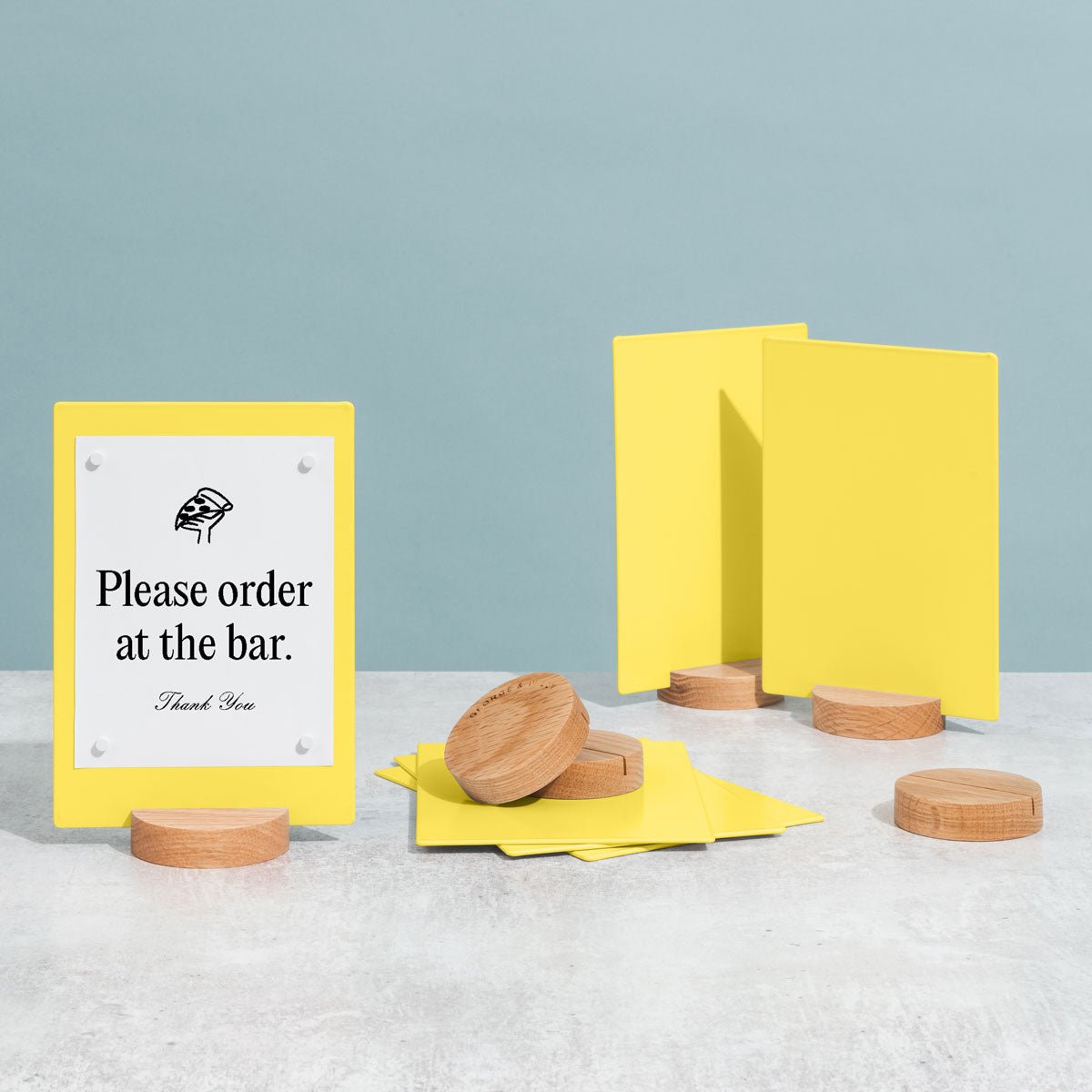
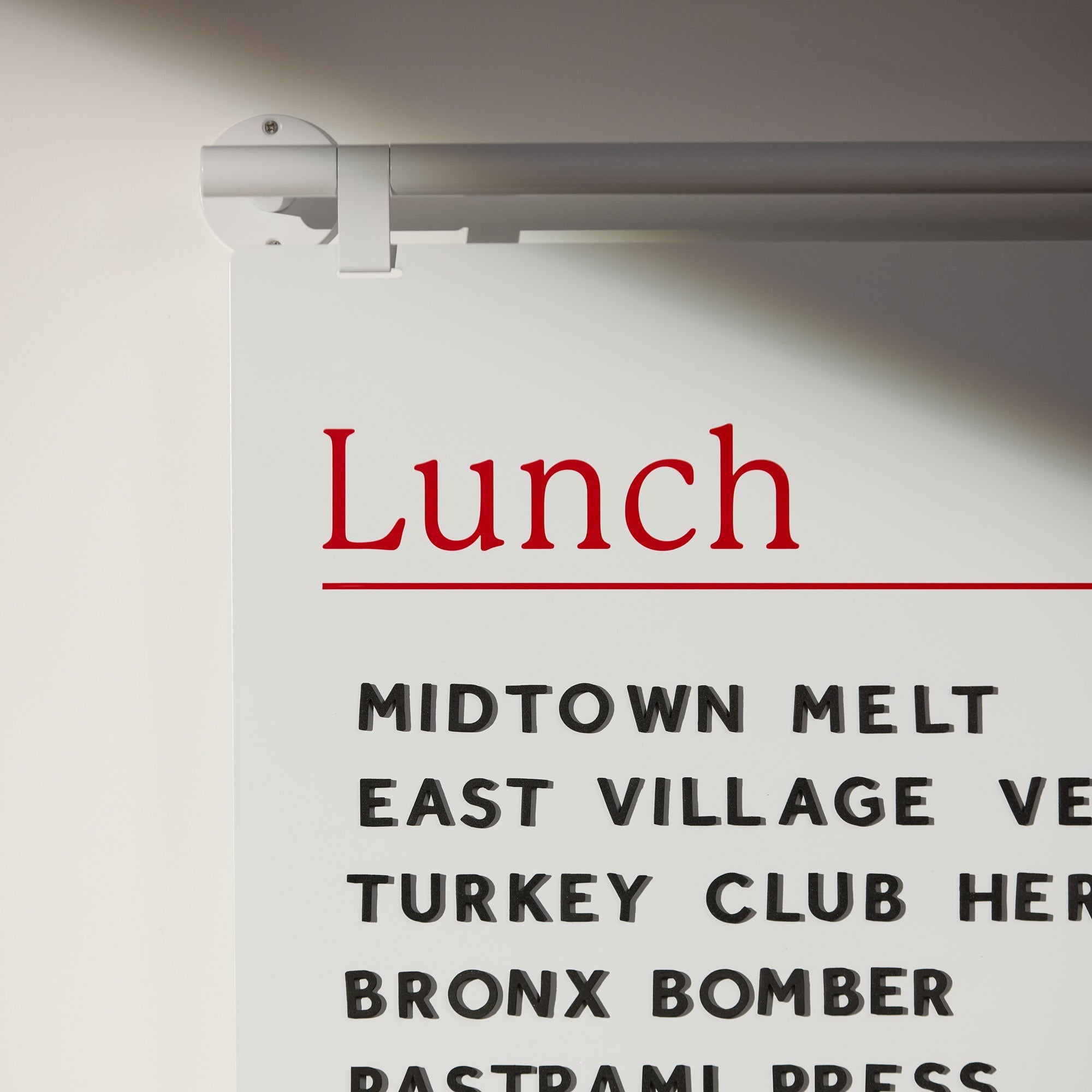
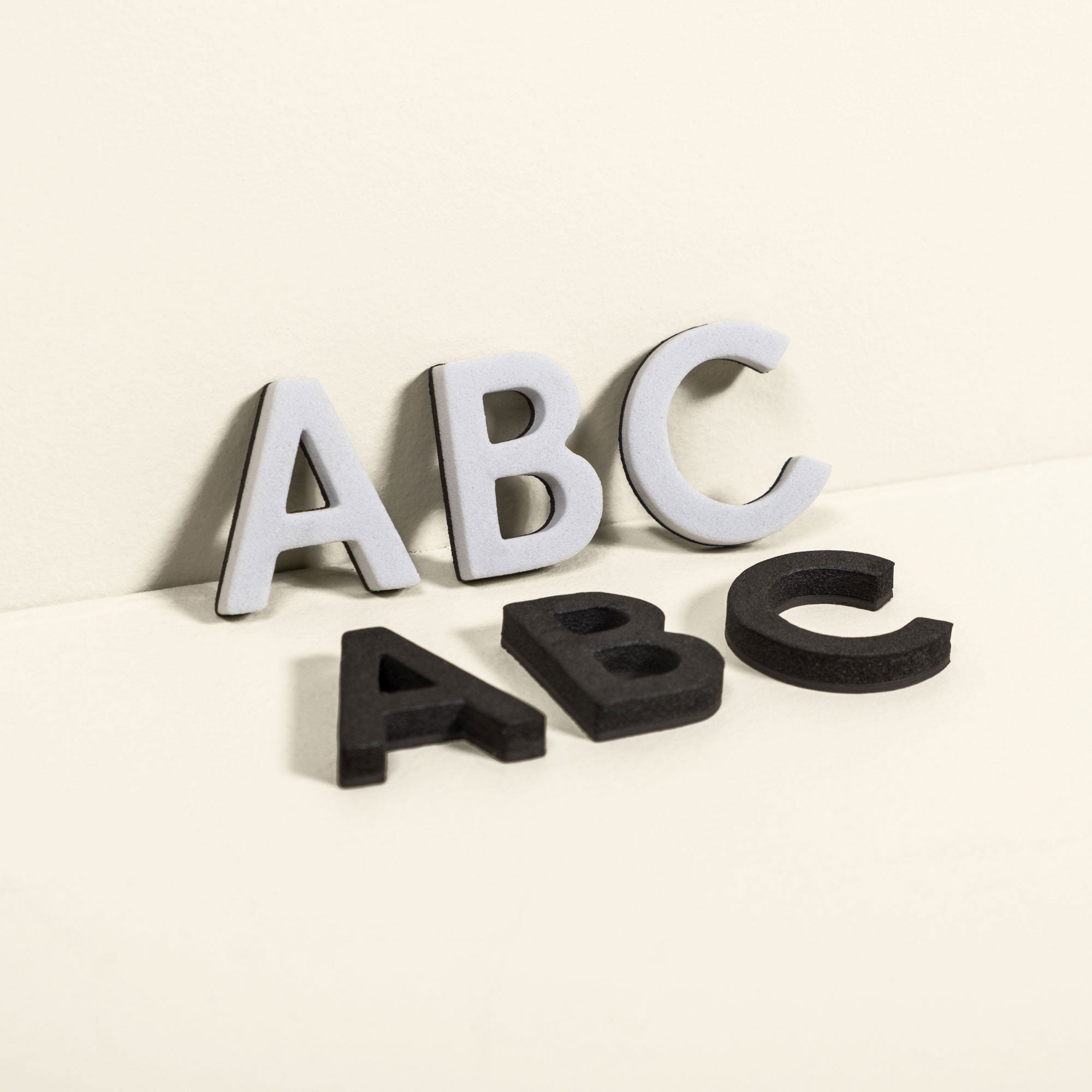
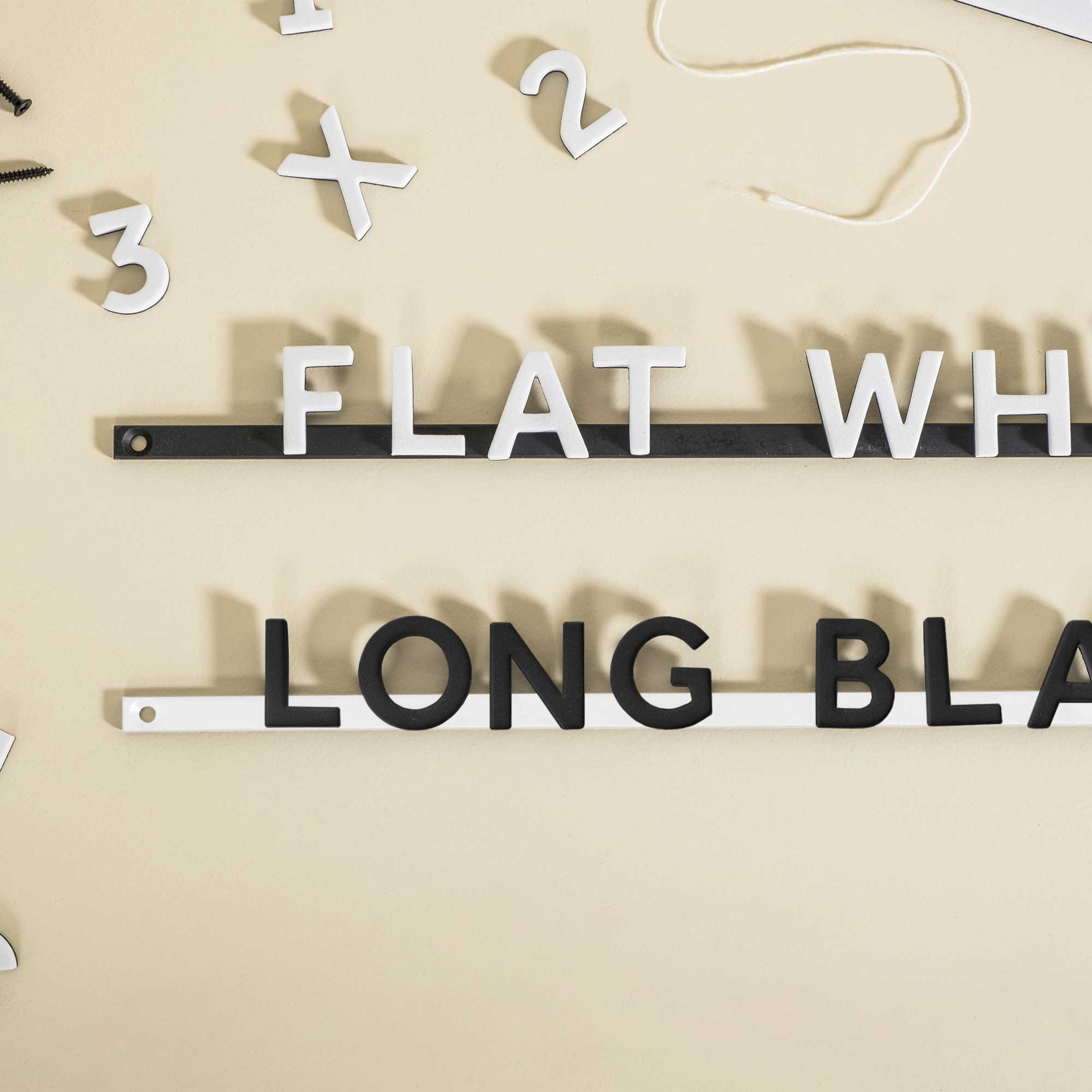
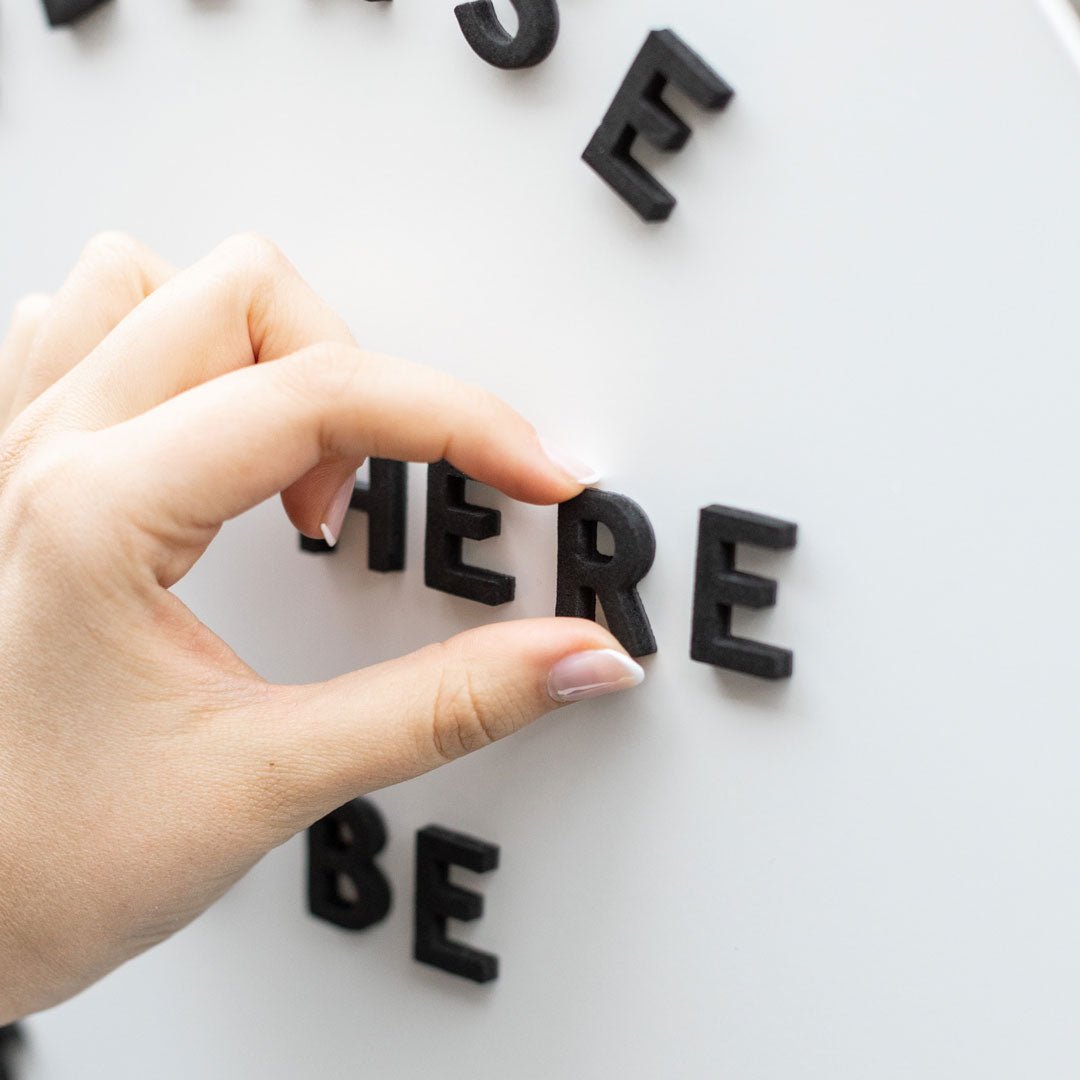
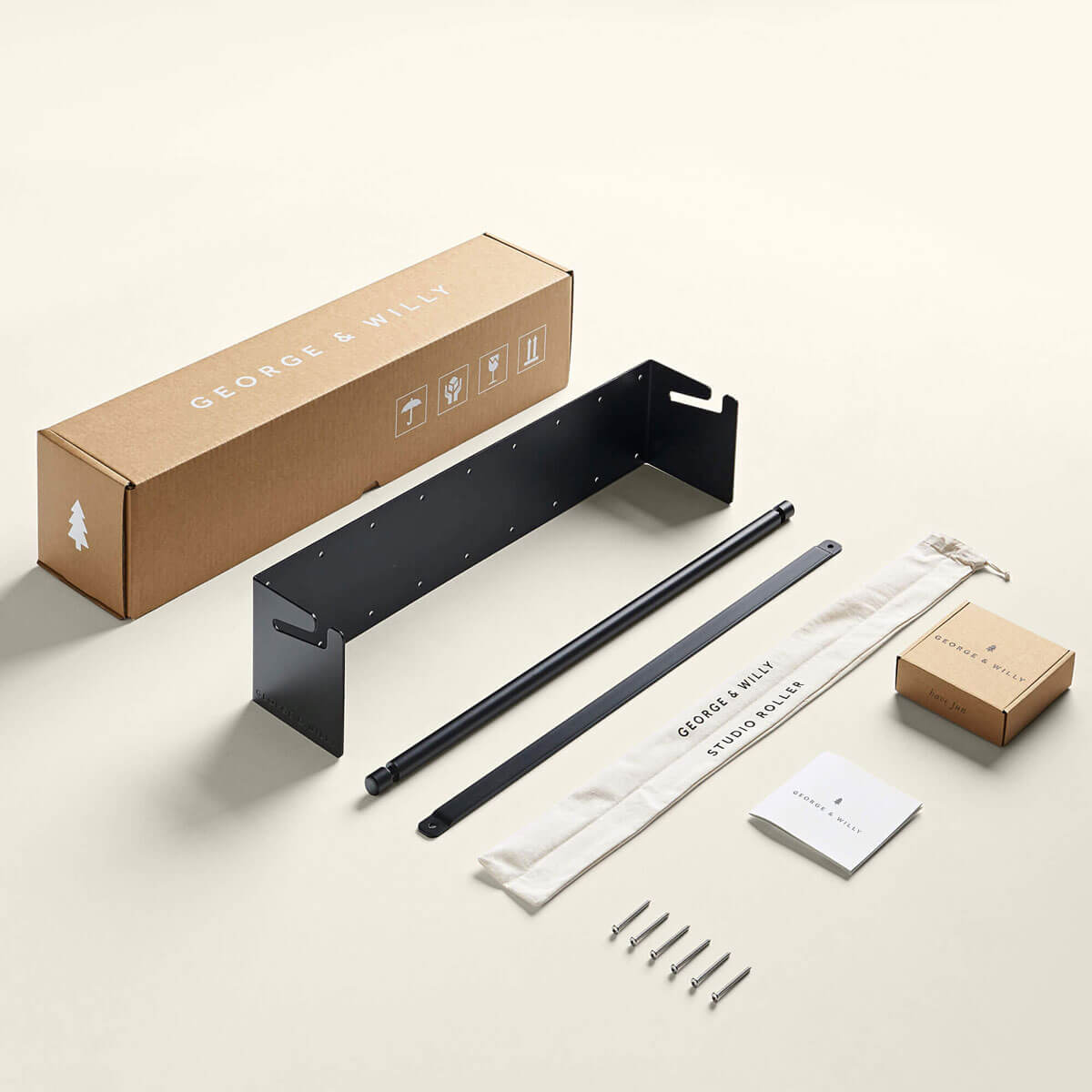
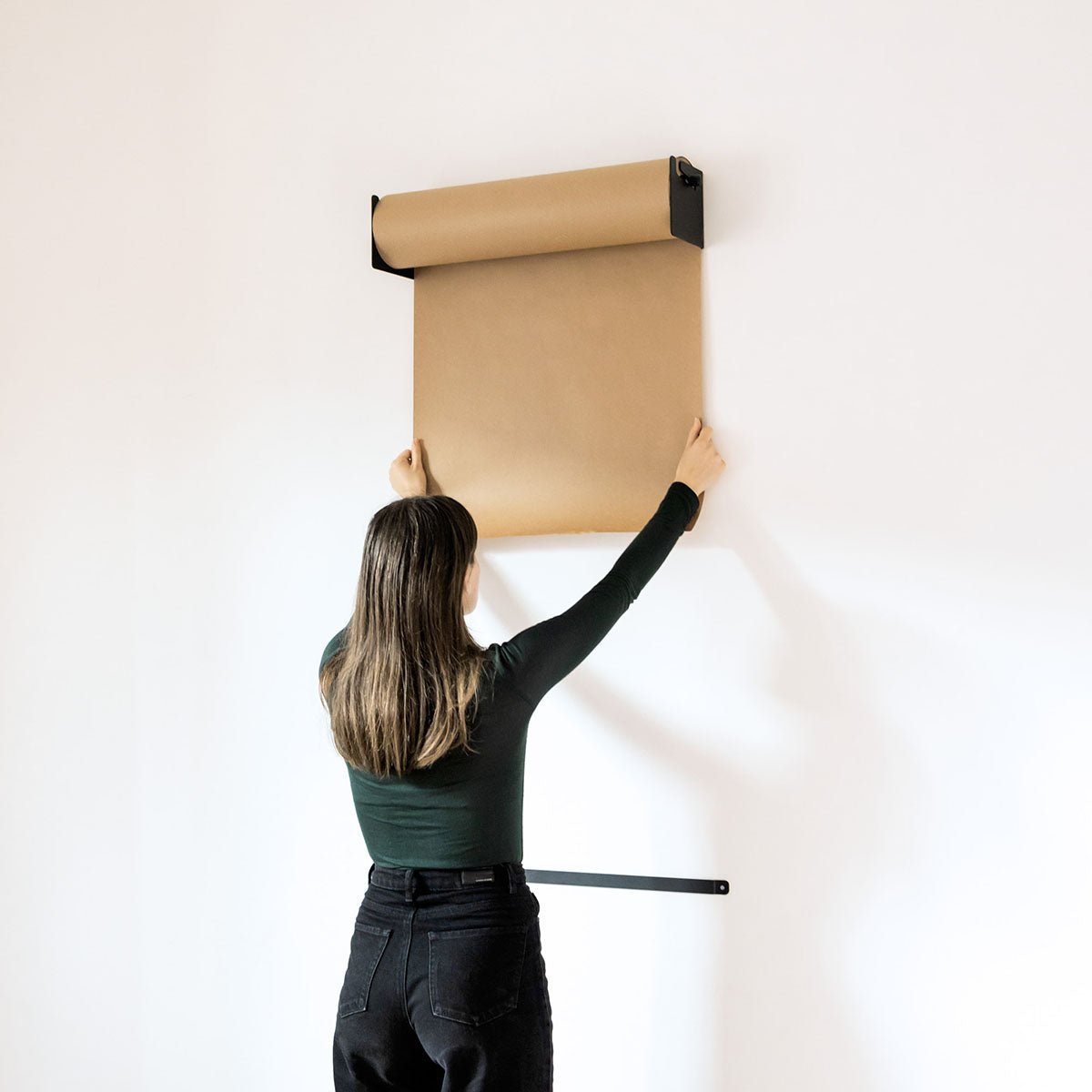
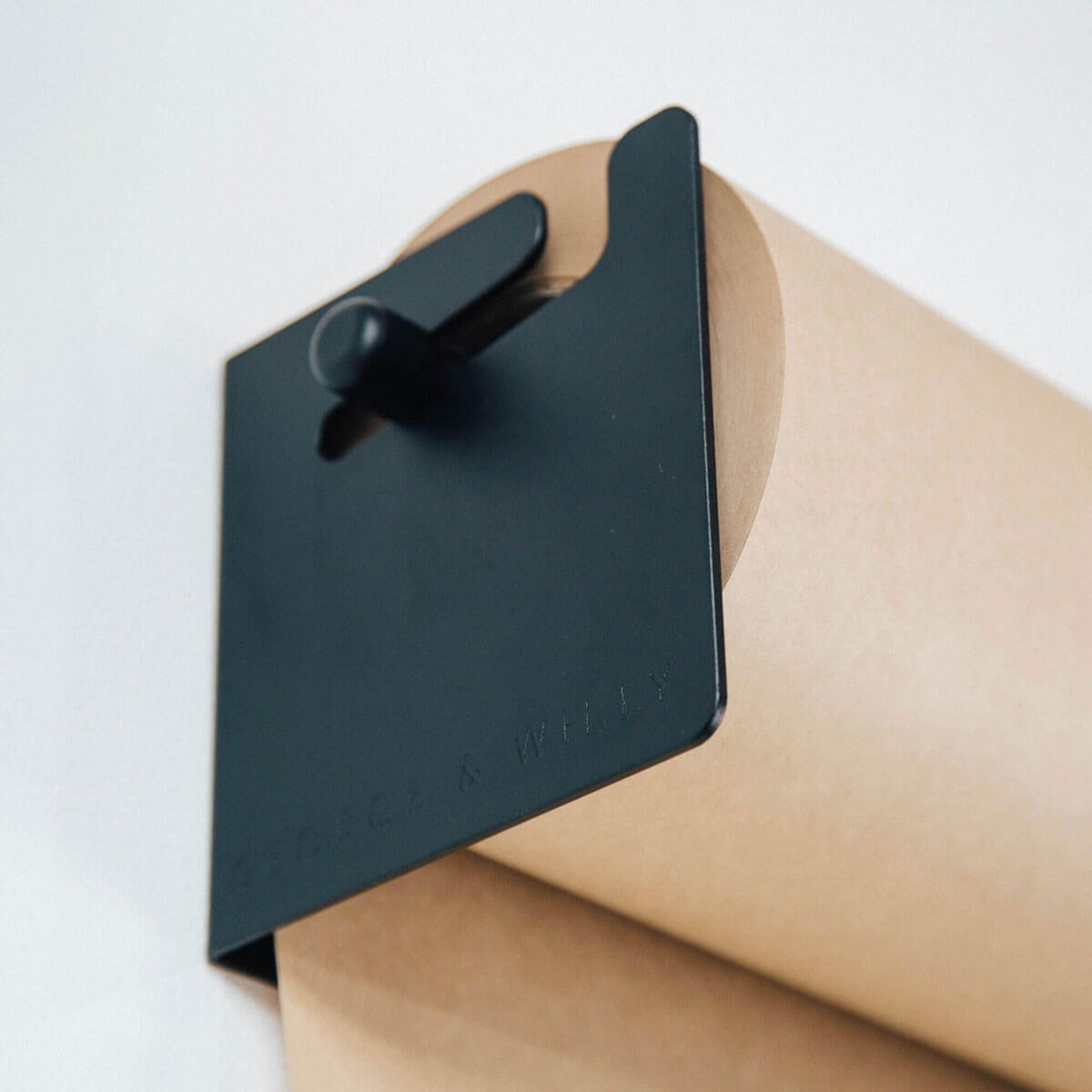
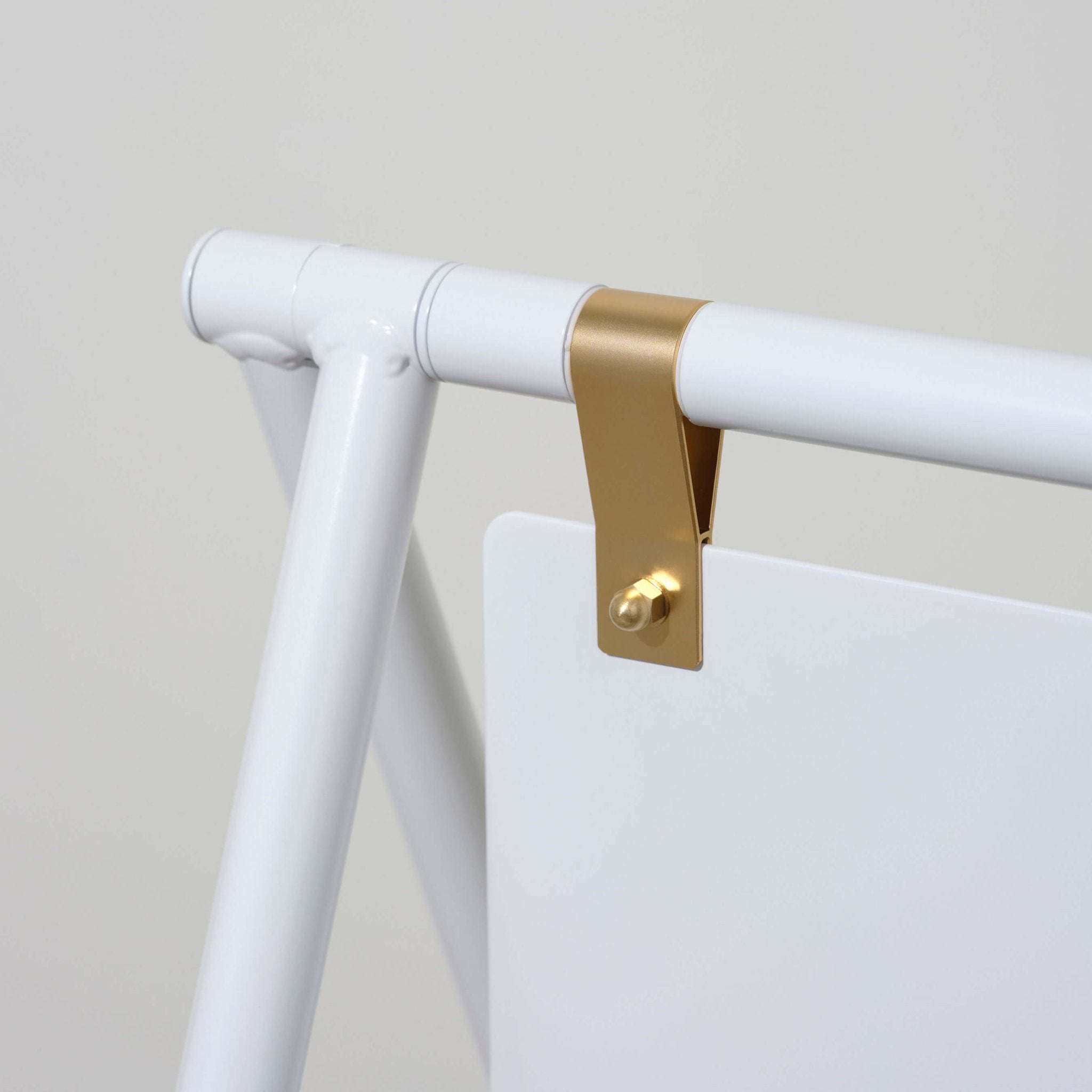
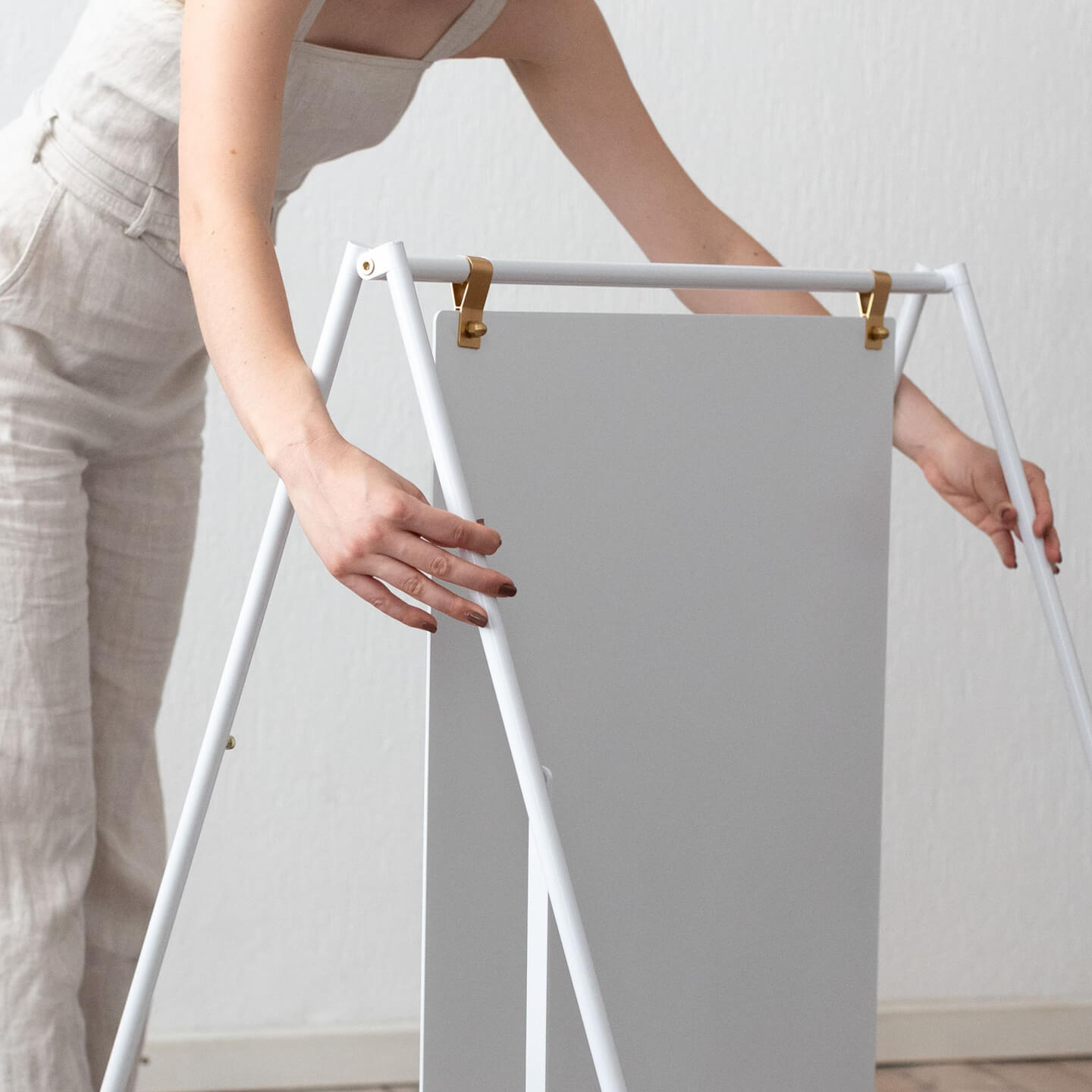
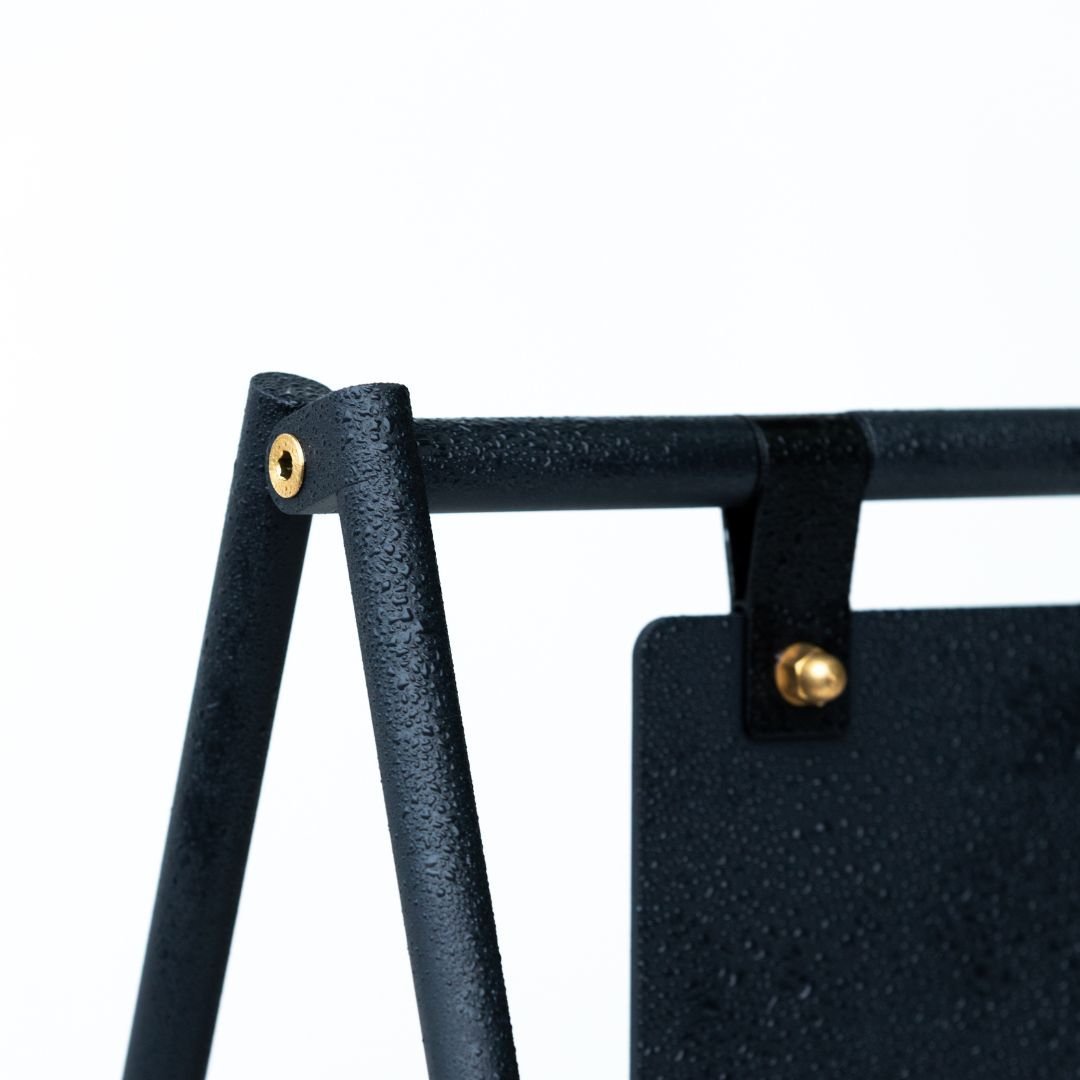
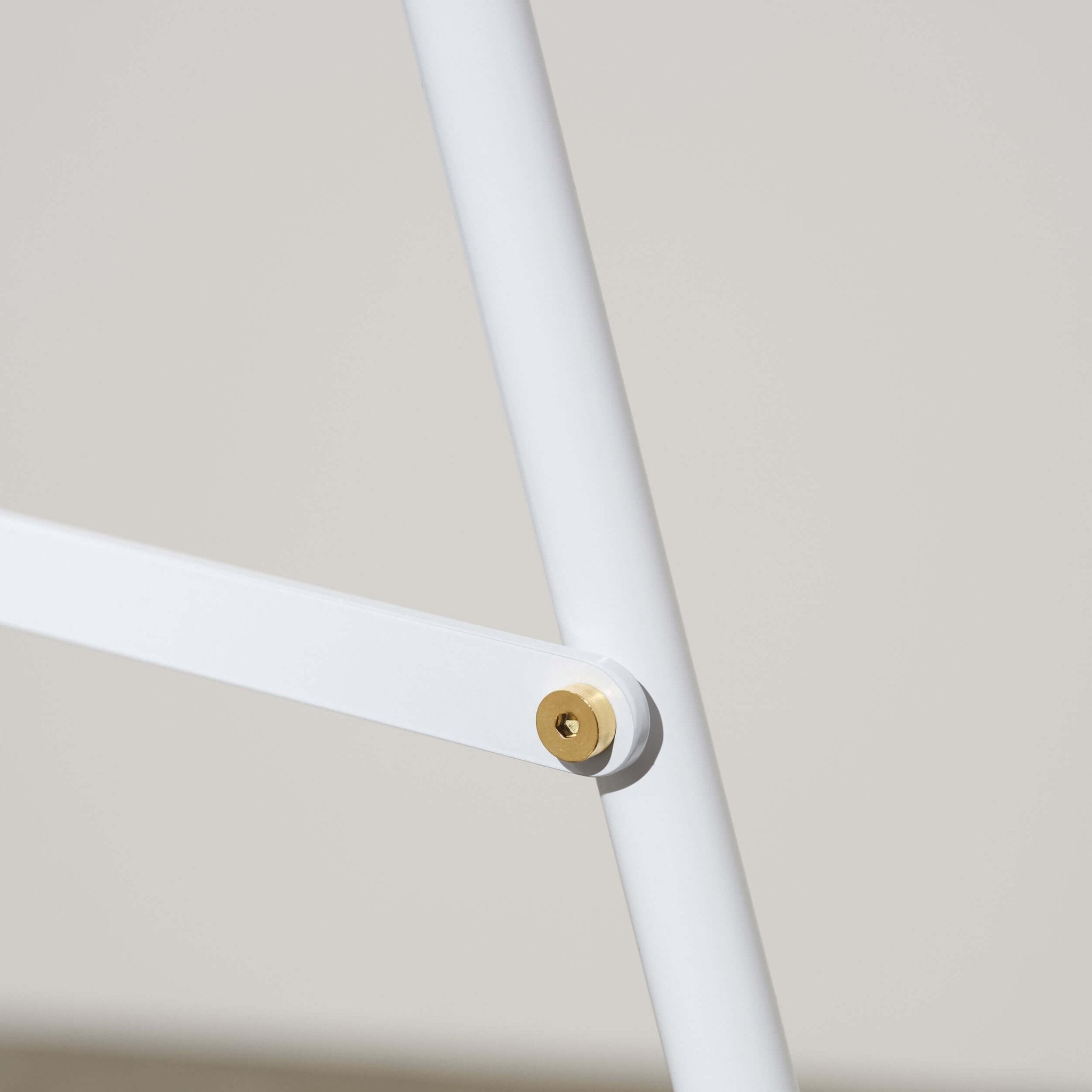
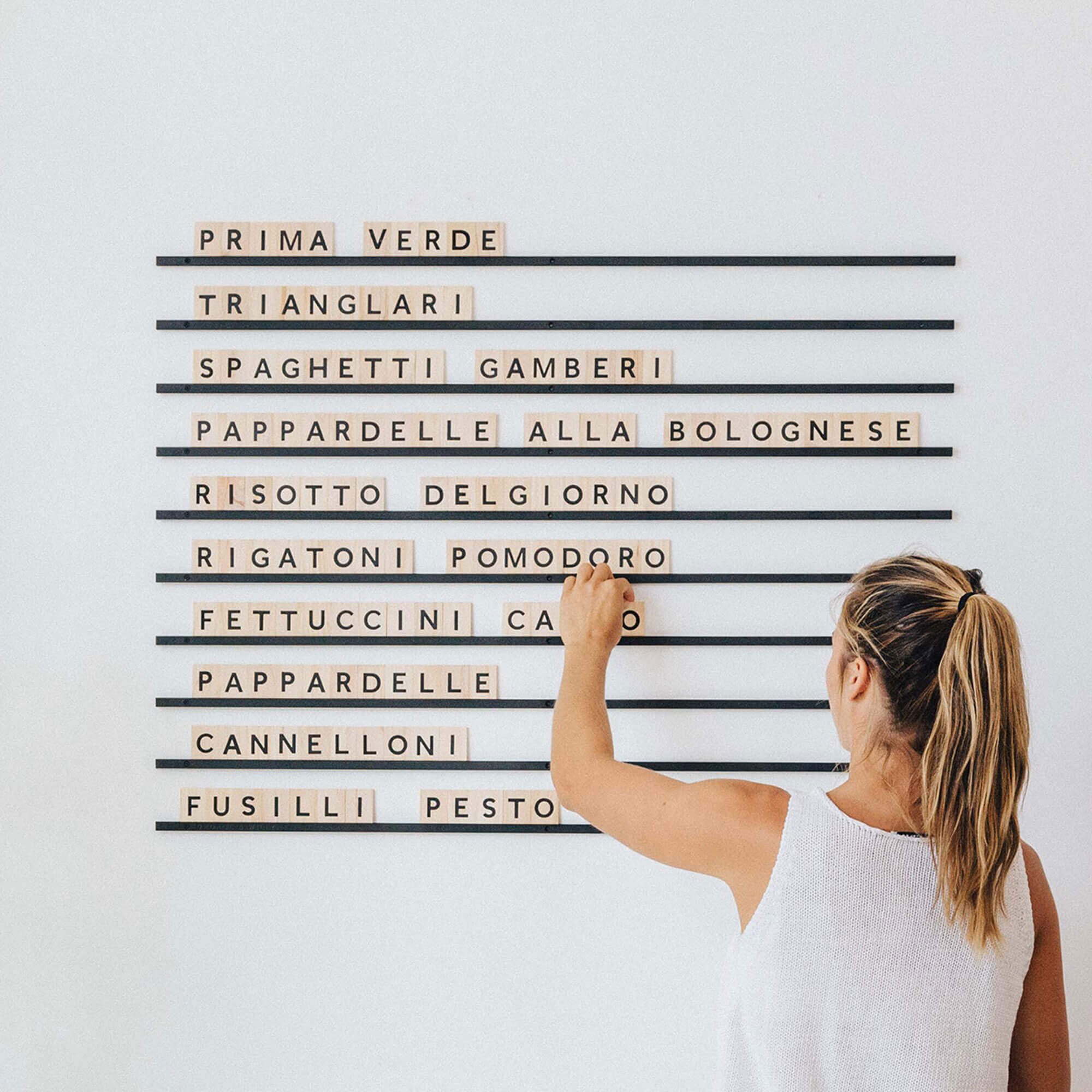
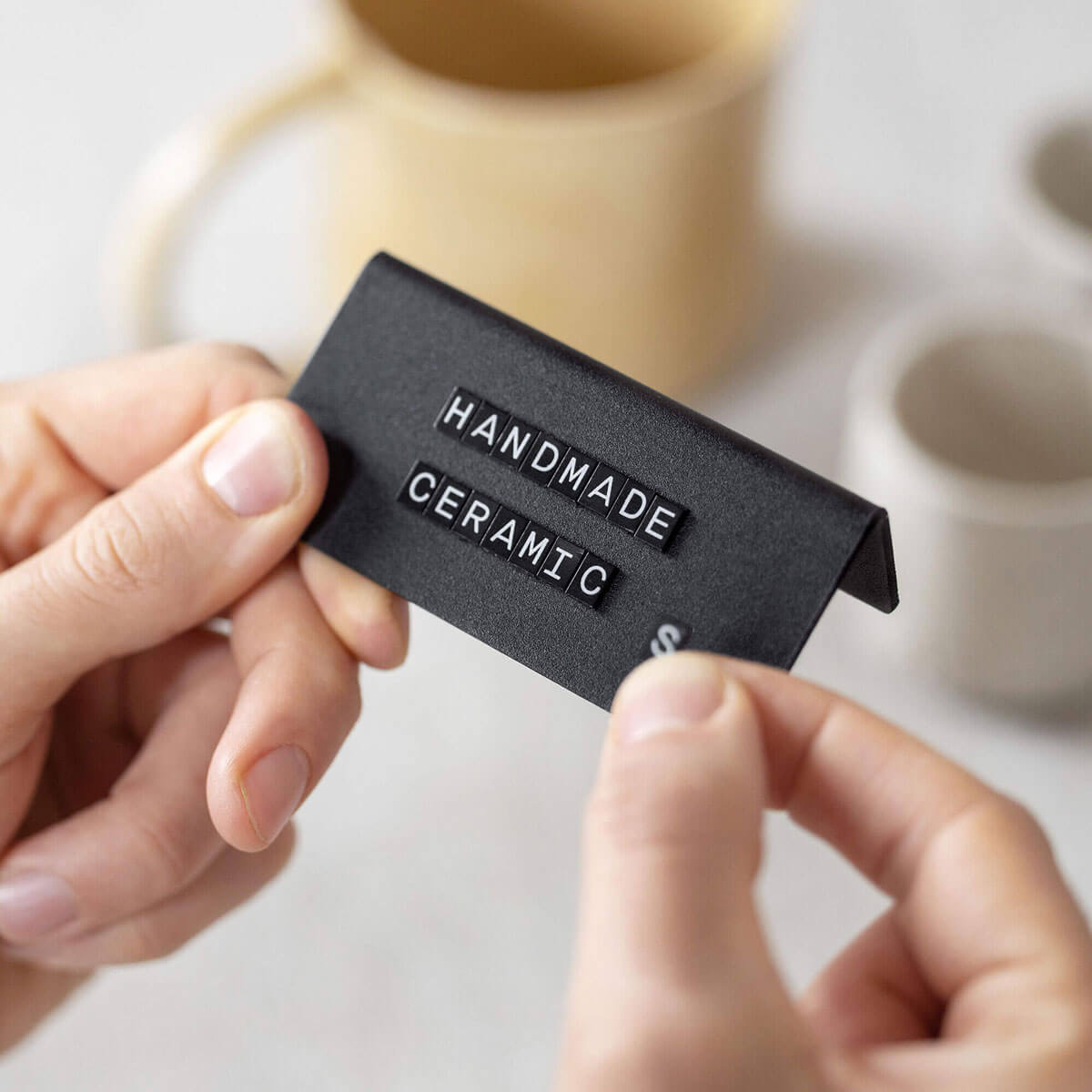
A great strategy is to mix both. You can use a beautifully designed, ready made sign structure—such as an A-Frame Sign Face Plate—and add your own custom lettering. This gives you a professional, high quality look without the cost of a fully bespoke project. When looking for these components, seek out vendors known for quality design, like the curated signage collection from George & Willy, to ensure your sign feels unique, not generic.
Navigating the Custom Signage Process
Getting your sign from an idea to a finished installation involves a few key logistical steps. Planning for them in advance will save you time and prevent headaches.
Answering Key Questions Before You Start
Before production begins, get answers to a few common questions. First, find out if you need a permit. Many cities and towns have regulations on sign size, placement, and type. Skipping this step can lead to fines and forced removal of your sign. Ask your sign company if they can help guide you through local rules.
Planning for Installation and Compliance
Proper installation is just as important as great design. For large, heavy, or illuminated signs, it is always best to use a licensed professional installer. In some places, like New York City, it’s a legal requirement. A professional will ensure your sign is securely mounted to handle wind and weather, and that any electrical components are wired safely.
The installation timeline can vary. A simple wall sign might take a couple of hours, while a large pylon sign with a concrete base could take several days or even weeks to complete.
Understanding Production and Turnaround Times
Custom work takes time, so it’s important to plan your project timeline well in advance. While a simple printed banner might ship in 2 to 3 business days, a more complex sign requires a much longer lead time.
- Small custom electric signs often take 3 to 4 weeks to manufacture.
- Larger or more complex projects can require 4 to 8 weeks or more in production.
This doesn’t include time for design revisions, shipping, or installation. A good rule is to allow at least 4 to 6 weeks for a typical custom sign project from start to finish. If you have a firm deadline, communicate it to your vendor upfront. Some providers, like George & Willy, offer clear production timelines and worldwide shipping to help you plan with confidence.
Frequently Asked Questions About Custom Signs
What is the best material for outdoor custom signs?
For outdoor use, the best materials are durable and weather resistant. Aluminum composite panels, high grade acrylics, and premium vinyl with a protective laminate are all excellent choices that resist fading and can last for many years.
Do I need a permit for my custom sign?
It depends on your local regulations. Many municipalities require permits for outdoor signs, especially those that are large, illuminated, or placed near a public right of way. Always check with your local planning or building department before ordering your sign.
How long does it take to get a custom sign?
Turnaround times vary widely based on complexity. Simple printed signs can be ready in a few days, while fabricated metal or illuminated custom signs can take anywhere from 3 to 8 weeks for production, plus additional time for shipping and installation.
How do I make my sign easy to read?
To ensure readability, use large lettering (at least one inch tall for every ten feet of viewing distance), choose a simple, clean font, and use high contrast colors, such as black text on a white background. Avoid cluttering the sign with too much information.