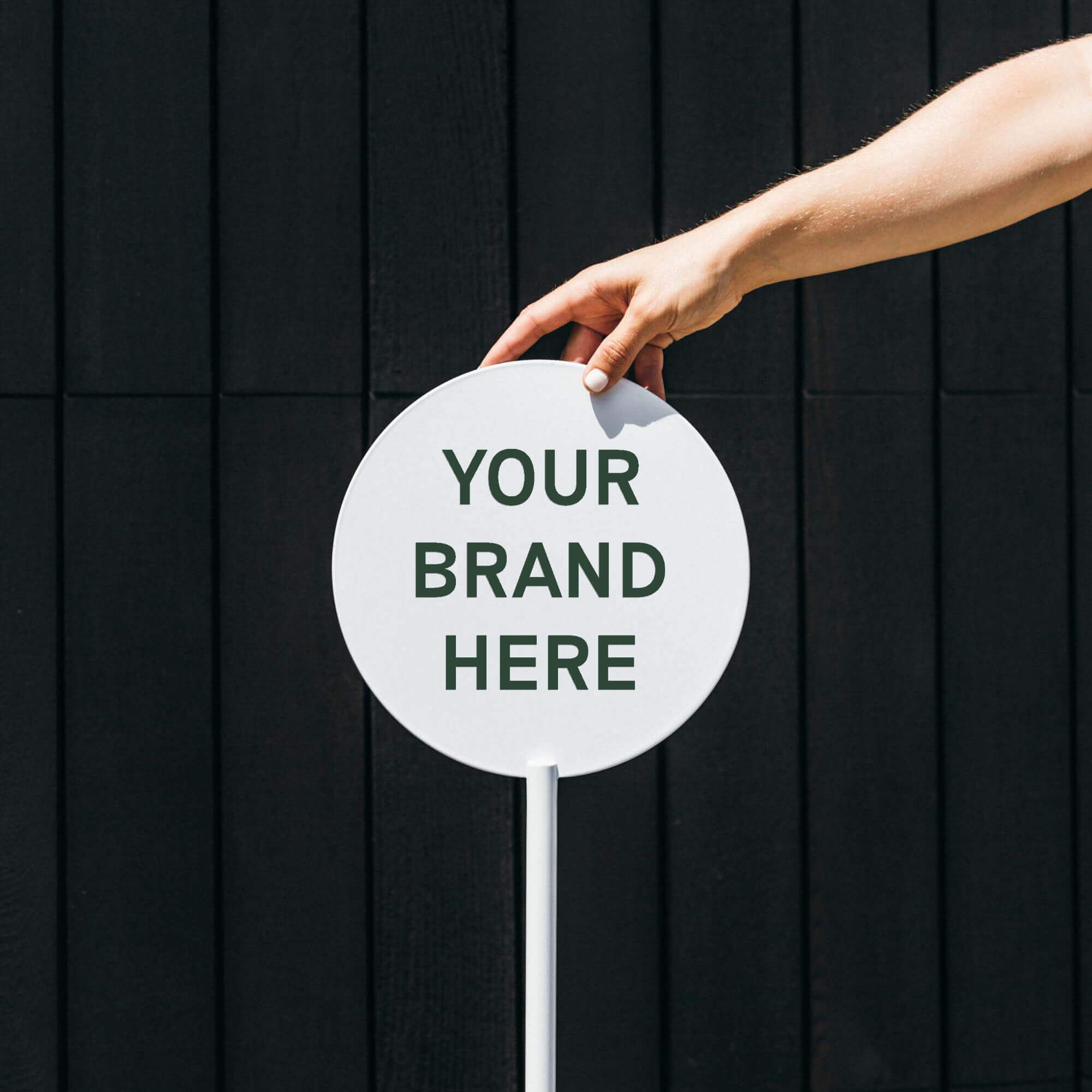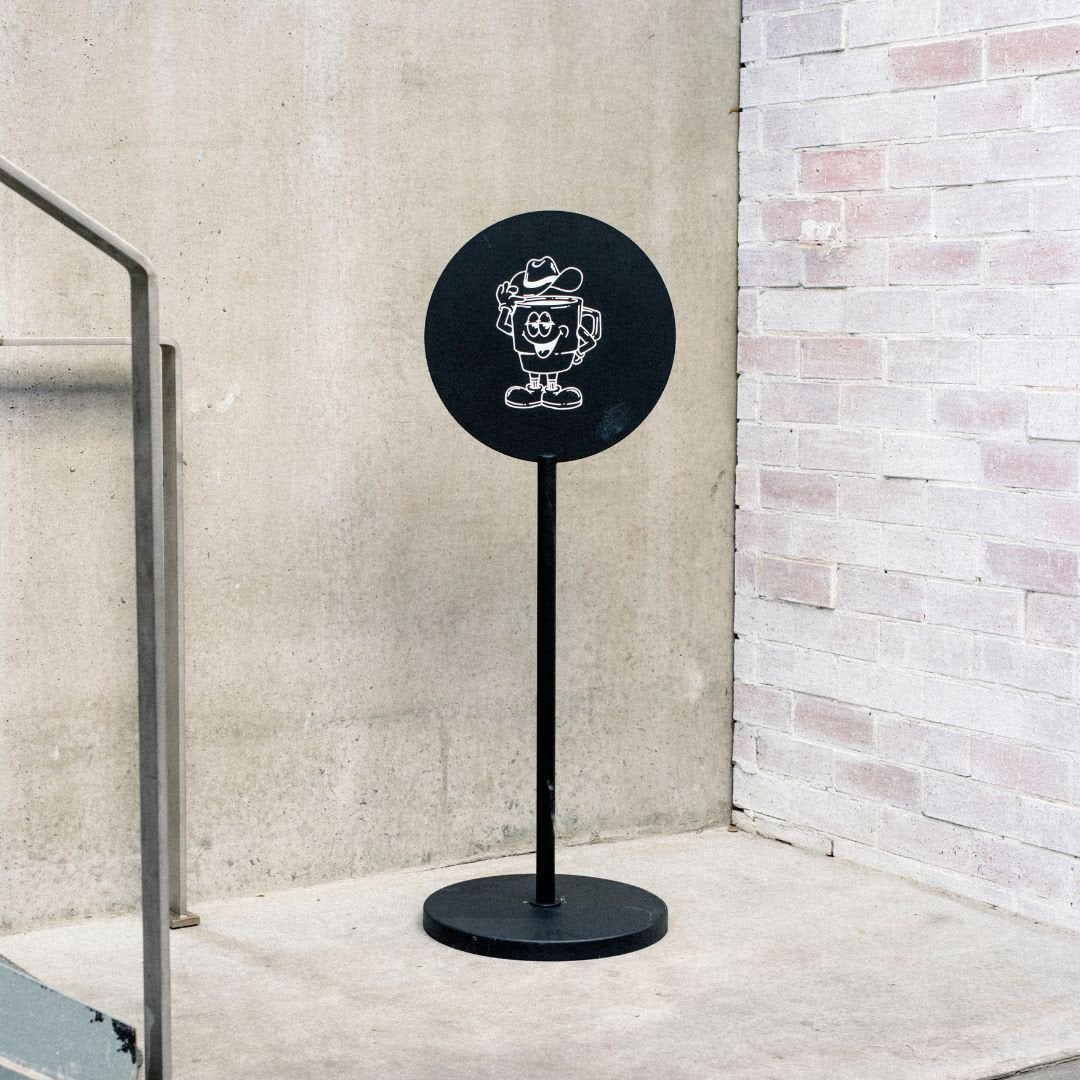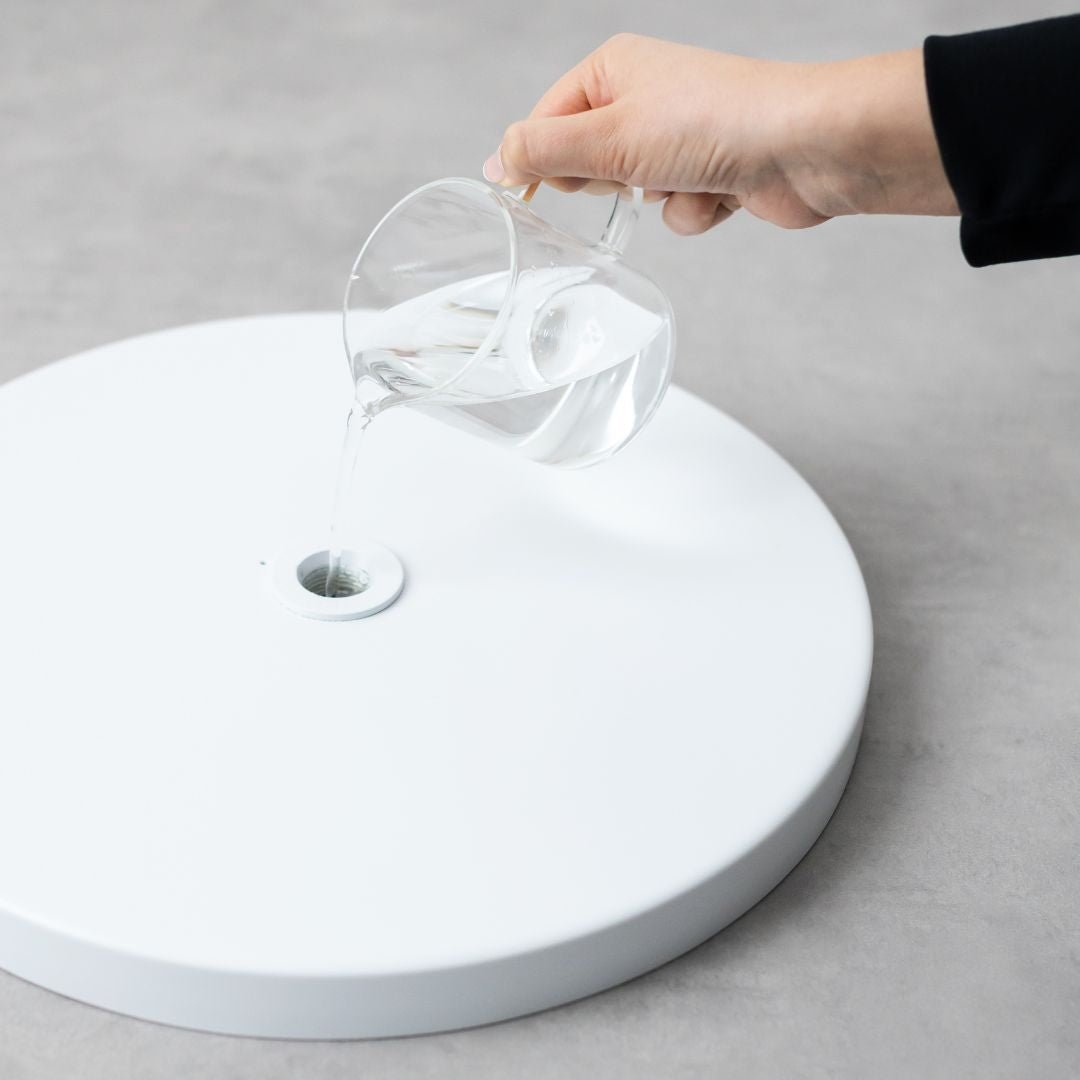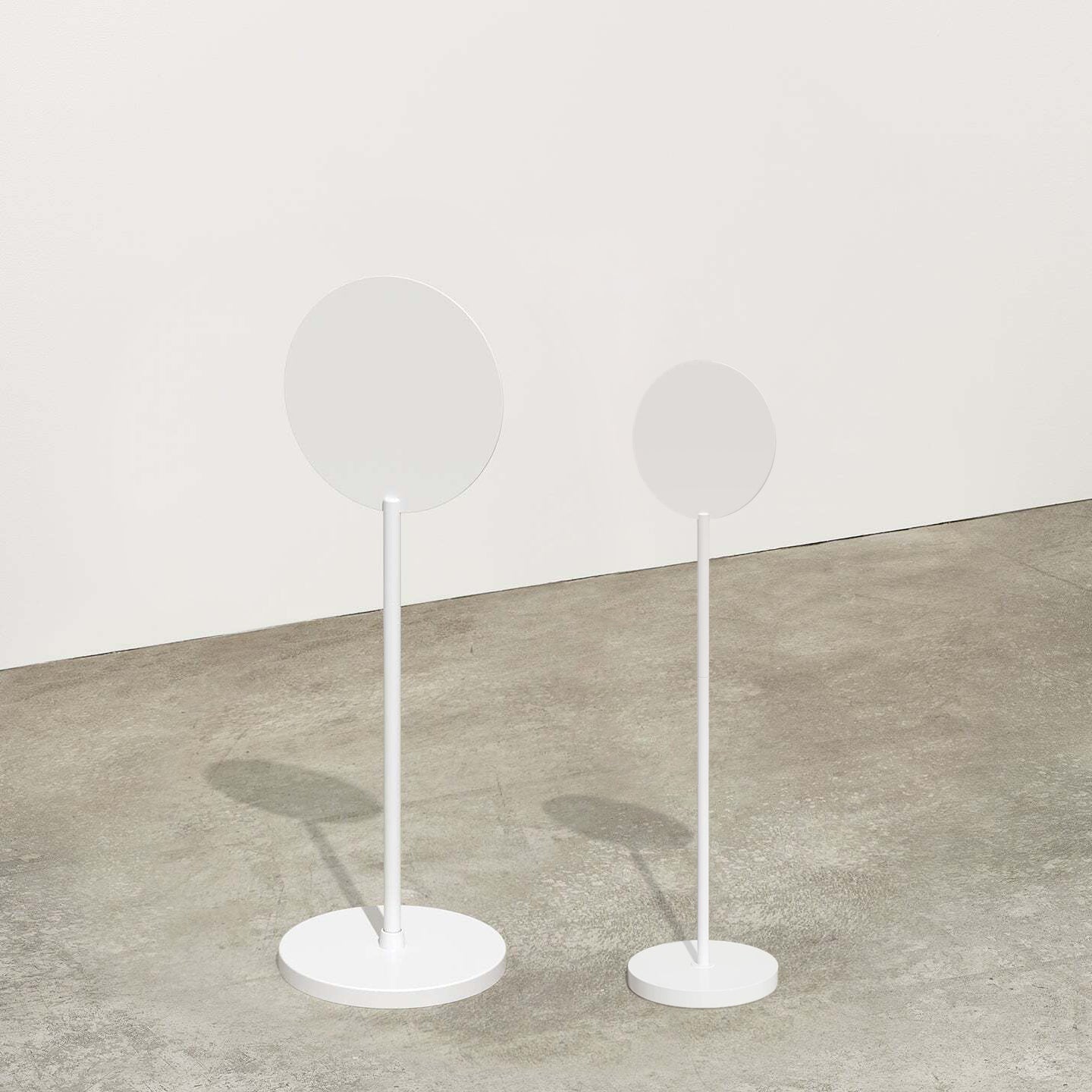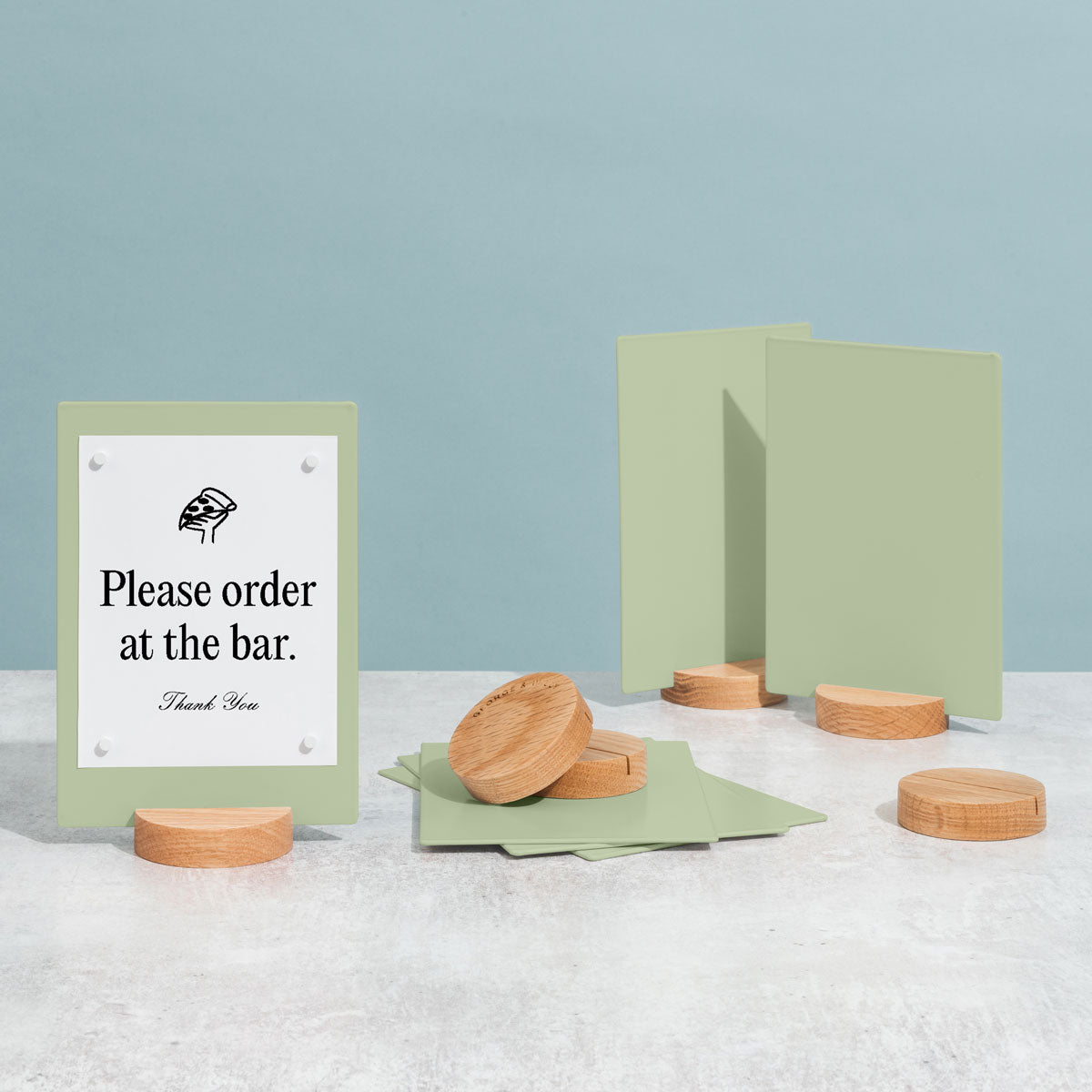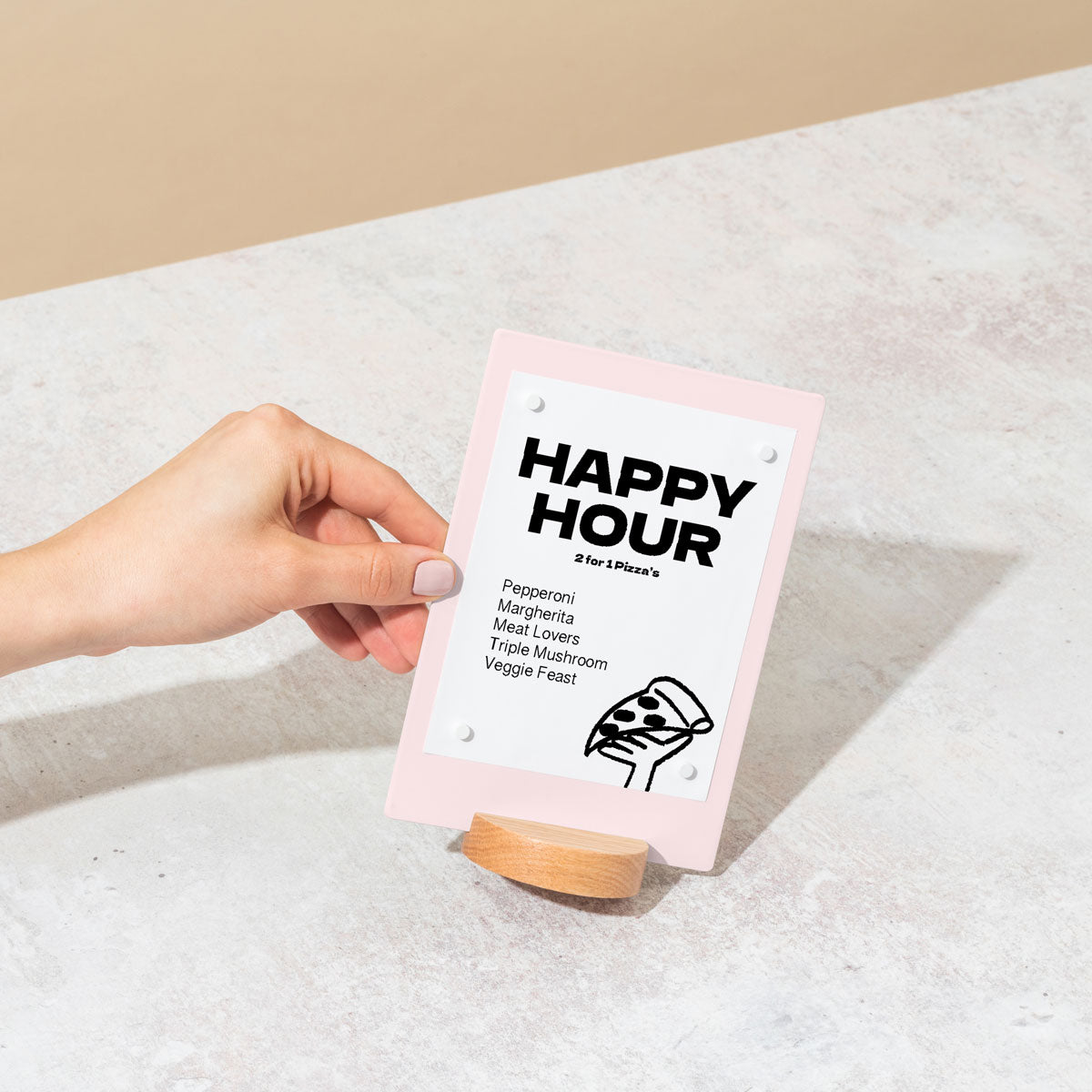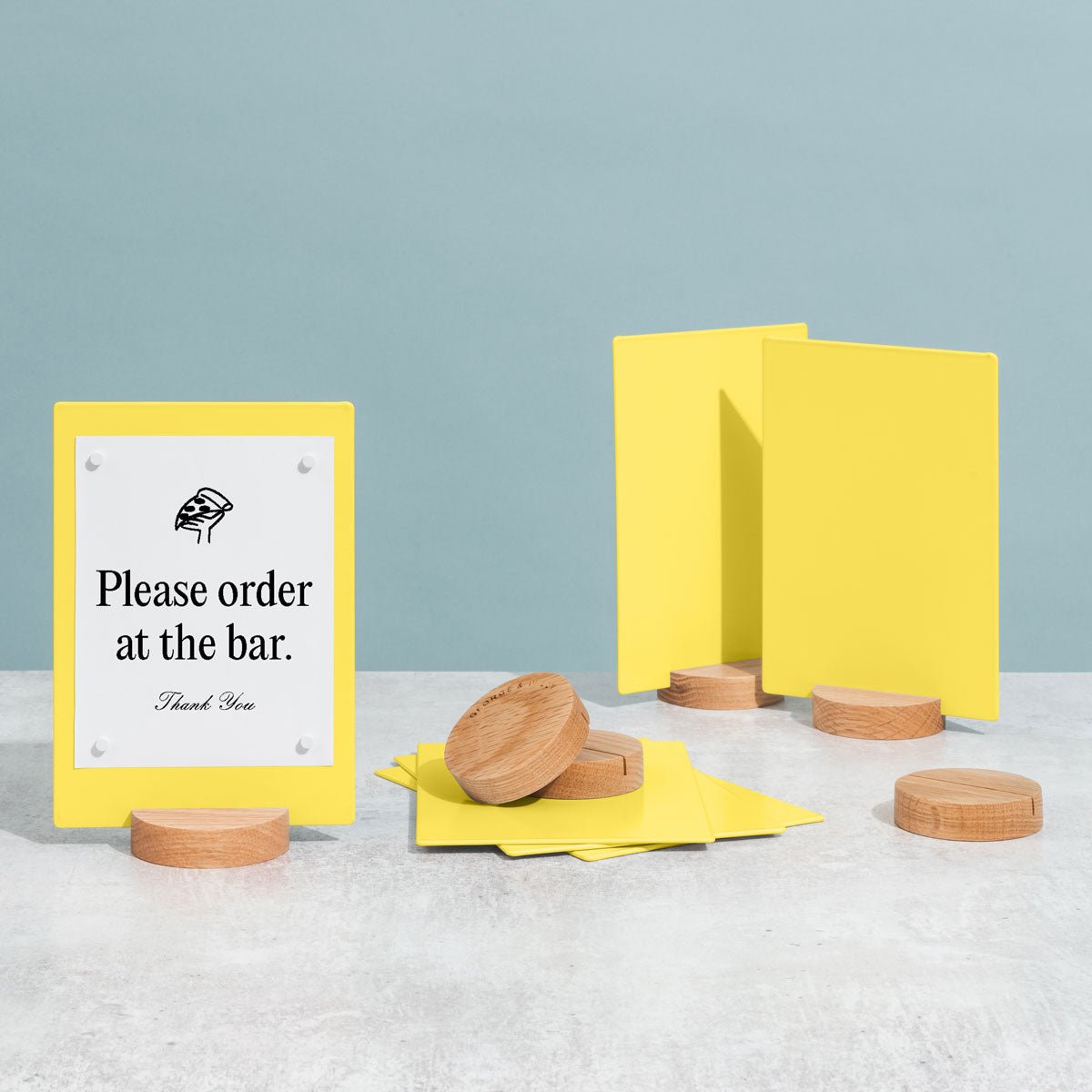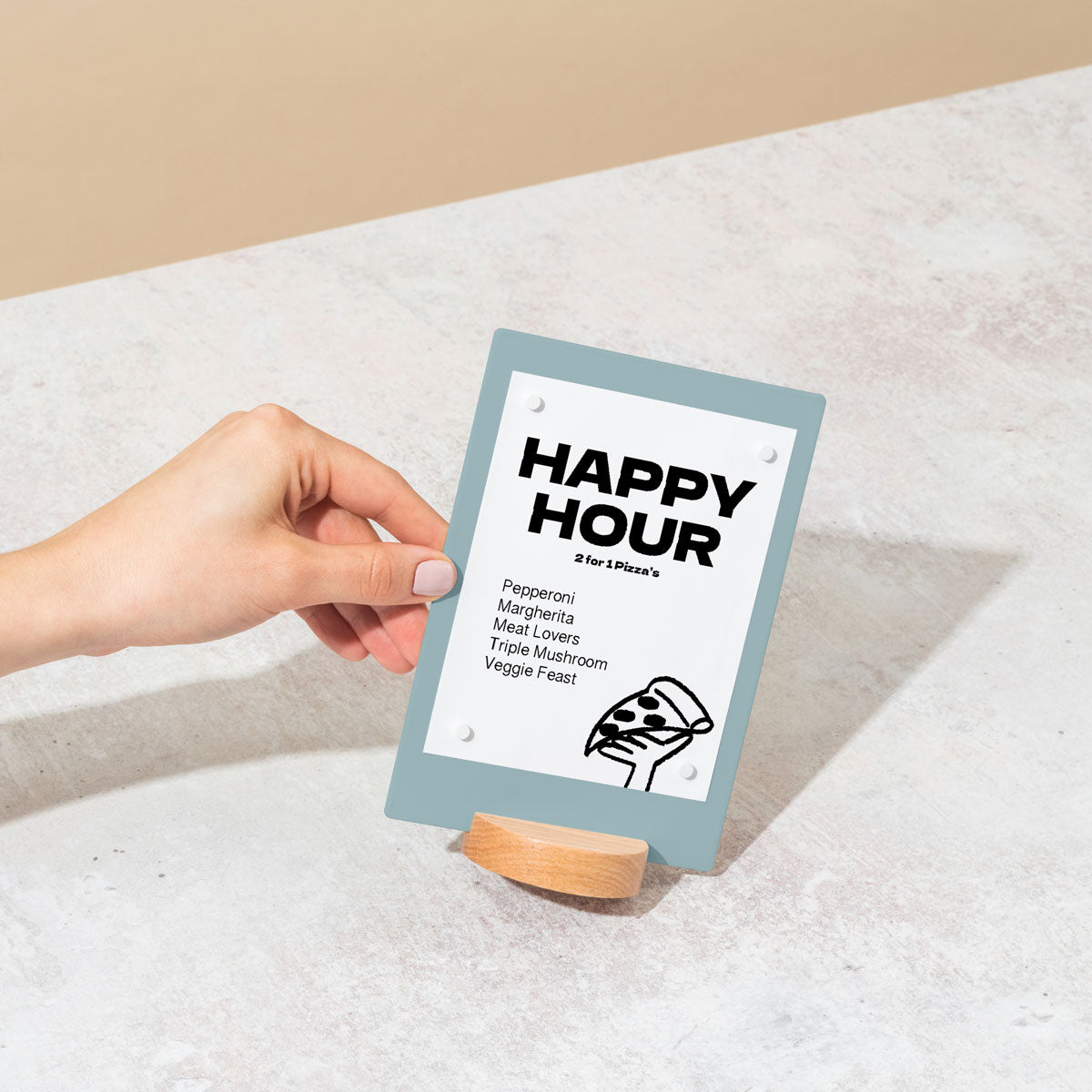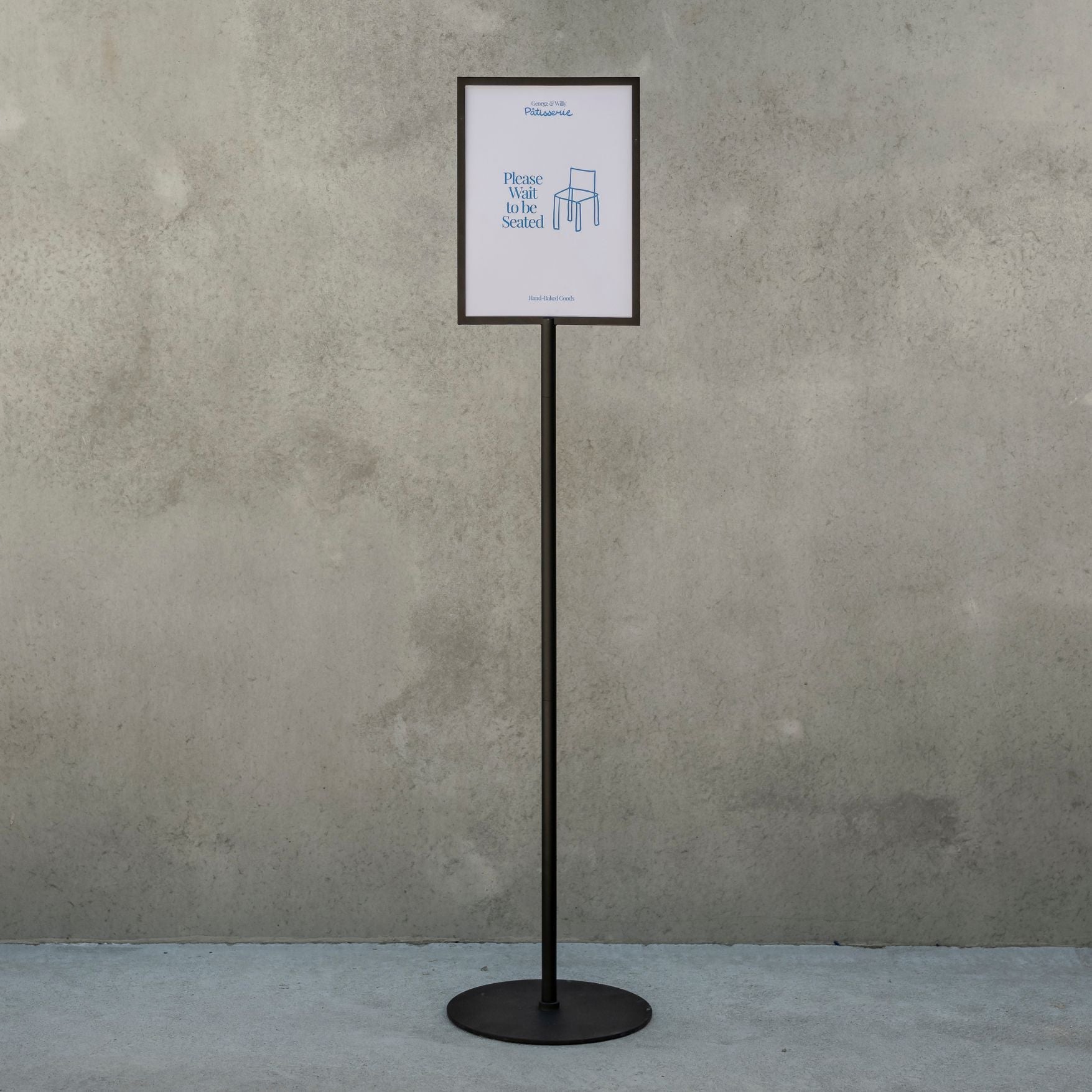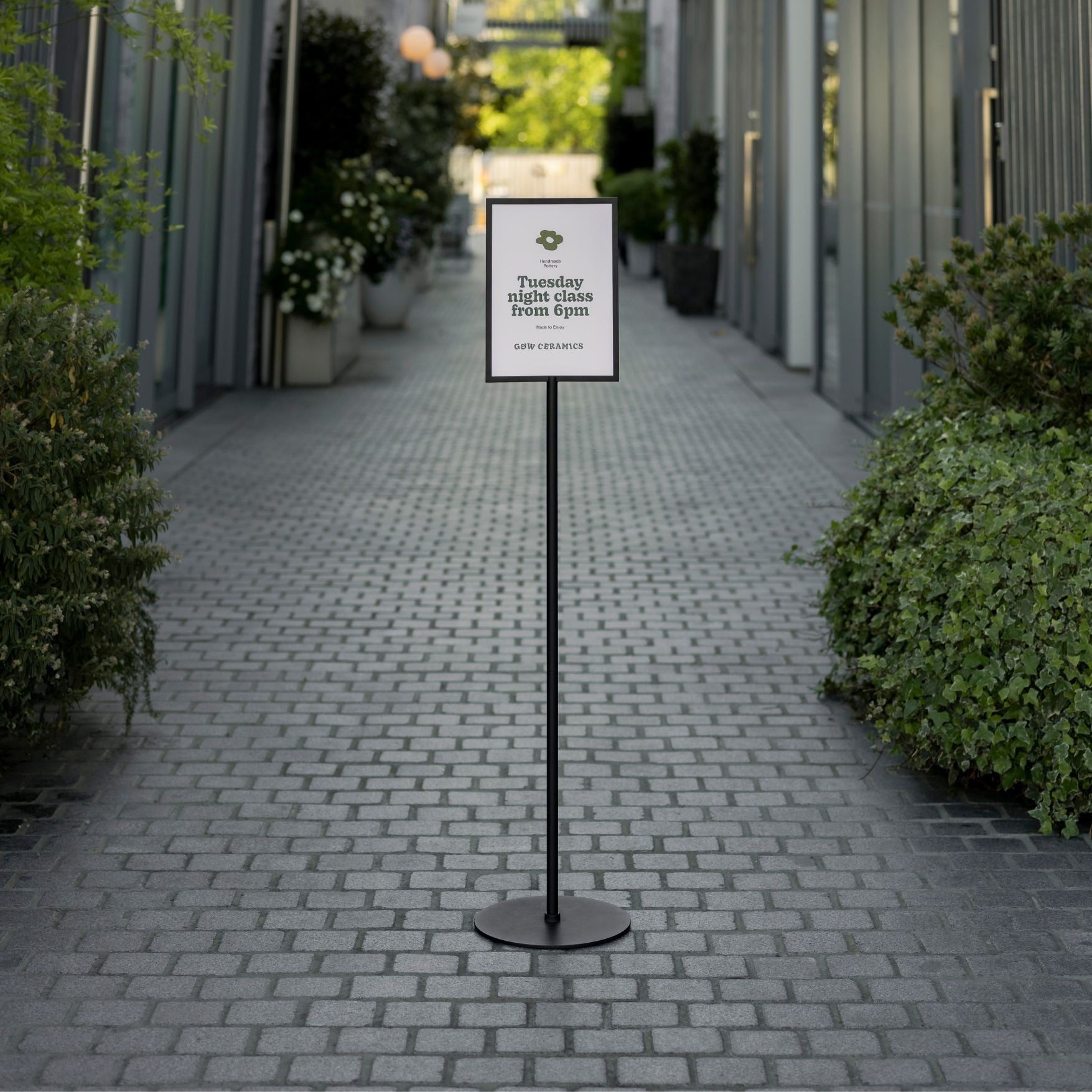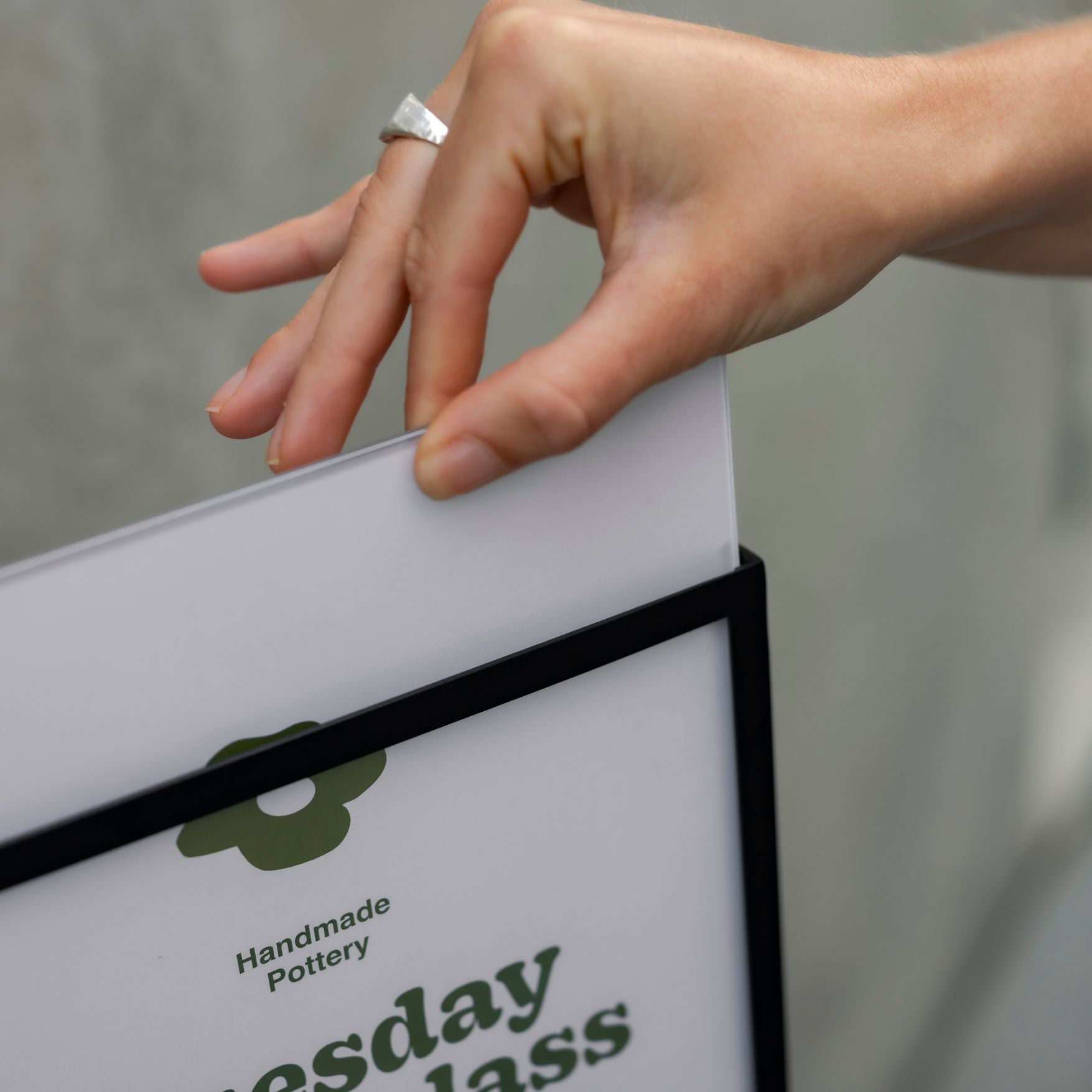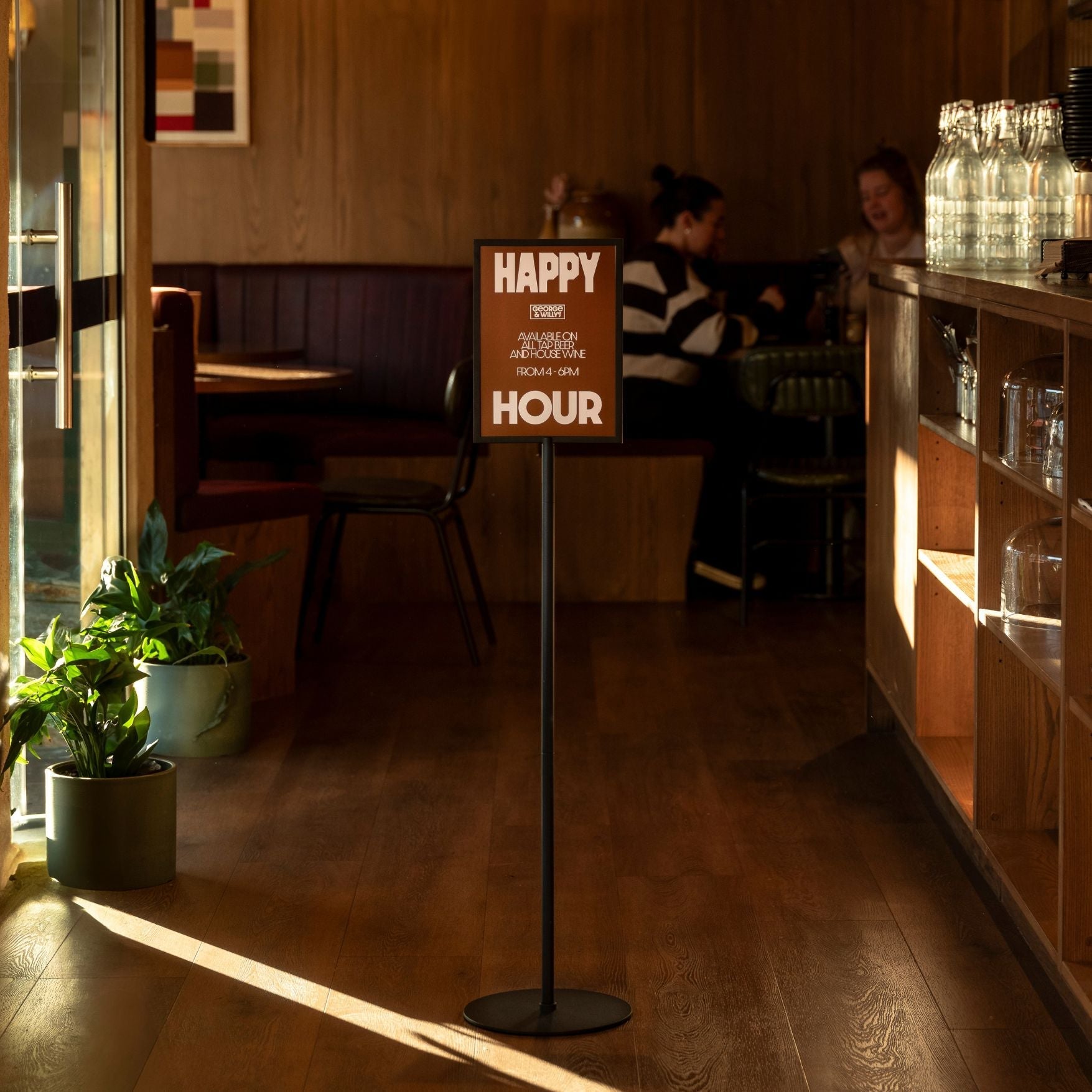


A great outdoor sign does more than just point the way. It’s the first handshake, a silent welcome that speaks volumes about your brand before a customer even steps inside. But creating effective personalized signs for outdoors involves more than a catchy design. The secret to a sign that looks fantastic for years is choosing the right materials from the very beginning. This guide will walk you through everything you need to know, from the sign board itself to the finishing touches, so you can make an informed decision and a lasting investment.
Choosing the Right Foundation: Outdoor Sign Material Selection
Selecting the material for your outdoor sign is the most critical decision you’ll make. This choice directly impacts your sign’s lifespan, appearance, and how well it stands up to Mother Nature. The key is to find the perfect balance between weather resistance, durability, aesthetics, and your budget.
Factoring in Your Local Climate
Where your sign will live plays a huge role in material selection. A sign in a sunny, desert climate faces different challenges than one in a rainy, coastal town.
-
Sunny and Hot Climates: Intense UV exposure can cause colors to fade and certain plastics to become brittle or warp. Materials like aluminum or specialized composites with UV protective coatings are essential to prevent this damage.
-
Wet or Humid Climates: Constant moisture requires waterproof materials that will not swell, rot, or delaminate. Powder coated metals and solid plastics are excellent choices here.
-
Coastal Areas: The salty air in coastal regions can quickly corrode unprotected metals. Prioritize rust‑proof options like aluminum and stainless steel for any personalized signs for outdoors near the sea. For storefronts, consider corrosion‑resistant aluminum options like the signs in our outdoor signage collection.
-
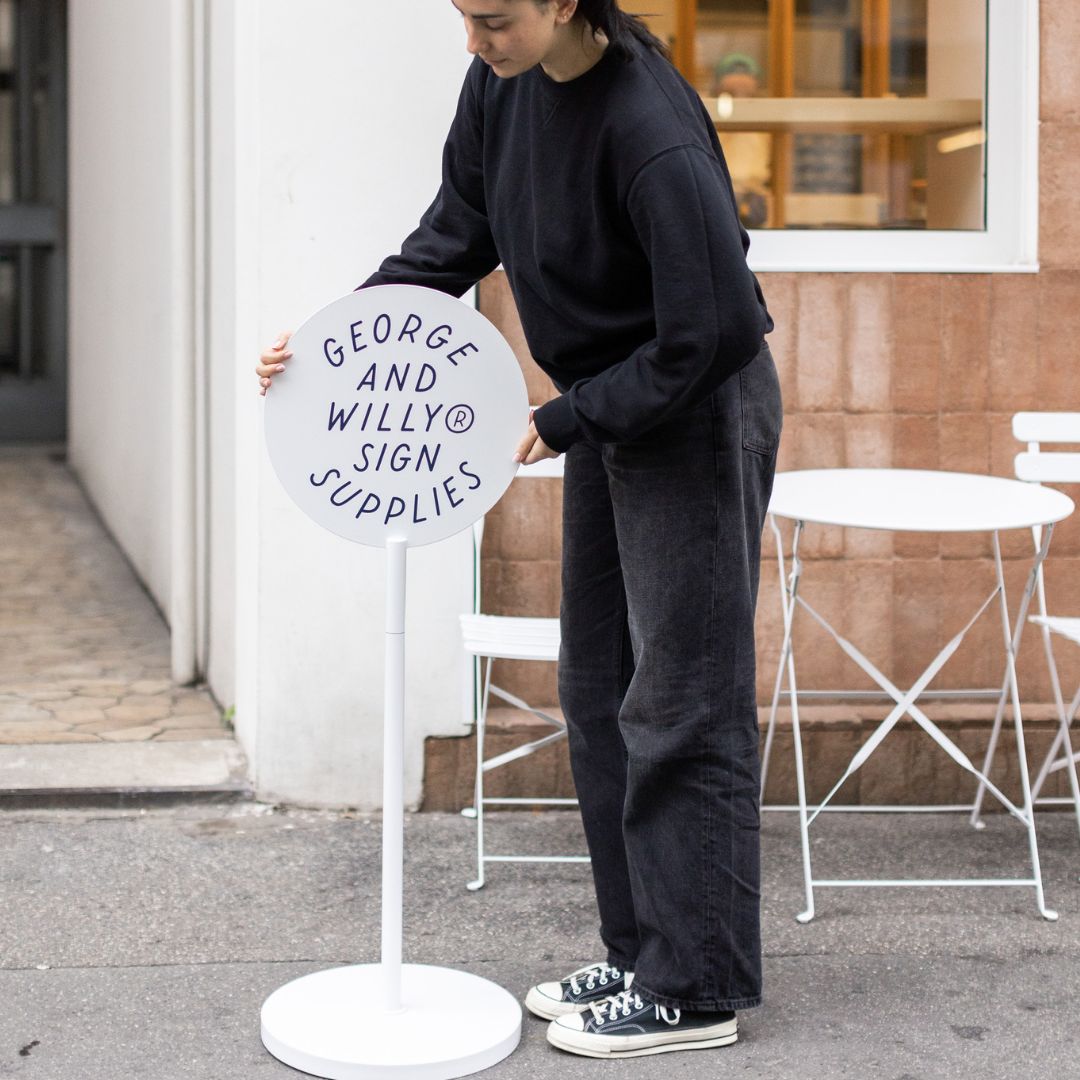
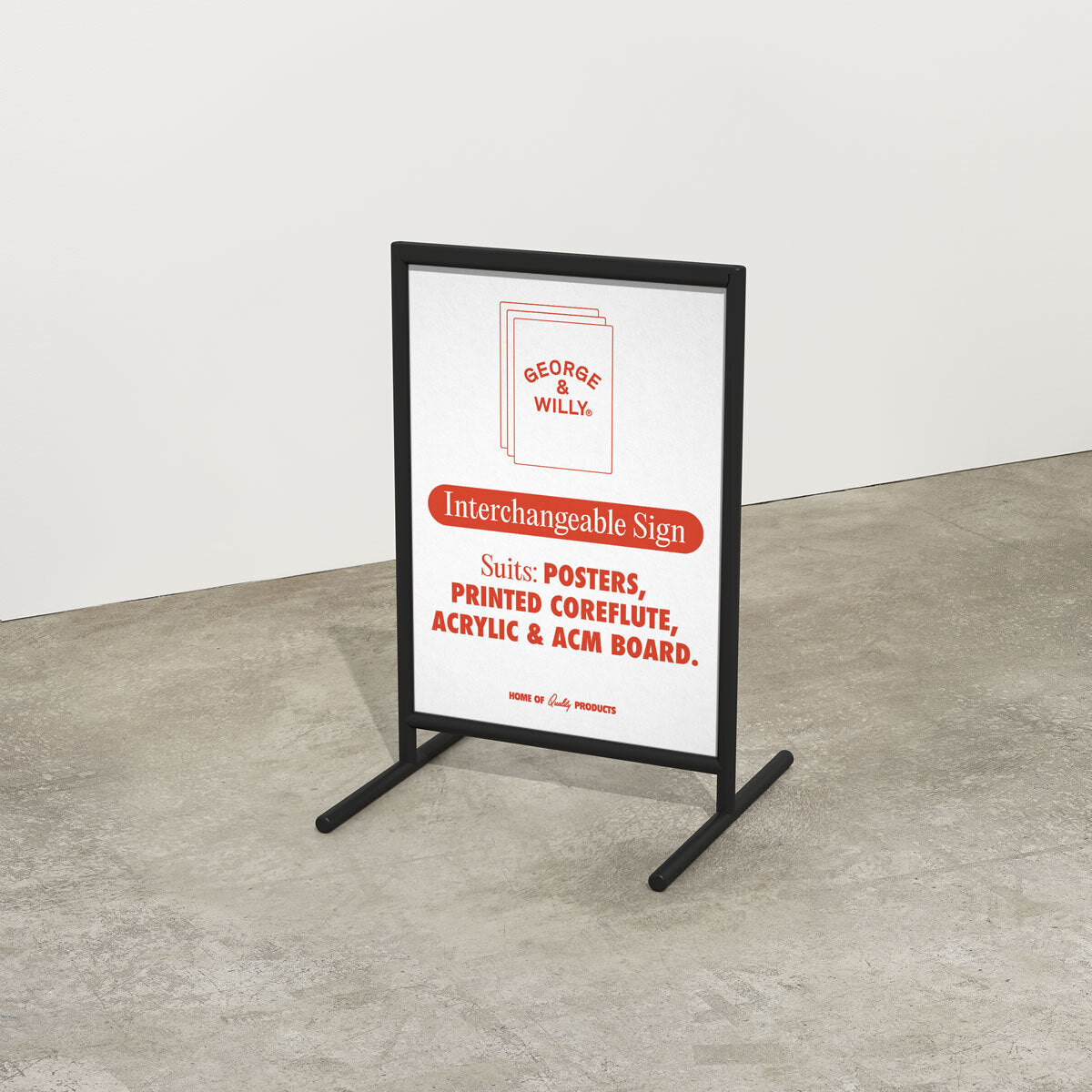
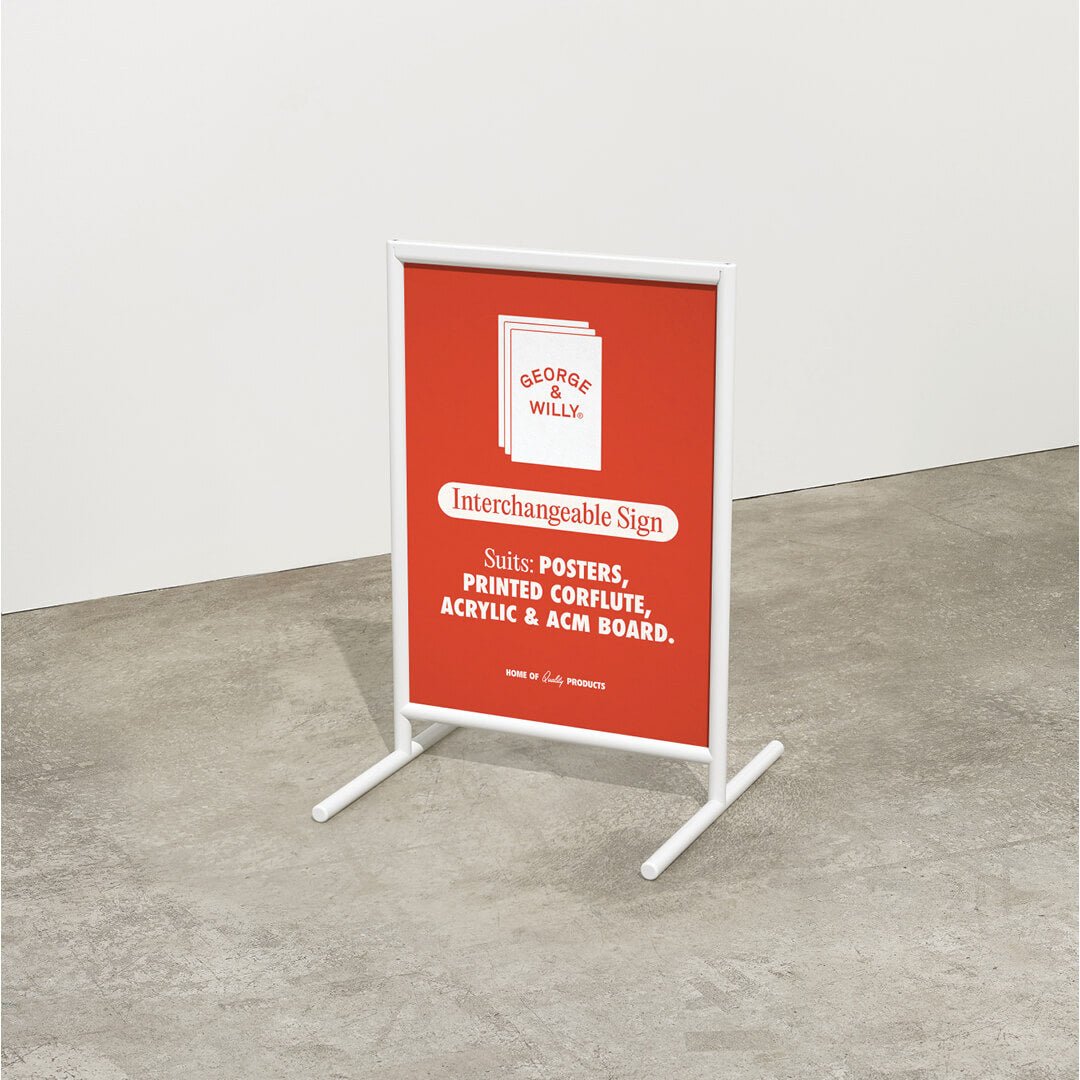
Windy Locations: For signs exposed to high winds, material thickness and strength are paramount. You’ll also need to consider a robust mounting method to ensure your sign stays put. A stable sidewalk option like the Sidewalk Sign is designed for visibility and stability in gusty conditions.
Investing in a higher grade material upfront, like a thick aluminum panel, often provides better long term value than a lower cost option that needs frequent replacement. Think of it as choosing the right tool for the job to ensure your personalized signs for outdoors make a great first impression for years to come.
A Breakdown of Popular Materials for Outdoor Signs
With climate in mind, let’s explore some of the most common materials used for personalized signs for outdoors.
Aluminum Composite Material (ACM): The Sturdy All Rounder
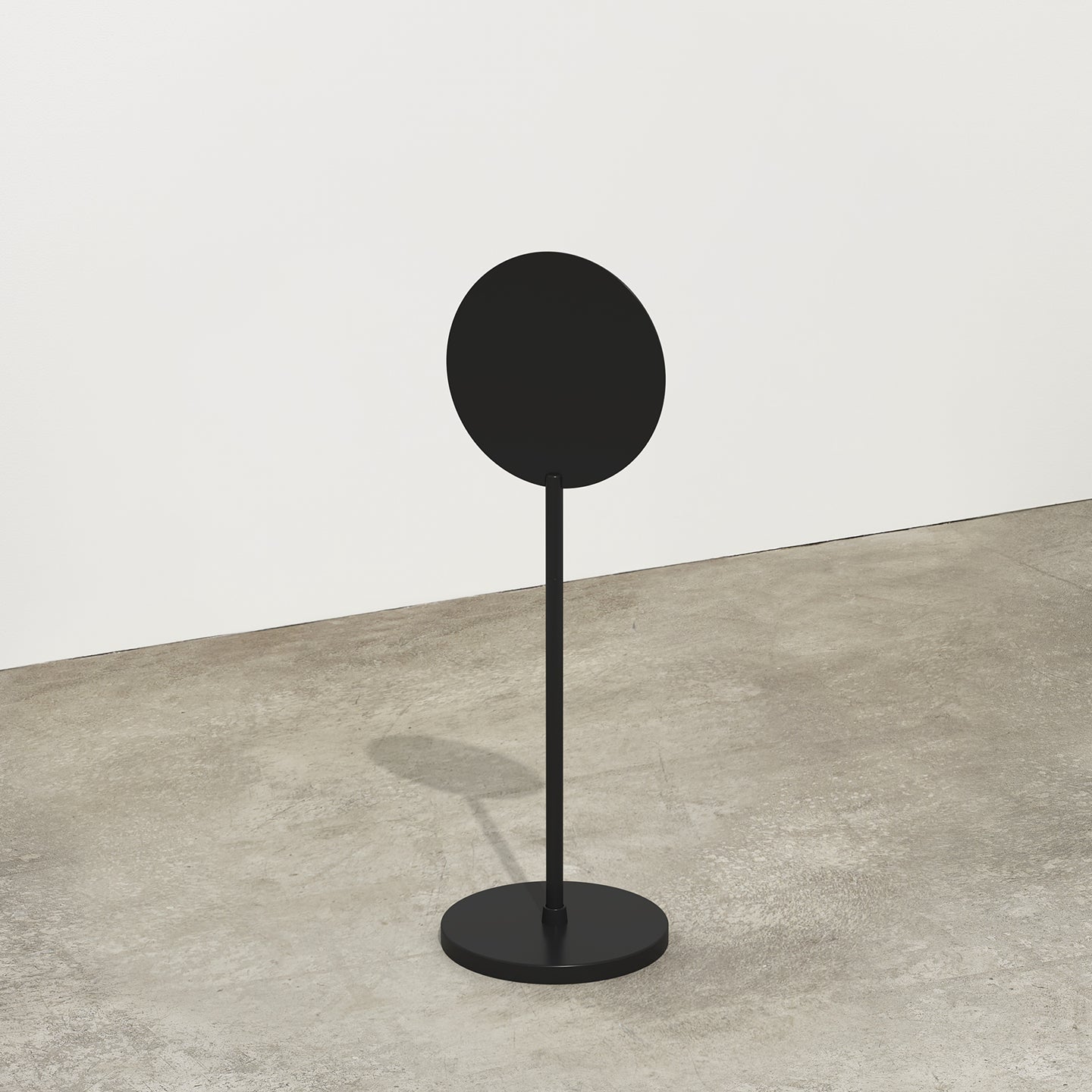
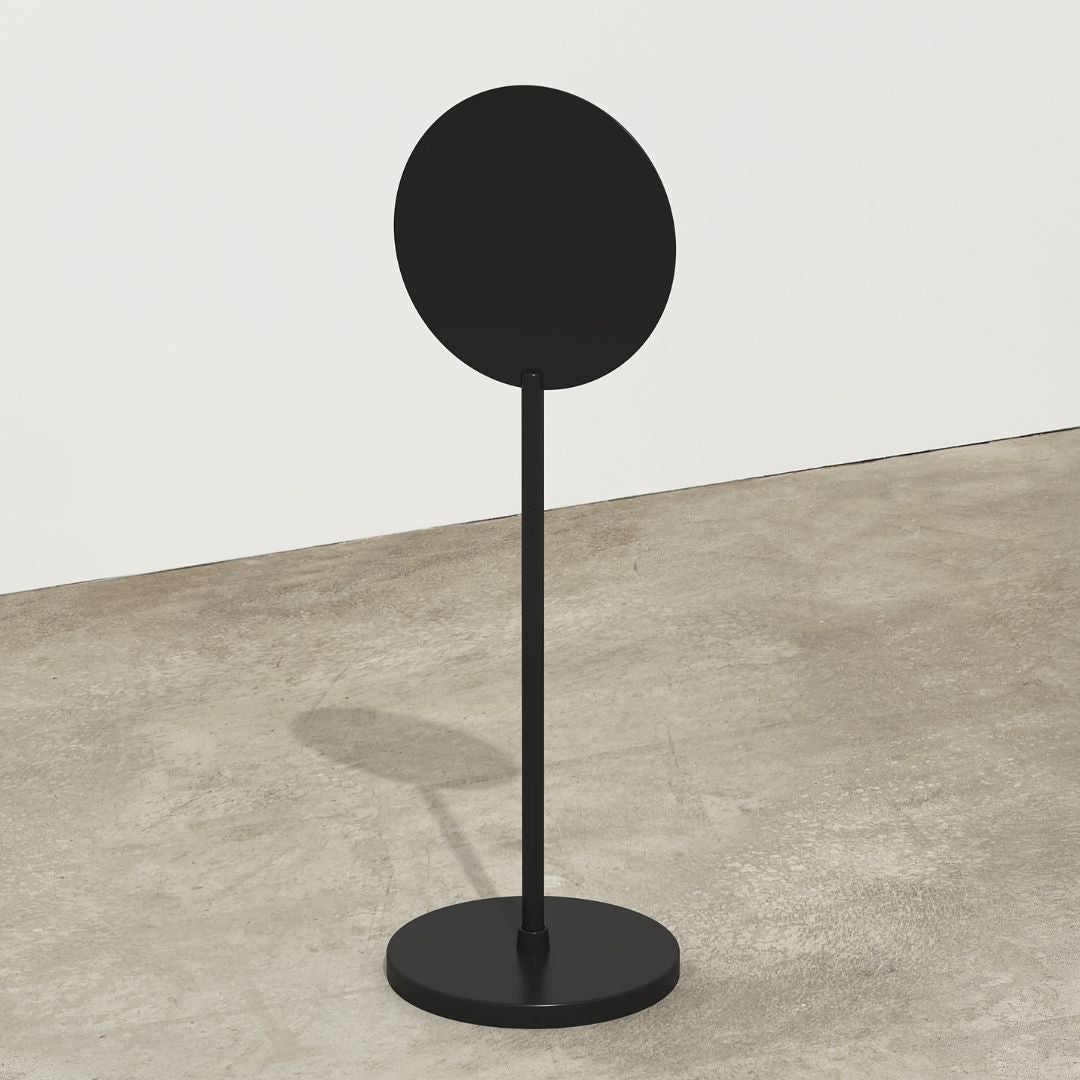
An Aluminum Composite Material sign, often called ACM, is a true industry workhorse. It features a solid polyethylene plastic core sandwiched between two thin sheets of aluminum. This construction makes it significantly lighter than solid aluminum (about half the weight) yet remarkably rigid and flat. ACM panels are a favorite for long term outdoor signage because they will not warp or rot, providing a perfectly smooth surface for printing or vinyl graphics. They easily endure extreme temperatures and moisture, making them a premium, reliable choice for everything from storefront signs to business park directories. For a minimal, durable storefront presence, consider a complementary freestanding option like the Standing Sign.
Corrugated Plastic: The Lightweight Champion for Short Term Use
You’ve definitely seen corrugated plastic signs, commonly known by the brand name Coroplast. Made from fluted polypropylene, this material is essentially a plastic version of cardboard. It’s incredibly lightweight, waterproof, and very cost effective, which makes it the go to option for temporary signage. Think real estate signs, event directions, or political campaign signs. While a corrugated plastic sign can tolerate the elements for a while, it’s considered a short term solution. Expect it to last around one to two years outdoors before UV exposure causes the plastic to become brittle or the colors to fade.
High Density Polyethylene (HDPE): The Indestructible Option
For maximum durability, it’s hard to beat a High Density Polyethylene sign. HDPE is a tough, solid plastic known for its exceptional resilience in harsh environments. These signs will not rot, splinter, or delaminate. They are completely waterproof and UV resistant, standing up to rain, snow, and sun with minimal wear. Because the color is embedded in the material itself, engraved letters and designs will never peel or need repainting. This makes HDPE a fantastic choice for parks, trails, and any outdoor setting where you need a sign that you can essentially install and forget about.
PVC Sign Boards: A Word of Caution for Outdoor Use
A PVC sign board is made from a lightweight, rigid plastic foam. Its smooth matte surface is excellent for printing, making it a popular choice for indoor retail displays and exhibits. While PVC is waterproof and won’t rot, it has a significant weakness outdoors: it’s not stable under intense, direct sunlight. The heat can cause the board to expand and contract, leading to warping and distortion over time. For this reason, PVC signs are best reserved for temporary outdoor events or in completely shaded locations. If you need a permanent sign, there are far more durable materials available.
Bringing Your Design to Life: Graphics and Finishes
Once you’ve chosen your base material, the next step is applying your unique design. The quality of the graphics is just as important as the sign board for creating beautiful, long lasting personalized signs for outdoors.
UV Printing: Crisp Graphics That Last
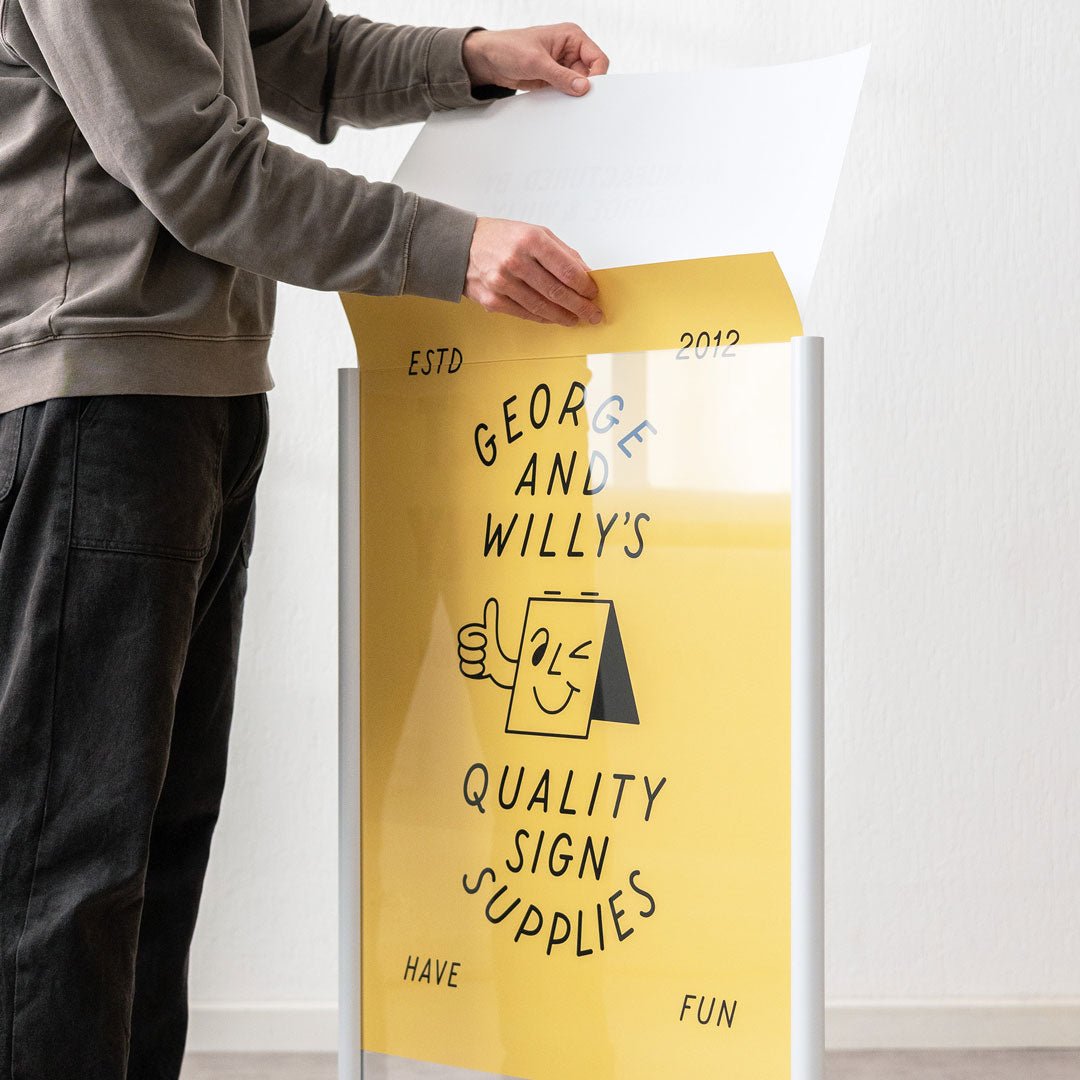
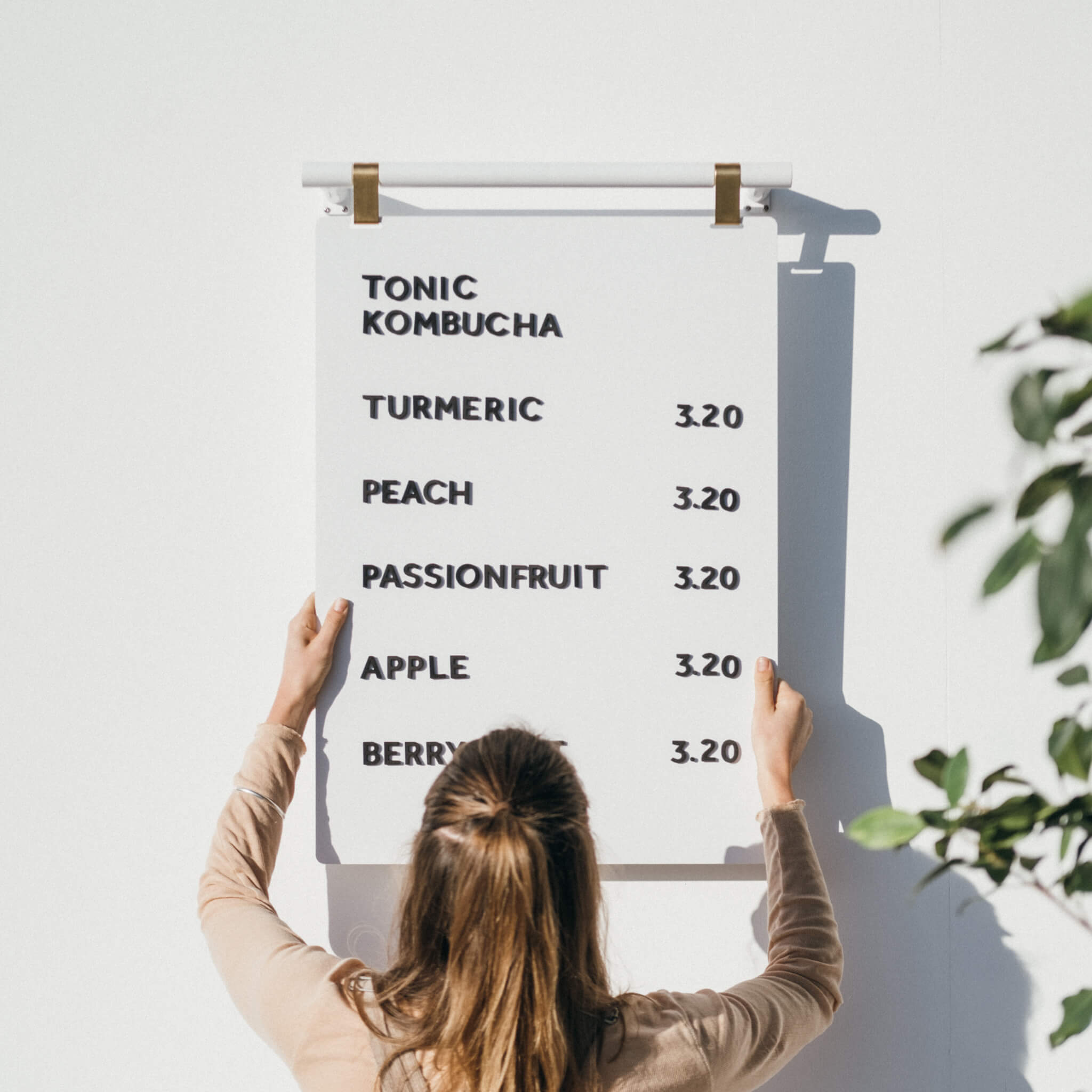
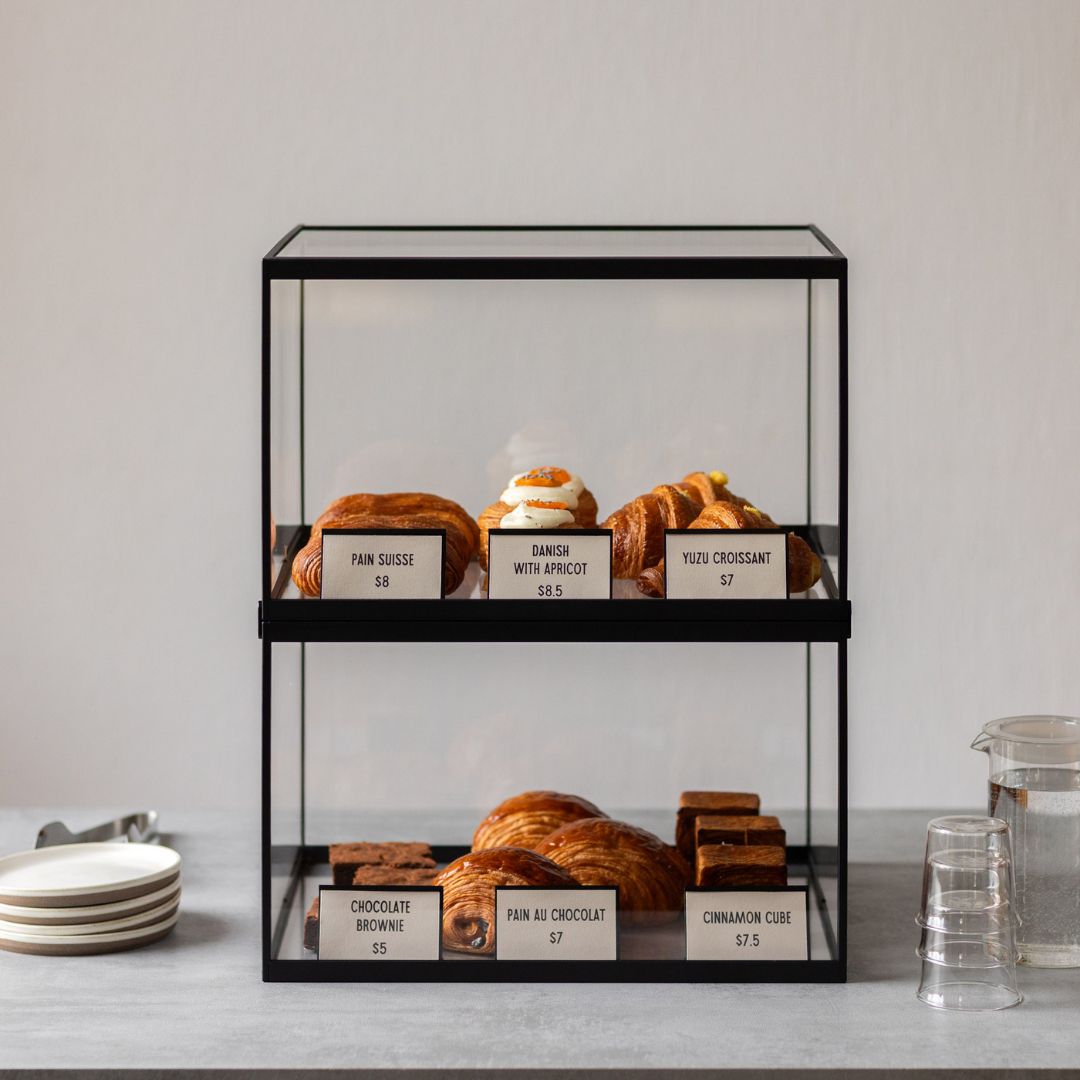
UV printing is a modern digital technique where special inks are applied to a sign and instantly cured with ultraviolet light. This process creates a durable, weather resistant layer of ink that adheres strongly to a wide variety of materials, from aluminum to wood. UV cured inks are formulated to resist fading from sunlight, keeping your sign’s colors vibrant for years. This method produces high resolution images that can often withstand rain and sun without needing any extra protection. At entrances, pairing your printed panel with a portable Menu Stand makes updates easy and keeps information at eye level.
Understanding Vinyl Graphics for Your Sign
Applying vinyl graphics is another popular way to create personalized signs for outdoors. However, not all vinyl is the same. The type you choose will dramatically affect how long your design lasts.
Cast Vinyl: The Premium, Long Term Choice
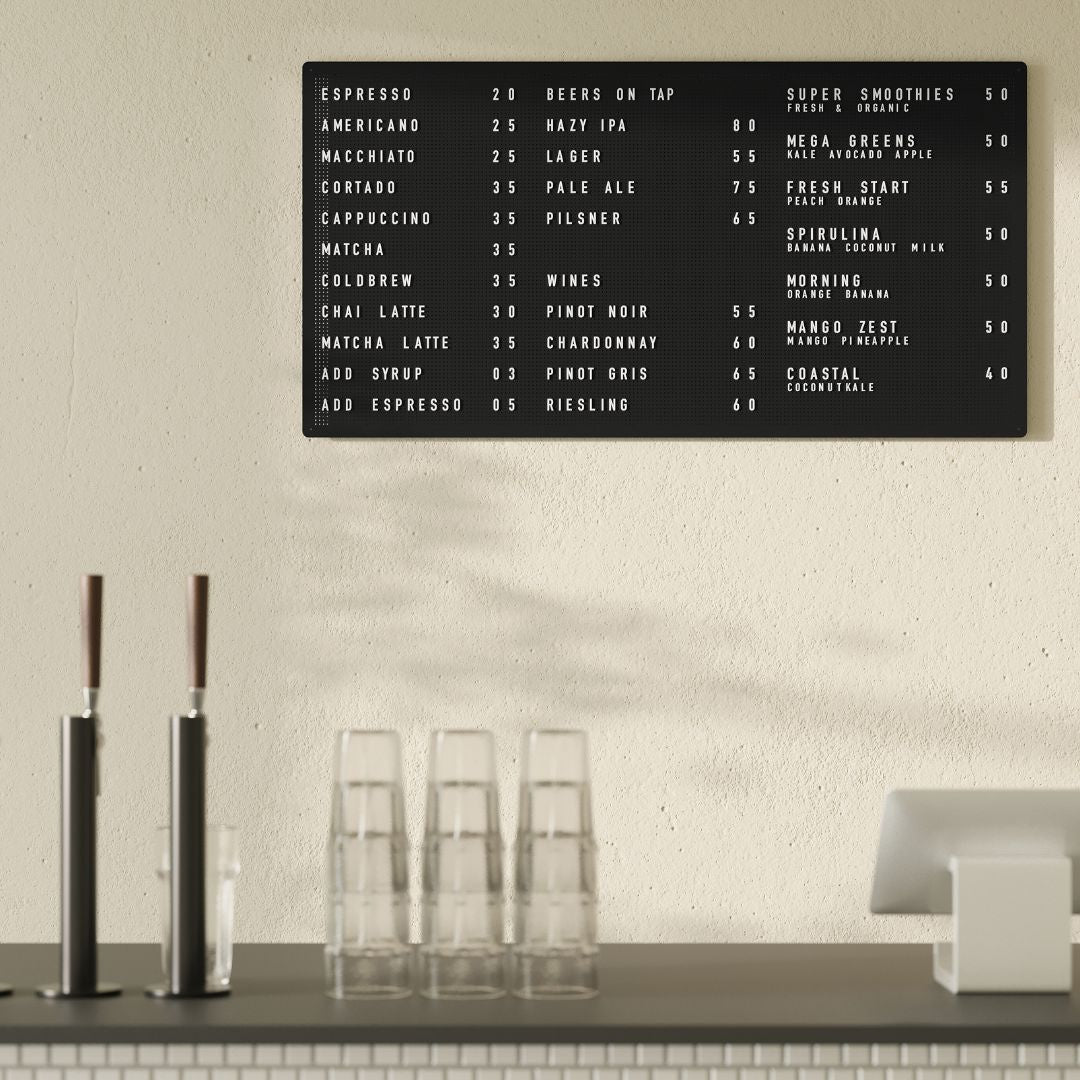
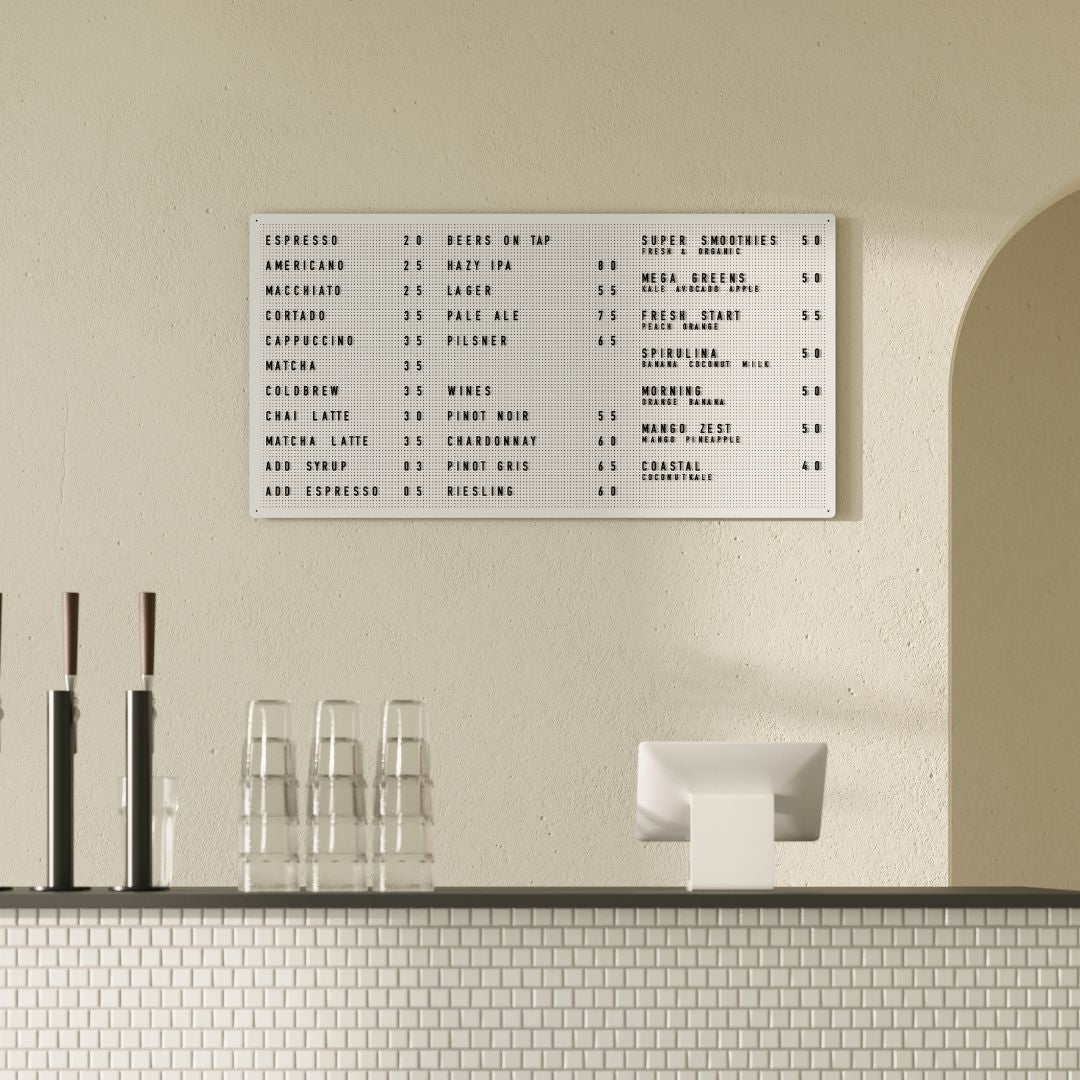
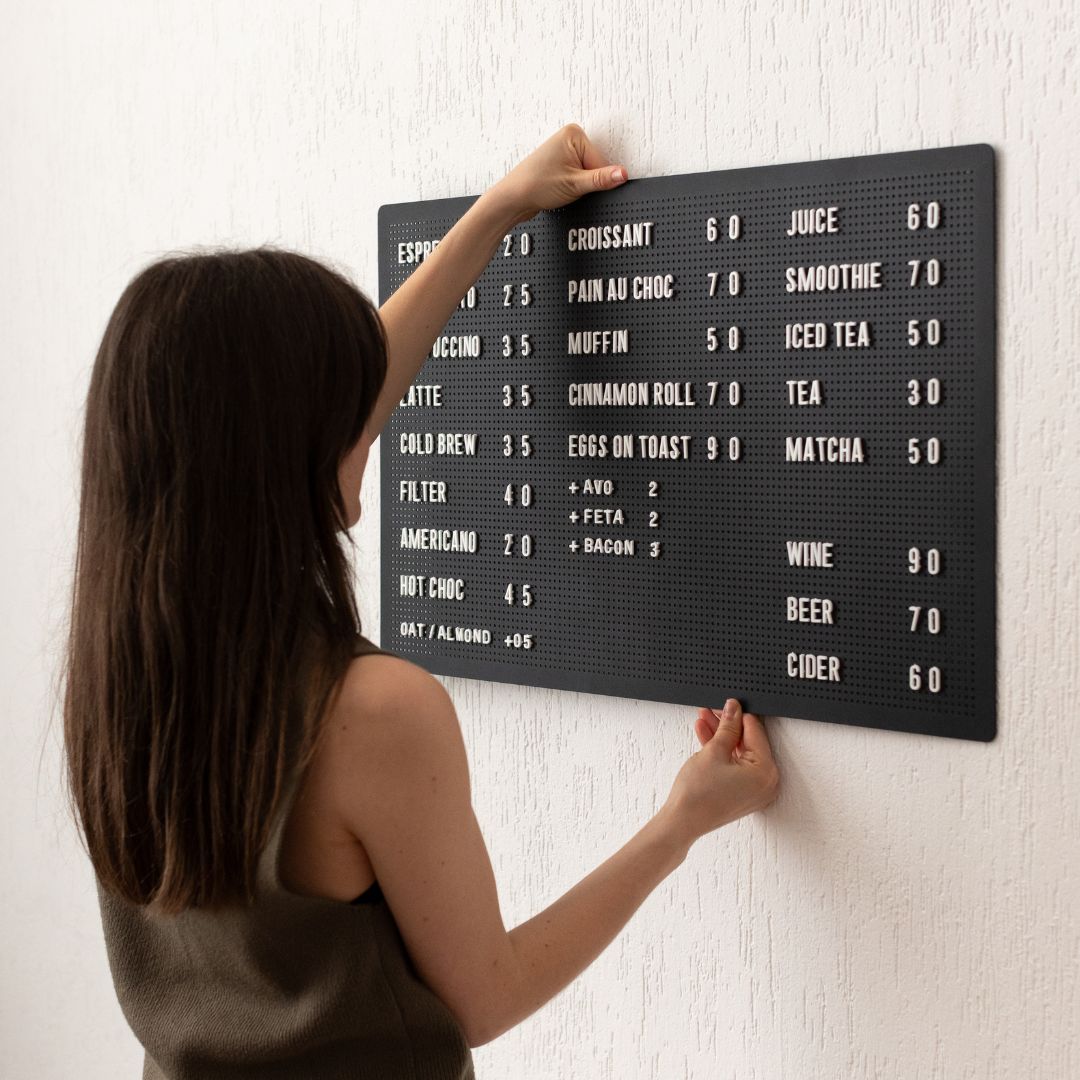
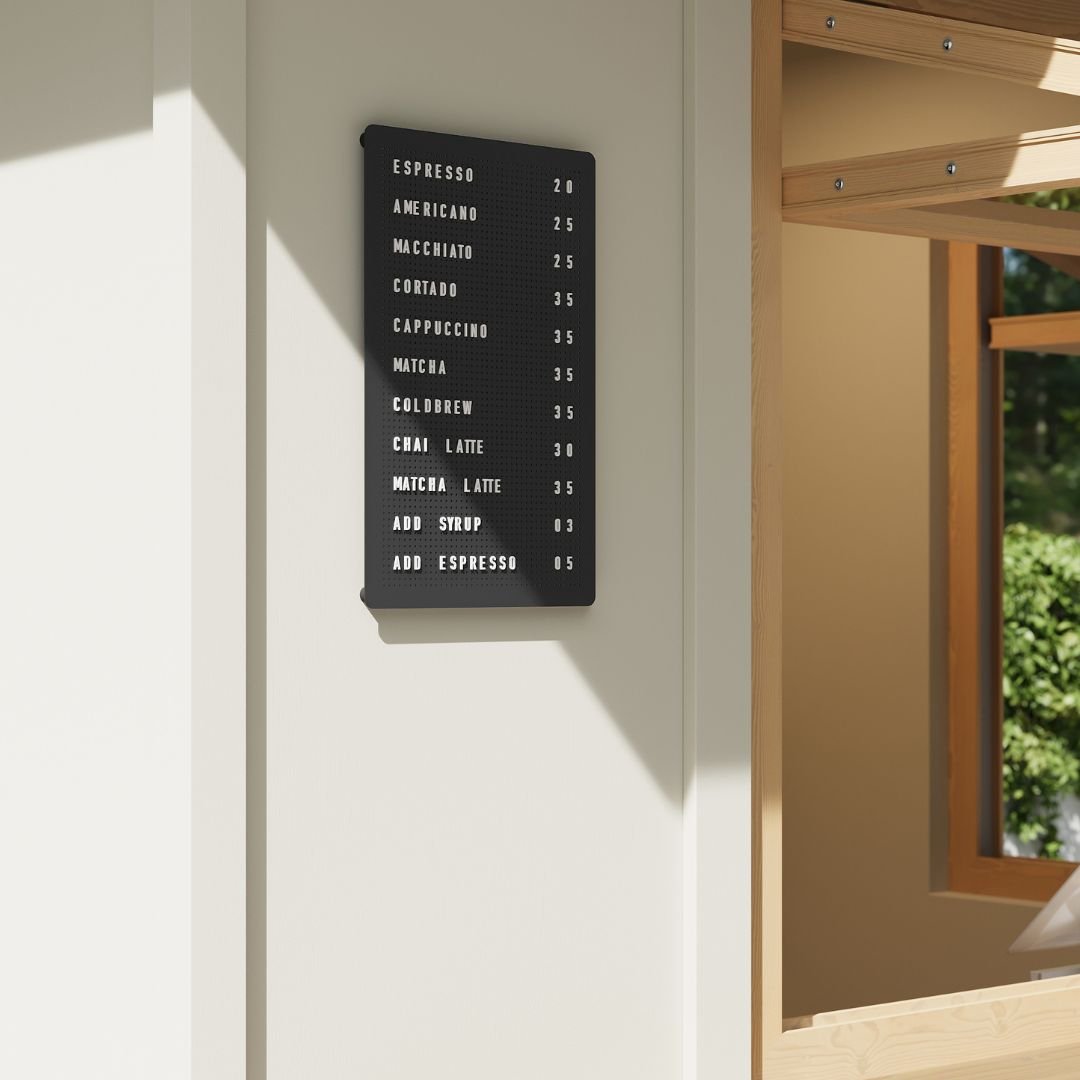
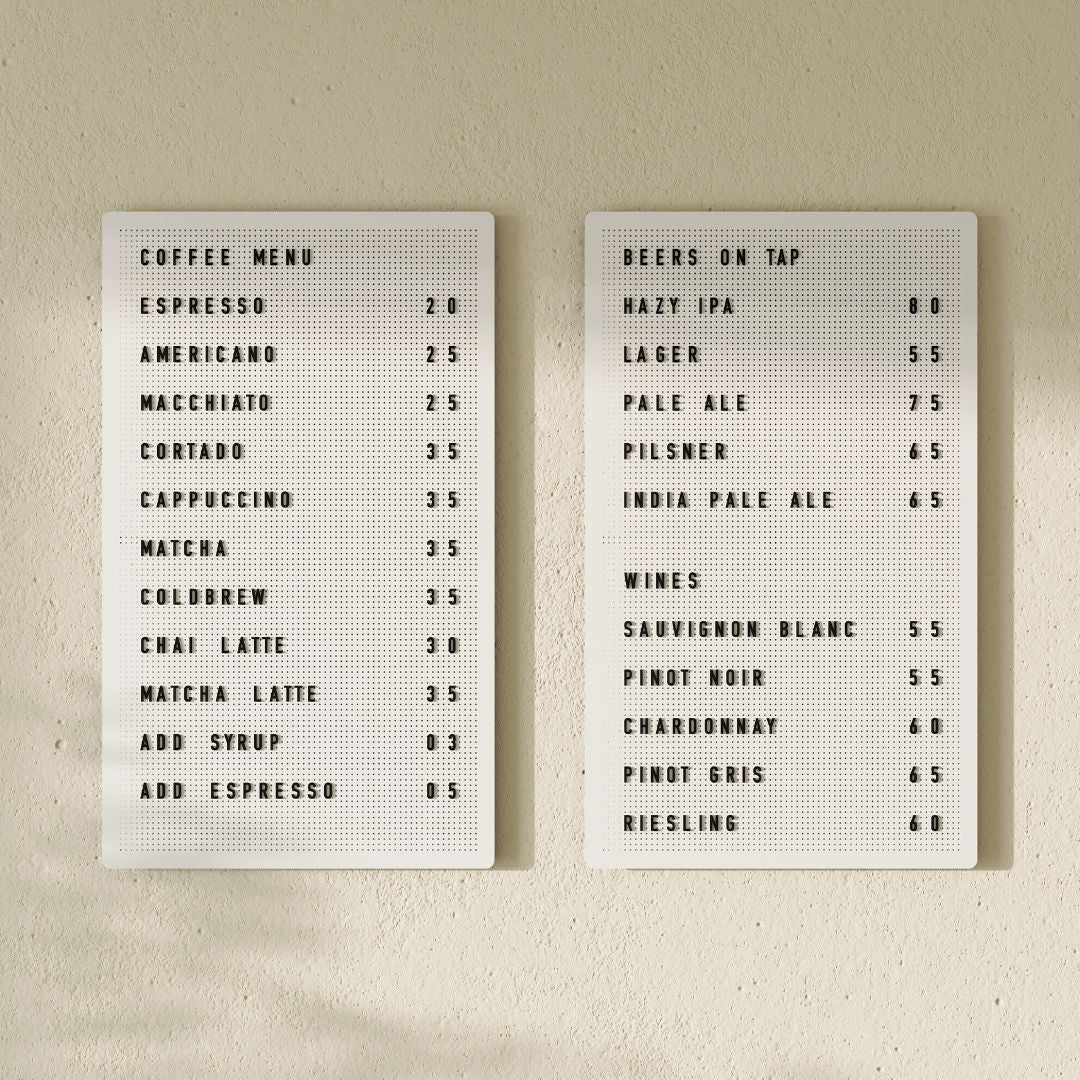
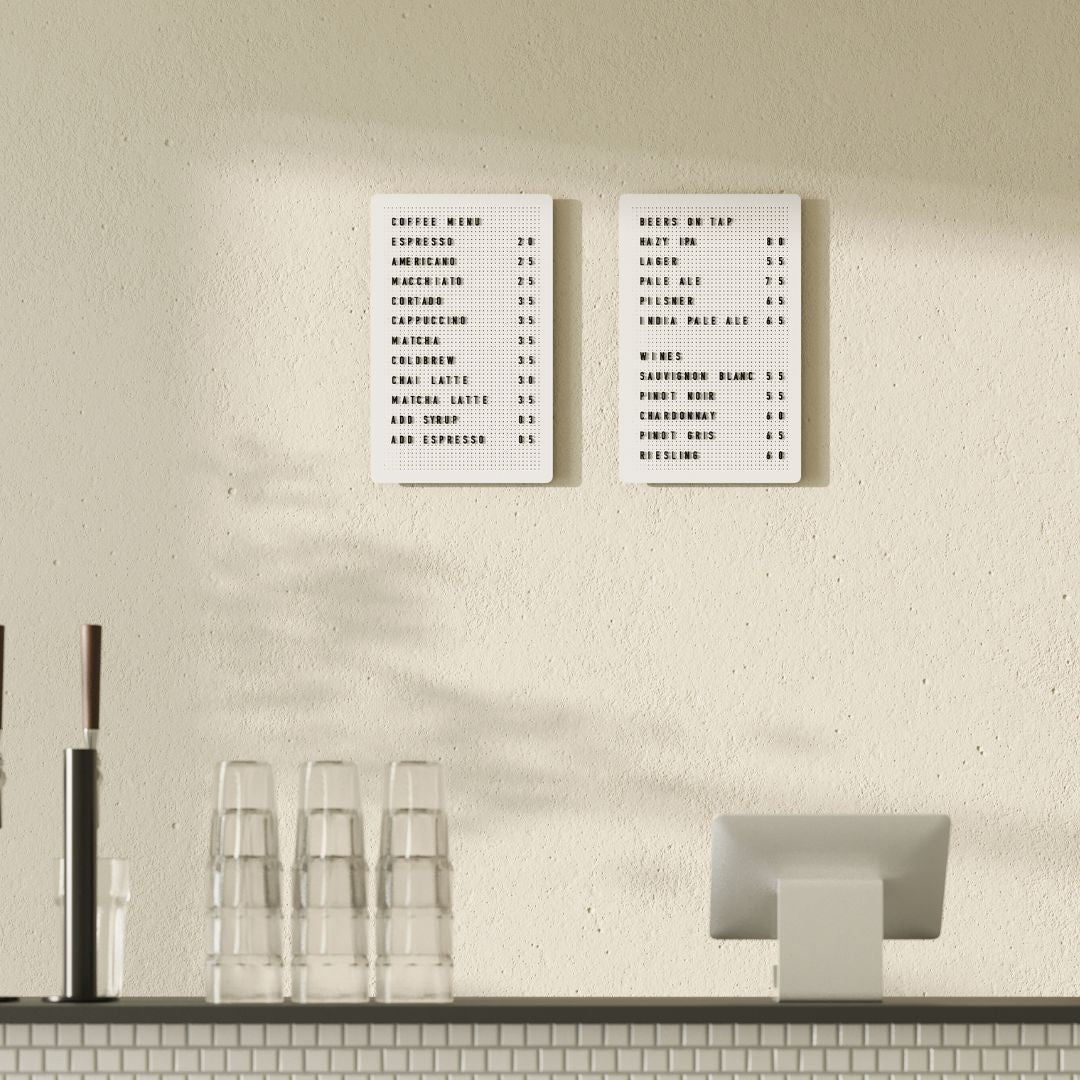
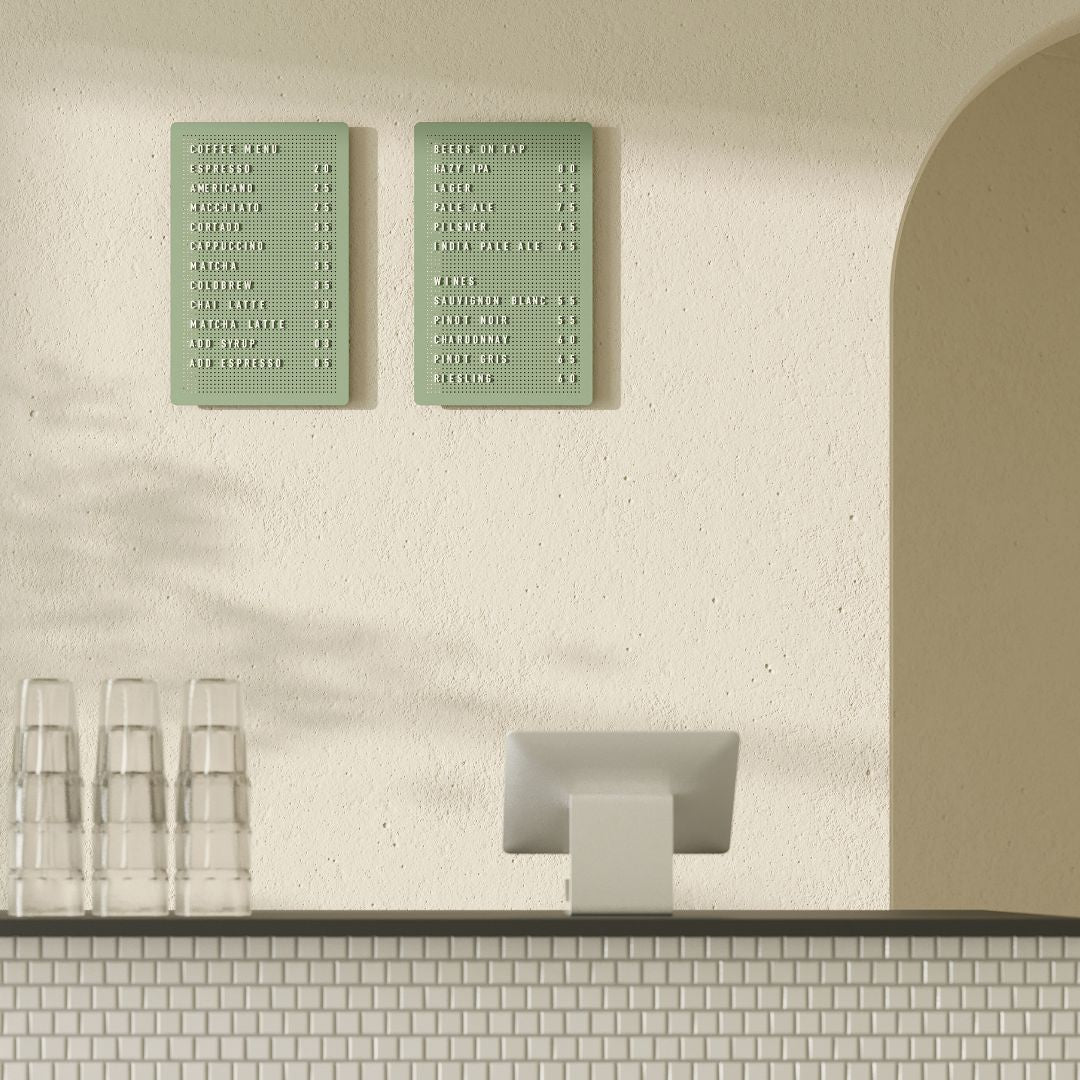
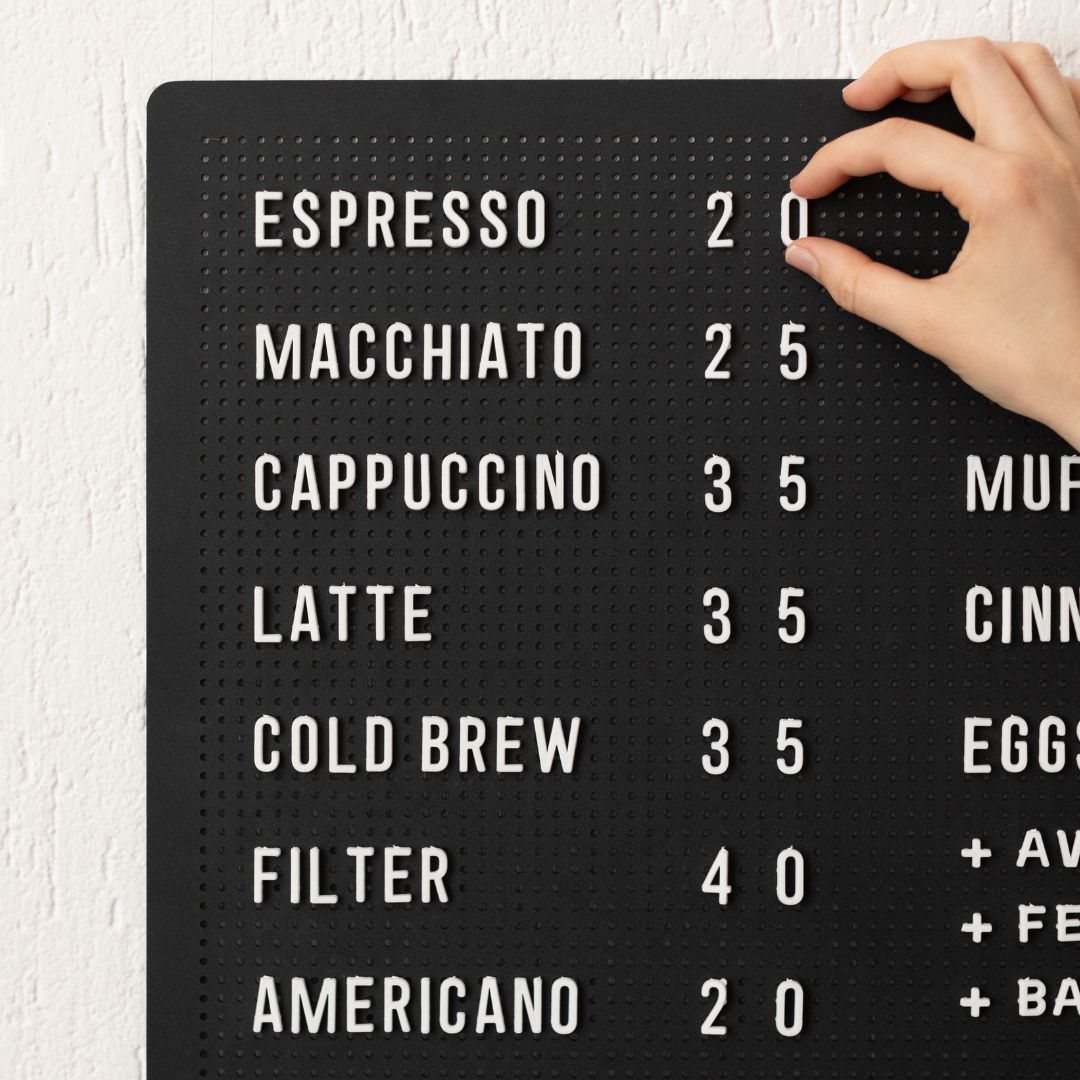
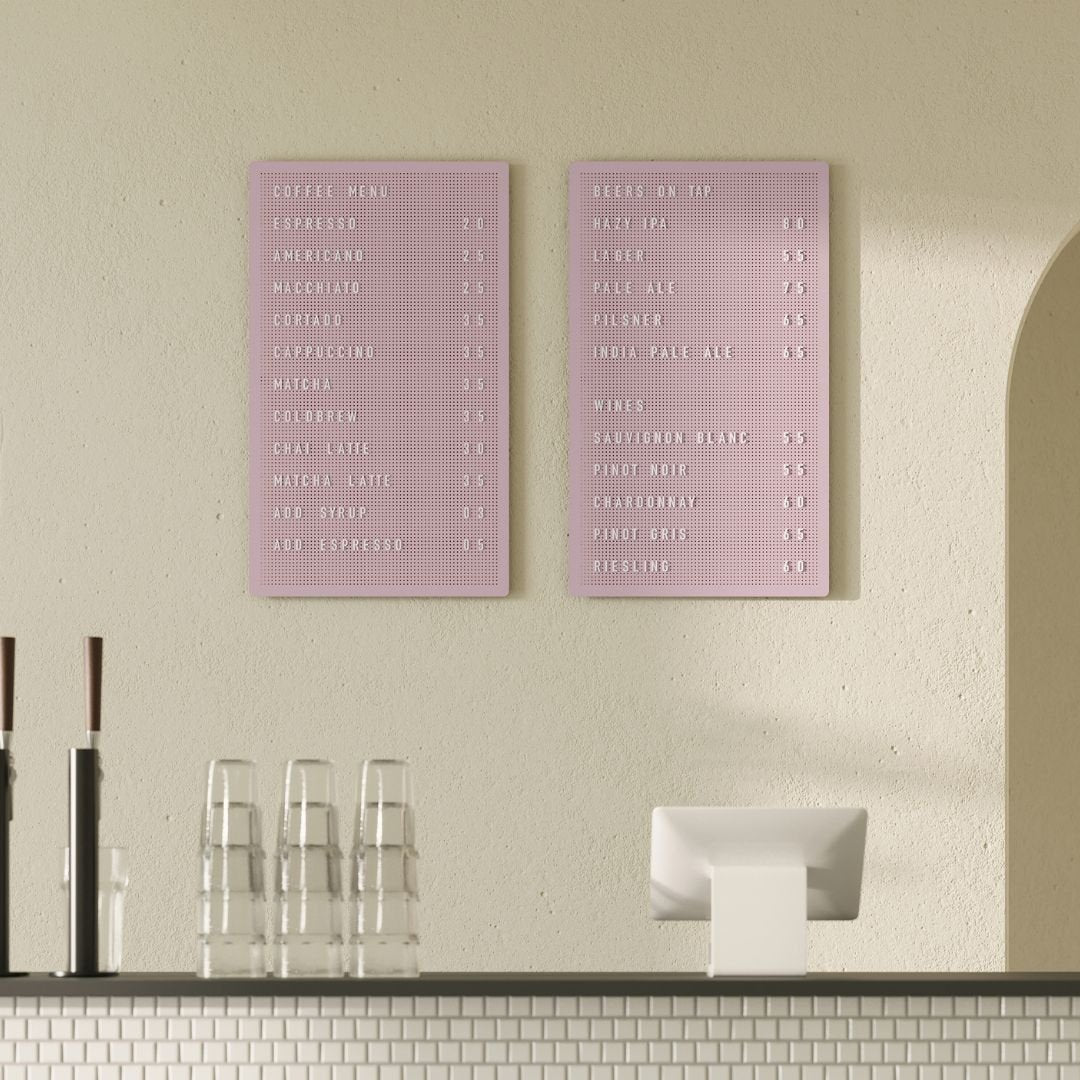
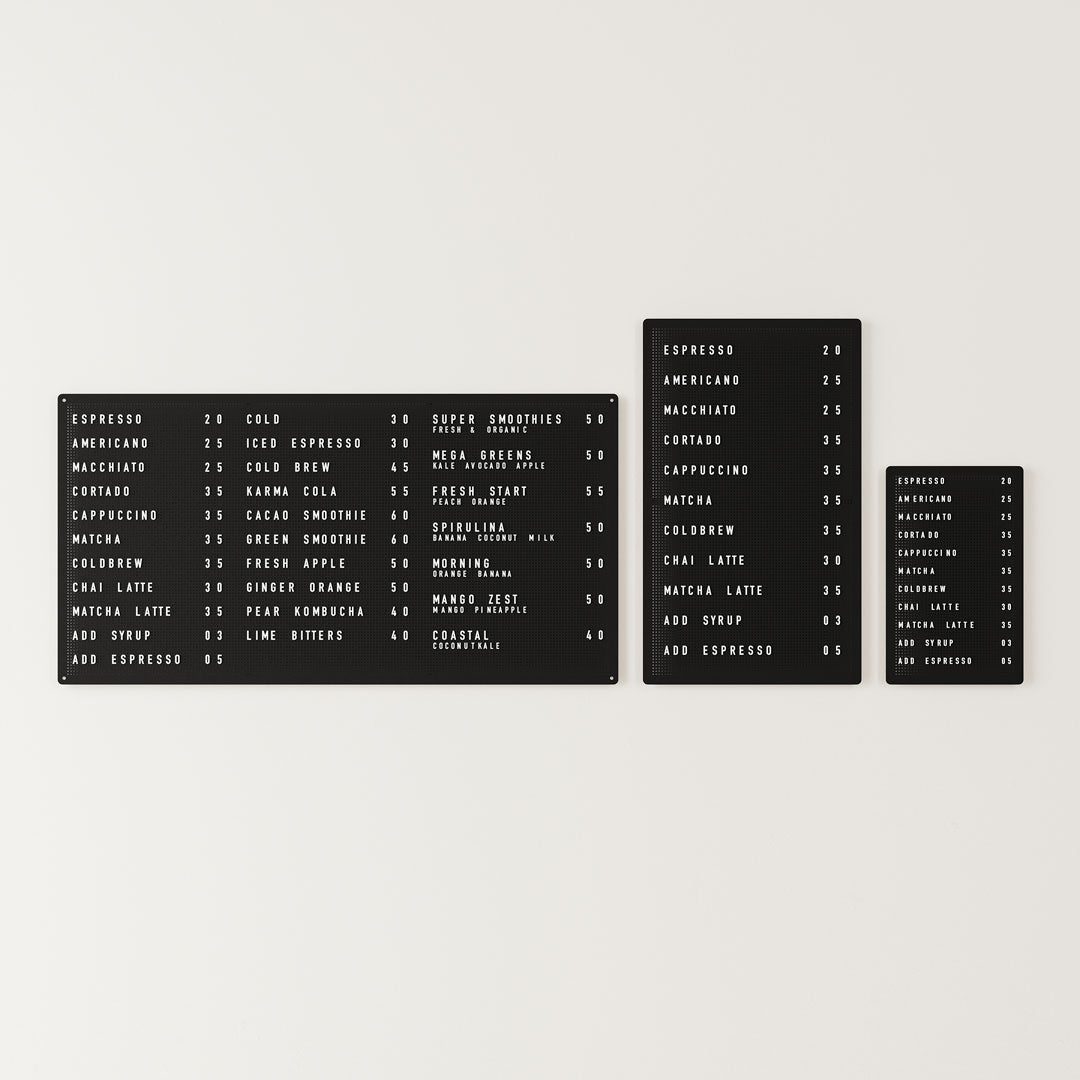
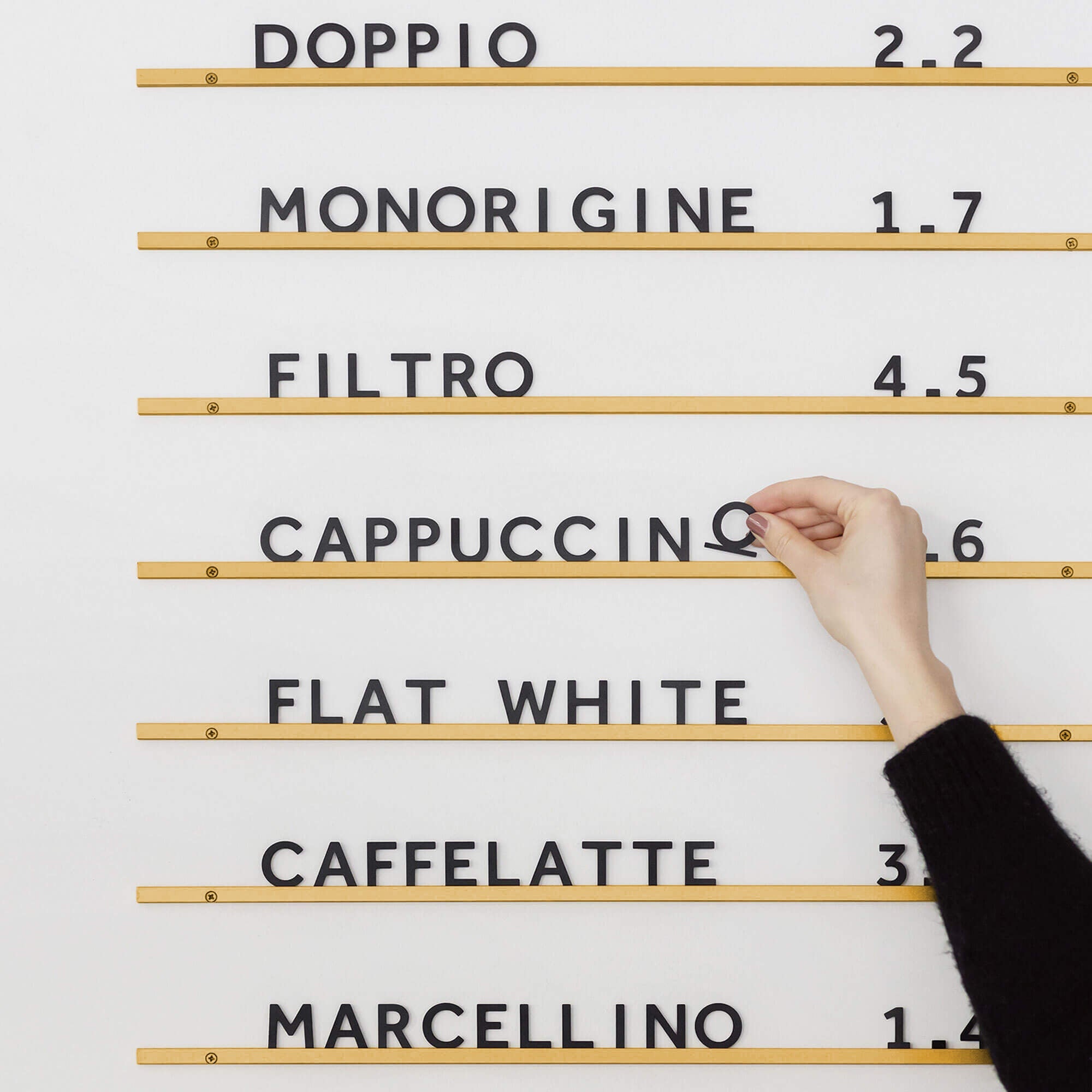
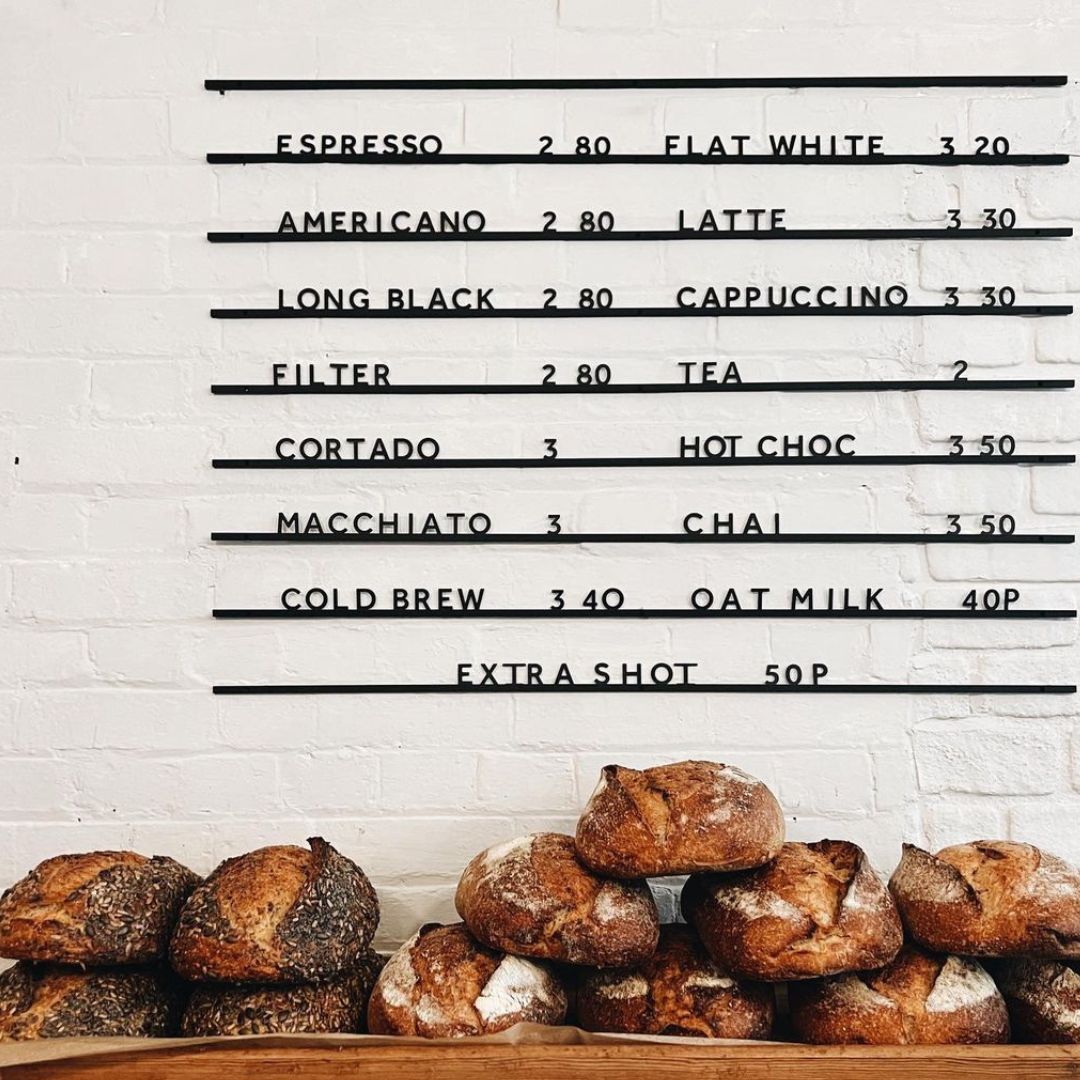
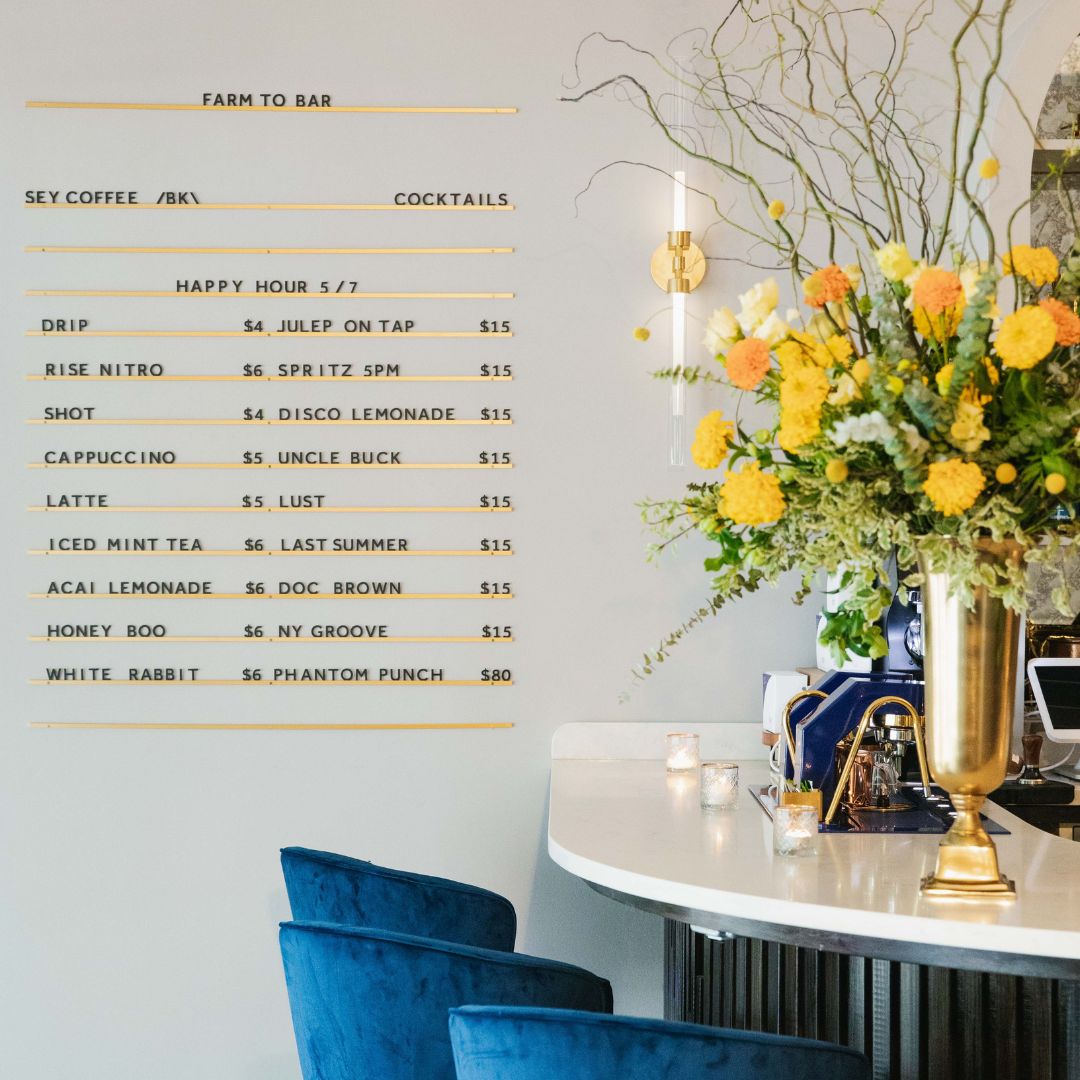
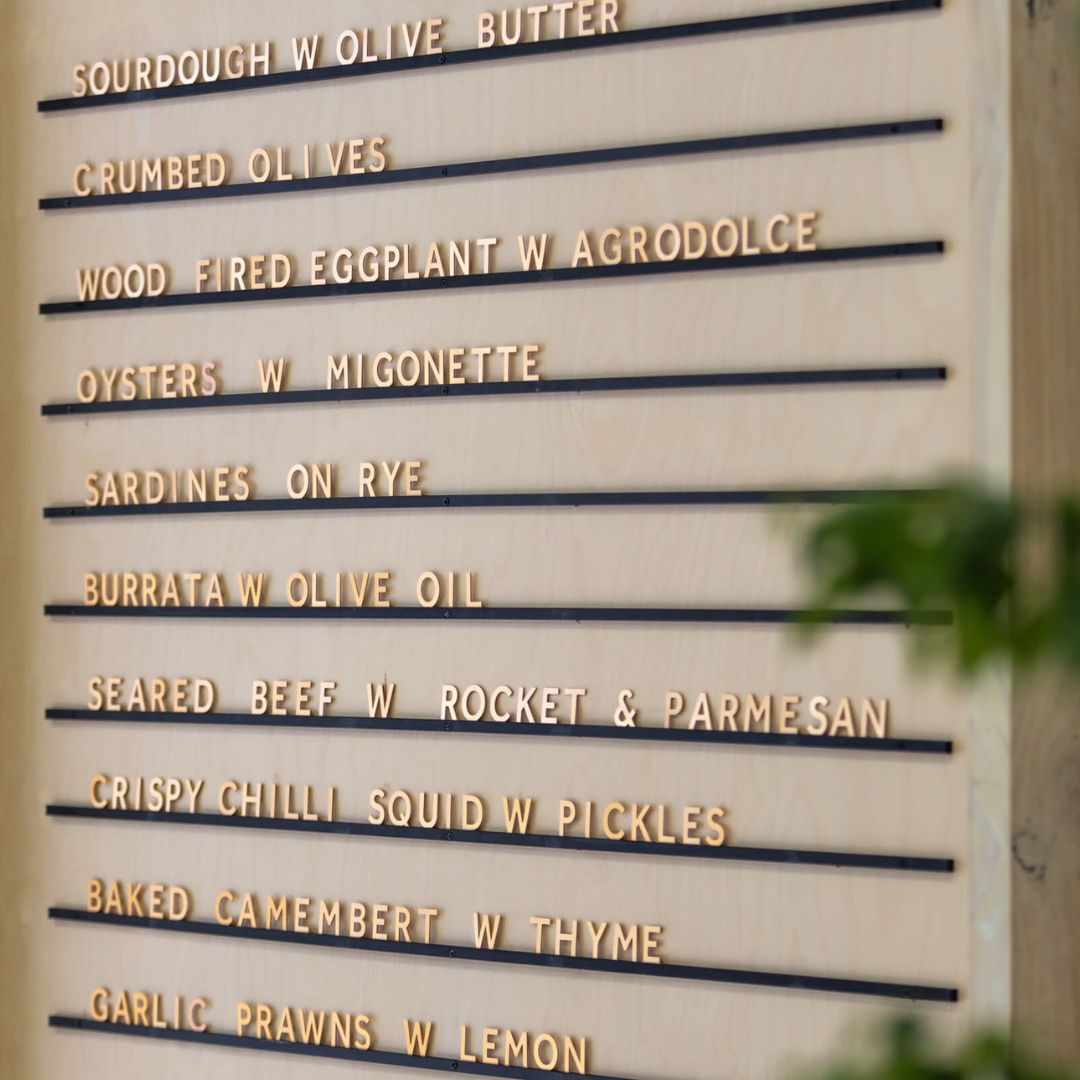
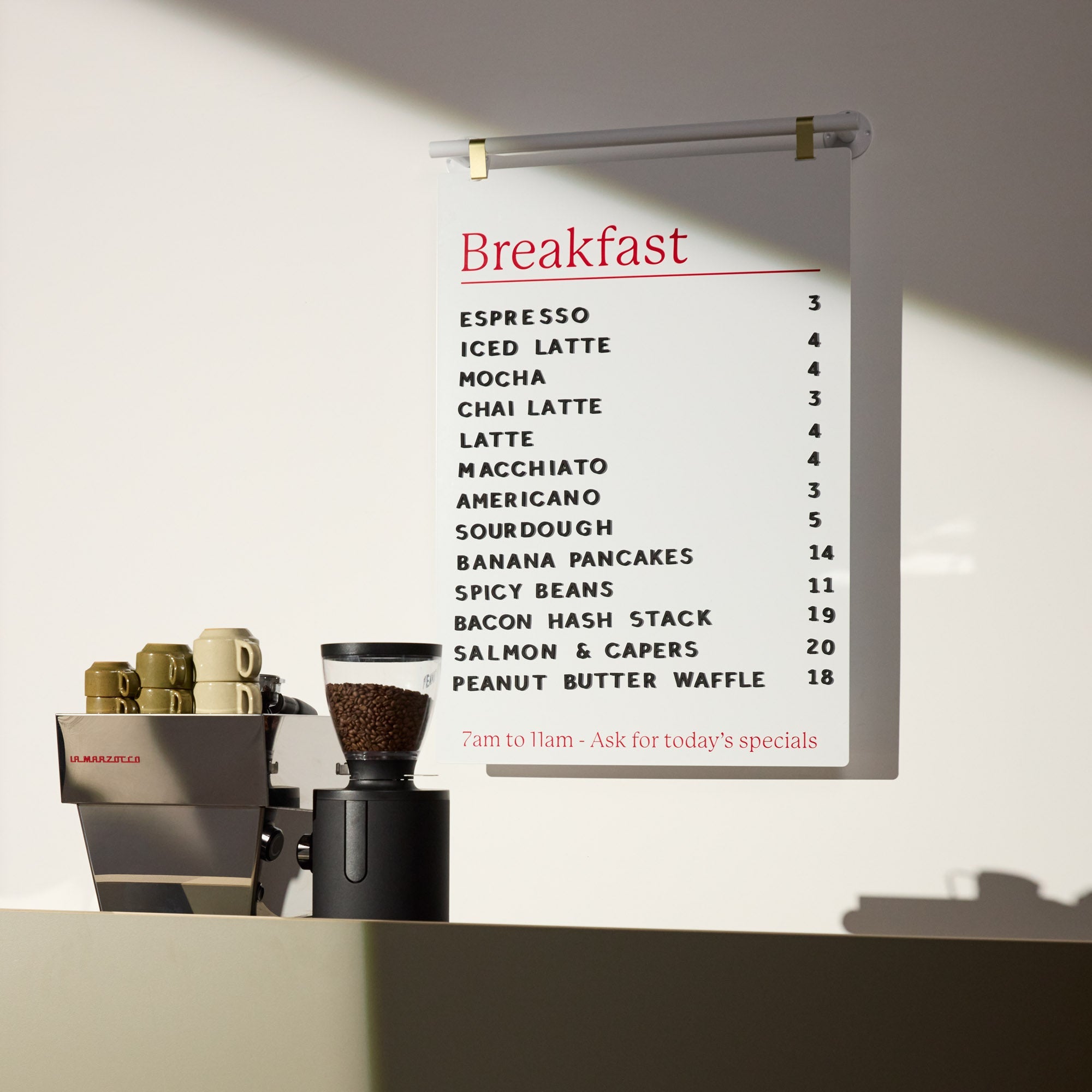
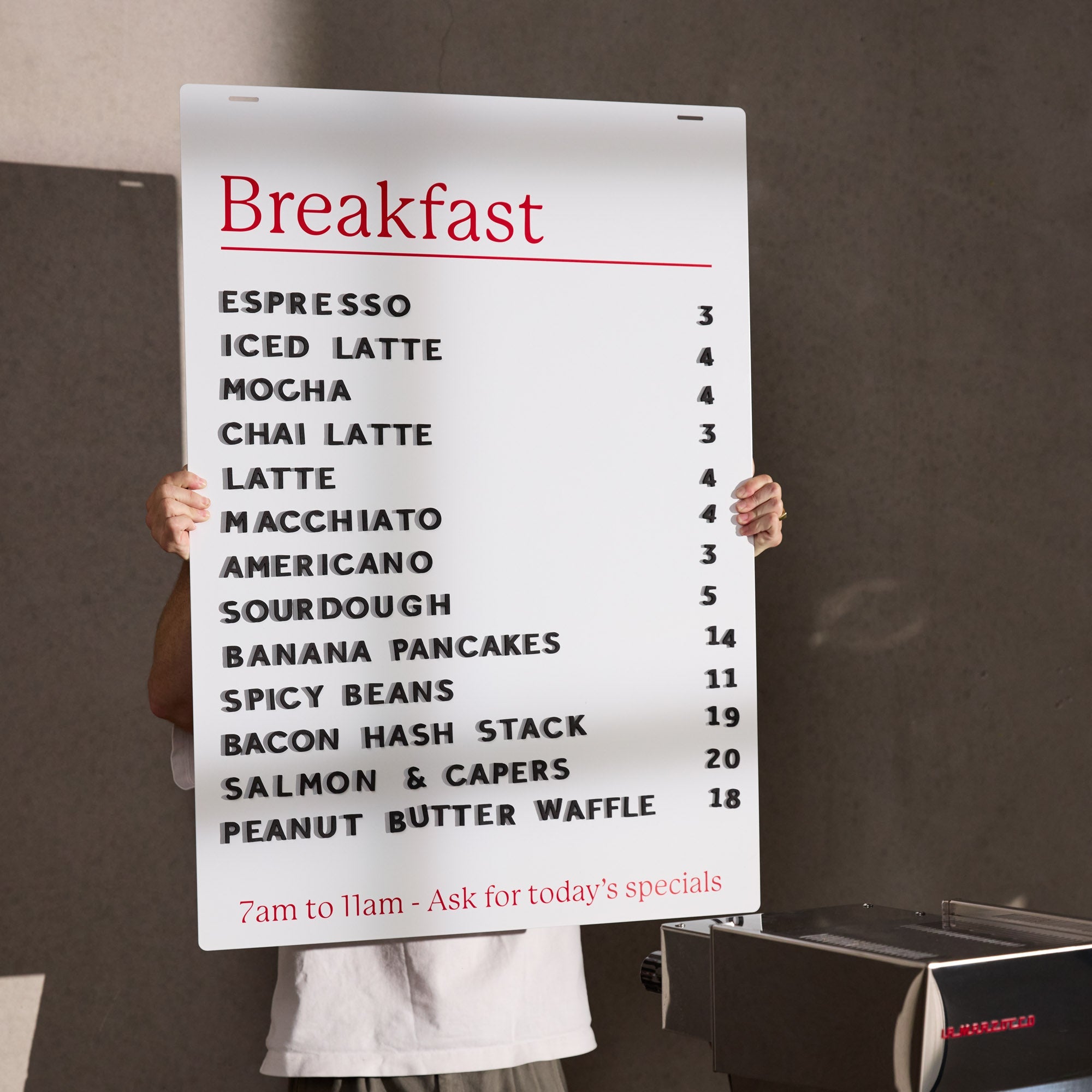
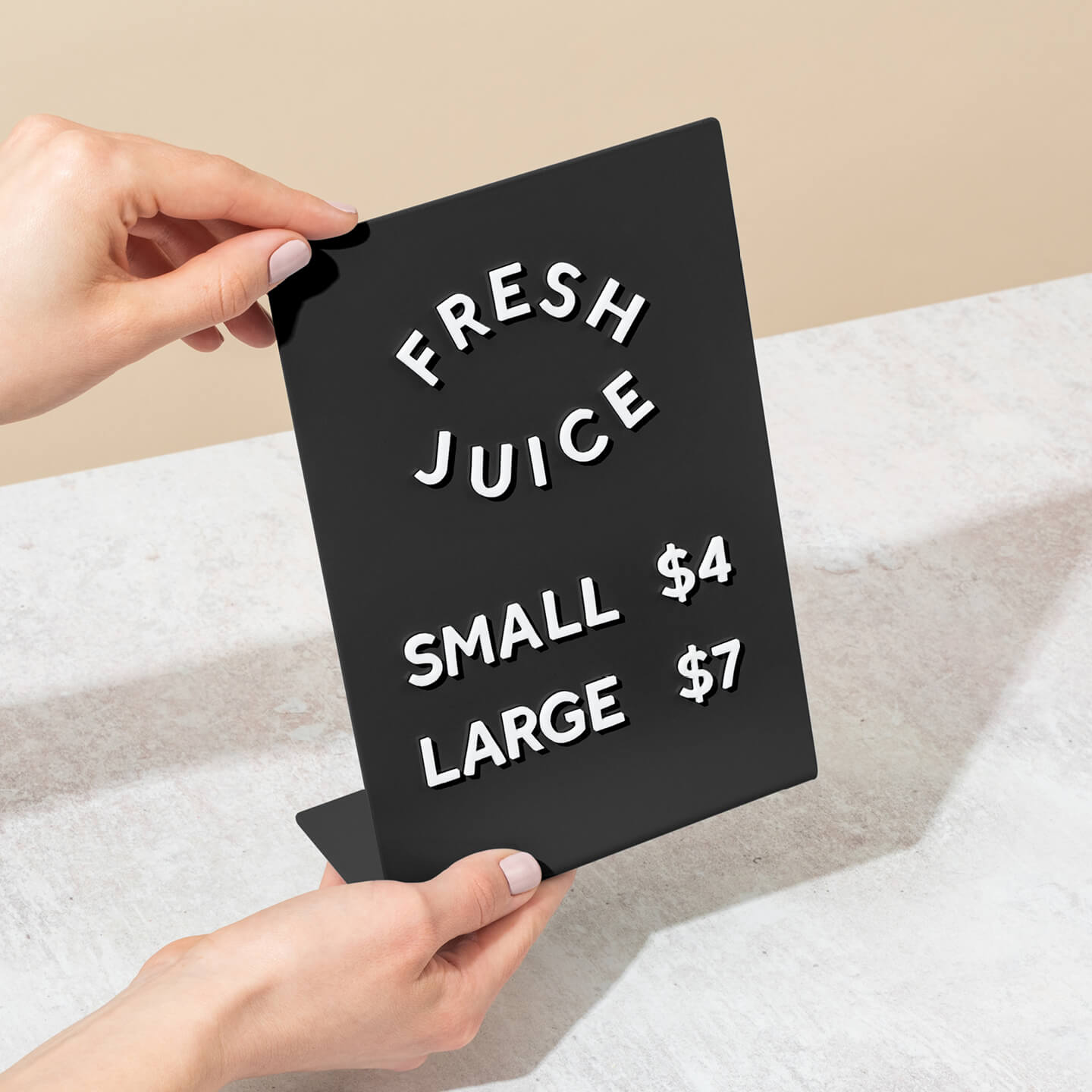
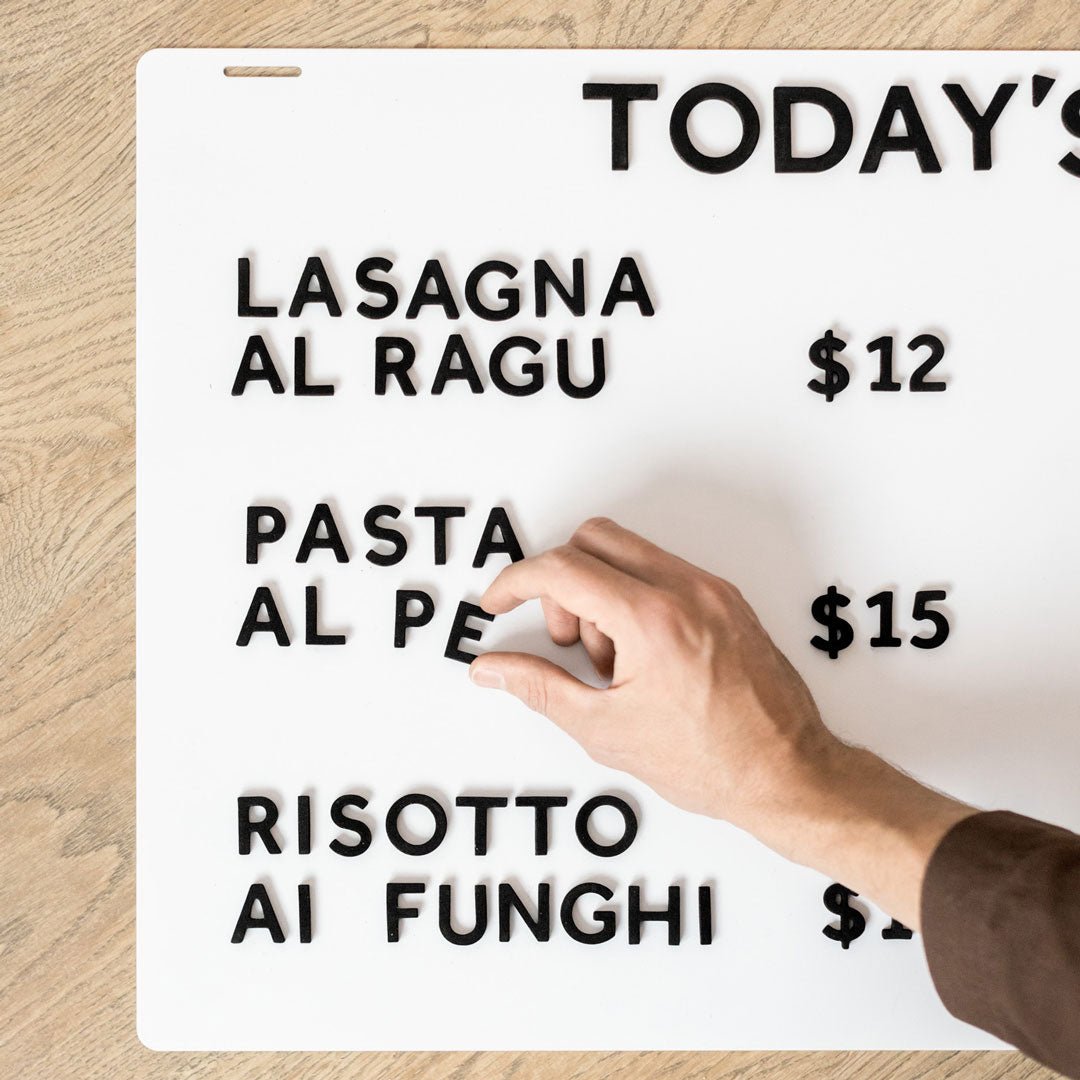
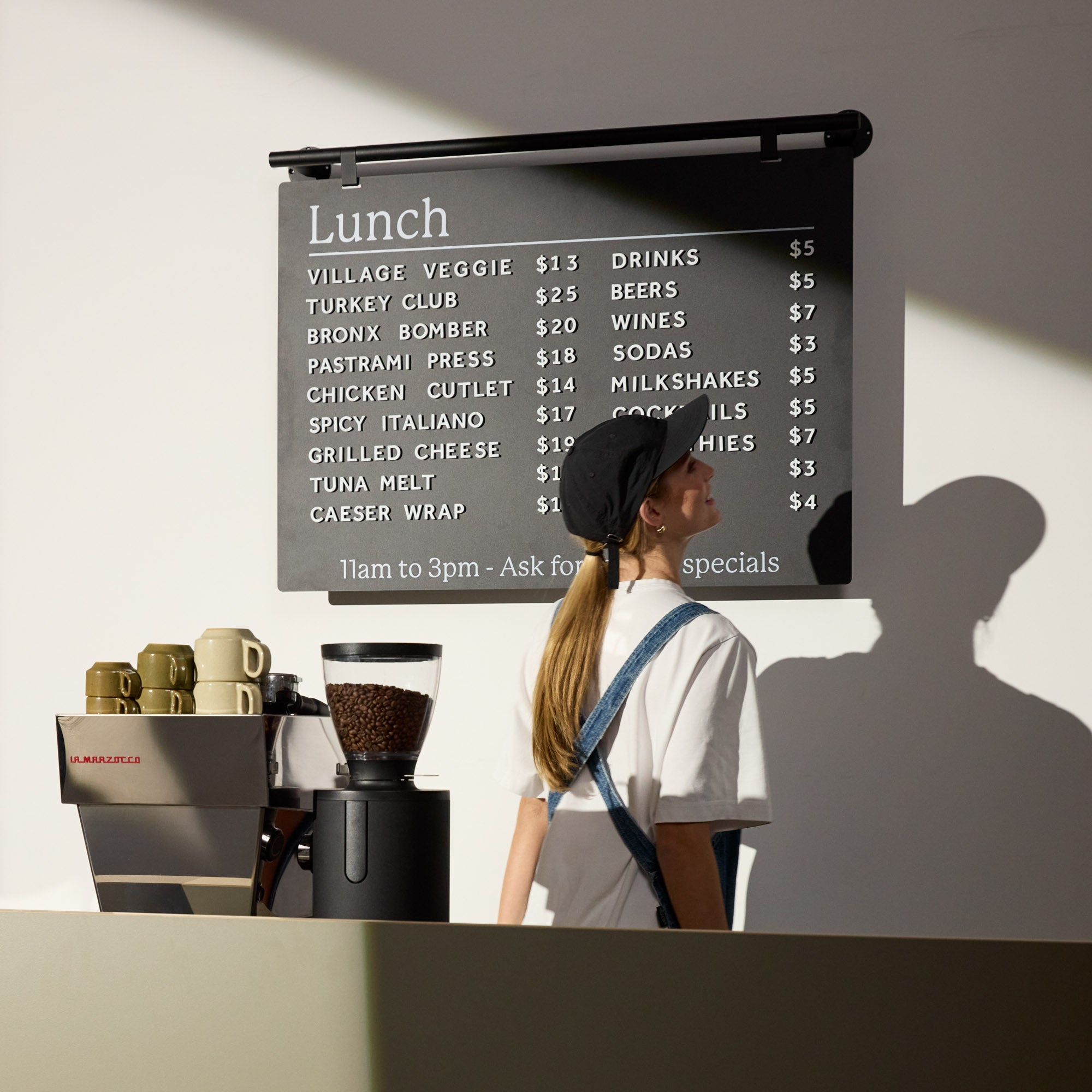
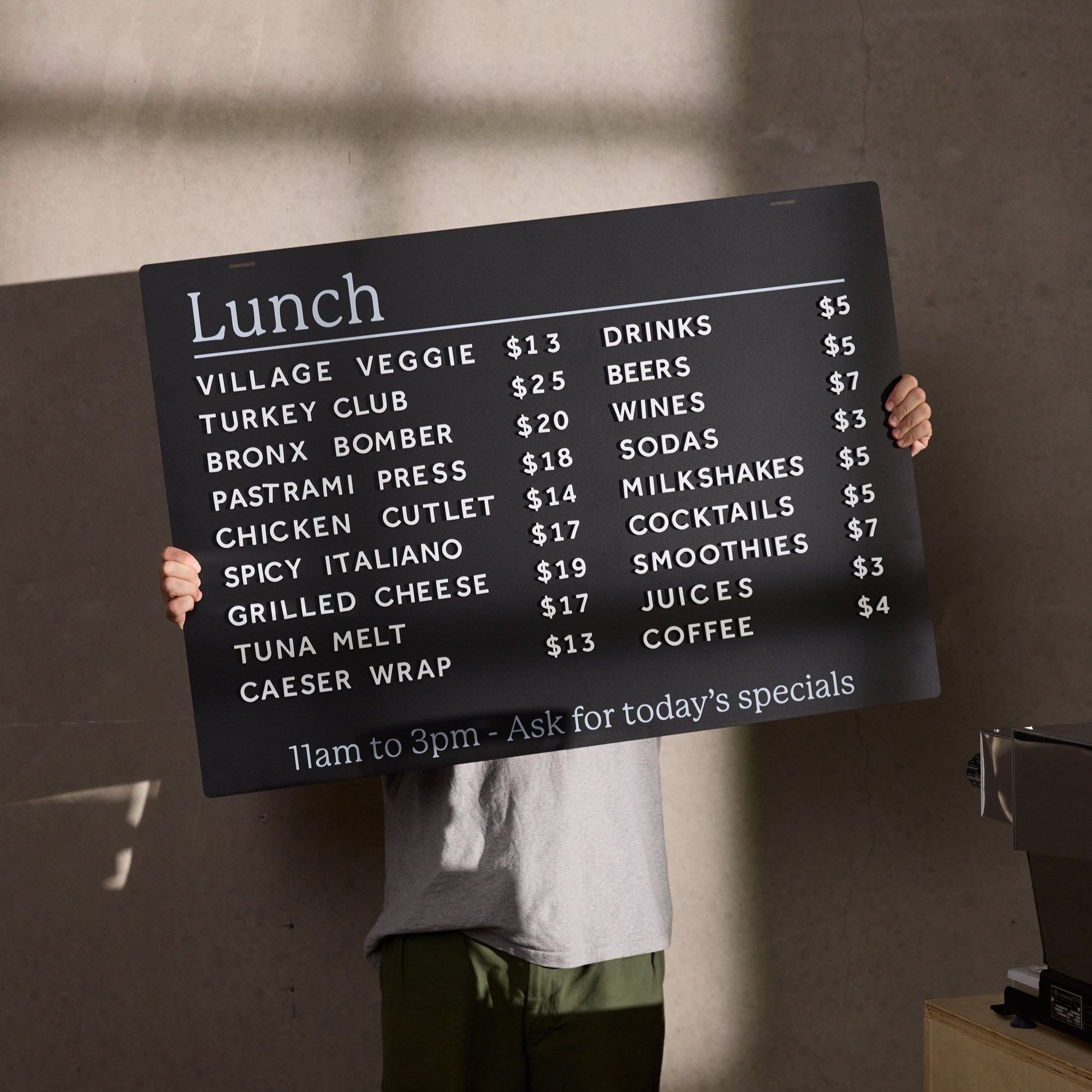
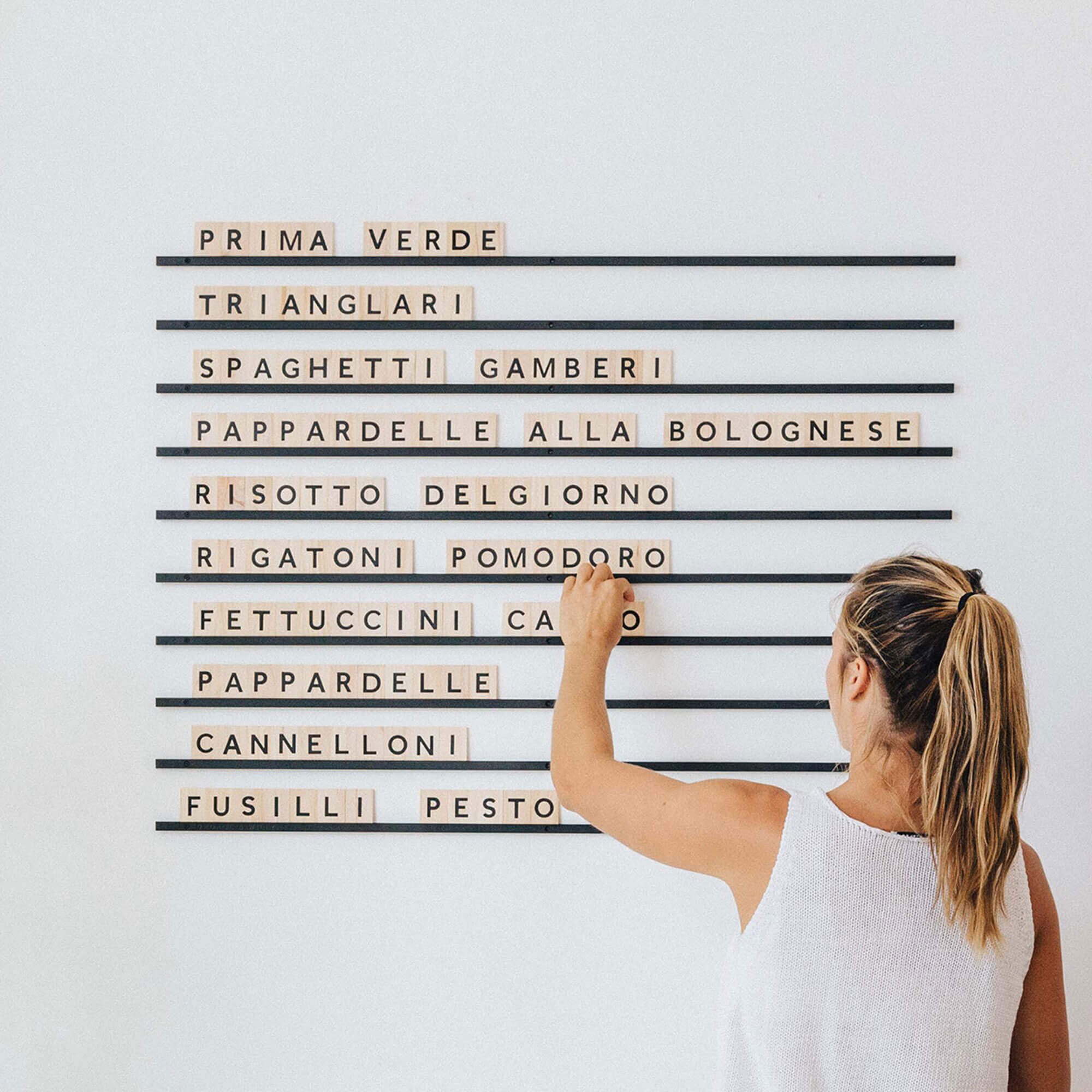
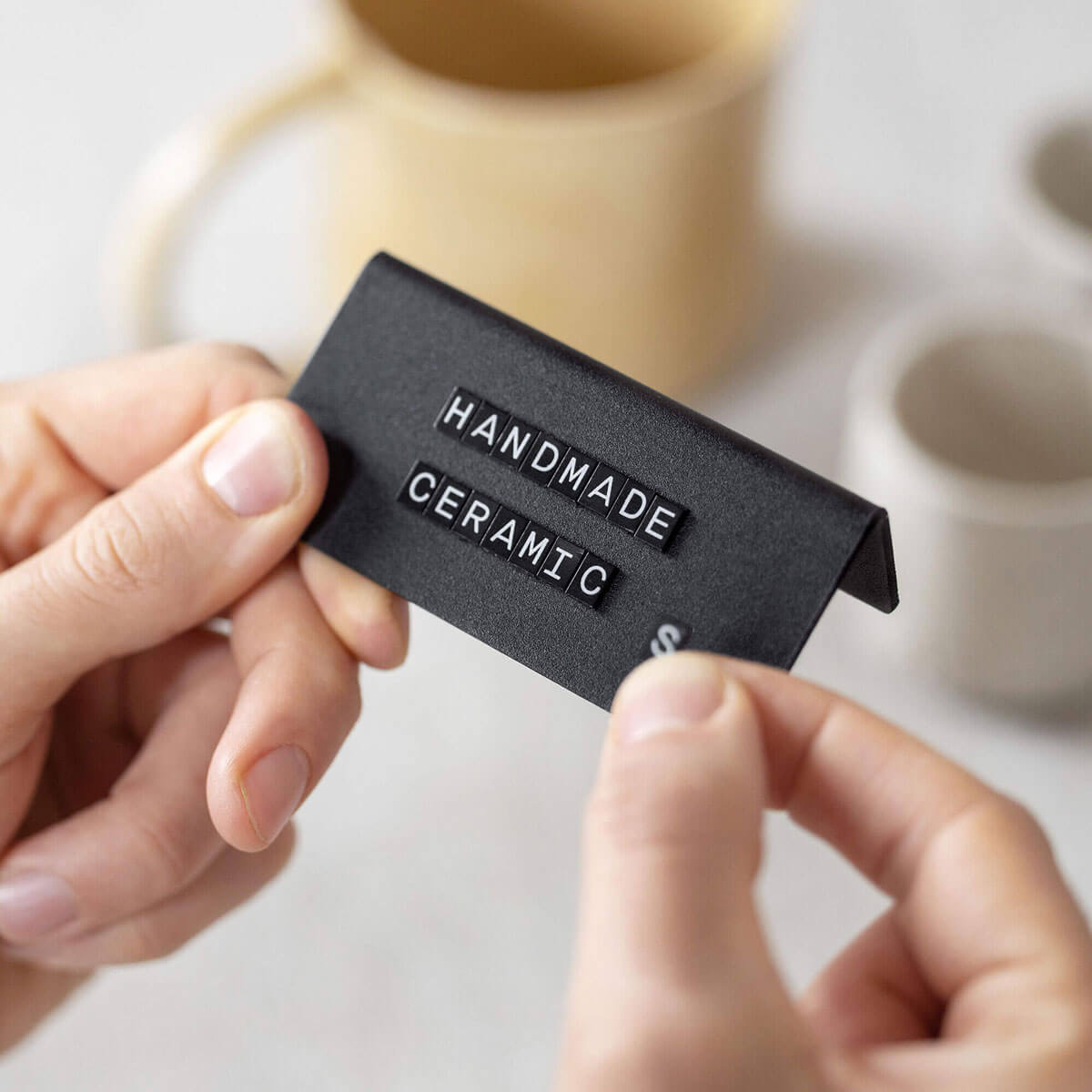
Cast vinyl is the highest quality vinyl film available. It’s made through a process that results in a very thin (typically around 2 mils thick), stable, and flexible film. Because it has no internal tension, it doesn’t shrink or crack over time. This makes cast vinyl the best choice for long term applications, like vehicle wraps or permanent storefront logos. It conforms beautifully to surfaces and can last for seven to ten years outdoors without significant fading or peeling. If you plan to update content frequently, a changeable option like the Magnetic Letter Menu Board avoids reprinting while keeping a tidy, brand‑forward look.
Polymeric vs Monomeric Vinyl: What’s the Difference?
These are two grades of a different type of vinyl, known as calendared vinyl.
-
Monomeric Vinyl: This is the economy grade option. It’s best suited for short term use (one to three years outdoors) on flat surfaces. Over time, it tends to shrink and become brittle.
-
Polymeric Vinyl: This is a mid grade vinyl that offers a great balance of cost and durability. It is more stable than monomeric vinyl and shrinks less, typically lasting five to seven years outdoors. It’s a solid choice for business signage that needs to look good for several years.
Why You Should Always Check the Vinyl Spec Sheet
Verifying the vinyl spec sheet is like reading the fine print before you buy. This technical document from the manufacturer tells you everything you need to know: its expected outdoor durability, adhesive type (permanent or removable), and recommended application temperatures. Checking the specs ensures you’re getting the right material for the job and prevents unpleasant surprises like your graphics peeling off after just one season. It’s a simple step that guarantees you are making a wise investment in your personalized signs for outdoors.
Protecting Your Investment: Laminates and Longevity
For maximum durability, adding a protective laminate over your printed graphics is a smart move. Think of it as an extra shield for your sign.
UV Resistant Laminates: A Sunscreen for Your Sign
A UV resistant laminate is a clear film that blocks harmful ultraviolet rays, acting like sunscreen for your graphics. It dramatically slows down the fading process, keeping your colors bright and vivid for much longer. Applying a UV protective laminate can easily double the useful life of a printed sign, especially in sunny climates. Beyond sun protection, it also guards against moisture, dirt, and minor scratches.
Anti Graffiti Laminates: Keeping Your Sign Clean
In high traffic public areas, an anti graffiti laminate can be a lifesaver. This special clear film creates a surface that paint and markers can’t permanently bond to. Graffiti can be wiped away with cleaners without damaging the sign underneath. It’s a practical way to reduce maintenance and keep your personalized signs for outdoors looking professional and clean.
The Final Step: Mounting Your Personalized Signs for Outdoors
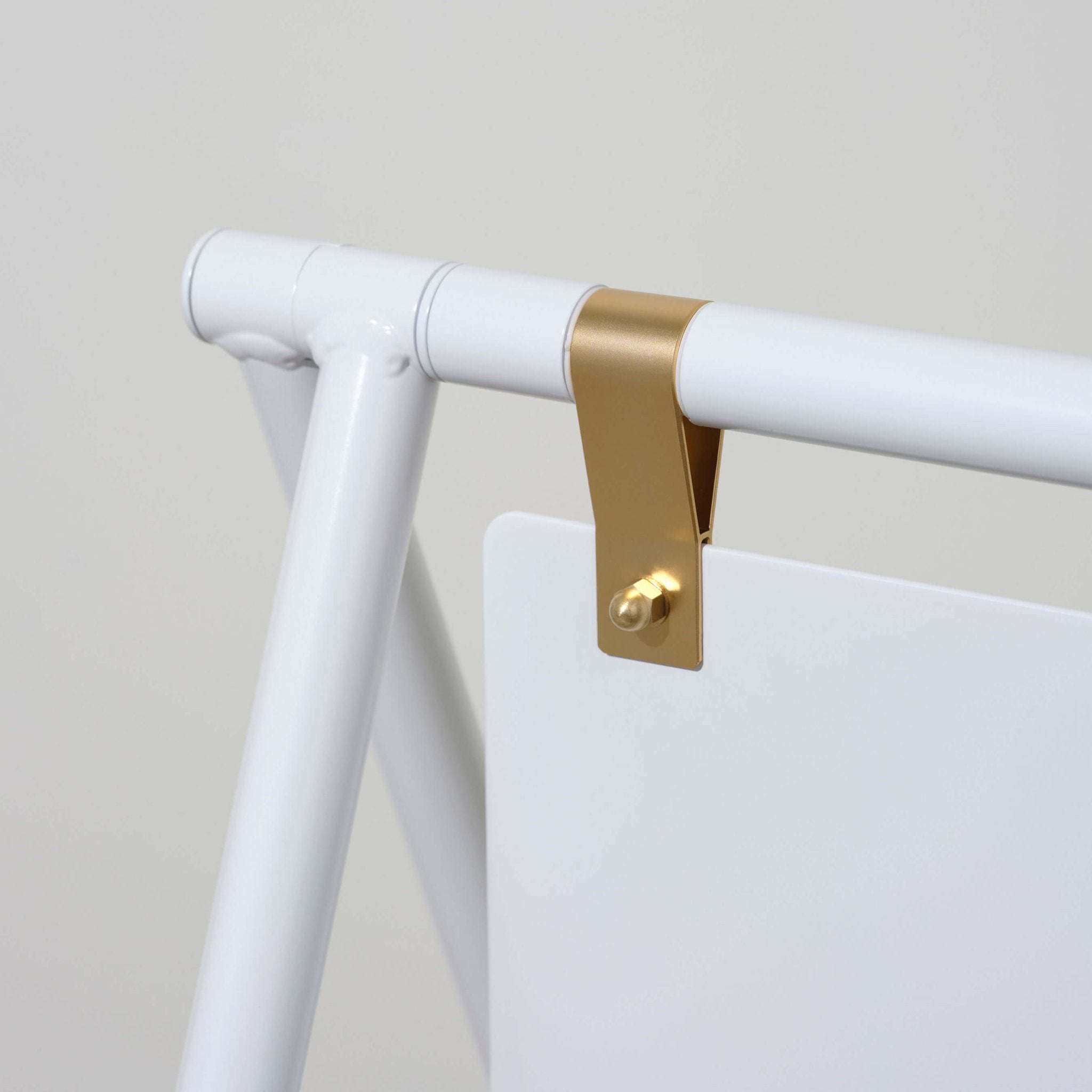
Even the best sign can fail if it’s not installed correctly. The mounting method is just as important as the material. You need to consider the sign’s weight, the surface you’re attaching it to, and environmental factors like wind.
-
Wall Mounting: This involves using screws, bolts, or brackets. Ensure the hardware is right for the wall material (e.g., masonry anchors for brick) and strong enough to support the sign against wind. For narrow sidewalks, a slim projection option like the Rectangle Blade Sign keeps visibility high without protruding too far.
-
Adhesive Mounting: For smaller, lightweight signs on smooth surfaces, high strength adhesive tapes can work well and avoid drilling. Just be sure the surface is perfectly clean and that the adhesive is rated for outdoor temperature fluctuations.
-
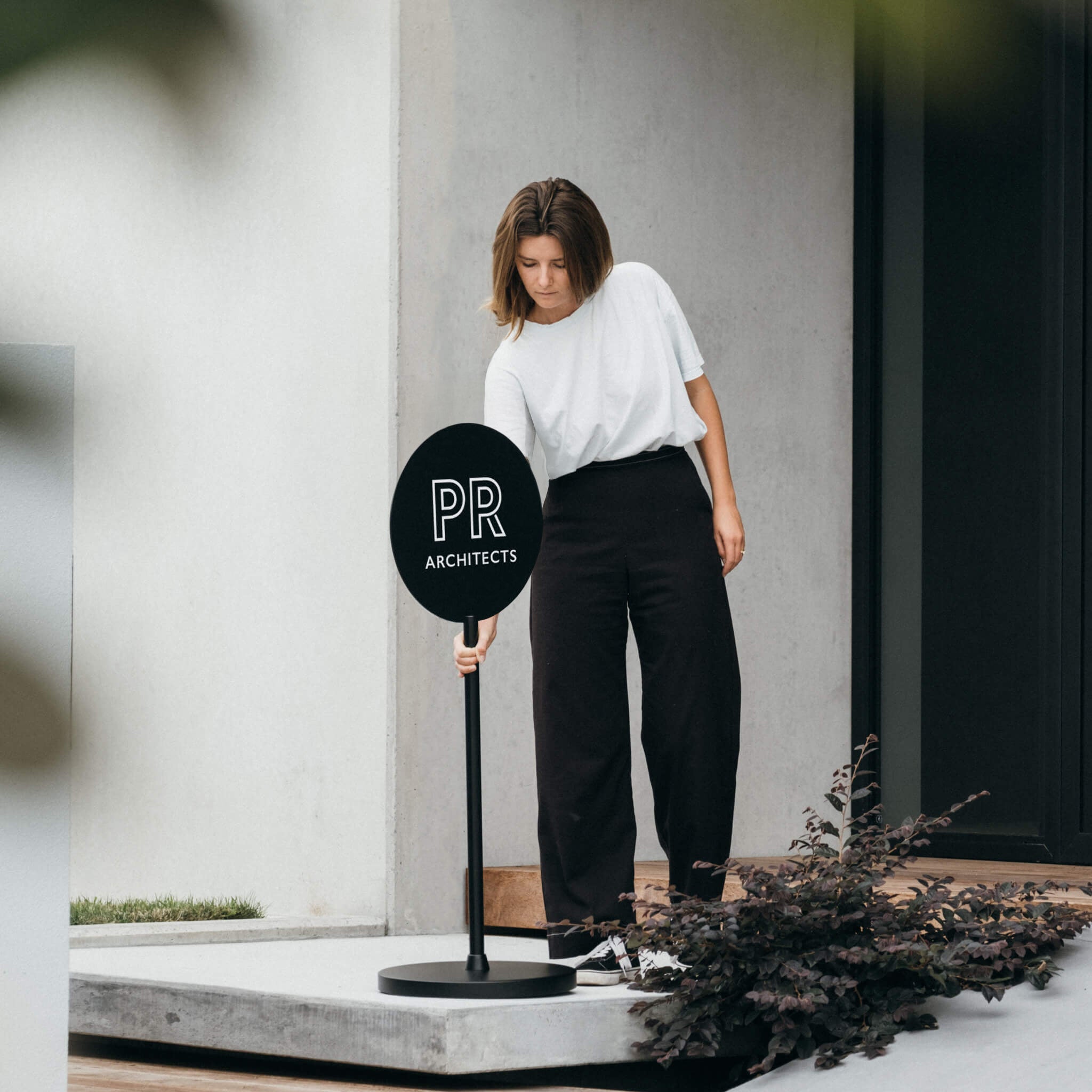
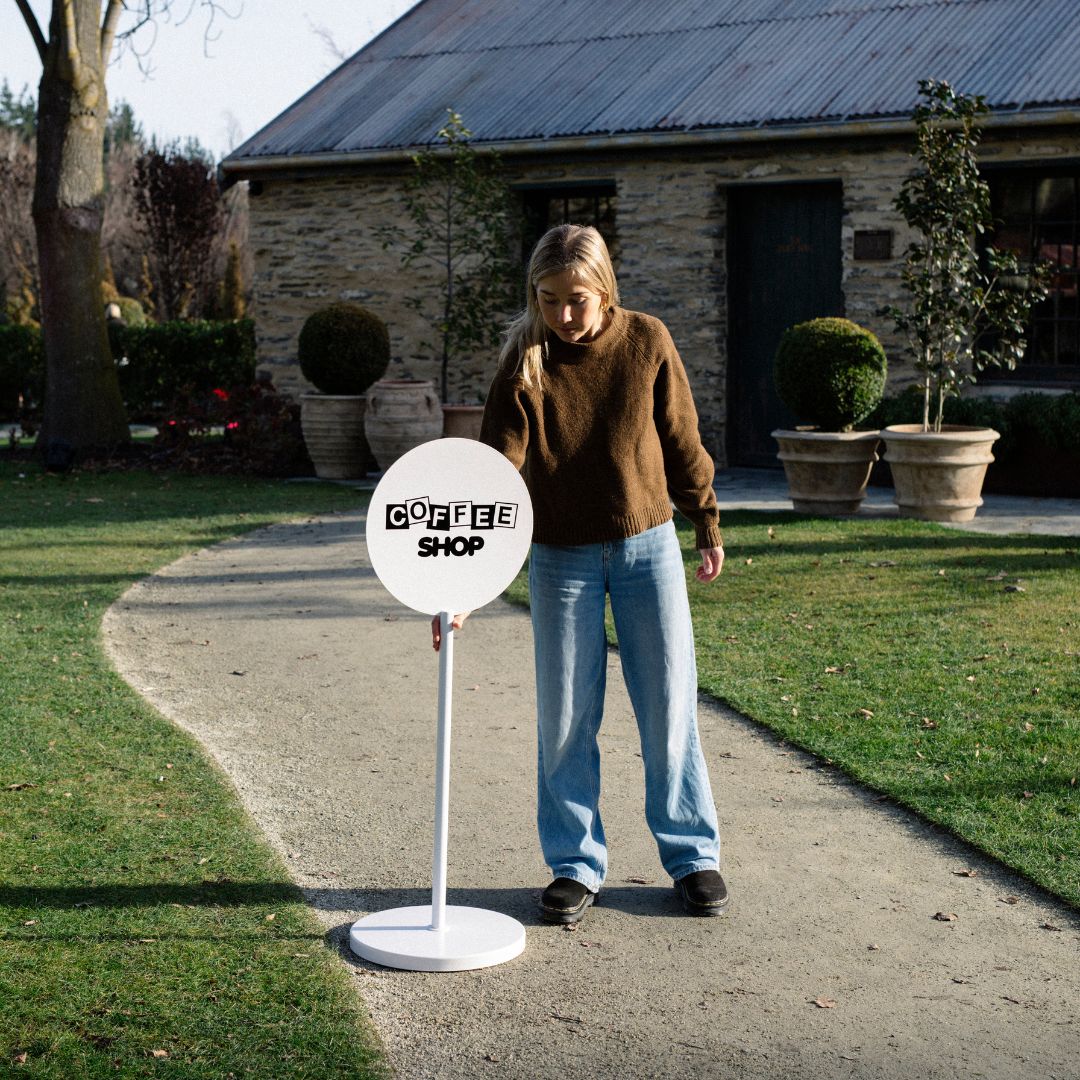
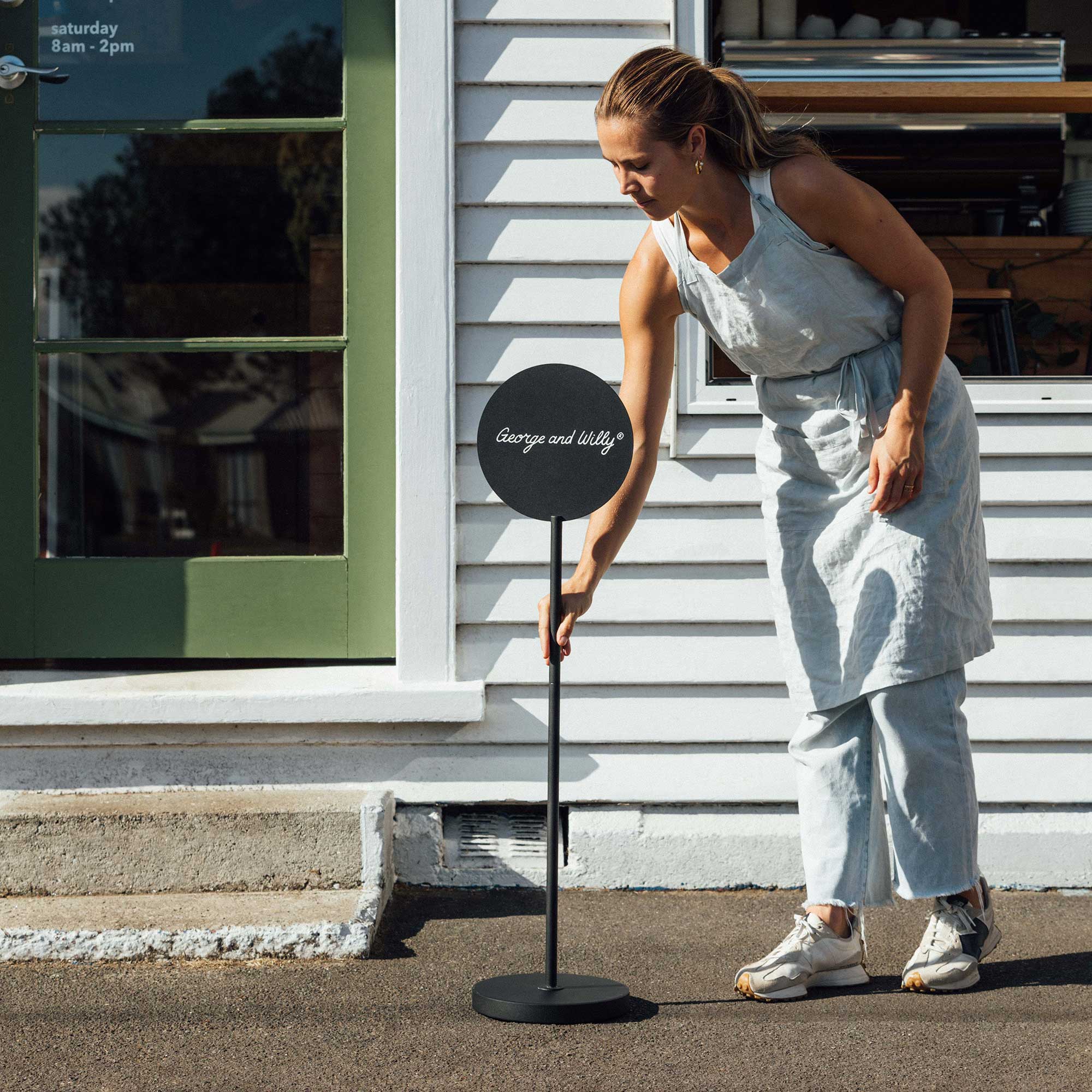
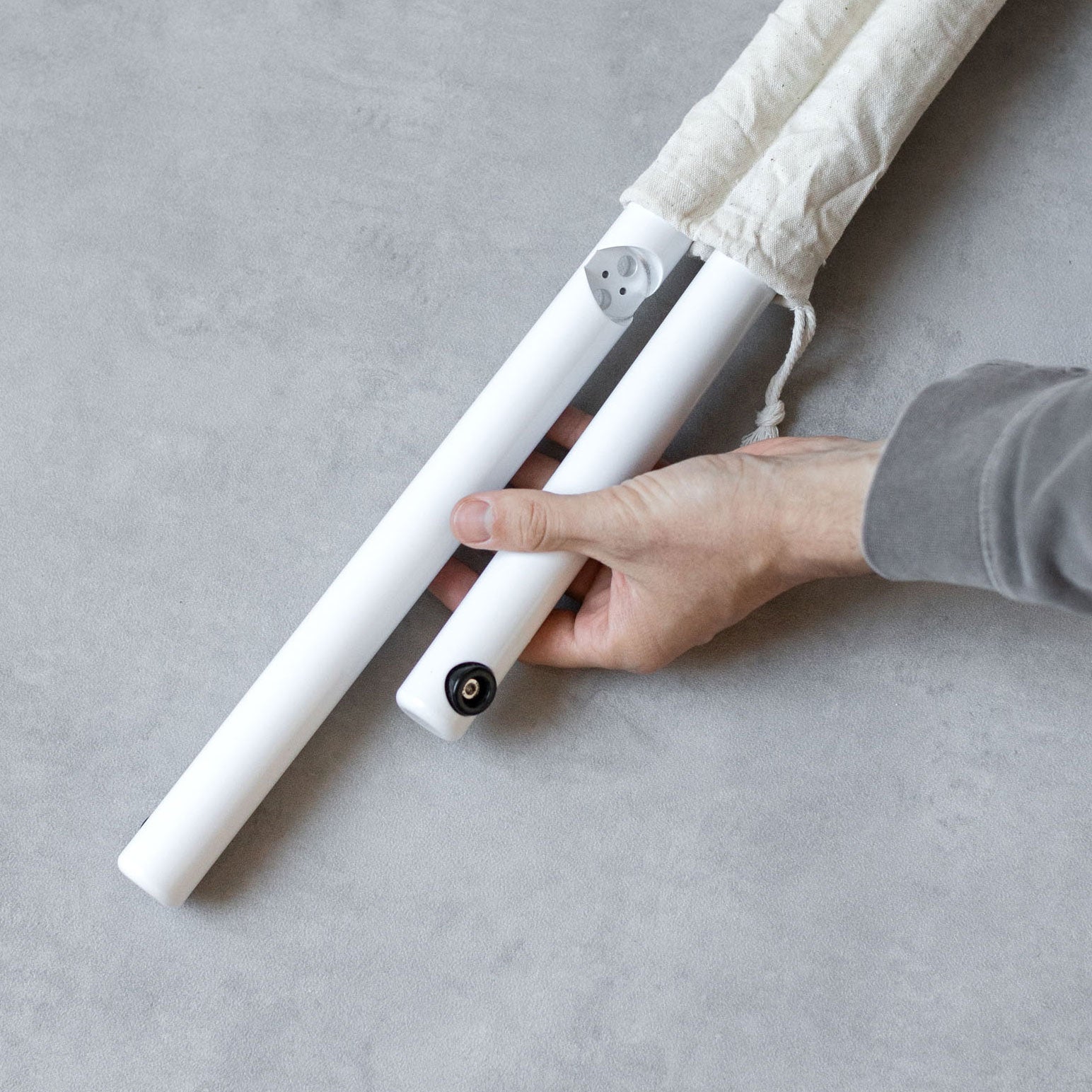
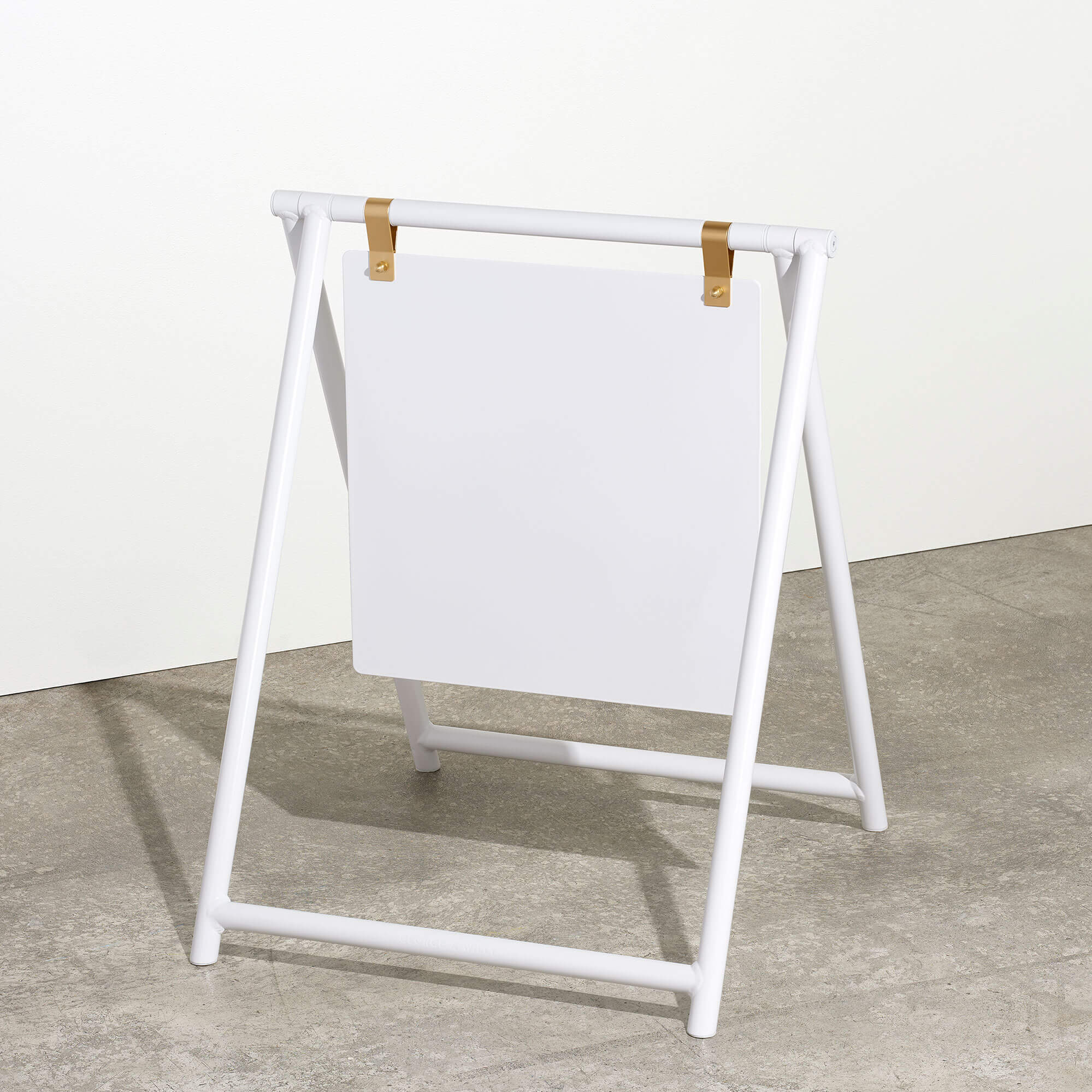
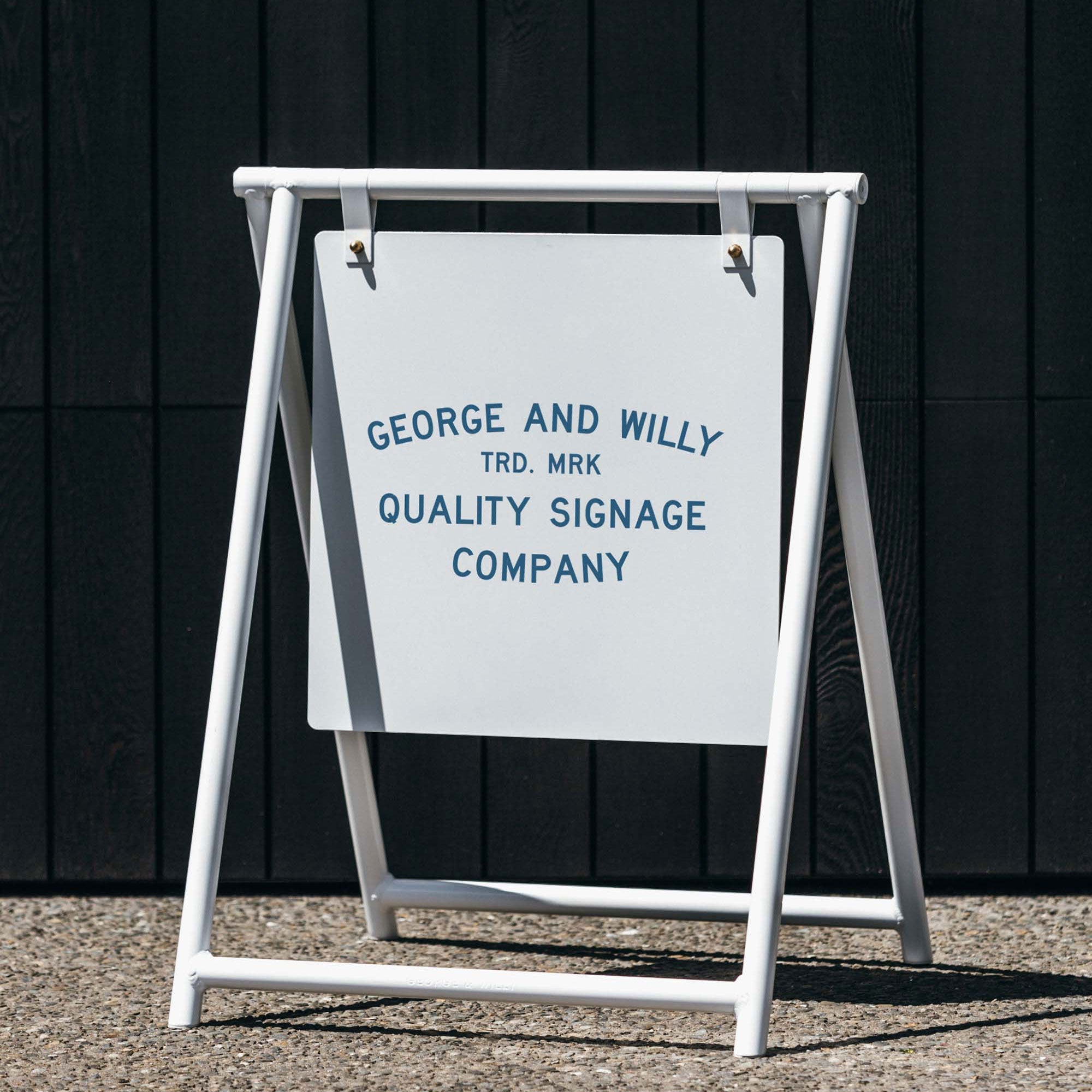
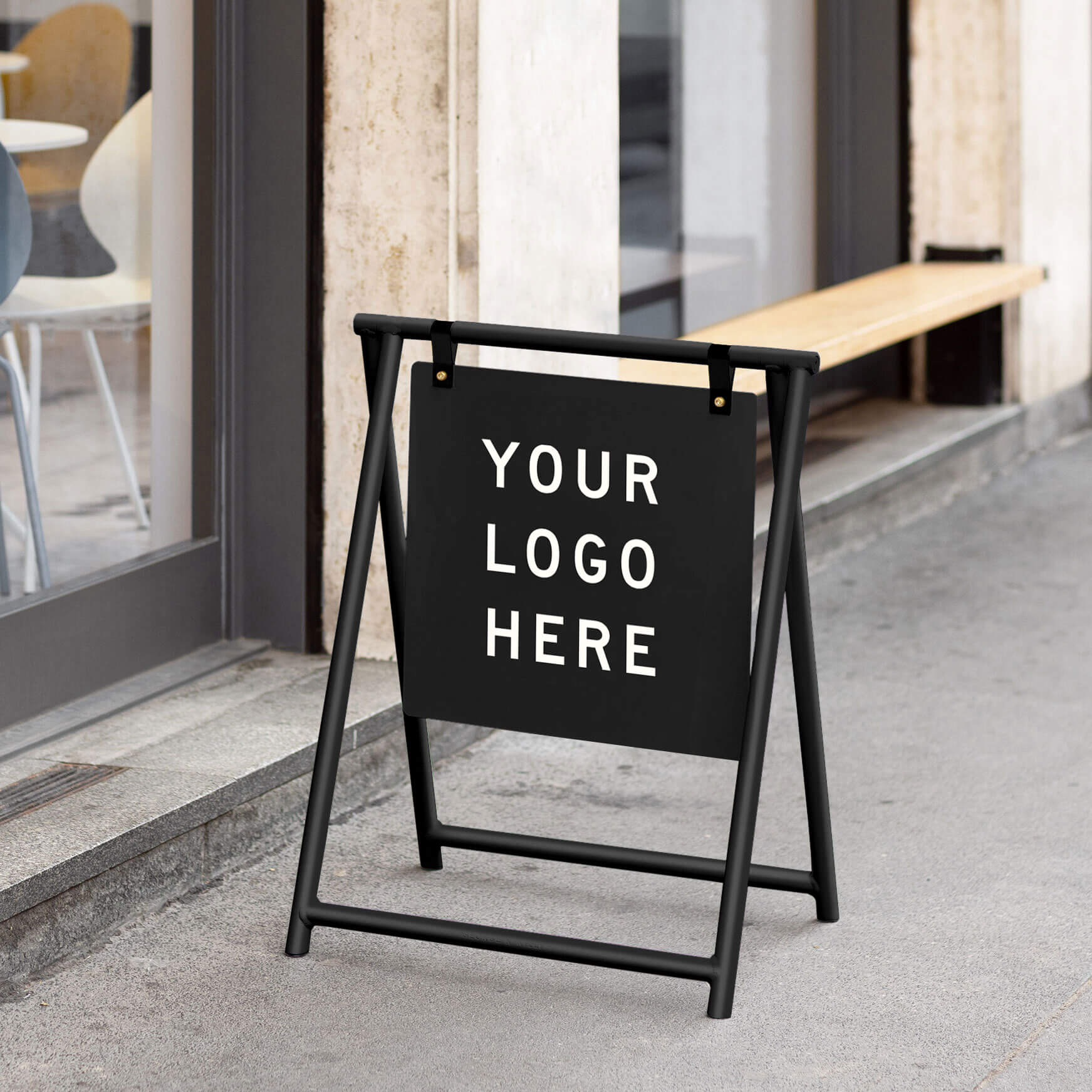
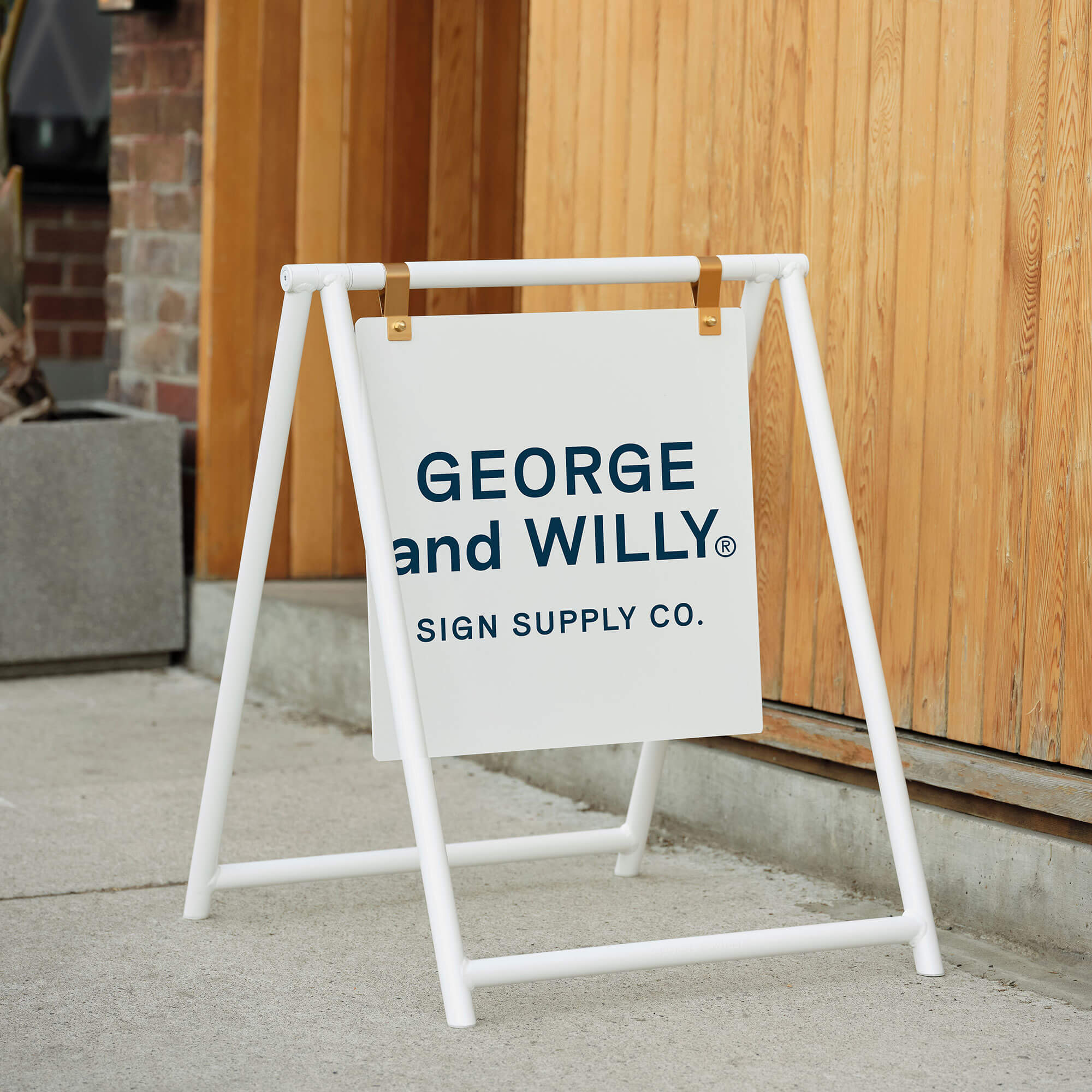
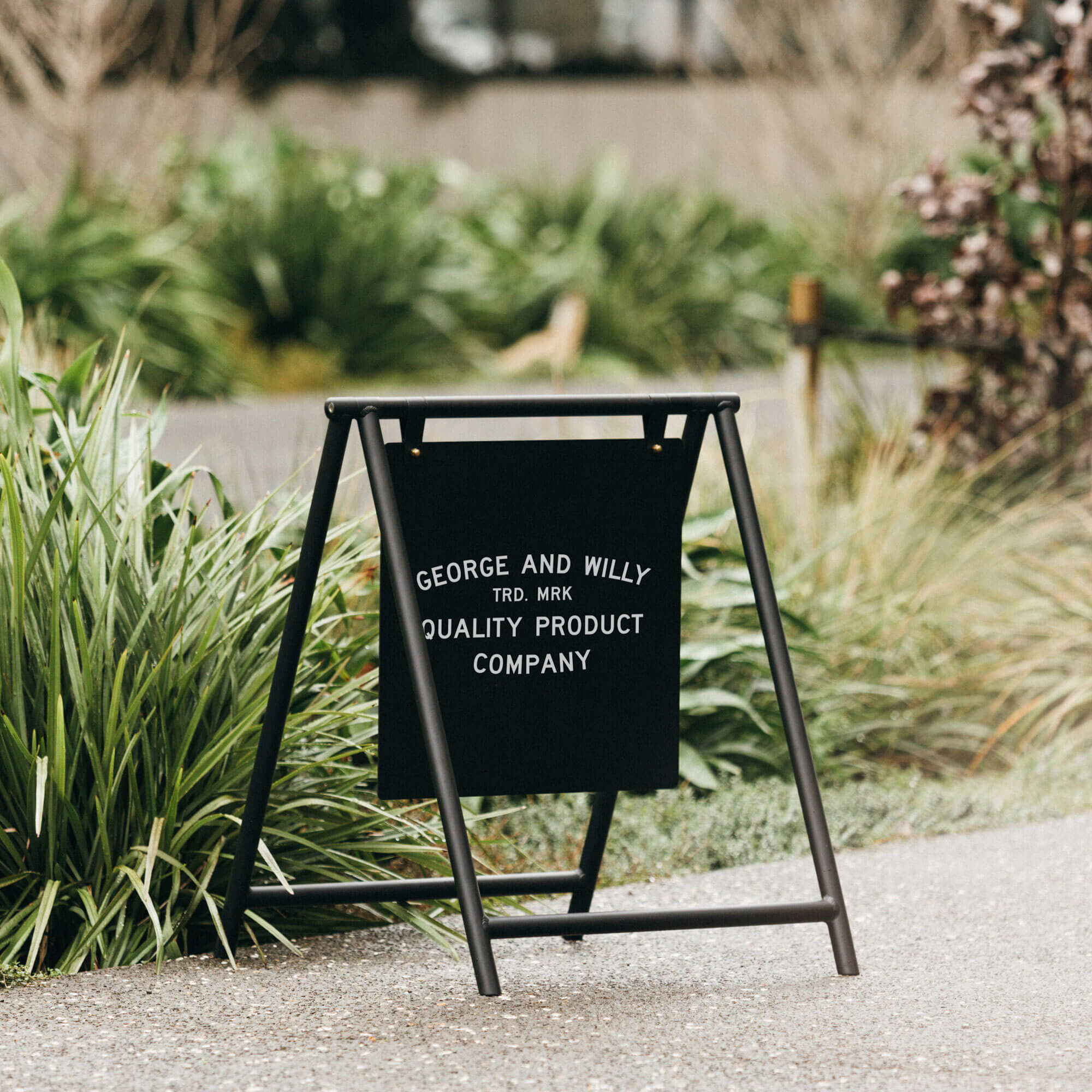
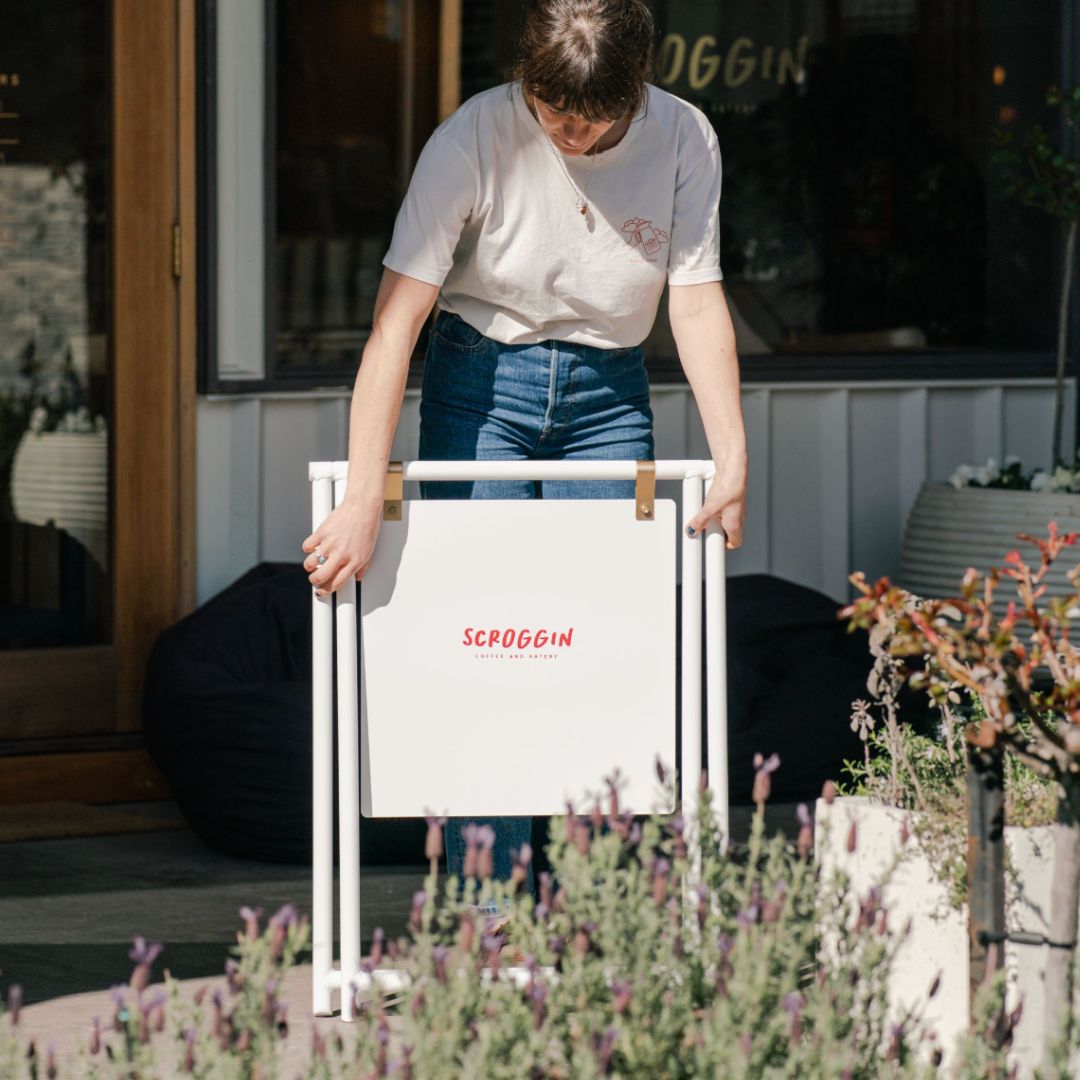
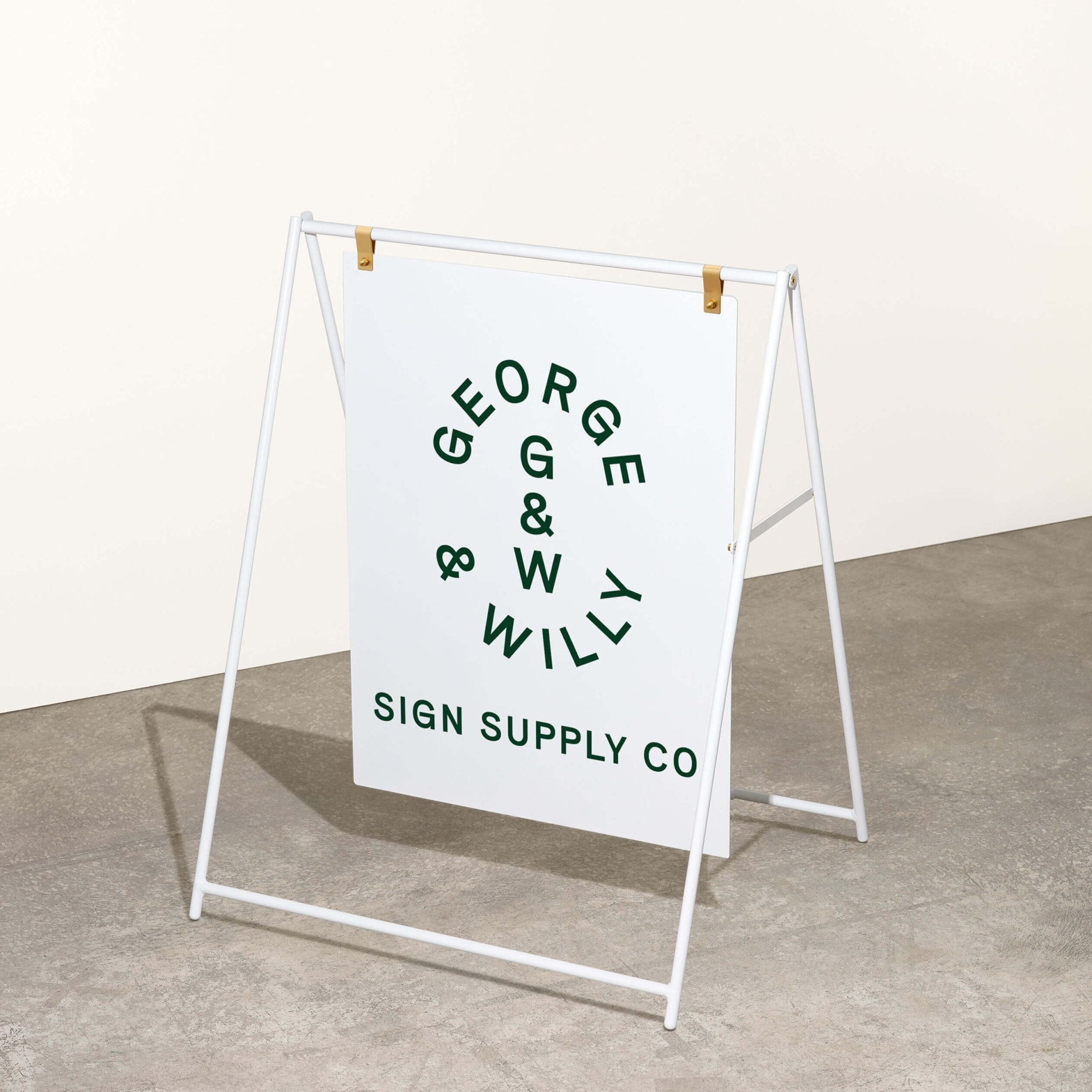
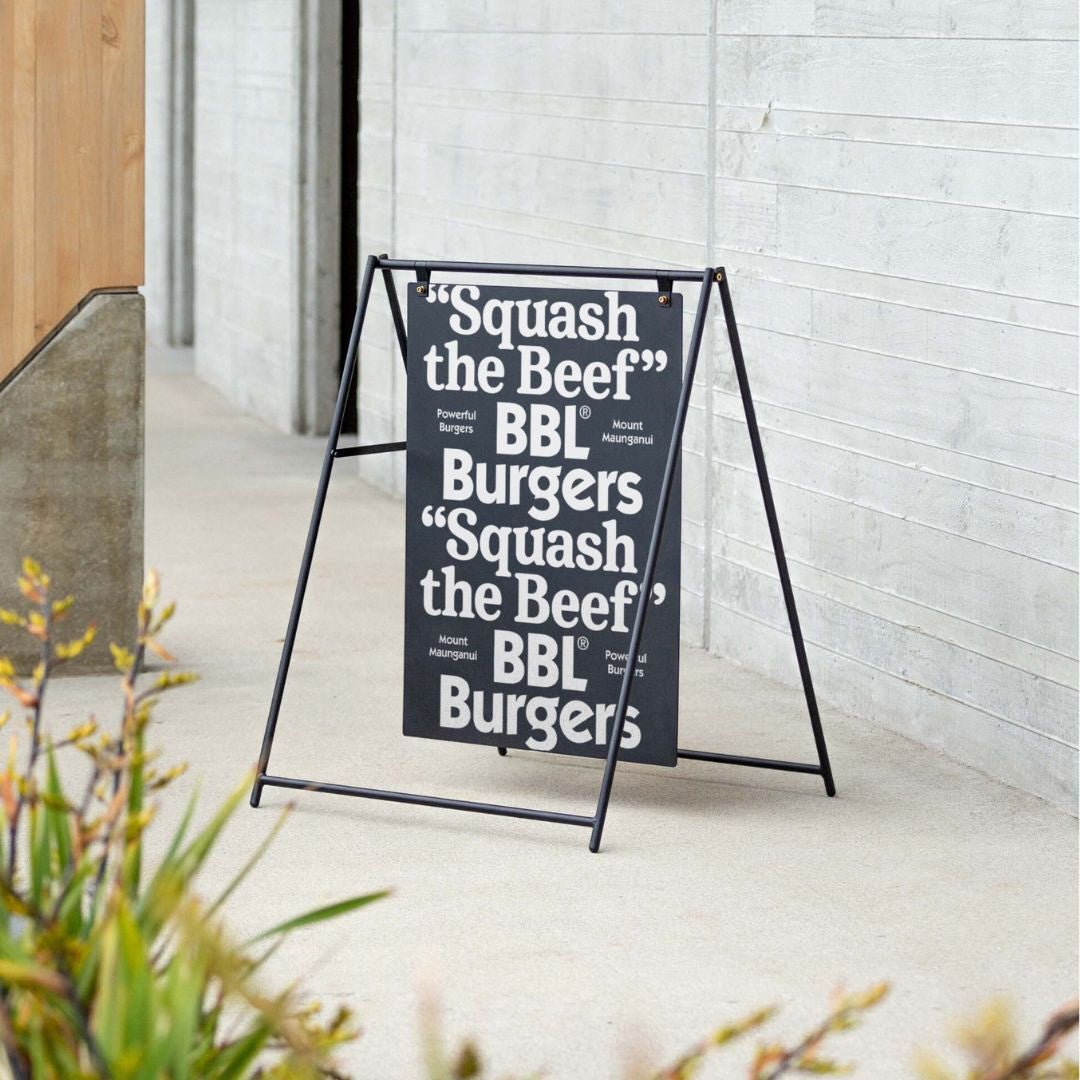
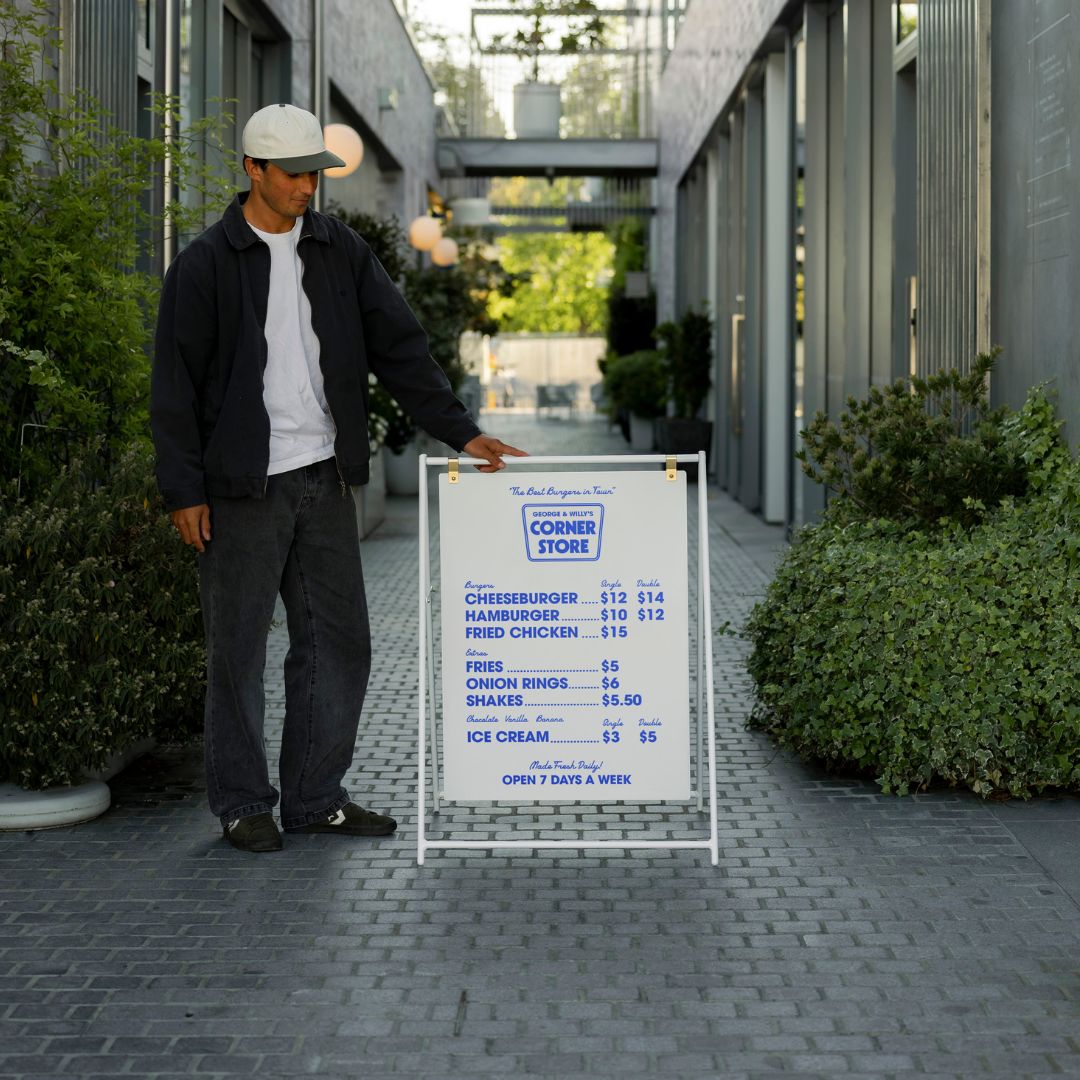
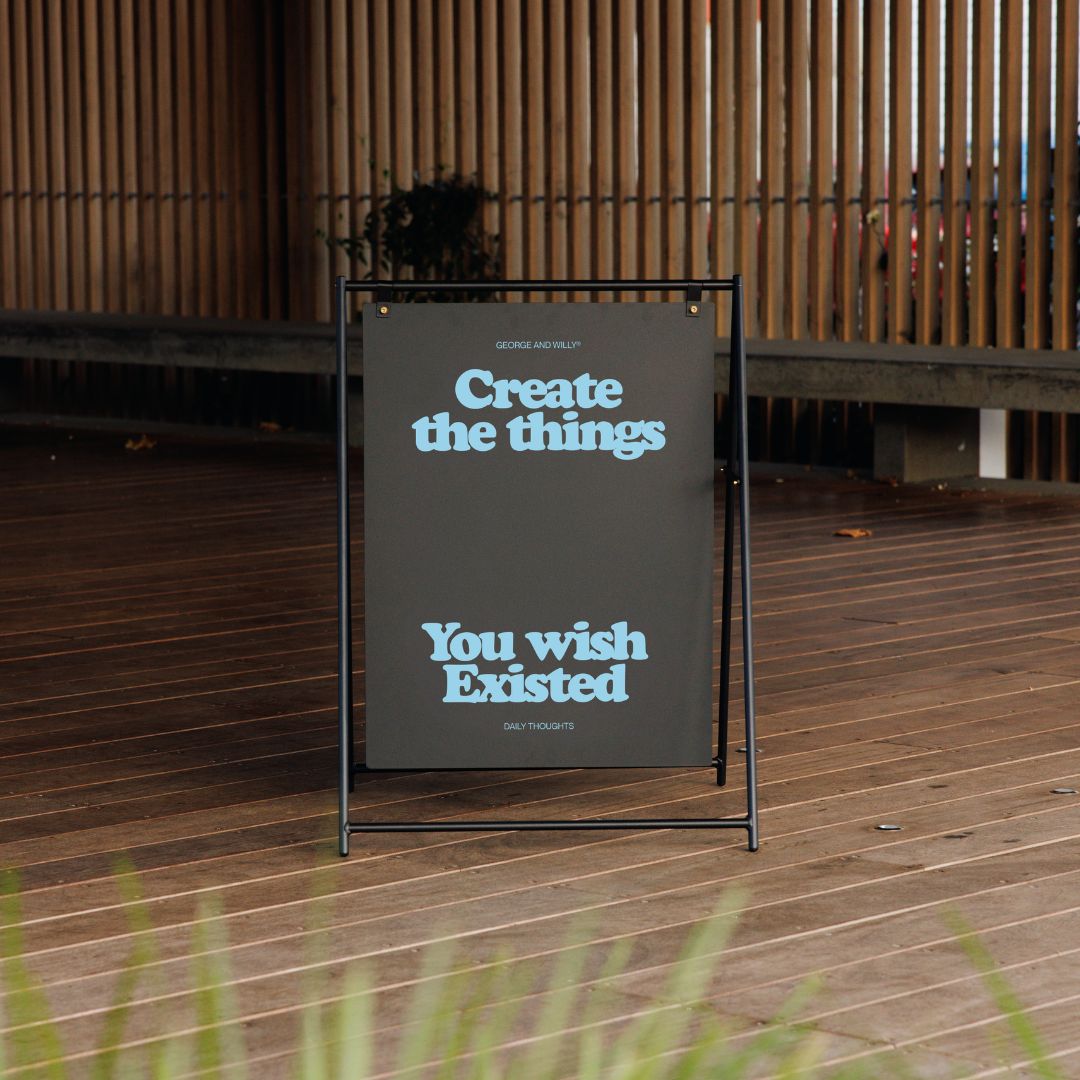
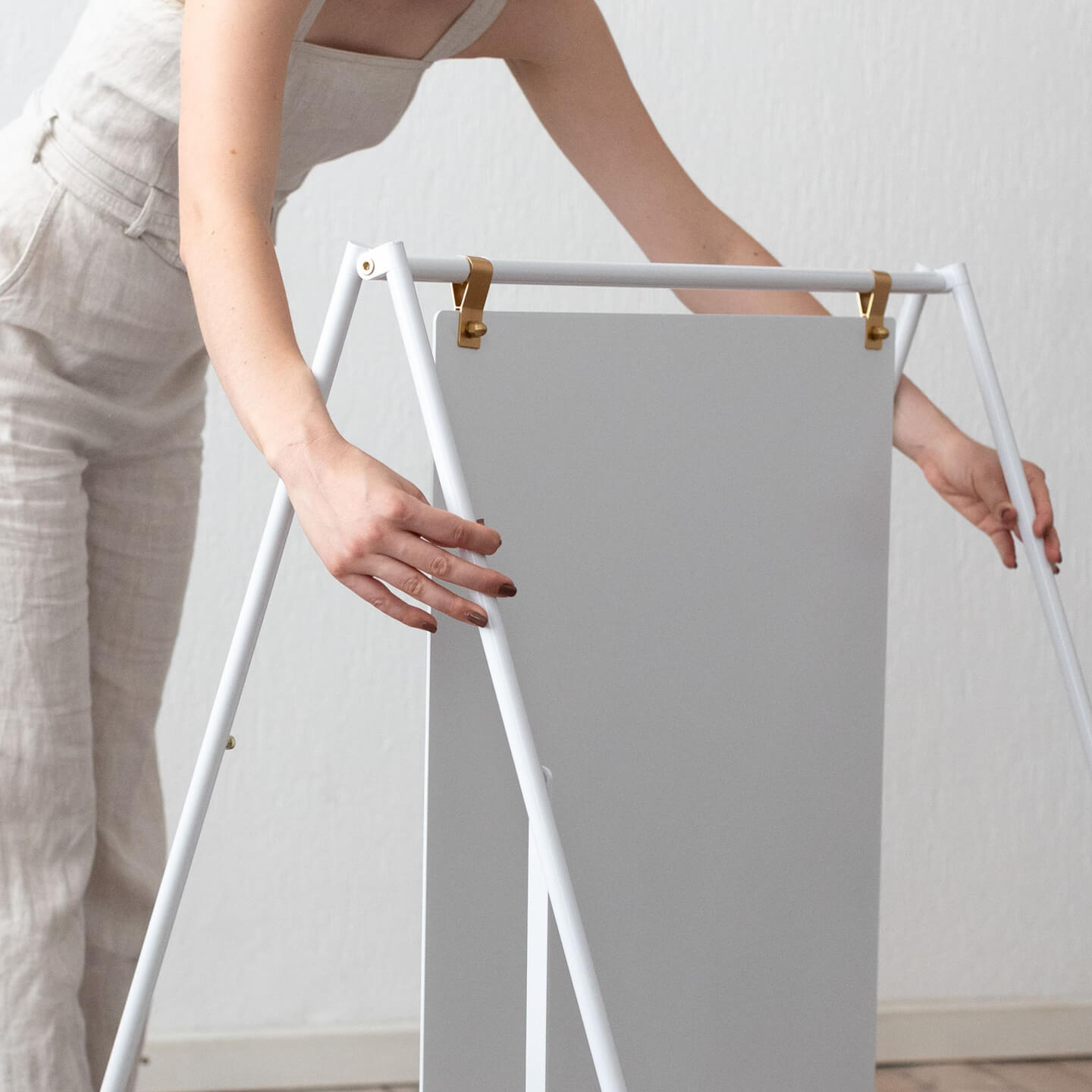
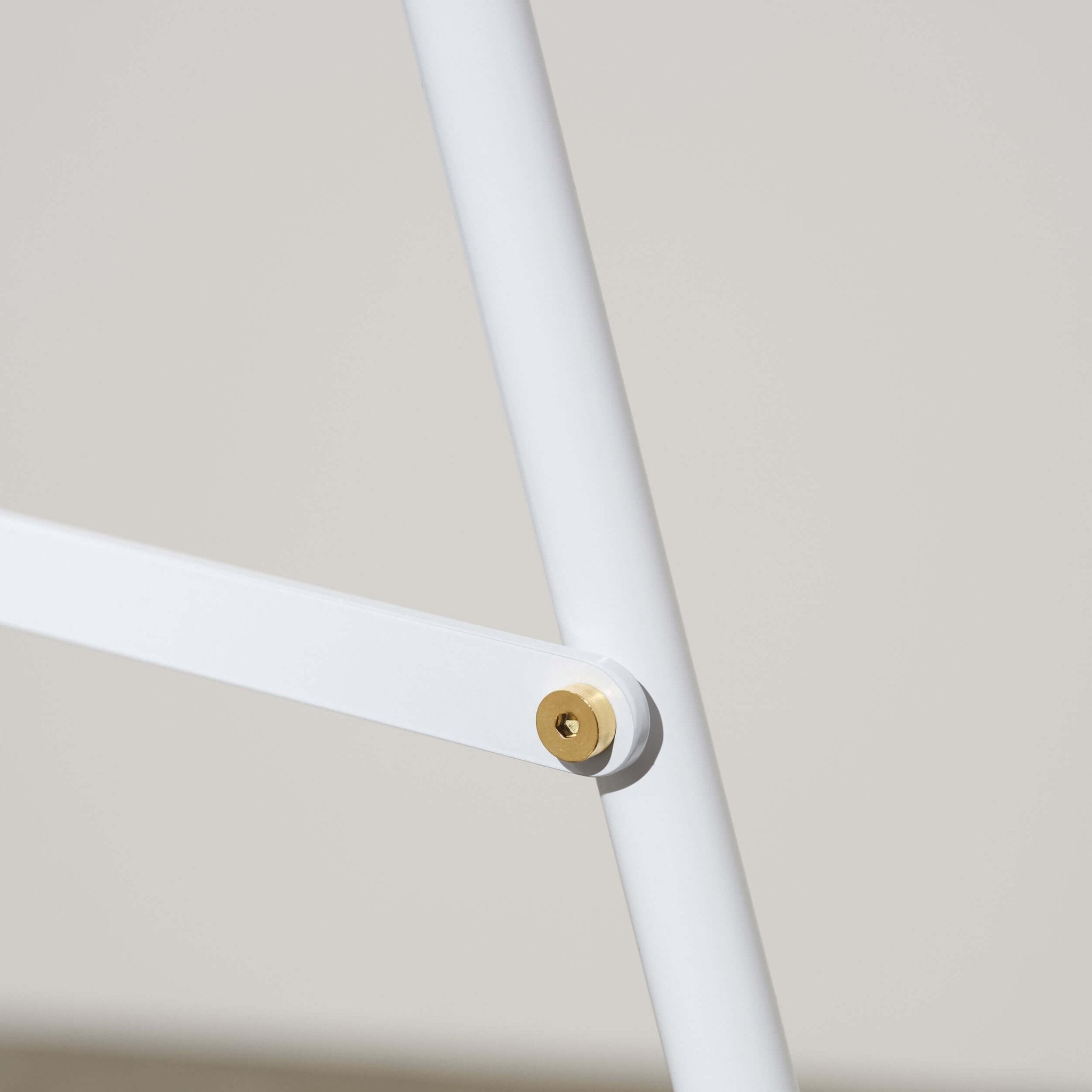
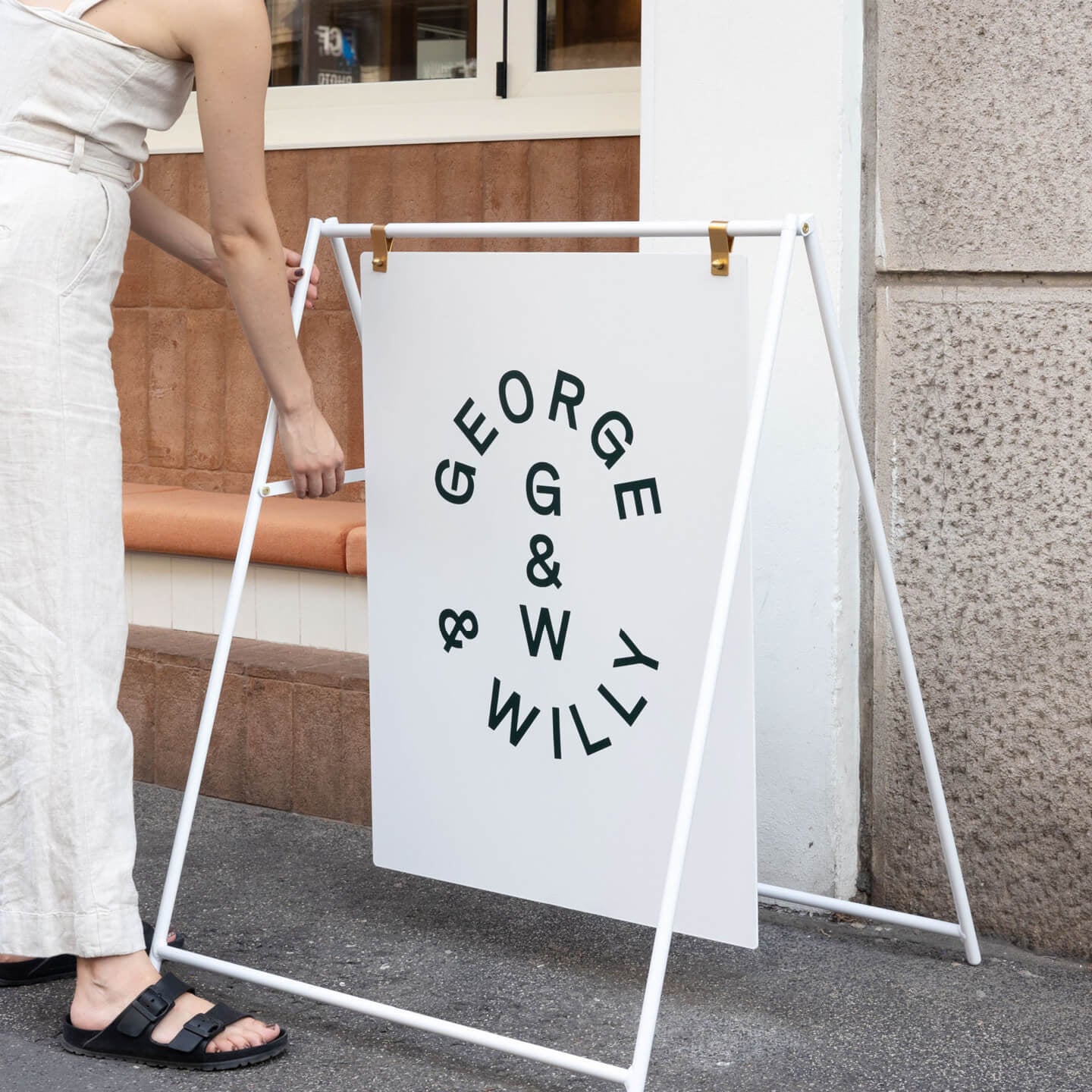
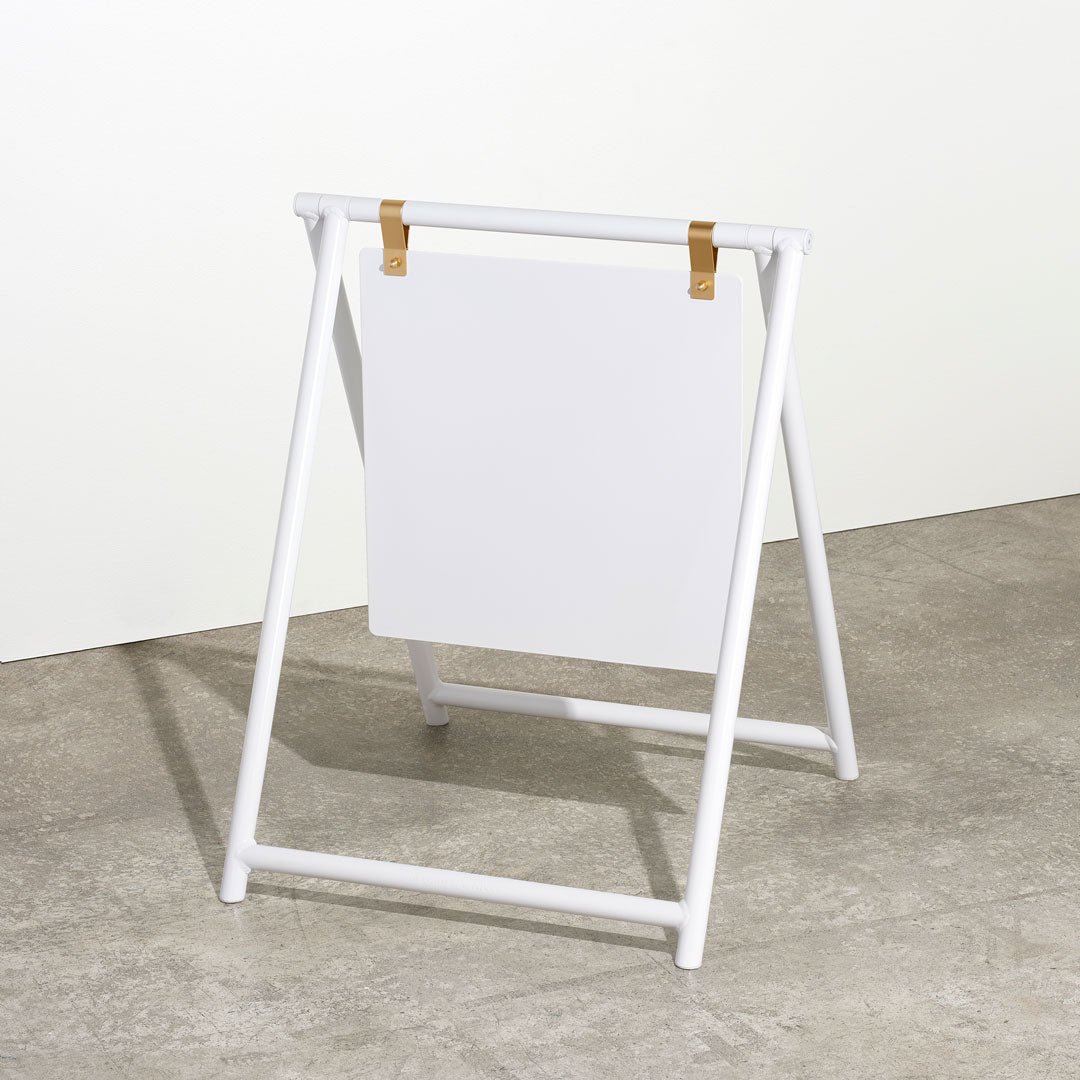
Freestanding Mounts: A‑frame style signs or post‑and‑panel signs need a stable base. Ensure they are heavy enough or can be weighted down to prevent tipping over in the wind. For a portable option, the A‑Frame Sign provides a stable, easy‑to‑move base.
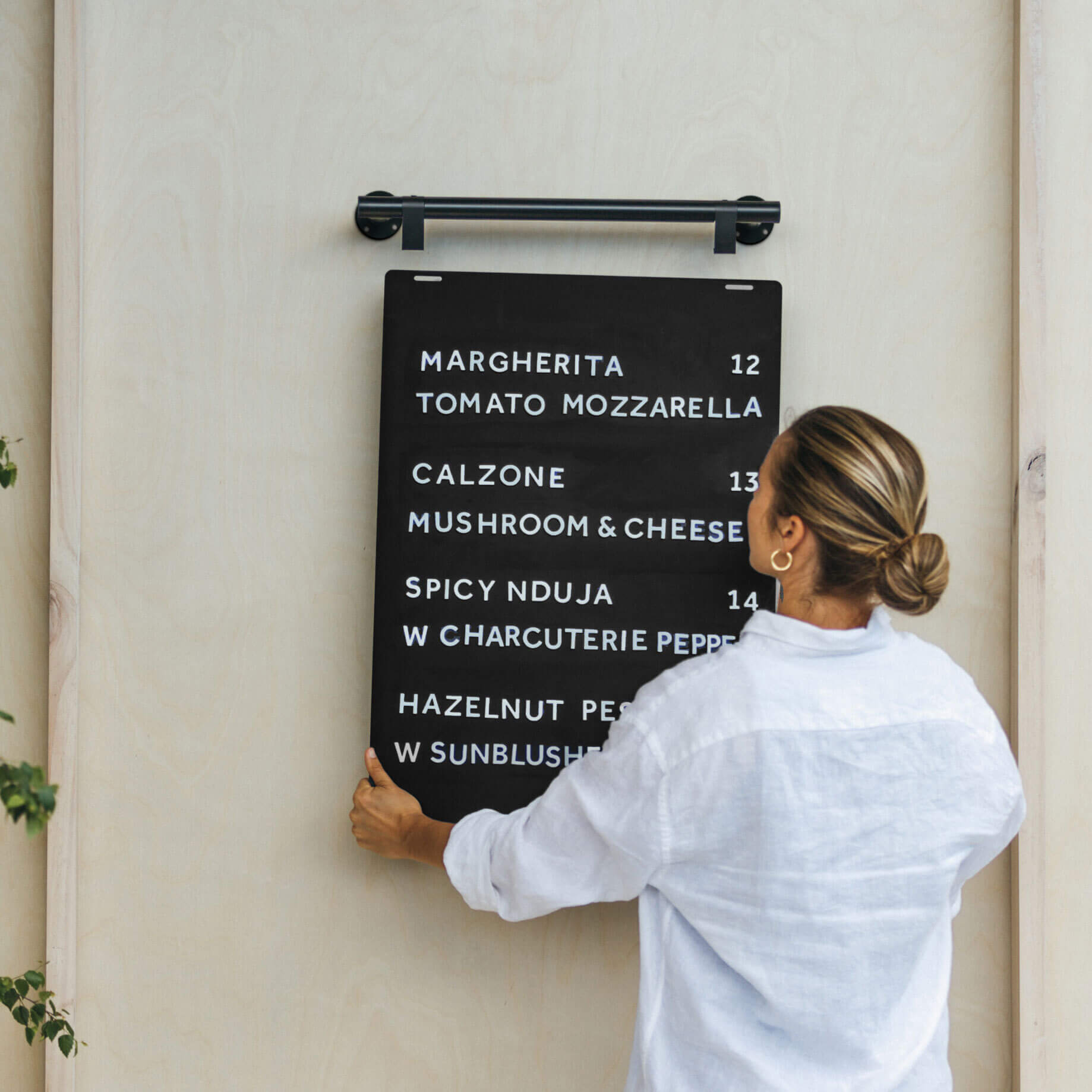
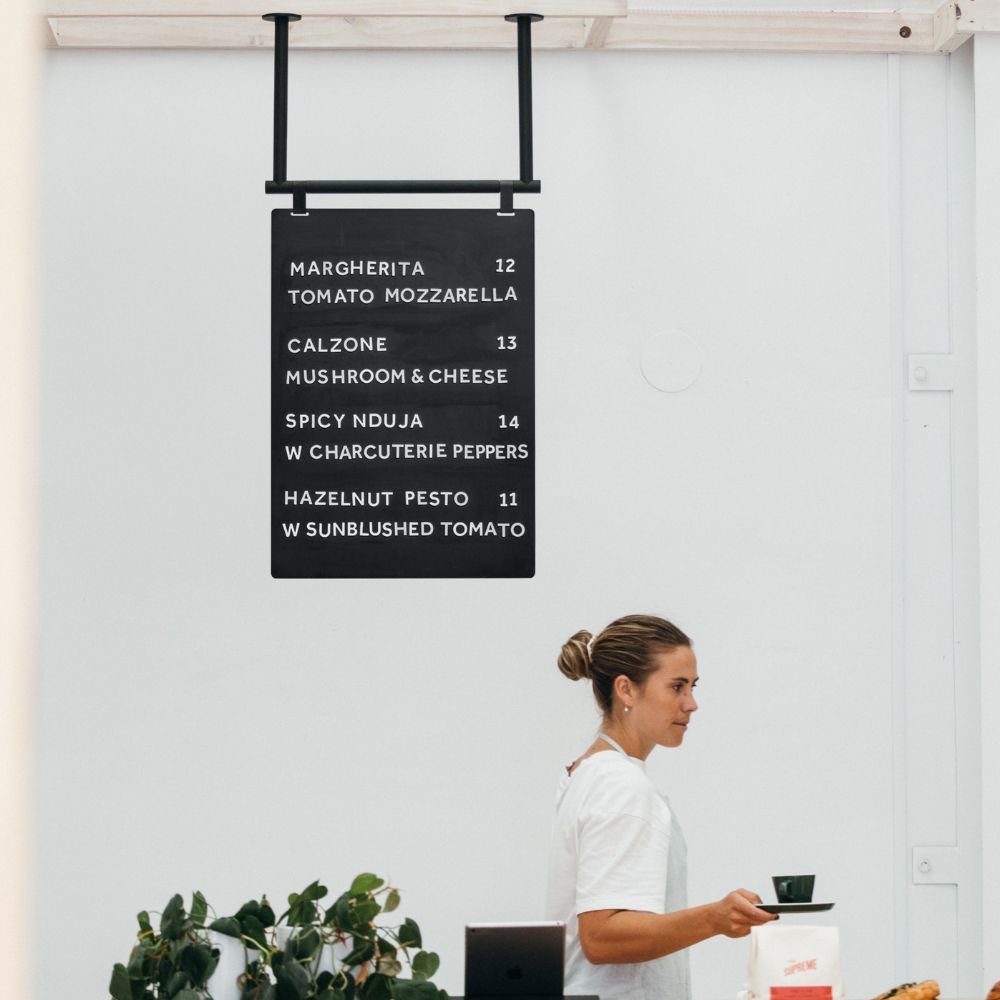
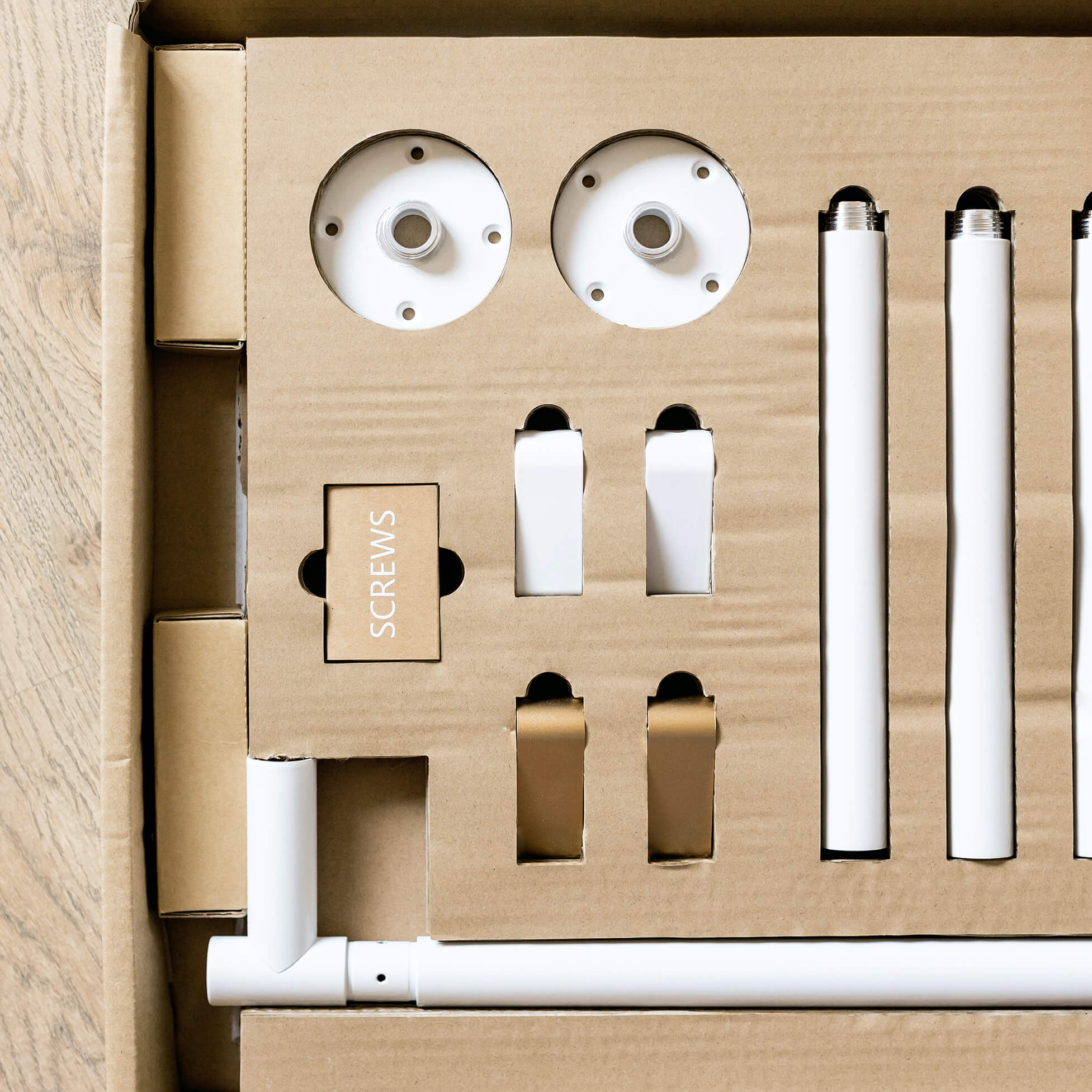
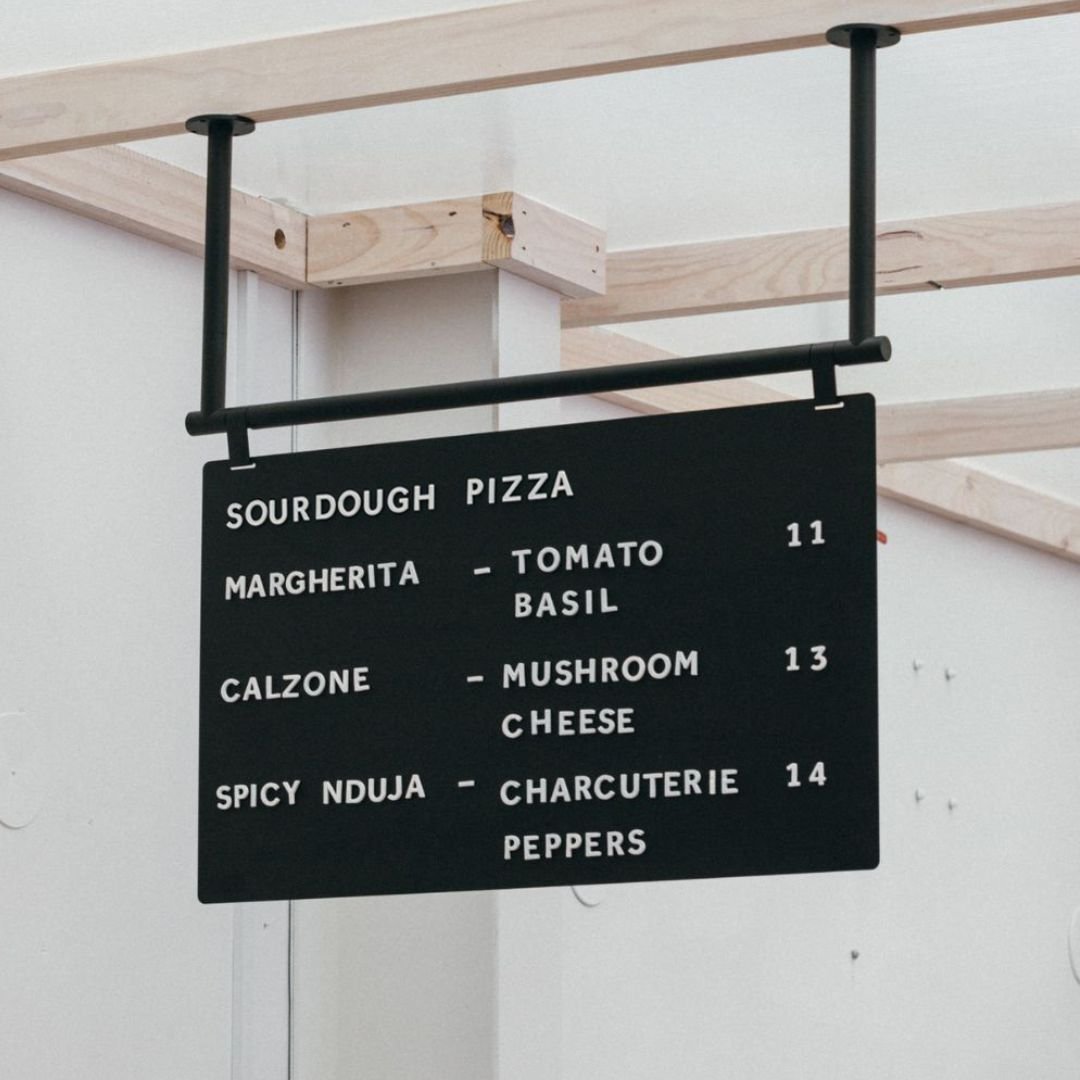
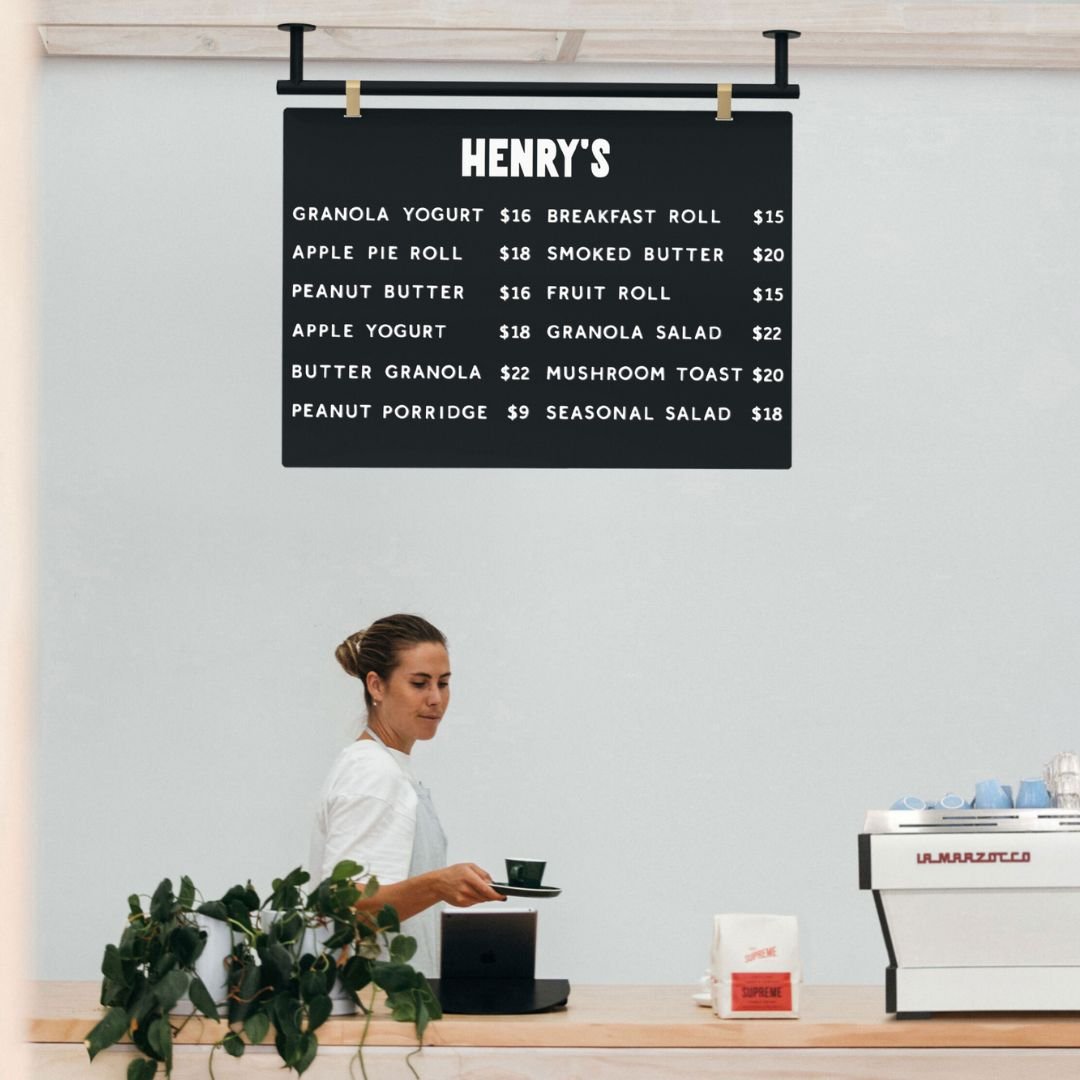
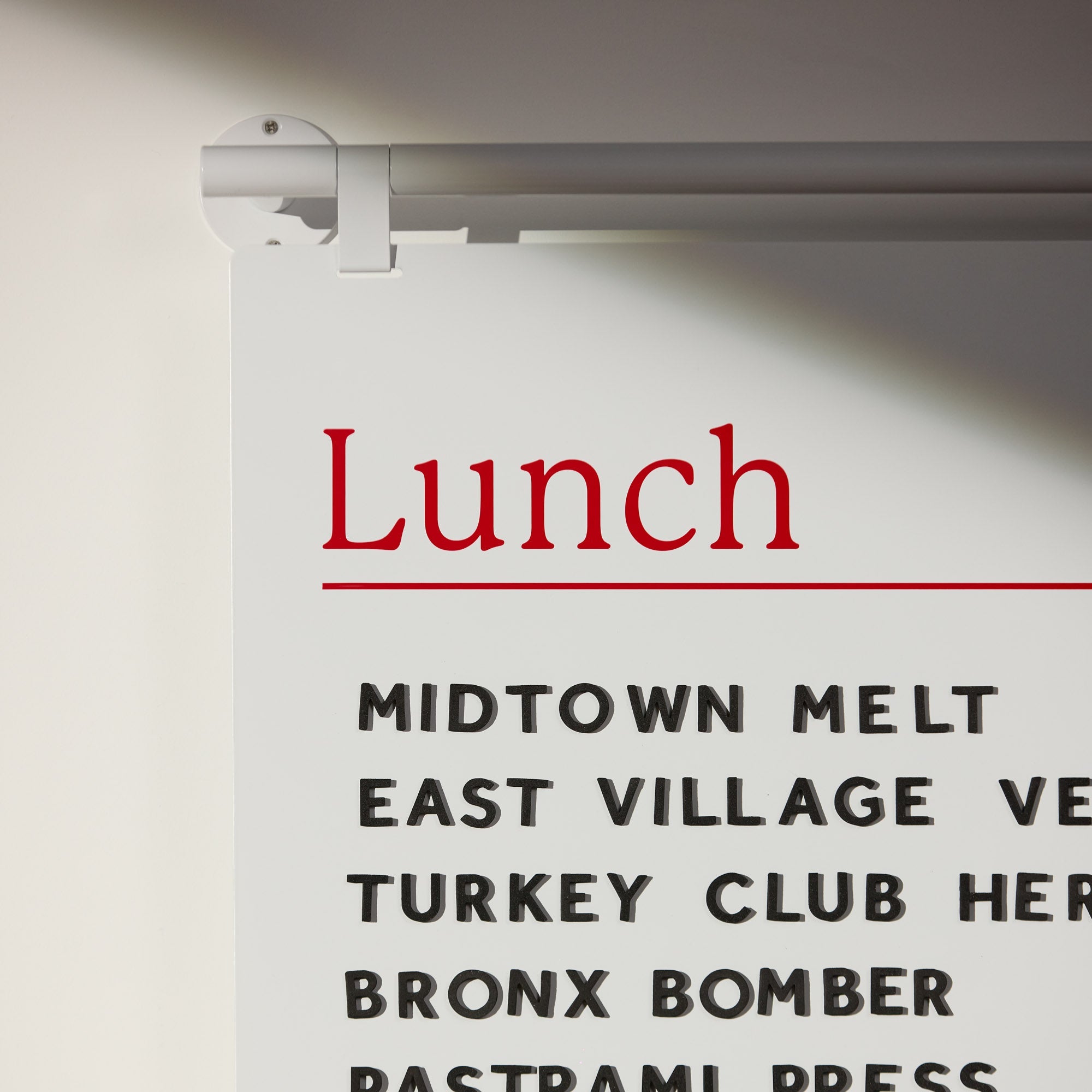
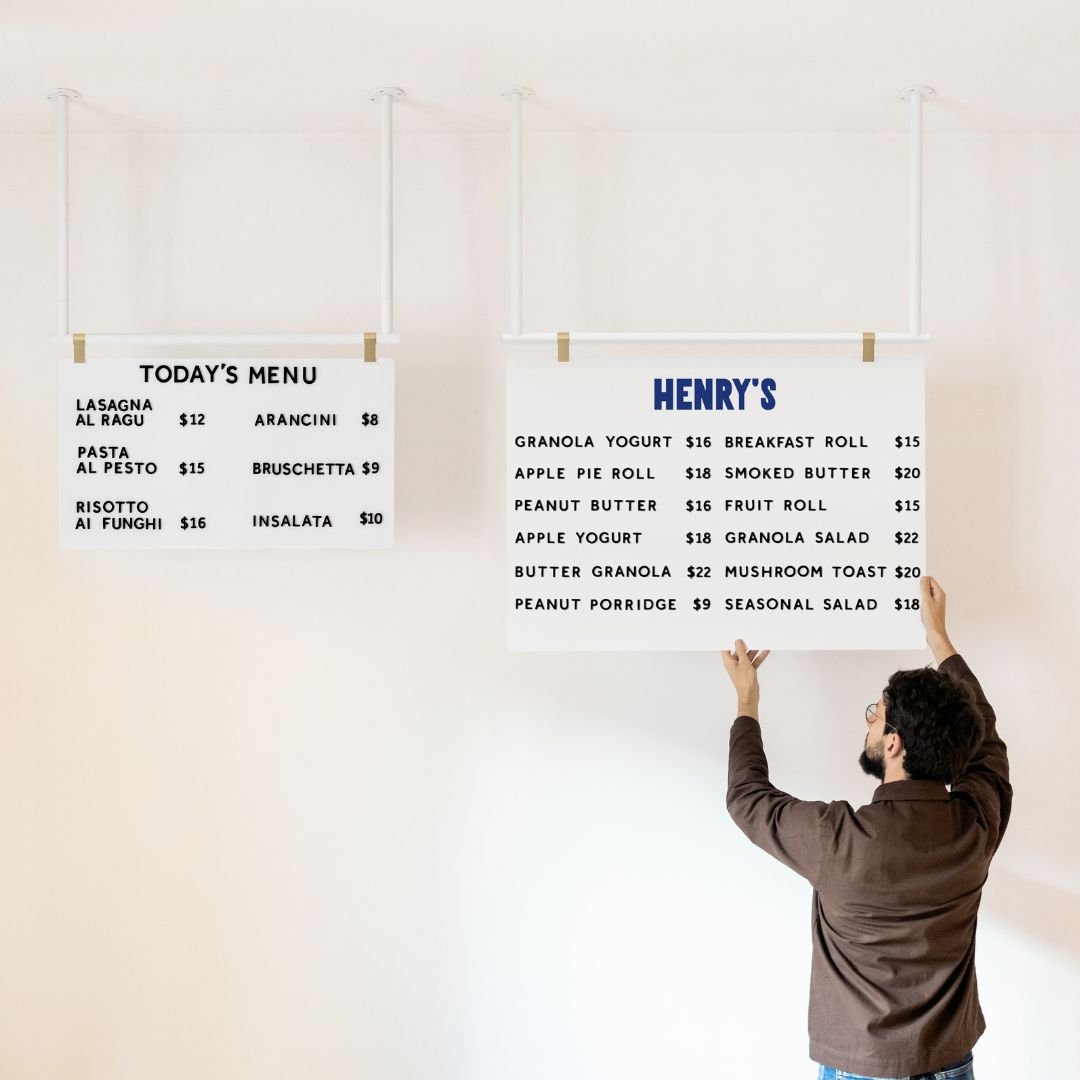
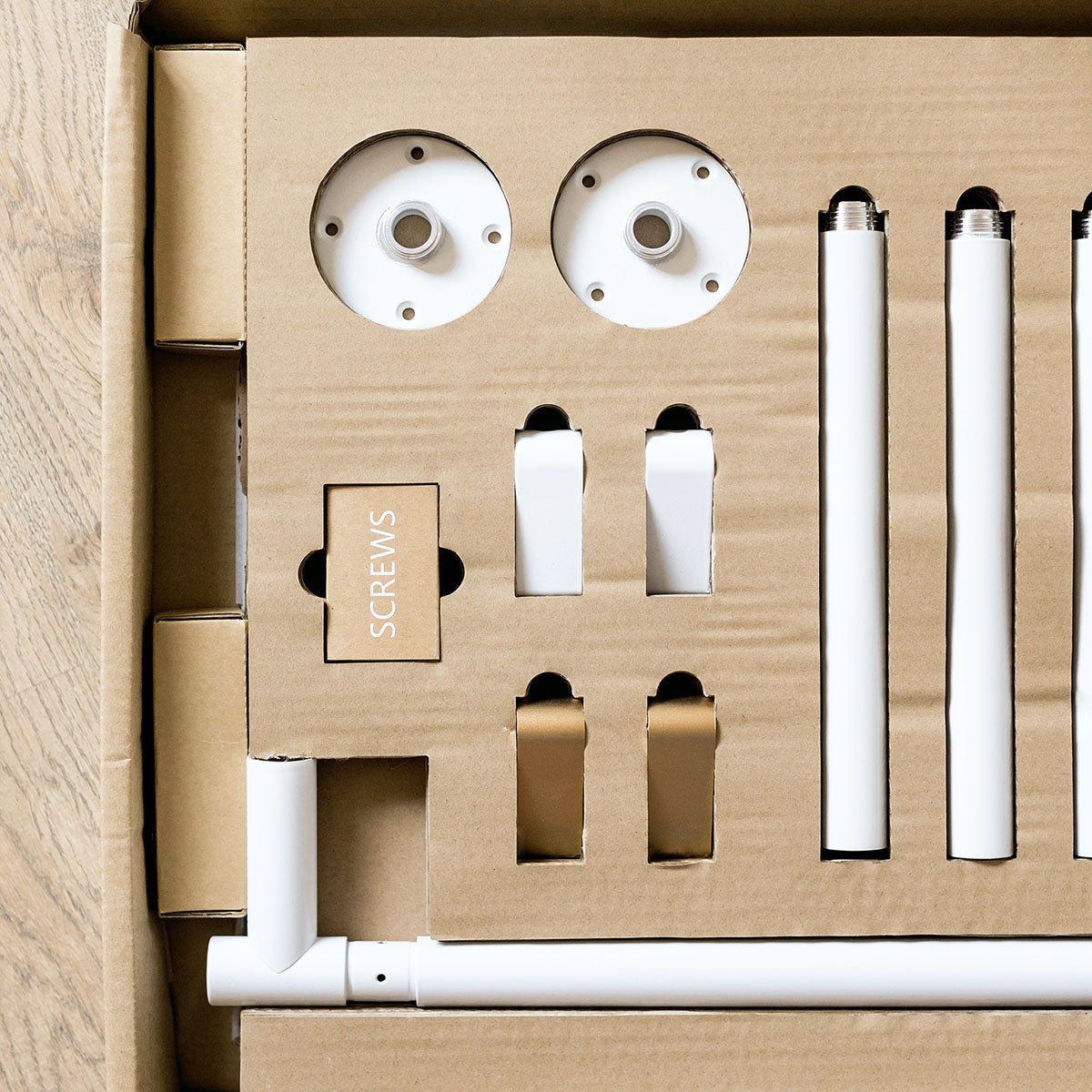
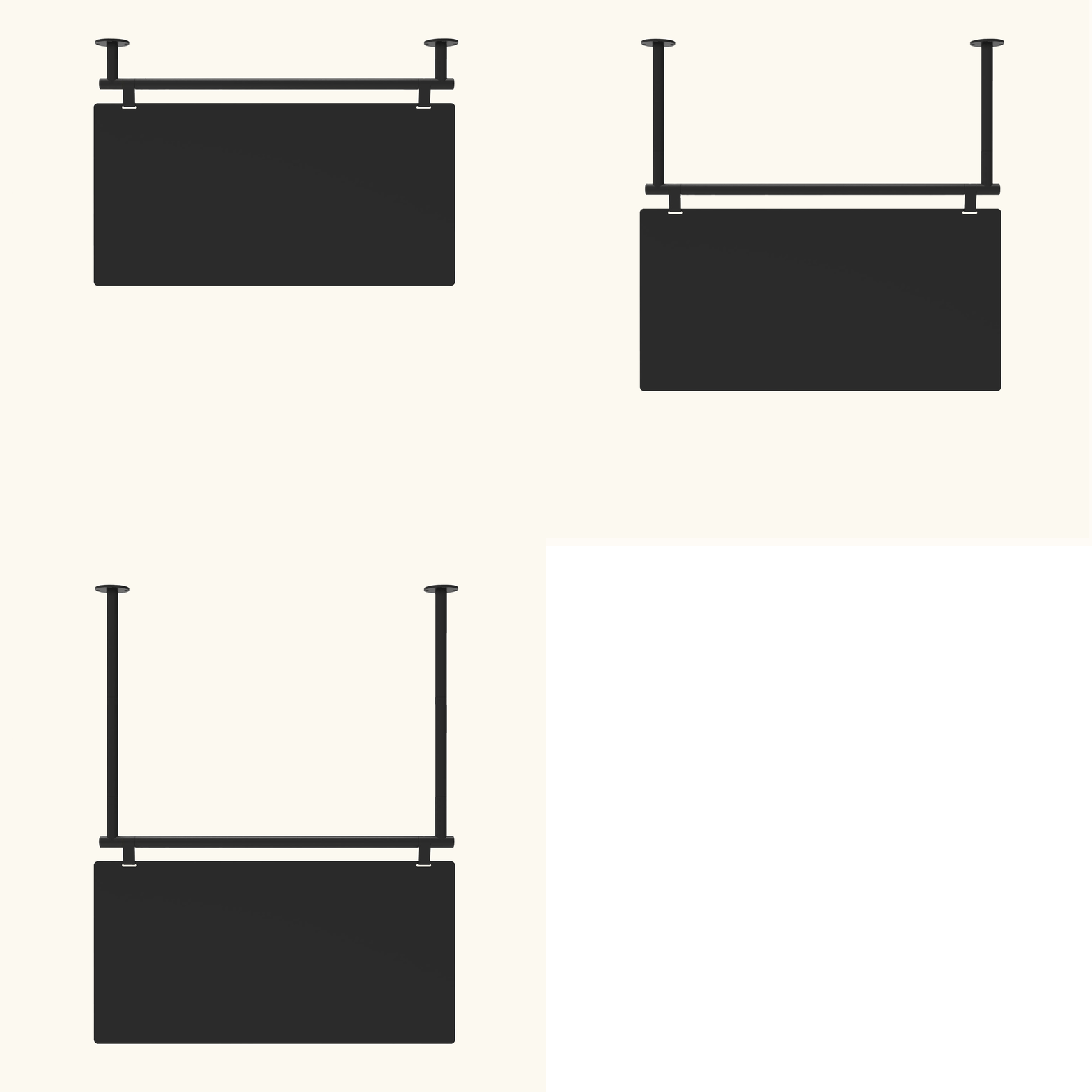
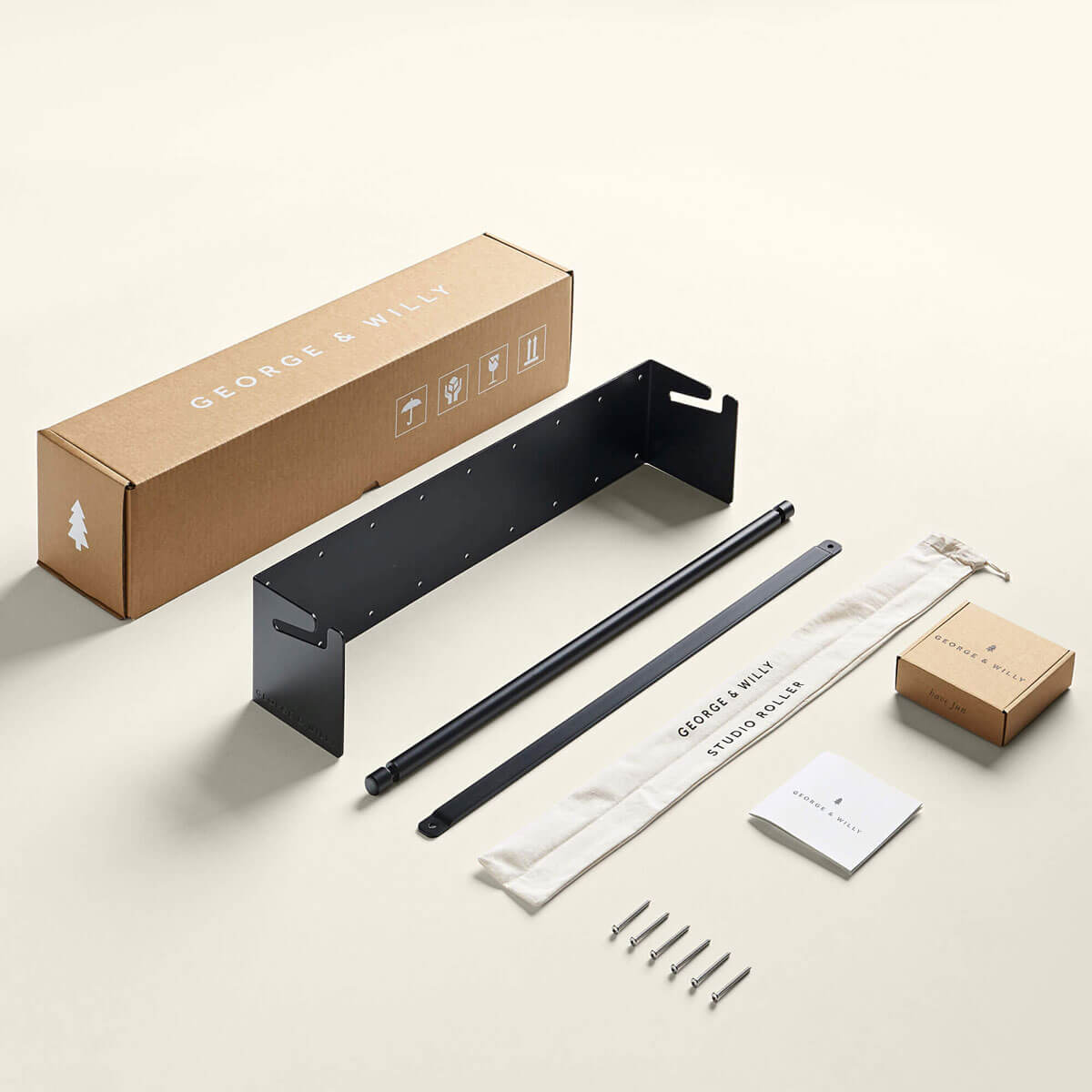
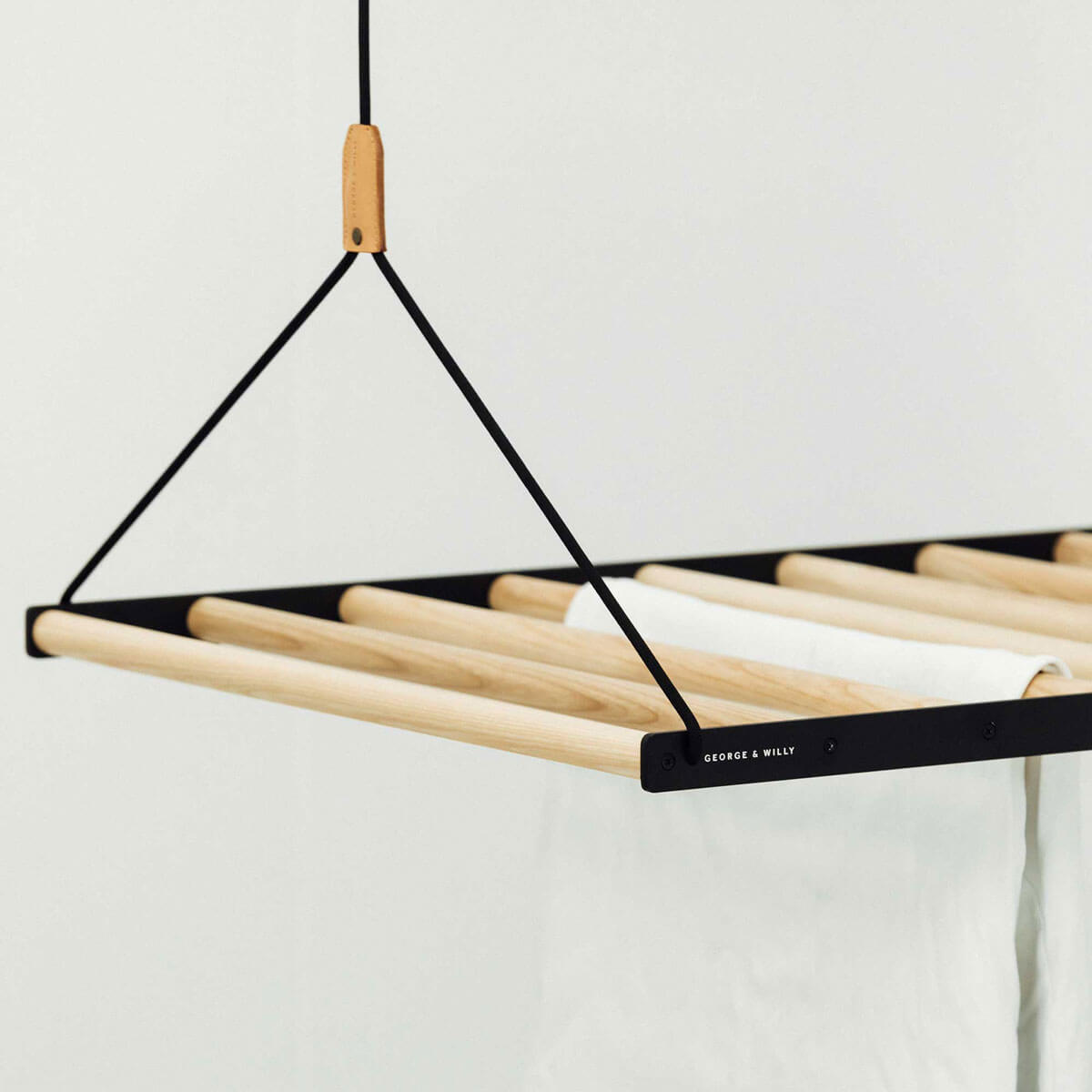
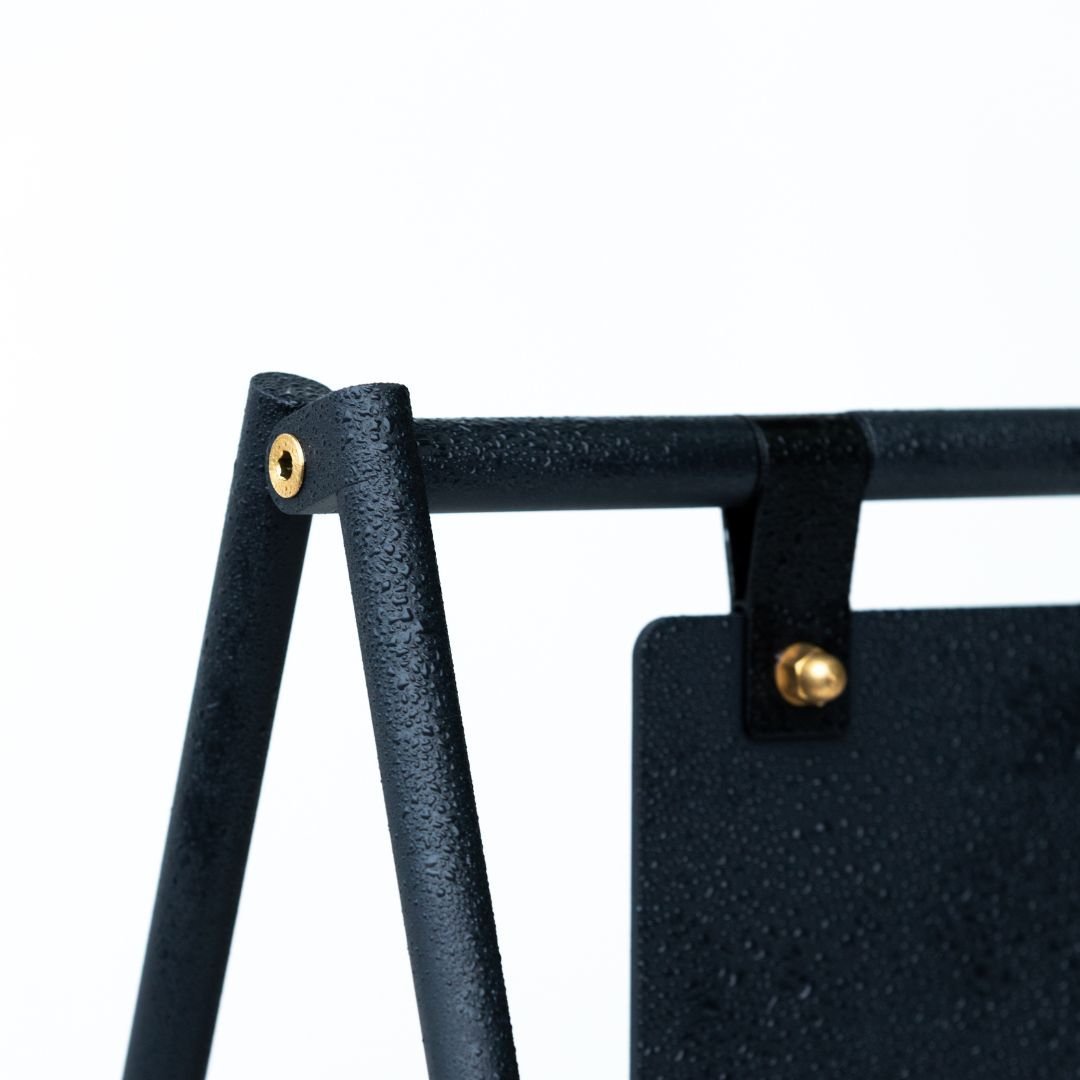
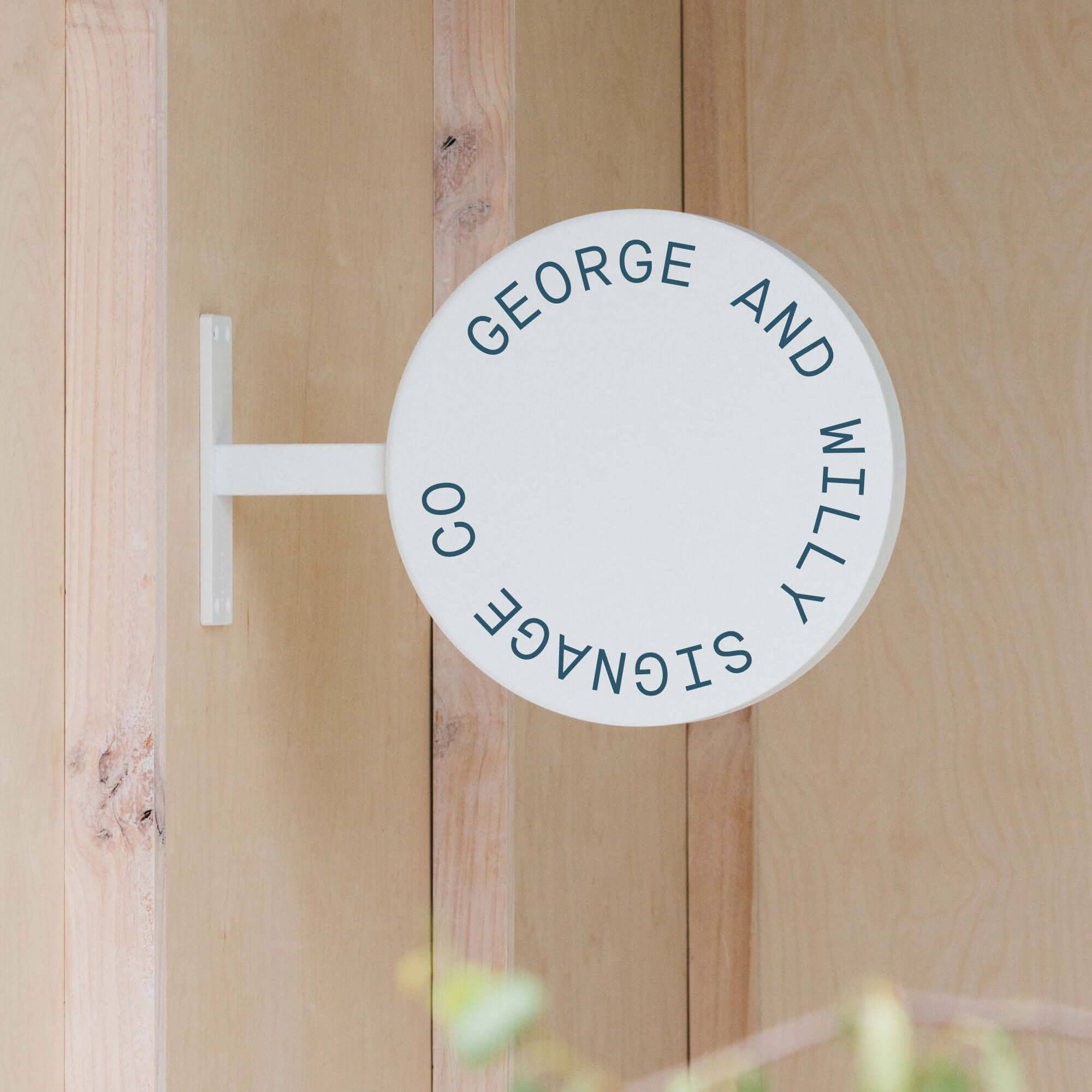
Proper installation ensures your sign stays safely where it belongs, doing its job for years. Many high quality sign systems, like the Metal Signs and Hanging Signs from George & Willy, come with the appropriate mounting hardware, taking the guesswork out of the process.
Creating the perfect personalized signs for outdoors is a journey of smart choices. By selecting the right materials, high quality graphics, and a secure mounting method, you can create a sign that not only captures attention but also stands the test of time. Ready to find the perfect canvas for your brand? Explore our collection of durable, design forward outdoor signage to get started.
Frequently Asked Questions about Personalized Signs for Outdoors
1. What is the most durable material for personalized signs for outdoors?
For ultimate durability, High Density Polyethylene (HDPE) is an excellent choice as it is waterproof, UV resistant, and will not rot or delaminate. Aluminum Composite Material (ACM) is another top contender, offering a fantastic combination of rigidity, weather resistance, and a premium finish.
2. How long will personalized signs for outdoors typically last?
The lifespan depends entirely on the materials used. A high quality ACM sign with cast vinyl graphics can last well over seven years, while an inexpensive corrugated plastic sign might only last one to two years in direct sunlight.
3. Can I use a sign made for indoor use outside?
It is generally not recommended. Indoor materials, like foam core or standard PVC boards, are not designed to handle UV exposure, temperature changes, and moisture. They will likely warp, fade, or deteriorate quickly when placed outdoors.
4. How can I make the colors on my outdoor sign last longer?
Choose UV resistant materials from the start. Opting for UV printing and adding a UV resistant laminate over the graphics will provide the best protection against fading and significantly extend the life of your sign’s colors.
5. What is the best material for a windy location?
In windy areas, you need strength and rigidity. A solid aluminum or thick ACM panel is a great choice. Avoid lightweight materials like thin corrugated plastic. Equally important is a secure mounting method with heavy duty hardware.
6. Is it better to use printed graphics or vinyl lettering?
Both can be excellent choices. UV printing is great for complex, full color images directly on the sign panel. For simpler text and logos, high quality cast vinyl is extremely durable and provides a clean, sharp look that can last for many years.
7. How do I clean and maintain my outdoor sign?
Most outdoor signs can be cleaned with mild soap and water. Avoid abrasive cleaners that could scratch the surface or damage the graphics. Regular cleaning not only keeps your sign looking its best but also allows you to inspect the mounting hardware to ensure it remains secure.
8. Where can I get my blank sign customized?
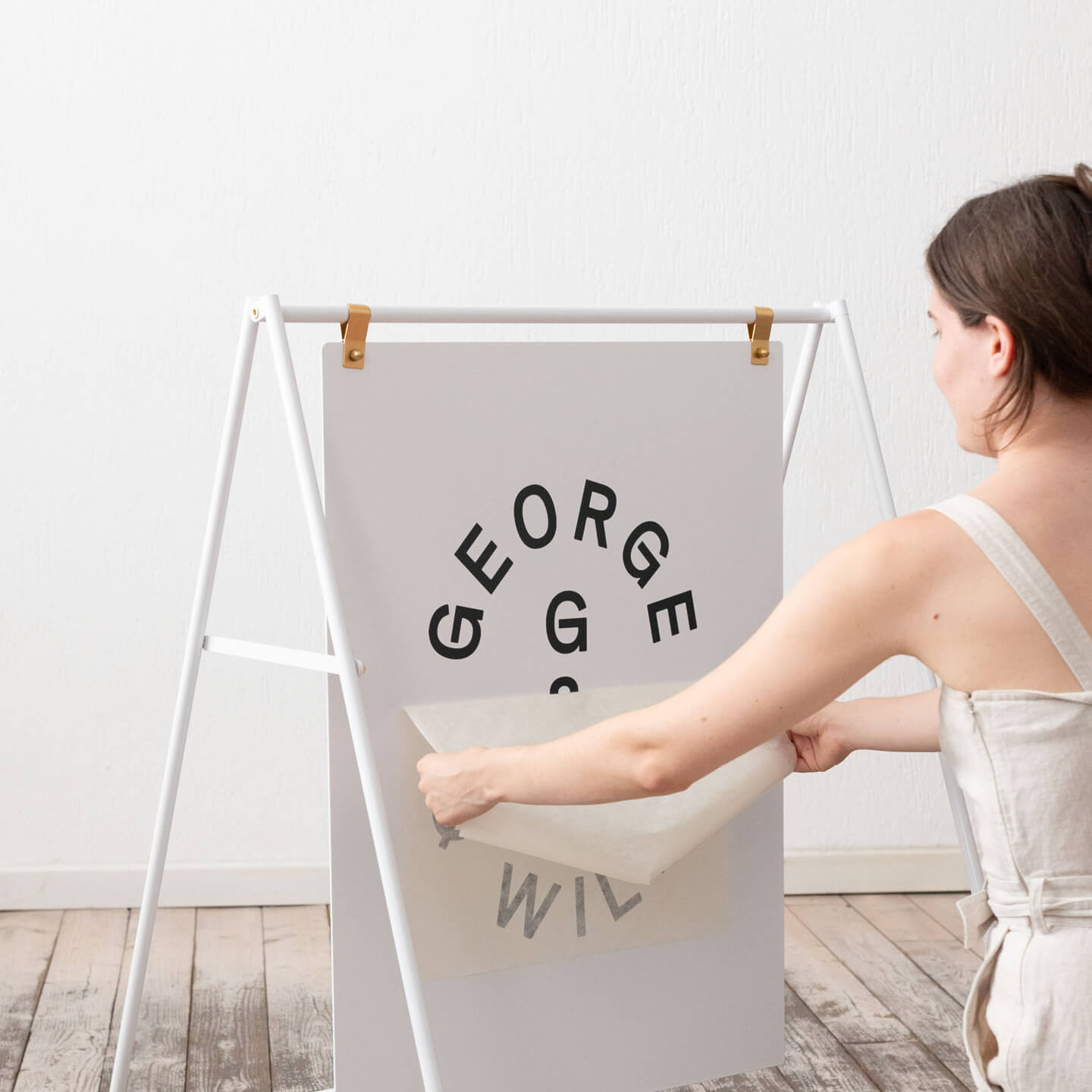
You can work with a local sign writer or print shop to apply your branding. They can help you choose the best type of vinyl and apply it professionally to a high quality blank sign, giving you perfectly personalized signs for outdoors that reflect your brand.