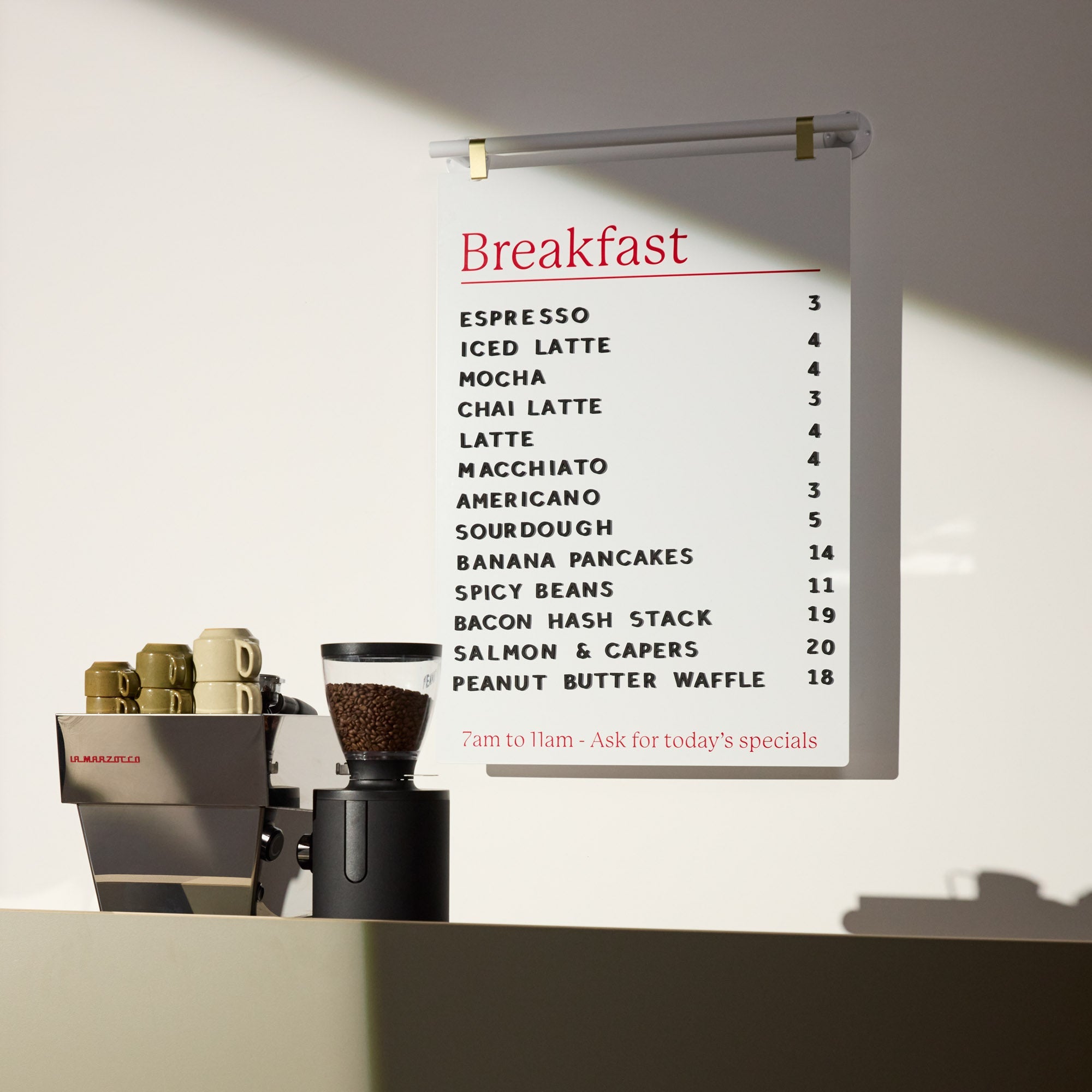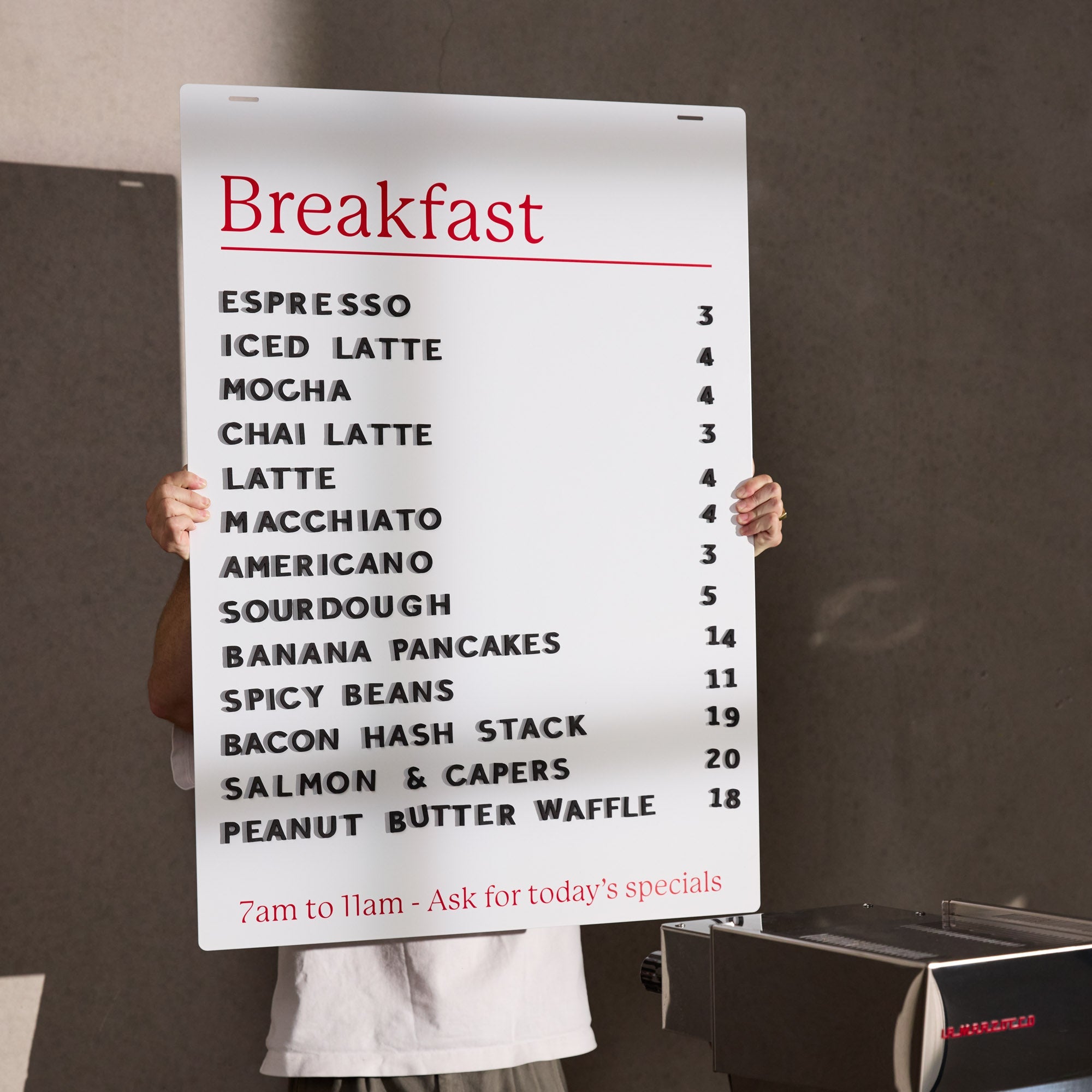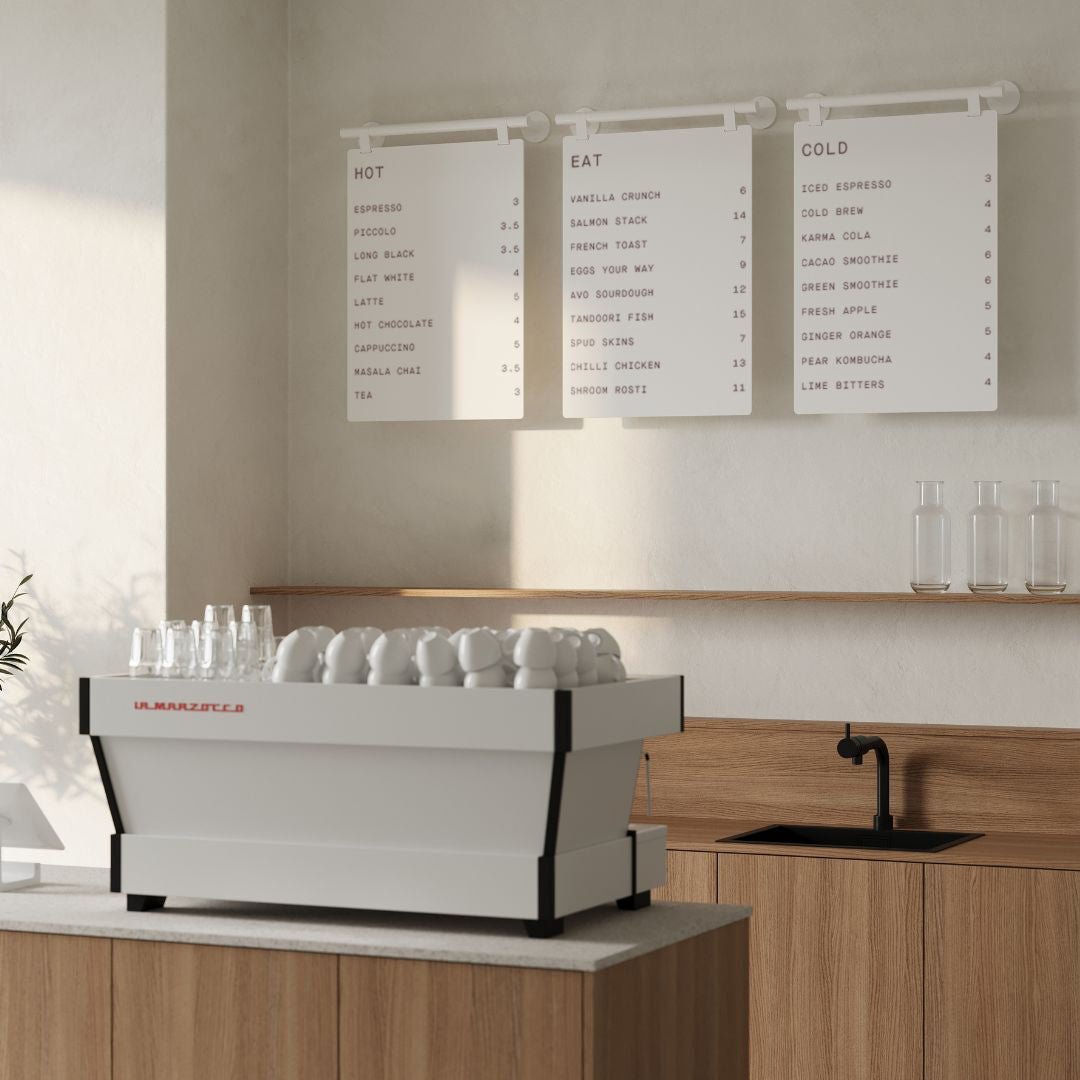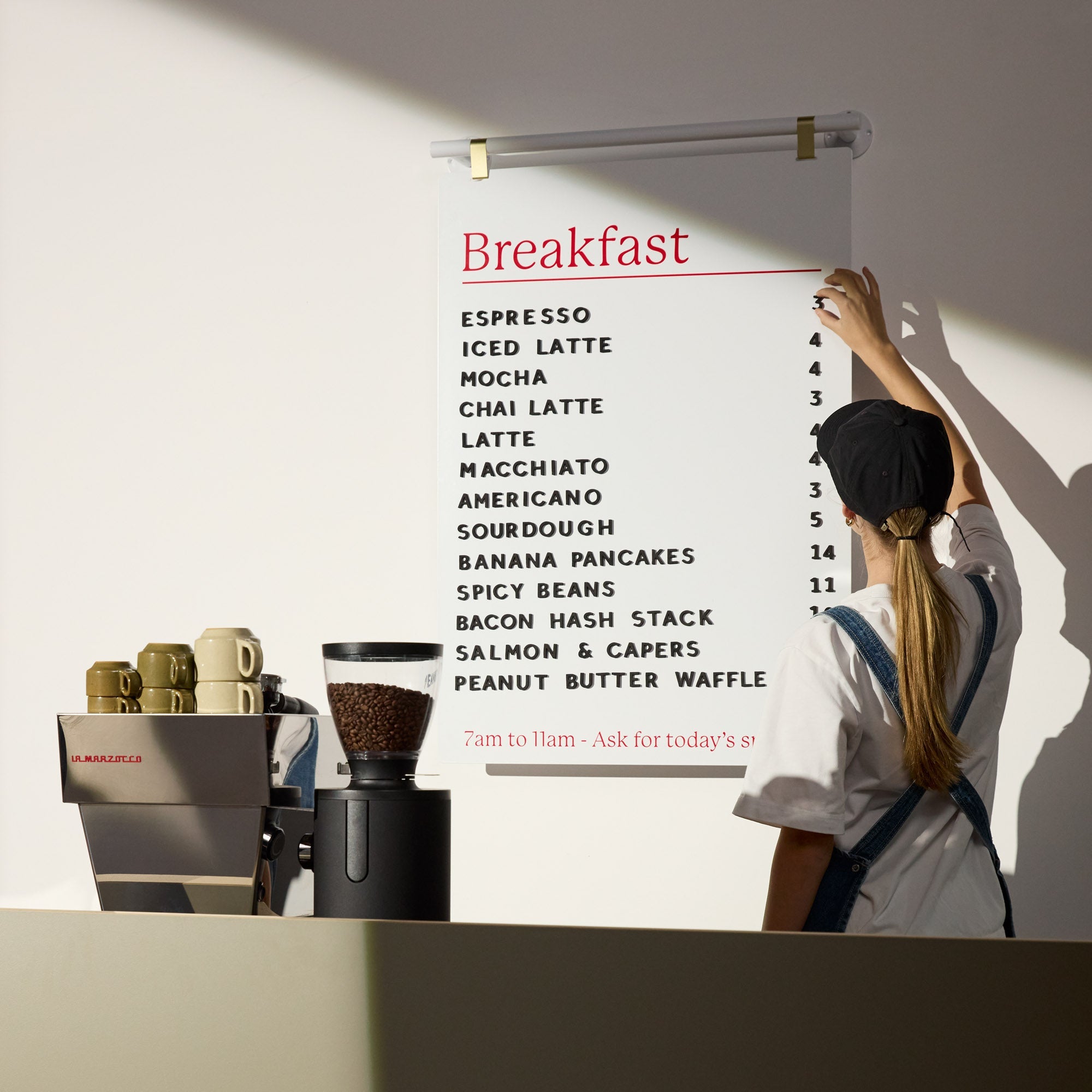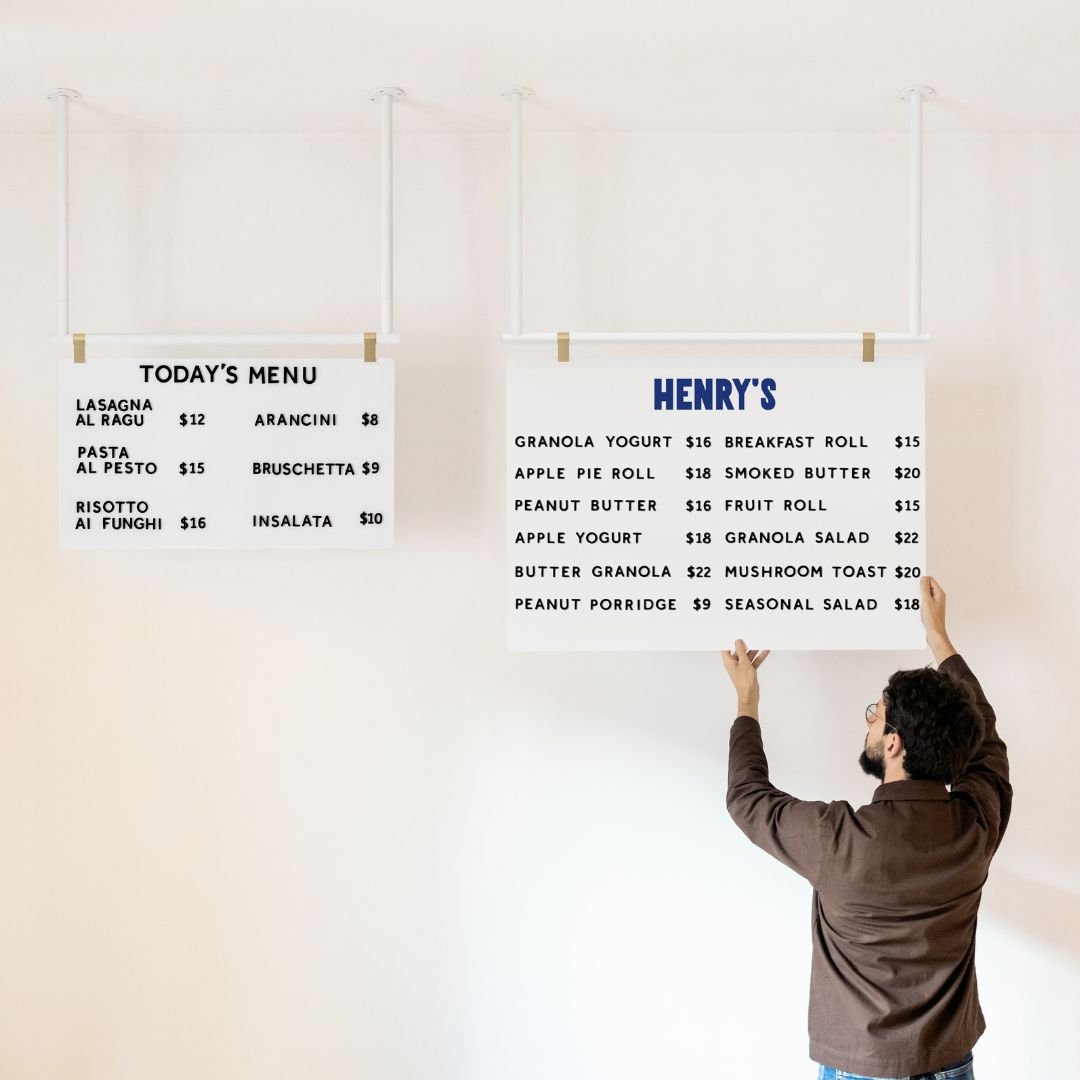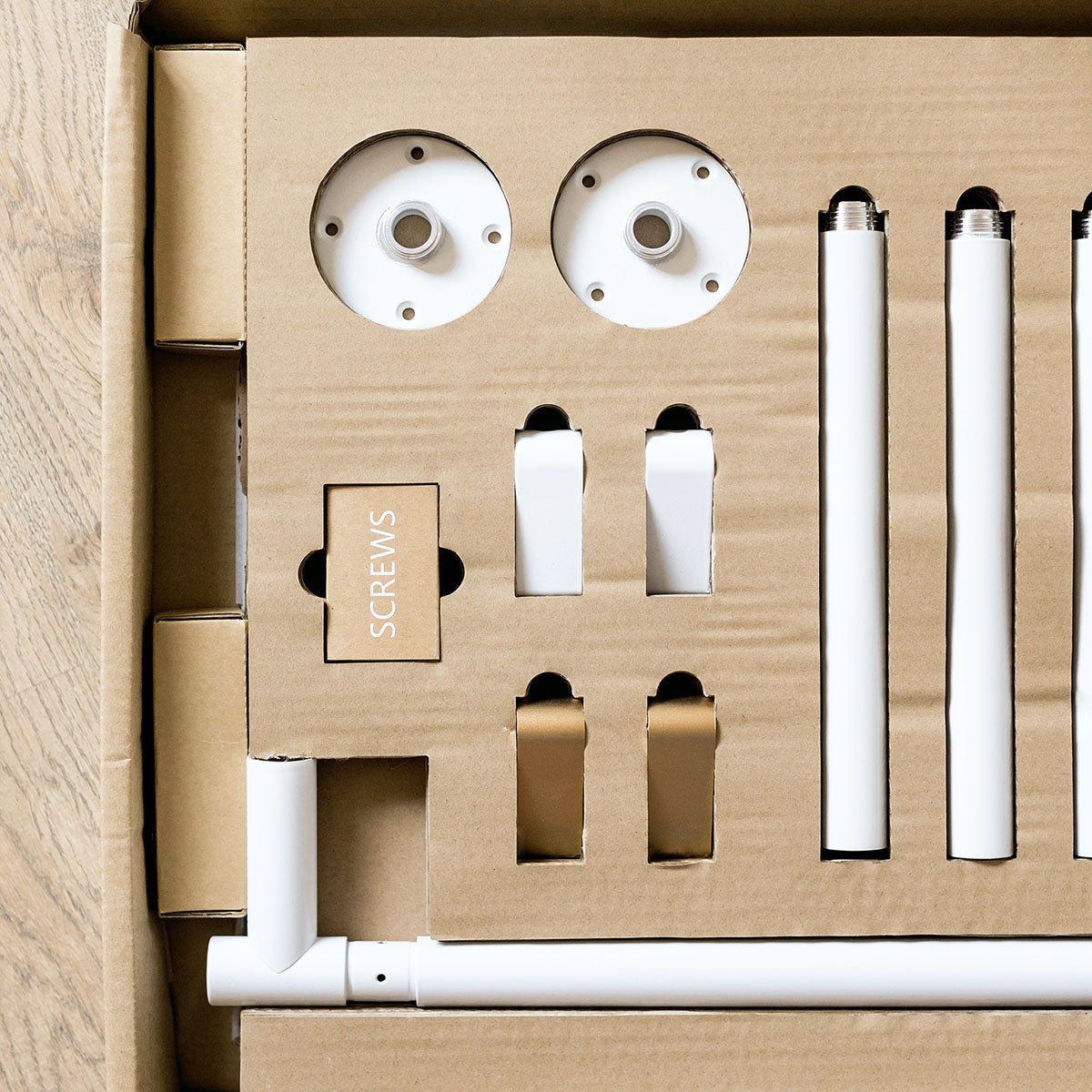





In a world full of digital ads, sometimes the simplest tools work best. Well designed lawn signs for business are a powerful, cost effective way to grab attention, drive foot traffic, and build brand awareness right in your local community. In fact, studies show a significant number of consumers have entered a store for the first time based on its signs alone. A business without a sign can often be seen as a sign of no business.
This guide will walk you through everything you need to know, from choosing the right materials and design to understanding local rules and measuring your return on investment for your lawn signs for business.
Why Your Business Needs a Street Level Sign Strategy
Effective signage is more than just a marker; it’s a silent salesperson working for you 24/7. For local businesses especially, a thoughtful approach to lawn signs for business can be a game changer. These signs are perfect for targeting customers in your immediate area, reaching people who don’t have to travel far to visit you. Using ground level lawn signs for business is an essential part of any local marketing mix.
Here’s what makes them so effective:
- Boost Brand Awareness: Placing signs in and around your community helps more people recognize your business name and logo.
- Cost Effective Marketing: Compared to other advertising methods, high quality, reusable signs offer incredible value over their long lifespan.
- Implied Social Proof: Seeing your signs frequently can feel like a word of mouth recommendation, building trust with potential customers.
Choosing the Right Type of Lawn Sign
The first step is picking the right kind of sign for the job. Your choice will depend on how long you need the sign to last, your budget, and the look you want to achieve. Picking the right lawn signs for business is a key first step.
Common Materials for Business Yard Signs
- Corrugated Plastic (Coroplast): This is the most popular choice for temporary signs. It’s lightweight, waterproof, and very affordable, making it ideal for short term promotions, event announcements, or real estate listings. These signs typically last one to two years outdoors.
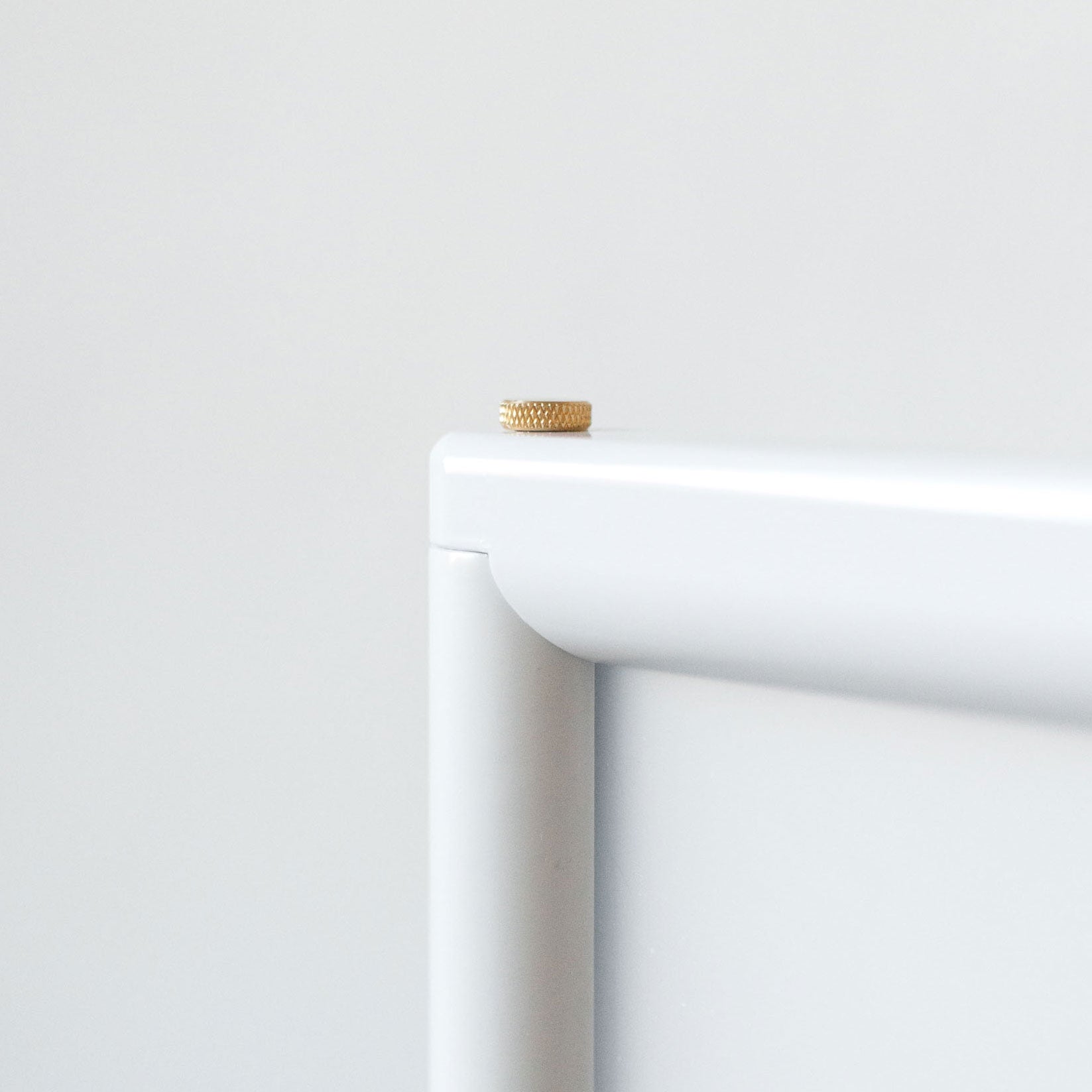
- Aluminum: For a more permanent and professional look, aluminum is an excellent option. It’s strong, rust proof, and can withstand harsh weather for years, making it perfect for long term directional or informational signs. Its smooth surface is also great for detailed graphics.
- PVC (Polyvinyl Chloride): PVC signs are lightweight and versatile, offering a smooth surface for high quality printing. While durable, they are best for short to medium term outdoor use, as large panels can sometimes bow in extreme heat.
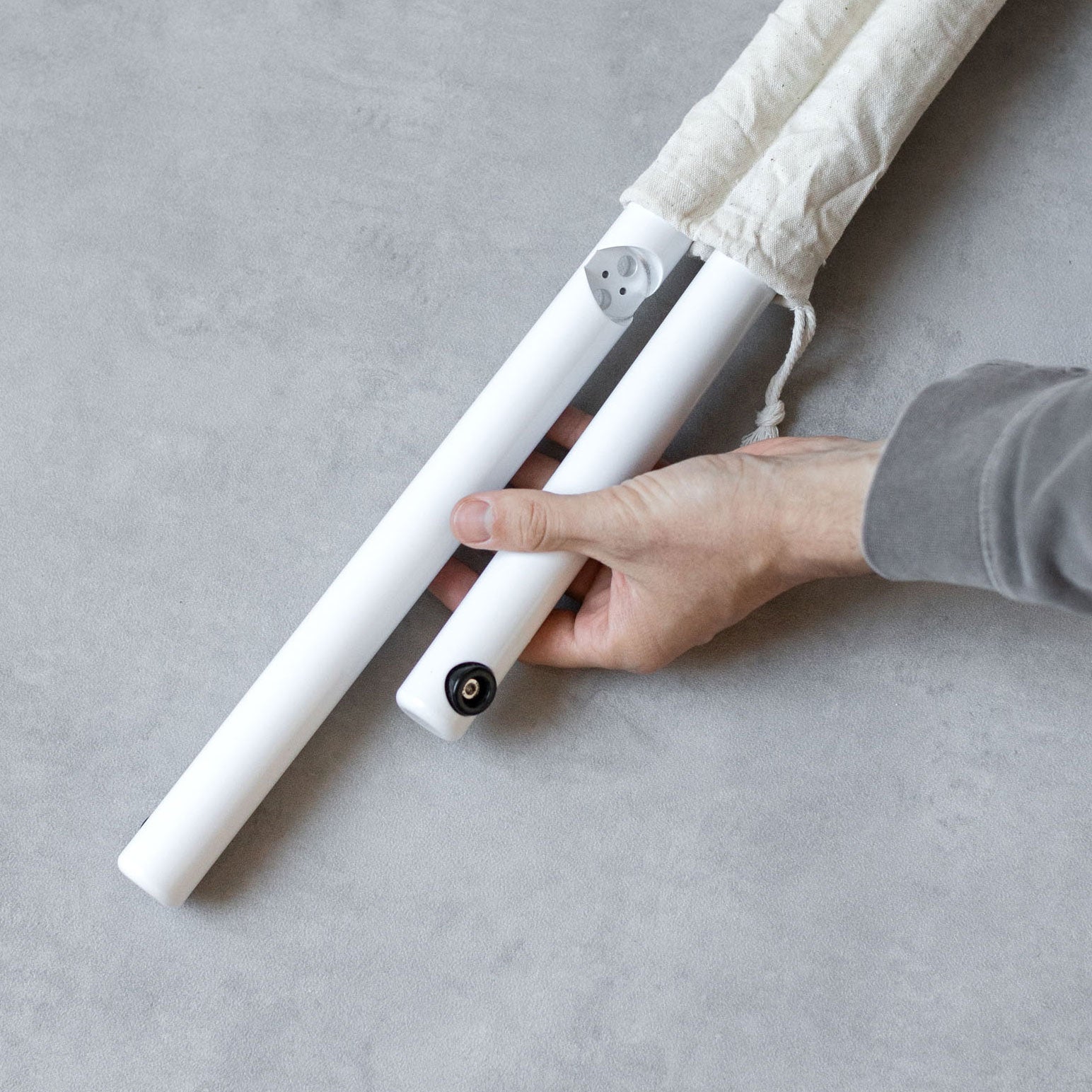
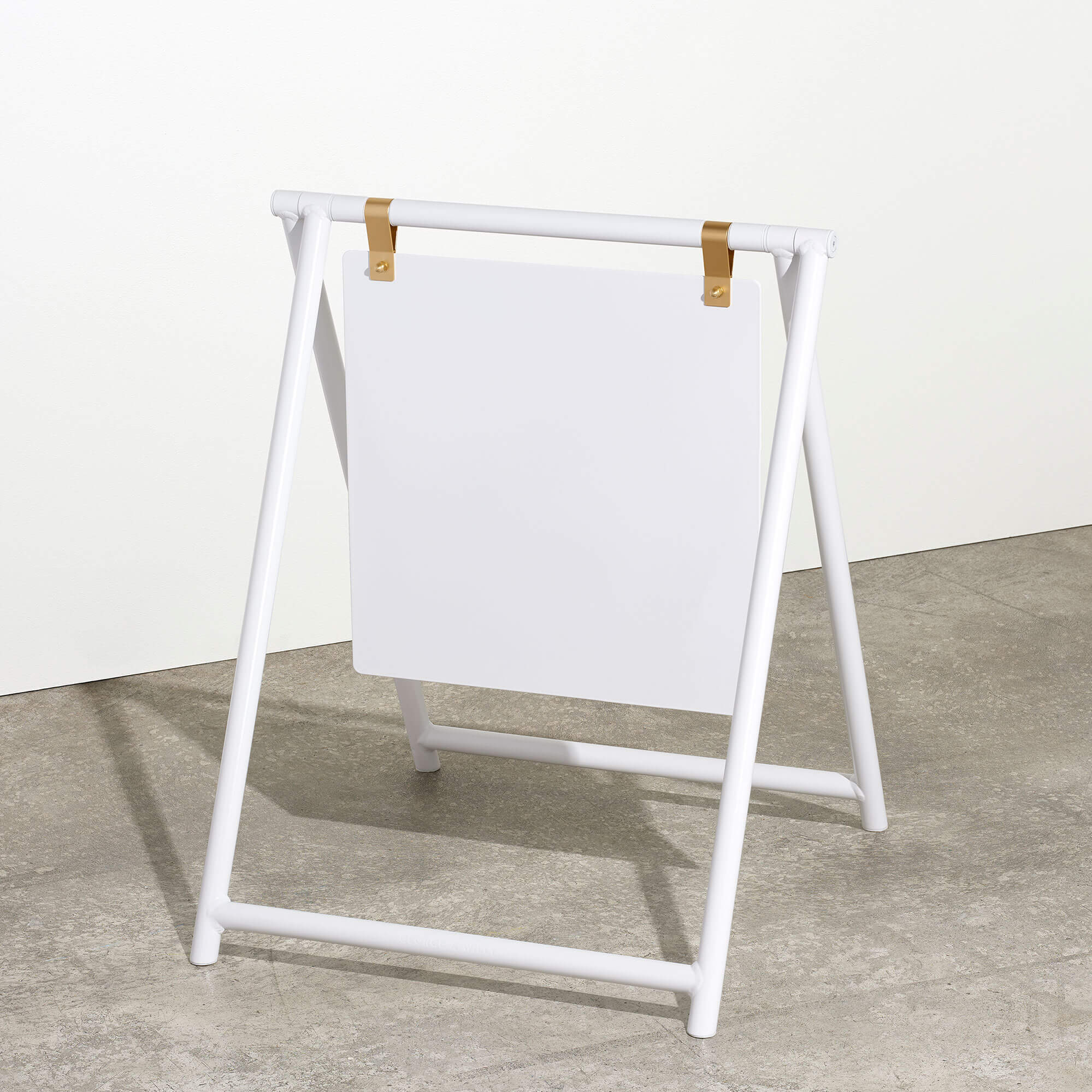
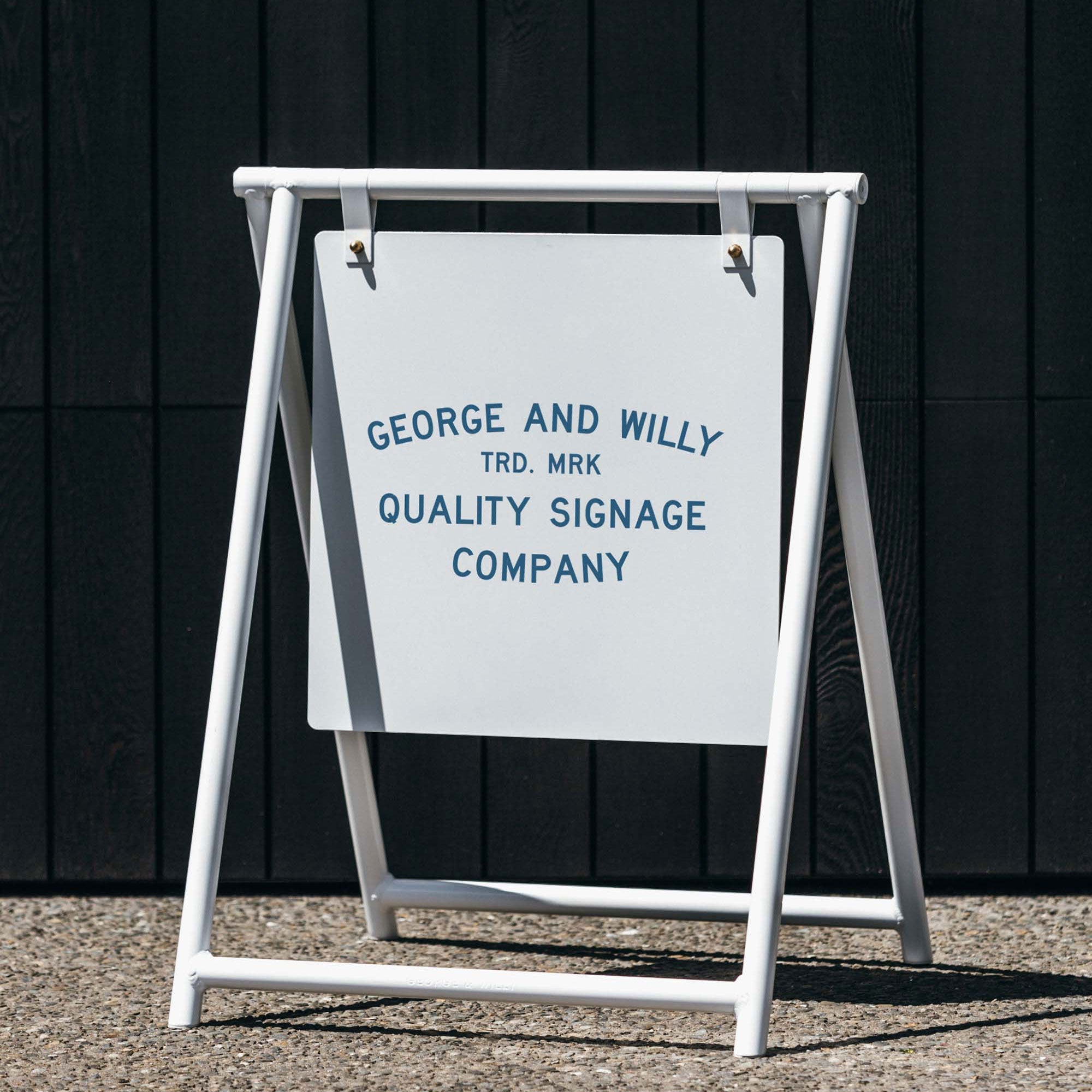
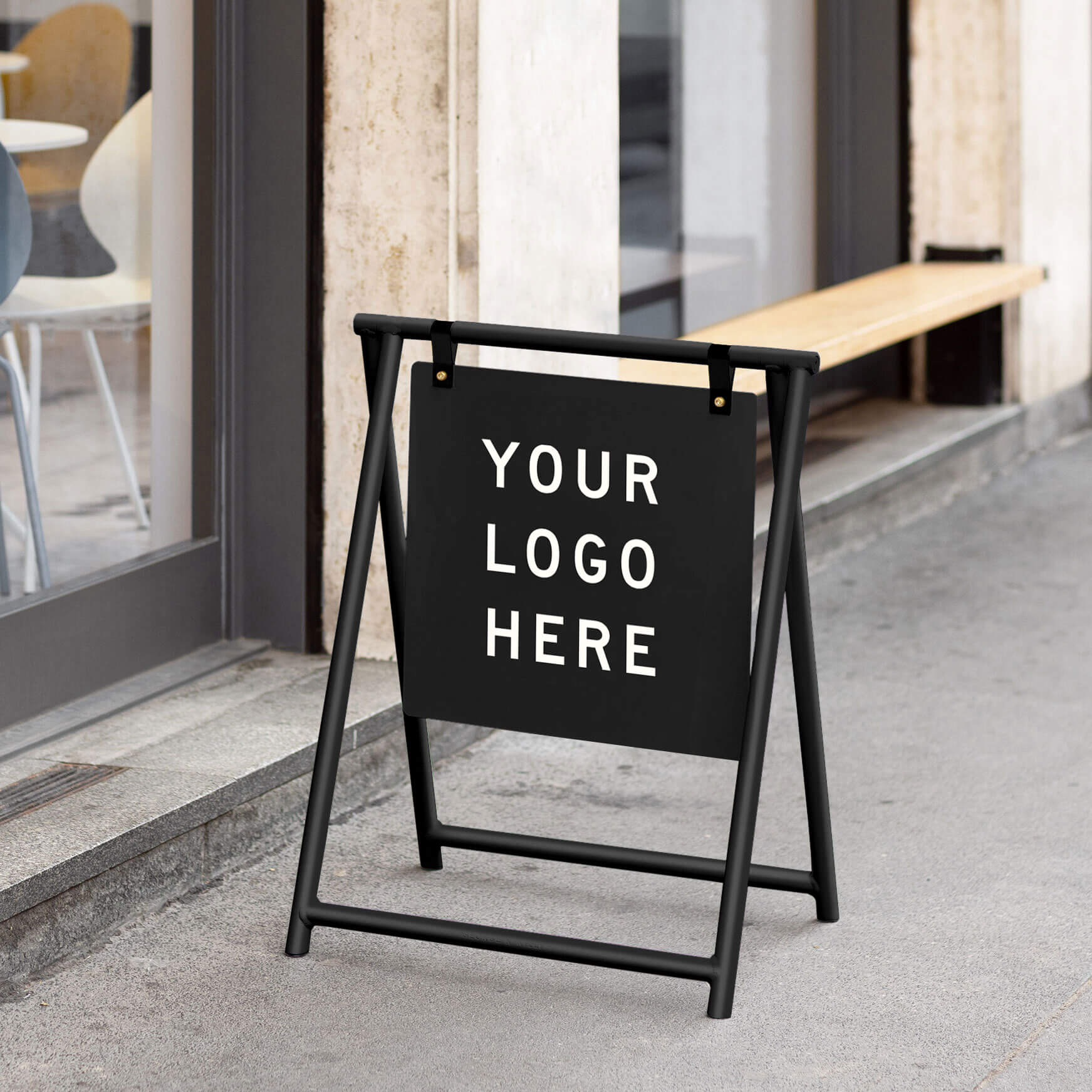
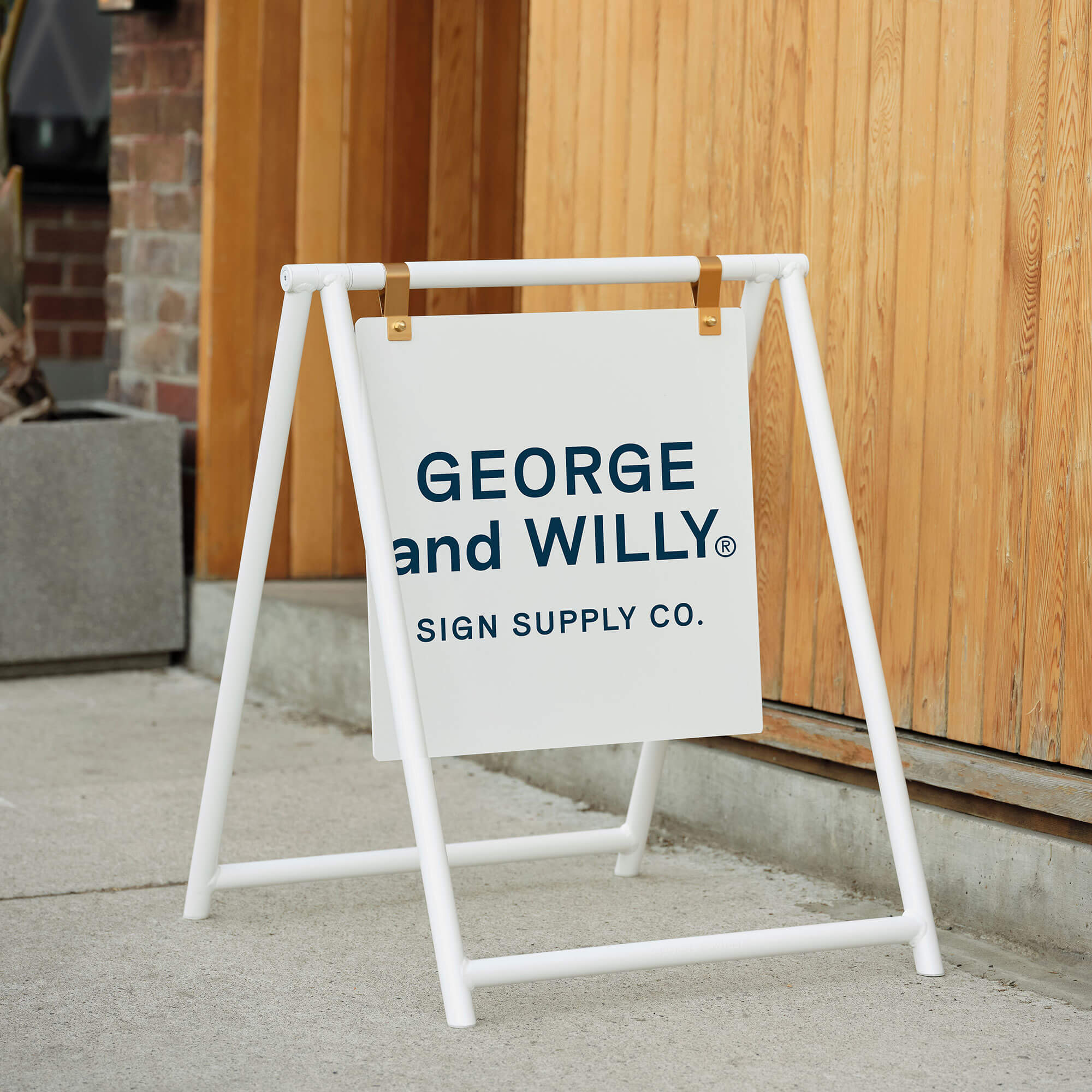
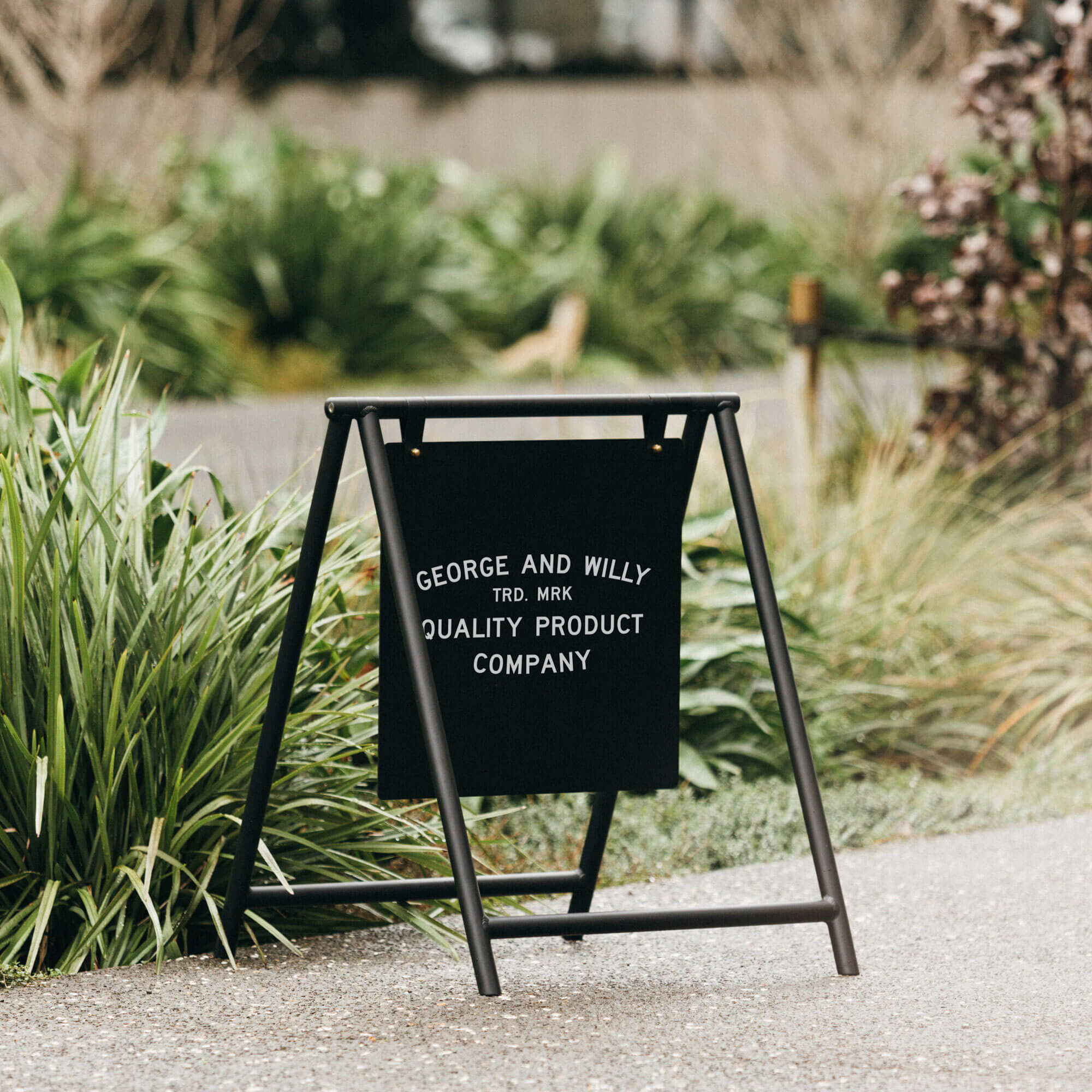
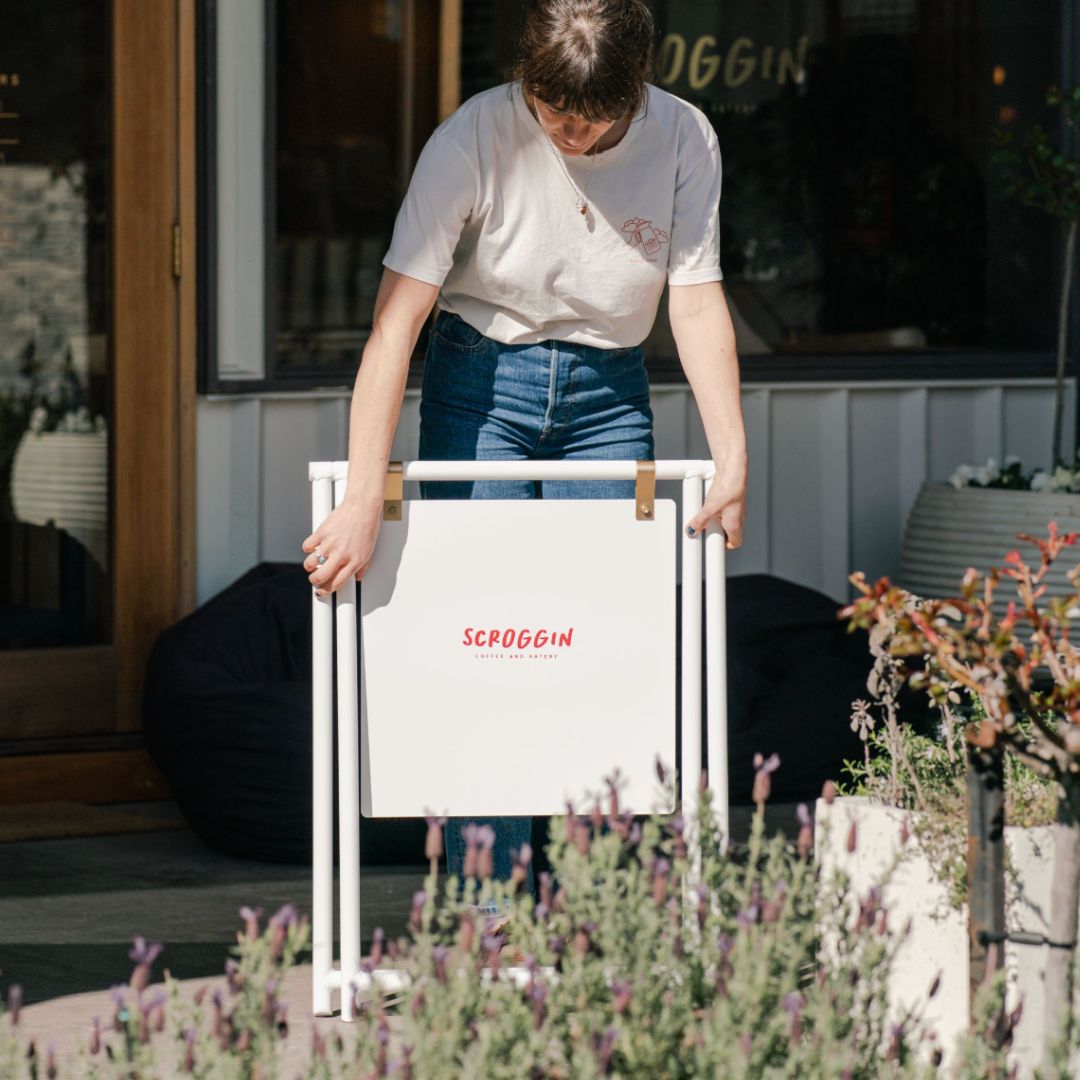
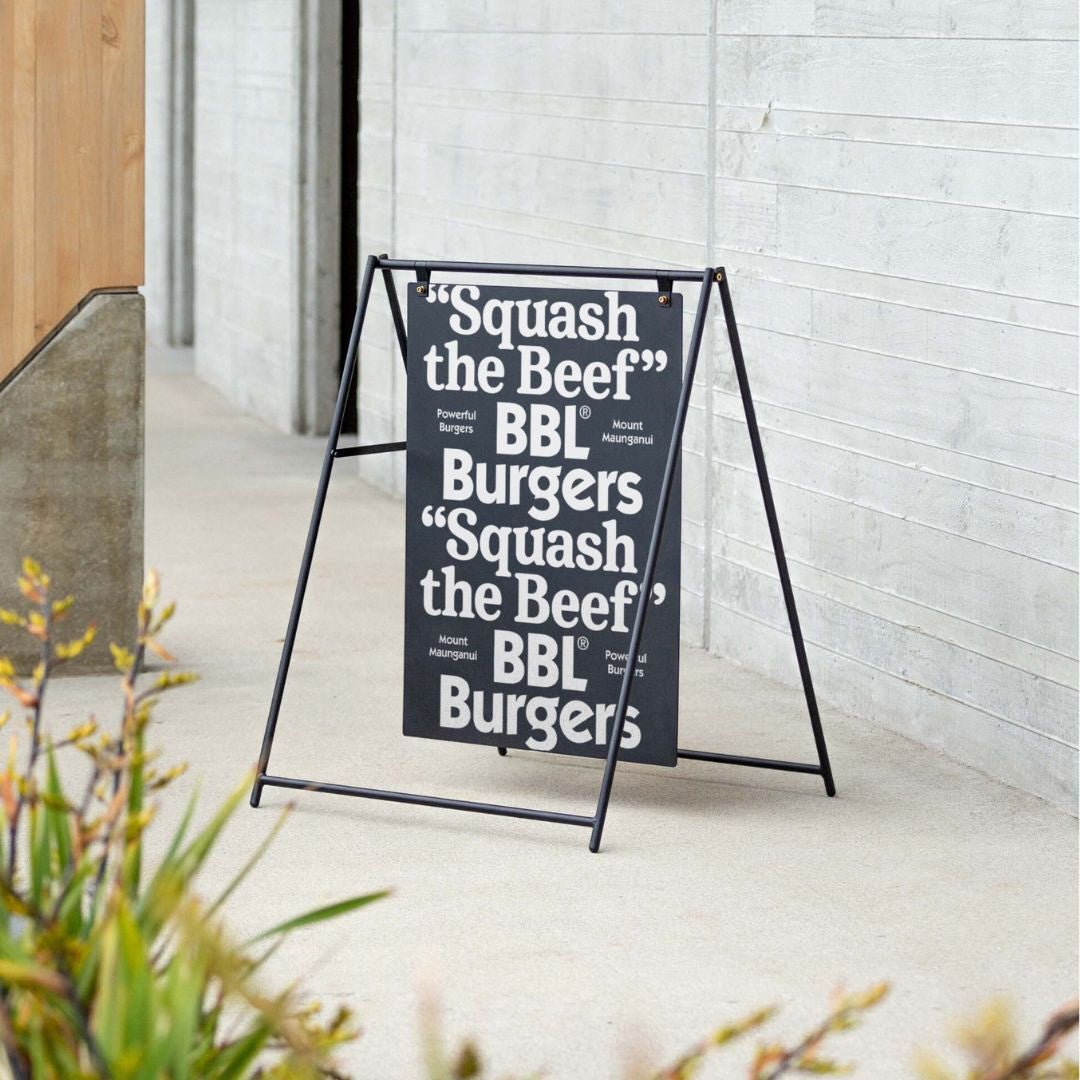
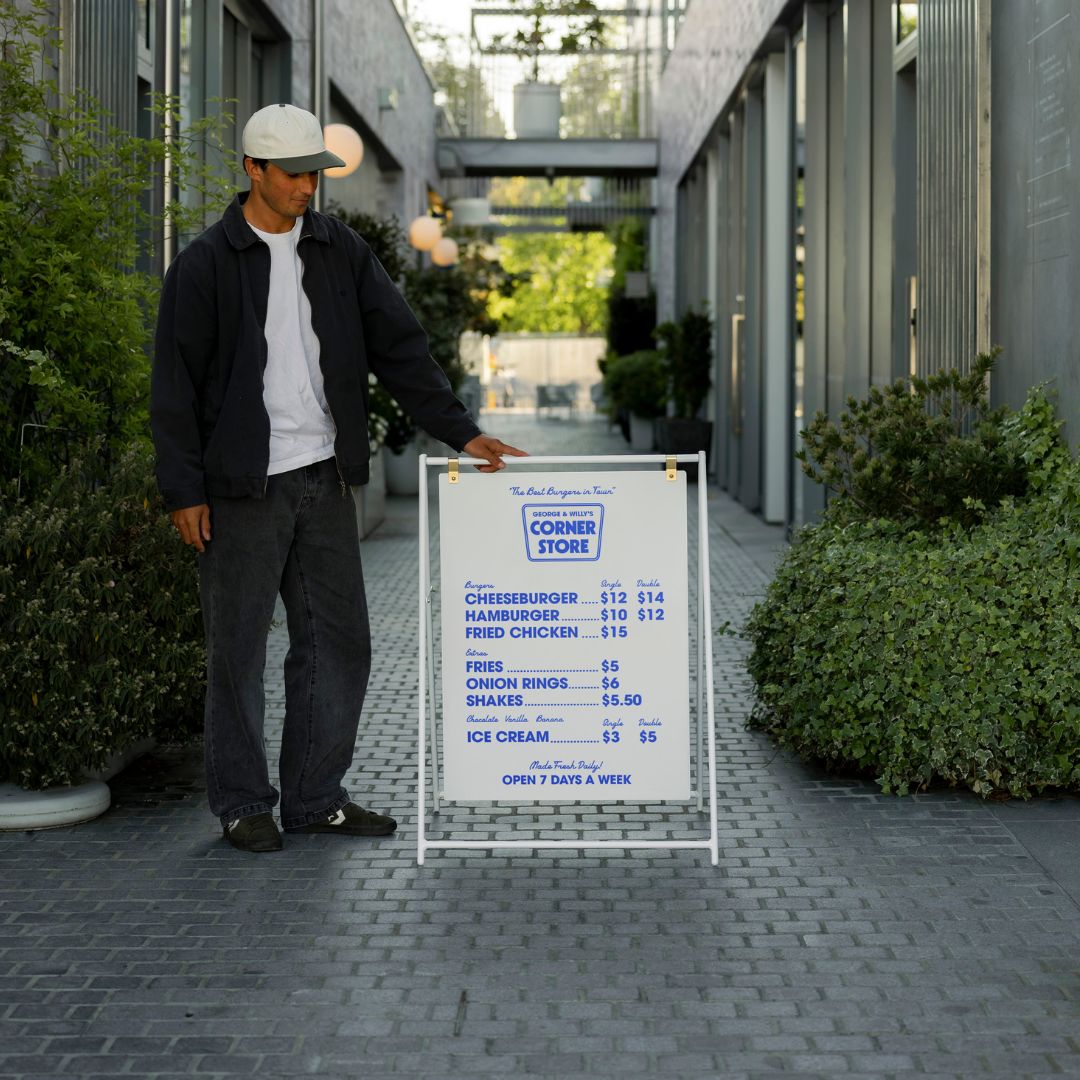
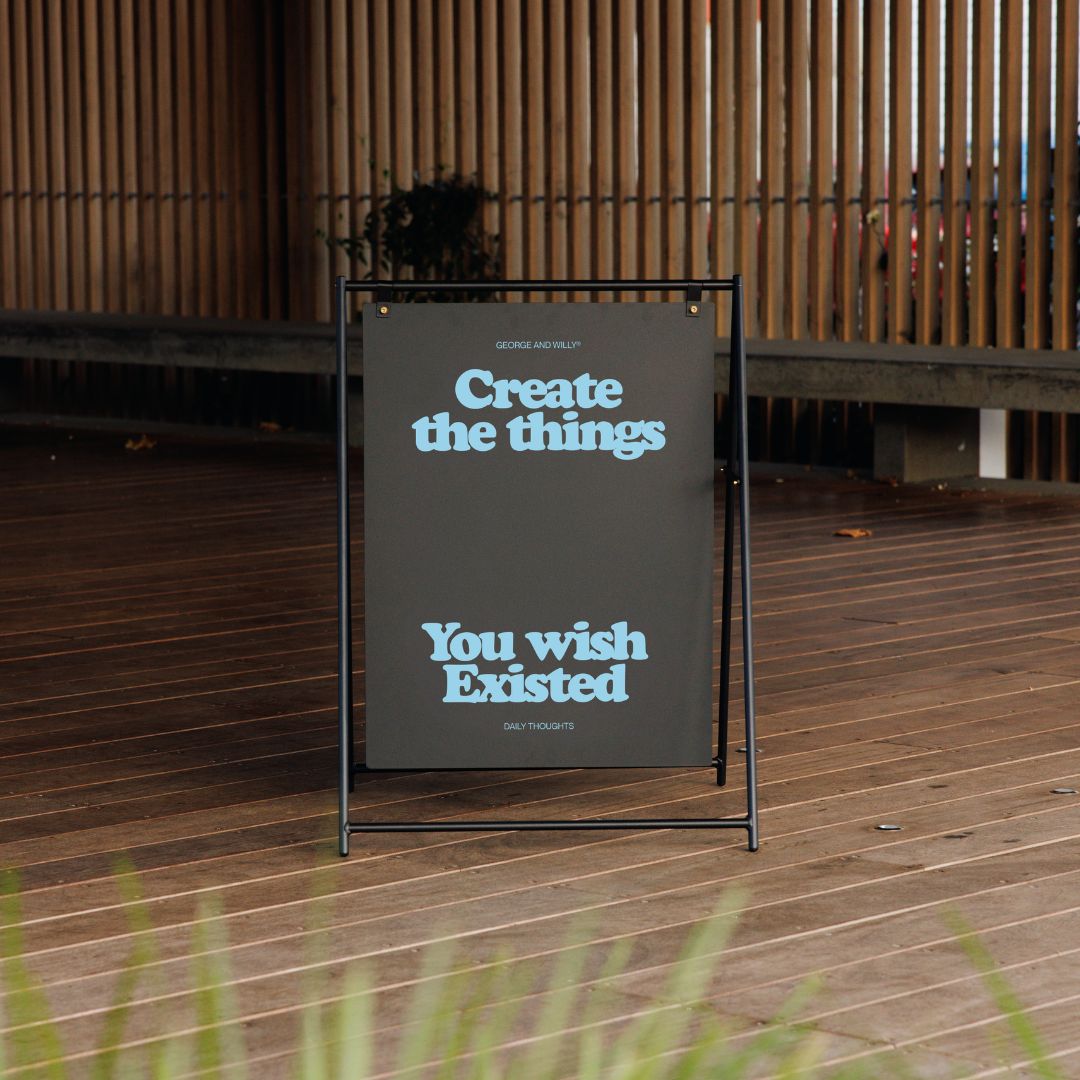
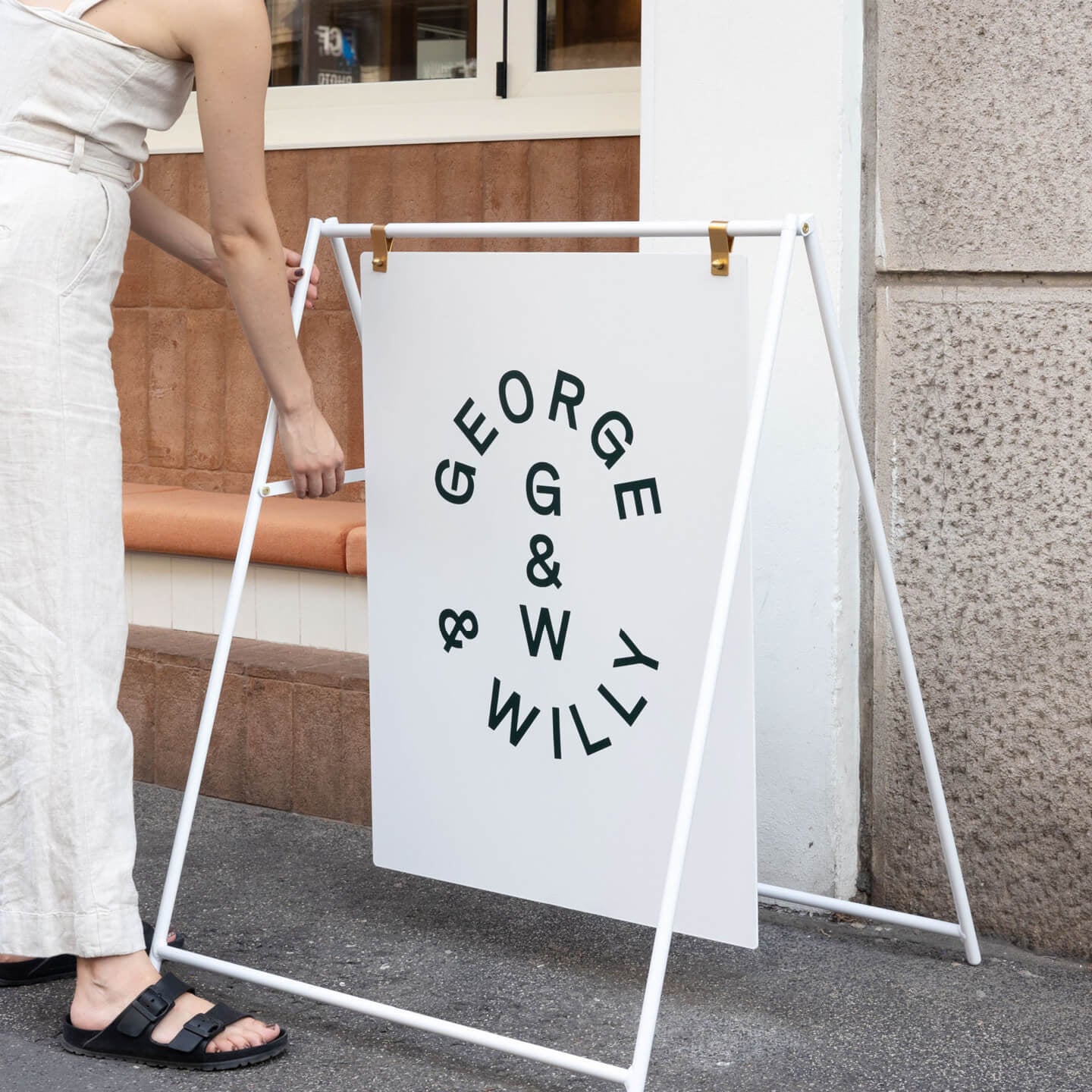
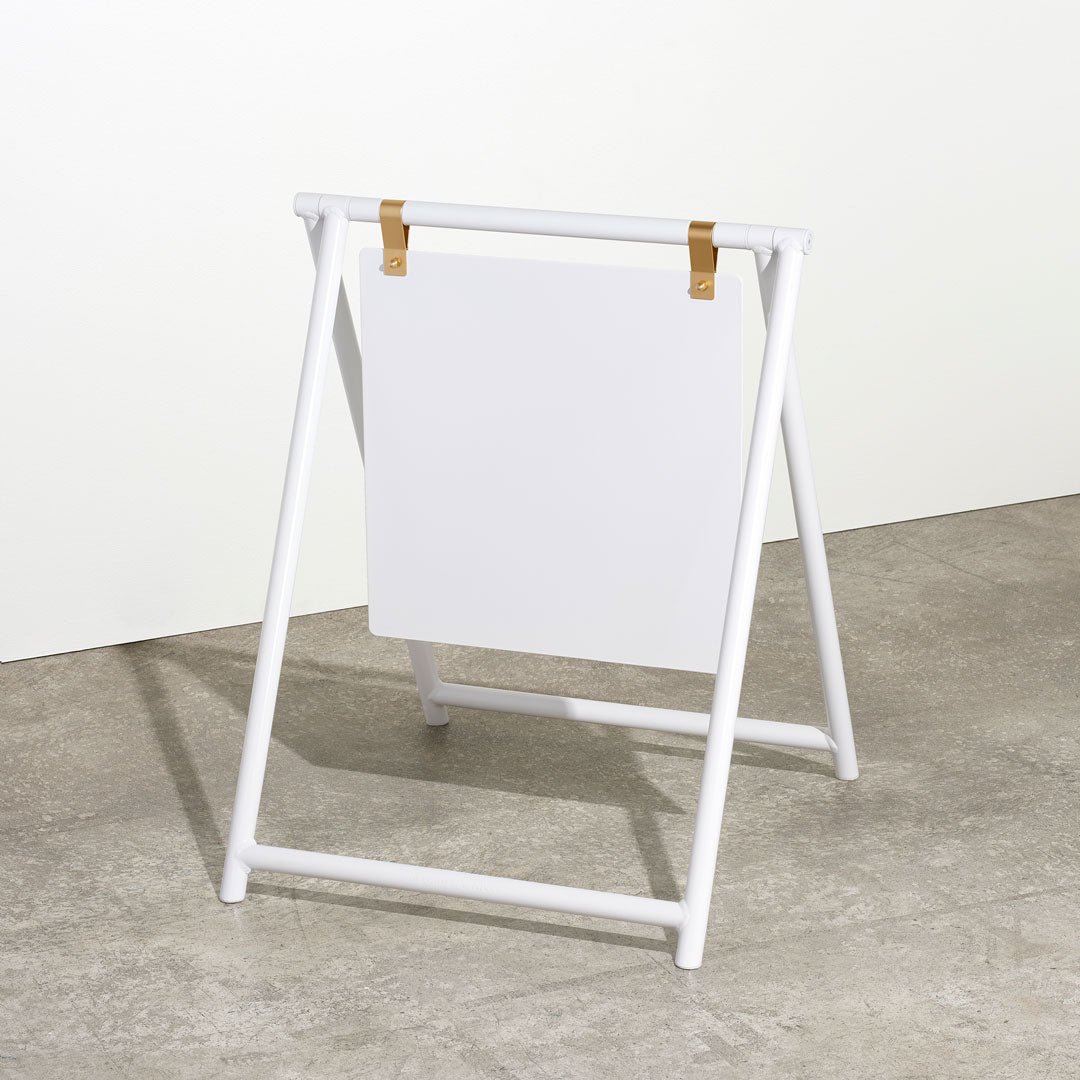
- A‑Frame Signs: Also known as sandwich boards, A‑frames are portable, foldable, and often double sided for maximum visibility. They are perfect for sidewalks outside cafes and retail shops to announce daily specials or promotions.
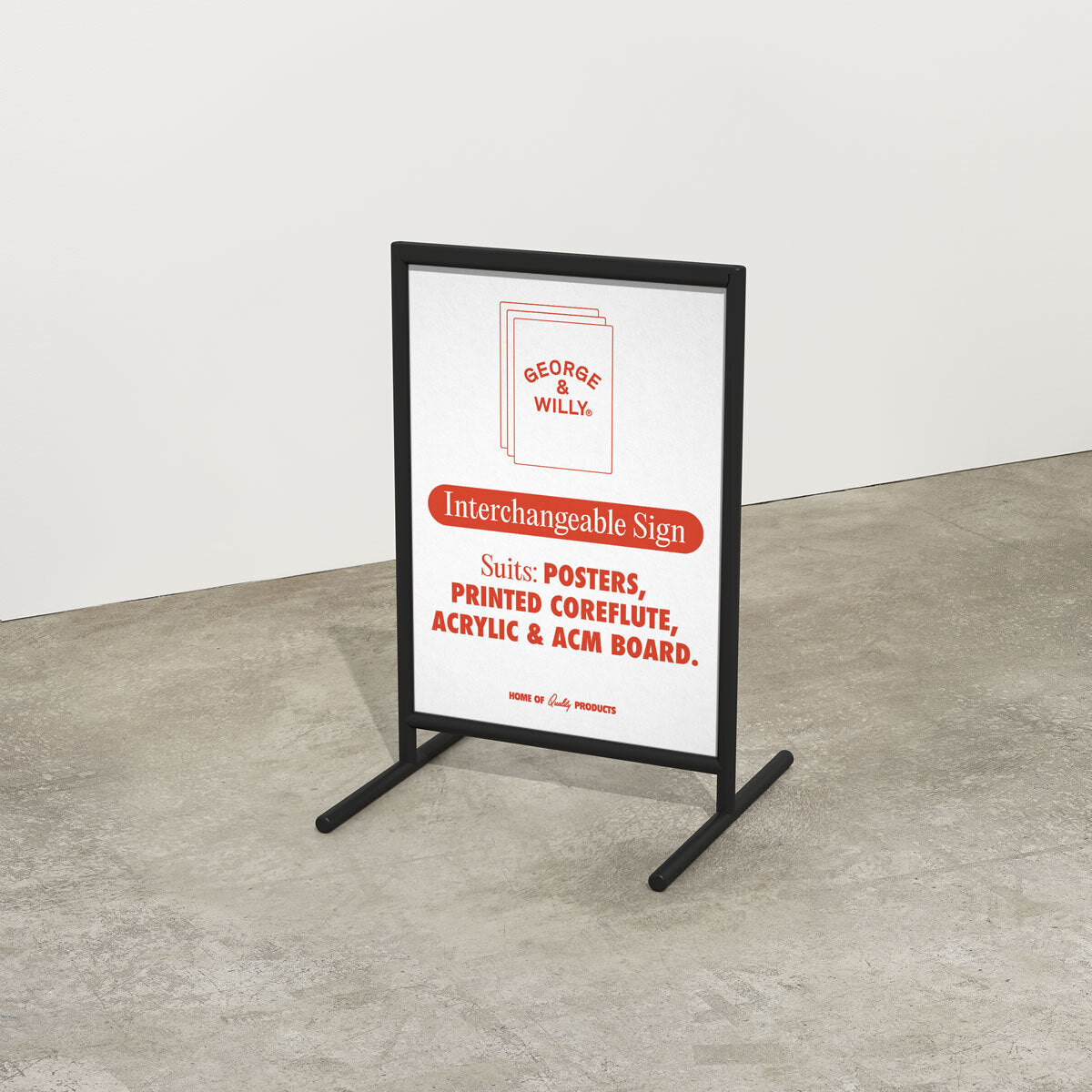
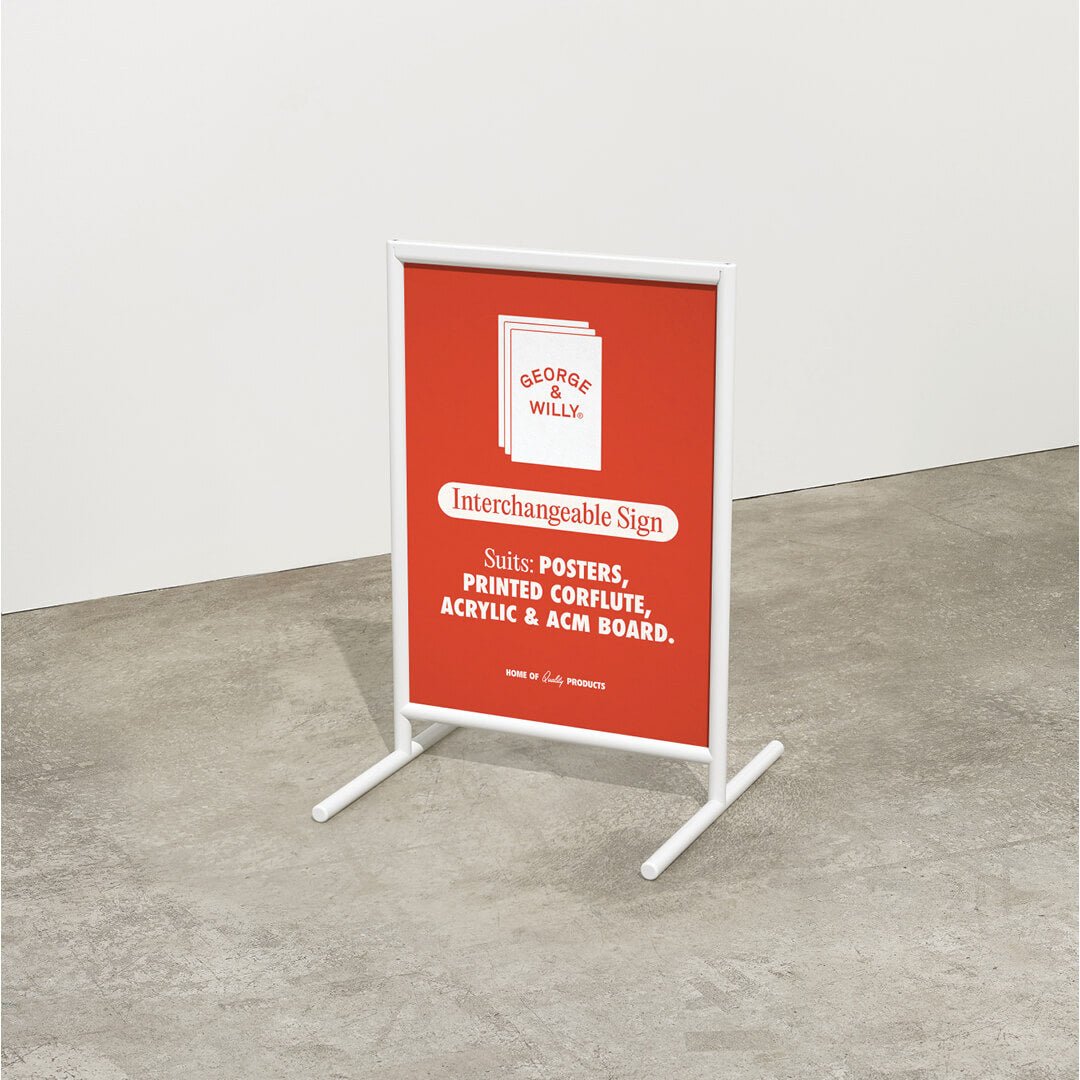
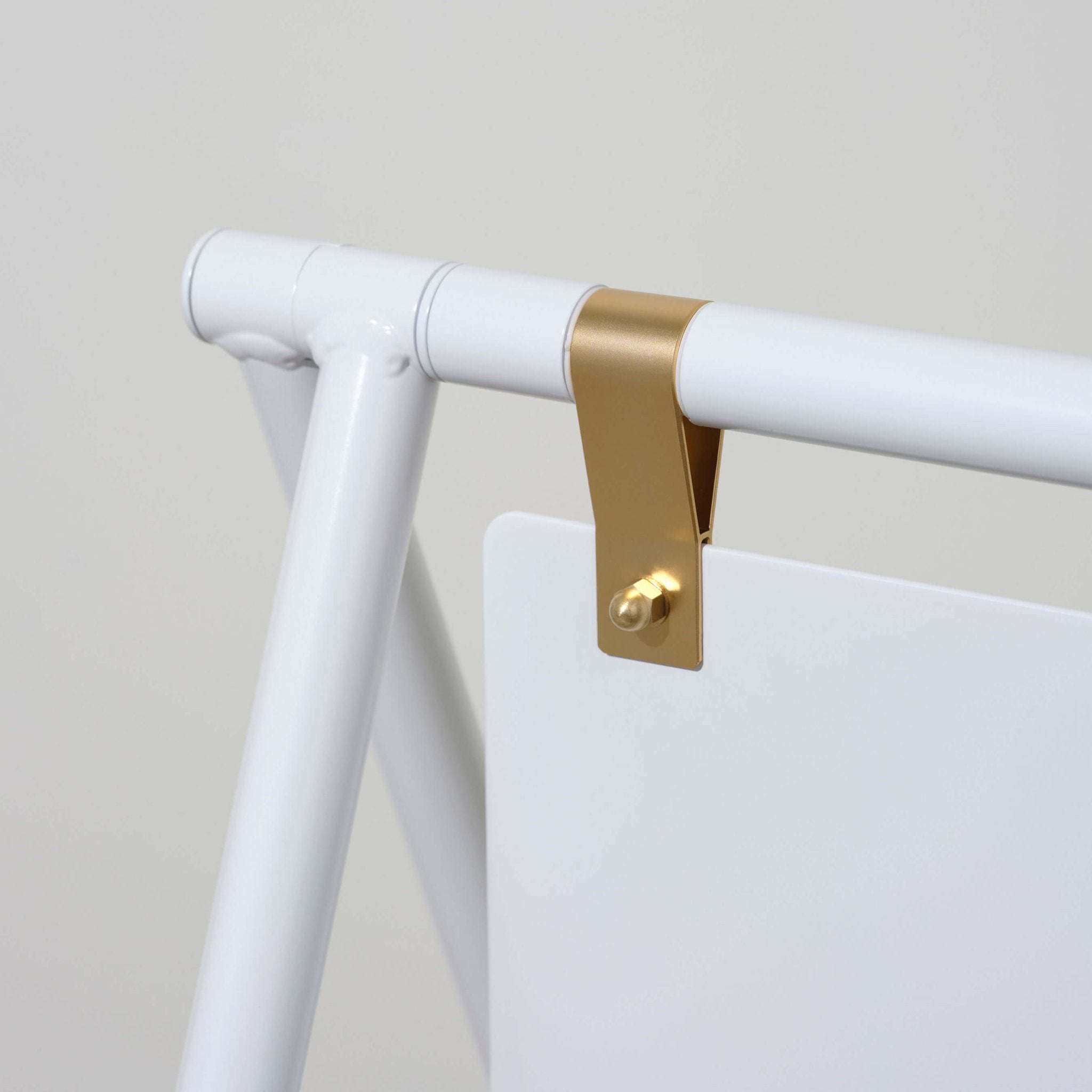
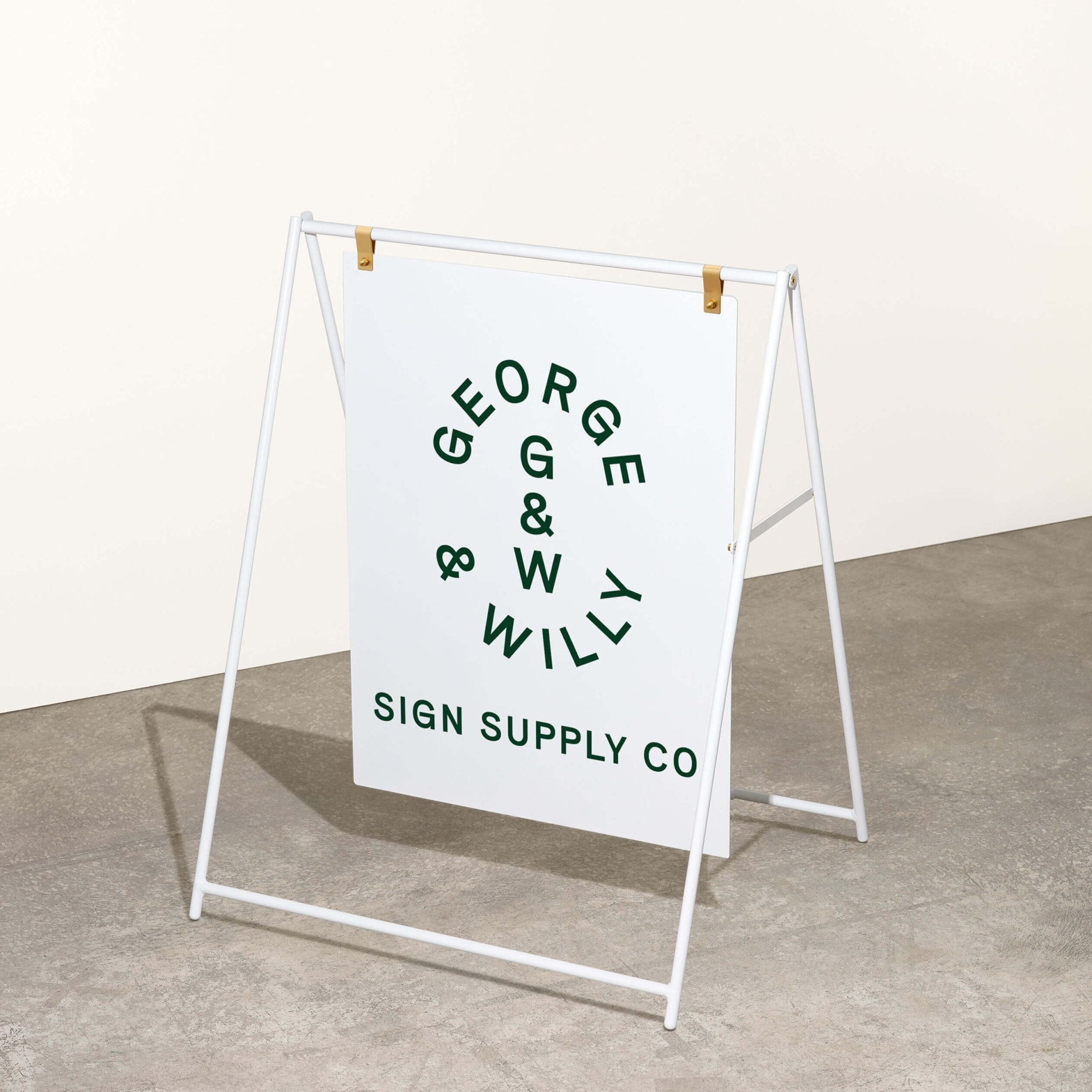
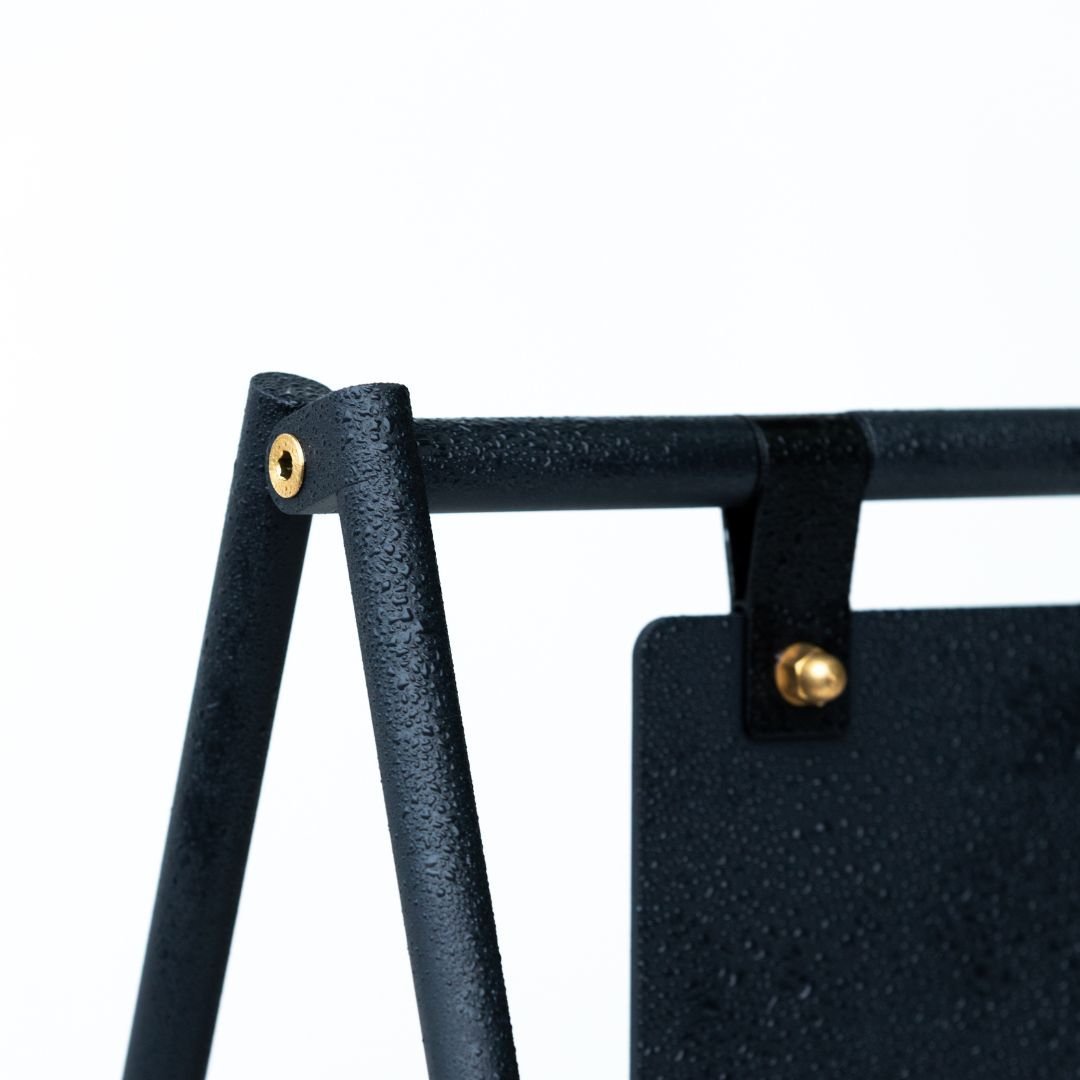
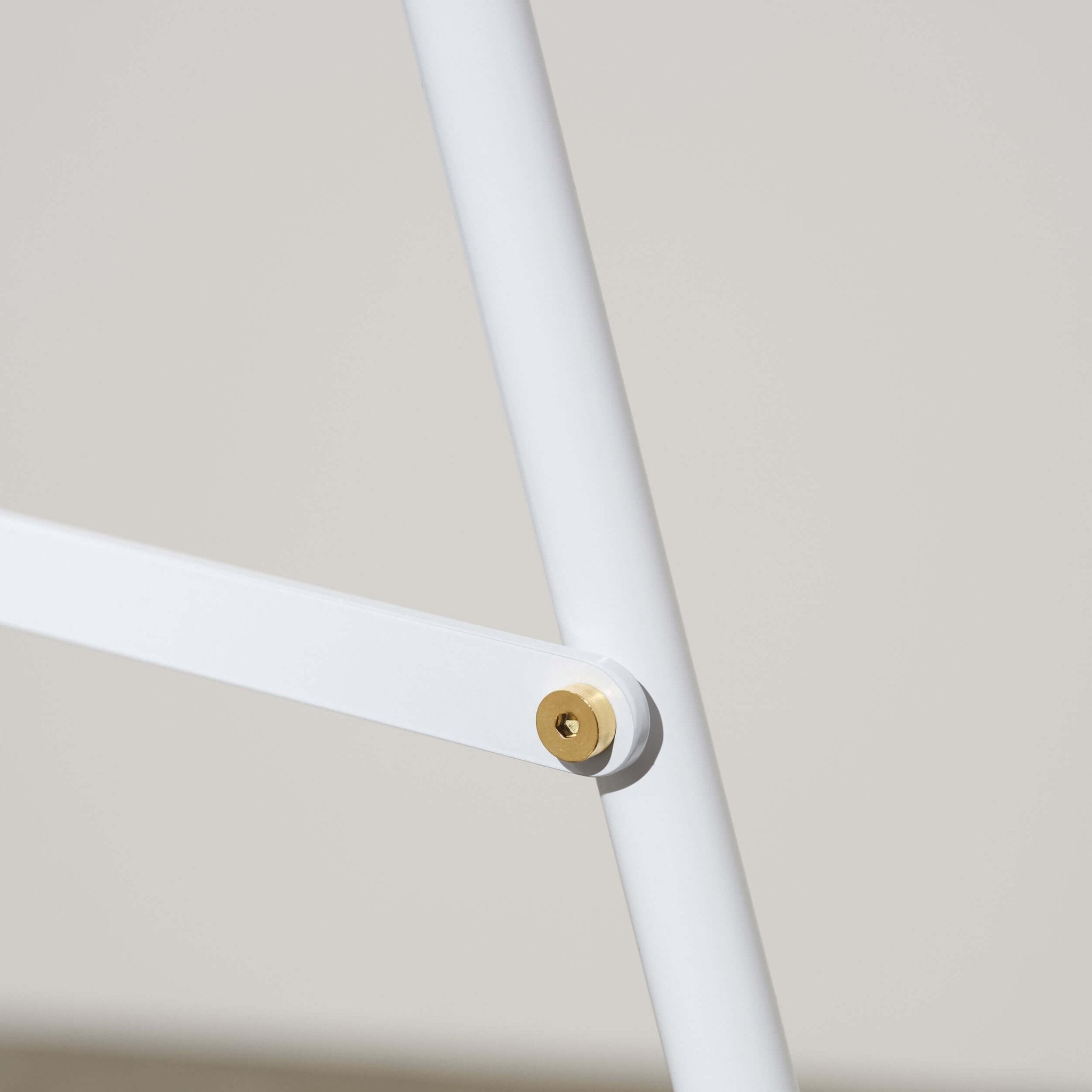
For businesses seeking a durable yet refined aesthetic, consider options like the A‑Frame Sign from George & Willy, which is crafted from powder‑coated aluminum for a weather‑resistant, timeless finish.
Key Considerations Before You Buy
Beyond the base material, several factors influence a sign’s effectiveness and longevity.
Standard Sizes and Durability
Sign dimensions impact visibility and compliance with local codes. A common size for temporary yard signs is 24 by 18 inches, which is large enough to be seen from a moving car without being obstructive. For sidewalk advertising, A‑frames offer a larger face, often around 18 by 18 inches or more, providing a substantial canvas for your message. The thickness of the material, especially for aluminum signs, contributes to its durability and resistance to bending.
Installation and Maintenance
Temporary plastic signs are typically mounted on simple H stakes that press into the ground. More permanent signs, like aluminum ones, may require posts. A‑frames are freestanding, which is a major advantage for portability. To keep them secure in windy conditions, a Sandbag for A‑Frame Signs is a simple and effective accessory. Regular cleaning with mild soap and water will keep your signs looking professional and extend their life.
Single Sided vs. Double Sided
For signs placed against a wall, single sided printing is sufficient. However, for signs meant to catch traffic from multiple directions, like those at an intersection or on a sidewalk, double sided printing is essential. A frame signs are naturally suited for double sided messaging, maximizing your visibility without extra effort.
Designing Lawn Signs That Actually Get Noticed
You only have about three seconds to grab someone’s attention with a sign. This means your design needs to be clear, concise, and compelling.
Key Design Principles
- Keep it Simple: Don’t clutter your sign with too much information. Focus on a single, clear message. A powerful headline, your business name, and a call to action are often all you need.
- Use High Contrast Colors: Bold, bright colors are excellent for catching the eye from a distance. Ensure your text color stands out against the background (for example, light text on a dark background). Consider color palettes that are safe for people with color blindness to maximize accessibility.
- Prioritize Readability: Choose clean, sans serif fonts that are easy to read at a glance. As a rule of thumb, every inch of letter height adds about 30 feet of legibility distance.
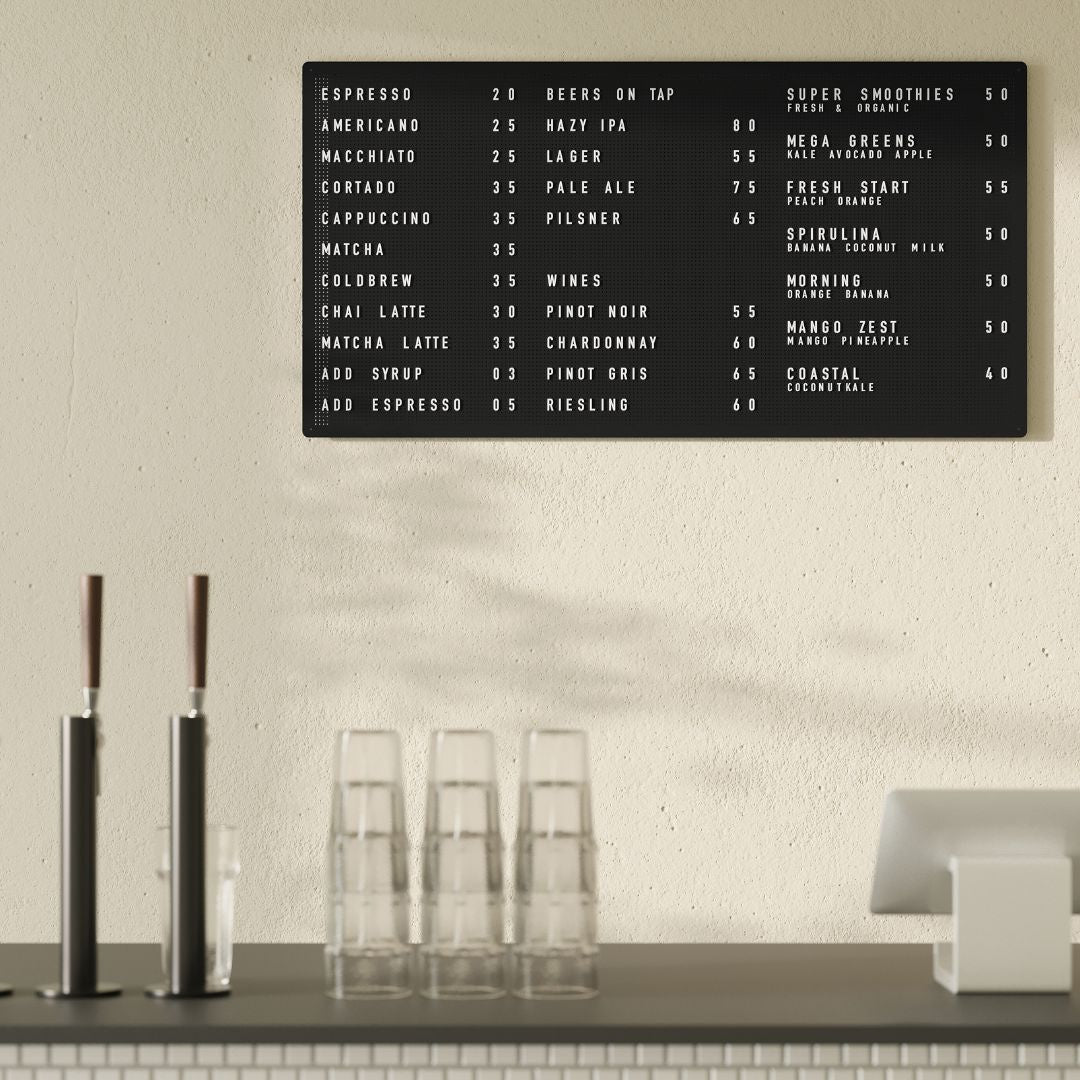
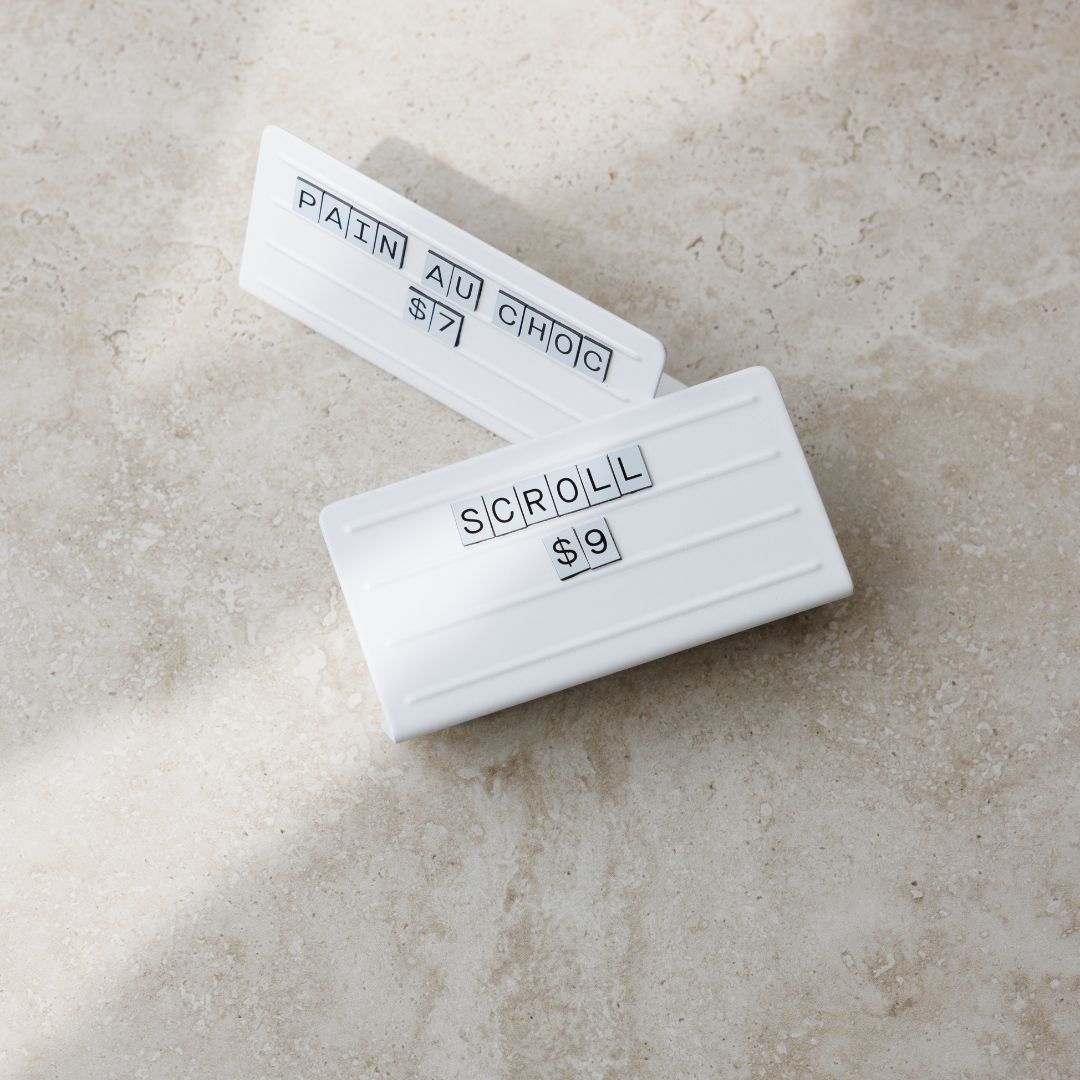
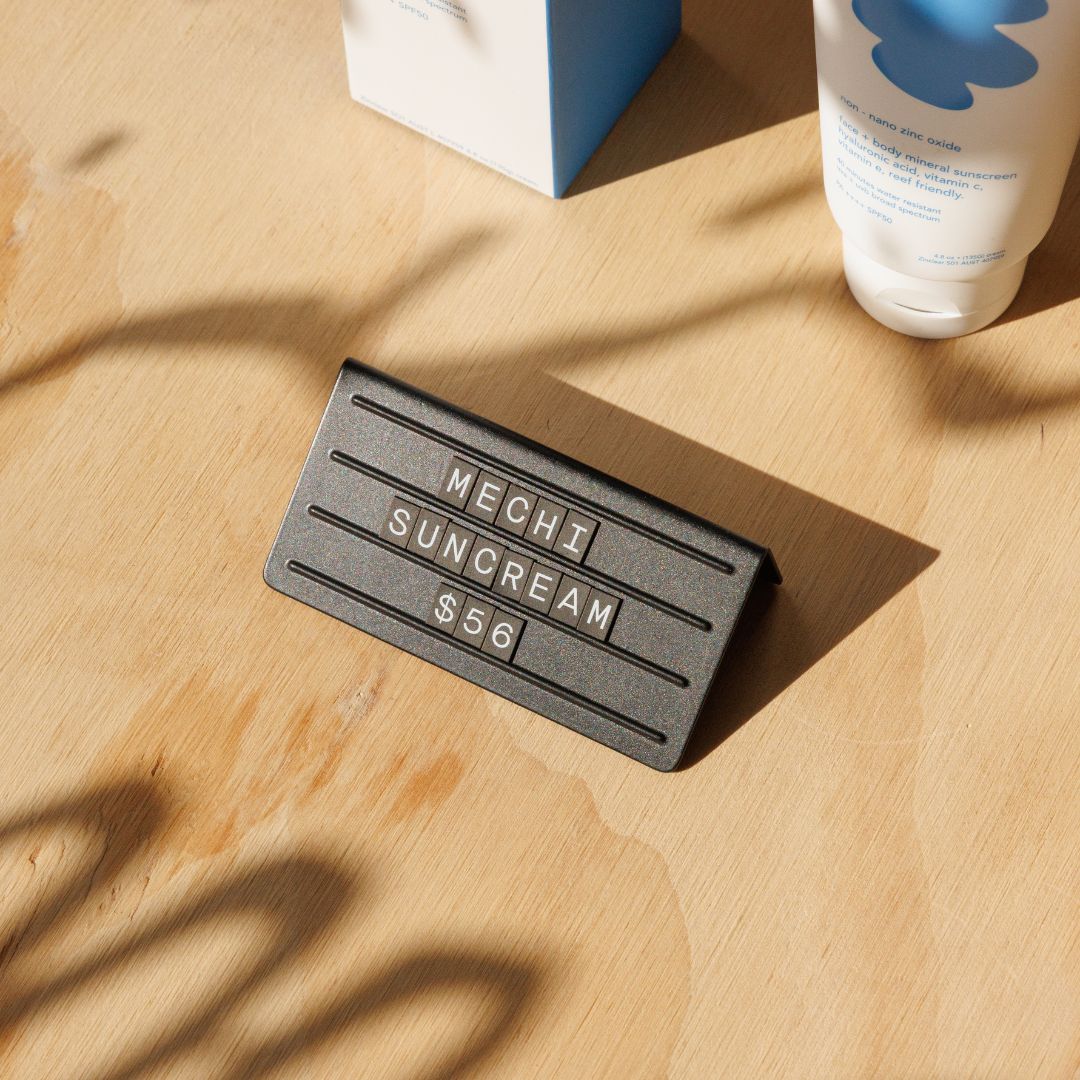
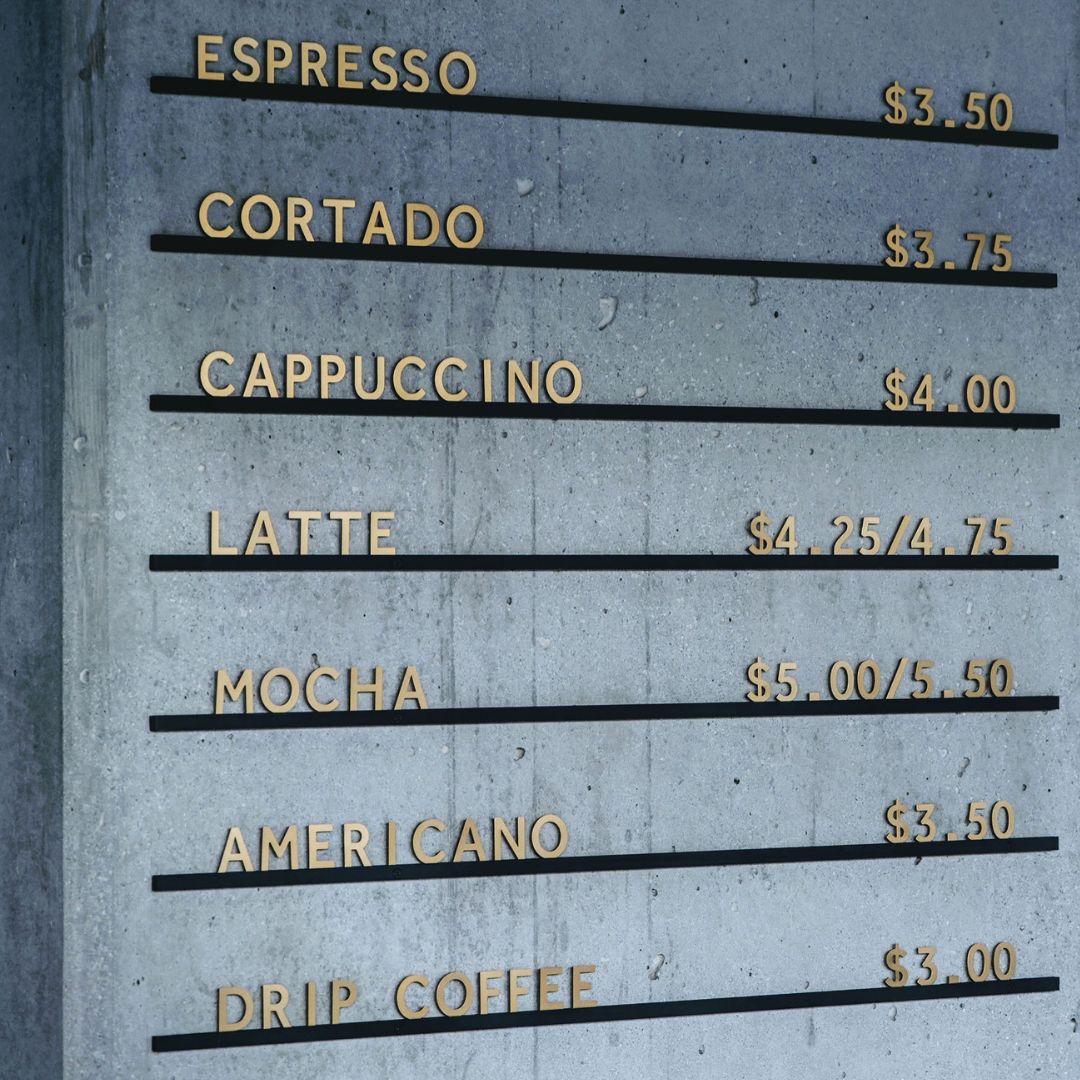
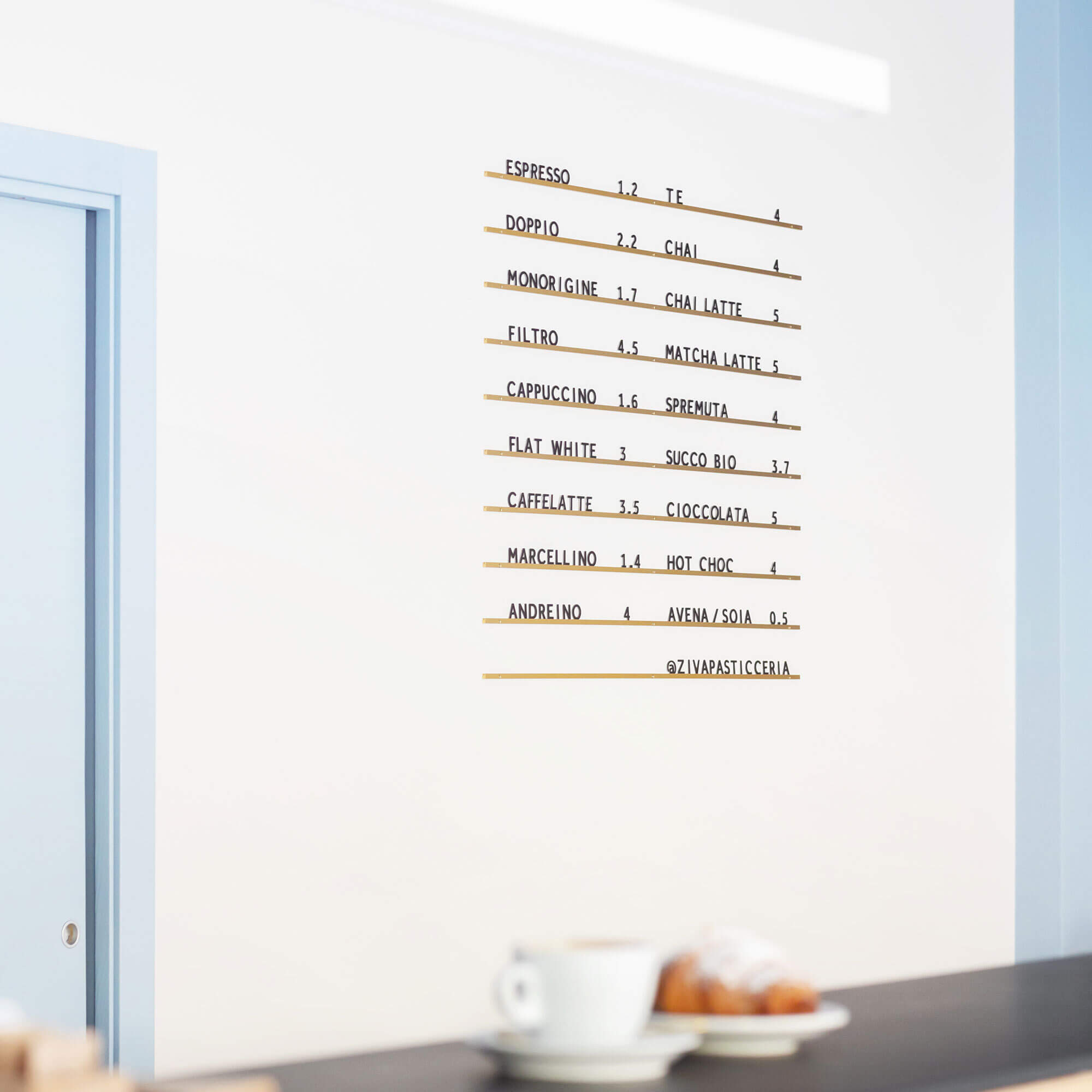
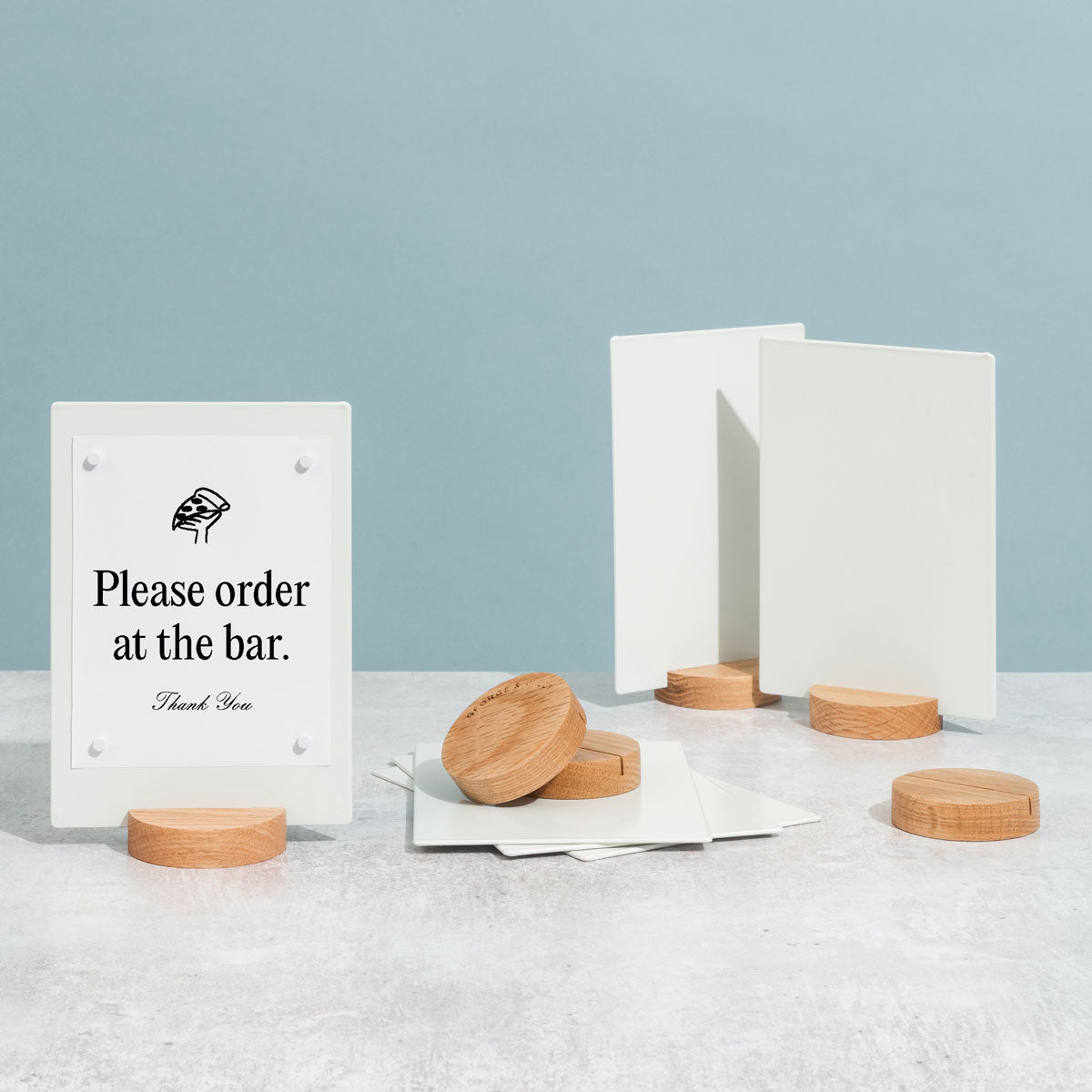
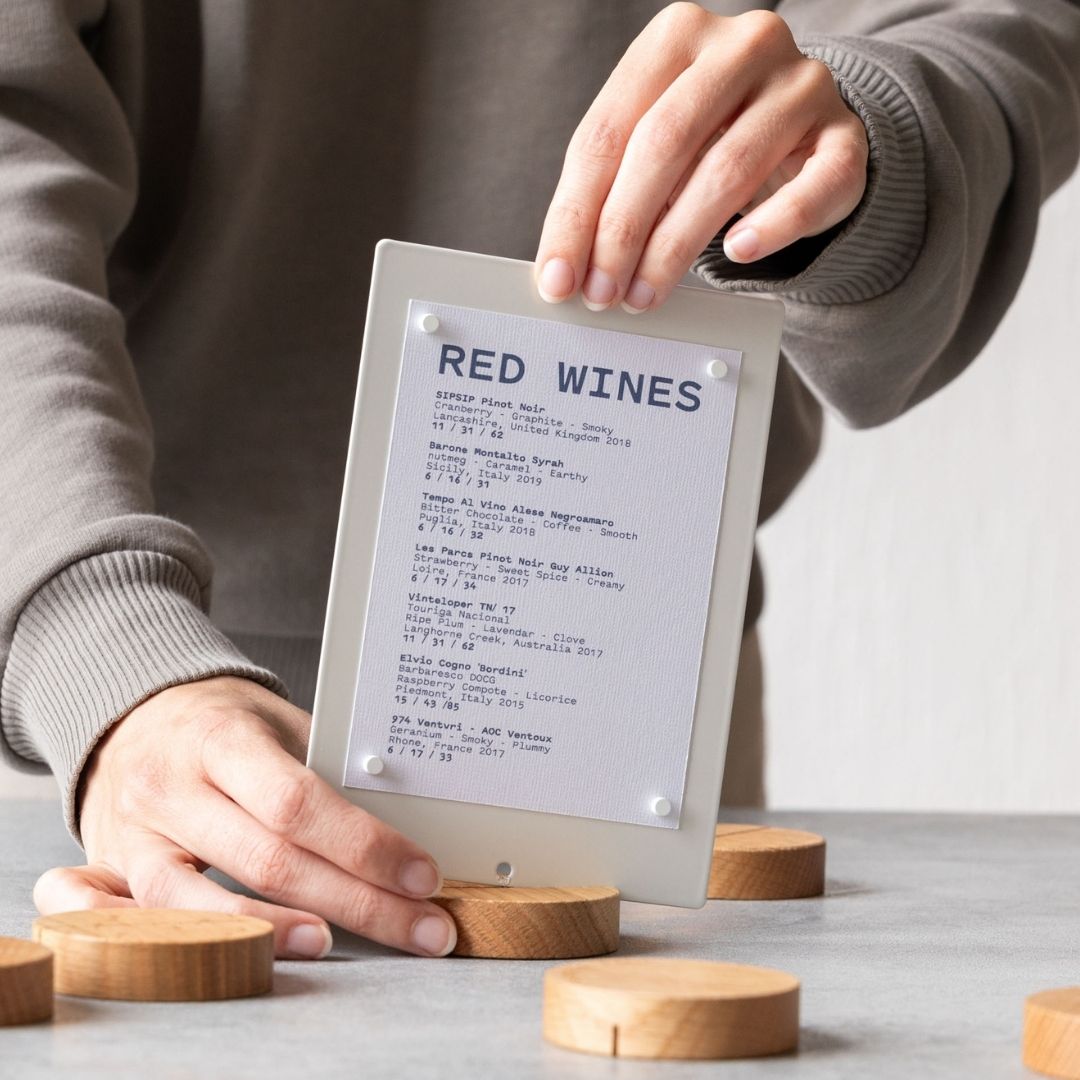
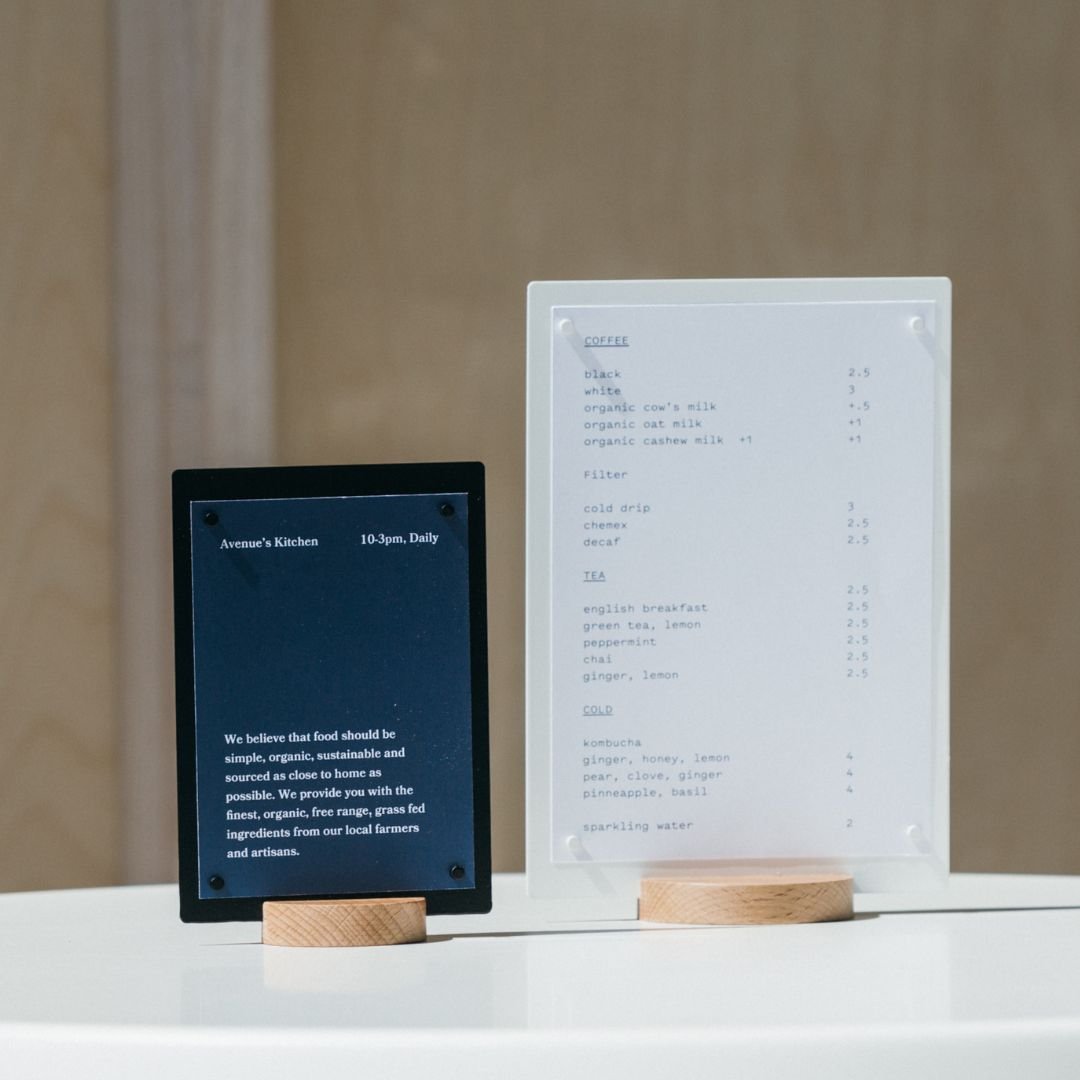
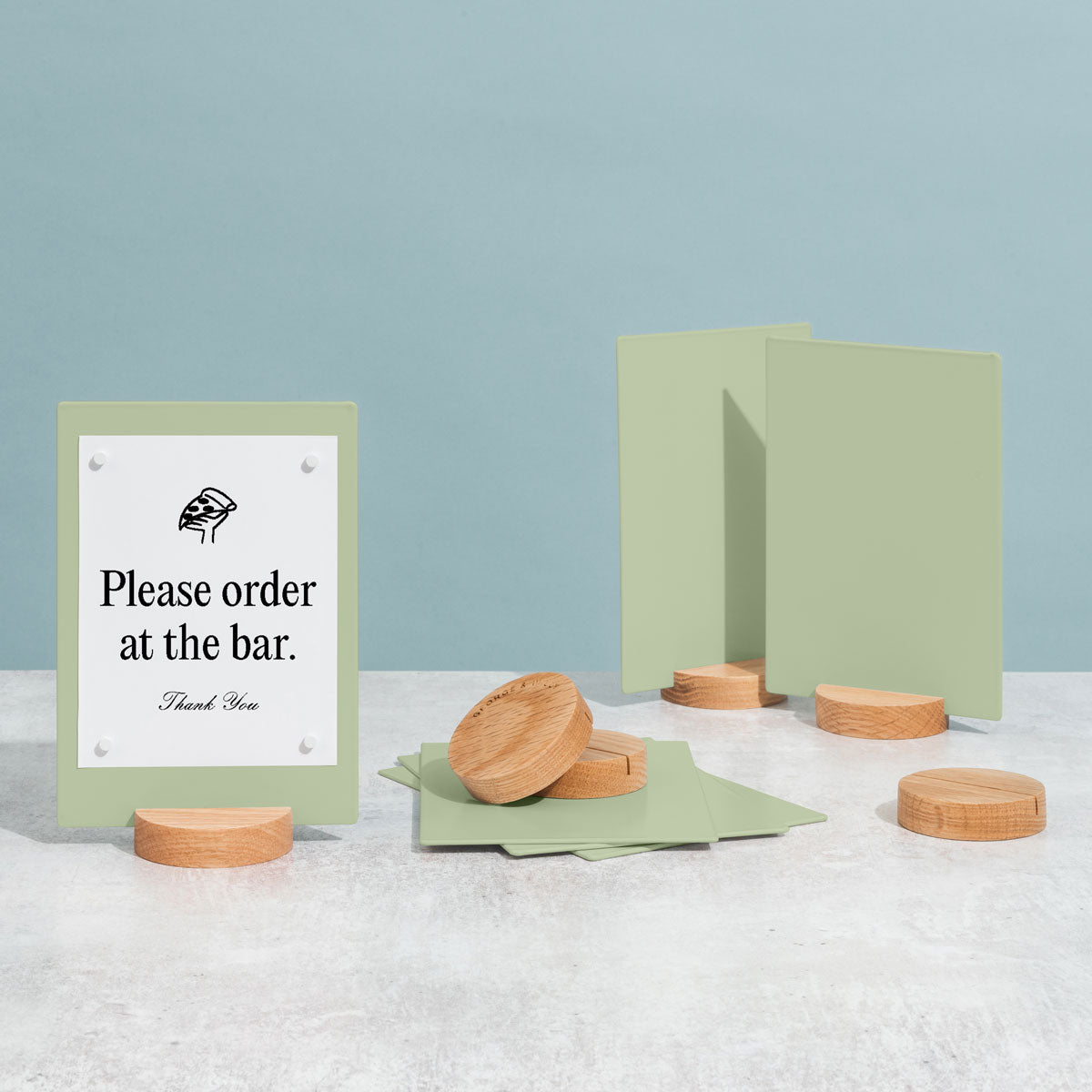
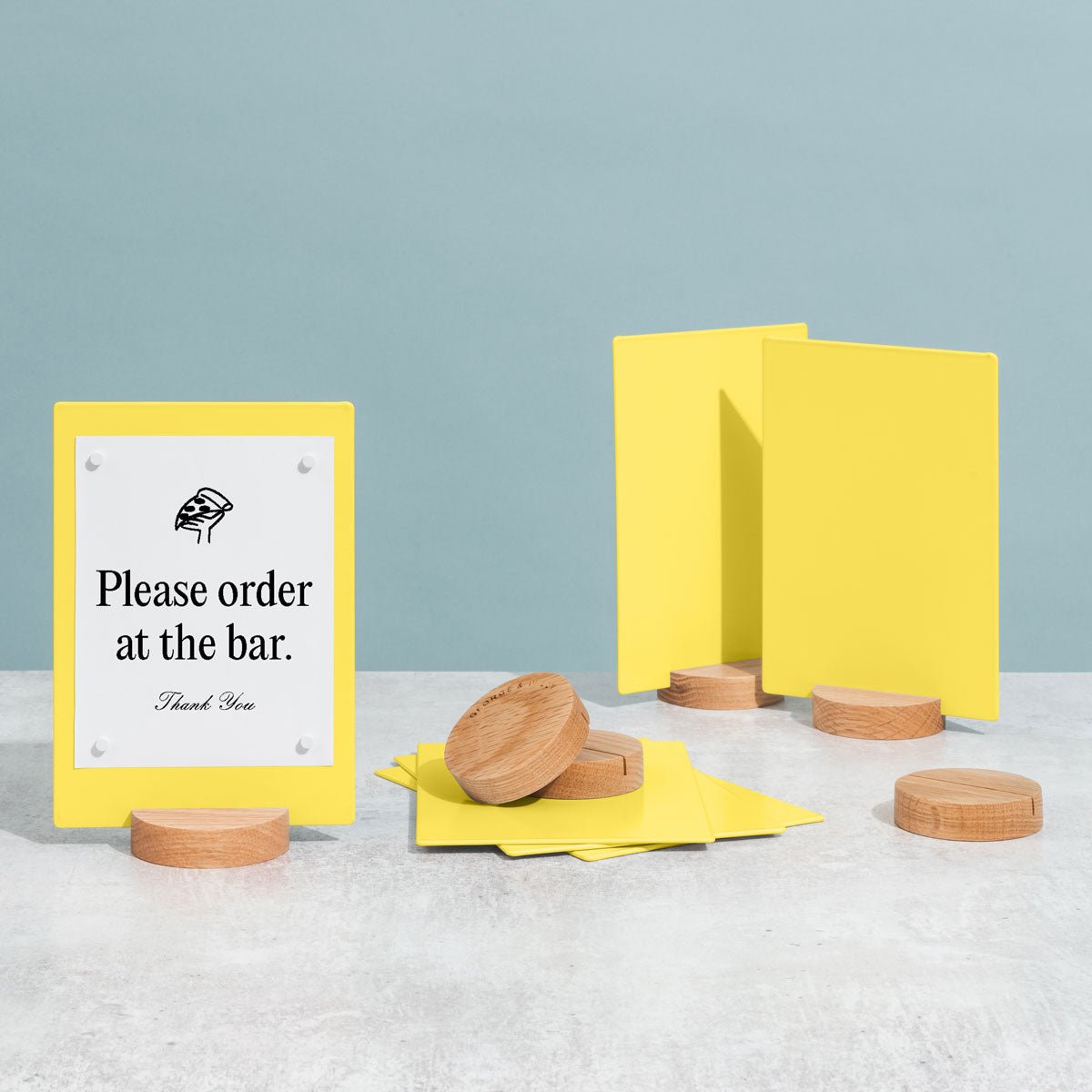
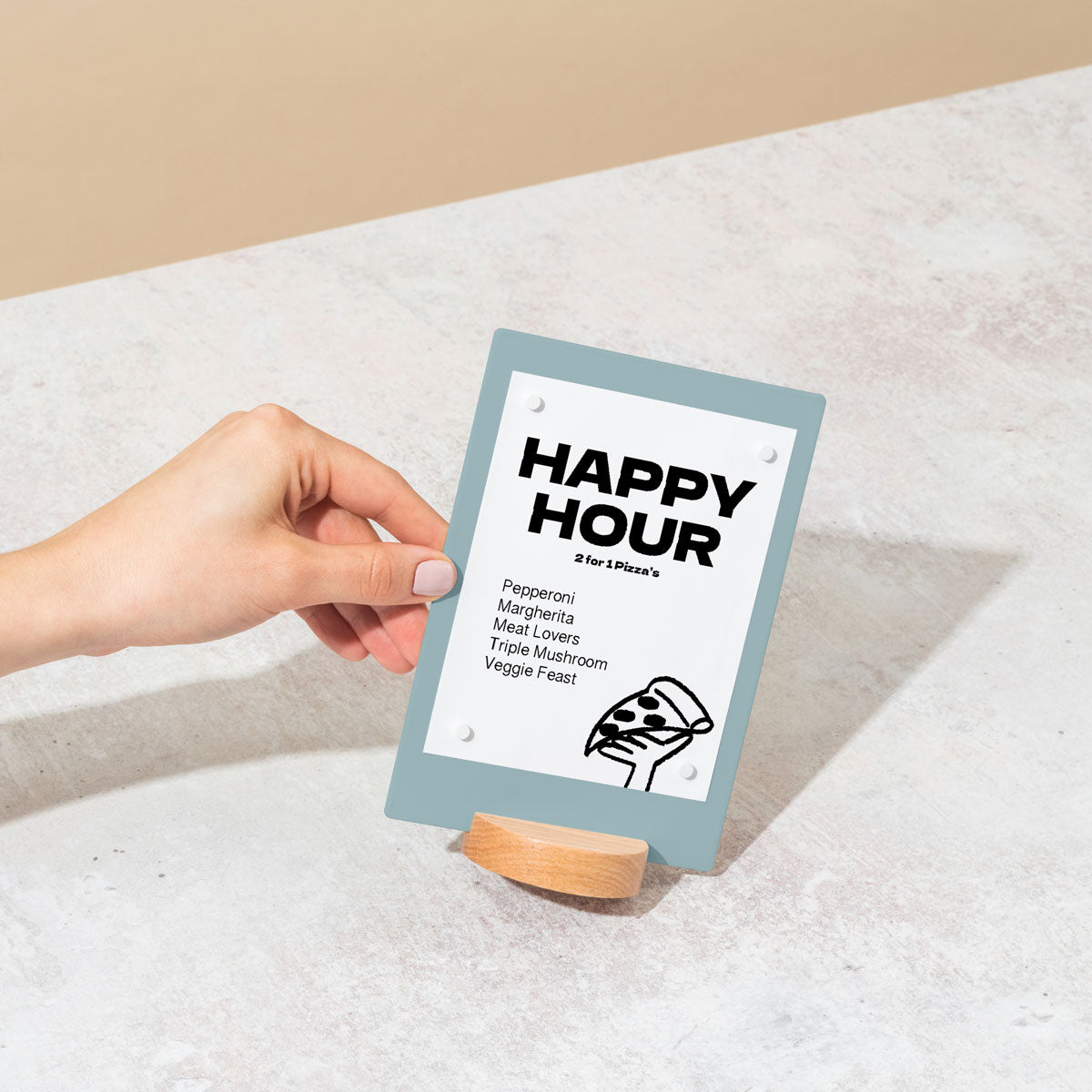
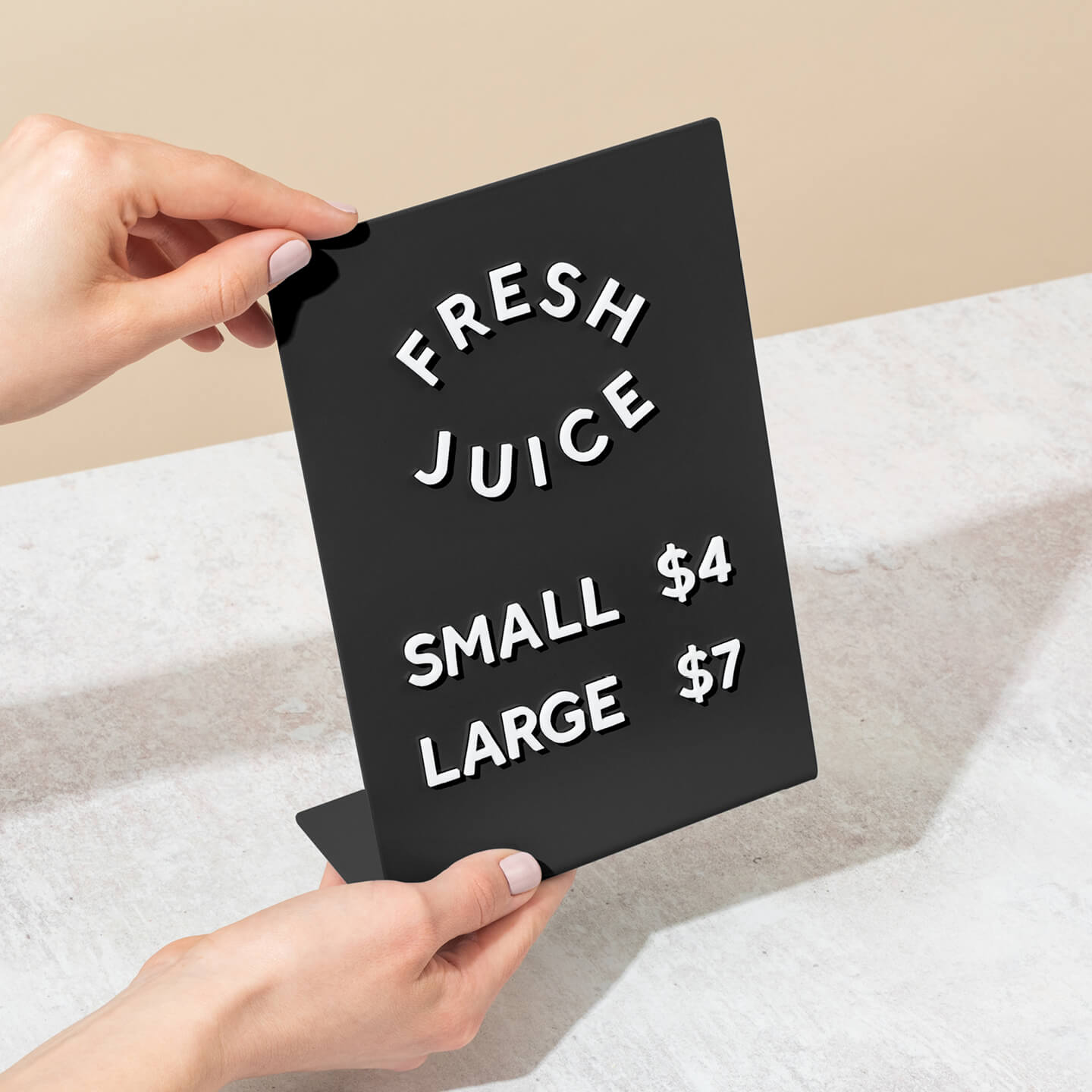
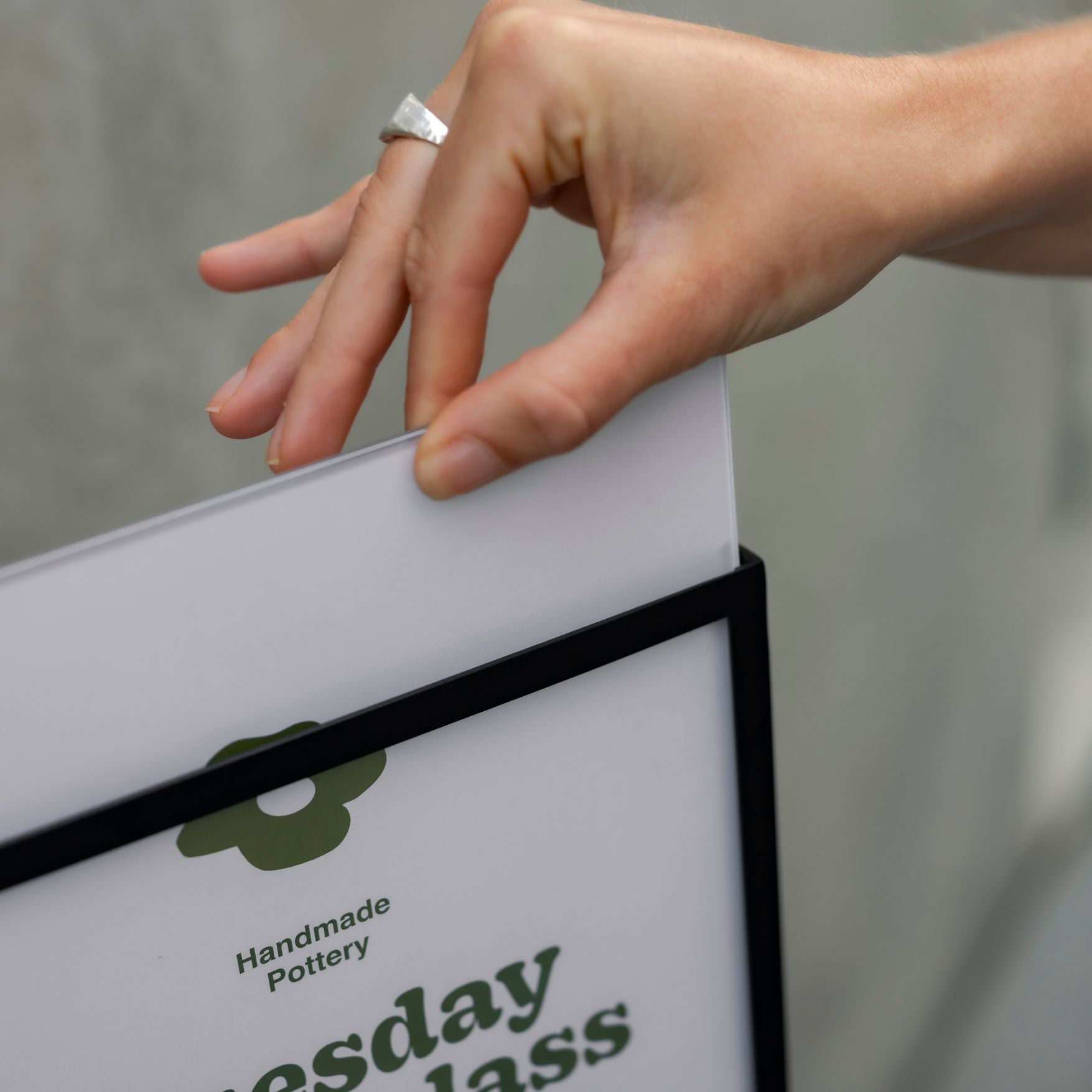
- Include a Call to Action (CTA): Tell people what you want them to do next. Simple phrases like “Call Now,” “Visit Us Today,” or a website address can make a big difference. You can reinforce this message inside with Tabletop Signage near the register.
Since over two thirds of consumers believe a store’s signage reflects the quality of its products, a professional, well designed sign is crucial.
Strategic Placement for Maximum Visibility
Where you put your lawn signs for business is just as important as how they look. The goal is to place them in high traffic areas where your target audience will see them.
Best Locations for Your Signs
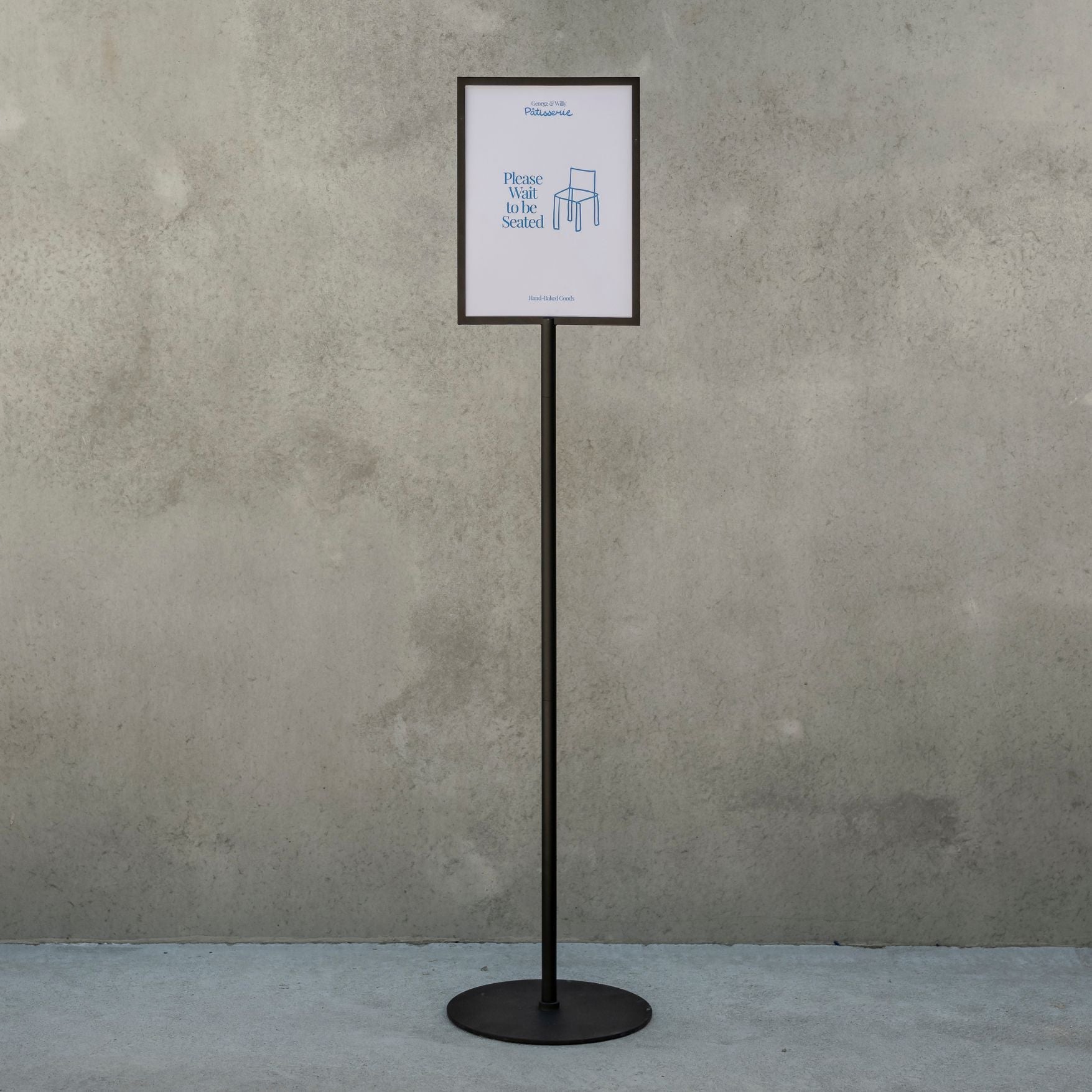
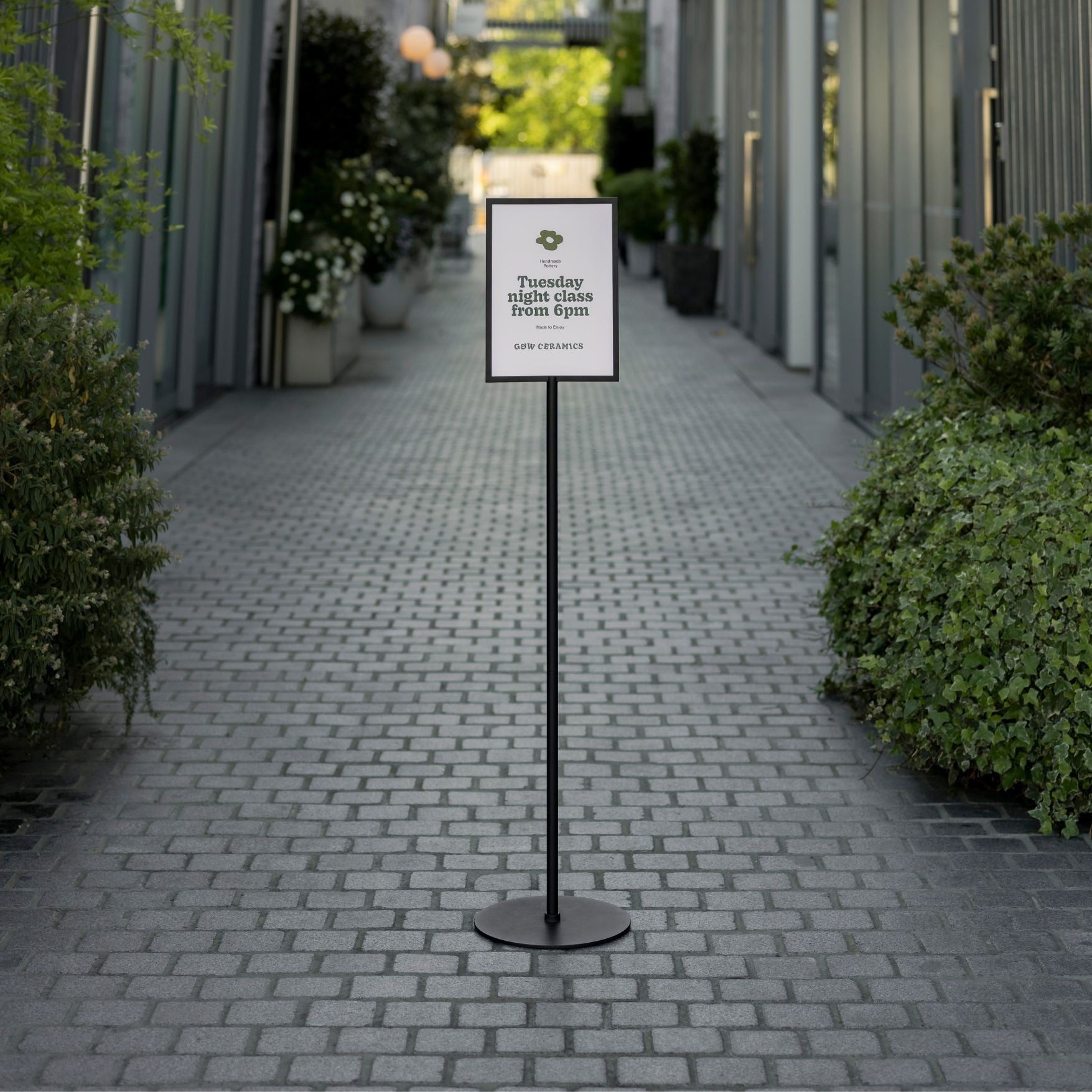
- High Traffic Intersections and Roads: Busy intersections and main roads offer constant exposure to drivers and pedestrians. Placing signs where traffic naturally stops, like at stoplights, is particularly effective. Choose a large, highly legible sidewalk sign such as the Large Sidewalk Sign for maximum visibility.
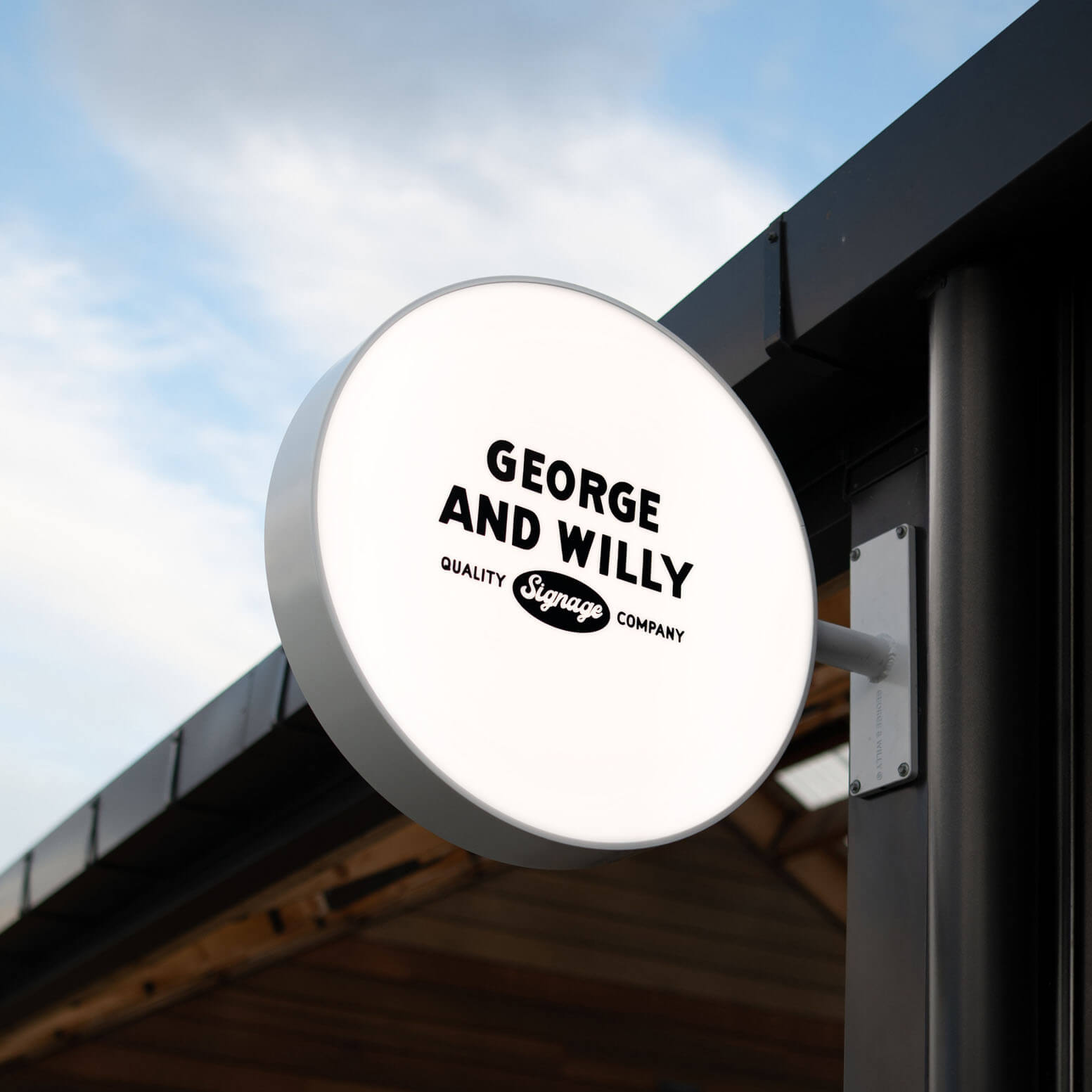
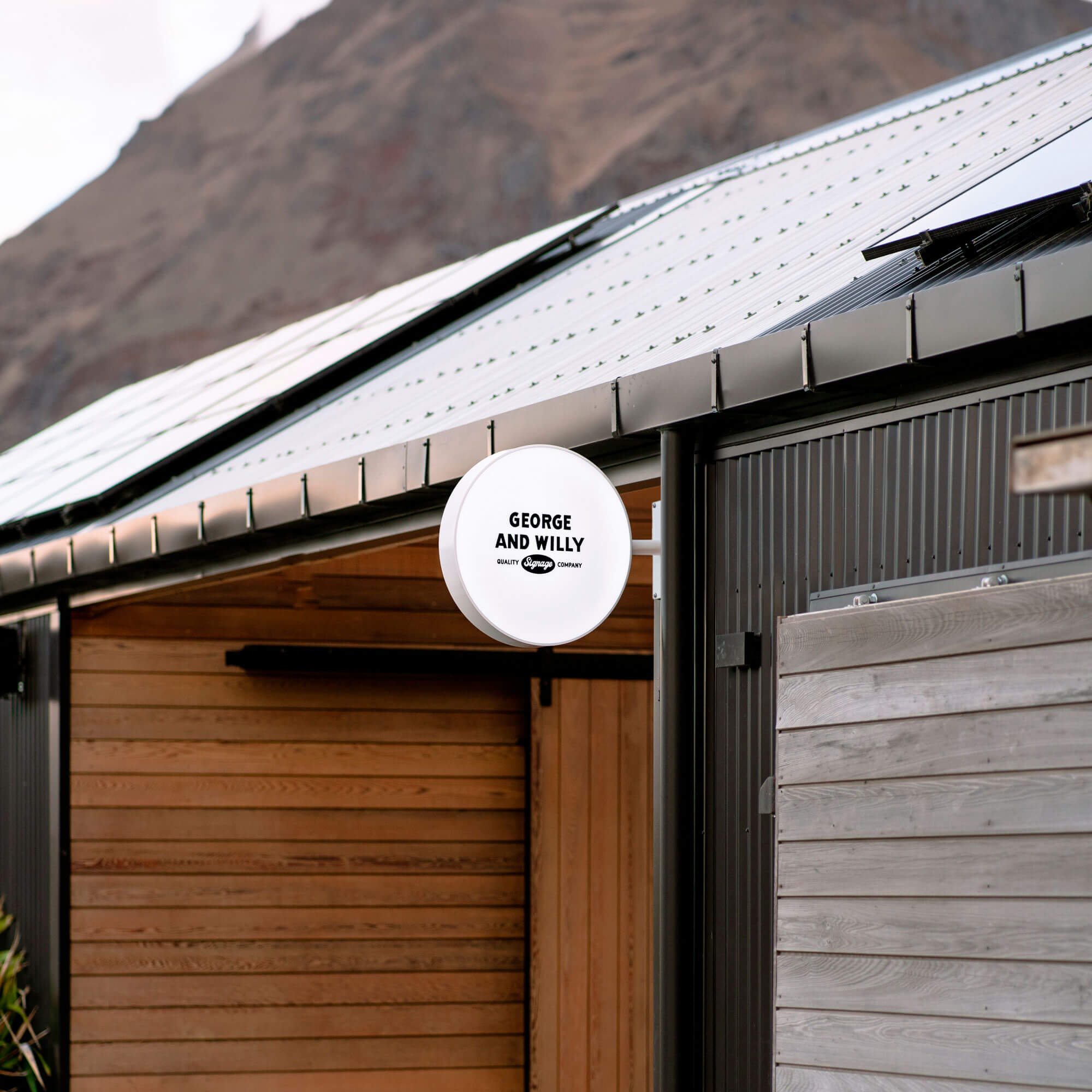
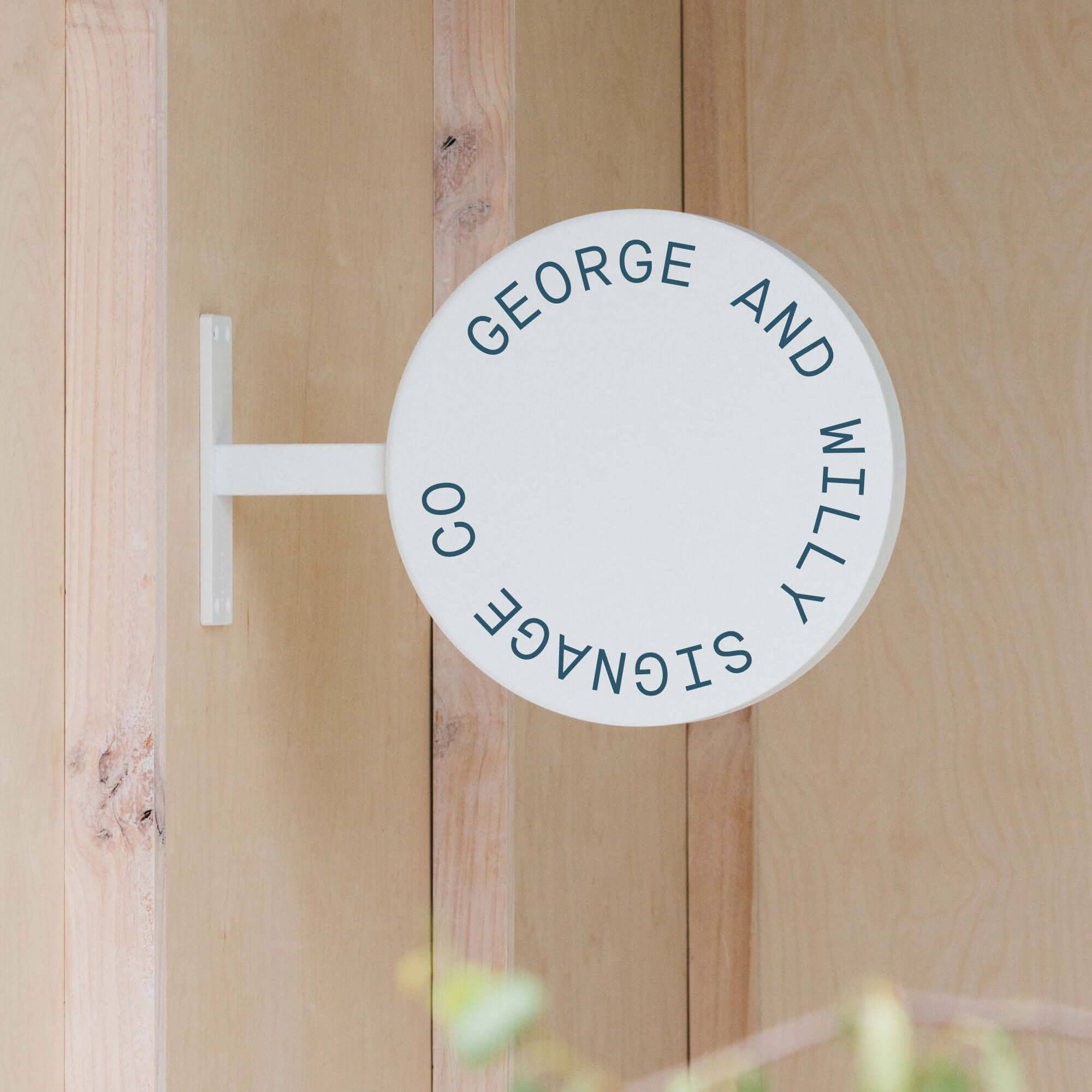
- Near Your Business: Use metal signs to guide customers to your storefront, especially if you’re located off a main road. Arrows can be very helpful, and a blade sign like the Rectangle Blade Sign can improve wayfinding at eye level.
- Commercial and Community Hubs: Placing signs near shopping centers, event venues, or parks can capture the attention of people already in a shopping or community mindset.
- Private Property (with Permission): Ask loyal customers or friendly homeowners and businesses in strategic locations if you can place a sign on their property.
Always make sure your signs are positioned at eye level, angled toward traffic, and not obstructed by trees or other objects.
Understanding Local Rules and Regulations
Before you start placing signs everywhere, it’s critical to research your local laws. Cities, counties, and homeowner associations often have specific ordinances regarding the size, placement, and duration of temporary signs.
Common regulations may include:
- Permit Requirements: Some municipalities require a permit for business signs.
- Placement Restrictions: There are often rules against placing signs on public property, in the public right of way (like sidewalks), or too close to an intersection where they might obstruct visibility.
- Size and Height Limits: Zoning codes frequently dictate the maximum dimensions for signs in different areas.
Failing to comply can lead to fines or the removal of your signs. A quick visit to your local government’s website or a call to the zoning department can clarify the rules in your area.
Are Lawn Signs Effective and How Do You Measure ROI?
Yes, lawn signs for business can be a highly effective and affordable marketing tool. But how do you know if your investment is paying off? Measuring the return on investment (ROI) helps you understand its impact and optimize your strategy.
Here are a few ways to track performance:
- Track Foot Traffic and Sales: The most direct method is to compare foot traffic and sales data from before and after you put up new signs. A noticeable increase can often be attributed to your improved visibility.
- Use Unique Identifiers: Include a special offer, a unique QR code, or a specific phone number on your signs. This allows you to directly track how many leads or sales came from that specific sign campaign.
- Customer Surveys: Simply ask new customers how they heard about you. If many mention your signs, you know they’re working.
The basic formula for ROI is: ROI = ((Revenue from Signage – Cost of Signage) / Cost of Signage) x 100%. By tracking these metrics, you can make data driven decisions to improve your campaigns.
Investing in Quality and Durability
The quality of your sign says a lot about your business. A faded, flimsy, or poorly made sign can deter over half of potential customers. Investing in durable, sustainable materials like aluminum not only ensures your signs look great and last longer, but it is also a more environmentally friendly choice than disposable plastic signs.
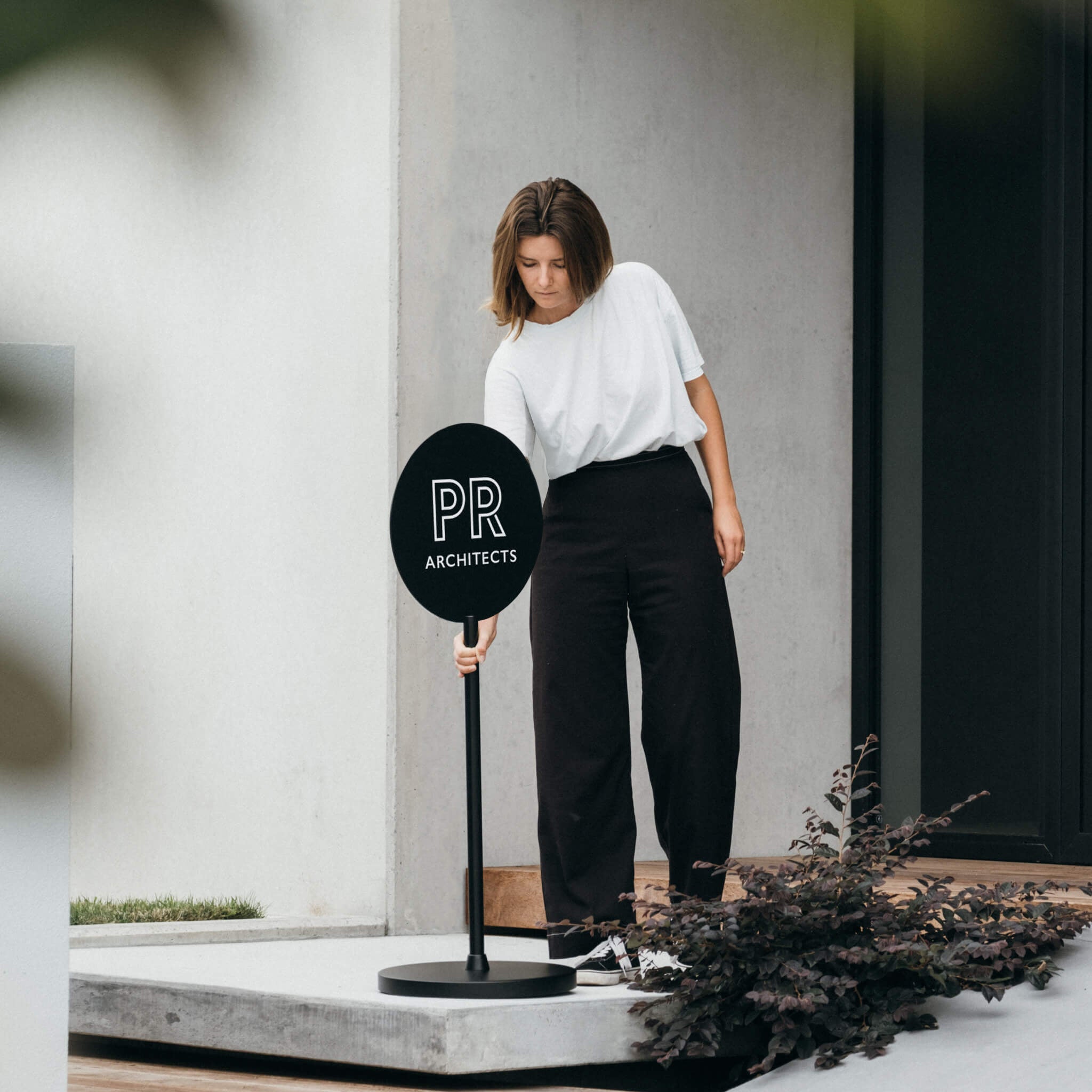
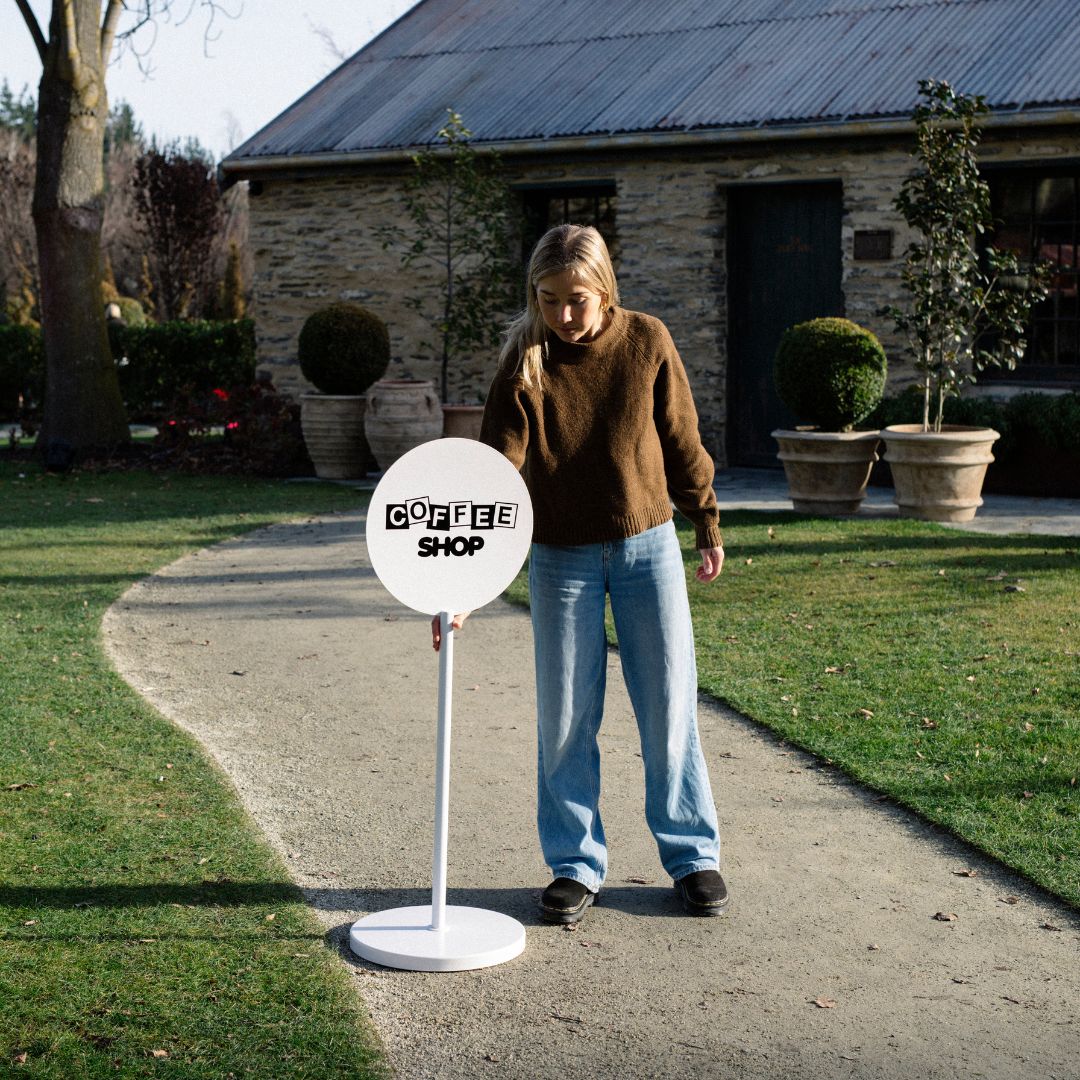
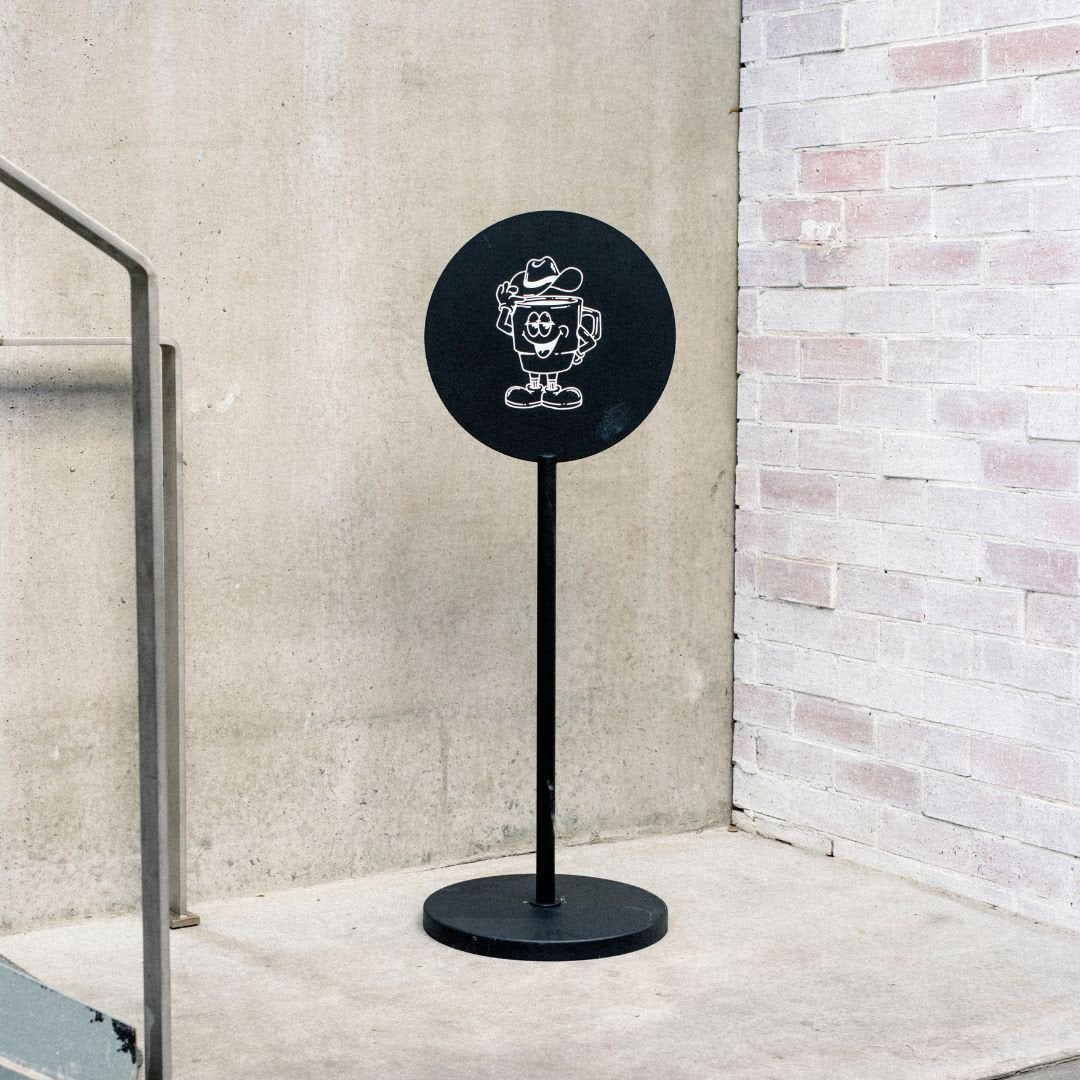
For businesses that value both aesthetics and longevity, exploring a curated collection of signage can be a great starting point. George & Willy offers a range of thoughtfully designed products built with premium, weather‑resistant materials. Try the street friendly Rounded Sidewalk Sign to elevate your storefront.
Frequently Asked Questions
What are the most common types of lawn signs for business?
The most common types include corrugated plastic signs for temporary promotions, more durable aluminum or PVC signs for long term use, and portable A‑frame pavement signs (sandwich boards) for sidewalk advertising.
How much do lawn signs for business cost?
The cost varies widely. Corrugated plastic signs are very affordable, especially in bulk. Custom aluminum signs or designer A frames represent a larger upfront investment but offer superior durability and a more professional appearance, leading to a better long term value.
How do I make my business yard sign stand out?
To make your sign stand out, use a simple design with a clear message, bold and high contrast colors, and a large, easy to read font. Focus on grabbing attention quickly and telling viewers what you want them to do.
What information should I include on my business lawn sign?
Keep it concise. Include your business name, a very short description of what you offer (for example, “Coffee & Pastries”), and a clear call to action like a phone number, website, or address.
Do I need a permit for my lawn signs?
It depends on your local ordinances. Many cities and towns require permits for business signage, especially in commercial areas, and have strict rules about placement and size. Always check with your local zoning department before placing your lawn signs for business.
How can I ensure my lawn signs are durable?
Choose materials suited for outdoor use. Powder coated aluminum is extremely durable and won’t rust. For any printed graphics, use UV resistant printing to prevent fading. Investing in quality from a reputable supplier like George & Willy, which offers a two year warranty, ensures your signage is built to last.