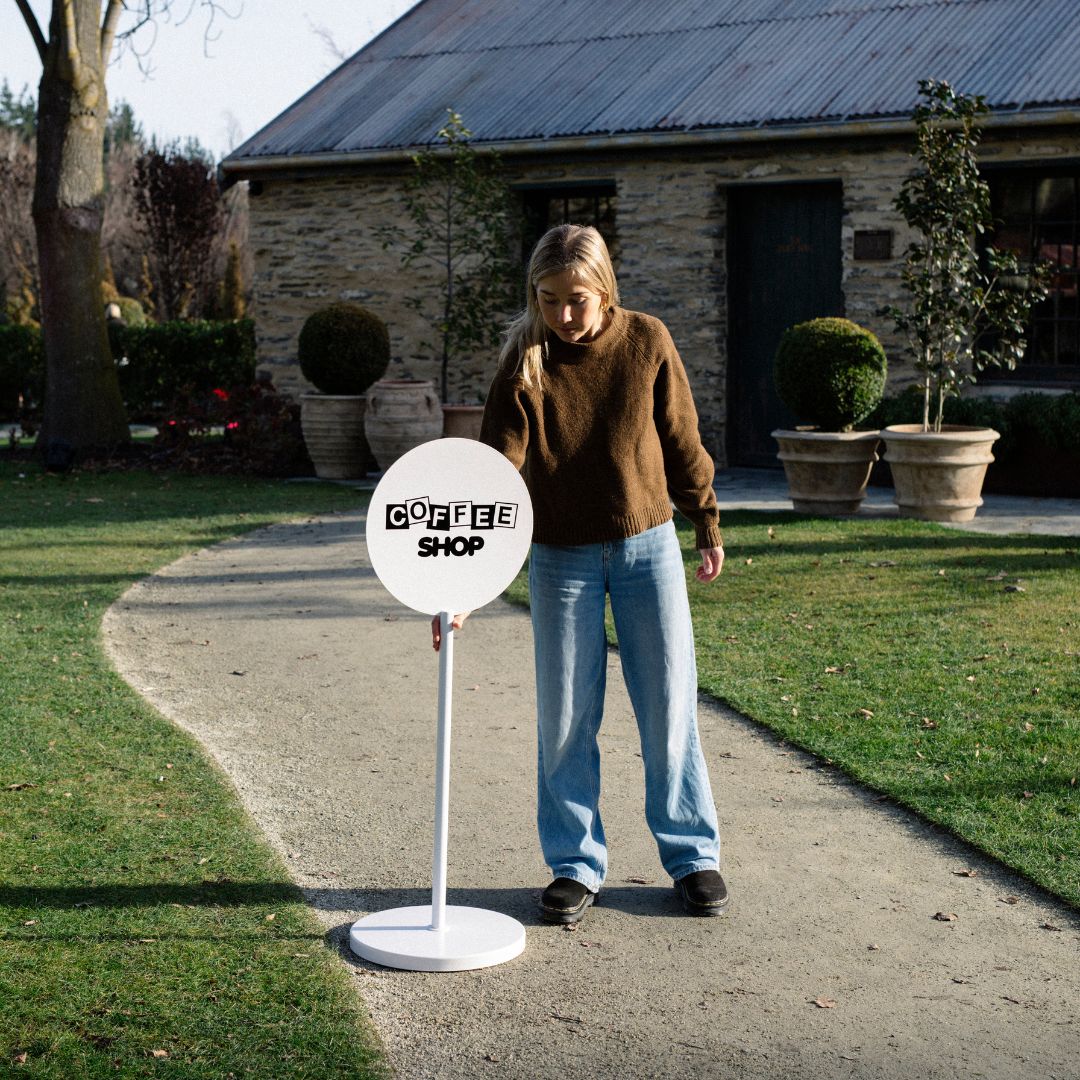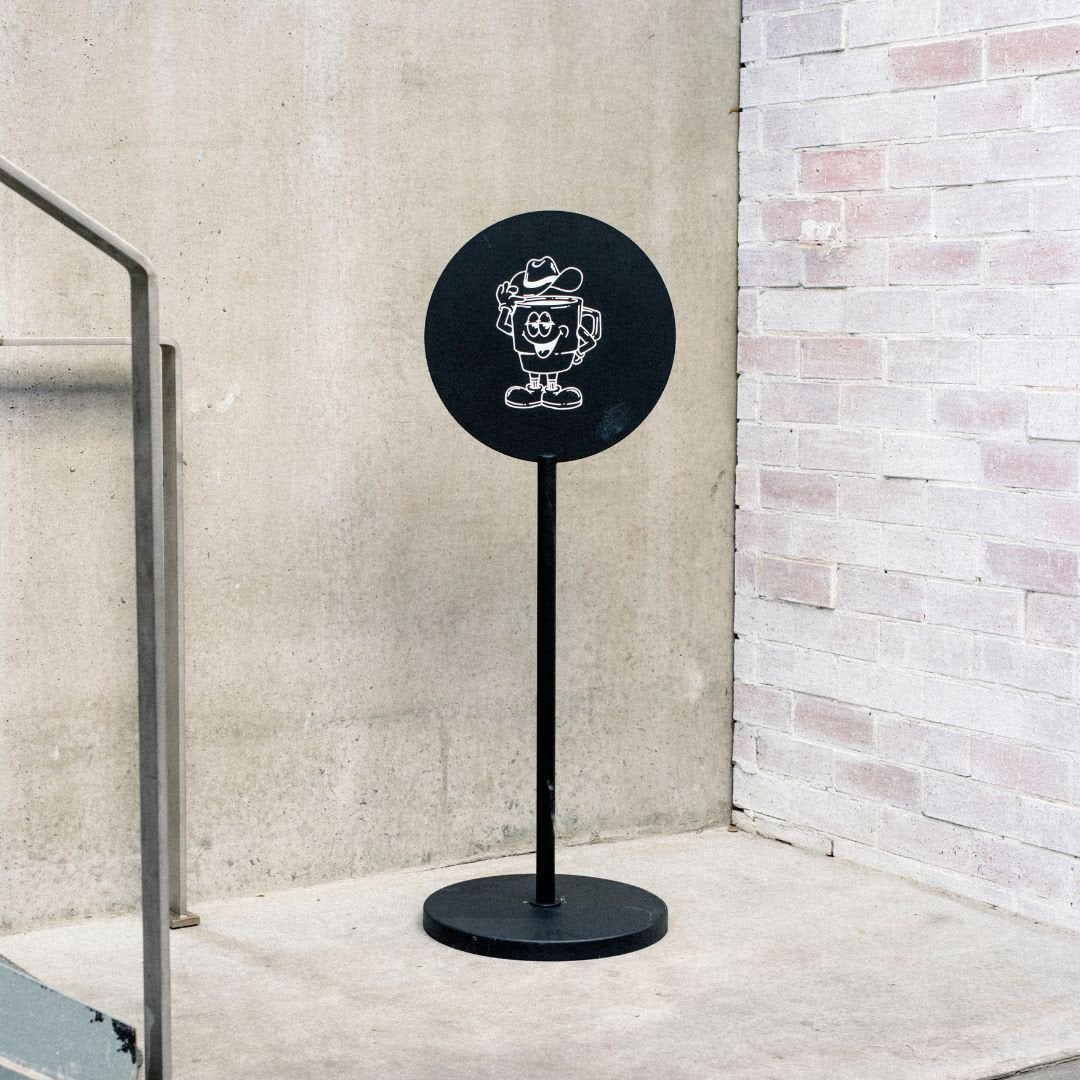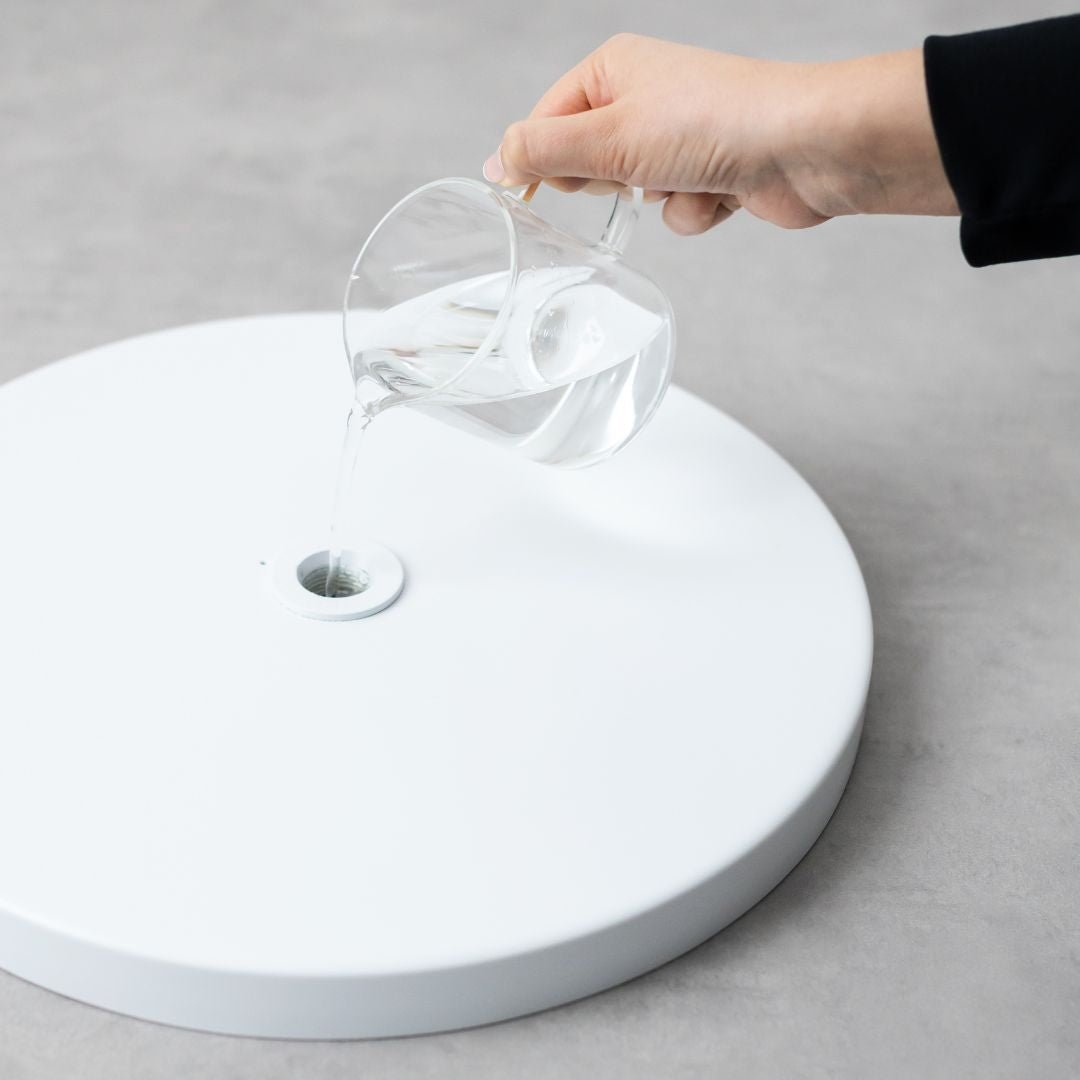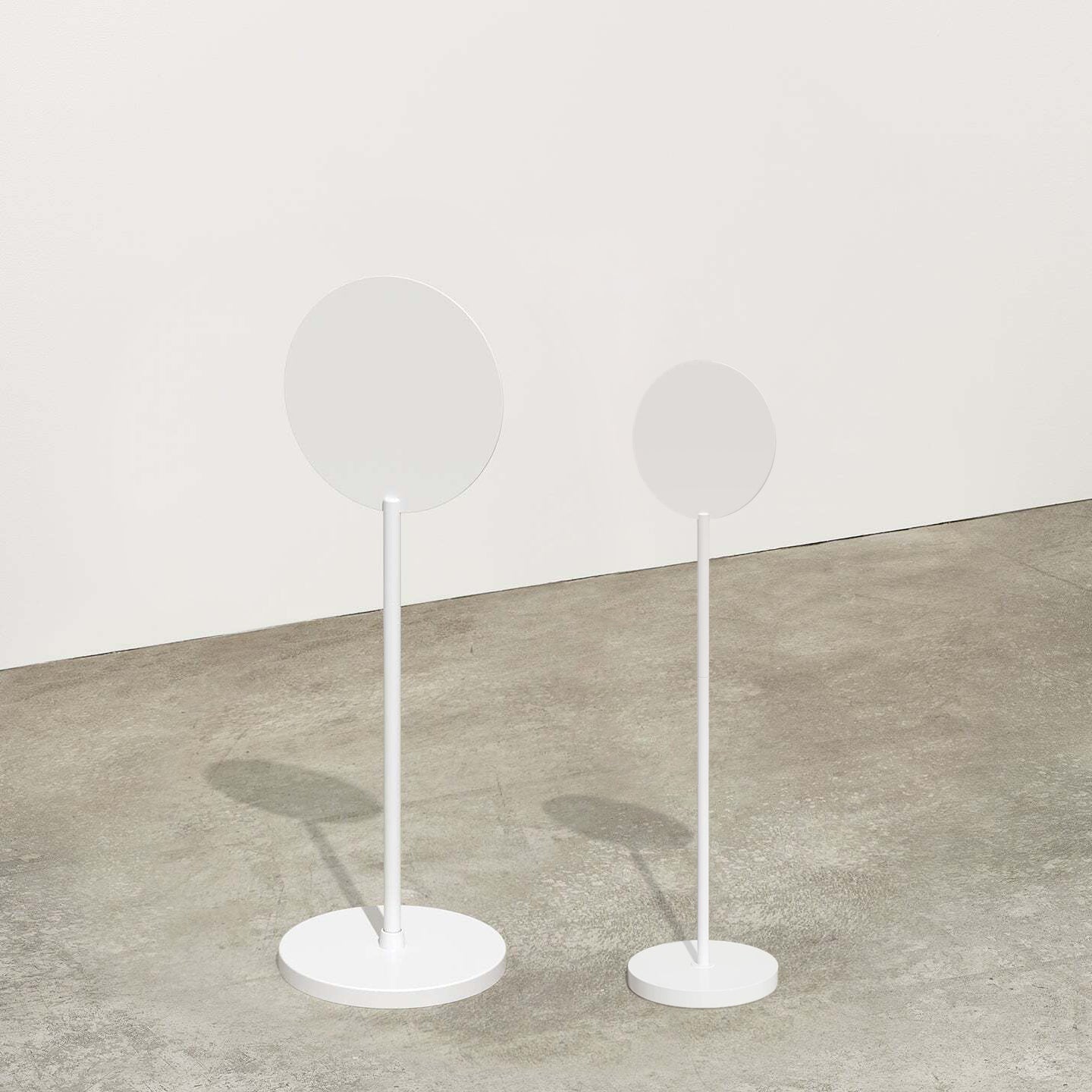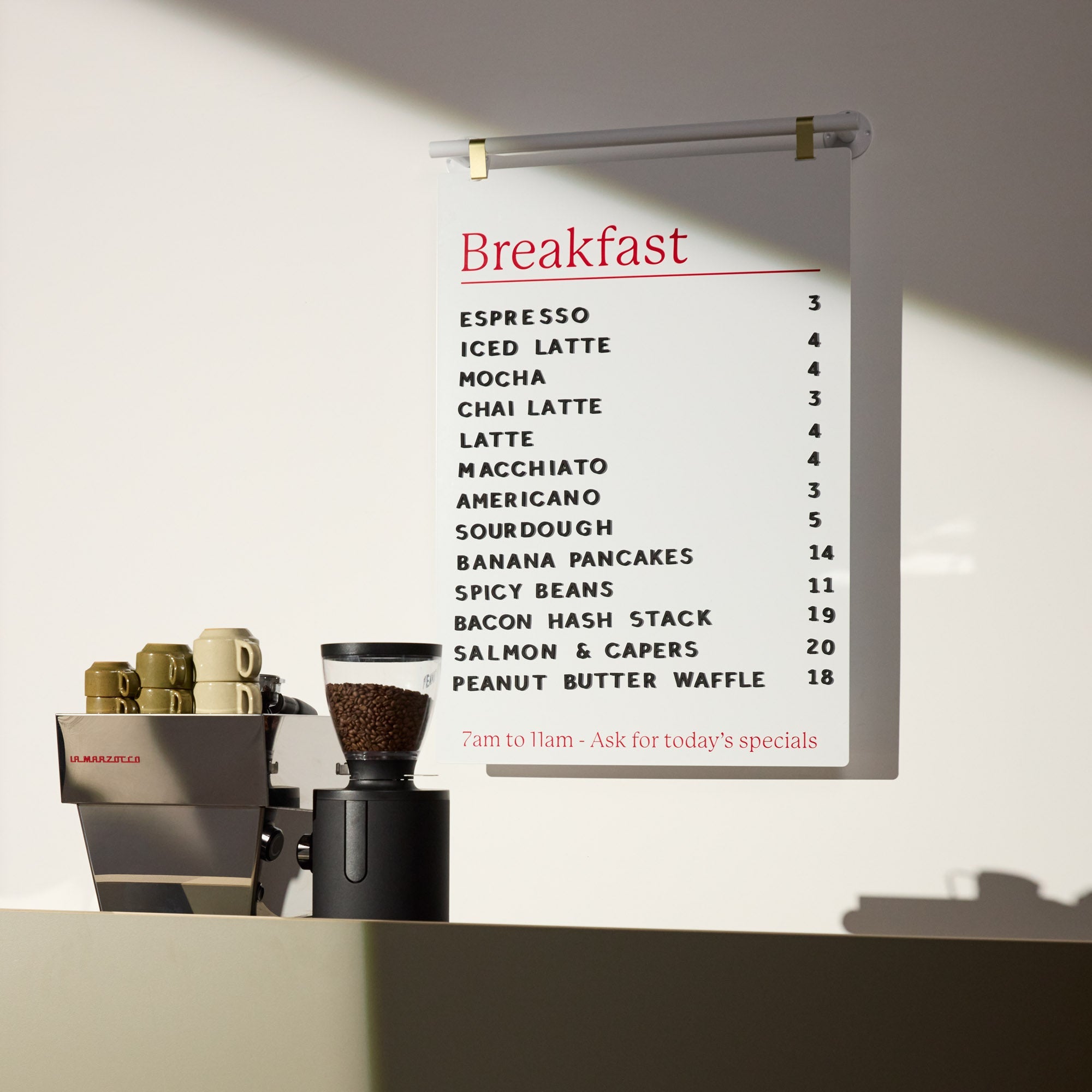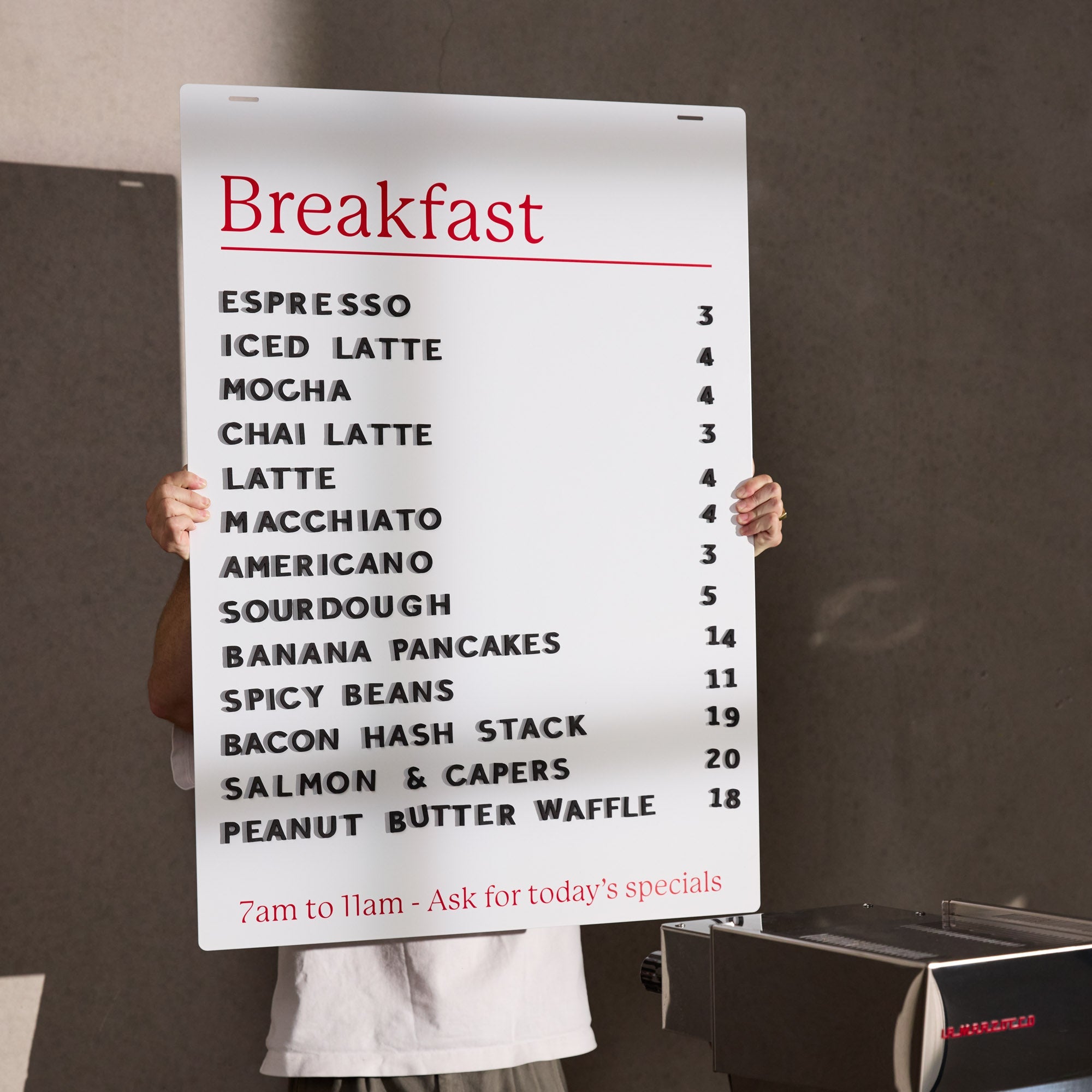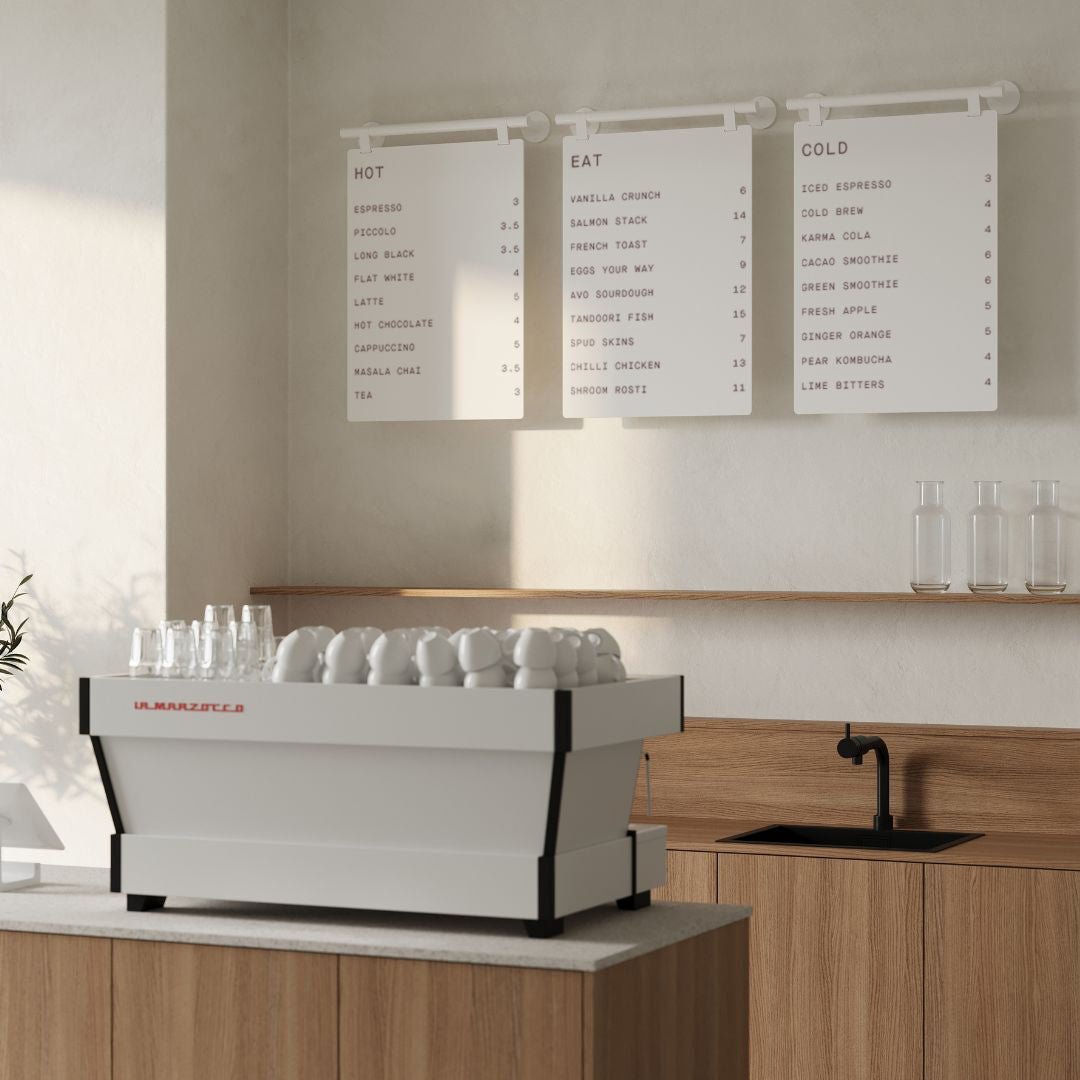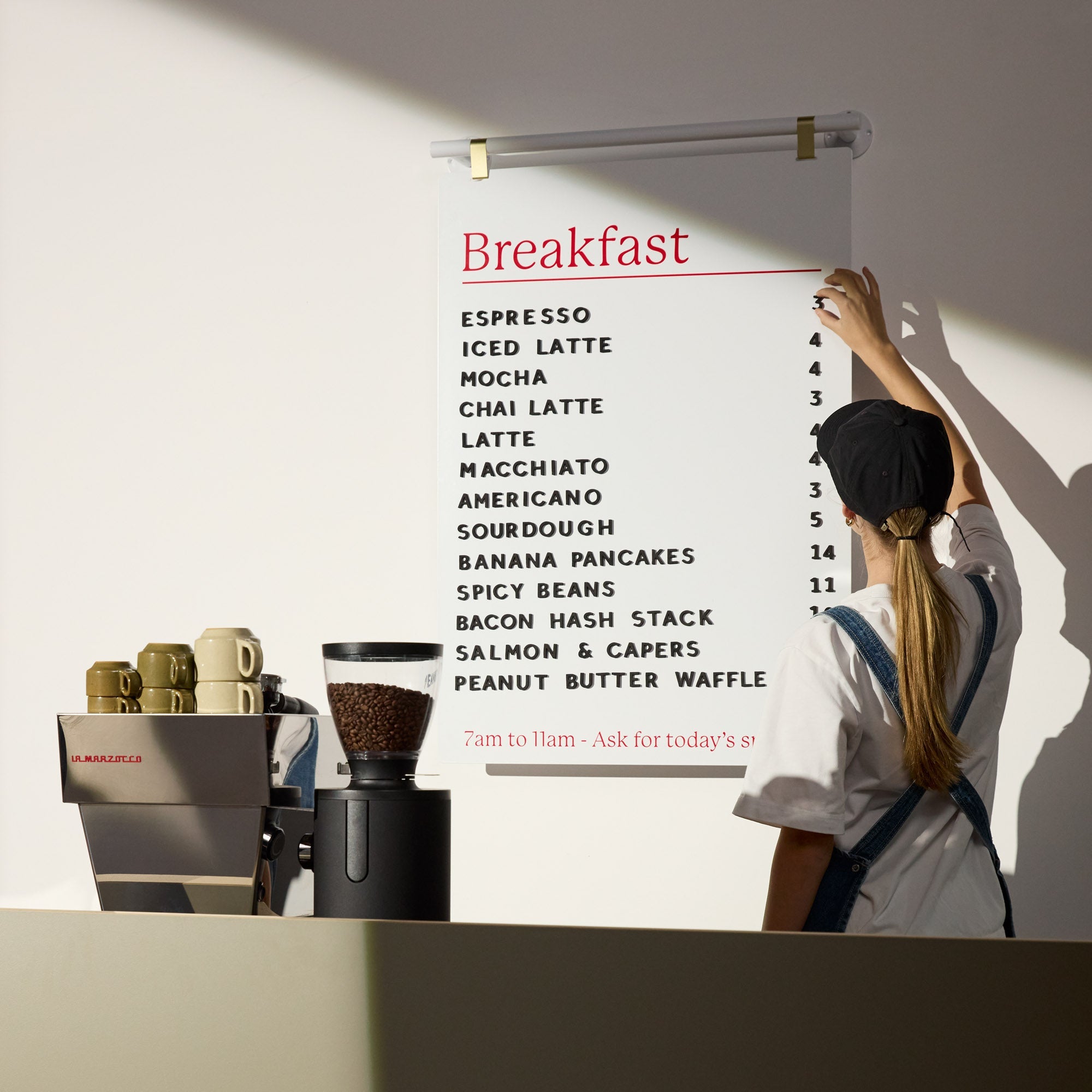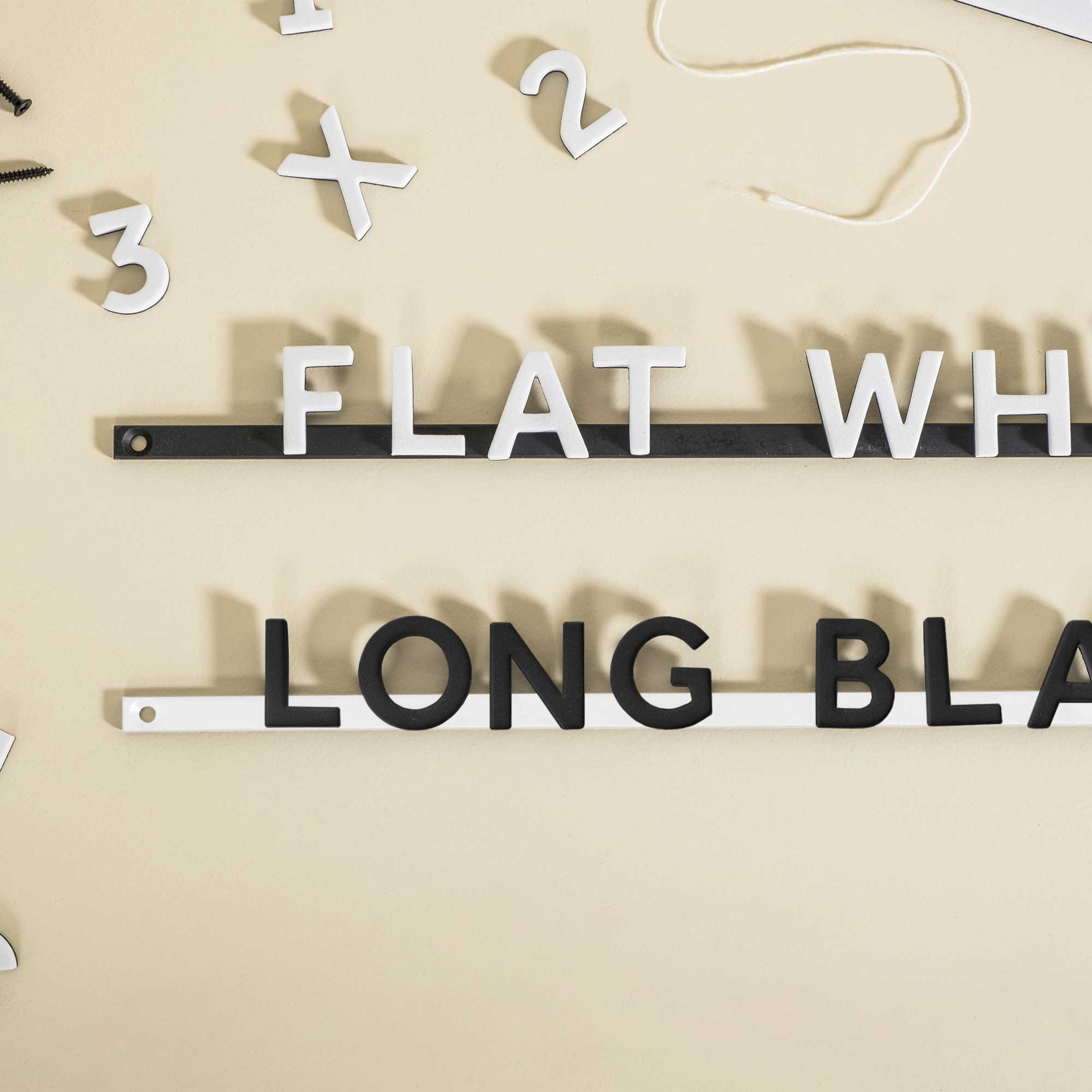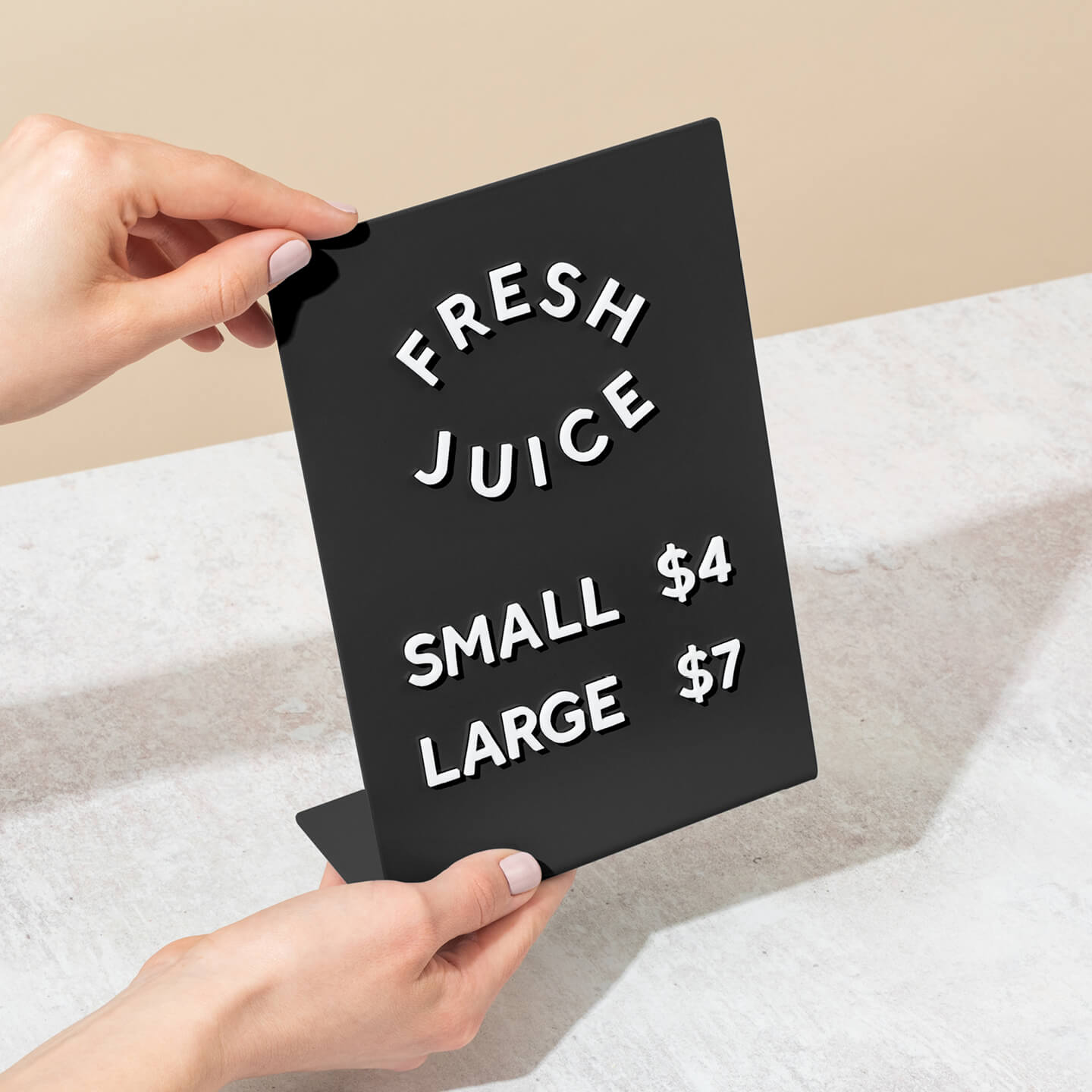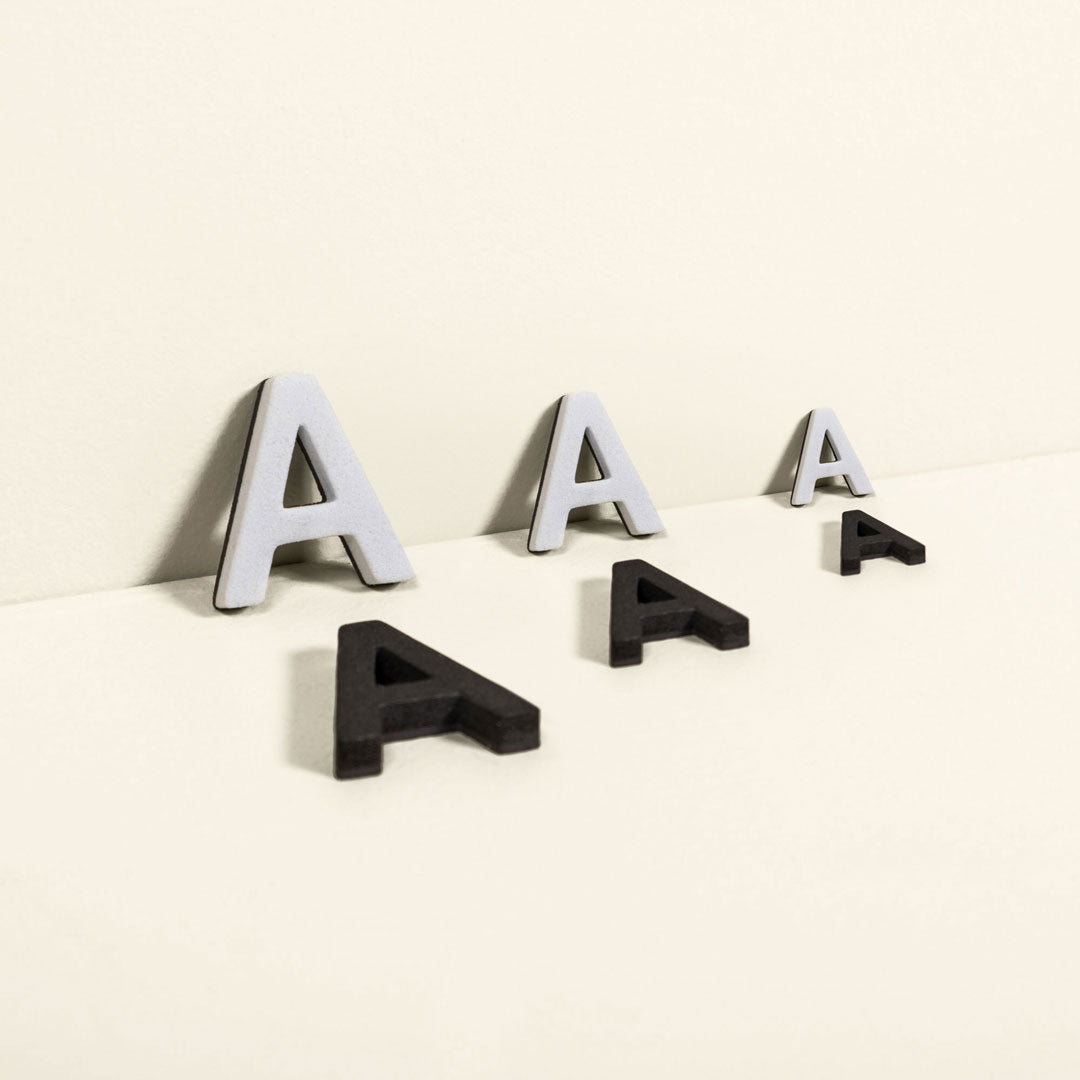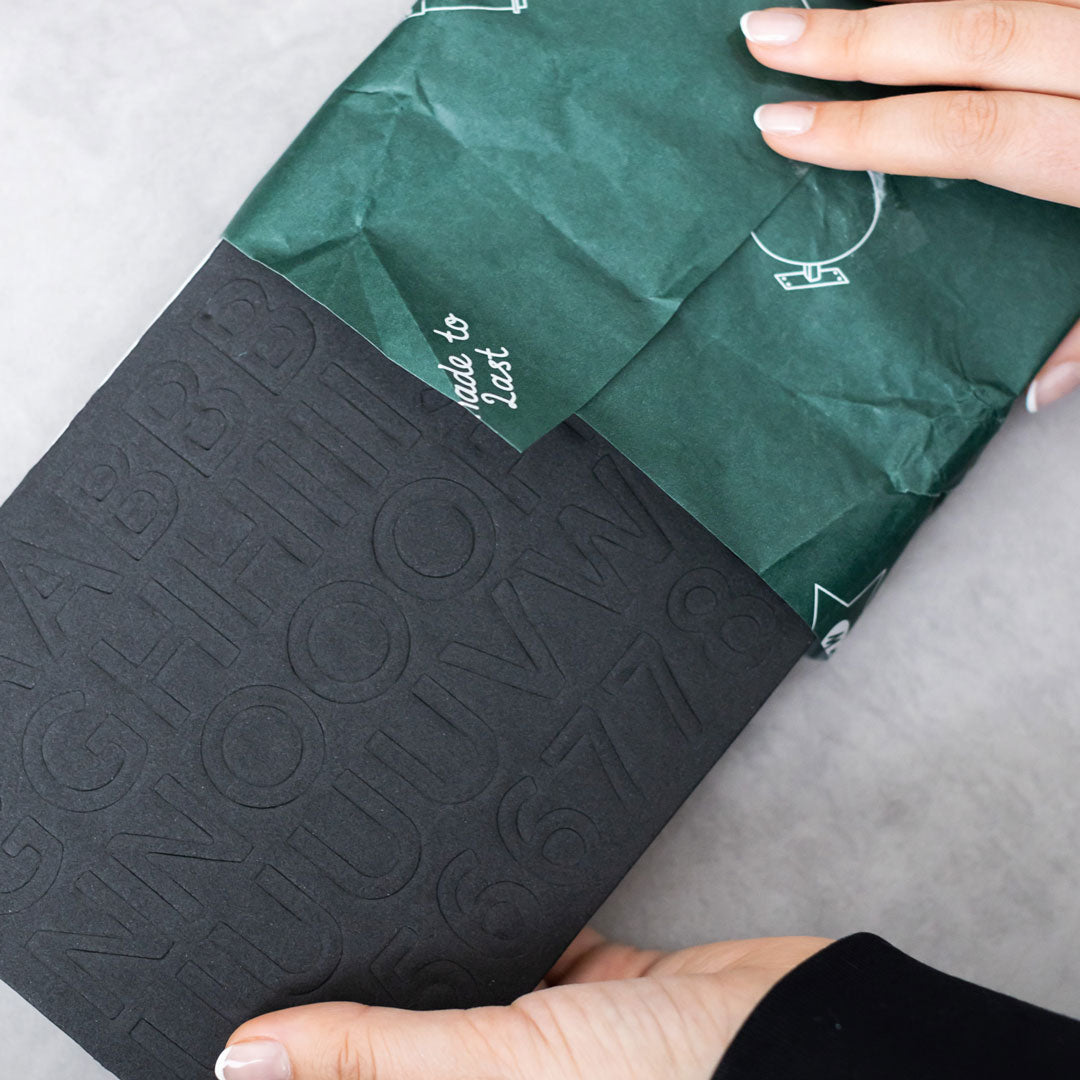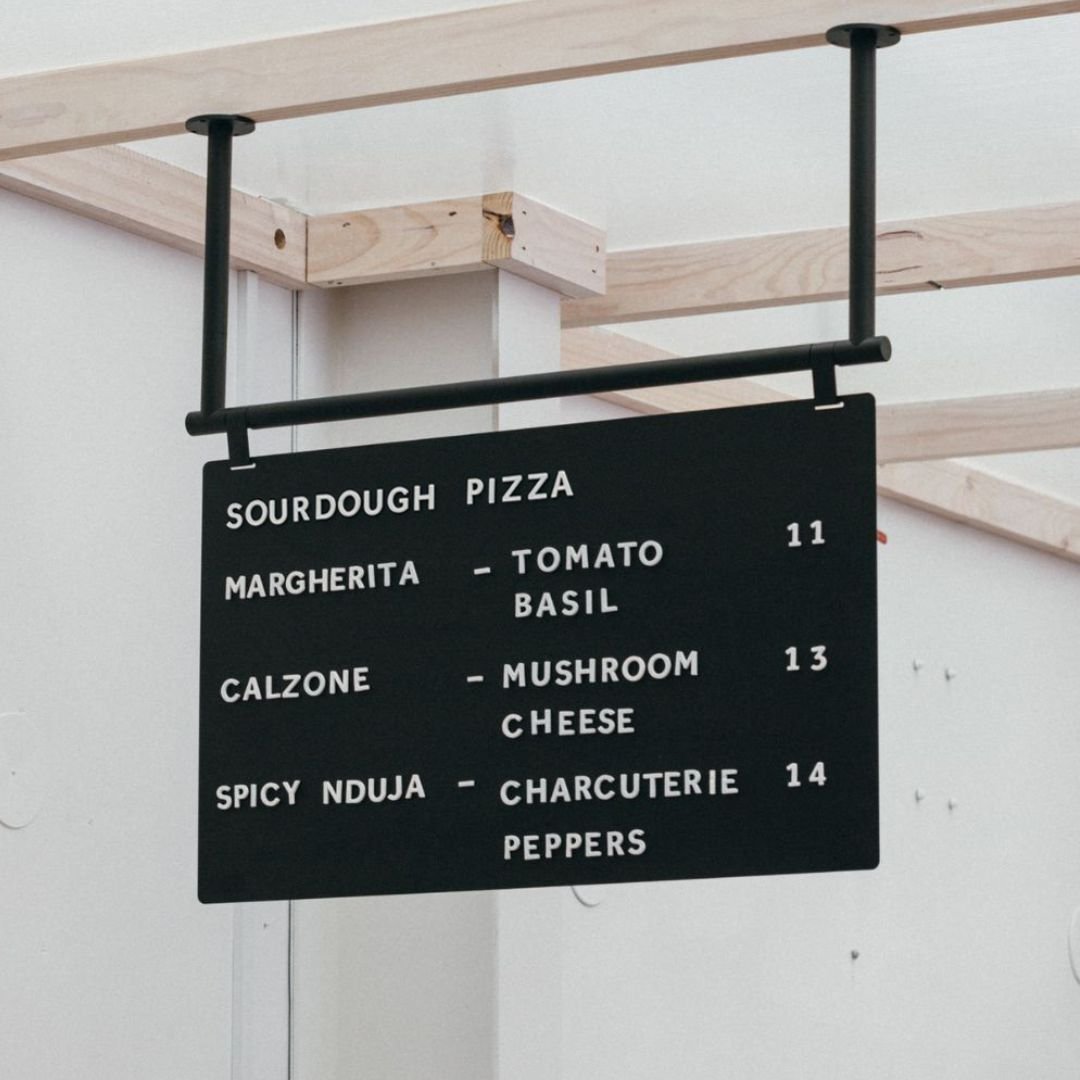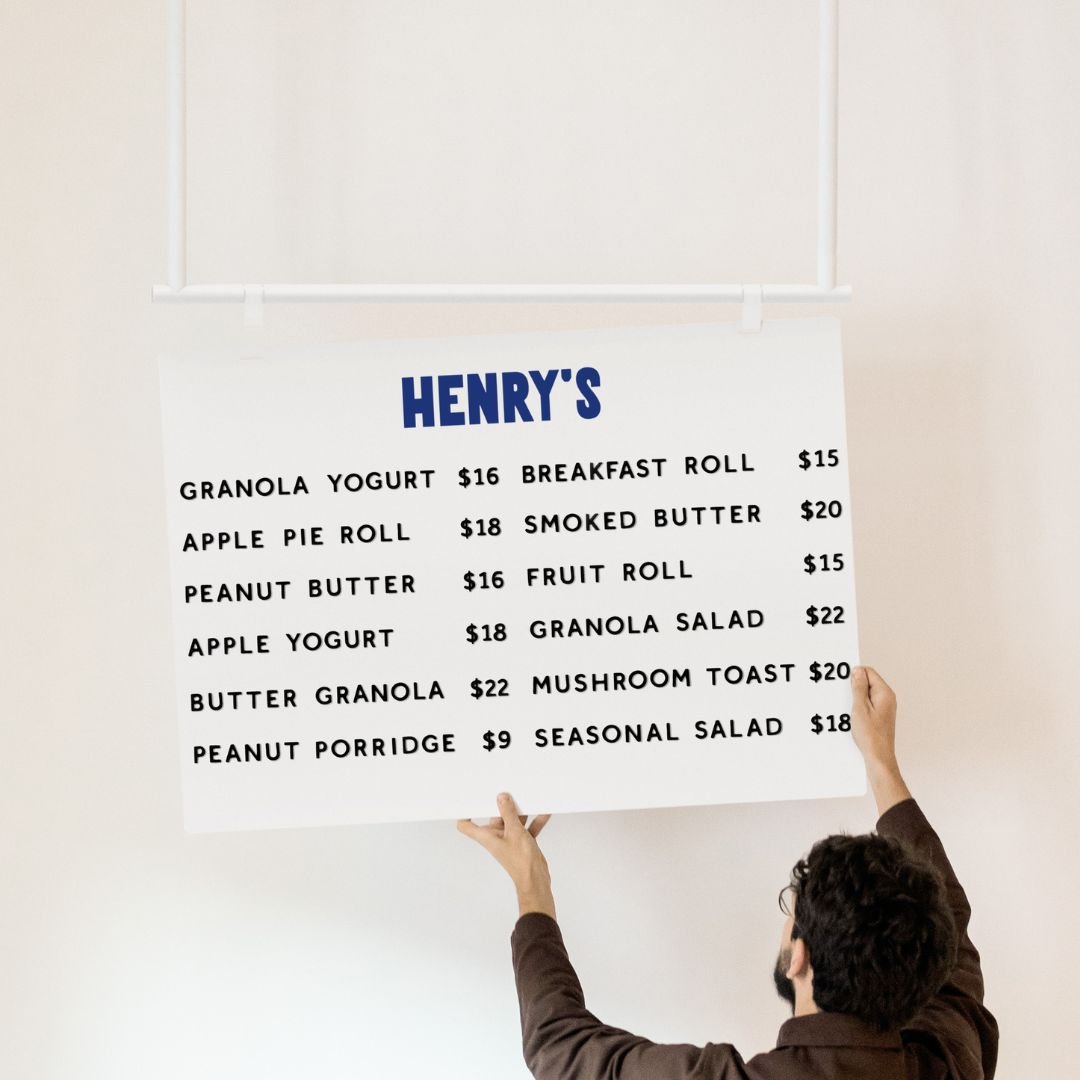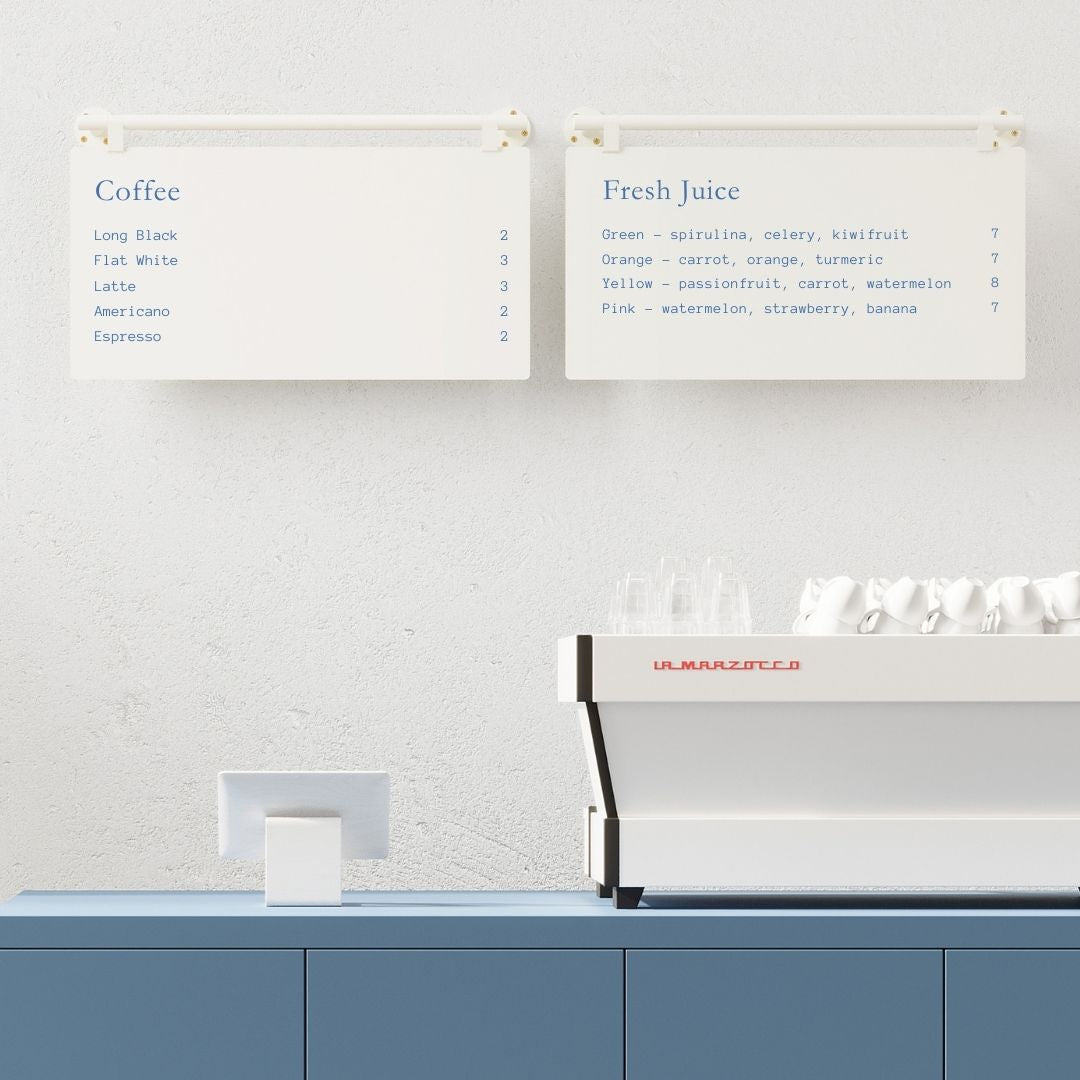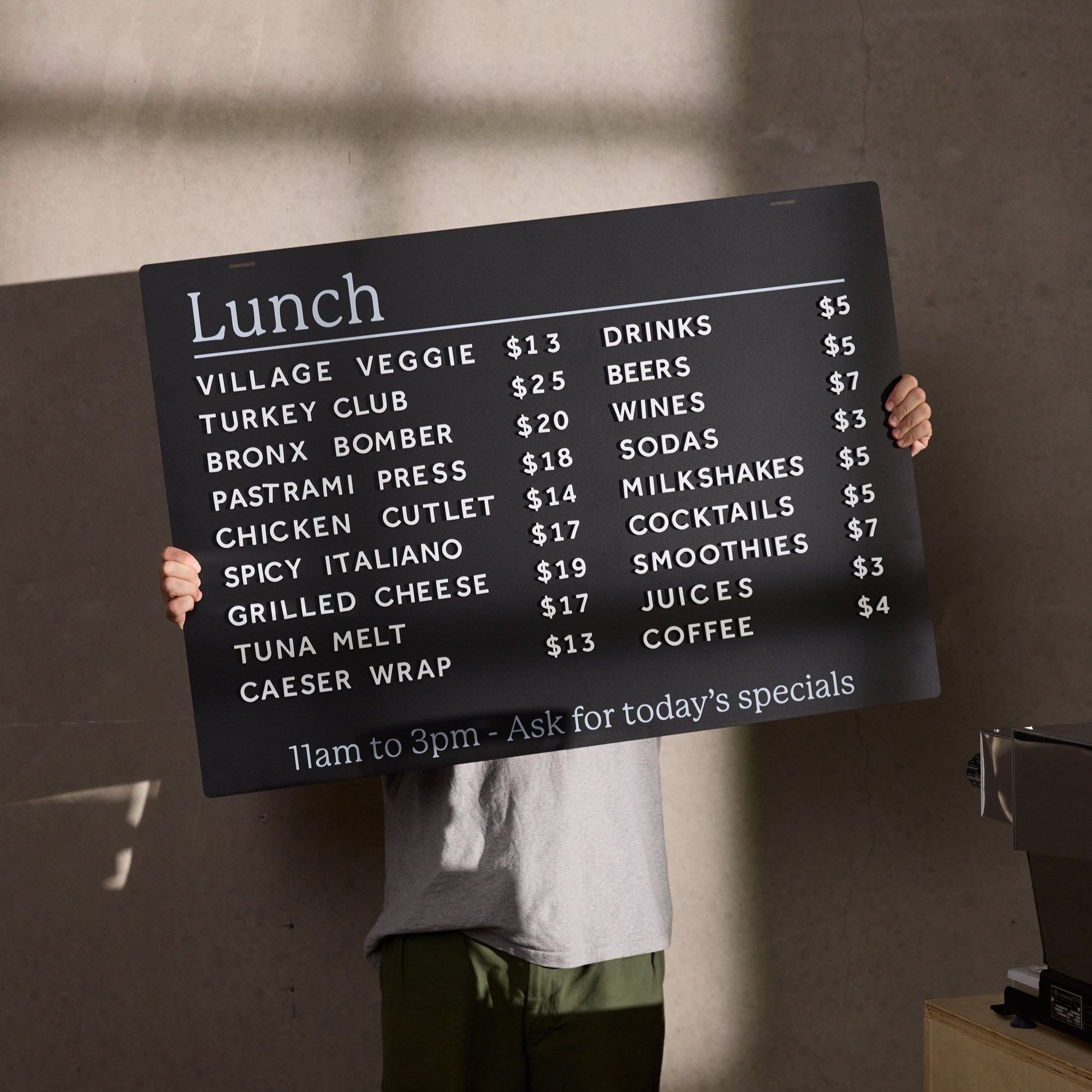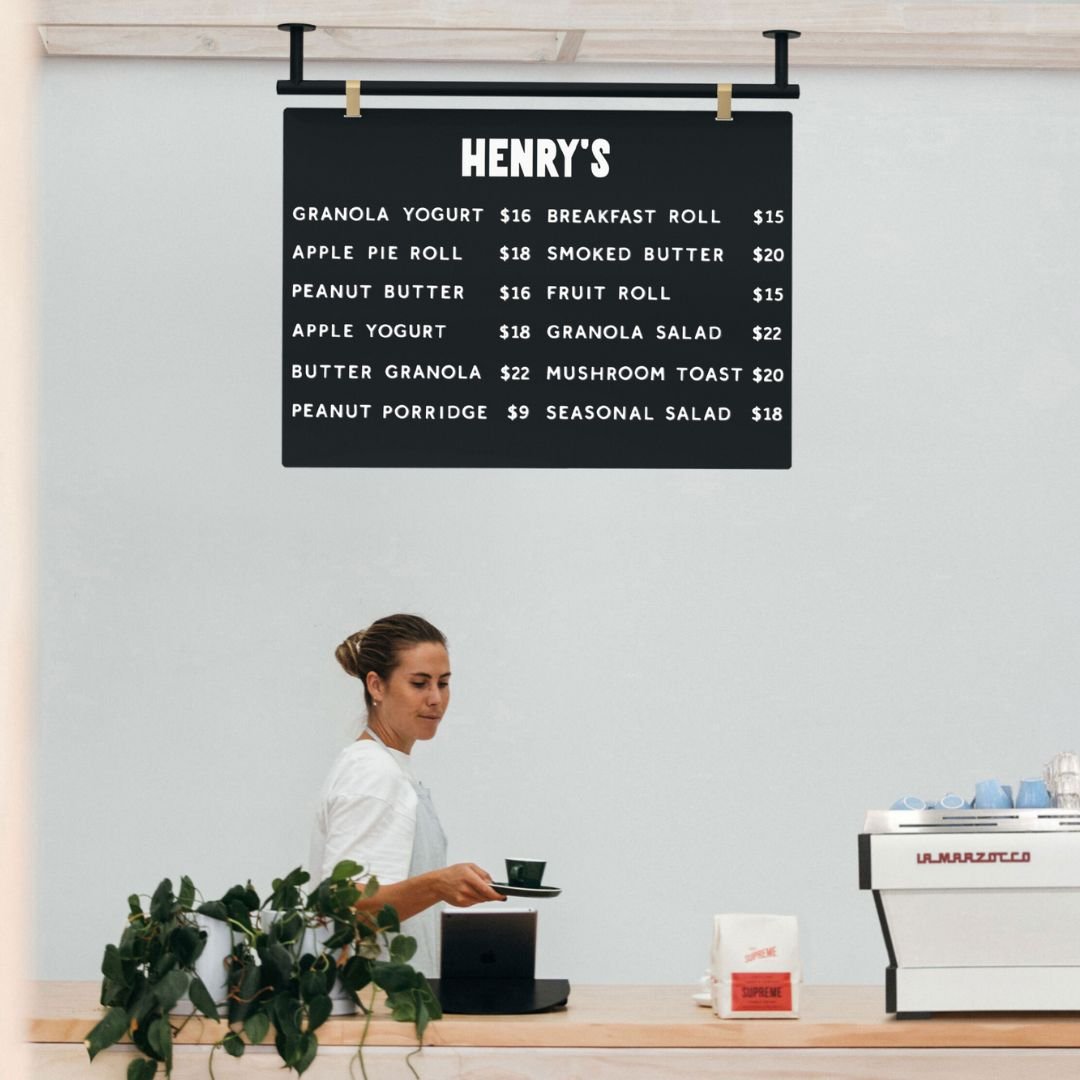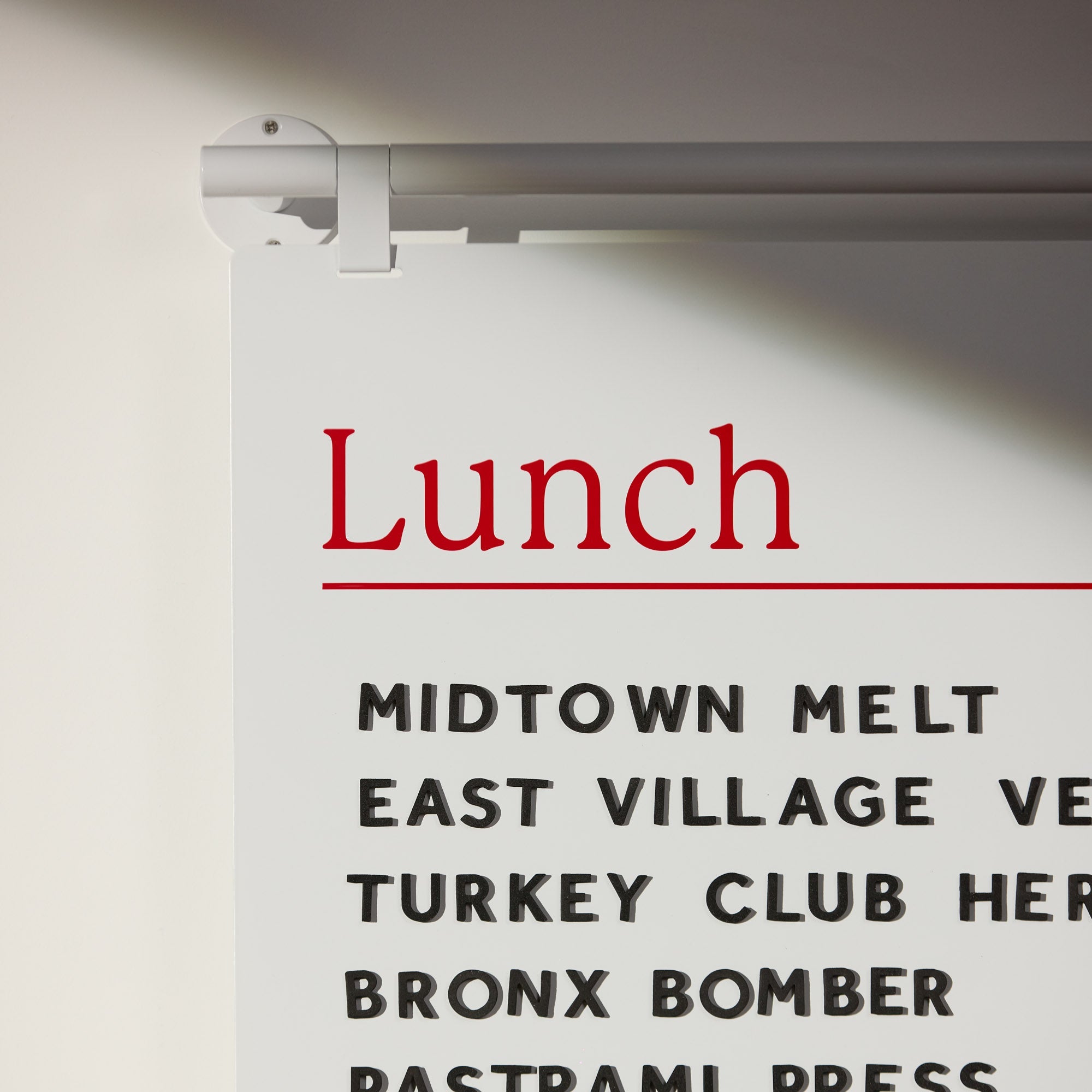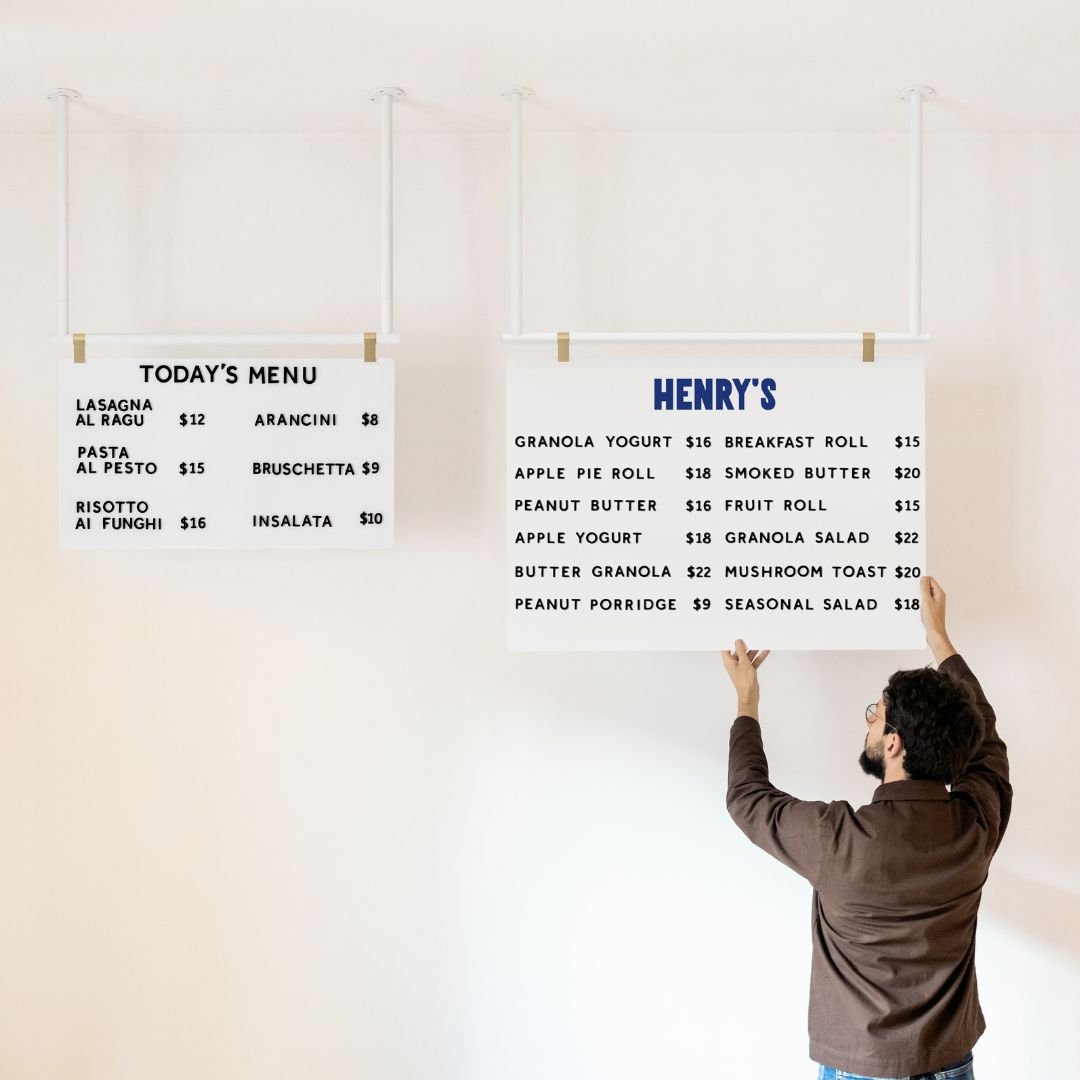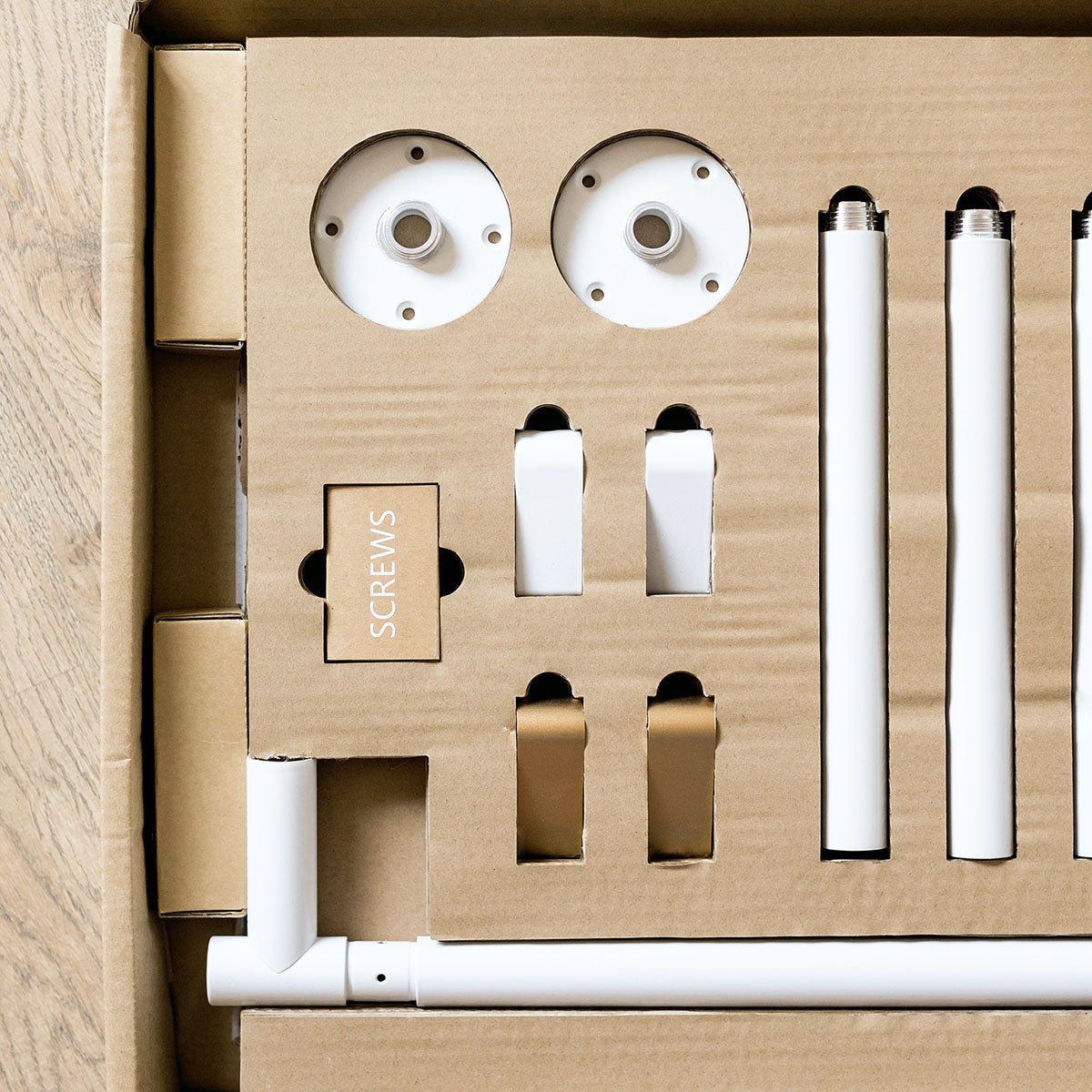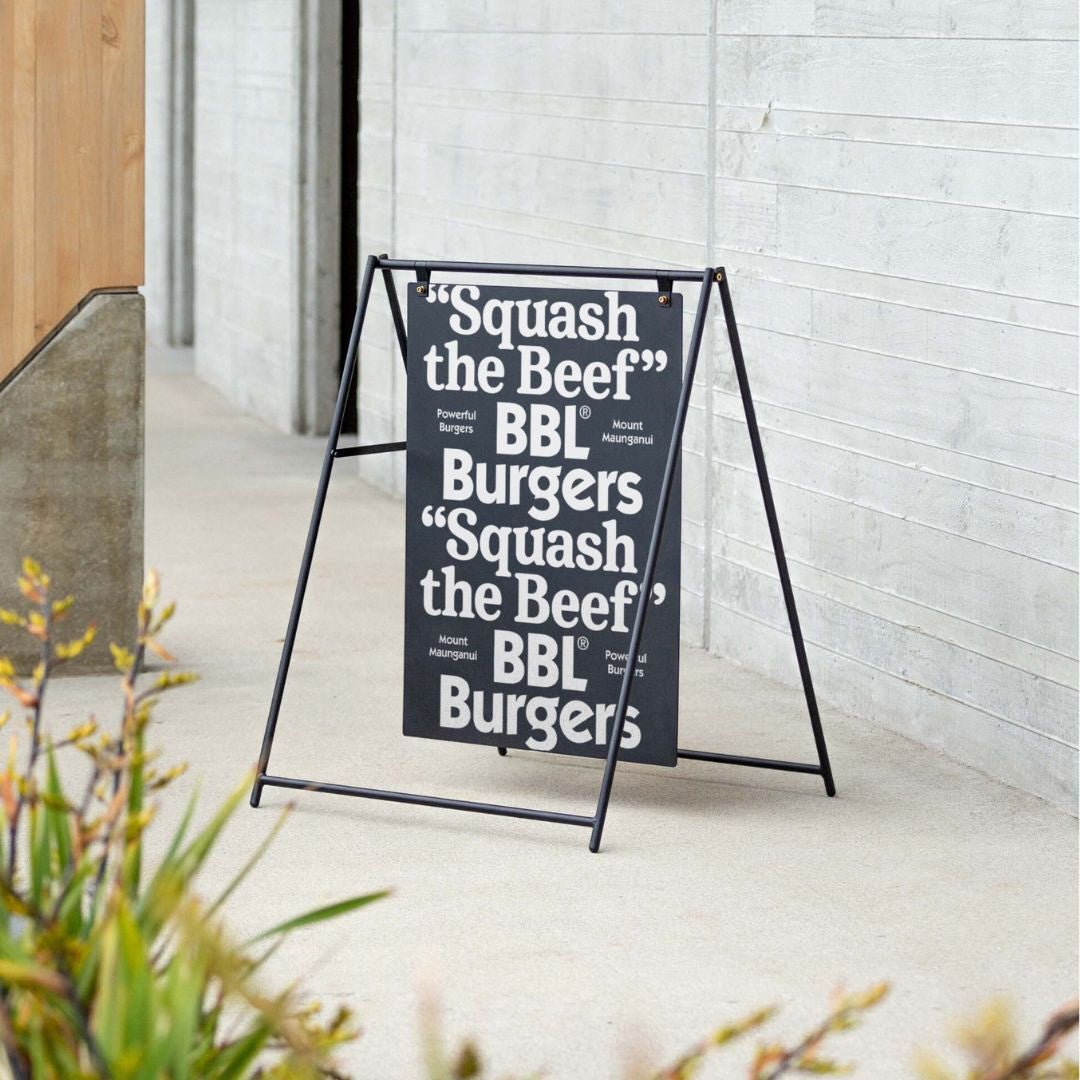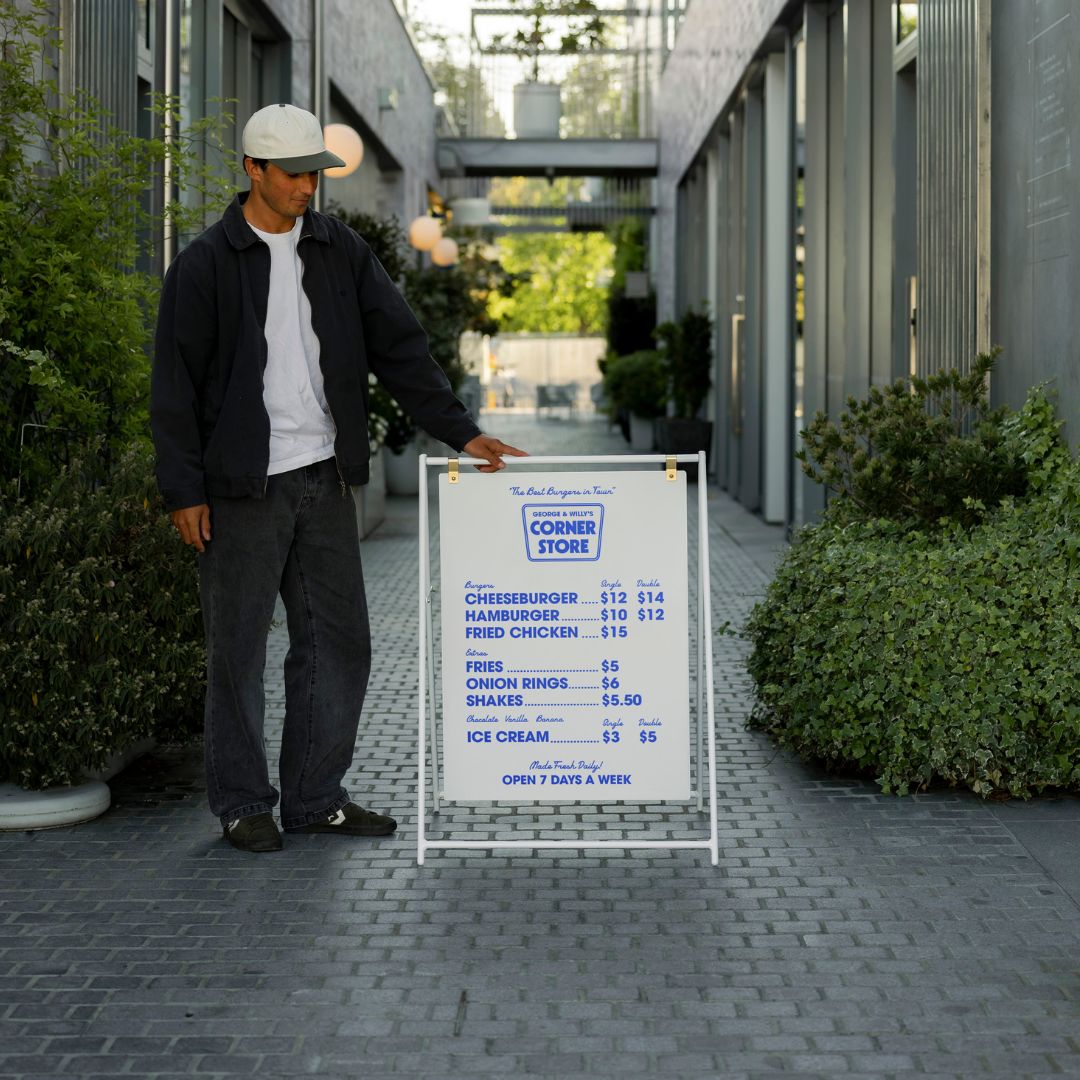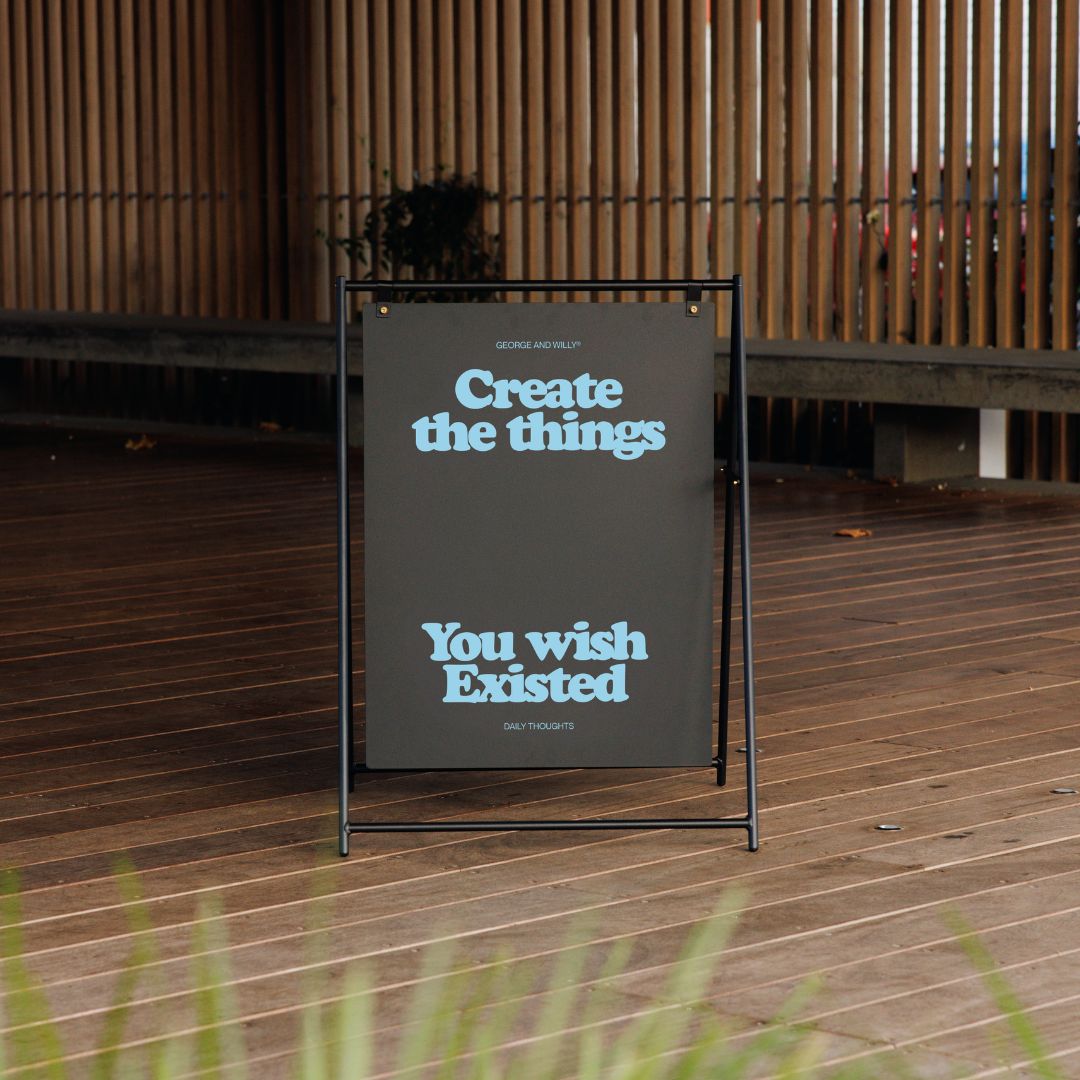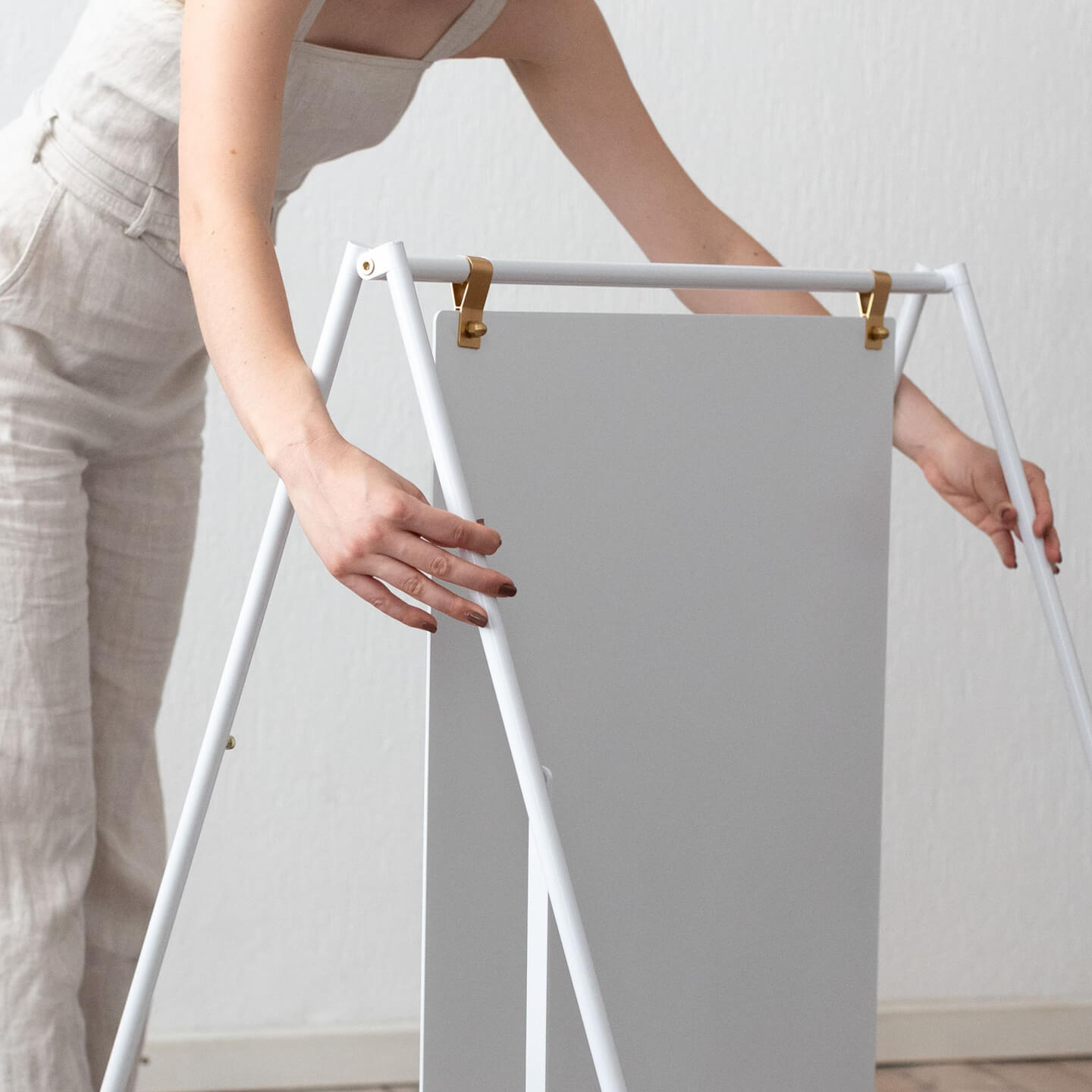




Office door name signs might seem like a small detail in a busy workplace, but they have a huge impact. They are often the first thing a visitor interacts with, setting the tone for their entire experience. Well-designed signage guides people, reinforces your brand, and creates a professional, organized atmosphere. This guide covers everything you need to know, from design and templates to content and customization, to help you create the perfect office door name signs for your space.
The Blueprint: Using an Office Door Name Sign Template
An office door name sign template is a pre designed layout that gives you a starting point for creating consistent, professional signs. Think of it as a framework where you can easily add names, titles, and room numbers without designing from scratch.
Using a template is a smart way to maintain brand consistency. In fact, research shows that a consistent visual style can boost brand recognition by up to 80%. Templates ensure every sign in your building shares the same fonts, colors, and layout, contributing to a cohesive feel. They are also incredibly cost effective. While a large custom business sign can cost thousands, many online platforms offer free or low cost templates you can customize right from your web browser.
Downloading and Using a Template
The process is usually simple. You can find templates in formats like Word, PDF, or files for design software. Many websites offer ready to use designs that you can download and print.
The steps are straightforward:
-
Choose a Design: Select a layout that fits your office style.
-
Customize: Click on the placeholder text to type in your own information, just like editing a document.
-
Save and Download: Once you are happy with the design, save the file and download it for printing.
After printing, you can laminate the sign or place it in a plastic nameplate holder to protect it from wear and tear. The best part about a digital template is that you can update and reprint it anytime an employee’s role or office changes.
Making It Yours: The Art of Office Door Sign Customization
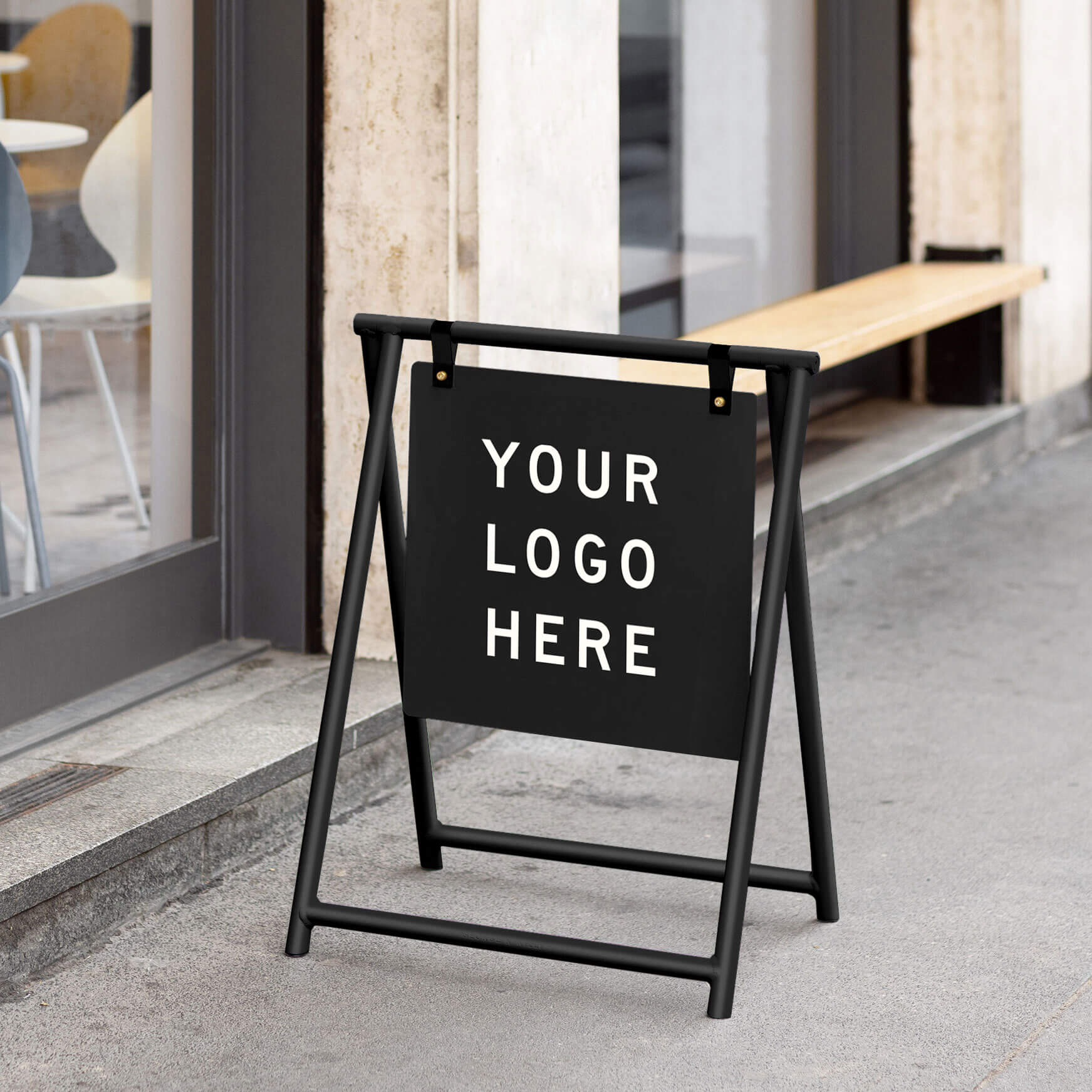
Office door sign customization is all about personalizing your signs to reflect your brand’s unique identity. Instead of using generic signs, you can incorporate your company logo, specific brand colors, and chosen fonts. This creates a look that is not just functional but also a true extension of your business.
Customization gives you creative control to match your company’s vibe perfectly. A tech startup might use sleek, minimalist signs, while a traditional law firm may prefer classic engraved nameplates. Including your logo on office door name signs is a subtle but powerful way to reinforce your brand in every corner of the workspace. This attention to detail can leave a lasting impression on visitors.
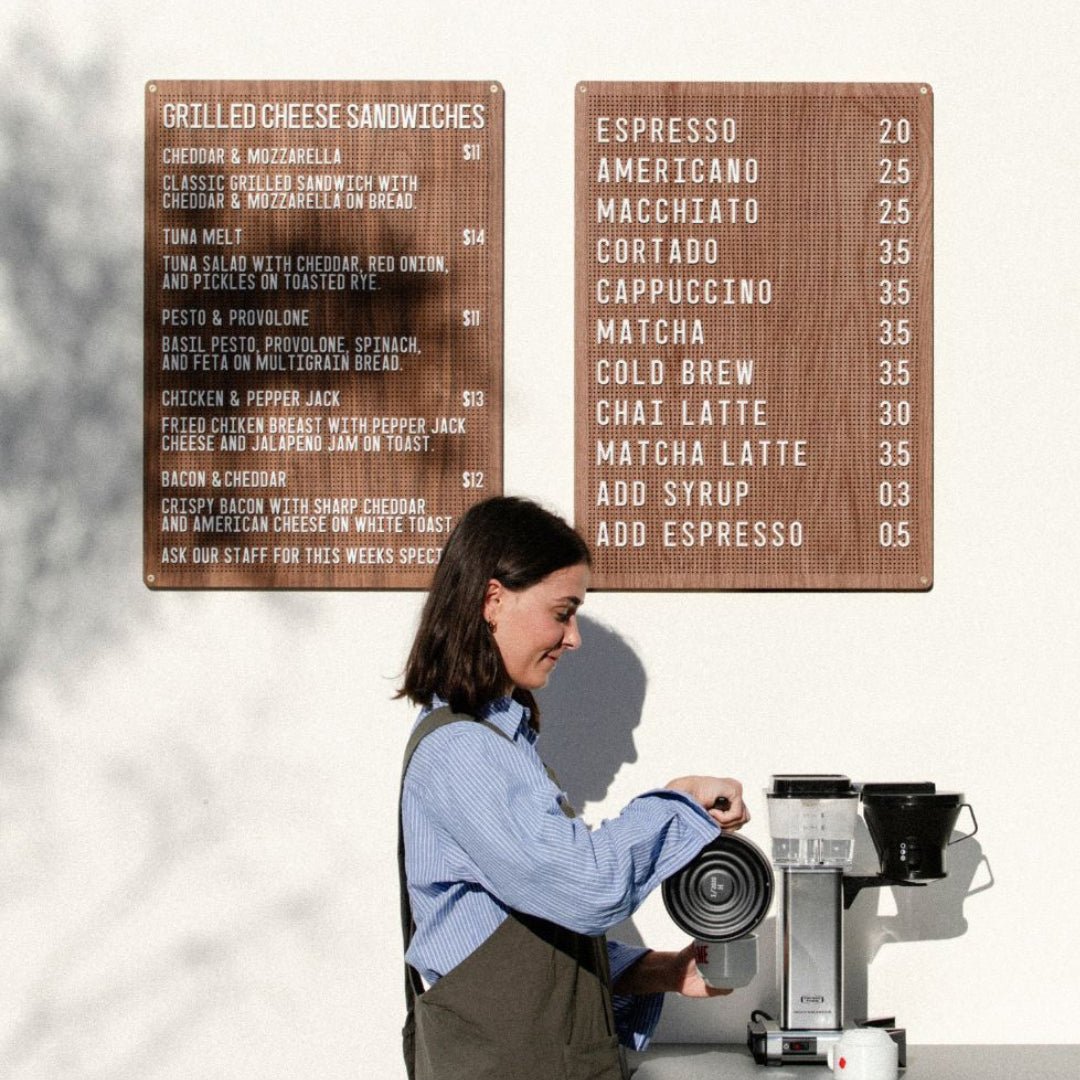
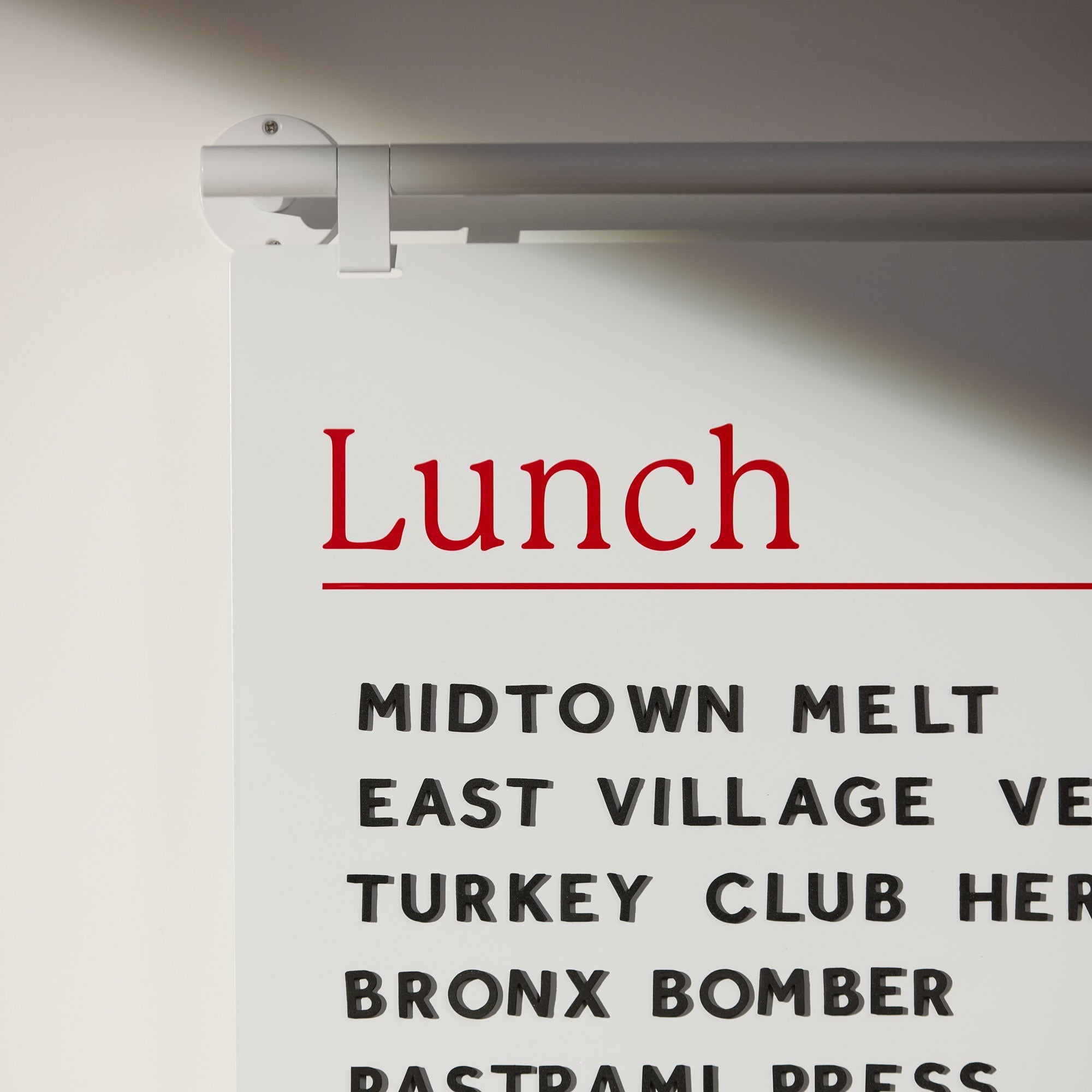
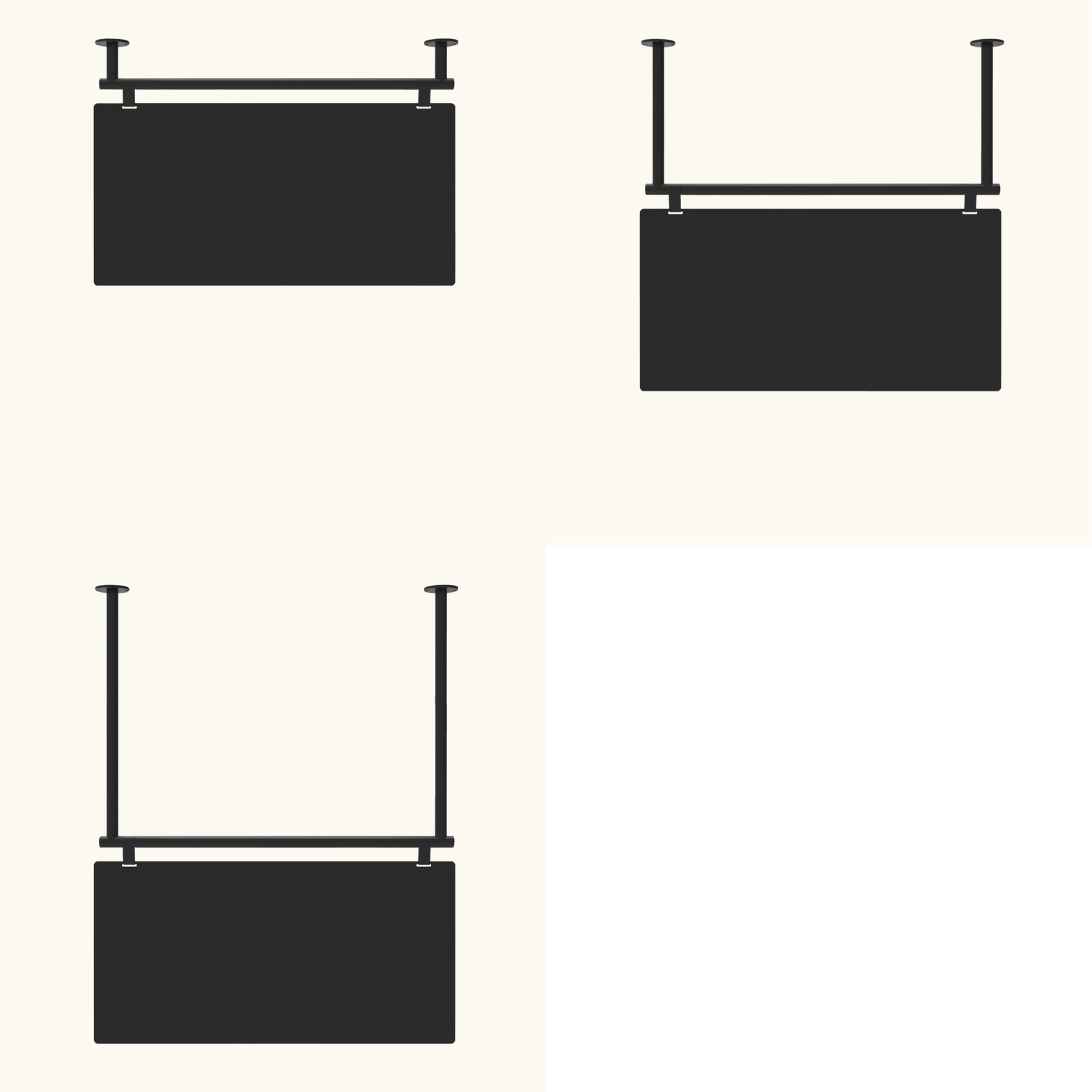
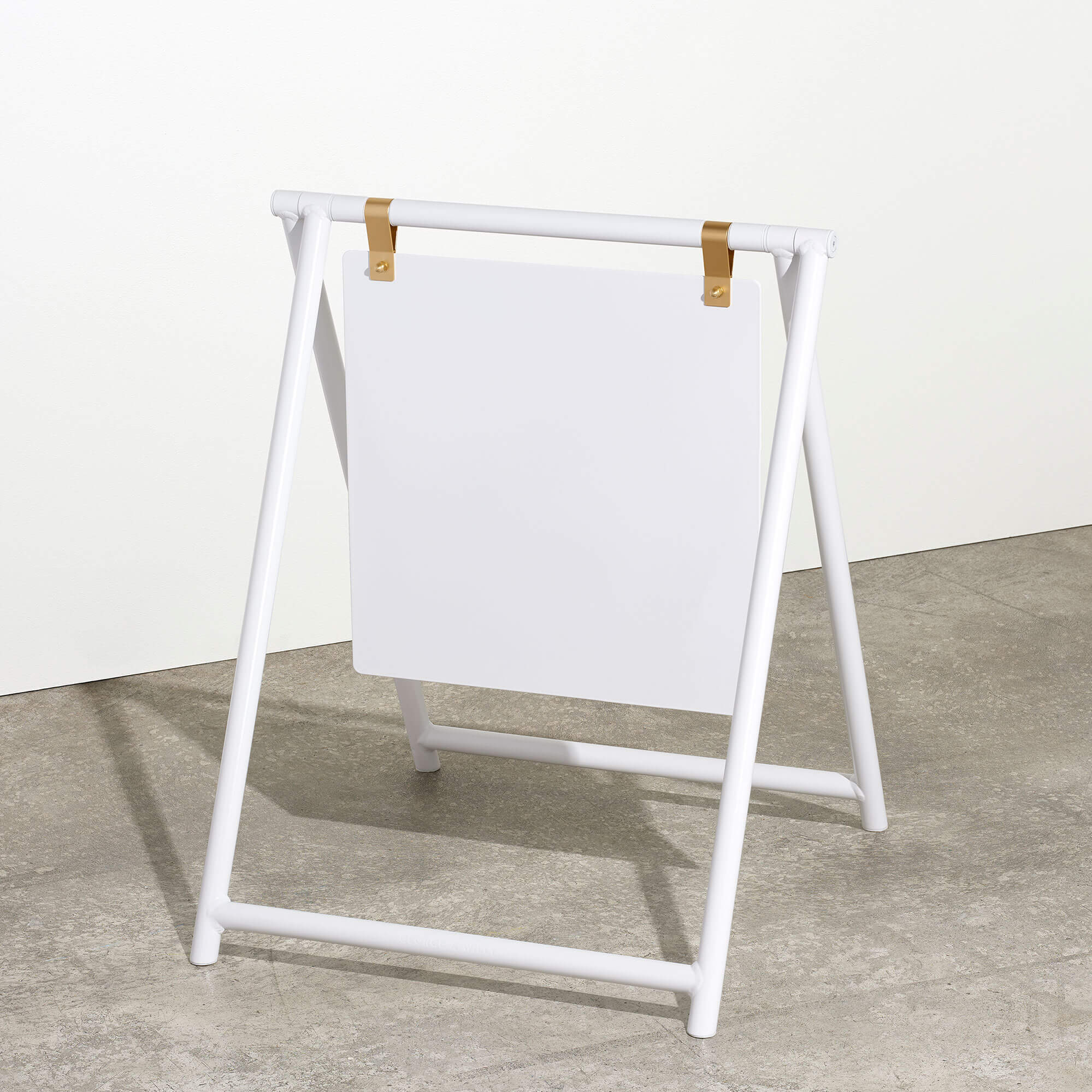
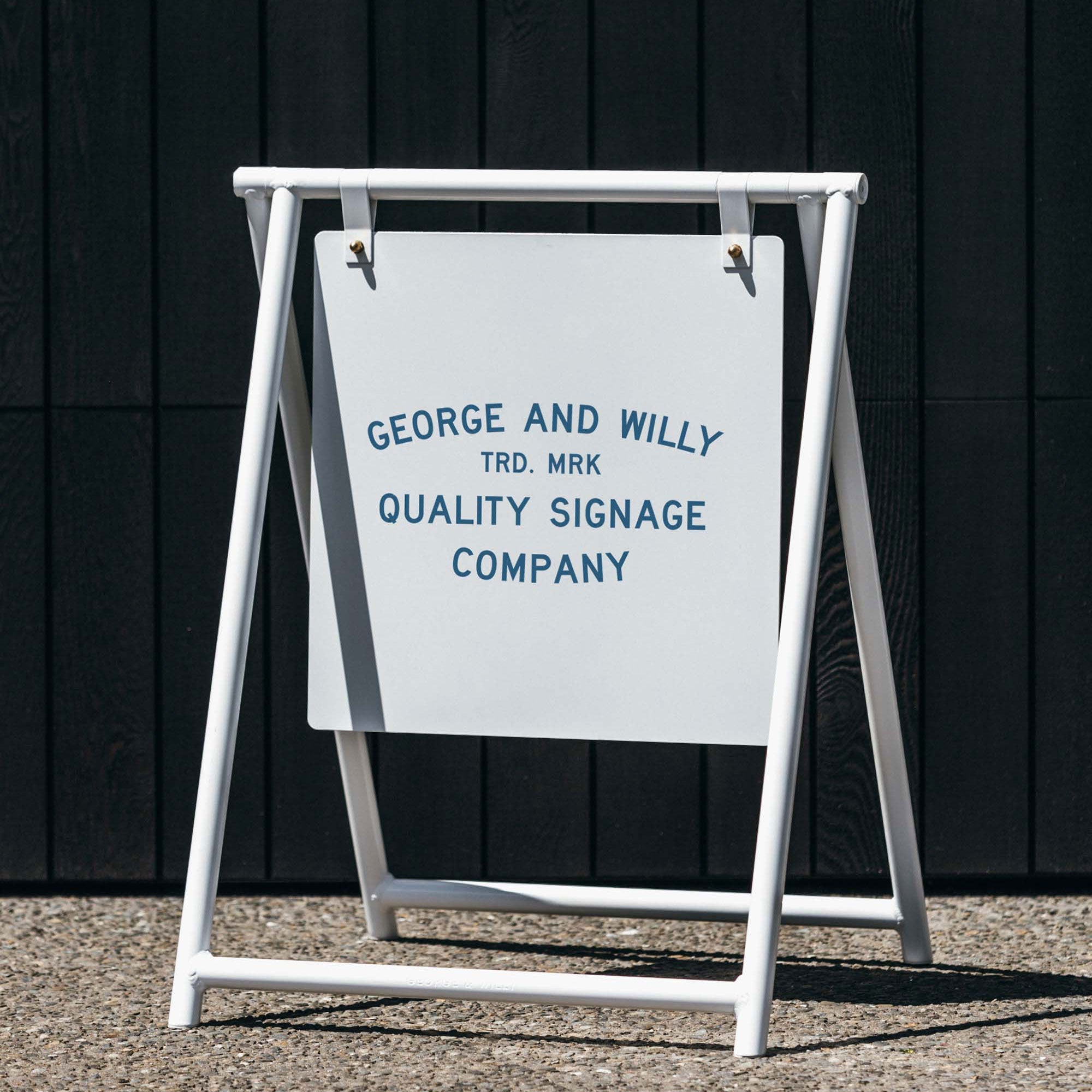
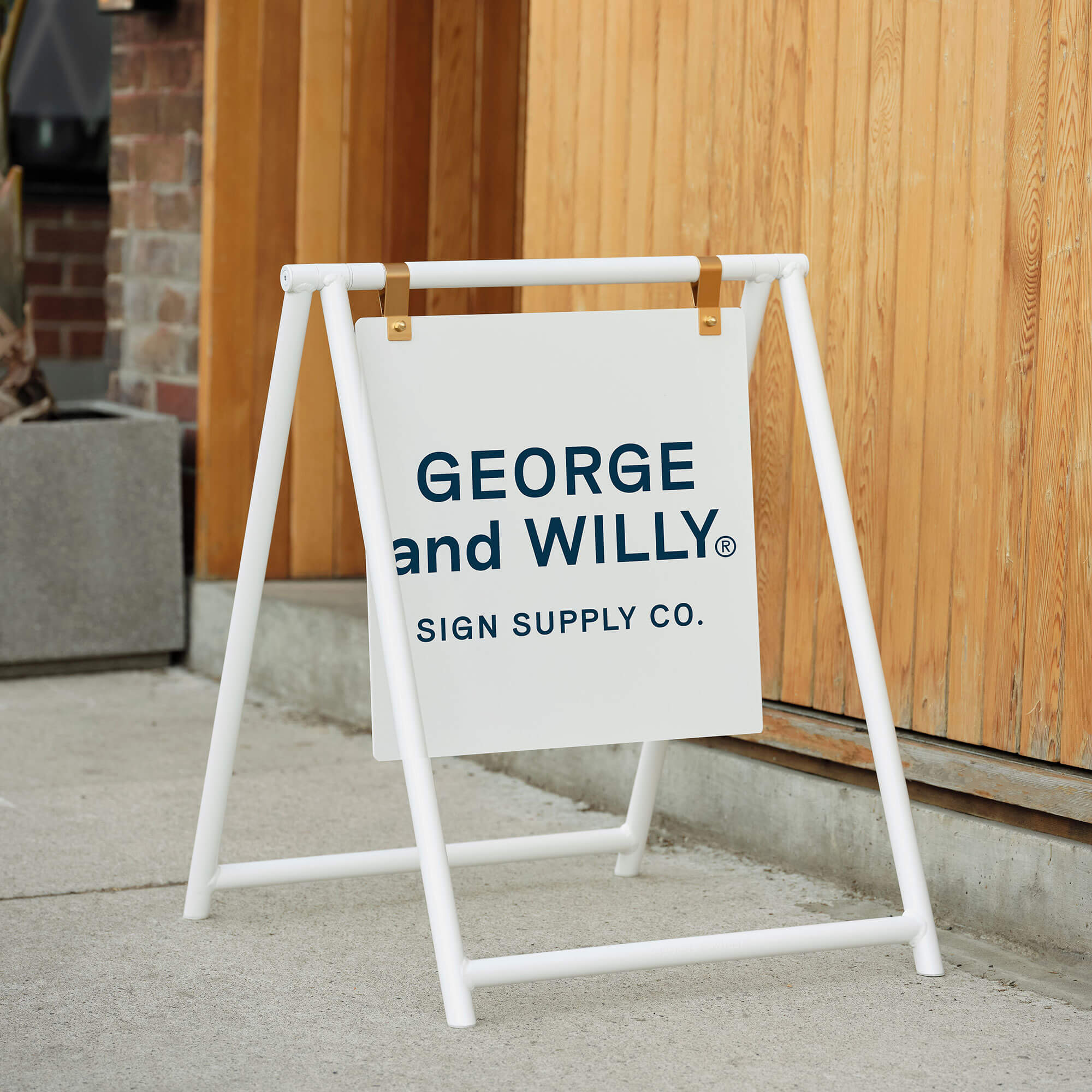
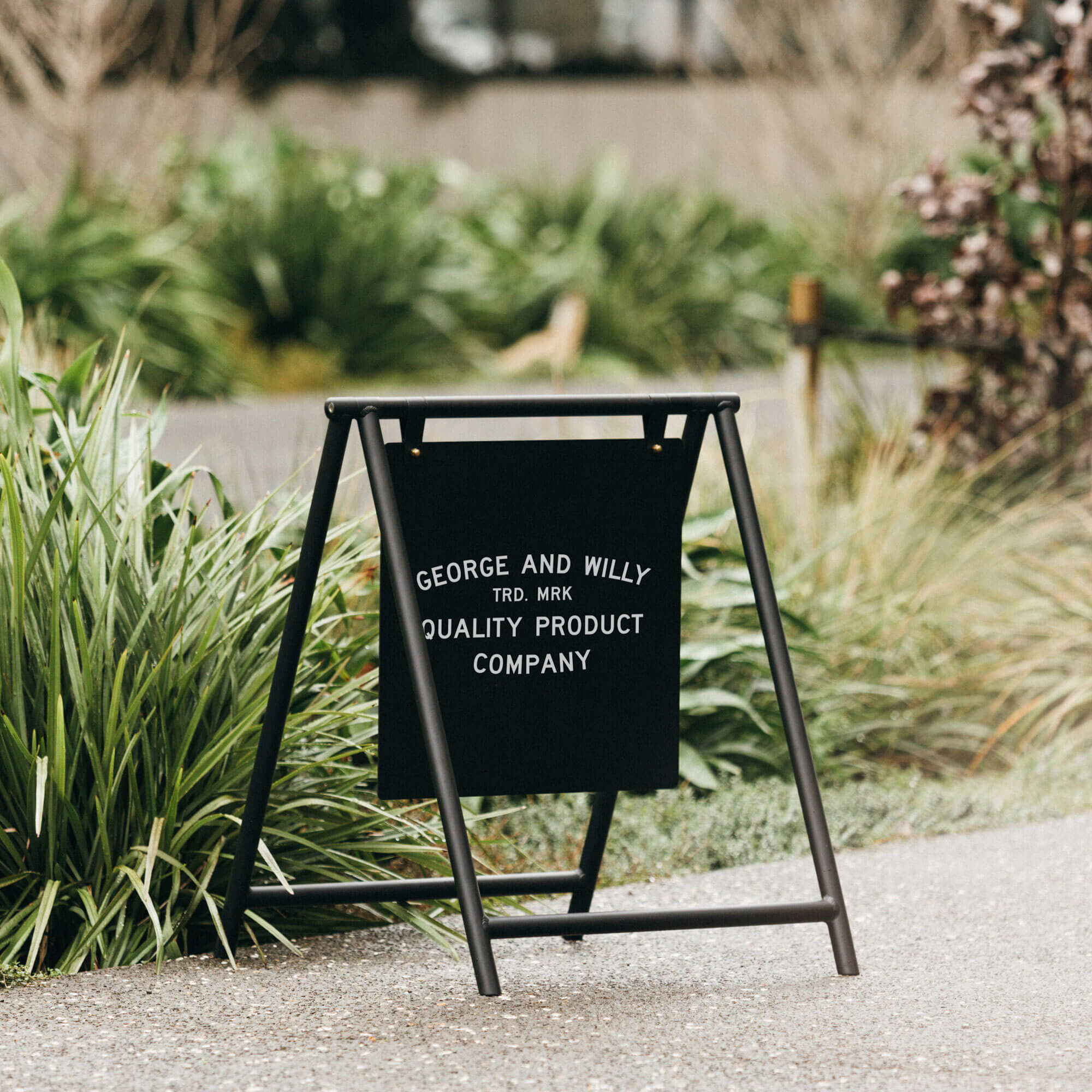
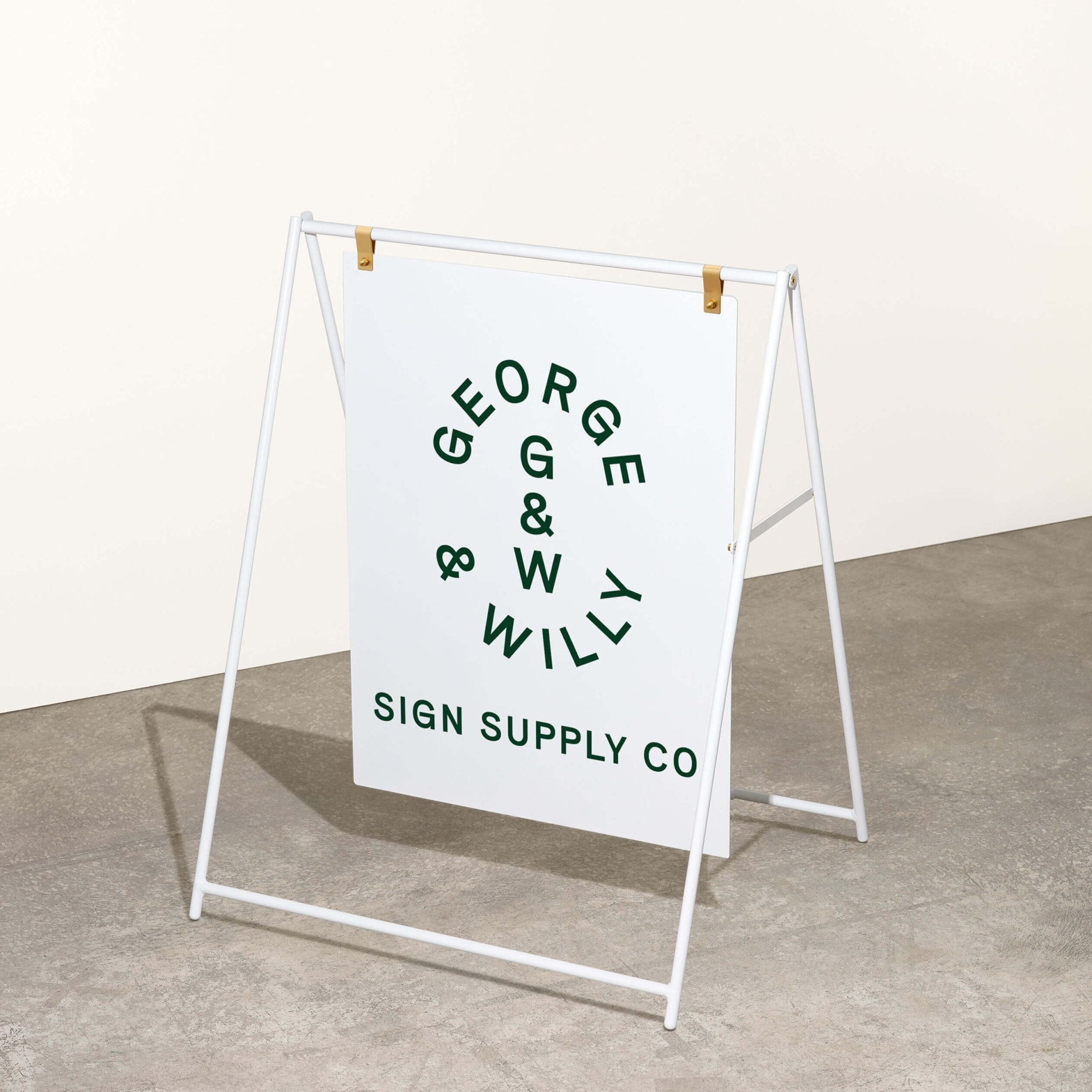
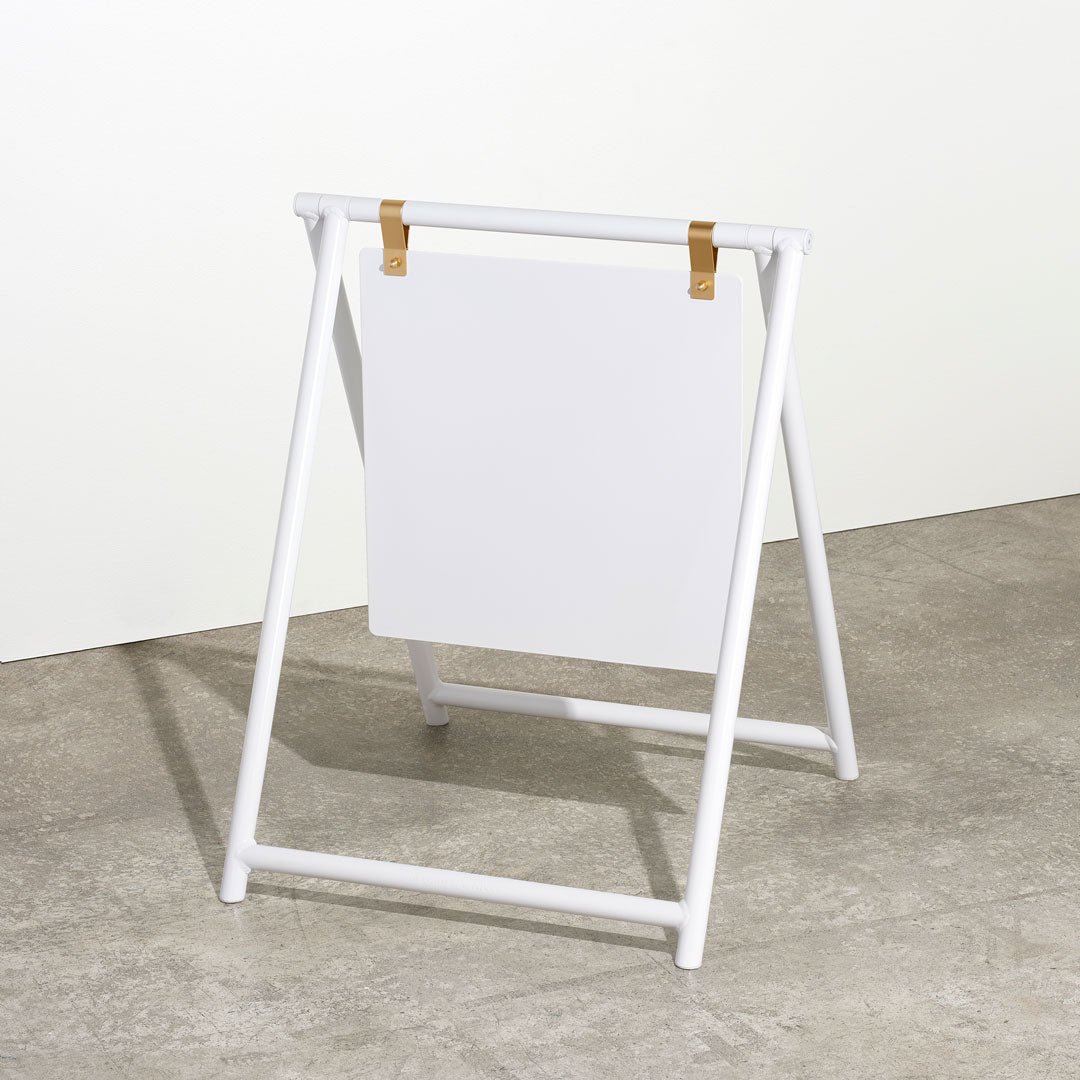
Quality is also a key part of customization. A survey found that about 68% of consumers believe a business’s signage quality reflects the quality of its products or services. A flimsy, poorly designed sign can send the wrong message. For a high end look without the long wait times of full fabrication, many businesses choose beautifully crafted blank signs, like a Square Panel Sign, that they can personalize locally. For inspiration, you can explore timeless signage pieces, such as the Rectangle Blade Sign, designed to be easily customized with your own vinyl lettering or decals. This approach combines professional design with personal branding for a polished, bespoke result.
Looks and Legibility: Mastering Office Door Sign Design
Office door sign design involves planning the visual appearance of your signs, including their size, materials, and typography. A great design is attractive, easy to read, and complements your office interior. Your door sign is often part of a visitor’s first impression, and a professional design can build immediate credibility and trust.
When designing office door name signs, here are a few key elements to consider:
-
Legibility: The text must be easy to read from a distance. Use simple, sans serif fonts and ensure there is high contrast between the text and the background. A contrast of around 70% is considered ideal. A non glare finish is also recommended to prevent reflections from overhead lighting.
-
Size: For permanent room signs, accessibility guidelines often require tactile letters to be between 5/8 and 2 inches high. This ensures everyone, including those with low vision, can easily identify the room.
-
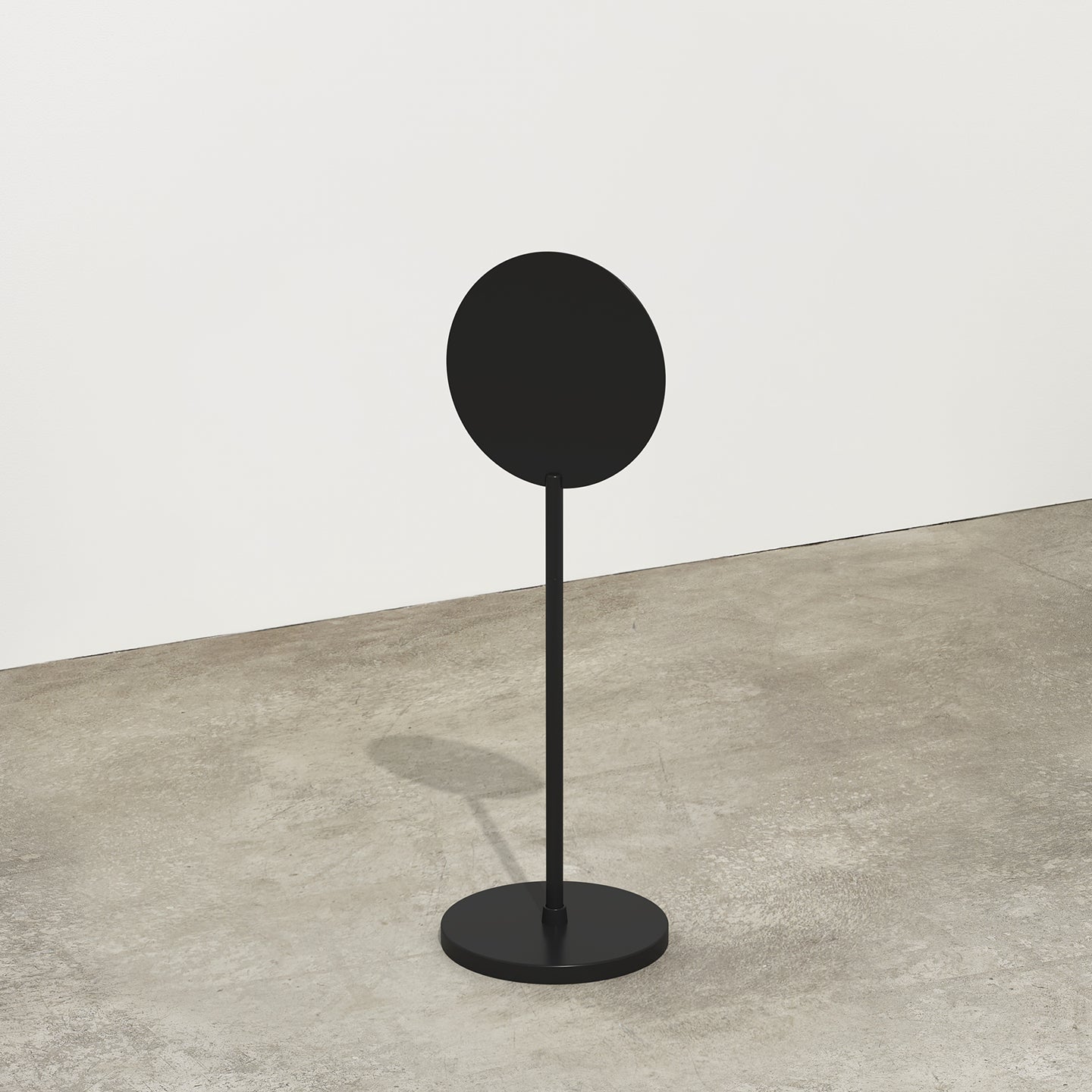
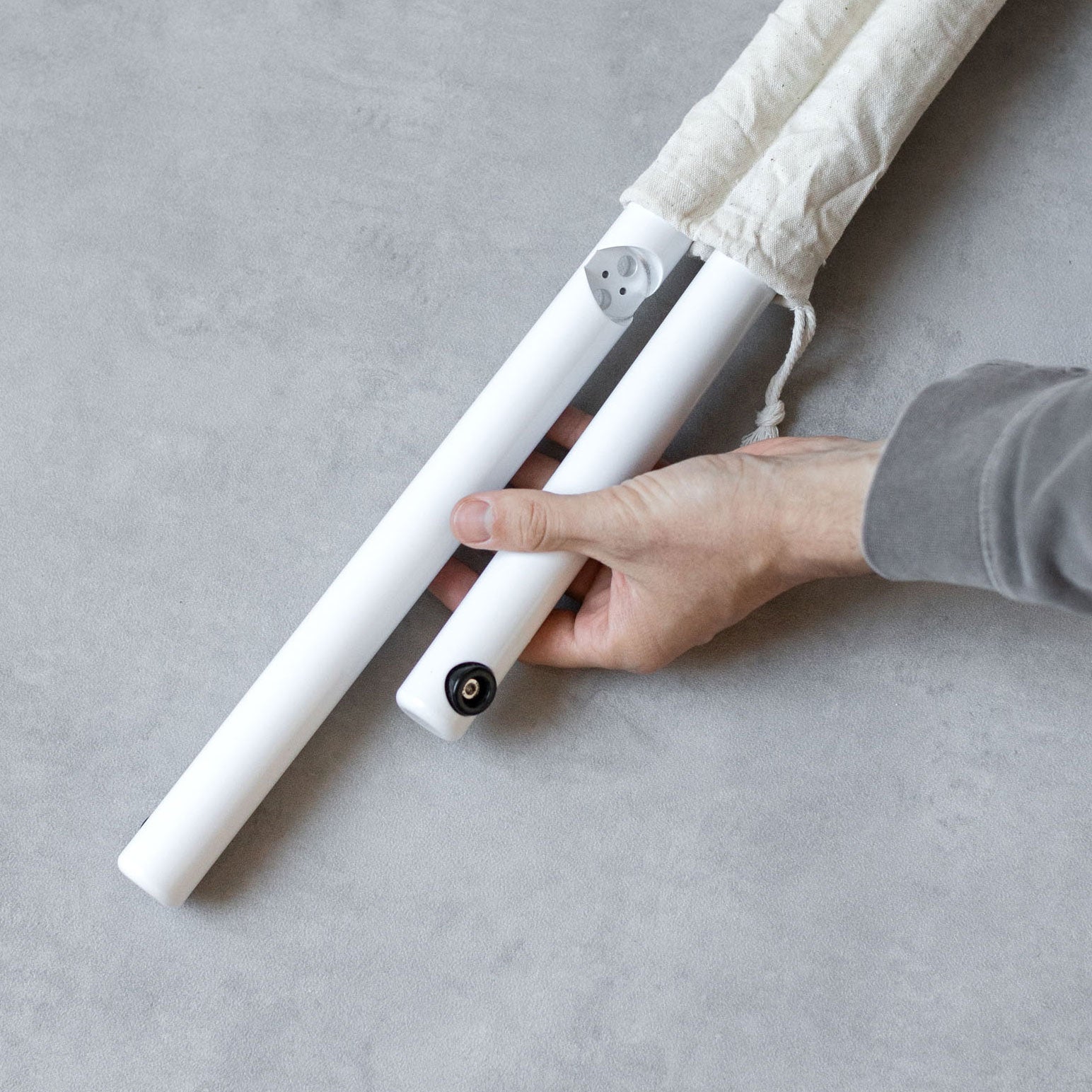
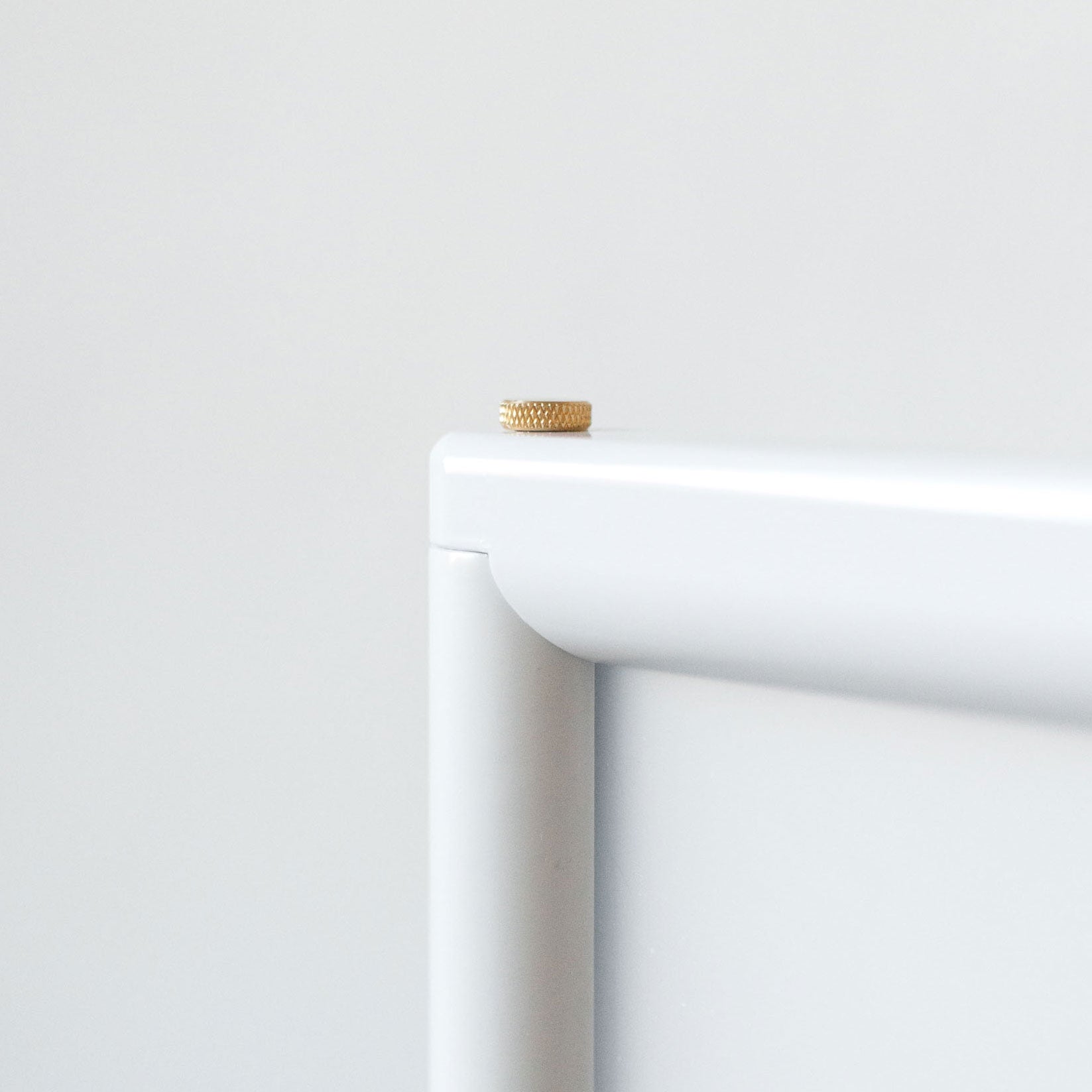
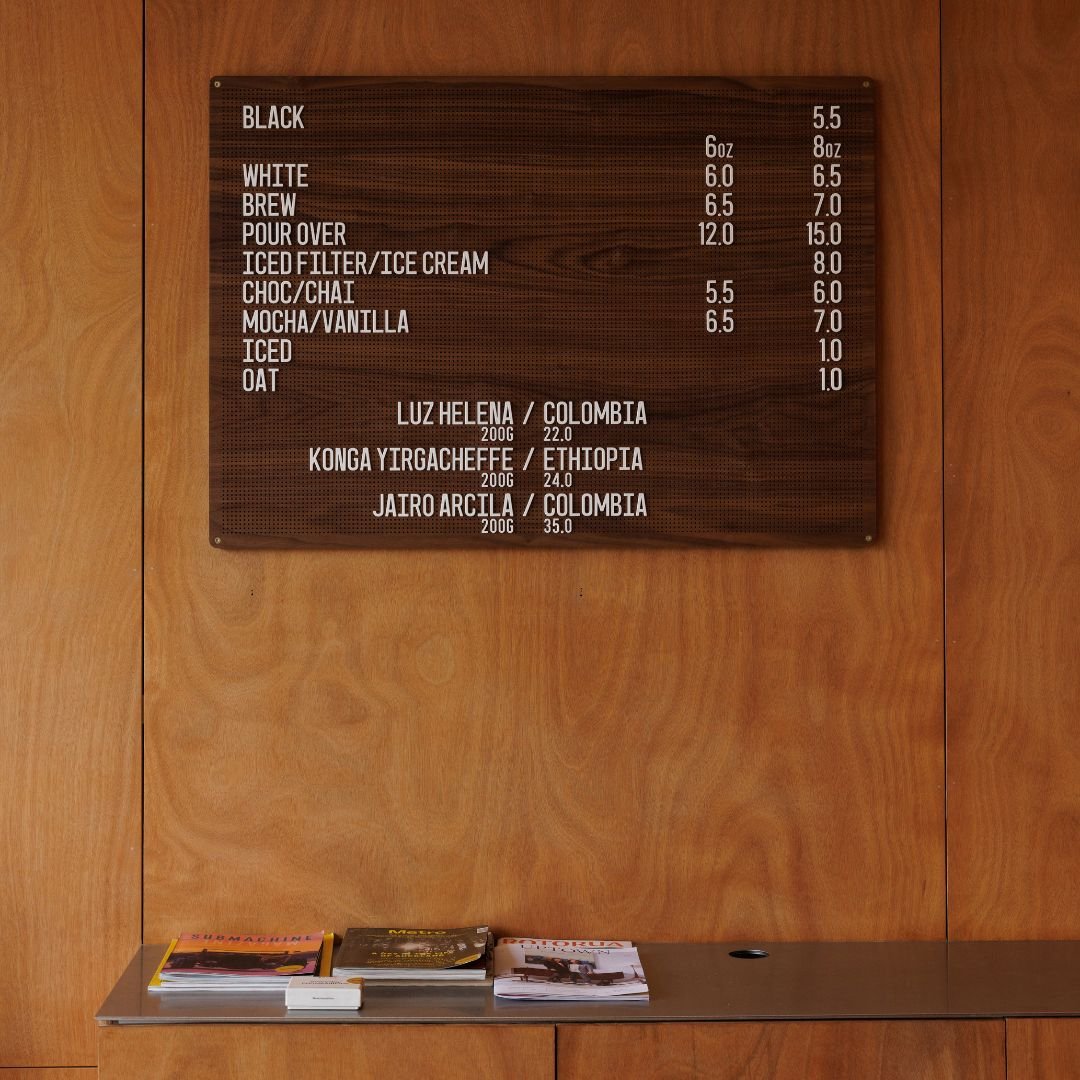
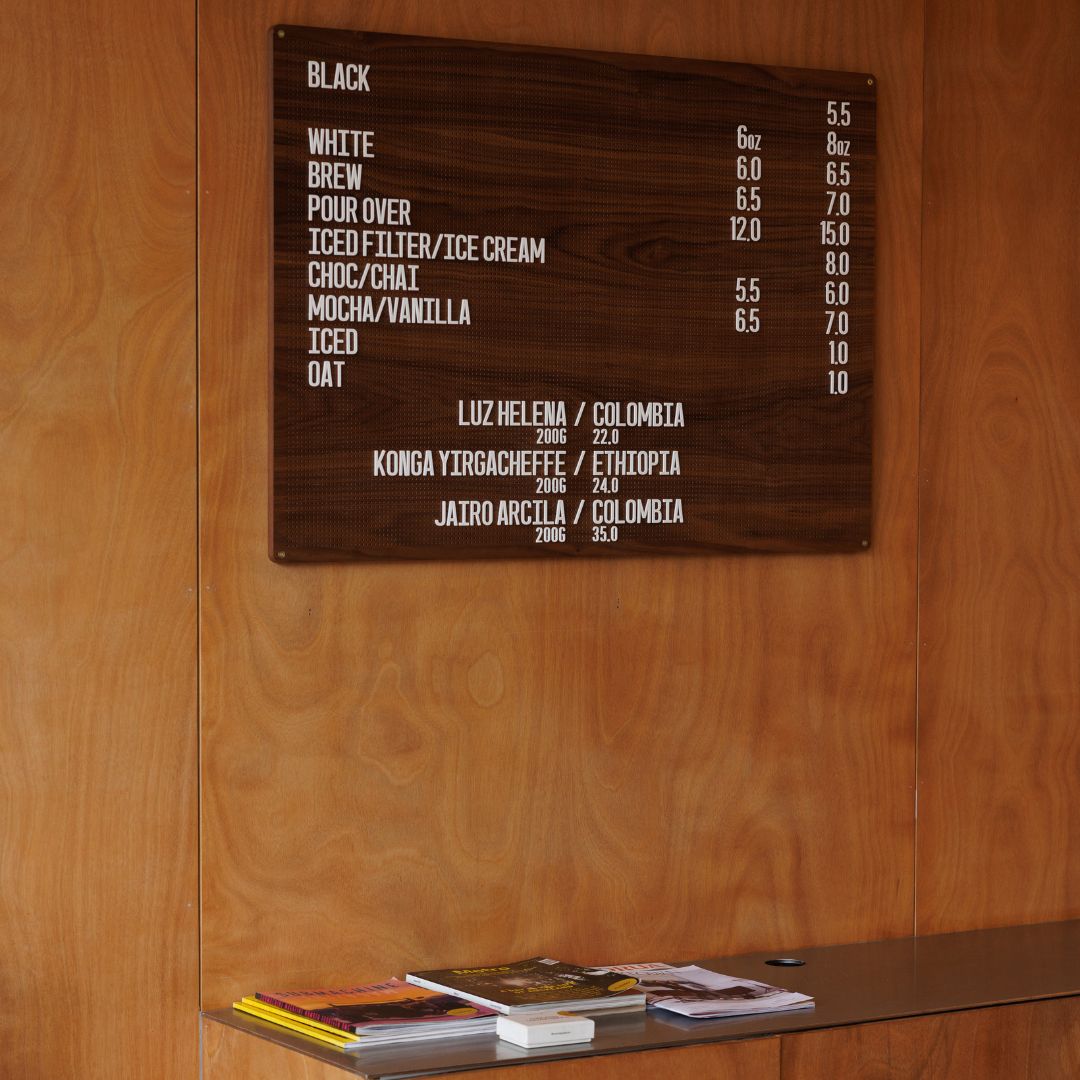
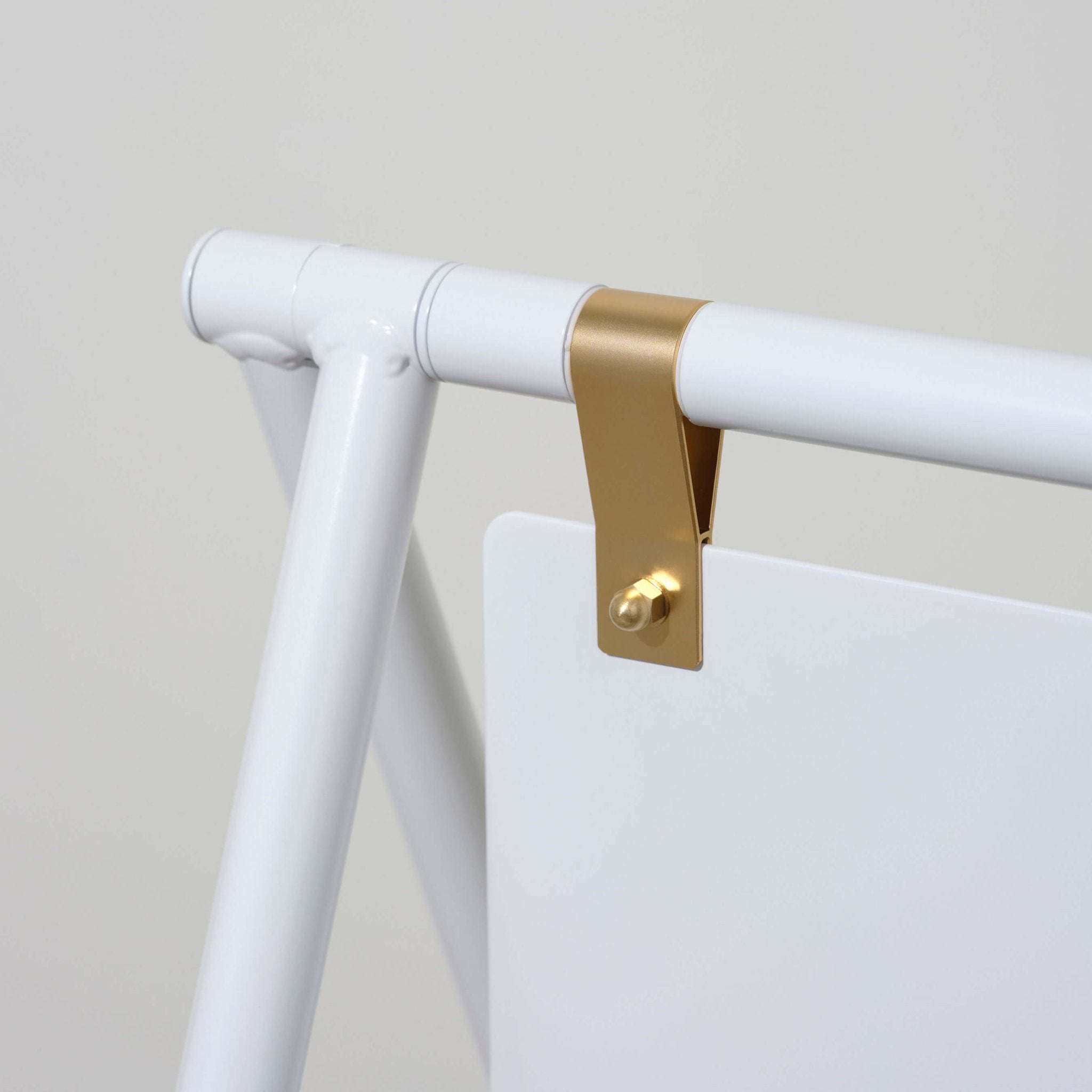
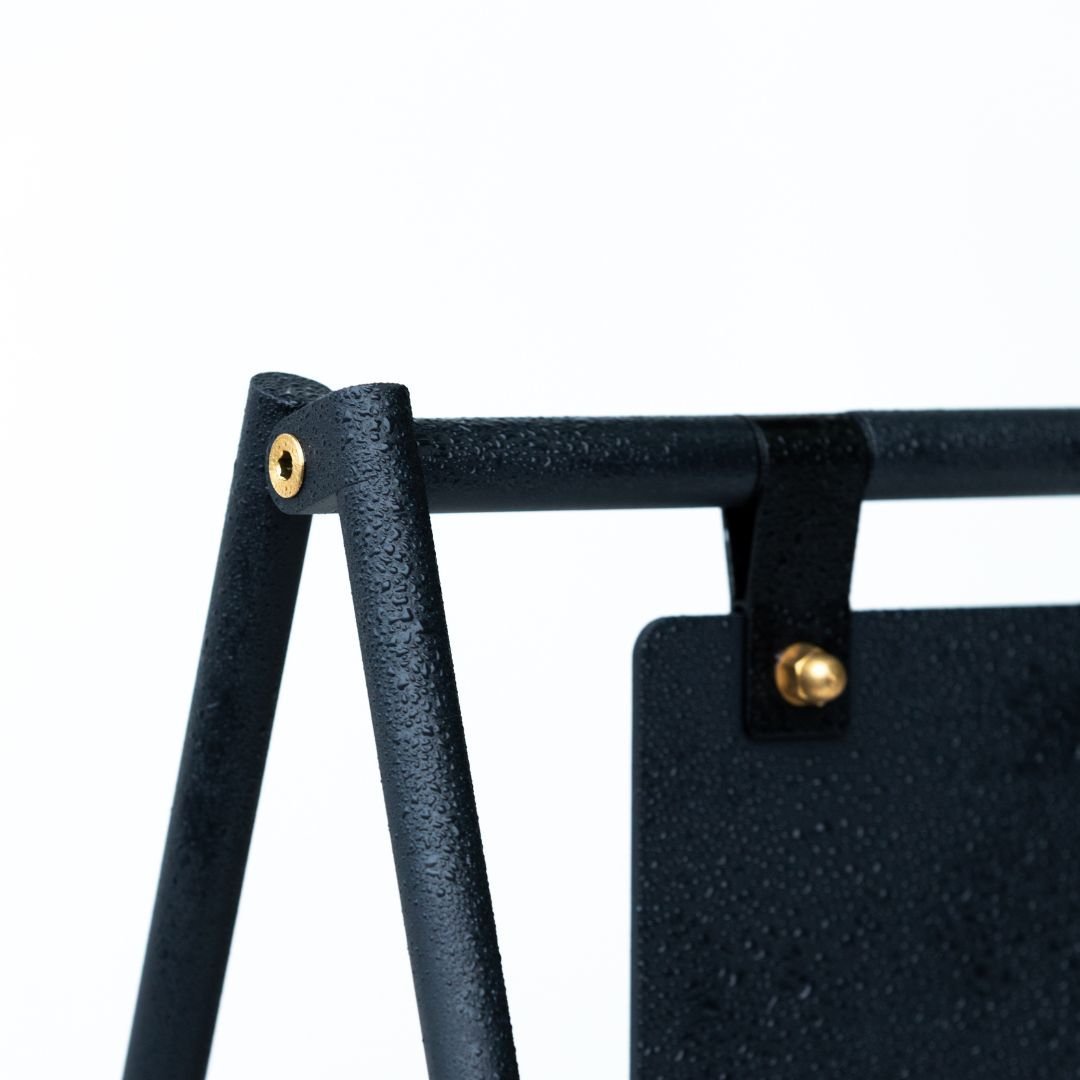
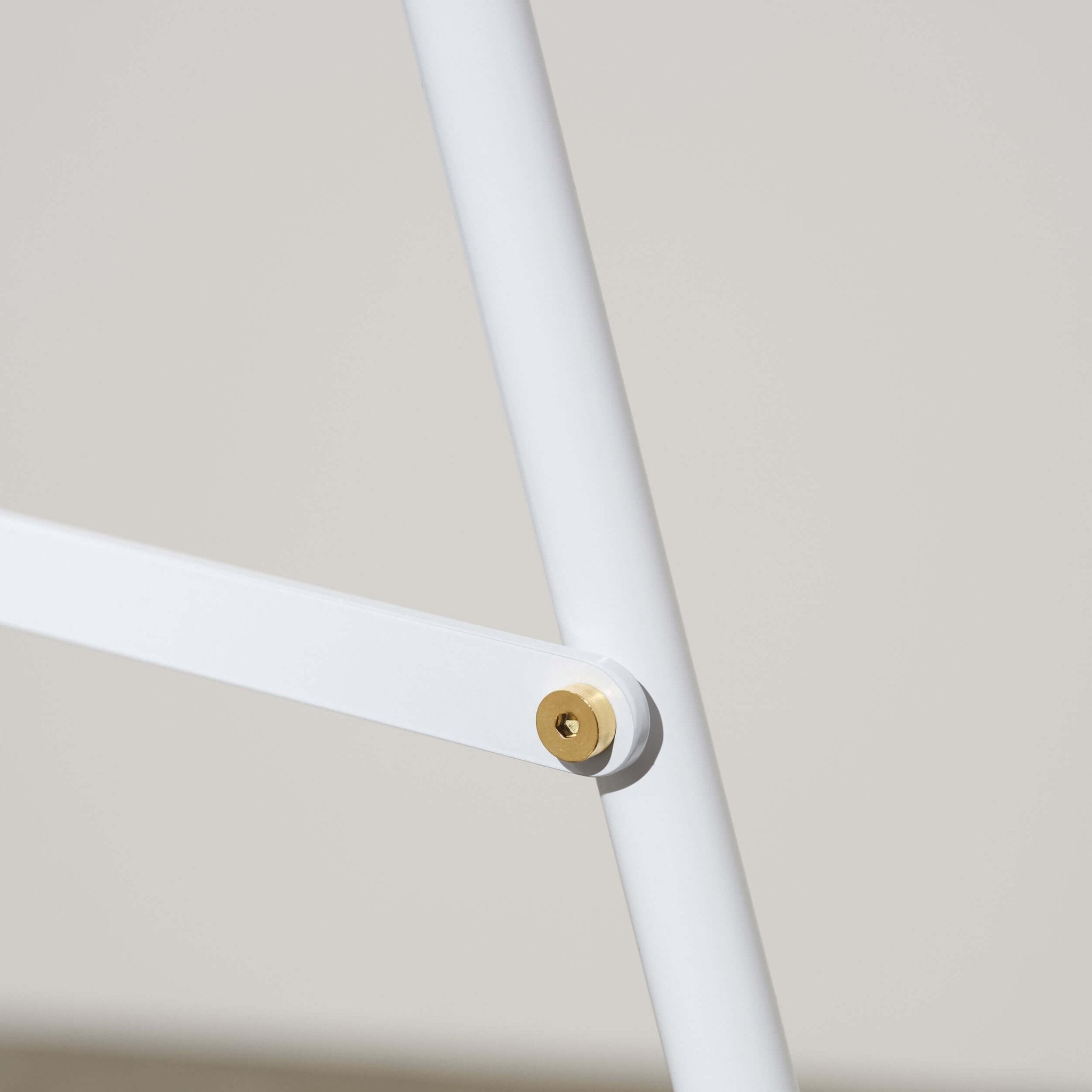
Materials: The material should match your office aesthetic. Common choices include metal, acrylic, and wood. For example, powder coated aluminum, used on the Vertical Blade Sign, is a popular choice for modern office door name signs because it is lightweight, durable, and resists rust, making it great for almost any environment.
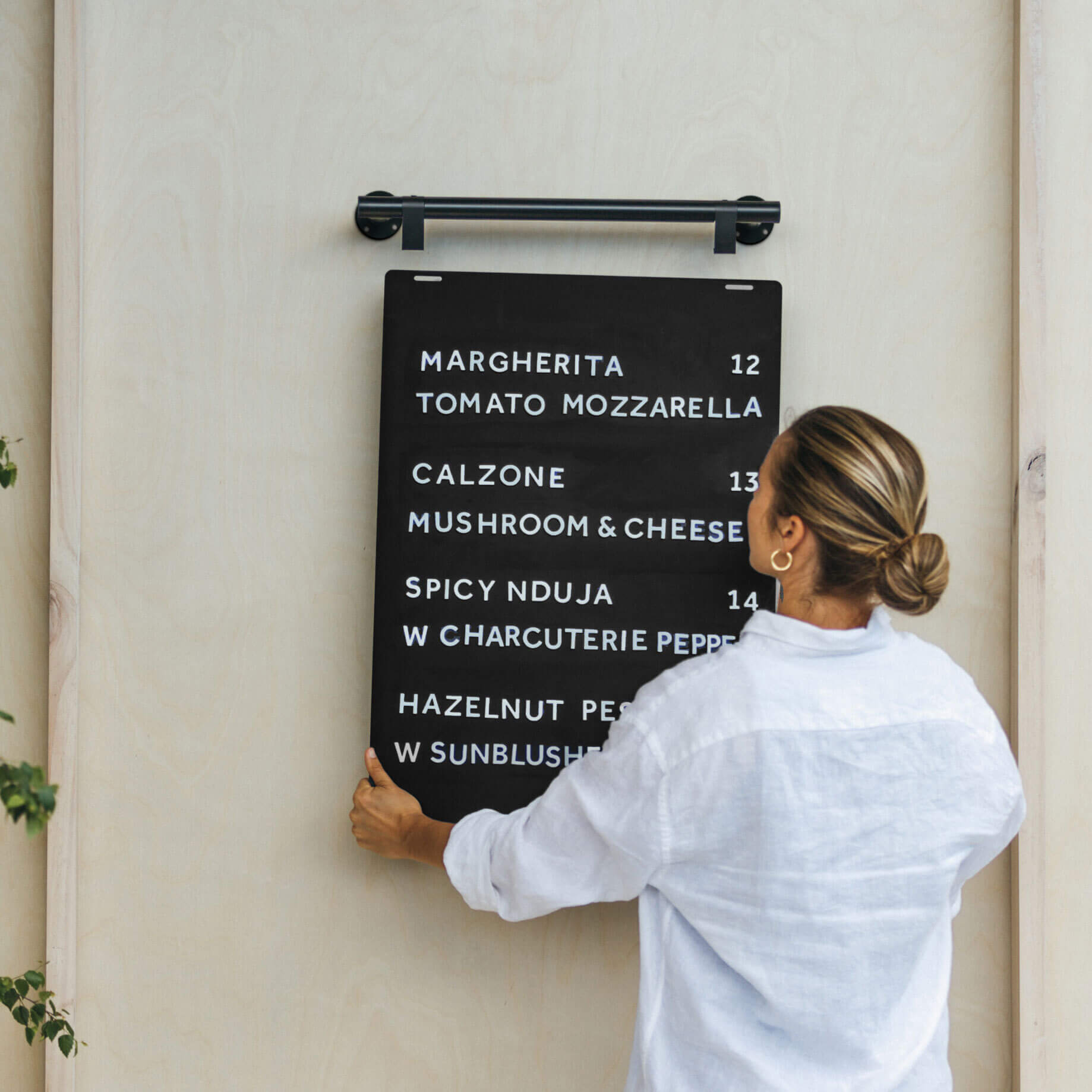
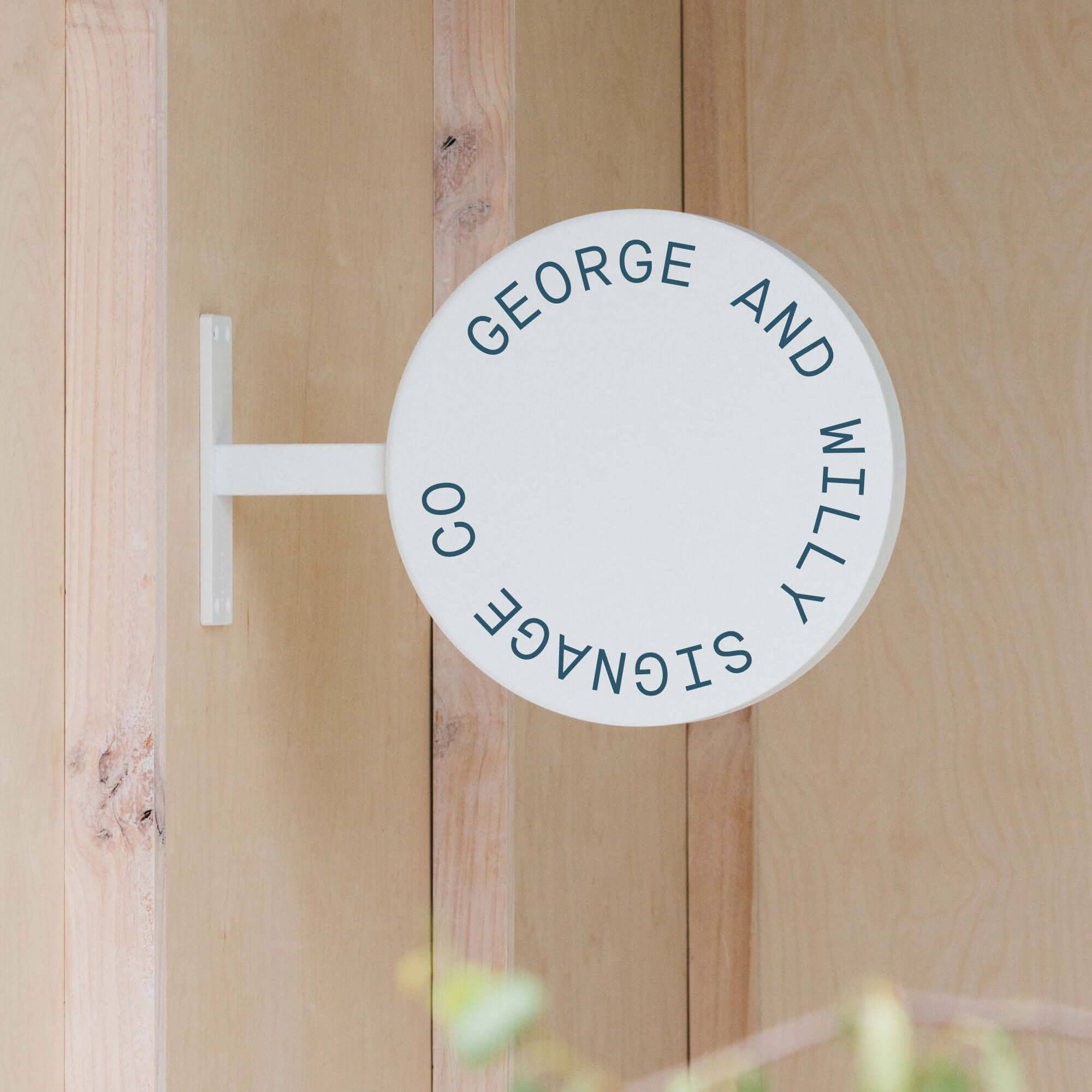
A cohesive design strategy across all your office signage, paired with projecting hallway markers like a Hanging Sign, creates a unified brand image and helps people navigate your space more efficiently. In fact, one workplace survey found that people take up to 30% longer to find their destination when signage is unclear. Good design prevents this frustration.
Keeping It Current: How to Edit an Office Door Name Sign
In any dynamic workplace, people change roles and offices. Editing an office door name sign means updating the information without replacing the entire sign. Modern signs are often designed for easy changes.
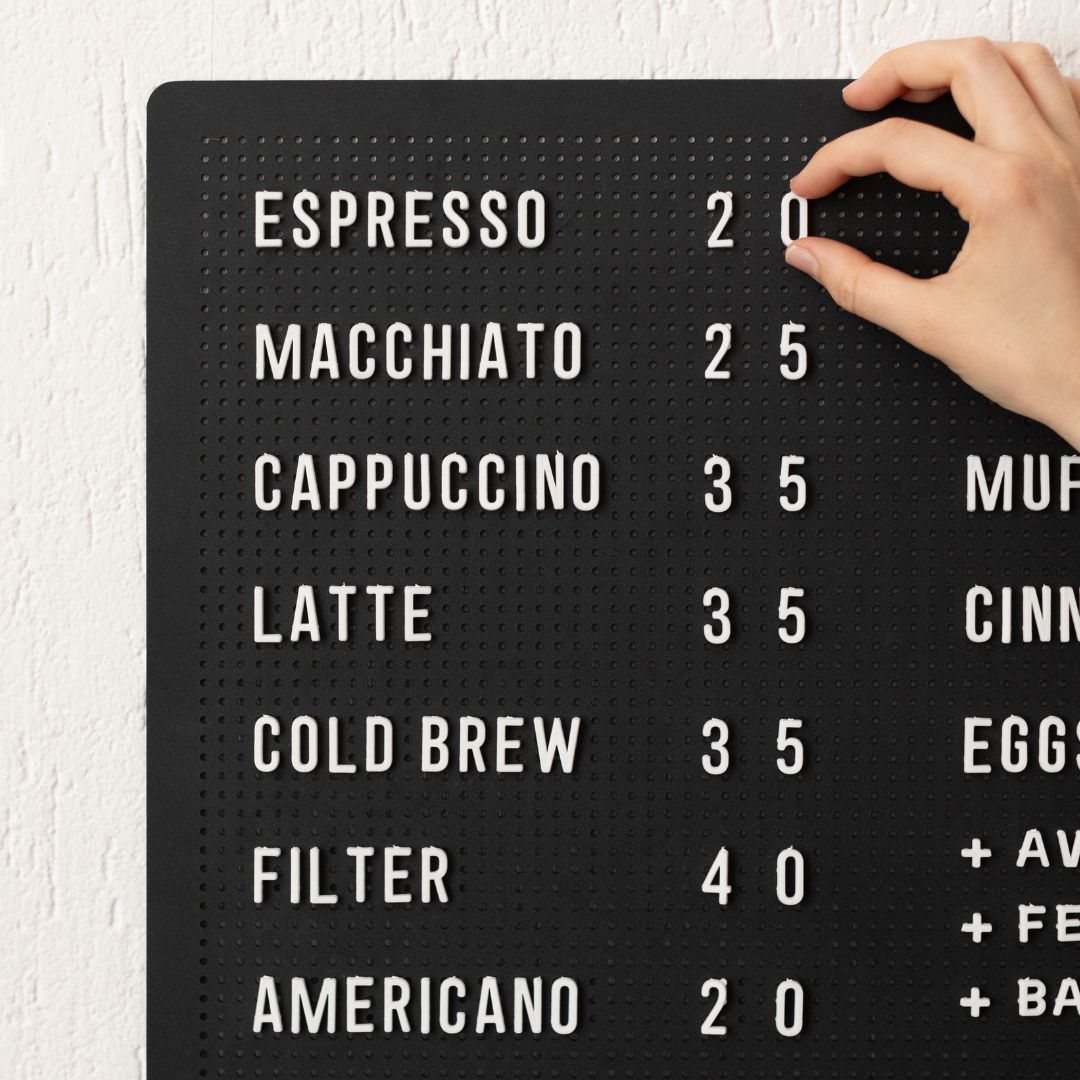
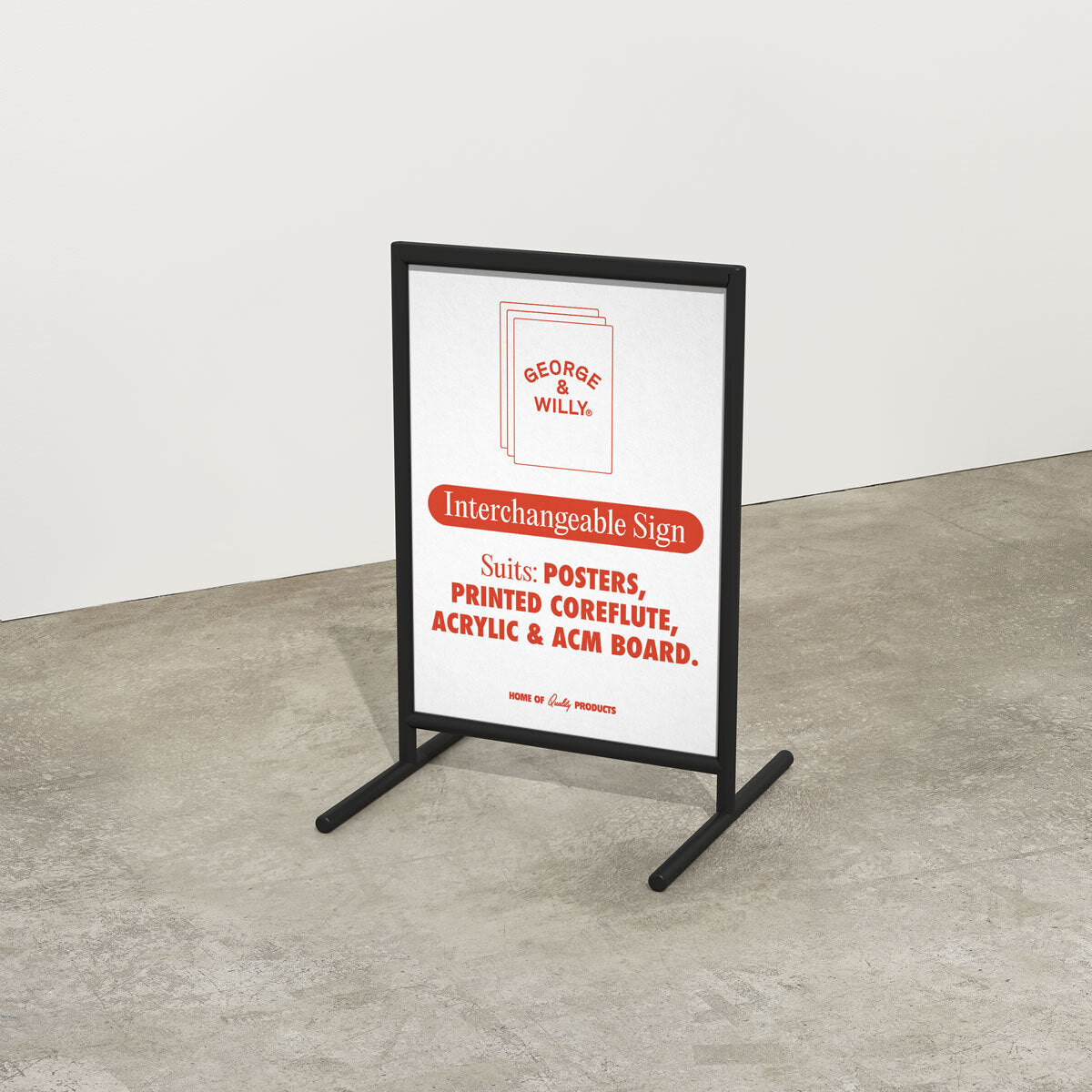
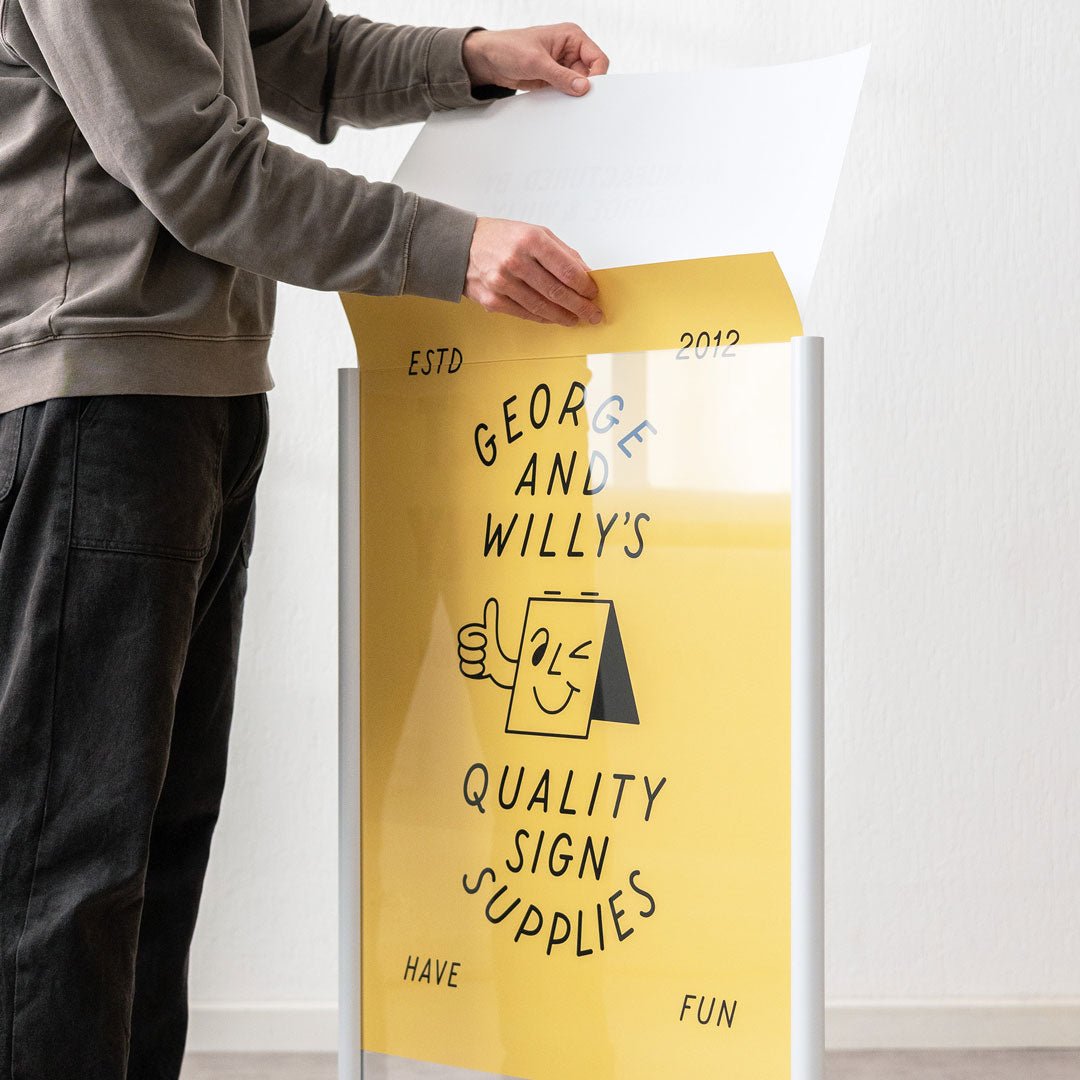
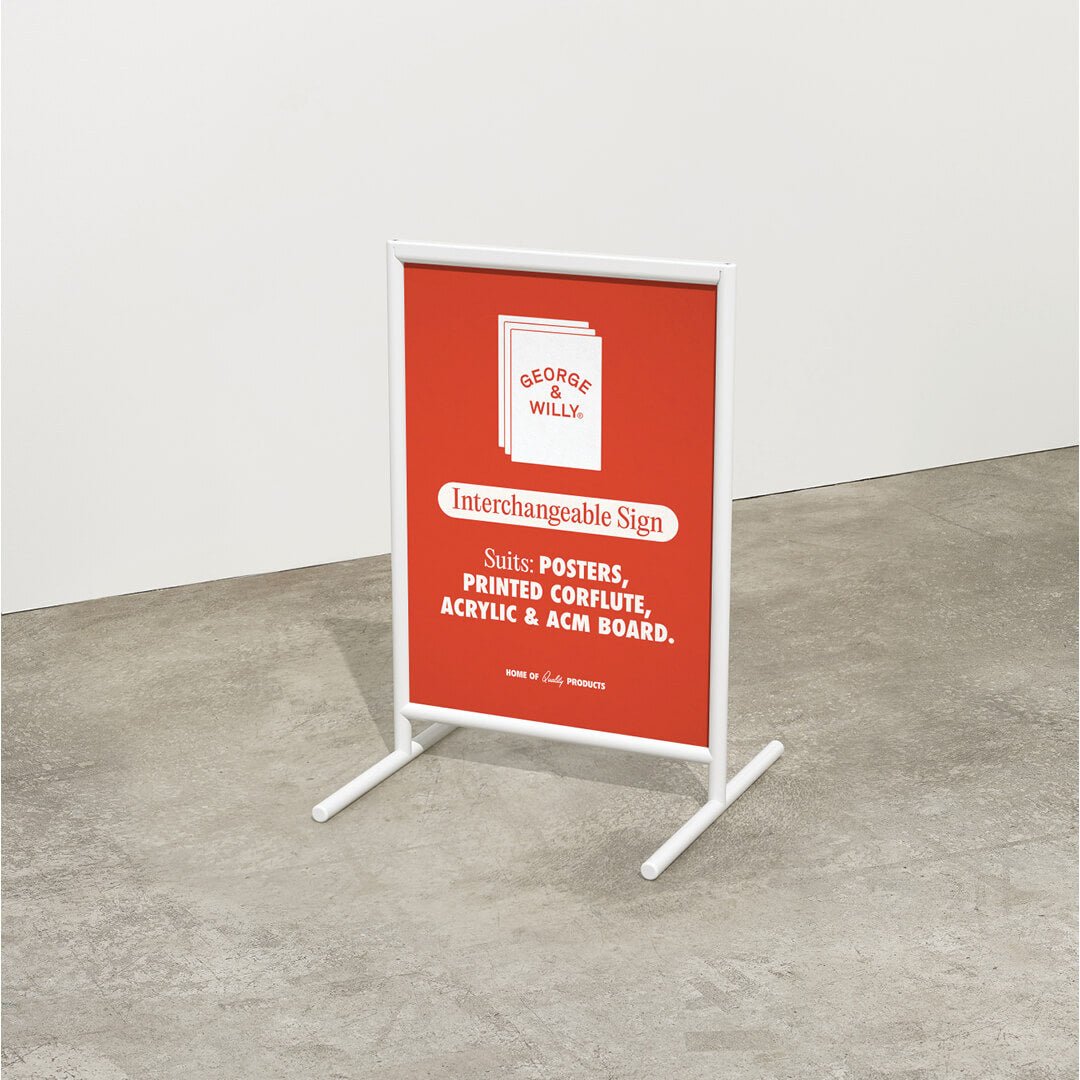
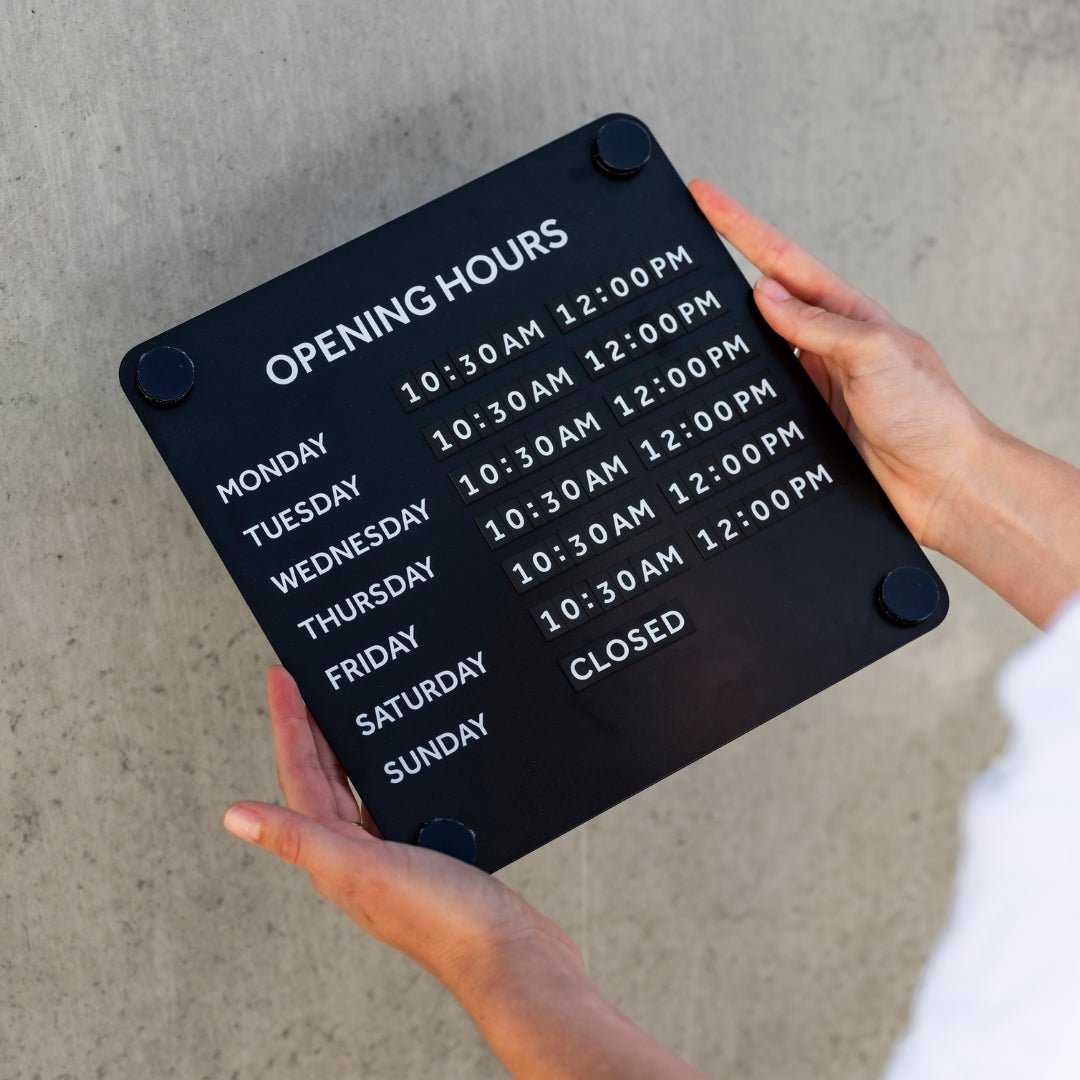
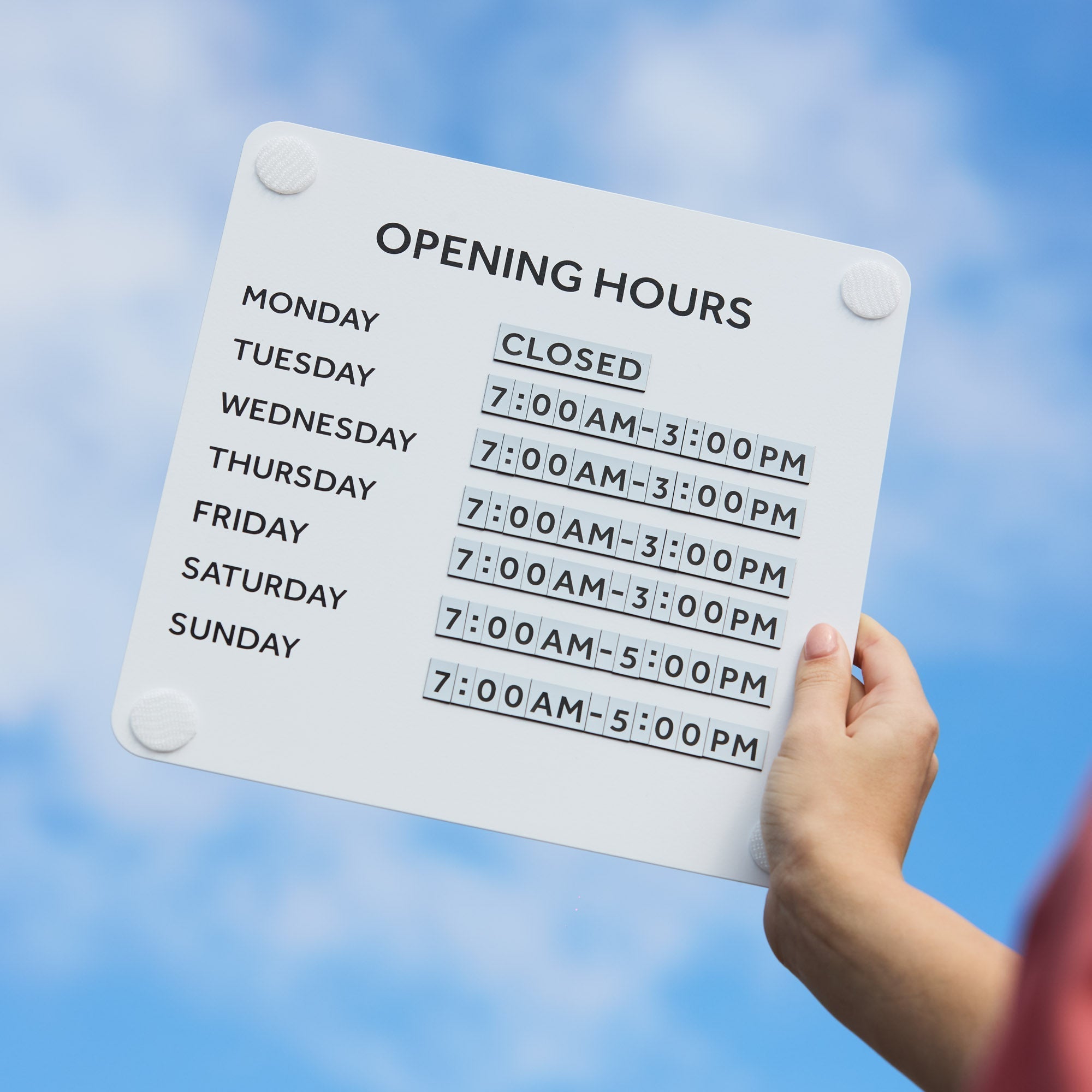
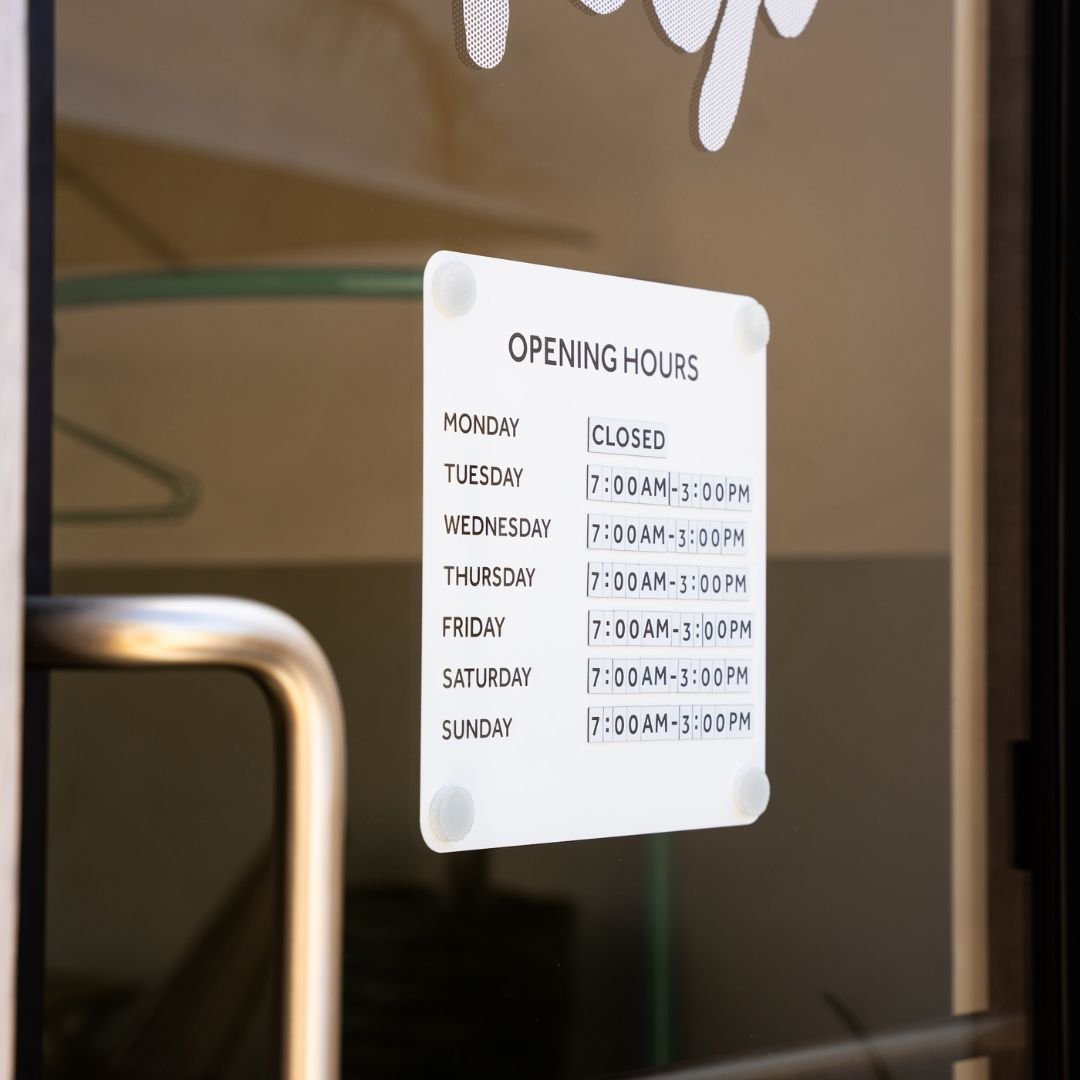
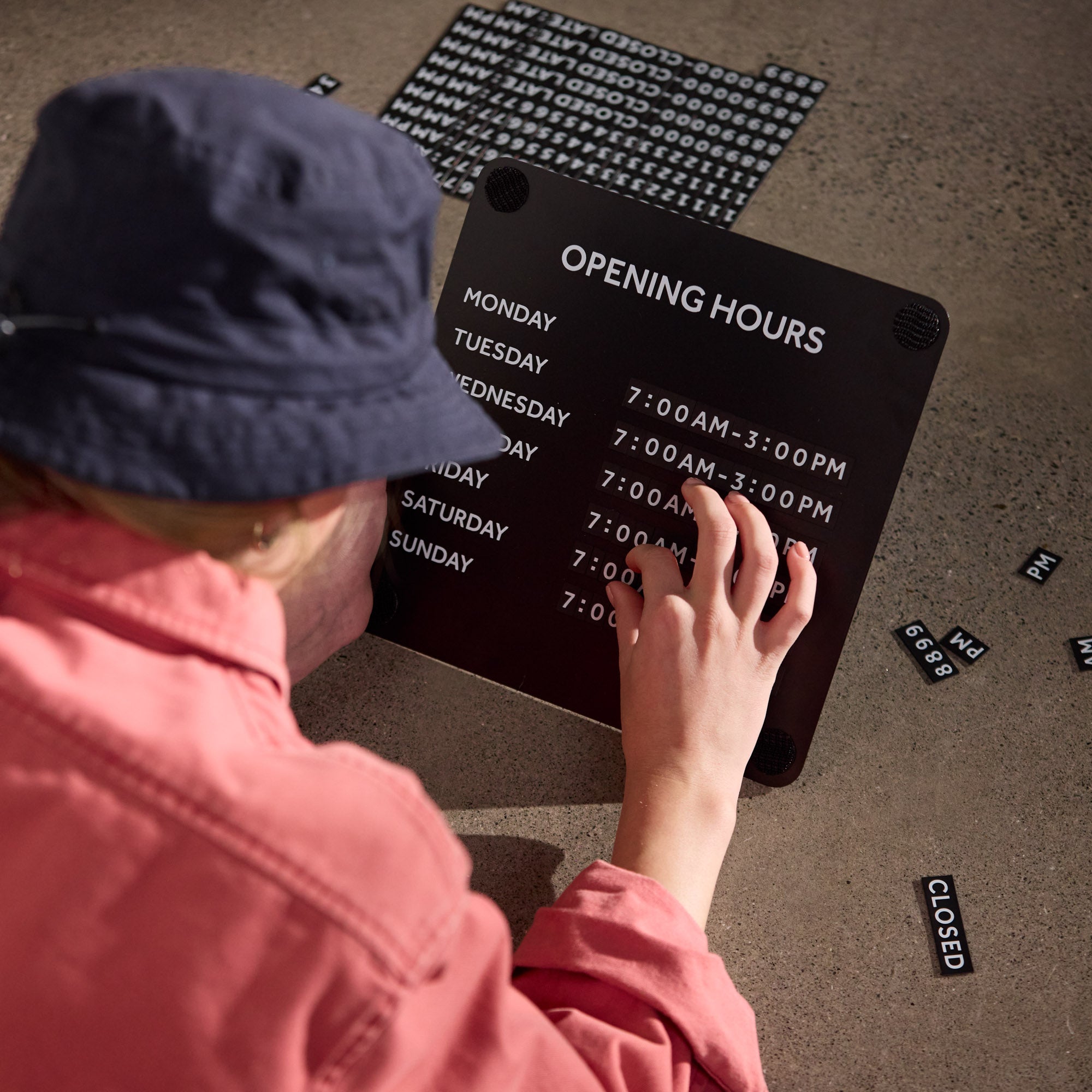
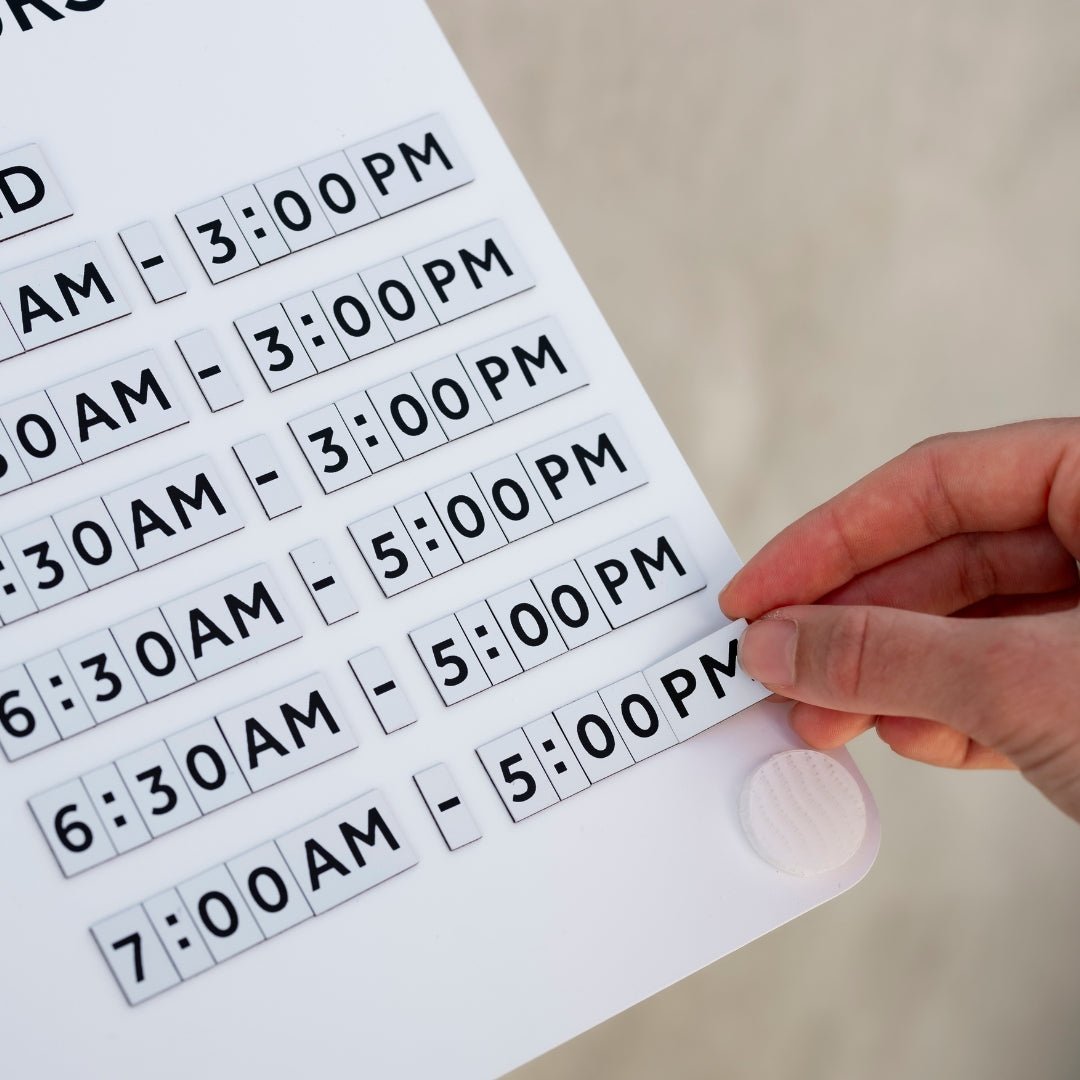
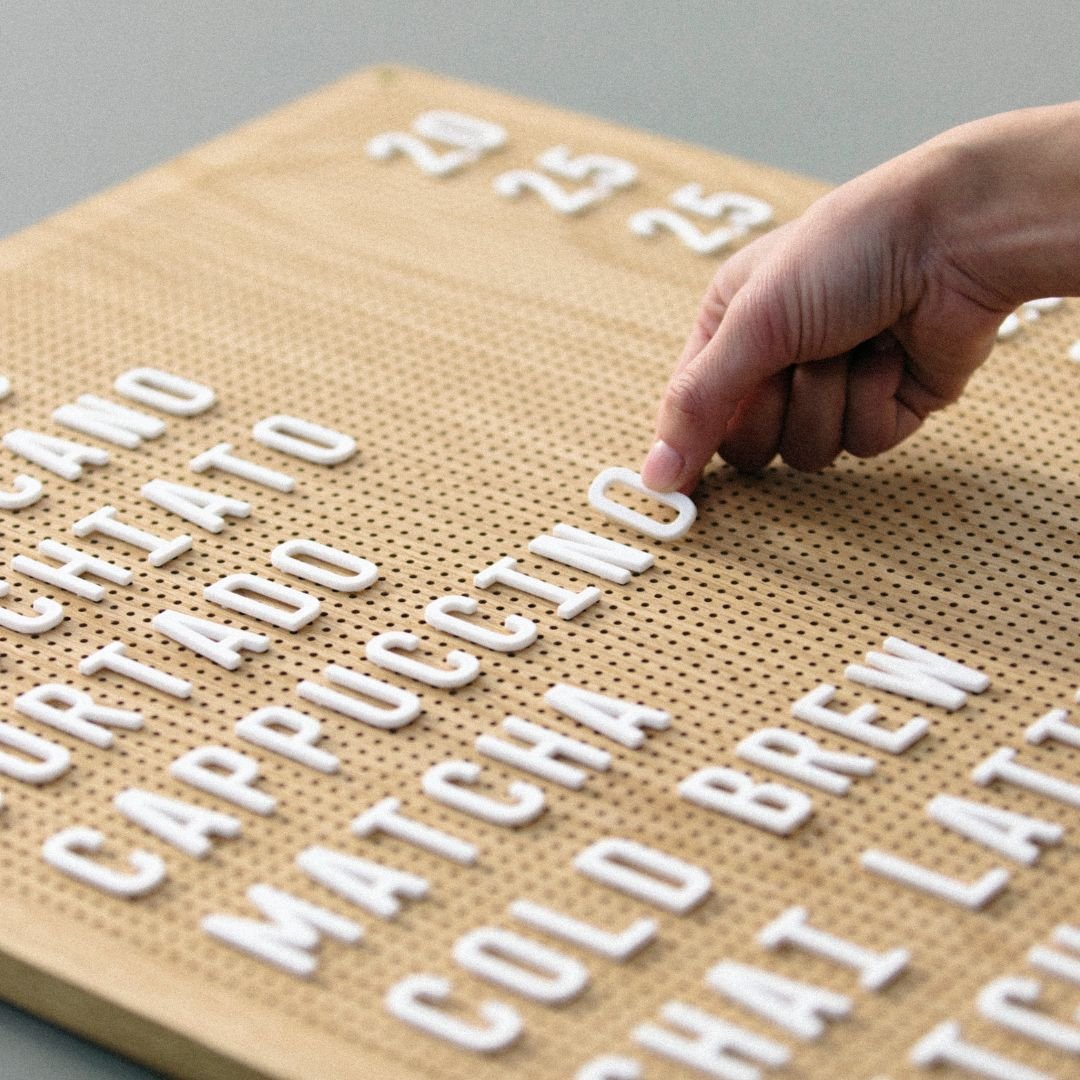
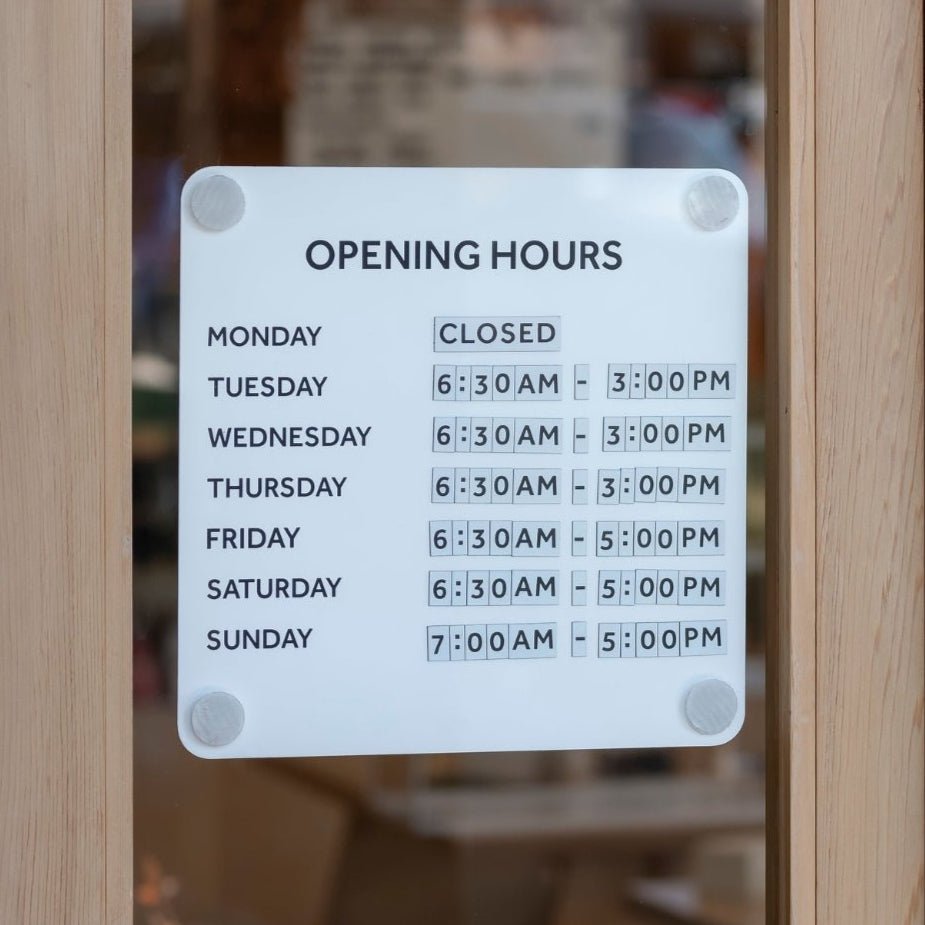
Many signs use interchangeable name inserts or sliding panels. You can simply print a new name strip and slide it into the holder, or move a slider to indicate if a room is “Occupied” or “Available”. These changeable signs are cheaper and easier to keep current. If you used a digital template to create your sign, editing is even easier. Just open the original file, update the text, and reprint it.
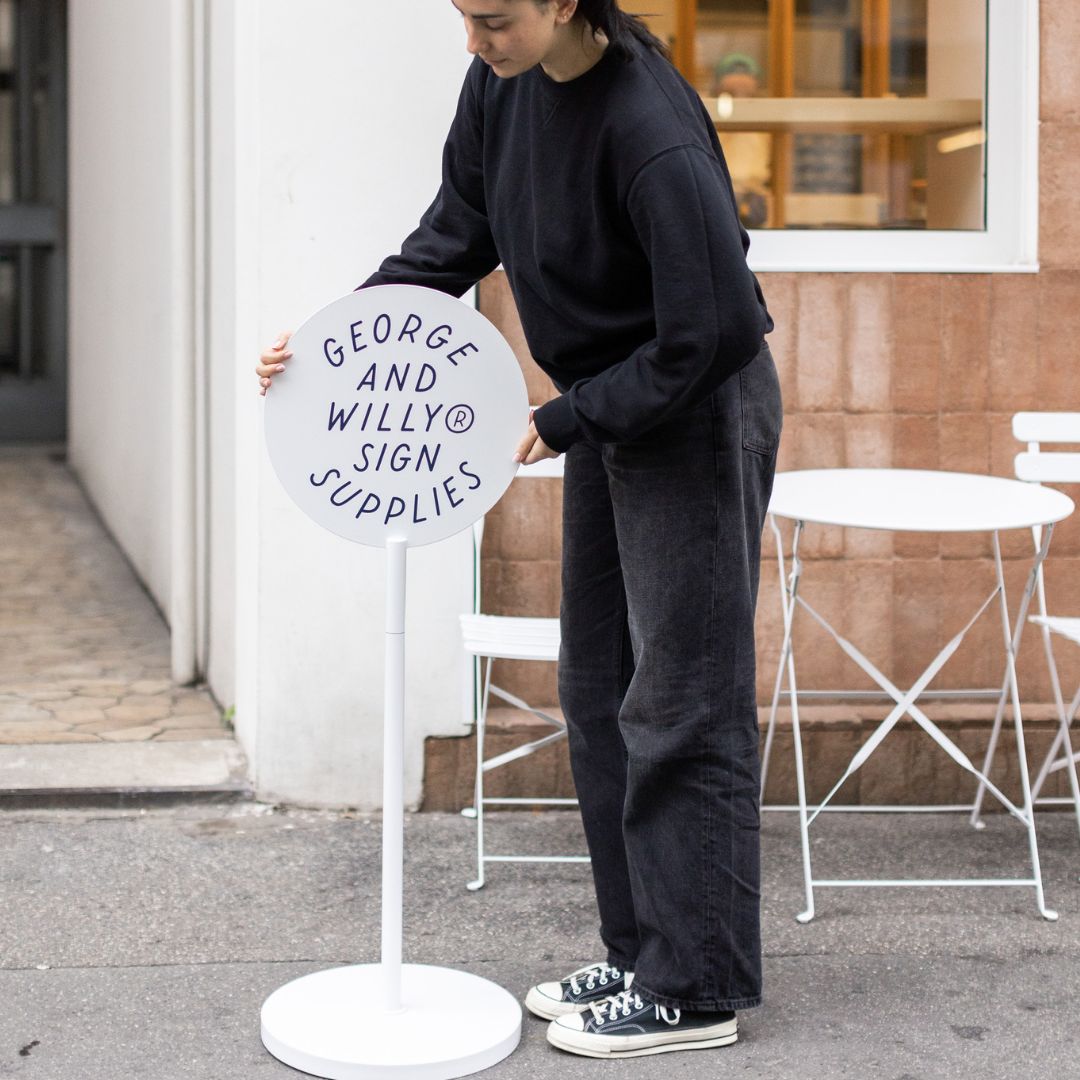
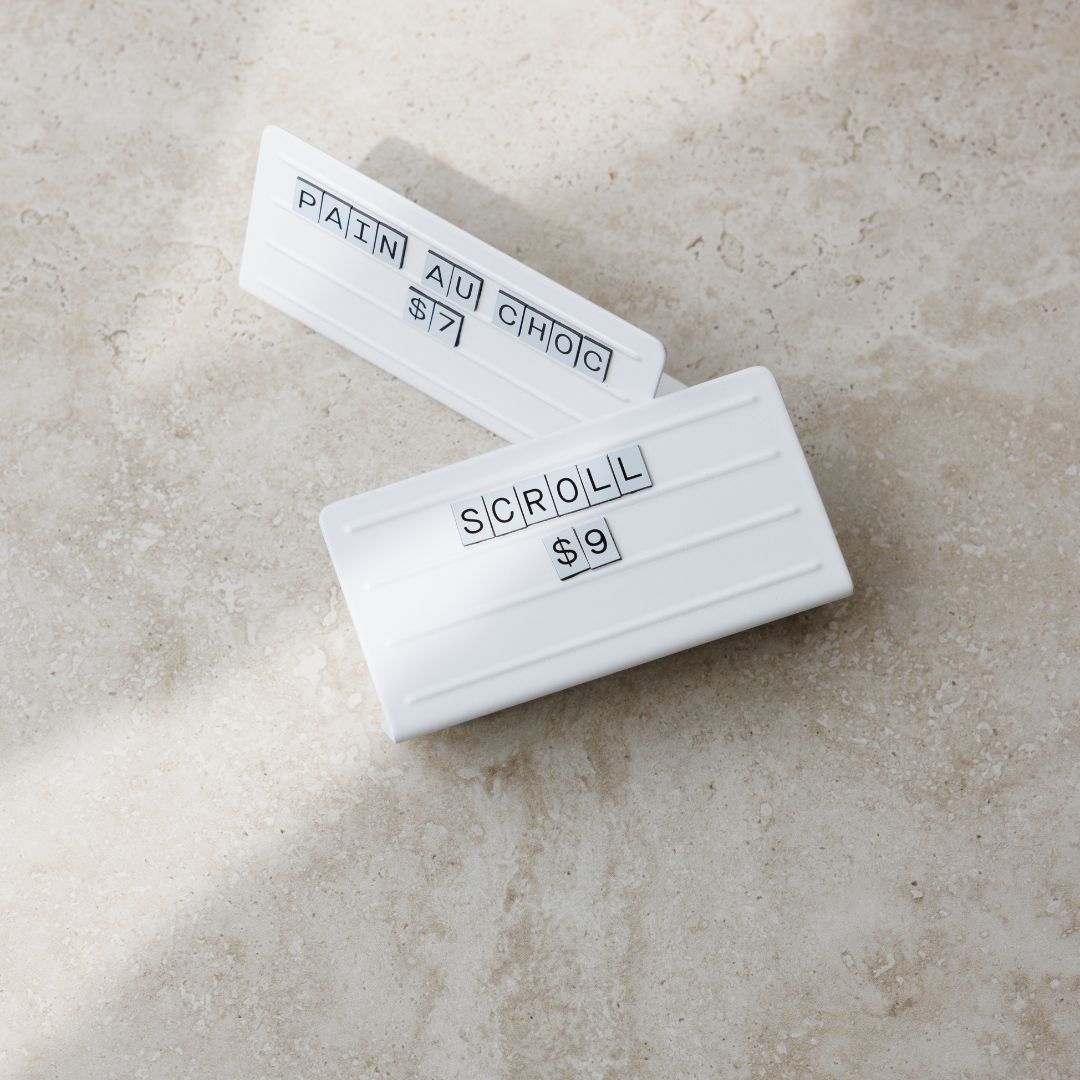
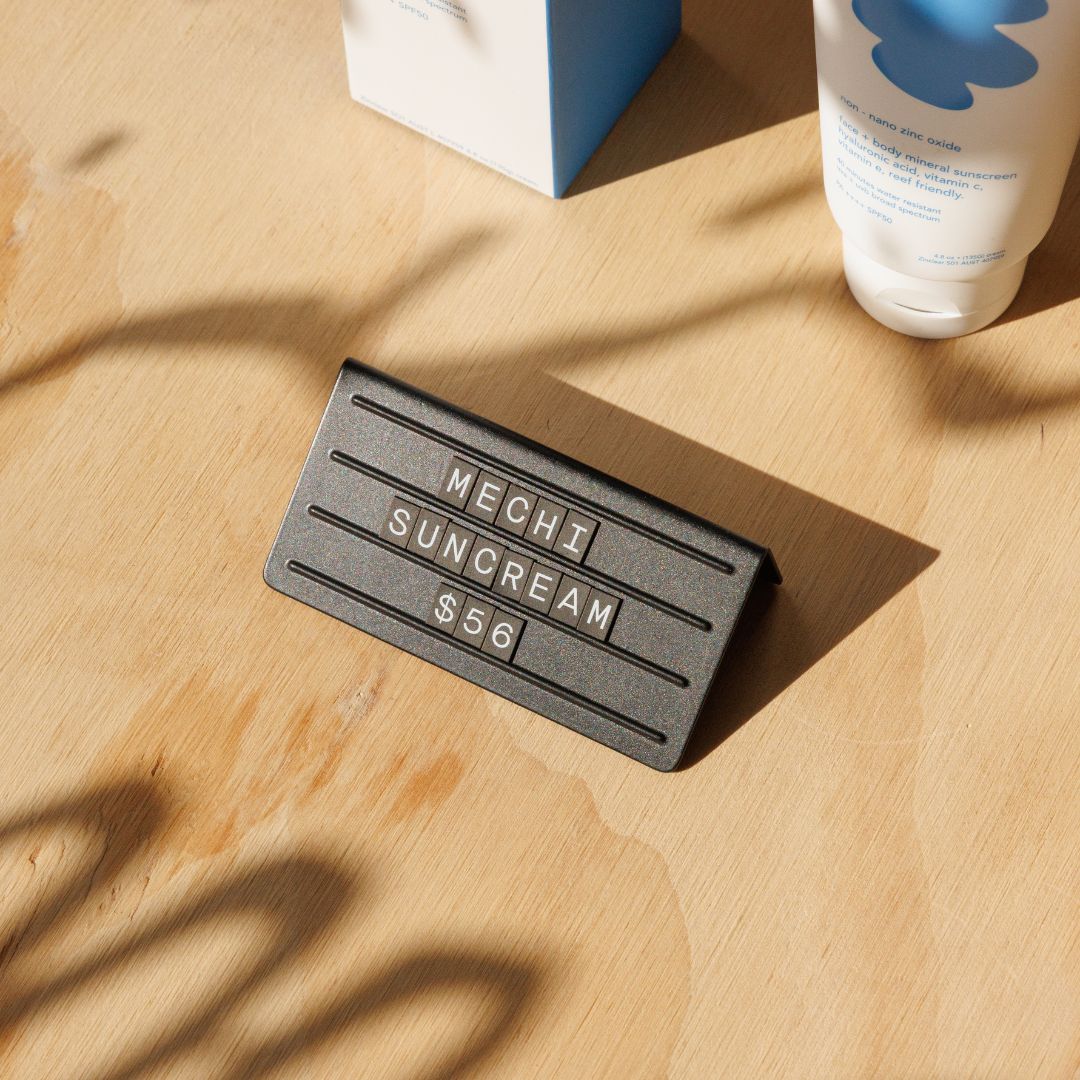
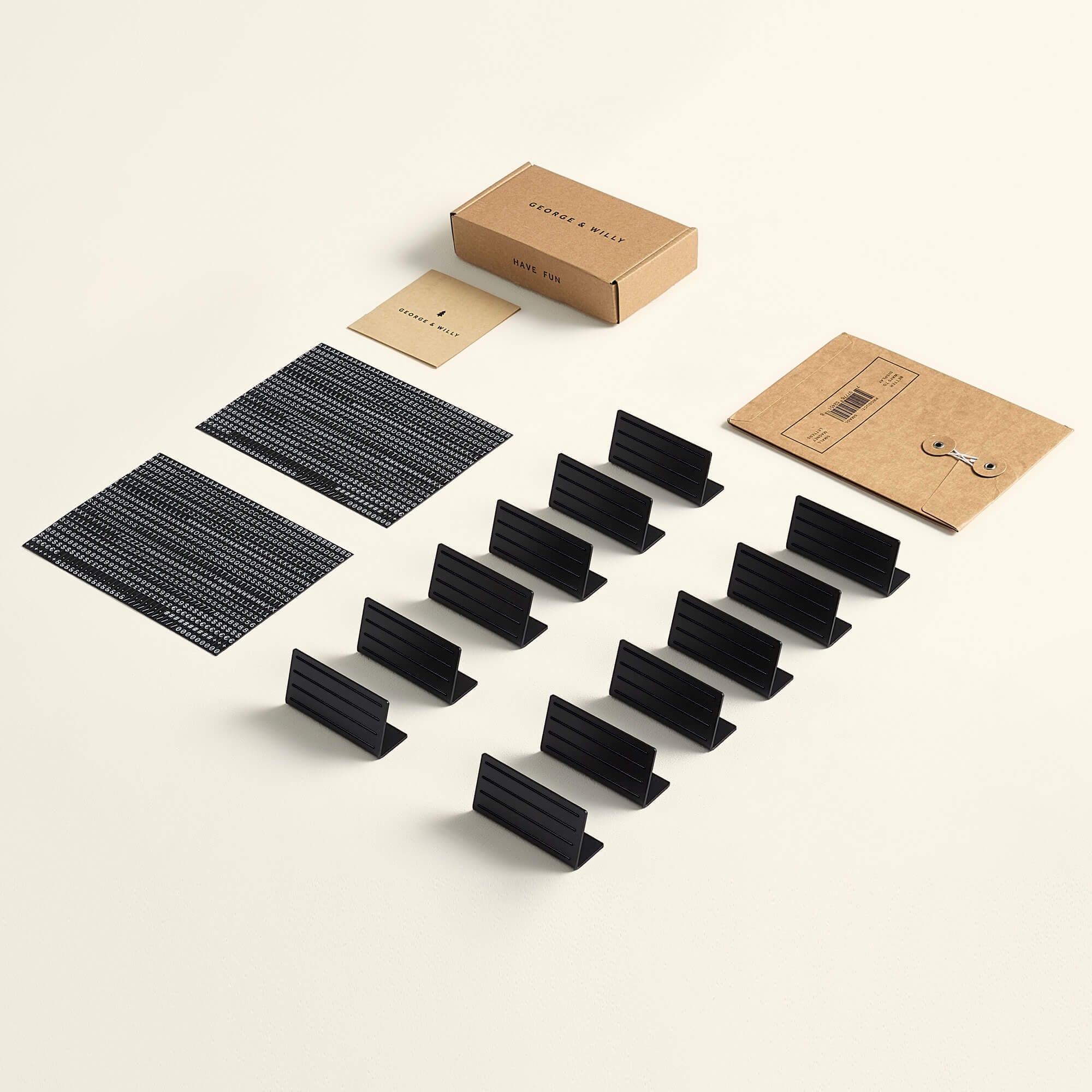
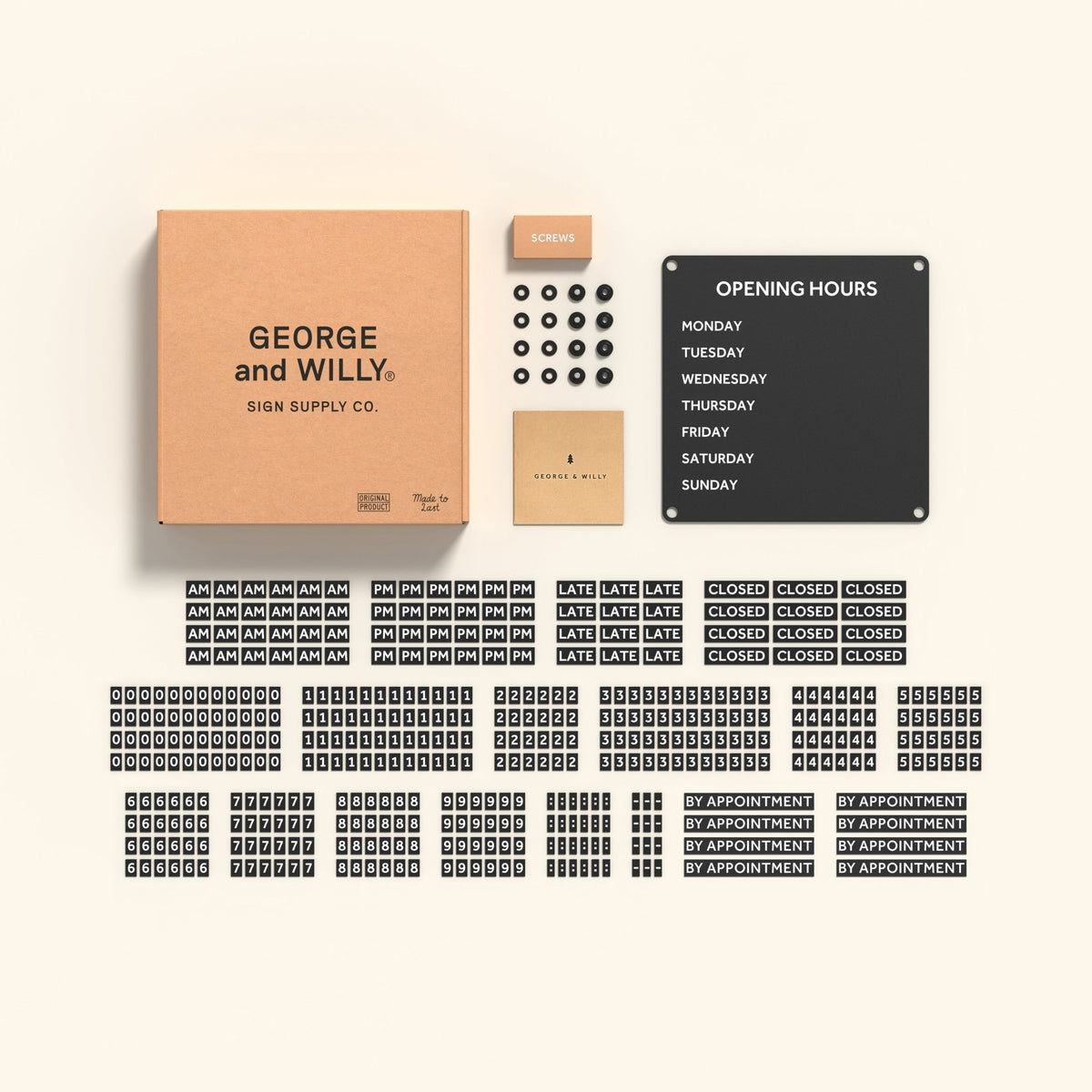
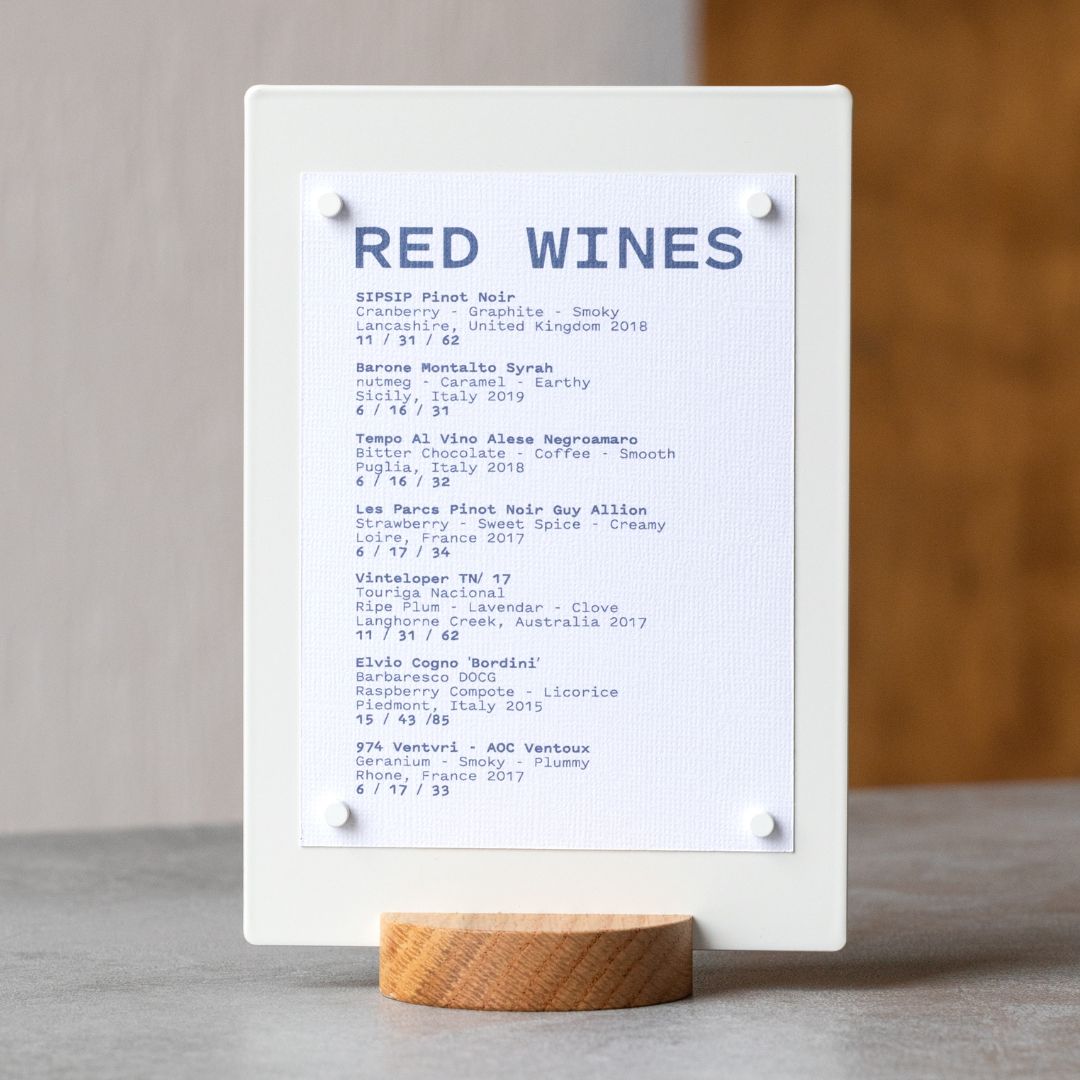
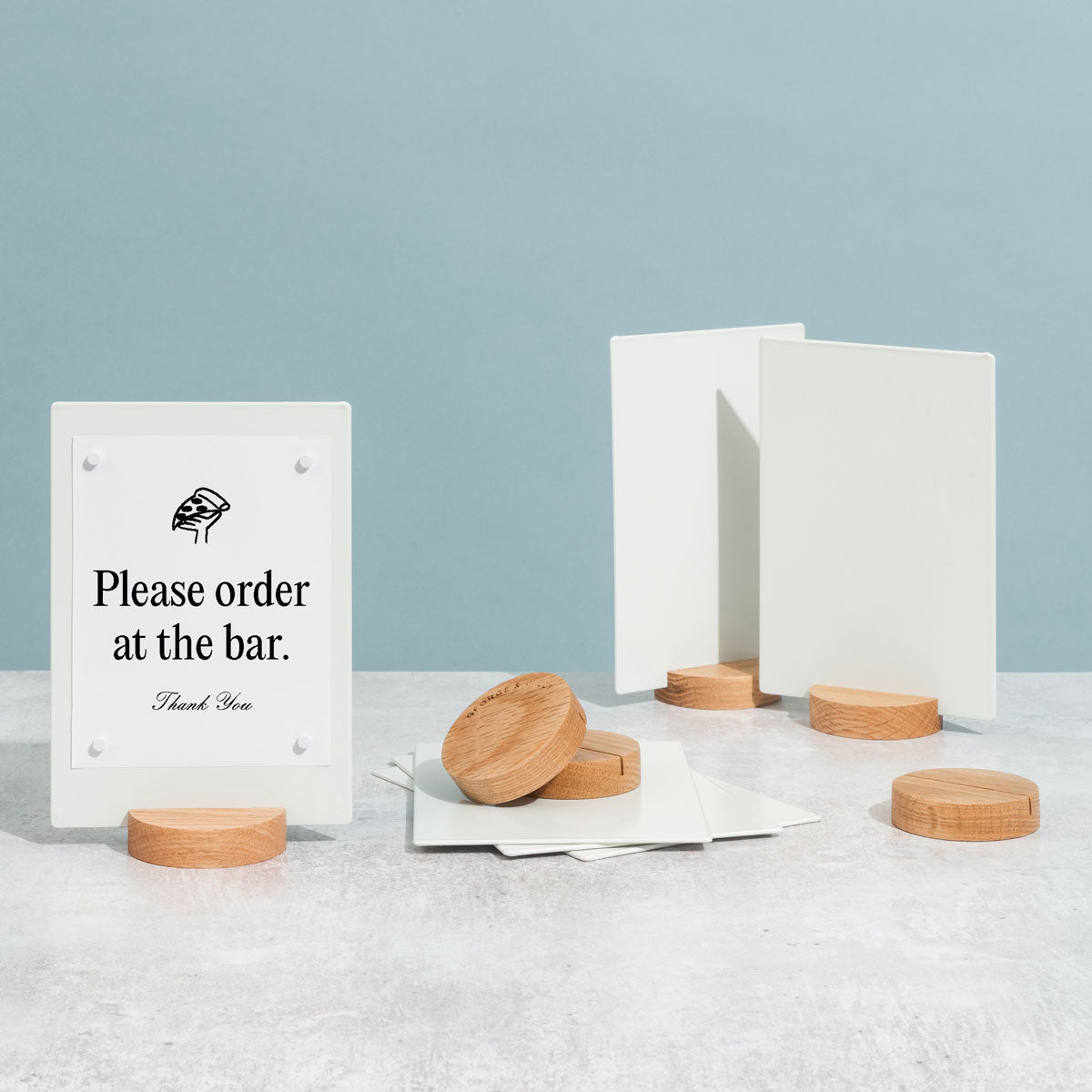
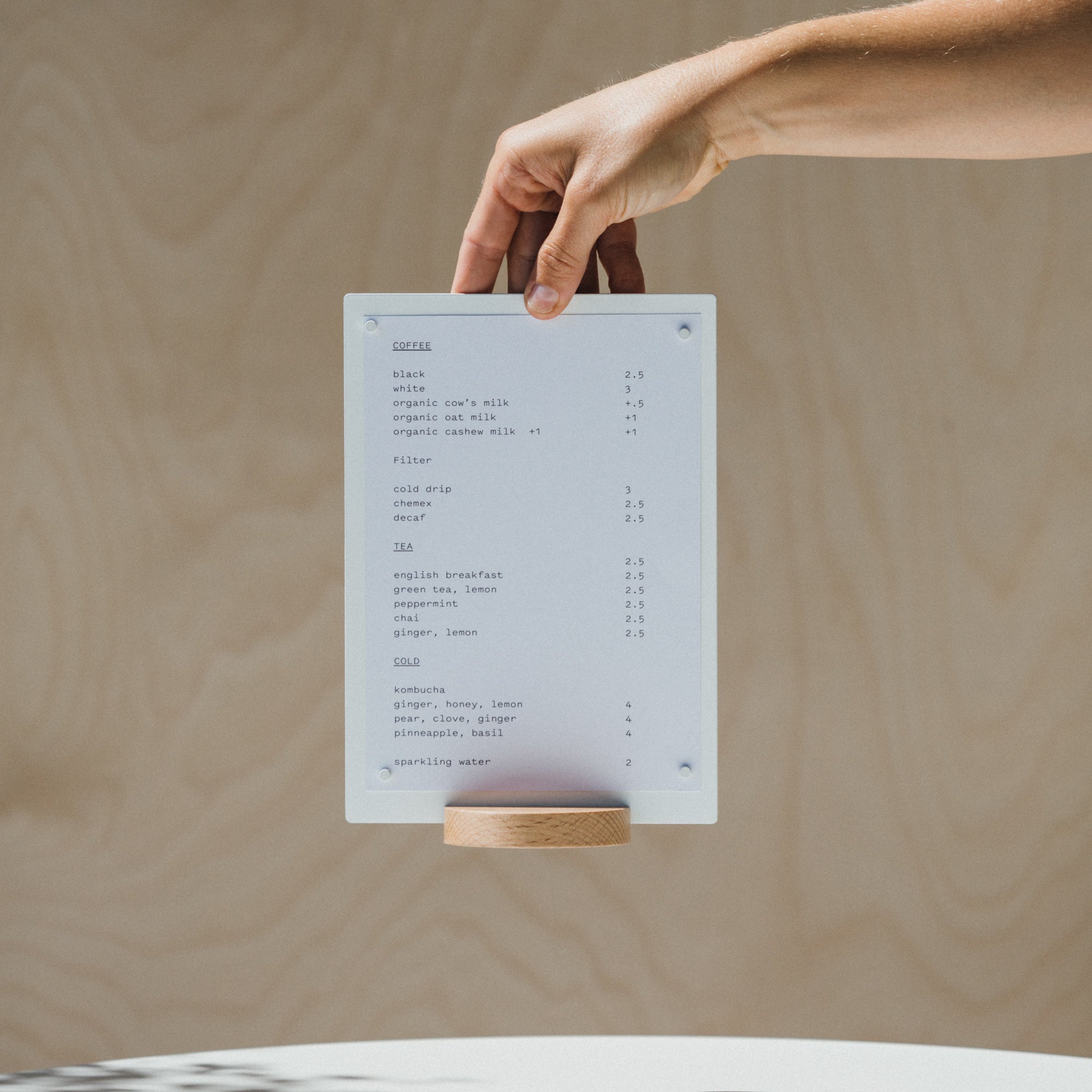
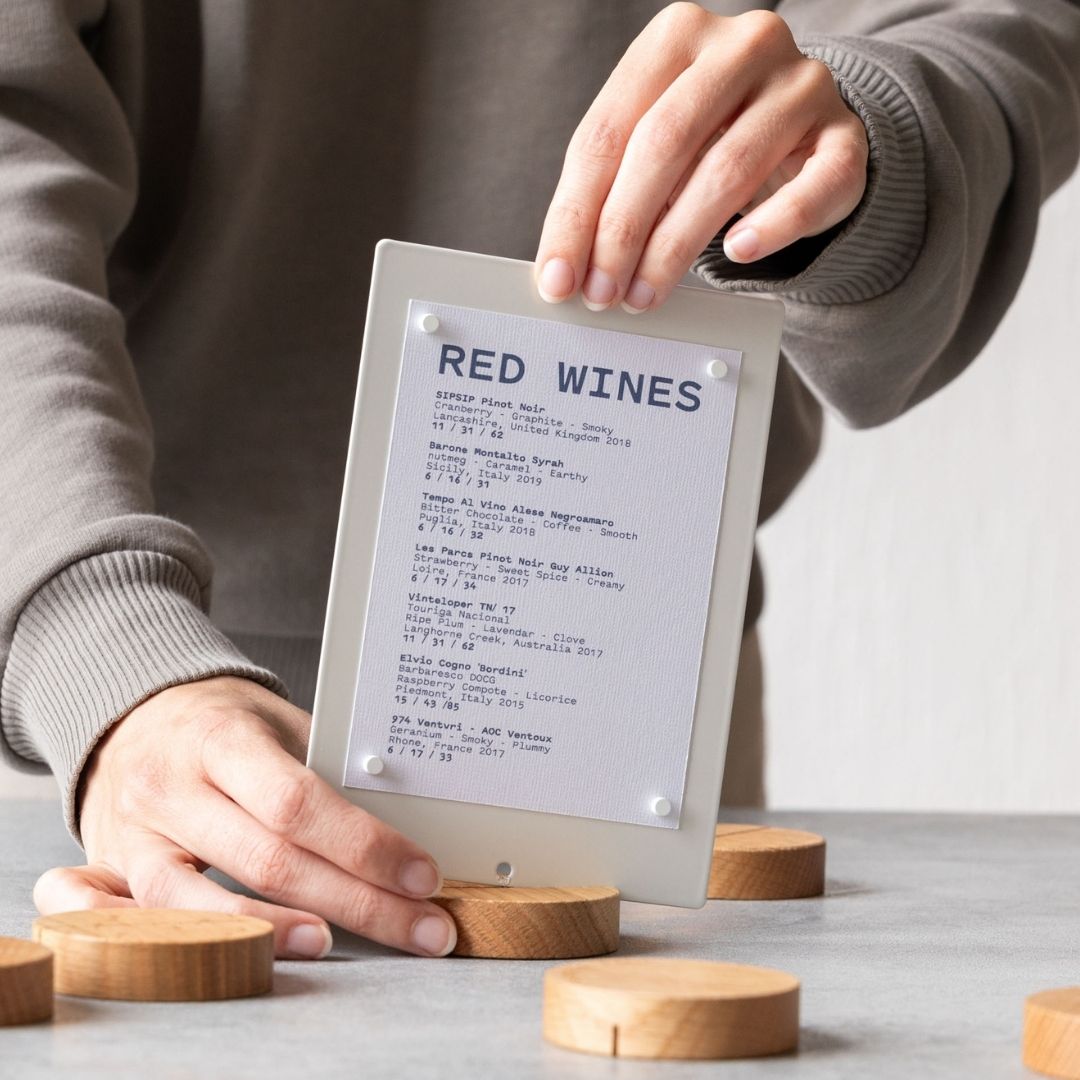
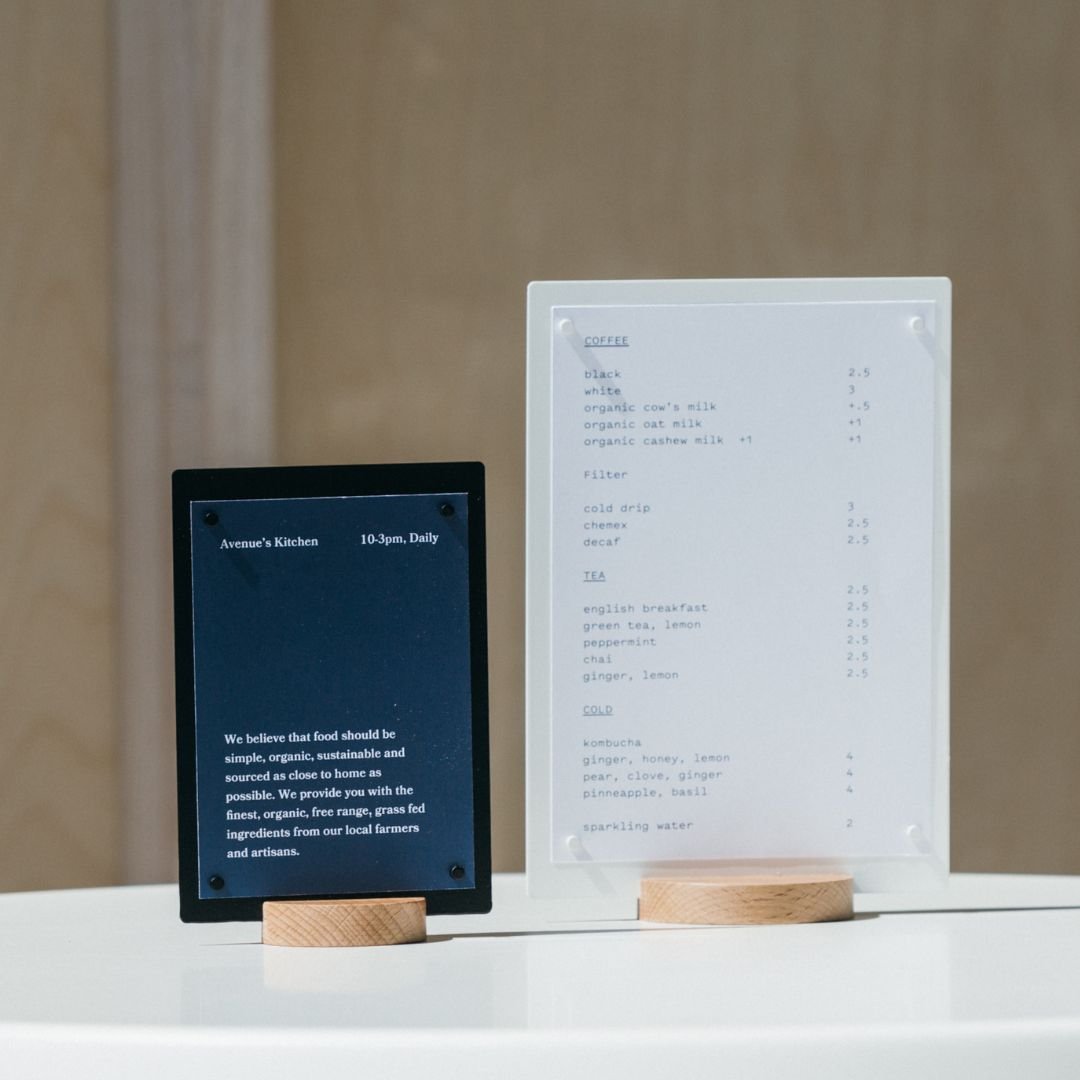
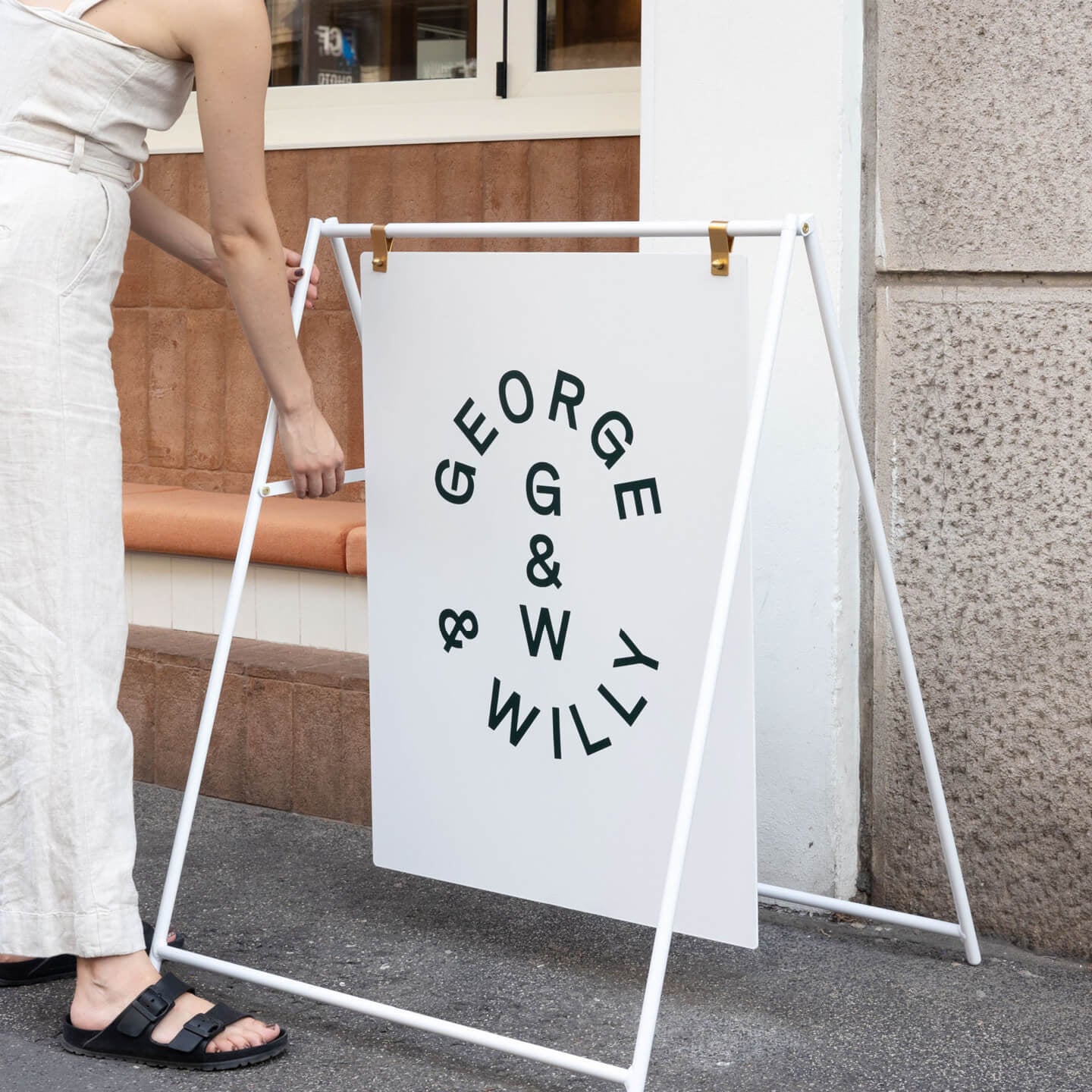
For a more high tech solution, some businesses use digital door displays. These small screens are mounted by the door and can be updated automatically through calendar software, always showing the current meeting schedule or occupant’s status. For a more durable and sustainable approach, consider investing in high quality, reusable sign hardware. Companies like George & Willy offer sturdy metal nameplate holders, such as Table Top Signs, that are designed to last, allowing you to simply swap out the printed insert or vinyl decal whenever an update is needed.
What It Says: Crafting Clear Office Door Sign Content
Office door sign content is simply the information displayed on the sign. The right content helps with navigation, communication, and setting expectations.
Common content elements for office door name signs include:
-
Identification: The occupant’s name, job title, department, or room number (e.g., “Sarah Chen, Project Manager”).
-
Status: Indicators like “In a Meeting” or “Do Not Disturb” help manage interruptions and improve workplace efficiency.
-
Instructions: Short messages such as “Please Knock” or “Appointments Only” can guide visitors on what to do.
For accessibility, permanent room signs in many public spaces are required to include braille and raised tactile text. These signs must also use all uppercase characters in a simple font for readability. Even if not legally required, making your office door name signs easy for everyone to read is a best practice that fosters an inclusive environment.
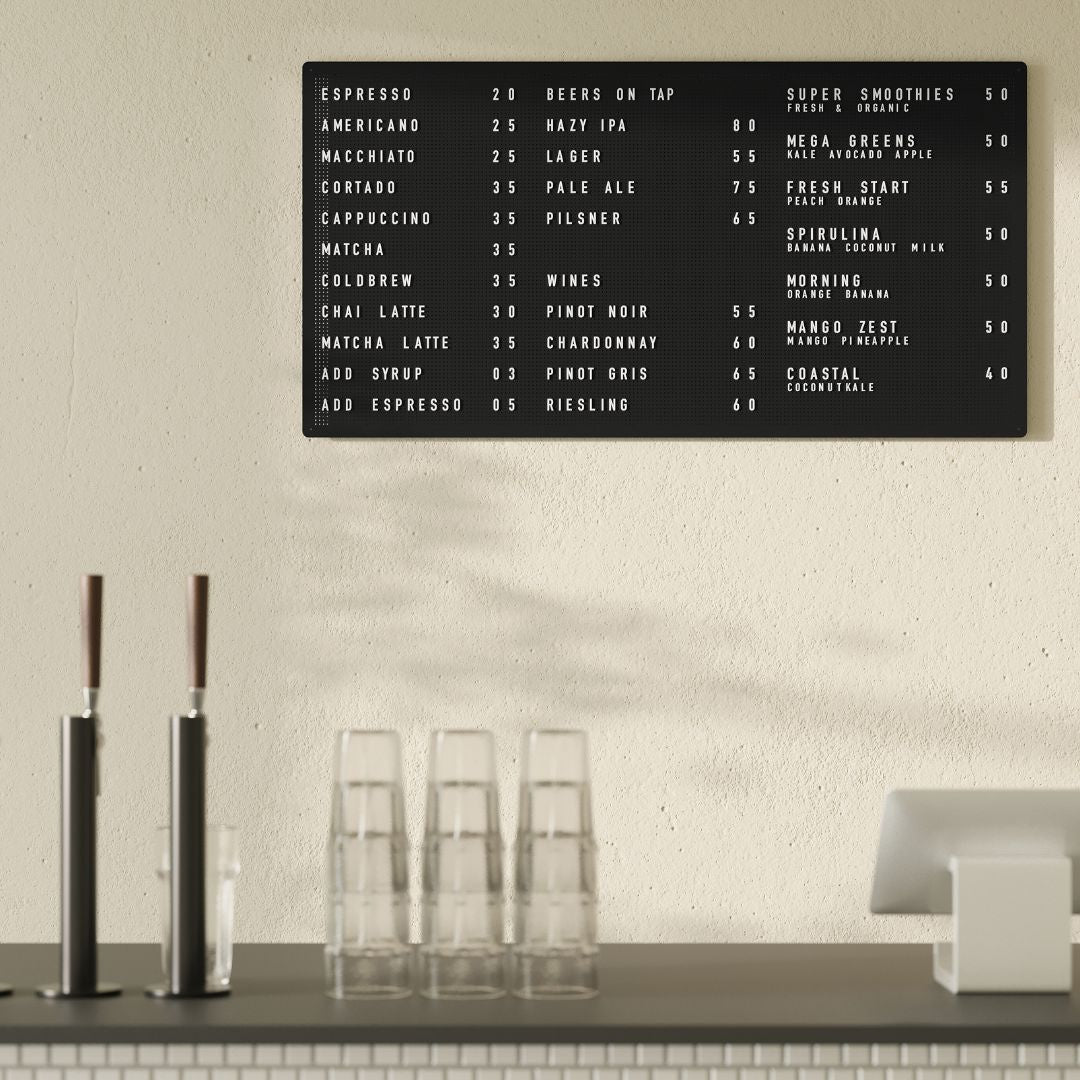
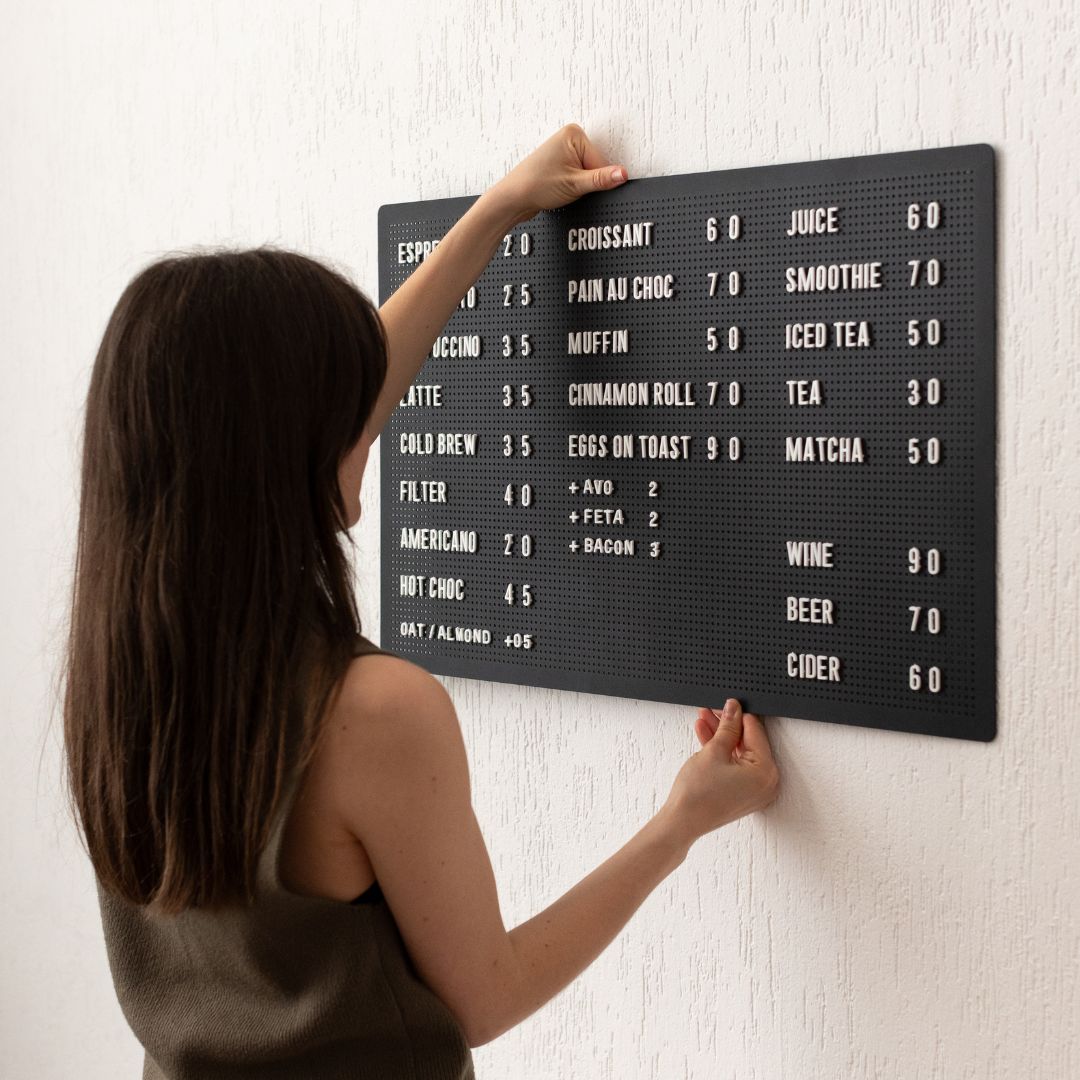
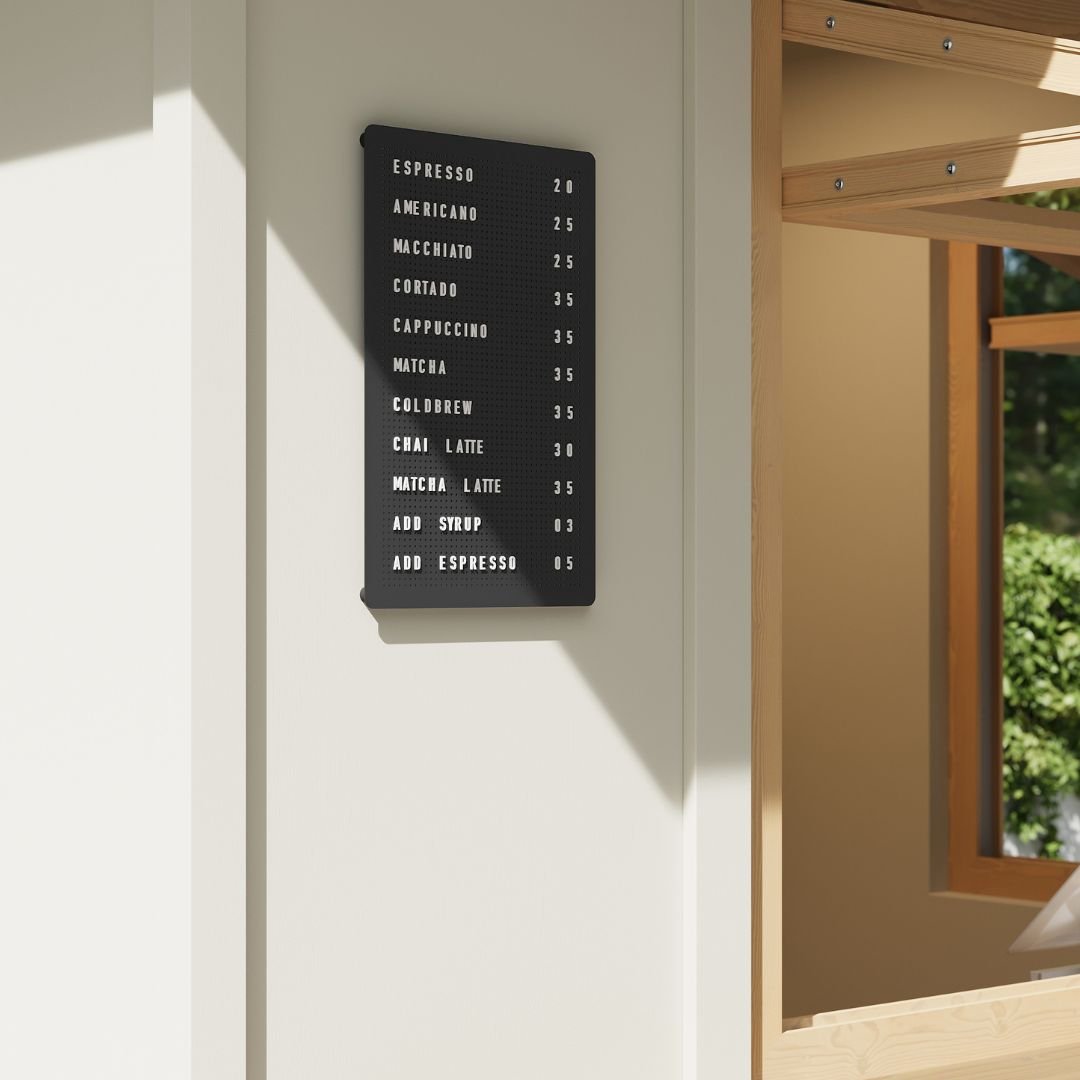
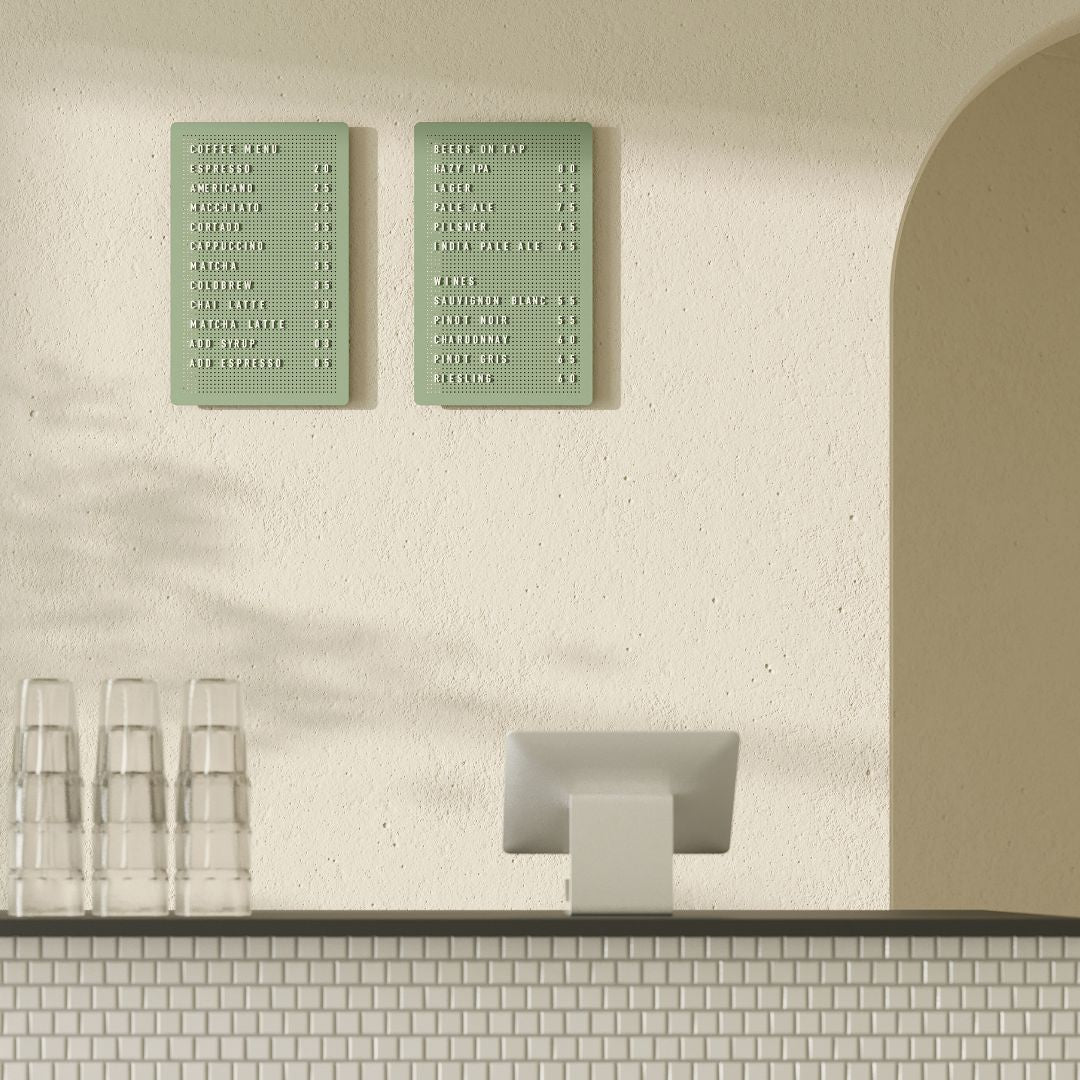
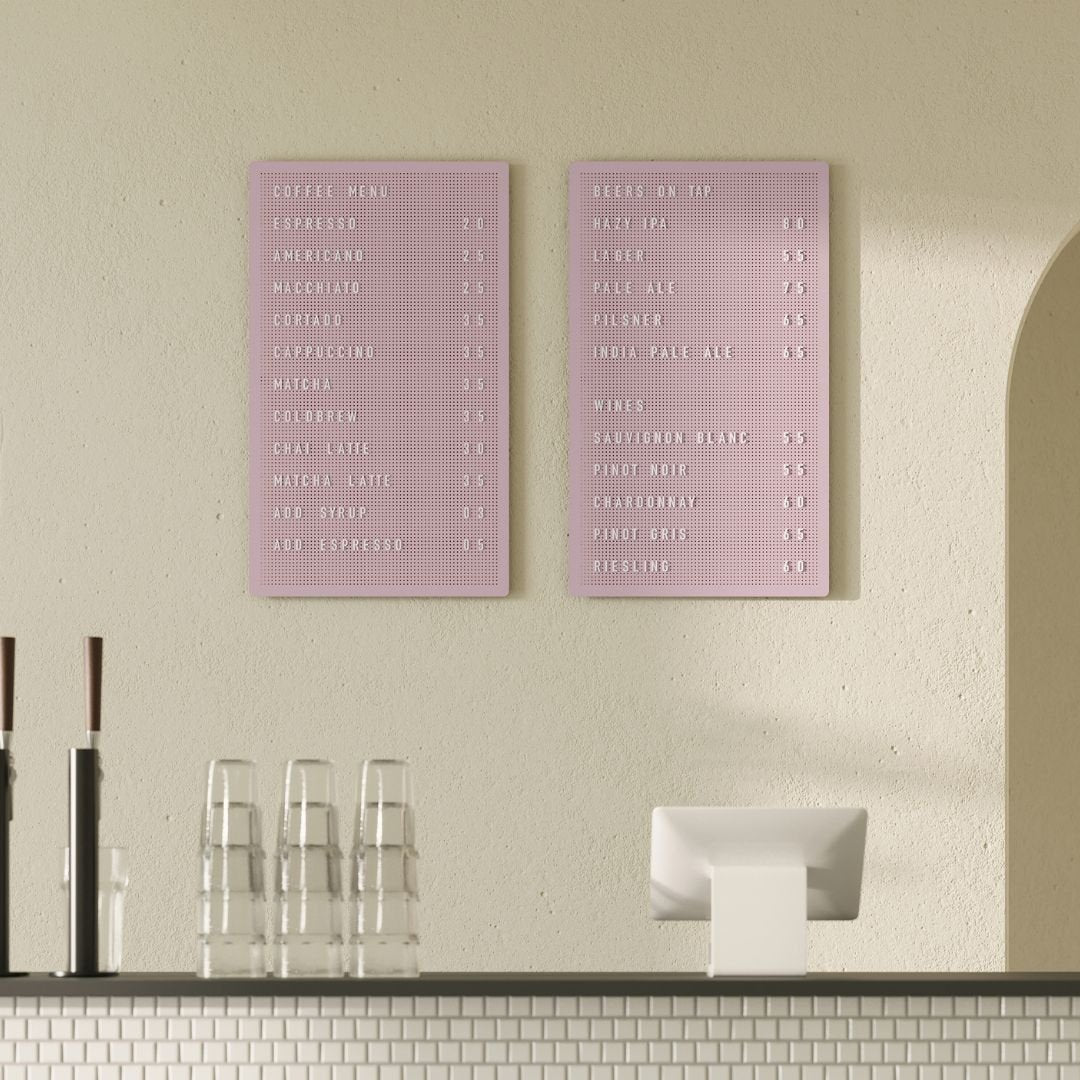
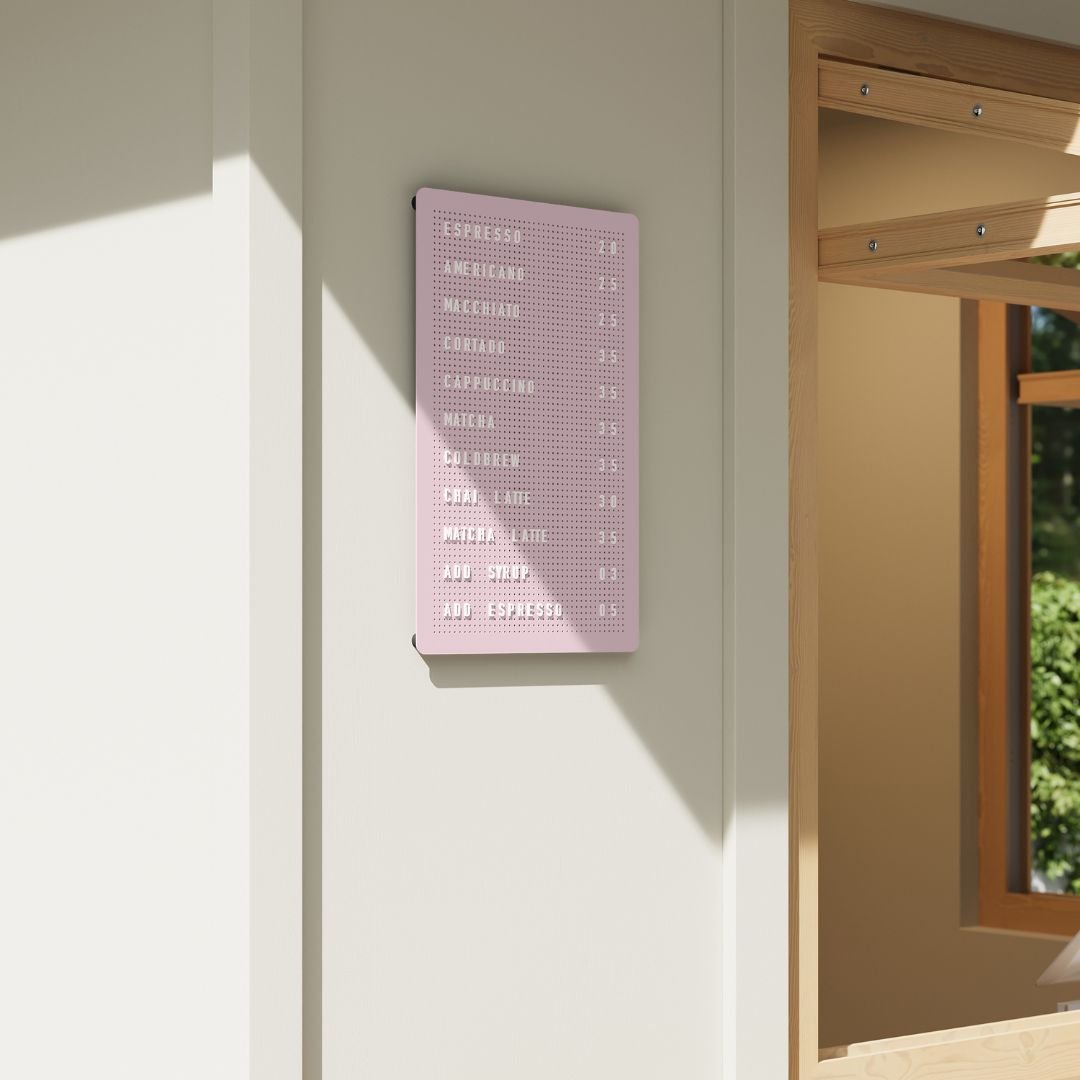
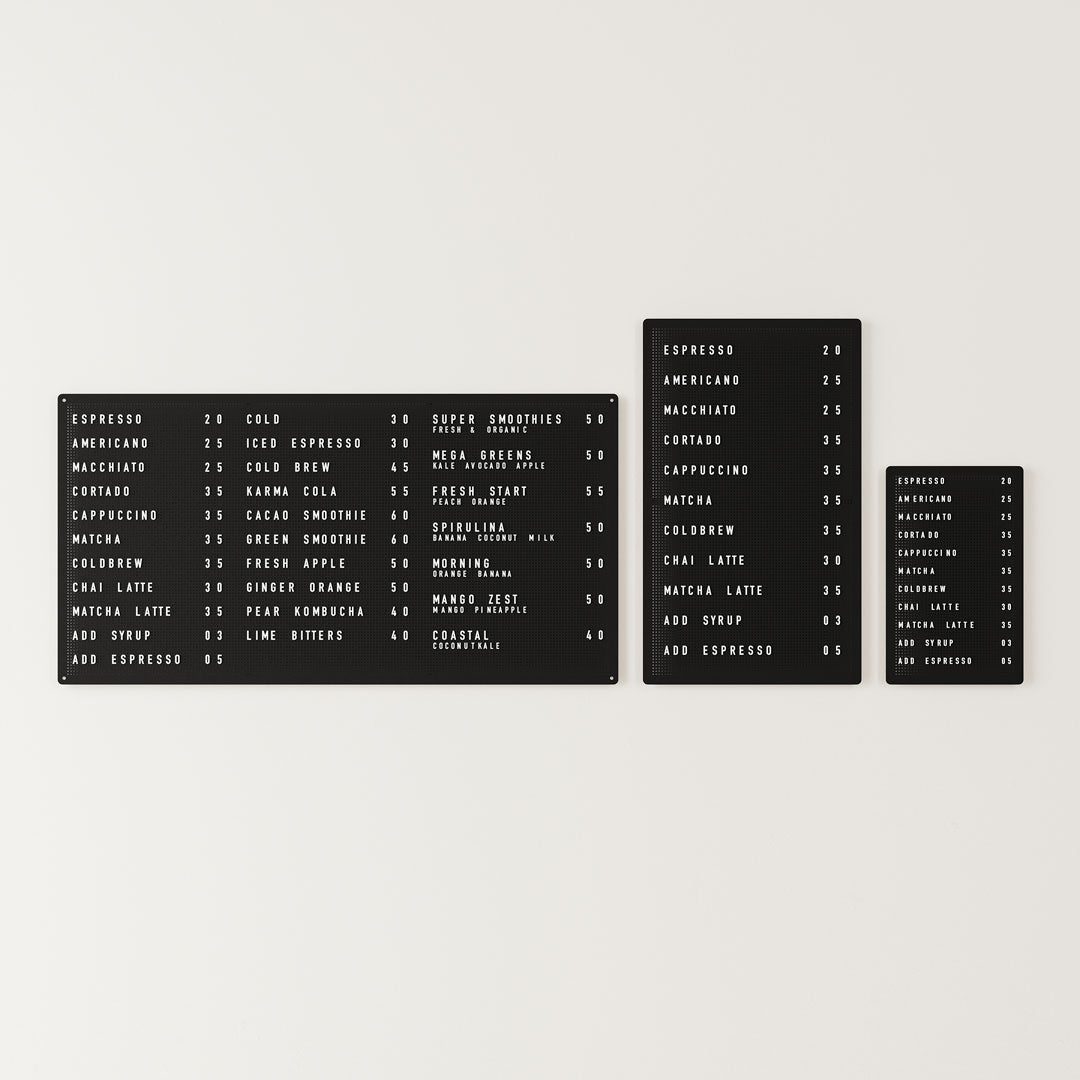
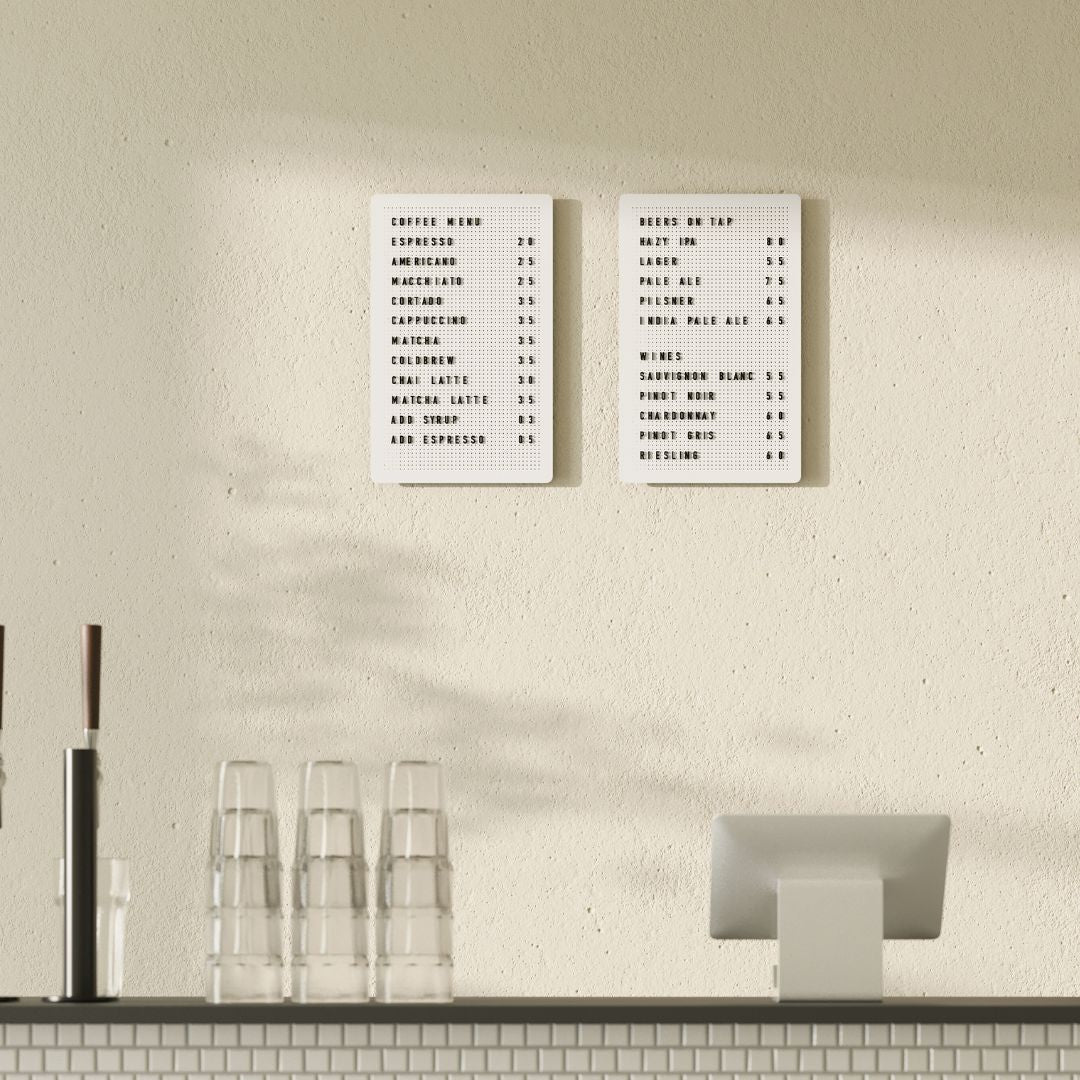
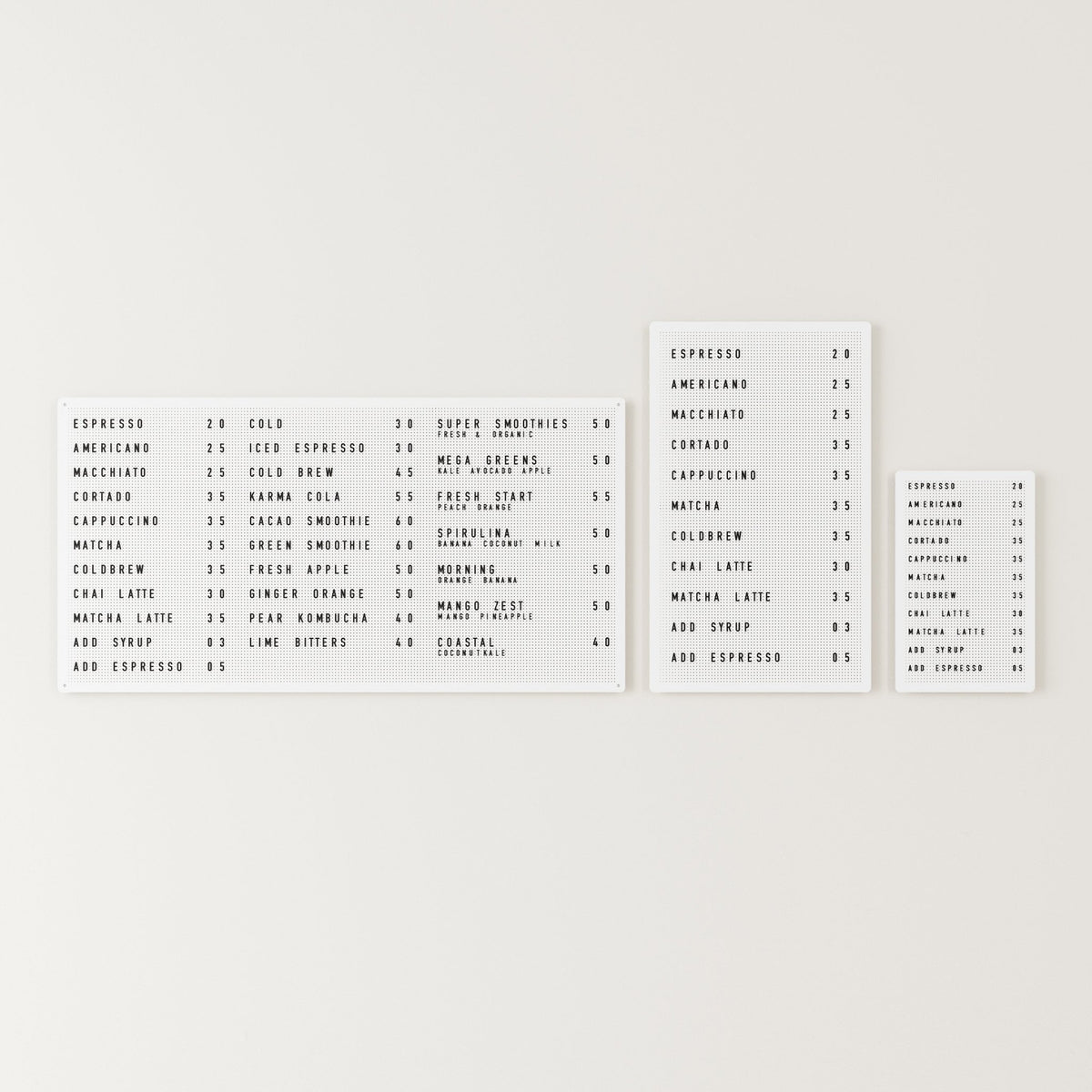
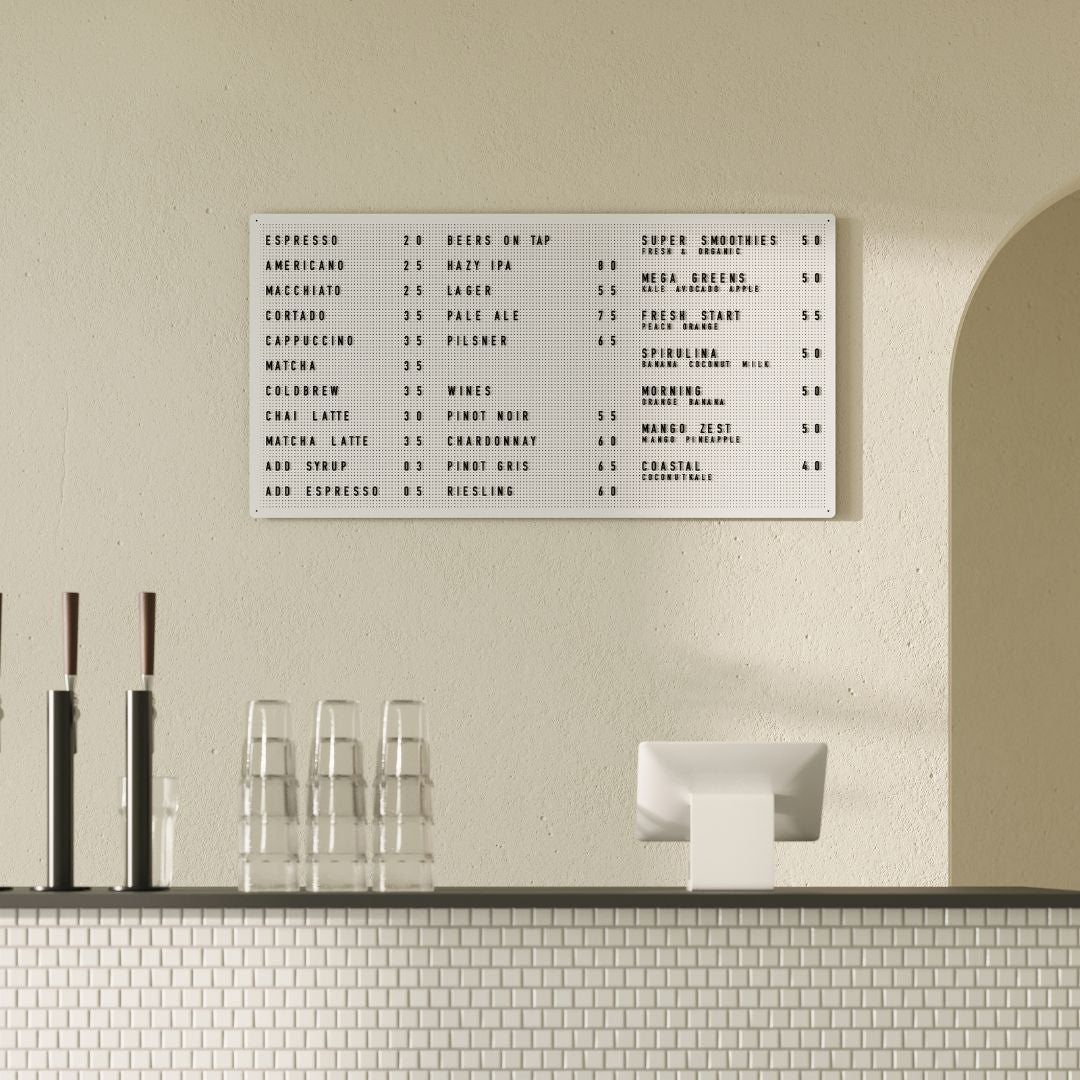
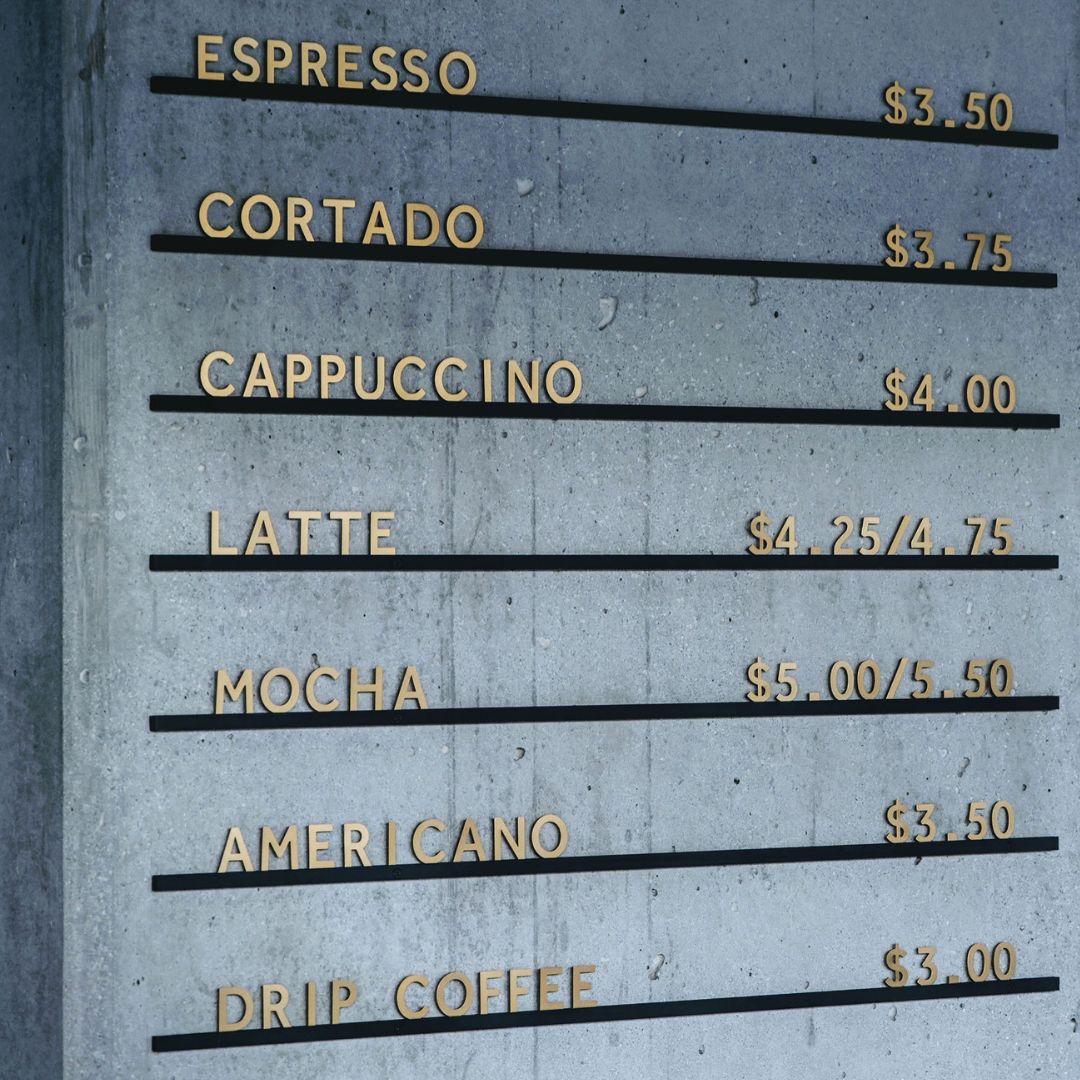
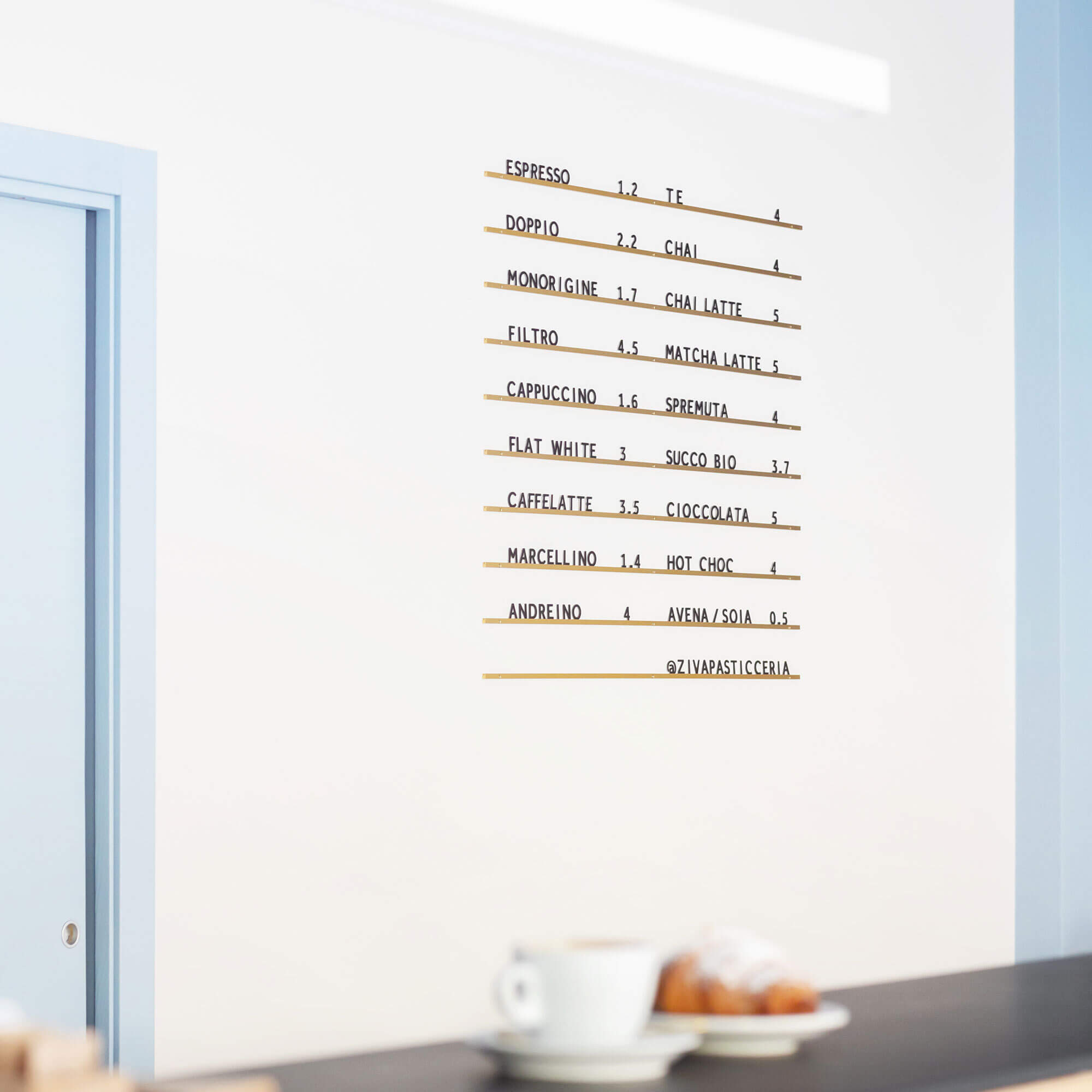
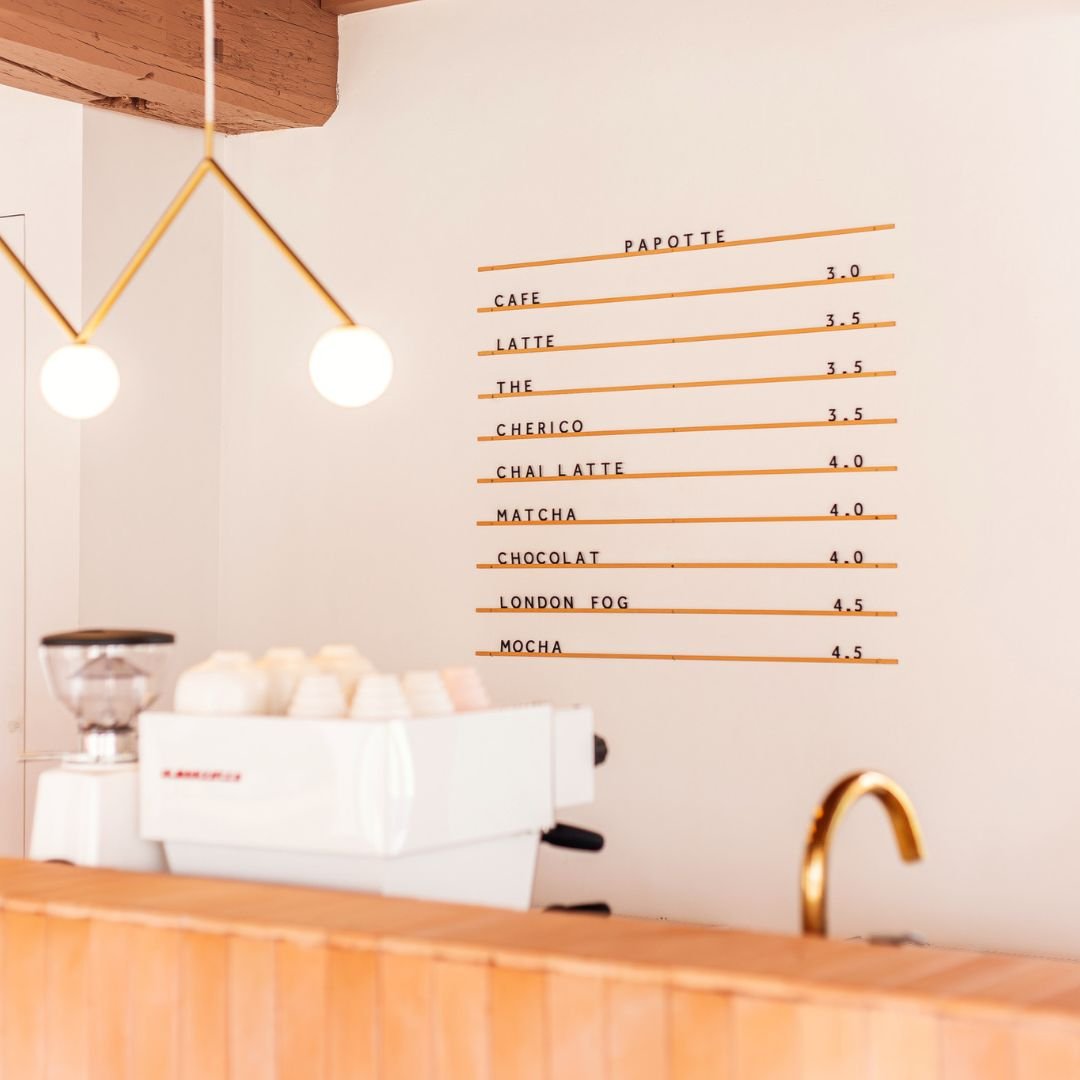
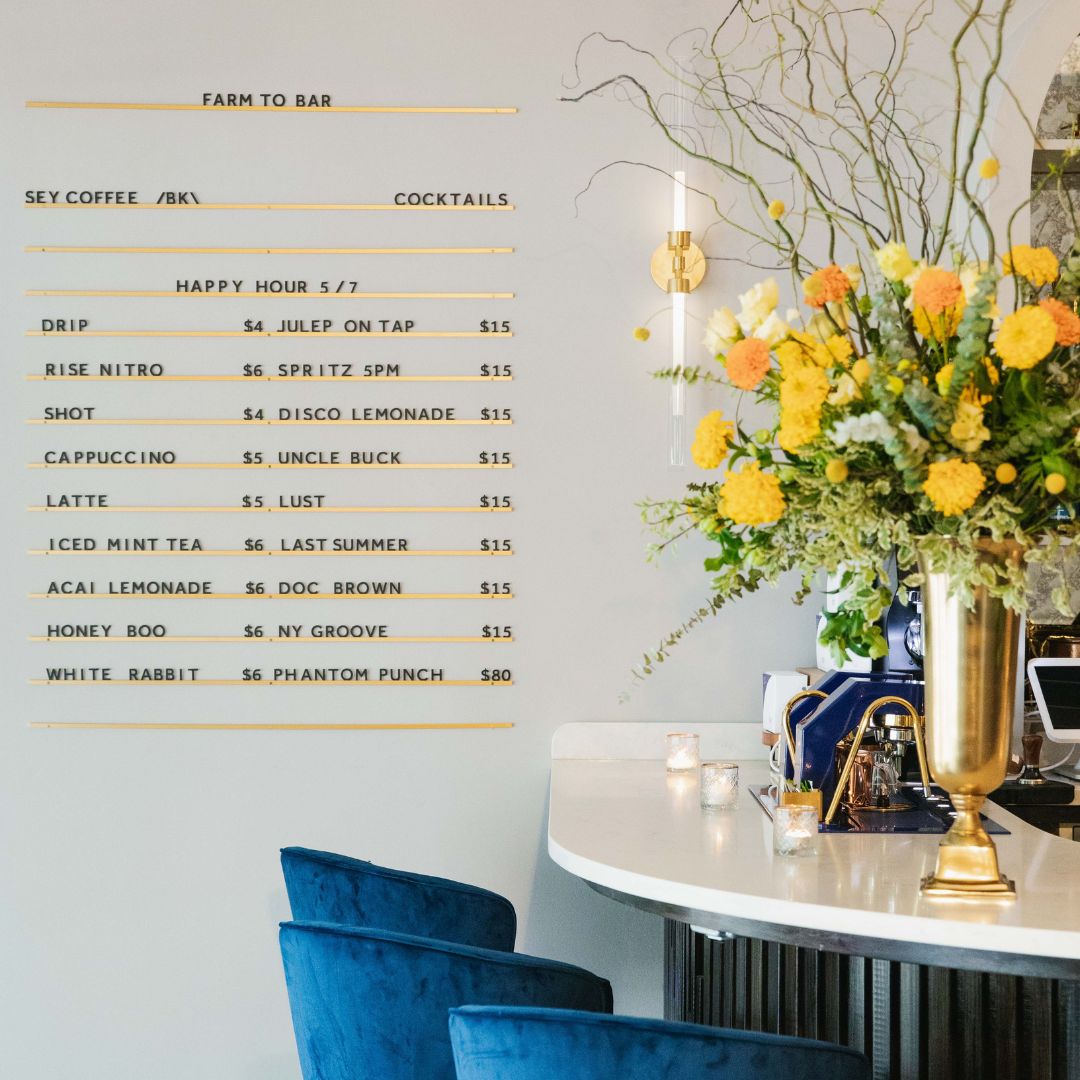
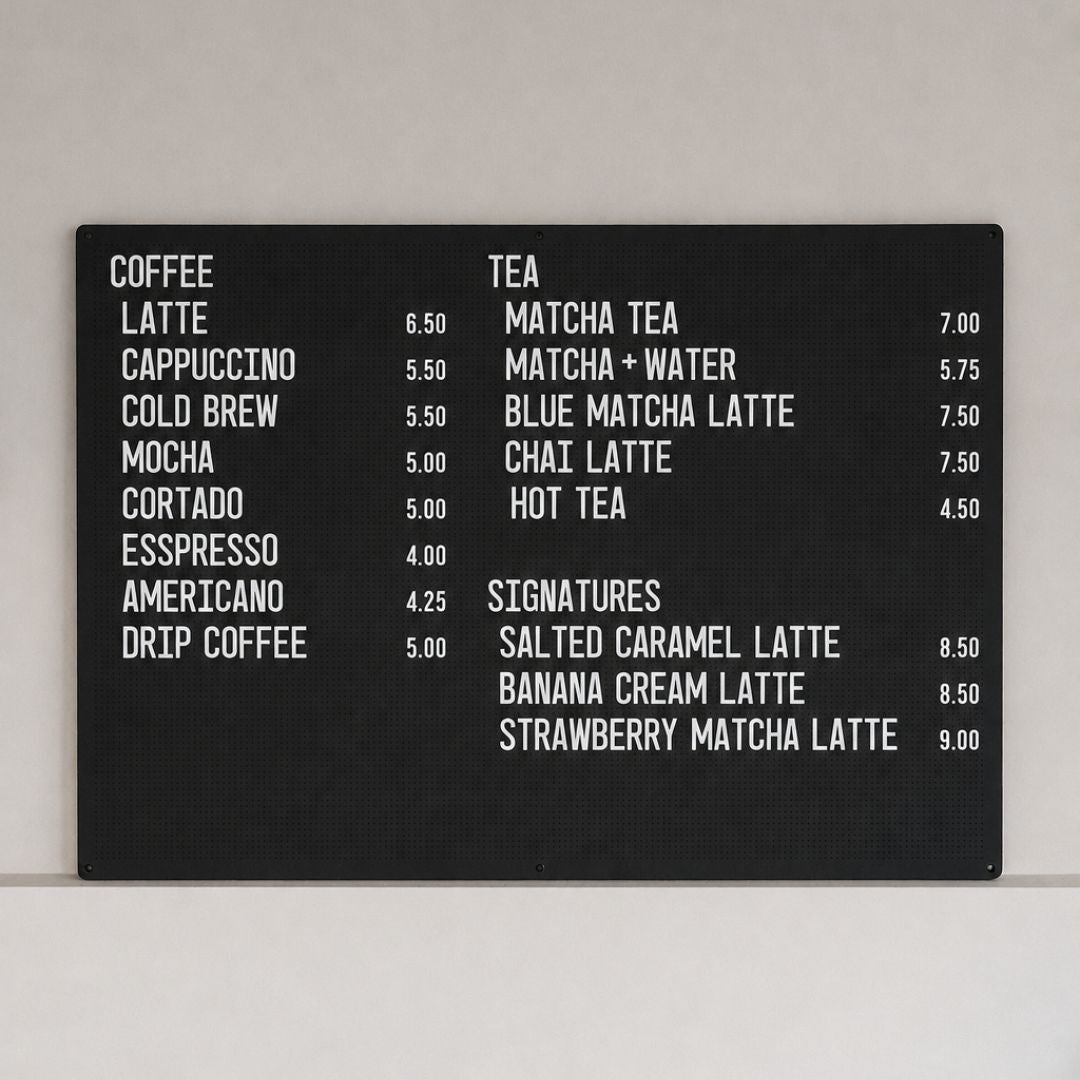
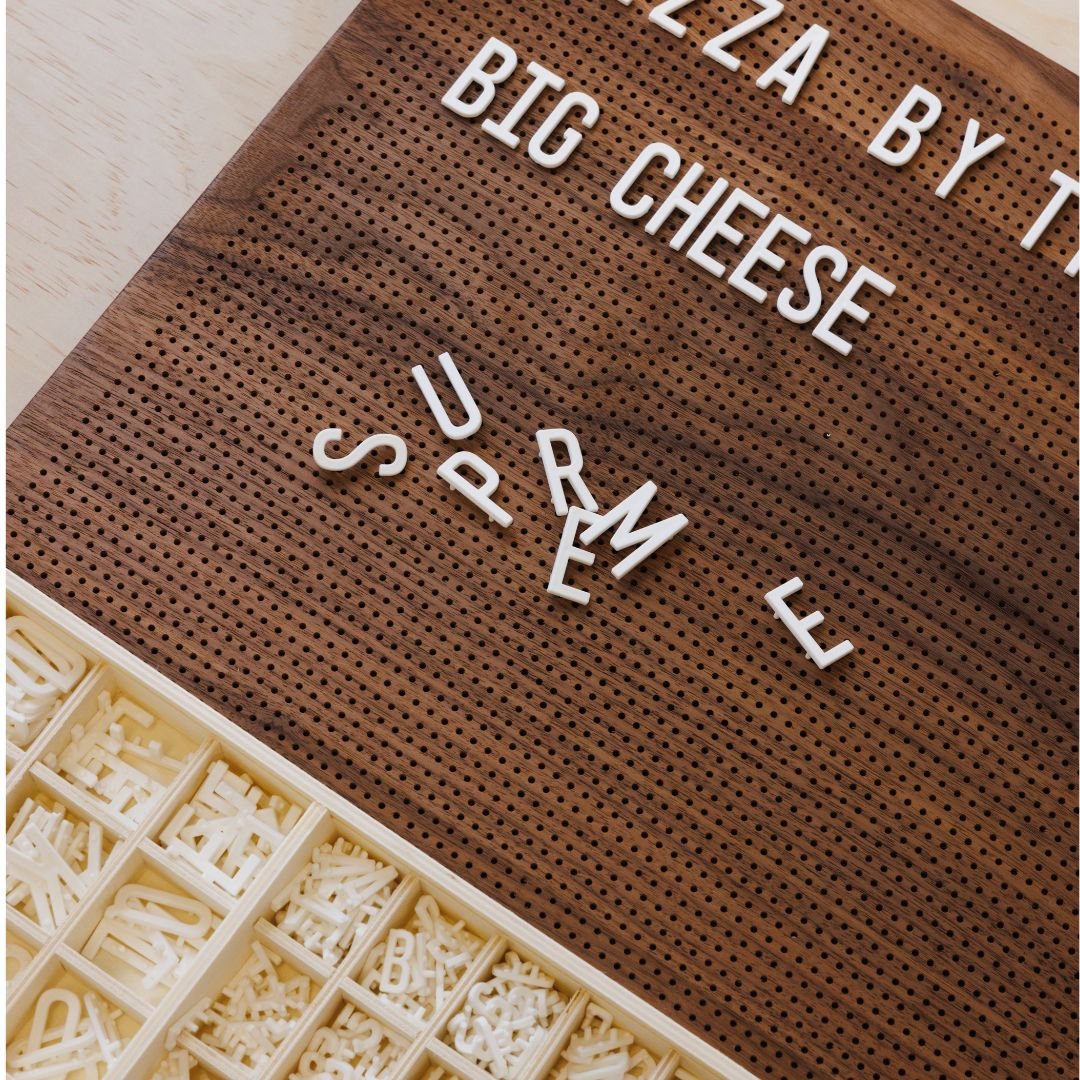
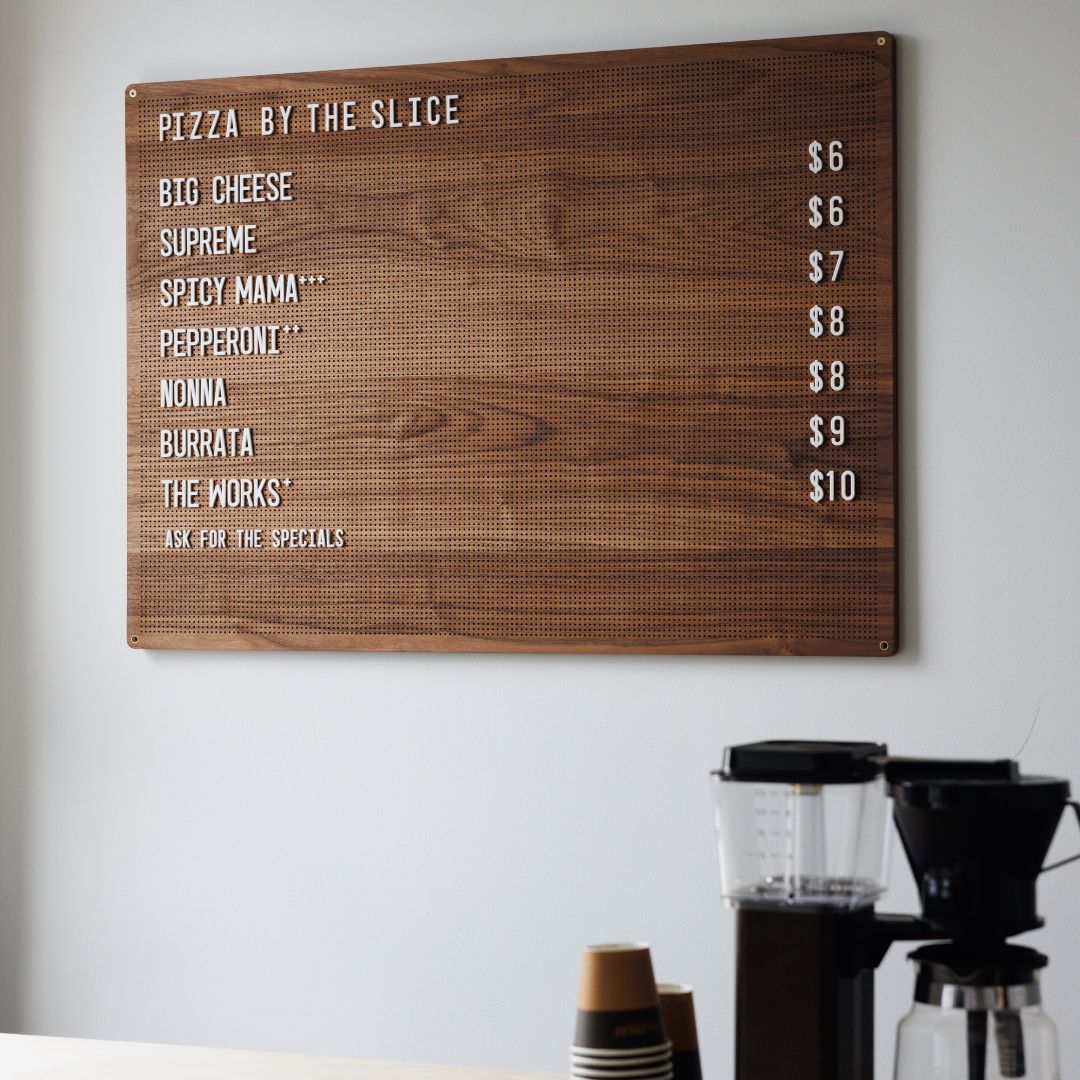
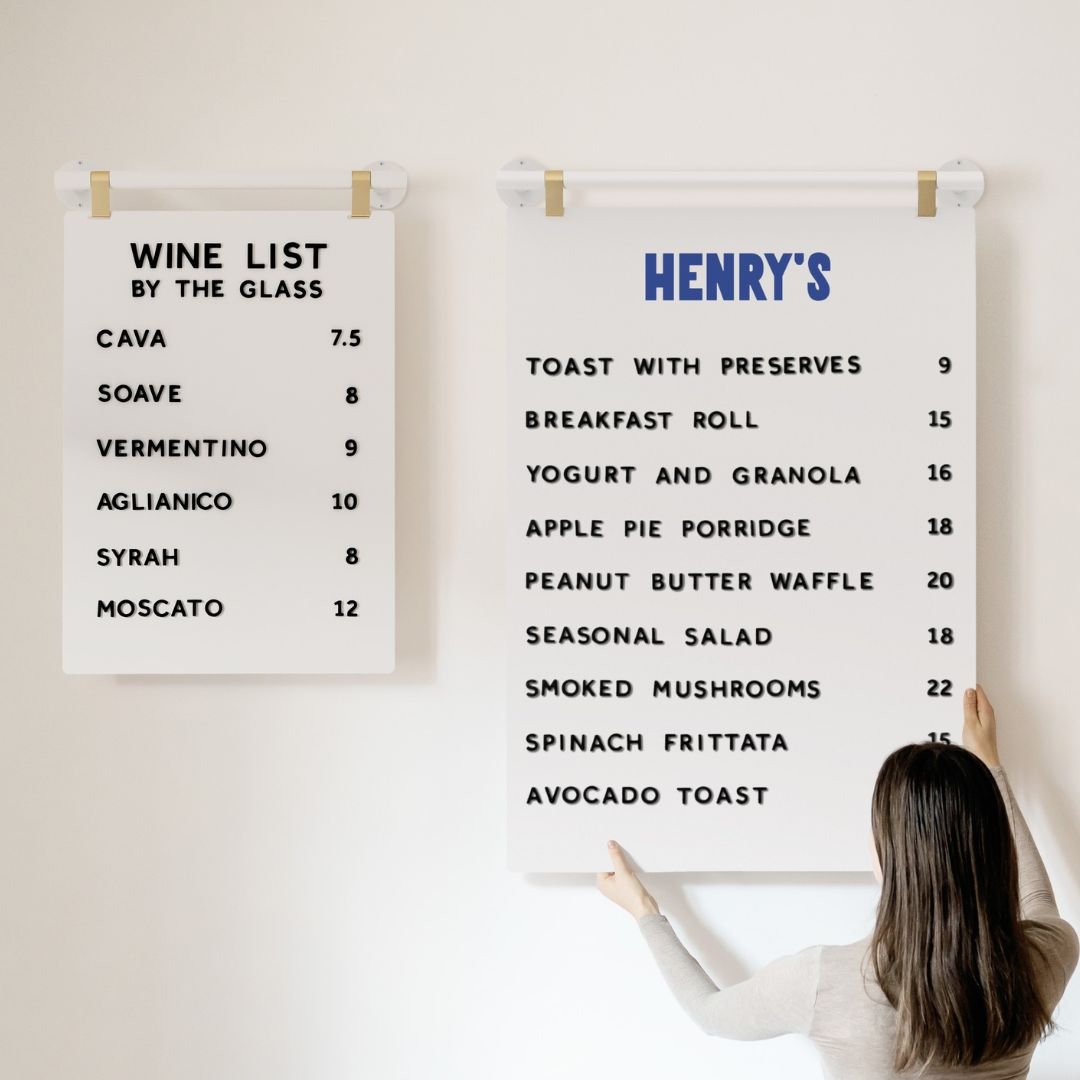
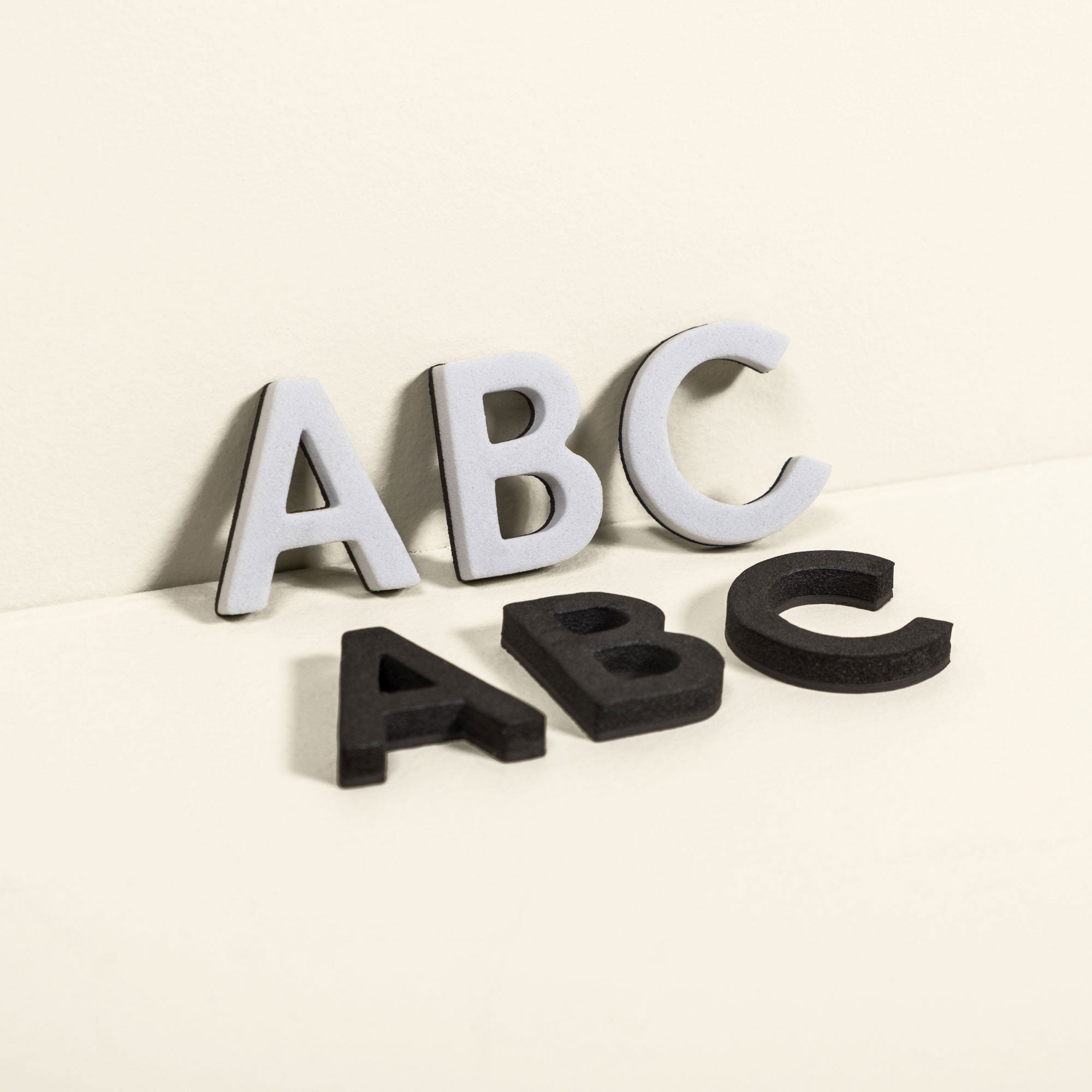
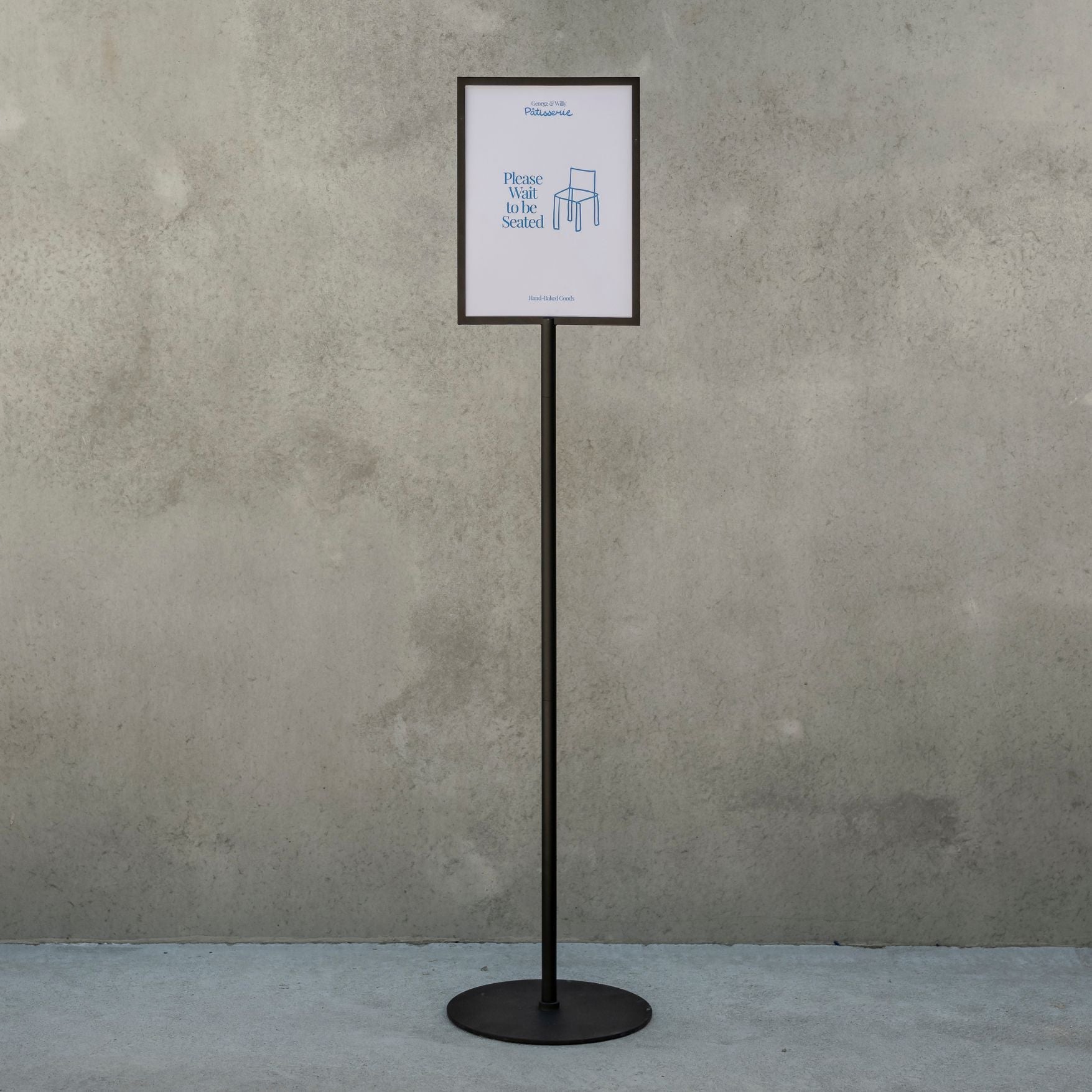
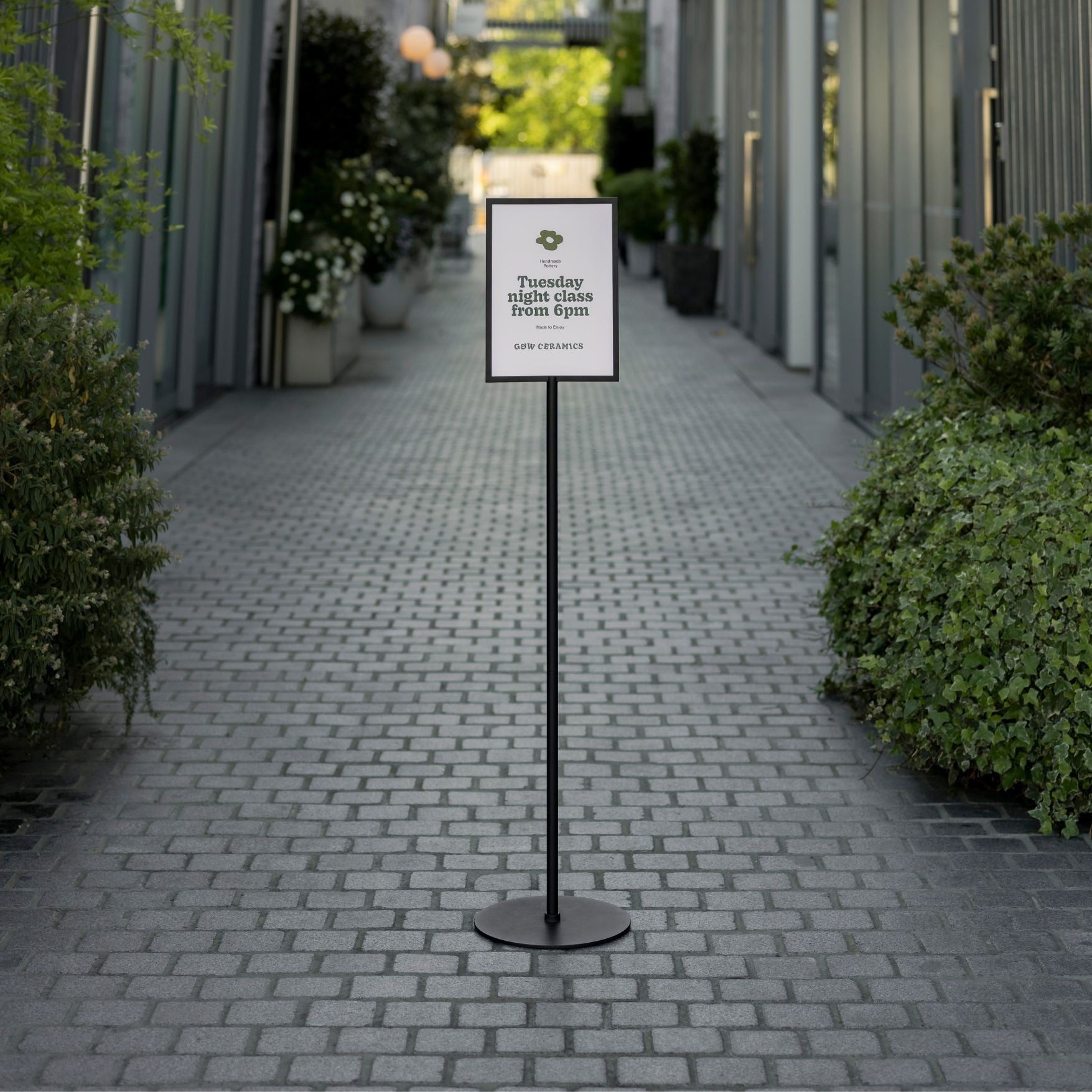
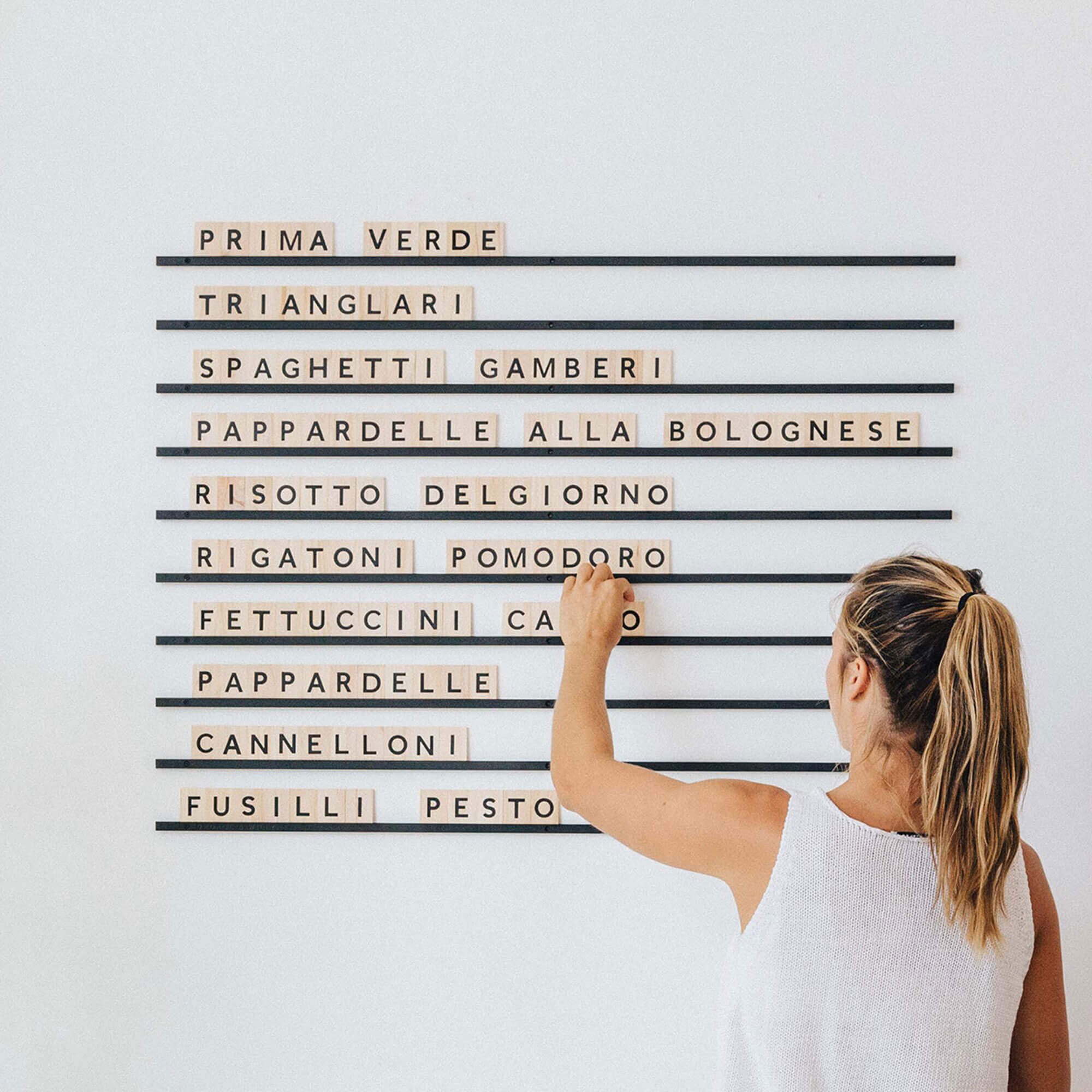
Ultimately, great content is clear, concise, and tailored to the purpose of the space. For a changeable lobby directory, consider a Magnetic Letter Menu Board. It ensures your workplace is welcoming and easy to navigate for employees and visitors alike.
Frequently Asked Questions About Office Door Name Signs
1. What is the best material for office door name signs?
The best material depends on your office aesthetic and durability needs. Powder coated aluminum is a versatile choice for a modern look because it’s rust resistant and long lasting. Wood can provide a warm, classic feel, while acrylic offers a sleek, contemporary finish.
2. How can I make all my office door signs look consistent?
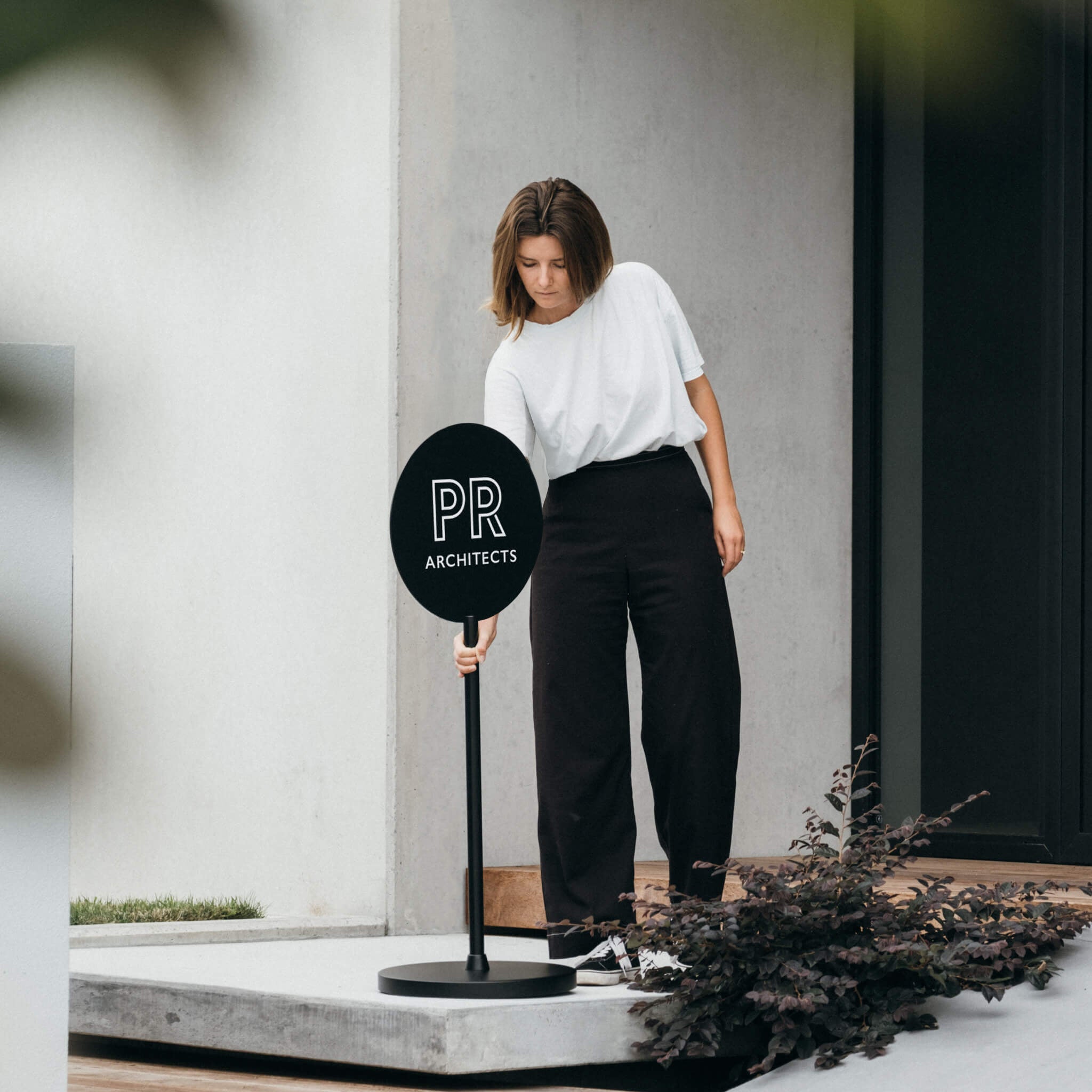
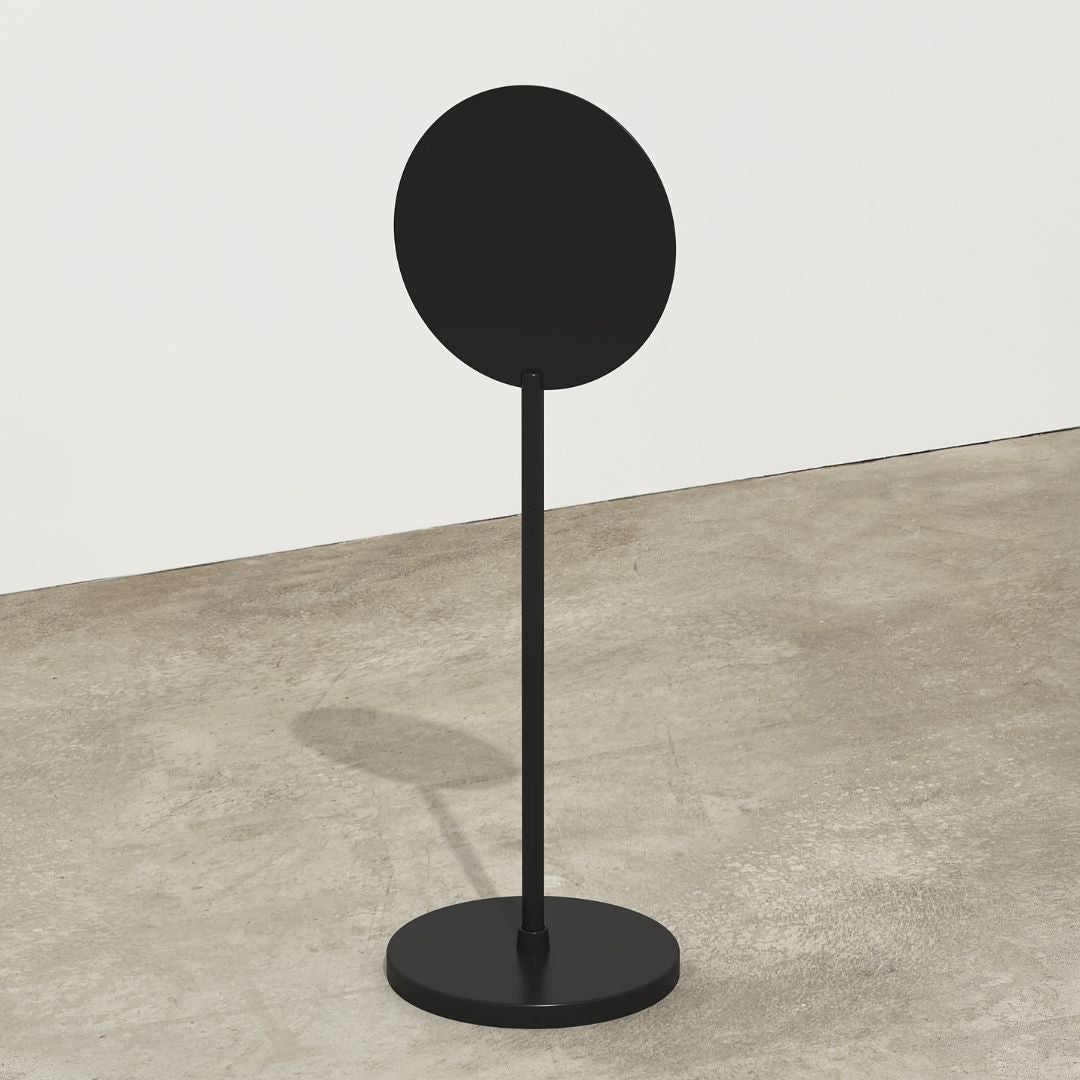
Using an office door name sign template is the easiest way to ensure consistency. This allows you to apply the same fonts, colors, and layout across all signs. Another approach is to purchase a cohesive set of blank signs from a single provider, e.g., a Circle Sign for hallway identifiers, and have them customized with your branding.
3. What information should I include on an office door name sign?
At a minimum, include the occupant’s name or the room’s function (e.g., “Conference Room”). Adding a job title or department can be helpful in larger organizations. For meeting rooms, status indicators like “Occupied/Available” are very useful.
4. How do I make my door signs easy to edit?
Choose signs with interchangeable inserts or slider panels. If you print your own signs from a template, always save the digital file so you can easily edit and reprint it when changes are needed.
5. Do my office door signs need to be ADA compliant?
If your building is open to the public, signs that designate permanent rooms (like restrooms or conference rooms) generally need to comply with ADA standards, which include requirements for braille, tactile text, and high contrast design. It’s always a good practice to check local regulations.
Conclusion
Effective office door name signs do more than just identify a room; they shape the experience of your workspace. By focusing on clear design, consistent branding, and helpful content, you can create signage that enhances professionalism and makes your office more welcoming. Whether you opt for a DIY template or invest in high quality hardware, thoughtful signage is a small change that makes a big difference.
To find durable and beautifully designed pieces for your office, feel free to browse the range of modern office signage that can elevate any professional space. For event days or wayfinding from the lobby, a metal sign can help guide visitors.