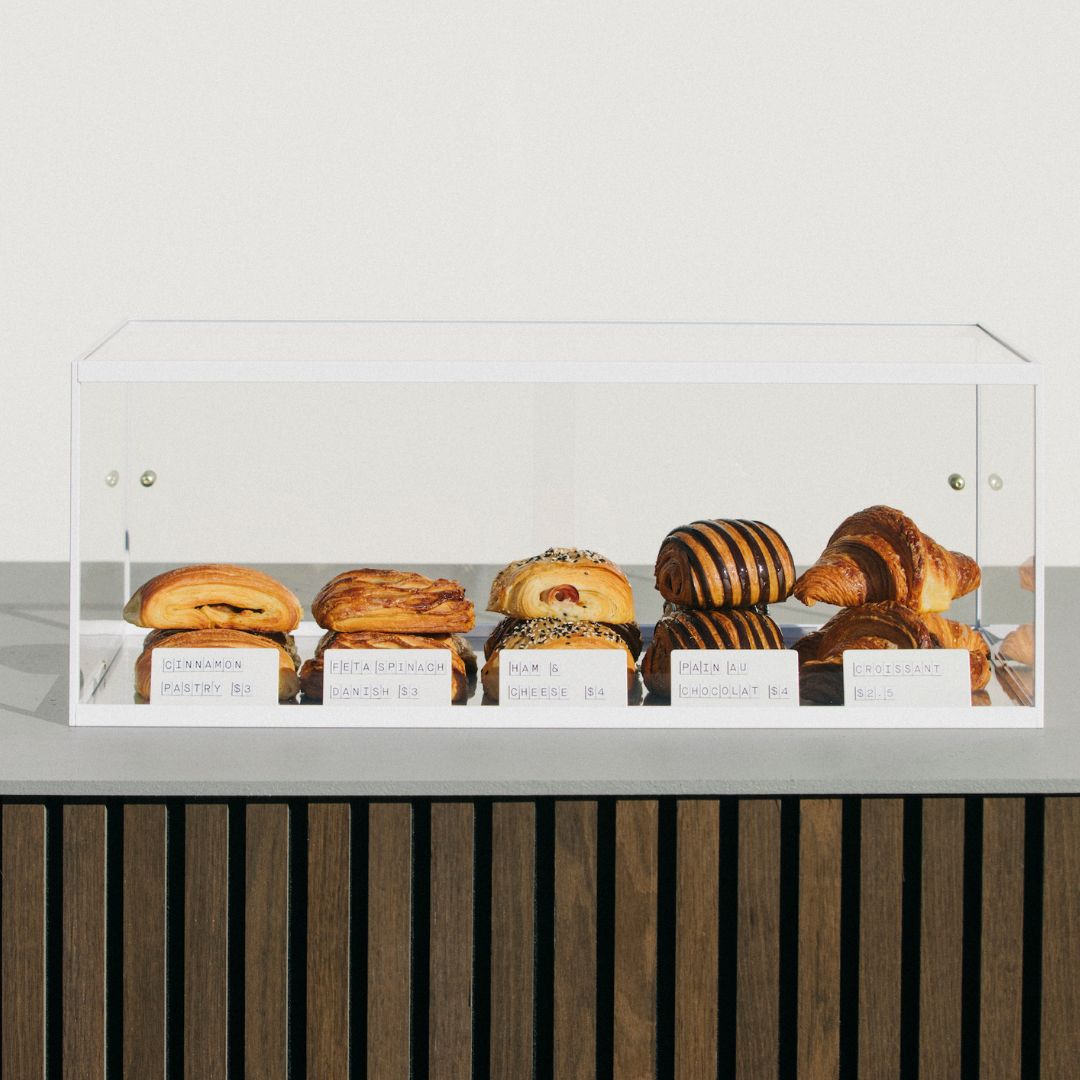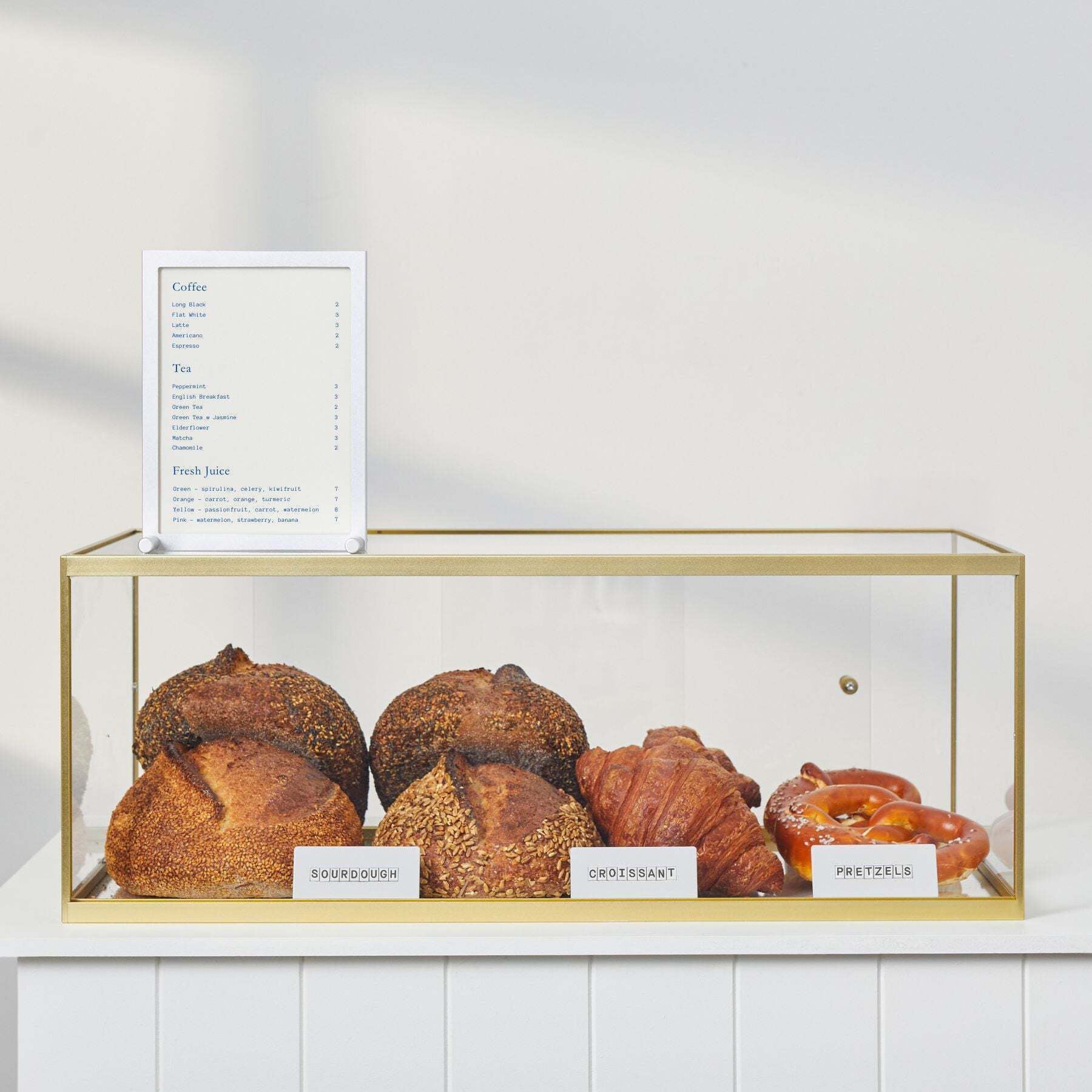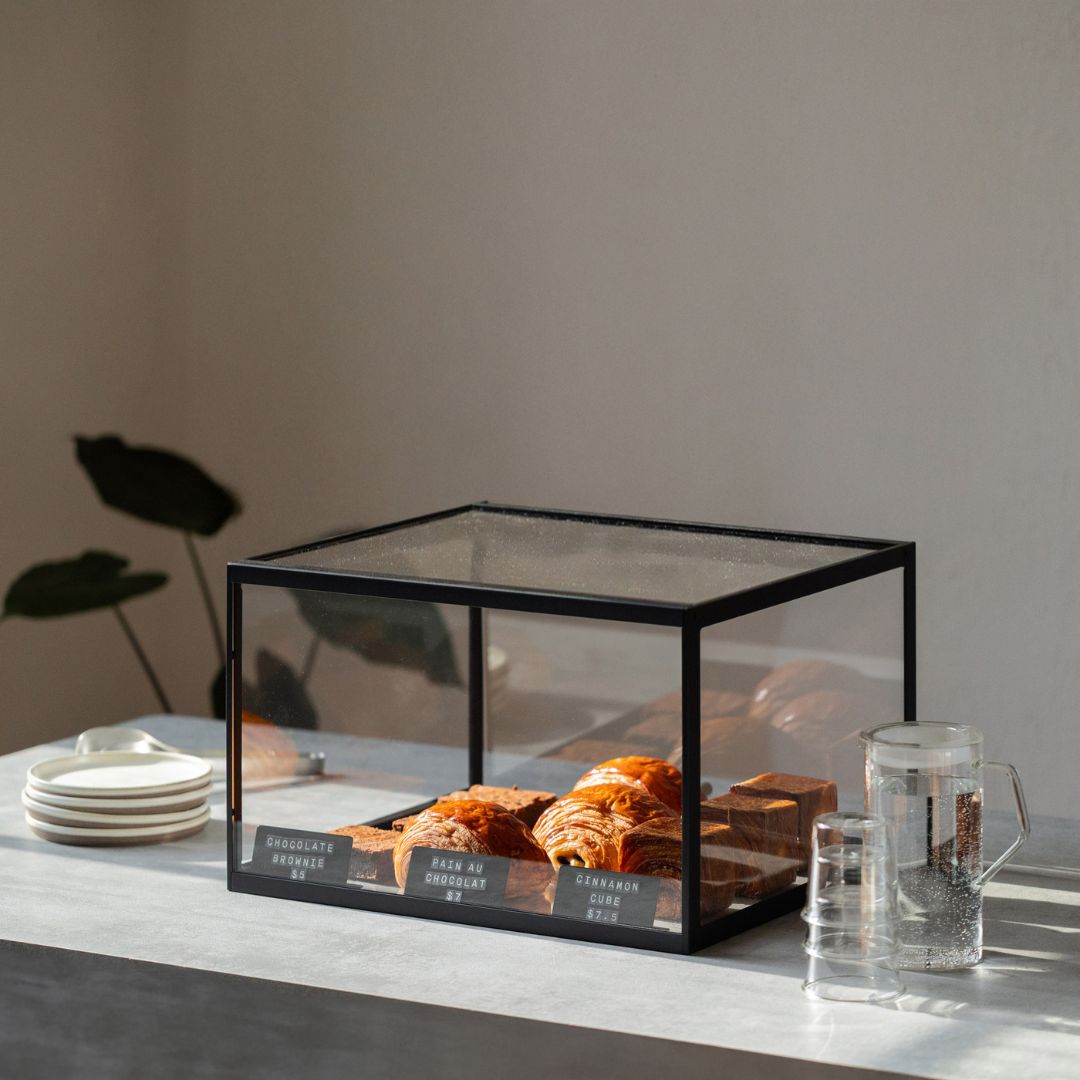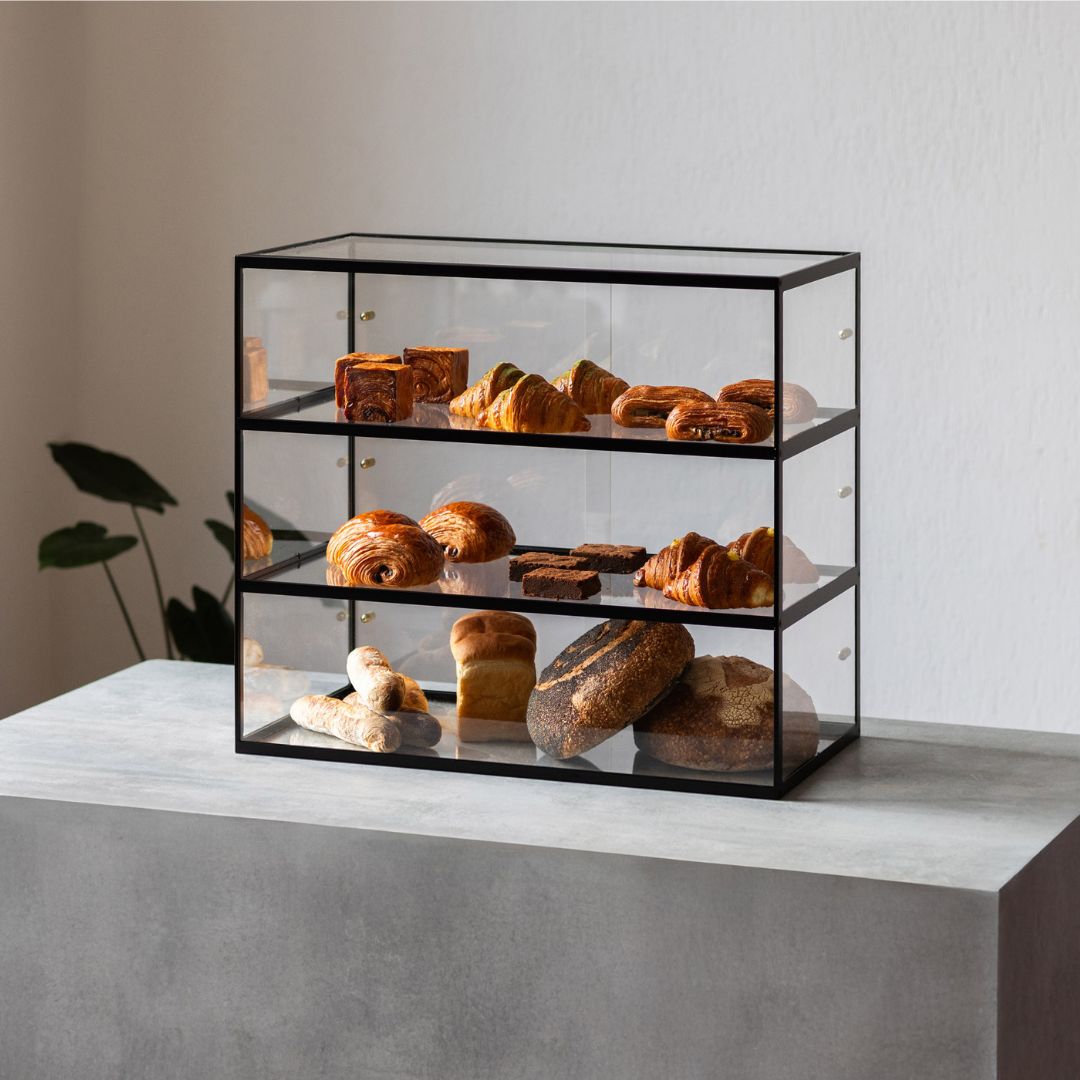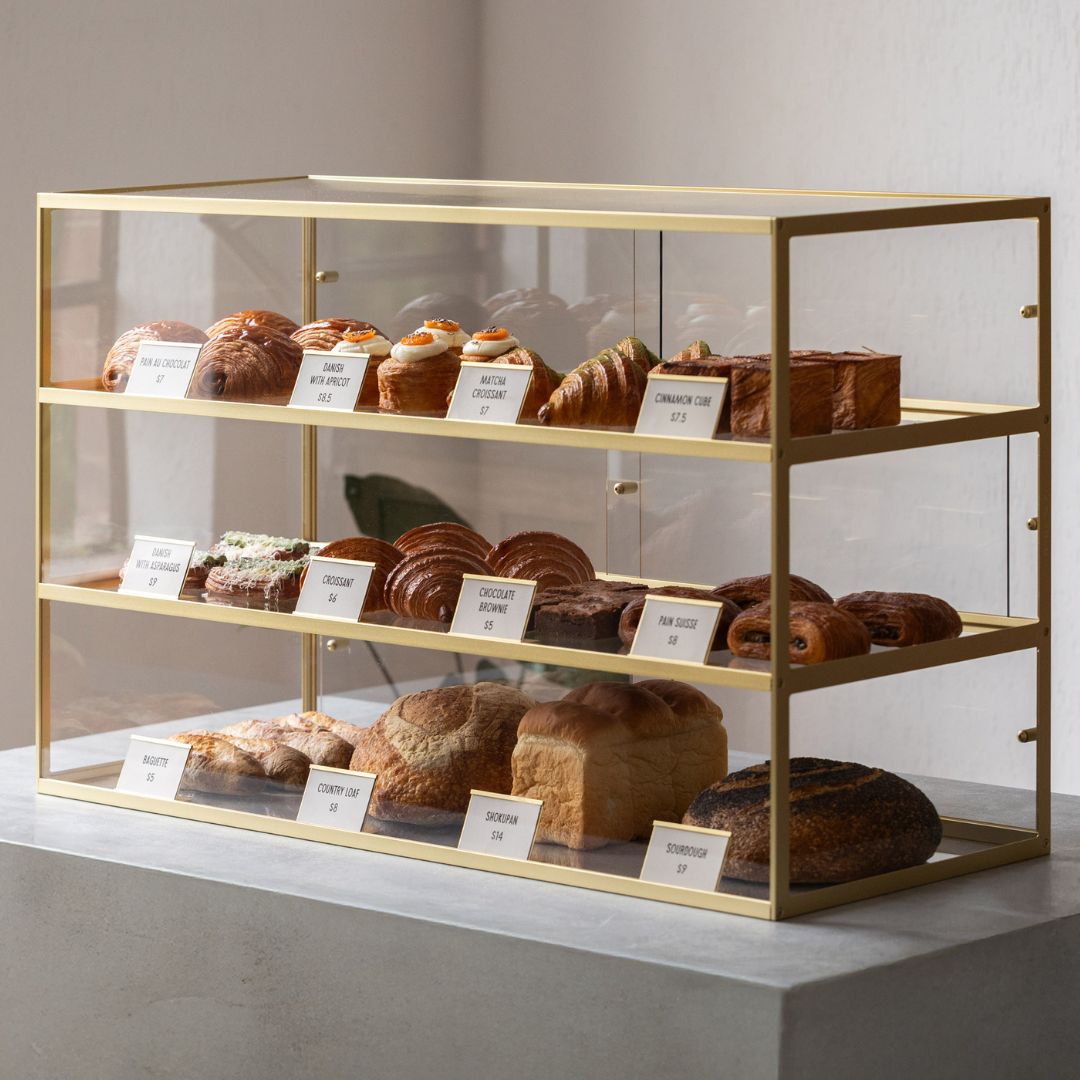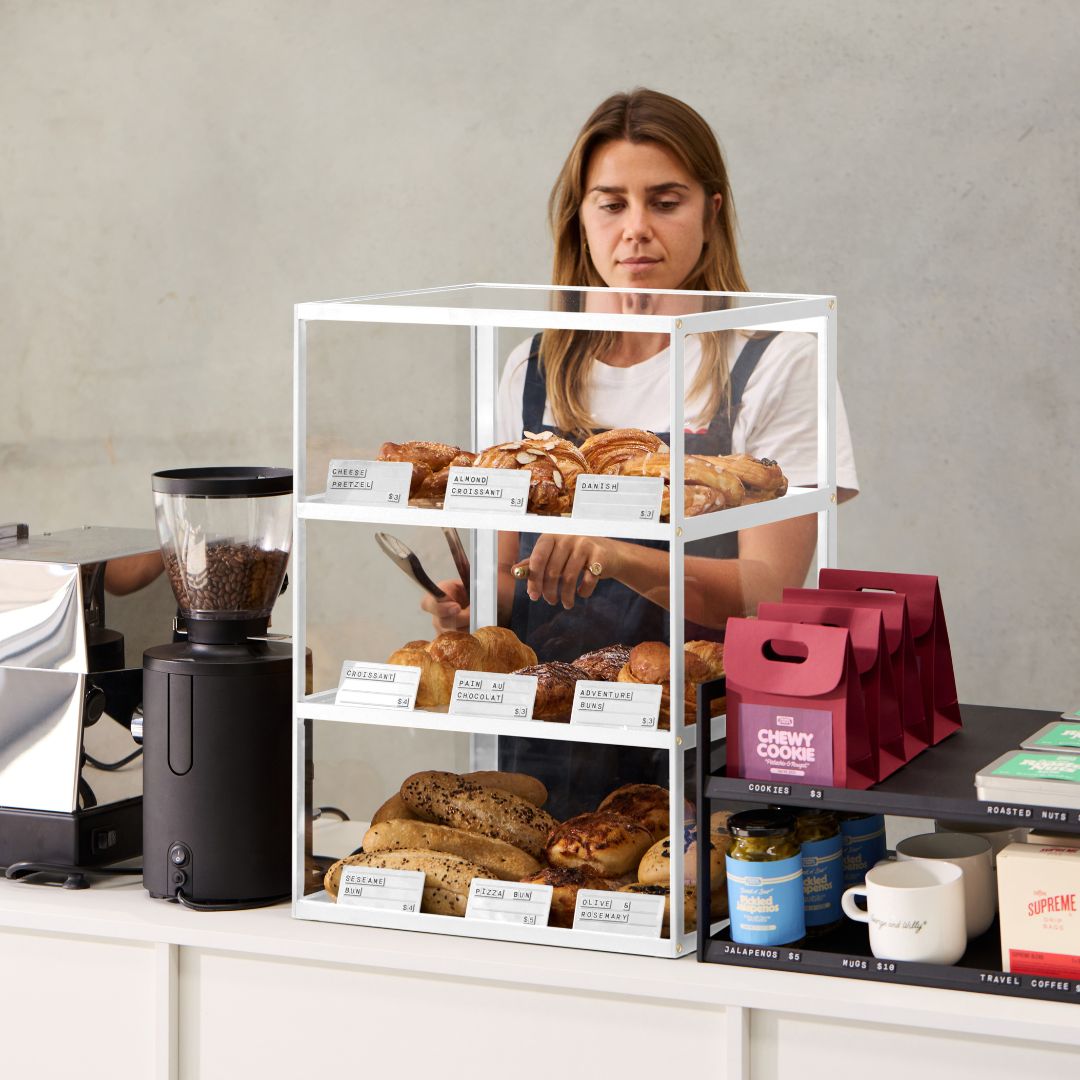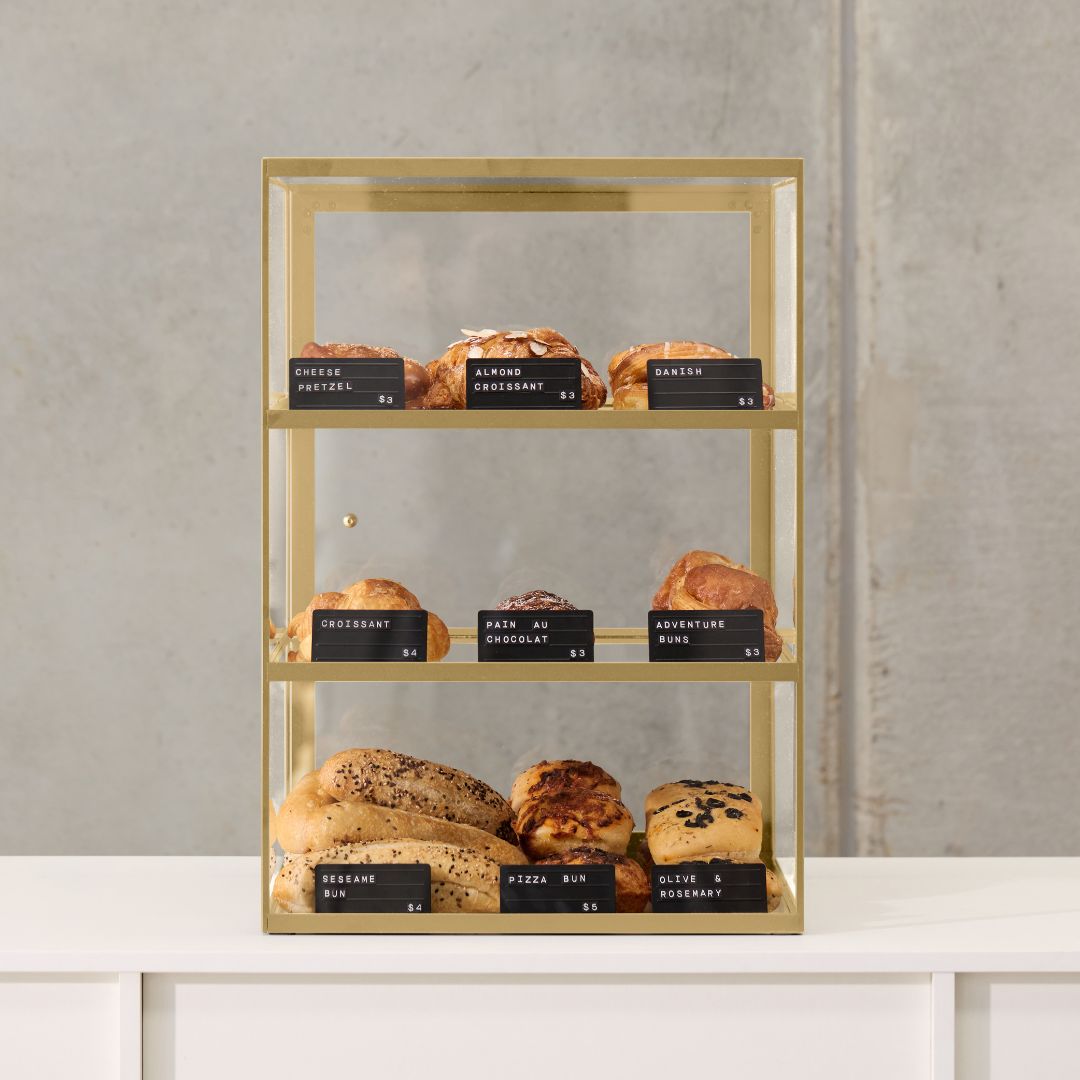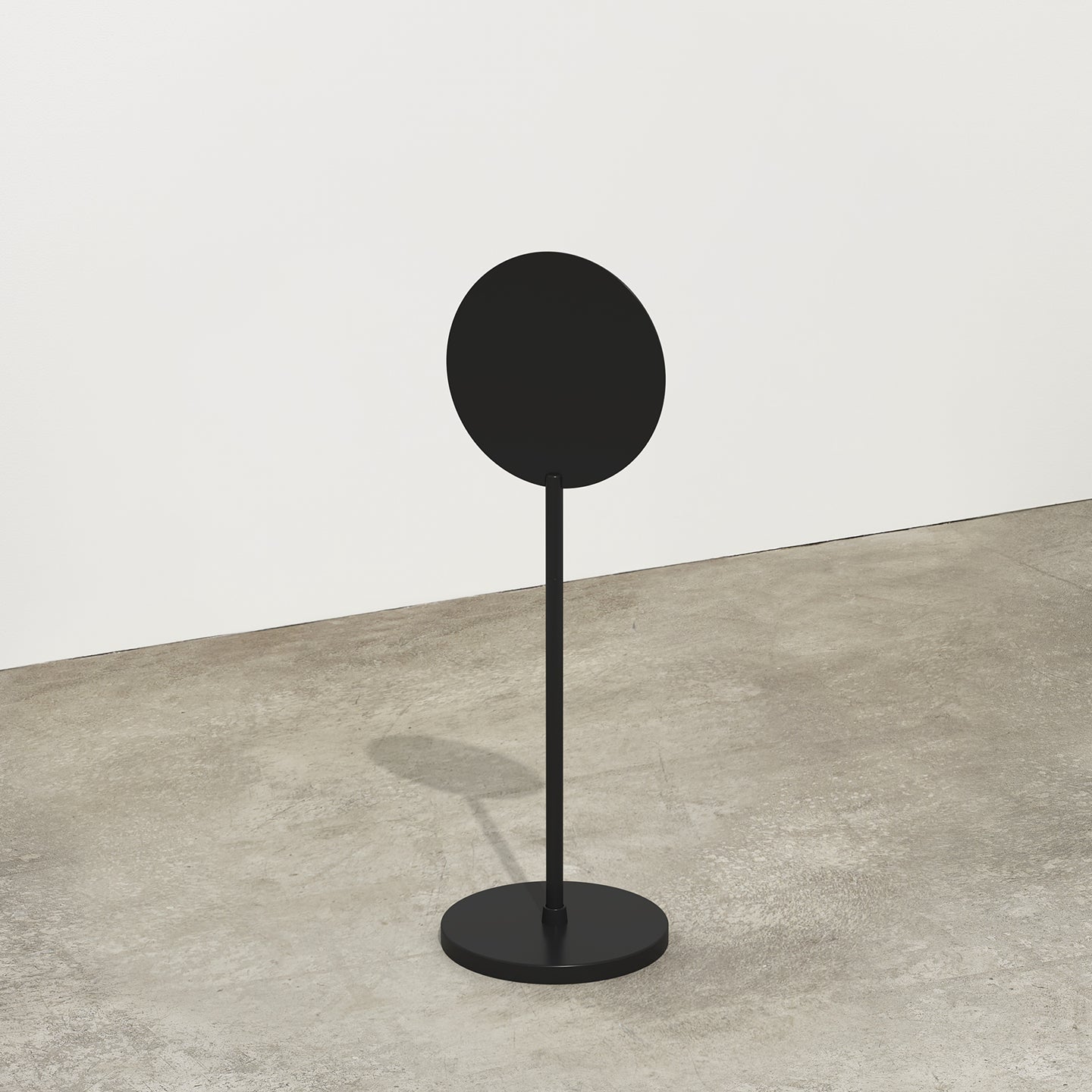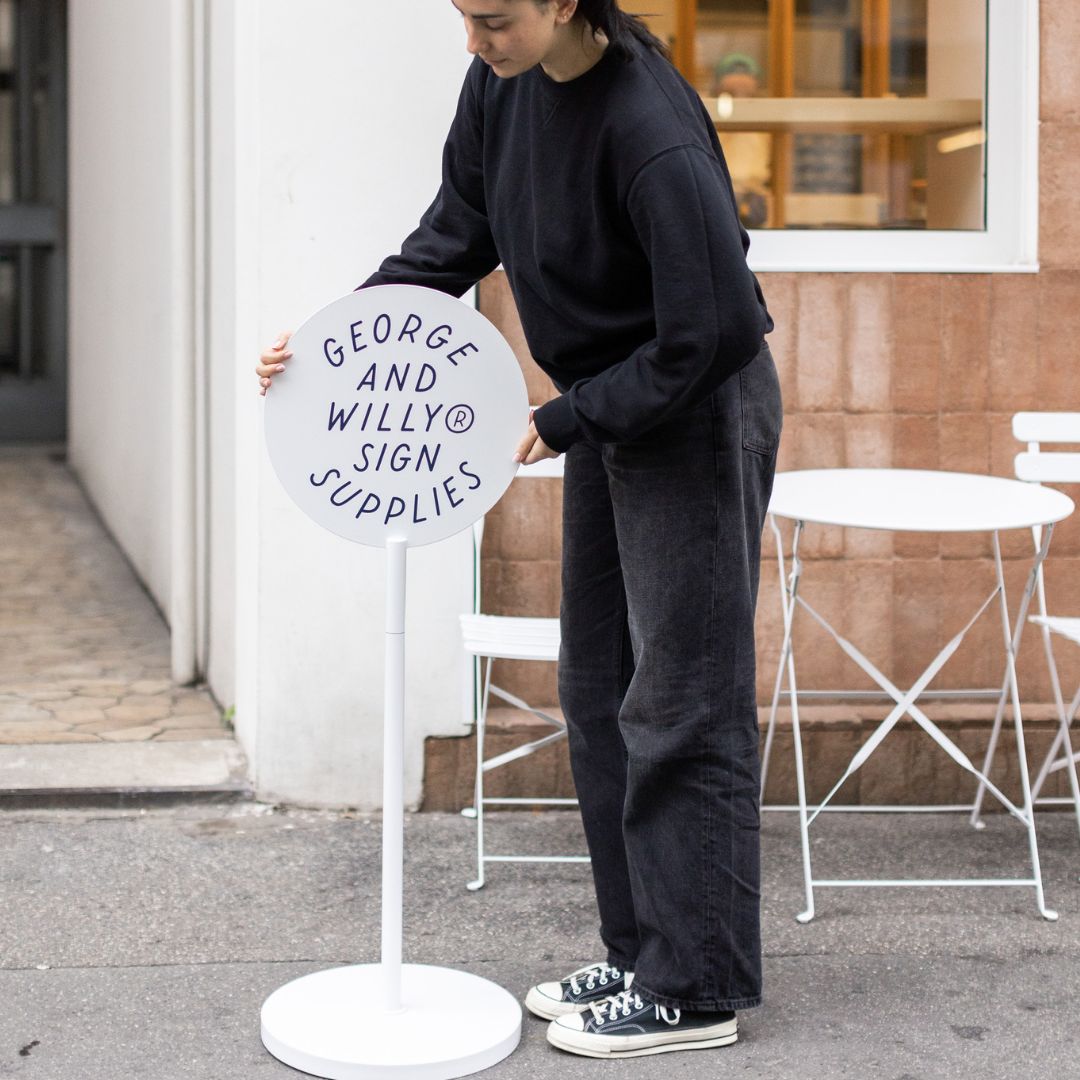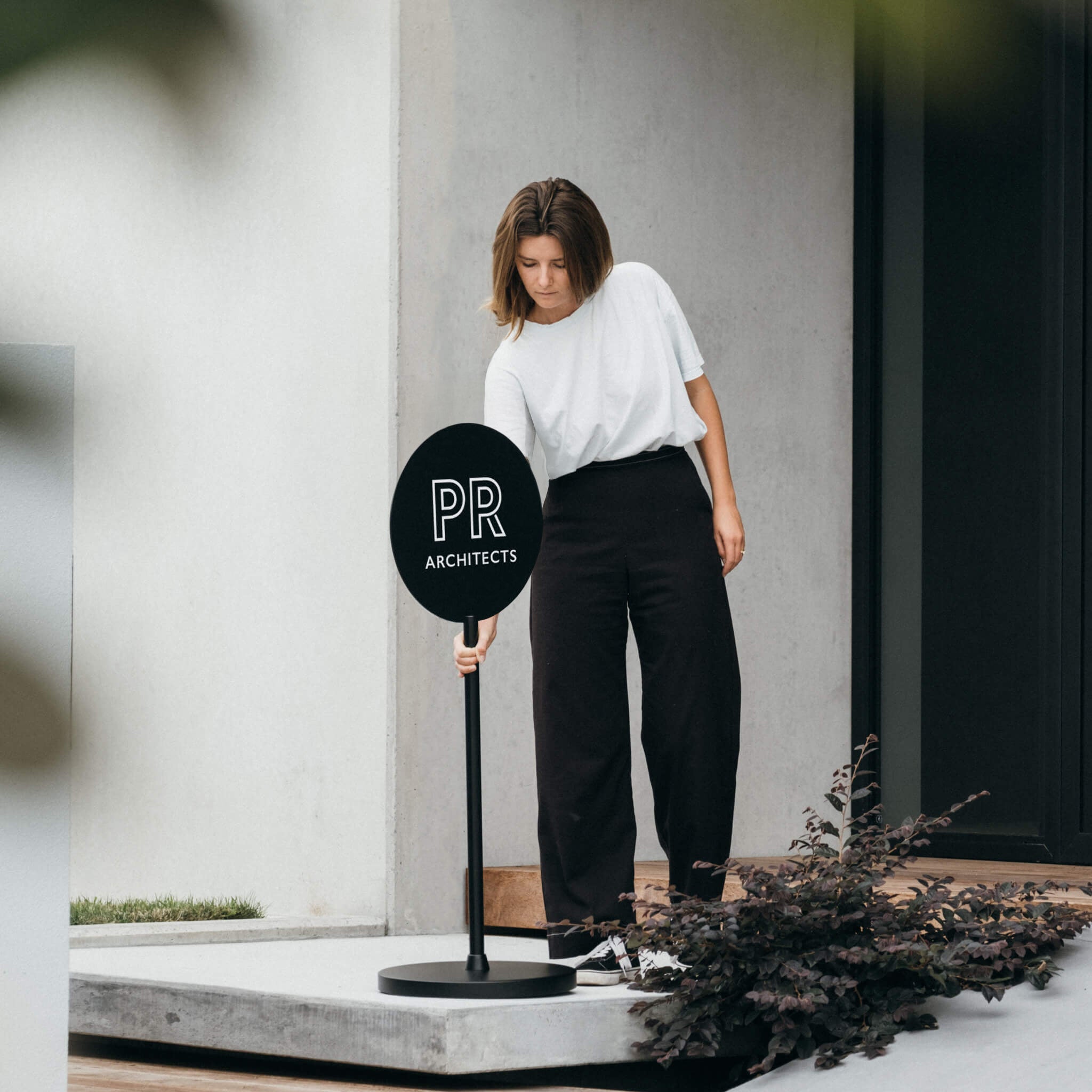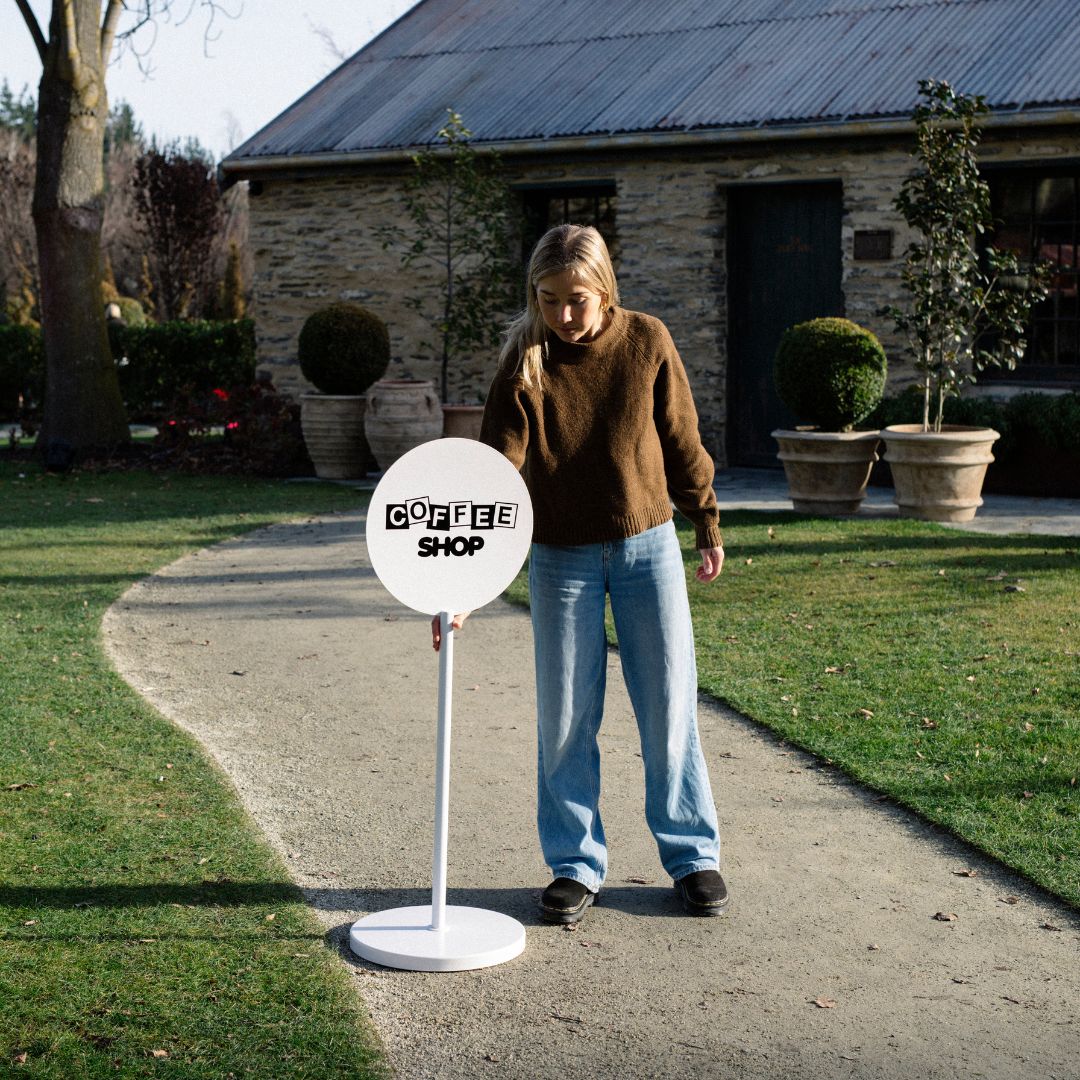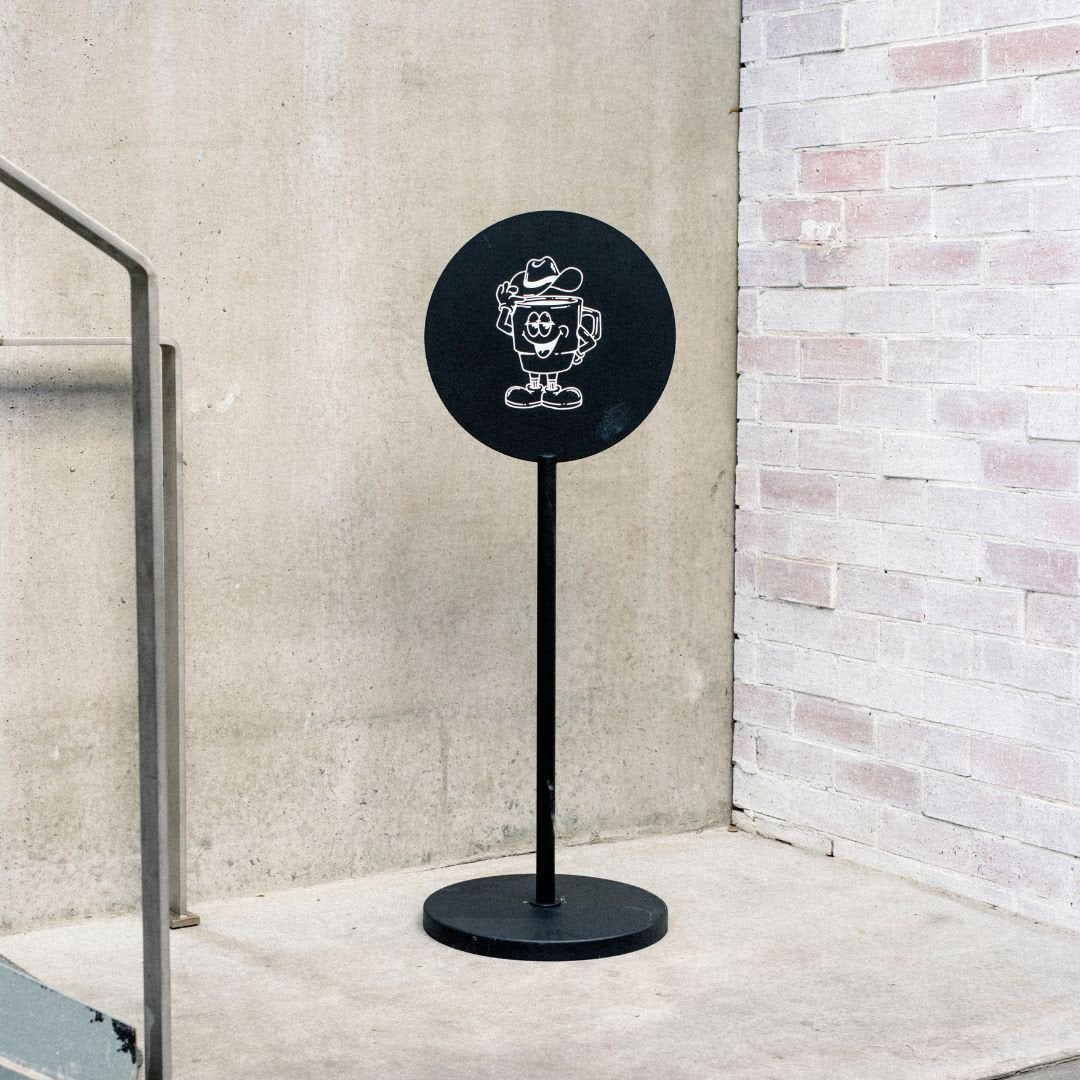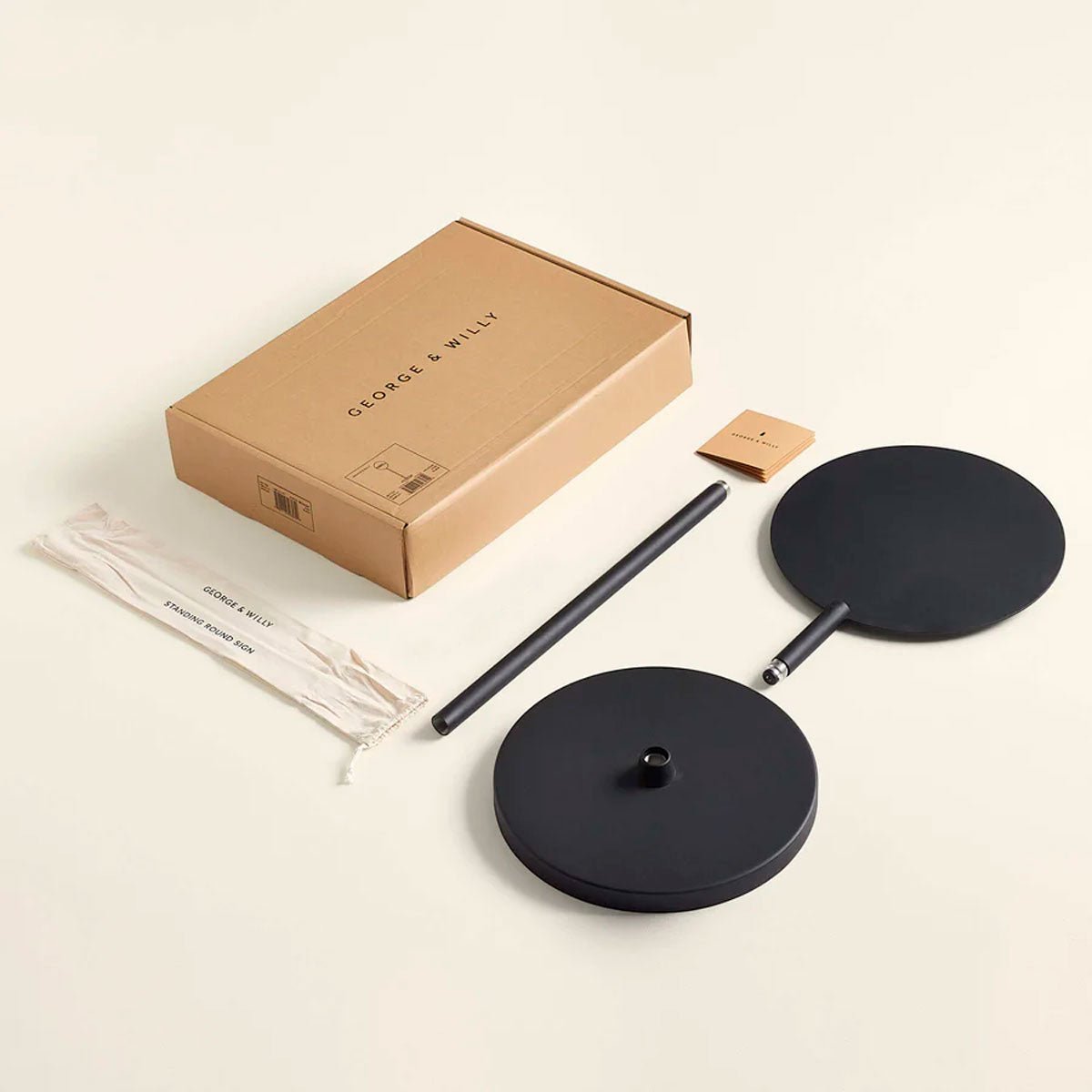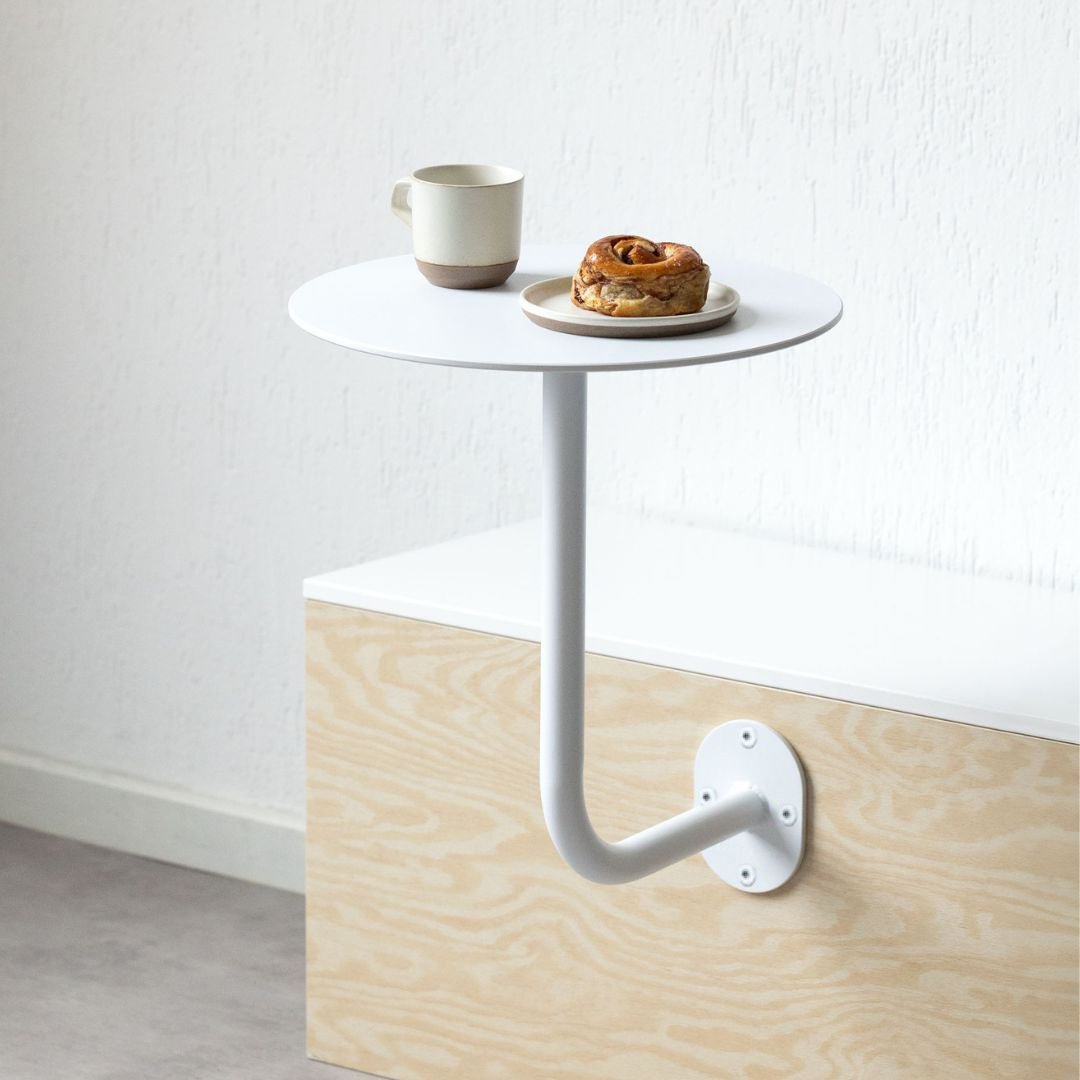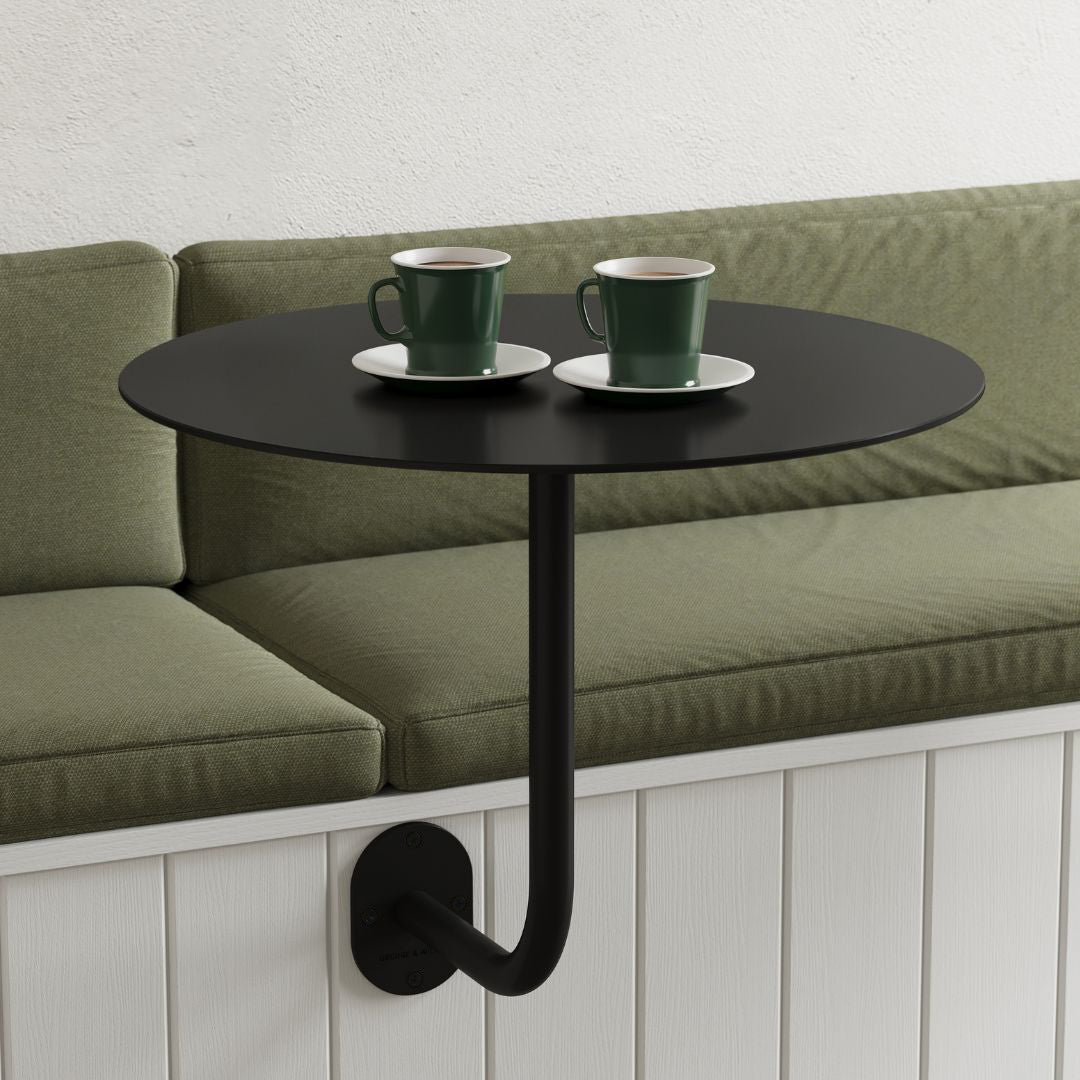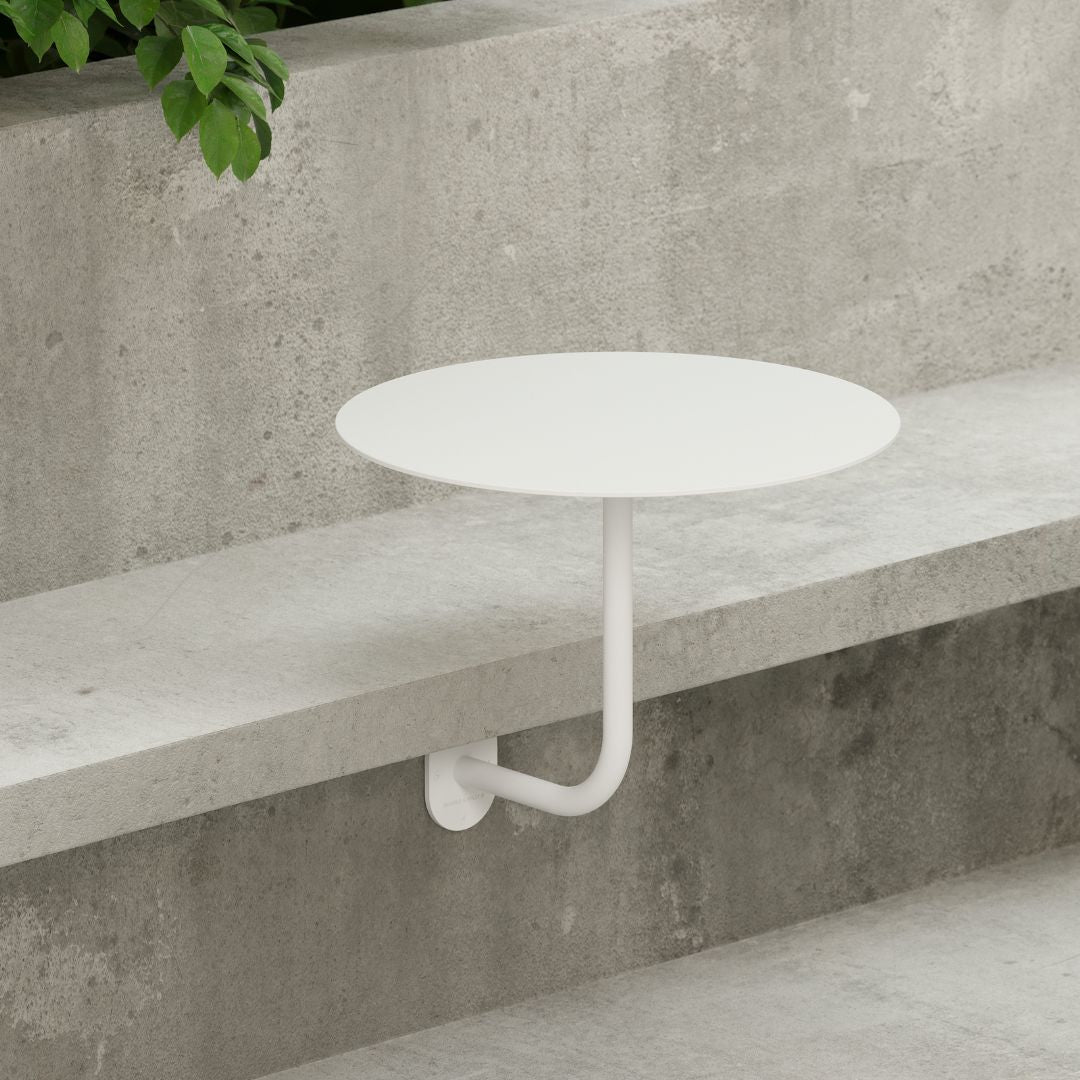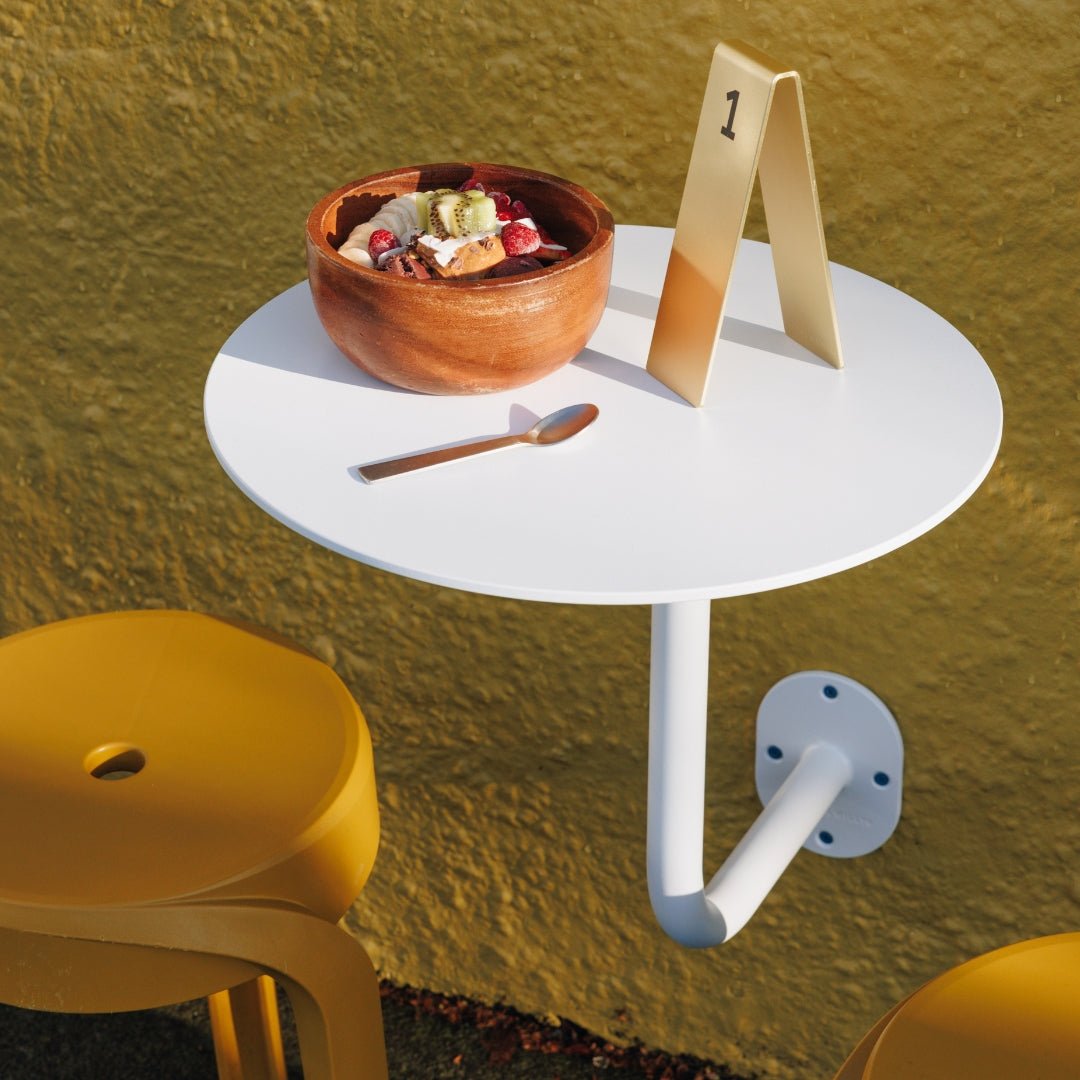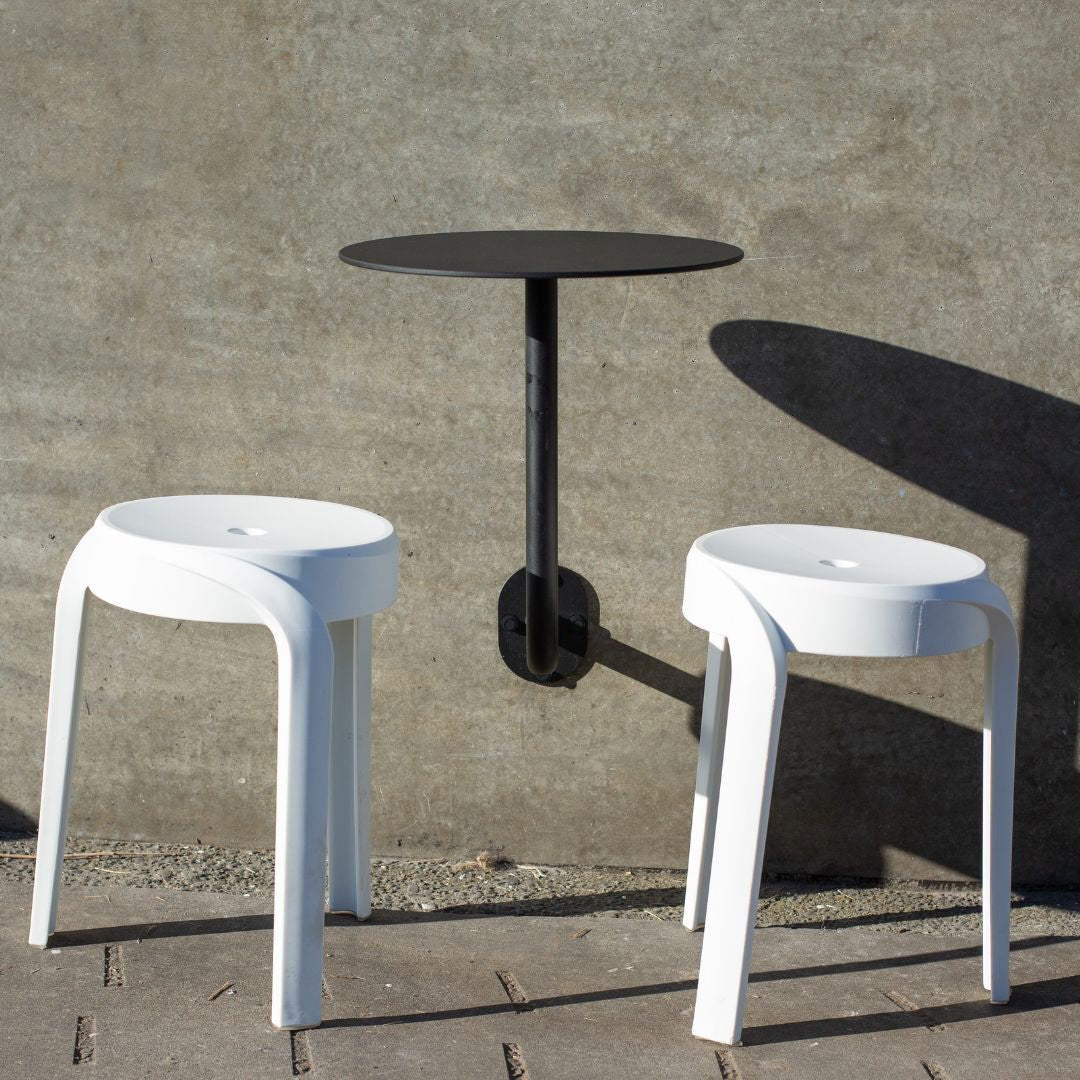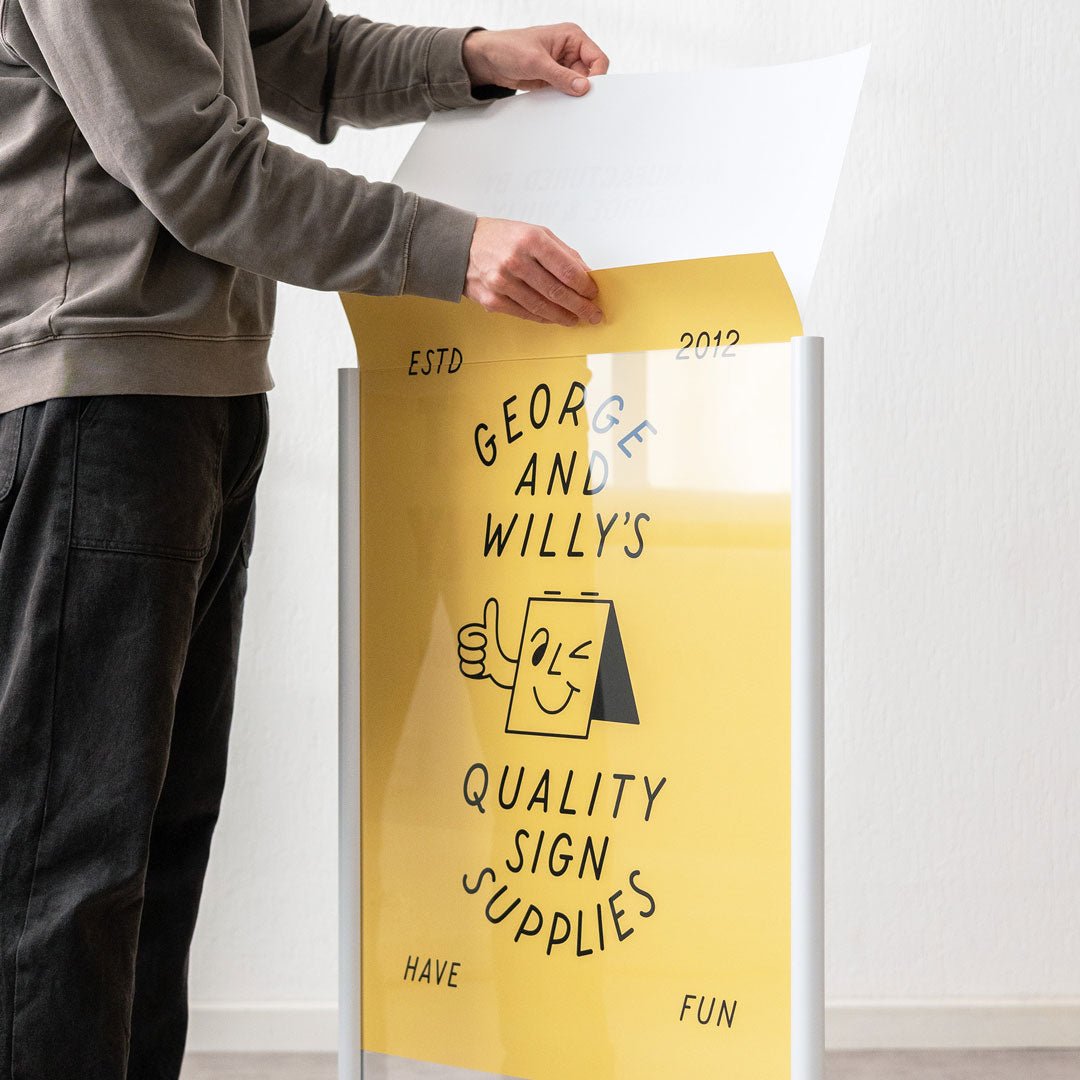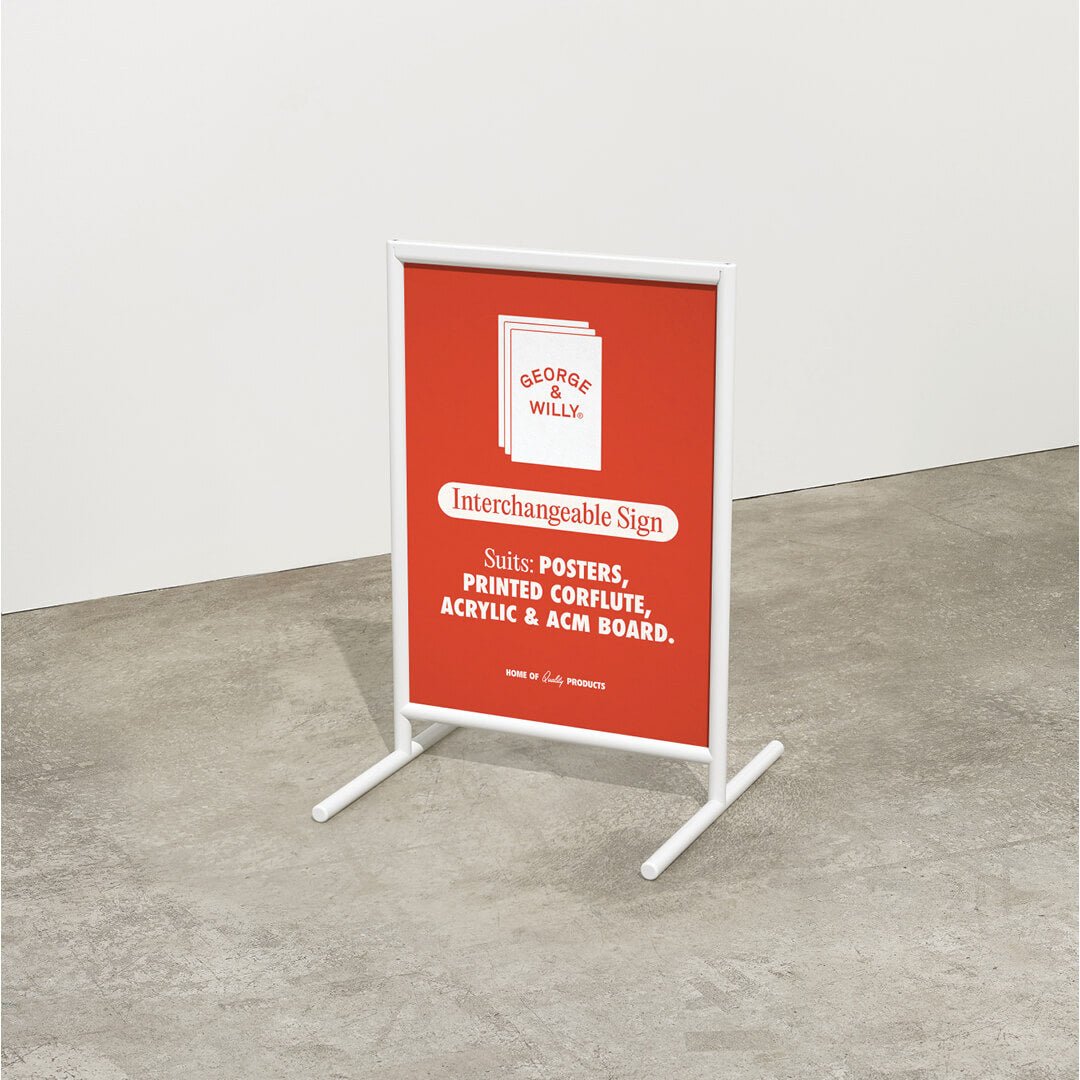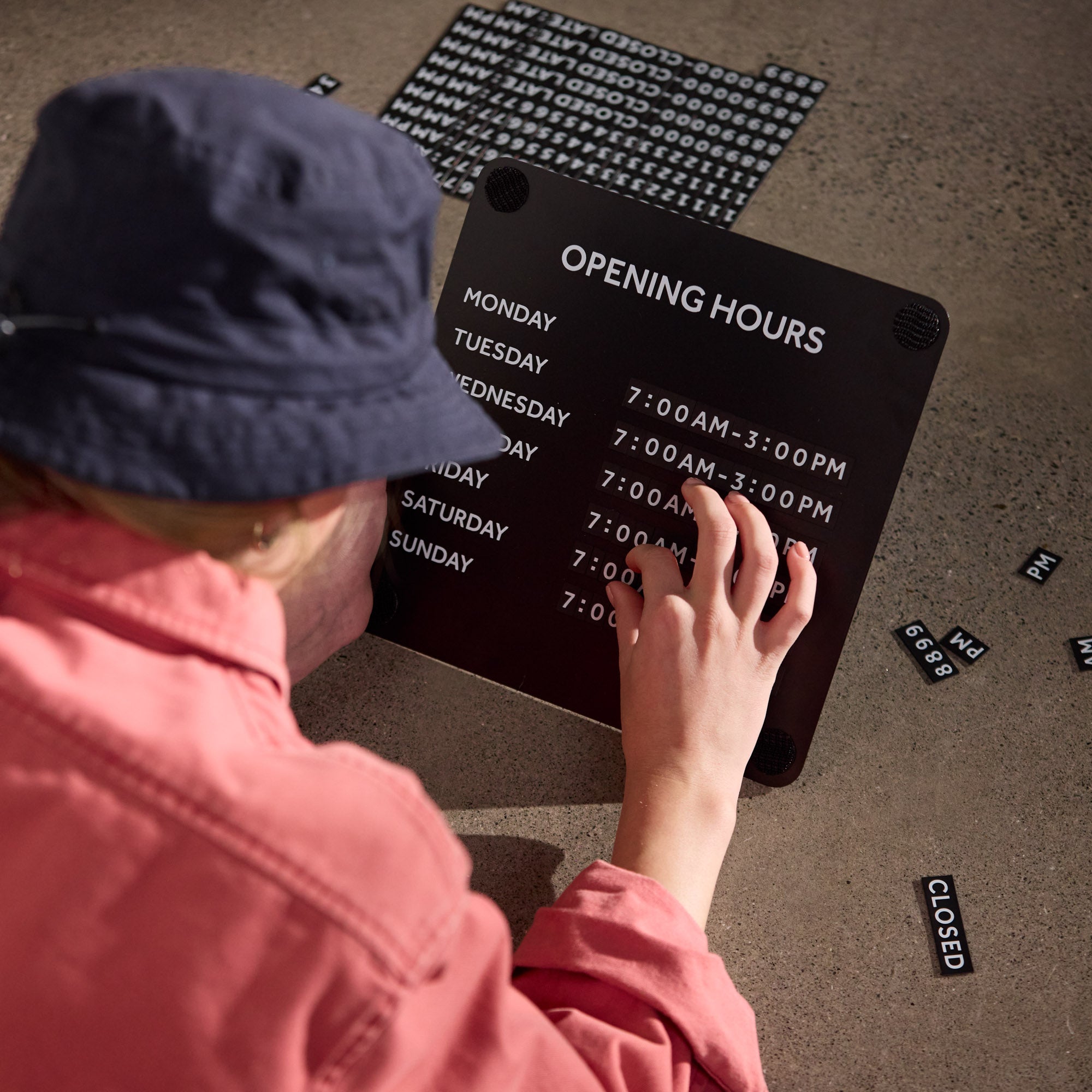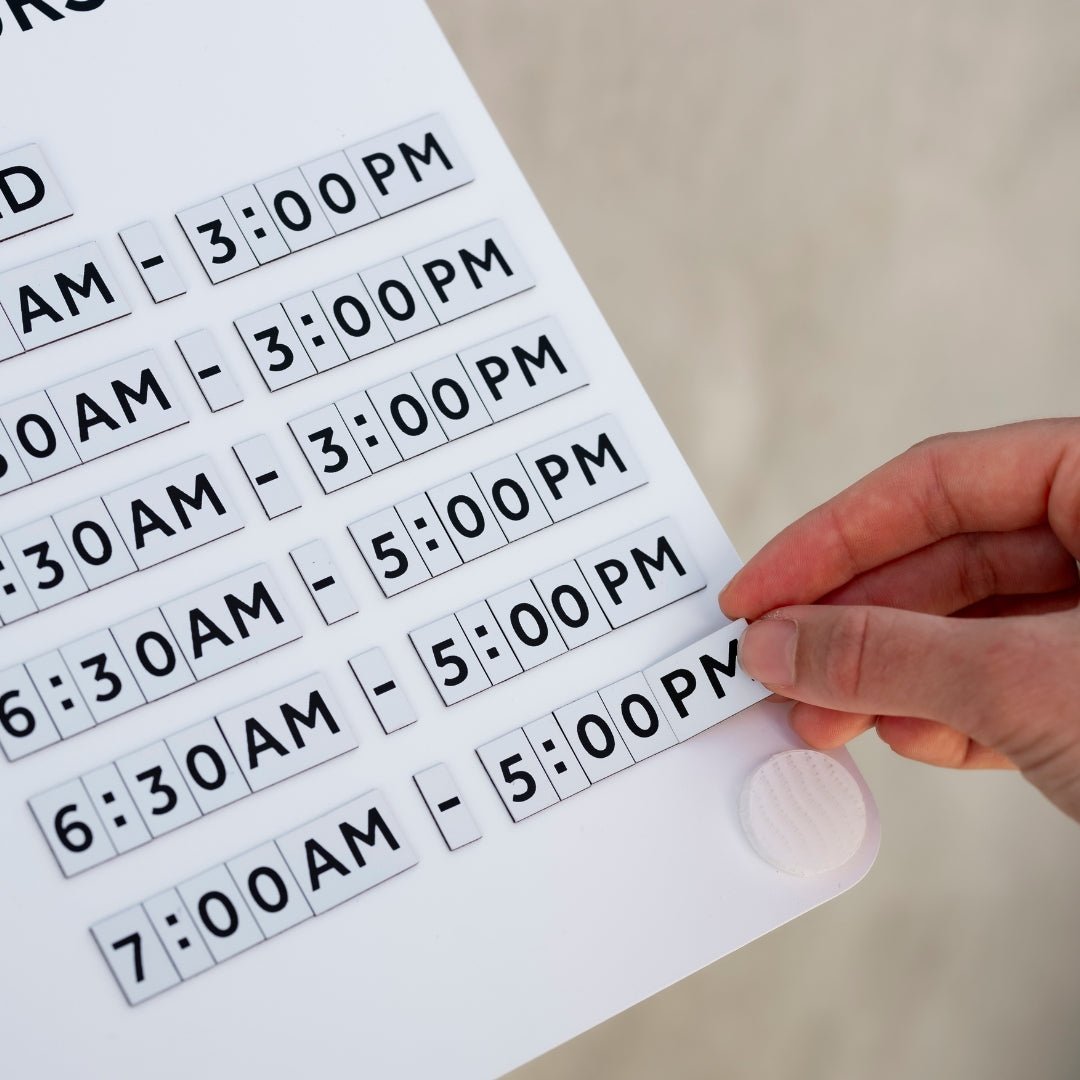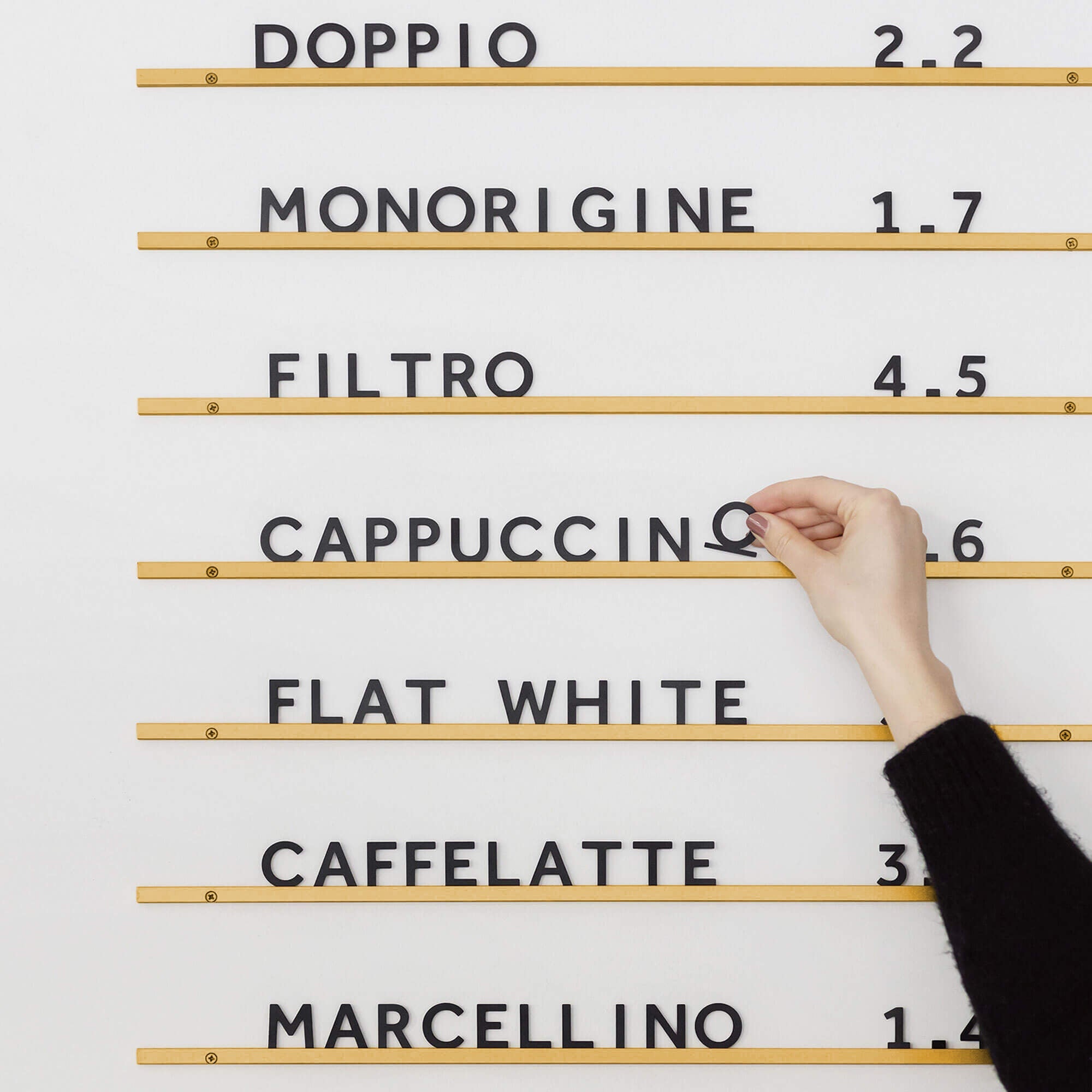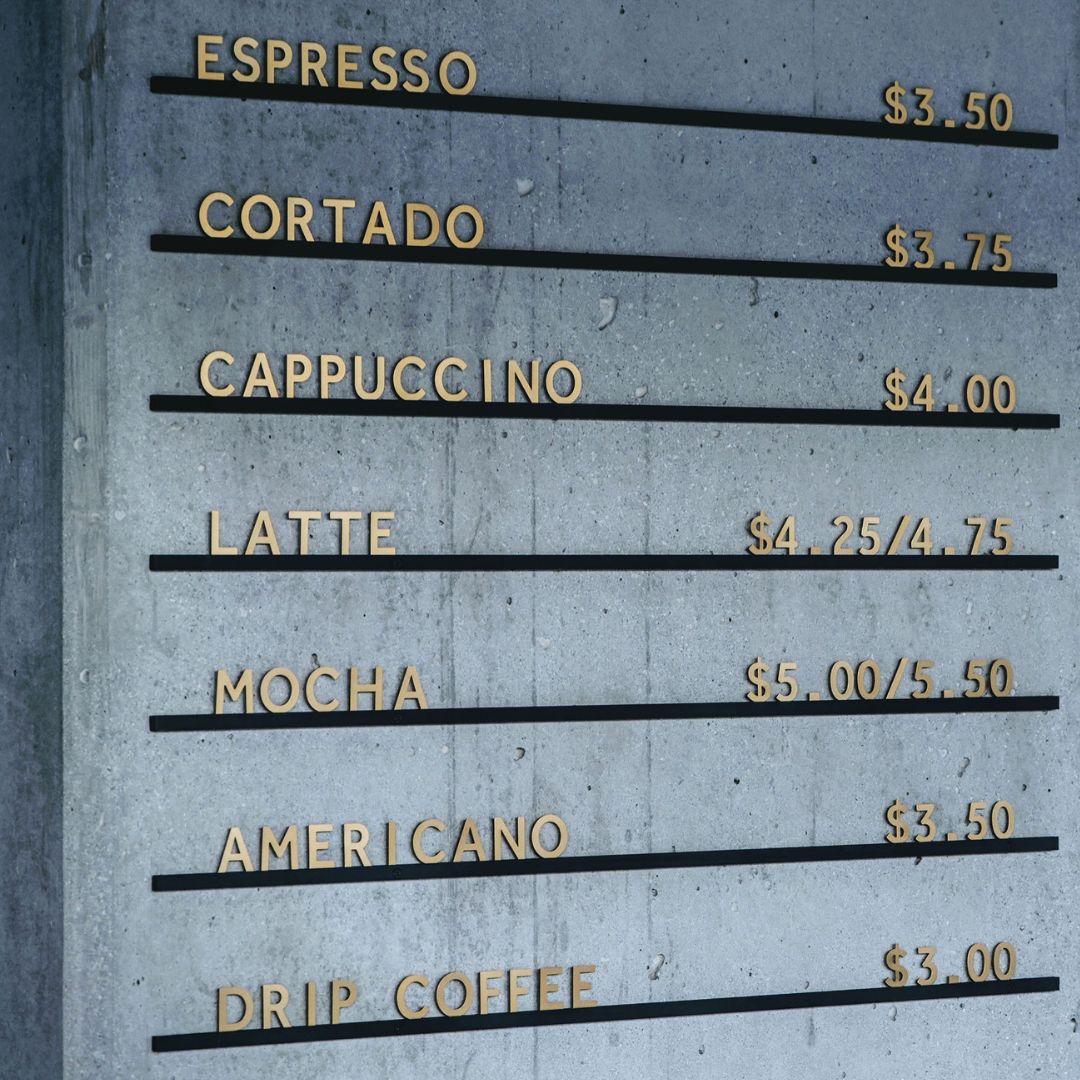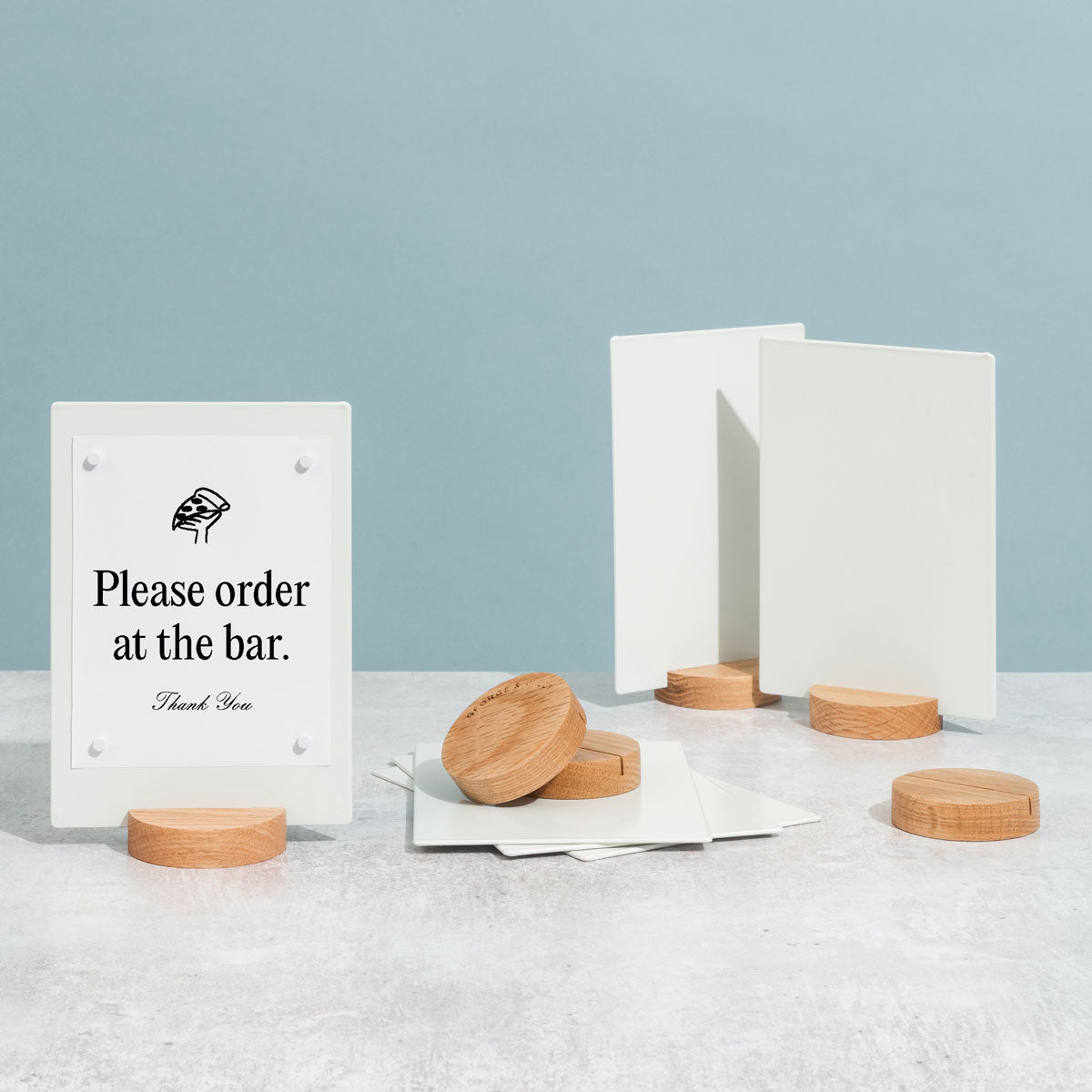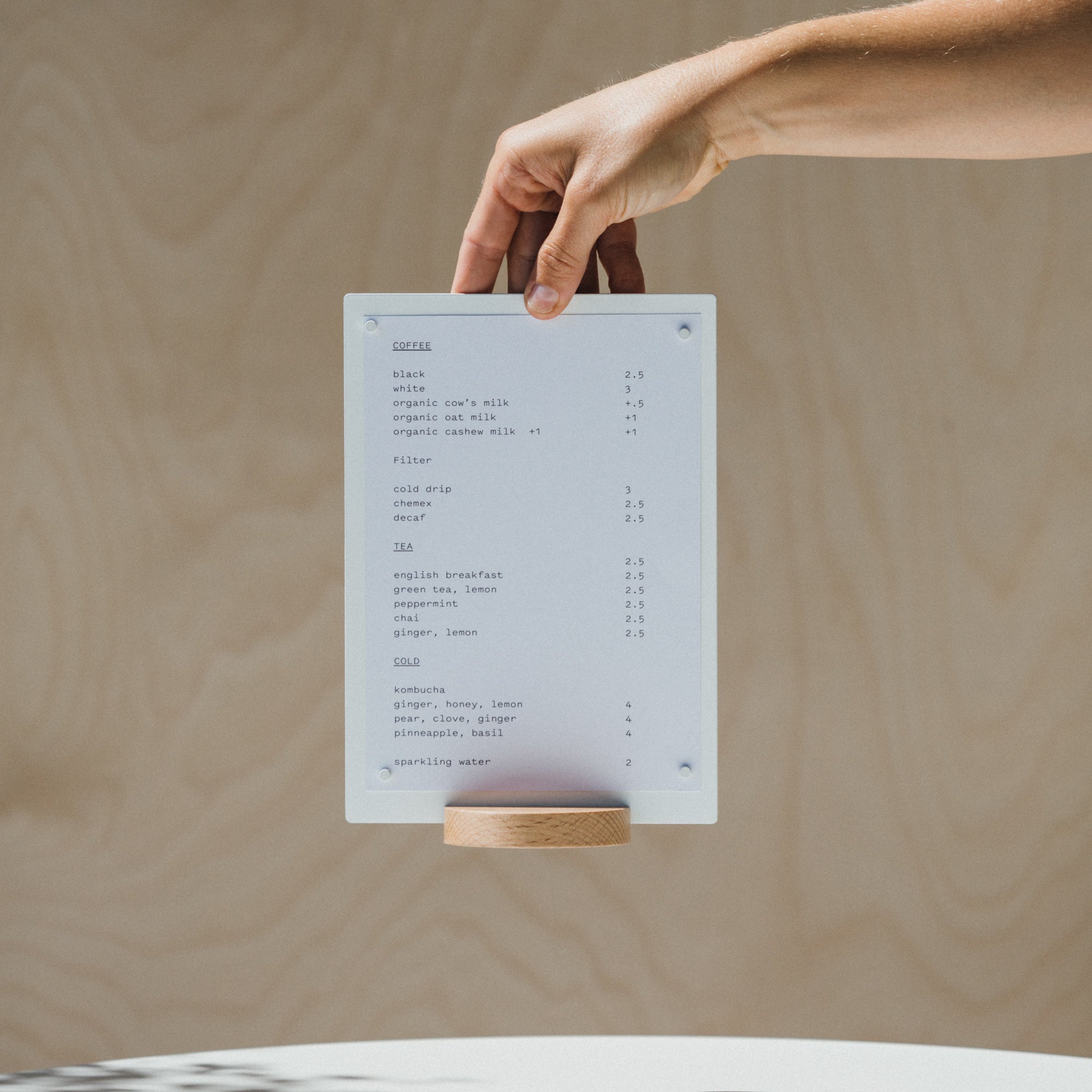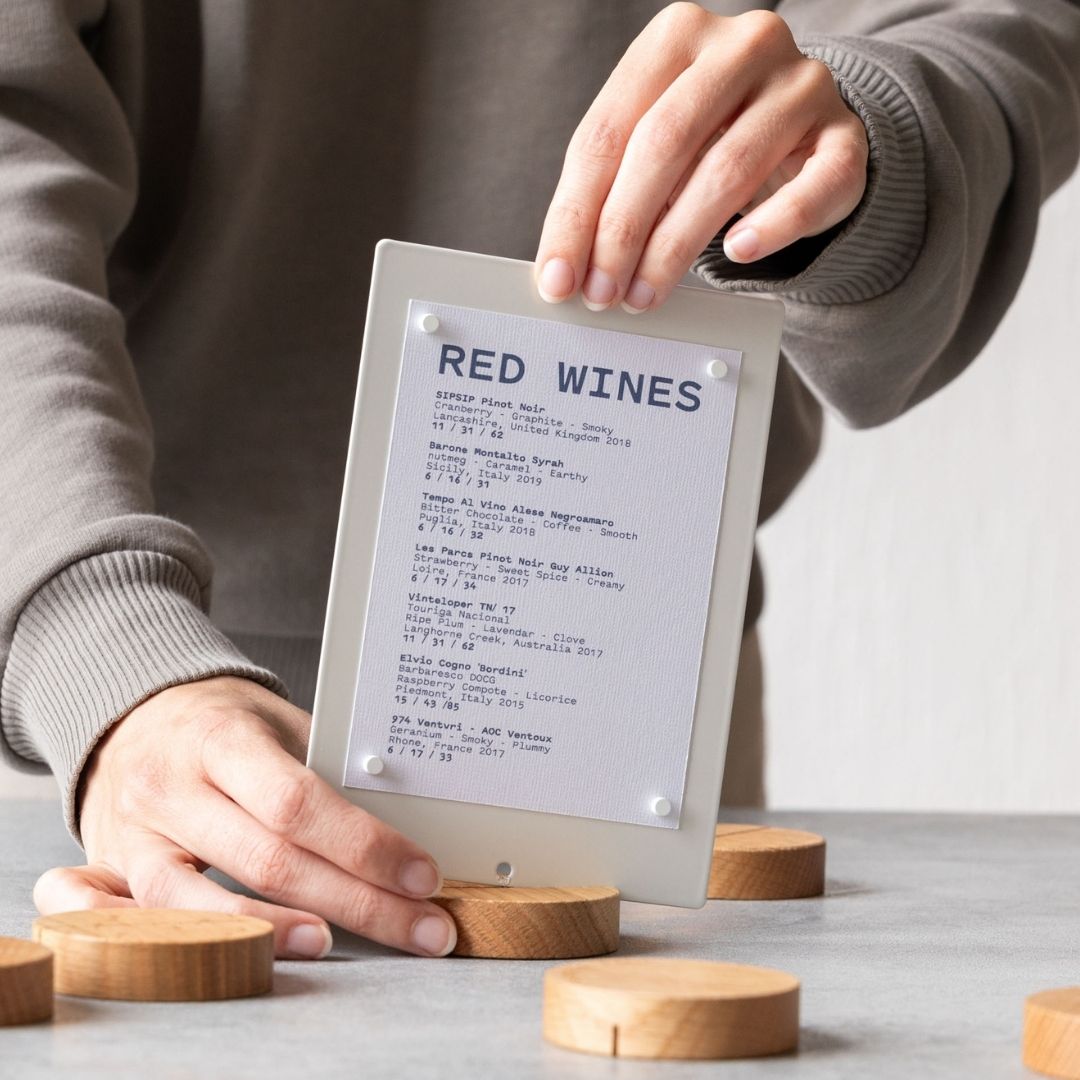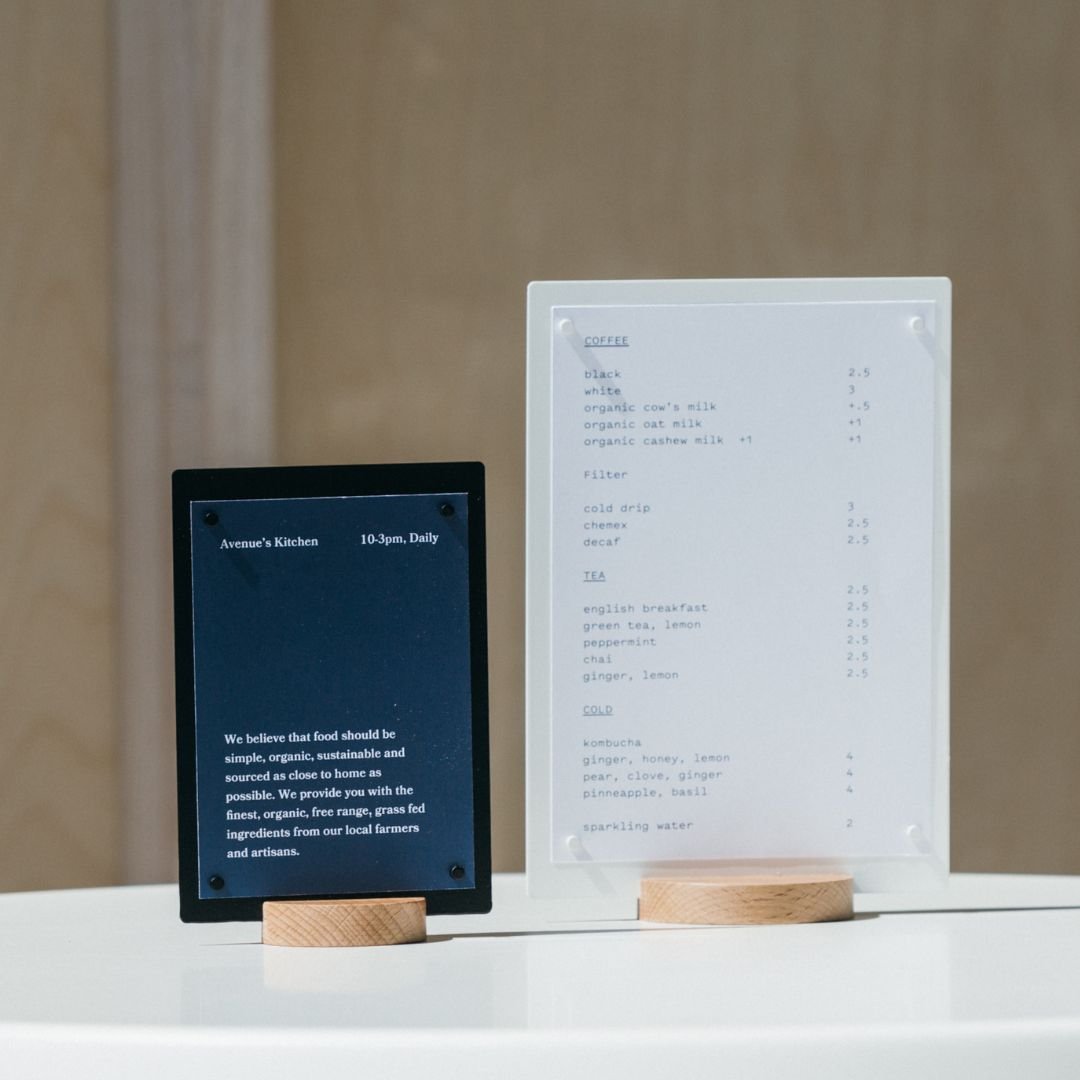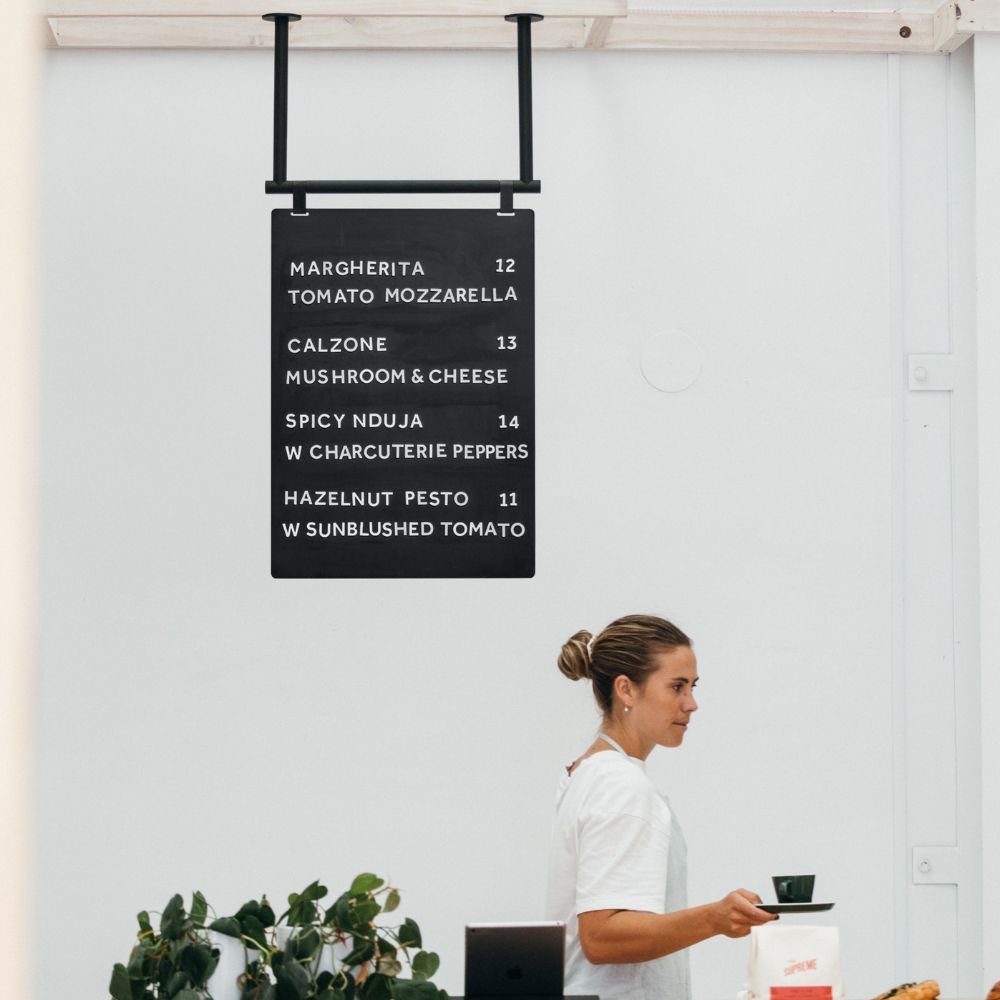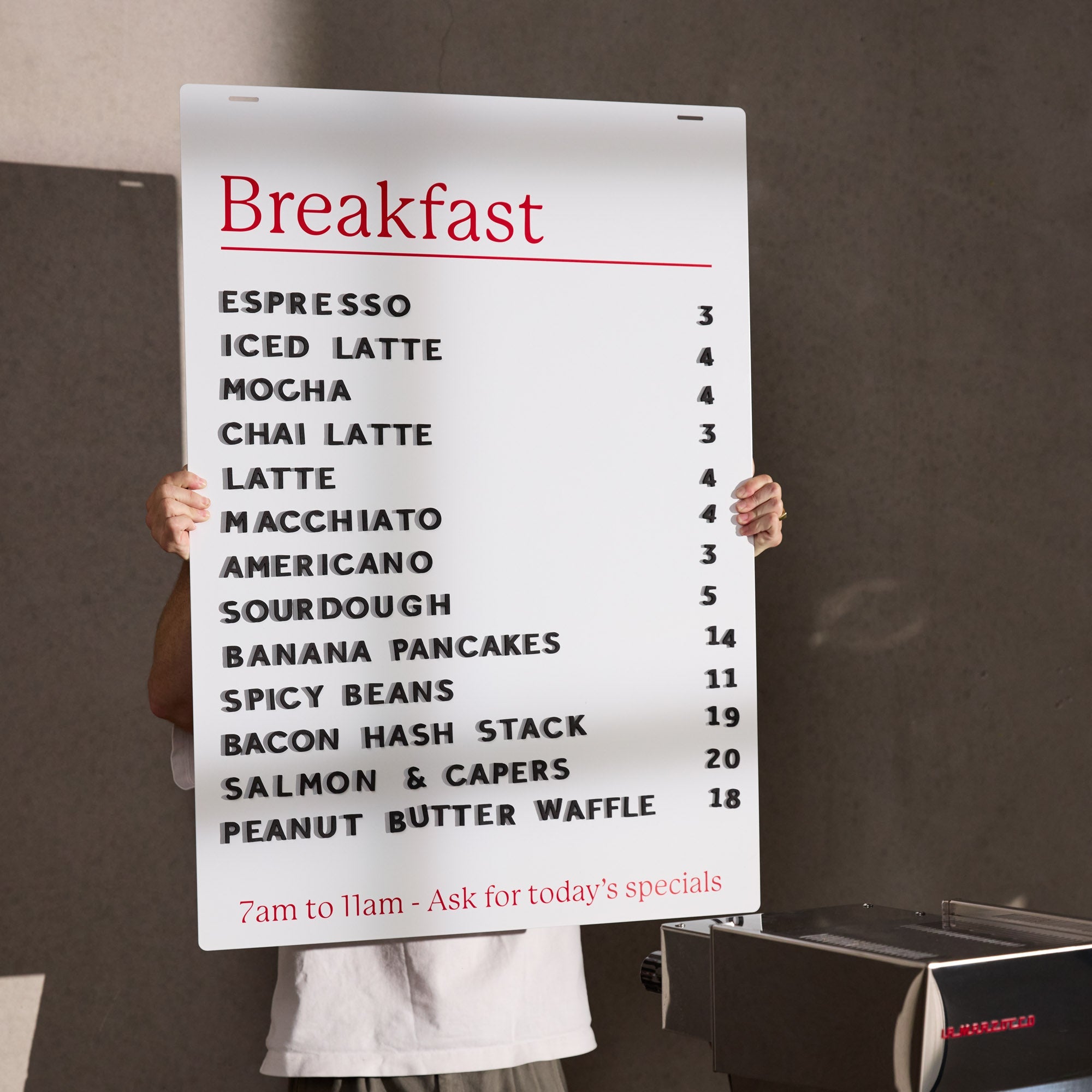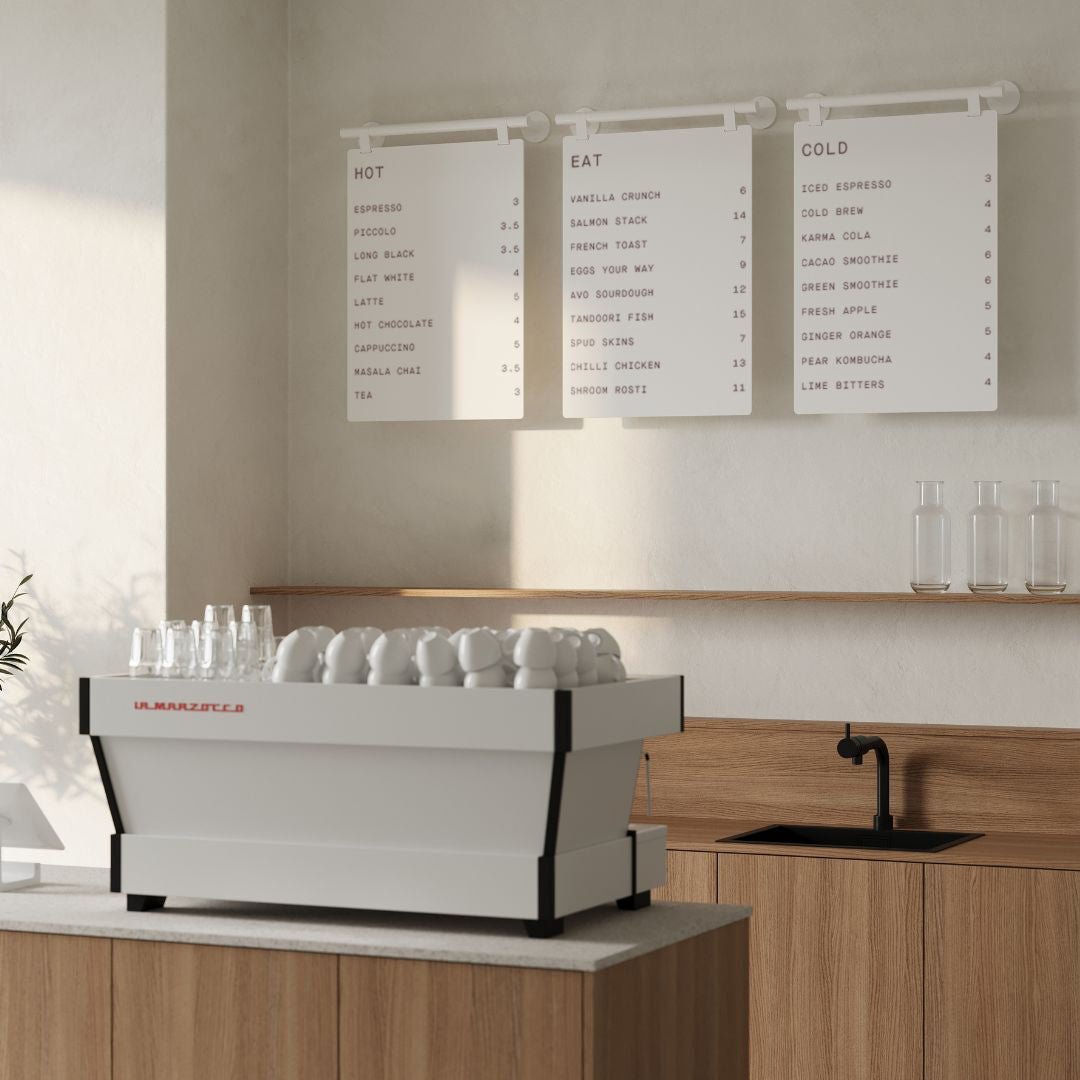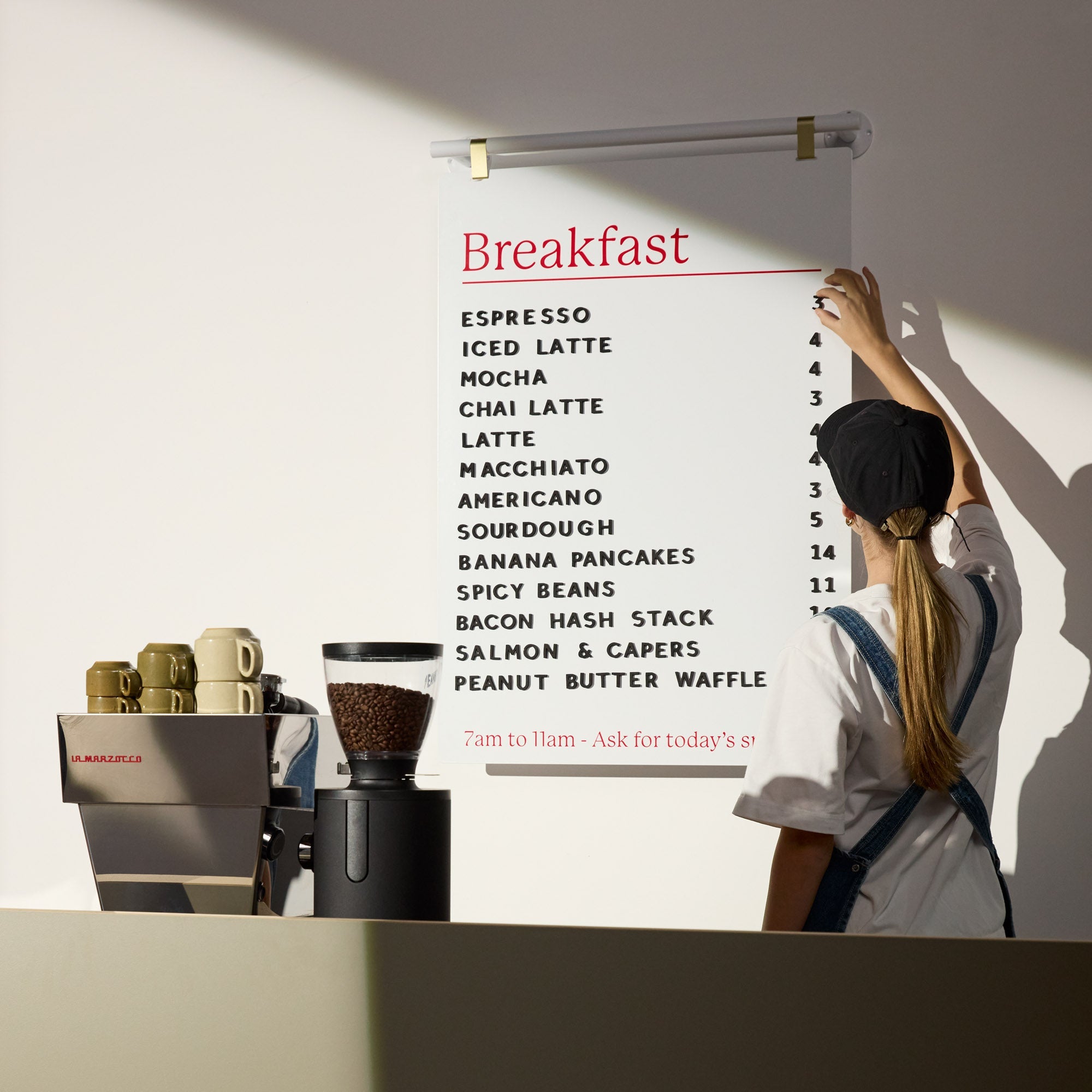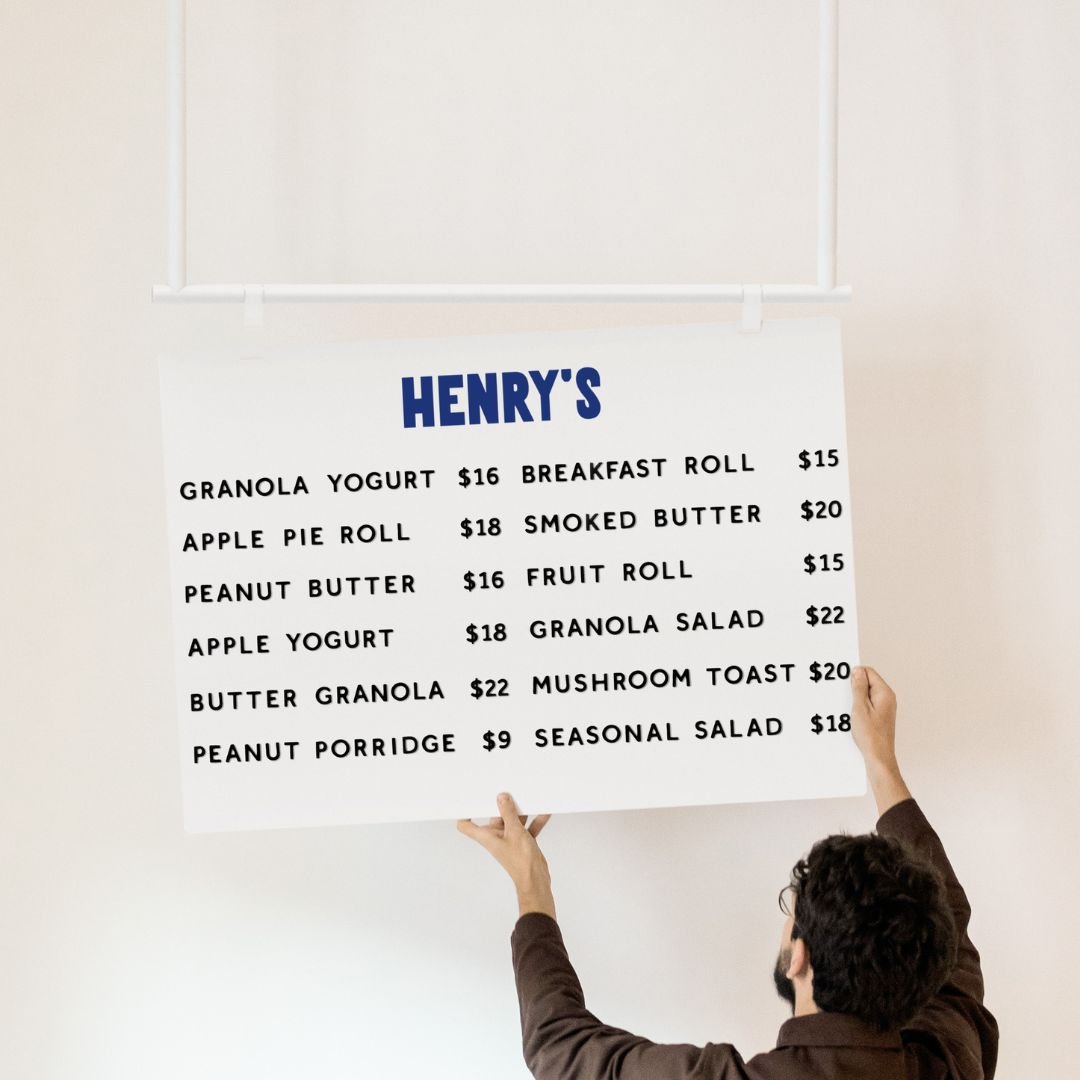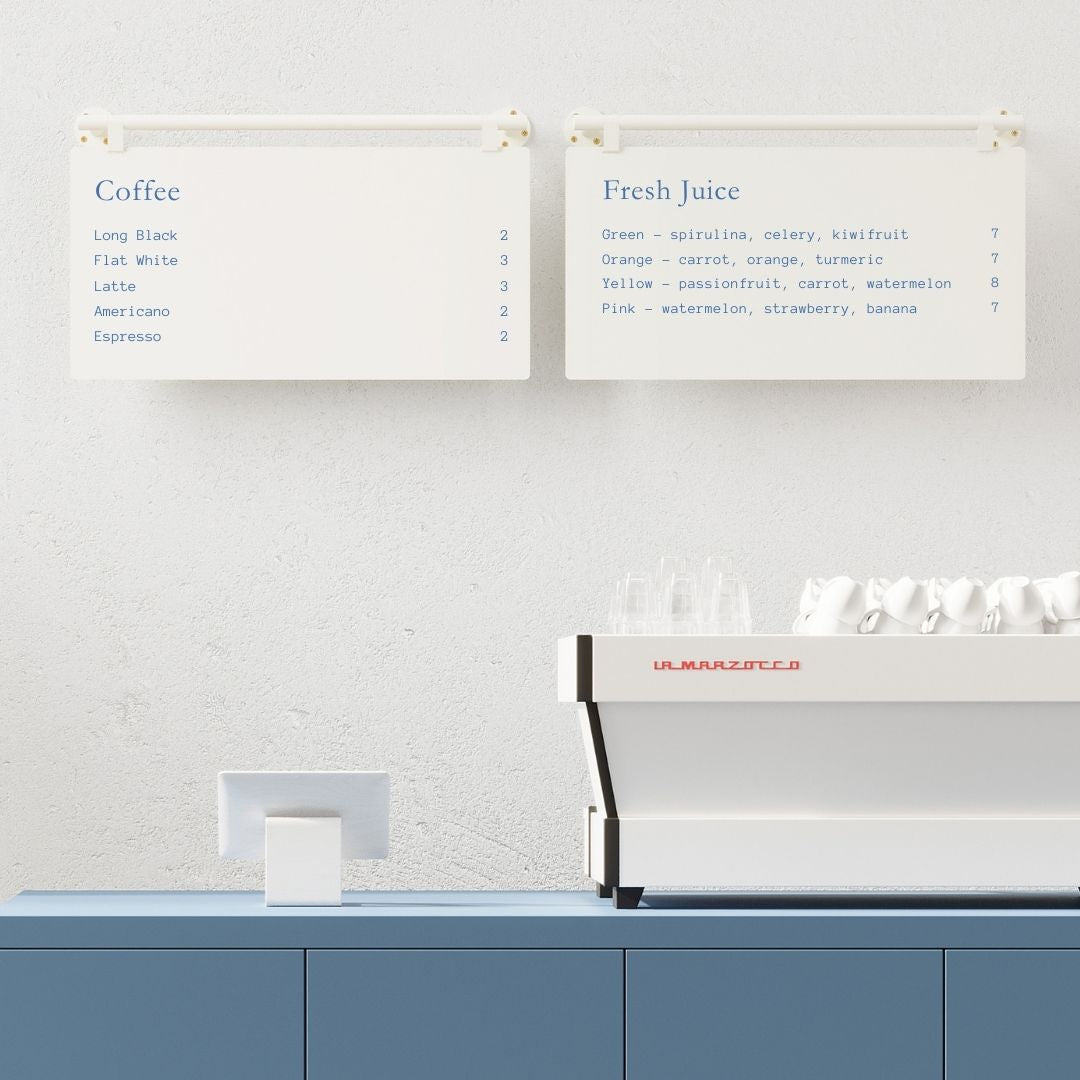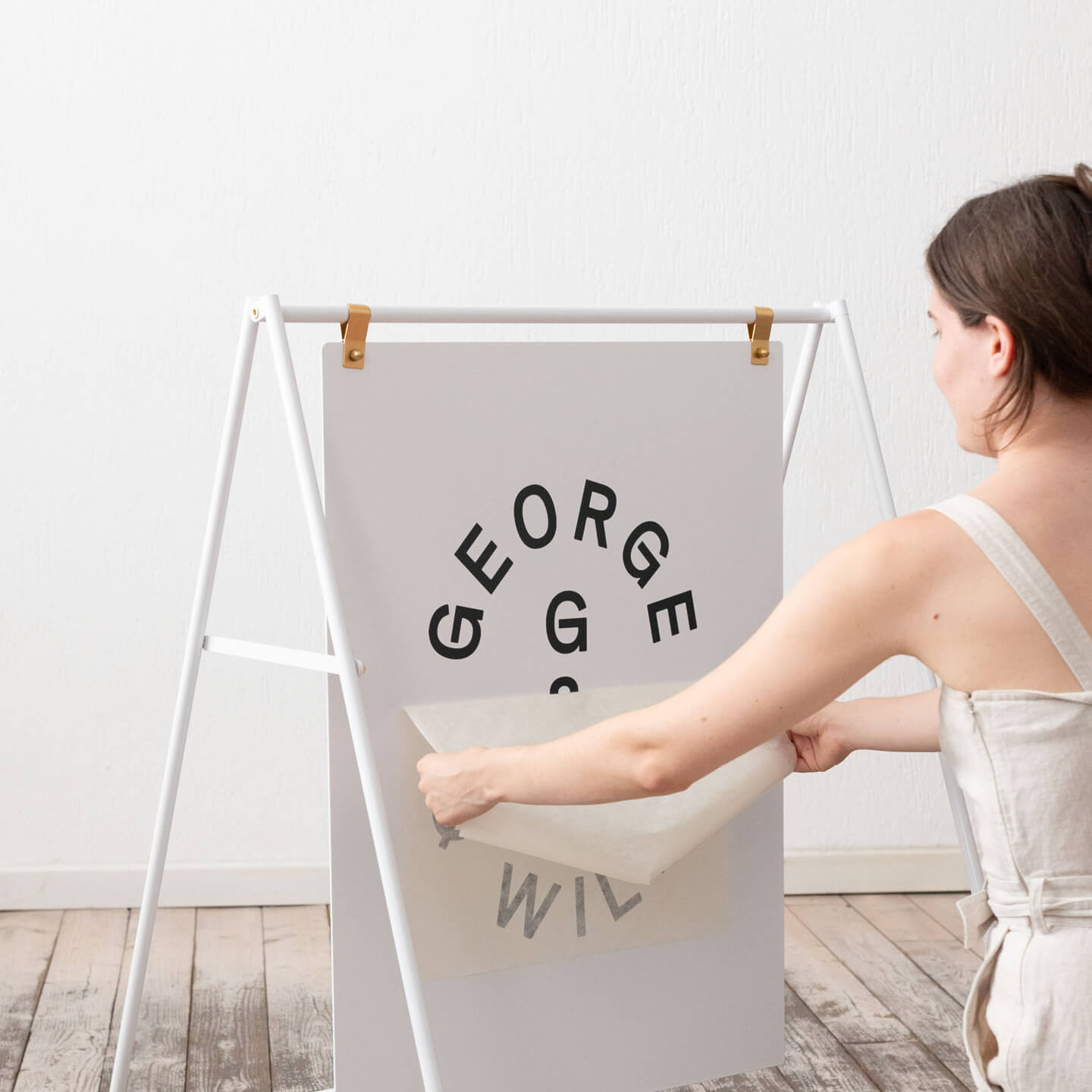
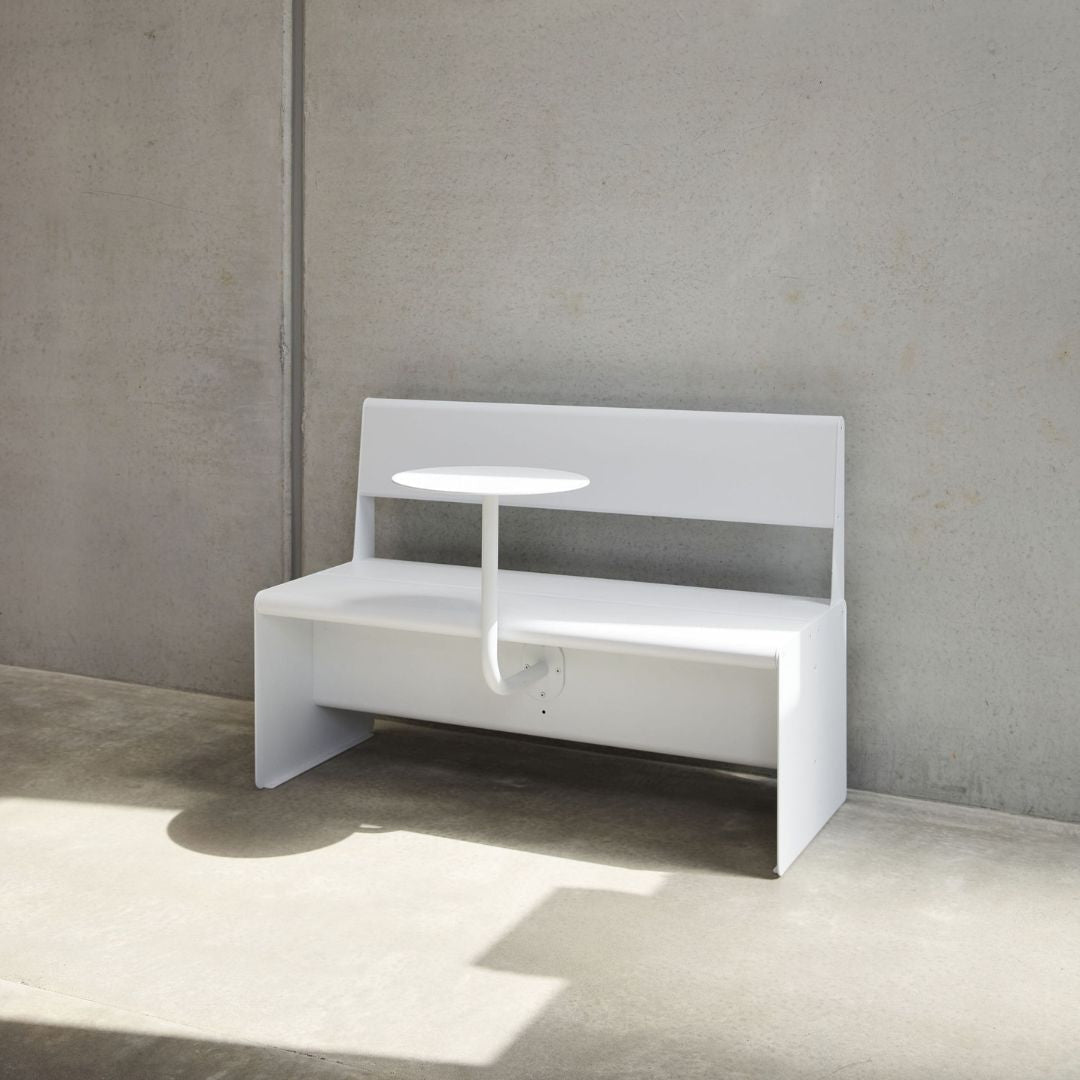


A decorative sign is a piece of signage where aesthetics and function are equally important. Unlike purely informational signs, a well chosen decorative sign does more than just provide information, it contributes to the overall design and atmosphere, setting the tone for your space. It’s the first hello for a café, a point of personality in a retail store, and a touch of character at home. This guide is for business owners, interior designers, and anyone looking to elevate their environment with signage that is both beautiful and functional. We’ll explore everything from materials and styles to compliance and installation, helping you find the perfect decorative sign for your needs.
The Purpose and Power of a Decorative Sign
For businesses like cafés, restaurants, and boutiques, a decorative sign can communicate brand identity, display menus, or welcome customers. In an office or studio, it can help with wayfinding while reinforcing company culture. At home, a decorative sign can be used for organization, inspiration, or simply as a piece of art. The goal is to create something intentional that feels integrated with its surroundings.
A Comprehensive Guide to Sign Types
Decorative signs come in many forms, each serving a unique purpose. Understanding the different types can help you choose the best option for your space and goals.
-
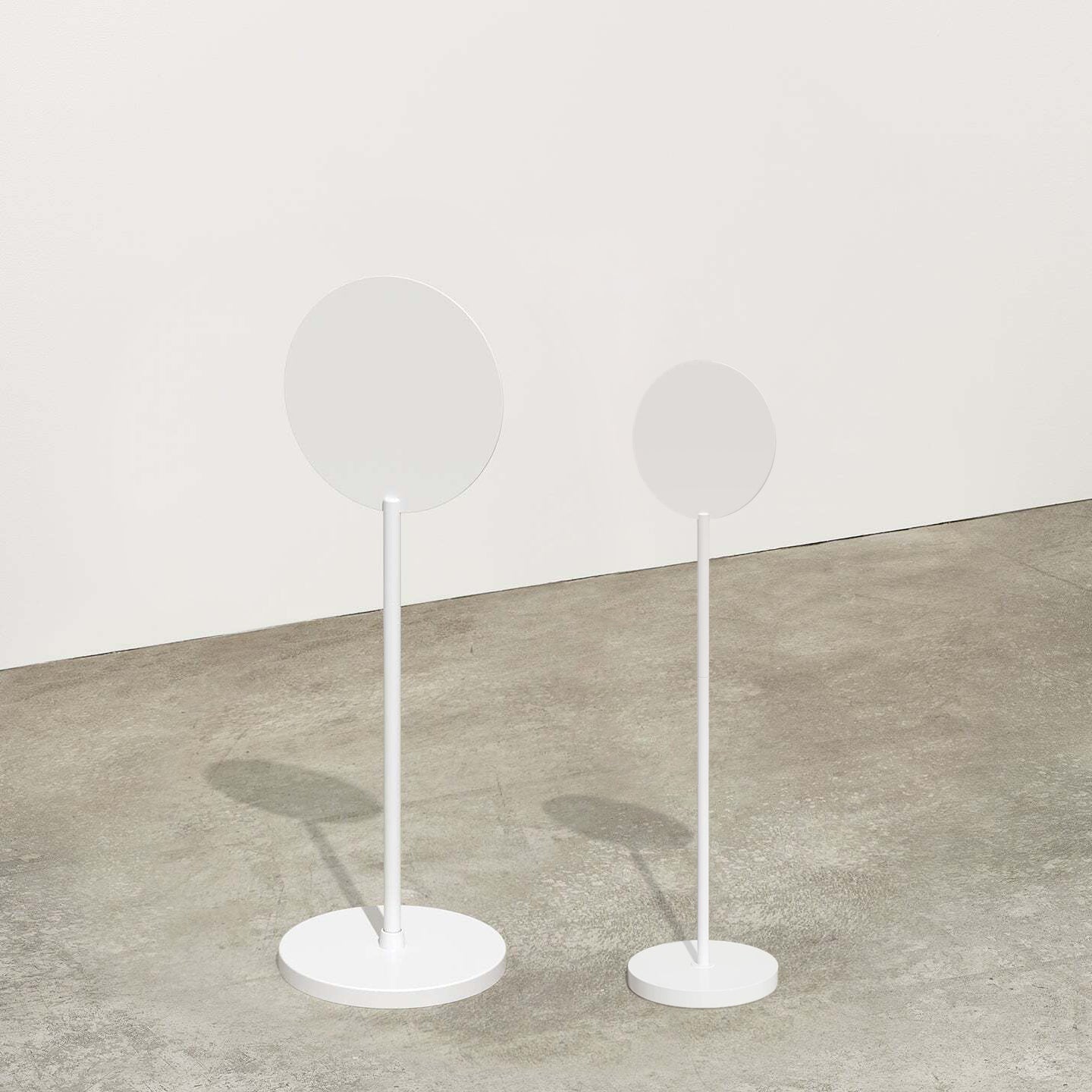
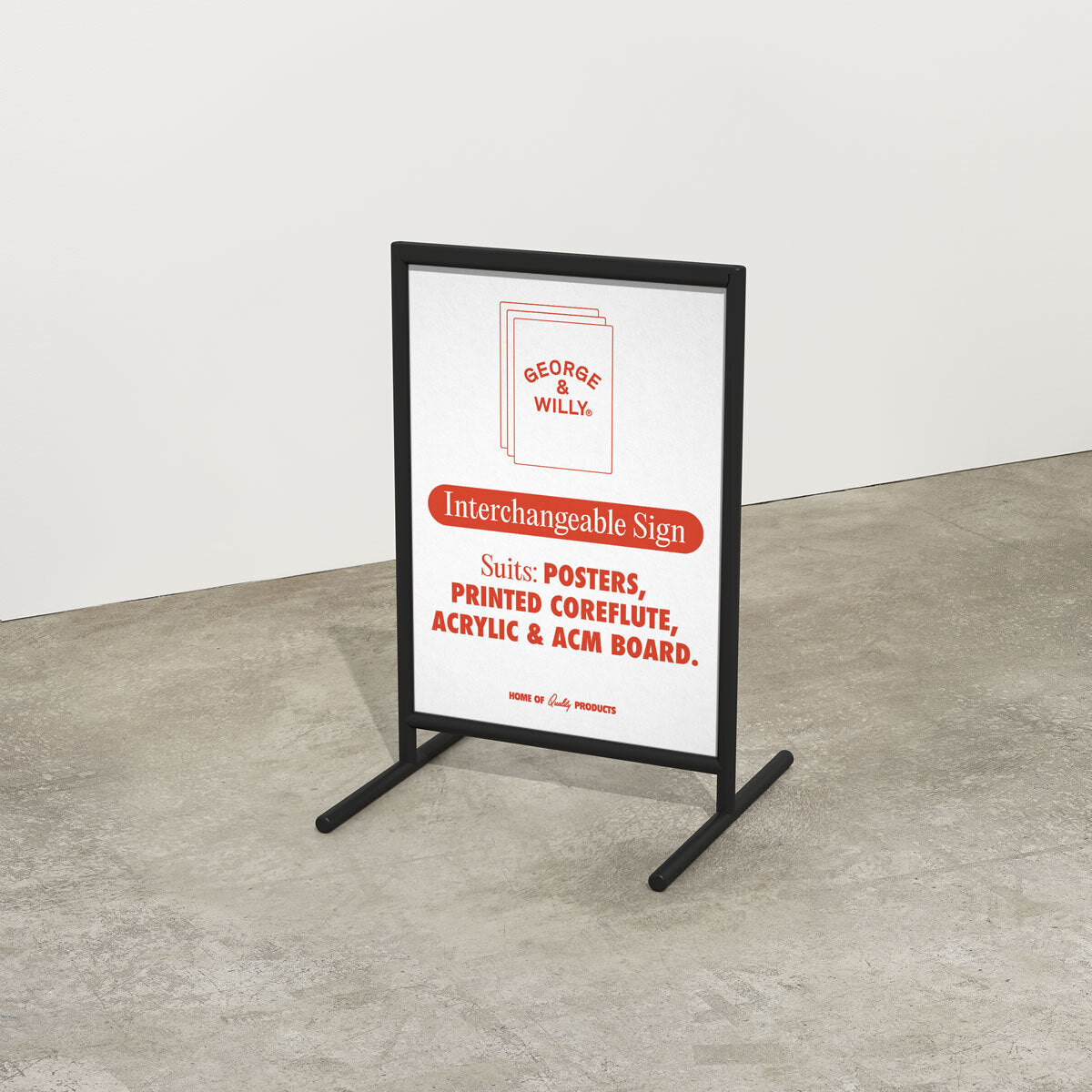
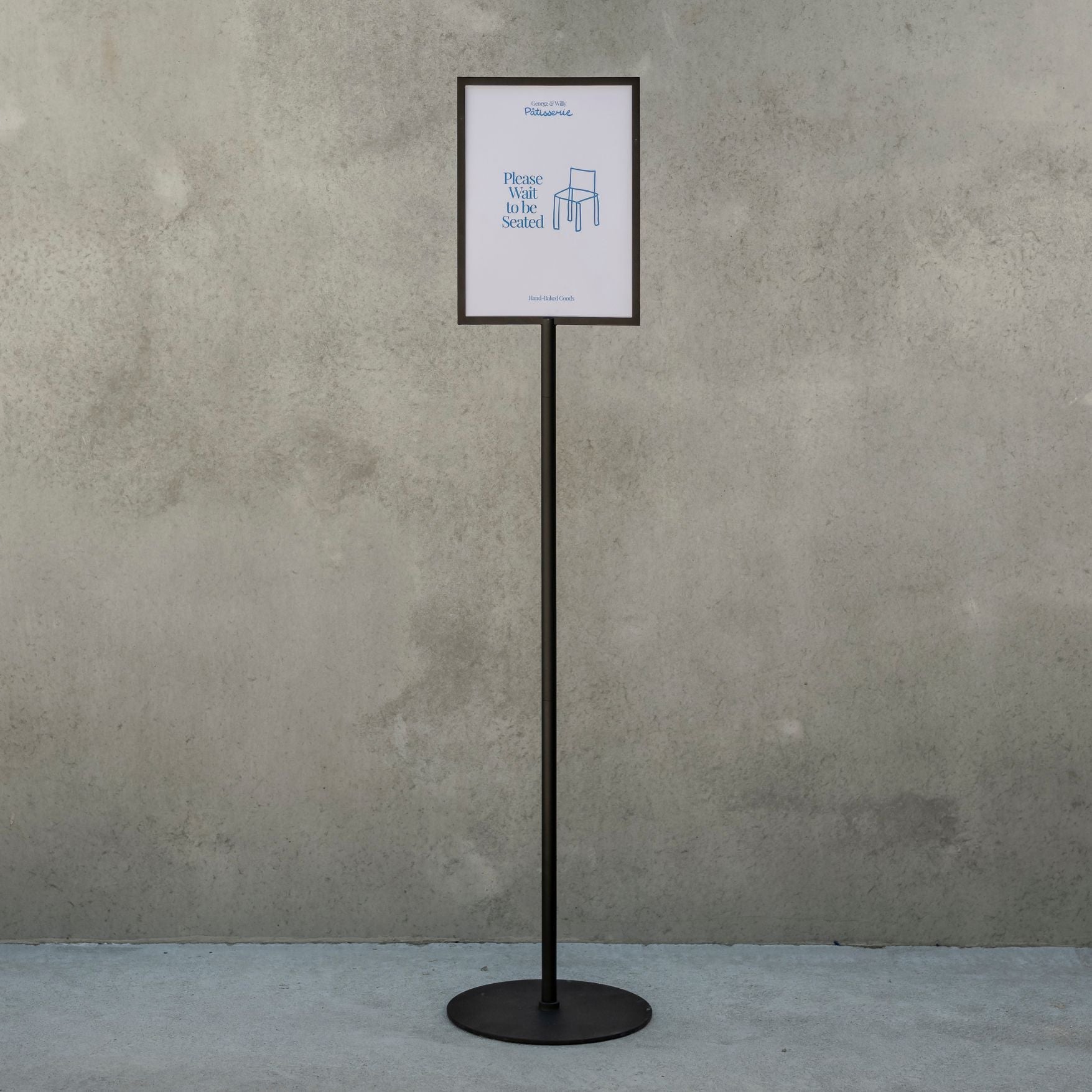
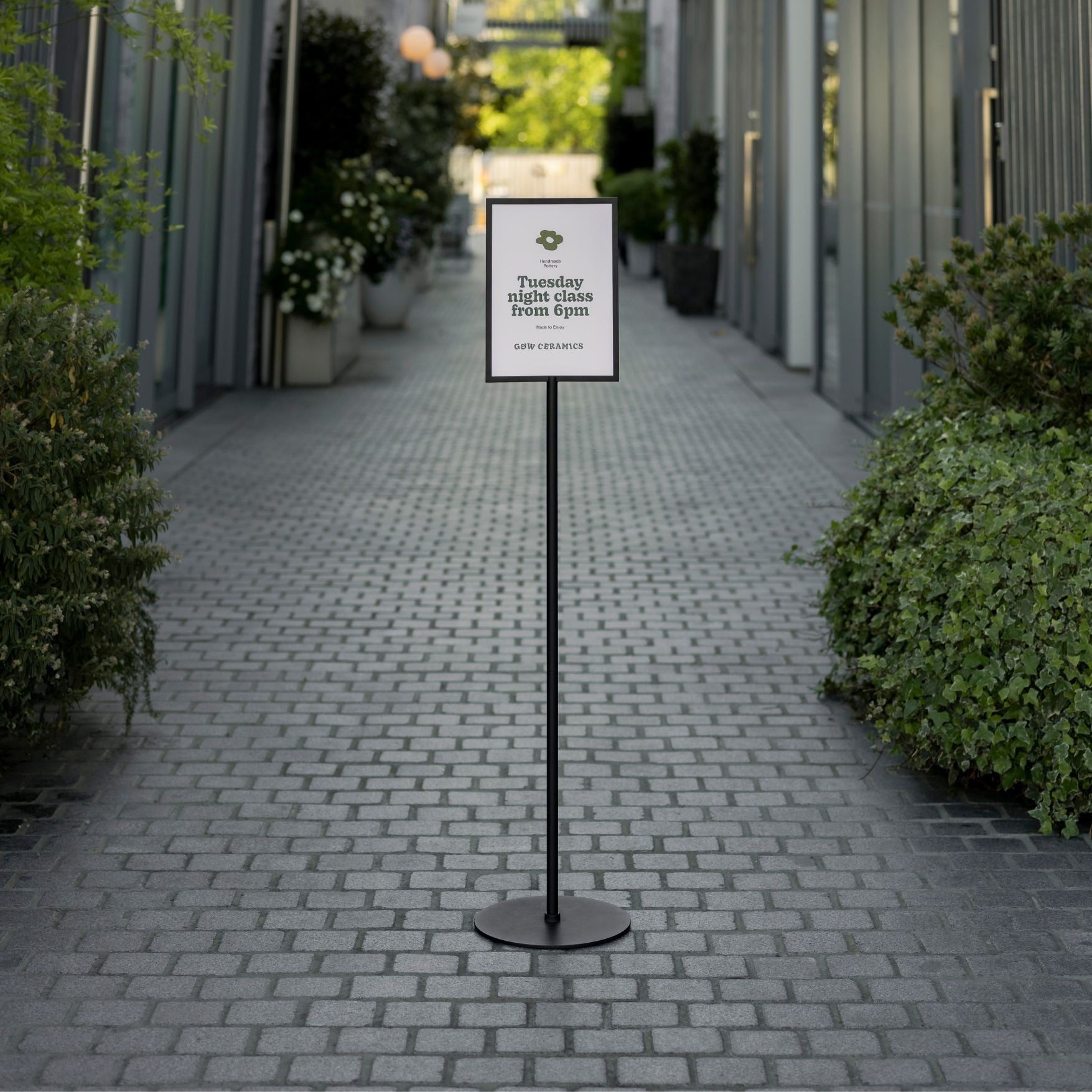
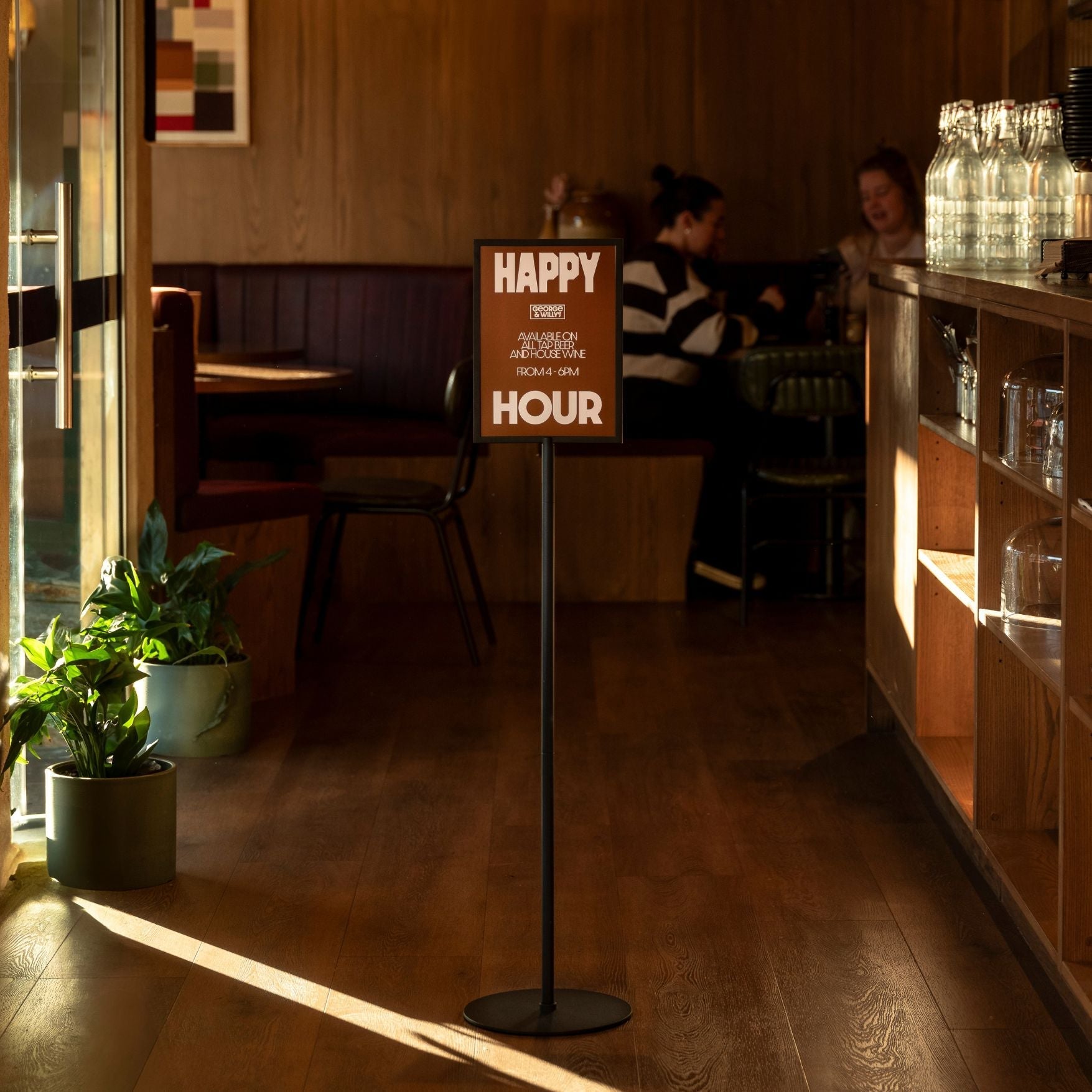
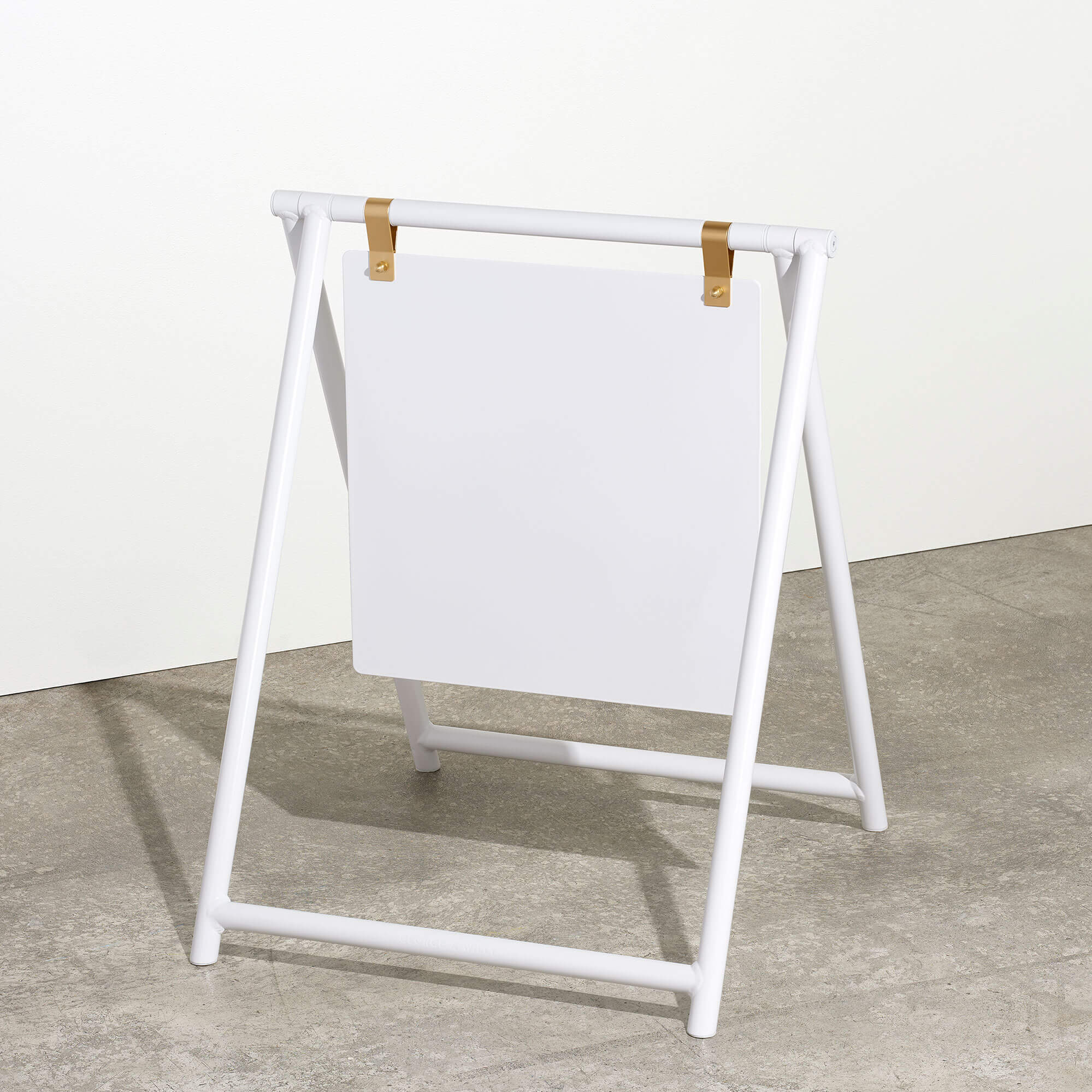
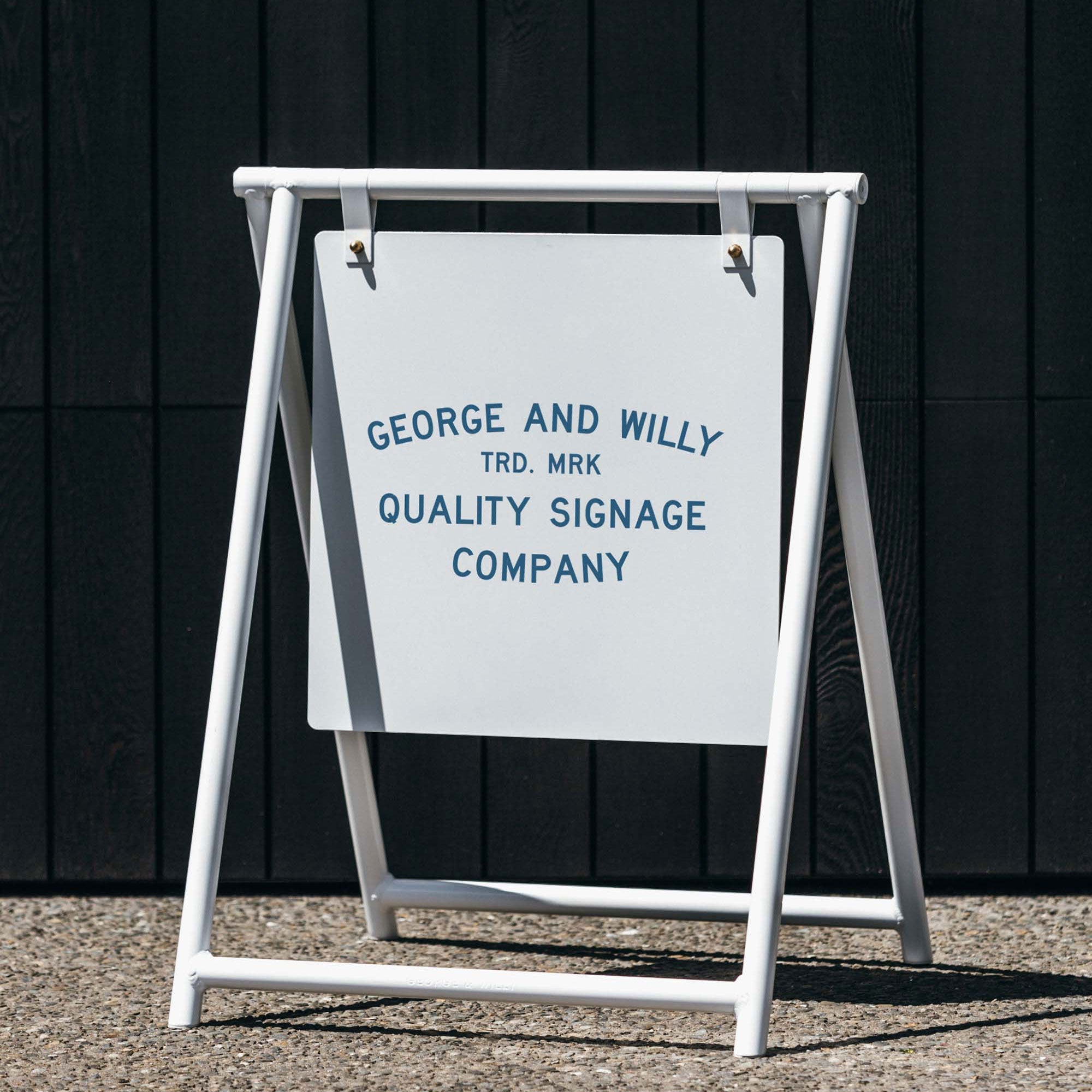
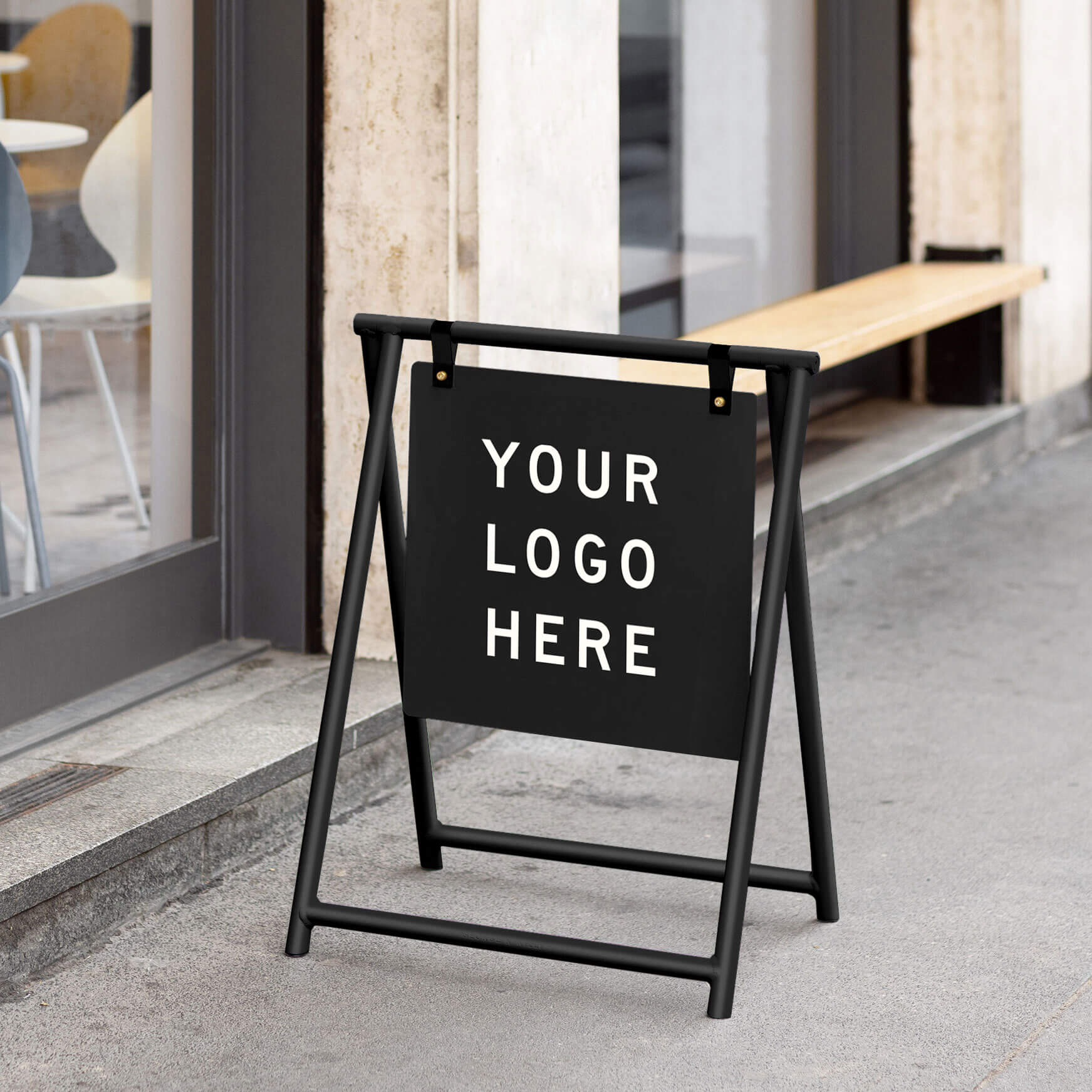
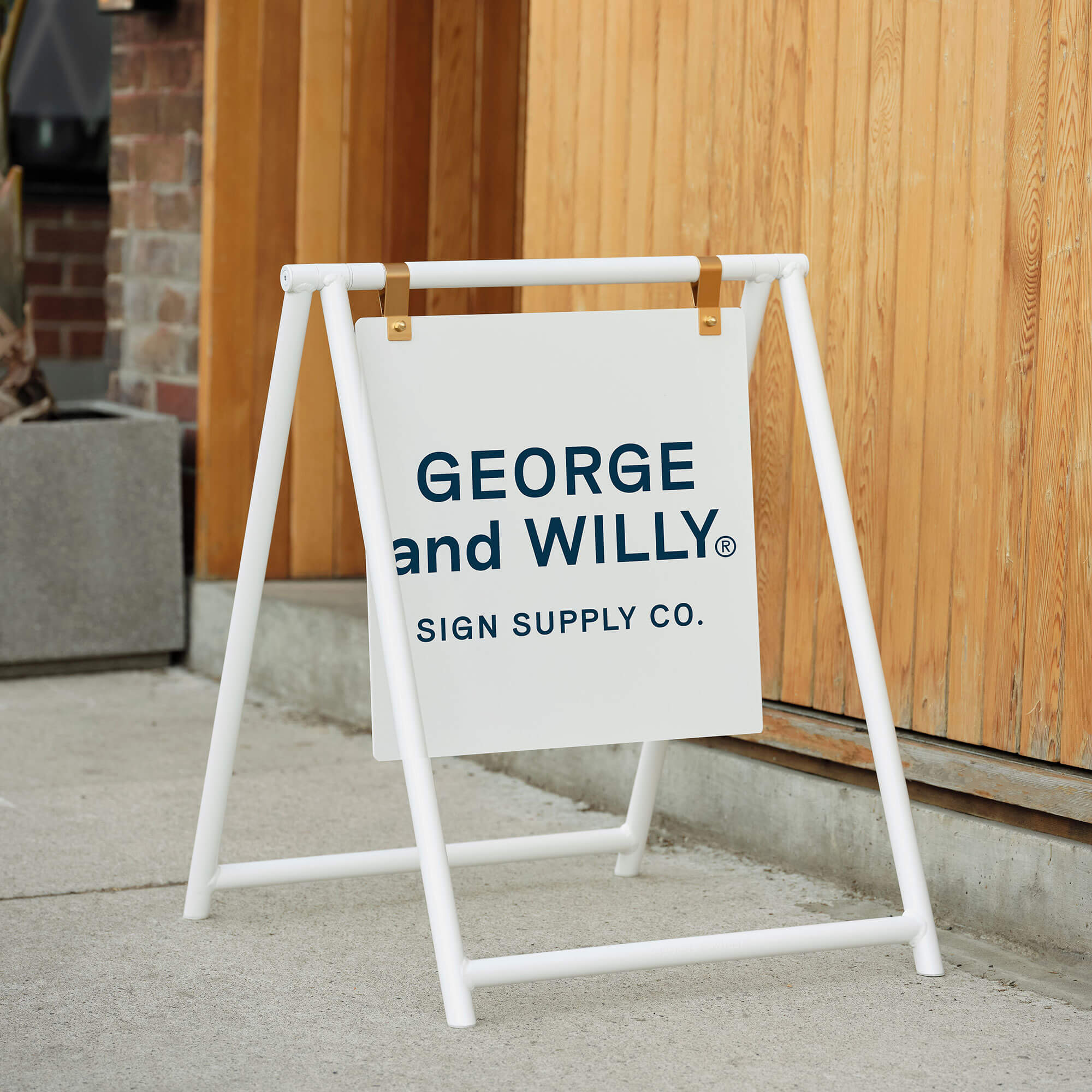
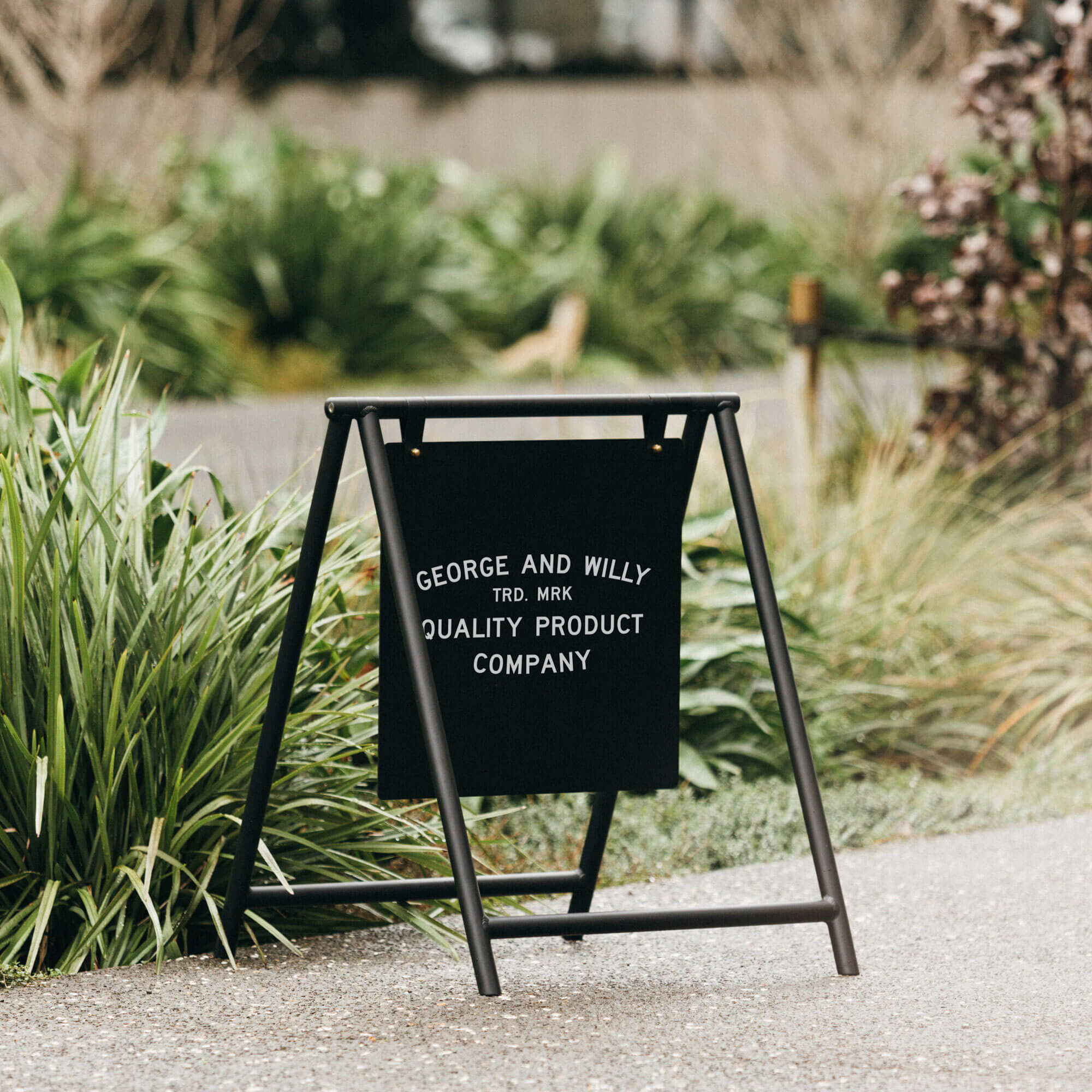
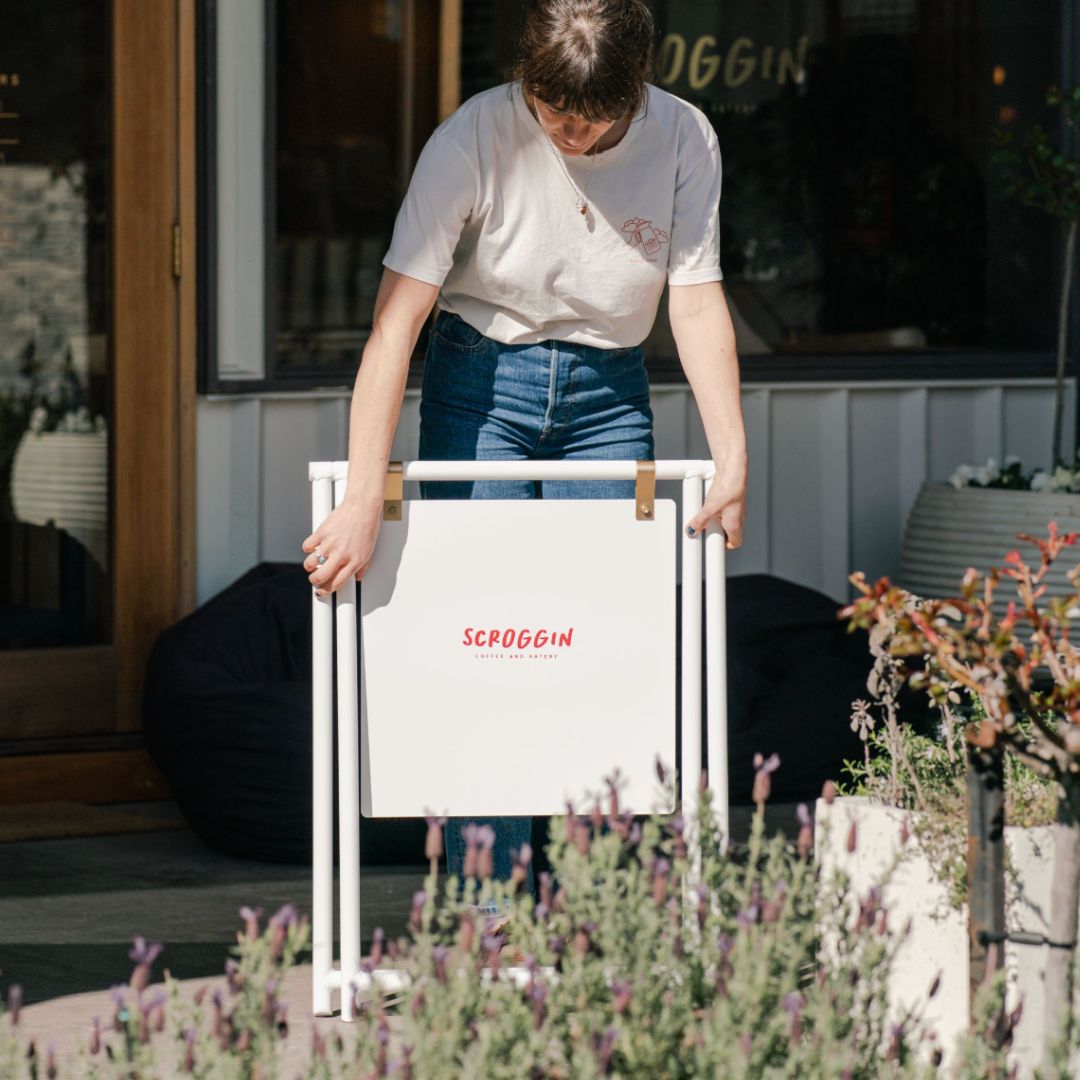
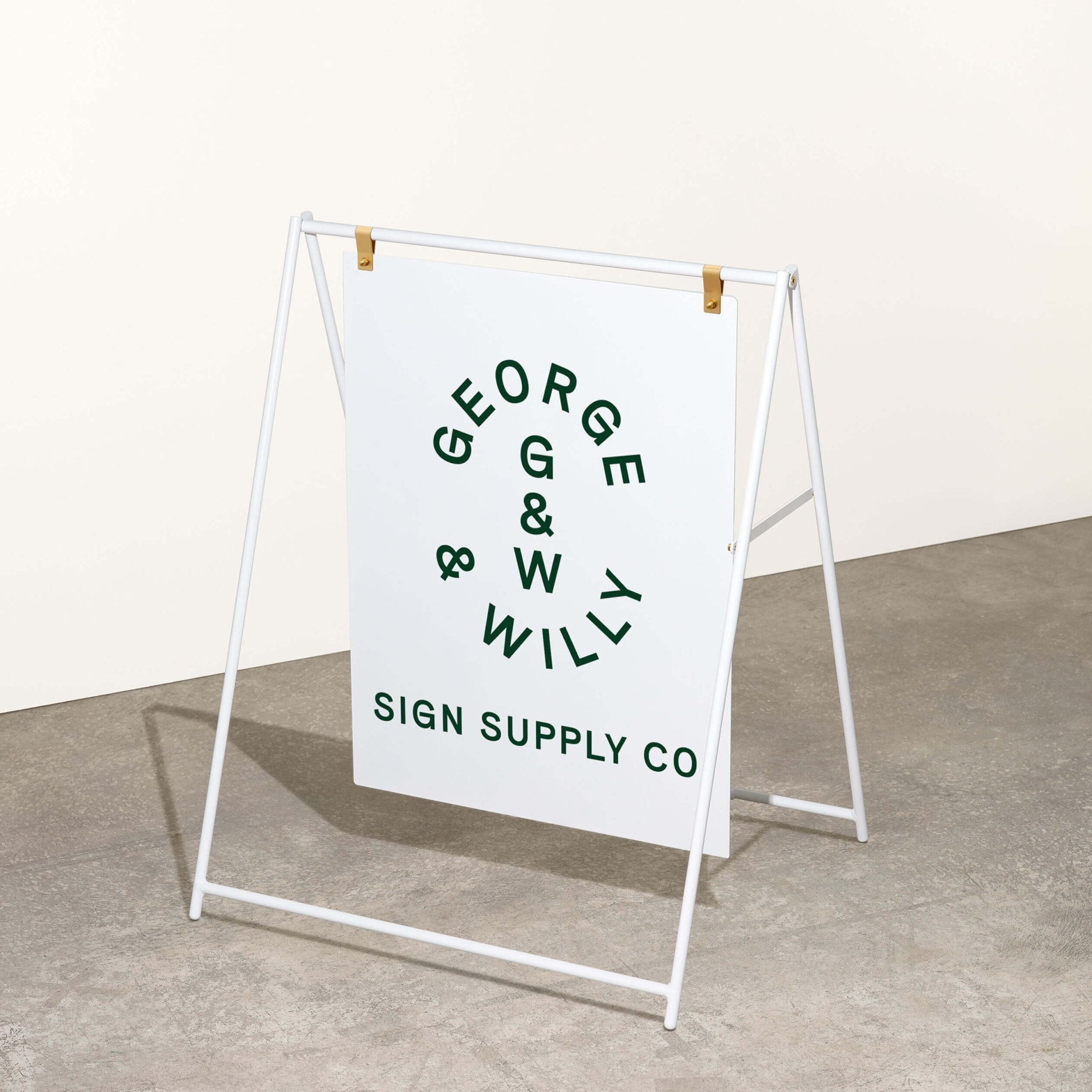
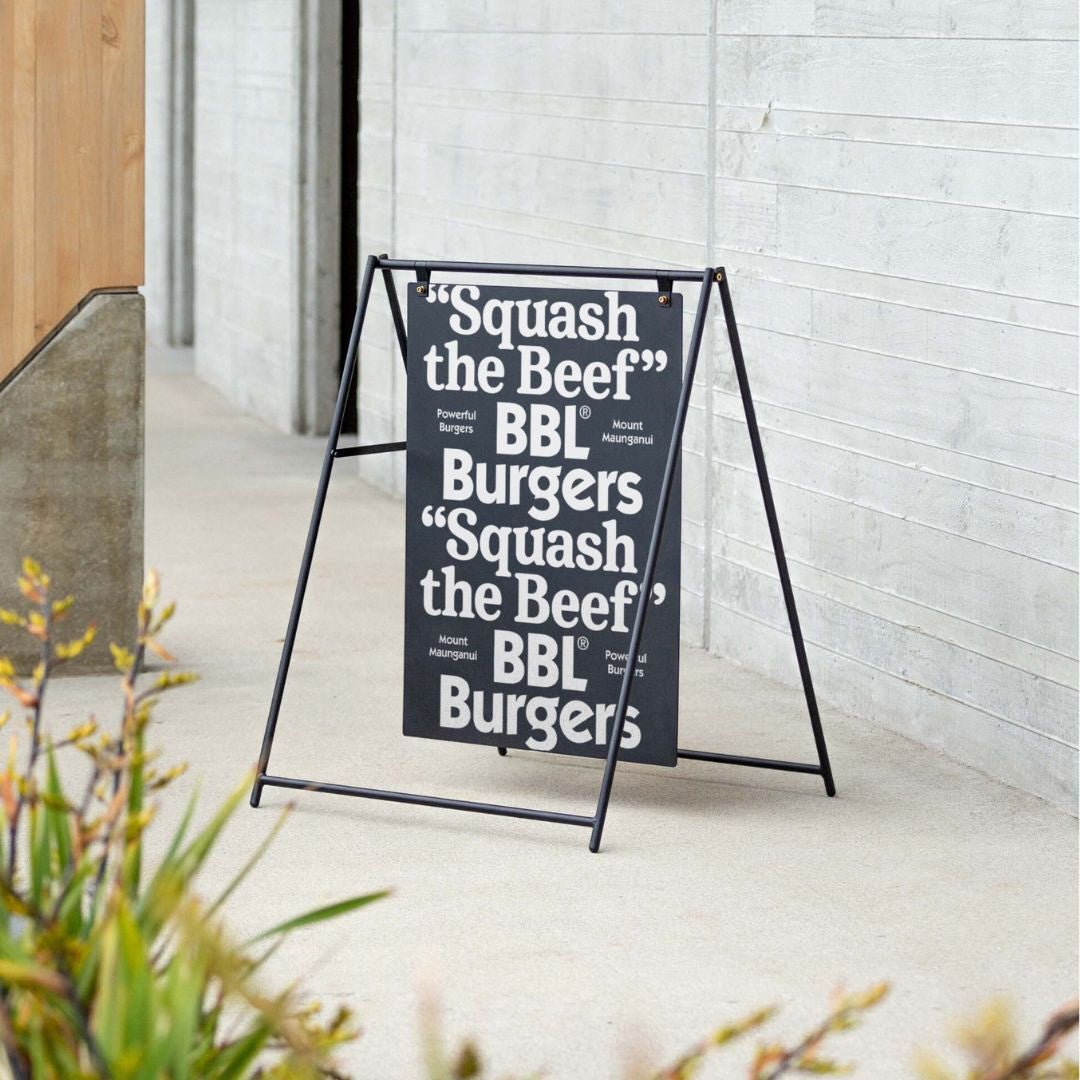
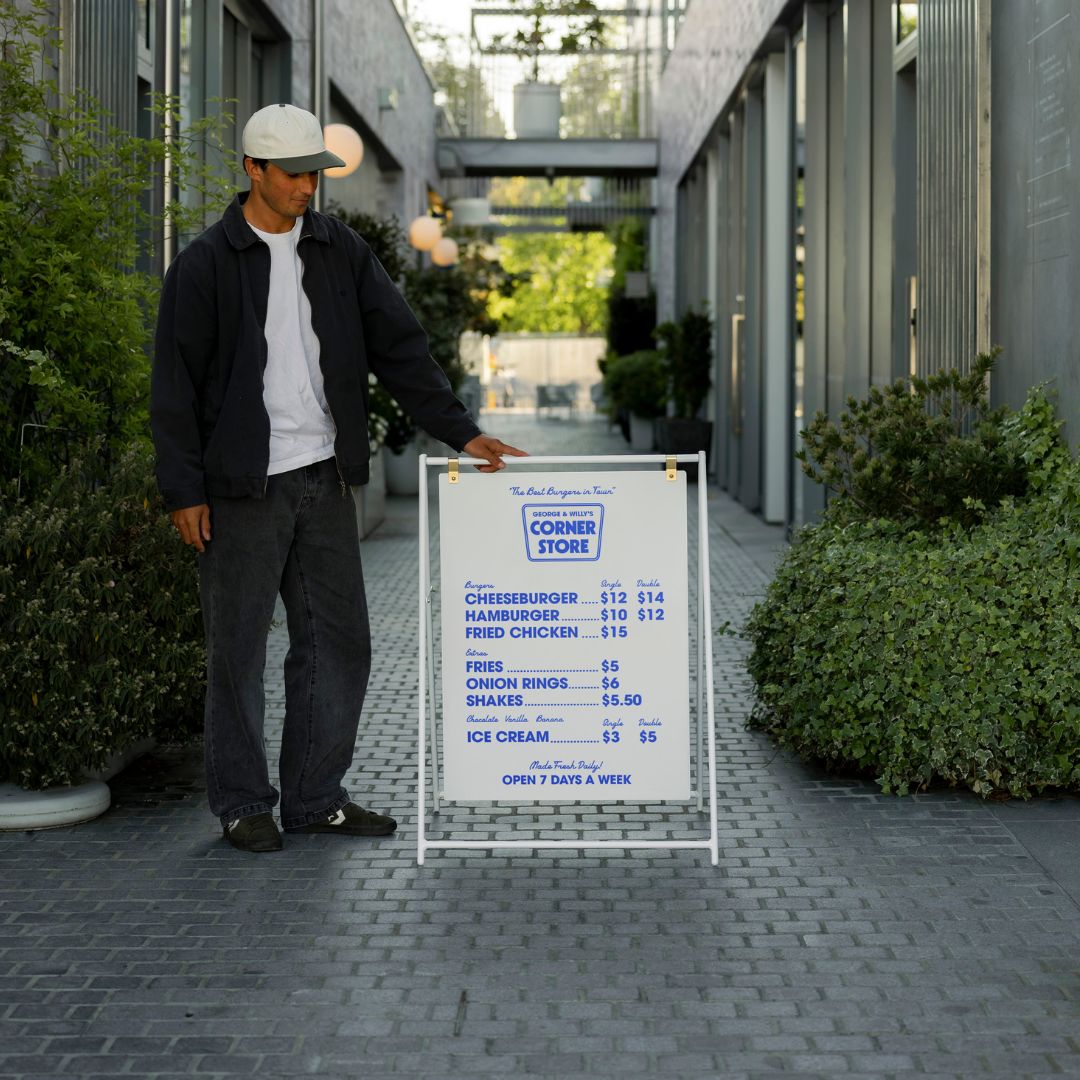
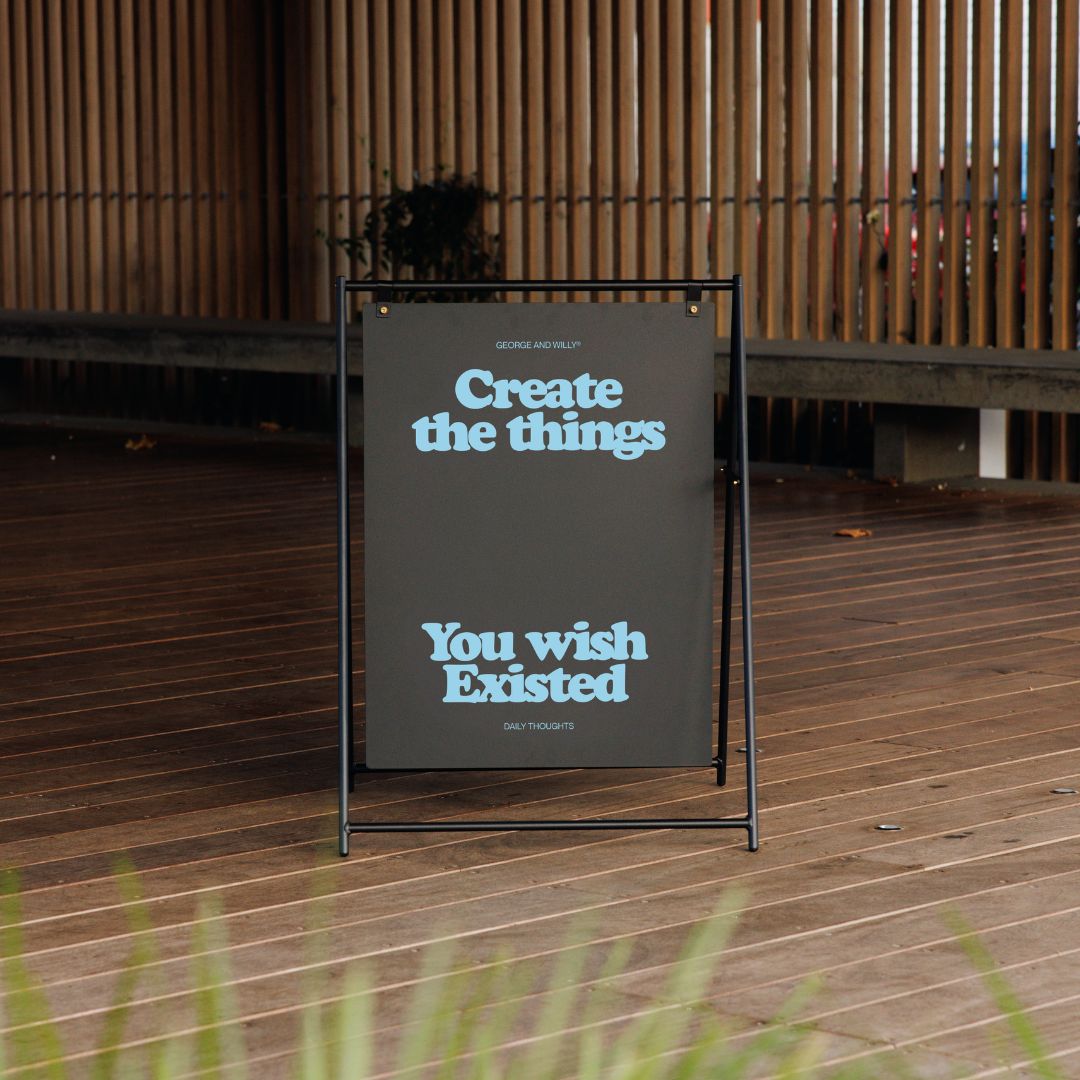
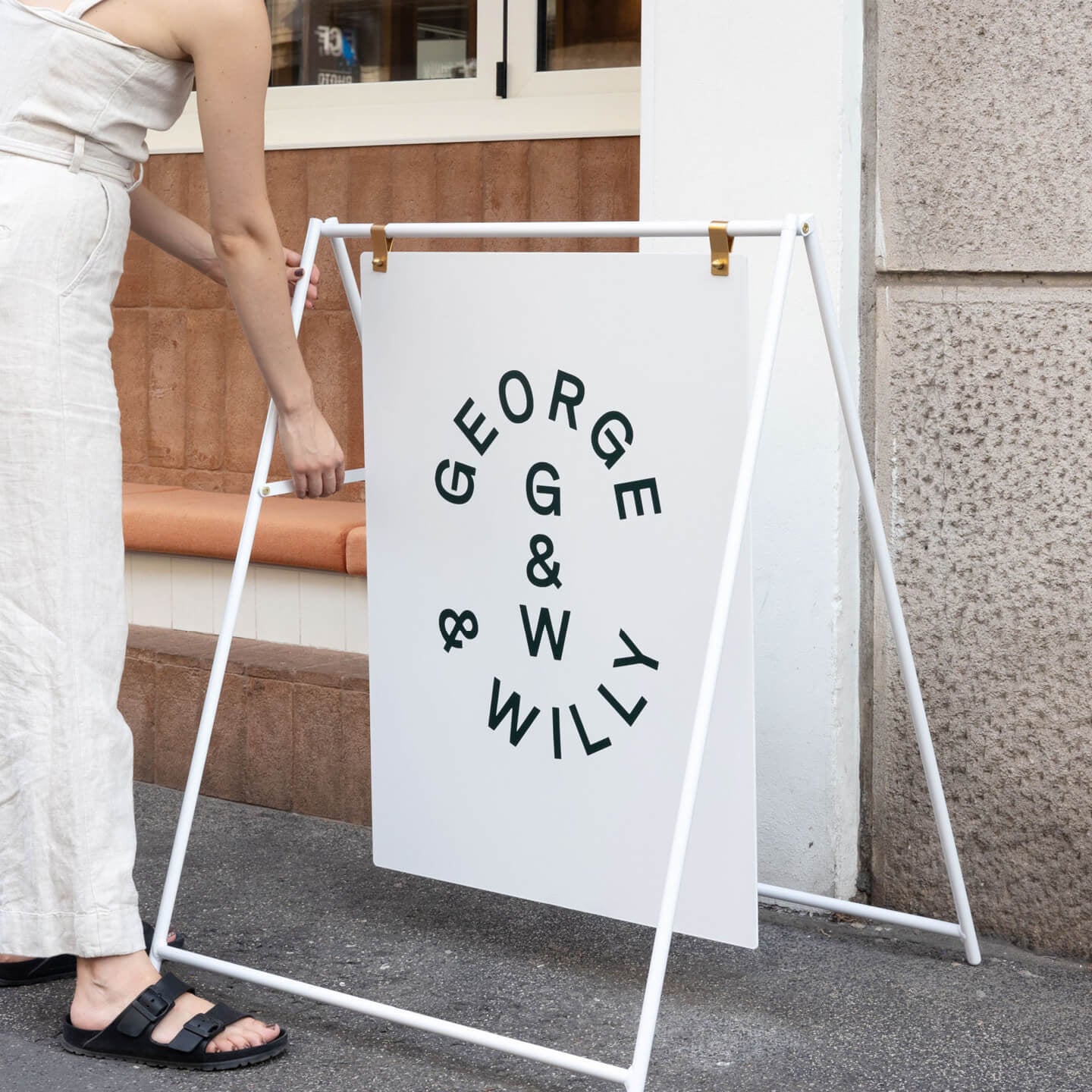
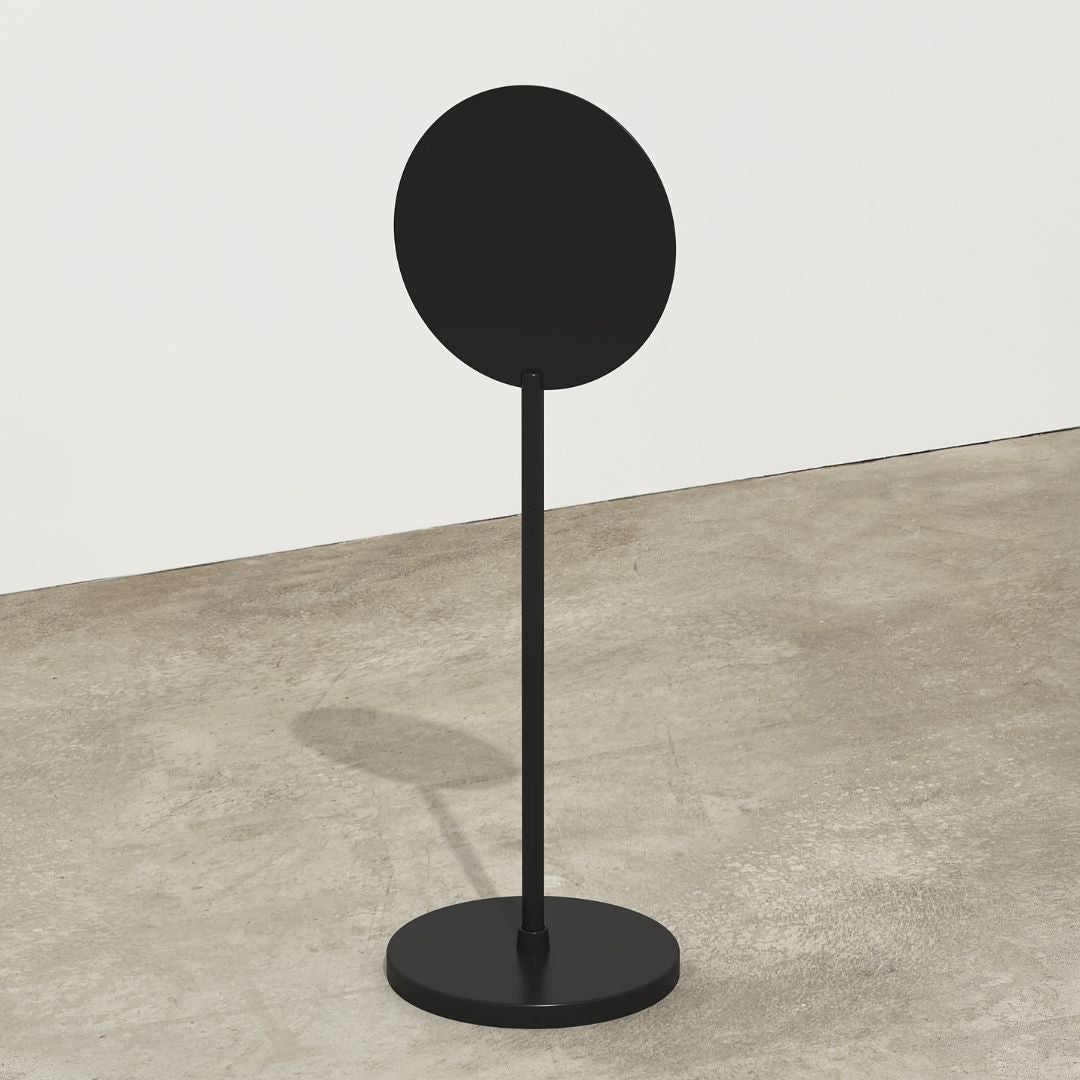
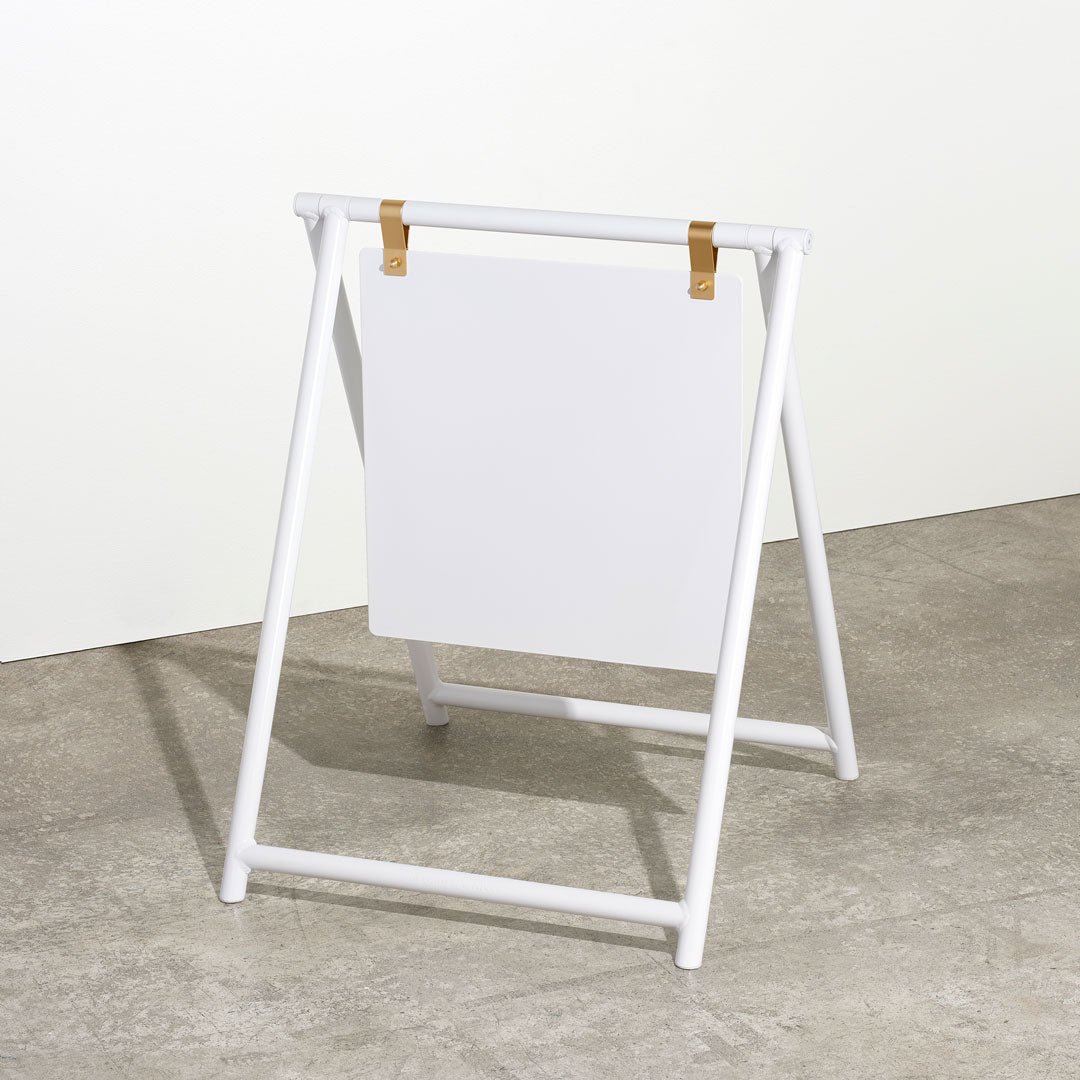
Freestanding Signs: These signs stand on their own and are easily movable. The classic A Frame Sandwich Board Sign is a perfect example, ideal for sidewalk advertising that captures foot traffic. Other options include standing round signs and poster displays.
-
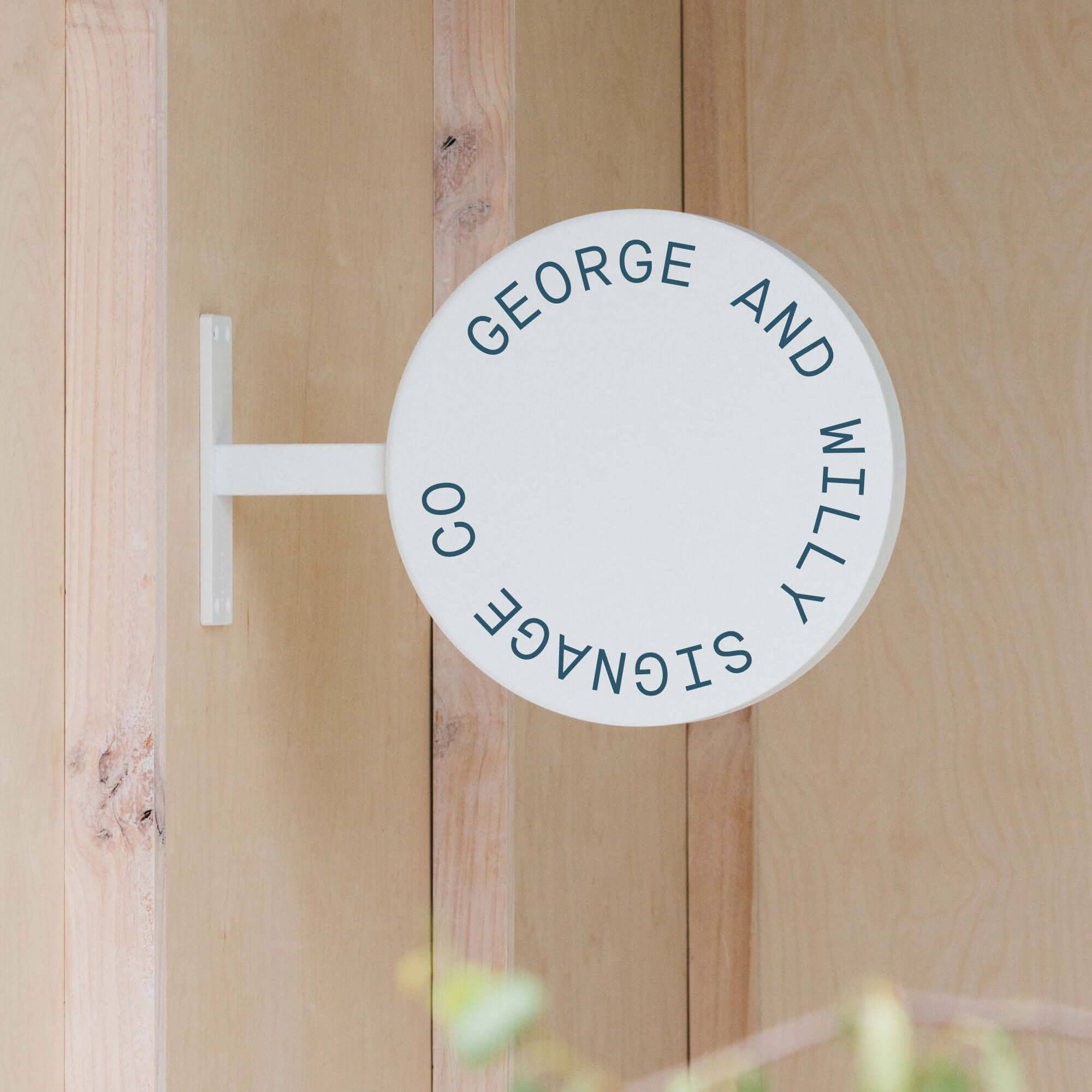
Projecting Signs (Blade Signs): A blade sign projects from the side of a building, perpendicular to the flow of traffic. It is highly effective for capturing the attention of pedestrians on a busy street.
-
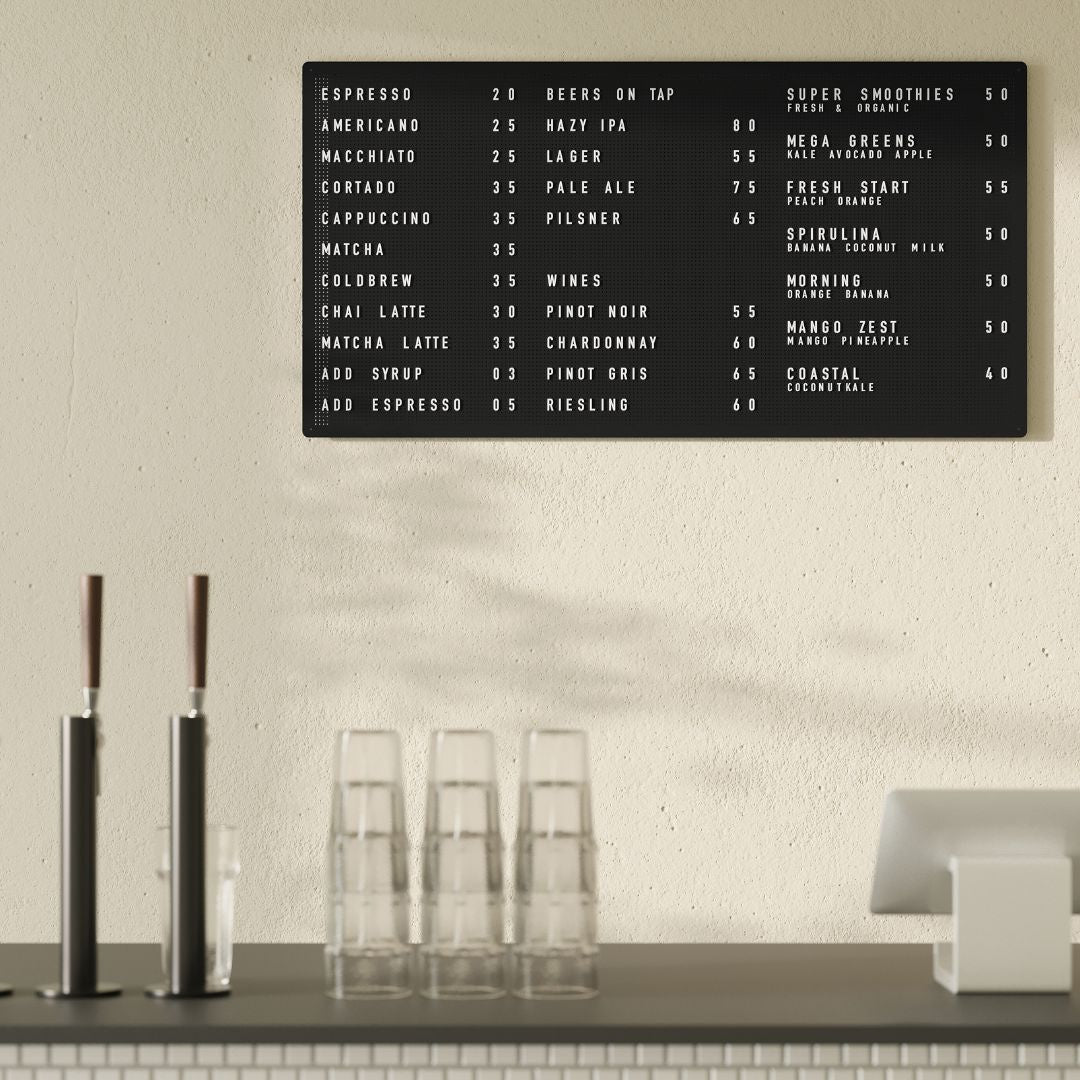
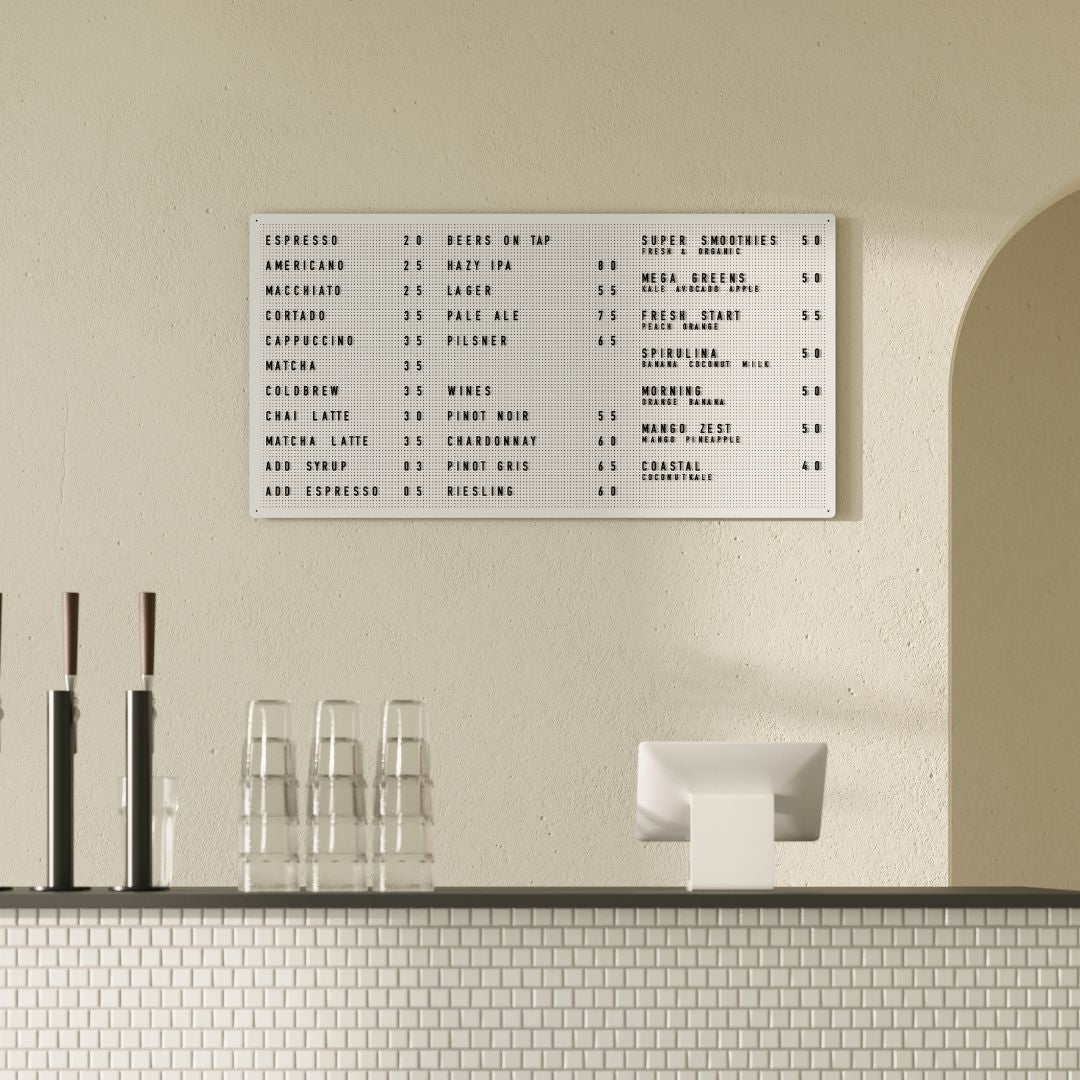
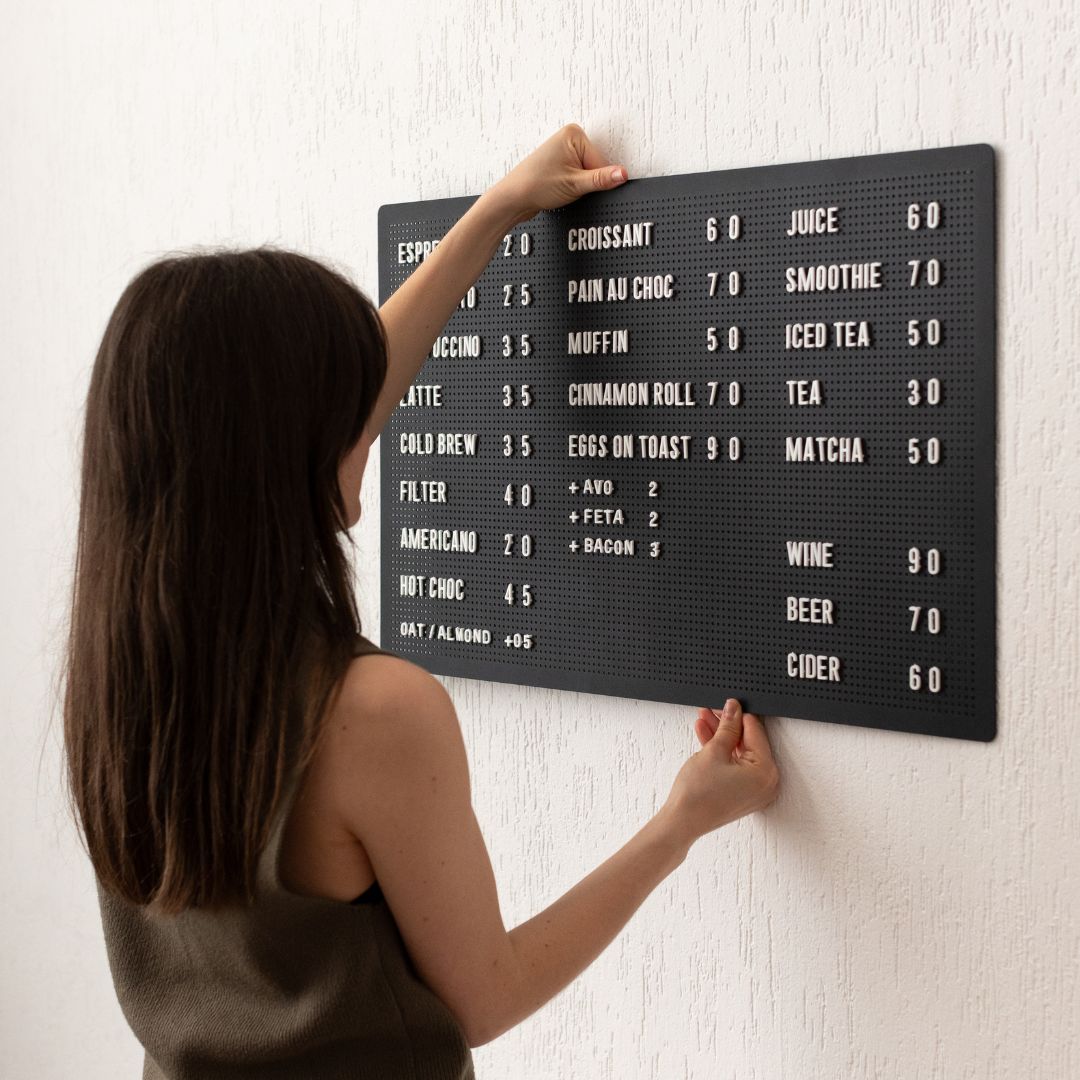
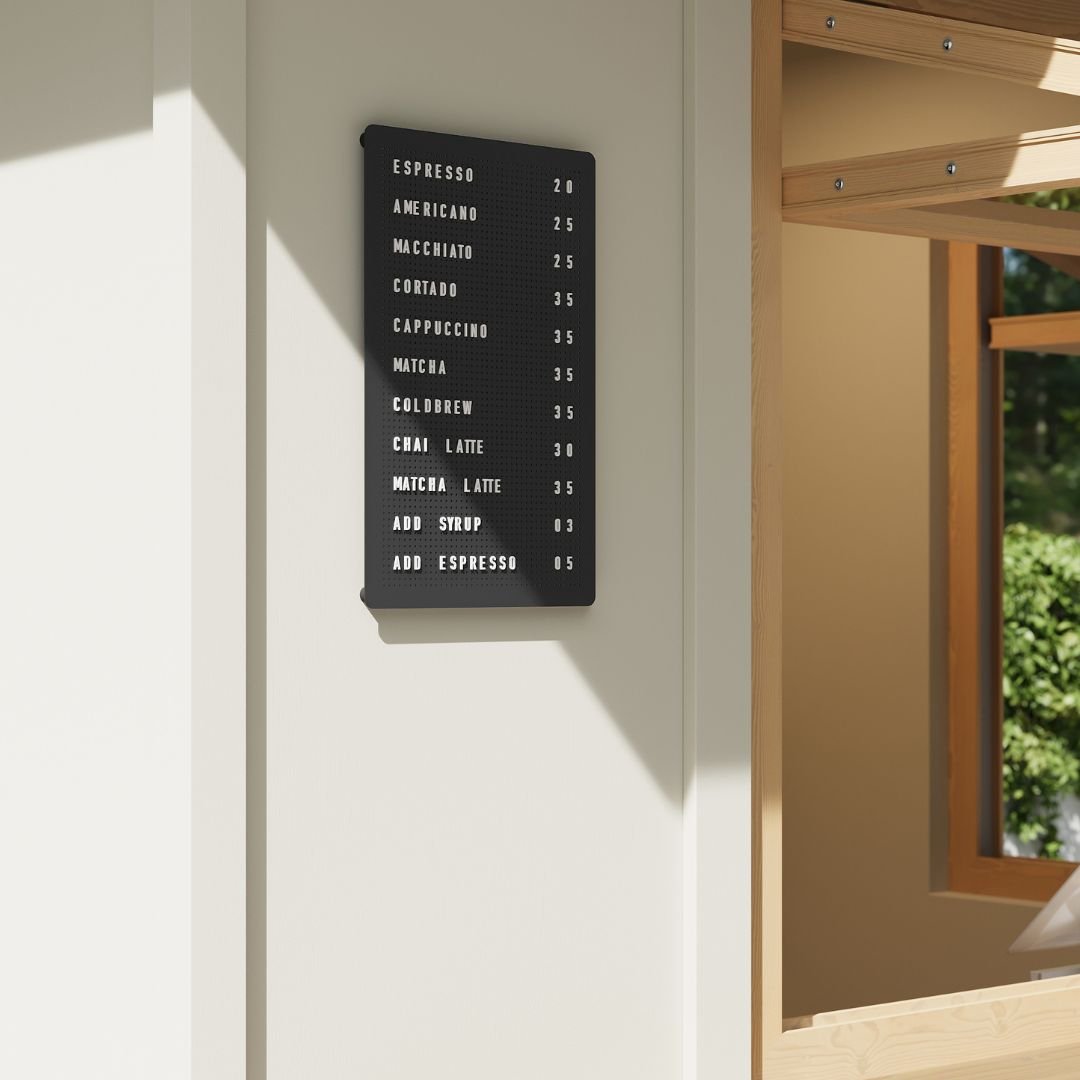
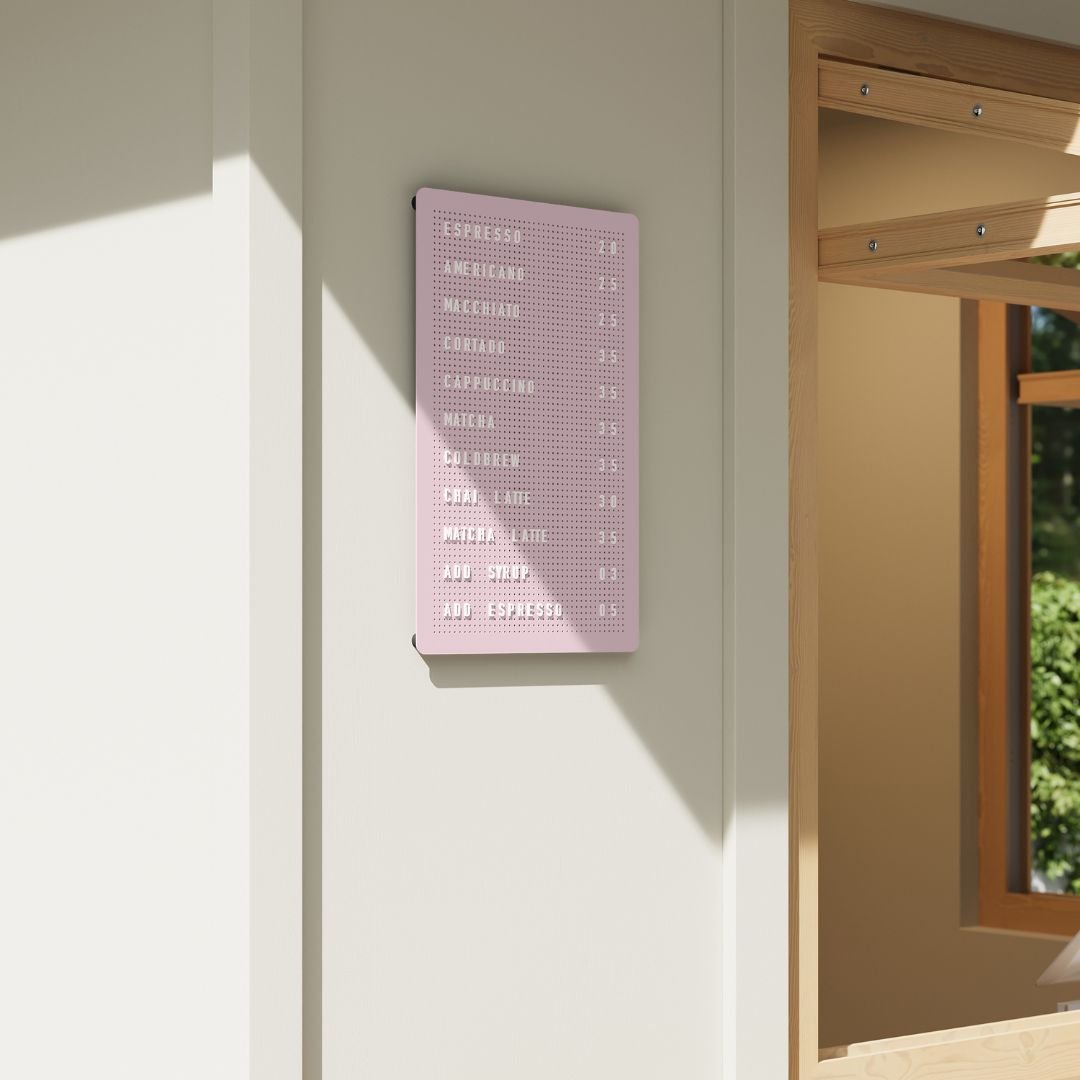
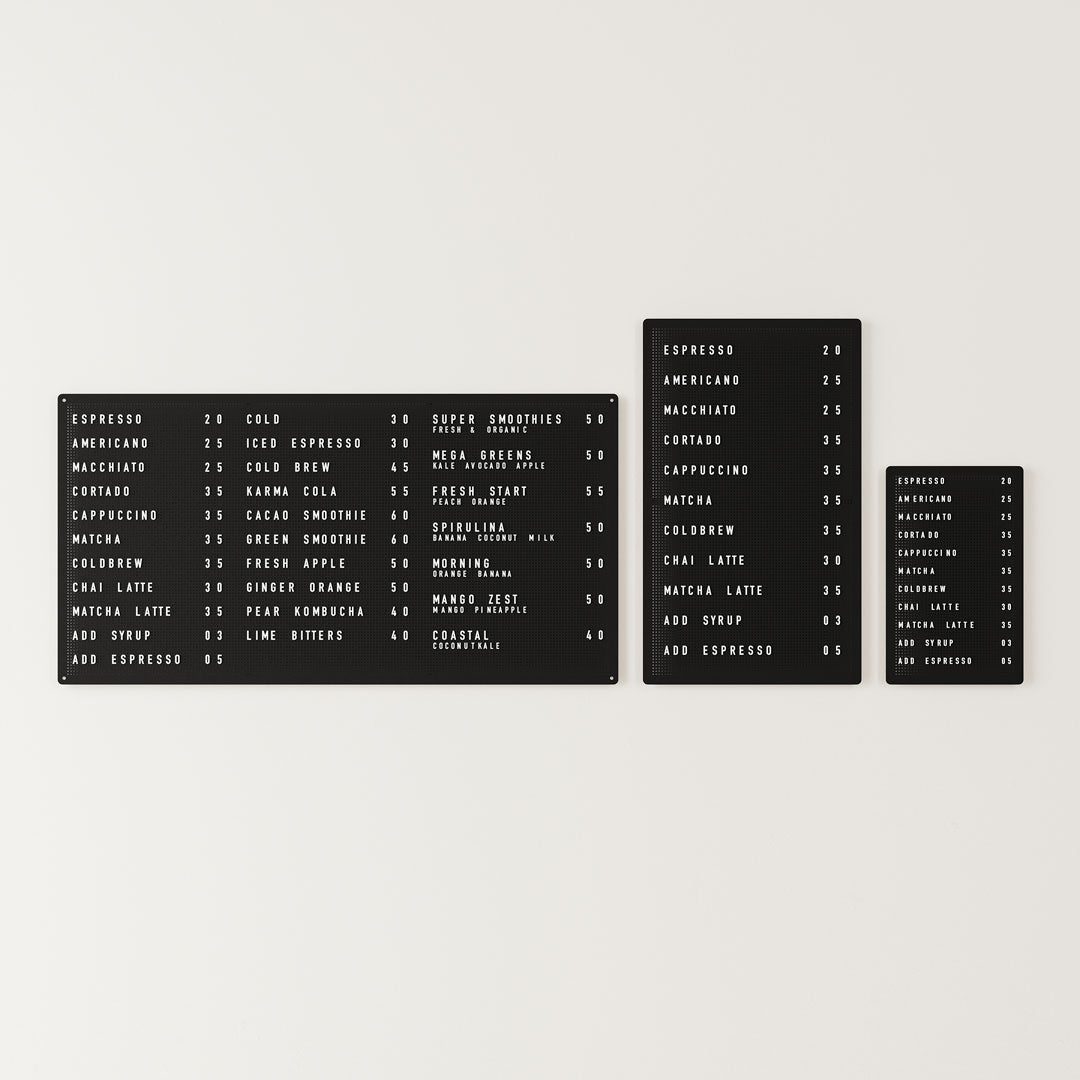
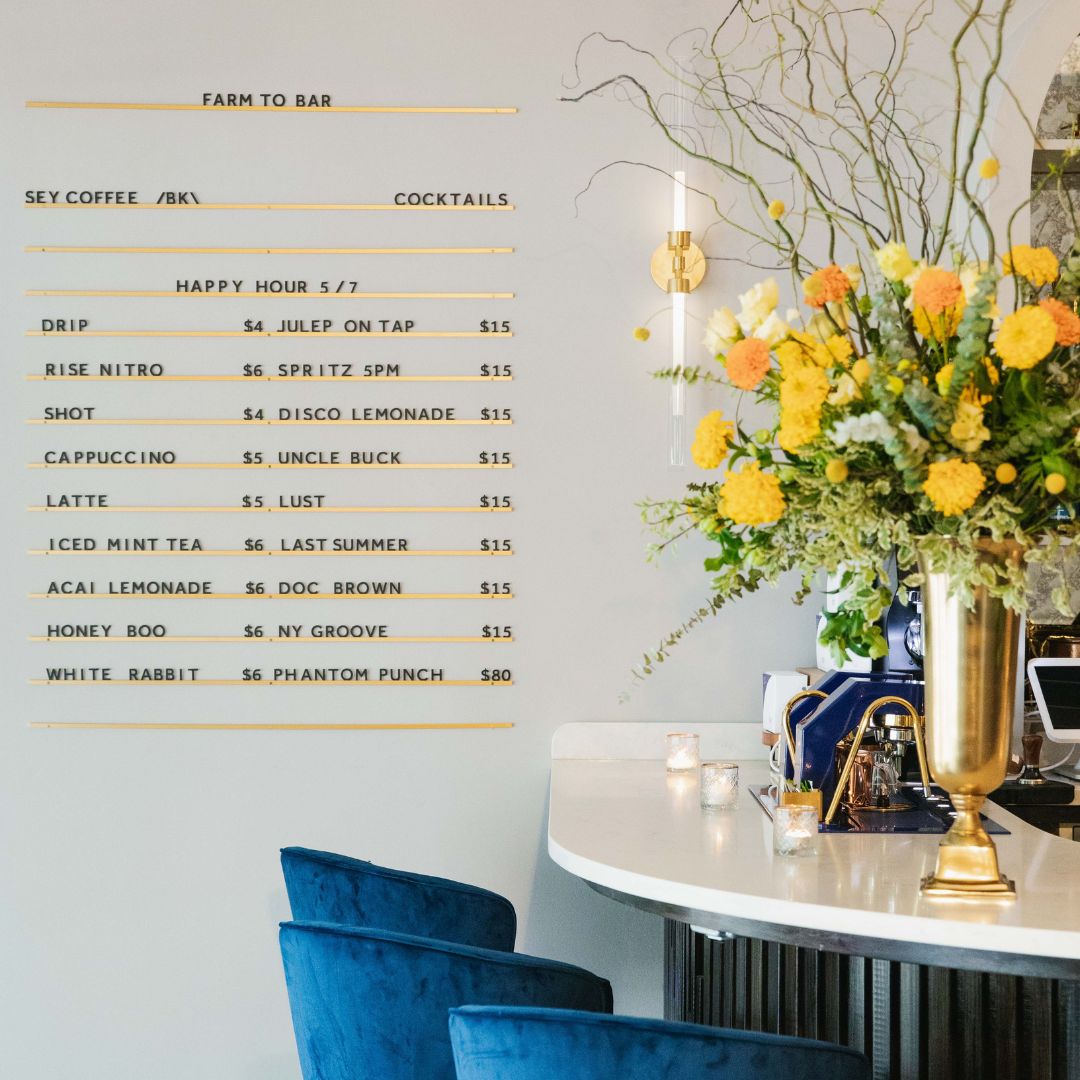
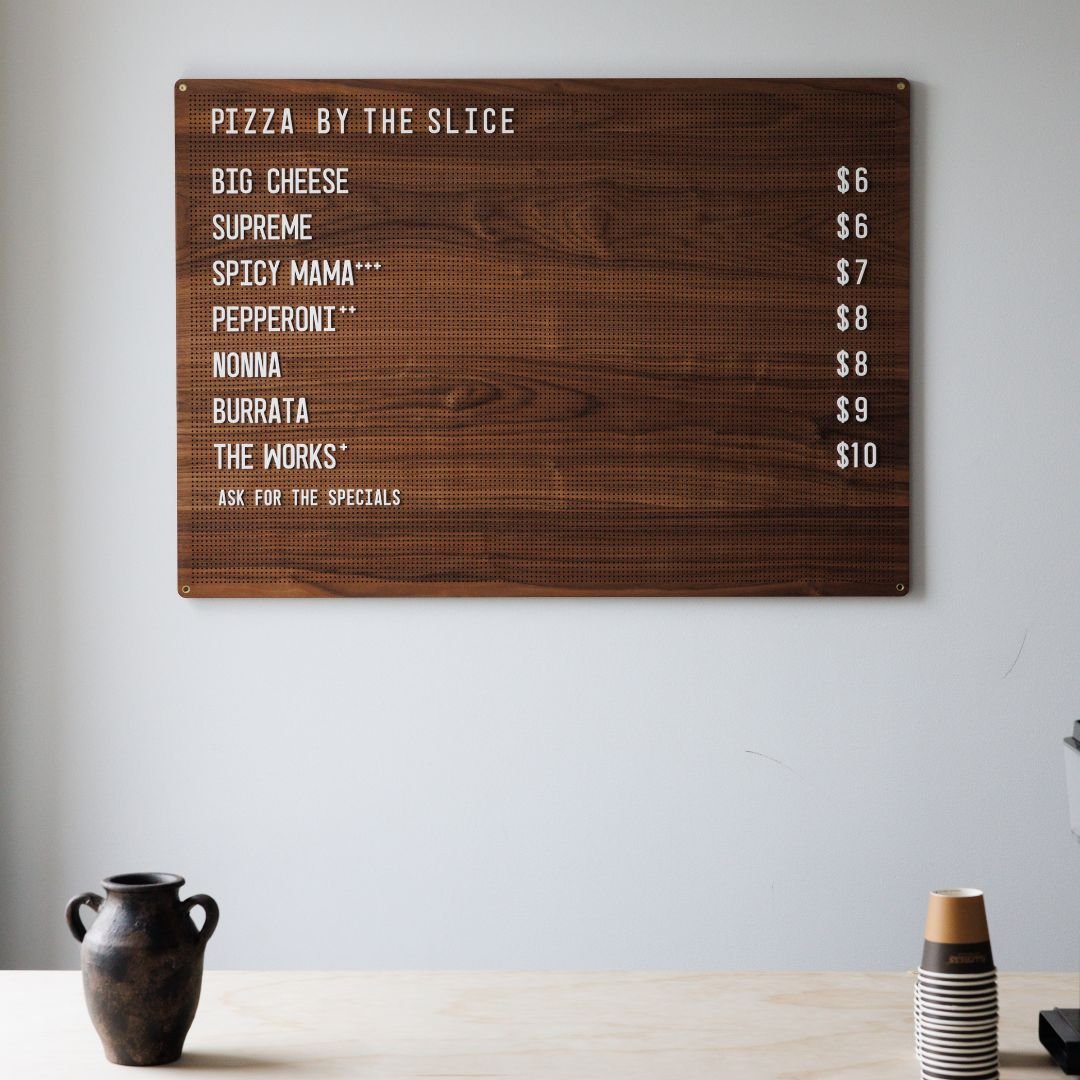
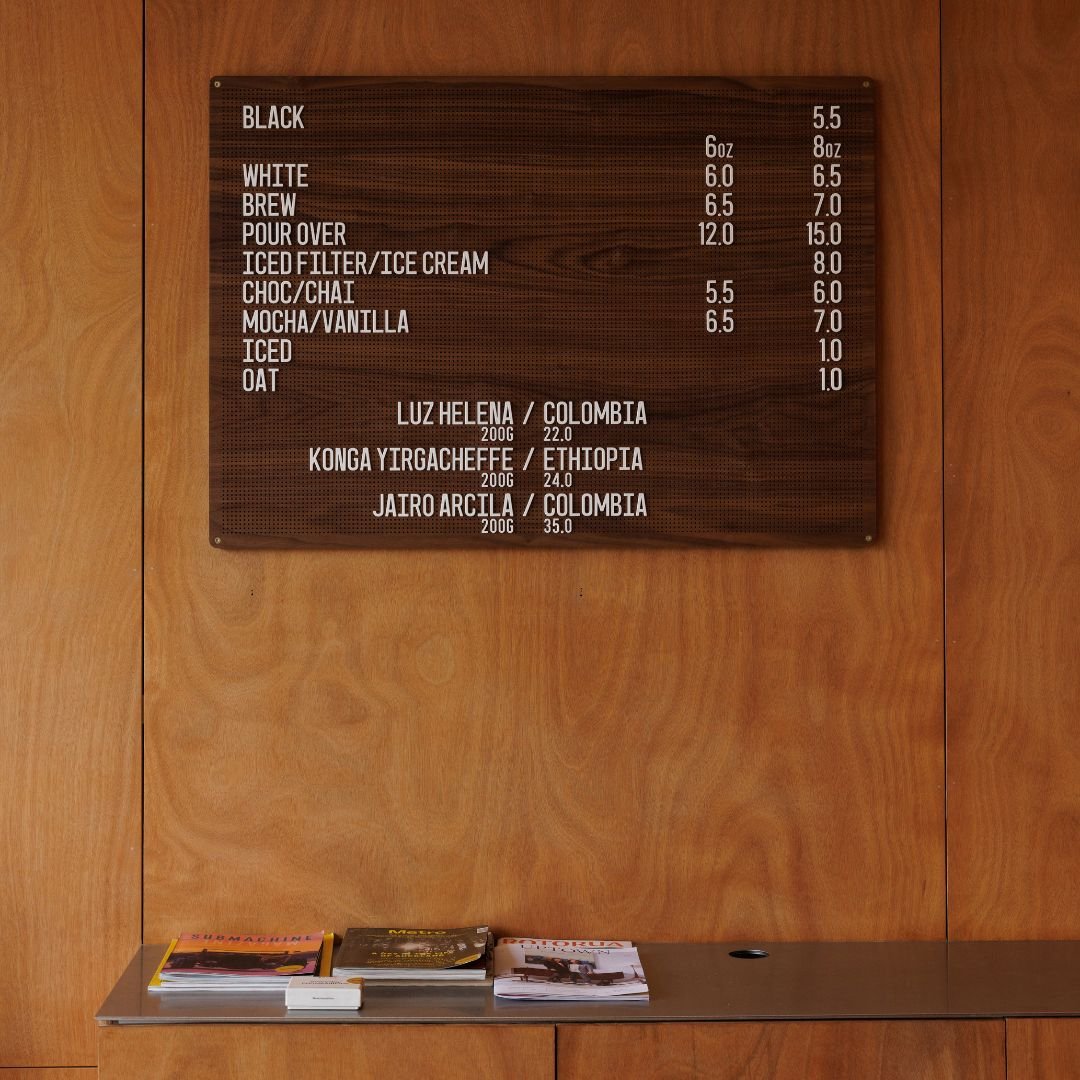
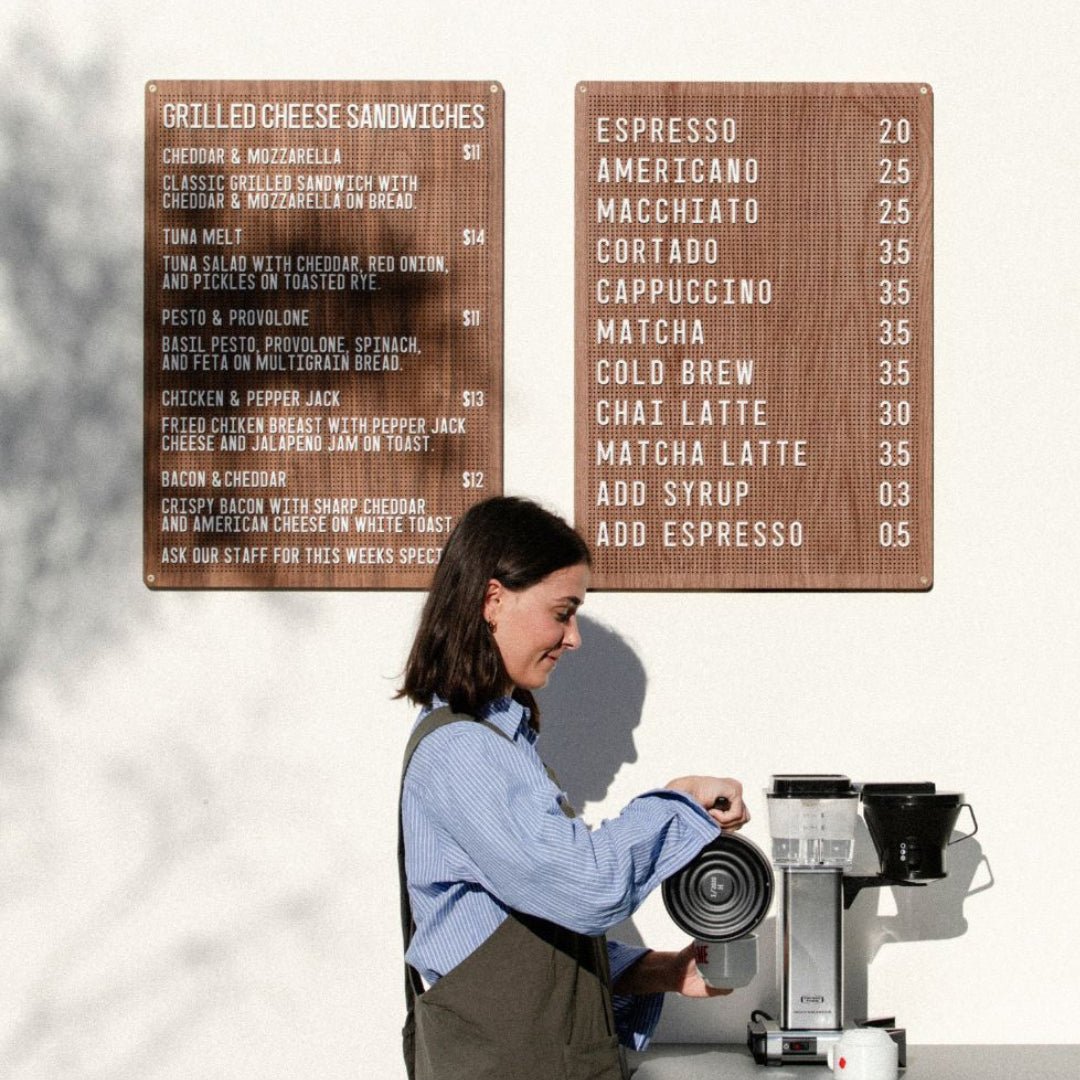
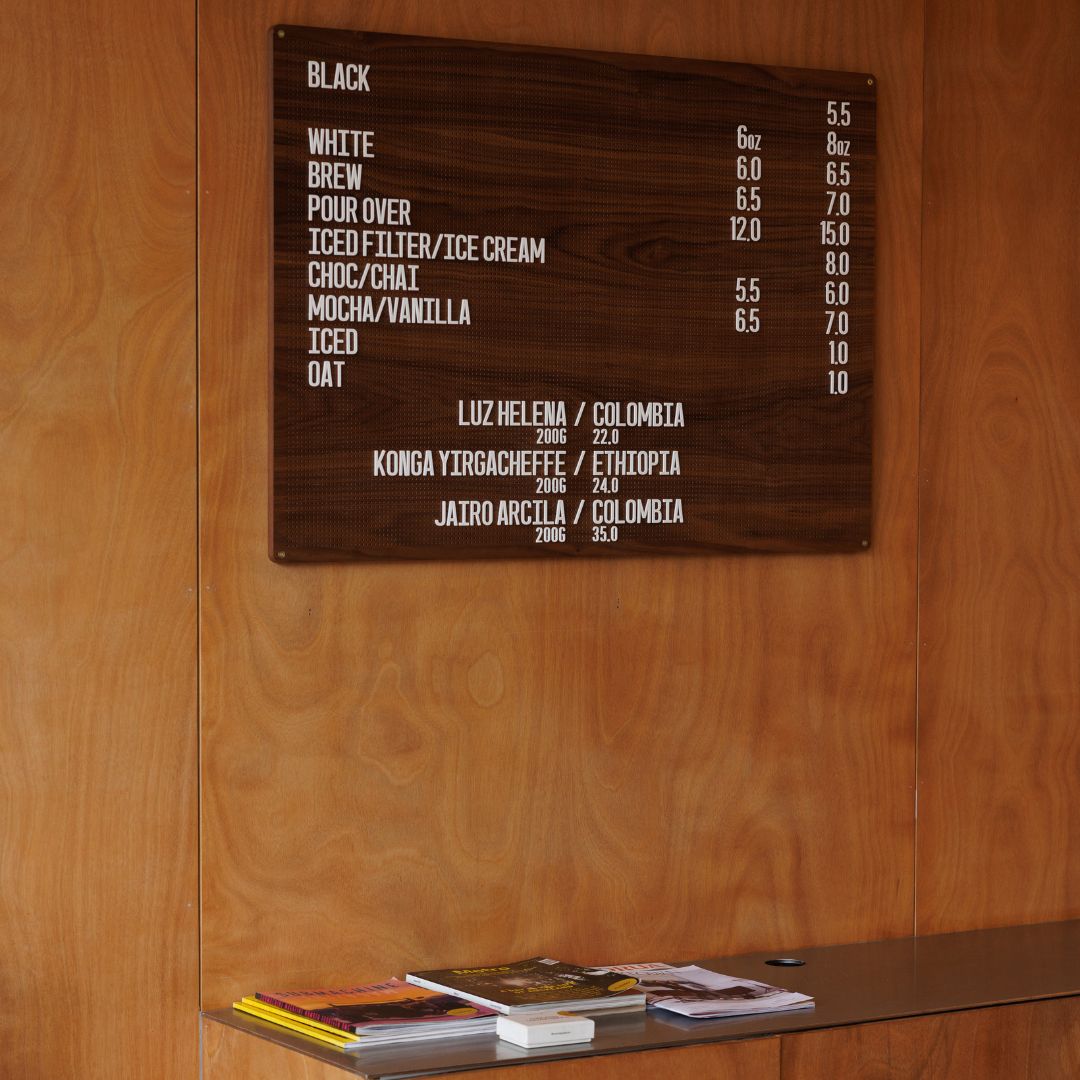
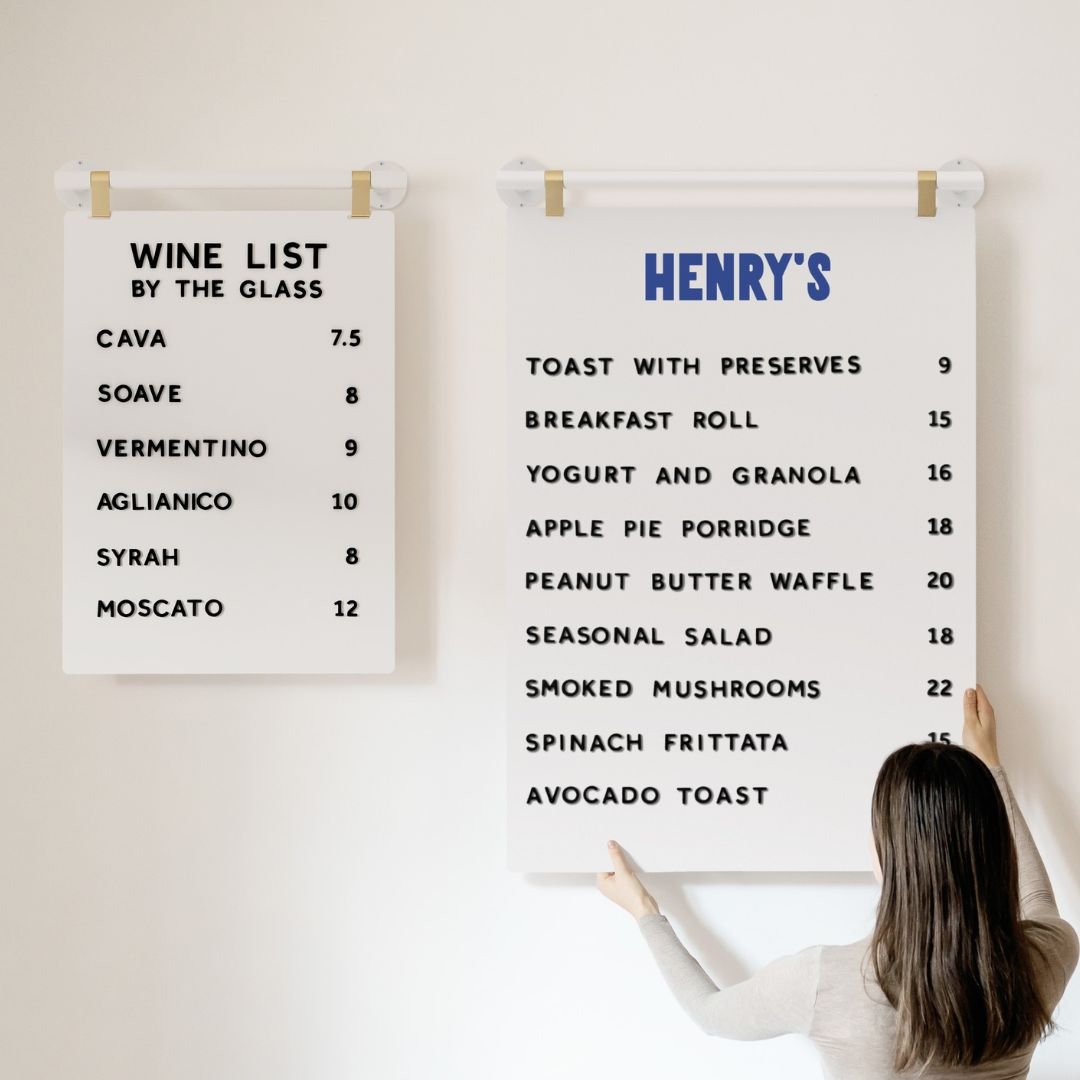
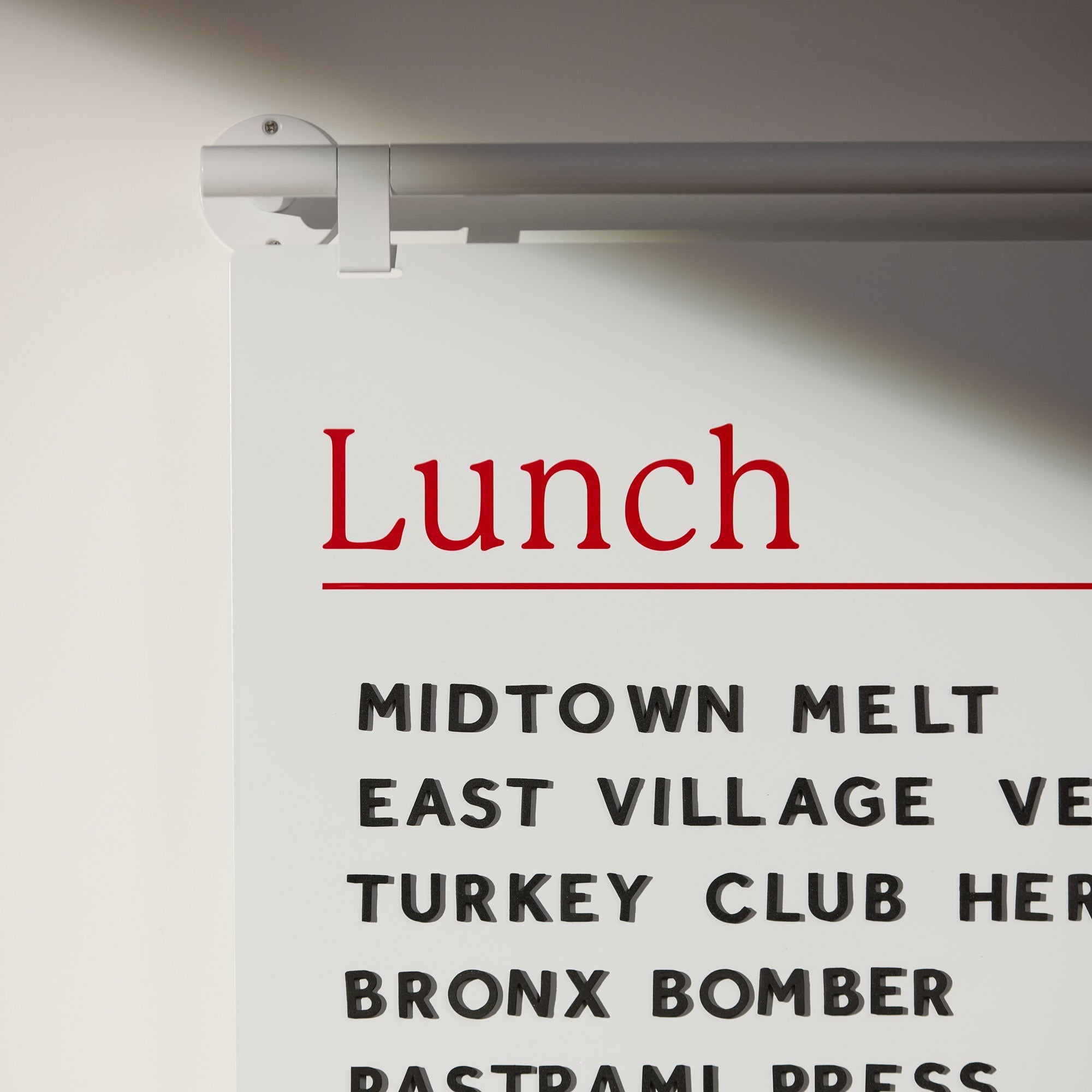
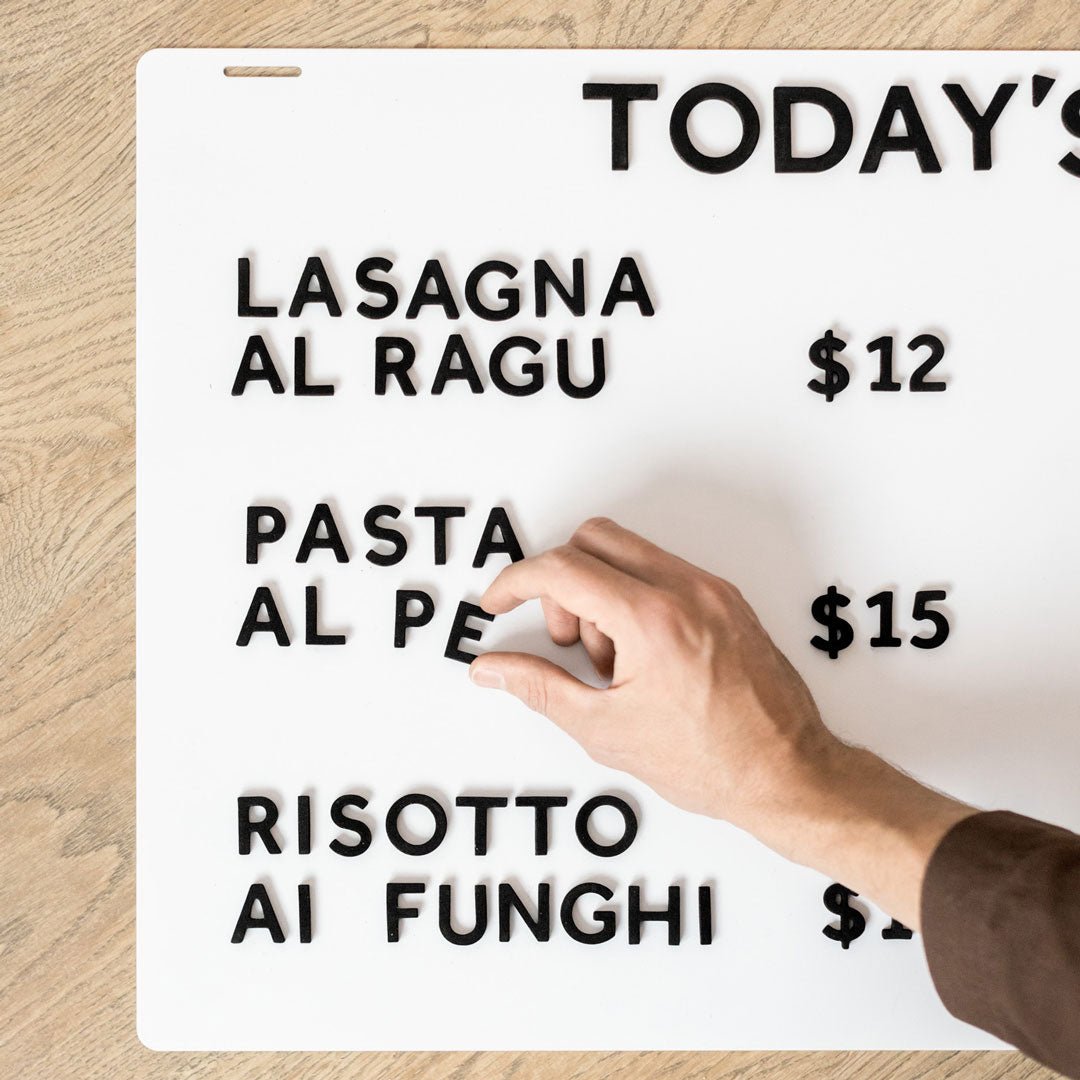
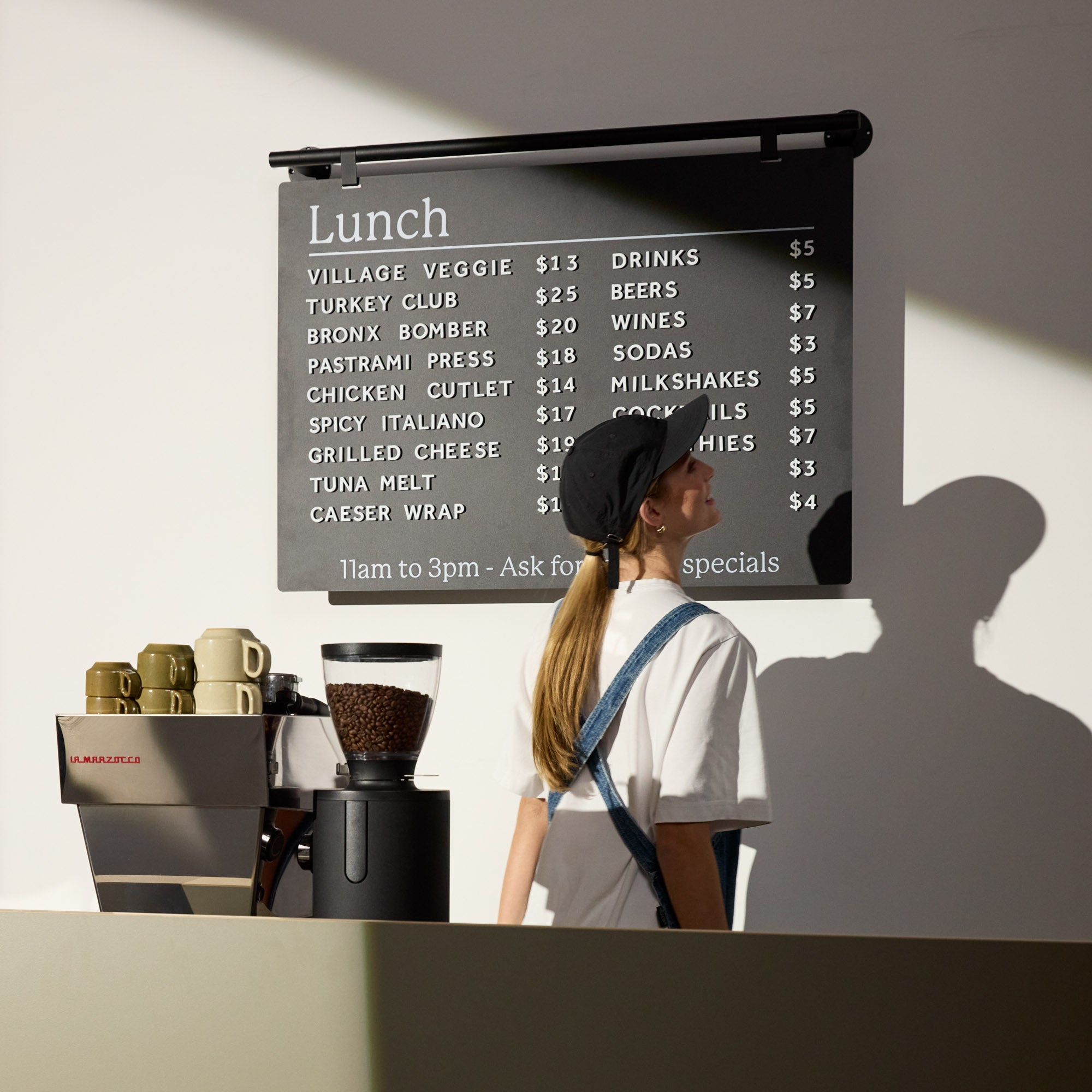
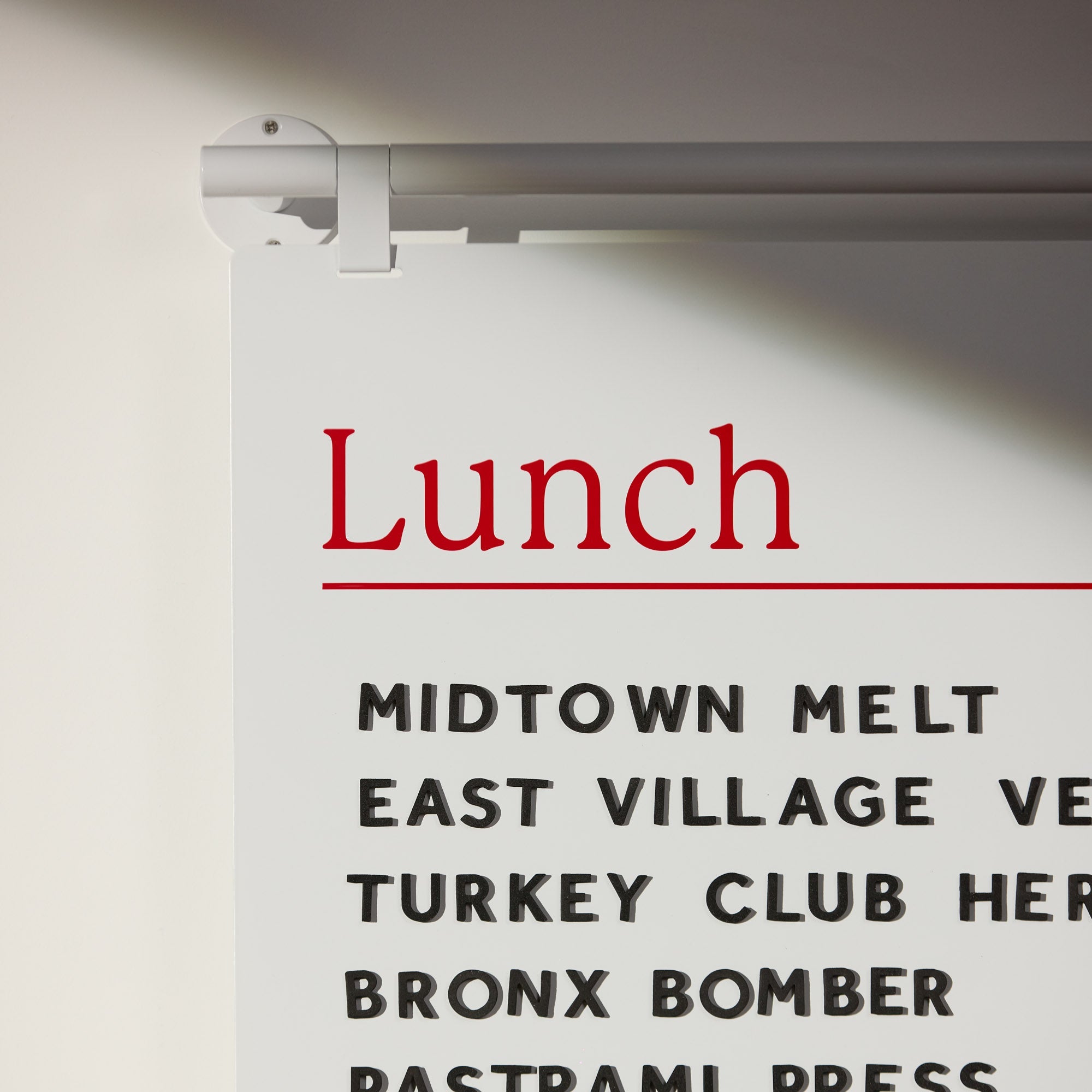
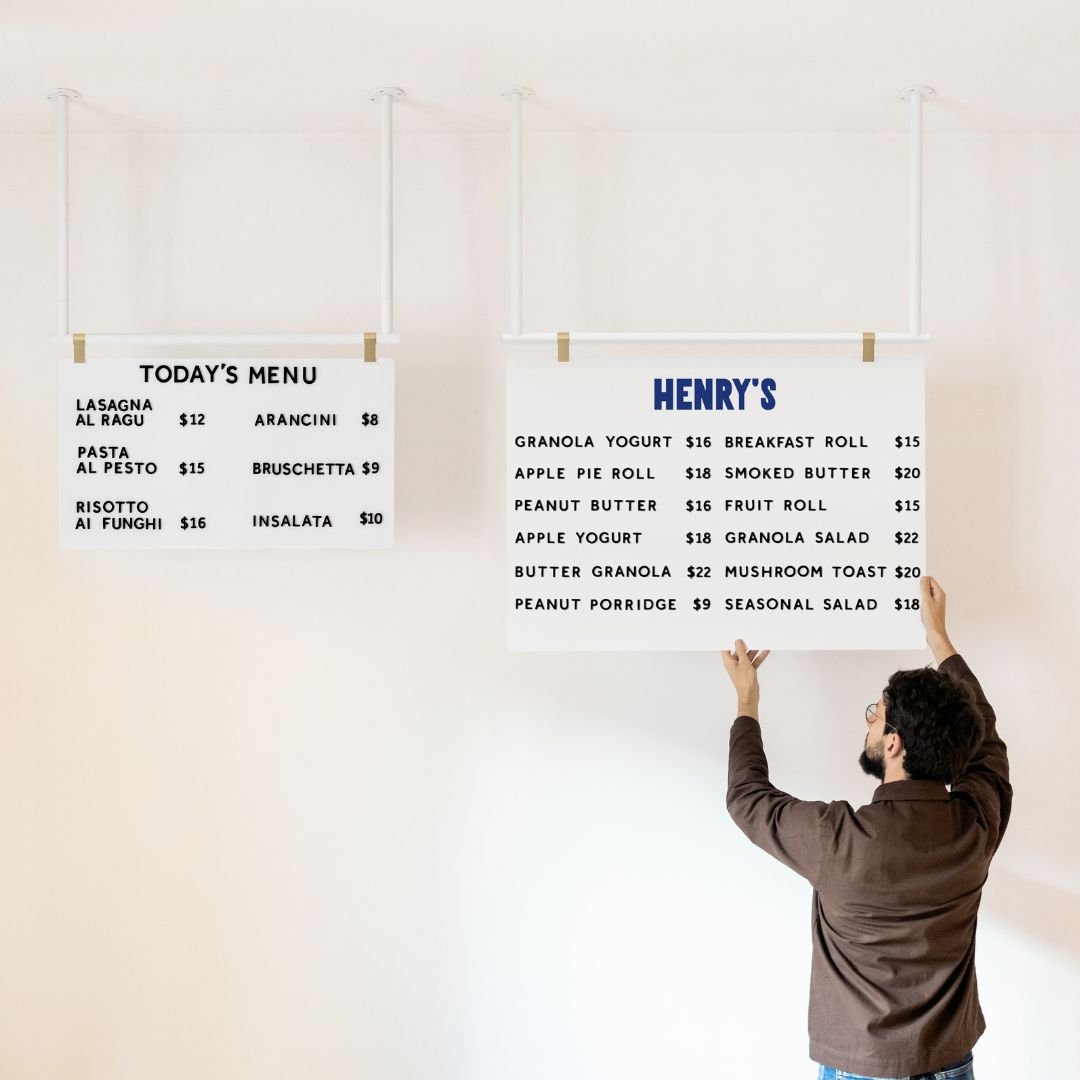
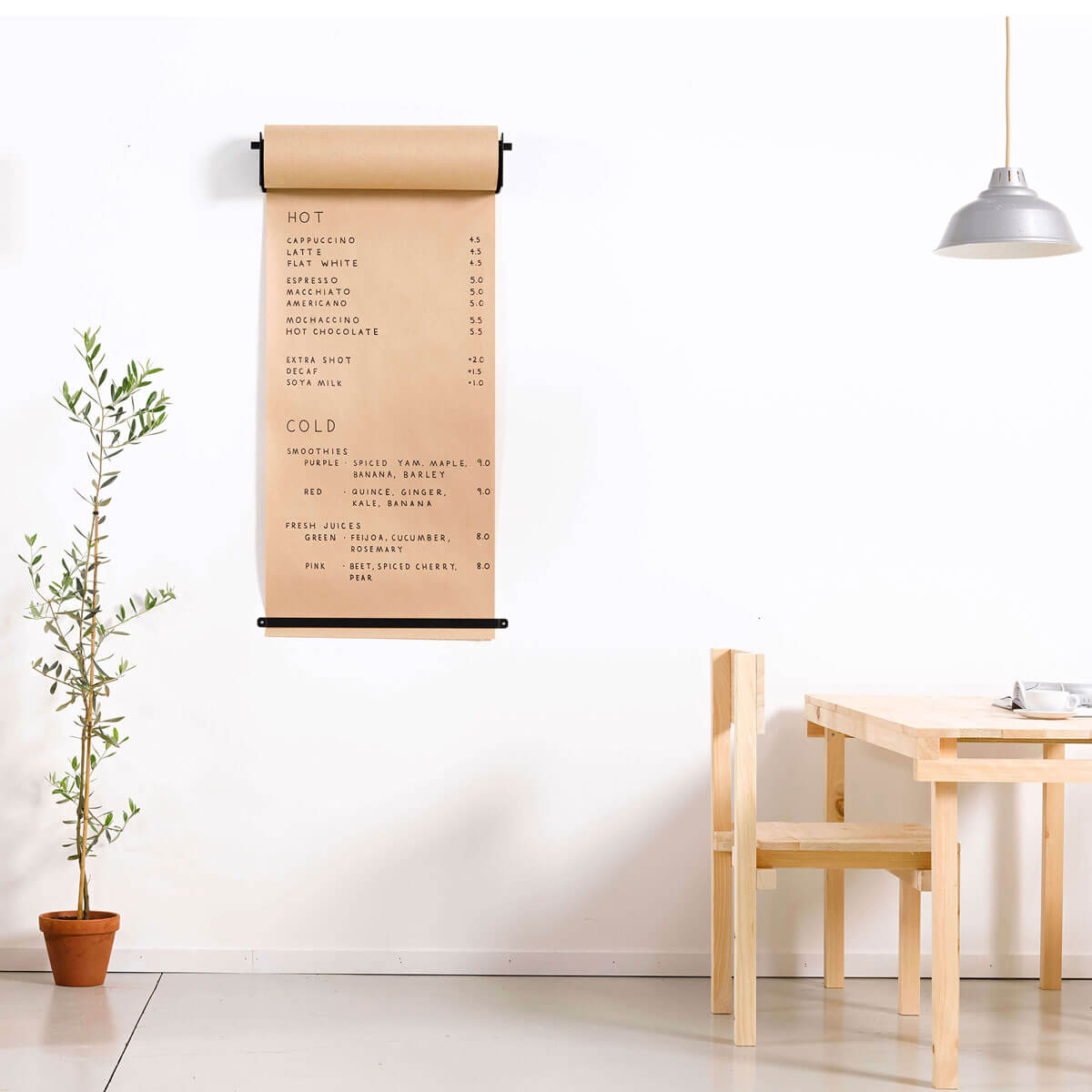
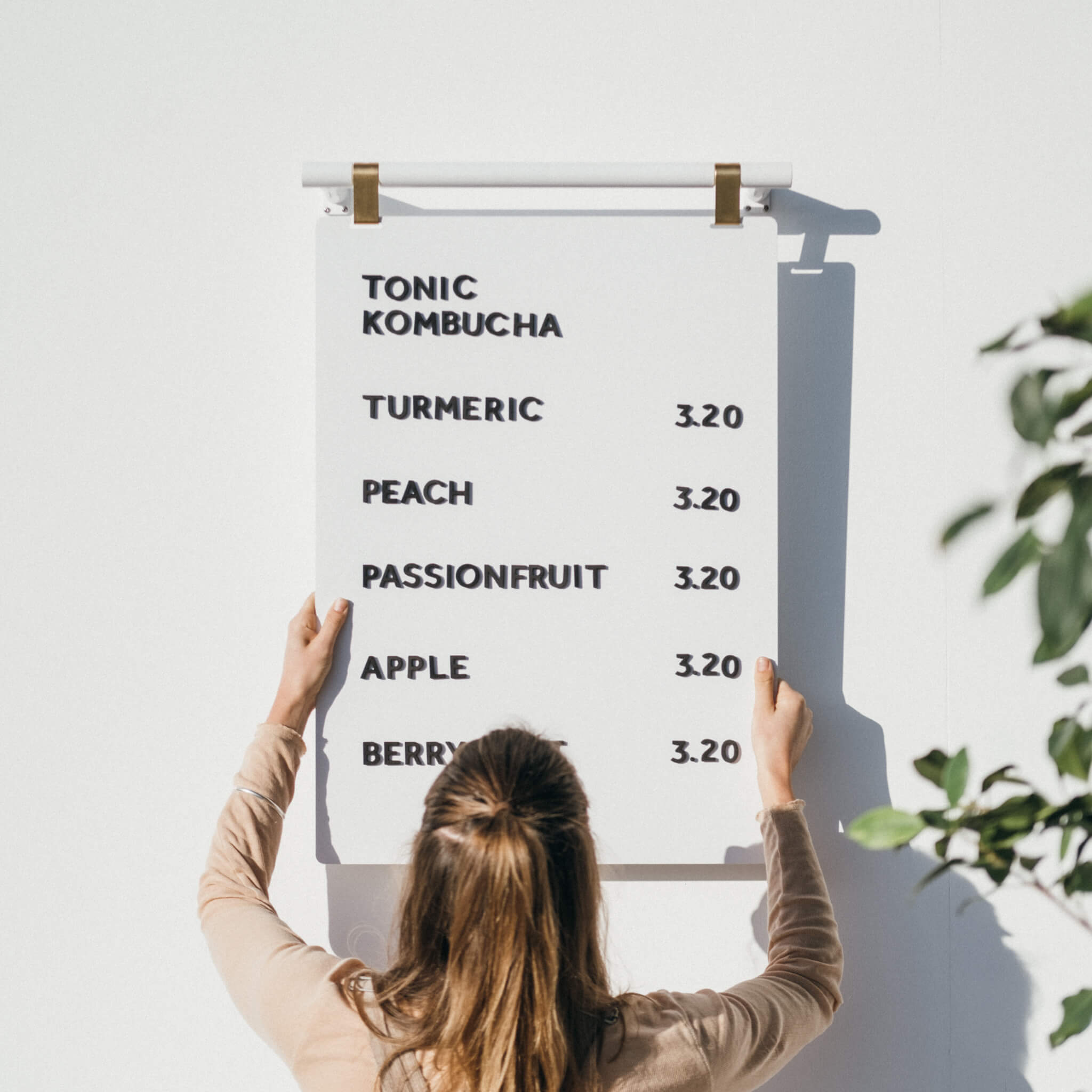
Wall Mounted Signs: These are affixed directly to a wall. This category includes everything from large menu boards that act as a focal point to smaller wayfinding signs that guide people through a space.
-
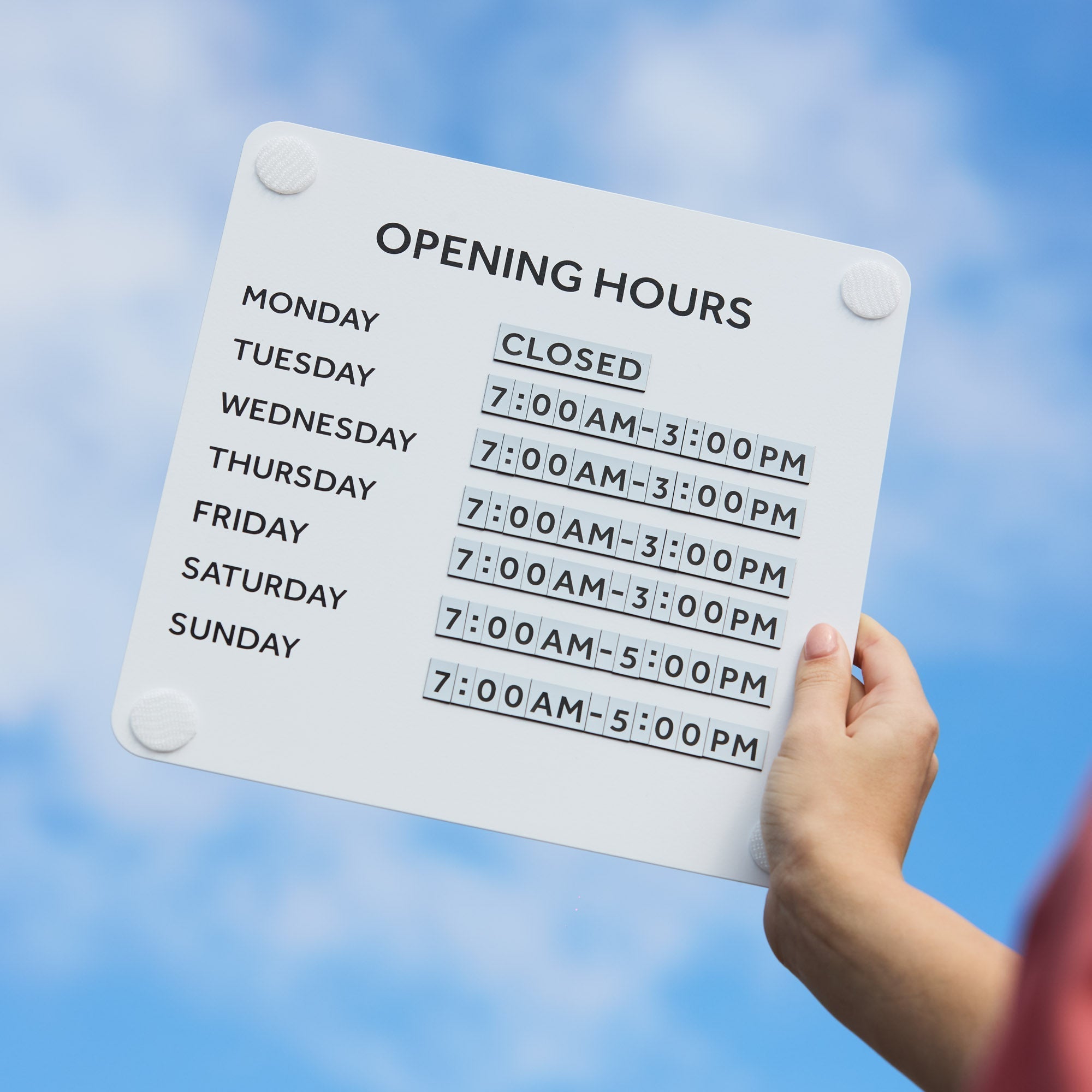
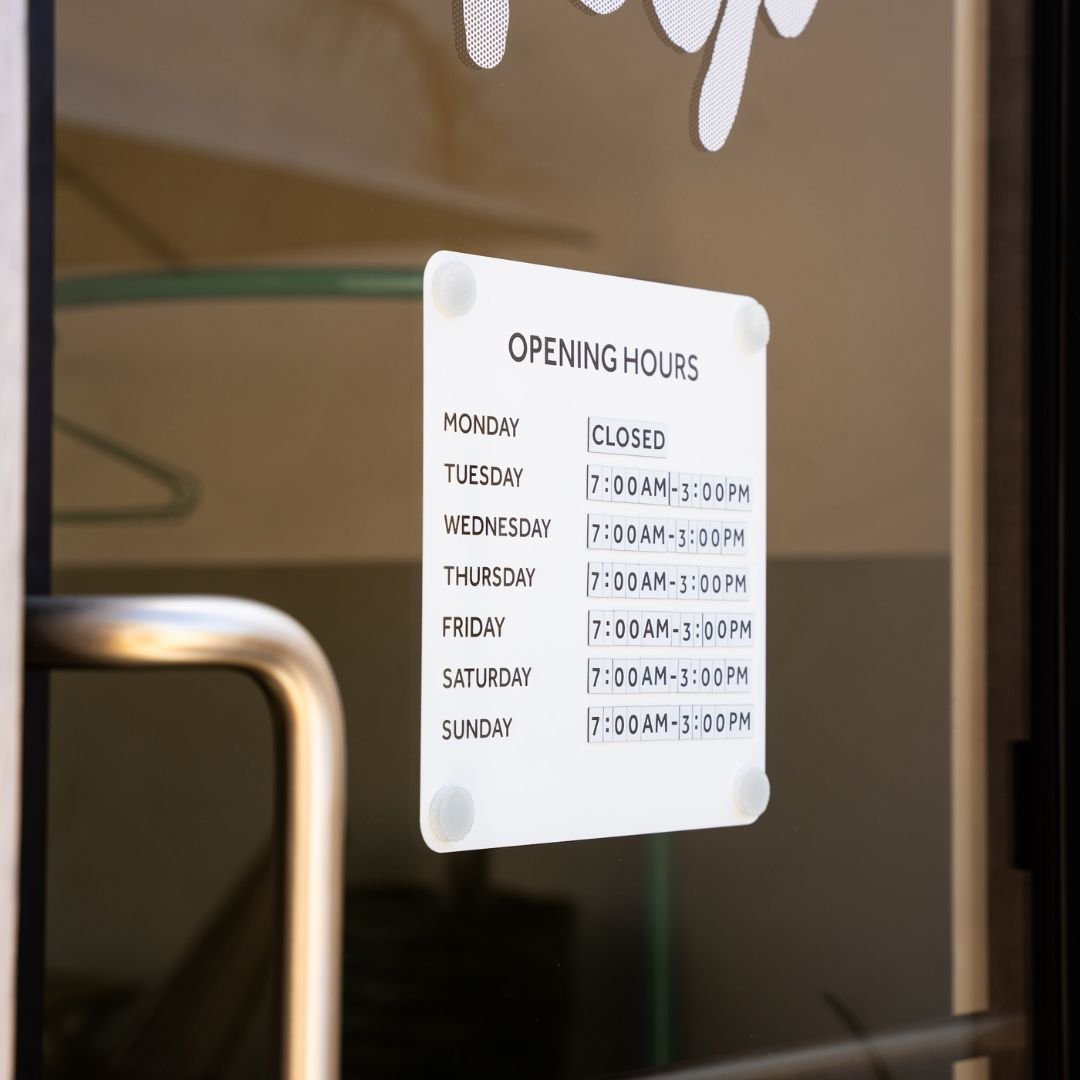
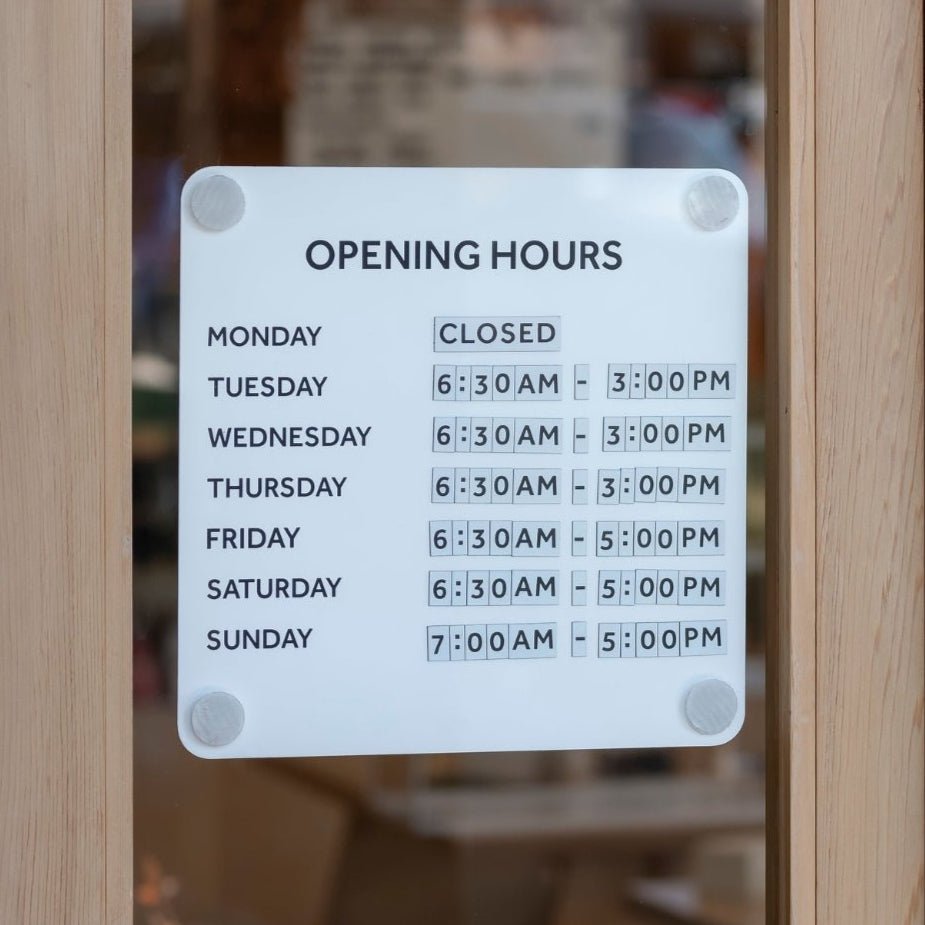
Window and Vinyl Graphics: Don’t overlook your windows. Vinyl decals are a versatile and cost effective way to display logos, hours of operation, or promotions. They can be artistic and decorative while also being informative.
-
Illuminated and LED Signs: Signs that have their own light source, like a Round Light Box Sign, are excellent for visibility day and night. Modern options like LED neon or channel letters offer a bright, contemporary look, though they often require professional installation.
-
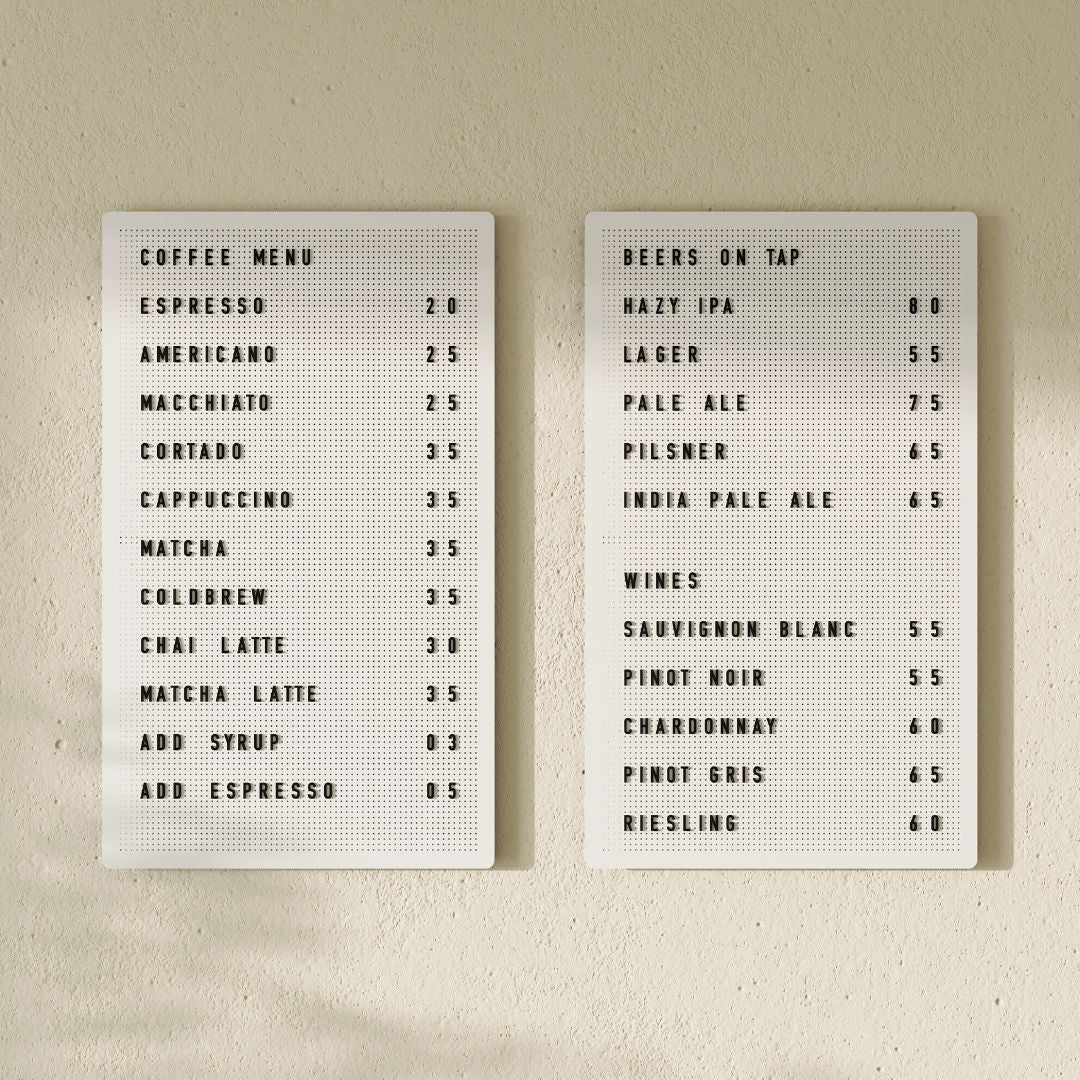
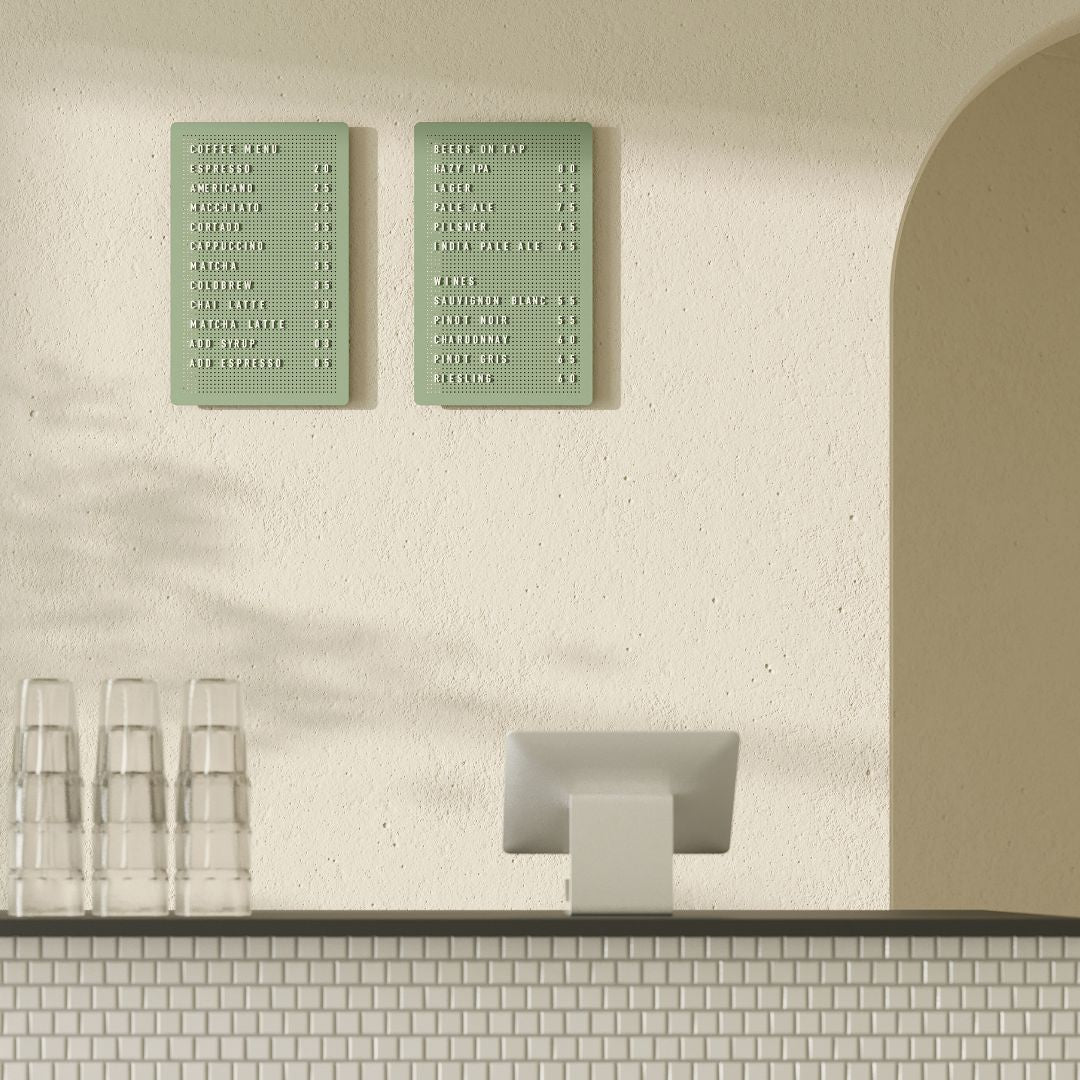
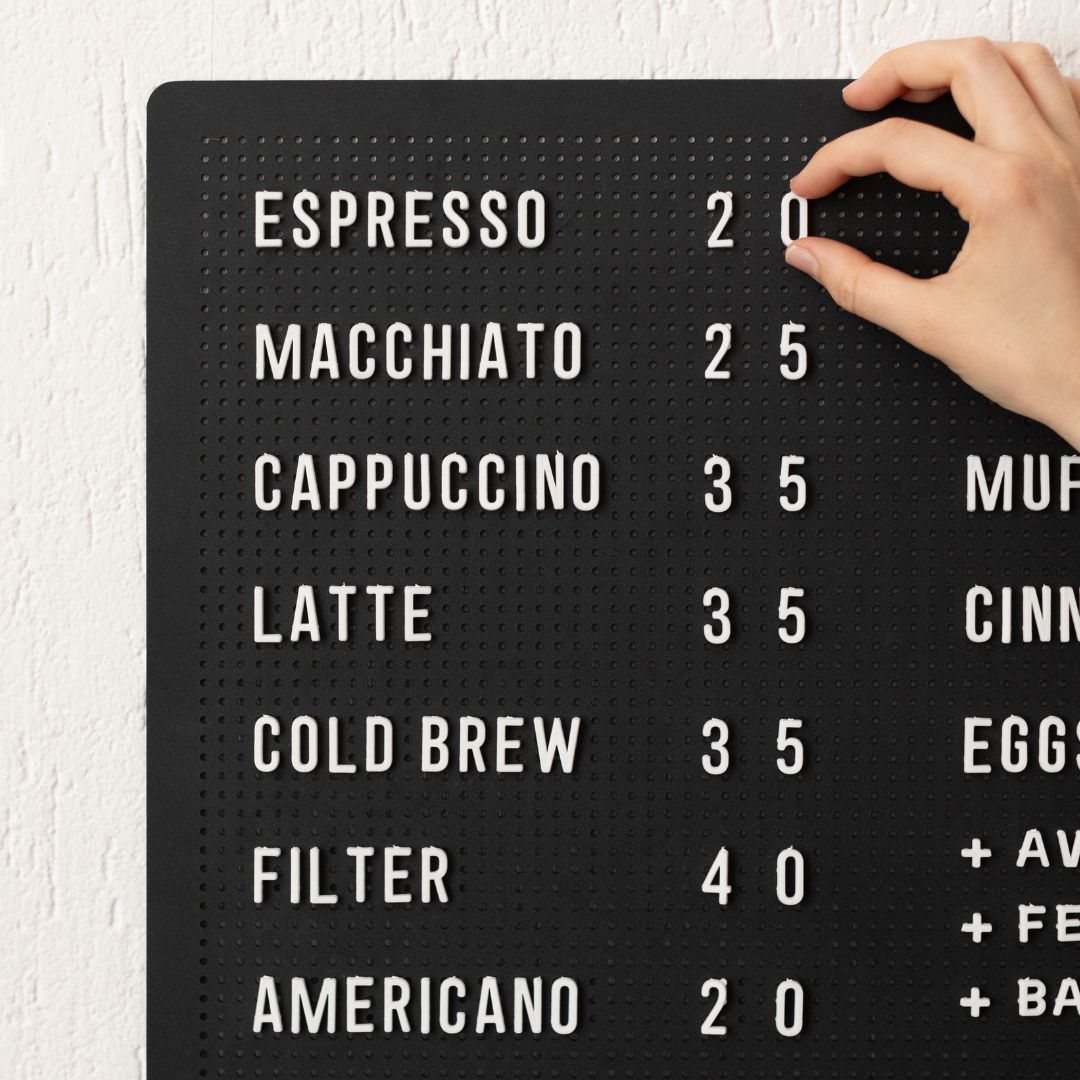
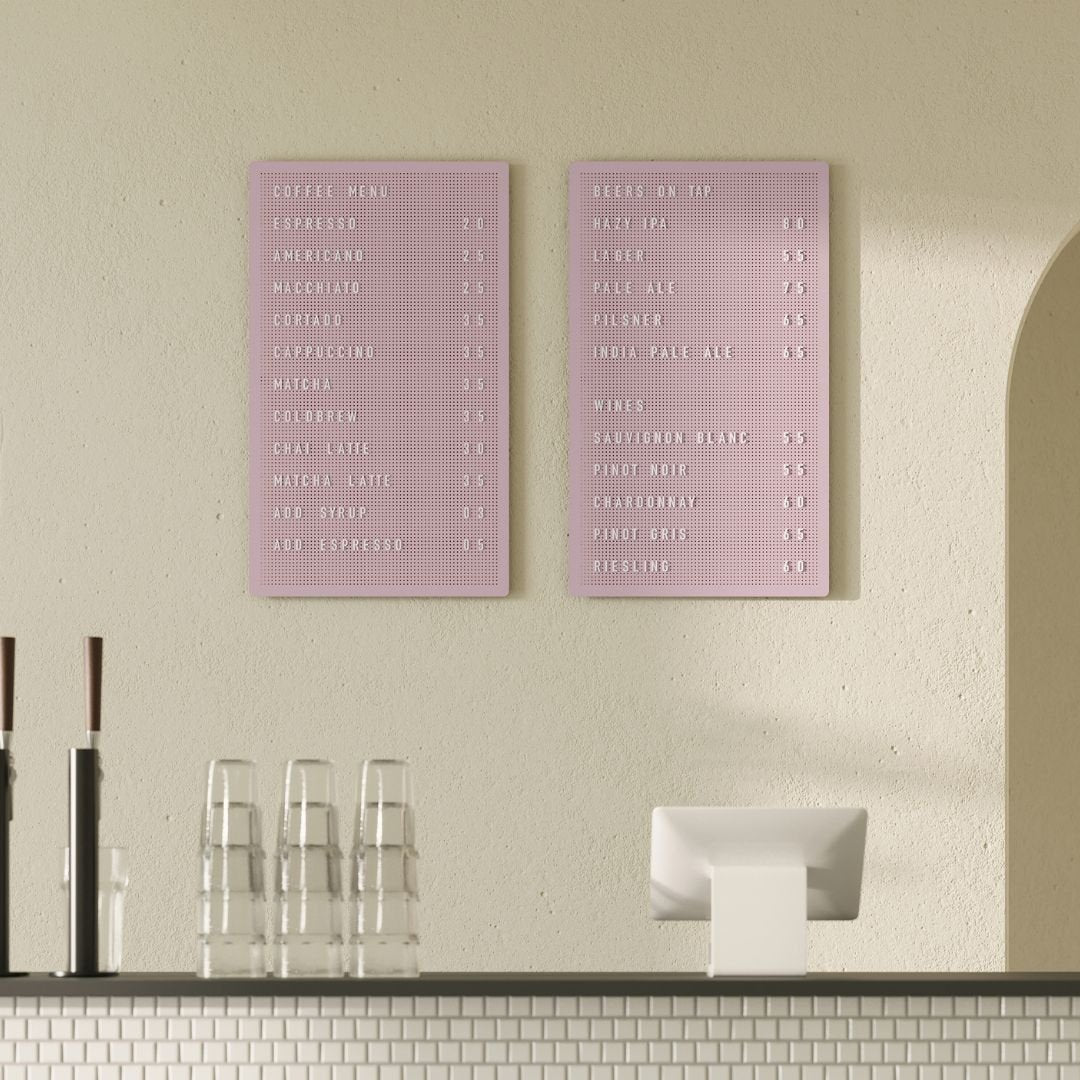
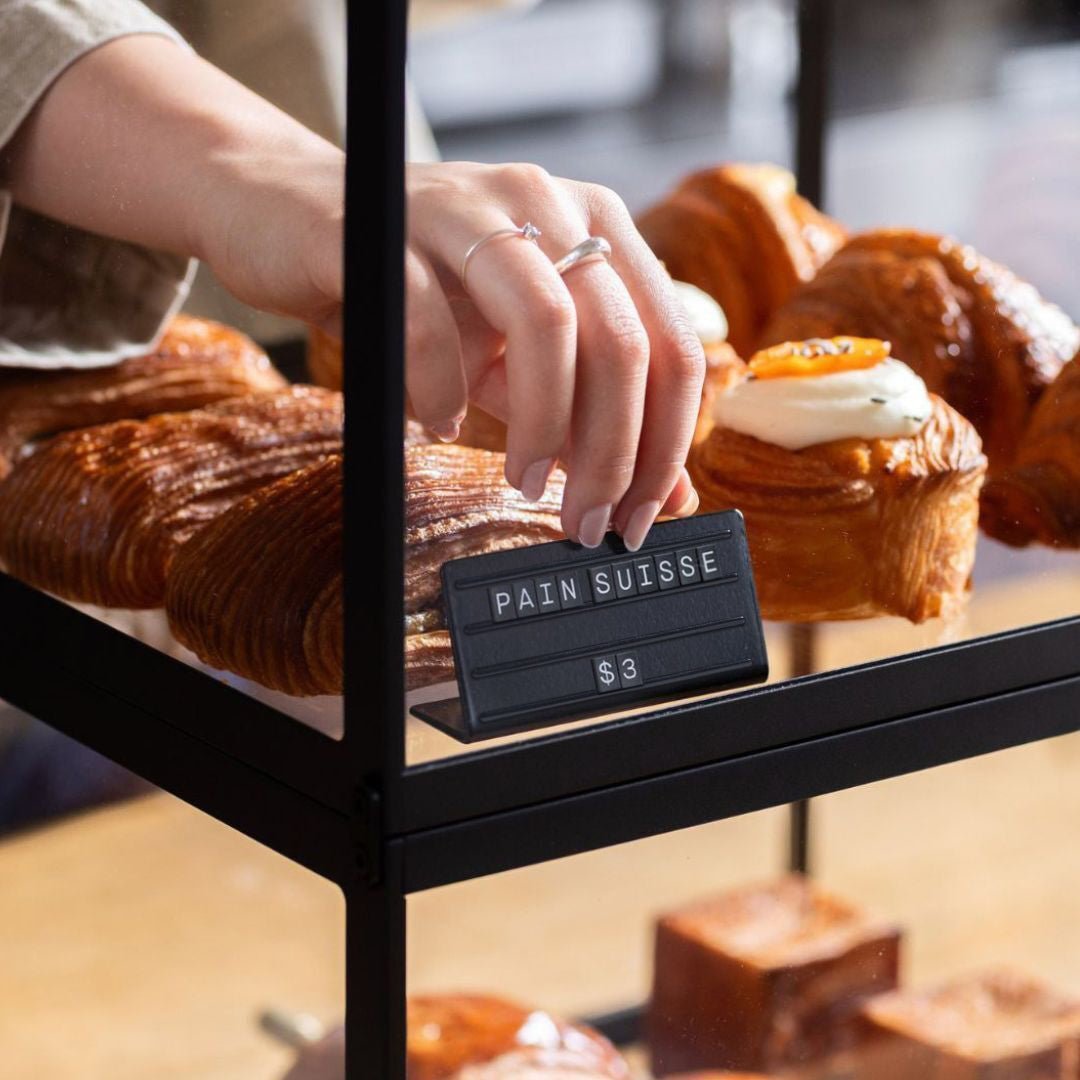
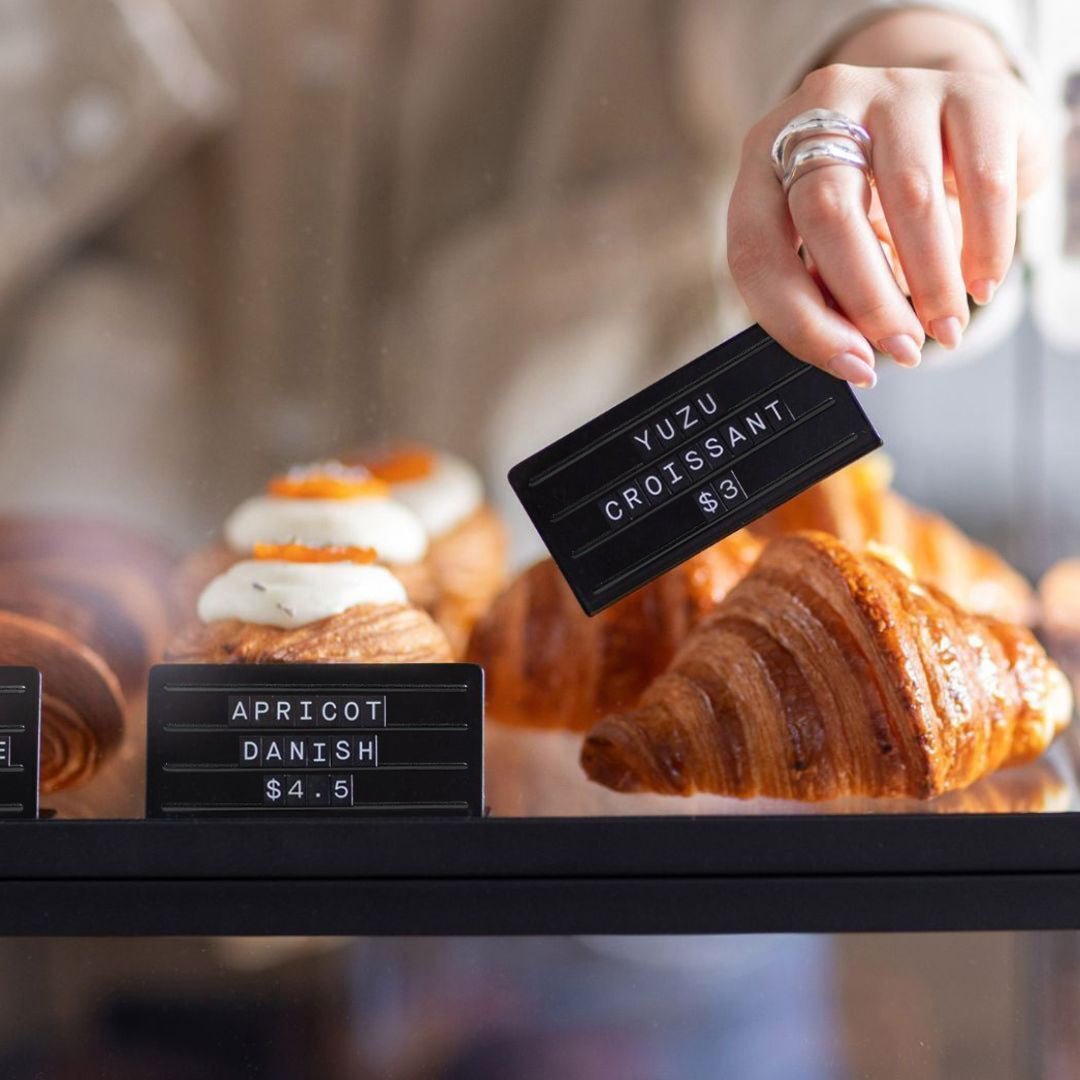
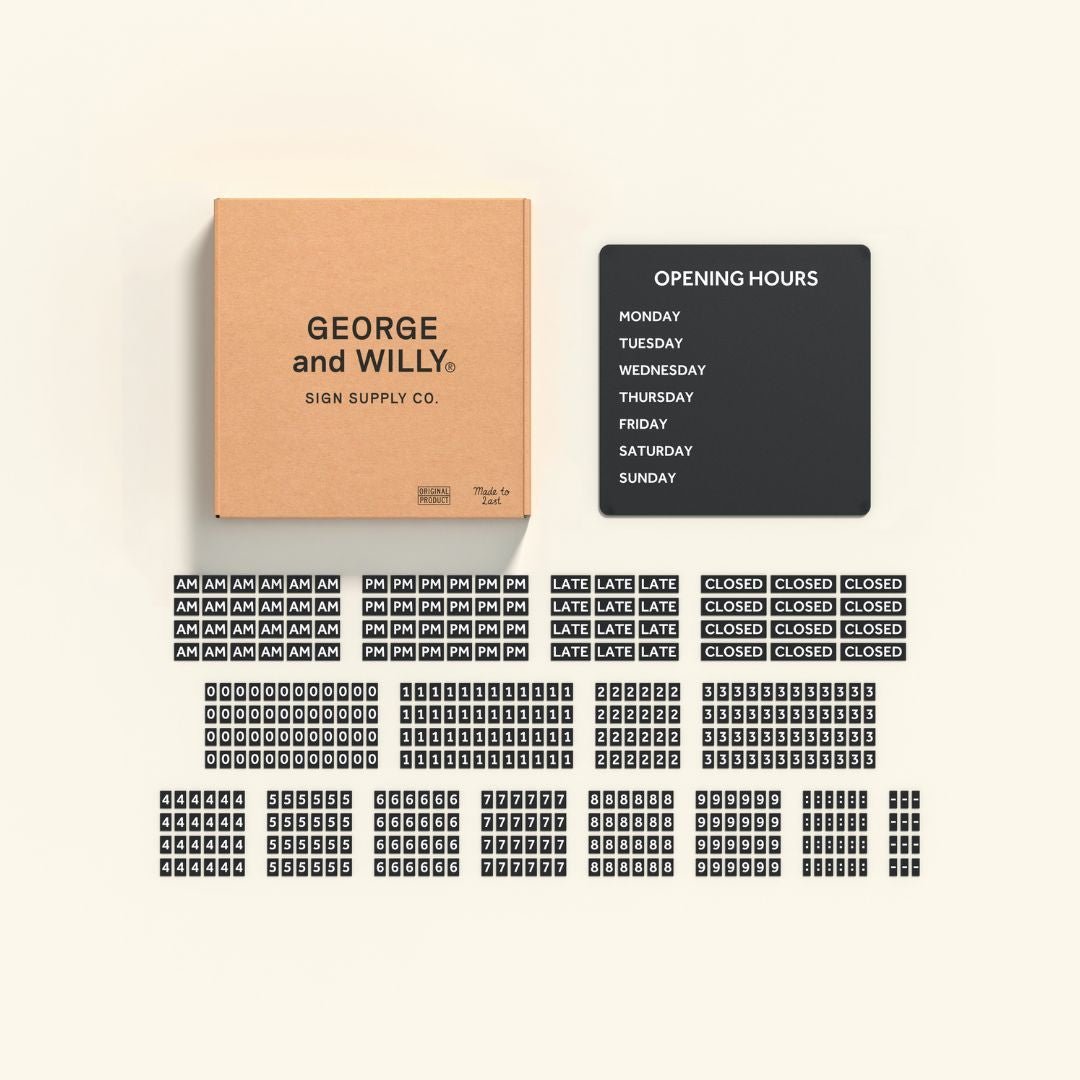
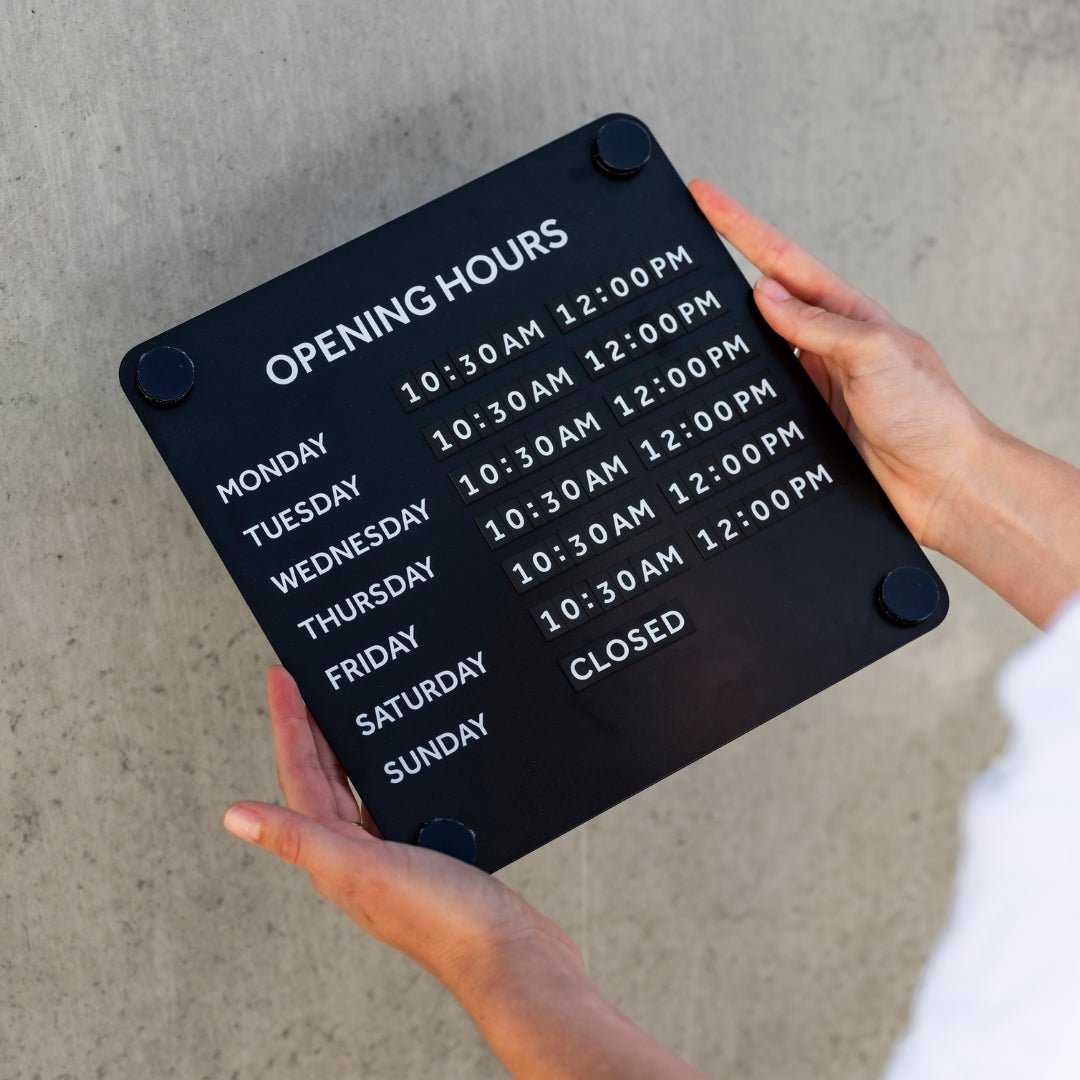
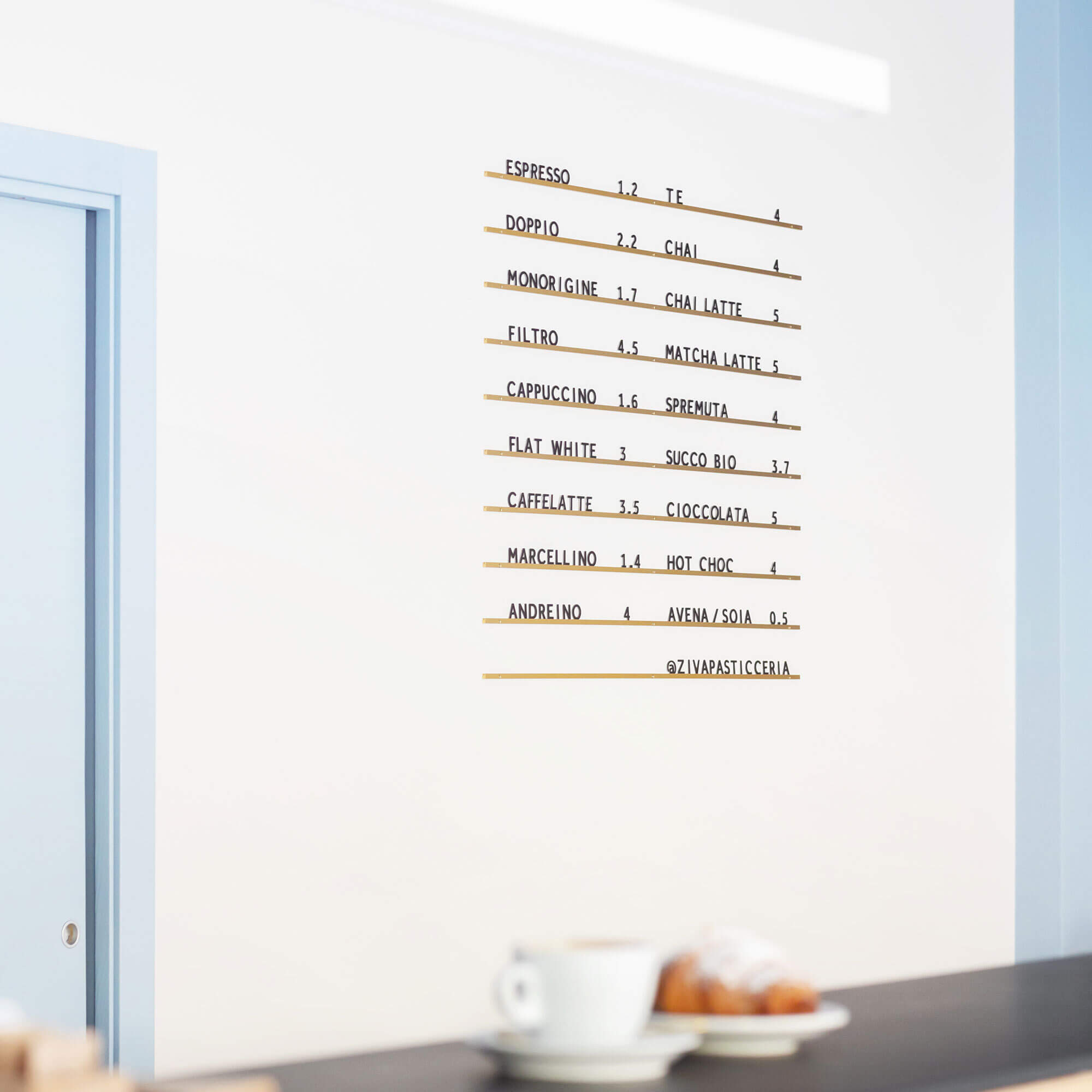
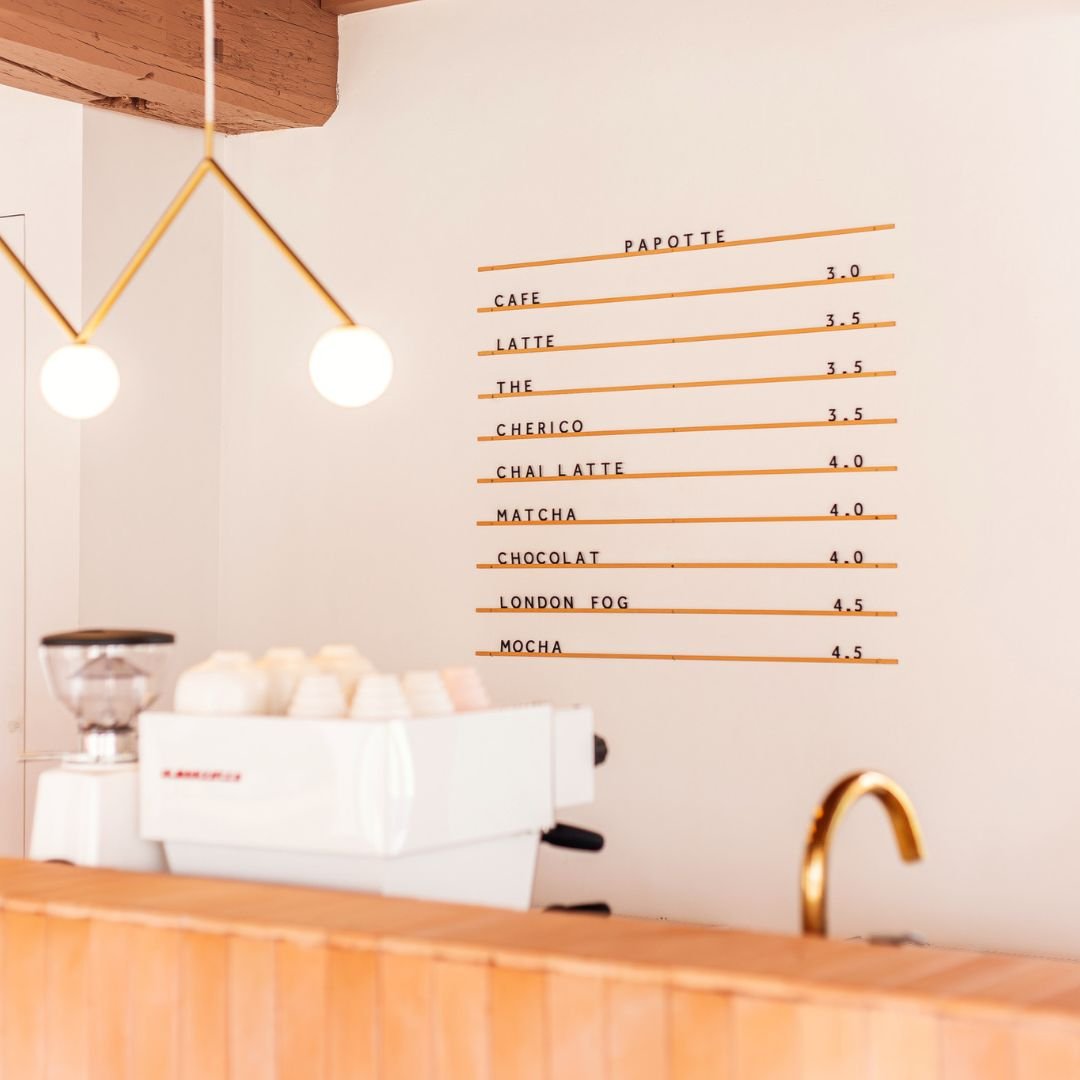
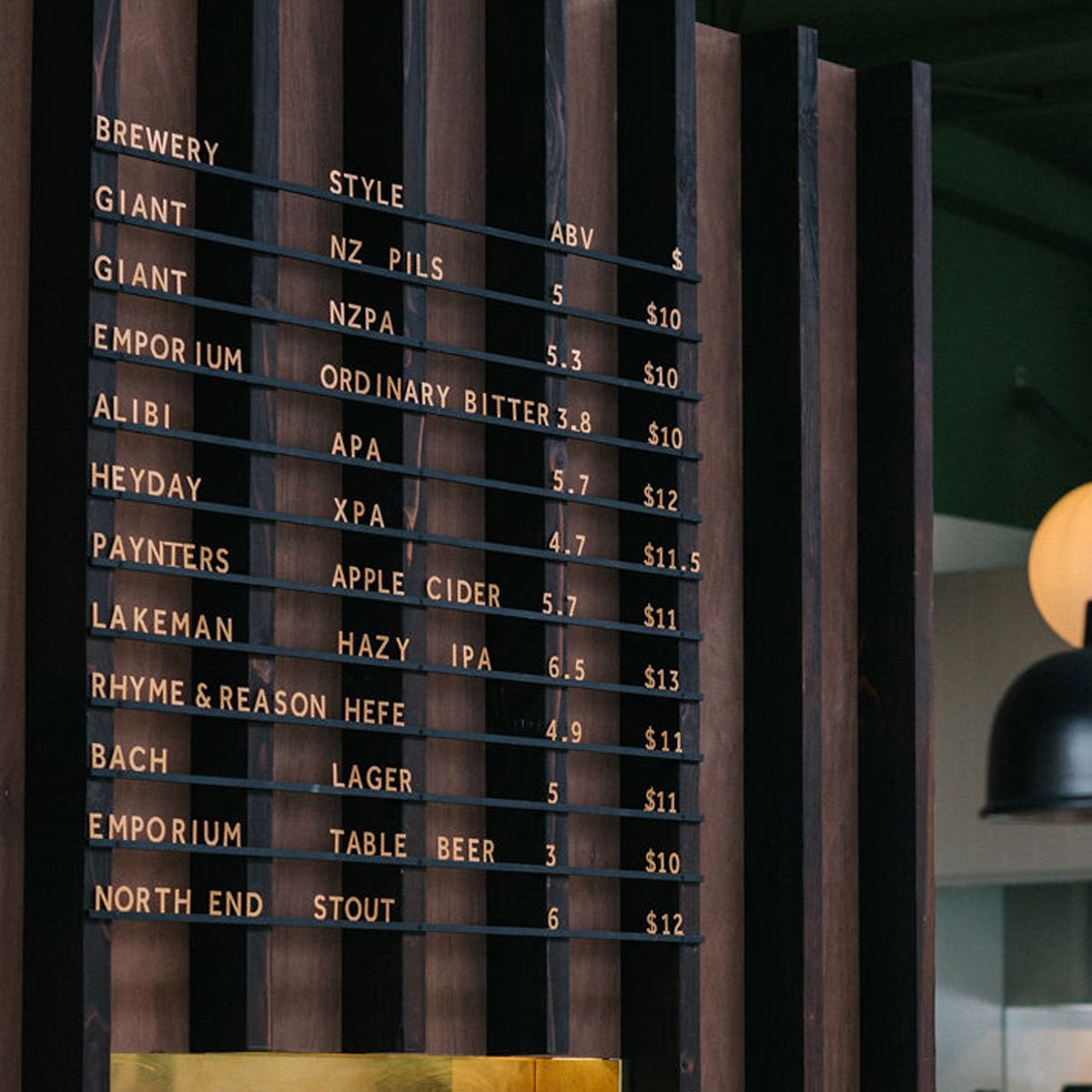
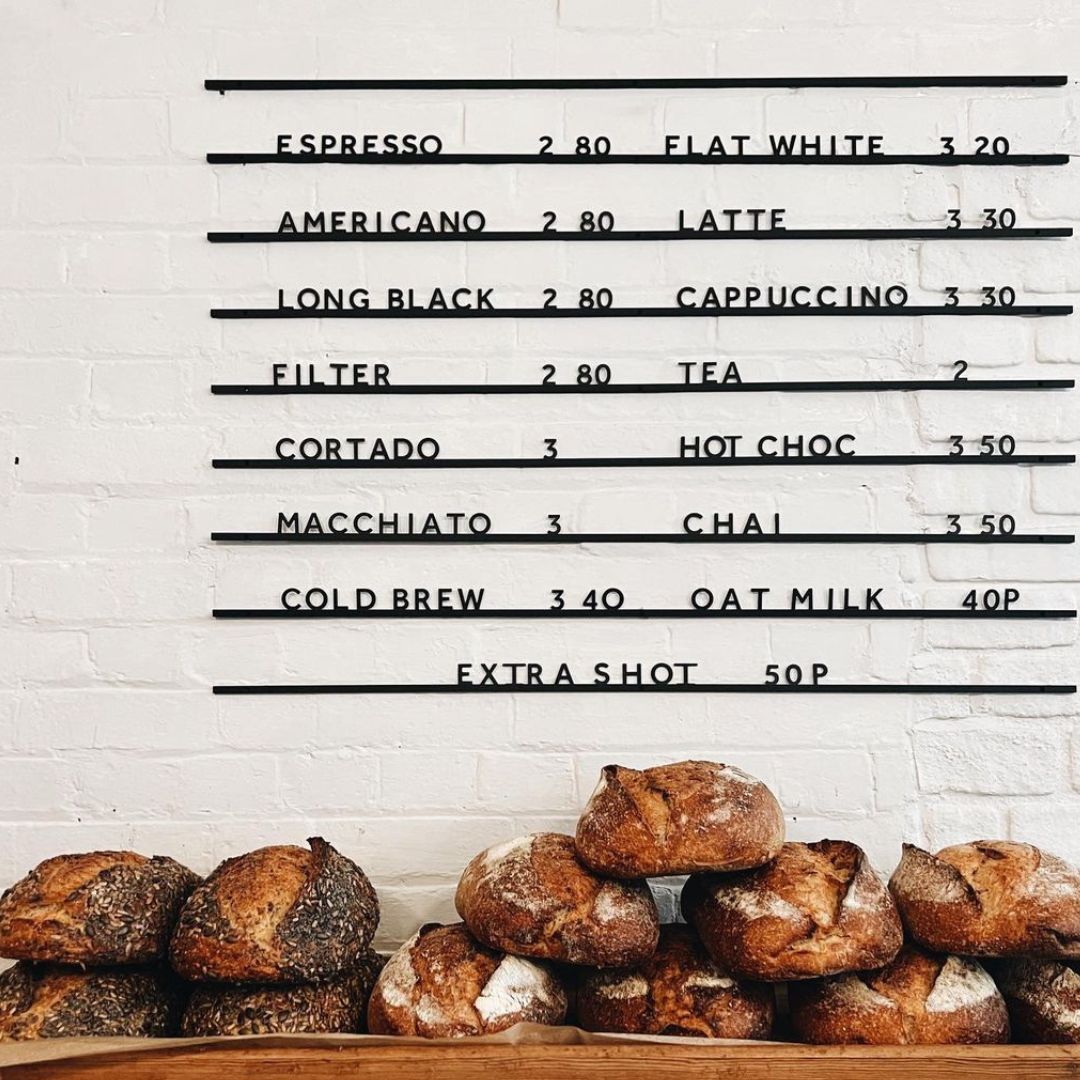
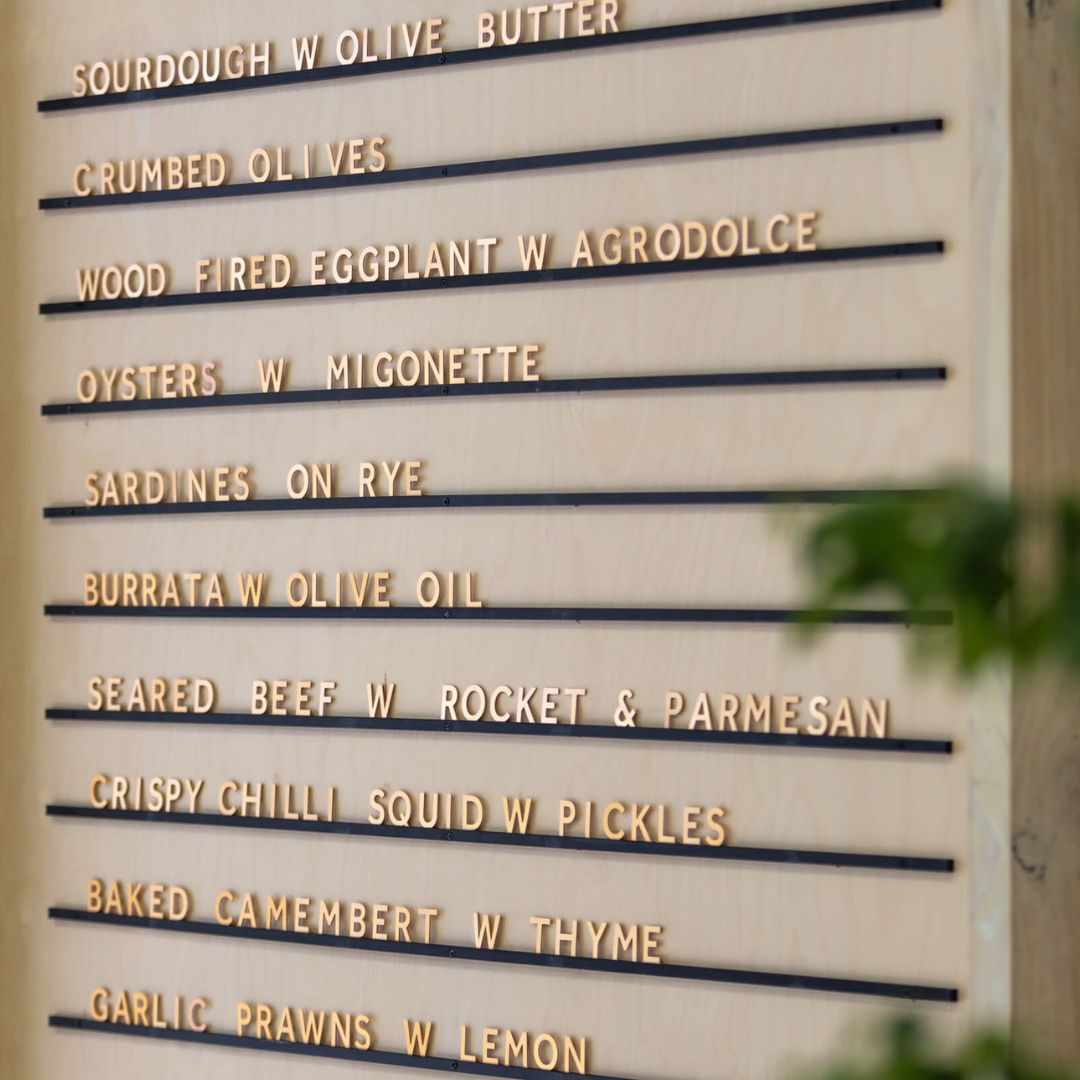
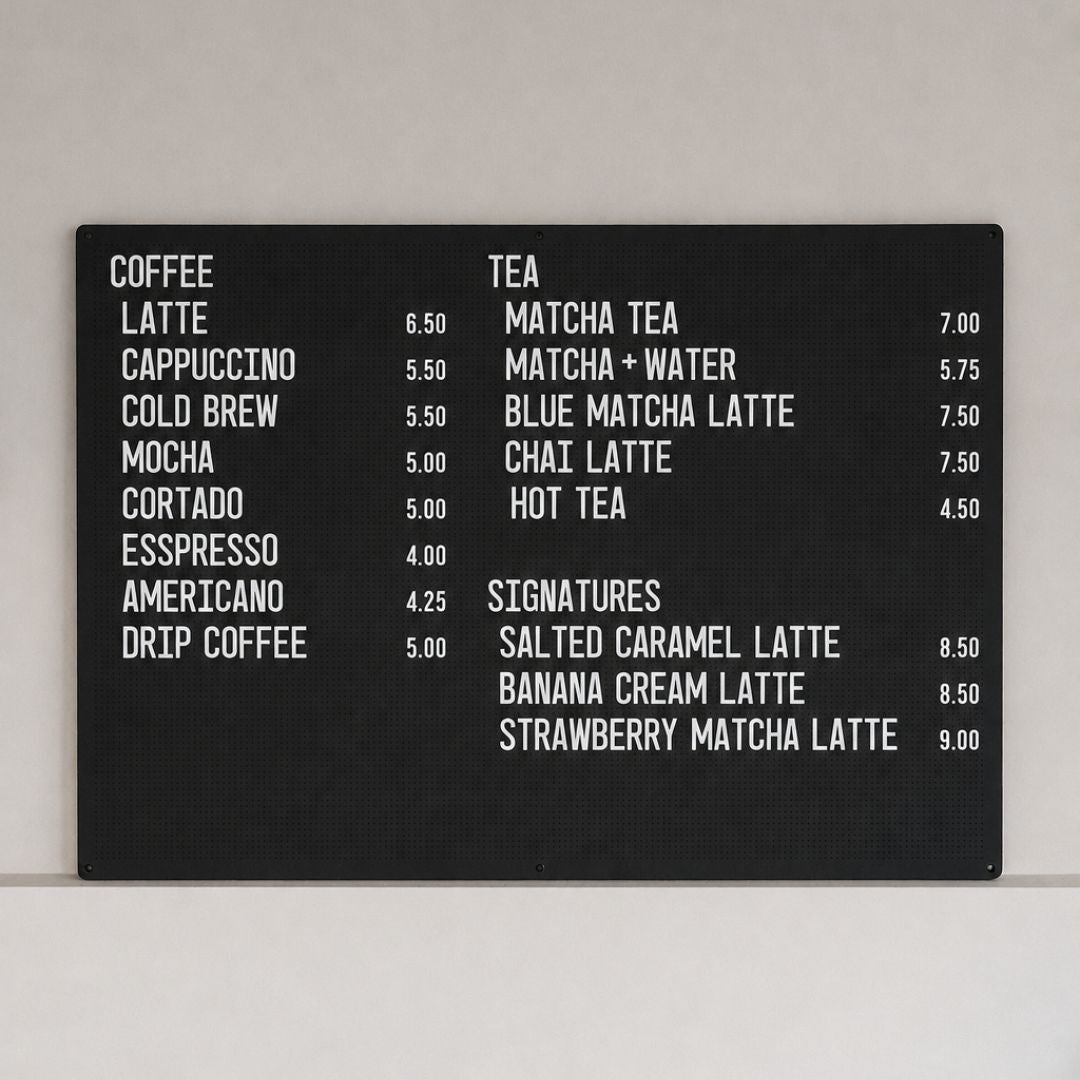
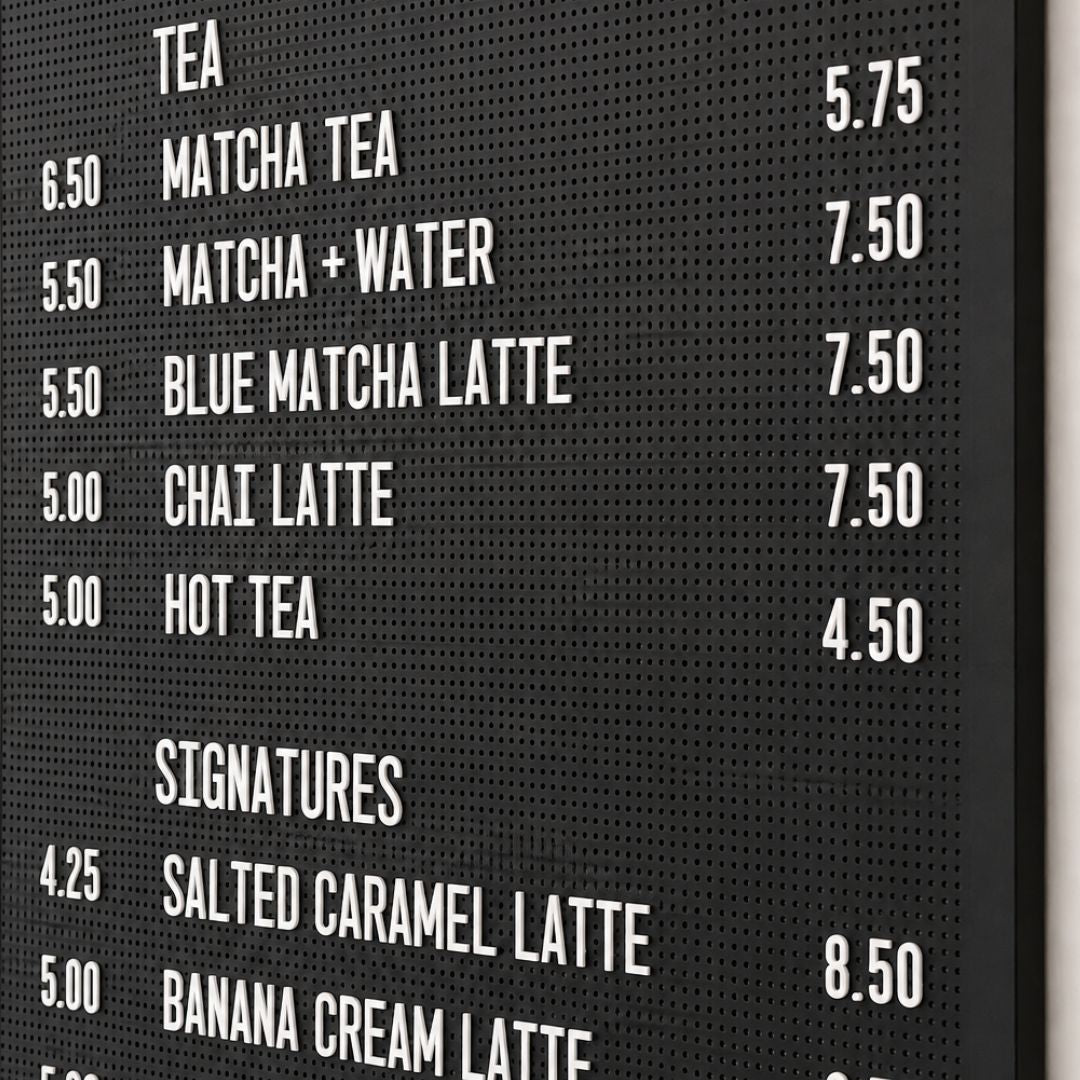
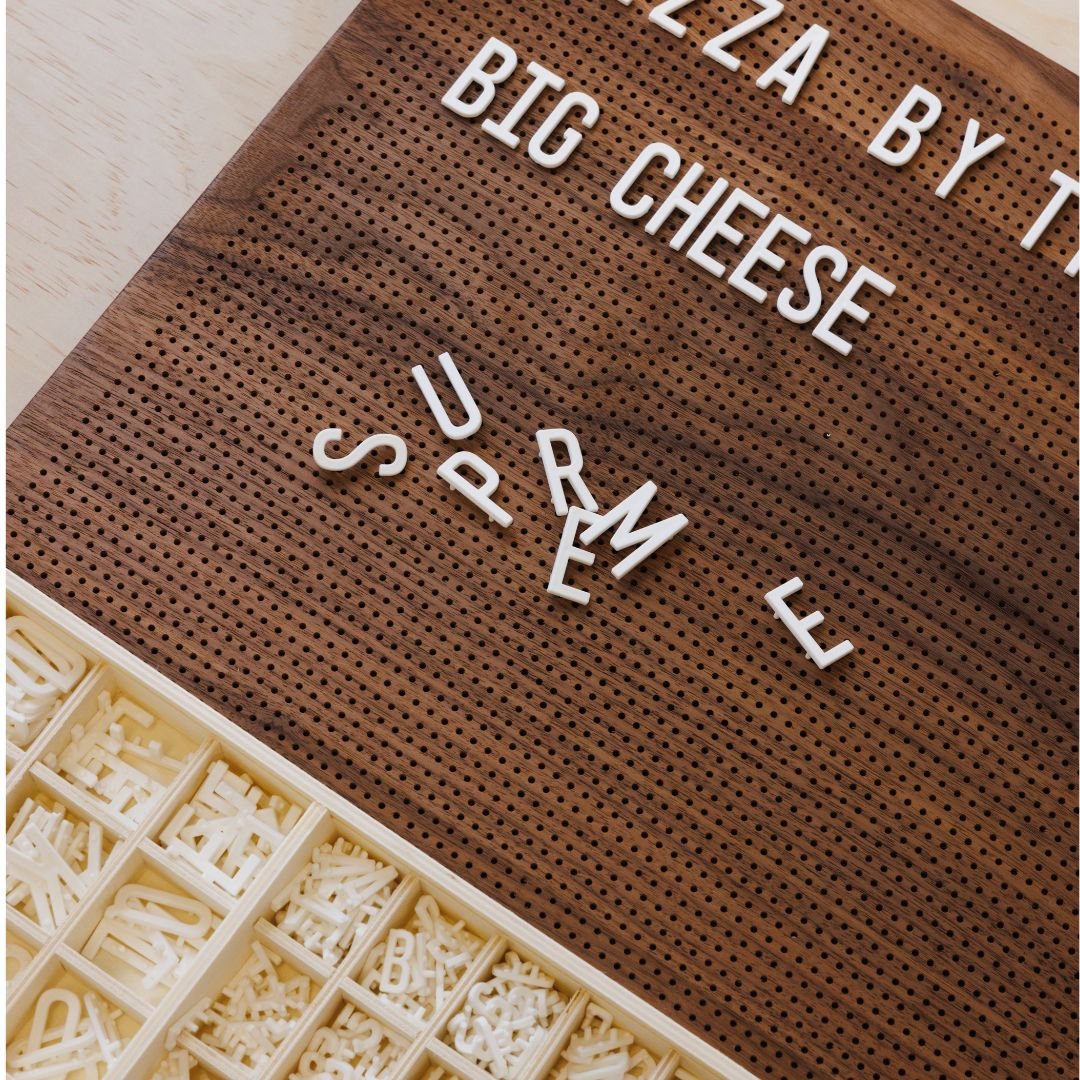
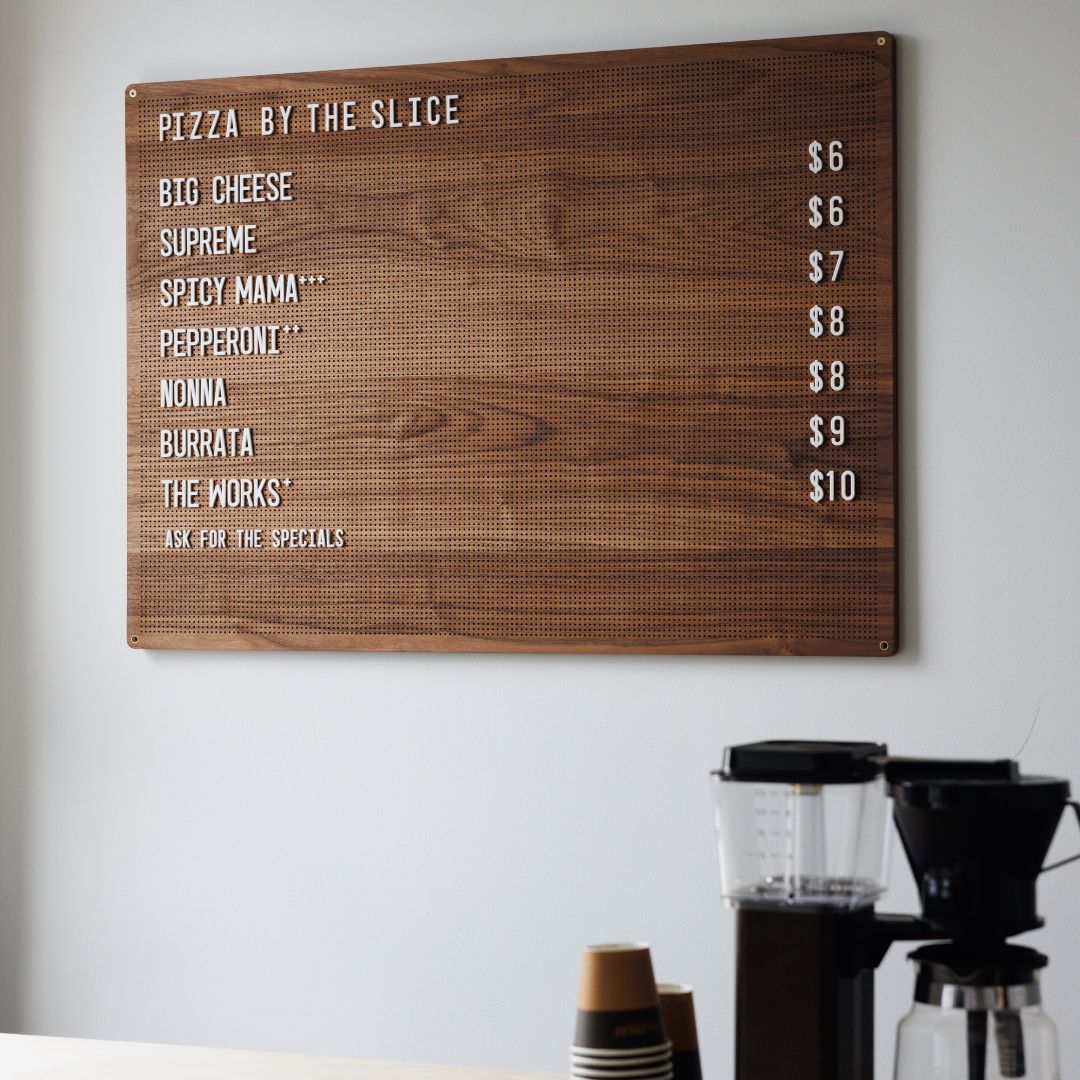
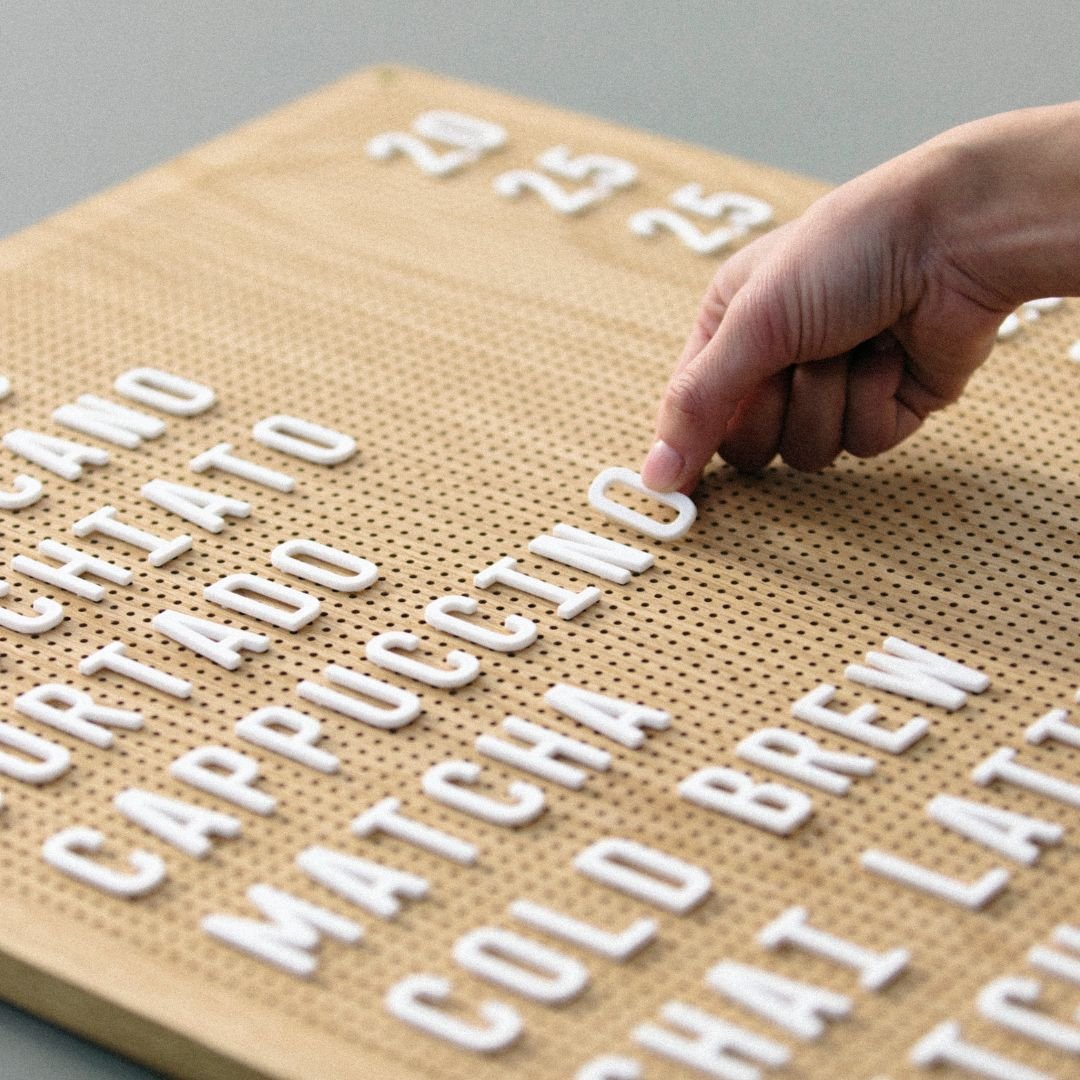
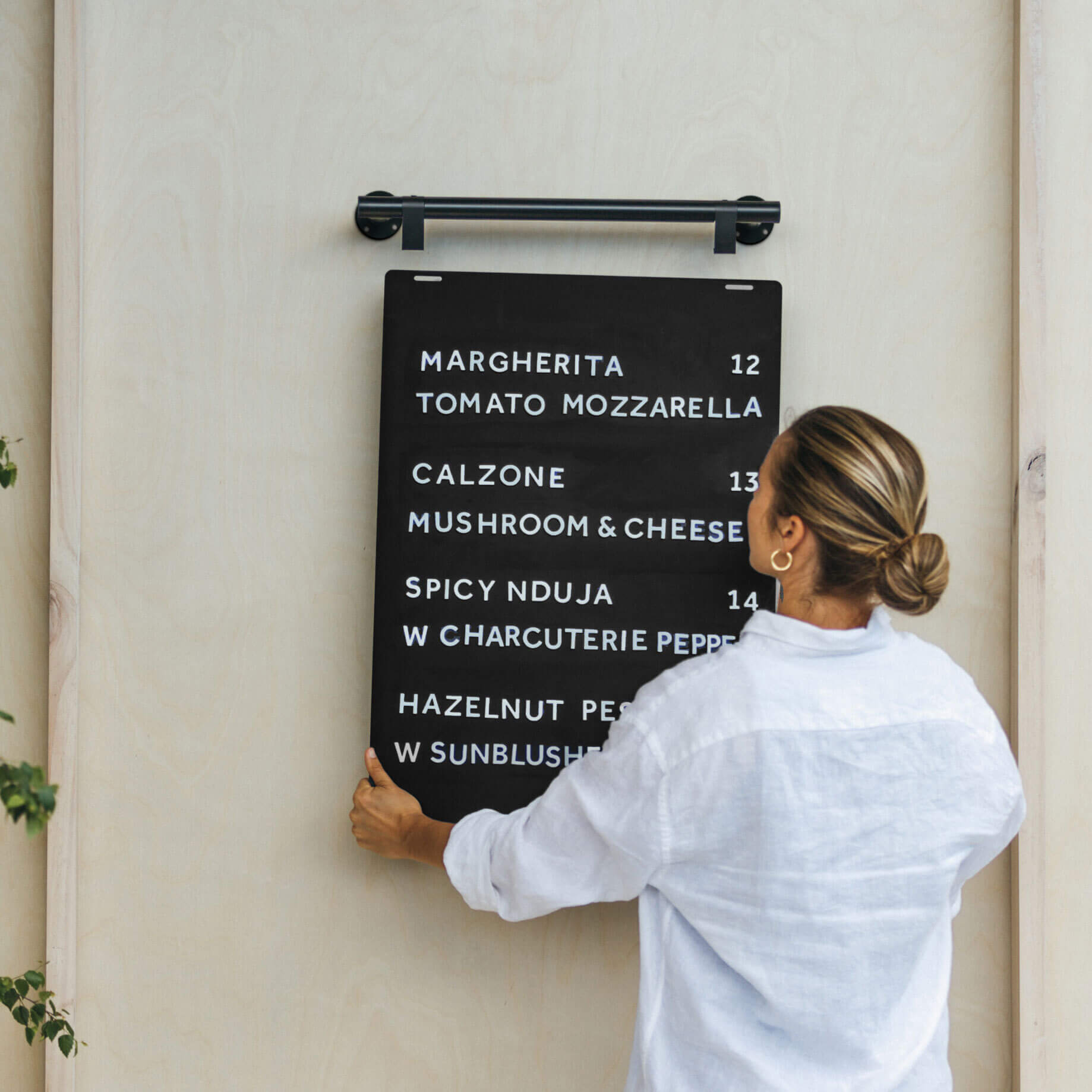
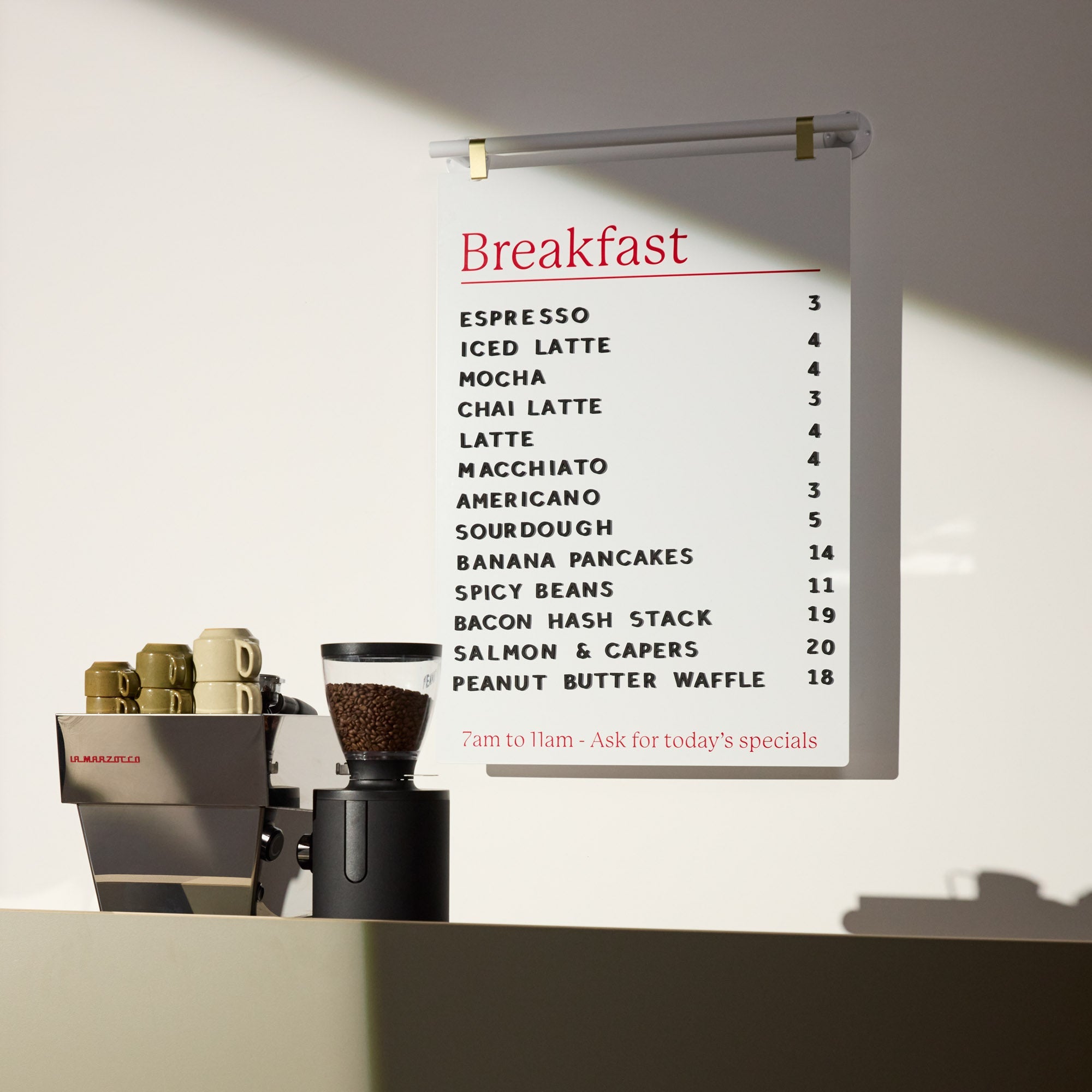
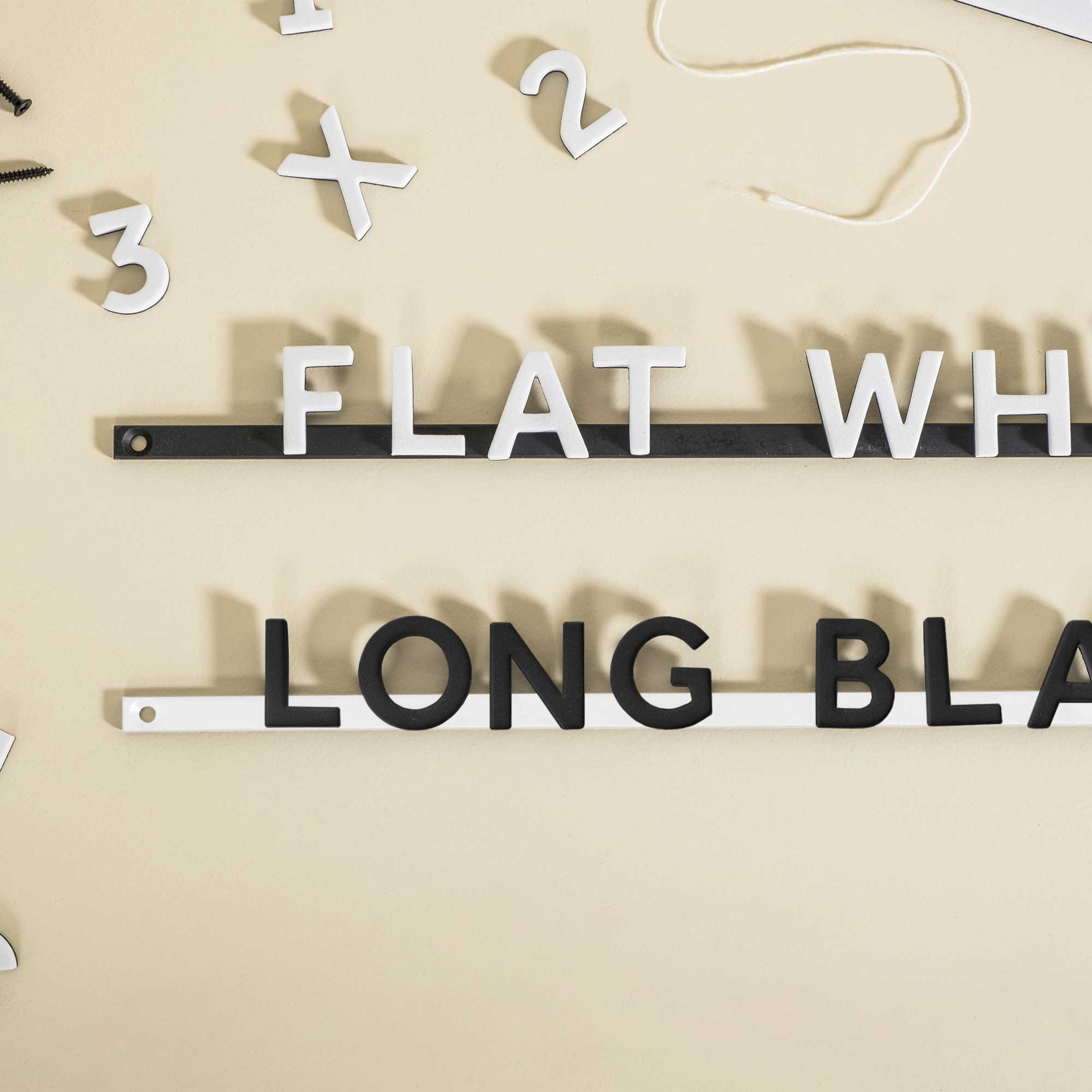
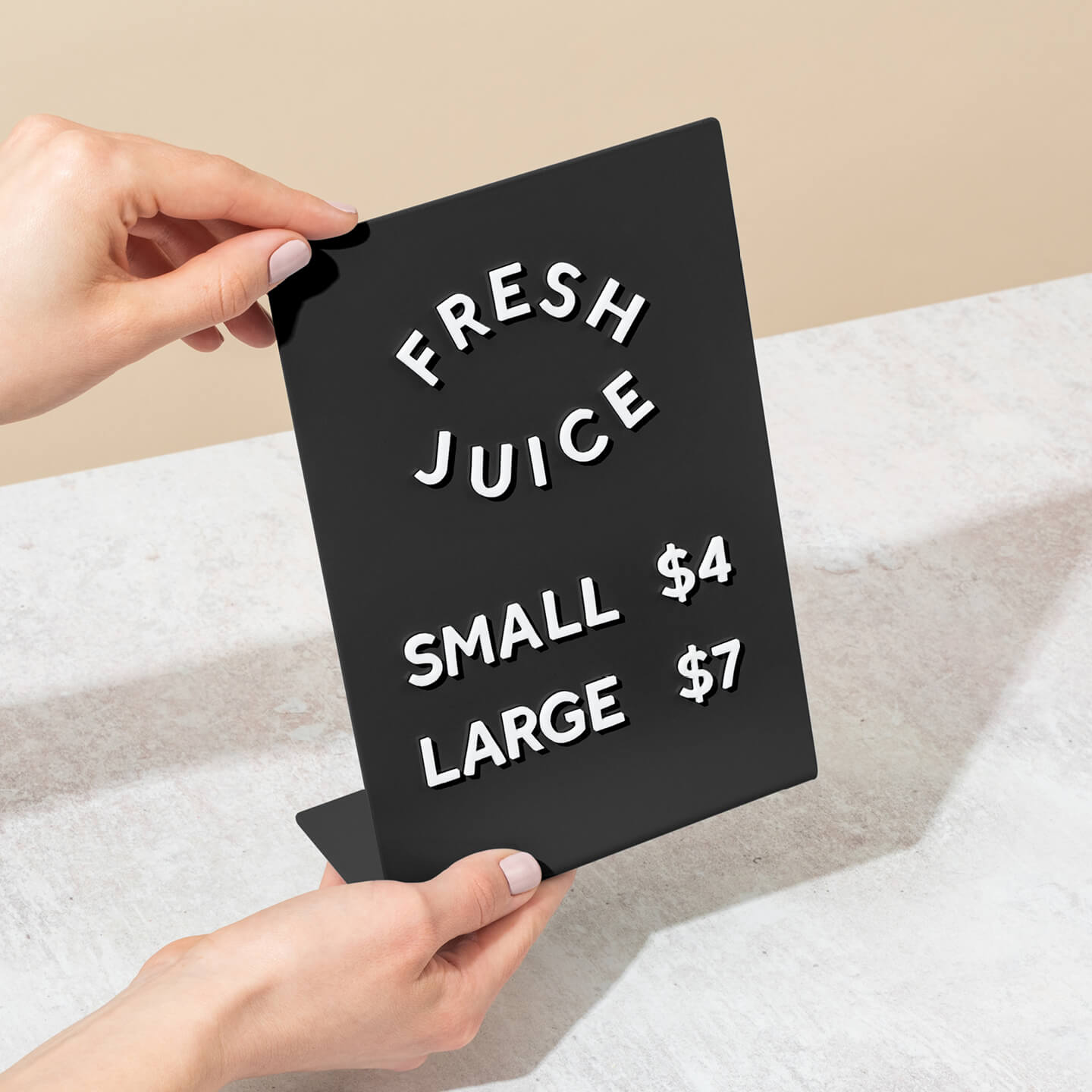
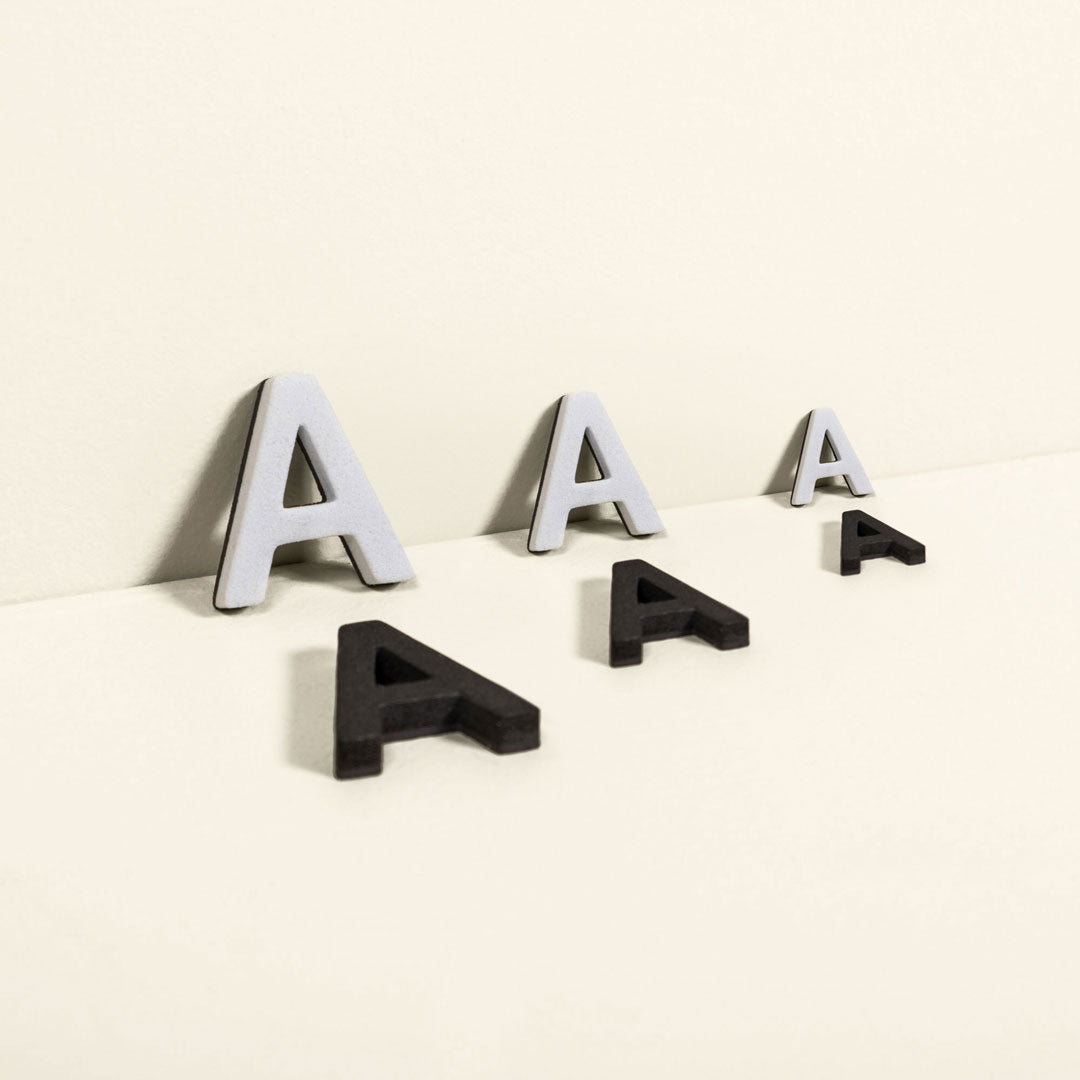
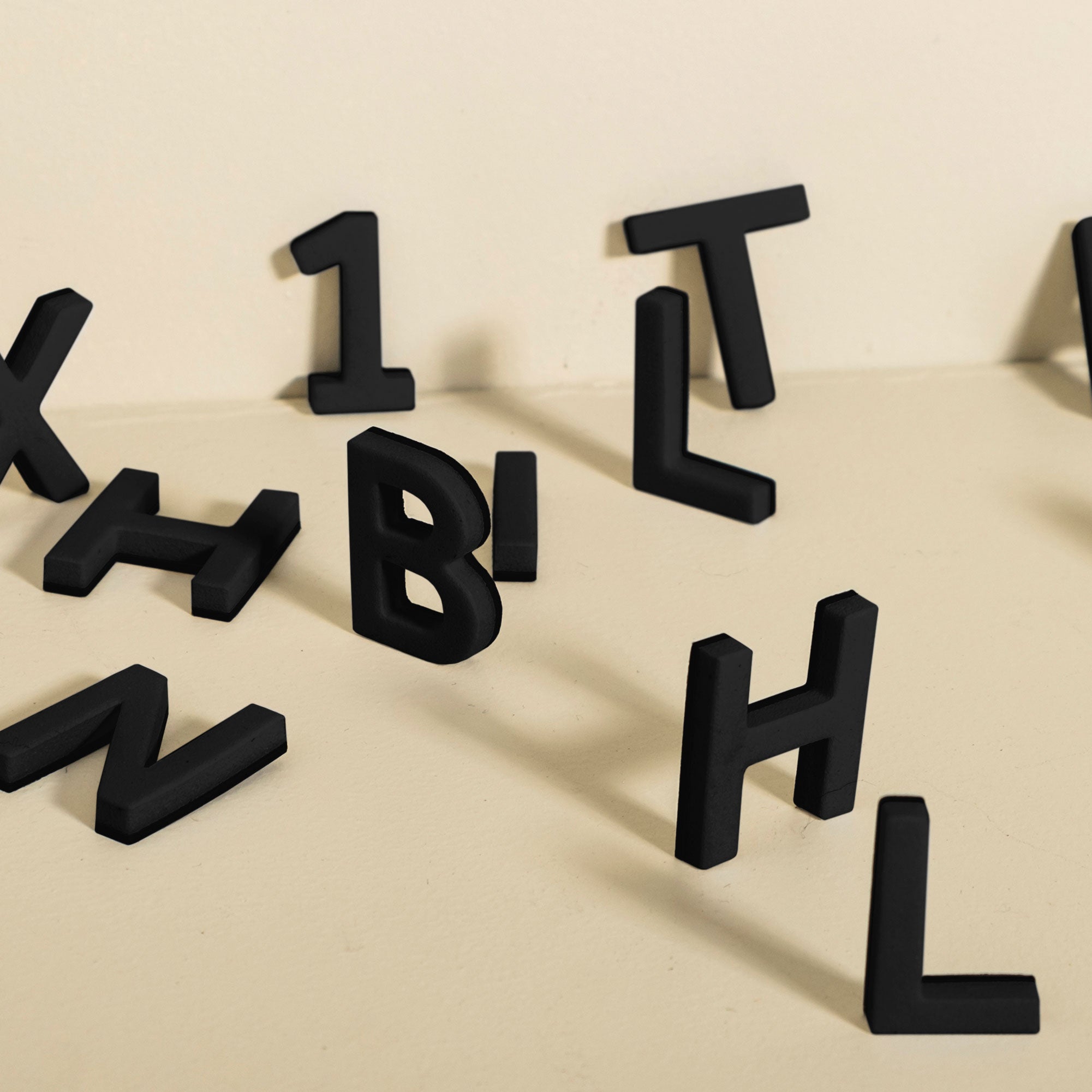
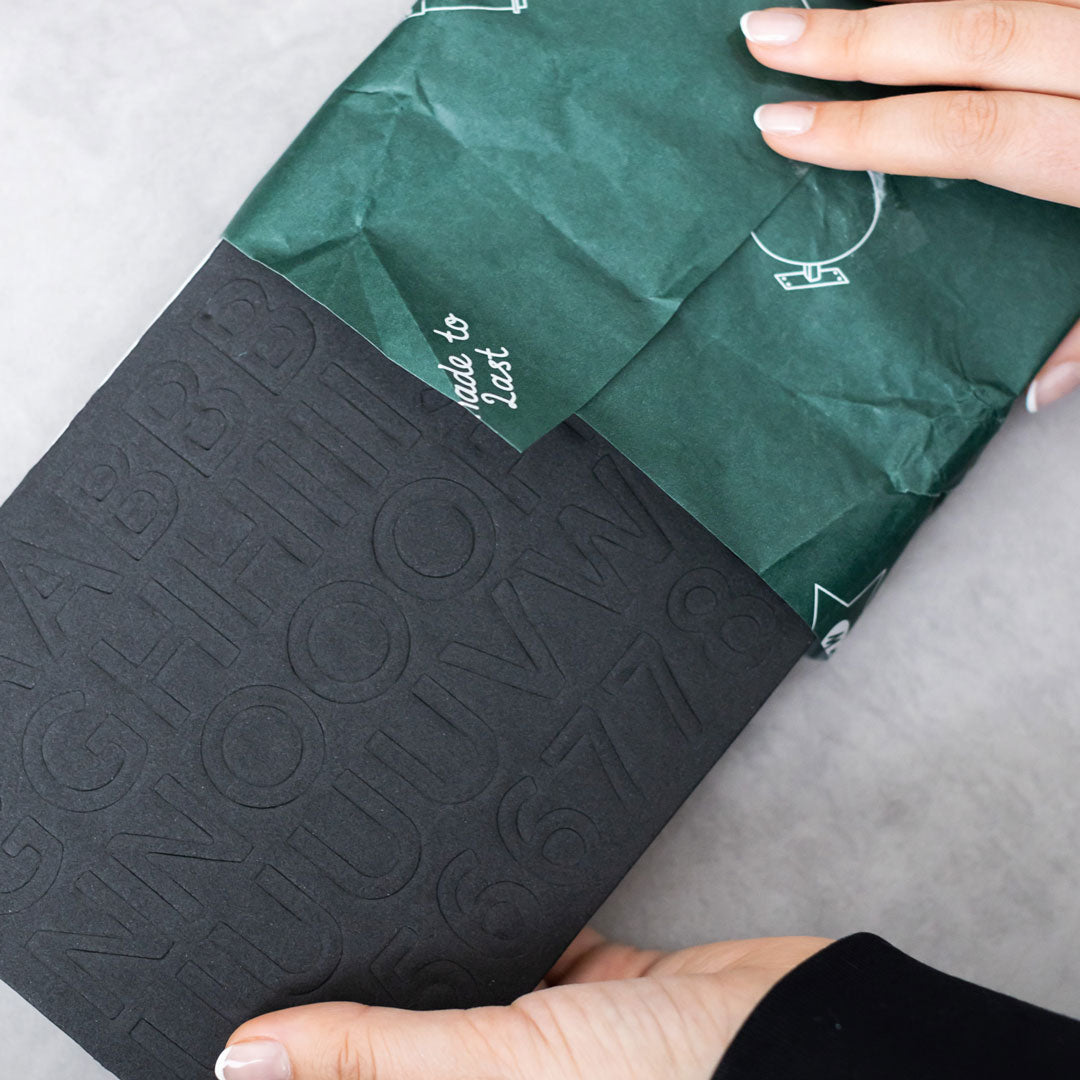
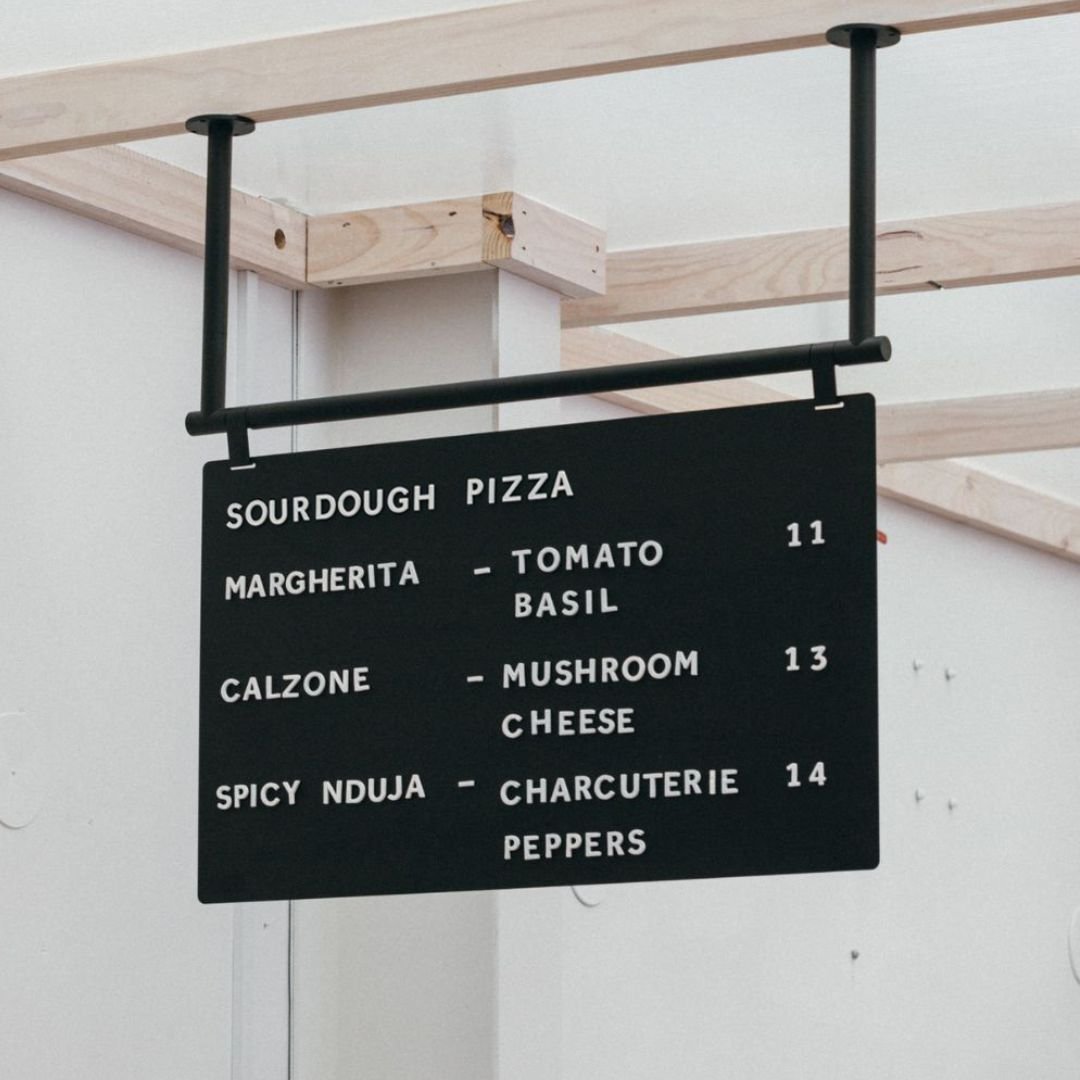
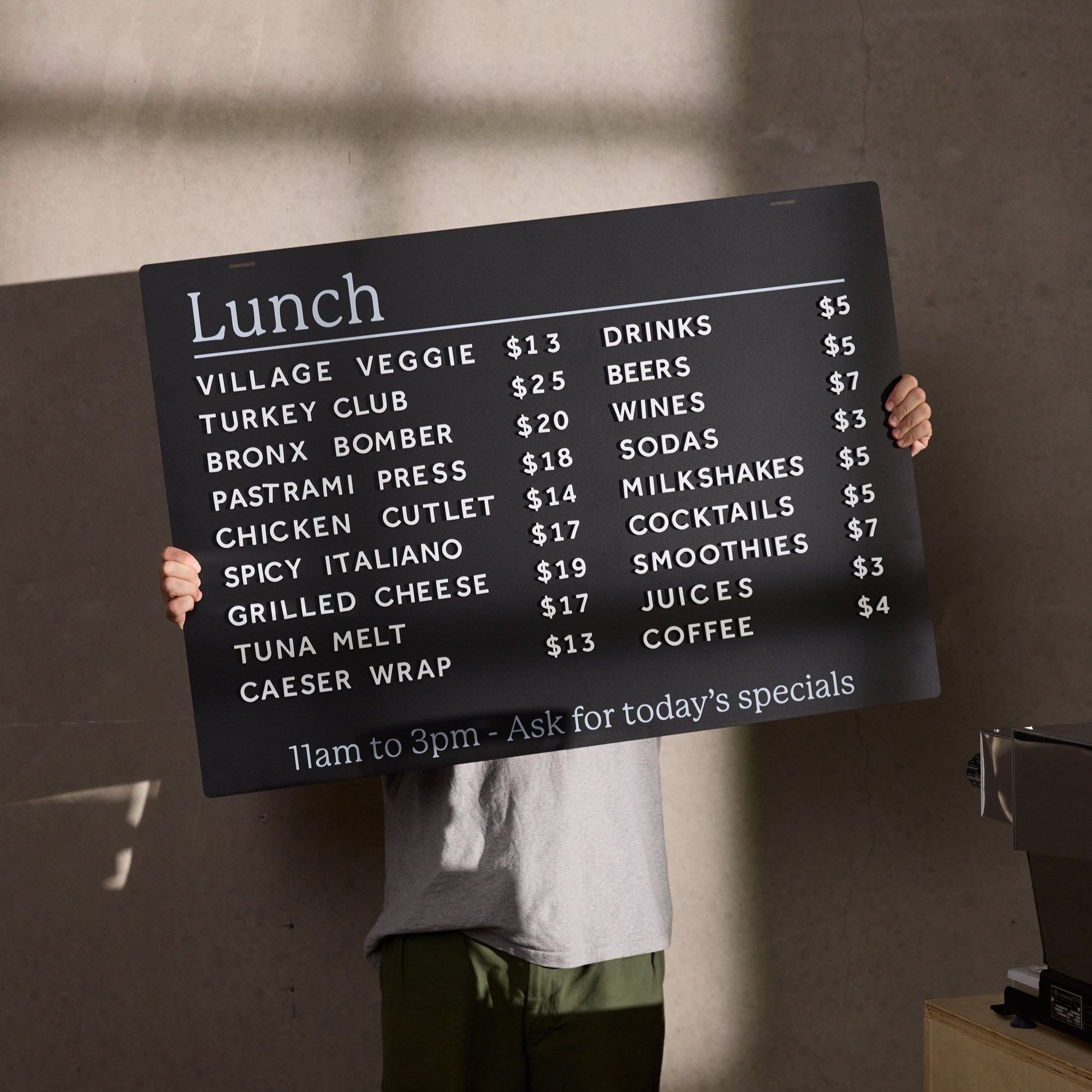
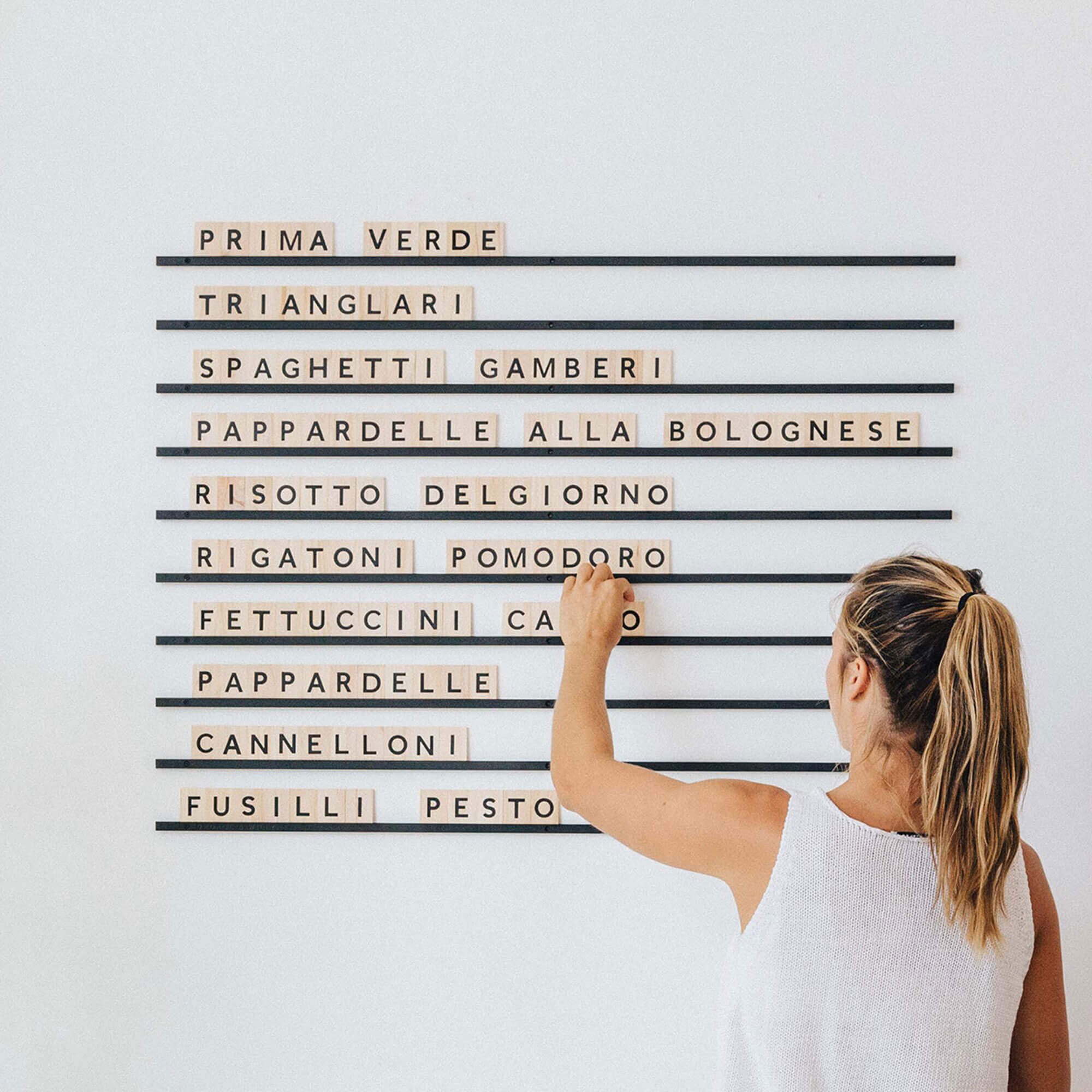
Changeable Letter and Menu Systems: For dynamic messaging, systems like chalkboard, whiteboard, or magnetic menu boards are ideal. They allow for quick updates for daily specials or changing prices, offering a tactile alternative to digital screens.
-
Digital Signage: Electronic screens offer the ability to display rotating graphics, videos, and interactive content. While versatile, they represent a higher initial investment and require considerations for software, maintenance, and power.
-
Residential Signs: This category includes house numbers, address plaques, and personalized porch or garden signs that add character and curb appeal to a home.
Styles and Aesthetics To Match Your Décor
Choosing a decorative sign that complements your existing style is crucial for a cohesive look.
-
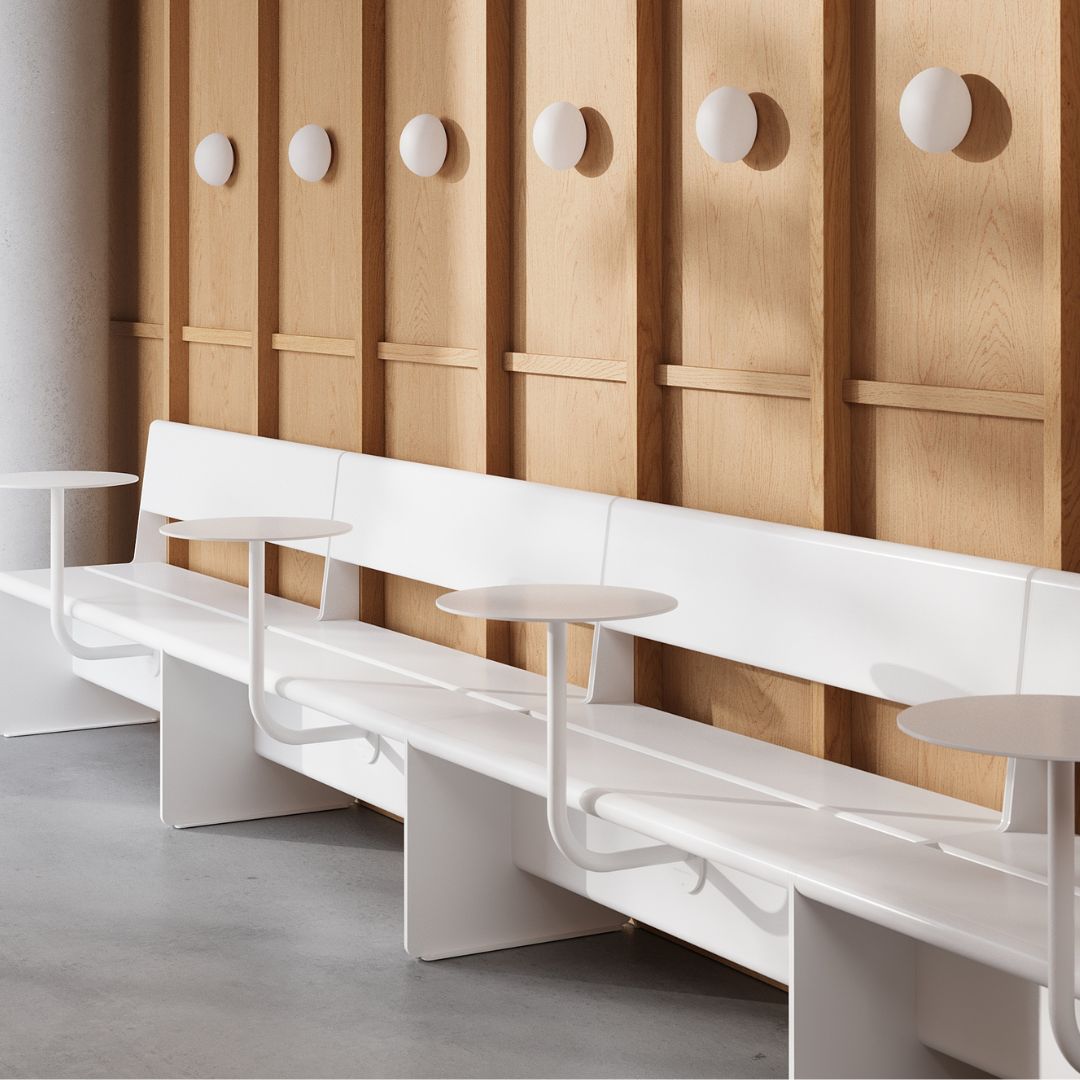
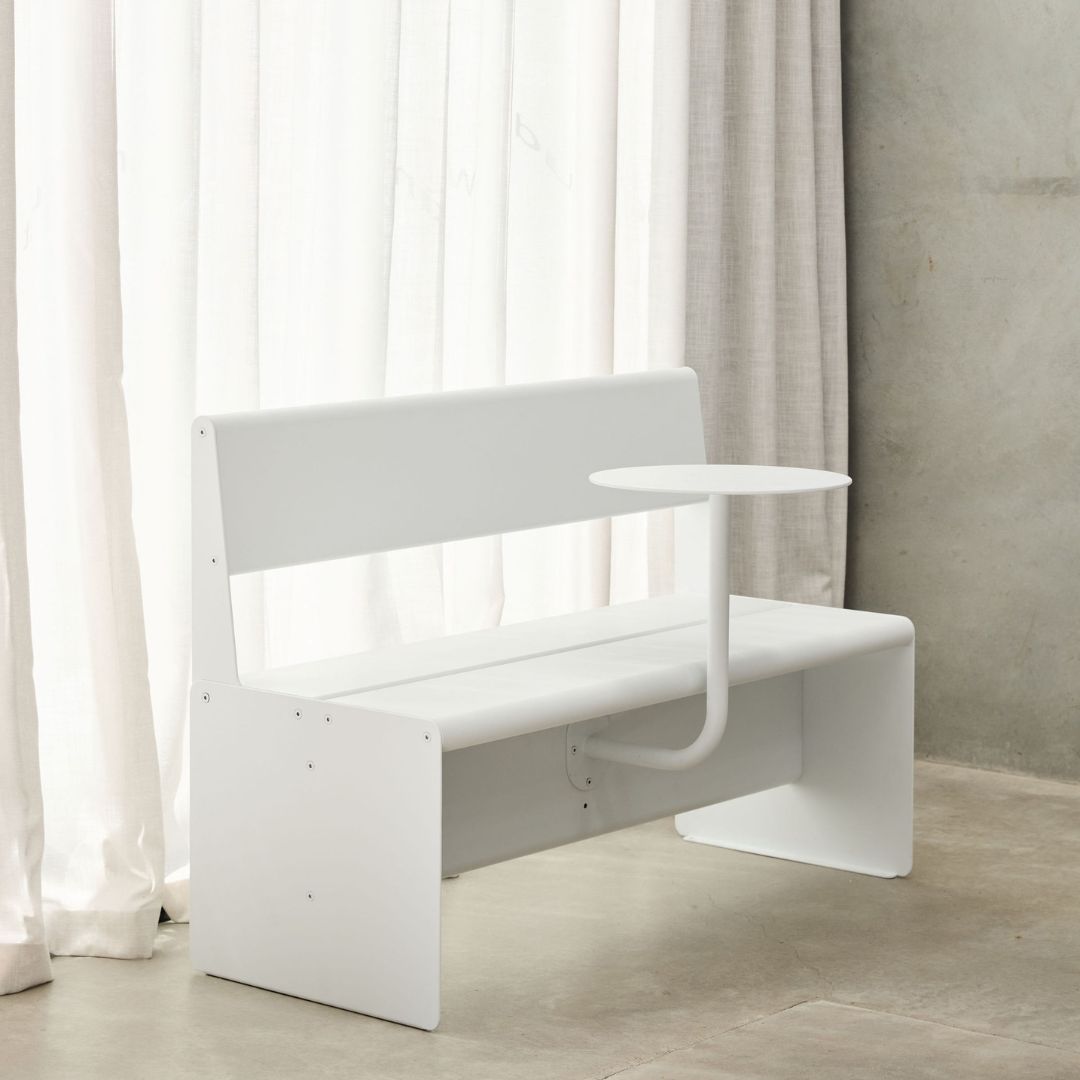
Minimalist: Characterized by clean lines, neutral colors, and simple typography. This style works well in modern, contemporary, and Scandinavian interiors. Brands like George & Willy specialize in this aesthetic, offering products that blend seamlessly into design forward spaces.
-
Rustic & Farmhouse: Often features natural wood, distressed finishes, and classic fonts. This style adds warmth and a sense of history, perfect for cozy cafés, bakeries, or traditional homes.
-
Industrial: Utilizes raw materials like metal and concrete, often with bold, utilitarian typography. It’s a great fit for converted lofts, modern offices, and urban eateries.
-
Bohemian: Embraces eclectic patterns, natural textures, and a more freeform, artistic approach. This style is great for creative studios, unique boutiques, and relaxed living spaces.
-
Color Psychology: Think about the mood you want to evoke. Warm colors like red and yellow can create a sense of energy and urgency, while cooler colors like blue and green promote calmness and trust. Your sign’s color palette should align with your brand’s personality.
Materials, Durability, and Sustainability
The material of your decorative sign impacts its look, feel, and durability, especially outdoors.
Indoor Signs
For indoor use, you have a wide range of options including wood, felt, steel, and acrylic. A wooden peg letter board can add warmth to a café interior, while a sleek, powder coated steel menu board offers a modern touch.
Outdoor Signs
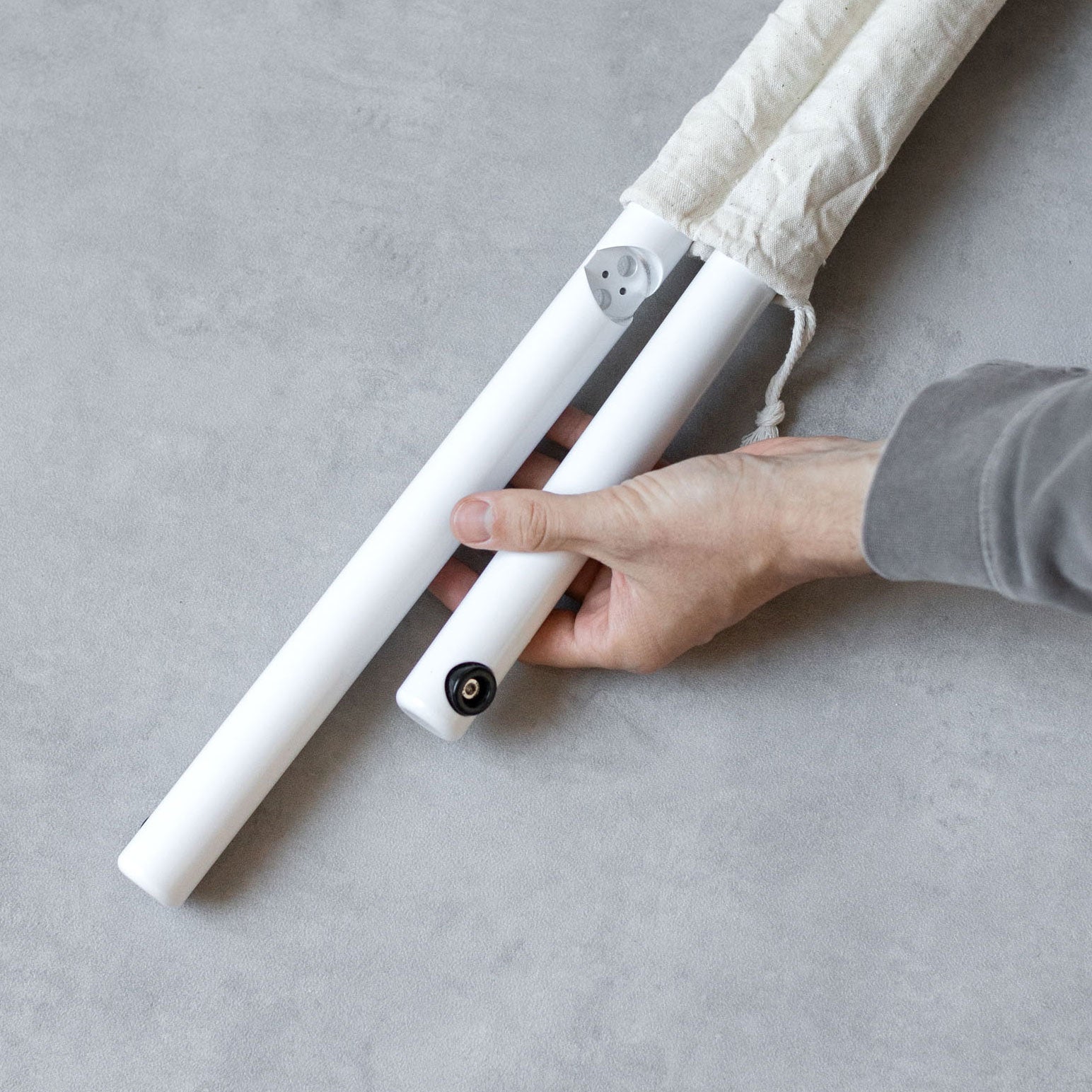
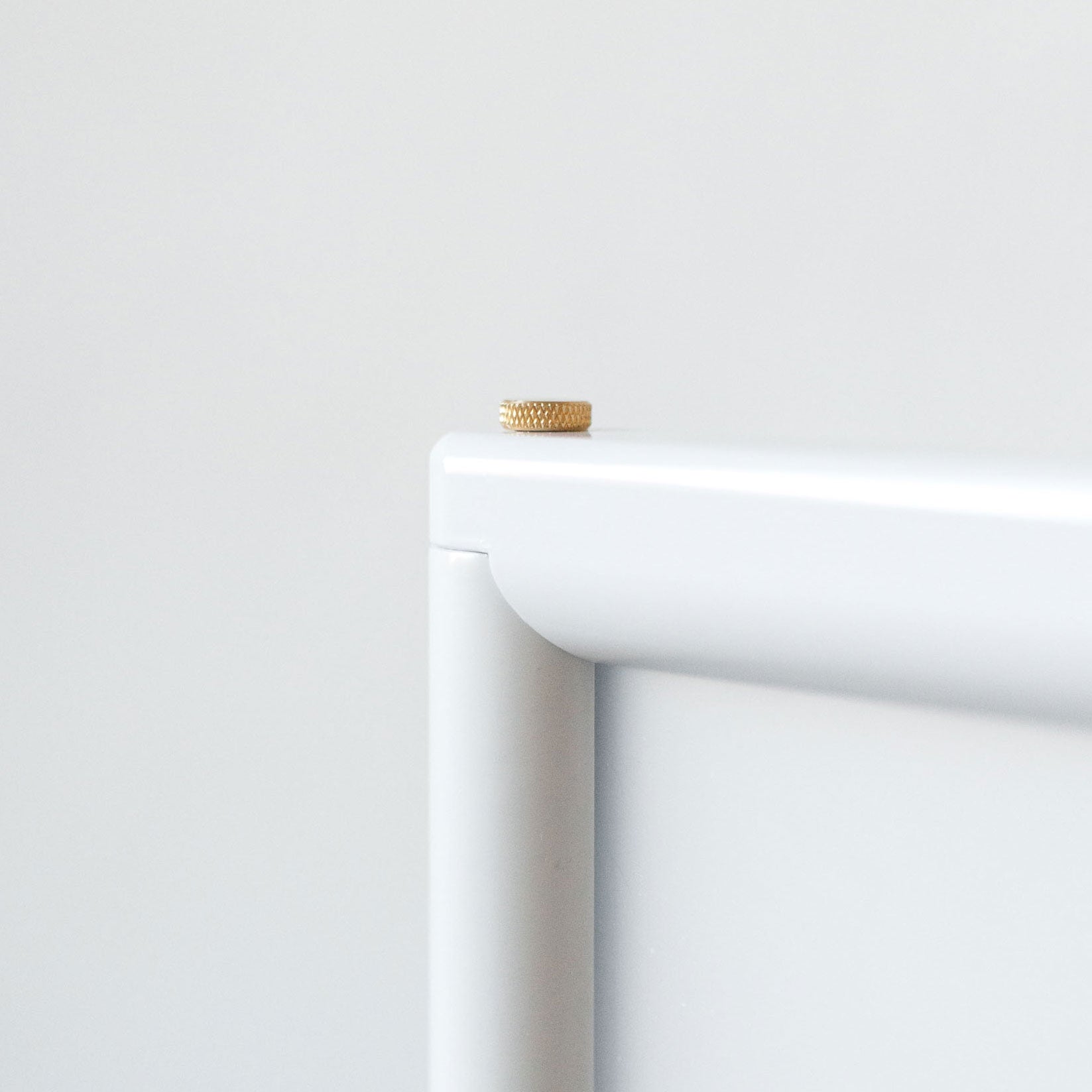
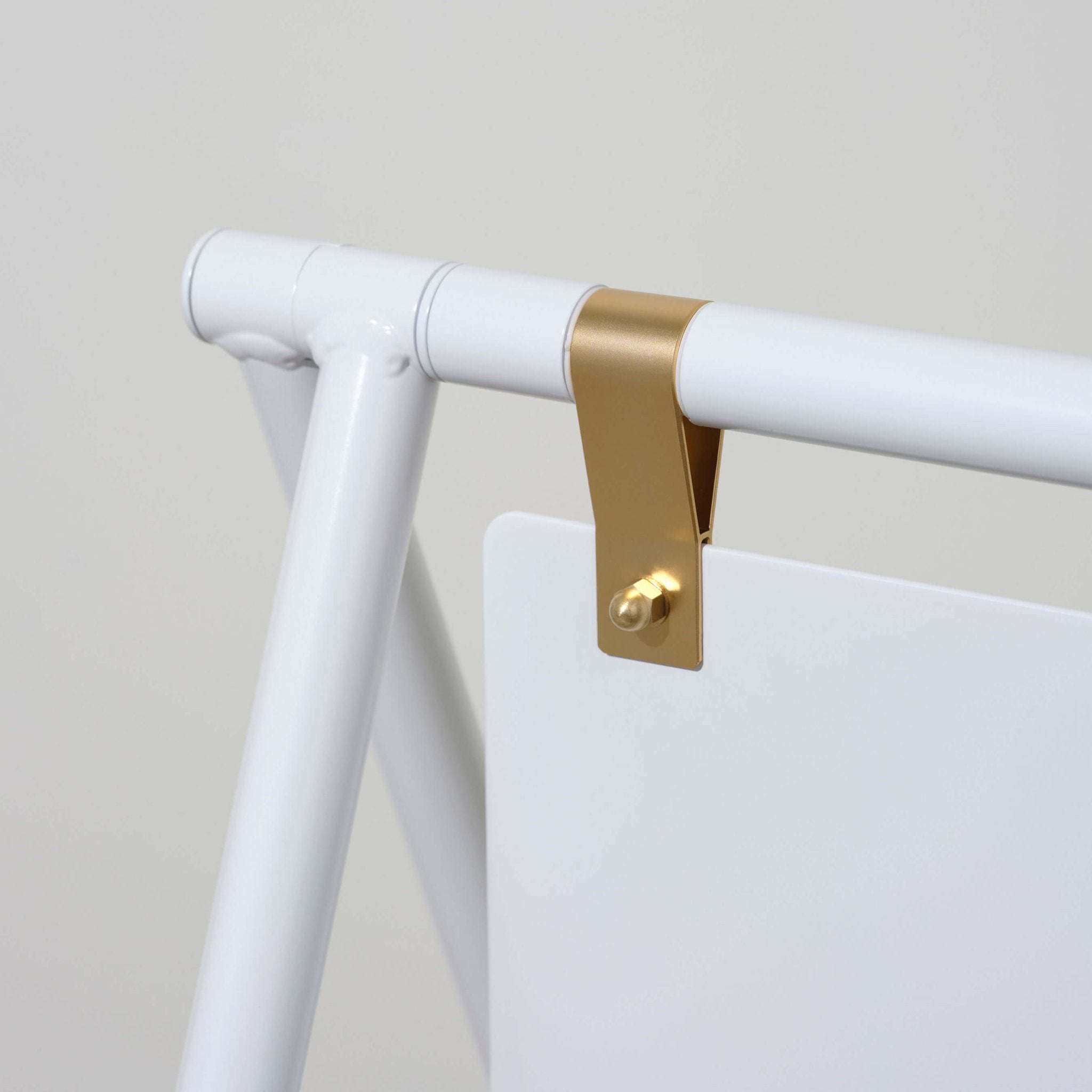
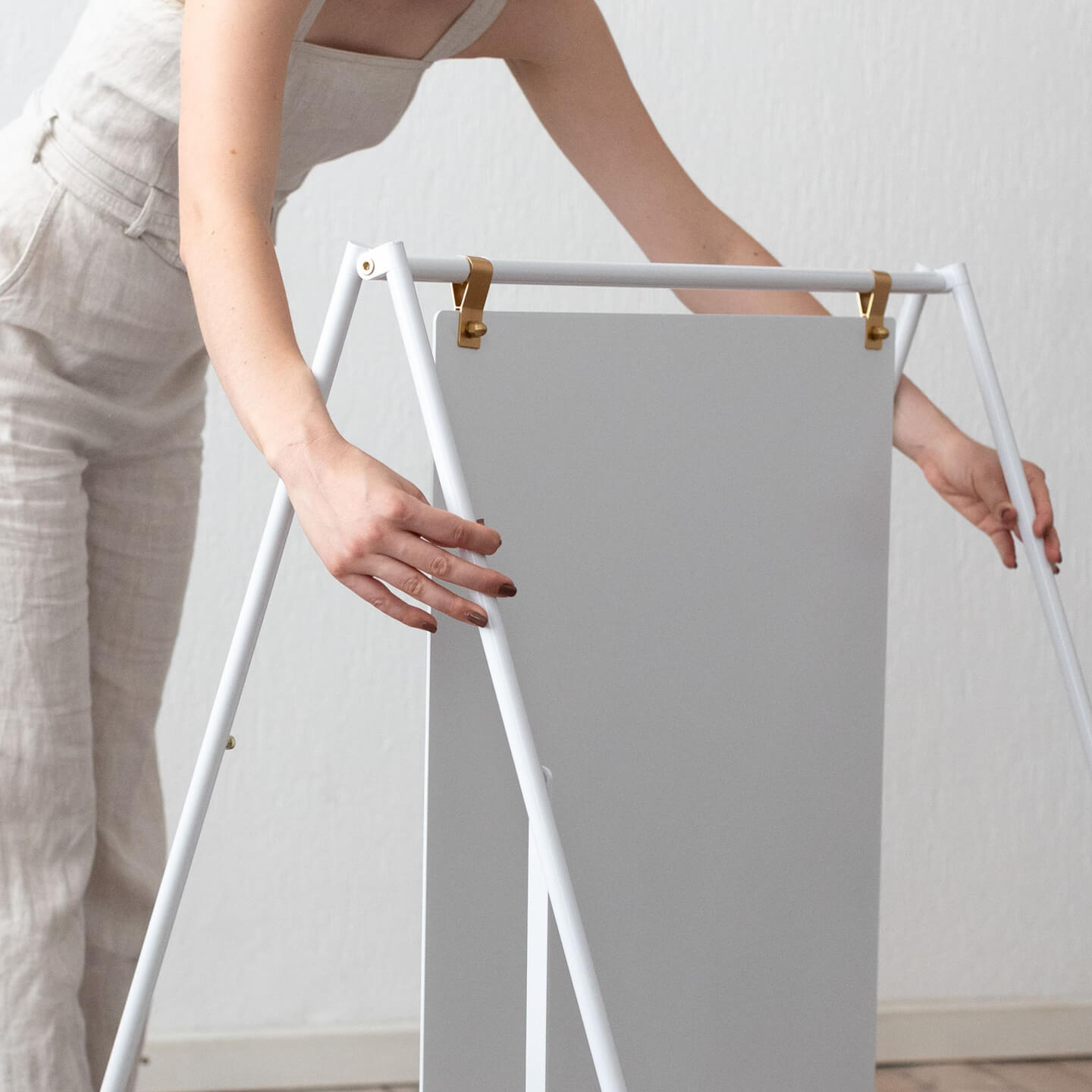
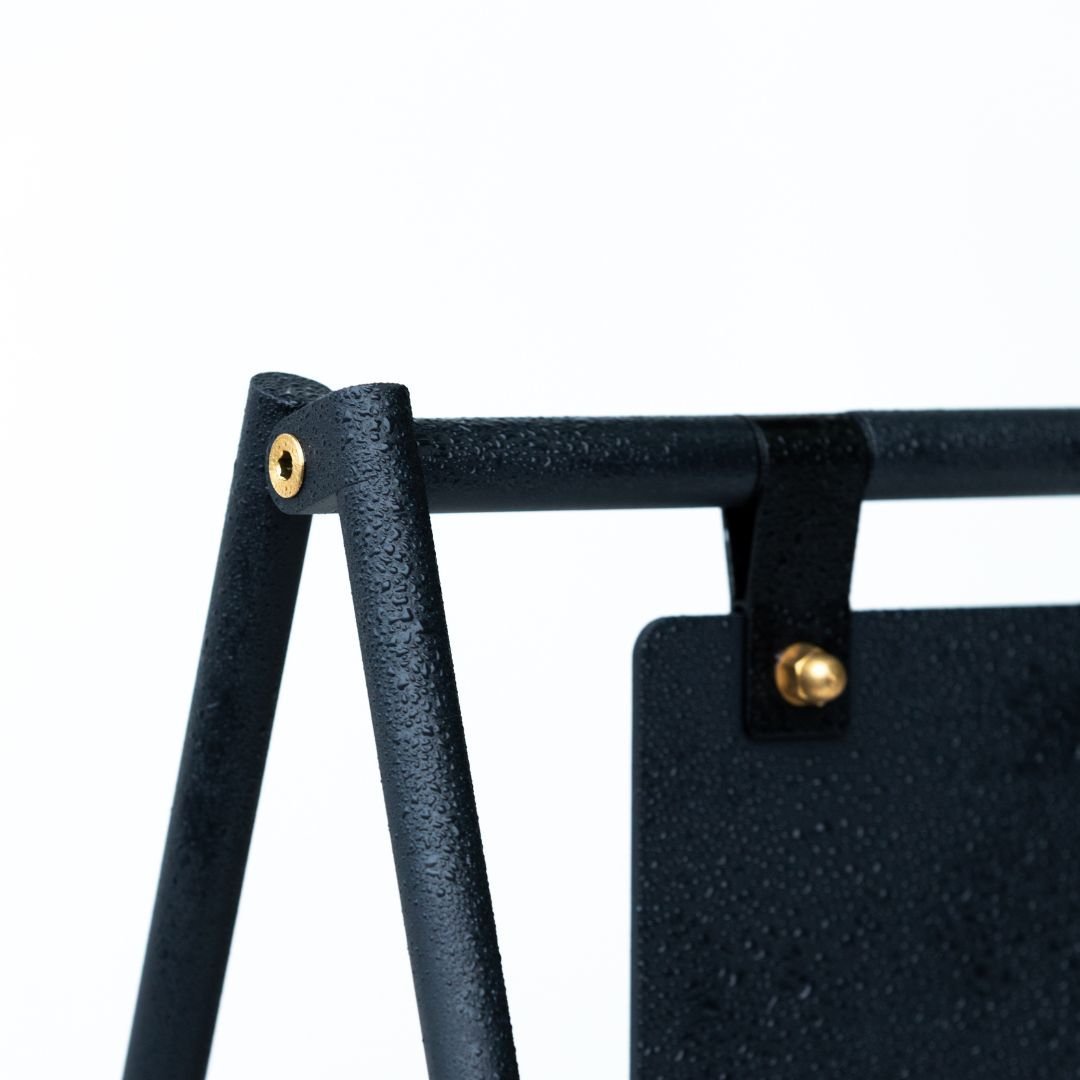
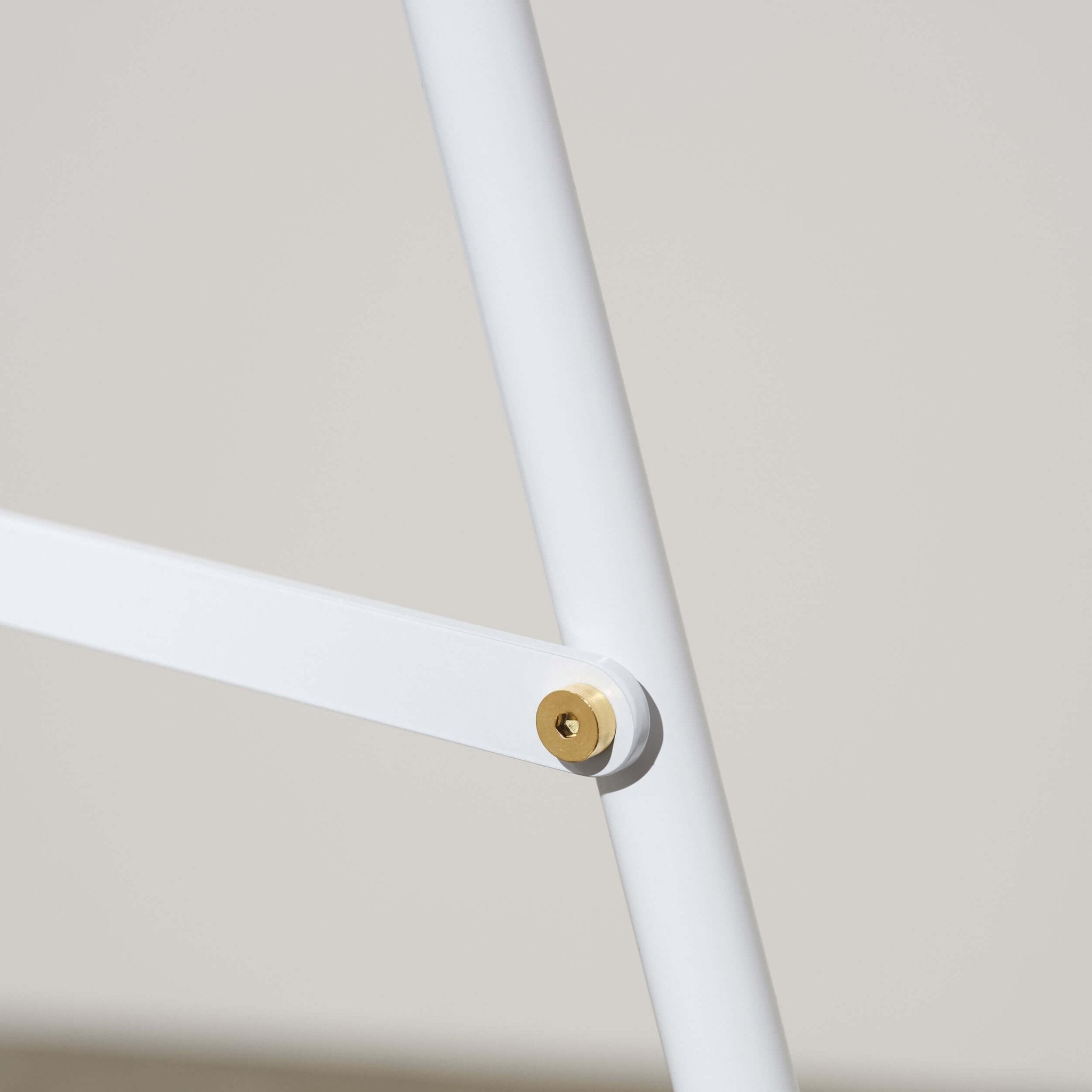
Outdoor signs must withstand the elements. Materials like powder coated aluminum and steel are excellent choices as they are inherently rust resistant. For example, the George & Willy A Frame Sign is made from durable aluminum, making it a long lasting option for sidewalk advertising. Any wooden elements should be properly treated, and hardware should be made of materials like brass or stainless steel to prevent corrosion.
Advanced Weatherproofing
For ultimate durability, look for signs with specific weatherproofing details. This can include marine grade powder coating for coastal areas, UV resistant finishes to prevent fading, and drainage holes to prevent water accumulation. For freestanding signs, consider wind load ratings to ensure stability in breezy conditions.
A Deeper Look at Sustainability
Choosing a sustainable decorative sign means prioritizing durable materials and timeless design. Signs made from aluminum or steel are not only long lasting but also highly recyclable at the end of their life. Opting for sustainably sourced timbers also reduces environmental impact. A well made sign that you won’t need to replace for years is an inherently sustainable choice, preventing waste and conserving resources. Look for brands that are transparent about their materials and lifecycle, as this shows a commitment to the planet.
Design Essentials for Maximum Impact
An effective decorative sign is easy to read and pleasing to the eye.
-
Typography: Choose a font that reflects your brand’s personality and is legible from a distance. Avoid overly ornate or complicated fonts for essential information.
-
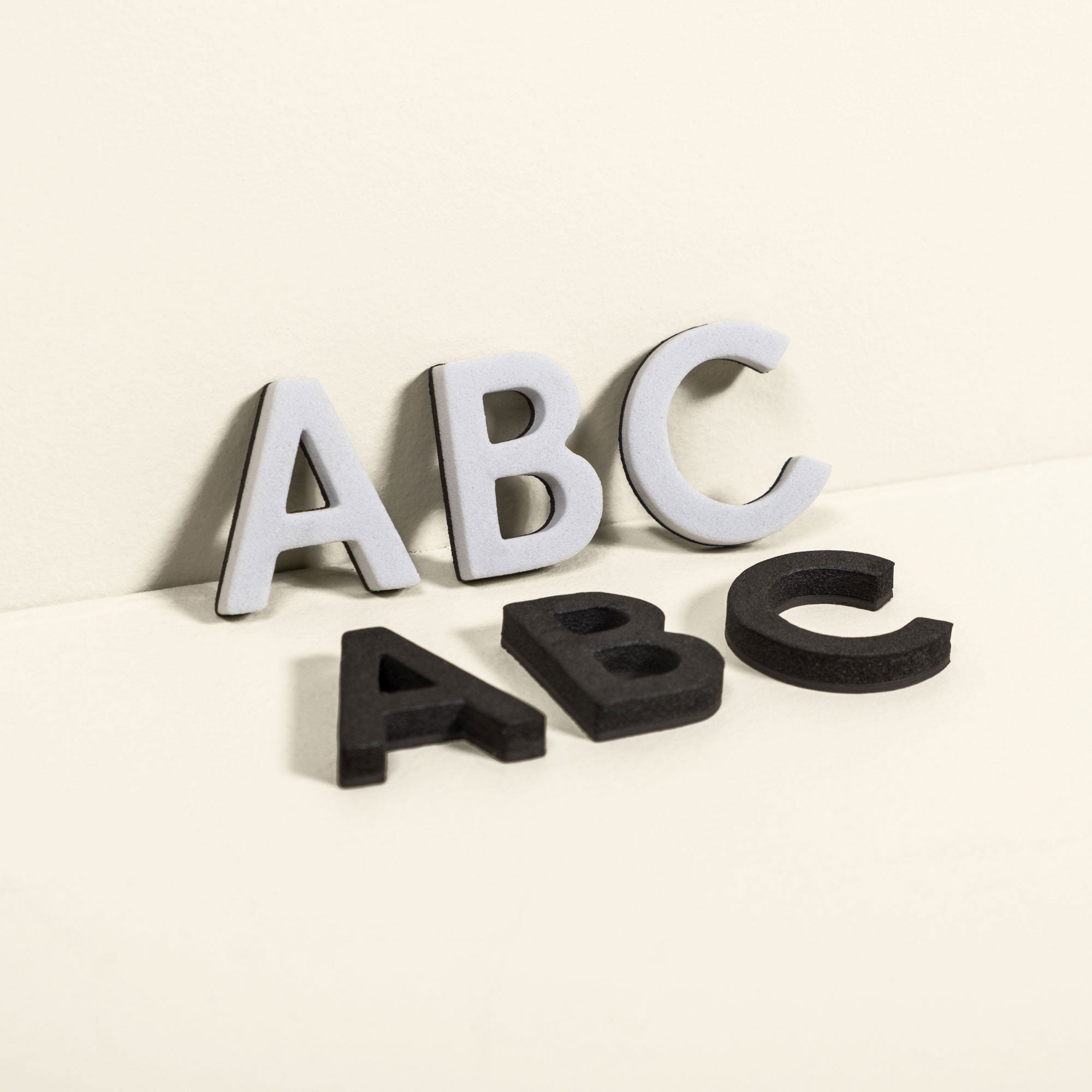
Contrast: Ensure there is enough contrast between the text and the background. Classic combinations like black on white or white on black are timeless for a reason. Products like the Menu Board with reversible black and white tiles make achieving contrast simple.
-
Simplicity: Don’t overcrowd your sign. White space (empty space) is essential for readability and helps draw attention to the most important information. Keep your message concise and clear.
-
Message Hierarchy: Your message should be direct and easy to understand at a glance. Prioritize the most critical information (like your business name or a key offering) by making it the largest or boldest element. A general rule for readability is to have one inch of letter height for every 10 feet of viewing distance.
-
Interactive Elements: Bridge the physical and digital worlds by adding a QR code to your sign. This can link customers to your full menu, website, or social media, adding a layer of functionality without cluttering the design.
Personalization and Customization
While many businesses need a custom look, they don’t always need to start from scratch.
-
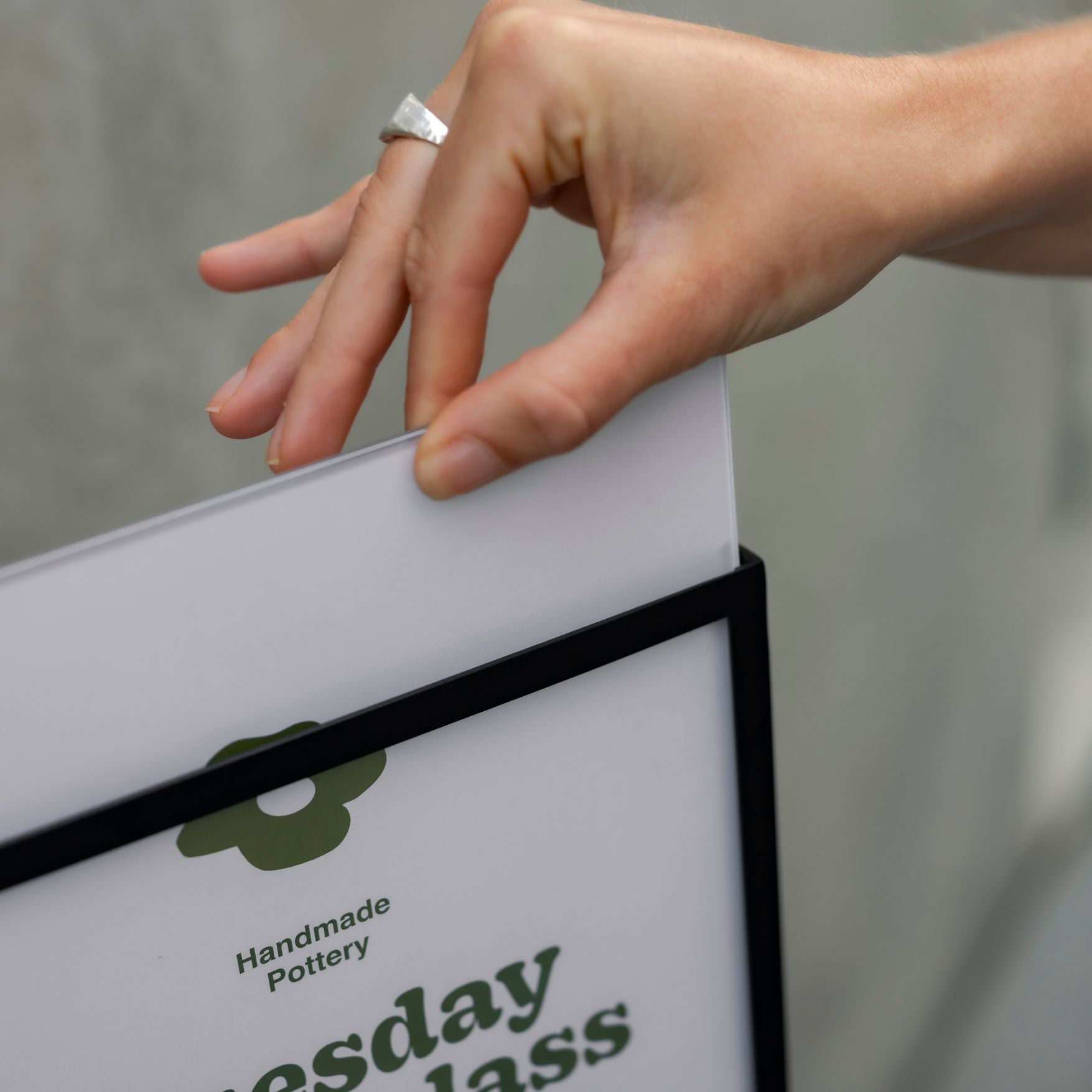
Adding Your Brand: Many high quality, off the shelf signs are designed to be personalized. You can easily apply custom vinyl decals with your logo or unique messaging to a blank sign. This approach, recommended by George & Willy, gives you a bespoke result without the long lead times and high costs of full custom fabrication.
-
Artwork Preparation: When working with a local signwriter to create a vinyl decal, you will typically need to provide a vector file (like an AI, EPS, or SVG) of your logo or design. This ensures the graphic can be scaled to any size without losing quality.
-
Color and Brand Accuracy: To ensure your sign’s colors perfectly match your brand, provide your signwriter with specific color codes (such as Pantone, CMYK, or HEX values). This guarantees consistency across all your marketing materials.
Sizing, Placement, and Proportion
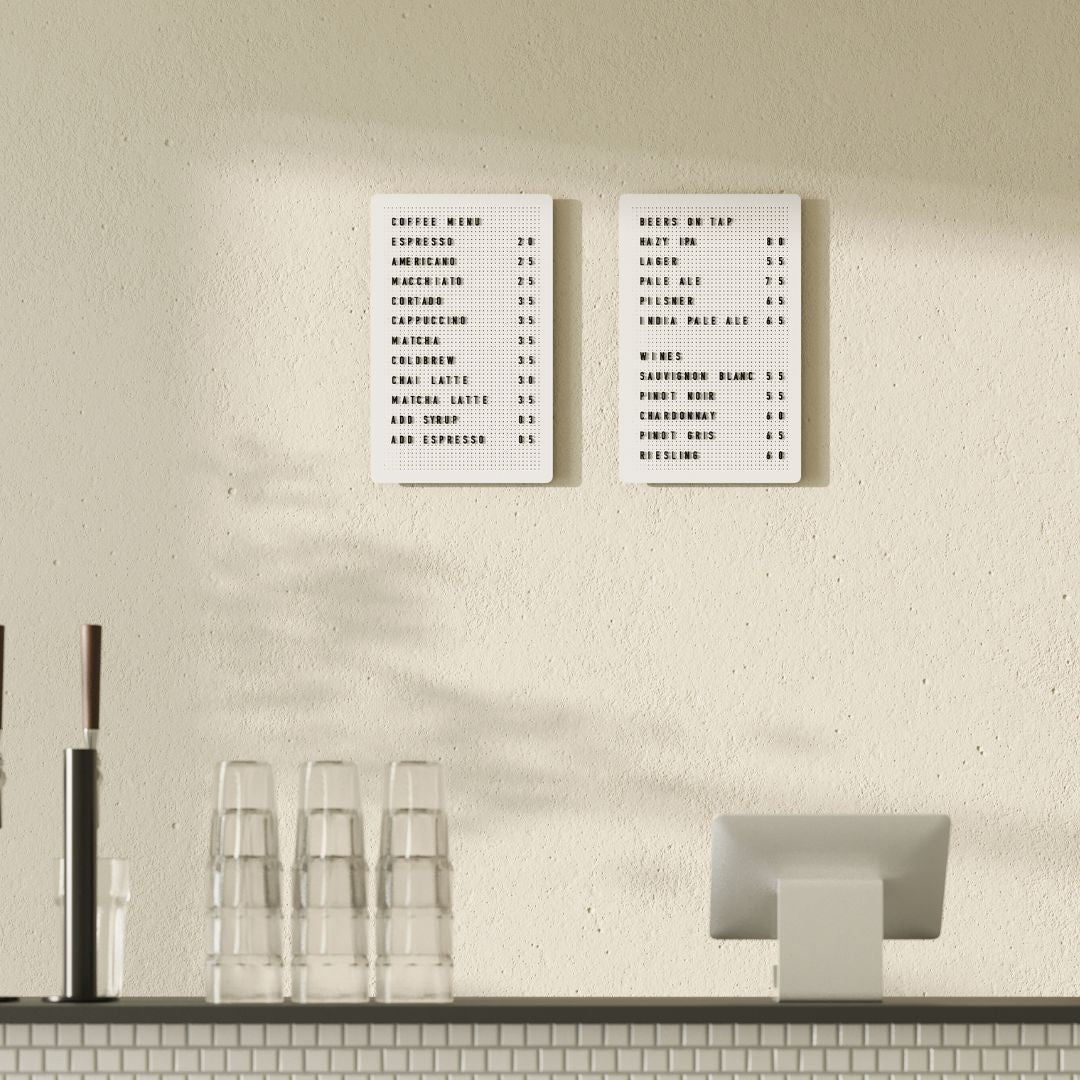
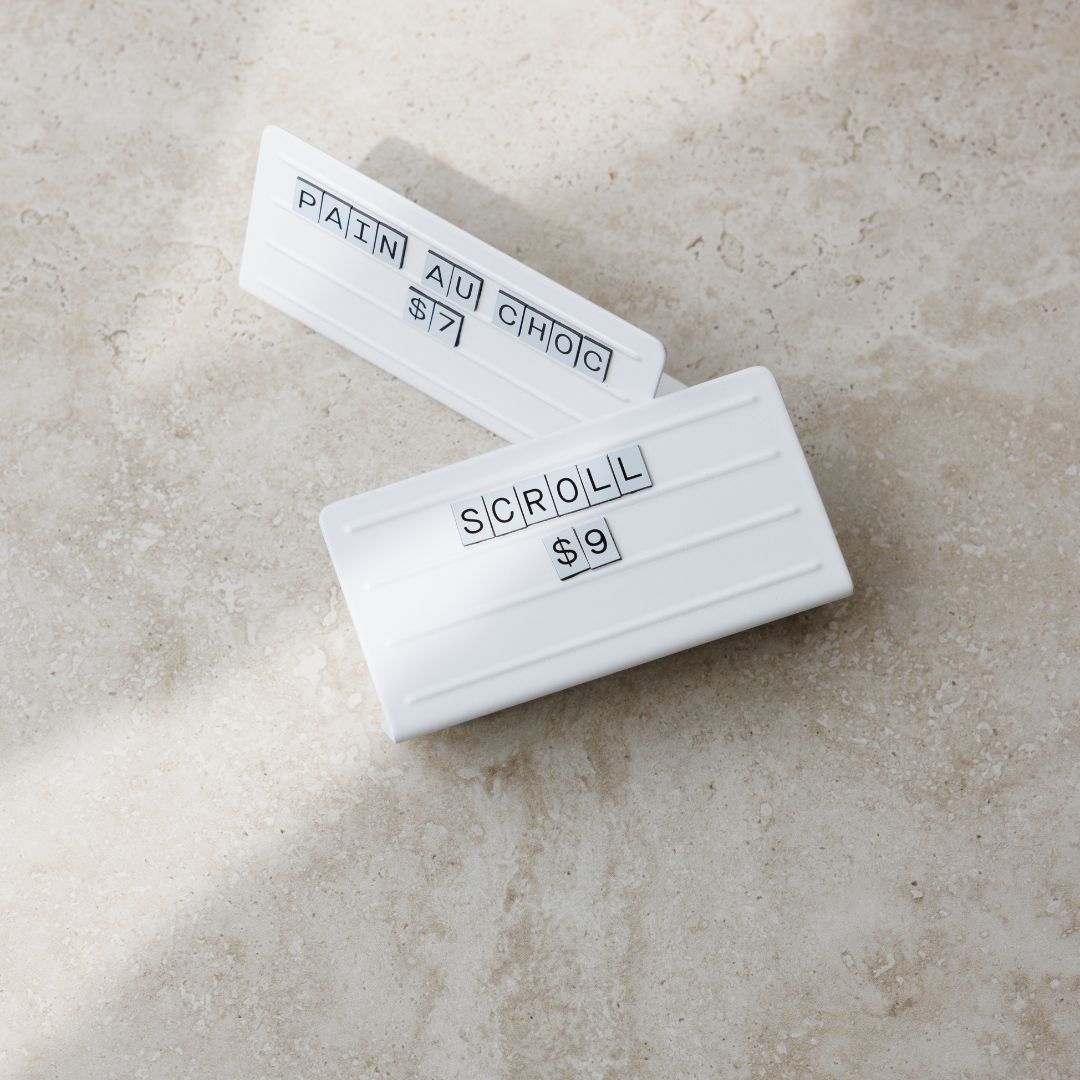
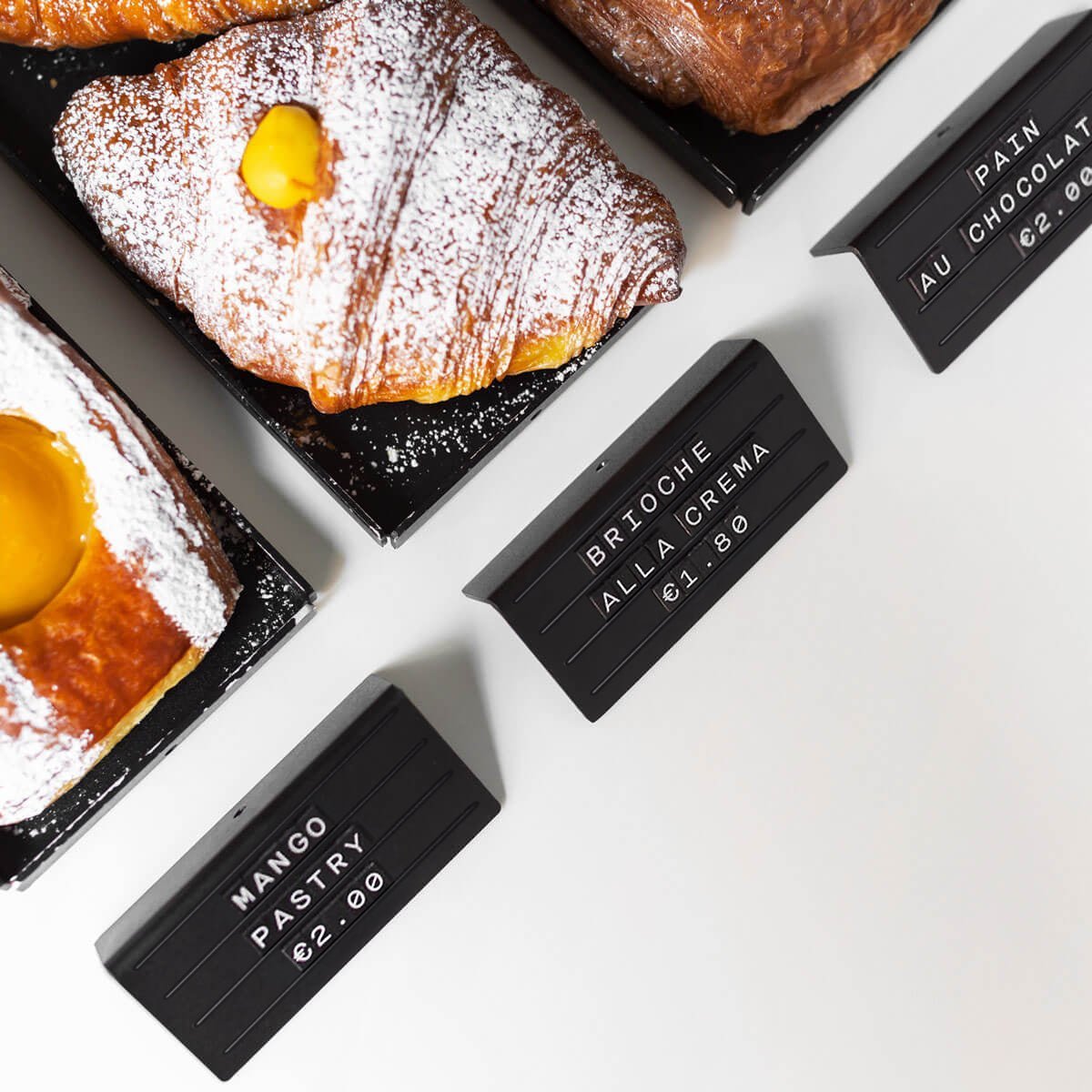
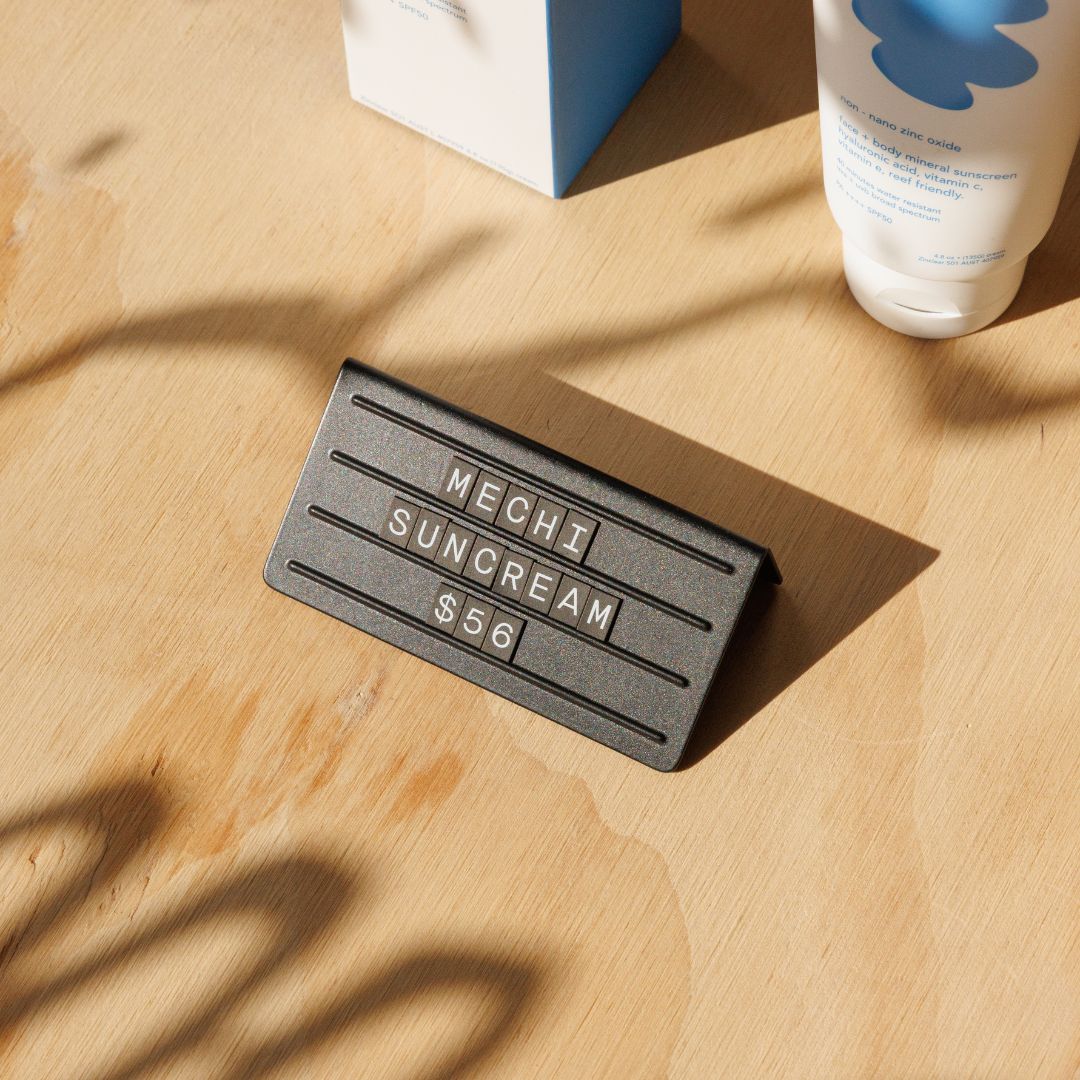
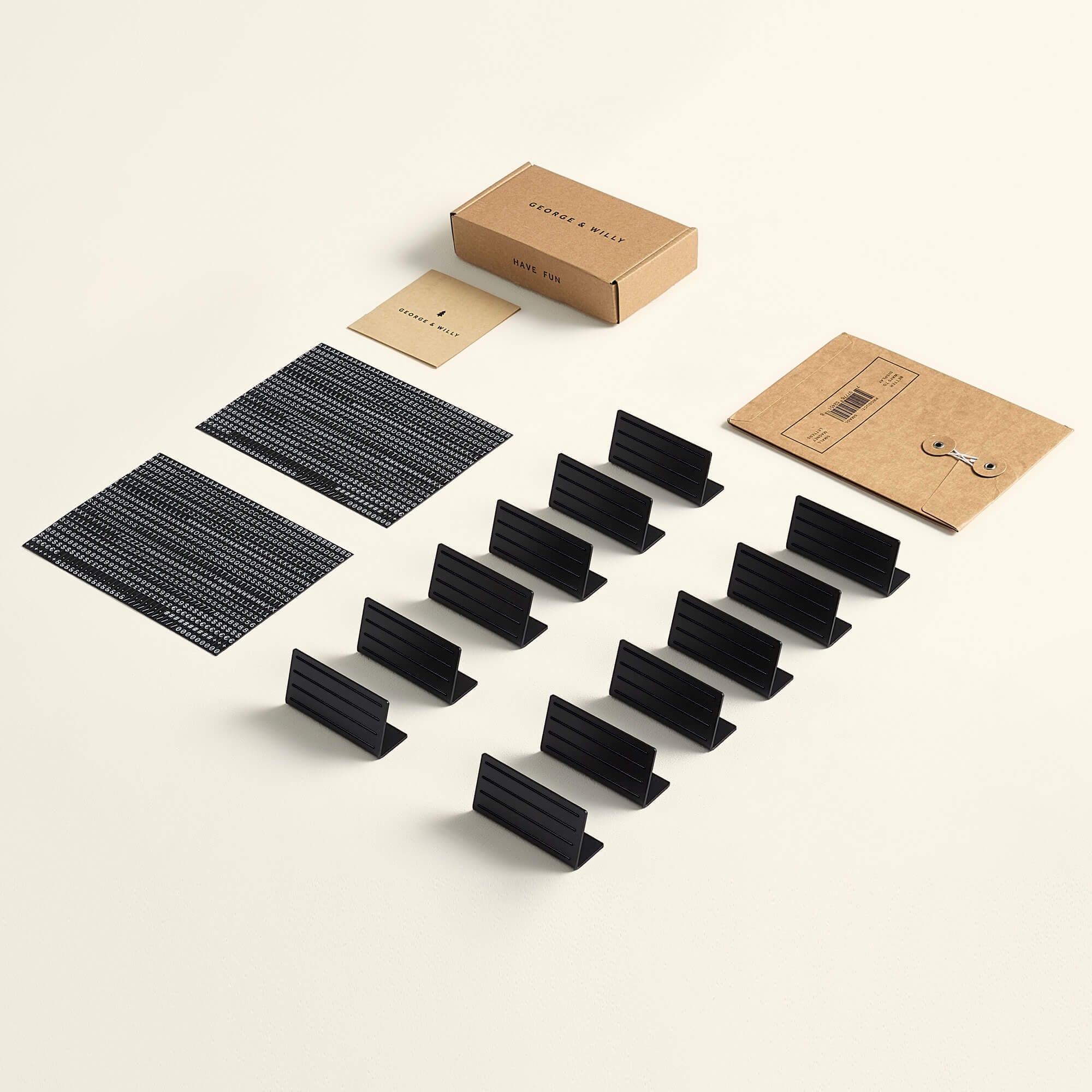
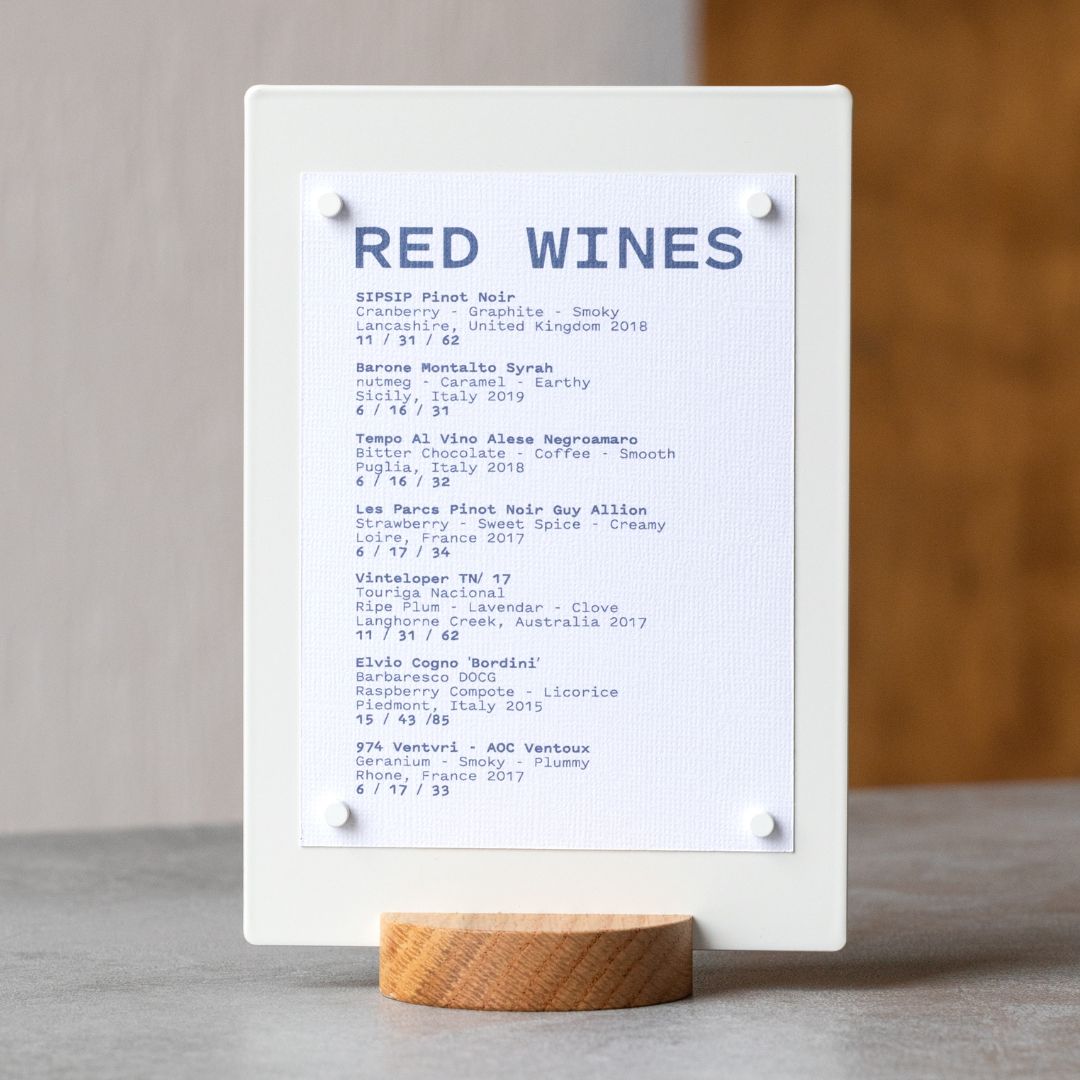
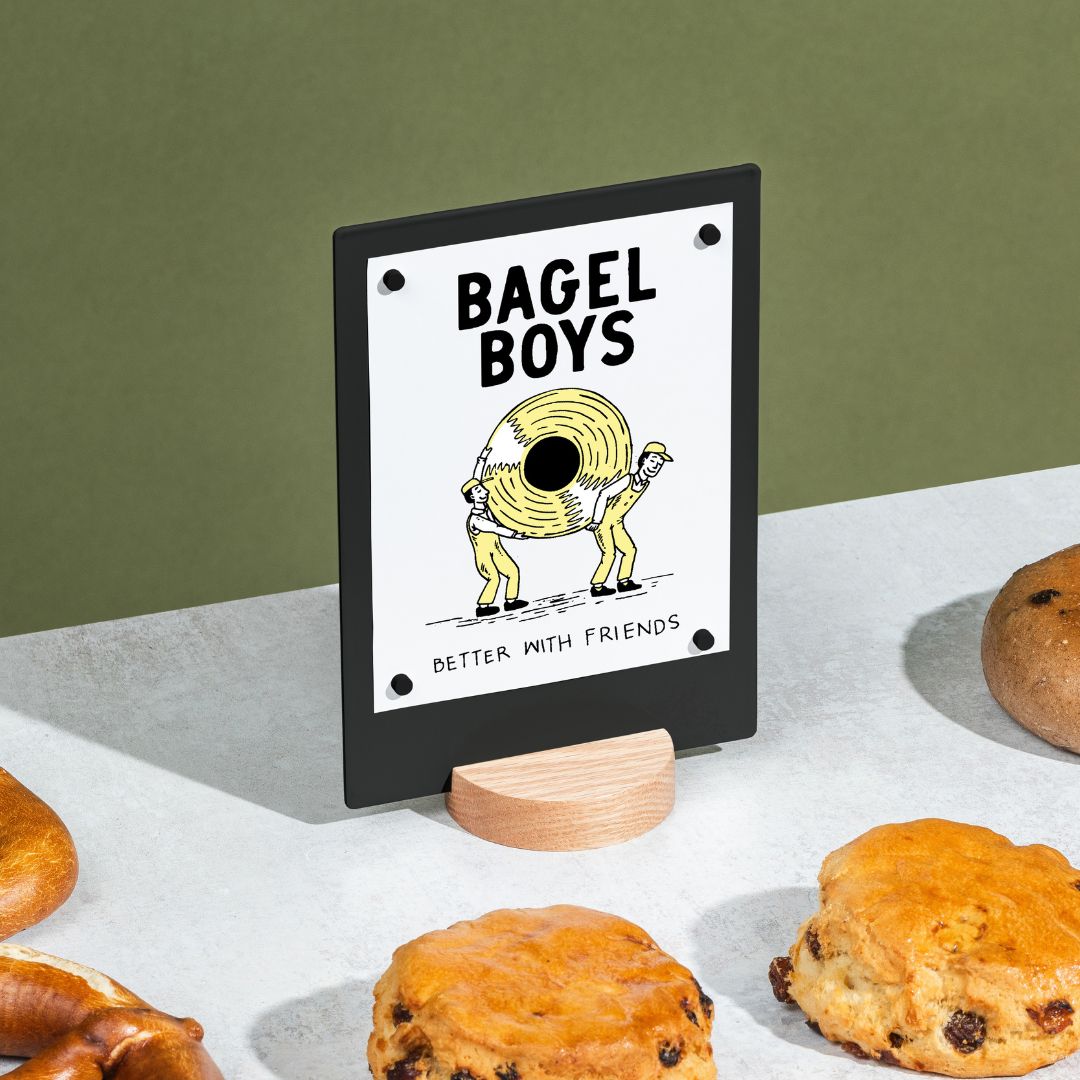
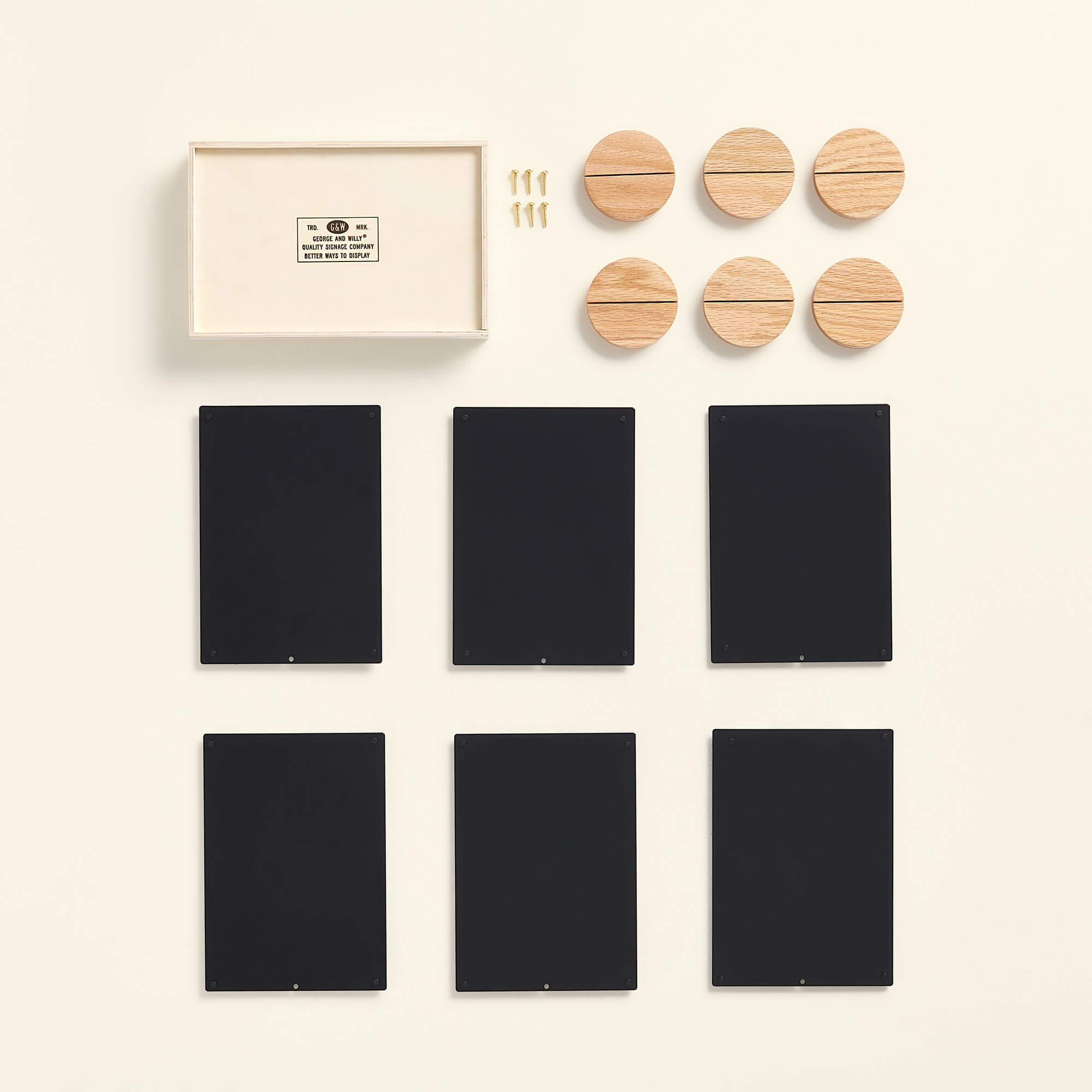
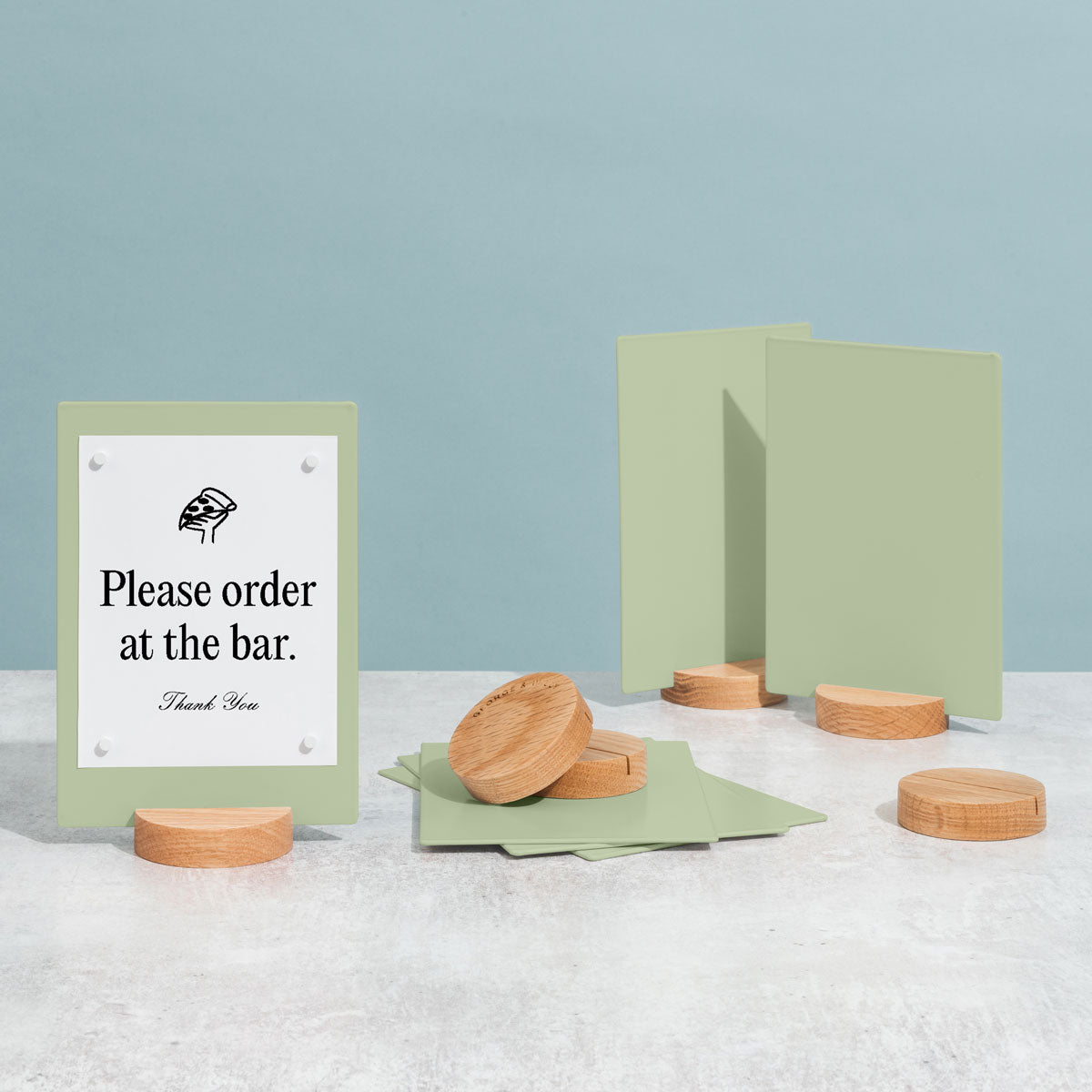
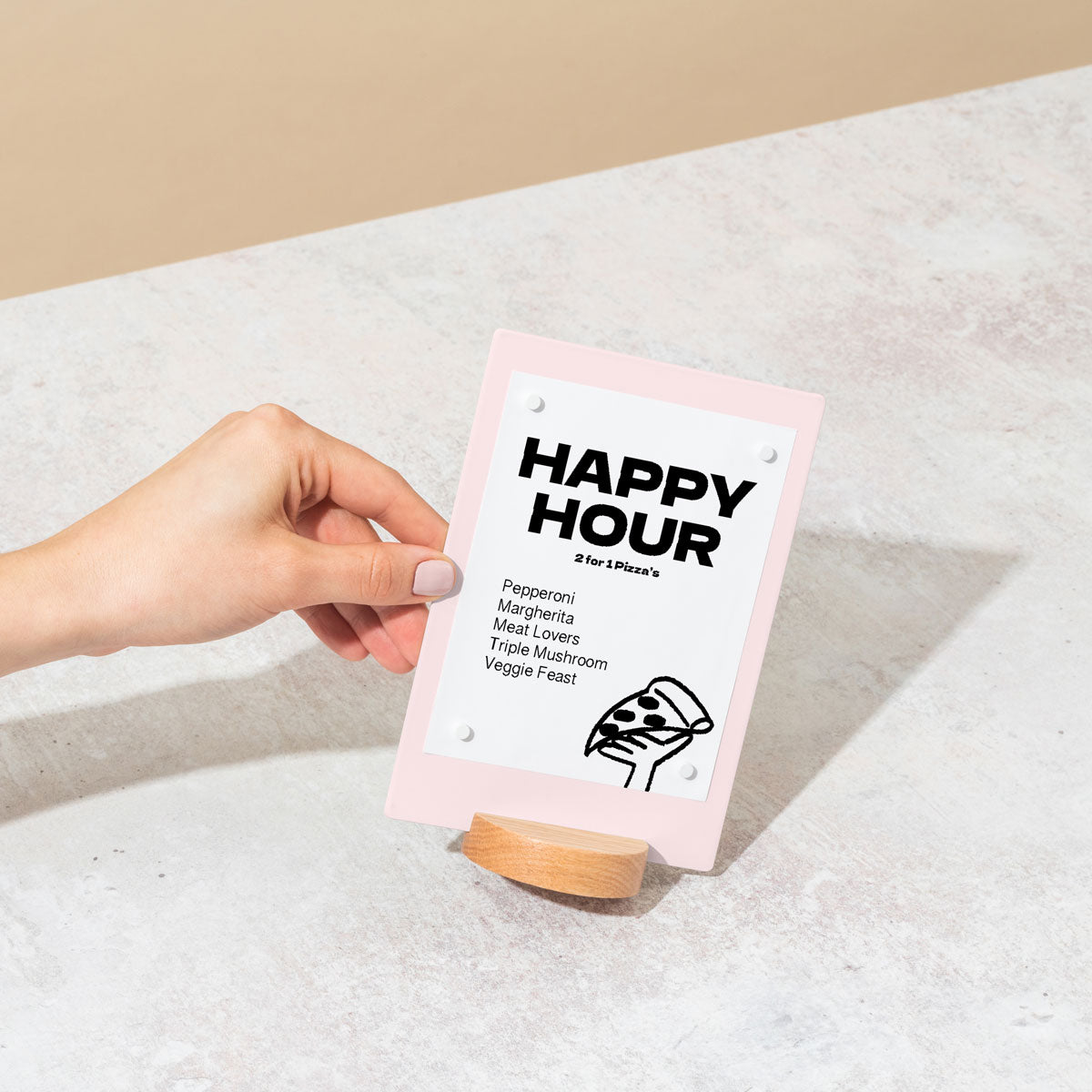
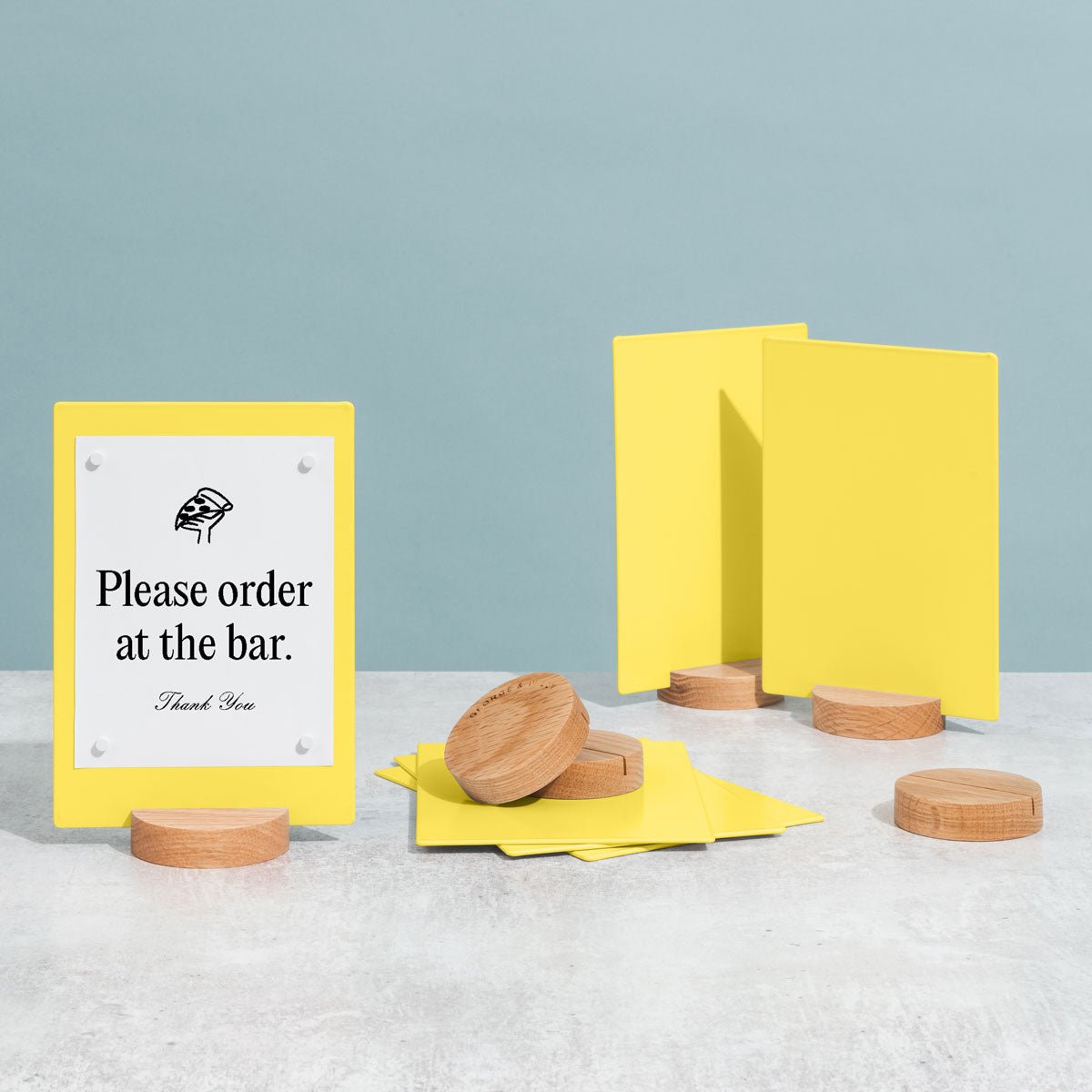
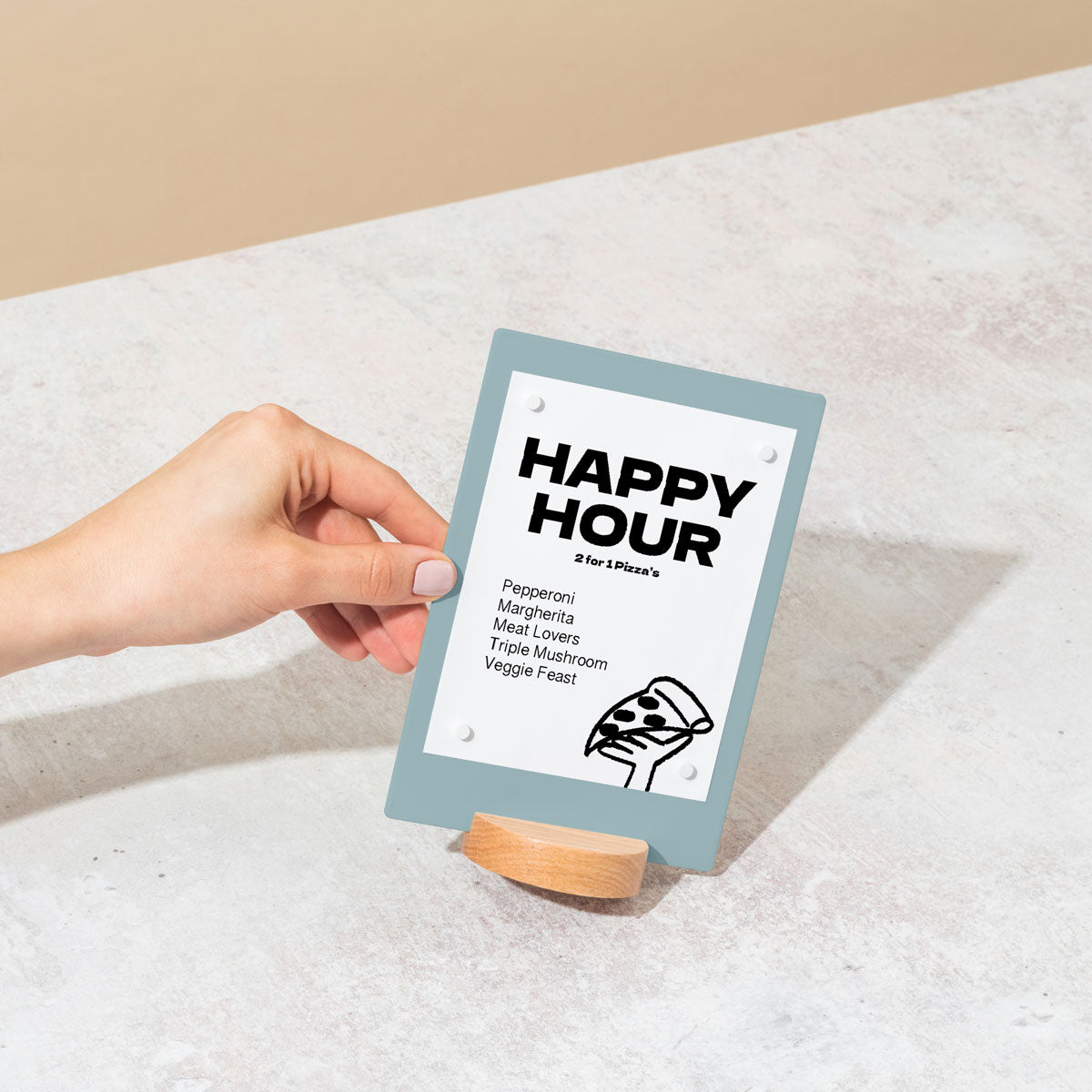
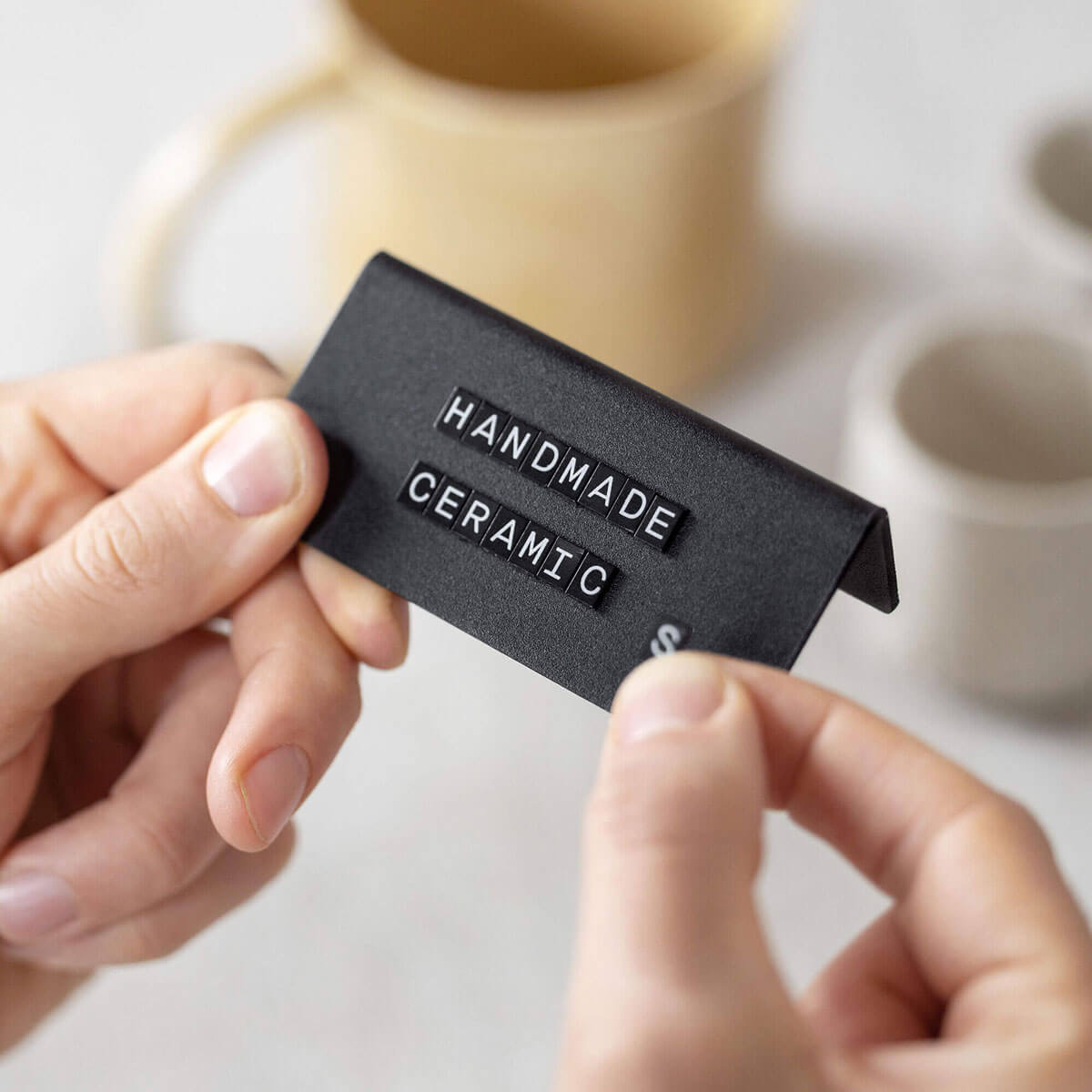
Where you place your decorative sign is just as important as the sign itself. A large blade sign on a storefront should be visible to pedestrians from down the street, while a small tabletop sign, like the Counter Signs from George & Willy, needs to be legible up close. Pay attention to proportion. A massive sign in a tiny space can feel overwhelming, while a small sign can get lost on a large wall. Measure your space and consider the scale of nearby furniture and fixtures before you buy.
Navigating Codes, Permits, and Accessibility
Before you install a sign, especially outdoors, it’s crucial to understand local regulations.
Local Sign Codes and Permits
Most cities and counties have regulations governing the size, placement, and type of signs allowed. Before purchasing a large exterior sign, check with your local planning department to see if a permit is required. This step can save you from fines. For illuminated signs, you may also need a separate electrical permit.
Legal Placement for Sidewalk Signs
Sidewalk signs like A frames must not obstruct pedestrian pathways. Check your local rules for required clearance, typically ensuring enough space for wheelchairs and foot traffic. Some areas may also have restrictions on how many signs can be placed on a block.
ADA and Accessibility Requirements
The Americans with Disabilities Act (ADA) has specific guidelines for signs that identify permanent rooms and spaces (like restrooms). These rules include requirements for non glare finishes, high contrast, tactile lettering or braille, and specific mounting heights. While many decorative signs are exempt, being aware of accessibility principles is always good practice.
Installation, Mounting, and Safety
Proper installation is key to ensuring your decorative sign looks great and is secure.
Mounting Methods by Substrate
- Drywall: Use drywall anchors or toggle bolts for a secure hold.
- Brick or Concrete: This requires a hammer drill and appropriate masonry anchors.
- Wood: Standard wood screws are usually sufficient.
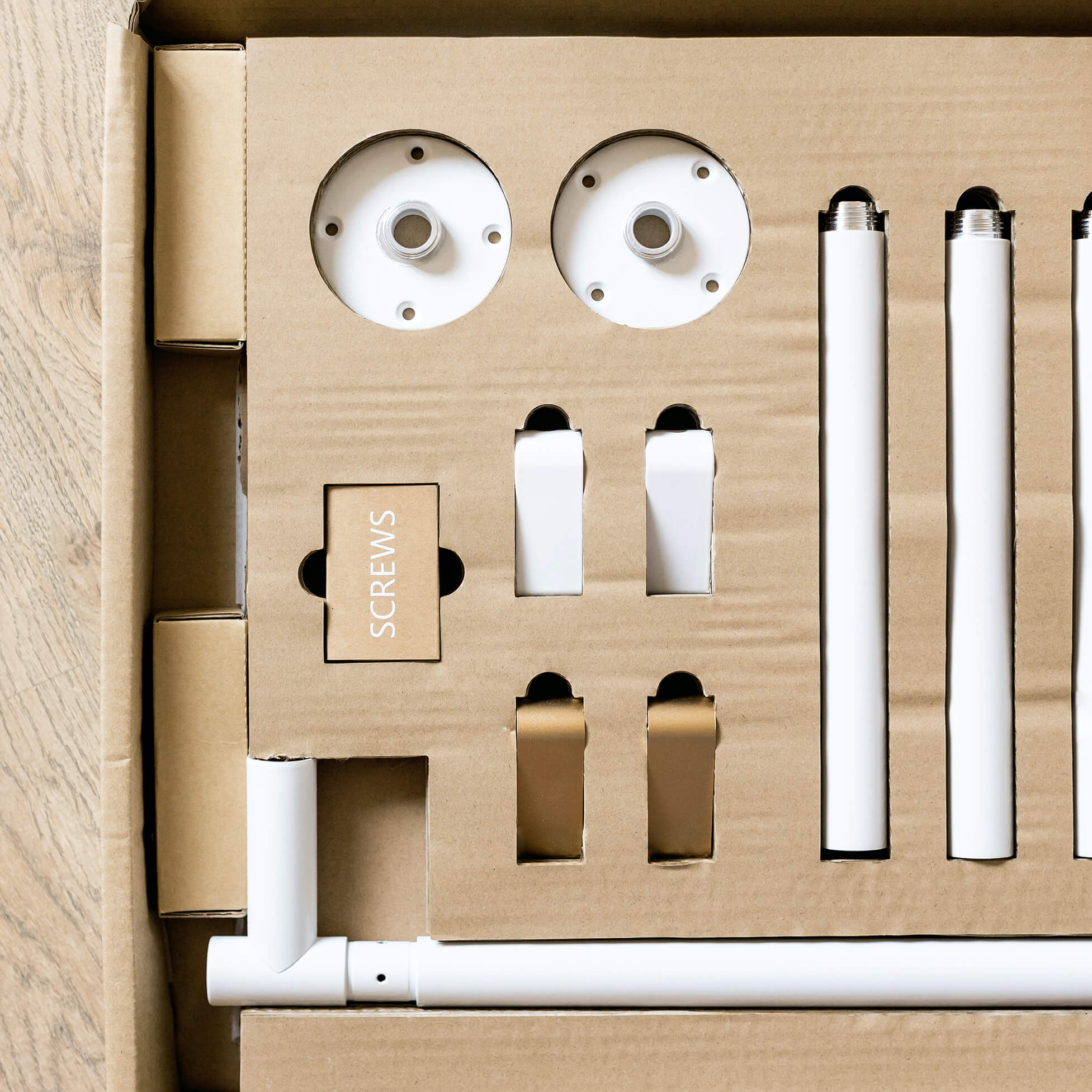
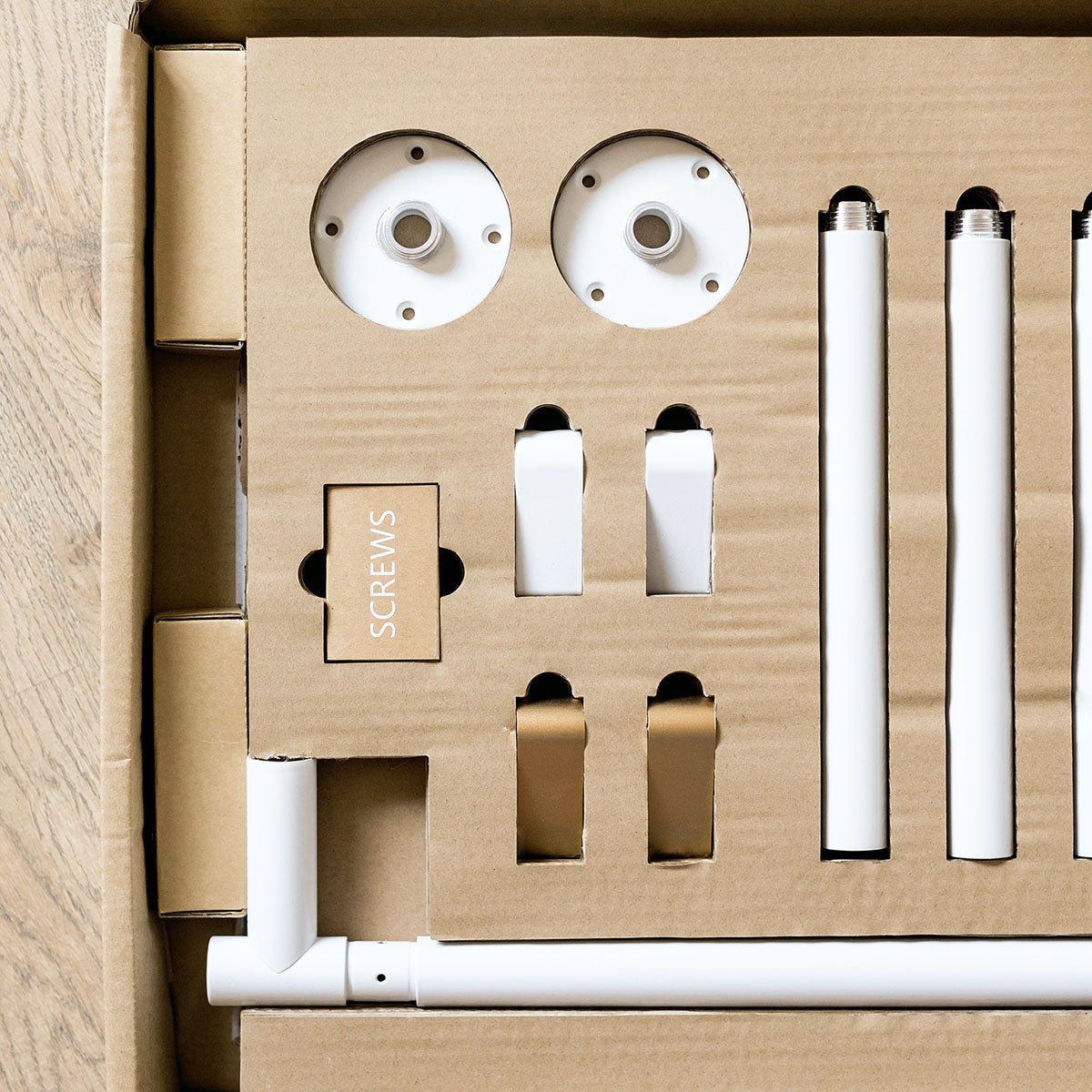
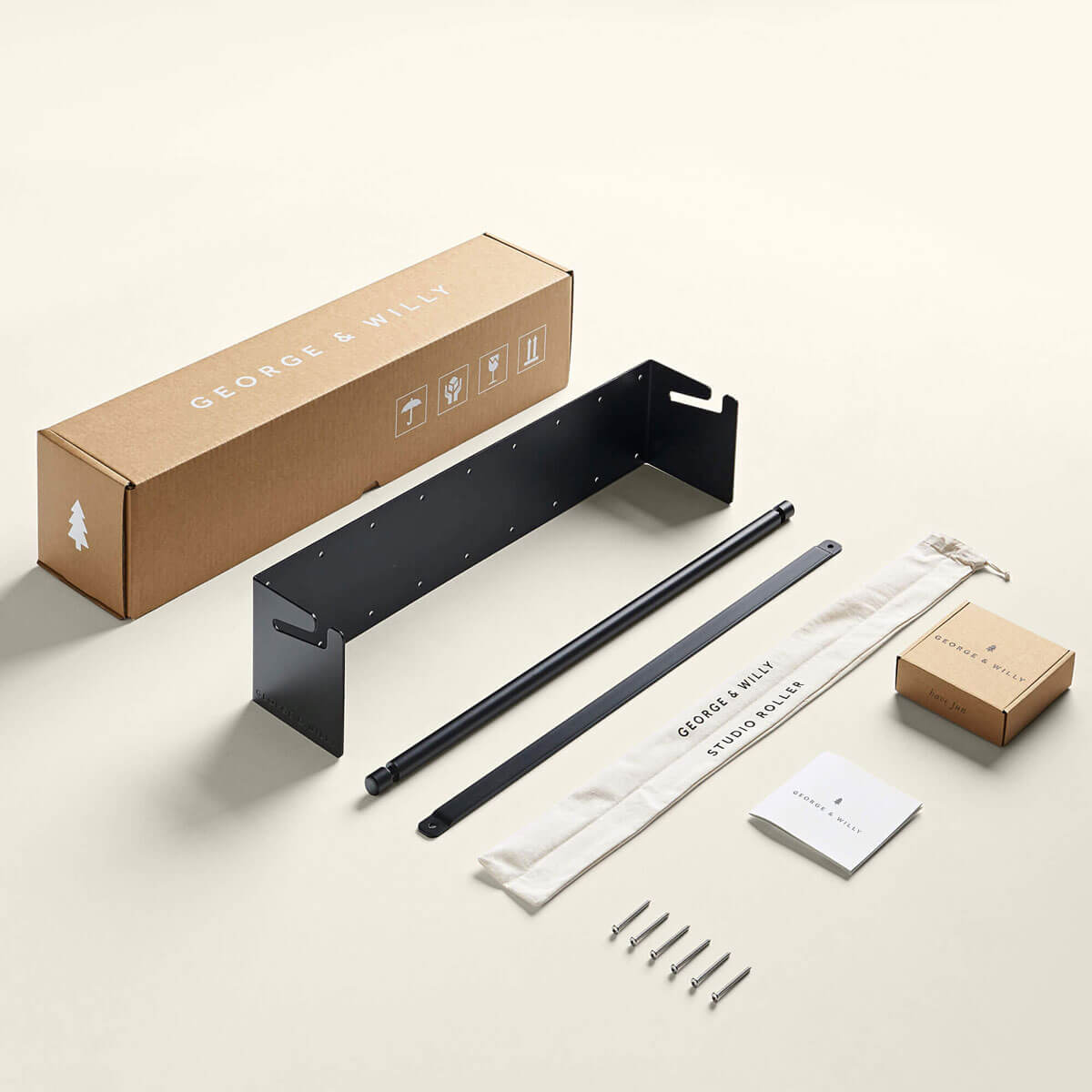
Always follow the manufacturer’s instructions. Many quality signs come with the necessary mounting hardware included.
Safety for Freestanding Signs
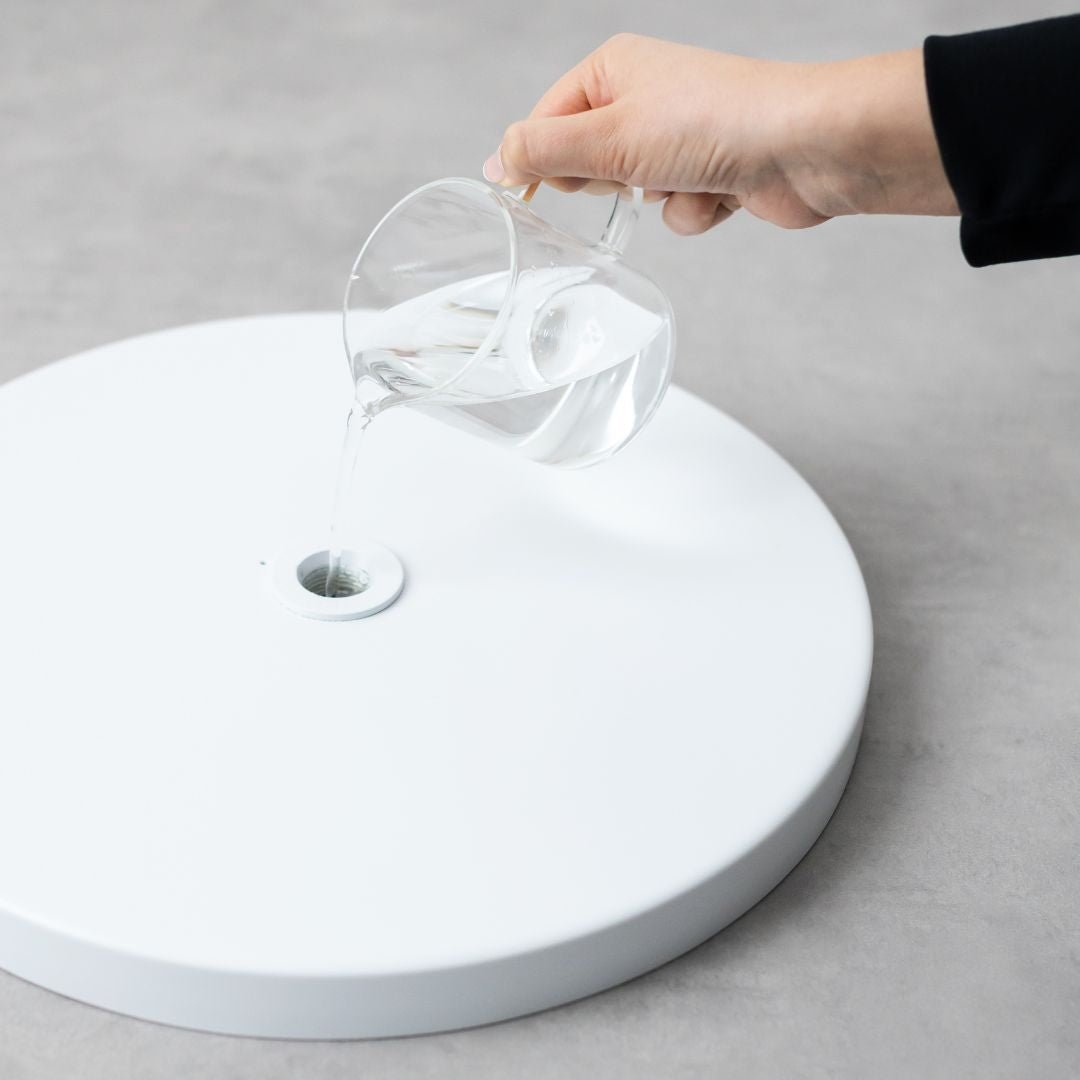
For freestanding signs in windy areas, stability is critical. Look for A frame signs with a solid, weighted base or those that allow for added ballast (like sandbags). An anti tip design that is wider at the base also enhances safety.
Rental Friendly Solutions
If you are renting, you may need to avoid drilling holes. Consider freestanding signs. For wall displays, you might use high quality adhesive hooks for lighter signs, but always check the weight capacity first.
Security and Vandalism Deterrence
For outdoor signs in public areas, consider security. Use tamper resistant mounting hardware. For freestanding signs, bring them indoors overnight to prevent theft or damage.
Budget and Cost Guide
The price of a decorative sign is influenced by several factors. Investing in a quality piece often pays off in longevity and aesthetic appeal, representing a lower total cost of ownership over time.
| Factor | Lower Cost | Higher Cost |
|---|---|---|
| Material | Plywood, Felt | Powder Coated Aluminum, Hardwoods |
| Size | Small tabletop signs | Large storefront or menu systems |
| Features | Static text | Changeable letters, Illumination |
| Origin | Mass produced | Designer made, Small batch |
Remember to budget for hidden costs. These can include permit fees, professional installation, and custom vinyl application from a local sign writer.
Care and Maintenance
To keep your decorative sign looking its best, regular cleaning is essential.
- Powder Coated Metal: A simple wipe down with a soft, damp cloth is usually sufficient.
- Wood: Dust regularly. For outdoor wood signs, you may need to reapply a protective sealant every couple of years.
- Acrylic and Vinyl: Use a gentle cleaner (like soapy water) and a microfiber cloth to avoid scratches.
Seasonal Storage
For signs used seasonally, proper storage is key. Clean the sign thoroughly before storing it in a dry, protected area to prevent damage from moisture or extreme temperatures. This is especially important for protecting vinyl graphics from peeling.
Styling Tips by Setting
For the Café or Restaurant
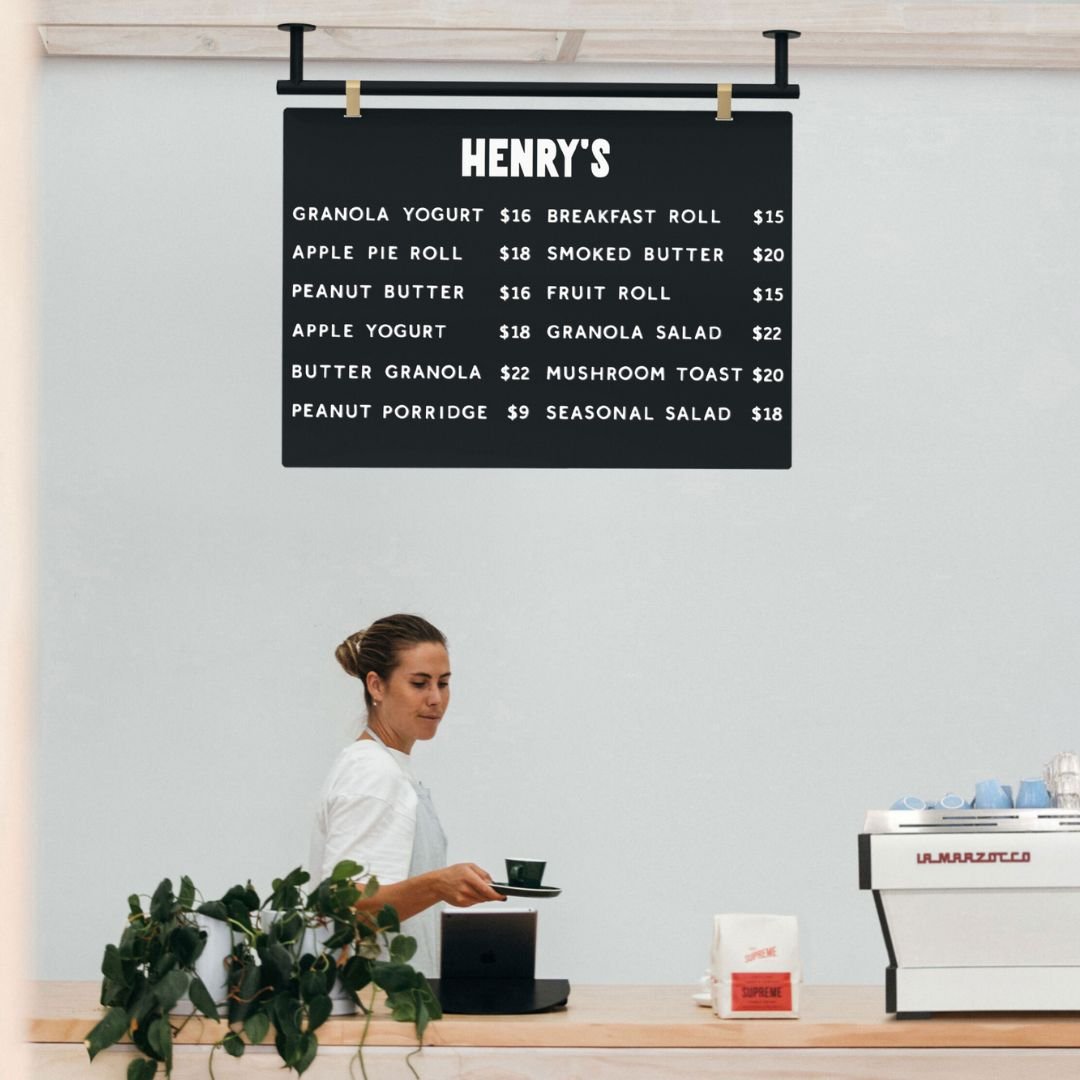
Use a large menu board as a central feature. Complement it with smaller A Frame signs on the sidewalk and tabletop signs for specials. This creates a cohesive branding experience from the street to the seat.
For the Retail Boutique
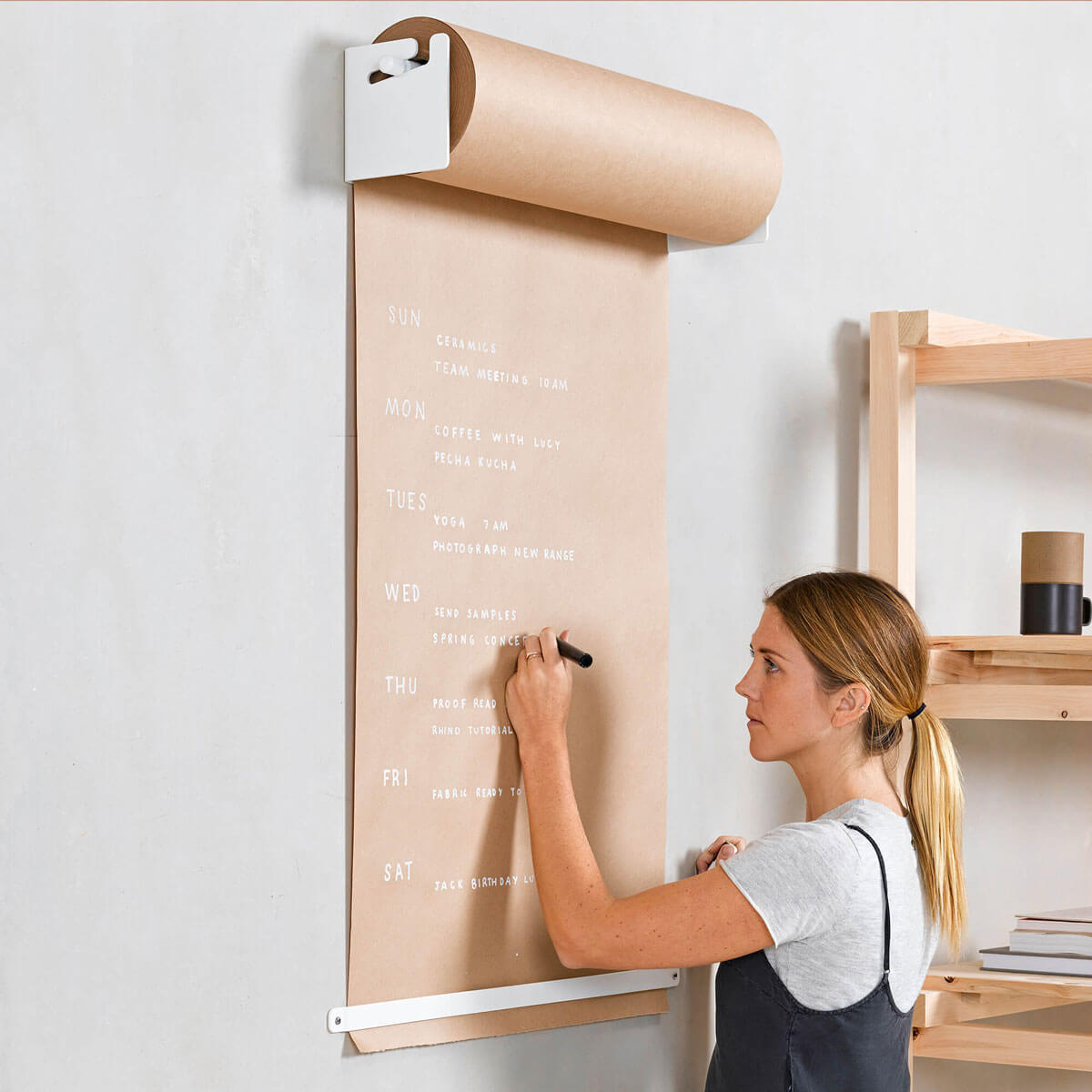
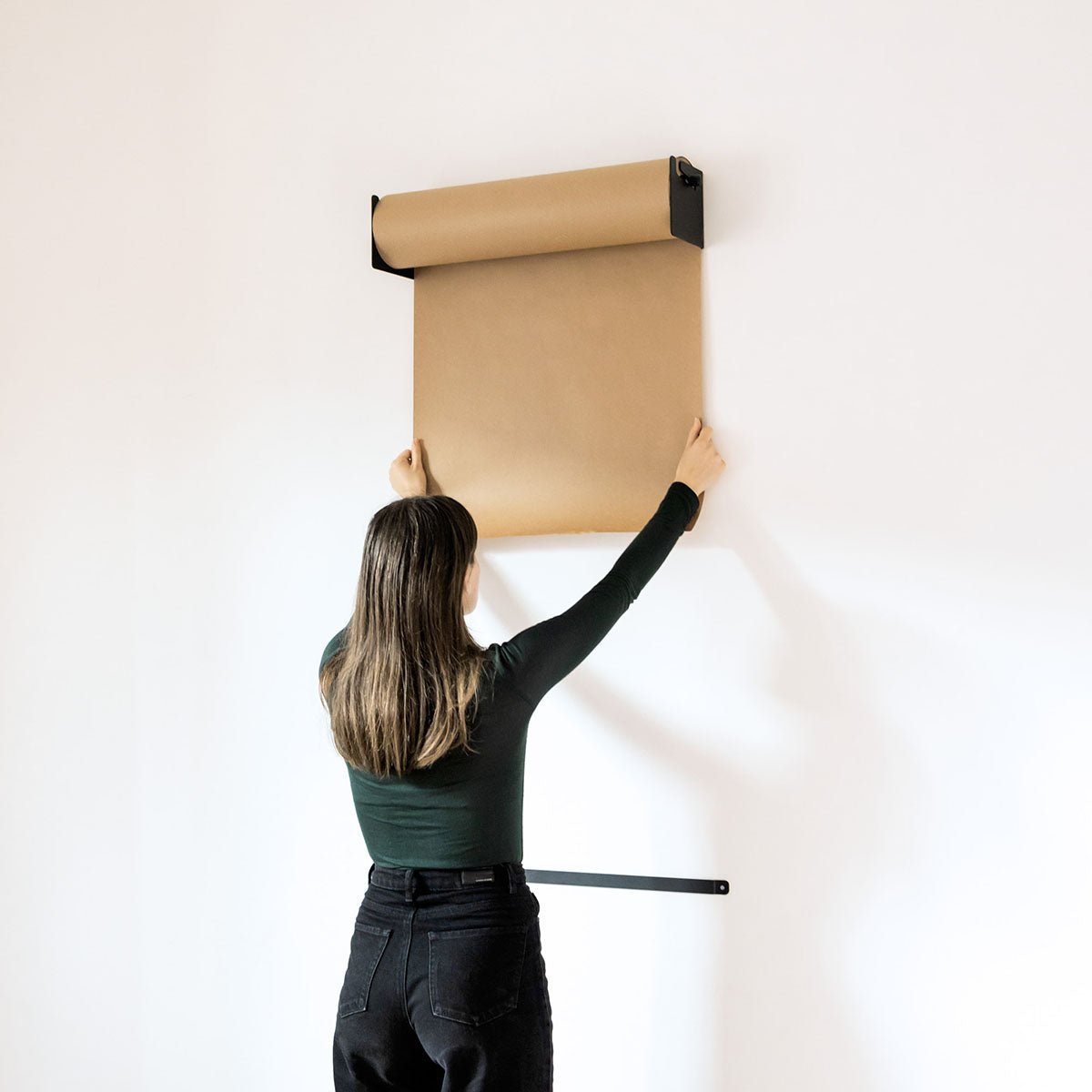
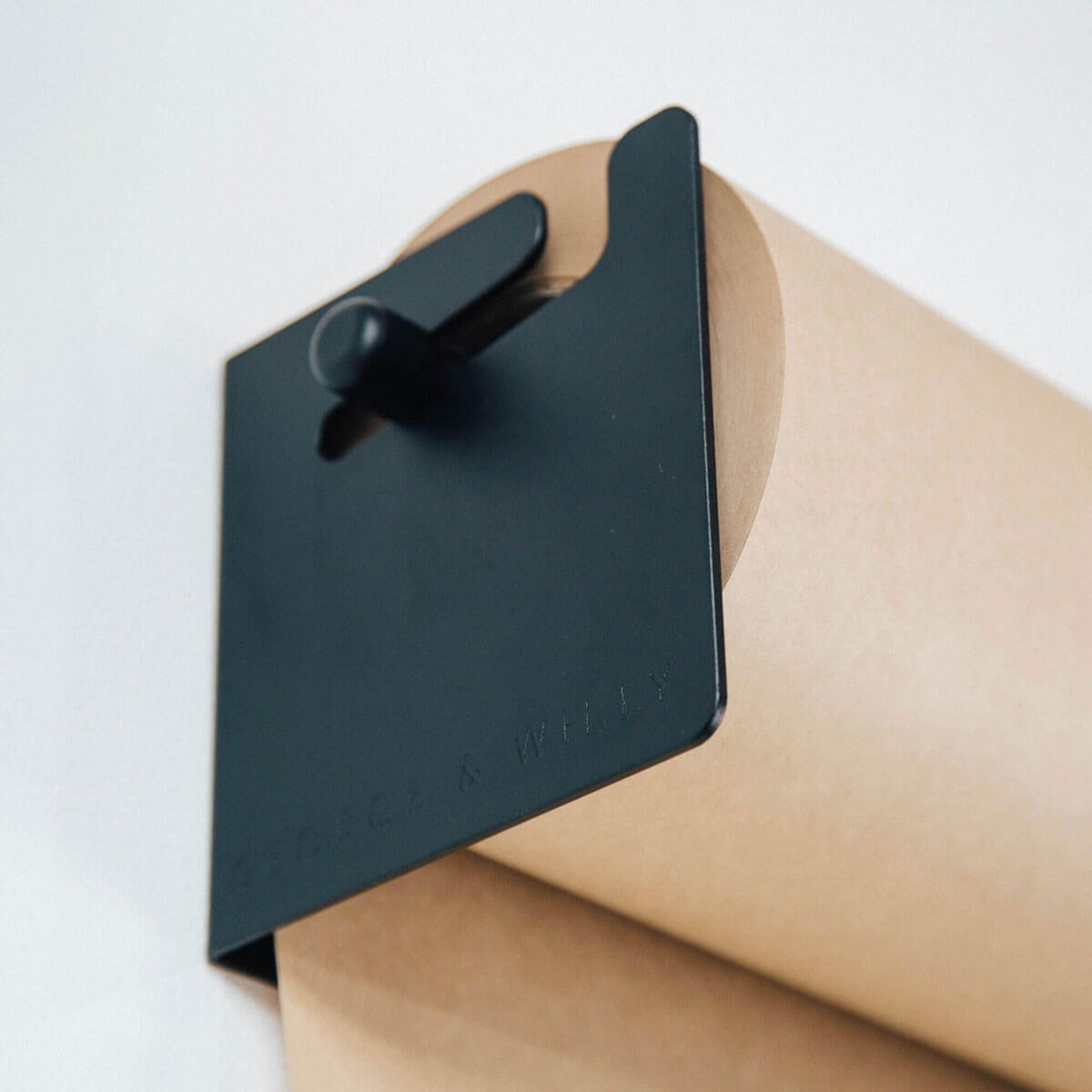
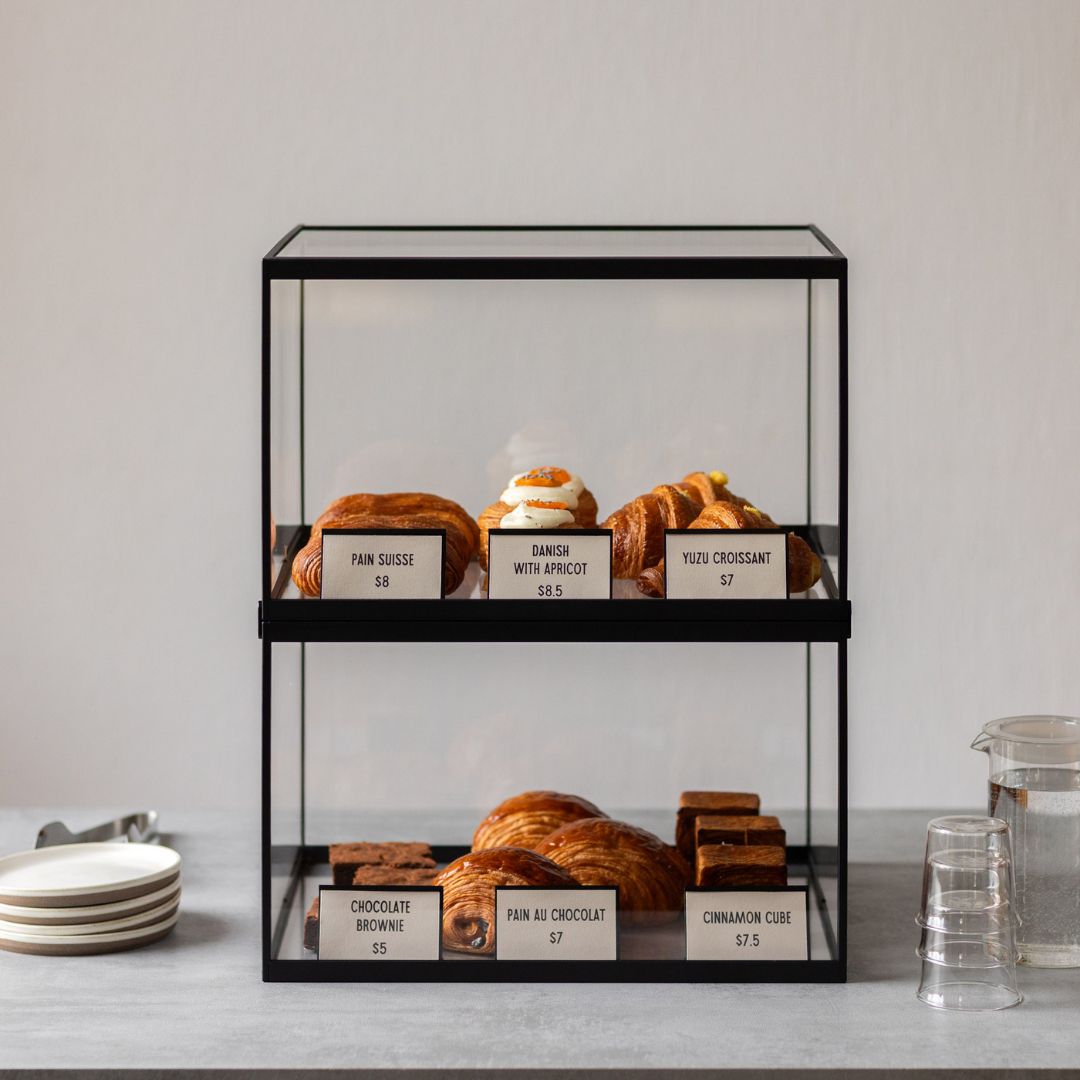
Attract customers with an elegant blade sign or sidewalk sign. Inside, use poster displays for promotions and smaller counter signs for pricing. A Studio Roller can be a creative way to announce new arrivals.
For the Office or Studio
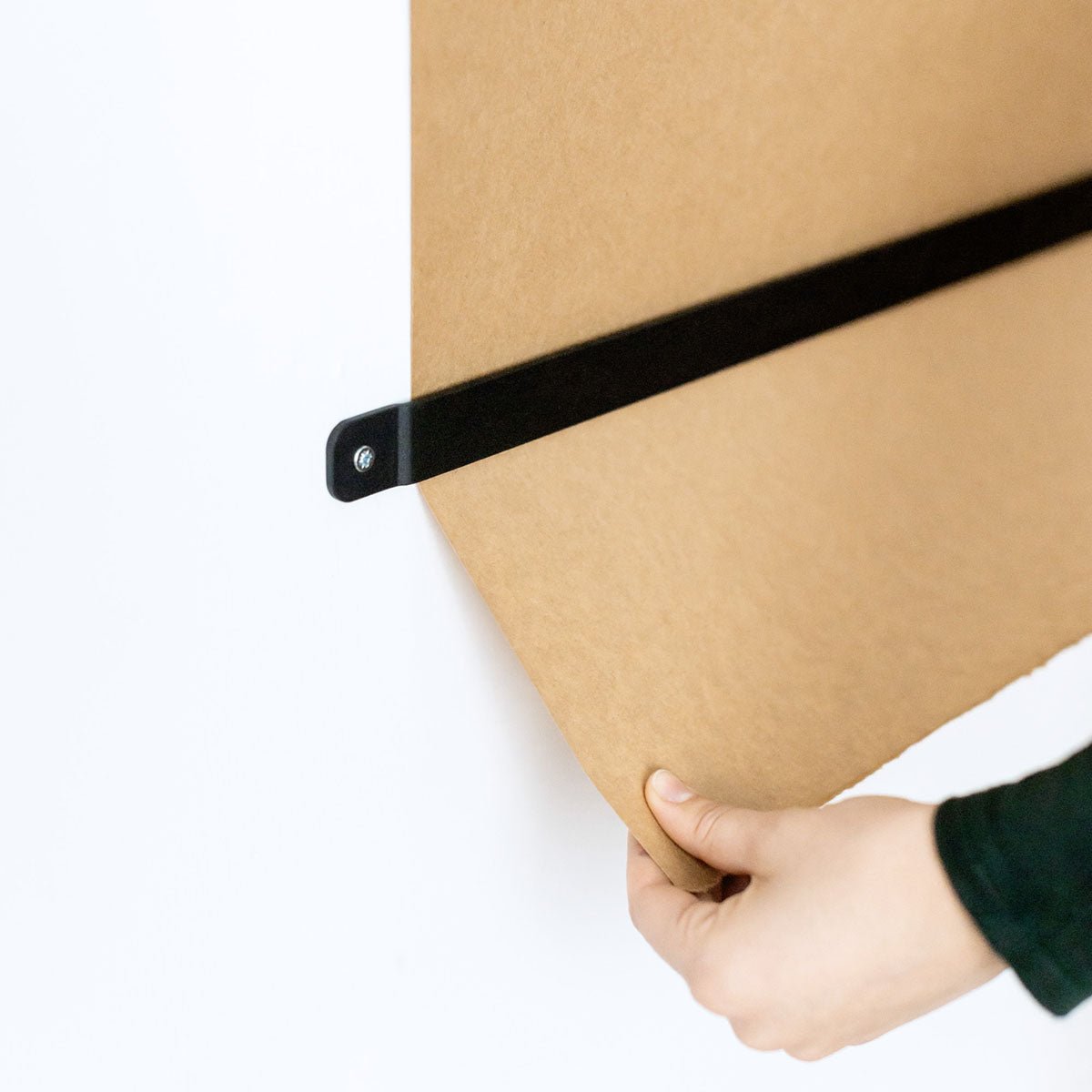
Use signage for wayfinding, branding in the reception area, or displaying company values. A wall mounted paper roller is great for brainstorming sessions and creative planning.
For the Home
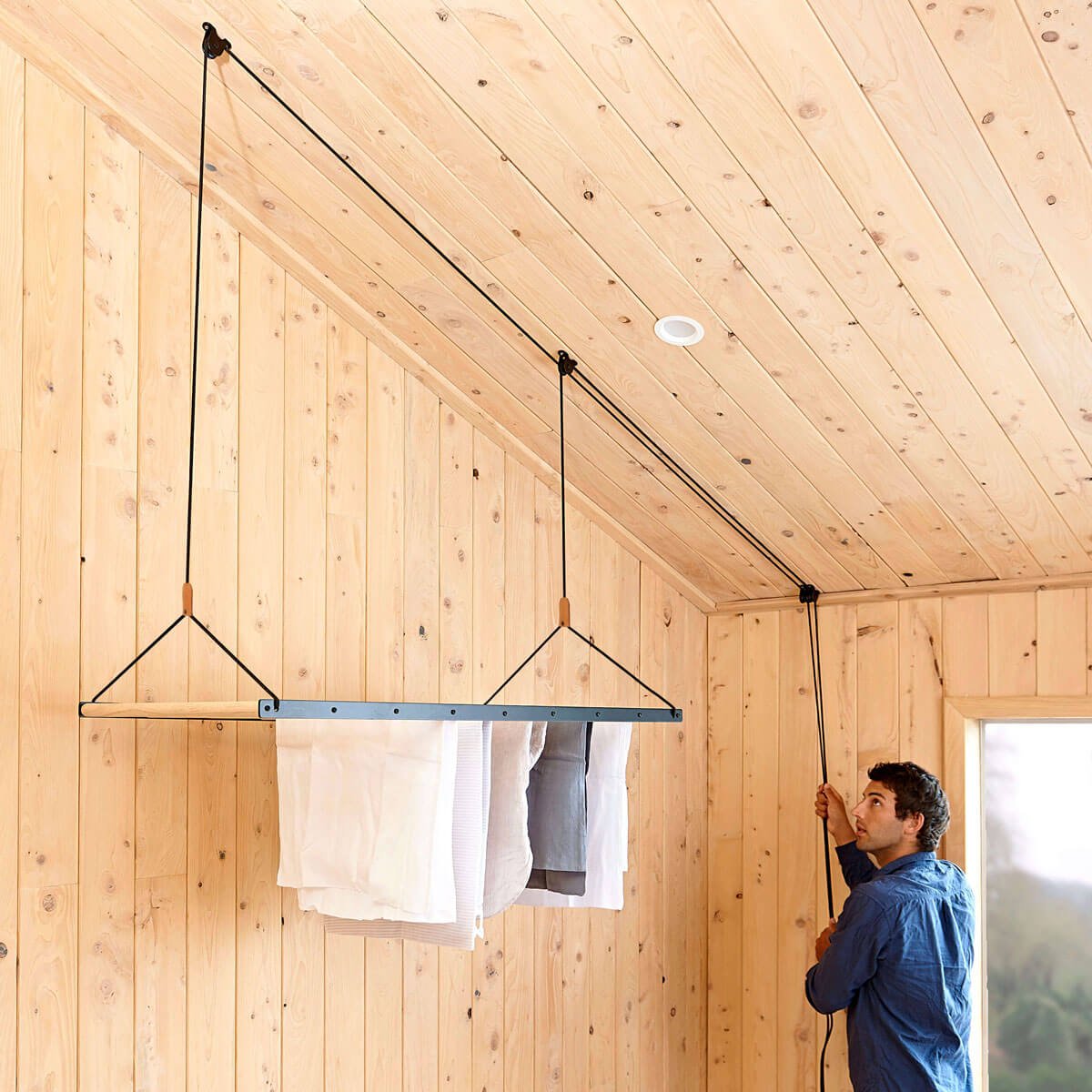
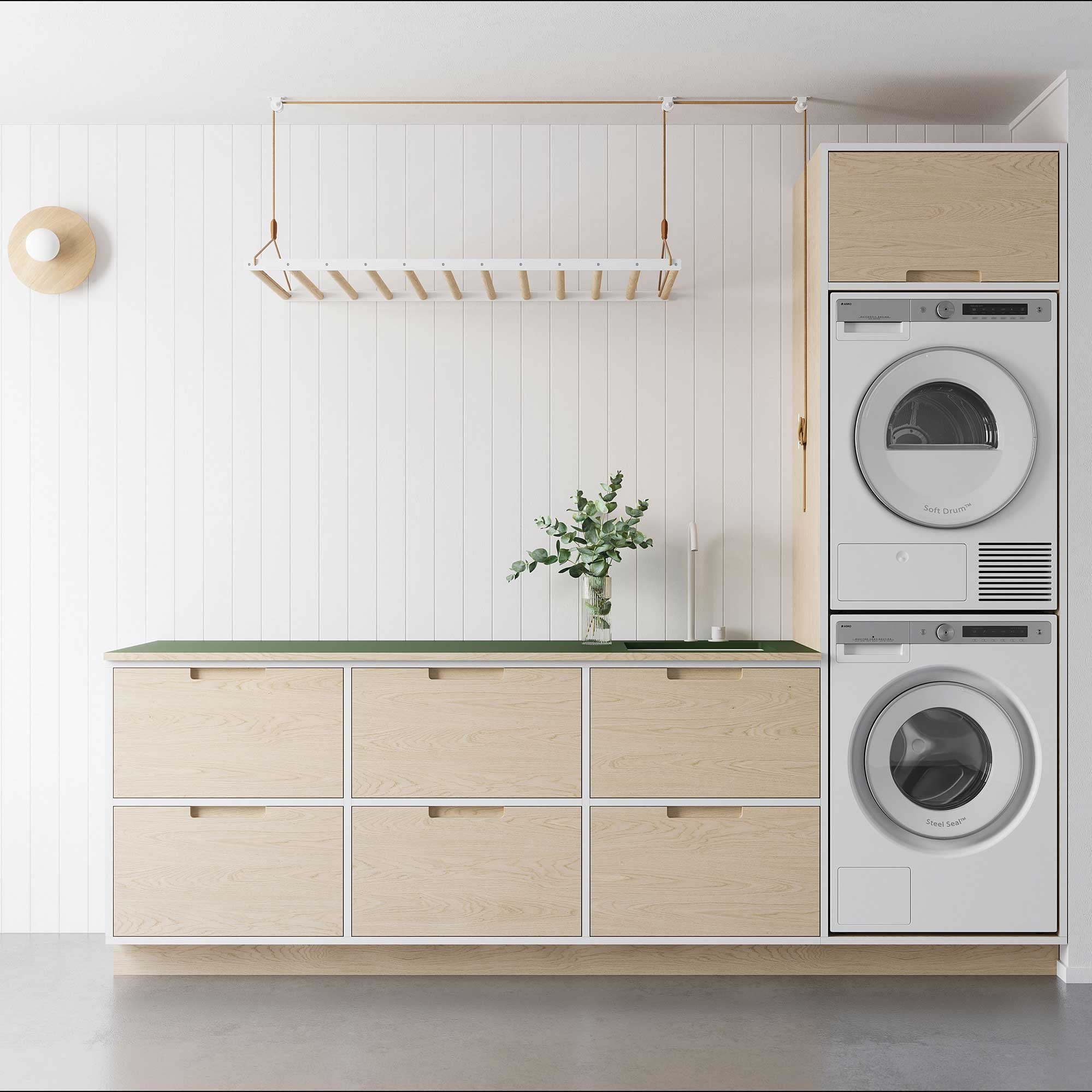
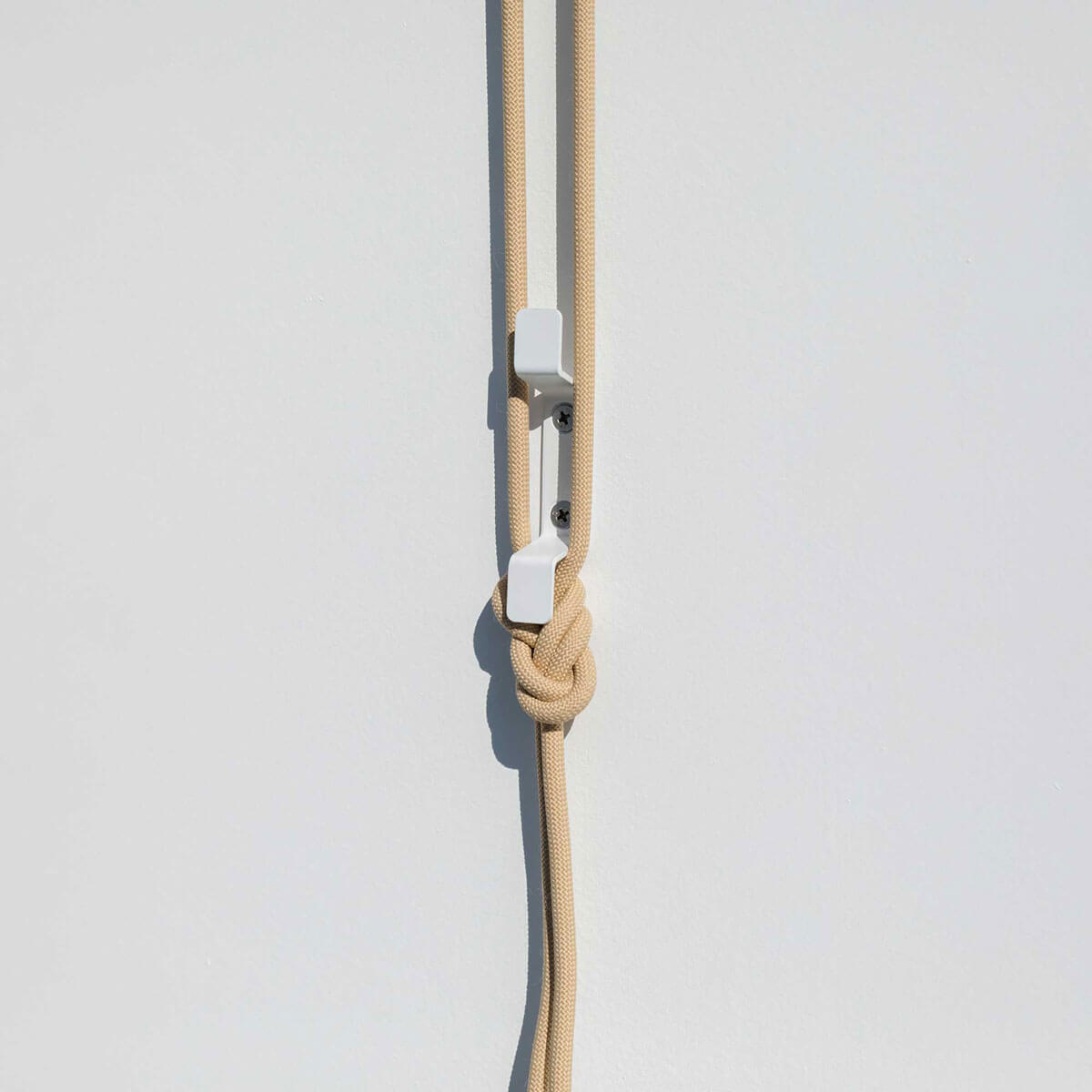
A decorative sign can add personality to any room. Use a Daily Roller in the kitchen for grocery lists, a felt letter board in the living room for fun quotes, or a stylish drying rack in the laundry room that is both functional and beautiful.
For Weddings and Events
Changeable signs like letter boards or A frames are perfect for event signage. Use them for welcome messages, seating charts, or directing guests. Their reusability makes them a sustainable and cost effective choice.
Measuring Your Return and Common Mistakes to Avoid
For businesses, the return on investment (ROI) from a good sign can be measured in increased foot traffic or sales of a promoted item. You can also track customer comments and social media mentions.
Avoid these common mistakes:
- Poor Readability: Using fonts that are hard to read or have low contrast.
- Wrong Material: Using an indoor sign outdoors, leading to weather damage.
- Bad Placement: Hiding the sign where it can’t be easily seen.
- Cluttered Design: Trying to fit too much information onto one sign.
- Inconsistent Style: Selecting a sign that clashes with your existing décor.
- Ignoring Local Codes: Failing to check permit requirements.
Conclusion
A decorative sign is a powerful tool for communication and design. By choosing the right style, material, and placement, you can enhance your space, attract customers, and express your brand’s personality. Whether you run a bustling coffee shop or are styling your home office, an intentional, well designed sign makes all the difference.
Ready to find the perfect signage for your space? Explore the curated collection of timeless, durable, and beautiful display products at George & Willy.
Frequently Asked Questions
What is the best material for an outdoor decorative sign?
Powder coated aluminum is one of the best materials because it is lightweight, durable, and naturally resistant to rust and corrosion, ensuring a long life even in harsh weather.
Can I put my own logo on a pre made decorative sign?
Yes, most blank signs are designed for customization. You can work with a local sign writer to apply a vinyl decal of your logo, giving you a custom look without the high cost of full fabrication.
Do I need a permit for my decorative sign?
It depends on the sign’s size, type, and location. Exterior signs, especially larger ones or those that project from a building, often require a permit. Always check with your local planning department before installation.
How do I choose the right size for my decorative sign?
Consider the viewing distance and the scale of the space. A good rule of thumb for readability is one inch of letter height for every 10 feet of viewing distance. Creating a paper mock up can help you visualize the size before you buy.
Are illuminated signs difficult to maintain?
Modern illuminated signs using LED technology are very low maintenance. LEDs are energy efficient and have a very long lifespan, requiring infrequent changes.
What makes a decorative sign look high quality?
High quality signs are defined by their materials, finish, and design details. Look for durable metals, sustainably sourced wood, a flawless powder coat finish, and thoughtful design that balances form and function.