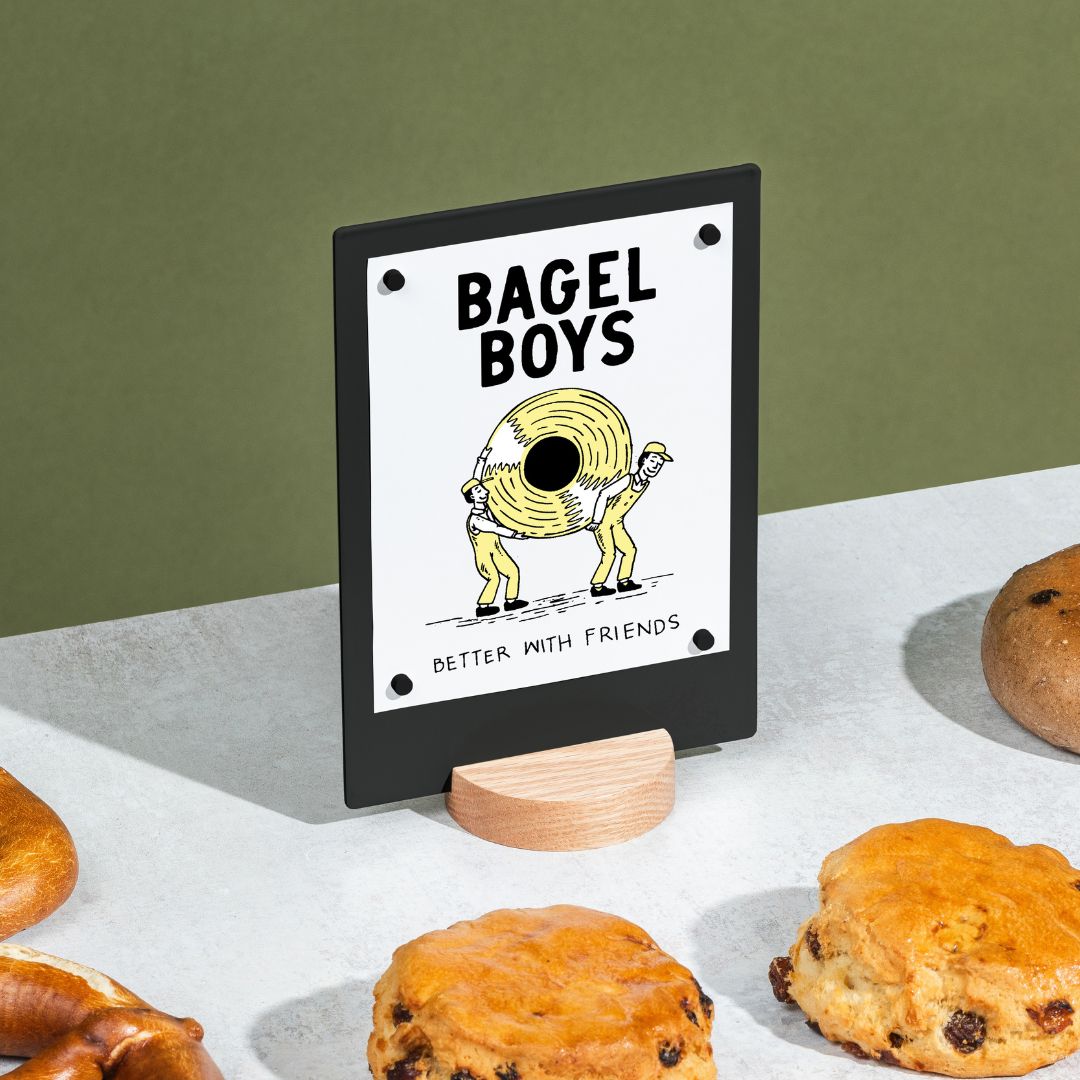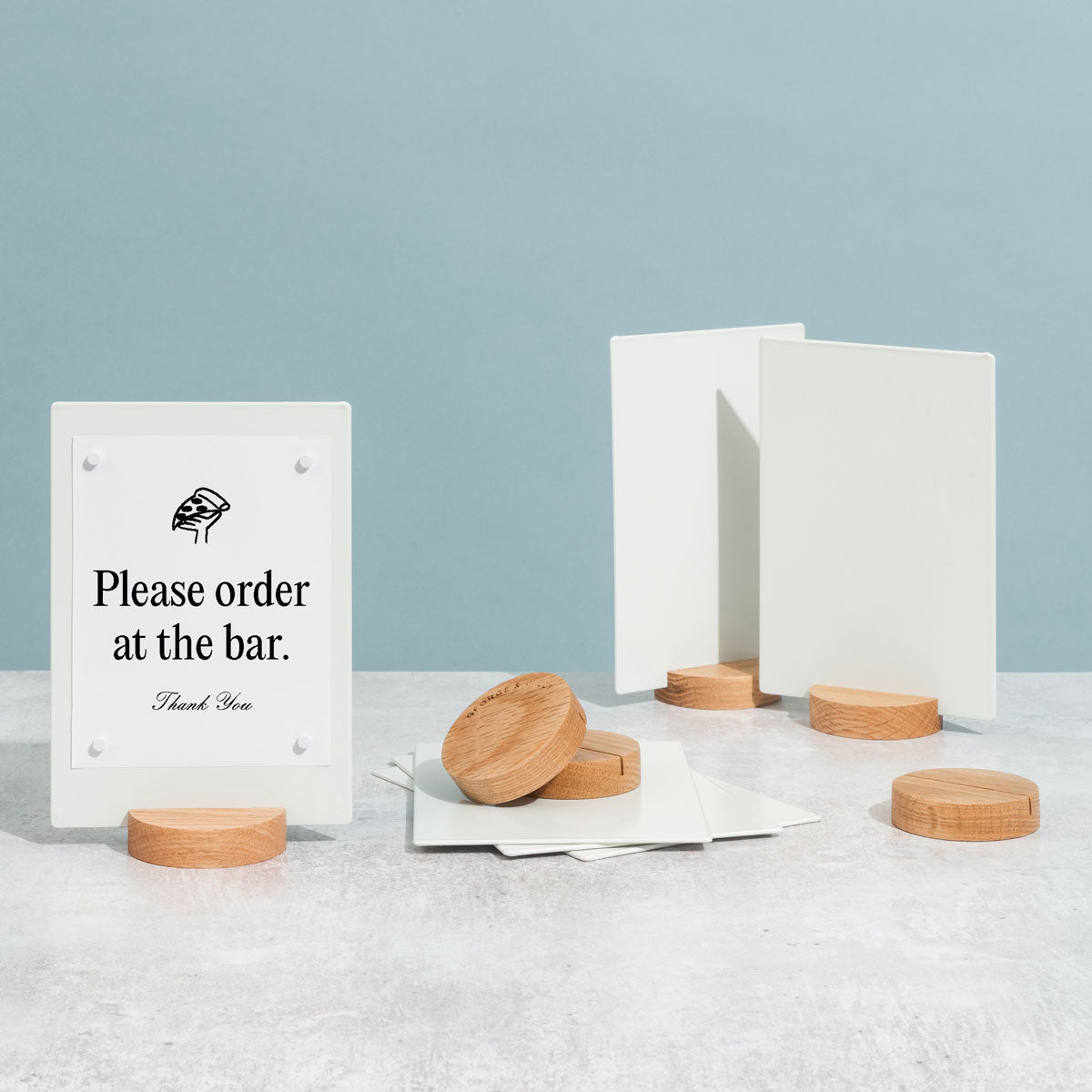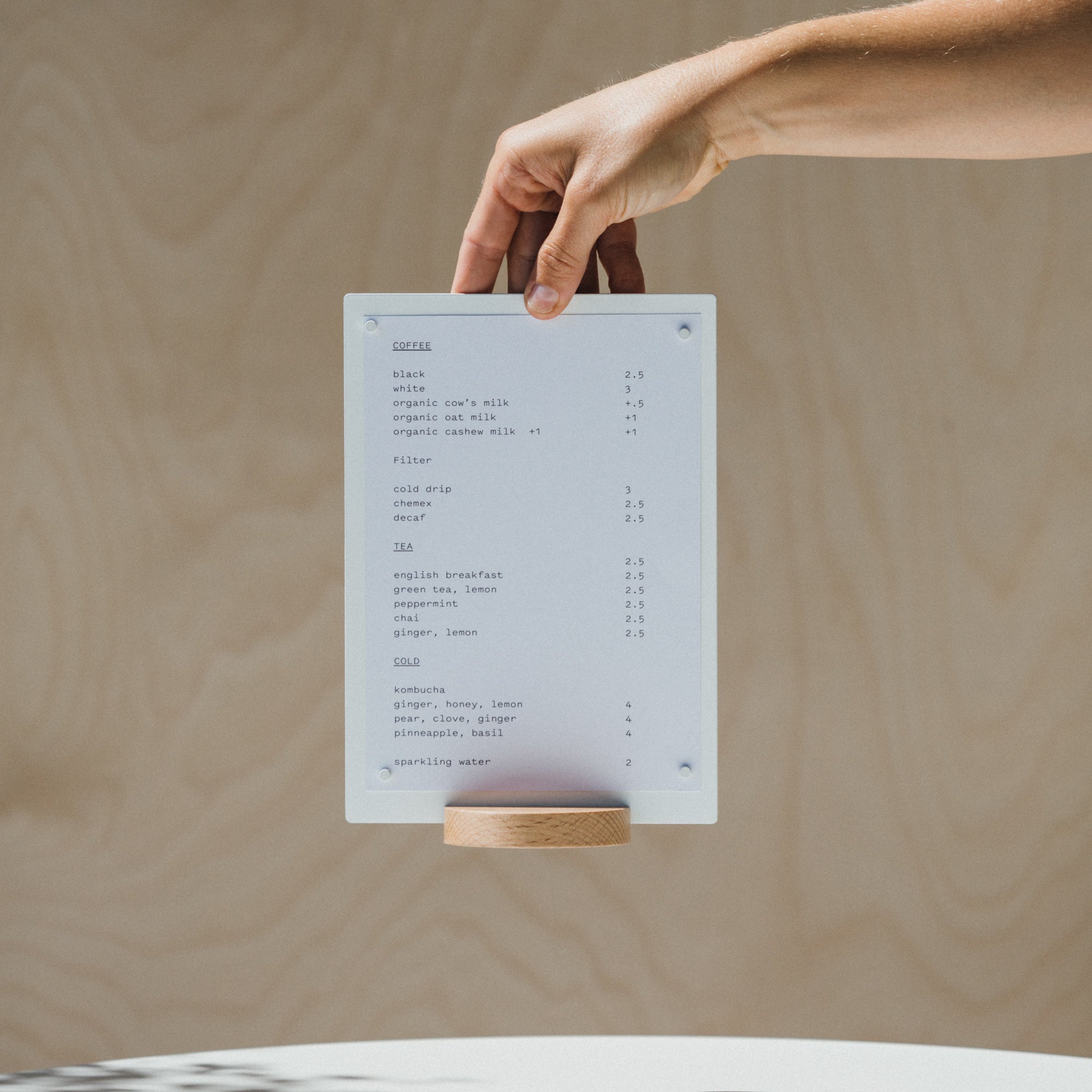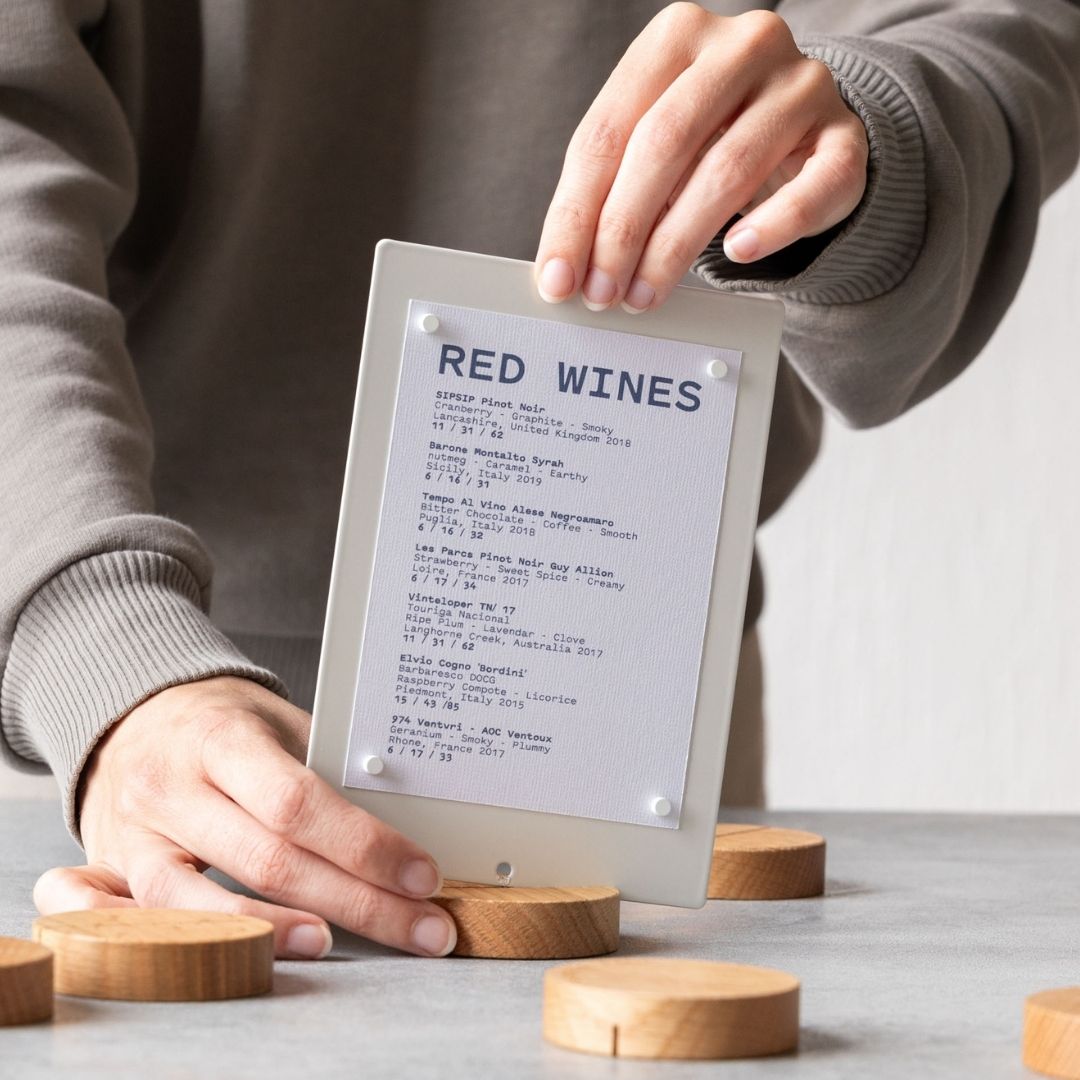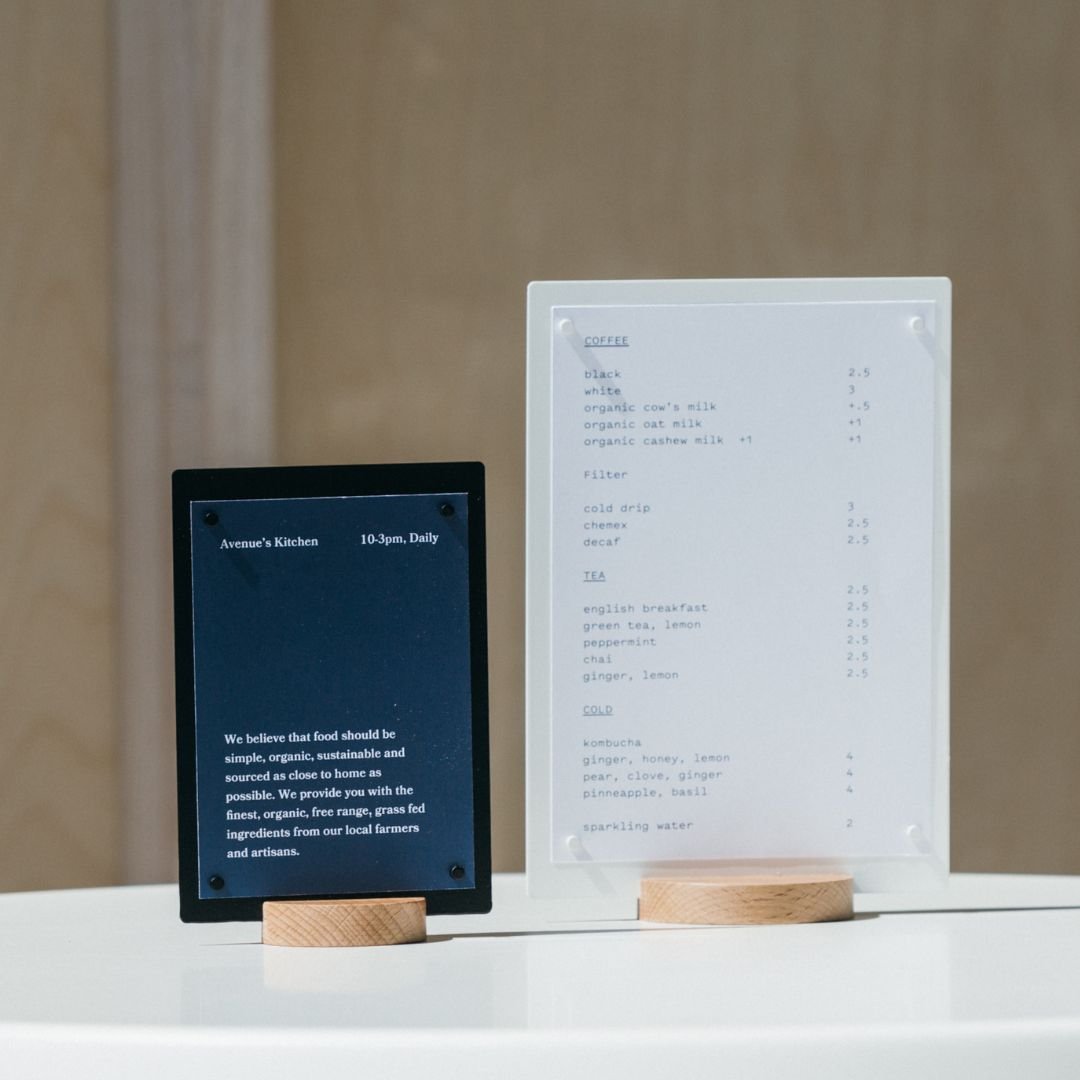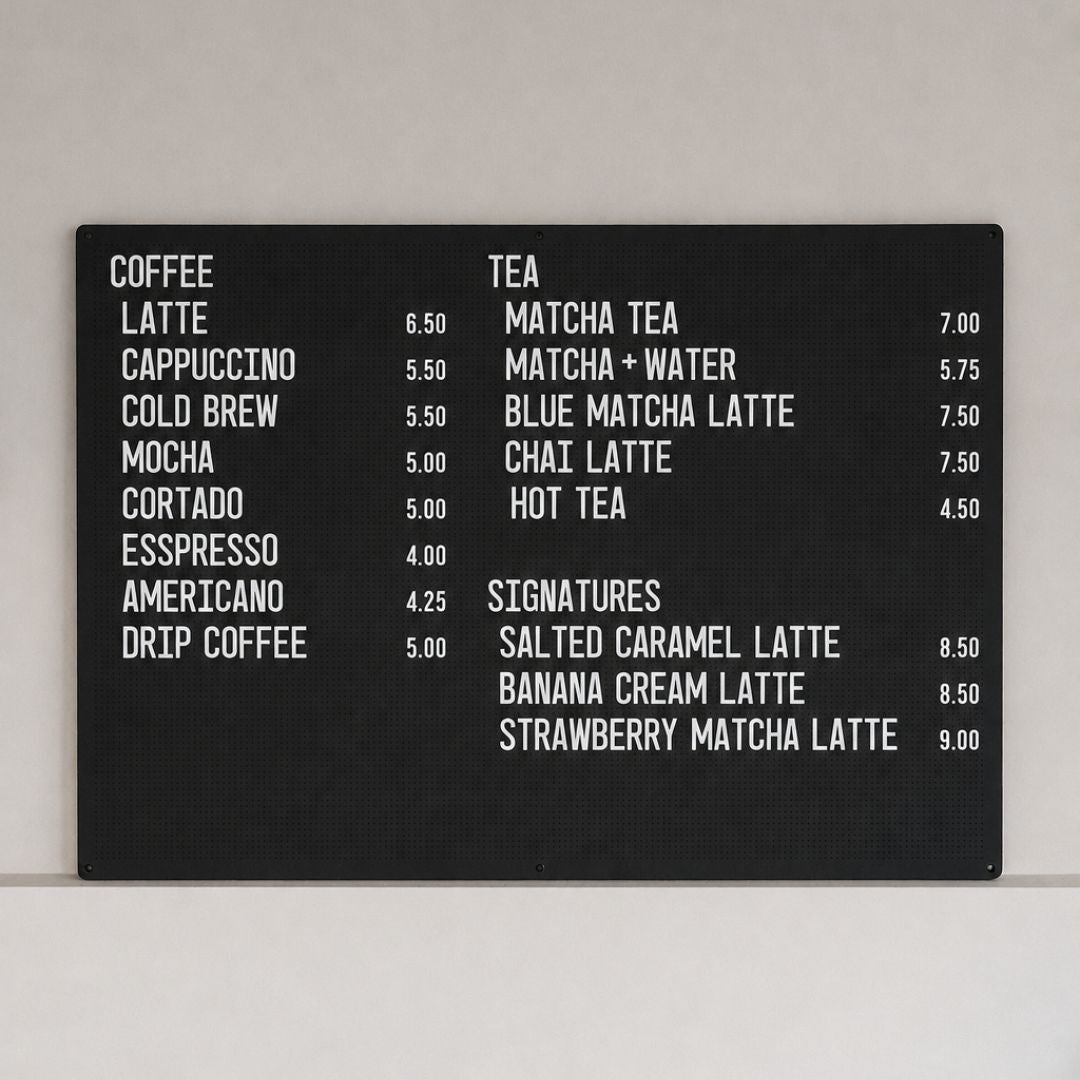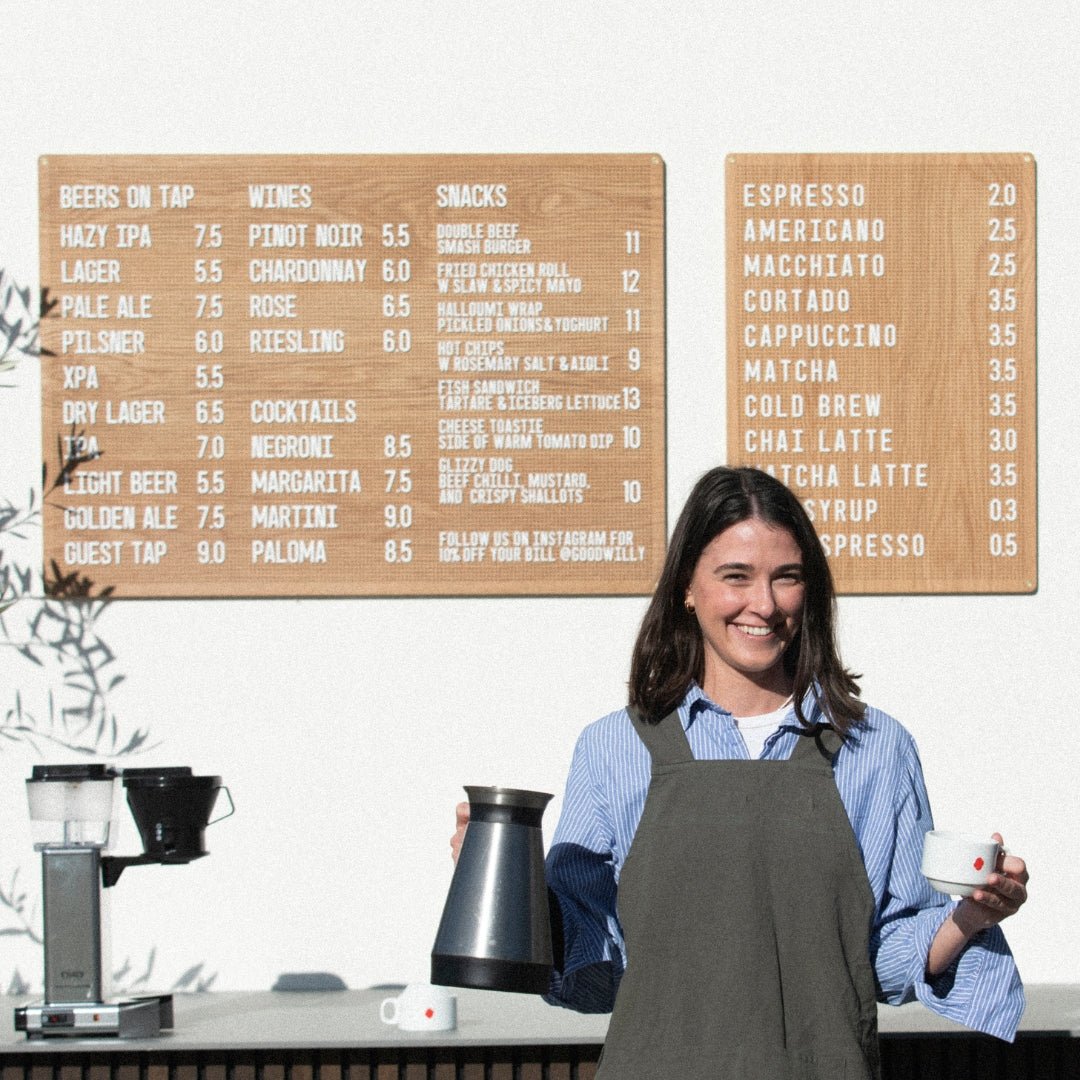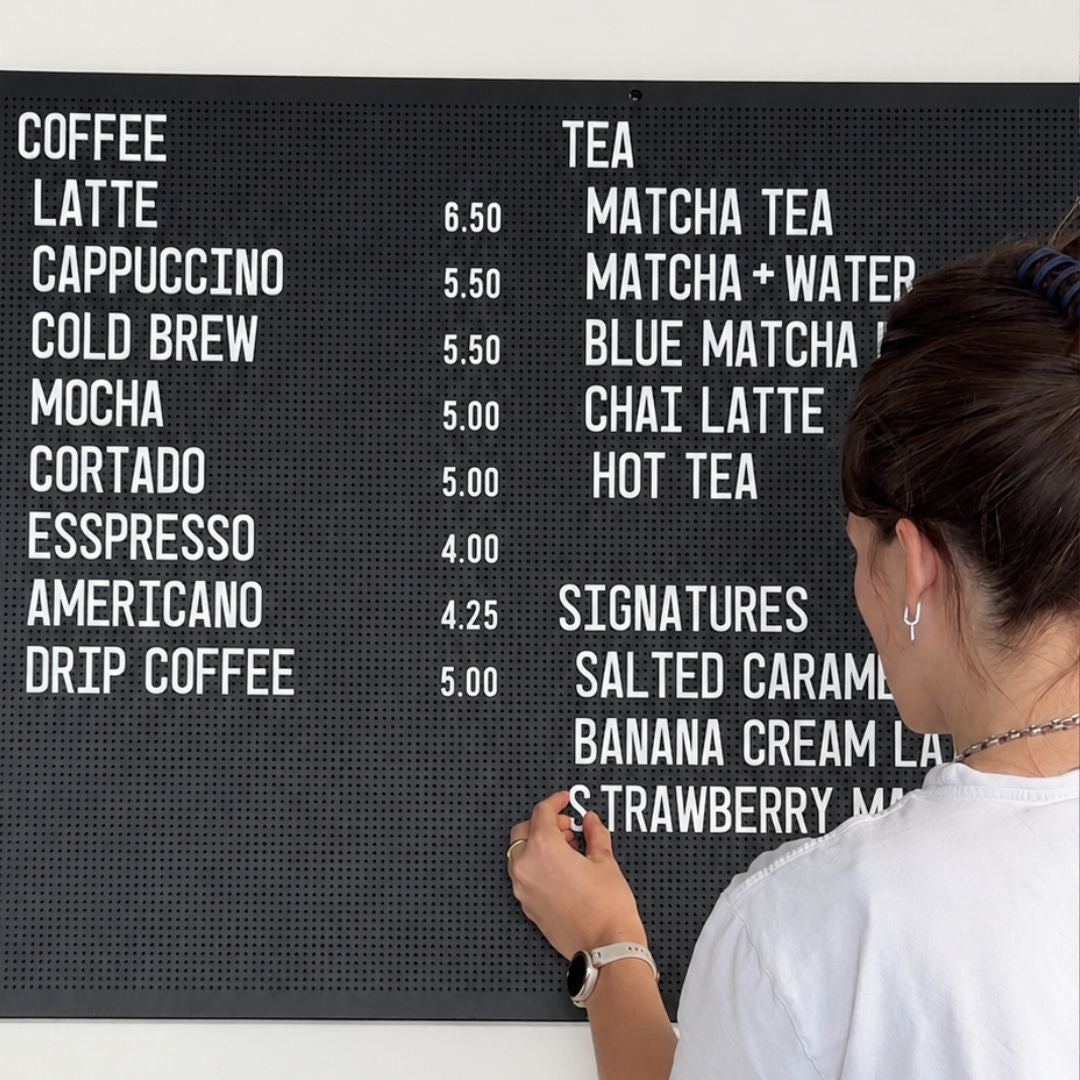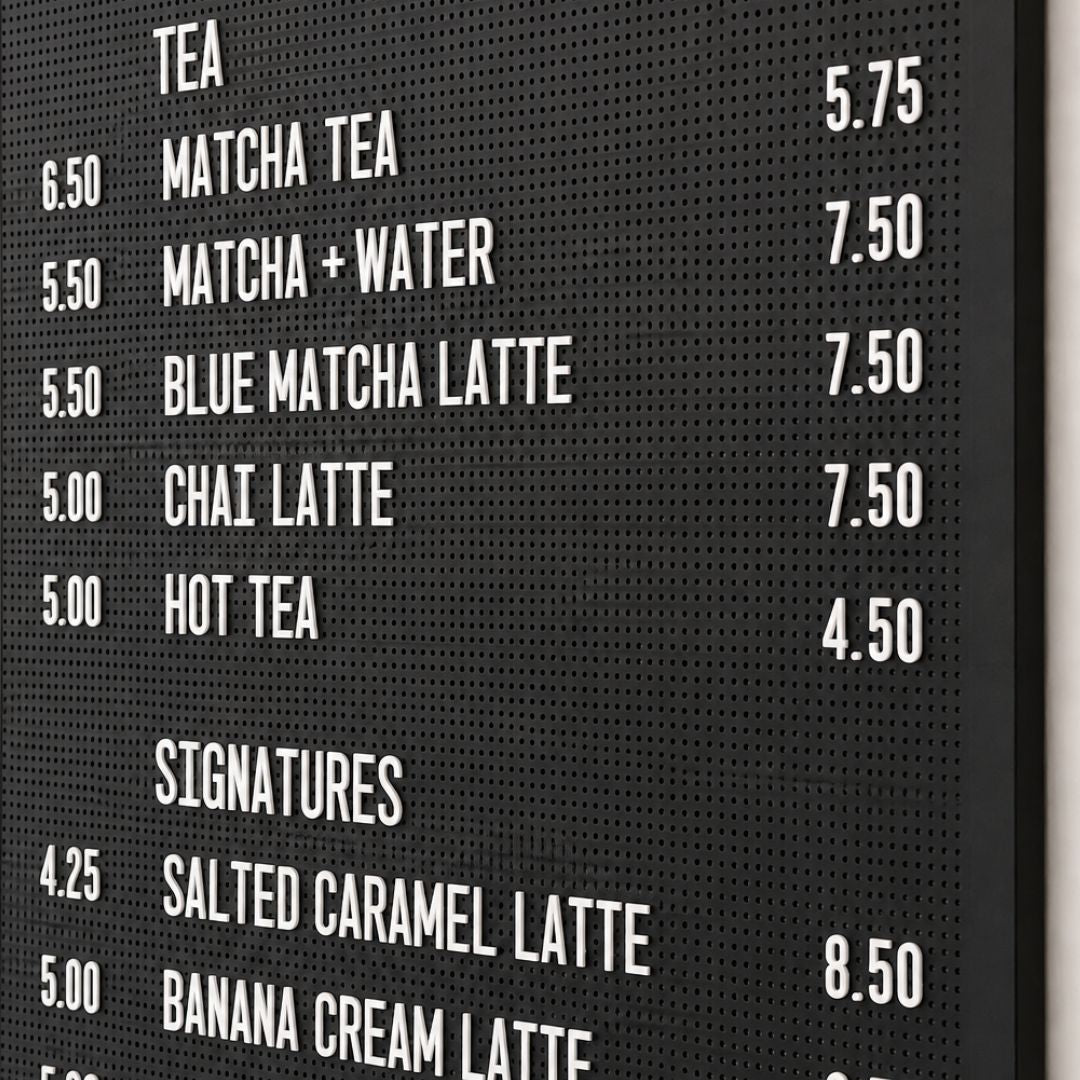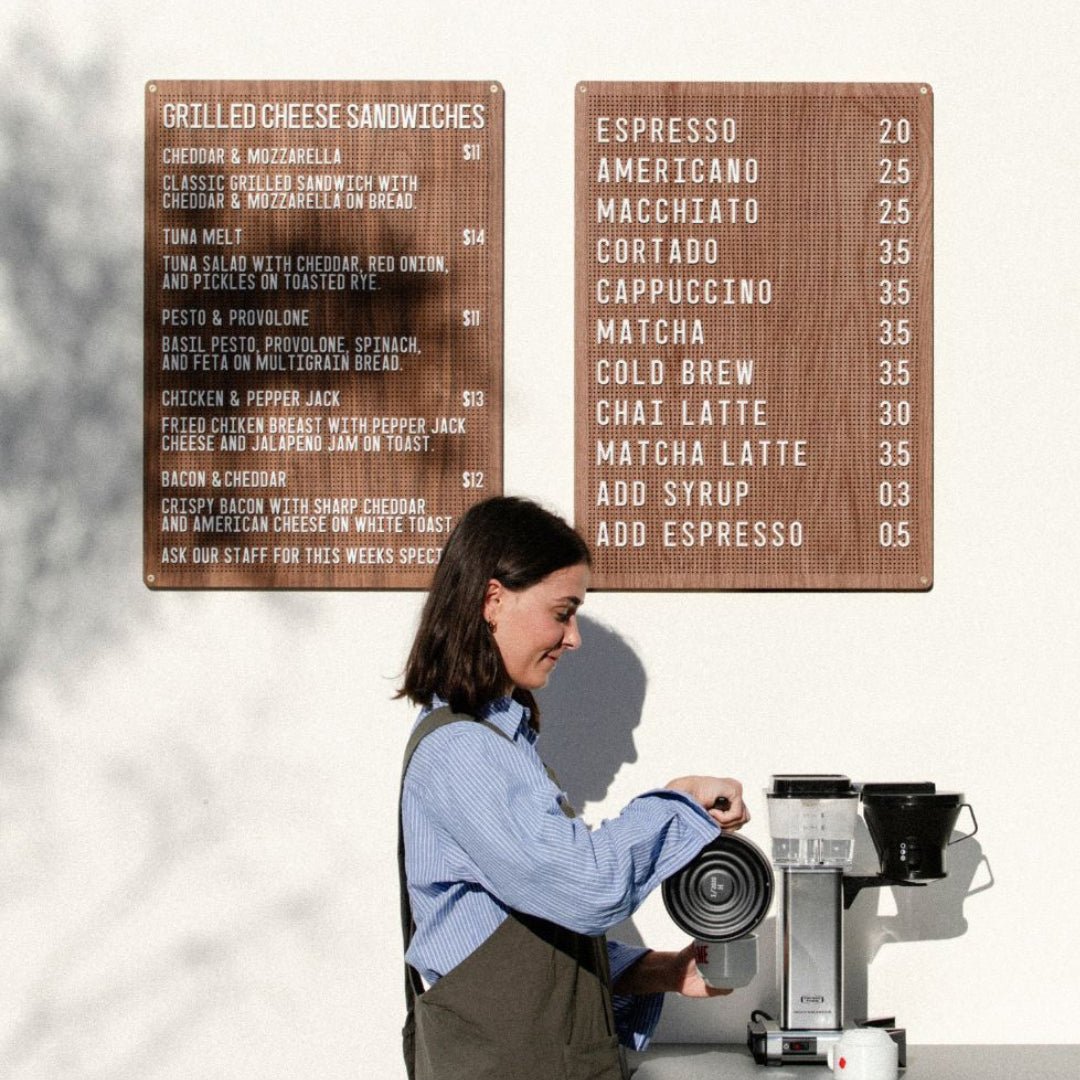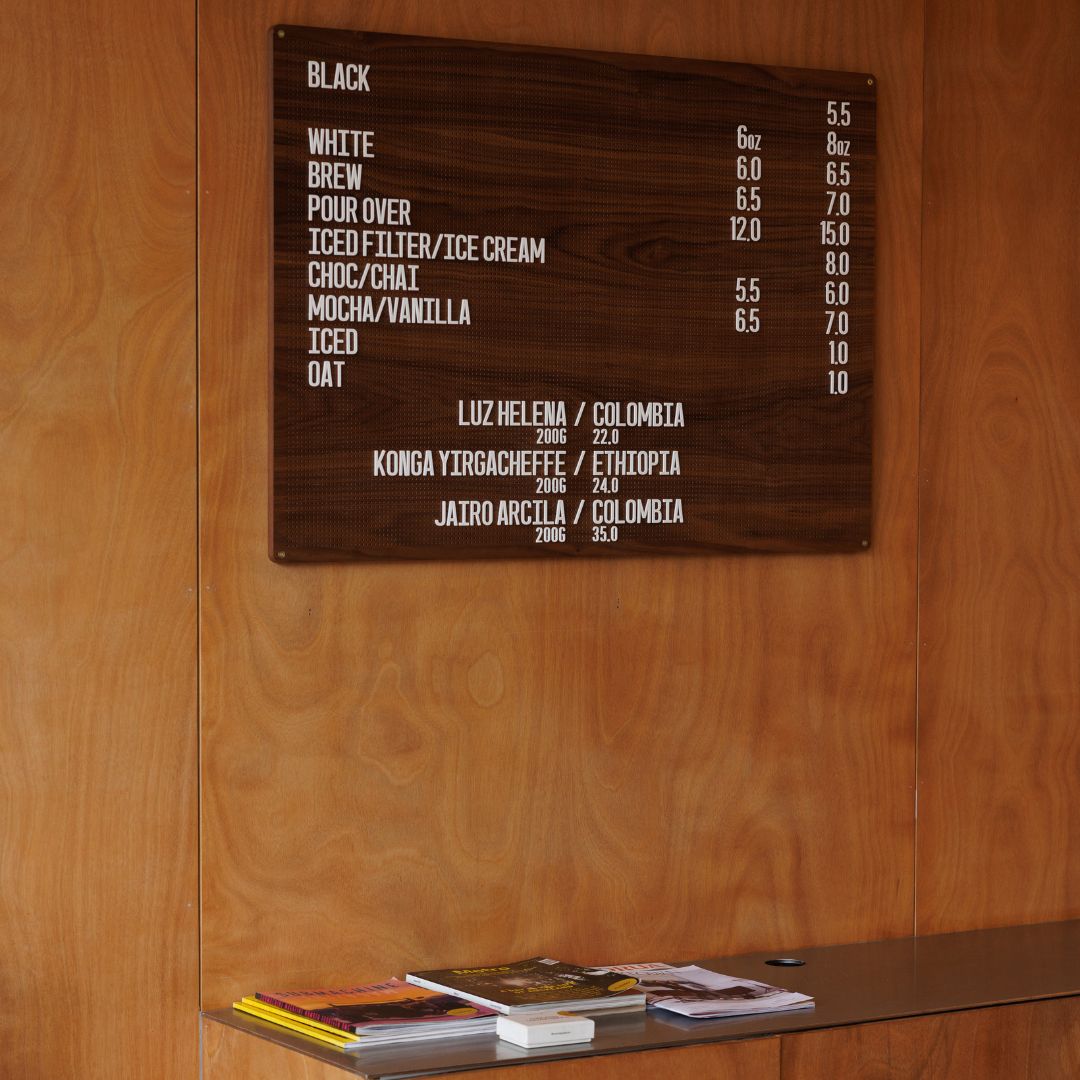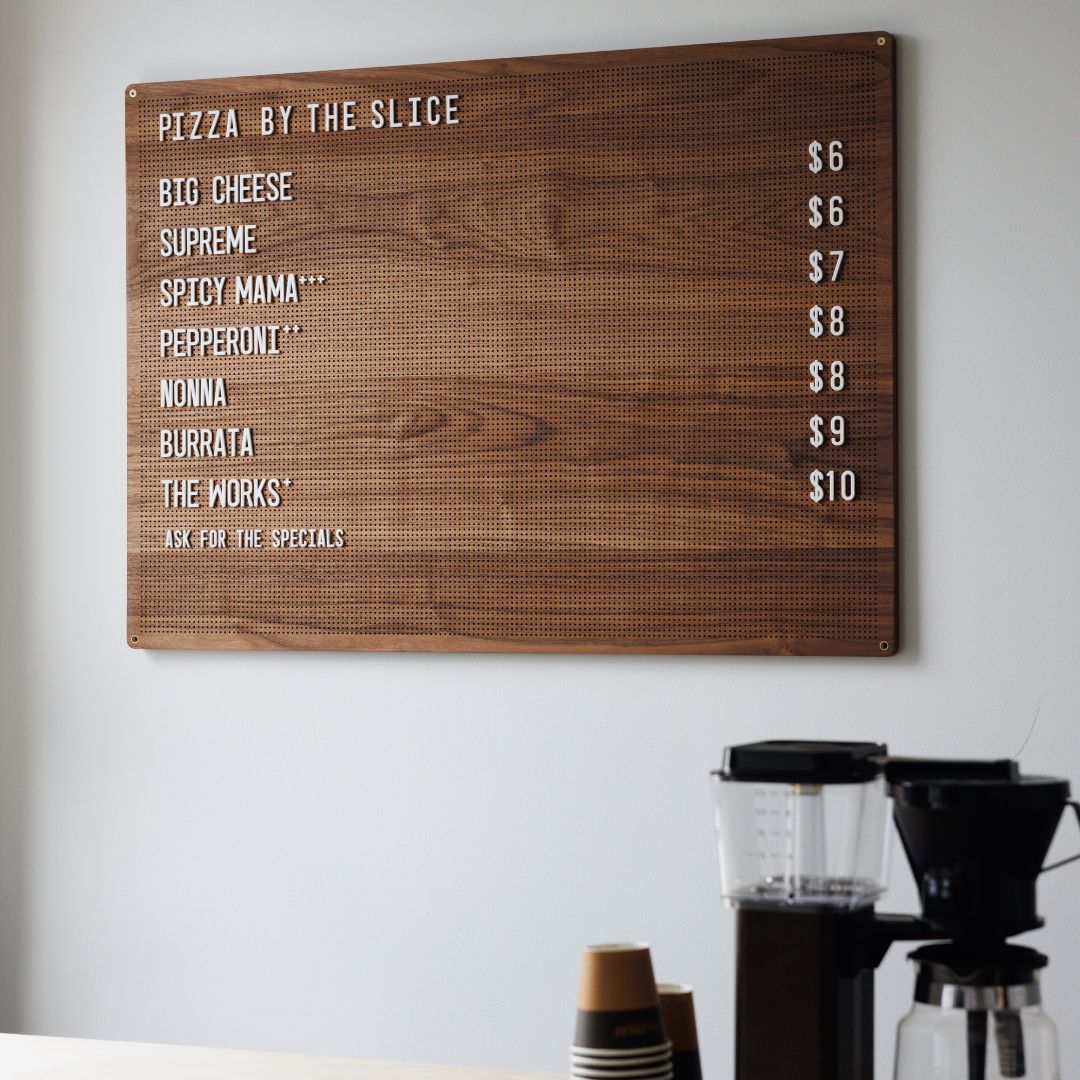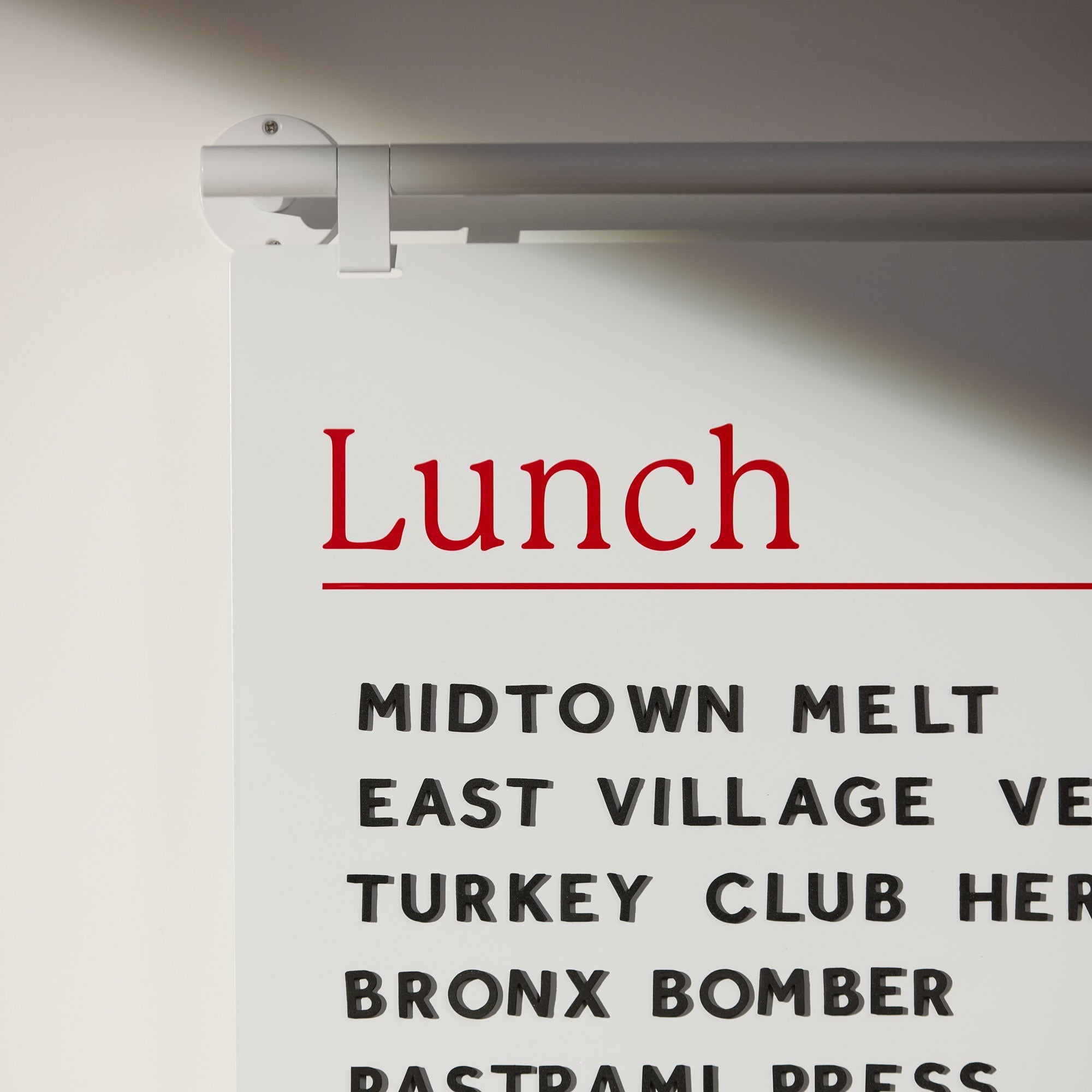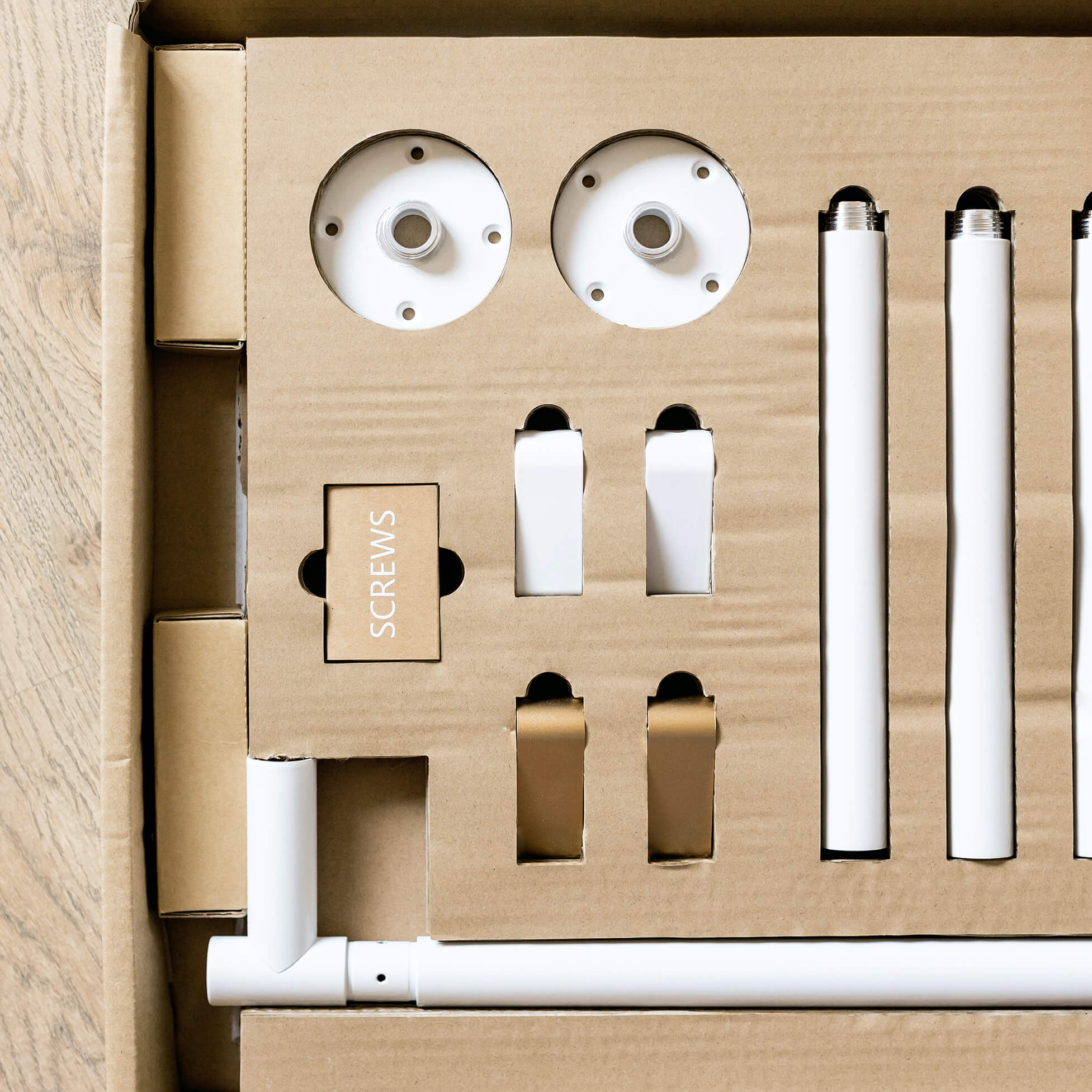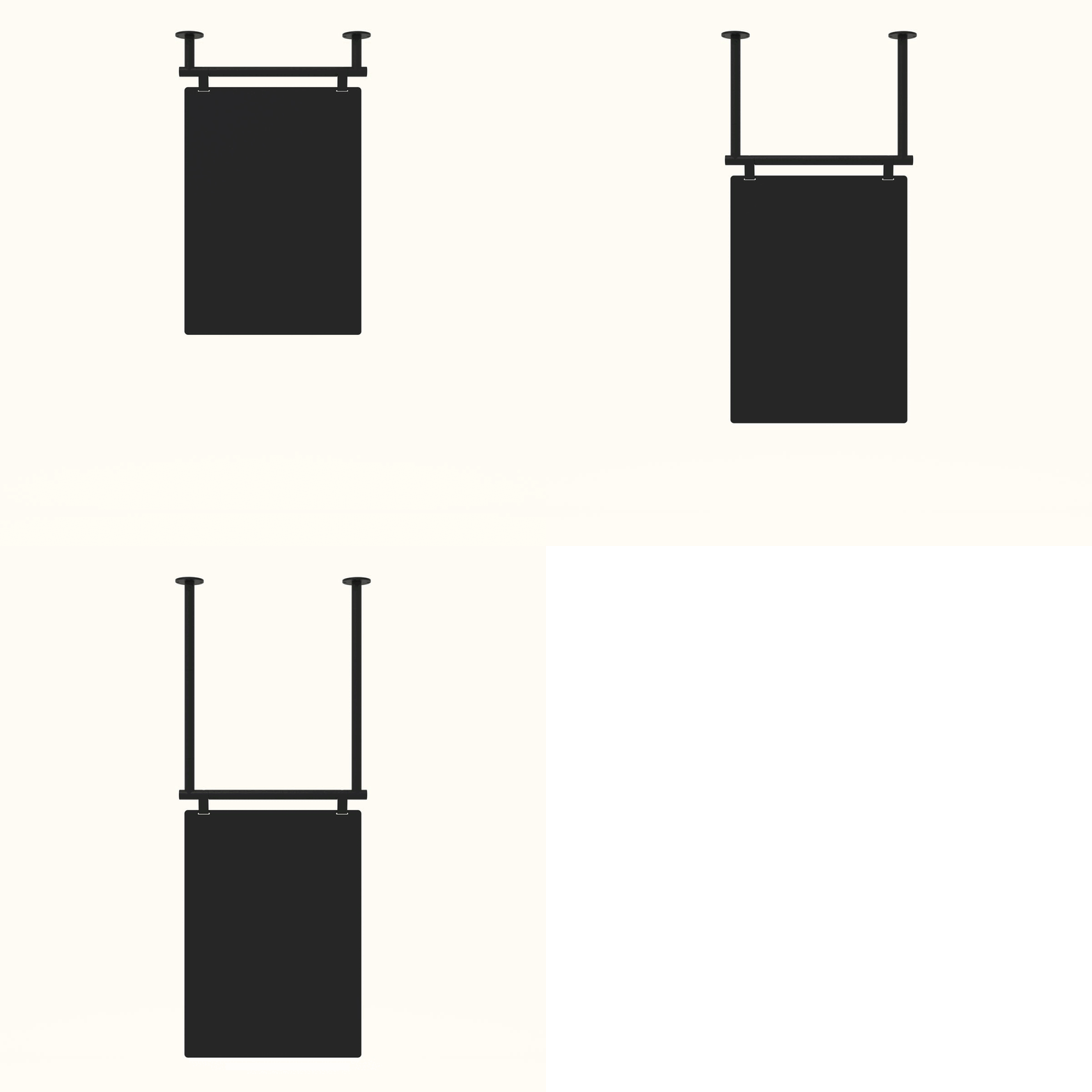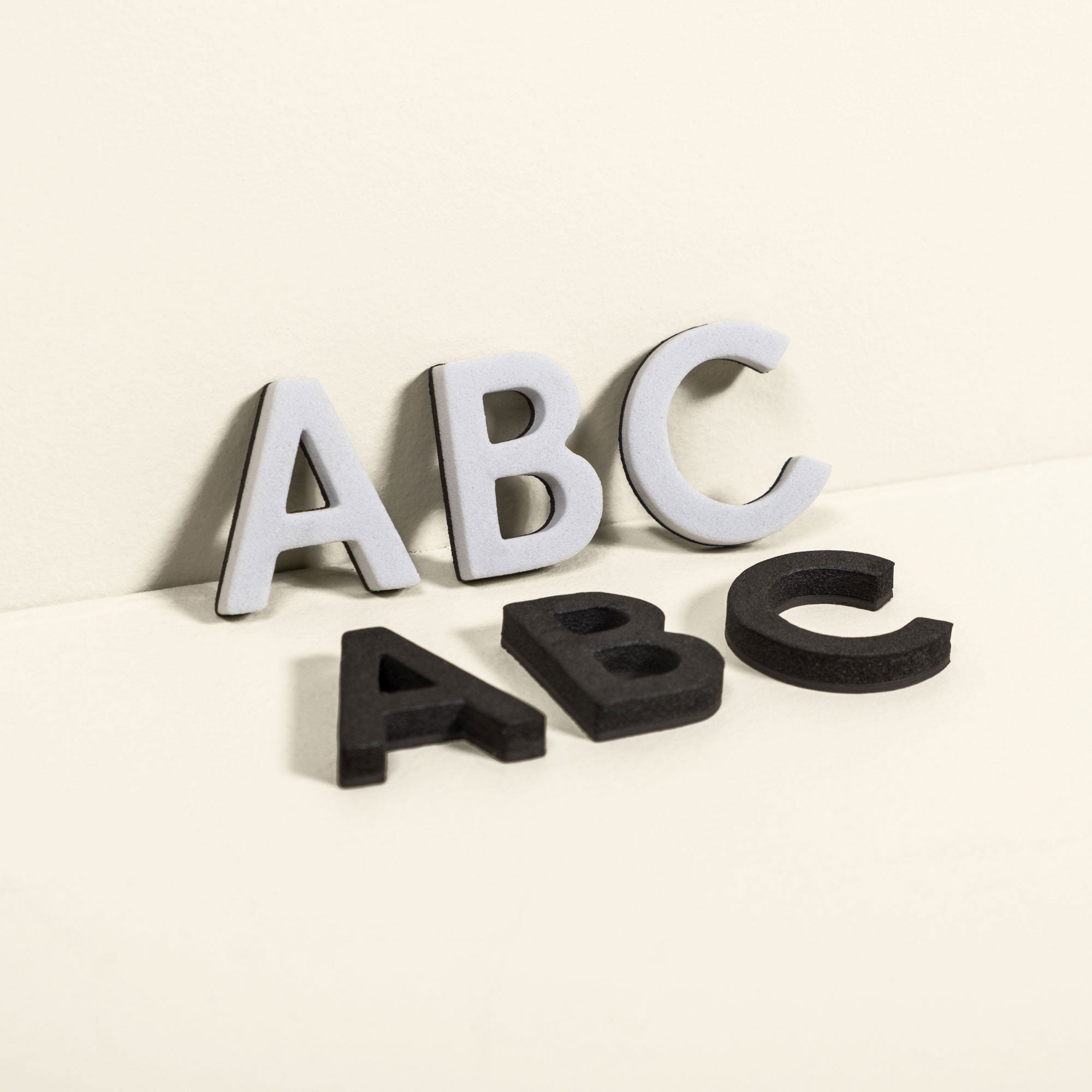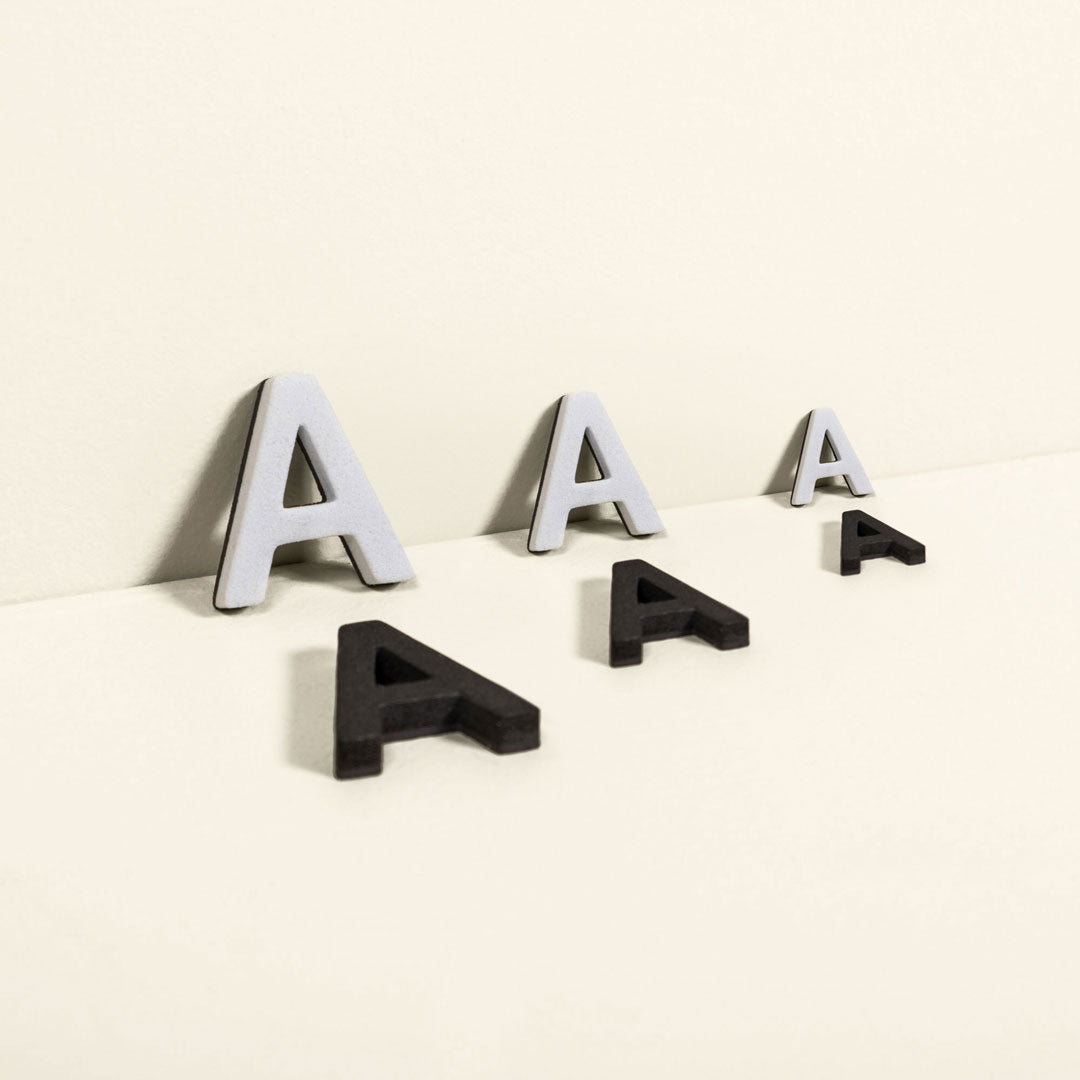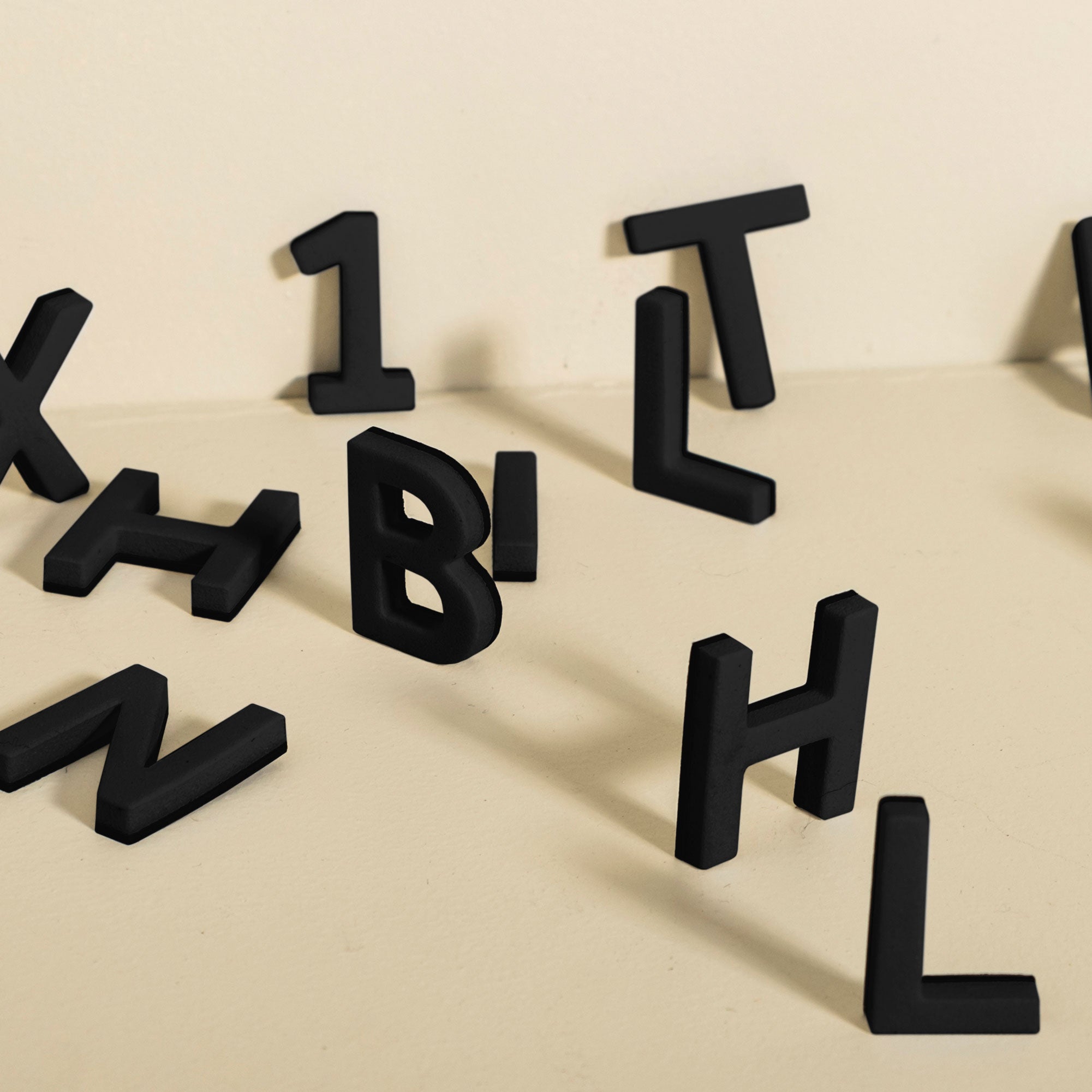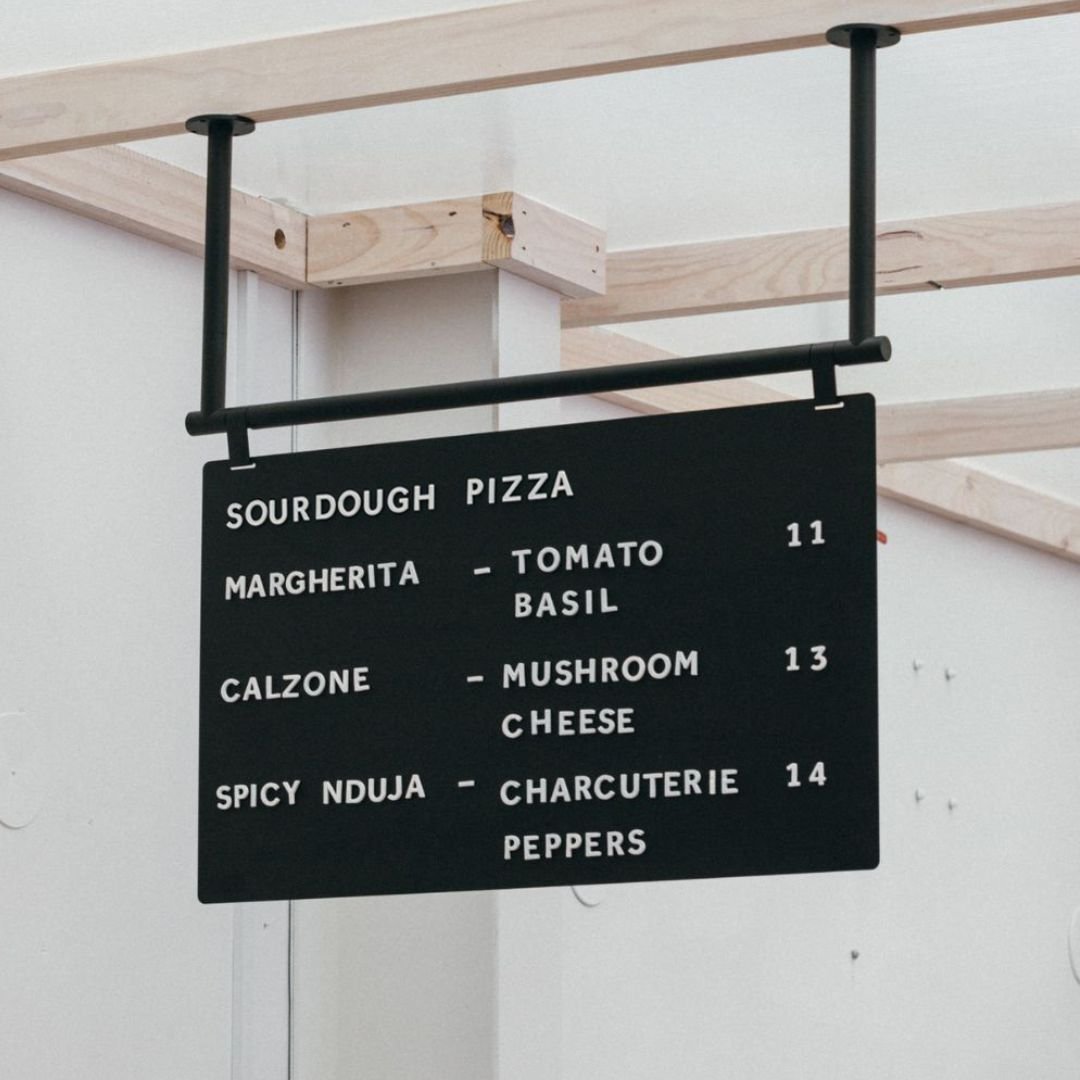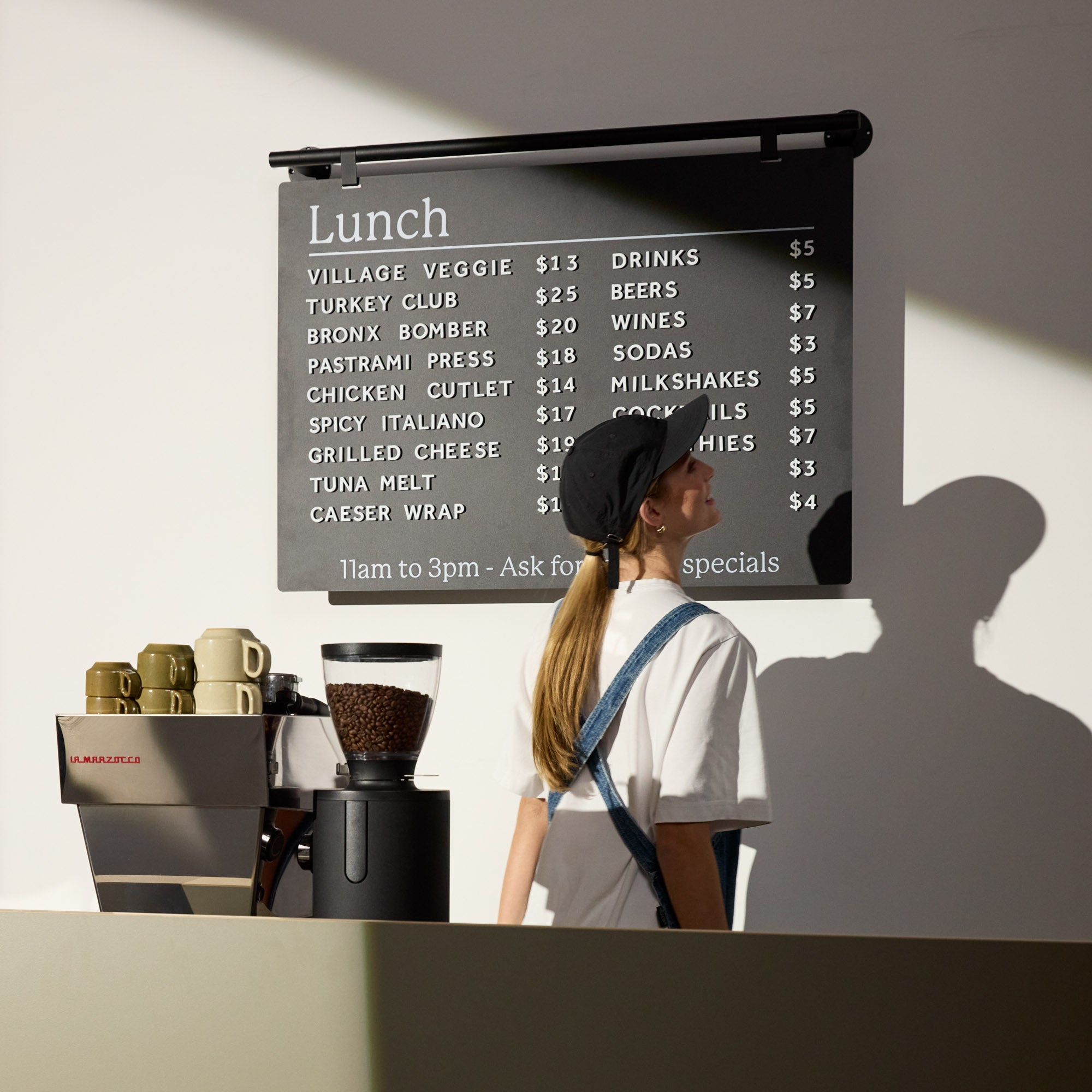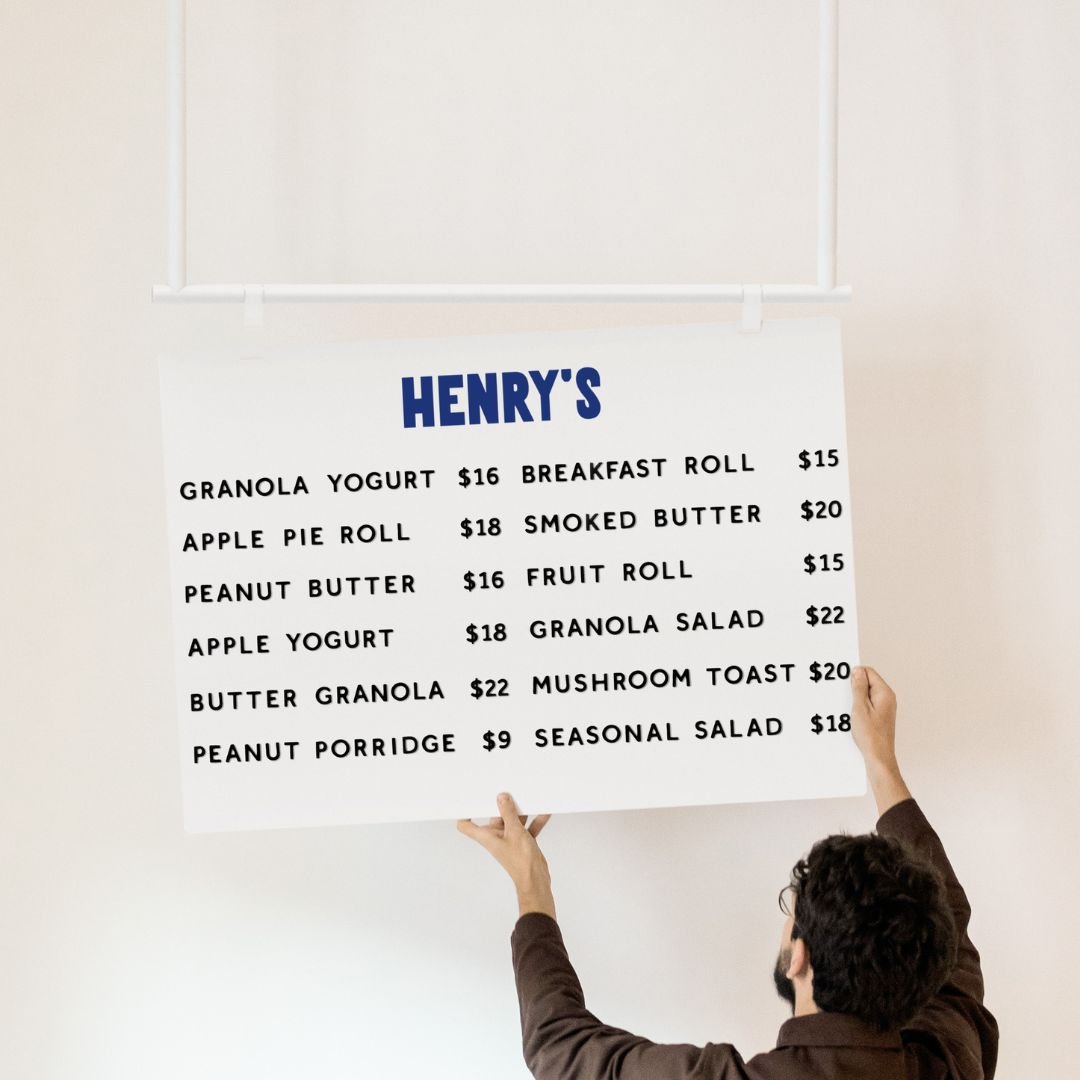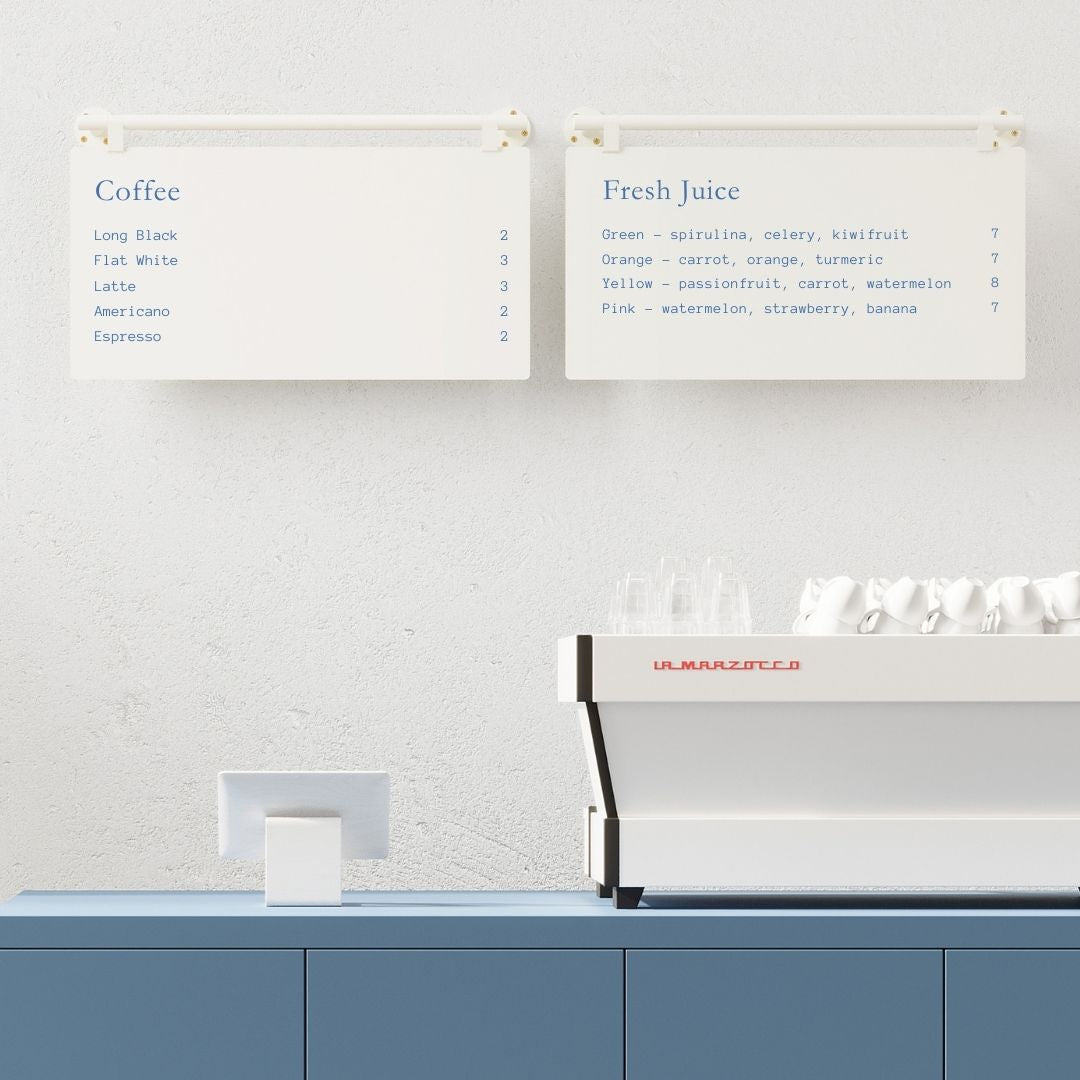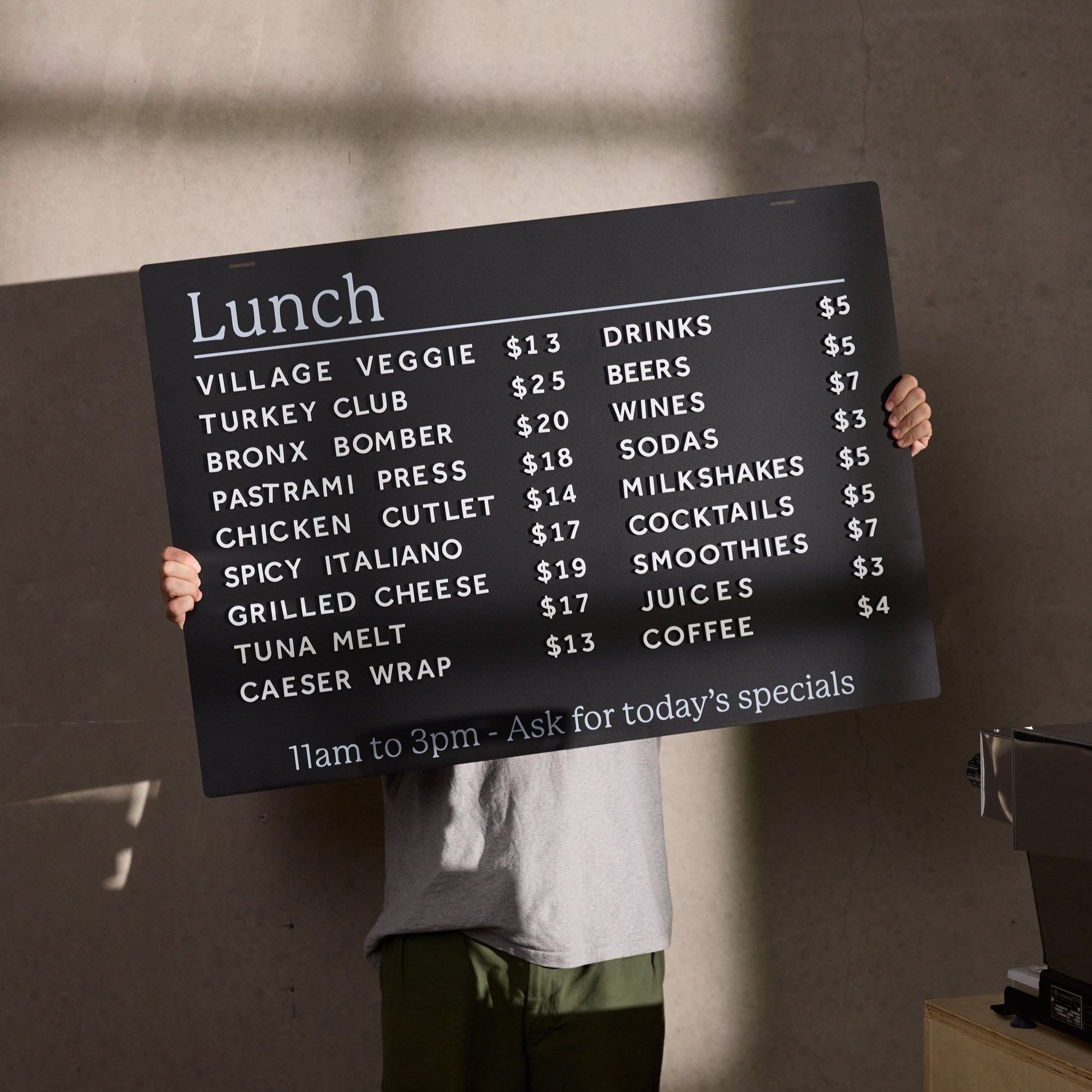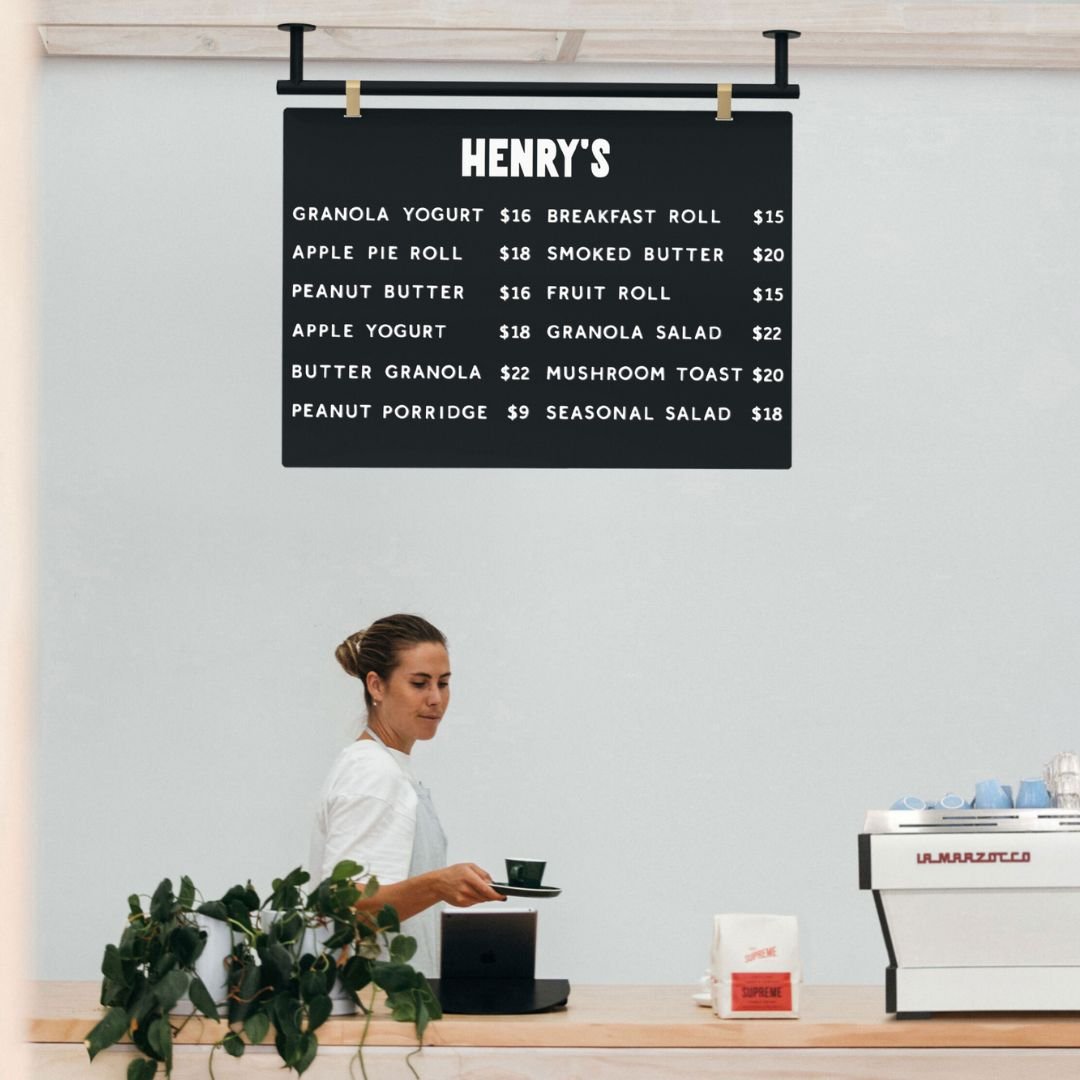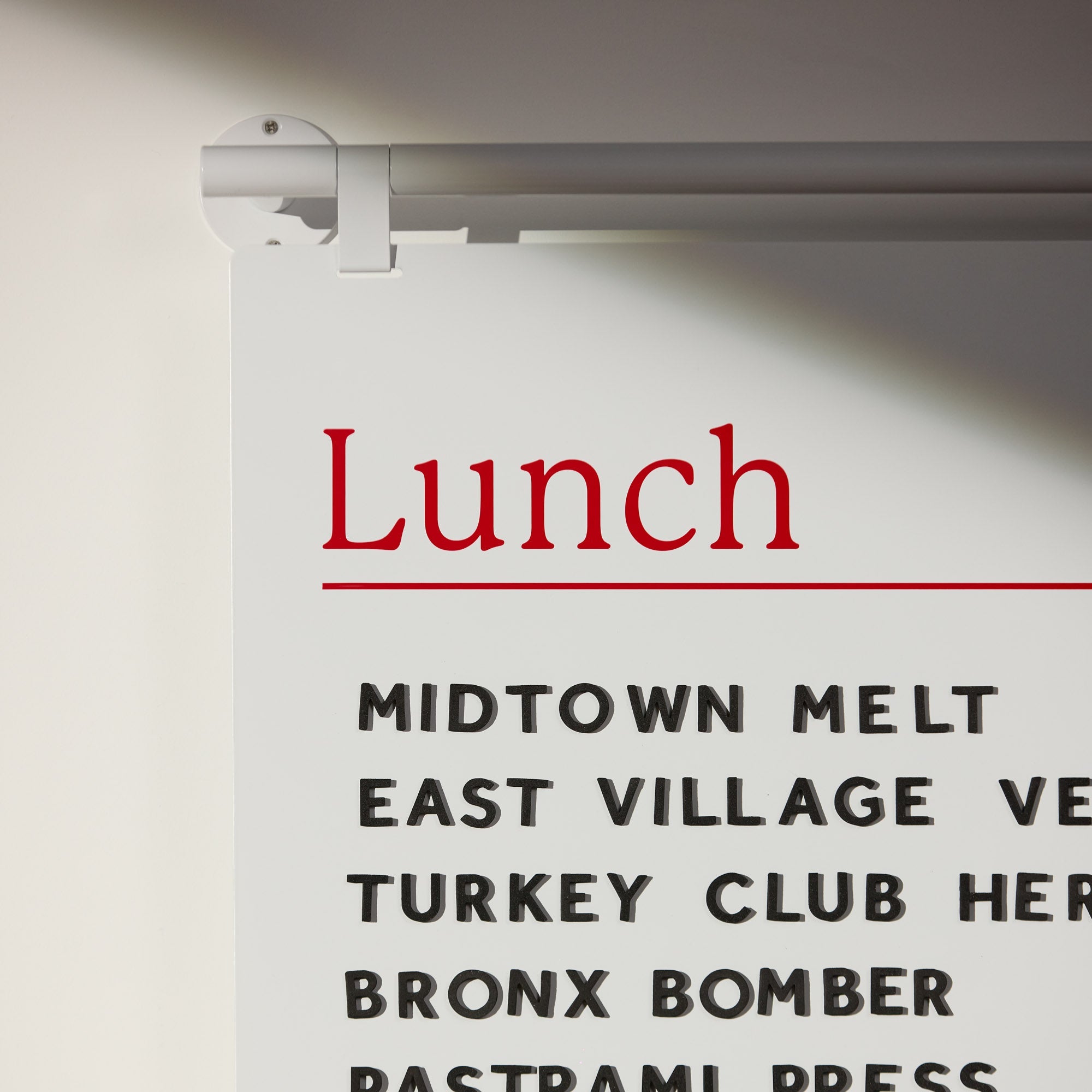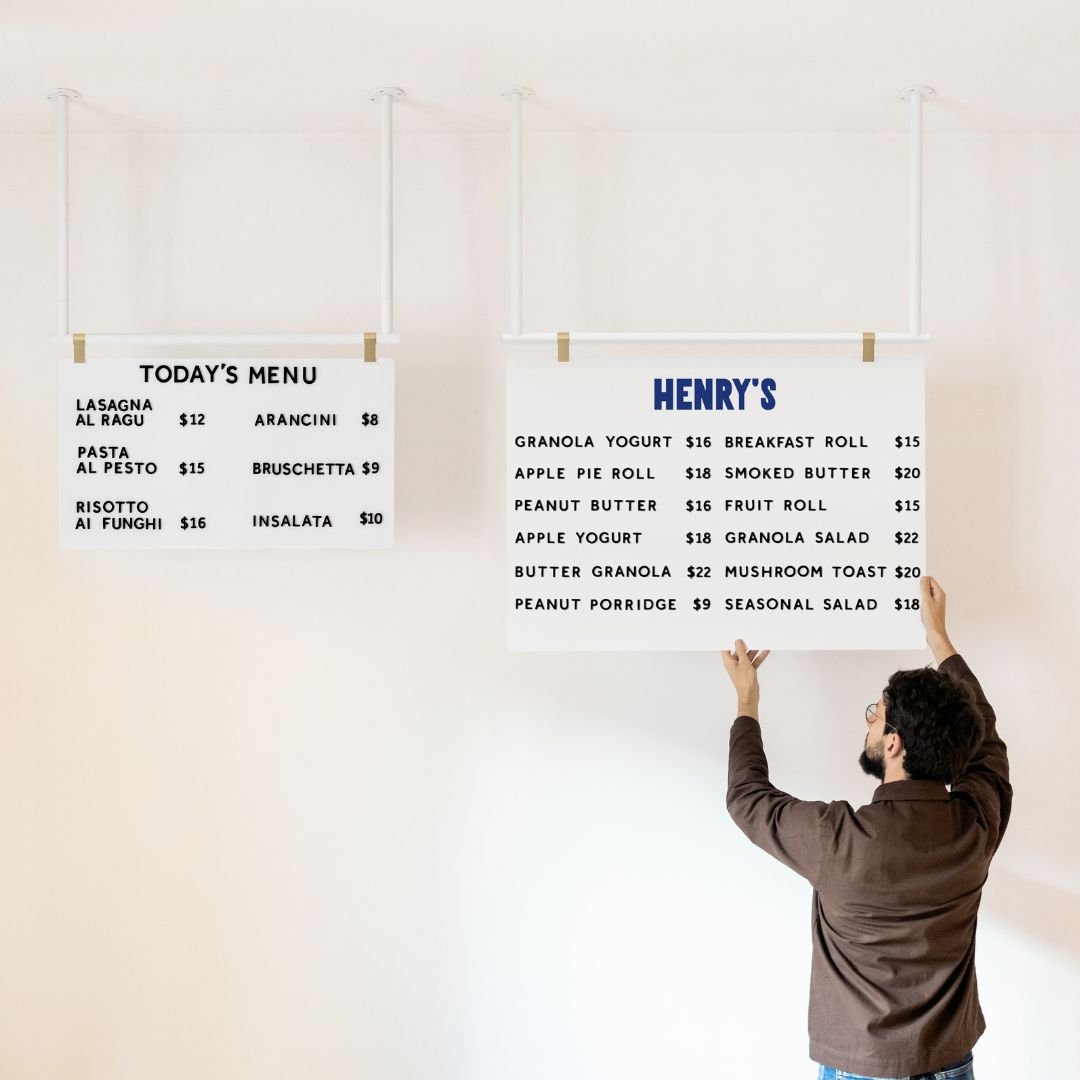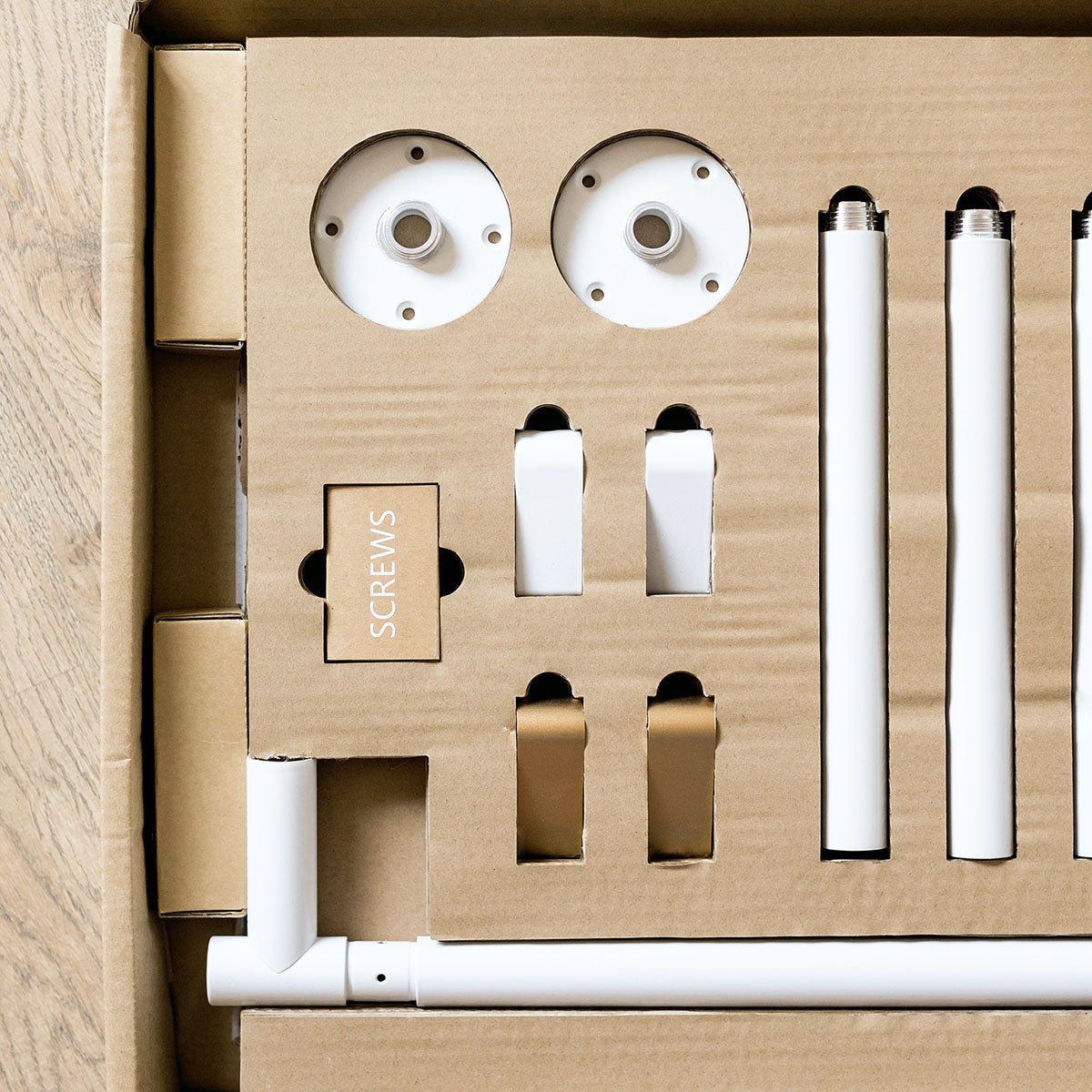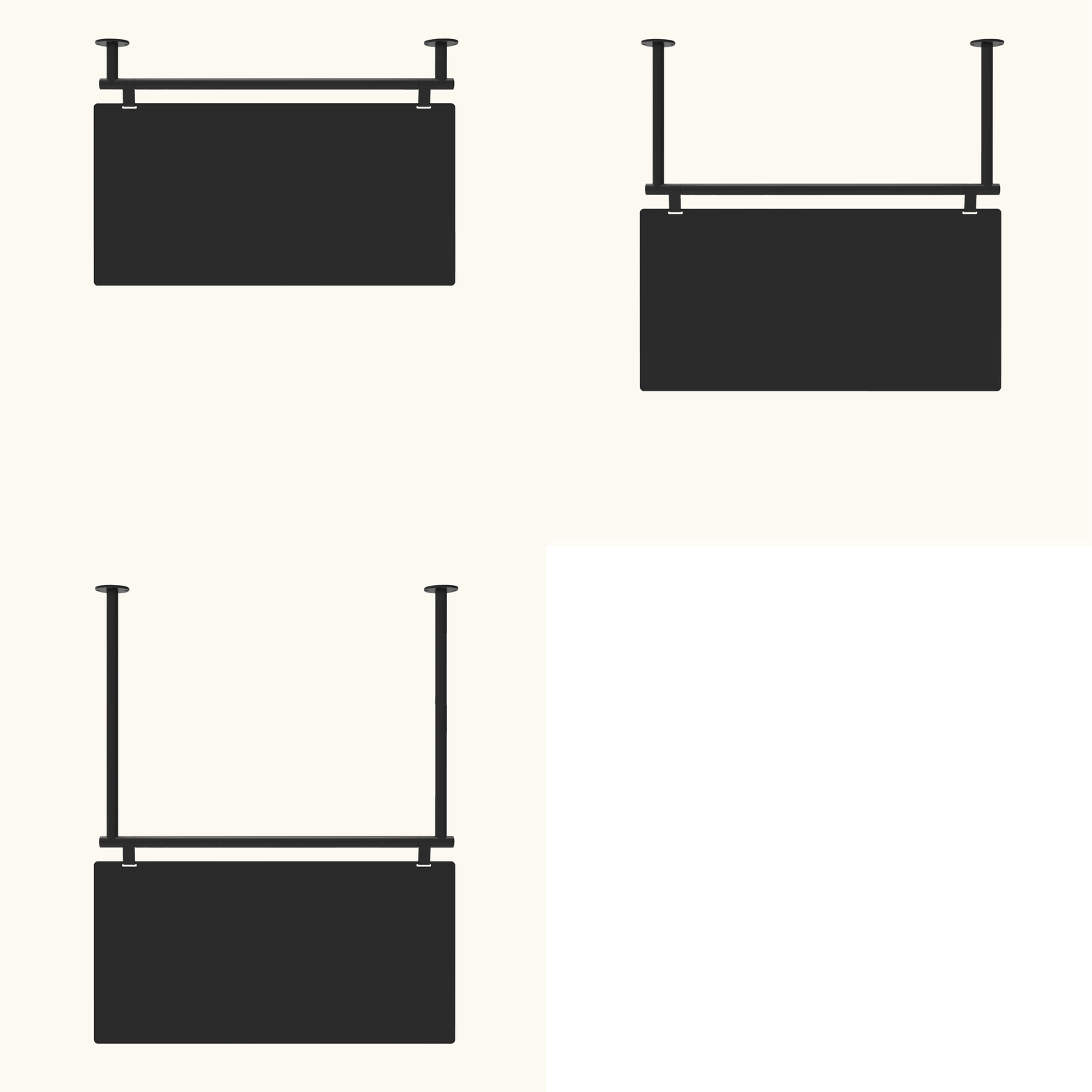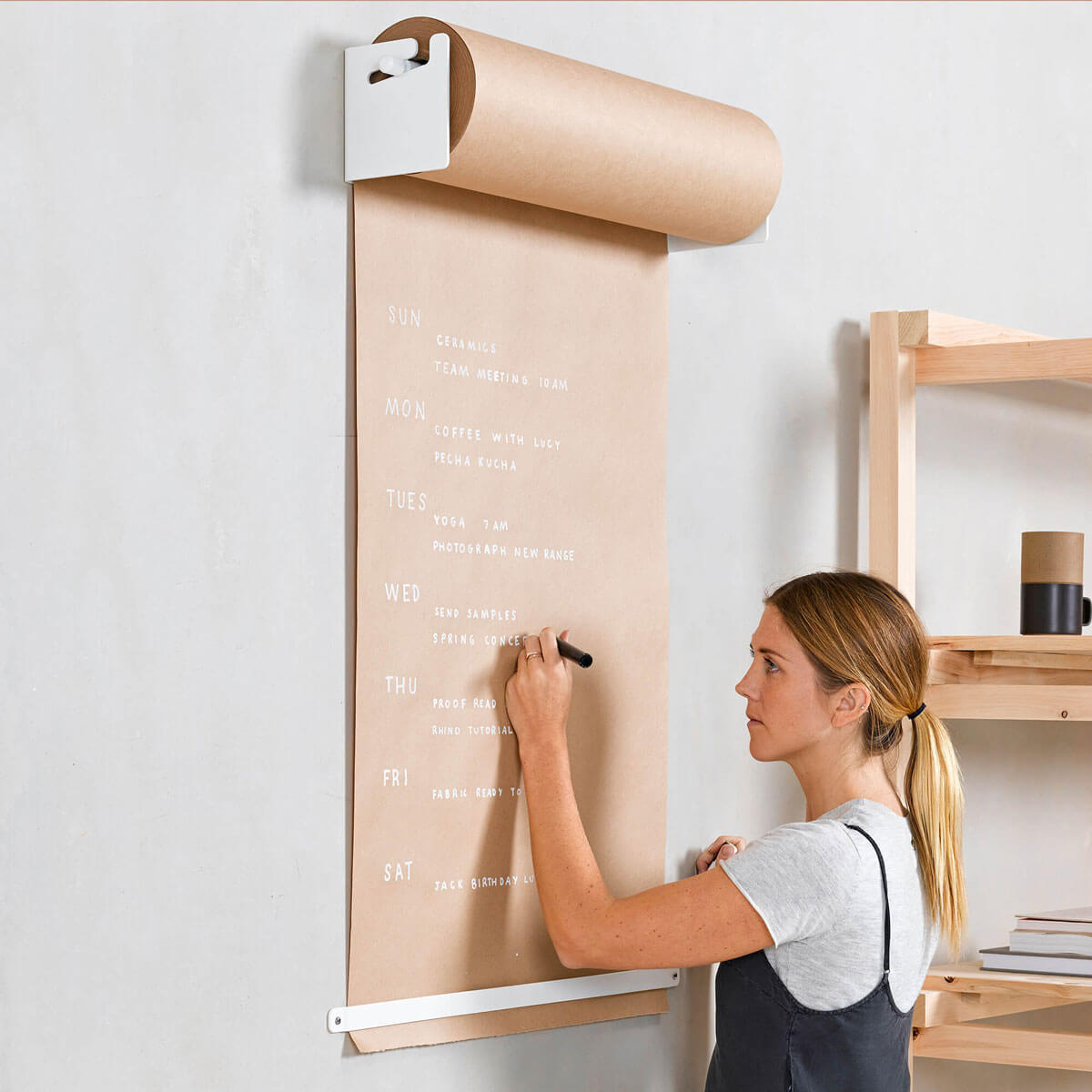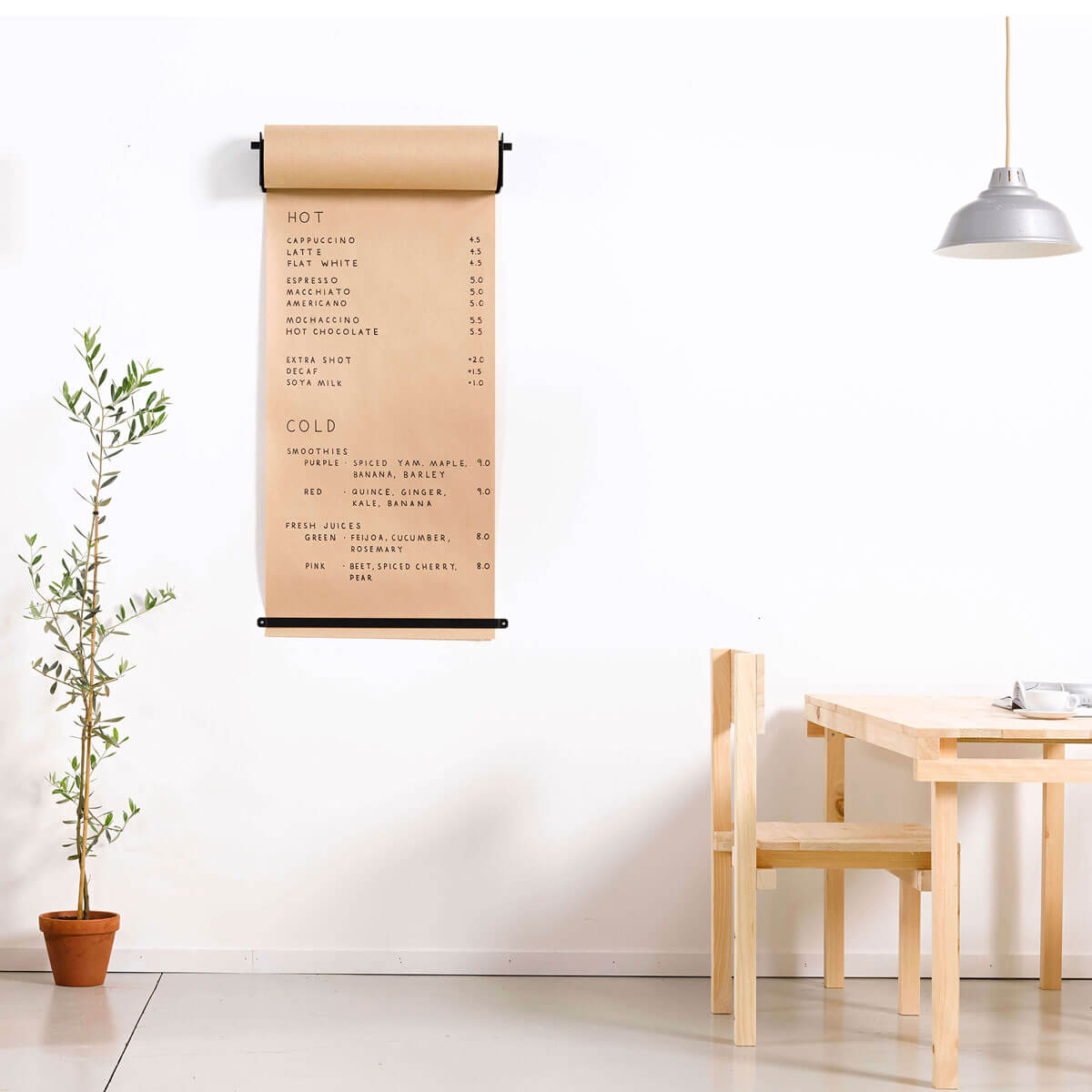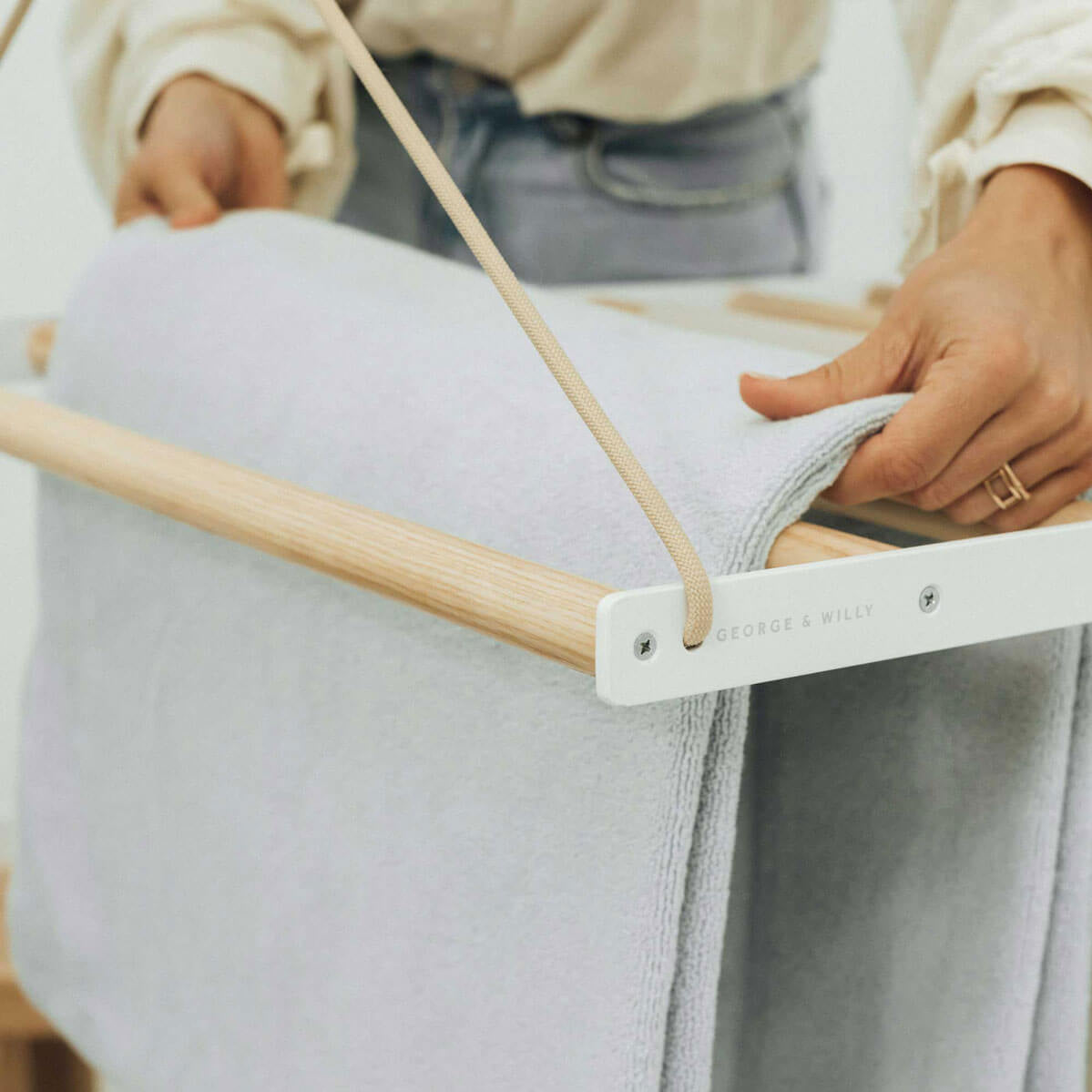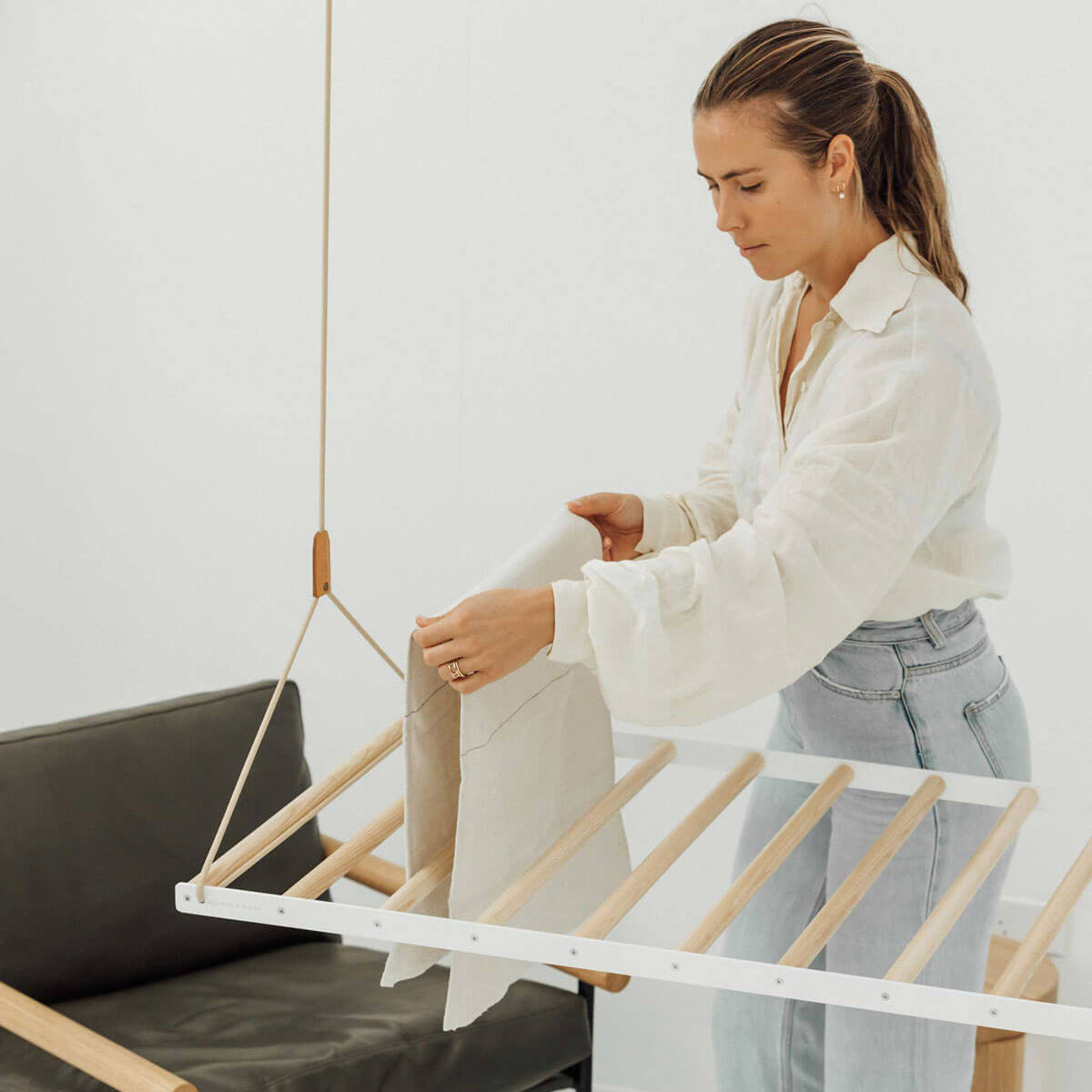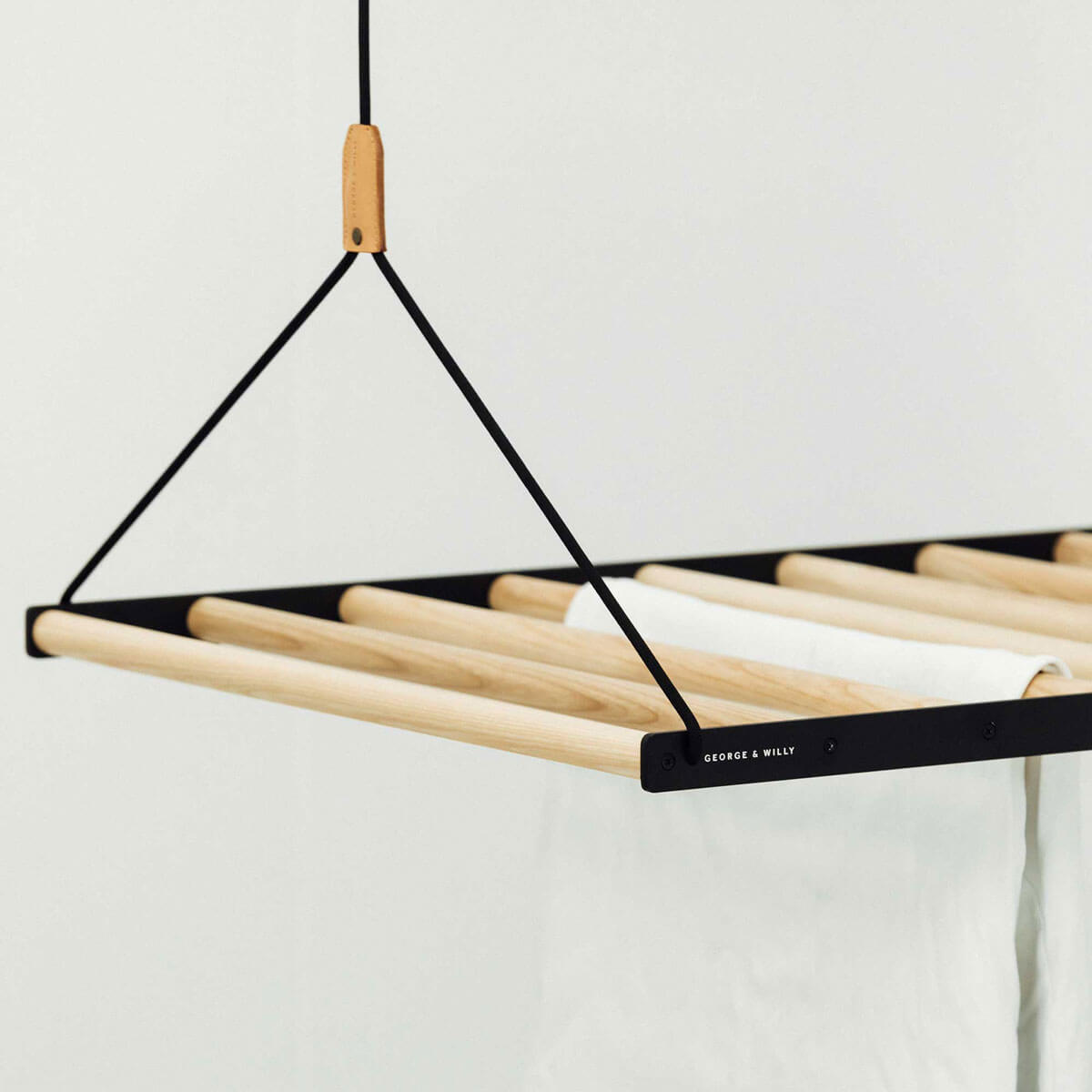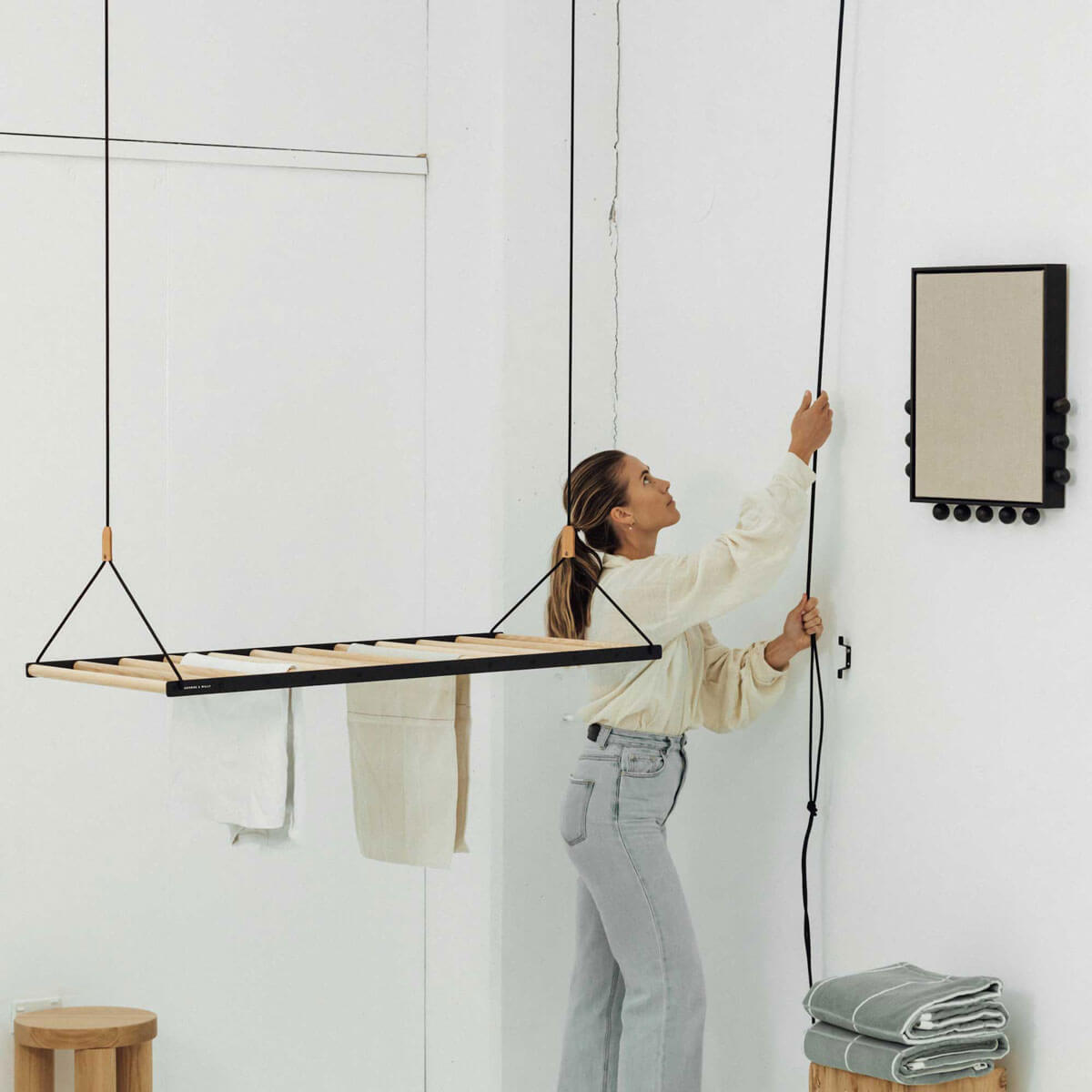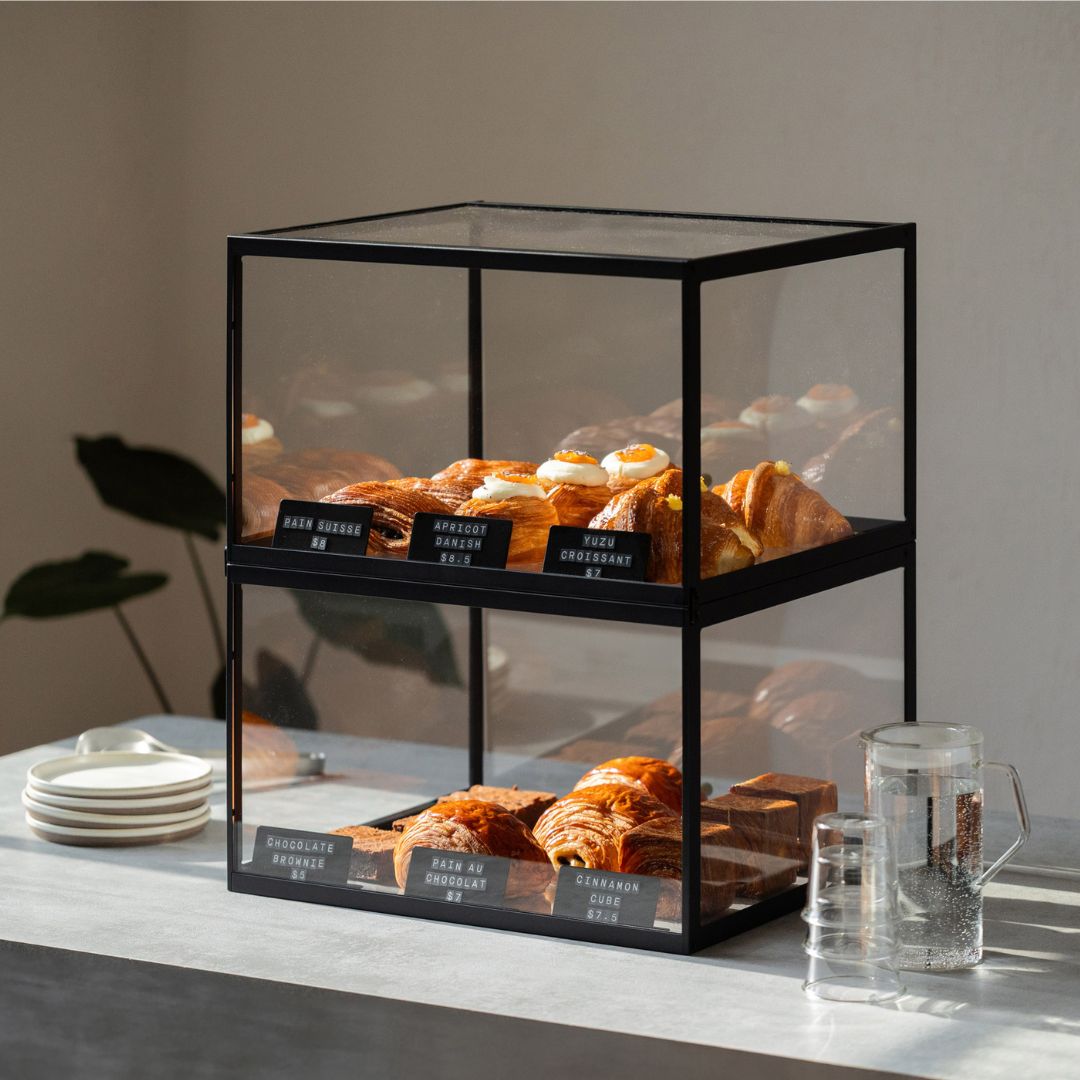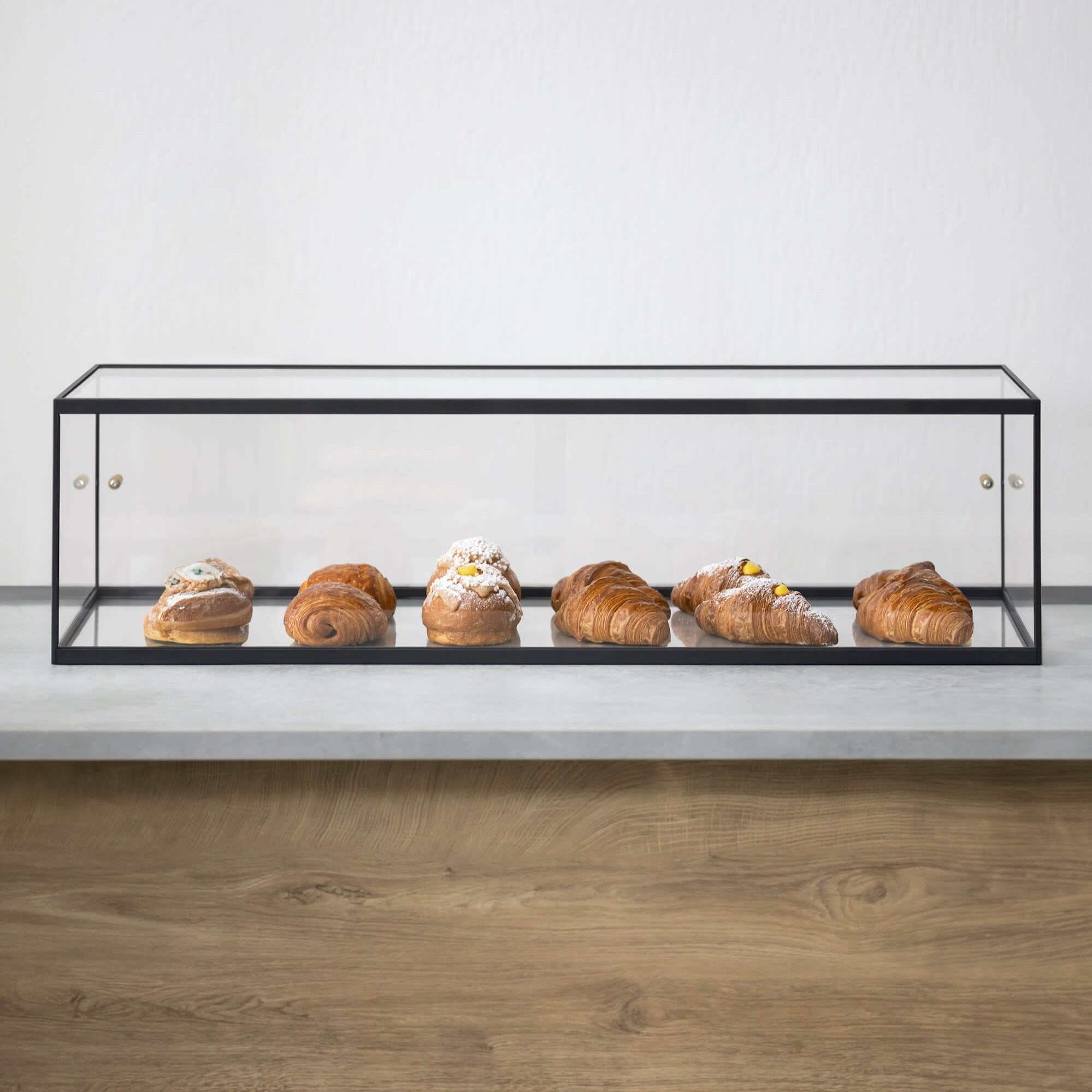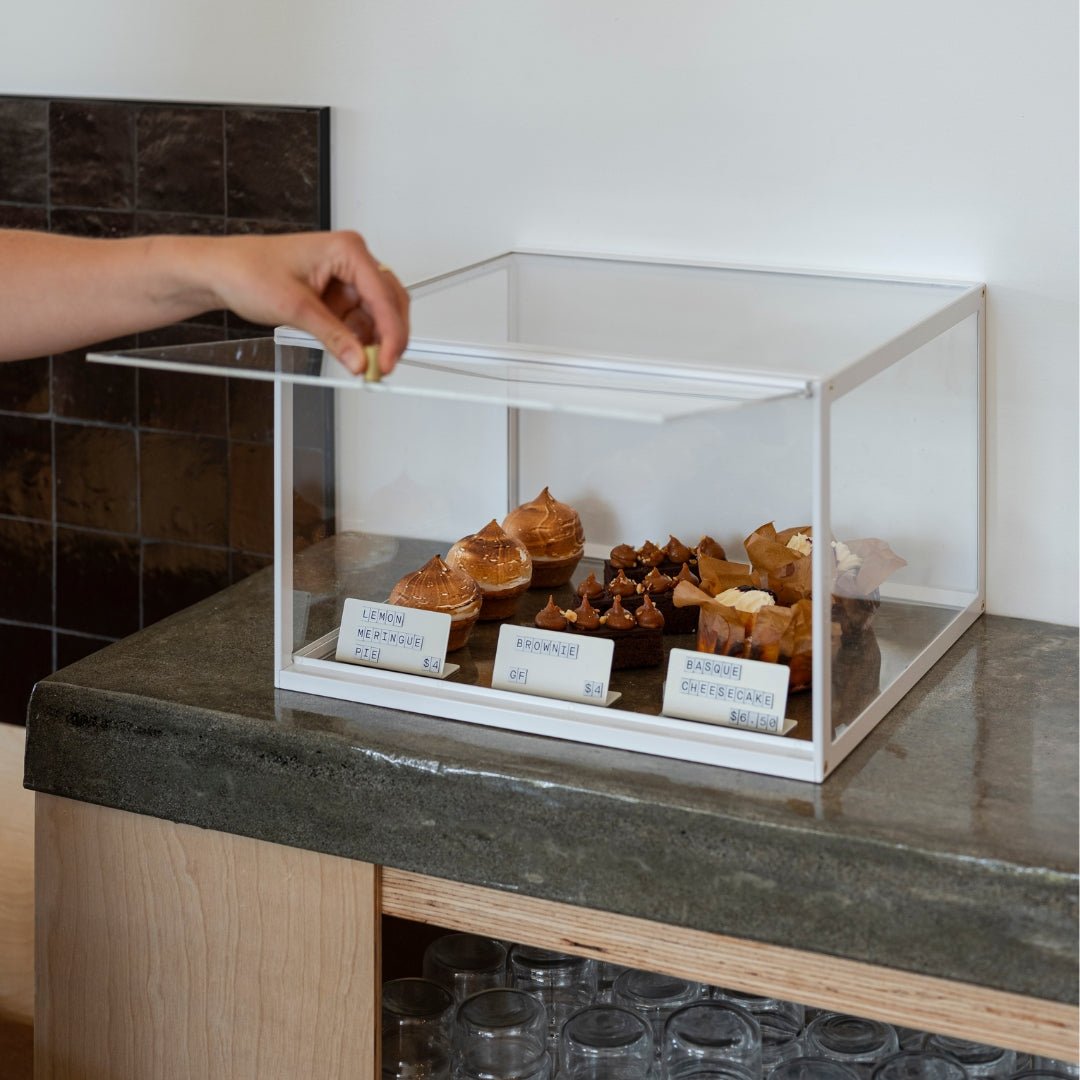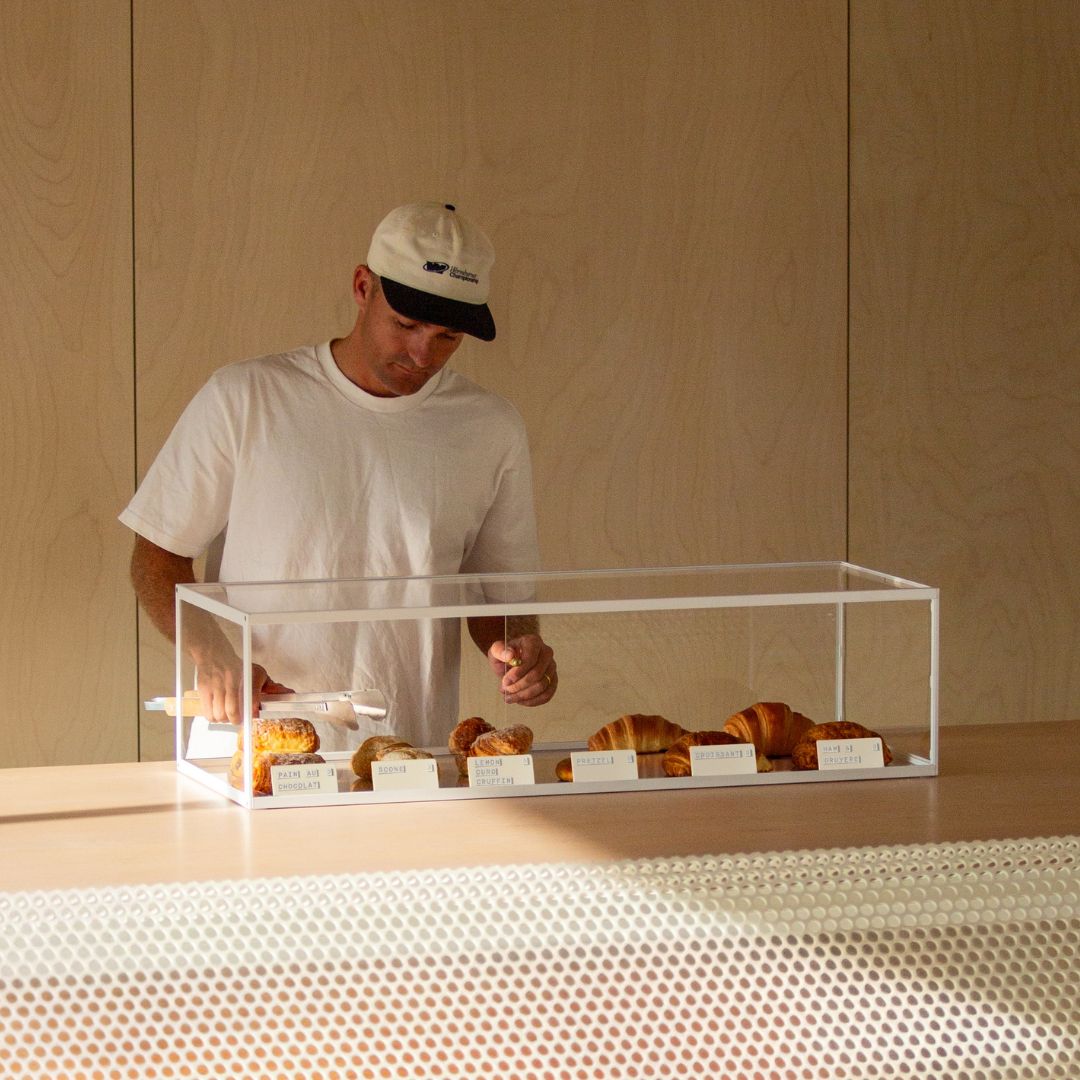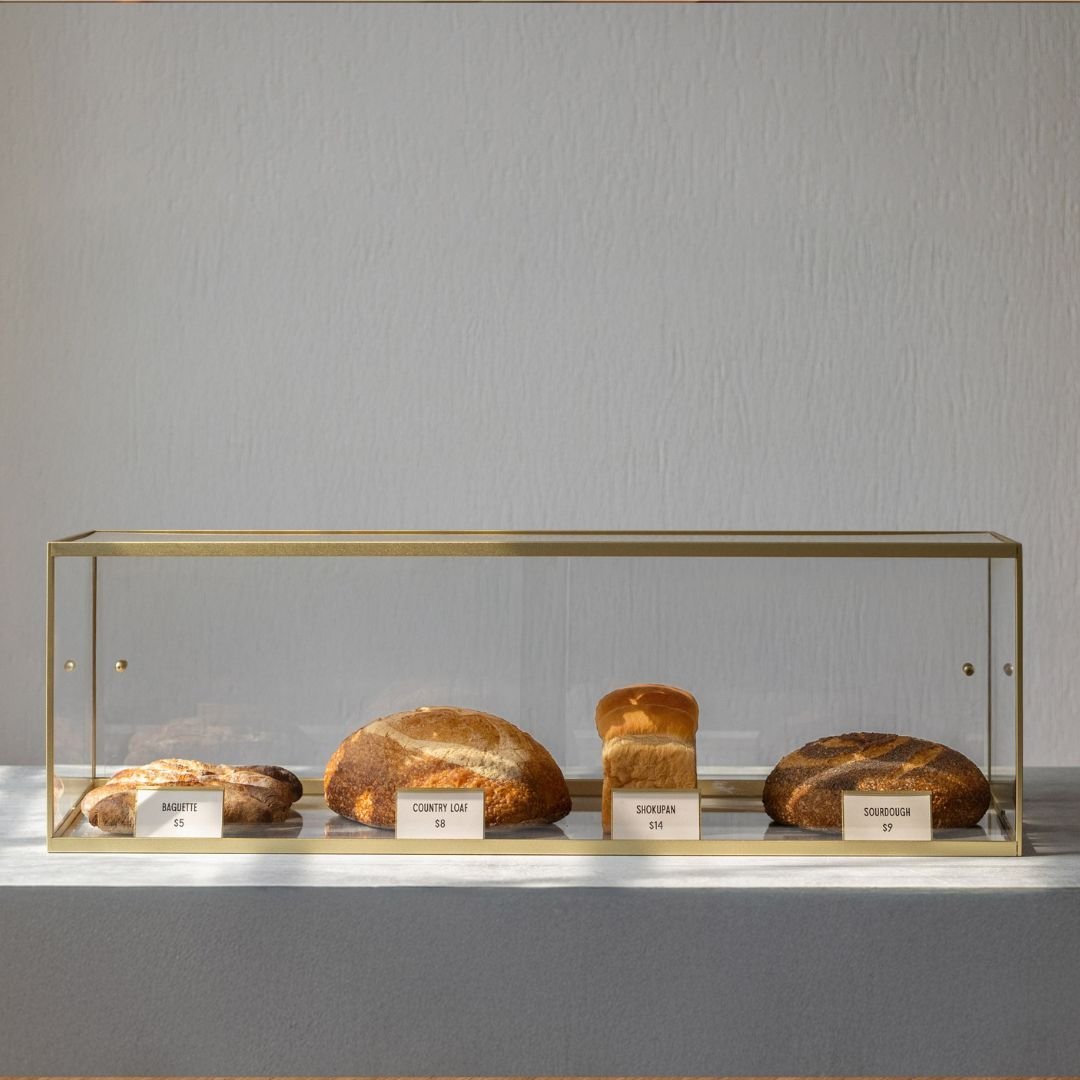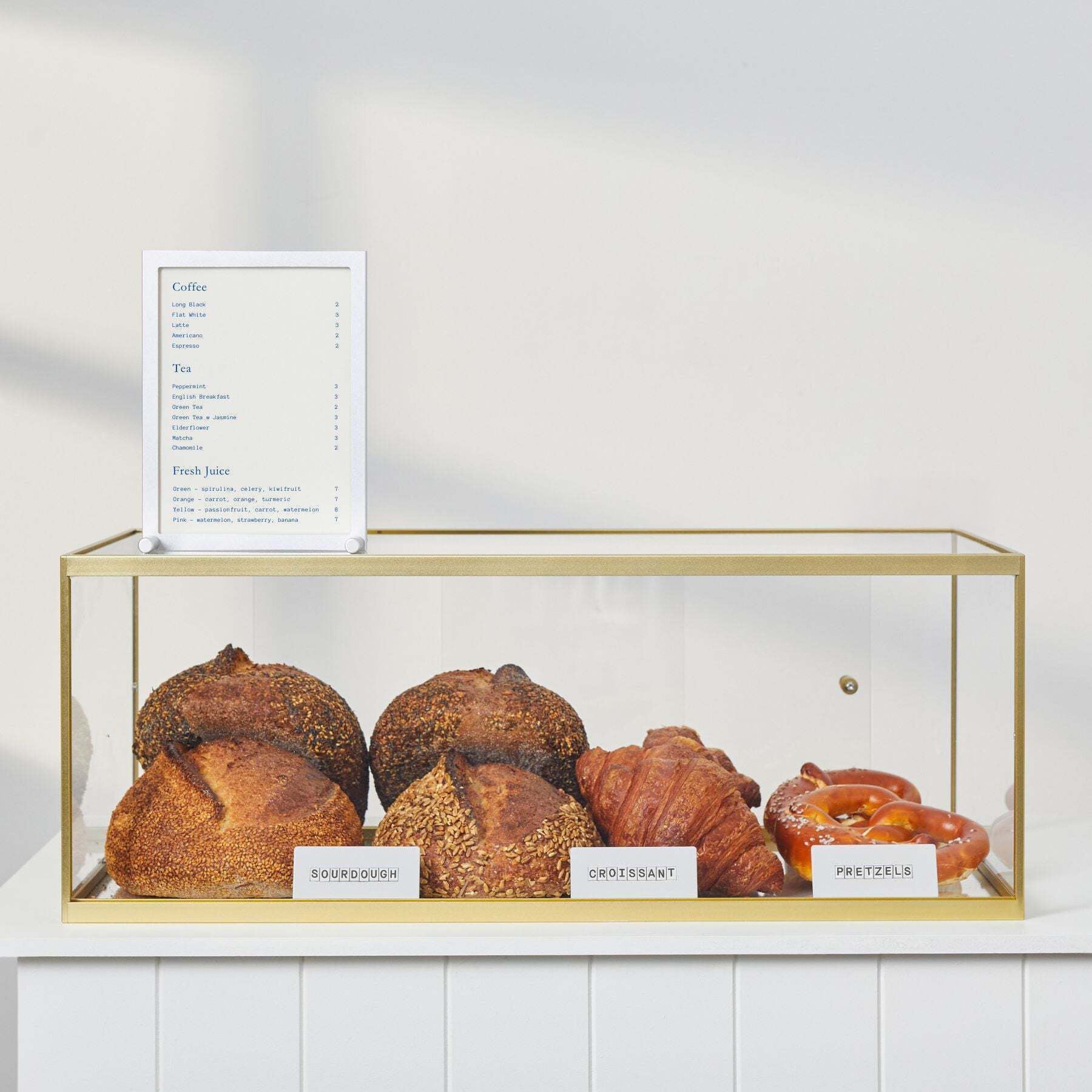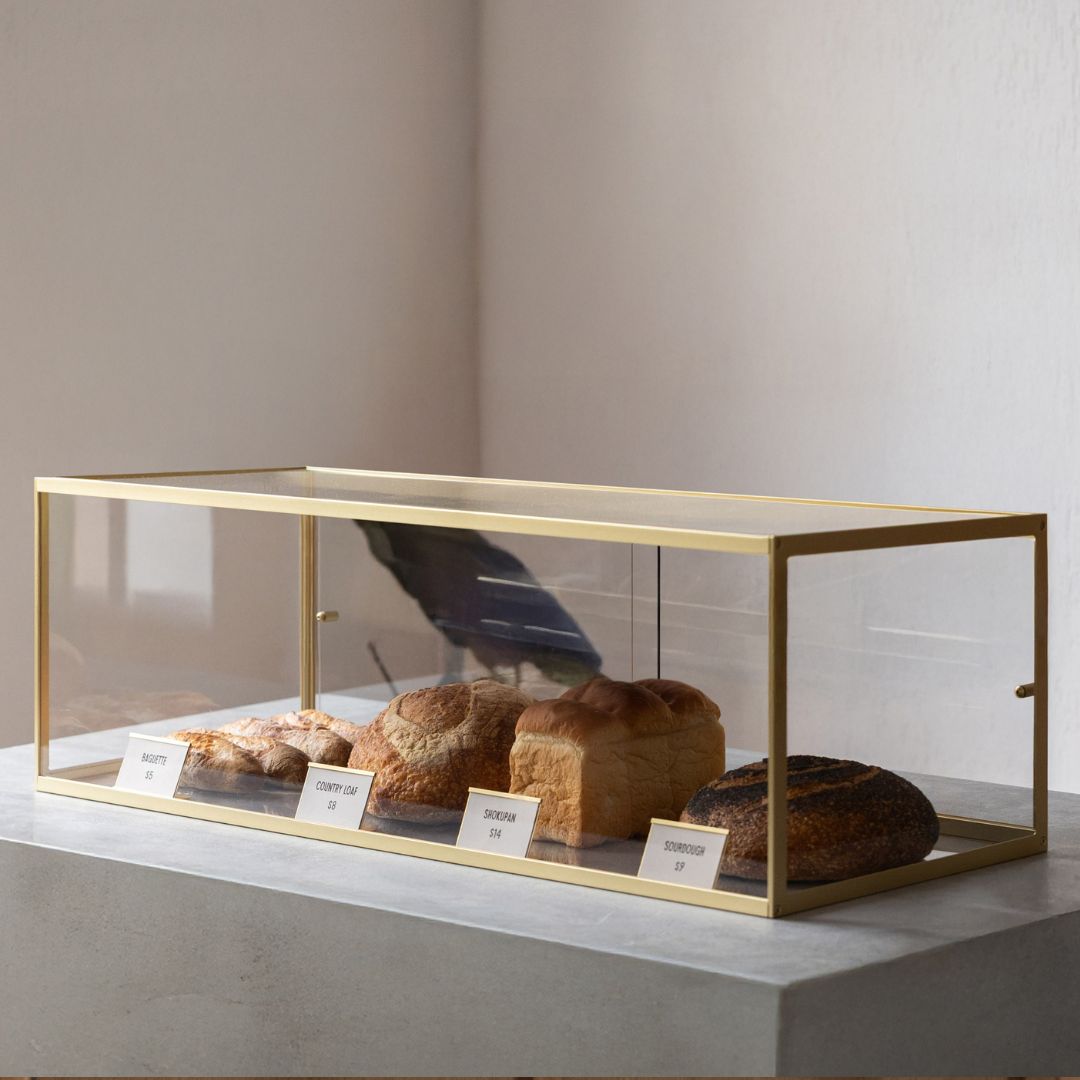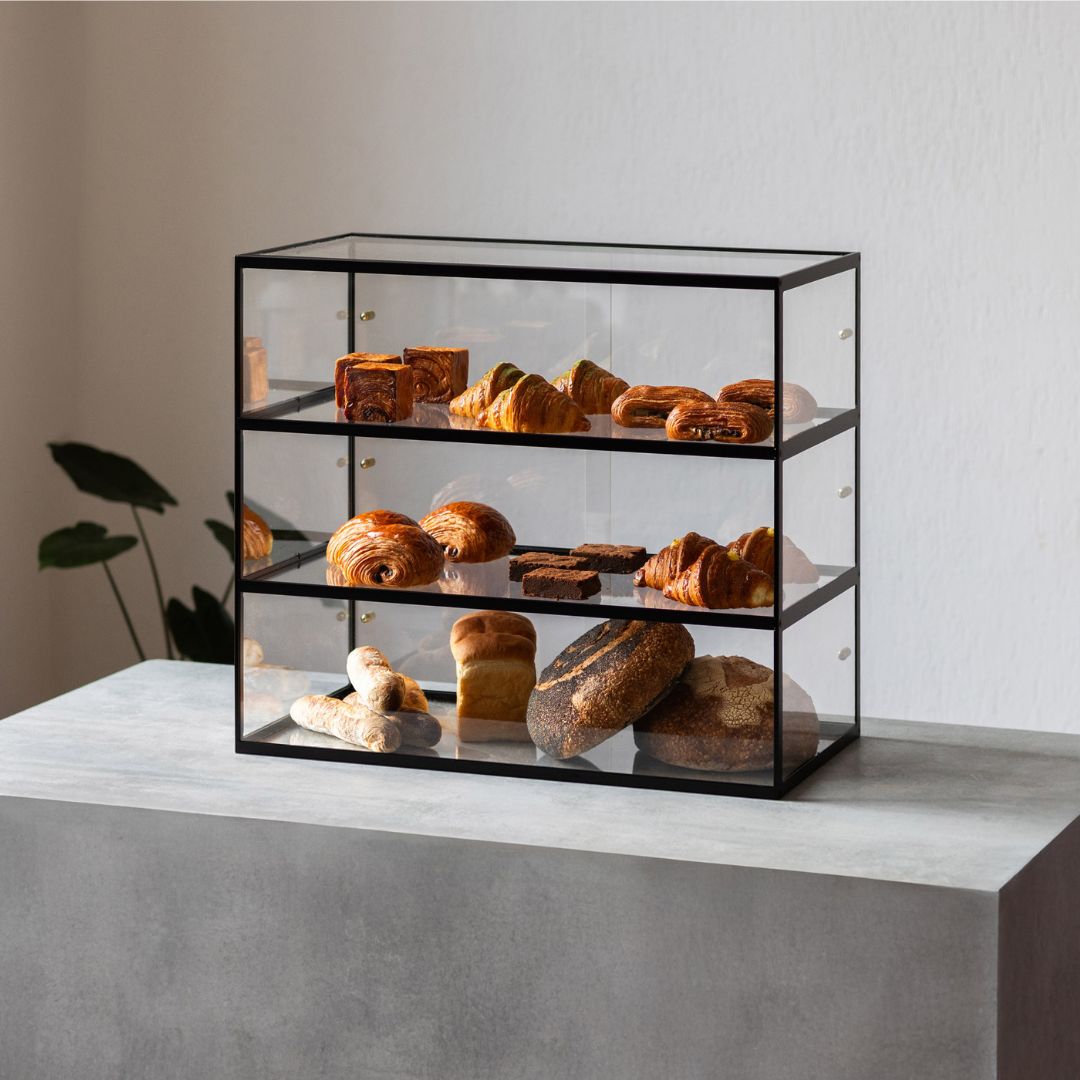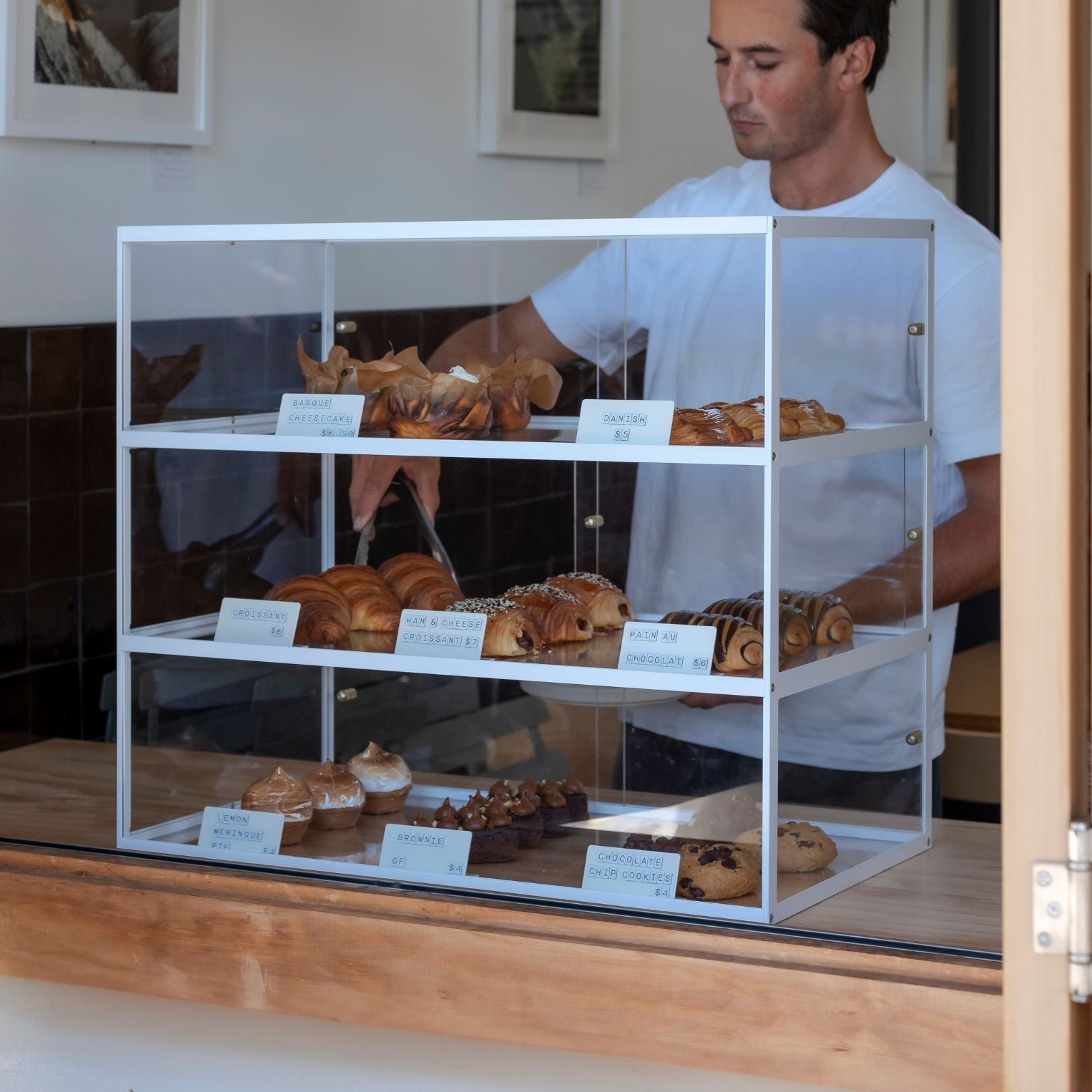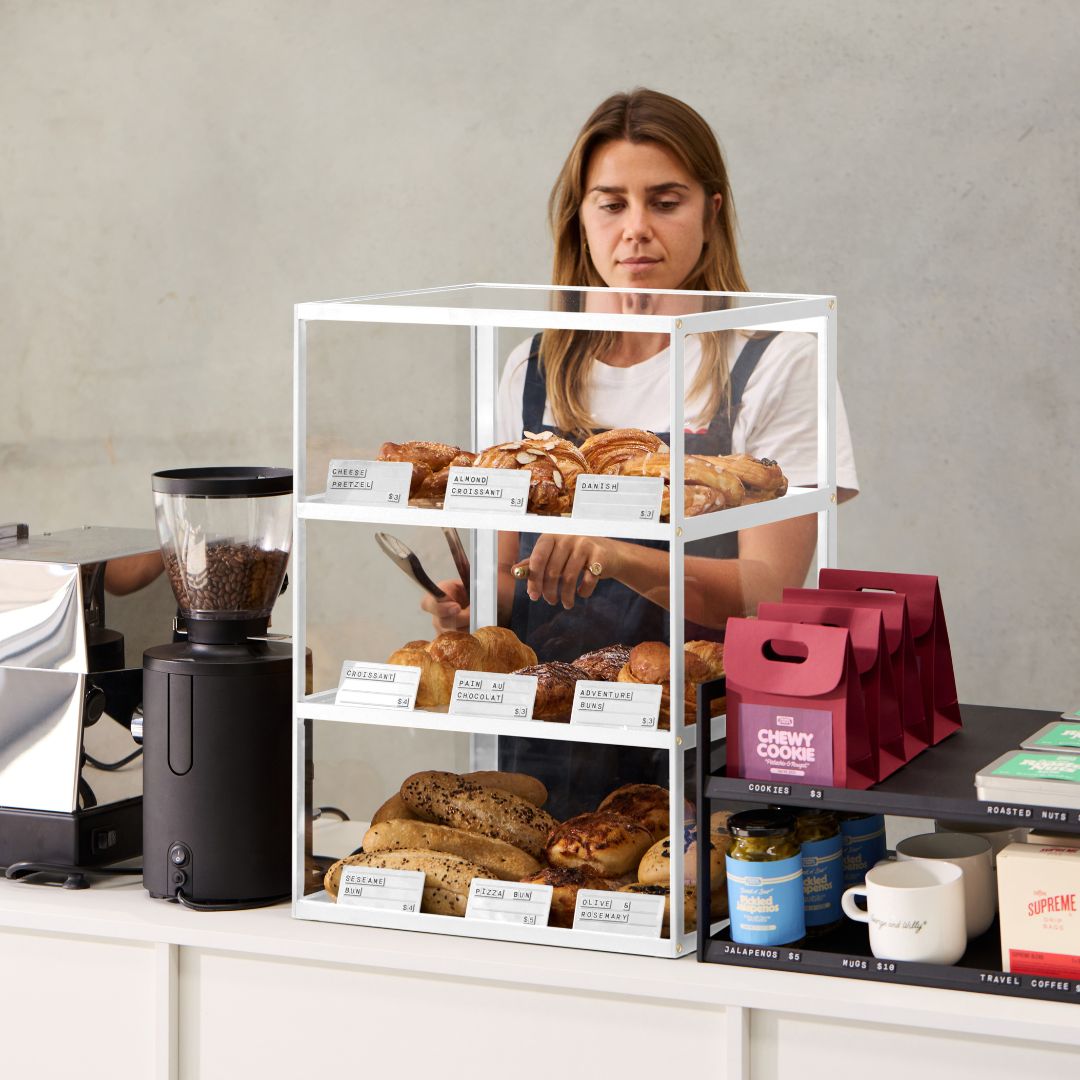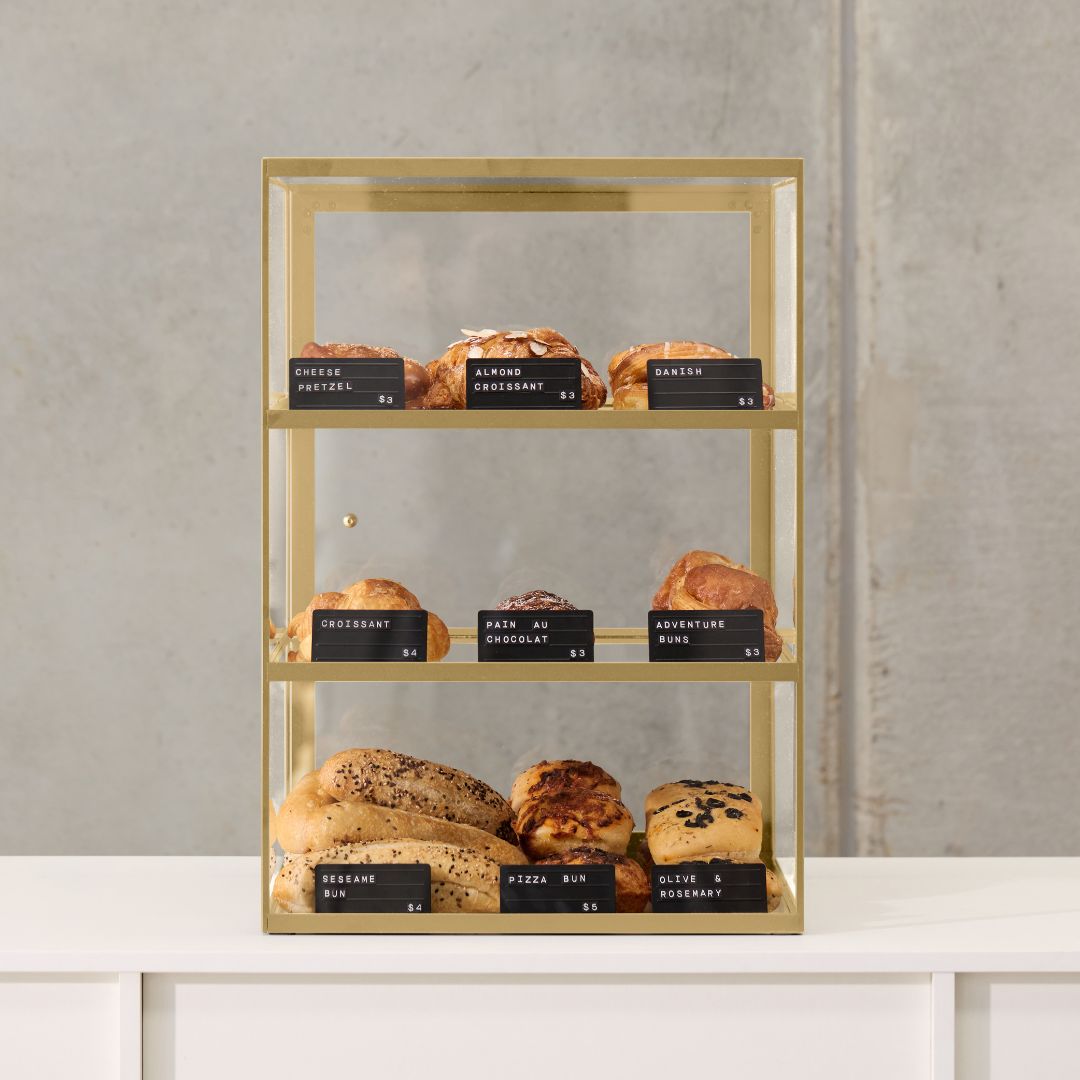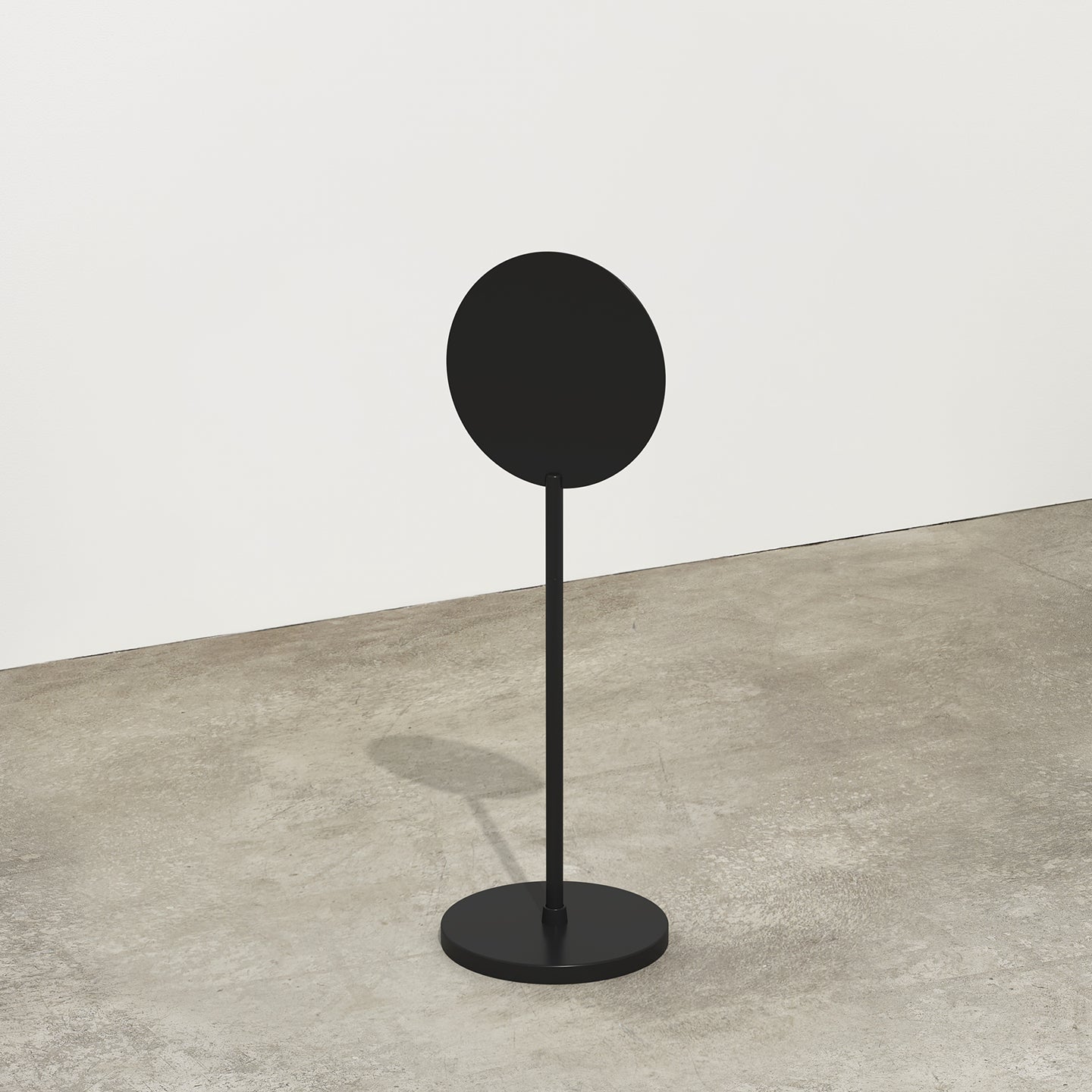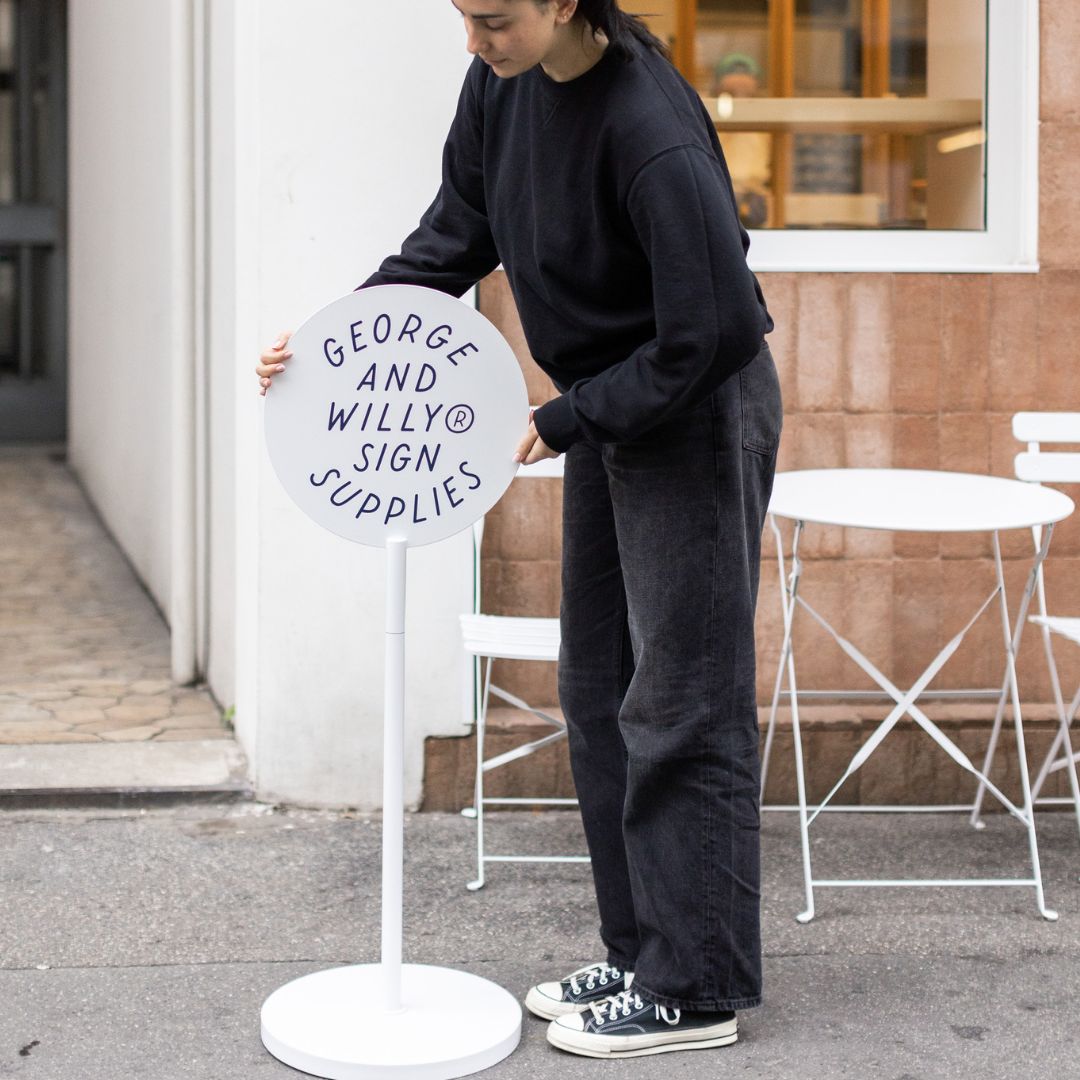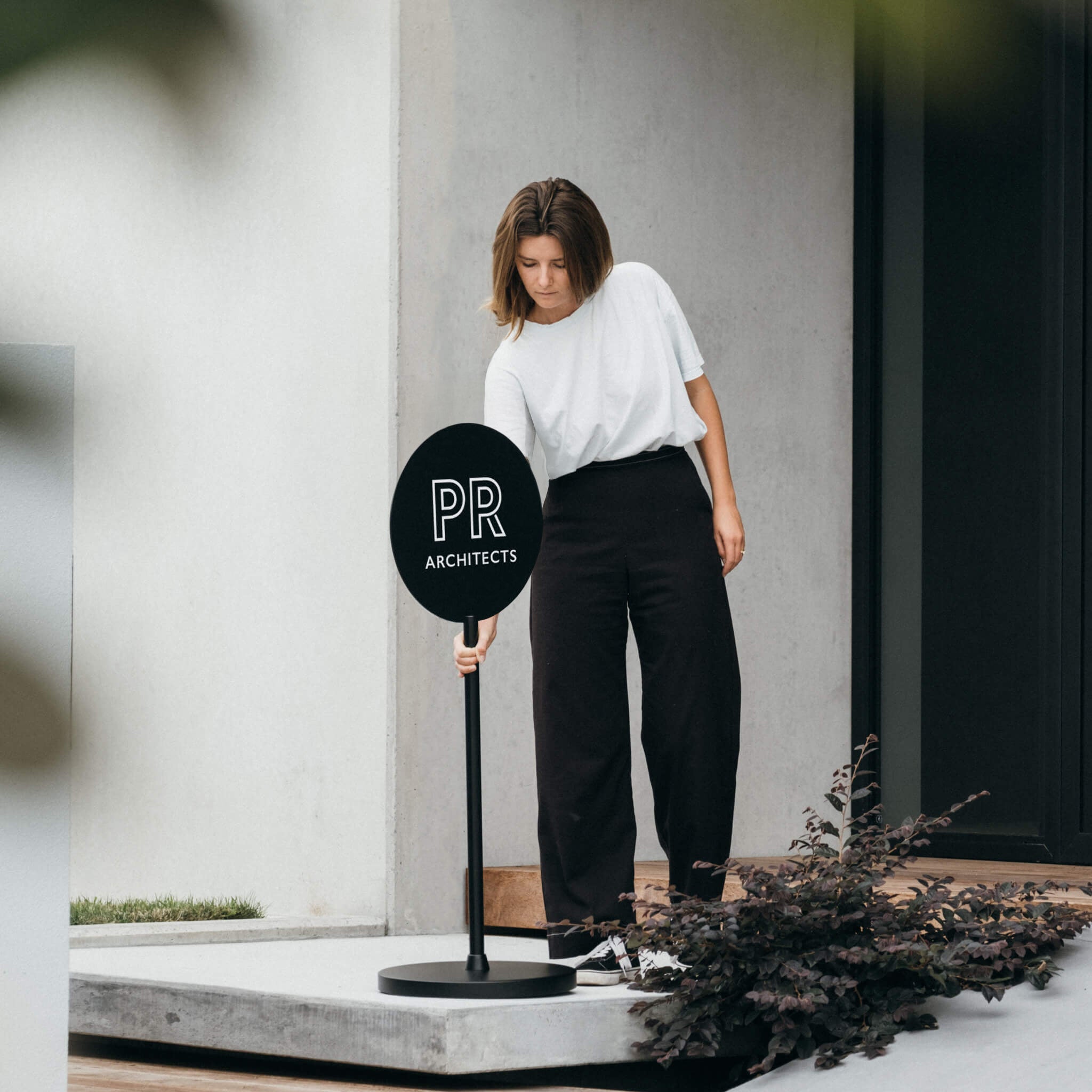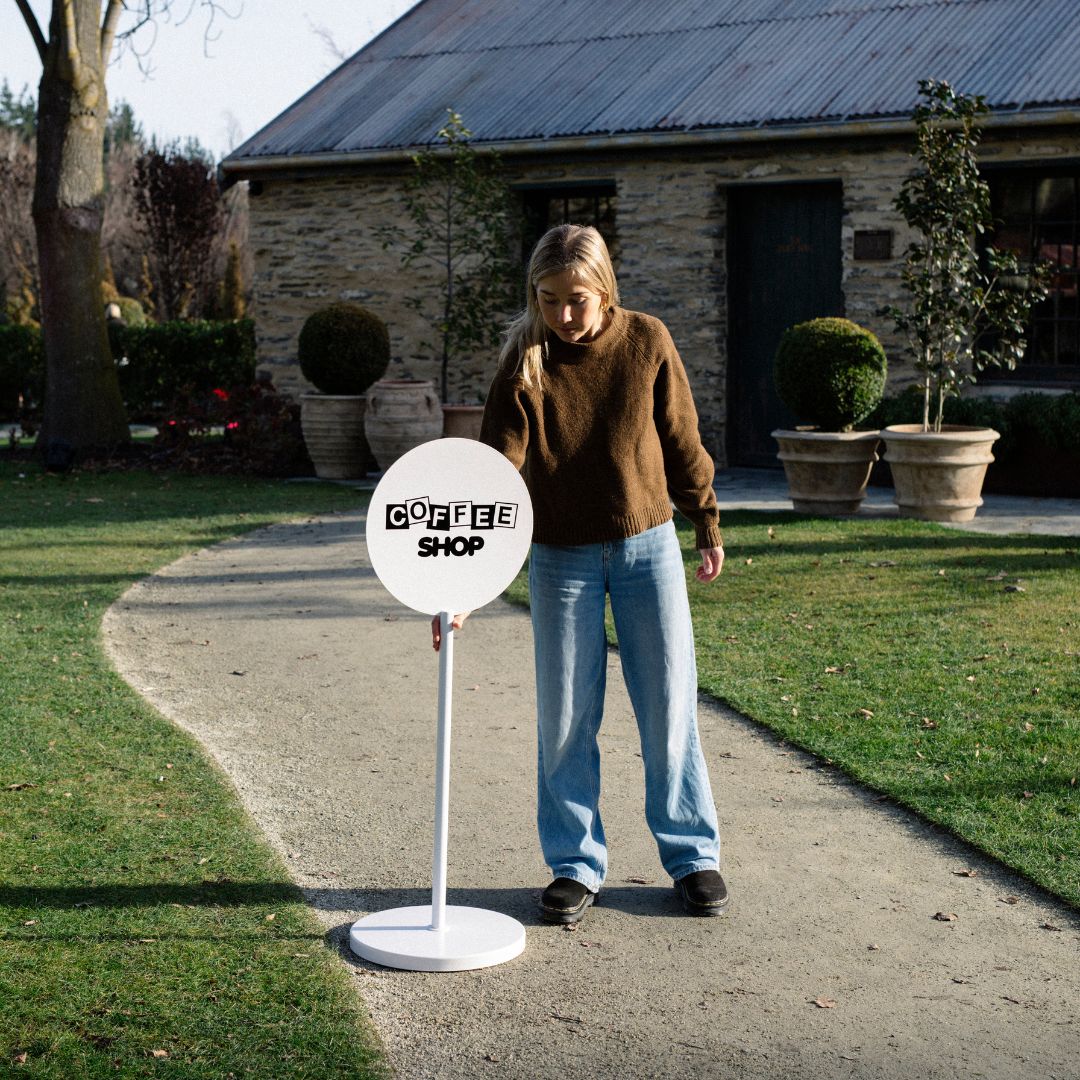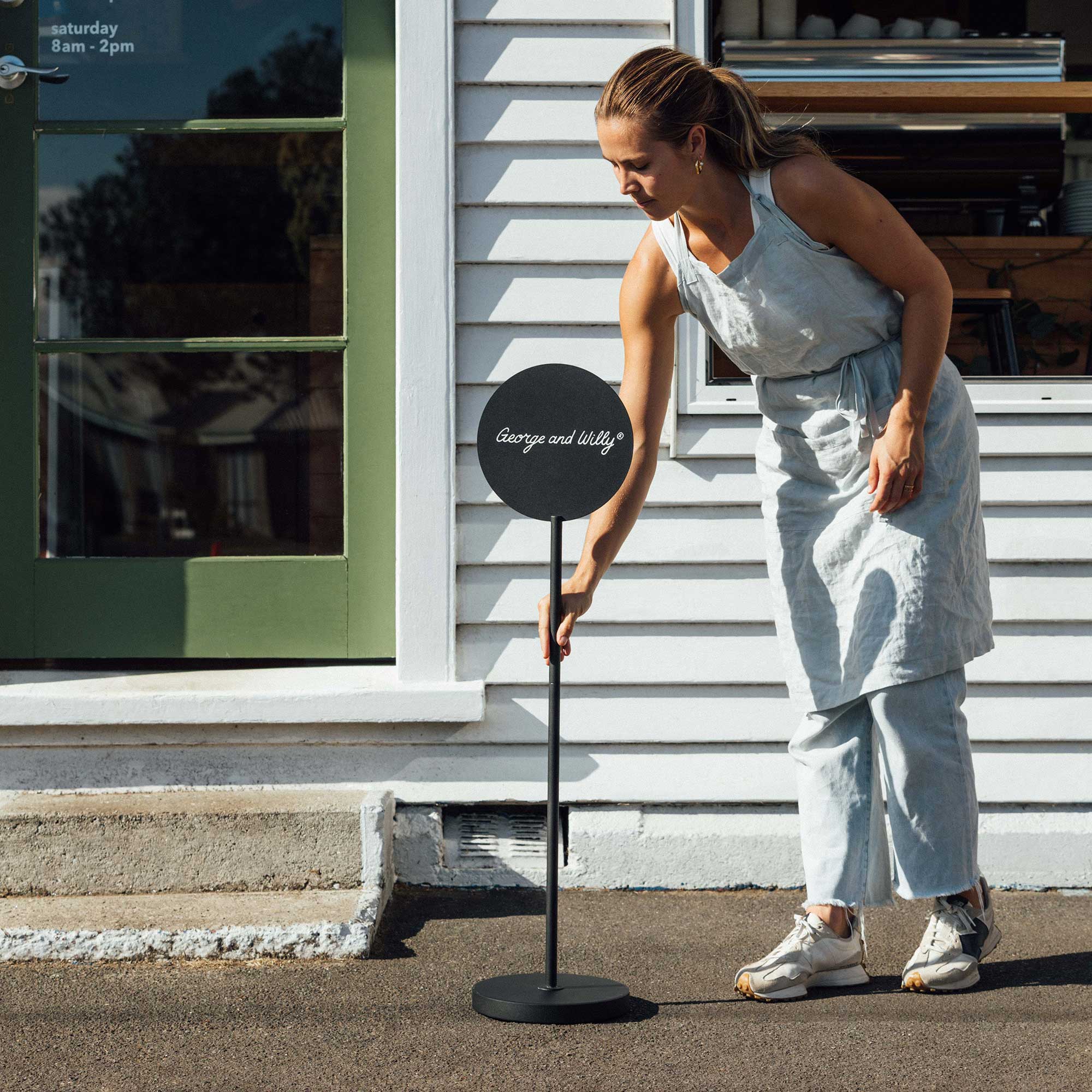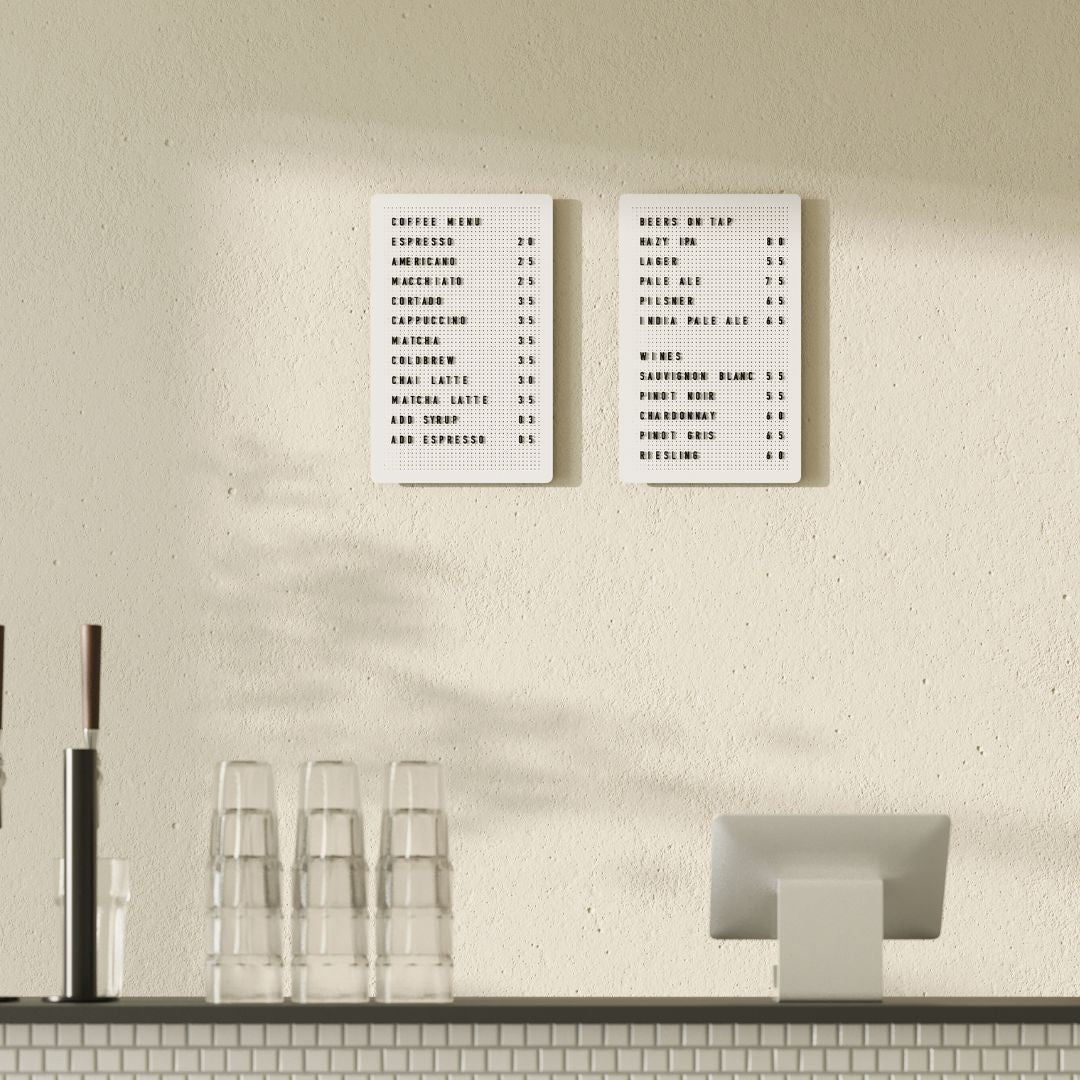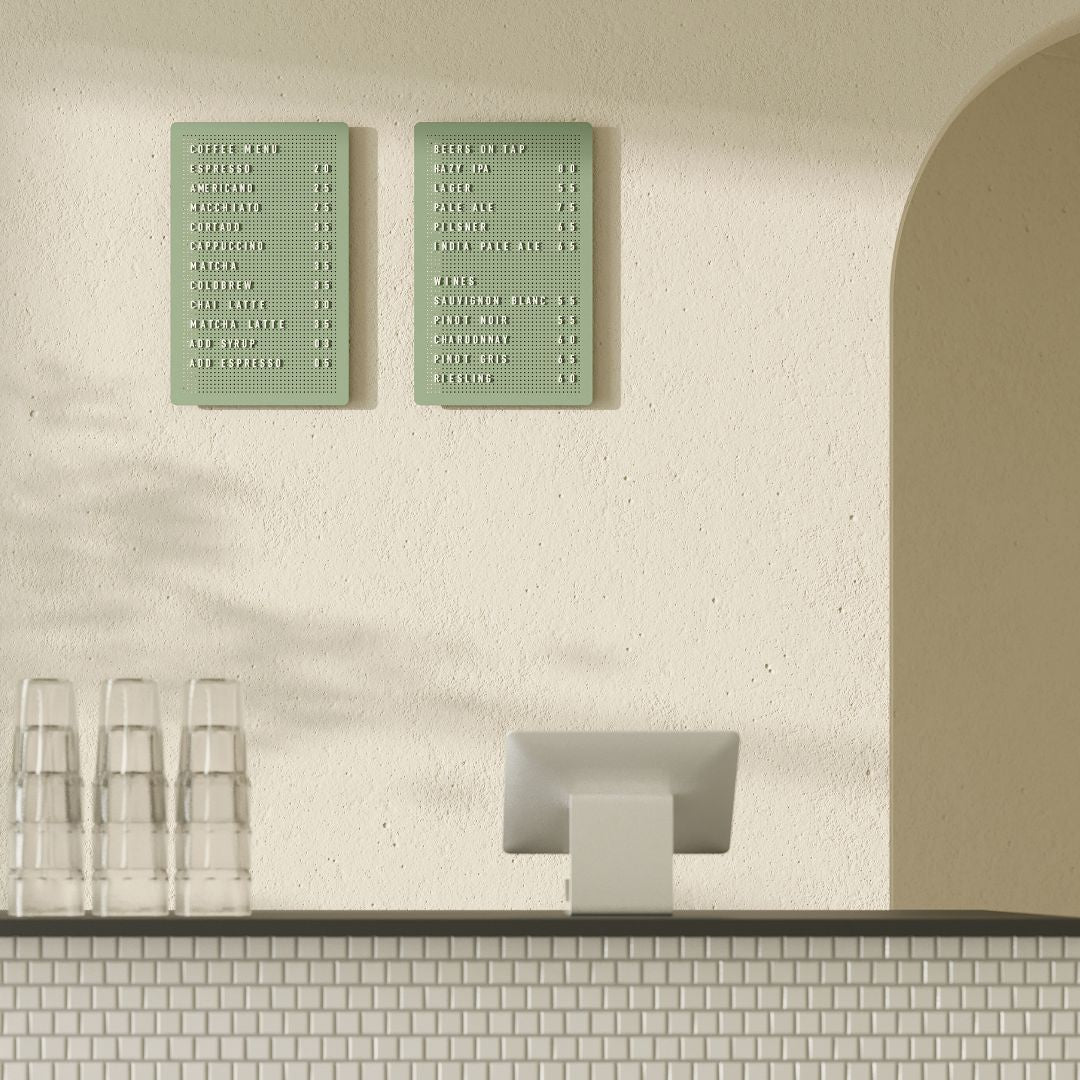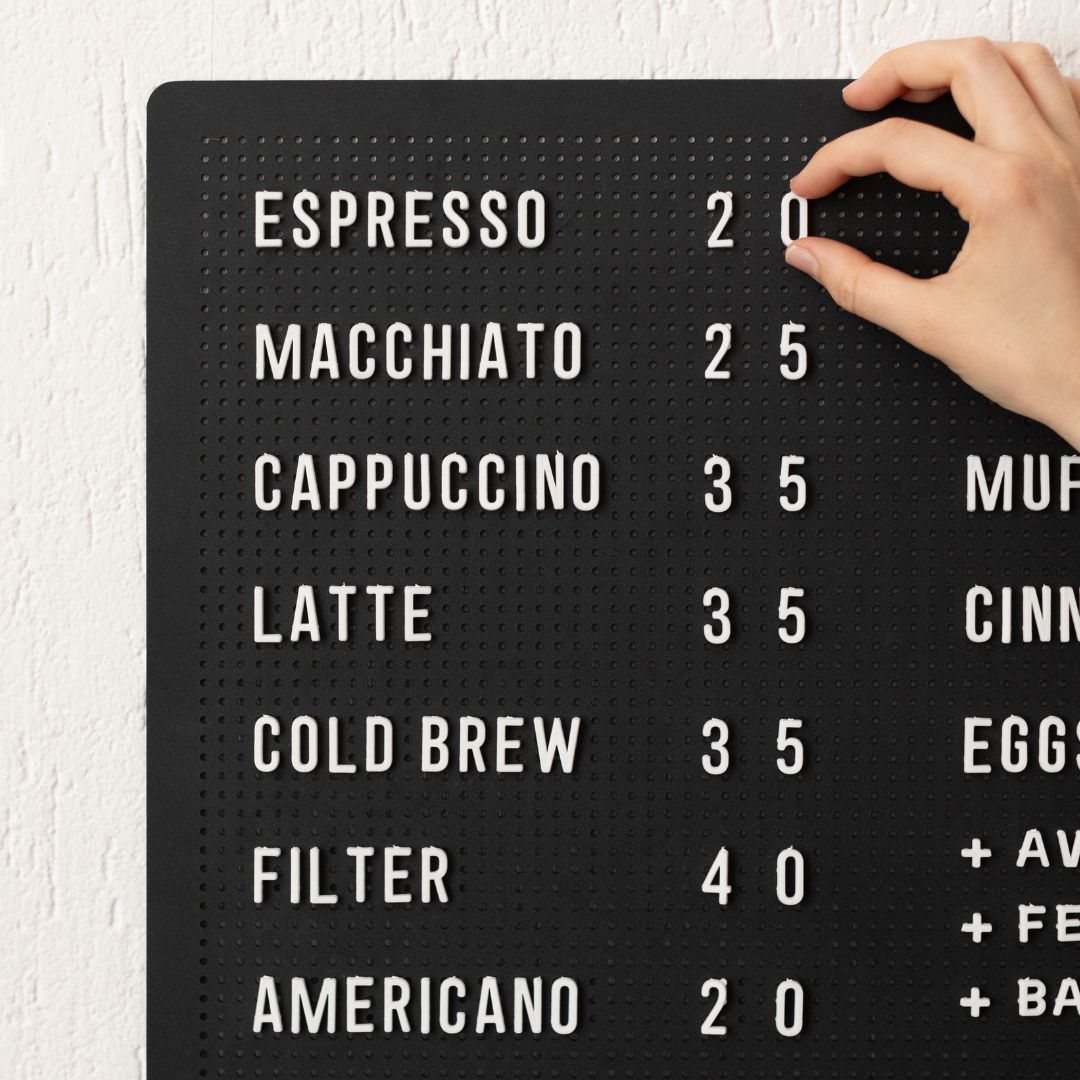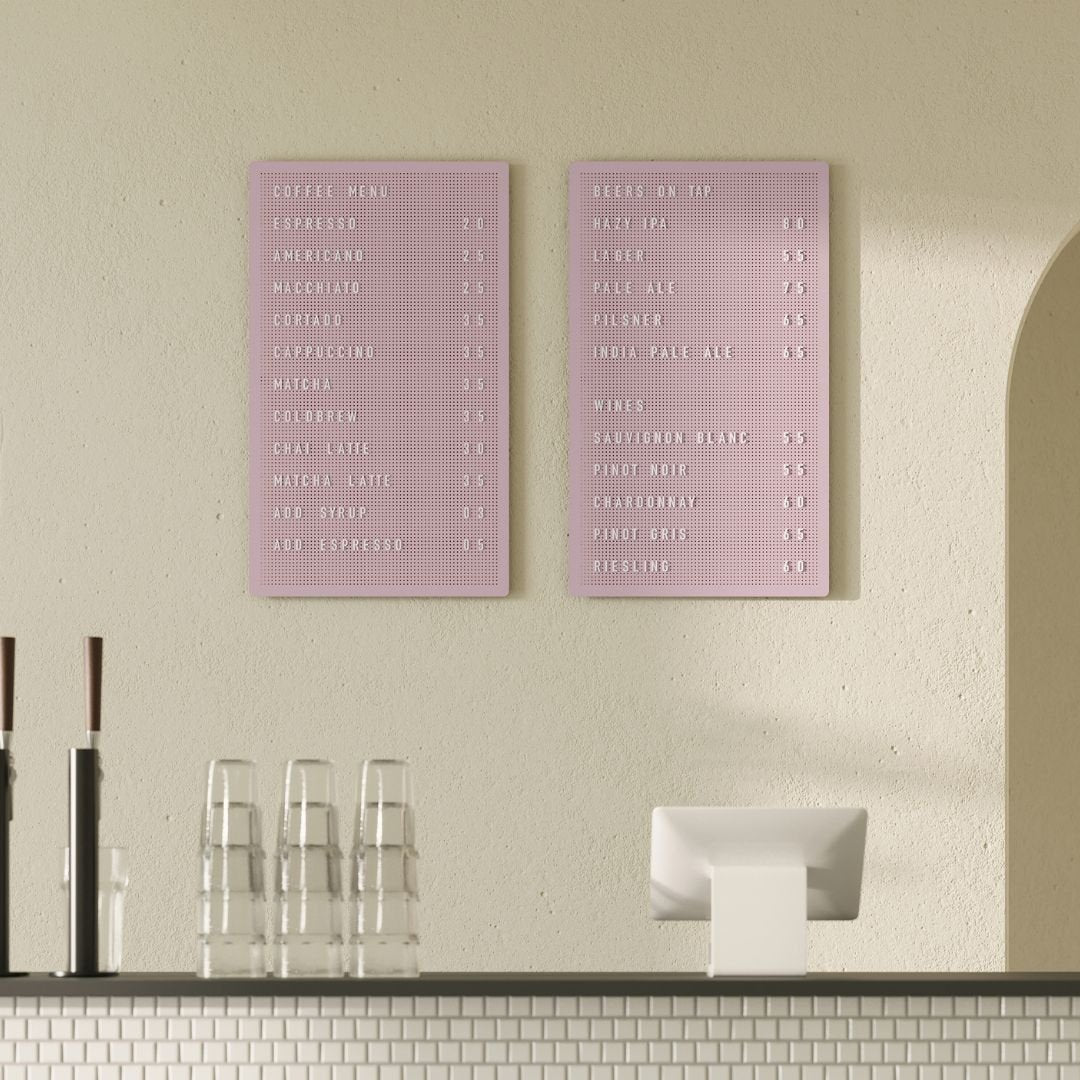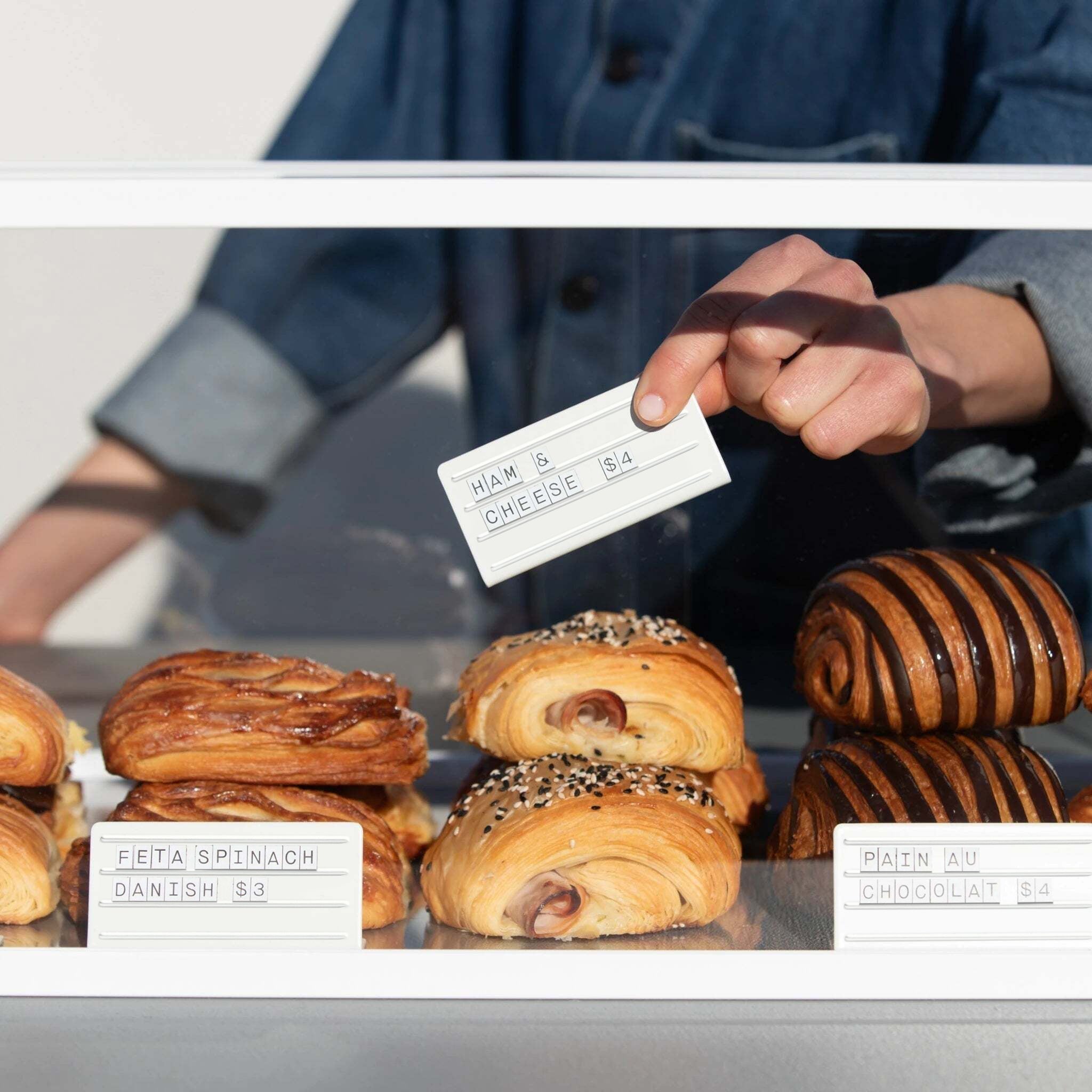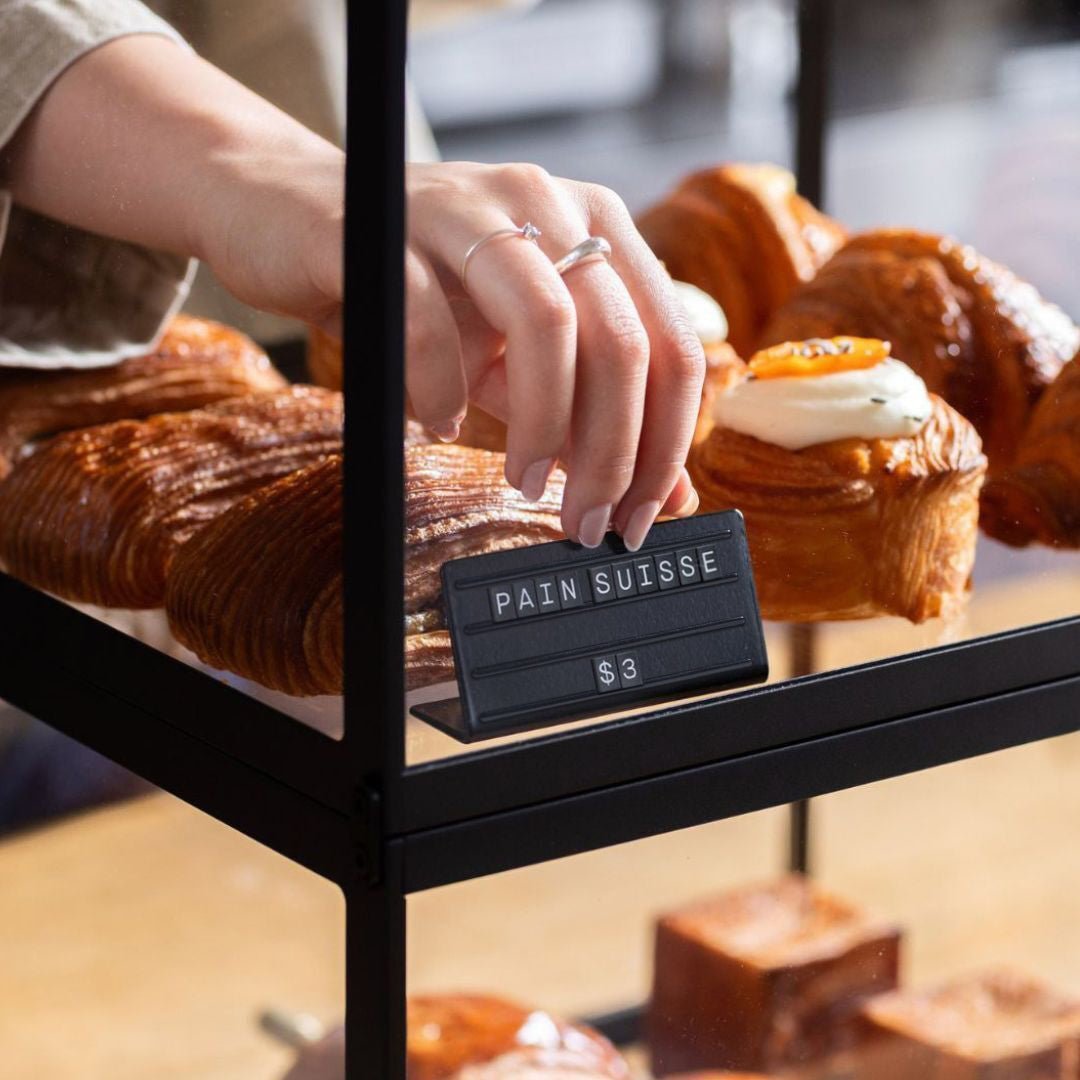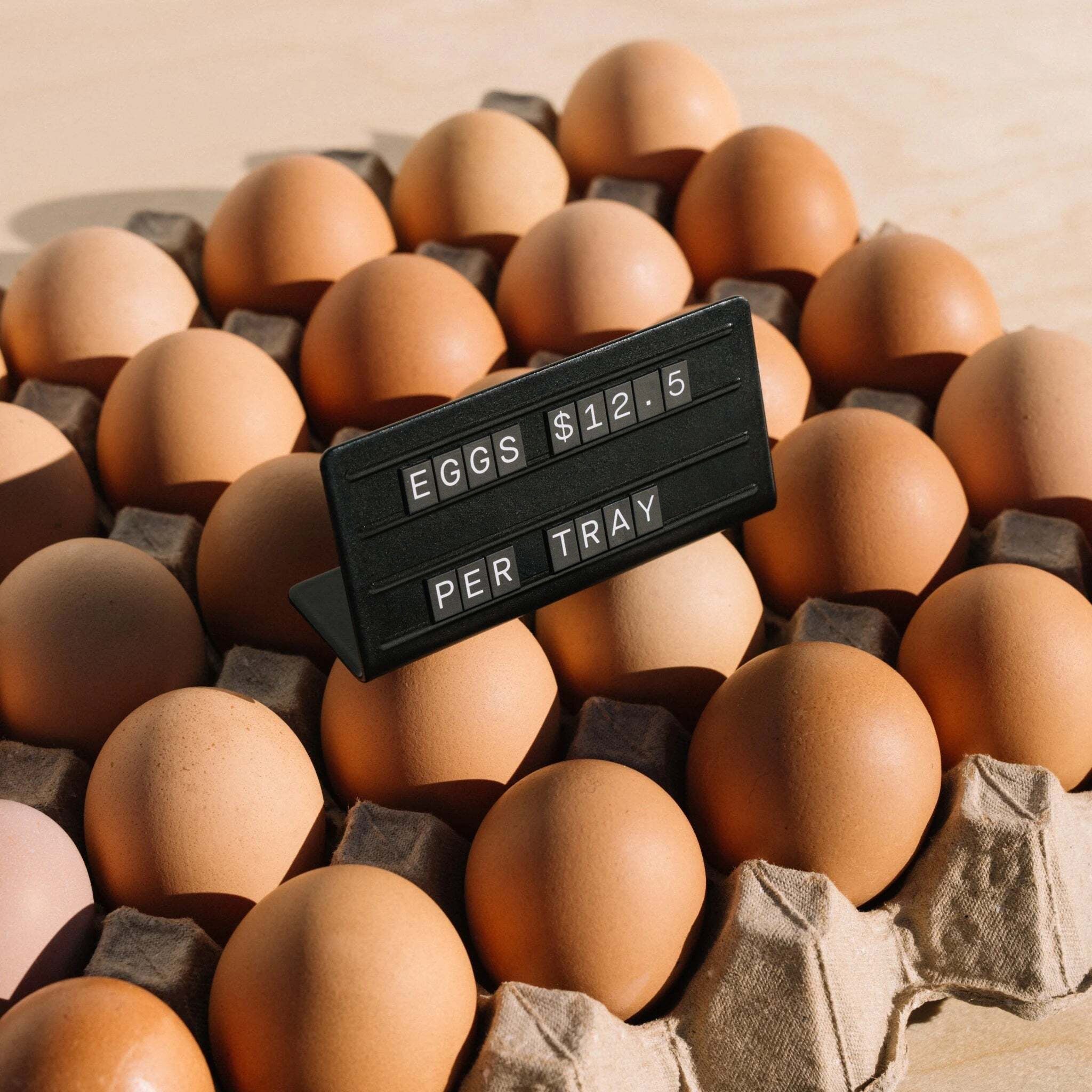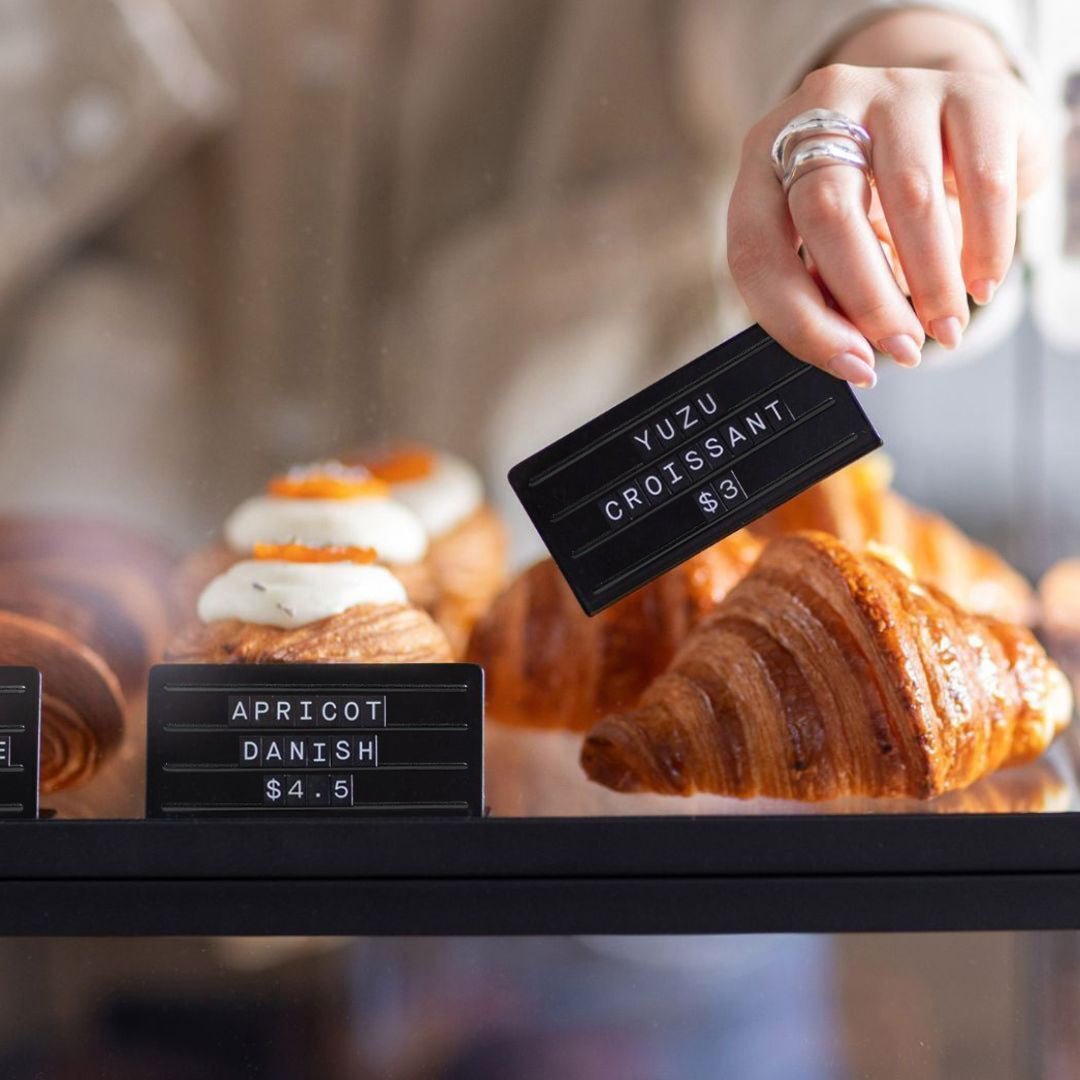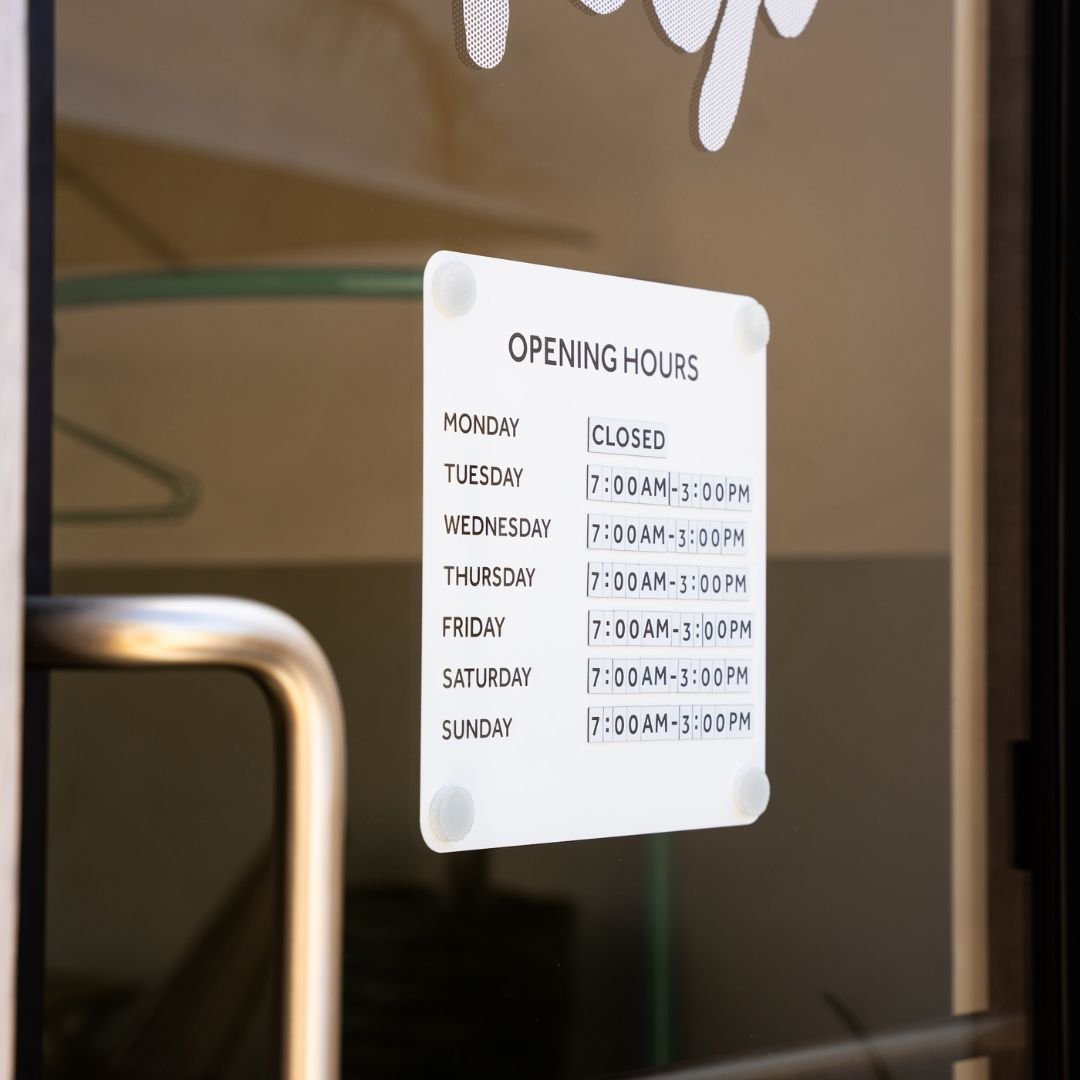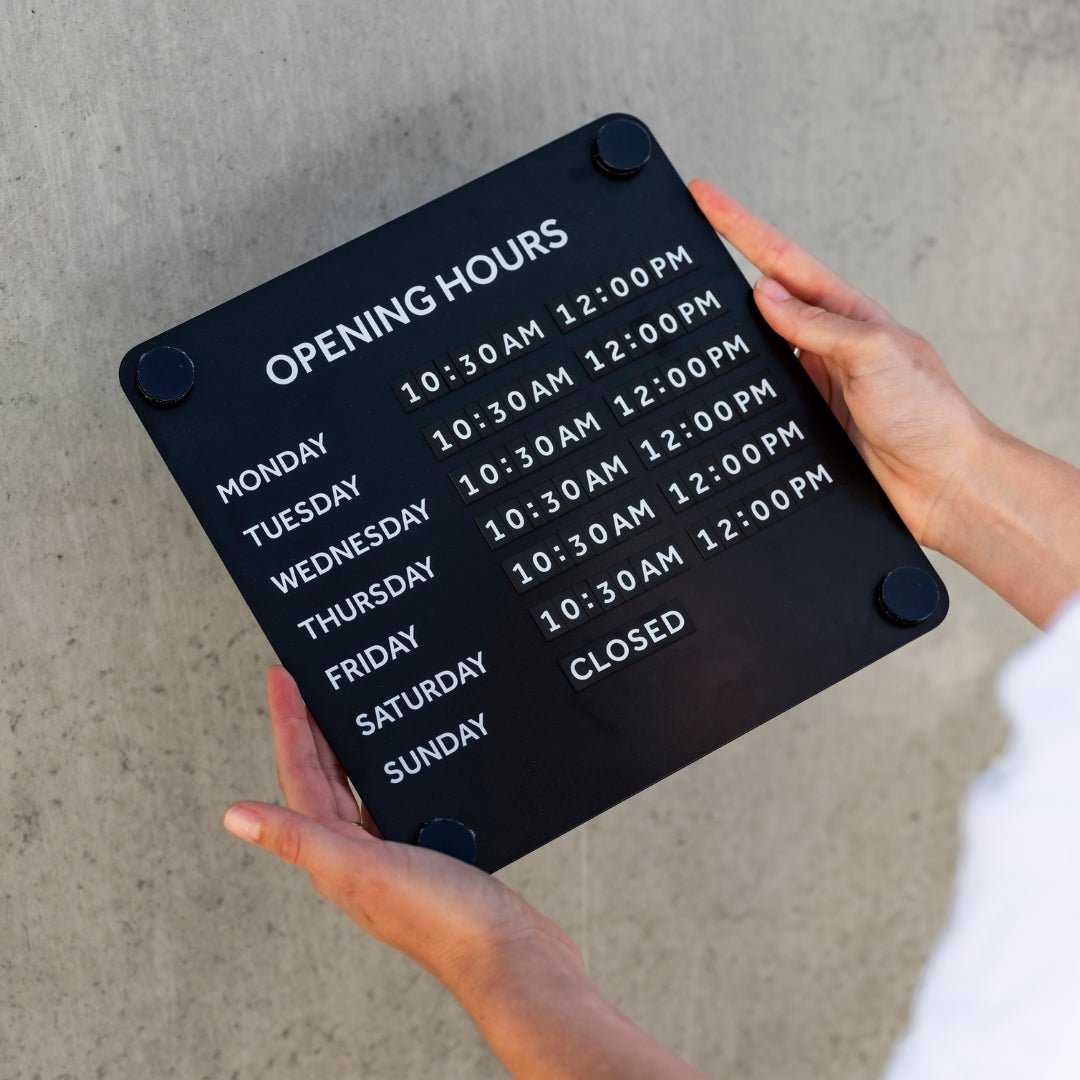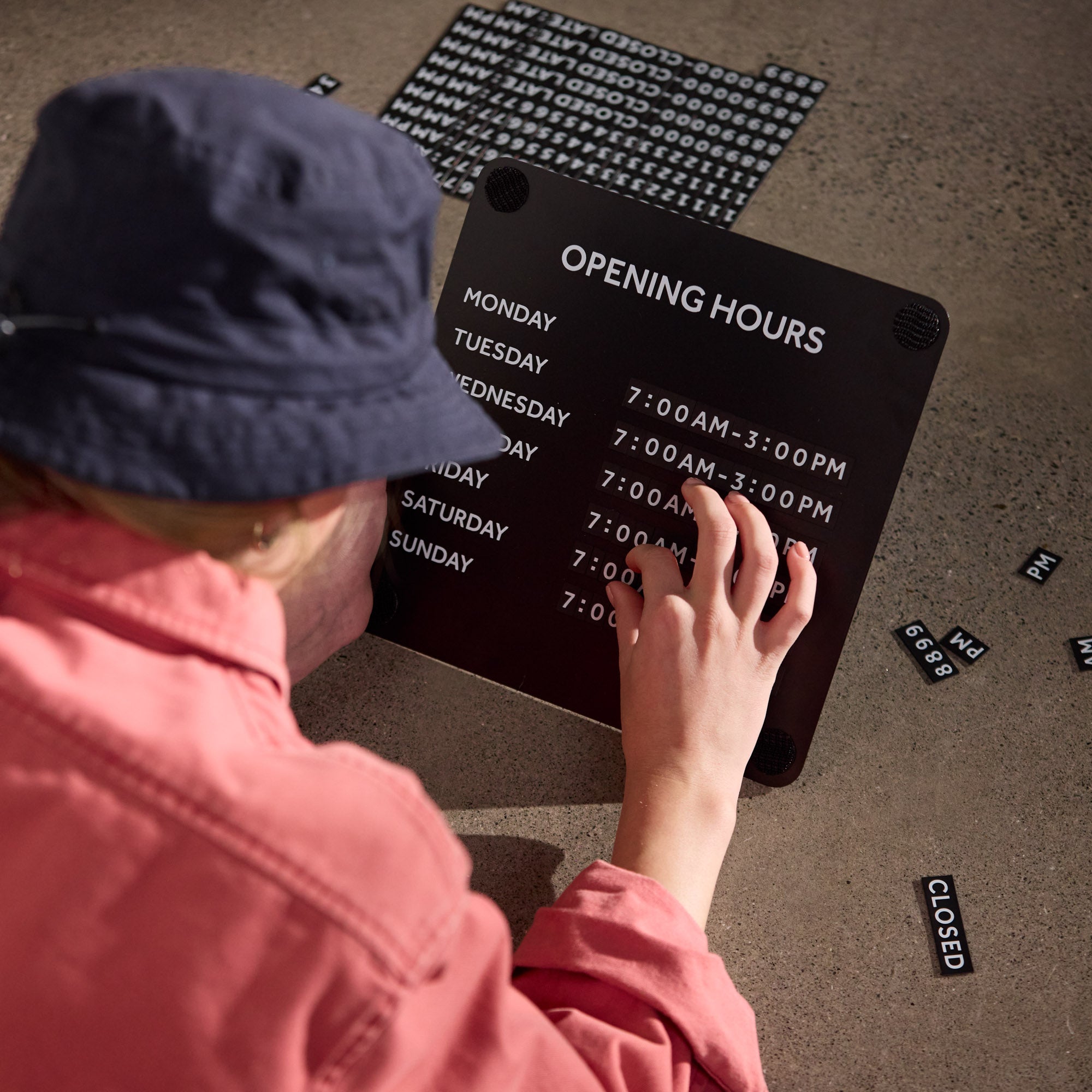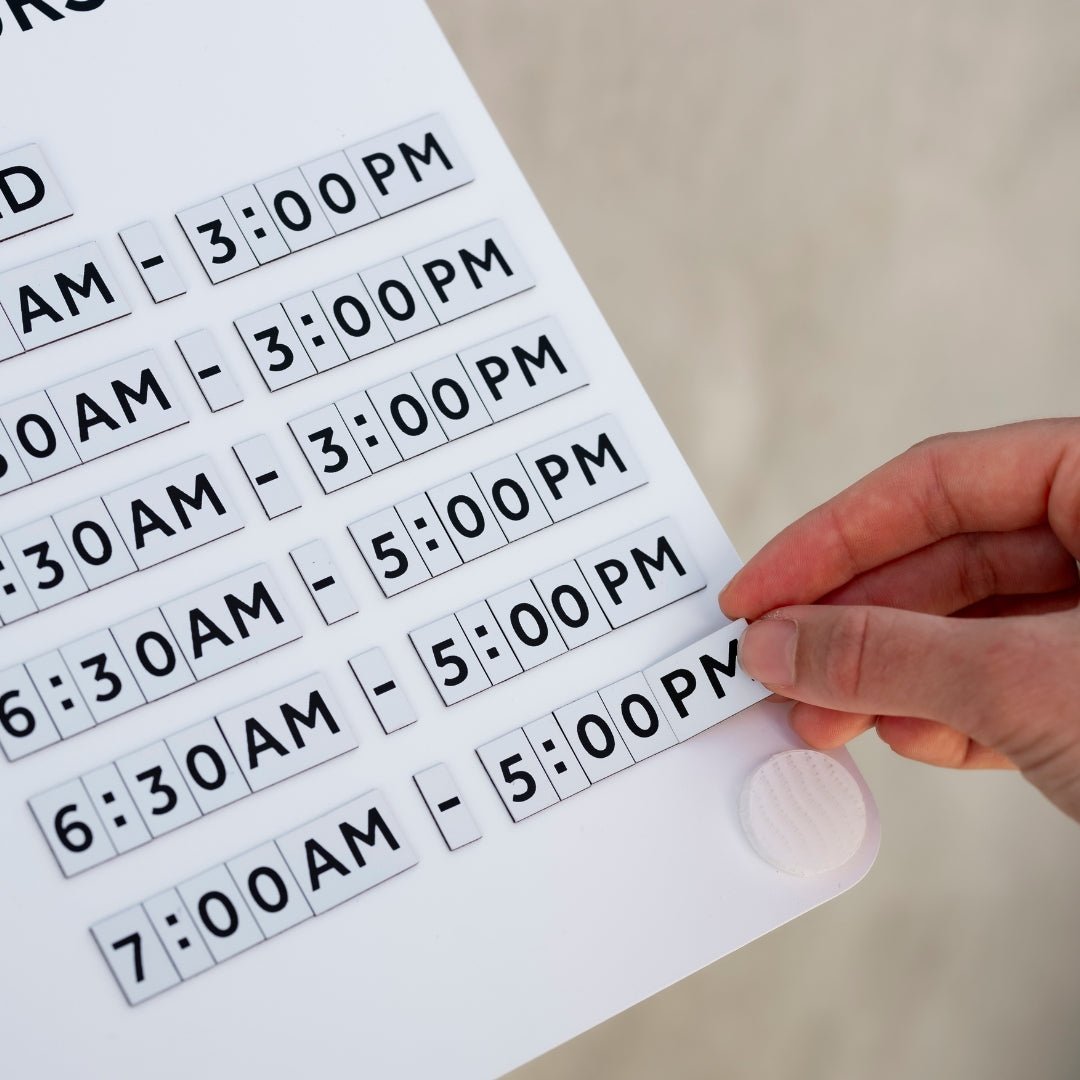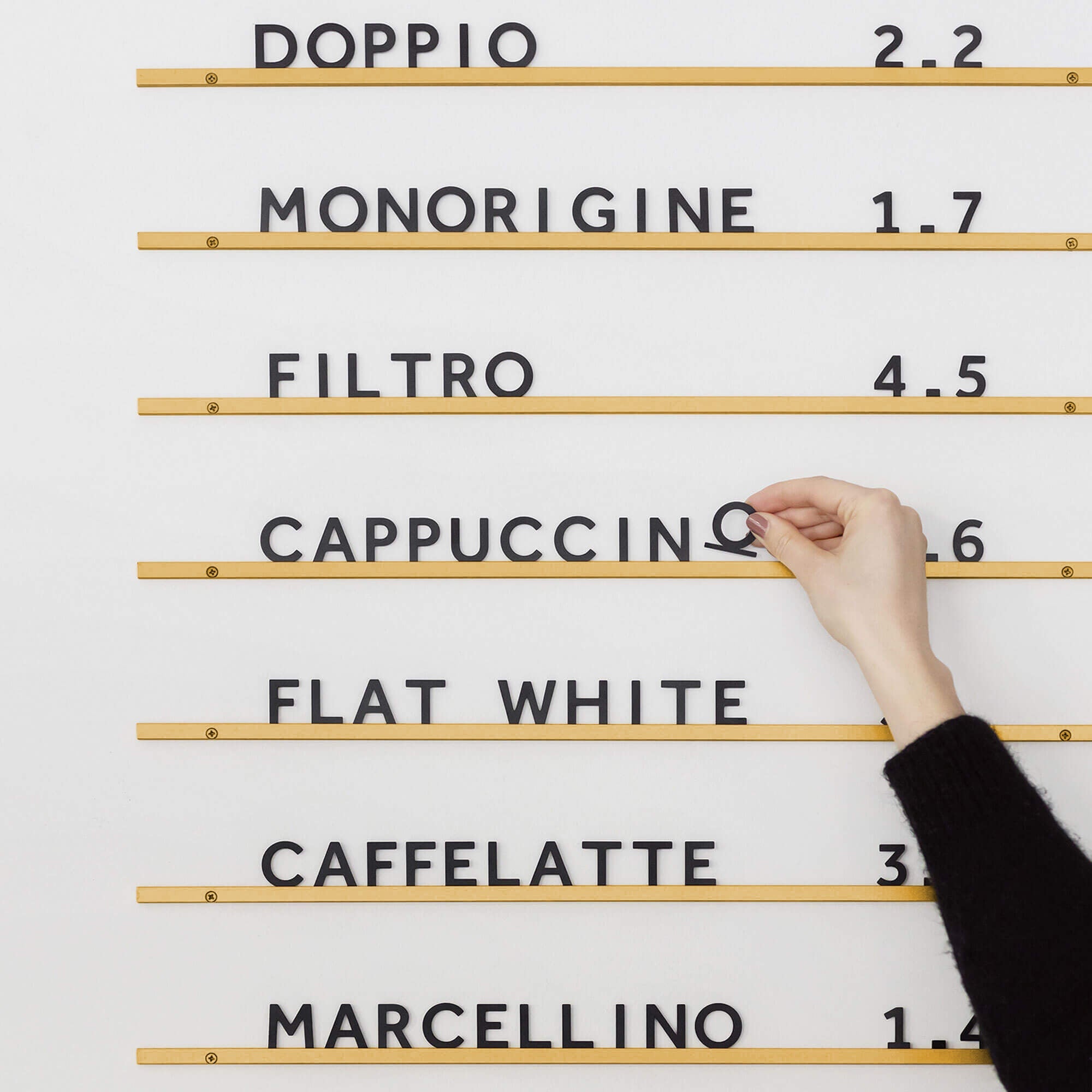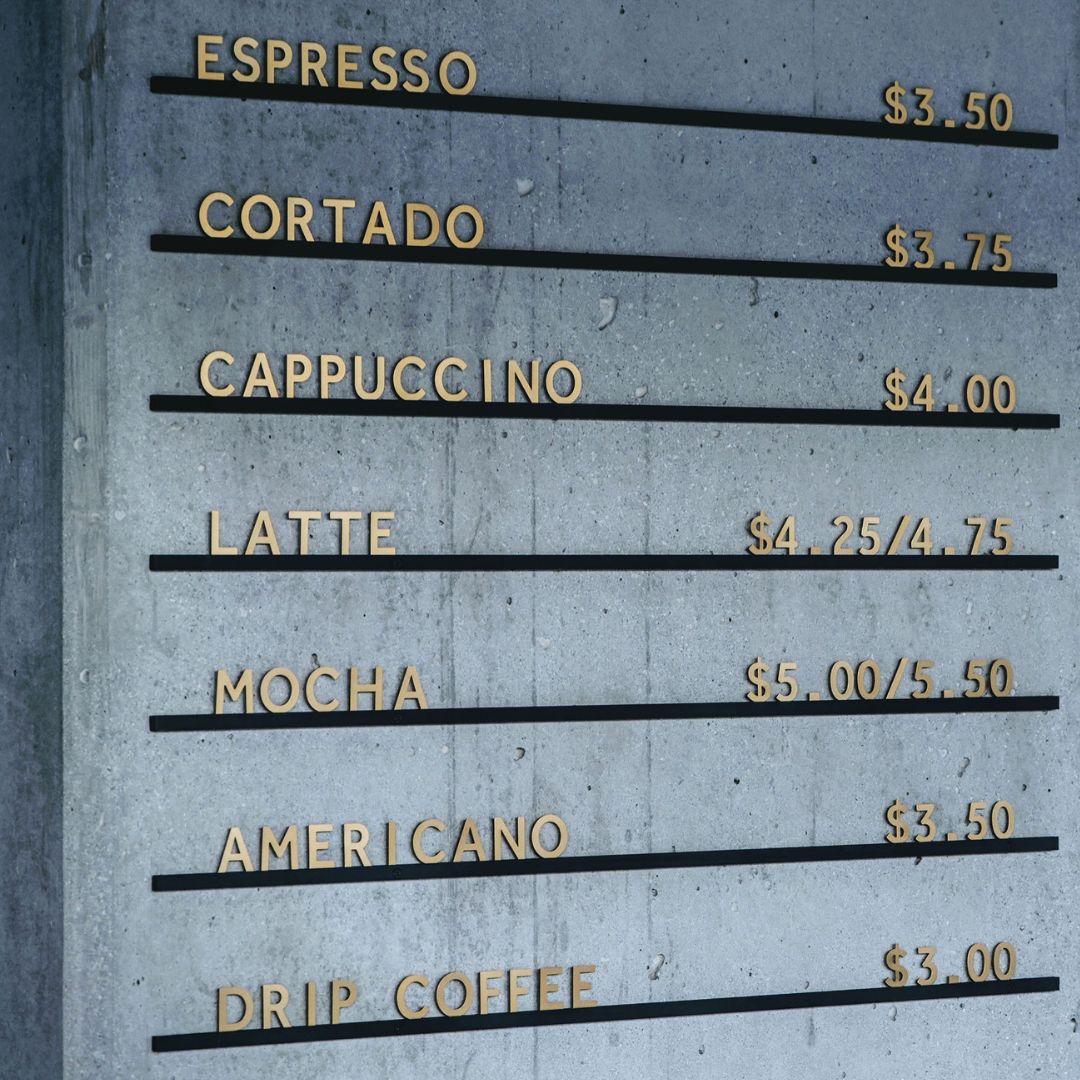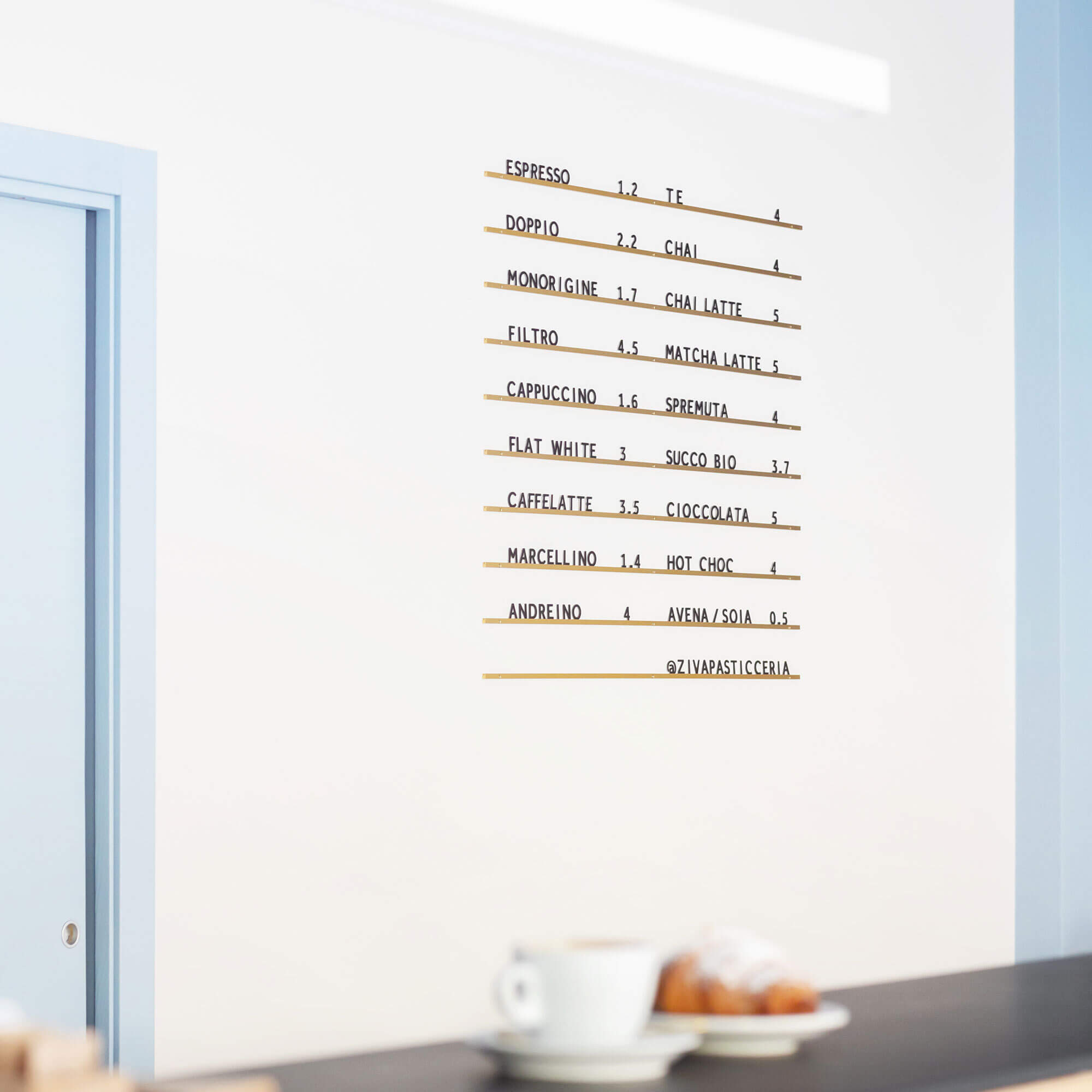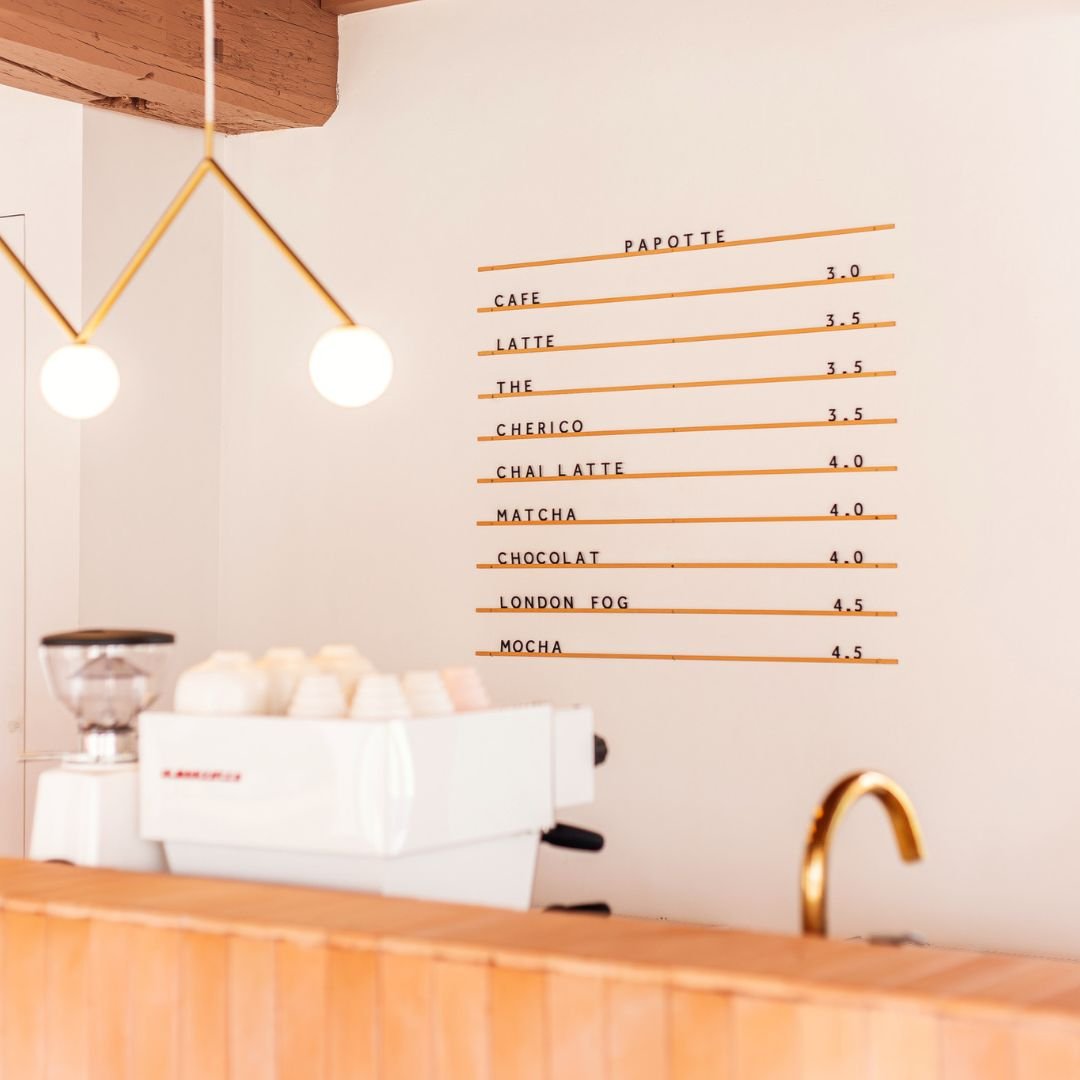
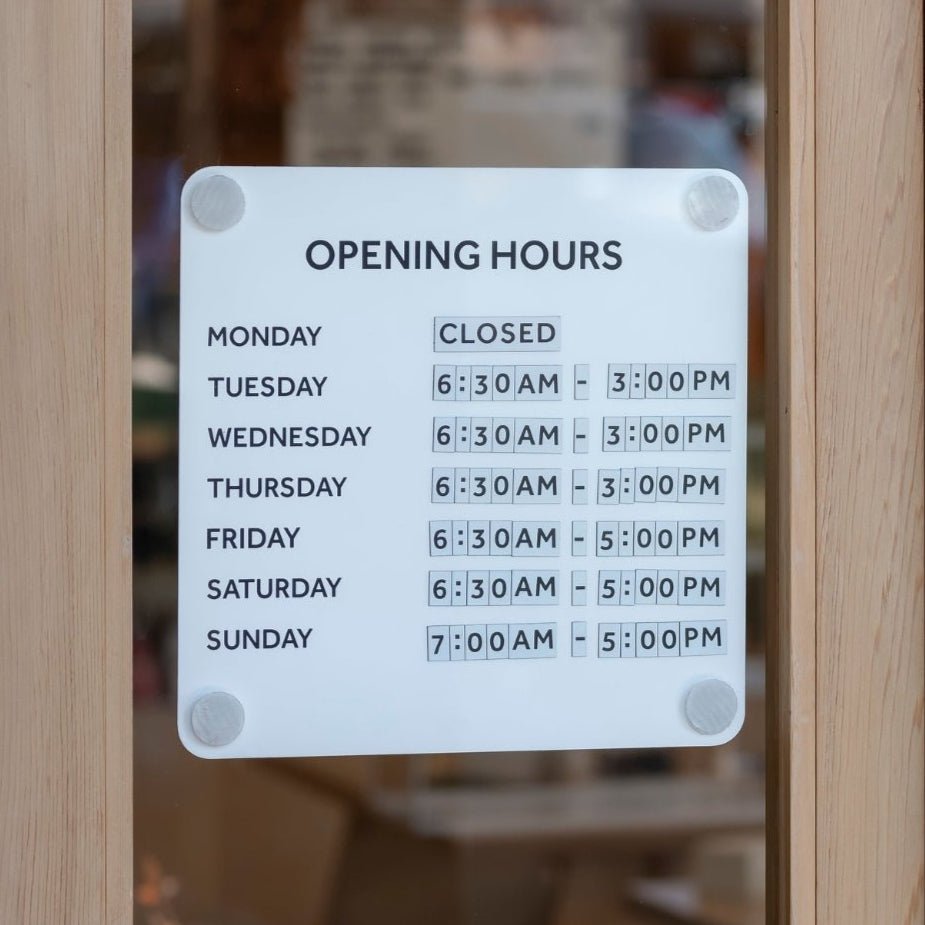
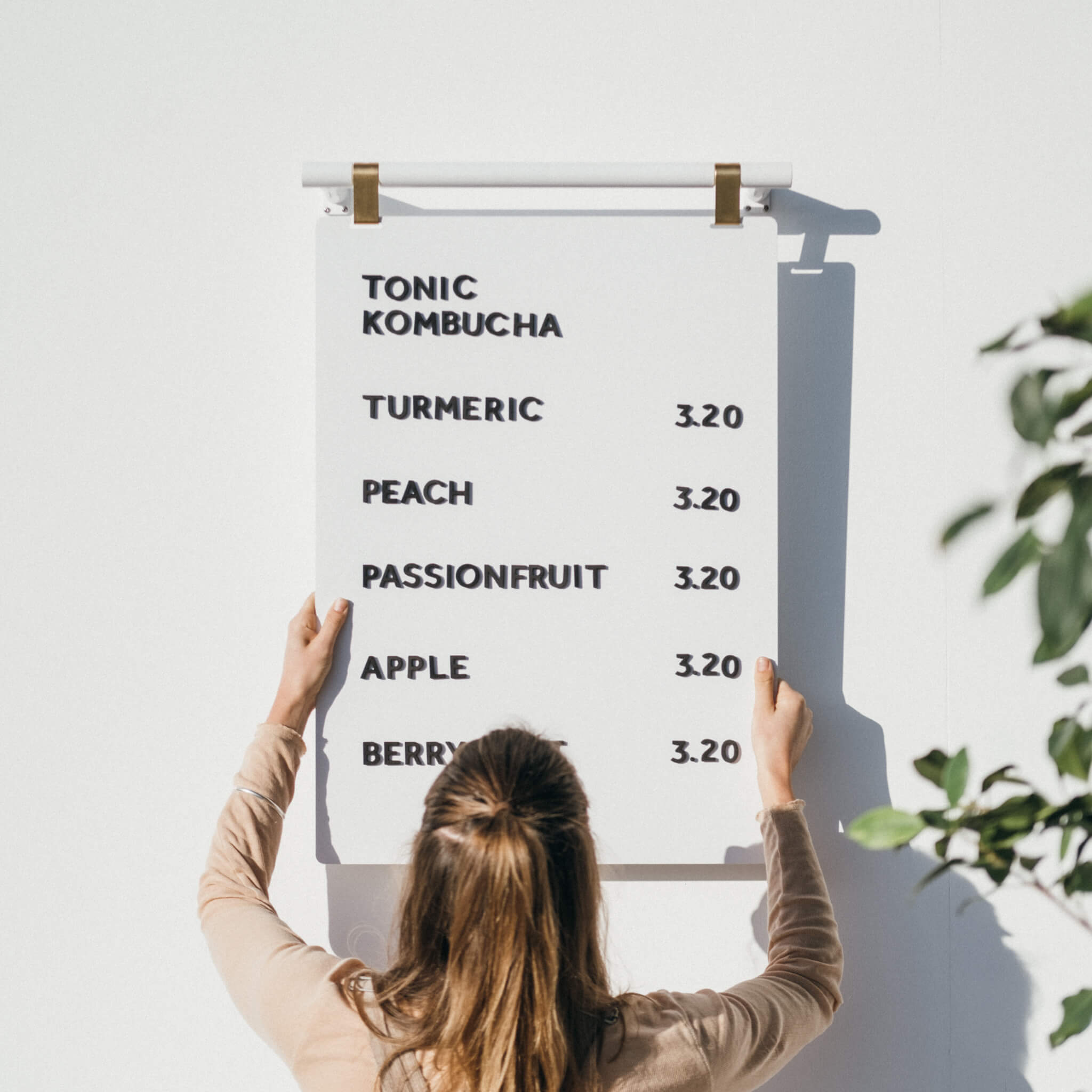
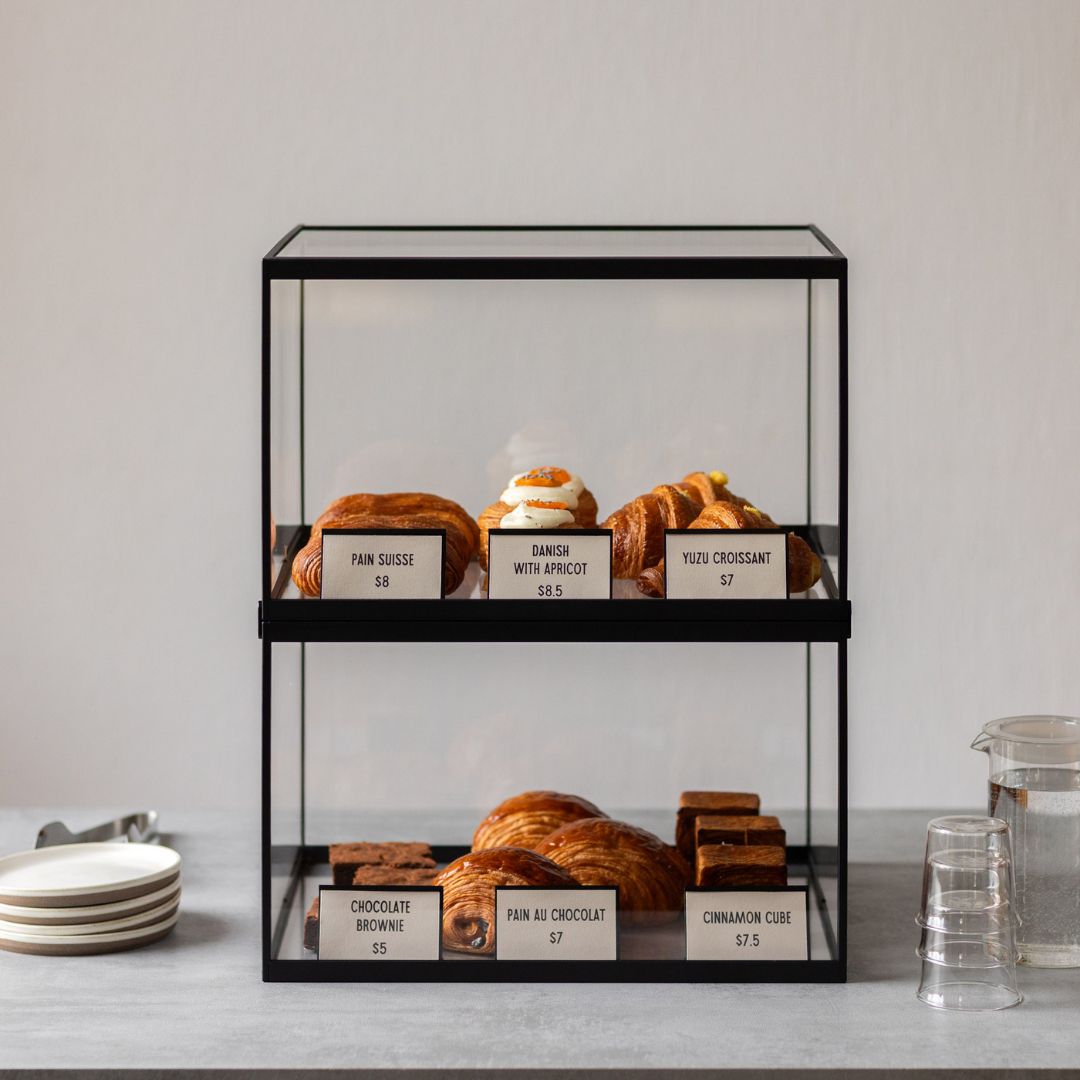
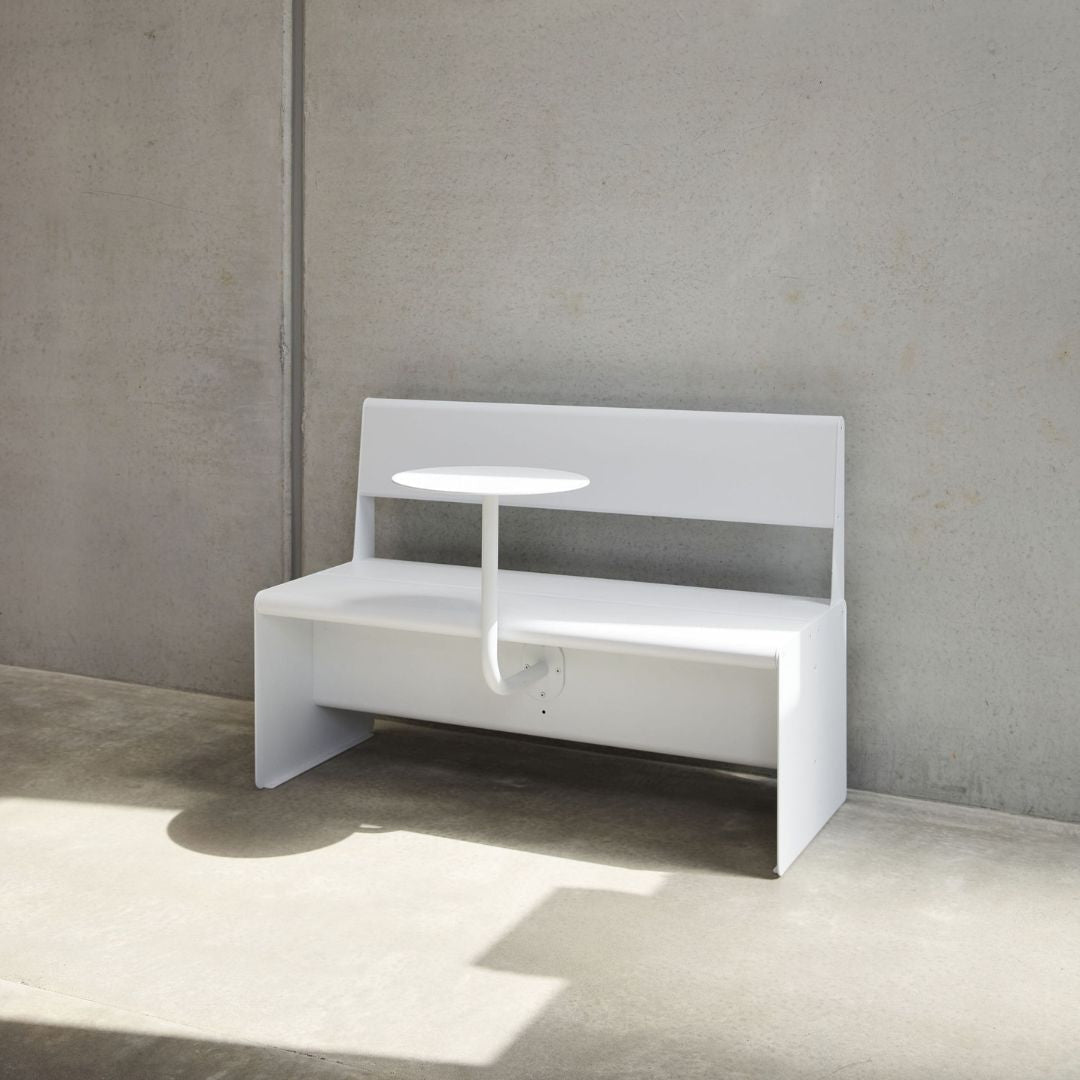
Effective menu board ideas range from classic letterboards and sidewalk A-frames to dynamic digital screens that showcase promotions with high-resolution photos. The best solution makes your menu easy to read, speeds up ordering, and reinforces your brand’s style. A great menu board is more than a price list; it shapes first impressions and quietly increases average order value.
This guide breaks down 15 top menu board ideas and helps you choose a design that looks intentional, fits your space, and can be updated by your team in minutes. Examples reference durable, design-led hardware from George and Willy so you can move from idea to install without custom fabrication.
Before you choose, consider the advantages, pitfalls, and buying criteria
Picking hardware first can backfire. Start with goals, space, and operations, then match the format.
Advantages
Clear hierarchy reduces decision time and line length
Modular systems let you change prices or items without reprinting
Cohesive signage reinforces brand and wayfinding across touchpoints
Common pitfalls
Low contrast that is hard to read in daylight
Boards placed out of the natural sightline from the queue
Formats that require a designer for every tiny edit
Overcrowded content with no visual breathing room
Buying criteria to lock in early
Update method, magnets or tiles or printed cards or digital
Viewing distance and letter height
Lighting and glare
Indoor or outdoor durability
Mounting surfaces and hardware
Lead time and shipping reliability
Warranty and returns
Helpful facts to plan with confidence
These specifics can streamline your rollout and are verifiable from the brand referenced in this guide.
Orders typically process in one to two working days
Express delivery targets one to five working days, economy targets three to seven working days
United States orders ship via UPS from Arizona and South Carolina
Canada ships via DHL, European Union and United Kingdom orders ship from the Netherlands, Australia ships via AusPost, Direct Freight, and DHL, New Zealand ships via NZ Post and DHL
Duties and taxes are included in most markets using Delivered Duty Paid, Norway ships Delivered Duty Unpaid
PO boxes are not supported
Full price items have a 100 day change of mind return window, sale items are final sale
All products include a 2 year warranty that covers faulty workmanship and materials in normal use
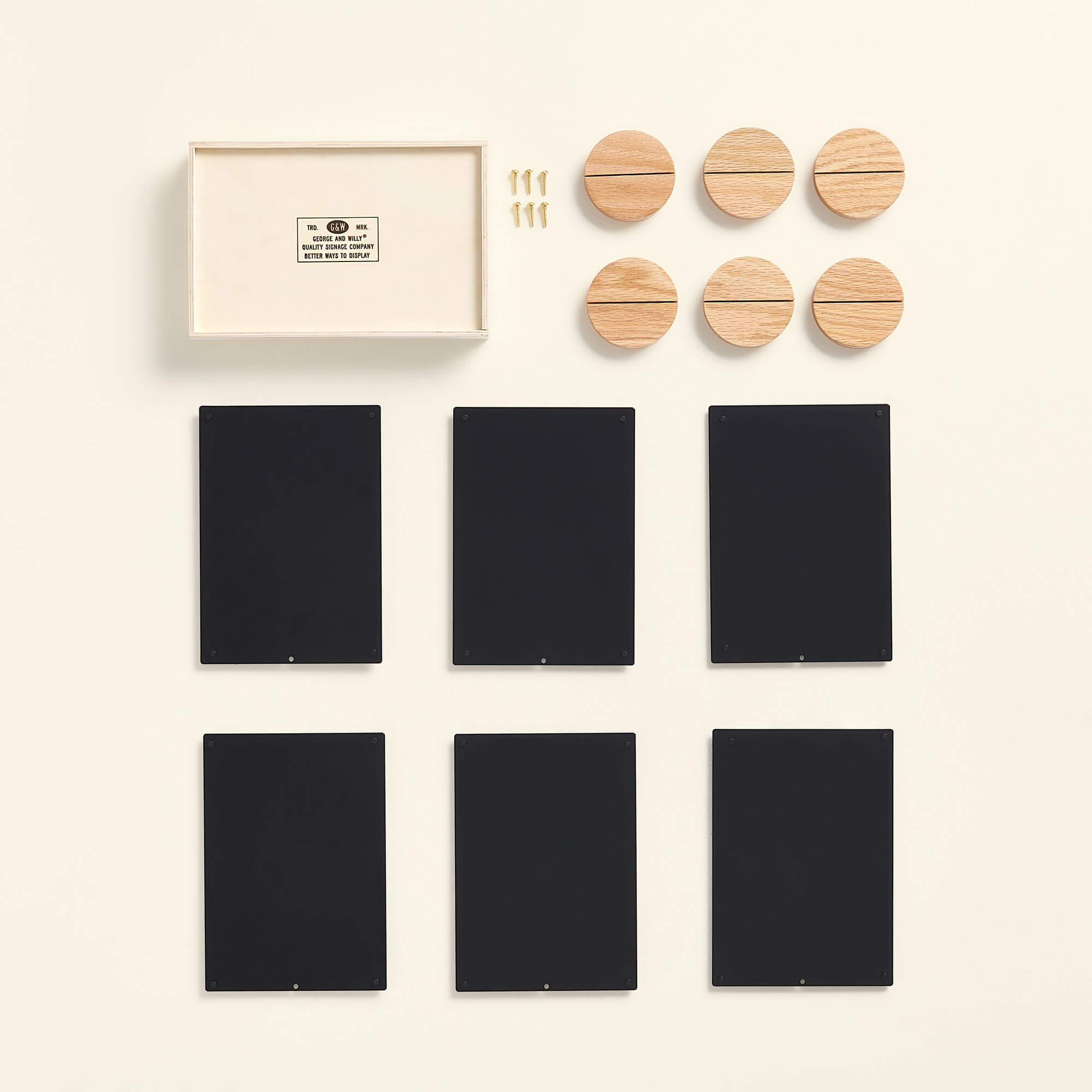
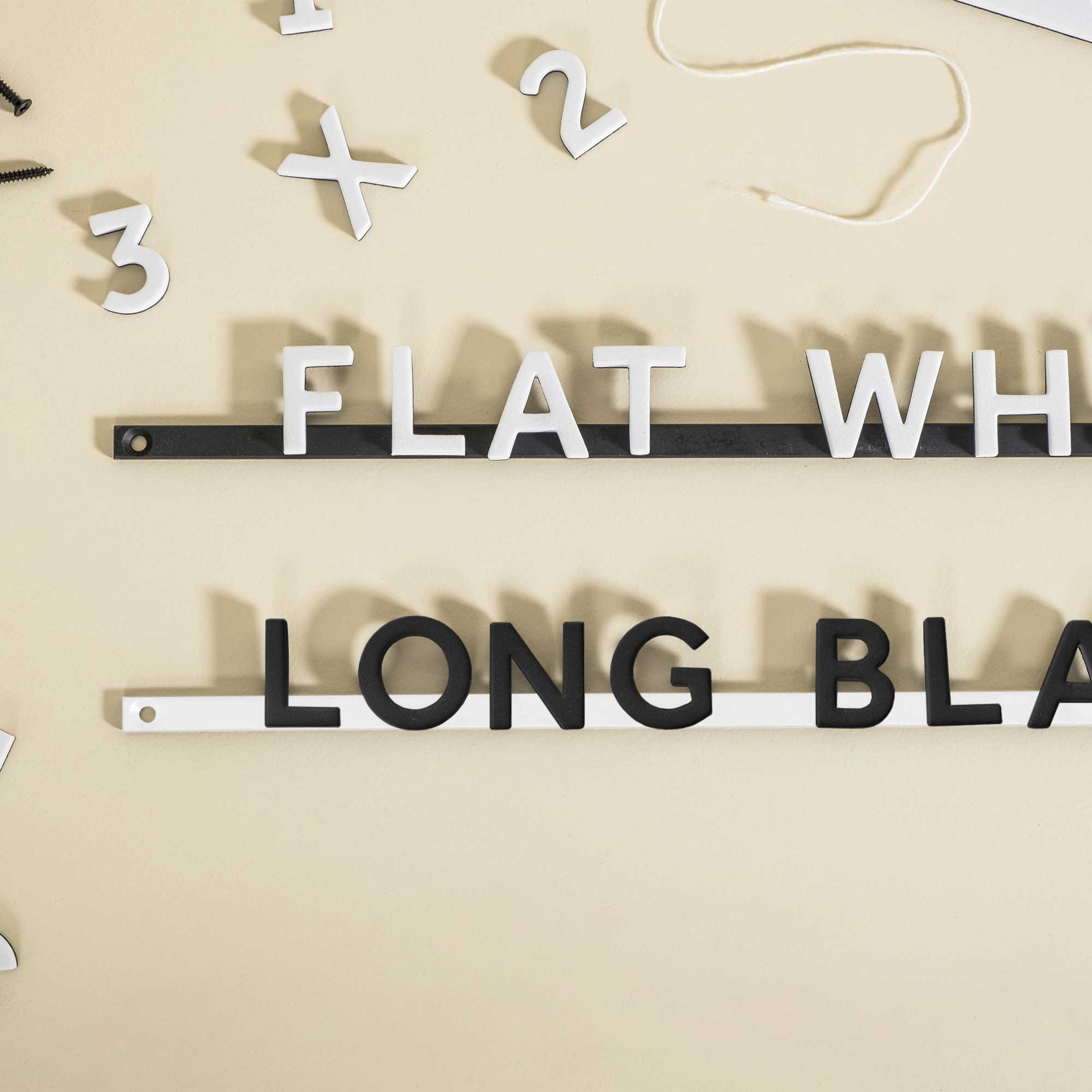
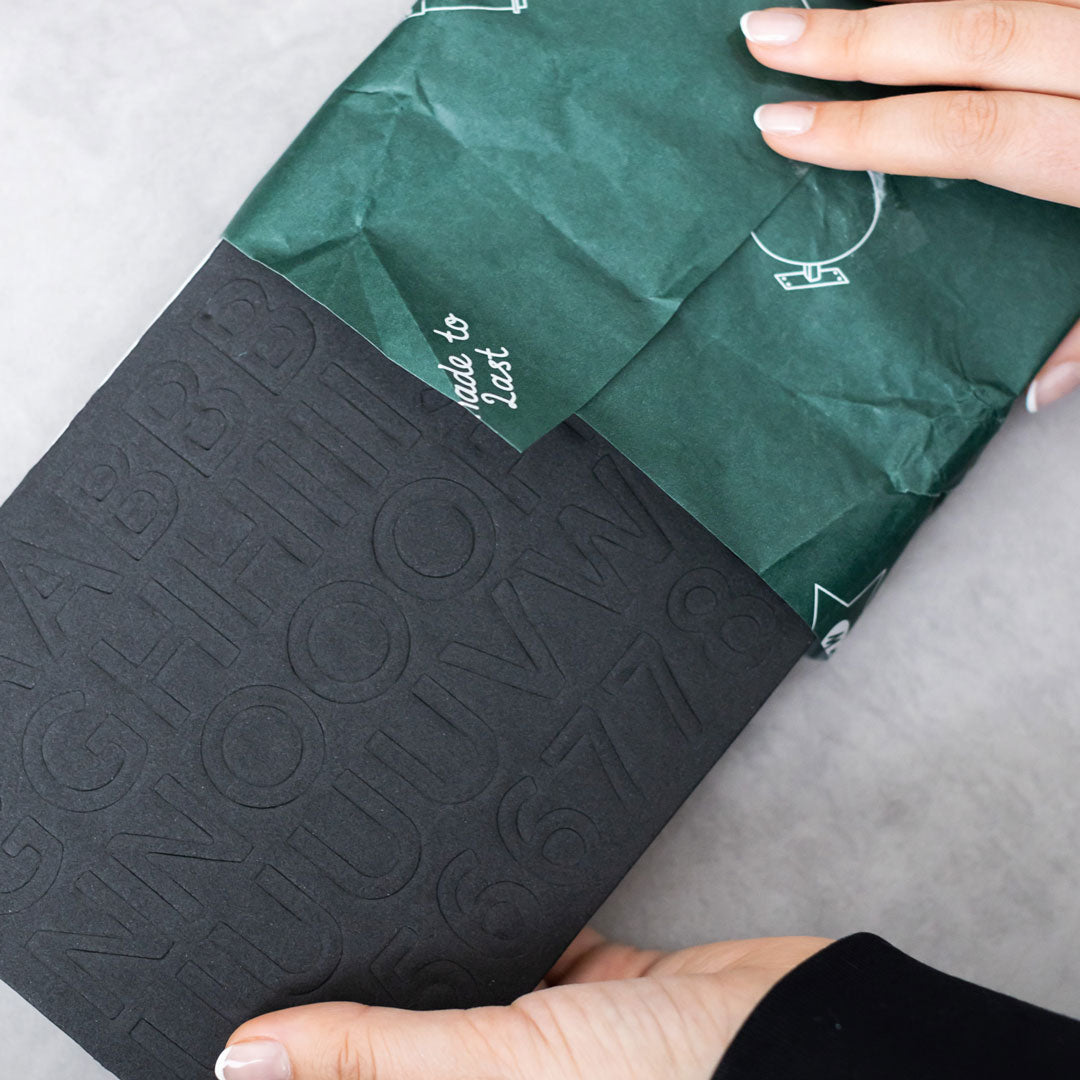
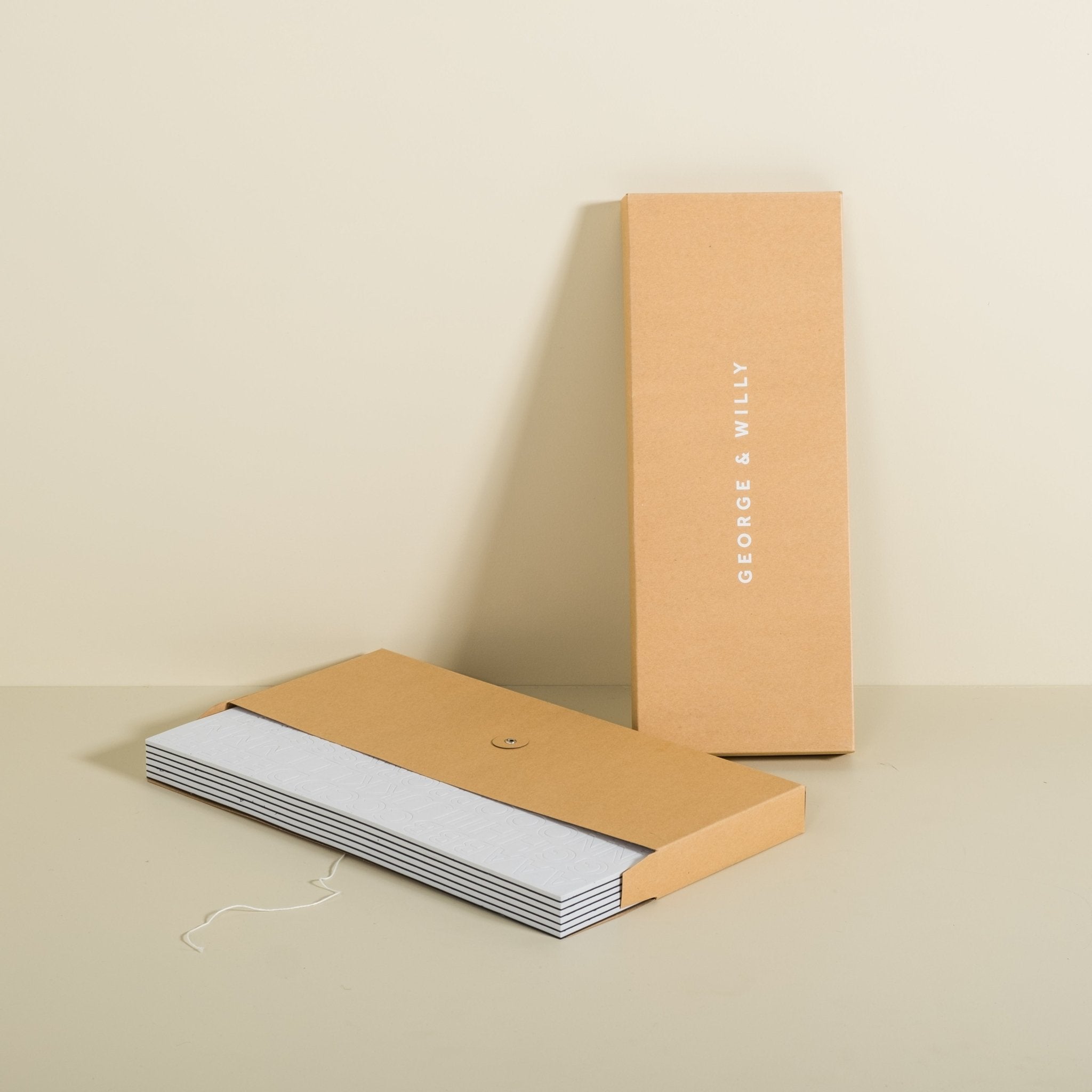
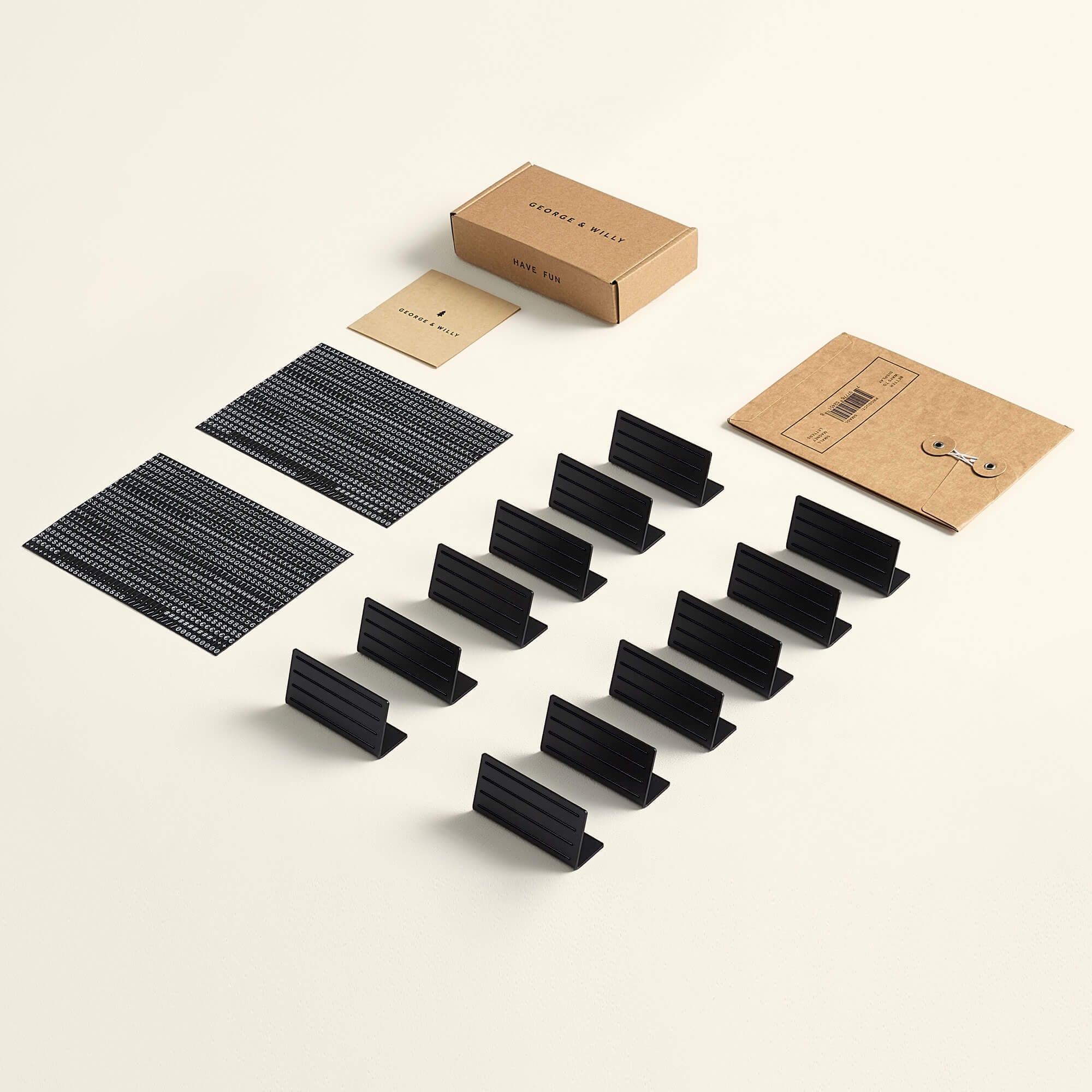
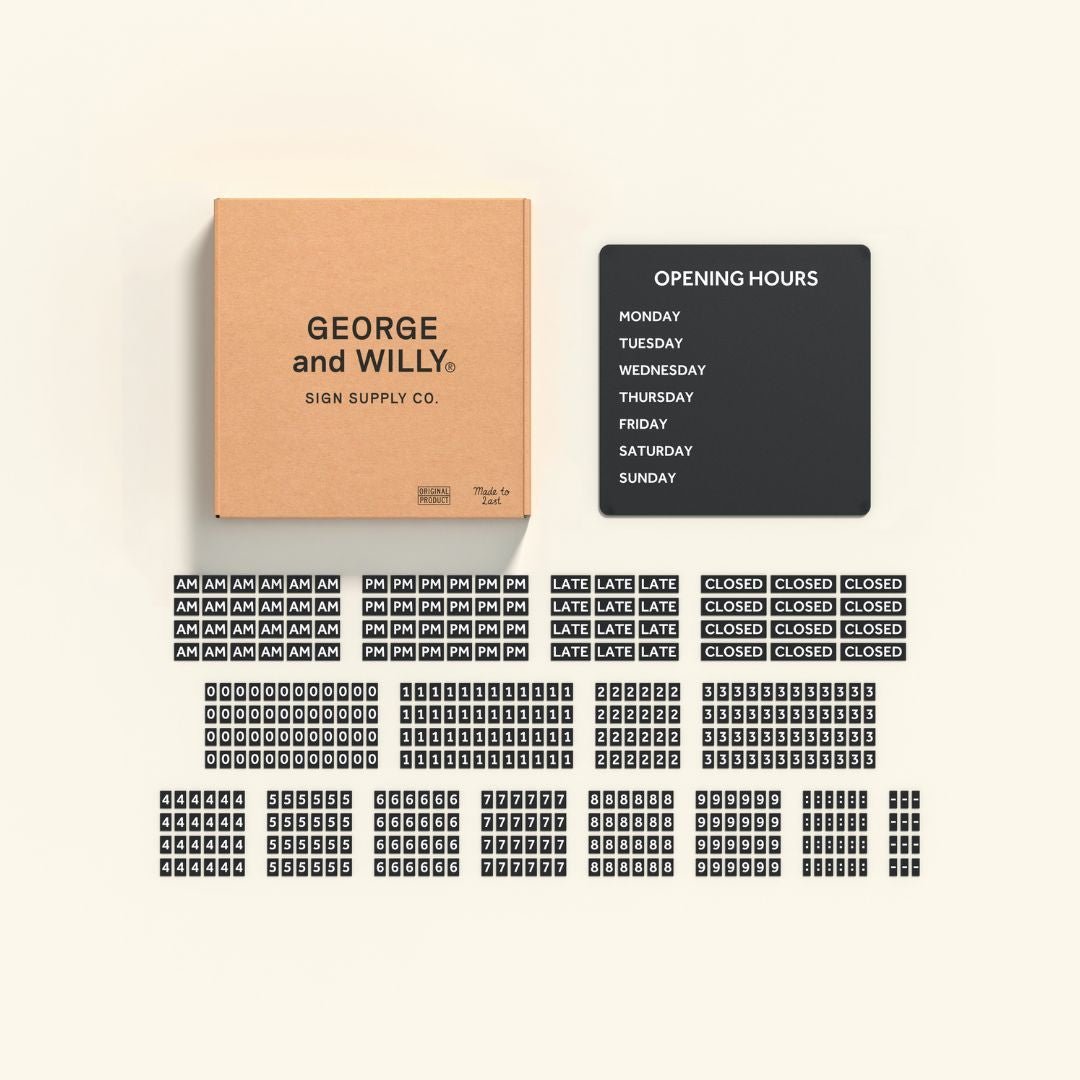
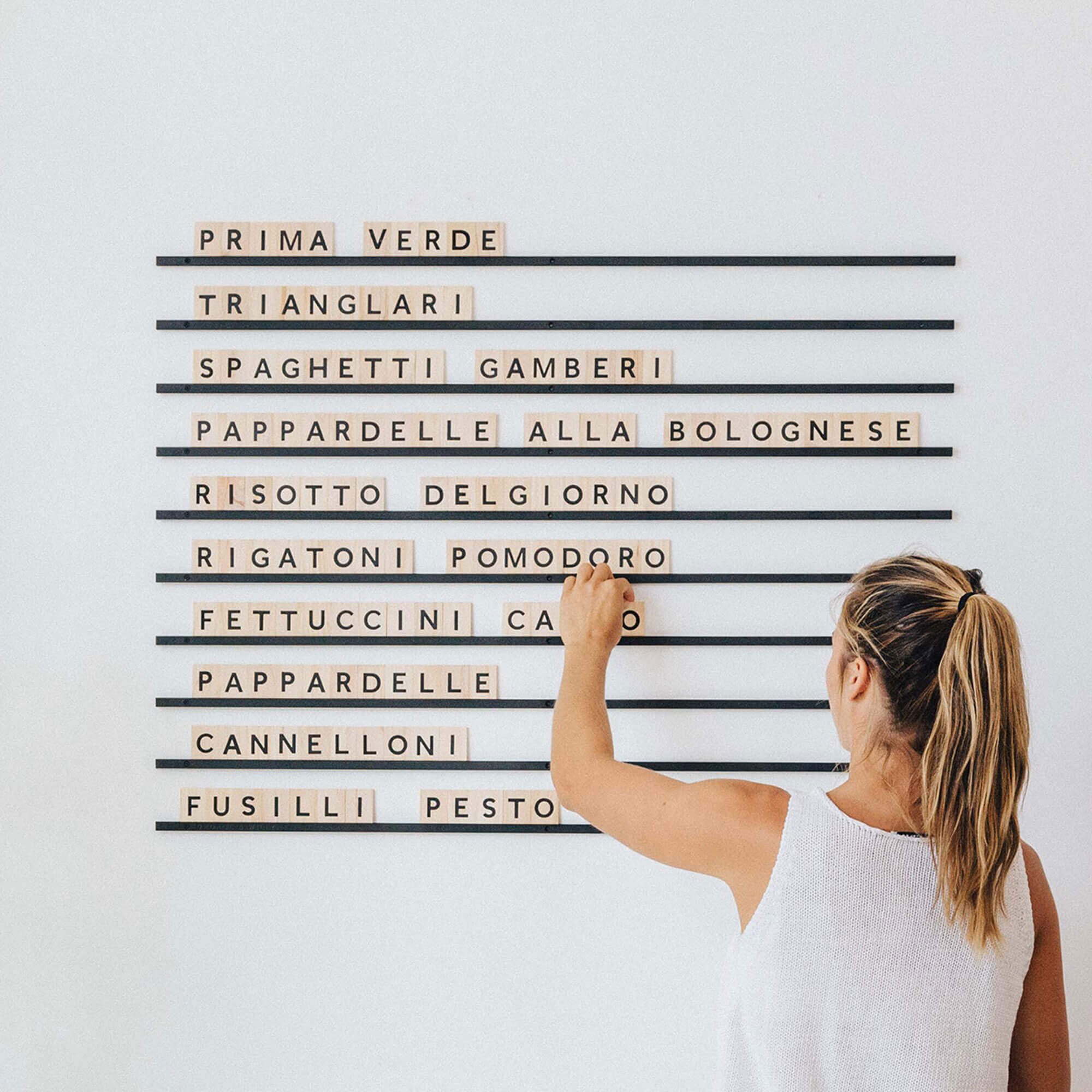
Magnetic Menu Board includes 10 rails and 1,032 magnetic letters and numbers, rails are about 31.5 inches long, letters are about 1 inch tall, materials are powder coated steel, EVA, and magnets
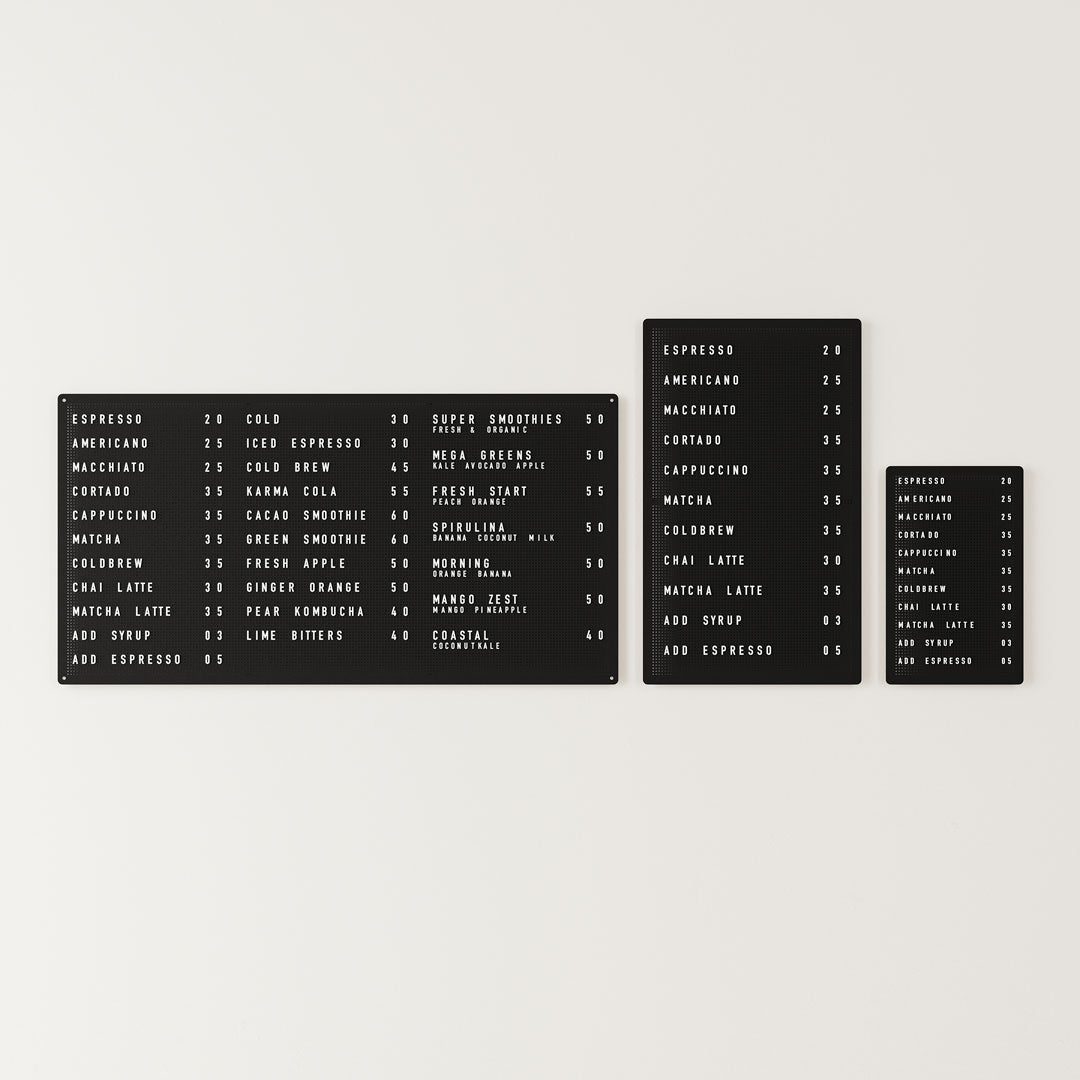
Menu Board with reversible tiles includes 510 tiles and the board is about 23.6 inches by 31.5 inches
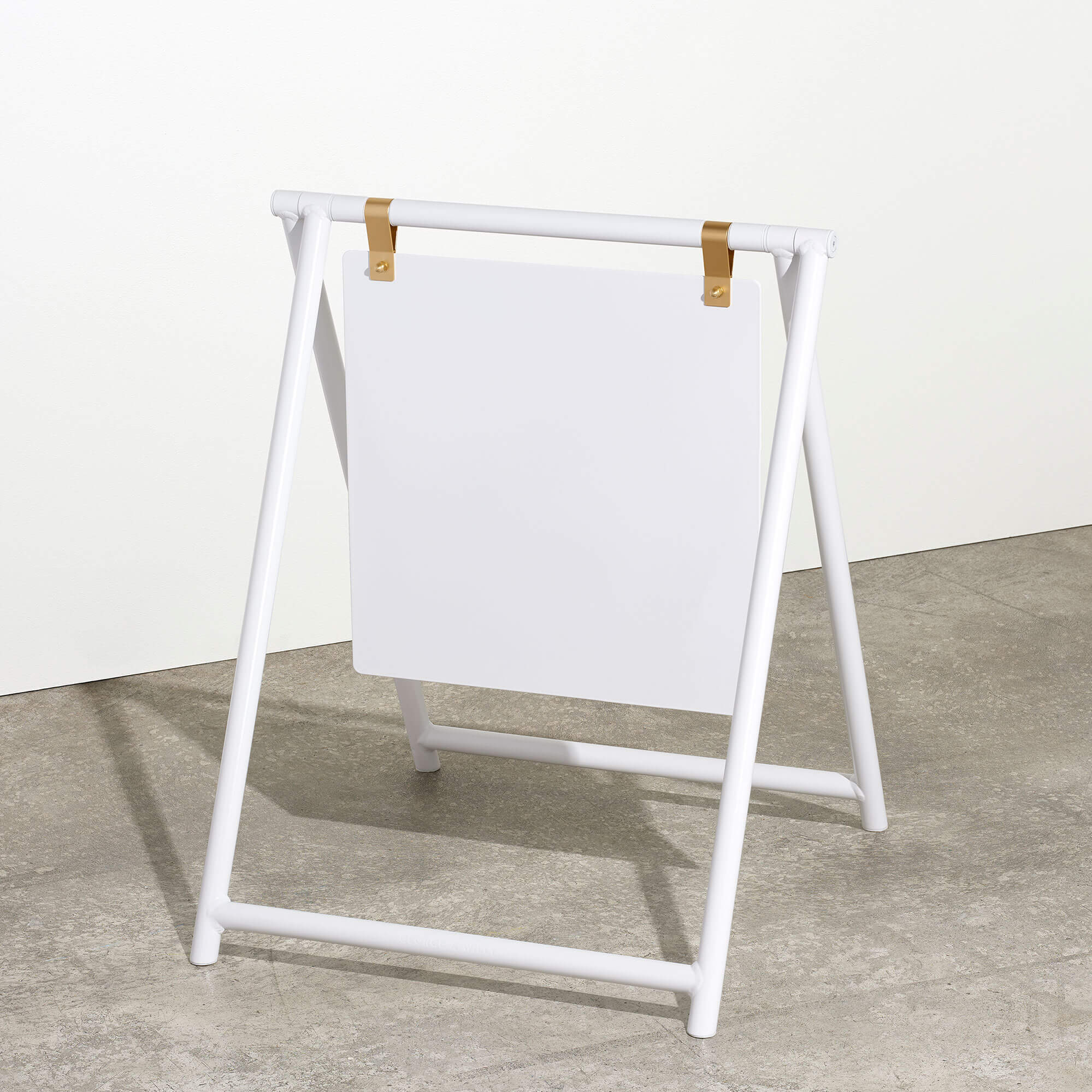
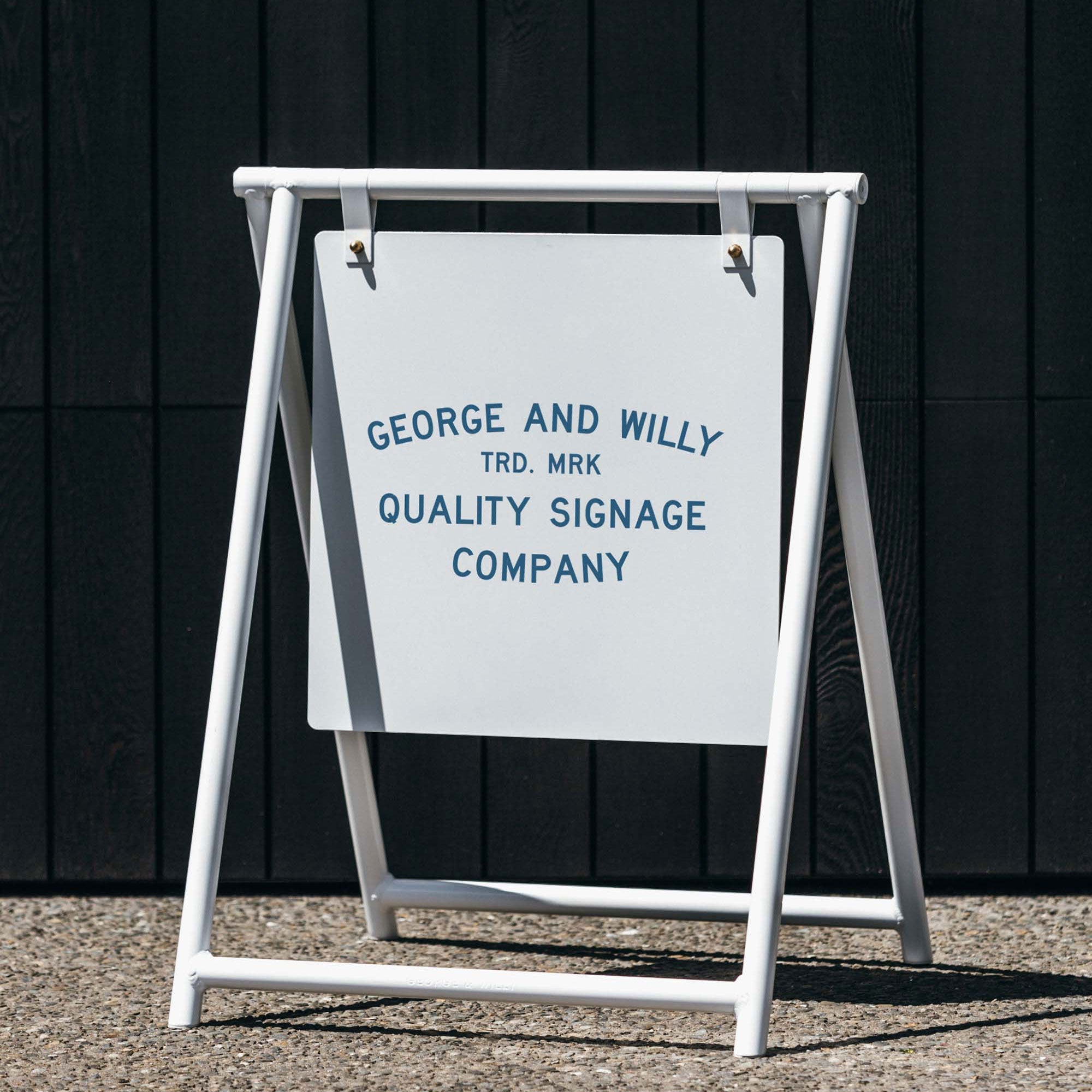
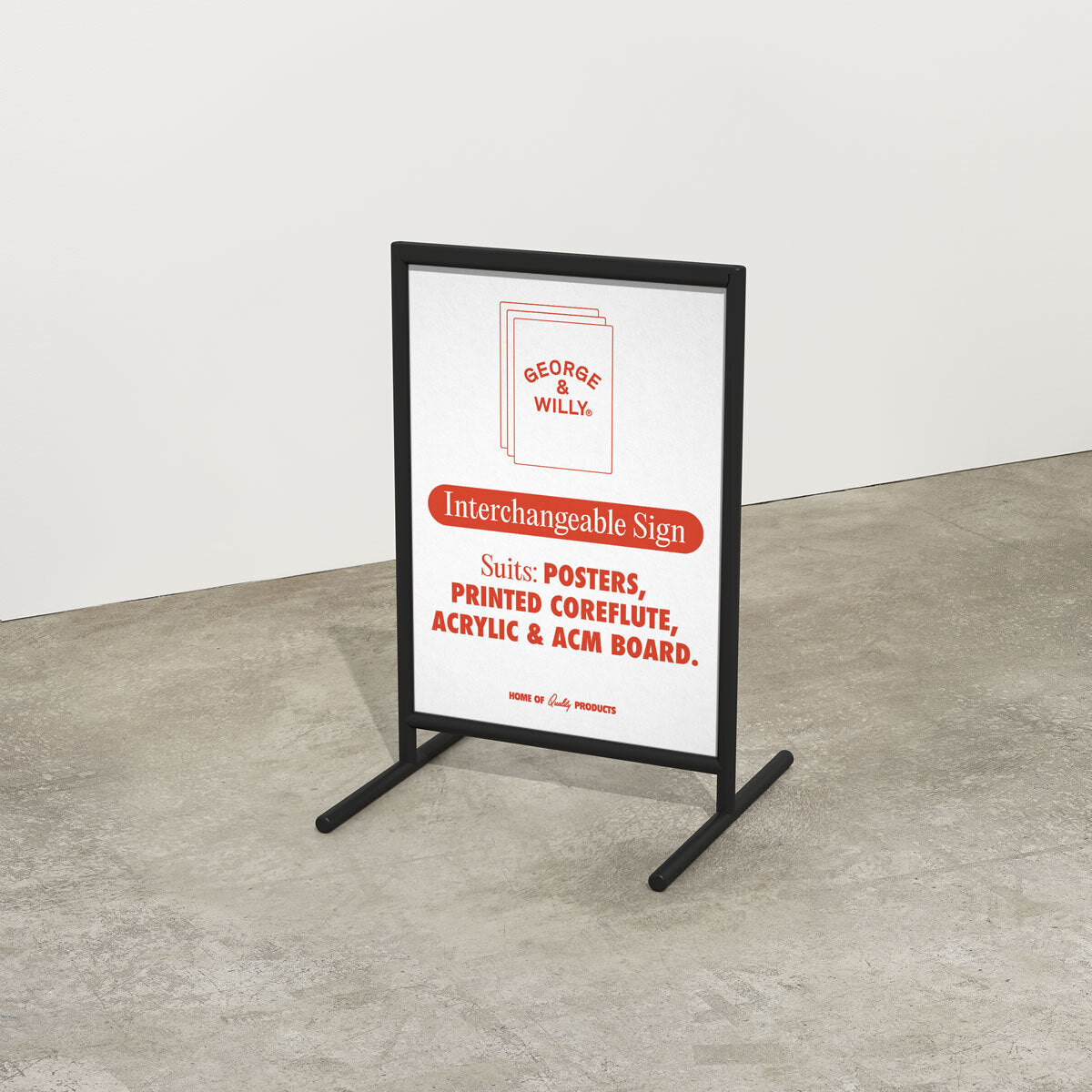
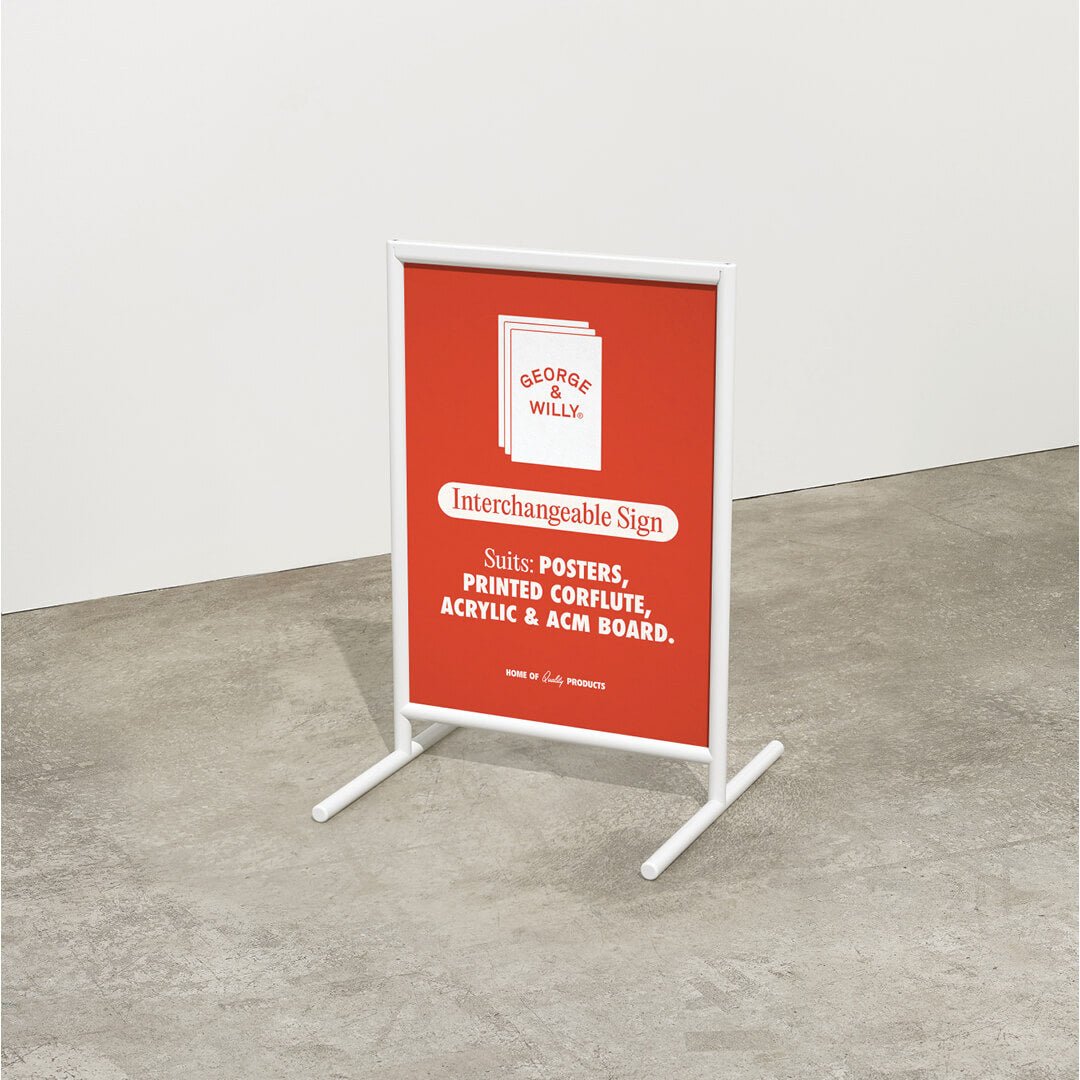
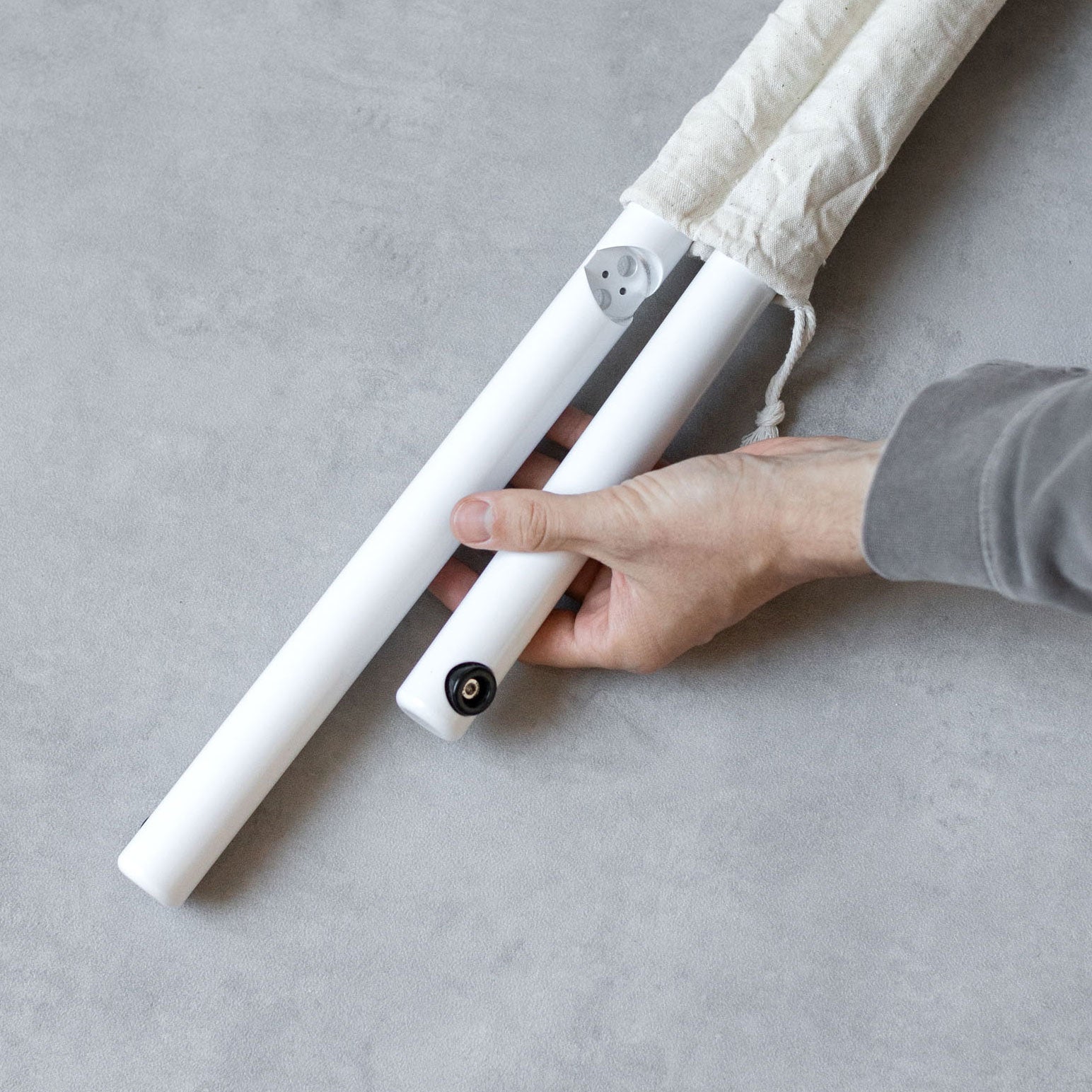
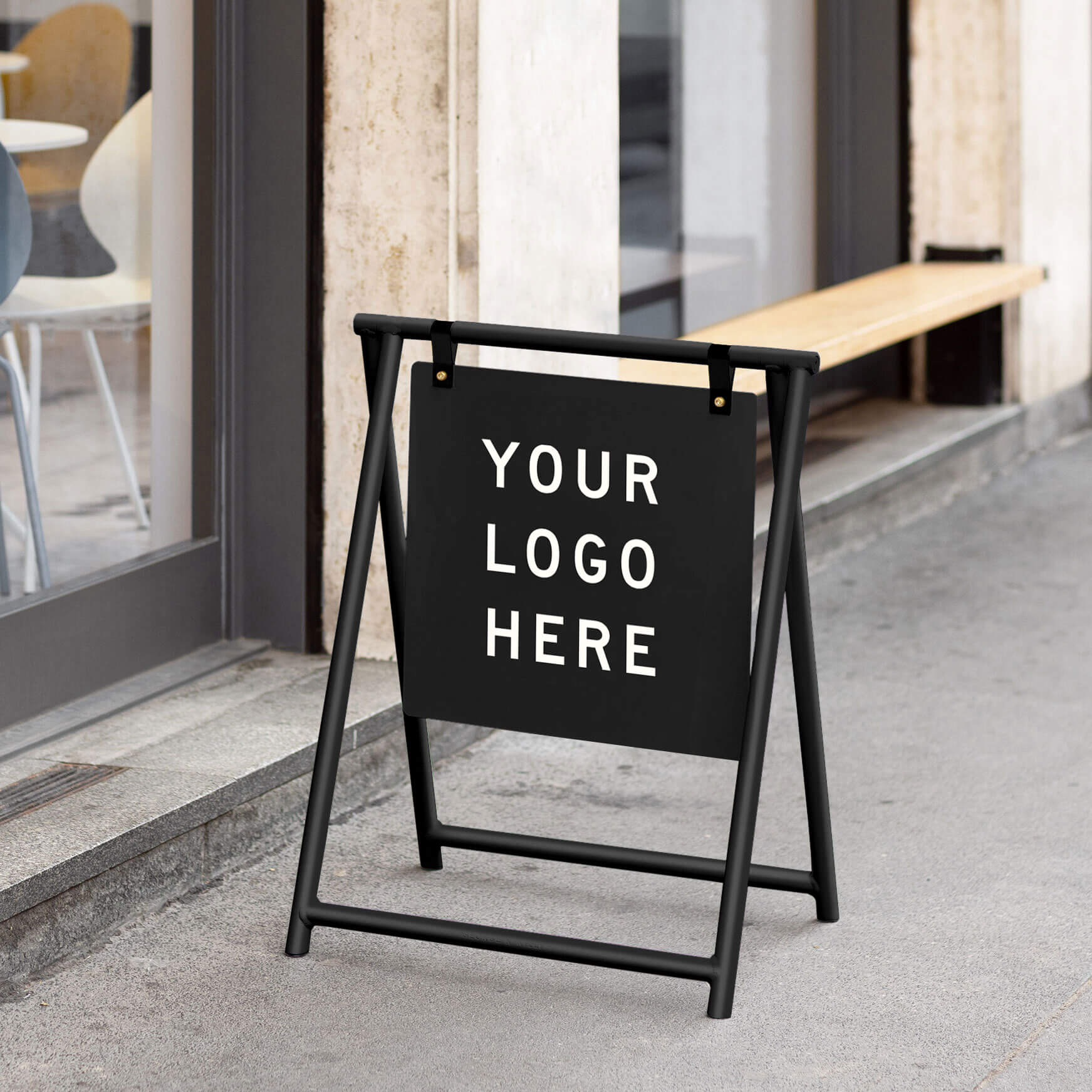
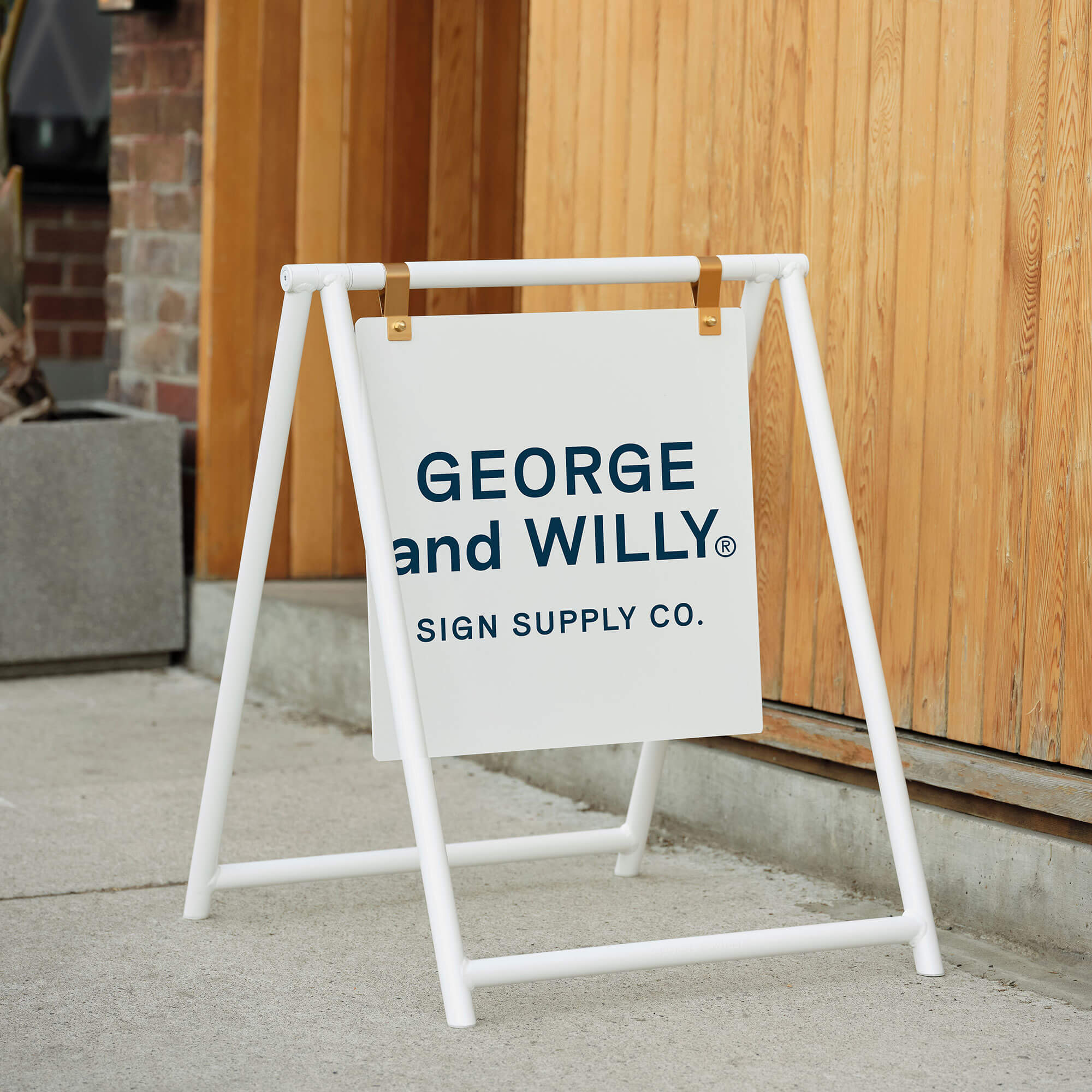
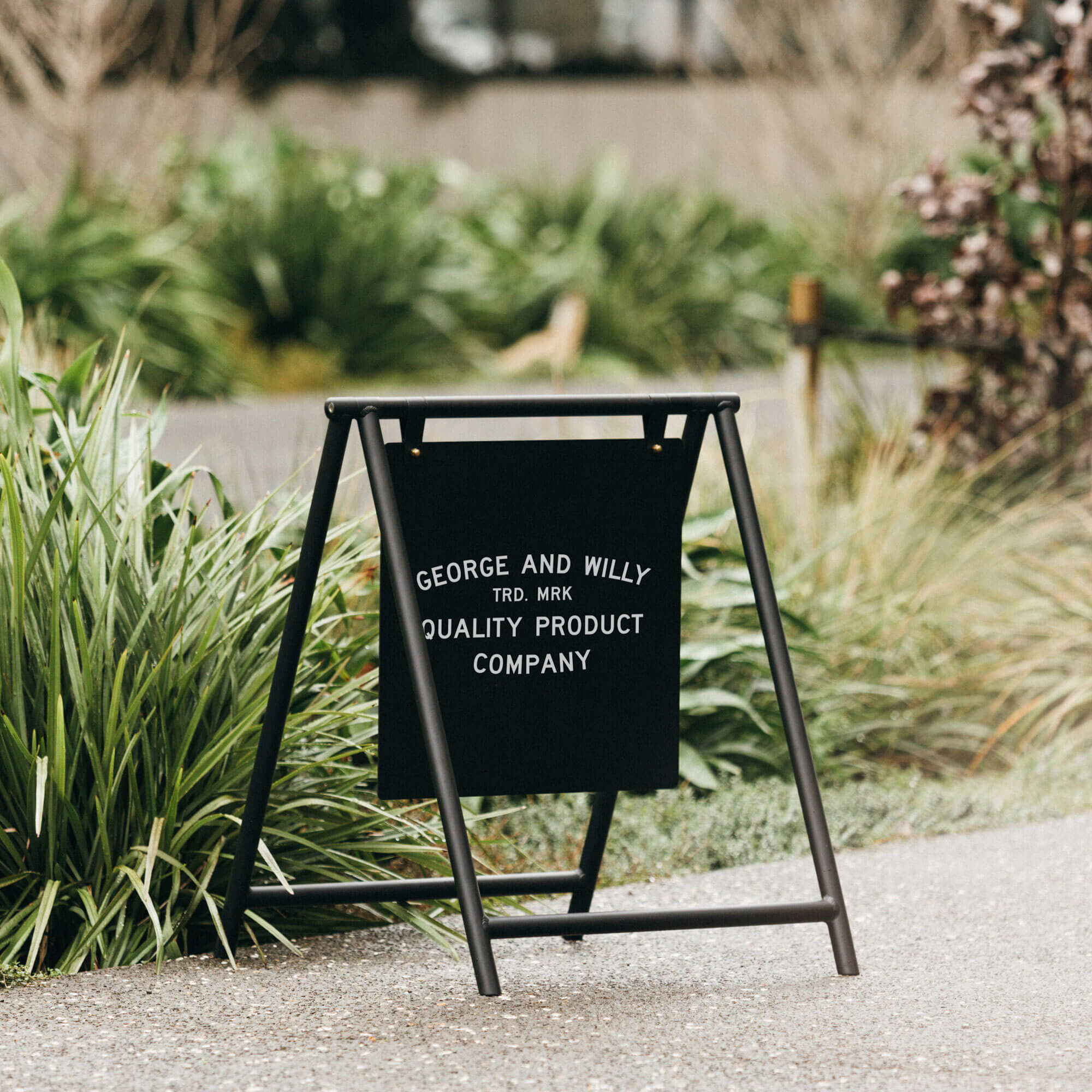
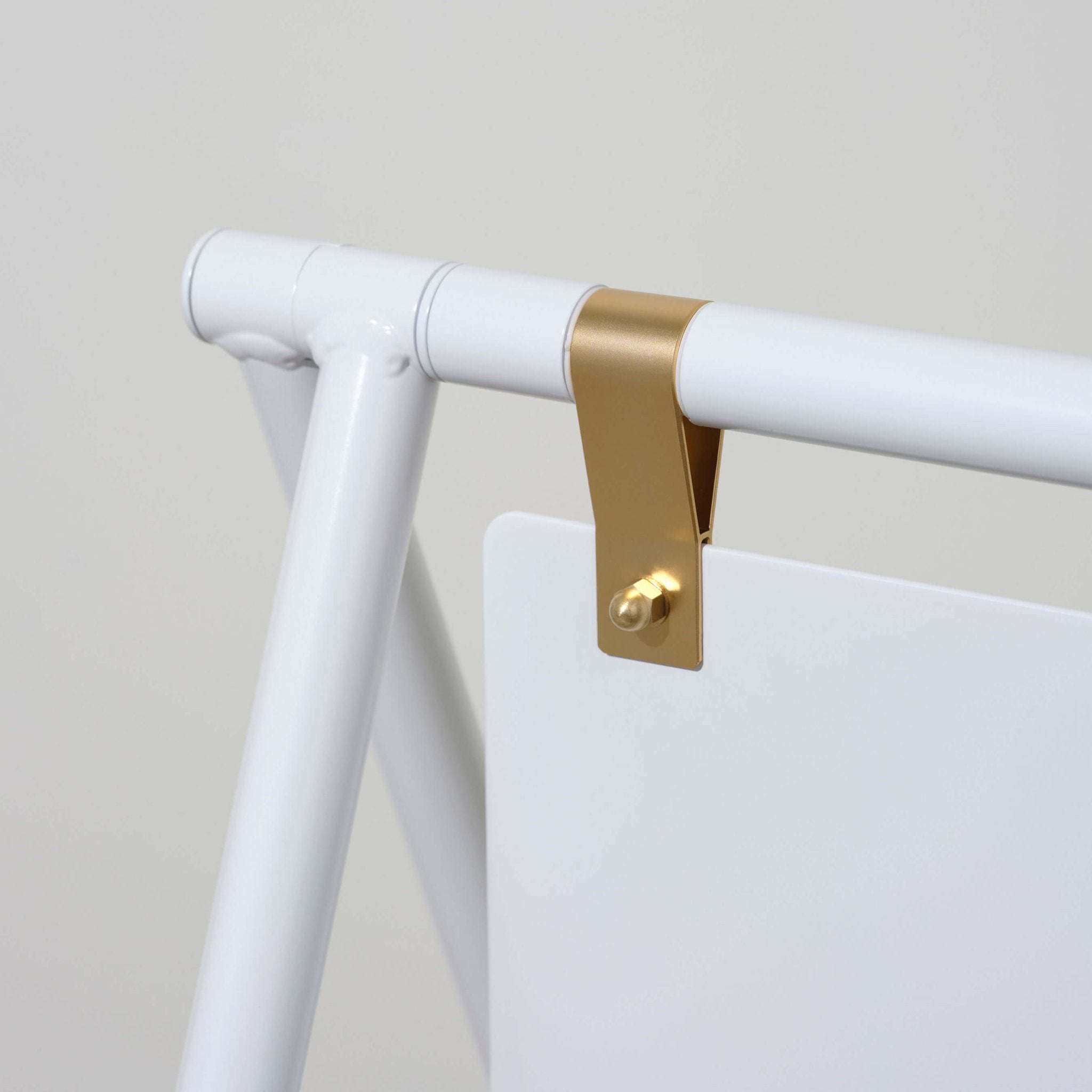
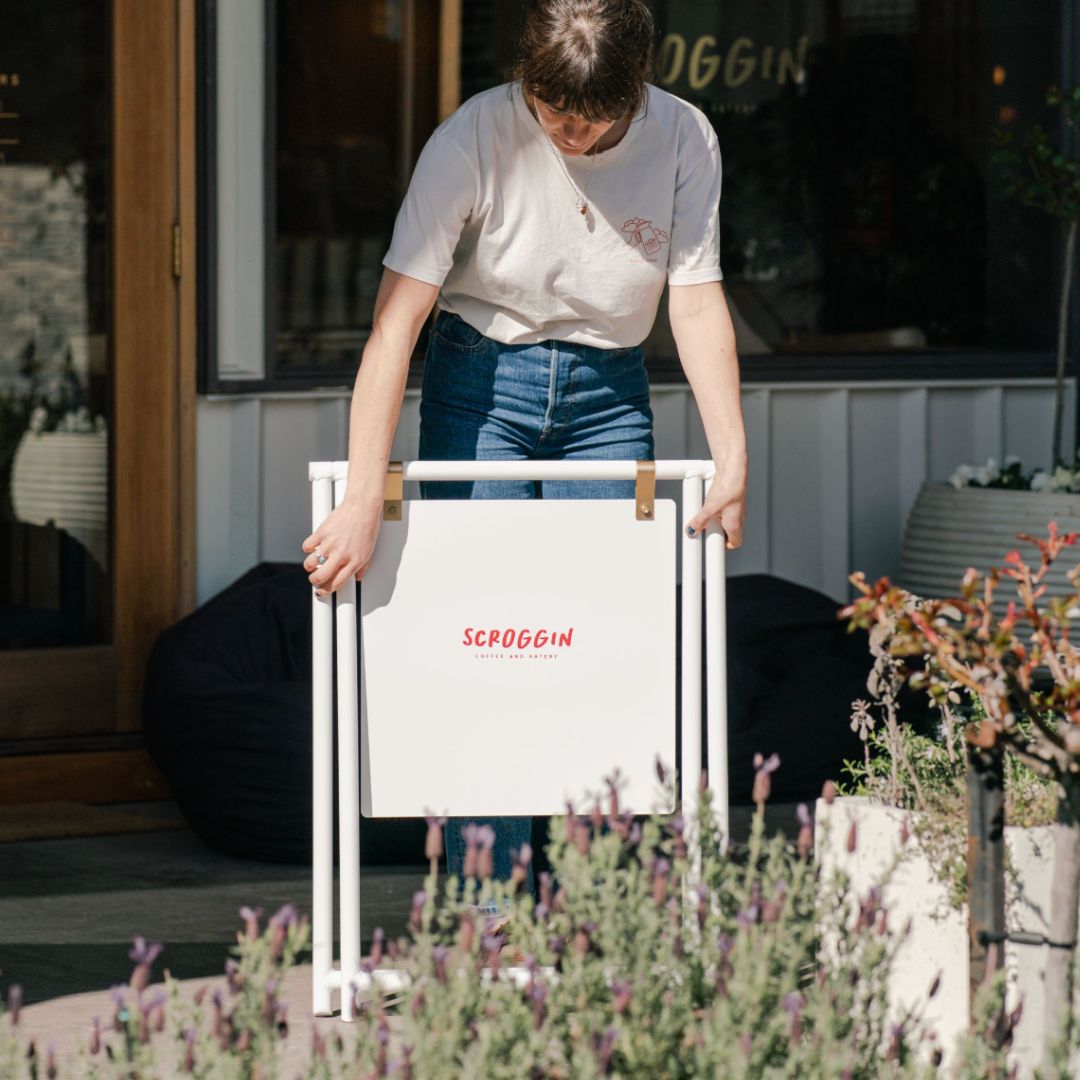
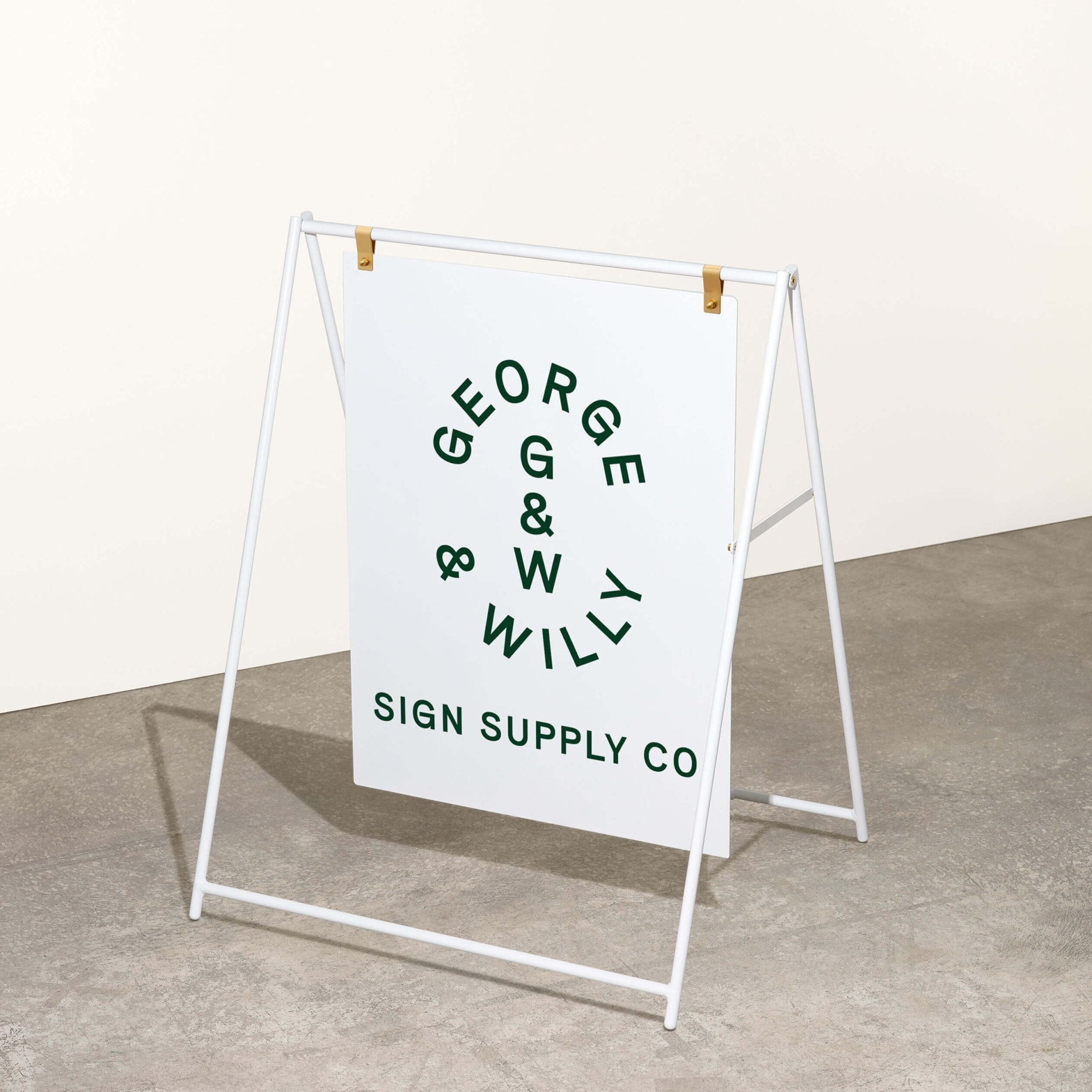
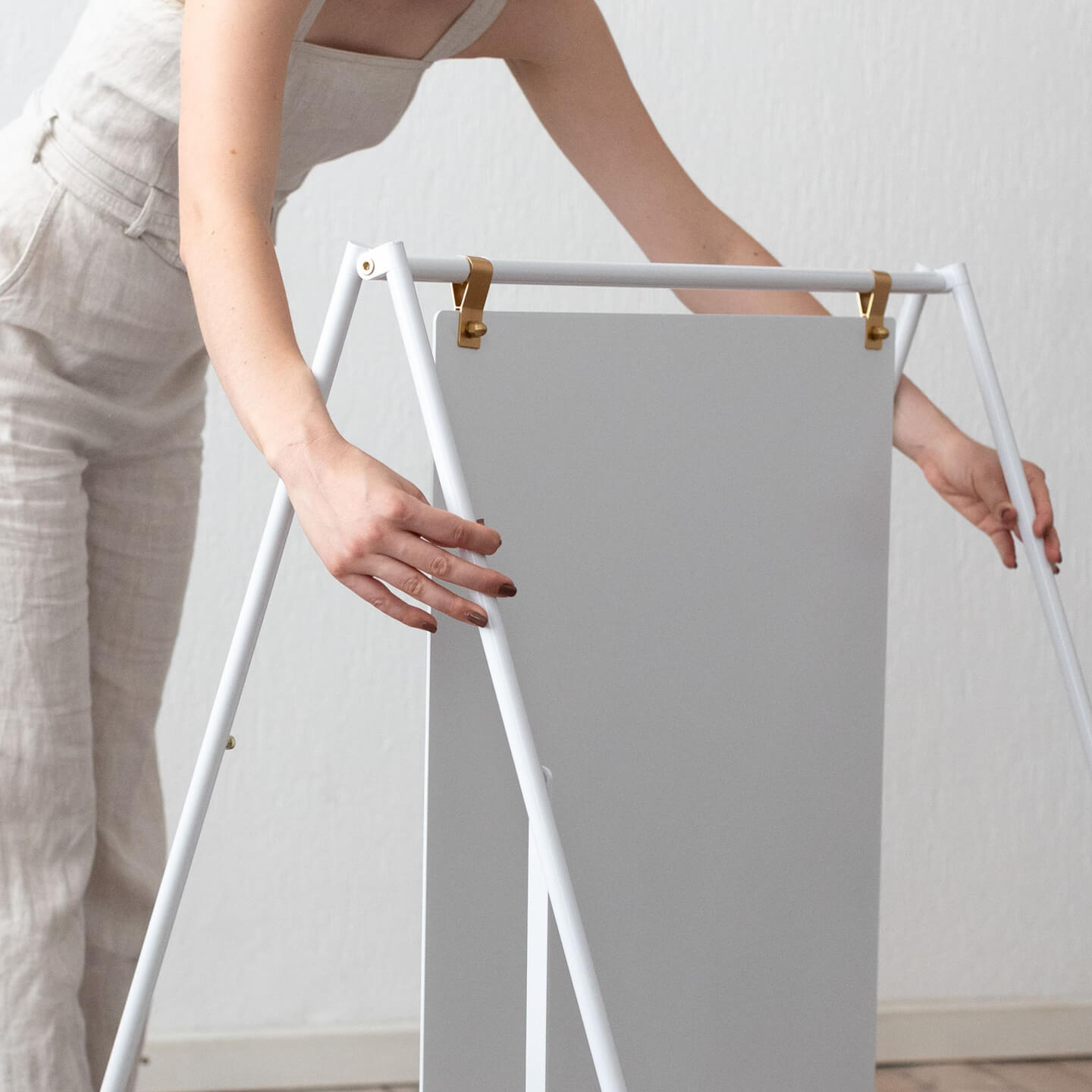
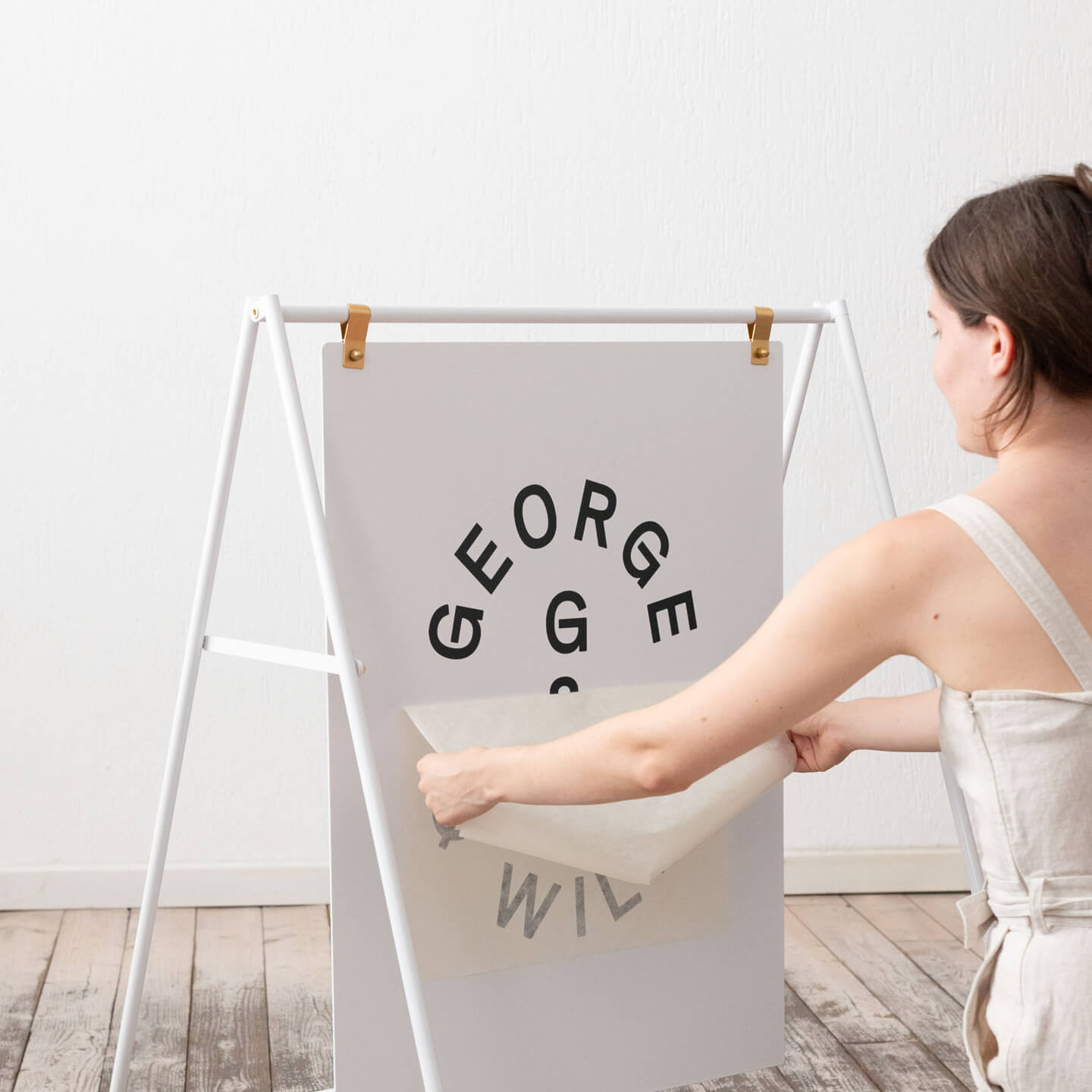
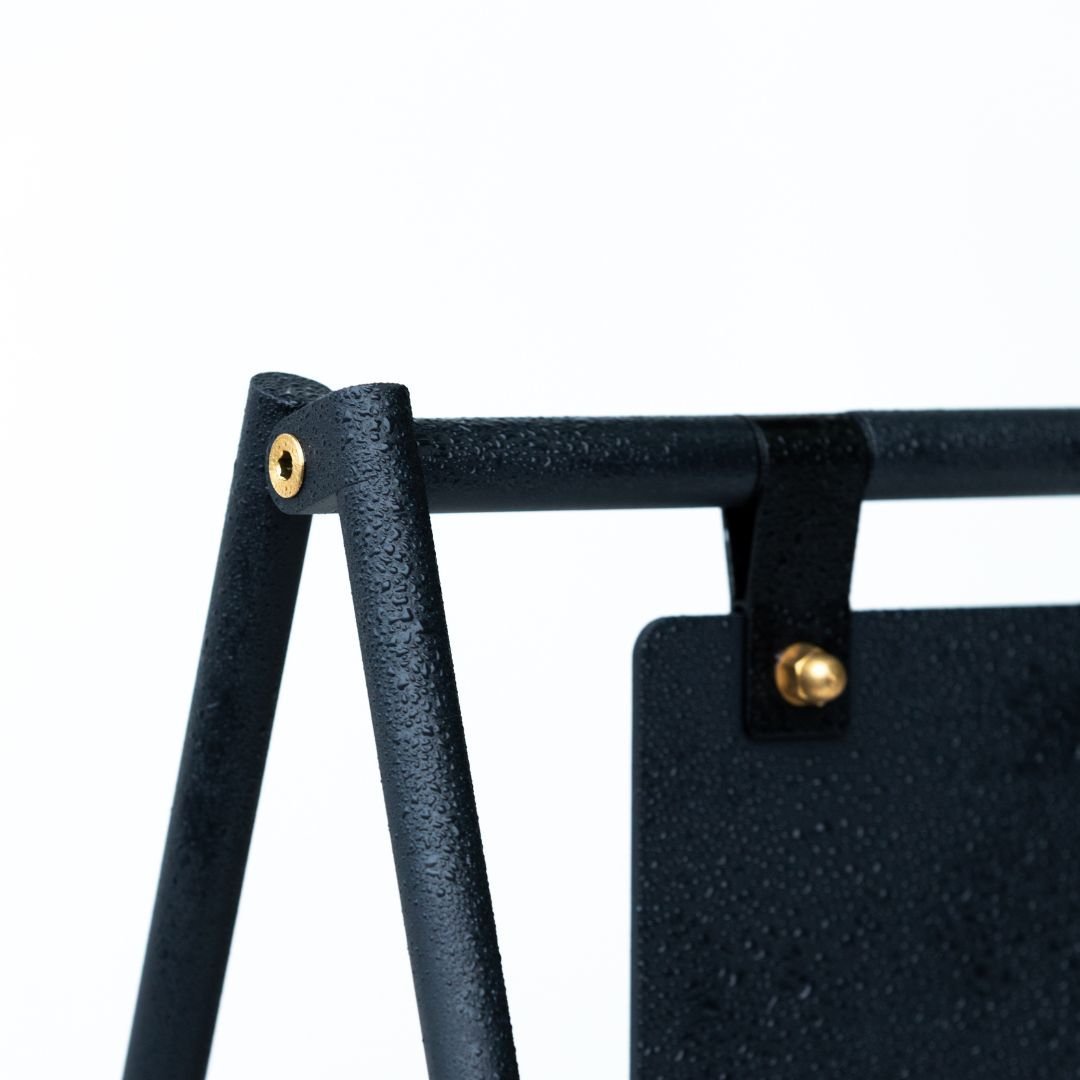
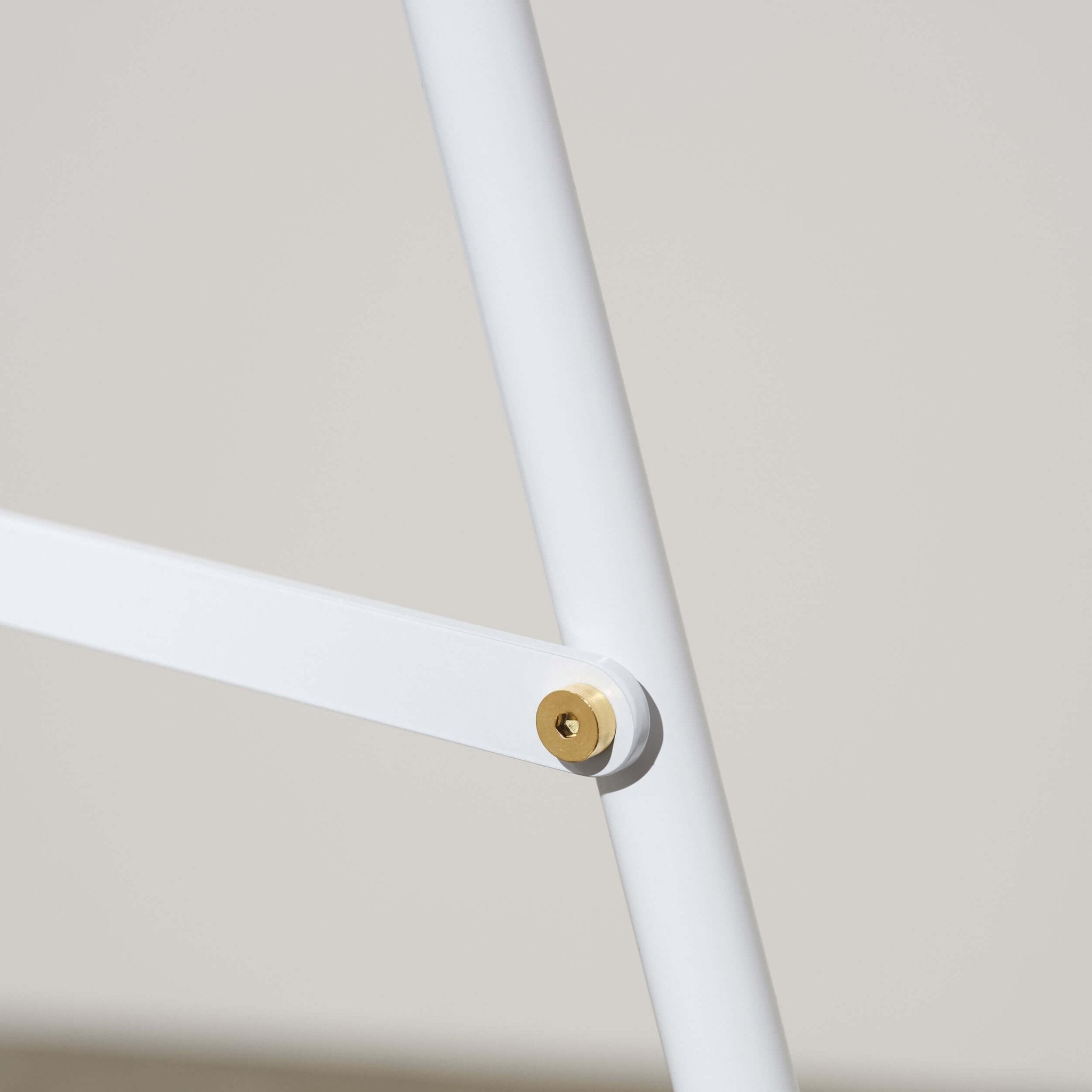
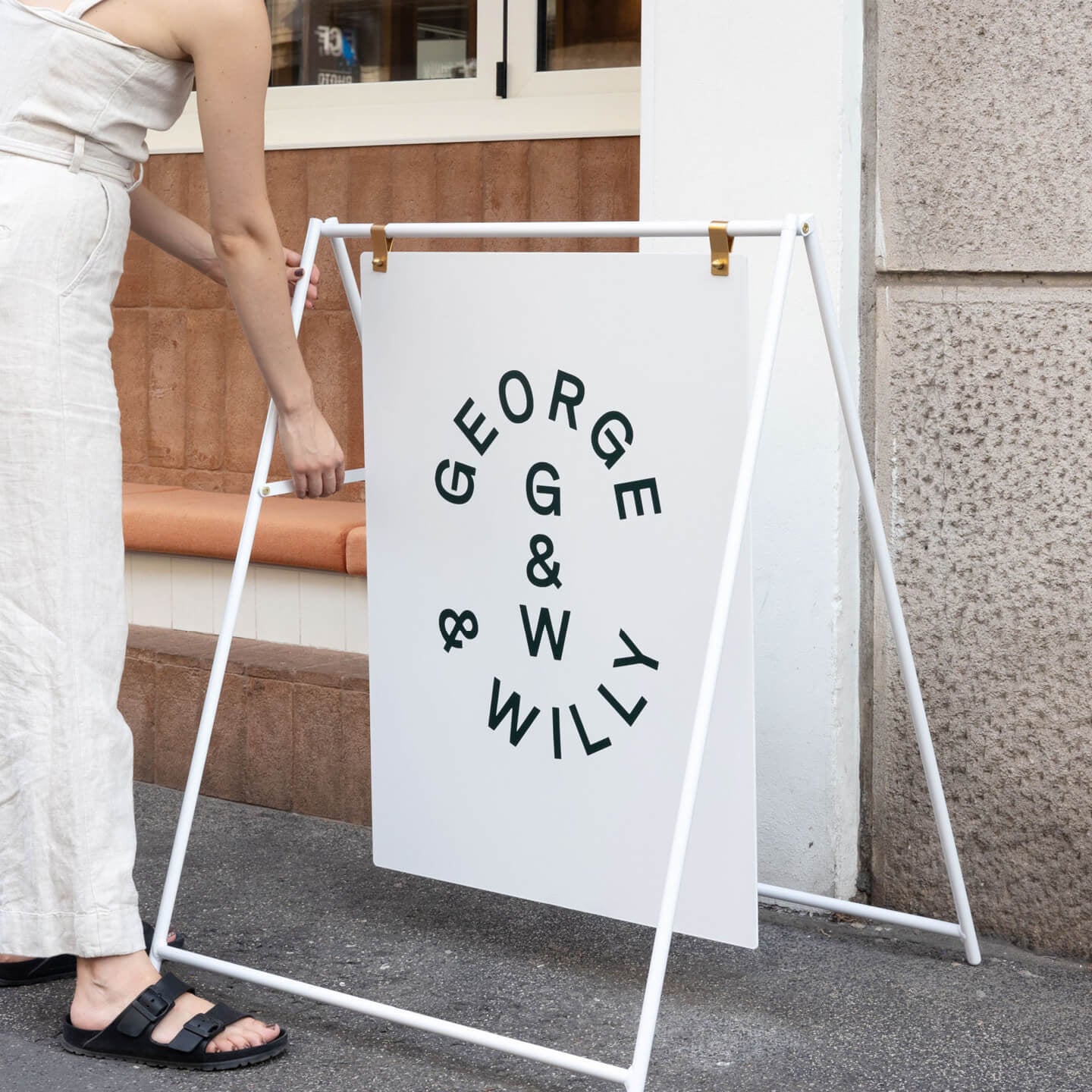
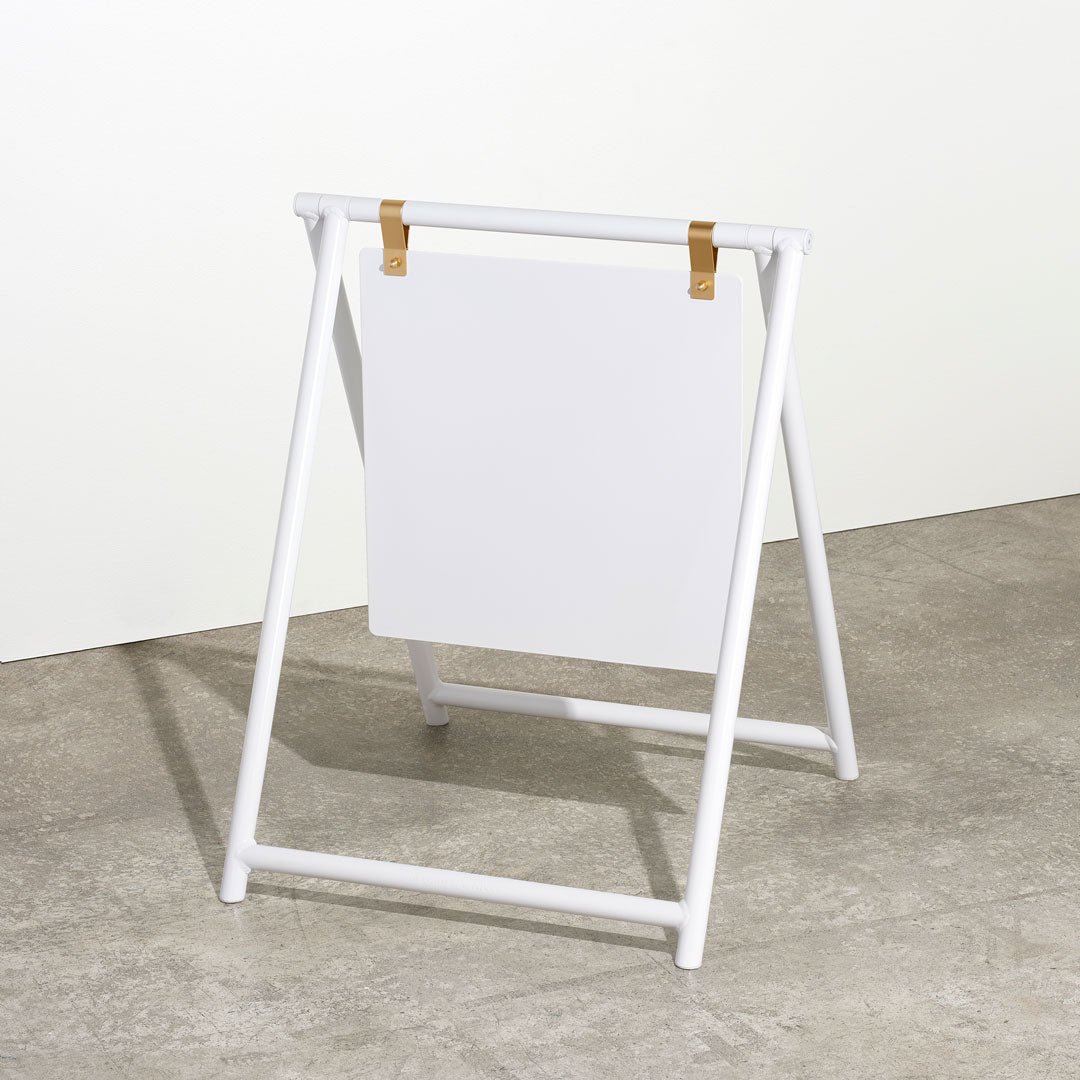
A frame sign weighs about 8.8 pounds, includes brass and color matched straps, and folds for storage
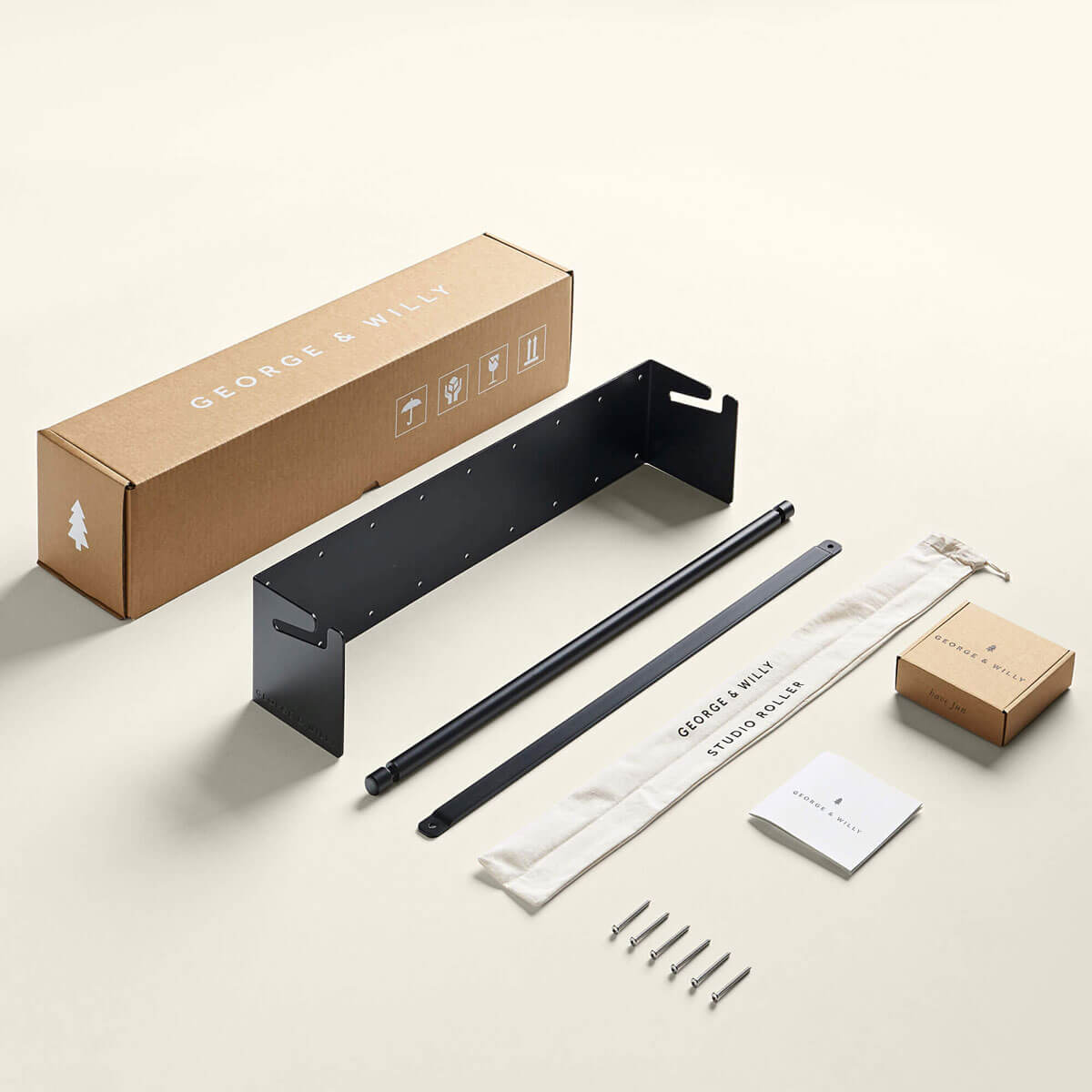
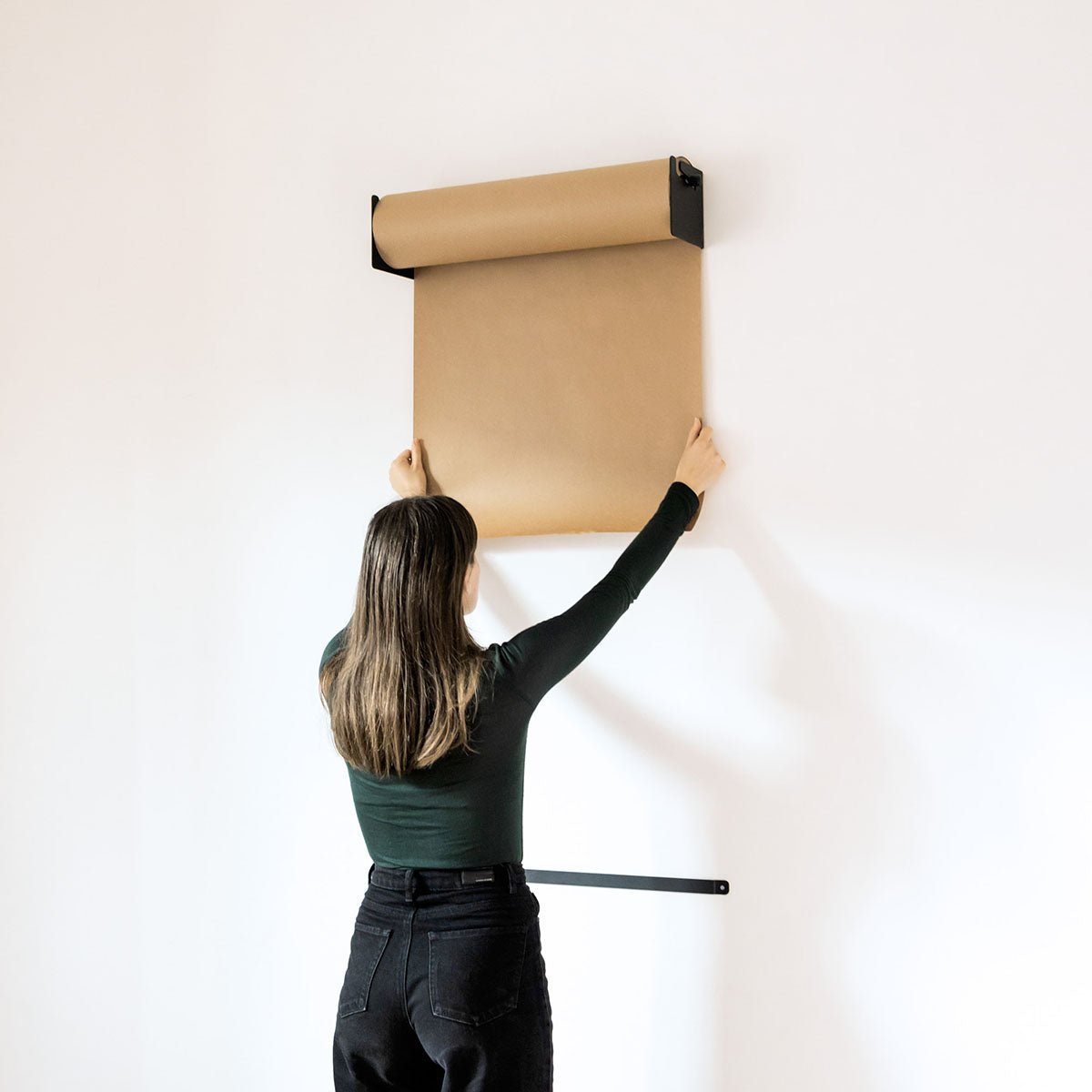
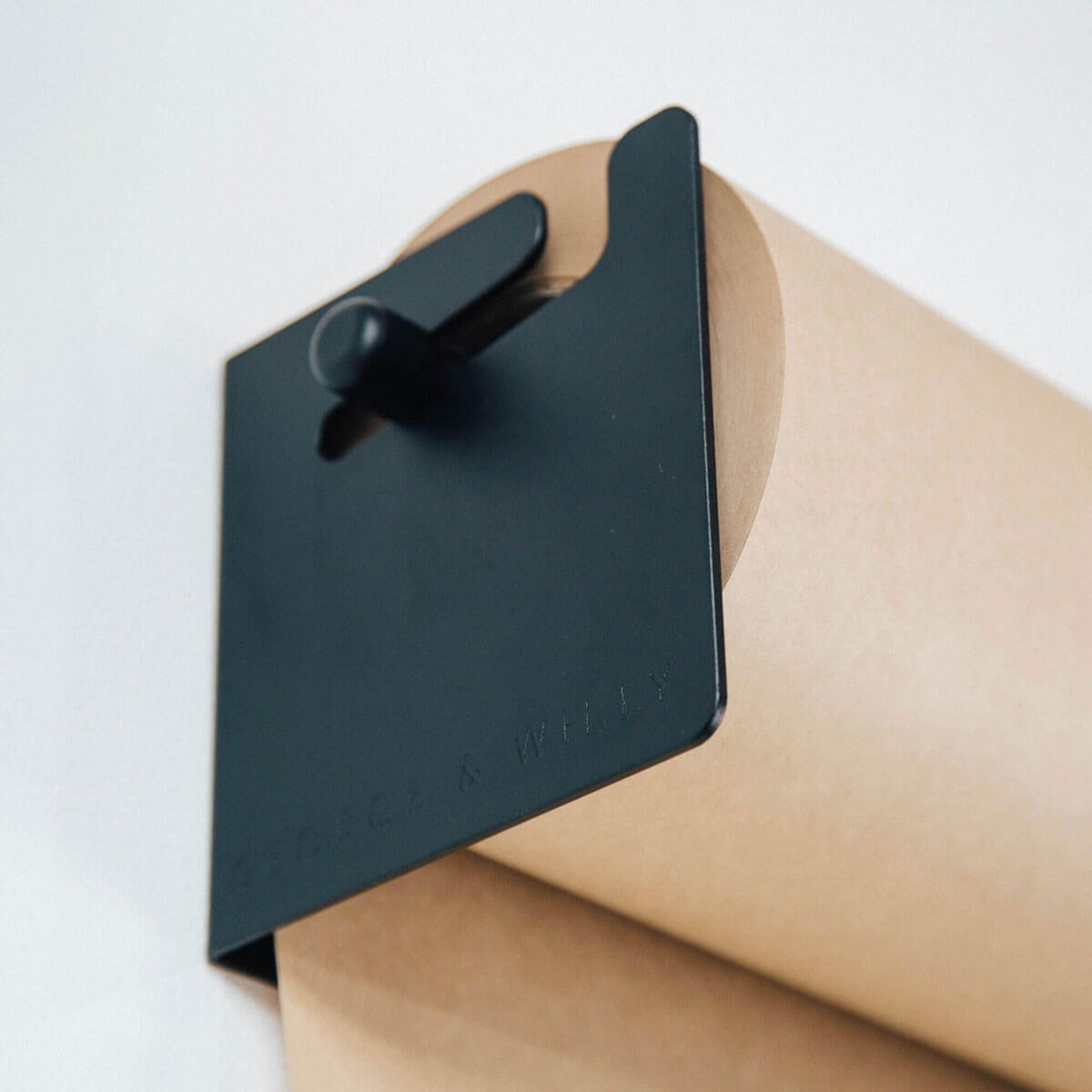
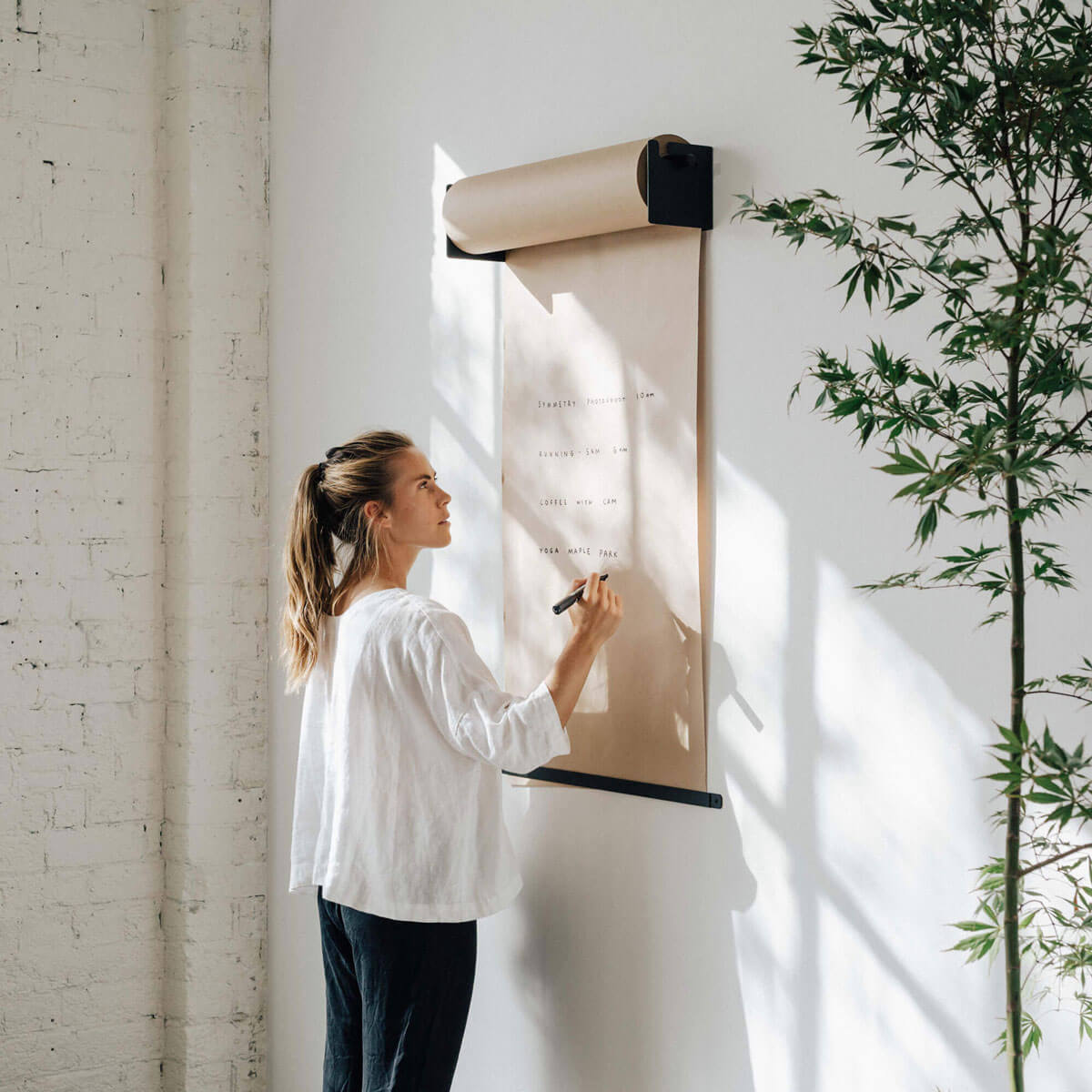
Studio Roller is offered in 18, 24, and 36 inch widths and the bracket fits universal rolls up to about 8.7 inches in diameter
Within the United States, shipping is free on orders over 400 dollars
If you want hardware that ships ready to install and arrives blank for your own graphics, browse the range at George and Willy.
Designing effective menu boards
Great menu board ideas are useless if guests cannot read them quickly. Use these principles to keep things simple and profitable.
Content hierarchy
Group items into logical sections such as coffee, food, specials
Lead with best sellers and high margin items
Limit the number of choices in any group to avoid decision fatigue
Typography and legibility
Choose one primary typeface and one accent
Use generous line spacing and consistent letter spacing
As a practical rule of thumb, larger letter height helps readability as viewing distance increases
Color and contrast
High contrast pairs, for example black on white or white on black, almost always improve legibility
Use accent color sparingly to draw attention to limited time items
Pricing strategy
Keep prices aligned for easy scanning
Use simple price endings to avoid visual clutter
Consider a small featured box or callout for bundles or add ons
Update workflow
Assign a single owner per shift to reduce errors
Keep spare letters or tiles organized by frequency of use
Document naming conventions so every store writes items the same way
For cohesive, timeless hardware that supports these practices, see George and Willy.
Placement and operations optimization
Where you place the board and how you light it can matter more than the design itself.
Sightlines and height
Place boards in the natural queue line so guests can decide before reaching the counter
Mount at comfortable eye height or slightly above for standing viewers
Use a second board at the pickup zone for add ons
Lighting and glare
Avoid direct reflections from windows
Use soft, even lighting that does not wash out contrast
Outdoor and sidewalk capture
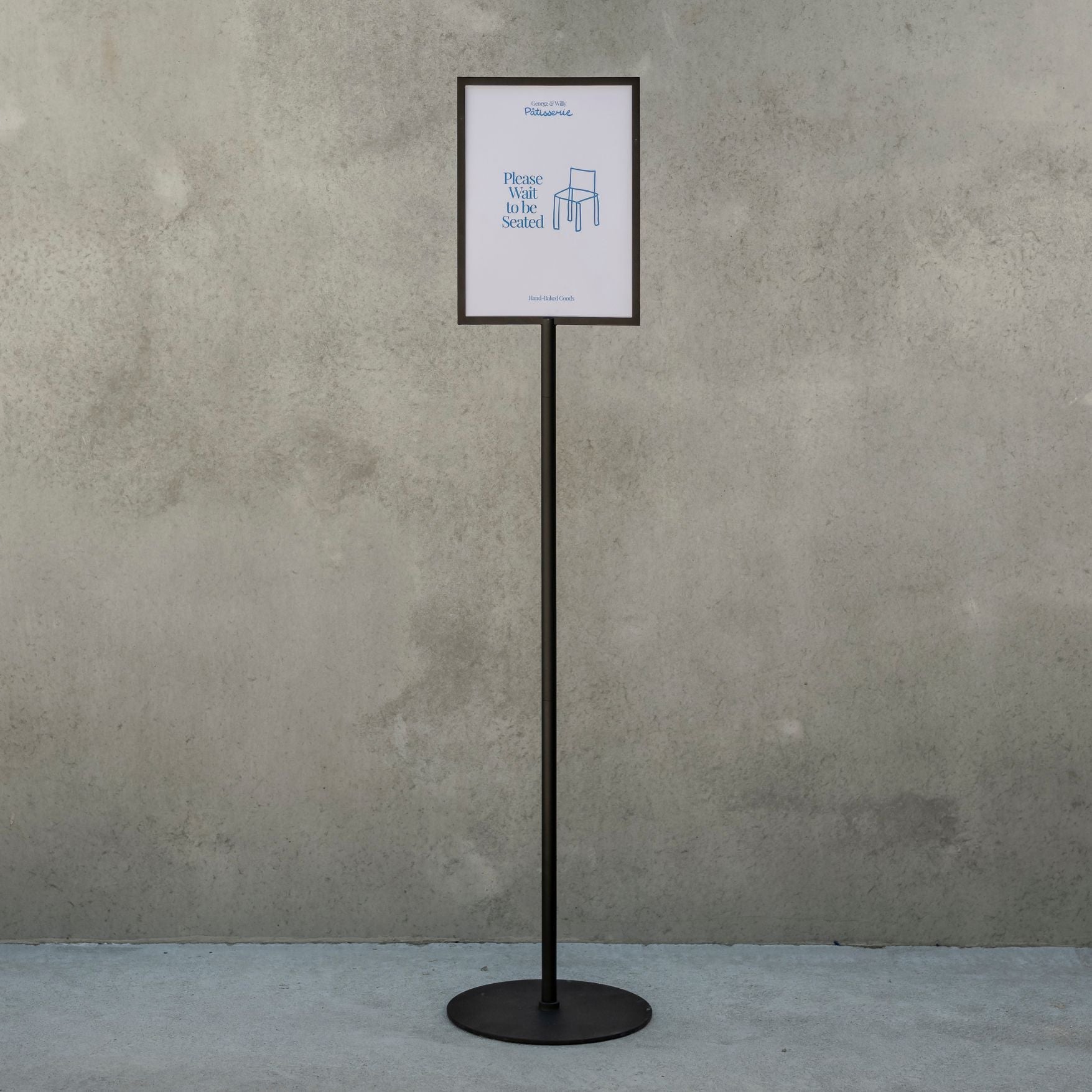
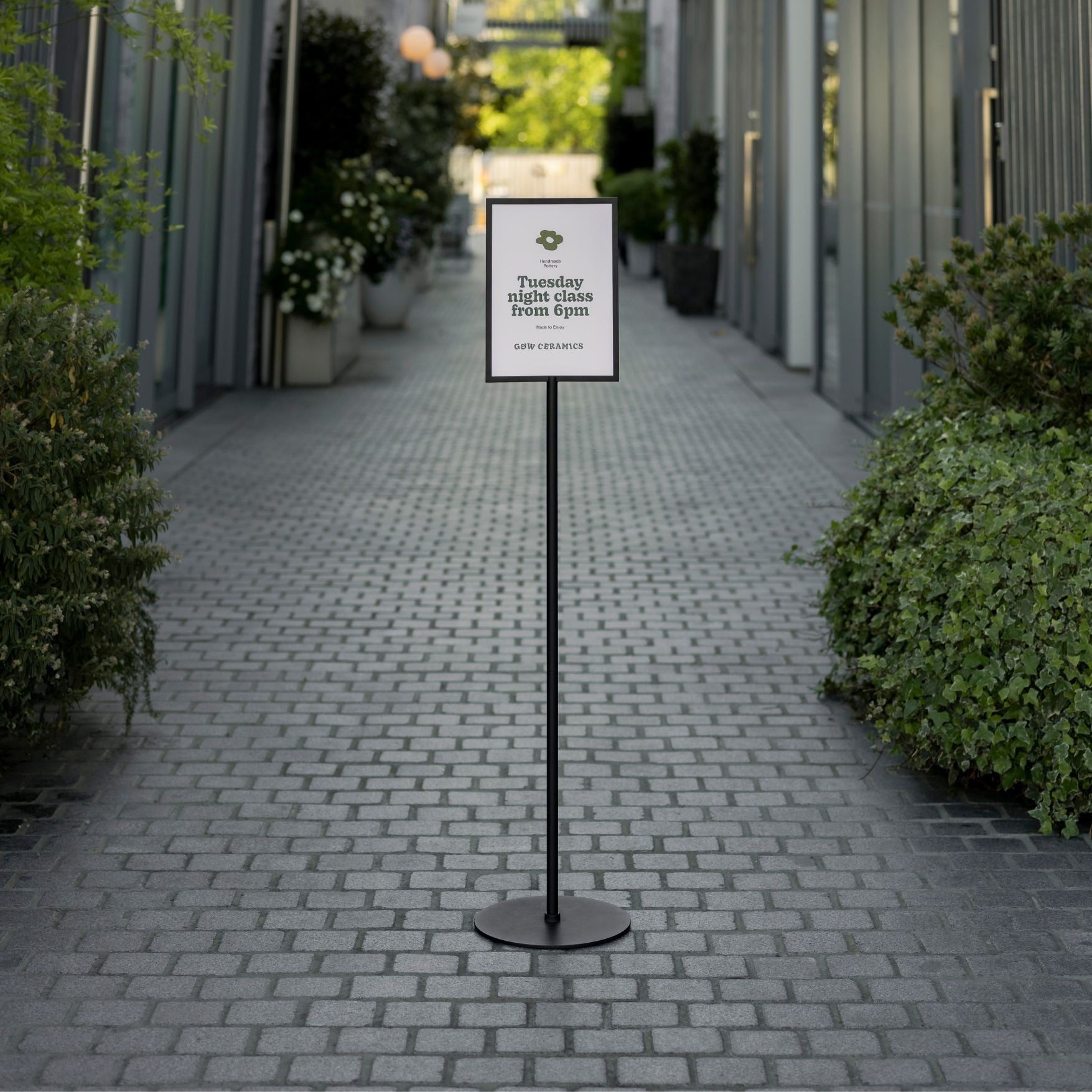
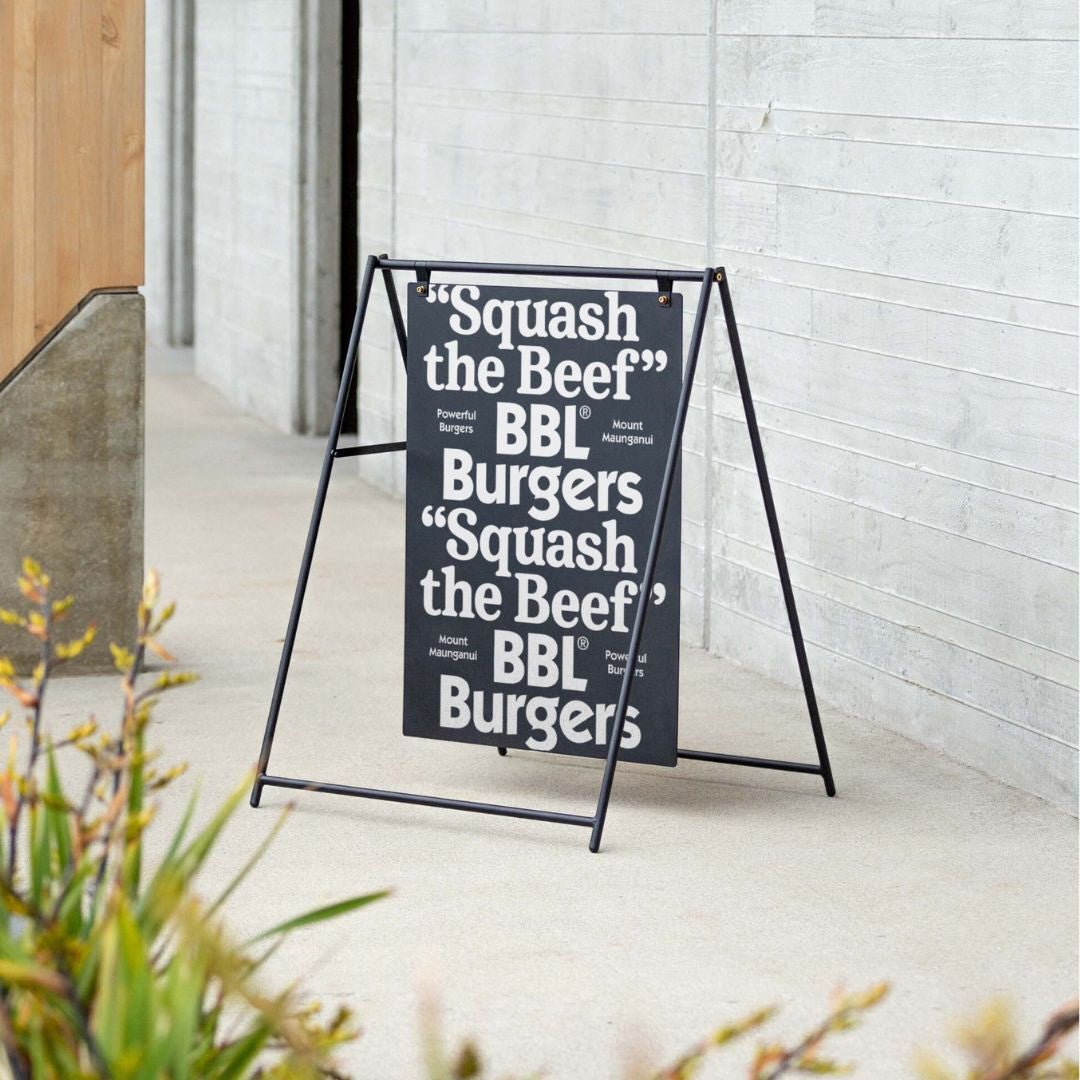
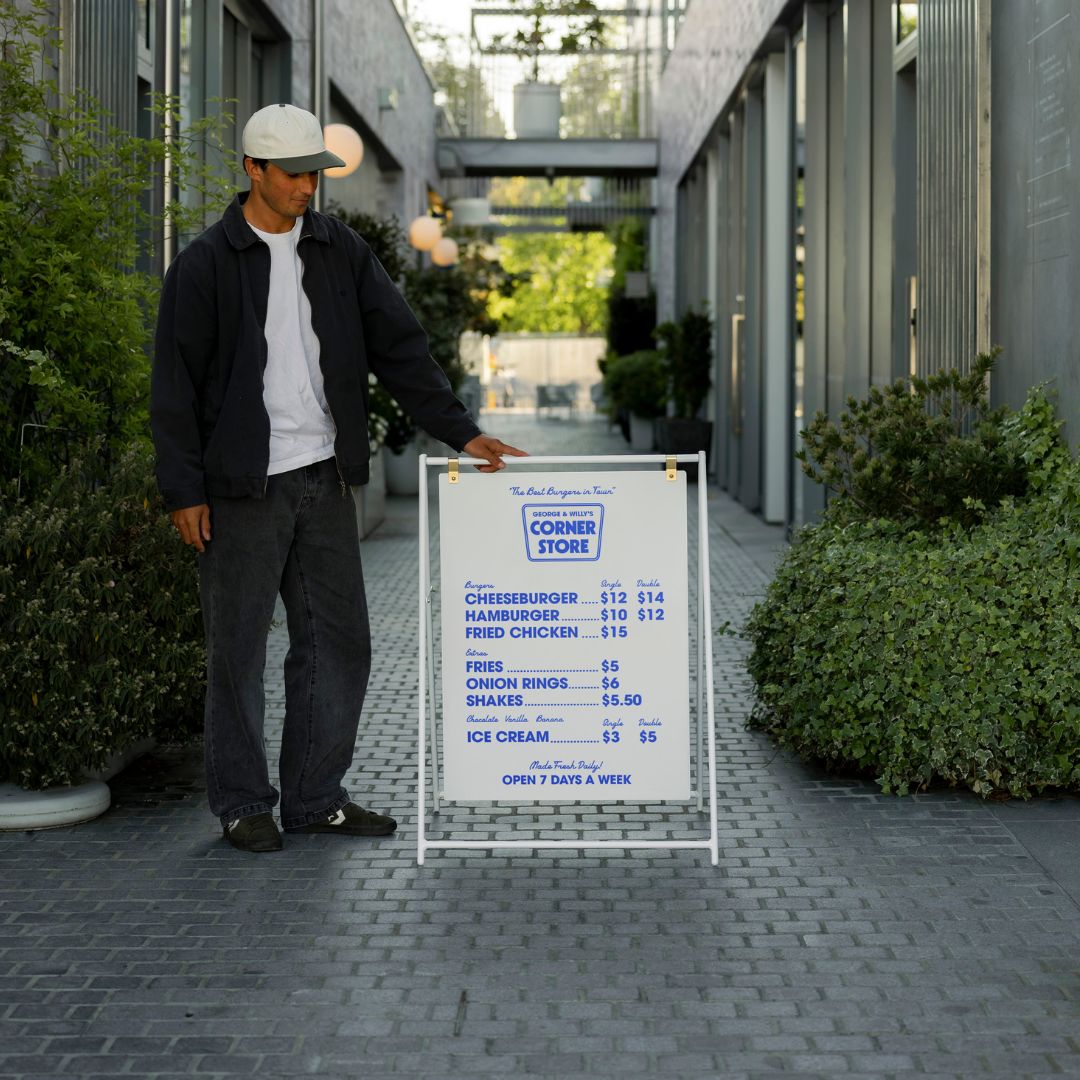
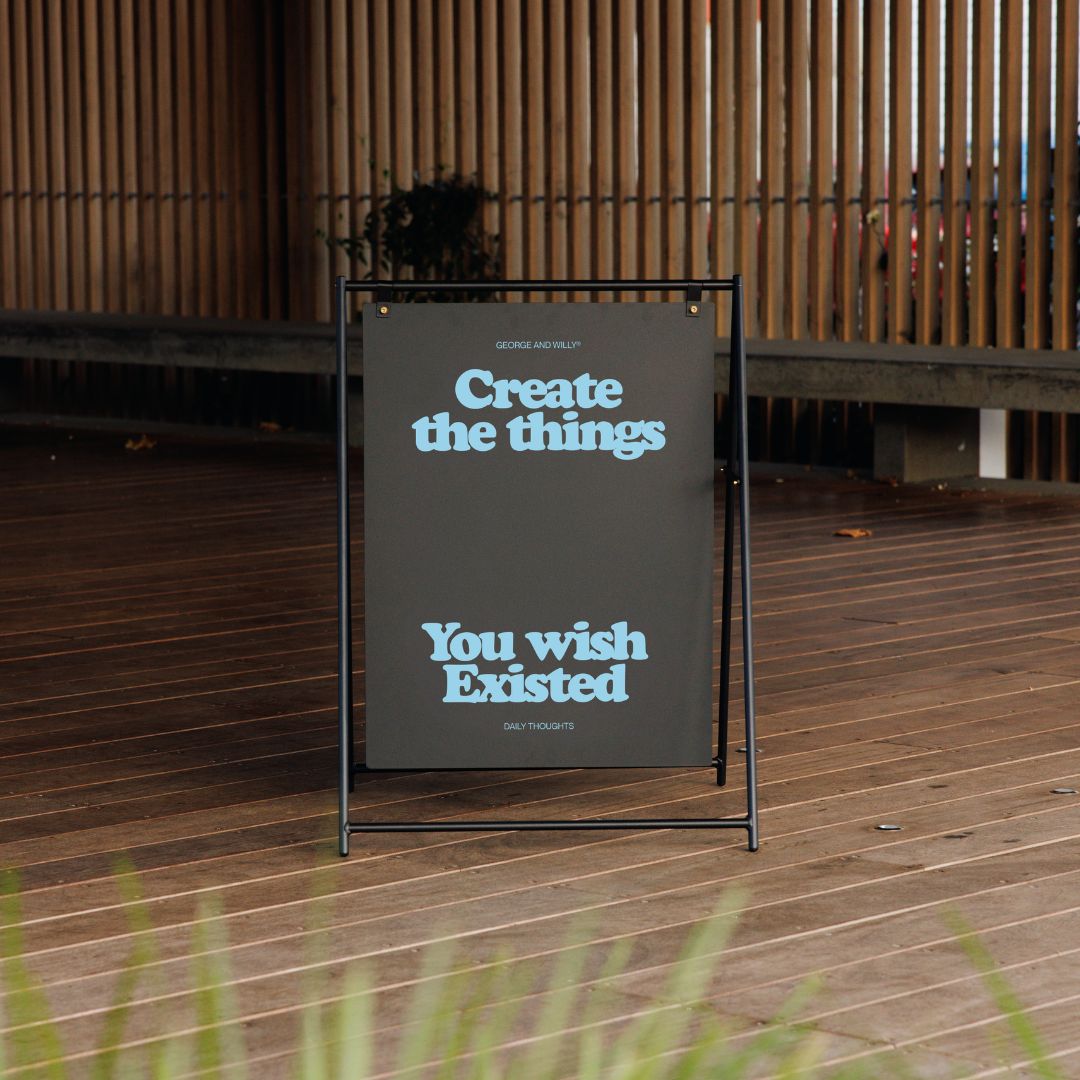
Use a standing or sandwich board sign outside to pull in foot traffic
Keep the message simple and bold, think three lines max
Maintenance and durability
Choose powder coated aluminum or steel for outdoor use where rust resistance matters
Wipe boards daily to remove fingerprints and dust
Store portable boards indoors overnight when possible
If you need outdoor safe storefront pieces that match your interior menu board ideas, start with George and Willy.
Choosing the right format, hardware, and software
Match the format to your menu volatility, staff skill, and brand feel.
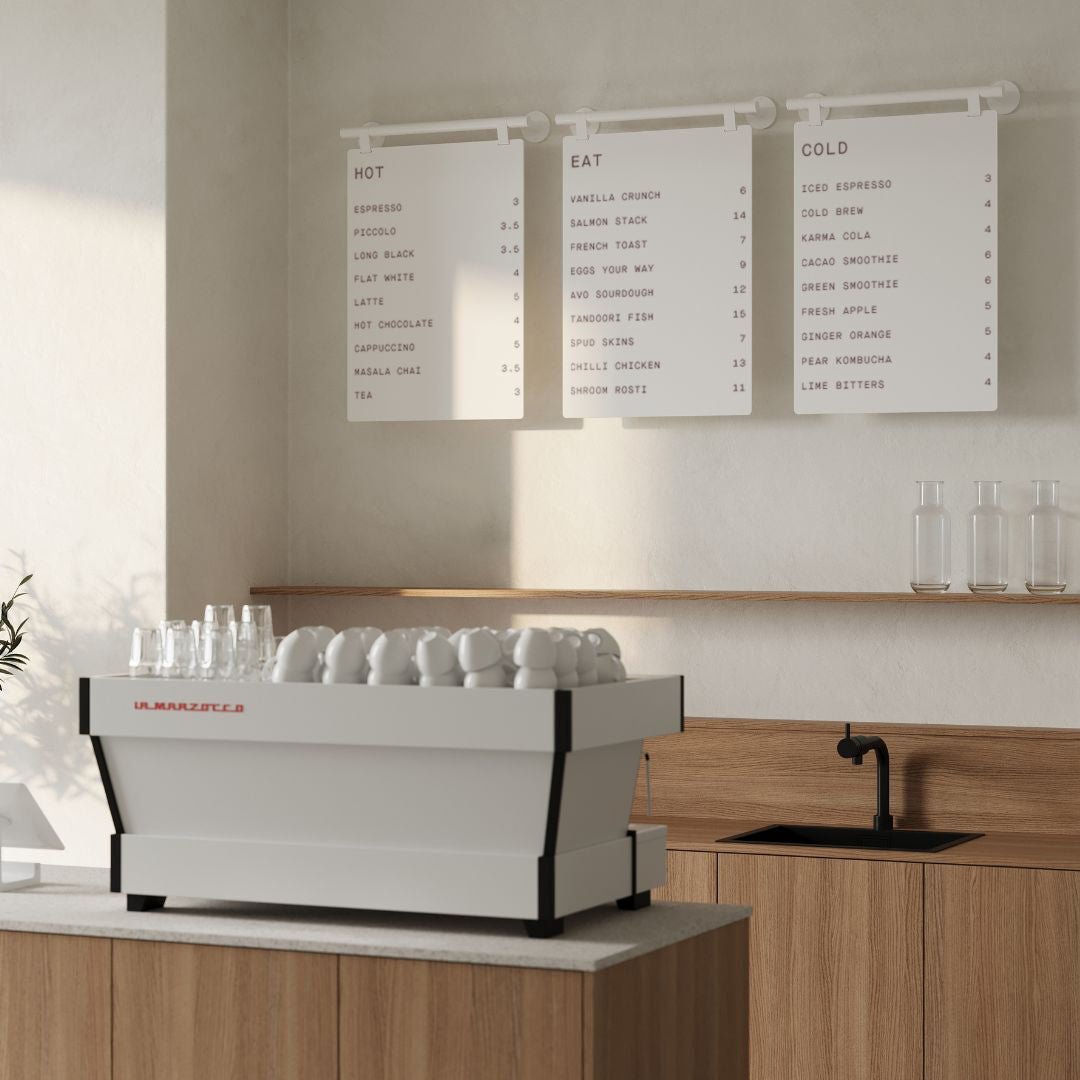
Magnetic rail systems
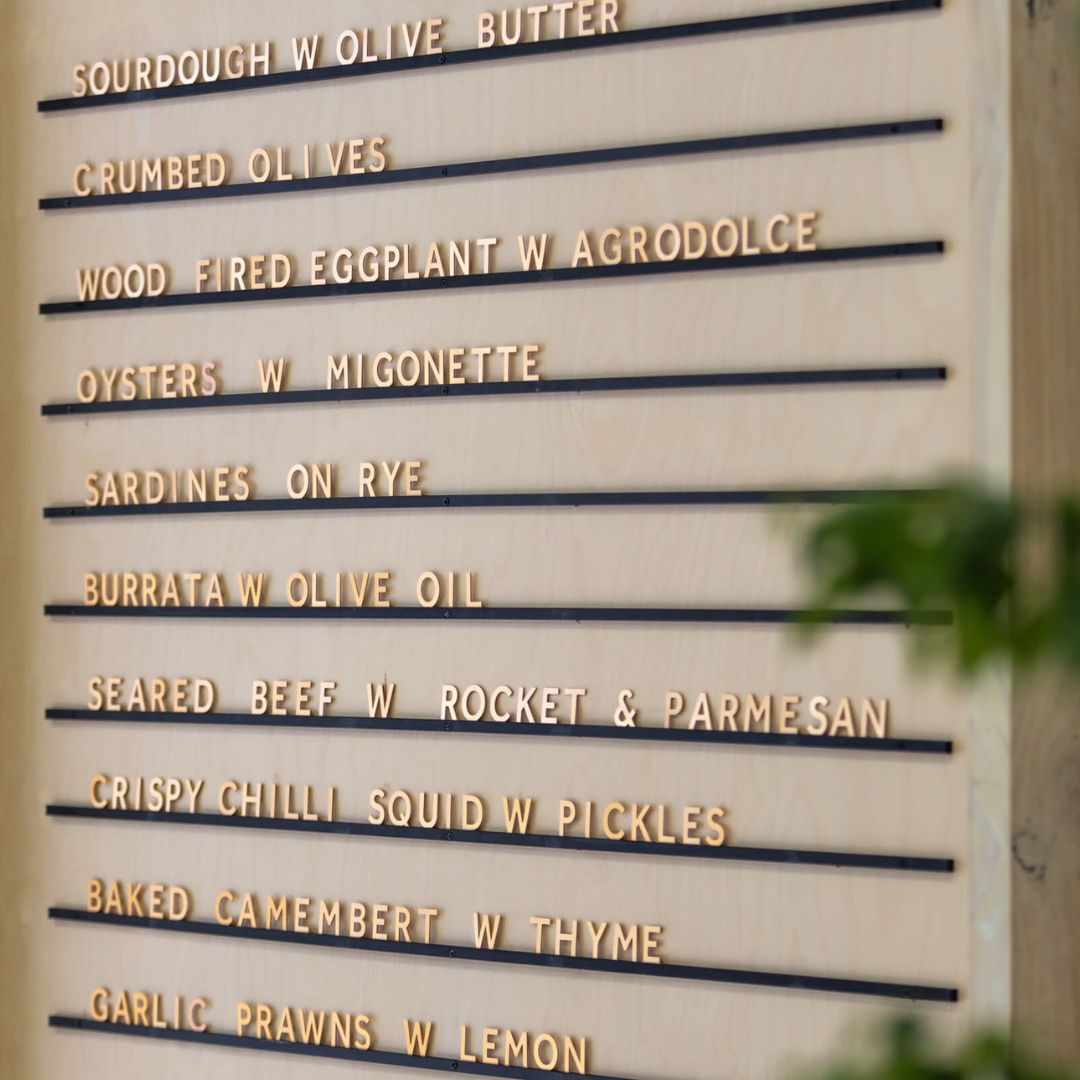
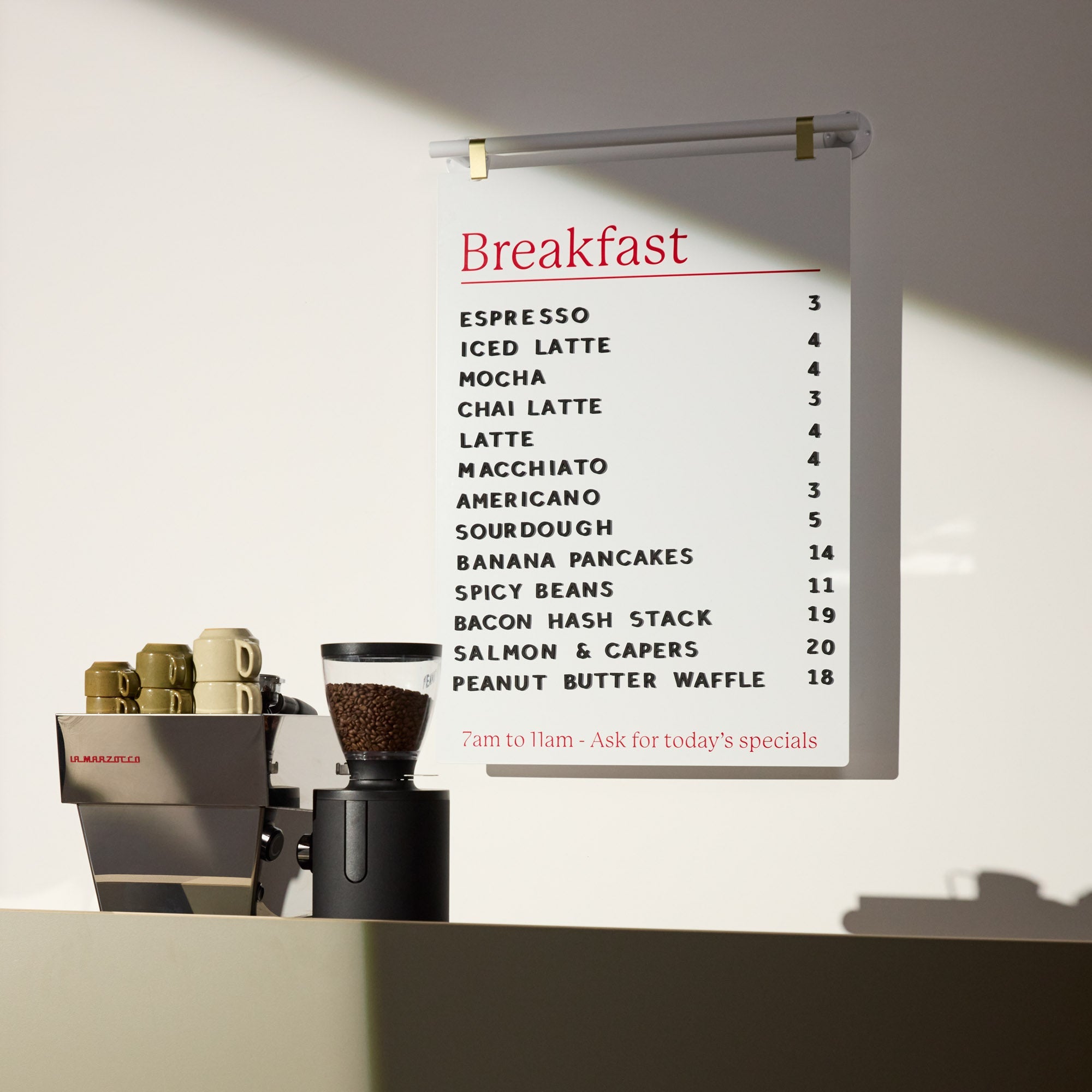
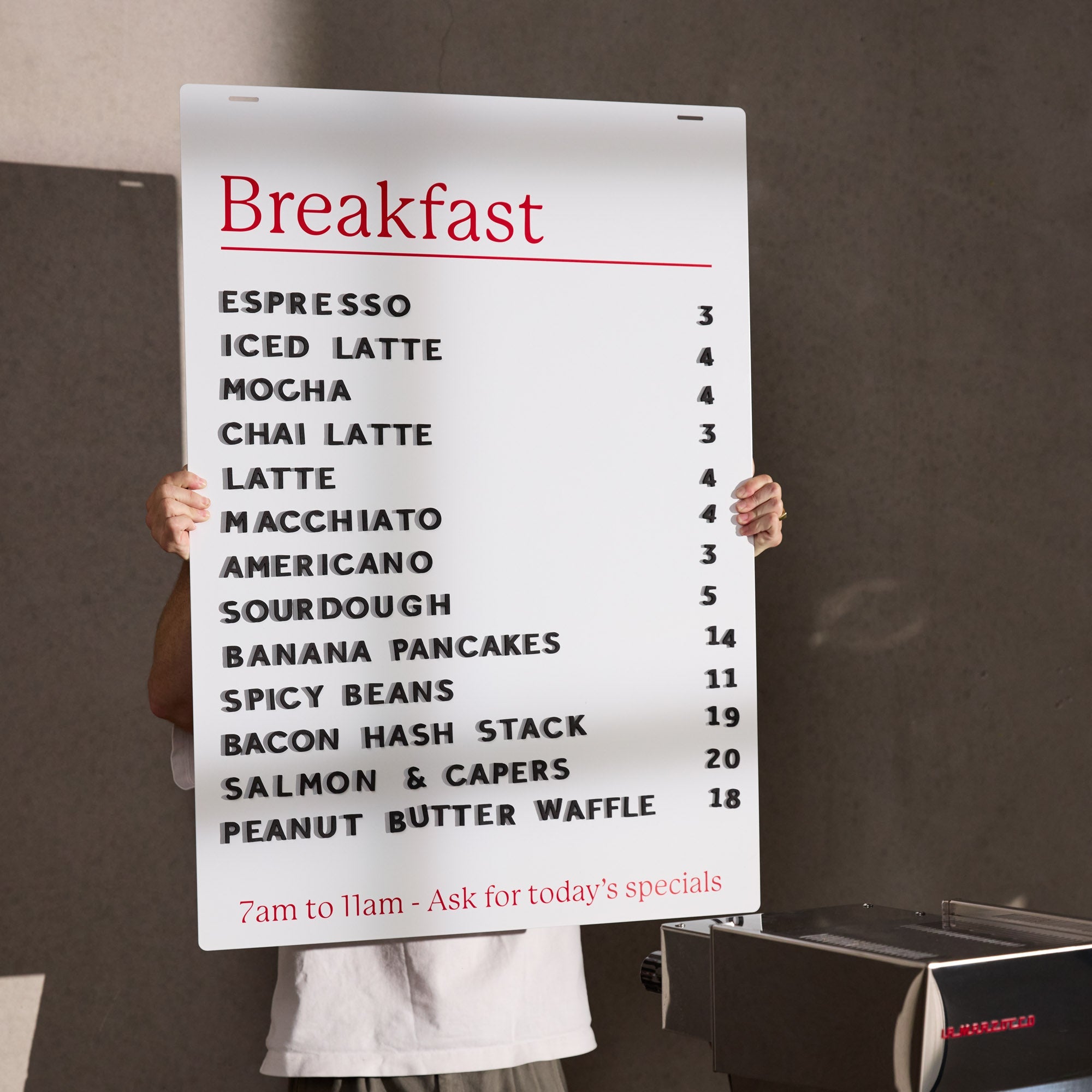
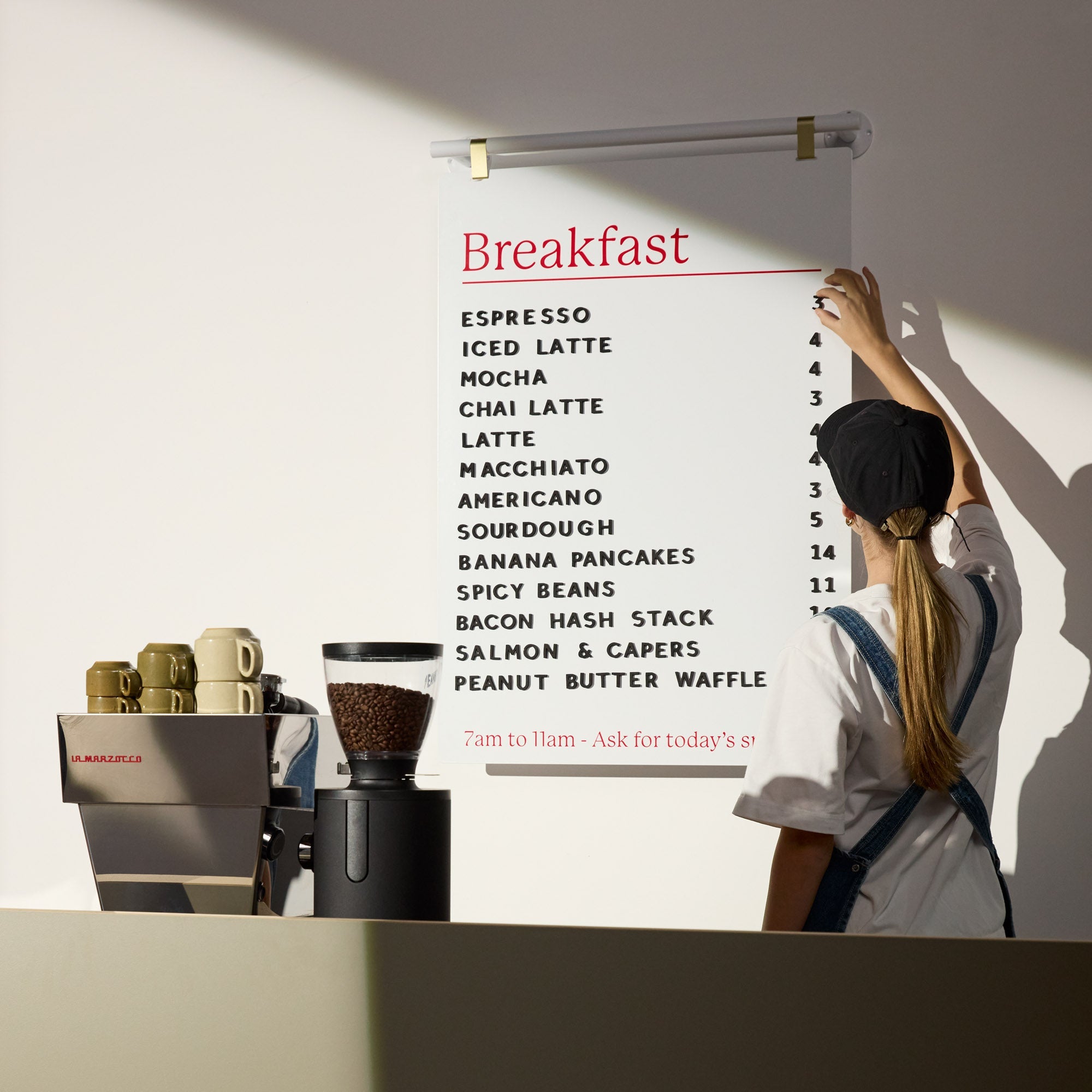
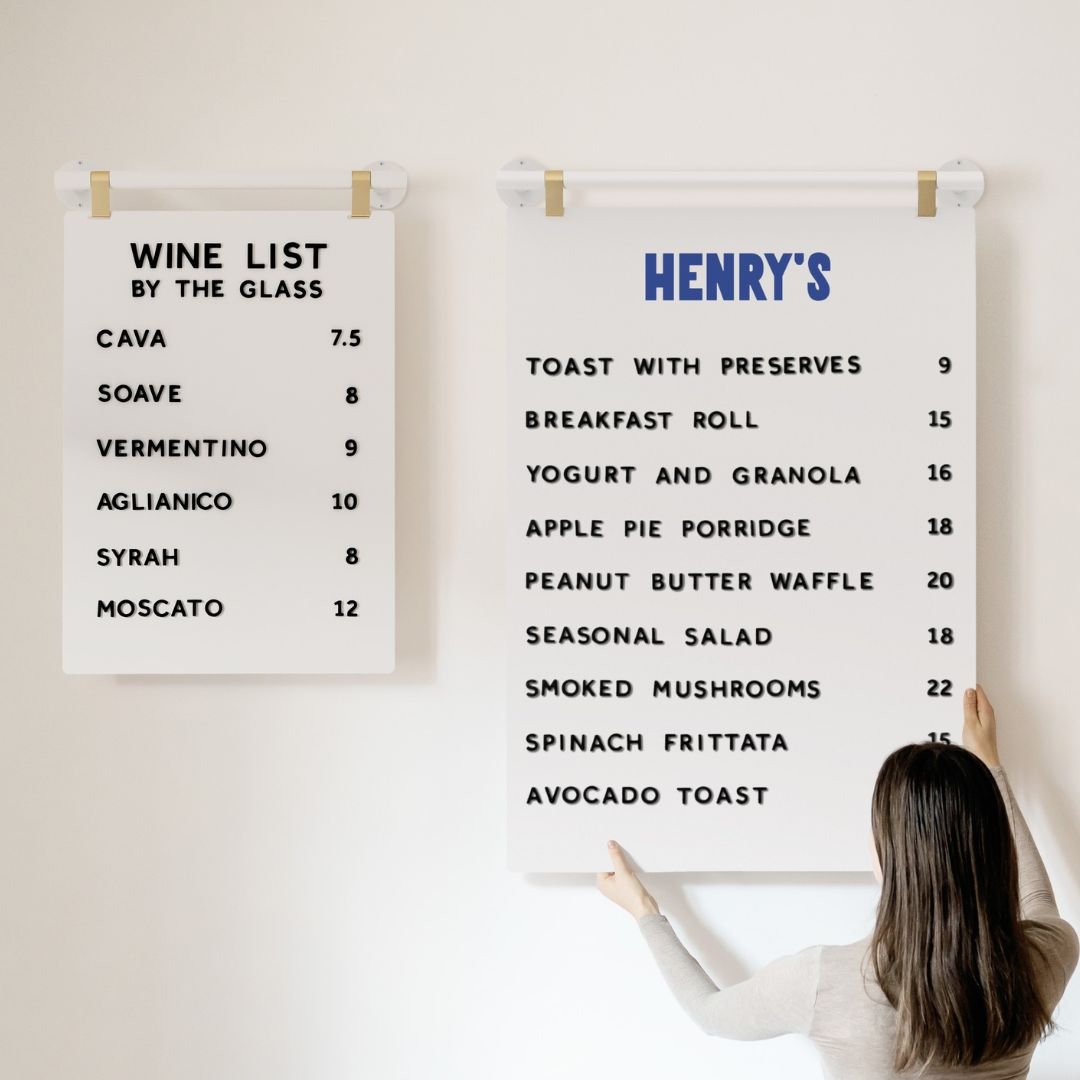
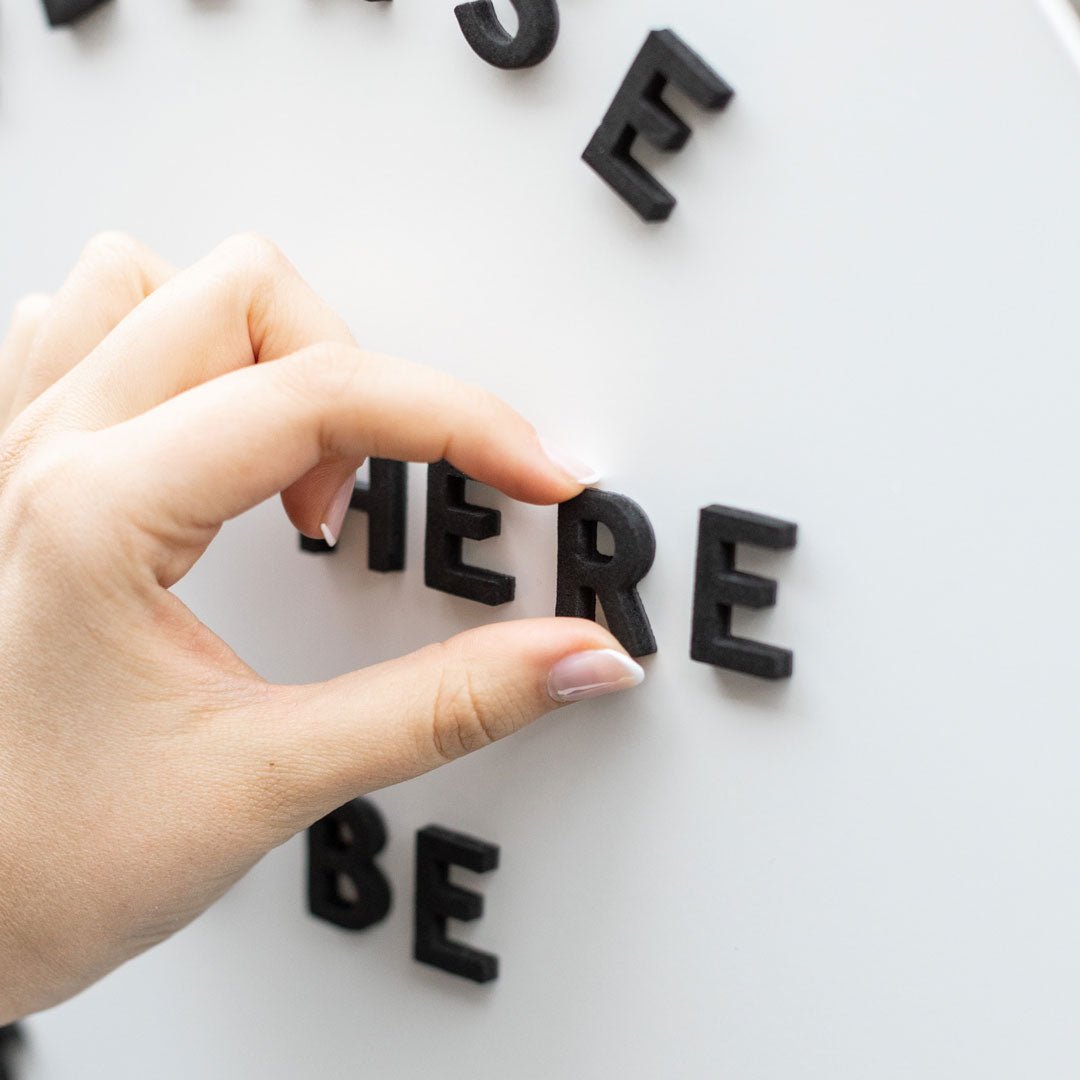
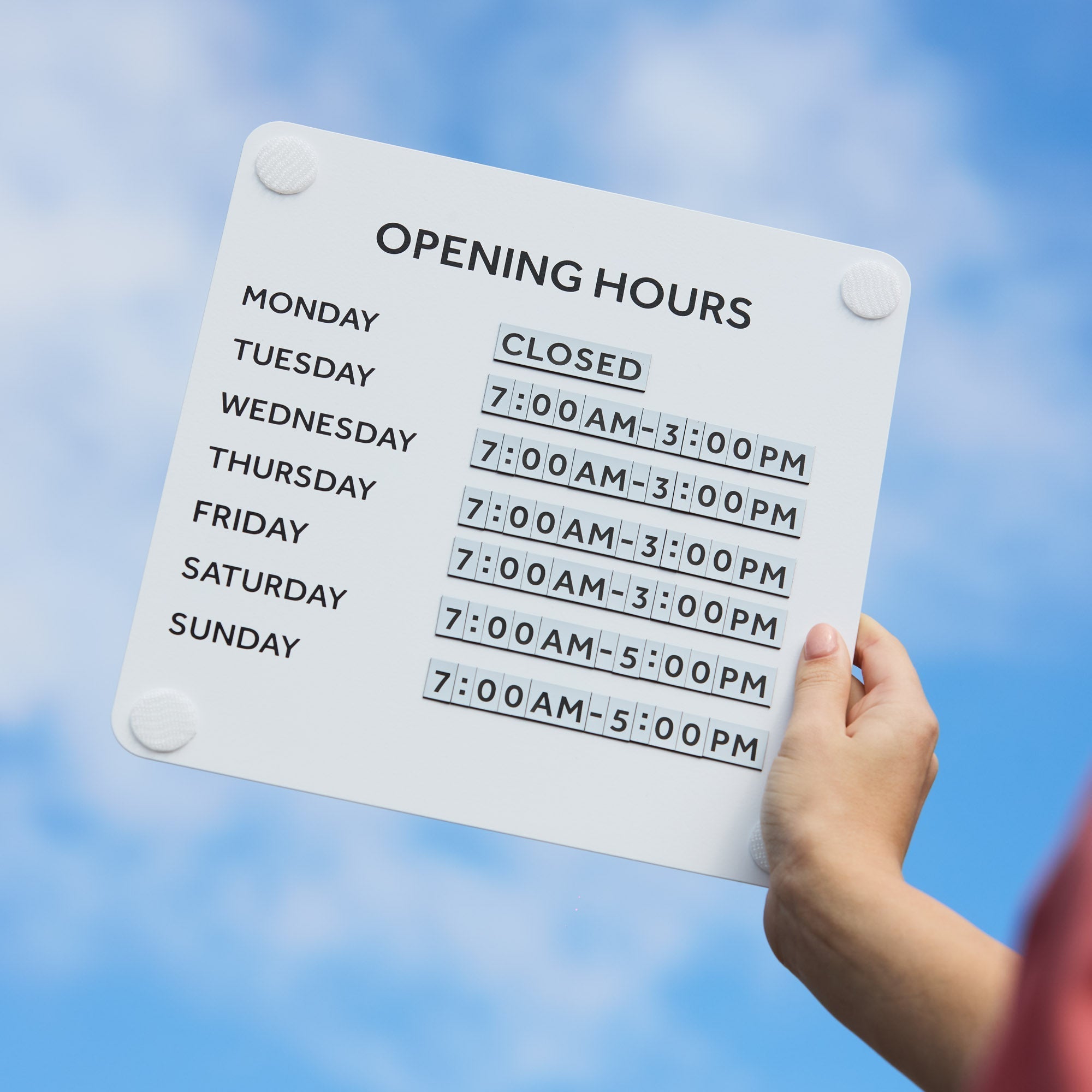
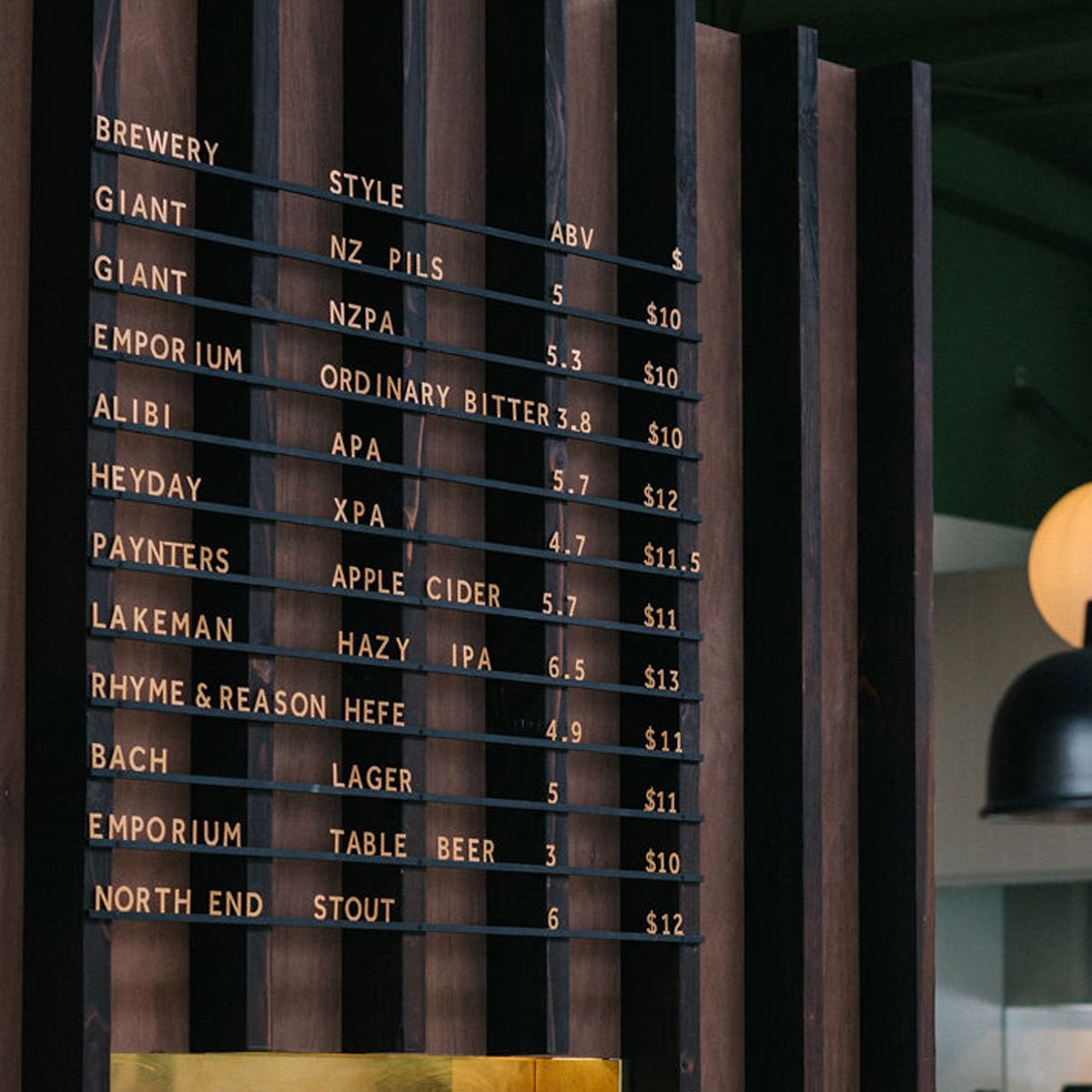
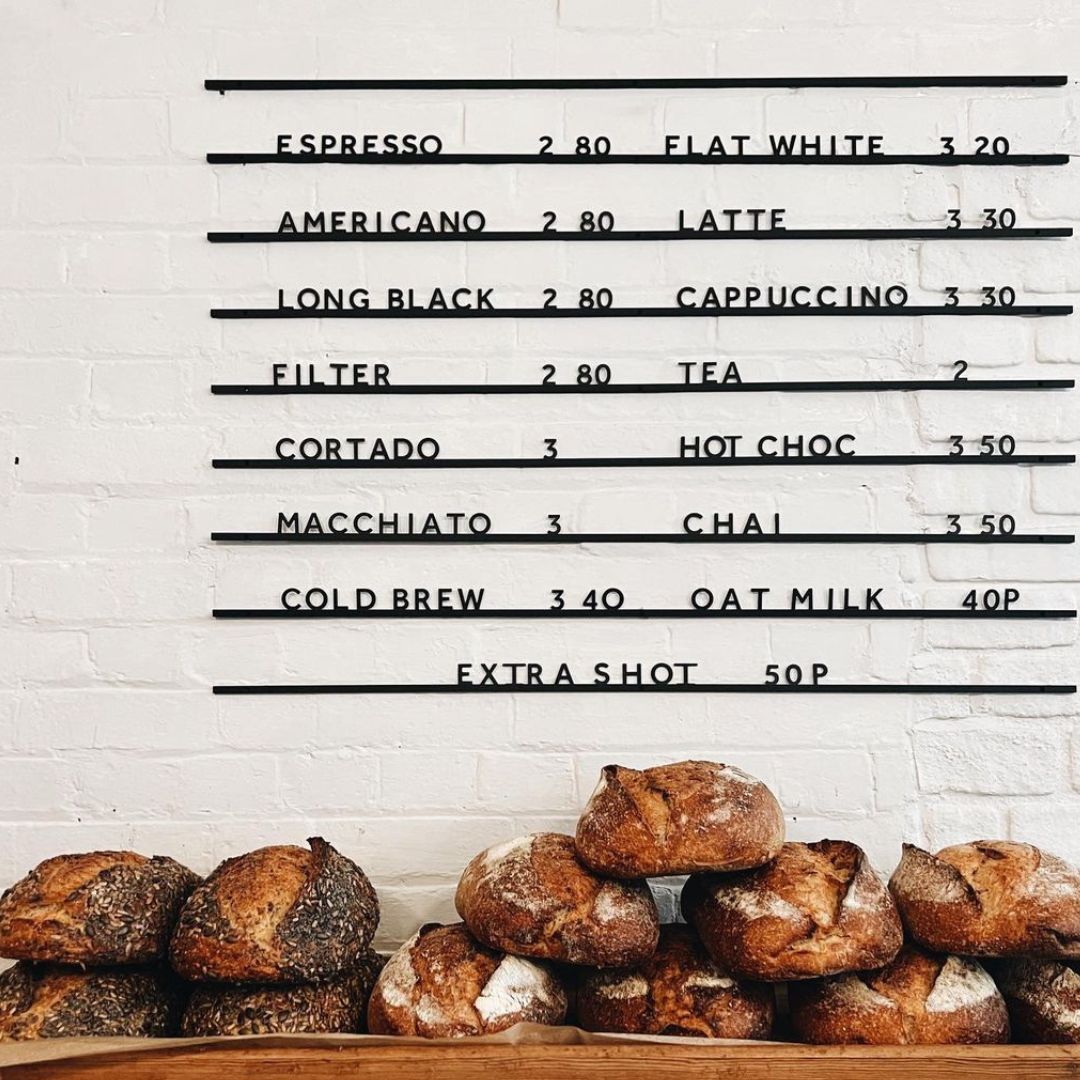
Best for frequent changes with clean lines. Magnetic letters snap to powder coated steel rails, so updates are quick and precise. The included character count on some sets can cover long menus, and extra sets are available when you scale. For a ready-to-install option, see the Magnetic Menu Board.
Reversible tile boards
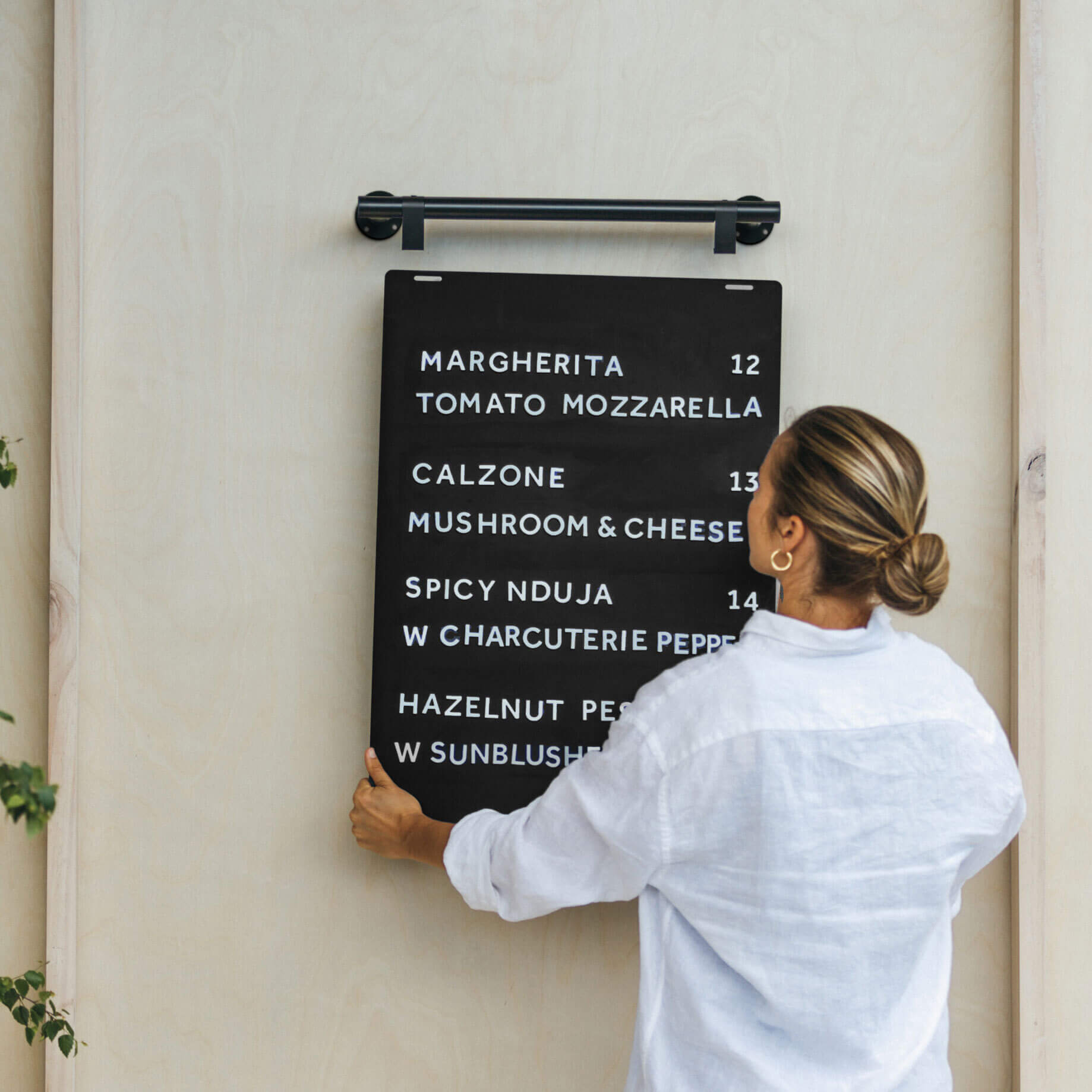
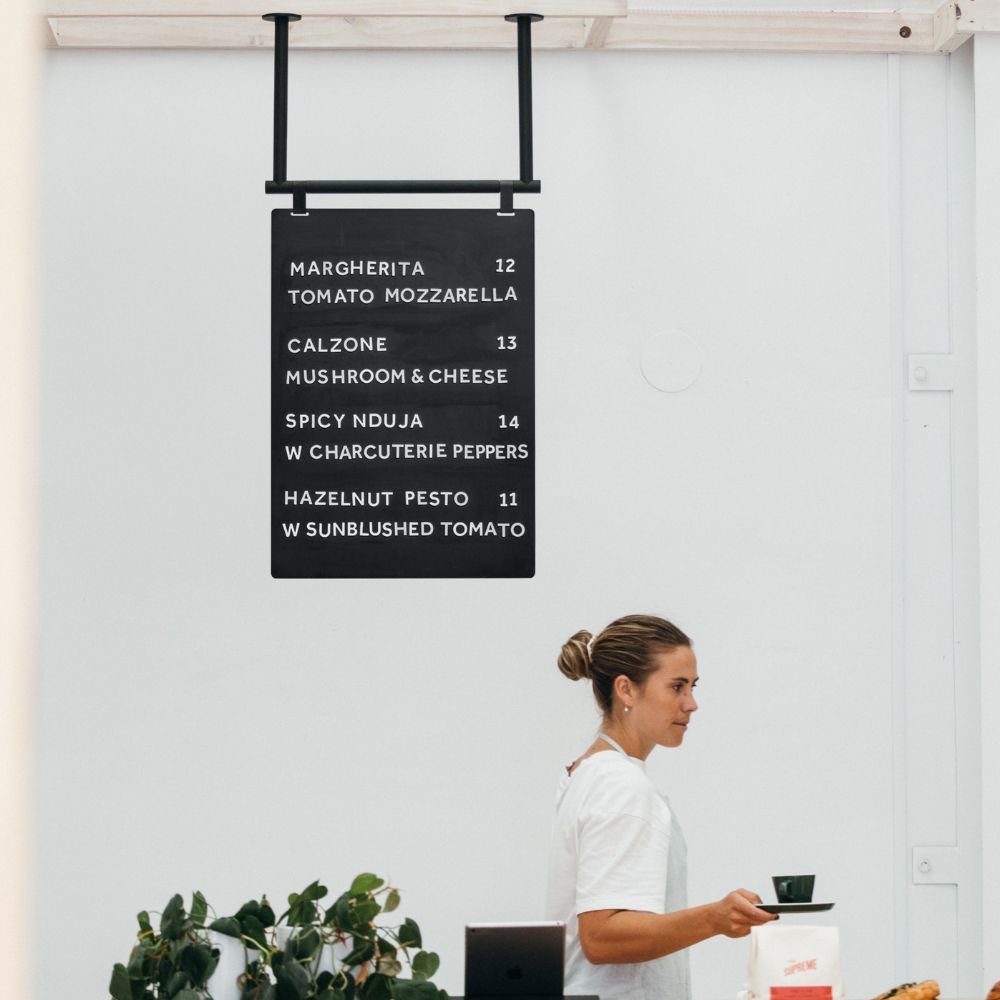
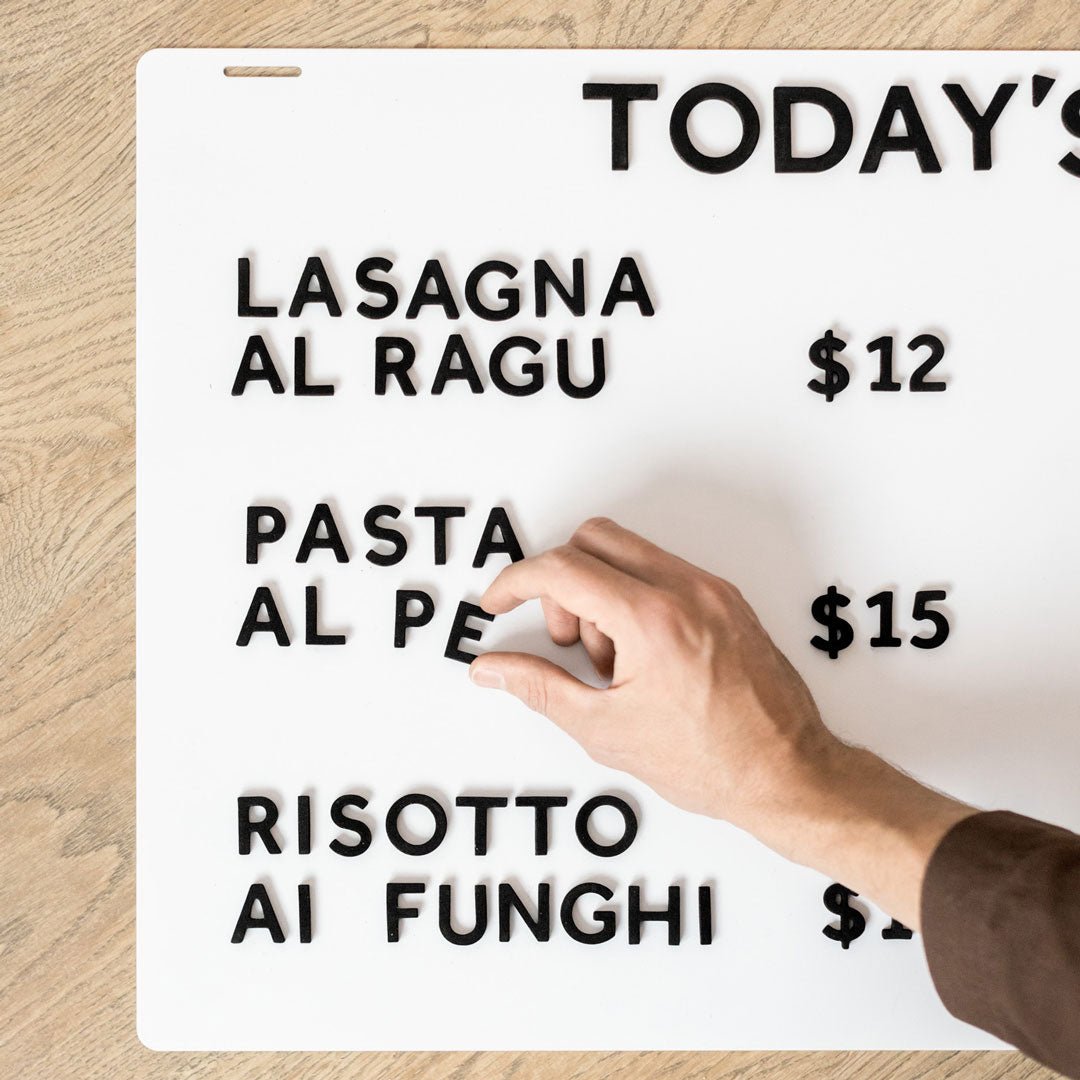
Ideal for modern classic interiors. Tiles offer a tactile look with strong contrast. Reversible black and white tiles double your options without reprinting; the Menu Board is a simple way to get this look.
Peg letter boards
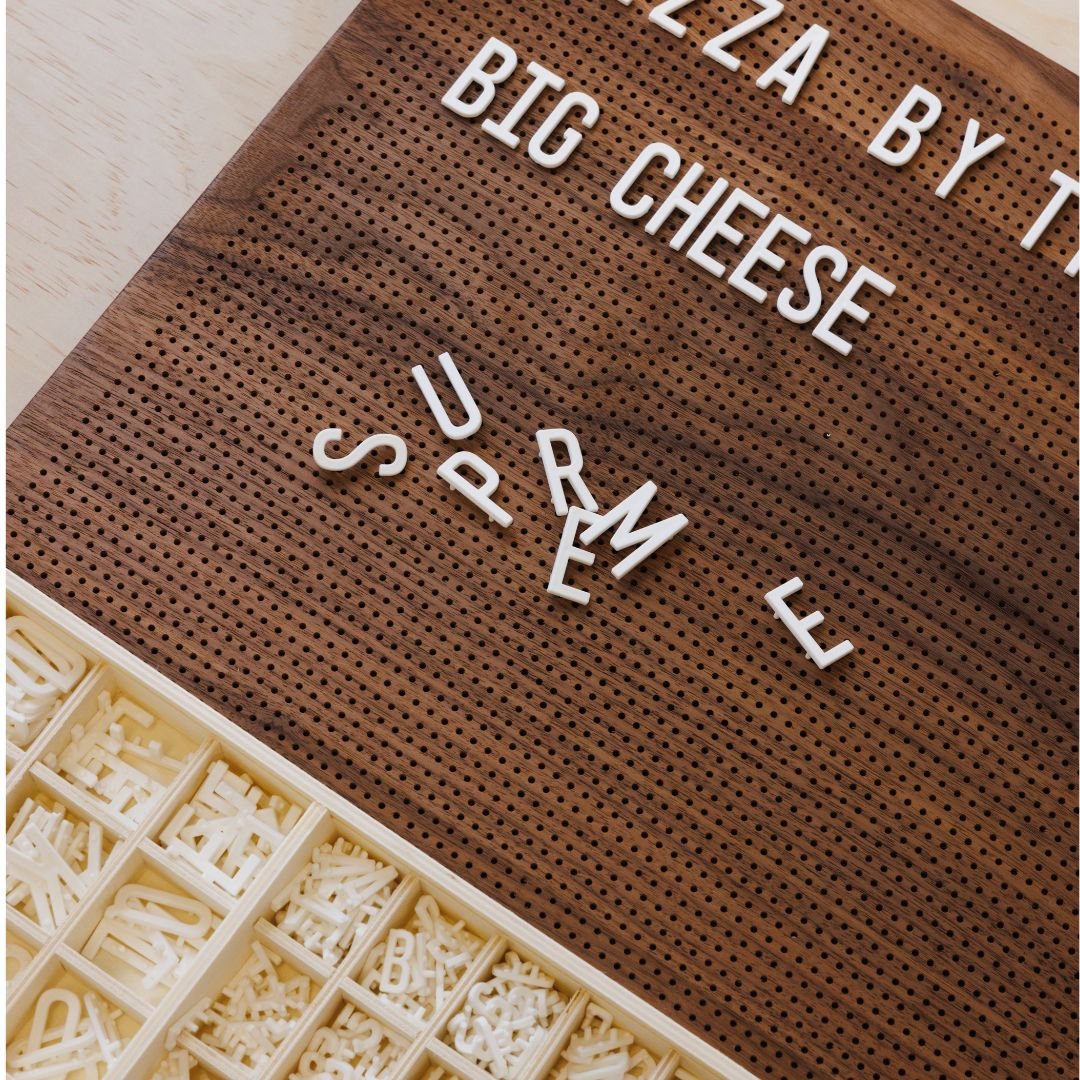
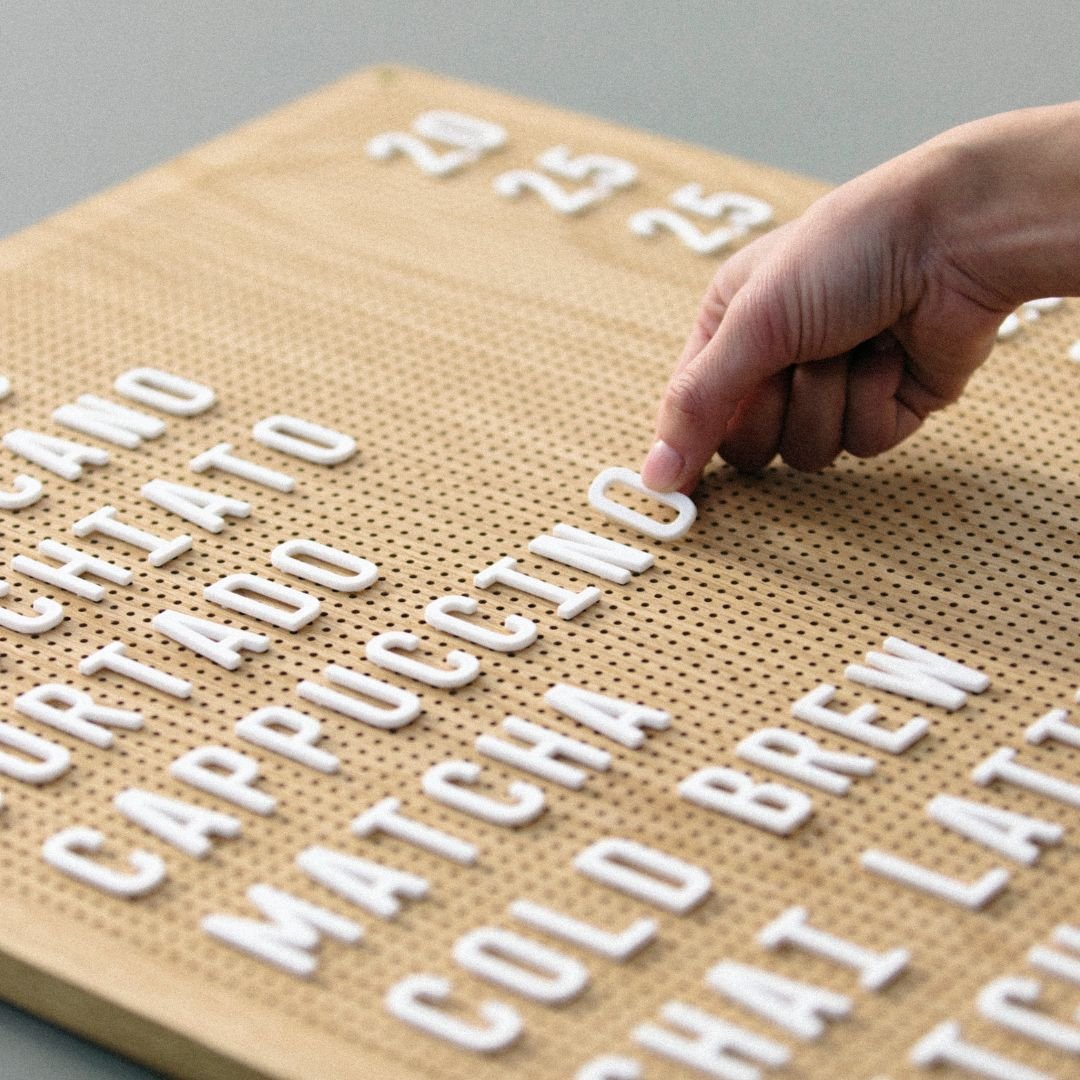
Great for casual spaces and daily specials. The texture adds warmth. Try the Wooden Letter Board for this look. Keep pegs organized to speed up swaps.
Poster hanging menus
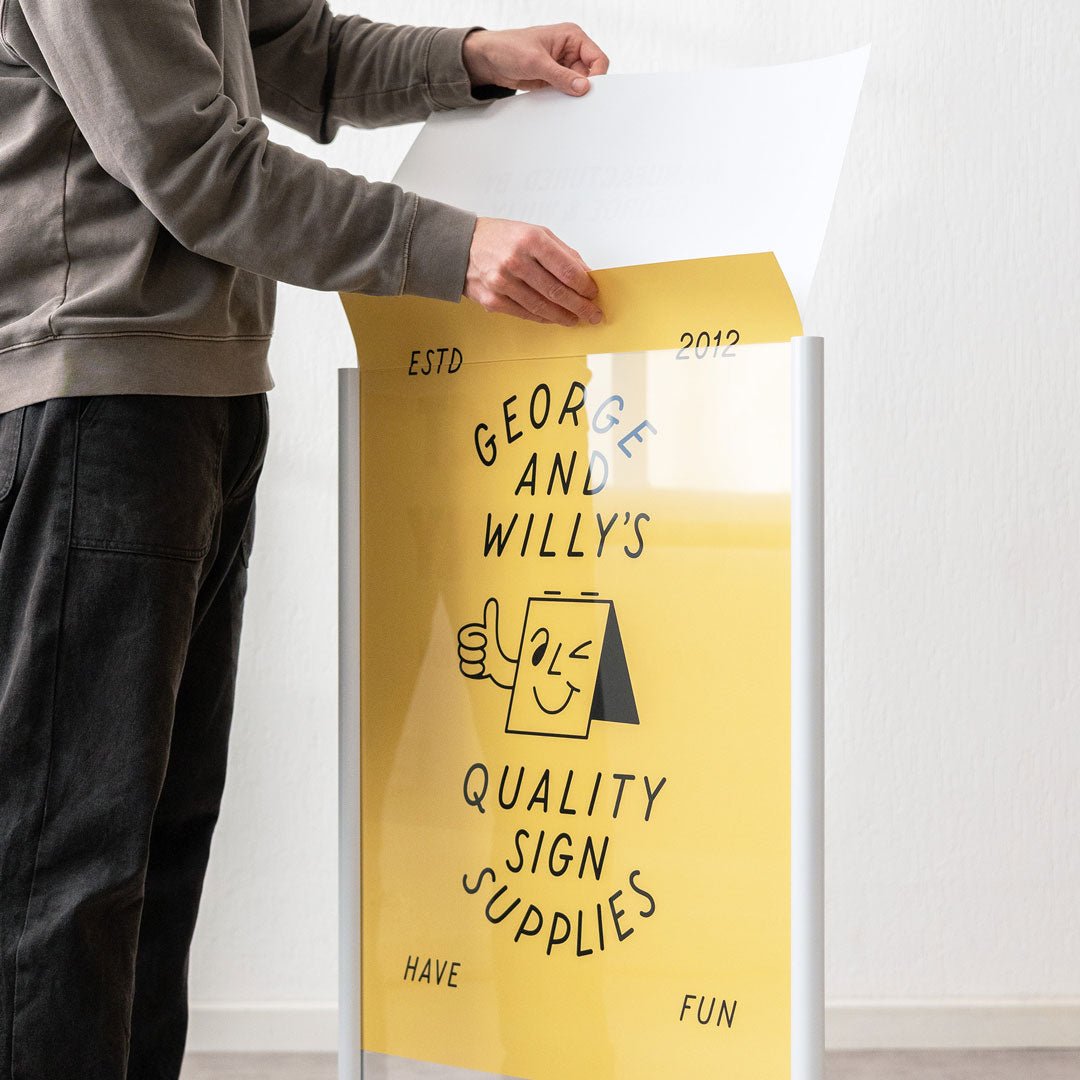
Perfect for rotating campaigns, seasonal menus, or photography. Print new posters locally while keeping consistent hardware.
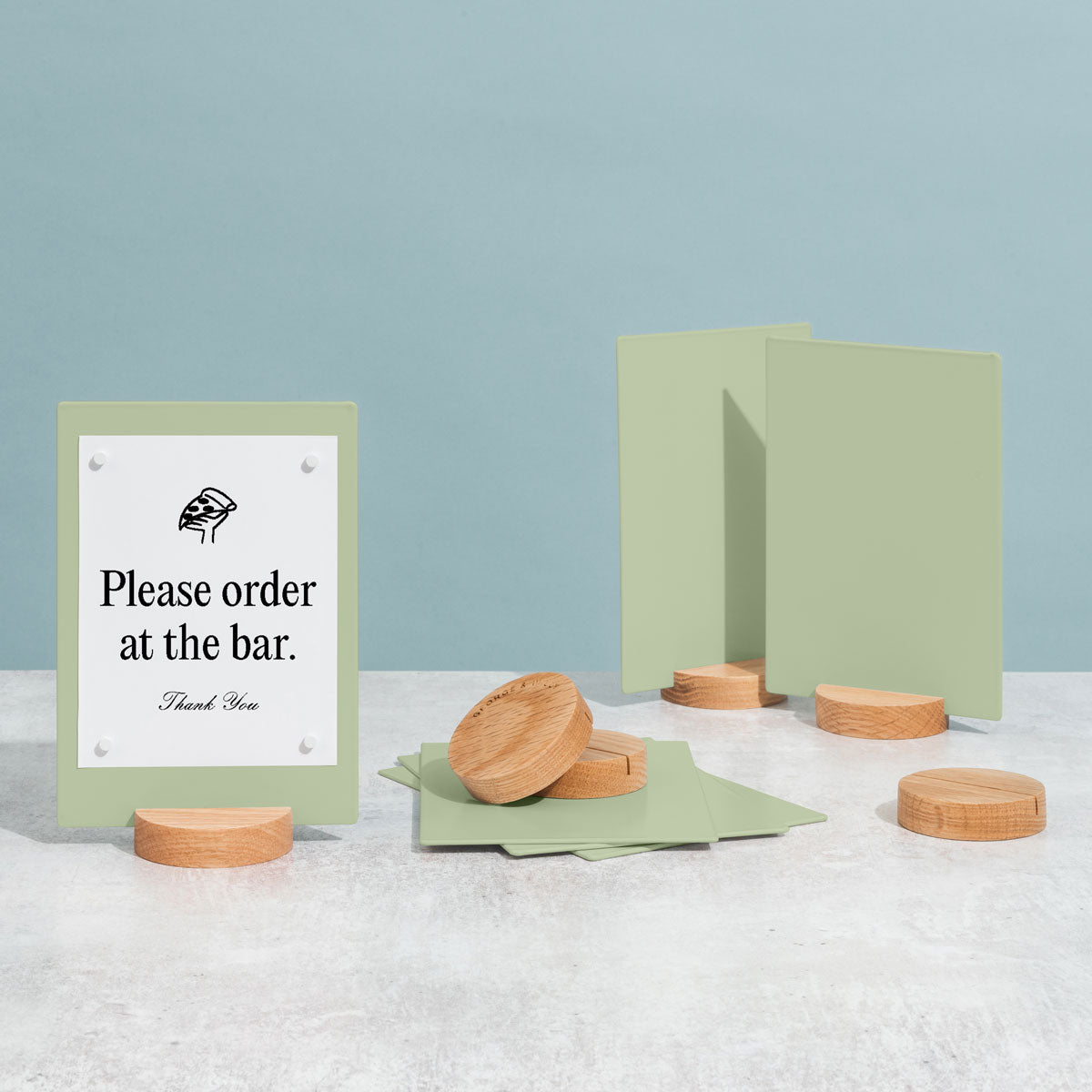
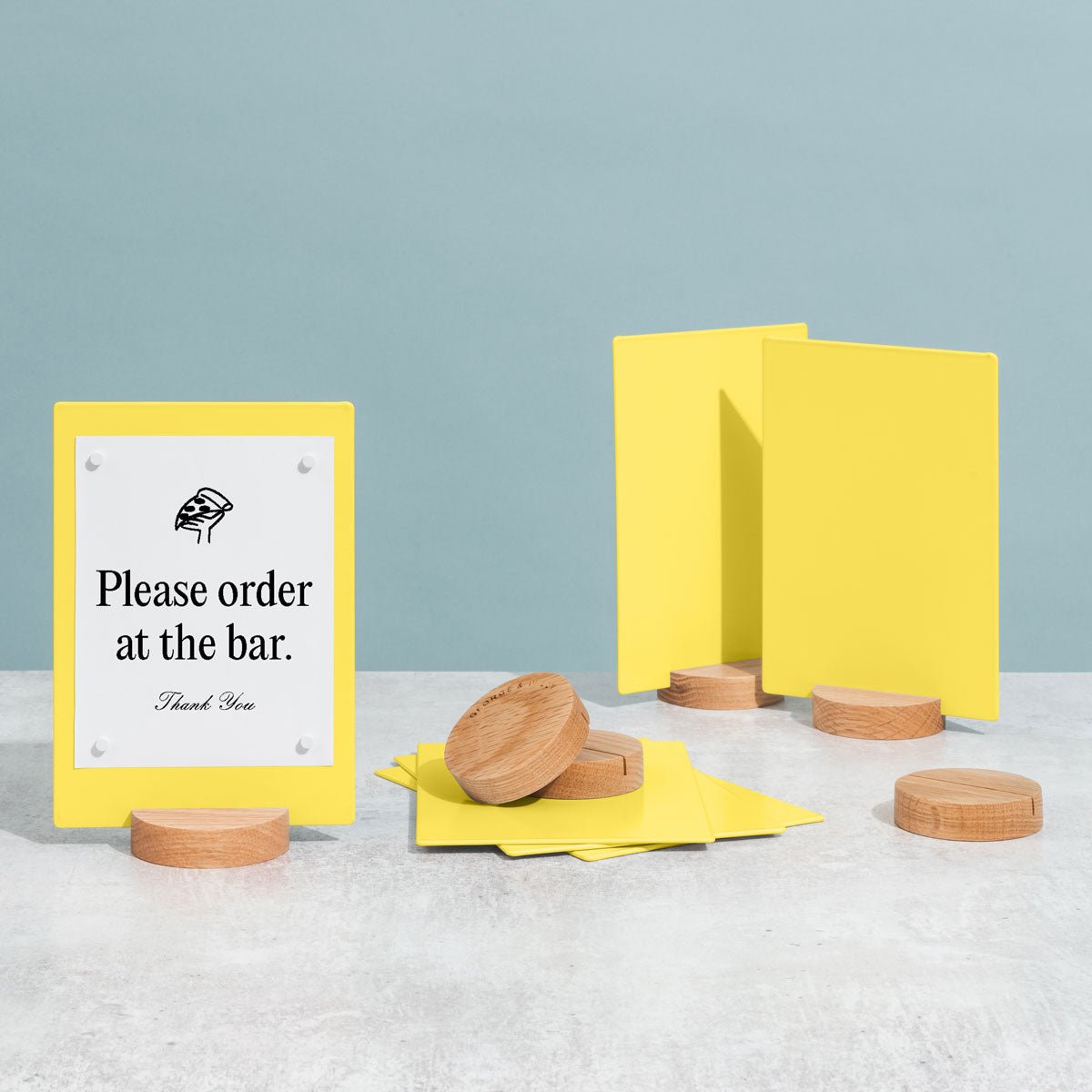
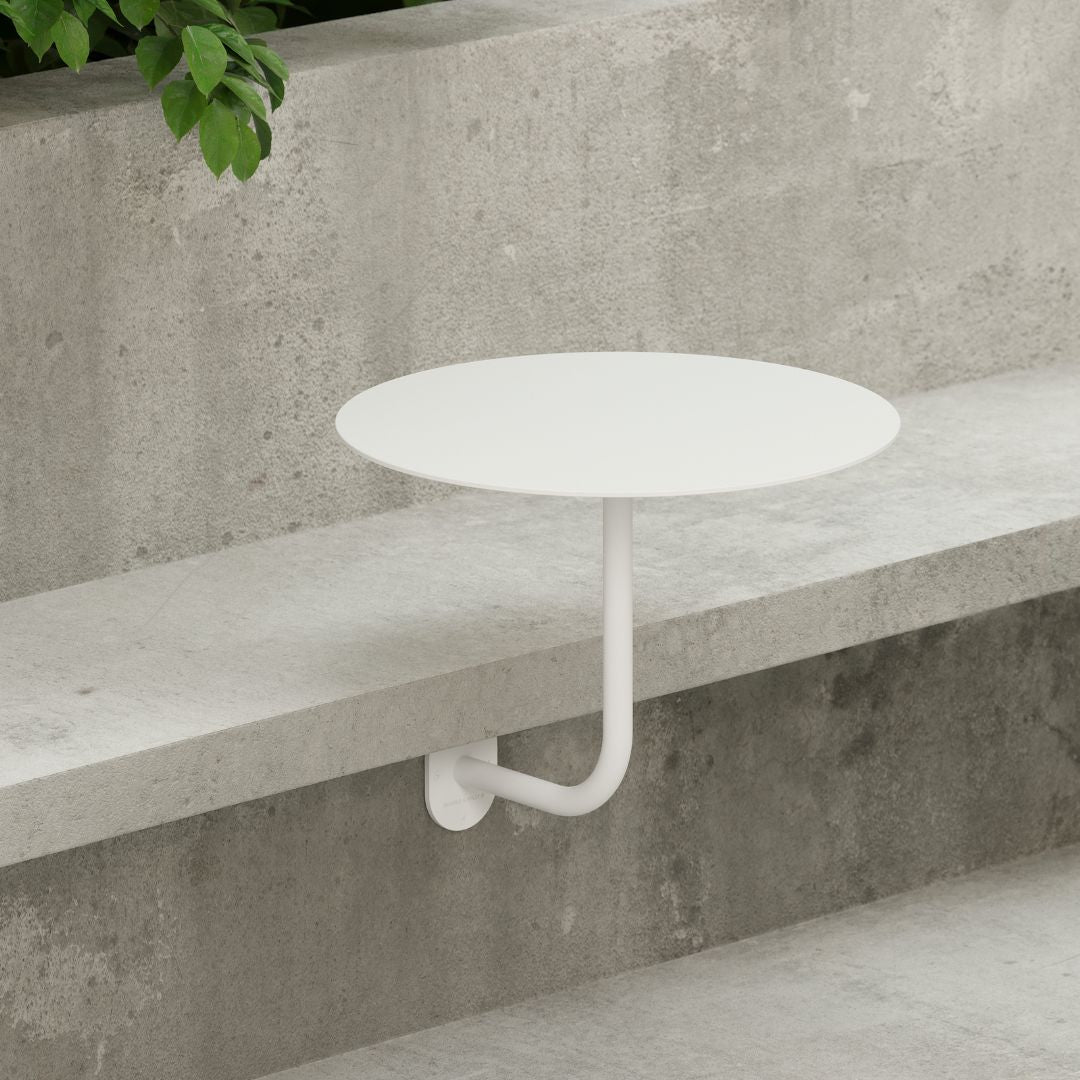
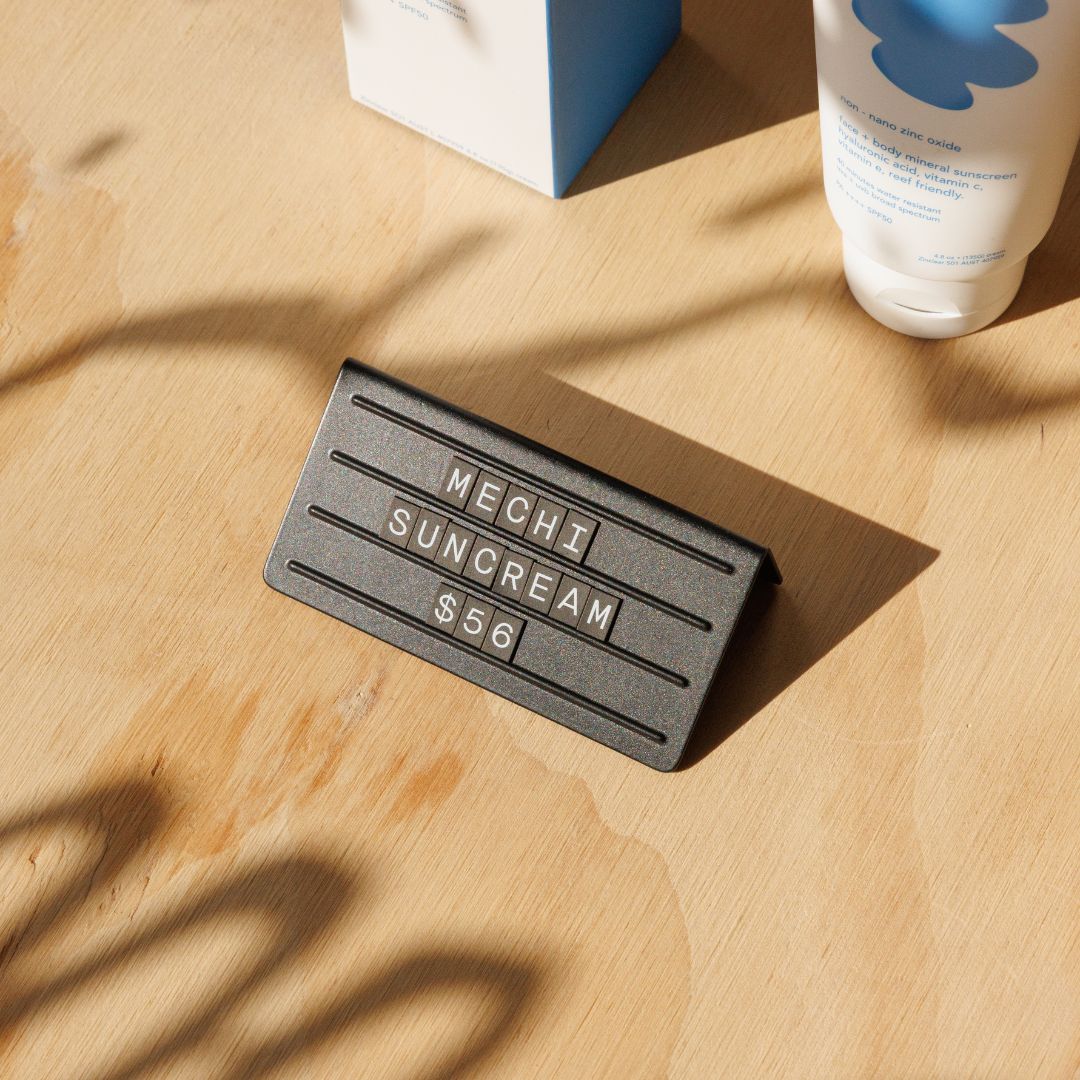
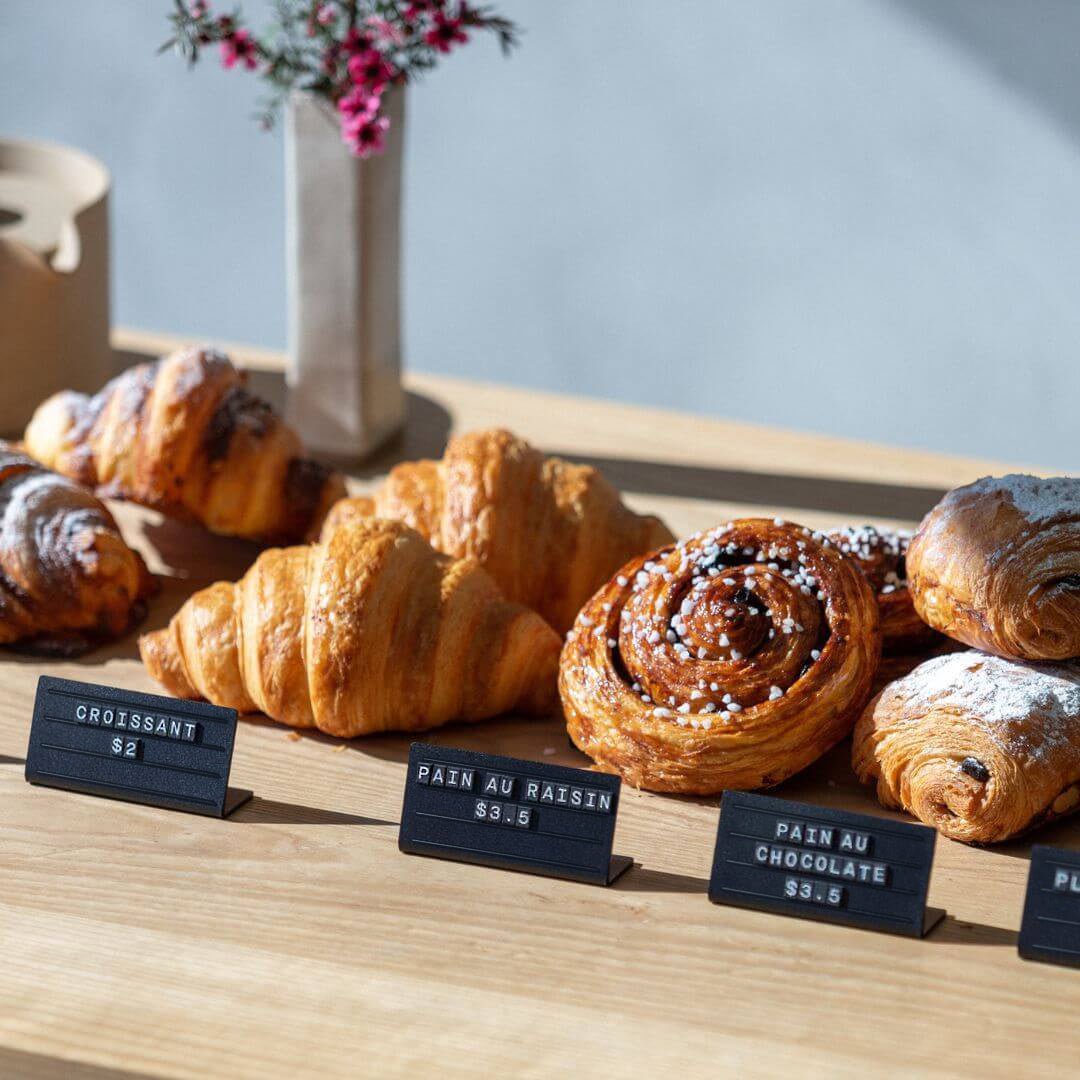
Countertop and tabletop signs
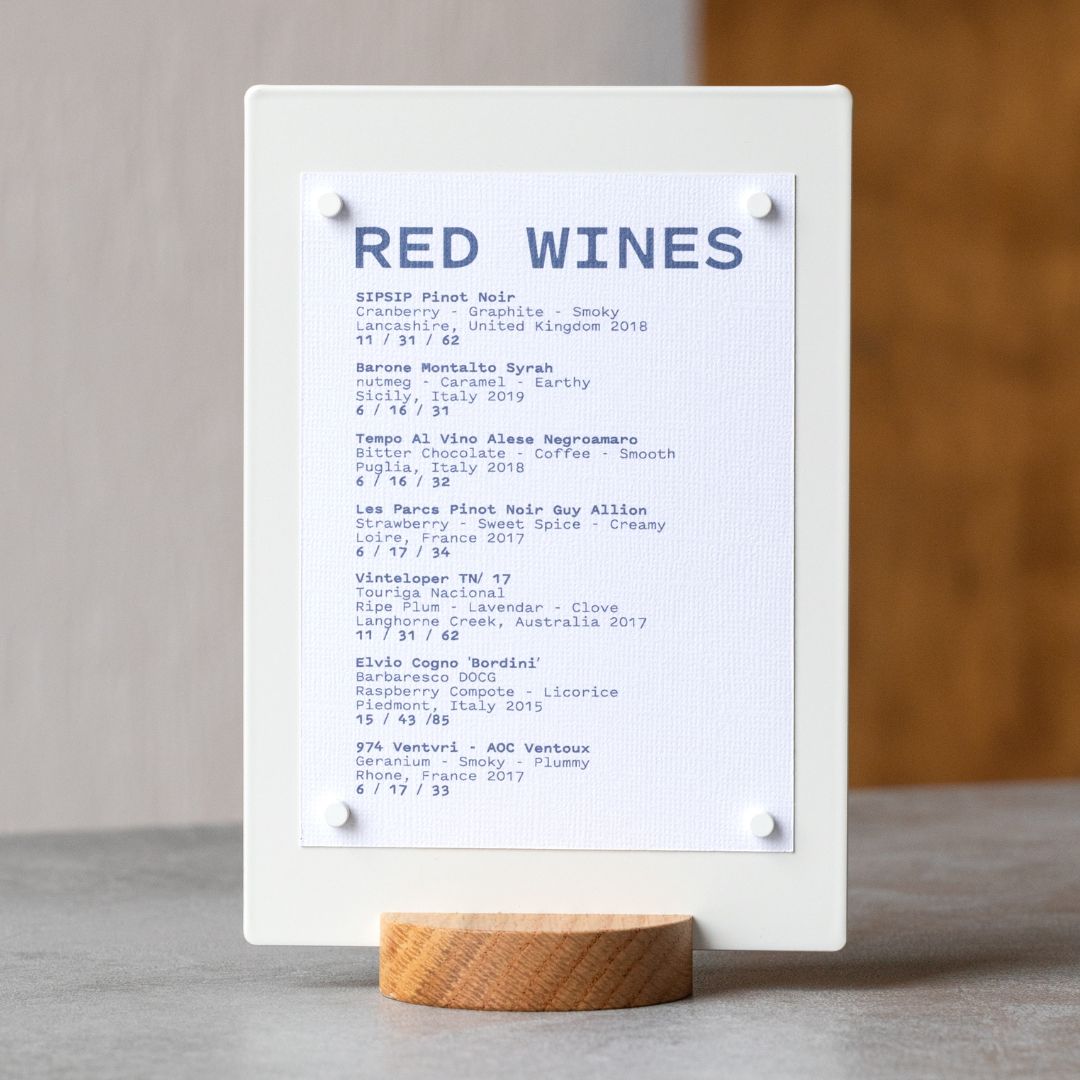
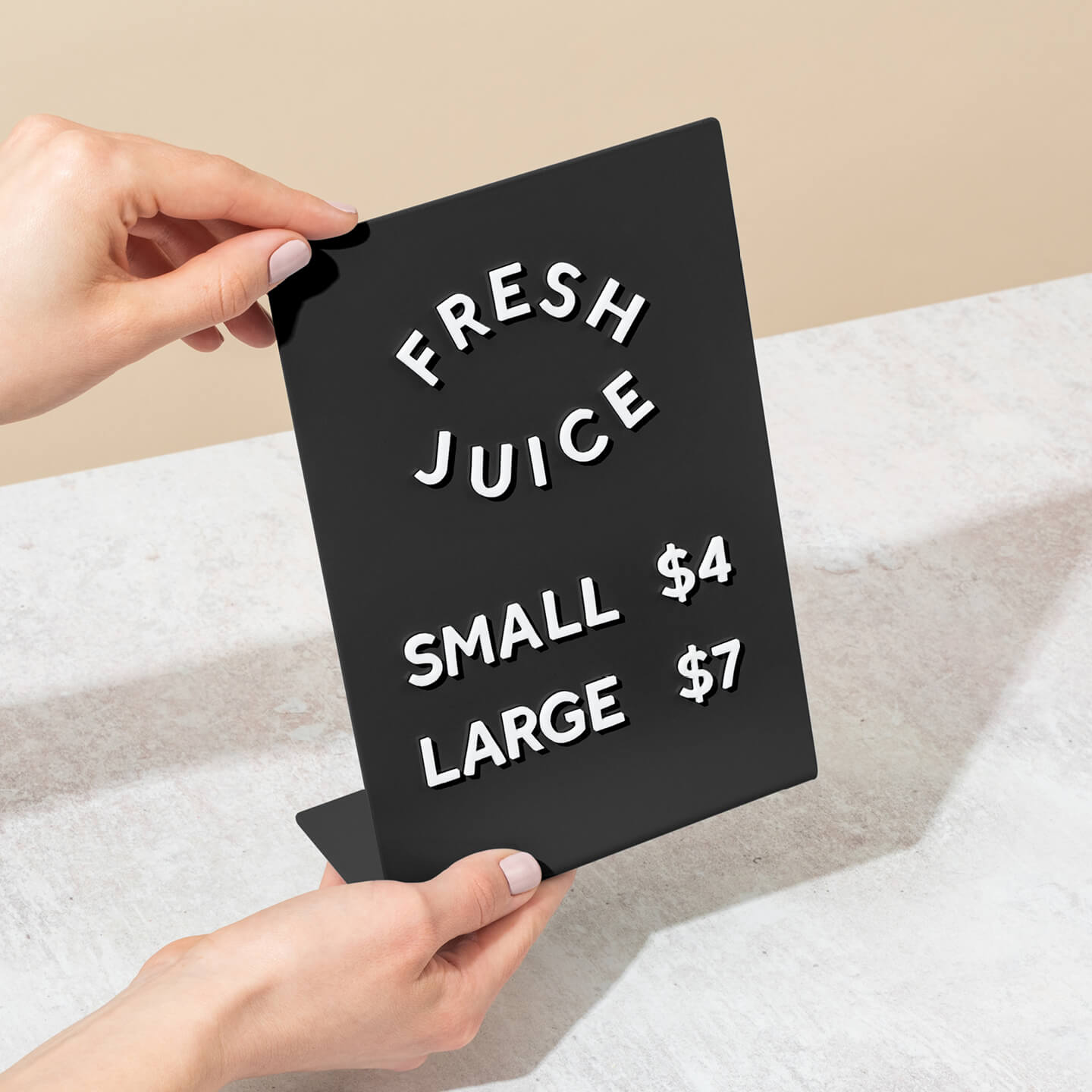
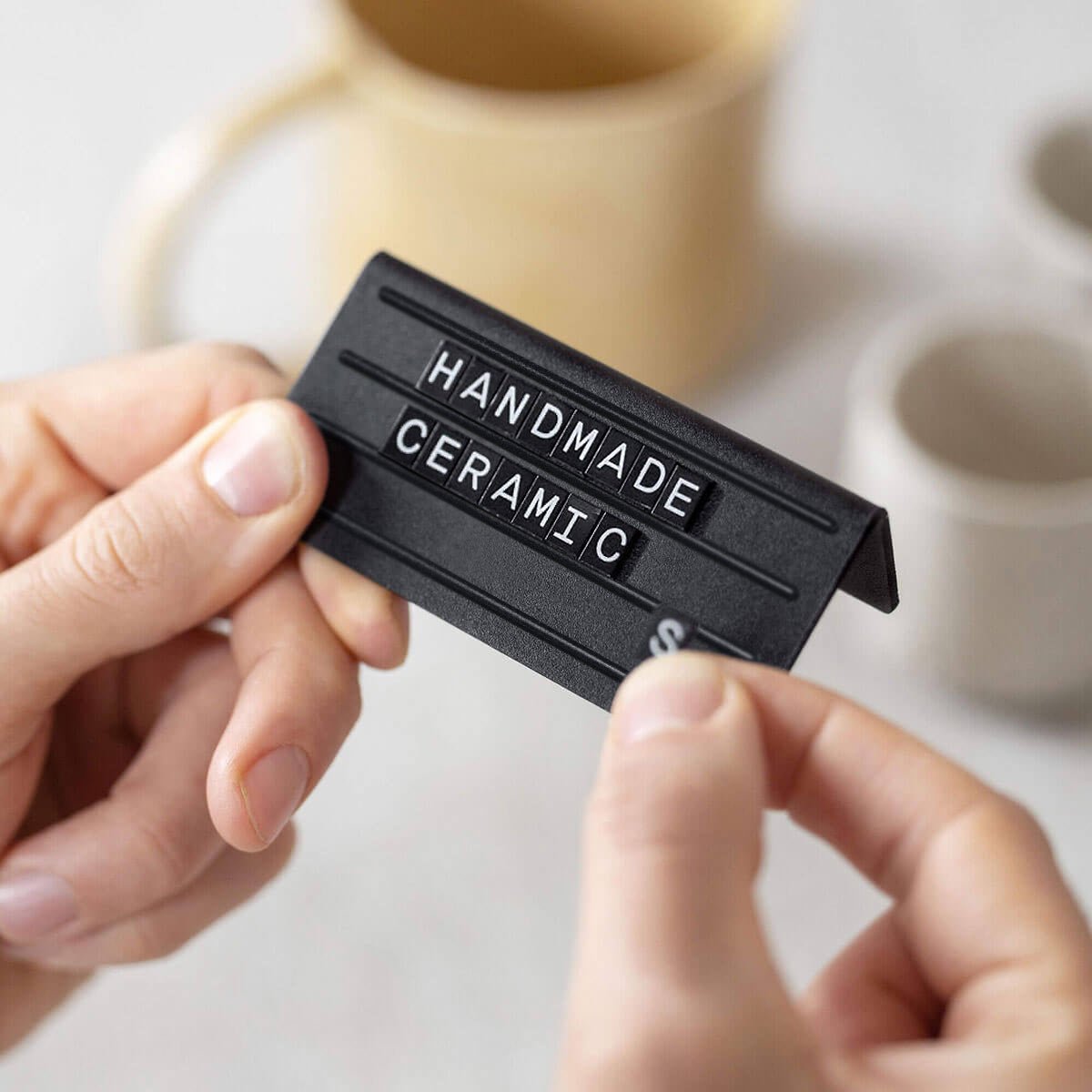
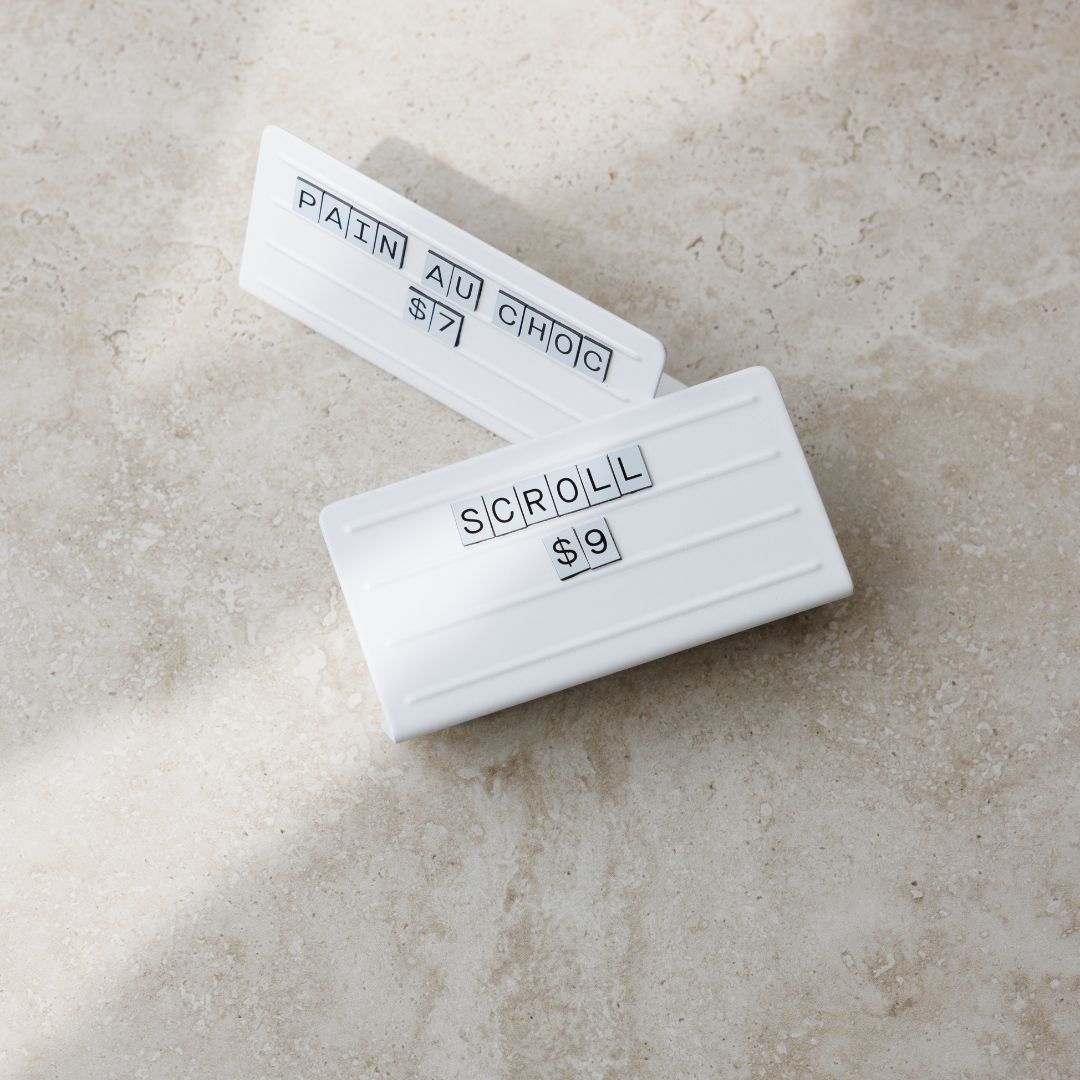
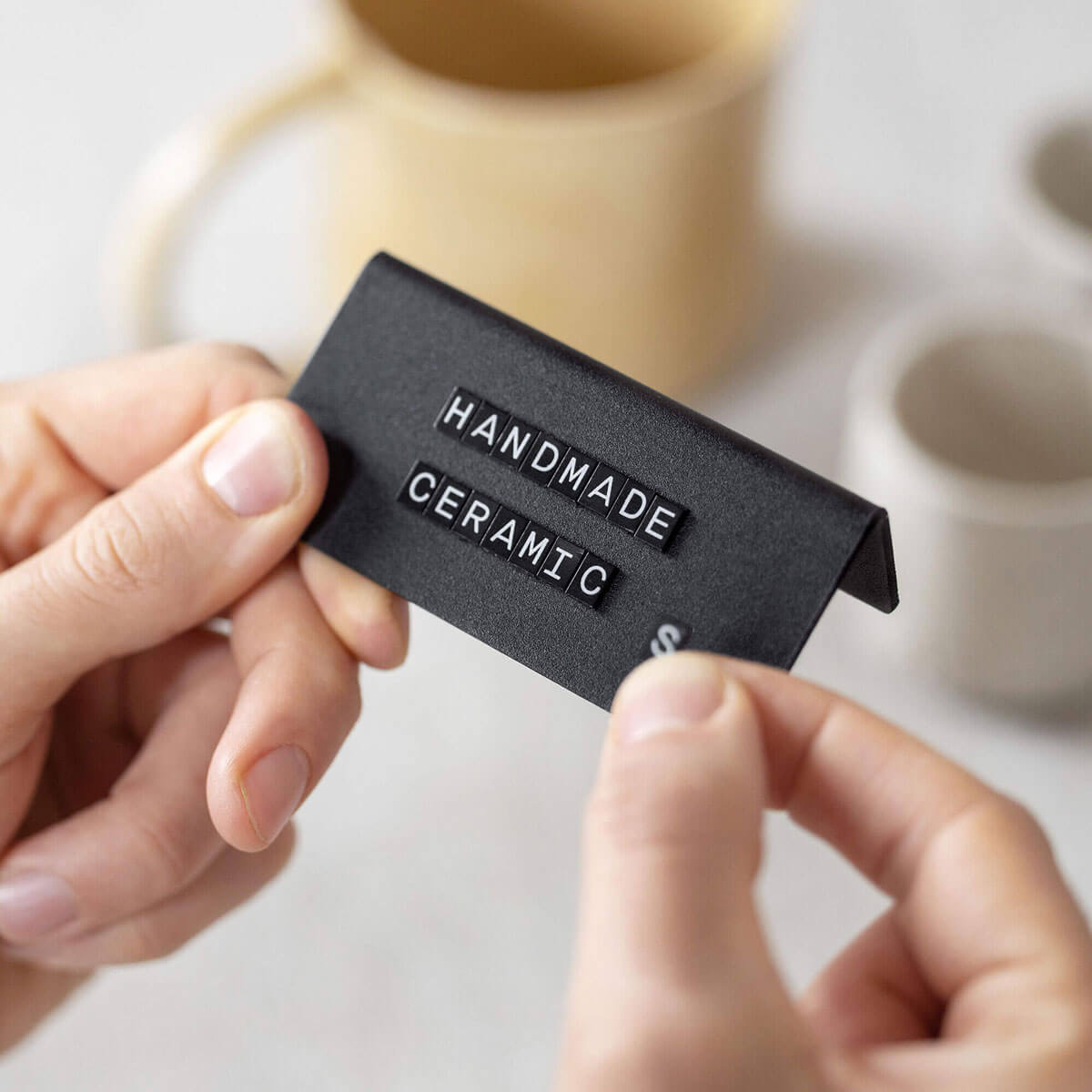
Use as micro menus at the point of decision. Table talkers and pricing signs prompt add ons like extra shots or pastry pairings.
Digital screens
Useful for animated content or dayparting. Factor in glare, power, mounting, and content design time. Pair one digital screen with static boards to balance clarity and flexibility.
Branding and customization notes
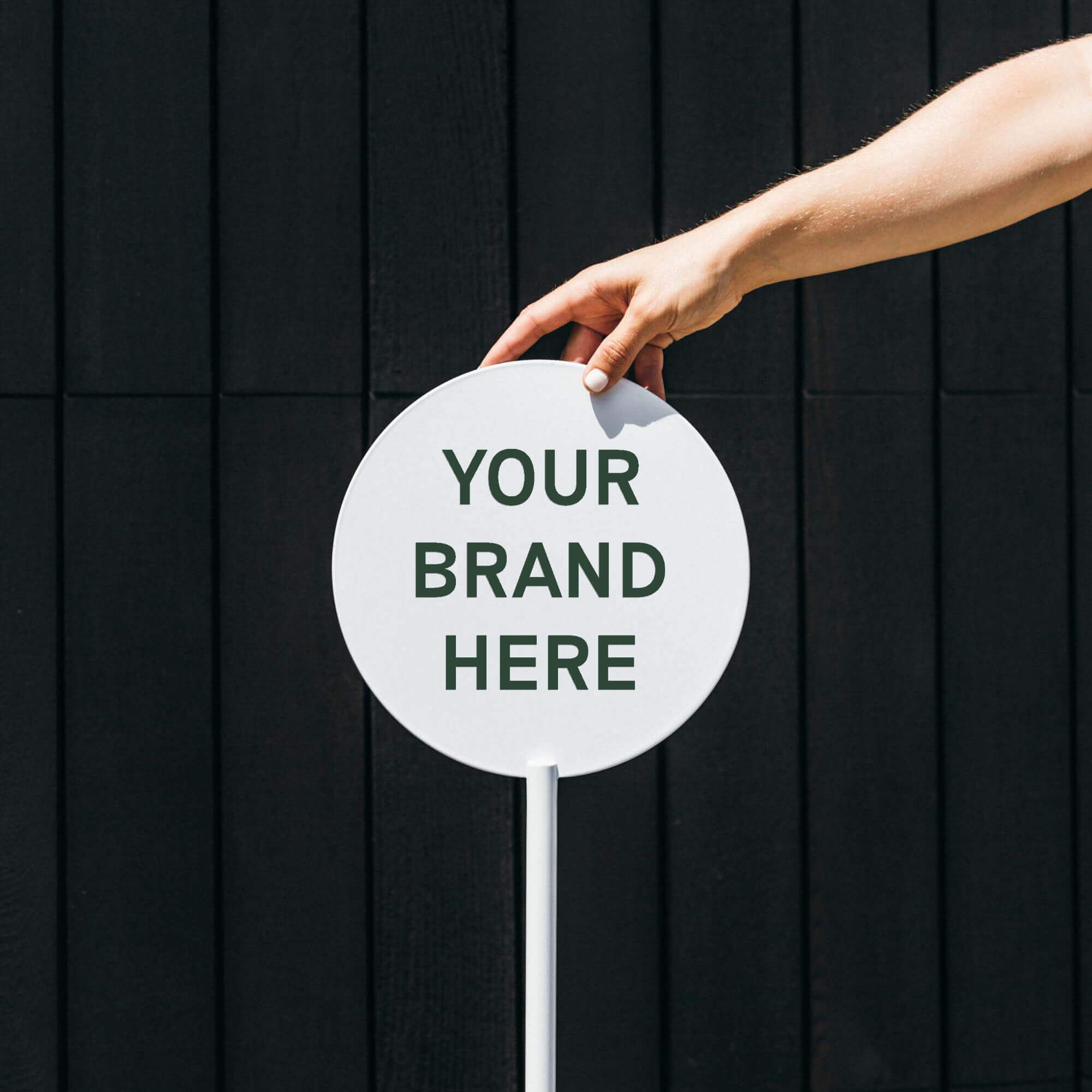
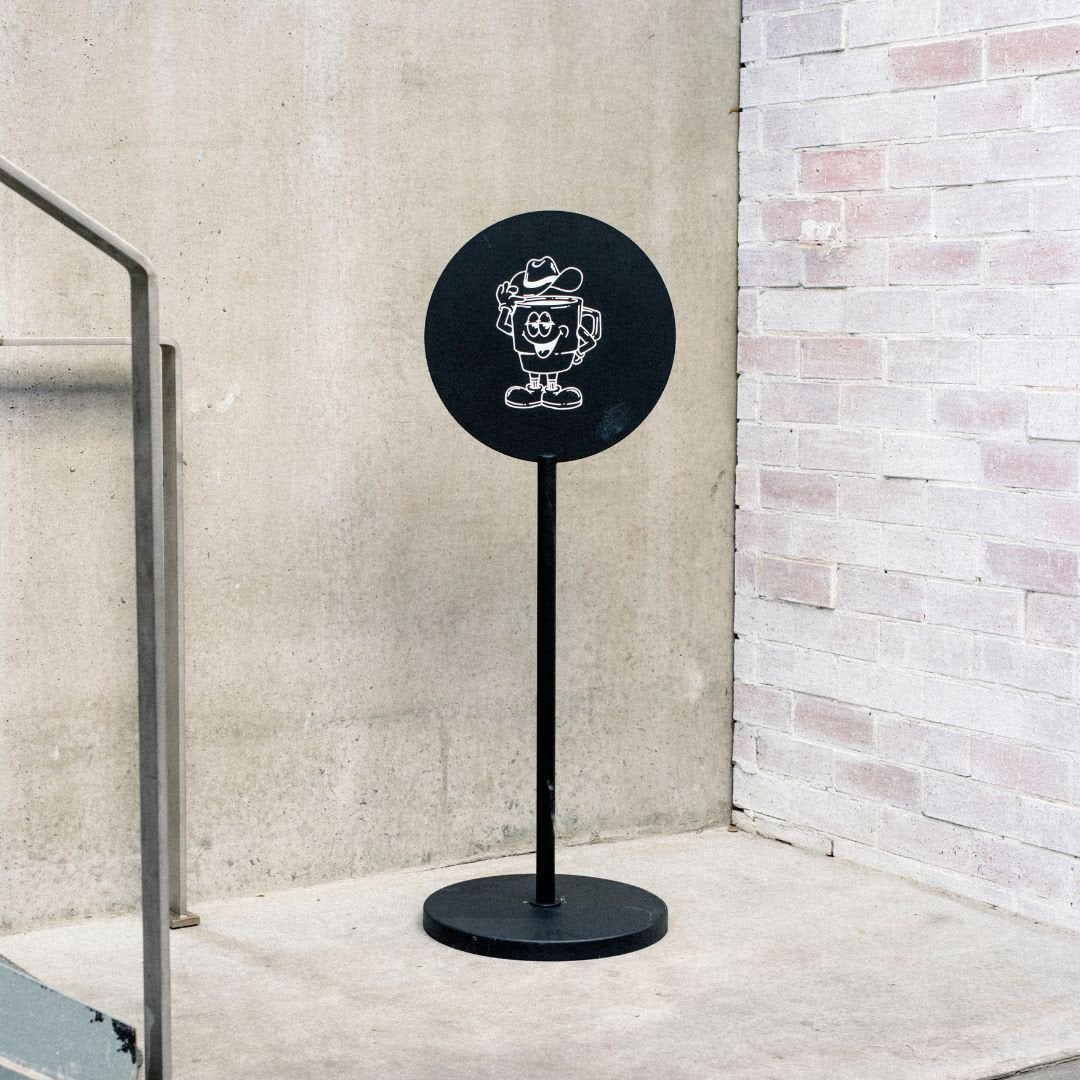
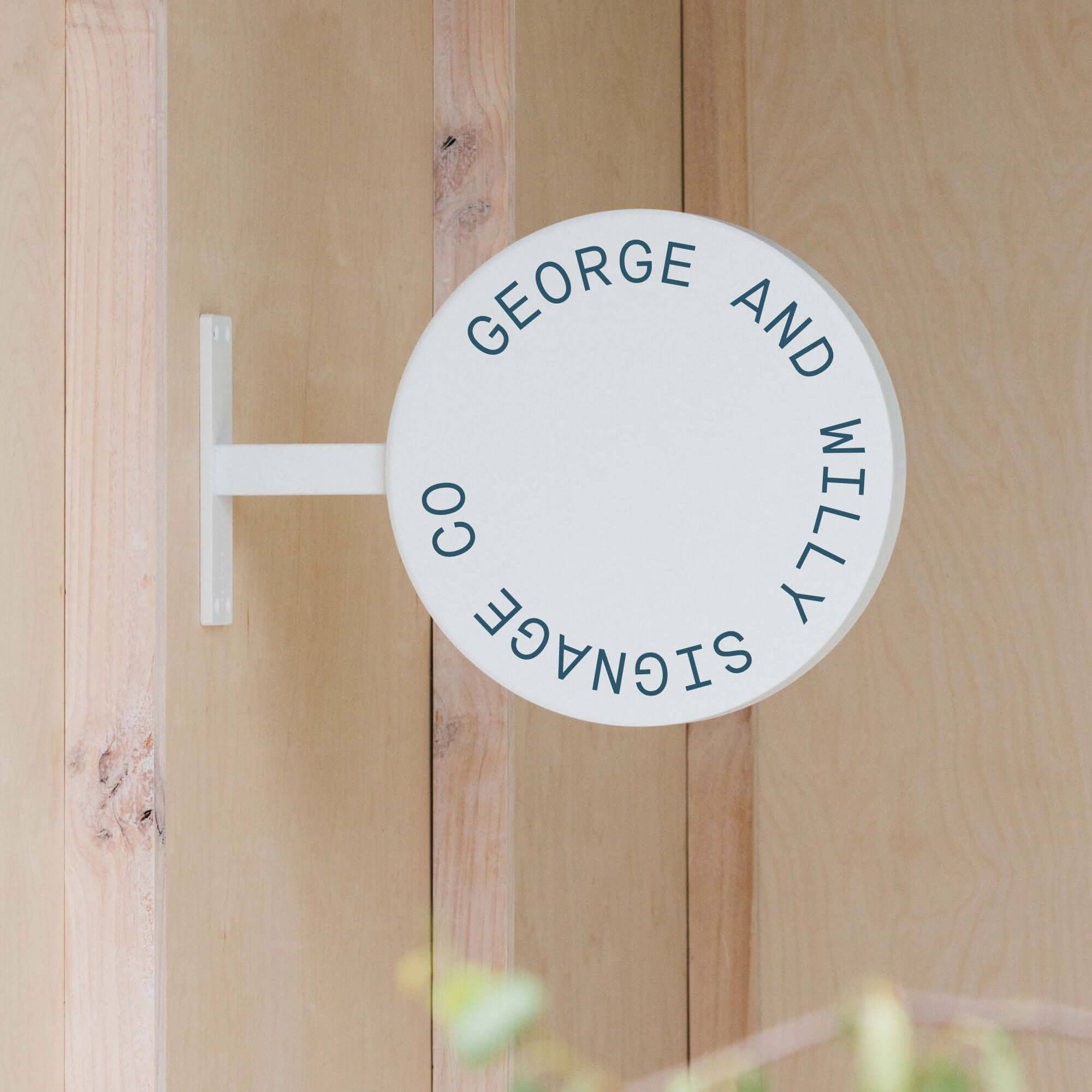
George and Willy ships signage blank. There is no custom fabrication or logo application service. Most customers apply vinyl decals through a local signwriter or arrange local powder coating for custom colors. This approach keeps timelines short while achieving a tailored look.
If you prefer off the shelf hardware that still feels custom once you apply graphics, explore George and Willy.
Top 15 Menu Board Ideas
Building on the fundamentals, this section compiles 15 practical menu board ideas that range from interactive digital tools to timeless analog options. They’re grouped to show how different approaches support key goals like engagement, operational agility, and merchandising impact. Use these snapshots to quickly spot what to test next and assemble a mix that fits your brand and budget.
1. Interactive Digital Menu Boards for Customer Engagement
Invite guests to tap, scan, or gesture their way through live menus that pull pricing and availability straight from your POS. The result is a participatory, modern vibe that shines in cafés, QSRs, food halls, hotels, stadiums, and campus dining, especially when menus change often.
Guests explore with dietary filters and modifiers; clarity improves at a glance.
Self-service browsing reduces bottlenecks and boosts add-ons, bundles, and sizes.
POS/CMS sync cuts errors with automatic 86s and accurate pricing.
Centrally managed templates keep motion, imagery, and layout on-brand chain-wide.
Make it happen: choose commercial-grade, anti-glare glass screens at 350–700 nits indoors (higher near windows). Keep type sizing around 1 inch per 10 feet and maintain ≥4.5:1 contrast. Mount within ADA reach for touch, eye-level for view-only, use VESA mounts with ventilation, and plan a steady update cadence.
Heads-up: upfront costs, glare, and connectivity require planning. Use offline caching, clean screens daily, and weather-protect any exterior placements.
2. Interactive Digital Menu Boards with Order Placement Capabilities
Turn your menu into a self-service lane where guests browse, customize, and pay on-screen. This creates a sleek, fast-flow experience in high-volume QSRs, fast-casual counters, cafeterias, and food halls. They are primarily for indoors, with weatherproof drive-thru options for outdoor ordering.
Parallel self-ordering relieves cashier queues and speeds throughput.
Smart prompts surface combos and add-ons that raise average check.
Allergen flags, modifiers, and confirmations reduce errors pre-payment.
Central control syncs pricing, imagery, and inventory across locations.
Make it happen: use commercial, anti-glare touchscreens at 500–700 nits indoors, 700–1,000 in bright lobbies, and 2,000+ outdoors. Respect ADA reach ranges (~15–48 inches), keep sightlines open, conceal cabling, maintain ≥4.5:1 contrast, specify 44–48 px touch targets, and sync POS/KDS.
Heads-up: expect higher hardware, integration, and networking costs. Plan for glare mitigation, daily cleaning, software updates, and a fallback flow.
3. Real-Time Menu Updates on Digital Boards
Connect your boards to live POS/CMS data so items, prices, promos, and availability update instantly. The vibe is accurate, contemporary, and confident. This is perfect for cafés, QSRs, bakeries, food halls, campus dining, stadium concessions, and drive-thrus with dayparts and frequent changes.
Auto-hide out-of-stocks, sync prices, and reduce comps and confusion.
Dayparted layouts simplify choices, speeding lines during peaks.
Rules-based bundles and localized offers lift check size.
Central templates cut labor and eliminate costly reprints chain-wide.
Make it happen: spec 43–55 inch commercial displays (400–700 nits indoors; 700–1,500 near windows; 2,500+ exterior) with matte glass and offline-caching players. Size type around 1 inch per 10 feet, keep high contrast, avoid thin fonts, and hard-wire Ethernet above counters.
Heads-up: hardware/CMS subscriptions and network dependence add cost. Mitigate glare, clean routinely, calibrate periodically, and weather-protect outdoor units.
4. Digital Menu Boards with Dynamic Pricing Features
Let your screens adjust prices by time of day, demand, inventory, or outside cues like weather and events. This transparent, data-forward approach suits cafés, QSRs, food halls, campuses, c-stores, stadiums, arenas, and drive-thrus where price agility protects margin.
Real-time POS sync prevents mismatches and automates 86s.
Dayparted layouts keep choices clear and lines moving.
Demand-based pricing and rule-driven upsells lift revenue.
Chain-wide control curbs overrides and preserves brand consistency.
Make it happen: pair commercial displays with a CMS that supports POS/API pricing rules. Keep uppercase letter height near 1 inch per 10 feet, ensure strong contrast, and mount above the counter angled to the queue. Test schedules, QA transitions, and maintain a fallback playlist.
Heads-up: higher upfront cost and glare risk. Communicate variable pricing clearly, clean weekly, and validate logic before peak periods.
5. Digital Menu Boards with High-Resolution Images
Showcase crisp HD/4K photography alongside prices and promos so guests order with their eyes. This appetizing, modern look works beautifully in cafés, QSRs, bakeries, bars, and food halls. It works well indoors above counters and queues, and outdoors with drive-thru-rated screens.
Large type and clear visuals reduce decision friction.
Visual recognition speeds ordering during busy periods.
Mouth-watering hero shots fuel upsells, bundles, and timed promos.
Central templates allow instant price changes and daypart swaps.
Make it happen: match letter height to viewing distance, maintain strong contrast and even lighting, and tilt screens slightly downward. Use commercial 1080p/4K displays, schedule dayparts in your CMS, and refresh hero images weekly with brand-approved templates.
Heads-up: expect higher content needs and hardware costs. Manage glare, heat, cleaning, ventilation, and outdoor weather ratings.
6. Video Integration with Digital Menu Boards
Blend short motion clips, cinemagraphs, or looping segments into your menu to spotlight high-margin items and LTOs without overwhelming the price grid. This subtle motion is ideal for cafés, QSRs, bars, bakeries, food halls, and drive-thrus where dayparting and impulse cues matter.
Motion draws the eye to profitable pairings and specials.
Quick visuals explain portions or builds, smoothing decisions.
Daypart schedules and visual cues keep lines moving.
Remote updates hold designs consistent across locations.
Make it happen: reserve a dedicated video zone and keep clips to 6–8 seconds within a 45–60 second loop. Maintain 1 inch per 10 feet type sizing, high contrast, and anti-glare positioning. Mount on VESA rails, tidy cables, standardize 1080p MP4, and rotate promos weekly.
Heads-up: content and hardware costs rise; glare can wash motion. Keep movement subtle, clean screens, and monitor playback health.
7. Digital Menu Boards with Promotional Slideshows
Pair a fixed, super-legible menu pane with a rotating slideshow that spotlights LTOs, bundles, and daypart features. The energy feels modern and timely, perfect for cafés, QSRs, bars, concessions, food halls, and multi-unit brands across counters and patios.
Fixed type keeps core items readable at a glance.
Guests pre-select favorites, speeding line flow.
Timed slides drive upgrades, add-ons, and limited offers.
Central CMS ensures fast, brand-safe updates across stores.
Make it happen: use 400–700 nit commercial displays, VESA mounts, and set screen centers 60–66 inches high with a 10–15° tilt. Size type for distance (≈1 inch/10 feet), maintain ≥4.5:1 contrast, run 6–8 second slides (3–6 per loop), and sync to your POS.
Heads-up: higher upfront costs and glare risk, so choose matte finishes. Clean weekly, audit loops, and recalibrate brightness seasonally.
8. Multi-Panel Digital Menu Boards
Line up two to five synchronized screens, each owning a category, to guide attention with clean separation. The effect is sleek and intuitive for high-volume counters like QSRs, cafés, bakeries, bars, food halls, and campuses. It works well indoors or in weather-rated outdoor runs.
Clear category lanes reduce scanning time dramatically.
Faster daypart switches keep peak service confident.
Dynamic slots spotlight bundles and limited offers.
Remote templates update prices and outages instantly.
Make it happen: spec 49–55 inch commercial panels (400–700 nits indoors; higher near windows). Size type around 1 inch per 10 feet, use high-contrast palettes, and mount level above the counter with a 5–10° tilt to fight glare. Calibrate colors and refresh weekly.
Heads-up: plan for power, networking, and spare parts. Clean weekly, recalibrate quarterly, and monitor for panel drift.
9. Customizable Digital Menu Boards for Multiple Locations
Run a chain-wide network from a central CMS so every store shares branded templates while local teams adjust pricing, taxes, languages, and promos. The experience feels cohesive yet flexible. It is ideal for multi-unit cafés, QSR, fast-casual, c-stores, stadiums, airports, and drive-thrus.
Consistent typography and contrast keep boards scannable.
Dayparted layouts and live 86s speed ordering.
Weather- or time-triggered promos and A/B tests lift check.
Chain-wide updates push menus, allergens, and nutrition in minutes.
Make it happen: specify 55–75 inch 1080p/4K displays at 500–700 nits indoors and 2,500+ nits at windows/outdoors. Size type ≈1 inch per 10 feet, mount 7–9 feet high with 5–15° tilt, hard-wire Ethernet, add UPS and offline caching, and schedule quarterly reviews.
Heads-up: hardware/CMS costs and power draw are higher. Cache assets, clean monthly, and plan a 3–5 year hardware refresh.
10. Digital Menu Boards for Upselling and Cross-Selling
Design your screens to gently nudge guests toward complete meals like bundles, sides, and beverages, using layout, motion, and daypart timing. This merchandising approach fits cafés, QSR, fast-casual, bars, and concessions that update prices and promos frequently.
Clear categories and pricing reduce confusion.
Contextual add-ons lift check without hard selling.
Central control powers rapid, brand-safe LTOs.
Live price changes and allergen callouts boost accuracy.
Make it happen: test from the back of the queue and size type to distance (≈1 inch/10 feet). Use high-contrast palettes, even lighting, and a slight downward tilt. Mount on VESA rails, set daypart schedules, refresh weekly, and audit performance data to refine placements.
Heads-up: expect higher content workload and upfront cost. Avoid overusing motion, manage glare, and clean screens weekly.
11. Seasonal and Holiday-Themed Digital Menu Boards
Auto-switch creative to match seasons and holidays, such as fall harvest, winter sparkle, game day, or local festivals, so the menu feels timely and fun. This is perfect for cafés, QSRs, bakeries, bars, and drive-thrus running LTOs or dayparted campaigns year-round.
Timely layouts cut decision friction and shorten lines.
Current LTOs and combos stay front and center during peaks.
Scarcity and countdowns nudge higher average checks.
Campaigns auto-start/expire by date, time, location, weather, or stock.
Make it happen: size letters to viewing distance (≈1 inch/10 feet), maintain WCAG-friendly contrast, and keep motion subtle so prices stay legible. Mount above eye level with VESA brackets or ceiling hangs, pre-schedule dayparts and end-dates, and test visibility in real light.
Heads-up: display/CMS costs and glare remain factors. Clean weekly, recalibrate quarterly, and verify auto-expiration across all locations.
12. Seasonal and Thematic Menu Boards
Rotate physical boards to spotlight limited-time items, seasonal flavors, or event tie-ins using fresh colors, icons, and scarcity cues. This handcrafted approach suits cafés, QSRs, bakeries, juice bars, ice-cream shops, taprooms, and farm-to-table concepts. It can be used inside at queue entry and above counters, plus outdoors with decals or A-frames.
Clear, timely boards reduce questions and waits.
Peak-time flow improves as fresh items take priority.
Bundles and pairings create natural upsell moments.
Durable formats refresh quickly while staying on-brand.
Make it happen: size letters to distance, choose high-contrast palettes with even lighting, and mount where the queue’s sightlines are unobstructed. Use rails, tiles, magnets, snap frames, or vinyl decals for speed. Set a monthly refresh cadence and assign ownership.
Heads-up: frequent updates take time and small print costs. Minimize glare and clean matte surfaces and hardware regularly.
13. Outdoor menu boards: Catch attention before entry
Win decisions at the curb with weather-rated pre-sell boards mounted on walls, windows, or sturdy A-frames. This welcoming, decisive touch is ideal for cafés, QSRs, bakeries, food trucks, breweries, and food halls, especially when specials change daily.
Guests arrive pre-decided, reducing questions inside.
Shorter queues and faster throughput during rushes.
Strong bundles and LTOs lift average ticket early.
Weatherproof formats enable quick swaps chain-wide.
Make it happen: use powder-coated frames, laminated plywood, or UV-printed panels behind anti-glare covers. Keep letters around 1 inch per 10 feet. Mount near the door at 54–66 inches center, light evenly, secure A-frames, and rotate weekly with daily specials updated as needed.
Heads-up: permitting, glare, wind, and limited copy space require planning. Clean weekly, inspect mounts monthly, and shelter boards during storms.
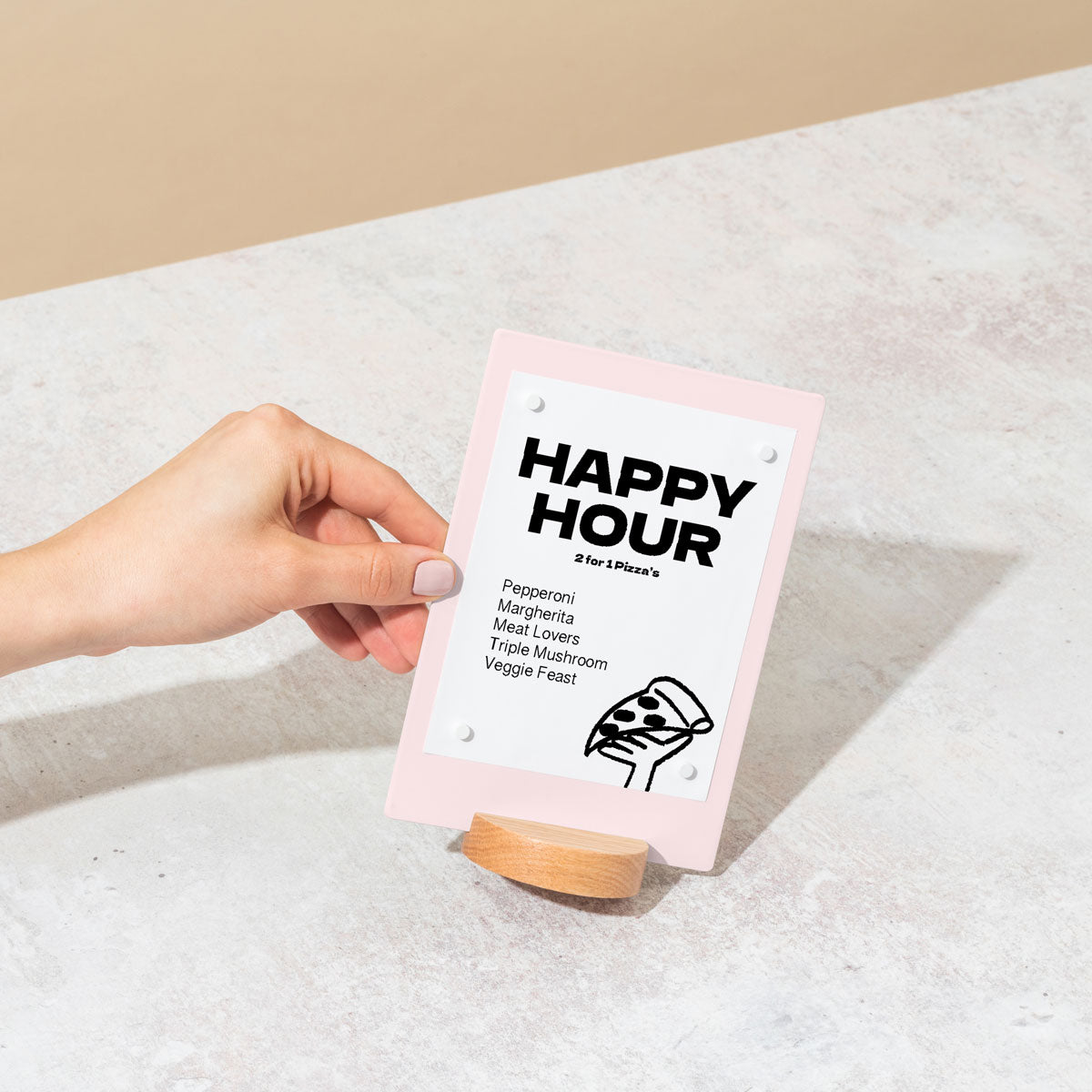
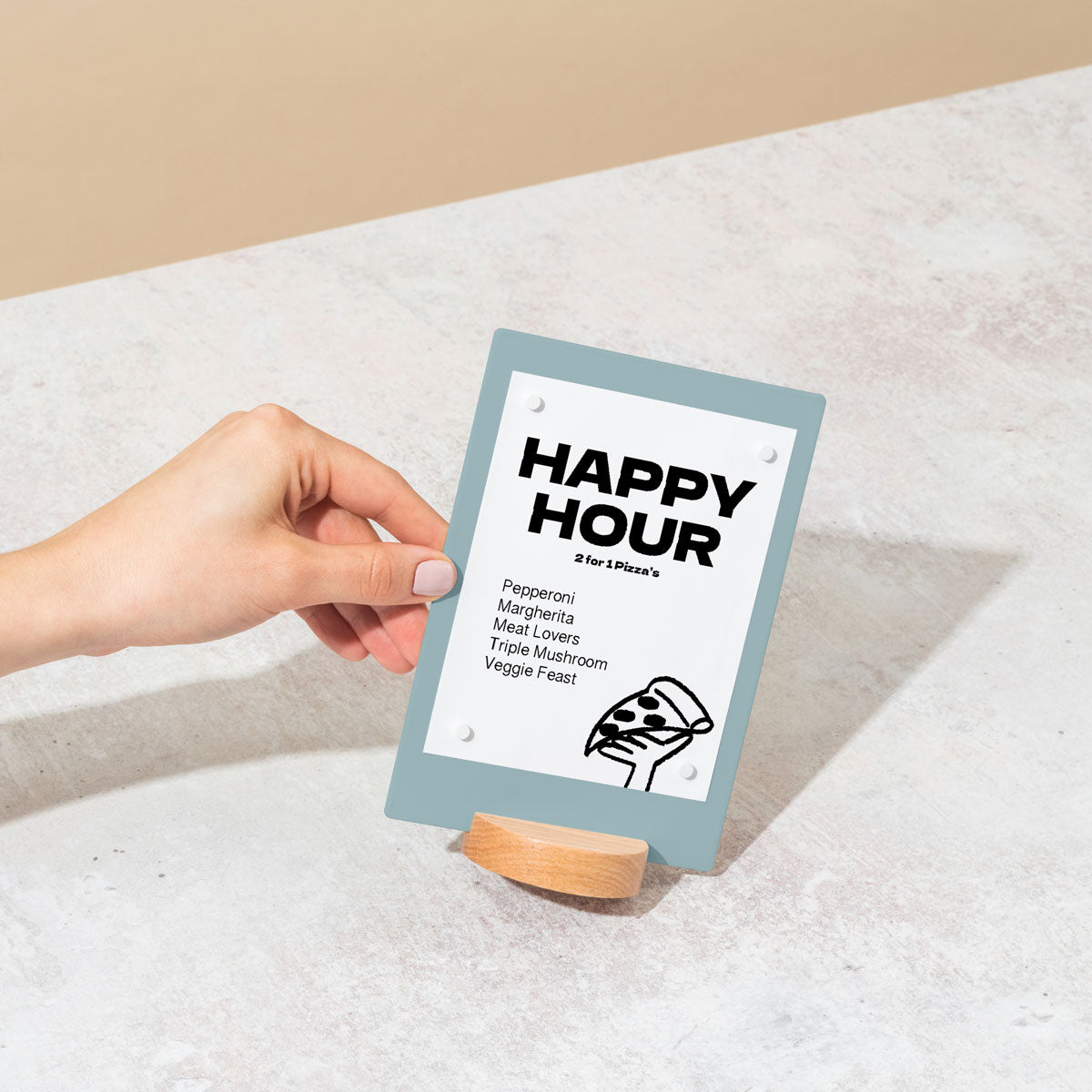
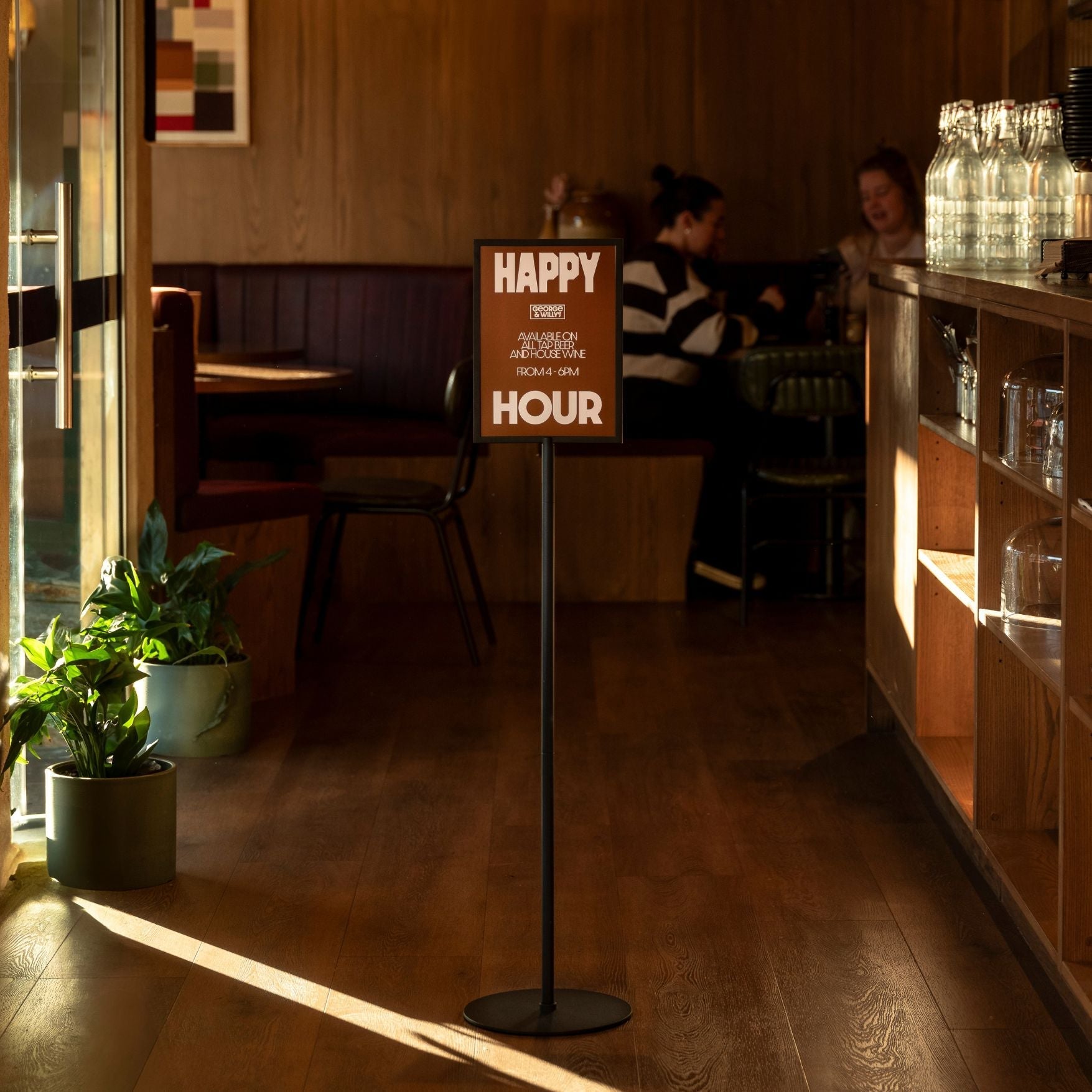
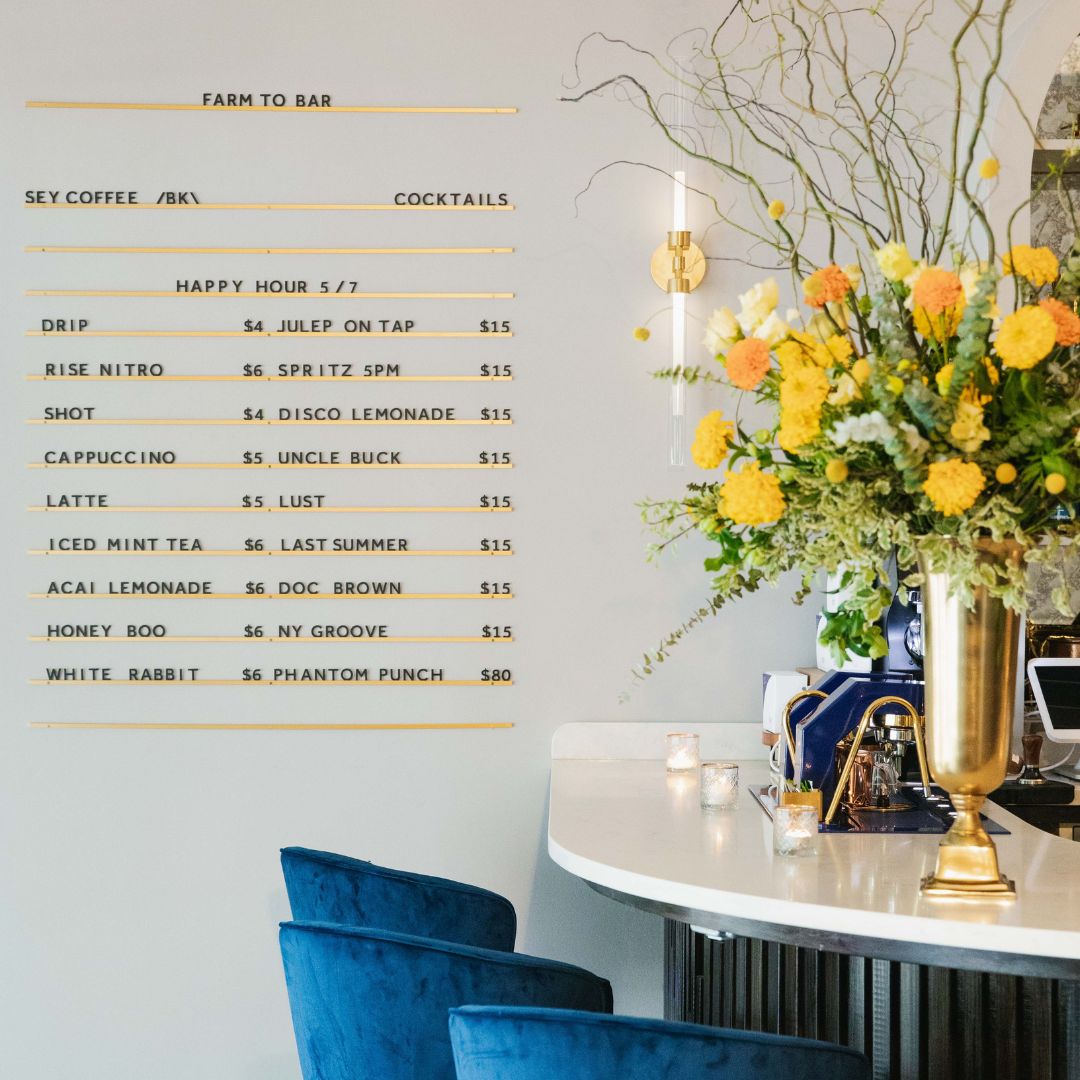
14. Special boards for daily promotions or happy hours
Dedicate a board to time-bound offers like happy hour pricing, daily specials, or limited bundles to create urgency and an event-like buzz. Bars, cafés, breweries, QSRs, lounges, and food halls can place them indoors at POS and outside to catch foot traffic.
One clear board reduces questions and decision friction.
Staff can reference specials quickly, speeding service.
Timed bundles, combos, and add-ons drive upsells.
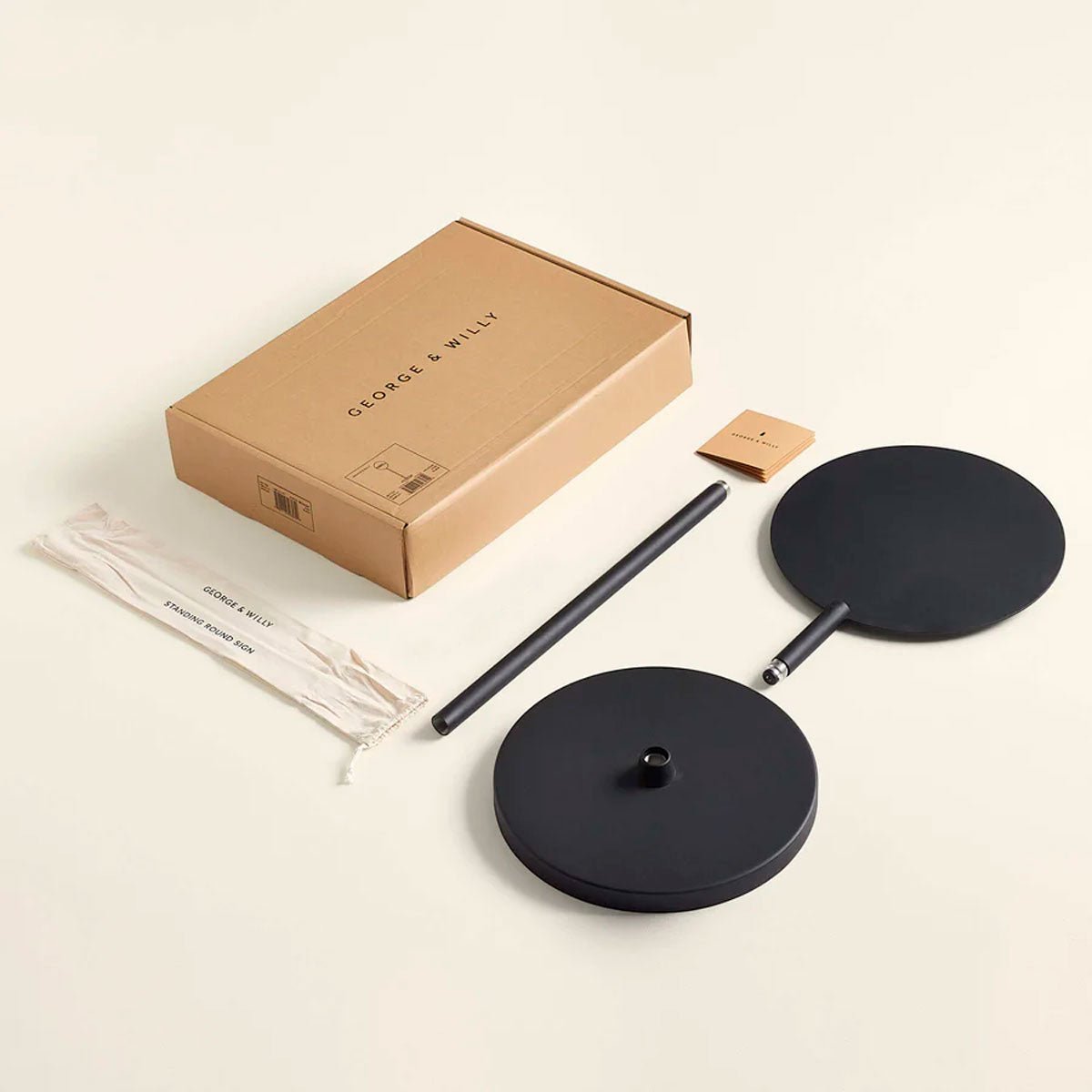
Rails, tiles, or templates enable rapid, brand-safe updates.
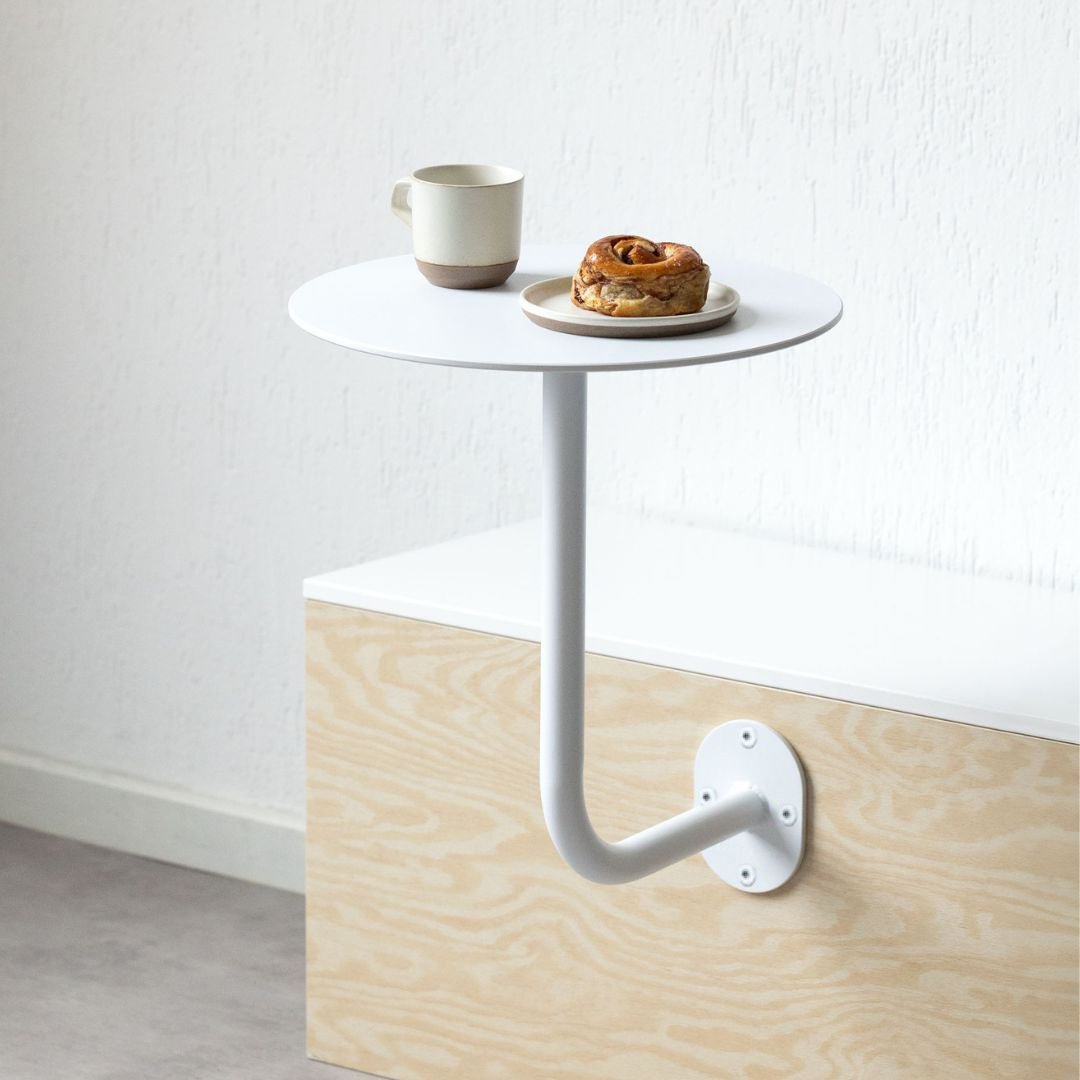
Make it happen: match letter height to viewing distance (≈1 inch/10 feet), use high-contrast palettes, and light evenly without glare. Mount where decisions happen, for example, behind the bar, above queues, or at entry. Choose magnets, rails, slide-ins, or wet-erase for mid-service changes.
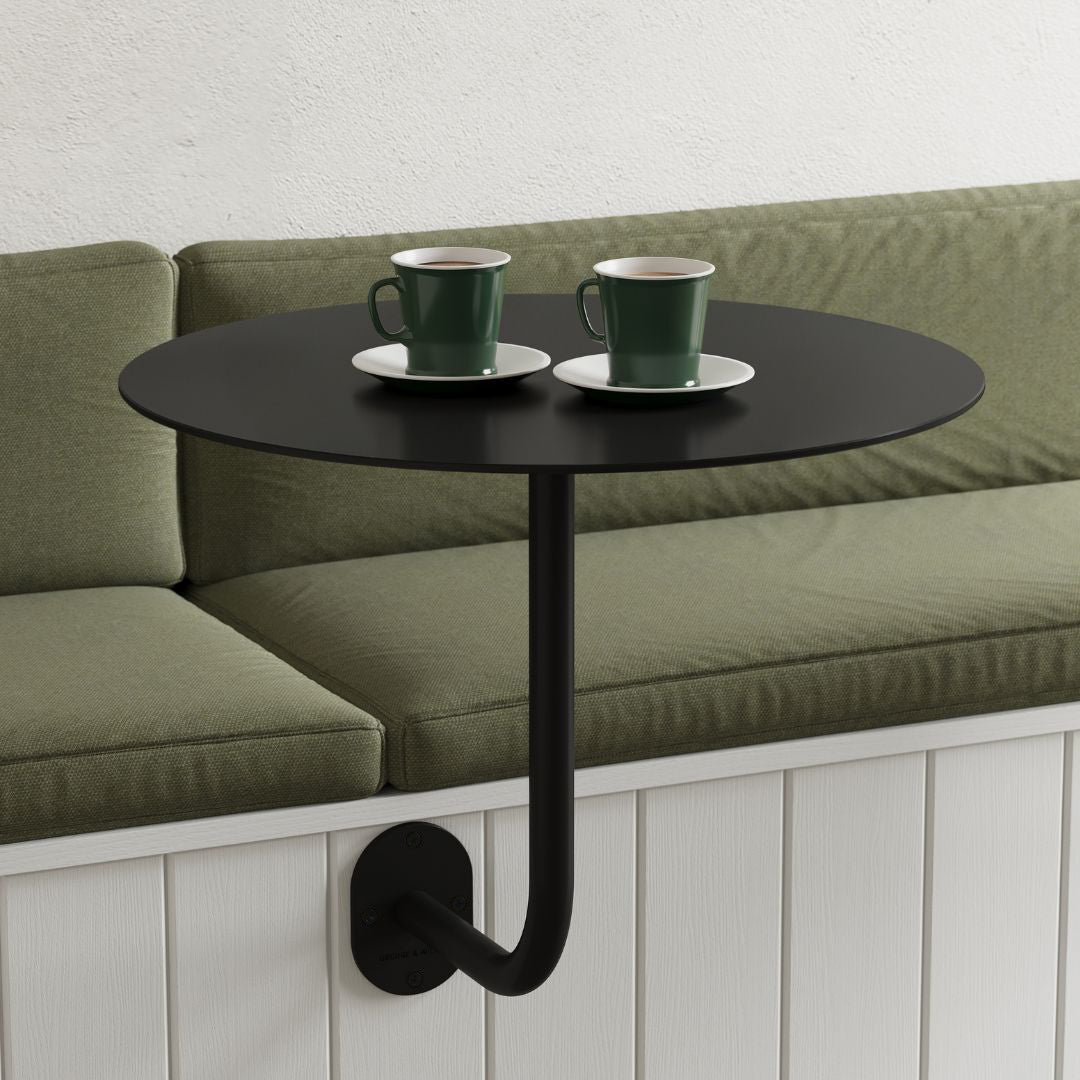
Heads-up: glare, space limits, and crowding can hinder legibility. Schedule cleaning, hardware checks, and weather protection for outdoor placements.
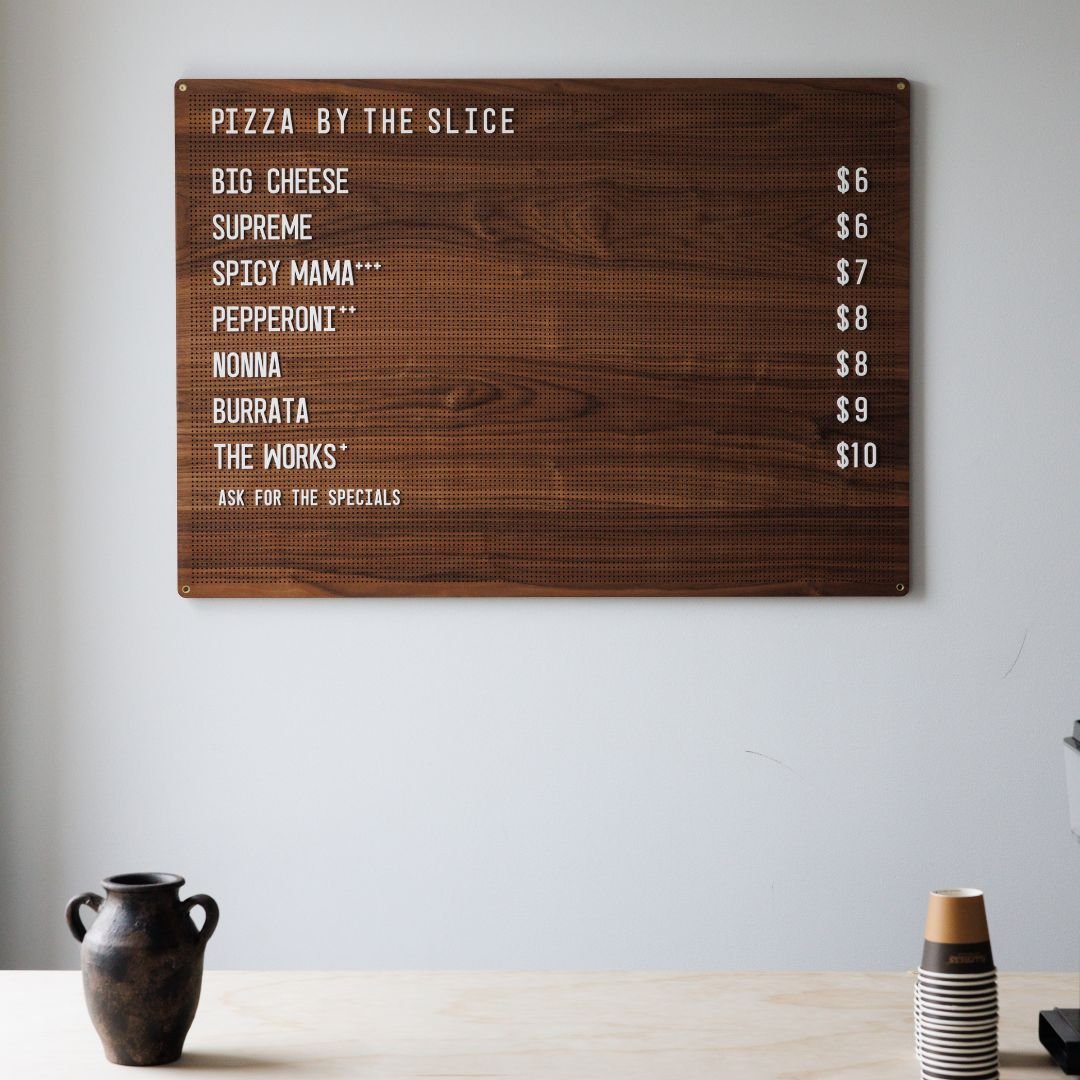
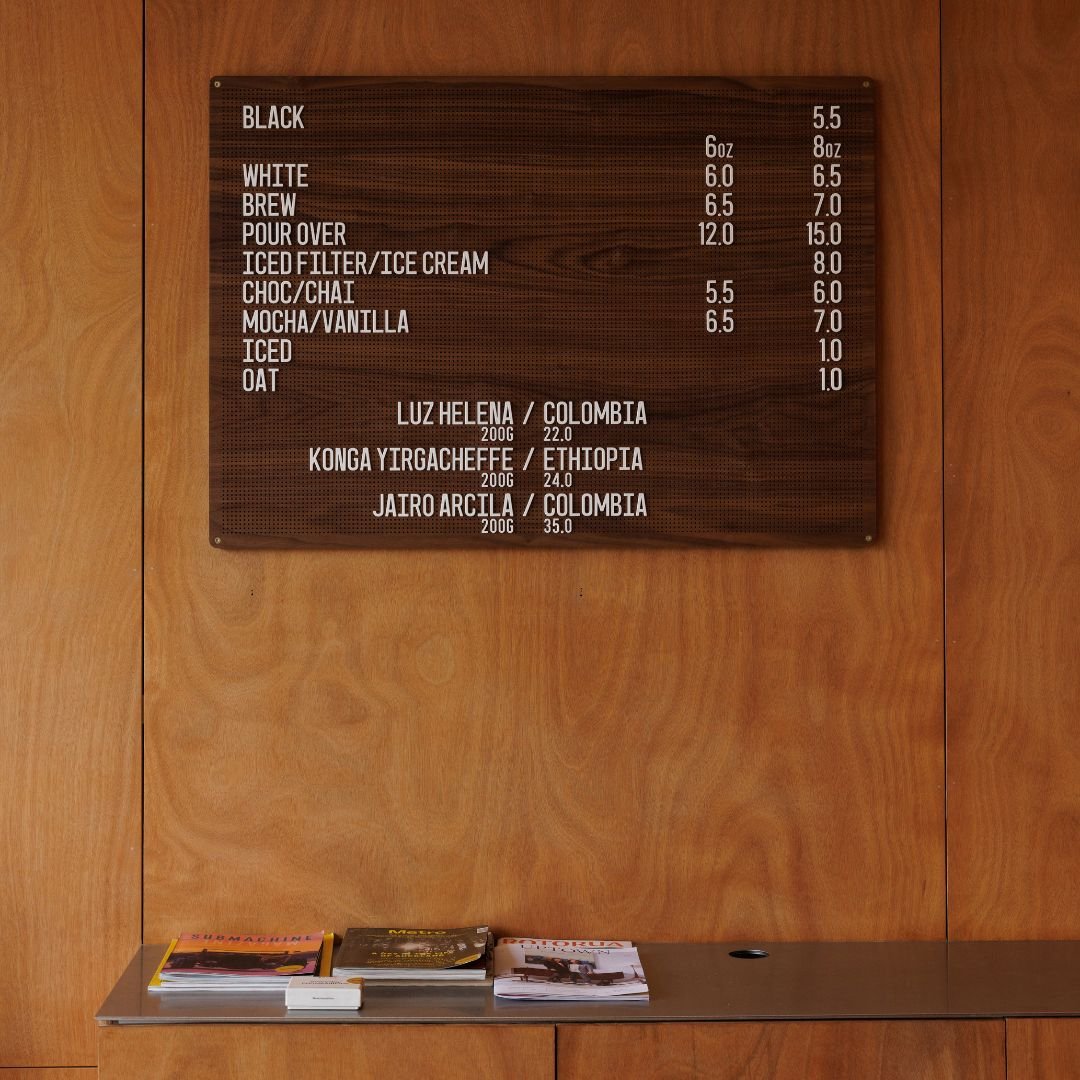
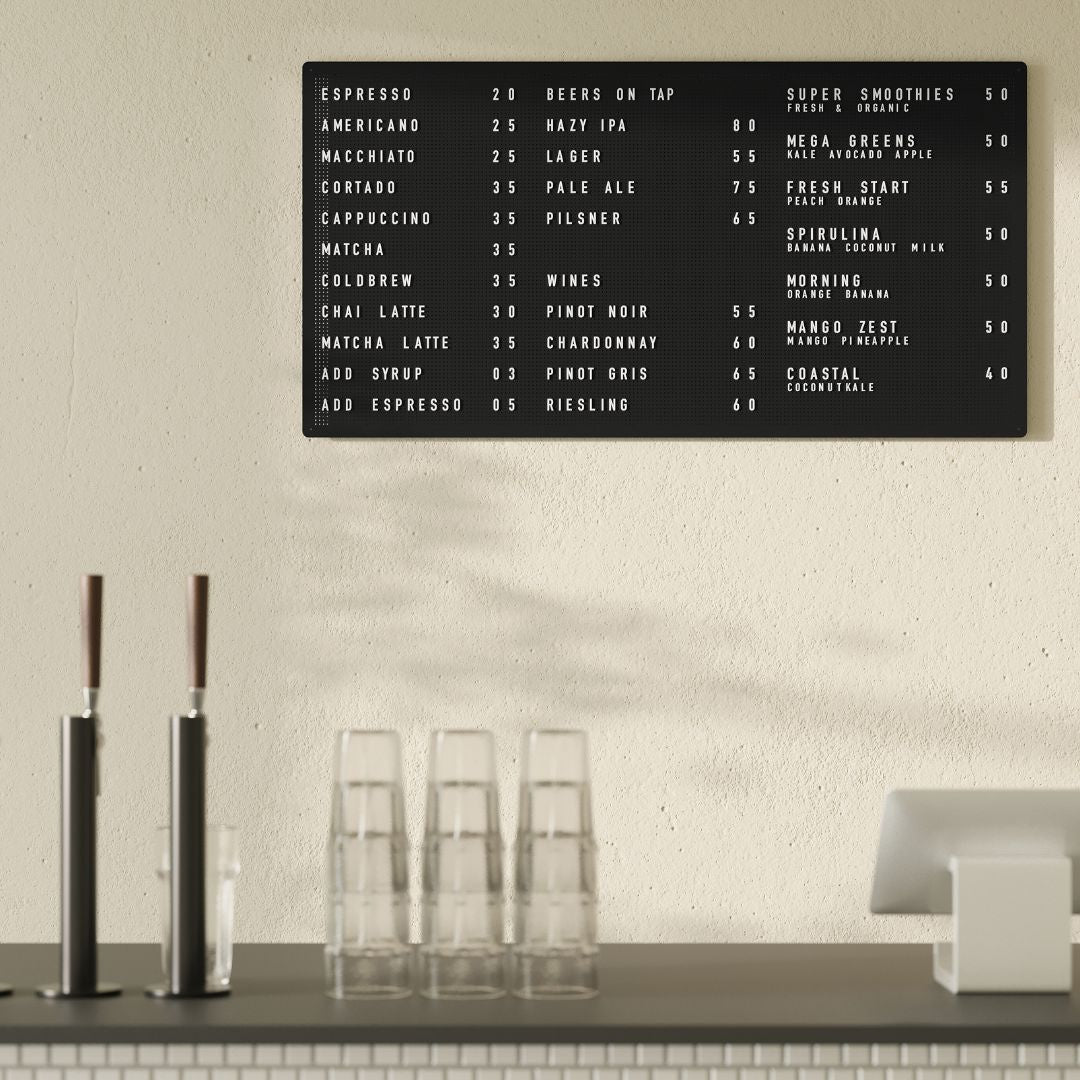
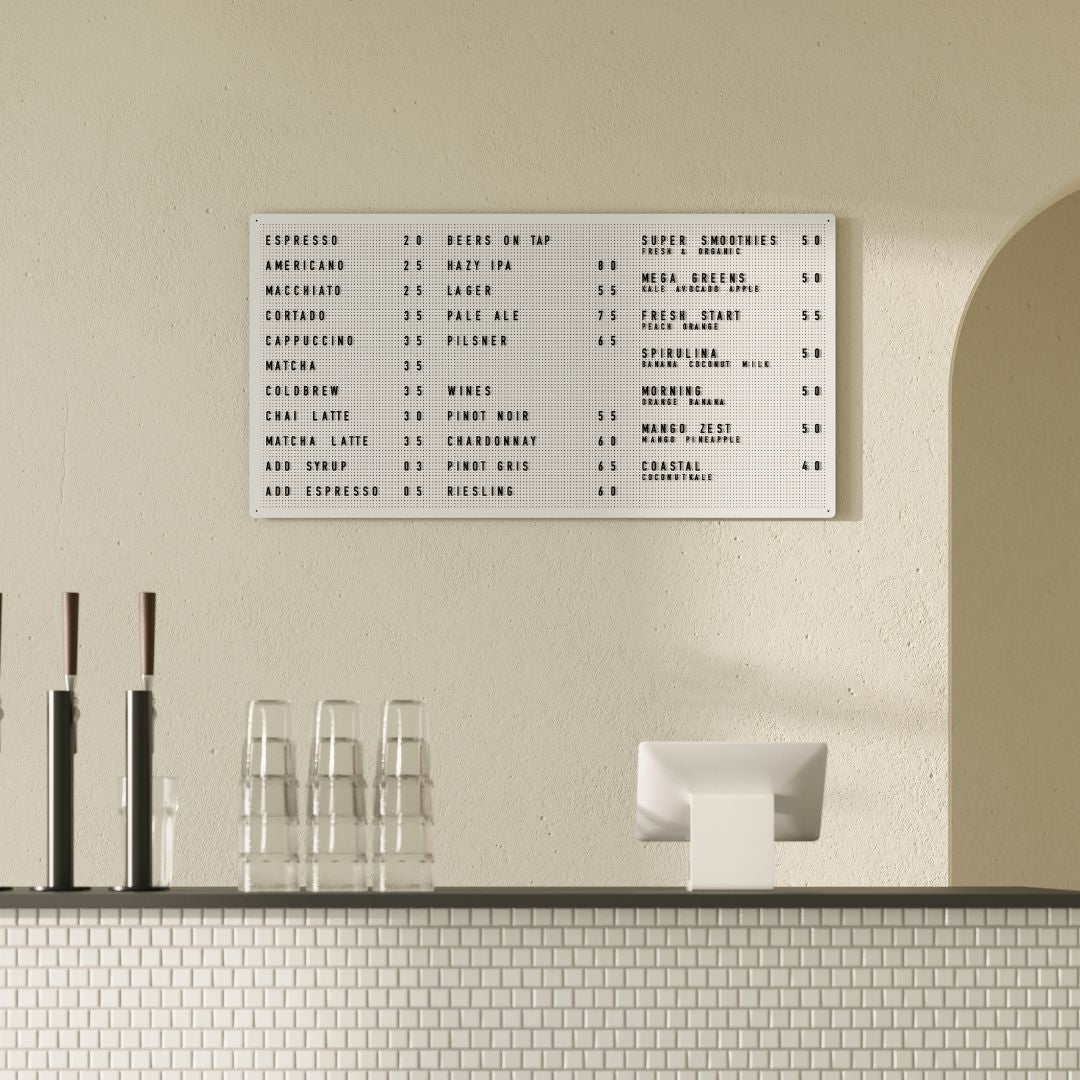
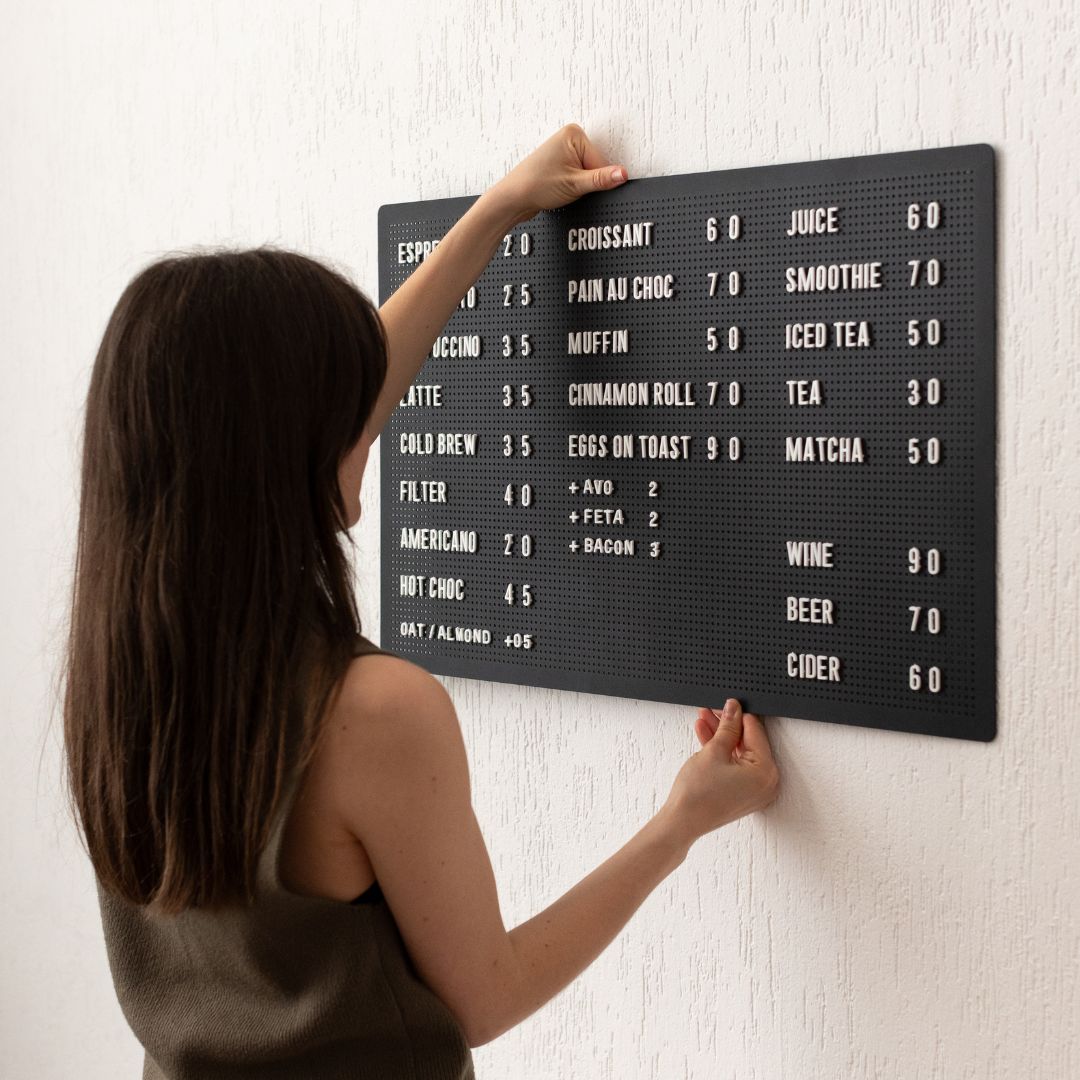
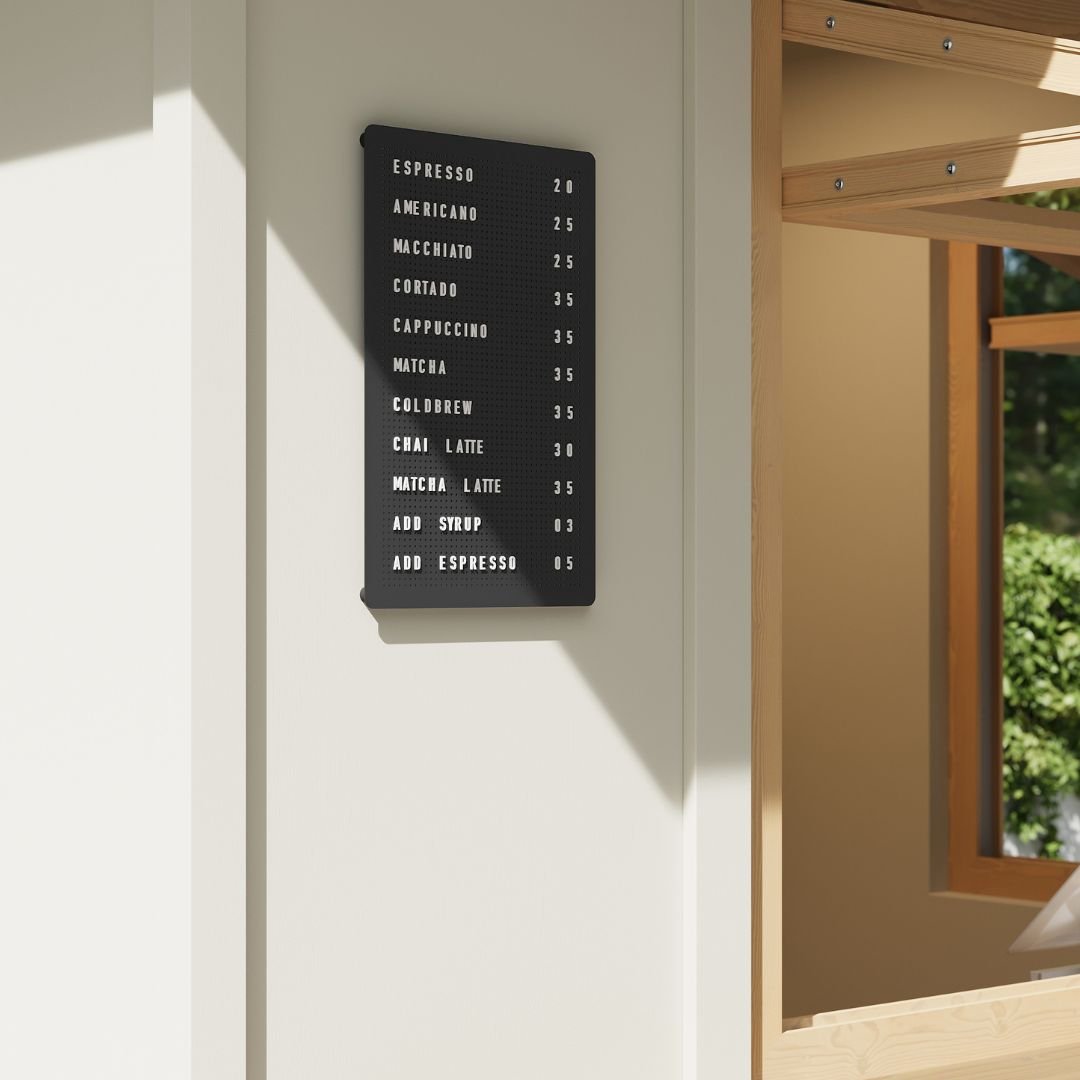
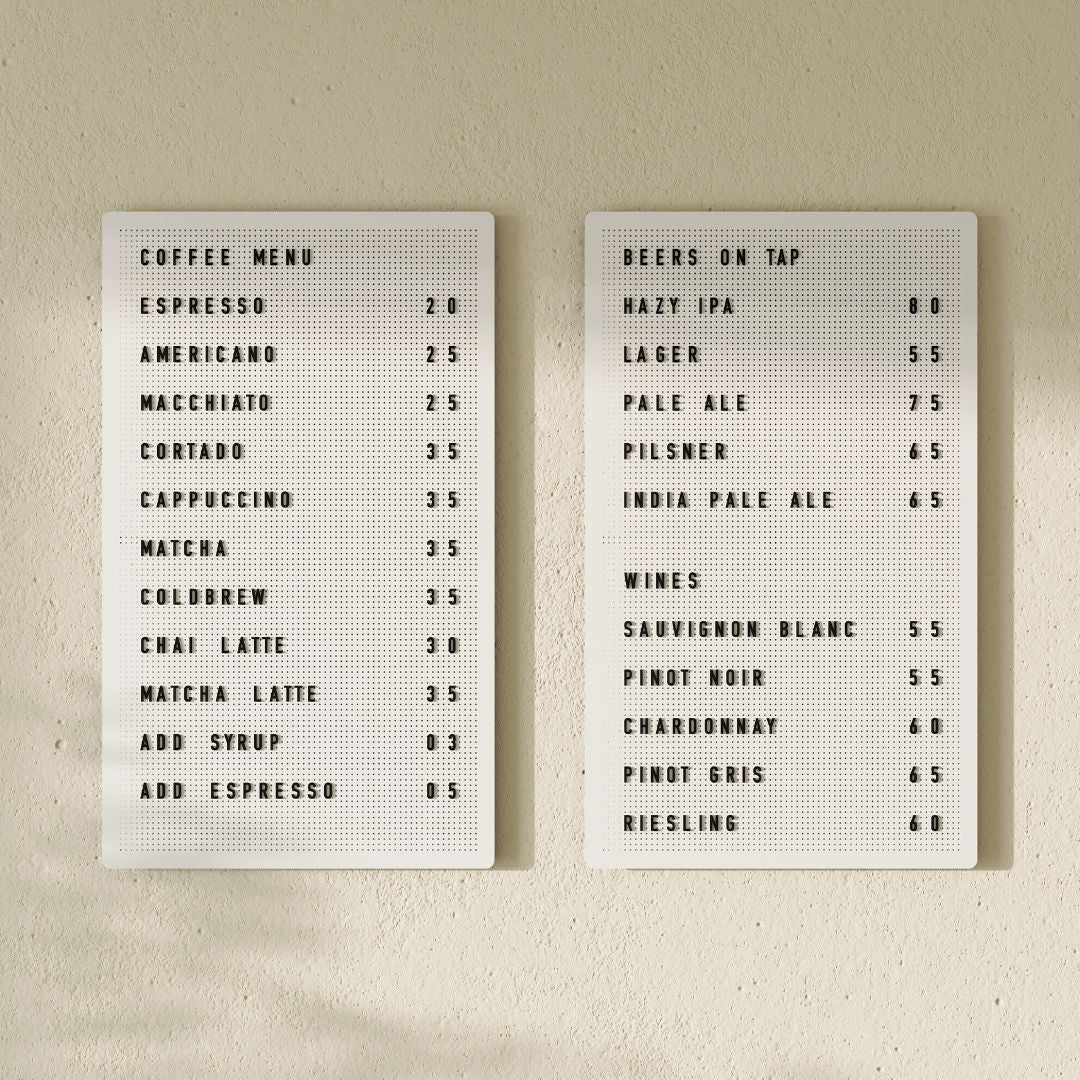
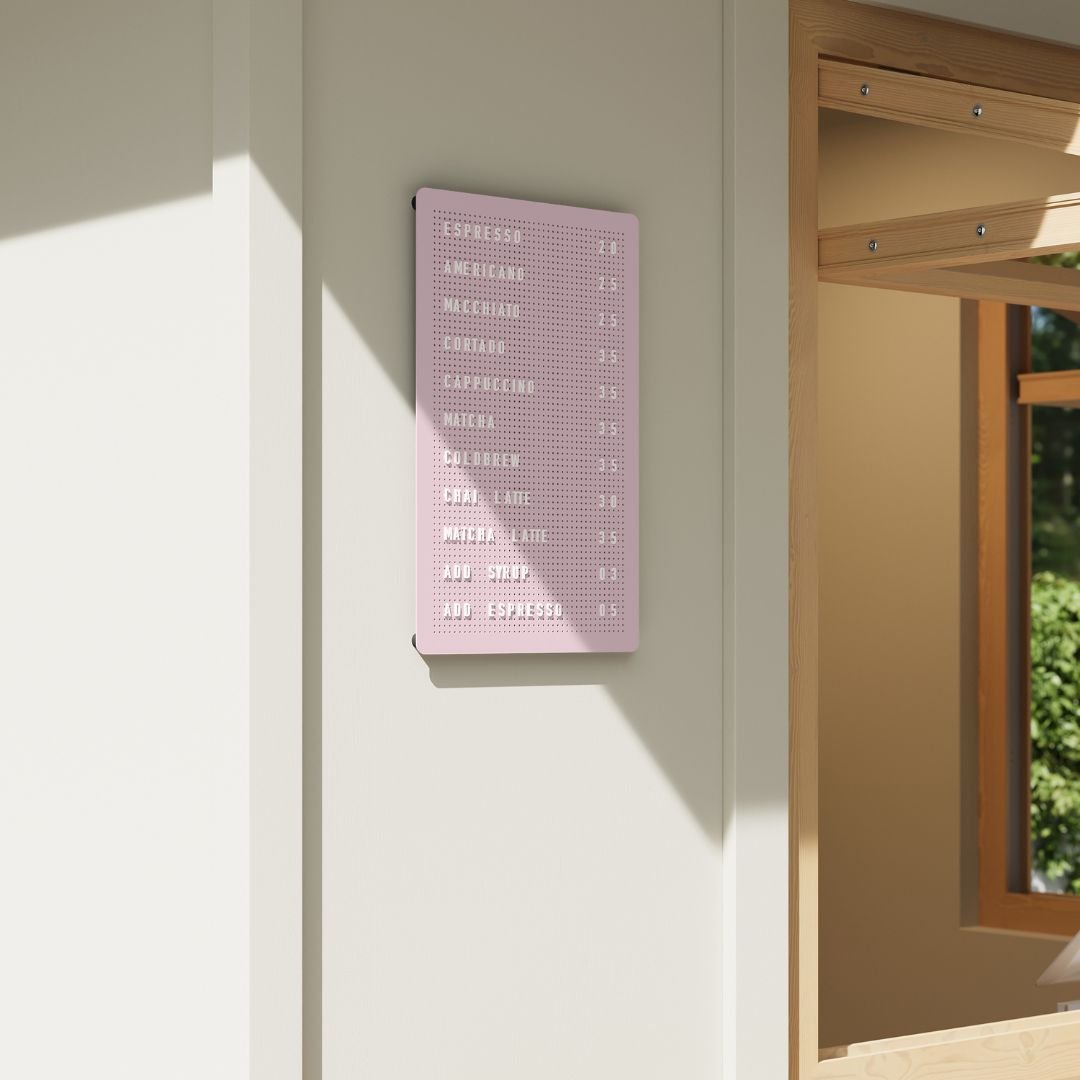
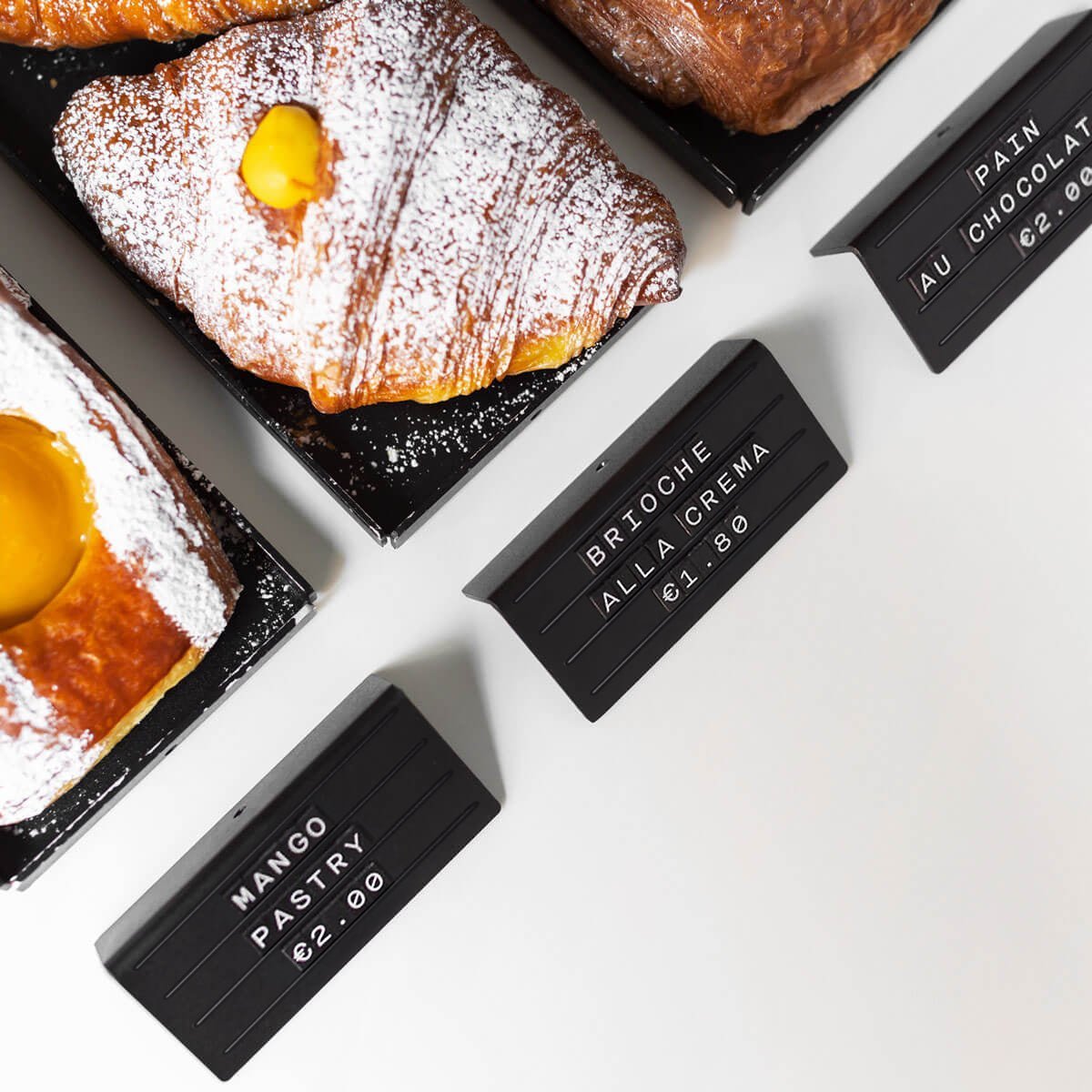
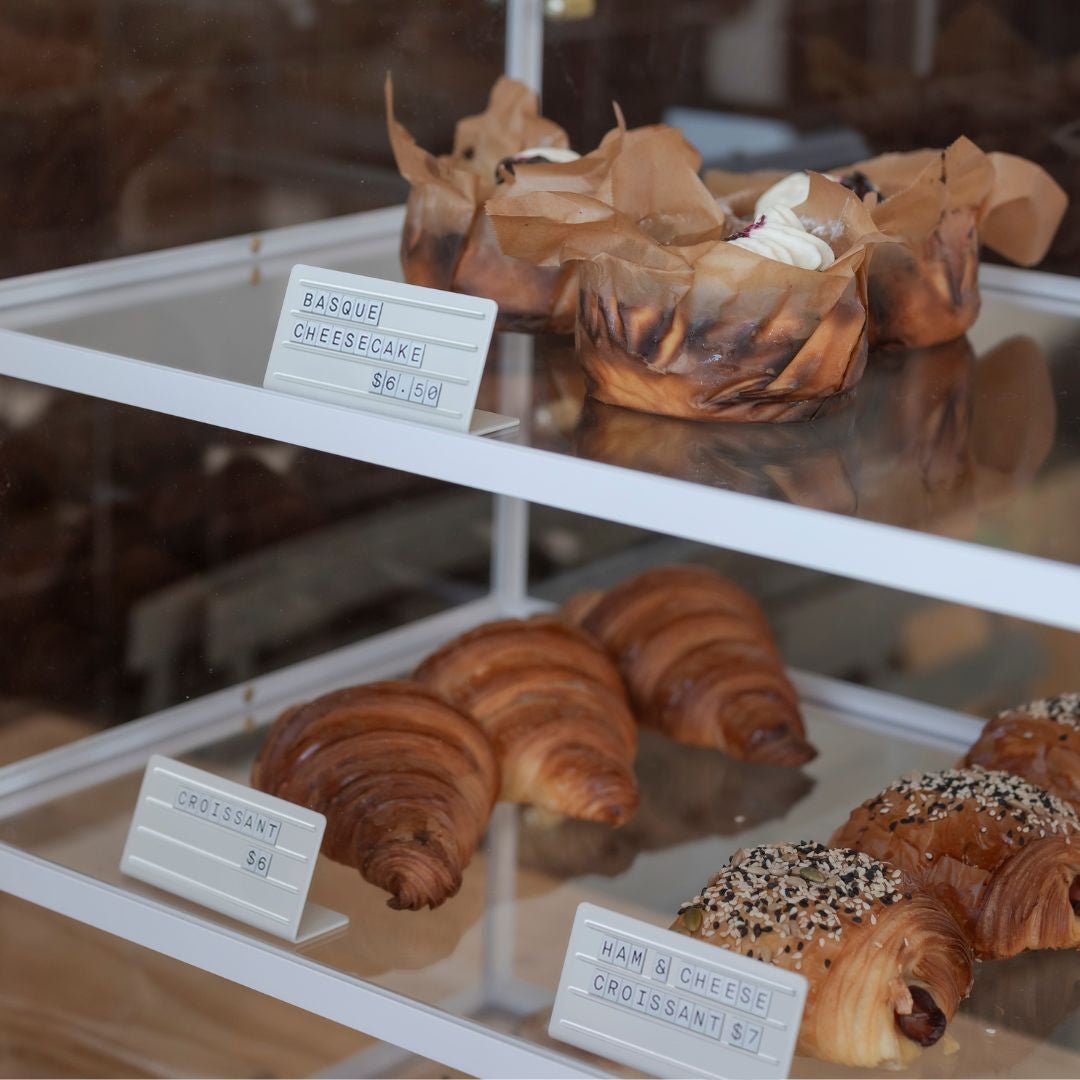
15. Letterboards and pegboards: For a retro look
Changeable letterboards with slotted characters and perforated pegboards with tiles deliver diner-marquee nostalgia and handcrafted charm. They’re perfect for cafés, coffee bars, bakeries, counters, and boutique retail that rotate specials, seasonal pricing, or witty messages.
High-contrast letters improve at-a-glance legibility.
Quick swaps smooth peak lines and enable instant 86s.
Headers, accents, and mini shelves spotlight add-ons.
Power-free, durable boards keep updates cheap and consistent.
Make it happen: size letters to distance (about 1 inch per 10 feet) and use matte, high-contrast palettes with glare-free lighting. Mount within clear queue sightlines at 60–66 inches centerline, secure with French cleats, and choose rails, tiles, or magnets with a weekly update routine.
Heads-up: character limits and manual changes take time. Control glare and dust, and protect outdoor placements with cases.
Implementation checklist and rollout plan
Use this concise plan to move from concept to live boards across one or many locations.
Planning
Define goals such as speed of service, new item attachment, or brand refresh
Audit sightlines from the door and along the queue
Choose formats that match your update frequency
Spec and procurement
Select hardware sets and finishes
Order extra letters or tiles based on menu length
Confirm mounting surfaces and tools required
Place the order, allow one to two working days for processing plus transit time based on your region
Content and templates
Write a content hierarchy and copy deck for item names and prices
Create a style guide with capitalization, abbreviations, and icons
Prepare vinyl decals or printed posters if needed
Install
Dry fit placement with painter tape
Mount rails or boards level and secure
Test visibility from multiple distances and heights
Photograph the installed boards for reference
Operations
Train staff on update procedures and storage for letters or tiles
Set a weekly slot for price or item changes
Track performance on featured items and adjust positioning
Support and maintenance
Keep cleaning supplies and spare parts on hand
Use the 2 year warranty for any manufacturing defects in normal use
Use the 100 day change of mind window on full price items if a format is not the right fit
Conclusion, custom tailored, staff updatable boards that delight customers
The best menu board ideas blend brand presence with speed and clarity. Choose a format your staff can update without a designer, place it where decisions happen, and keep the look cohesive from sidewalk to counter. Durable, design forward hardware that ships quickly and arrives blank gives you the flexibility to add your own graphics and scale across locations with confidence.
Ready to build a cohesive set for your space, start with George and Willy.
FAQ
How do I pick letter size for my space
Consider where customers stand when reading. Larger letter height improves readability as viewing distance increases. Test with a printed mockup before drilling holes. Many teams prefer magnetic rails or tile boards for crisp letterforms that stay aligned, which fits most menu board ideas.
Can I use these boards outdoors
Powder coated aluminum and steel storefront signs are designed for outdoor use and resist rust. For best results, bring portable pieces like A frame signs inside overnight. This pairs well with menu board ideas that use an indoor main board and a simple outdoor teaser.
Do the boards come with letters or tiles
Yes, several sets include everything needed to start. For example, one magnetic rail kit includes 10 rails and 1,032 characters and a tile board includes 510 reversible tiles. Extra letter packs are available so you never run short as your menu board ideas evolve.
Can I add my logo or custom color
Signage ships blank. Customers usually apply vinyl decals through a local signwriter, and some arrange local powder coating for a specific color. This keeps lead times short while achieving a custom look that complements your menu board ideas.
What are typical shipping times
Orders usually process in one to two working days. Express delivery targets one to five working days, economy targets three to seven working days, depending on region and carrier. Most markets ship with duties and taxes included, except Norway which ships duties unpaid.
Do you ship from within my region
United States orders ship via UPS from Arizona and South Carolina. Canada uses DHL. European Union and United Kingdom orders ship from the Netherlands. Australia uses AusPost, Direct Freight, and DHL. New Zealand uses NZ Post and DHL. This helps regional delivery speed for most menu board ideas.
What if I change my mind or something arrives faulty
Full price items have a 100 day change of mind return window. All products include a 2 year warranty that covers faulty workmanship and materials in normal use. Sale items are final sale.
Can I ship to a PO box
PO boxes are not supported. Provide a physical address when you roll out new menu board ideas across locations.