






In today’s competitive market, grabbing the attention of passersby is more important than ever. That’s why so many businesses are turning to dynamic, eye-catching electronic message signs outdoor. The market for this technology is booming, and for good reason. Studies show that digital signs can significantly boost foot traffic and sales. One survey revealed that nearly 80% of shoppers have entered a store simply because a digital sign caught their interest. Another report indicates that retail digital signage can increase foot traffic by an average of 24% and lift sales by up to 33%.
But deploying a screen outside isn’t as simple as mounting a TV on your storefront. The outdoors is a harsh environment, and choosing the right hardware from the start is crucial for success. This guide will walk you through the essential factors to consider when investing in electronic message signs outdoor.
Why Weatherproofing is a Must Have
The first and most common mistake businesses make is attempting to use an indoor screen for an outdoor application. A standard commercial display simply isn’t built to handle the elements. The first heavy rainstorm can easily destroy an indoor TV, which is only designed for dry, climate controlled conditions.
Instead, you need to invest in hardware specifically designed for outdoor use. This means looking for two key things:
- Purpose Built Outdoor Displays: These are all in one units designed from the ground up to withstand the weather.
- Protective Weatherproof Enclosures: These rugged housings allow you to use a standard commercial screen by shielding it from rain, dust, and impact.
In either case, the most important specification to check is the Ingress Protection (IP) rating. For any electronic message signs outdoor, you should look for a rating of IP65 or higher. An IP65 rating ensures the unit is completely sealed against dust and can withstand direct jets of water, like rain or sprinklers. These enclosures use sealed seams and gaskets to keep moisture out while often incorporating filtered fans to maintain airflow.
Can Anyone See It? The Critical Role of Brightness
Even the most durable outdoor screen is useless if no one can read the content on it. Brightness is arguably the most critical factor for the visibility of electronic message signs outdoor, especially during the day.
Display brightness is measured in a unit called nits. To put it in perspective, a typical indoor office monitor might have a brightness of 300 to 700 nits. Your smartphone at full brightness is probably around 1,000 nits. In stark contrast, massive outdoor LED billboards often require 5,000 to 10,000 nits or more to stay legible in direct sunlight.
A screen that looks vibrant indoors will appear washed out and unreadable outside if it lacks sufficient brightness. Here are some general guidelines:
- Shaded or Semi Outdoor Areas: A minimum of 1,500 nits is recommended.
- Direct Sunlight: You should aim for 2,500 nits or more. For environments with intense, direct sun, a display rated around 5,000 nits will provide the best results.
When shopping, look for models specifically marketed as “high brightness” or “sunlight readable”. These displays often feature panels with 2,000 to 4,000 nits and special anti reflective coatings. Trying to use a dim indoor screen by just turning up its brightness won’t work and can cause it to overheat or fail prematurely. For your message to be effective, it has to be visible, making a high nit rating non negotiable.
Keeping Cool (and Warm): Mastering Temperature Control
Outdoor temperatures can swing dramatically, from scorching summer heat to freezing winter cold. Your electronic message signs outdoor must be able to survive both extremes. This is where thermal management becomes essential.
Beating the Heat
Heat is the number one enemy of electronic hardware. Overheating is a leading cause of digital display failure, as high temperatures can damage sensitive internal components. To prevent this, your outdoor display or enclosure must have an active cooling system. This usually involves built in fans and vents to circulate air and draw heat away from the electronics. Some high end units even include small air conditioning systems to maintain a safe operating temperature.
Surviving the Cold
Cold weather presents its own set of challenges, primarily related to moisture. If humid air gets inside an enclosure and the temperature drops, condensation can form on the screen and circuitry. If that moisture freezes, it can expand and crack components or cause short circuits. To combat this, look for units with an integrated heater. These systems use thermostats to keep the internal temperature above freezing and prevent condensation from forming, ensuring your sign runs smoothly year round.
Let It Breathe: The Importance of Proper Ventilation
A weatherproof design doesn’t mean your sign should be sealed in an airtight box. In fact, proper ventilation is just as important as waterproofing for the longevity of electronic message signs outdoor. A well designed enclosure balances protection with airflow.
An IP65 rated enclosure, for example, is built to keep rain out but still allows air to circulate through filtered vents. This airflow is vital for two reasons:
- Heat Dissipation: It allows the heat generated by the display and media player to escape, preventing overheating.
- Condensation Prevention: Continuous air movement prevents humid air from stagnating inside, which stops condensation from forming on the screen and fogging it up.
Without ventilation, an enclosure in the sun quickly becomes an oven, and temperature changes can cause internal fogging. It’s also important to periodically clean or replace the air filters, as a clogged filter will cut off airflow. In extremely humid climates, a simple fan may not be enough. In these cases, an enclosure with a built in air conditioner or dehumidifier is the best choice to actively remove moisture from the air.
The Right Signage for Your Business
As you can see, choosing the right electronic message signs outdoor requires careful consideration of technical specifications to protect your investment. The goal is to get your message seen 24/7, rain or shine.
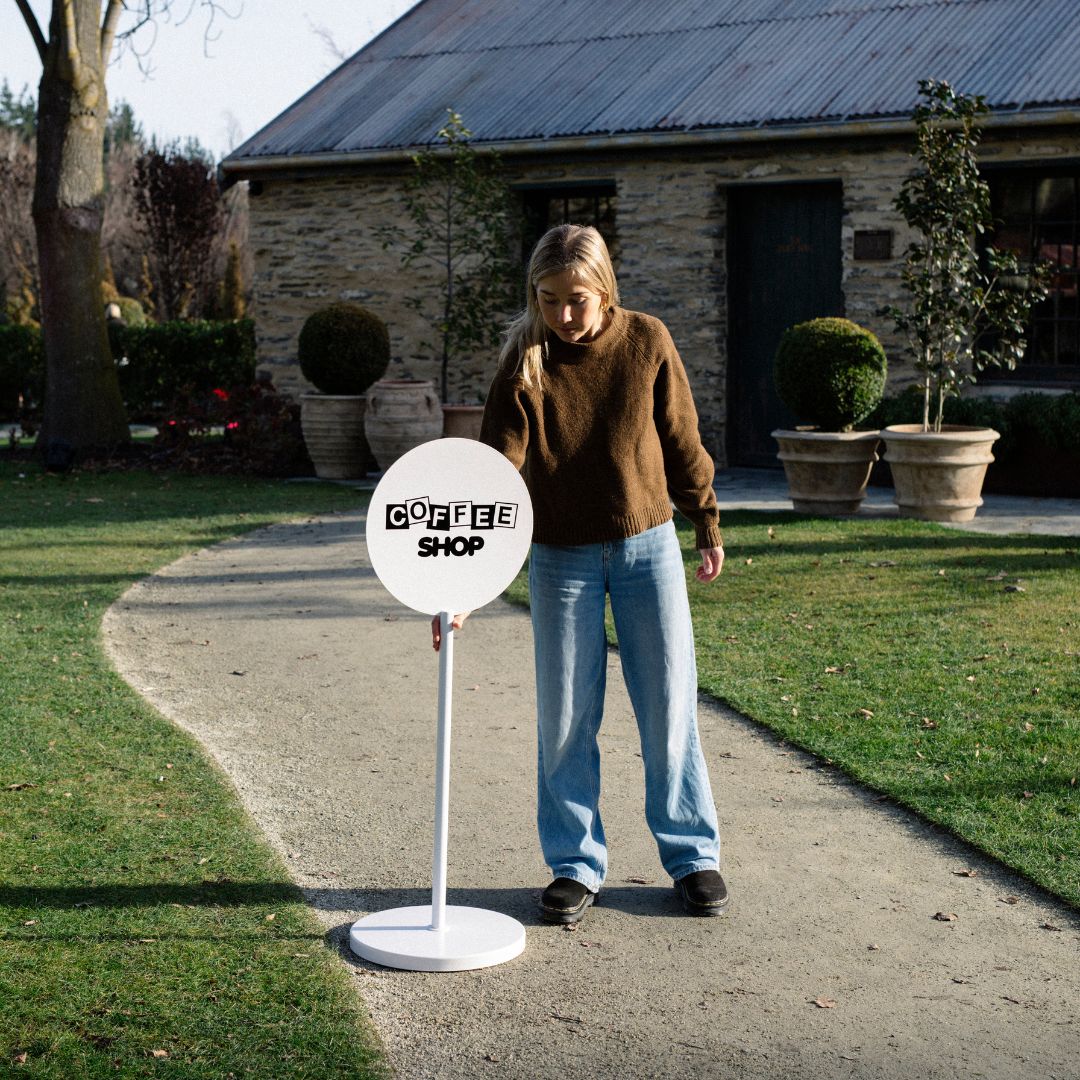
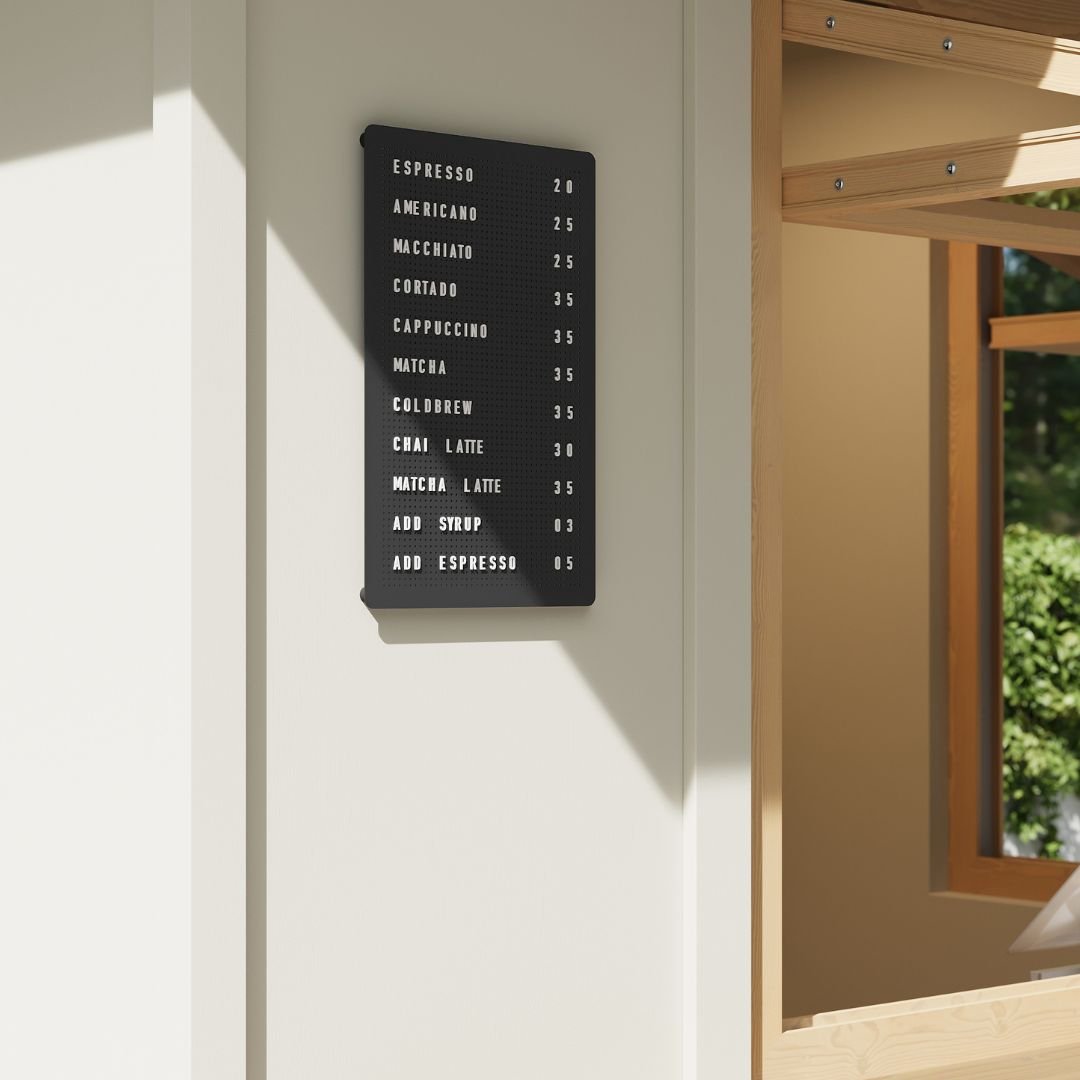
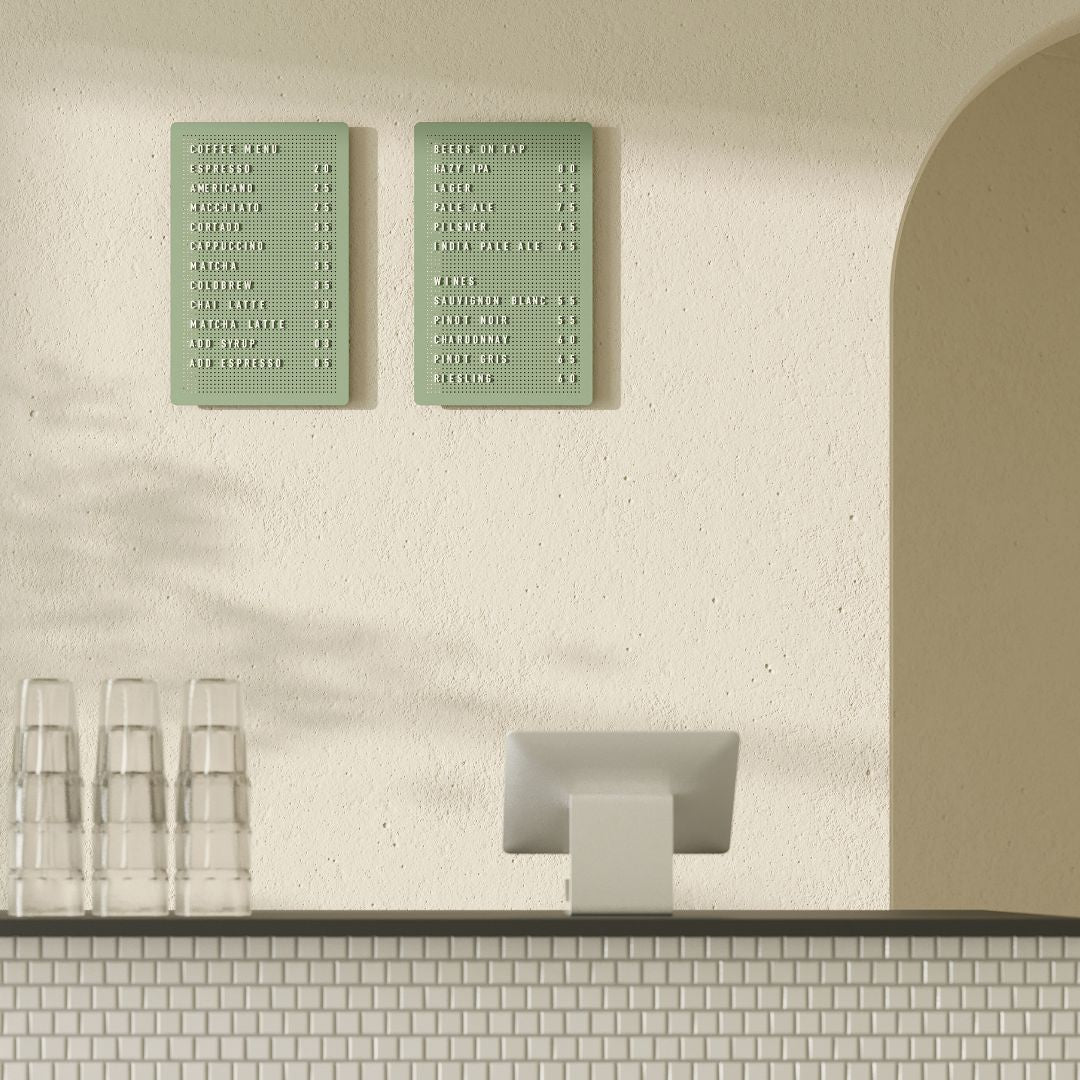
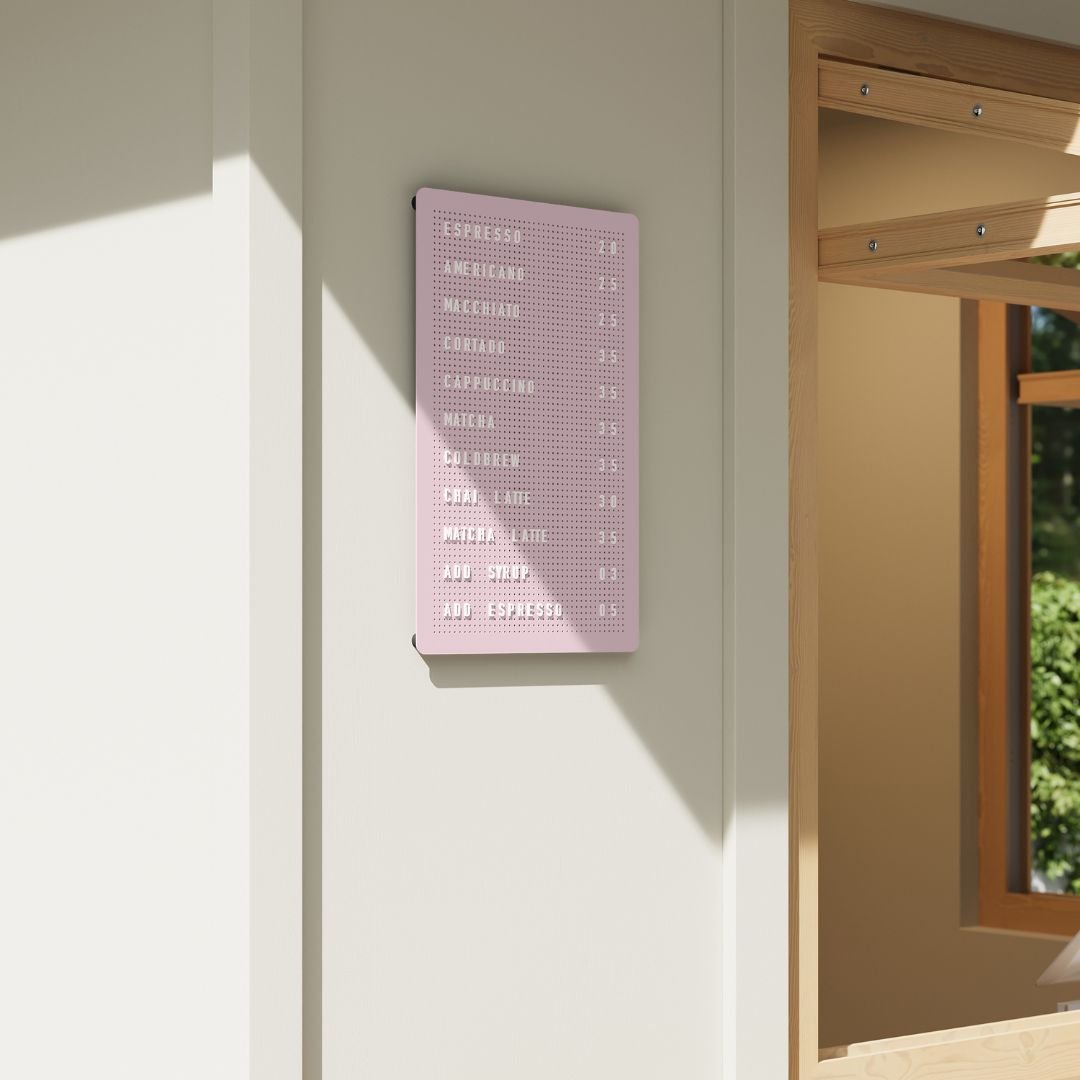
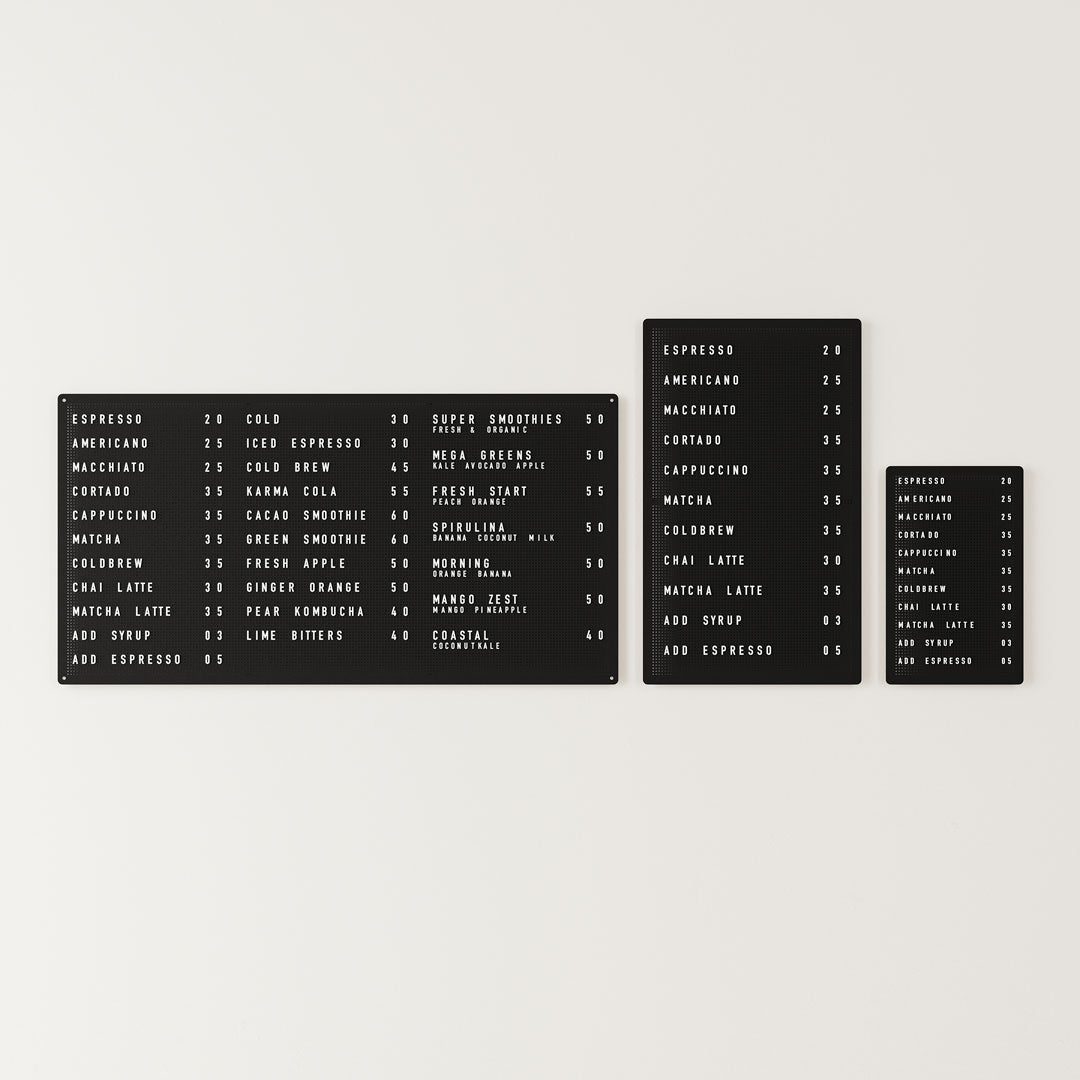
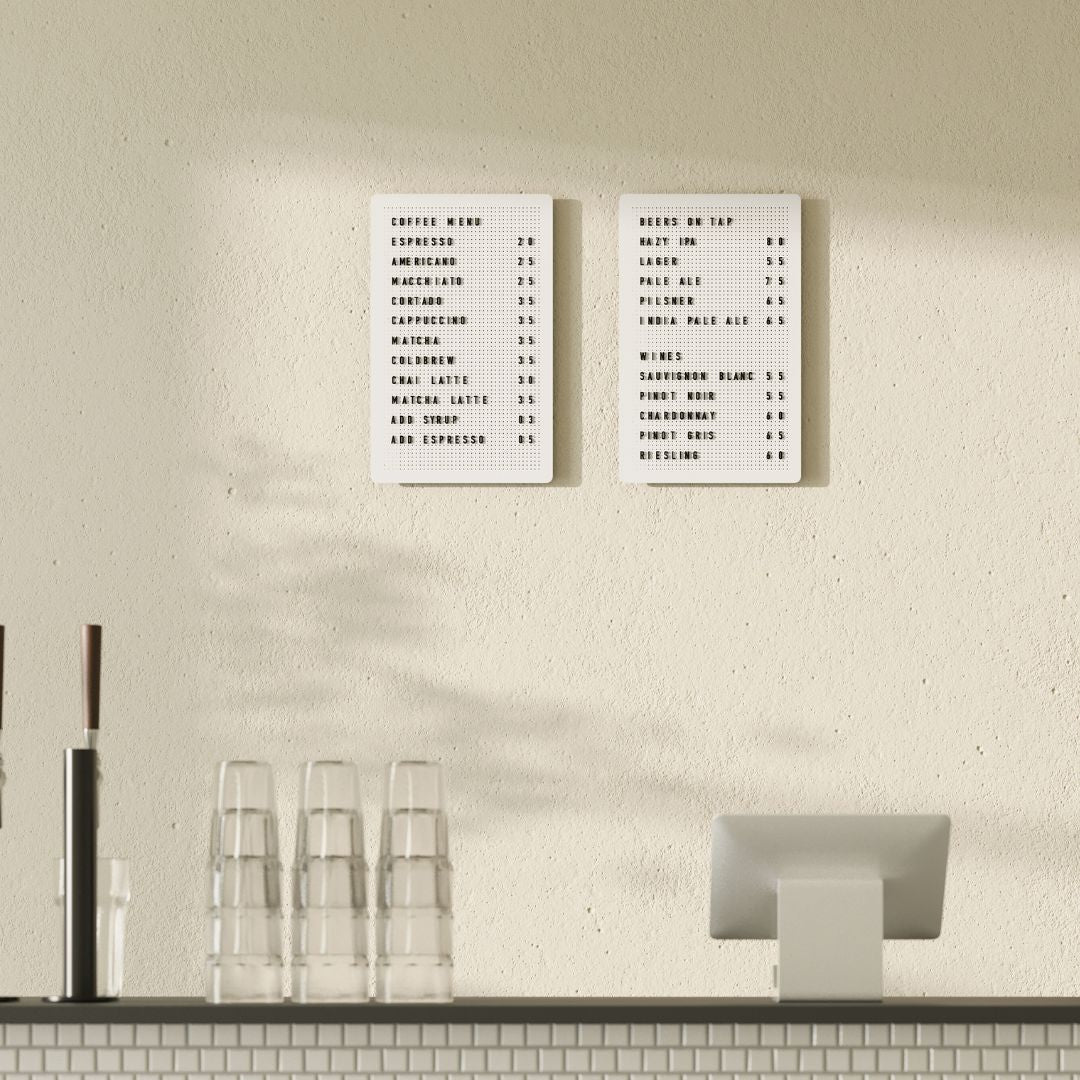
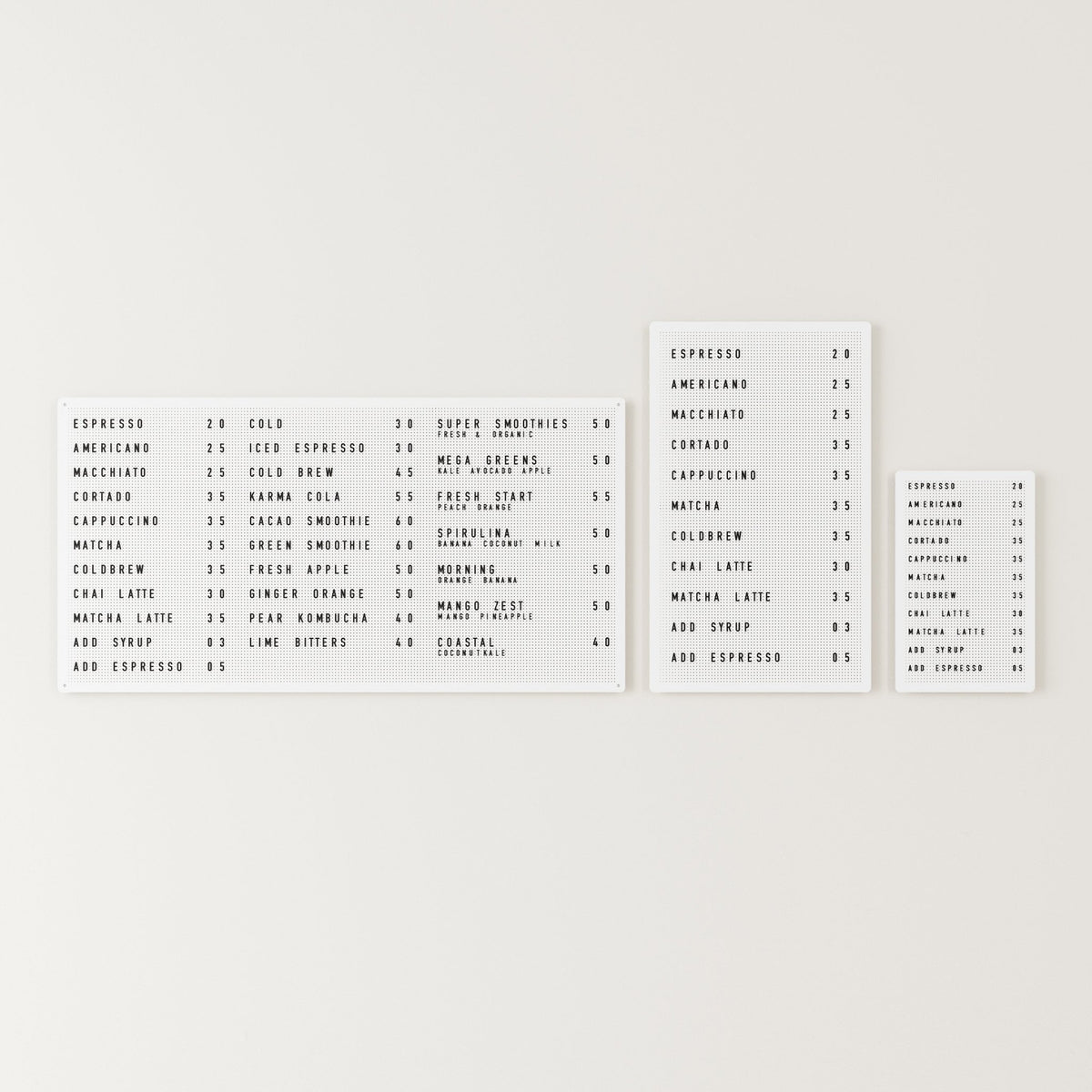
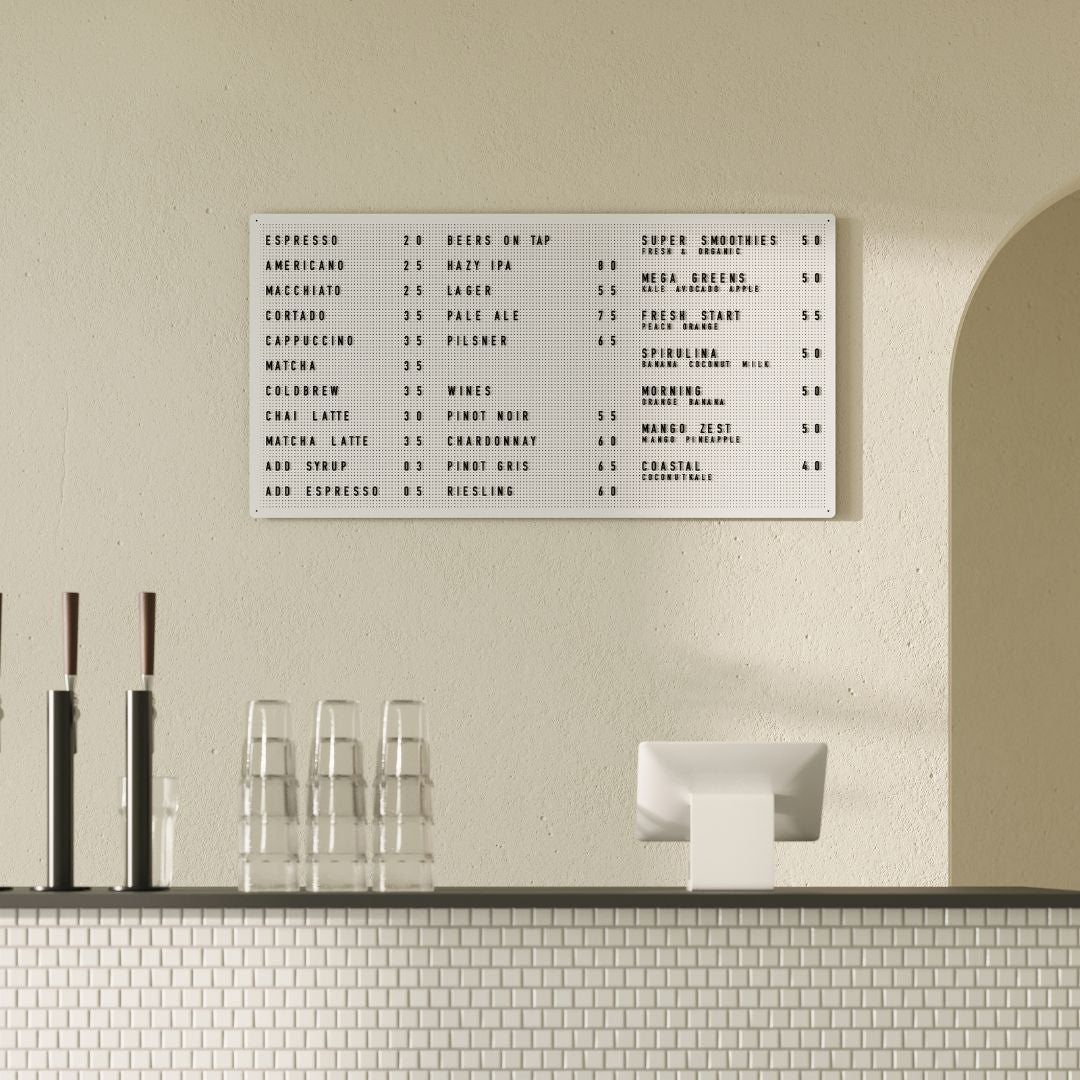
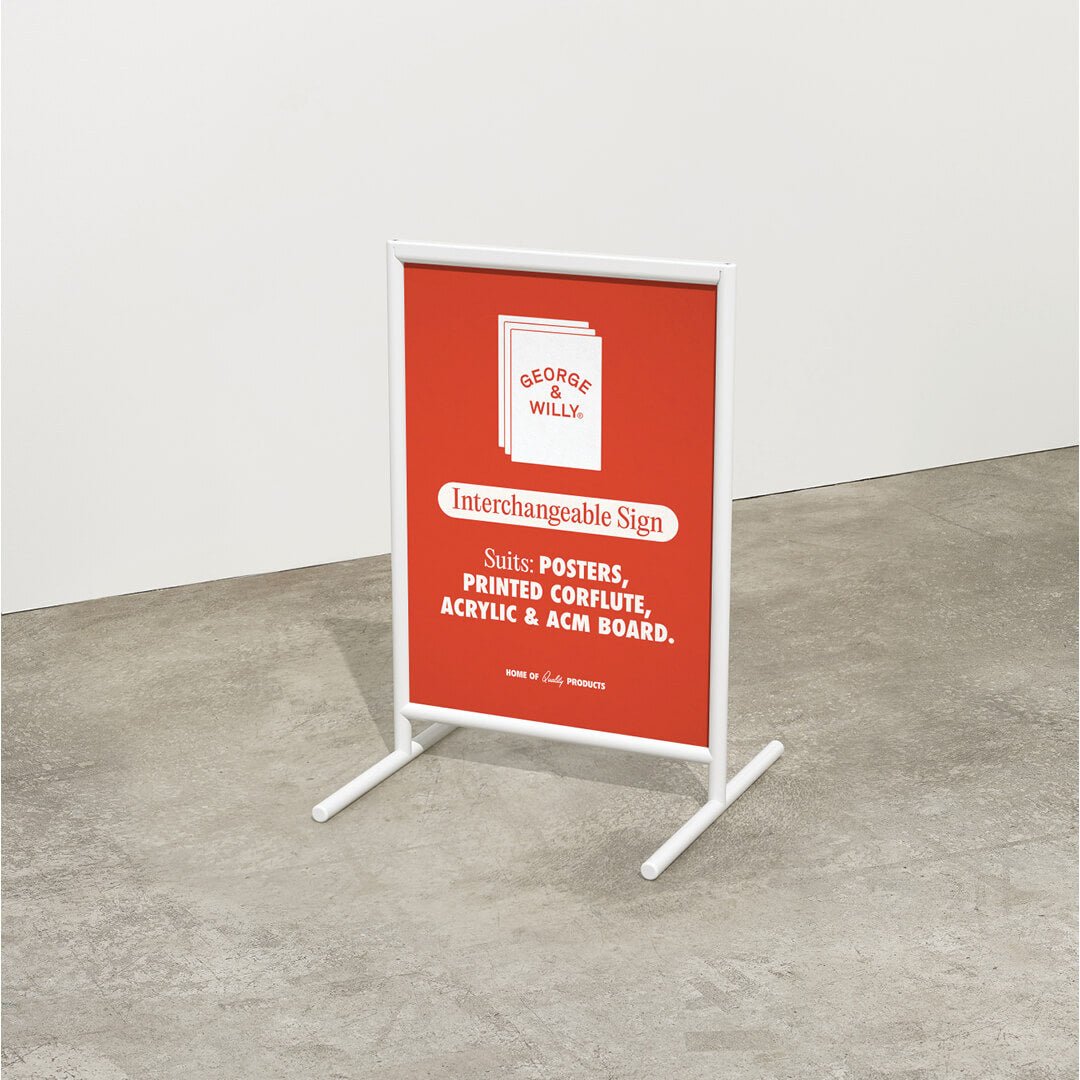
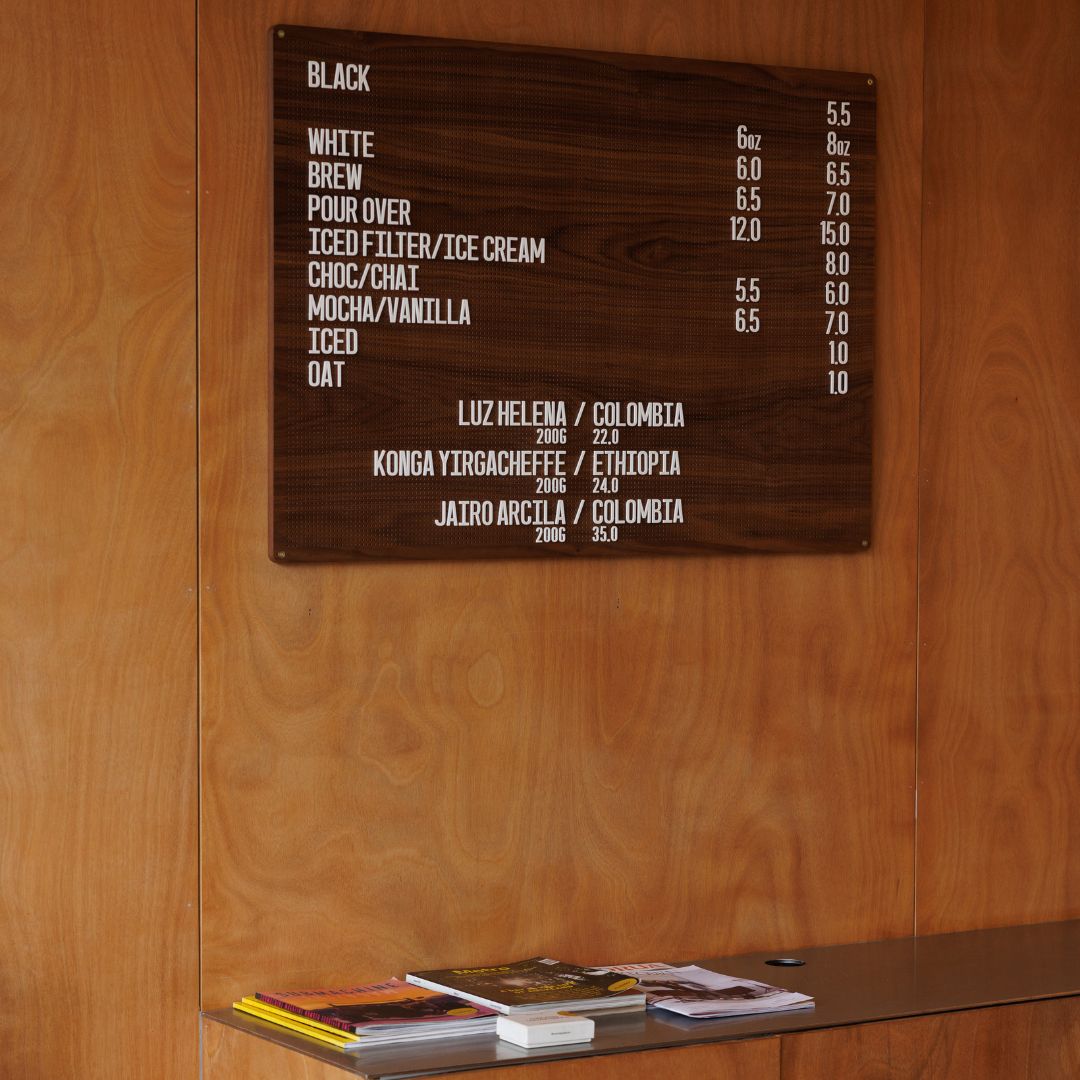
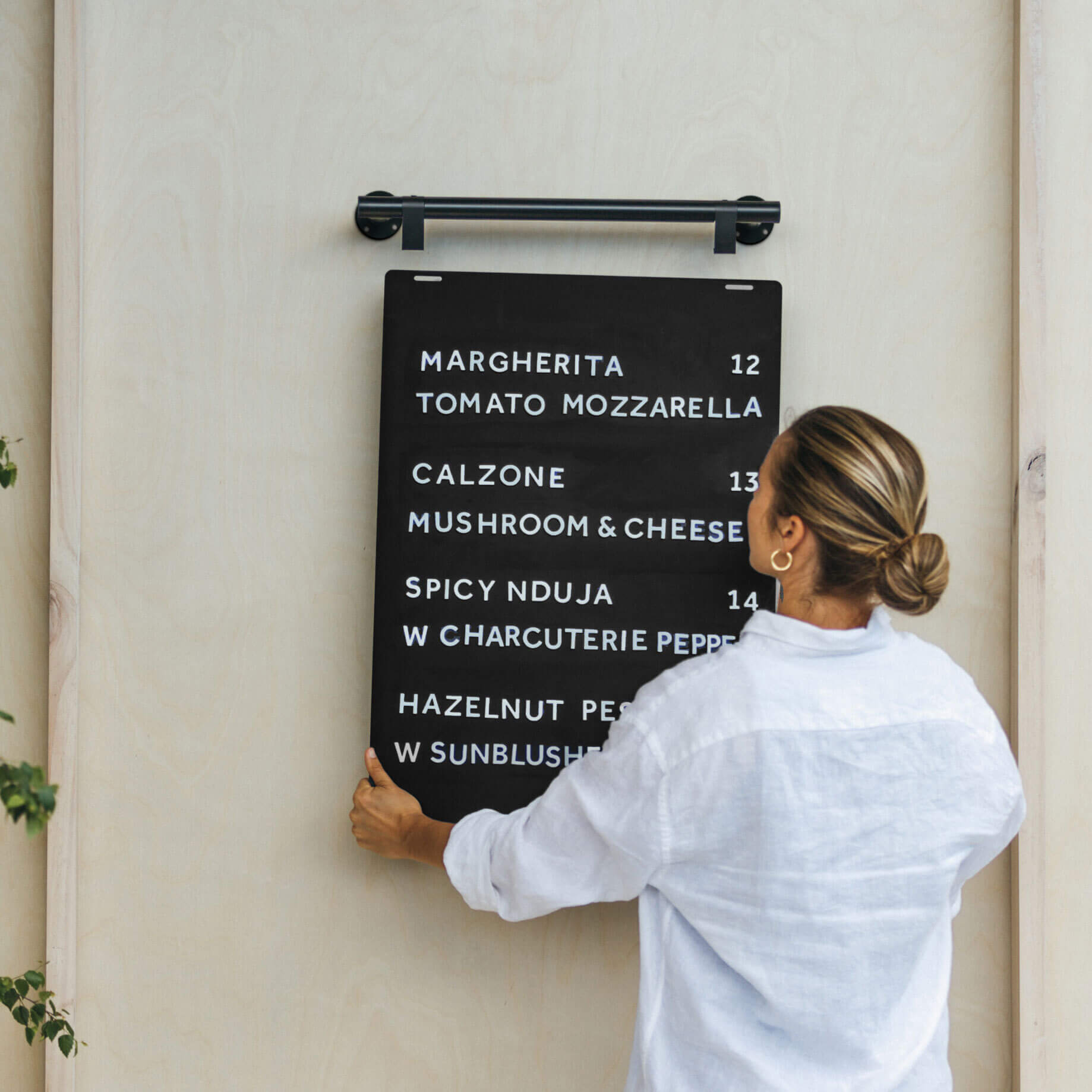
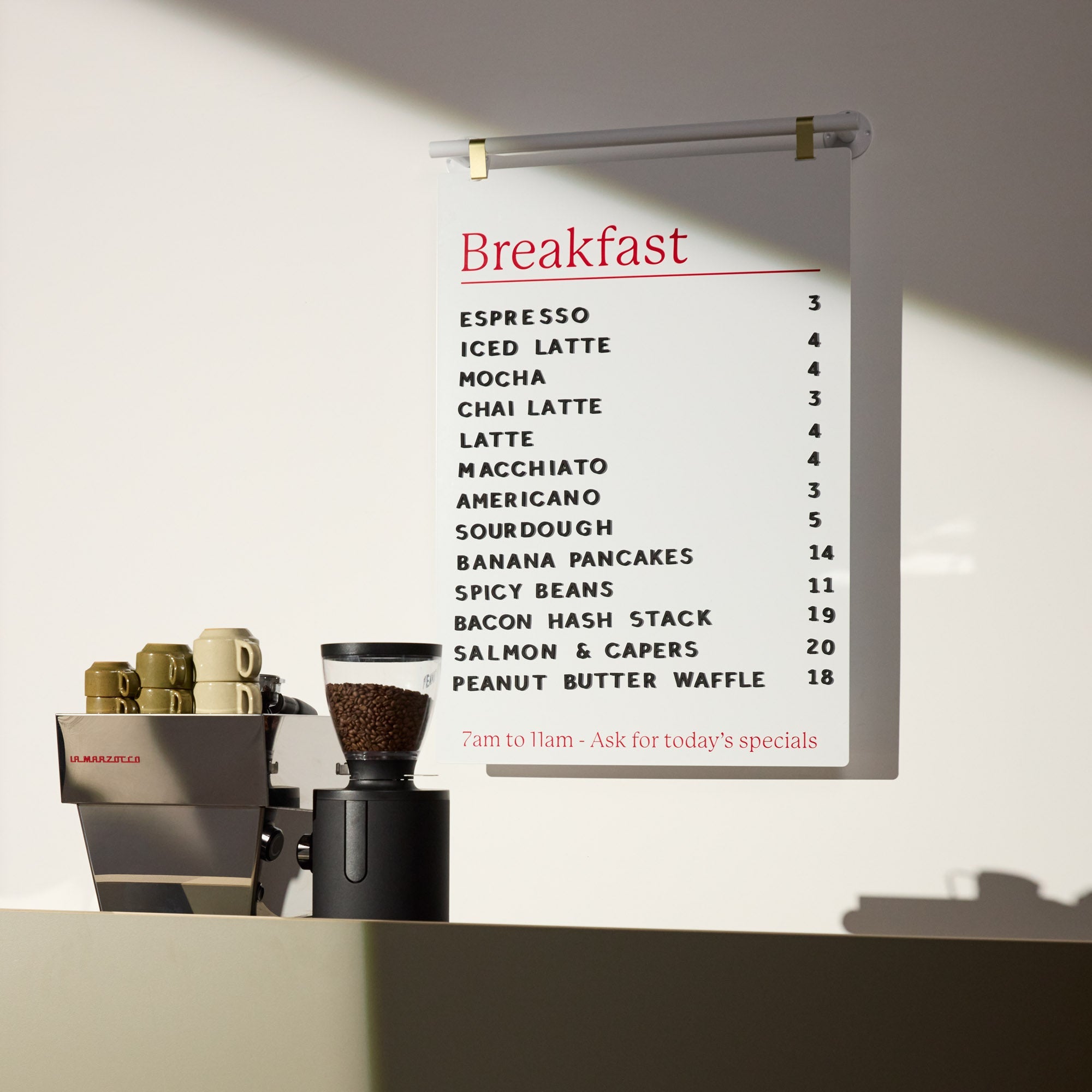
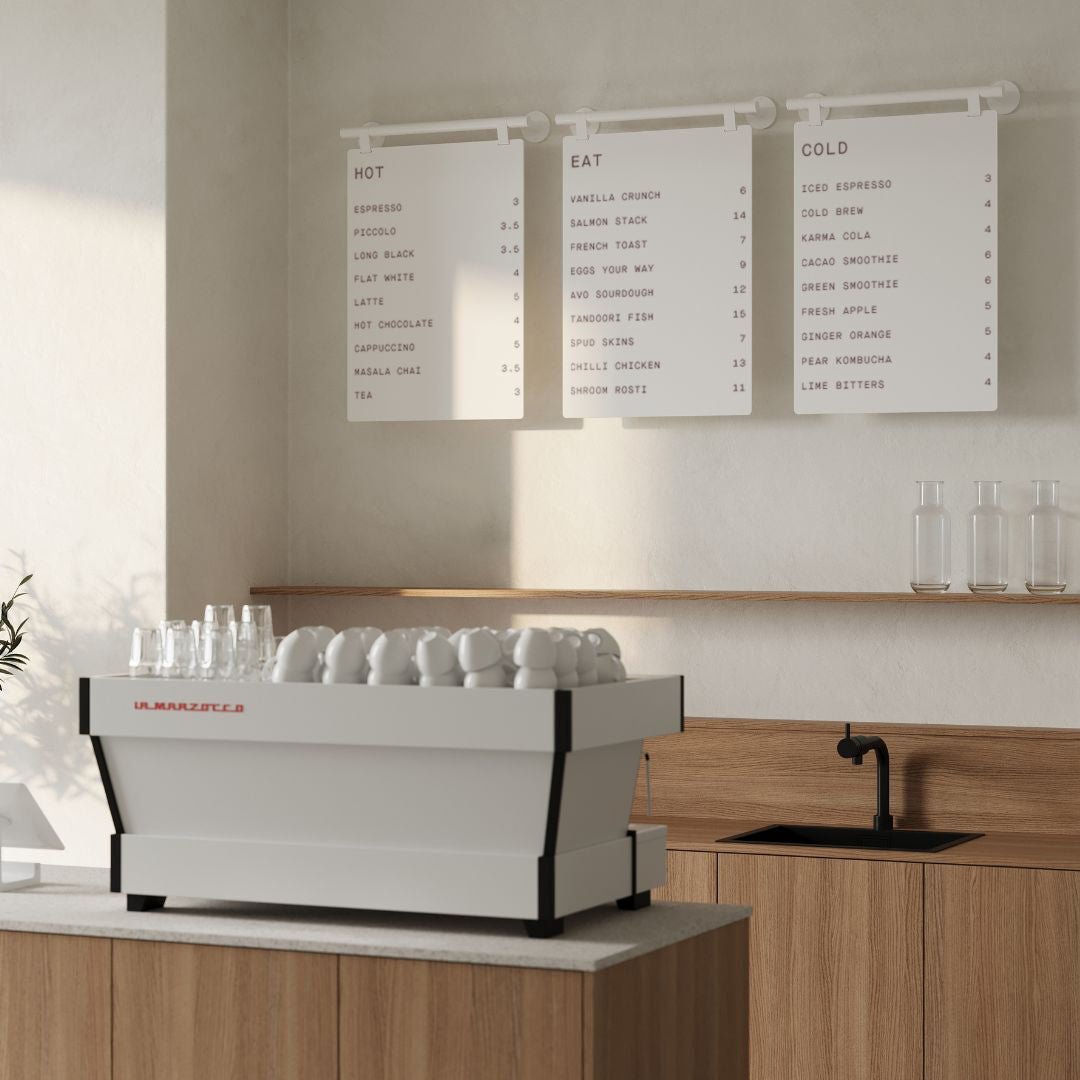
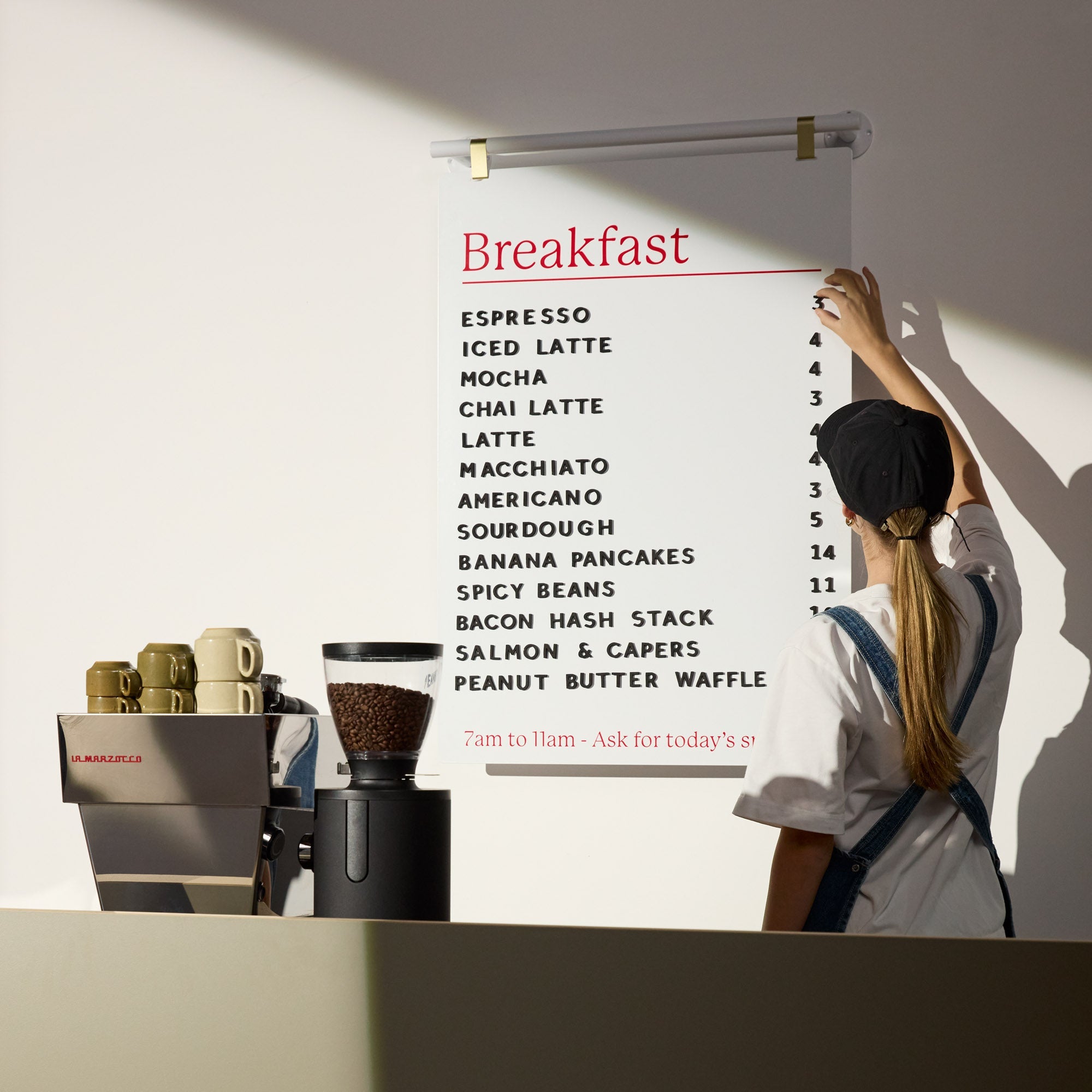
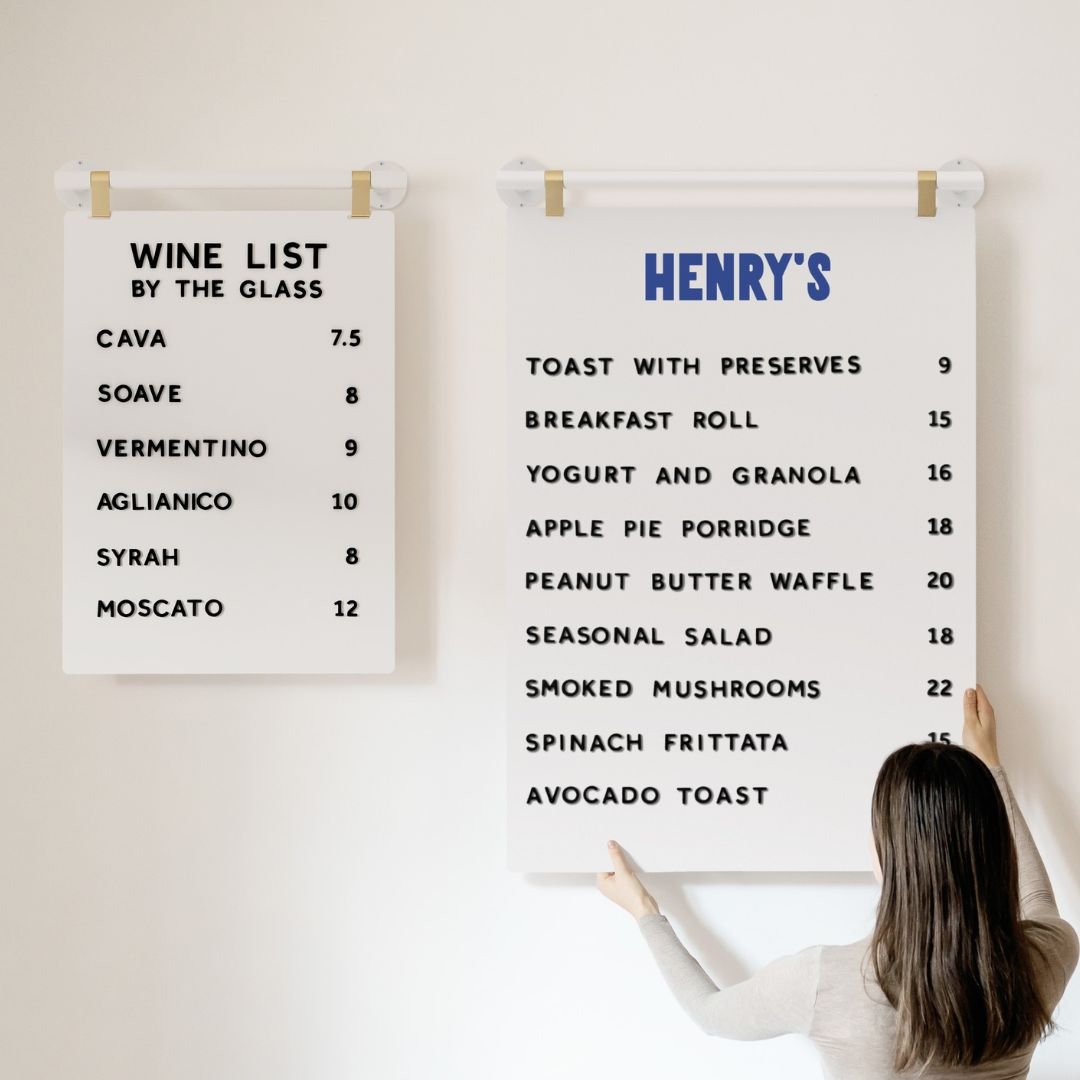
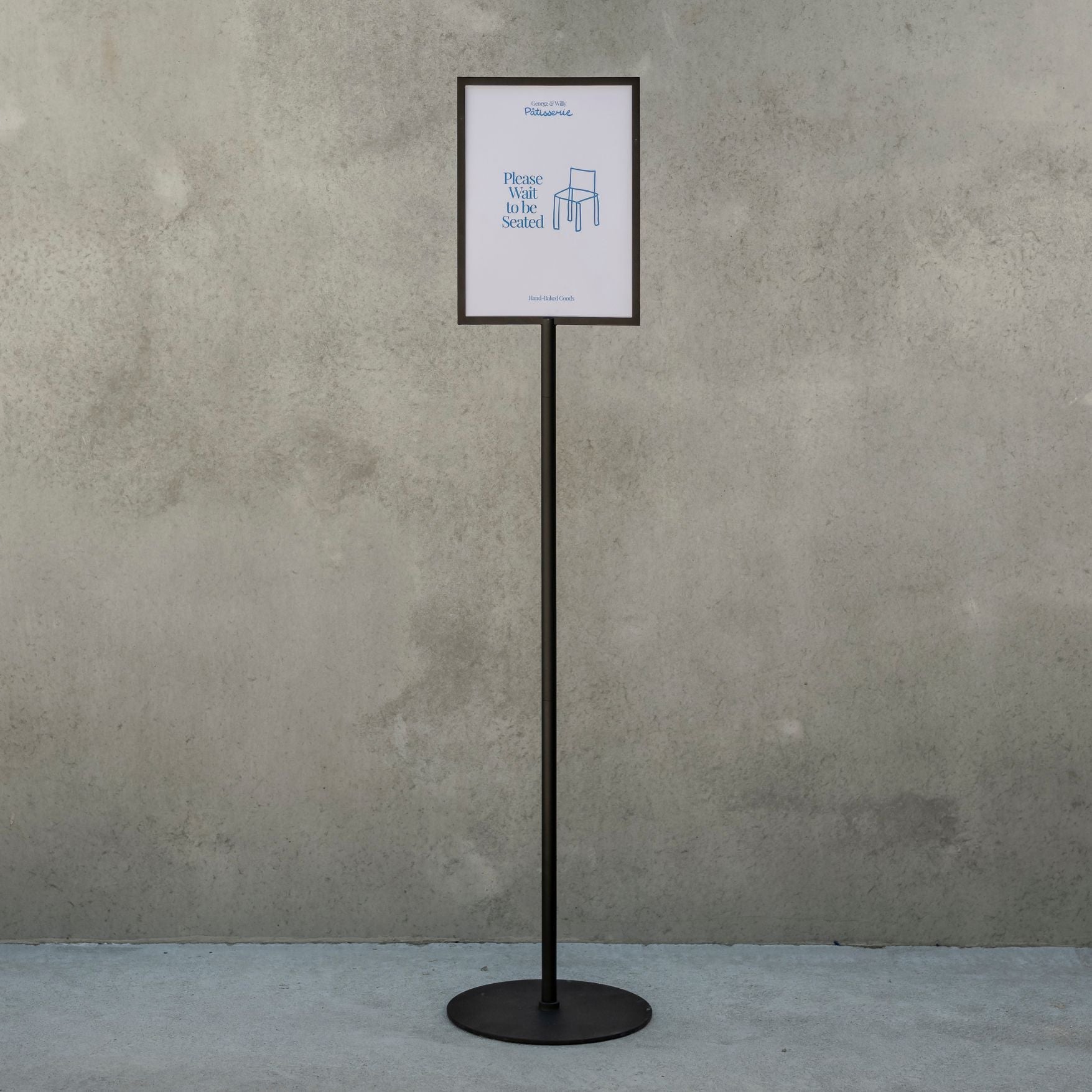
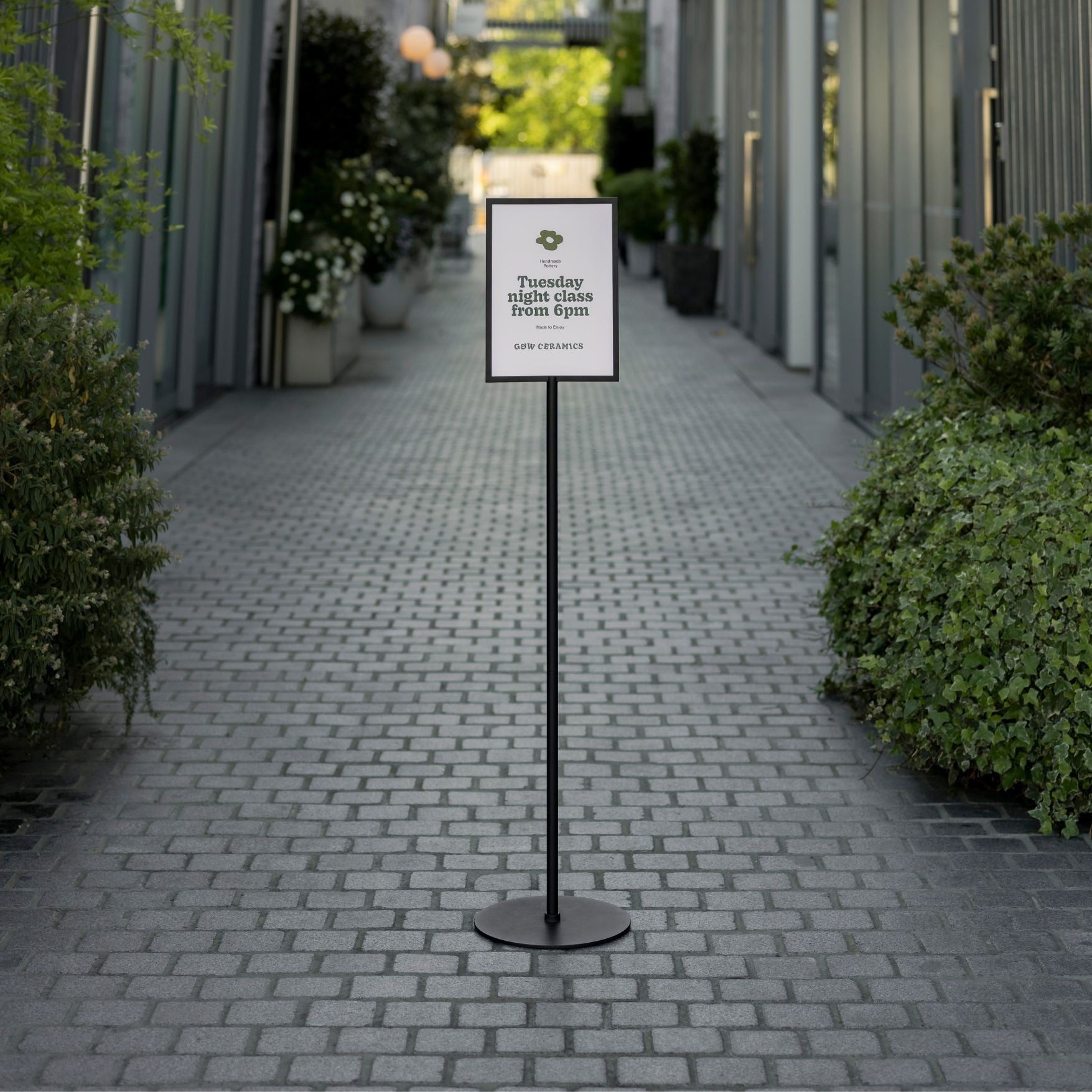
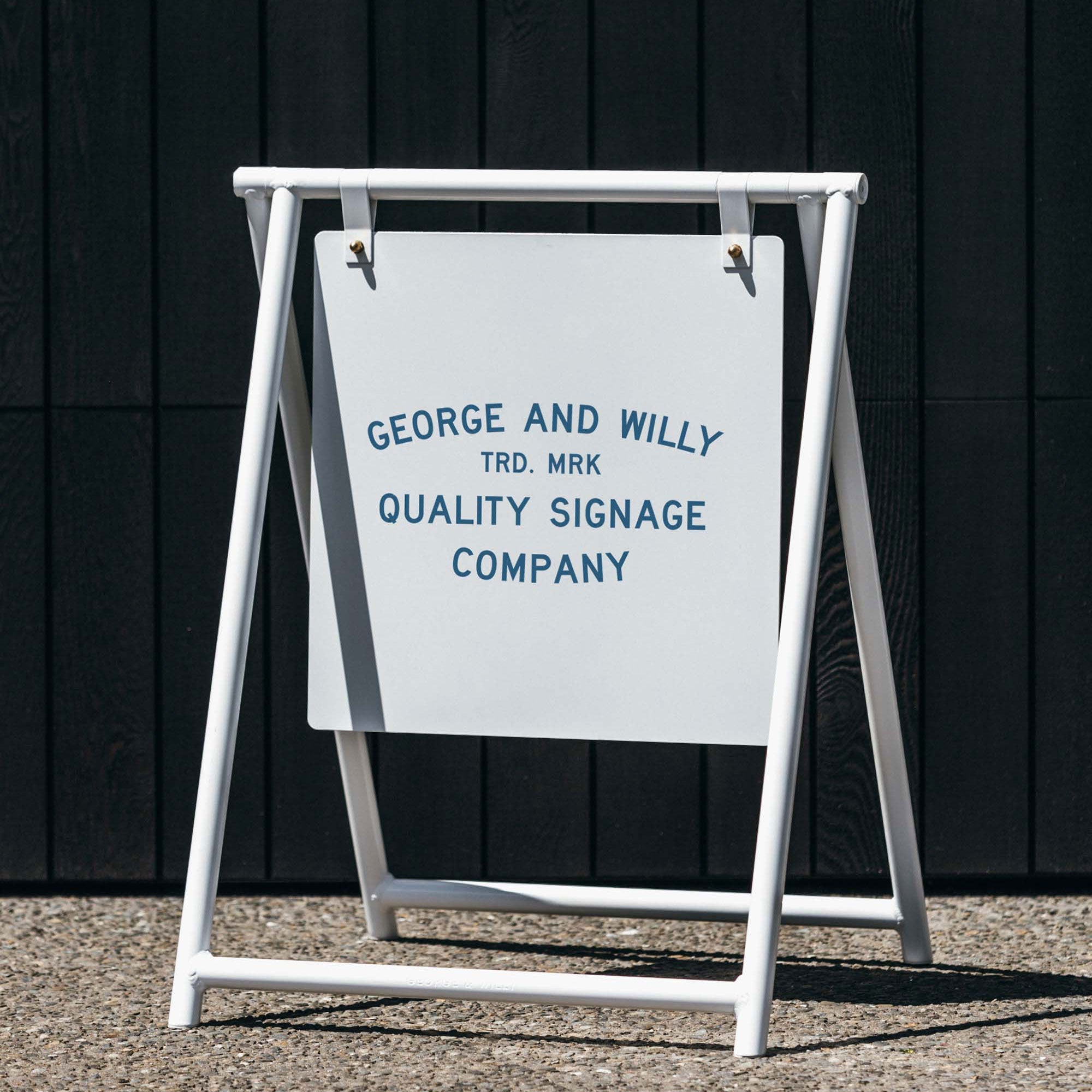
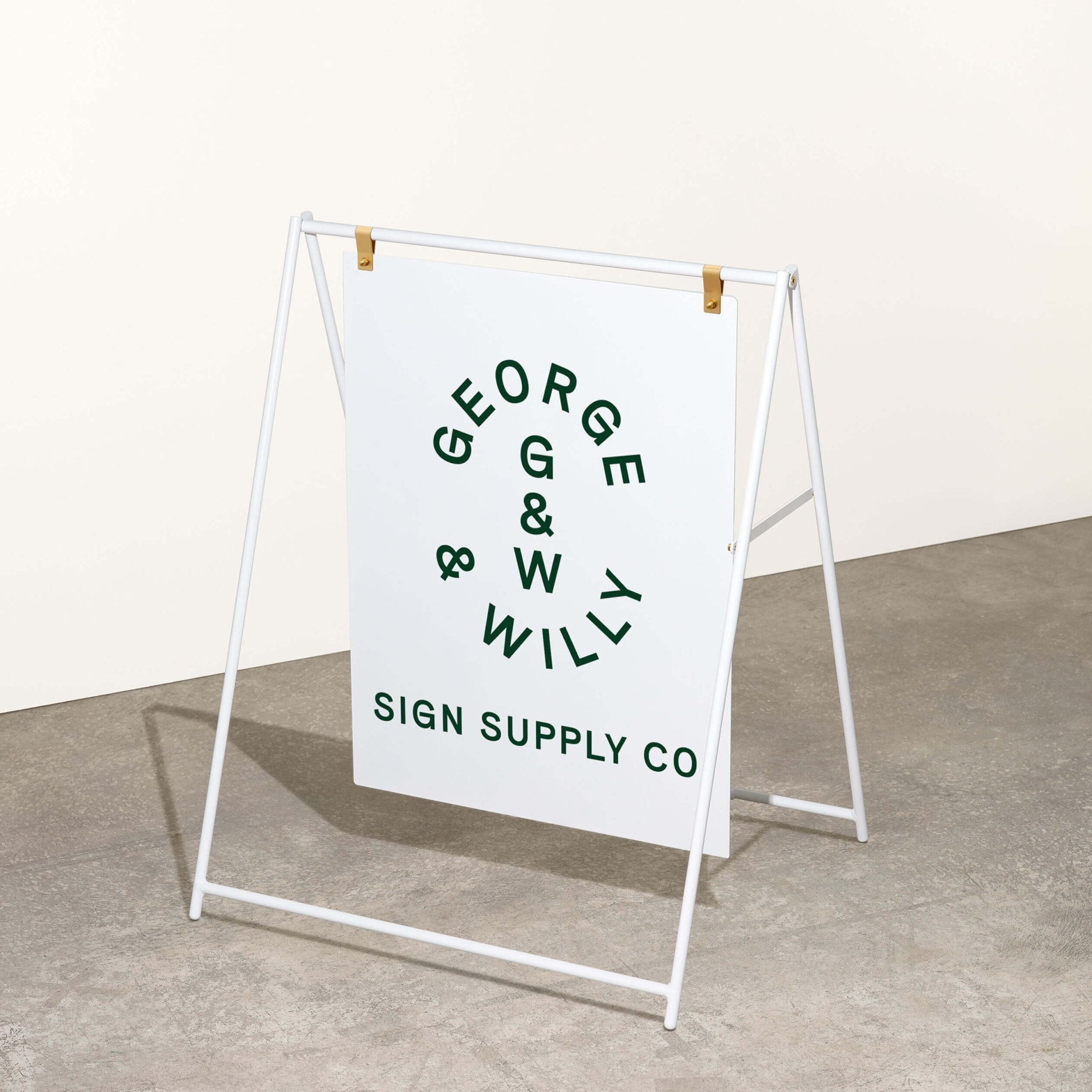
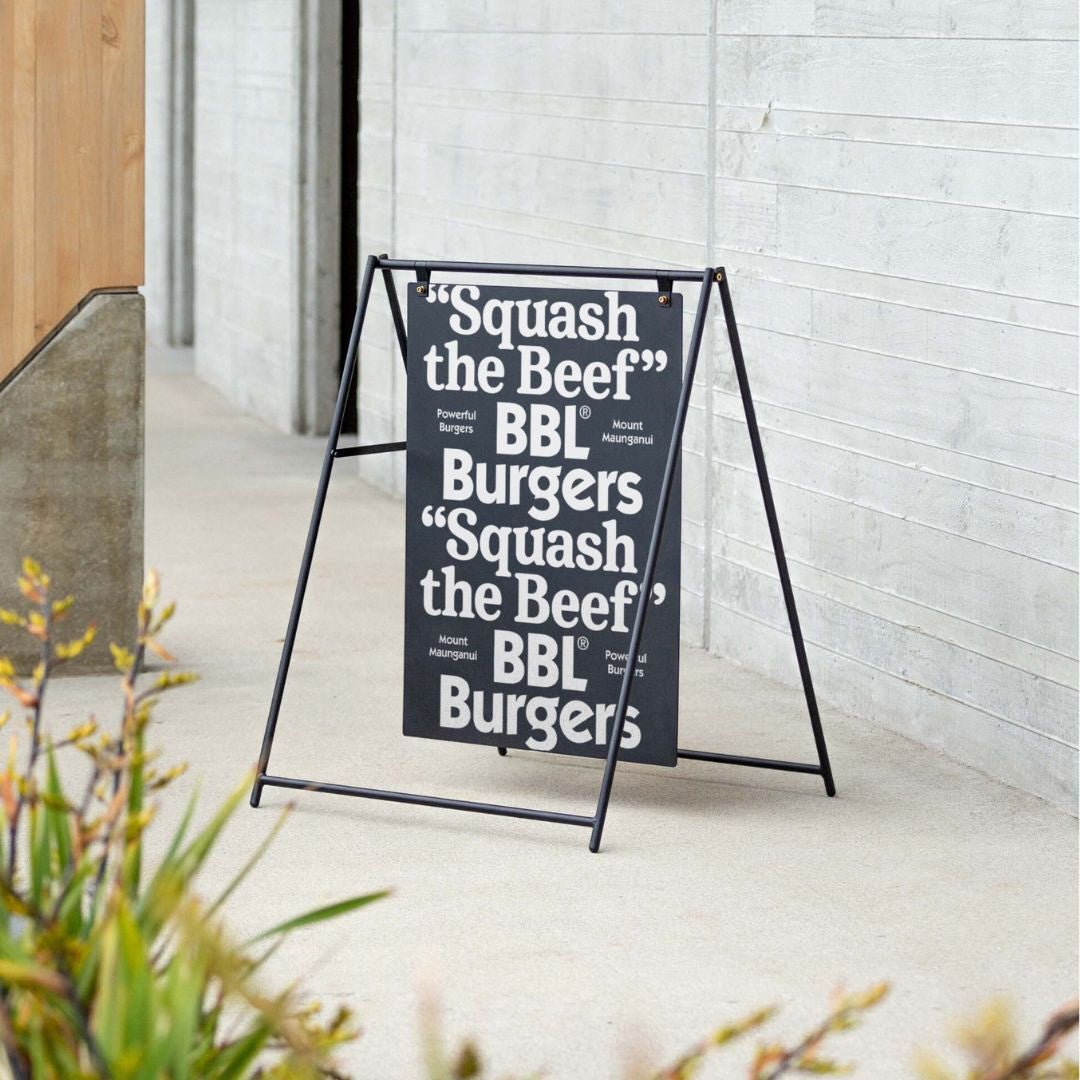
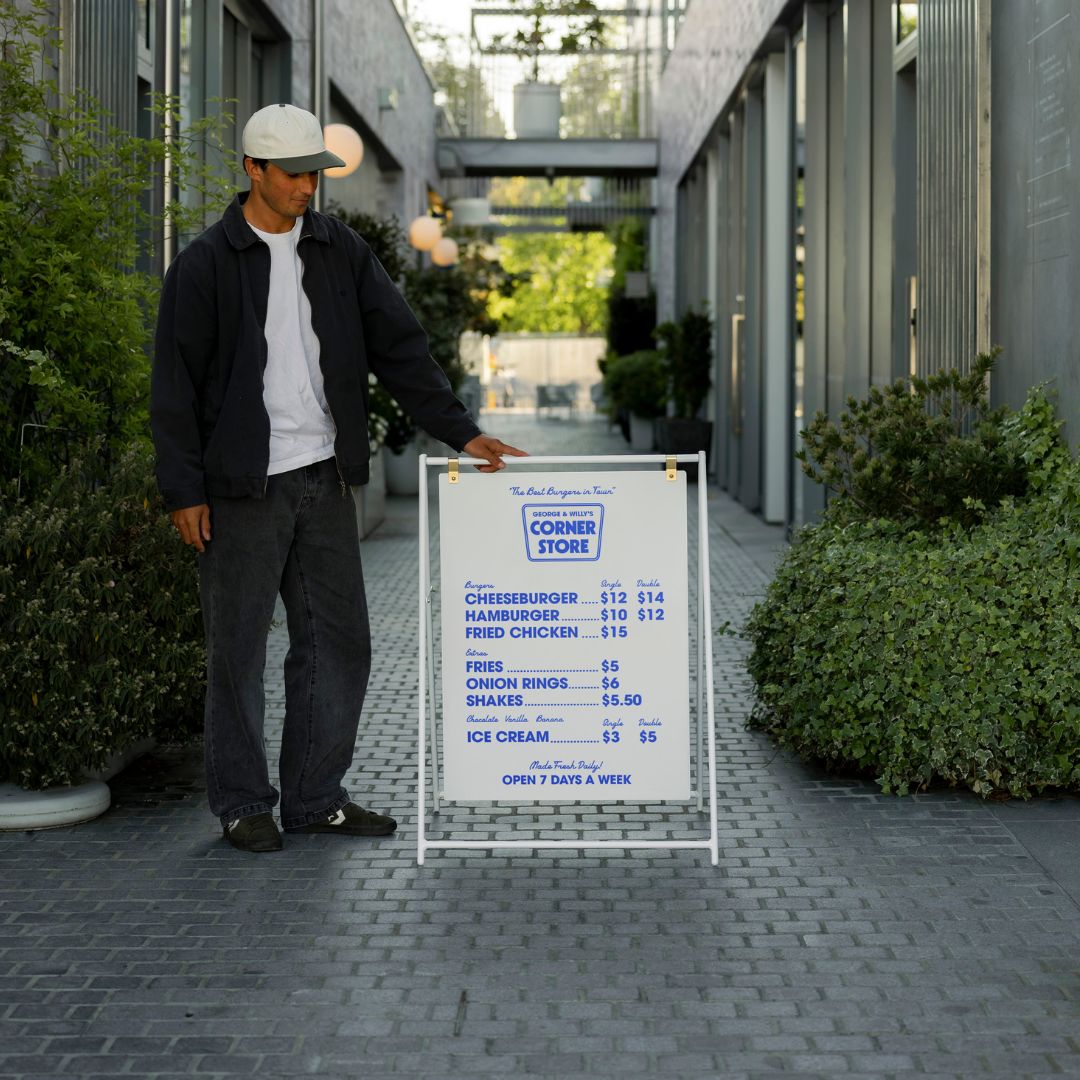
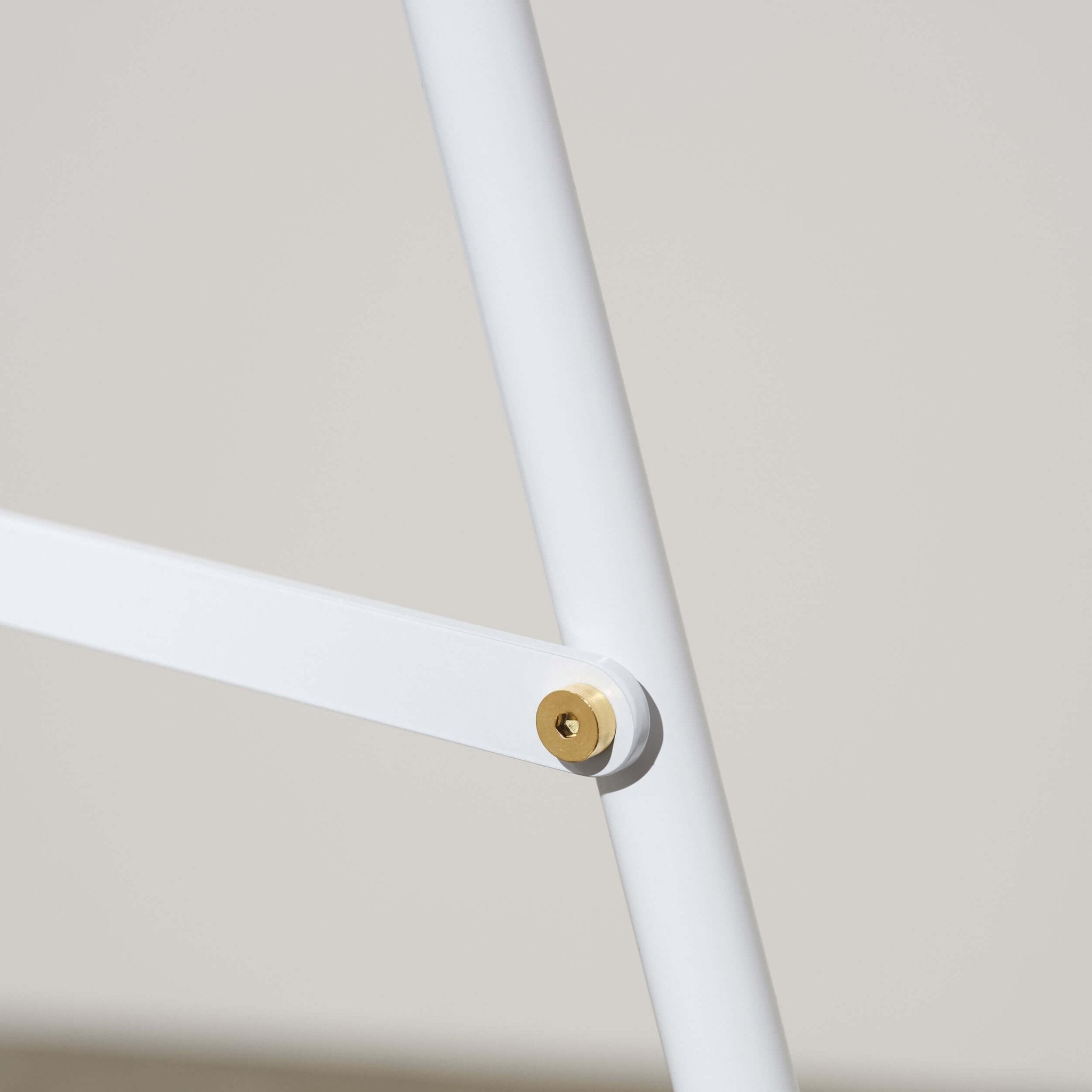
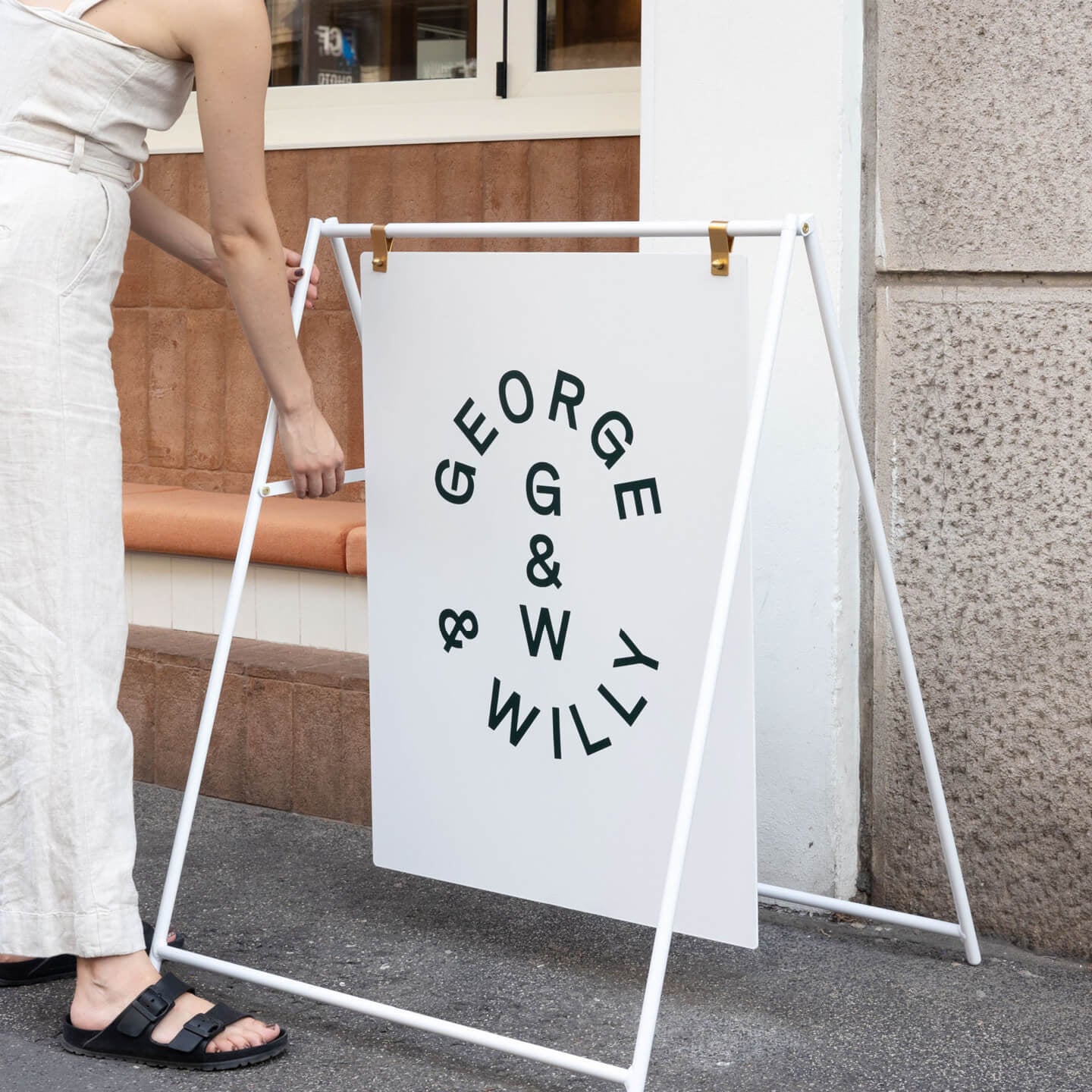
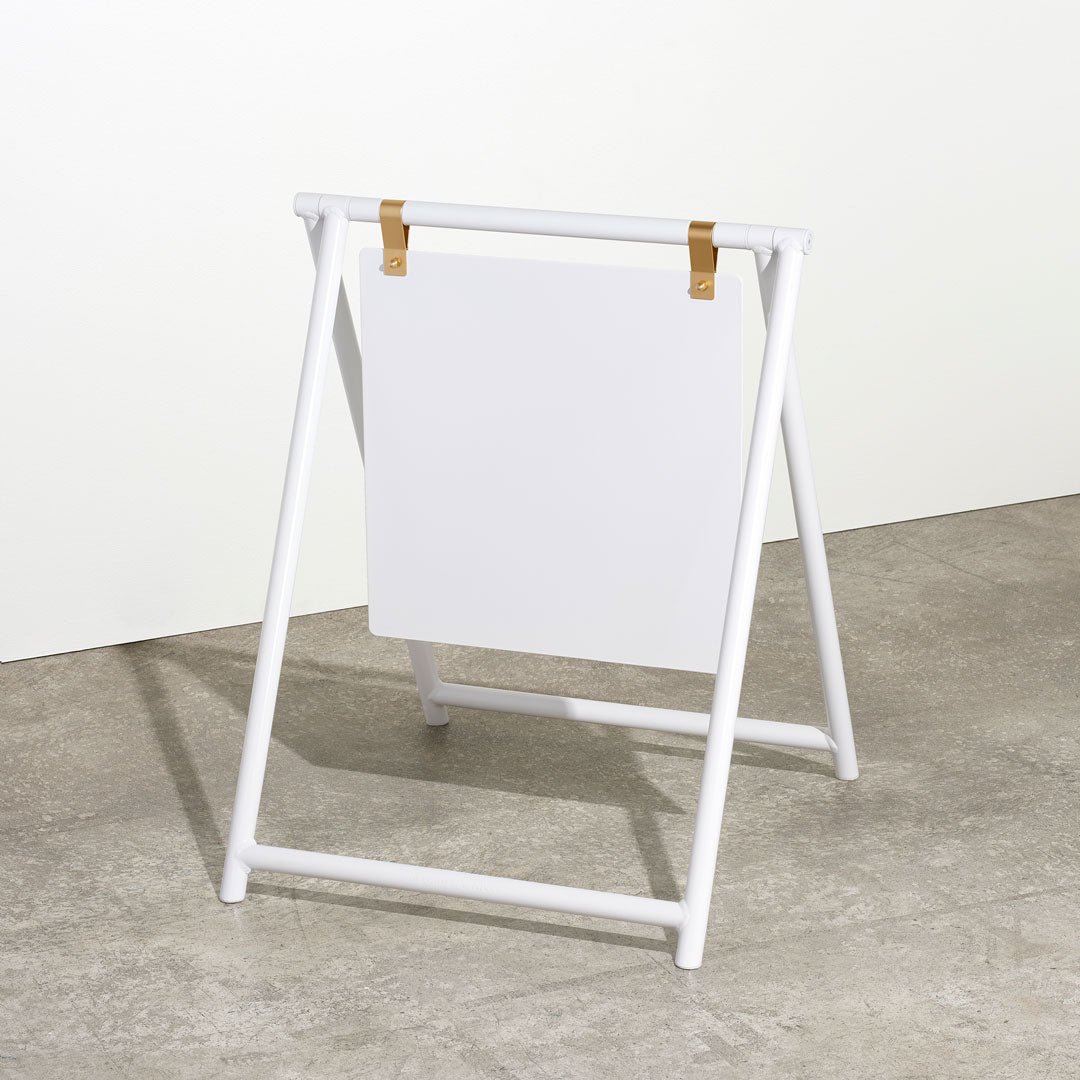
Of course, digital isn’t the only option. For many businesses, particularly those with a focus on timeless design and atmosphere like cafes and boutiques, classic physical signage is a powerful tool. A metal outdoor sign is a friendly, screen-free way to catch attention at the curb. If you’re looking for signs that blend durability with minimalist style, it’s worth exploring expertly crafted exterior signs like the Wall Sign. Companies like George & Willy focus on building signs from robust materials like powder‑coated aluminum that resist rust and look great for years. For a distinctive projecting option, the Round Outdoor Shop Sign offers high visibility from both directions. Their A-Frame Signs and Blade Signs offer a classic, effective way to attract customers.
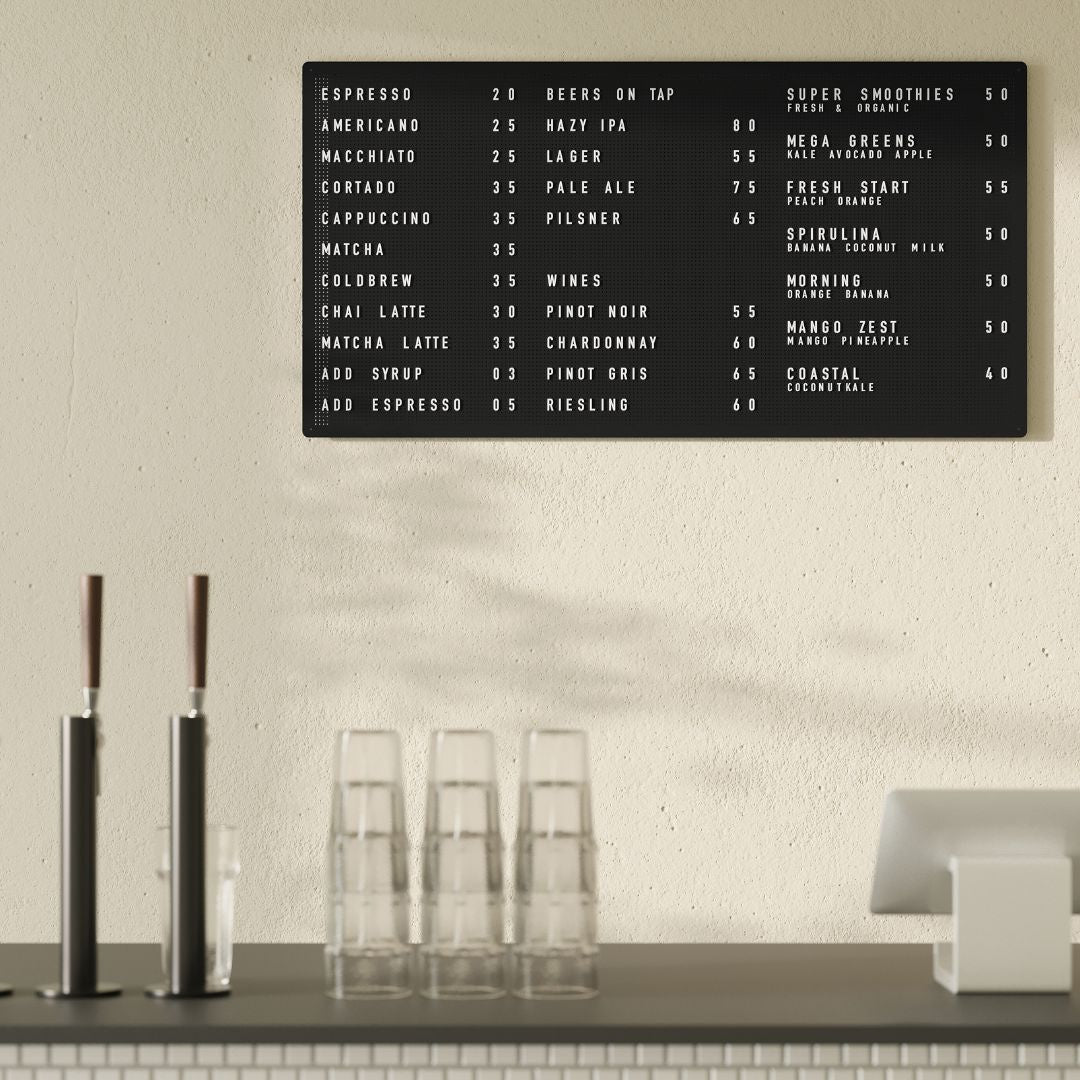
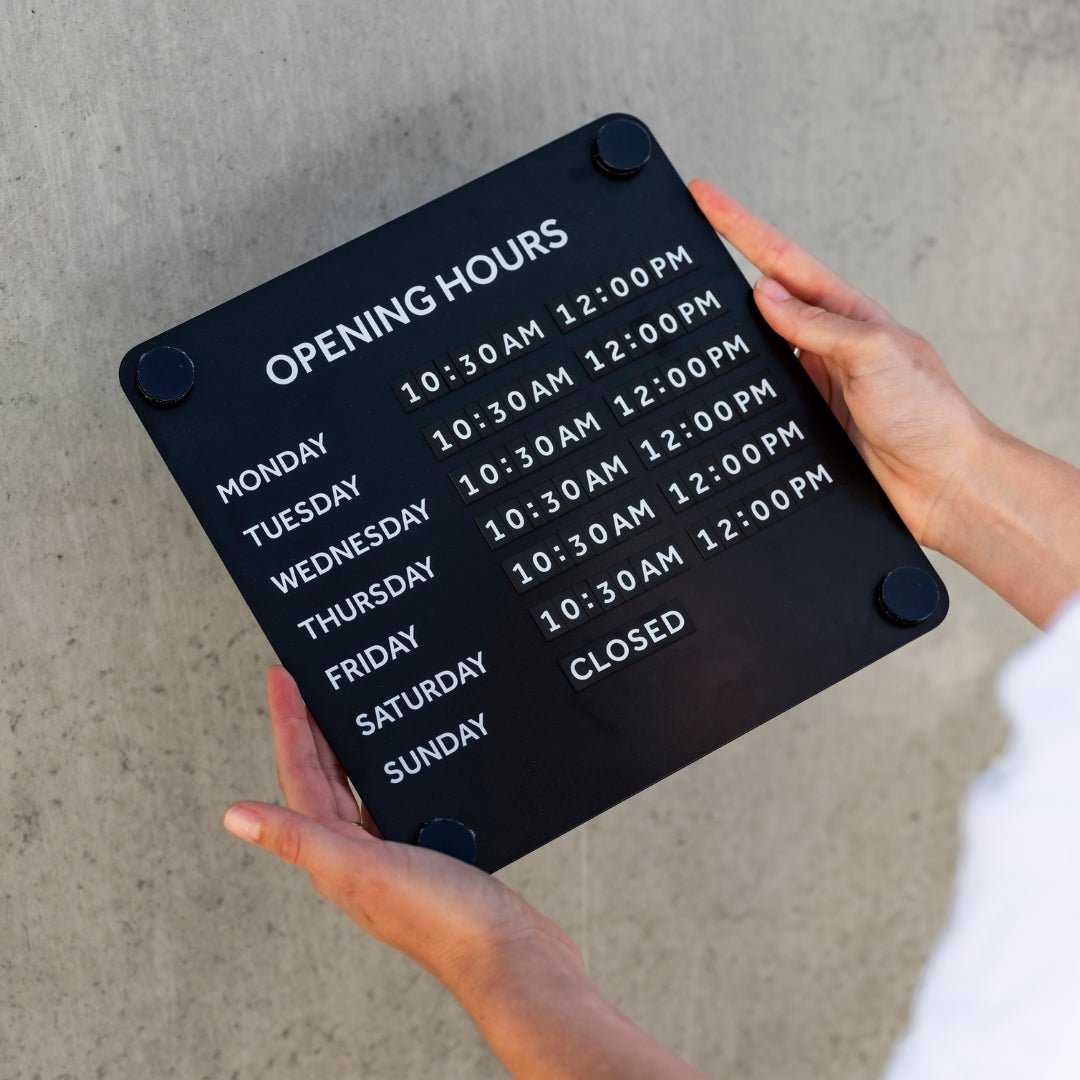
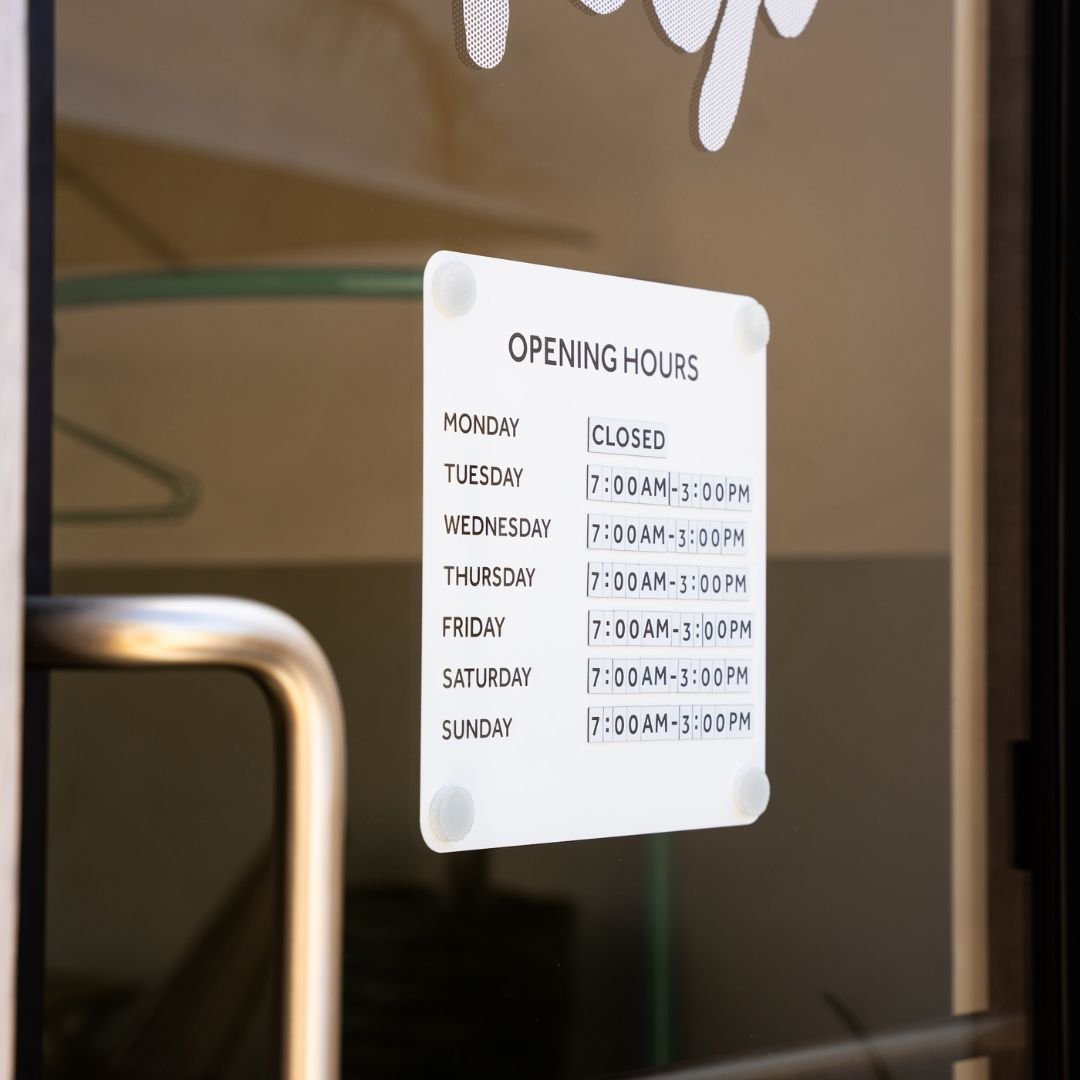
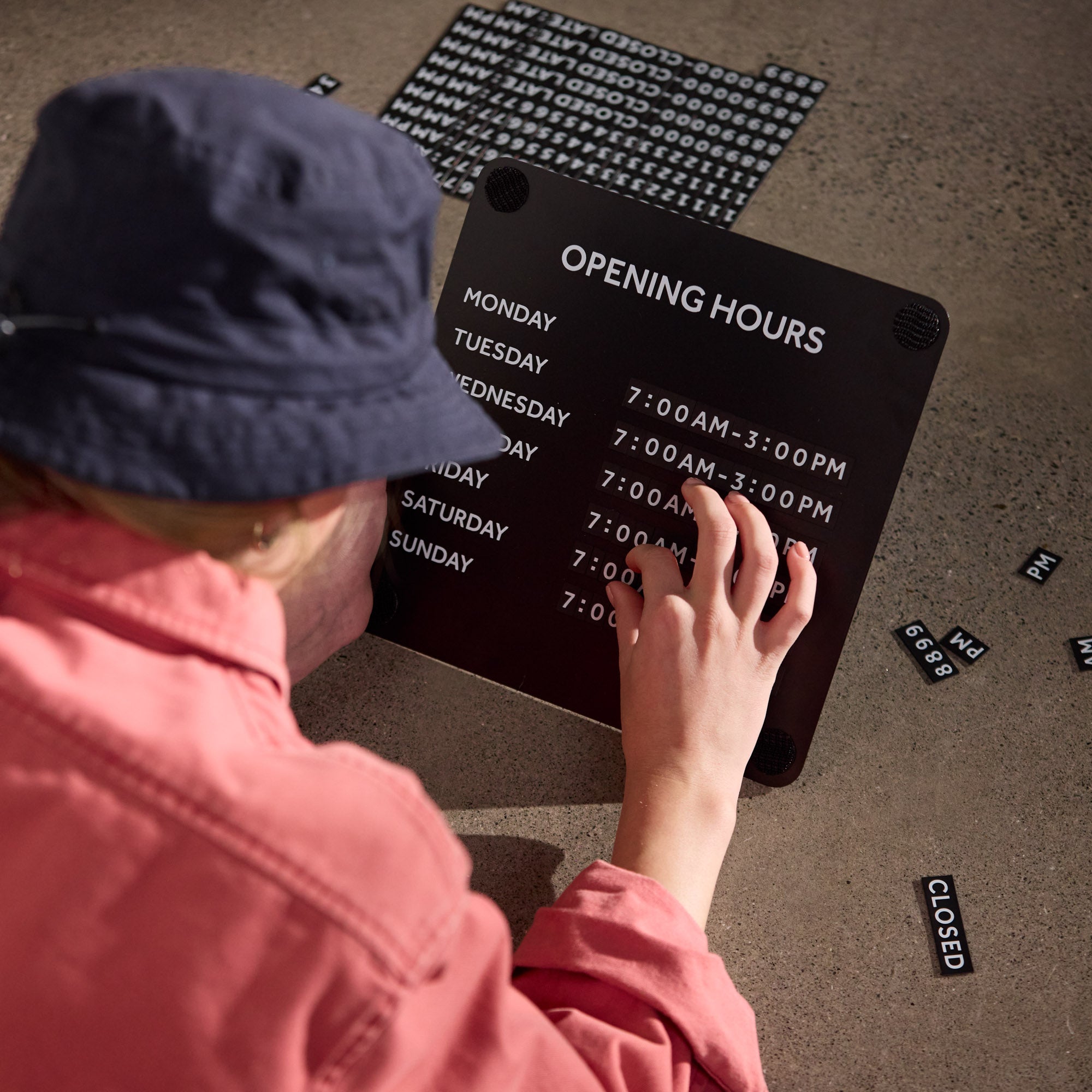
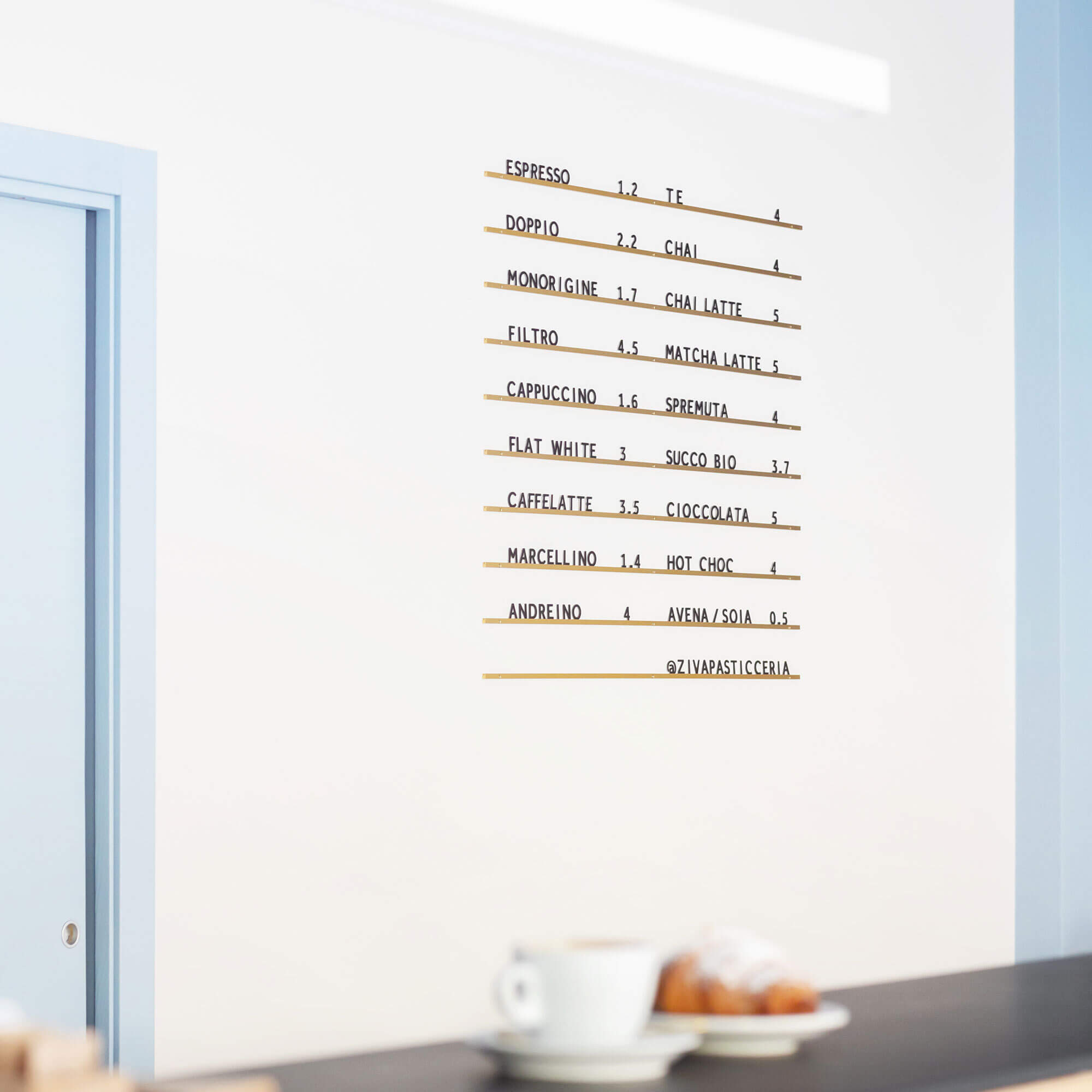
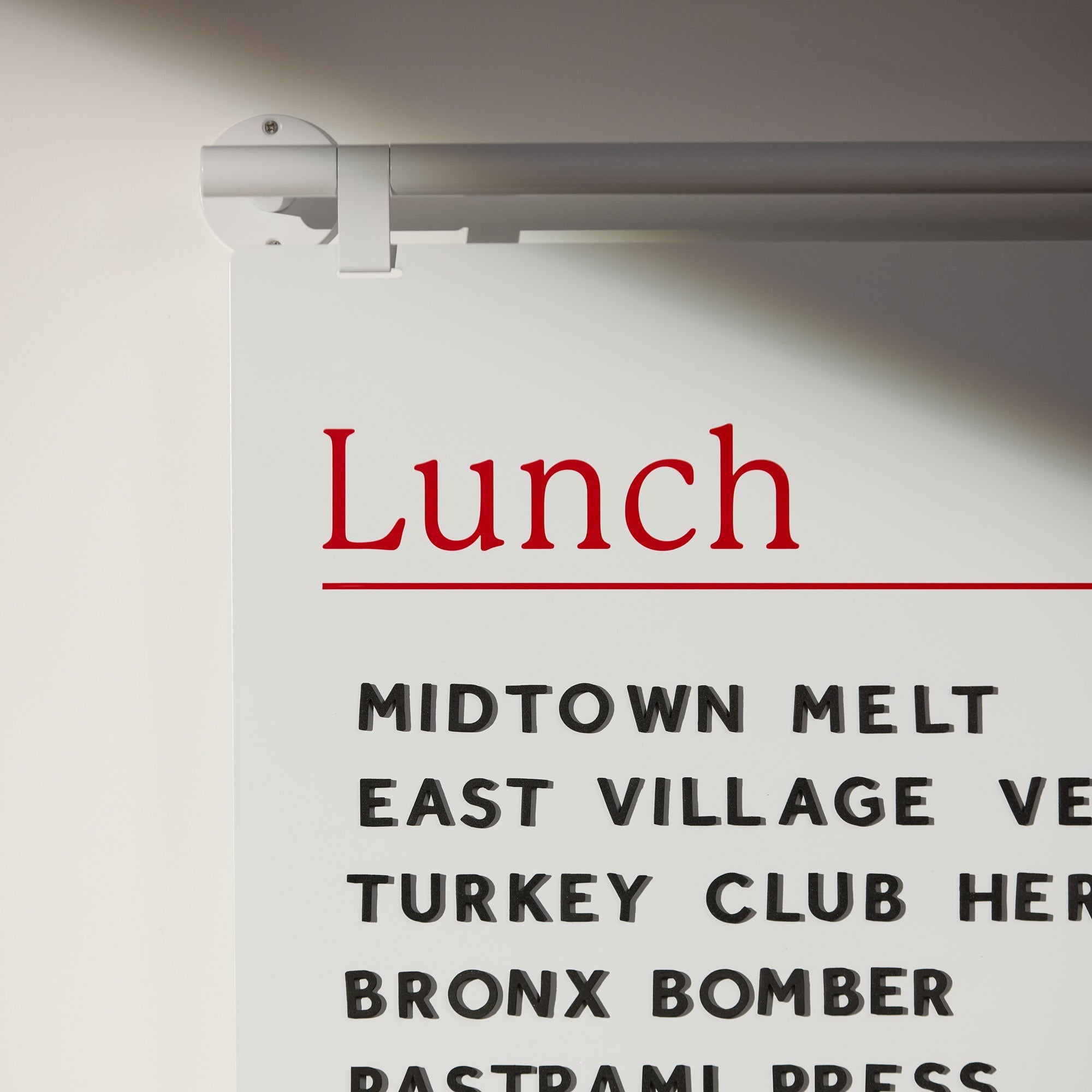
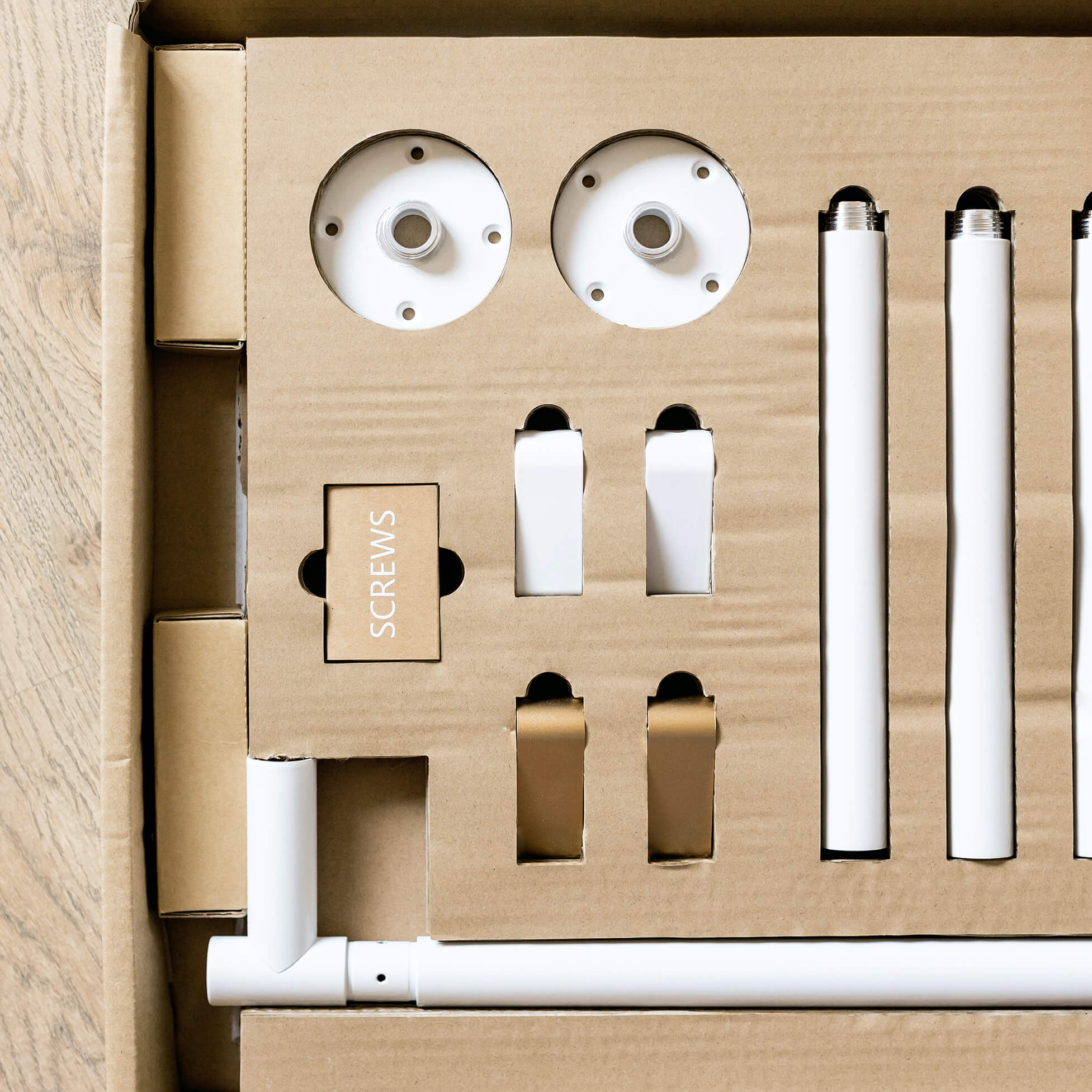
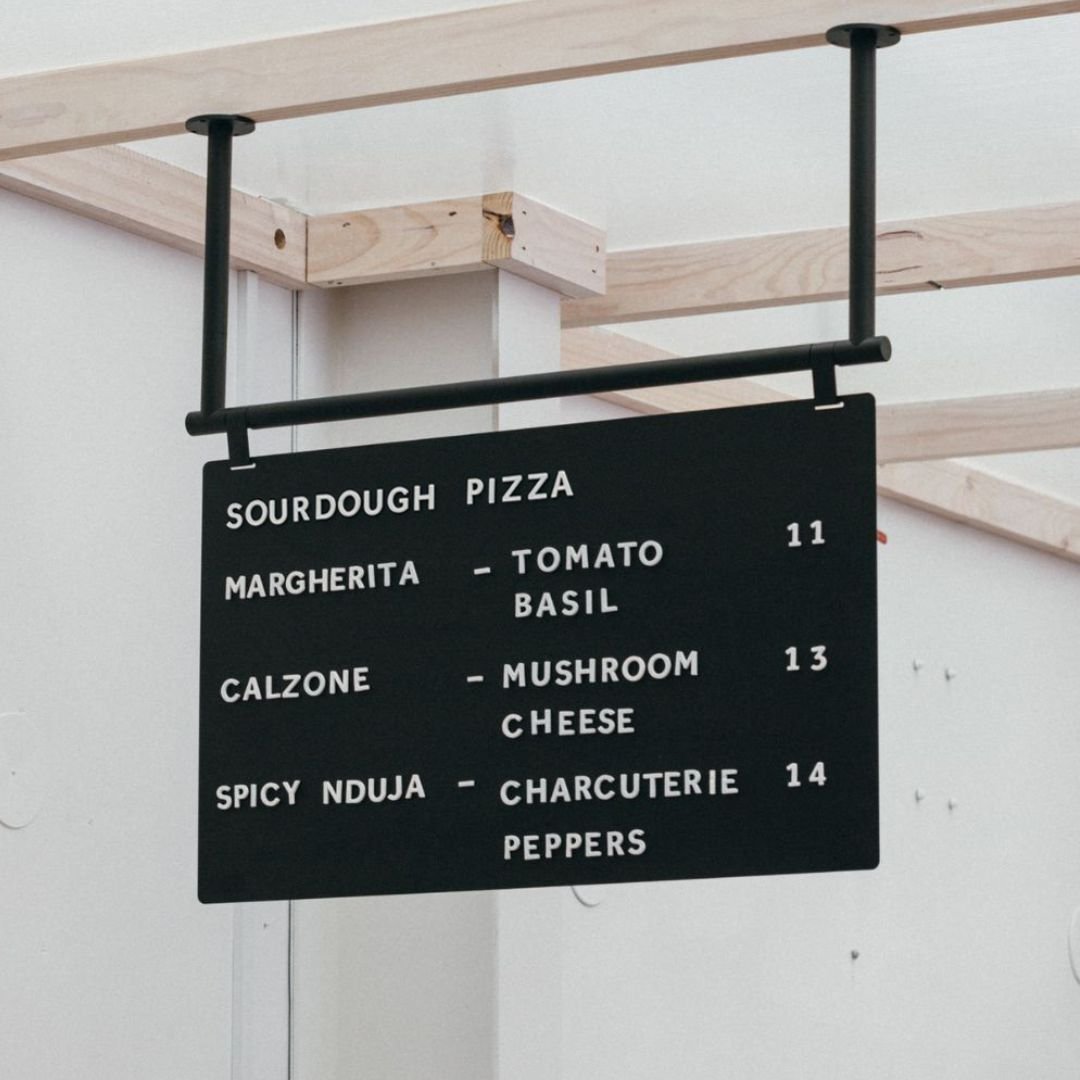
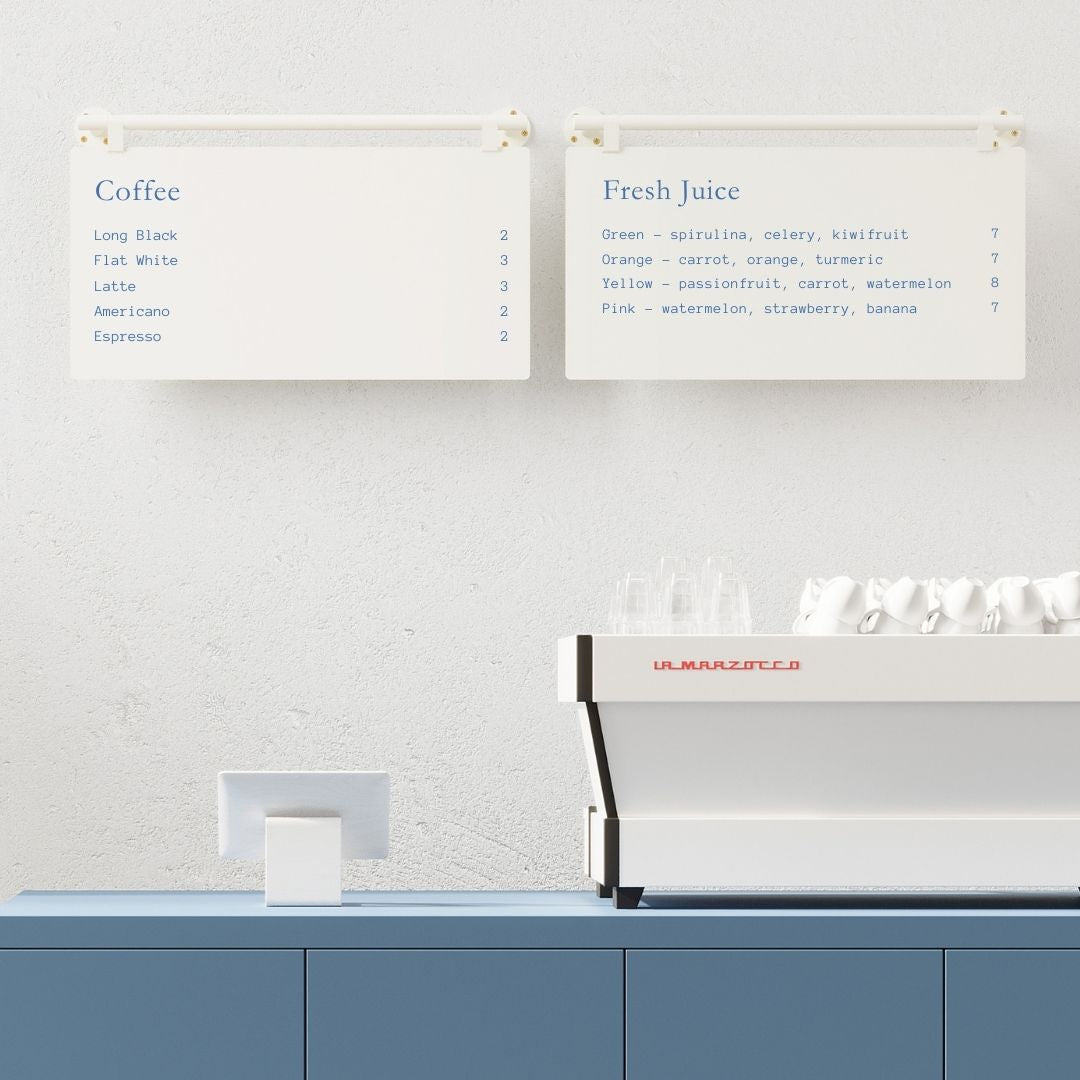
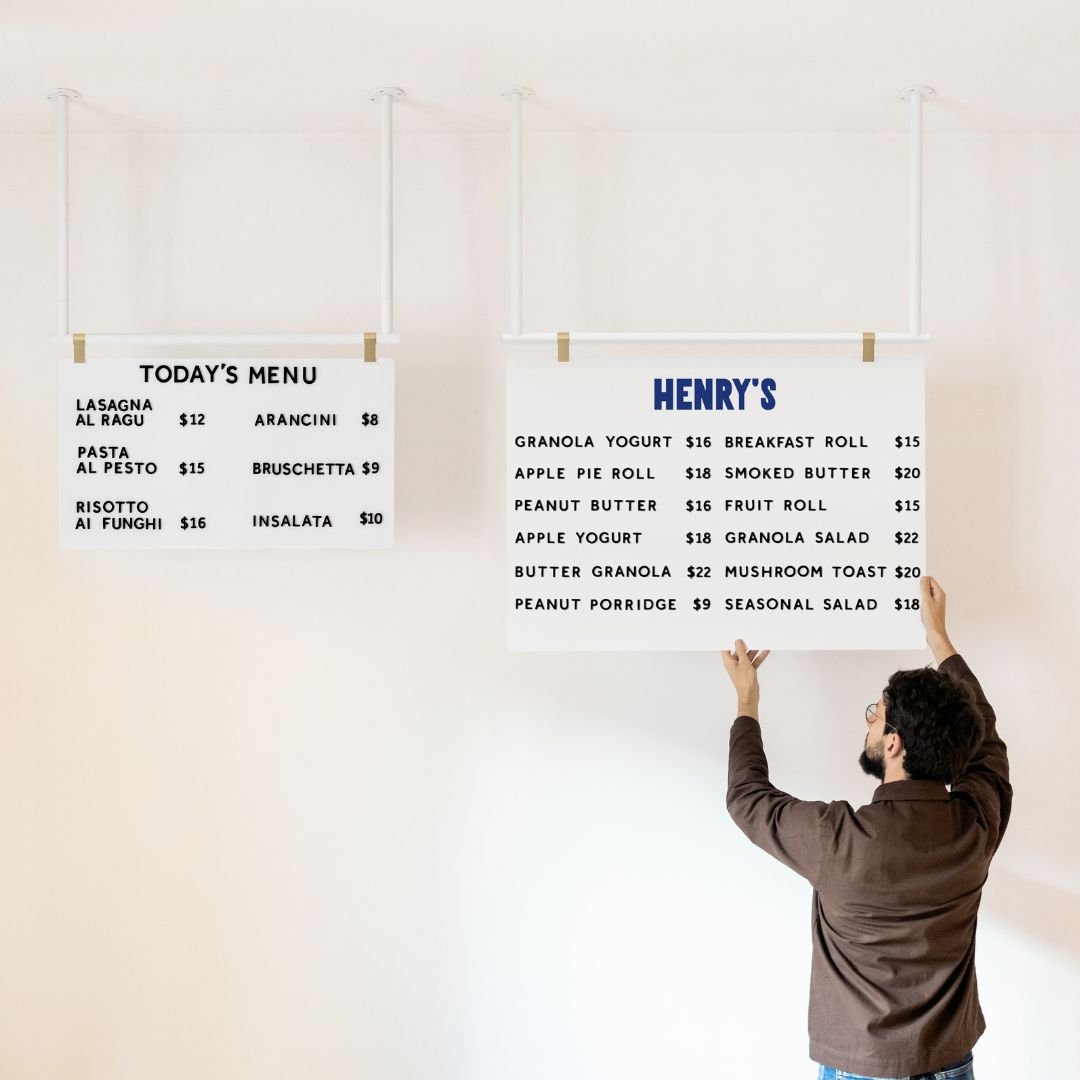
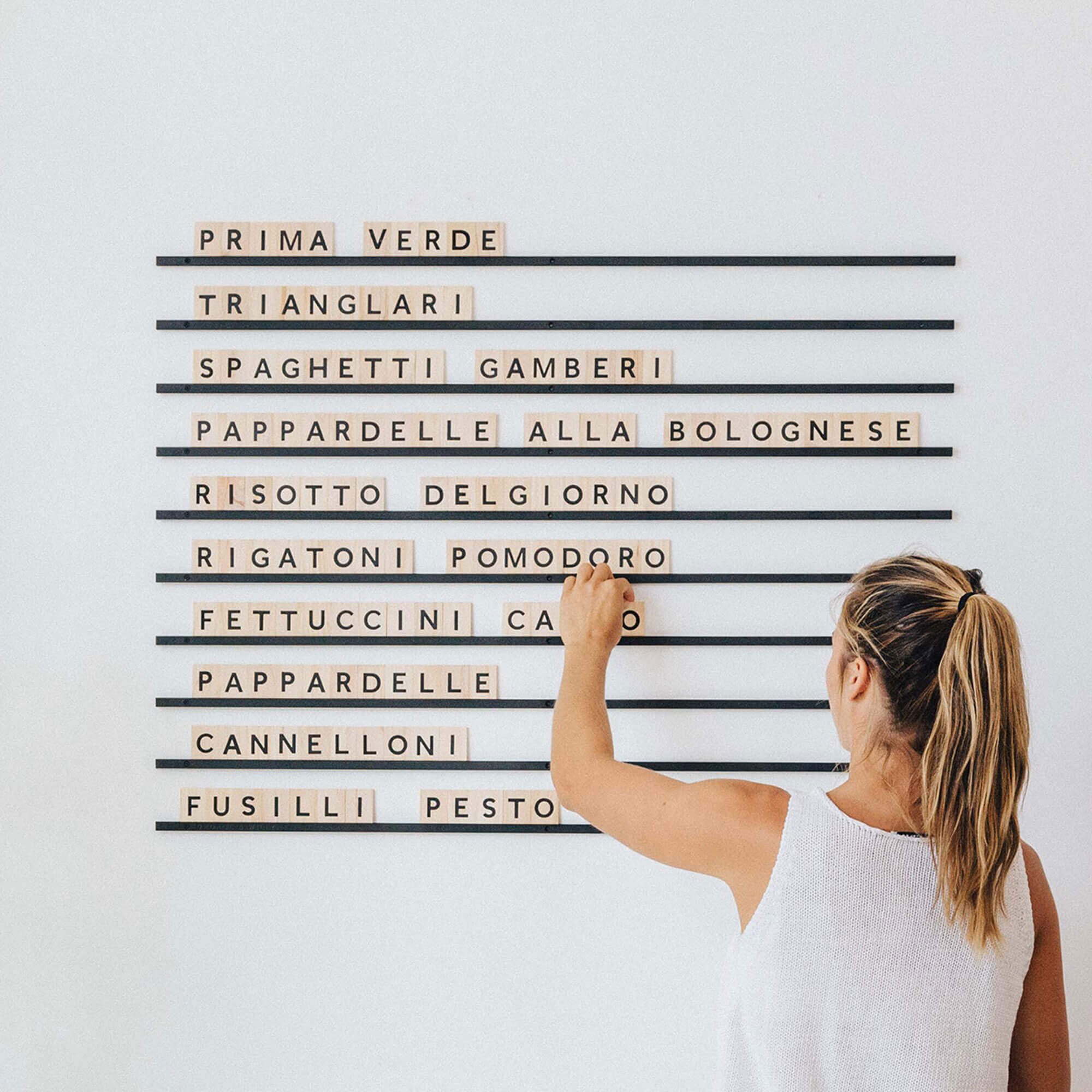
Whether you’re going digital or analog, investing in quality construction pays off. Inside your space, a Ceiling Menu Board keeps counters clear while making updates quick. You can explore a full range of durable, weather‑resistant options at George & Willy, including a simple window sign to clearly show when you’re trading.
Frequently Asked Questions about Electronic Message Signs Outdoor
What is a good brightness level for electronic message signs outdoor?
For shaded outdoor areas, a minimum of 1,500 nits is recommended. For locations that receive direct sunlight, you should look for a display with 2,500 nits or more to ensure your content remains visible.
What does an IP65 rating mean for an outdoor sign?
An IP65 rating indicates that the sign’s enclosure is “dust tight” and protected against low pressure water jets from any direction. This means it is fully equipped to handle rain and sprinklers without damaging the internal electronics.
Can I use a regular TV for outdoor digital signage?
No, you should never use a standard indoor TV for outdoor applications. They are not built to withstand moisture, dust, or extreme temperature fluctuations and are likely to fail very quickly.
How do electronic message signs outdoor handle extreme heat and cold?
Quality outdoor signs use active thermal management systems. This includes internal fans or air conditioners to prevent overheating in hot weather and integrated heaters to prevent condensation and freezing in cold weather.
Why is ventilation important if a sign is weatherproof?
Ventilation is crucial for allowing heat to escape and preventing internal condensation. A weatherproof sign still needs airflow through filtered vents to keep the electronics from overheating and to stop the screen from fogging up.