


Indoor wall signs do more than just label a space. They set the tone, guide visitors, and turn plain walls into powerful branding tools. But with so many options, from materials like acrylic and metal to different styles like wall graphics and 3D lettering, choosing the right sign can feel overwhelming. This guide breaks it all down. We’ll explore the different types of indoor wall signs, what they’re made of, and how to pick the perfect one for your business.
What Exactly Are Indoor Wall Signs?
An indoor wall sign is any sign mounted inside a building. Its purpose can range from branding and decoration to providing information and directions. Think of lobby logos, office nameplates, directional signs, and menu boards. Since they are protected from the weather, these signs can be crafted from a wide array of materials like metal, wood, acrylic, or foam.
Quality is crucial. Well designed indoor wall signs reinforce a professional, on brand impression. Conversely, sloppy or poorly made signage can leave a negative one. Surveys show that over half of people (52%) are less willing to enter a store with misspelled or poorly made signs. They are a critical part of the customer experience, and good signage can even drive sales. One study found that 67% of consumers have made a purchase simply because an in store sign caught their eye.
Exploring Common Materials for Indoor Wall Signs
The material you choose affects your sign’s look, durability, and cost. Let’s look at some popular choices for indoor wall signs.
Acrylic Wall Signs: Sleek and Modern
Acrylic wall signs, also known as Plexiglas signs, are loved for their glossy, glass like appearance and impressive durability. This lightweight plastic is shatter resistant and can be up to 17 times stronger than glass. This combination of strength and style makes acrylic a top choice for modern office logos, directory signs, and displays.
Customization is easy. Acrylic can be cut into various shapes and comes in many colors and transparencies, from crystal clear to frosted. Graphics can be printed directly on it or applied with vinyl, creating a high end look without a huge price tag.
Engraved Acrylic Signs: A Touch of Class
An engraved acrylic wall sign takes things a step further. Instead of printing on the surface, the design, logo, or letters are precisely carved into the acrylic itself, usually with a CO₂ laser. This creates a beautiful, frosted, and tactile effect that won’t peel or fade over time.
The engraved areas often appear white or frosted, creating a subtle contrast that pops when it catches the light. This effect is why many businesses choose to backlight or edge light their engraved acrylic signs, making the carved text glow. They are a popular option for upscale name plaques and ADA compliant signs.
Engraved Metal Signs: Durable and Prestigious
For a look that conveys permanence and prestige, an engraved metal wall sign is an excellent choice. Made from materials like aluminum, brass, or stainless steel, these signs have their text or designs etched directly into the metal surface. This process ensures the information can’t peel or wear off.
Metal signs are among the most durable options available, easily resisting wear and tear for years. Stainless steel, for example, is extremely resistant to moisture, chemicals, and UV light, making it suitable for even demanding environments. An engraved metal sign offers a sophisticated, professional appearance that can build trust and make a lasting impression.
Foam Core Signs: Lightweight and Budget Friendly
Foam core wall signs are made from a lightweight foam center sandwiched between paper or thin plastic faces. Because the material is mostly air, these signs are incredibly easy to hang, sometimes with just double sided tape. They are a go to for short term or temporary indoor uses like event signage, presentations, or trade show displays.
The main trade off is durability. Foam core is not weatherproof and is meant for indoor use only, as moisture can cause it to warp. While not built to last forever, foam core delivers crisp, high quality graphics at a very low cost, making it perfect for temporary promotions.
PVC Wall Signs: The Versatile Option
A PVC wall sign is a step up from foam core in terms of toughness. Made from a rigid, solid plastic sheet, PVC is lightweight yet durable enough for both indoor and outdoor use. Unlike foam board, PVC is waterproof and resists warping in humid conditions.
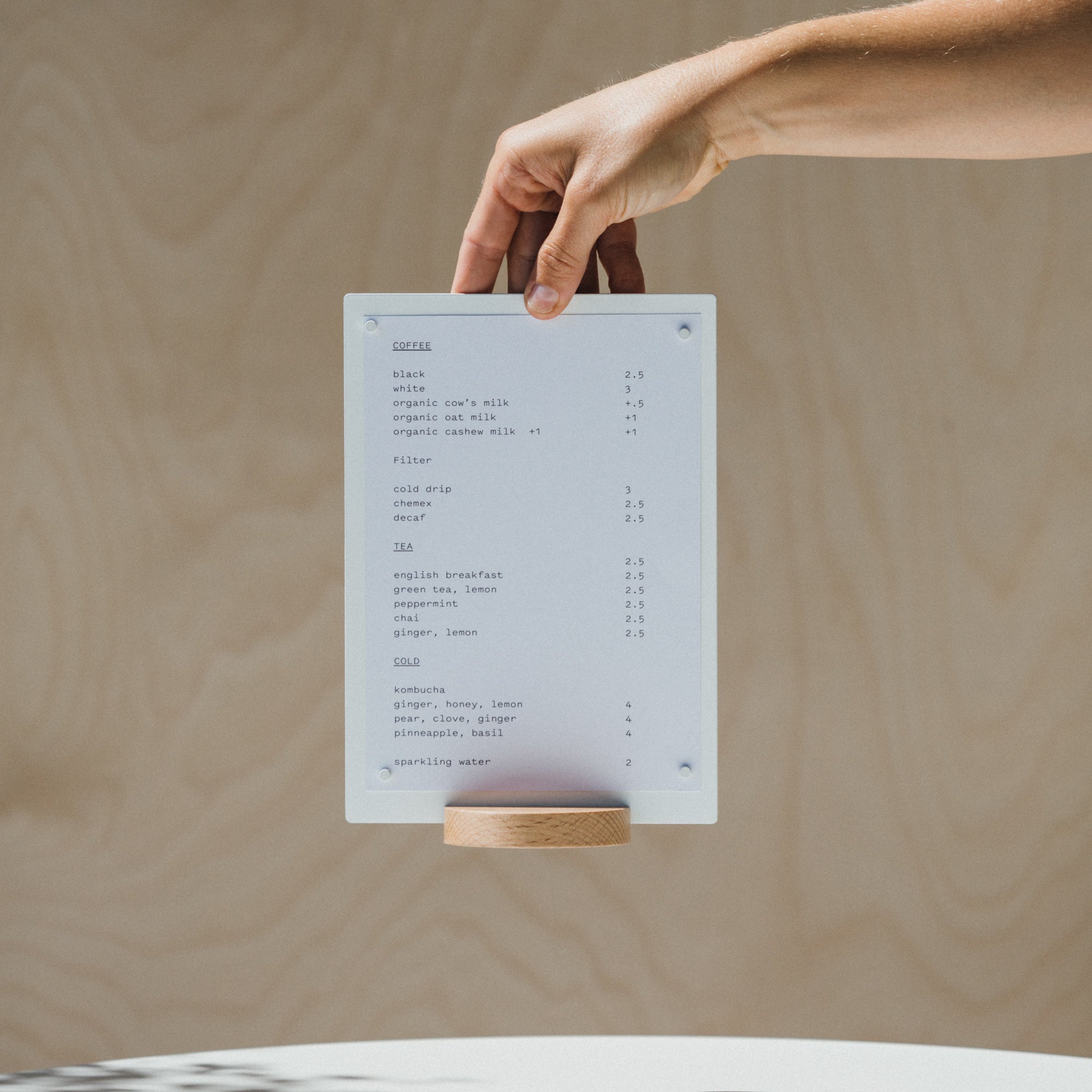
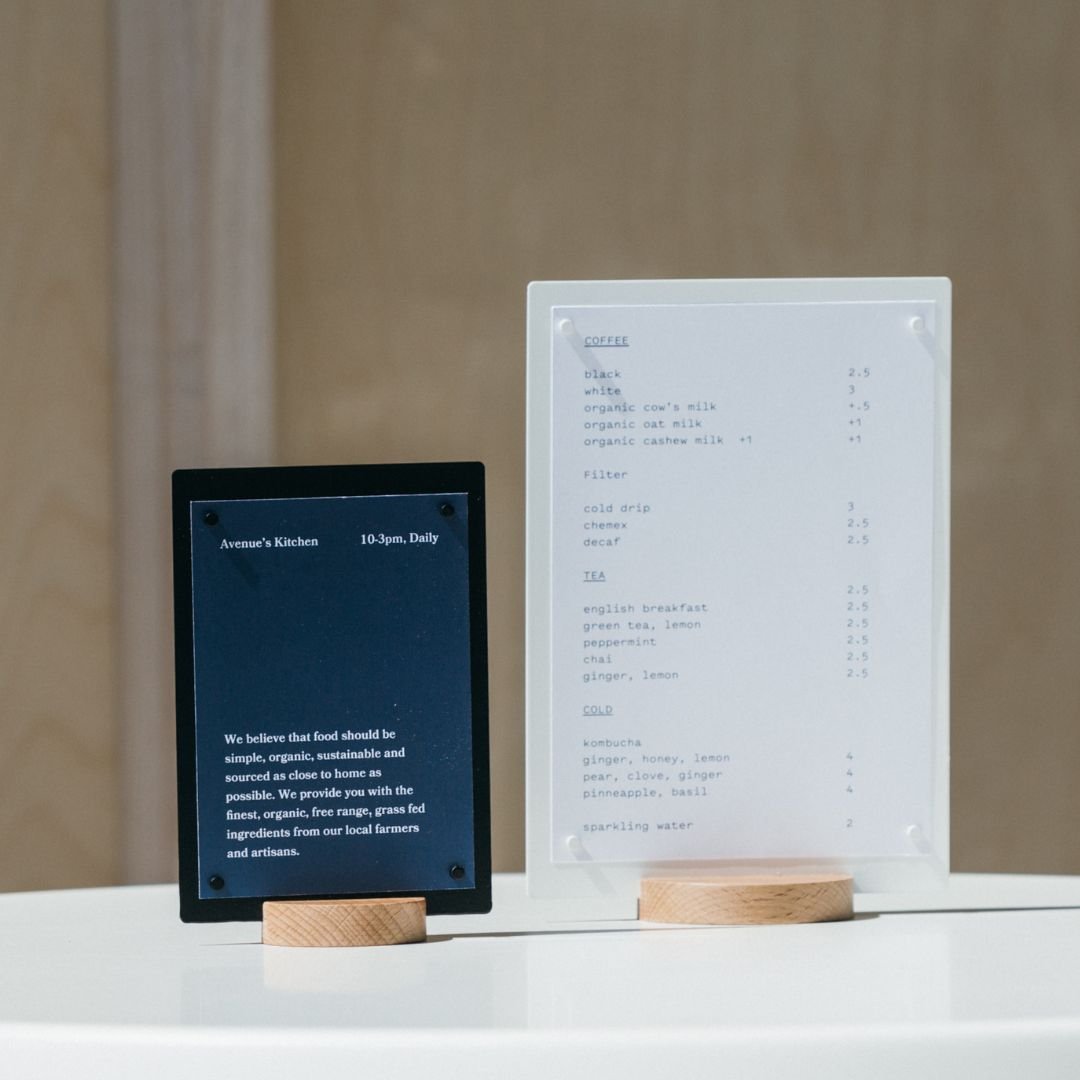
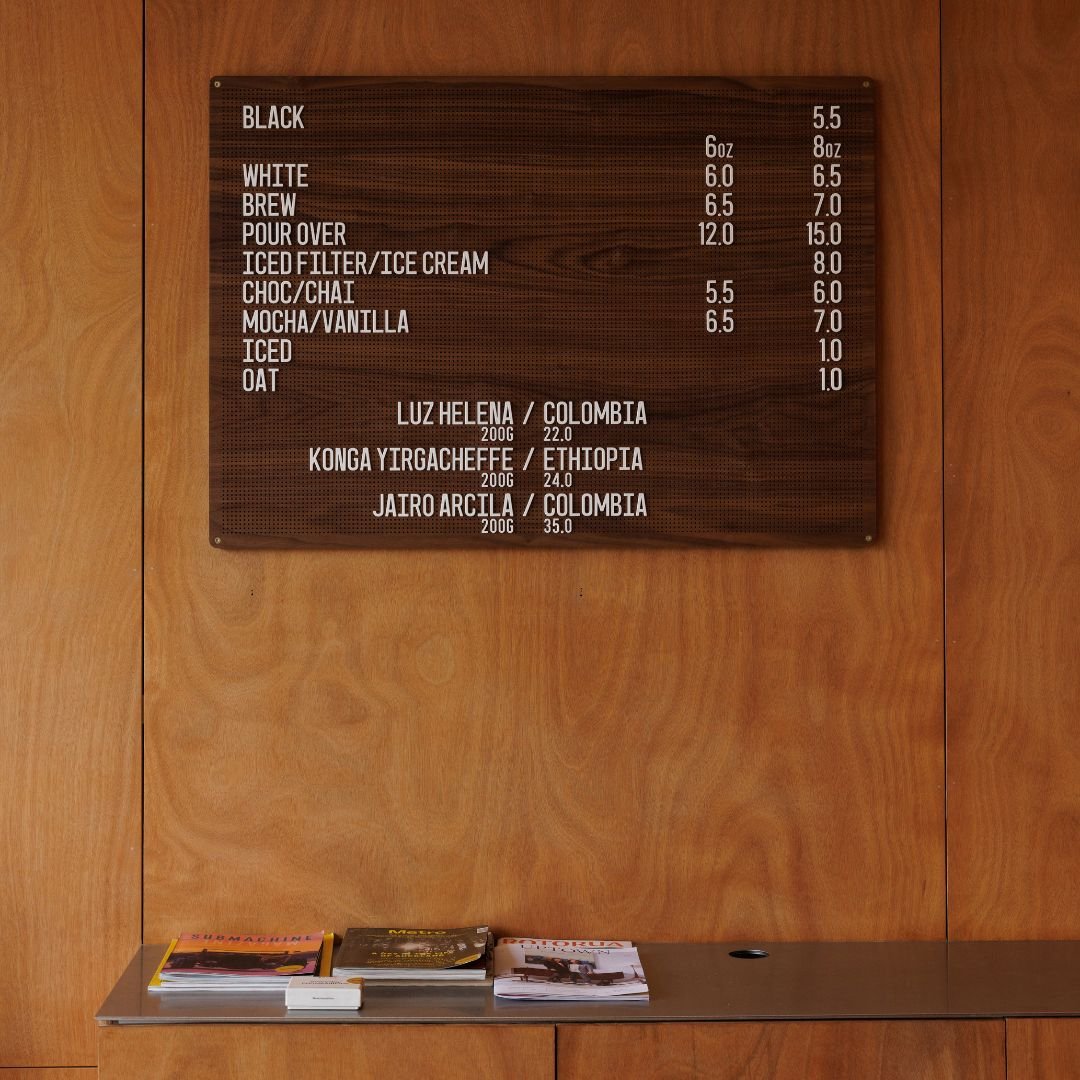
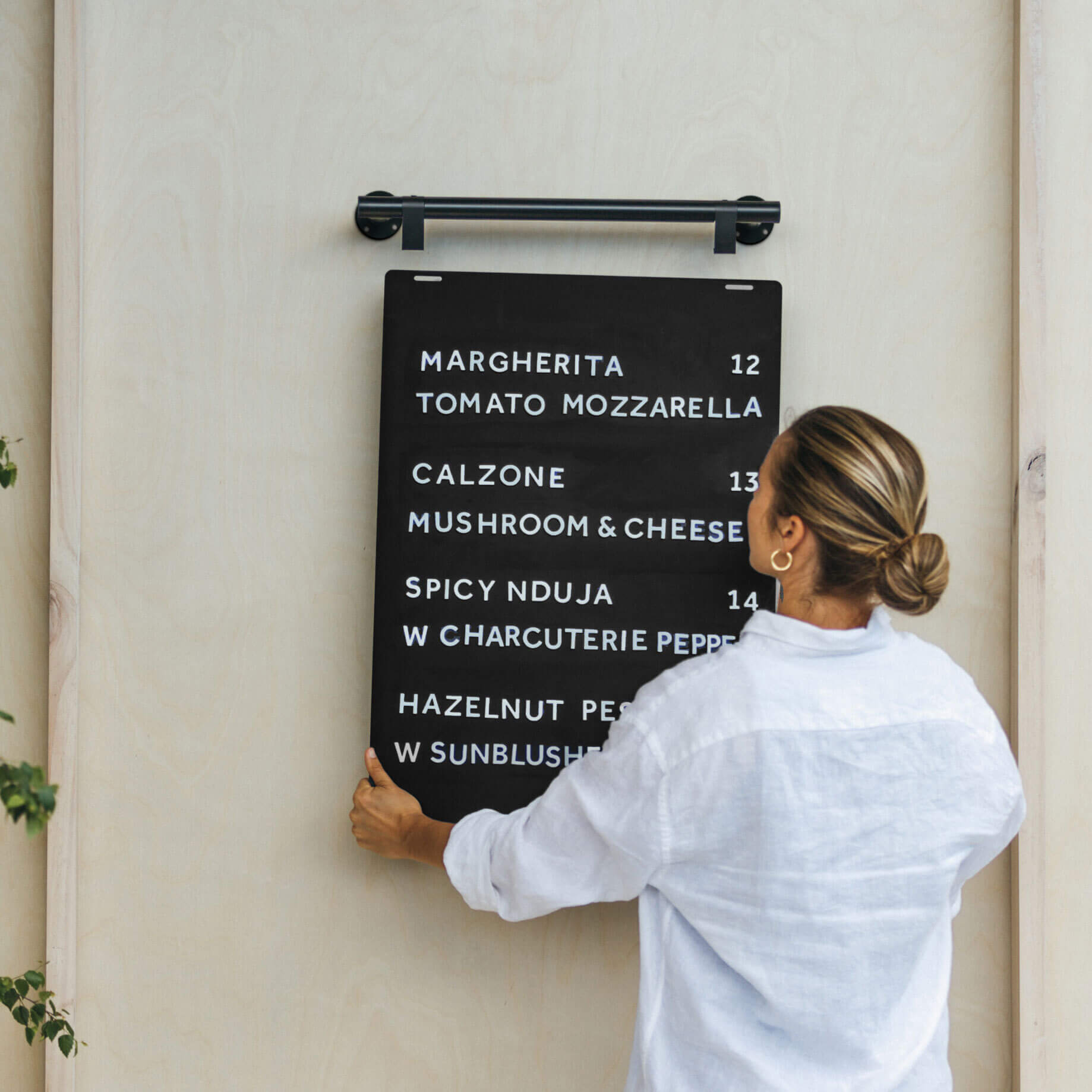
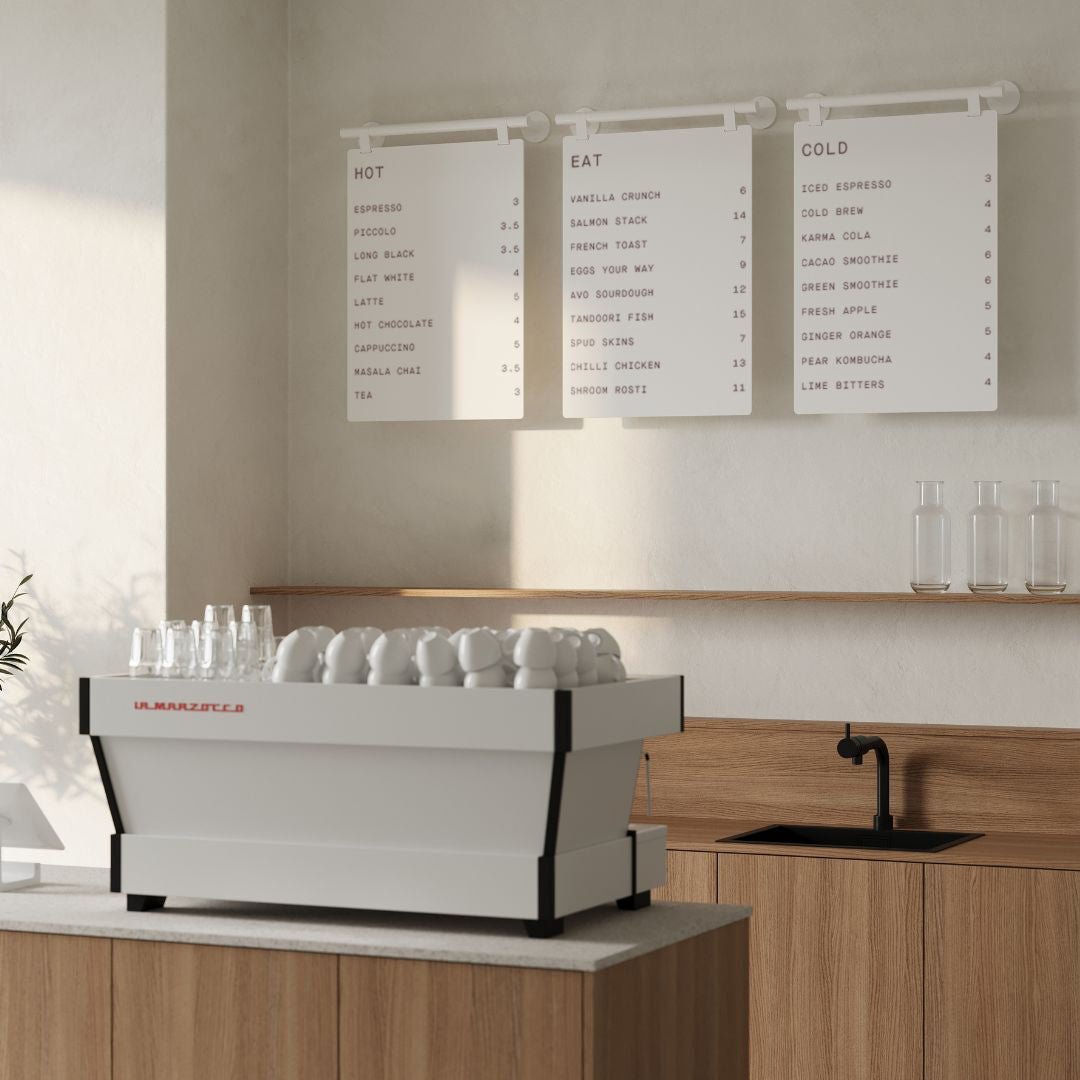
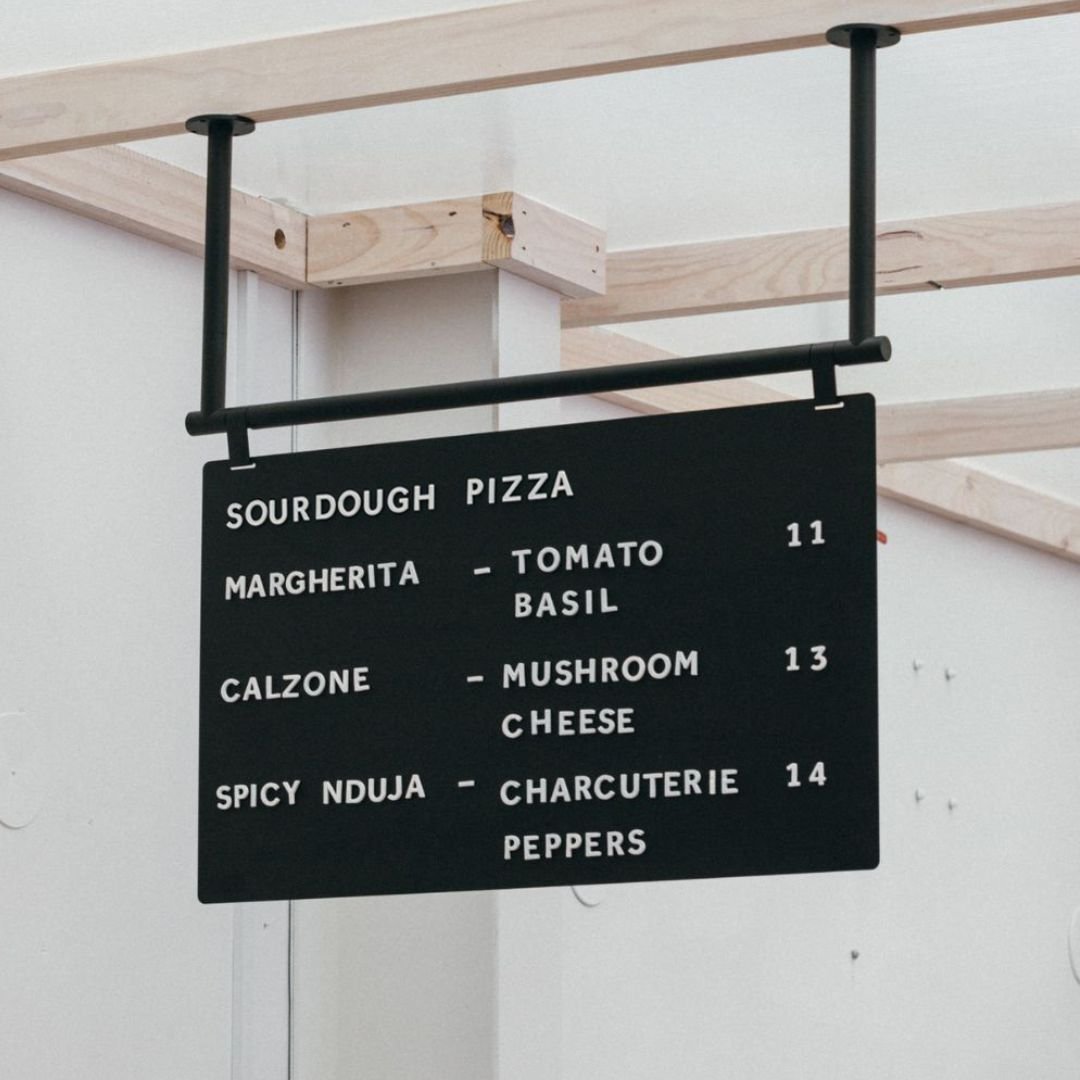
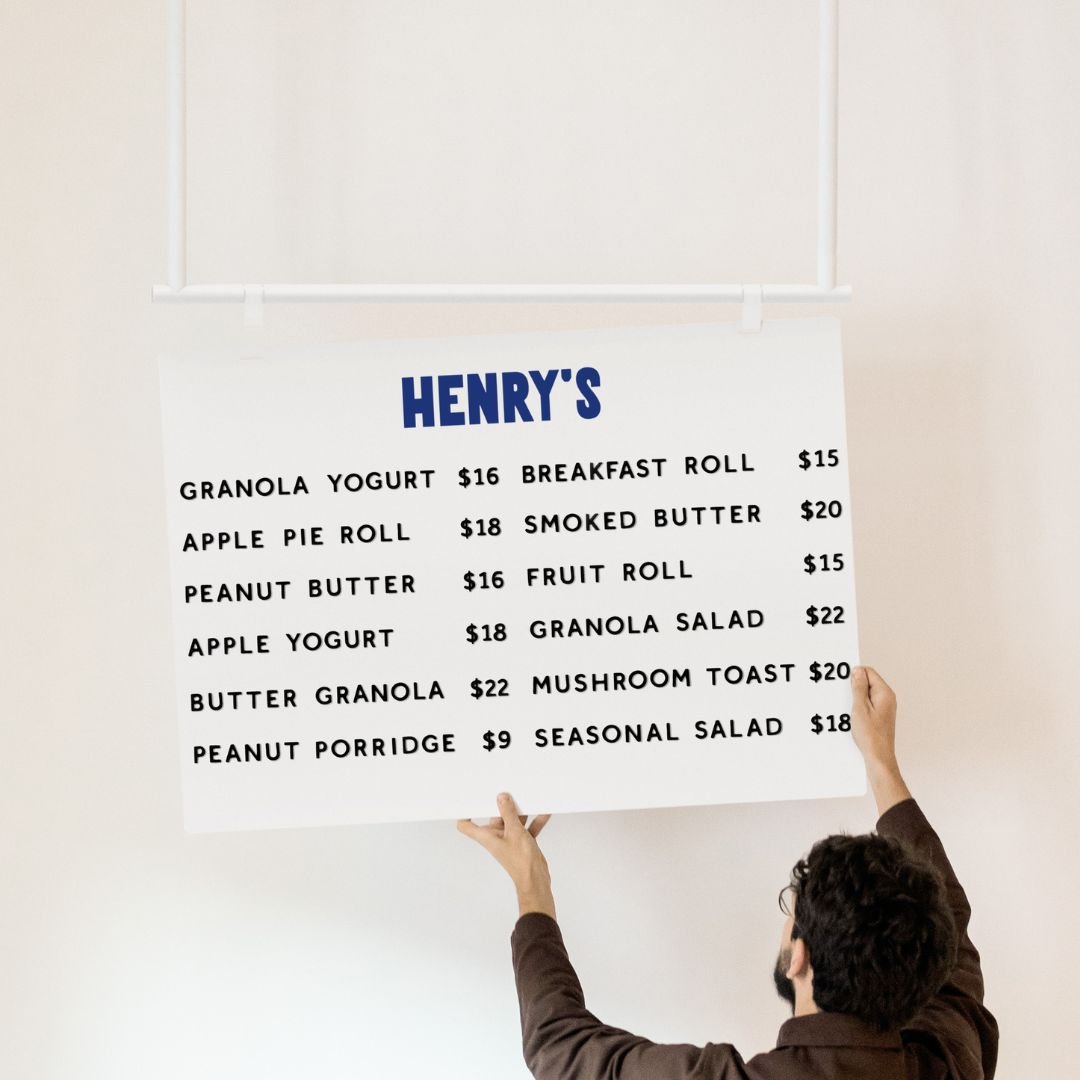
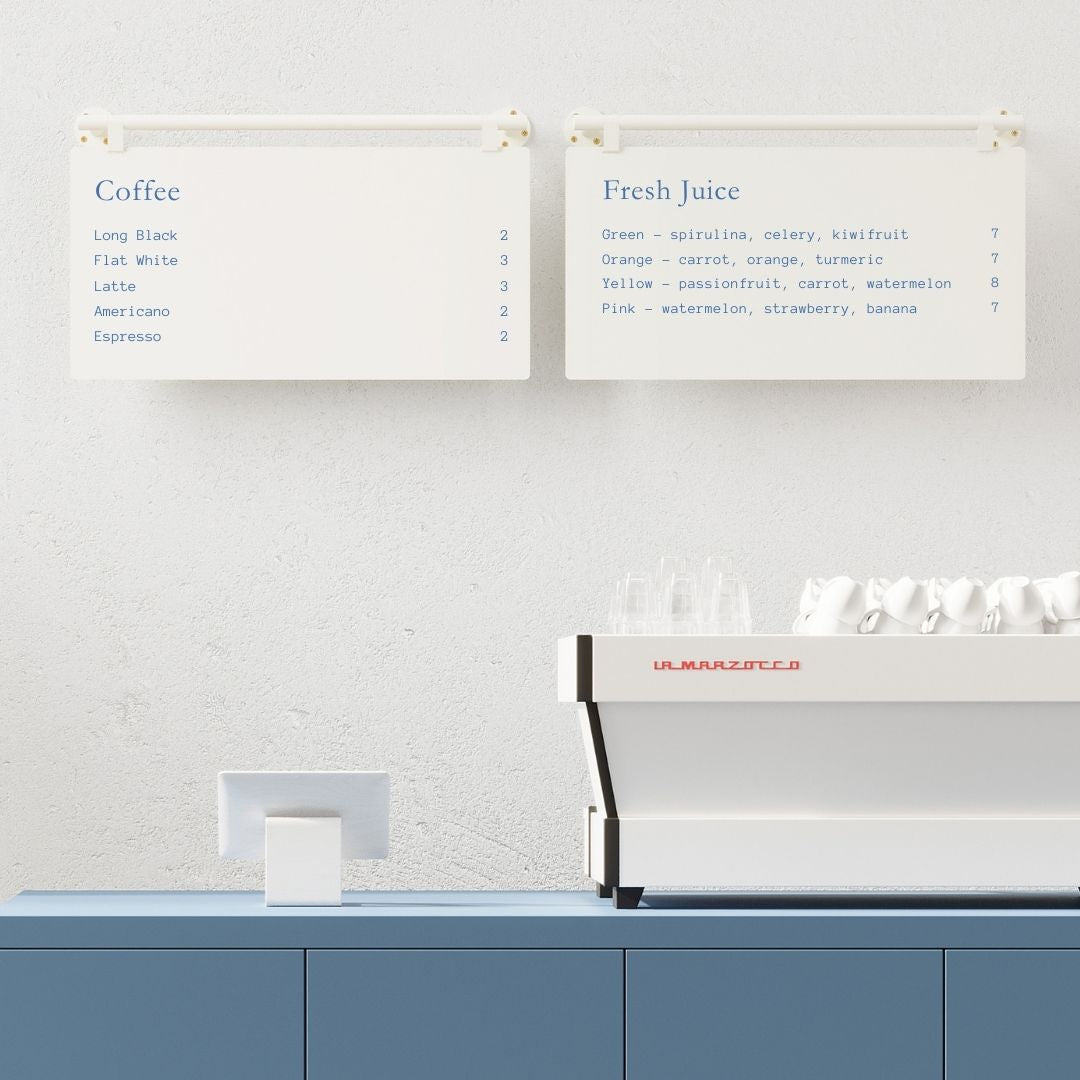
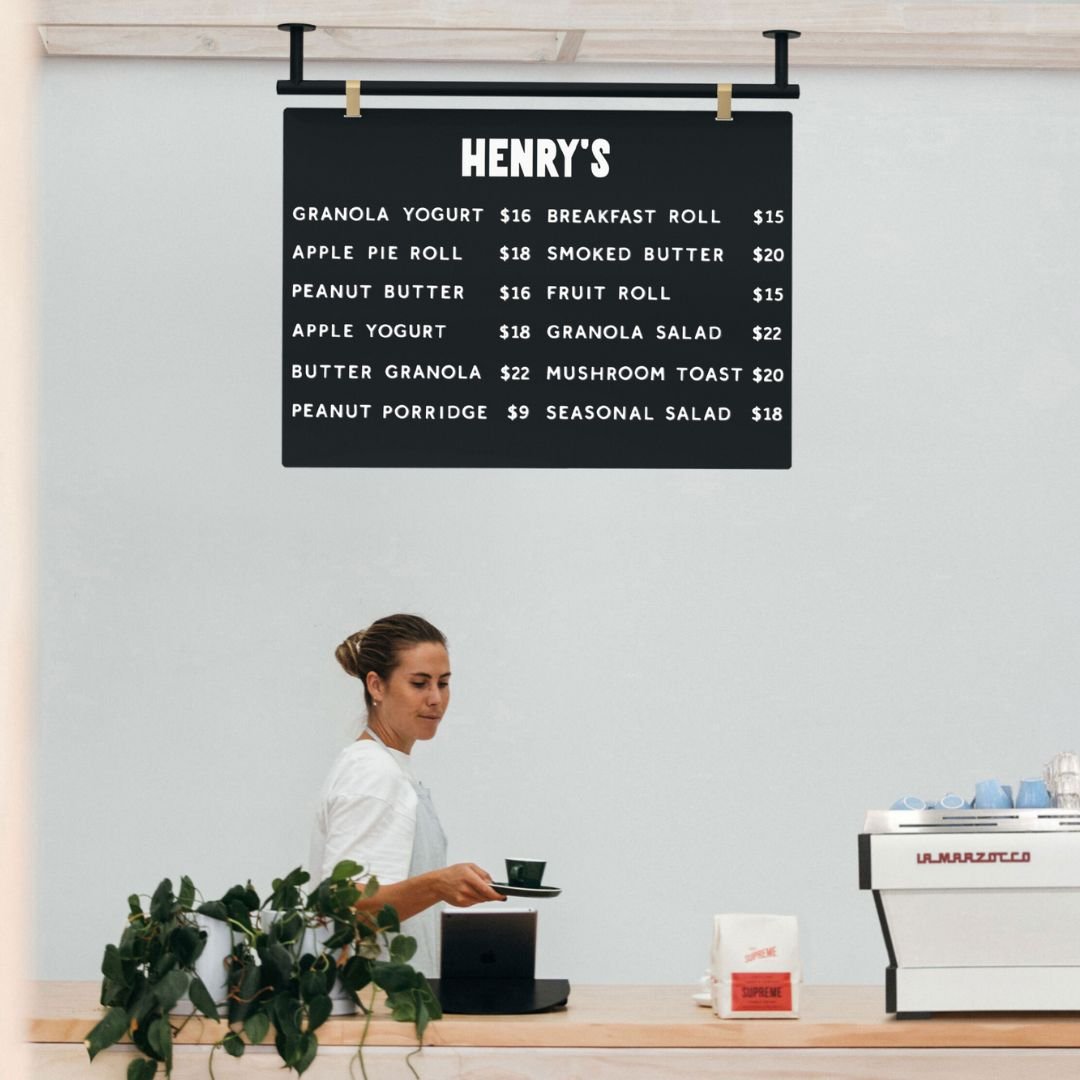
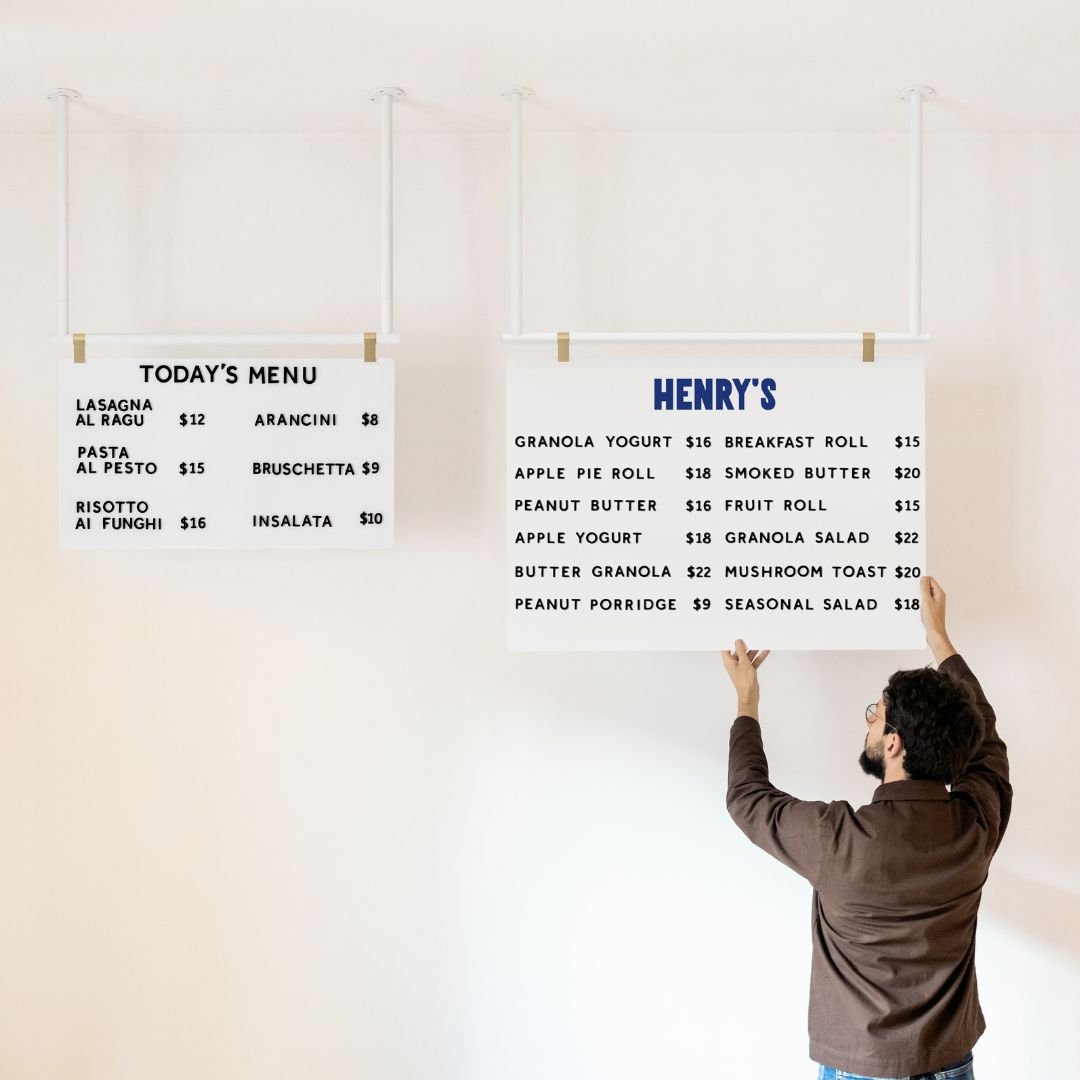
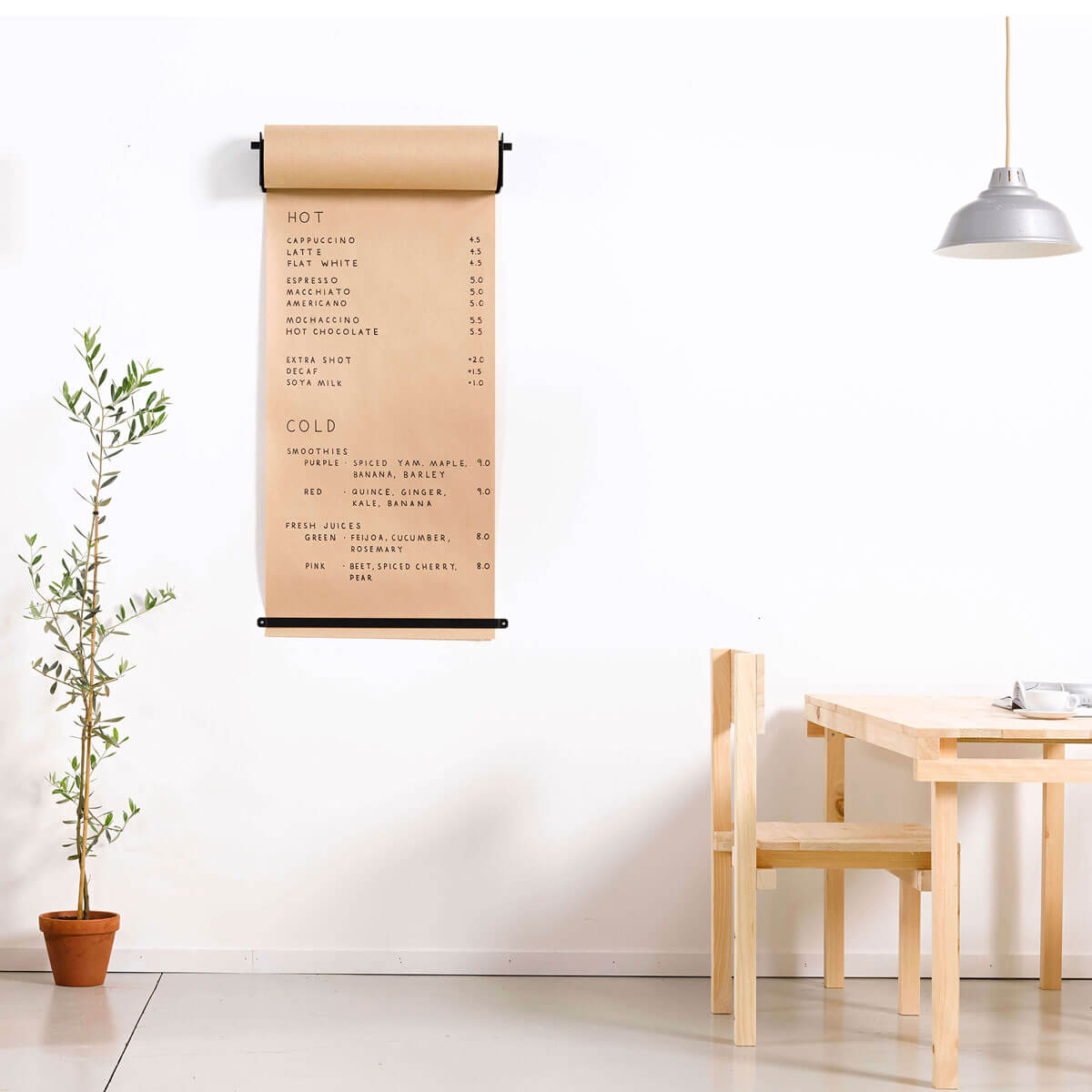
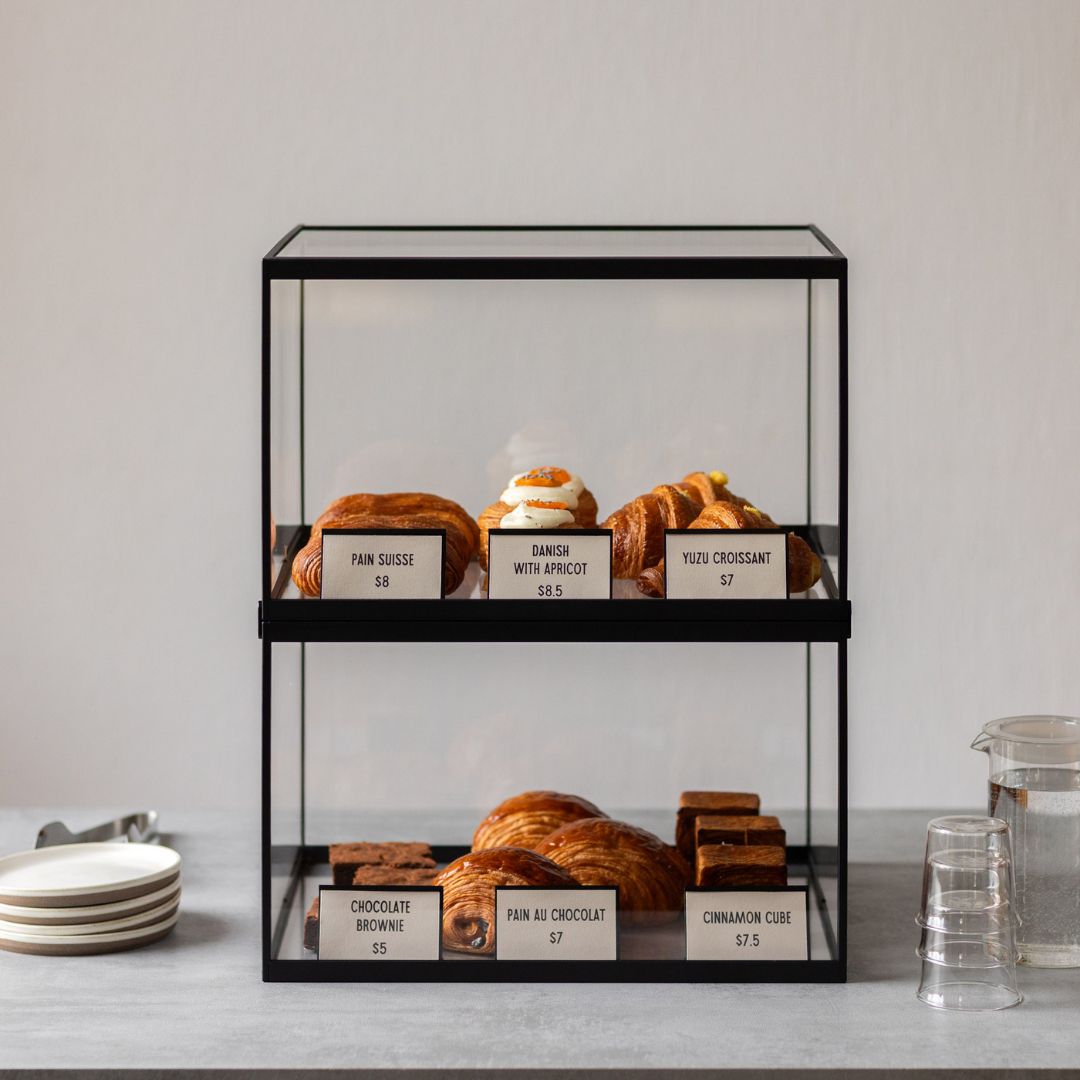
This makes it a great middle ground option. It’s sturdier than foam, lighter than metal, and more affordable than acrylic. You’ll often see PVC used for menu boards like a Hanging Menu Board, directory signs, and informational panels where a smooth, professional finish is needed without the higher cost of premium materials.
Graphics, Lettering, and Murals: Transforming Your Space
Beyond the sign panel itself, you can use your wall as the canvas. Graphics, murals, and lettering offer creative ways to display your message.
Poster Signs: Classic and Effective
A poster is a classic form of signage, typically involving a graphic printed on paper and mounted on a wall, often in a frame. From promotions to informational displays, posters use bold headlines and strong imagery to grab attention. They are an incredibly effective marketing tool. In fact, in store promotional displays can increase sales by up to 20%.
Because they are inexpensive, posters are ideal for short term messaging that needs to be updated frequently. Just remember that sign quality reflects on your brand. Research shows 68% of consumers judge a business’s quality by its signage.
Wall Graphics and Vinyl Logos: Seamless Branding
A wall graphic uses adhesive vinyl to apply a design, logo, or lettering directly onto a wall. This approach turns the wall itself into the sign. Options range from simple vinyl wall logos and quotes to massive graphics that cover an entire surface.
The vinyl used is specially designed to be applied and removed without damaging paint, making it a flexible choice for branding and decor. A vinyl wall logo in an office lobby, for instance, can create a sharp, integrated look. High quality vinyl graphics can last for several years indoors without fading or peeling, offering a creative and impactful way to enhance your space.
Wall Murals: Maximum Impact
A wall mural is a large scale graphic or piece of art that covers most or all of a wall. While traditionally hand painted, modern murals are often printed on adhesive vinyl or a wallpaper like material. They are designed to completely transform the atmosphere of a room.
A well executed mural is impossible to ignore. It can tell a story, set a mood, or create an immersive brand experience. Murals have also become popular as “Instagrammable walls,” providing organic social media promotion when people share photos. Because of their size, professional installation is key to achieving a seamless, bubble free finish.
Wall Lettering: Minimalist and Direct
Wall lettering is a streamlined form of signage where individual letters or words are the focus. This can be achieved with cut vinyl letters that lie flat against the wall or with 3D dimensional letters made from acrylic, metal, or wood. This minimalist approach is perfect for displaying company names, slogans, or inspirational quotes.
For dimensional lettering, mounting the letters slightly off the wall creates a subtle shadow that adds depth and sophistication. When designing with wall lettering, legibility is vital. A good rule of thumb is to have 1 inch of letter height for every 10 feet of viewing distance.
Indoor Wall Signs for Specific Business Needs
Different areas of your business have different signage needs. From making a great first impression to ensuring accessibility, the right indoor wall signs play a specific role.
Lobby Wall Signs: The First Impression
A lobby wall sign is often the first thing a visitor sees, displaying your company name and logo in the reception area. It’s your chance to make a strong first impression and communicate your brand’s identity. A tech company might choose a sleek, backlit acrylic sign, while a law firm might prefer classic metal letters. Because of its visibility, businesses often invest in high quality materials and professional installation for their lobby sign. A thoughtfully designed sign can lift the presence of a business before anyone even walks in the door.
Office Wall Signs: Branding and Identity
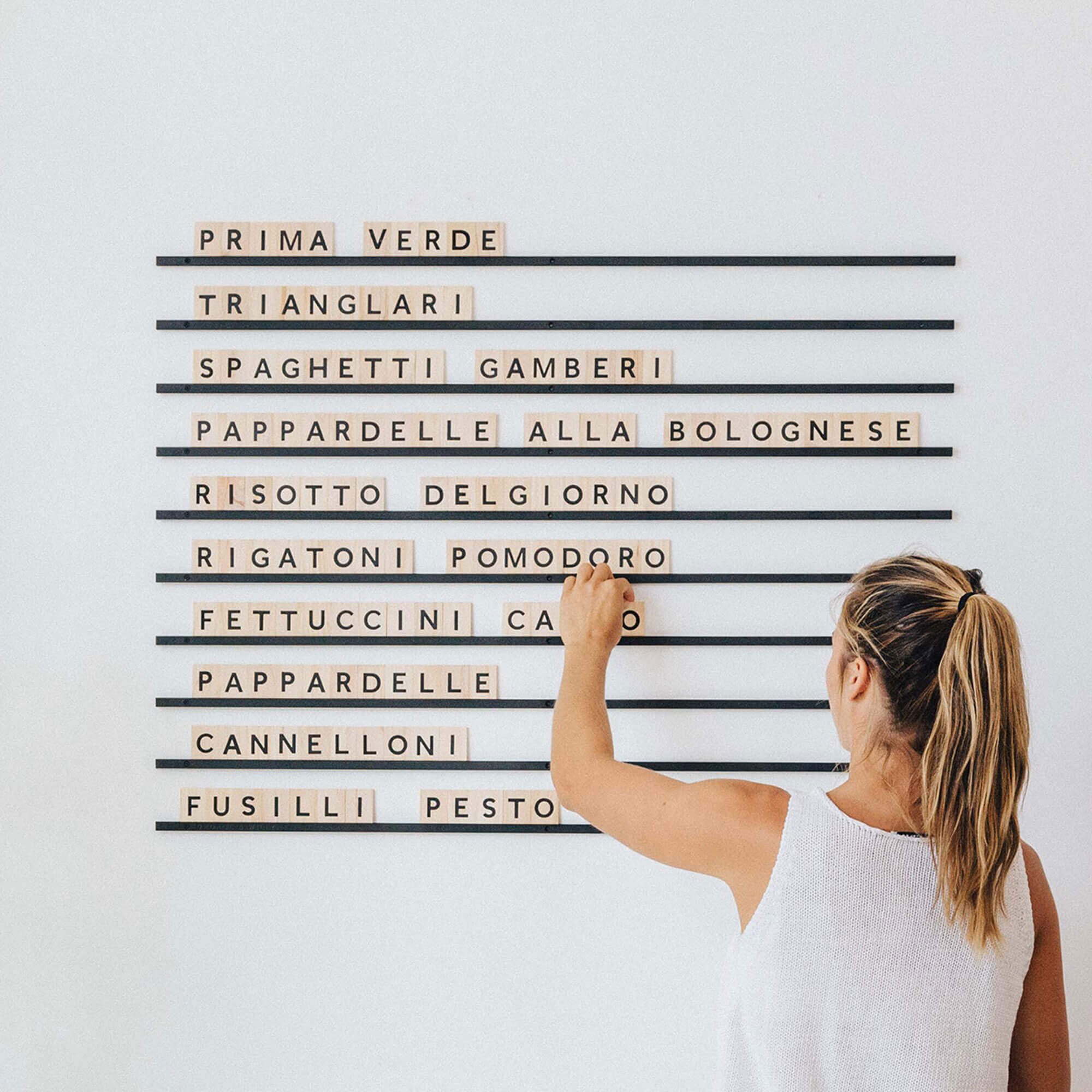
Beyond the lobby, office wall signs help define different spaces and reinforce company culture. This can include signs identifying departments, motivational quotes on a common area wall, or branding elements that make the workspace feel cohesive. For a softer, tactile look, a Wooden Letter Board works well in lounges and meeting rooms. Consistent and professional office wall signs contribute to a positive environment for both employees and visitors.
Wayfinding Wall Signs and Door Signs: Guiding the Way
Wayfinding wall signs are all about navigation. They are the directional arrows, room numbers, and directories that help people get around your space efficiently. Clear and consistent wayfinding reduces confusion and improves the overall visitor experience.
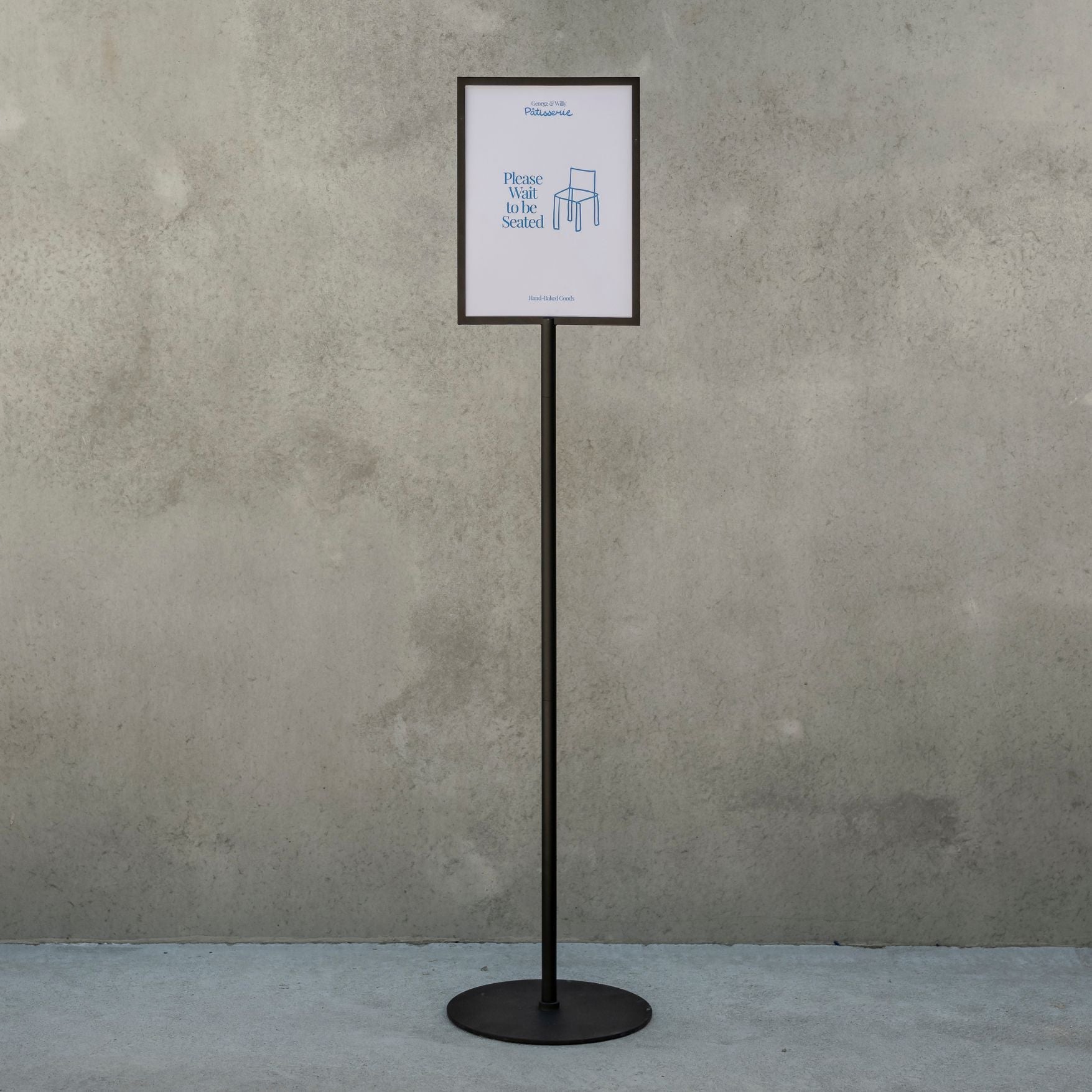
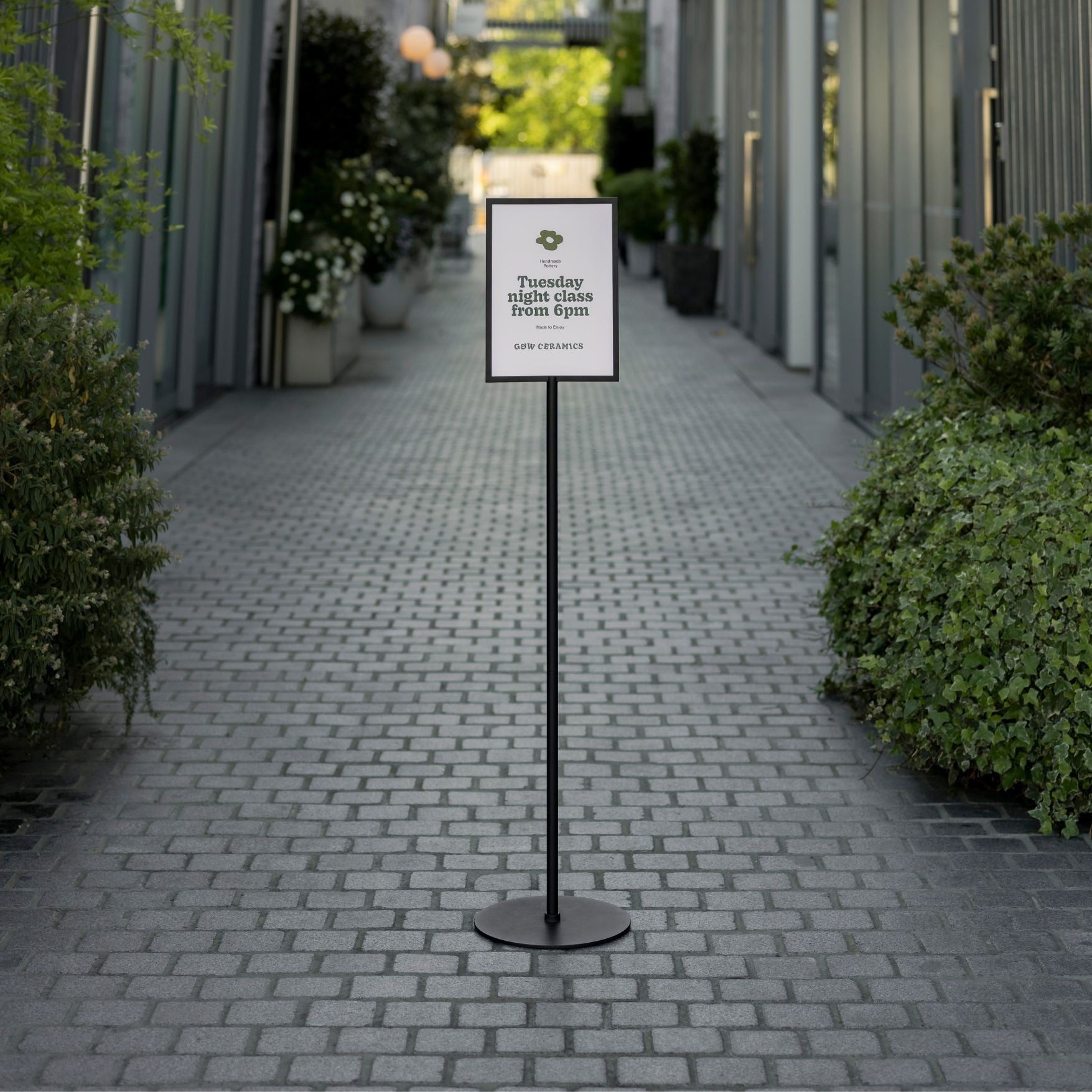
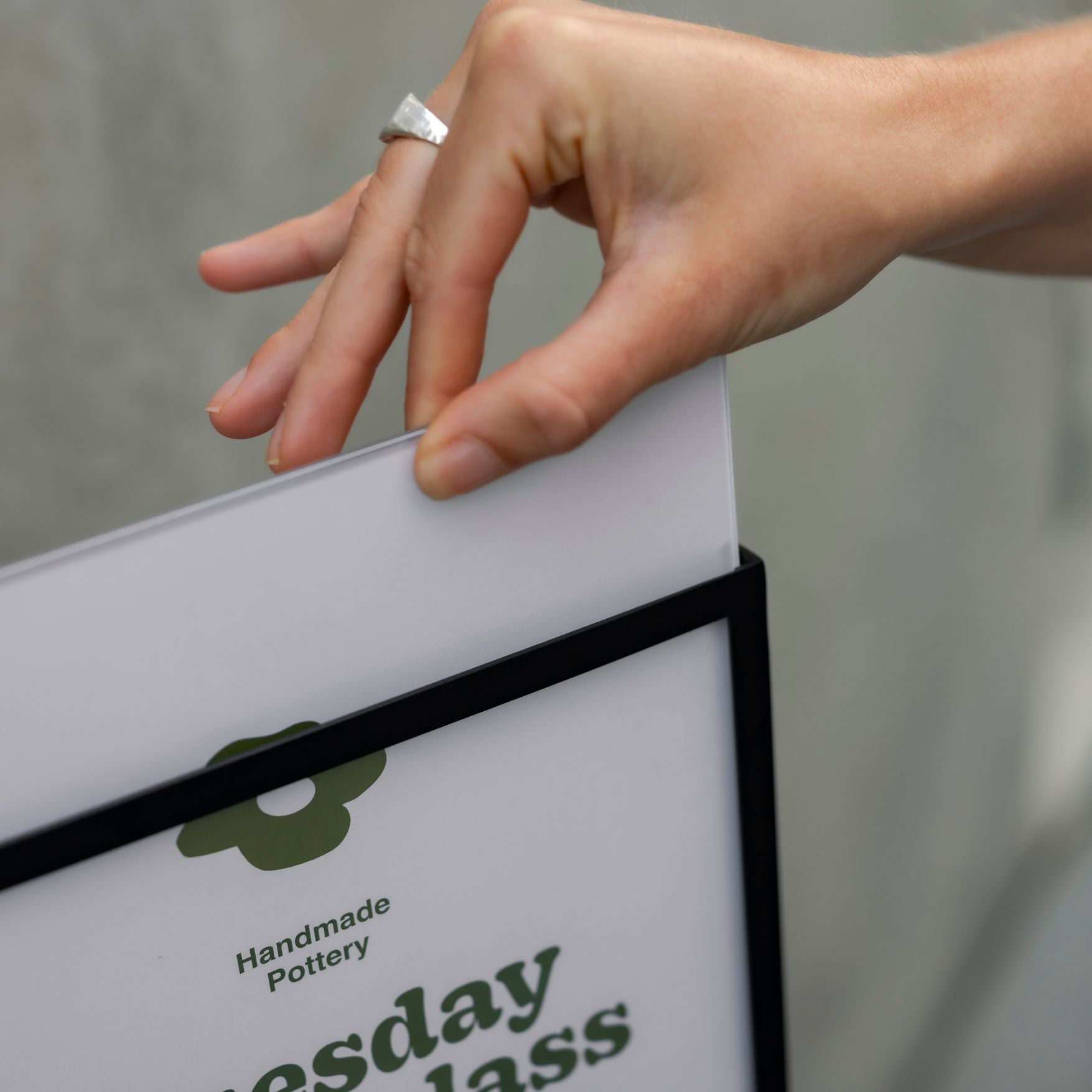
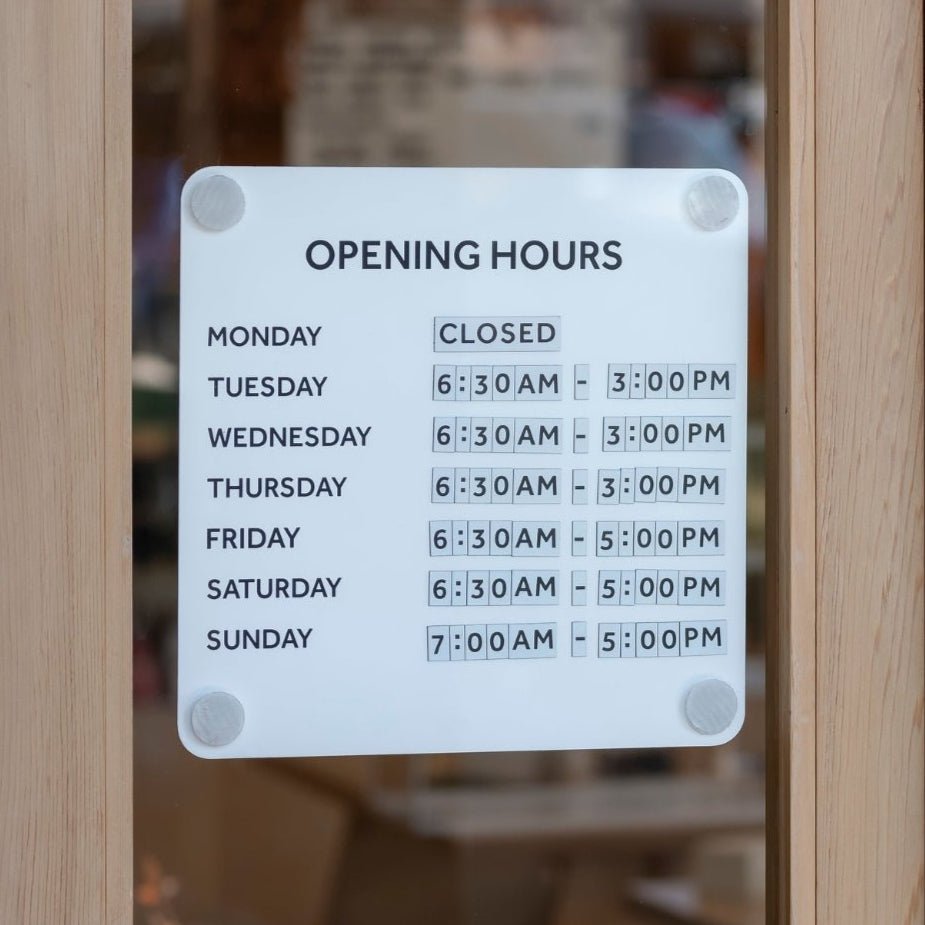
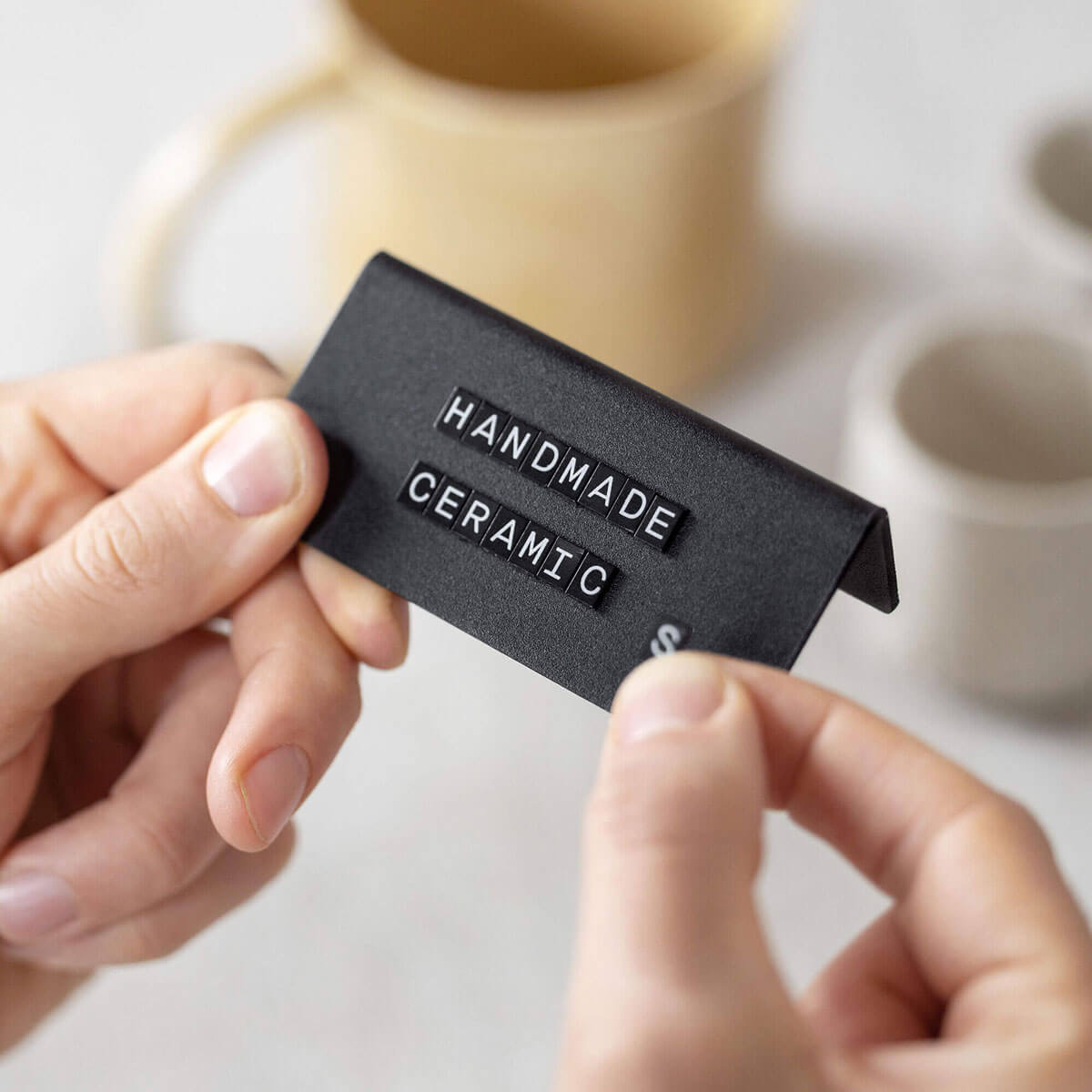
Door signs are a key part of this system. These small plaques or nameplates identify offices, conference rooms, and restrooms. Many are designed with interchangeable slots so names can be updated easily.
ADA Wall Signs: Accessibility is Key
An ADA wall sign complies with the Americans with Disabilities Act to ensure people with visual impairments can navigate a space independently. These signs are required for permanent rooms like restrooms, exits, and numbered offices.
Key features include raised tactile letters, Grade 2 Braille, and a non glare finish with high color contrast. There are also strict rules for mounting height and location. For example, ADA signs must be mounted on the latch side of the door, with the baseline between 48 and 60 inches from the floor. Non compliance can result in significant fines, so it’s crucial to get these signs right.
Magnetic Receptive Whiteboards: Flexible Messaging
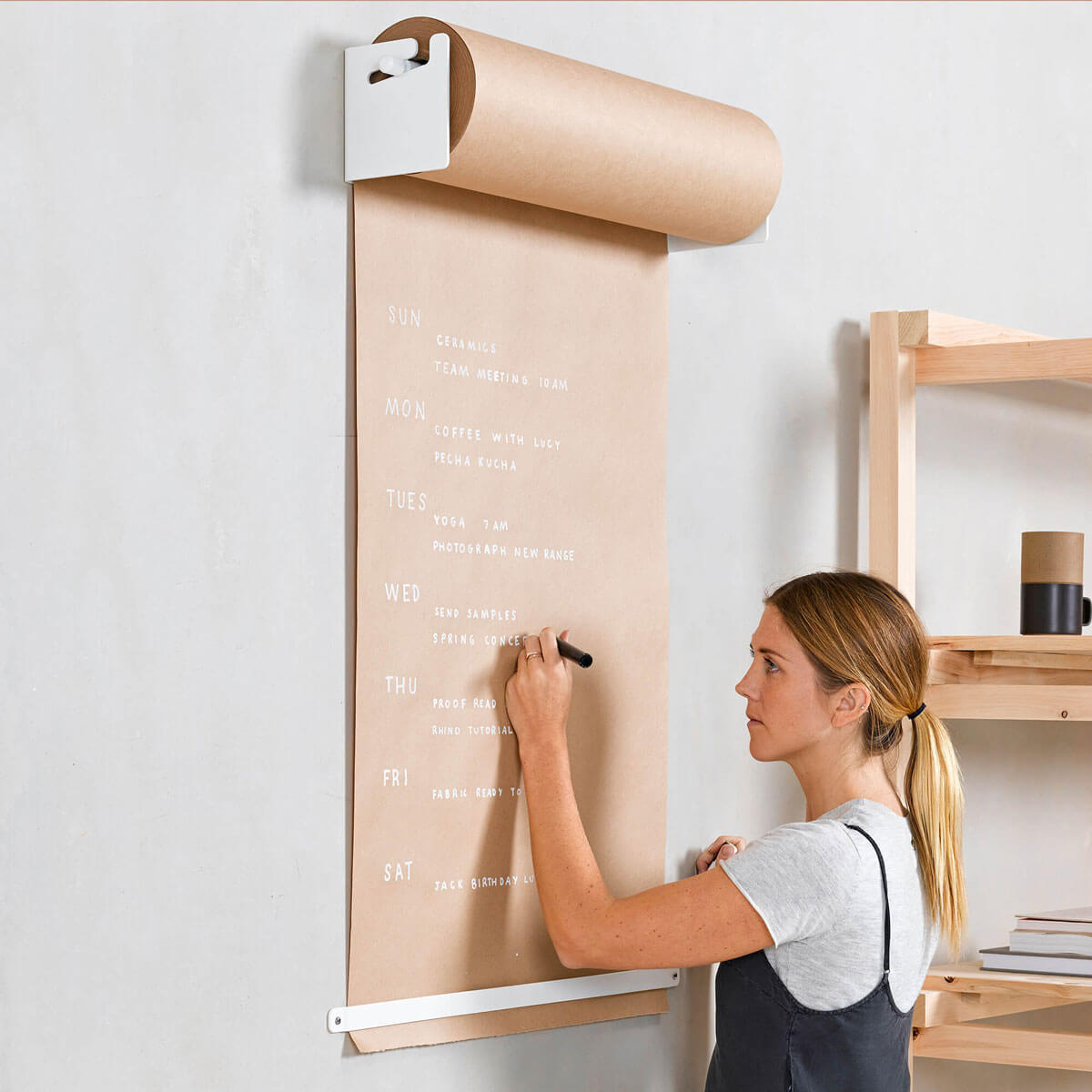
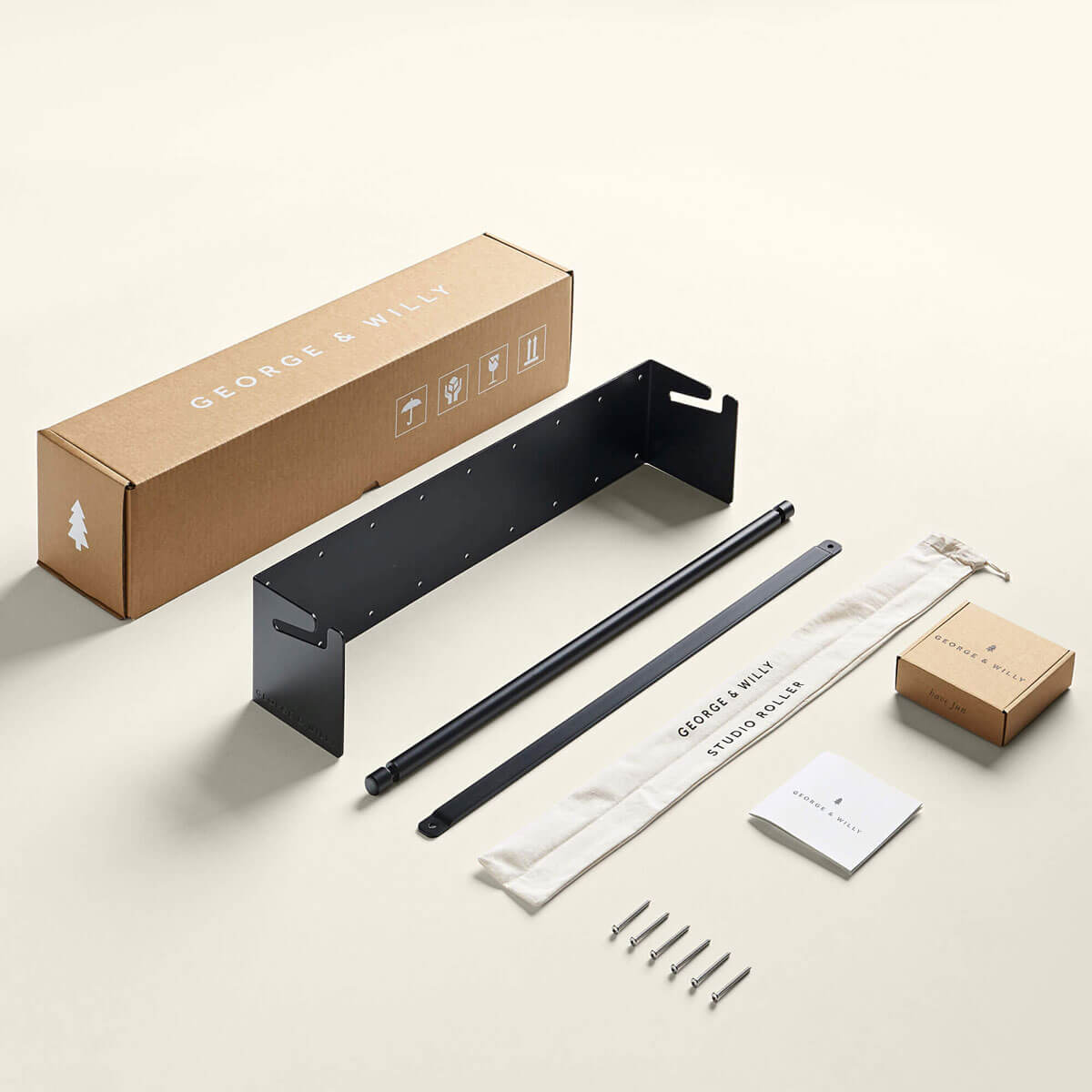
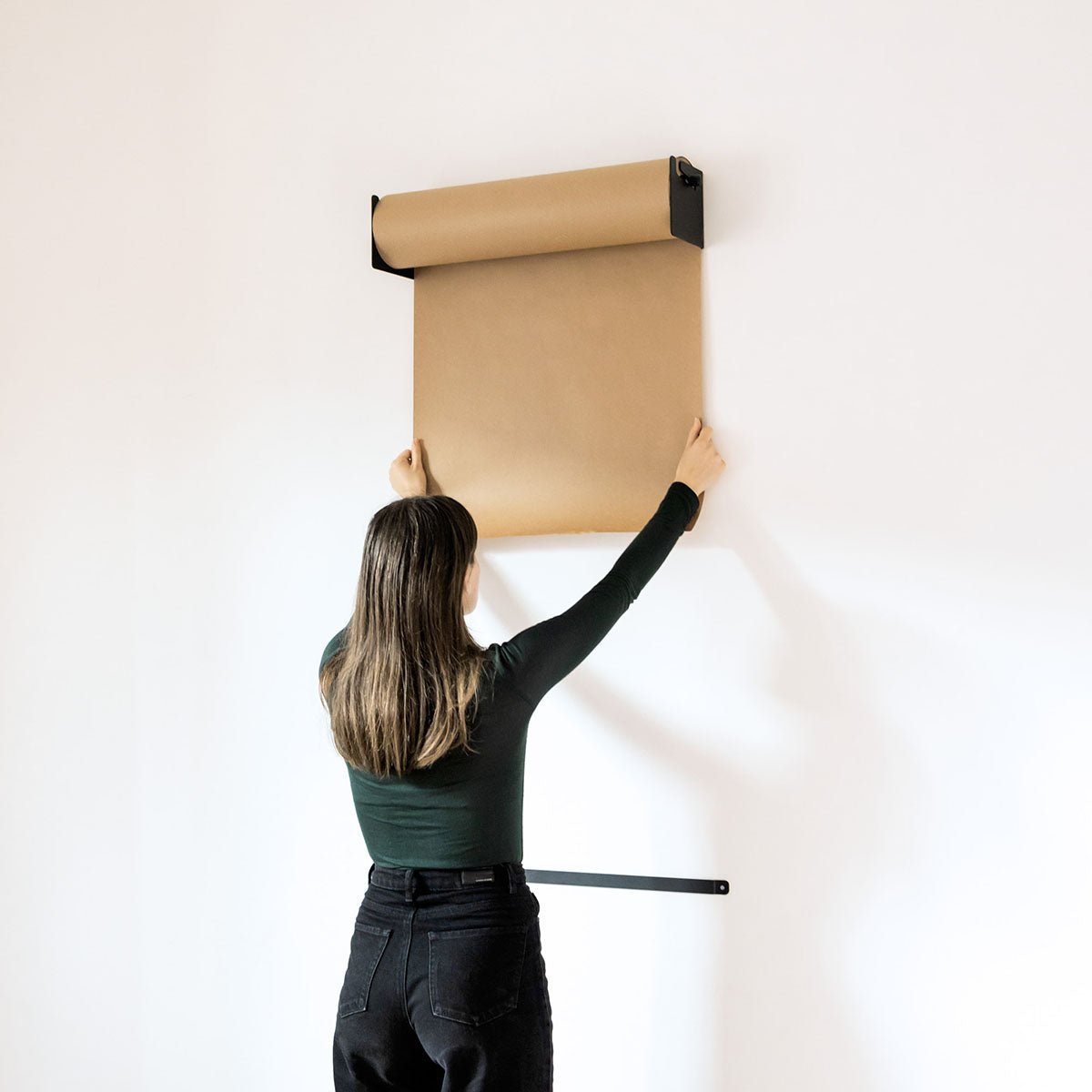
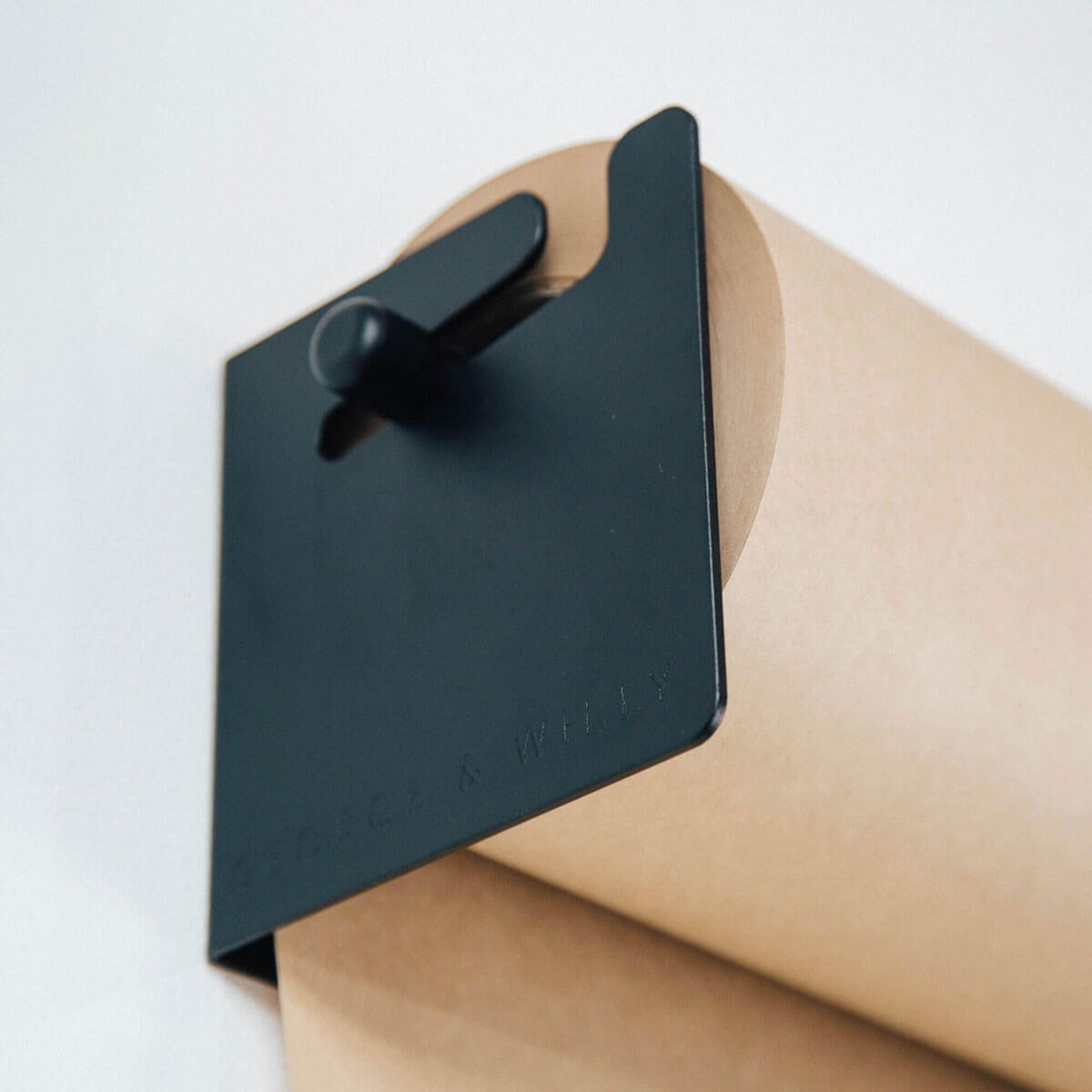
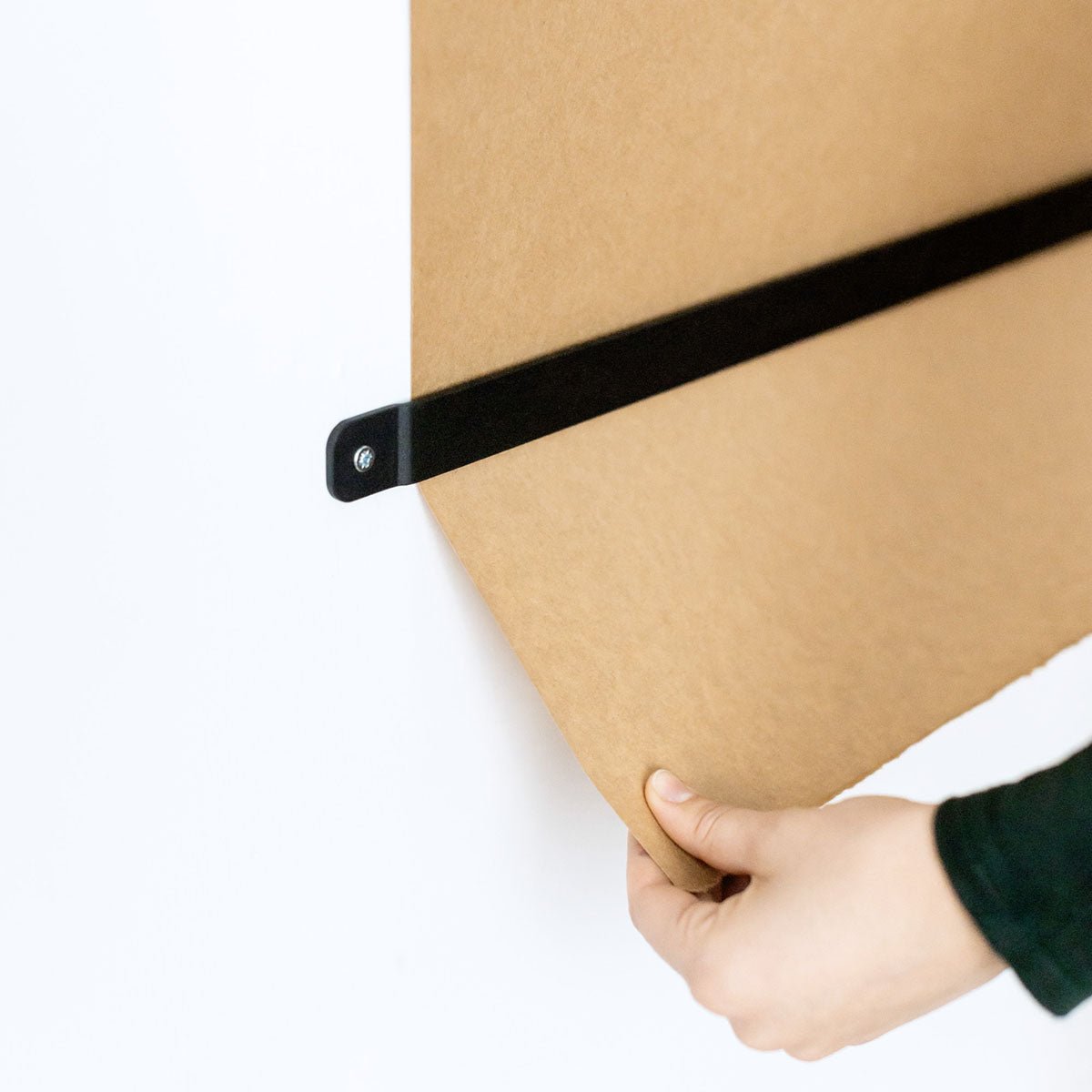
A magnetic receptive whiteboard combines a dry erase surface with a magnetic backing, typically steel. This dual functionality is perfect for collaborative spaces, allowing you to write notes and pin up documents with magnets at the same time. Prefer analog brainstorming or daily specials? A Wall Mounted Paper Roller offers quick, visual updates without the need for markers.
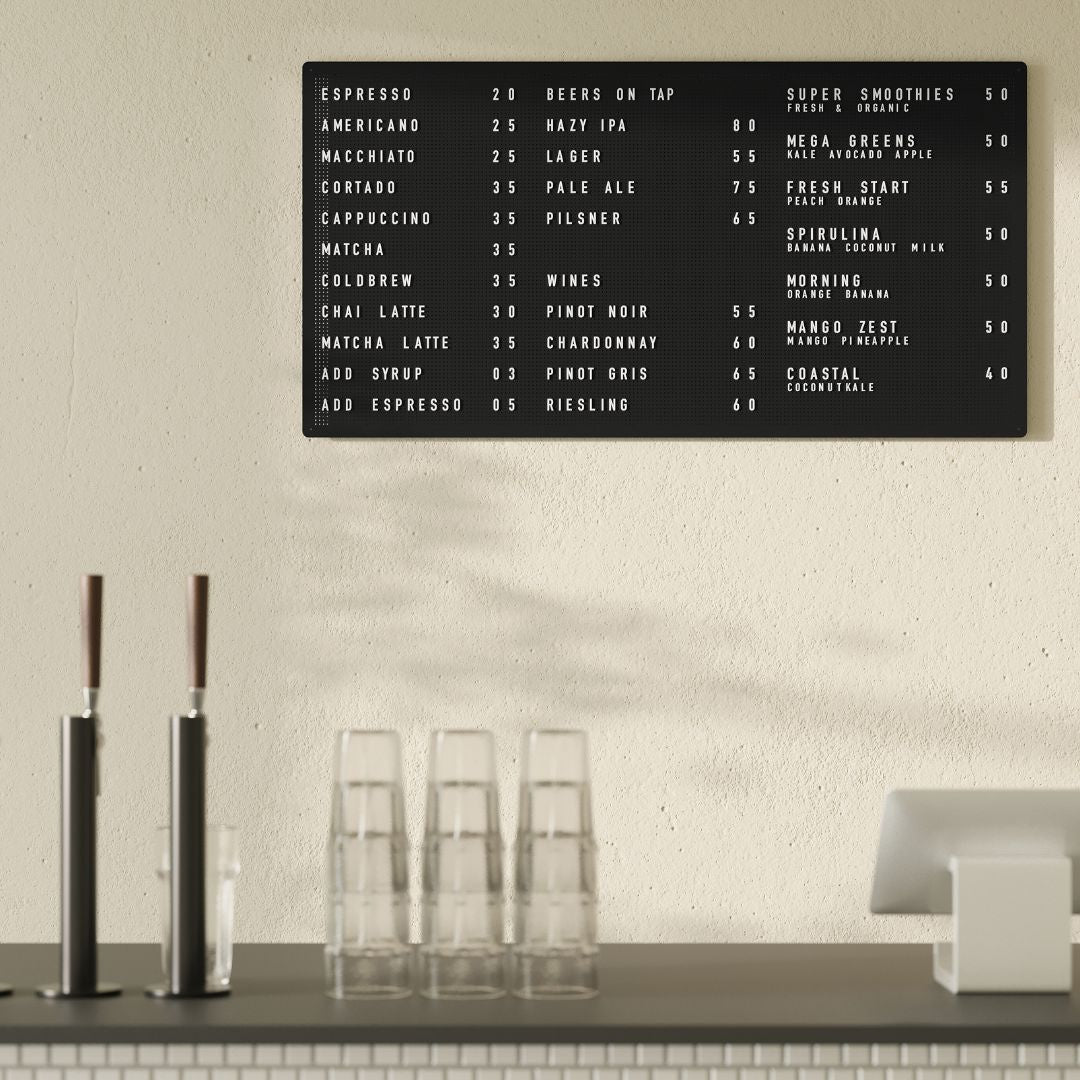
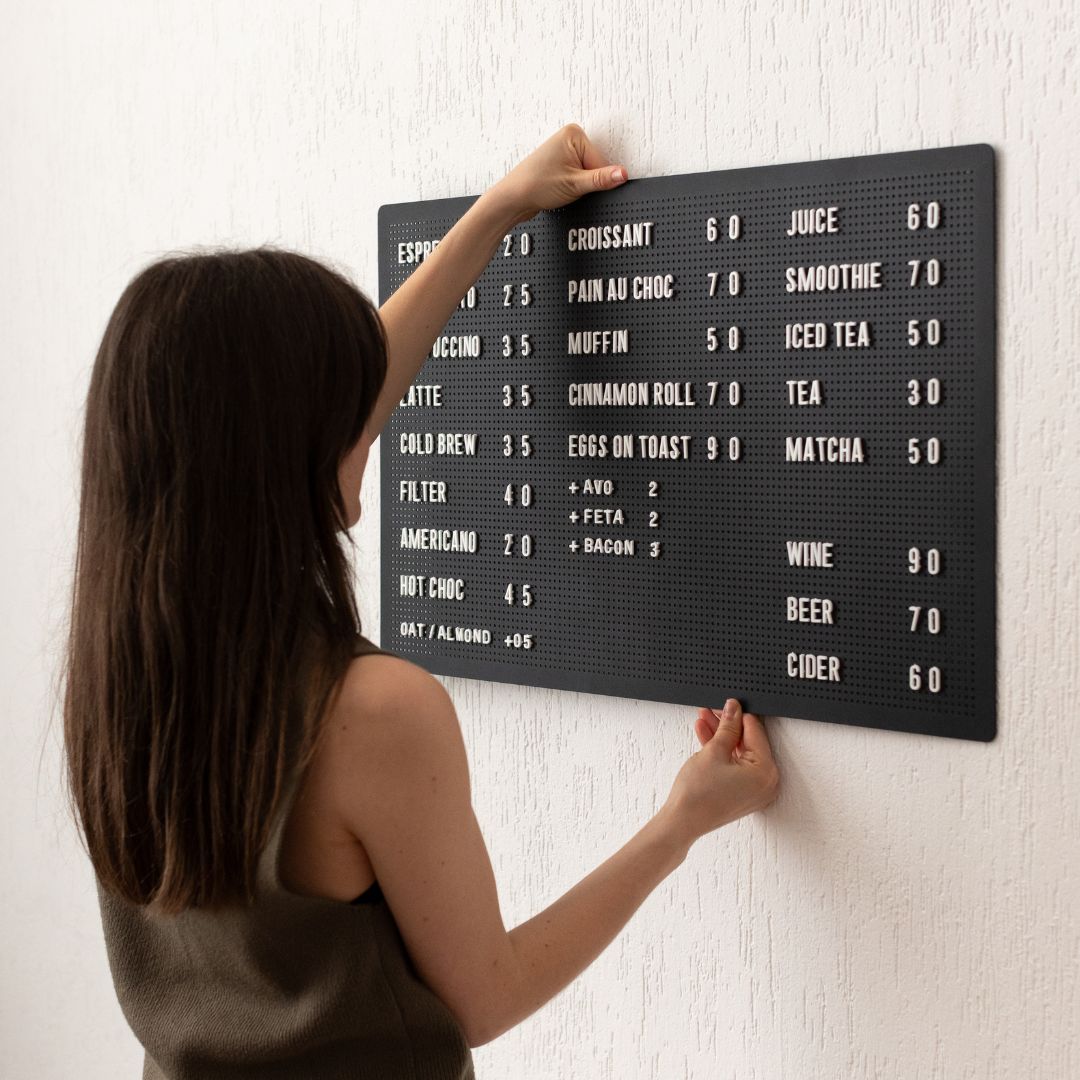
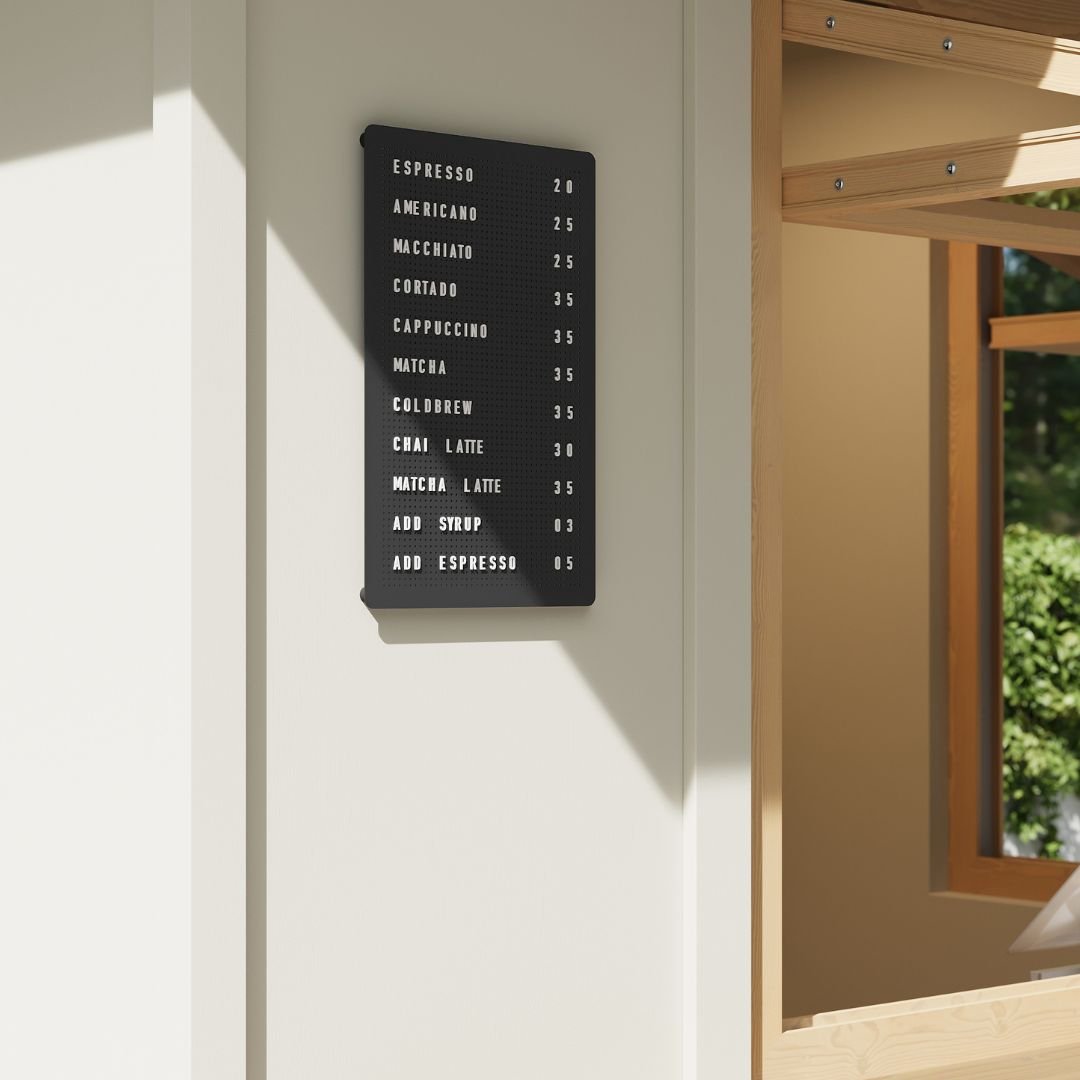
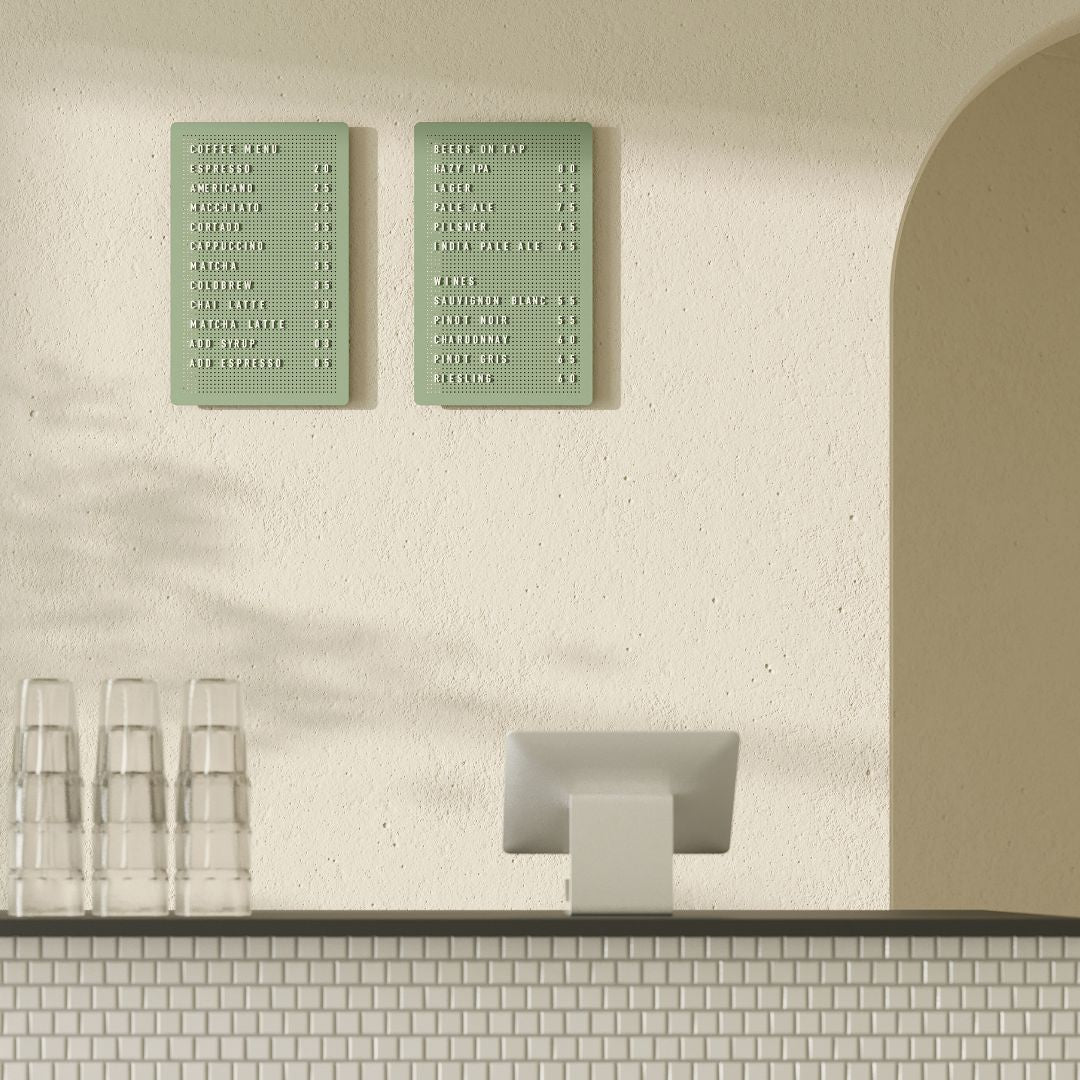
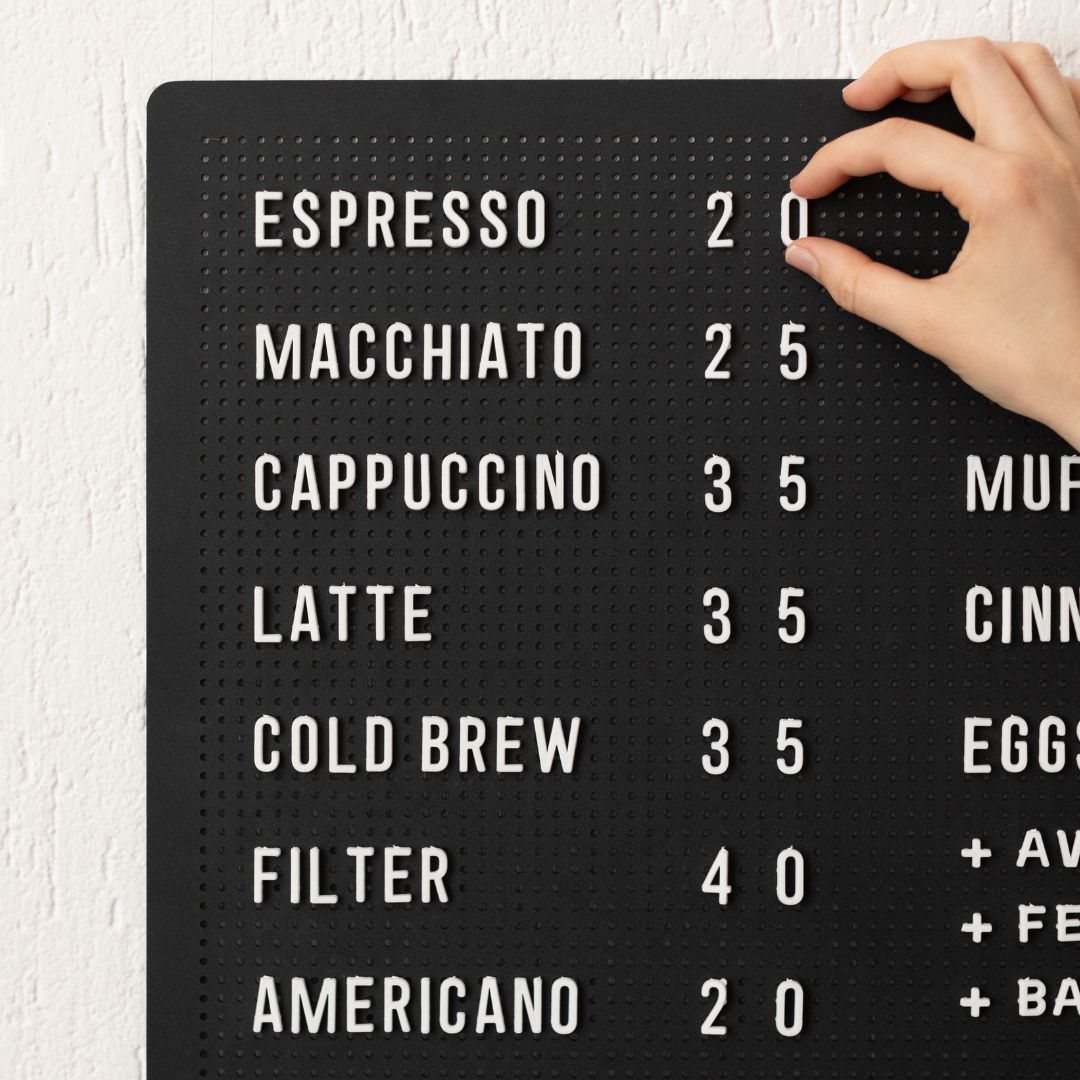
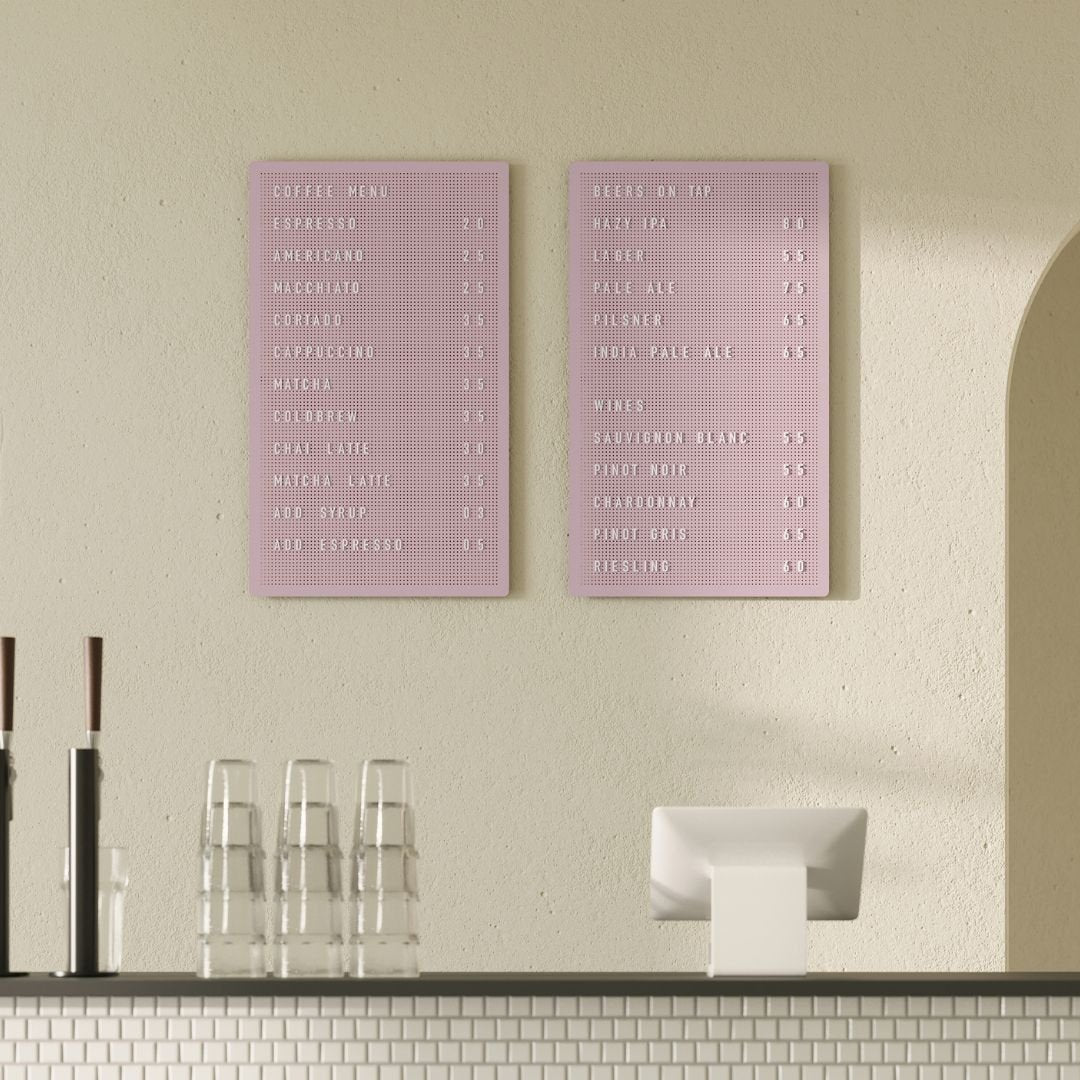
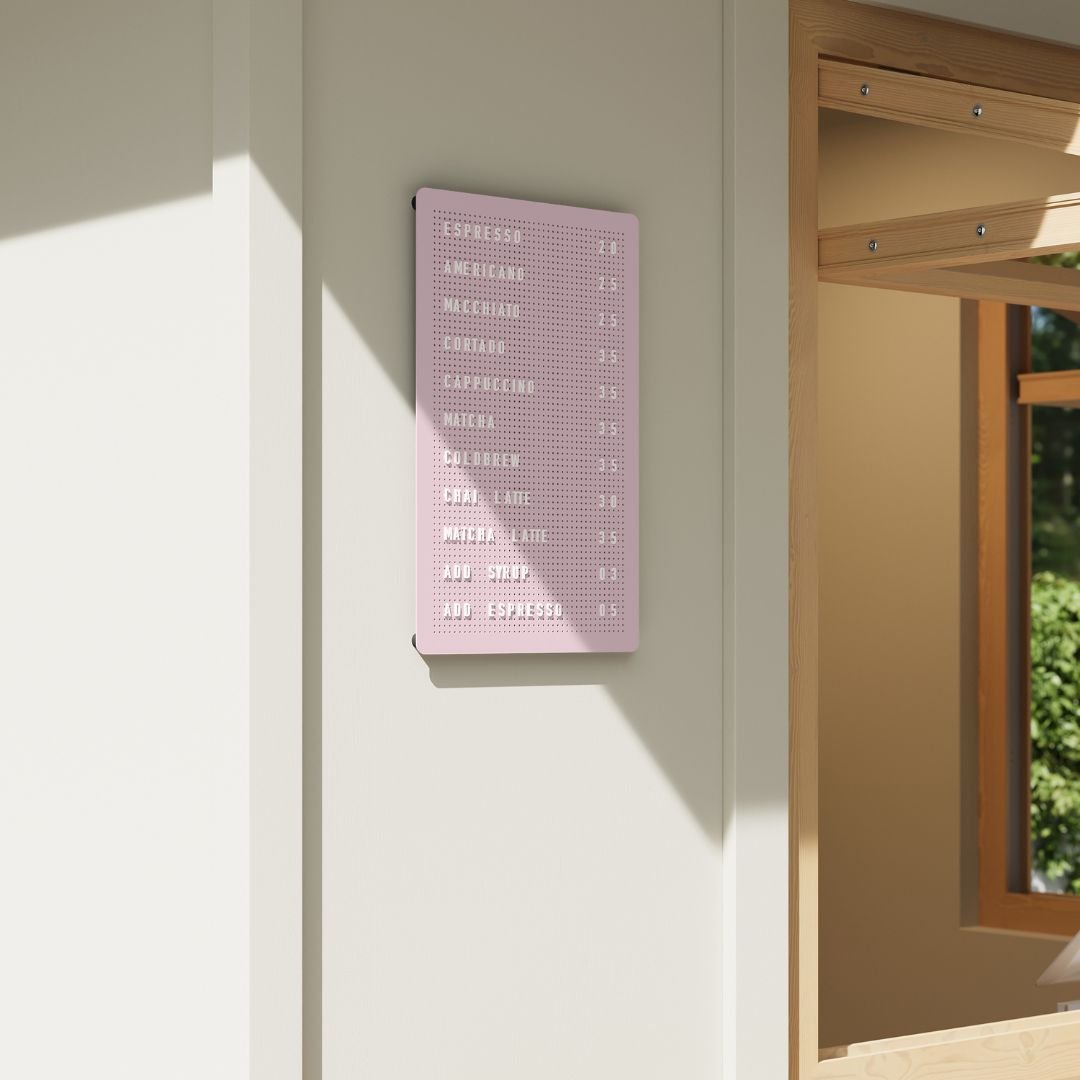
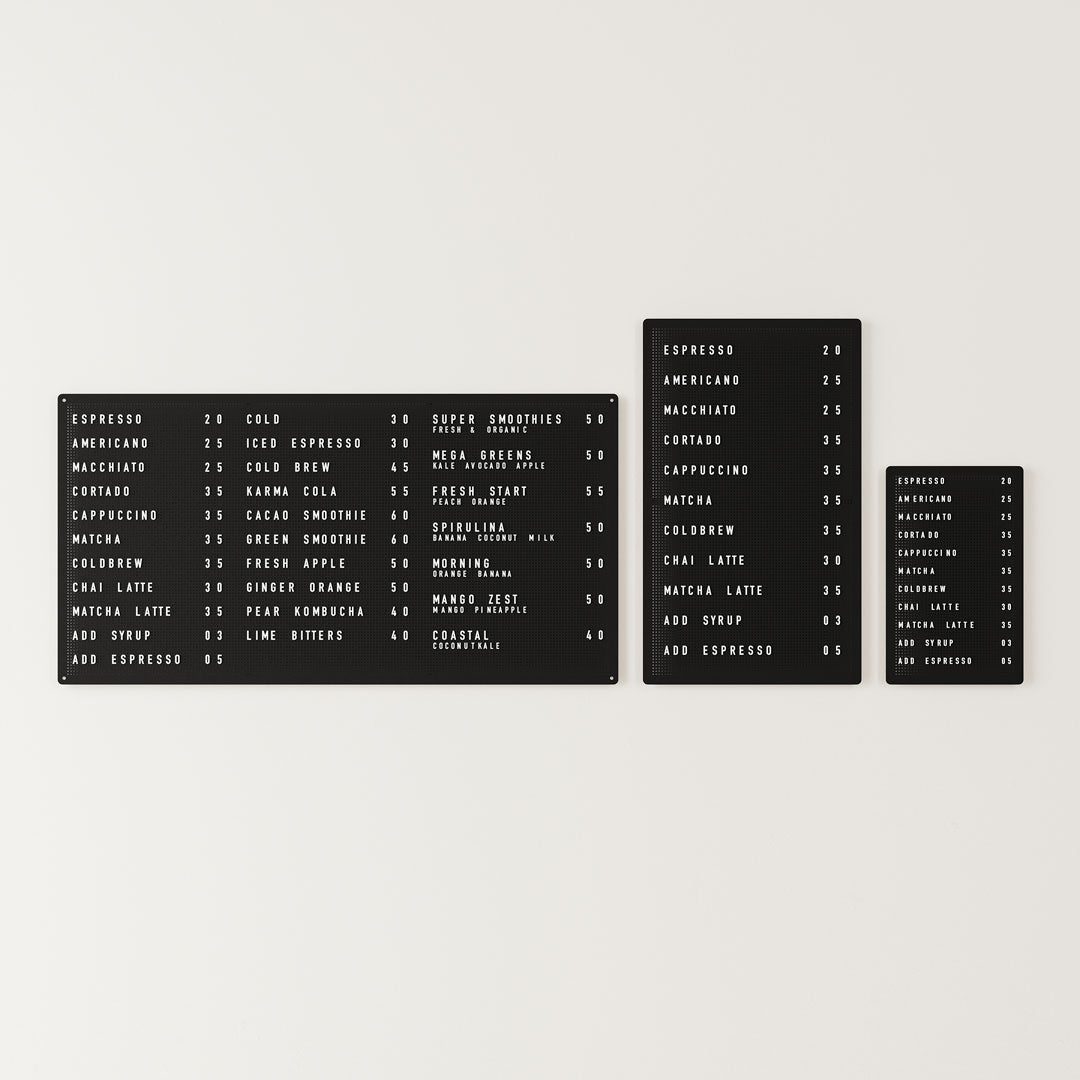
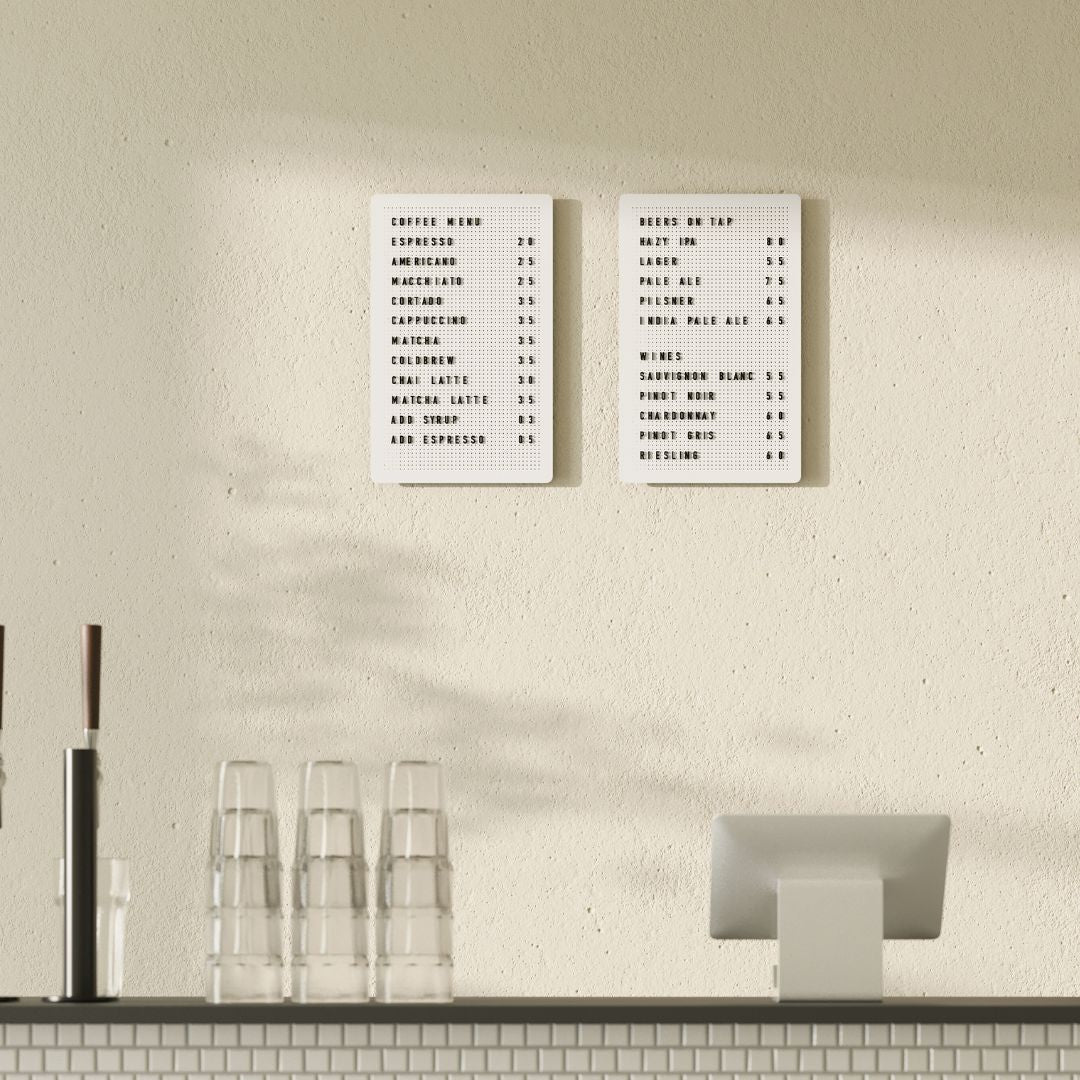
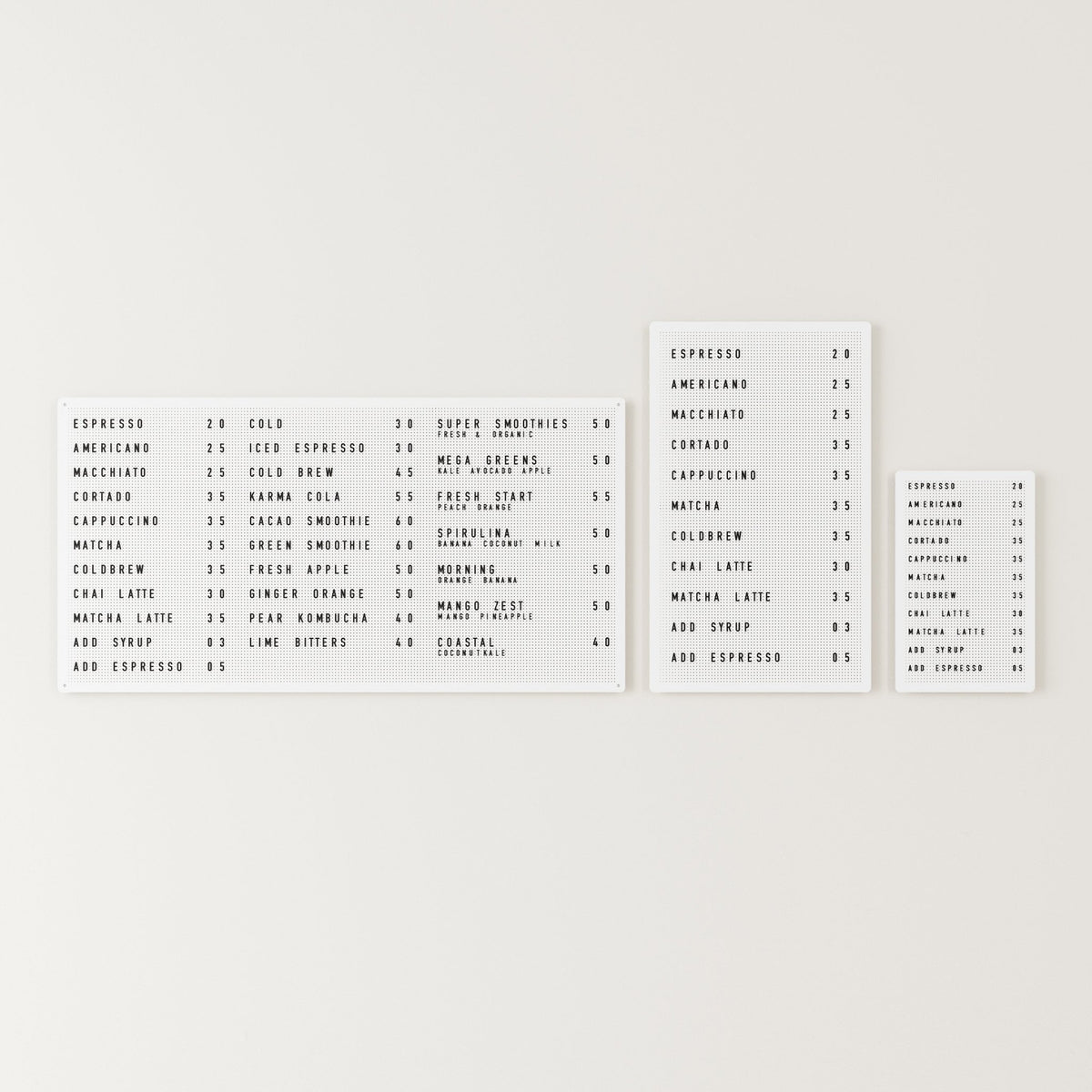
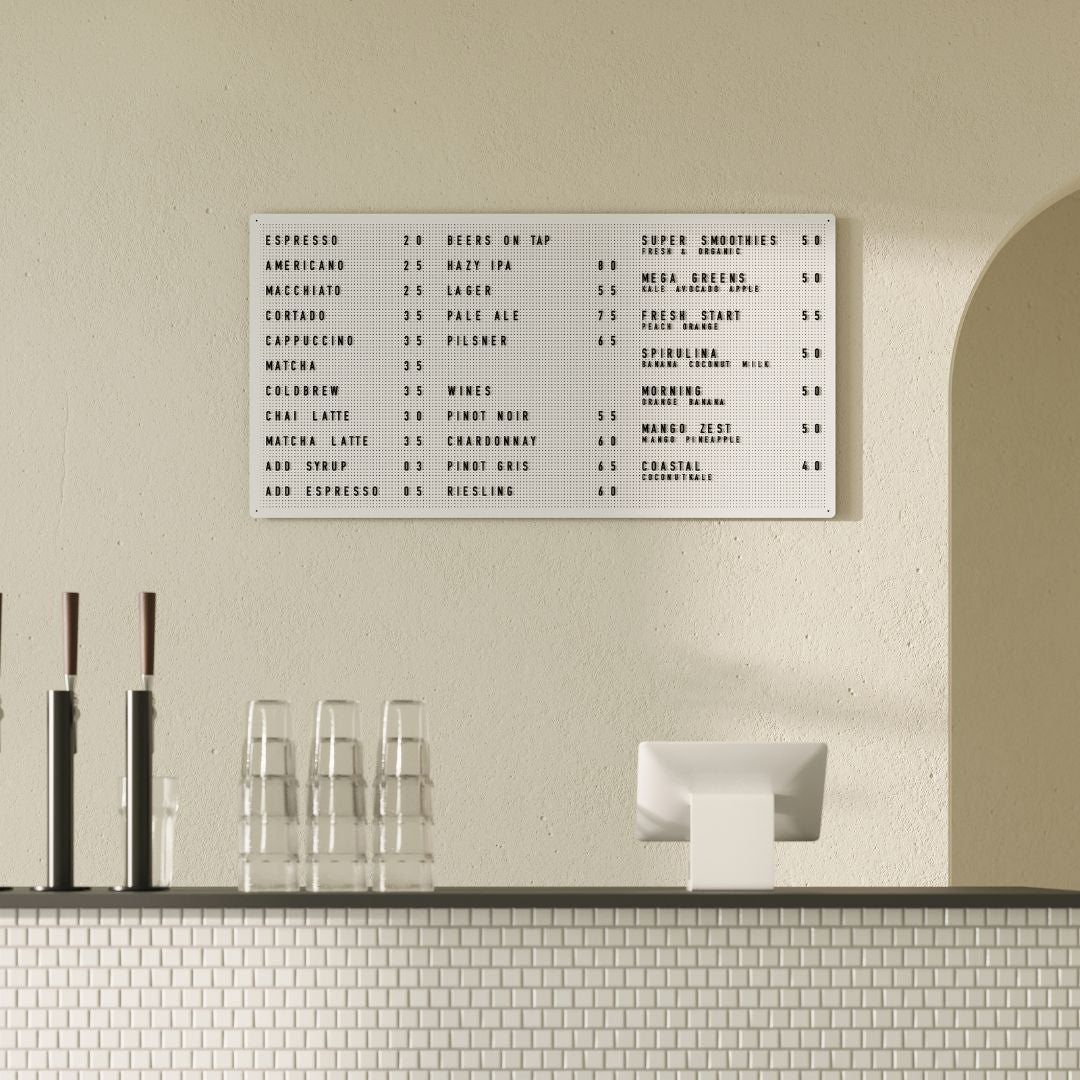
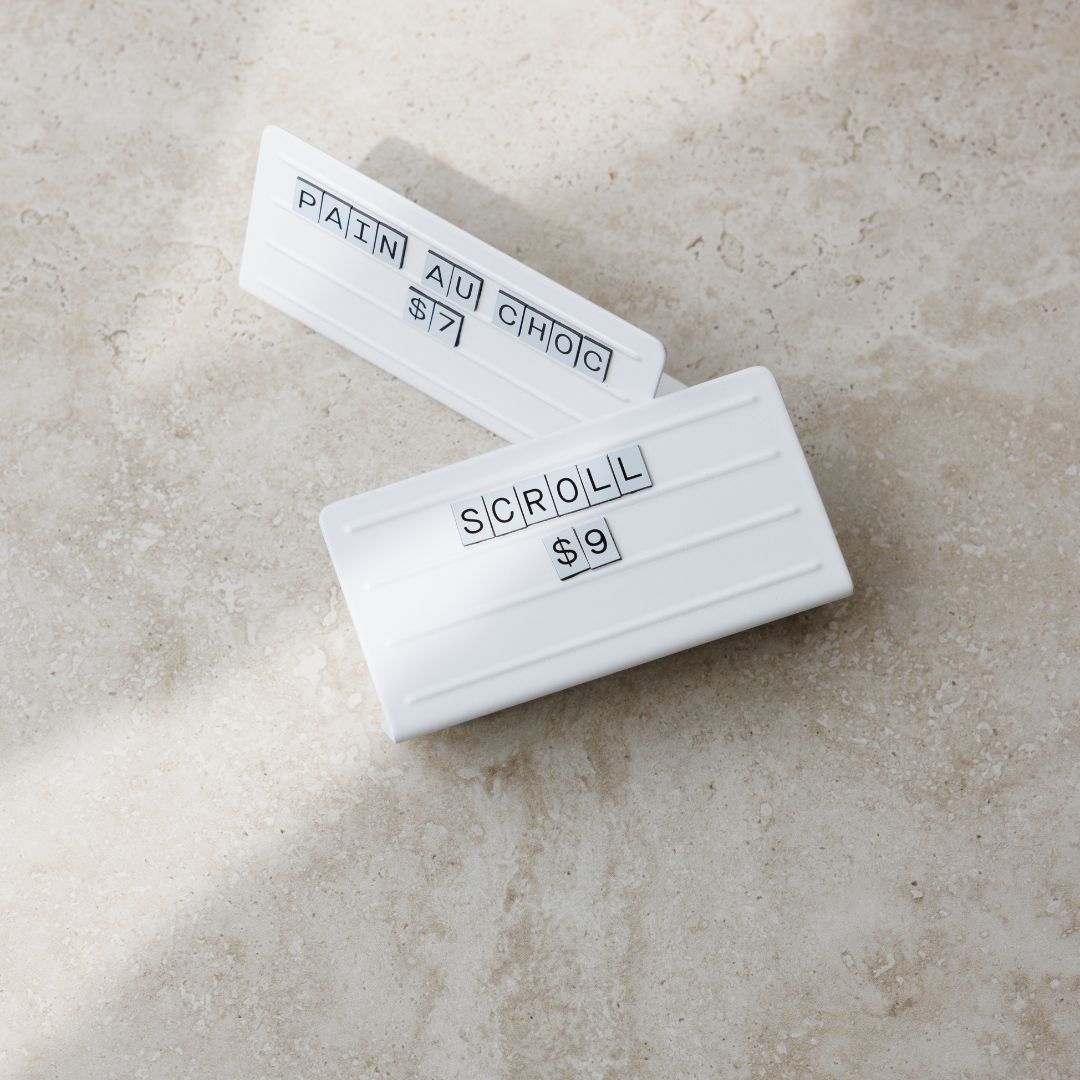
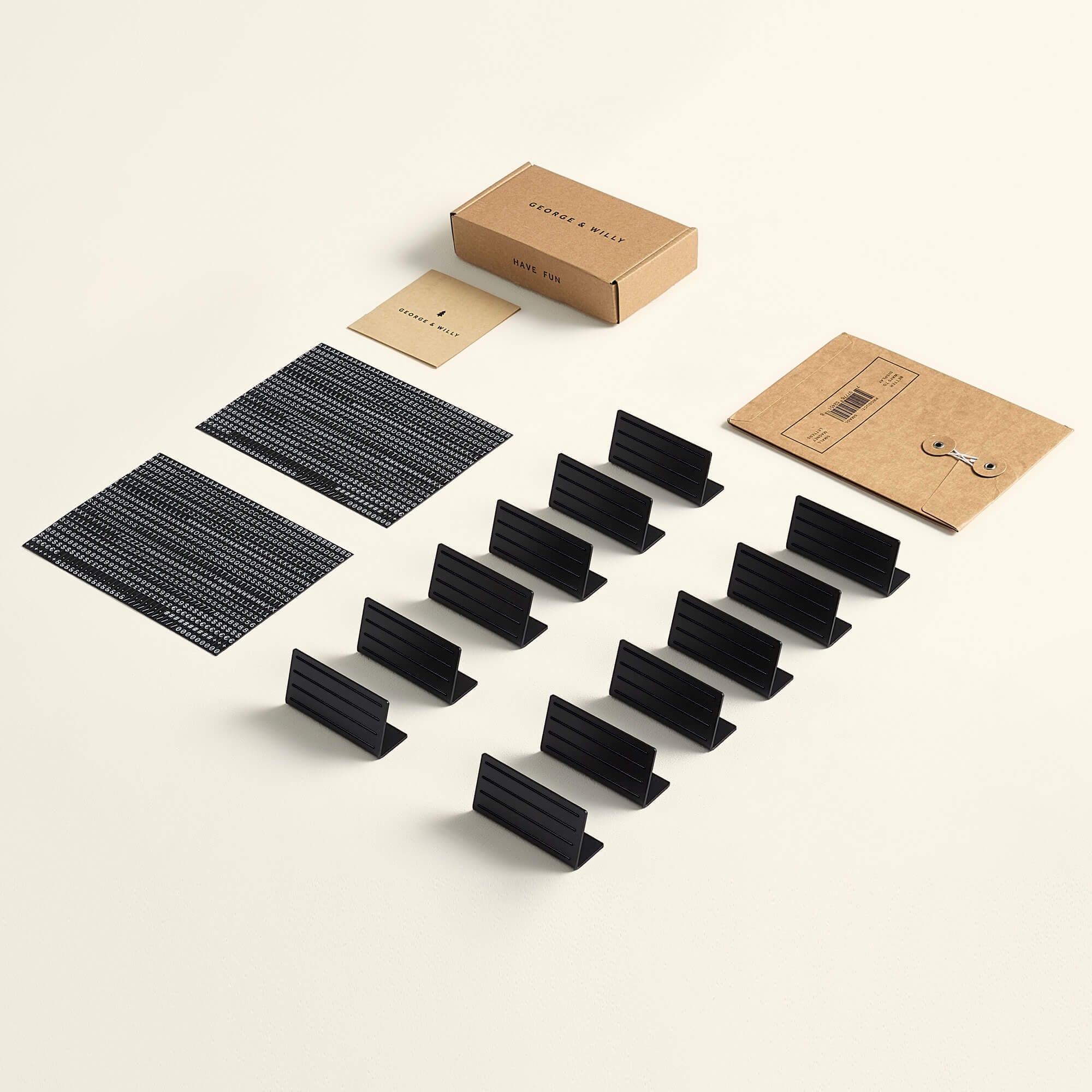
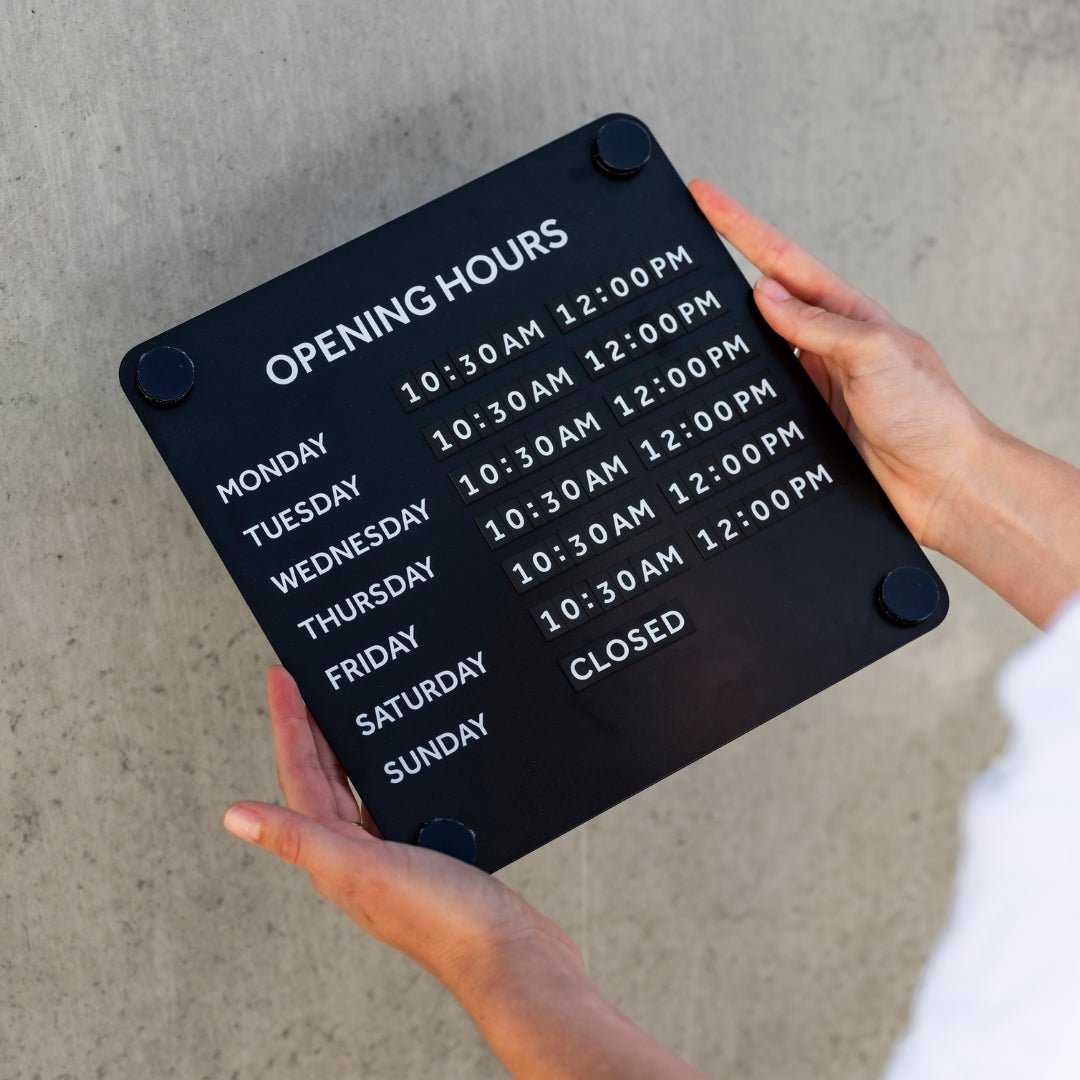
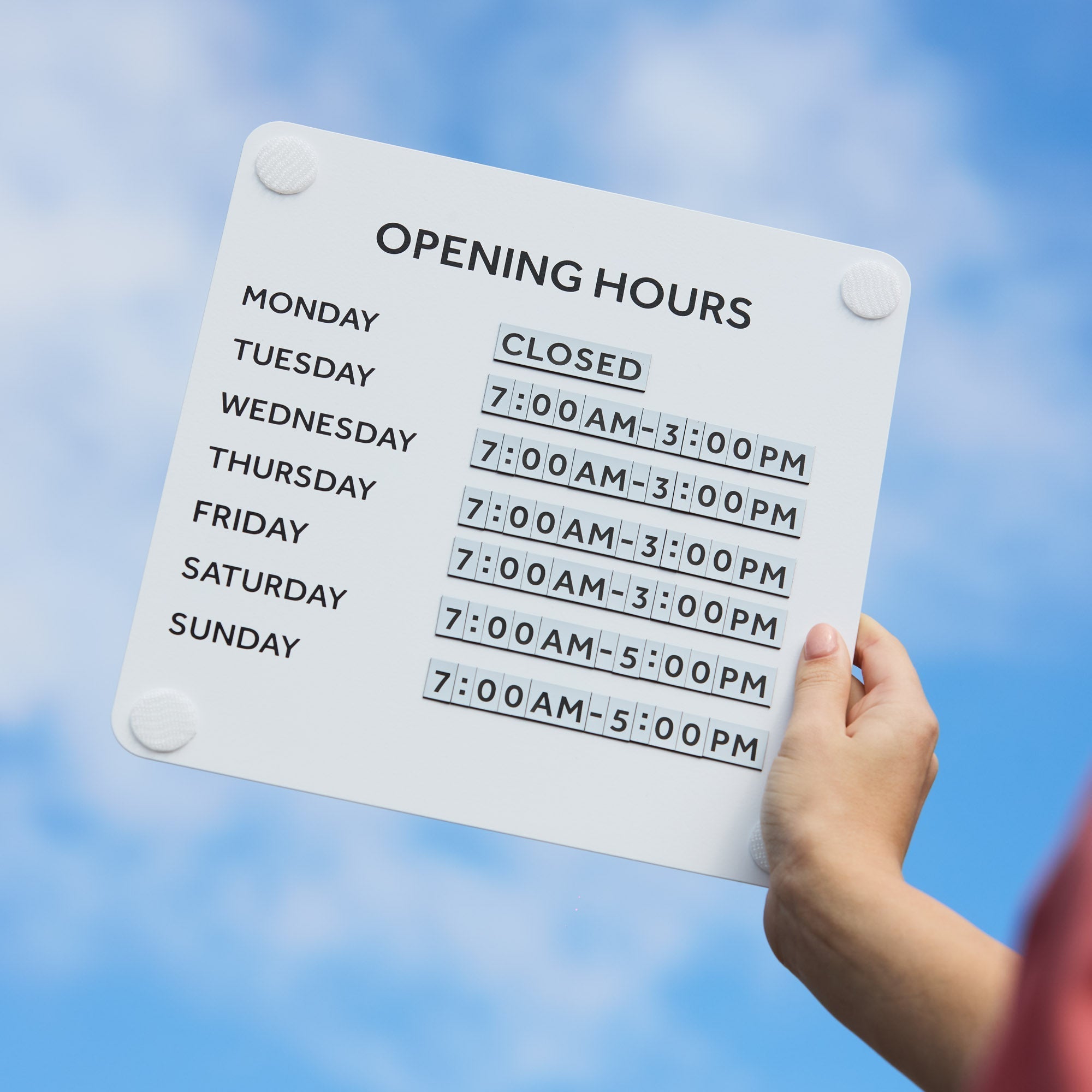
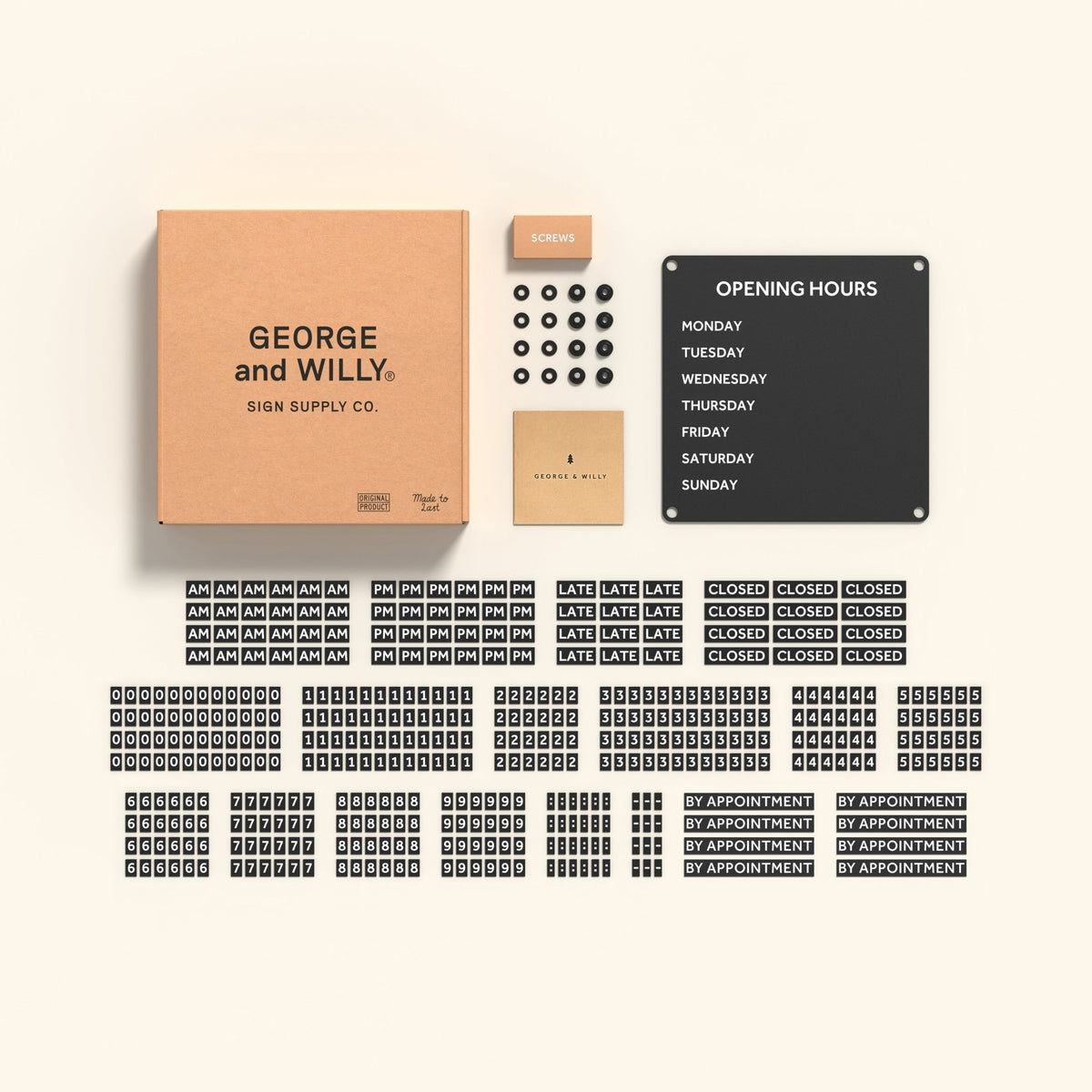
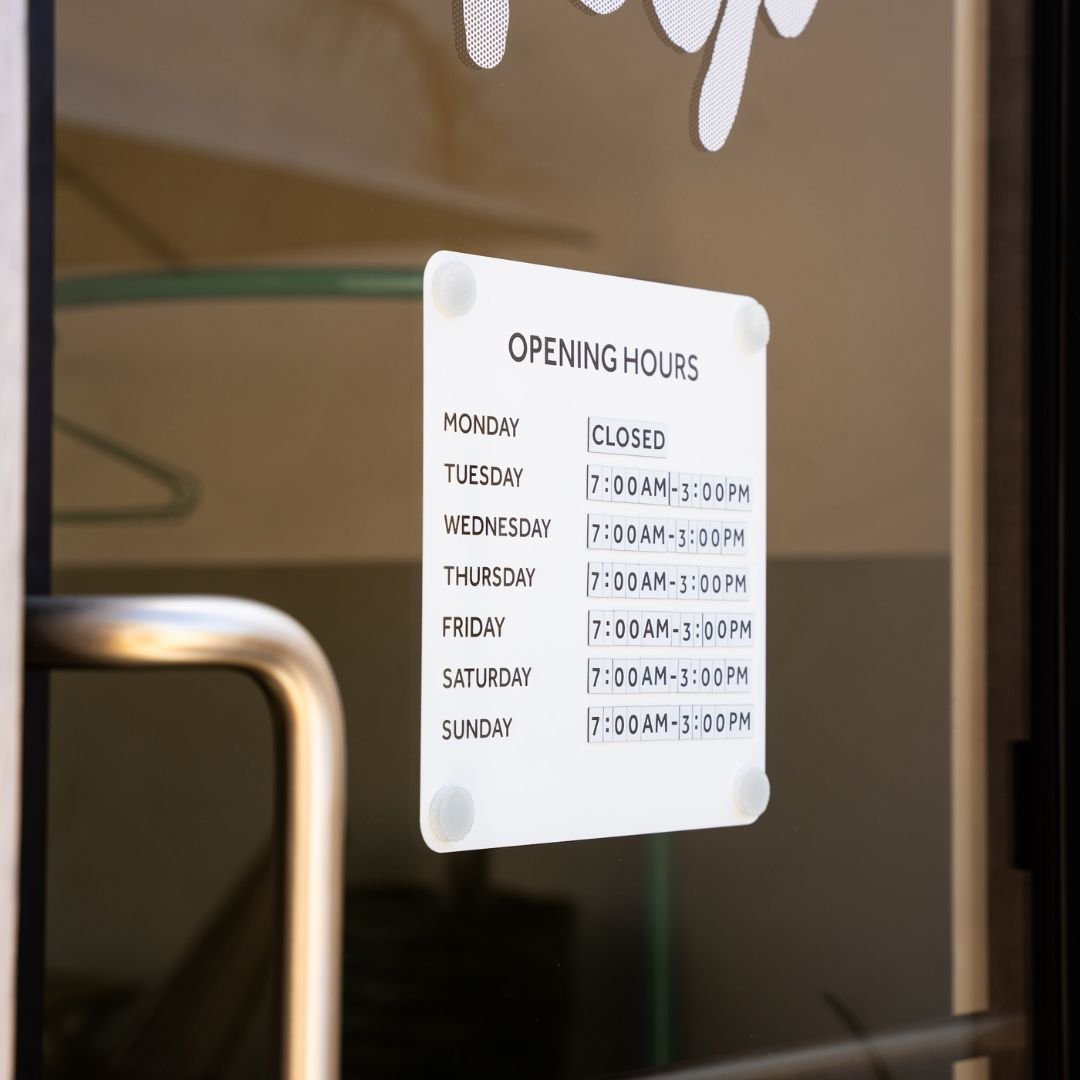
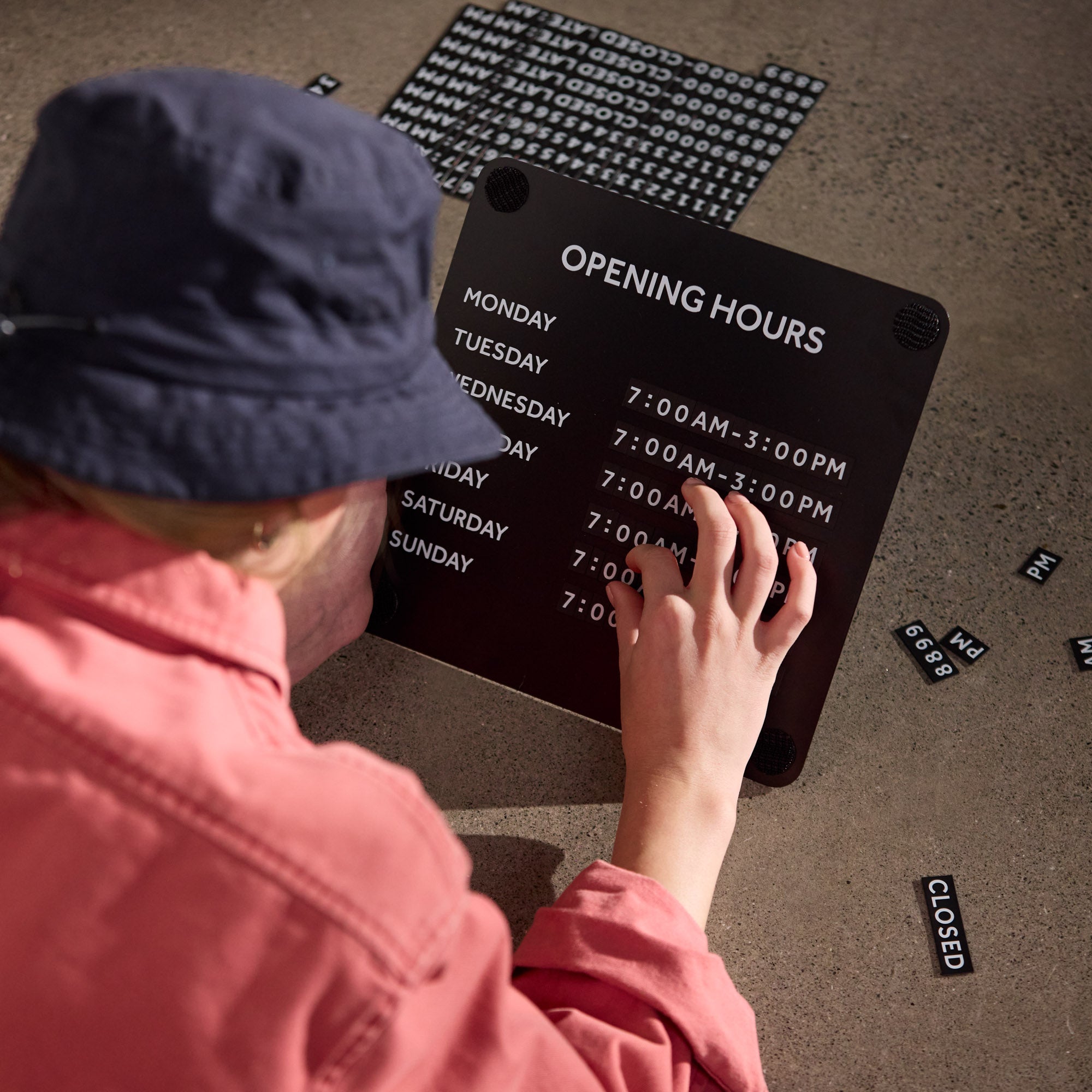
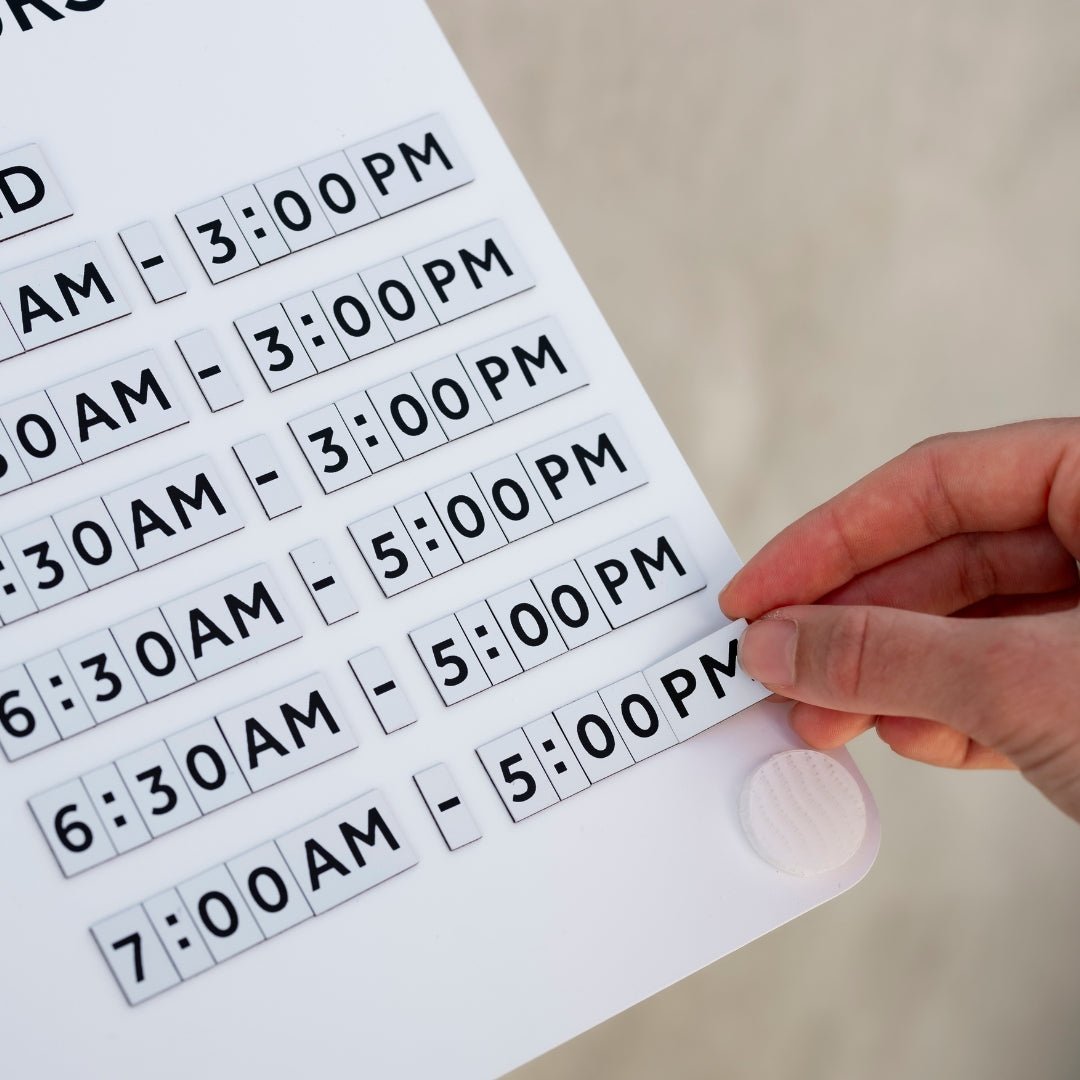
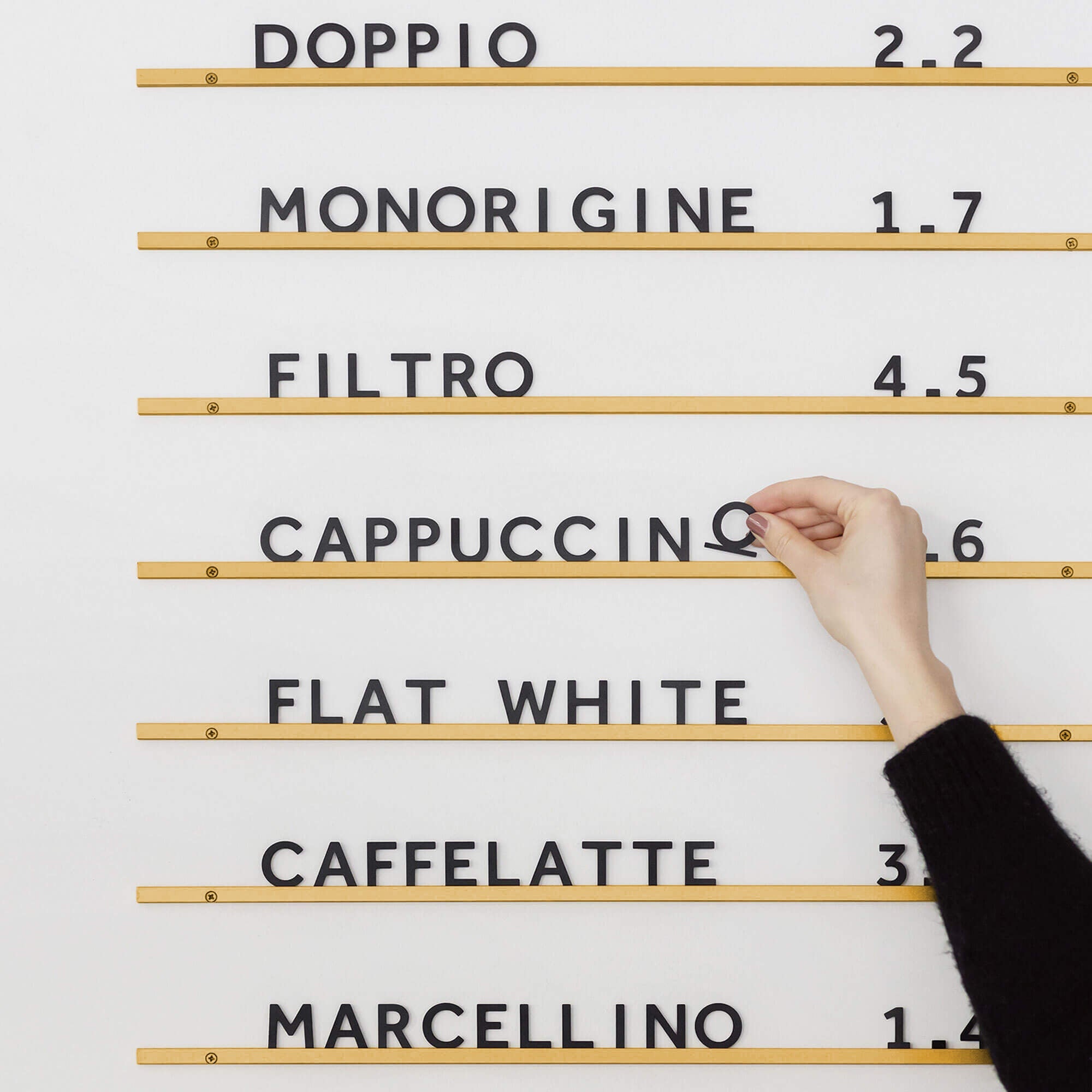
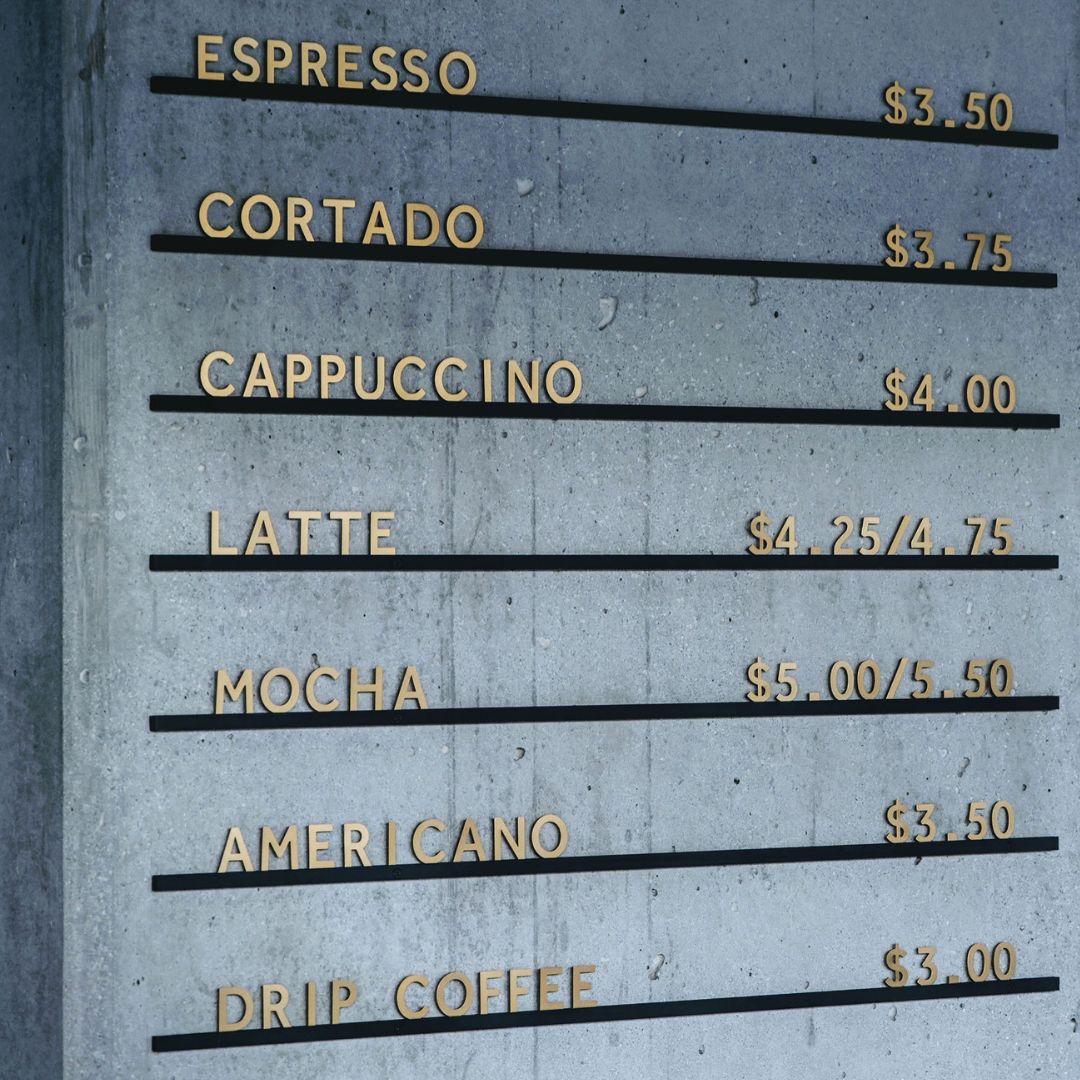
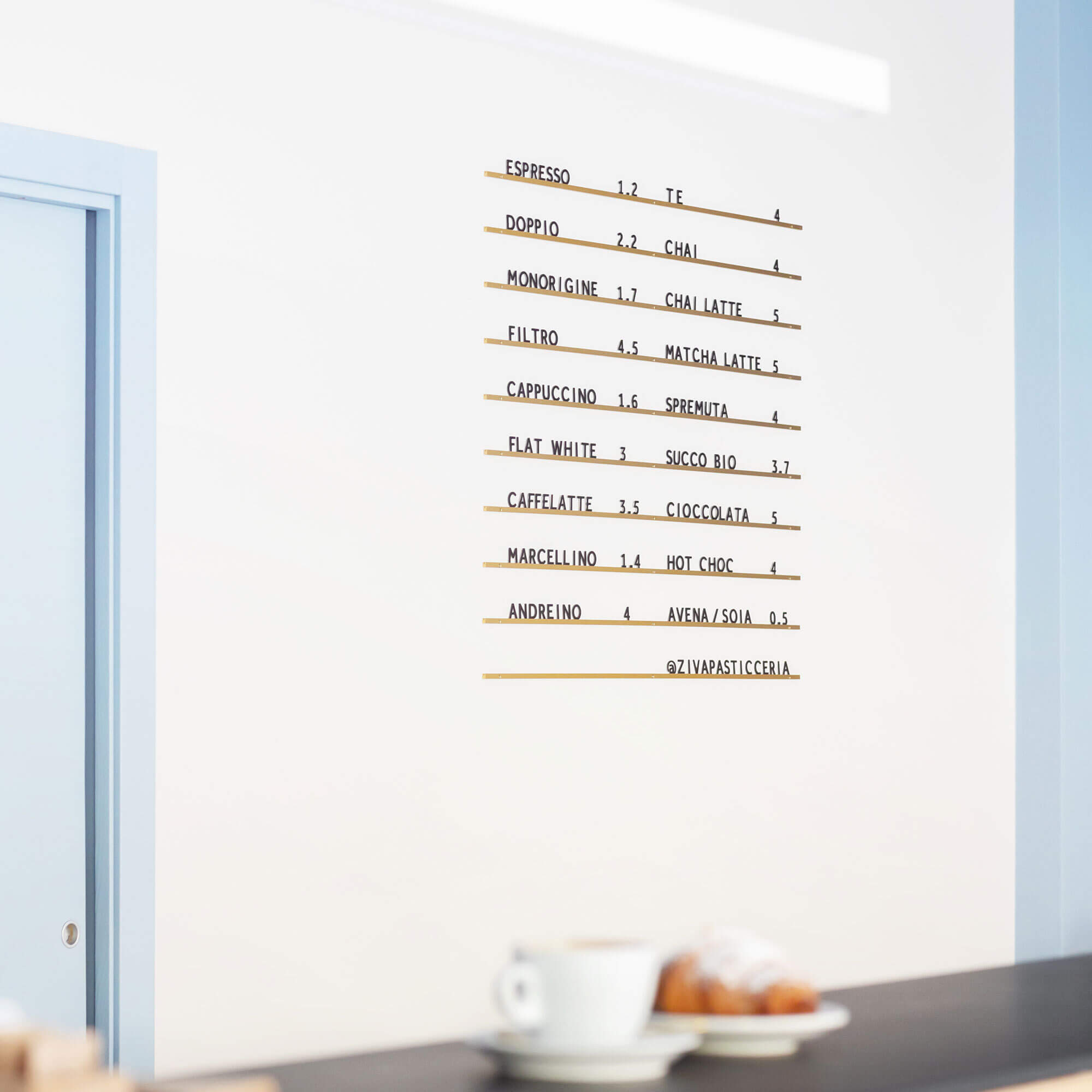
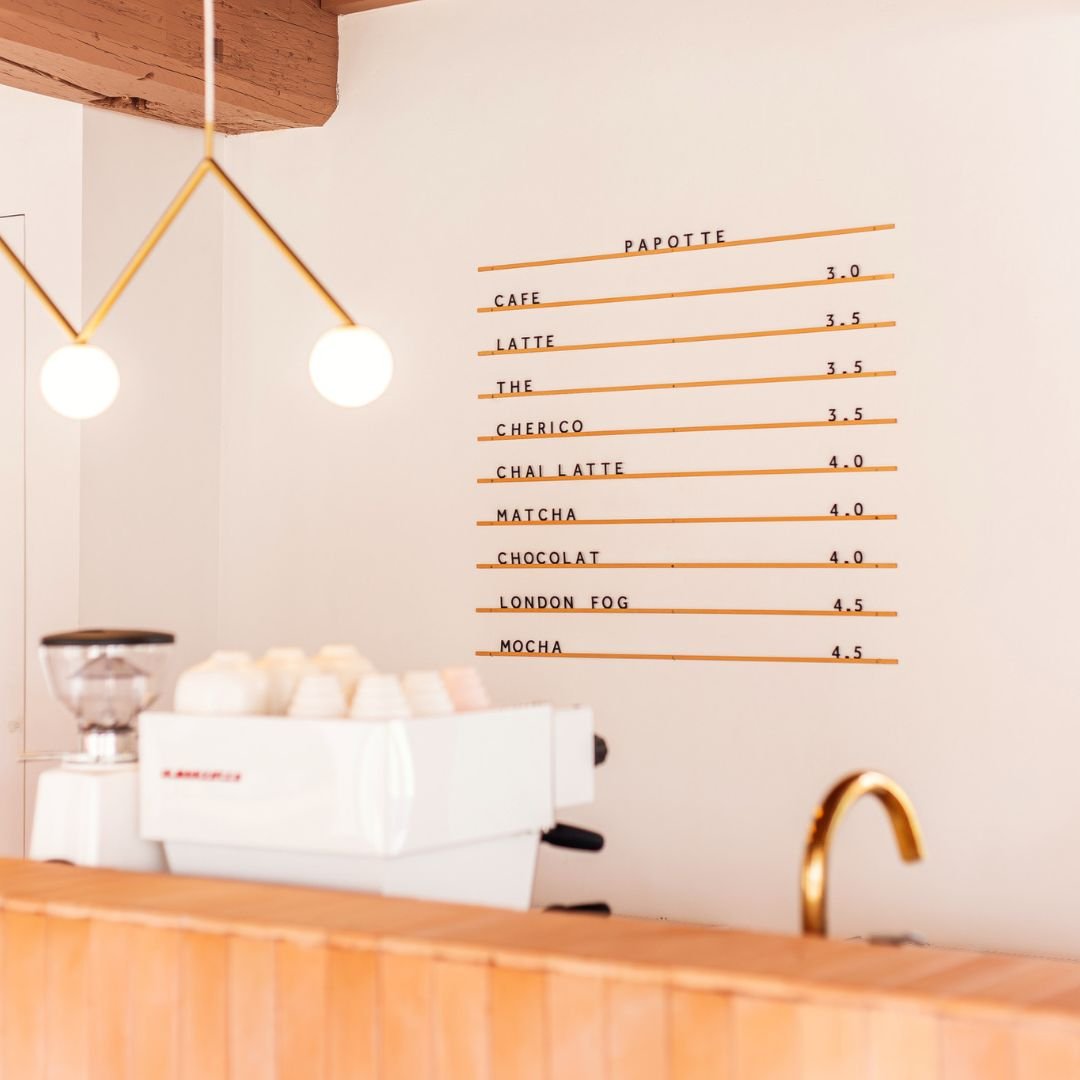
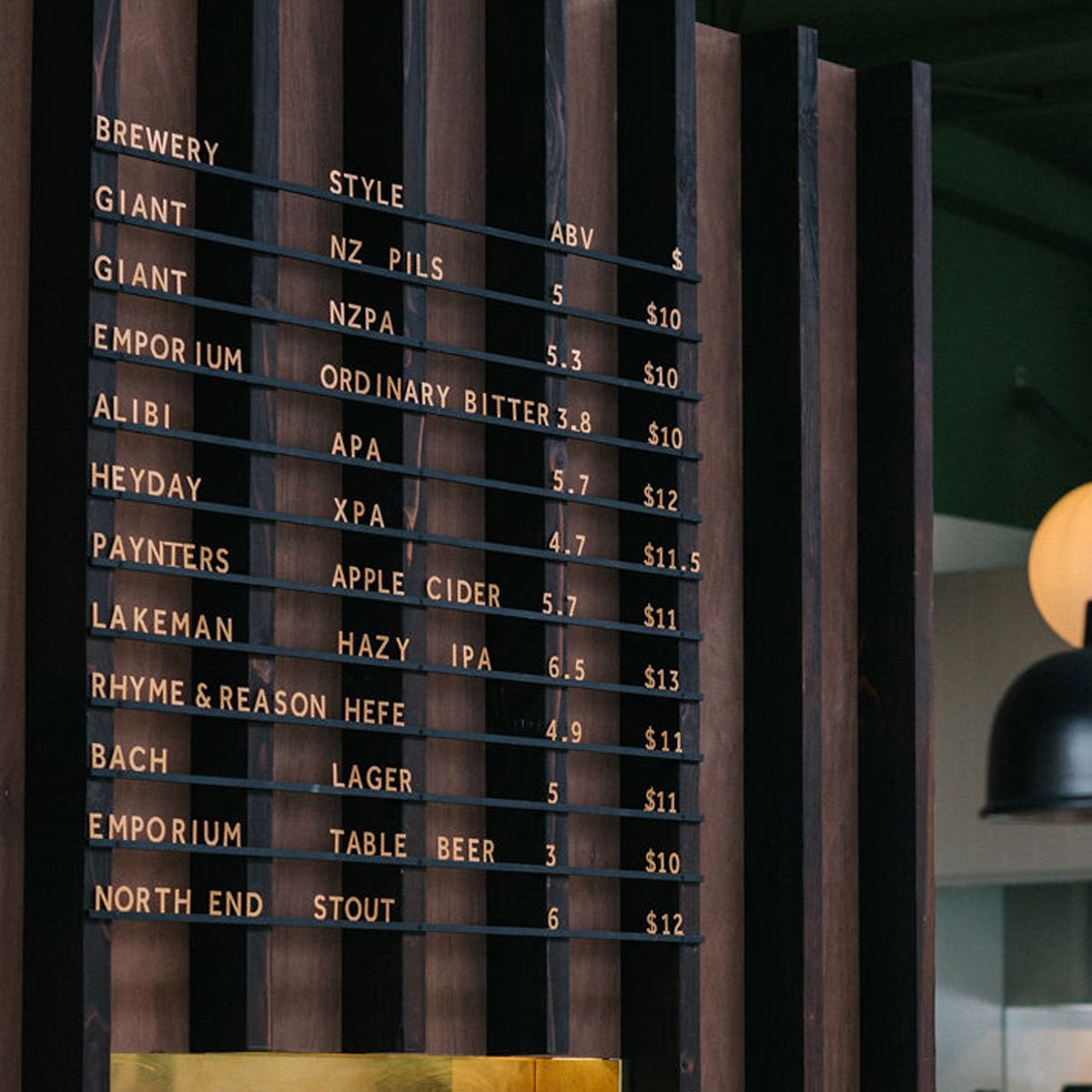
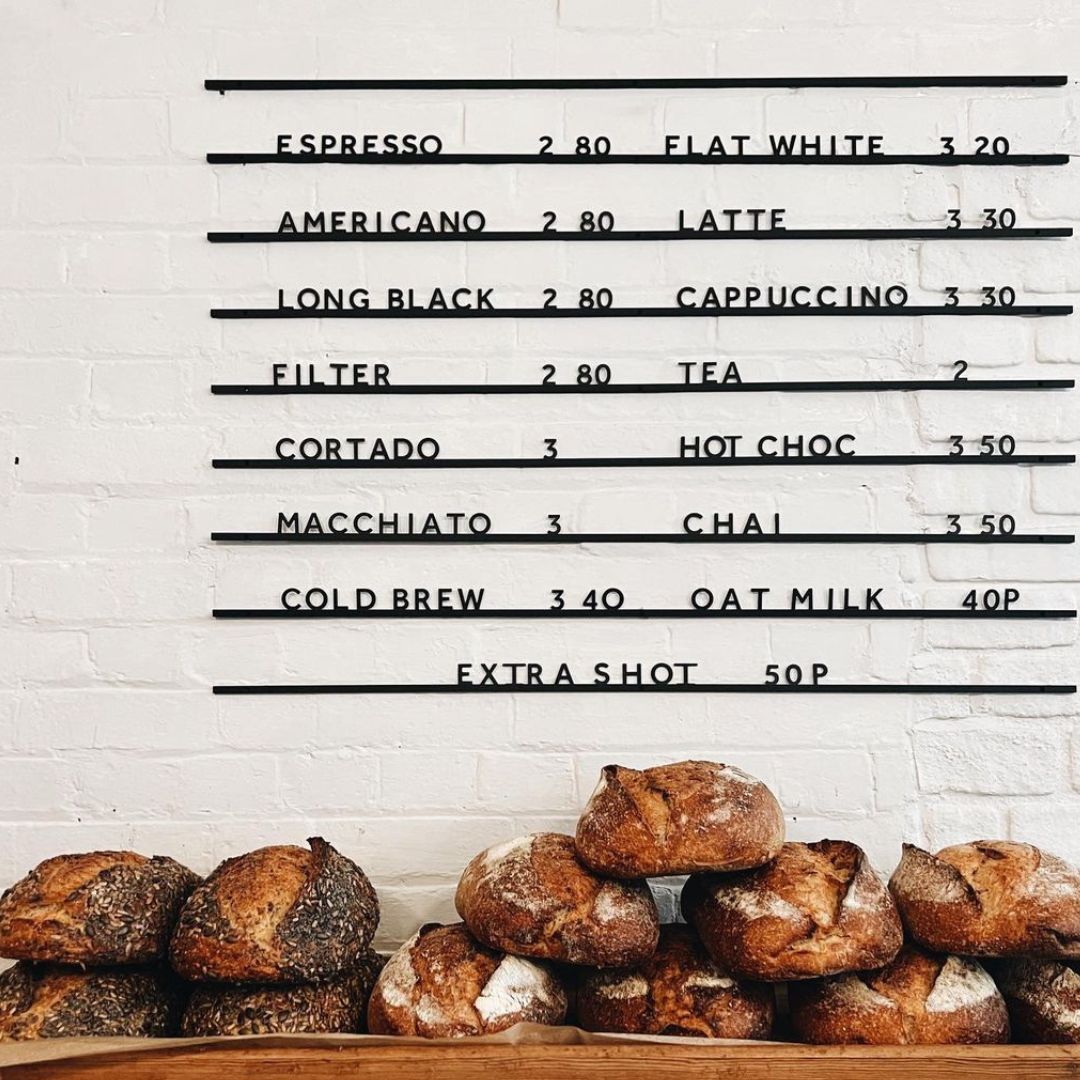
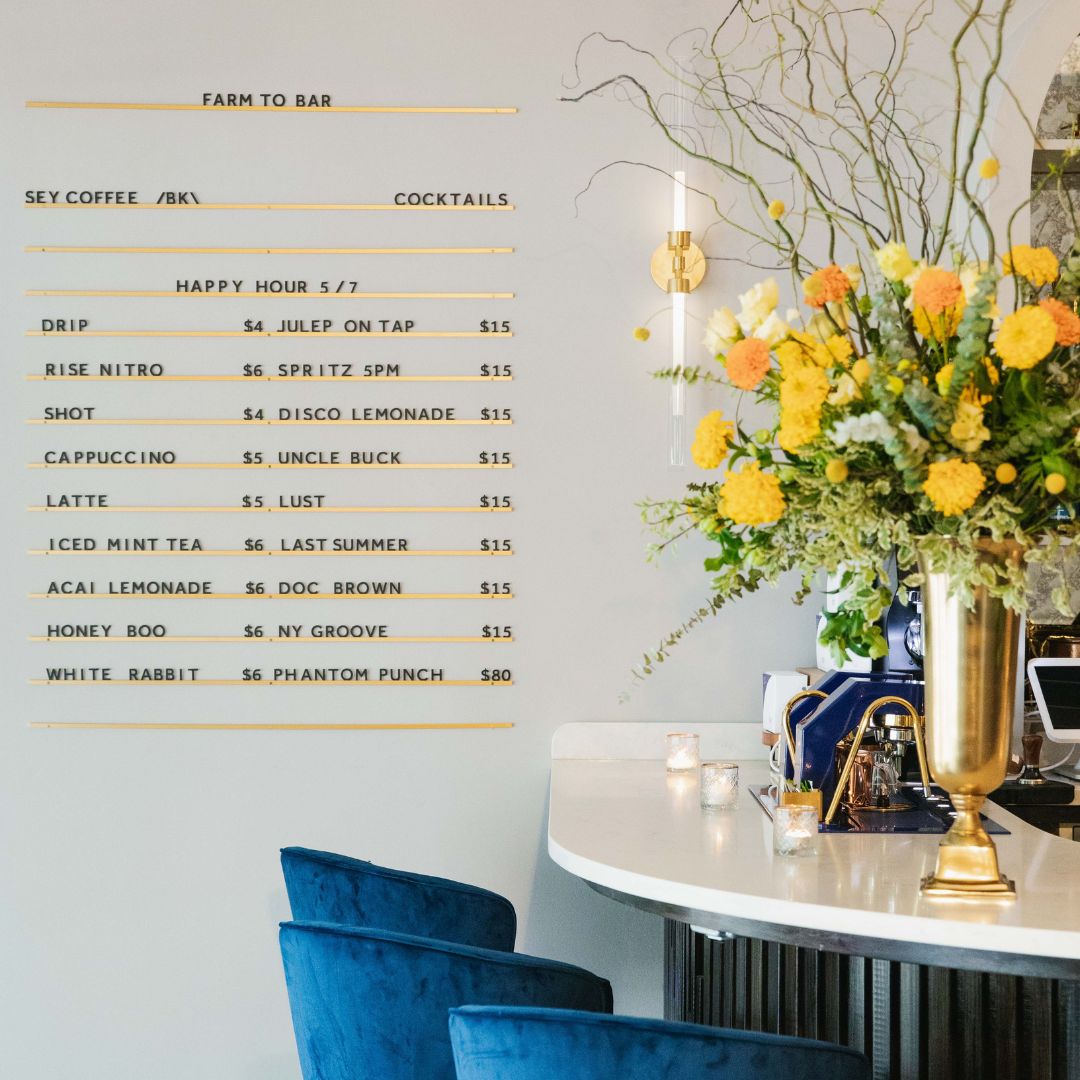
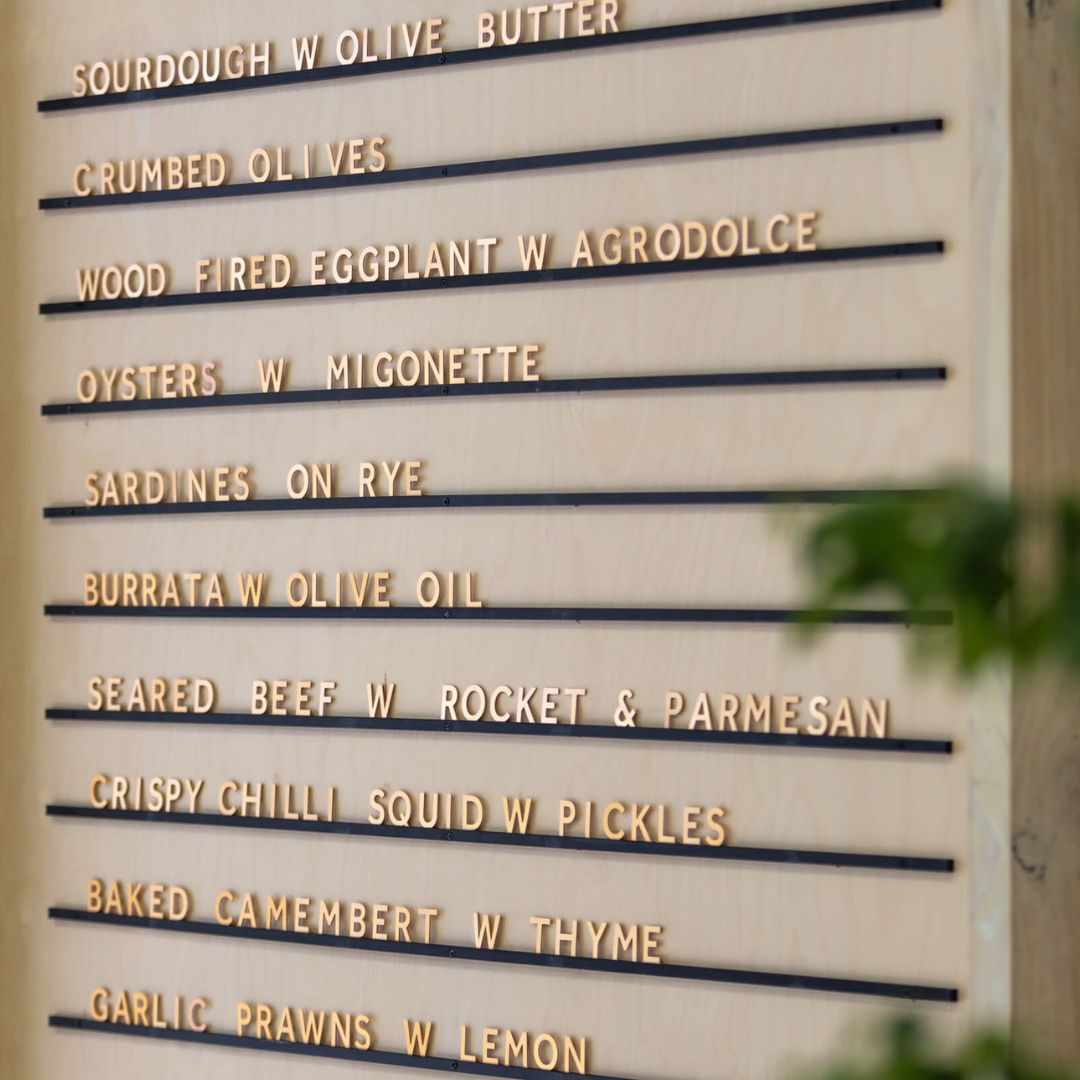
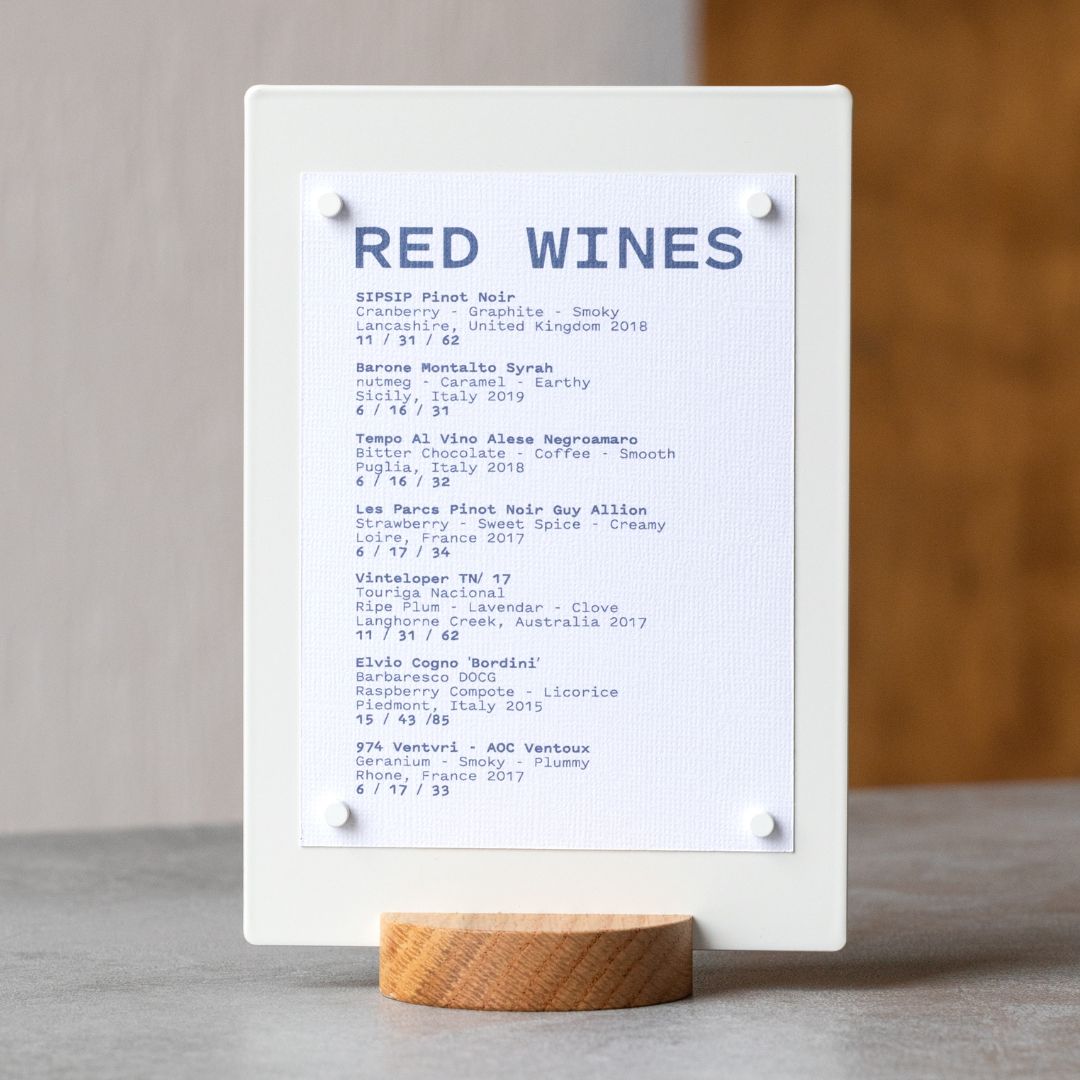
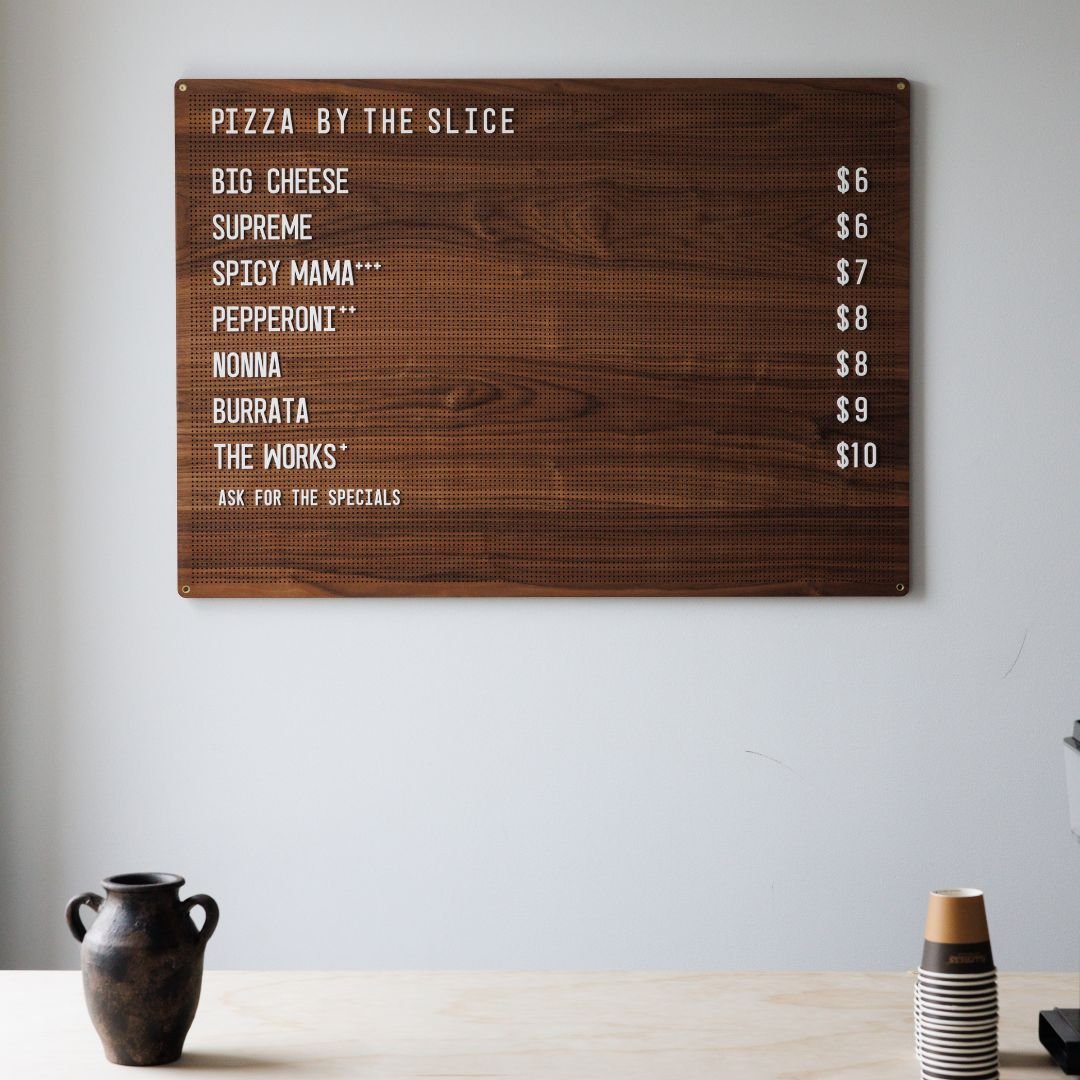
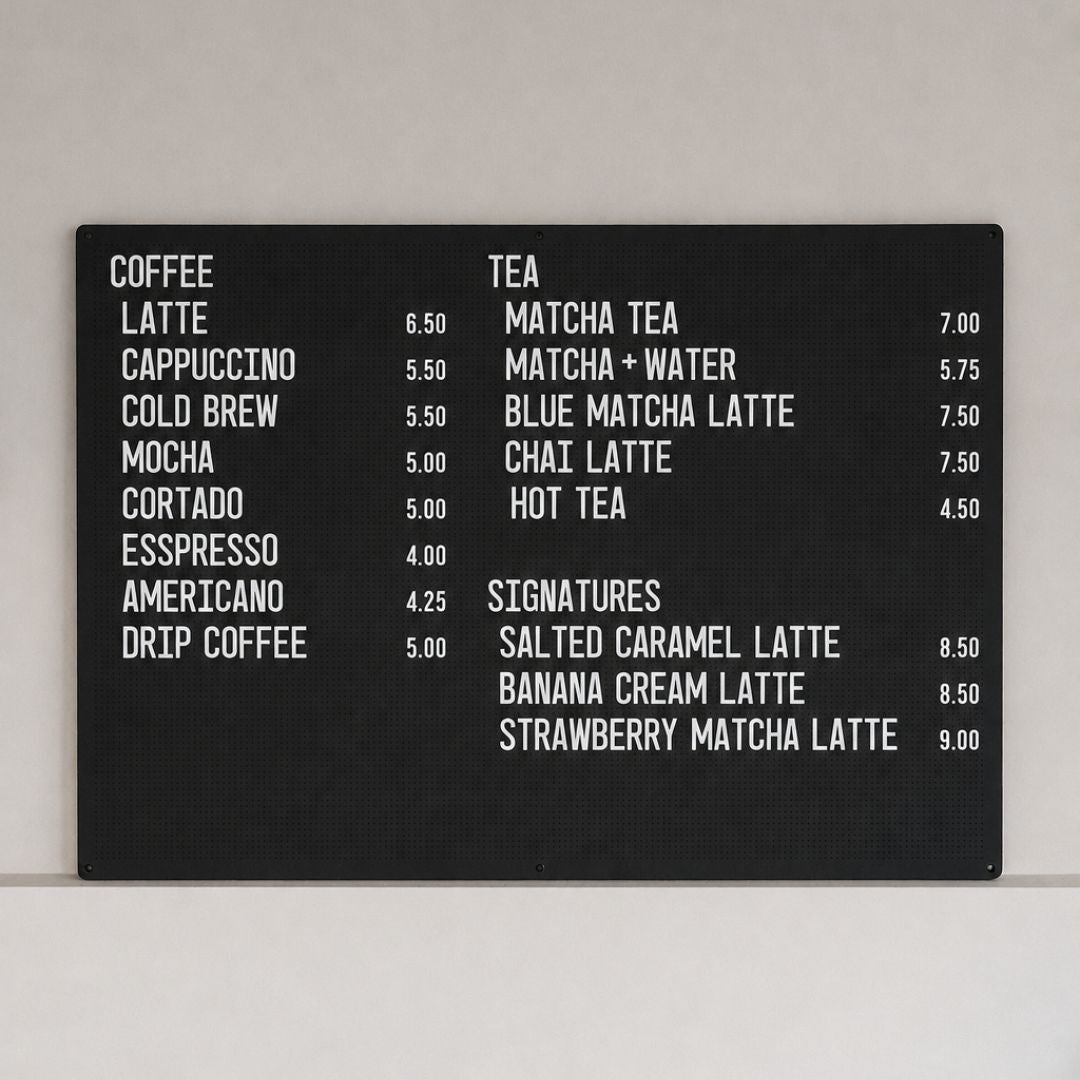
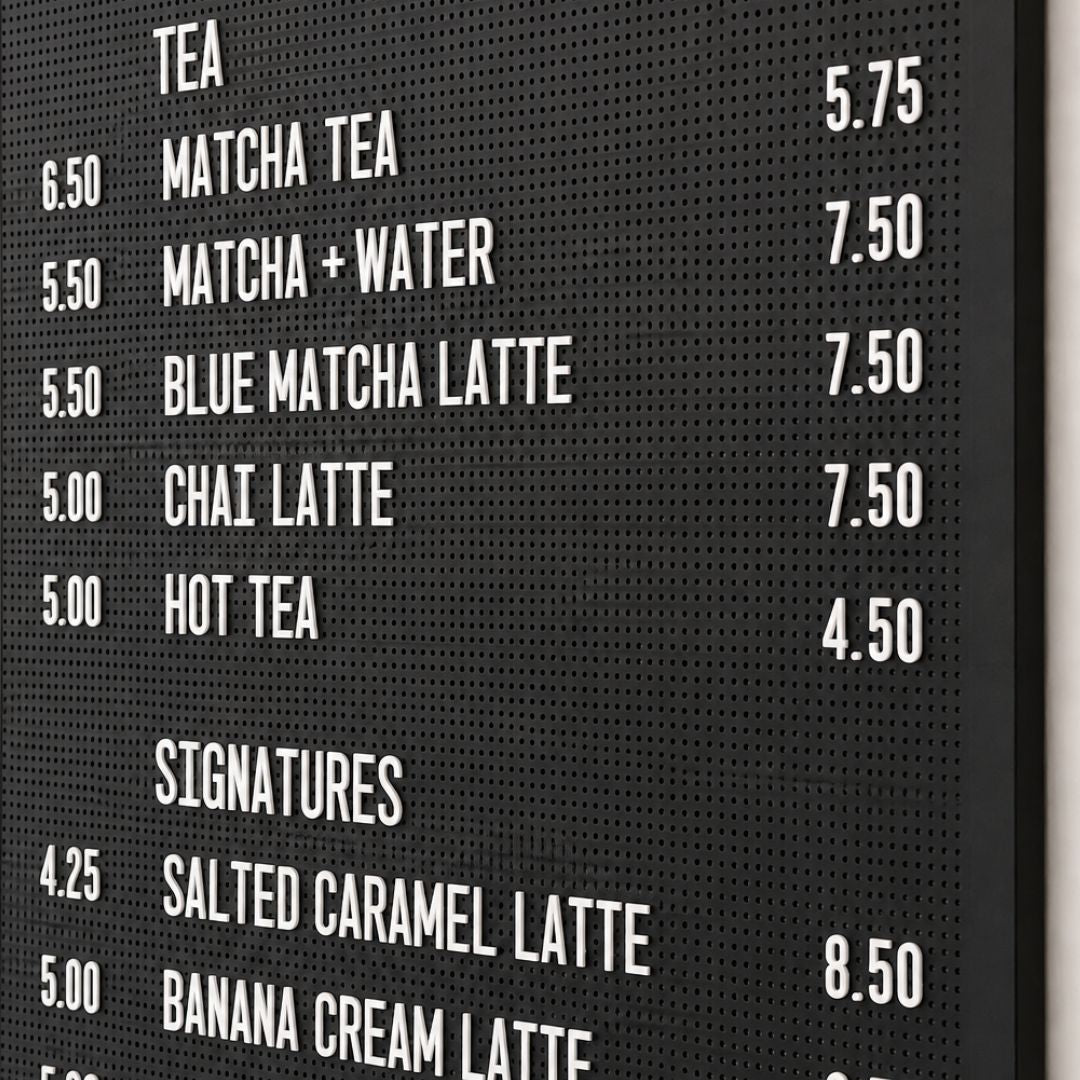
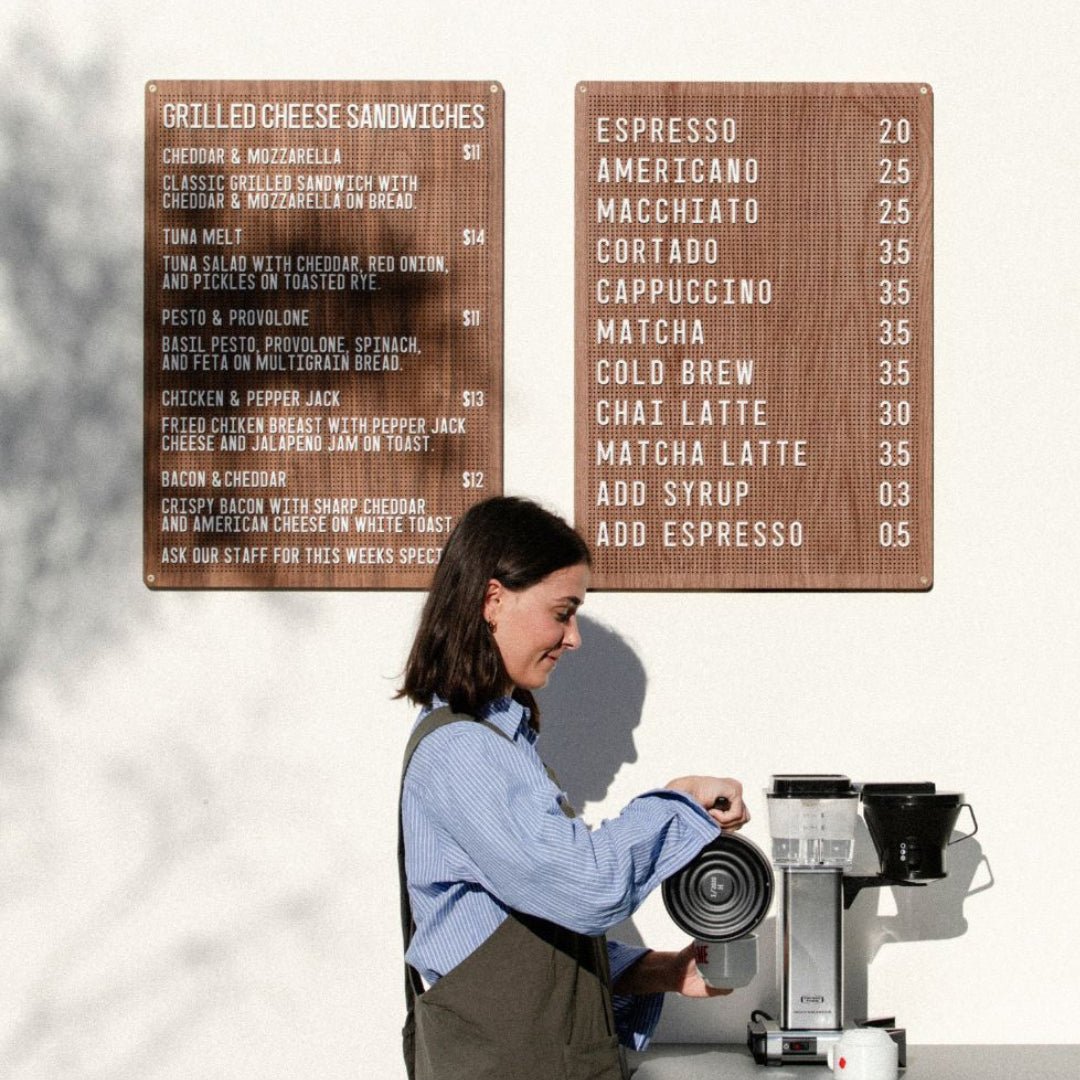
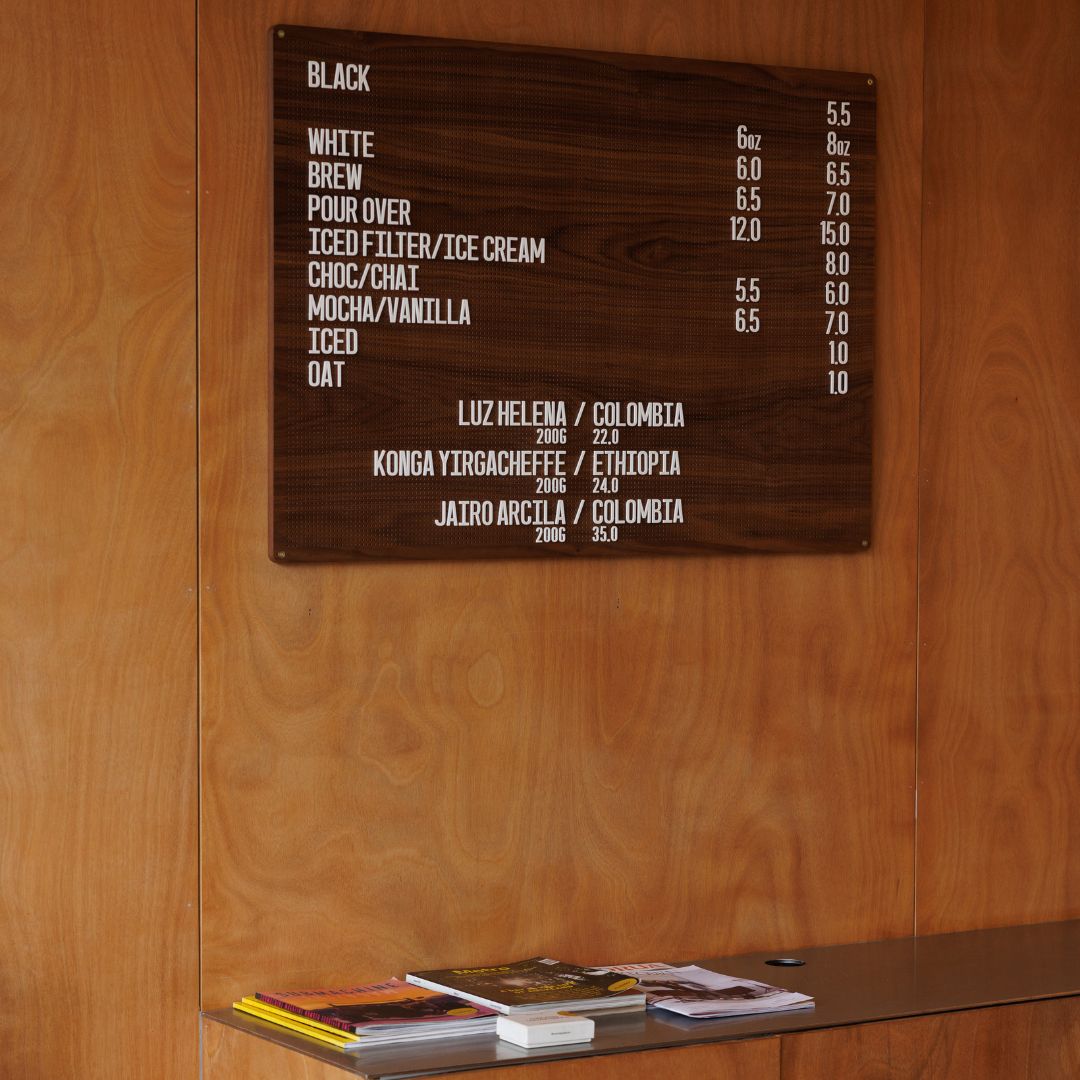
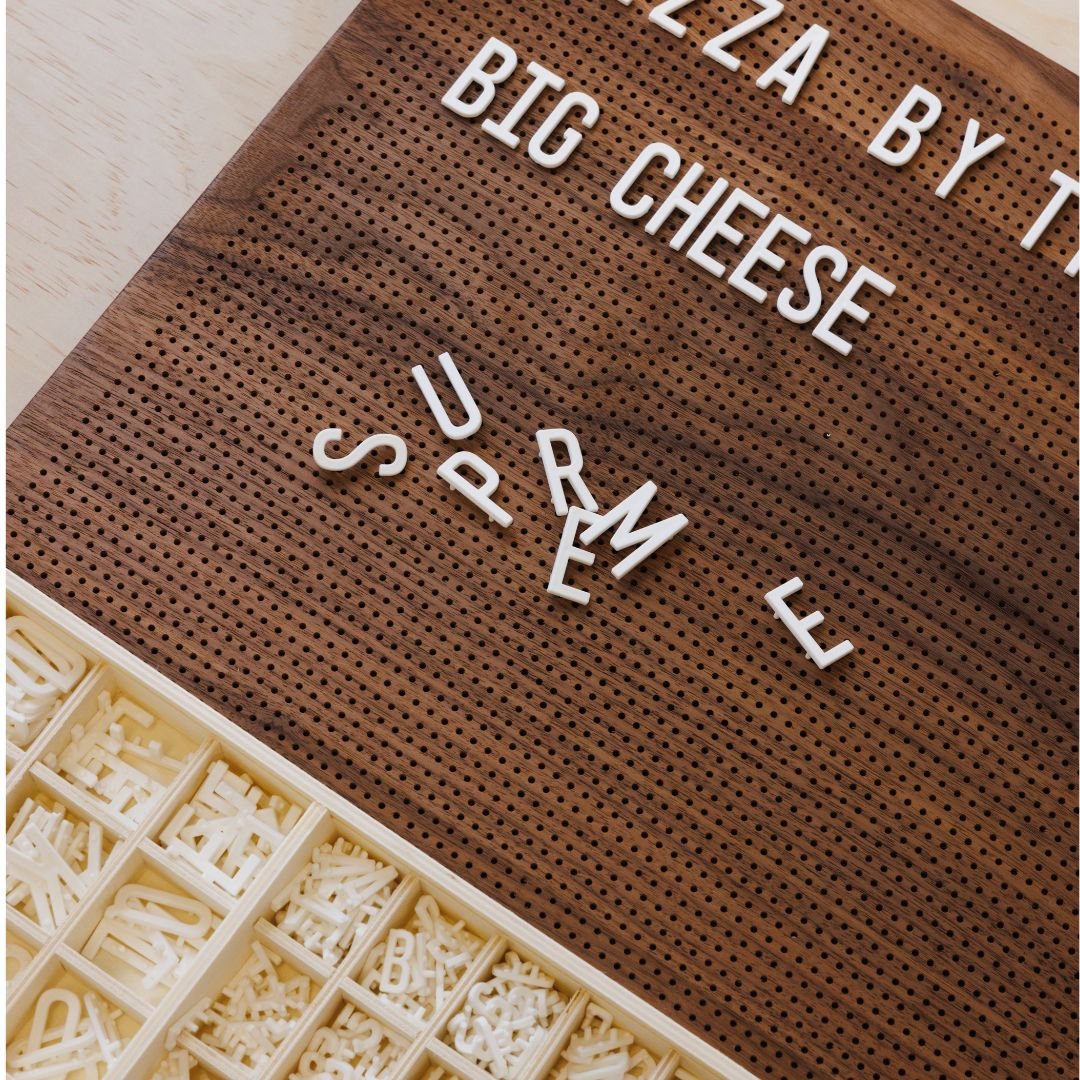
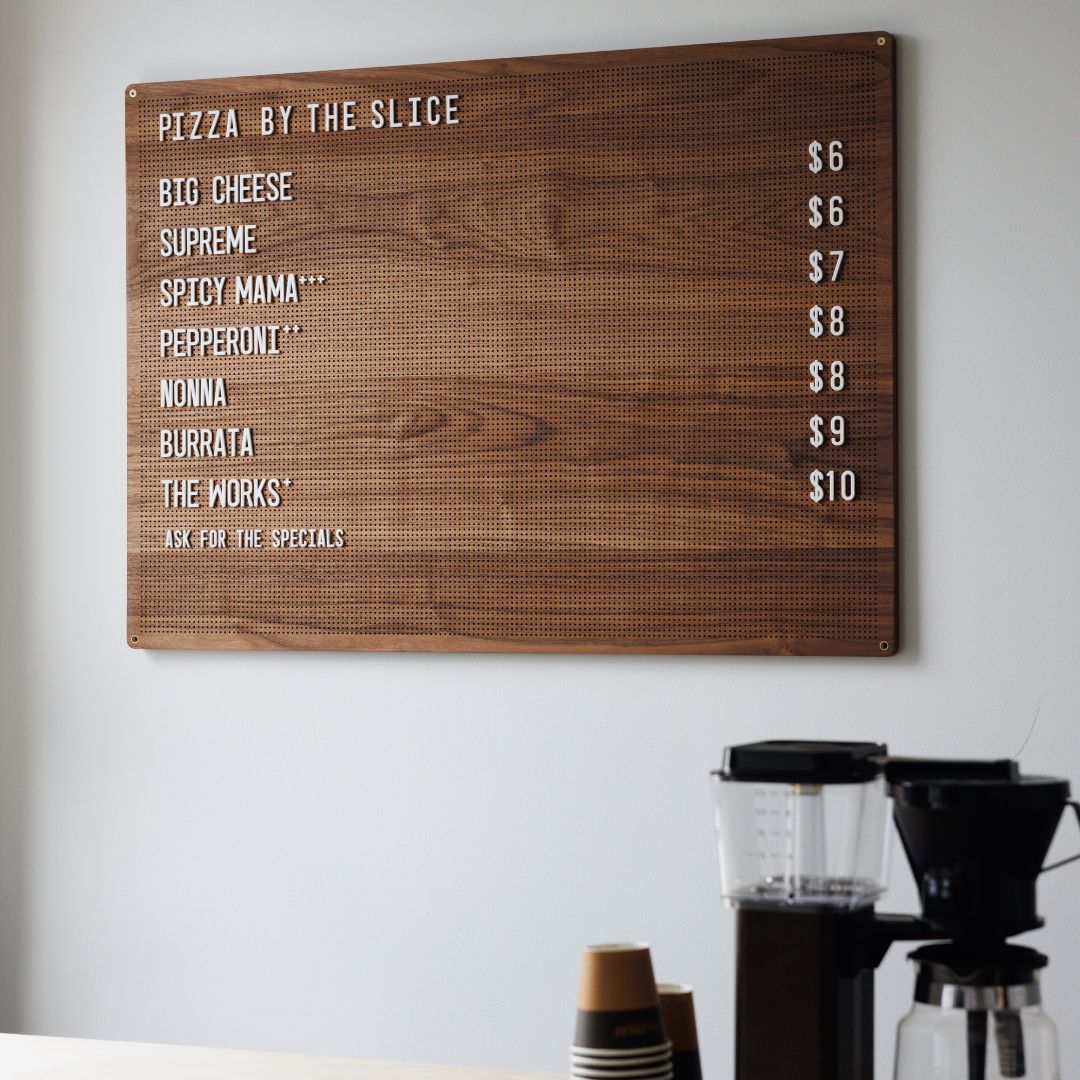
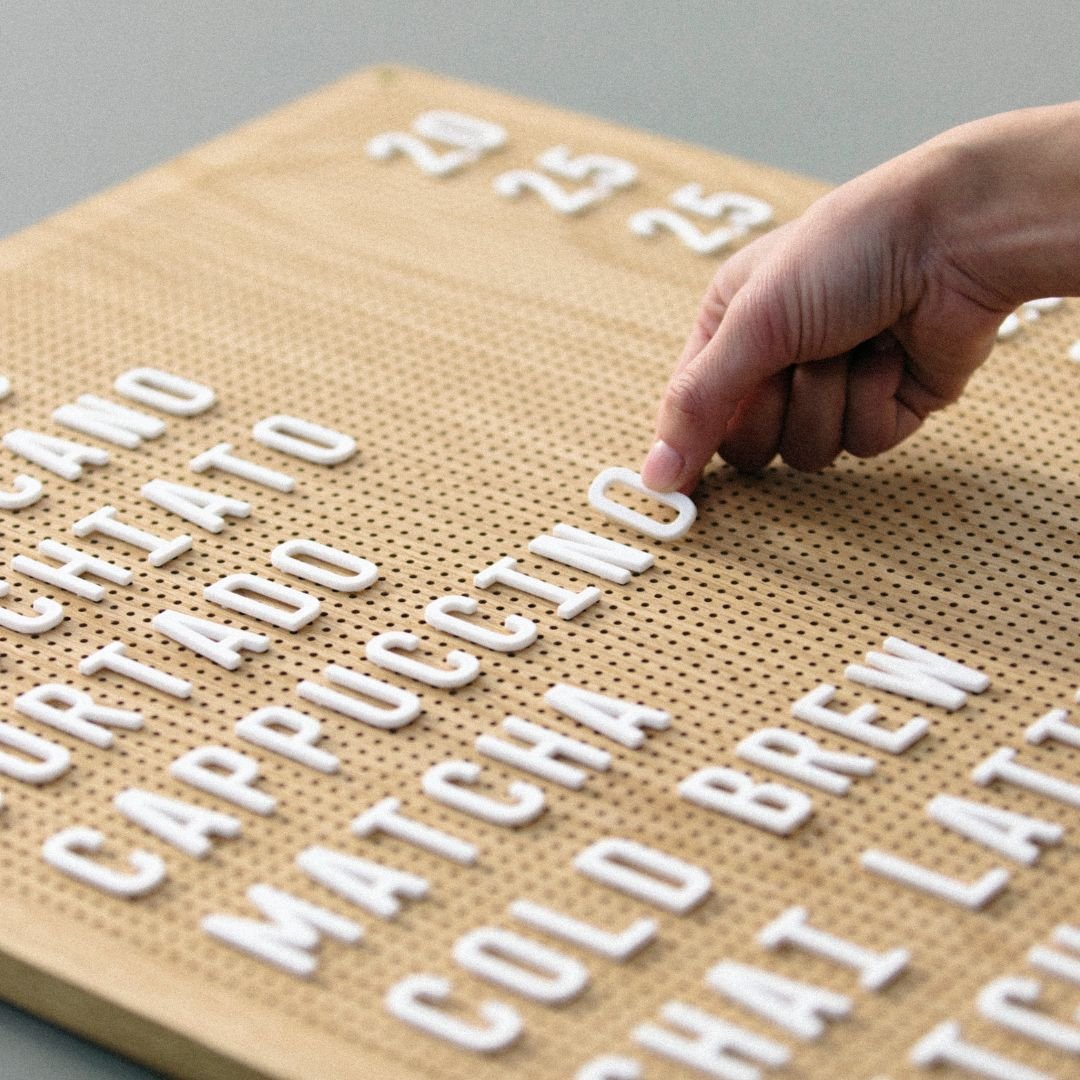
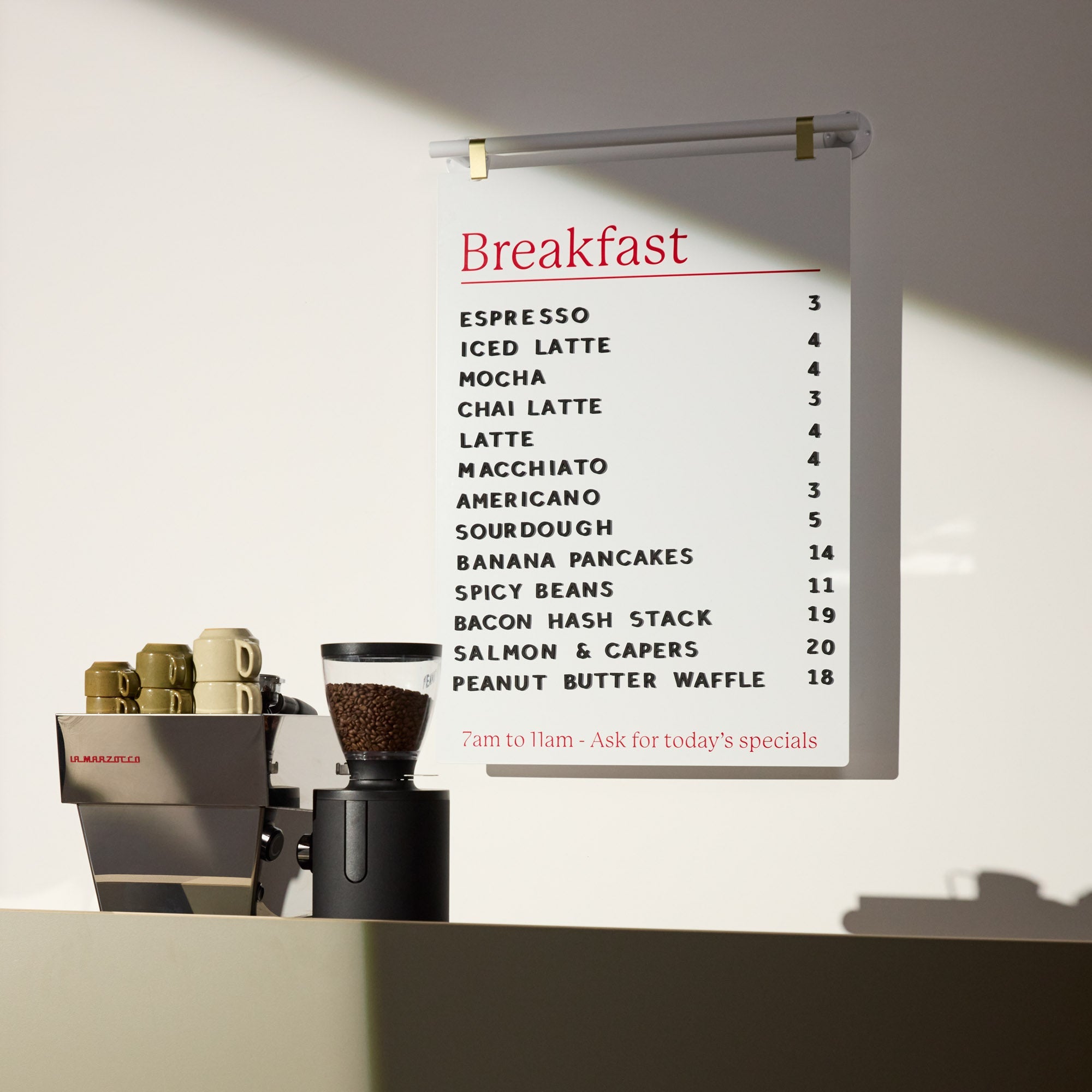
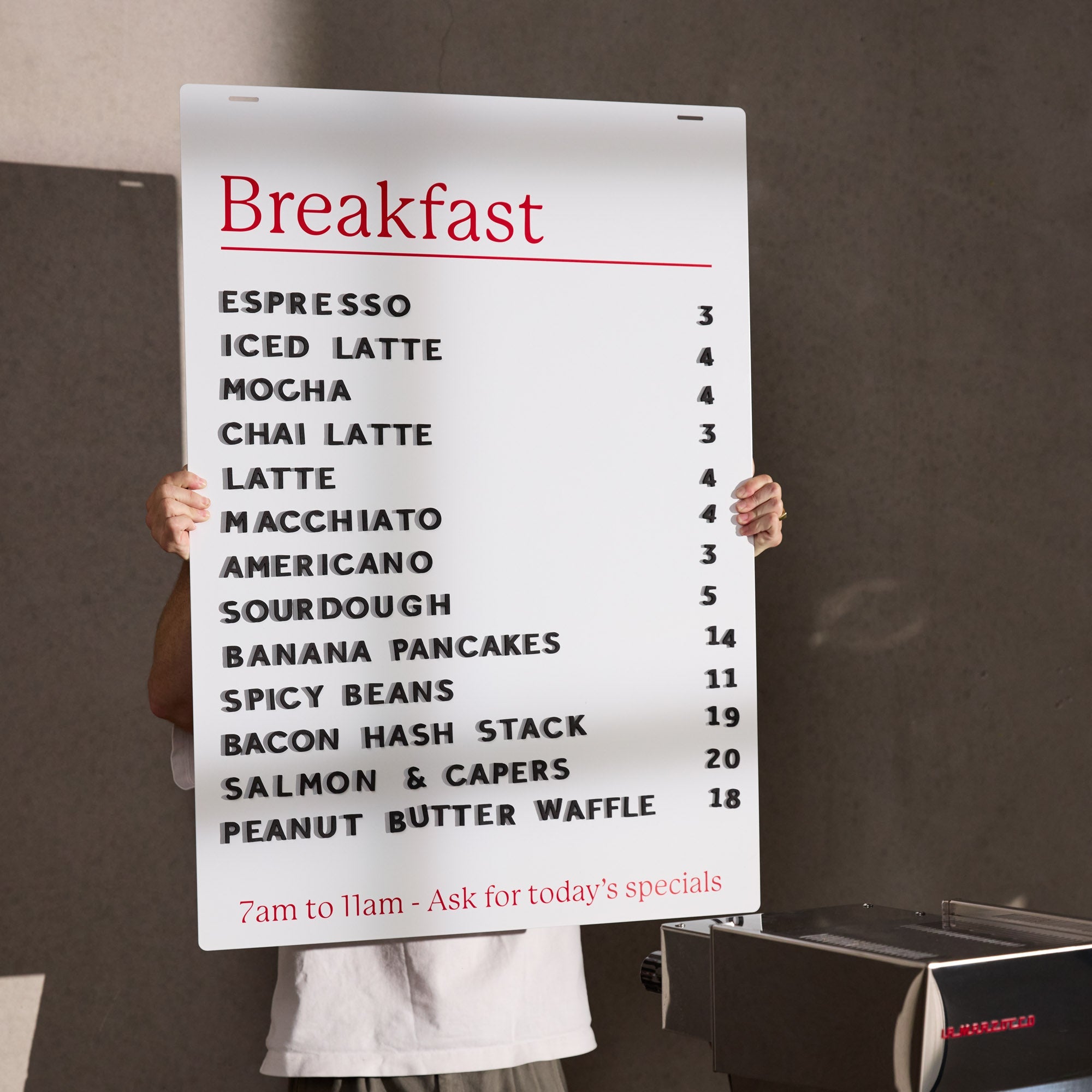
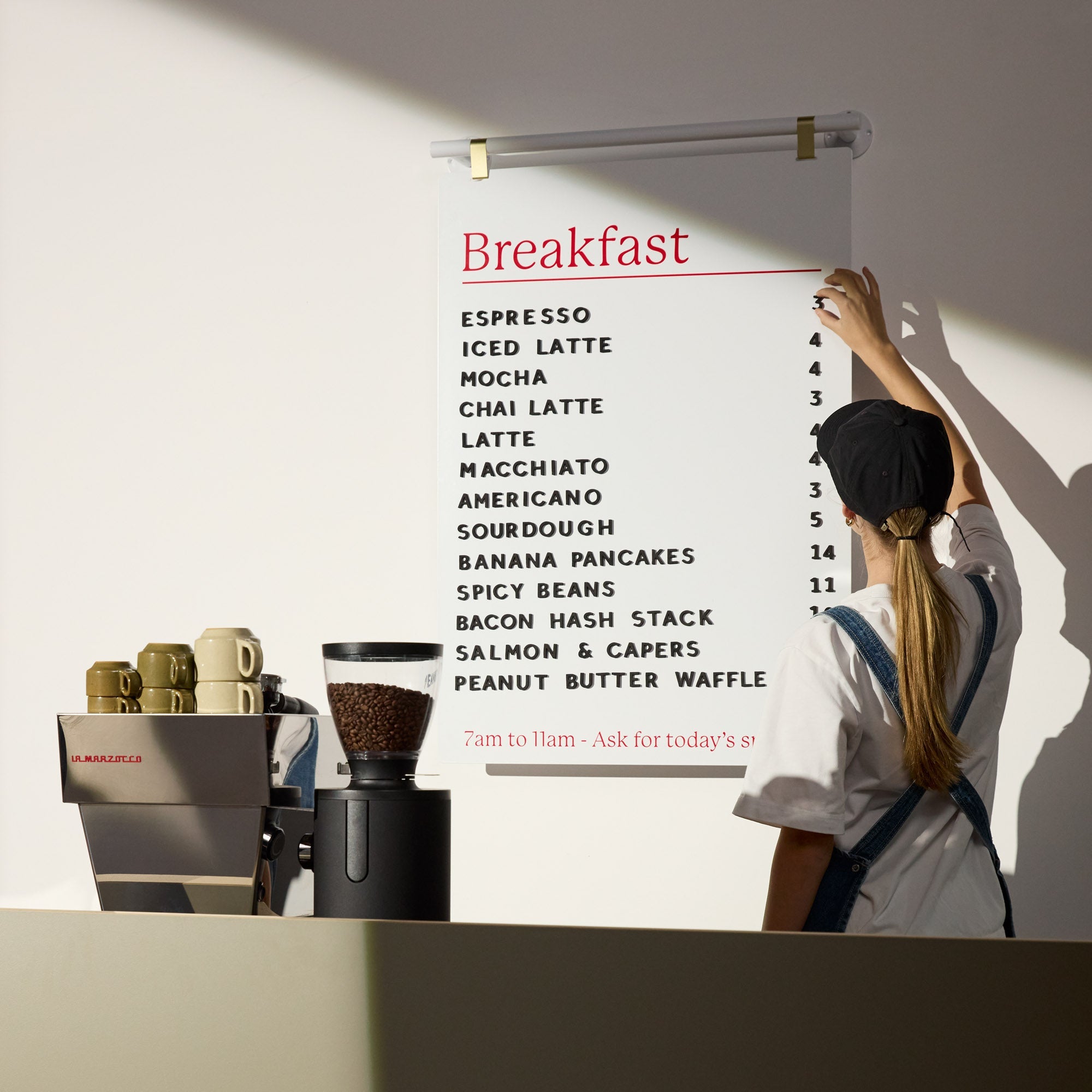
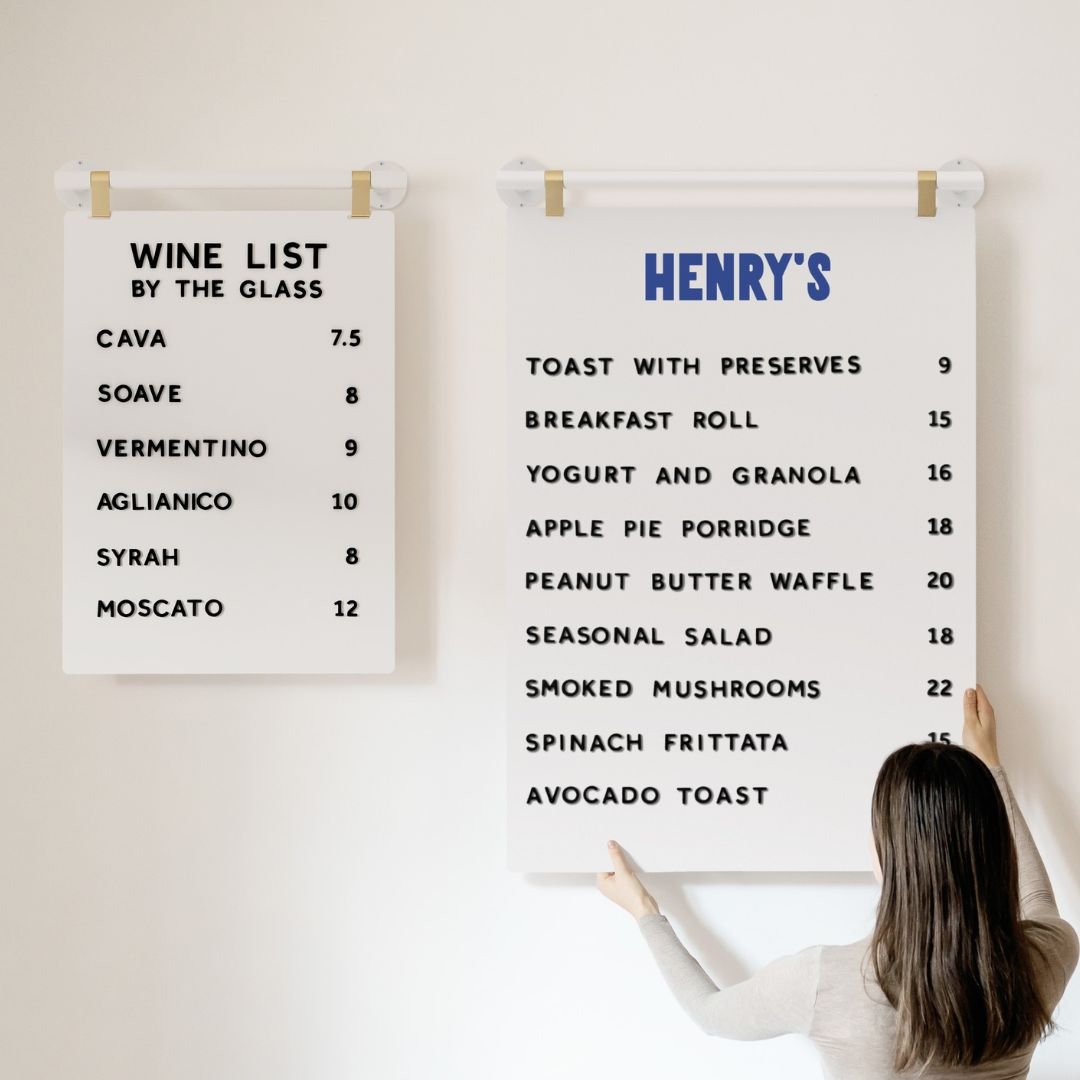
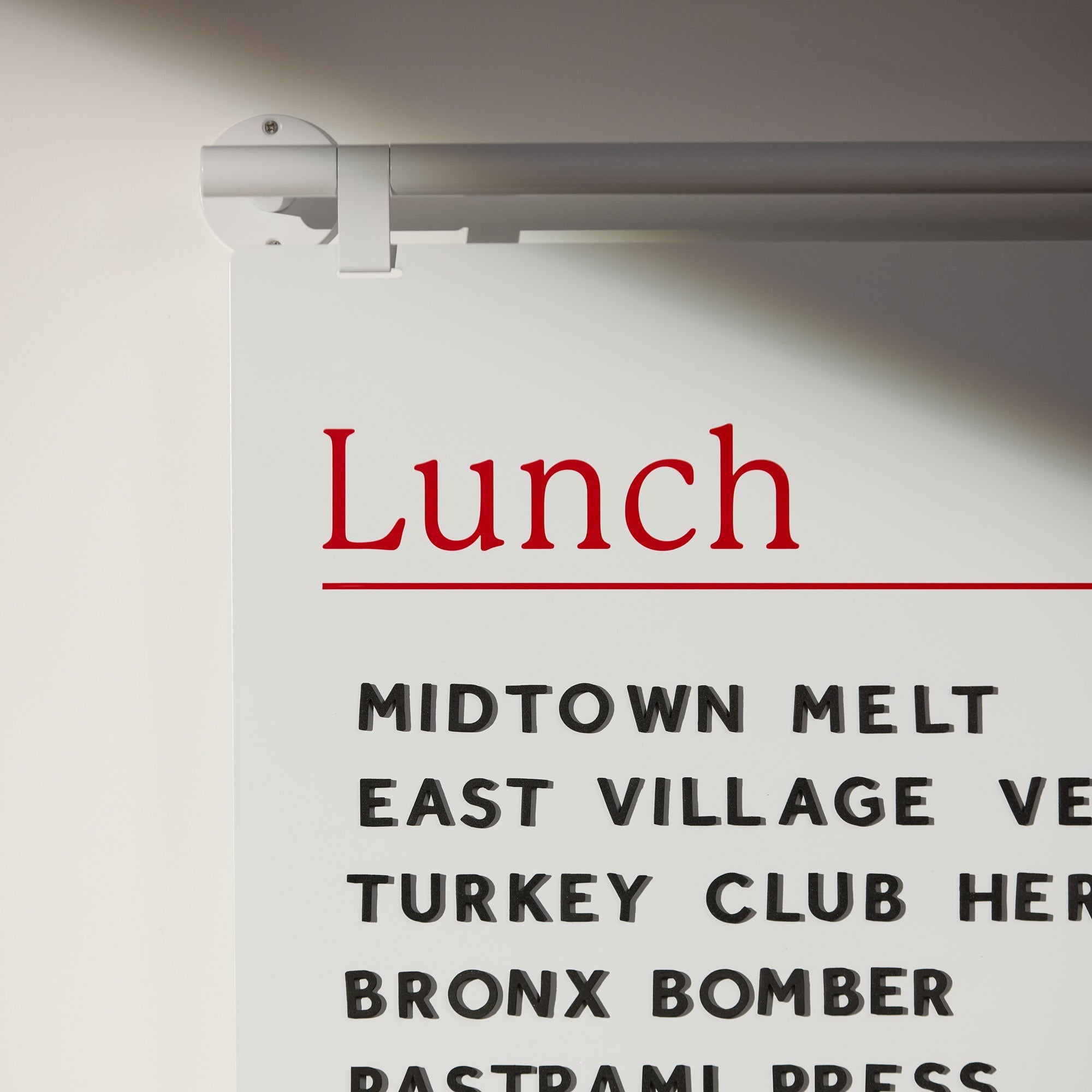
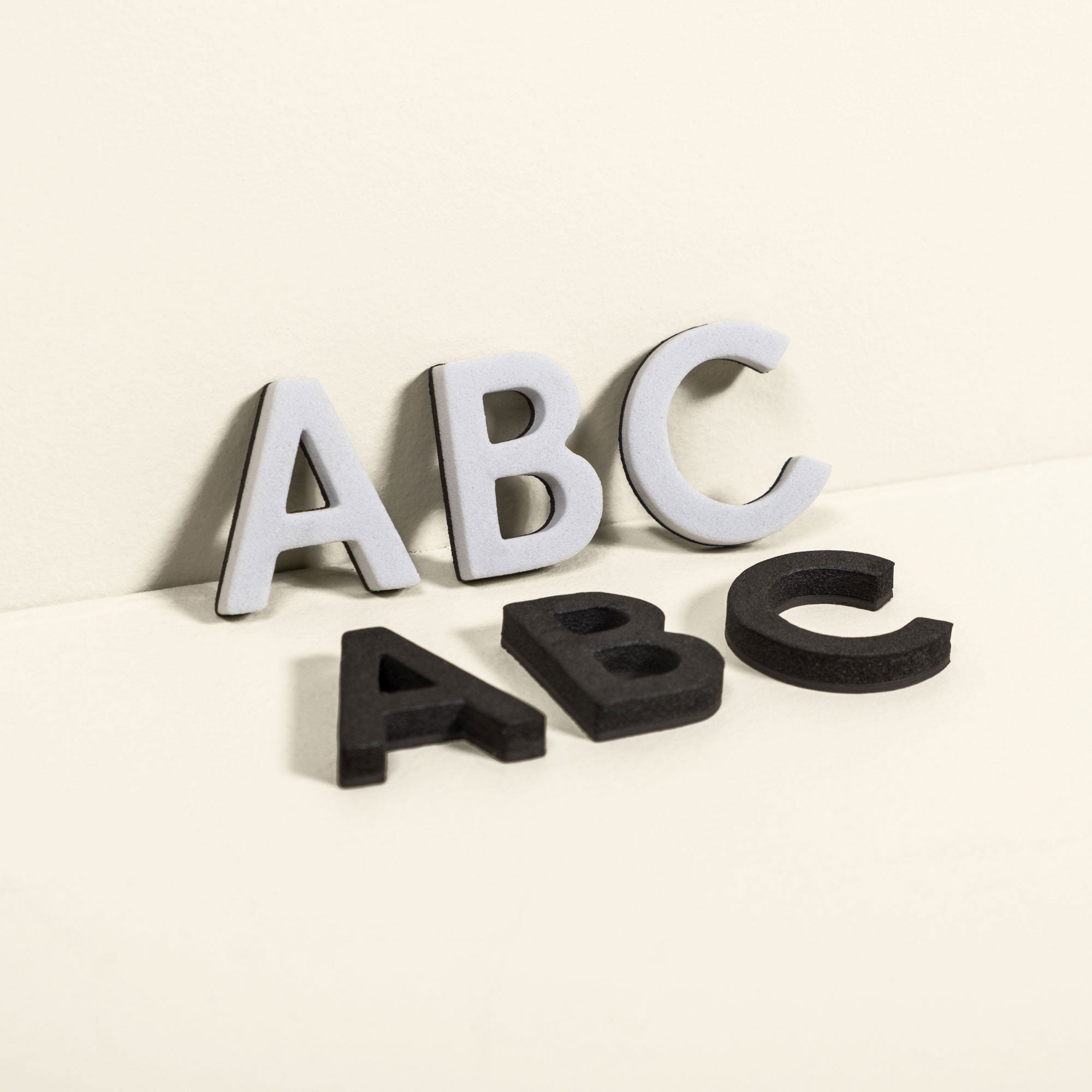
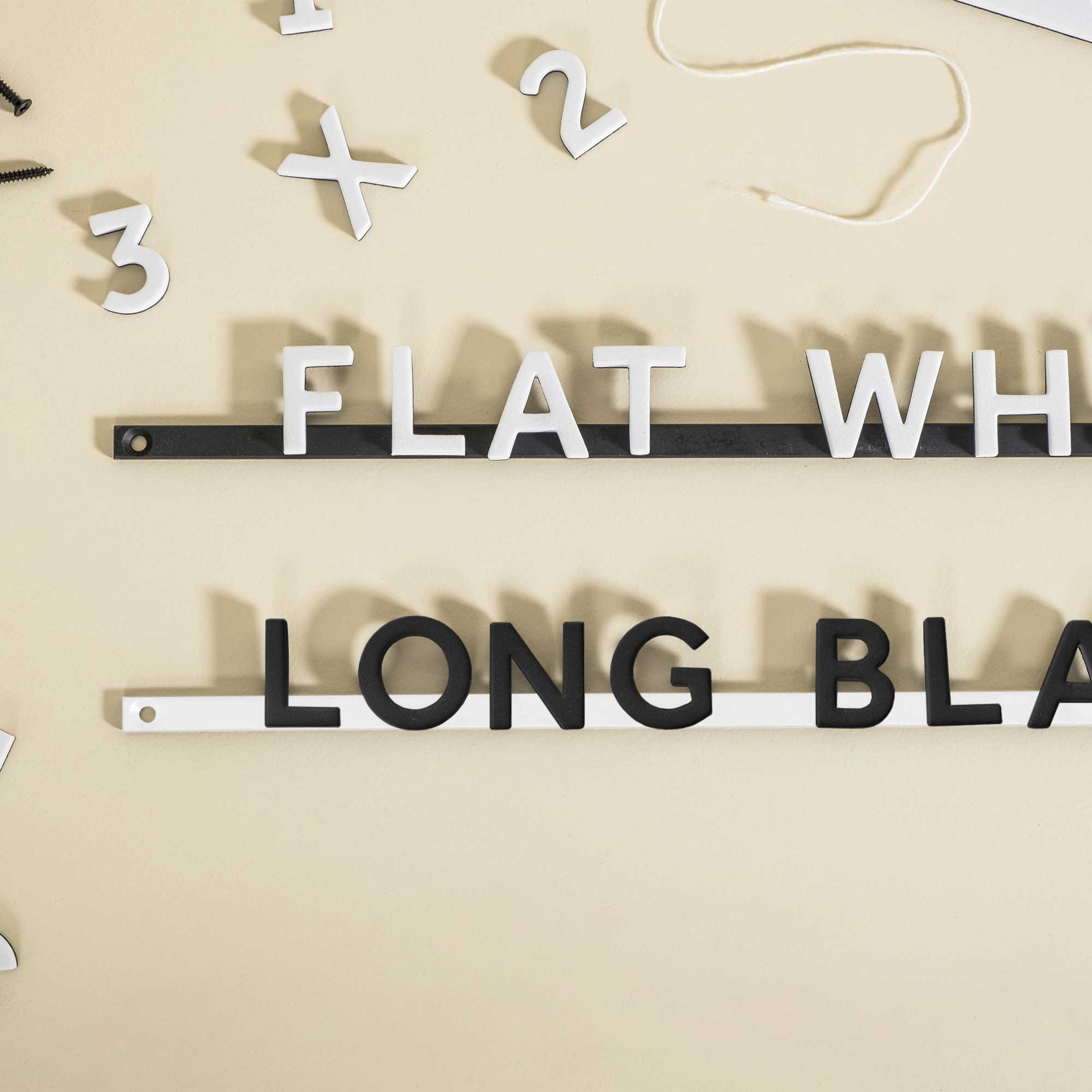
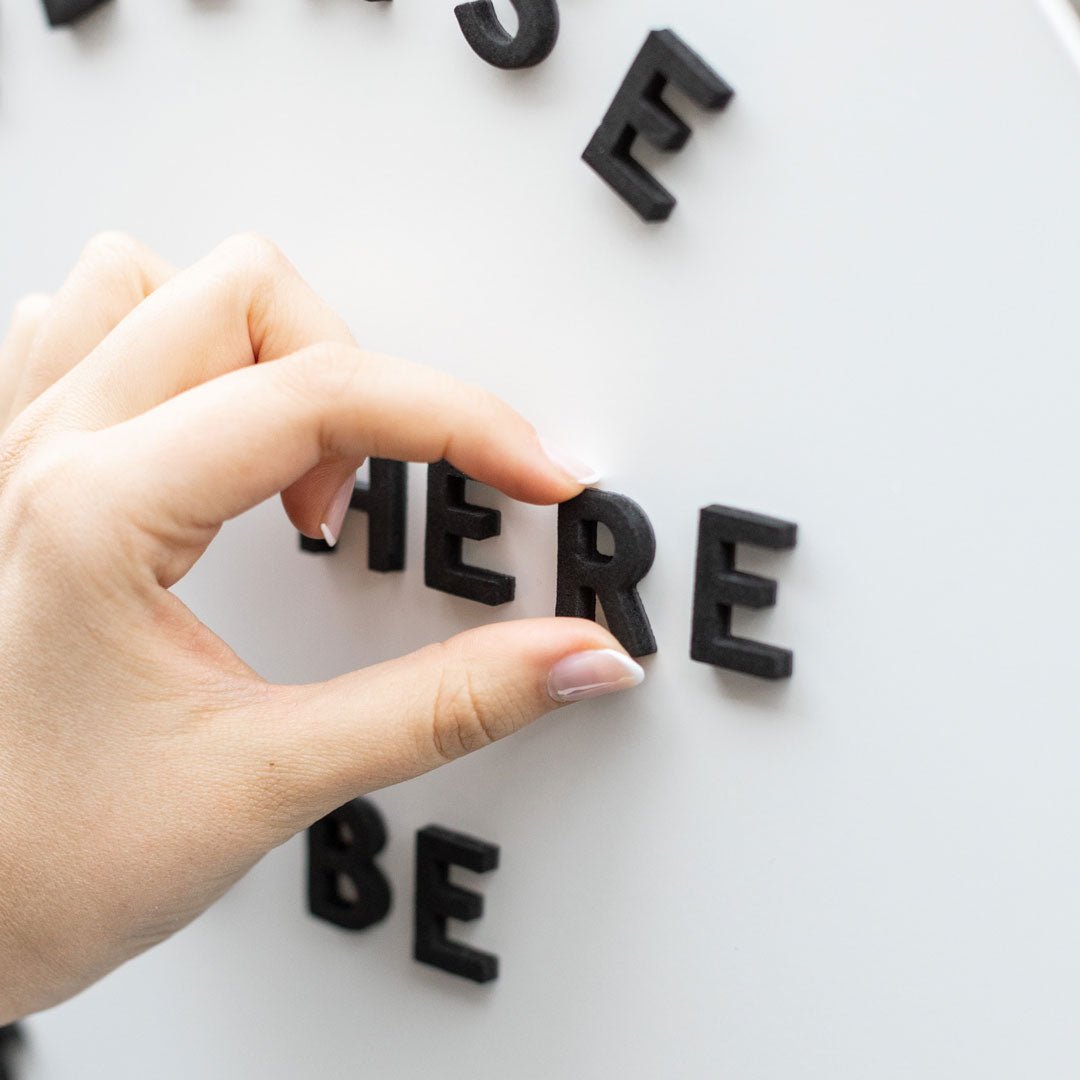
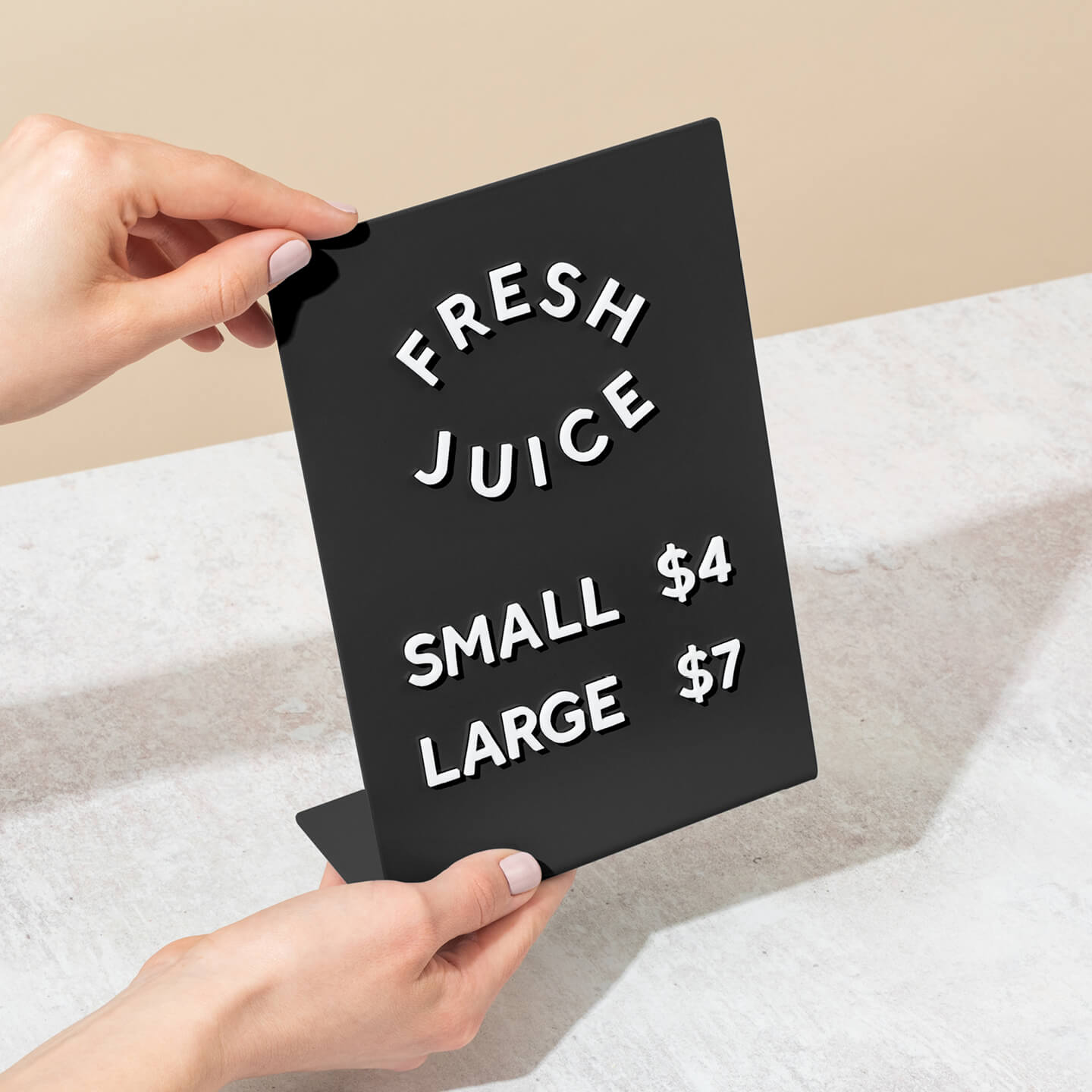
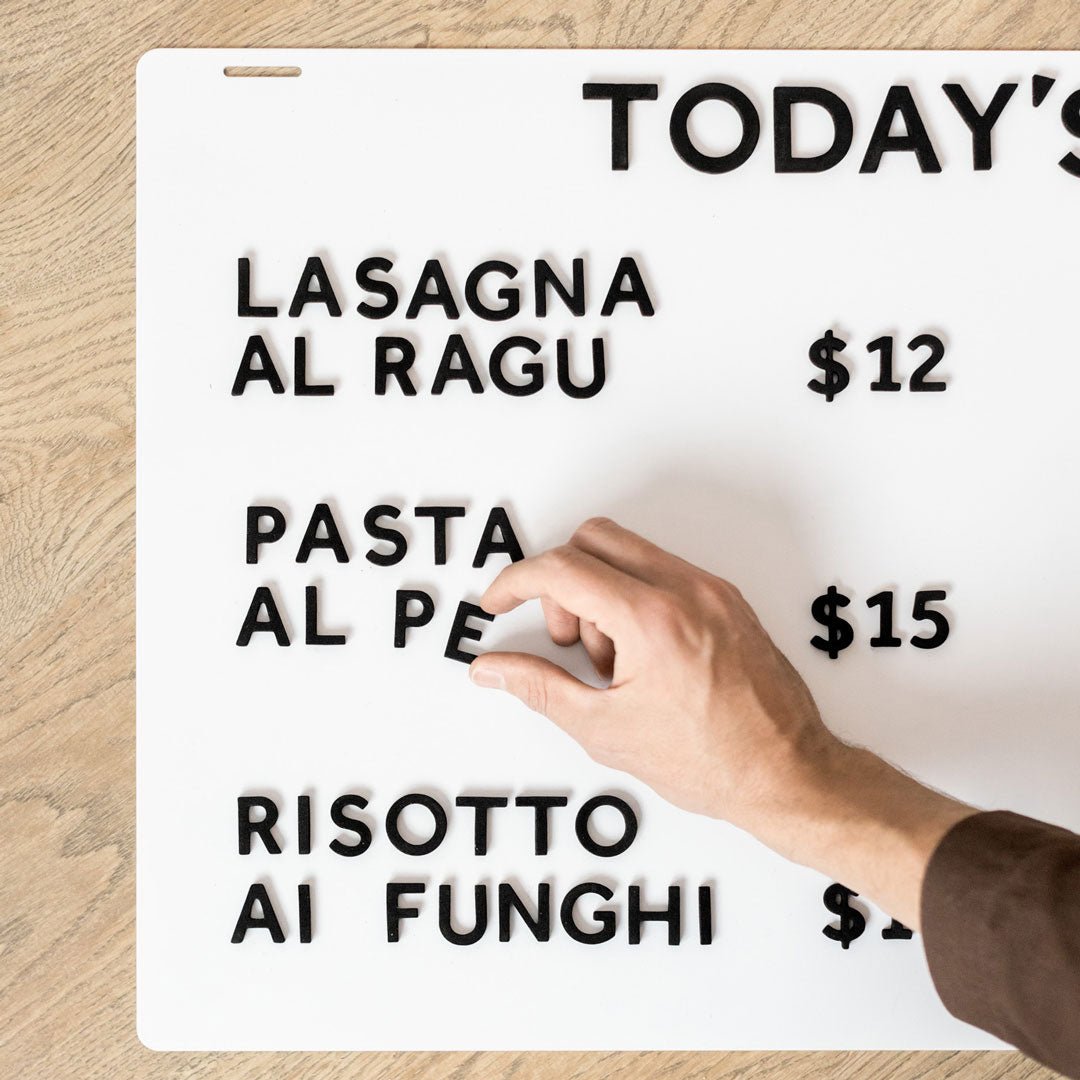
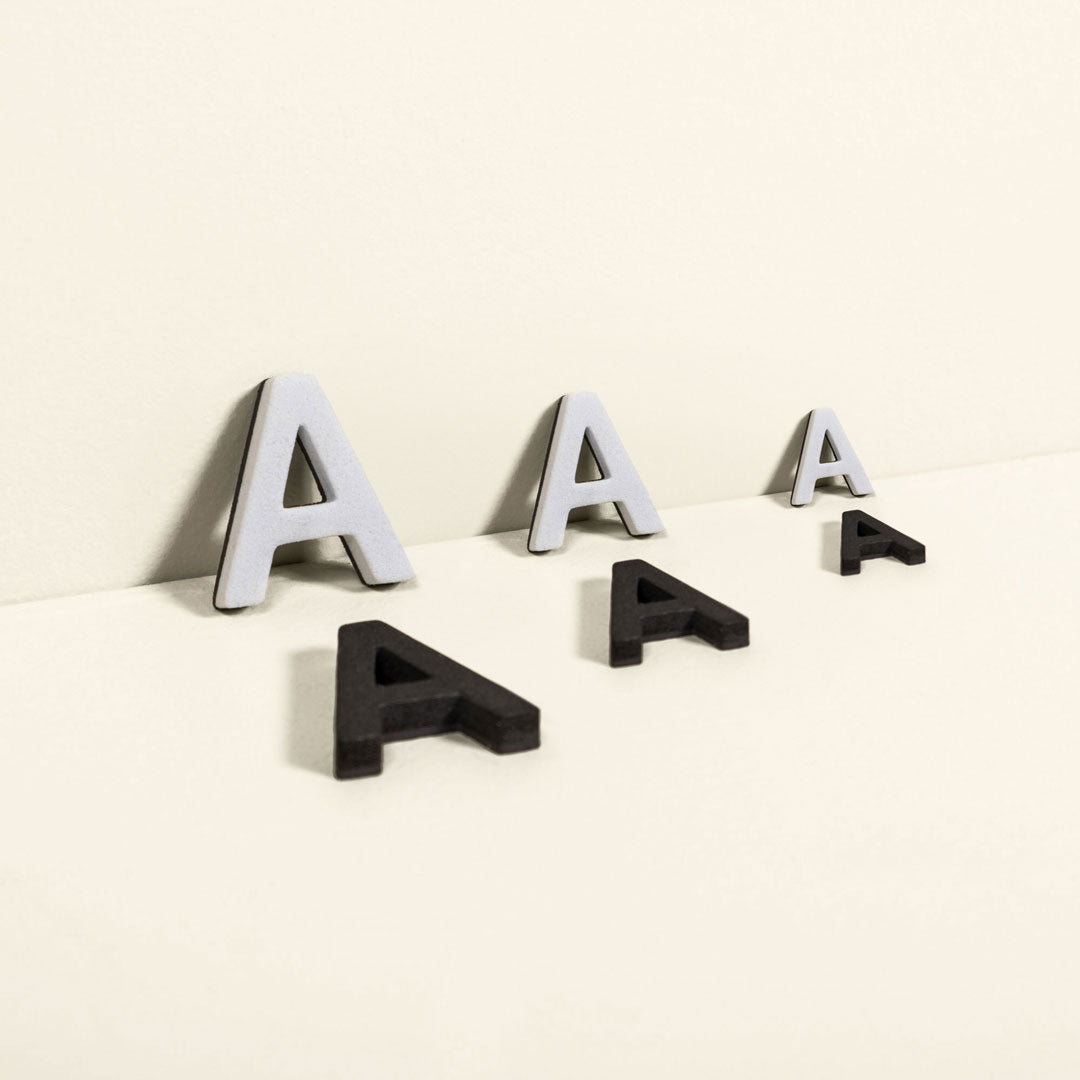
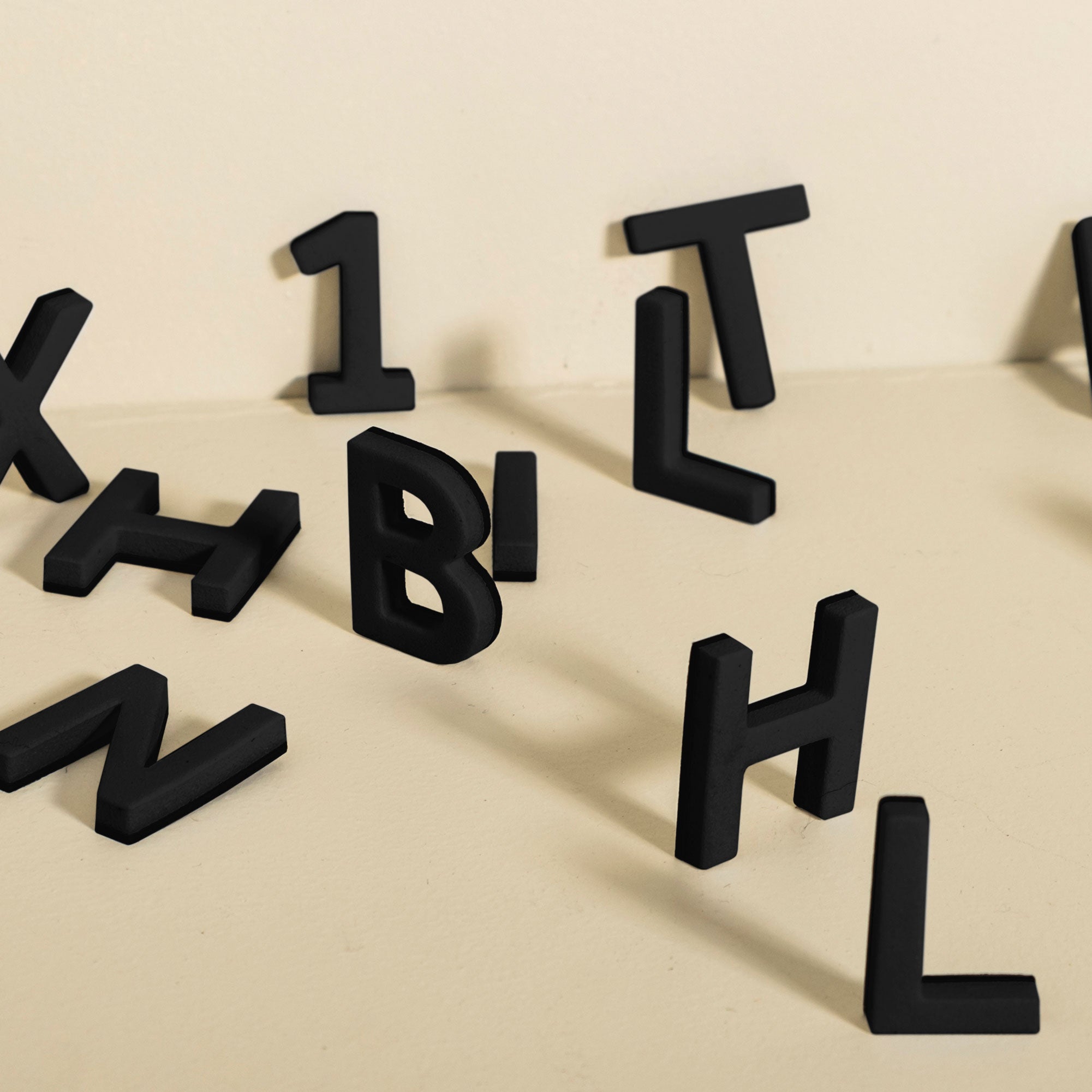
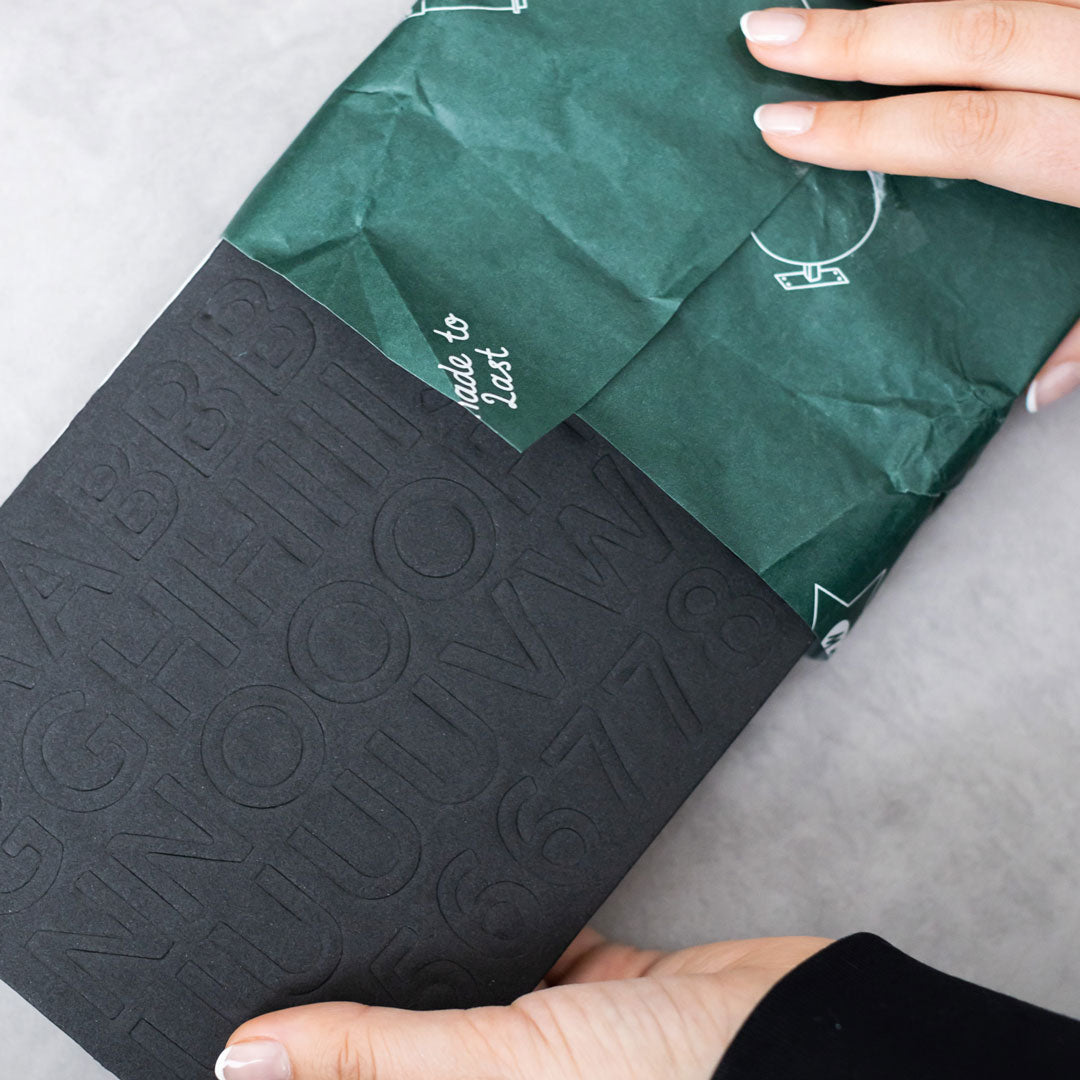
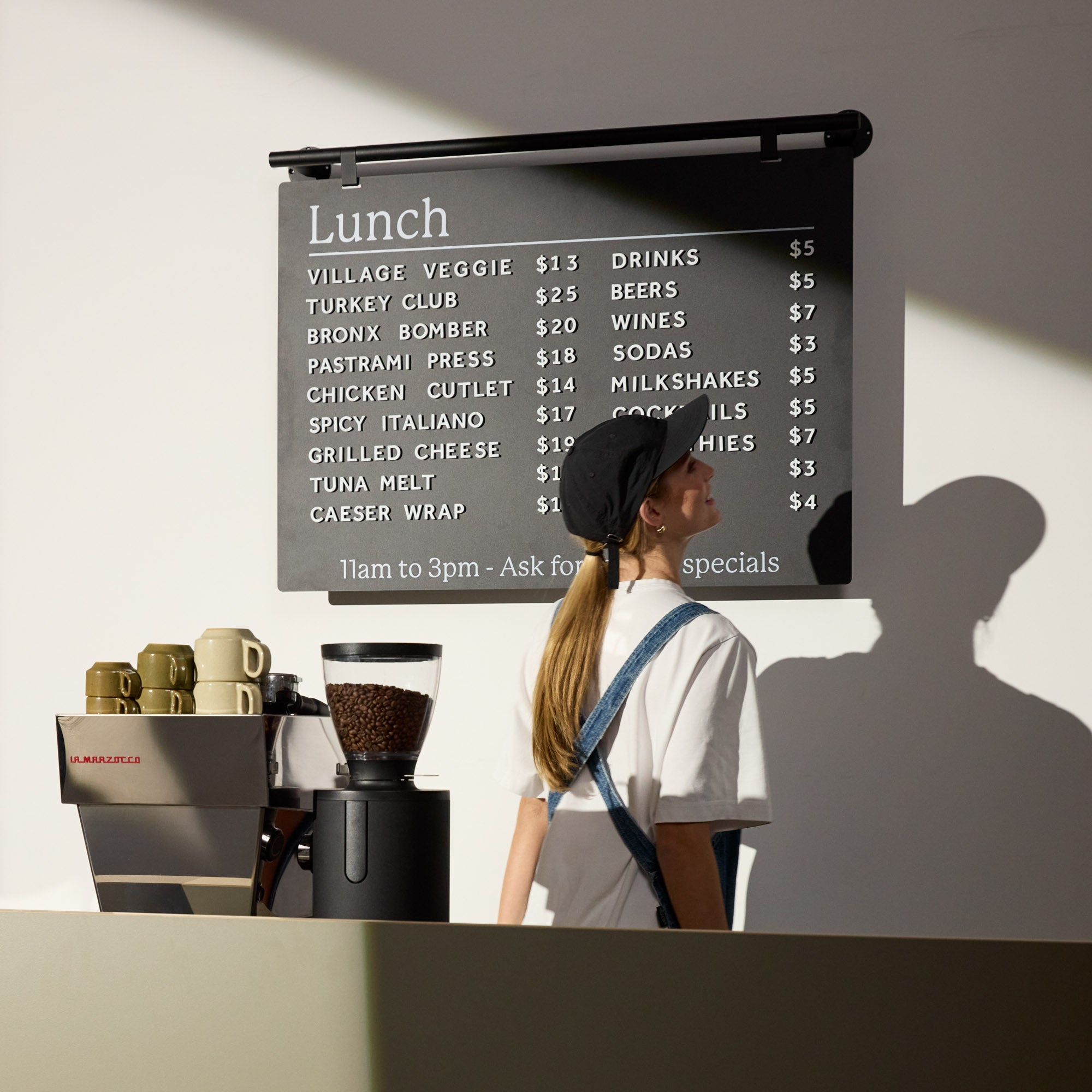
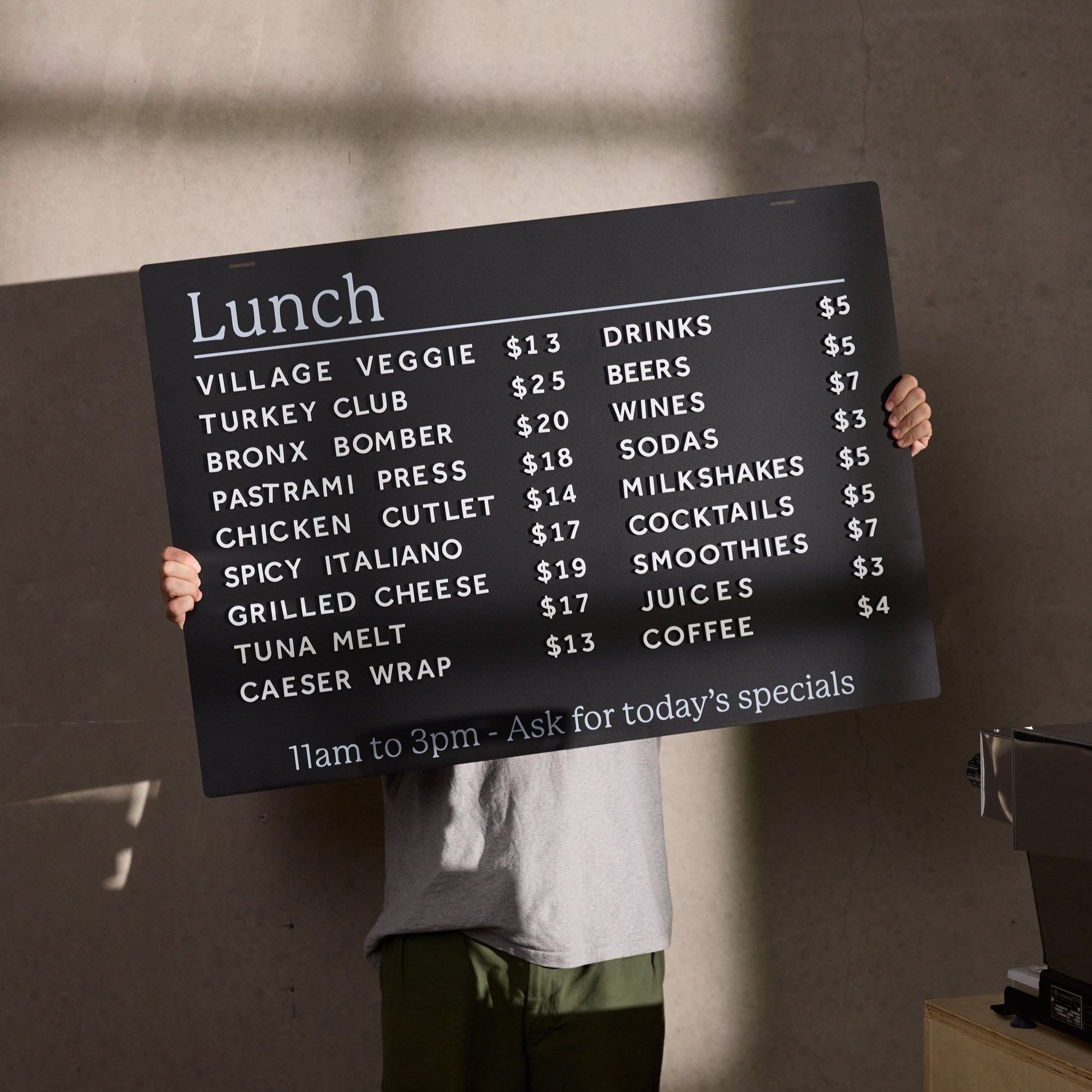
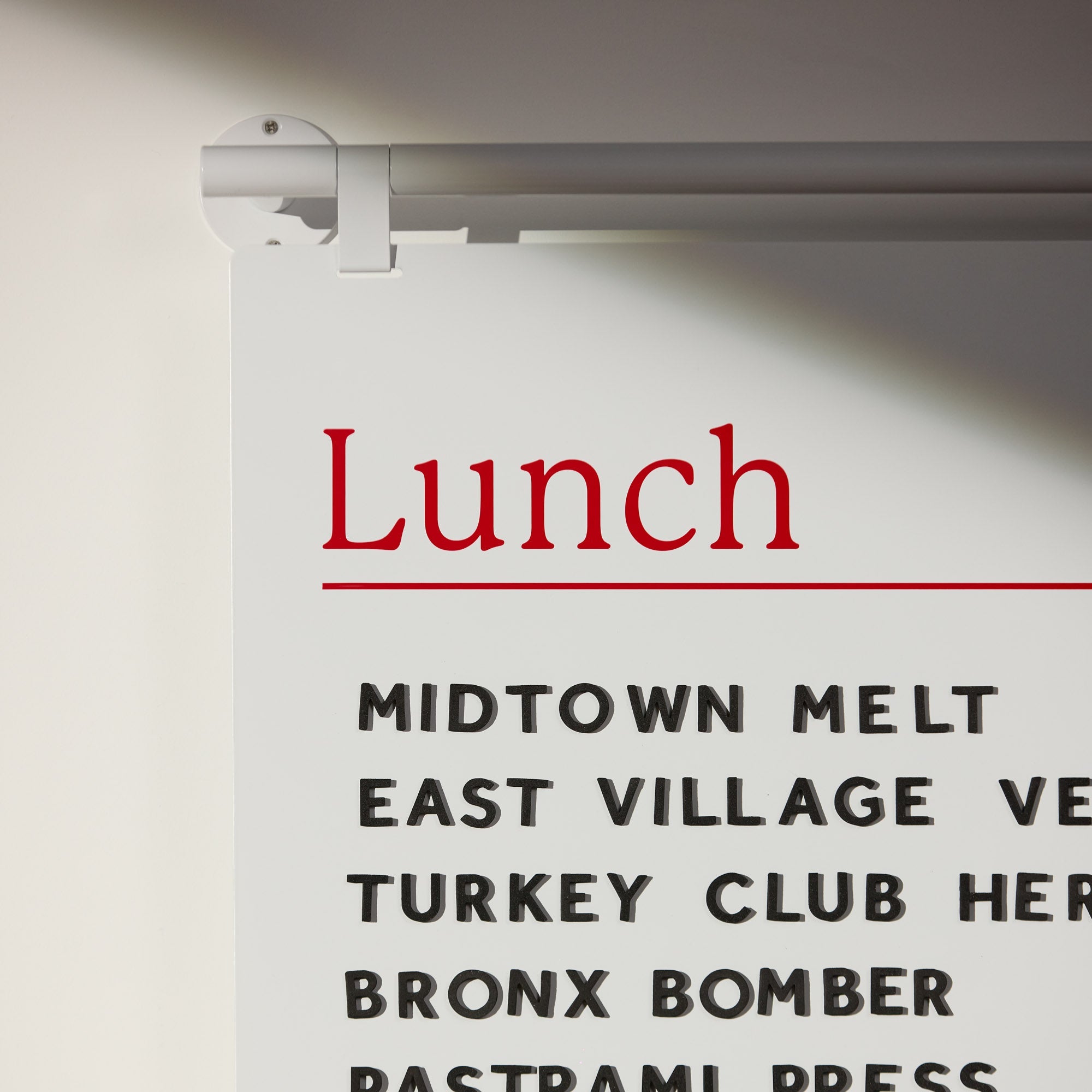
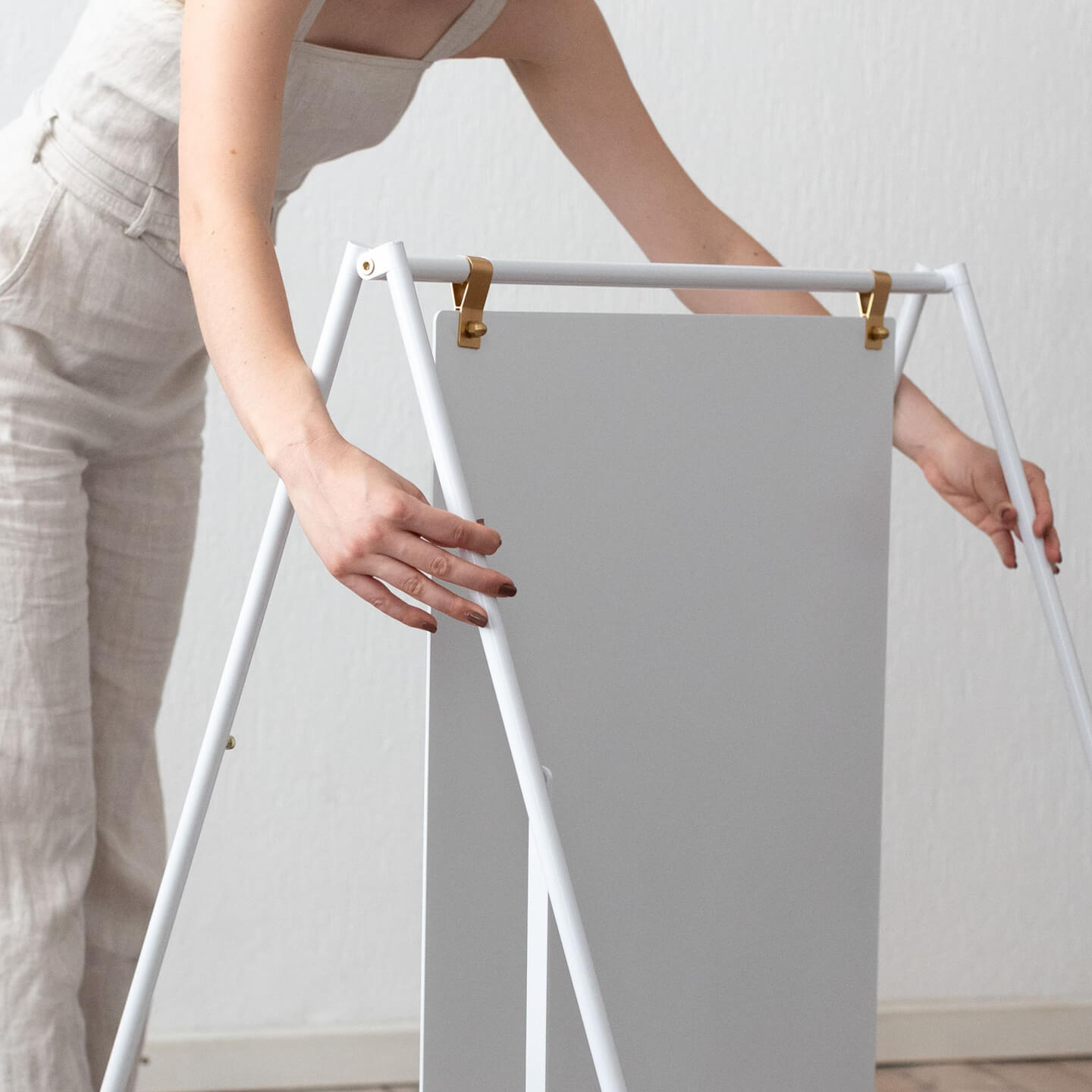
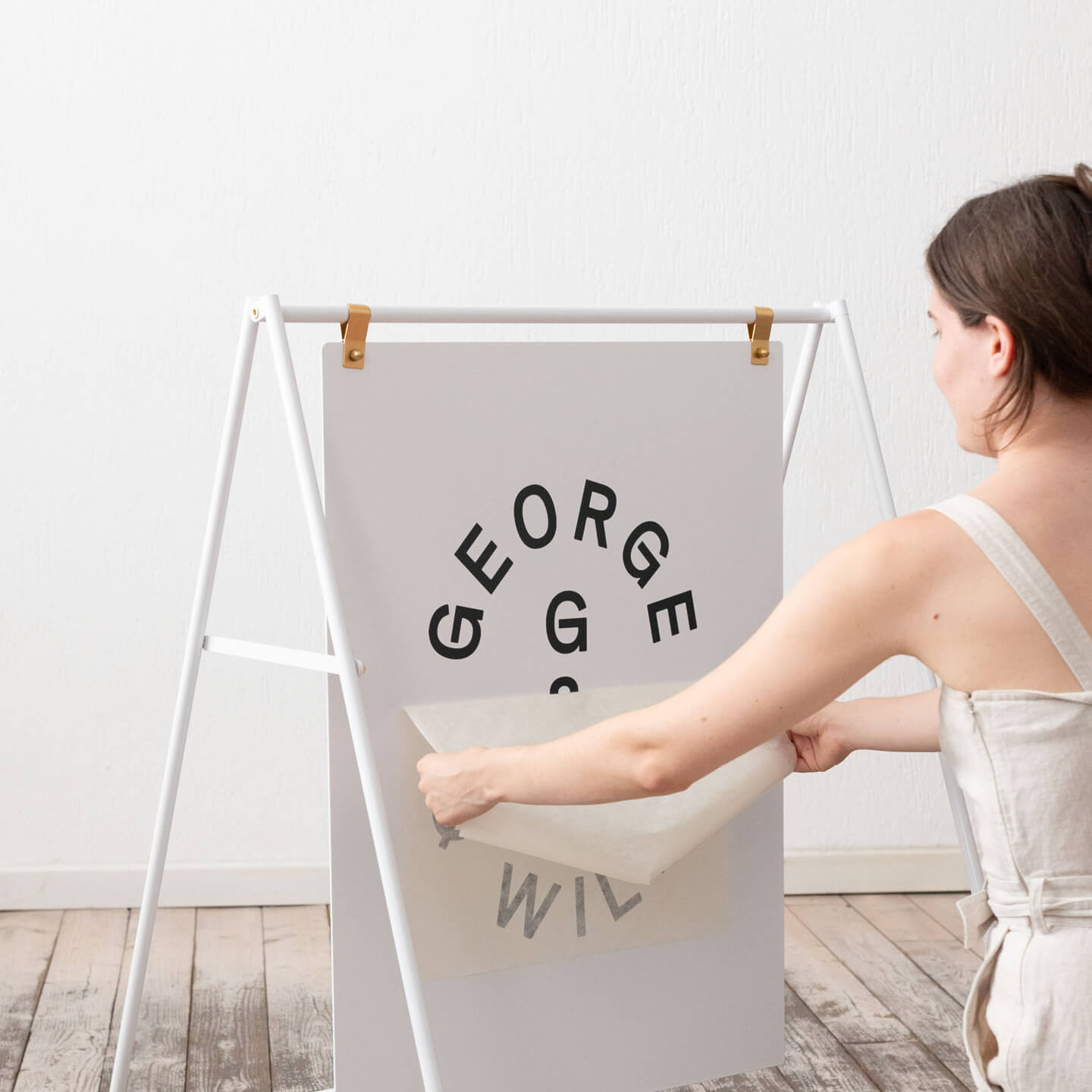
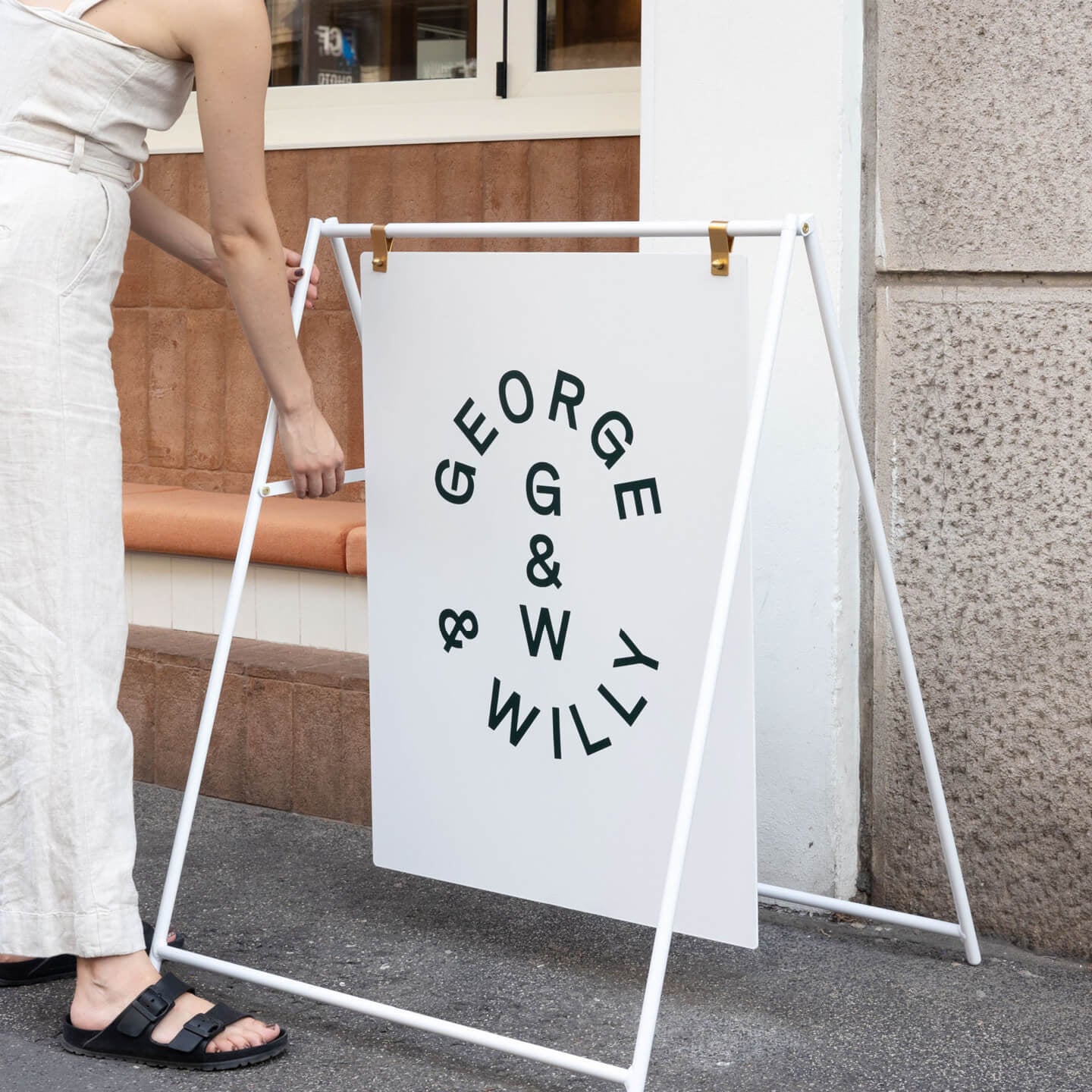
Some businesses, like cafes and bars, use them as dynamic menu boards. Companies like George & Willy offer products like their Magnetic Menu Board, which comes with hundreds of magnetic letters for quick and easy updates. This provides a clean, modern alternative to handwritten signs.
The Practical Side of Indoor Wall Signs
Once you have an idea of the type of sign you want, it’s time to consider the details of design, size, installation, and cost.
Design Options: Finding Your Style
Good sign design is a balance of aesthetics and function. Your choices in fonts, colors, materials, and lighting should reflect your brand while ensuring the sign is easy to read.
- Typography: Choose clear, legible fonts. Remember, 68% of consumers believe a store’s signage reflects the quality of its products.
- Color and Finish: Use colors that align with your brand but also provide high contrast against the wall. A matte finish is often preferred indoors to reduce glare.
- Dimensionality: Choose between a flat 2D sign or a 3D sign with raised letters for added depth and a premium feel.
- Illumination: Backlighting or halo lighting can make your sign stand out, creating a sophisticated glow.
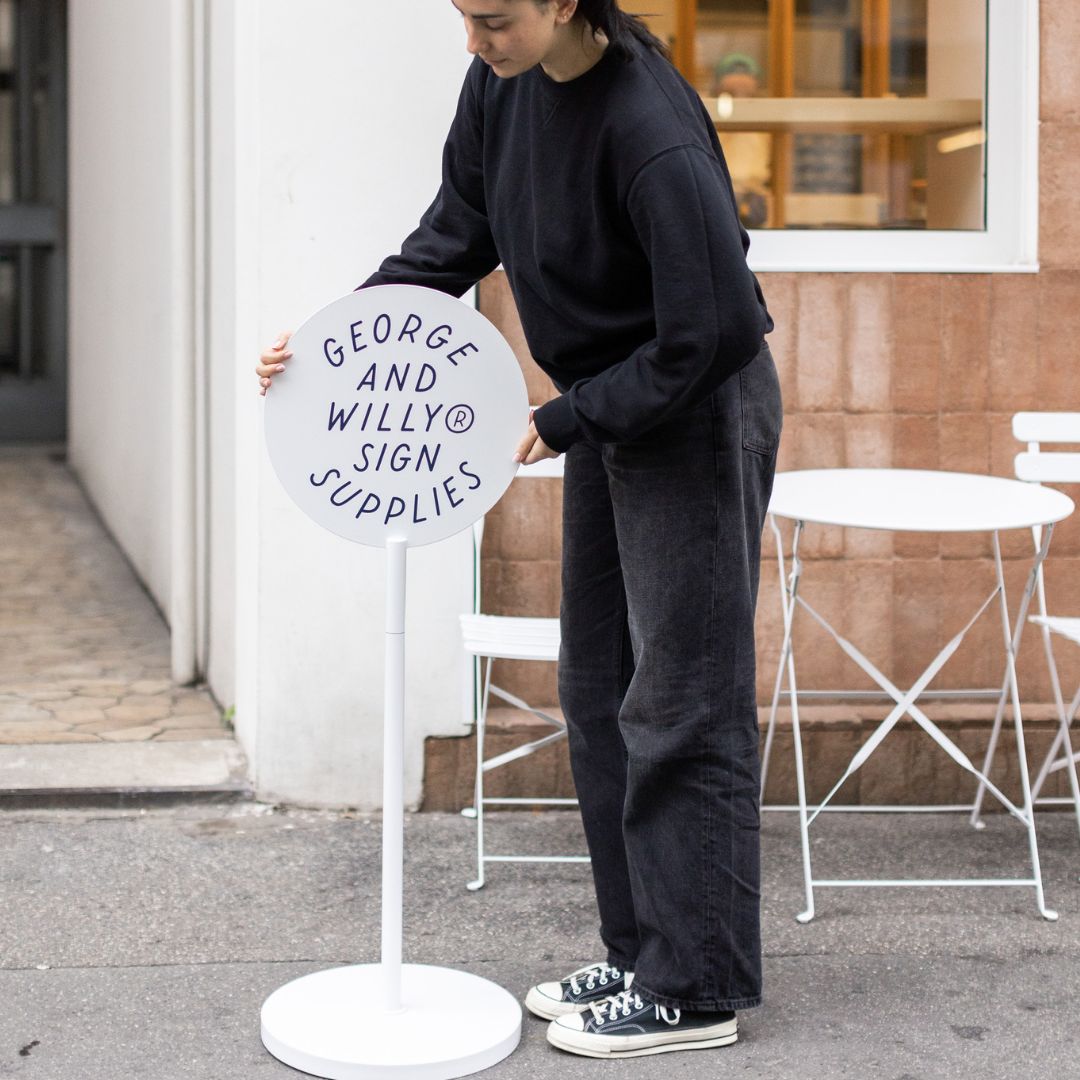
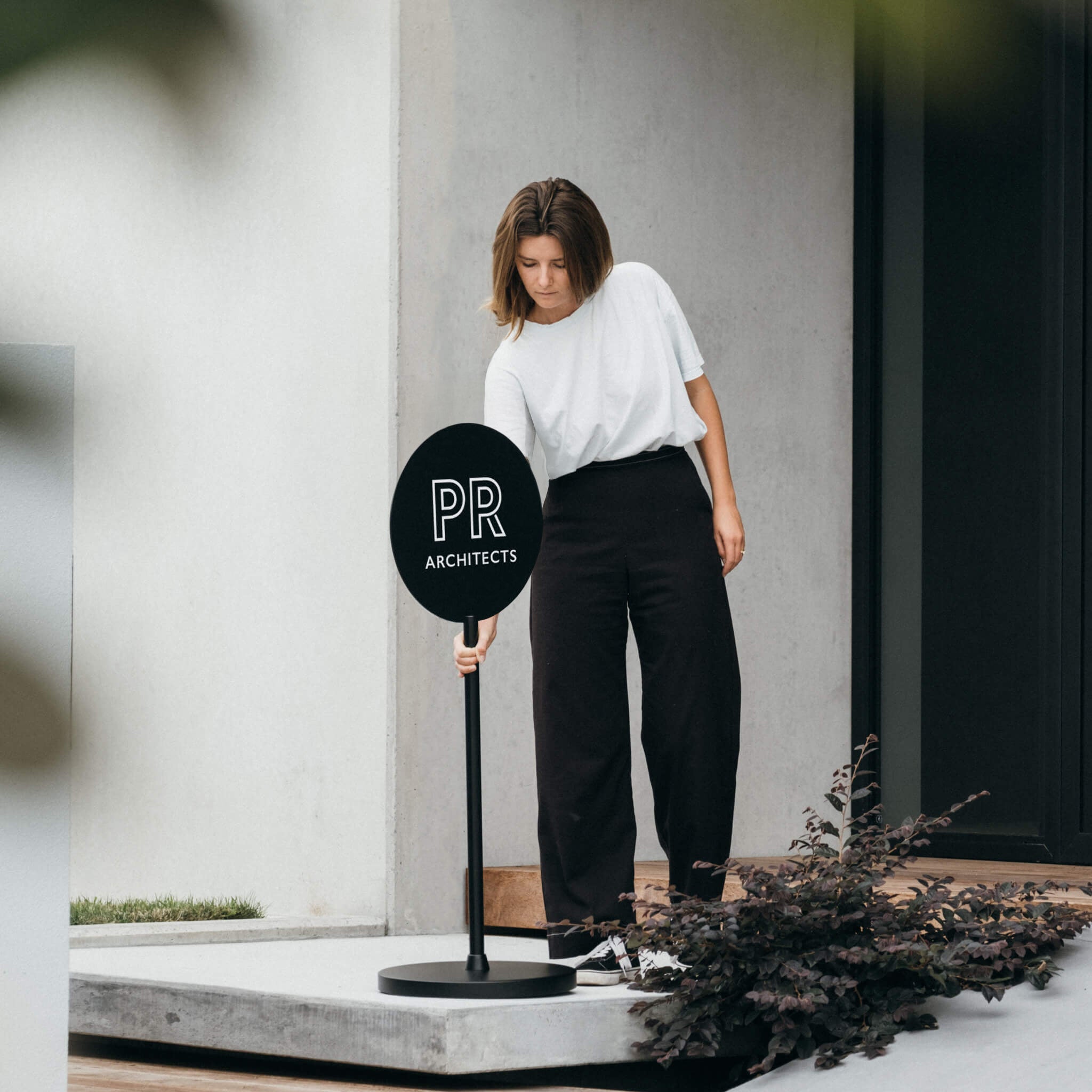
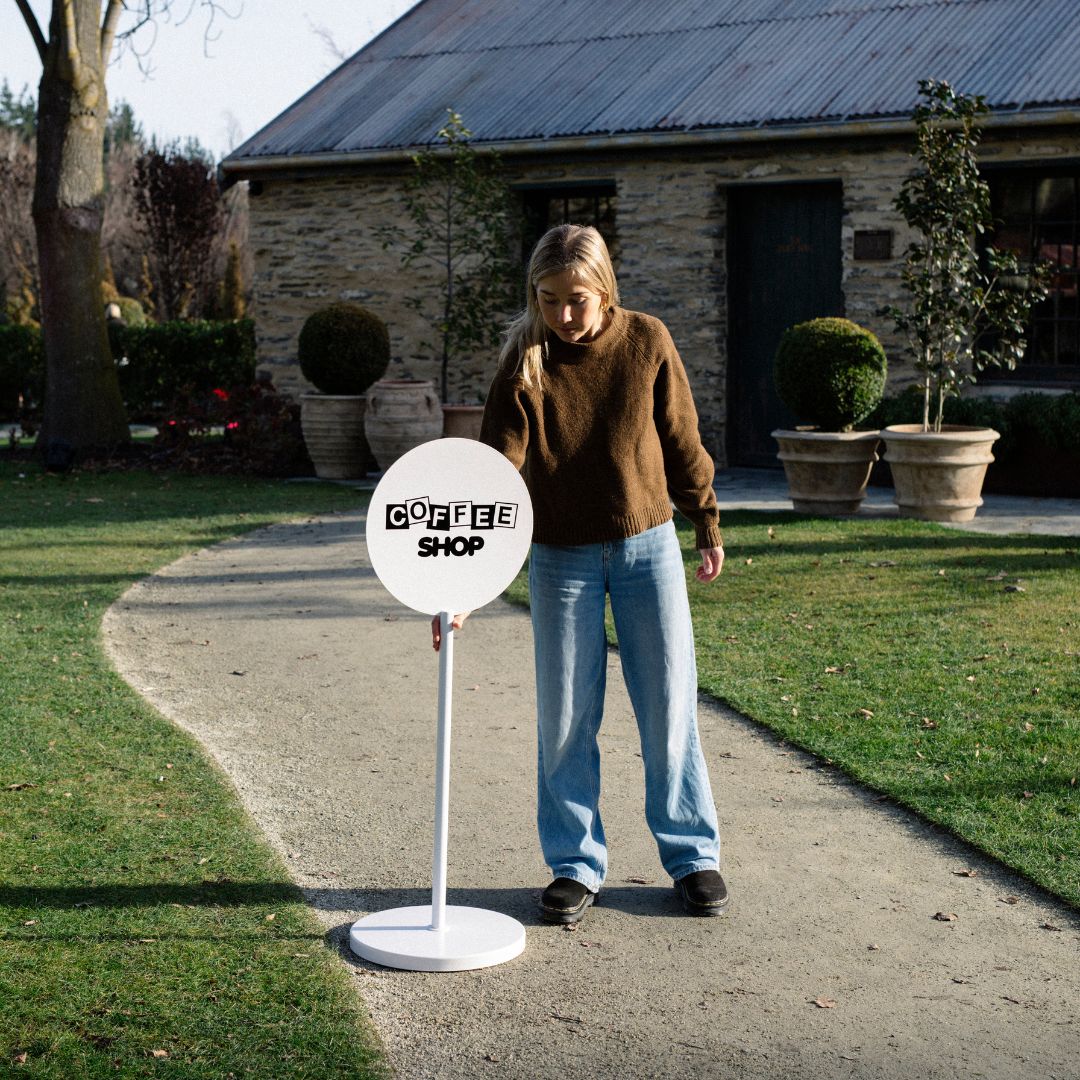
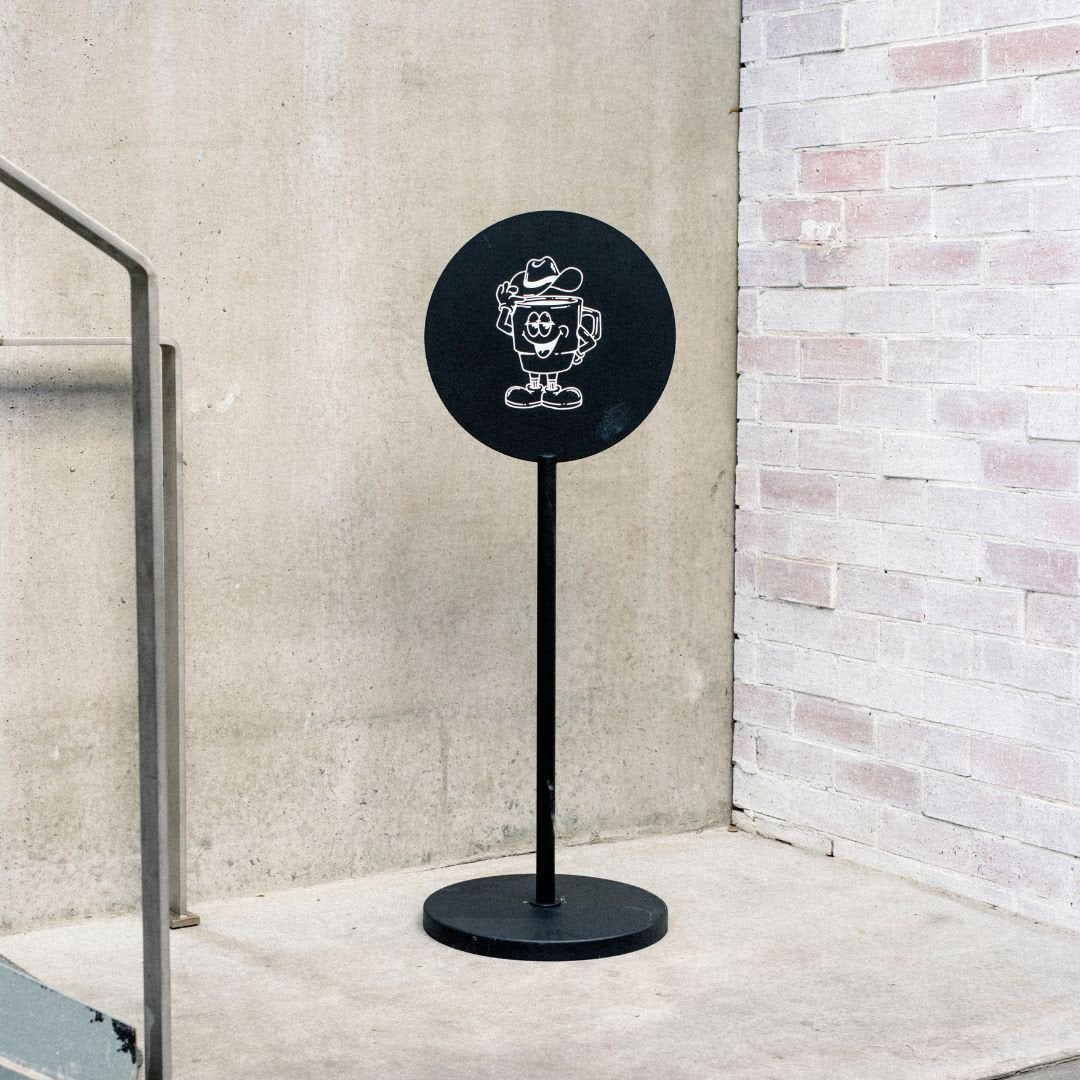
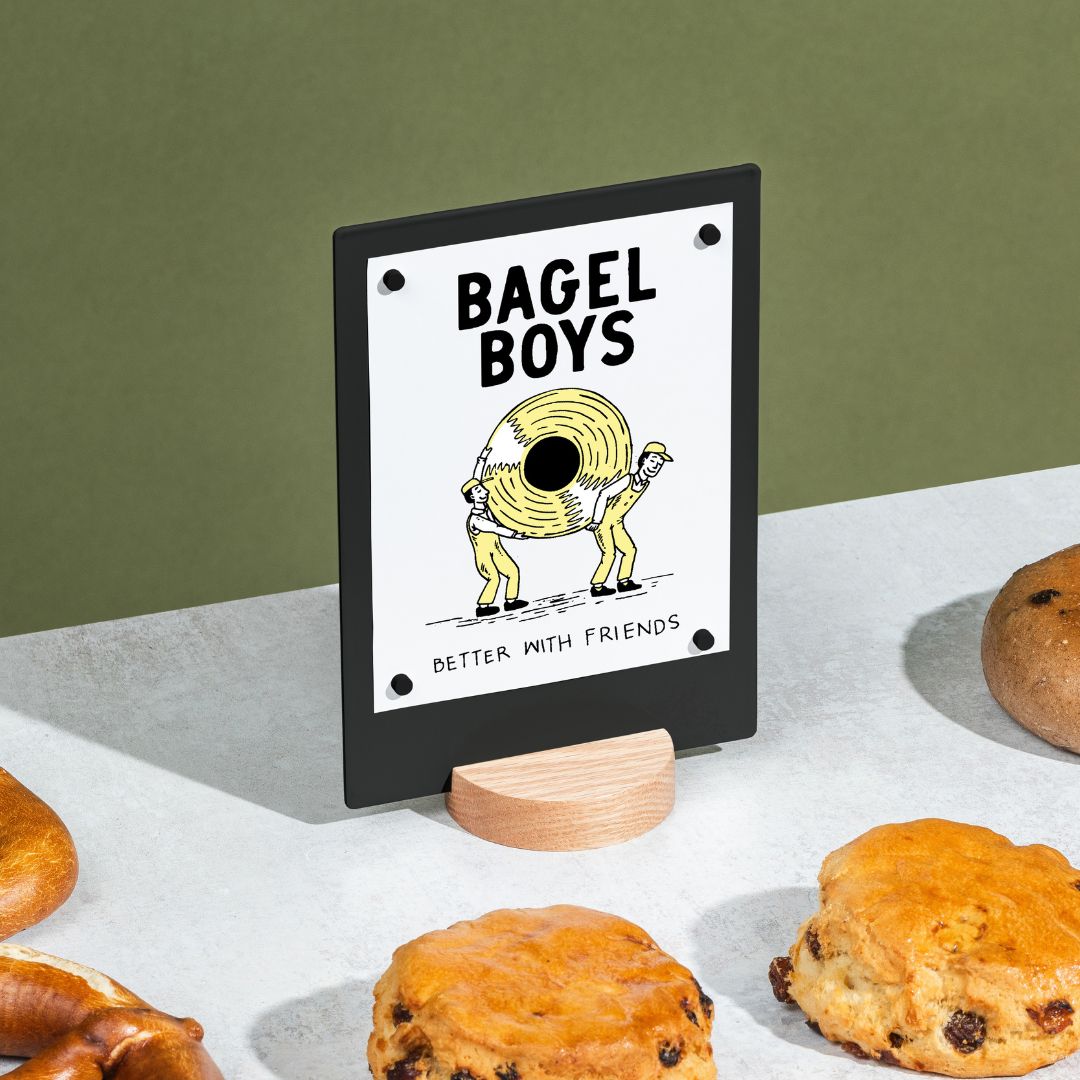
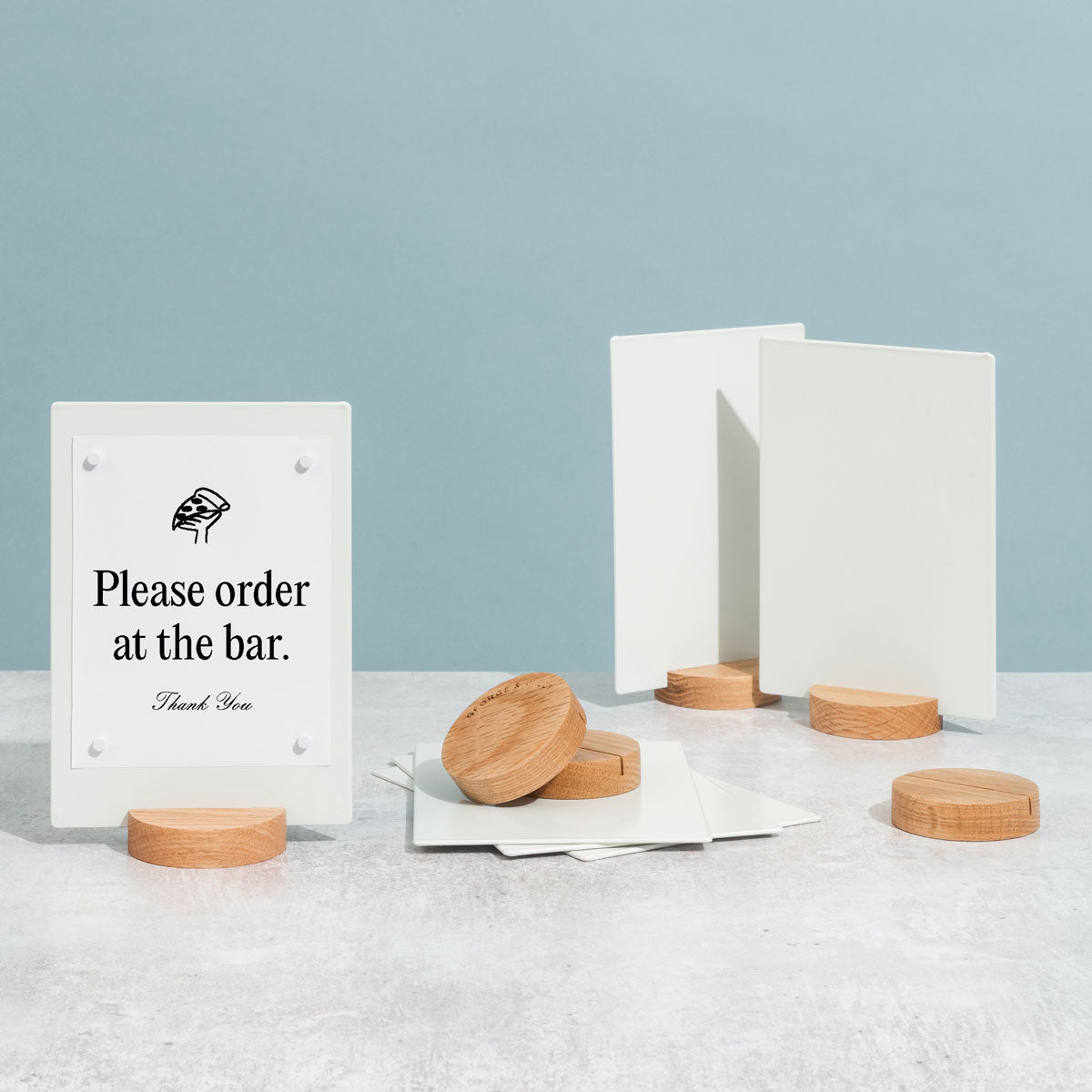
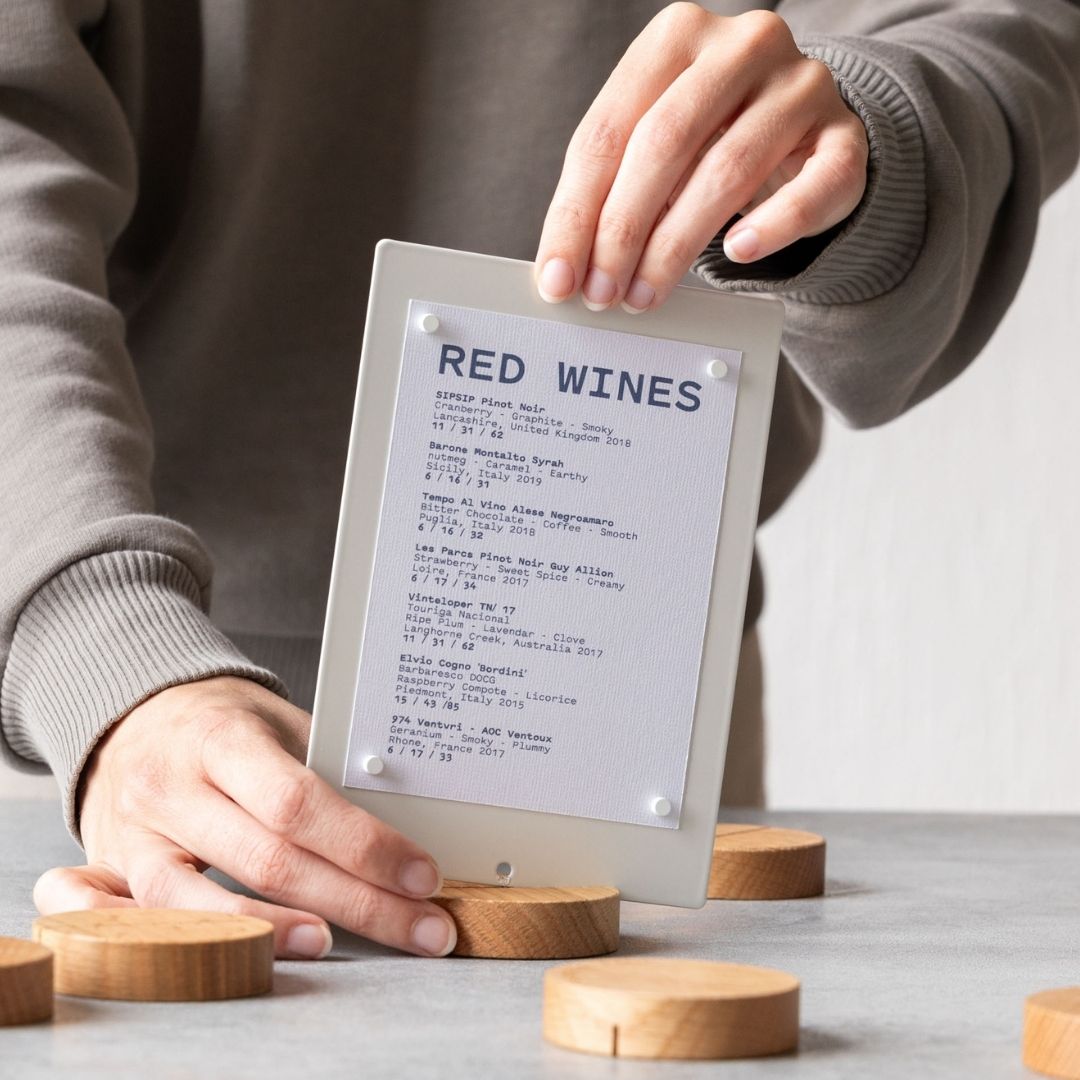
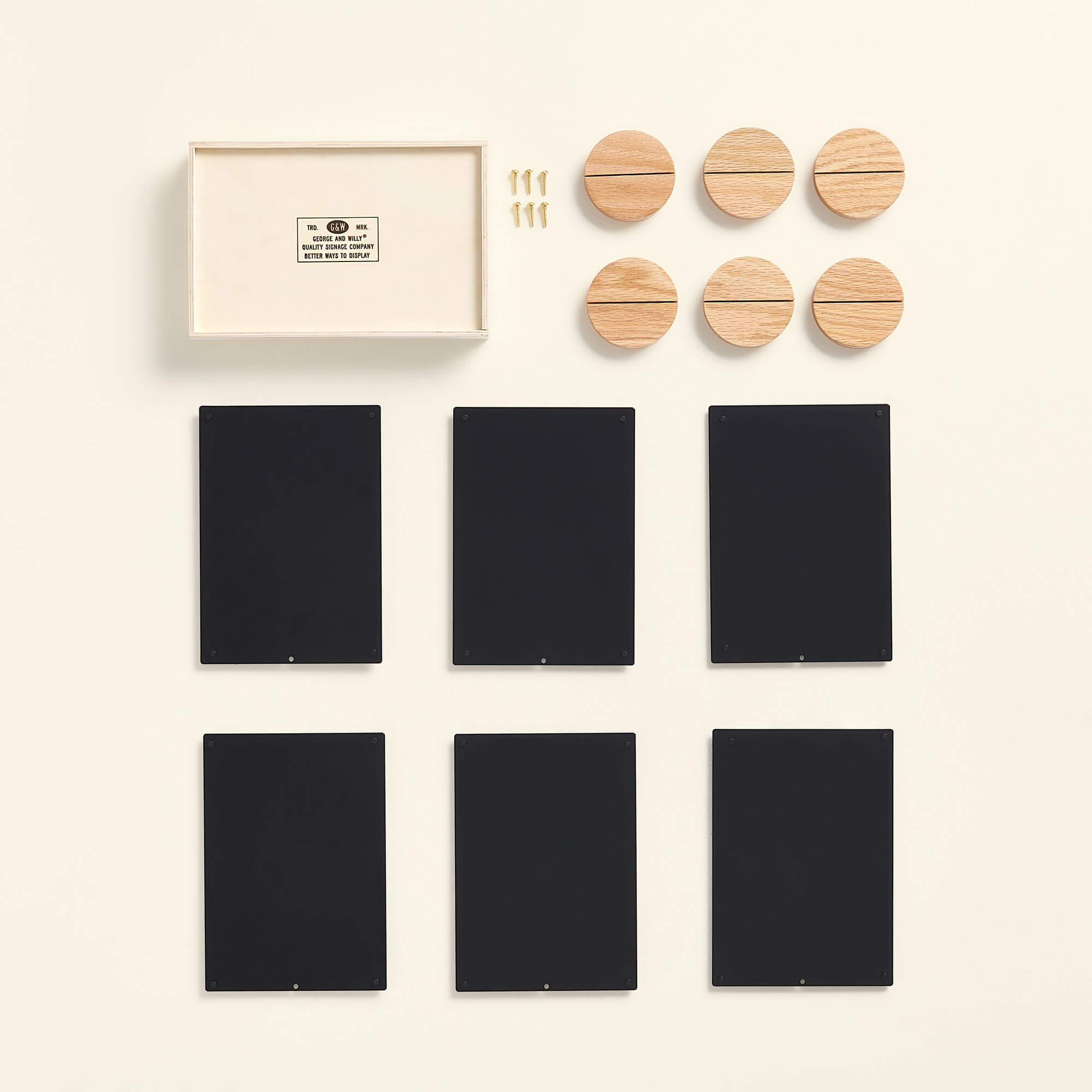
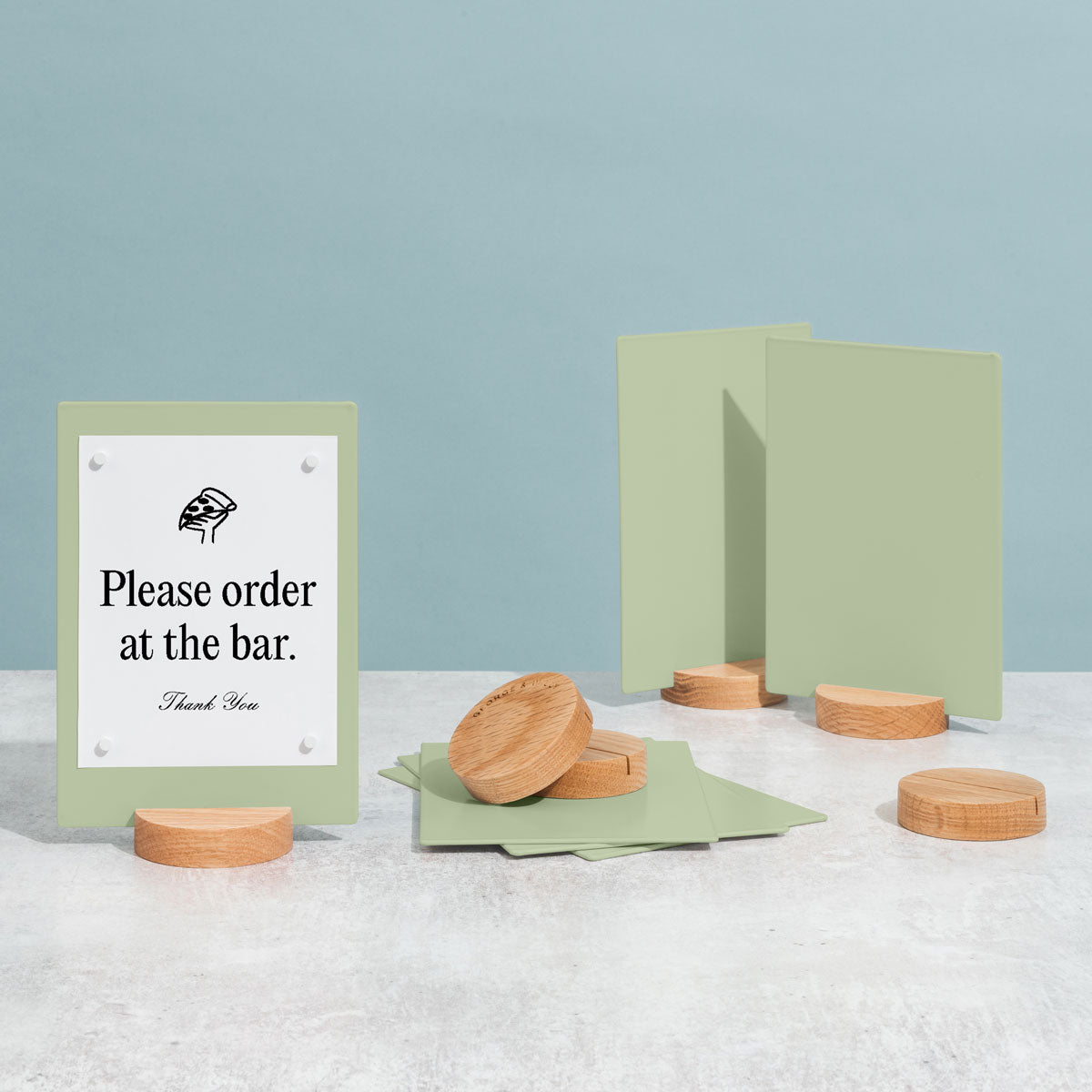
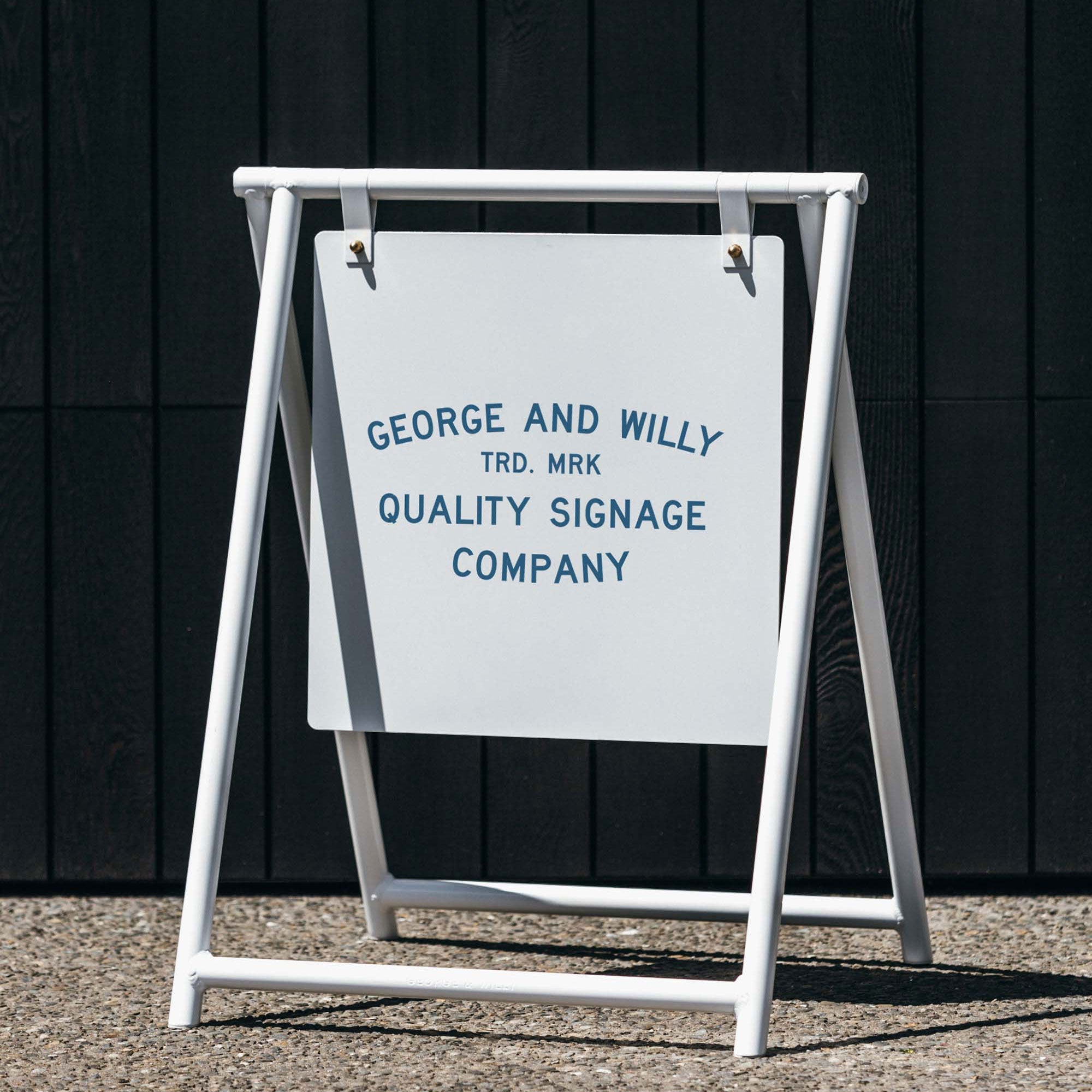
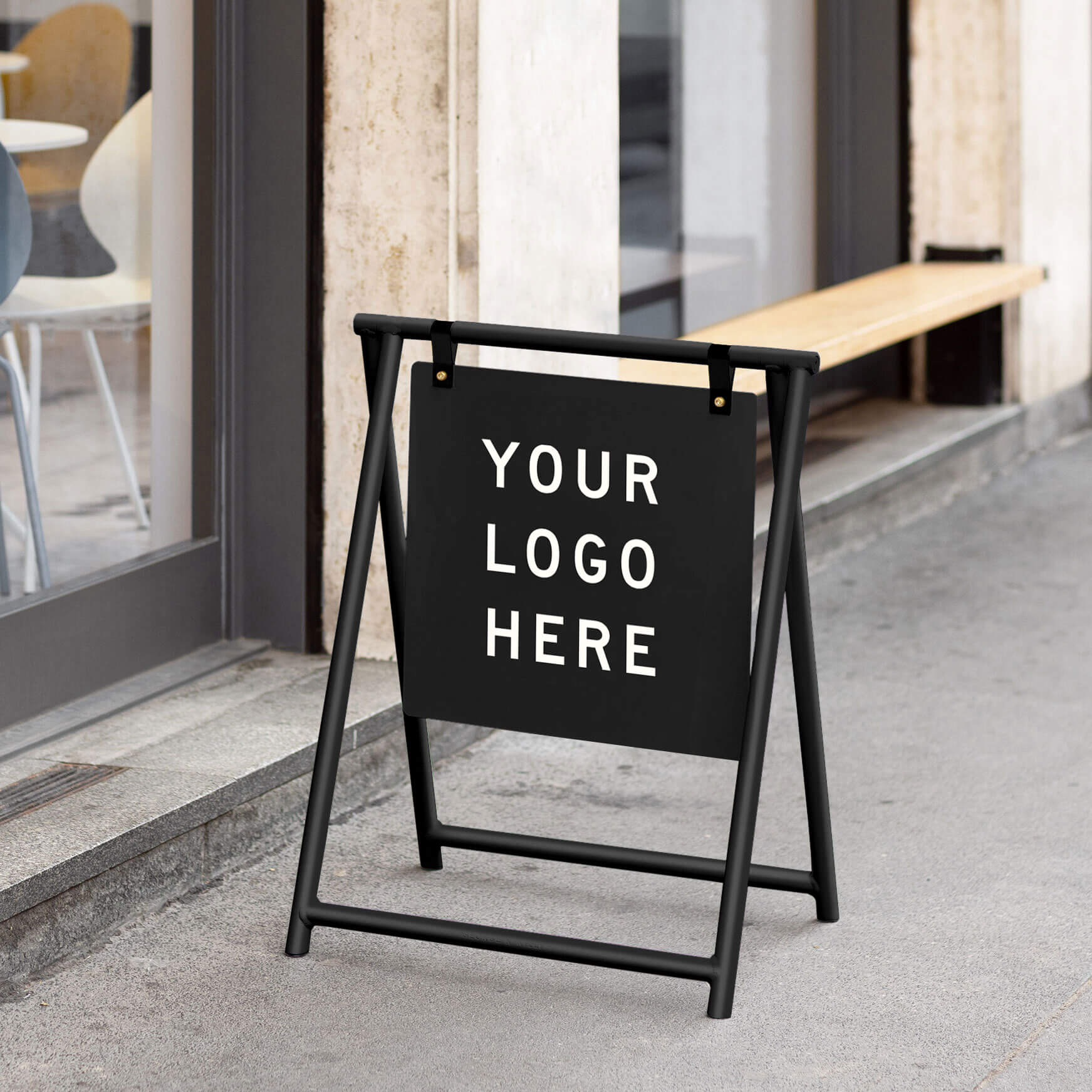
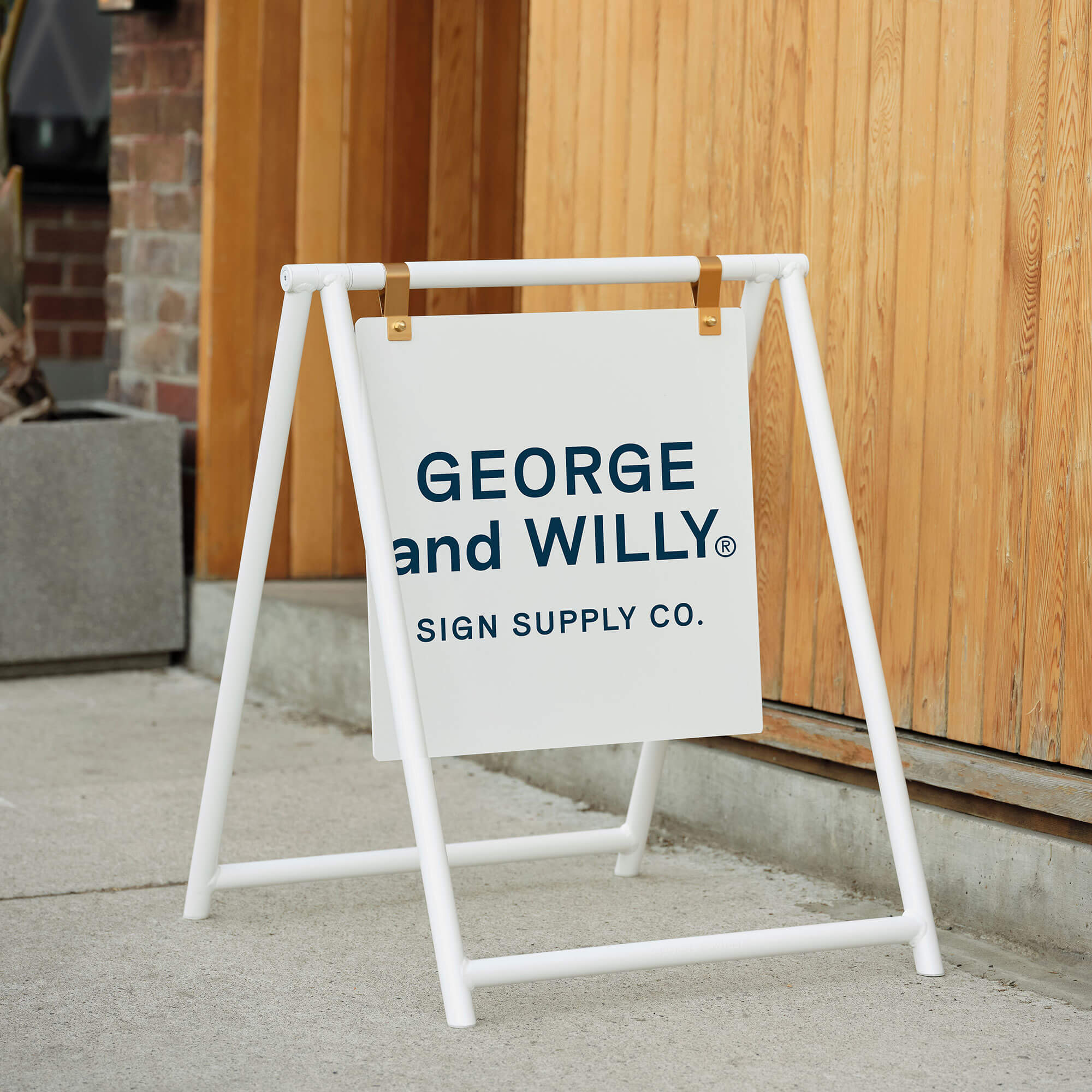
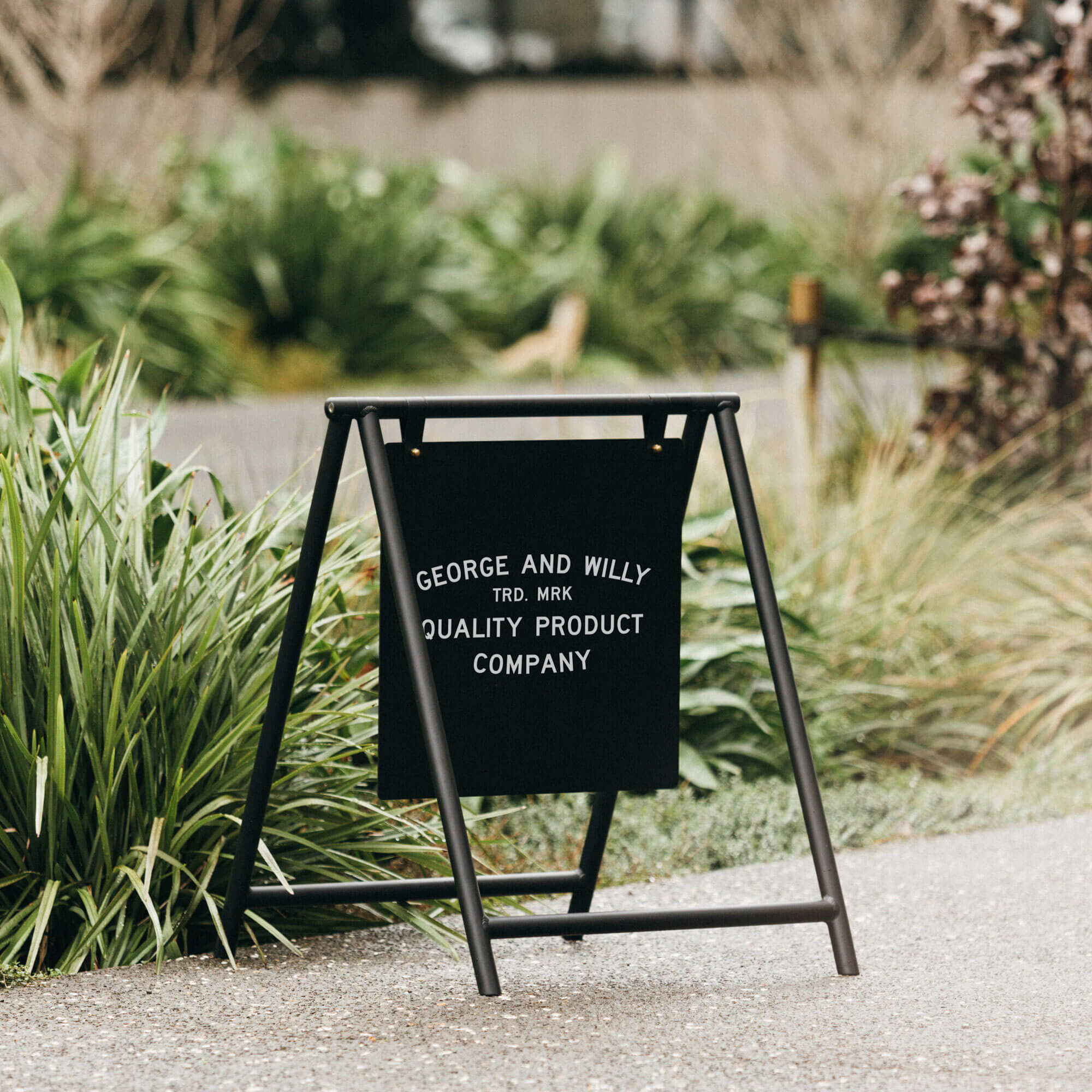
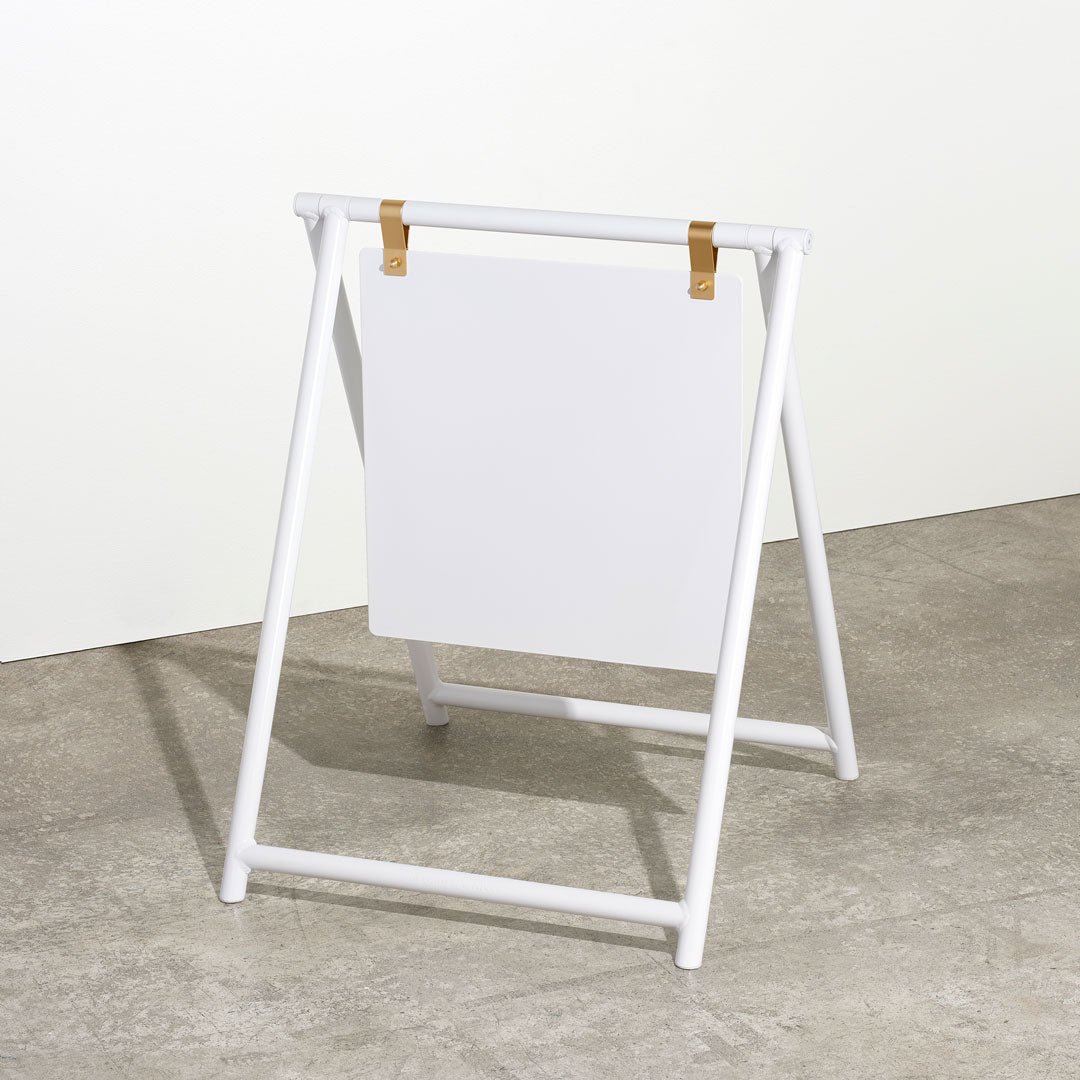
- Customization: Many businesses want a unique look. Some suppliers offer fully custom signs, while others provide well designed, blank hardware that you can customize locally. For instance, George & Willy products are shipped blank, allowing you to work with a local signwriter to apply your own vinyl logo for a personalized touch.
Common Sizes and Shapes
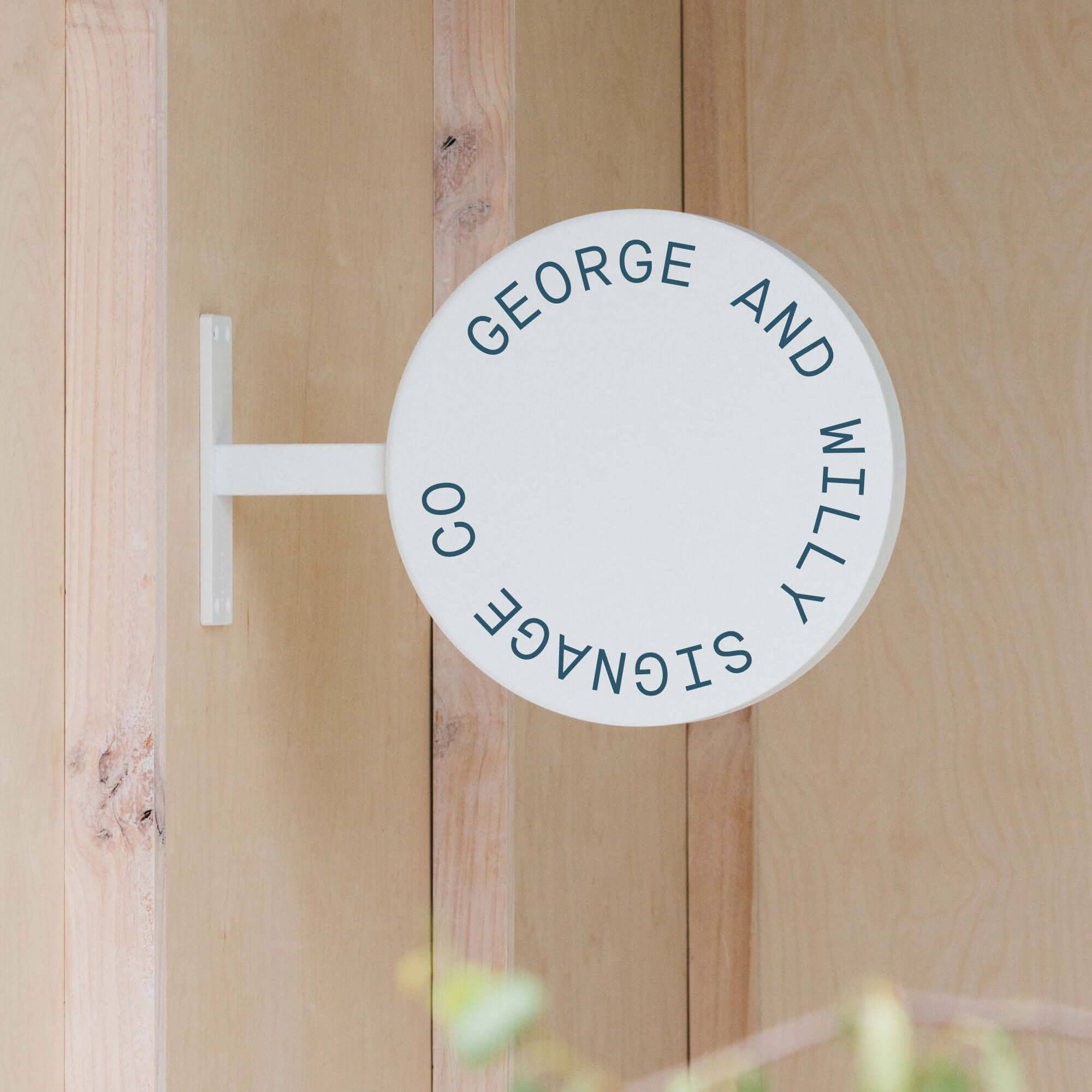
Wall signs come in all shapes and sizes, from small door plaques to huge murals. The right size depends on the viewing distance and the wall space available. While rectangles and squares are most common, custom shapes like circles, ovals, or even the silhouette of your logo can make your sign more memorable. Research suggests that unique shapes can increase a sign’s memorability because they break visual patterns.
Installation: Getting It Right
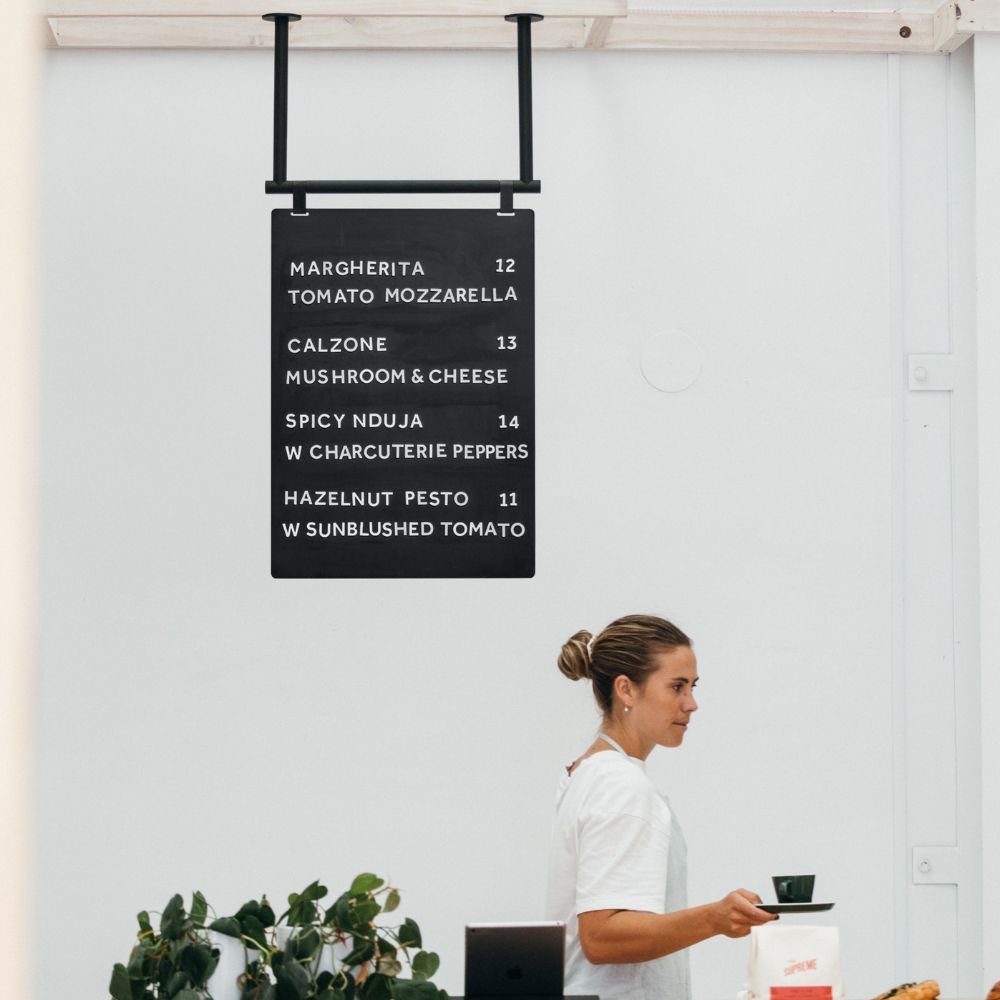
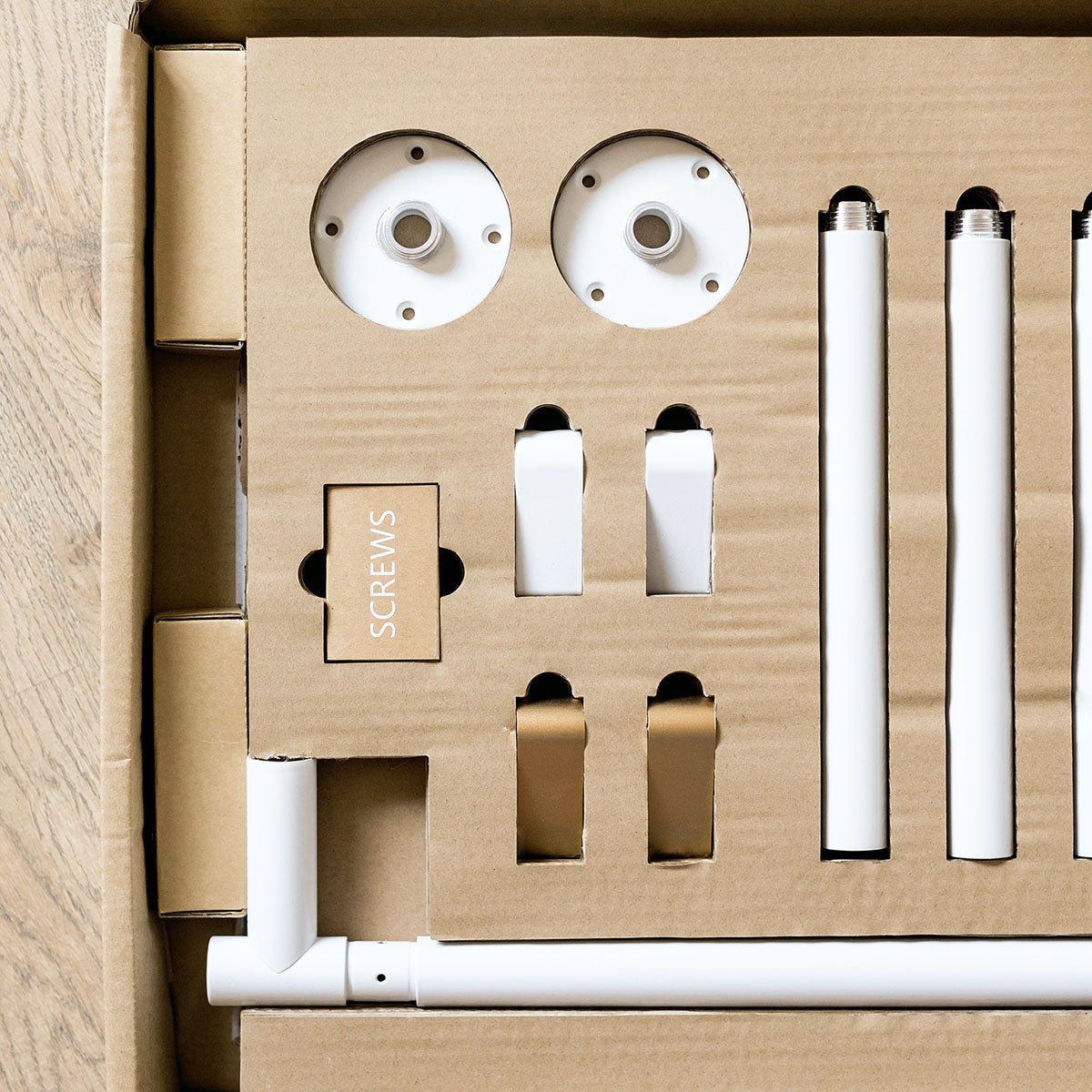
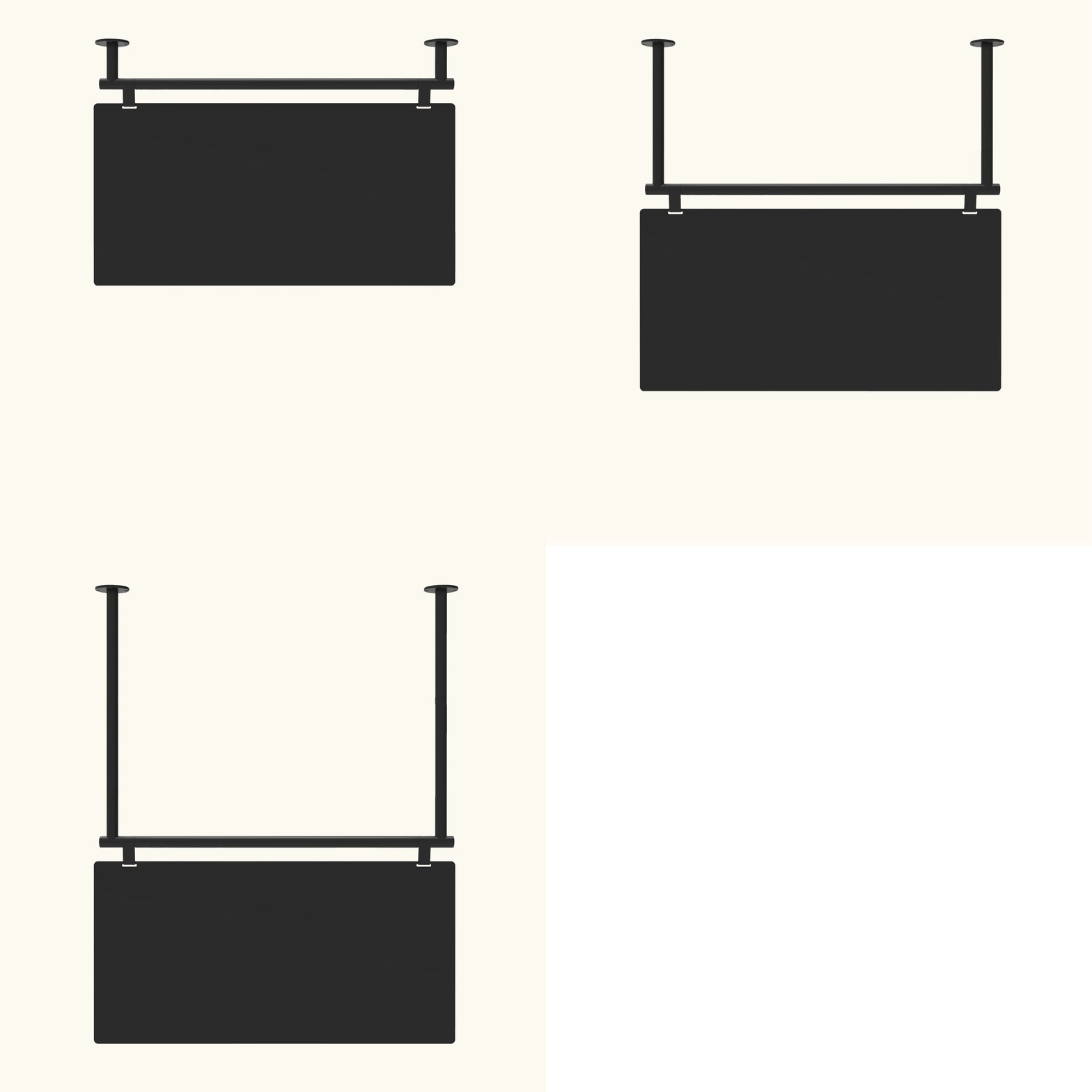
Proper installation is crucial for safety, durability, and appearance. The method depends on the sign’s weight and the type of wall (drywall, brick, concrete). Small, lightweight signs might use adhesive tape, while heavier indoor wall signs require screws with anchors or stud mounting. If wall space is limited, a Ceiling Menu Board can keep sightlines clear while still being easy to read.
For any important or large sign, professional installation is recommended. They have the right tools and knowledge of compliance codes, like ADA mounting requirements, to ensure your sign is secure and positioned correctly.
Understanding Pricing
The cost of indoor wall signs varies widely based on a few key factors:
- Size: Larger signs use more material and labor, so they cost more.
- Material: A simple foam core sign will be much cheaper than an illuminated sign made of stainless steel.
- Complexity: Intricate designs, custom shapes, and multiple colors will increase the price.
- Illumination: Adding LED lighting will add to the cost due to the components and wiring involved.
- Installation: Remember to budget for professional installation if needed.
While a quality sign is an upfront investment, it offers fantastic long term value. An on premise sign can deliver thousands of impressions daily for a fraction of the cost of traditional advertising.
Frequently Asked Questions About Indoor Wall Signs
1. What is the best material for an indoor wall sign?
The best material depends on your budget, brand aesthetic, and durability needs. Acrylic offers a modern, sleek look. Metal conveys tradition and permanence. PVC is a versatile and cost effective option, while foam core is great for temporary displays.
2. How do I choose the right size for my wall sign?
Consider the viewing distance and the size of the wall. A common guideline for text is to use letters that are at least one inch tall for every 10 feet of viewing distance. The sign should be large enough to be noticed but not so large that it overwhelms the space.
3. Can I install an indoor wall sign myself?
You can install smaller, lightweight signs yourself using simple hardware like screws or adhesive tape. For larger, heavier, or illuminated signs, it’s best to hire a professional installer to ensure it’s safe, secure, and level.
4. What makes a sign ADA compliant?
An ADA compliant sign must have tactile (raised) lettering, Grade 2 Braille, a non glare finish, and high contrast between the characters and the background. It also has specific mounting height and location requirements to be accessible.
5. How much do indoor wall signs cost?
Prices can range from under a hundred dollars for a simple vinyl decal or foam board sign to several thousand dollars for a large, illuminated, custom metal sign. The final cost is determined by the sign’s size, material, design complexity, and any lighting features.