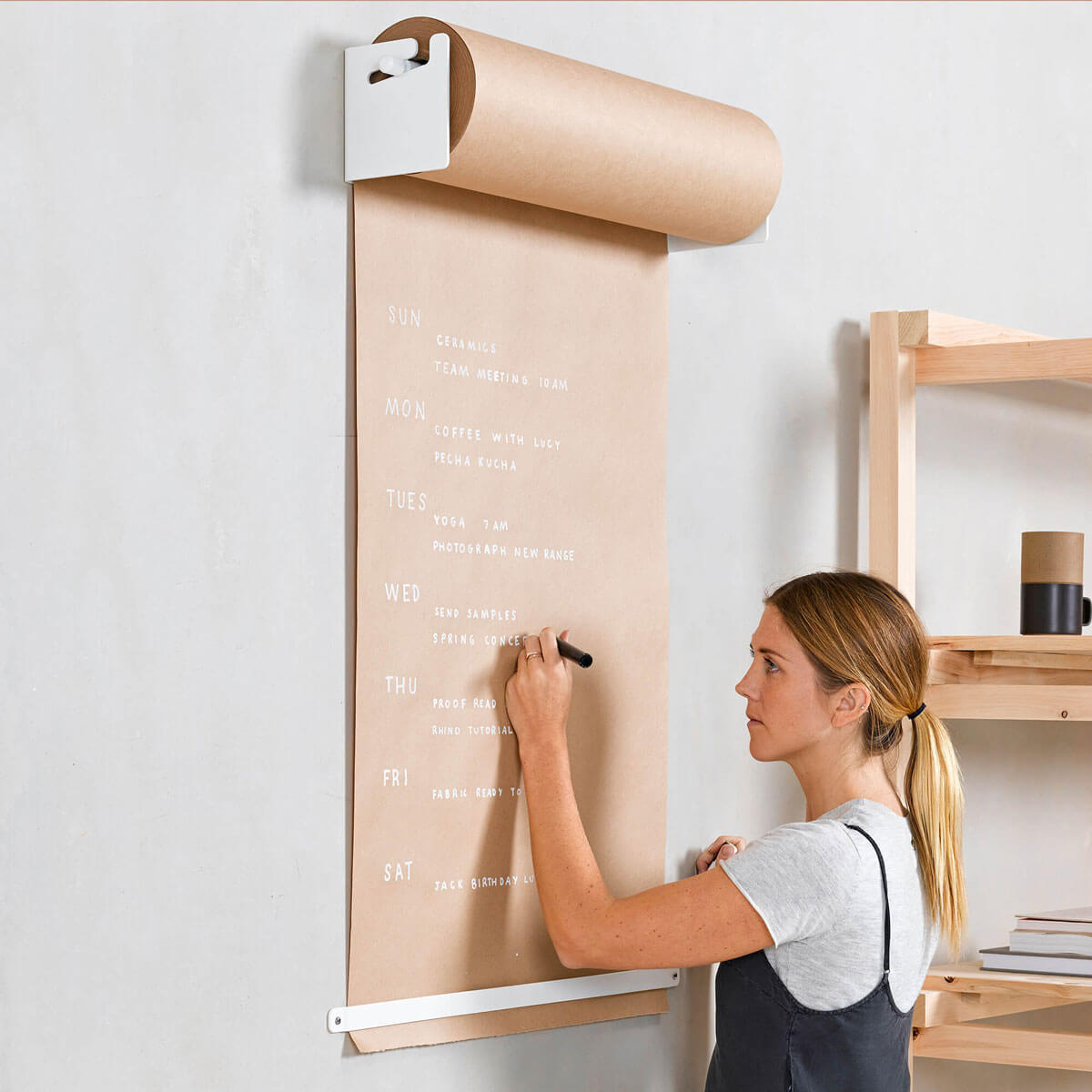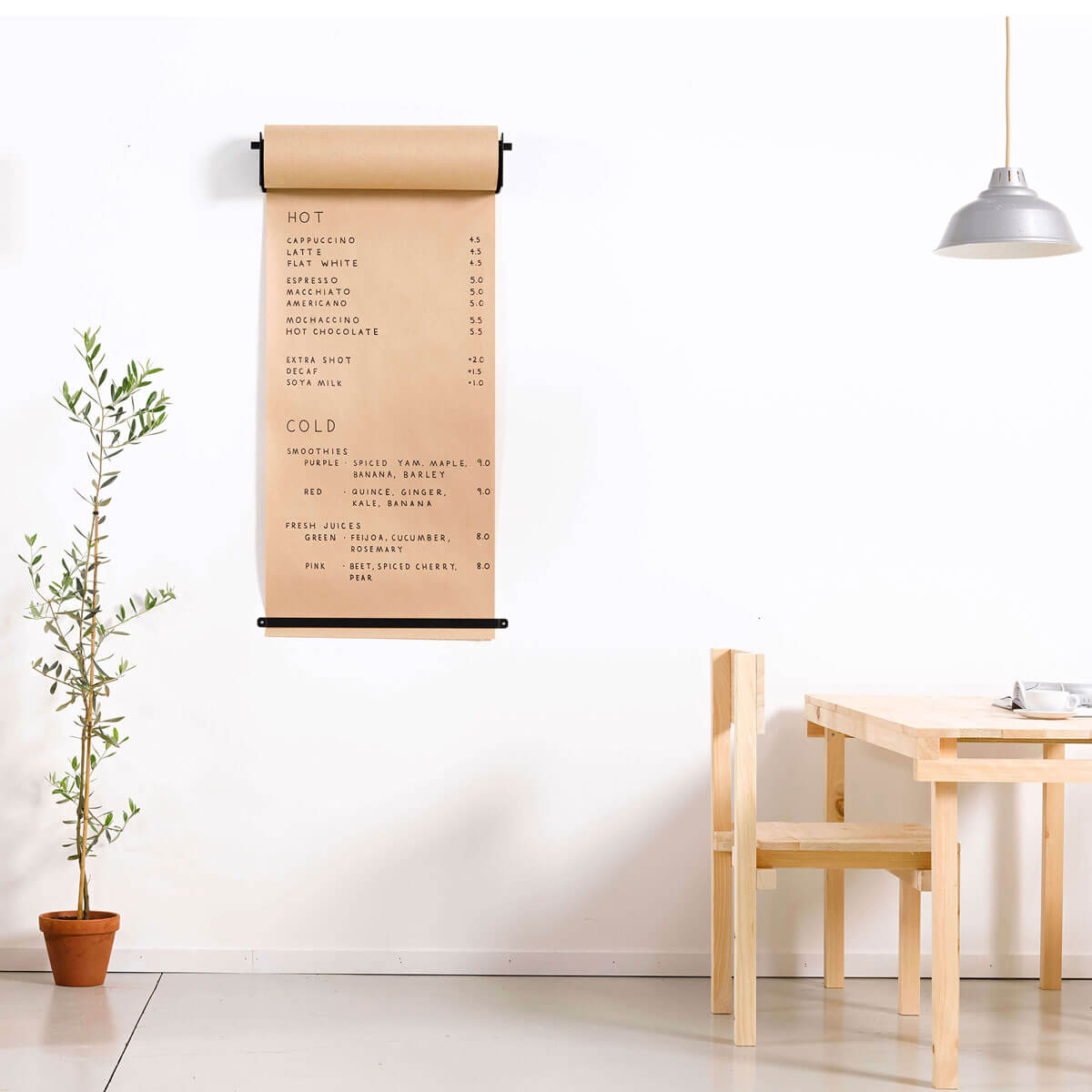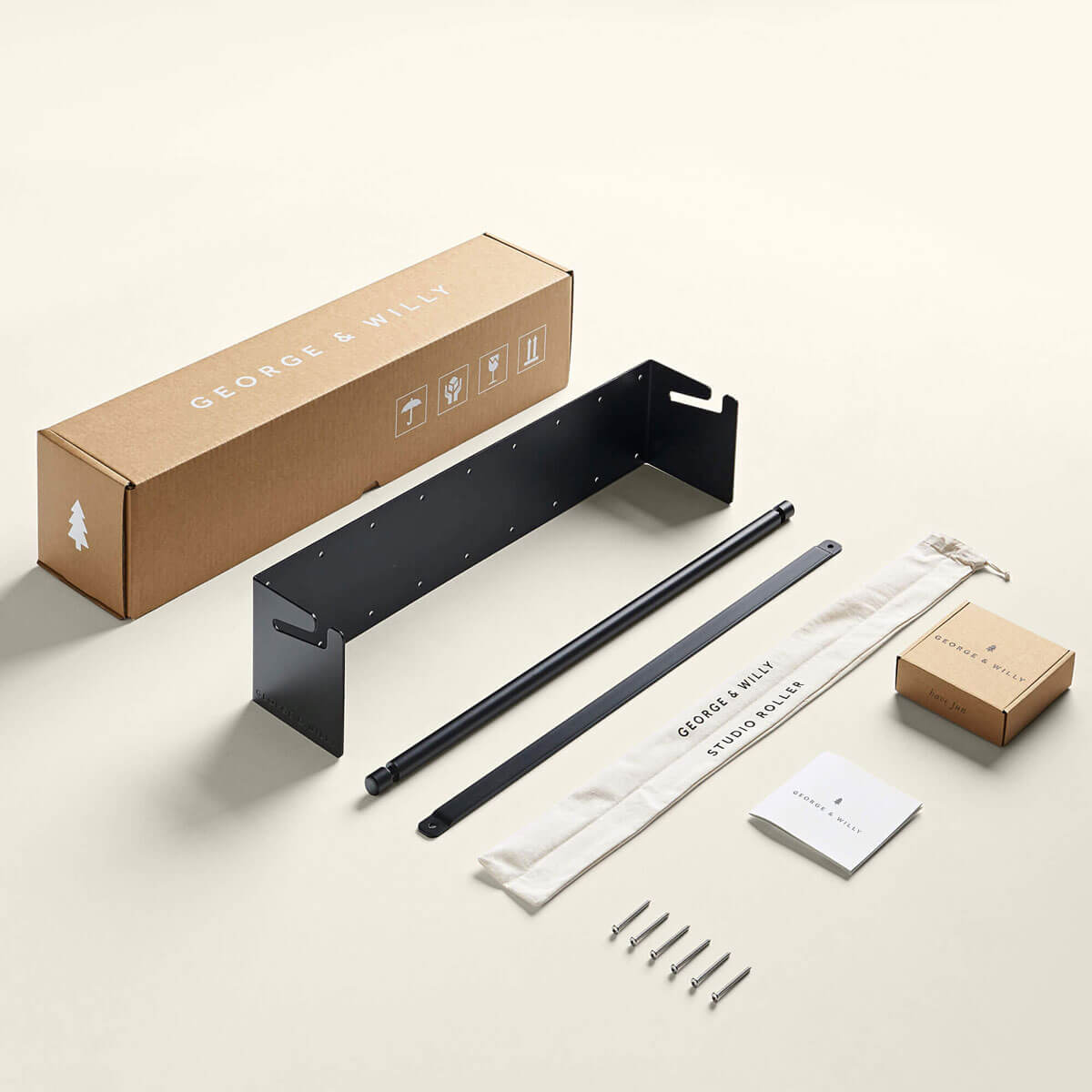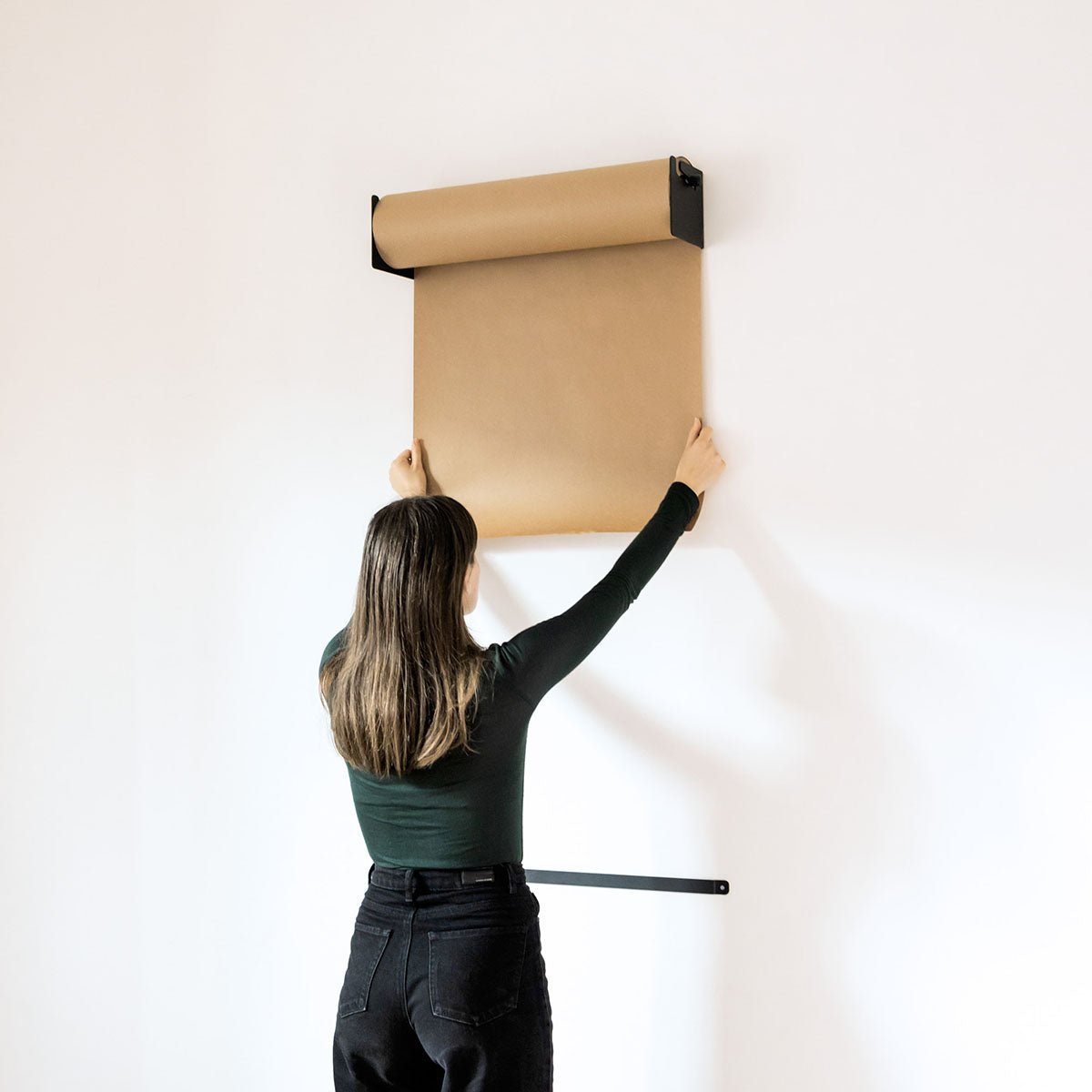


Your menu board is one of the most powerful marketing tools inside your business. It’s more than just a list of items and prices; it’s a silent salesperson, a brand ambassador, and a crucial part of the customer experience. Effective in store signage can lift overall sales, and a well designed menu board plays a huge role in that success.
Whether you run a bustling cafe, a minimalist boutique, or a modern restaurant, the right menu boards can guide customer choices, encourage upsells, and reinforce your brand’s quality. This guide explores how to choose, design, and place menu boards to maximize their impact.
Why Your Menu Board is a Critical First Impression
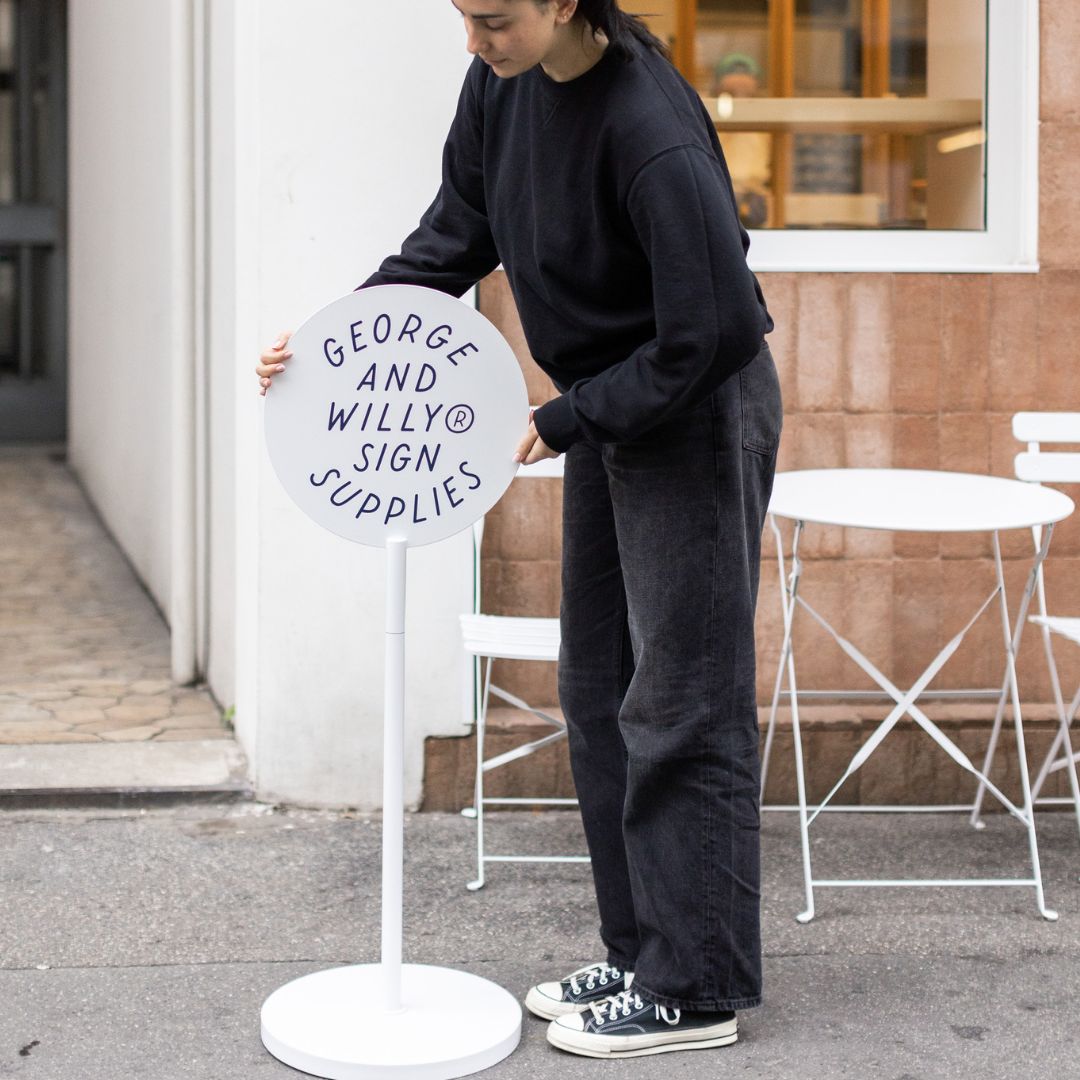
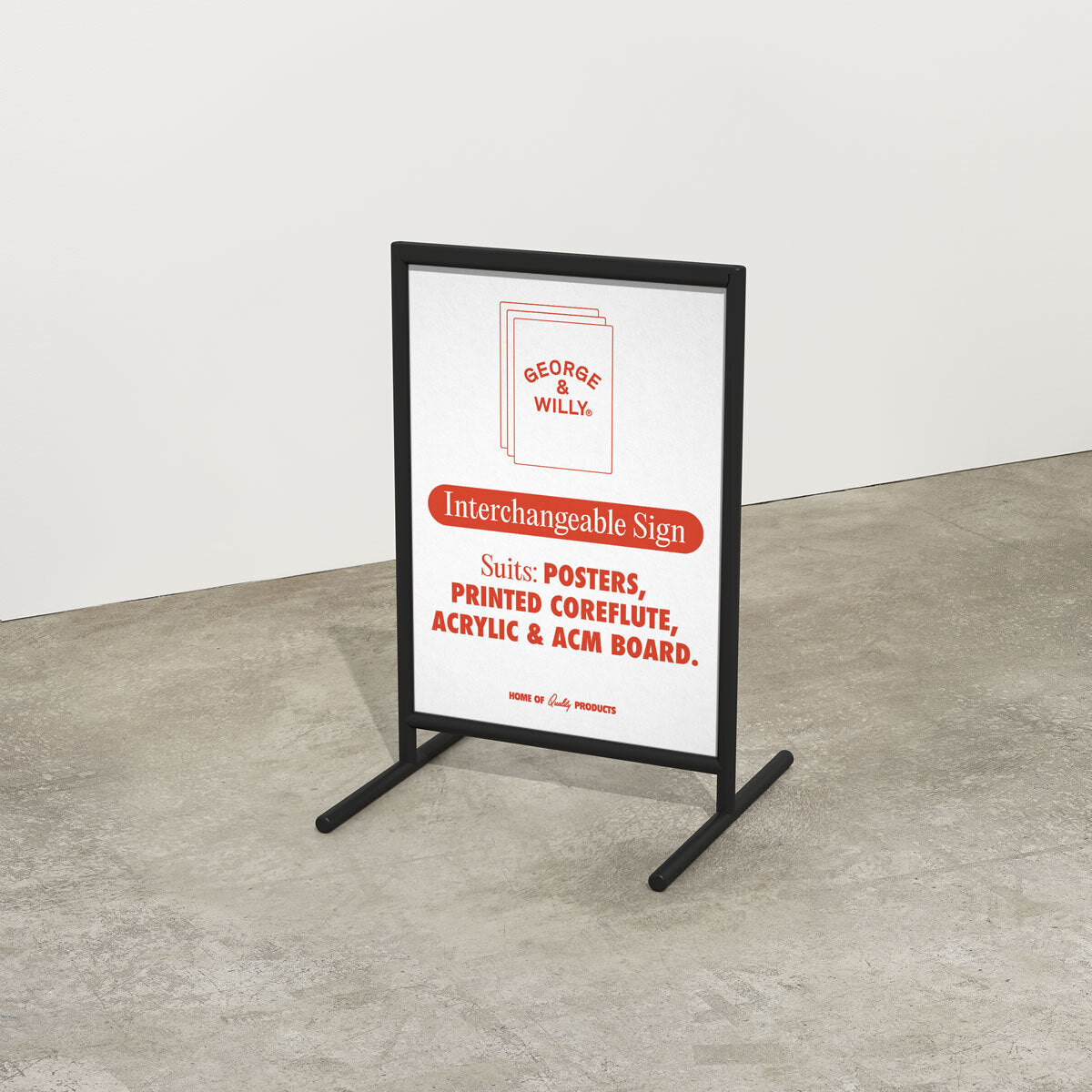
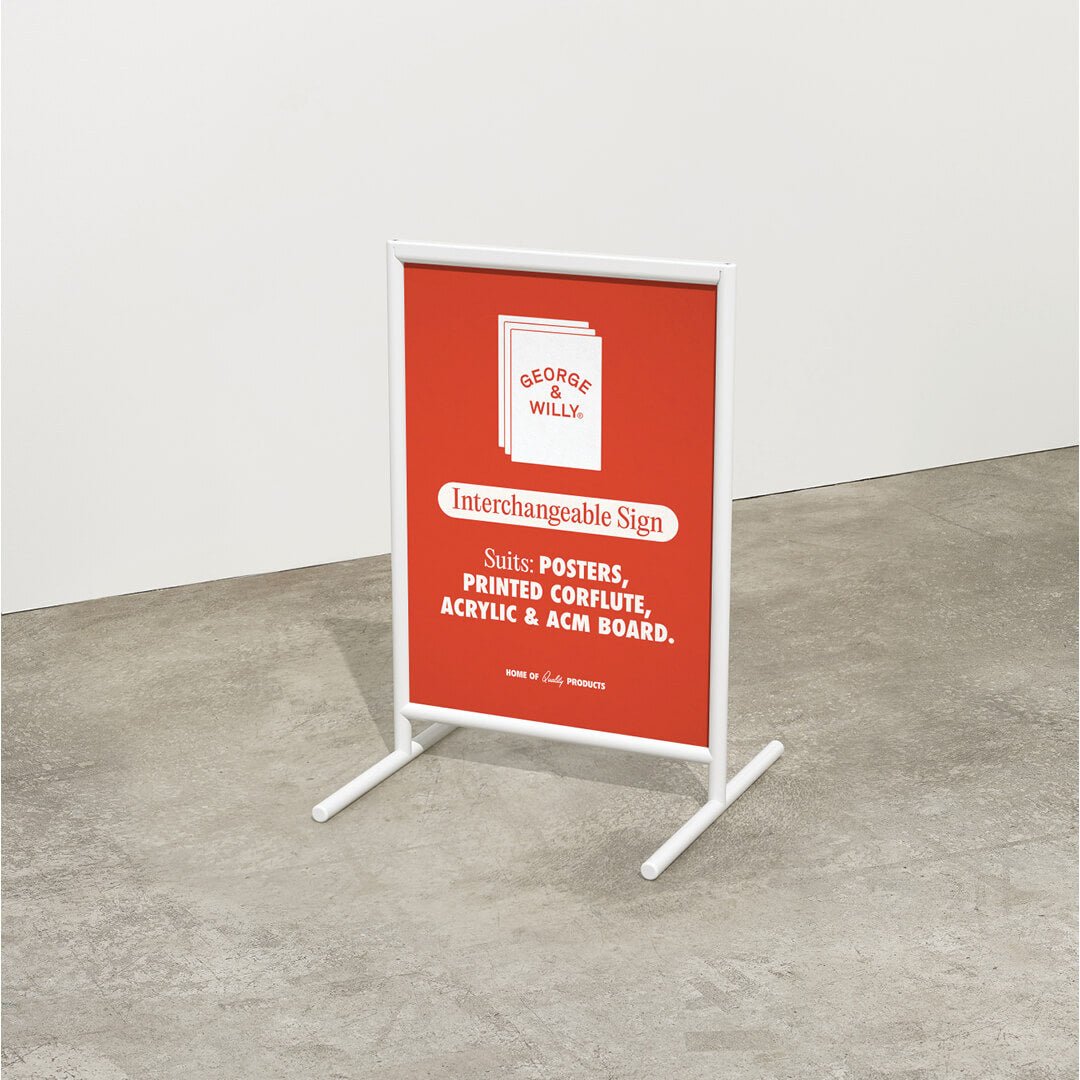
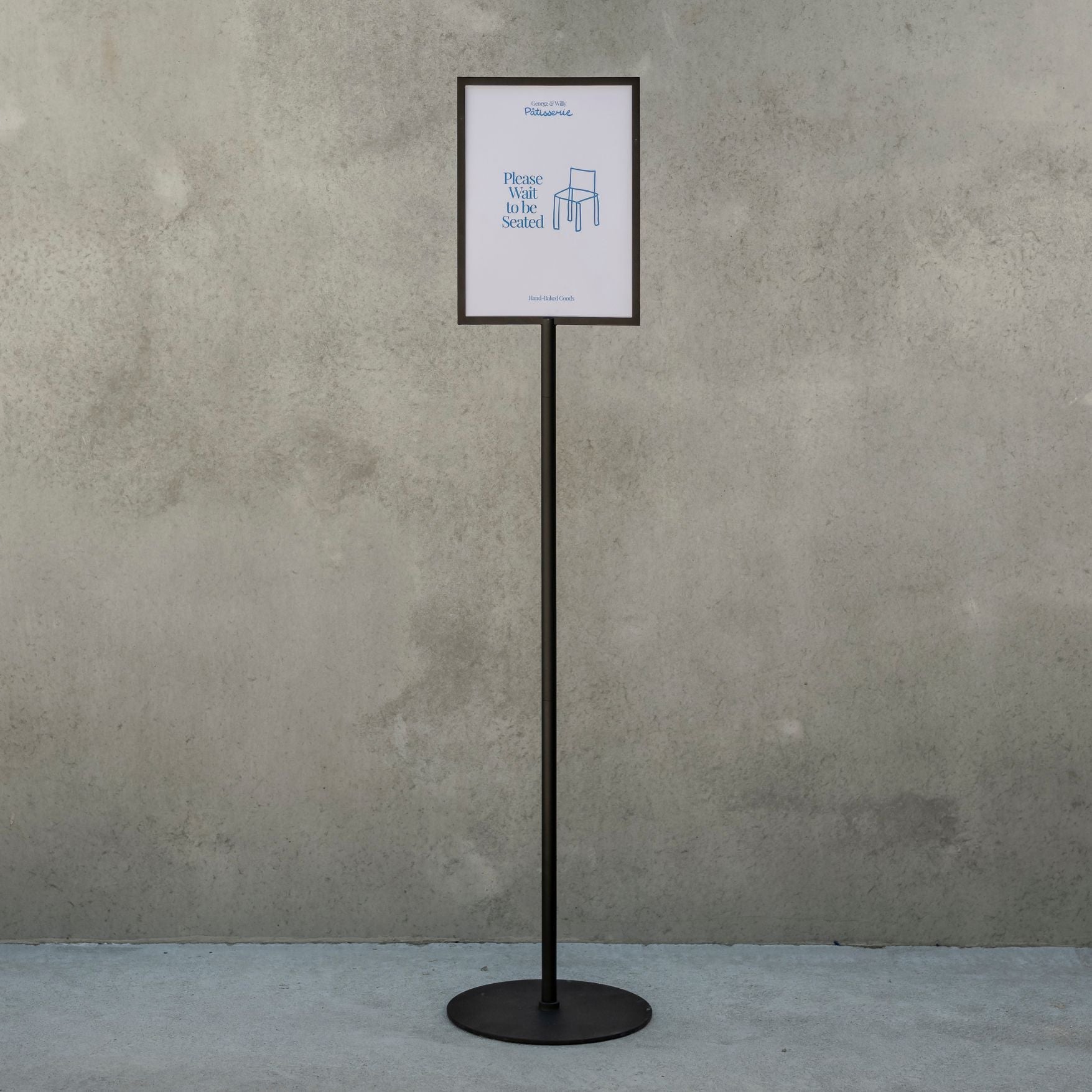
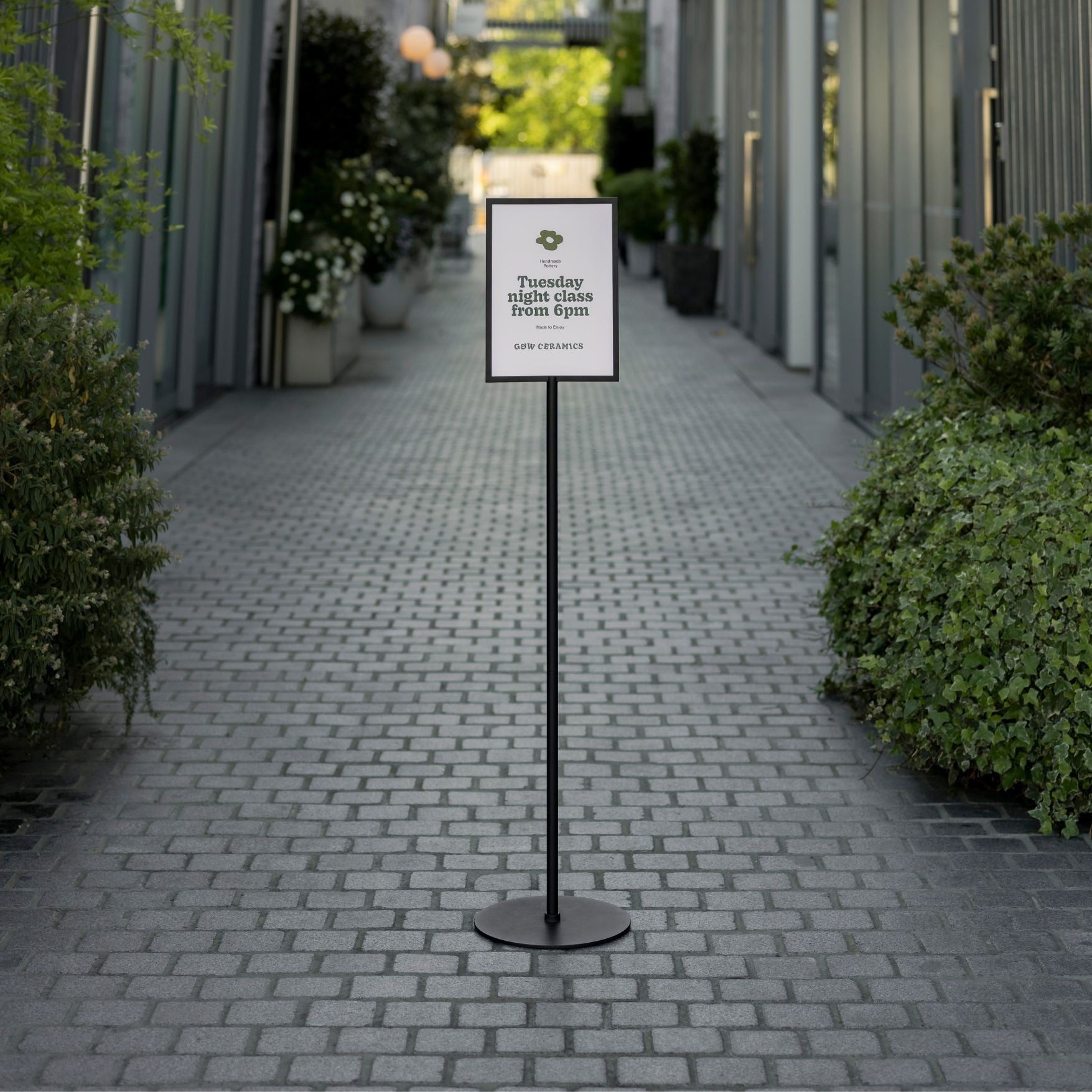
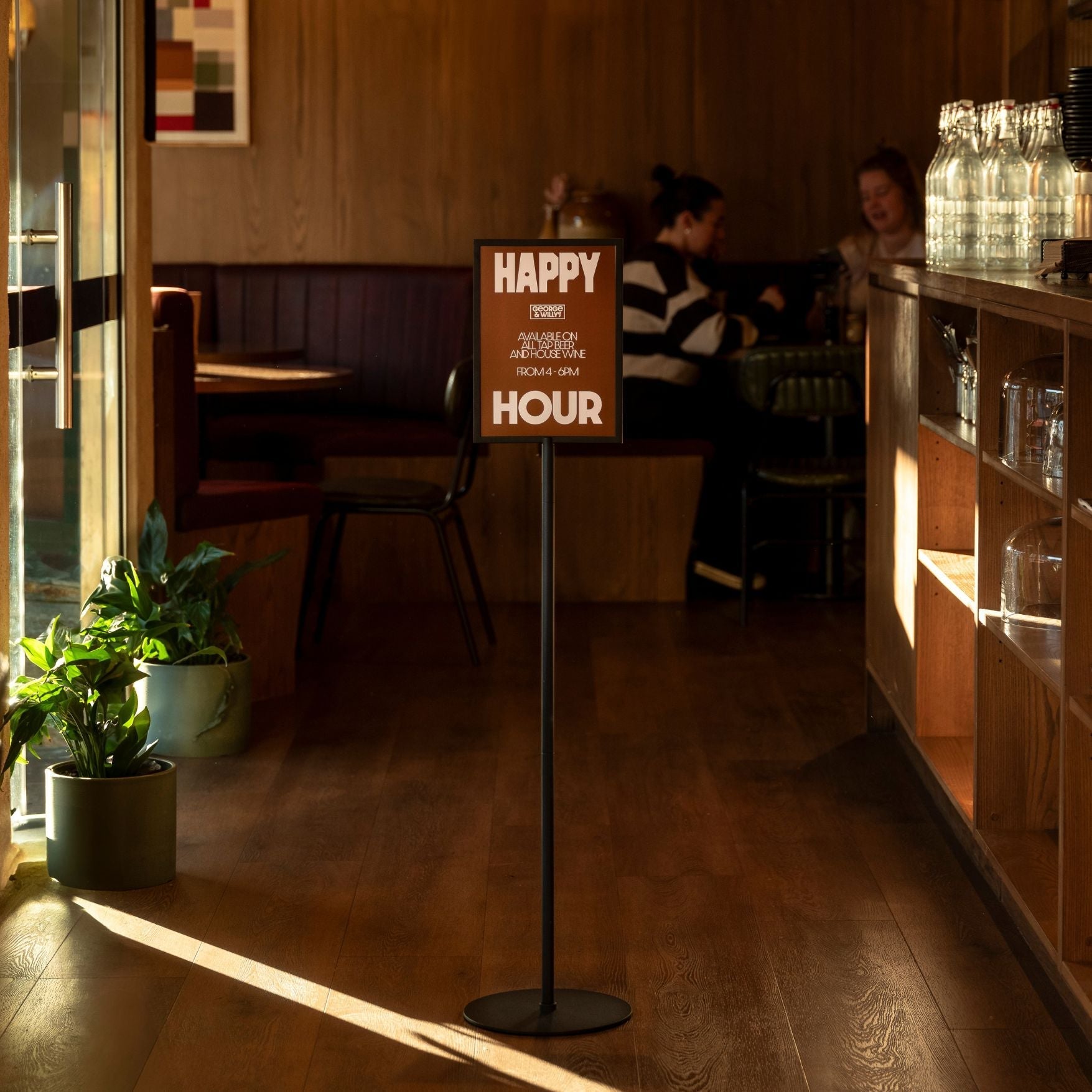
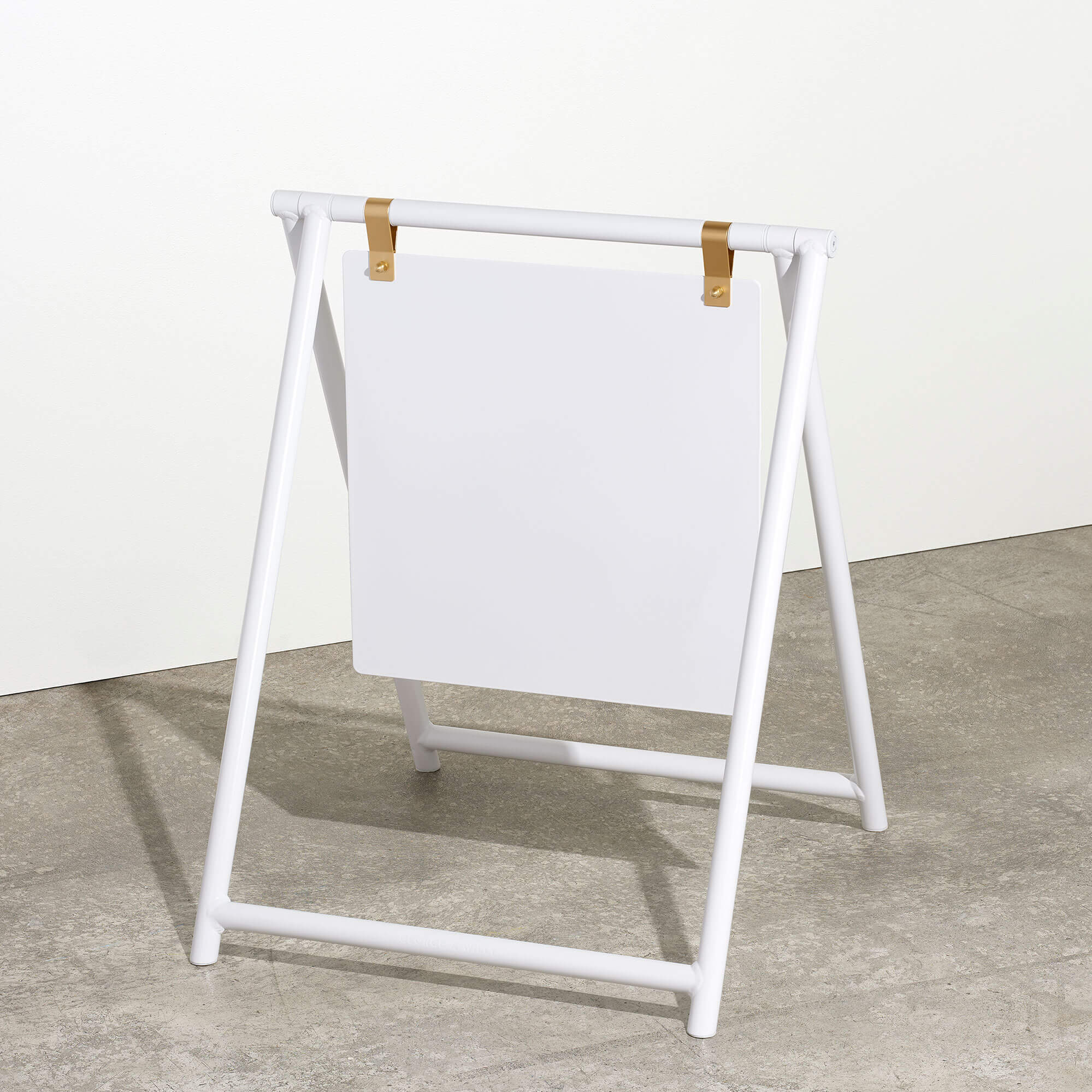
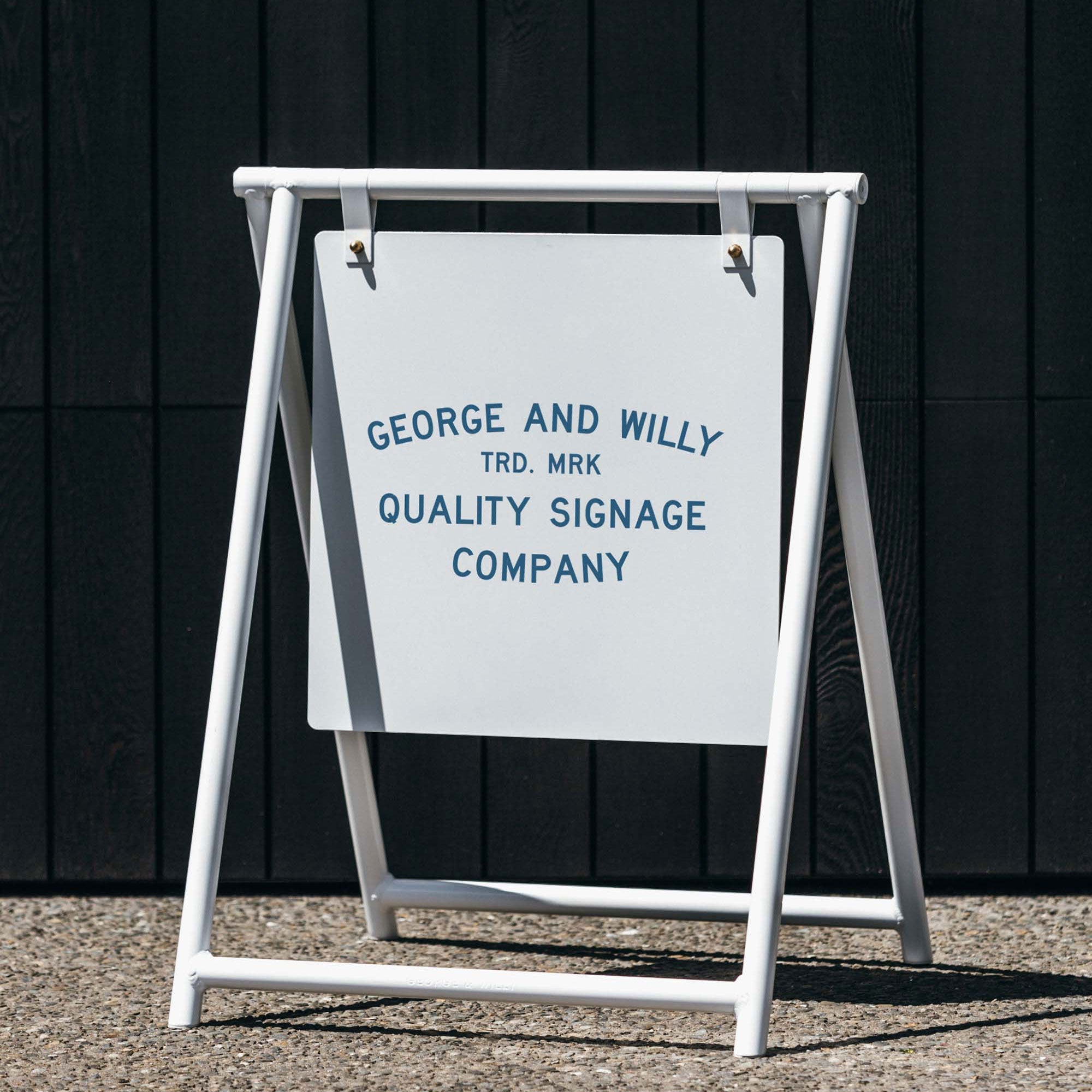
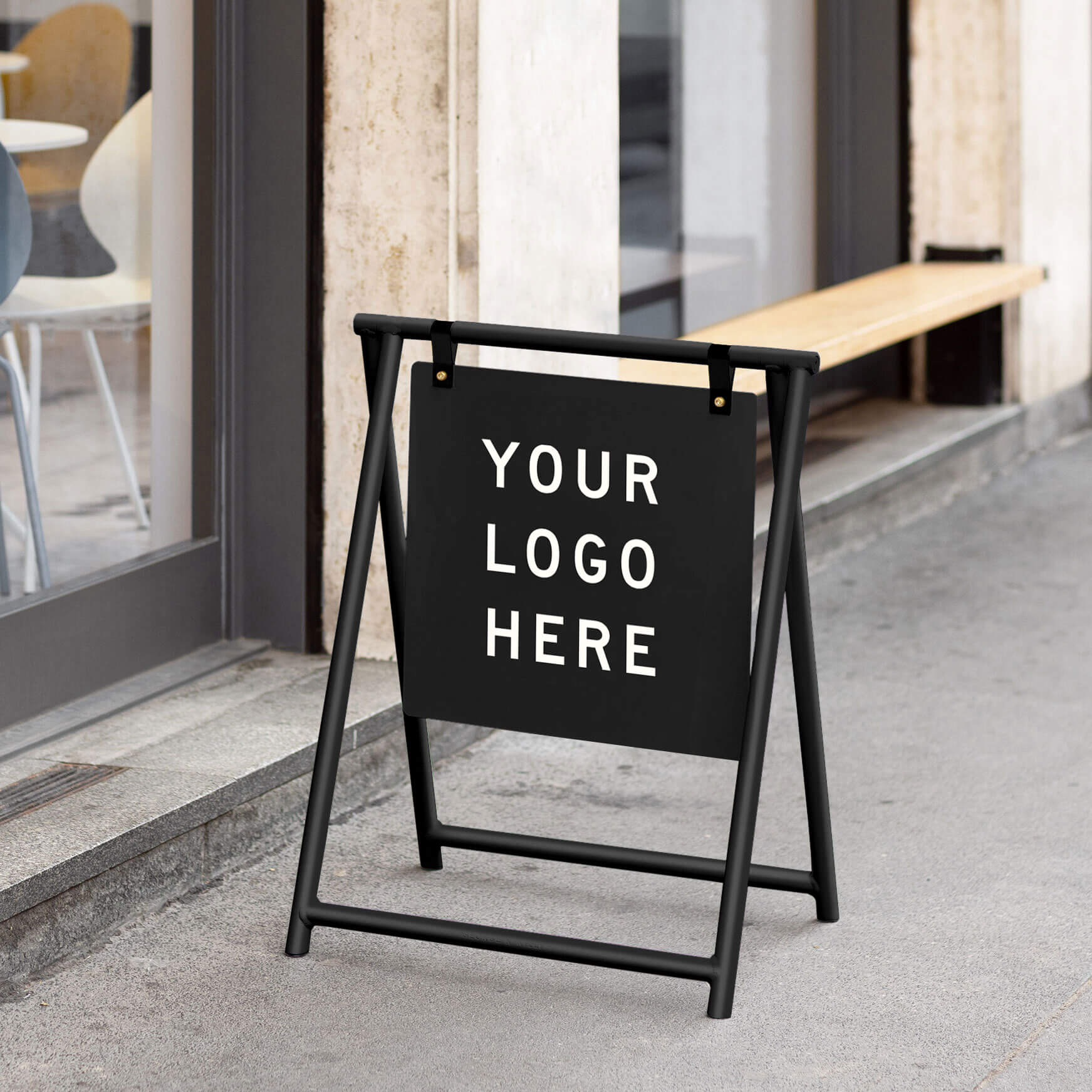
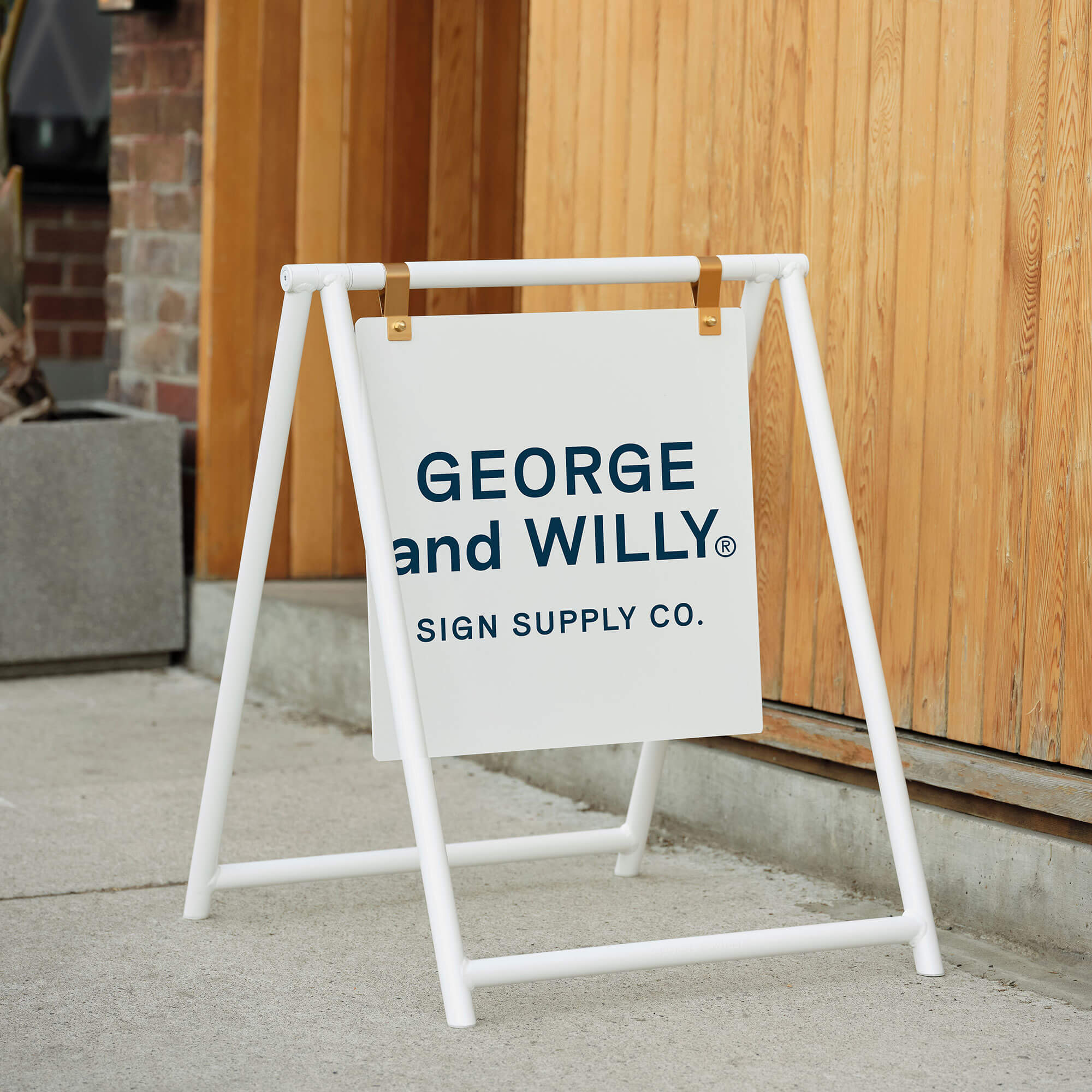
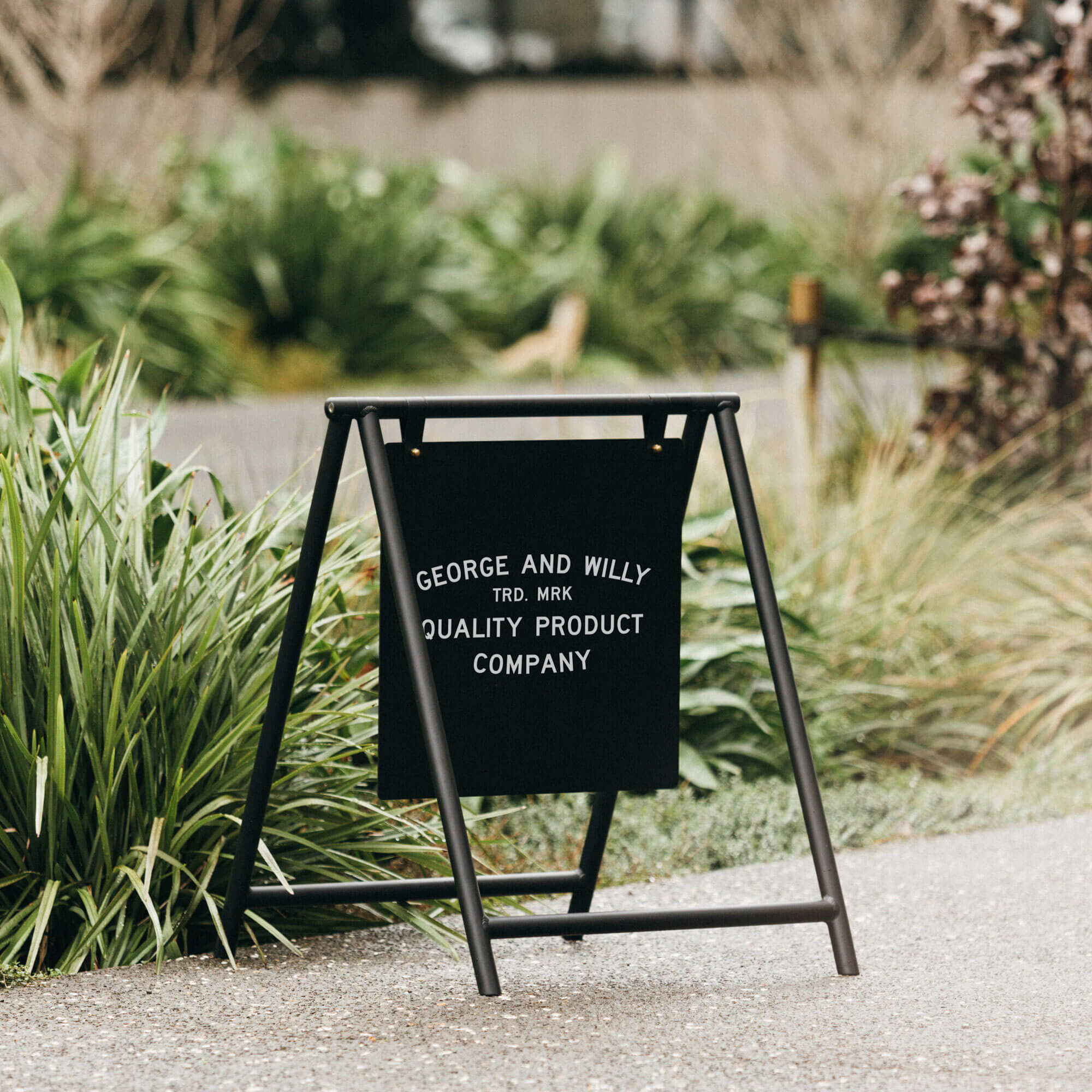
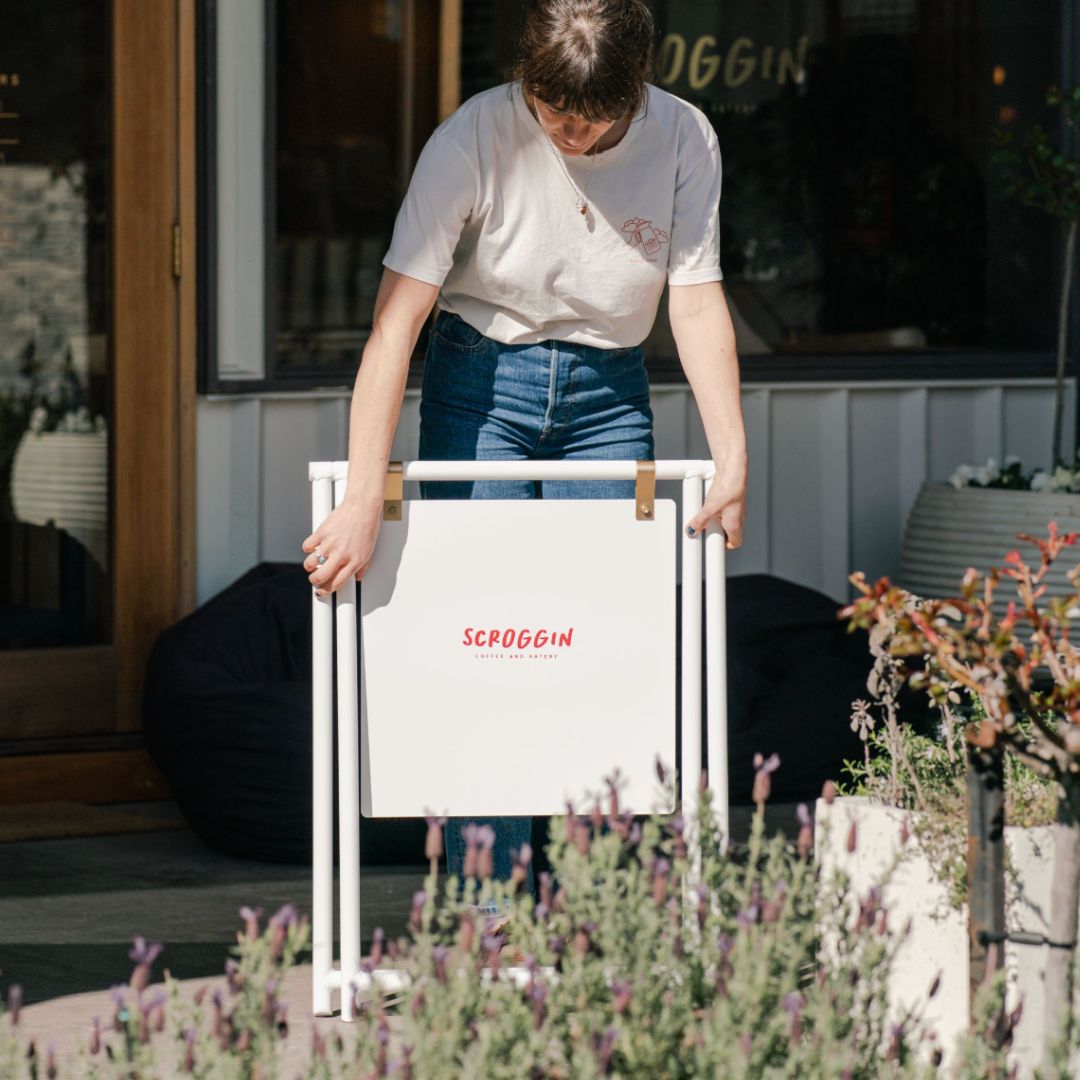
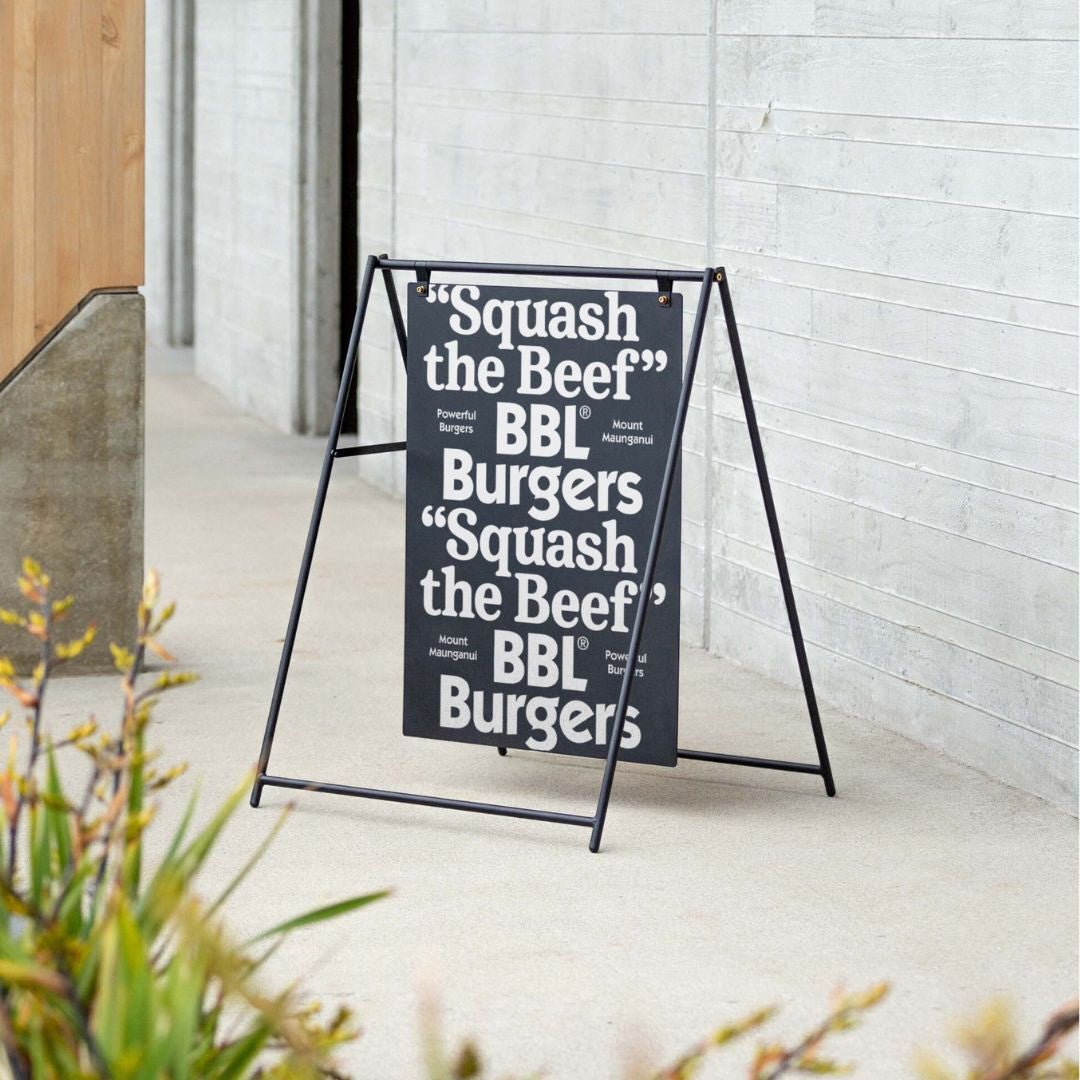
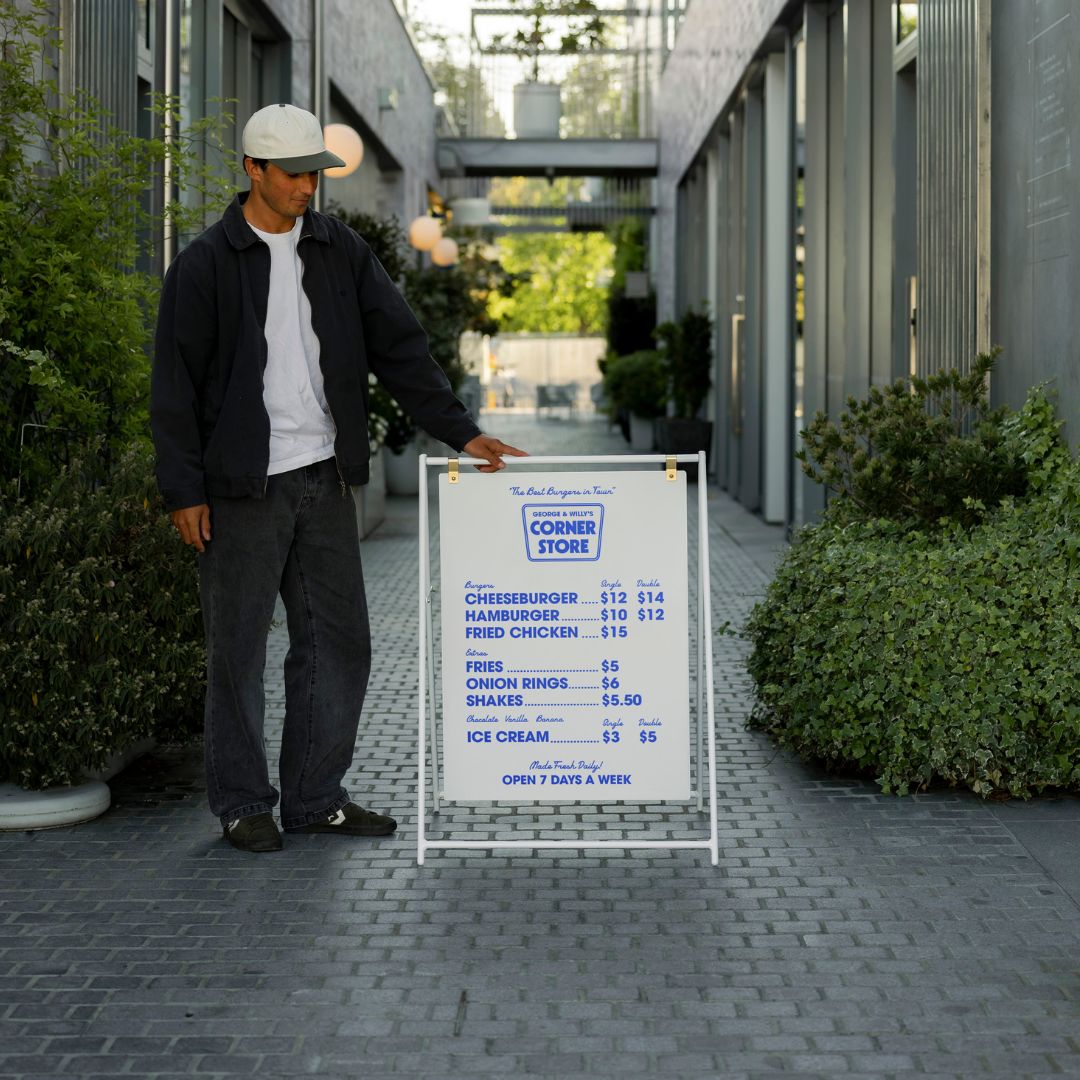
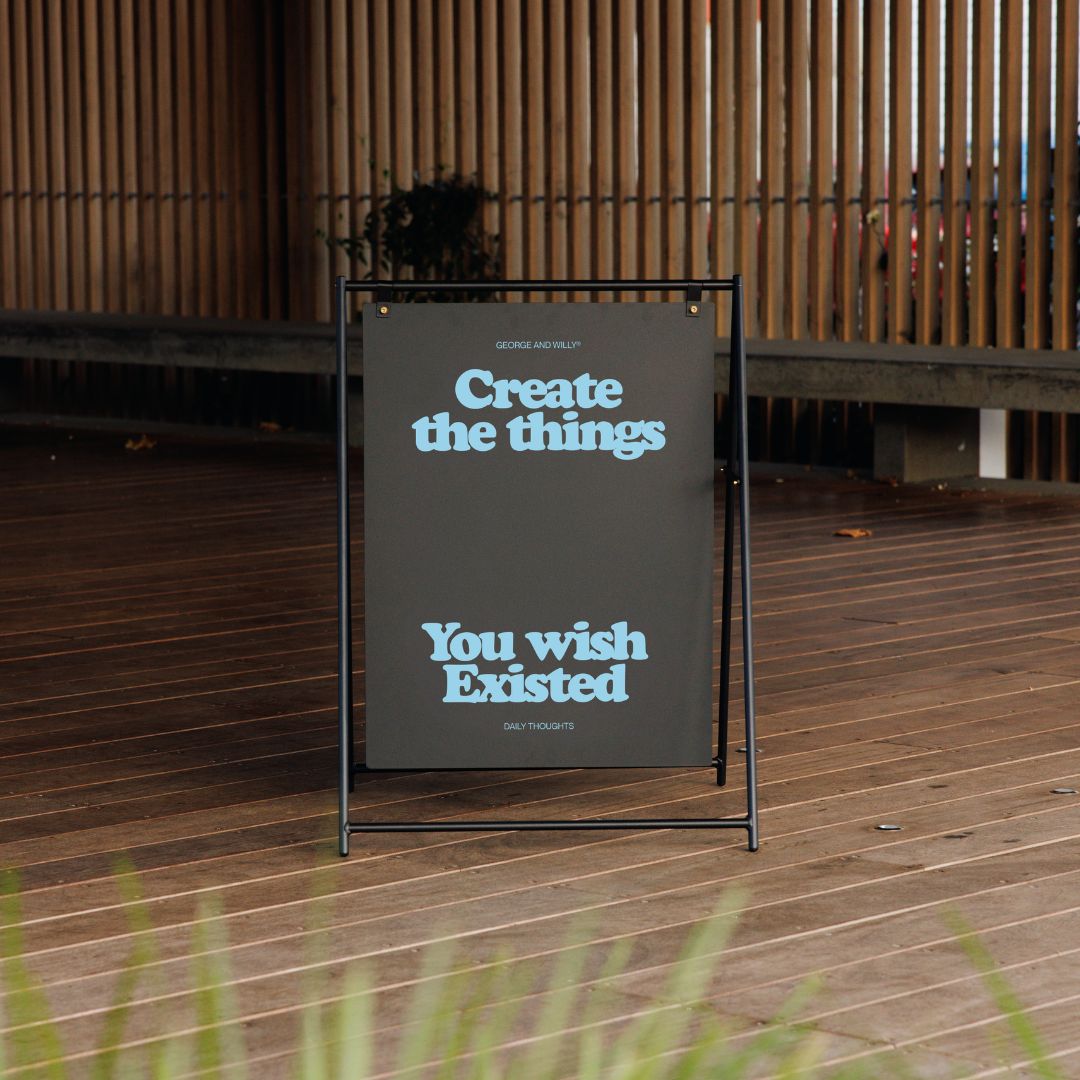
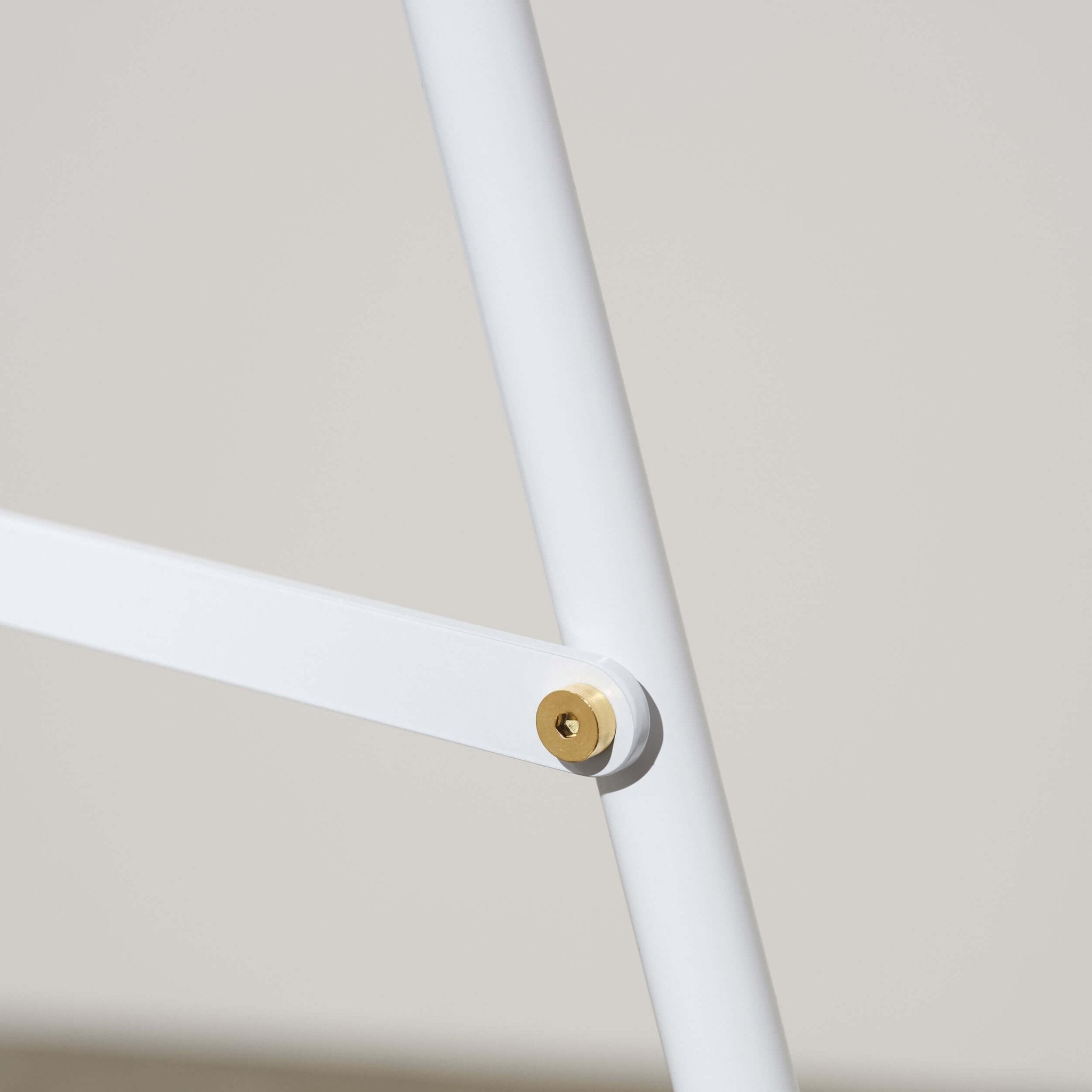
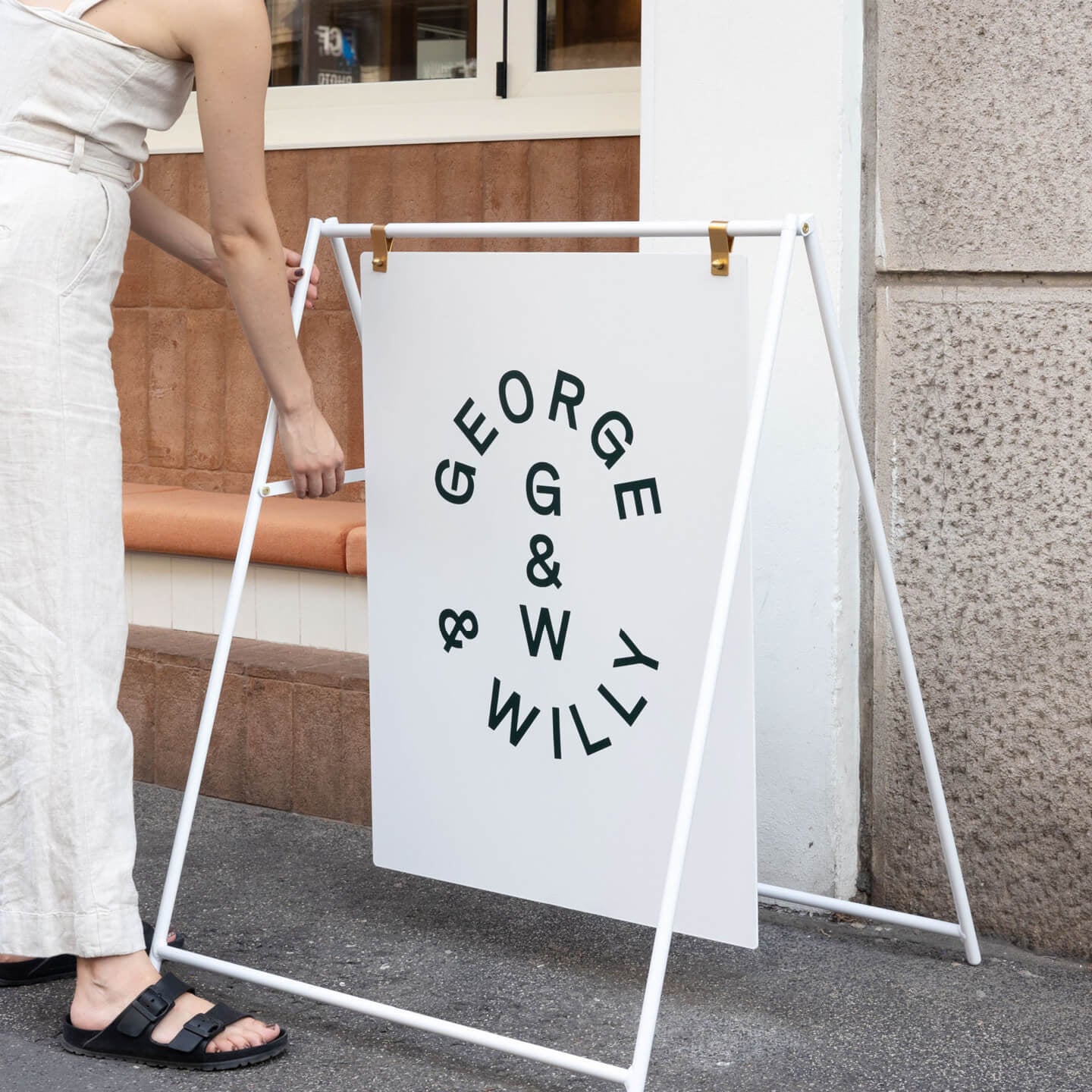
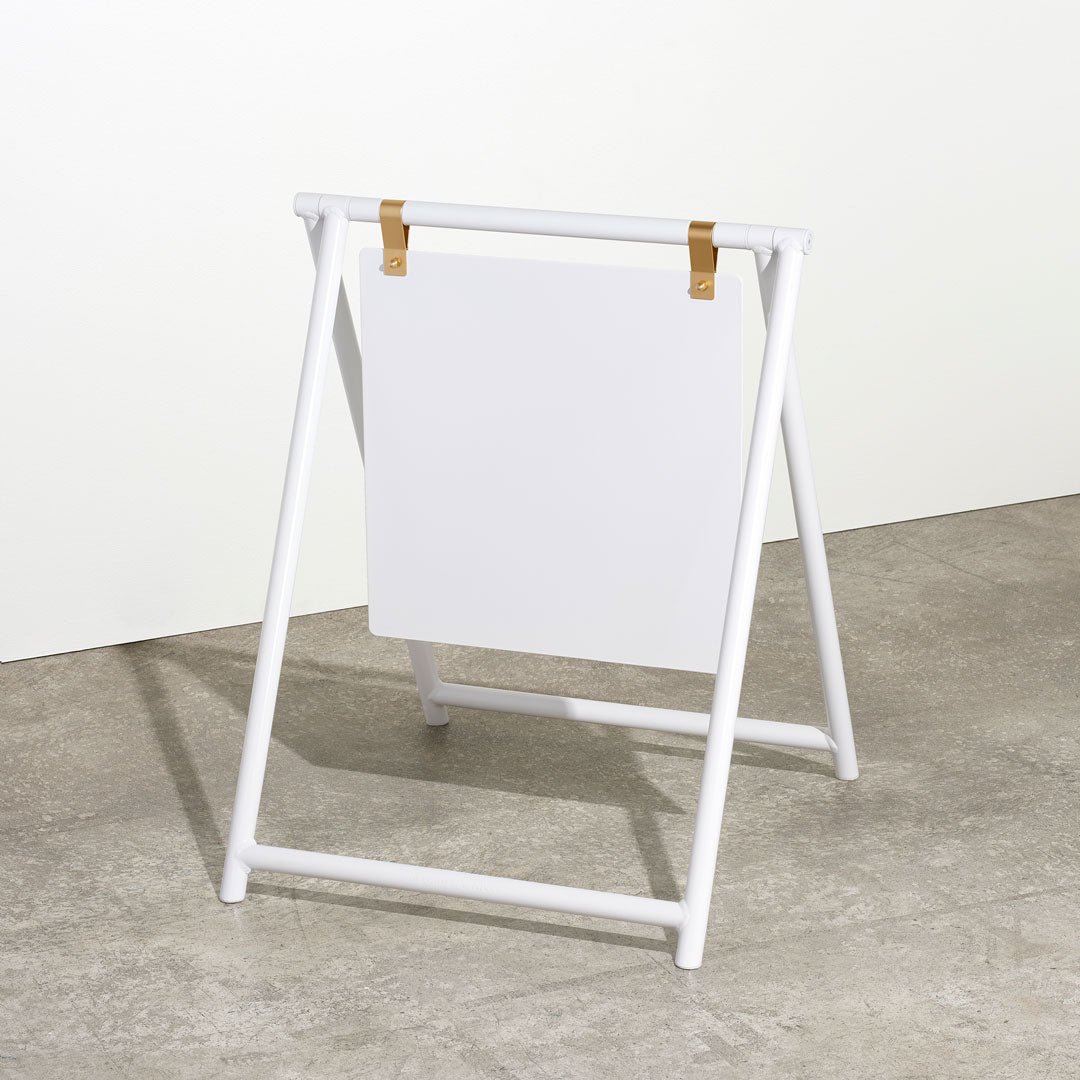
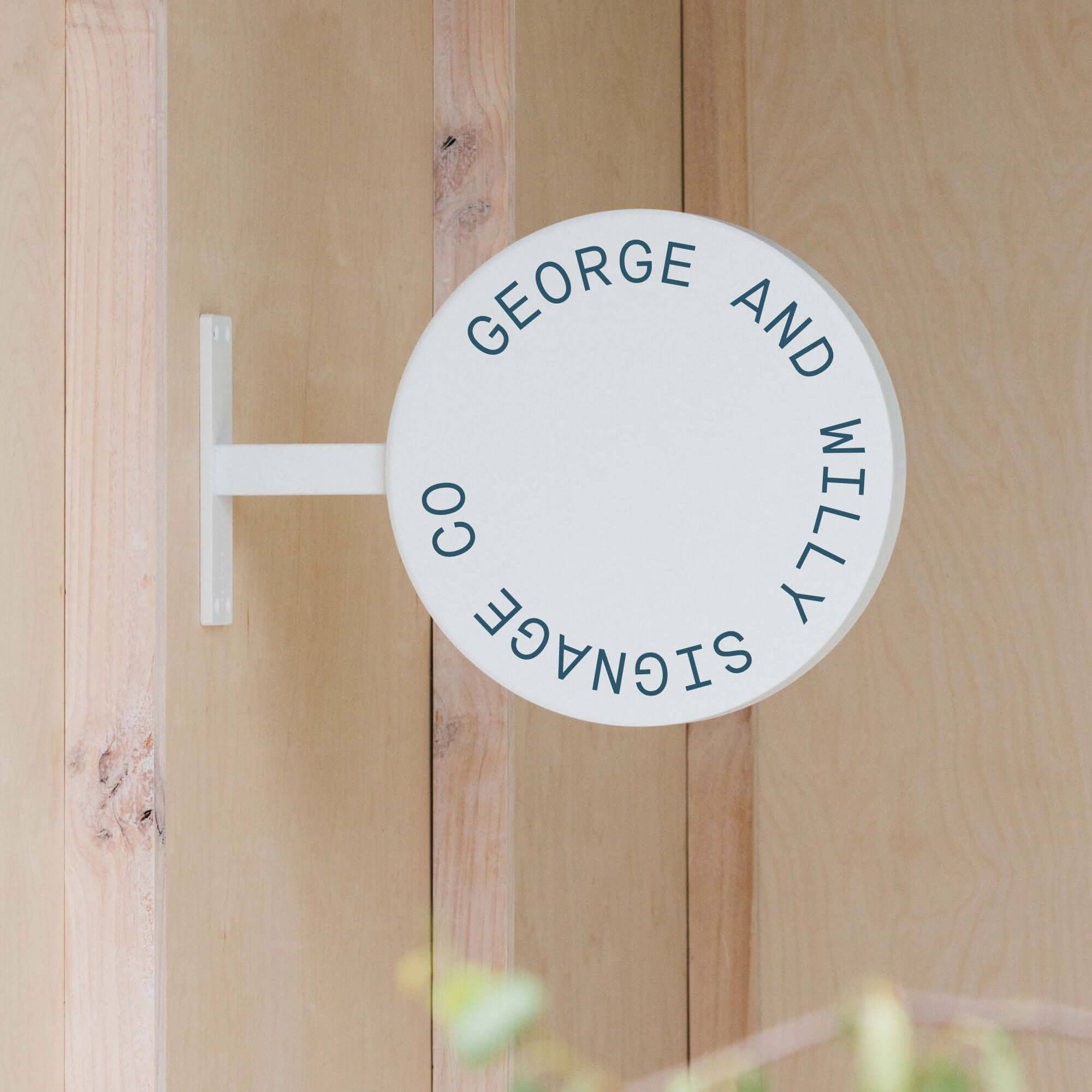
Long before a customer tastes your coffee or tries on your products, they interact with your signage. At the storefront, an A Frame Sign draws attention and sets expectations; inside, your menu board continues the story. A staggering 68% of consumers believe a business’s signage reflects the quality of its products or services. A flimsy, hard to read, or poorly designed menu can suggest a lack of attention to detail, while a clean, high quality menu board builds immediate trust.
Well placed menu boards are also proven to drive sales directly. Shoppers are more likely to make an unplanned, impulse purchase when they see a sign promoting it at the point of decision. That “specialty latte” or “dessert of the day” highlighted on your menu board can significantly increase the average customer spend.
Choosing Your Style: Tactile, Digital, and Illuminated Boards
The days of static, printed menus are fading. Modern businesses need flexibility. The choice between a tactile board, a digital screen, or an illuminated sign can define your space’s atmosphere and effectiveness.
The Lasting Appeal of Tactile Menu Boards
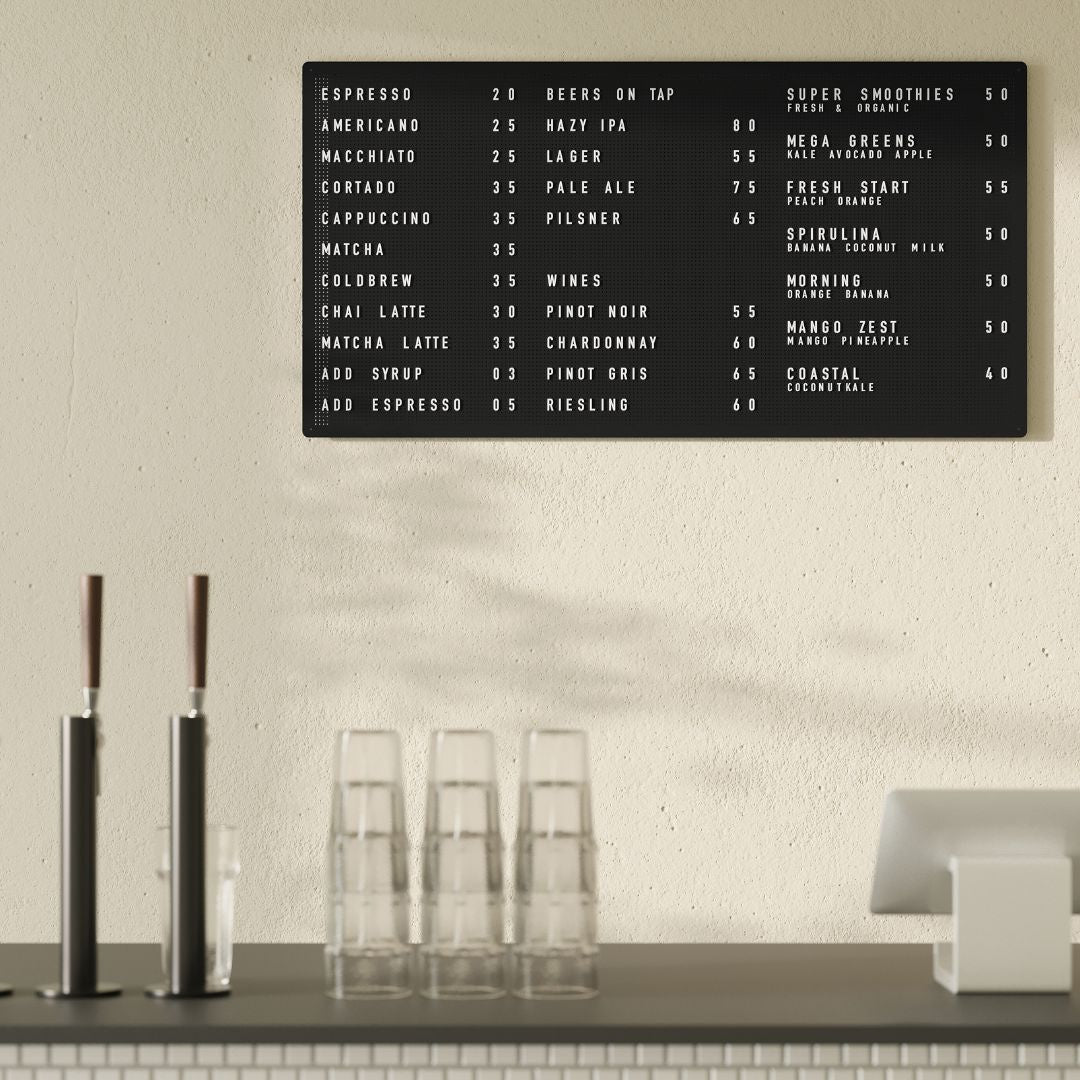
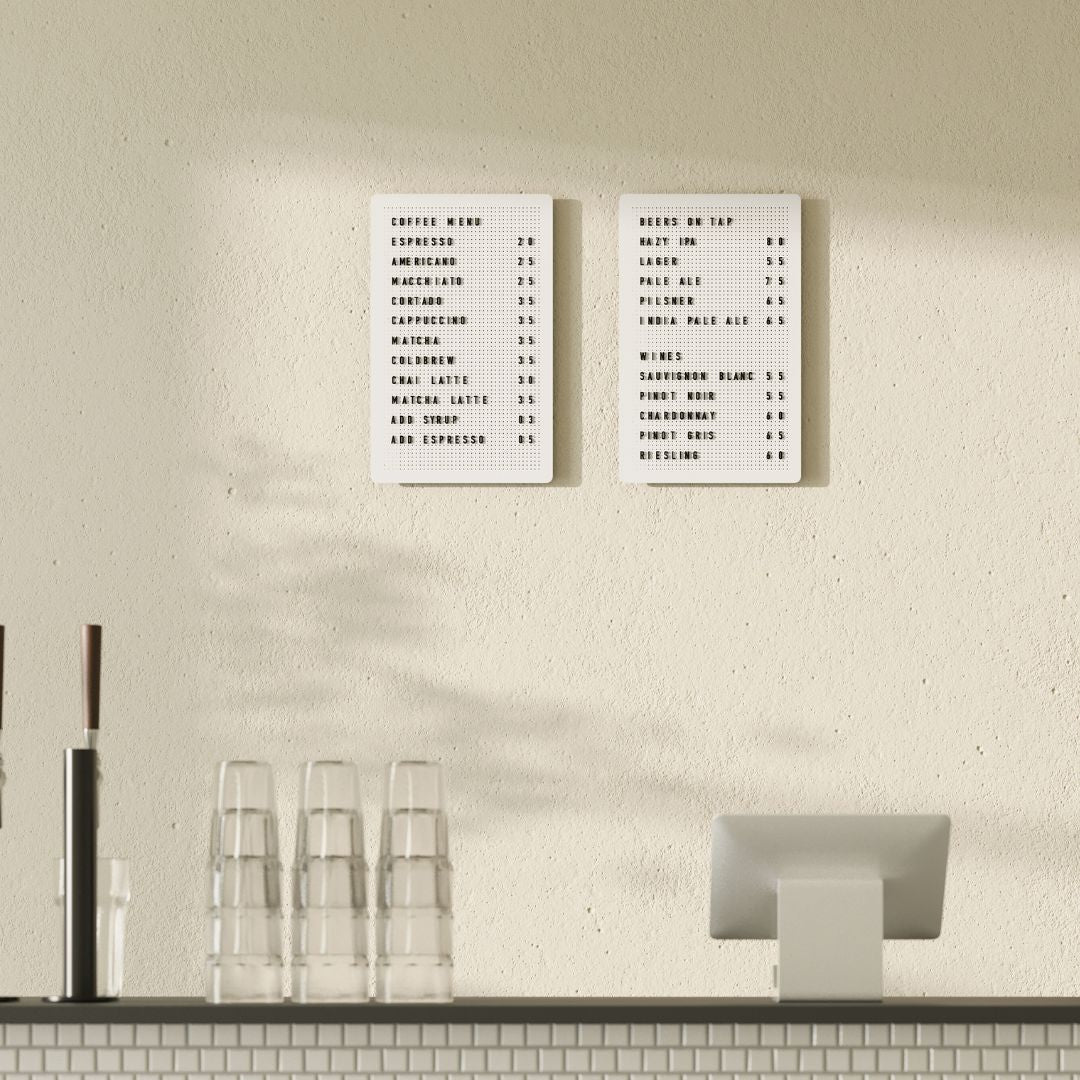
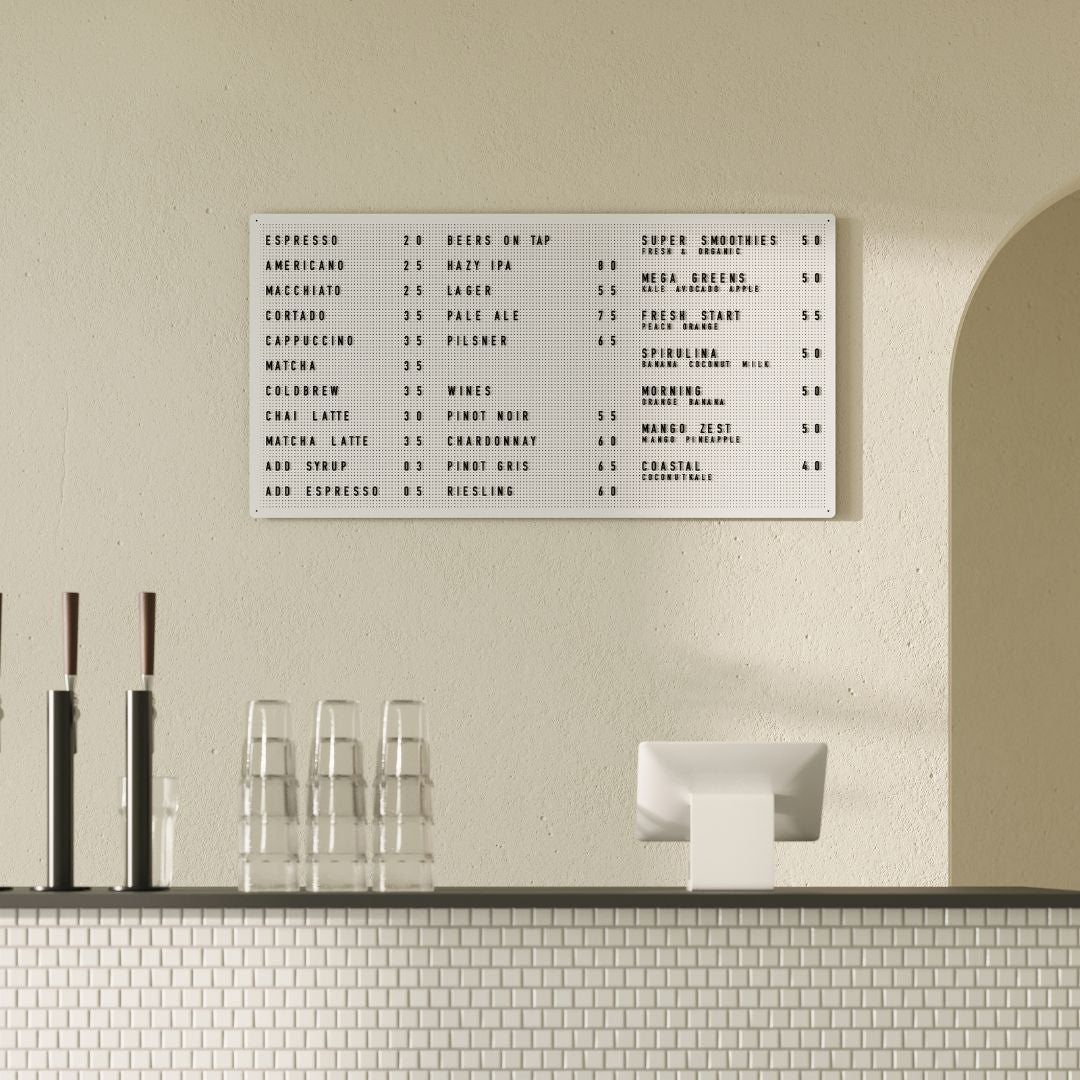
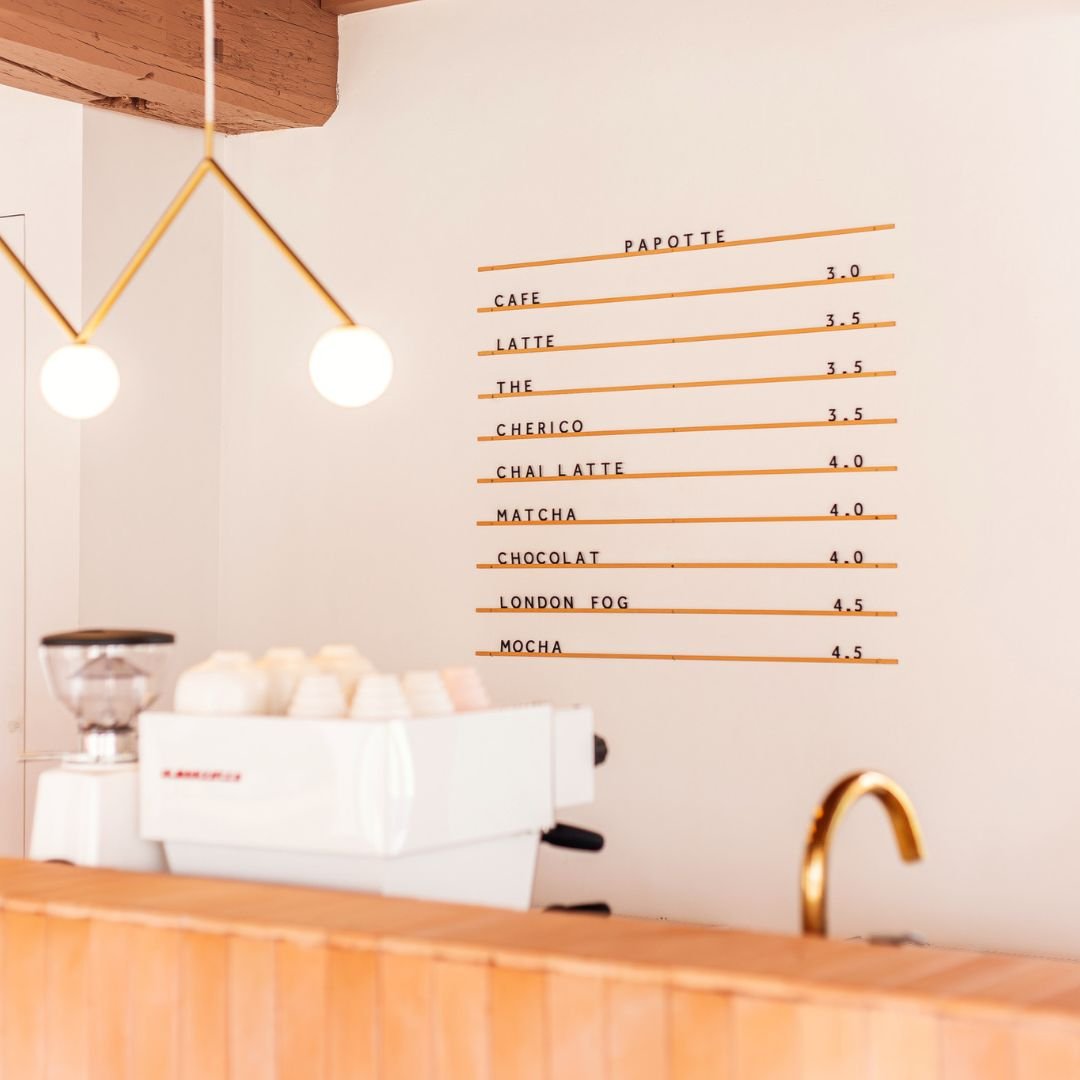
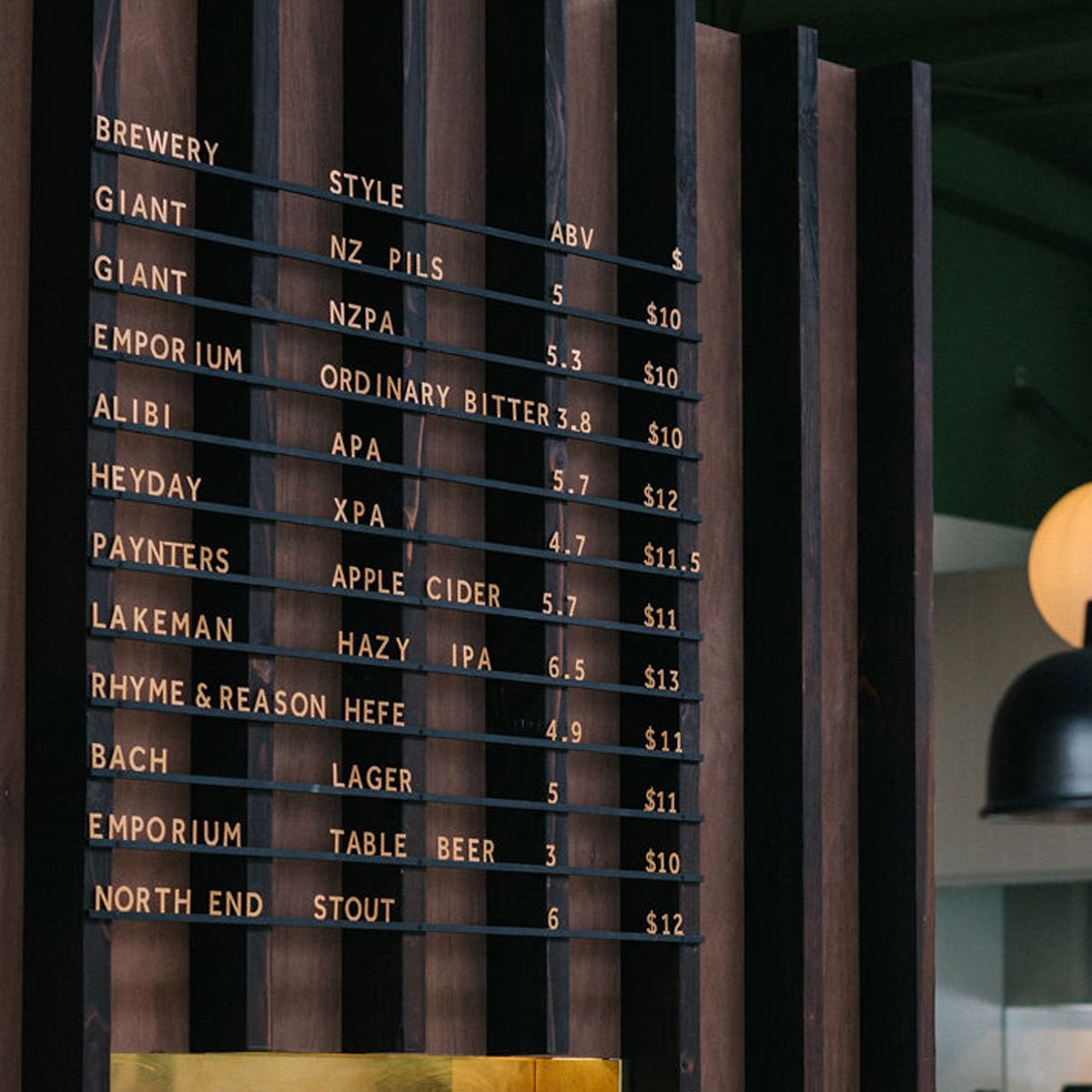
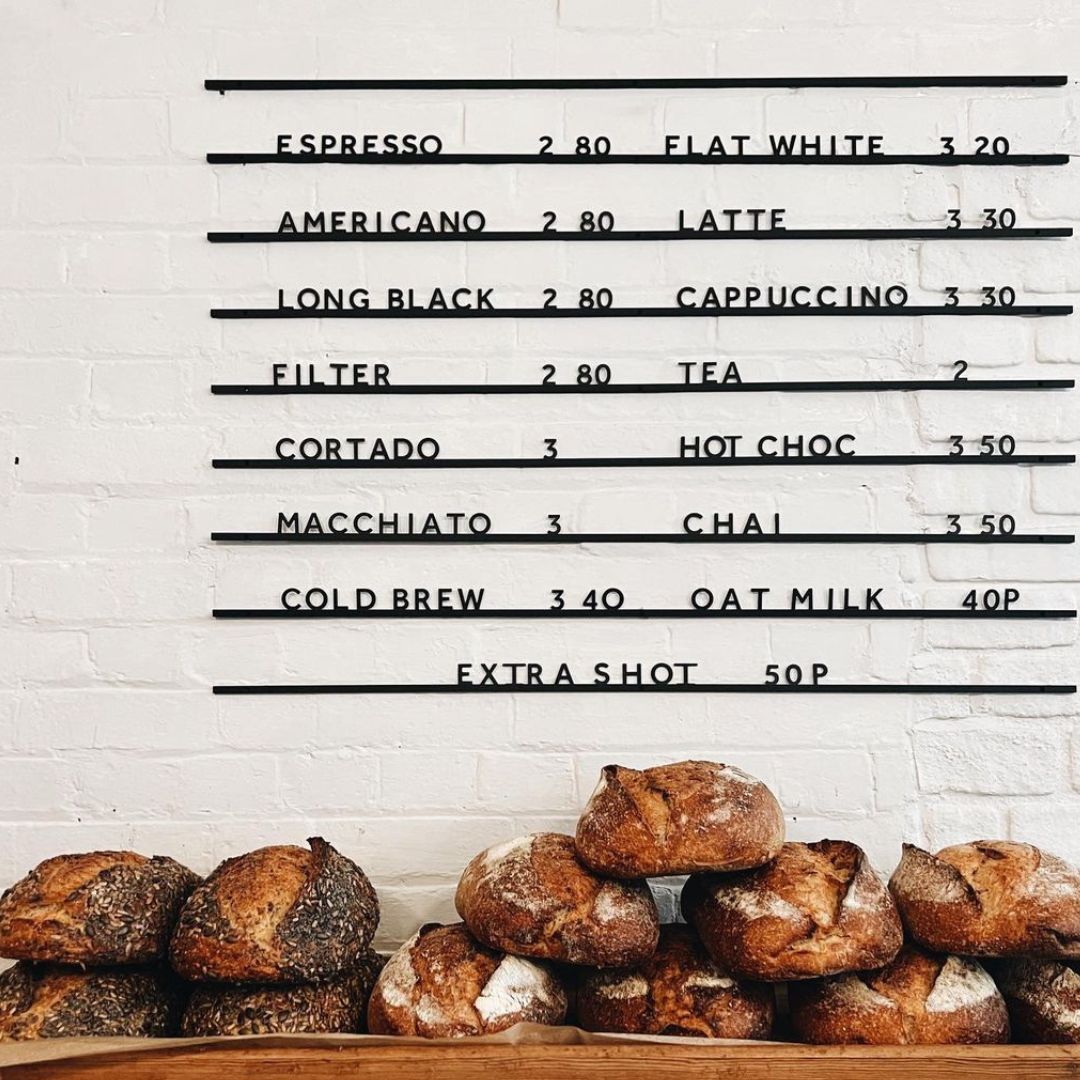
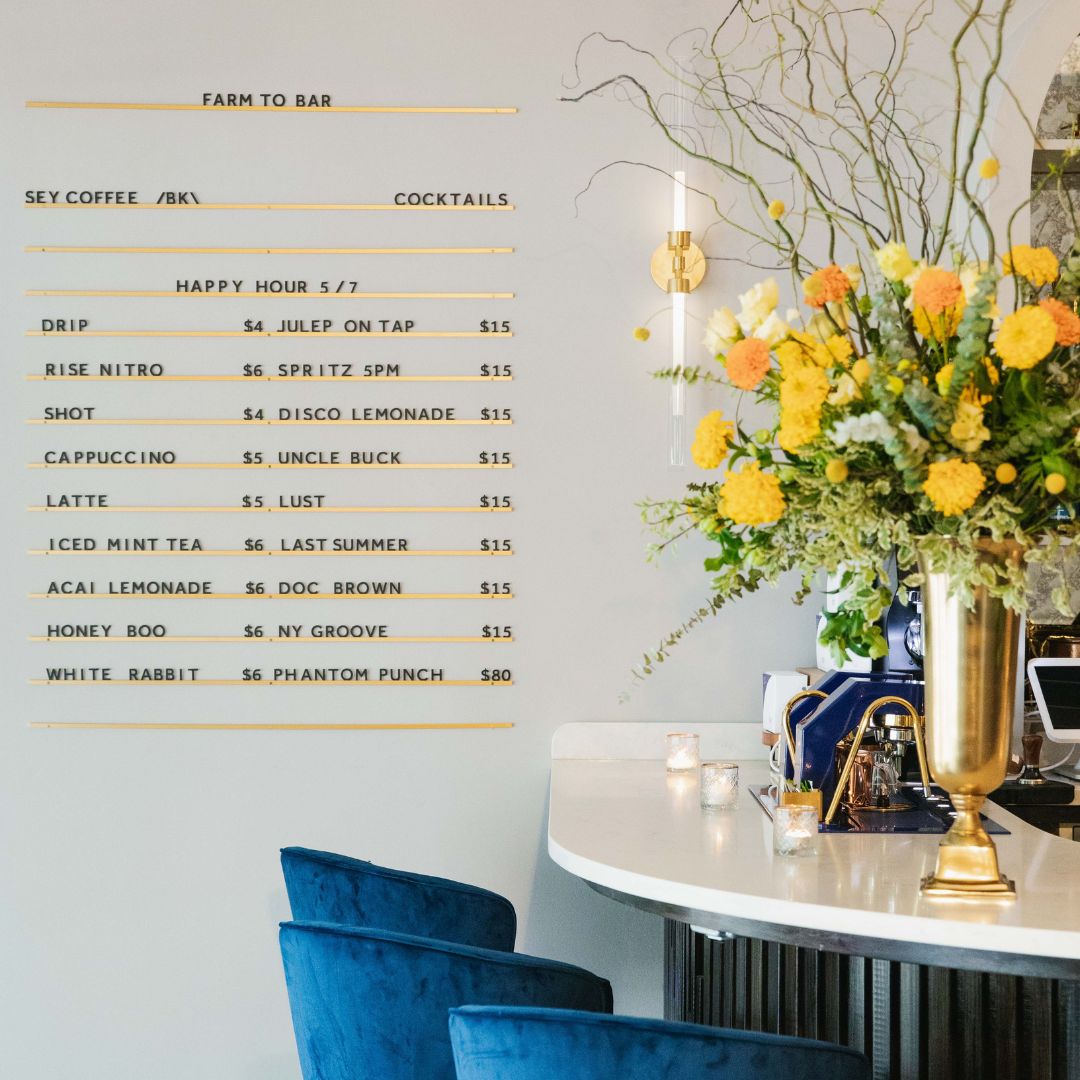
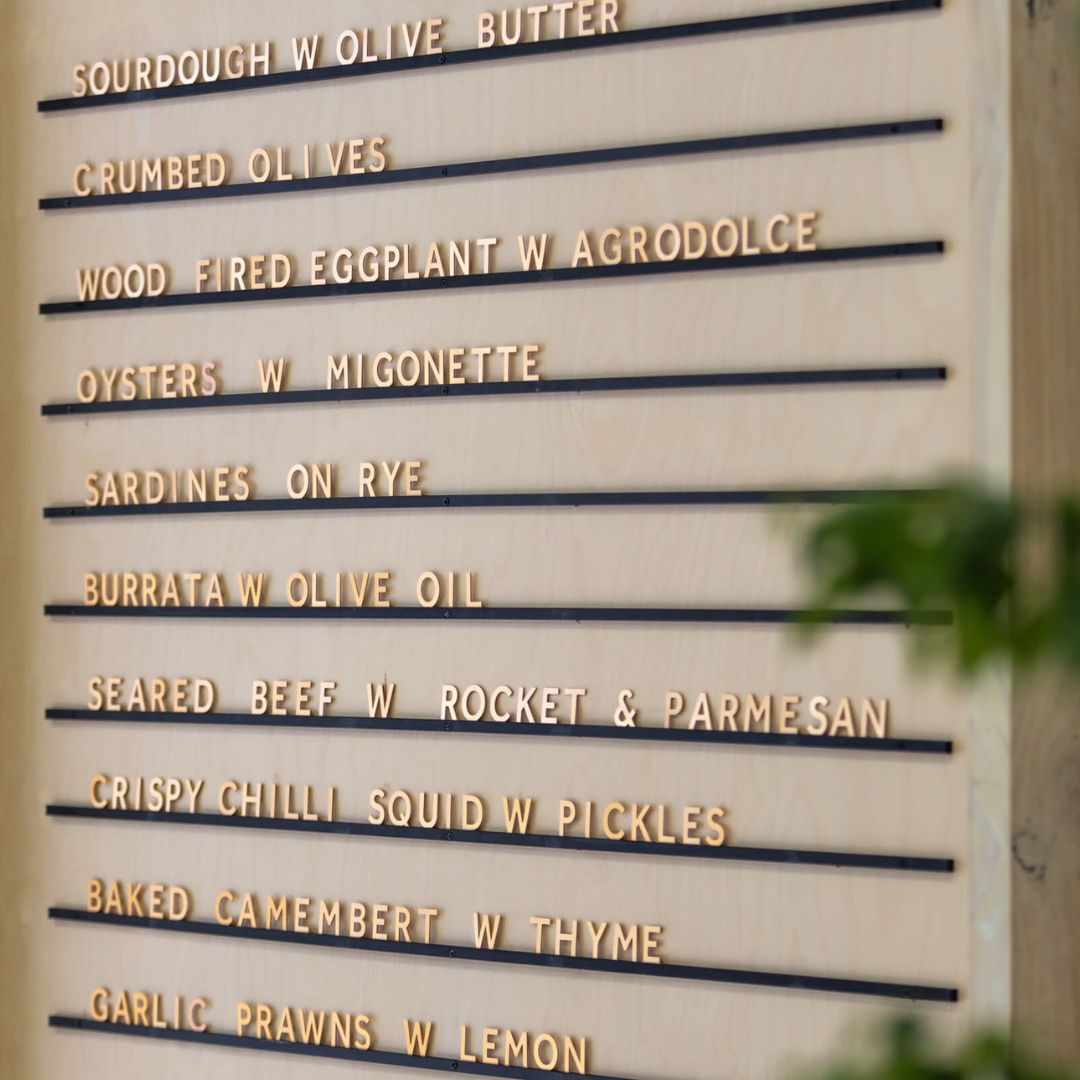
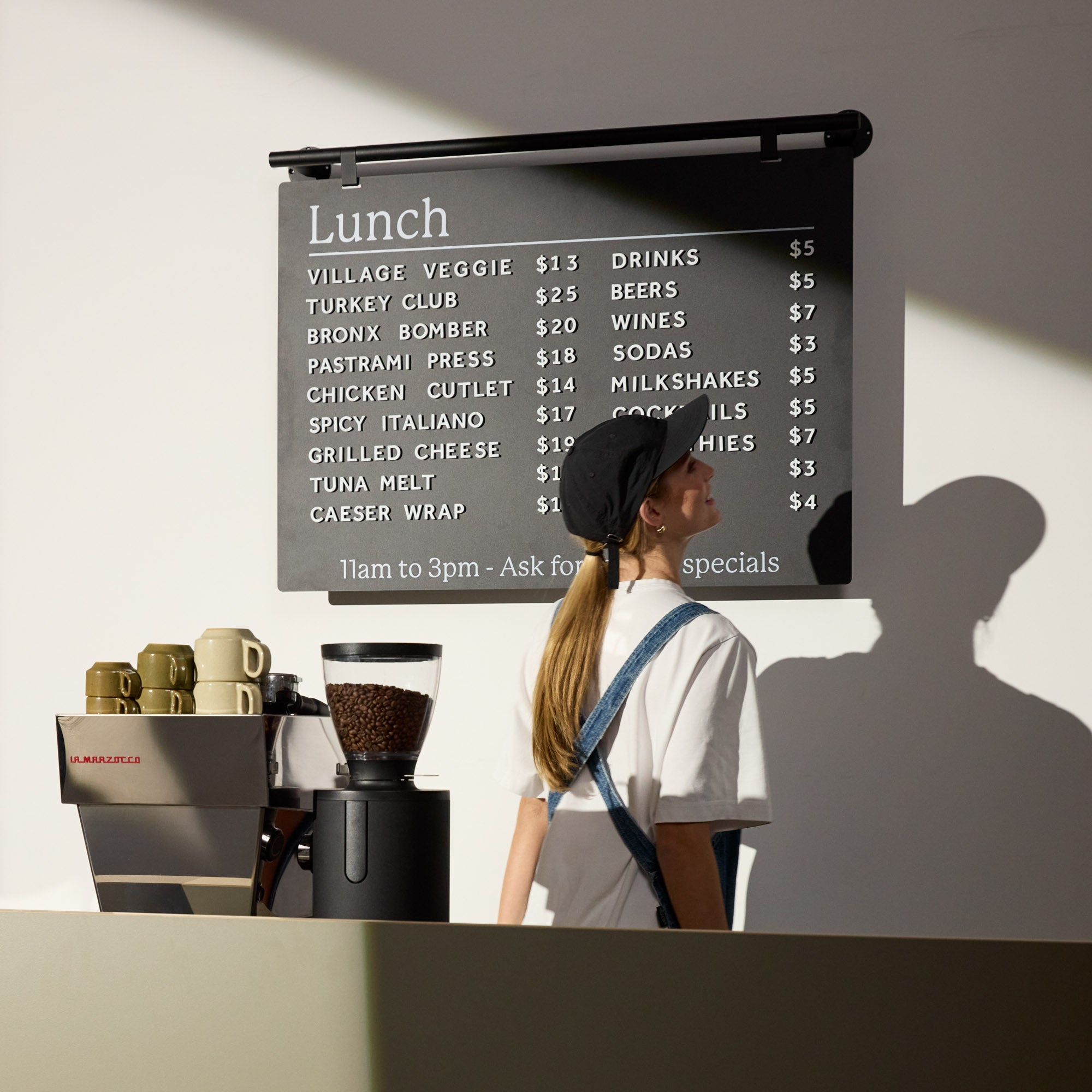
For businesses focused on ambiance and a premium aesthetic, a high quality indoor menu board offers unmatched benefits. Tactile boards provide a warm, authentic experience that digital screens cannot replicate. They are immune to technical glitches, screen glare, and the visual noise that can cheapen a carefully designed interior.
Popular styles for modern businesses include:
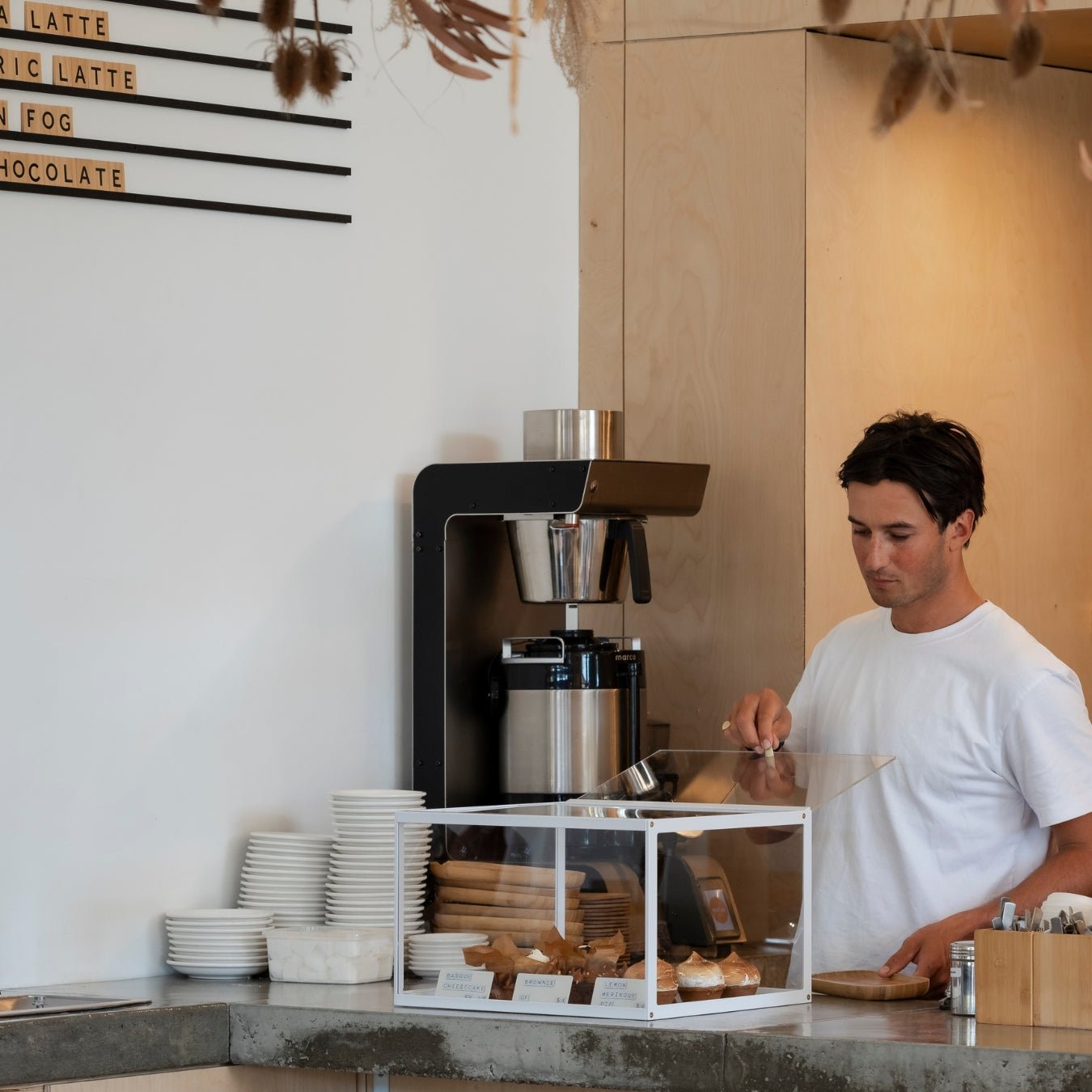
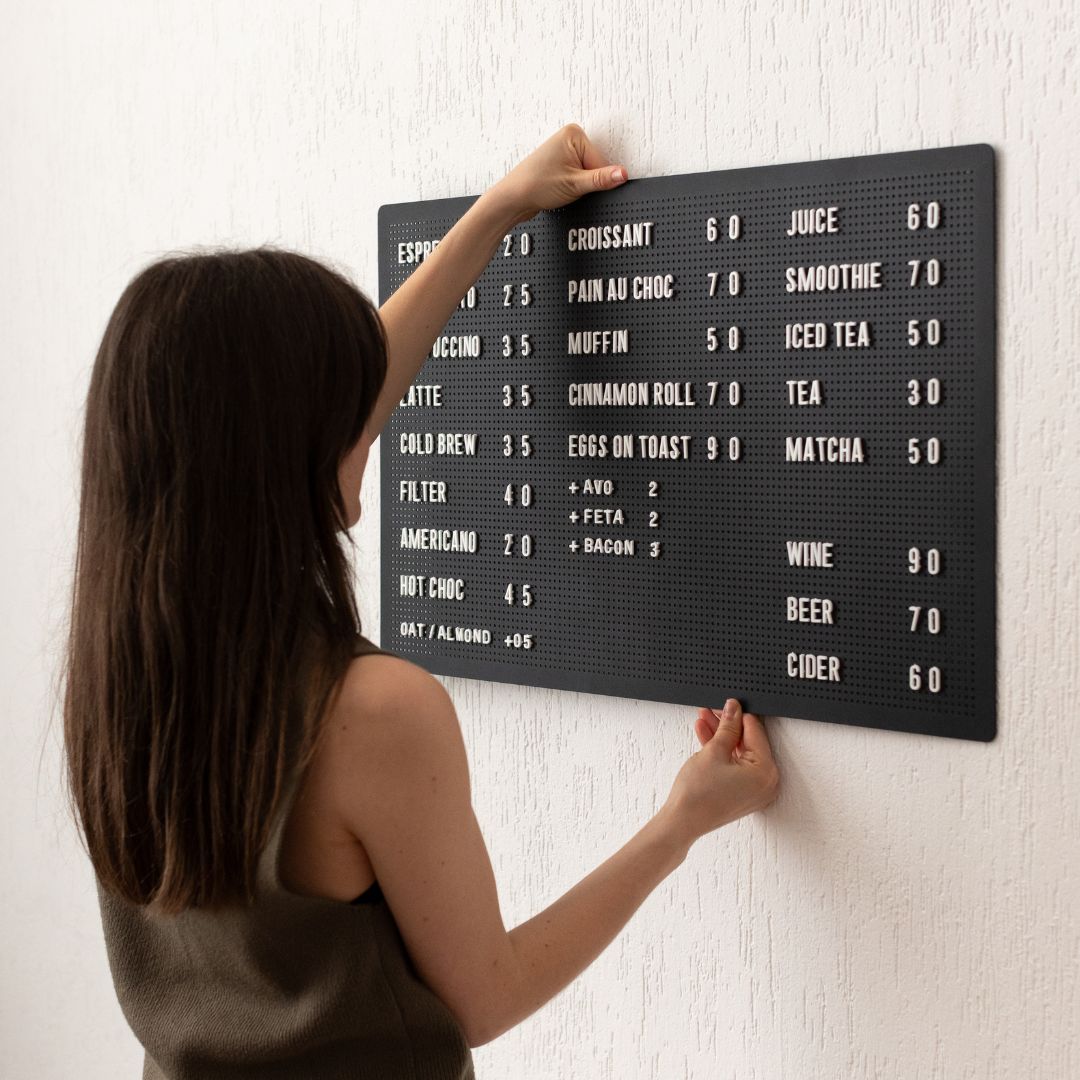
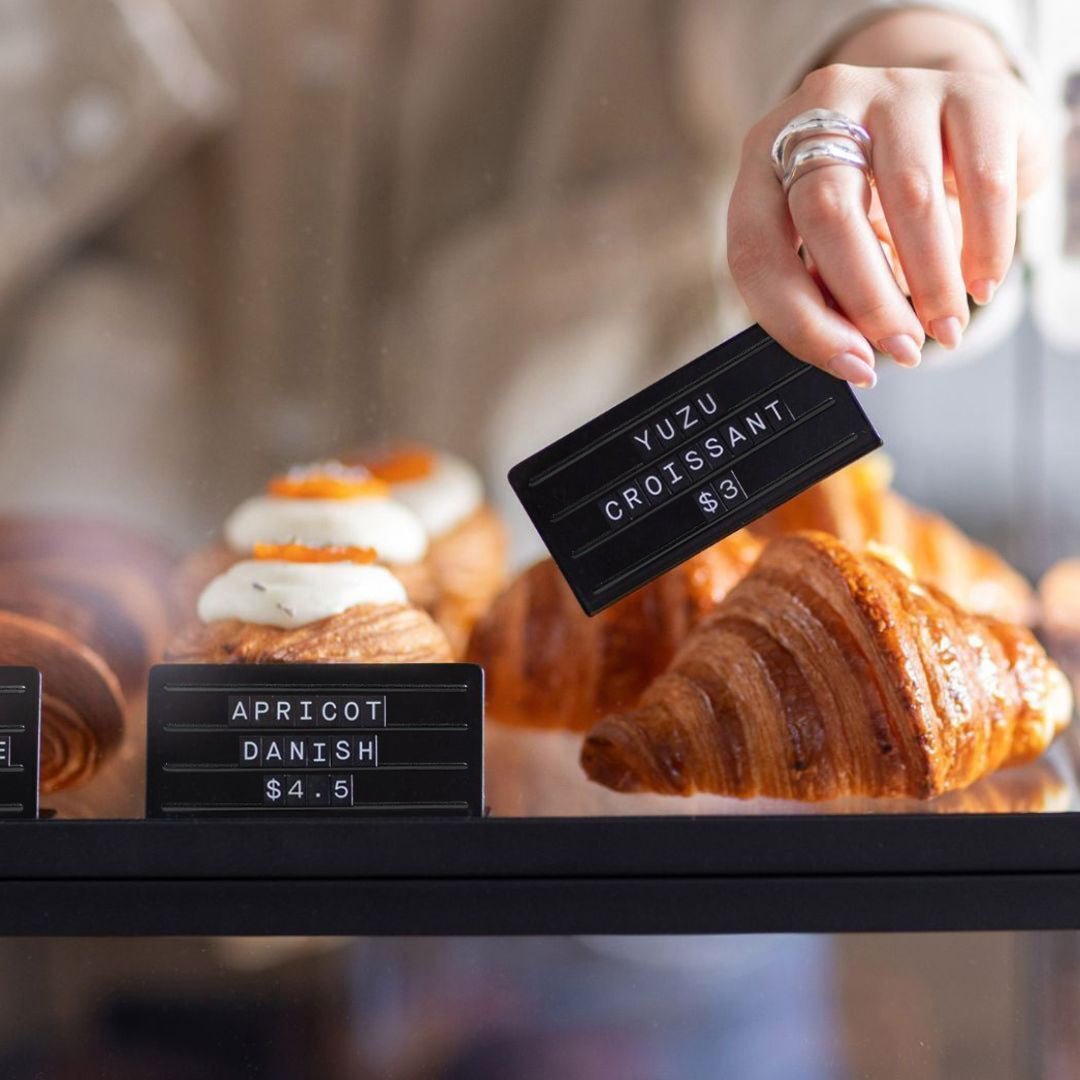
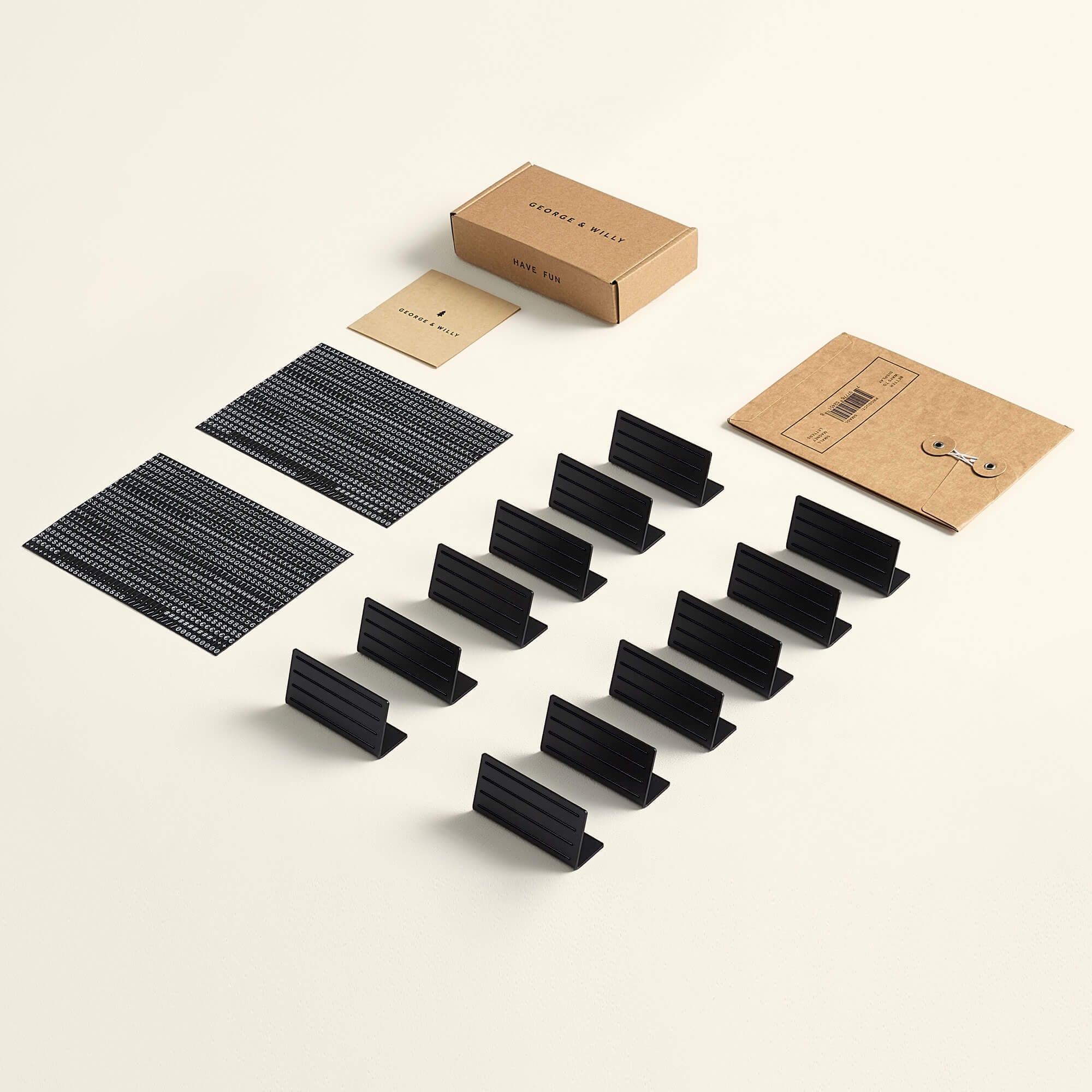
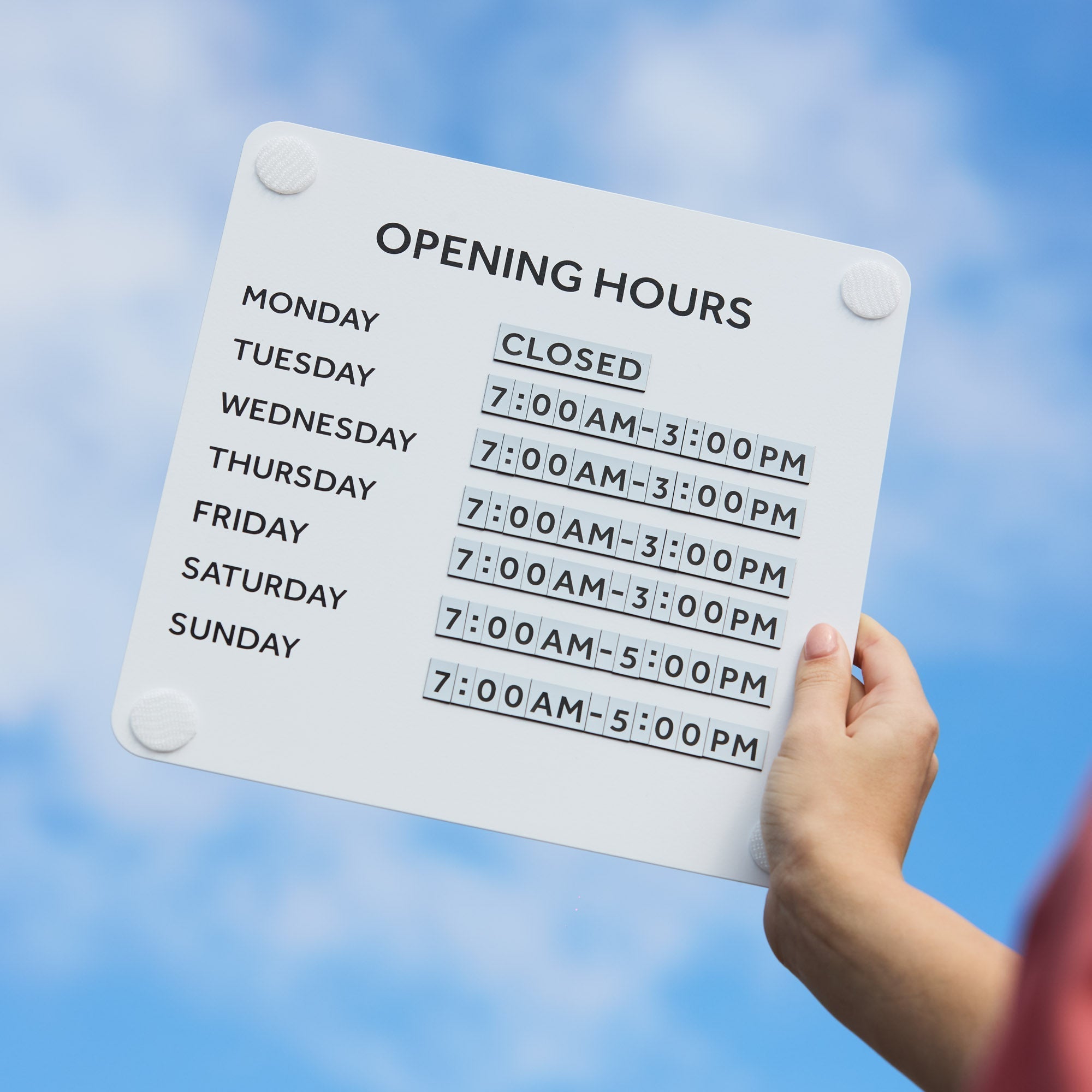
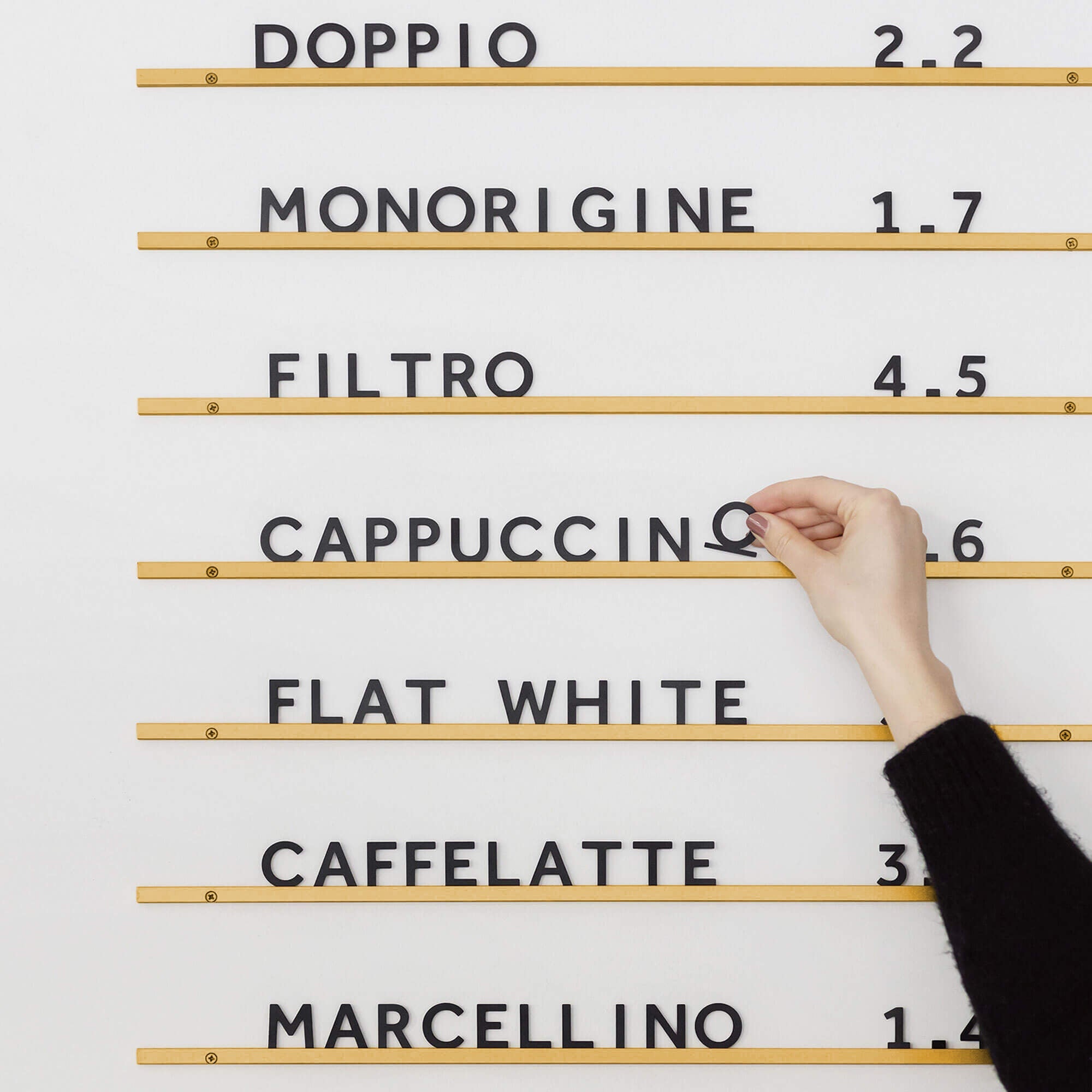
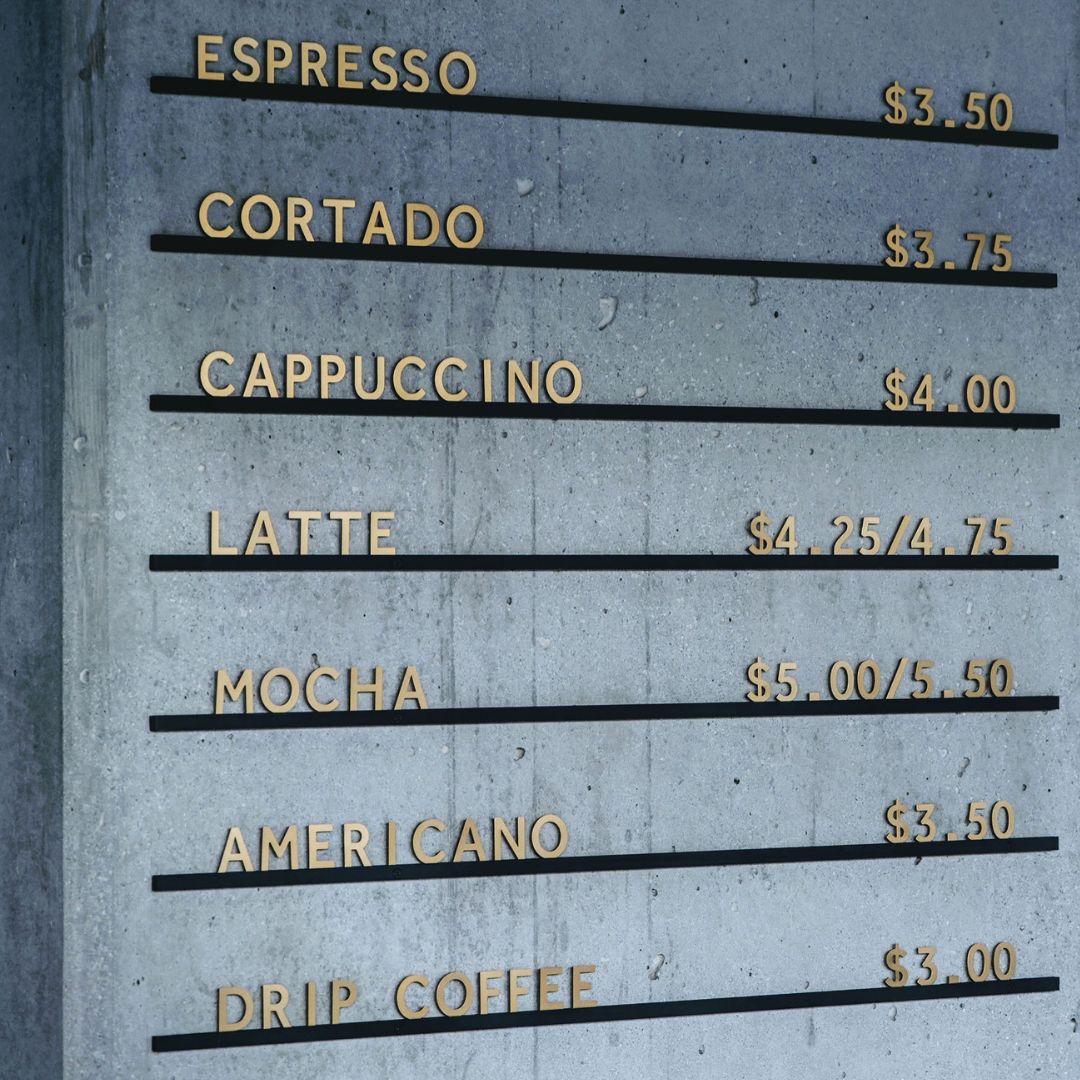
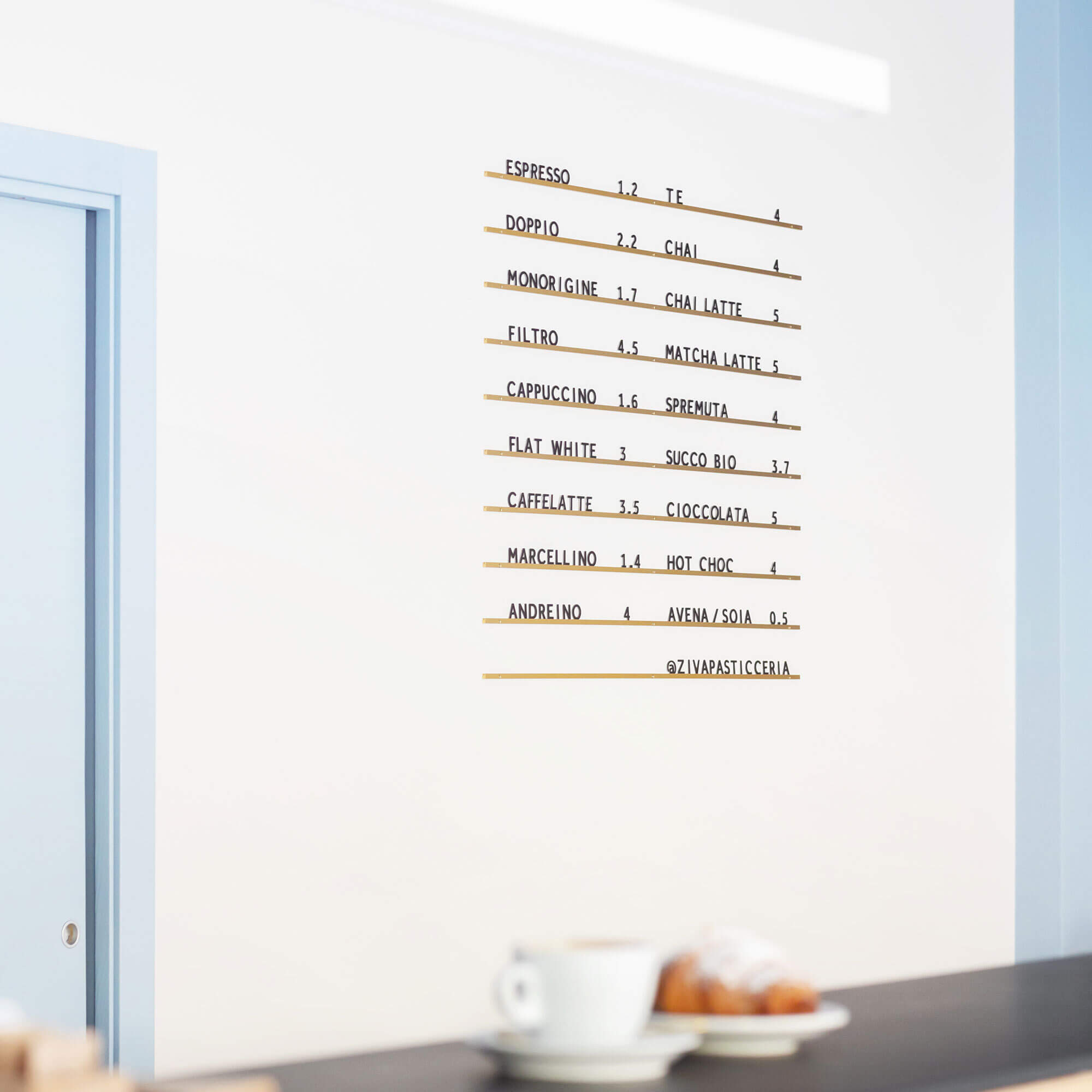
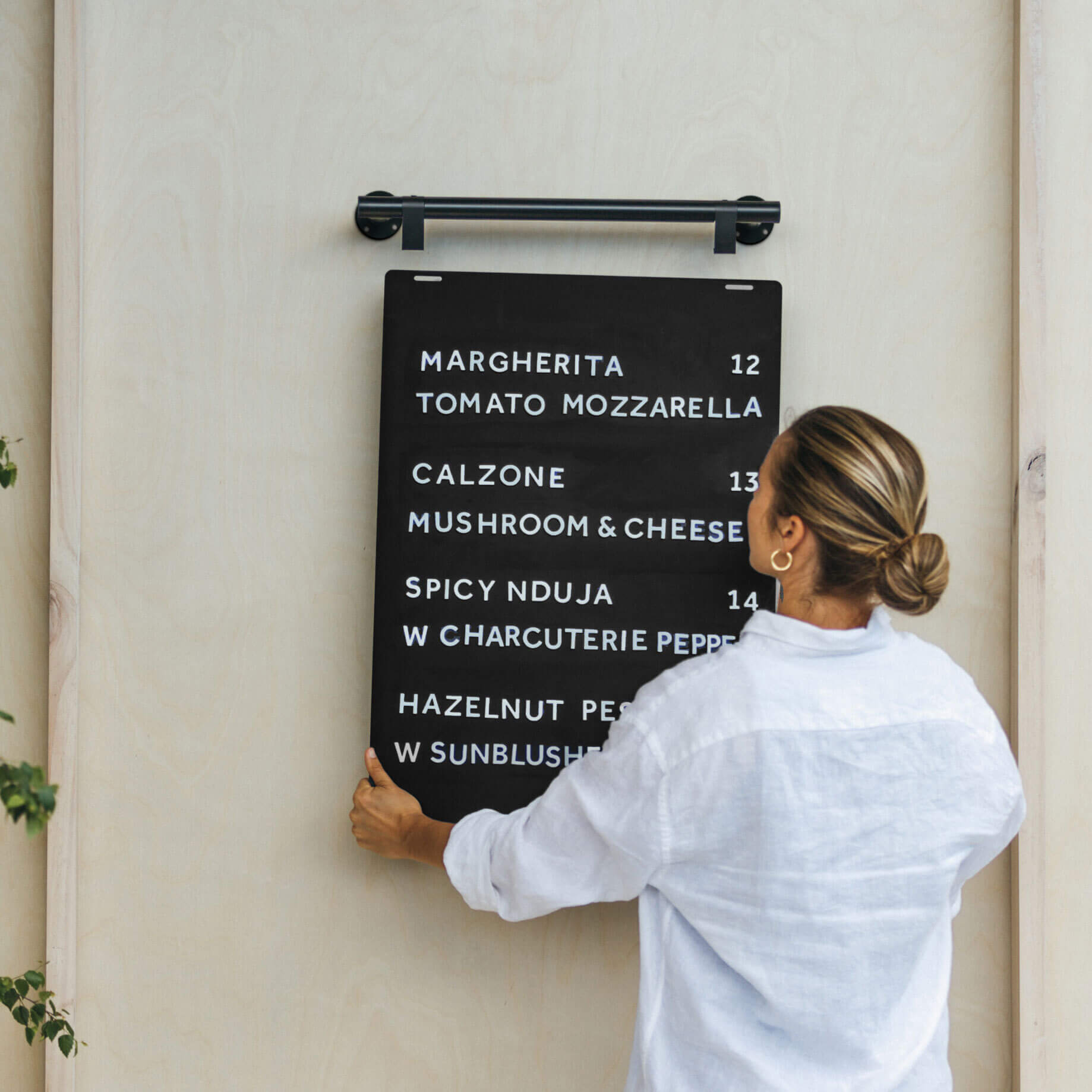
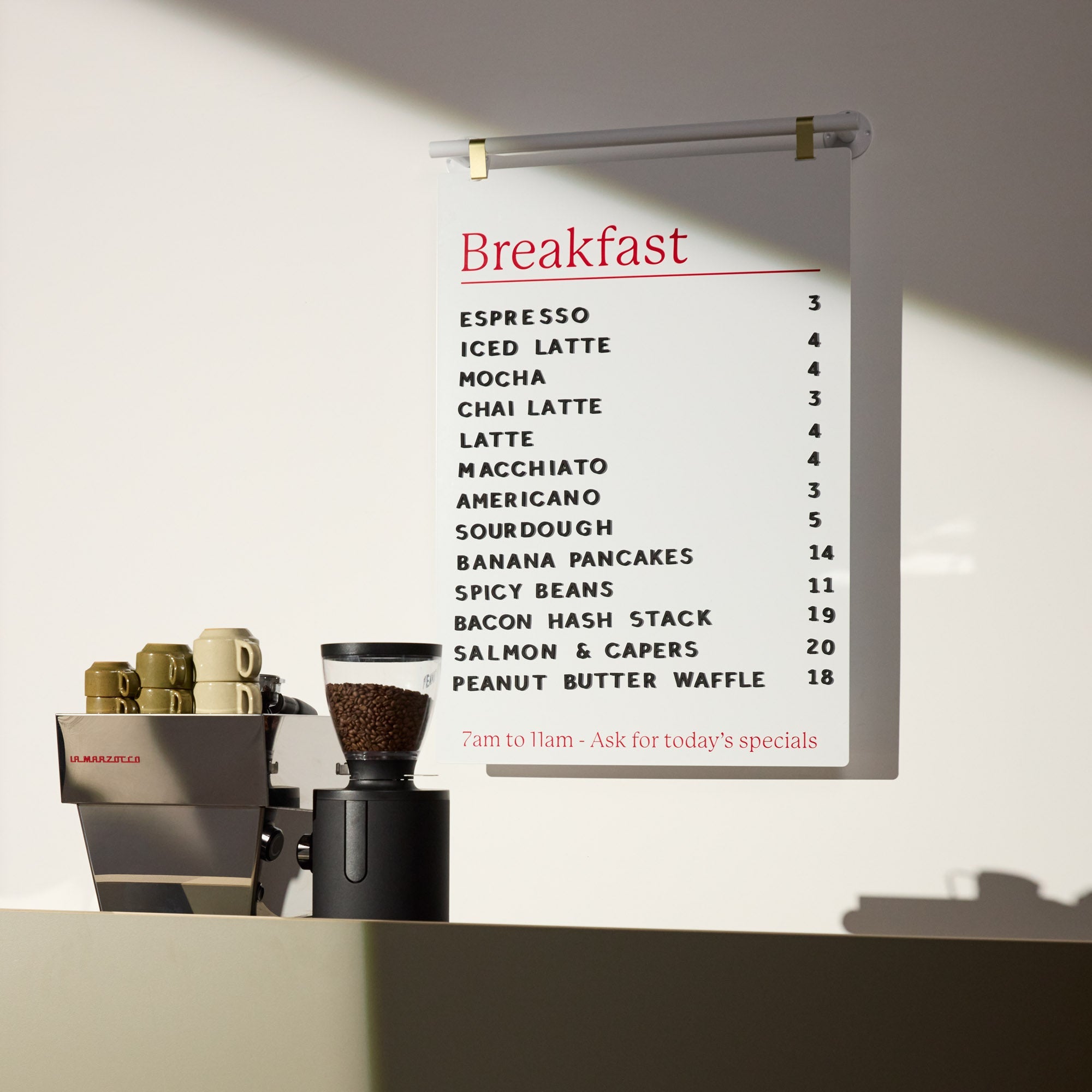
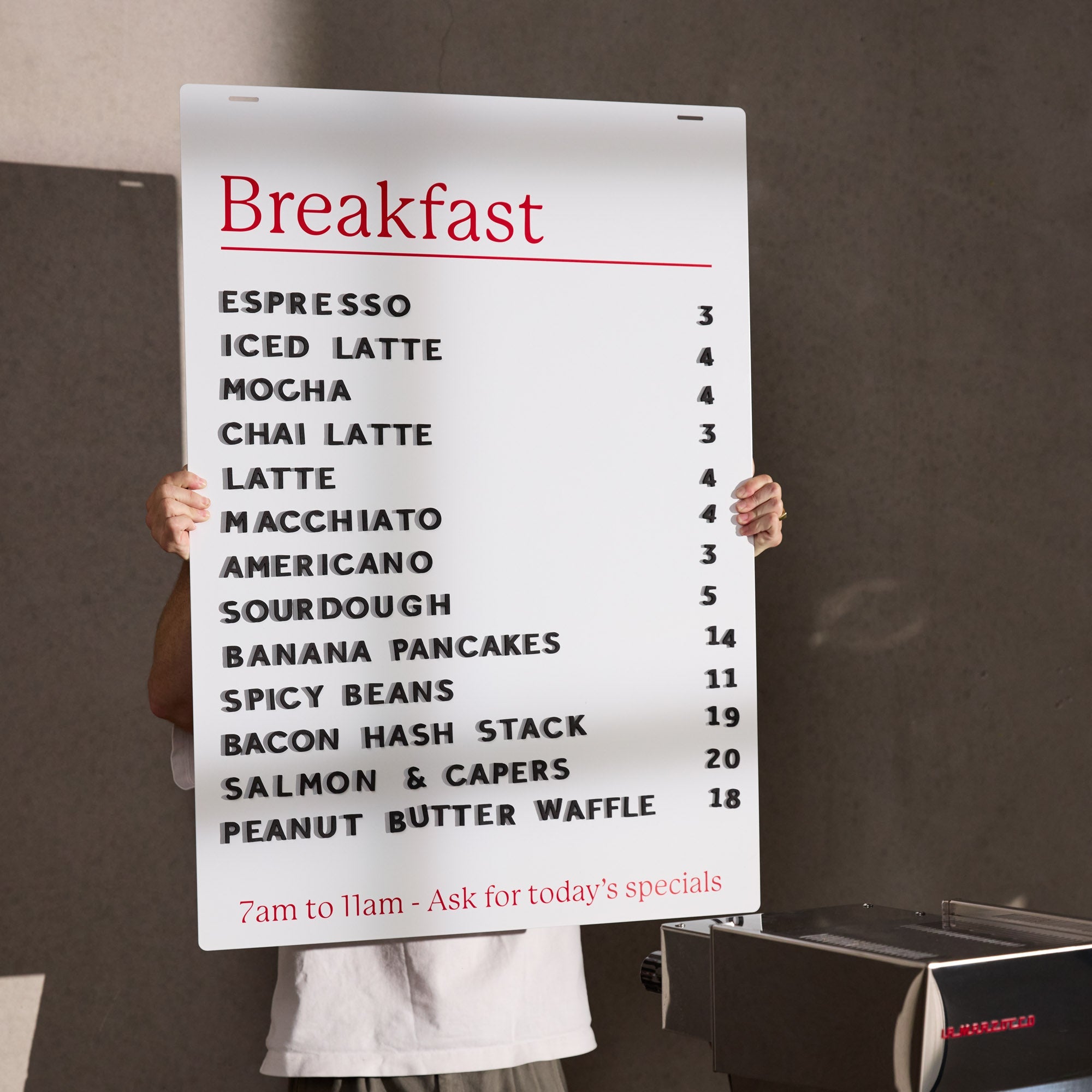
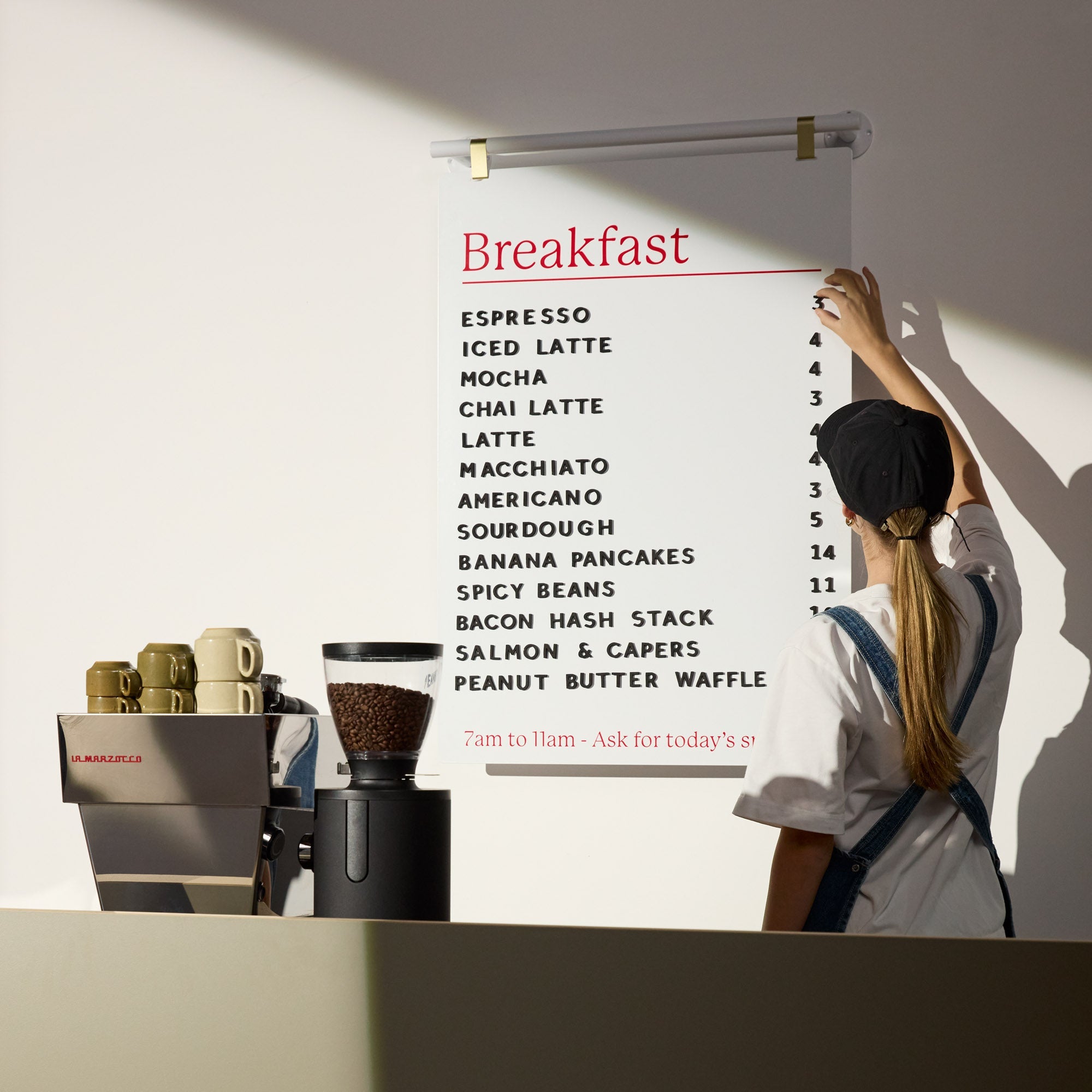
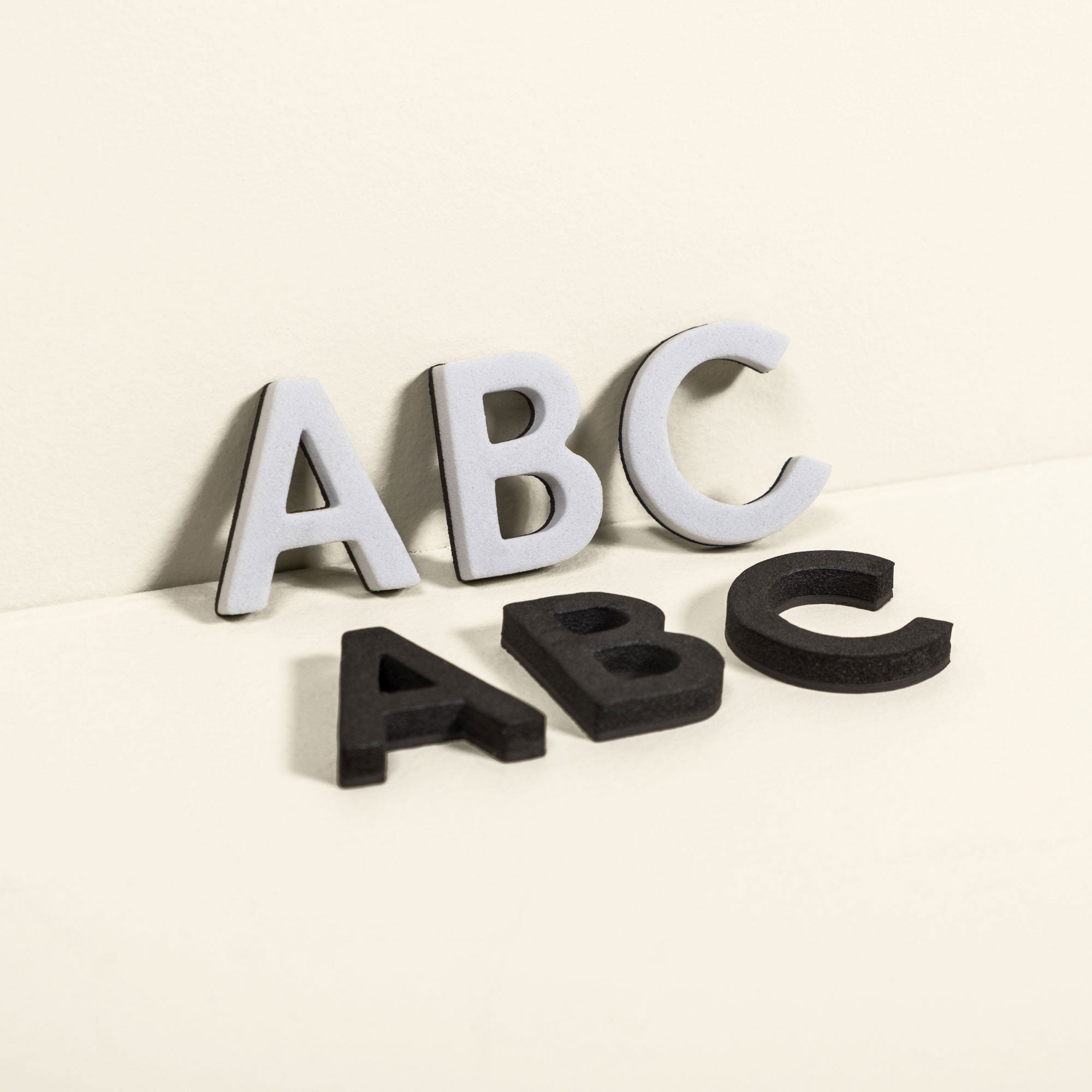
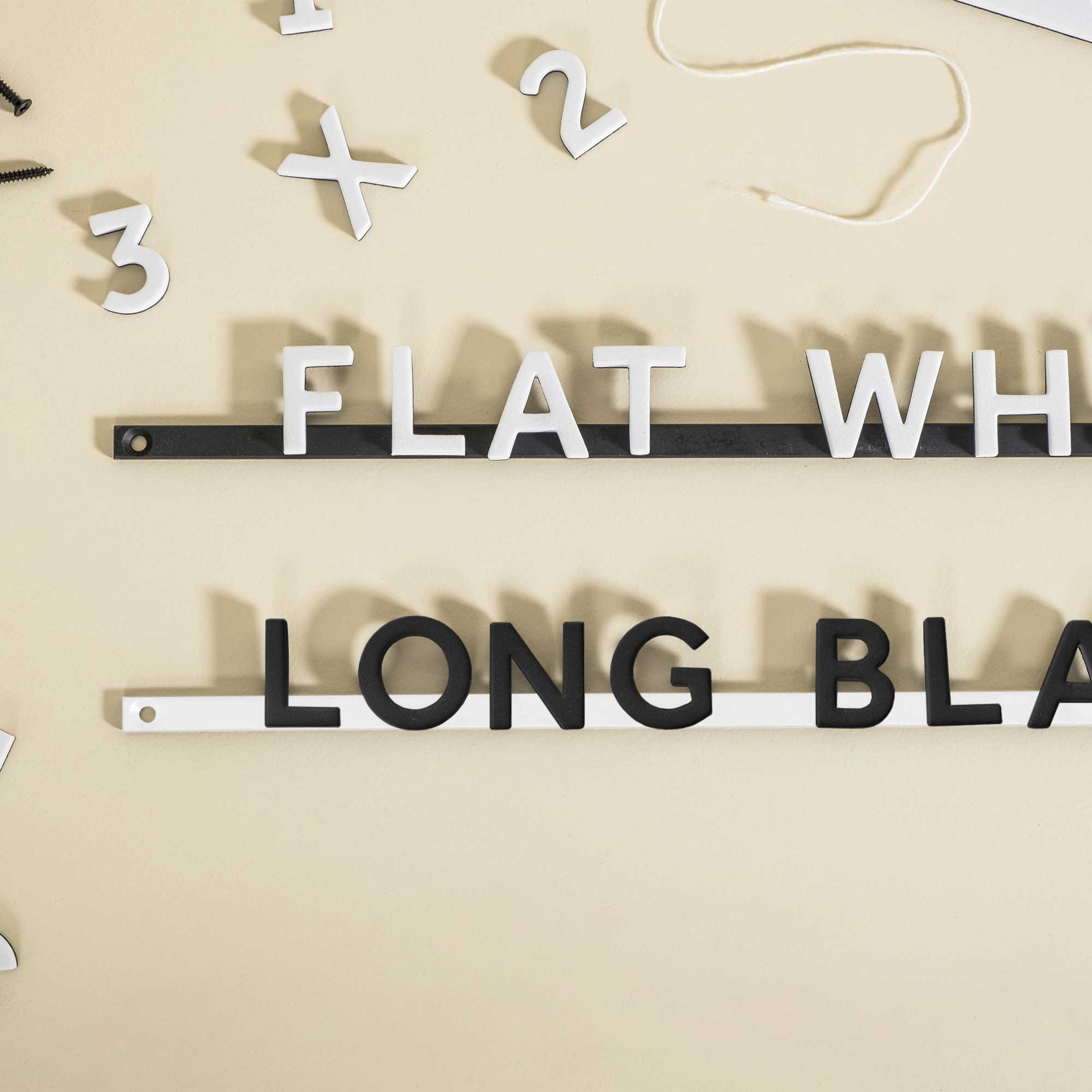
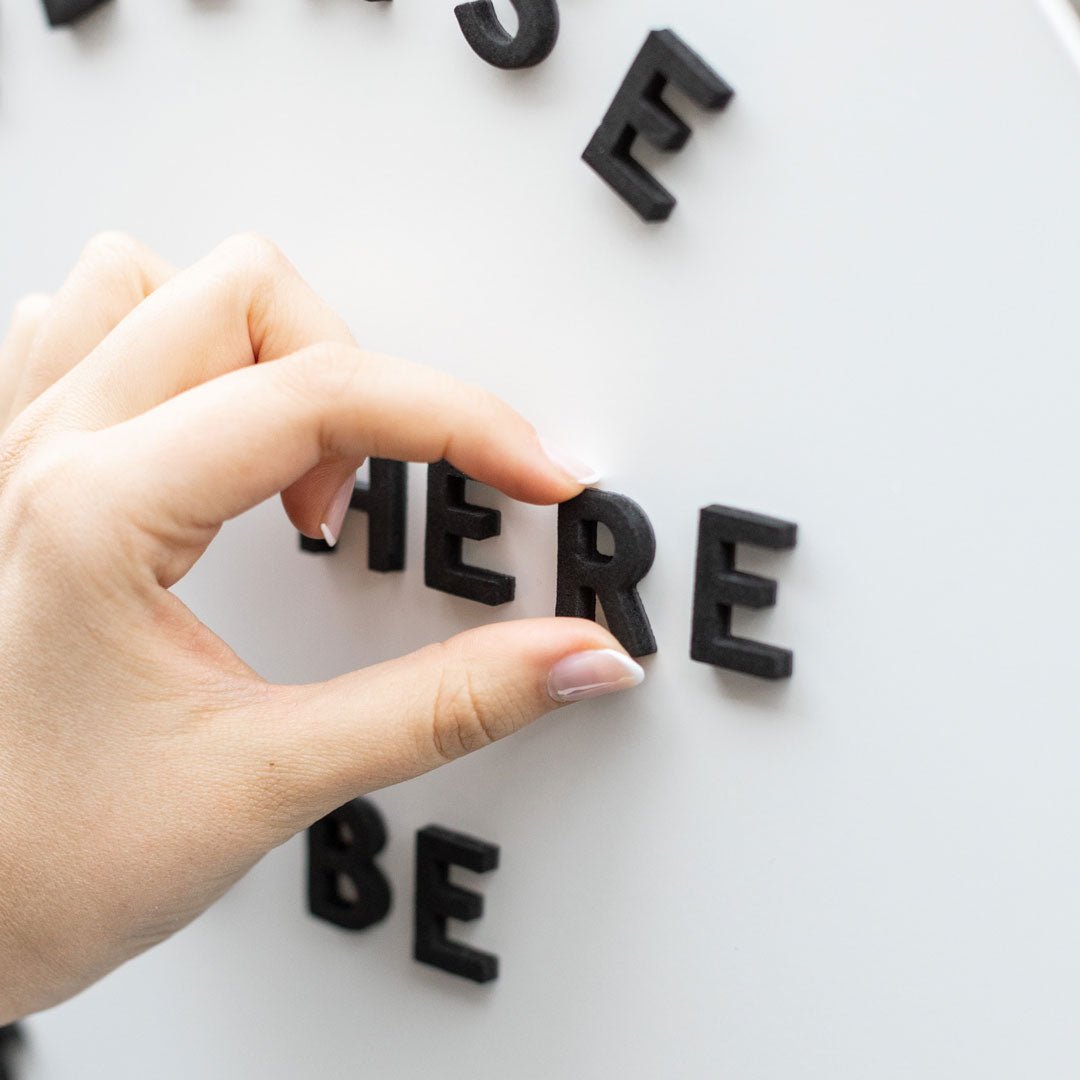
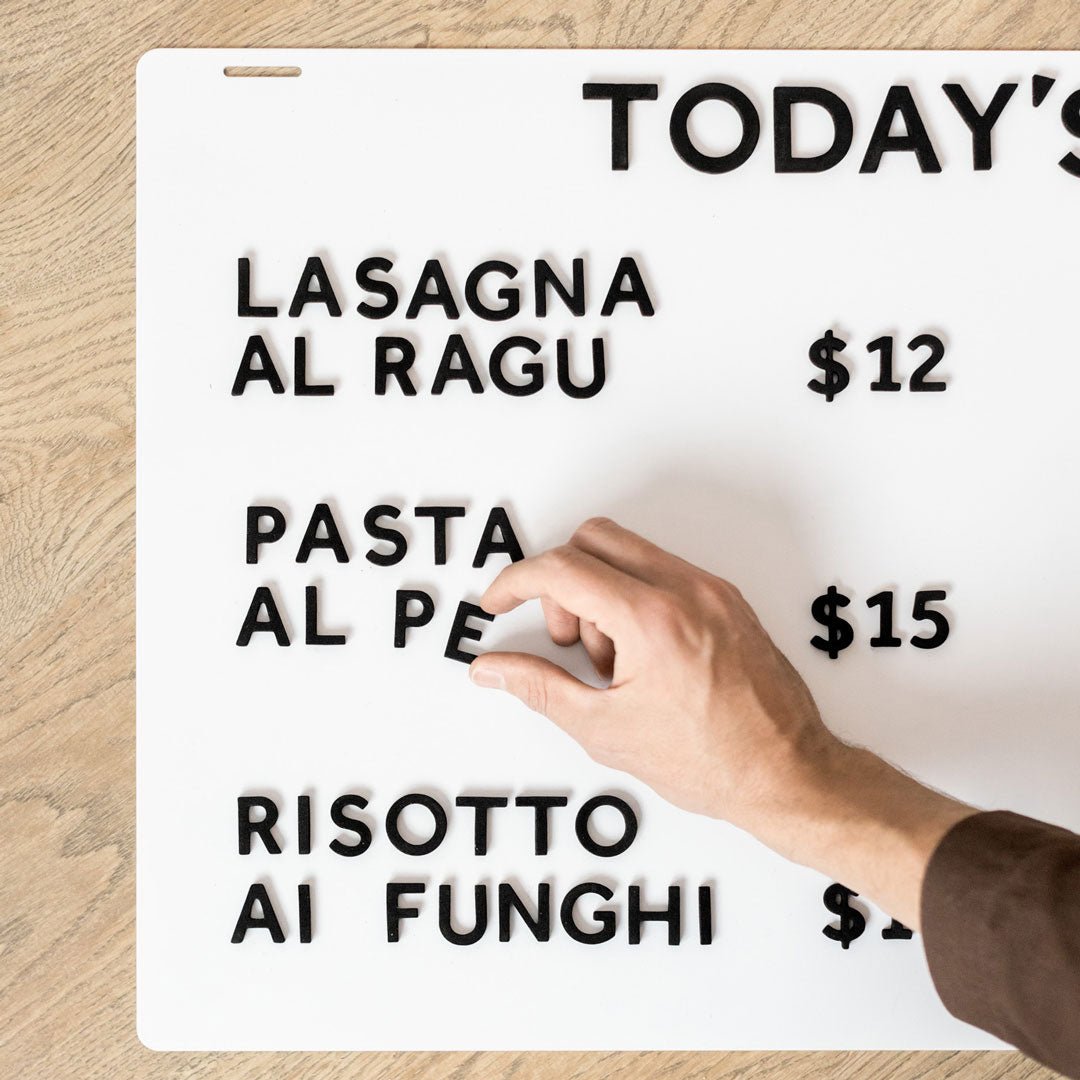
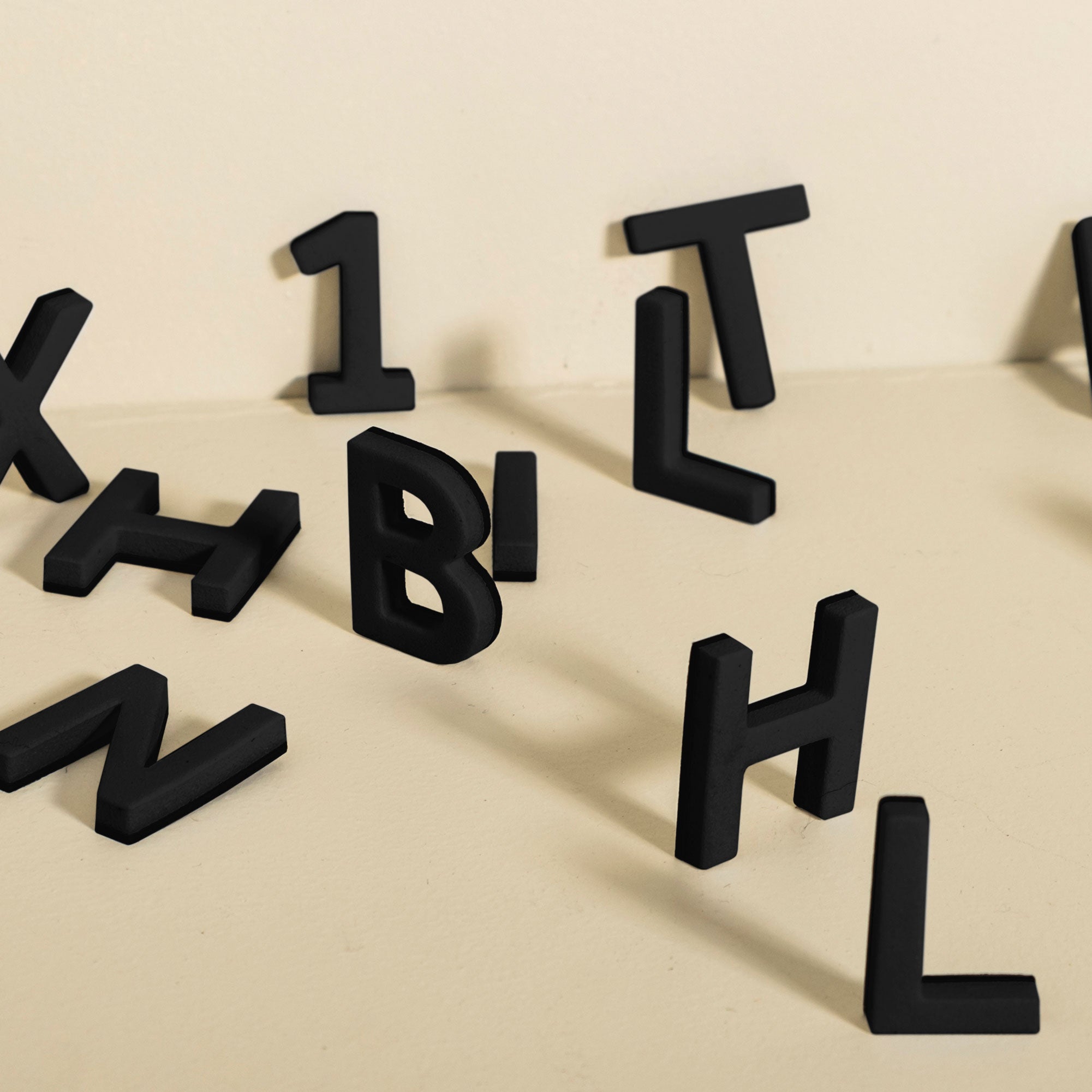
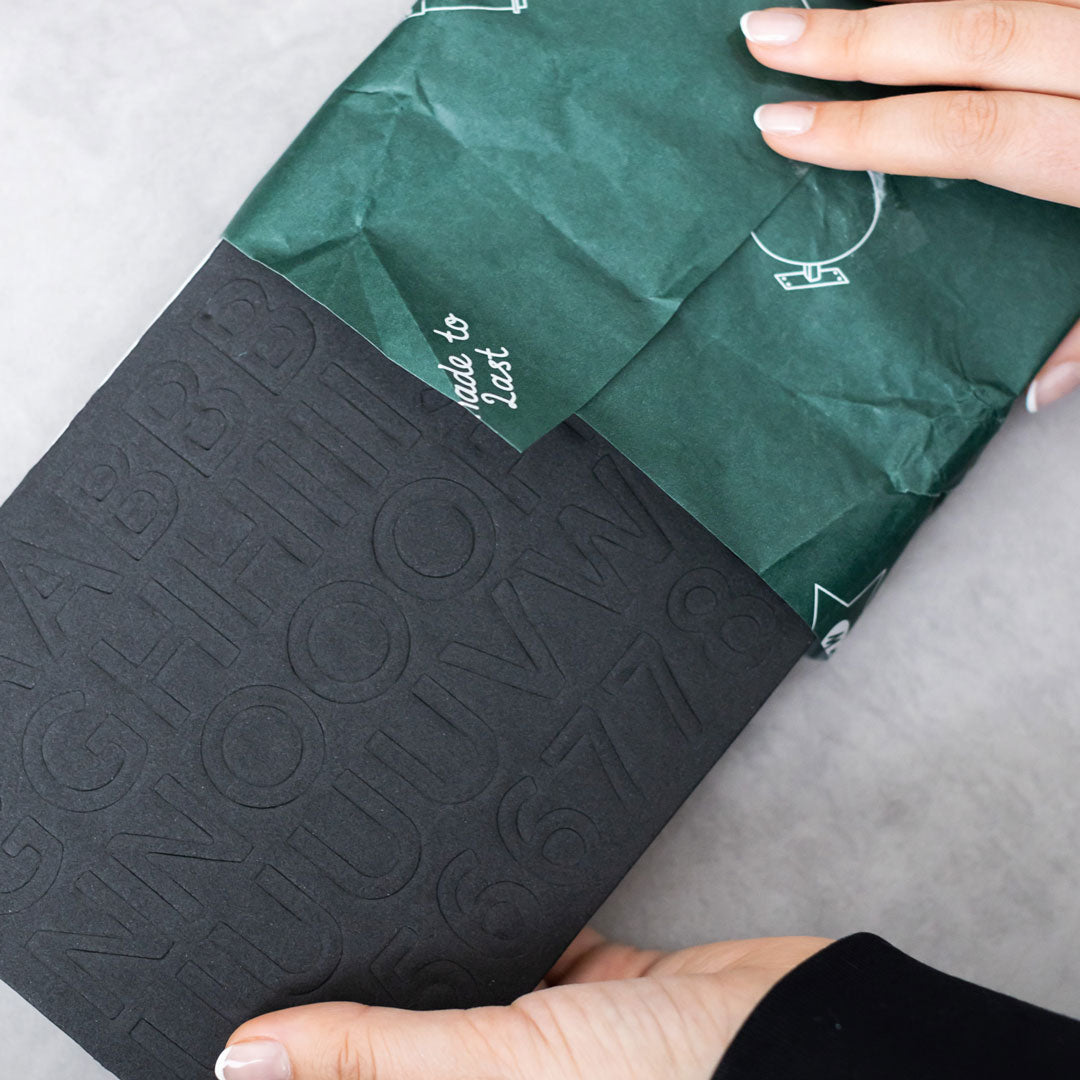
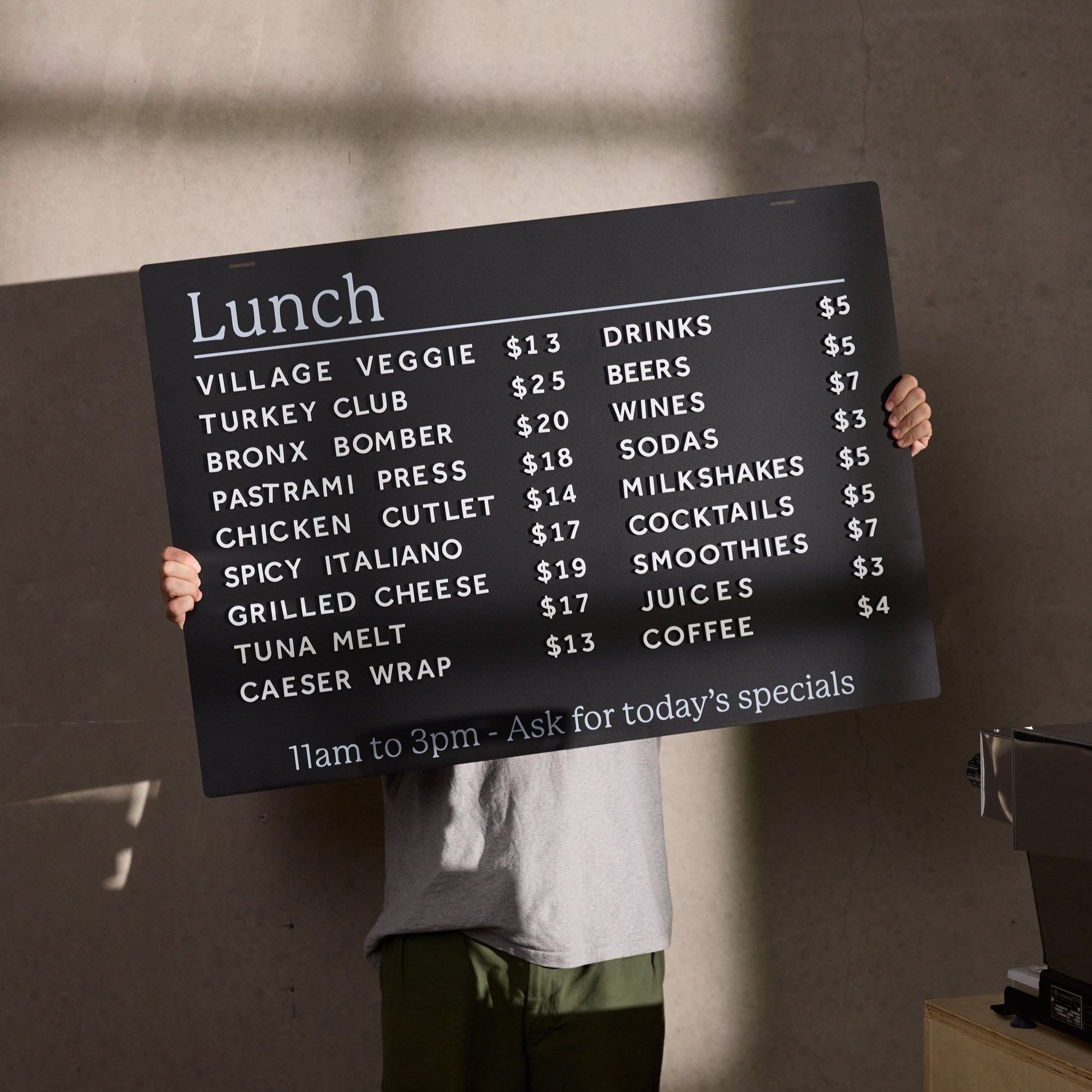
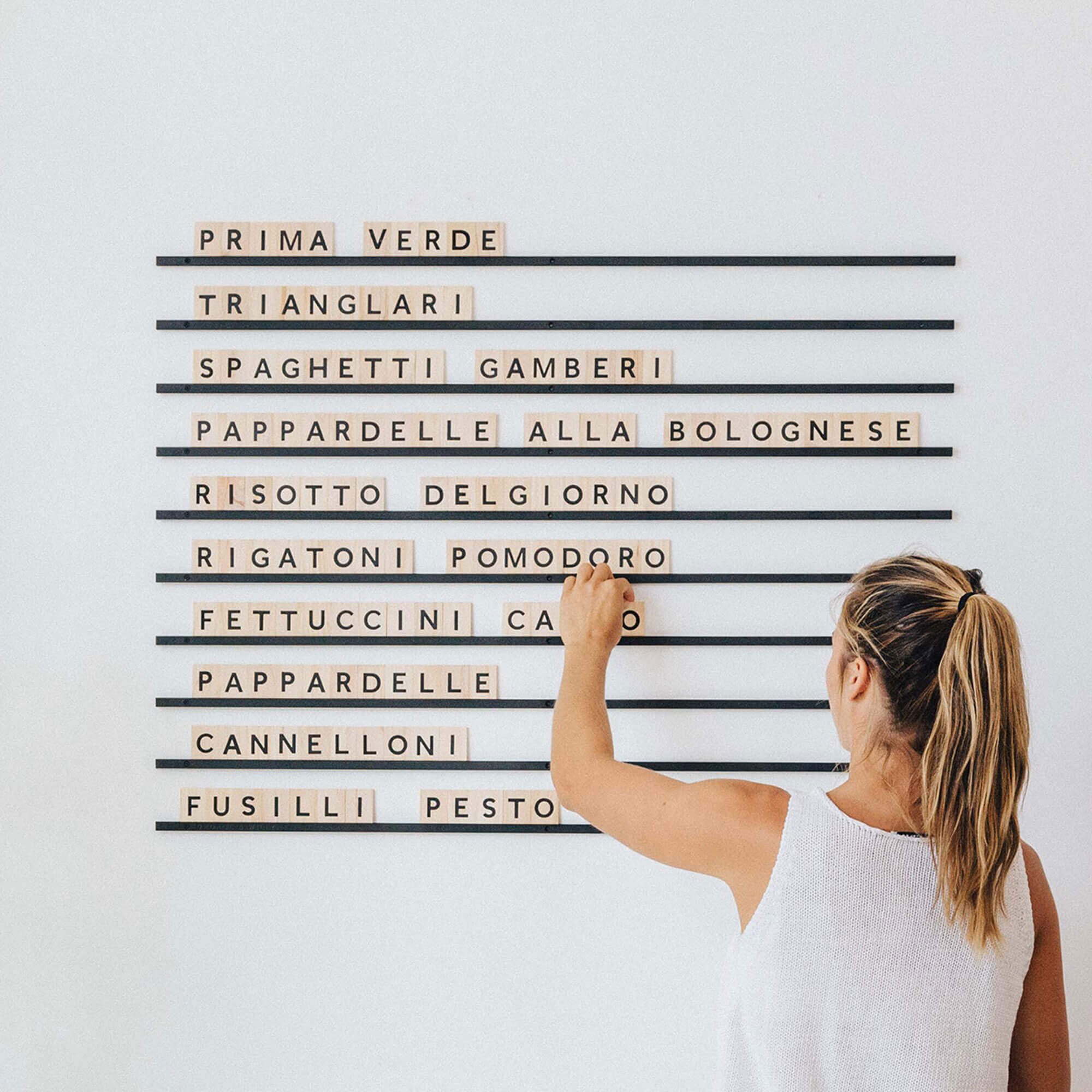
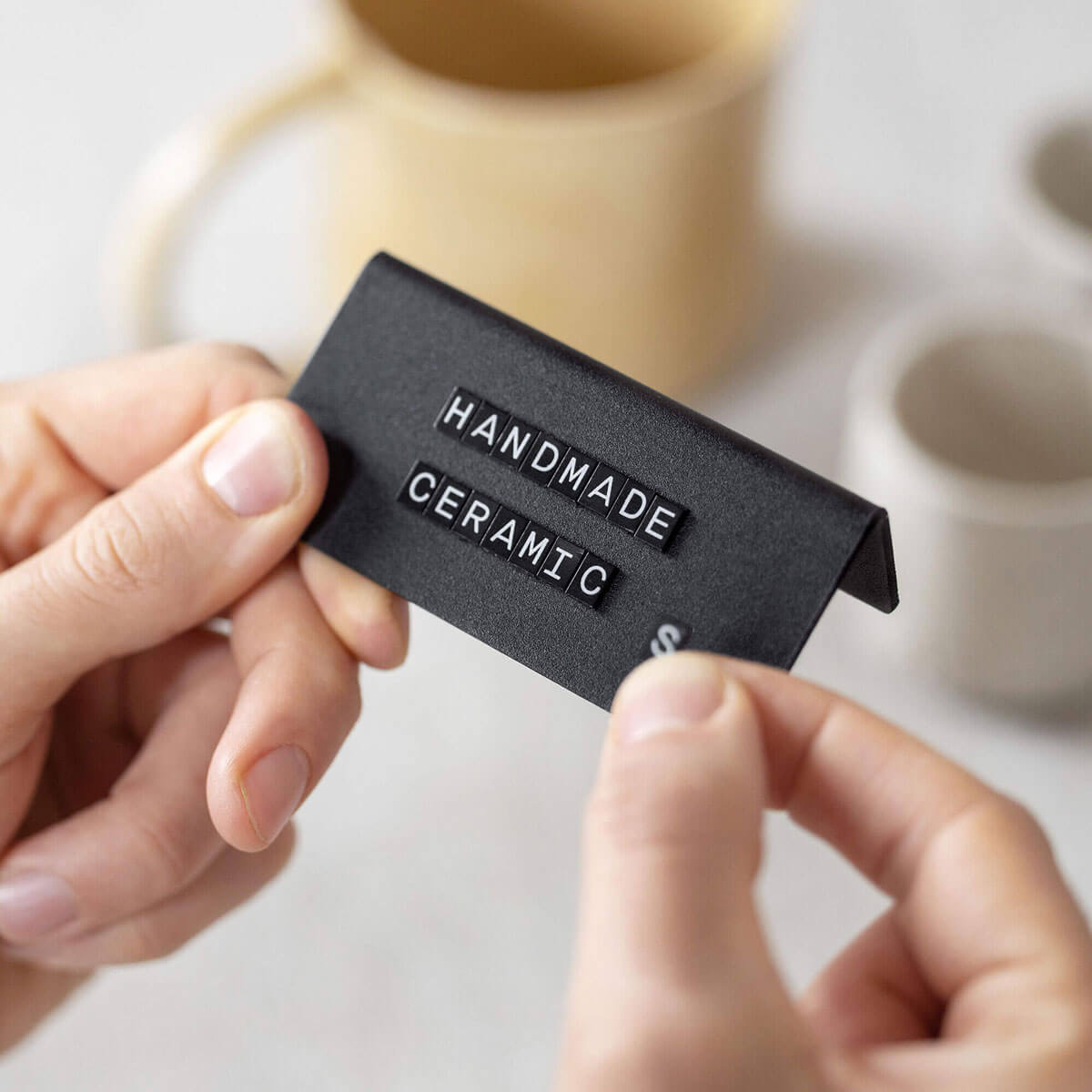
- Magnetic Letter Boards: These systems, featuring rails and individual magnetic letters, offer a clean, uniform look. They are incredibly easy to update for daily specials or price changes and provide a crisp, professional aesthetic.
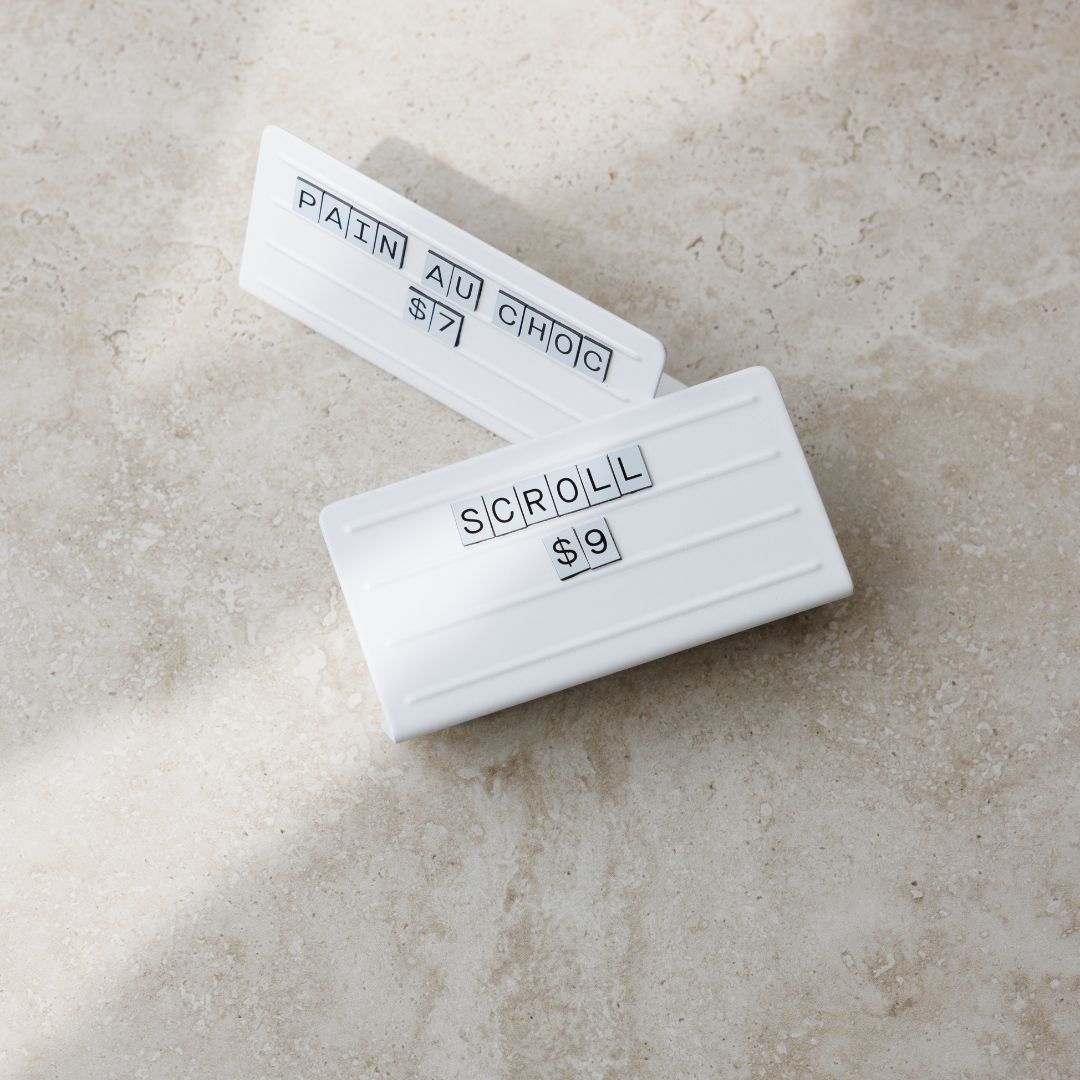
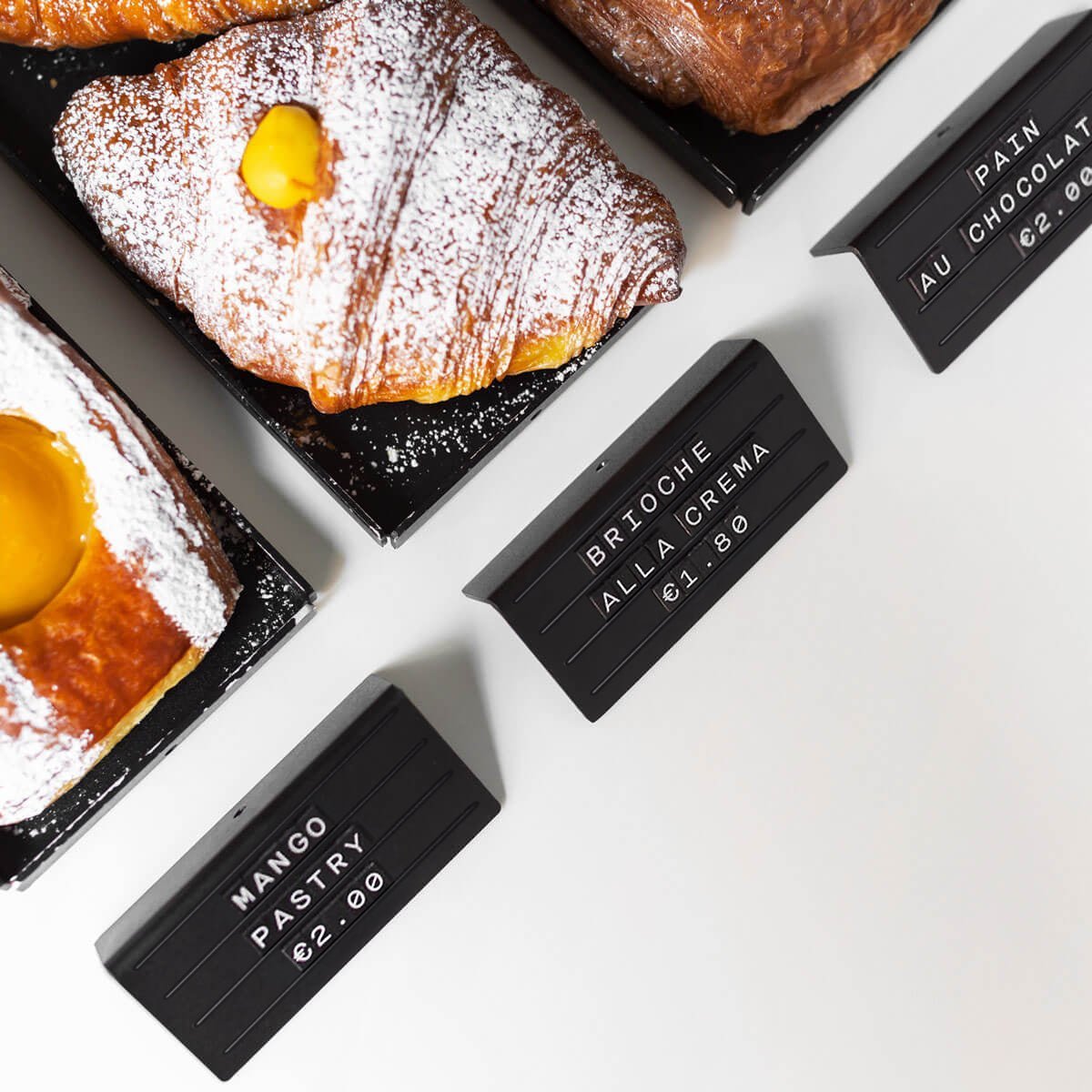
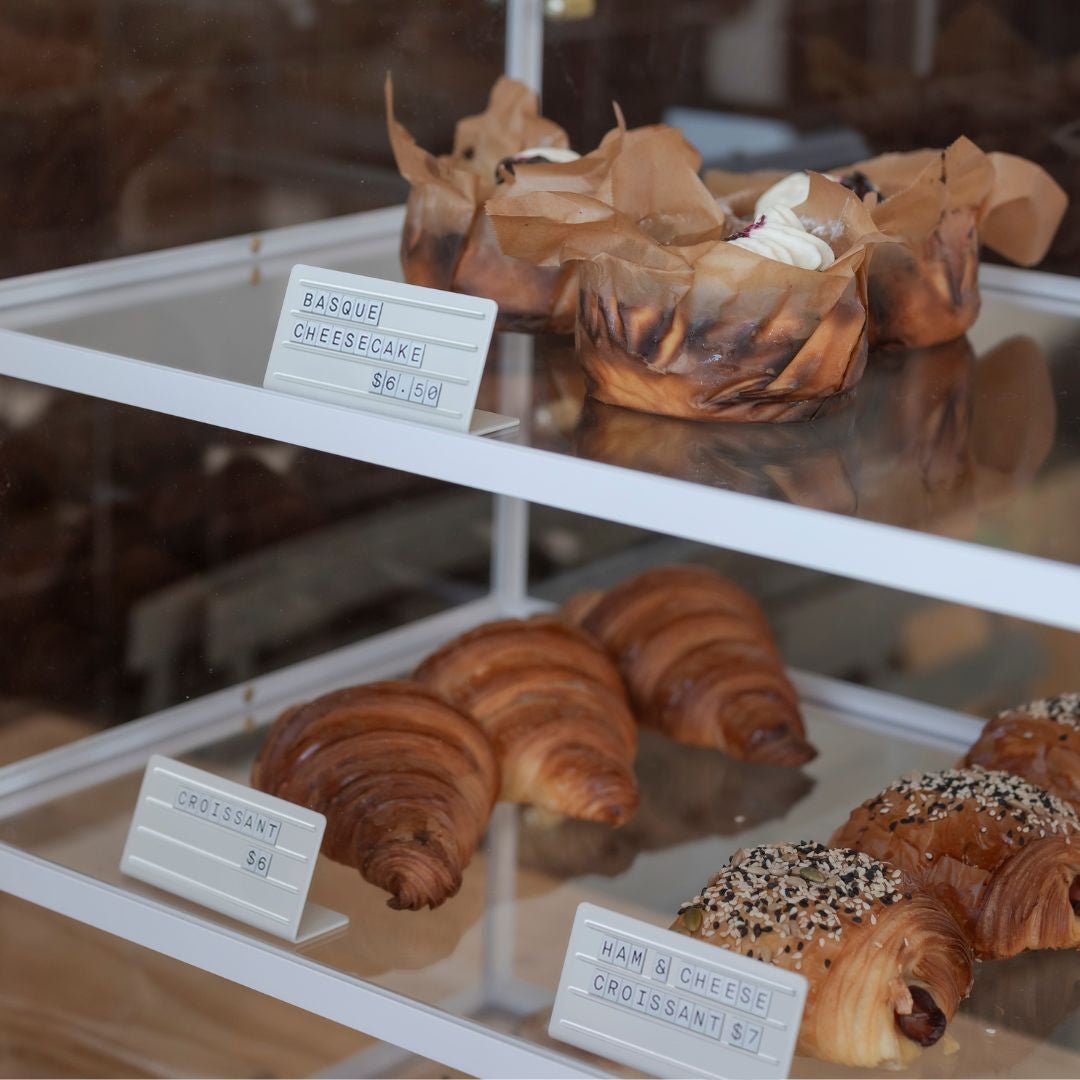
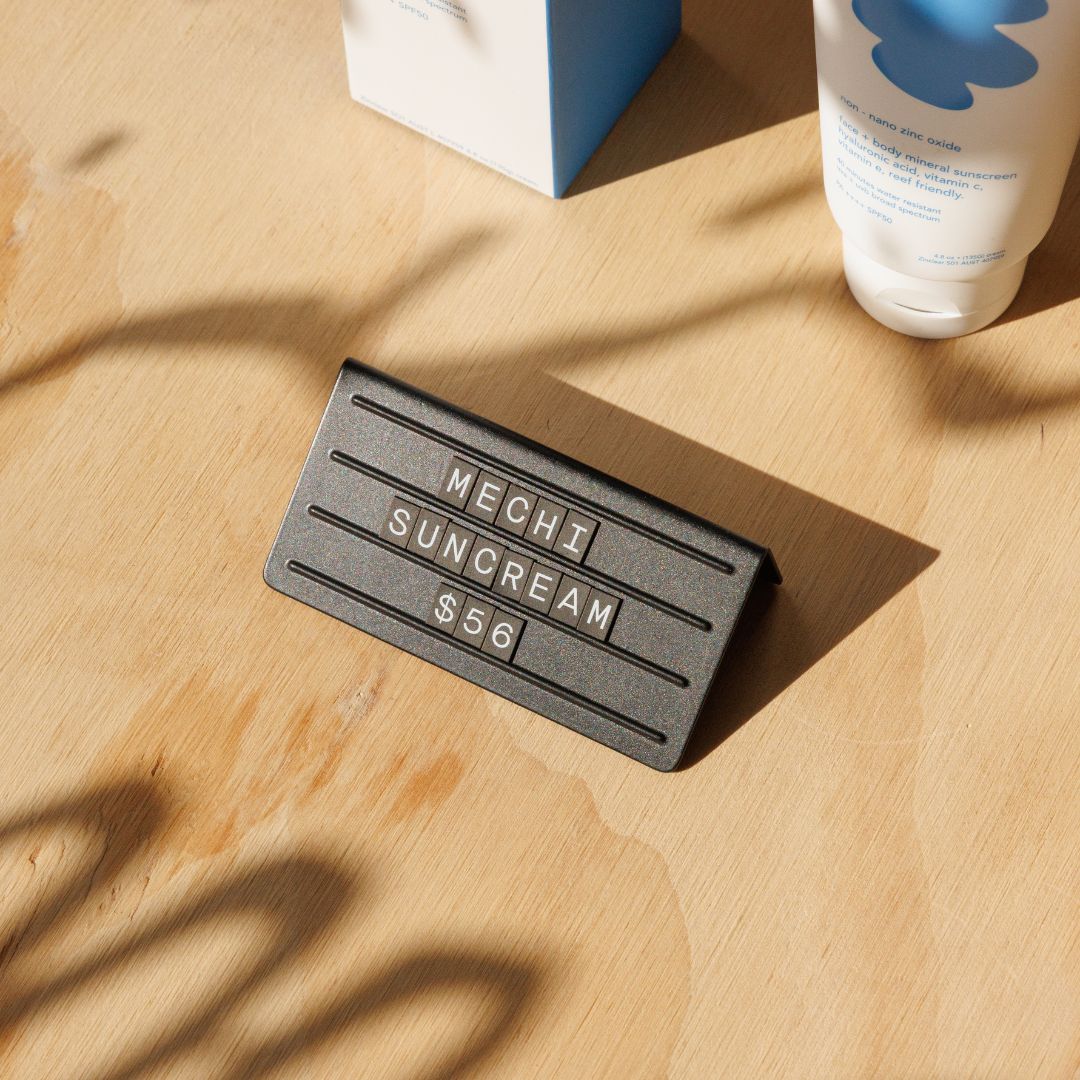
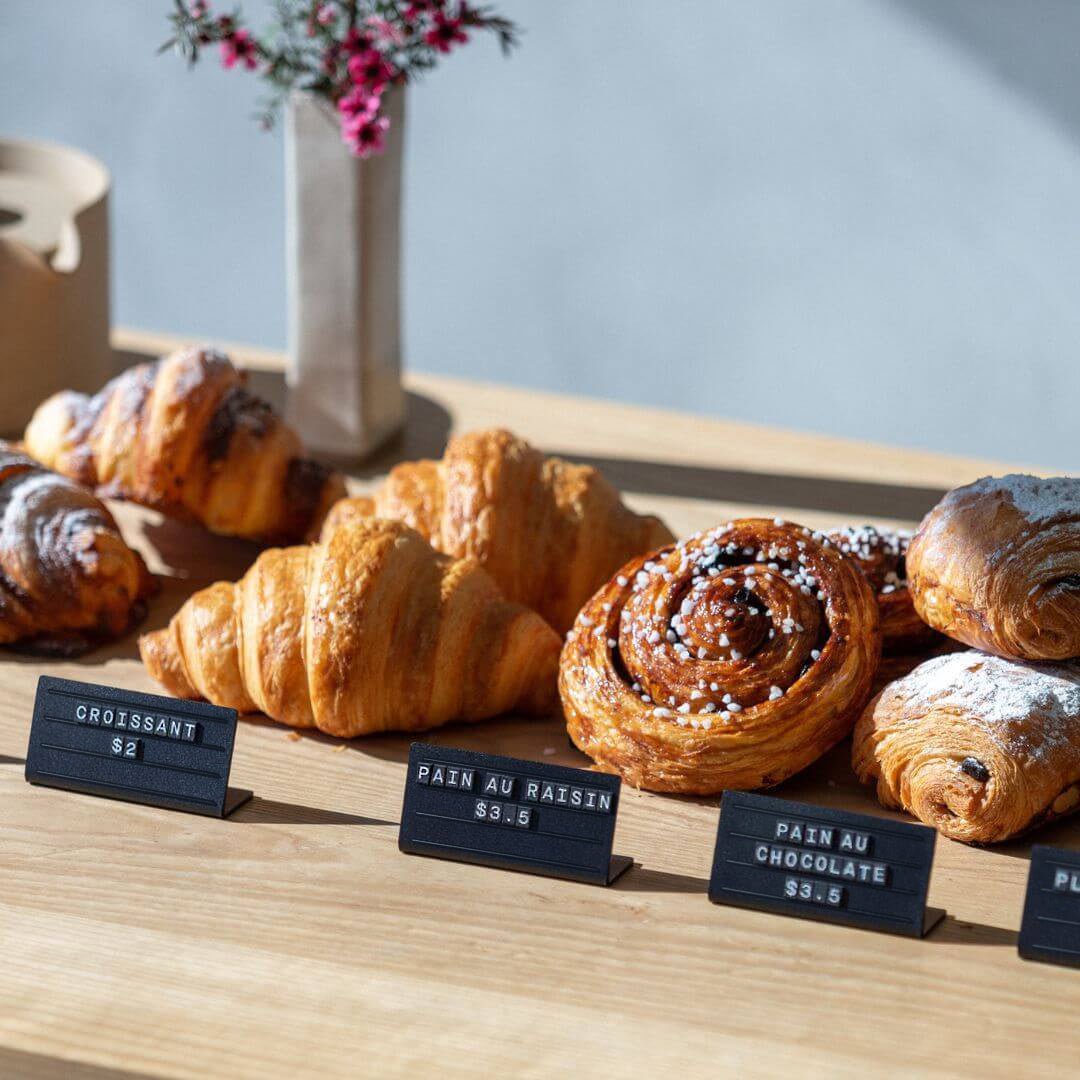
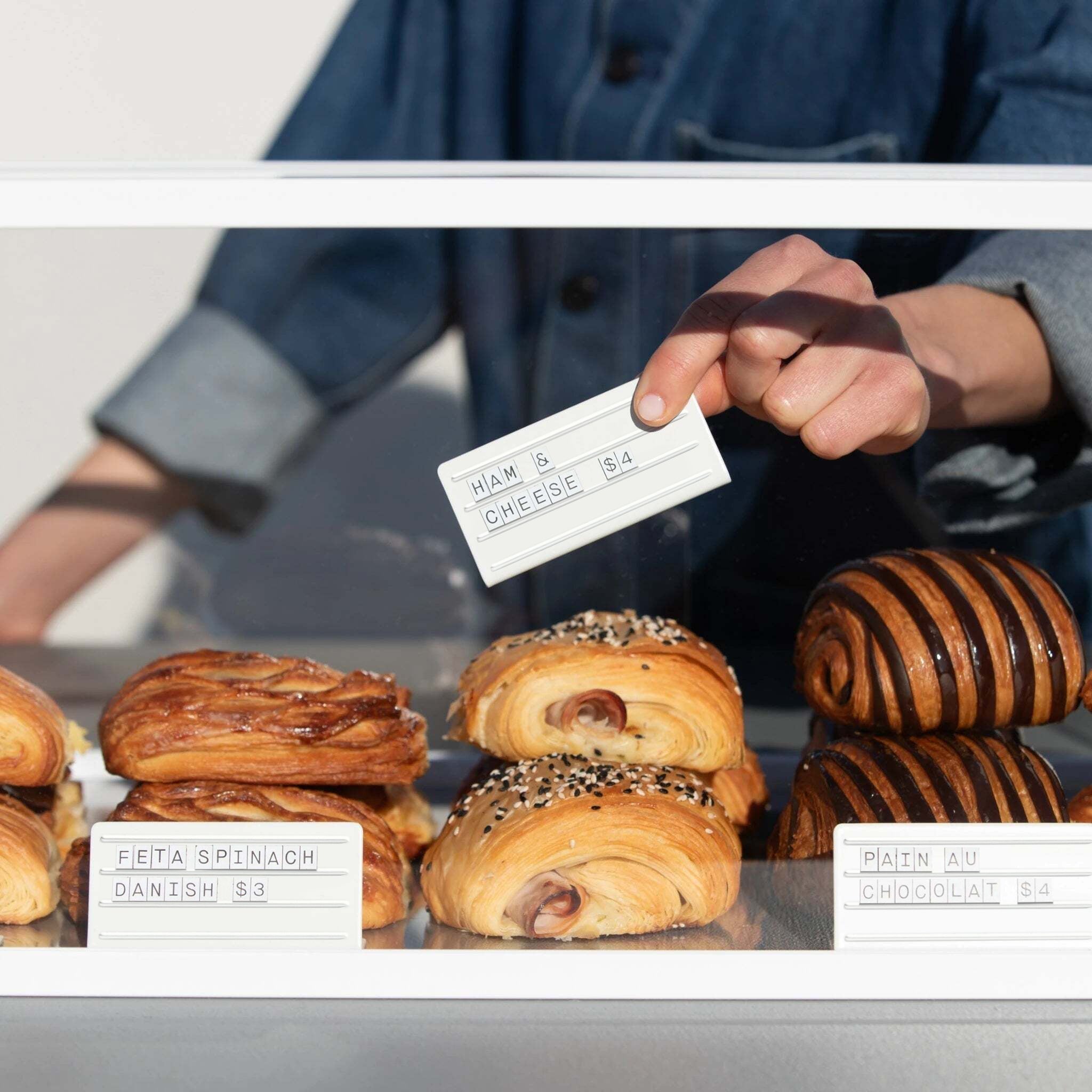
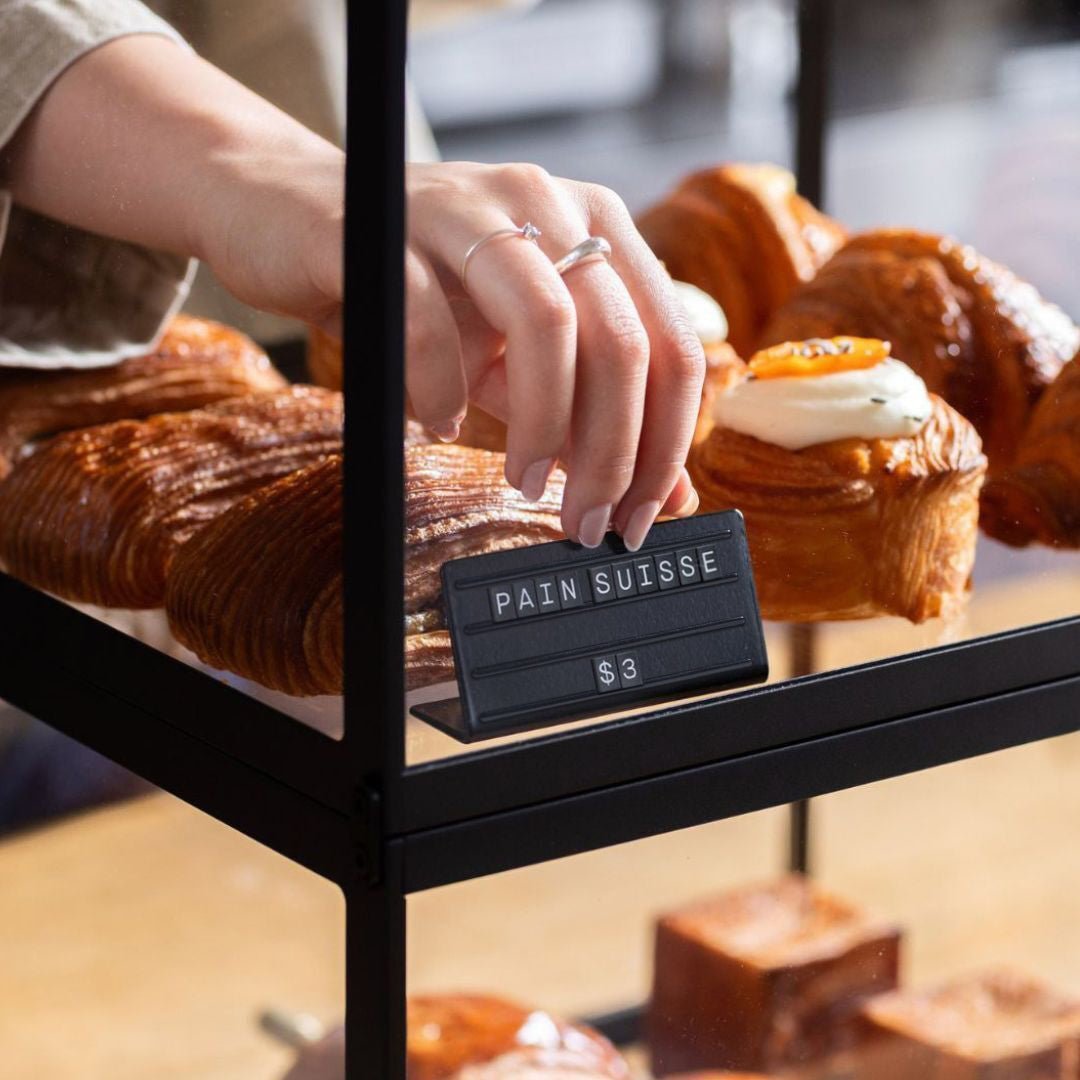
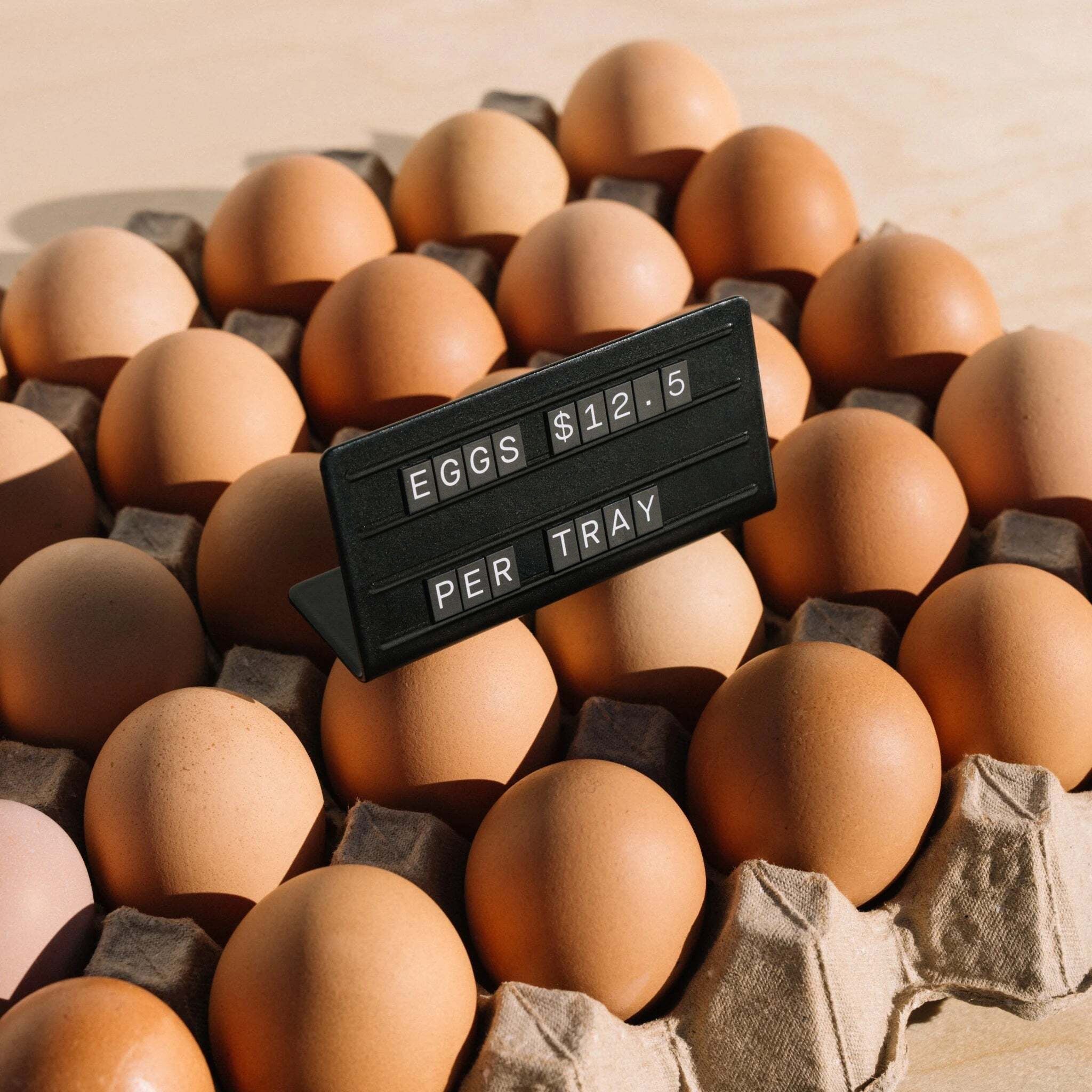
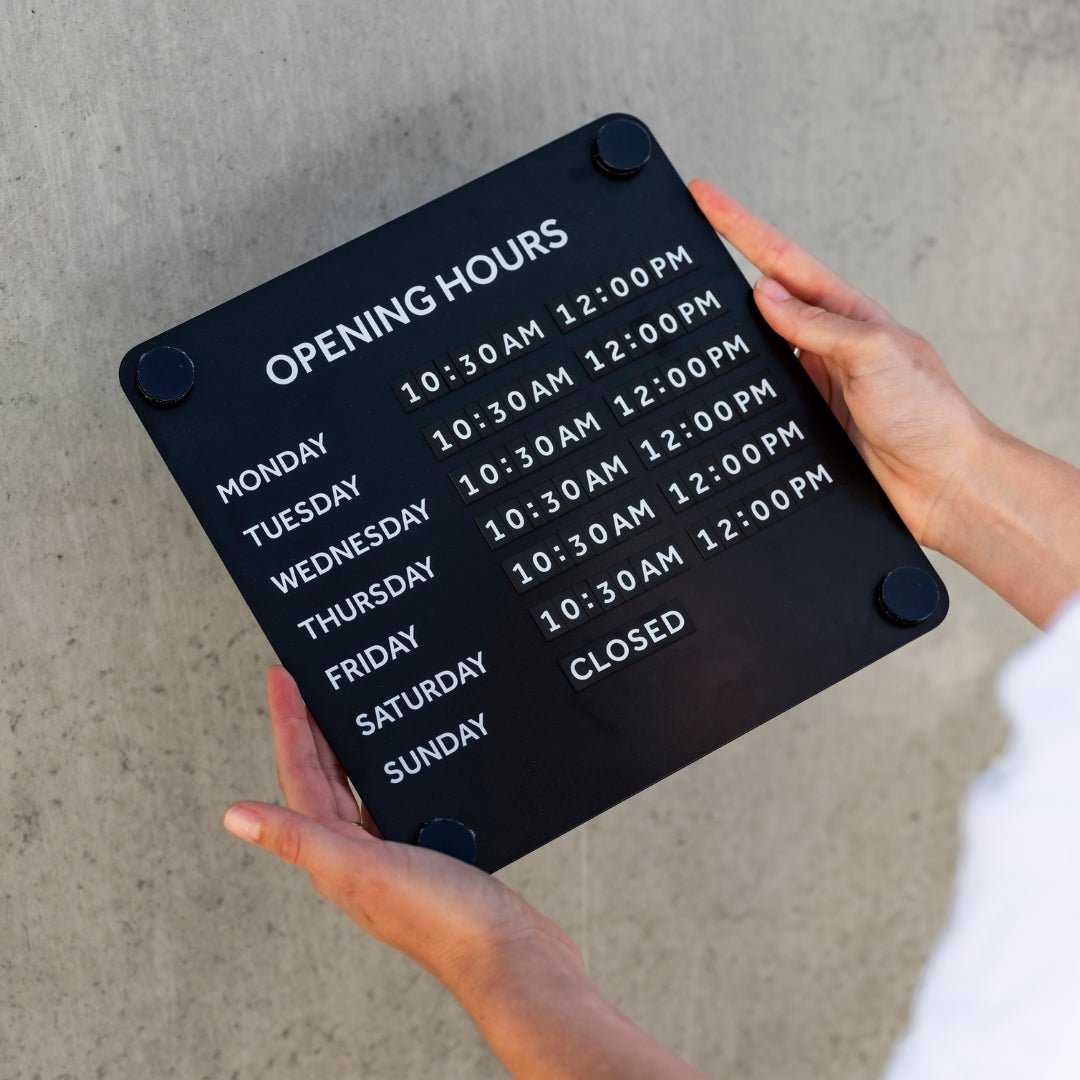
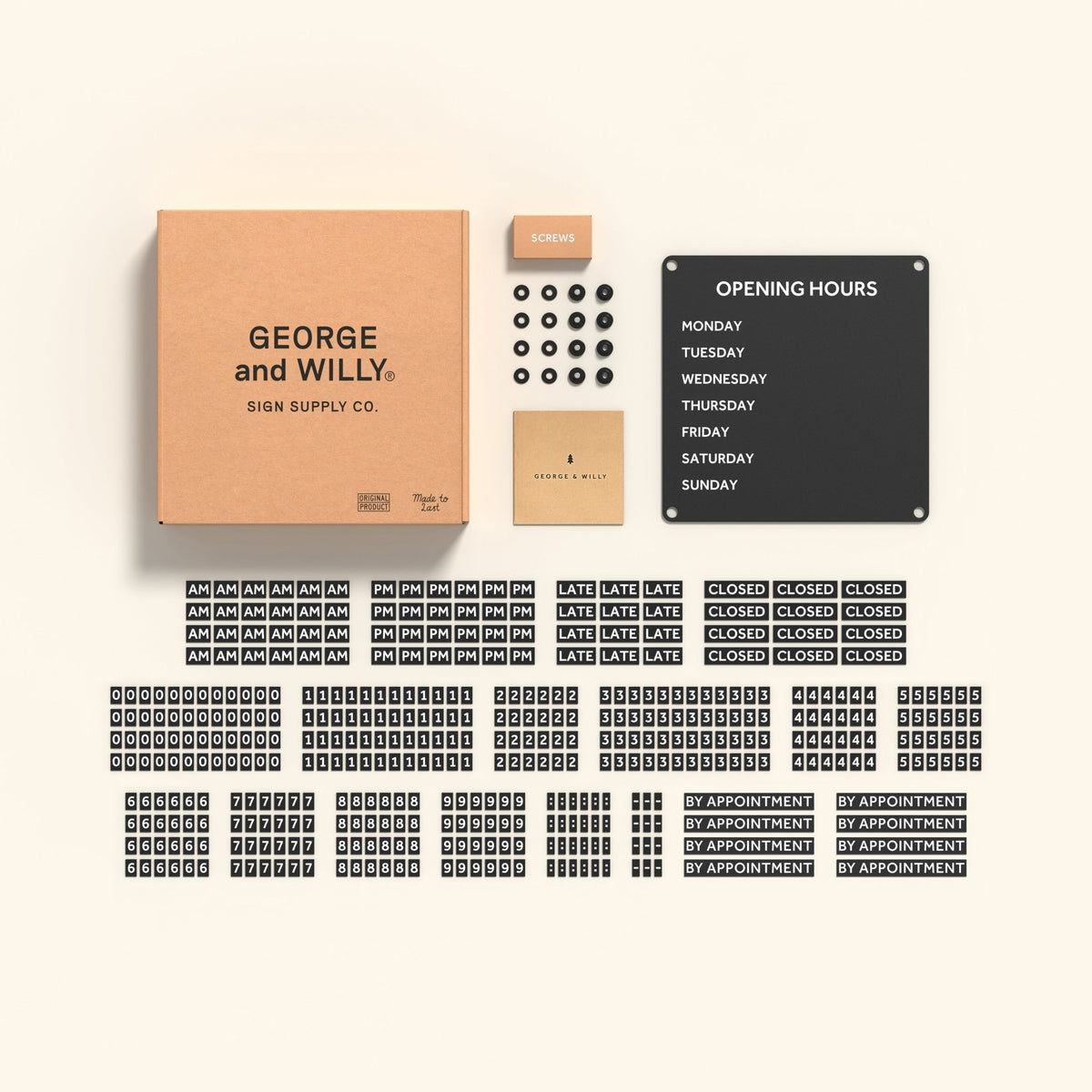
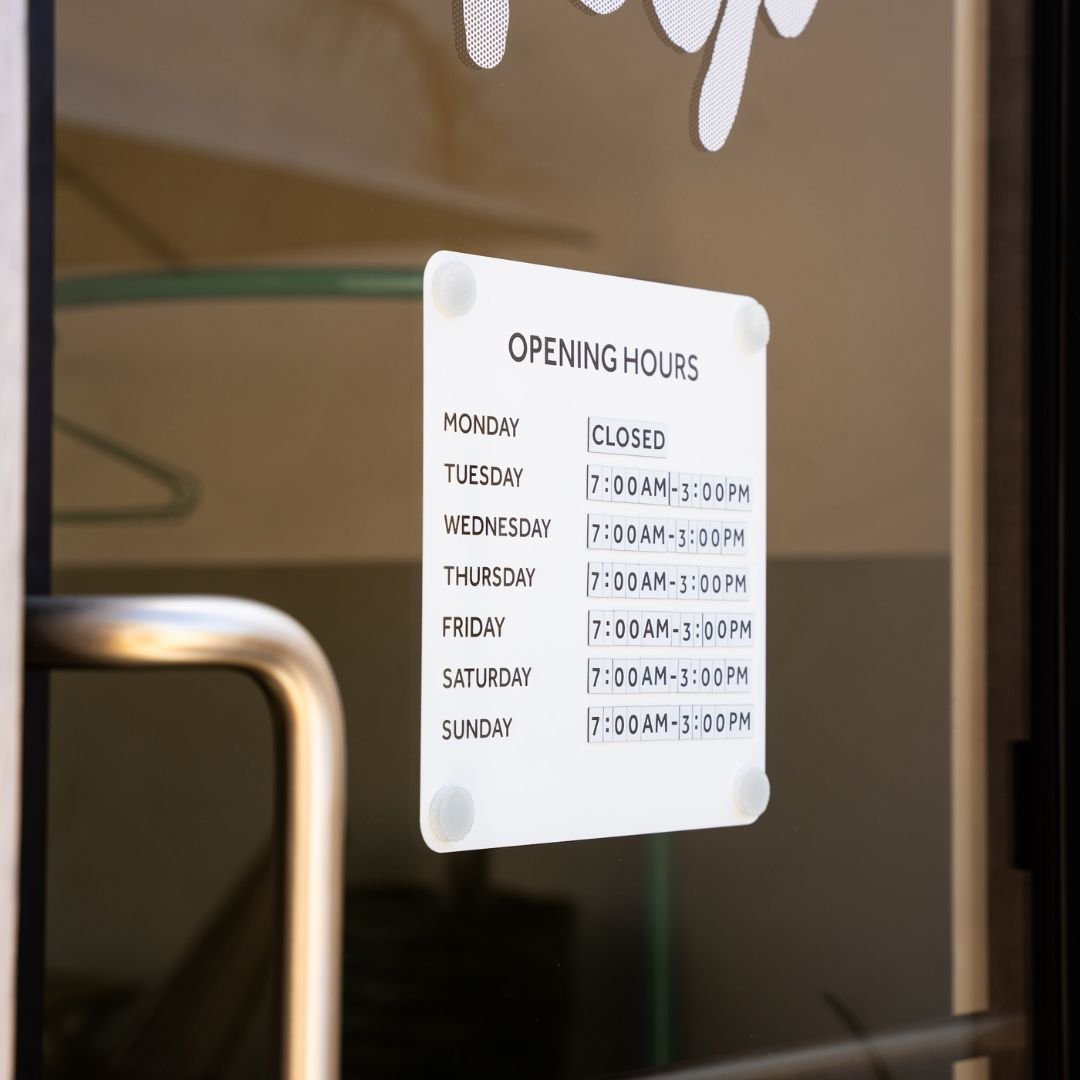
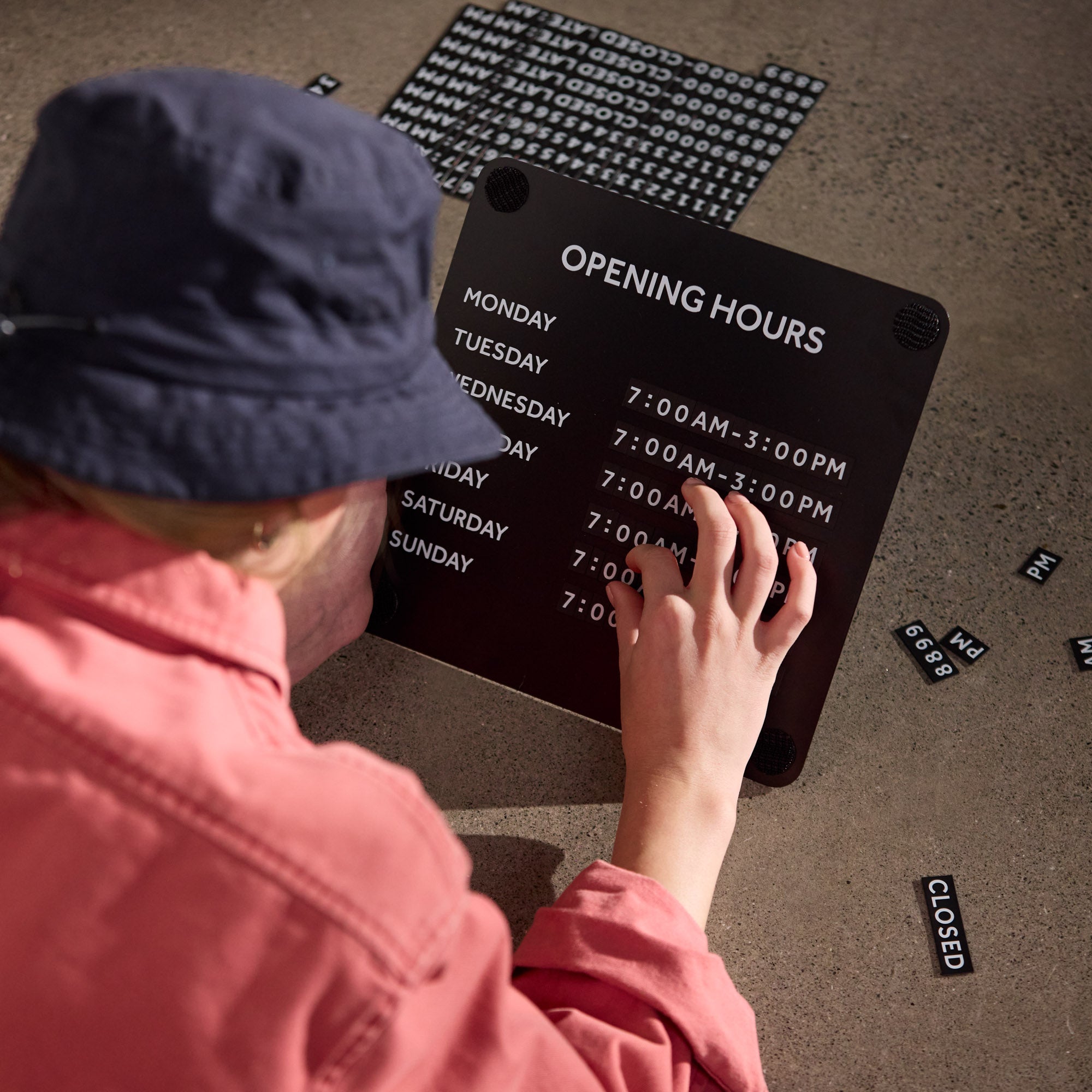
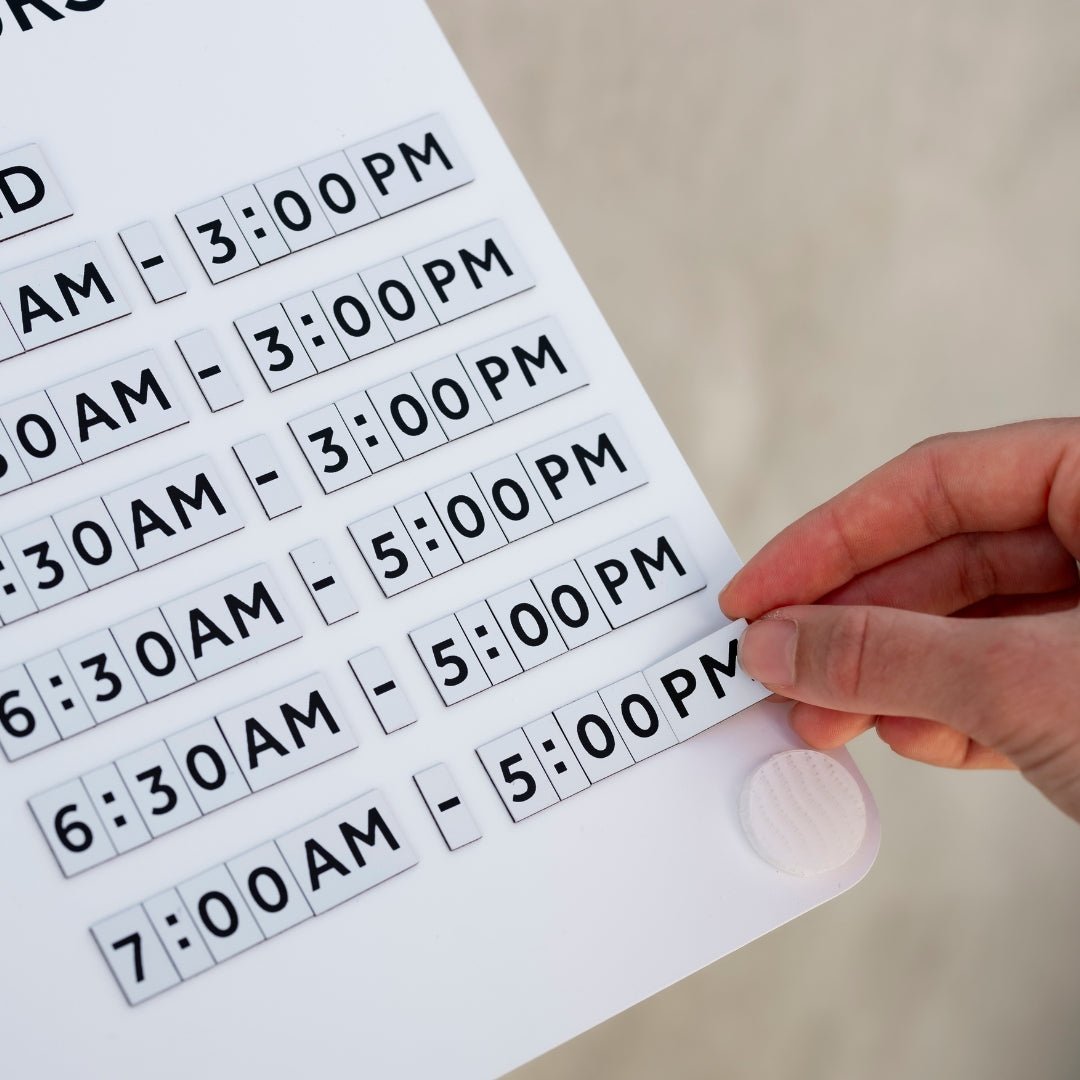
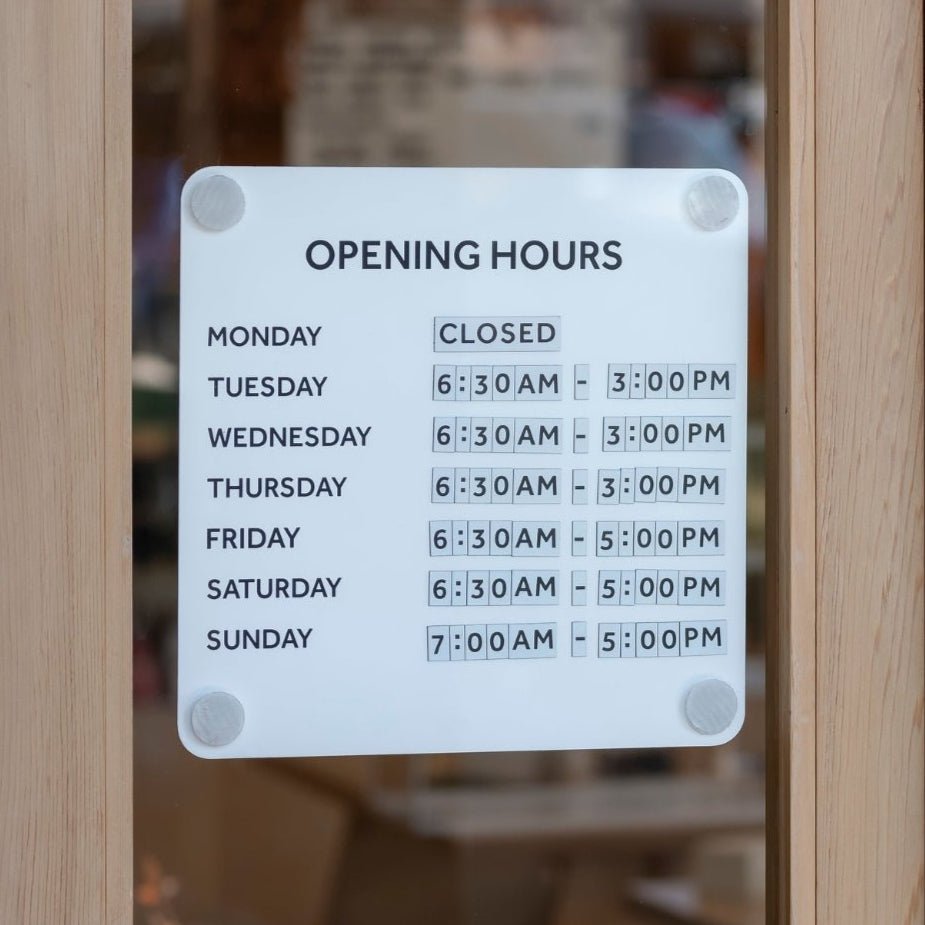
- Changeable Tile Boards: Featuring grooved backings and slidable tiles, these menu boards offer an organized way to display information. The structured format ensures perfect alignment and legibility.
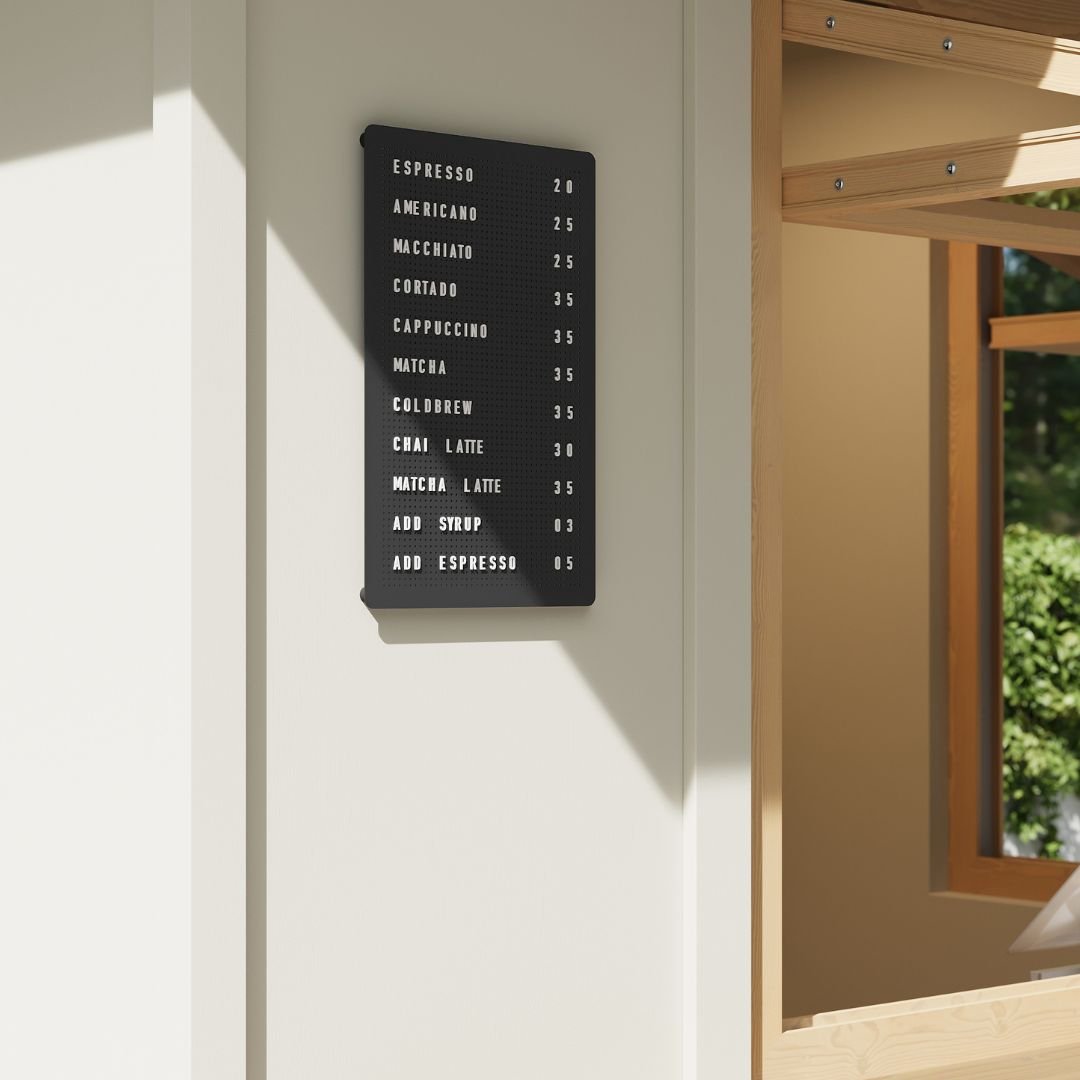
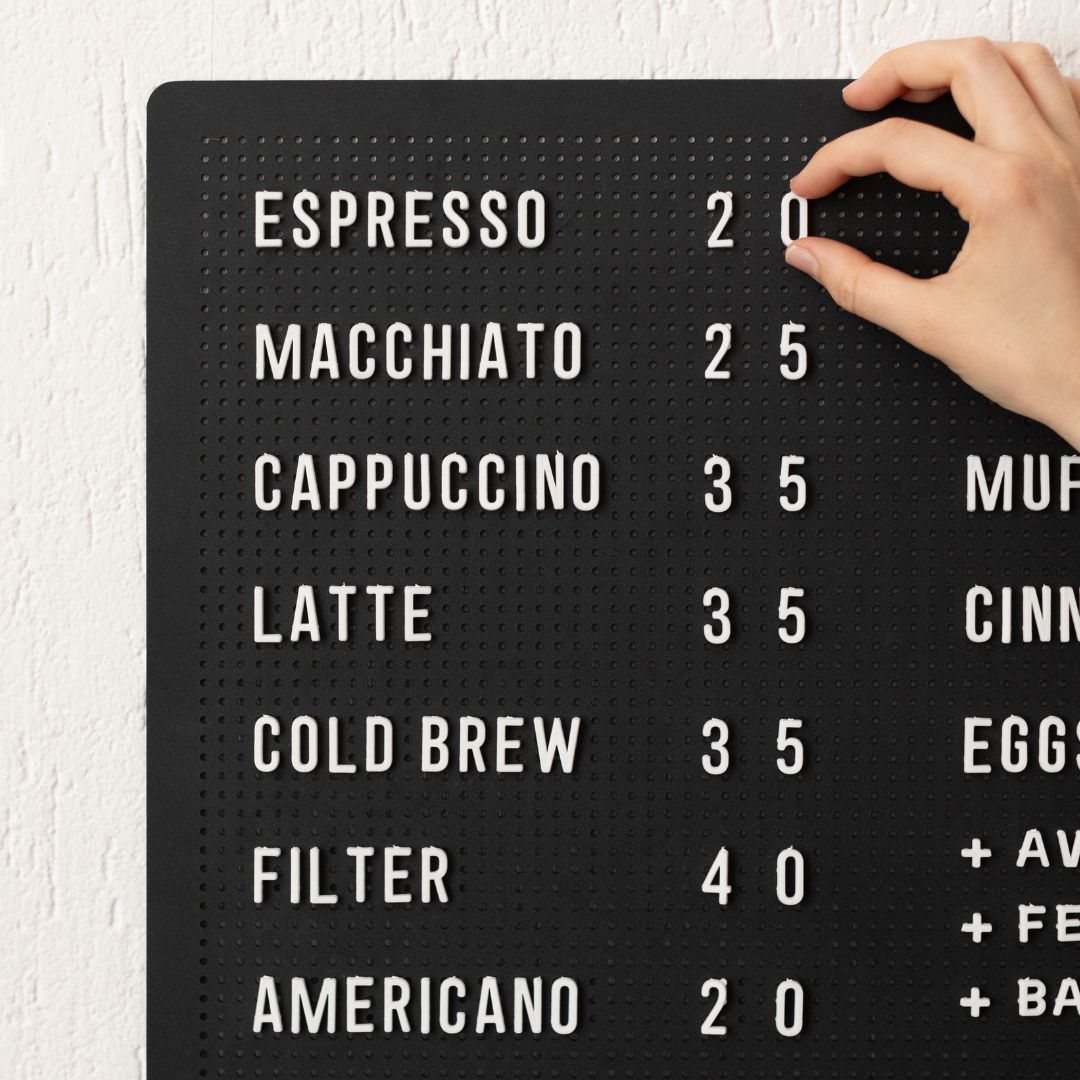
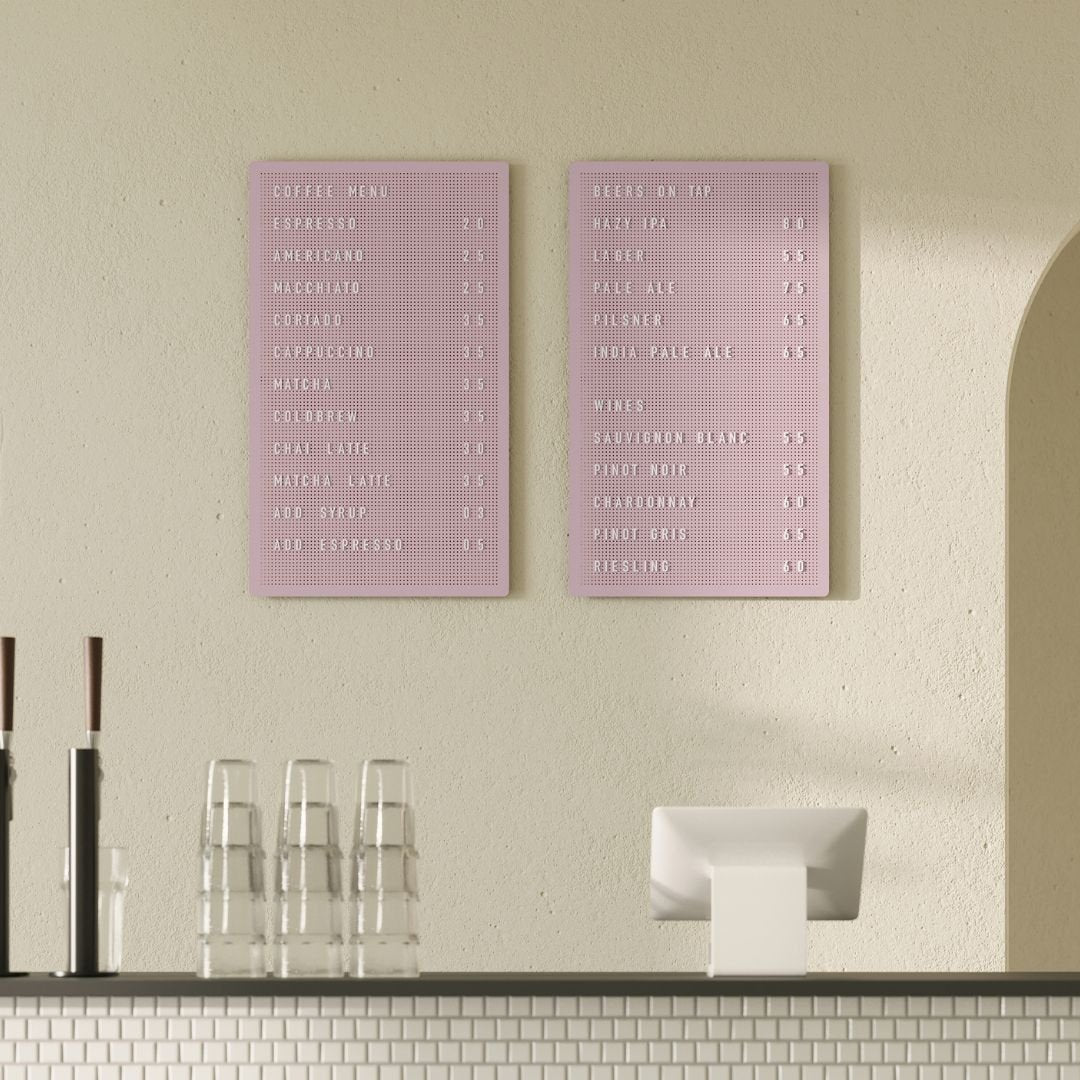
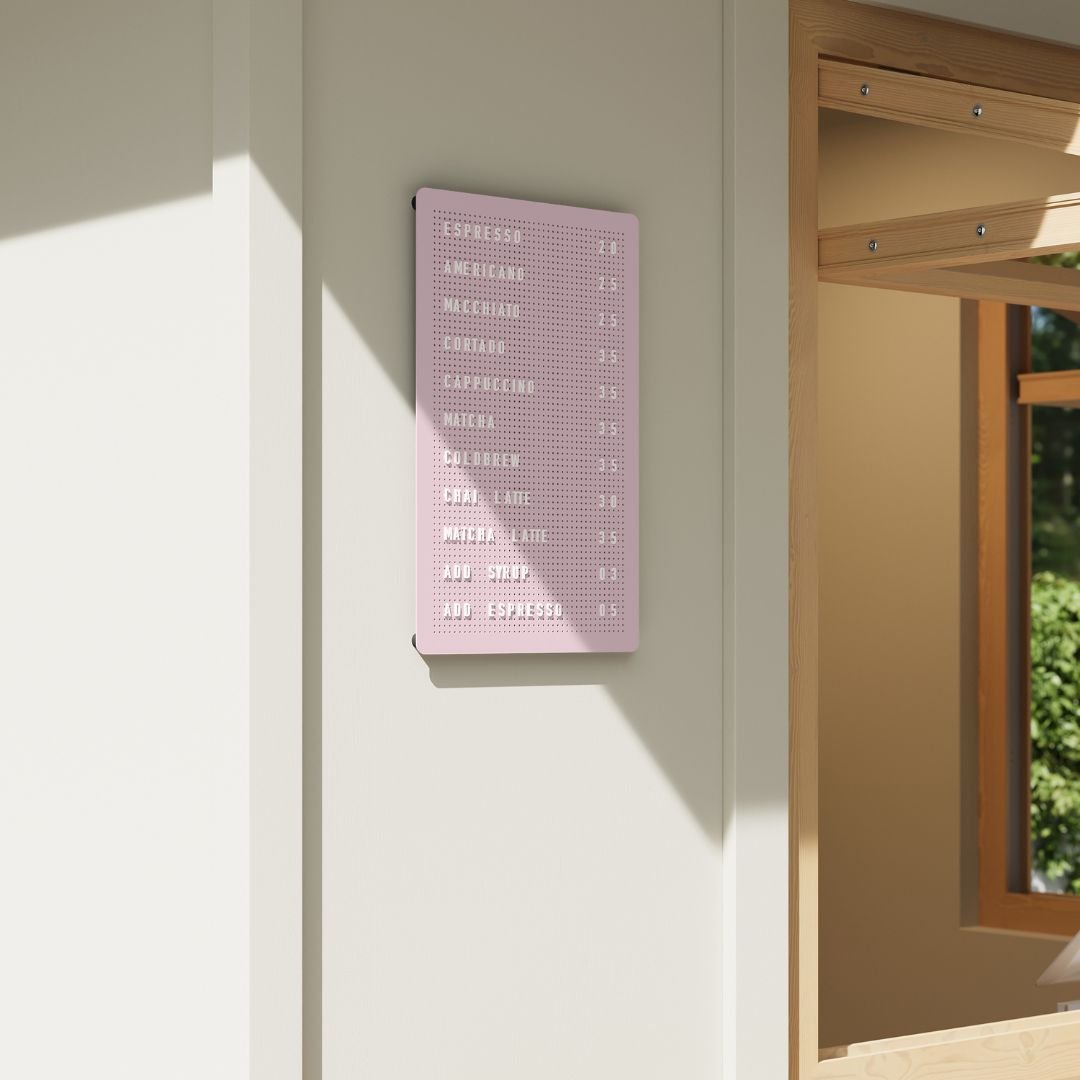
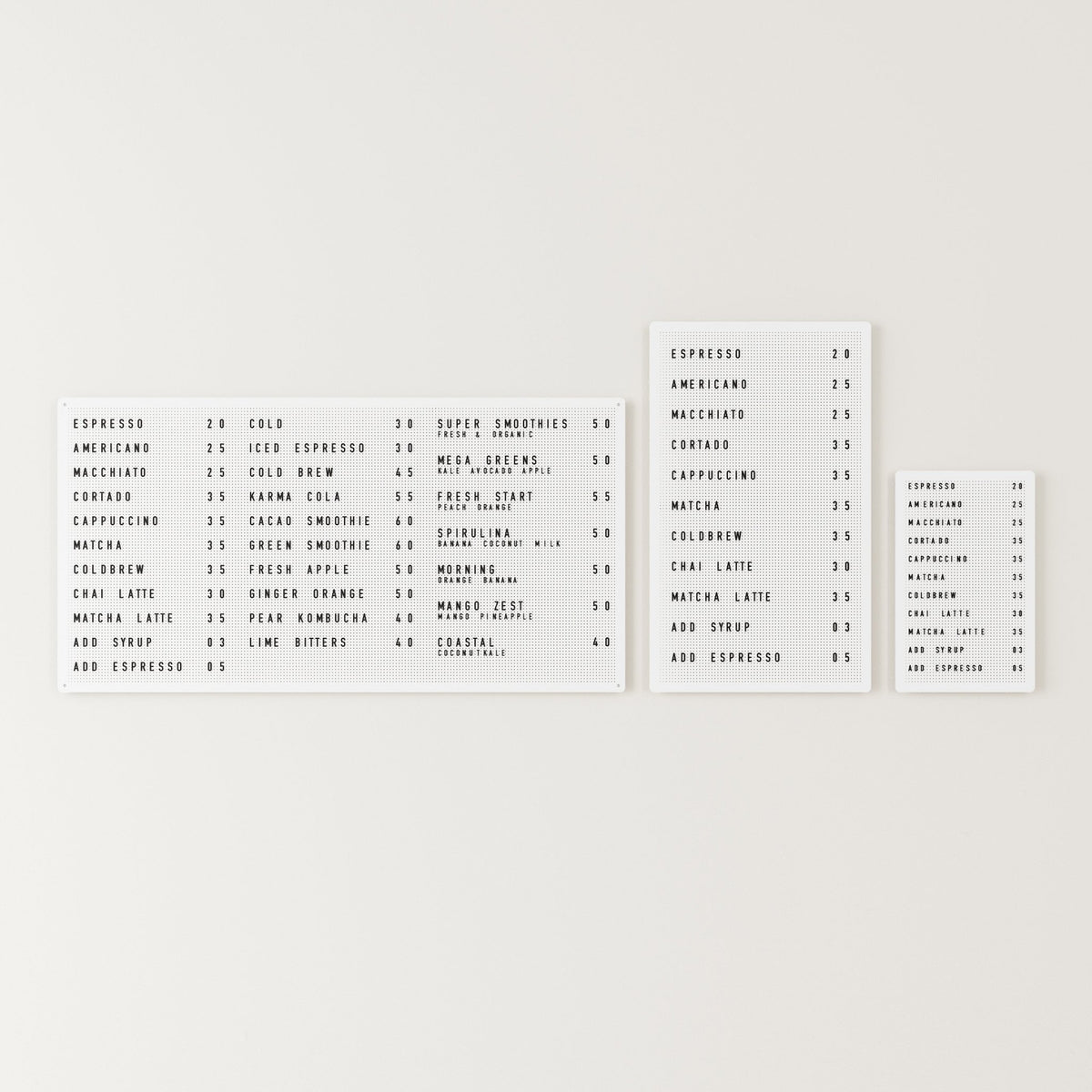
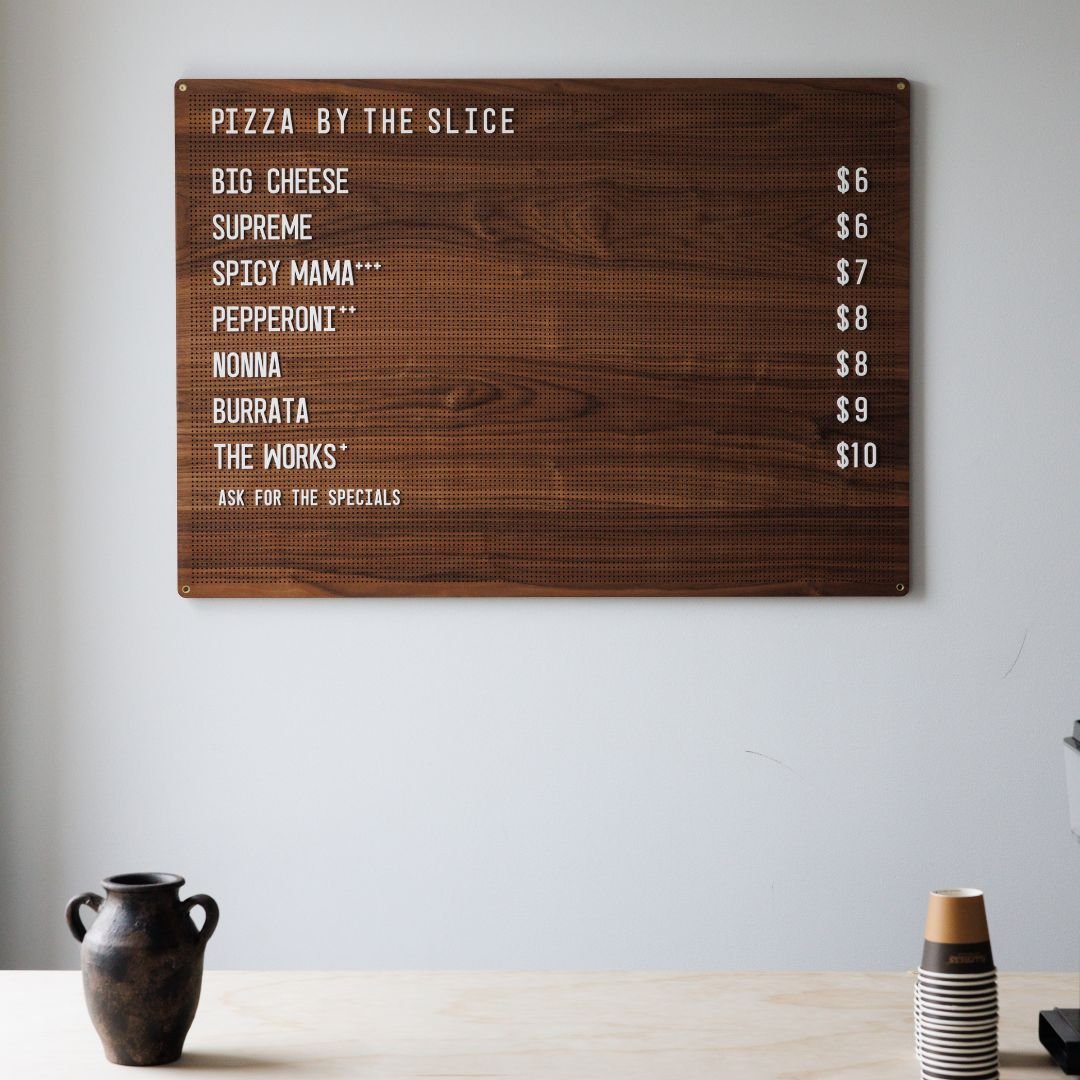
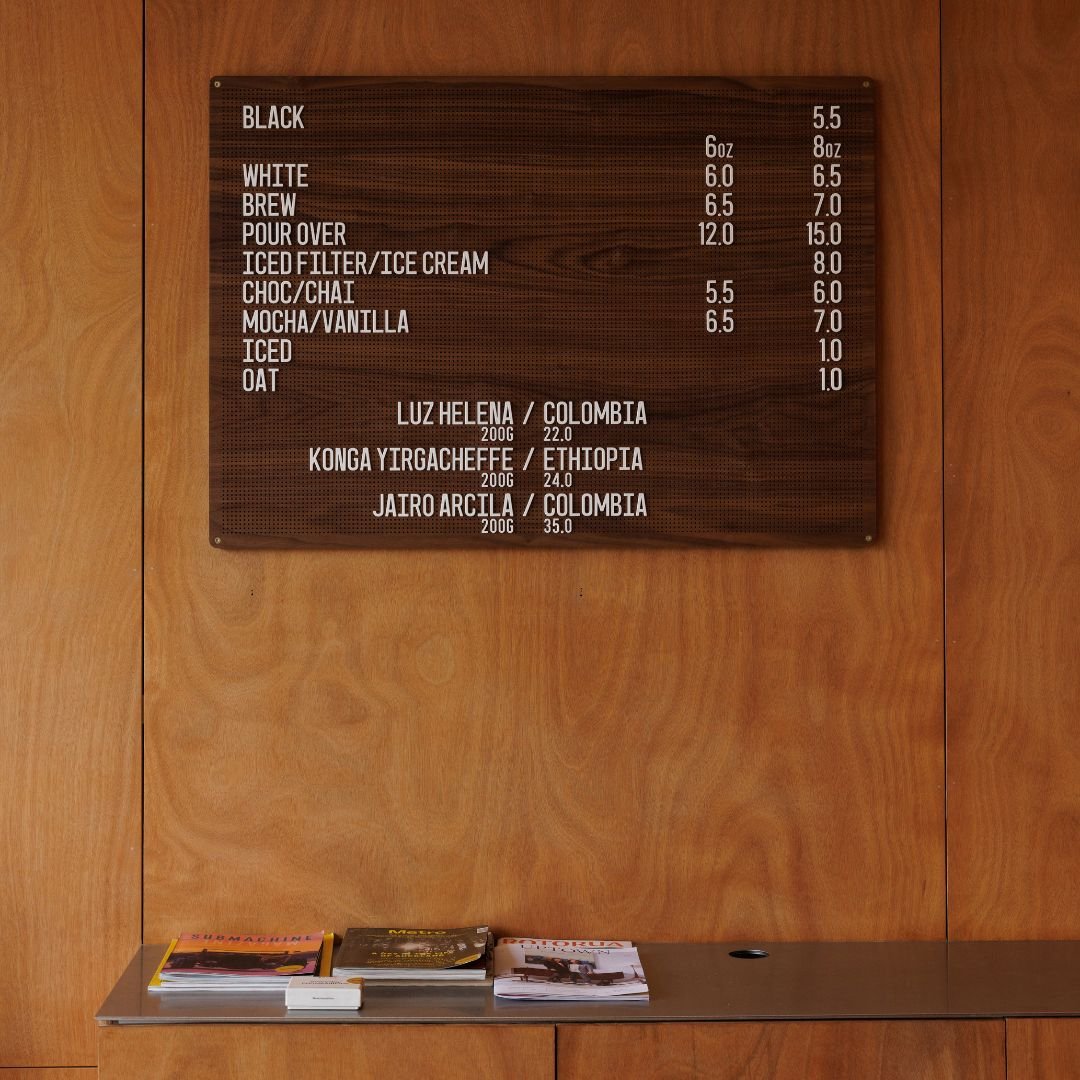
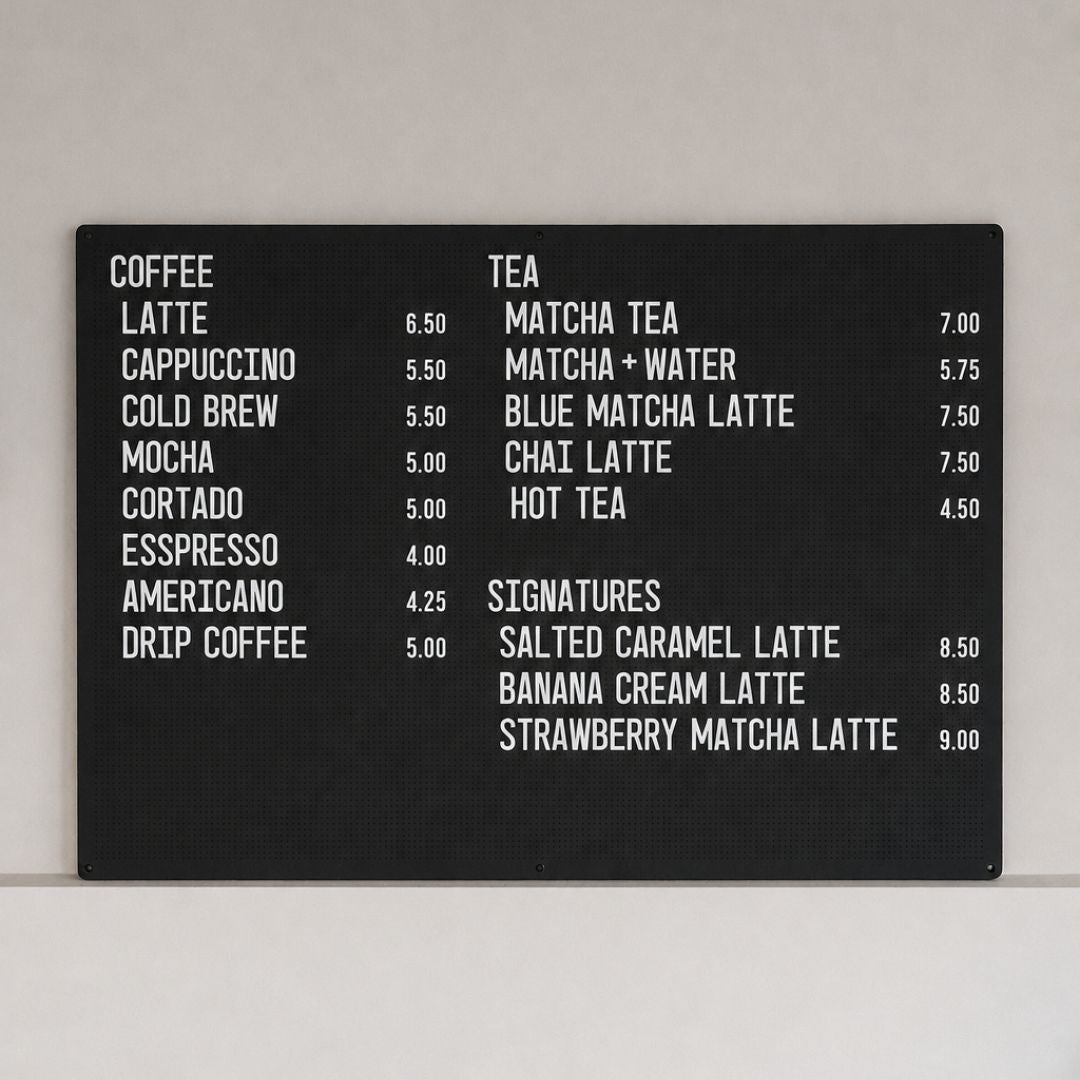
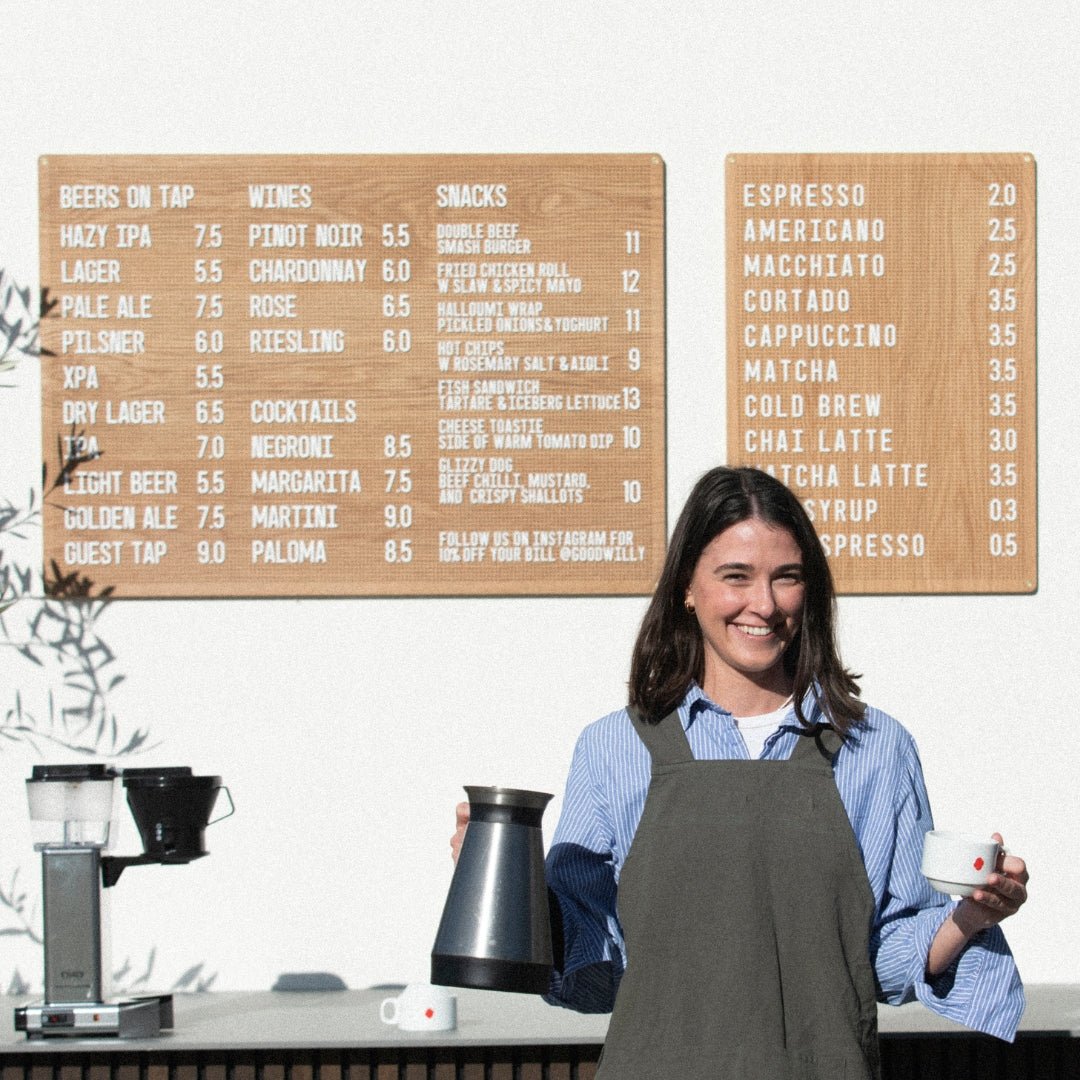
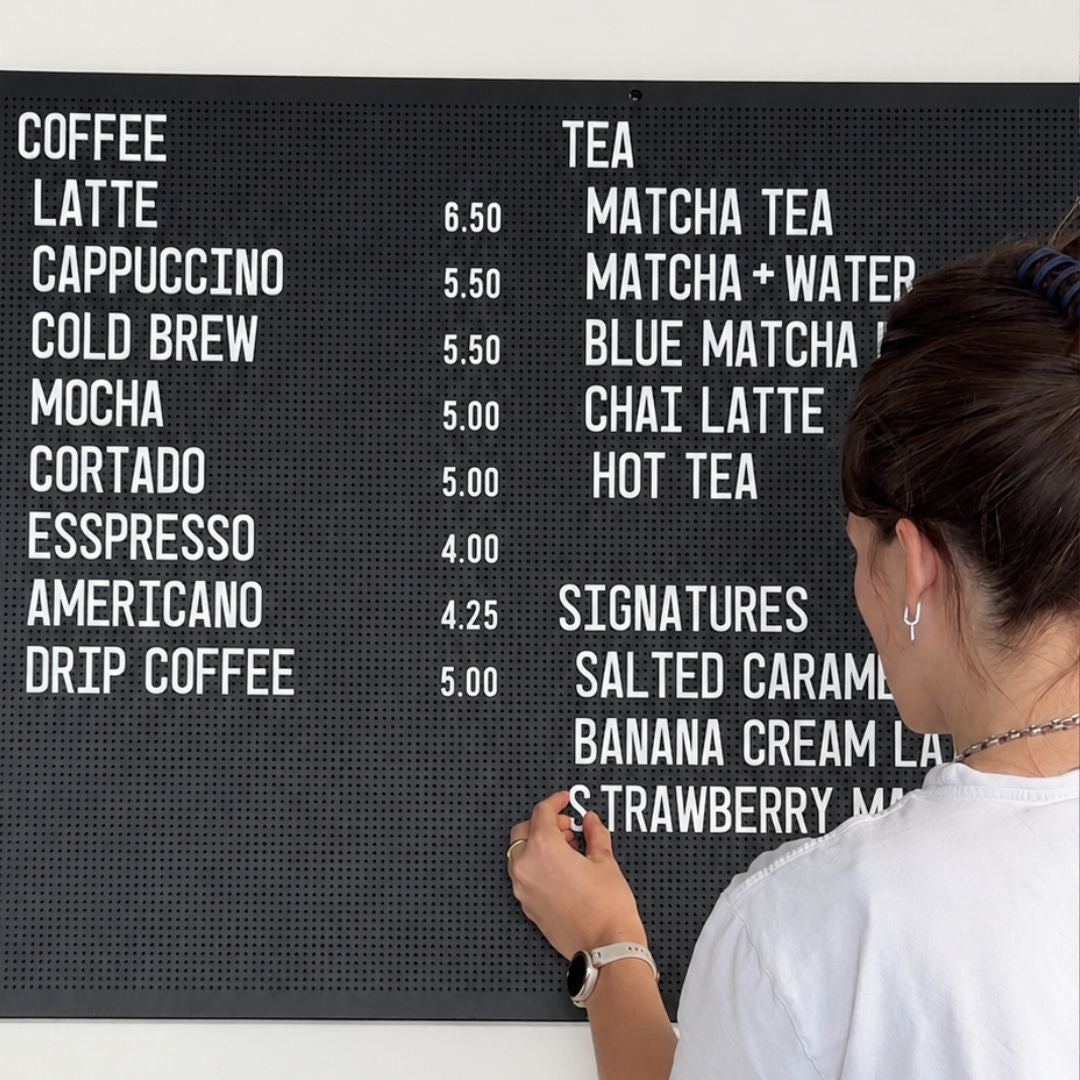
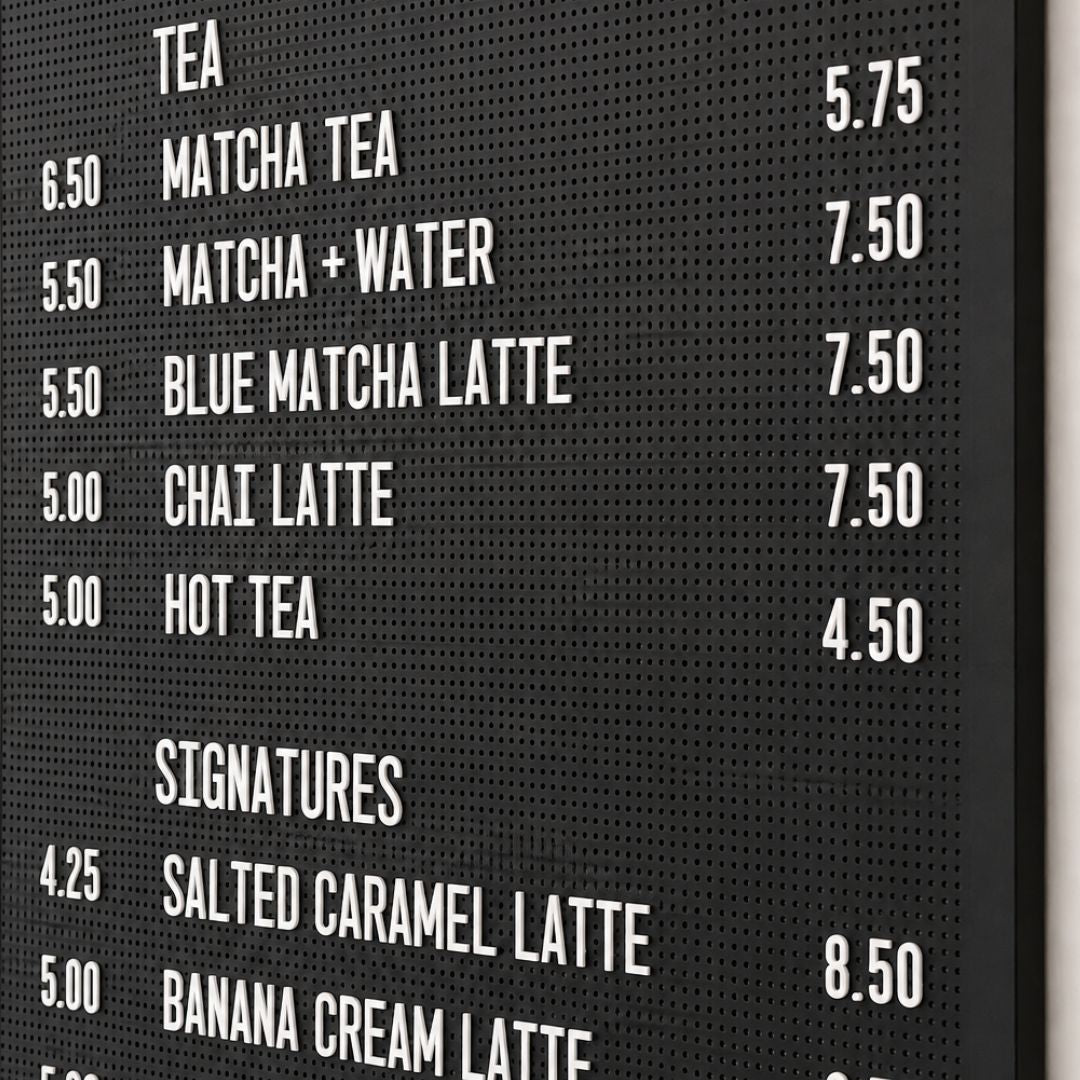
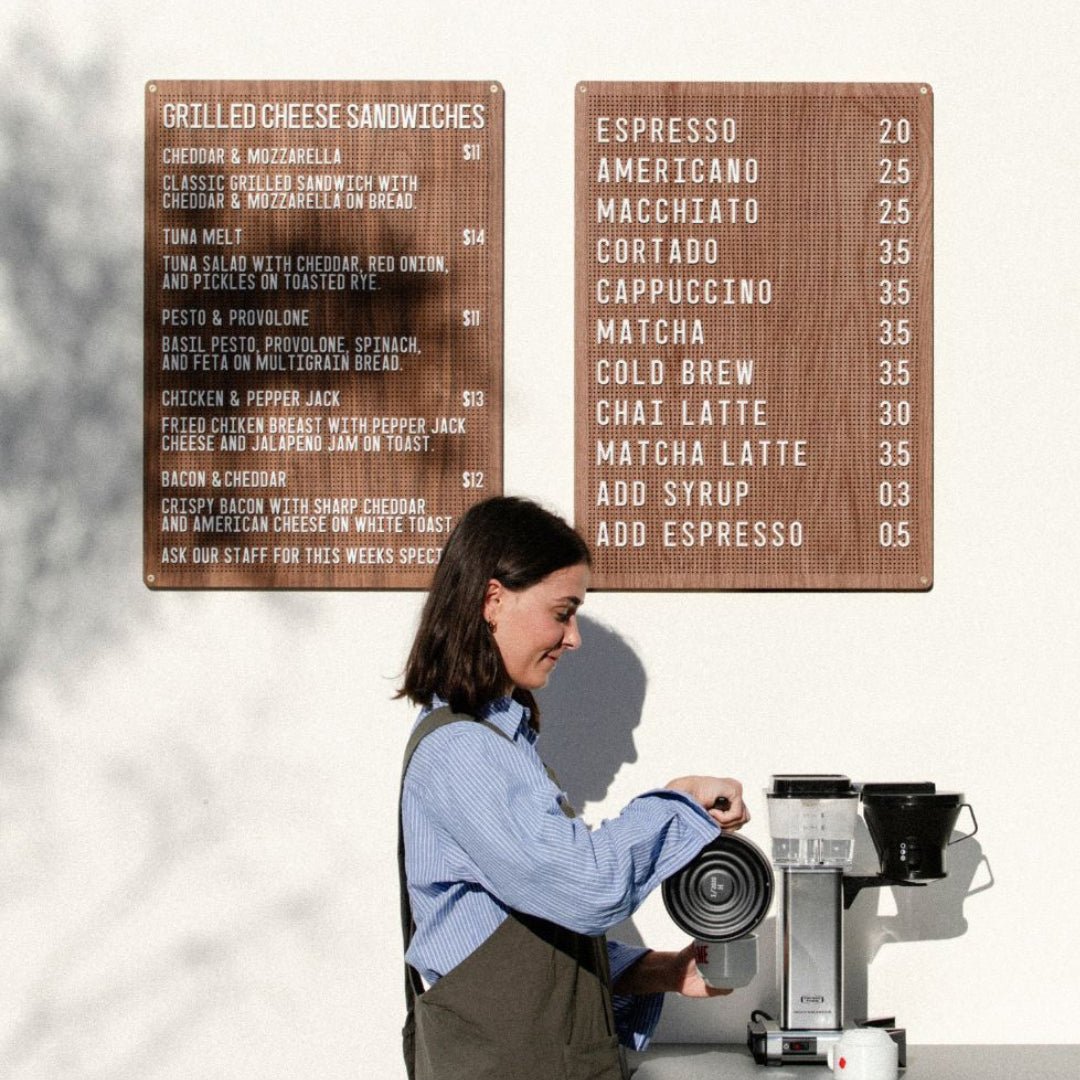
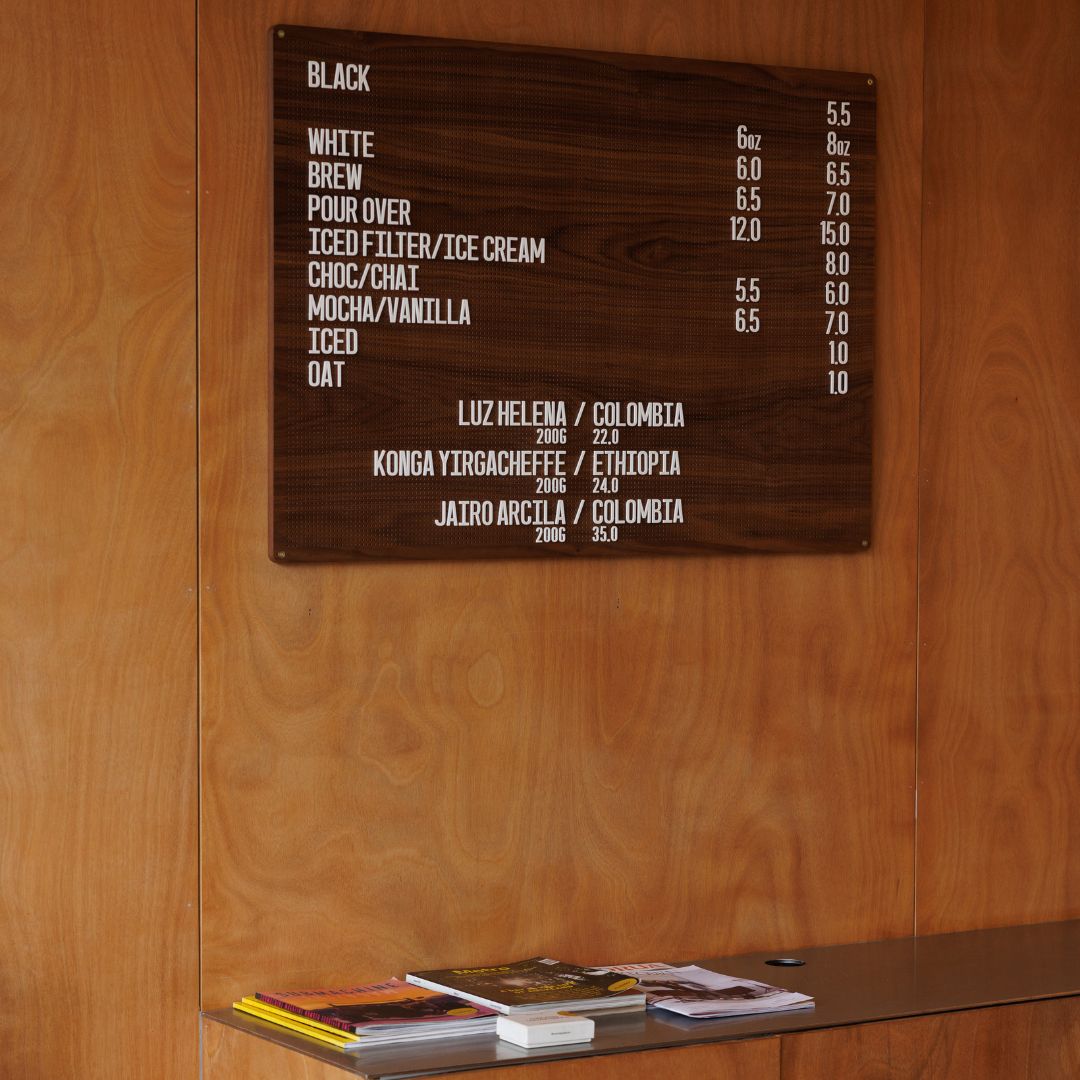
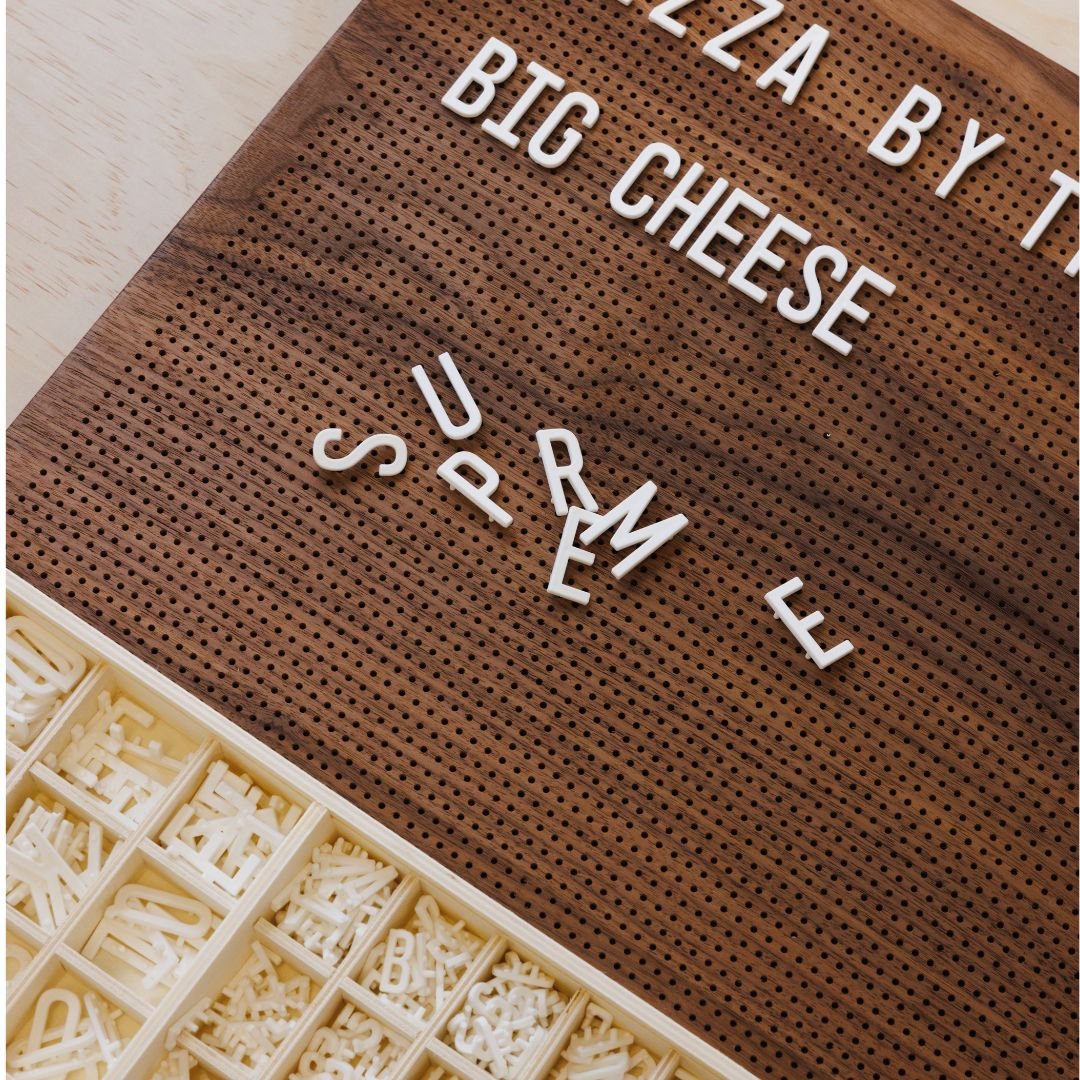
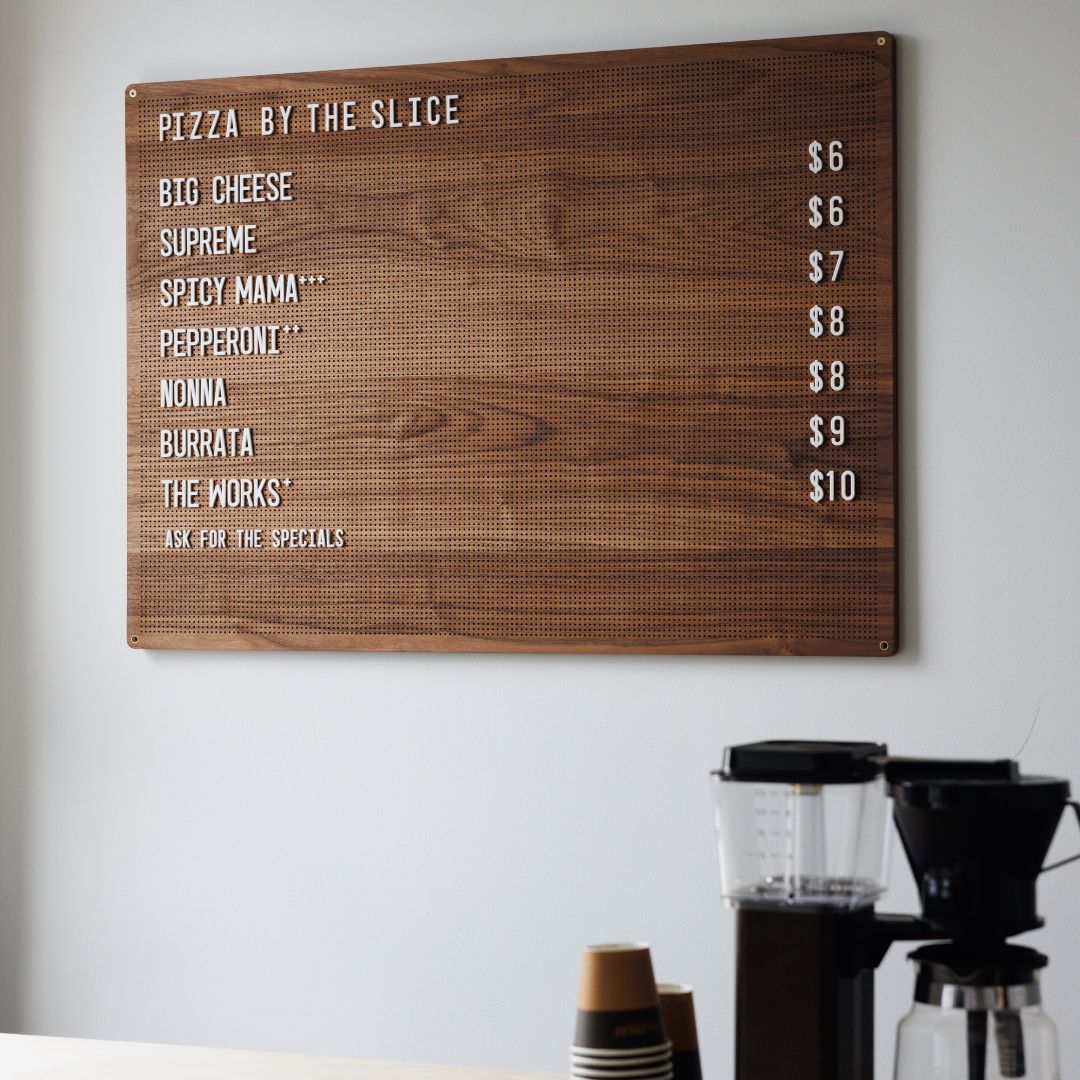
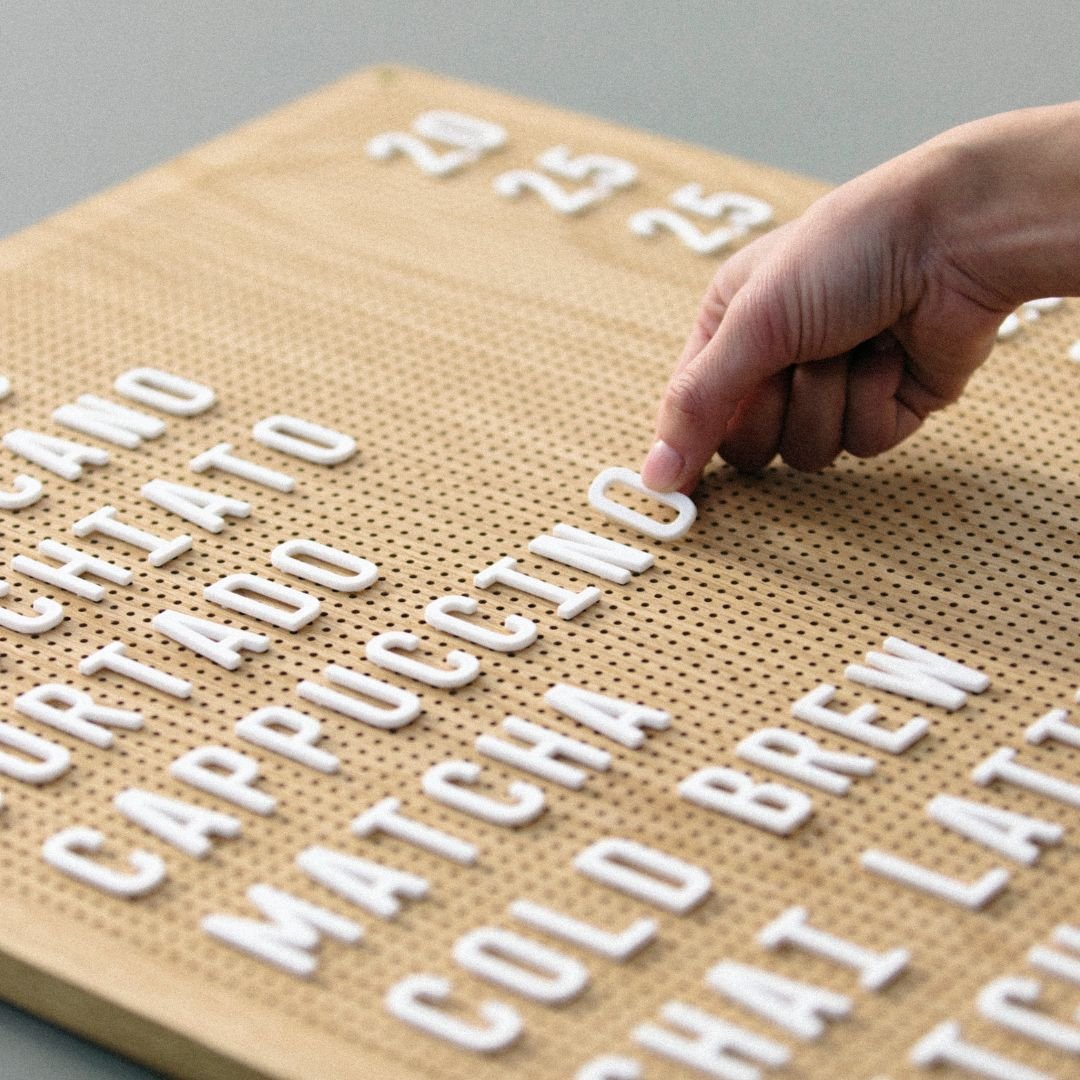
- Peg Letter Boards: A classic choice with a nostalgic feel, peg letter boards use push in letters on a perforated surface. They bring a unique, hands on character to a space while remaining simple to modify.
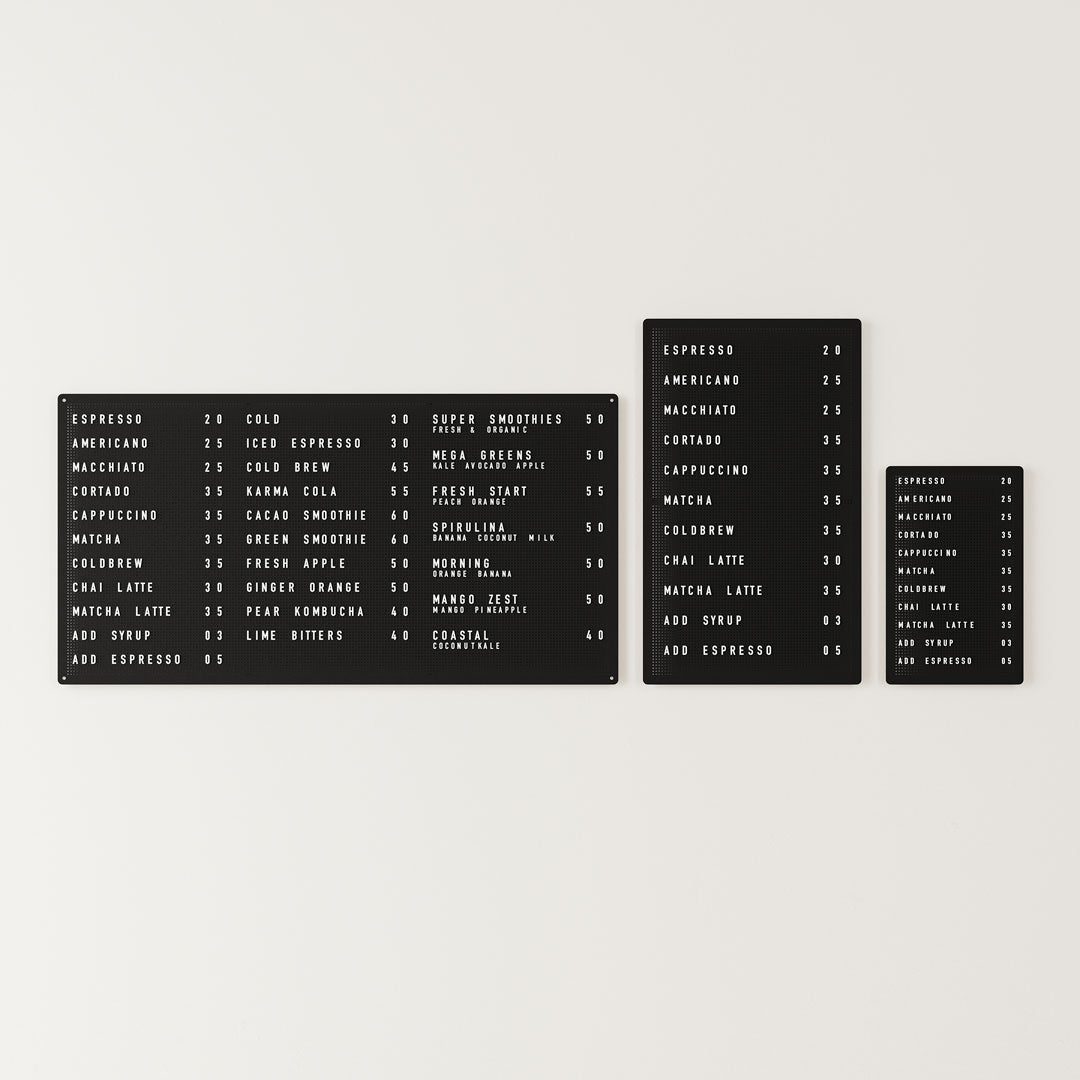
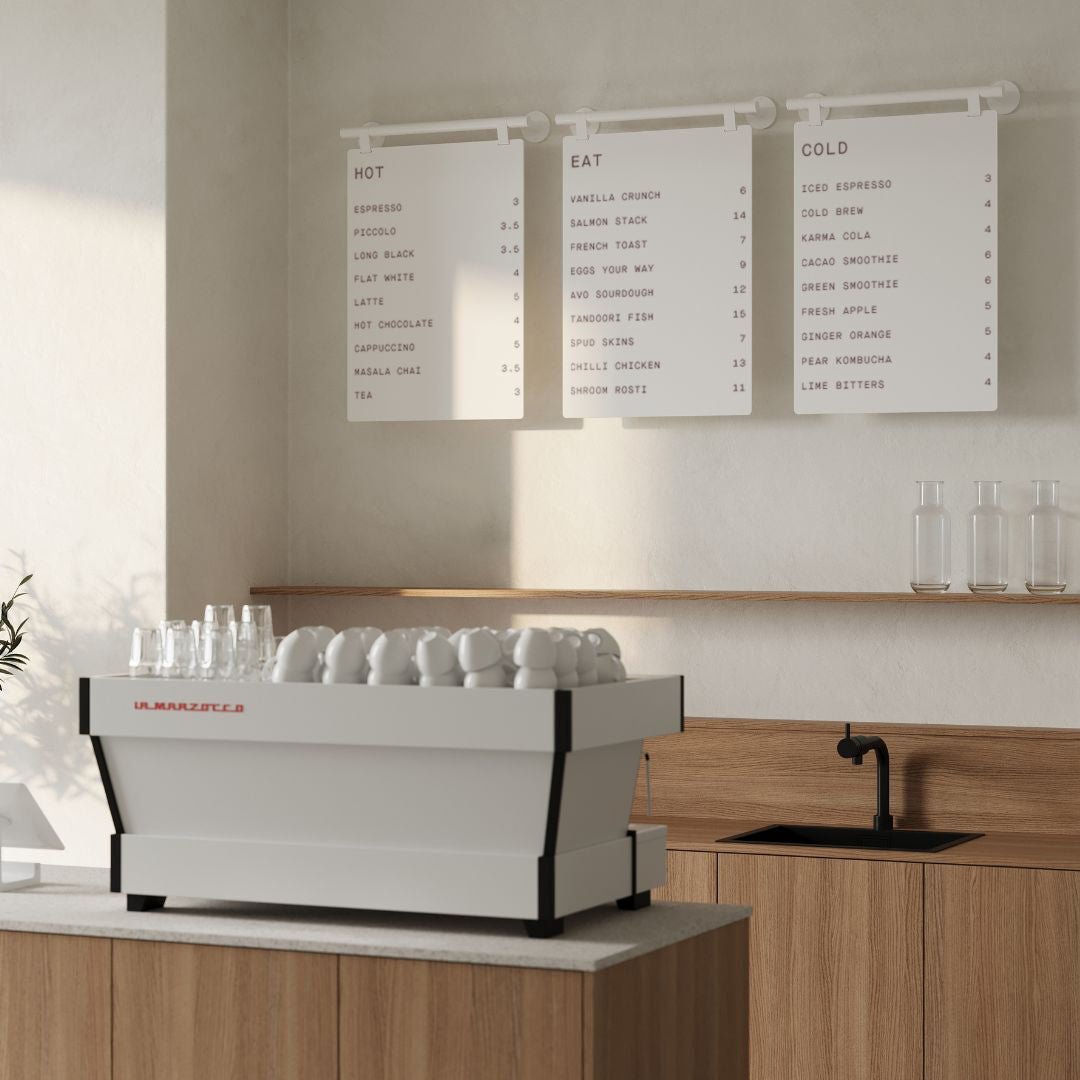
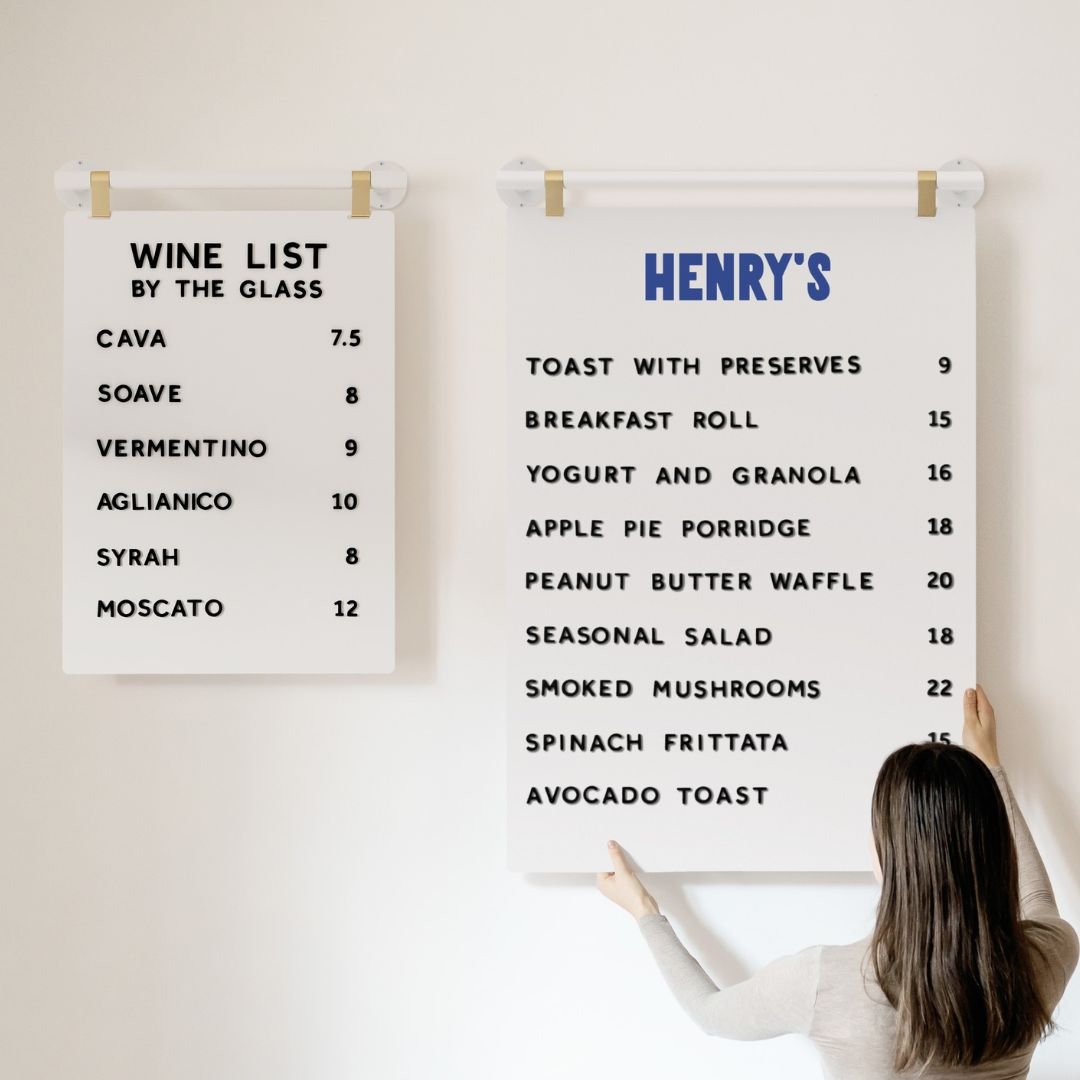
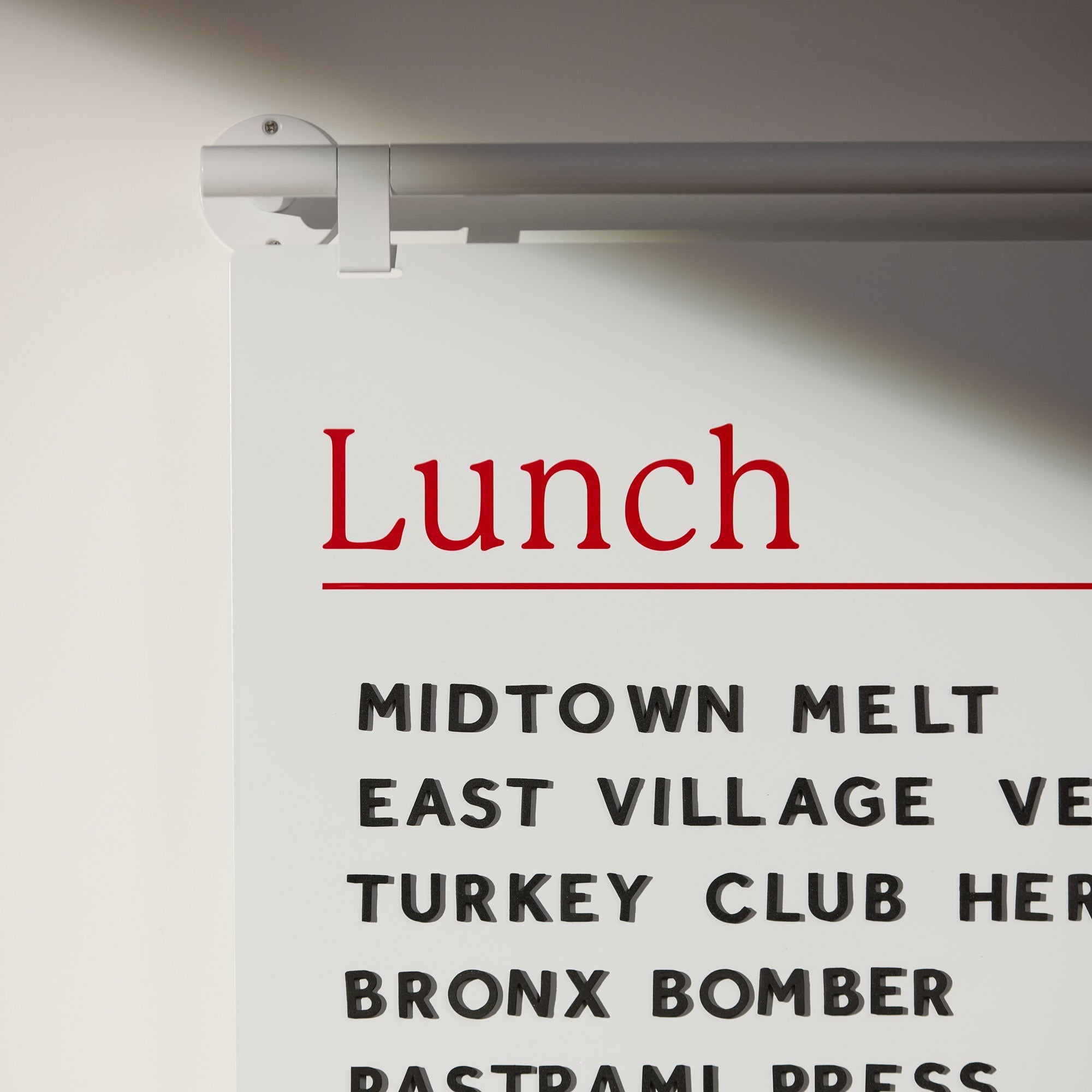
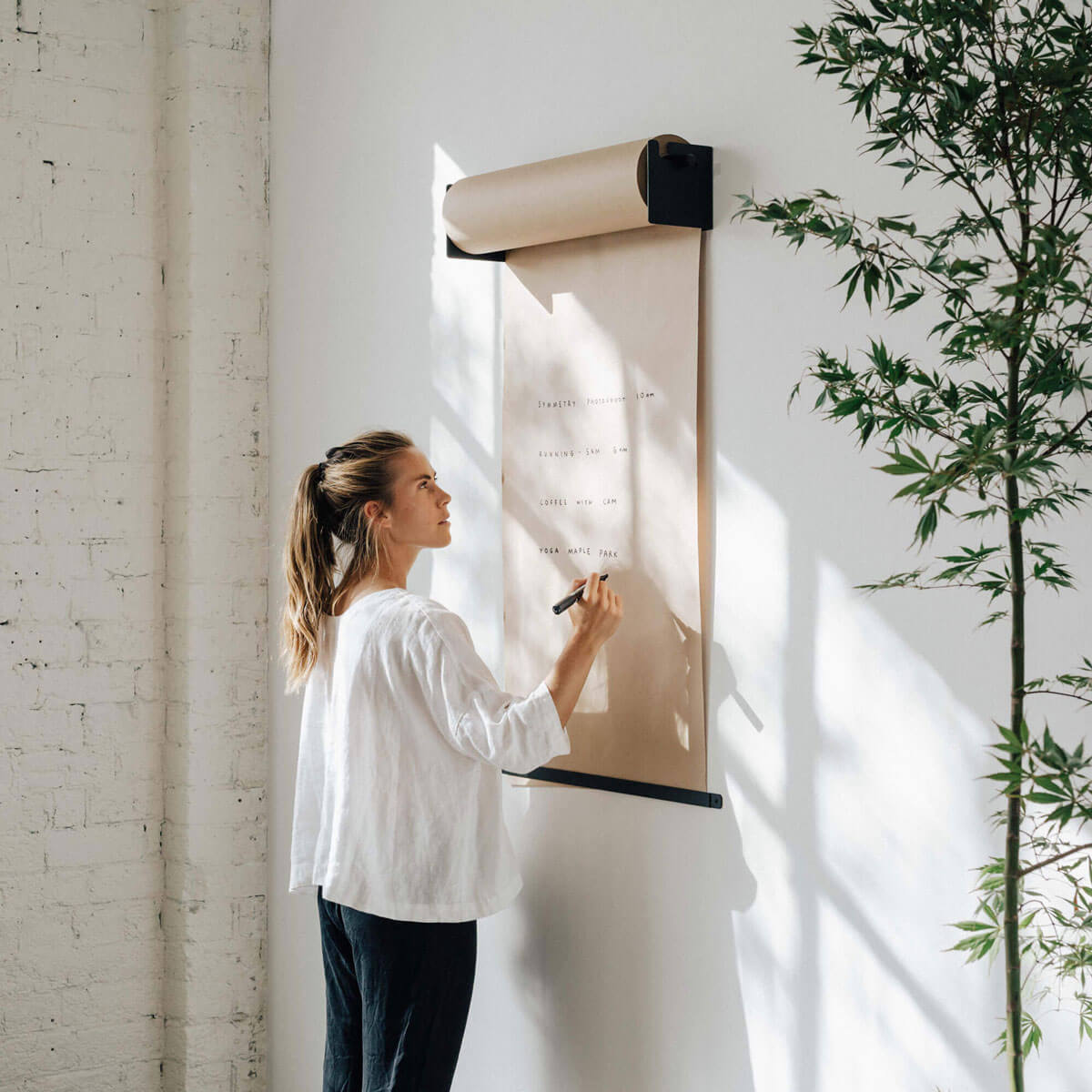
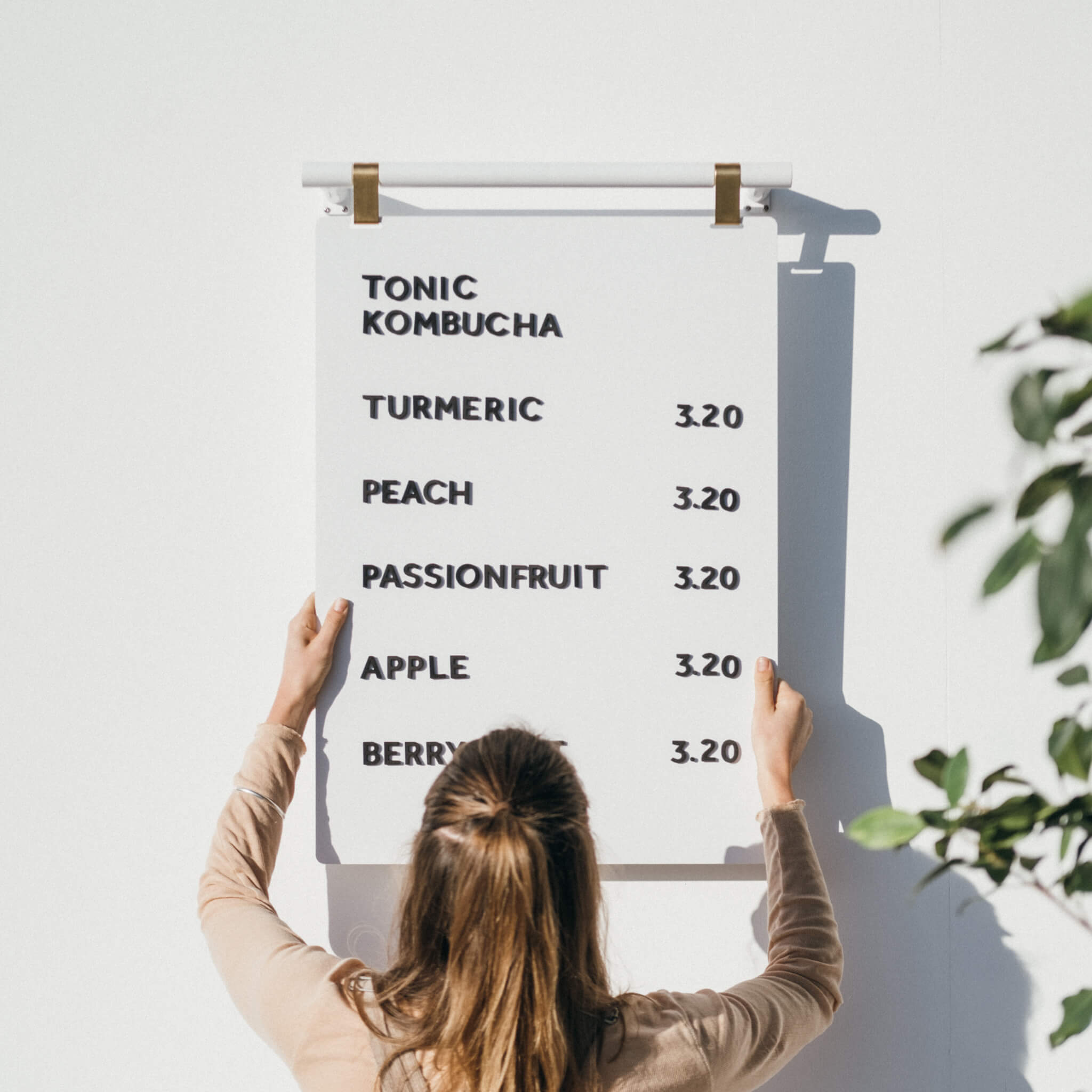
These modular systems allow you to keep your messaging fresh without the recurring cost and waste of reprinting. For businesses that want a cohesive look, options like the Hanging Menu Board offer easy updates and timeless appeal.
The Role of the Digital Menu Board
A digital menu board offers dynamic capabilities, allowing businesses to schedule content, display vibrant animations, and update prices across multiple locations instantly. They can be effective for showcasing promotions and high margin items with eye catching visuals.
However, they also come with drawbacks. Screens can introduce glare, suffer from technical failures, and sometimes create a cold, impersonal atmosphere that detracts from a carefully curated brand experience. The constant movement can also be distracting for customers seeking a relaxed environment.
Grabbing Attention with an Illuminated Menu Board
An illuminated menu board, like a light box, is designed to capture attention and stand out, especially in low light settings or busy visual environments. These signs are perfect for highlighting a hero product, your brand name, or a key promotion near a service counter or in a storefront window. While not typically used for an entire menu, an illuminated sign serves as a powerful focal point to draw customers in and emphasize what is most important.
The Best of Both: The Hybrid Menu Board Approach
You don’t have to choose just one style. A hybrid menu board system combines the strengths of different formats. A popular strategy involves using a large, tactile indoor menu board as the primary display to establish brand aesthetic and list core offerings. This can be supplemented with a small digital screen for rotating daily specials or a simple QR code that directs customers to a more extensive online menu with detailed nutritional information. This approach maintains a premium atmosphere while offering digital flexibility where it adds the most value.
Key Principles for Effective Menu Board Design
A beautiful design is useless if customers can’t read it. Clarity and legibility are essential for menu boards. A quality sign that is highly visible and easy to read can increase sales significantly.
Readability Best Practices
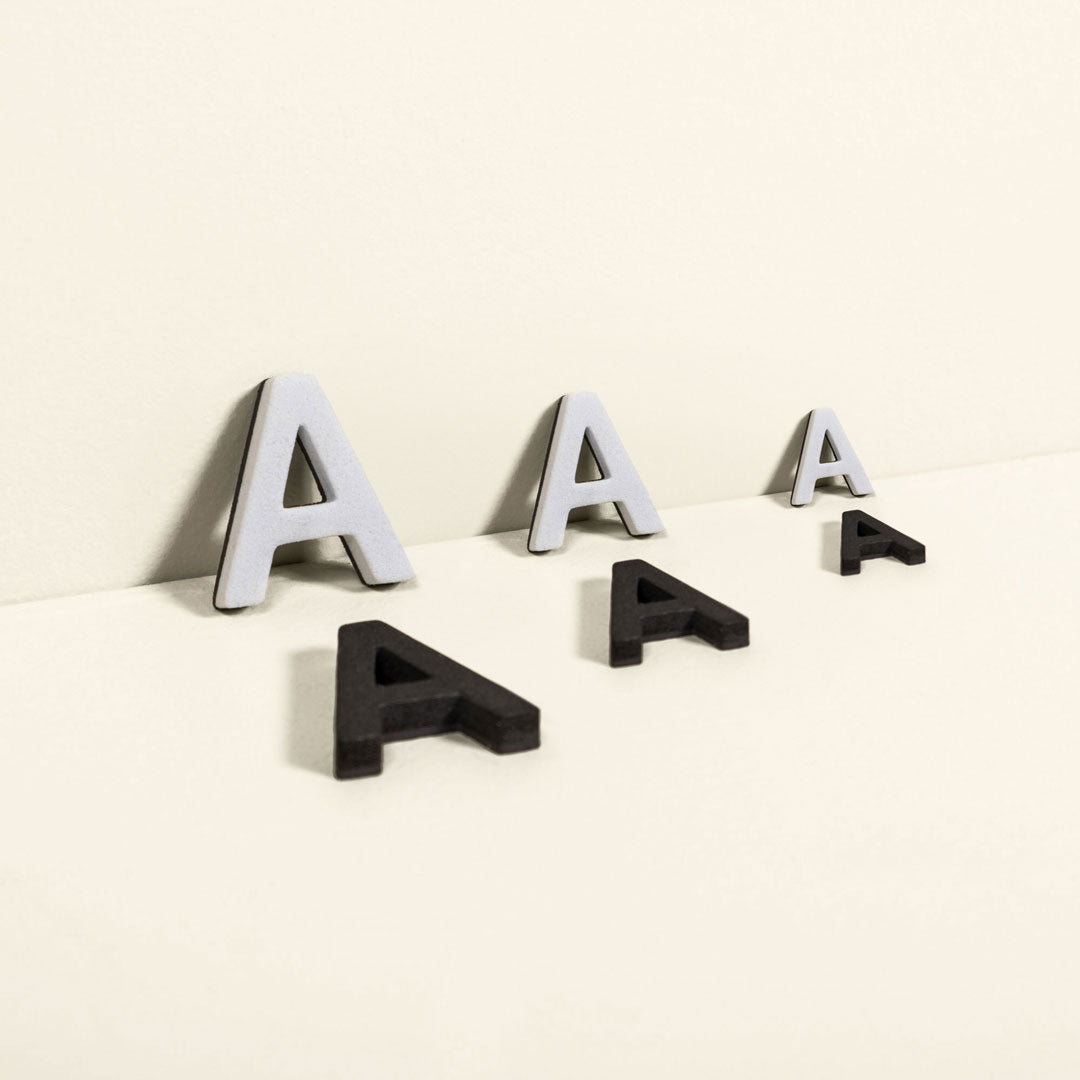
- Use Clean, Large Fonts: Avoid overly decorative scripts. Opt for sans serif fonts that are easy to scan from a distance. As a general rule, aim for one inch of letter height for every ten feet of viewing distance.
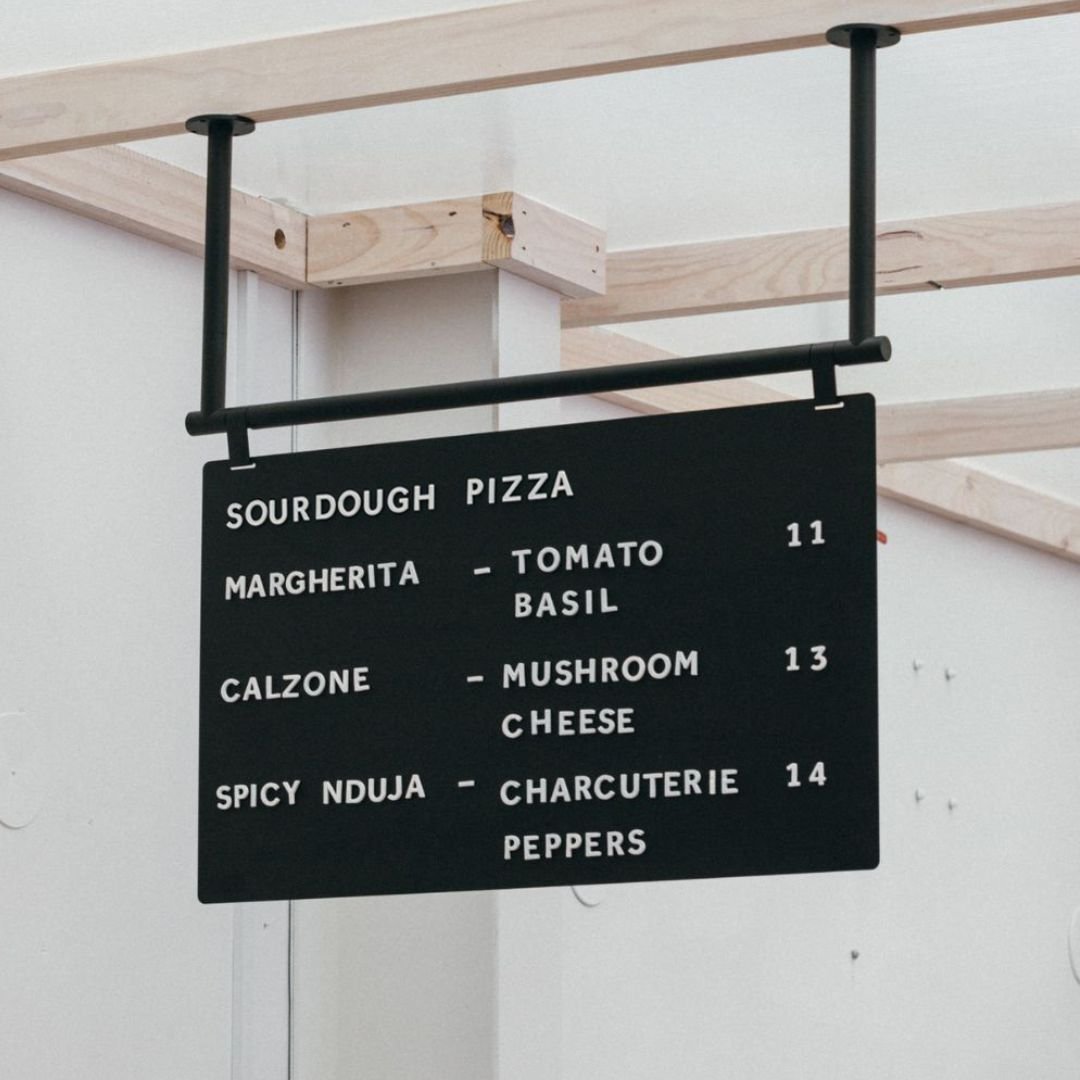
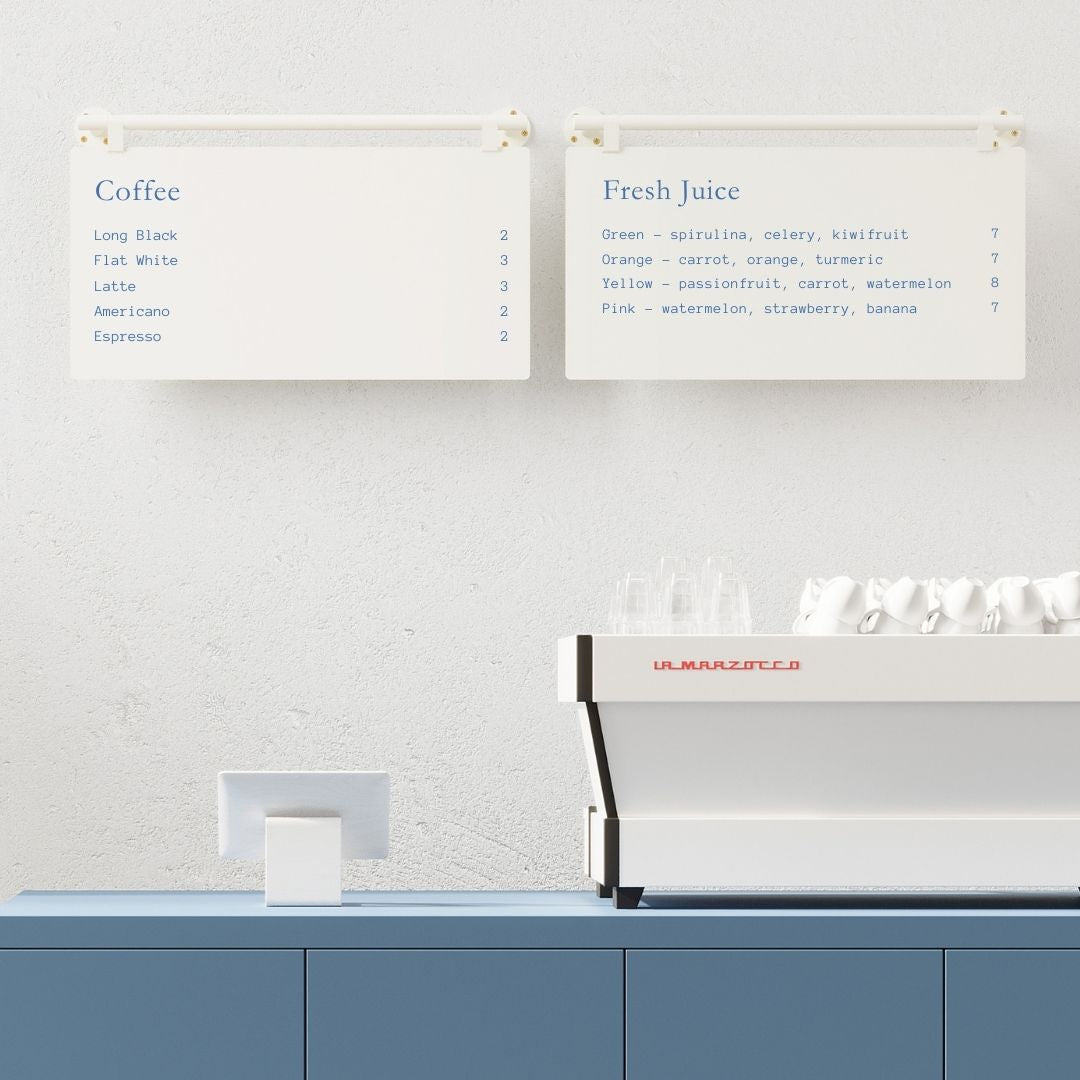
- Embrace High Contrast: Use dark letters on a light background or light letters on a dark background. This simple principle dramatically improves readability and makes your menu board pop.
- Keep it Simple: Don’t clutter your menu board with too many graphics or unnecessary words. A short, clear message is easier for customers to absorb quickly, especially during busy periods. Group items logically with clear headings like “Sandwiches,” “Coffee,” and “Pastries.”
Menu Psychology to Guide Choices
Menu engineering is the art of designing your menu to encourage customers to buy specific items. By understanding how people read menus (often looking at the top right first), you can place your most profitable items in that “golden triangle” to draw immediate attention. Similarly, using descriptive adjectives (like “creamy” or “freshly baked”) can make offerings more appealing. When laying out prices, avoid right aligning them in a column, which encourages price shopping. Instead, place the price discreetly after the item description.
Durability and Materials: An Investment in Quality
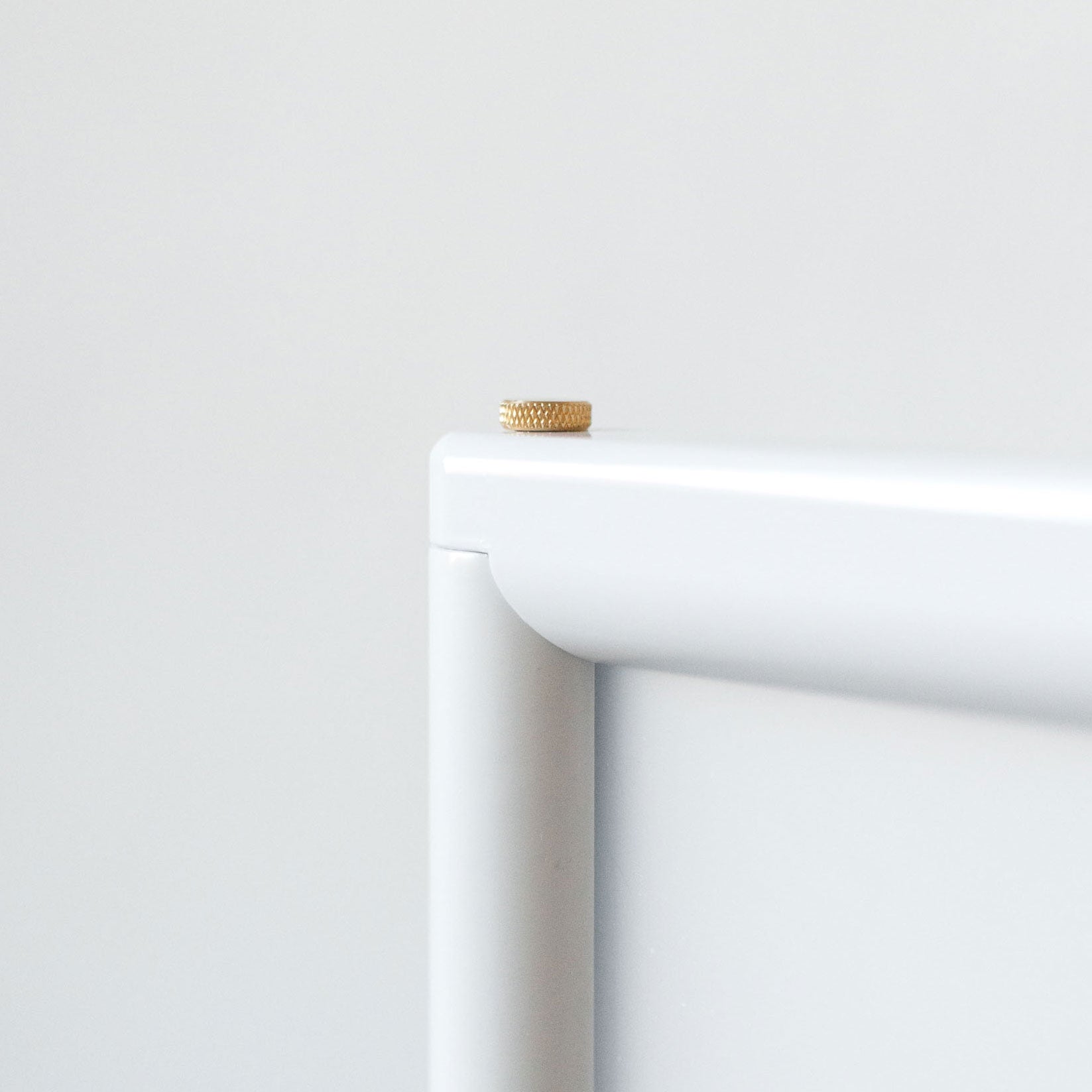
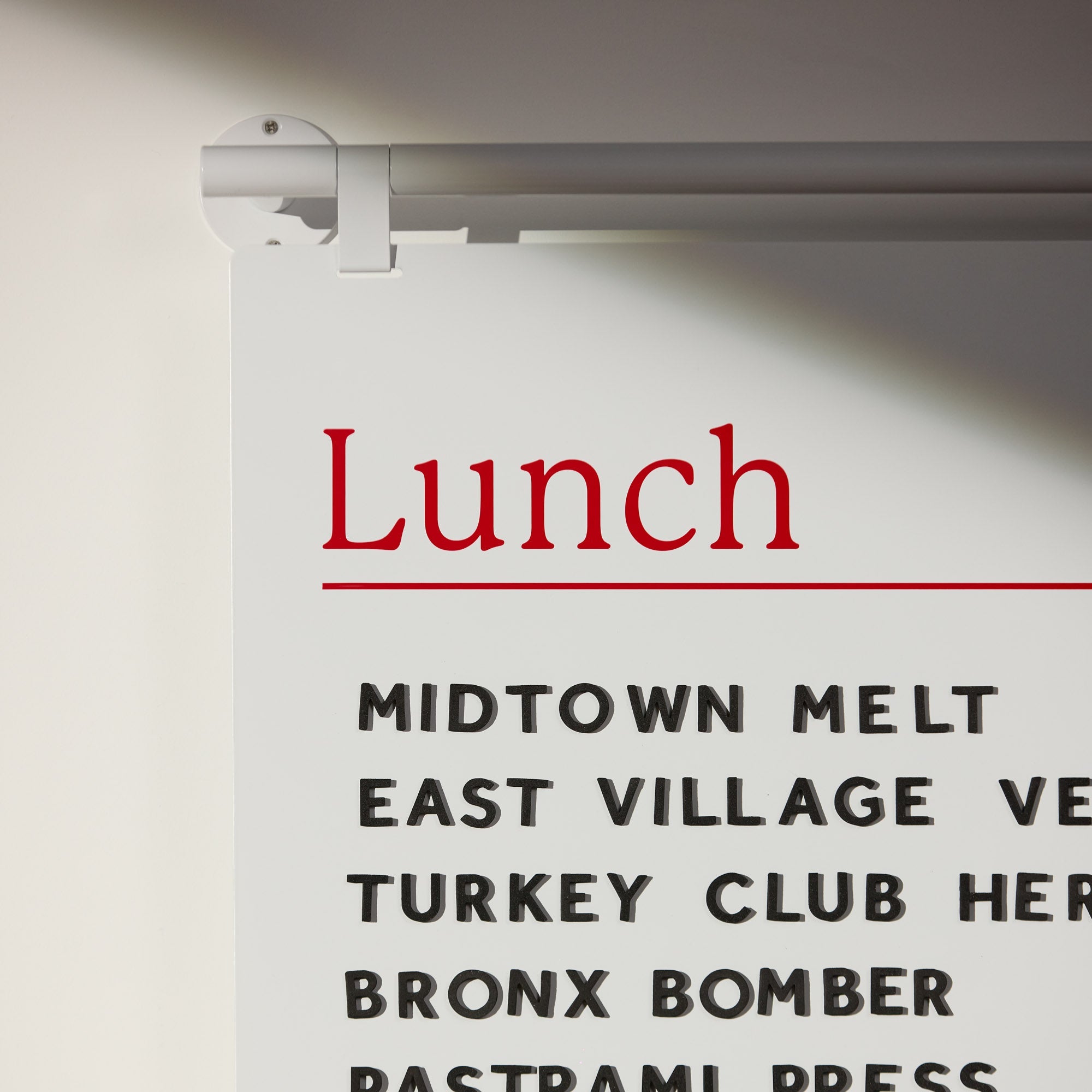
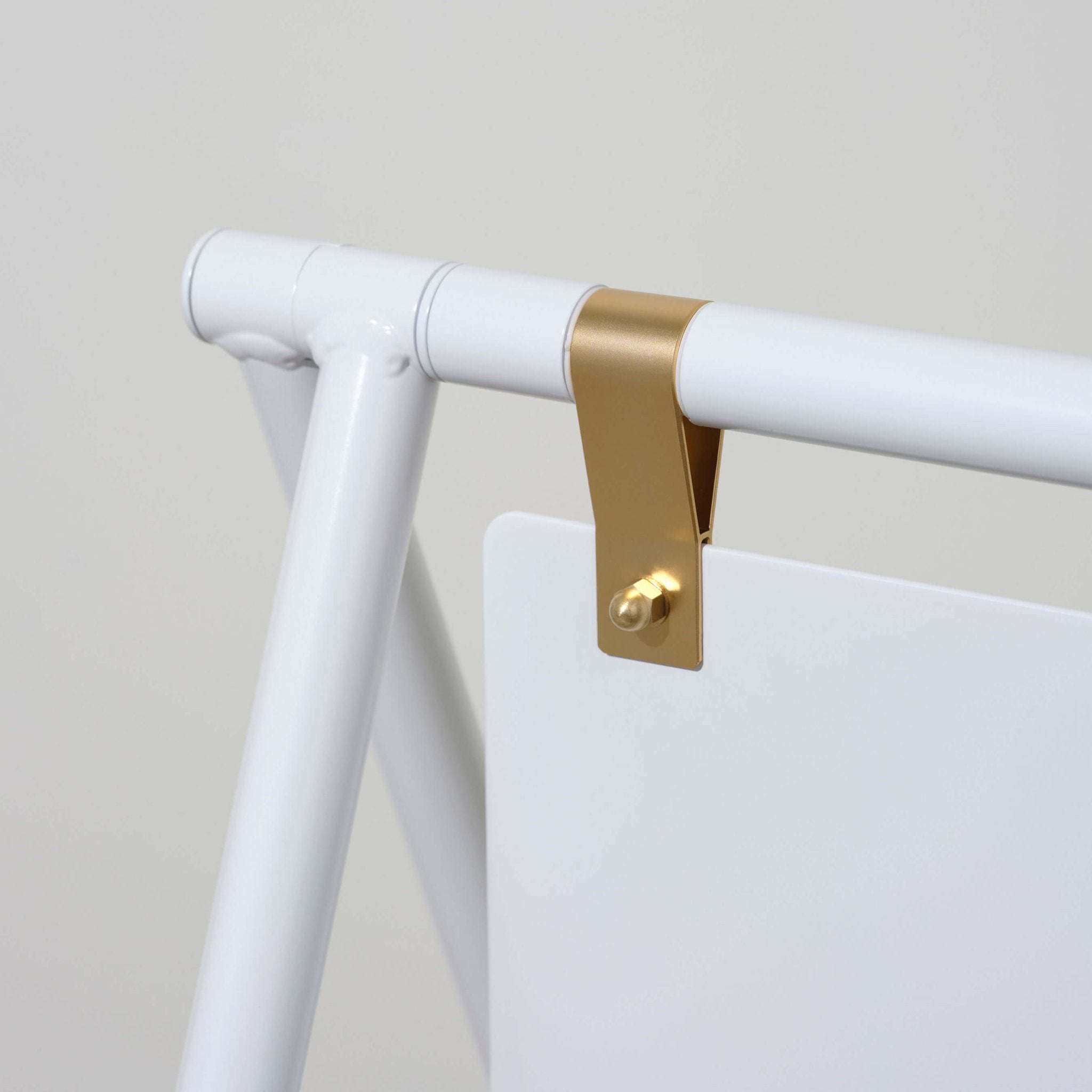
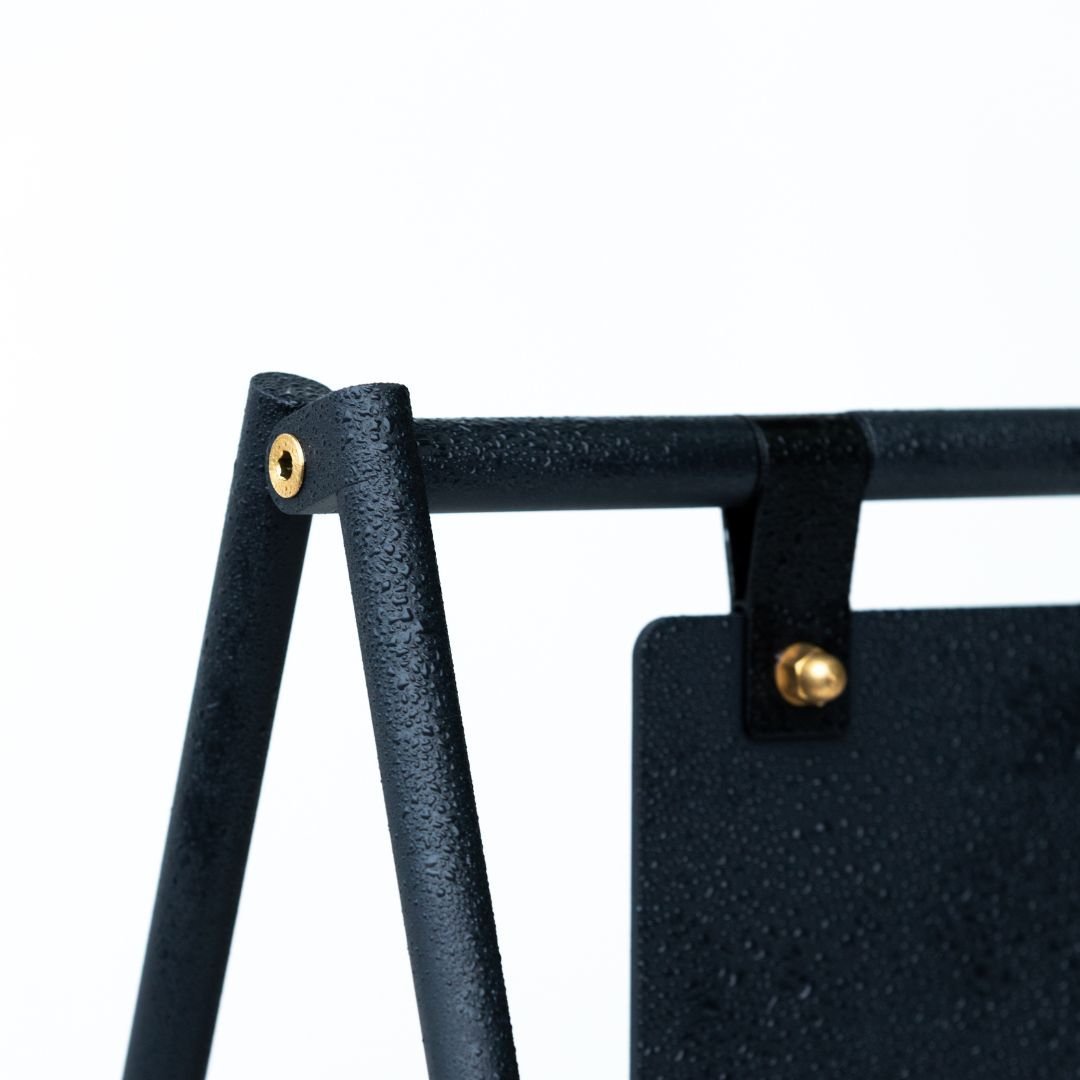
Your menu board is a permanent fixture, so its quality and longevity matter. Choosing durable, premium materials ensures your sign looks great for years and reflects the quality of your business. Opt for materials like powder coated metals and aluminum that withstand daily use in high traffic environments. Look for sustainably sourced timbers for wooden elements to align your brand with eco friendly practices.
A high quality powder coat finish, for example, can last for many years, preventing fading and chipping and keeping your sign looking fresh. Investing a bit more in well made menu boards saves money in the long run by avoiding frequent replacements and reinforcing to customers that your business values quality in every detail.
Strategic Placement for Maximum Impact
Where you place your menu boards is just as important as what’s on them. The goal is to position them in key decision making zones to guide customers and streamline the ordering process.
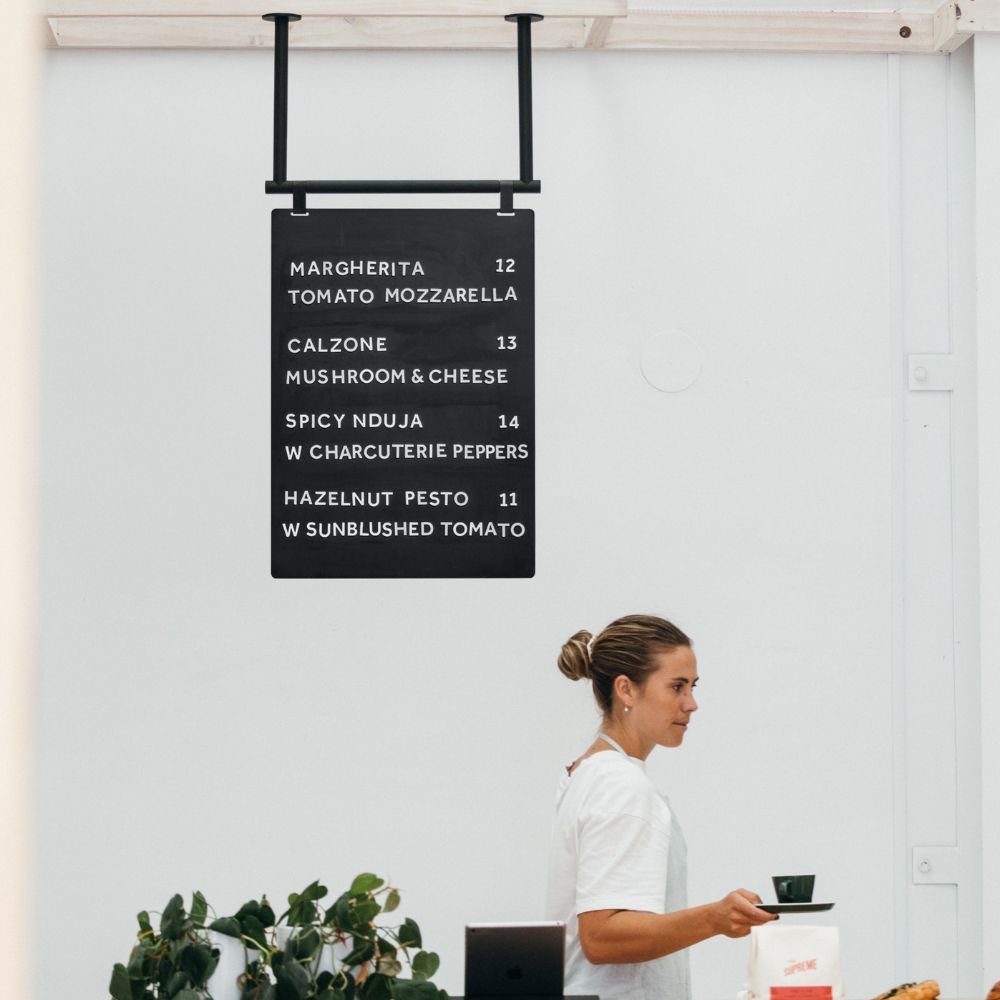
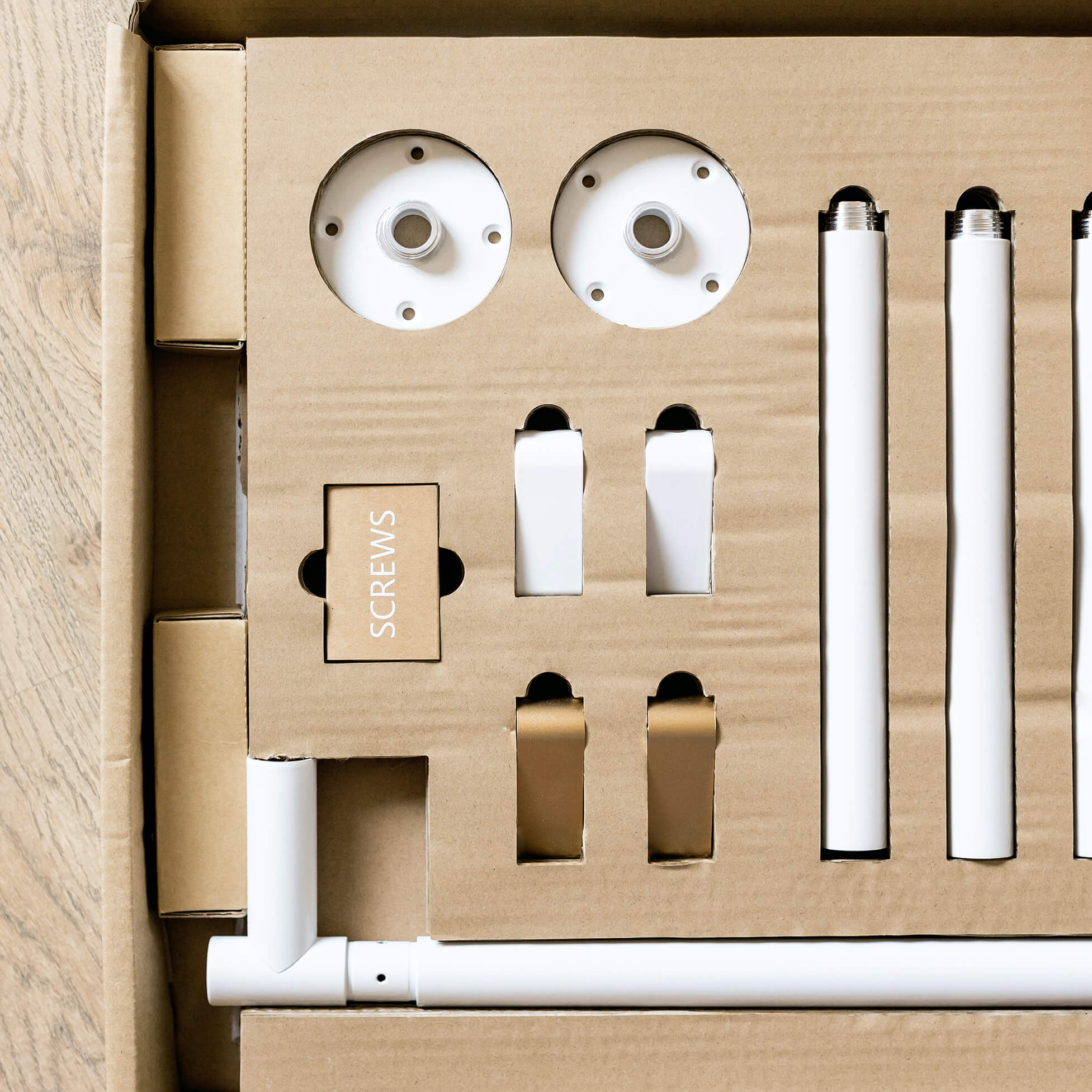
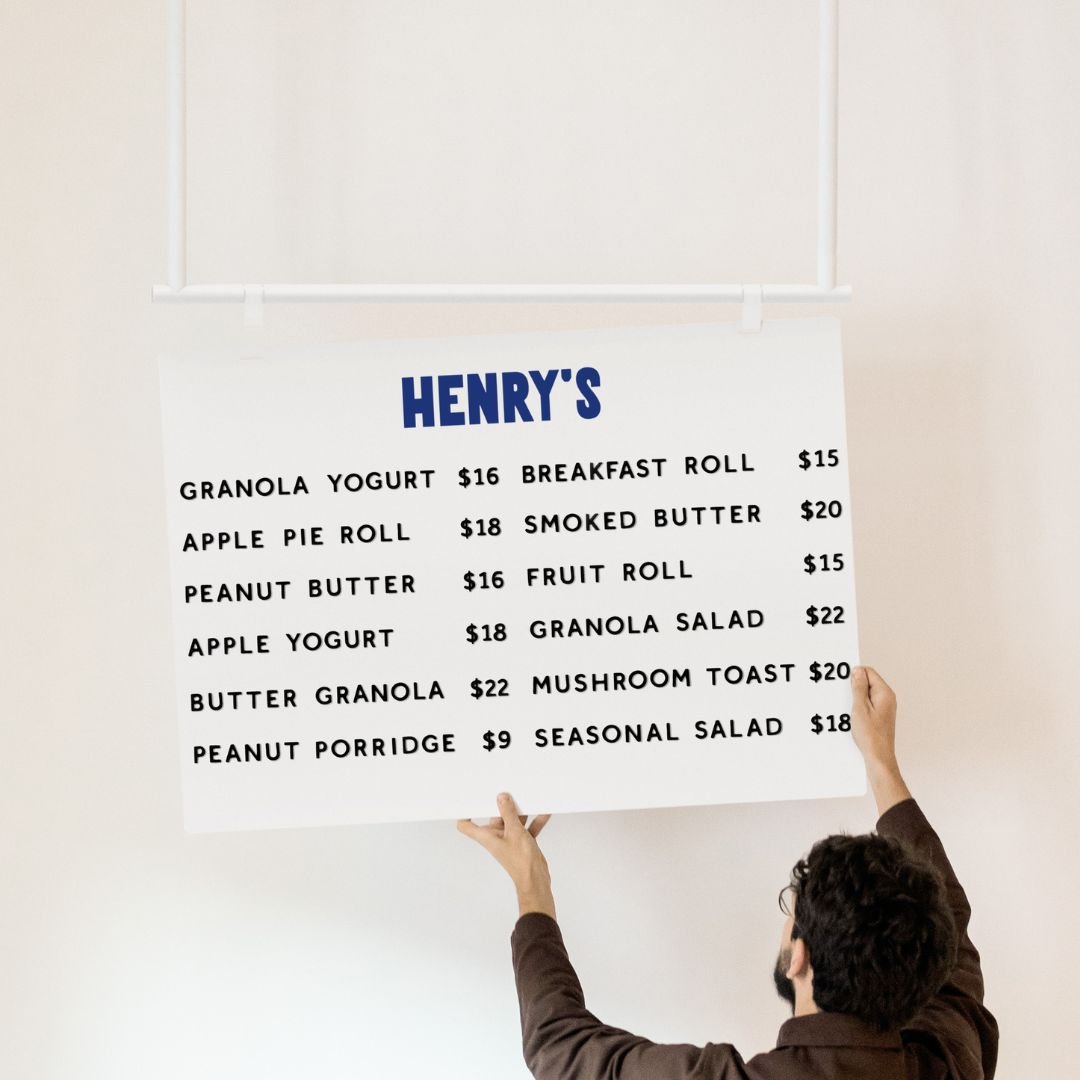
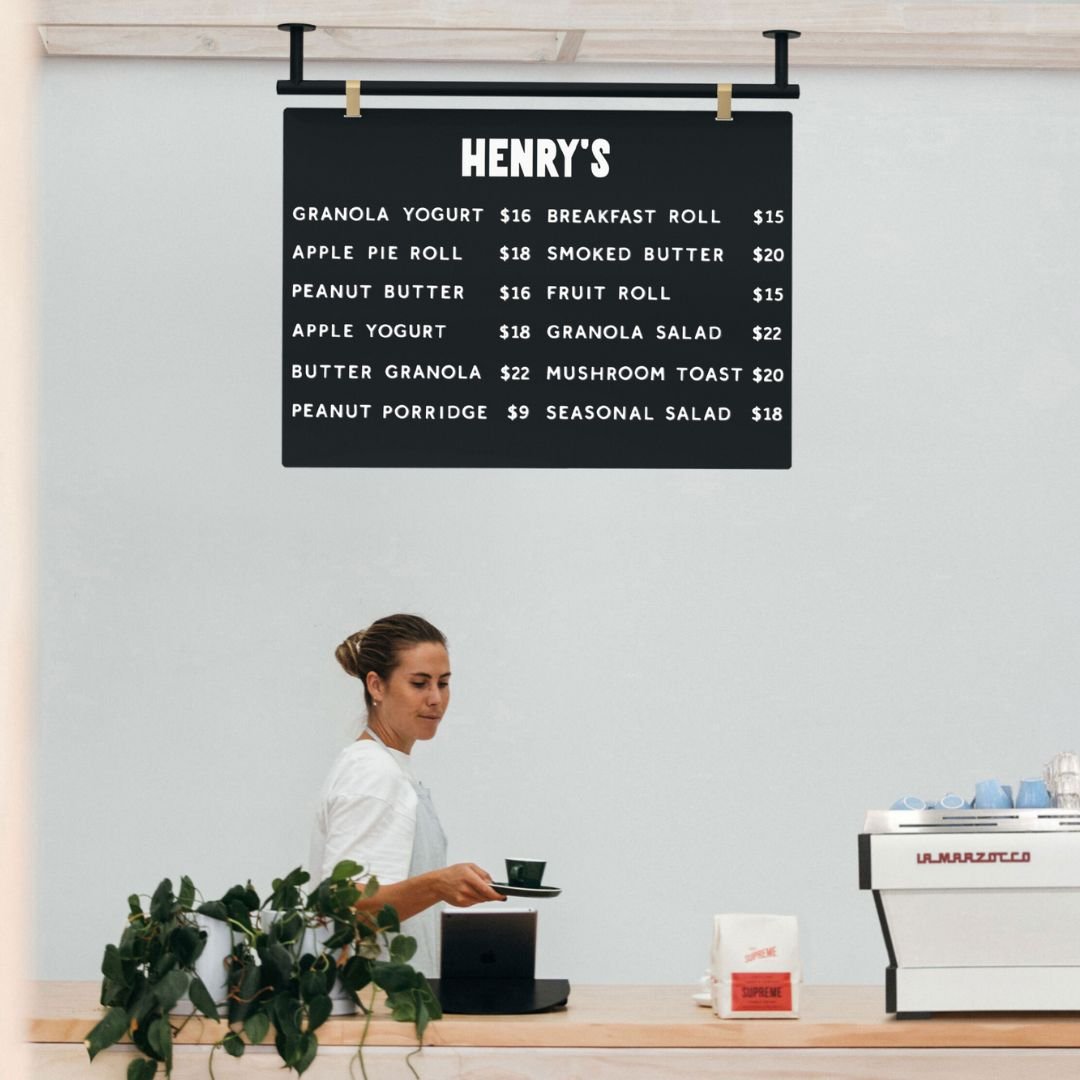
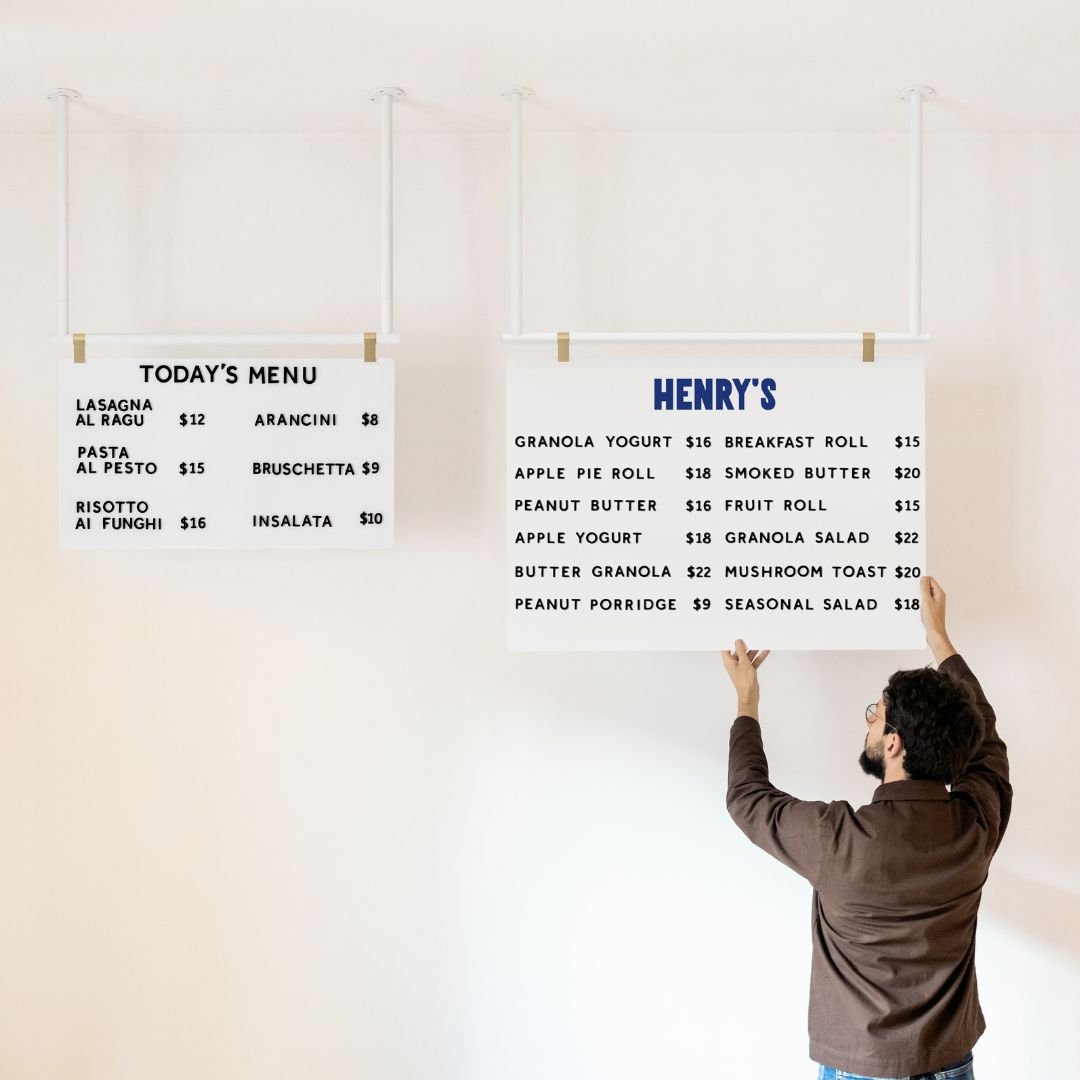
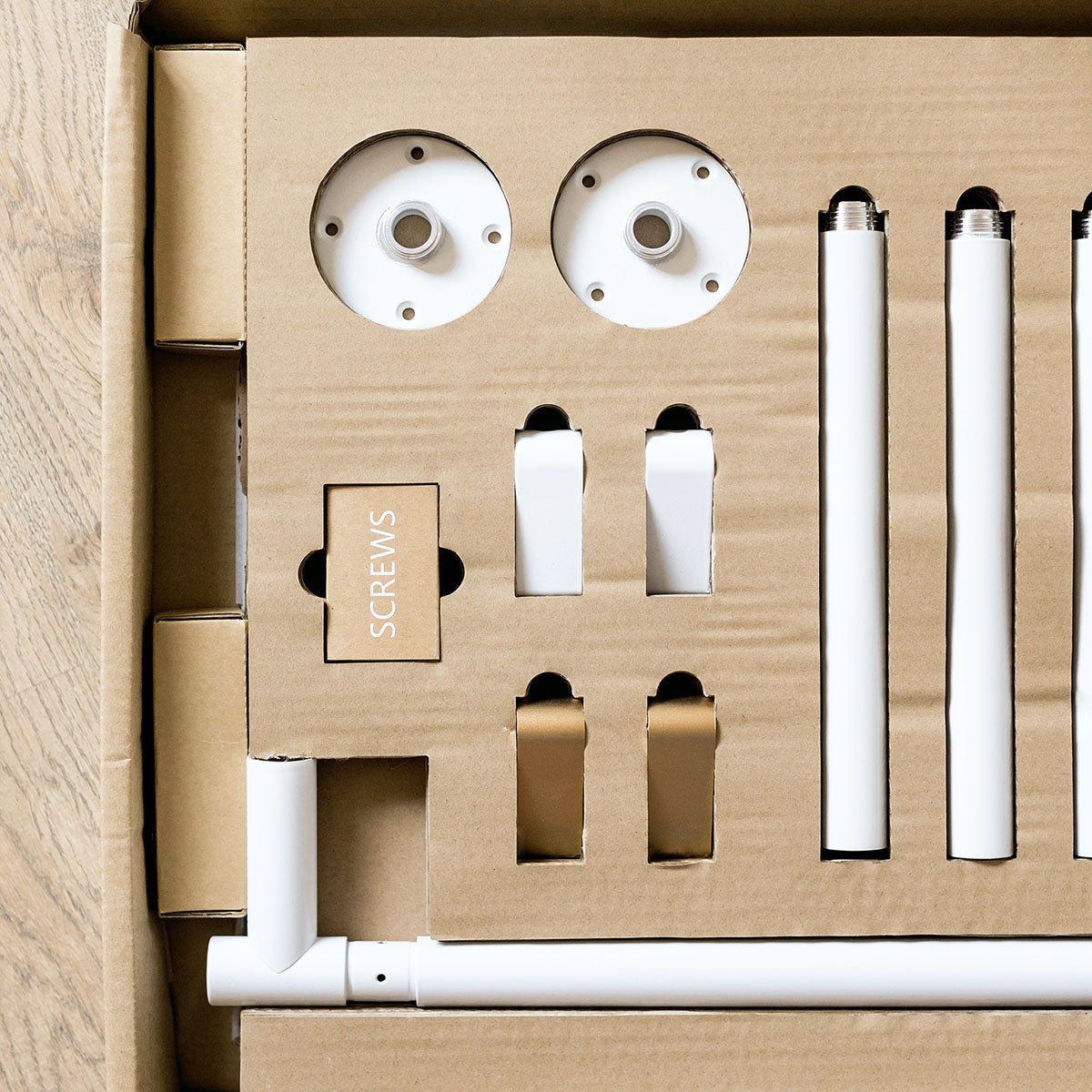
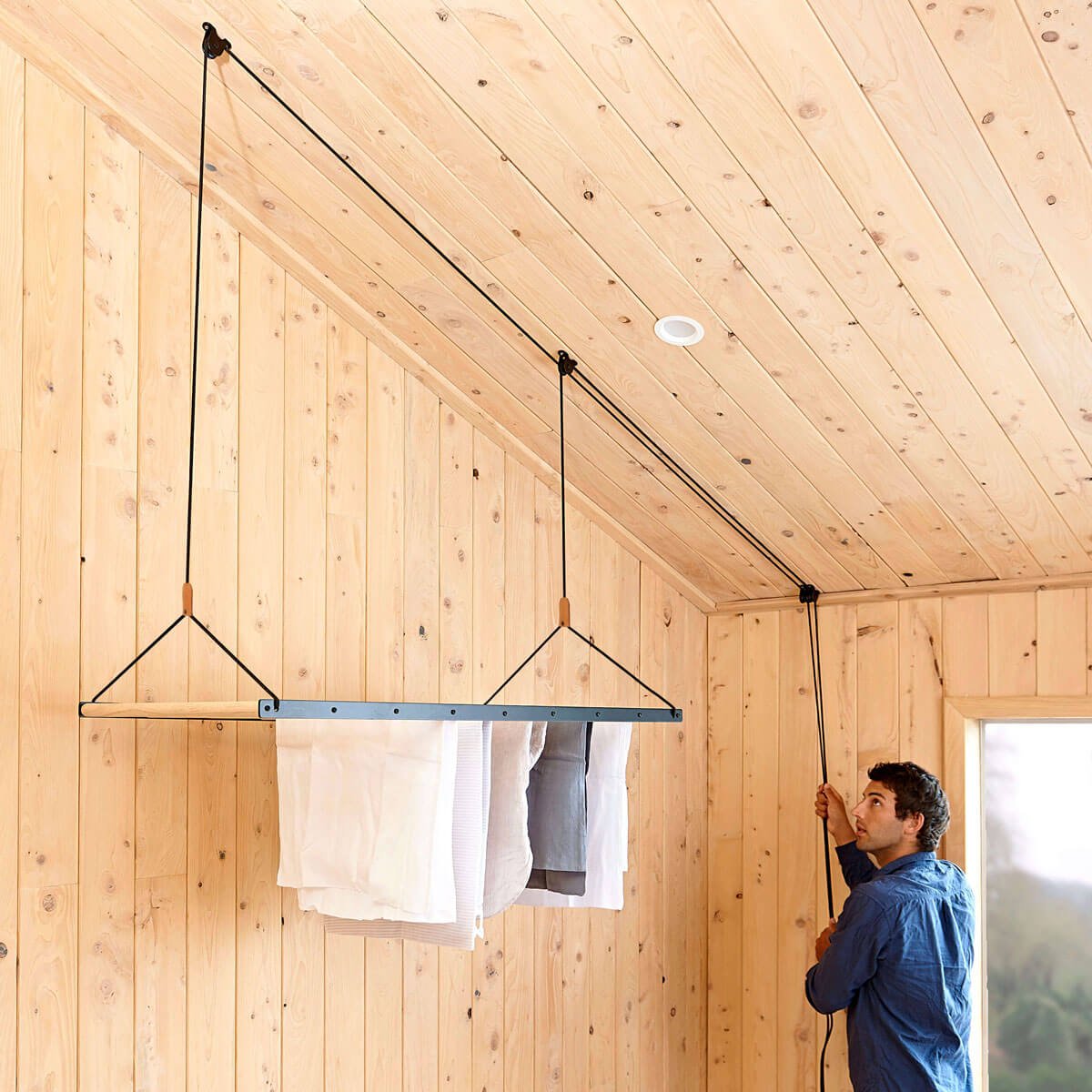
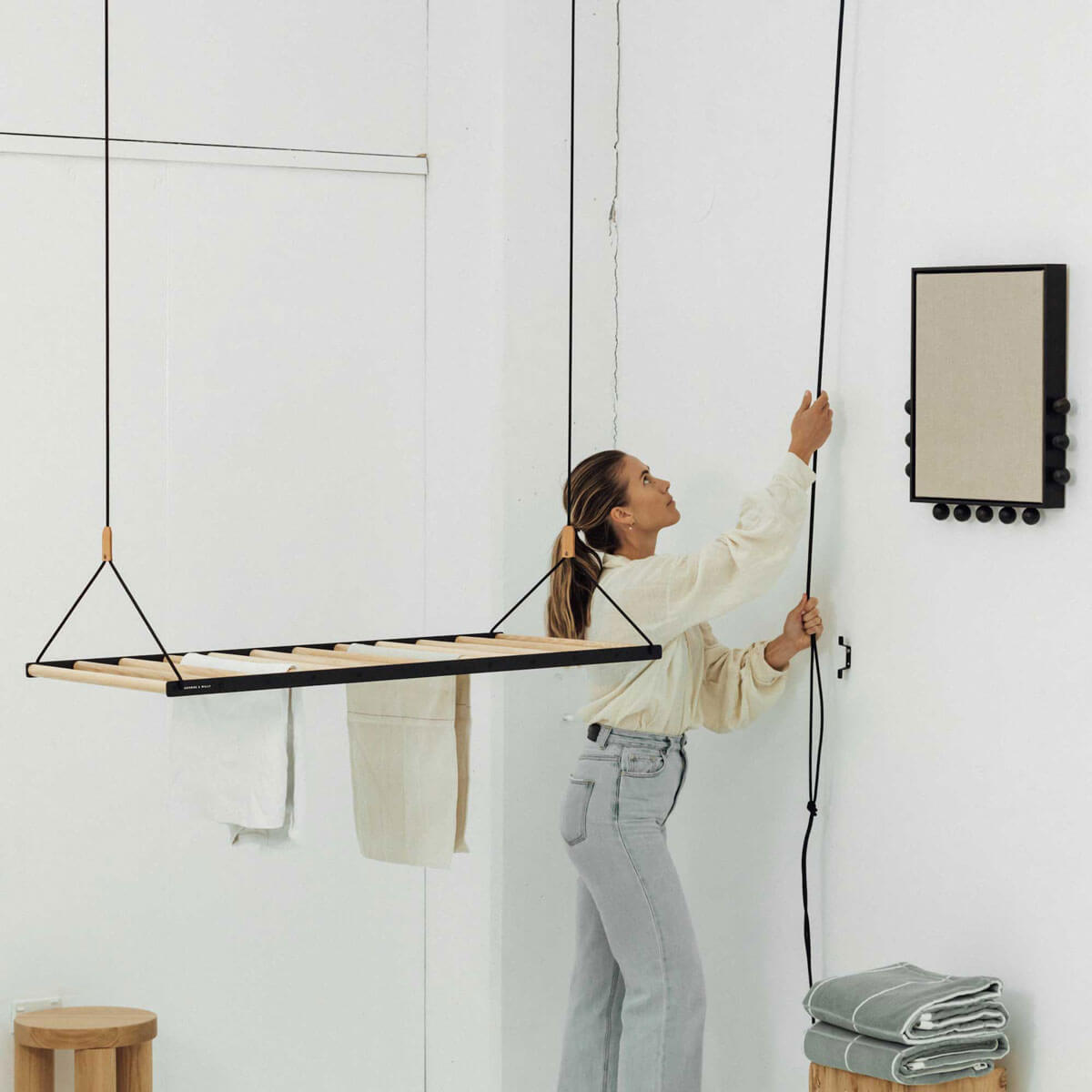
Place your primary menu board where it is clearly visible upon entering and from the main ordering area. Ensure it is in a well lit location that avoids direct glare from windows or harsh spotlights. If wall space is limited, consider a ceiling mounted option like the Ceiling Menu Board. This helps customers decide what they want before they reach the counter, speeding up service.
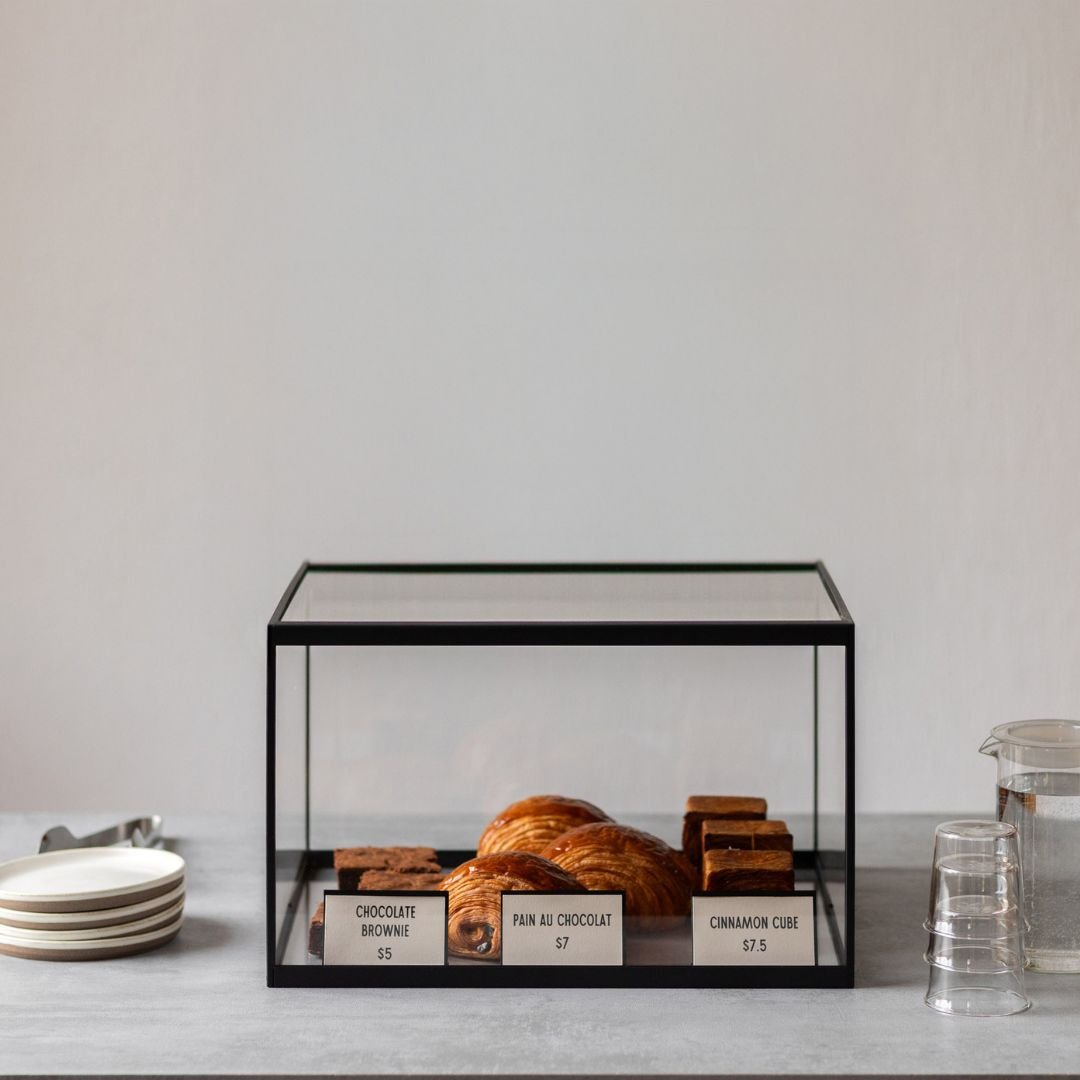
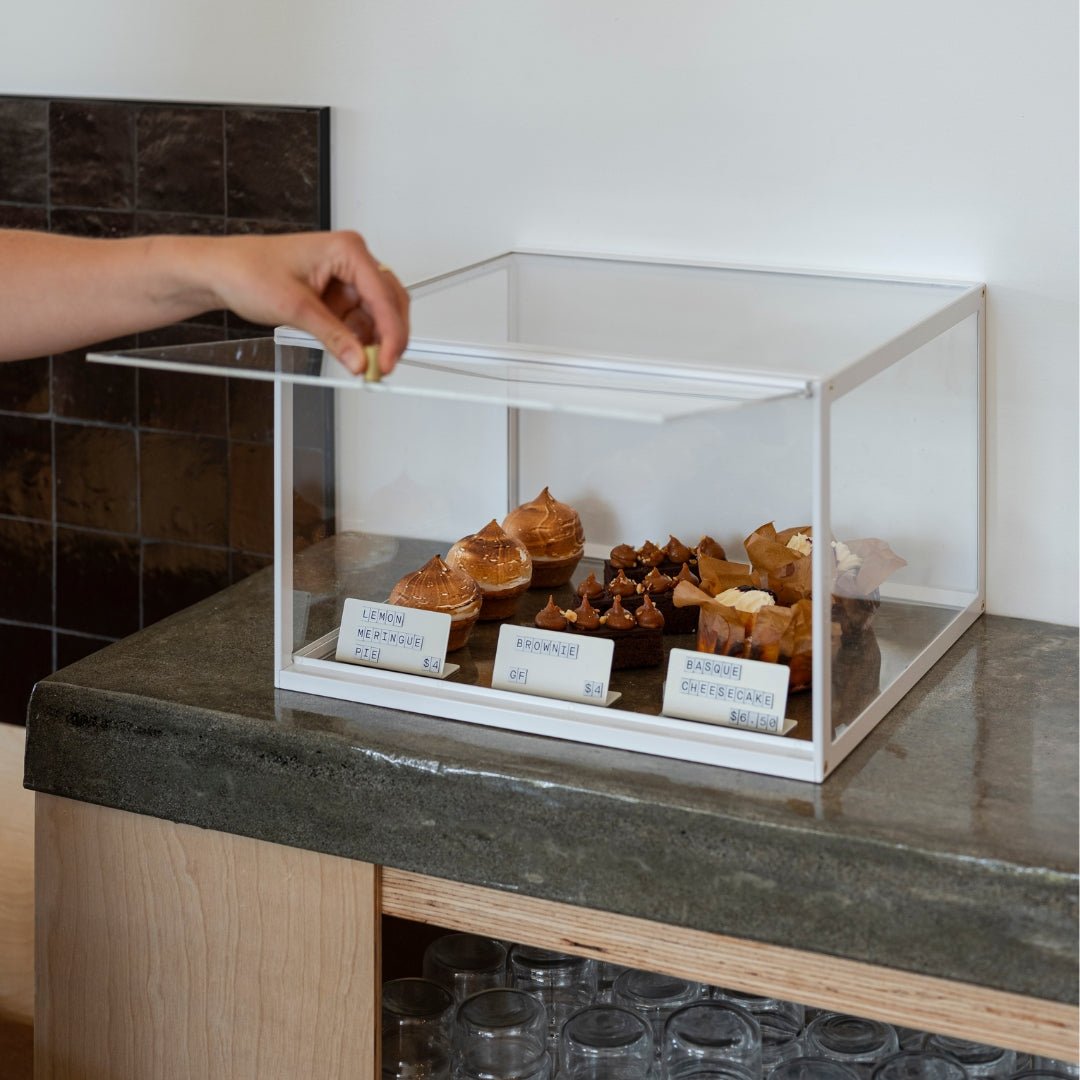
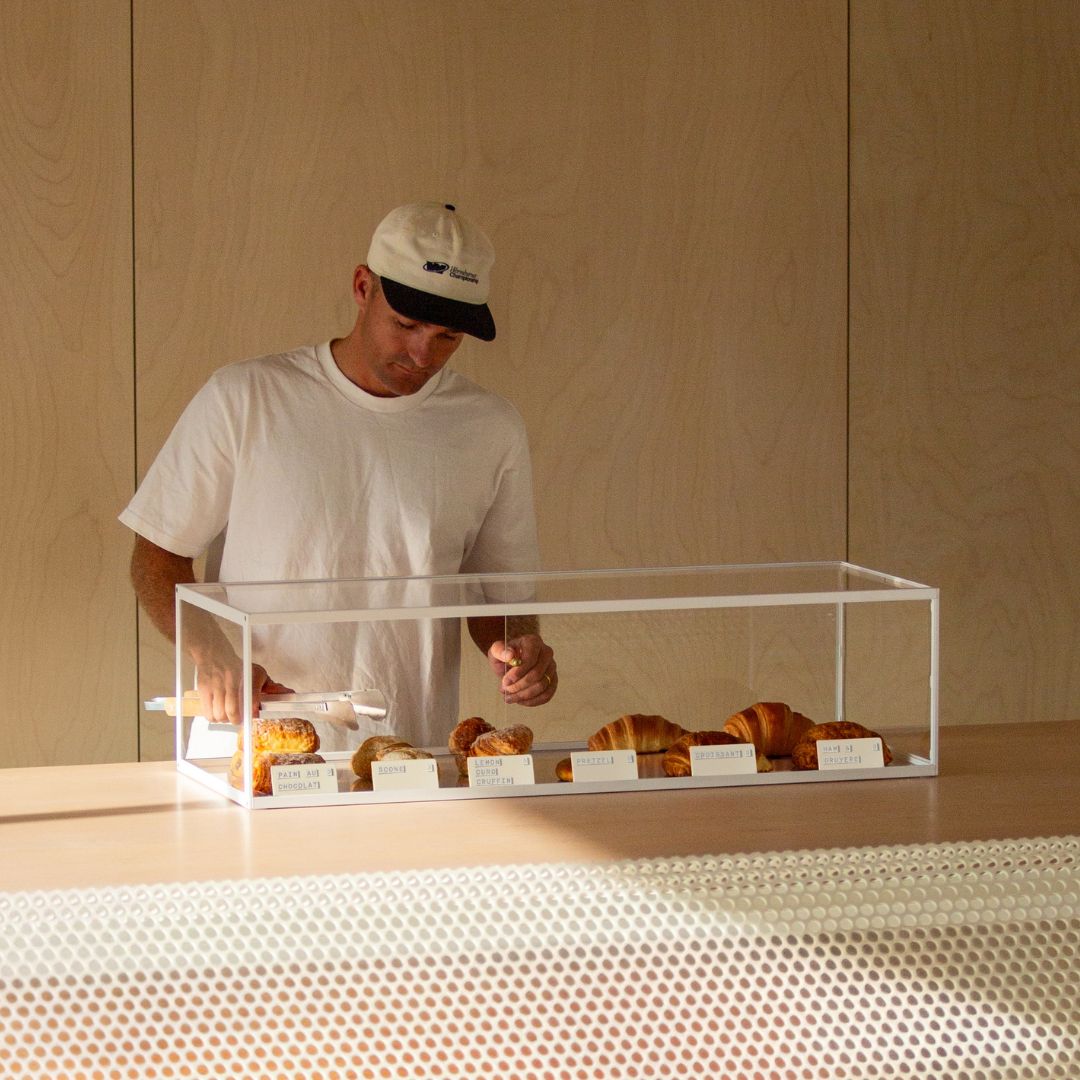
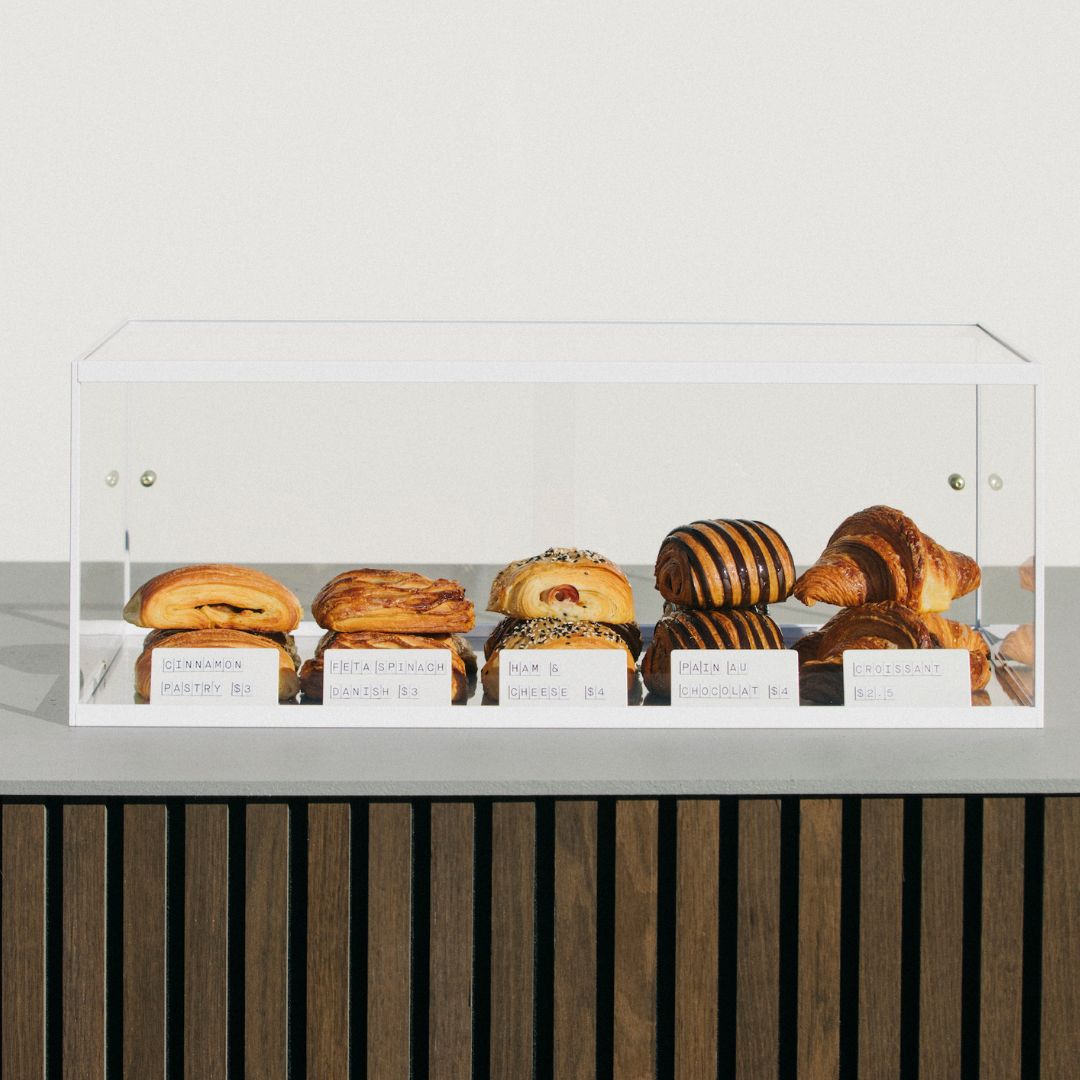
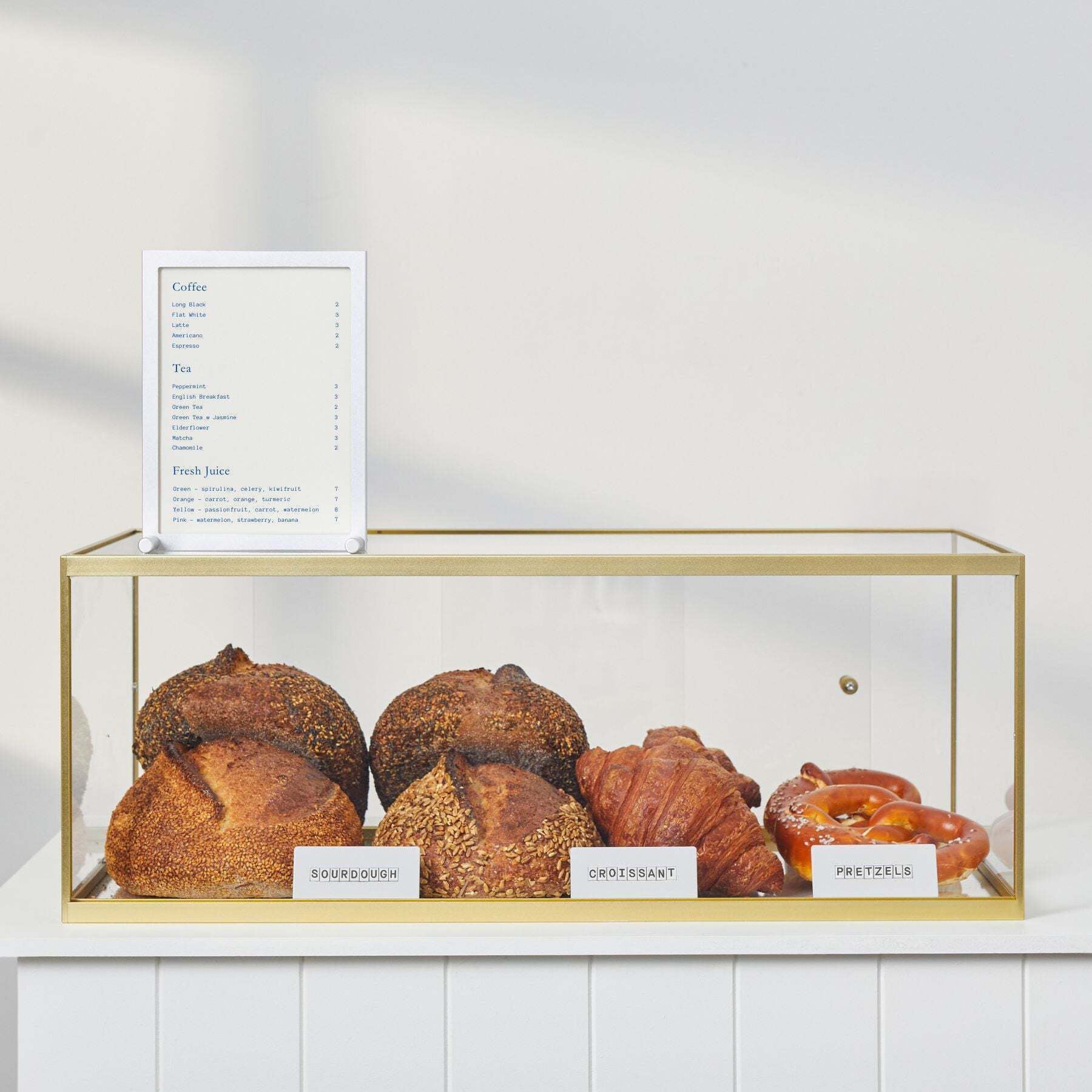
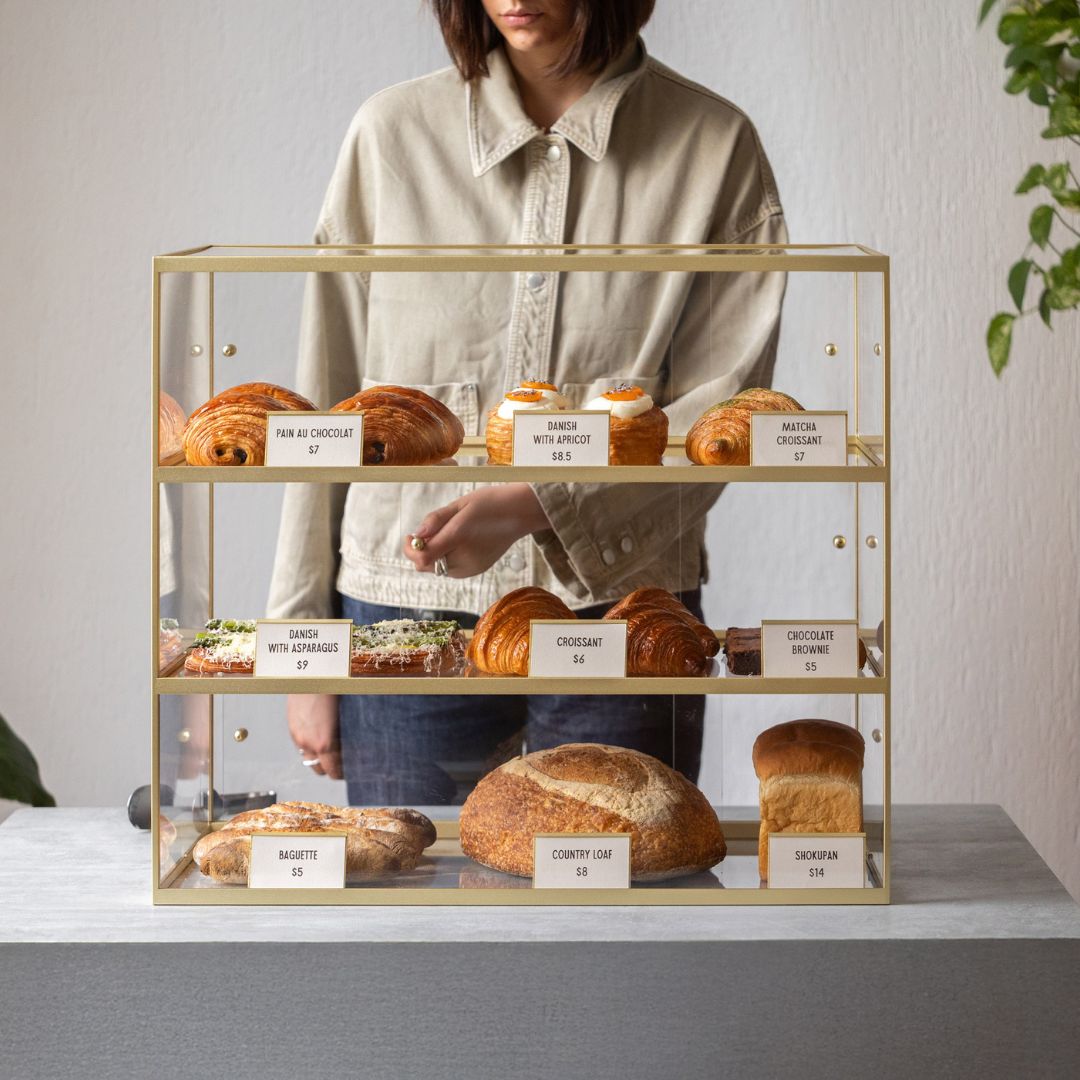
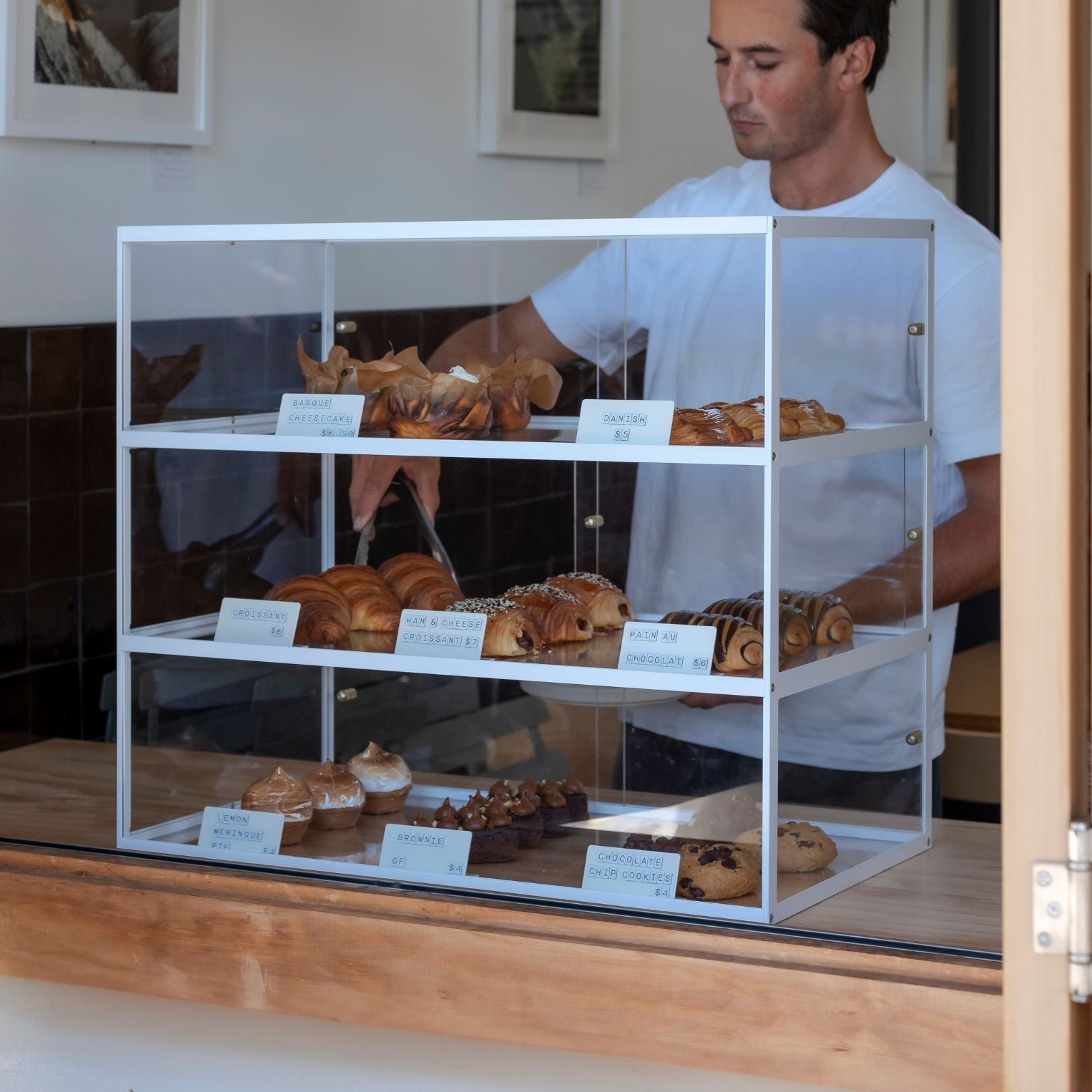
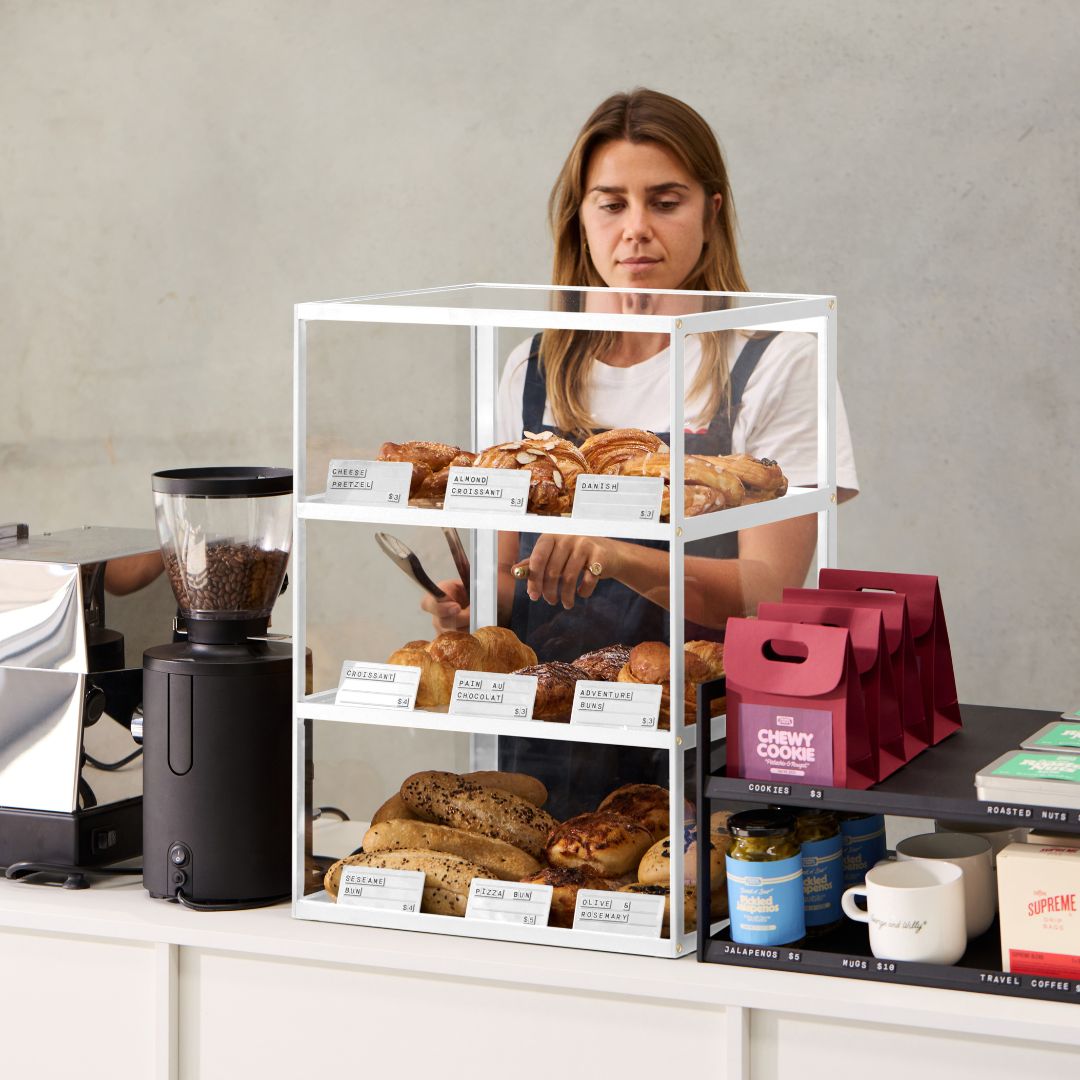
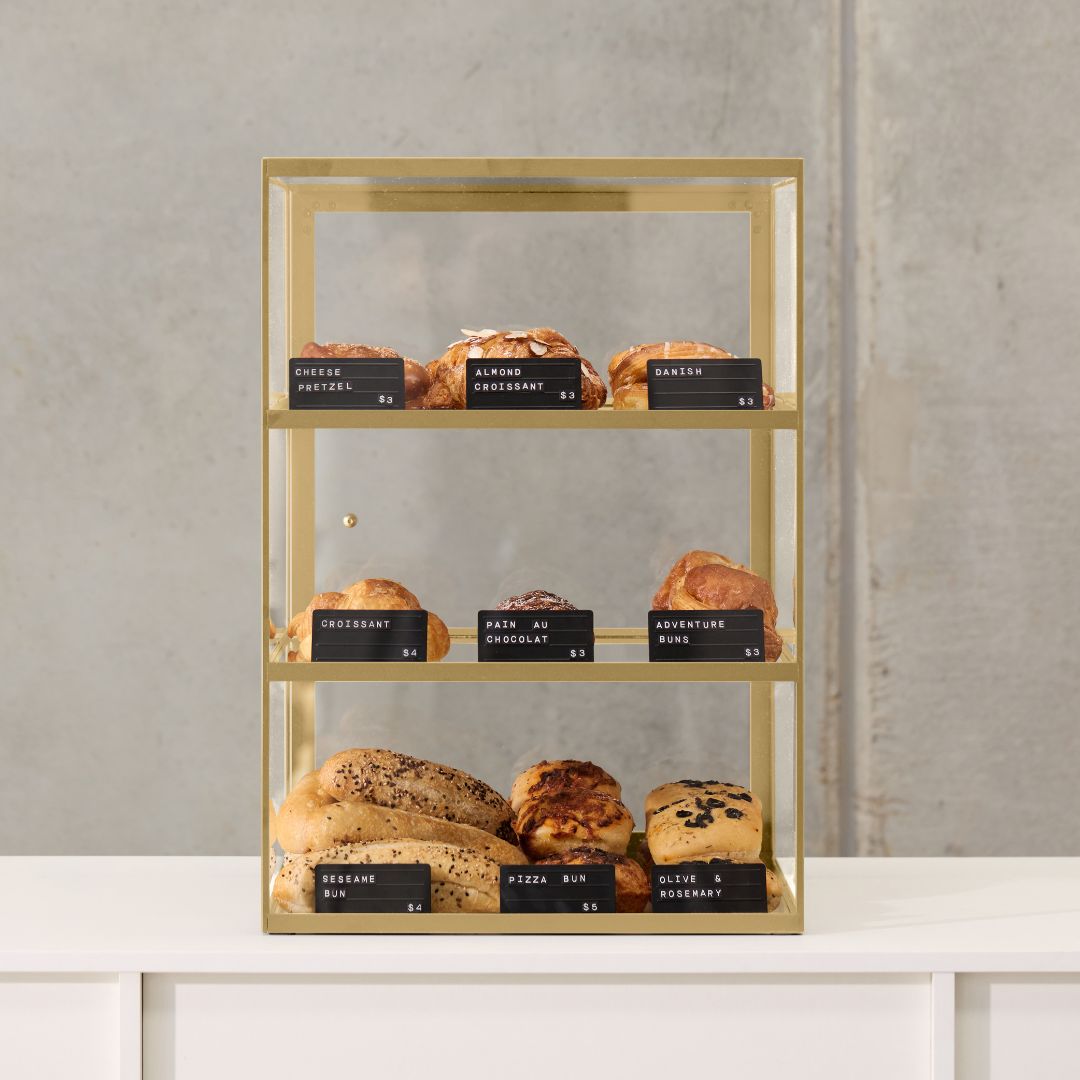
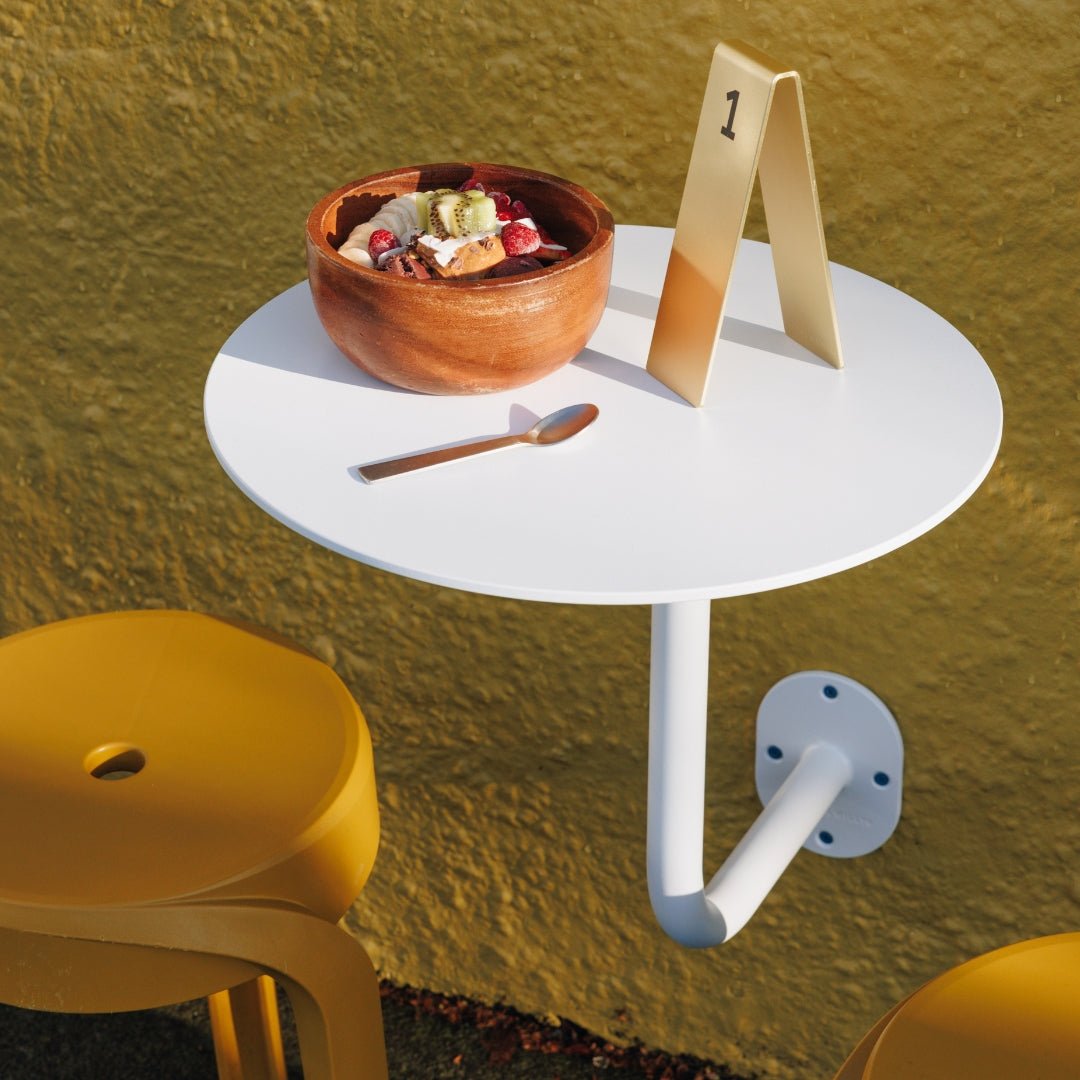
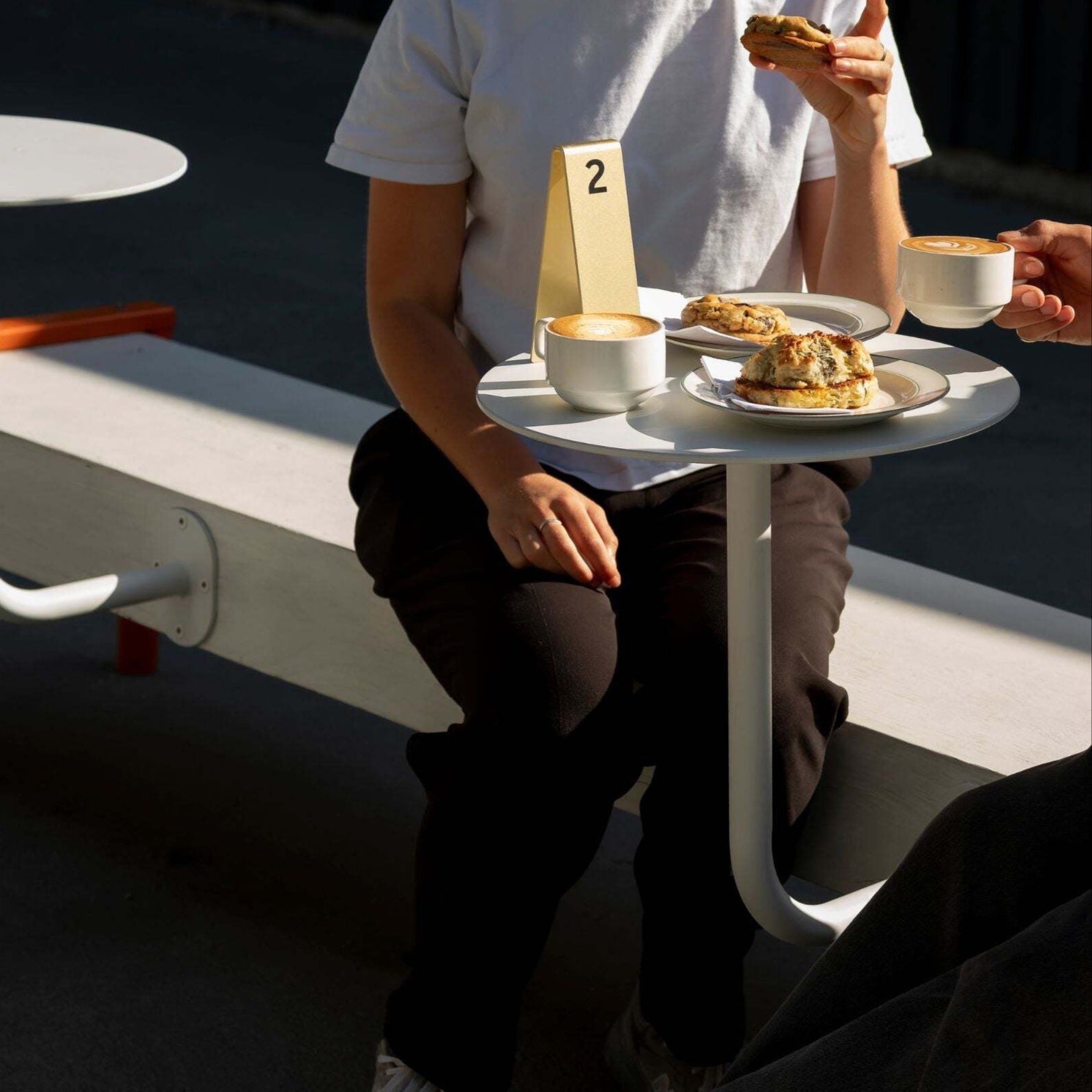
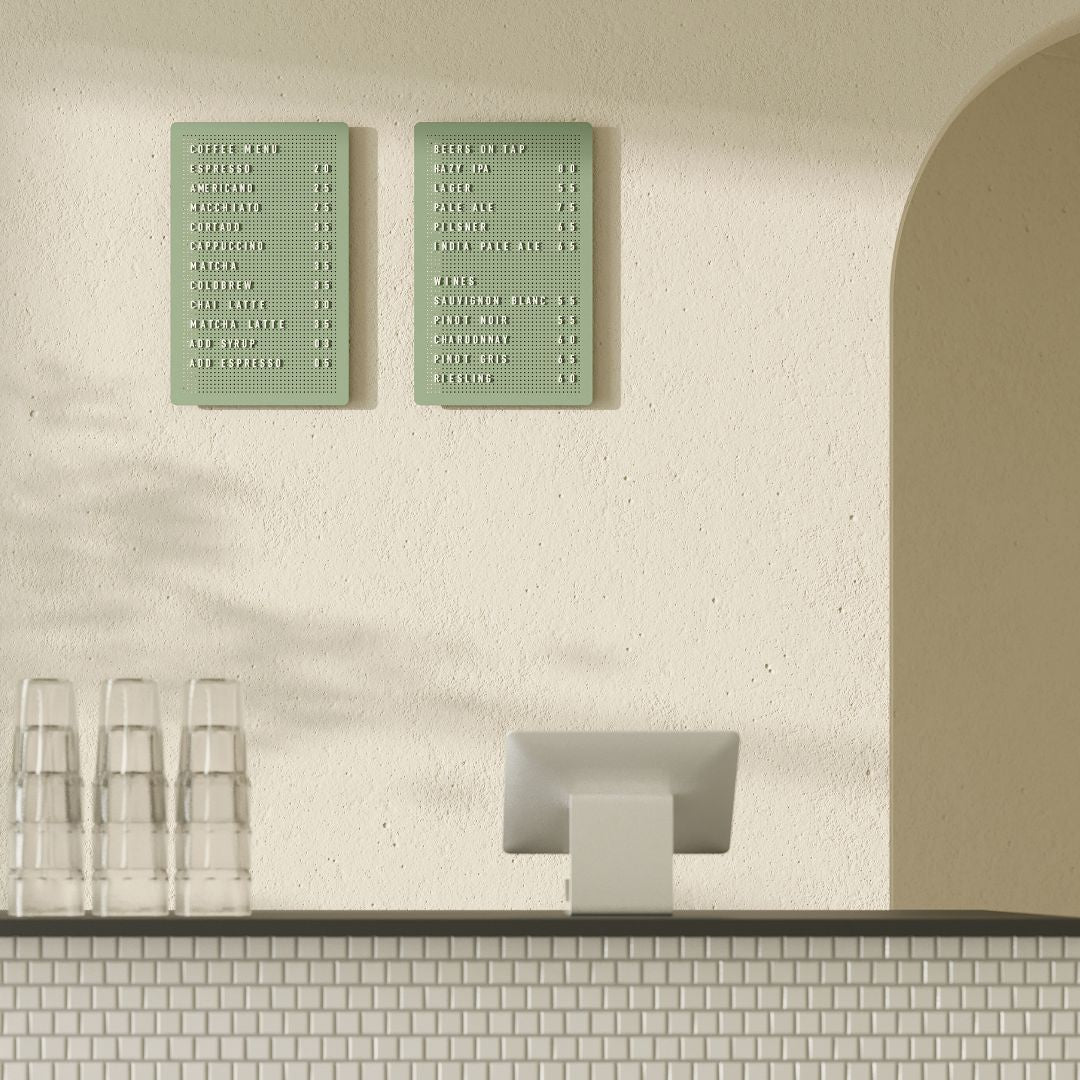
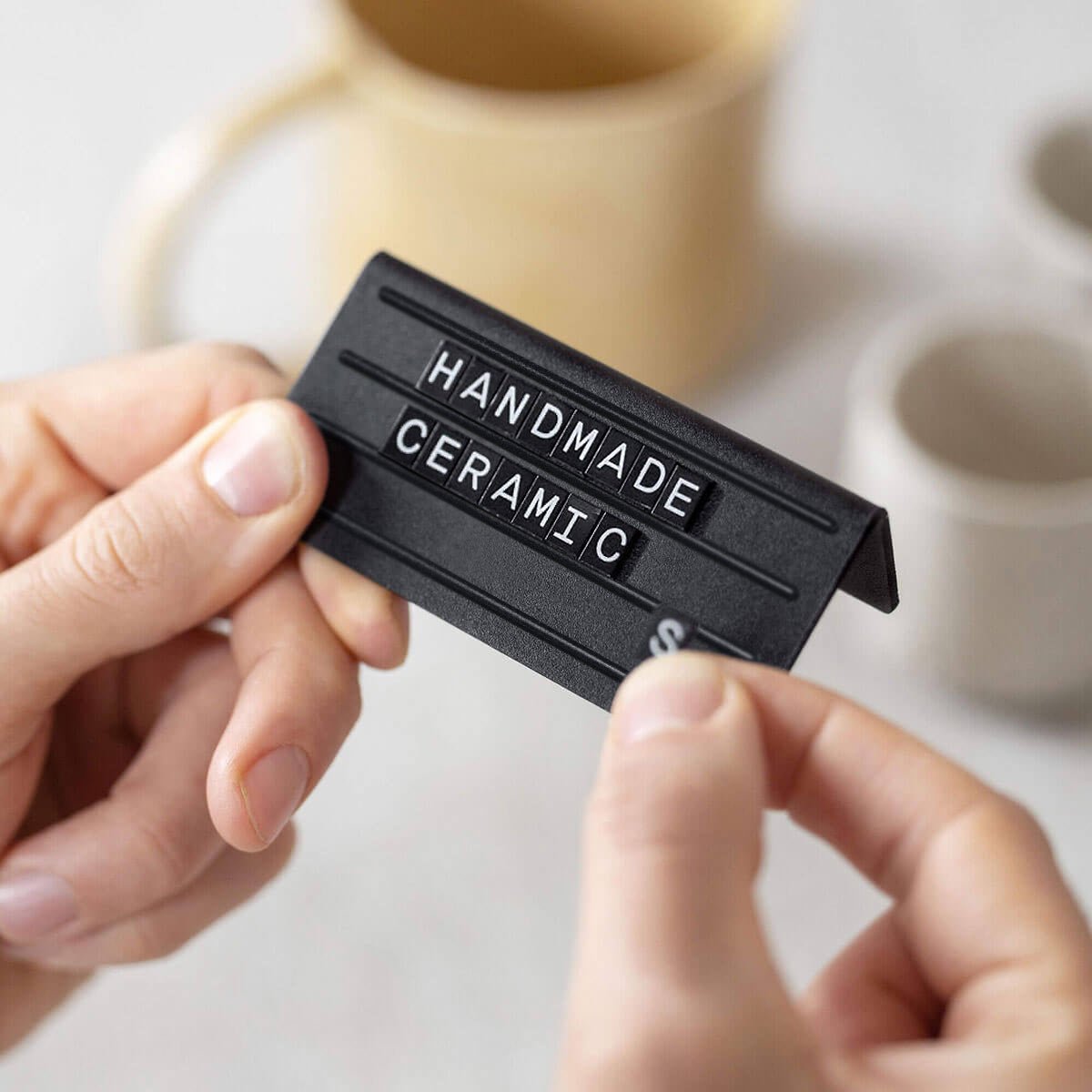
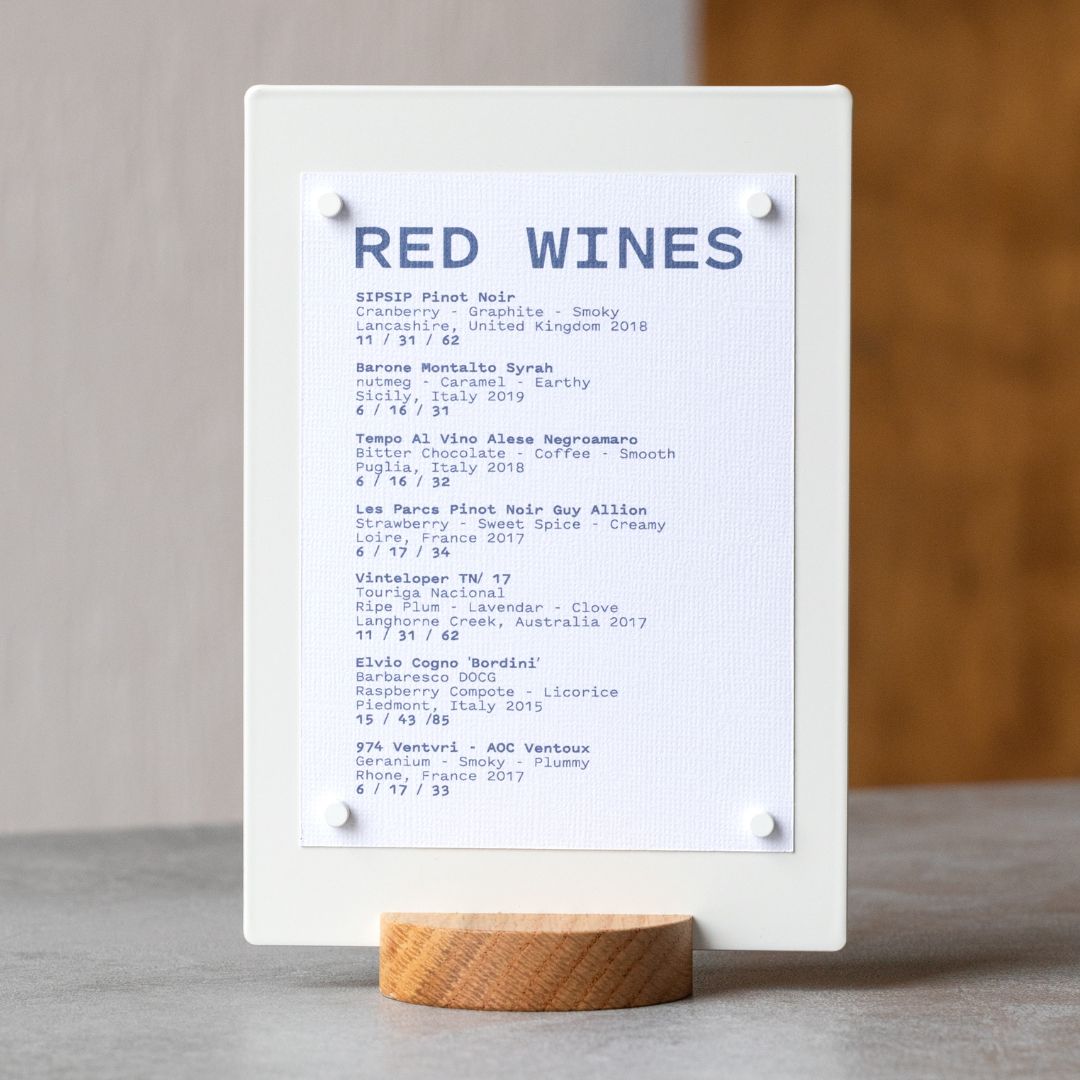
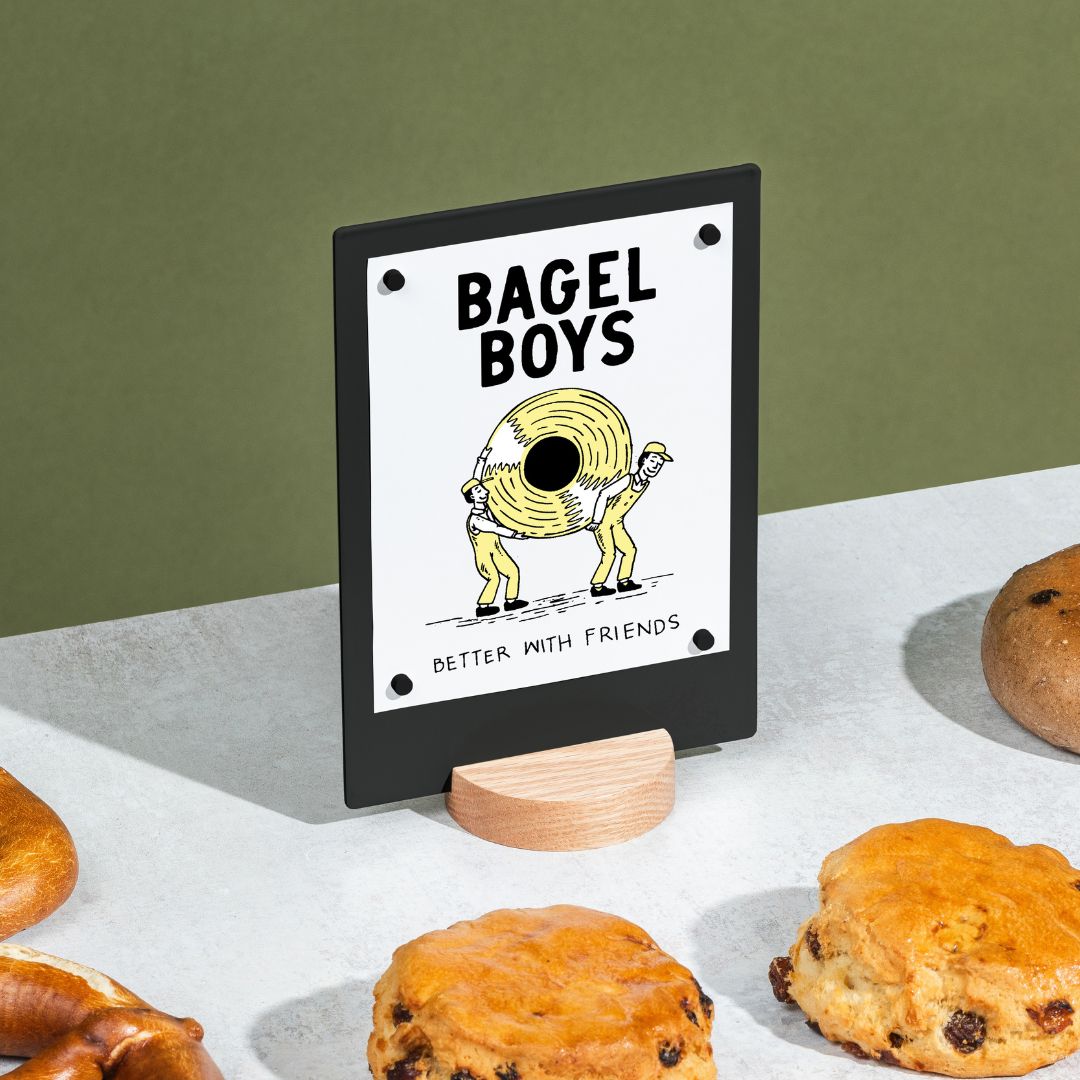
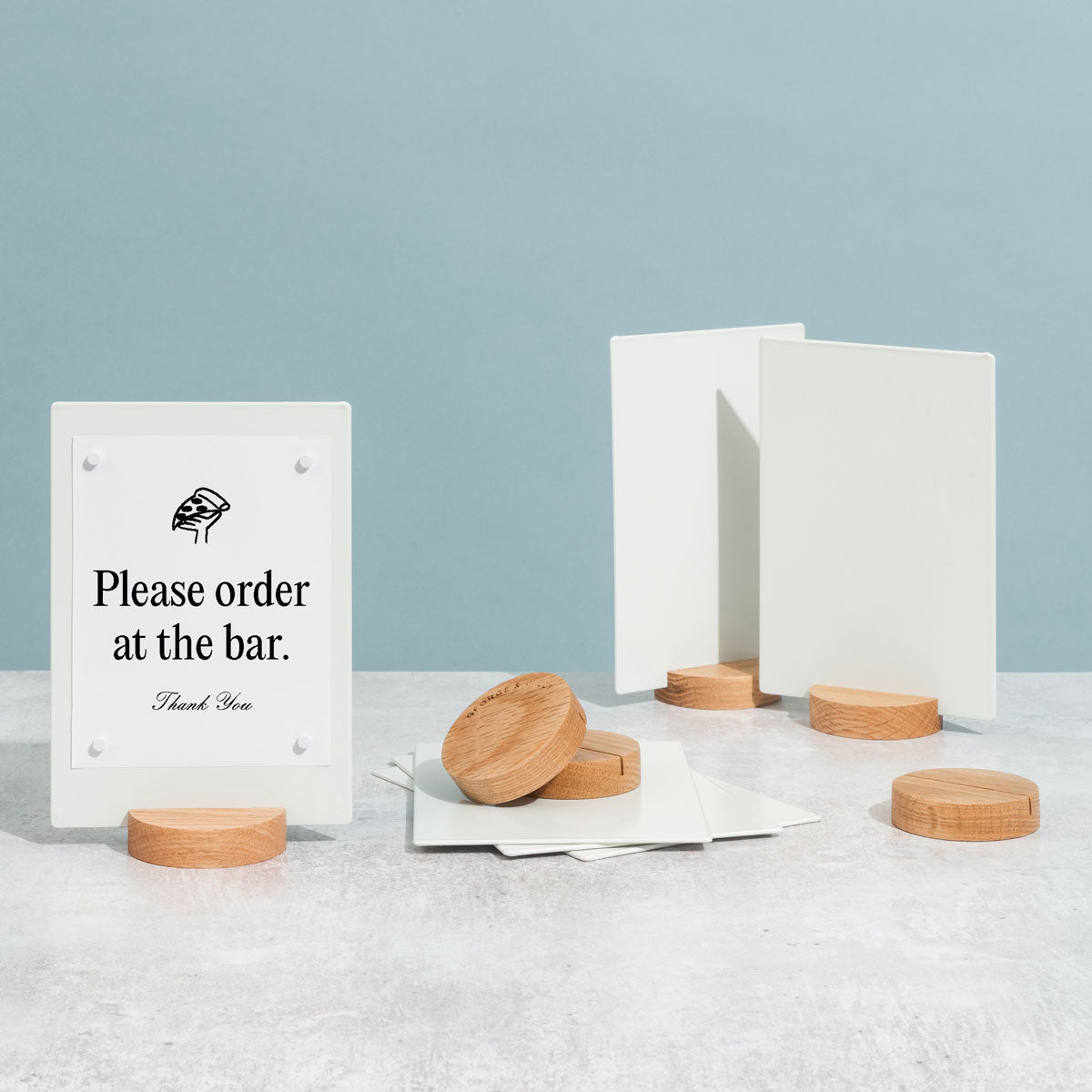
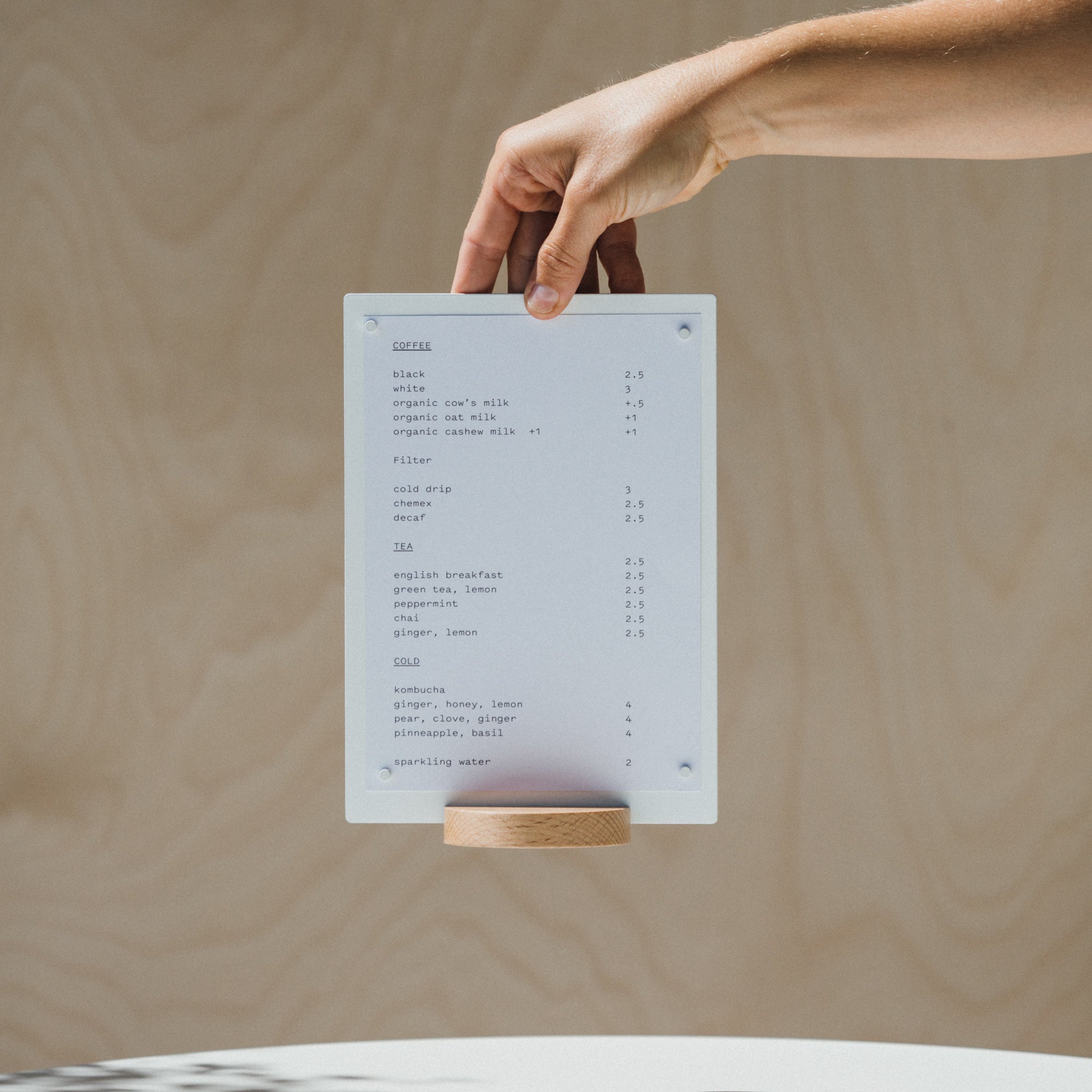
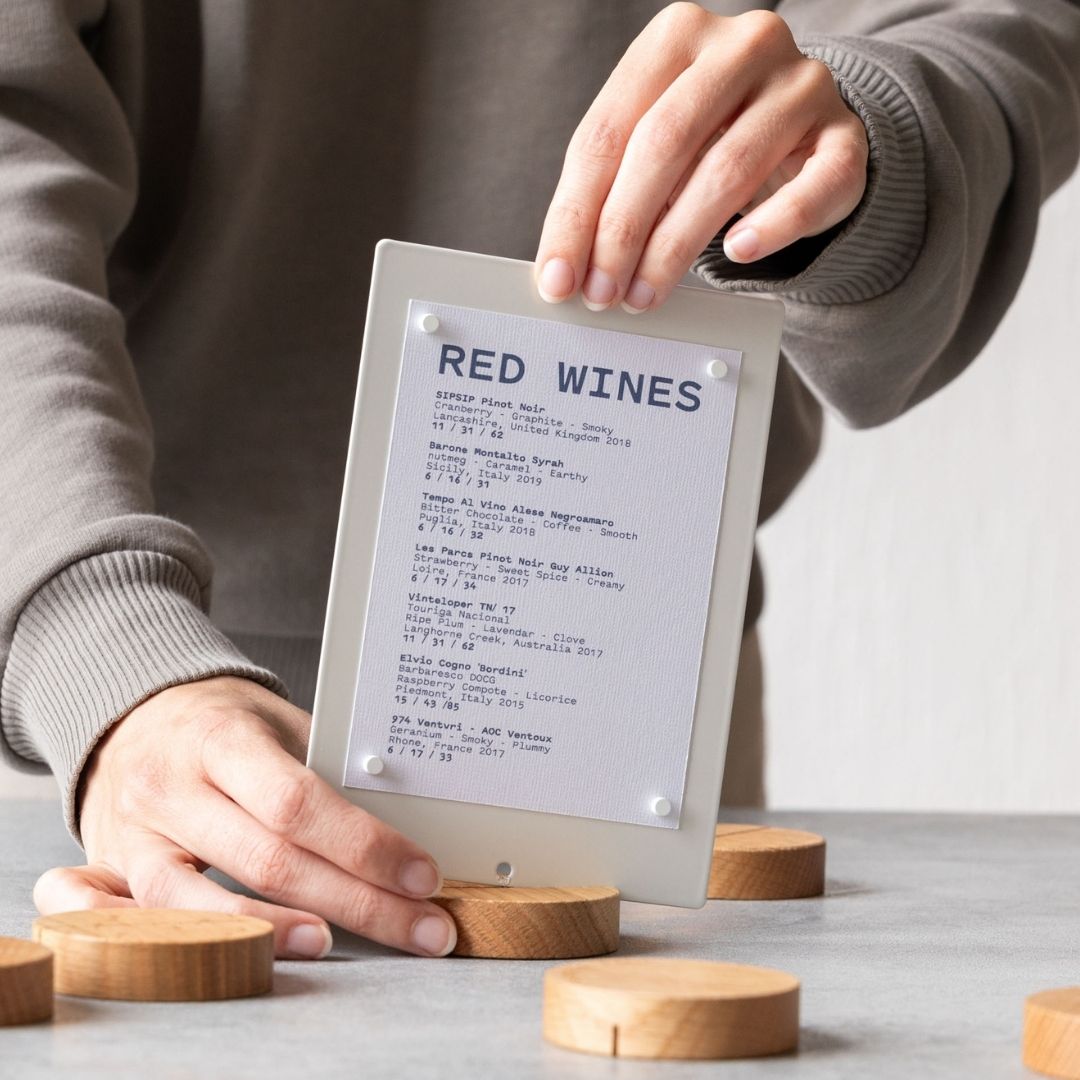
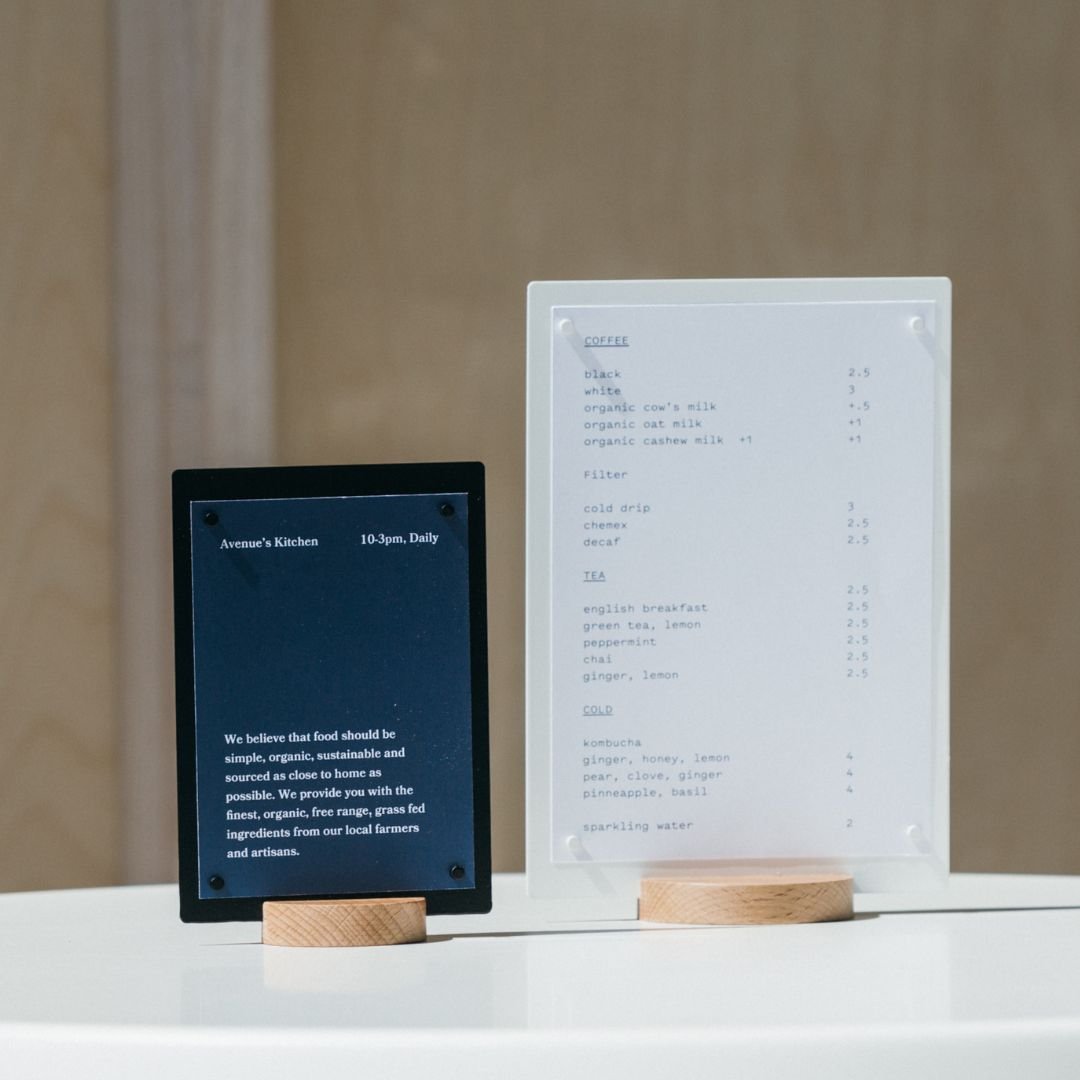
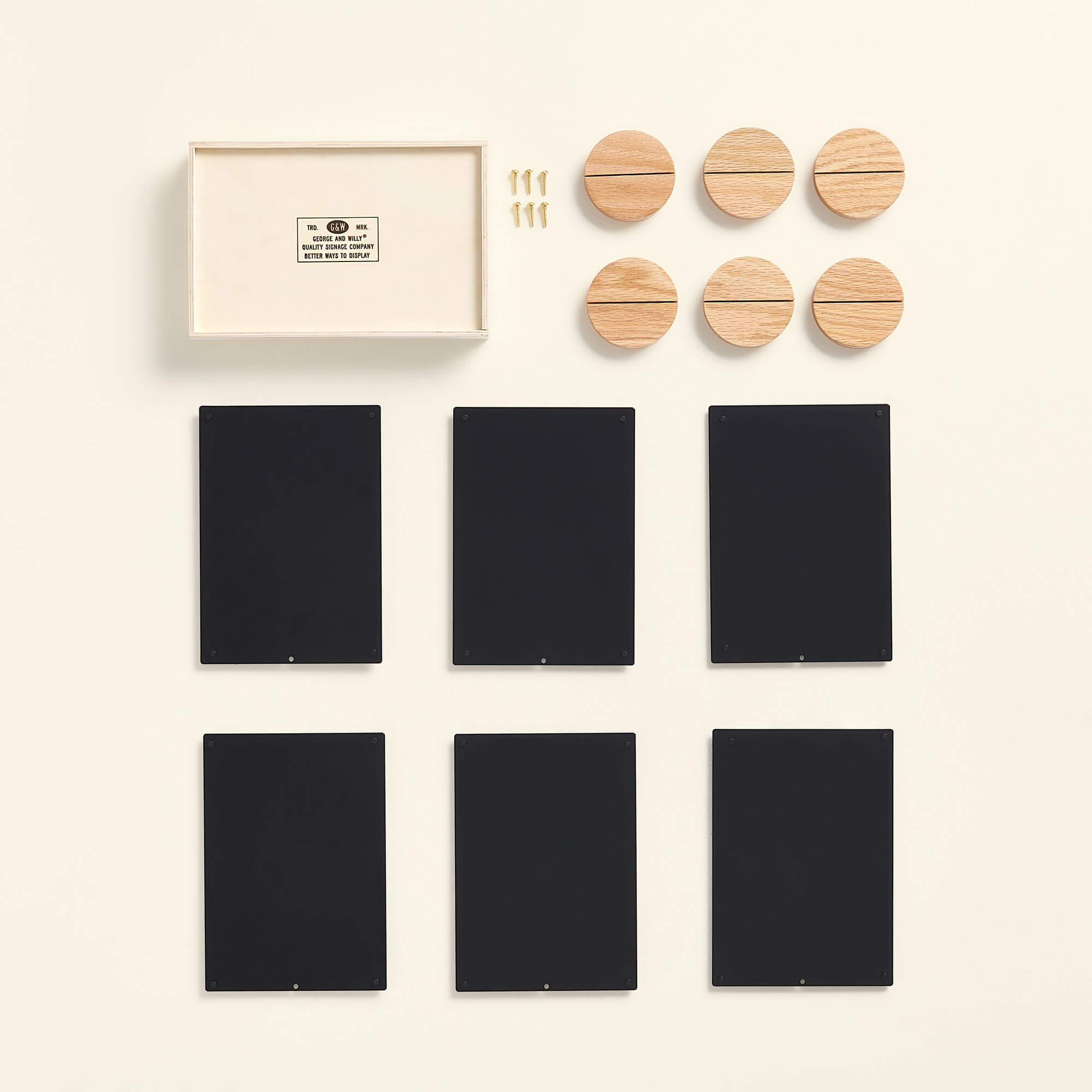
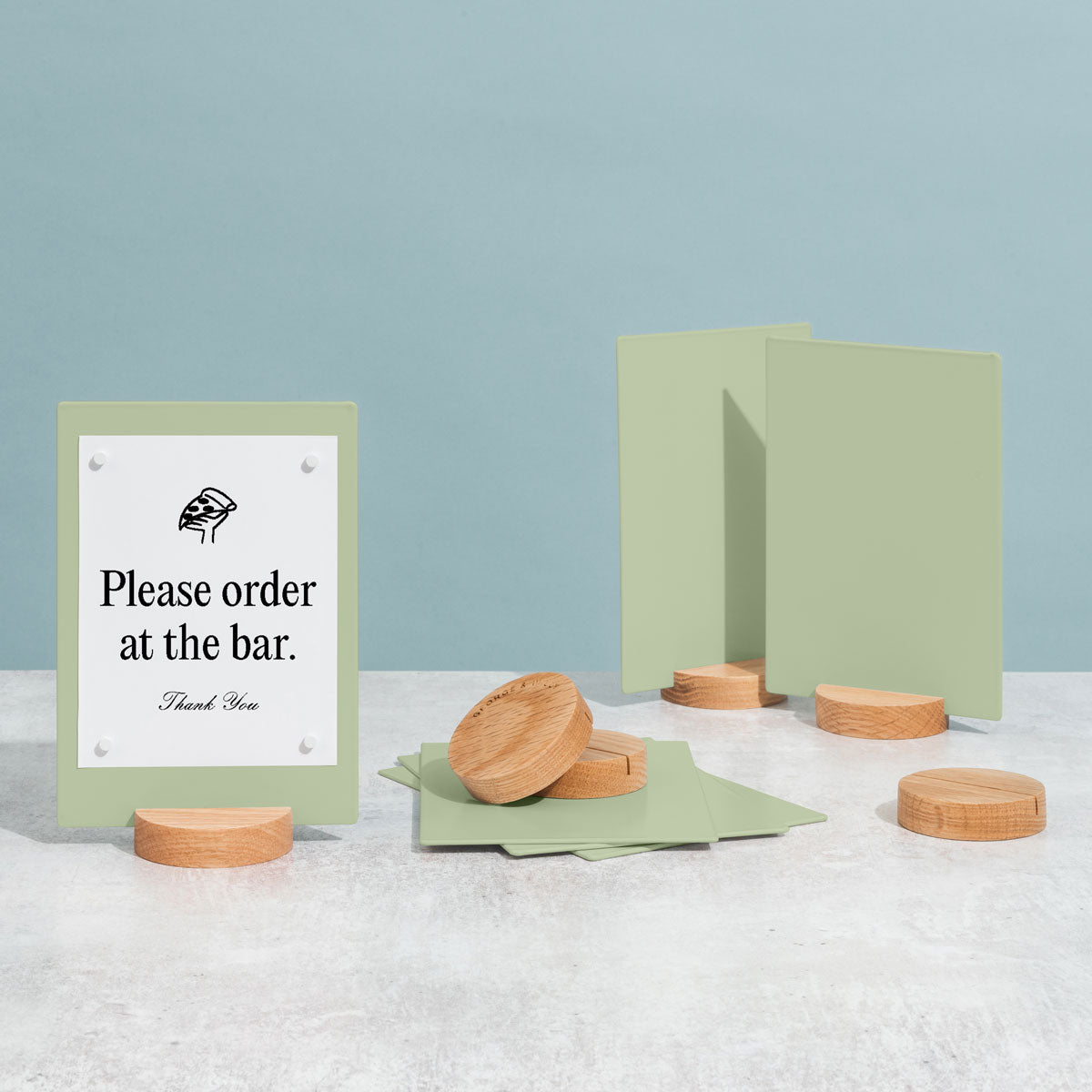
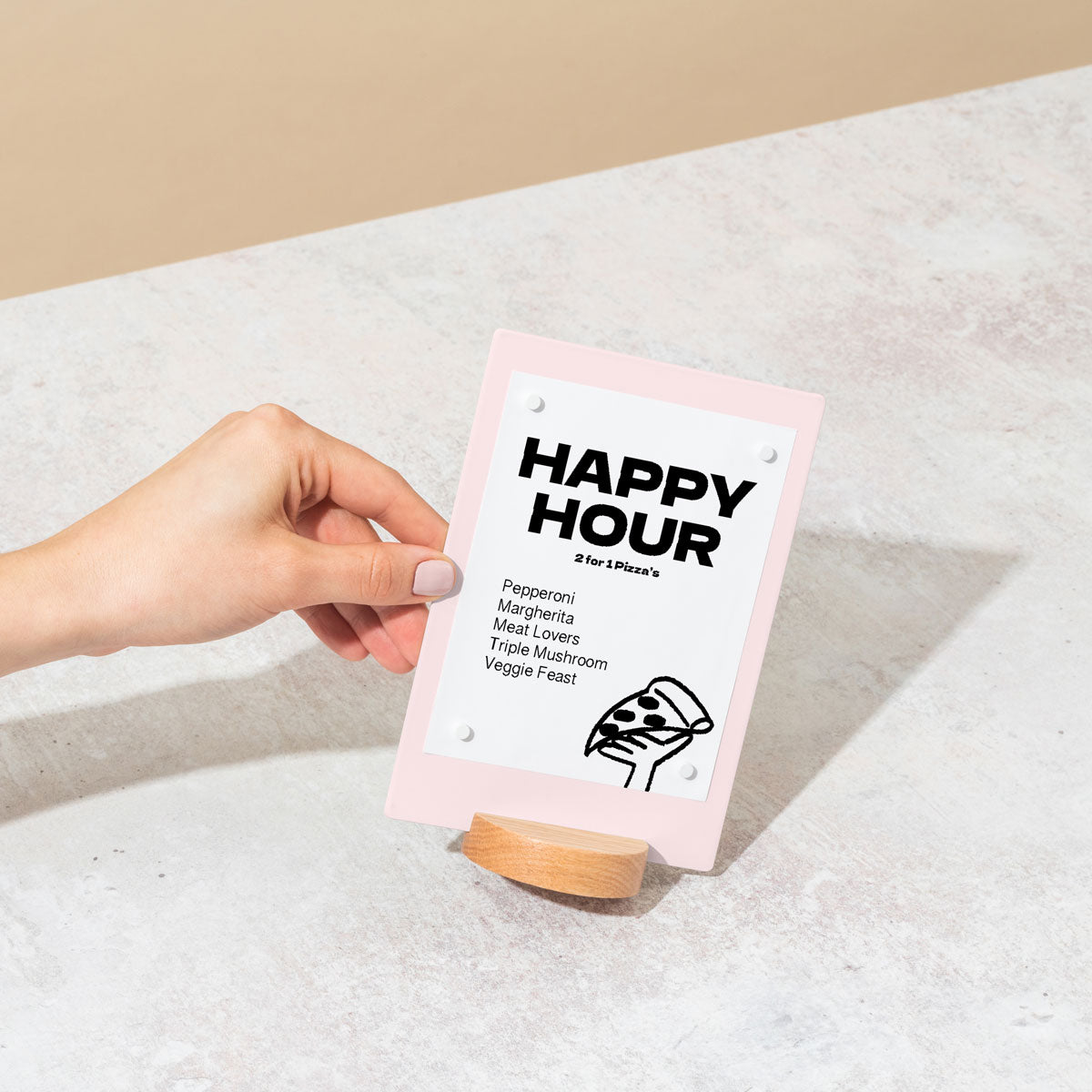
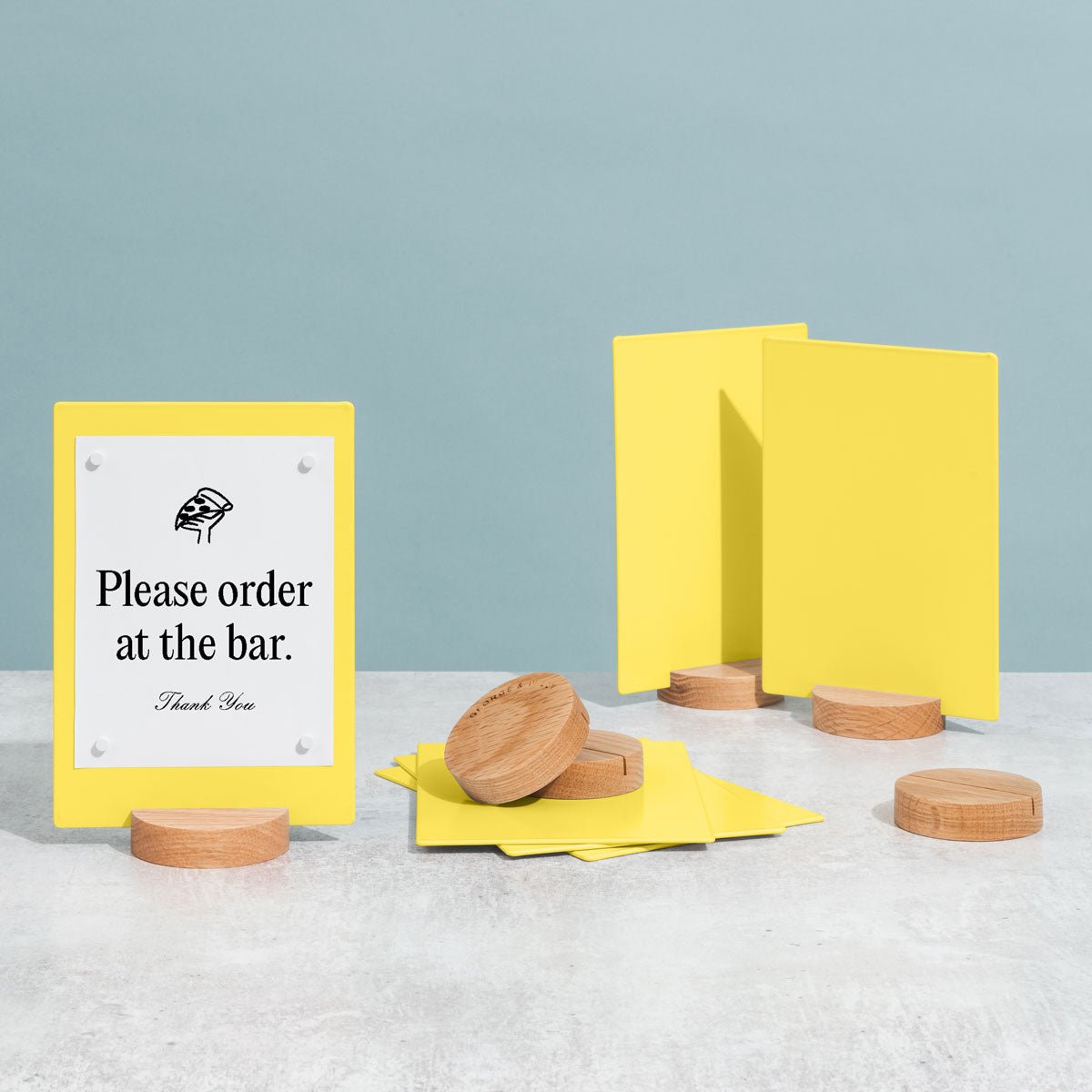
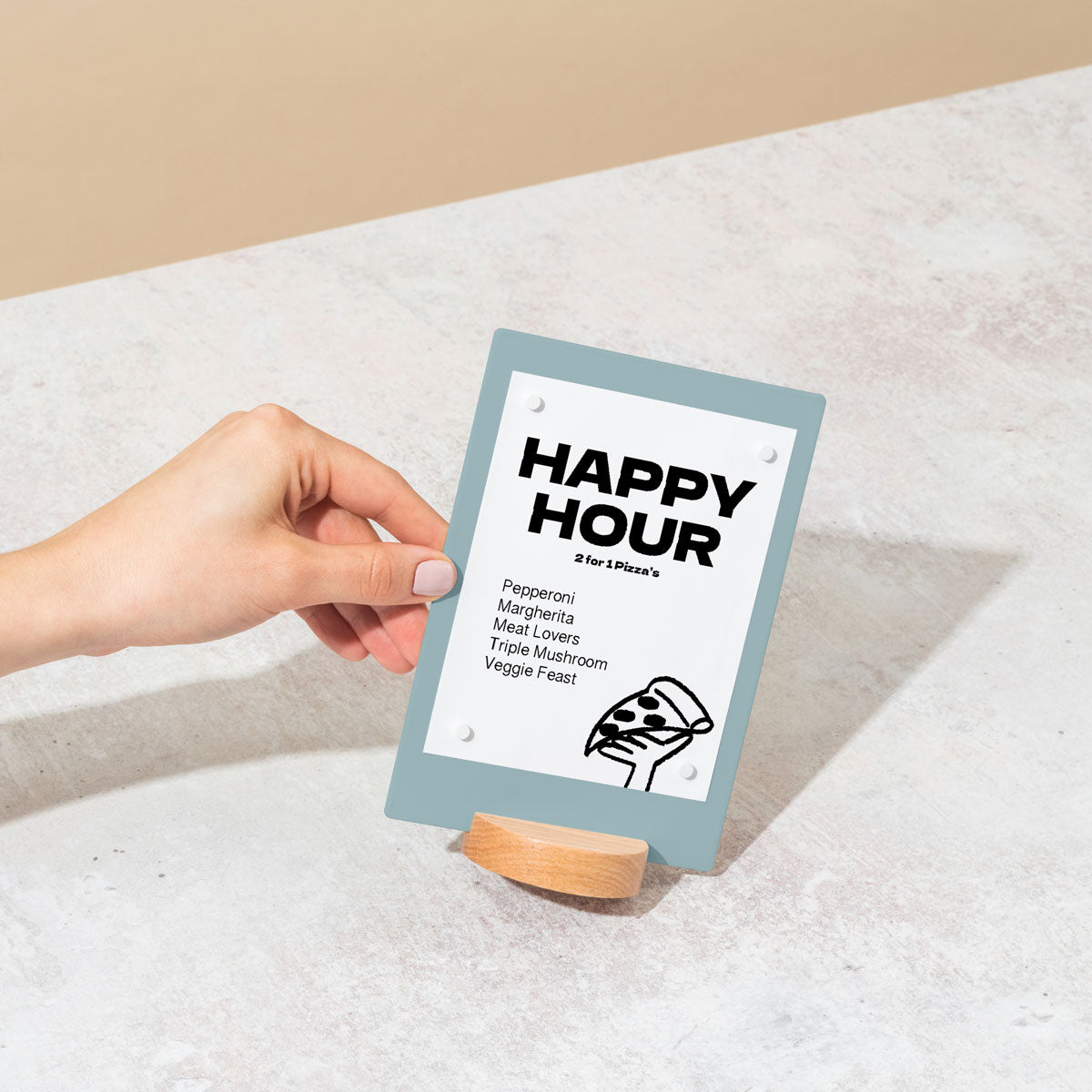
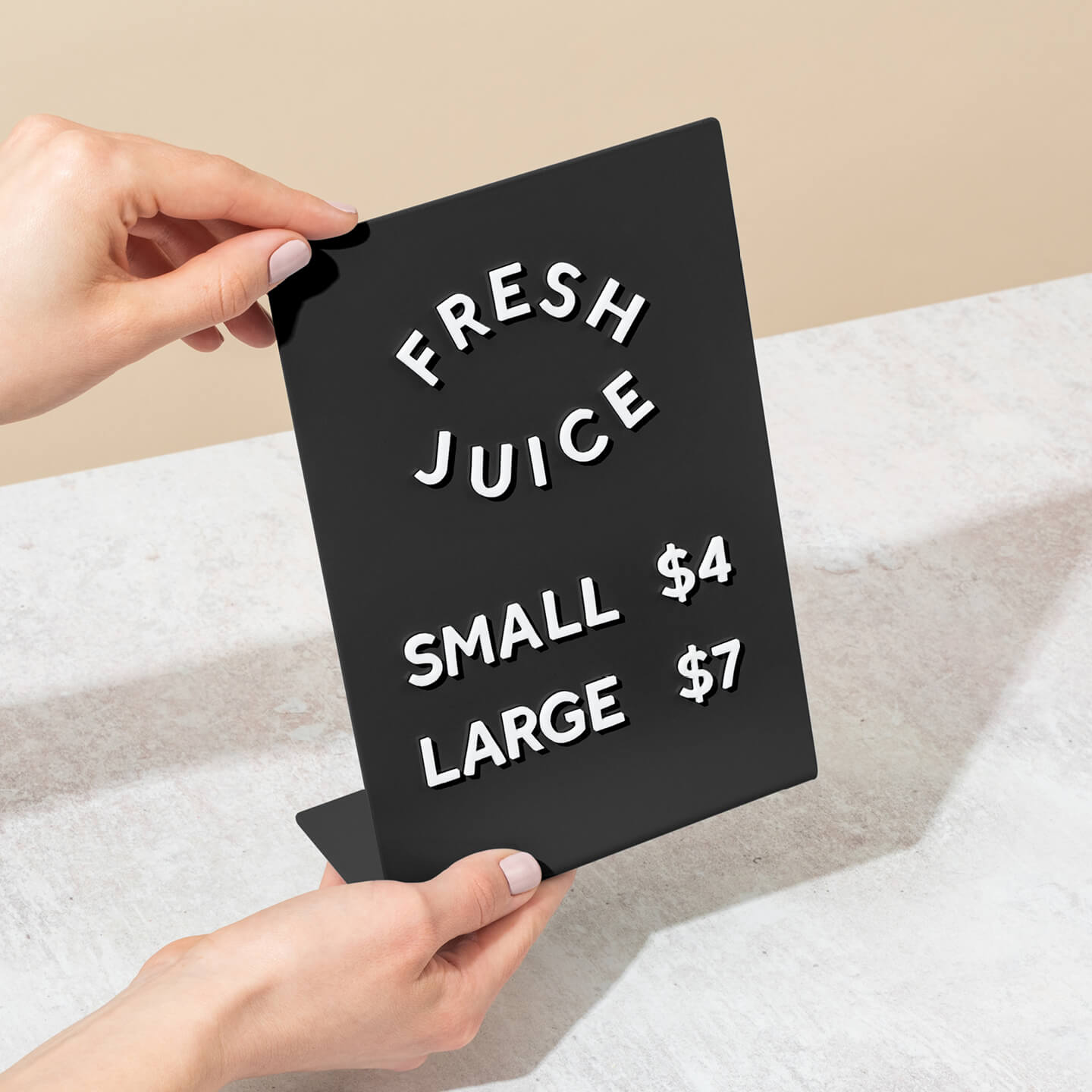
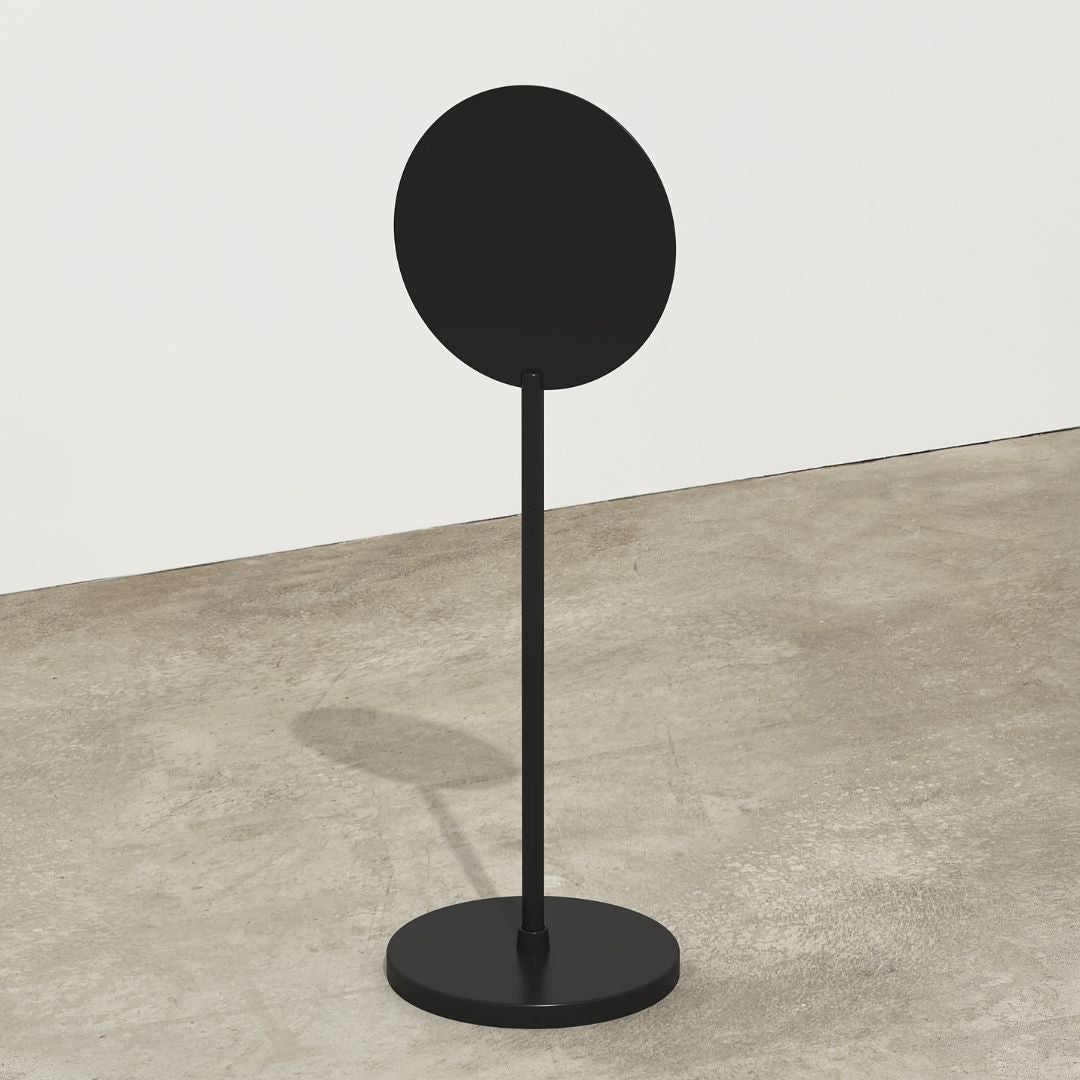
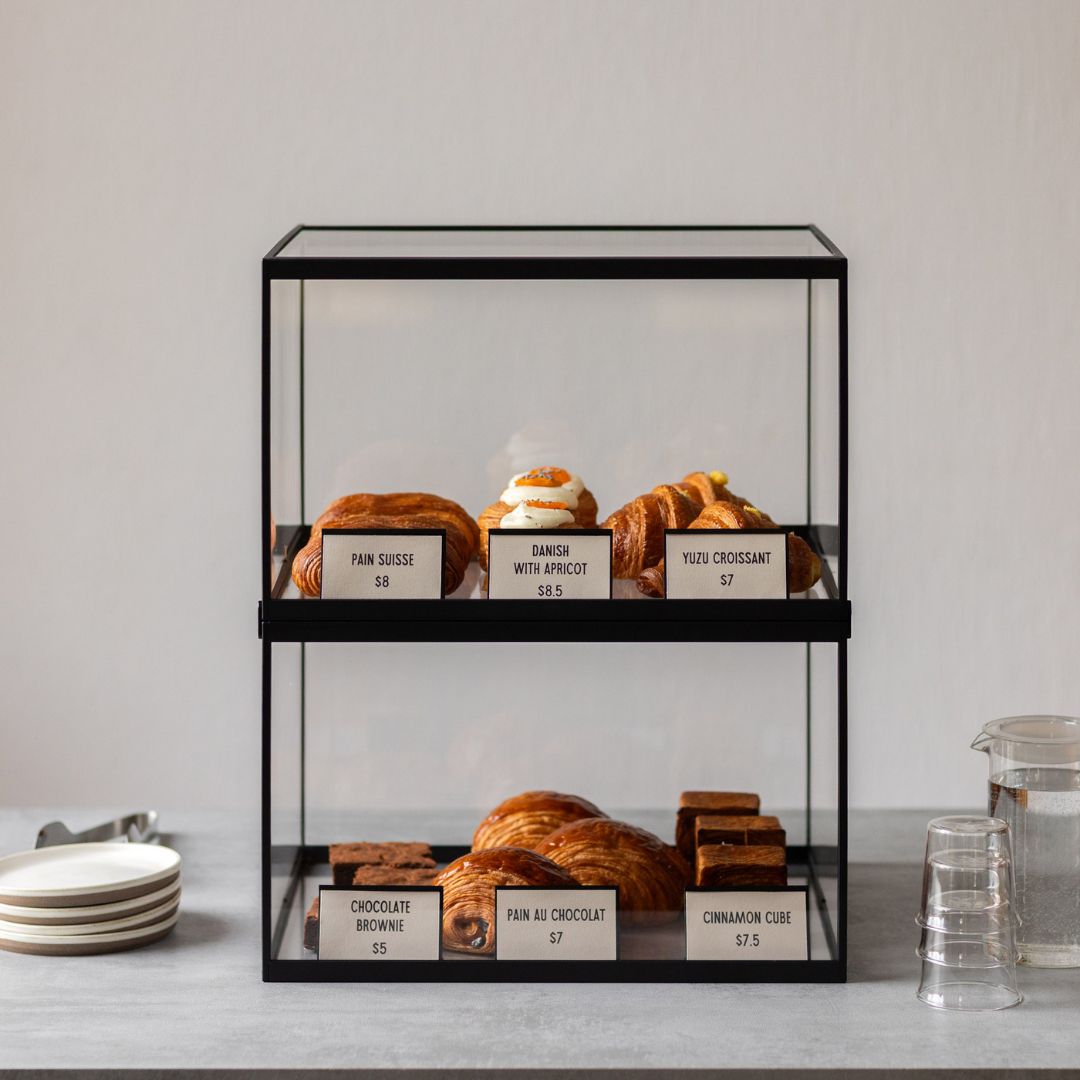
Consider using smaller, supplementary signs to upsell. A small countertop sign advertising a pastry special or a table talker promoting a new drink can effectively capture attention and encourage last minute additions. By using both large format and tabletop menu boards (like Table Talkers) you create a complete system that guides customers and highlights your most profitable items.
Accessibility and Regulatory Needs
A good menu board is one that everyone can read. Adhering to accessibility principles, such as those outlined in the Americans with Disabilities Act (ADA), is good for both customers and business. This includes using large, high contrast text and a non glare finish.
Many regions now require restaurants to display calorie counts or allergen information. Modular and changeable menu boards make it simple to add or update this information as menus evolve, ensuring you stay compliant without needing a complete redesign.
Keeping Your Signage Fresh and Maintained
Even the best menu boards need care. Regularly clean the surfaces and letters with a soft, damp cloth to keep them free of dust and smudges. Avoid harsh chemical cleaners, which can damage the finish. If you use a modular system, ensure you have extra letters or tiles on hand to replace any that get lost or damaged.
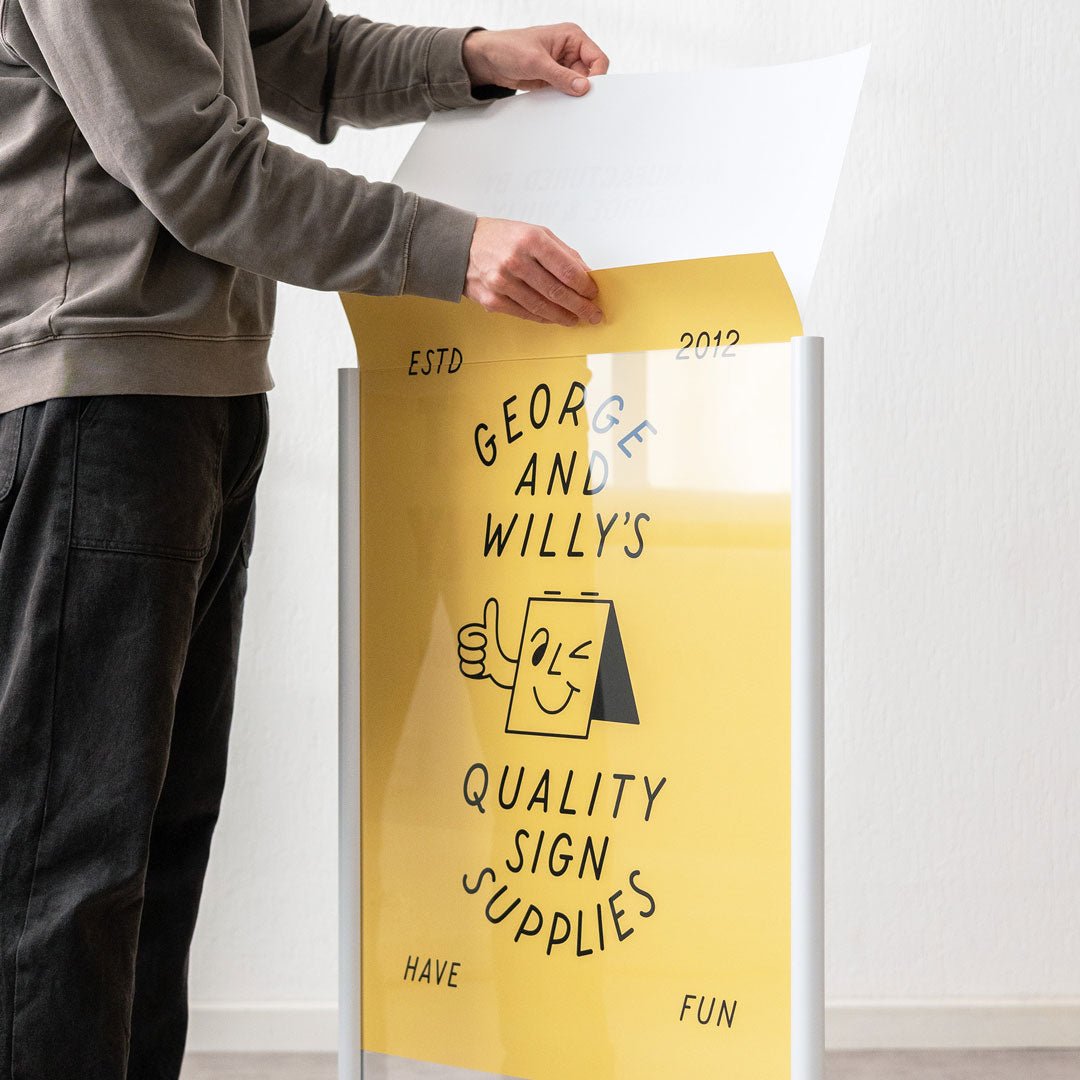
Beyond cleaning, it’s a good idea to refresh the content frequently. Regularly updating your menu board to feature seasonal items or promotions keeps it interesting for repeat customers. The flexibility of changeable menu boards means you can test new offerings or highlight a witty quote at a moment’s notice, turning your menu into a dynamic and engaging focal point.
Ready to elevate your customer experience? Discover menu board solutions that combine timeless design with practical functionality.
Frequently Asked Questions
1. What is the best type of menu board for a cafe?
For cafes with frequently changing specials, a modular system like a magnetic letter board or a tile menu board is ideal. They allow for quick and easy updates without sacrificing a professional, clean look.
2. How can I make my menu board design stand out?
Focus on readability and branding. Use a clean font, high contrast colors, and organize your items with clear headings. Use menu psychology to place high profit items where customers’ eyes will naturally fall. Keep the design consistent with your brand’s overall aesthetic, whether it’s modern and minimal or rustic and cozy.
3. Are physical menu boards still effective with the rise of QR codes?
Absolutely. Physical menu boards serve as a central, highly visible focal point that QR codes can’t replace. They are crucial for brand aesthetic and attracting attention. Many businesses now use a hybrid system where the physical board showcases core items to draw customers in, while a QR code links to a more detailed online menu.
4. How do I make my menu board easy to read?
The three key factors are font size, contrast, and spacing. Use large, clear letters (a good rule is 1 inch in height for every 10 feet of viewing distance). Ensure there is strong contrast between the letters and the background (e.g., white on black). Finally, leave enough white space between items and sections to avoid a cluttered look.
5. How often should I update the content on my menu boards?
Update your menu boards whenever your prices or offerings change. It’s also a great practice to update them seasonally to highlight new items or promotions. The key is to ensure the information is always accurate and relevant.
6. What are the most durable materials for menu boards?
Powder coated aluminum and steel are excellent choices for durability. They are resistant to wear and tear in busy environments and are easy to clean. For wooden elements, look for sustainably sourced timbers that are properly treated.
7. Where is the best place to install a menu board?
Install your main menu board in a prominent, well lit location that is easily visible from the entrance and the ordering queue. For secondary or promotional signs, place them at the point of sale on the counter or on tables to encourage impulse buys.
8. Can I add my own logo or branding?
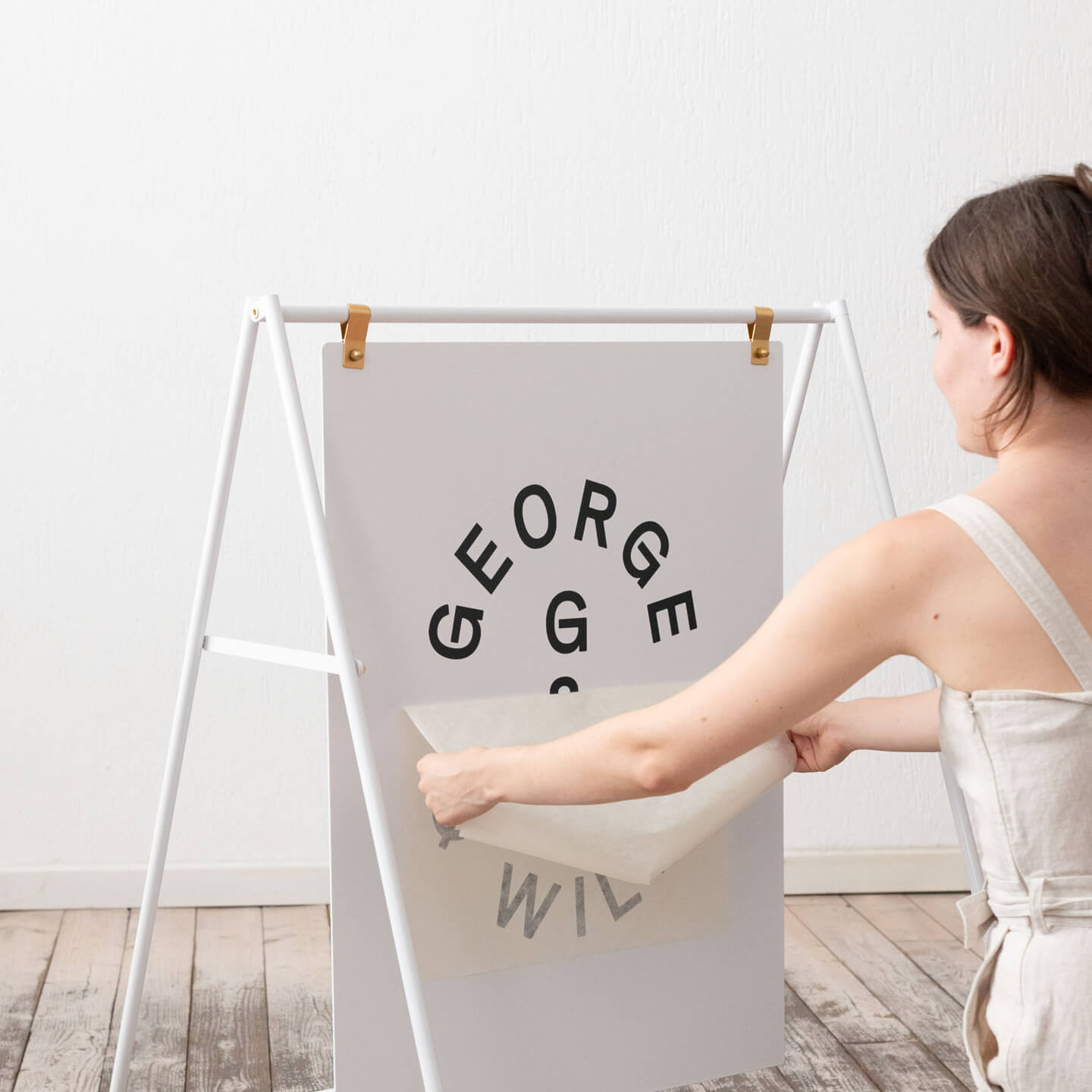
Yes. While our menu boards arrive blank to maintain a clean aesthetic, you can easily work with a local signwriter to apply a custom vinyl decal of your logo or other brand elements.