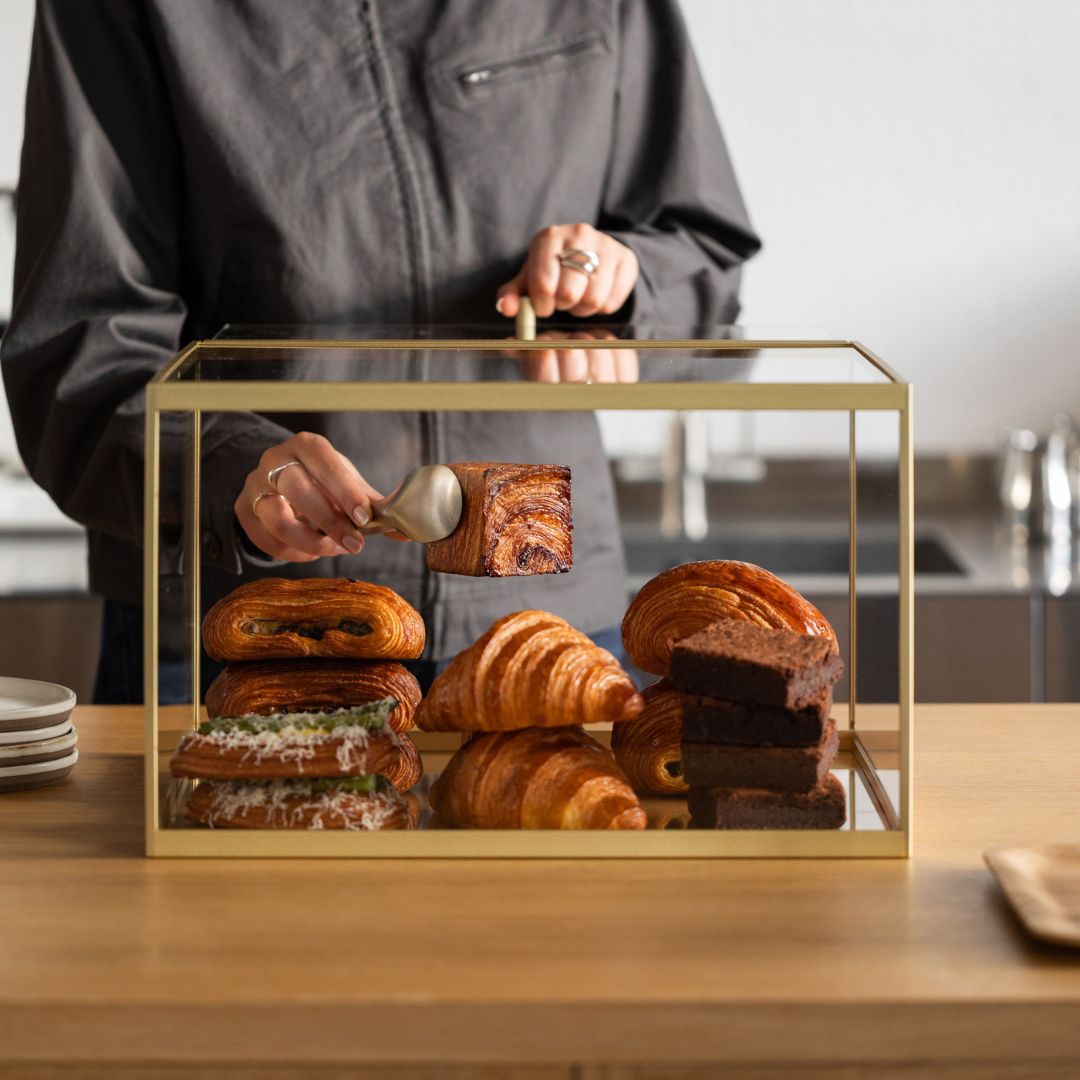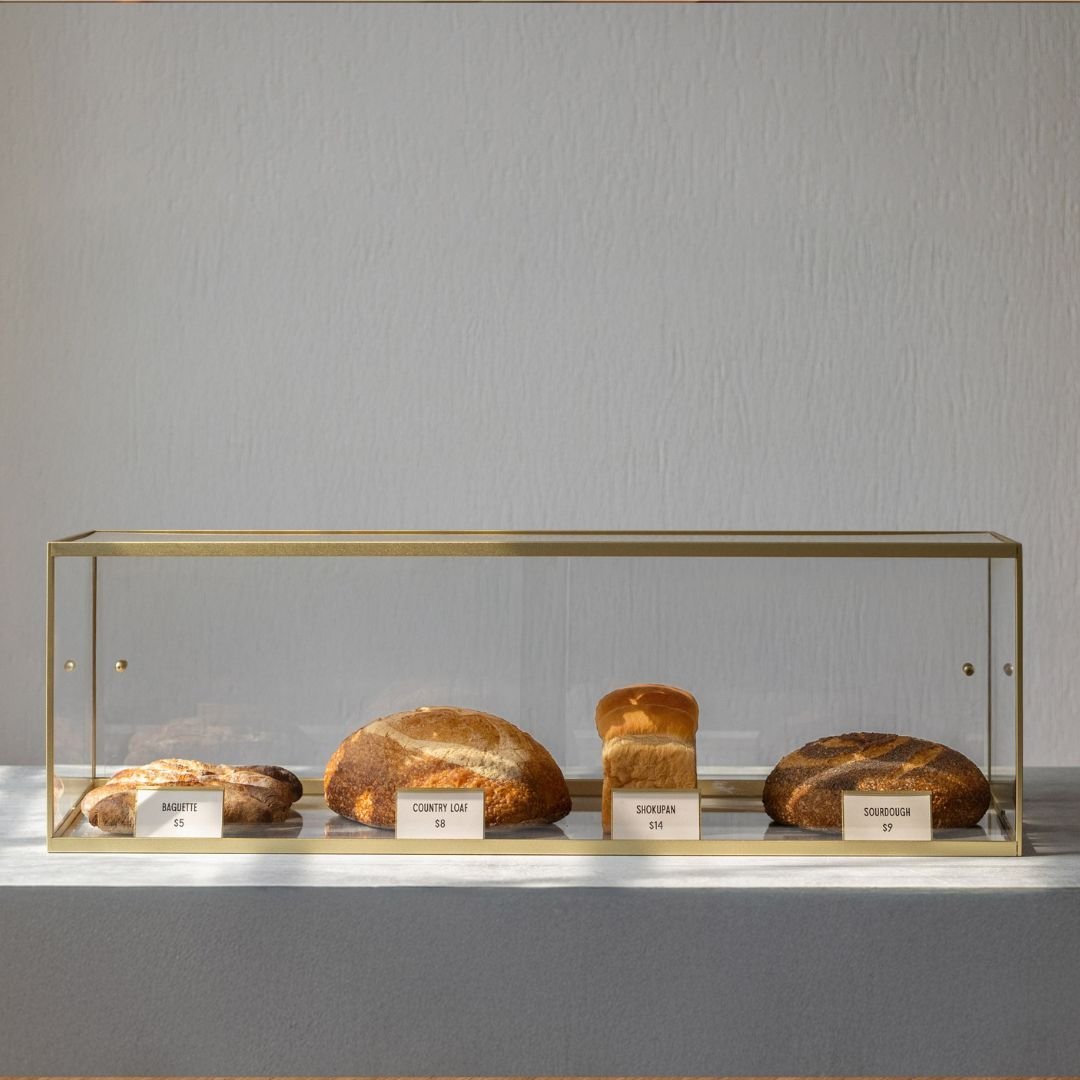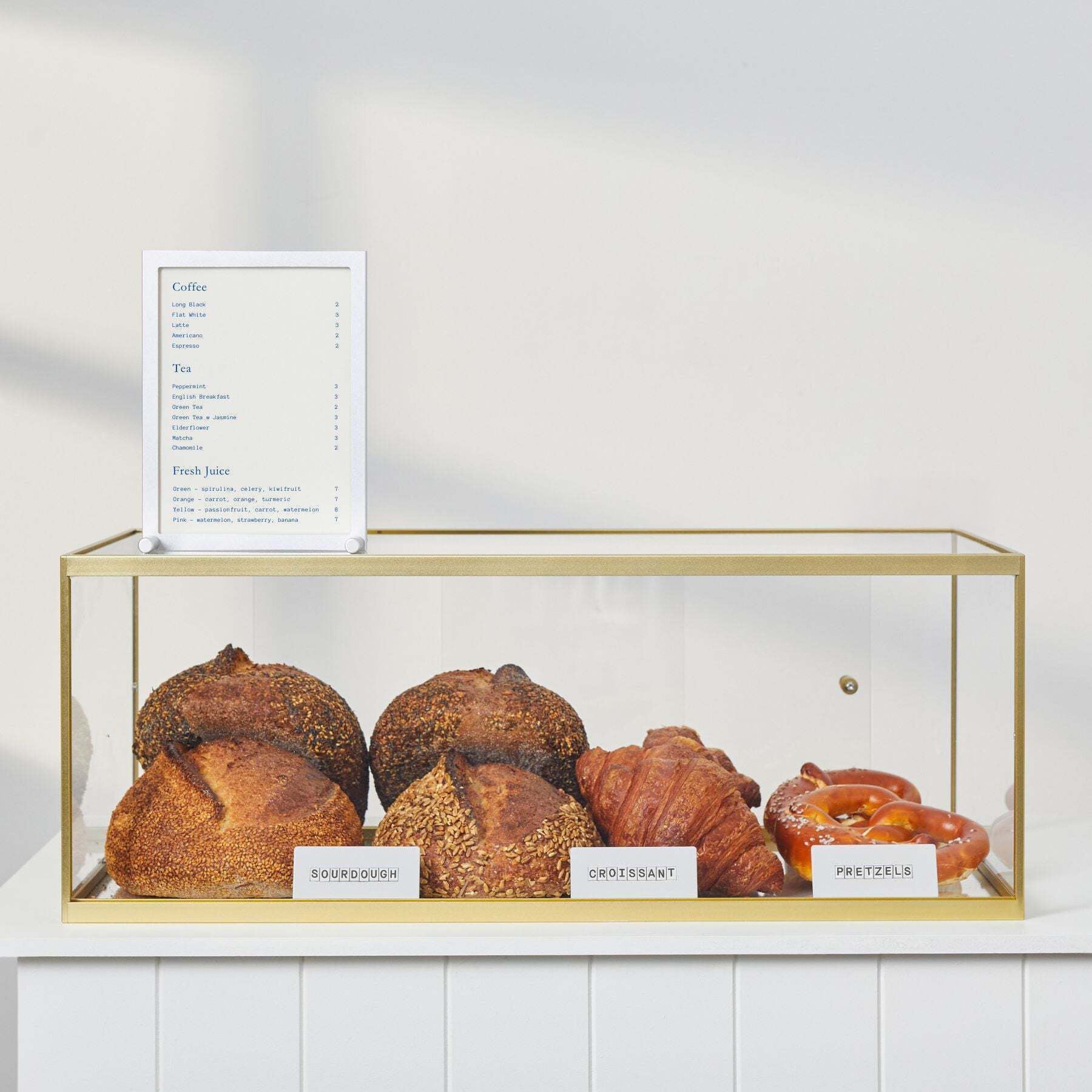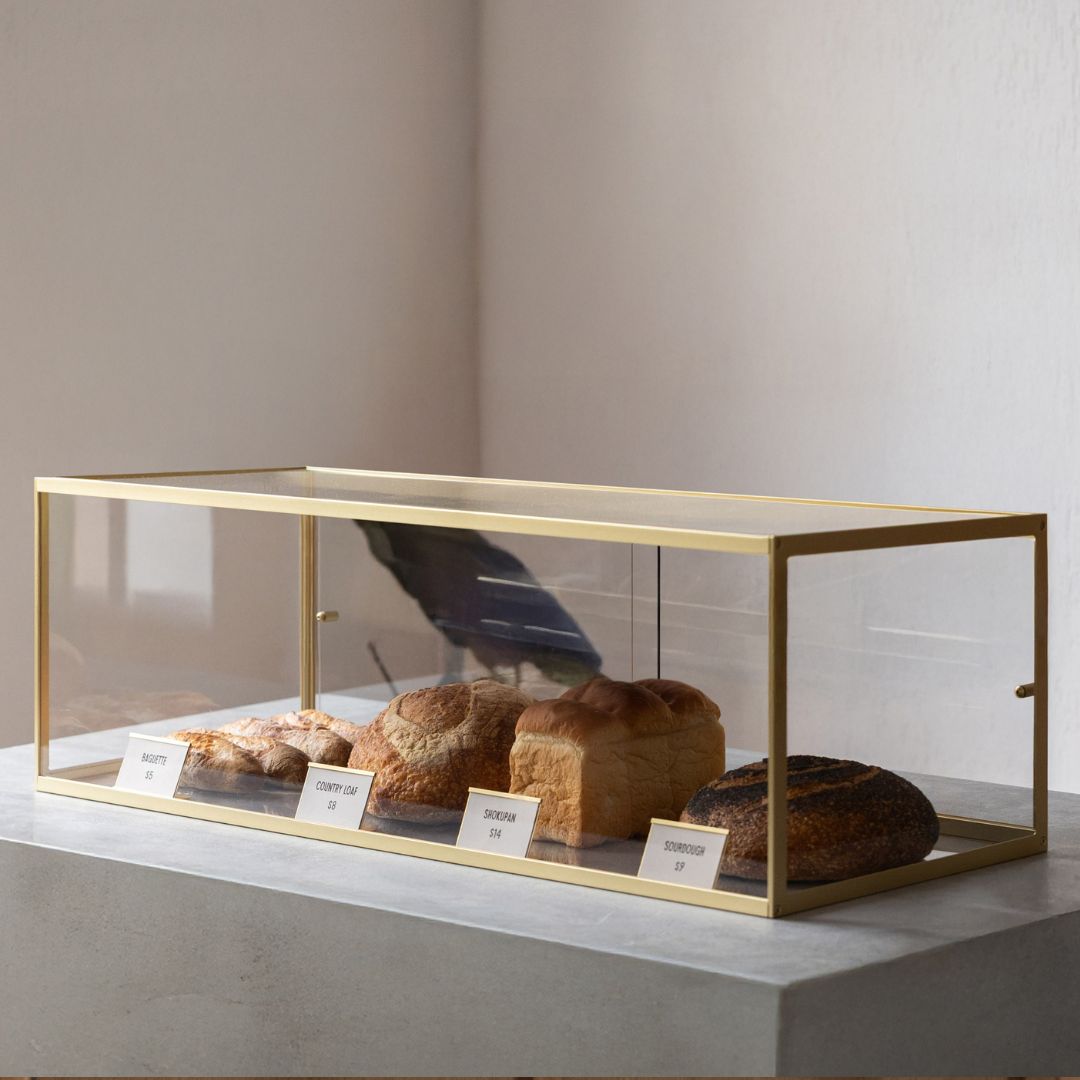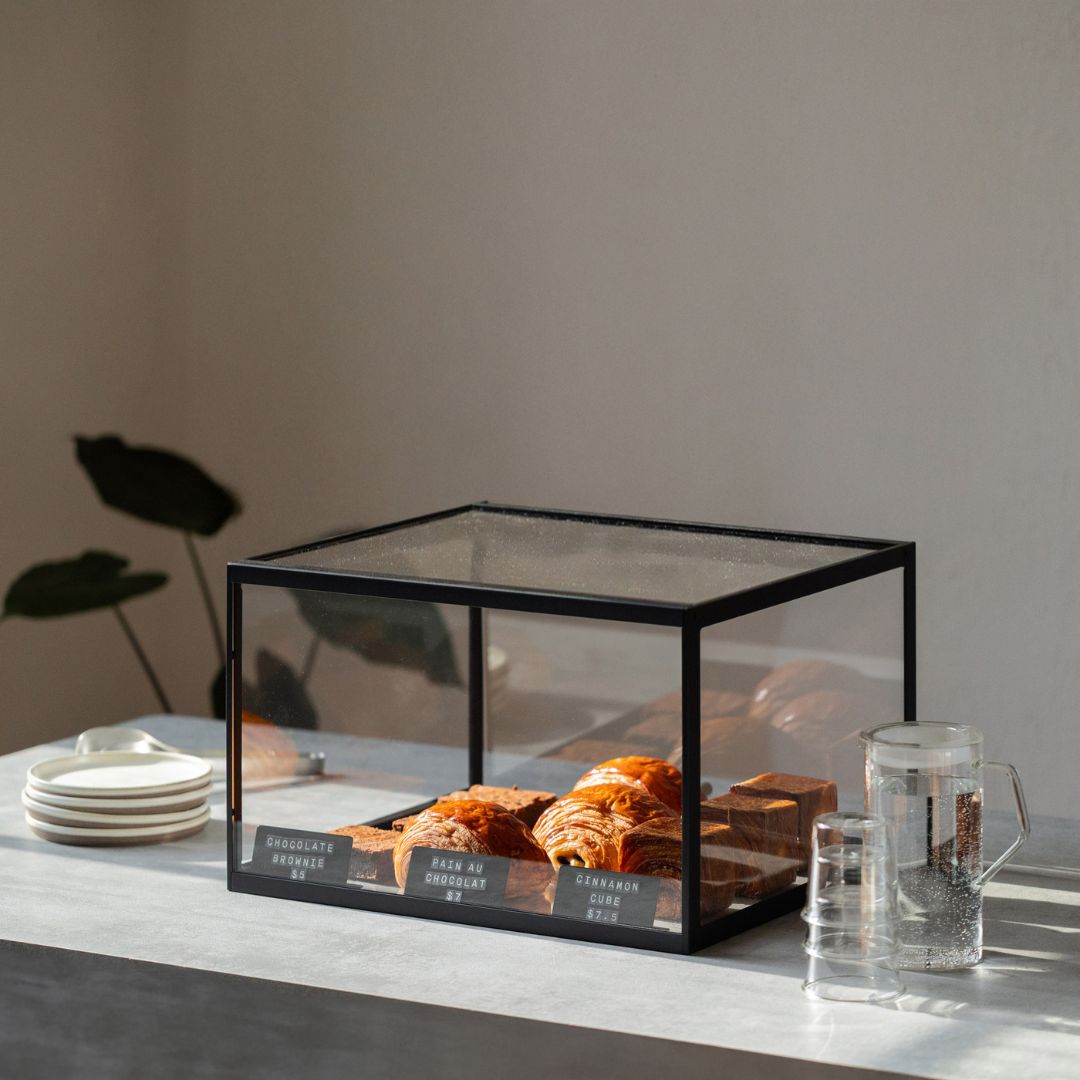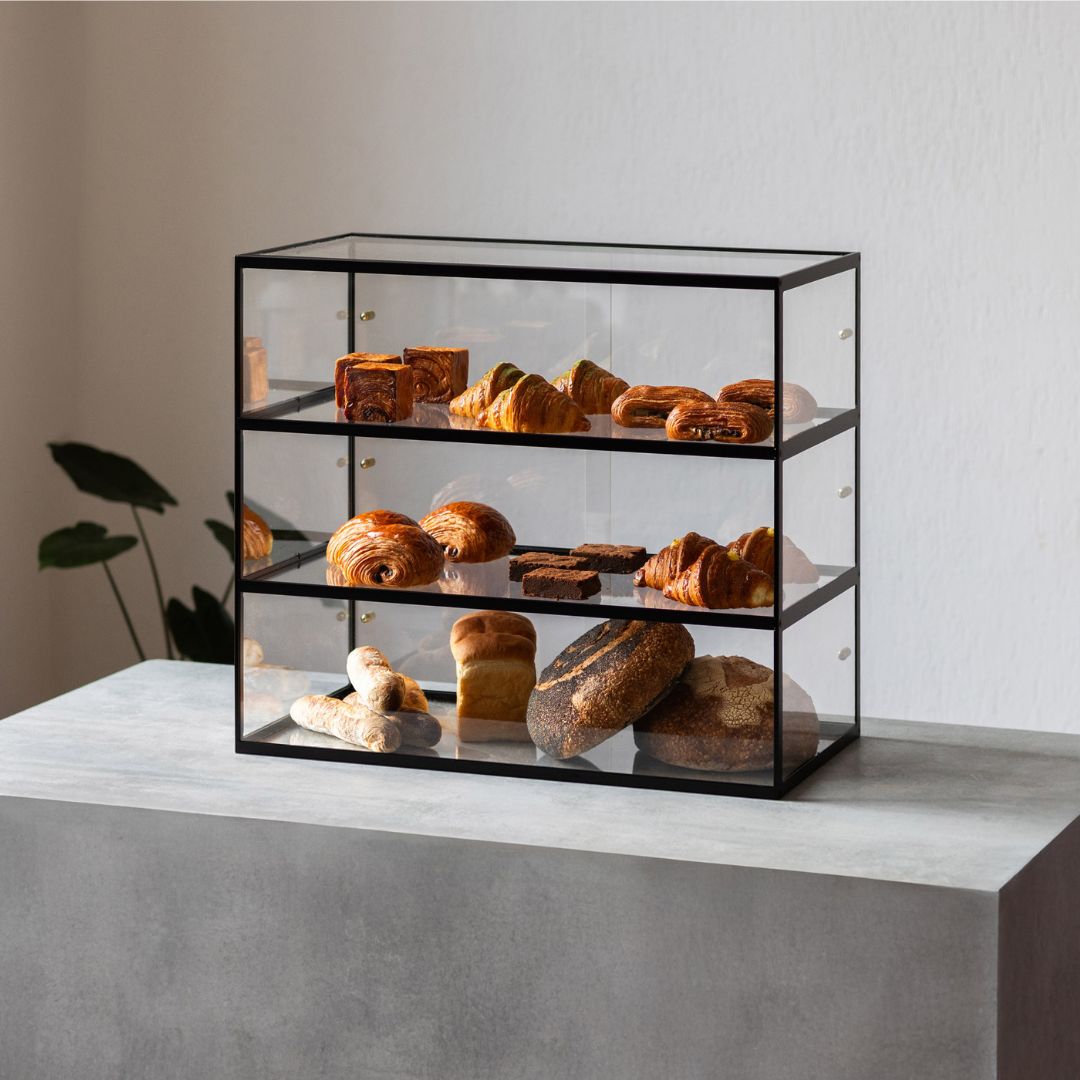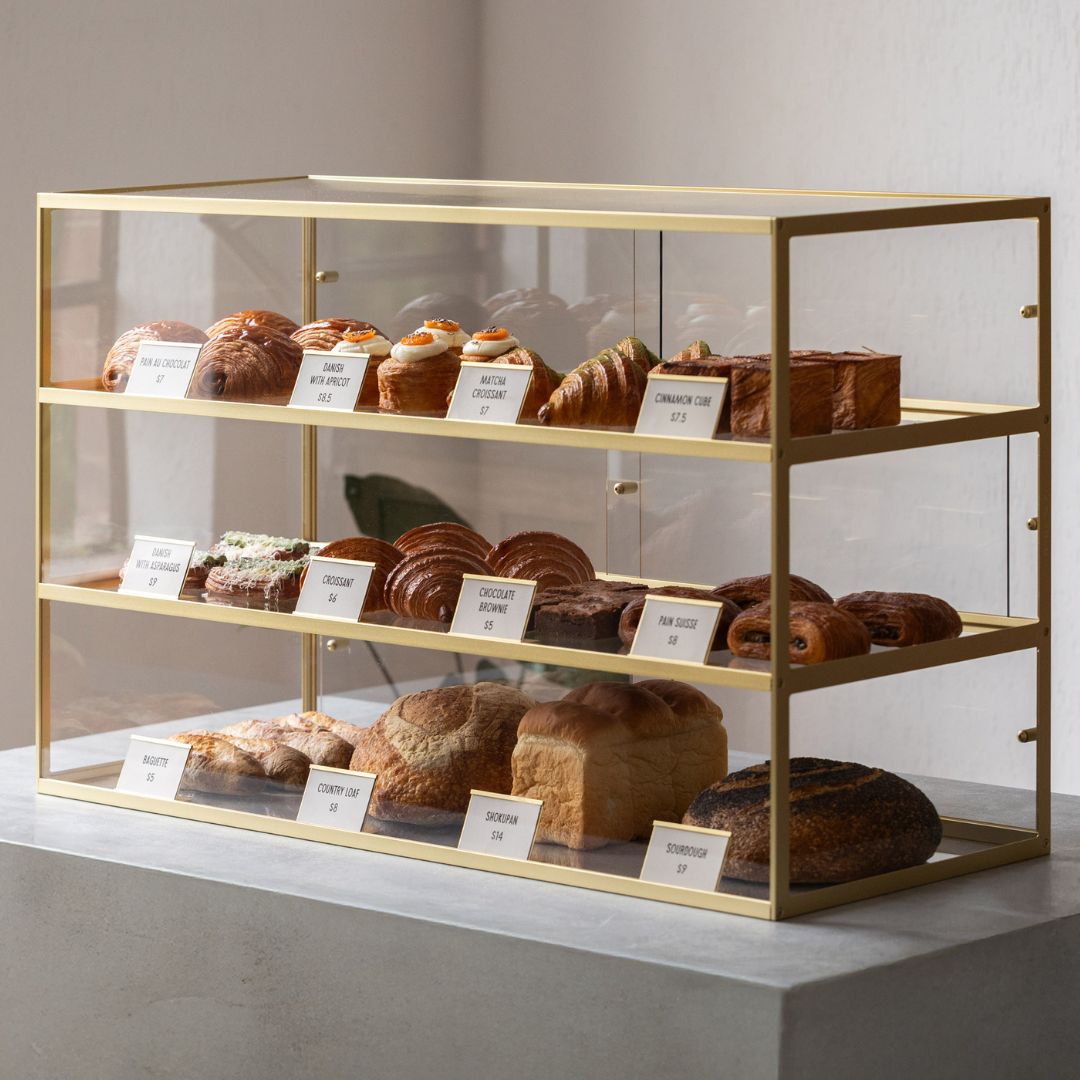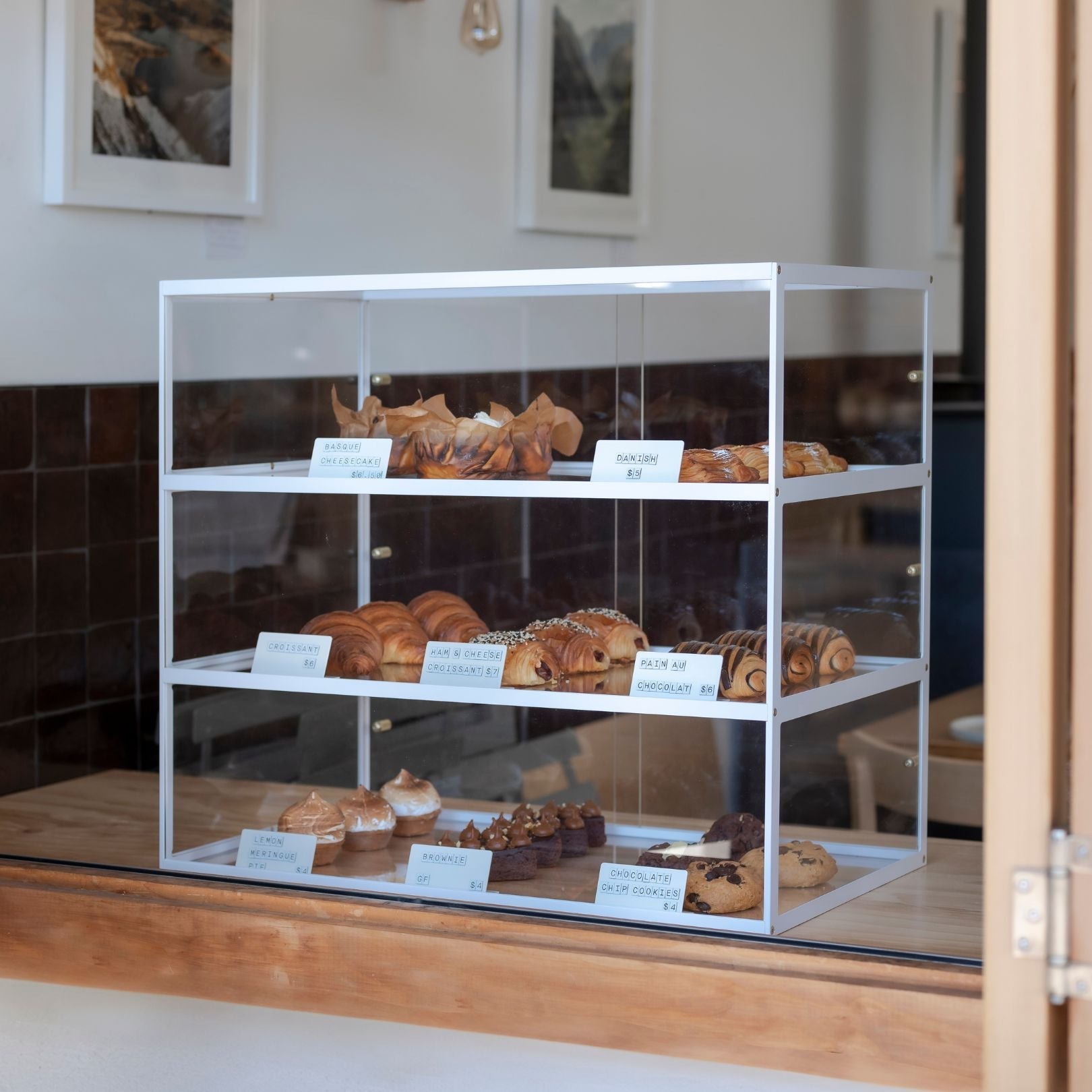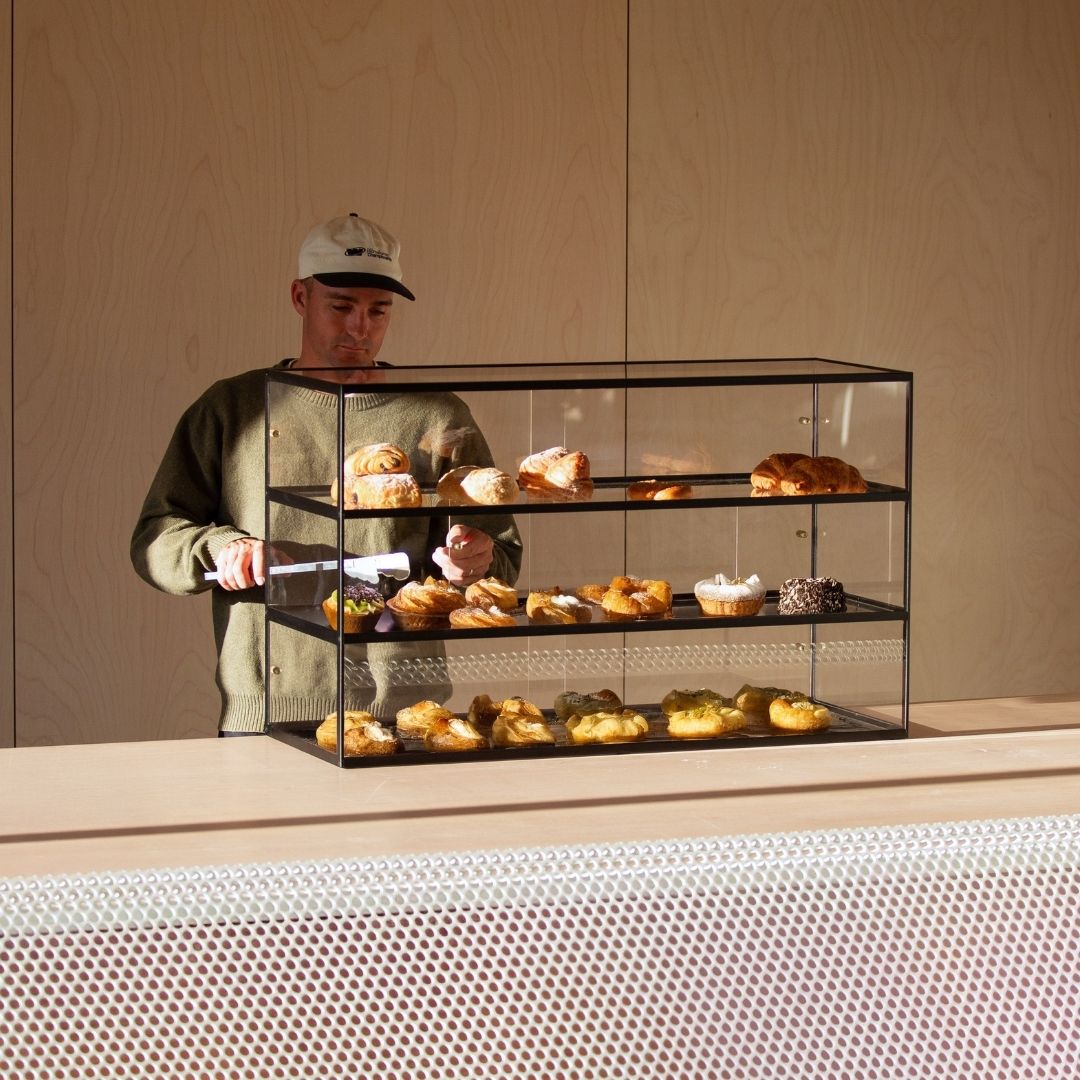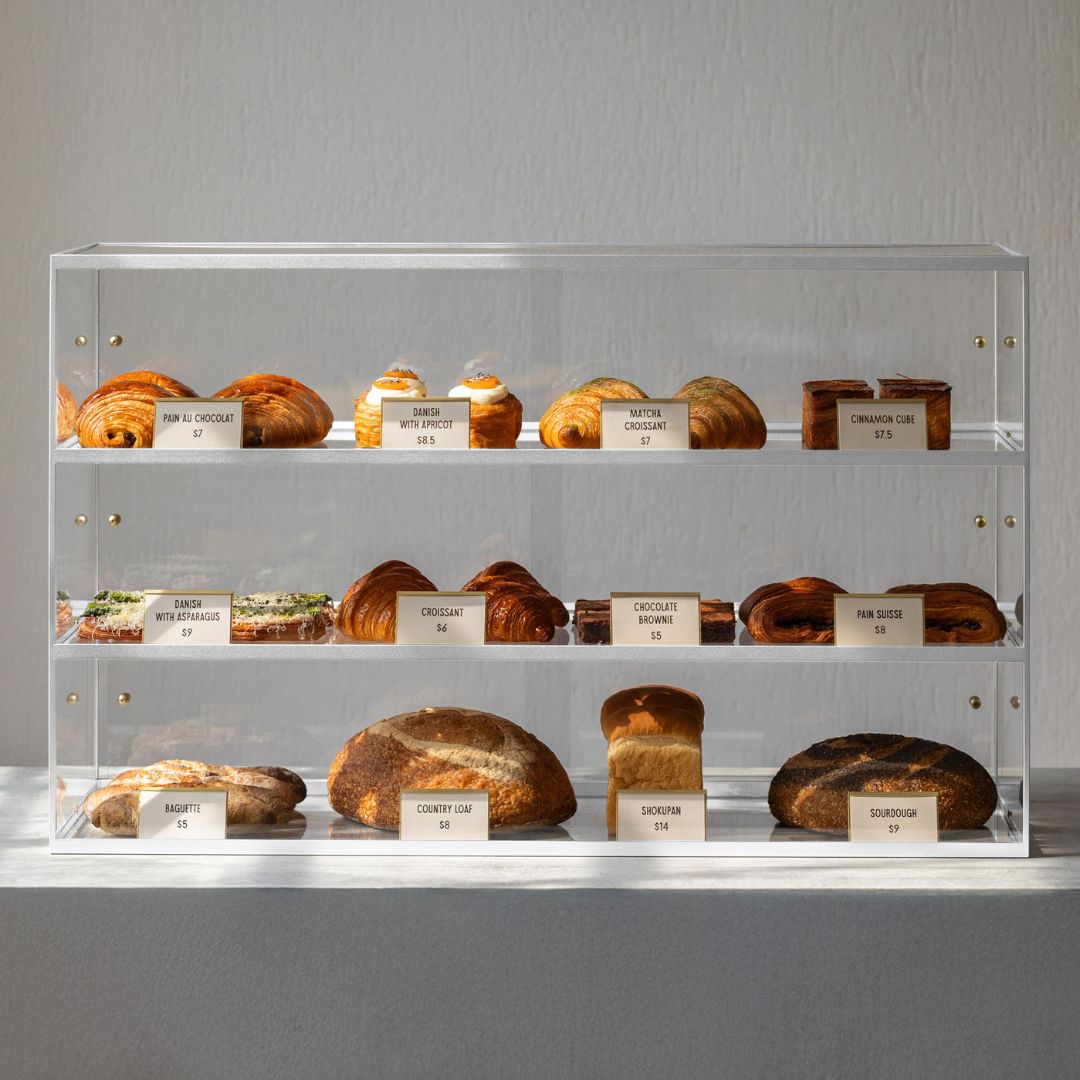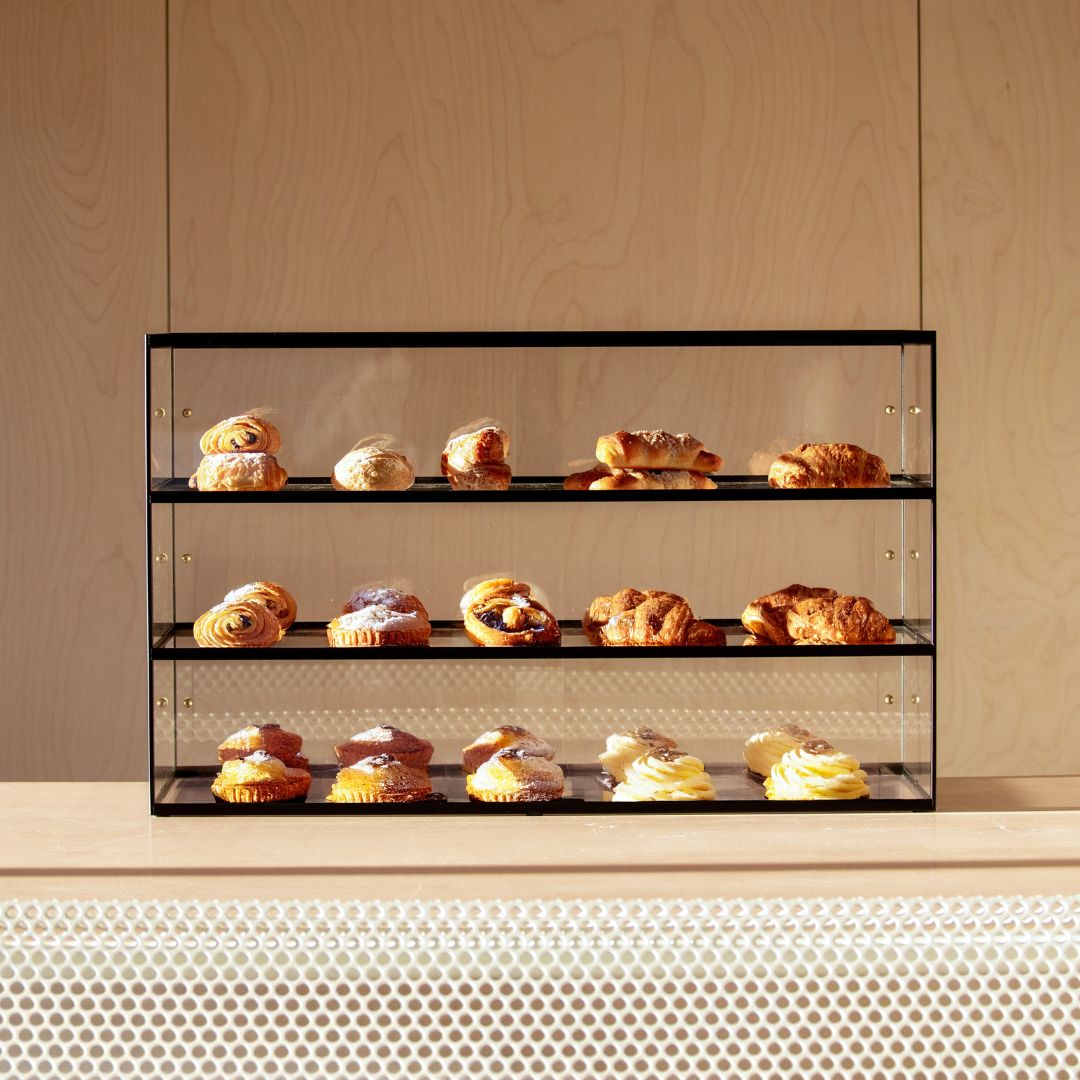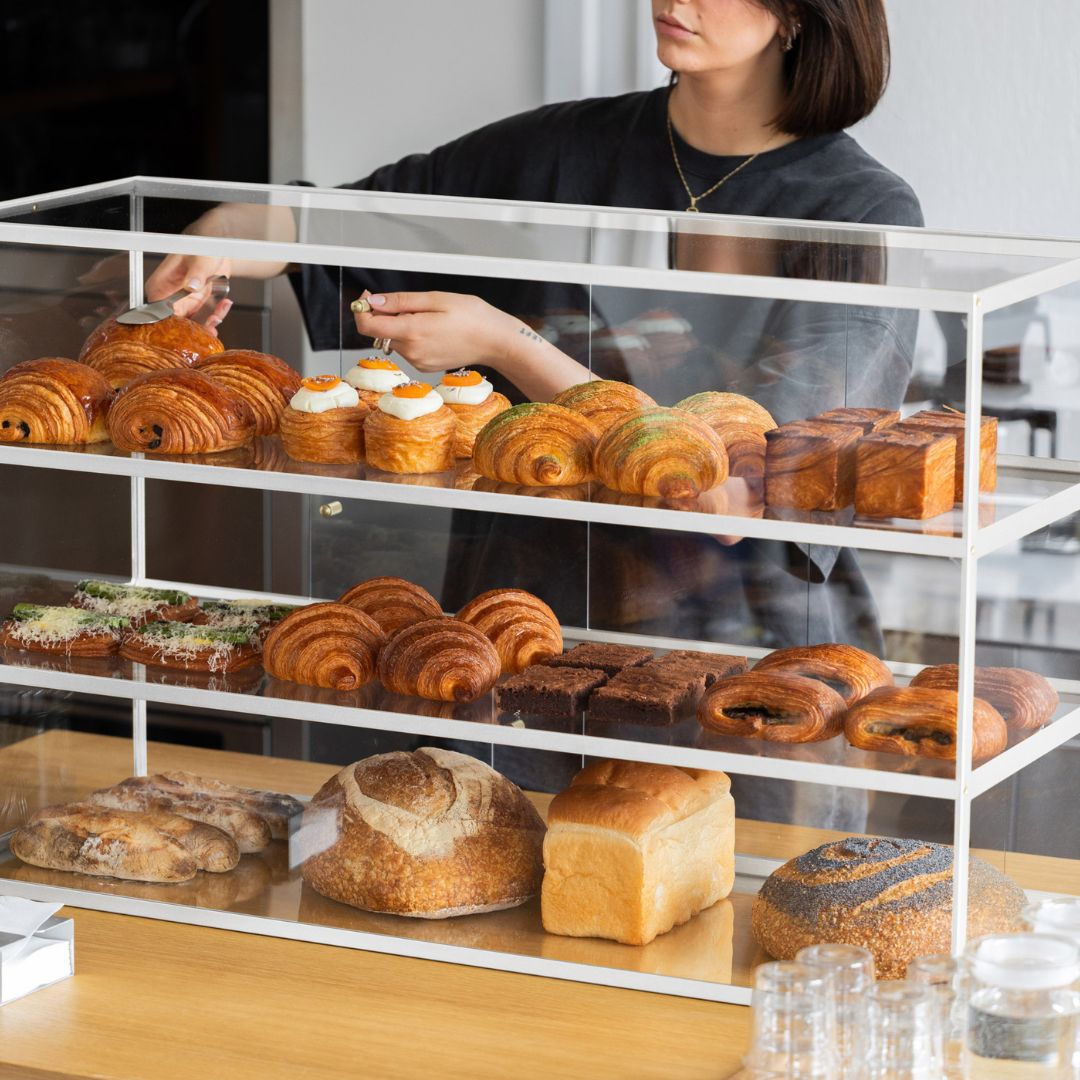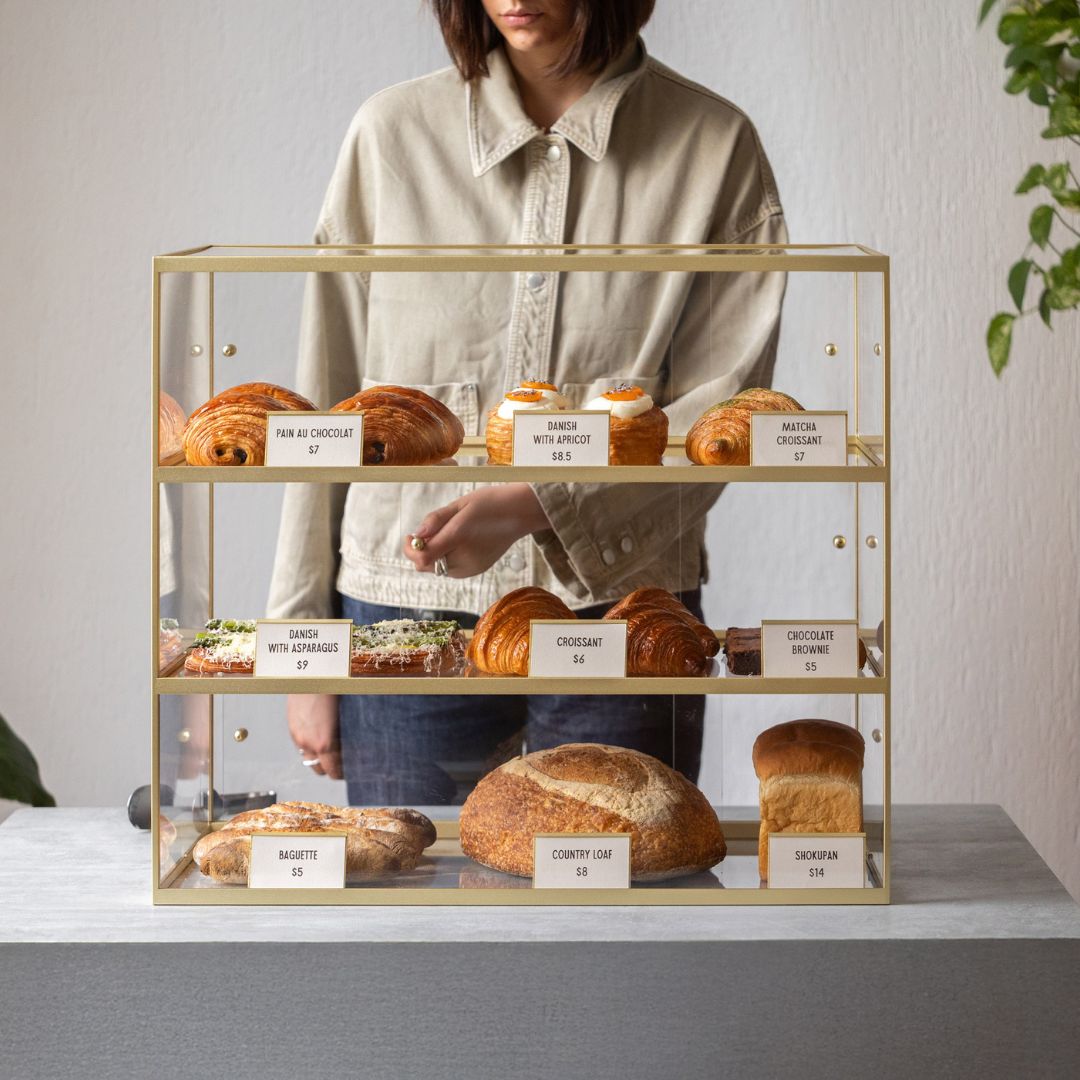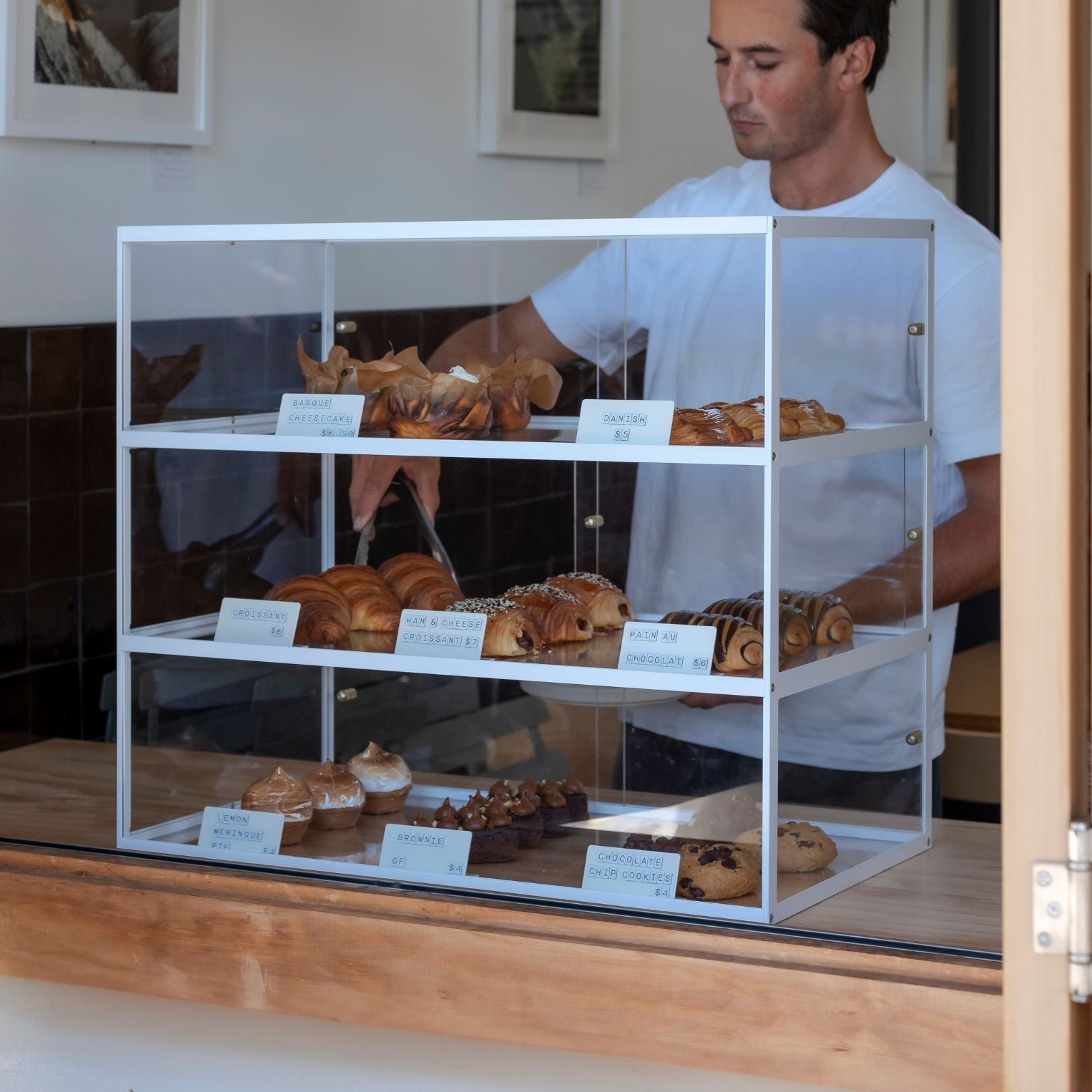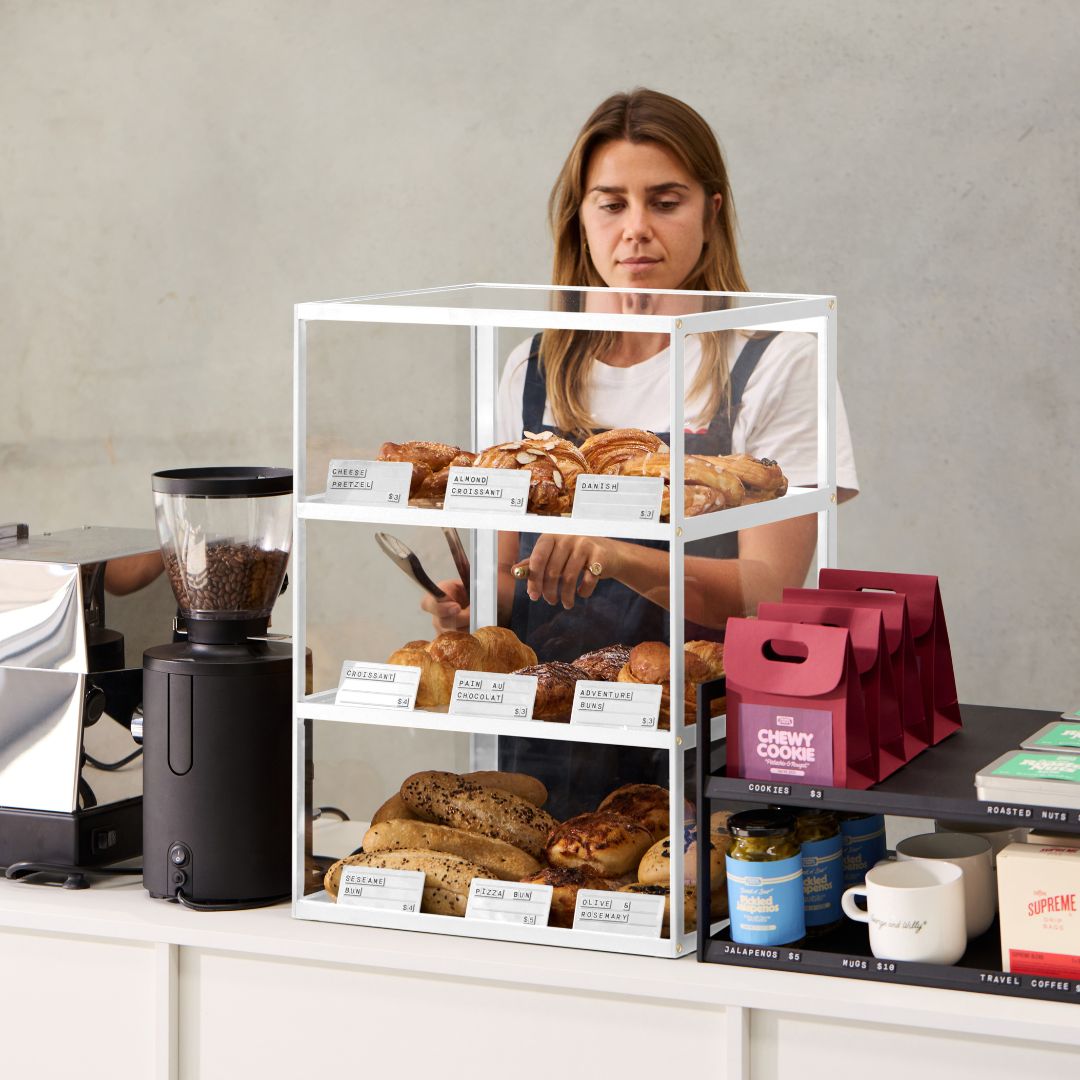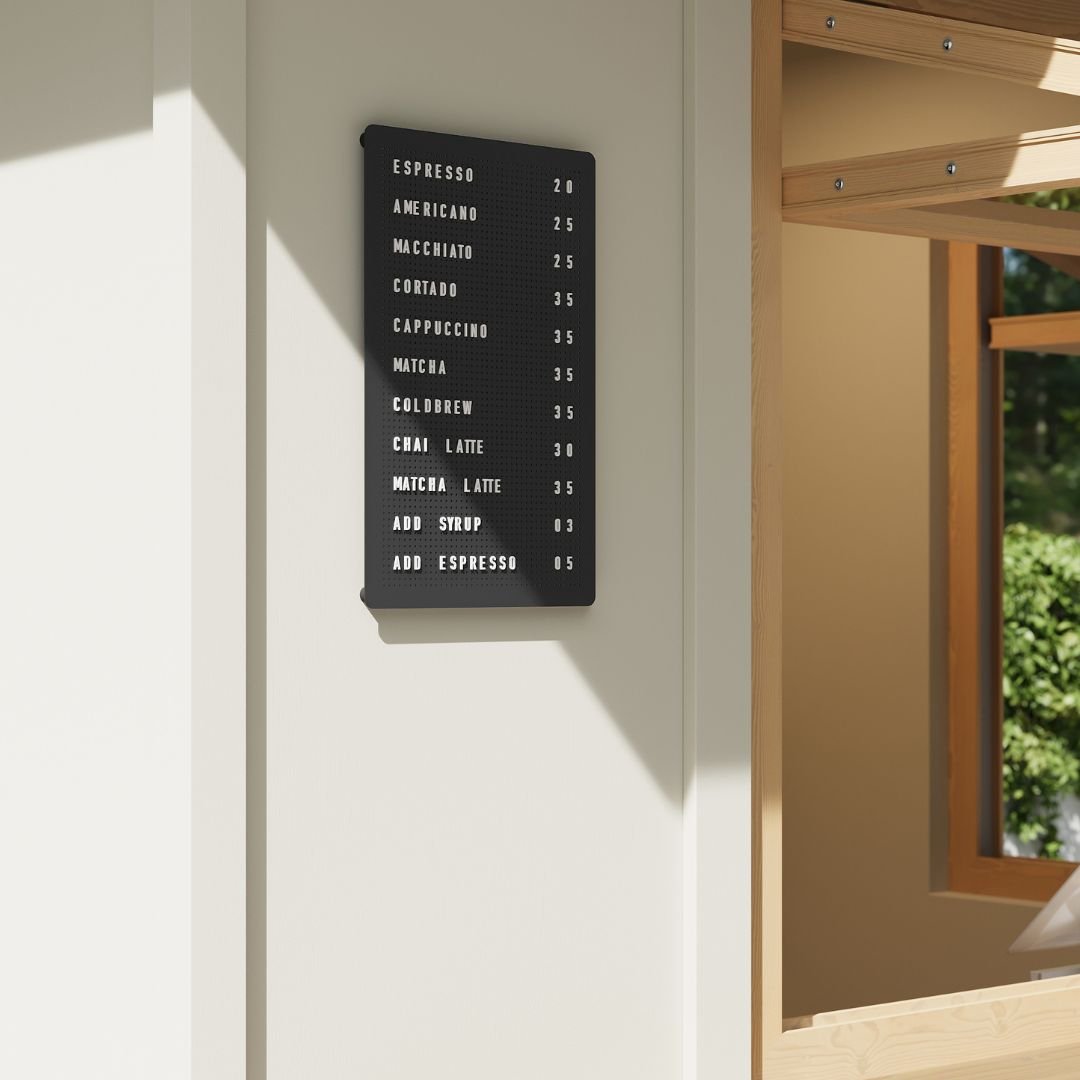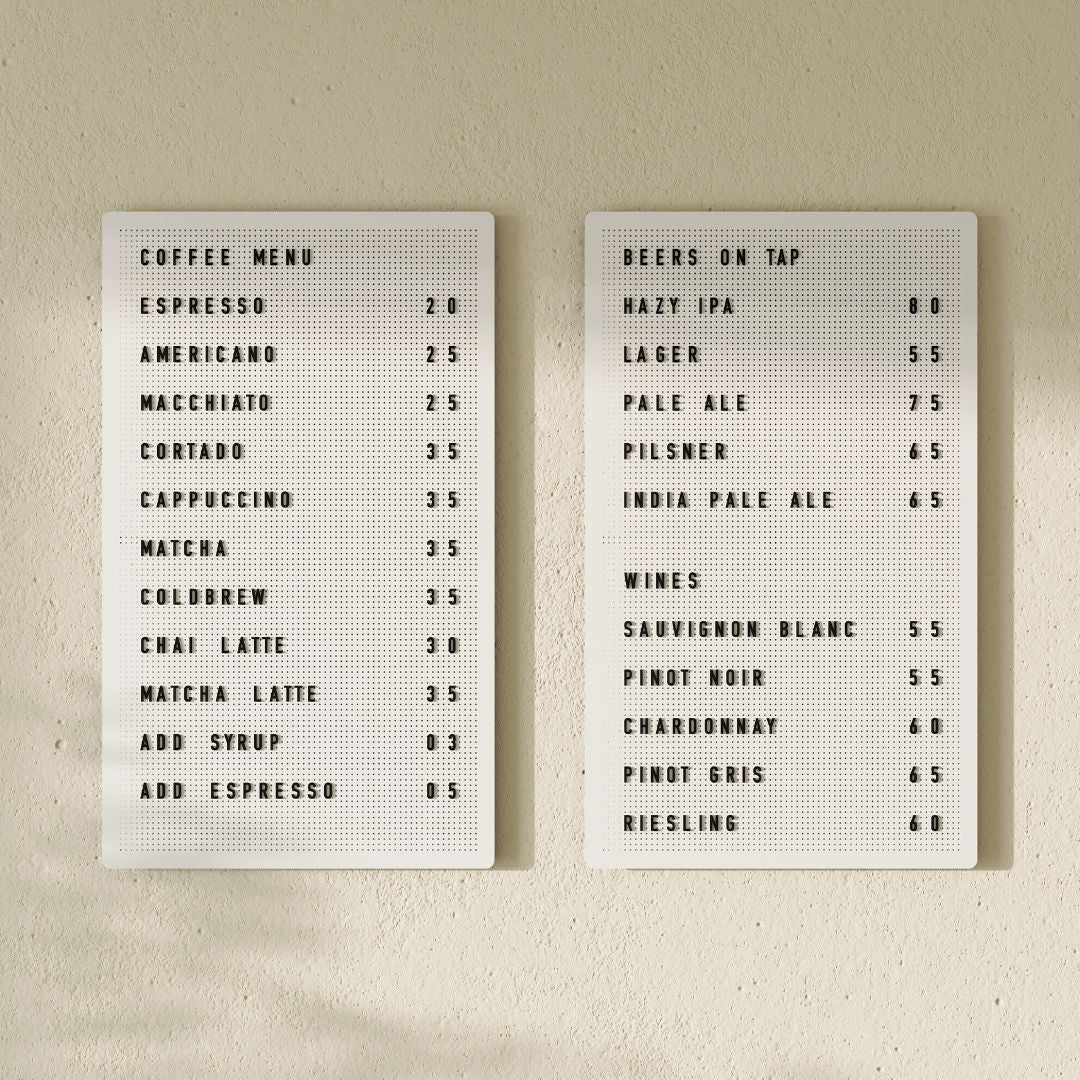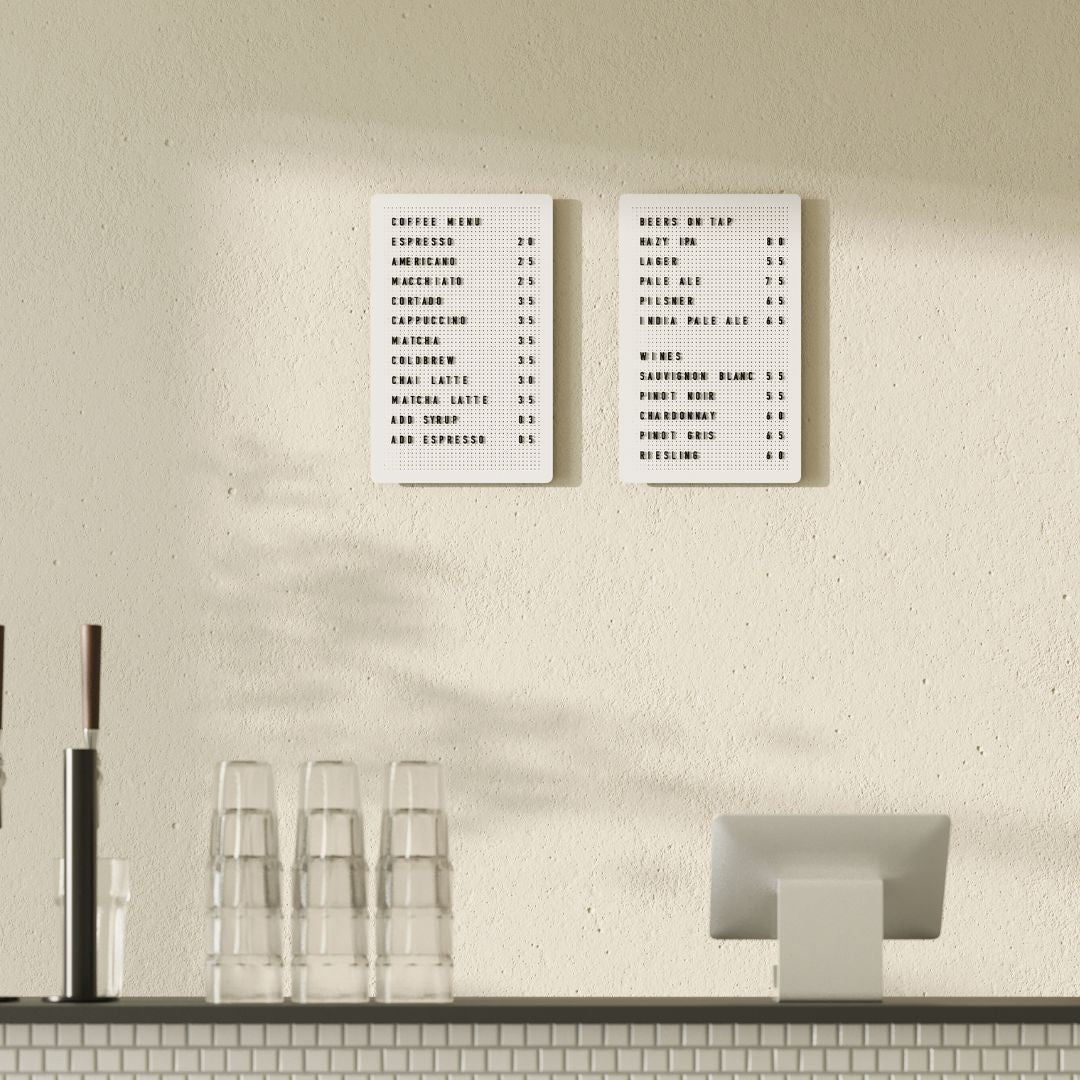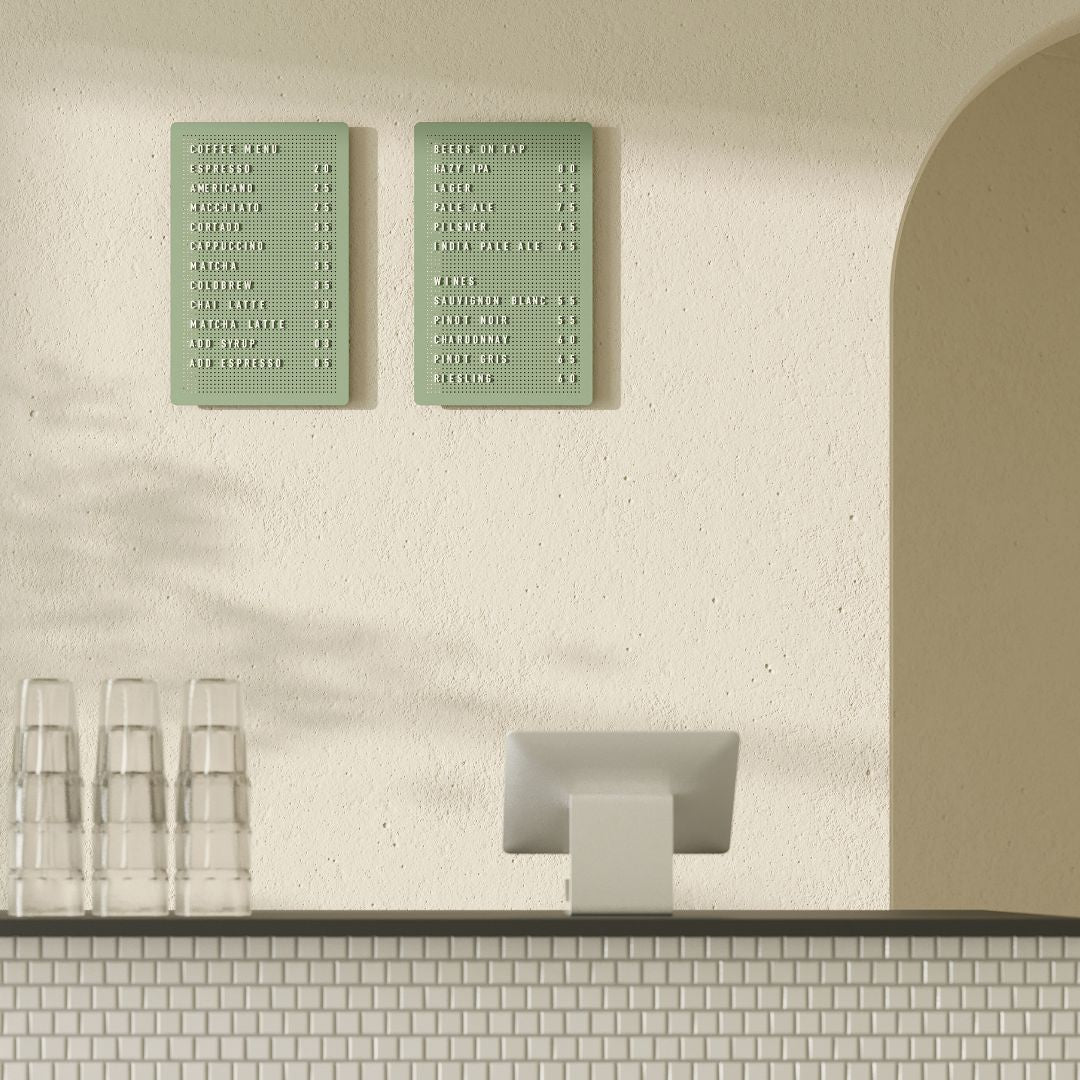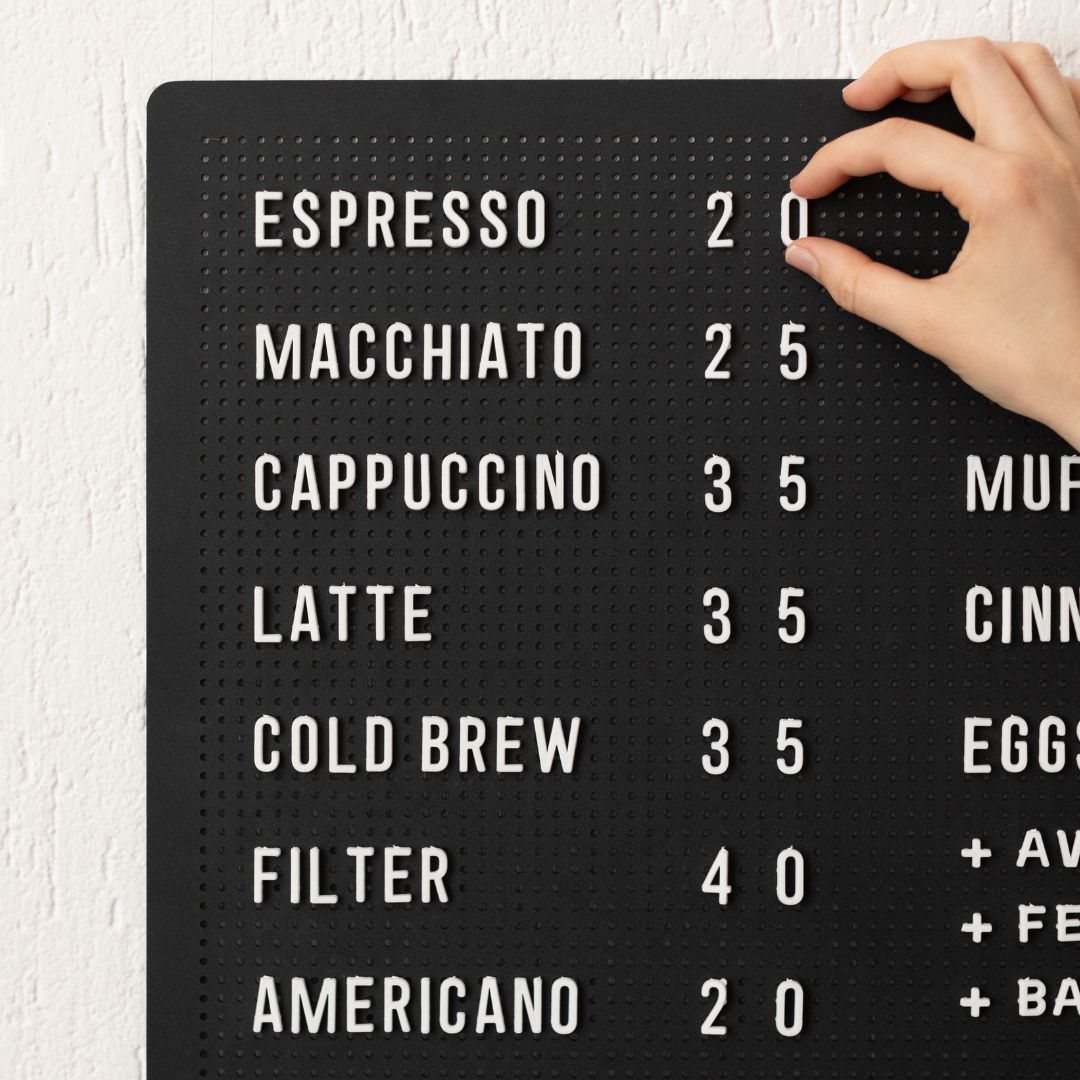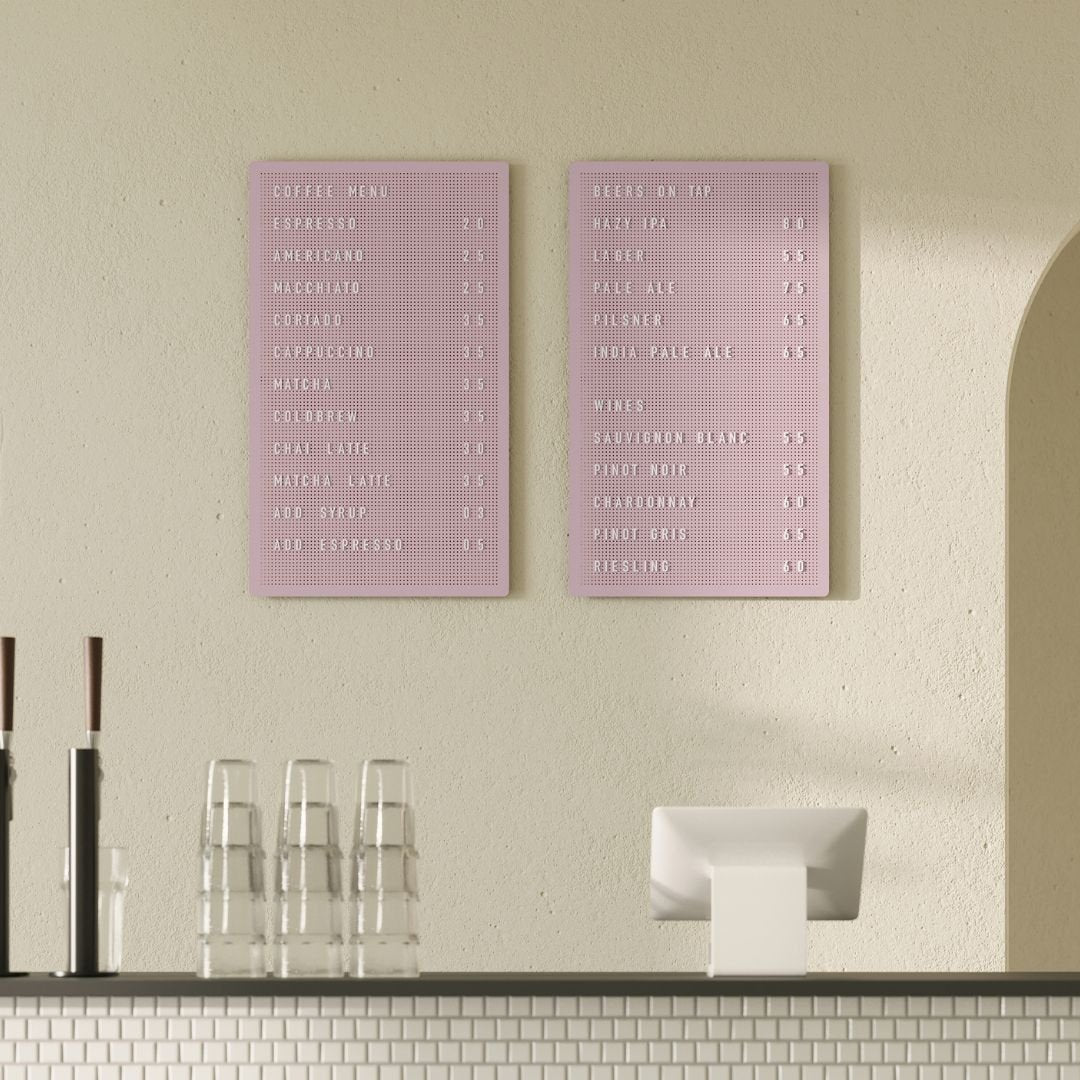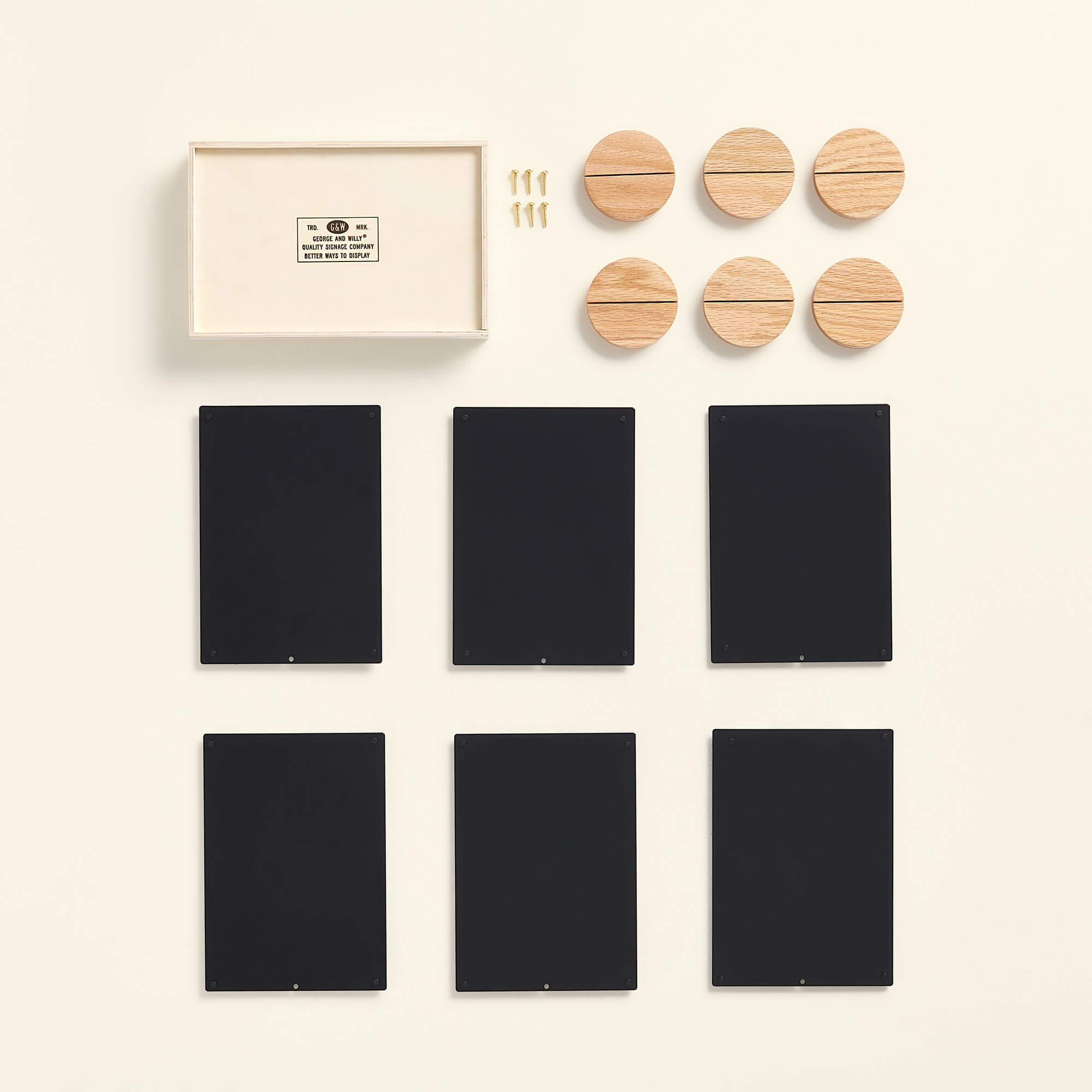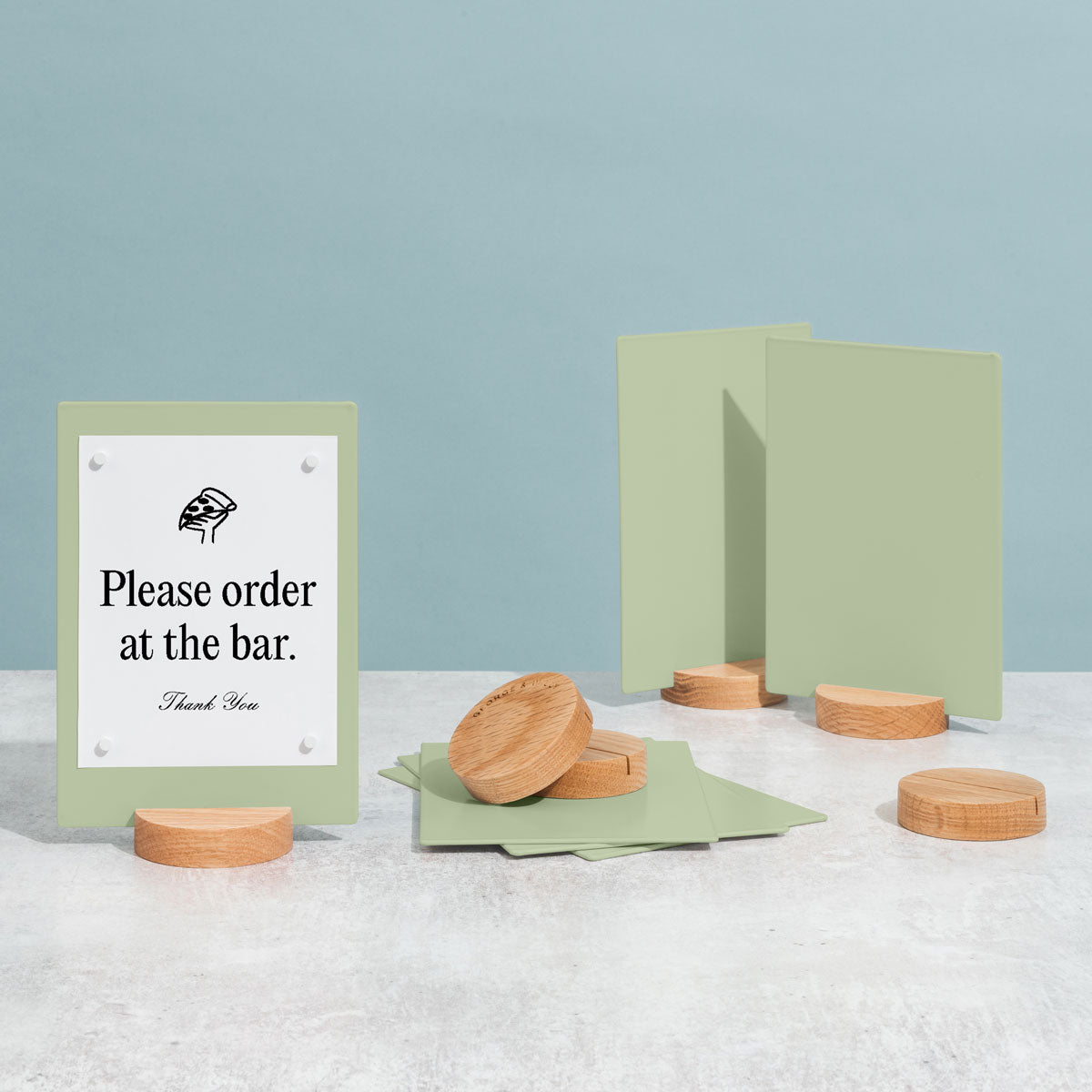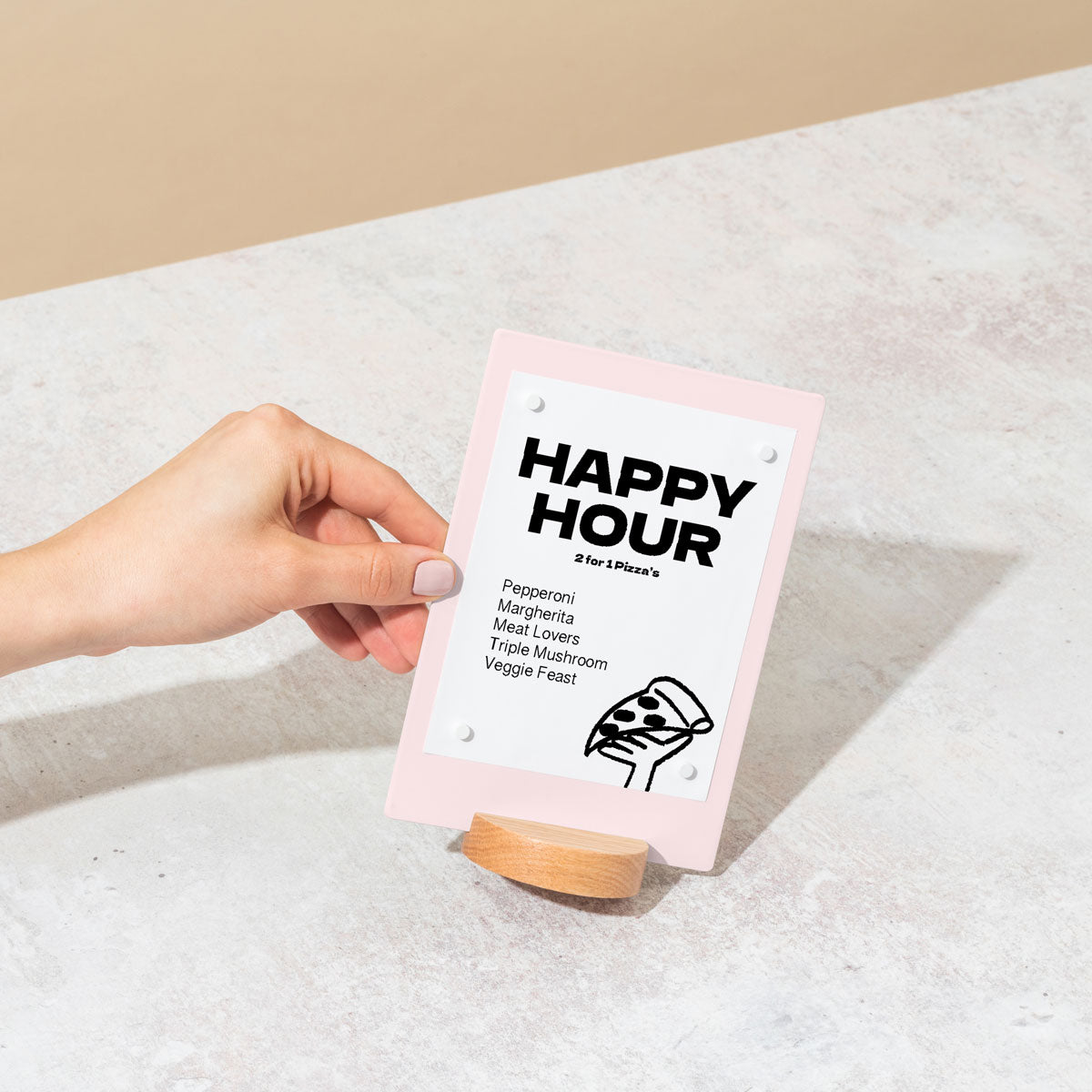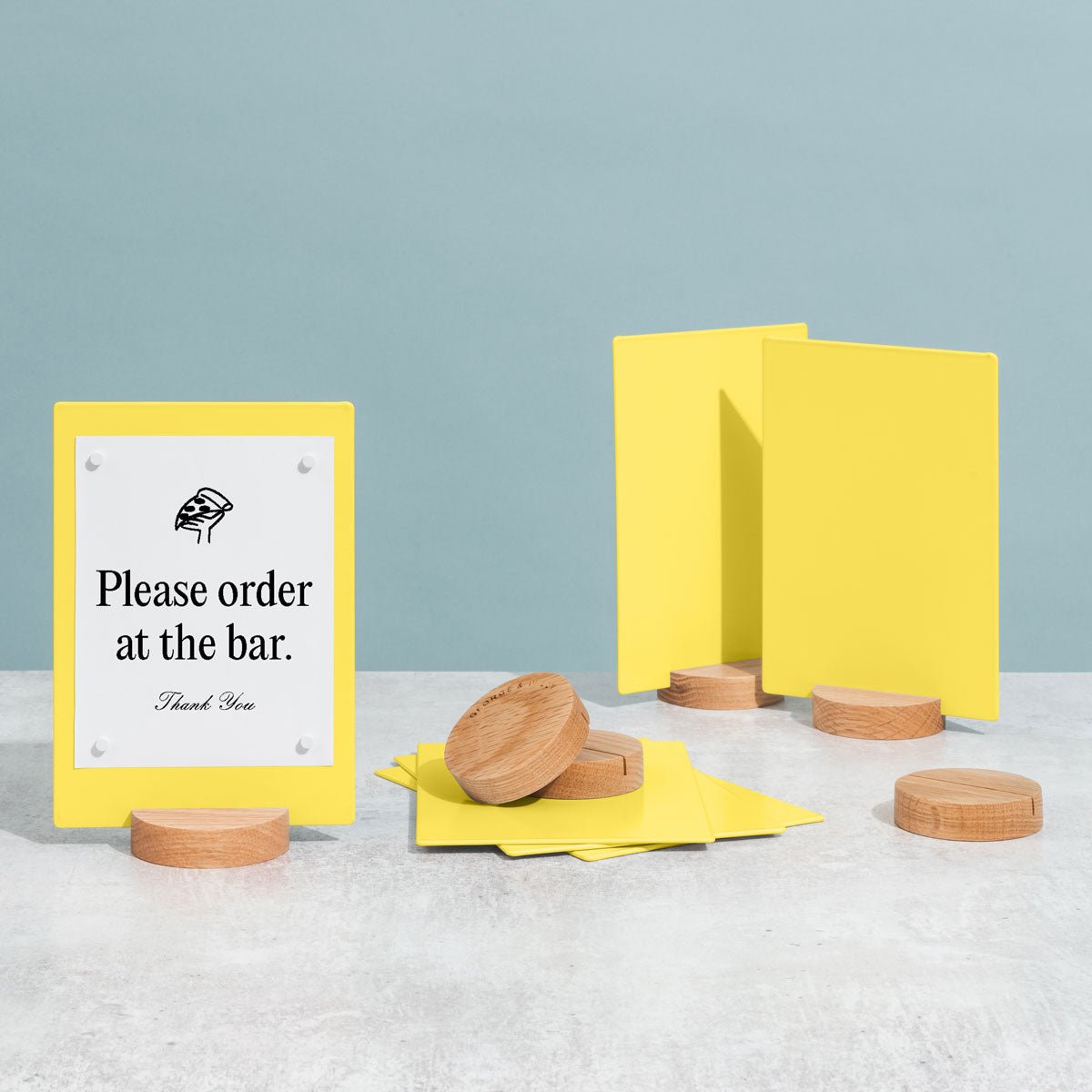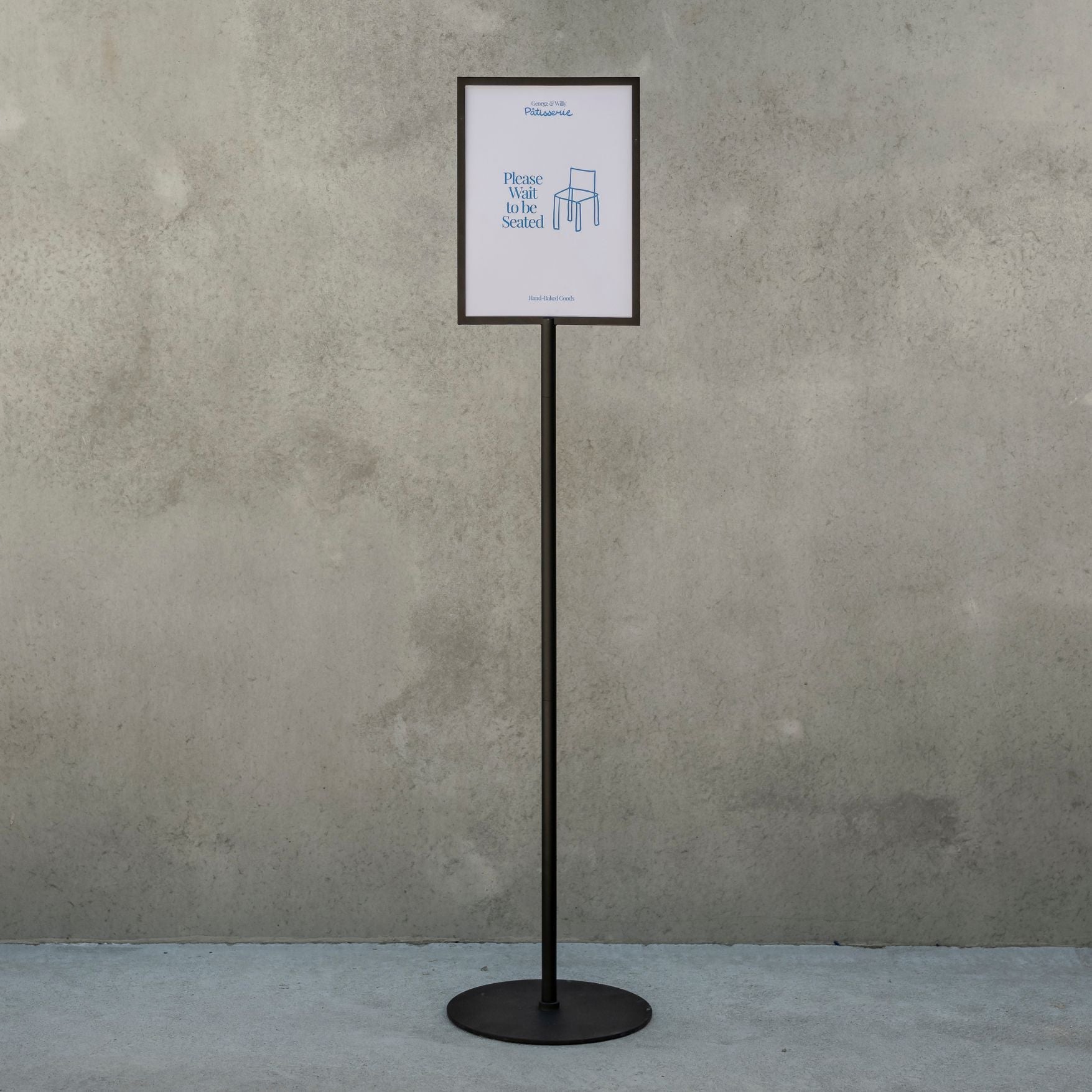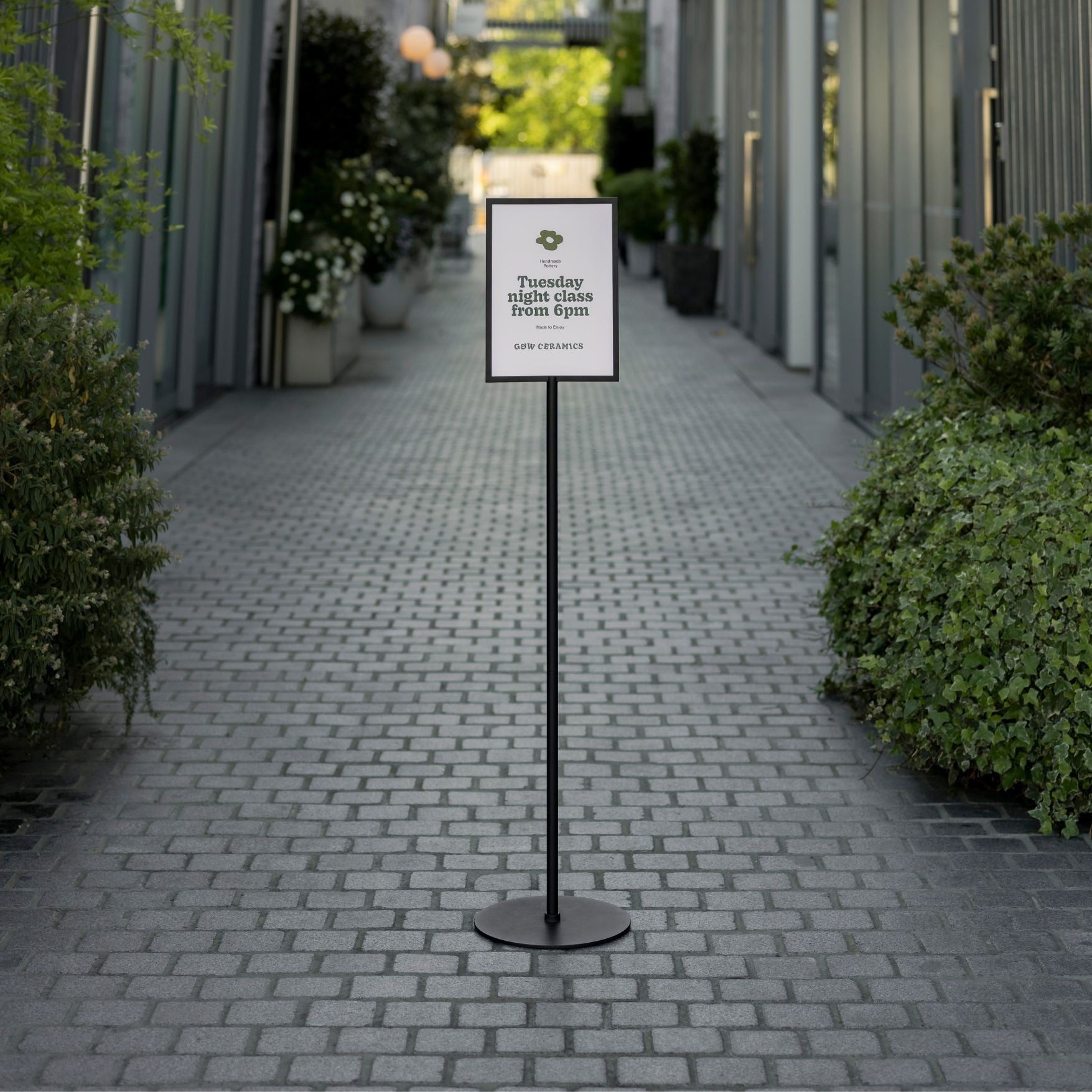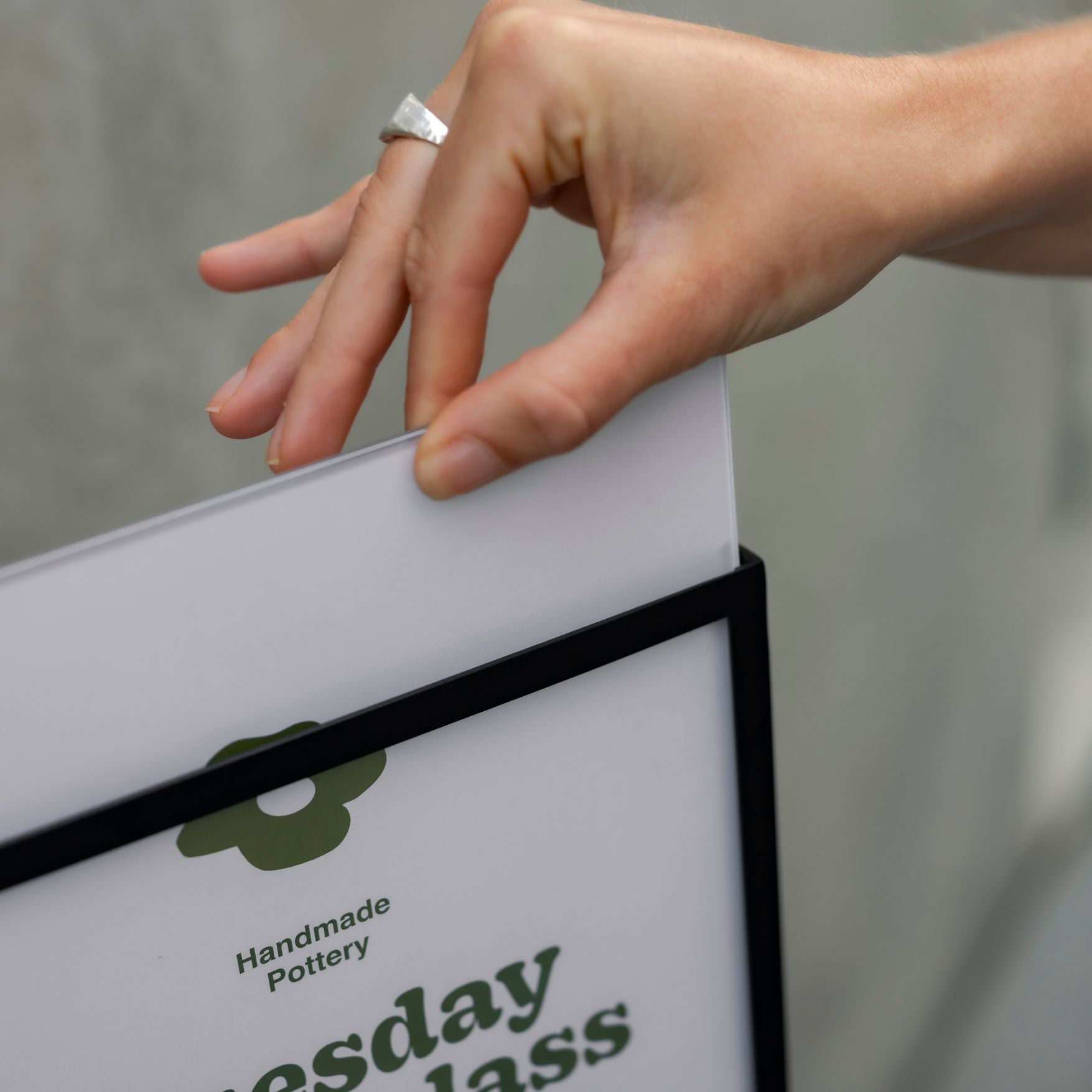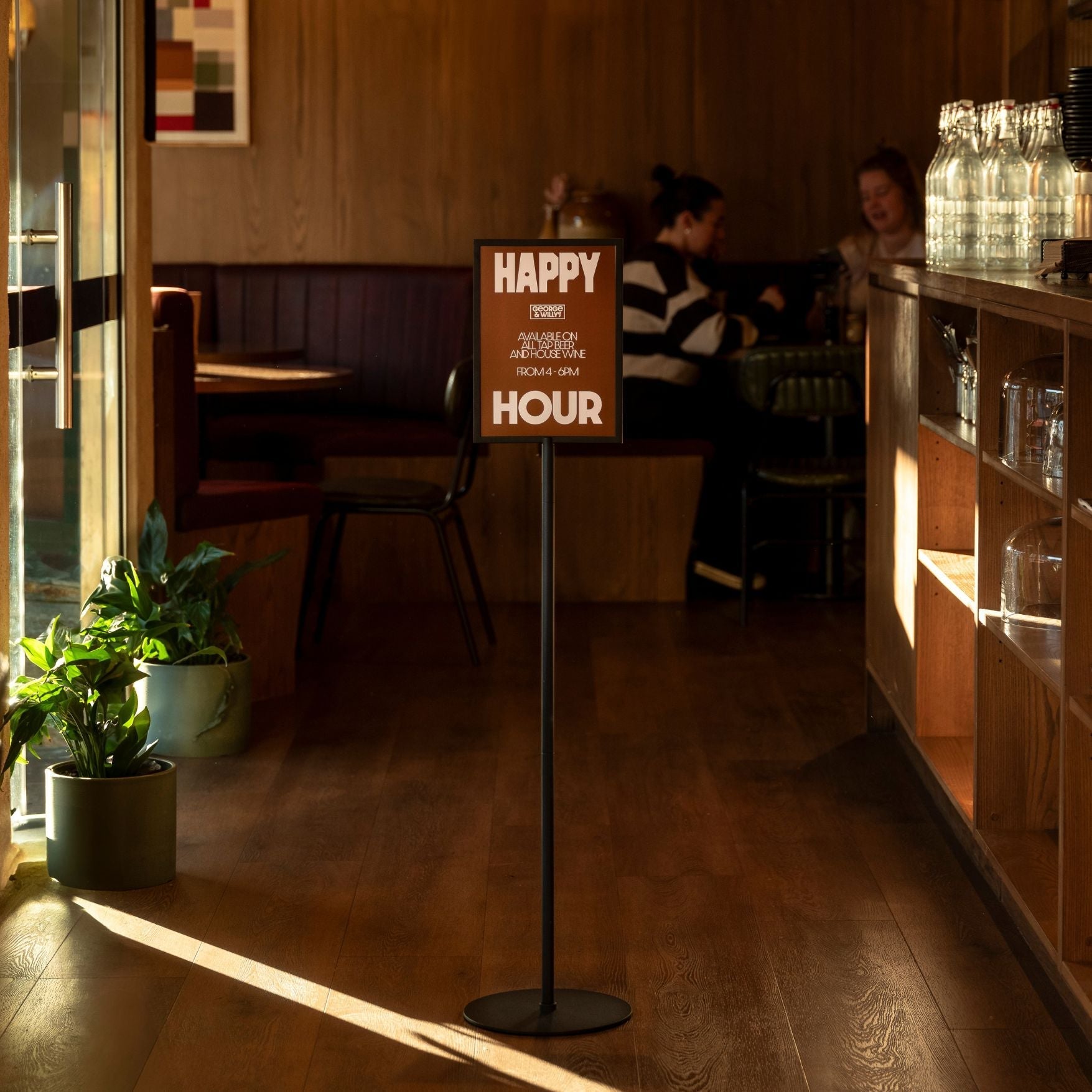



Even as online shopping continues to grow, the magic of the physical store is far from over. A welcoming, well designed space can turn a casual browser into a loyal customer. The secret often lies in strategic visual merchandising. Put simply, retail display sign solutions are the full range of fixtures, signage, and strategies used to present products in a way that directly influences what people see, feel, and ultimately, buy.
In fact, with over 70% of purchasing decisions happening right inside the store, your displays act as your most valuable salespeople. From clever product pairings to eye catching signage, the right approach can significantly lift your sales. Let’s explore six powerful strategies to help you create a more engaging and profitable retail environment.
1. Implement Eye Catching Retail Display Solutions
A creative and well placed display can stop a shopper in their tracks. It’s not just about showing a product; it’s about creating a moment of discovery. The impact of a great visual is huge, as 62% of shoppers admit to making spontaneous purchases after being drawn to an attractive in store display.
Your displays are silent storytellers, grabbing attention and suggesting products customers didn’t even know they needed. The results speak for themselves. One study found that simply placing products in special display boxes caused sales to jump between 80% and 478%. Effective retail display solutions do more than just look good, they actively drive revenue.
To make this work for you, use a mix of display types to create points of interest throughout your store.
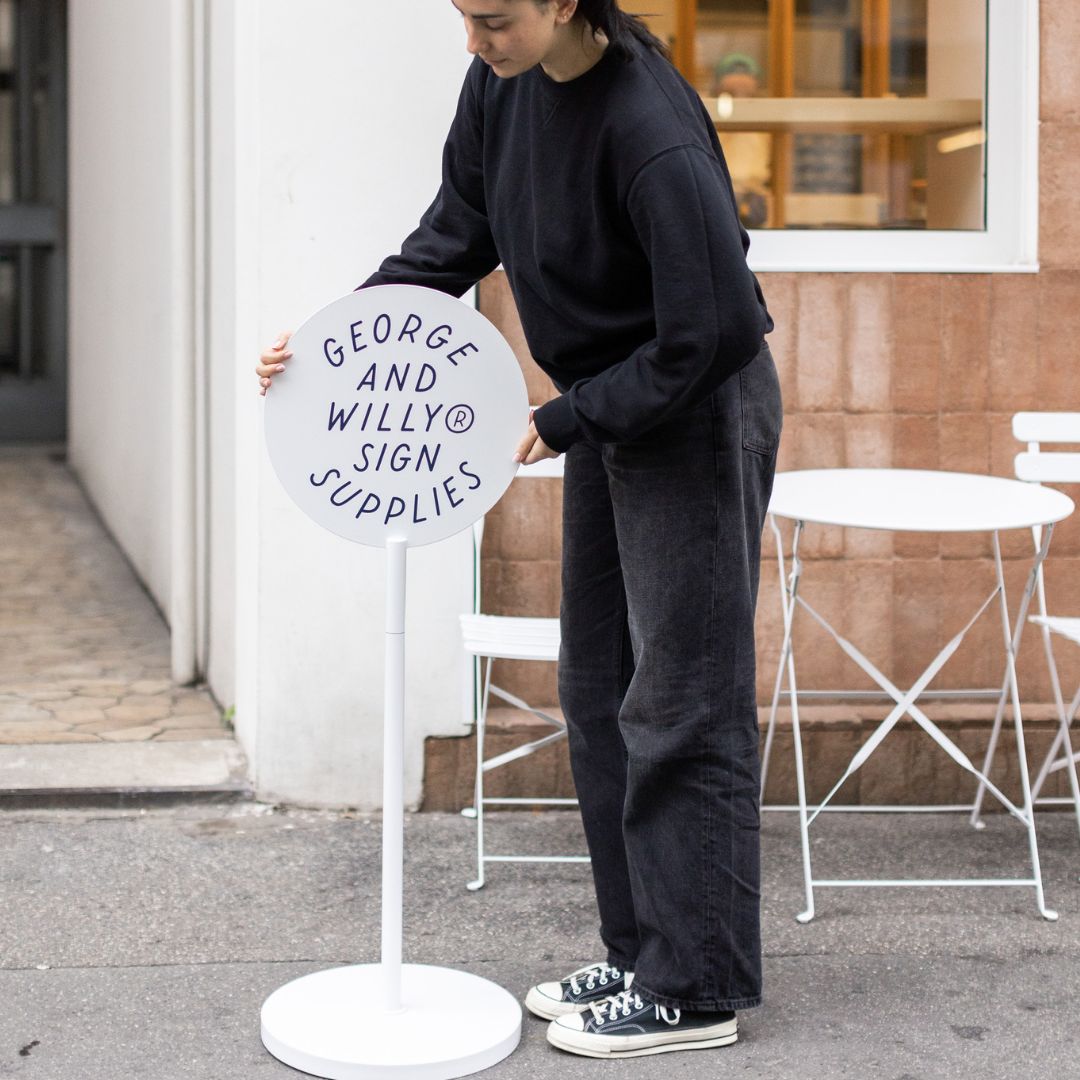
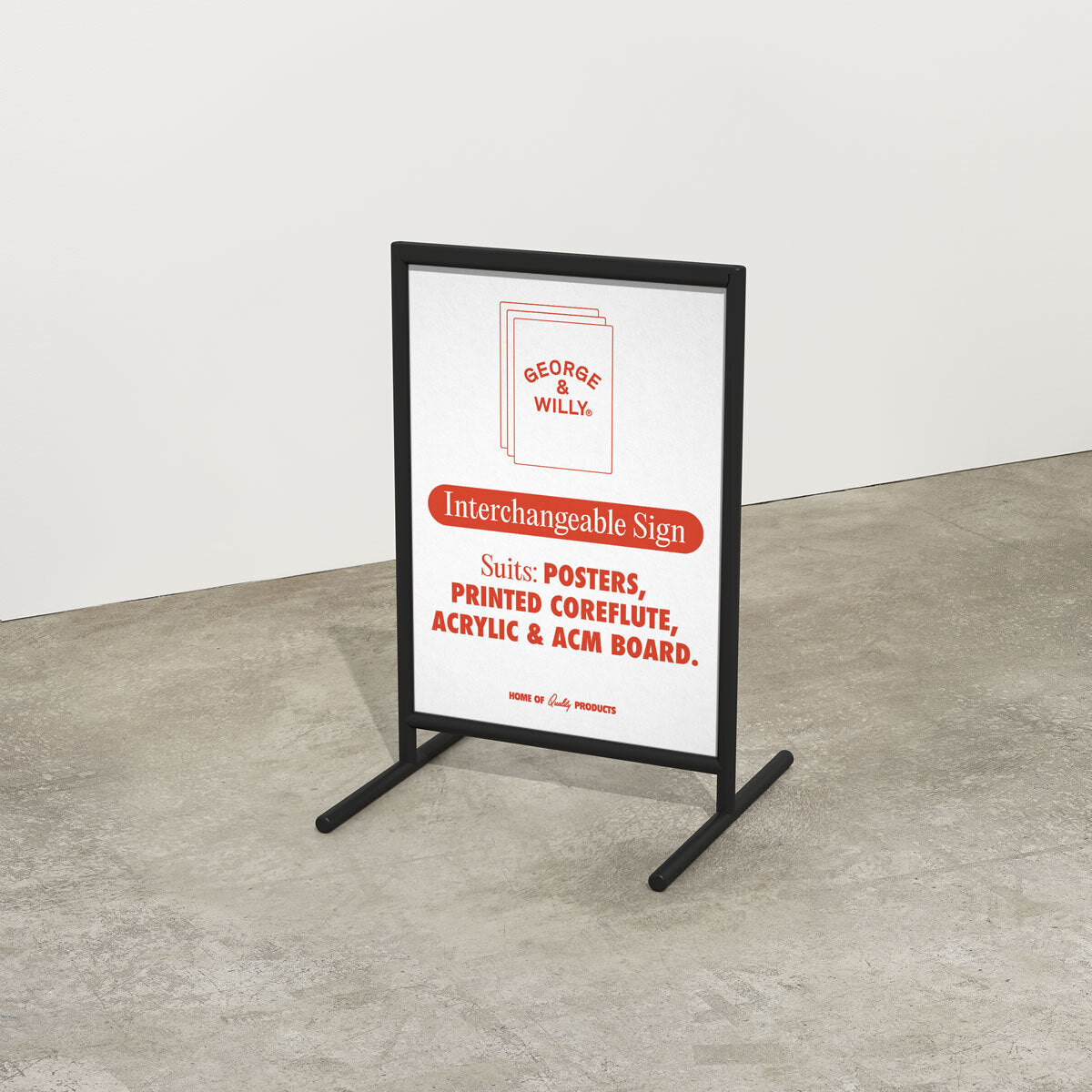
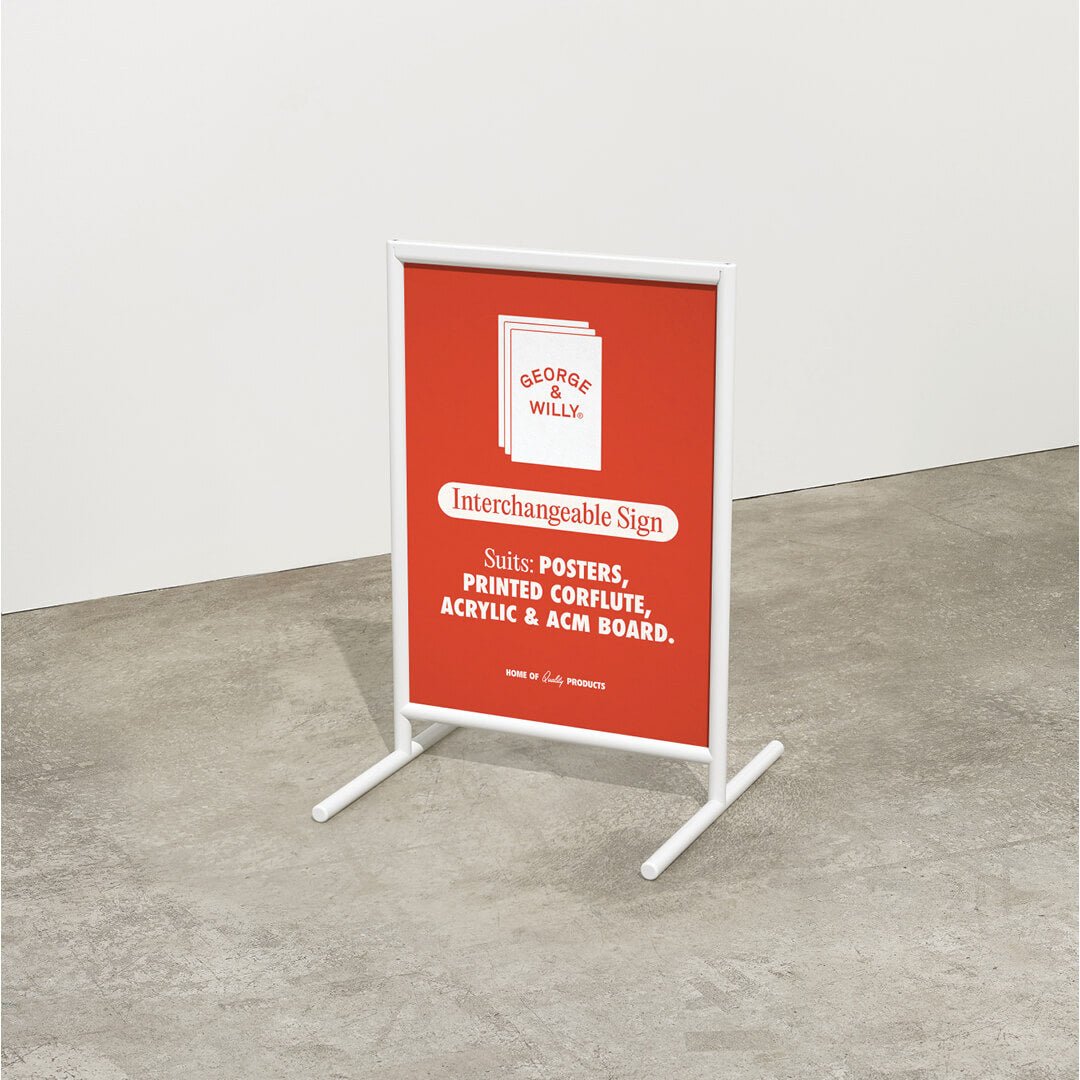
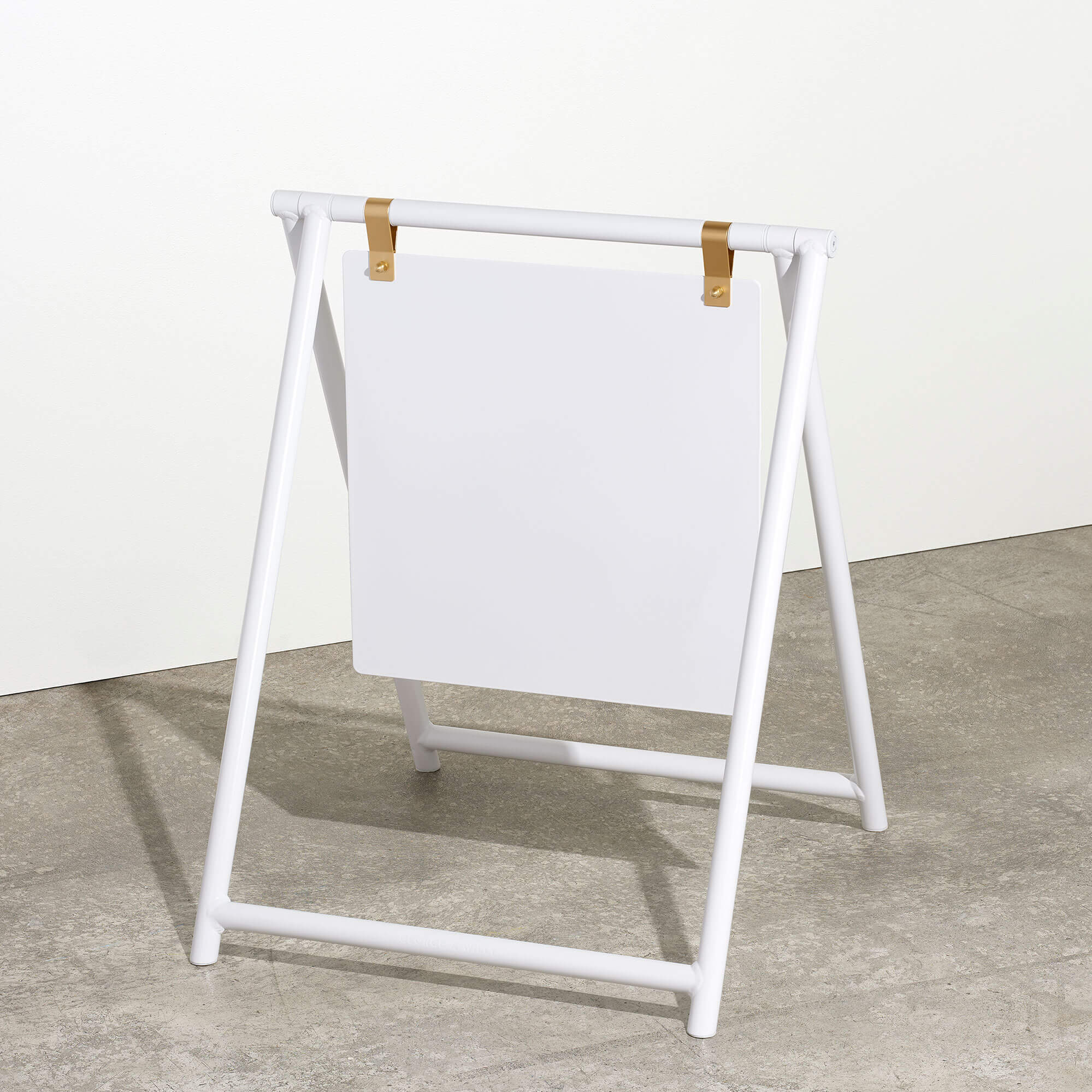
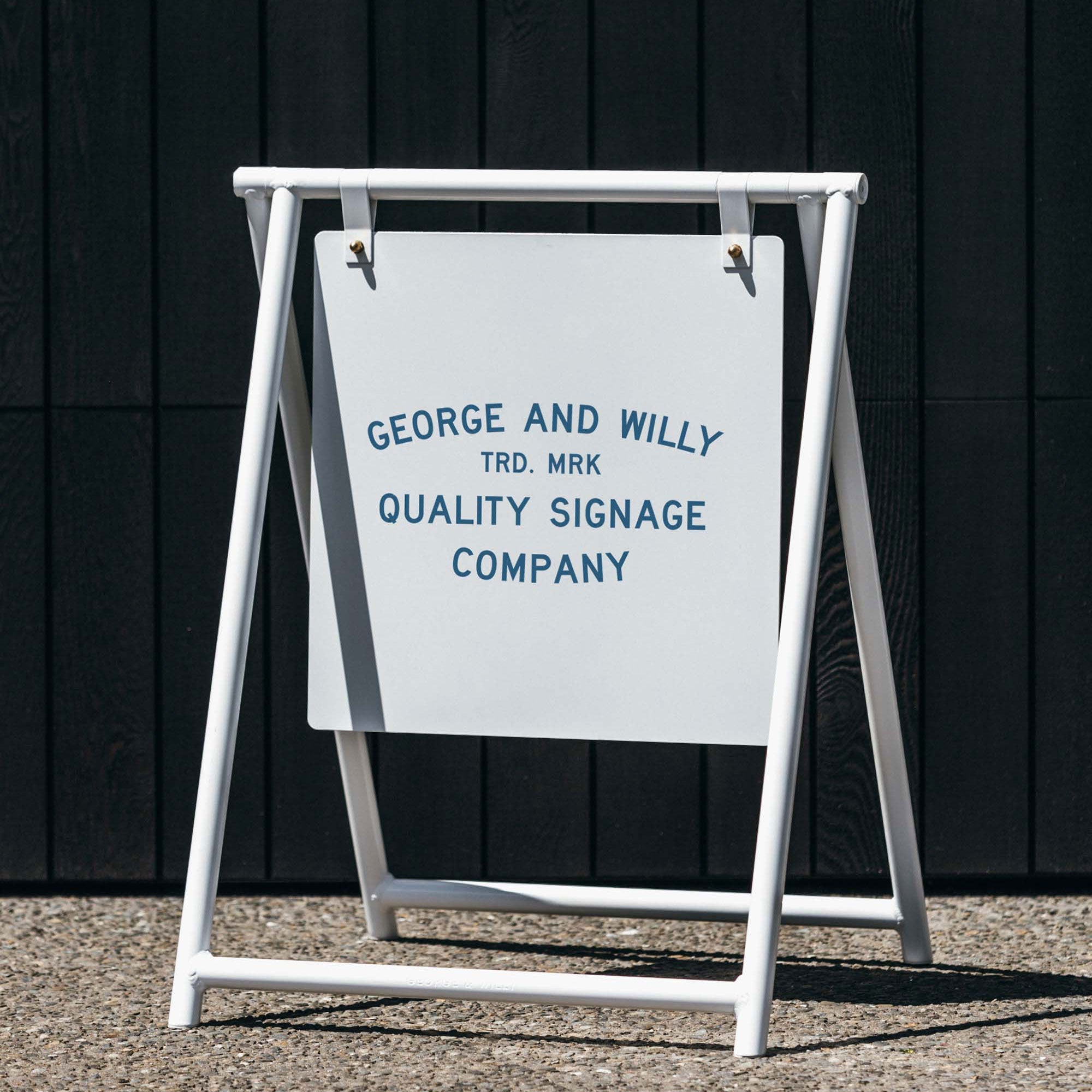
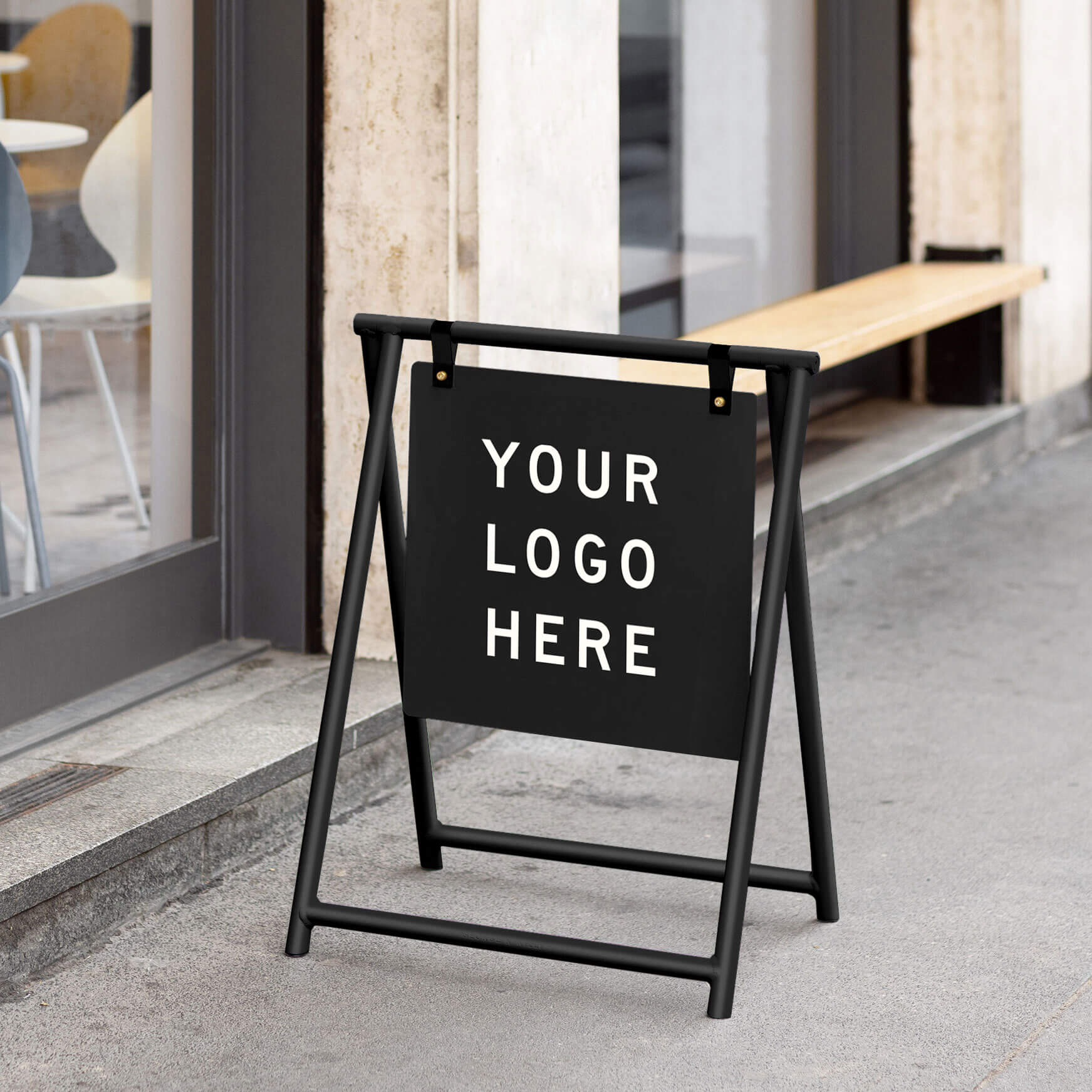
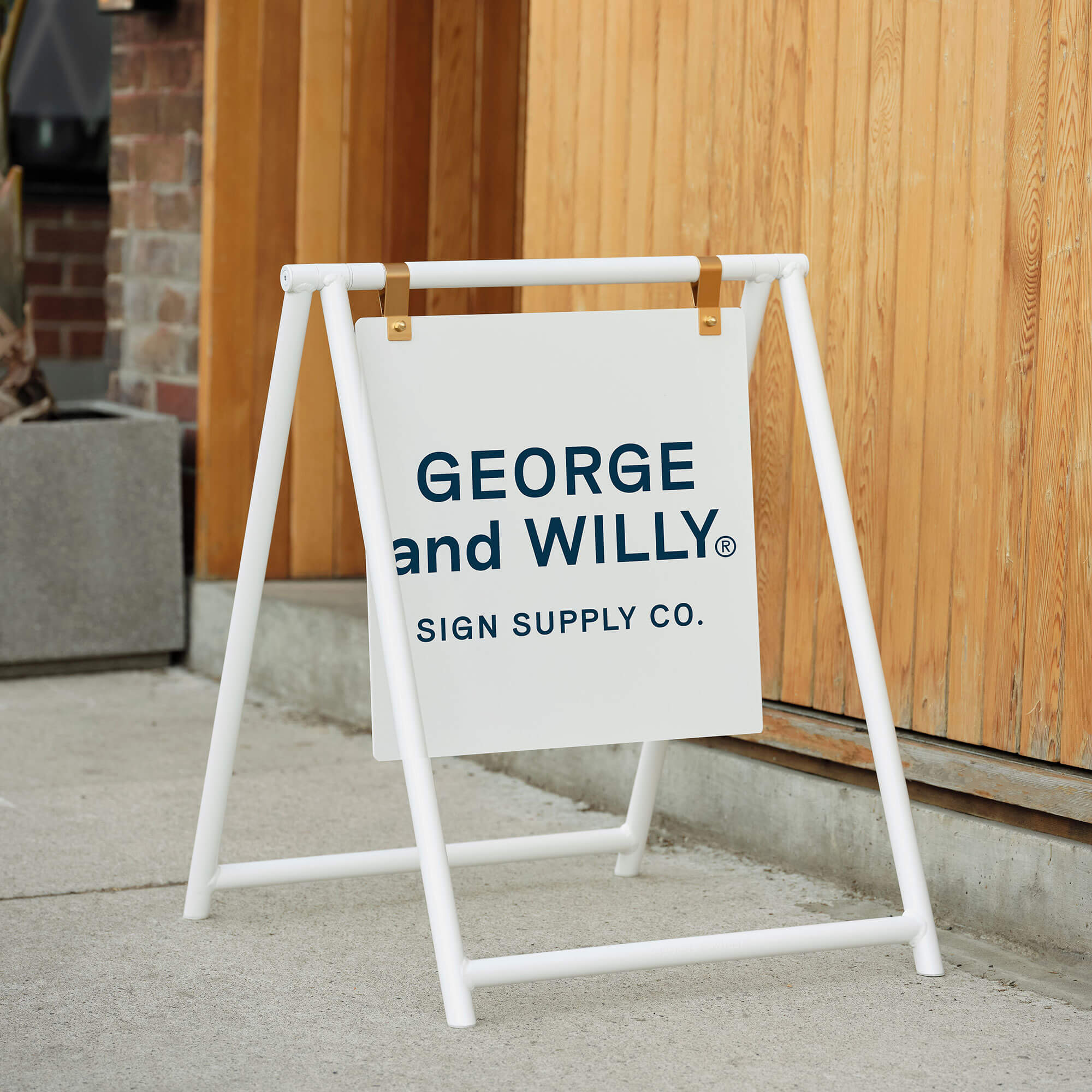
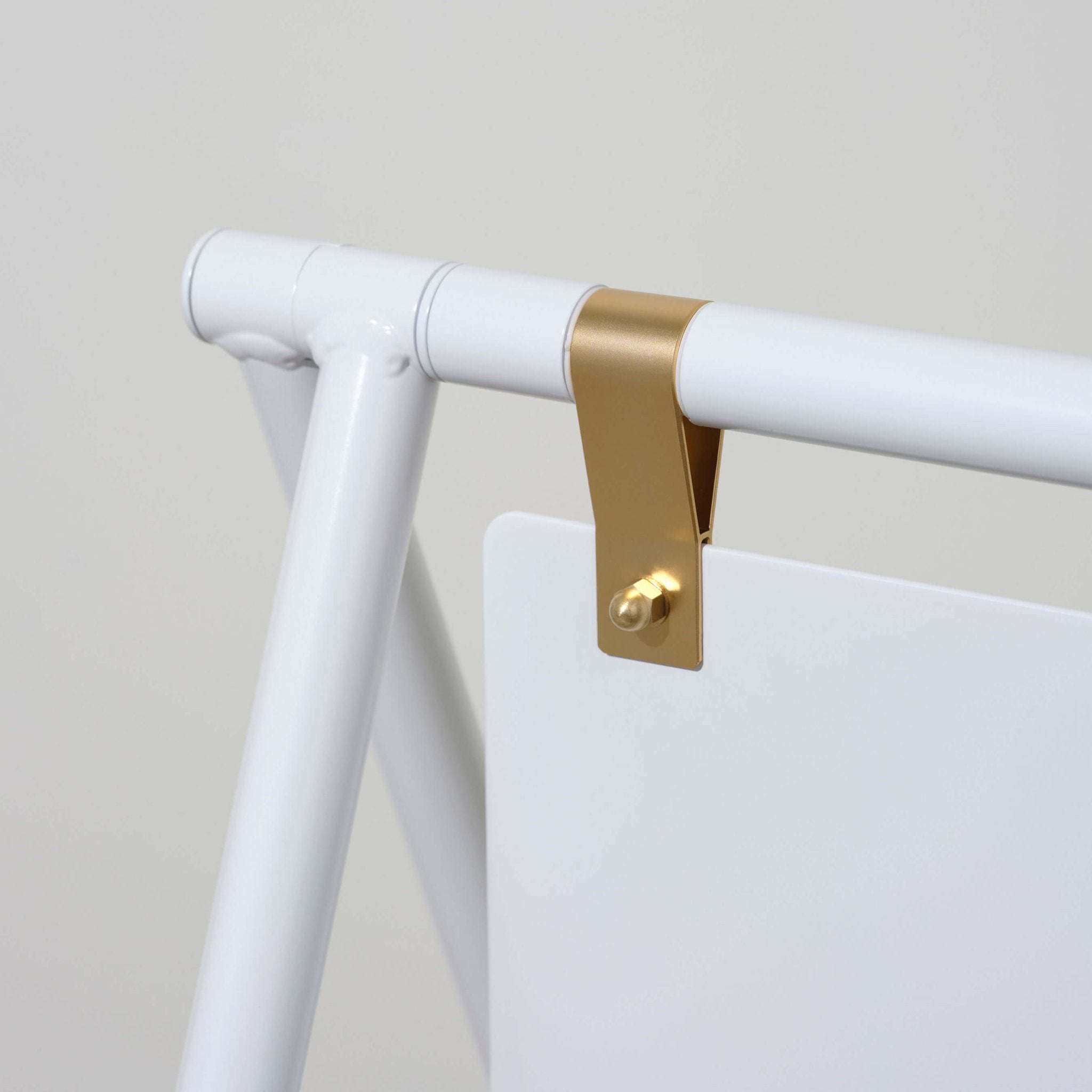
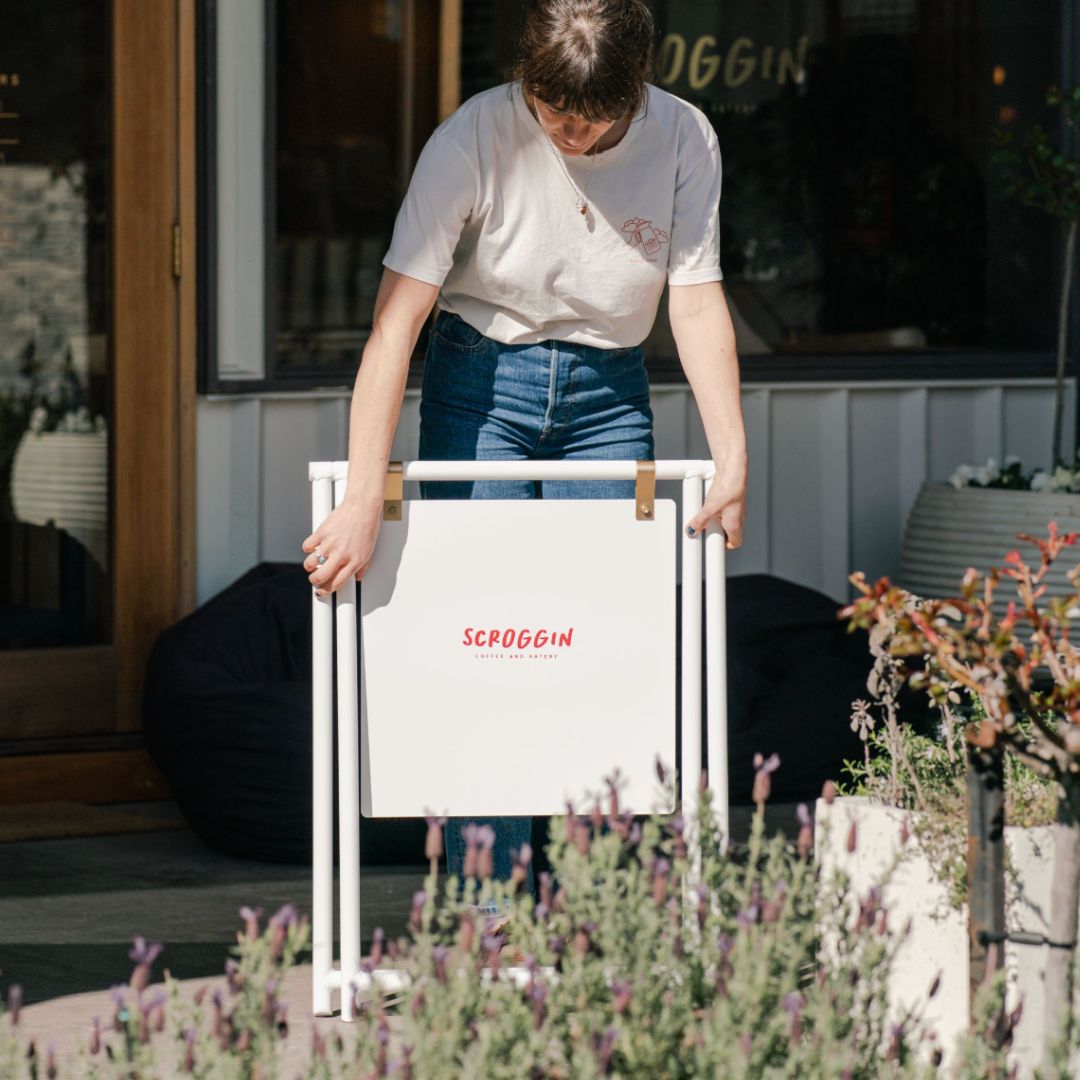
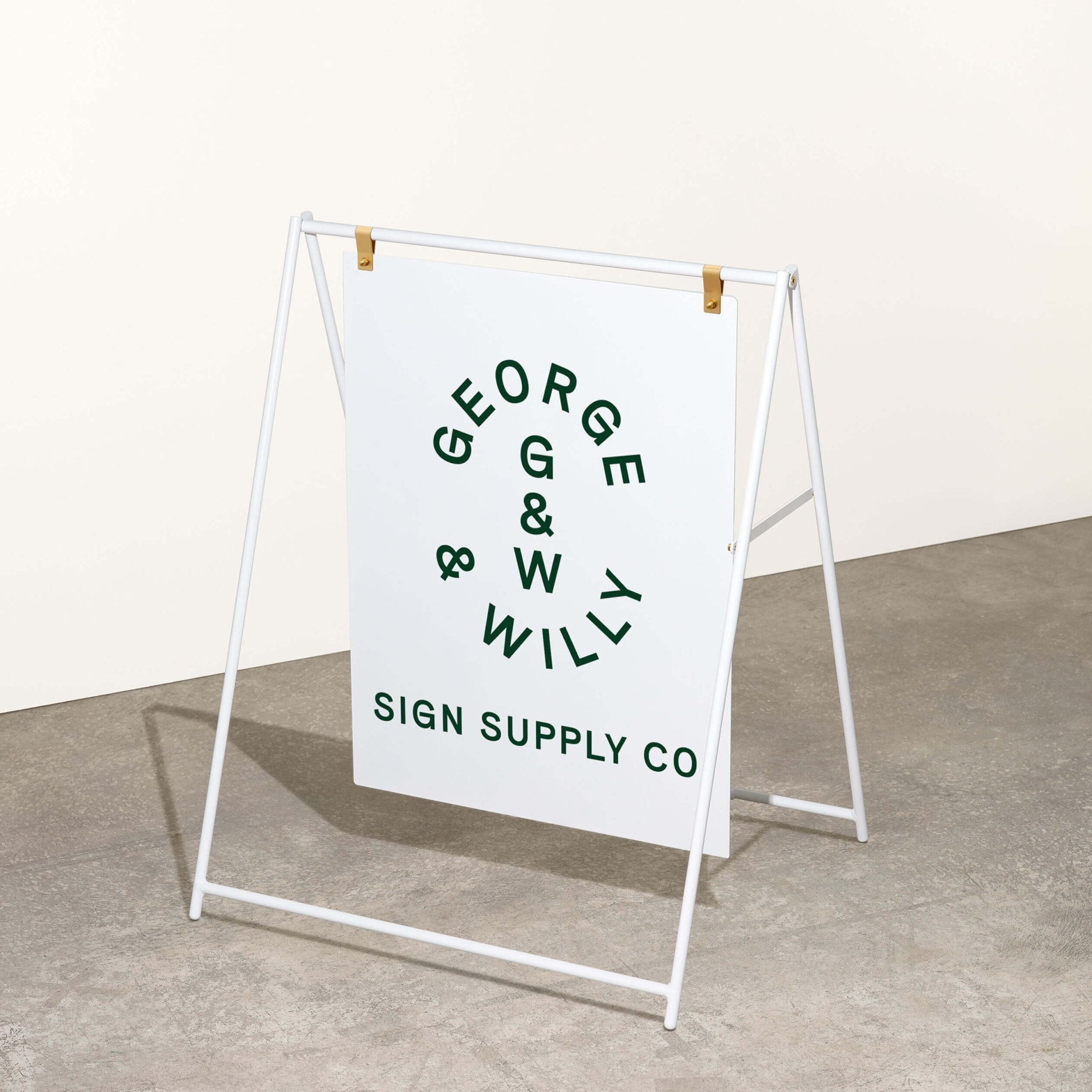
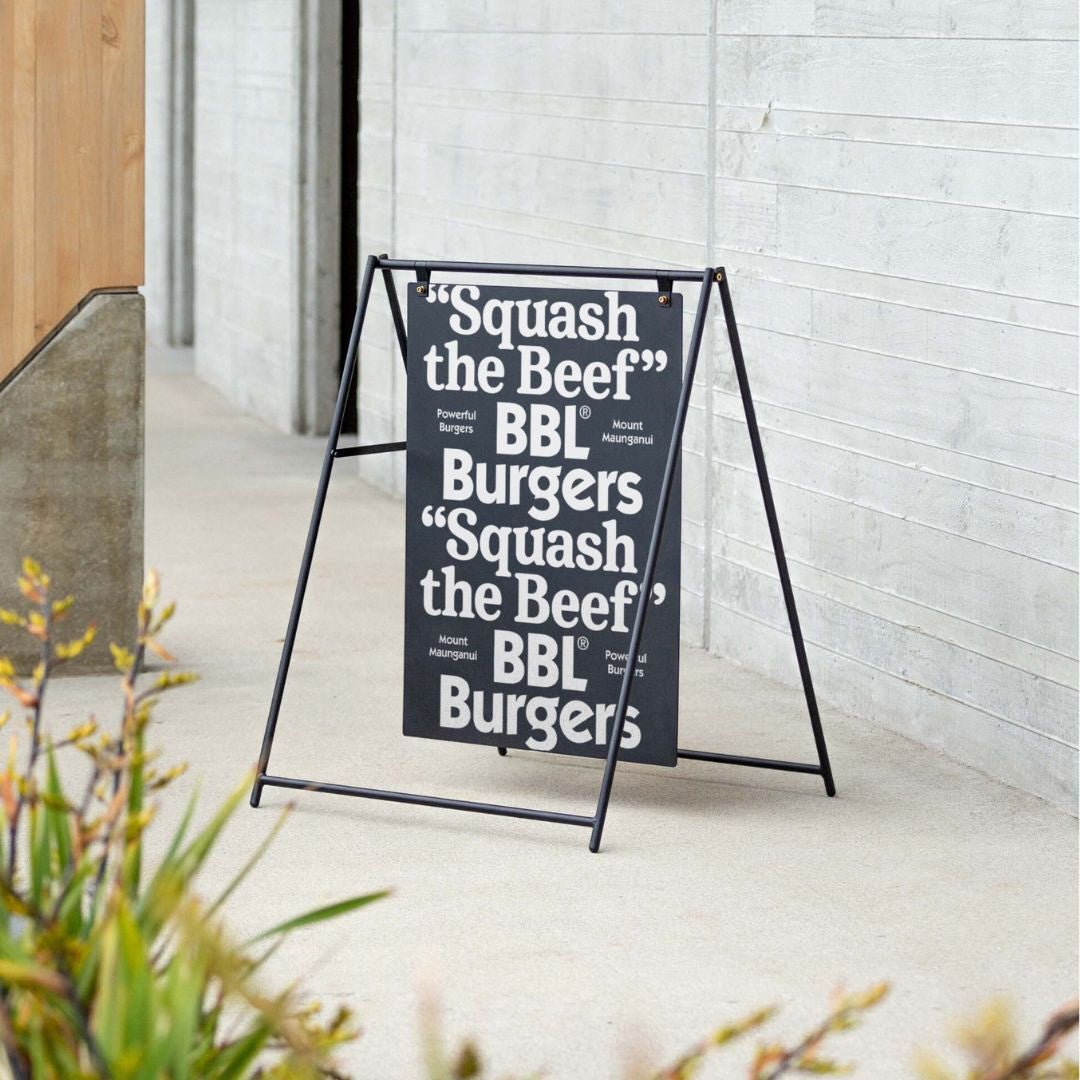
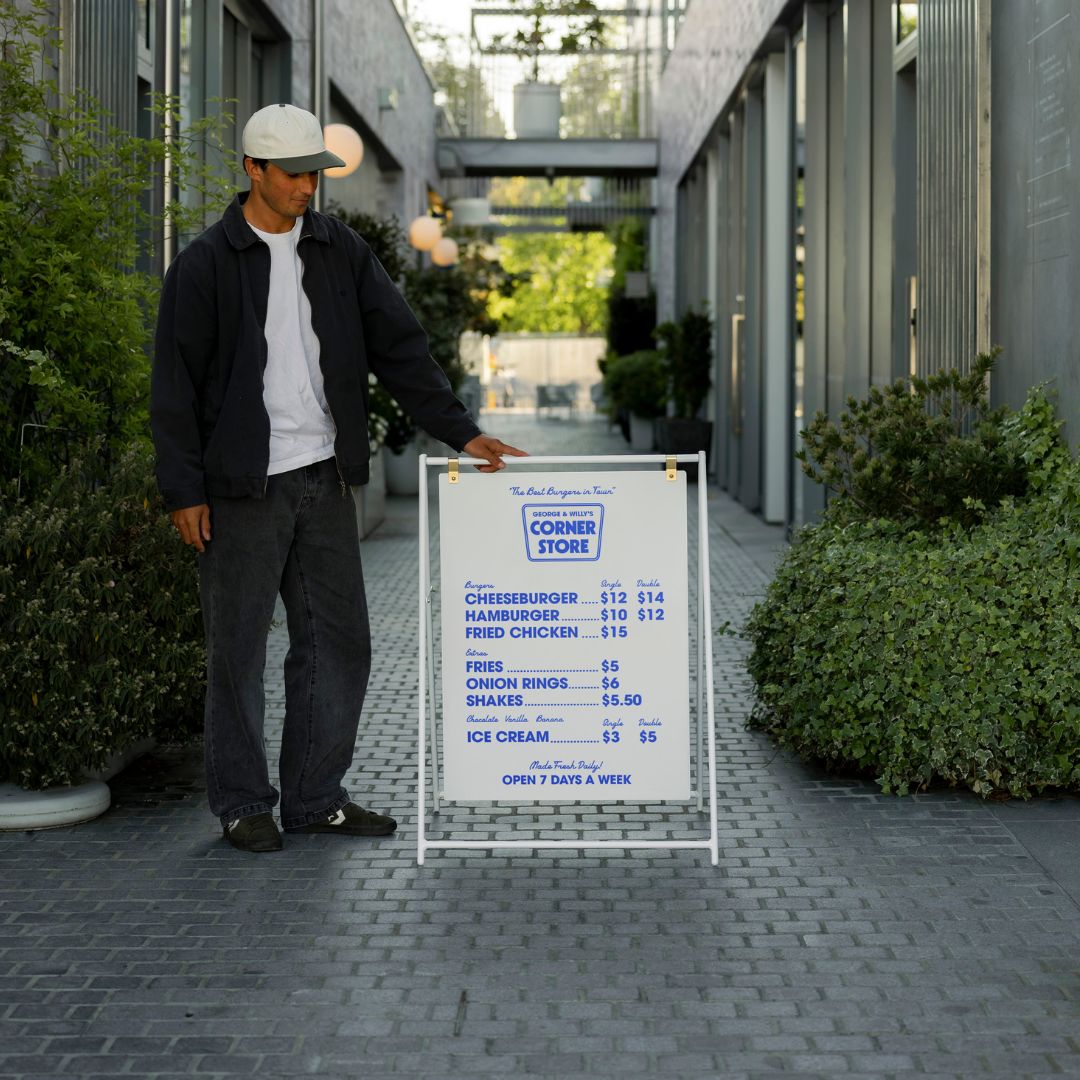
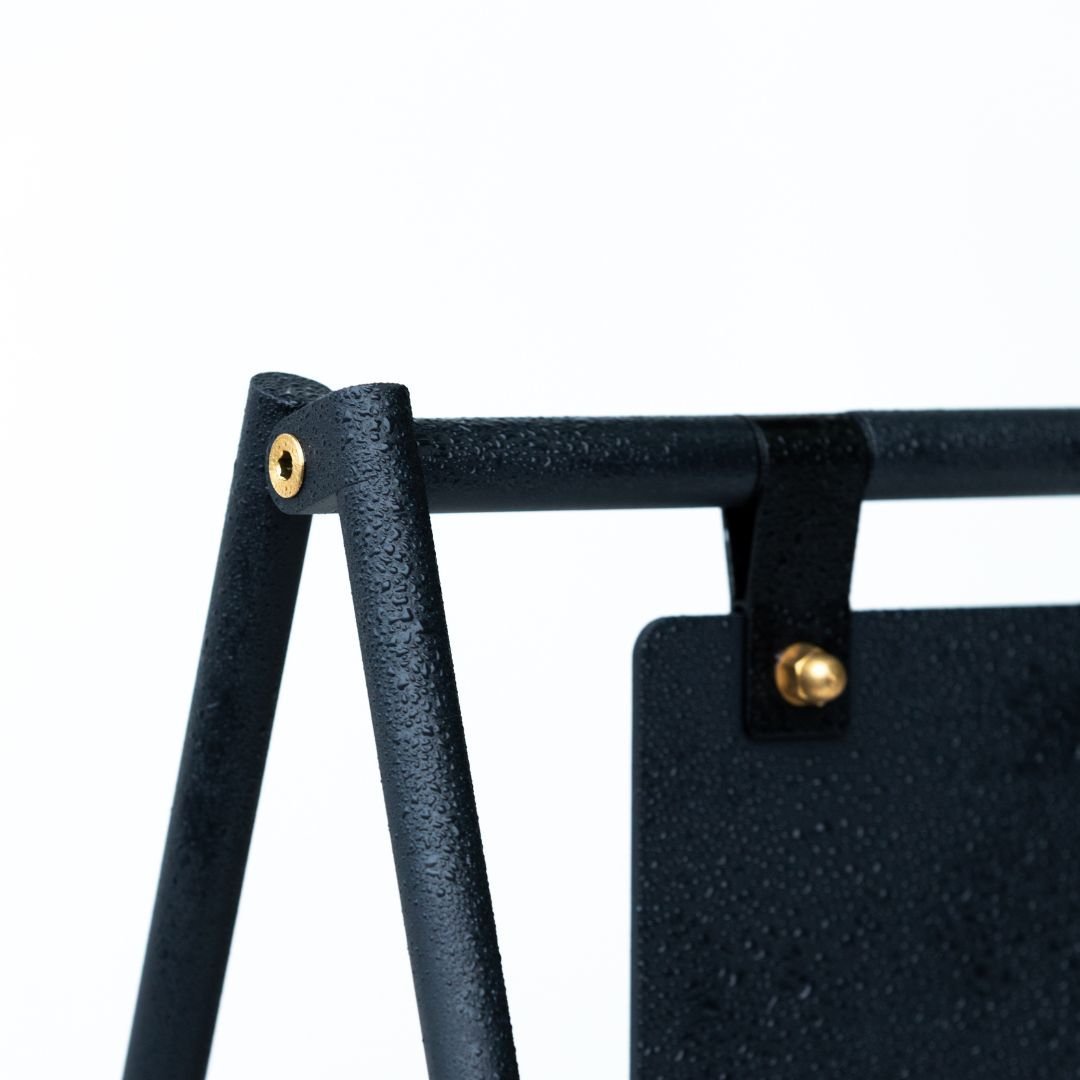
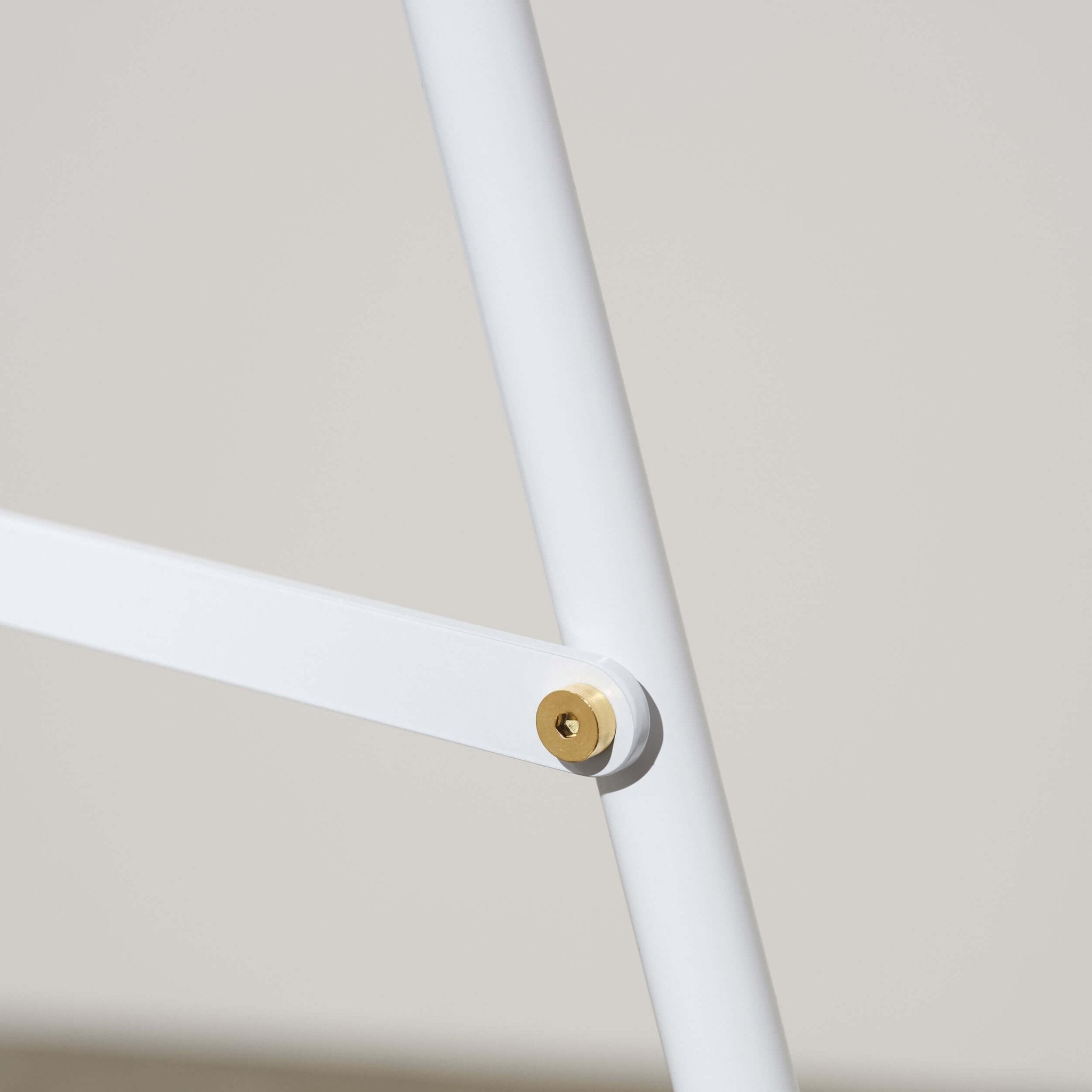
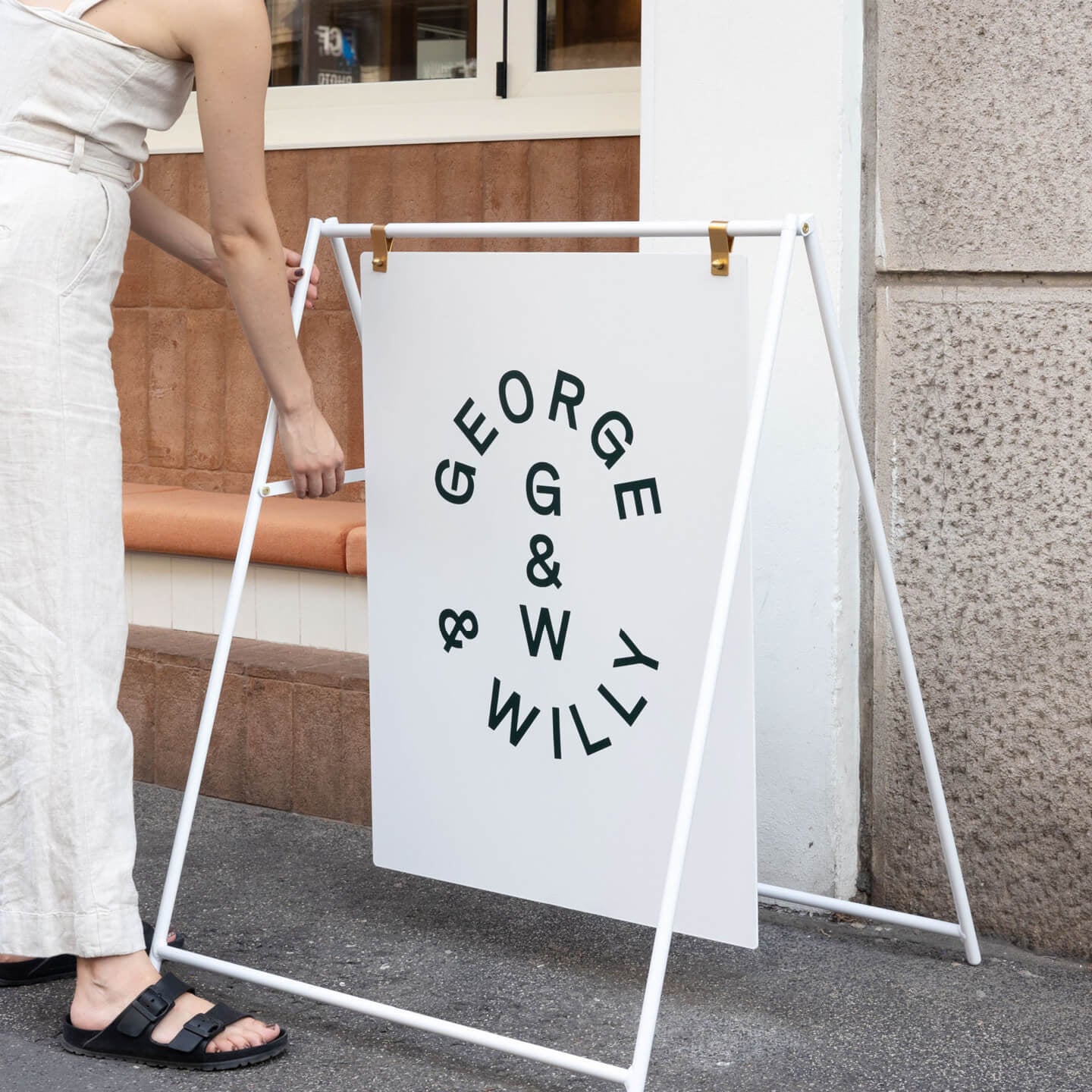
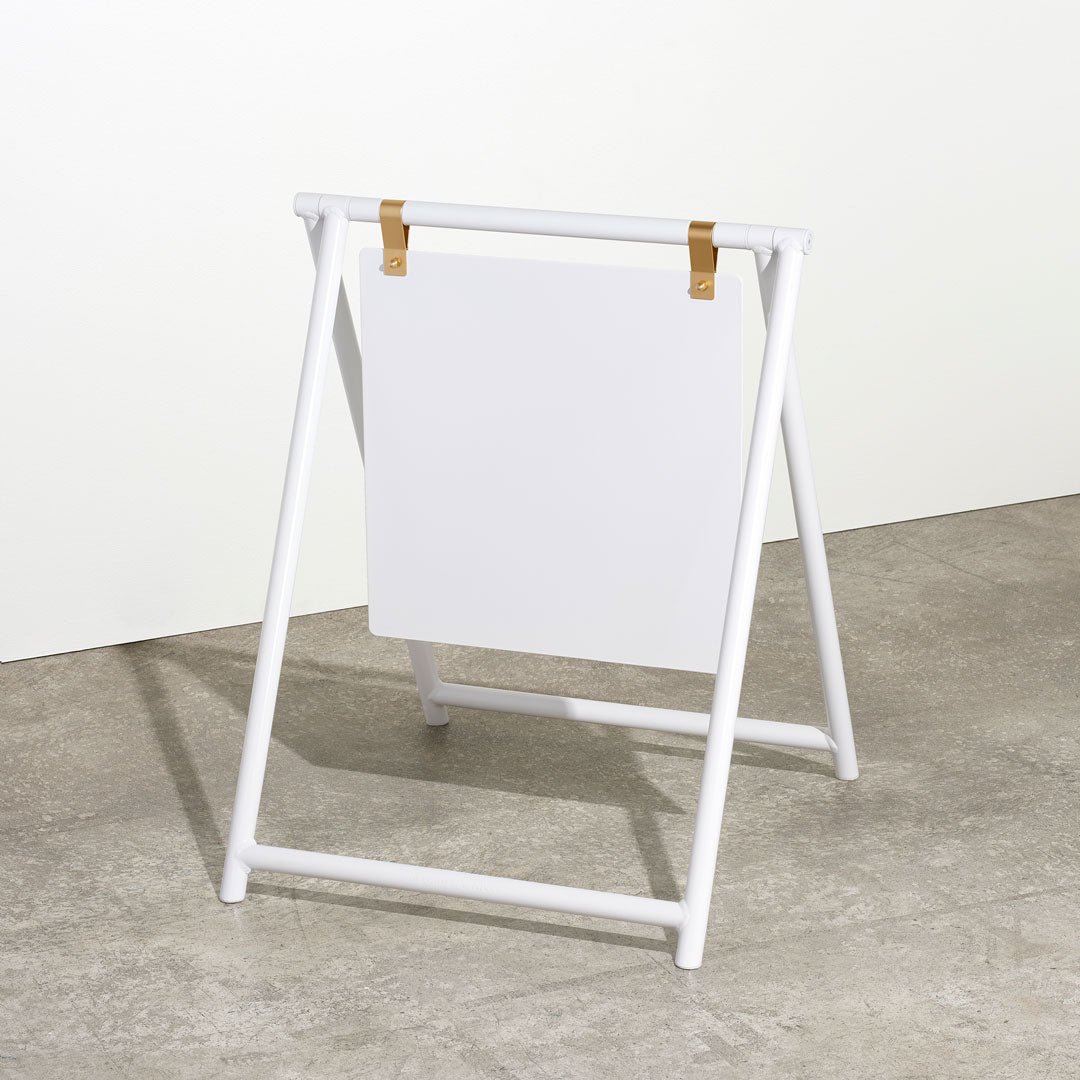
- Window Displays: Your first chance to capture attention from the street. Pair them with a street-facing A-Frame Sign to pull shoppers in.
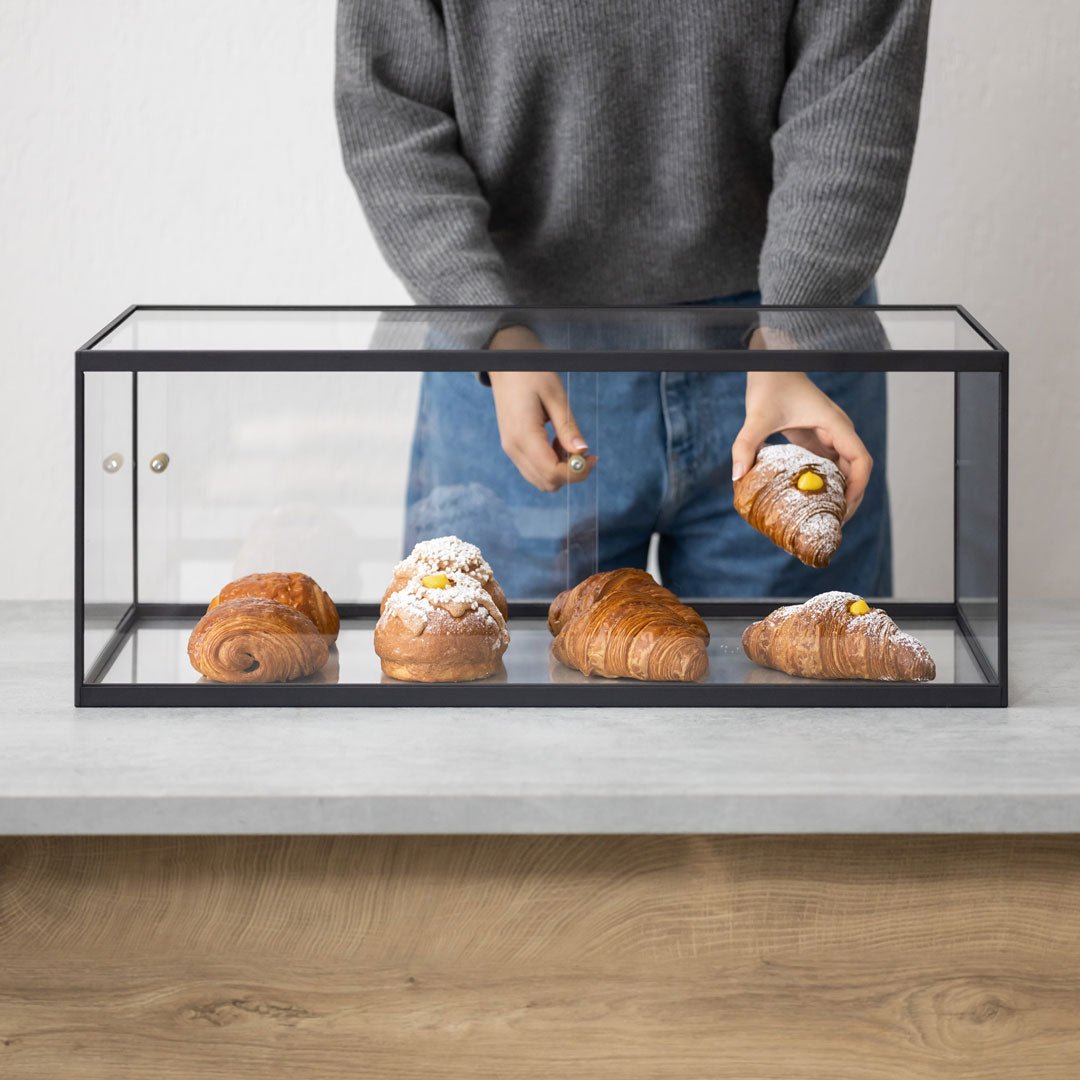
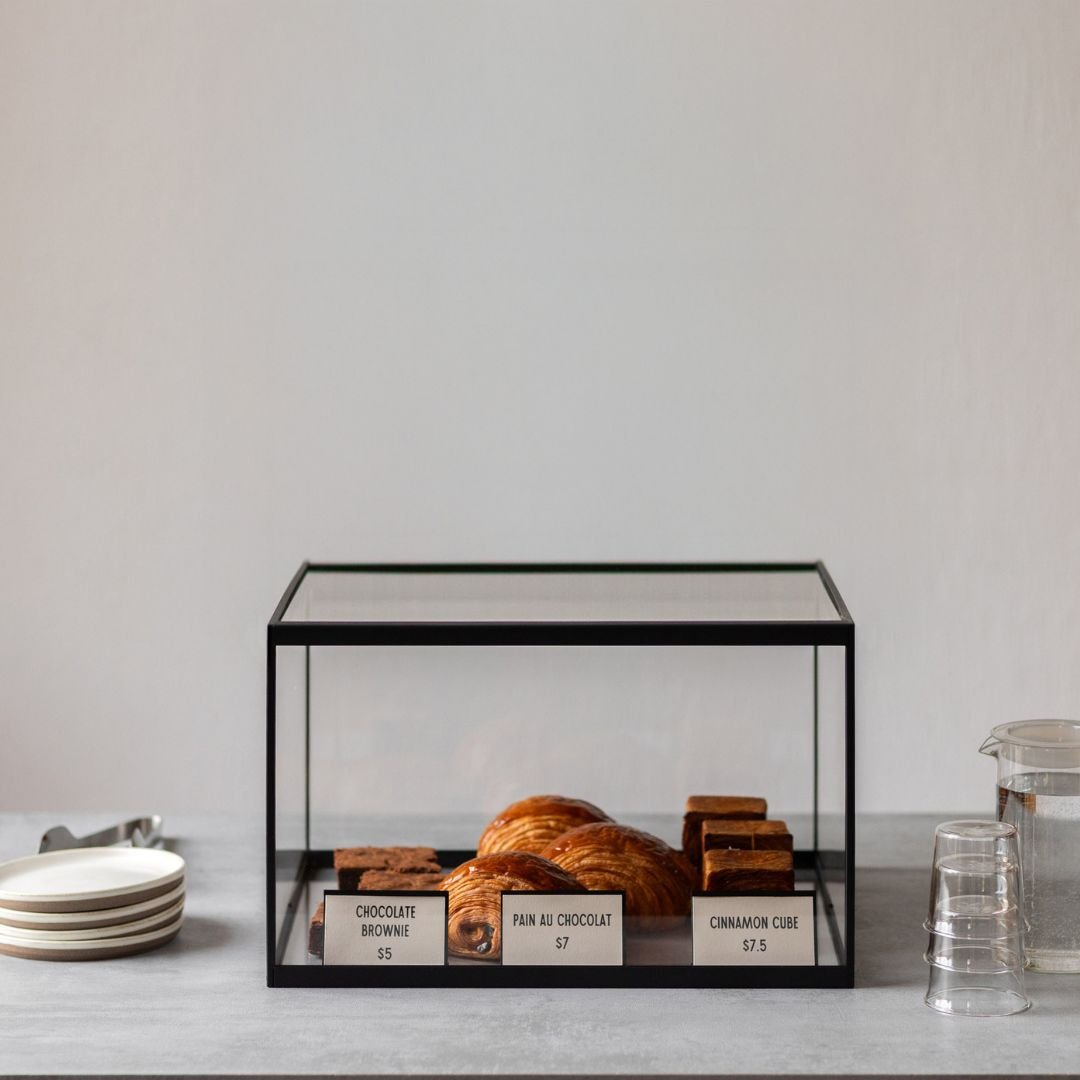
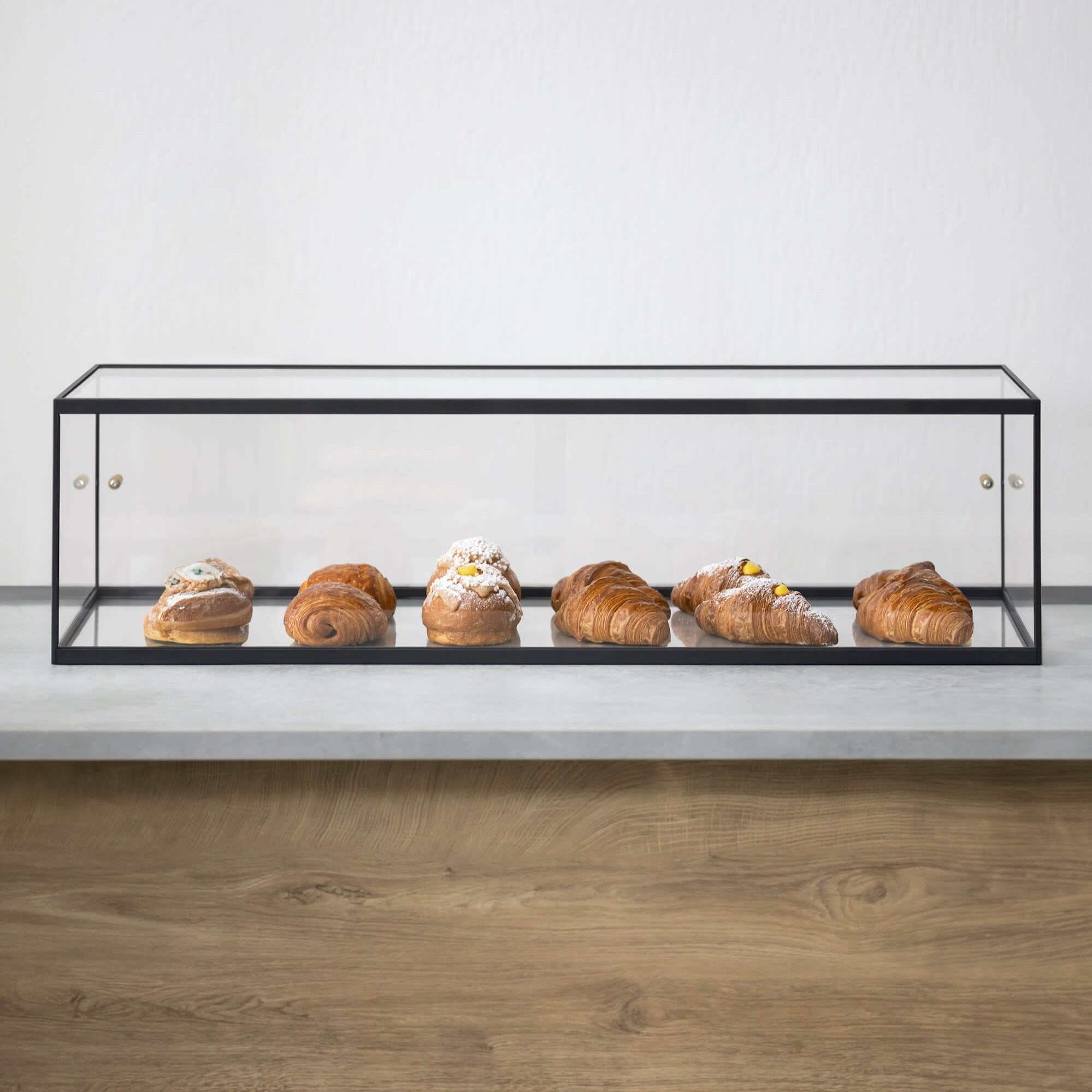
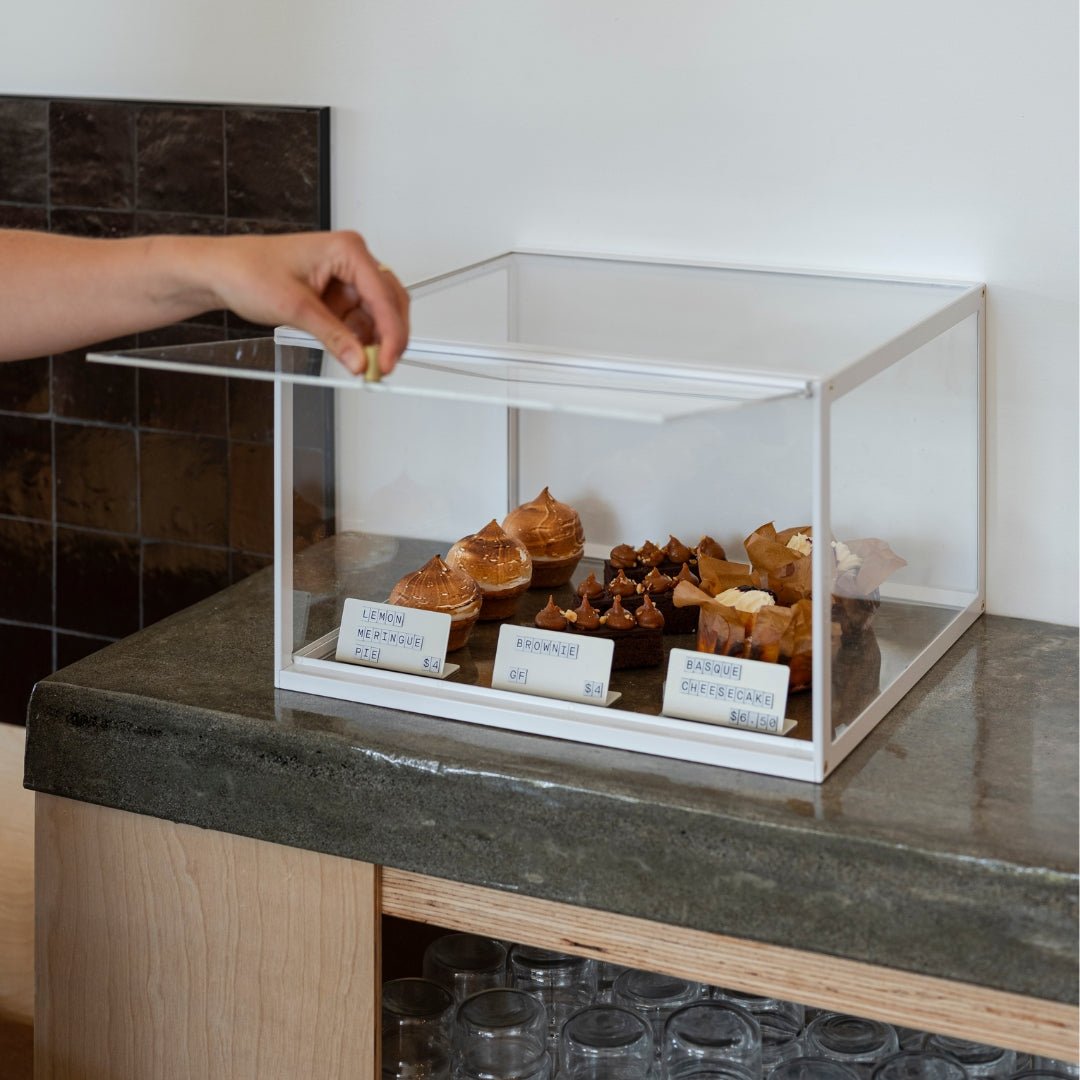
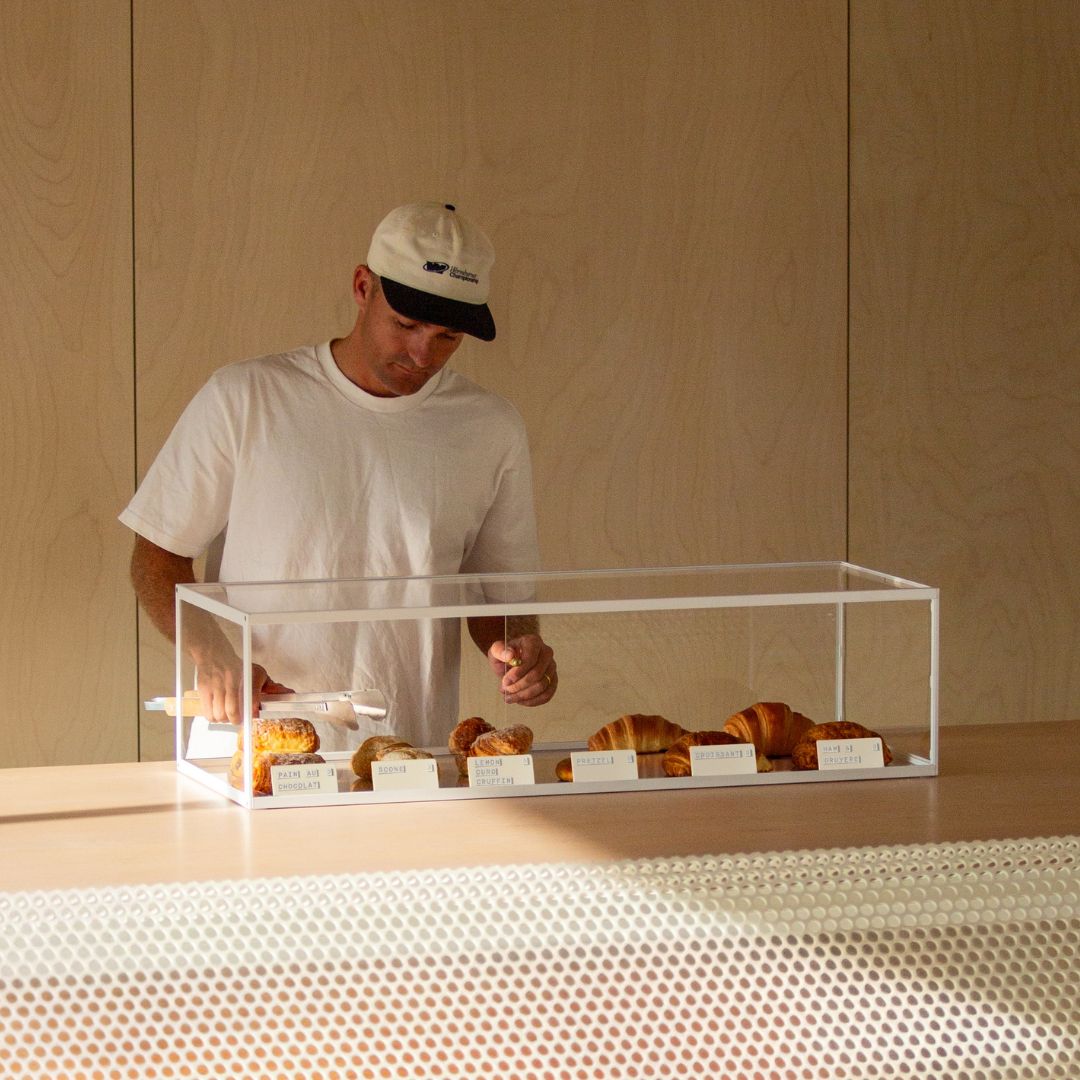
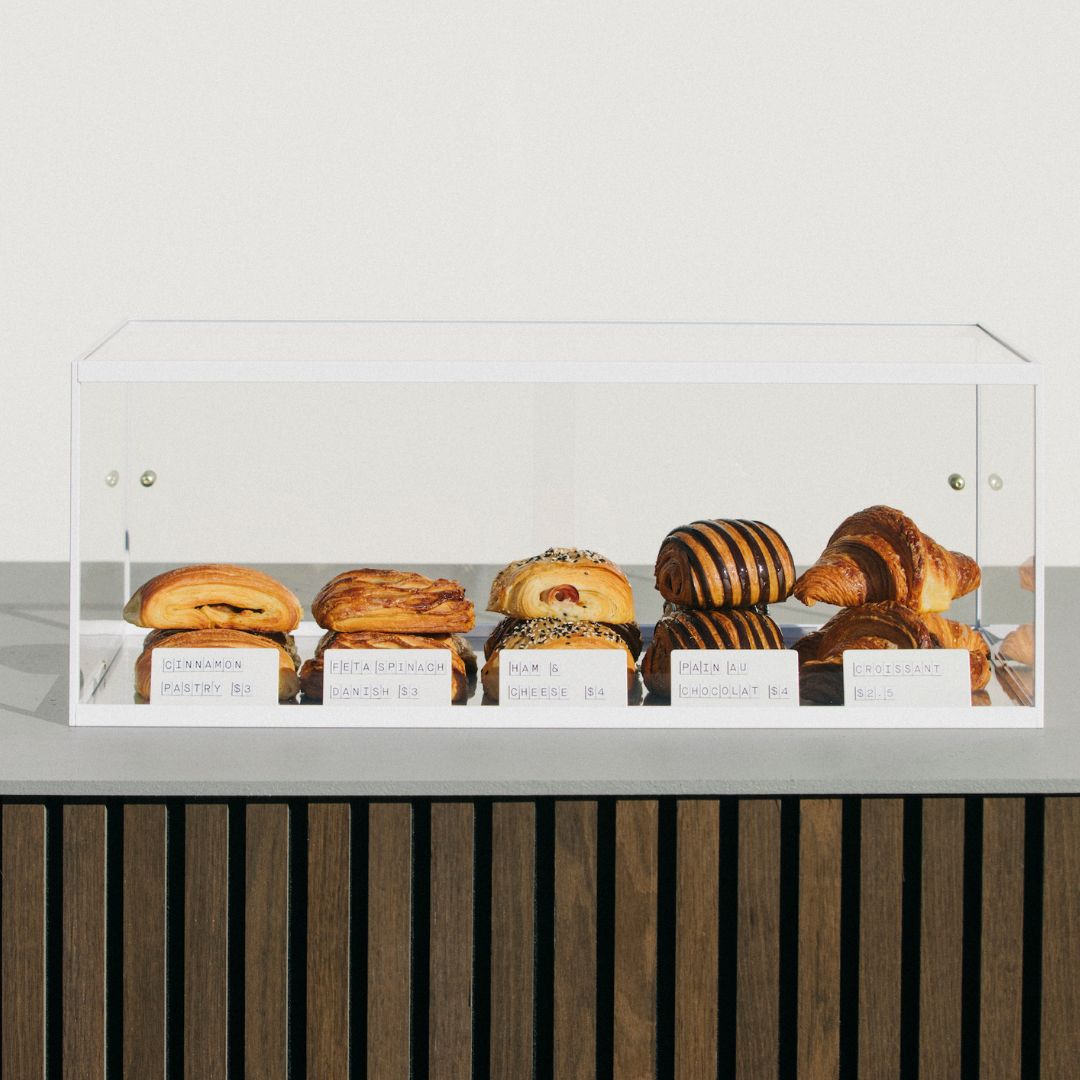
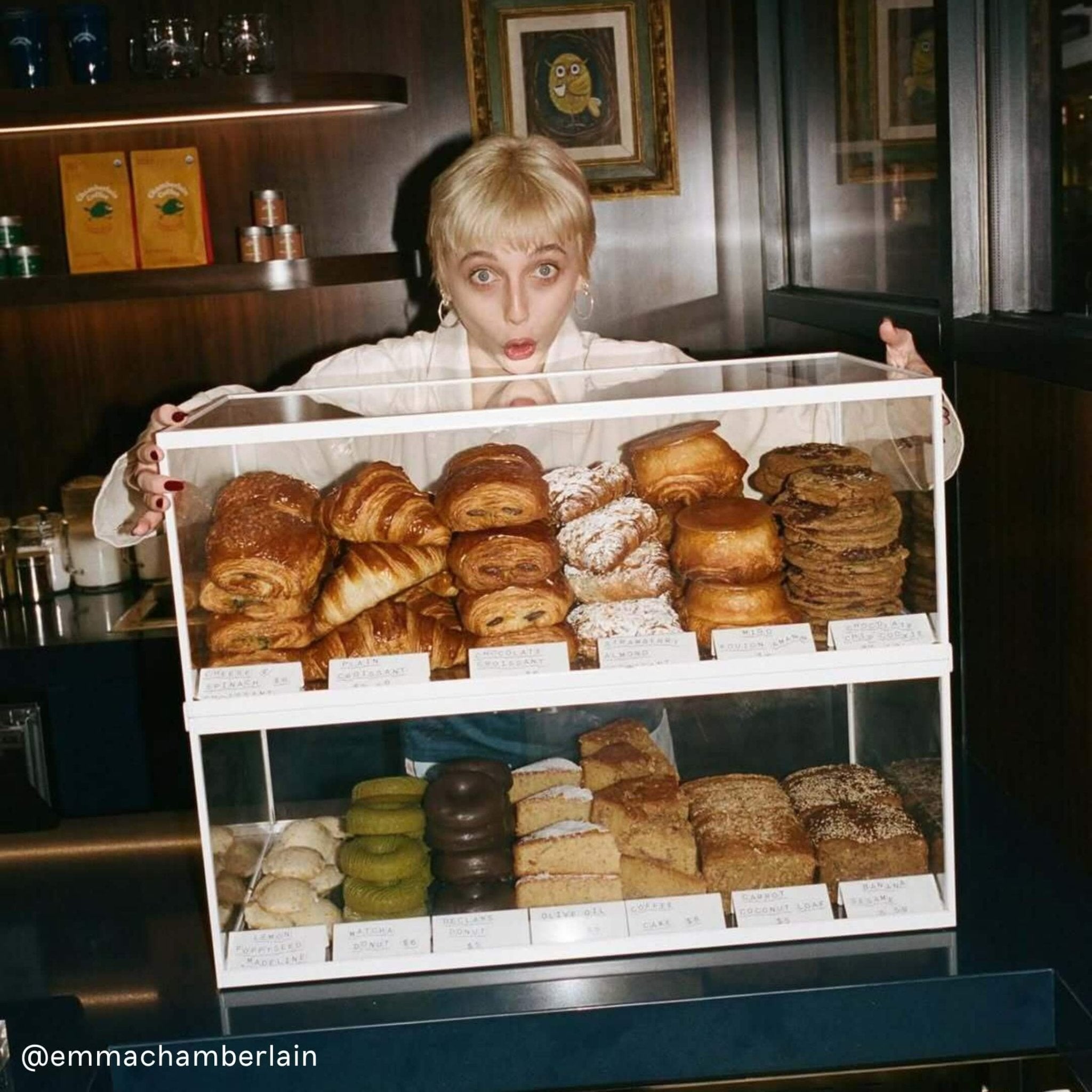
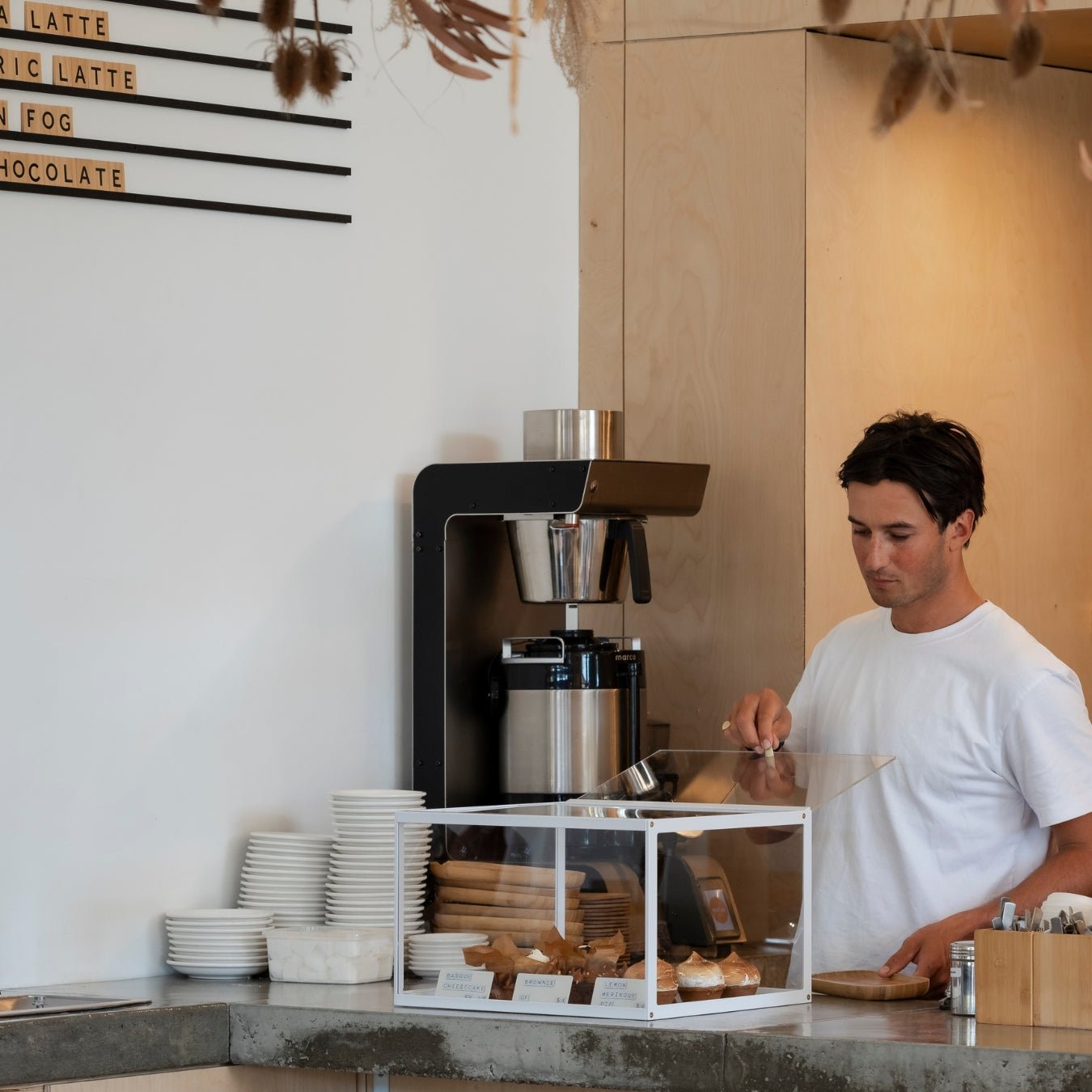
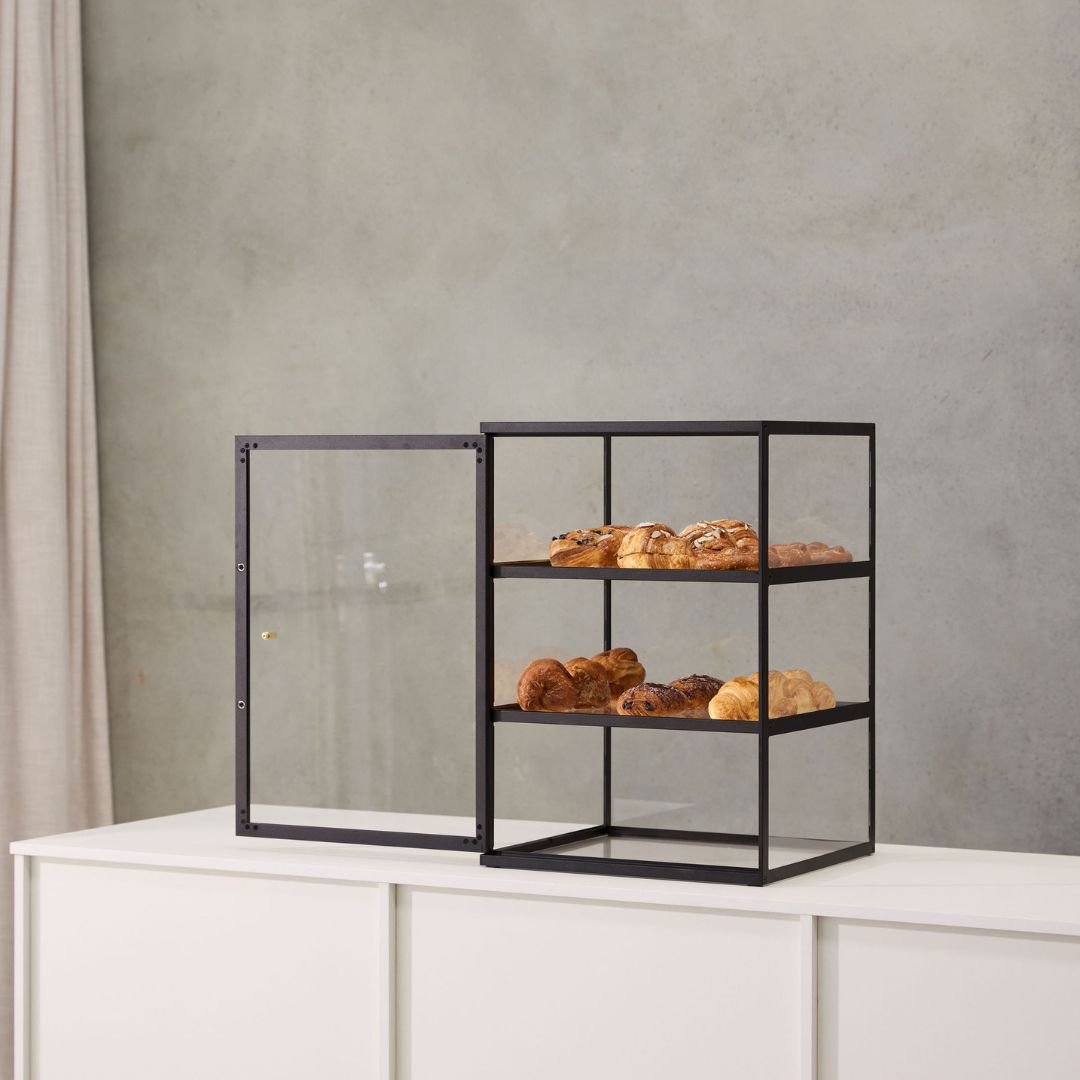
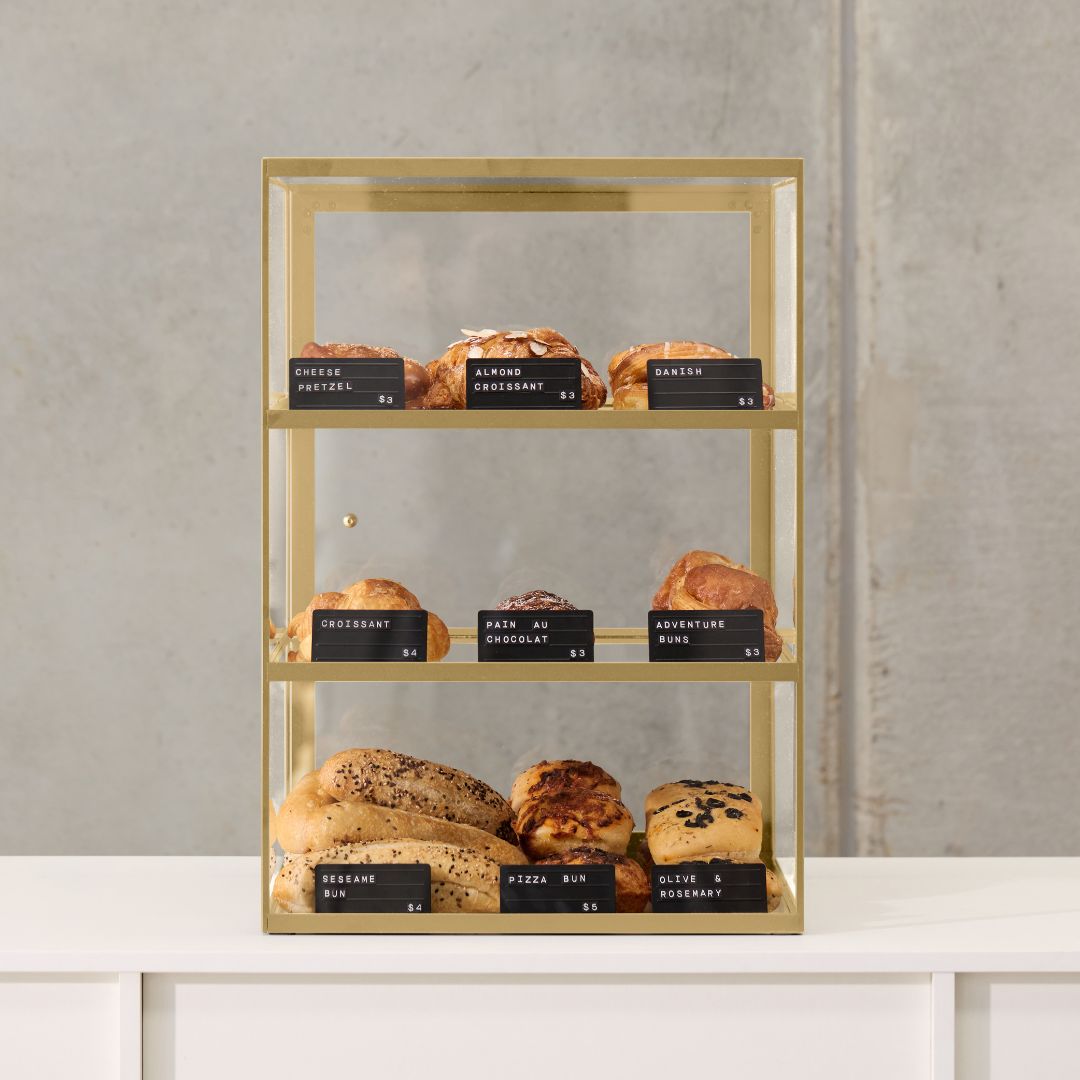
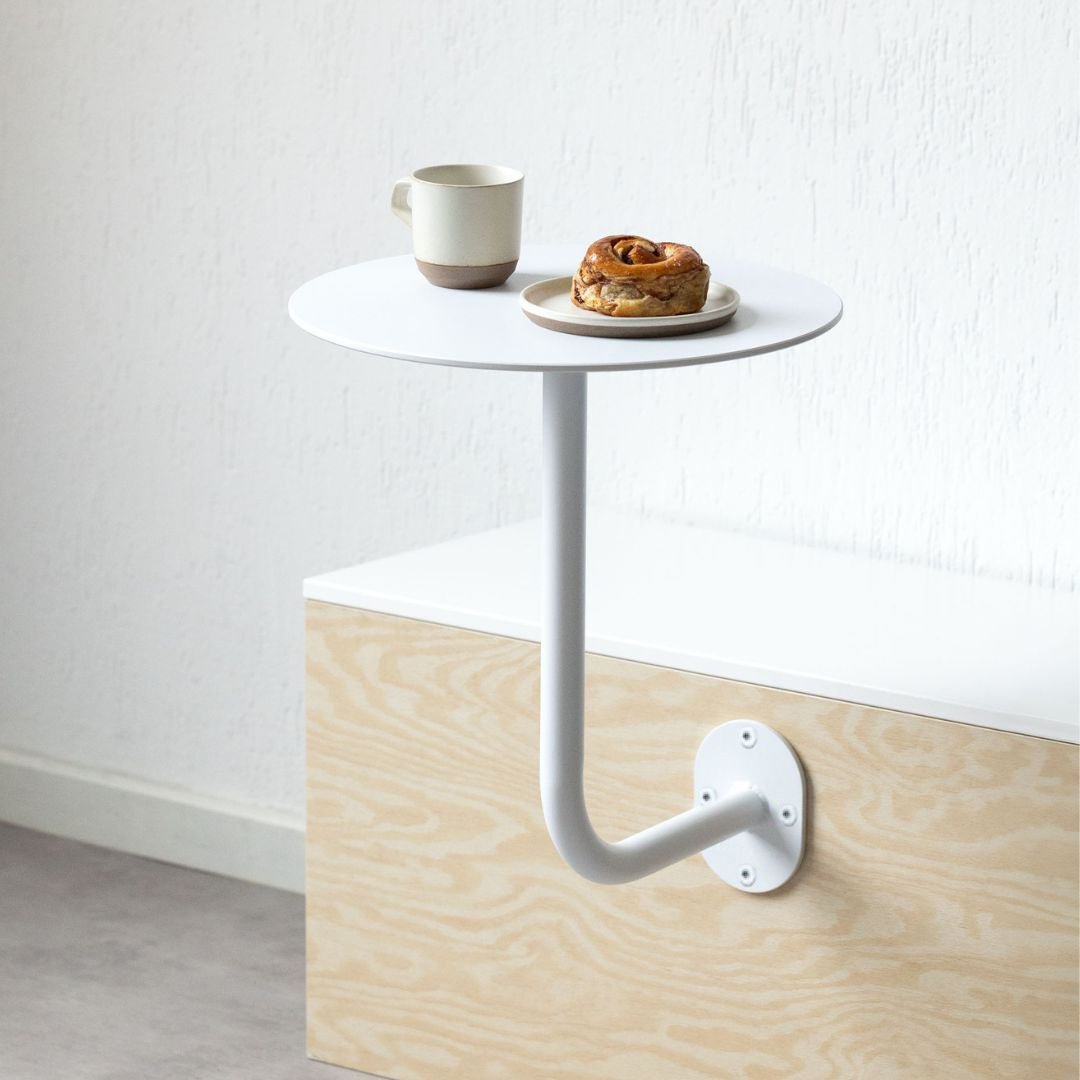
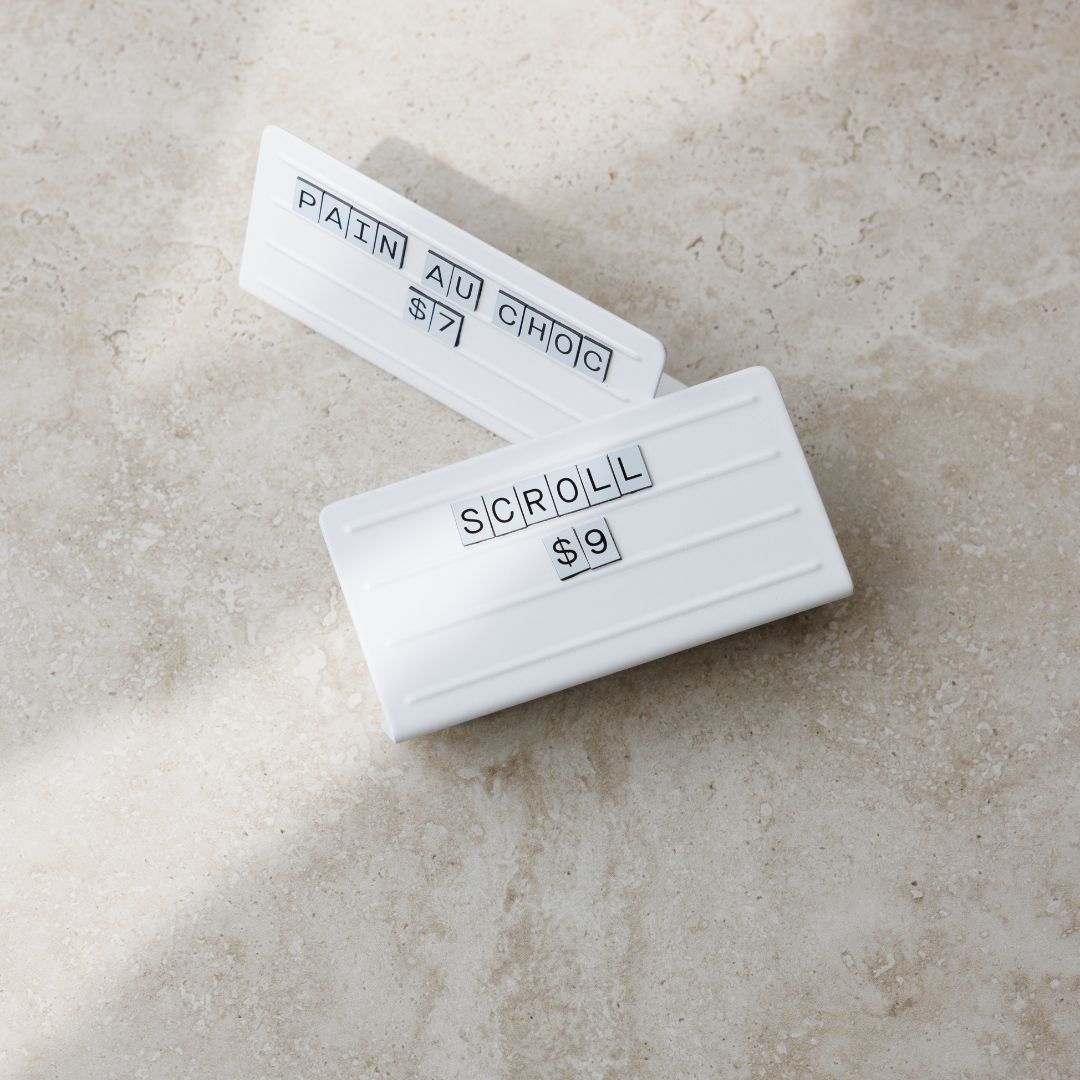
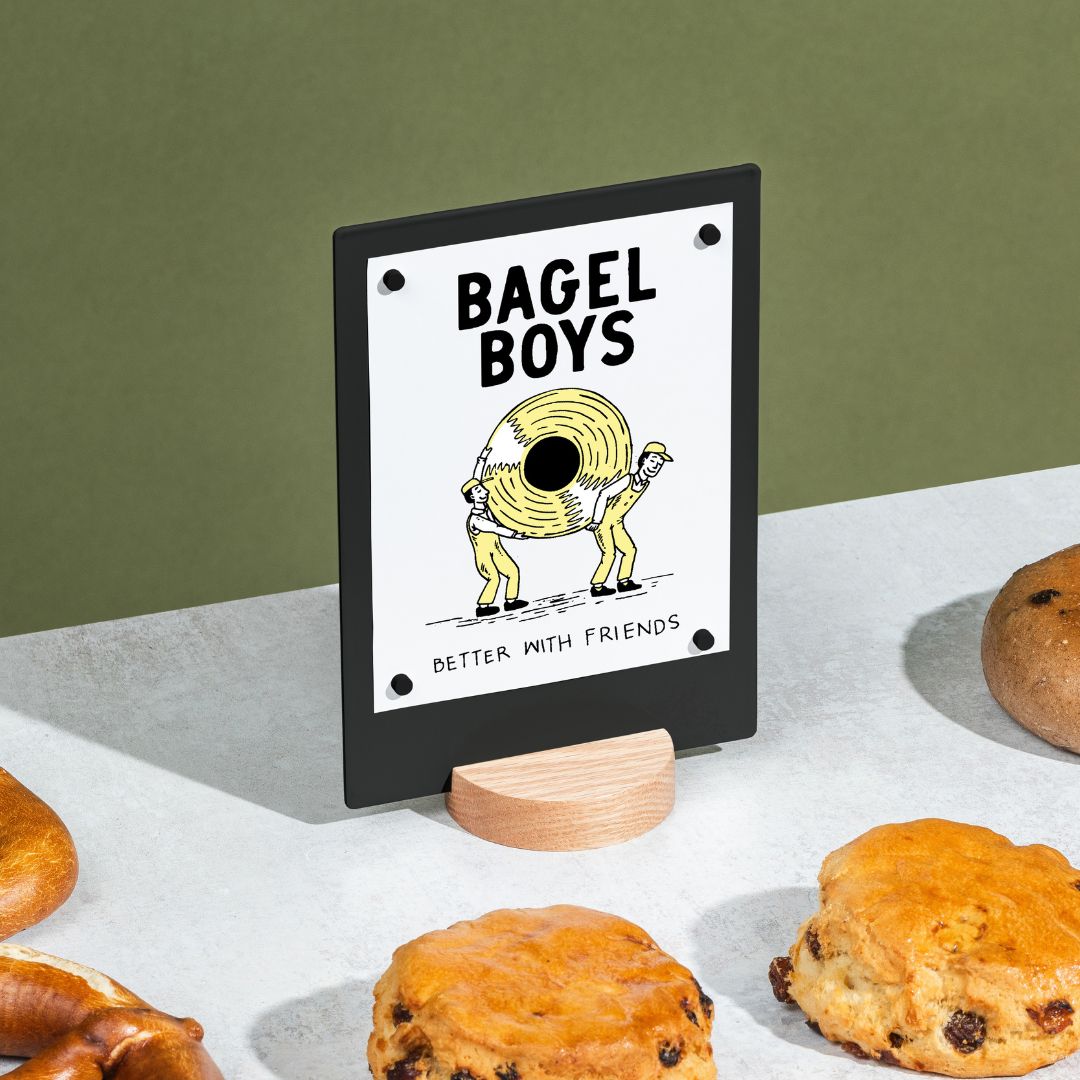
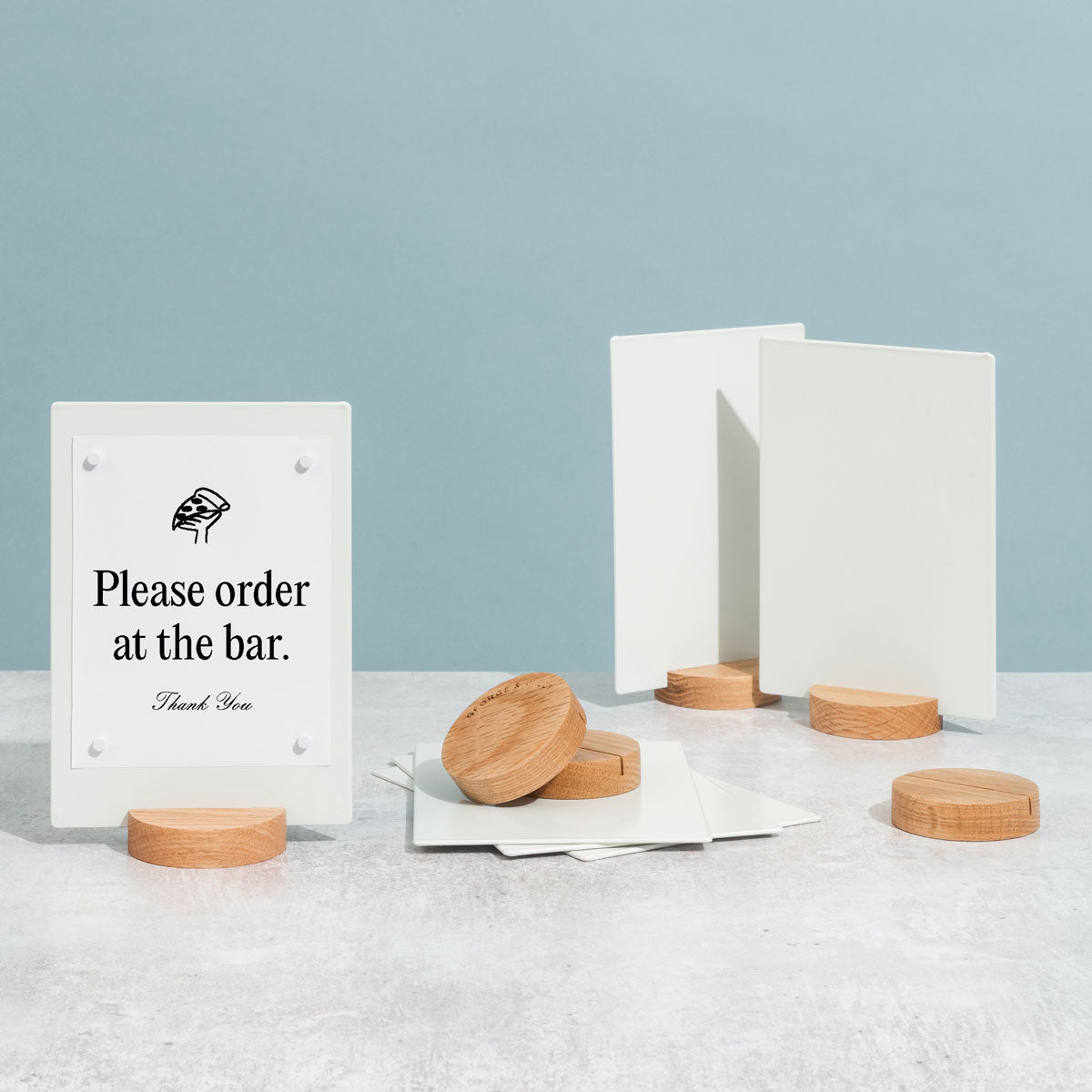
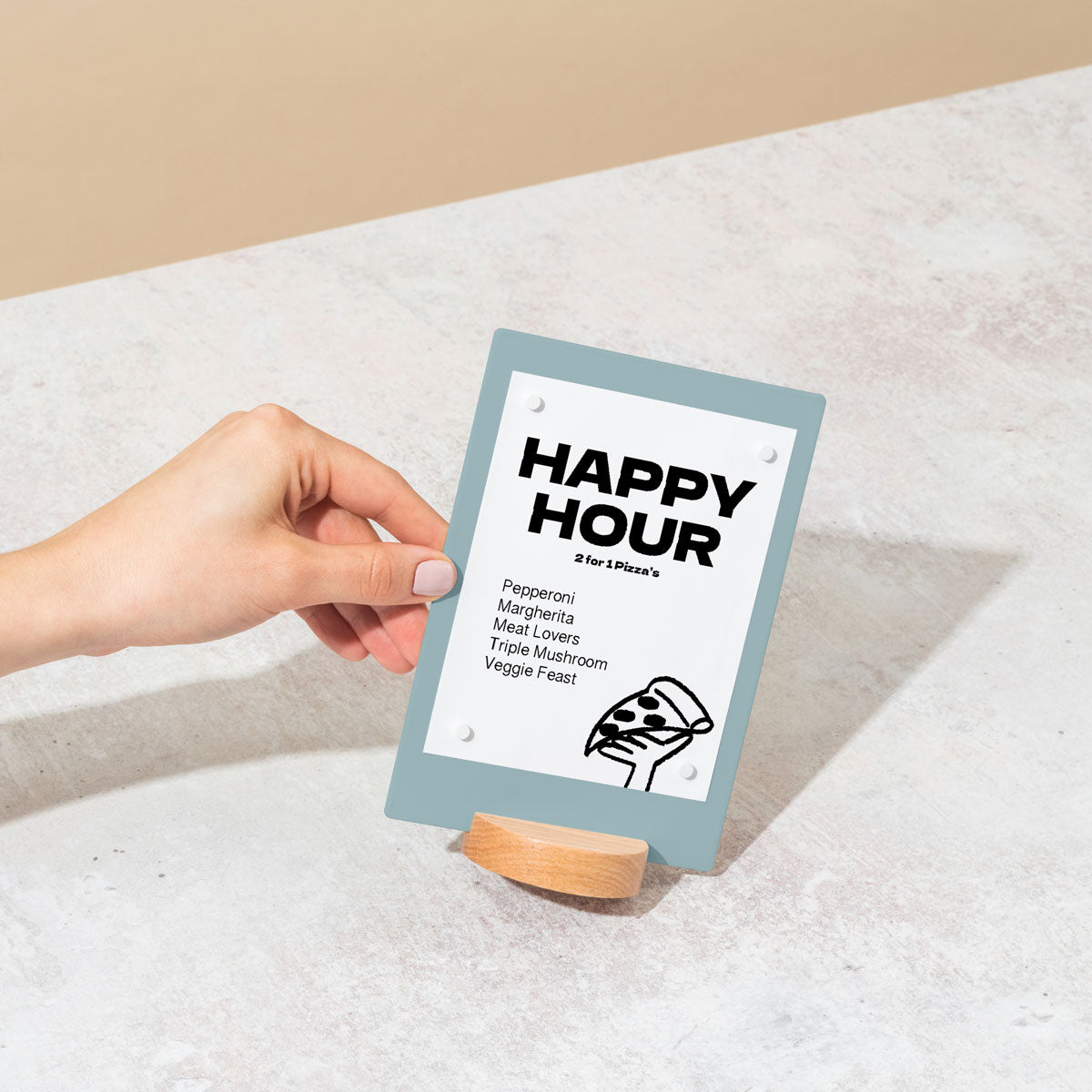
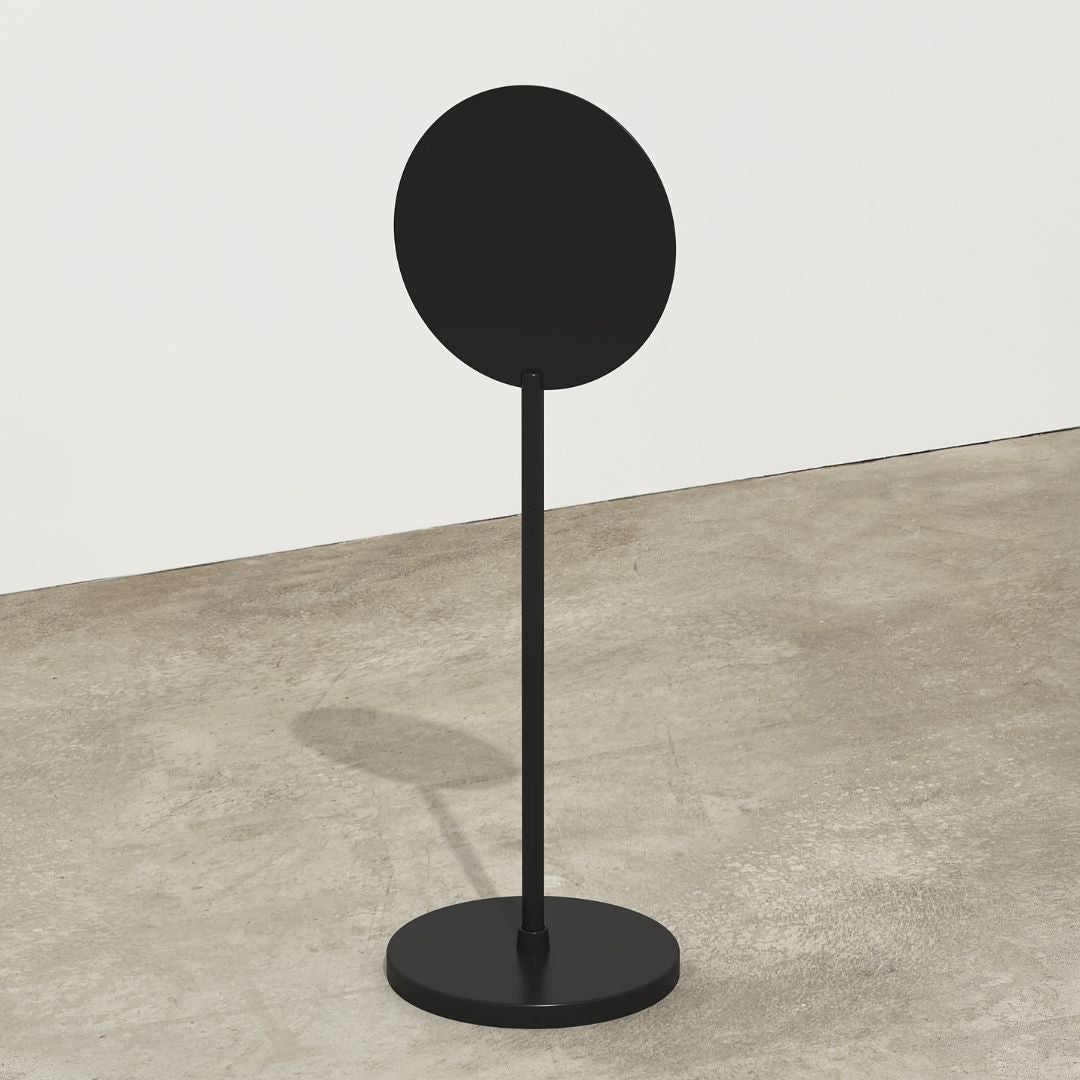
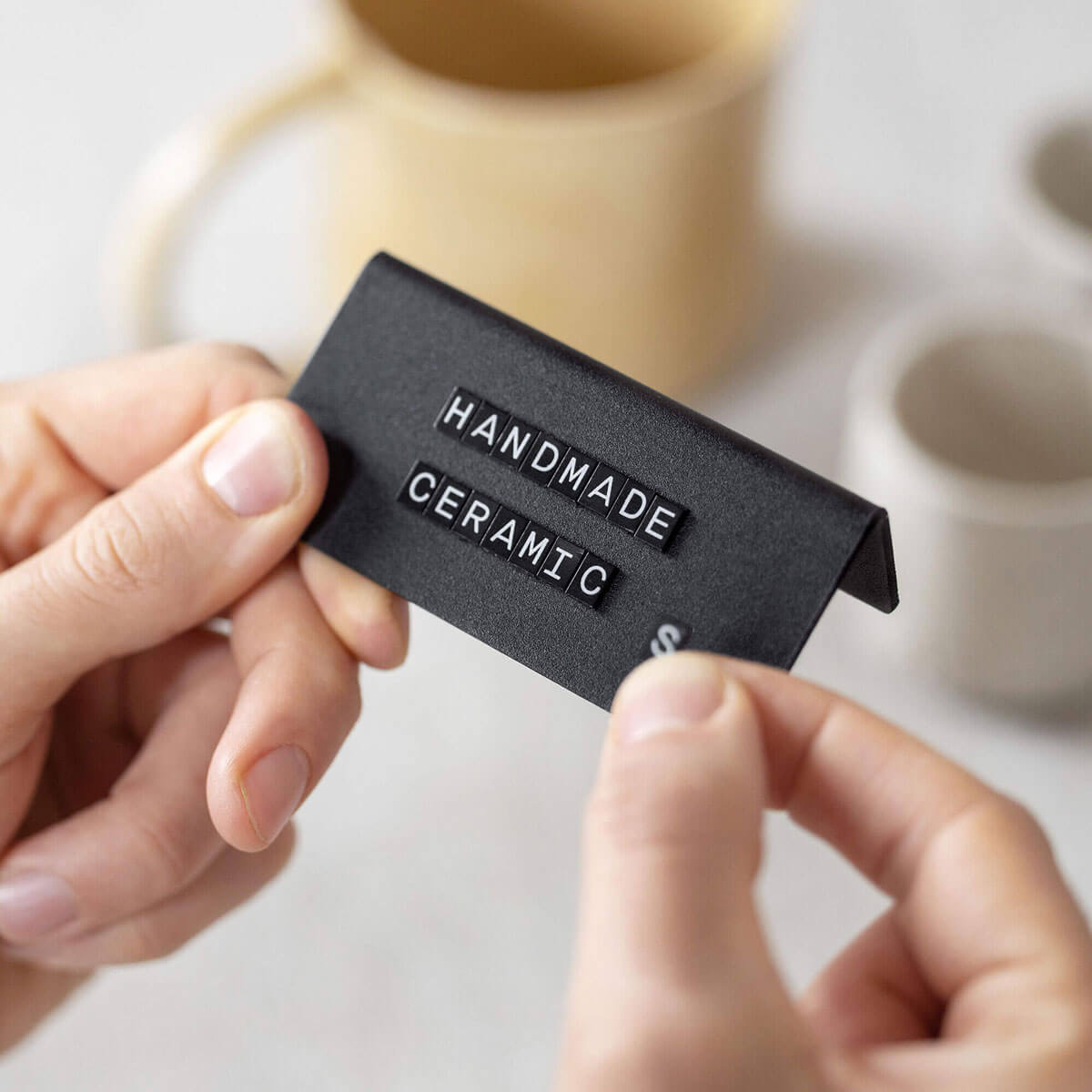
- Countertop Displays: Perfect for encouraging last-minute add-ons at the point of sale. Try elegant counter signs.
- Endcaps and Freestanding Fixtures: Ideal for highlighting promotions or new arrivals.
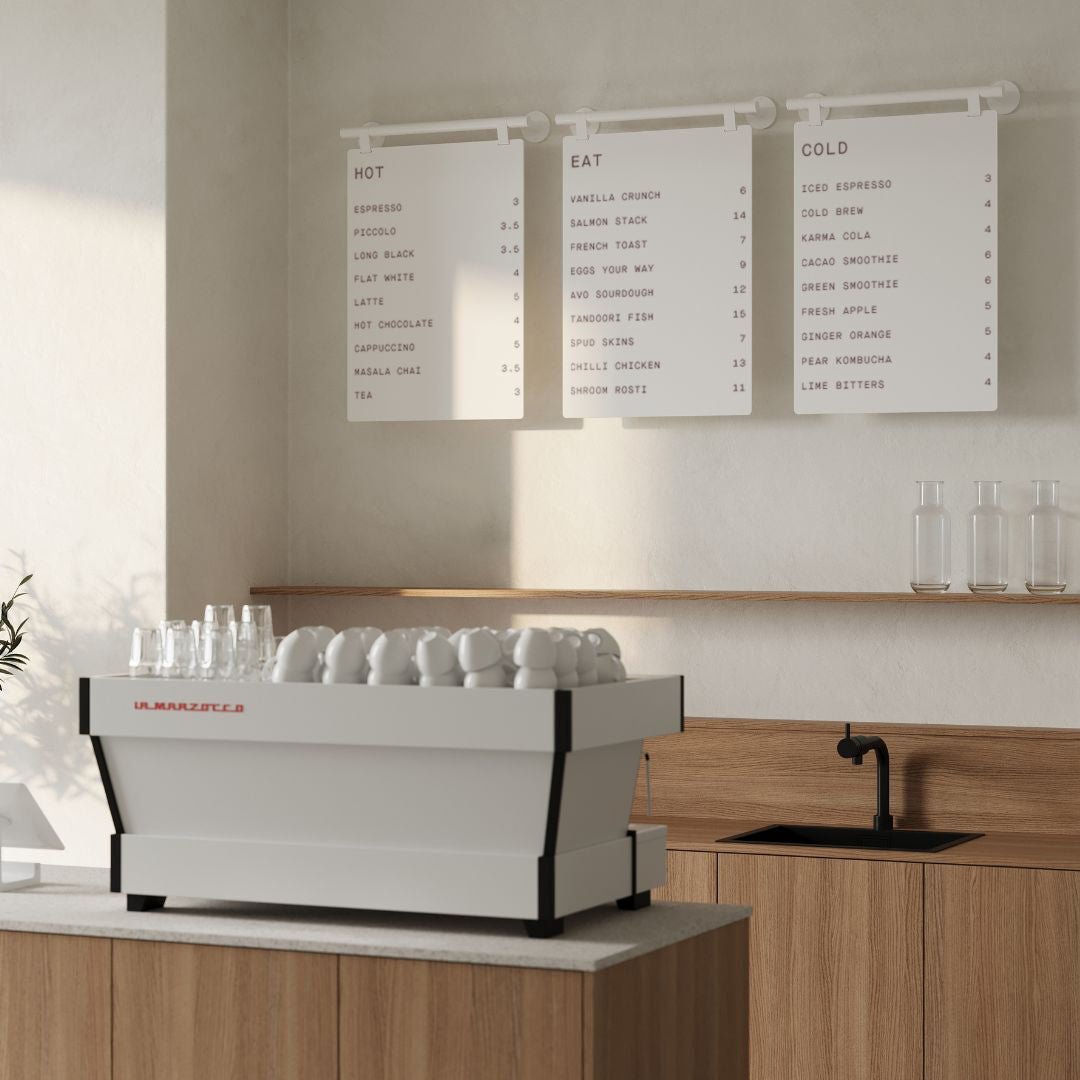
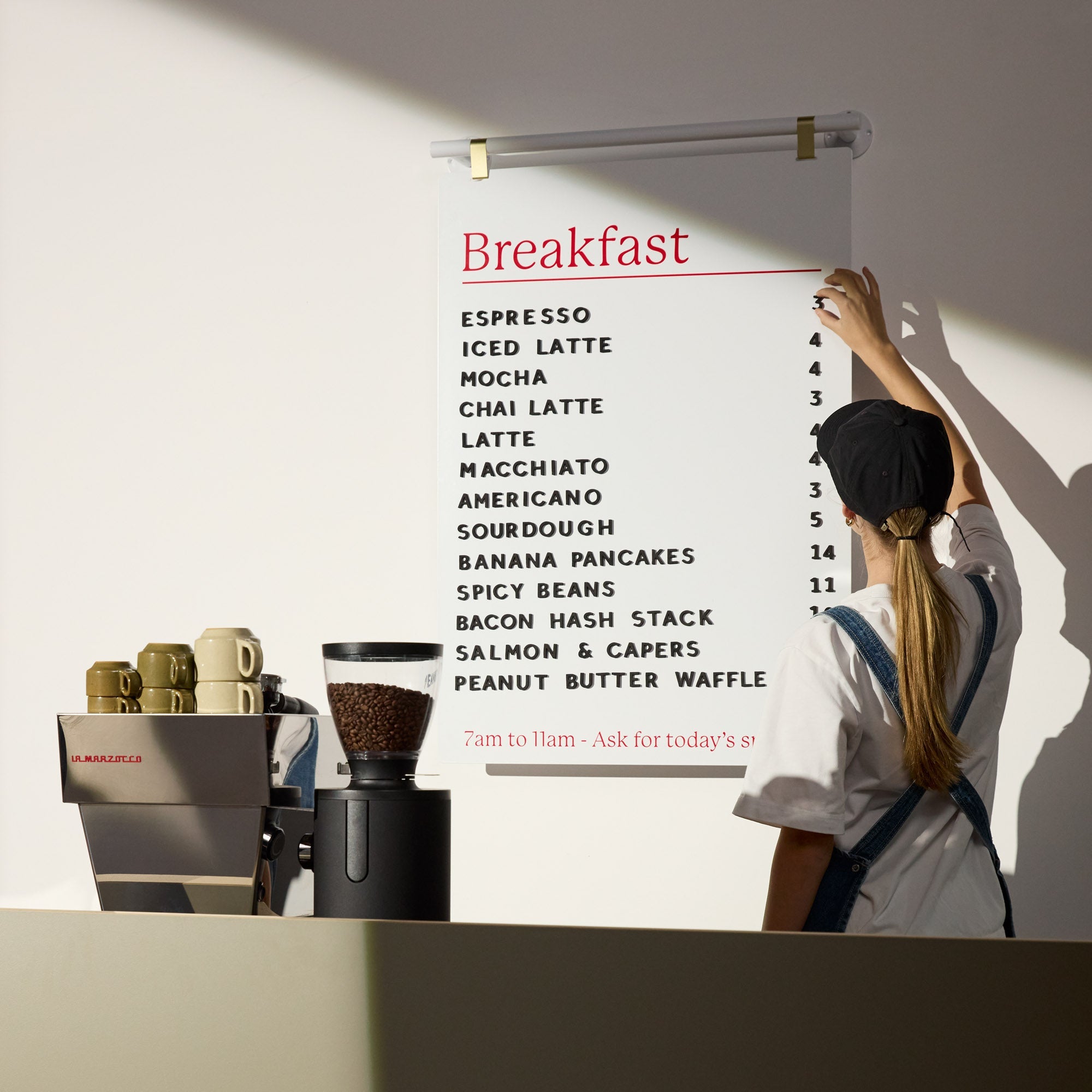
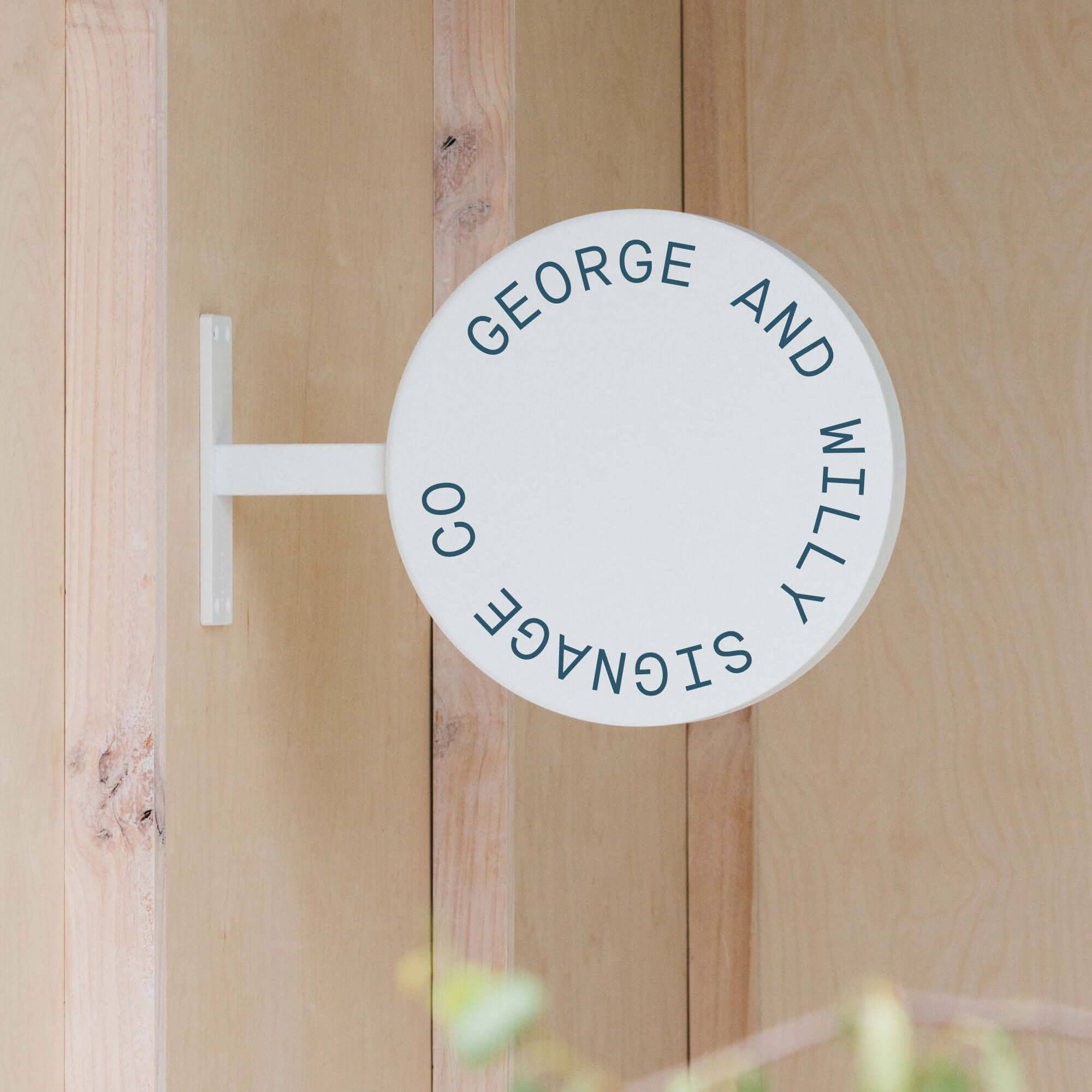
Don’t forget the power of good lighting and clear signage to guide the customer journey. A projecting sign helps with wayfinding in tight aisles and corners. Investing in compelling retail display solutions has a clear payoff, with some retailers reporting a sales boost of up to 33%.
2. Boost Basket Size with Smart Cross Merchandising
Cross merchandising is the simple but brilliant practice of placing related or complementary products together. Instead of making shoppers hunt through different aisles for items that go together, you create convenient and inspiring pairings.
This strategy aligns with natural shopping habits and encourages additional purchases. Think of tortilla chips displayed next to salsa, or a selection of mugs placed right by the coffee beans. It just makes sense. This is why 55% of consumers have bought an unplanned product because of a cross selling suggestion or display. By anticipating your customers’ needs, you not only make their experience better, but you also increase the average transaction value. Some companies have seen up to a 30% boost in revenue by mastering these product pairings.
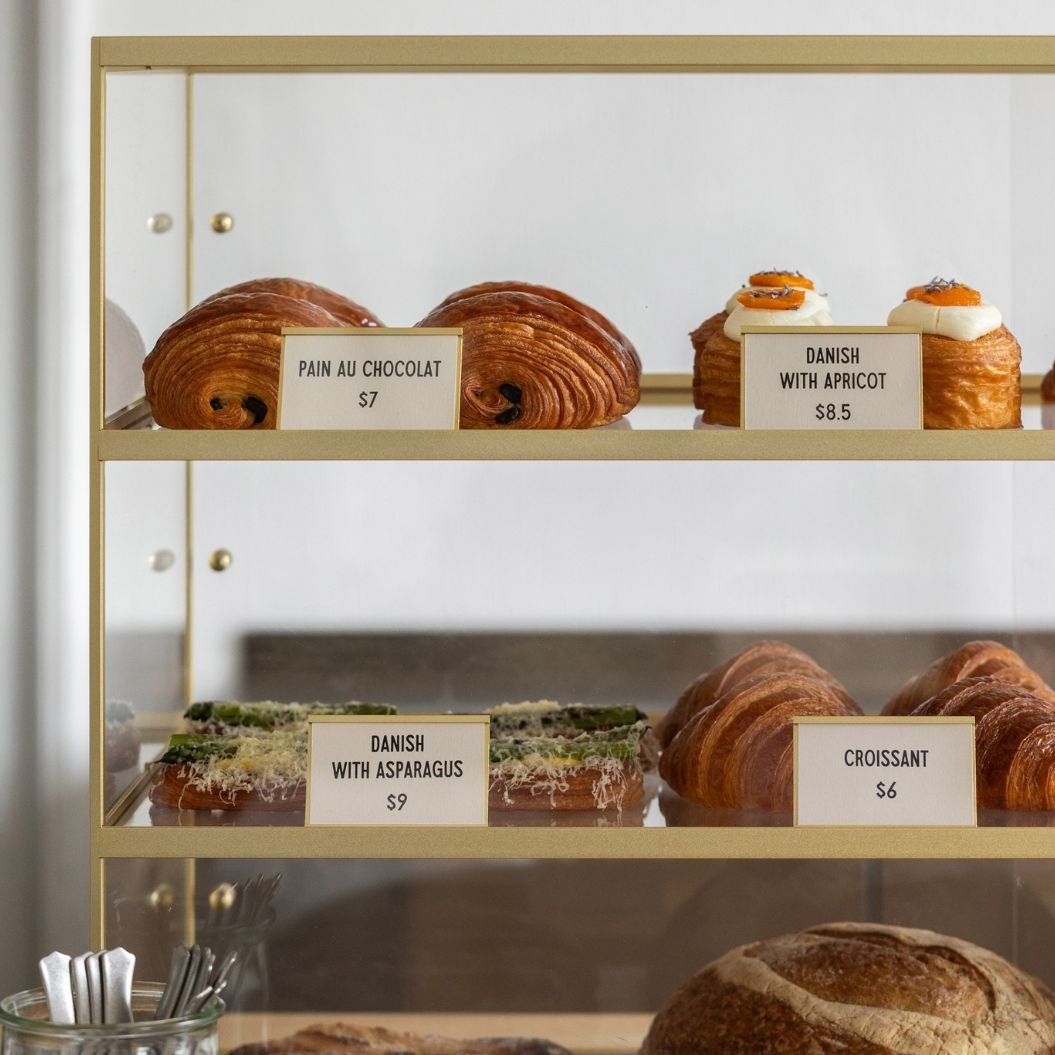
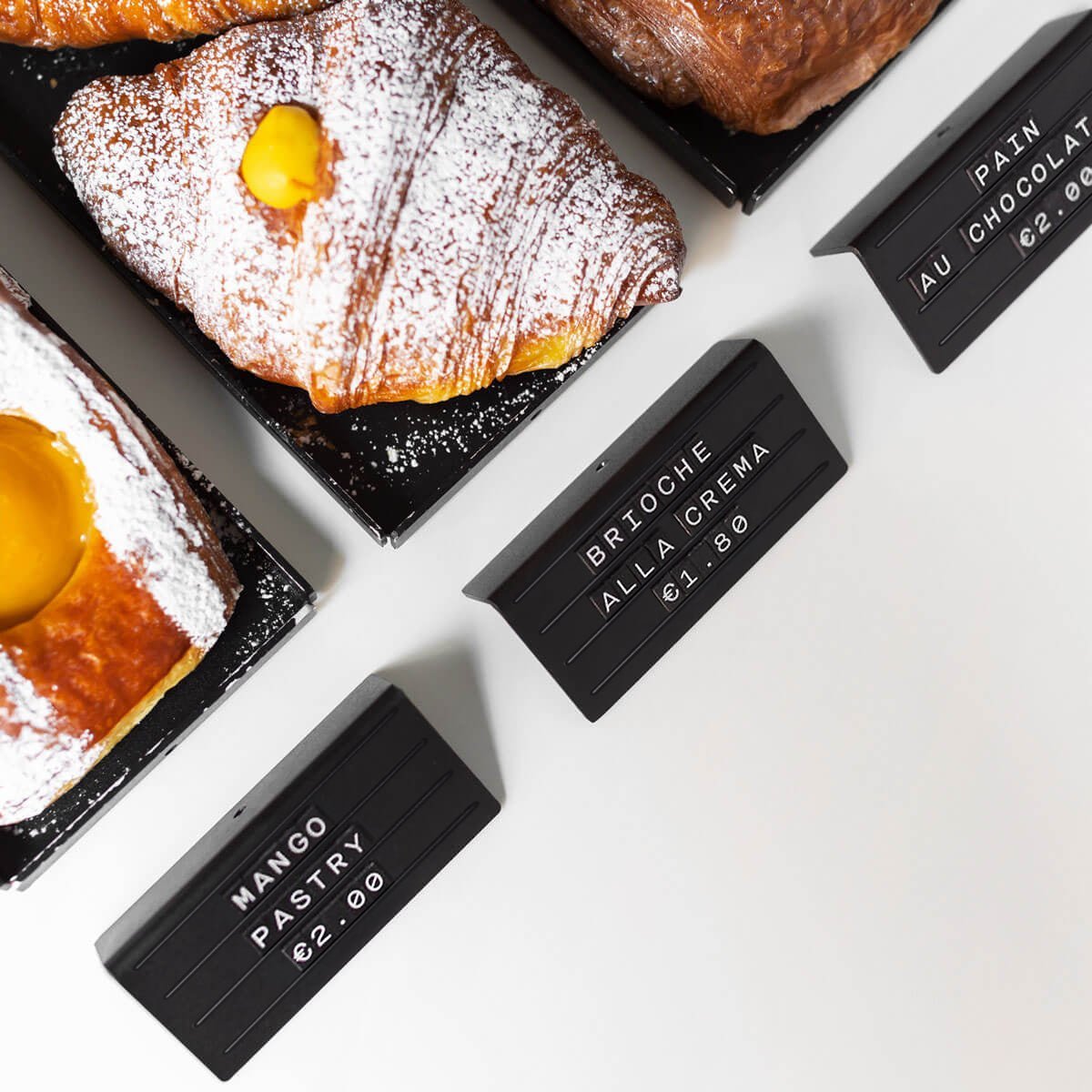
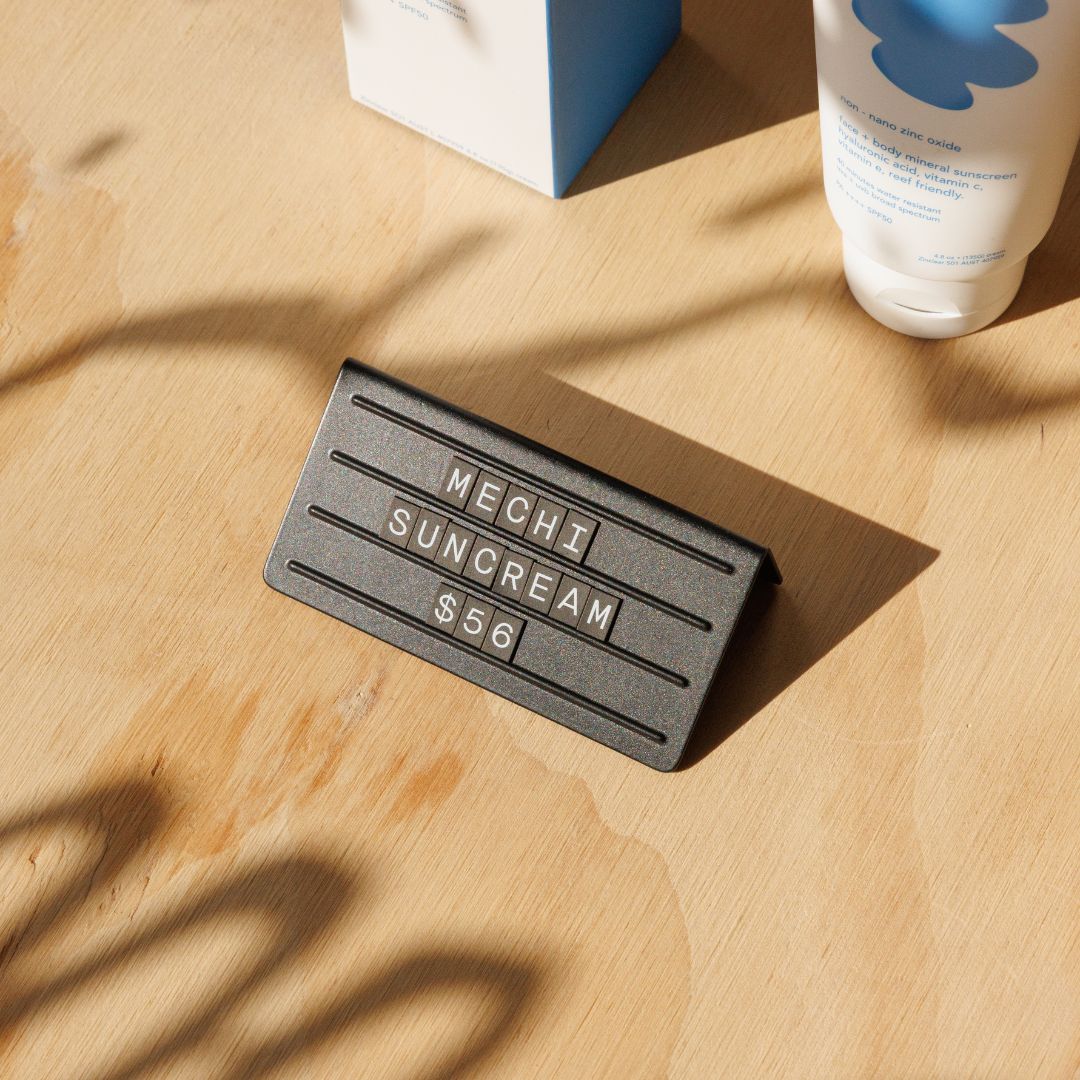
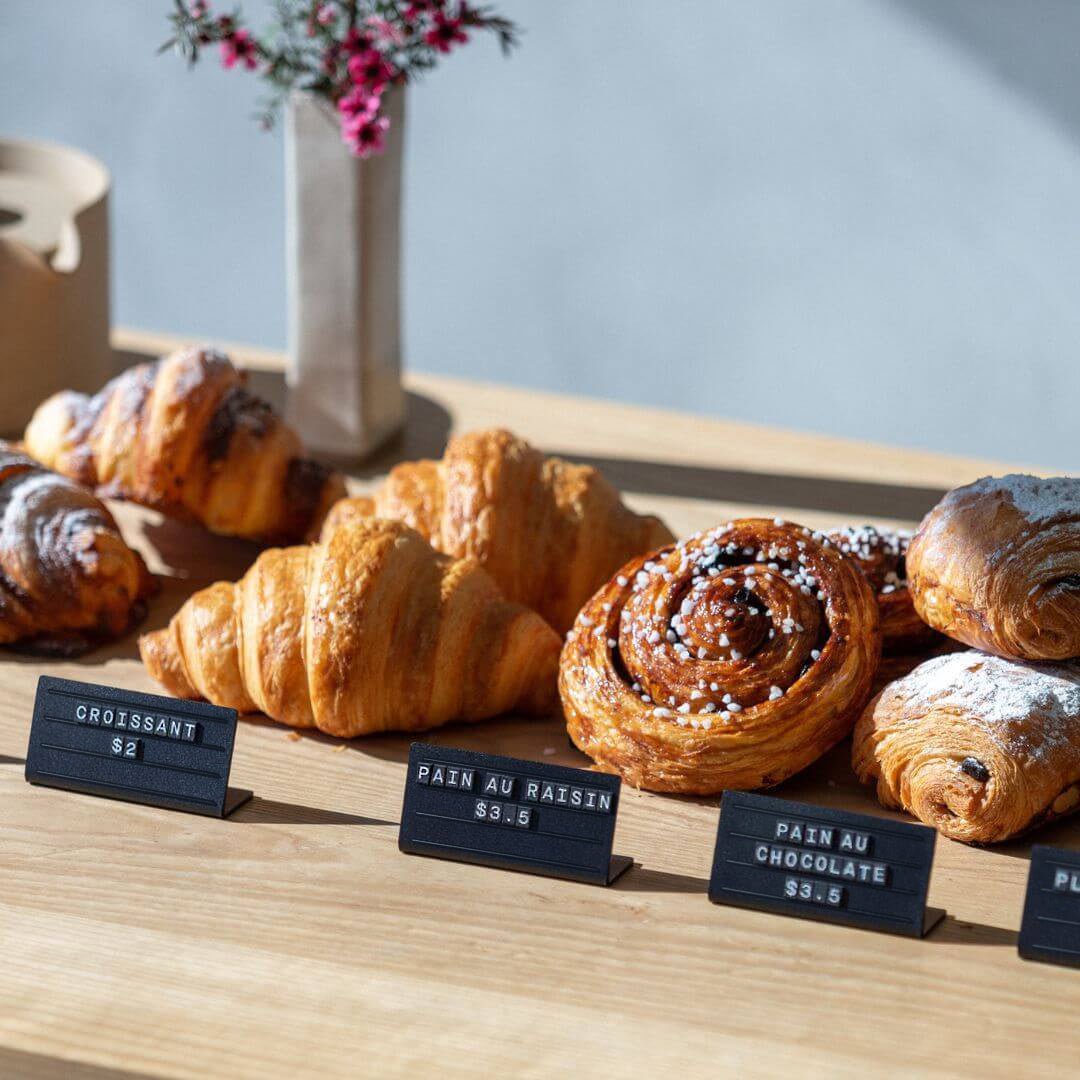
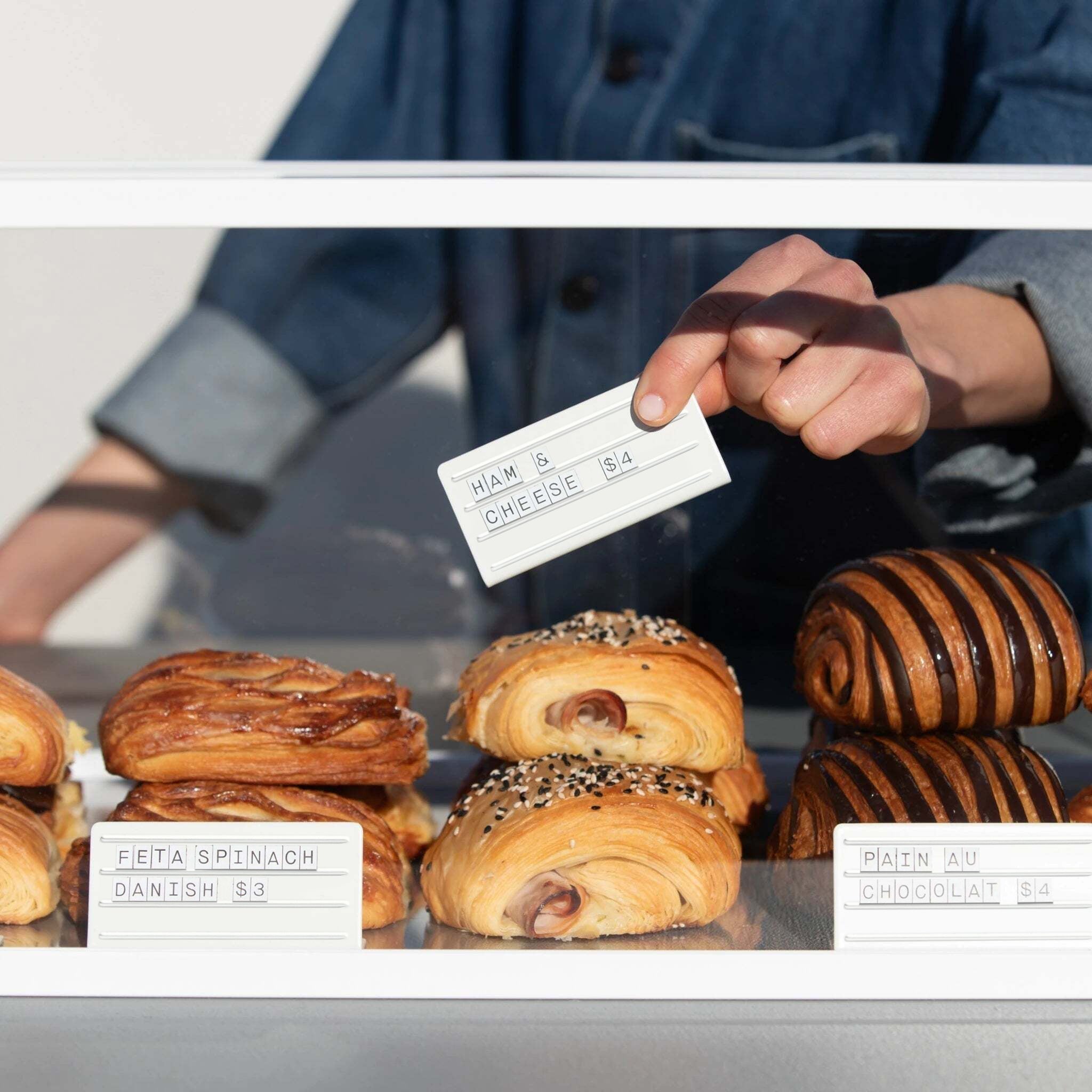
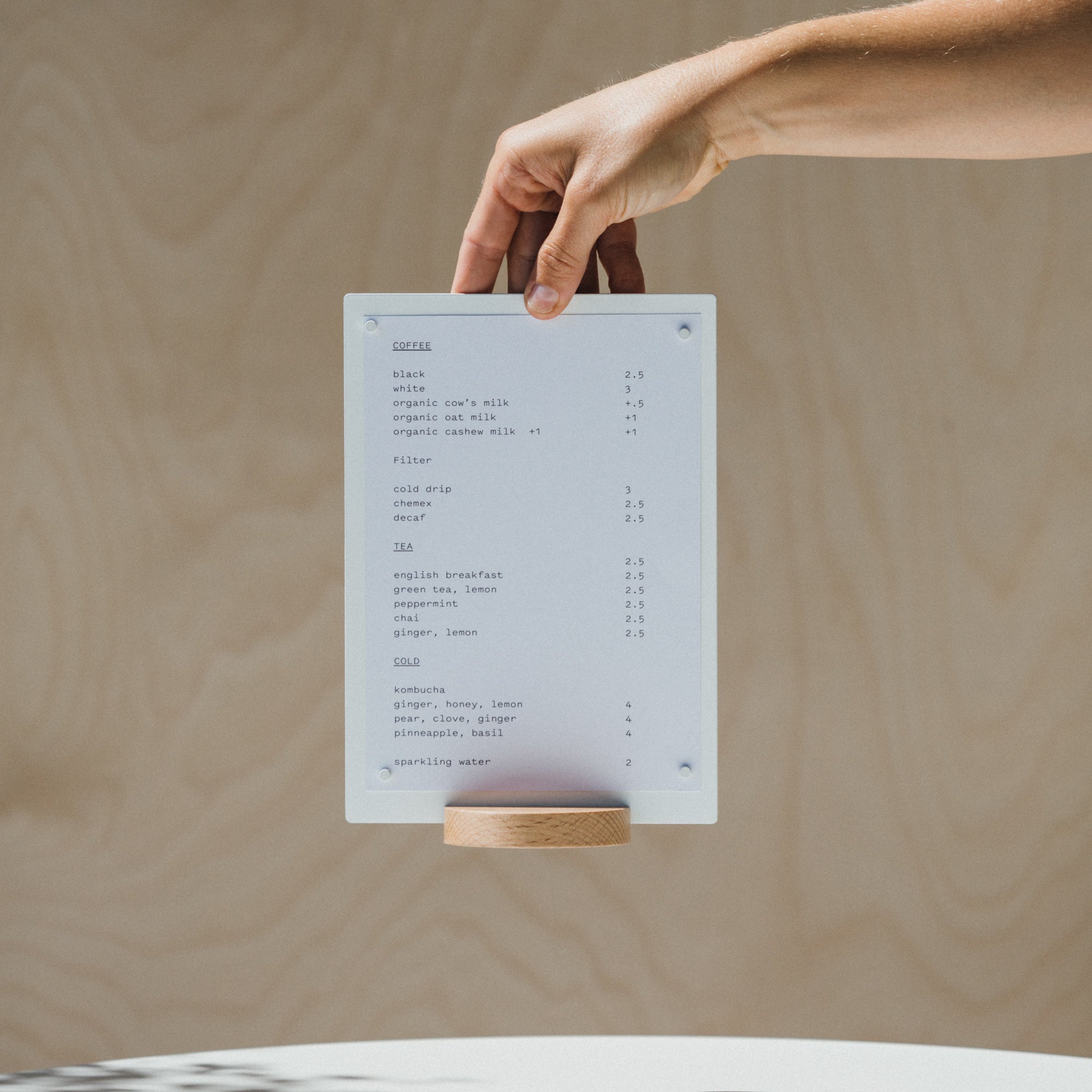
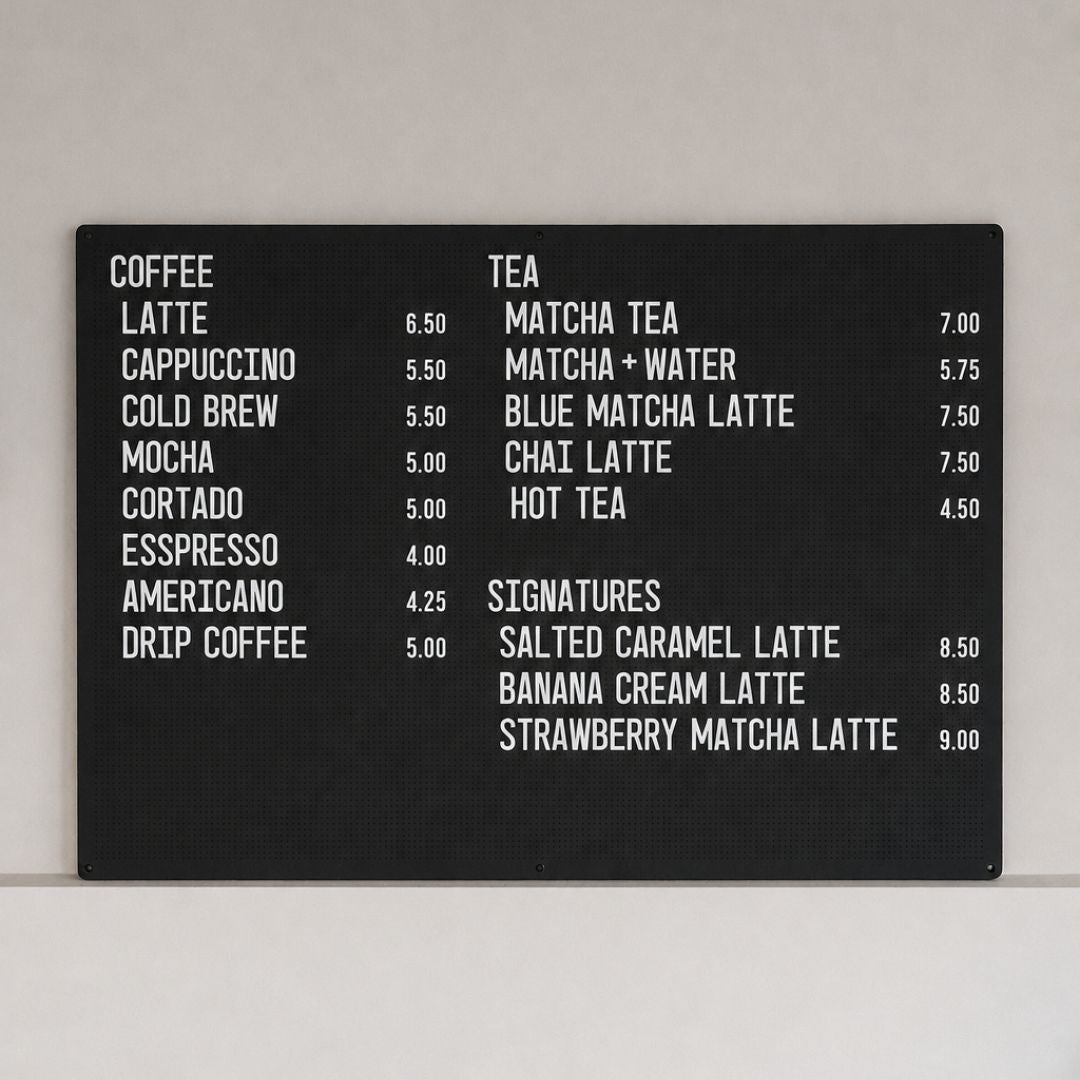
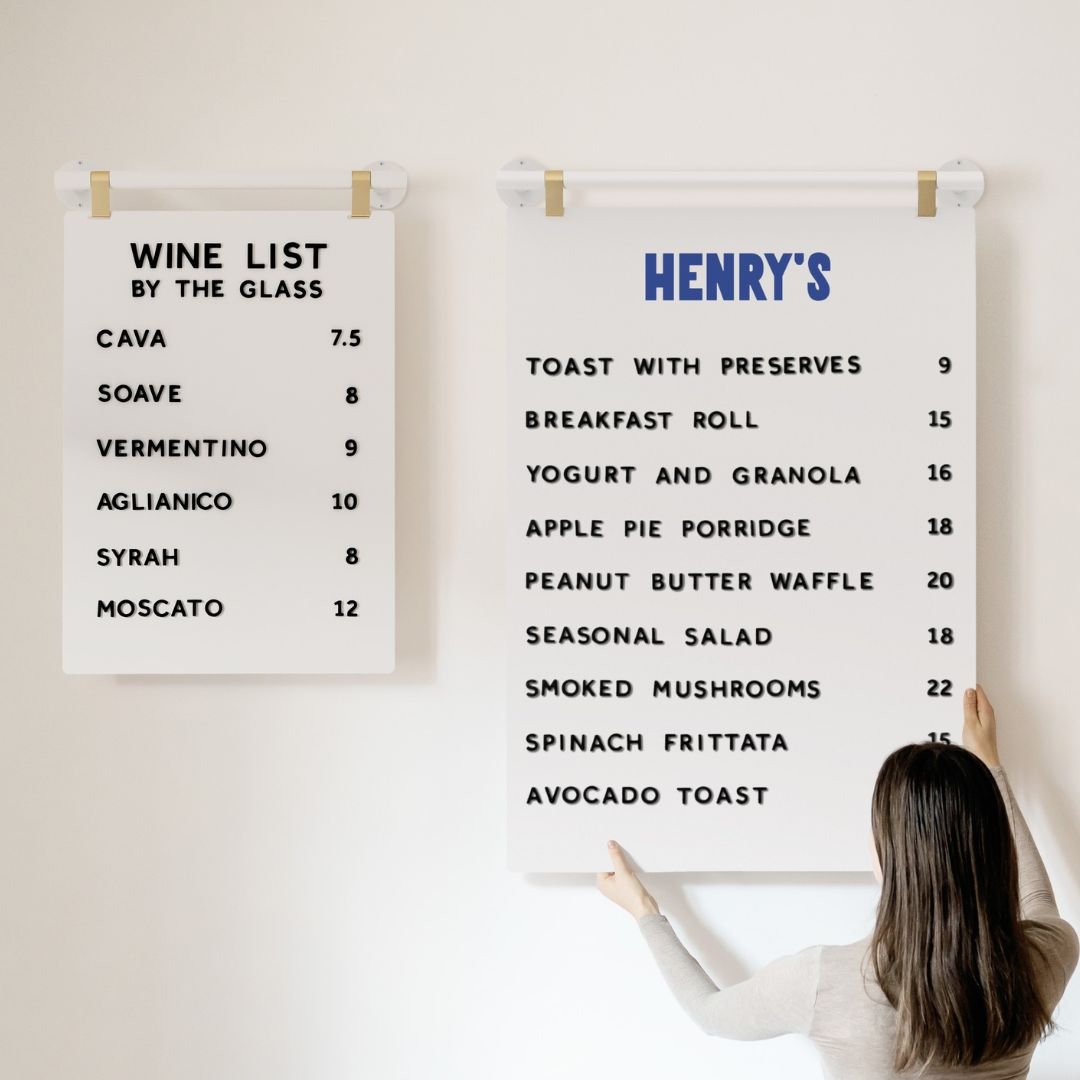
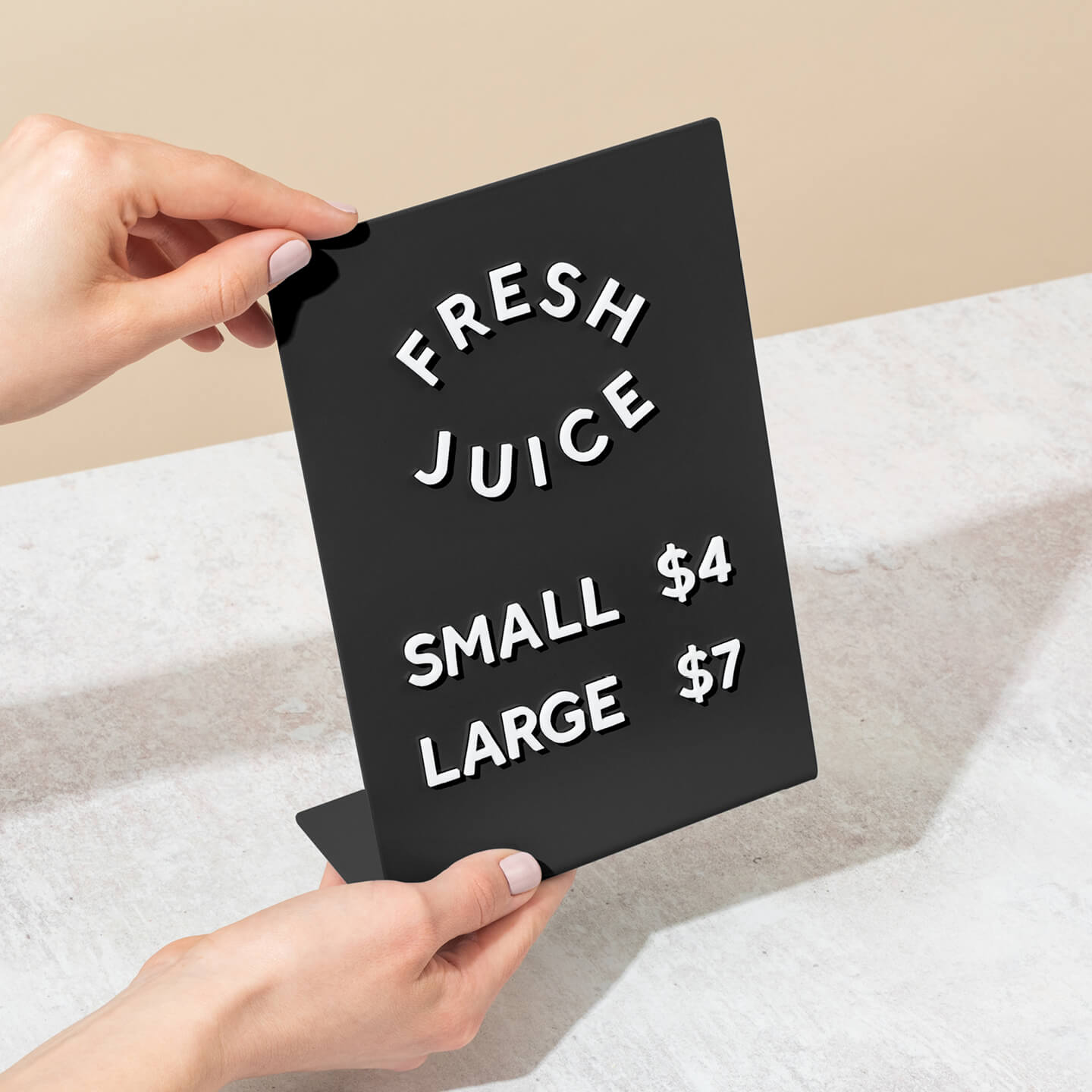
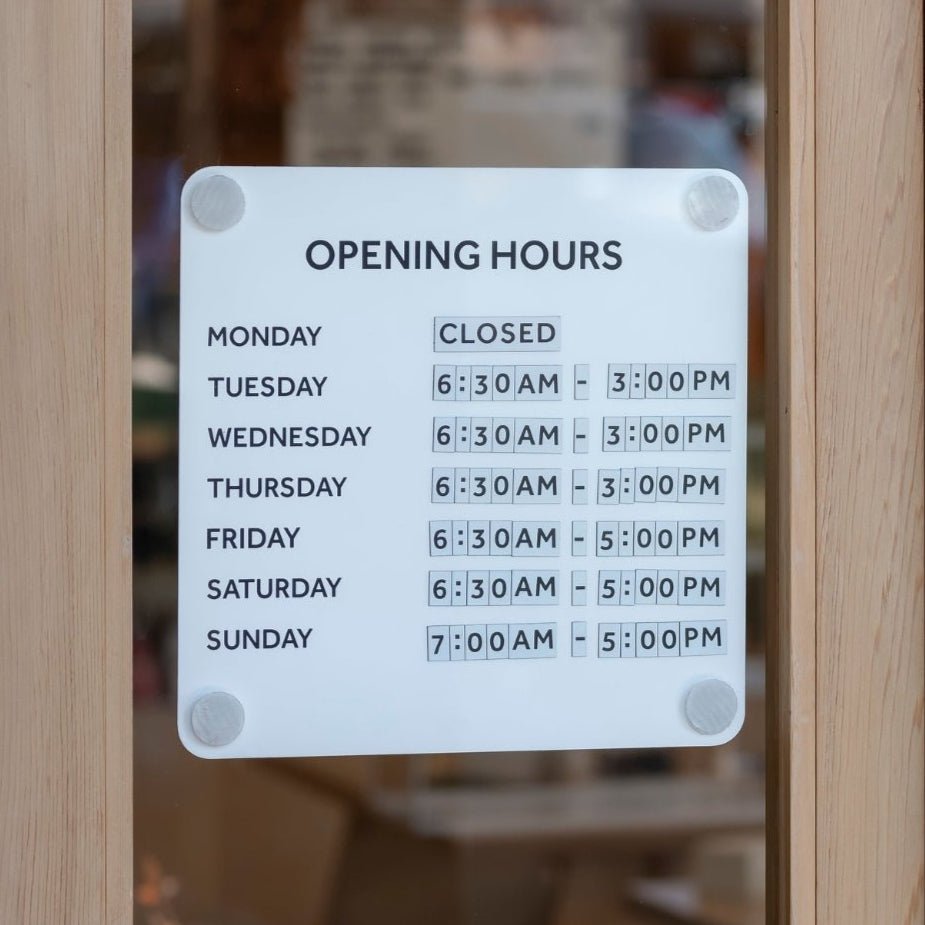
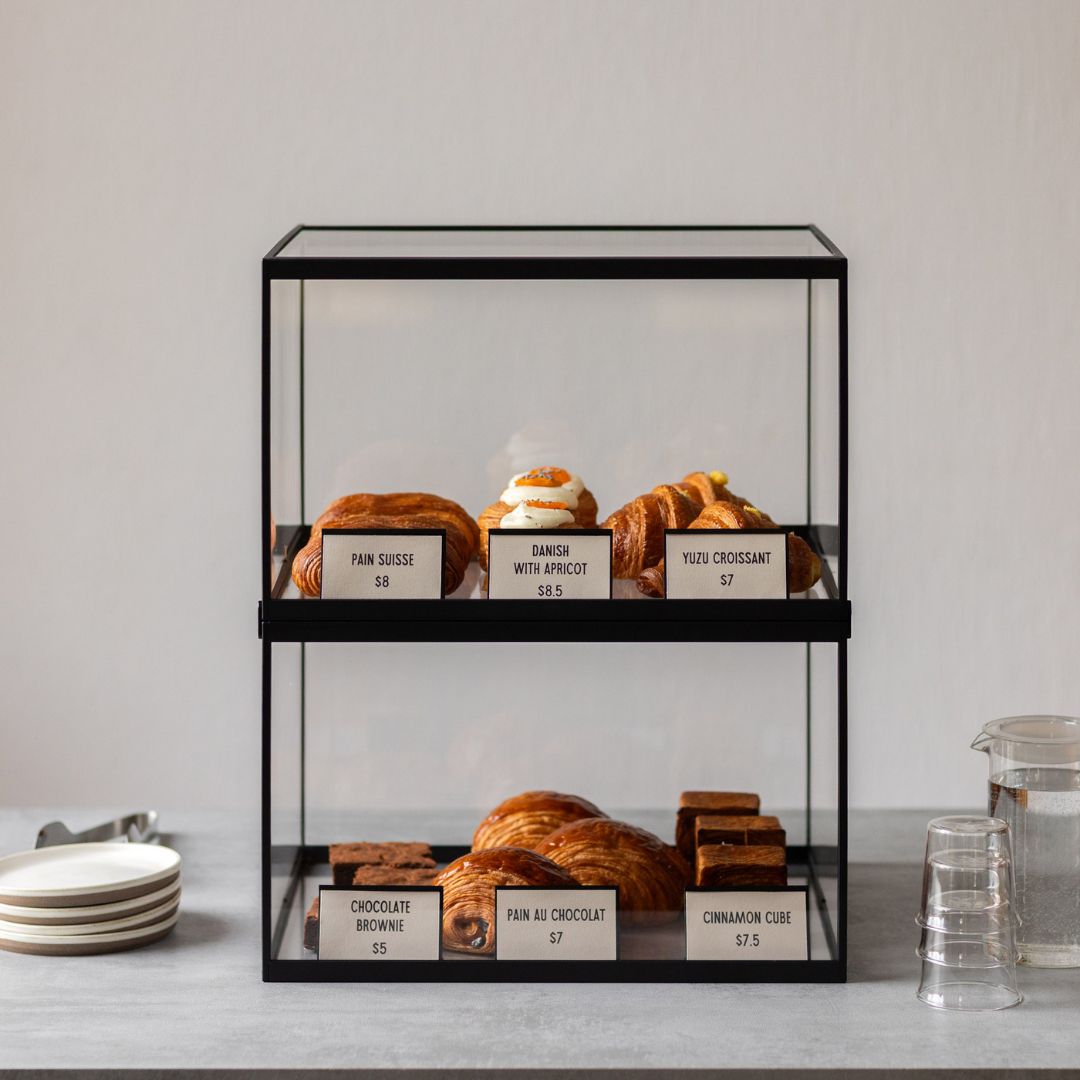
To get started, identify products that logically fit together. Use secondary displays, endcaps, or small baskets to bring these items together in a way that feels helpful, not pushy. Add clear pricing with minimalist pricing signs to make bundled picks feel effortless.
3. Create Memorable Experiences with Customer Engagement
The longer shoppers stay in your store and interact with your products, the more likely they are to make a purchase. The key is to create an environment that invites participation and discovery. This is where customer engagement comes in.
Interactive retail display solutions are a fantastic way to foster engagement. Digital screens can transform a passive browsing experience into an active one. Stores that use digital displays see about 17% more foot traffic and a 30% increase in sales on average. This is because dynamic content catches the eye and can deliver timely information, with an impressive 83% of viewers recalling ads they saw on these screens.
But engagement isn’t just about technology. You can also:
- Offer product demonstrations or samples.
- Host workshops or in store events.
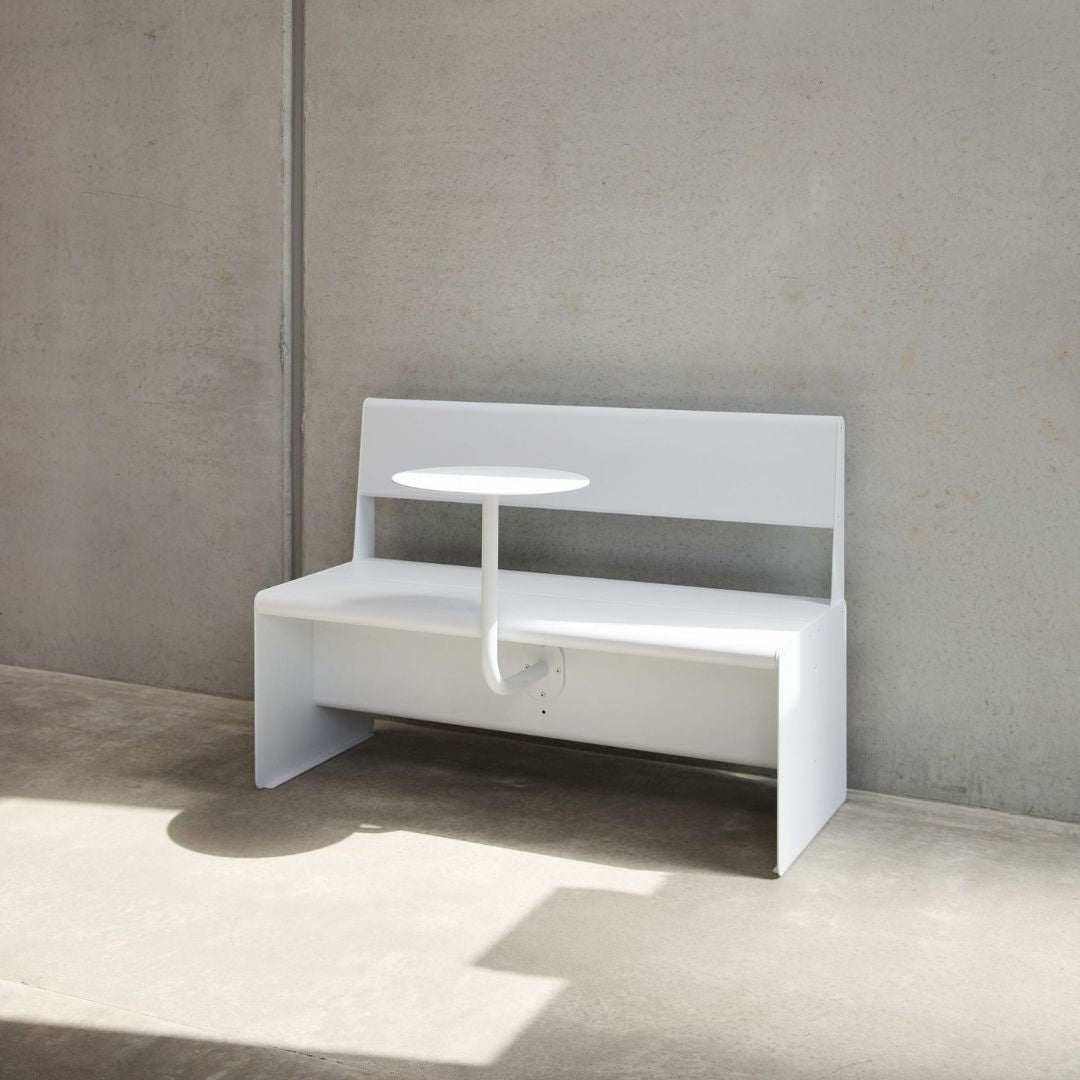
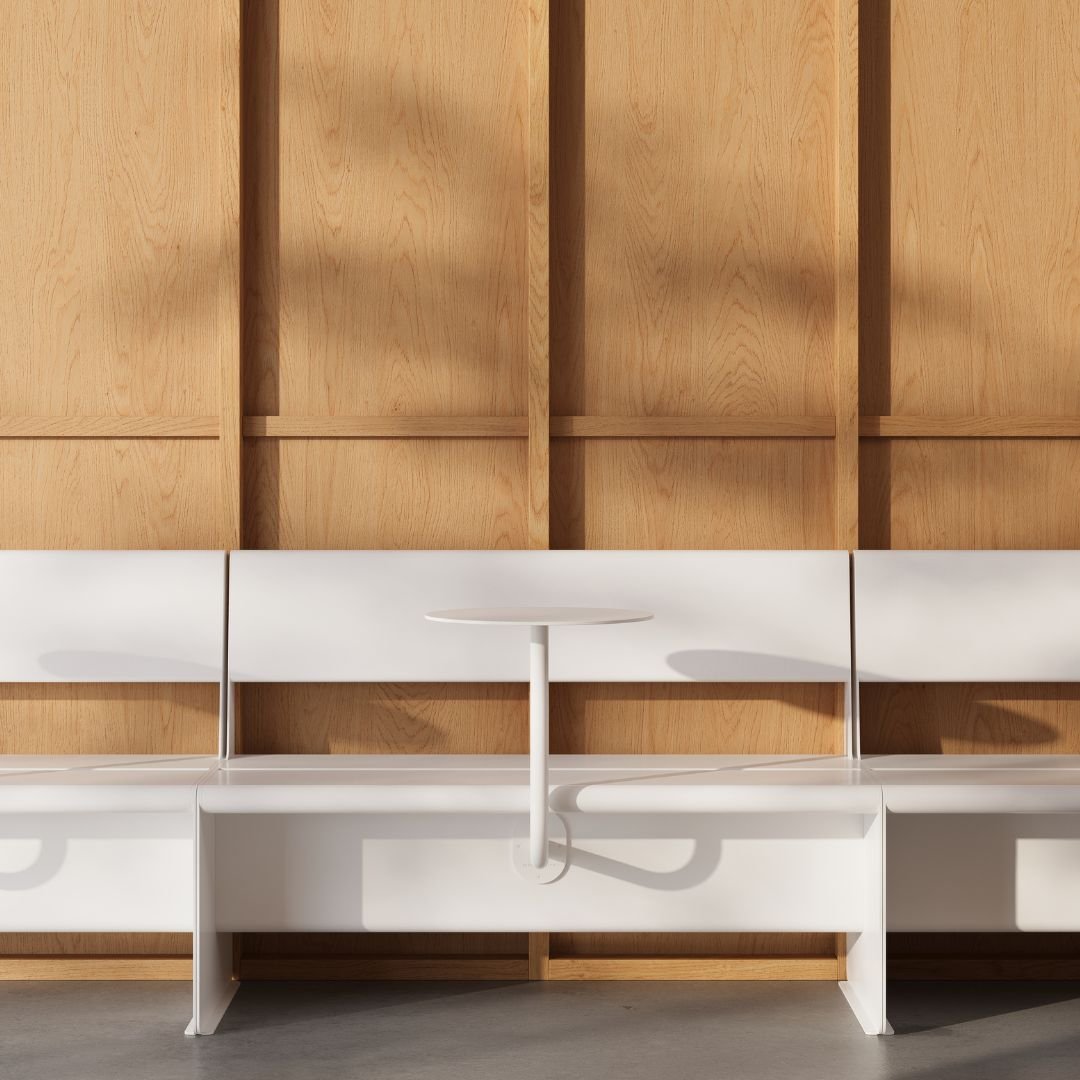
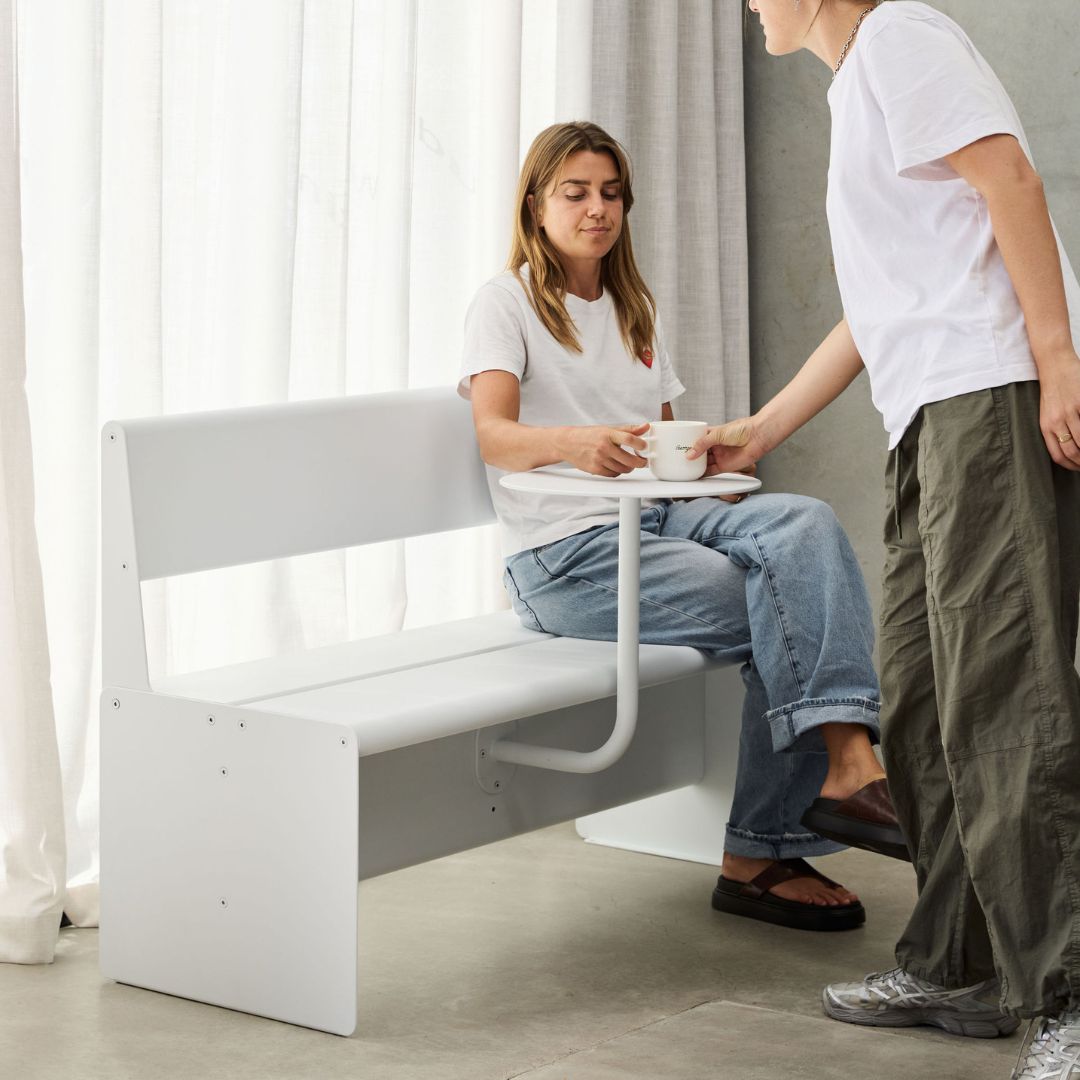
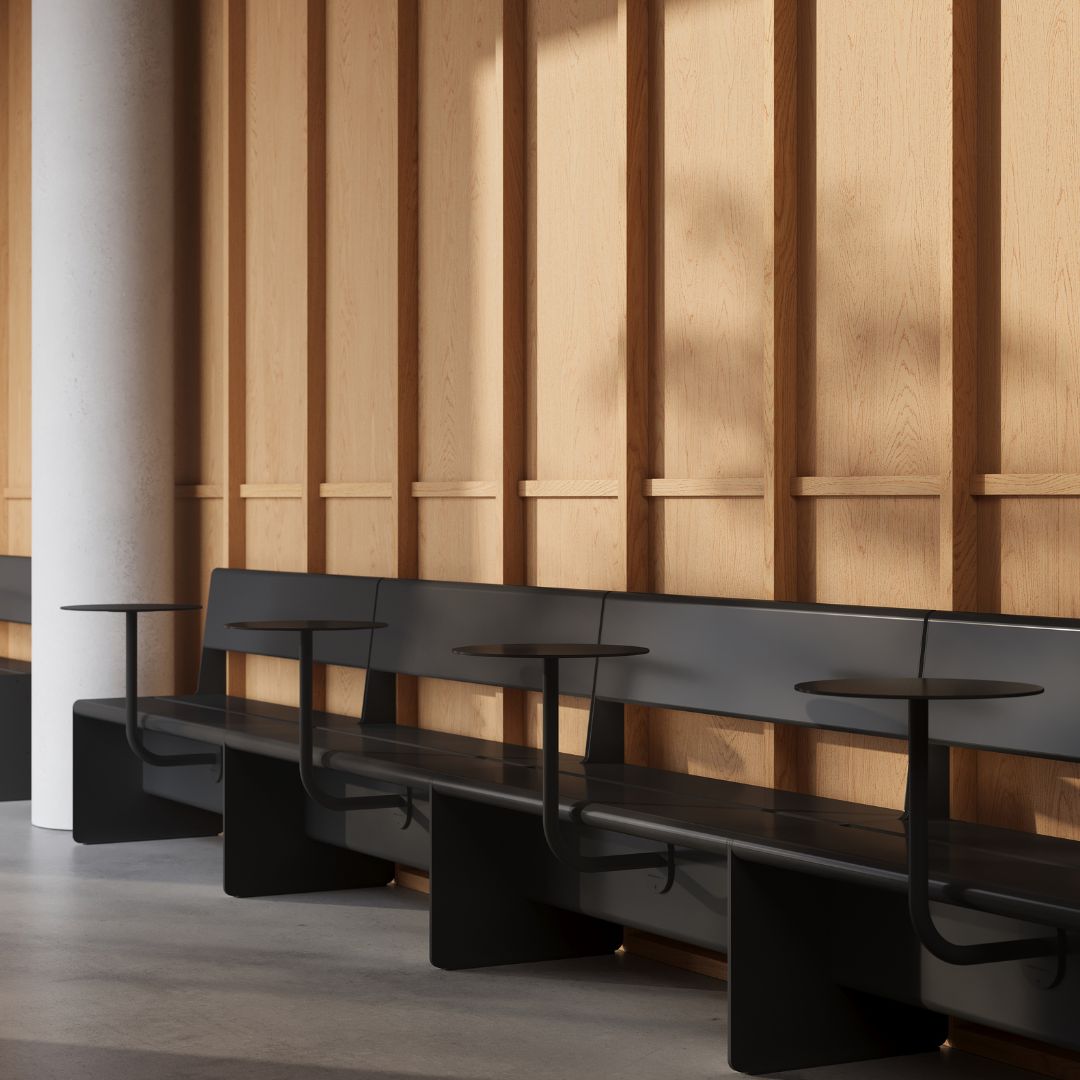
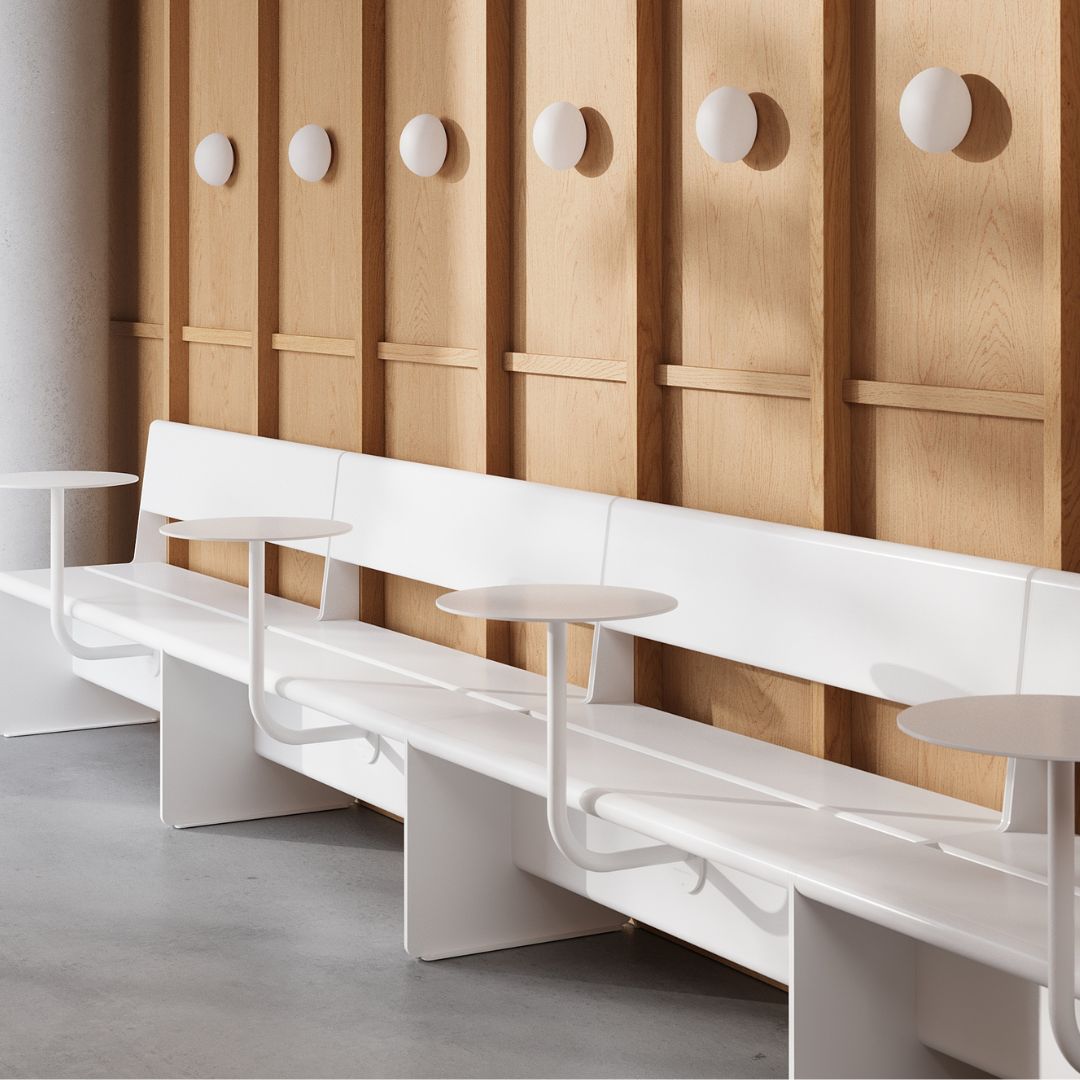
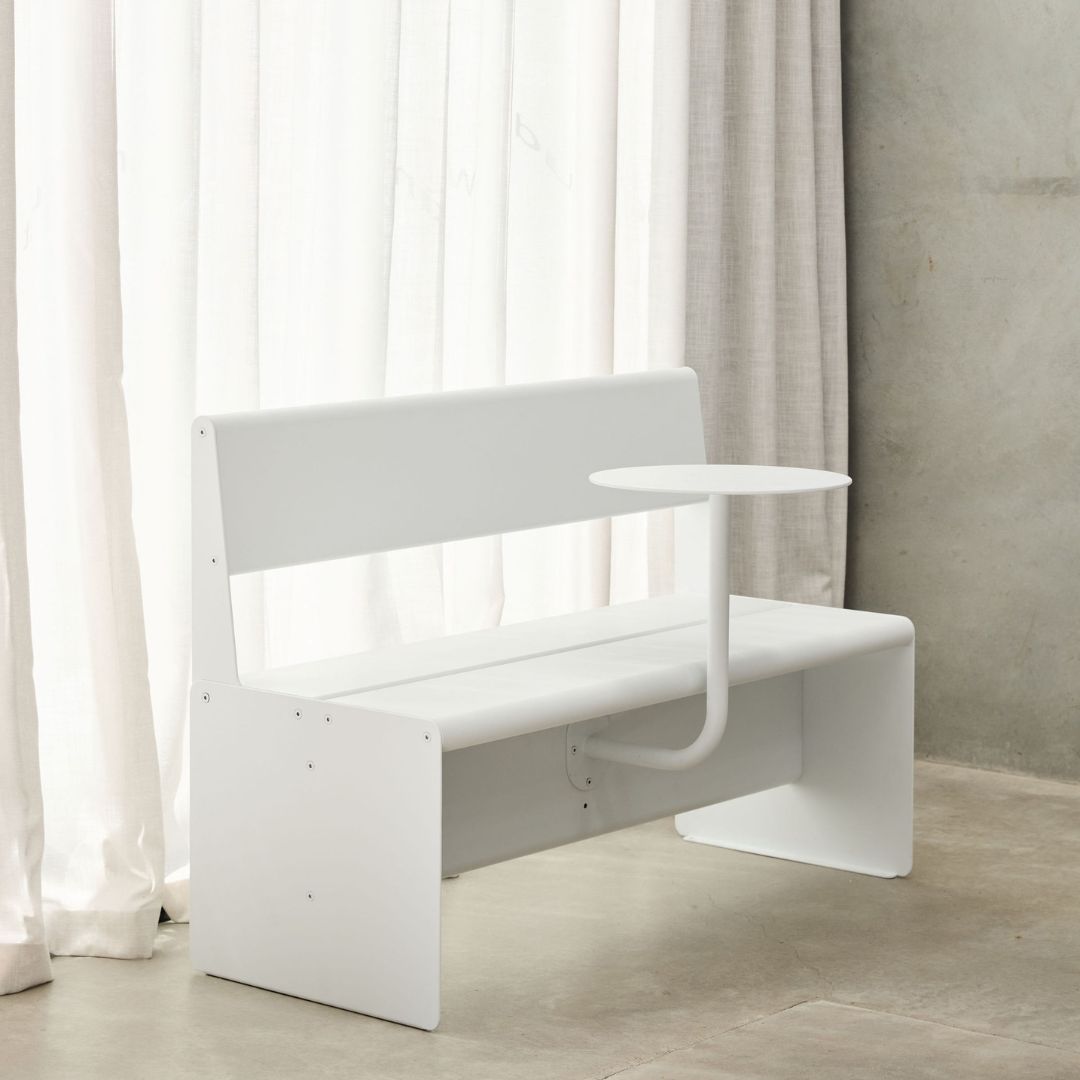
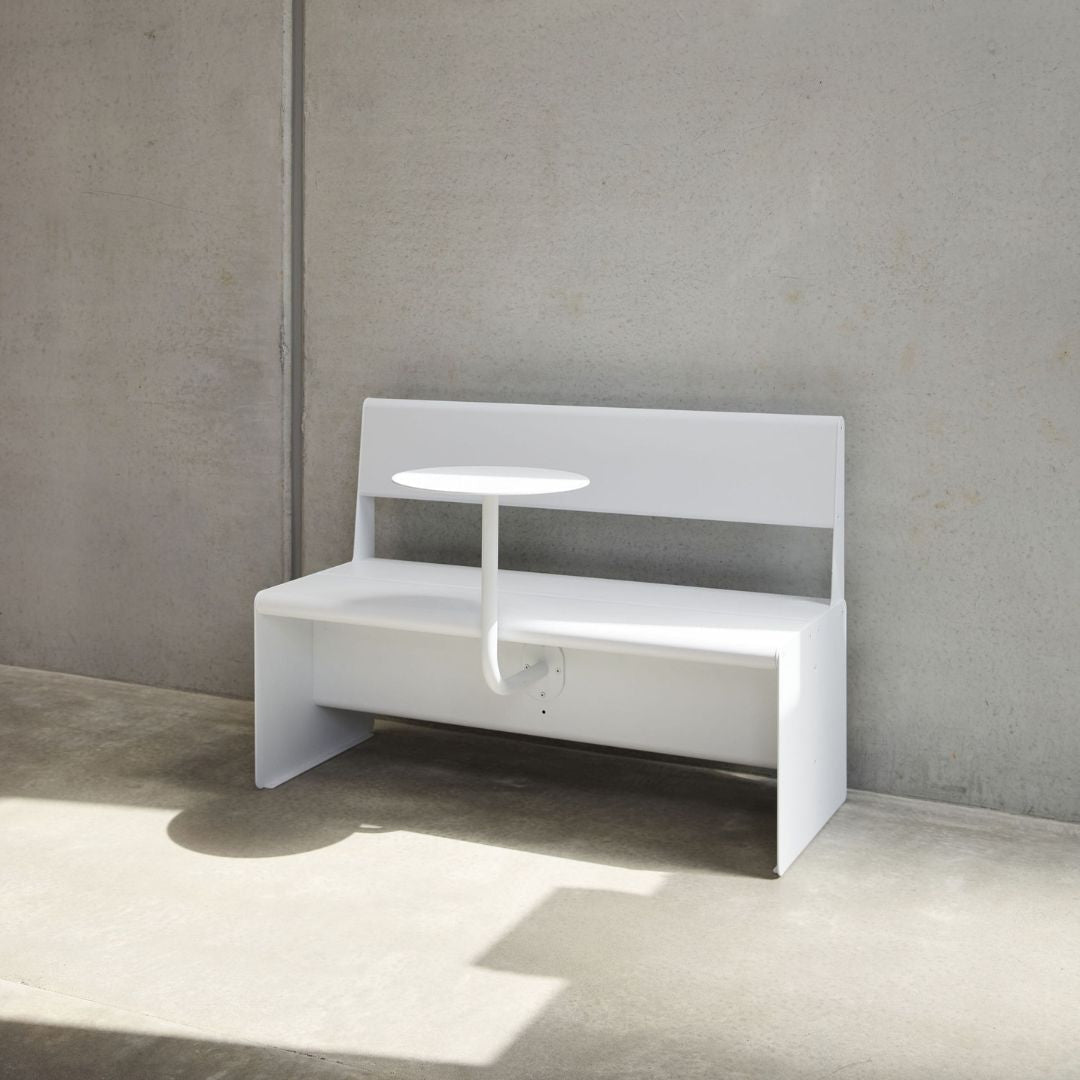
- Create comfortable seating areas to encourage lingering.
- Design an Instagrammable corner that encourages social sharing.
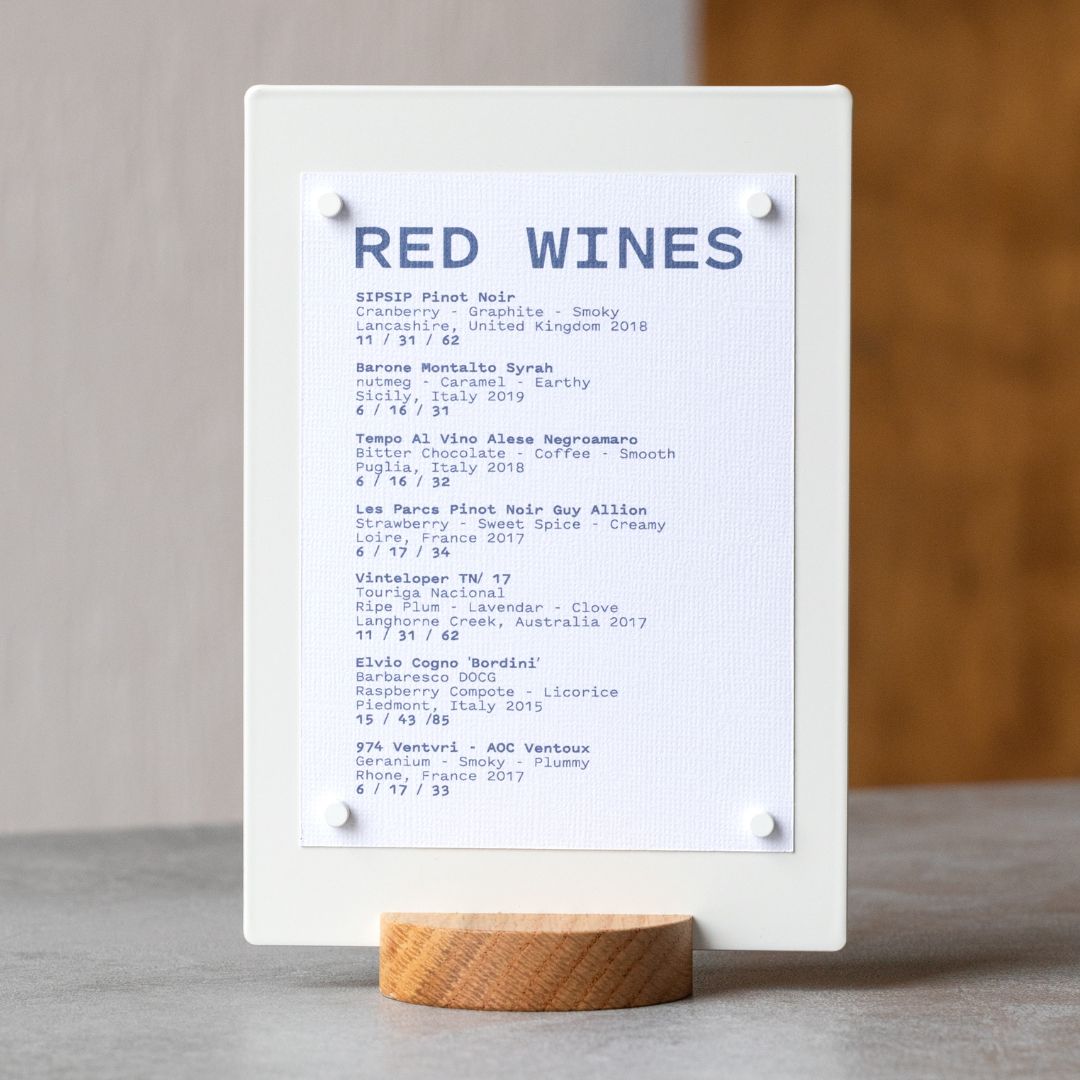
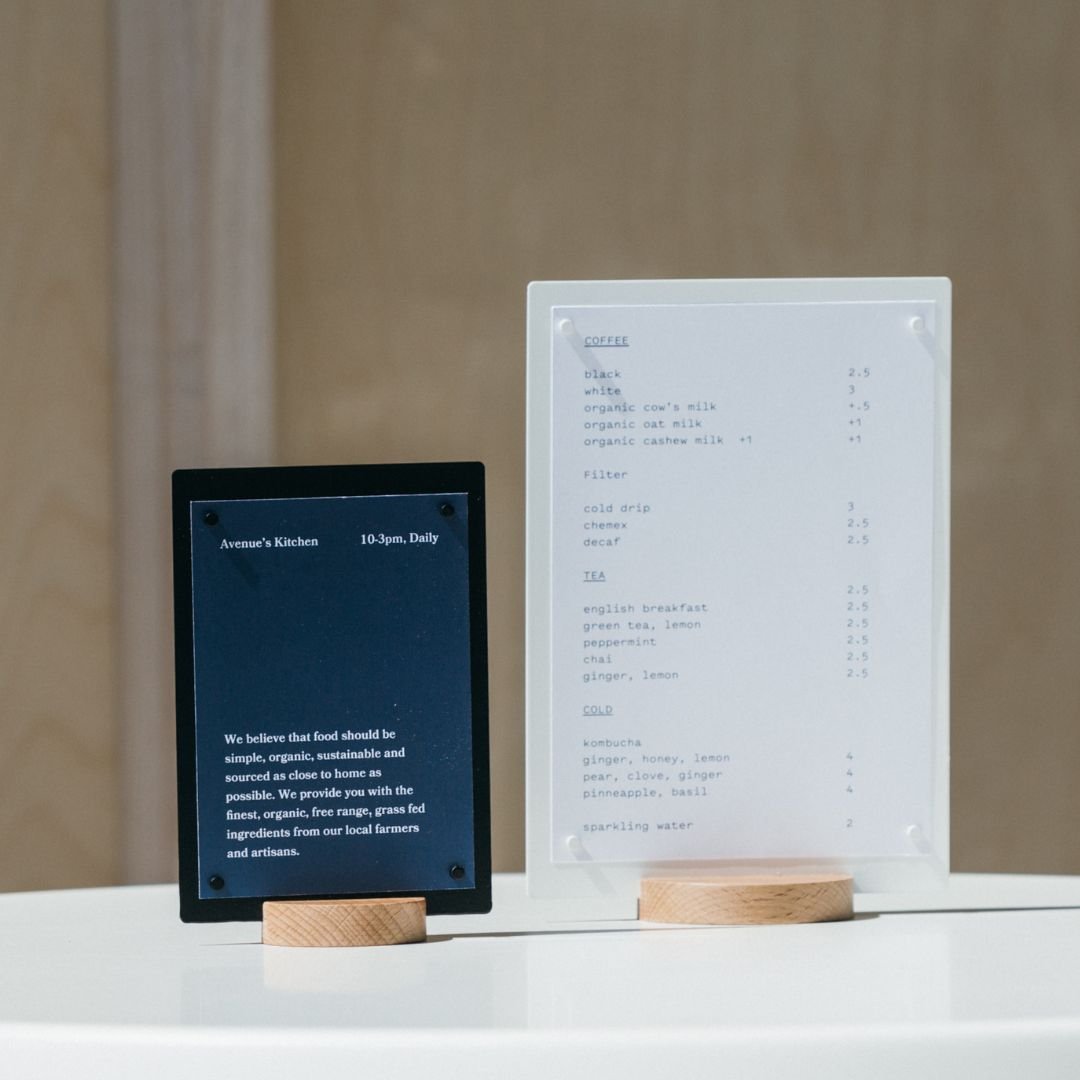
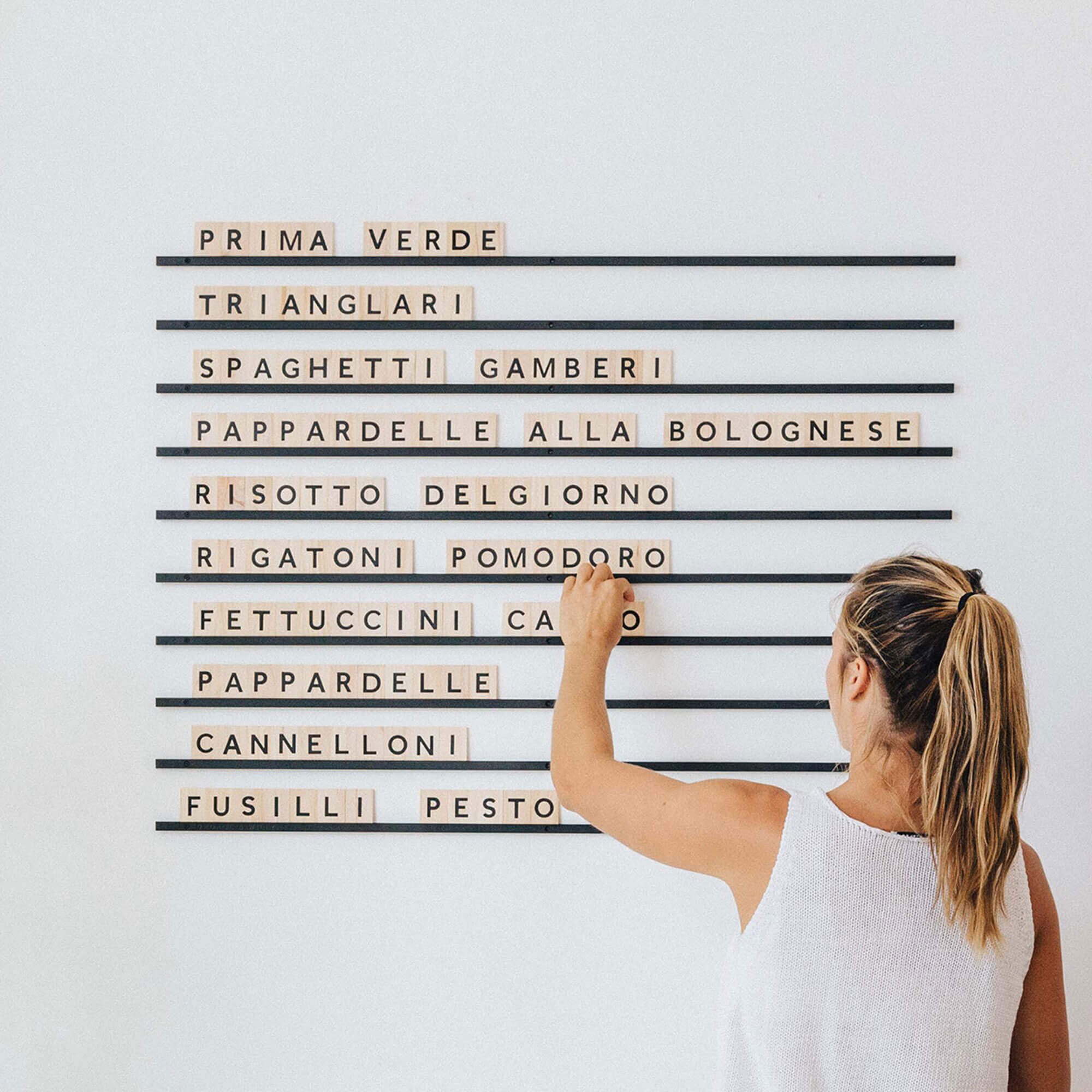
For pop-ups and classes, a portable menu stand makes schedules and promos easy to spot. Personalization is also crucial. A large majority of consumers, 80% to be exact, are more likely to buy from a brand that offers a personalized experience. Whether it’s through a digital kiosk or a helpful sales associate, making customers feel seen and understood builds loyalty and drives sales.
4. Master Product Placement
How you arrange products on your shelves can have a dramatic impact on what gets sold. Two fundamental techniques, horizontal and vertical merchandising, offer a framework for optimizing your layout. Using these retail display solutions properly can guide customer attention and make your products stand out.
Horizontal Merchandising: Why Eye Level is Buy Level
There’s a classic saying in retail: eye level is buy level. Horizontal merchandising focuses on arranging products side by side at the customer’s natural sightline. Because this is where shoppers look first, you want your most important or profitable items in this prime real estate.
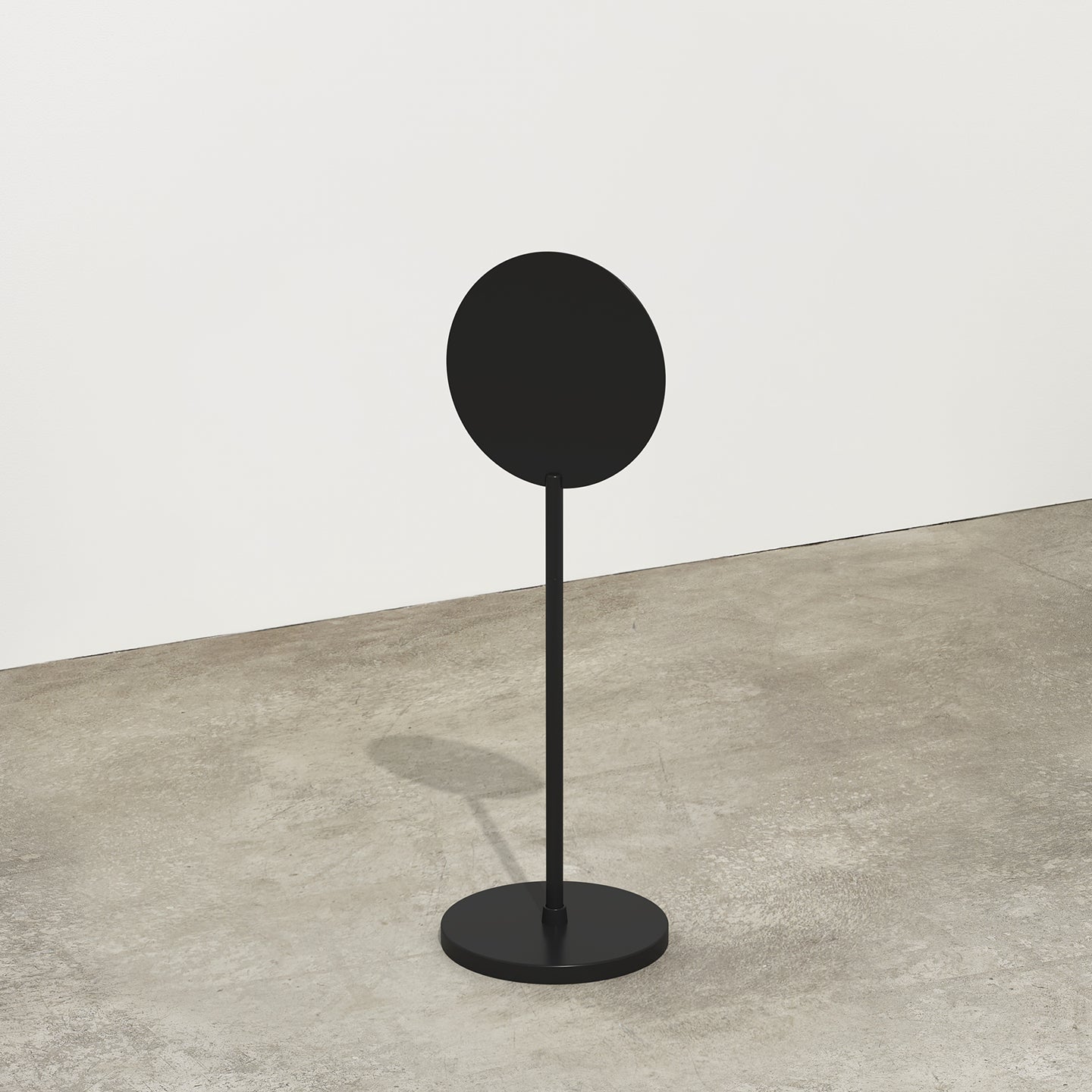
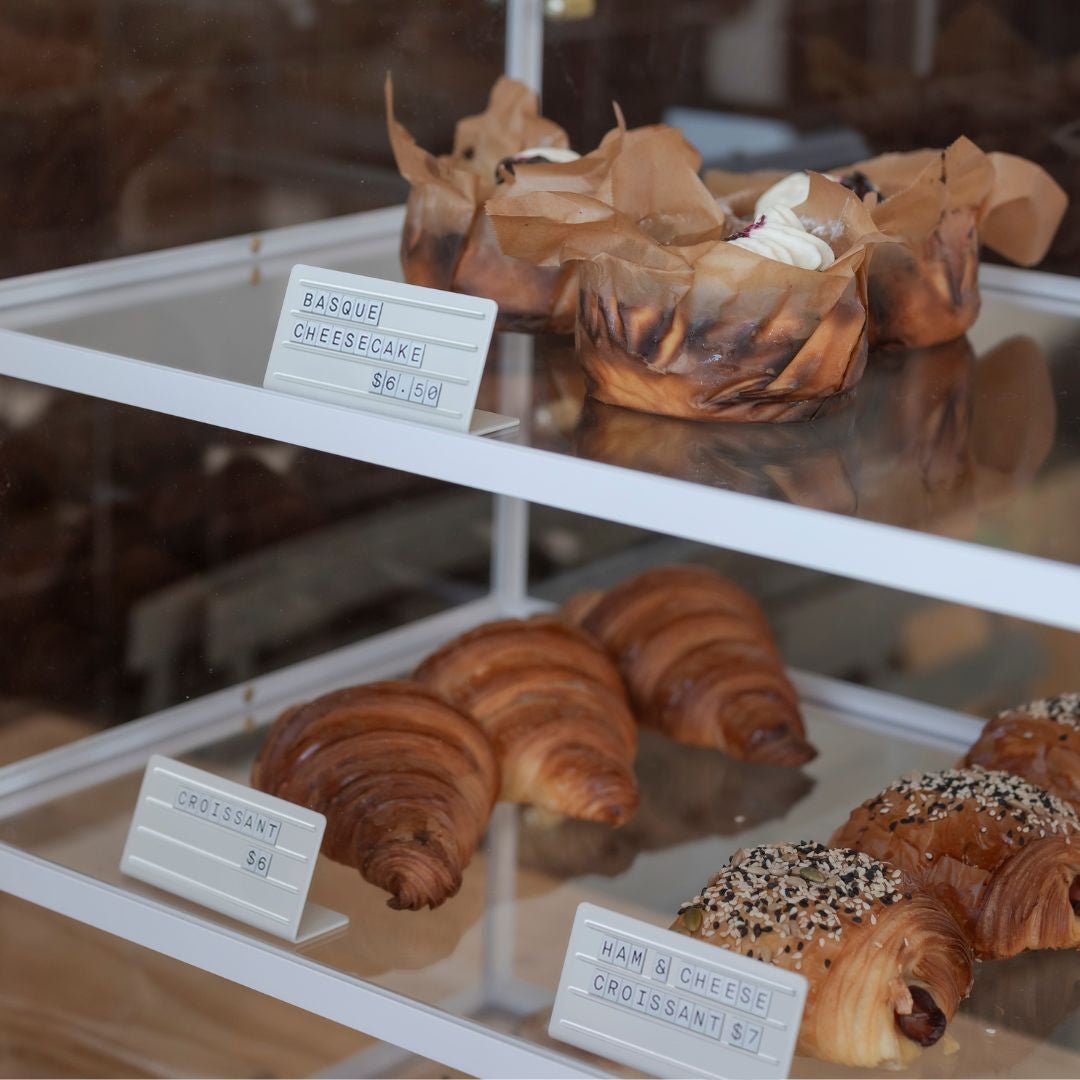
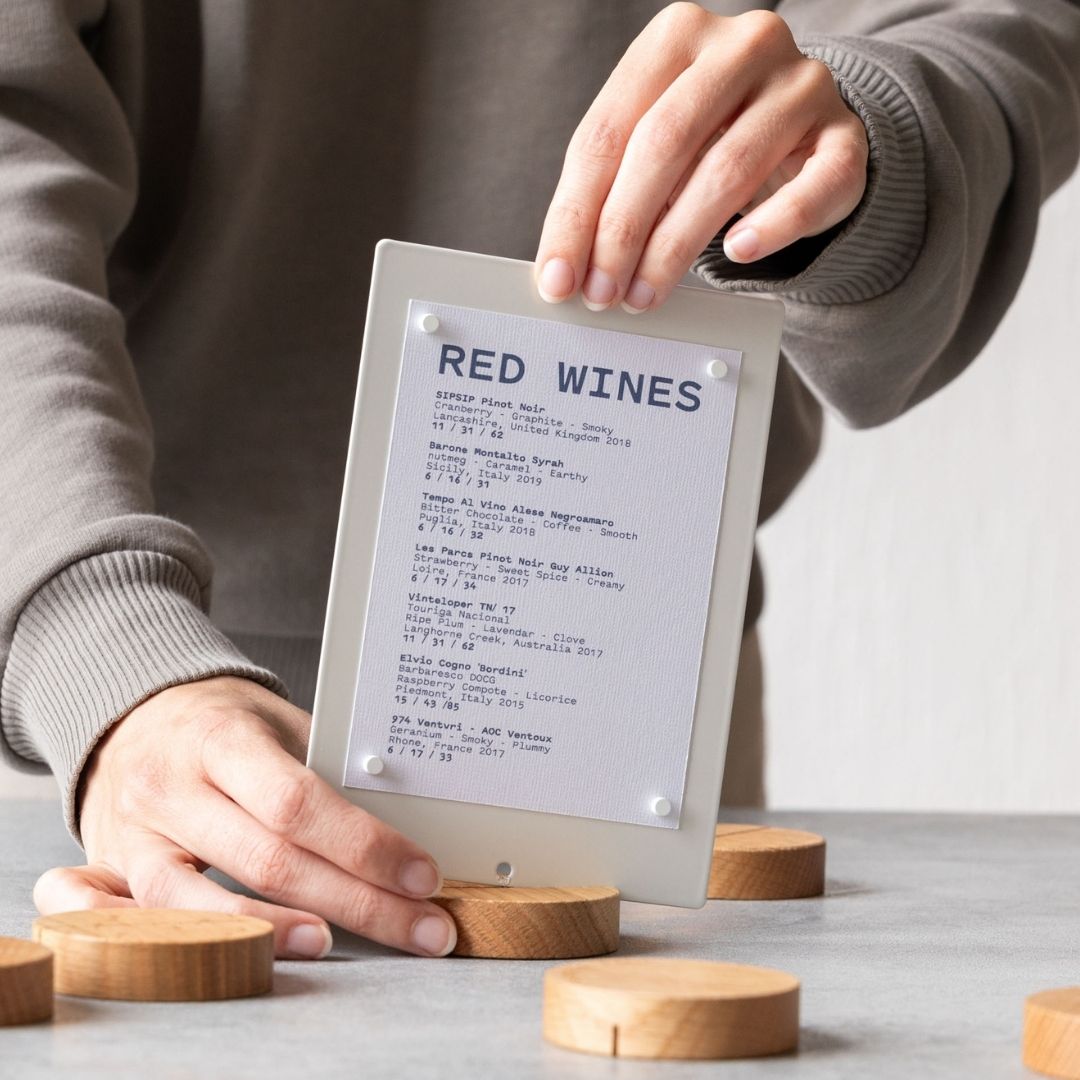
Studies show that products placed at eye level enjoy a 35% higher selection rate compared to those on lower shelves. Simply moving an item up from the bottom shelf can boost its sales significantly. To implement this, identify the horizontal “strike zone” in your store, which is typically from waist to eye level, and place your priority products there. Highlight best-sellers with a discreet table-top sign placed within the strike zone.
Vertical Merchandising: Creating Visual Impact
While horizontal merchandising uses breadth, vertical merchandising uses height. This technique involves stacking a range of products from top to bottom in a single vertical block. This creates a powerful column of product that naturally draws the eye up and down.
This method, often called vertical brand blocking, makes it easy for customers to see all the variations of a product or brand at a glance. The sales effect is powerful. Research has shown that creating multiple vertical facings of a product can more than double its sales compared to spreading the same facings out horizontally. It’s a fantastic way to create a “billboard” effect for a product line, making it unmissable.
5. The Foundation: Quality Signage and Fixtures
All of these strategies are supported by the physical elements in your store: your fixtures and signage. Even the most clever product arrangement will fall flat if it’s presented on a wobbly shelf or accompanied by a flimsy sign.
First impressions are critical, and a remarkable 76% of consumers say they have entered a store for the first time based on its signage alone. Professional, high quality signs and fixtures elevate the perceived quality of your products and your brand.
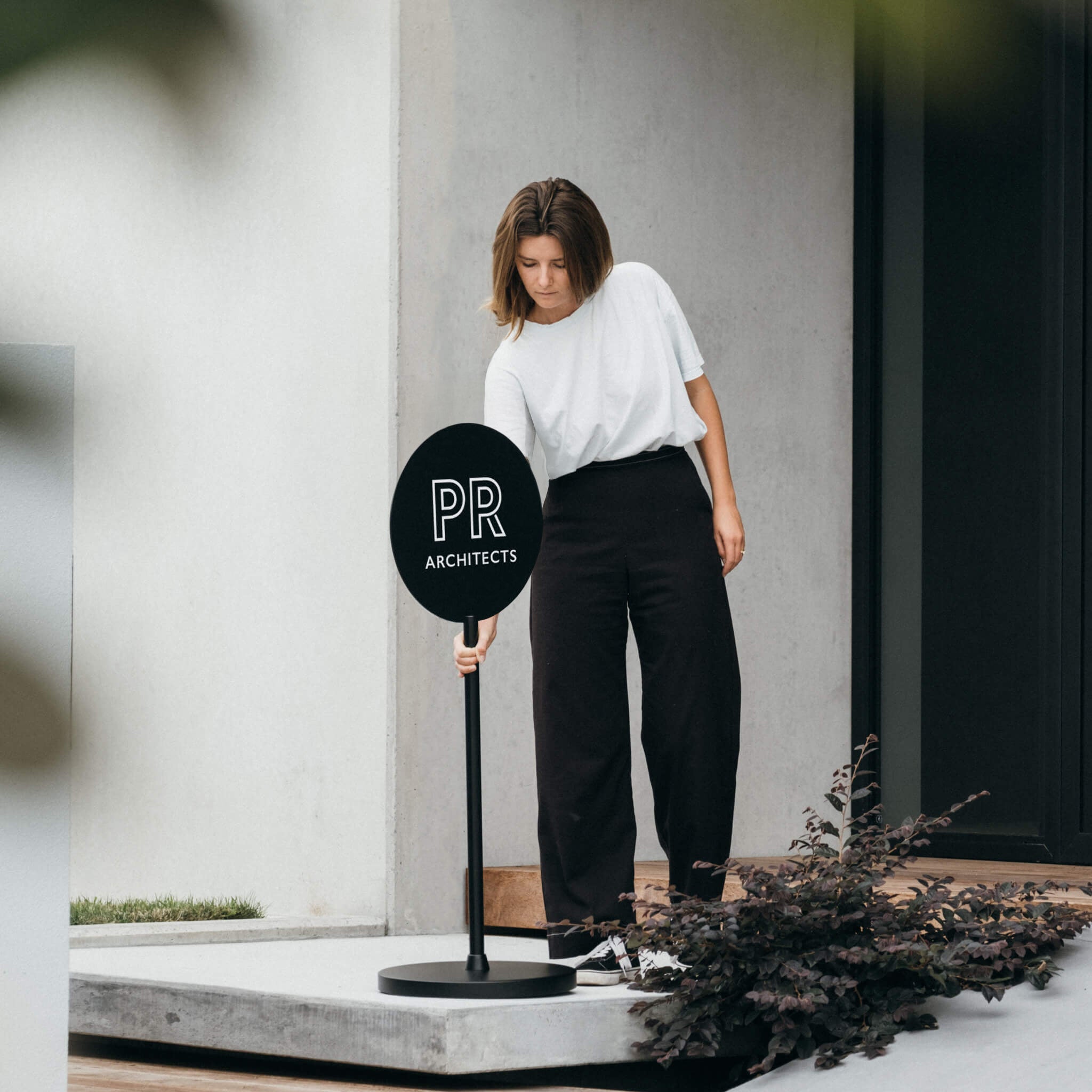
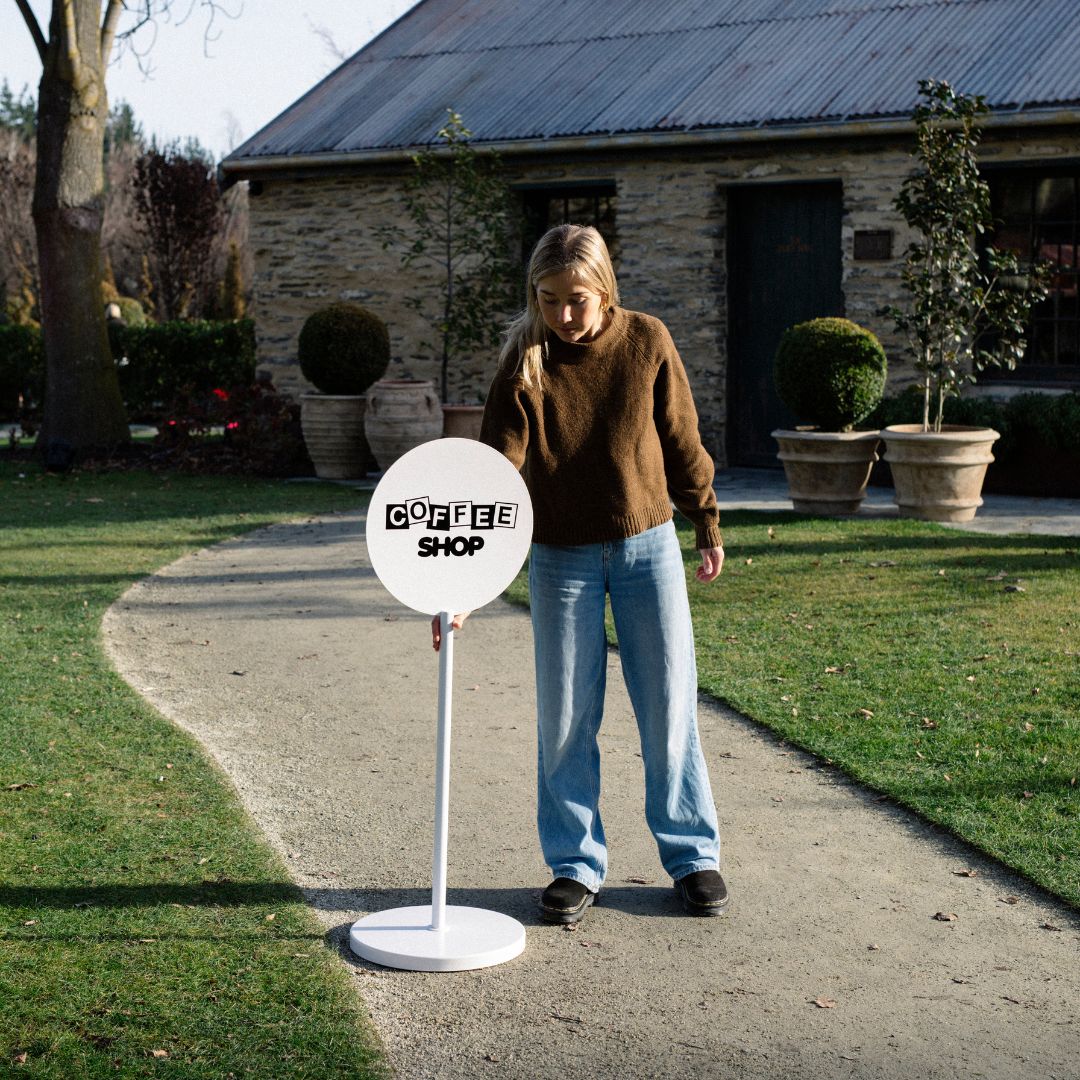
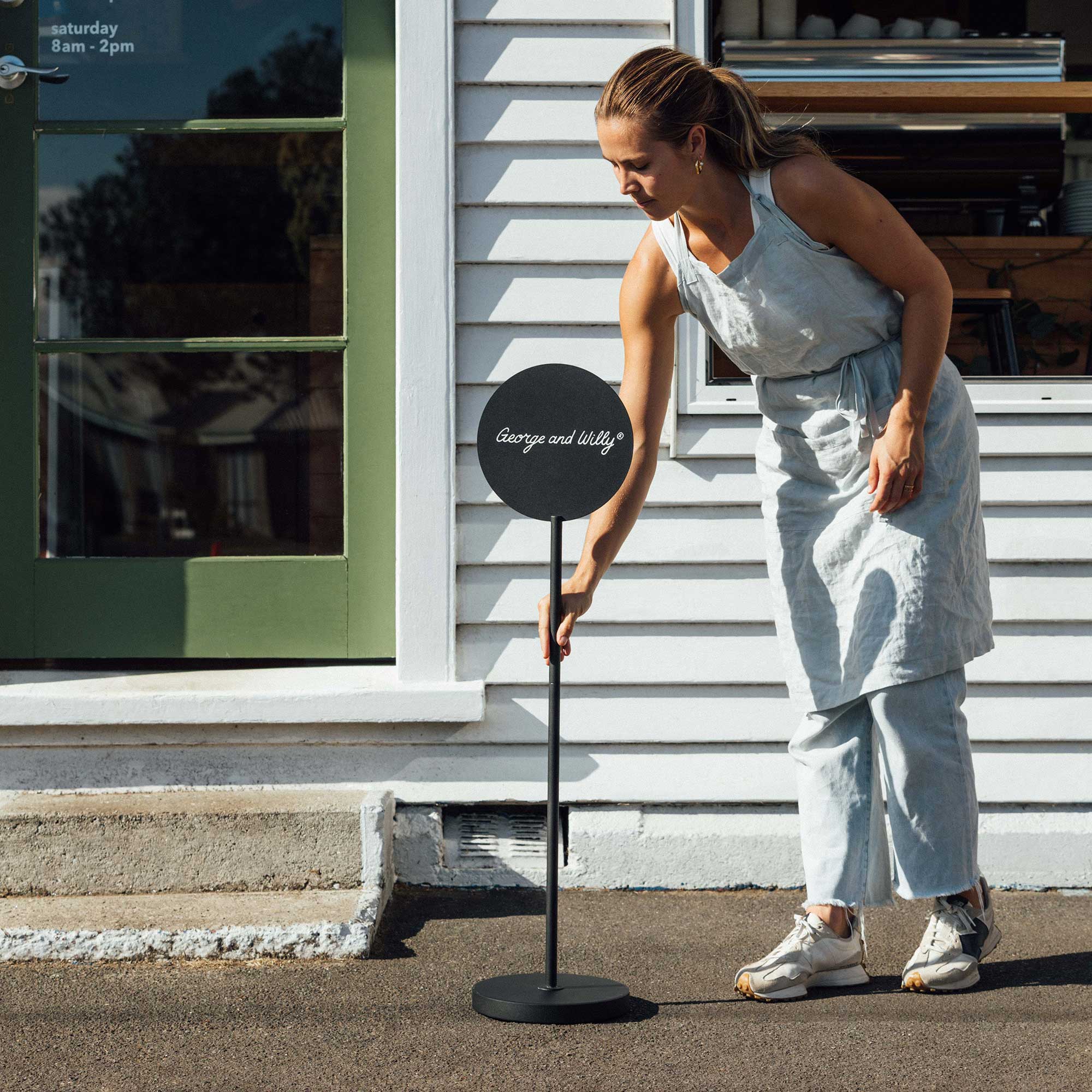
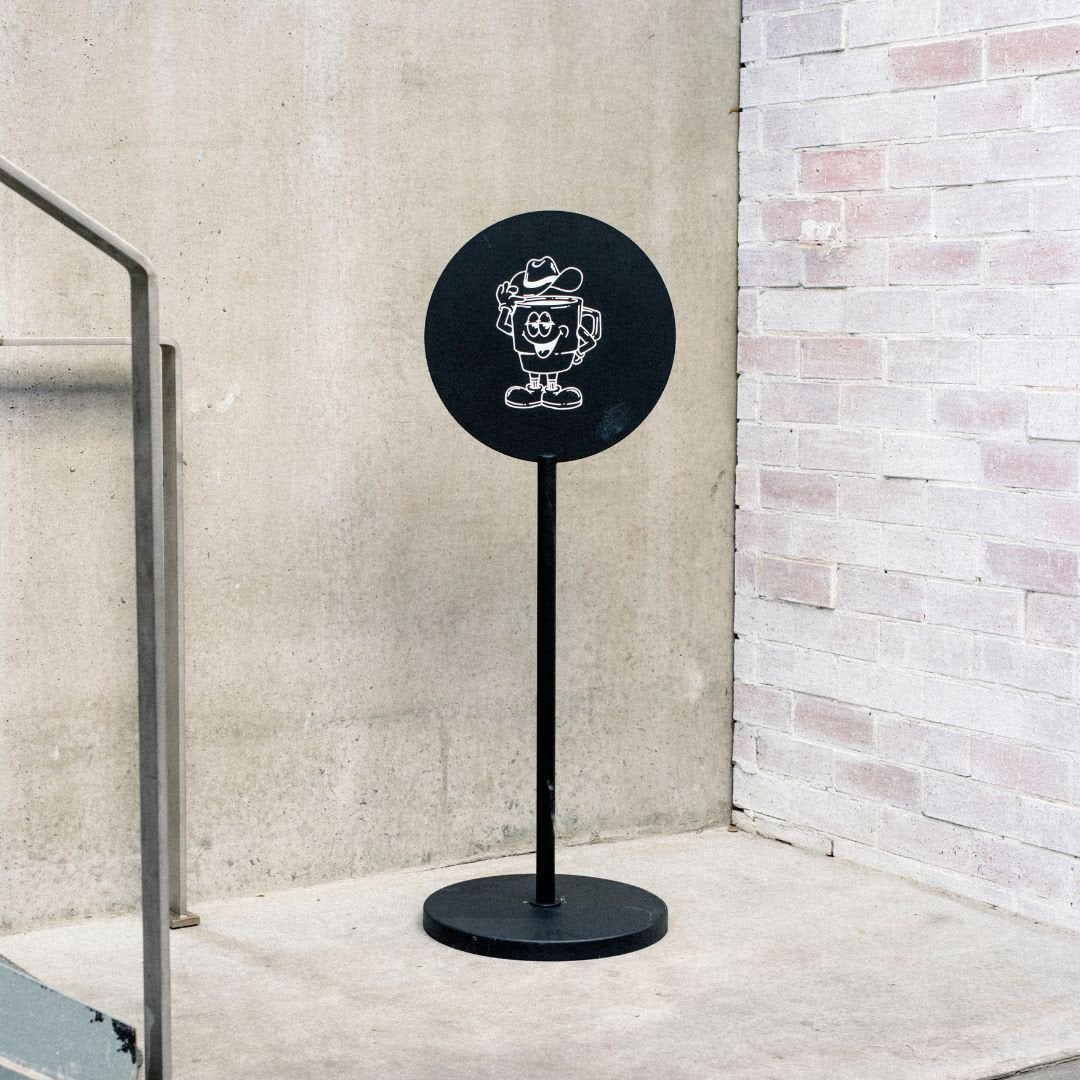
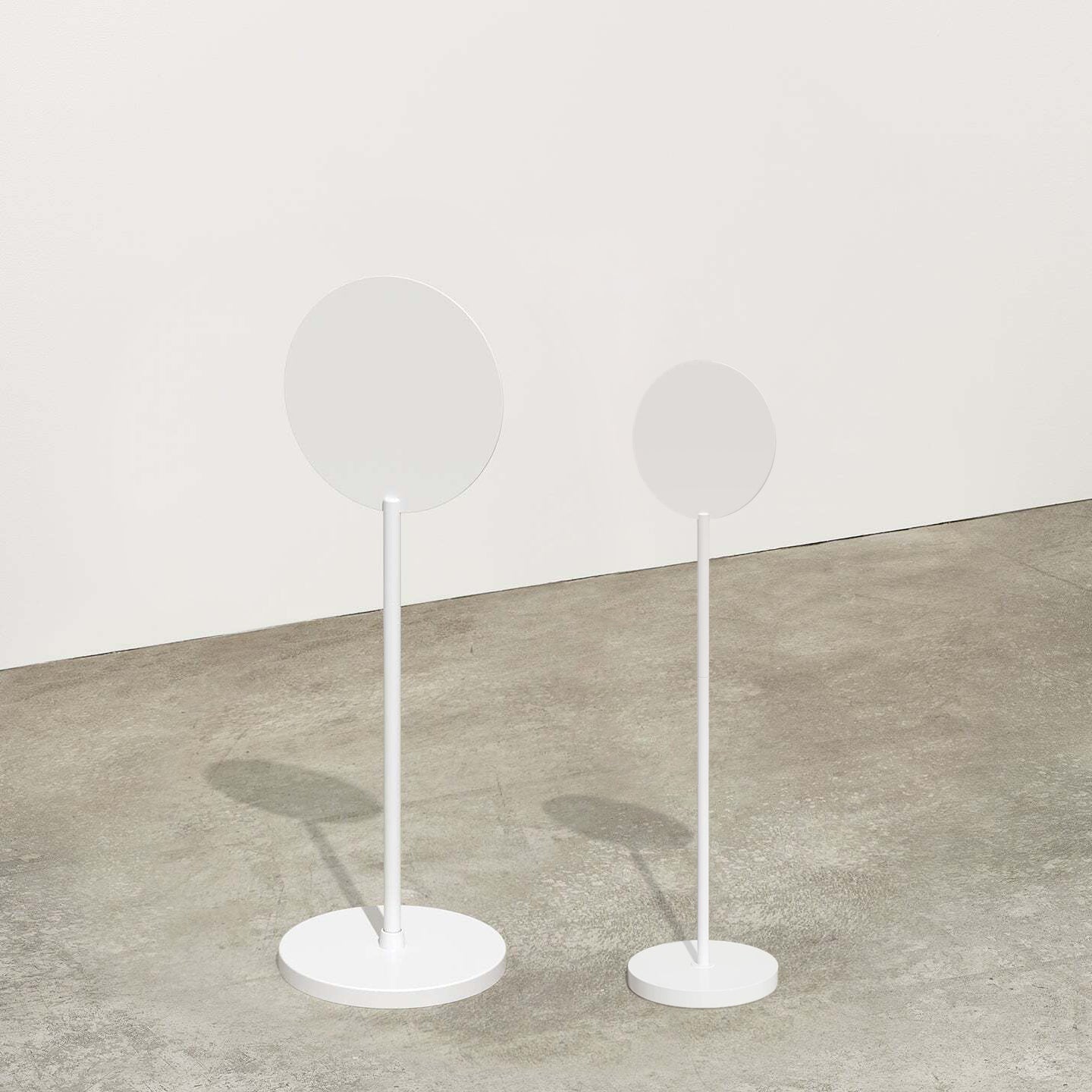
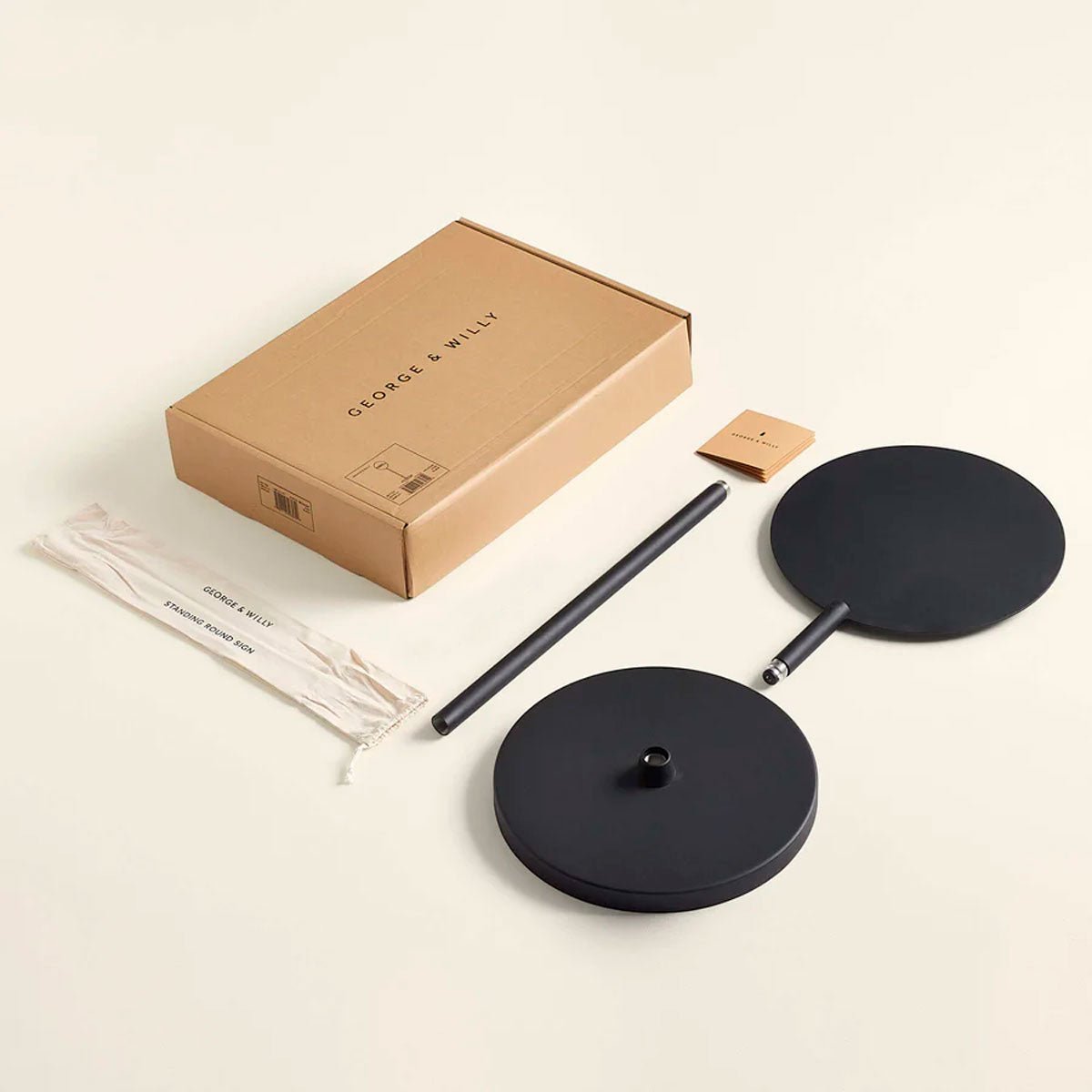
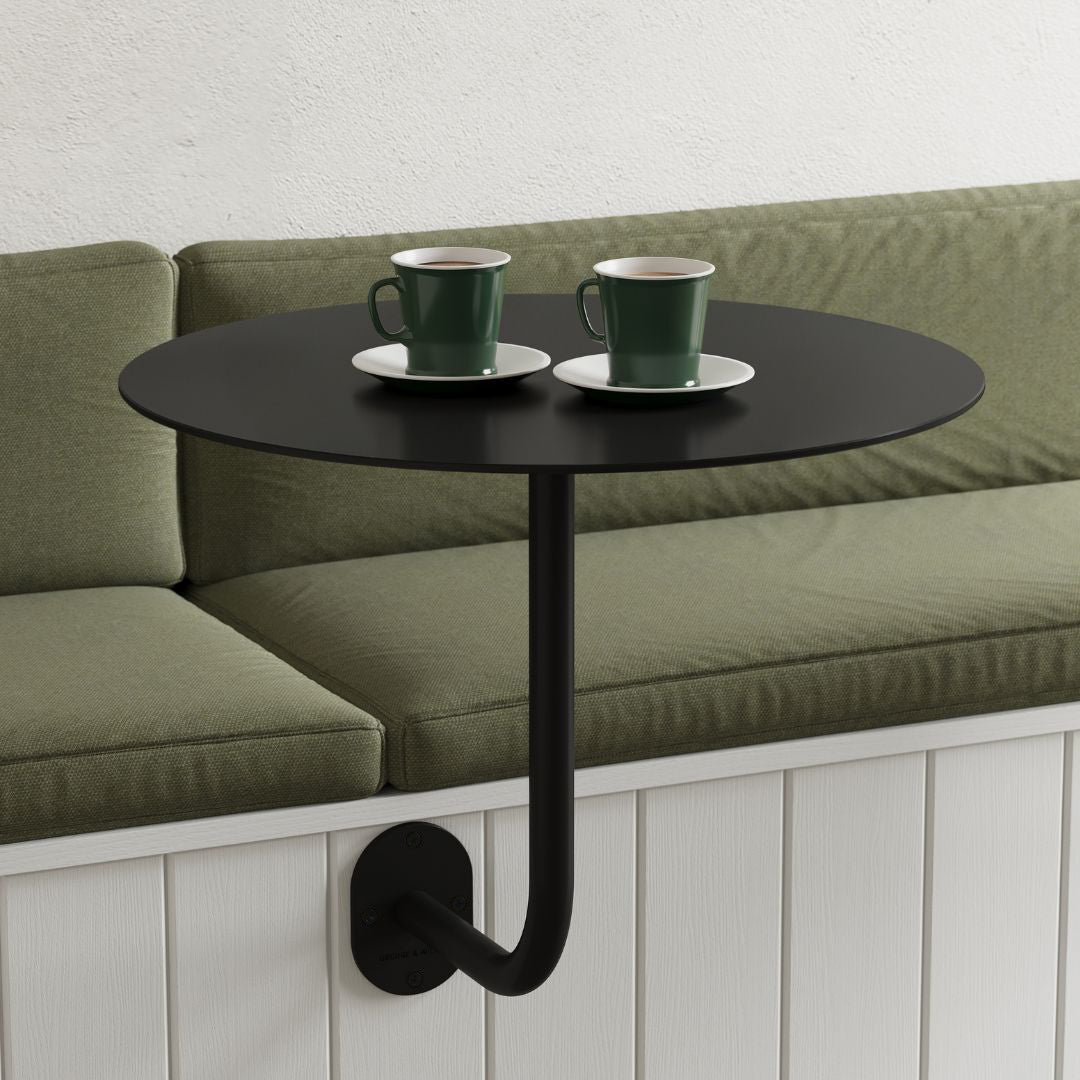
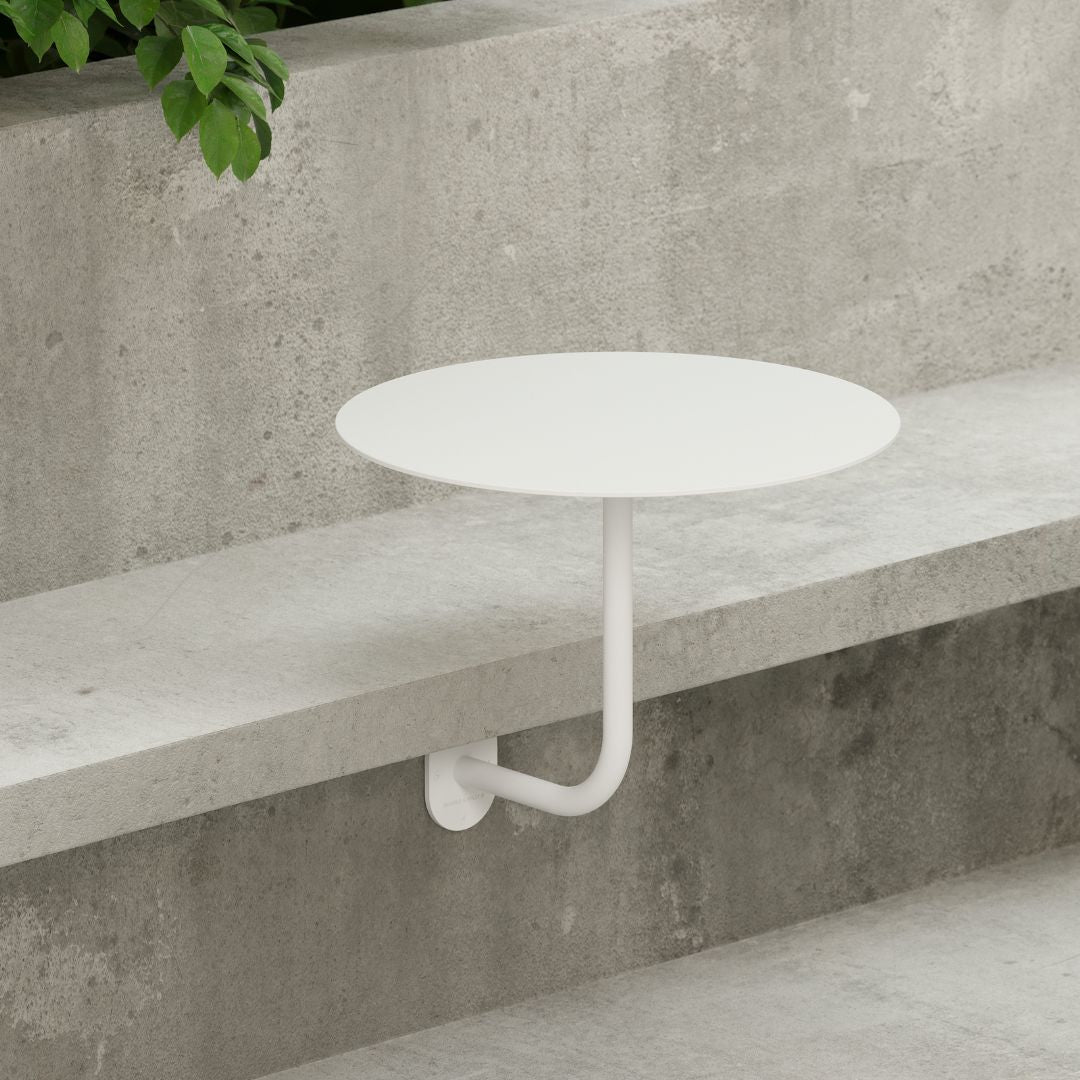
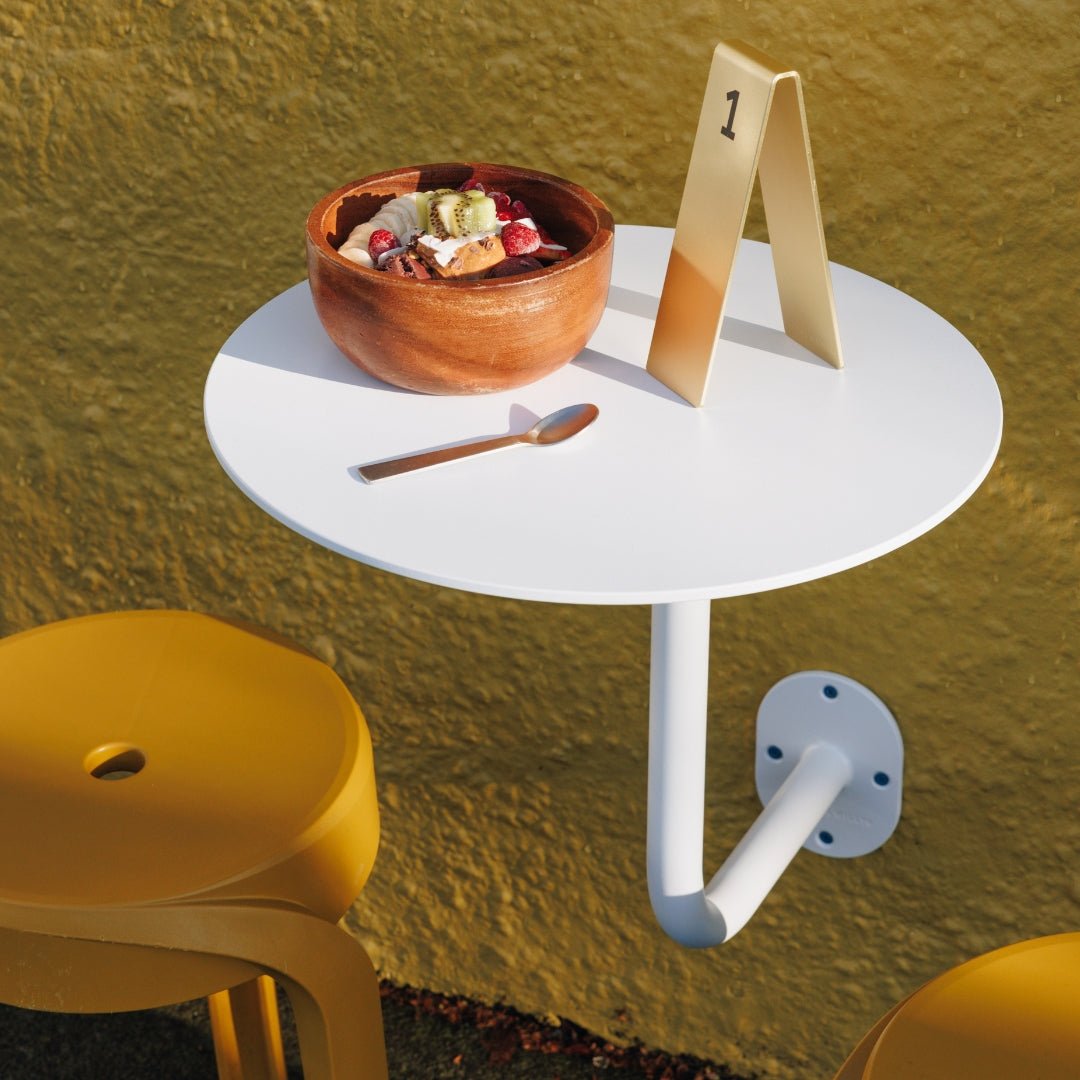
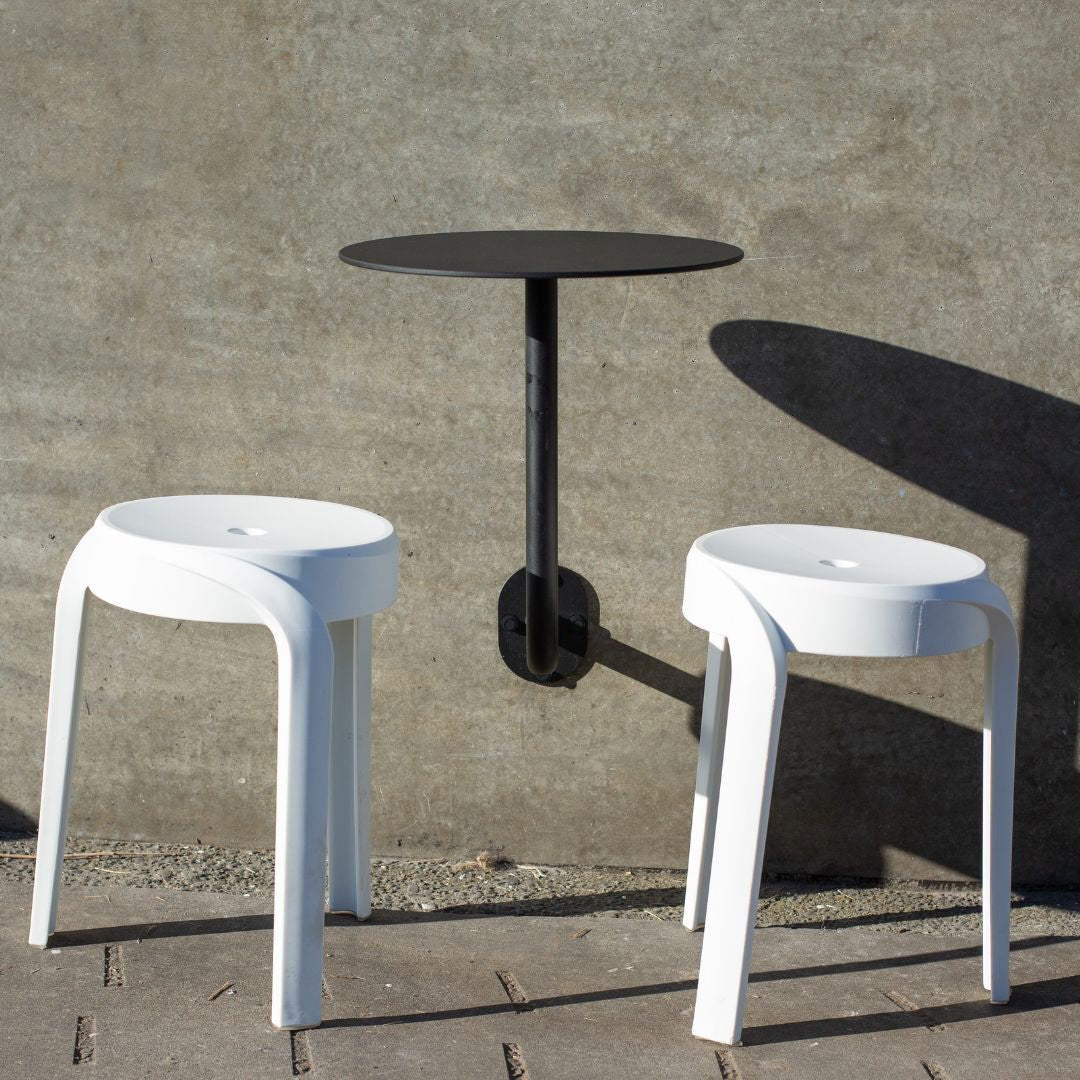
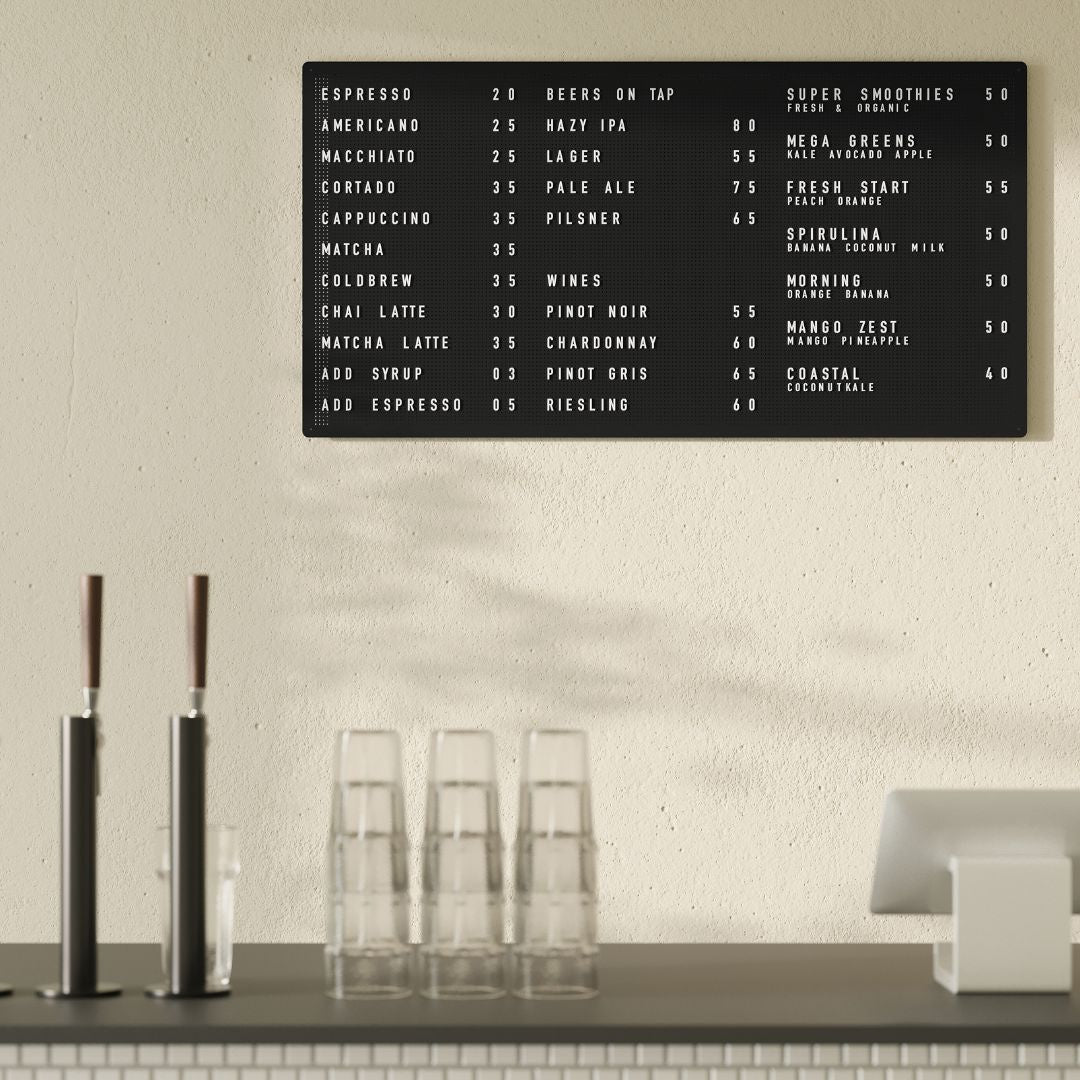
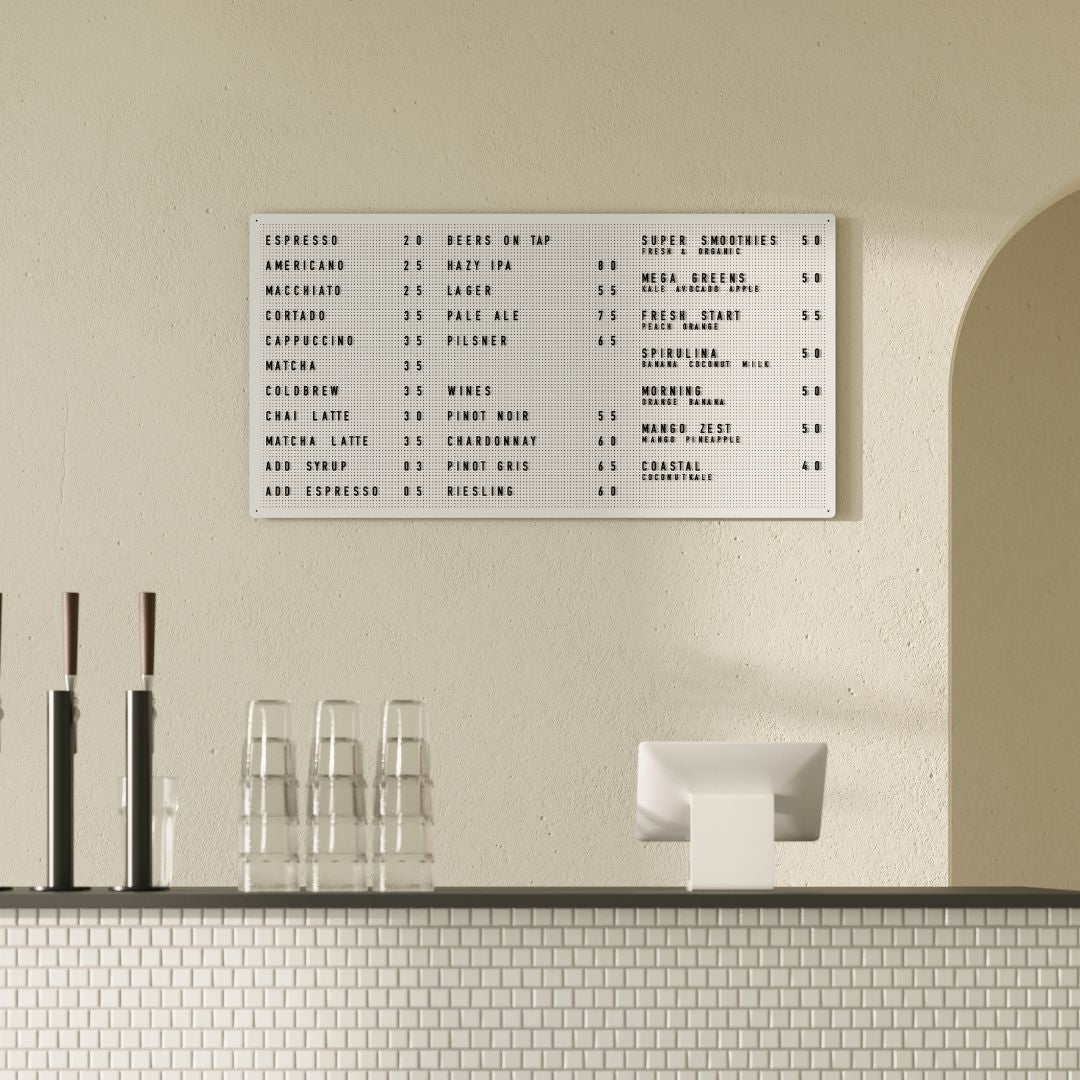
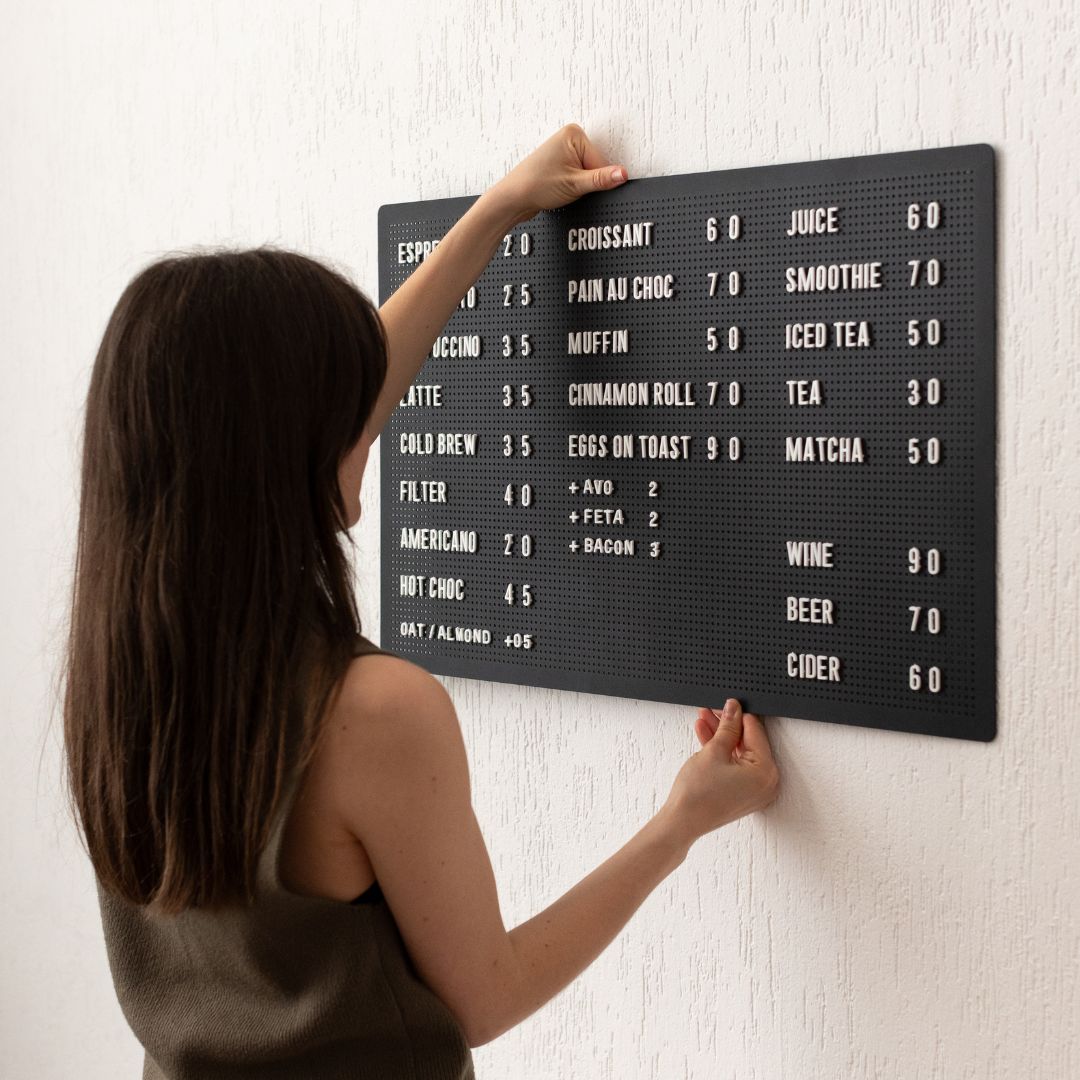
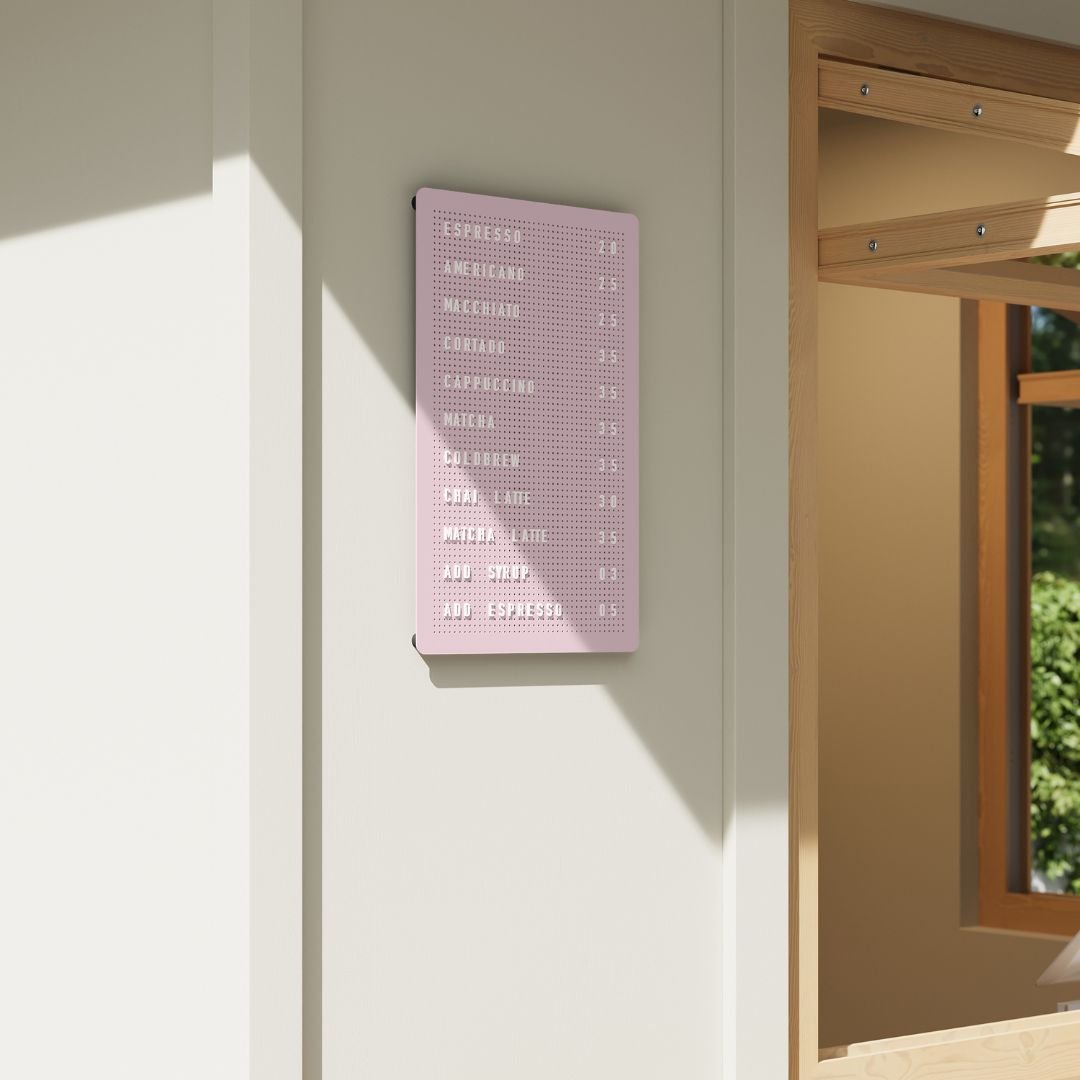
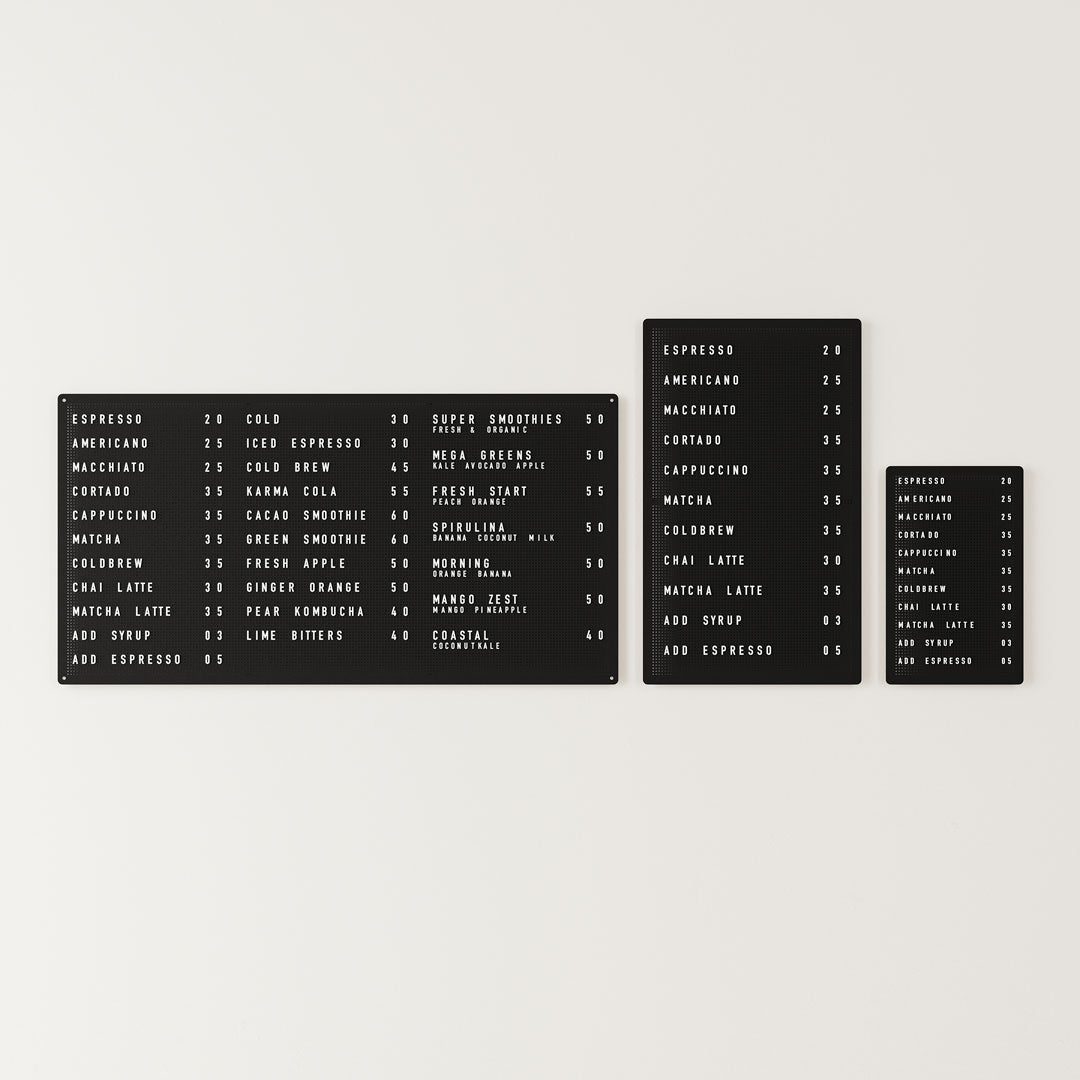
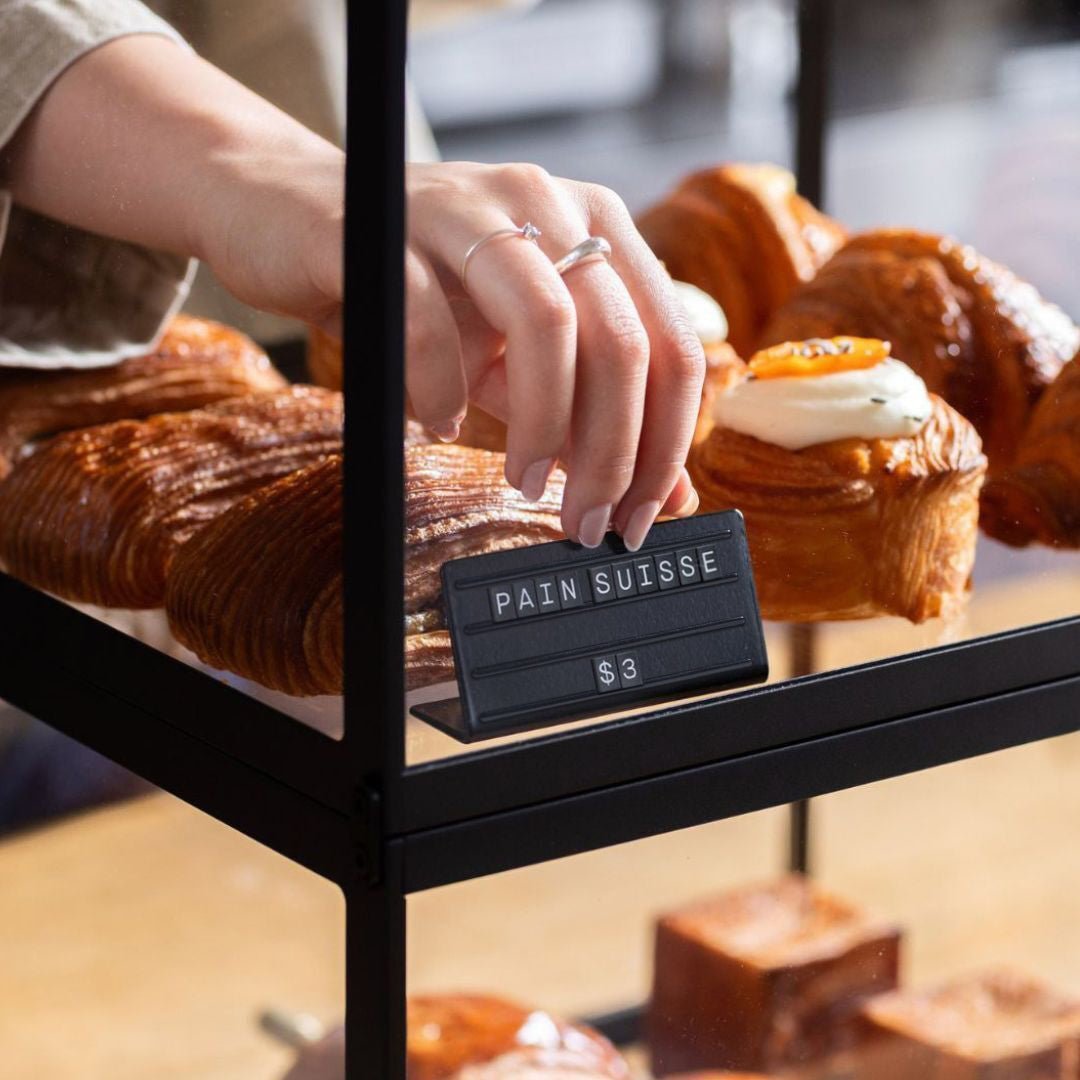
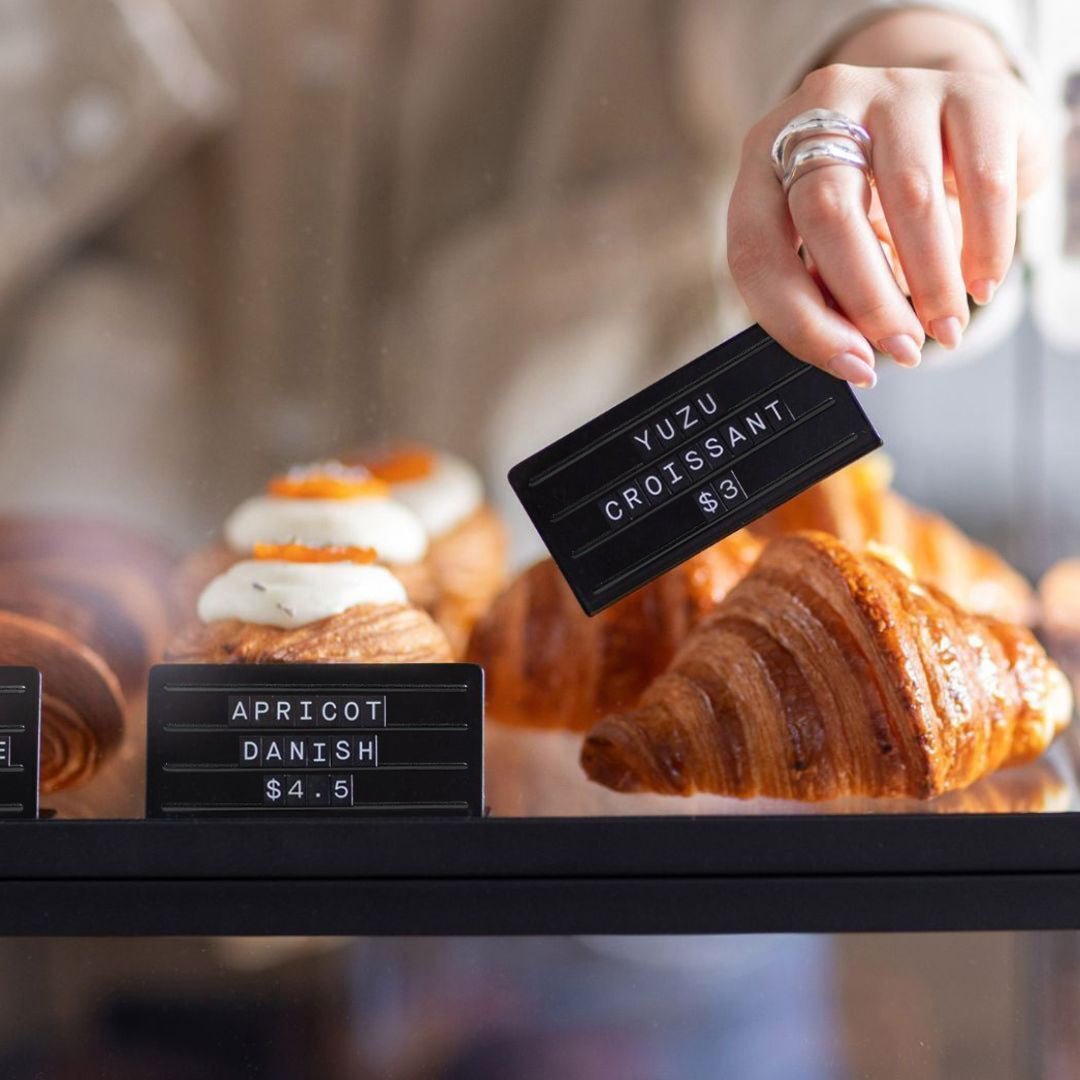
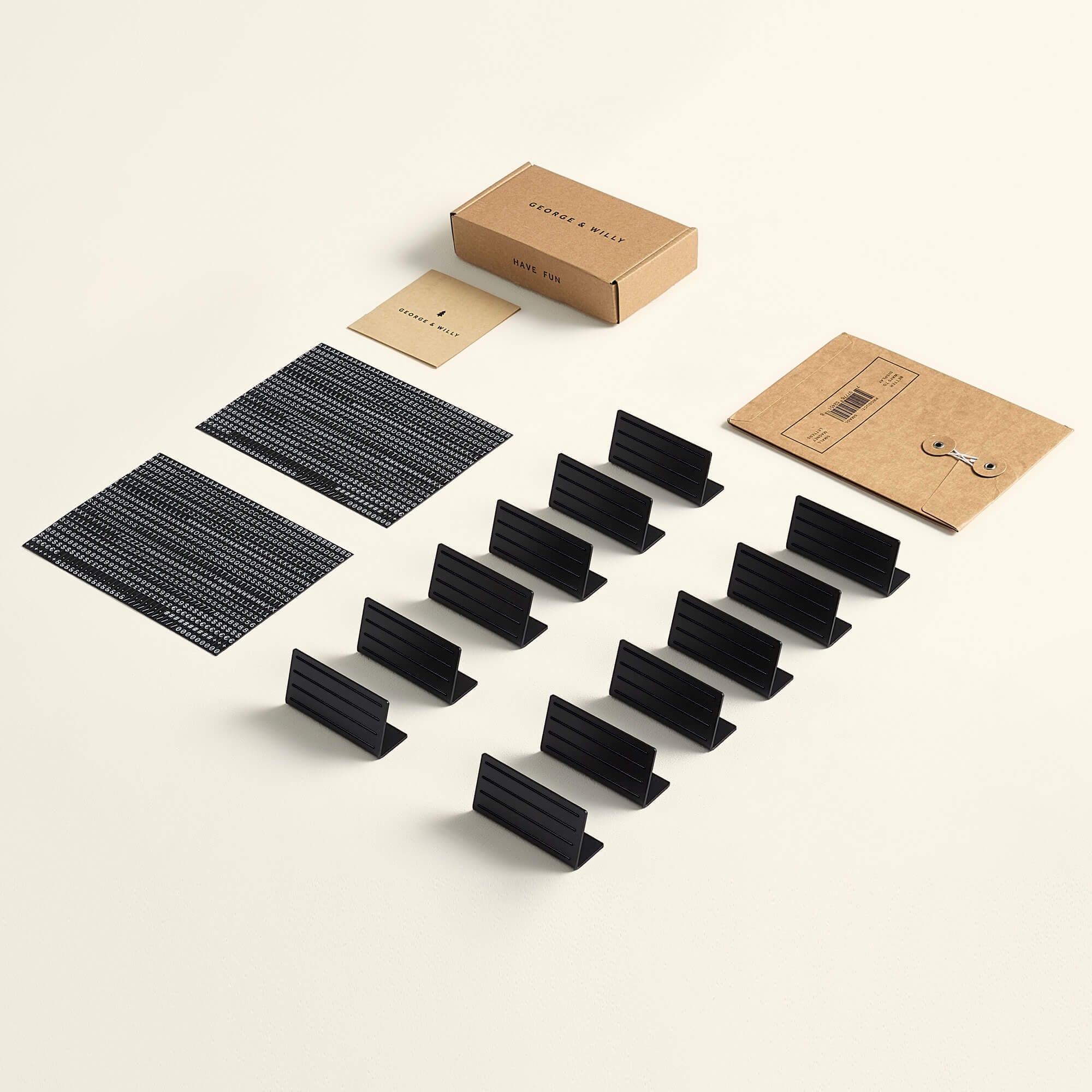
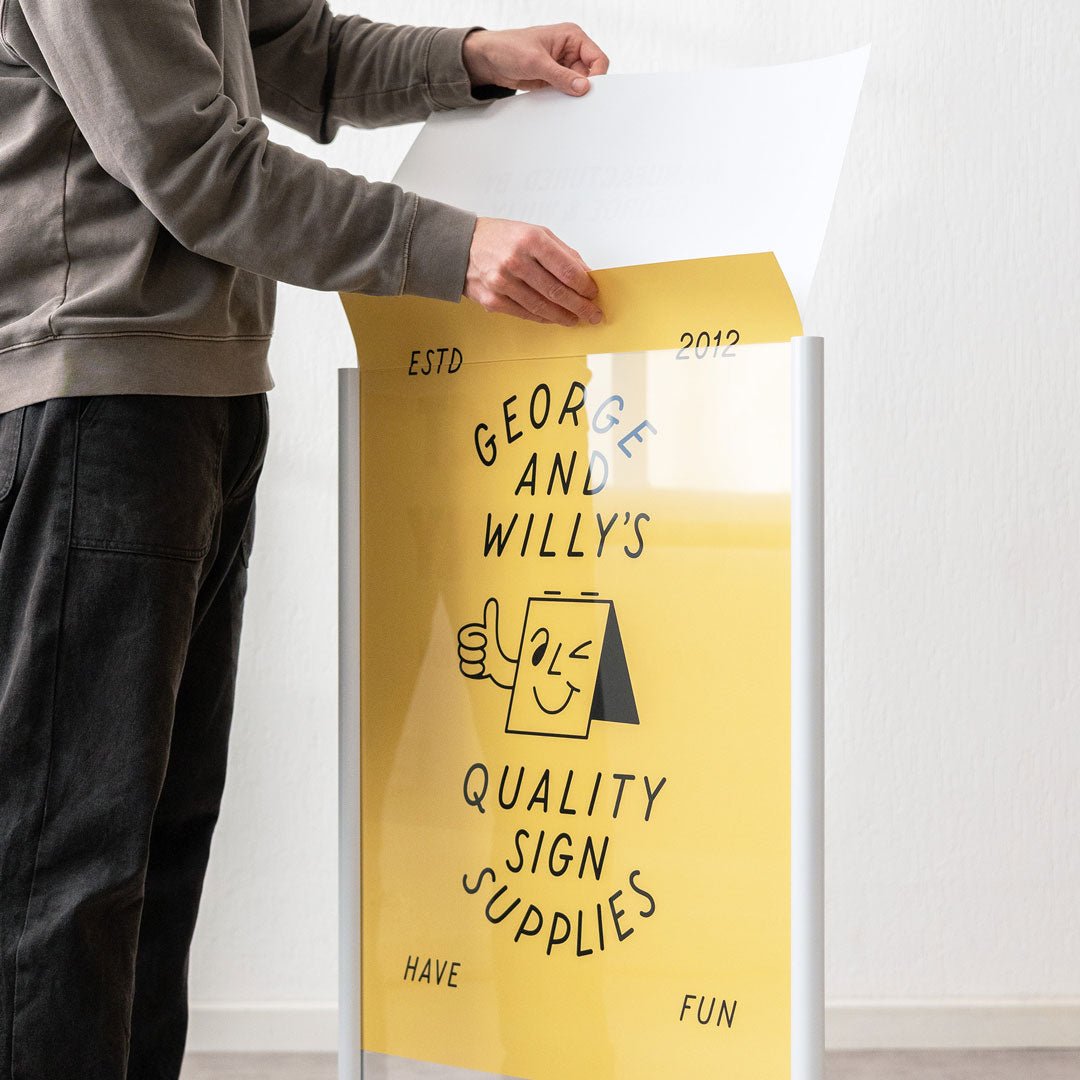
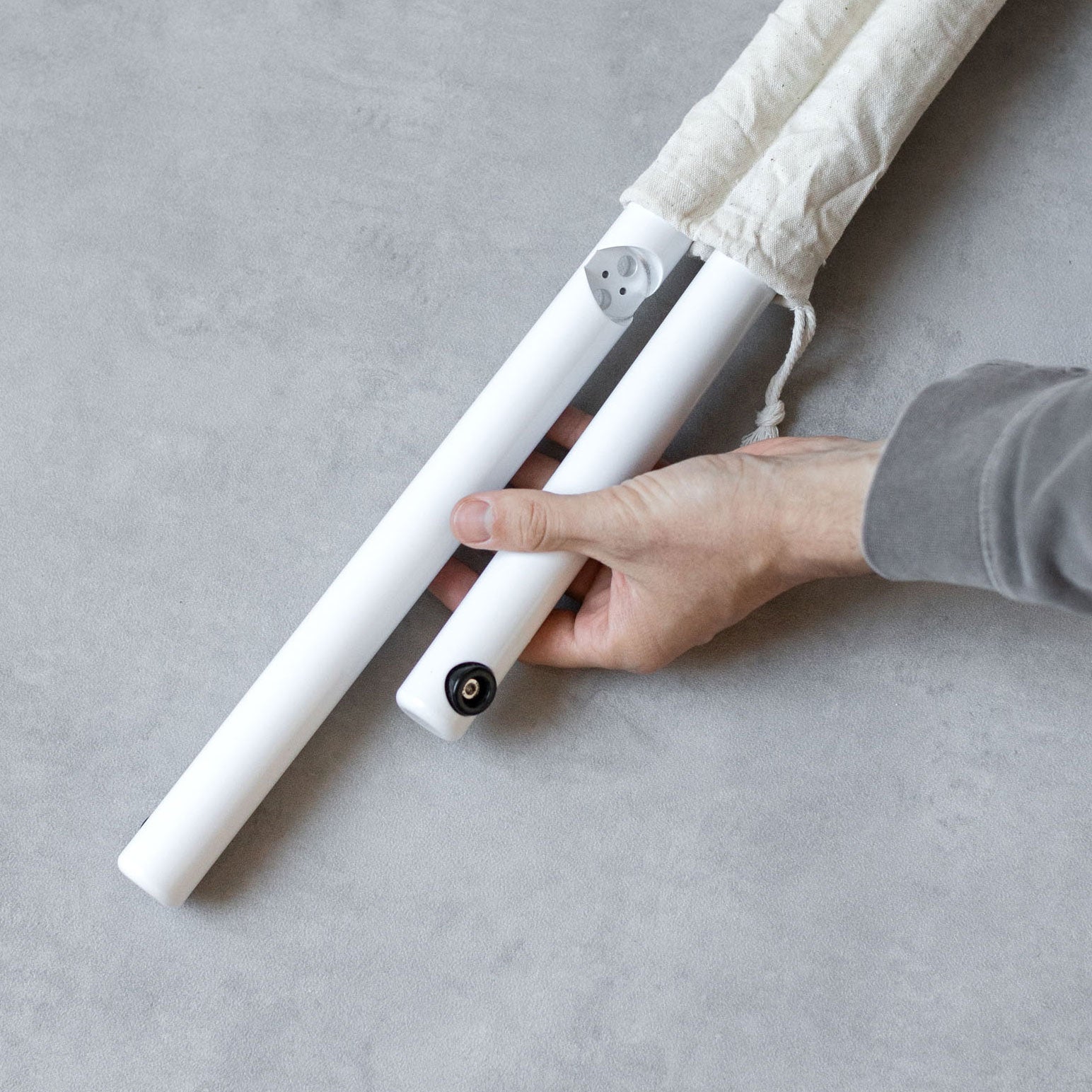
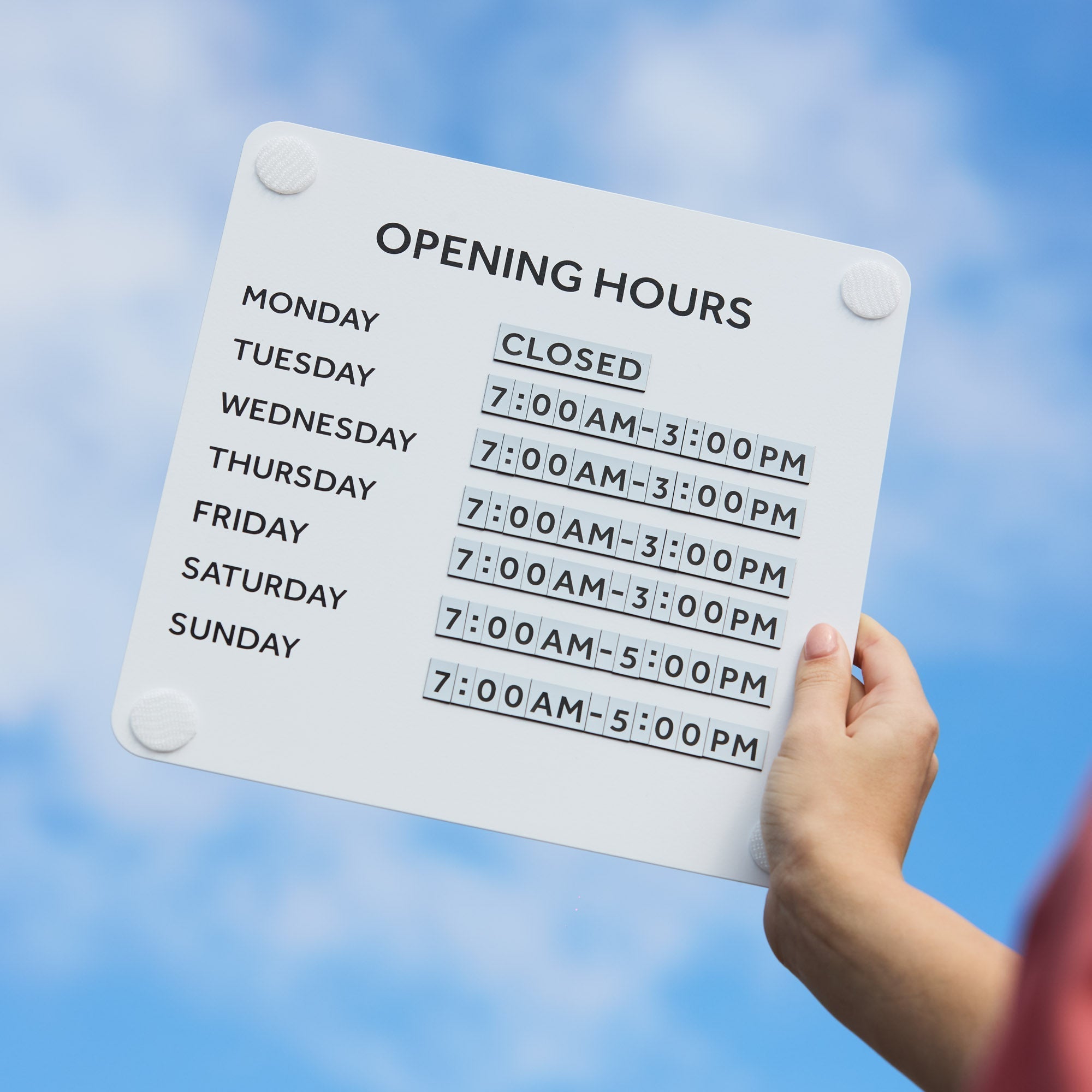
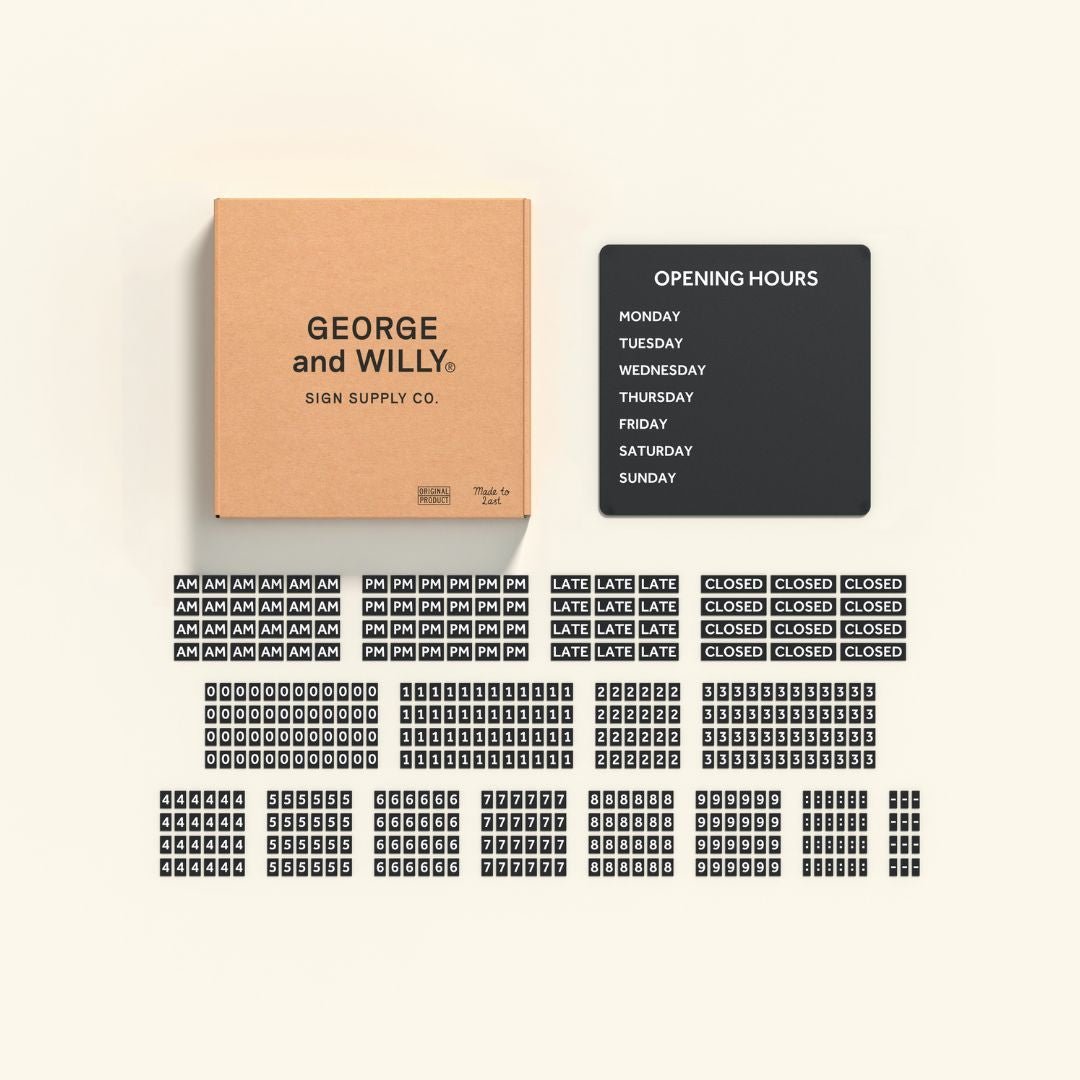
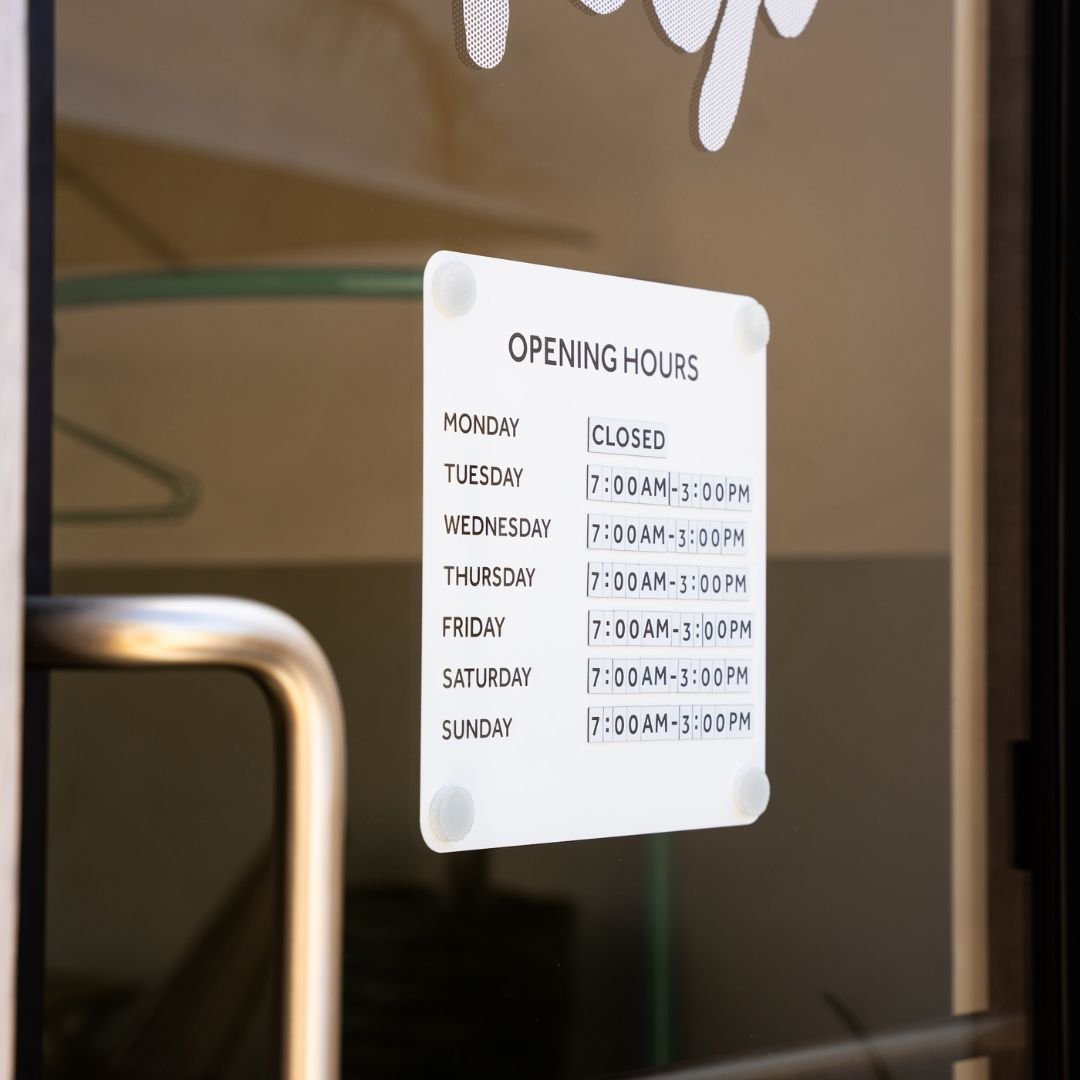
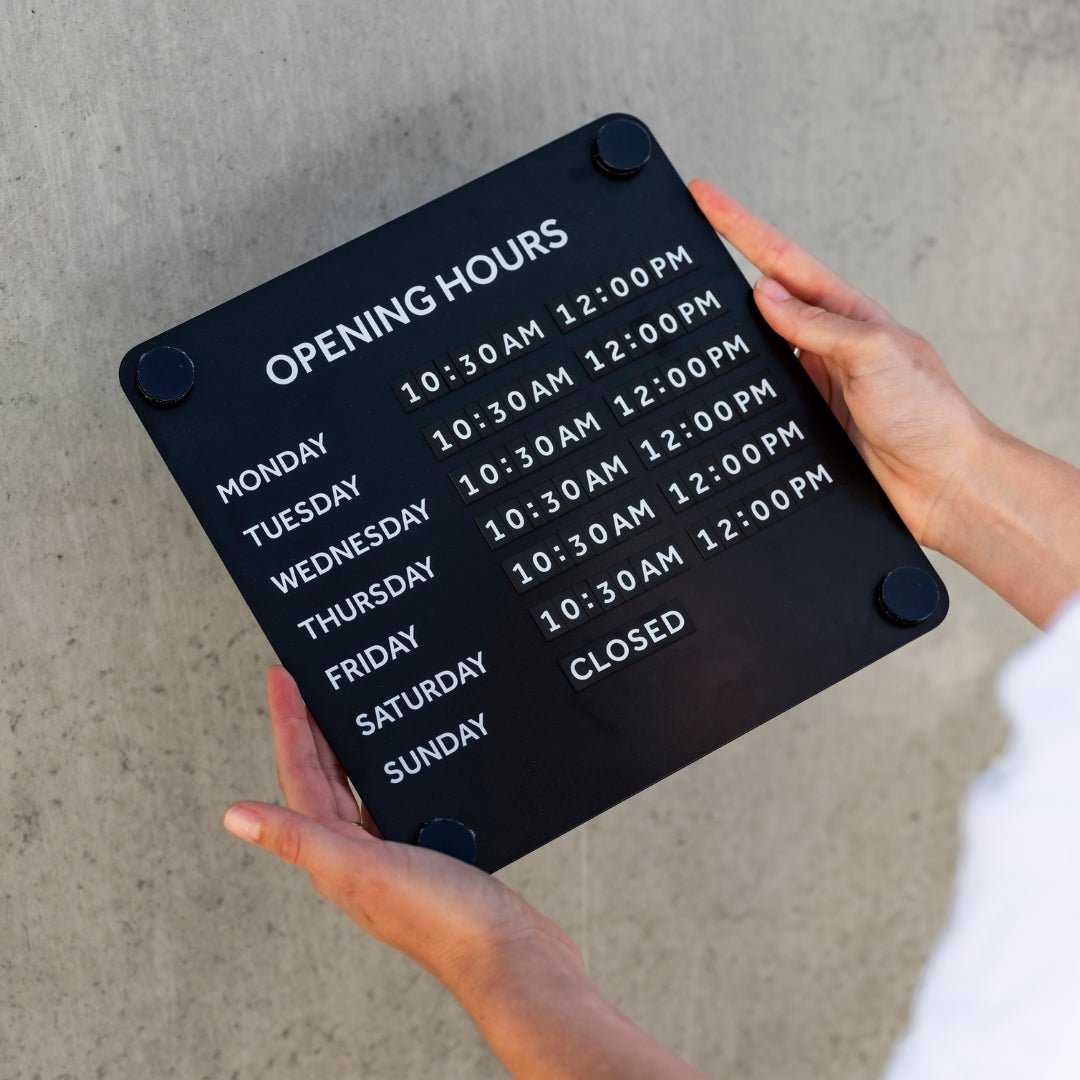
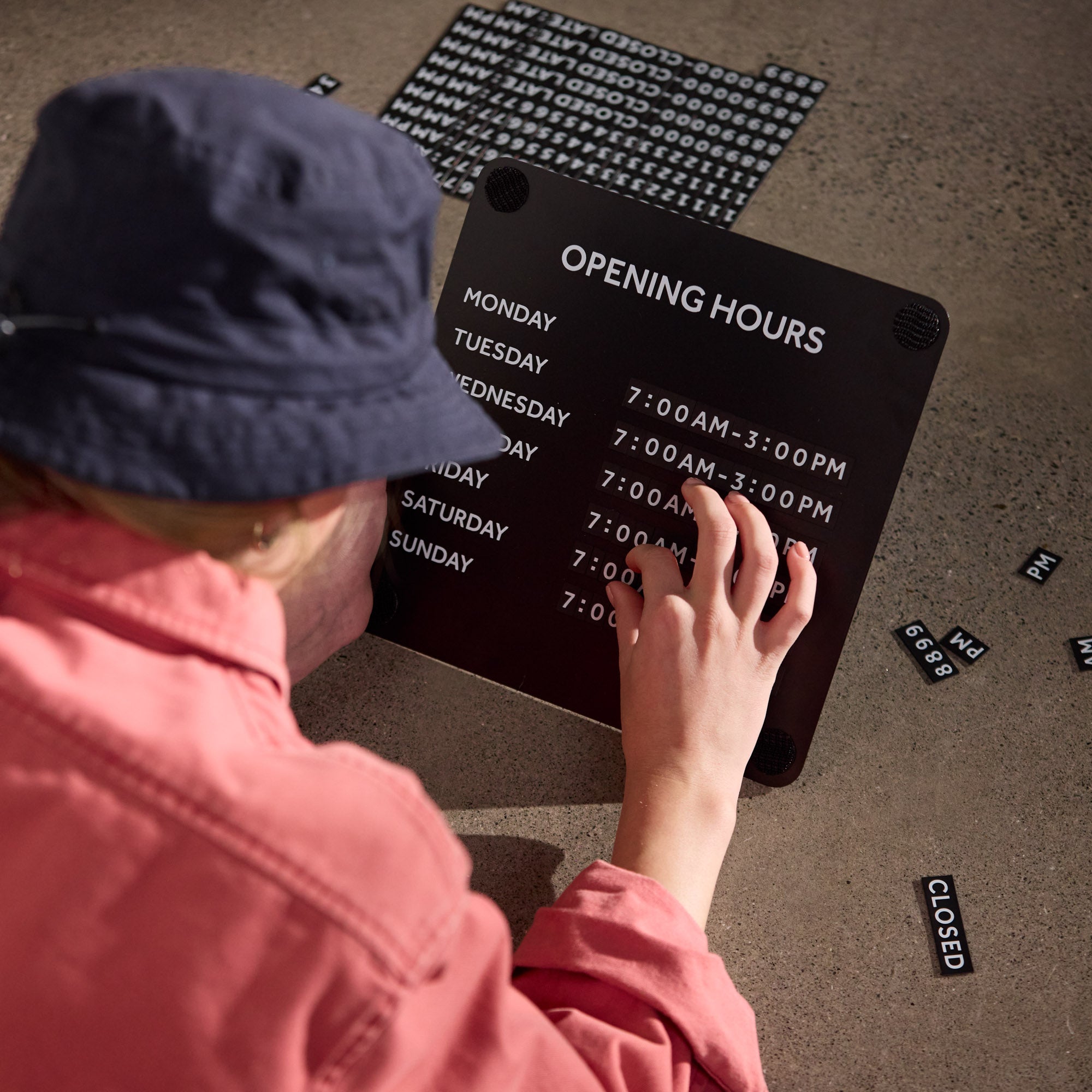
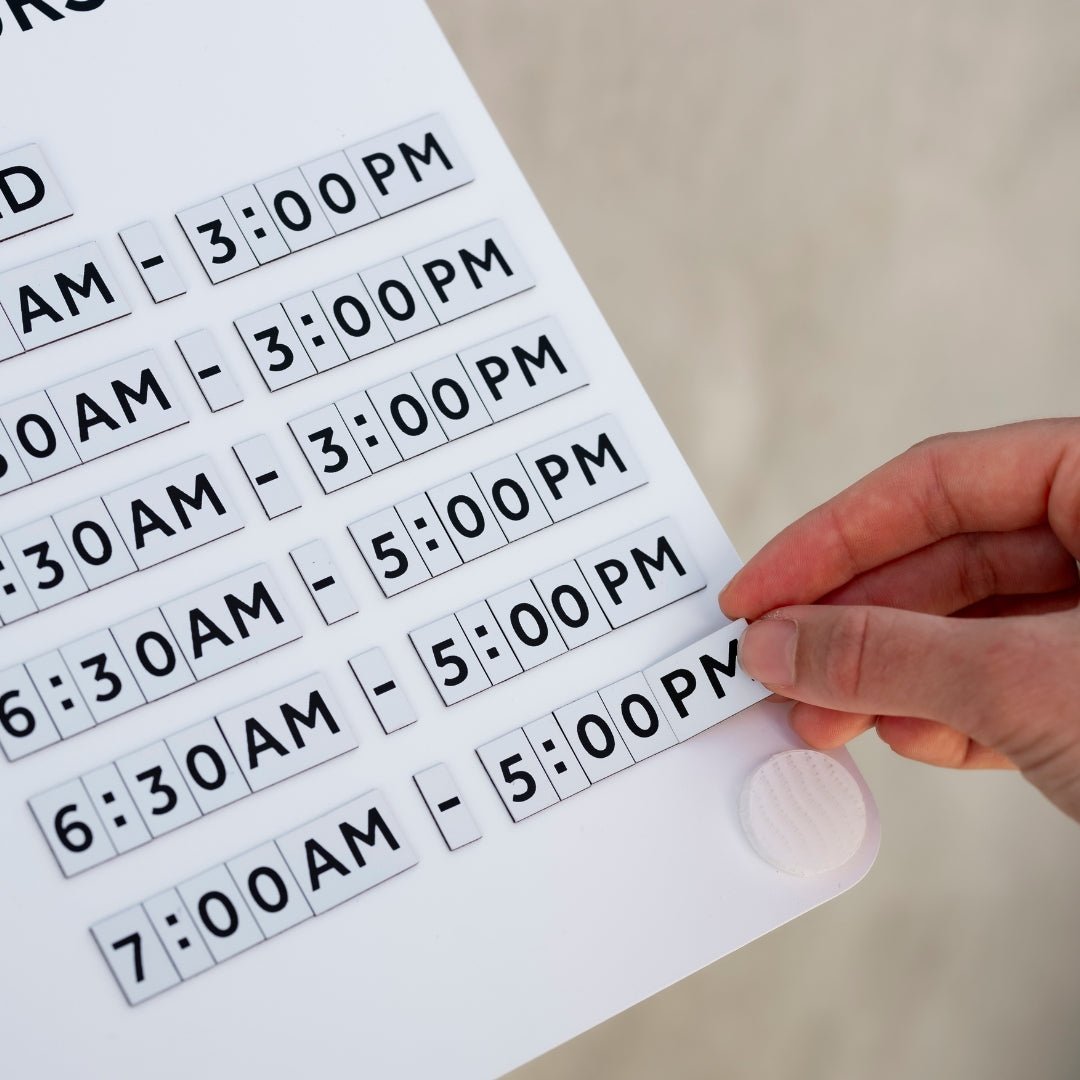
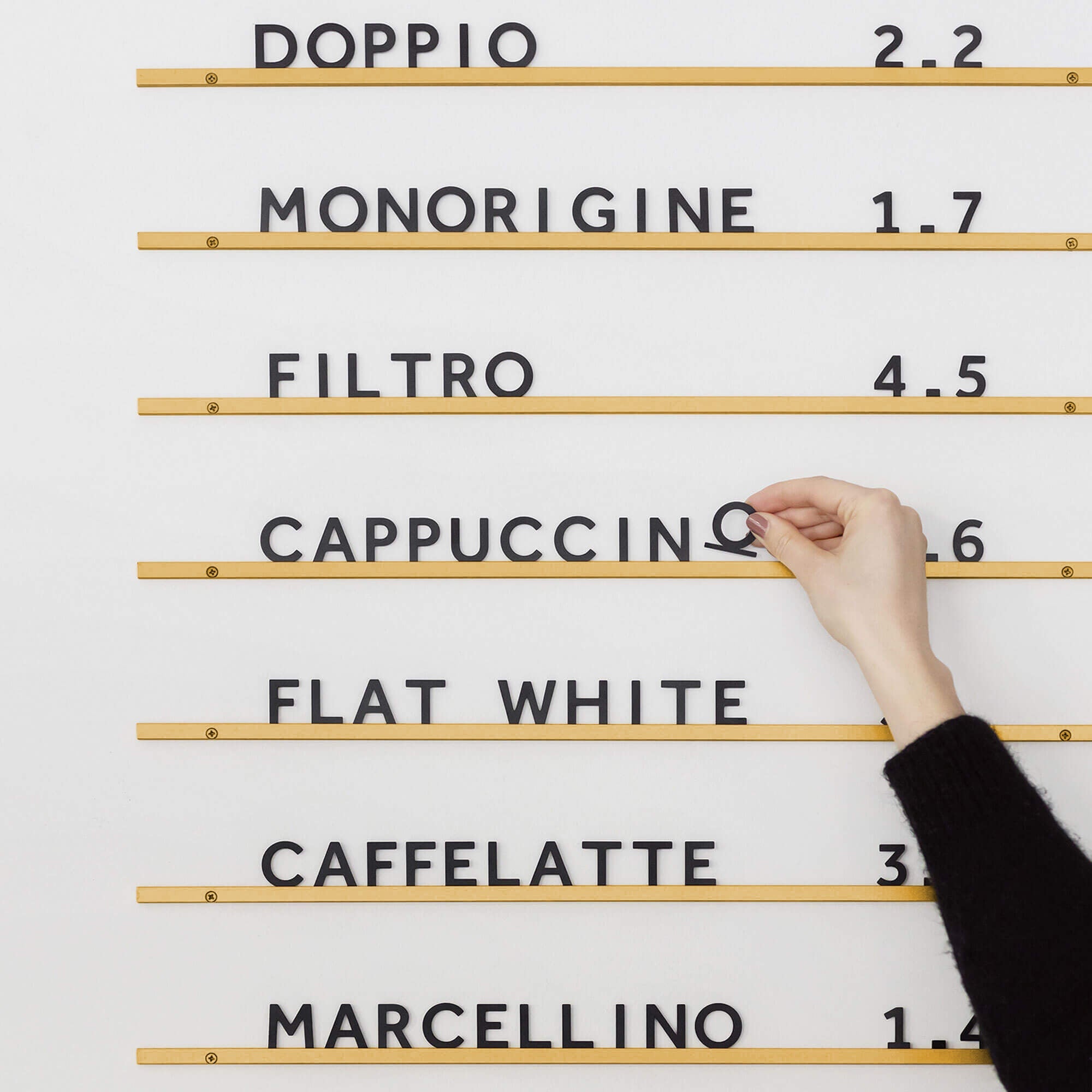
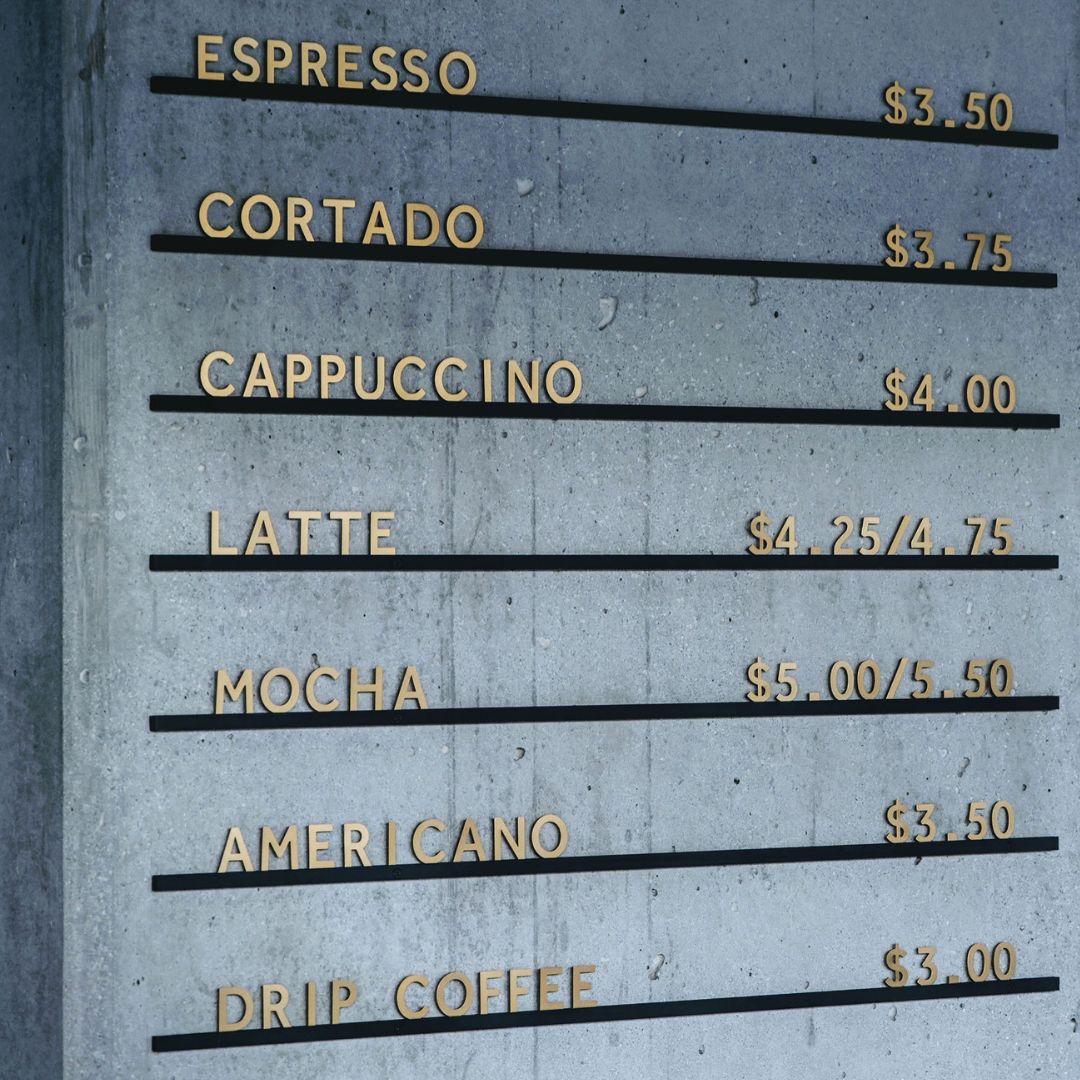
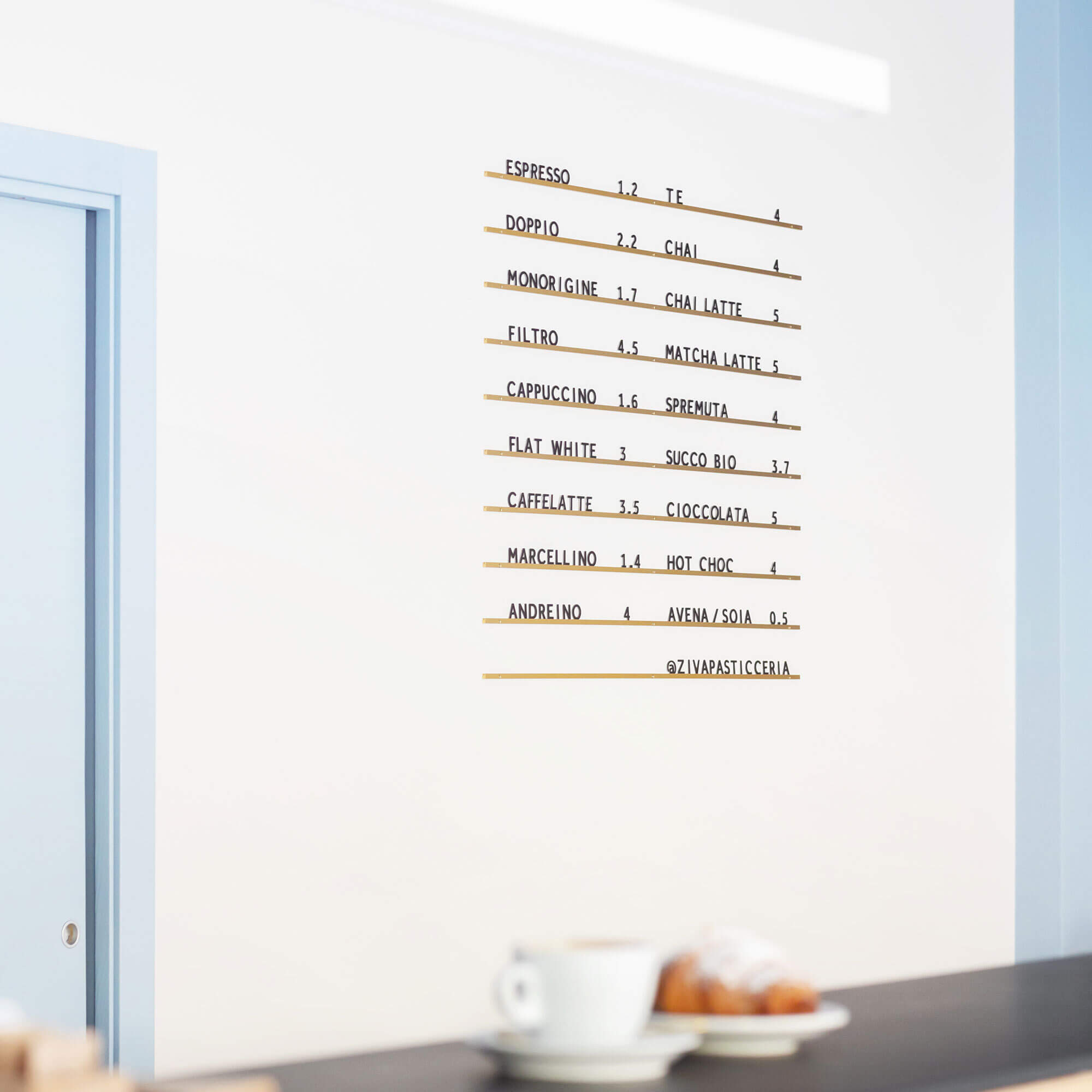
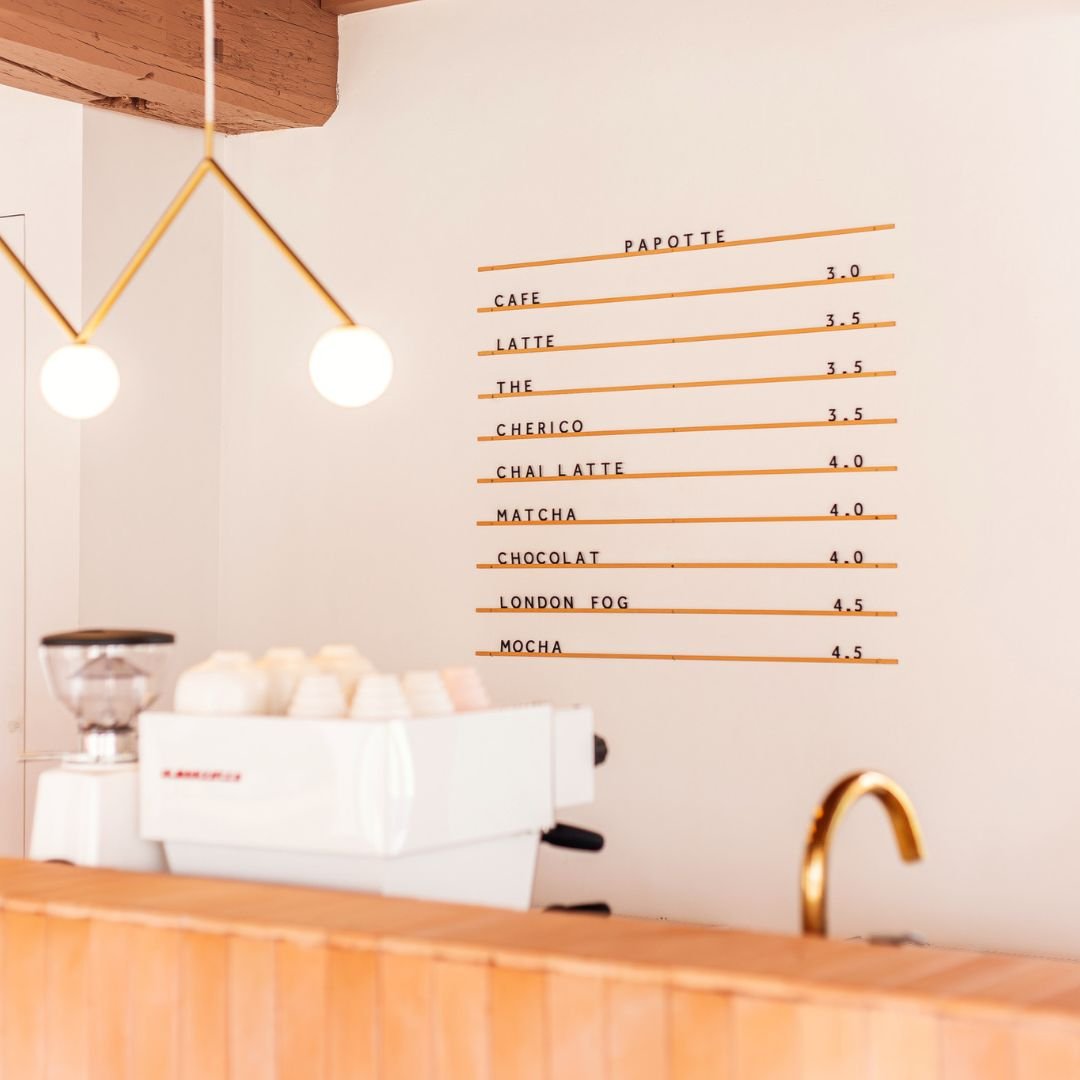
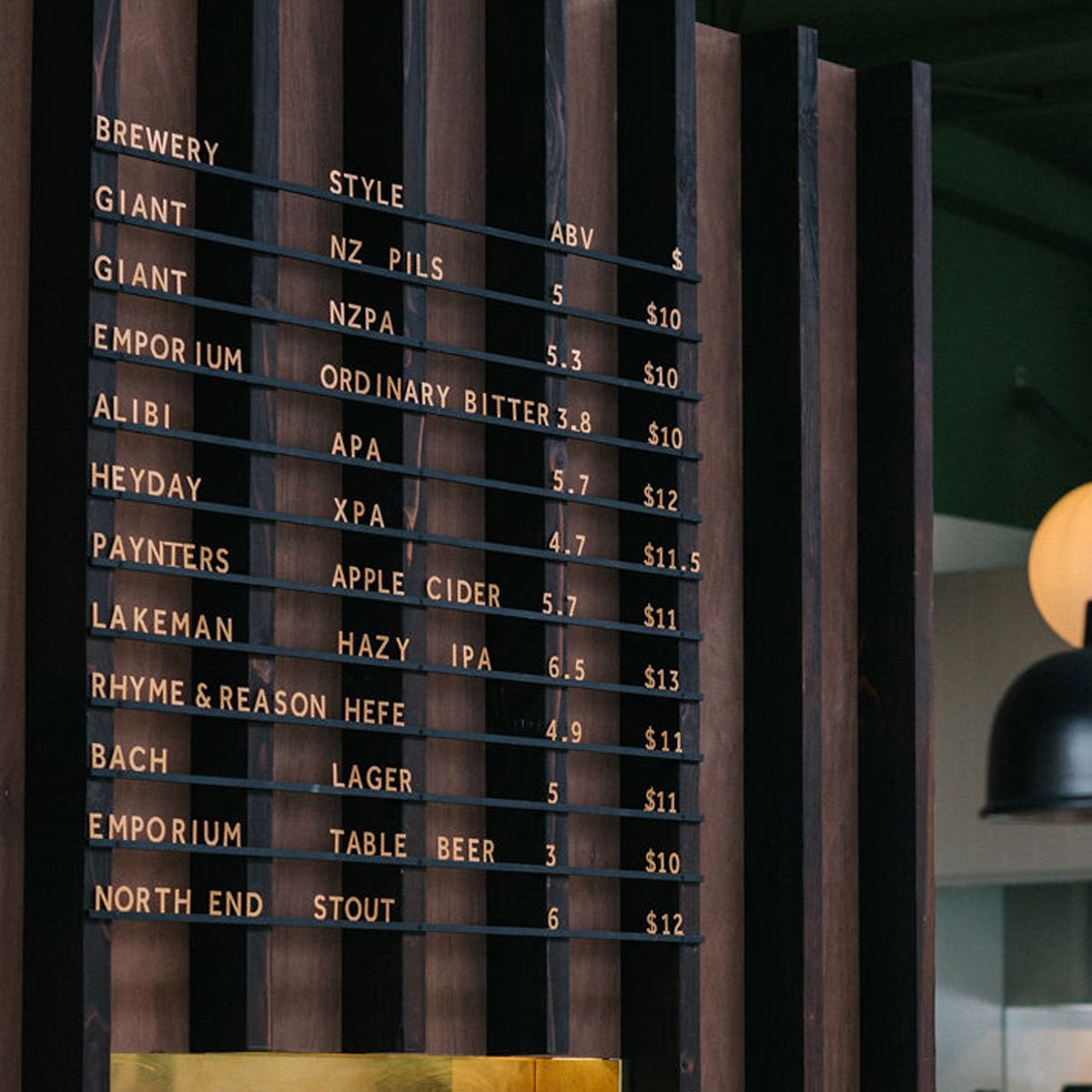
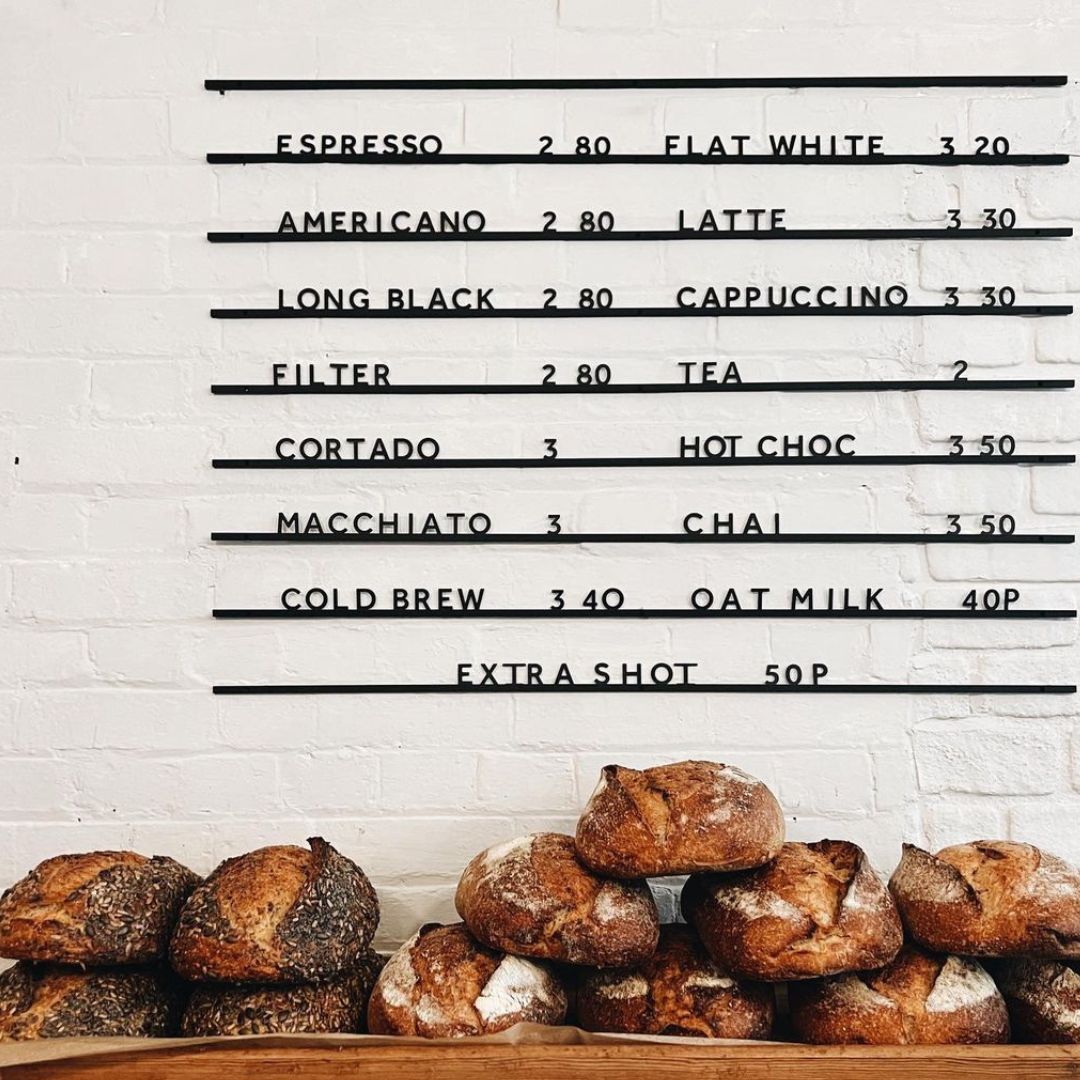
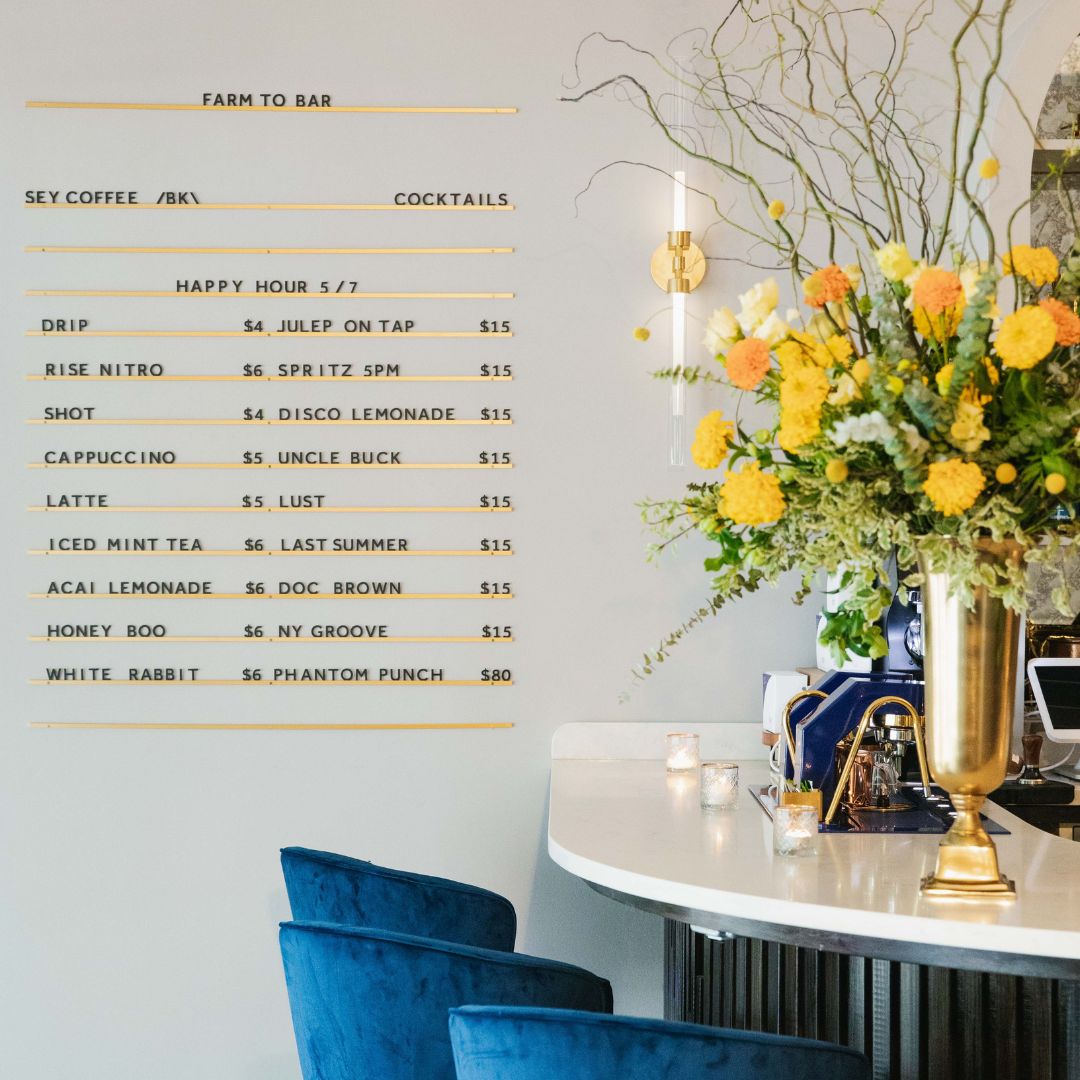
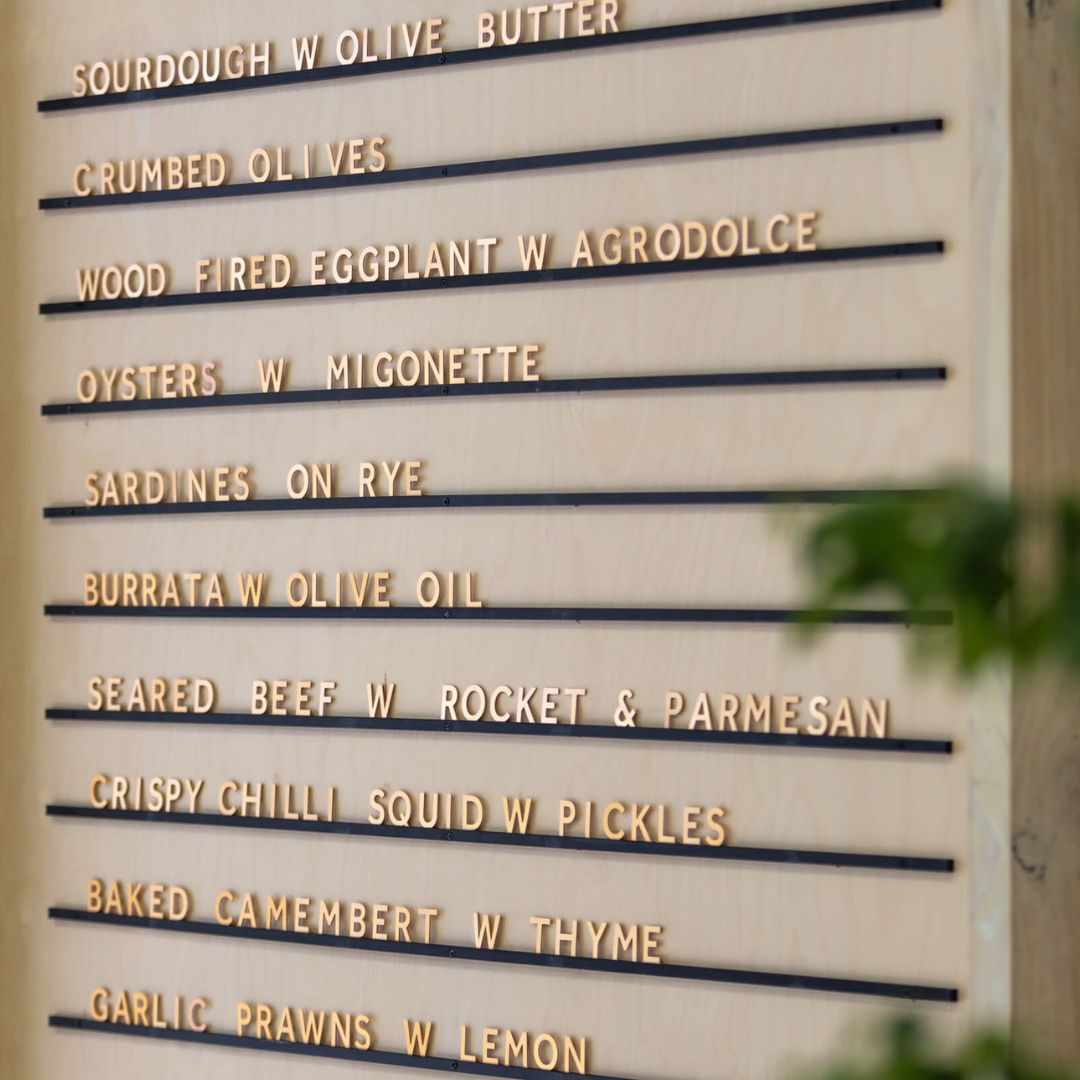
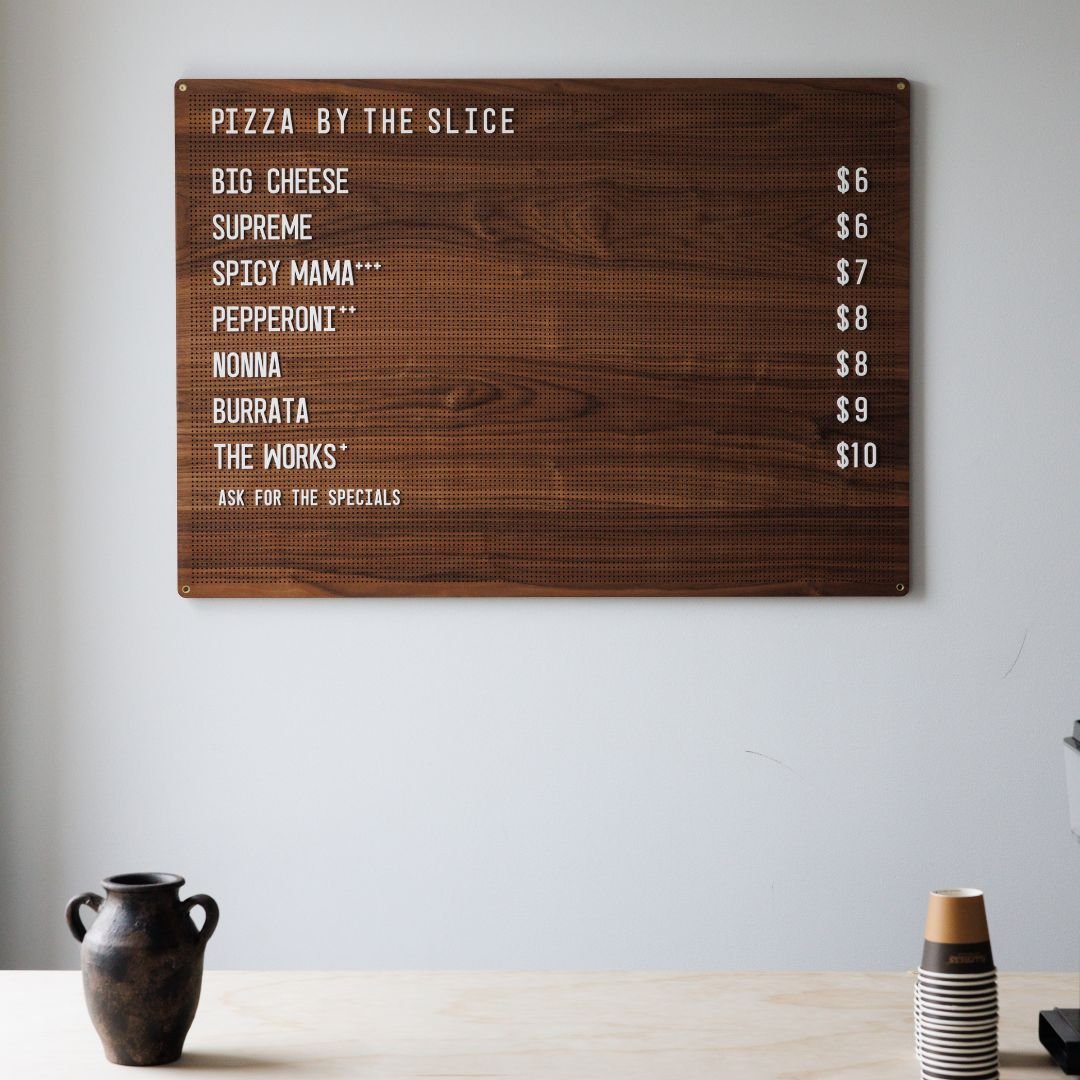
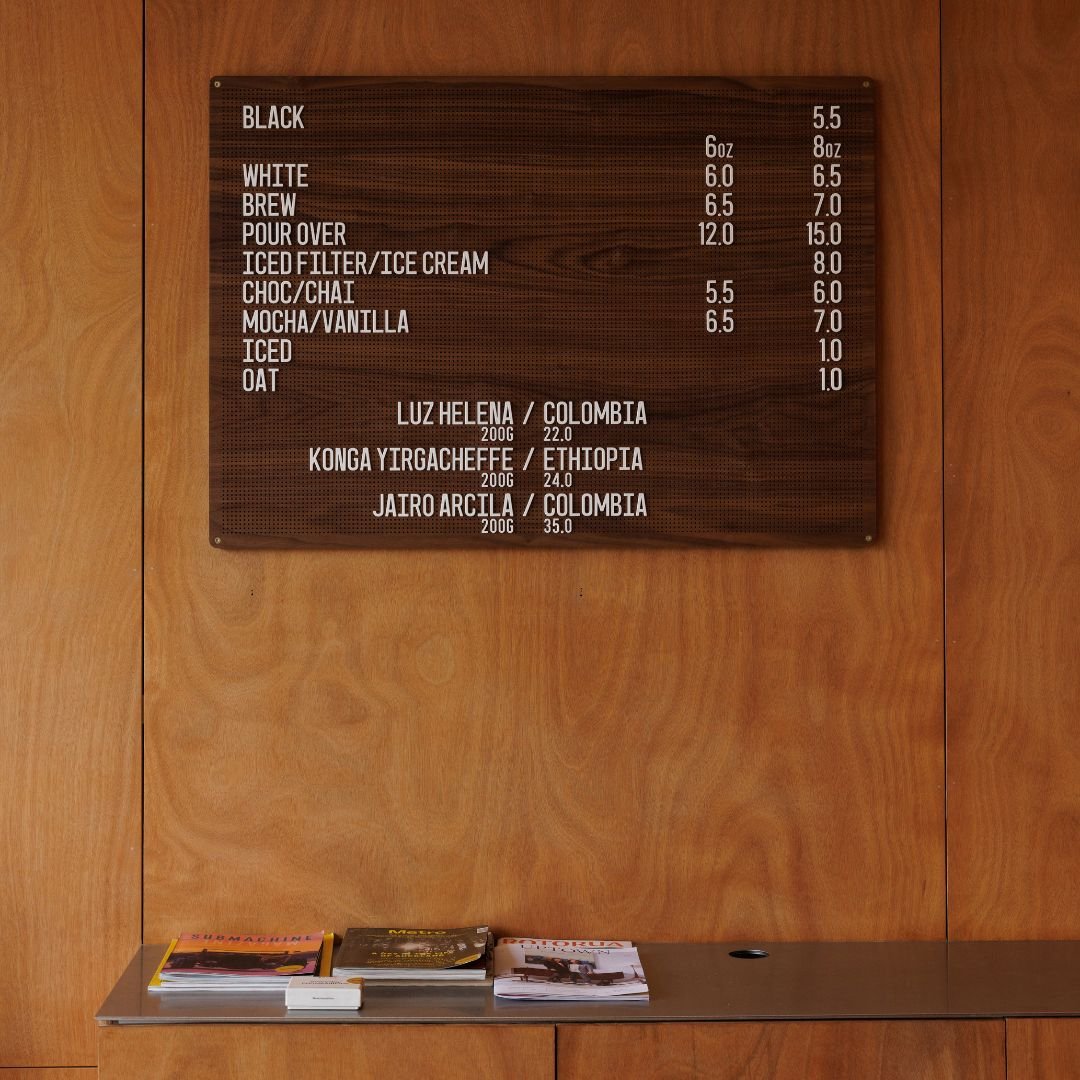
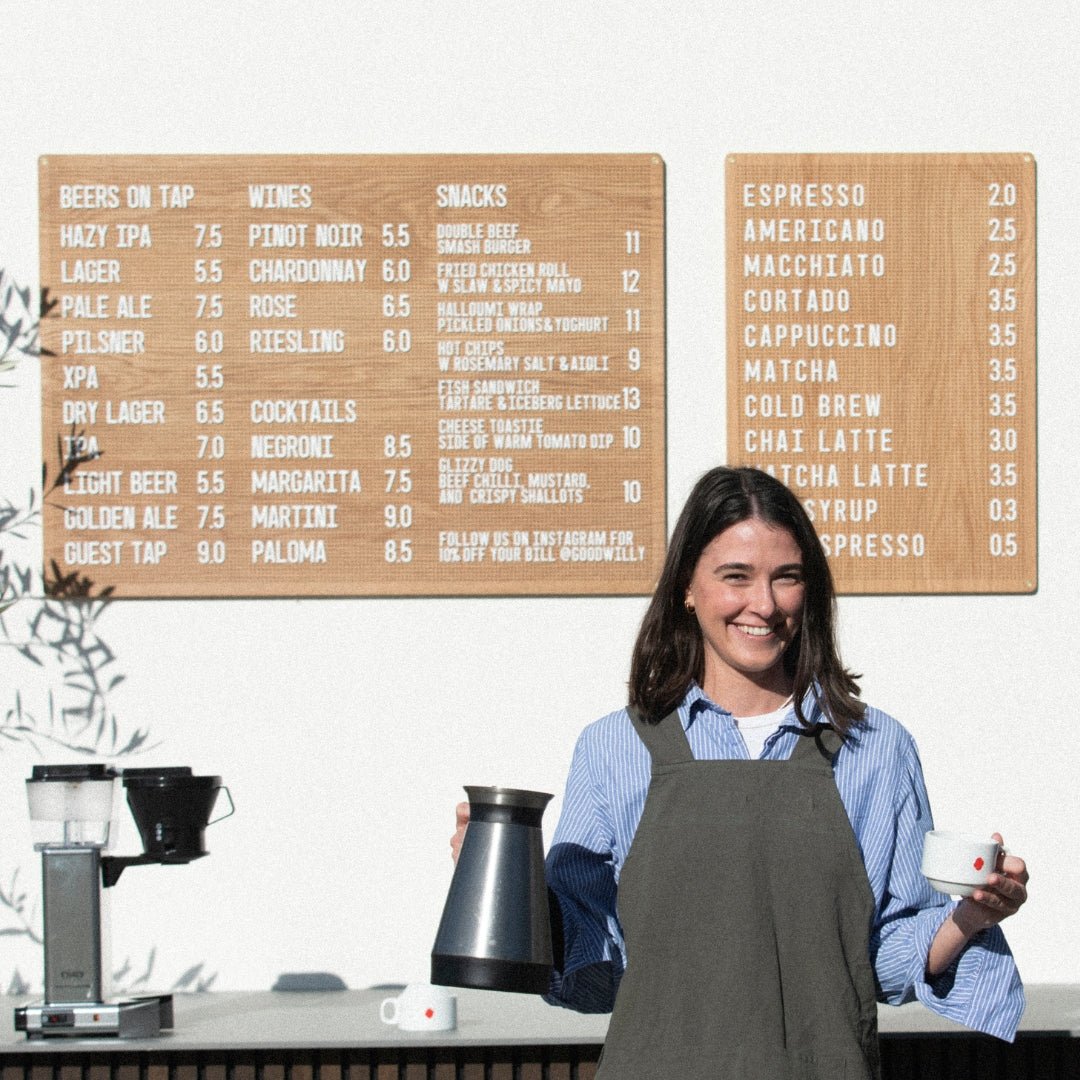
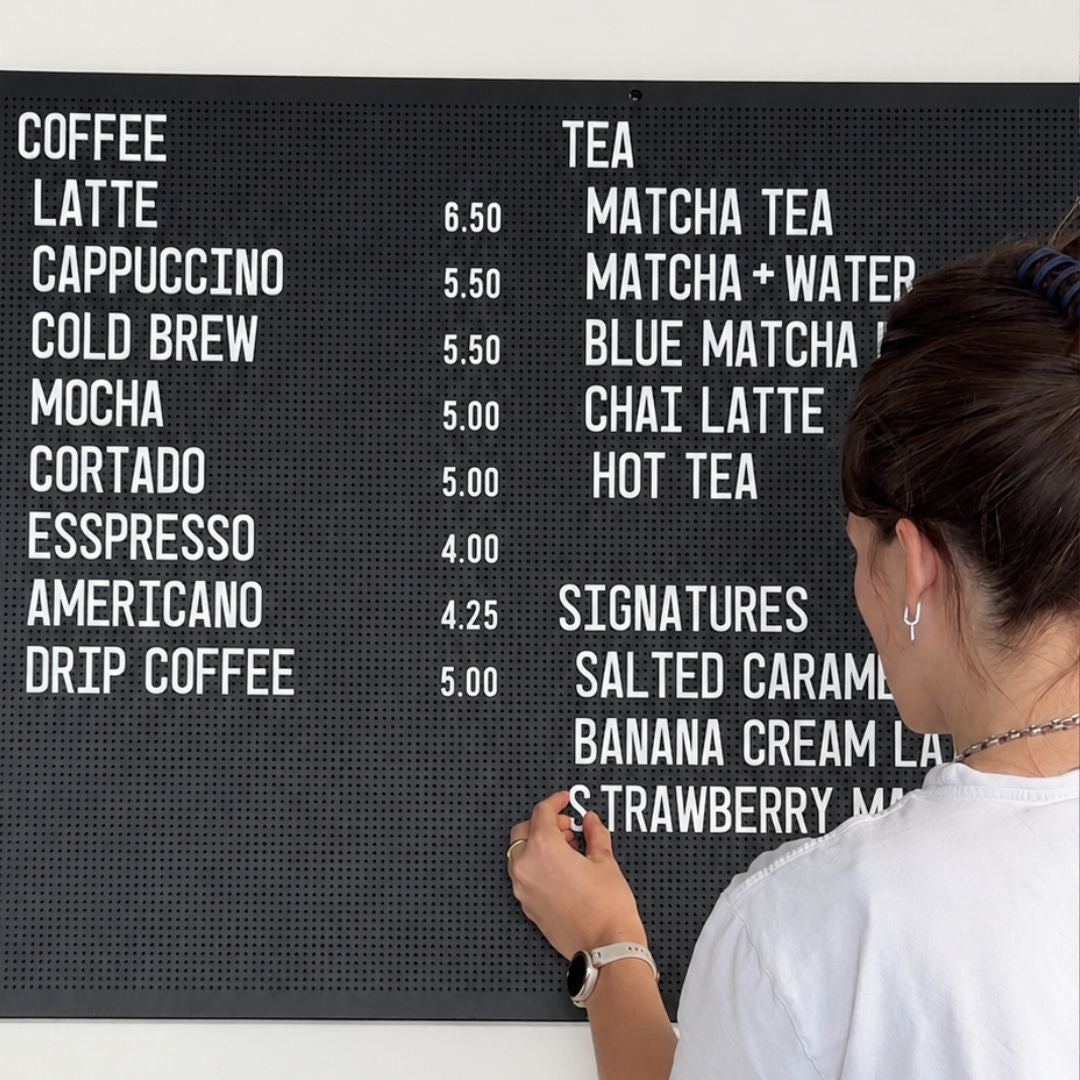
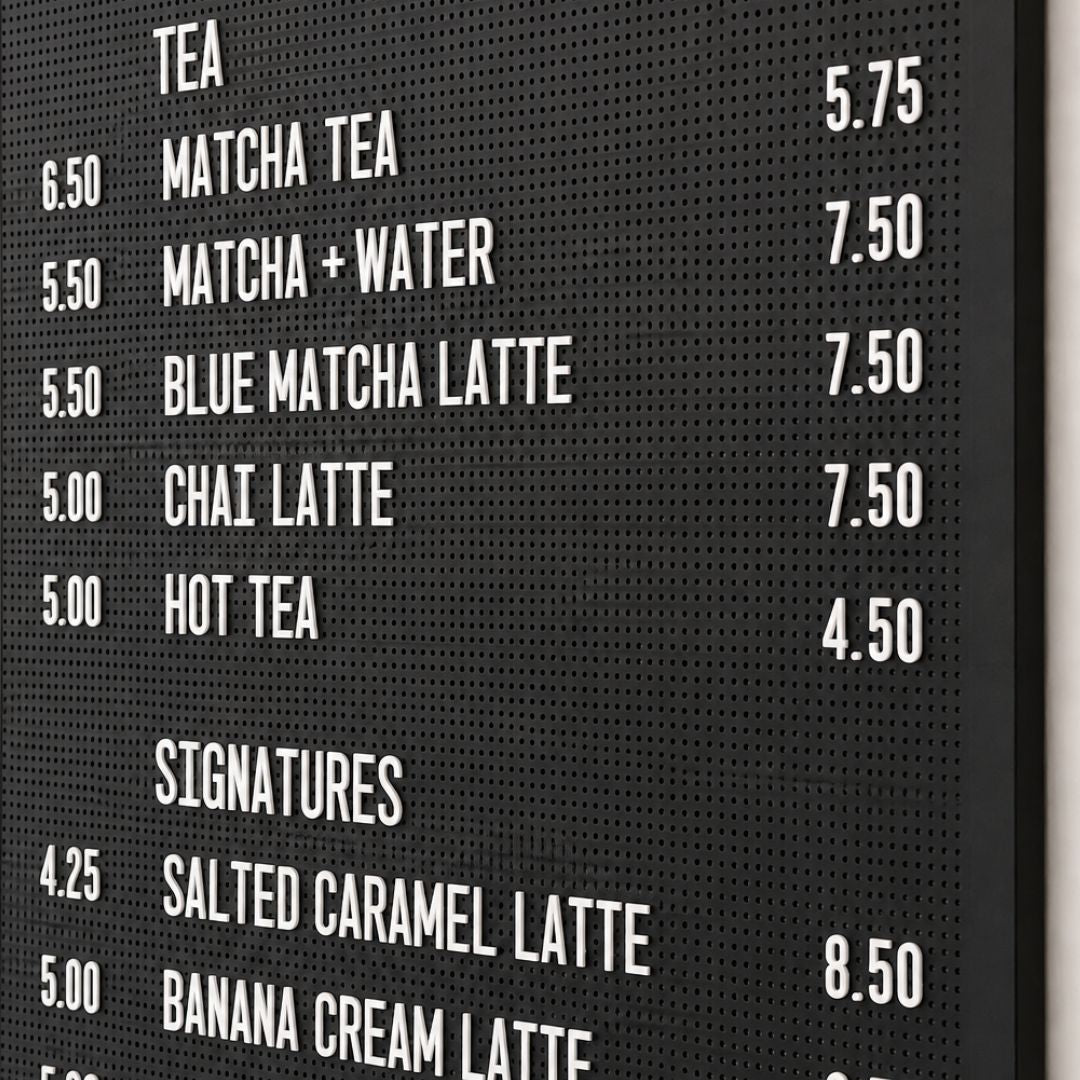
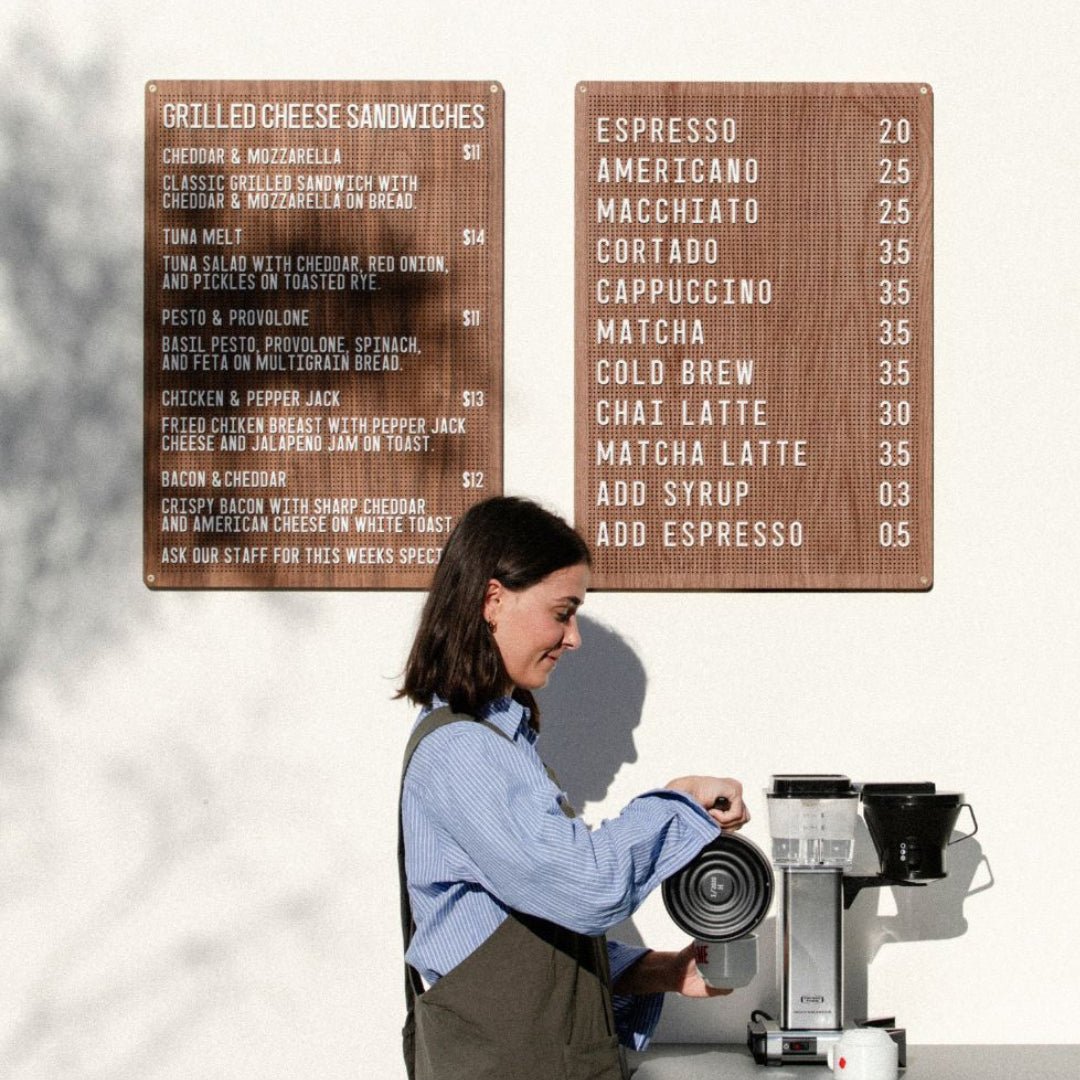
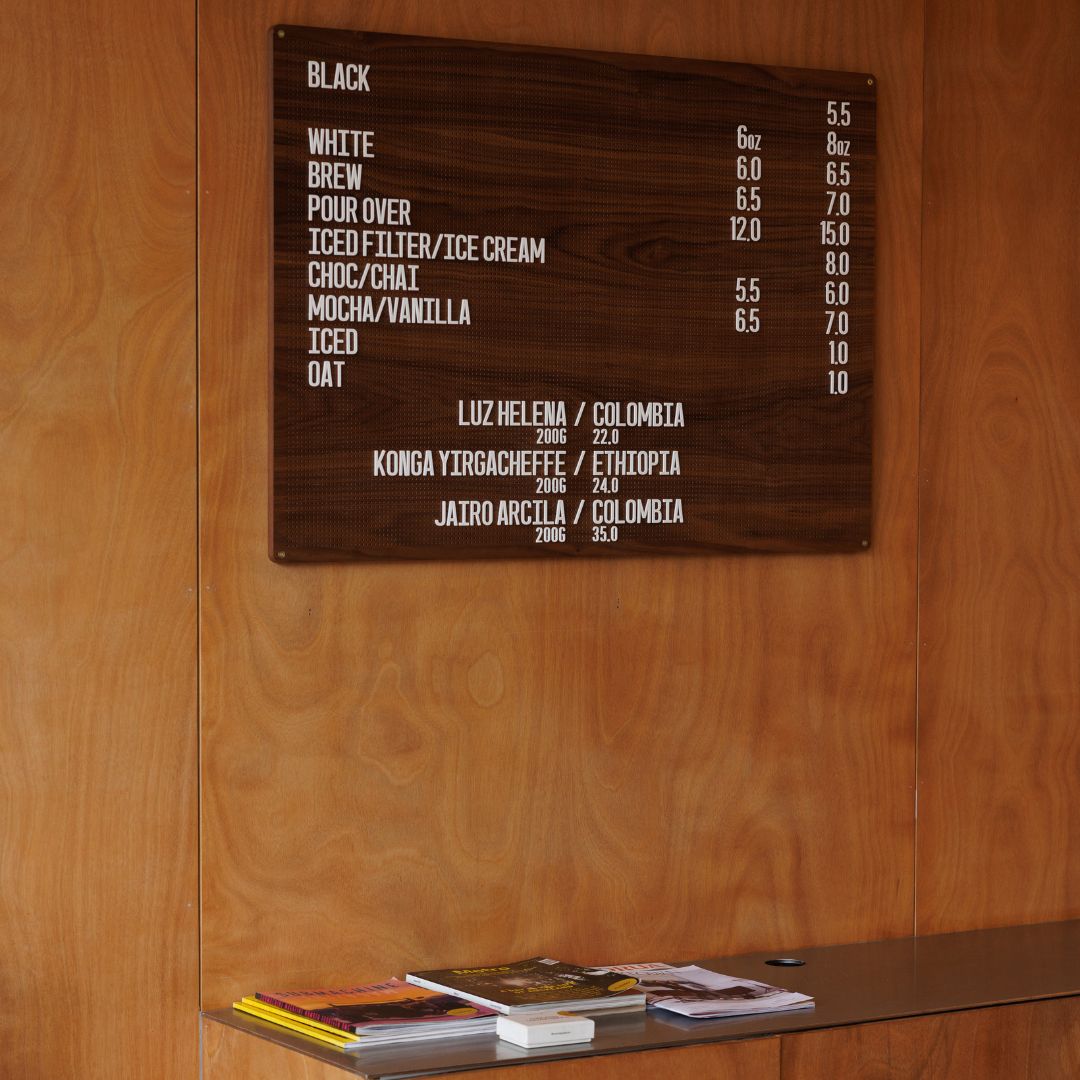
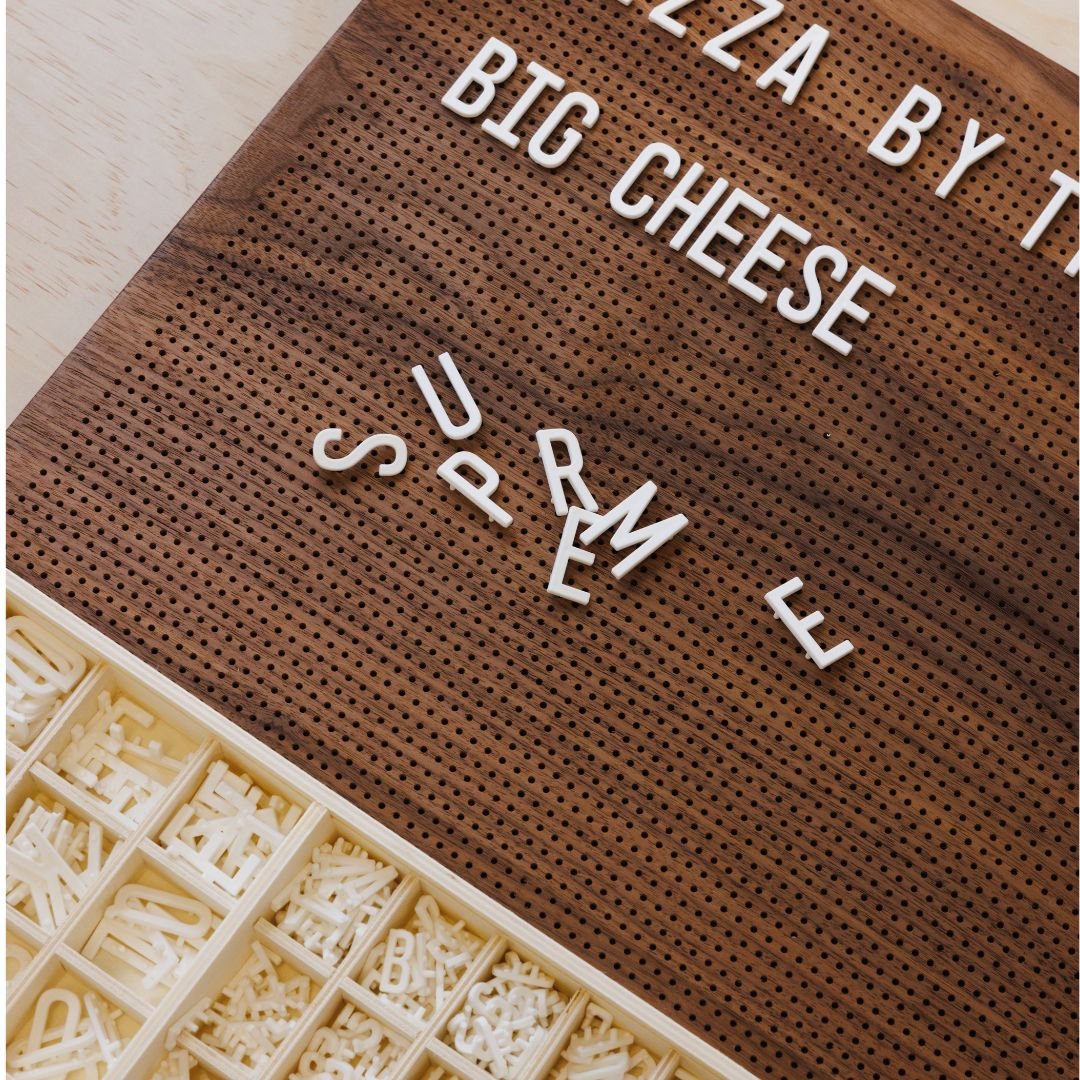
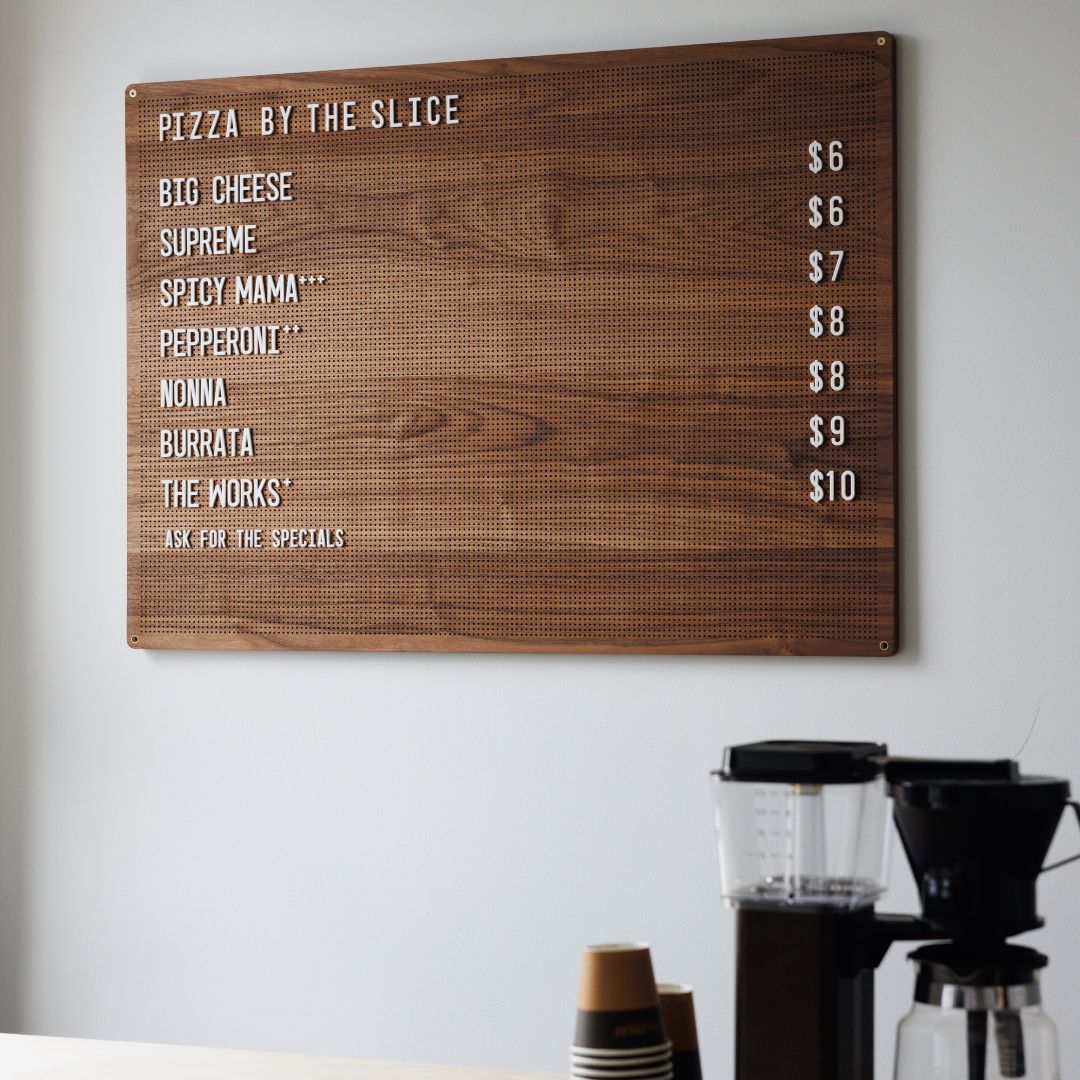
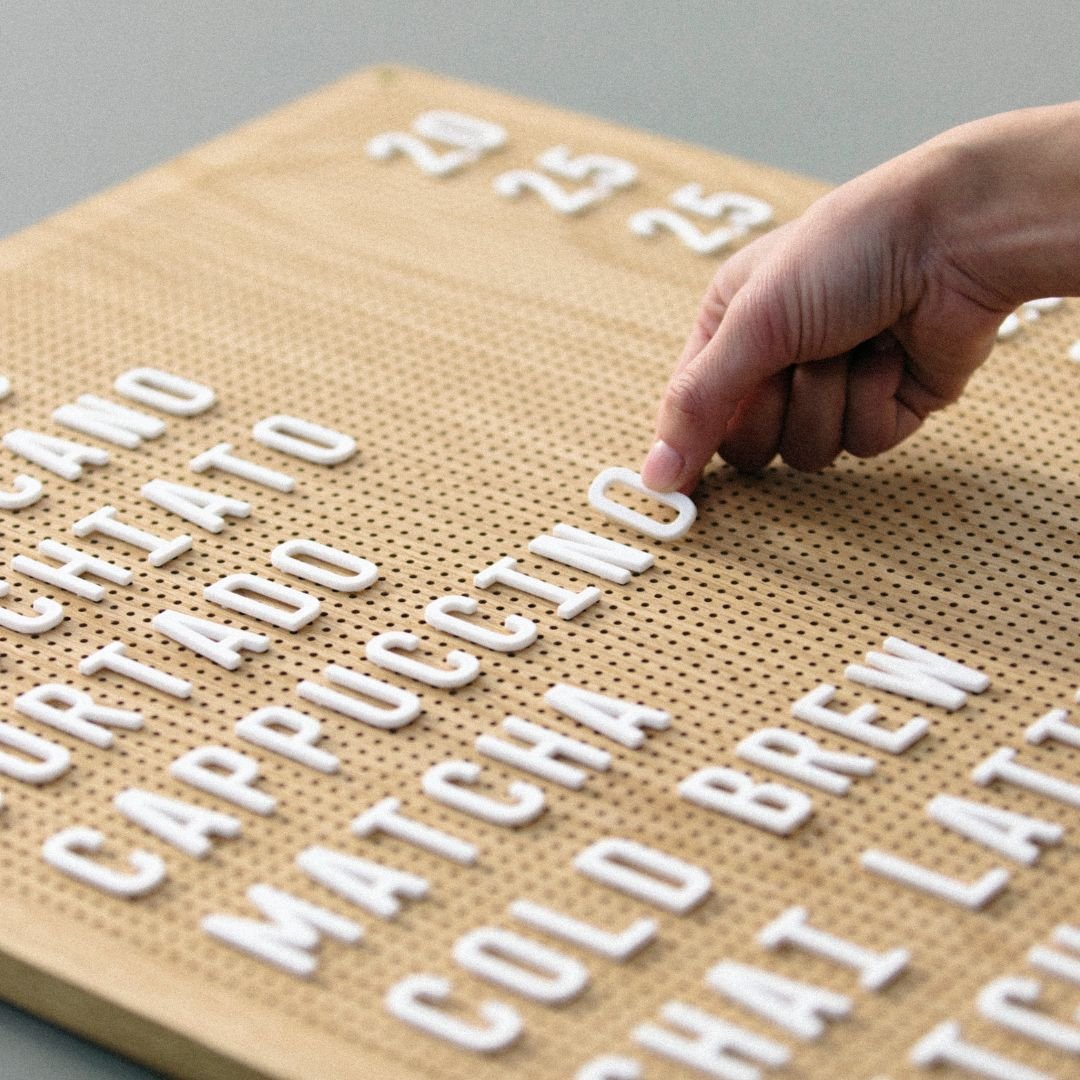
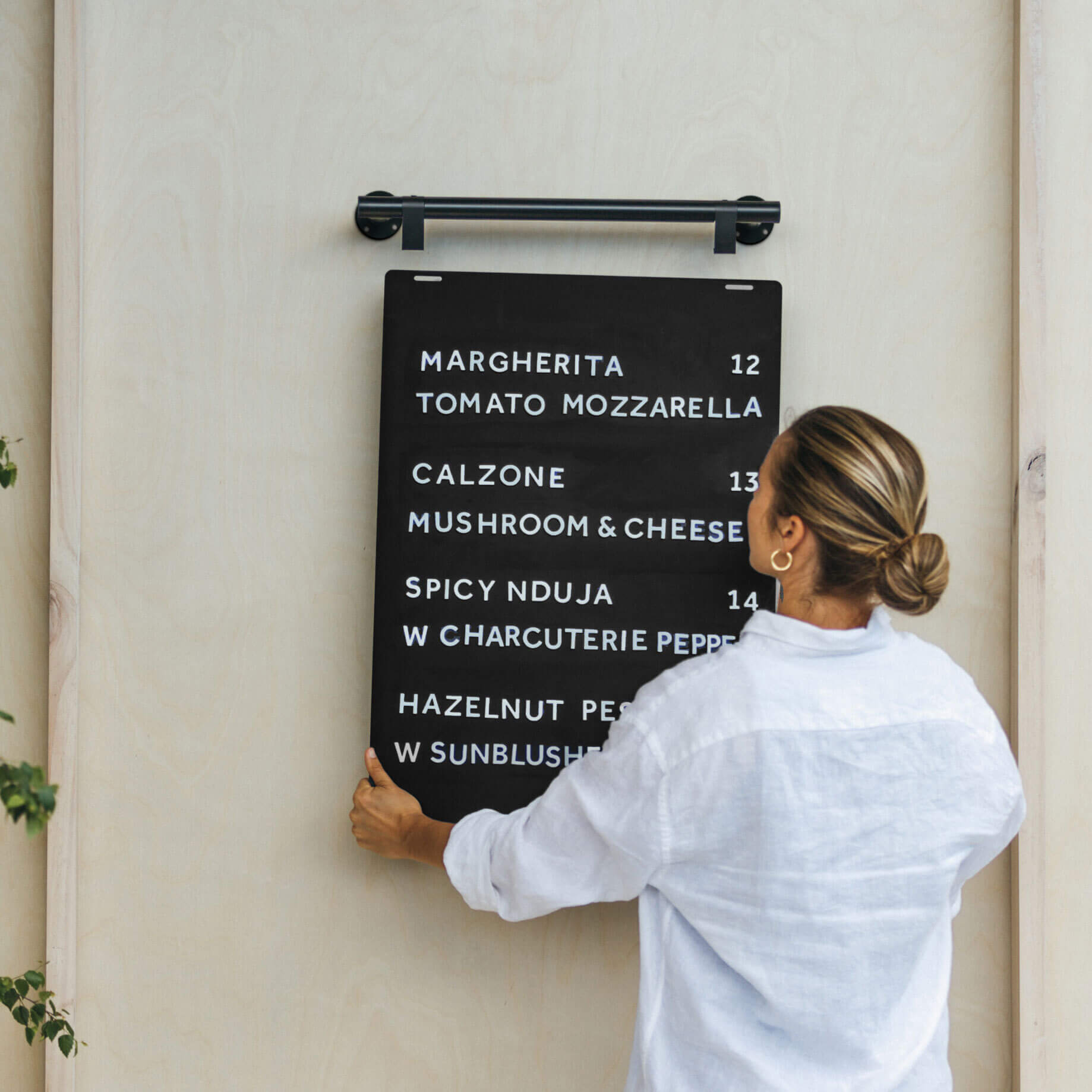
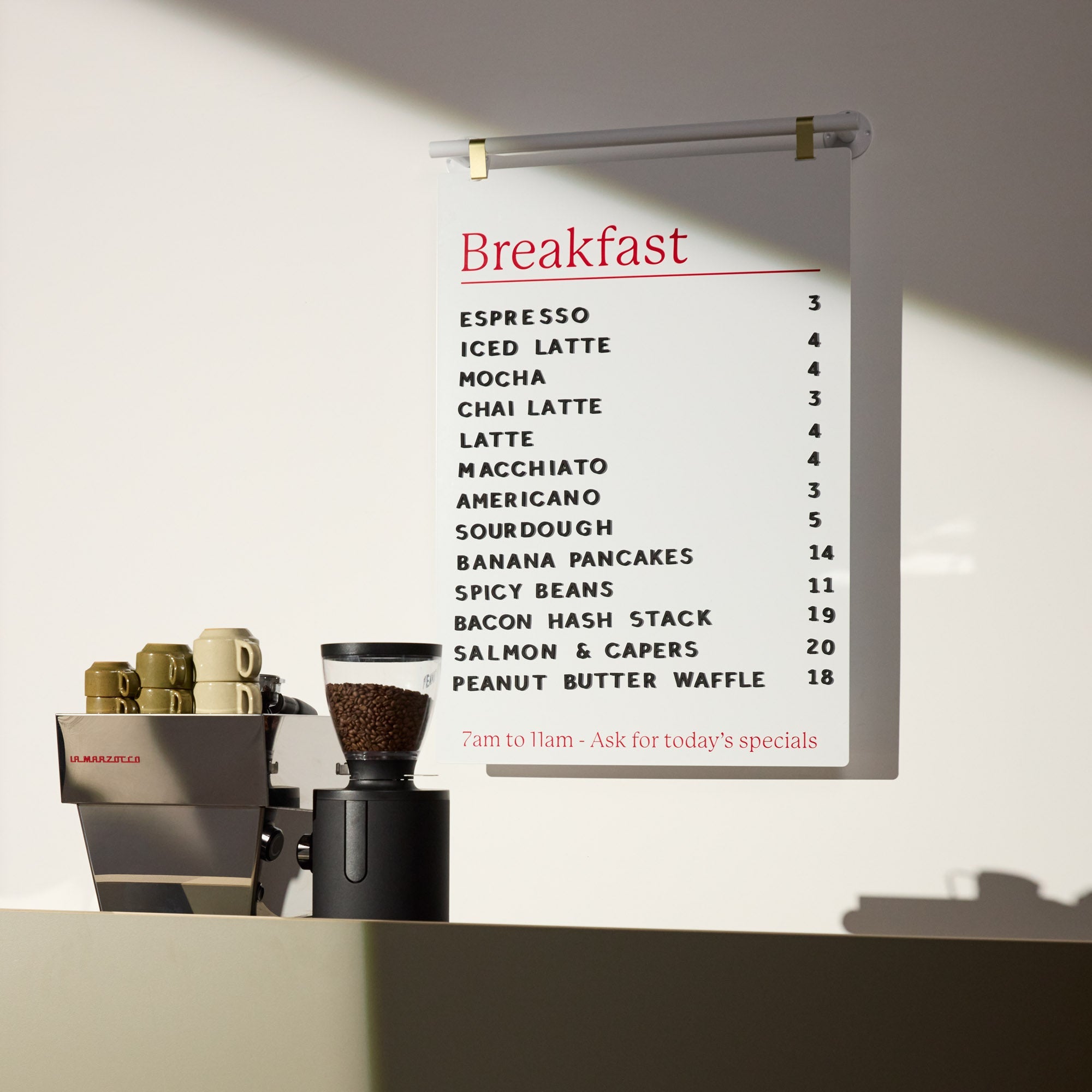
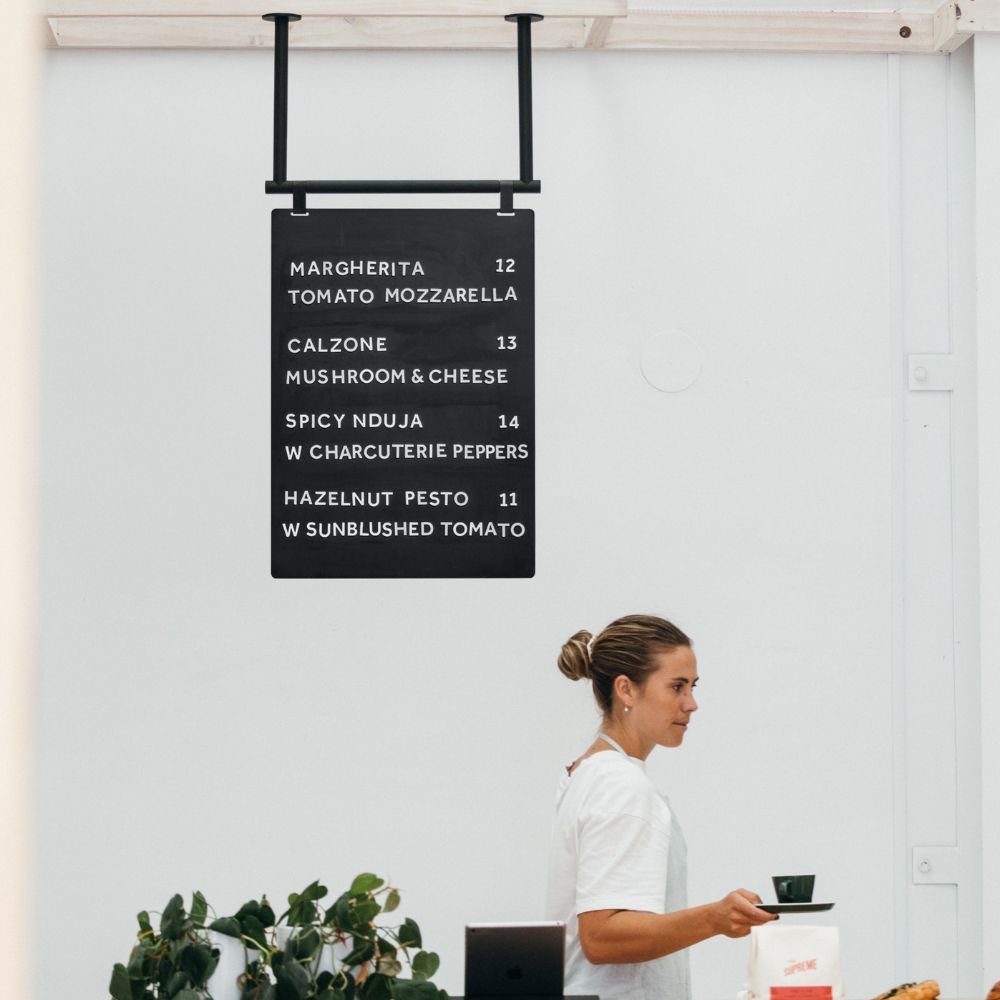
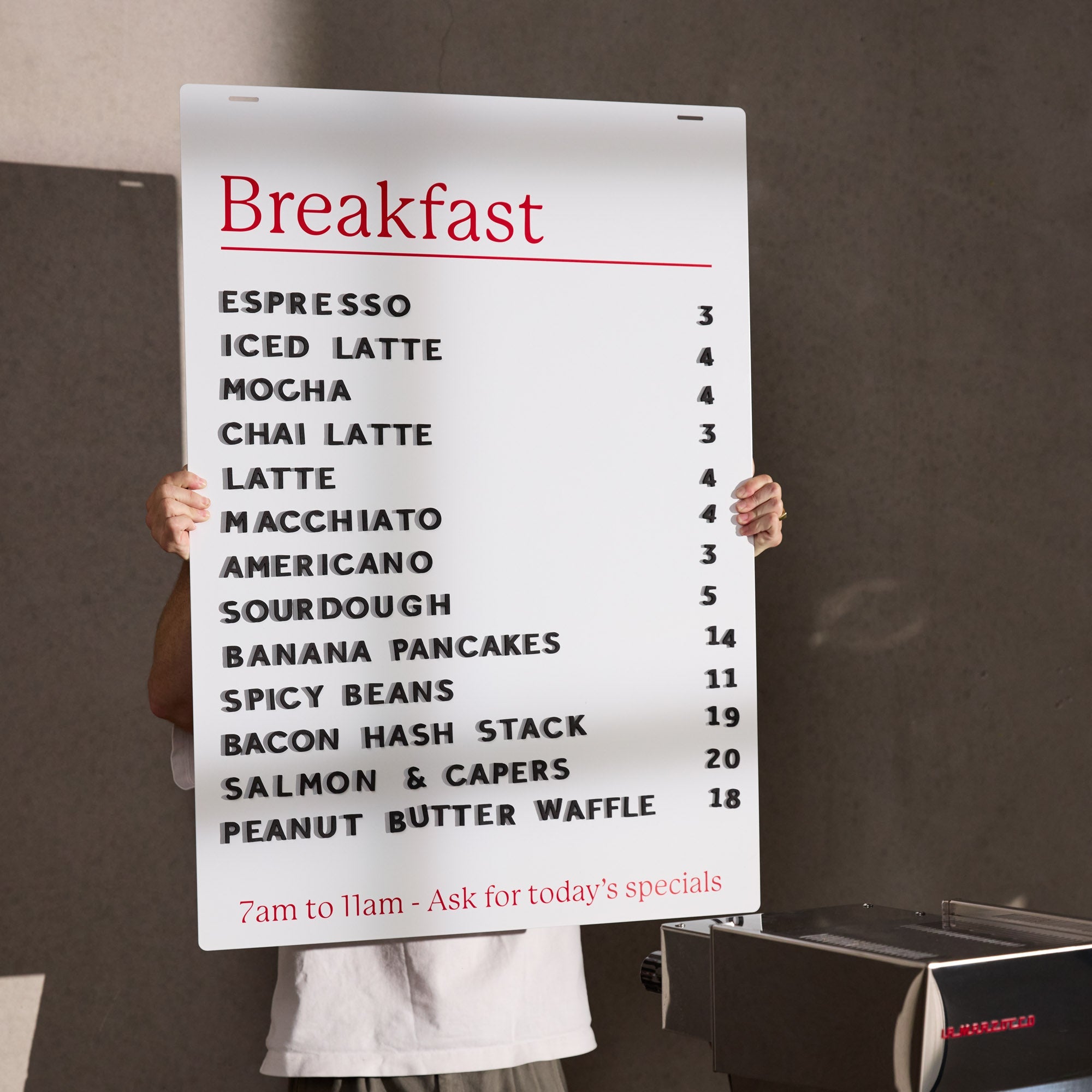
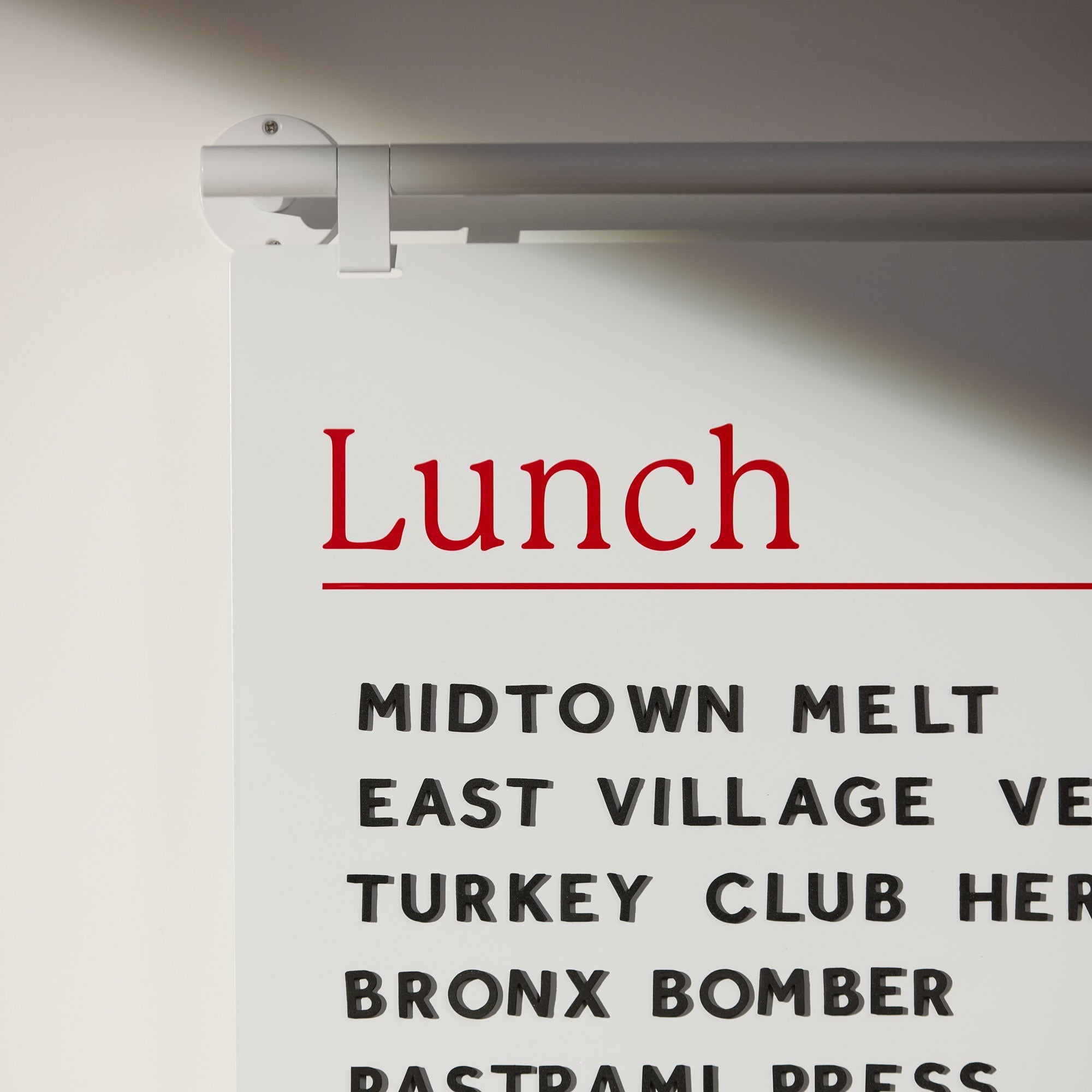
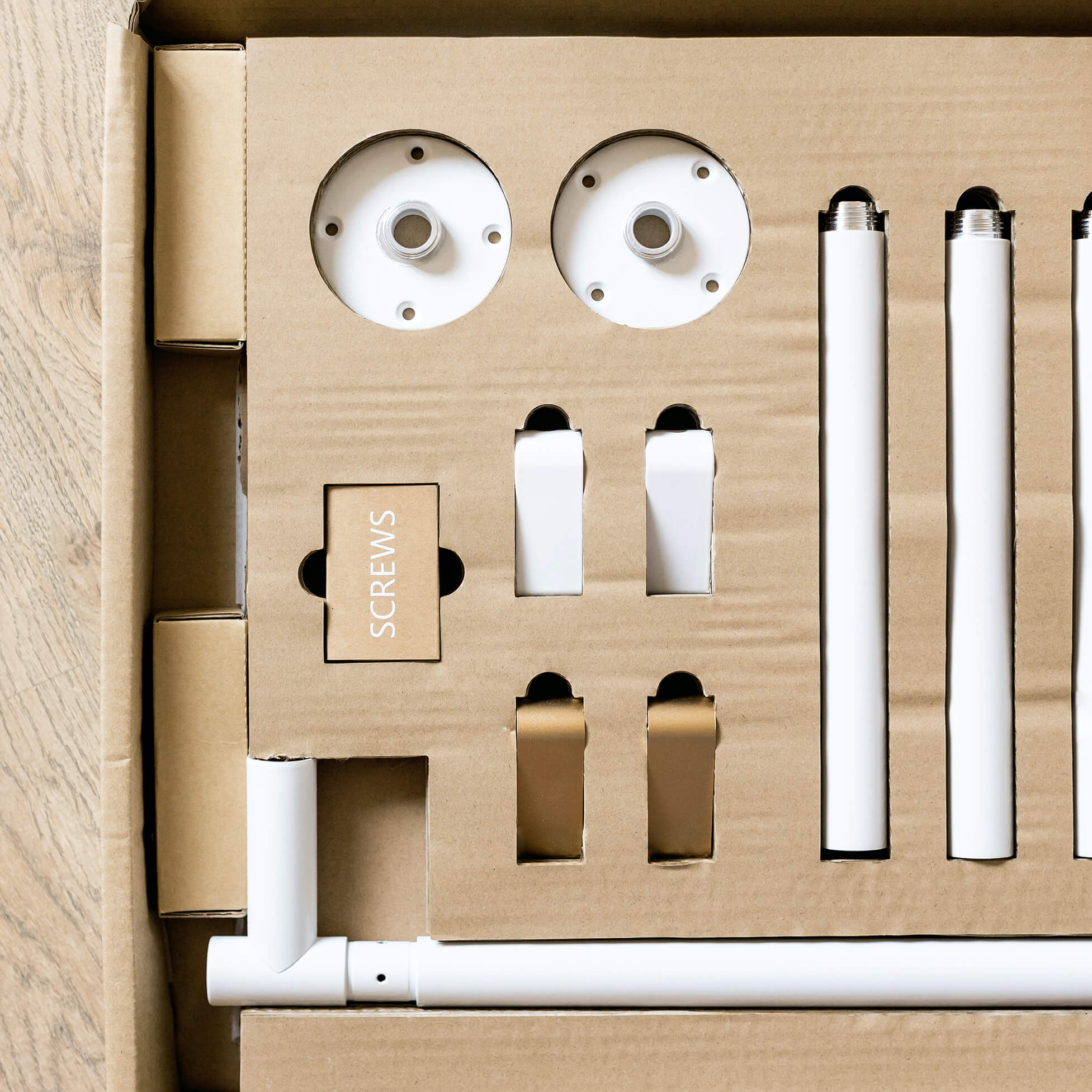
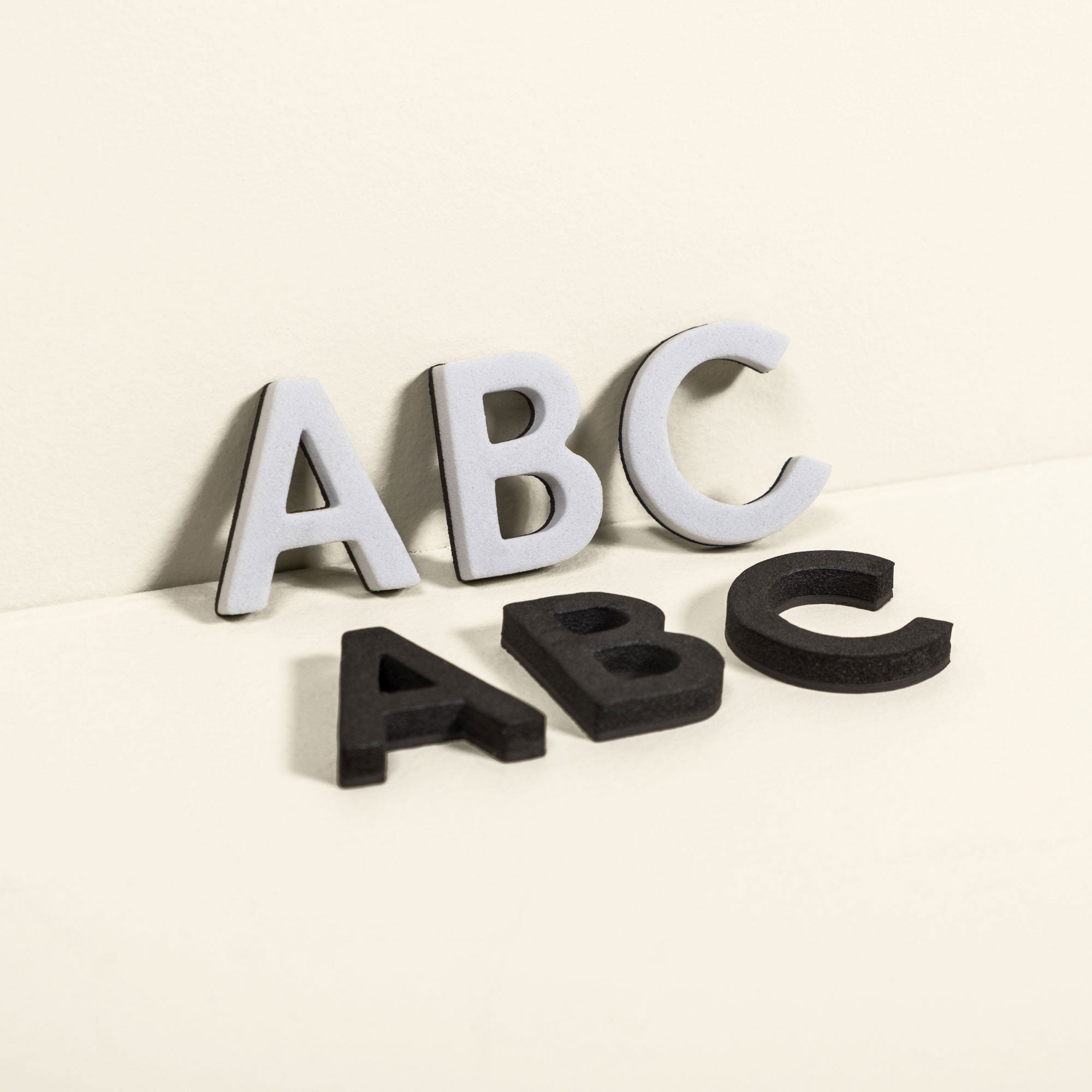
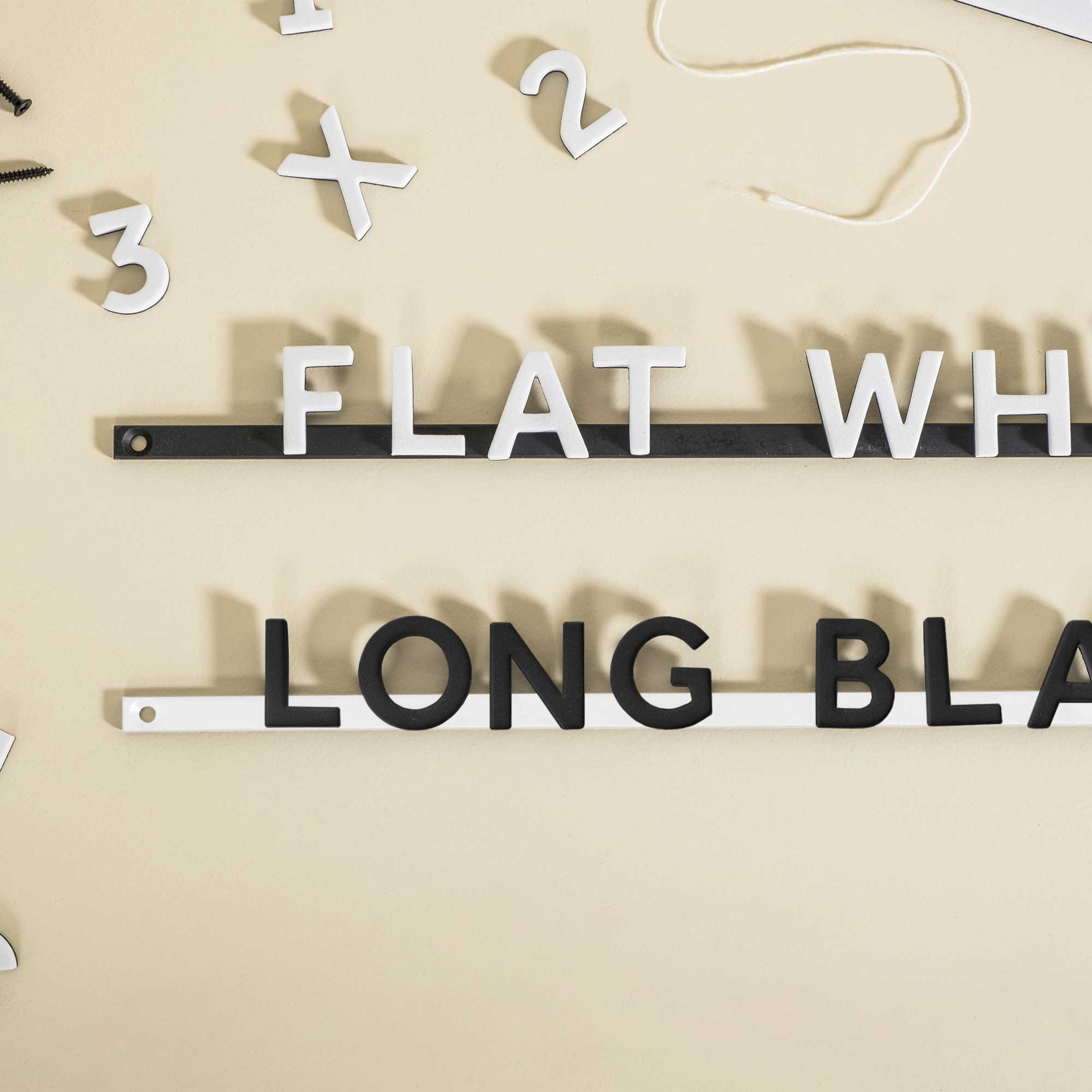
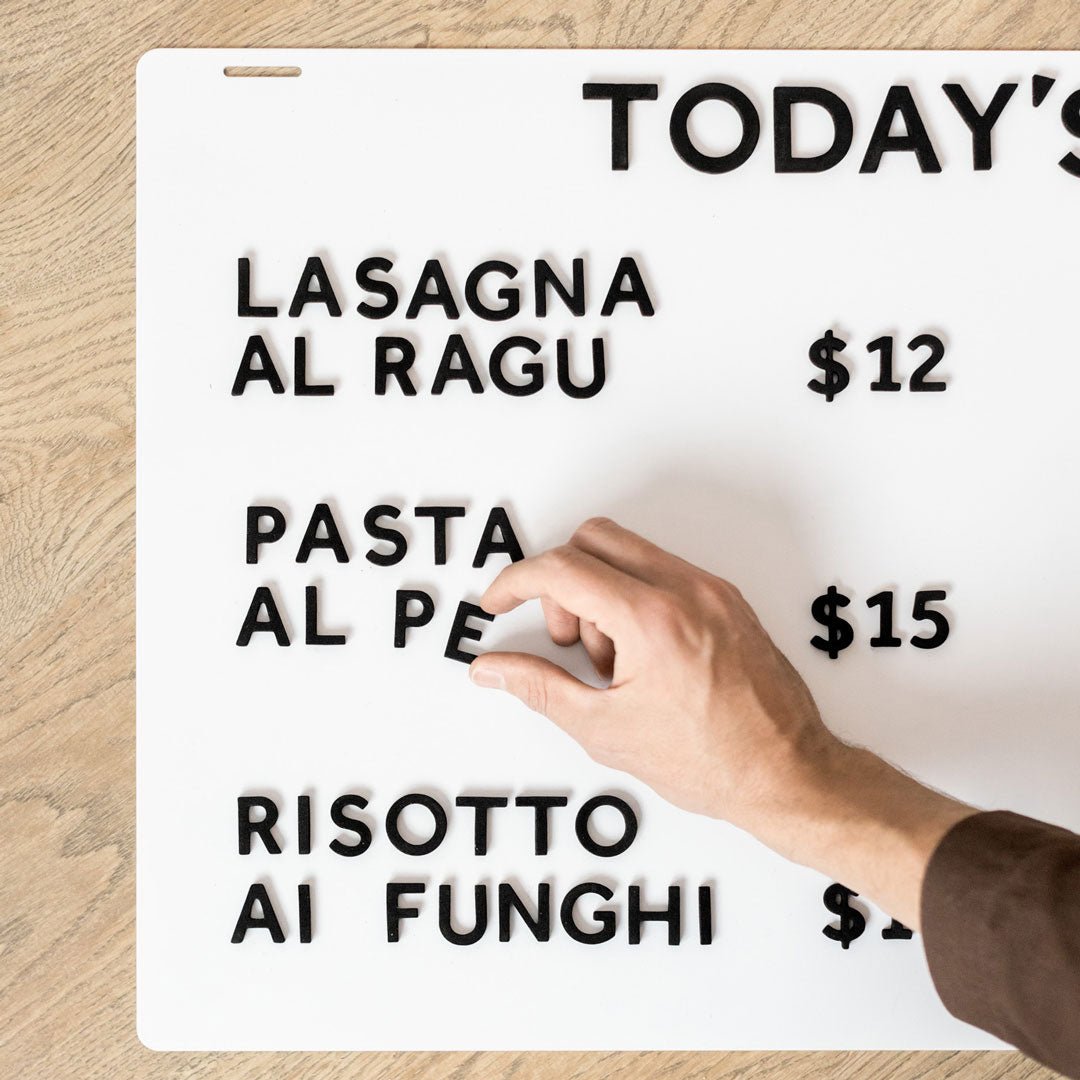
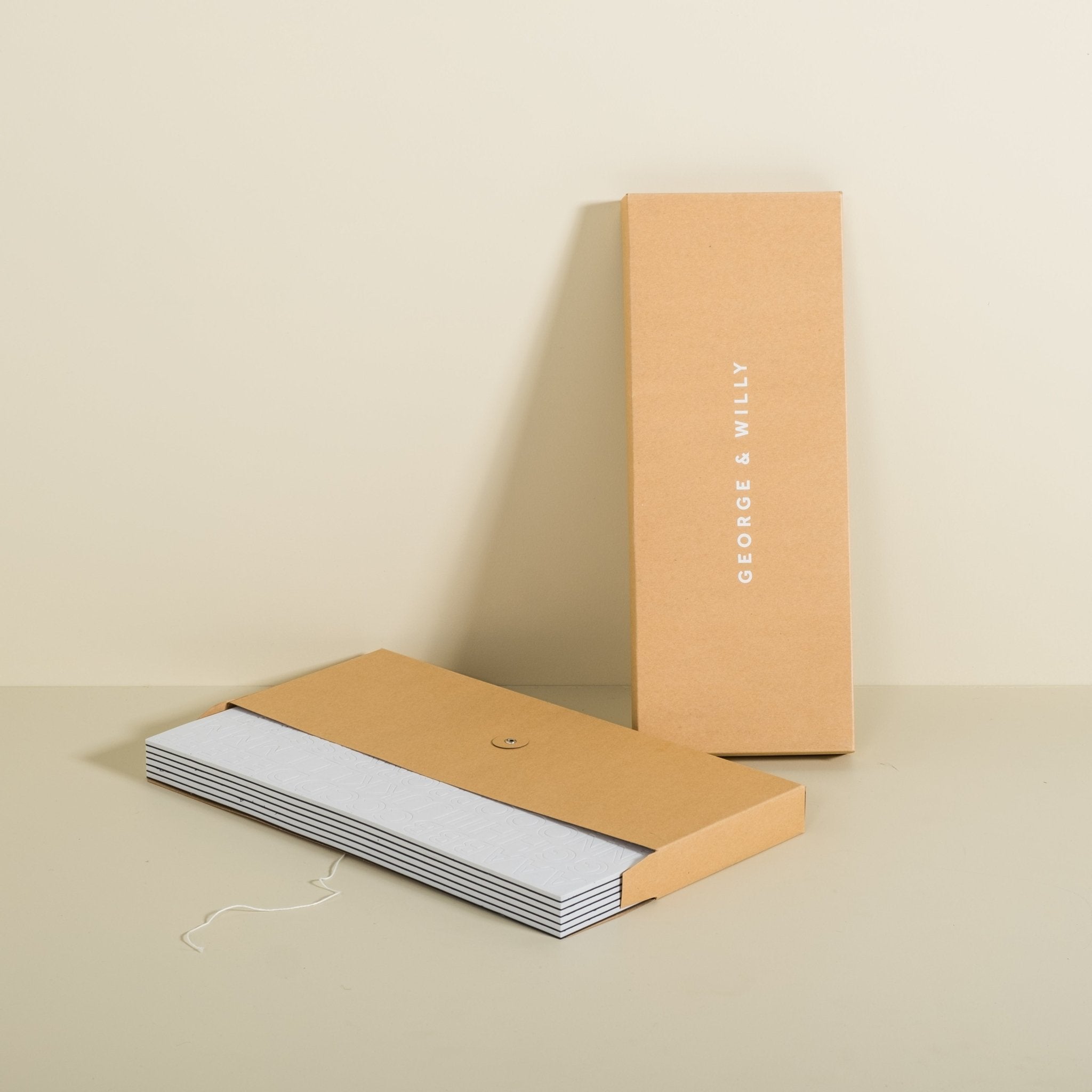
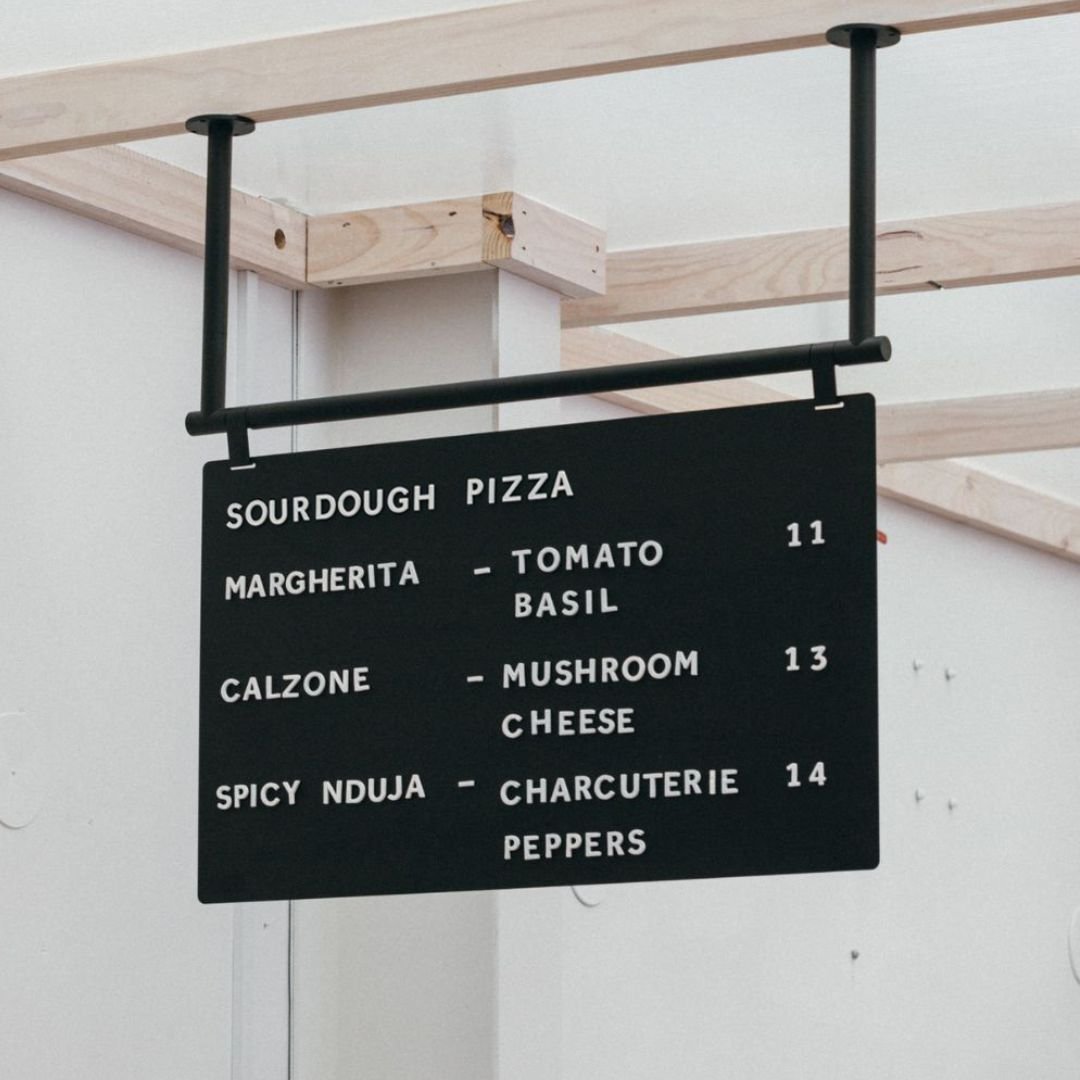
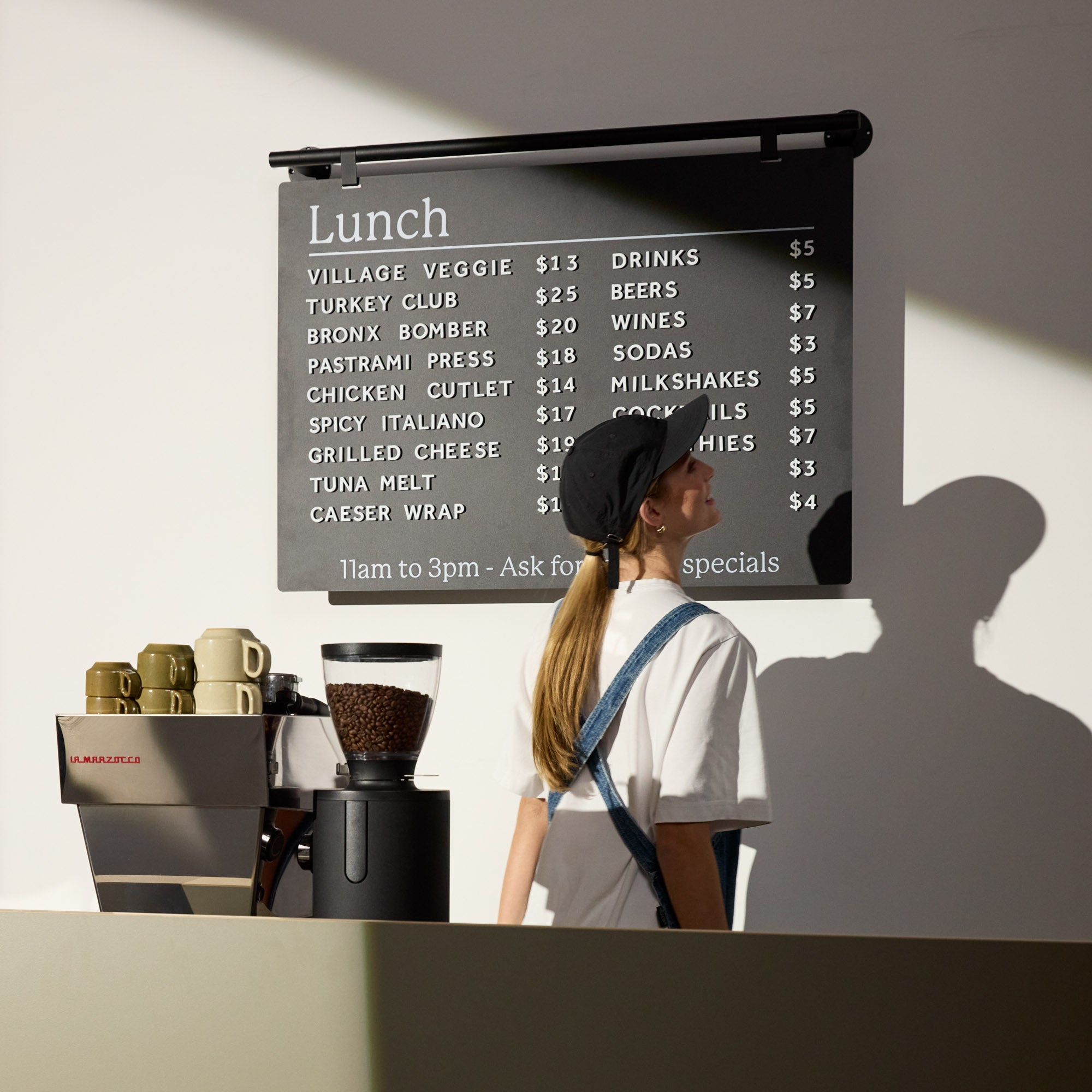
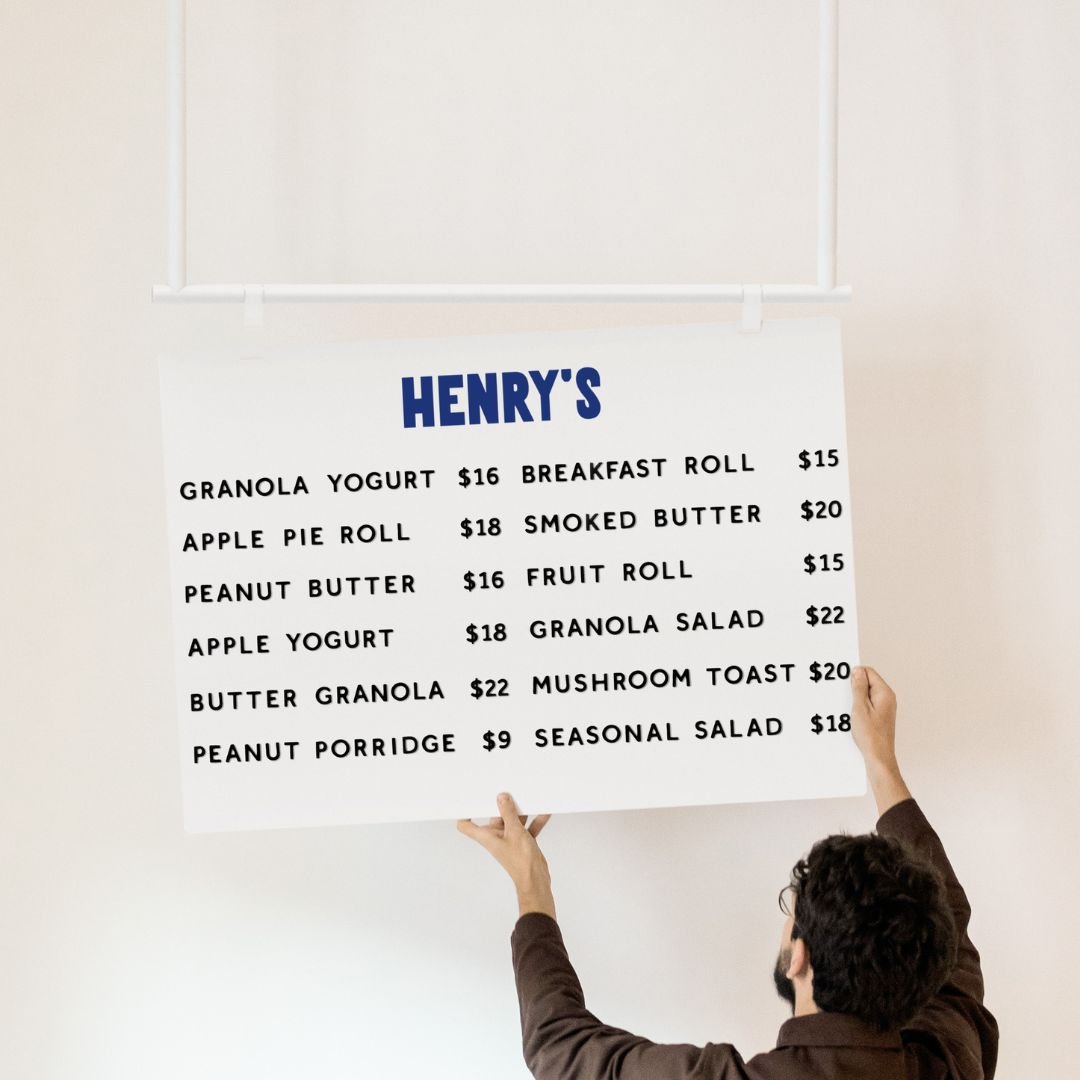
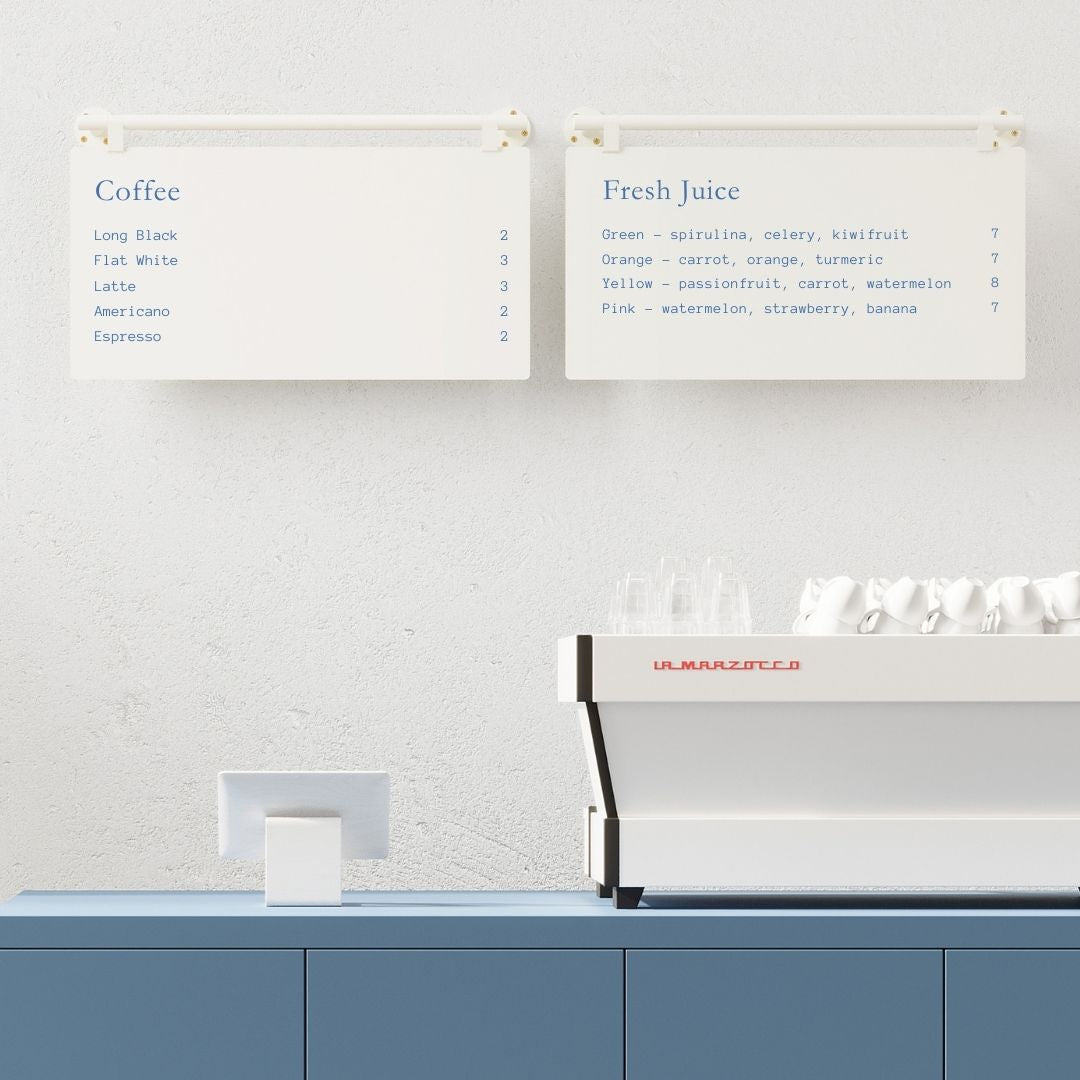
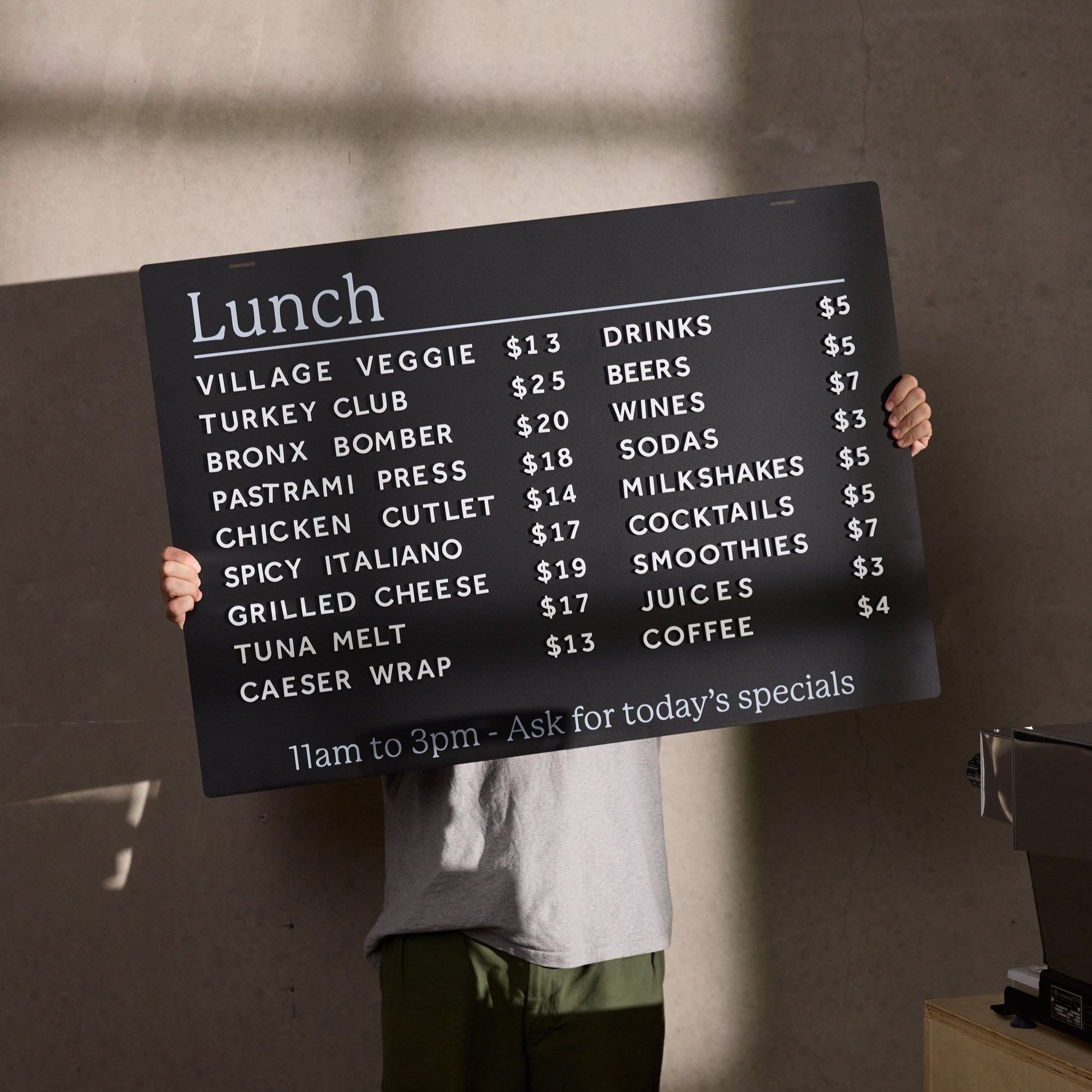
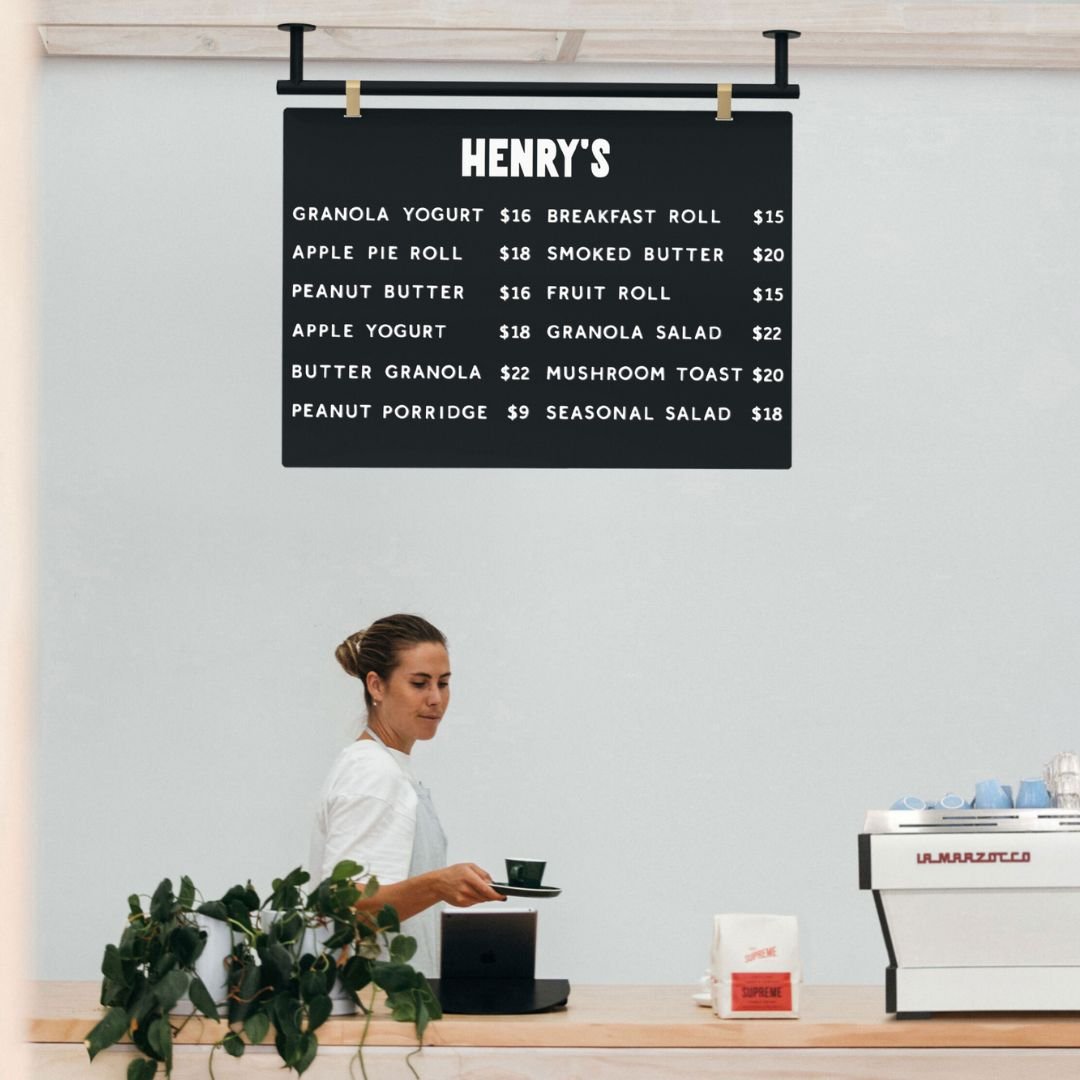
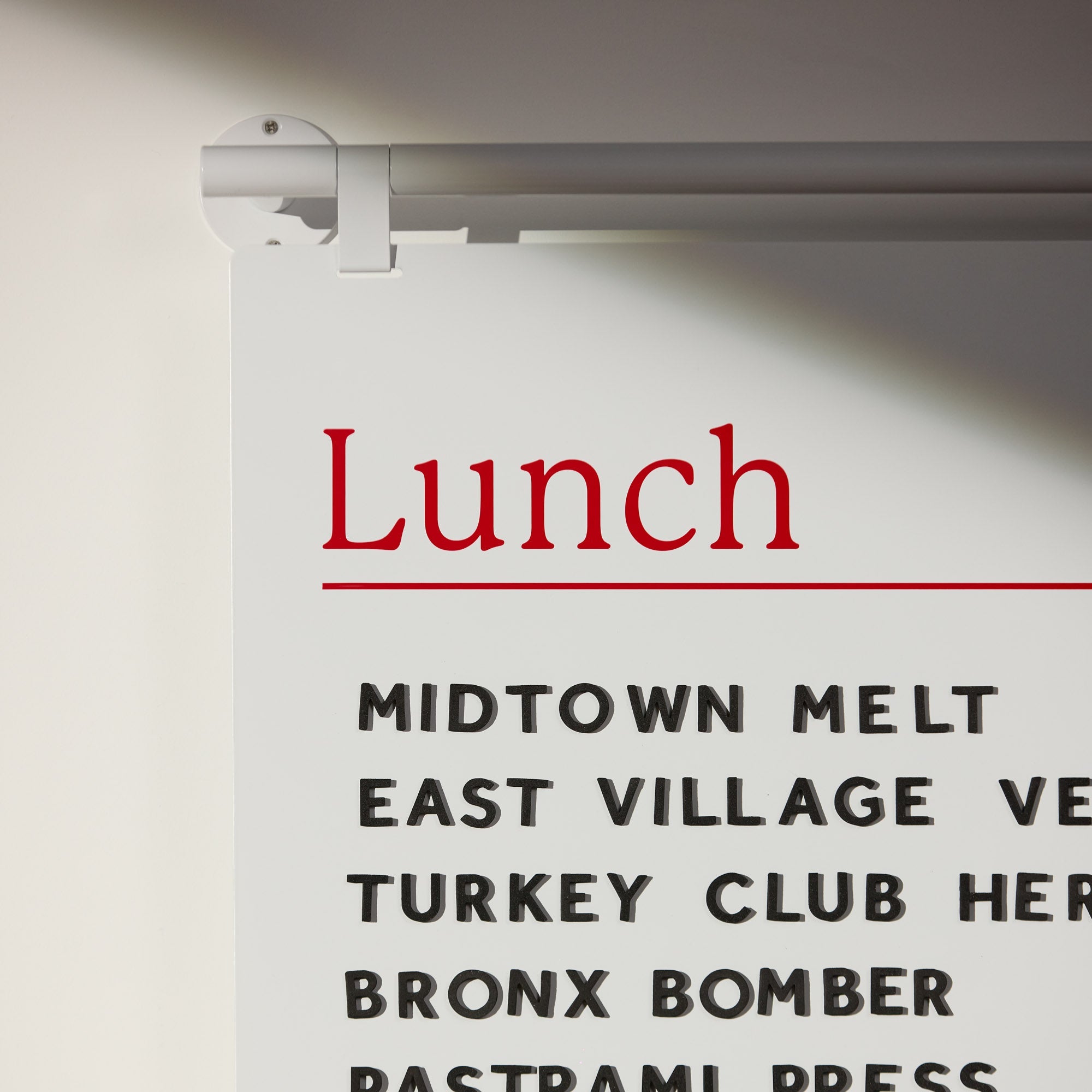
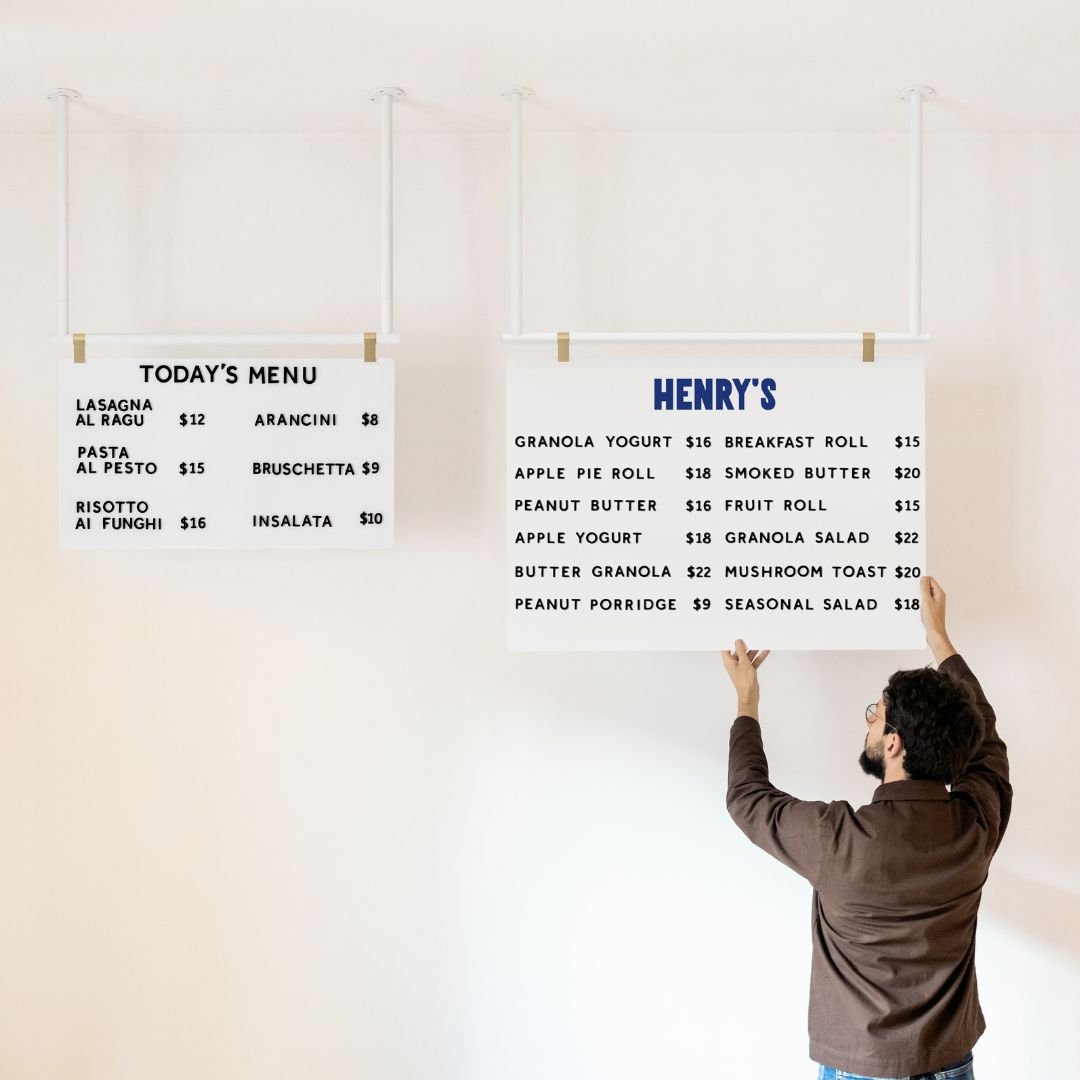
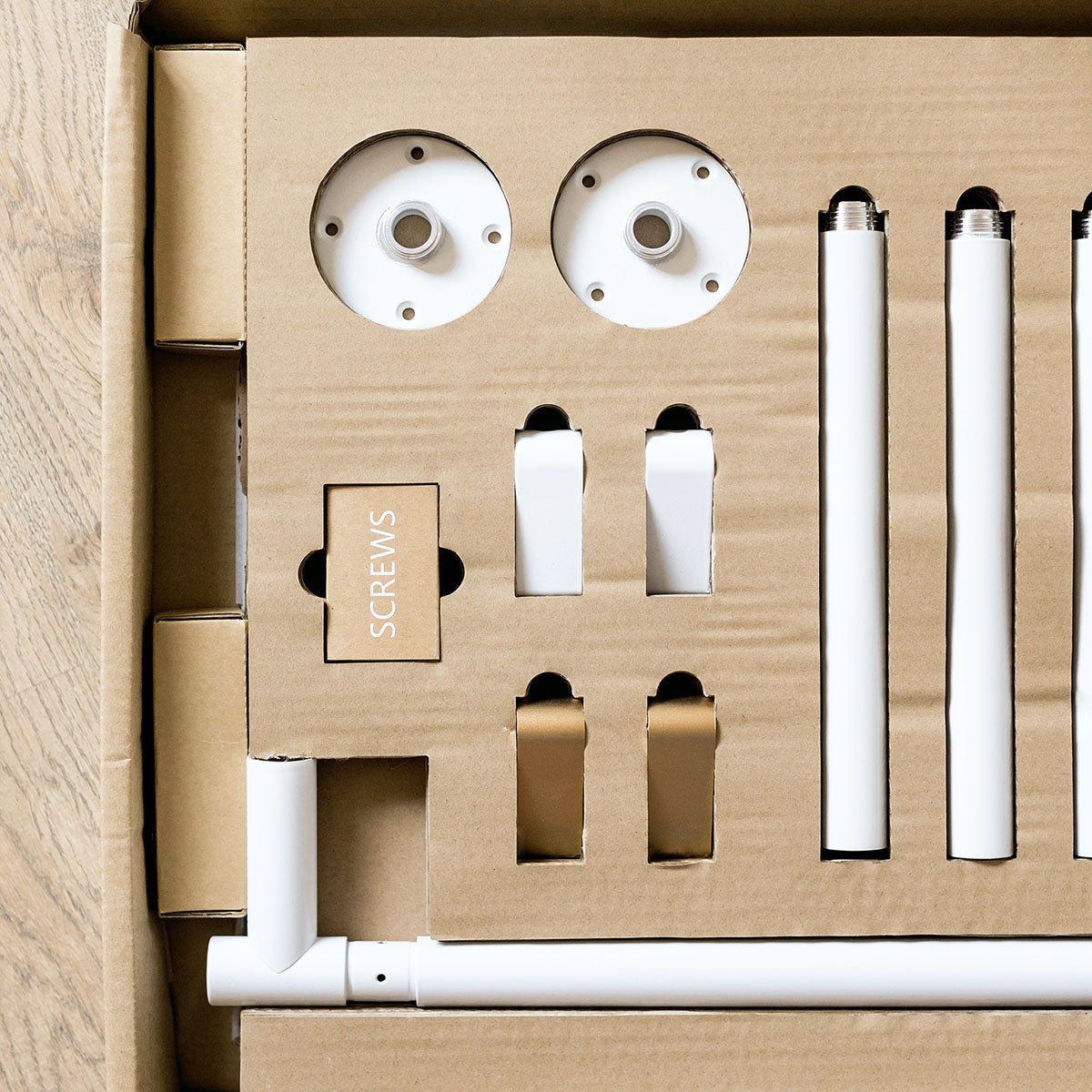
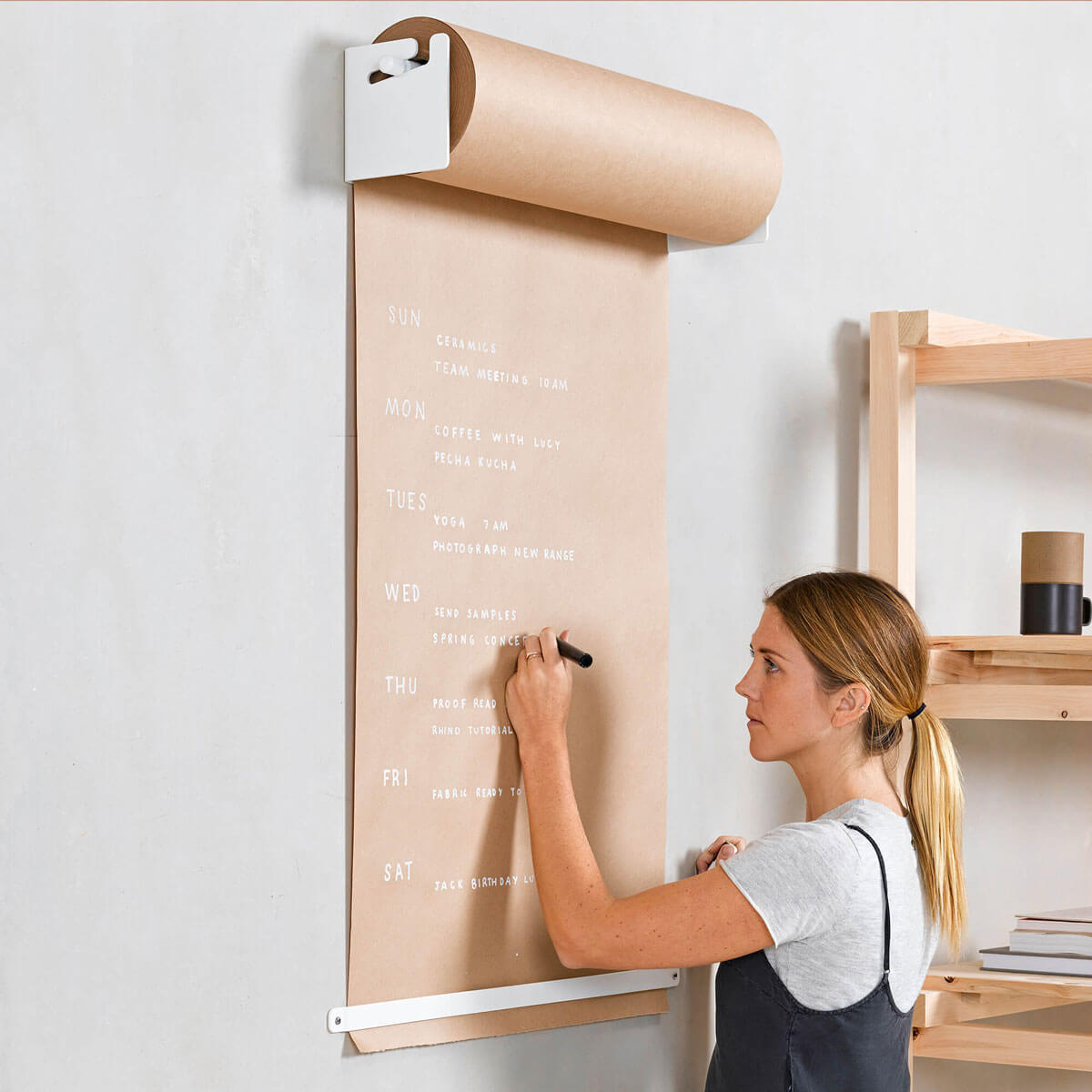
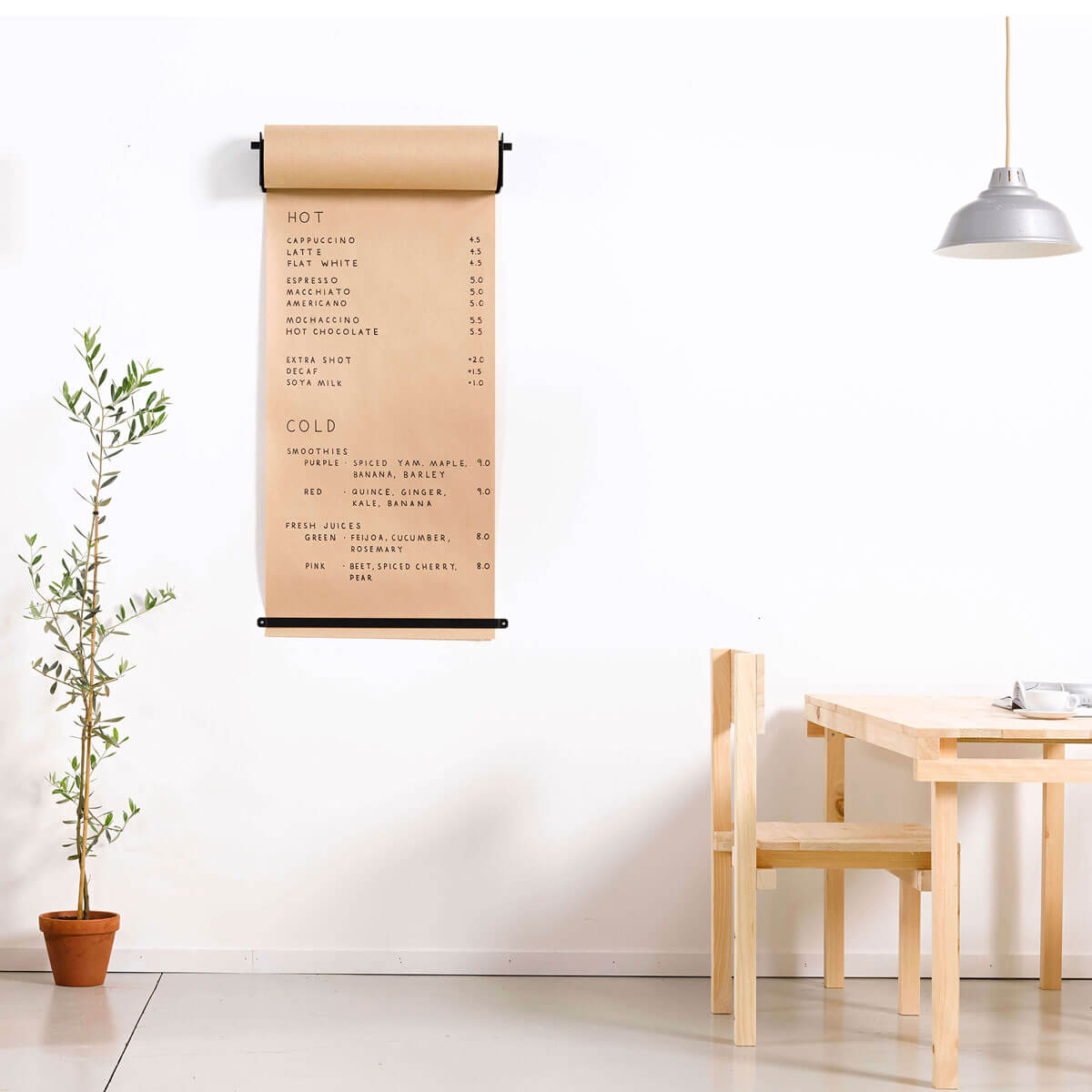
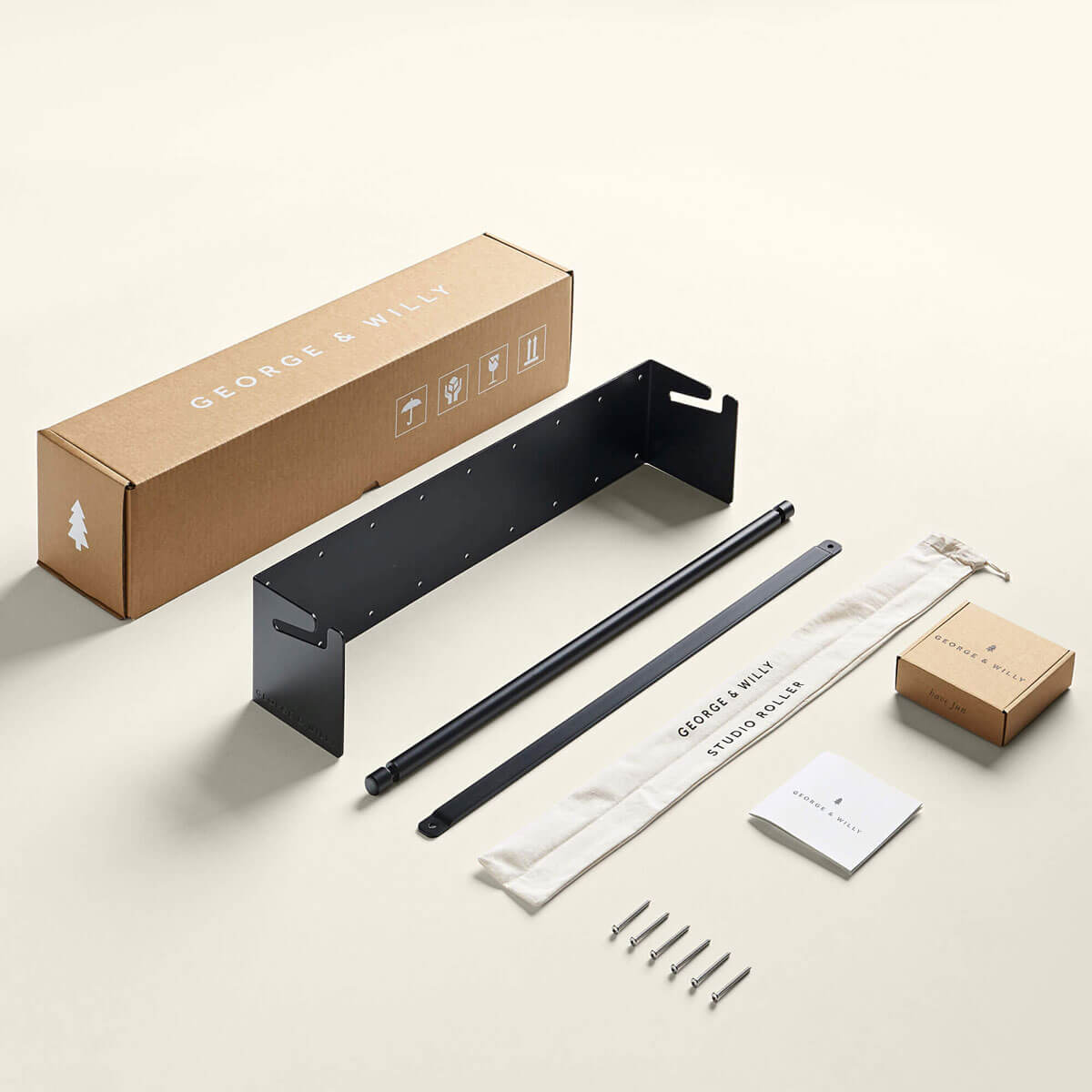
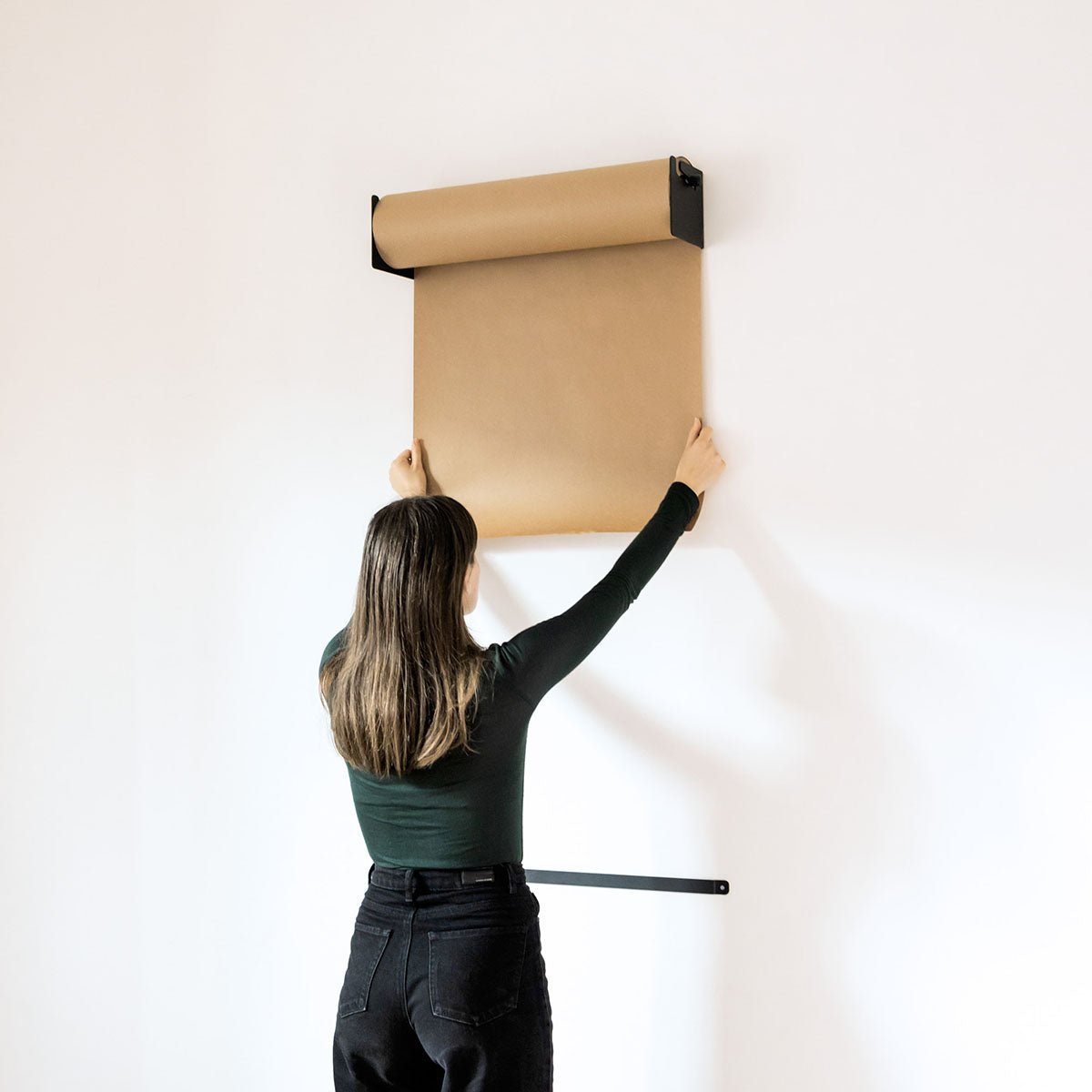
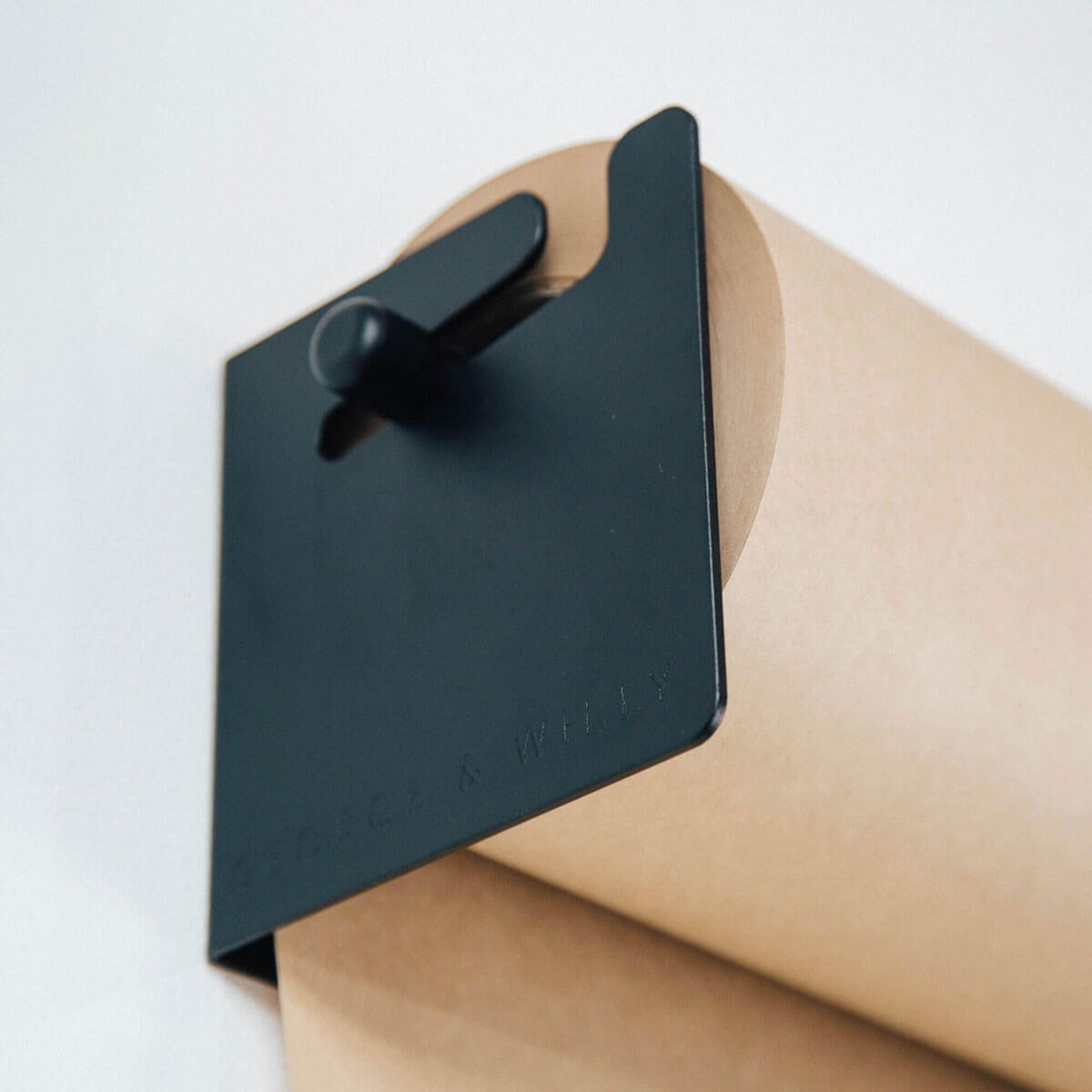
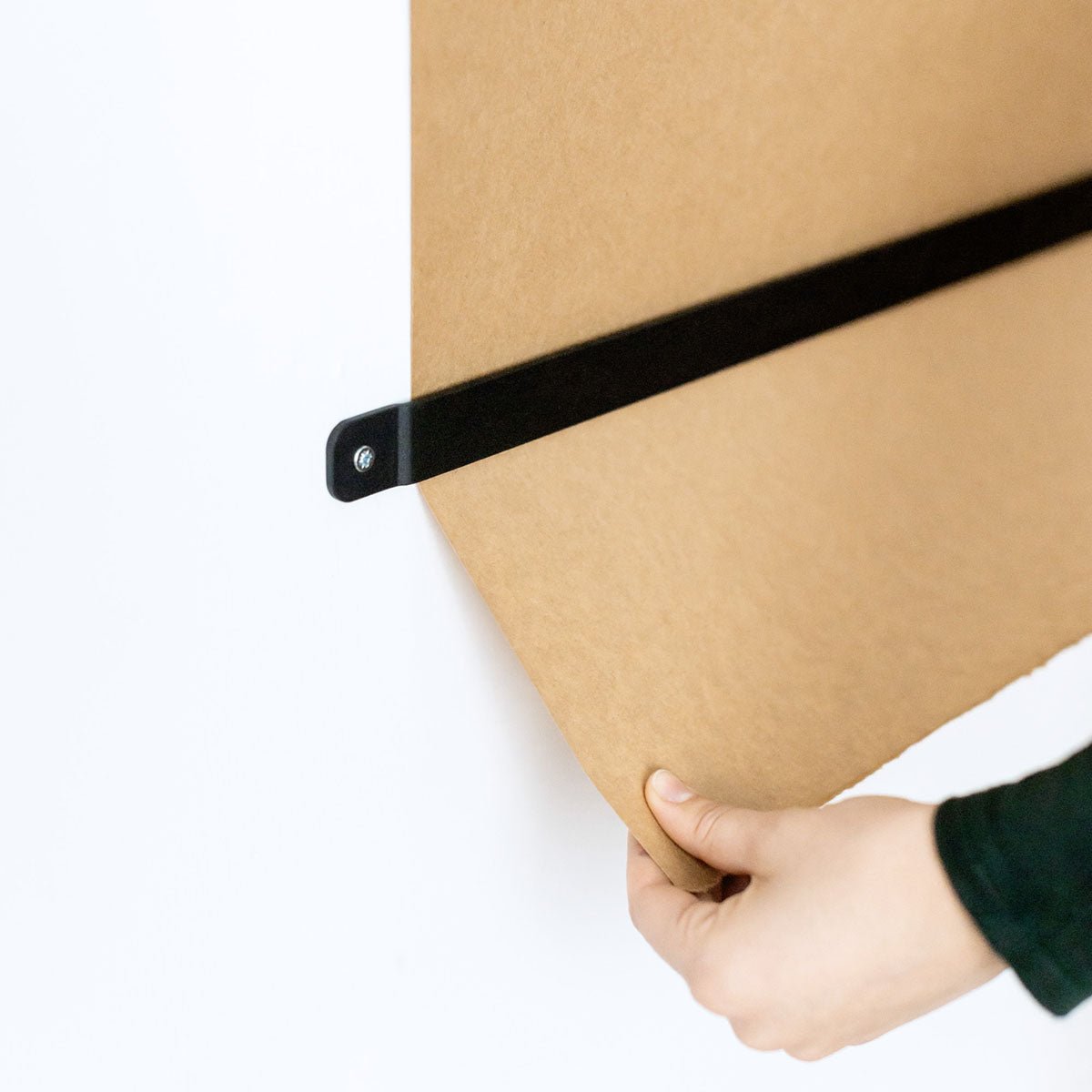
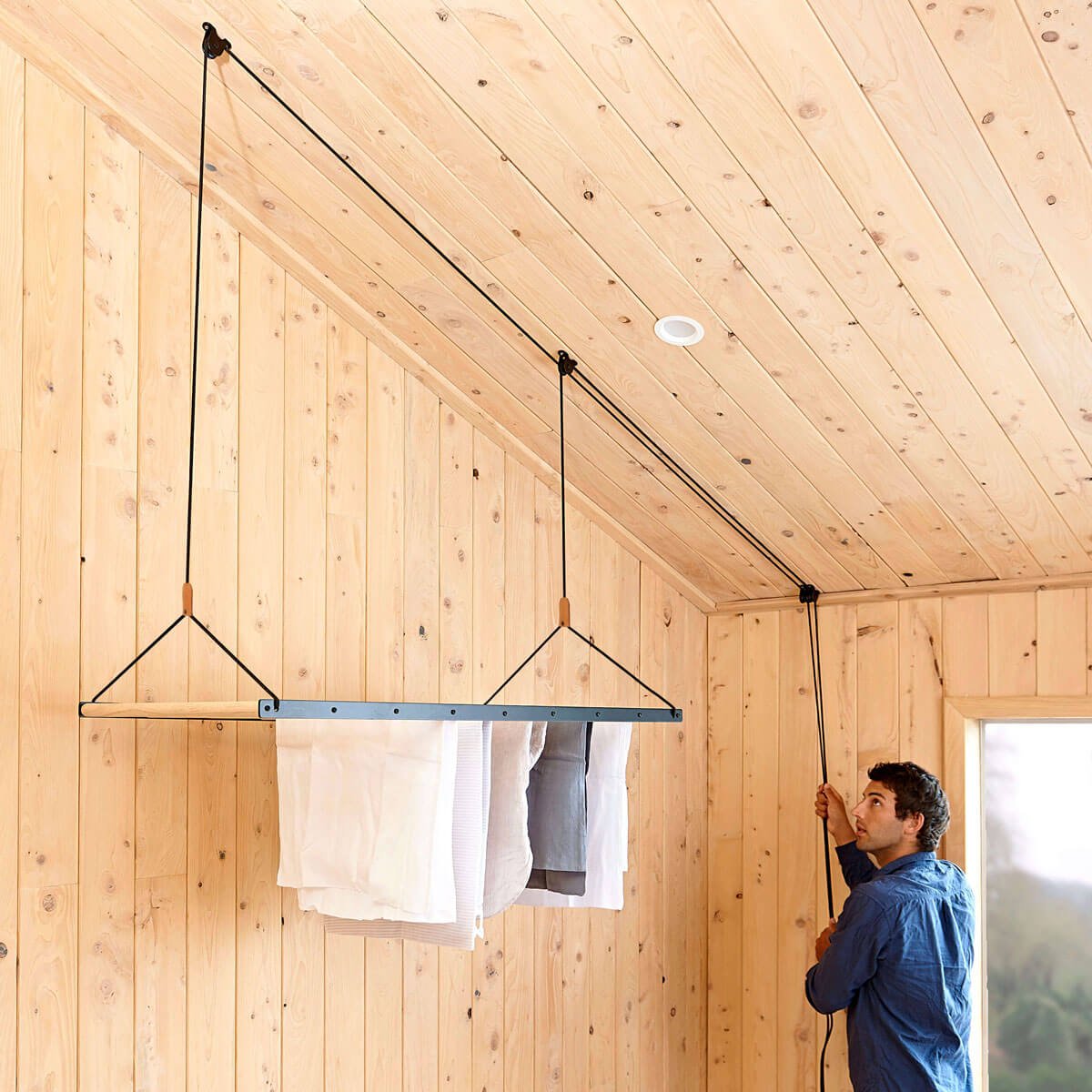
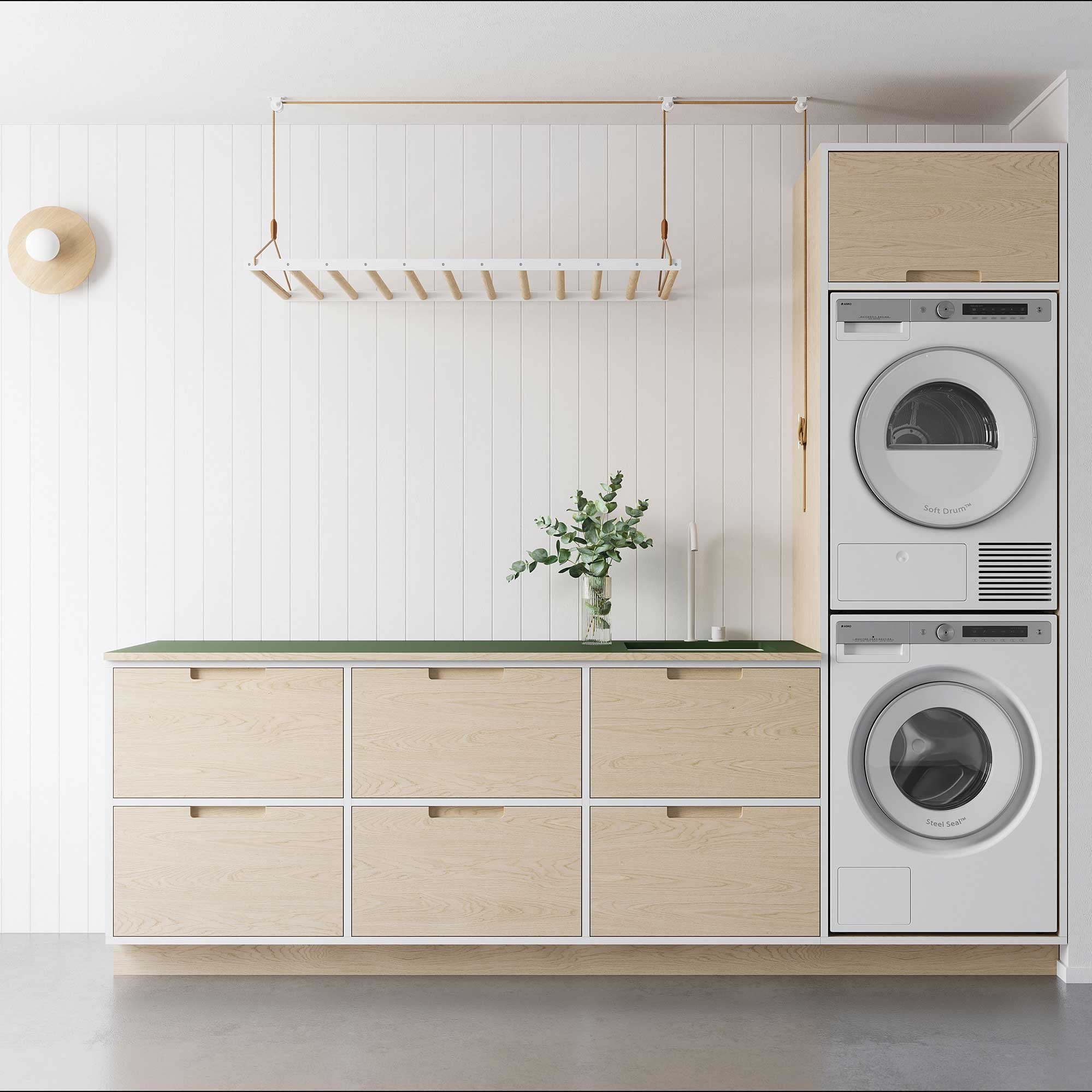
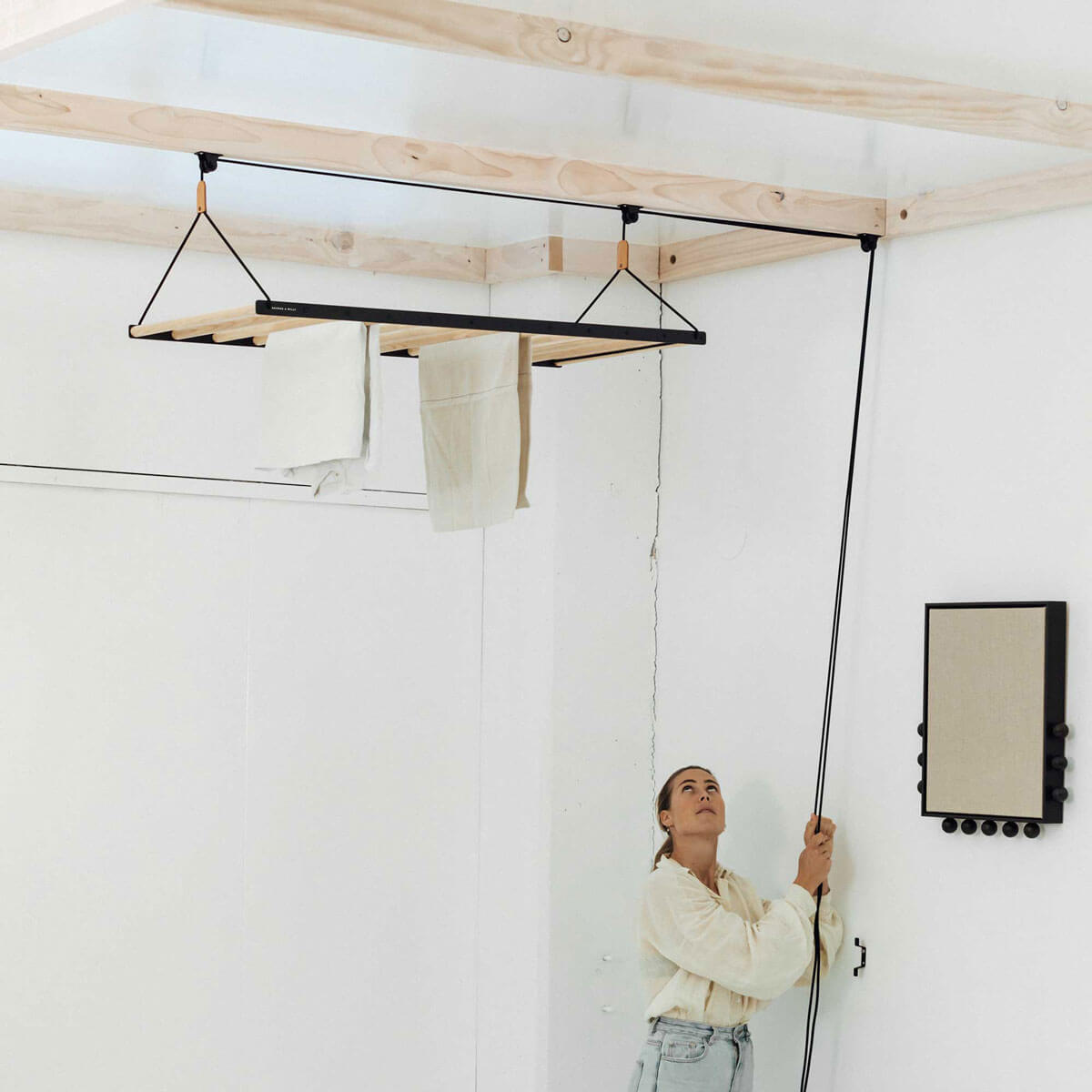
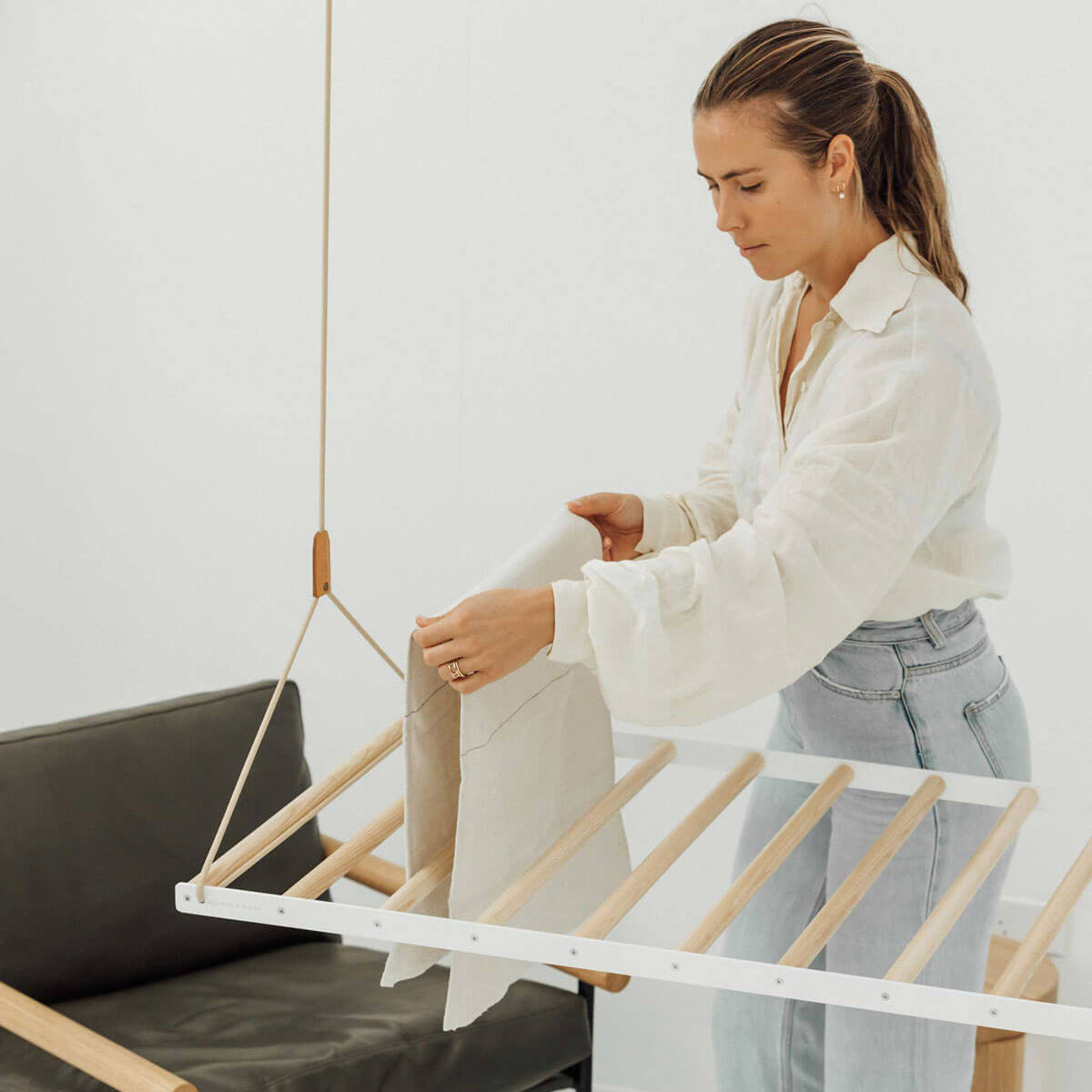
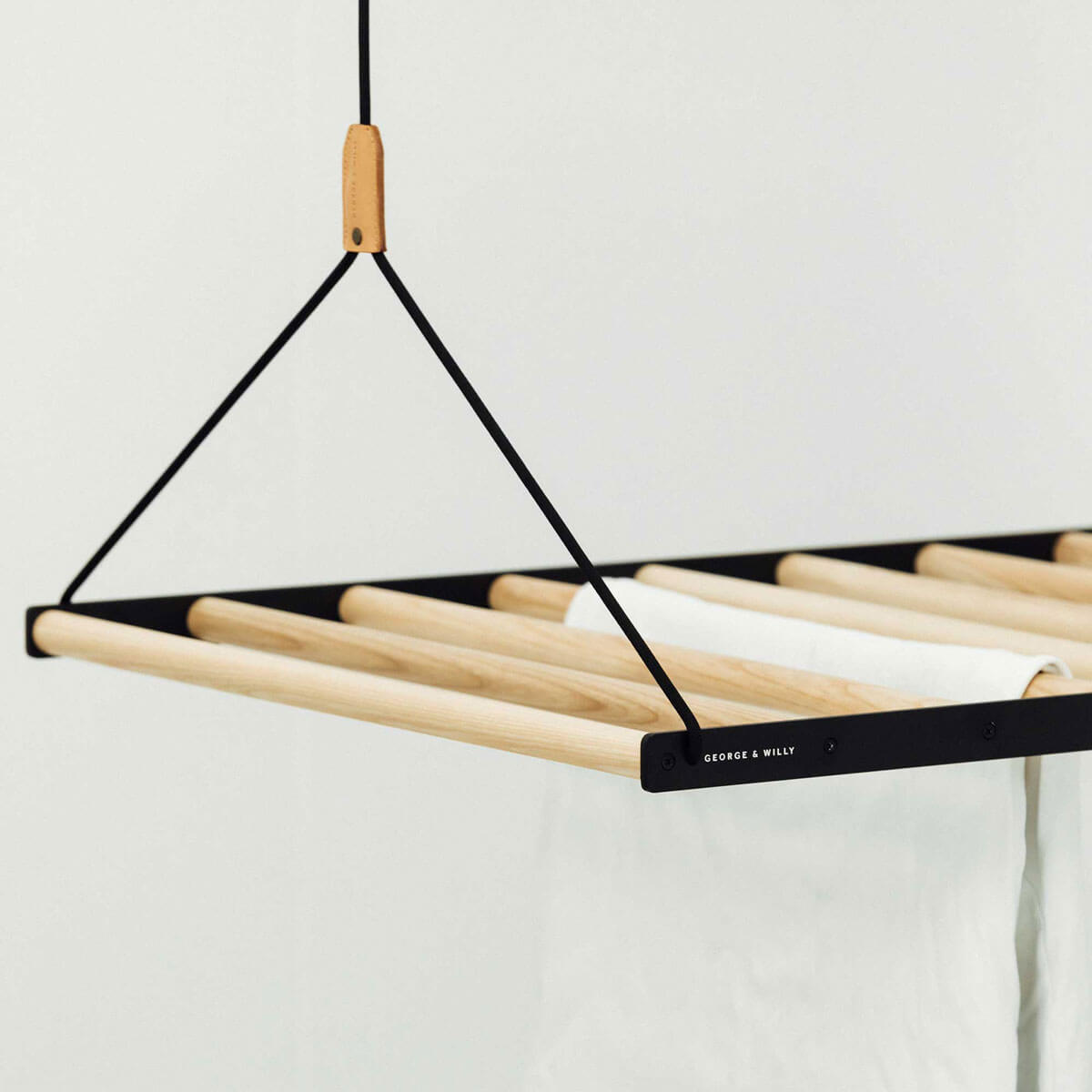
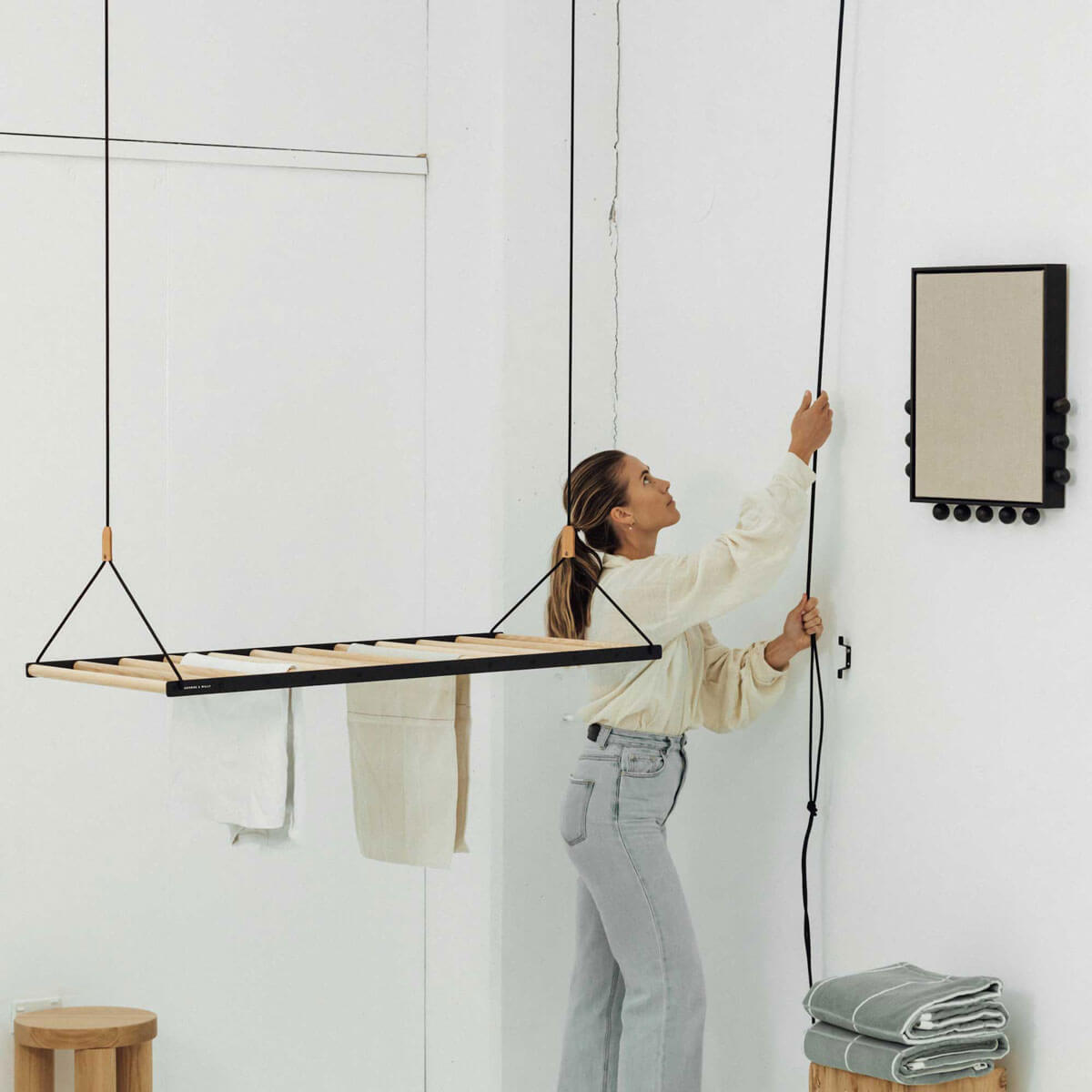
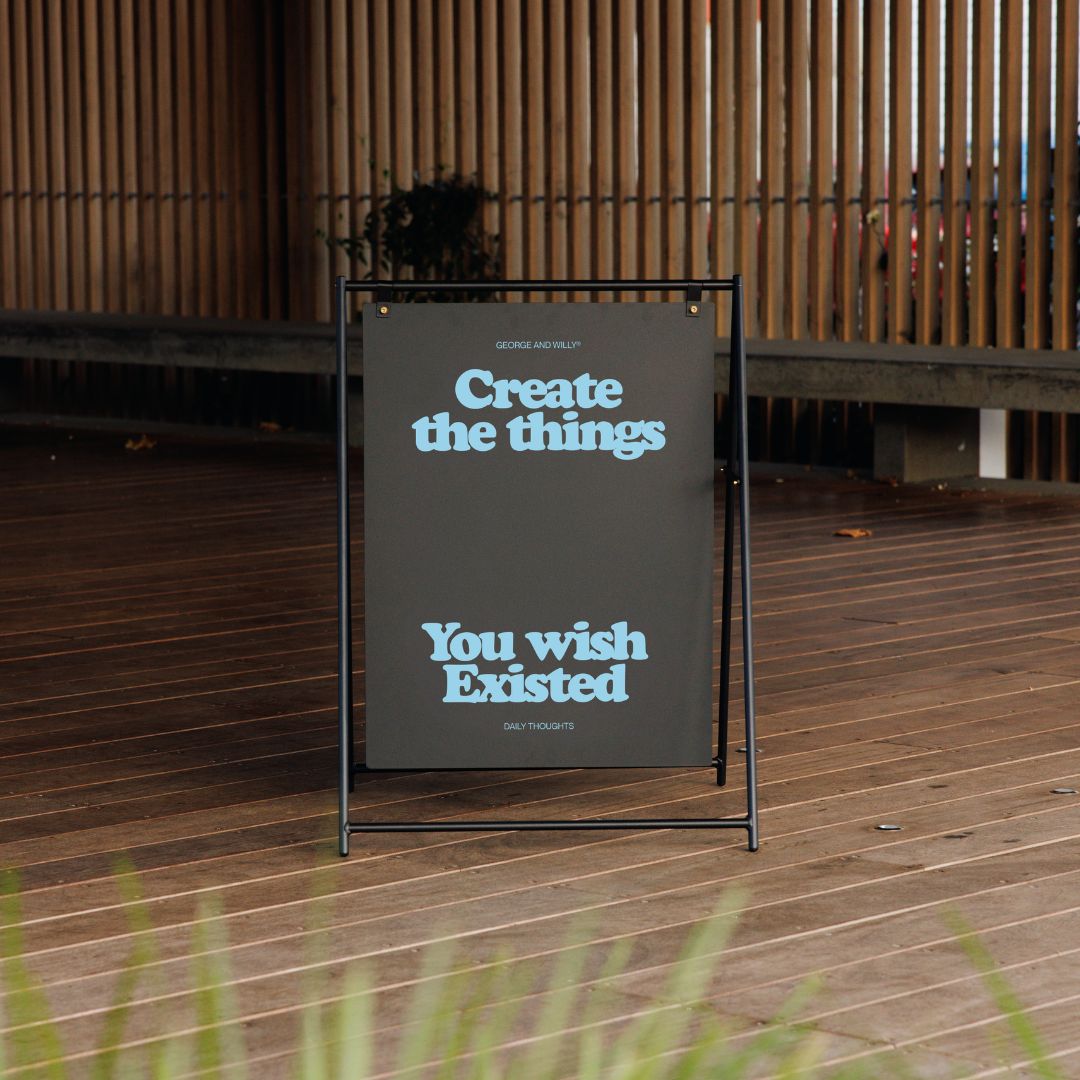
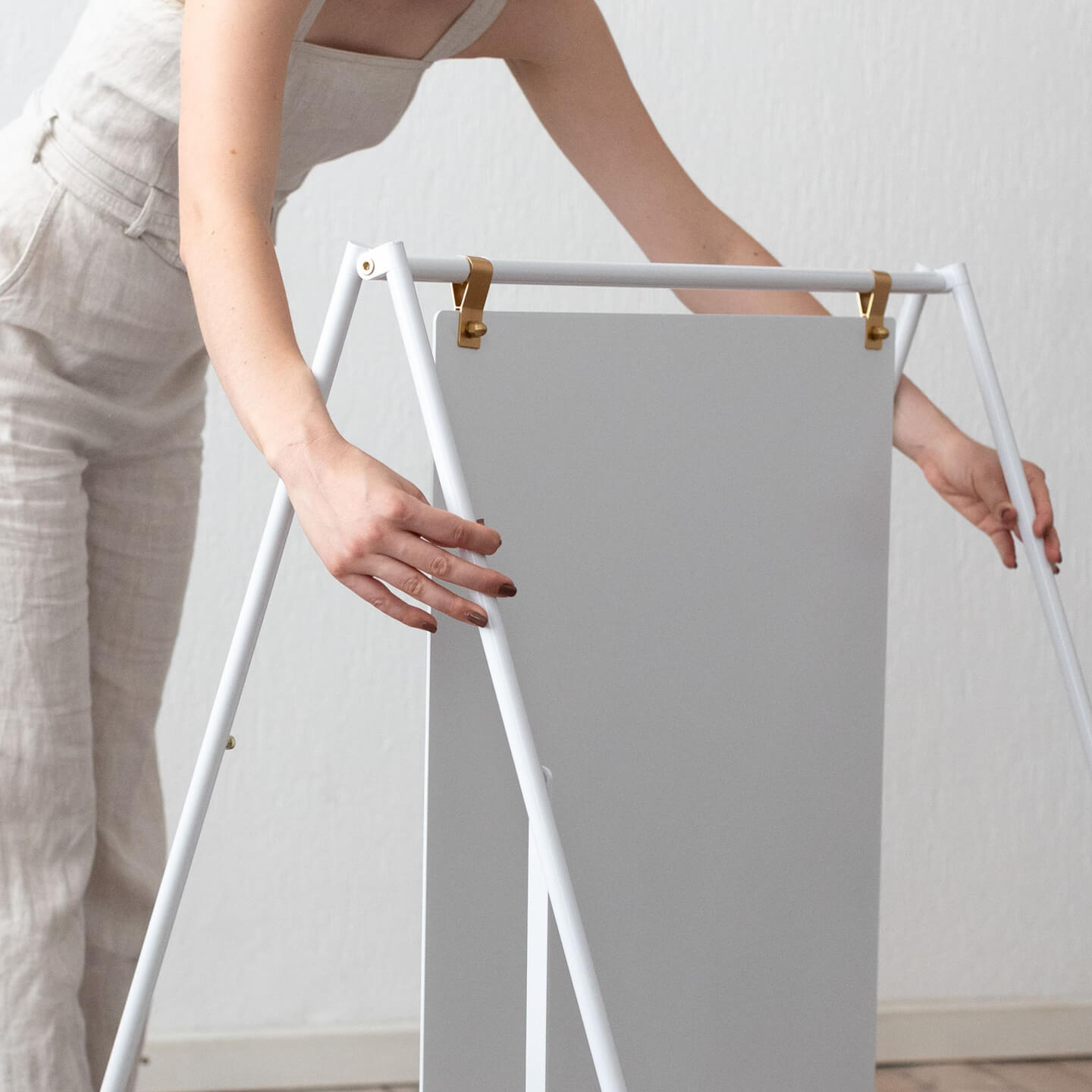
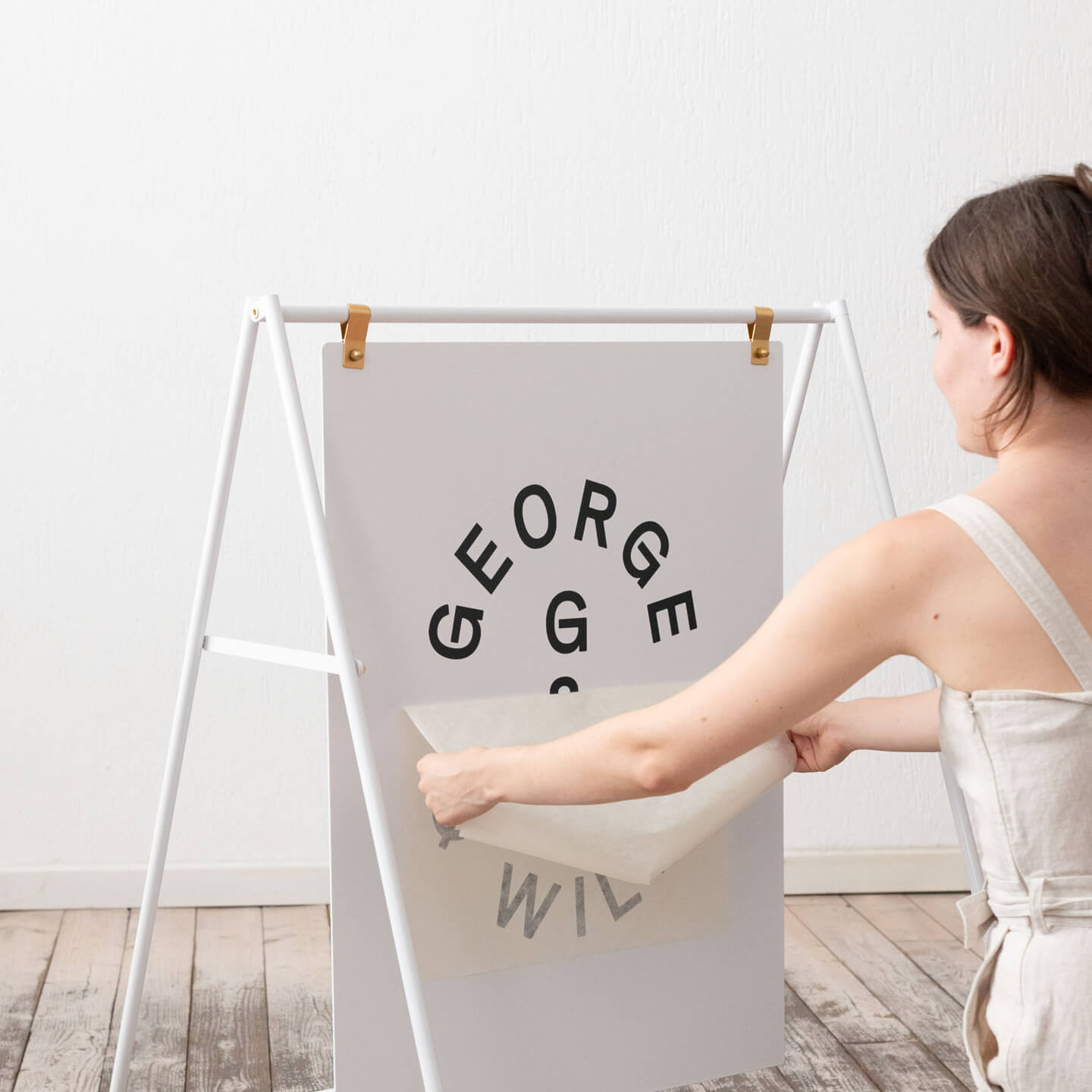
Investing in your store’s foundation pays off. Consider upgrading to fixtures that match your brand’s aesthetic and showcase your products beautifully. For instance, George & Willy is known for beautifully crafted retail display solutions, from hanging menu boards to free standing signage, that add character and a premium feel to any store. A small investment in these foundational retail display solutions can produce a significant return in both sales and customer perception.
Frequently Asked Questions about Retail Display Solutions
What are retail display solutions?
Retail display solutions refer to the full range of fixtures, signage, shelving, and strategies used to present products to customers in a physical store. The goal is to create visually appealing, organized, and effective presentations that attract customers, highlight product features, and ultimately drive sales.
How do retail displays increase sales?
Retail displays increase sales by capturing shopper attention, creating impulse purchase opportunities, and making the shopping experience easier and more enjoyable. A well designed display can make a product stand out, communicate its value, and encourage customers to add it to their cart, with some studies showing displays can boost sales by over 30%.
What is the most important rule of in store merchandising?
While there are many rules, one of the most critical is “eye level is buy level”. This principle of horizontal merchandising states that products placed at a customer’s natural line of sight are significantly more likely to be seen and purchased.
What is the difference between horizontal and vertical merchandising?
Horizontal merchandising involves arranging products side by side along a shelf, focusing on the prime “eye level” zone. Vertical merchandising involves arranging products in a top to bottom column, using the full height of a fixture to create a strong visual block that draws the eye.
How can small businesses improve their retail displays?
Small businesses can start by decluttering and ensuring all displays are clean and well lit. They should focus on placing best sellers at eye level, grouping related items together (cross merchandising), and using clear, professional signage. Investing in a few high quality, versatile fixtures can also make a big difference.
Why is cross merchandising effective?
Cross merchandising is effective because it adds convenience for the customer and suggests additional purchases they might not have considered. By placing complementary items together, you anticipate a customer’s needs, which can lead to a larger basket size and a better shopping experience.