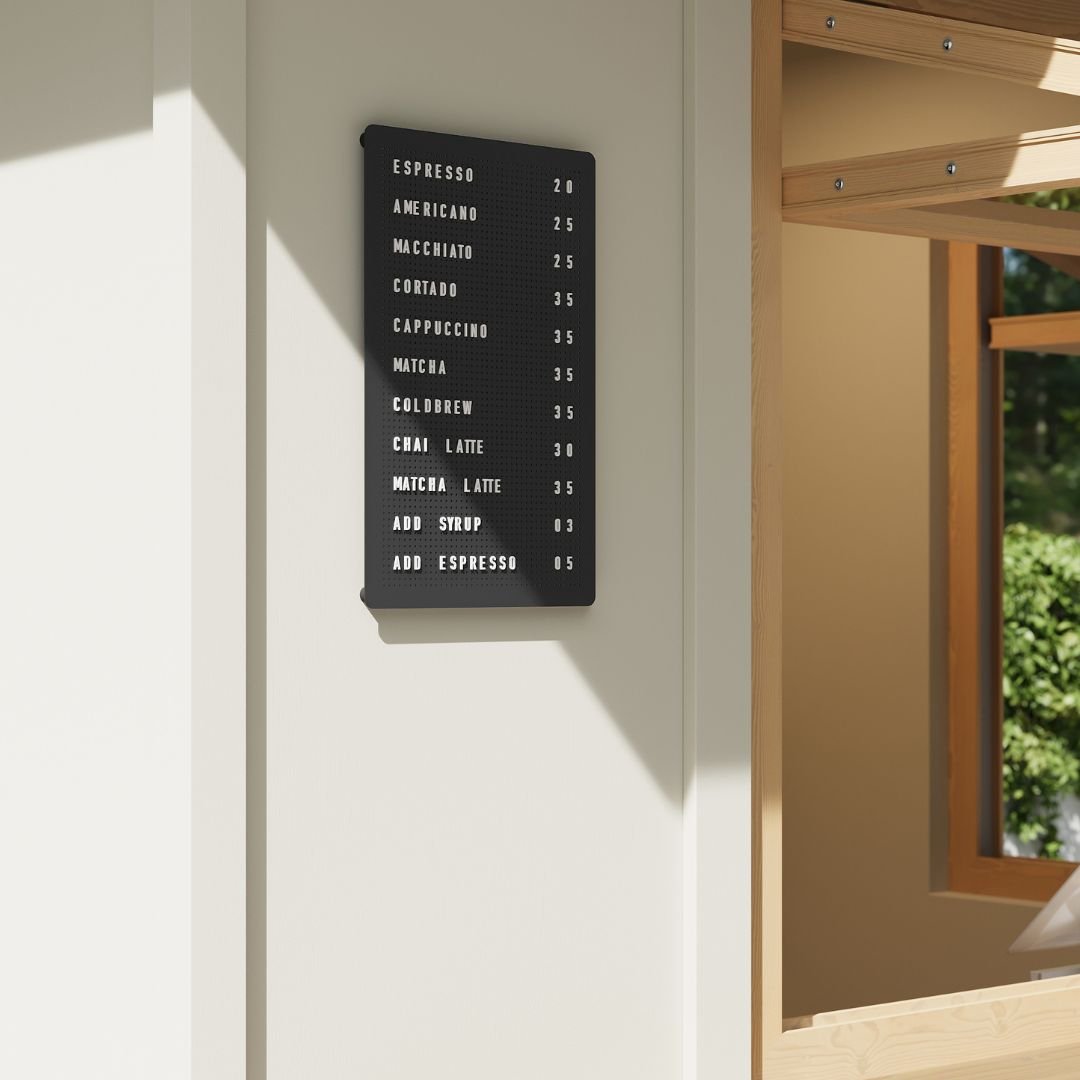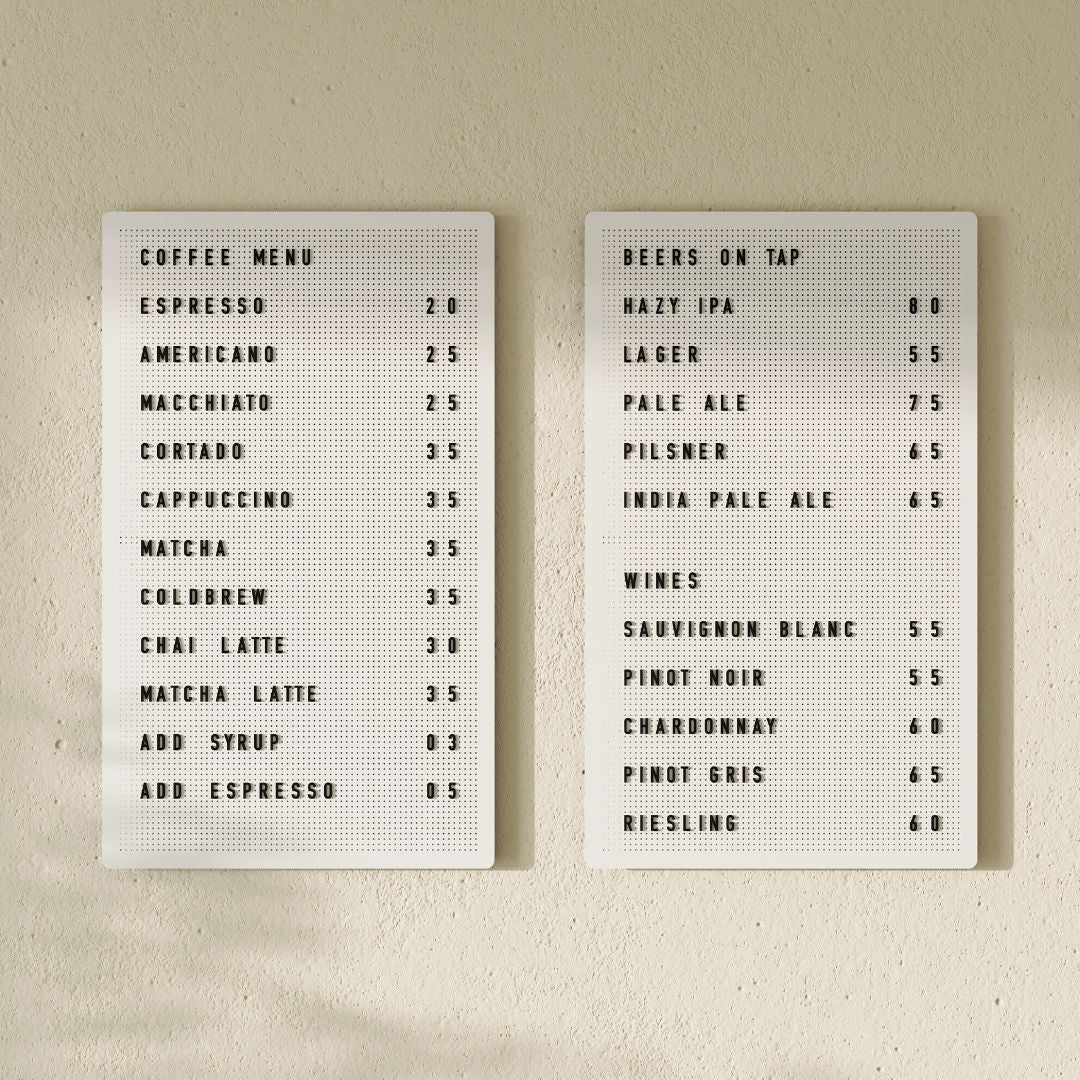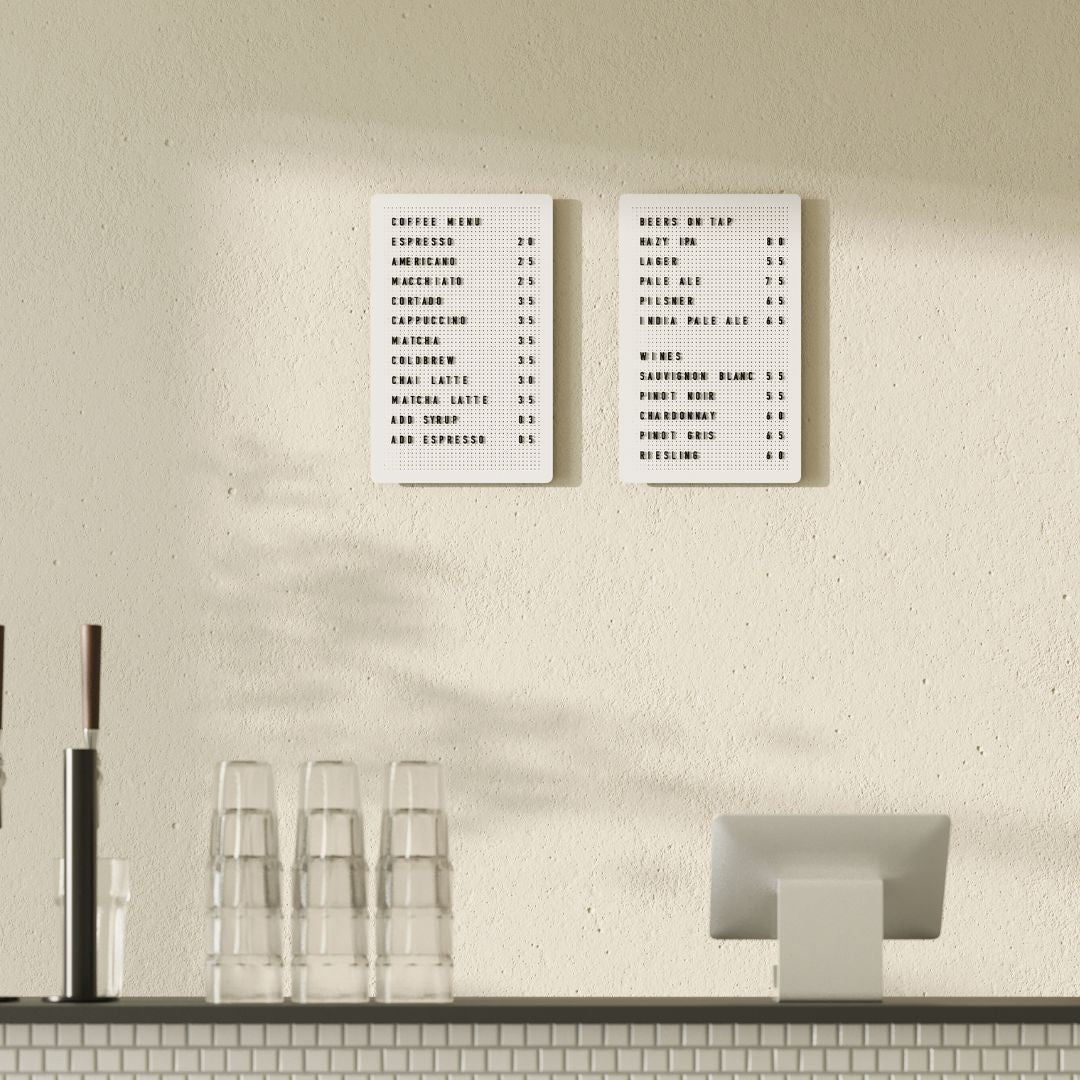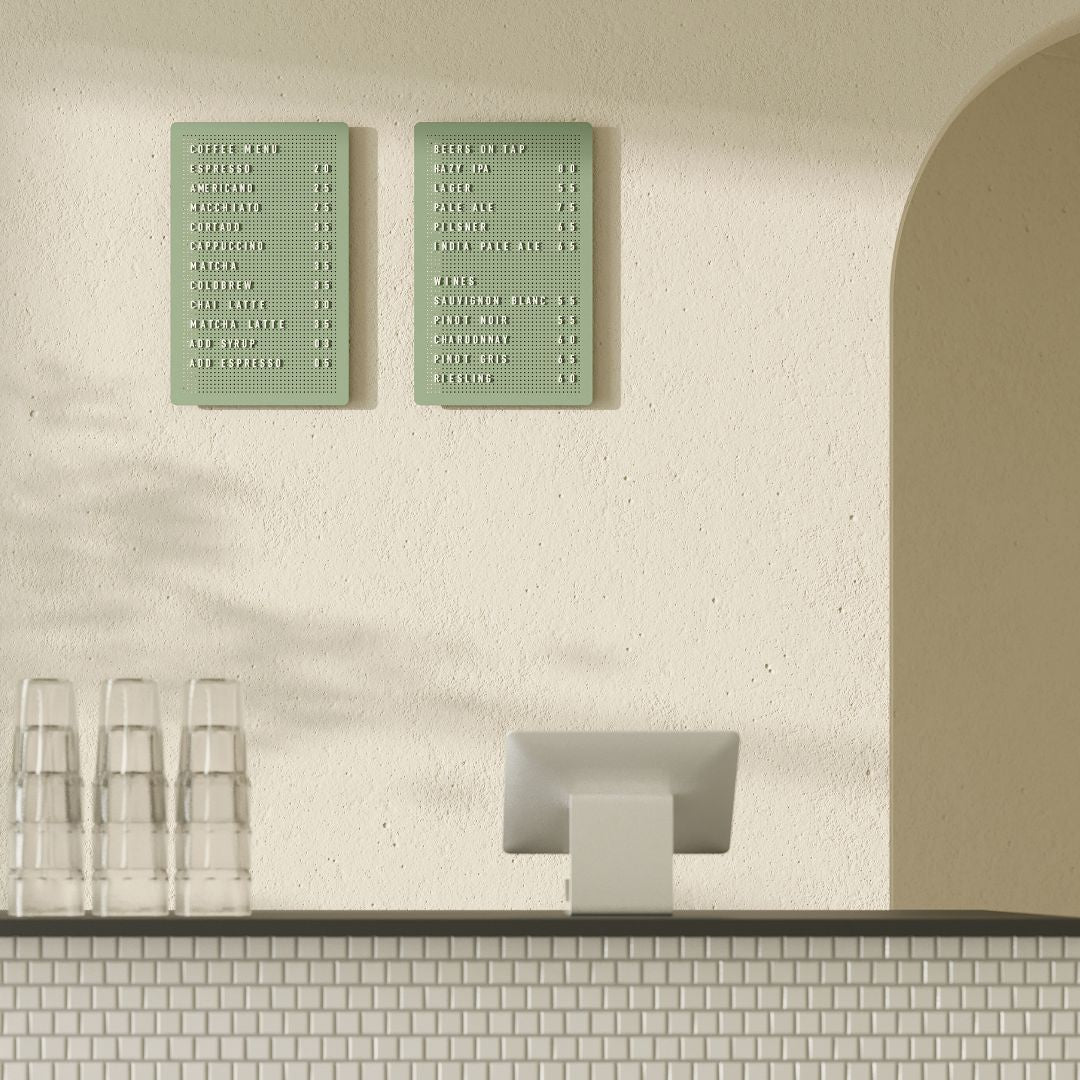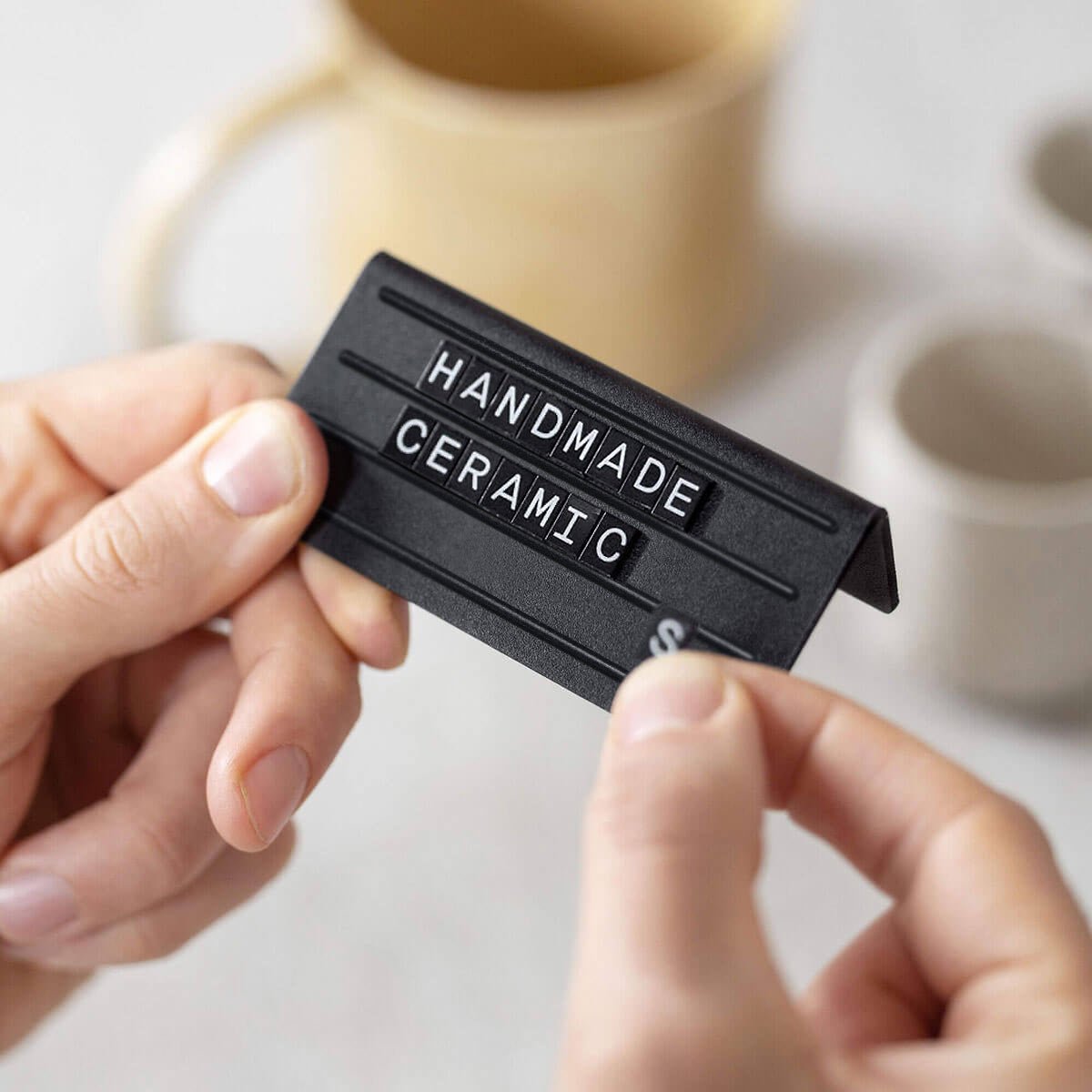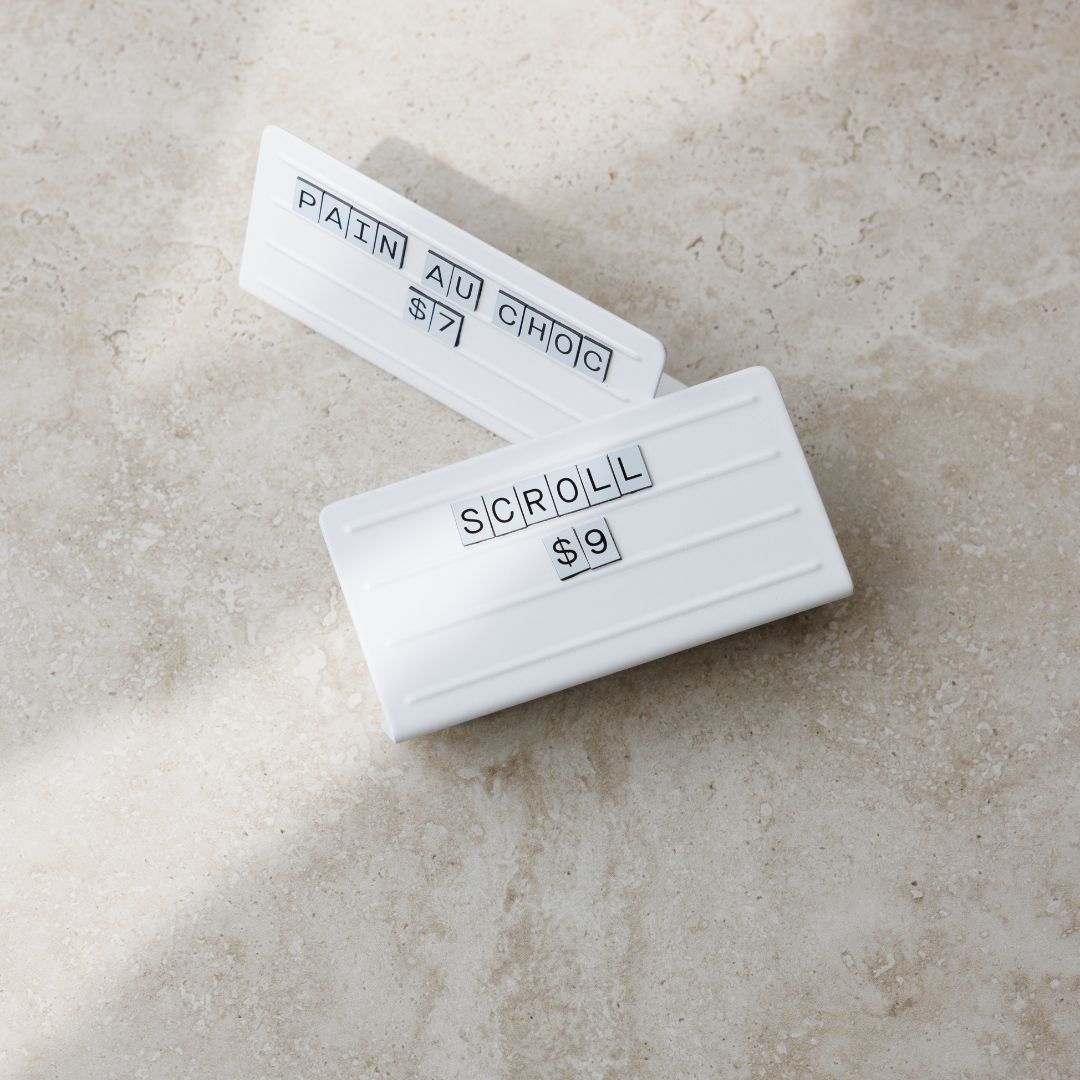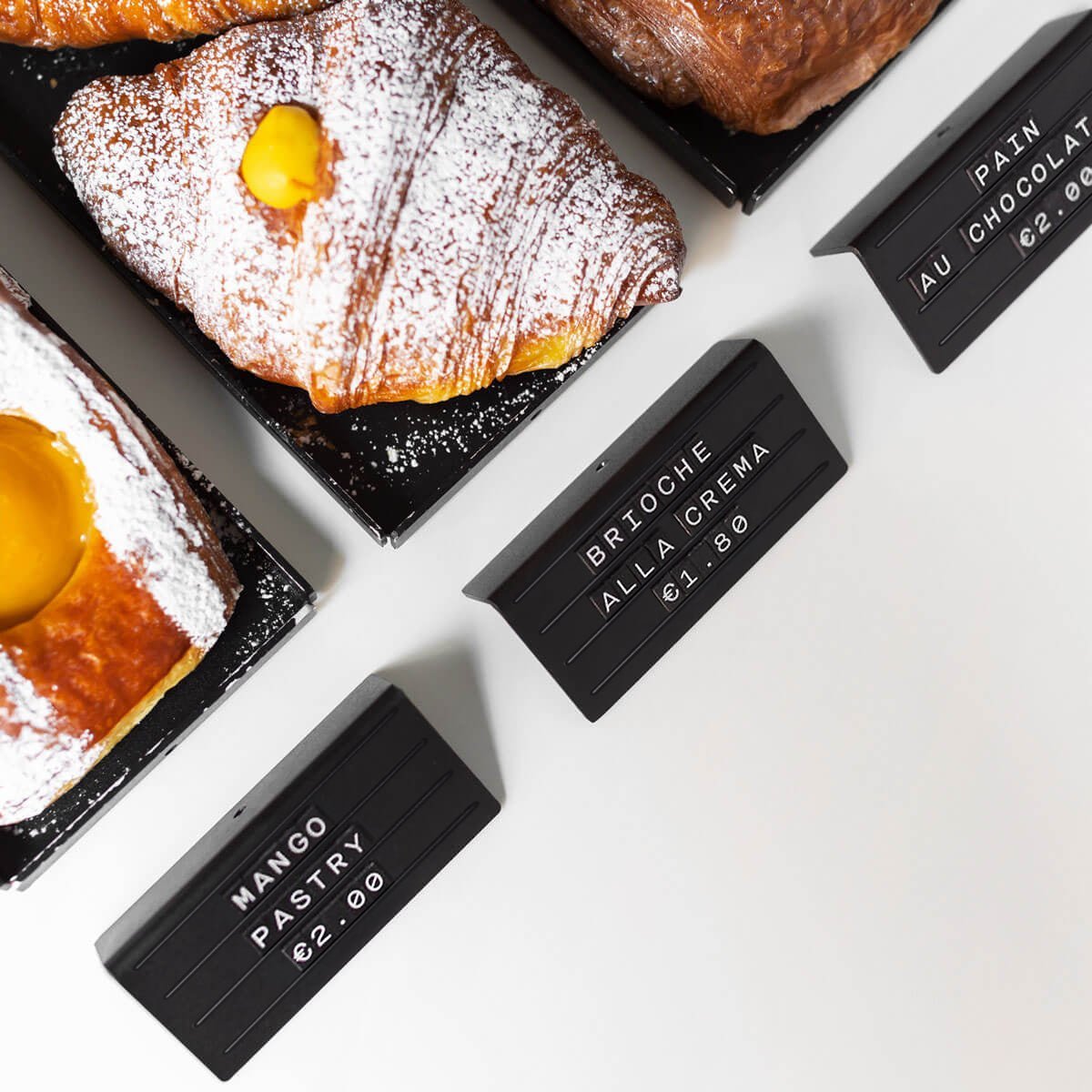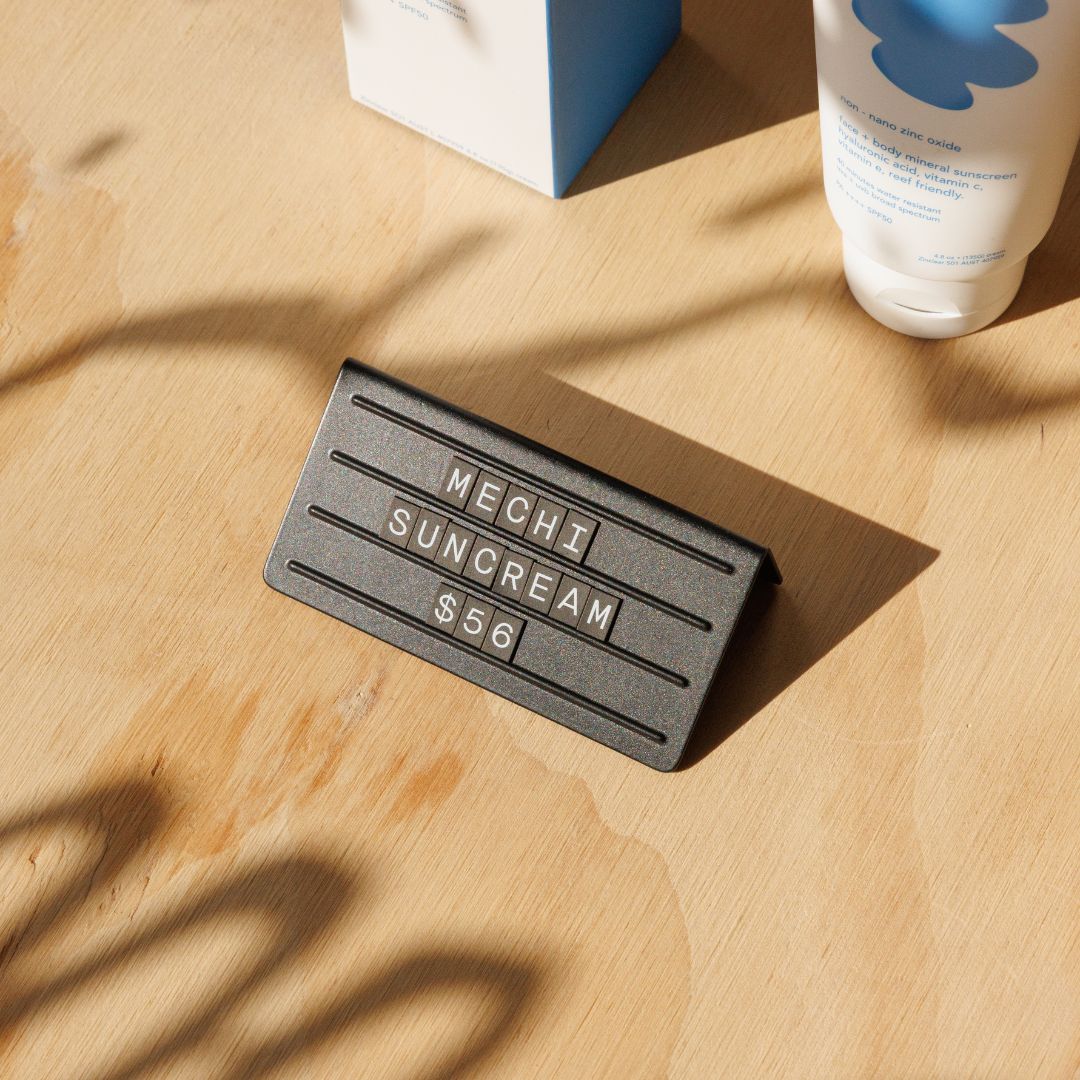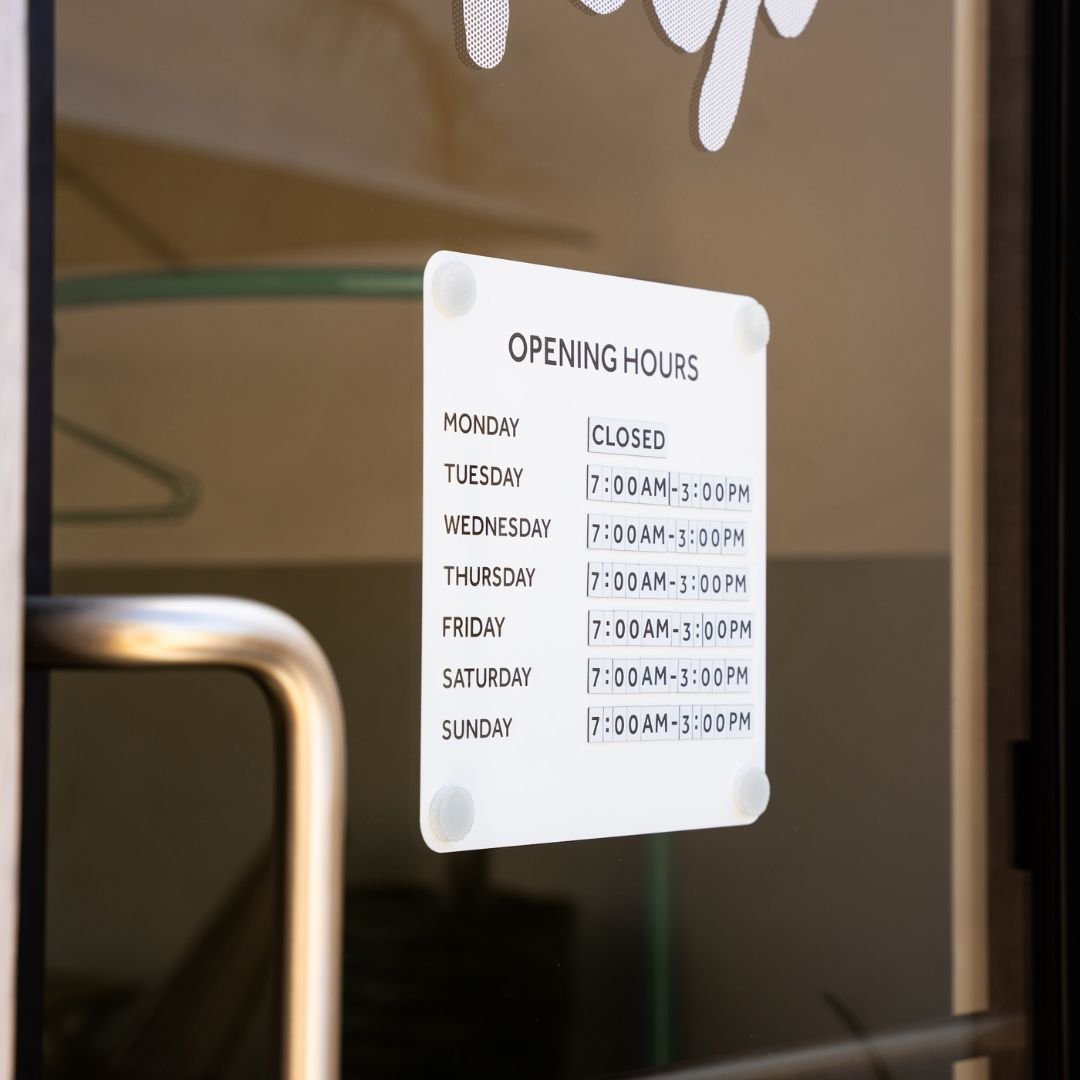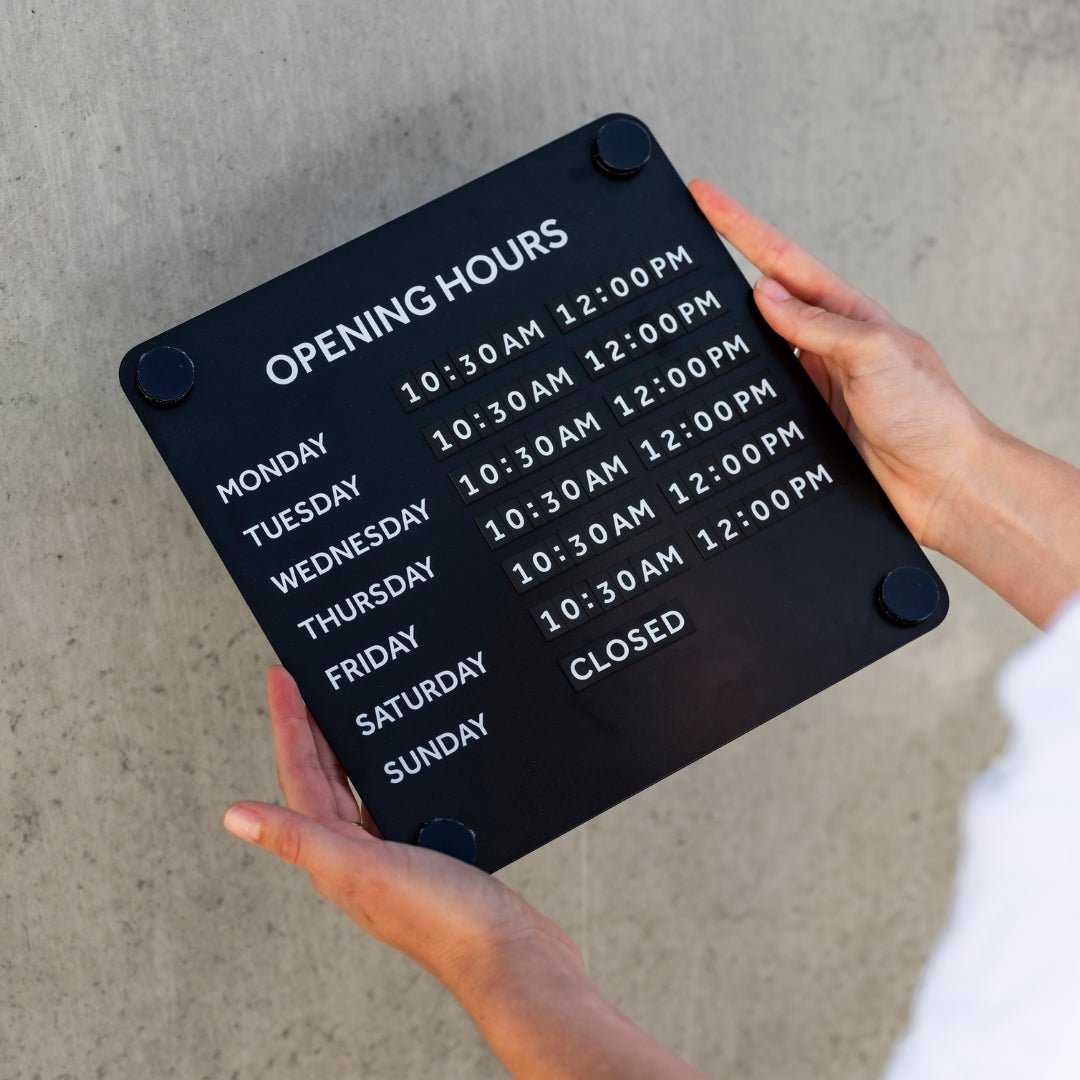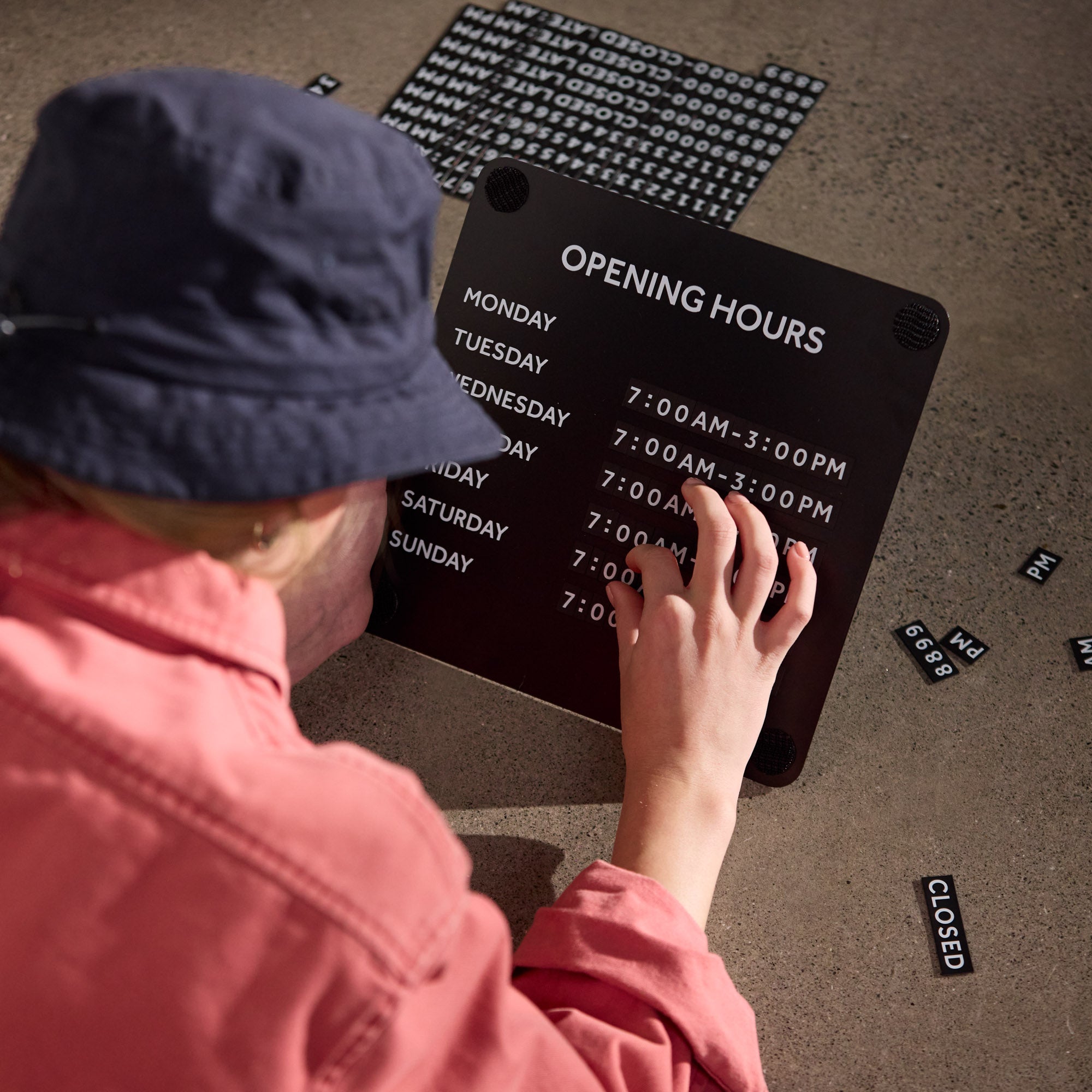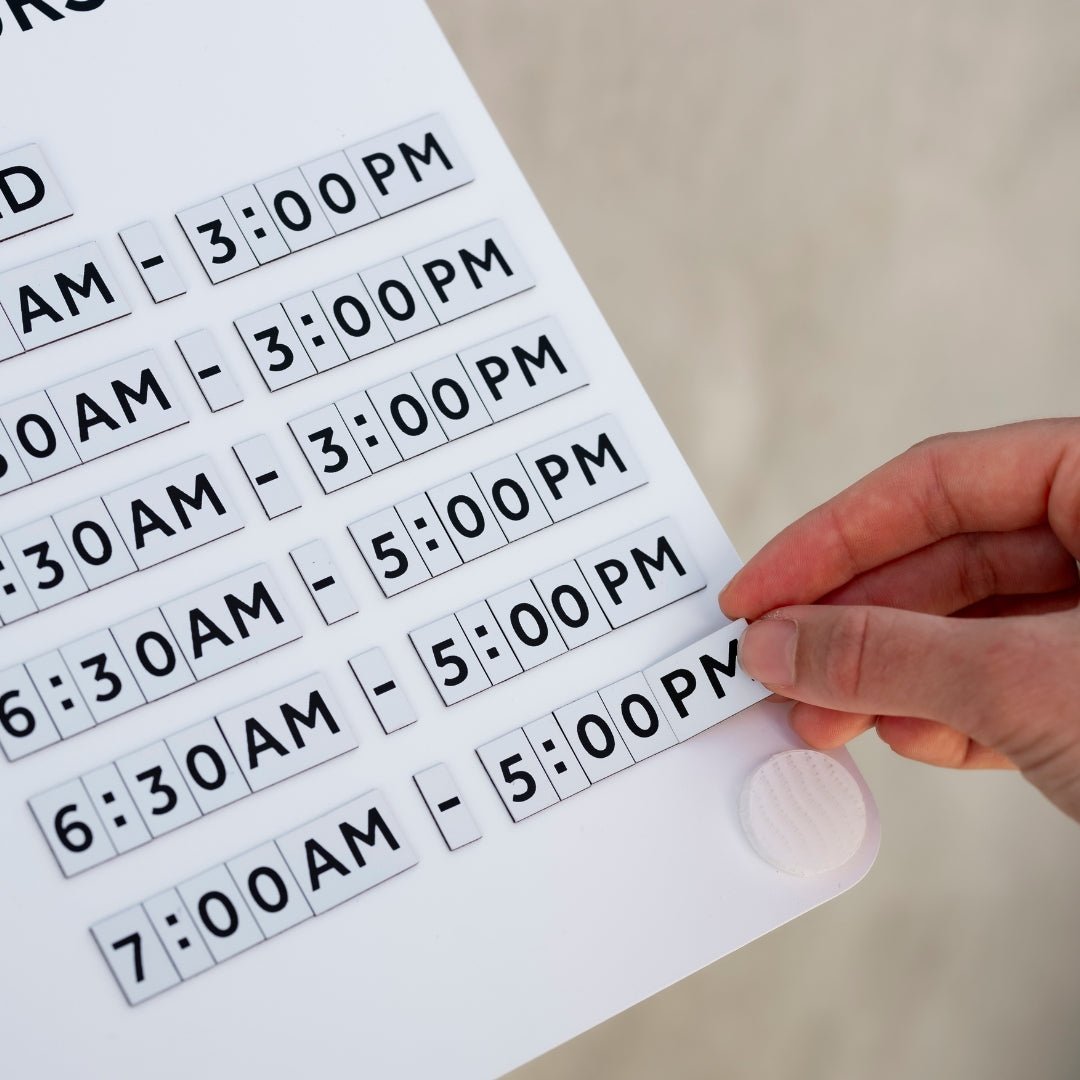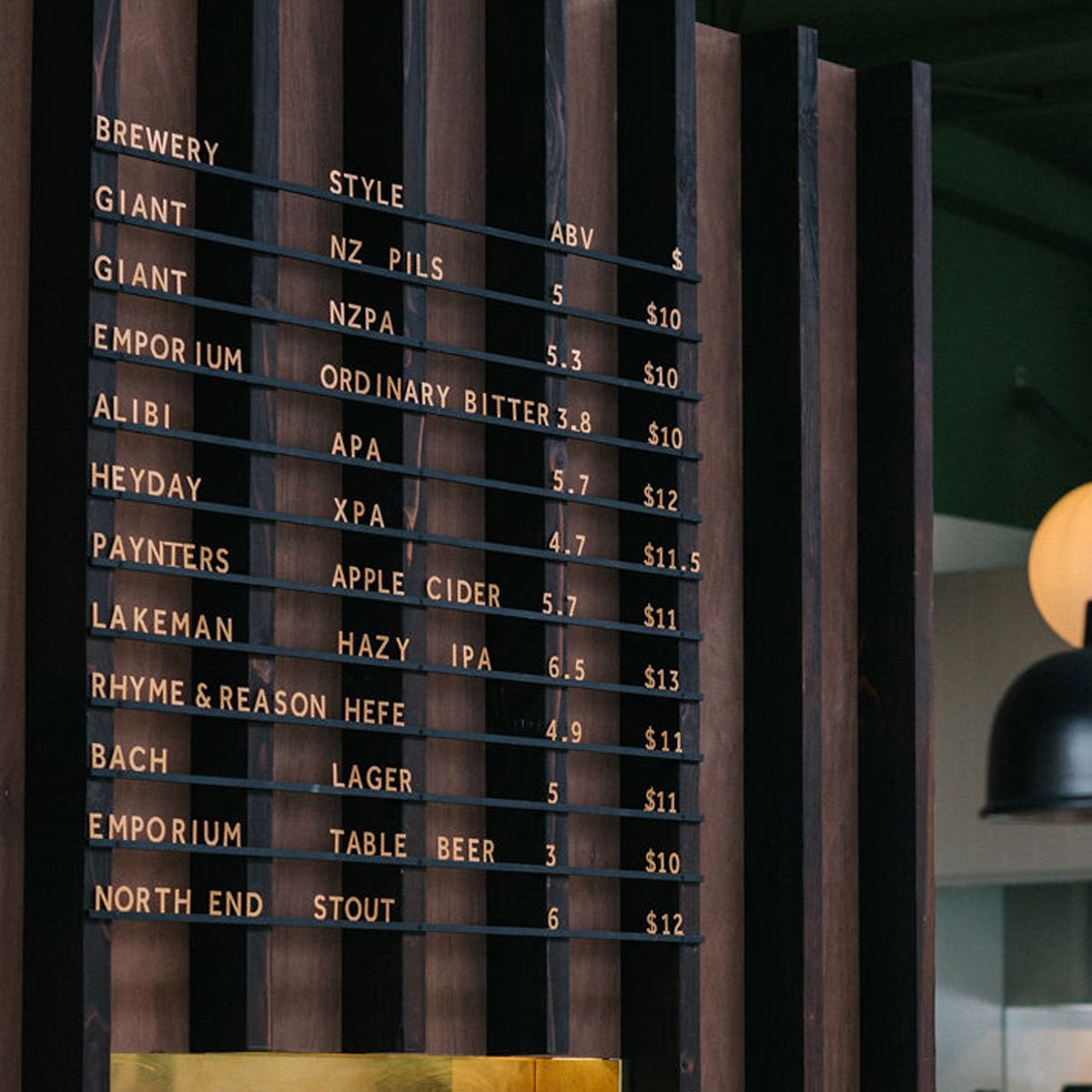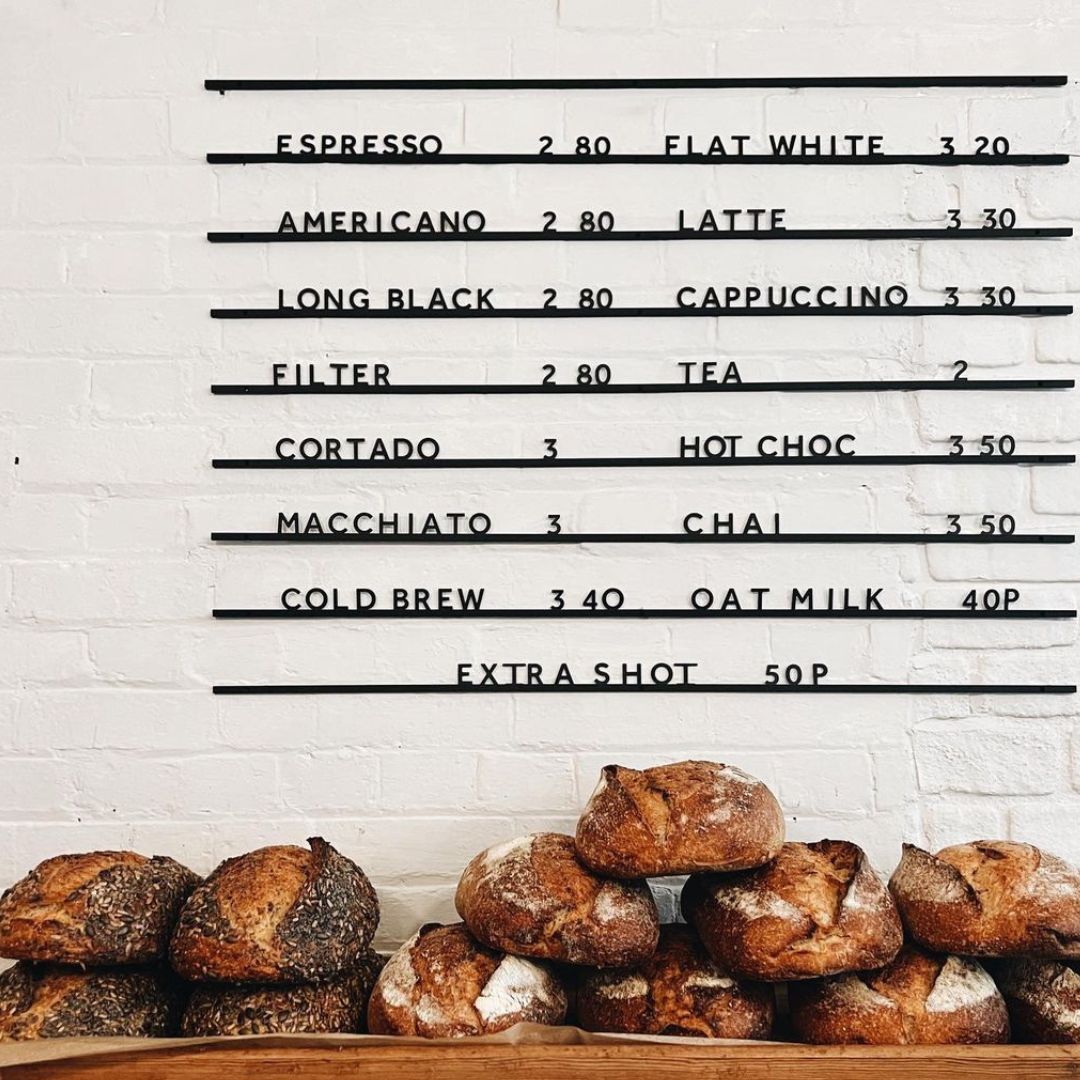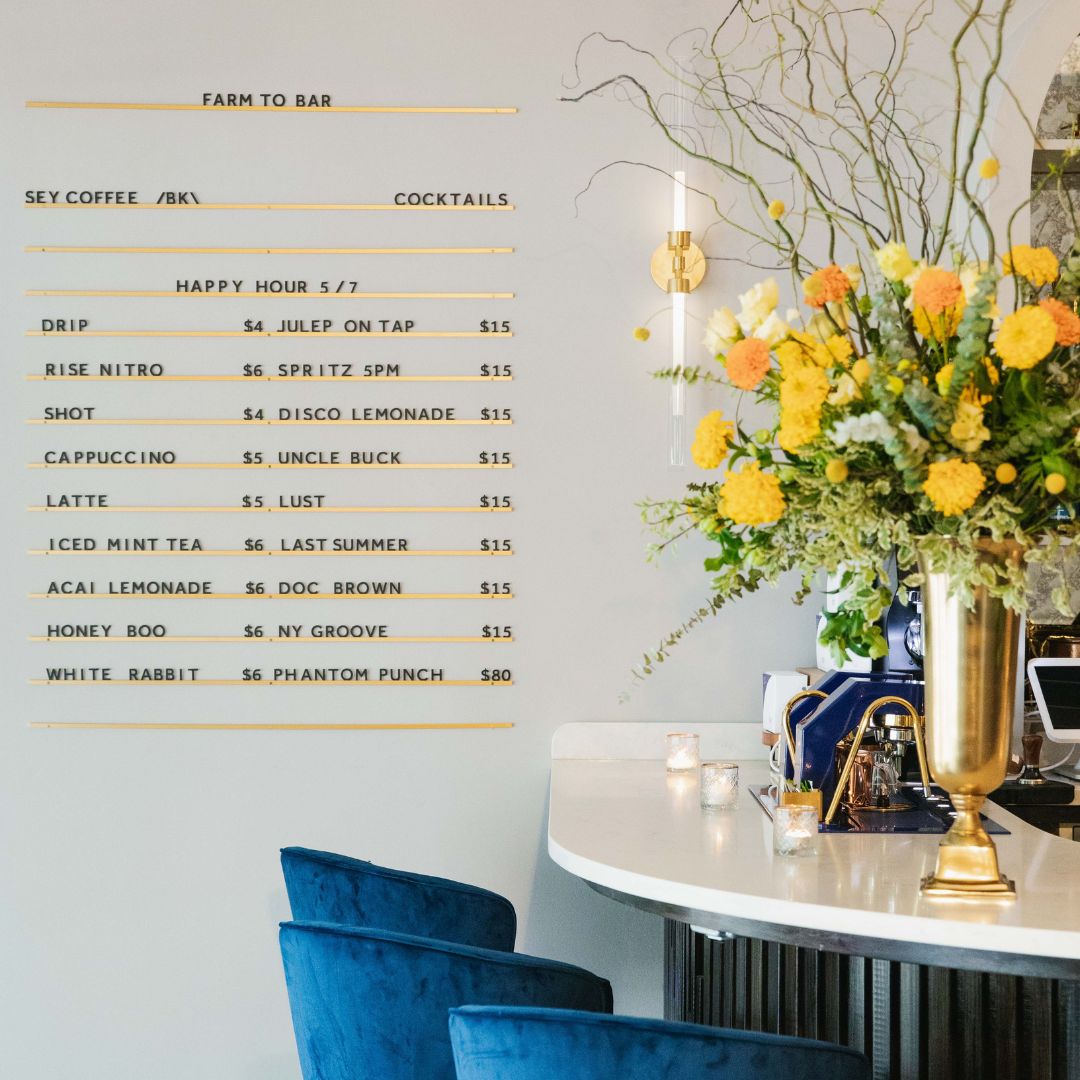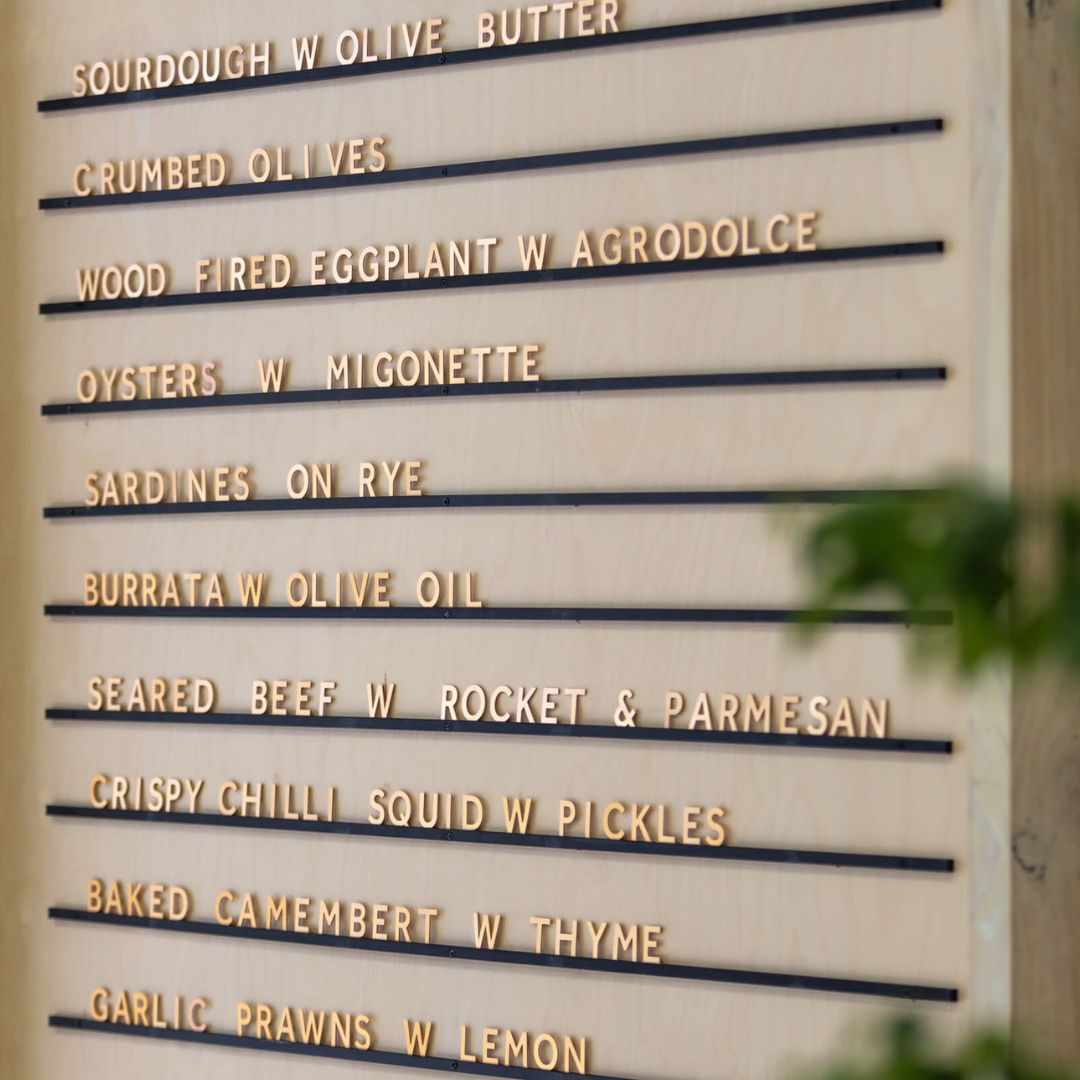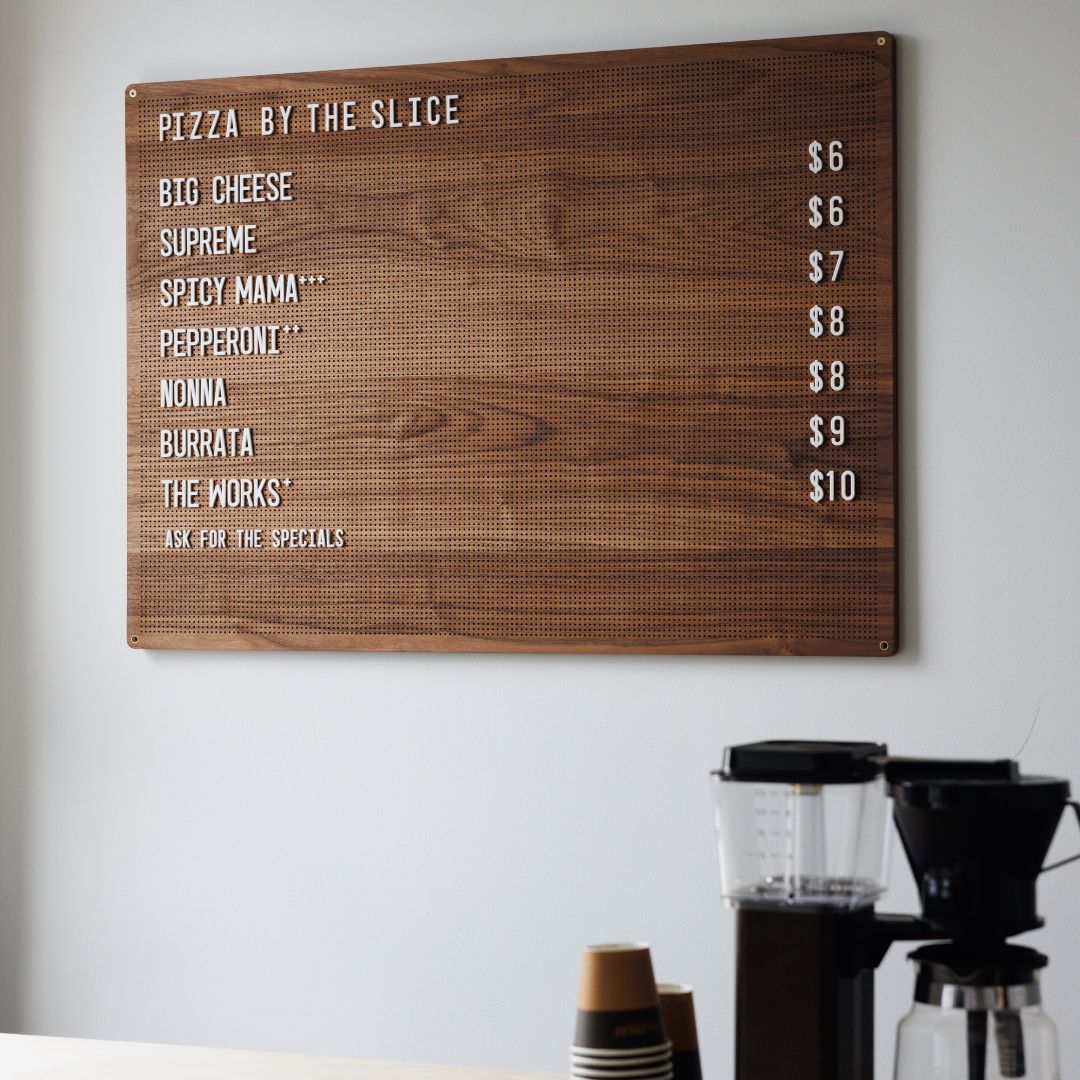


A great sign is one of the most influential marketing tools your business has. Studies show that a majority of consumers have entered a store they had never visited before based on its sign alone. That first impression can make or break a potential sale. When choosing a material that looks professional, lasts for years, and truly reflects your brand’s quality, aluminum signs are an unbeatable option.
They are durable, lightweight, and offer a clean, modern aesthetic that elevates any storefront. Let’s explore why investing in high quality aluminum signs is one of the best decisions you can make for your business’s visibility and success.
What Makes Aluminum Signs a Superior Choice?
The quality of your signage directly influences how customers perceive your business. Roughly 68% of consumers believe a store’s sign reflects the quality of its products or services. A flimsy, faded sign suggests a lack of care, while a sturdy, well crafted one signals professionalism and trustworthiness.
This is where aluminum signs truly shine. Their core benefits include:
-
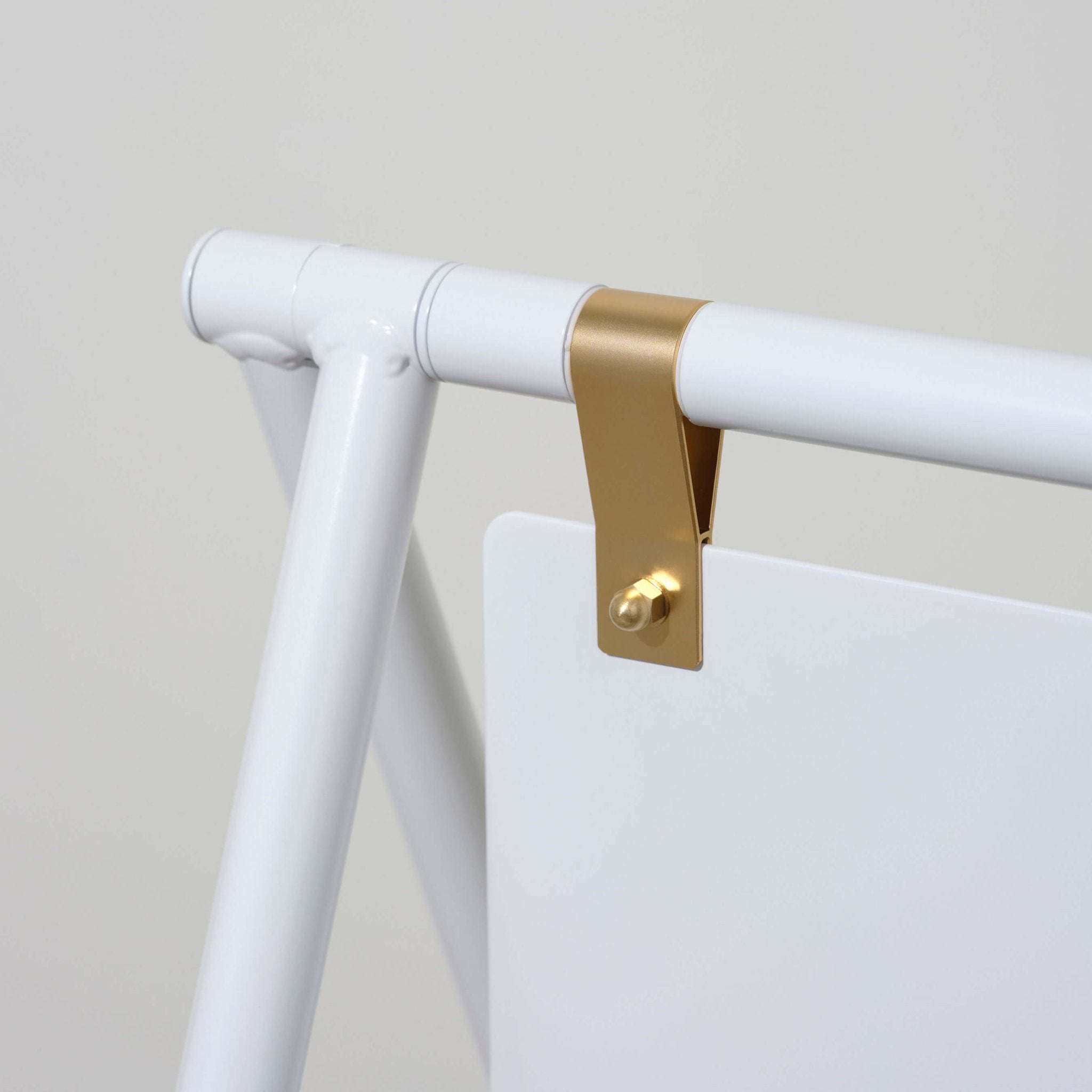
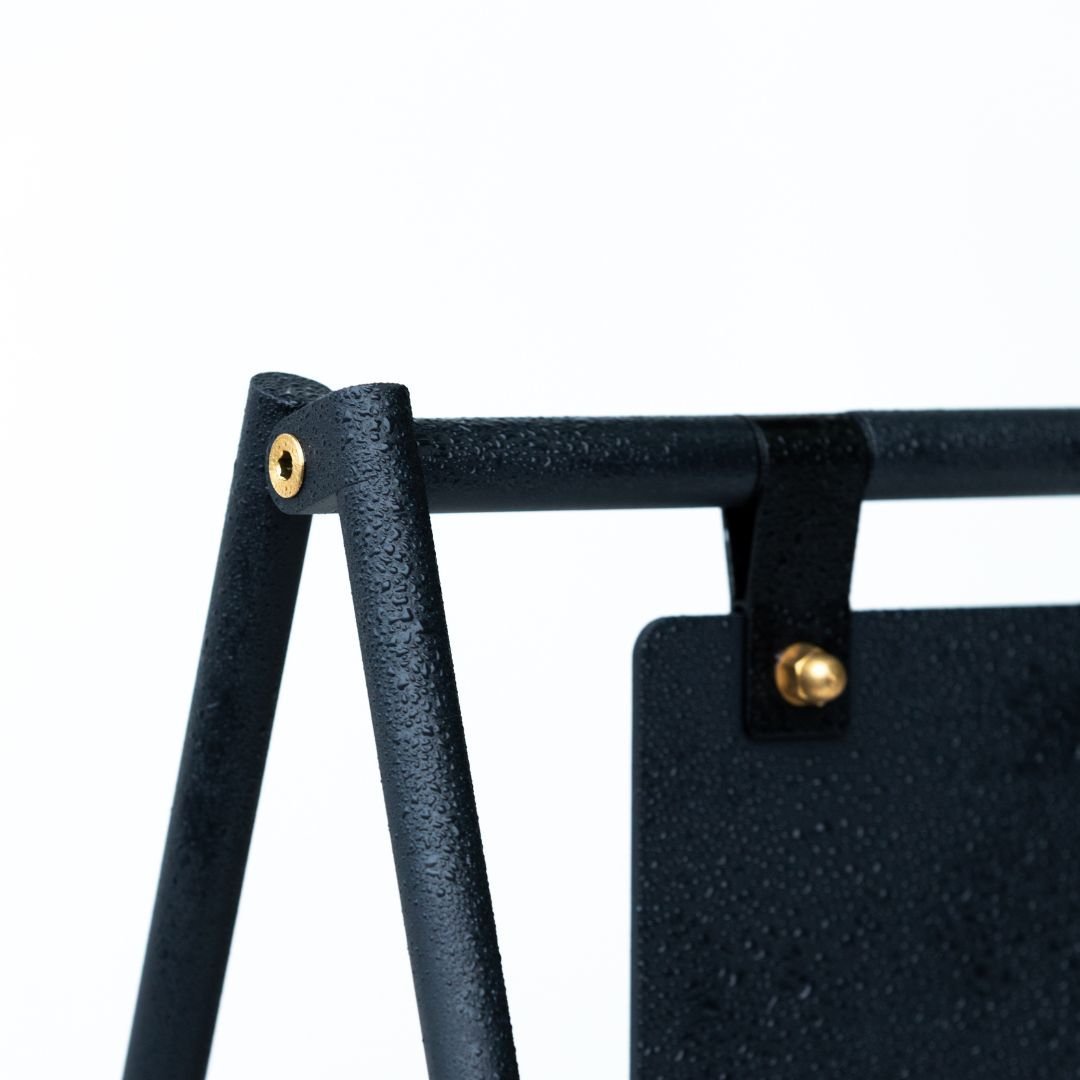
Exceptional Durability: Unlike wood that can rot or plastic that can crack, aluminum is built to last. High quality aluminum signs, especially those with a powder coated finish, are incredibly resistant to rust, corrosion, and fading. This makes them perfect for long term outdoor use, withstanding everything from harsh sun and high winds to heavy rain and coastal salt spray.
-
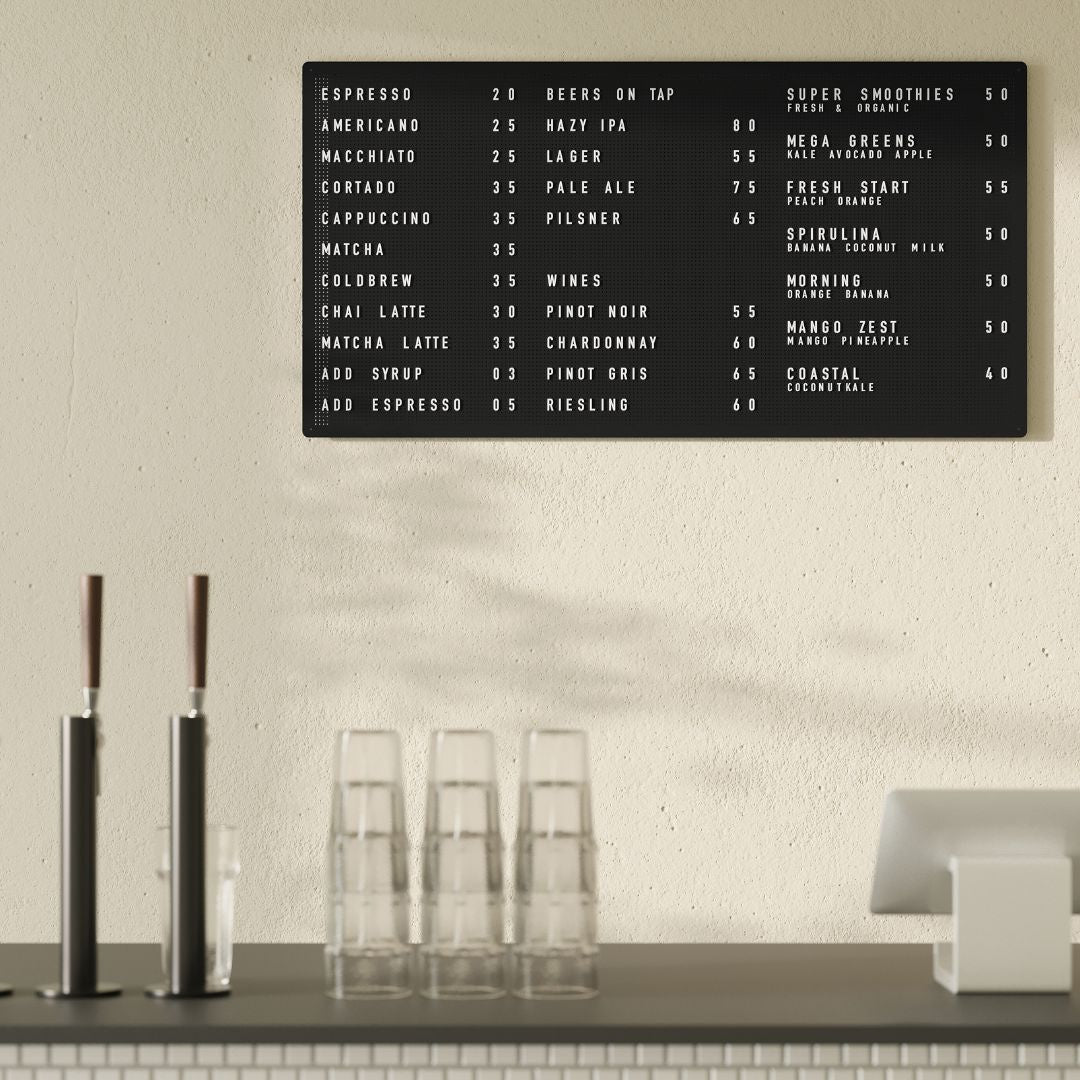
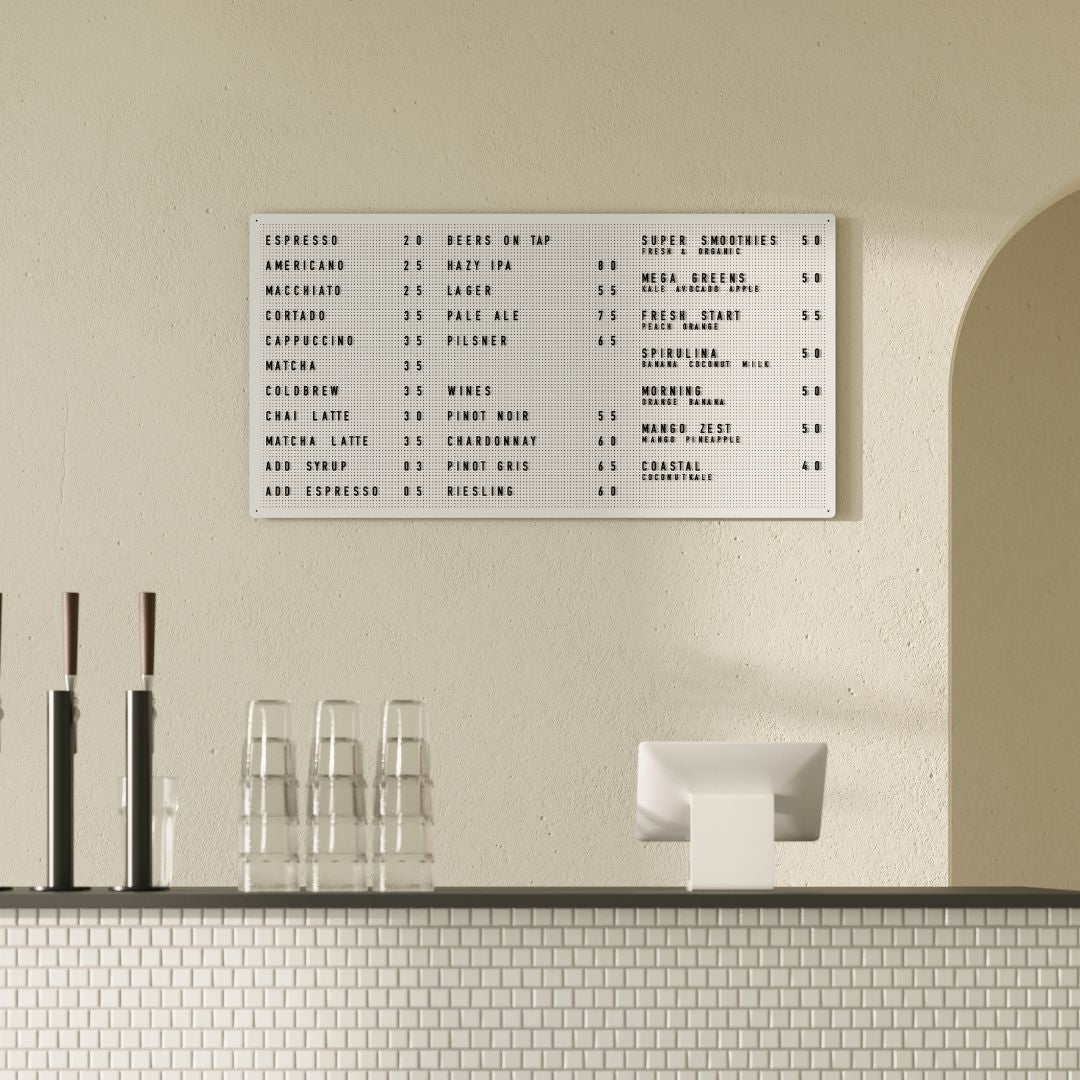
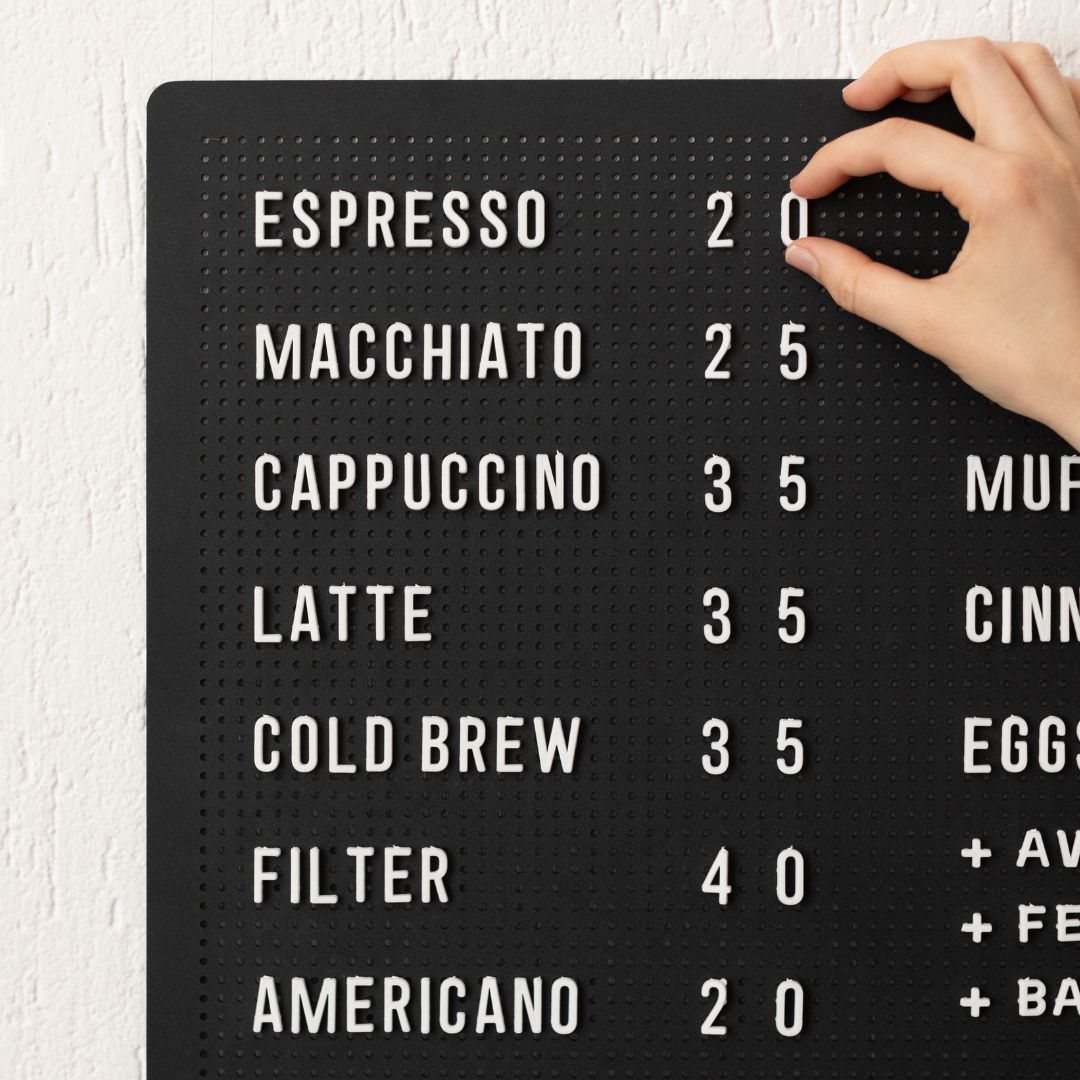
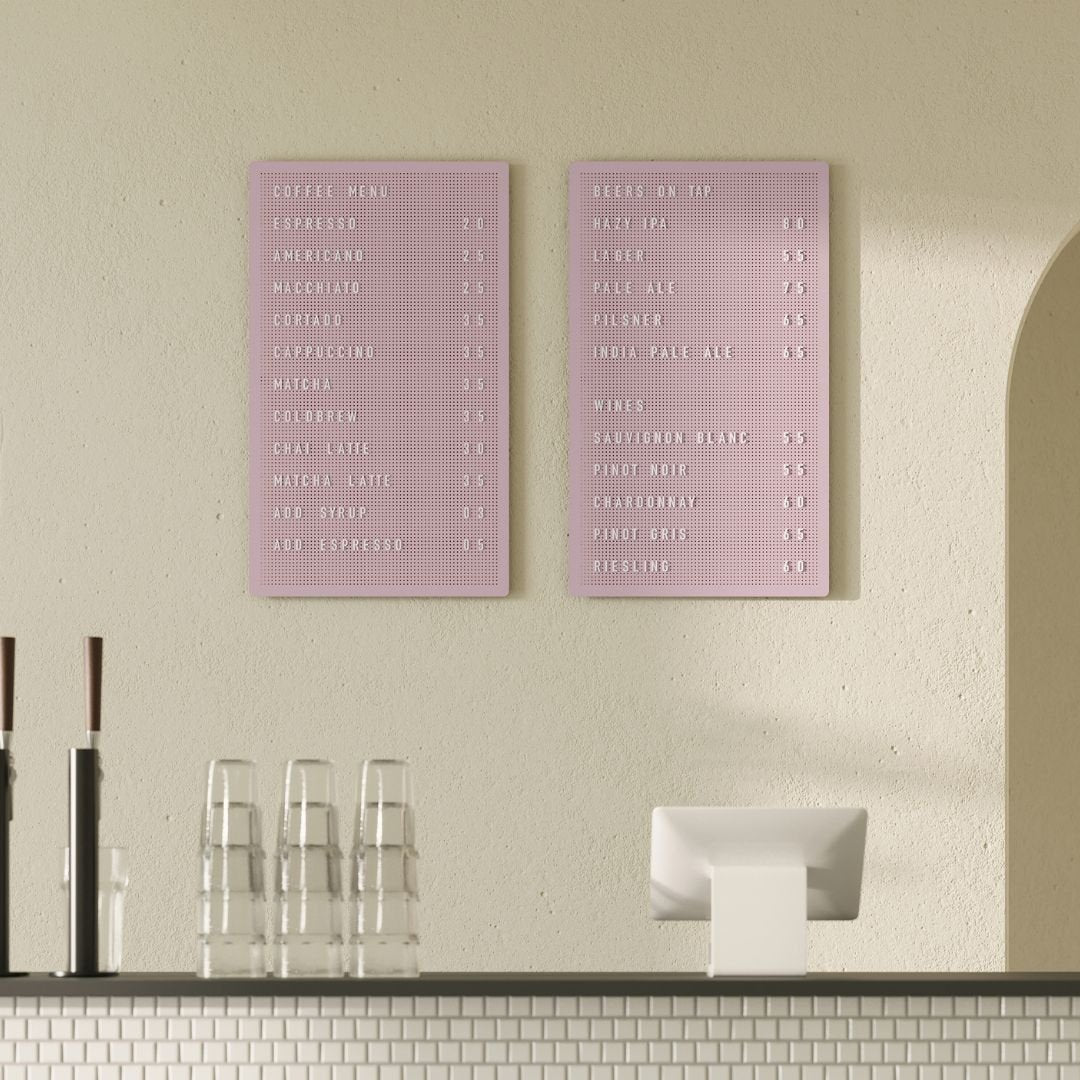
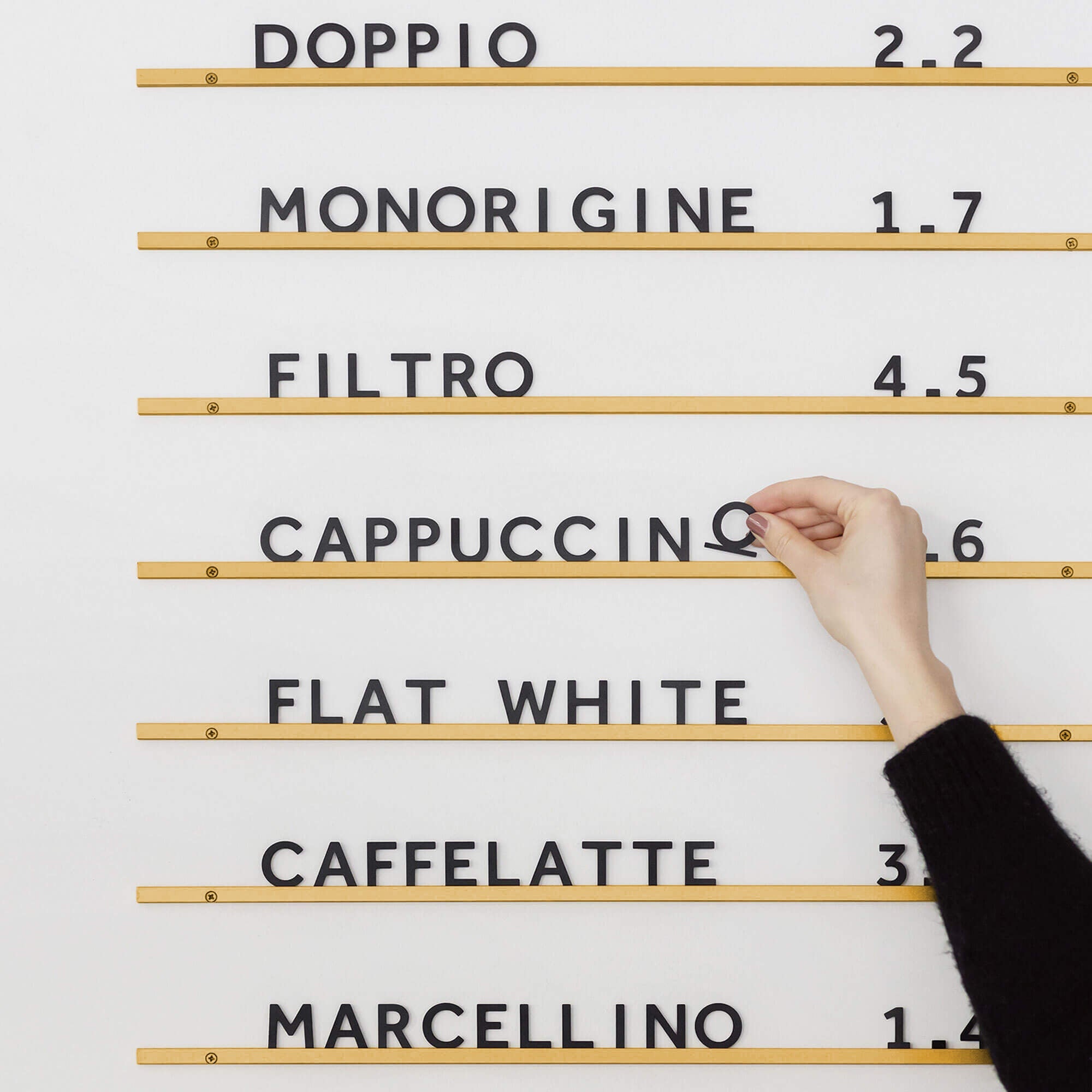
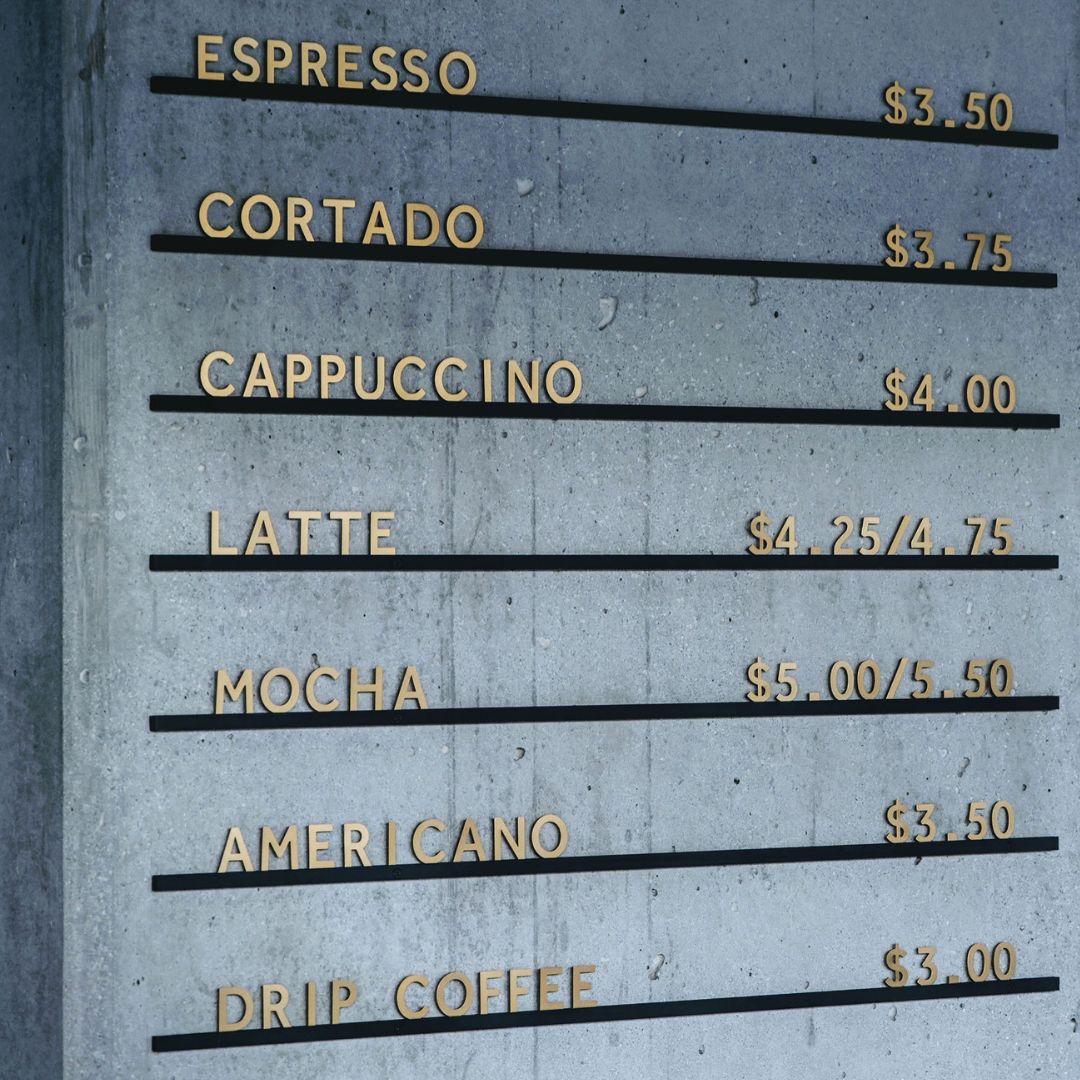
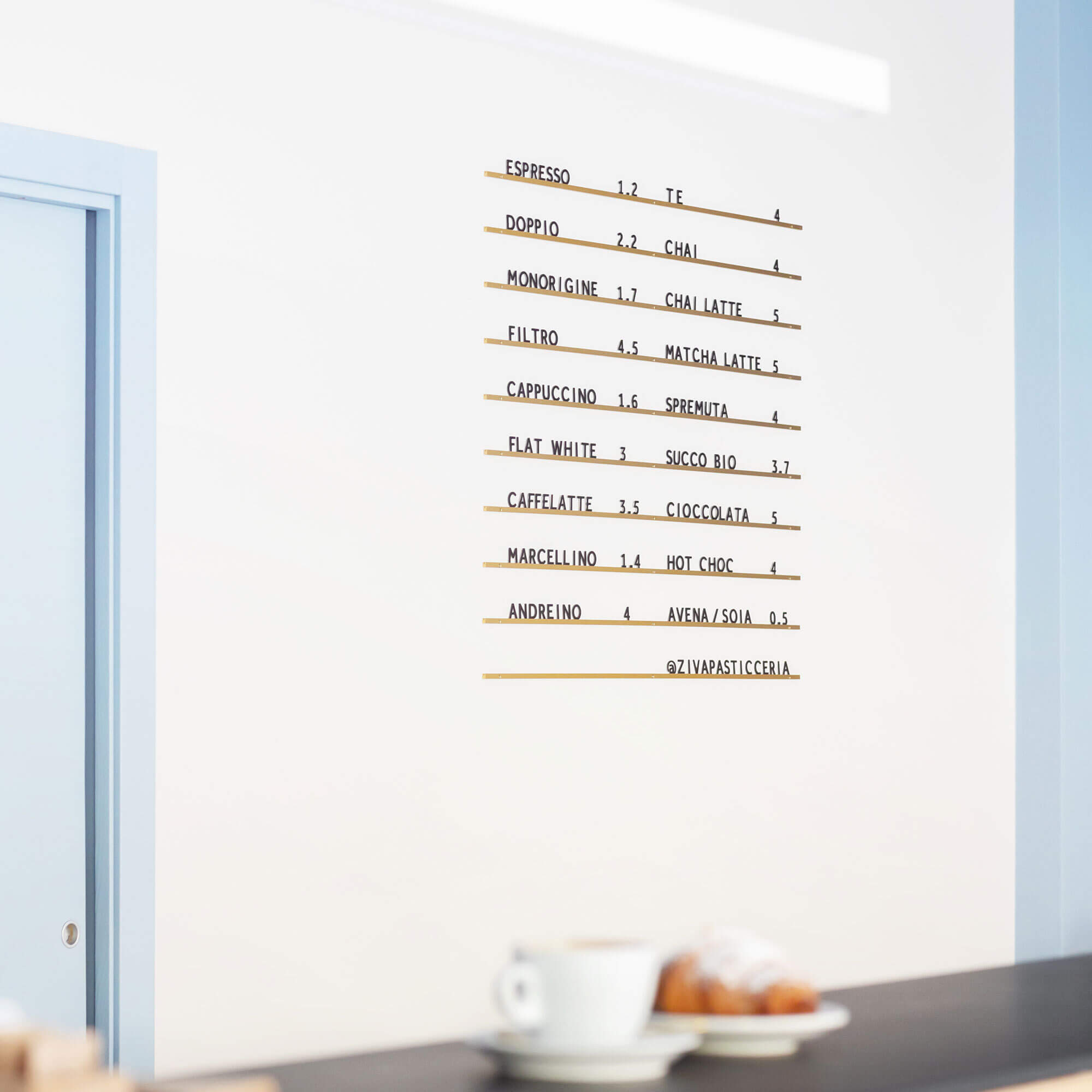
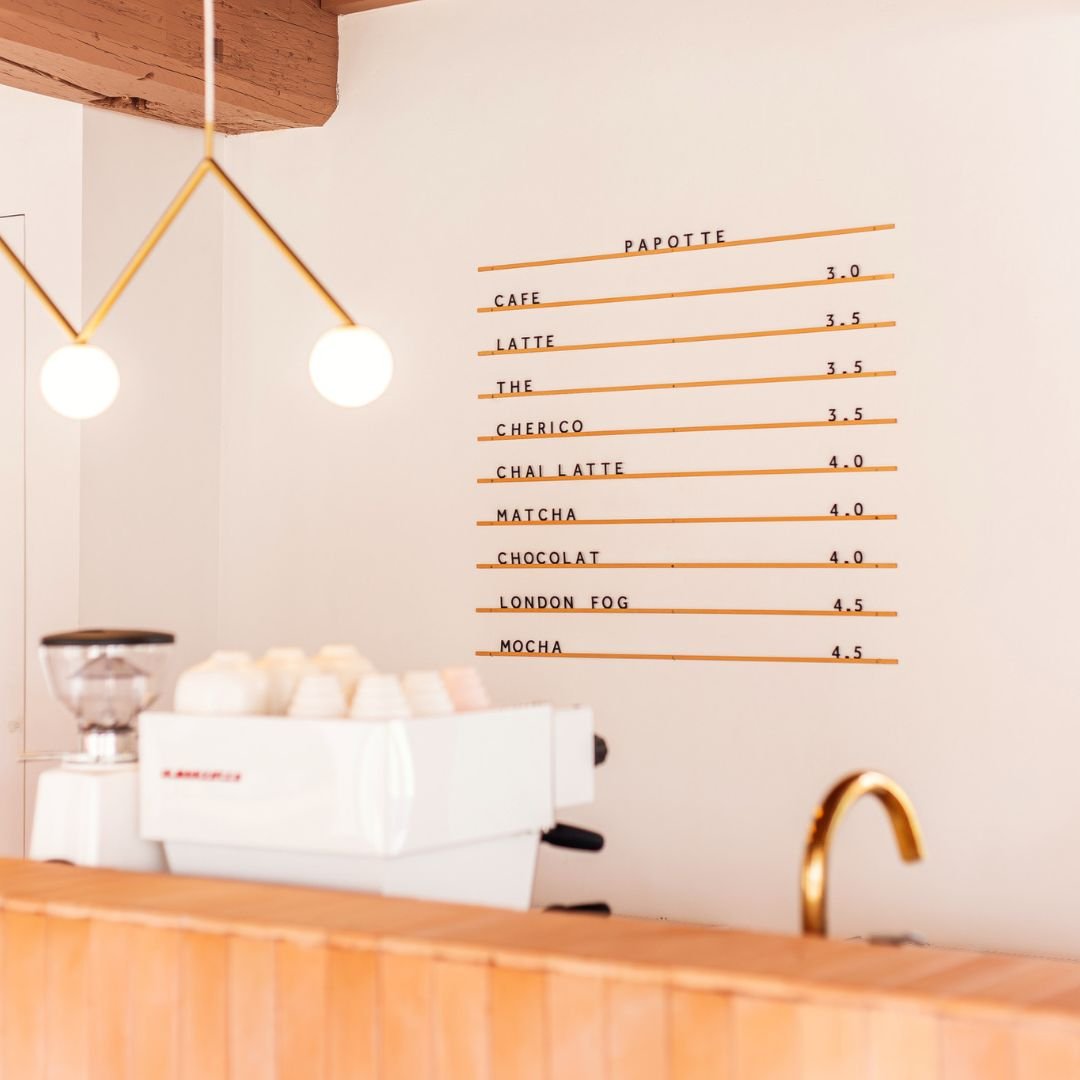
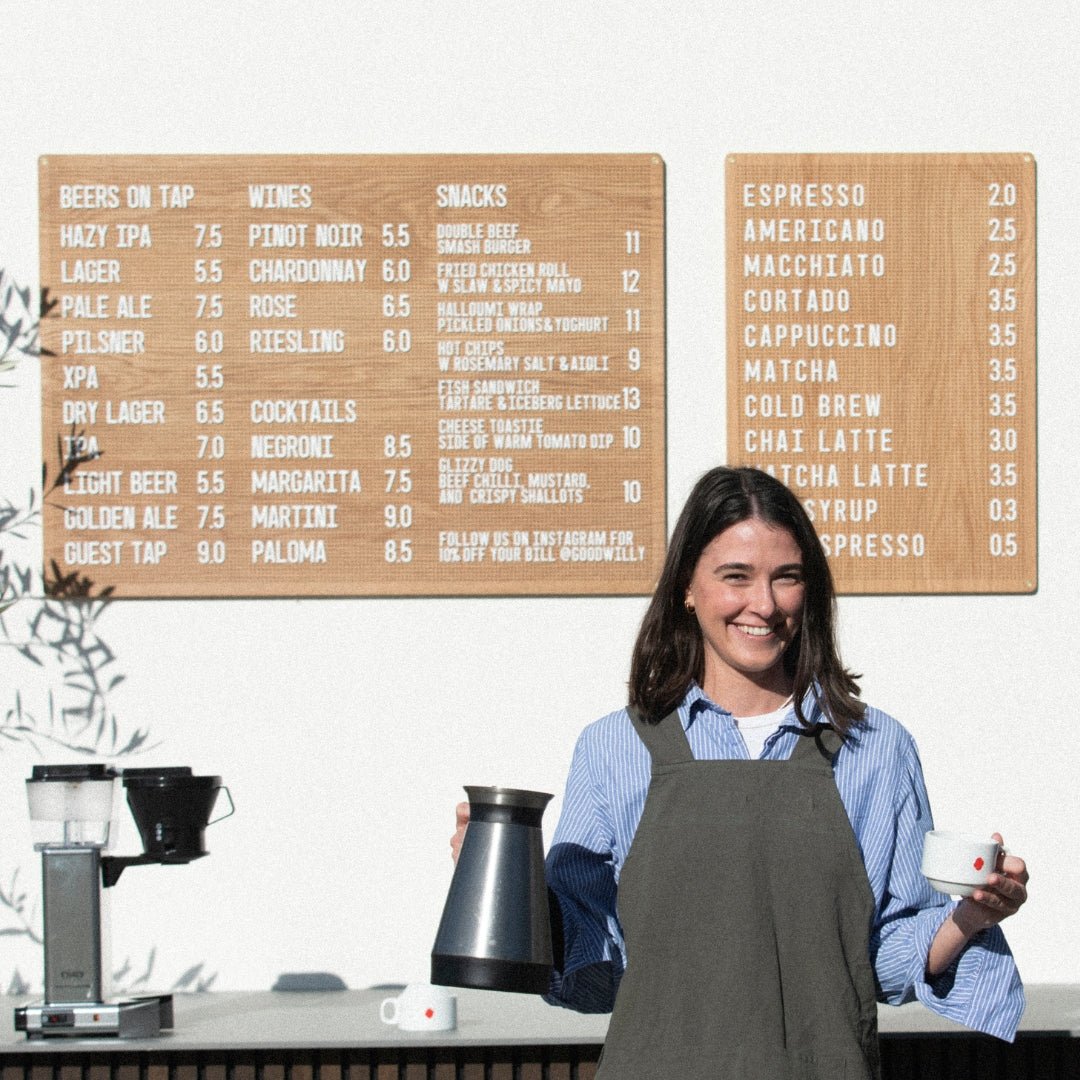
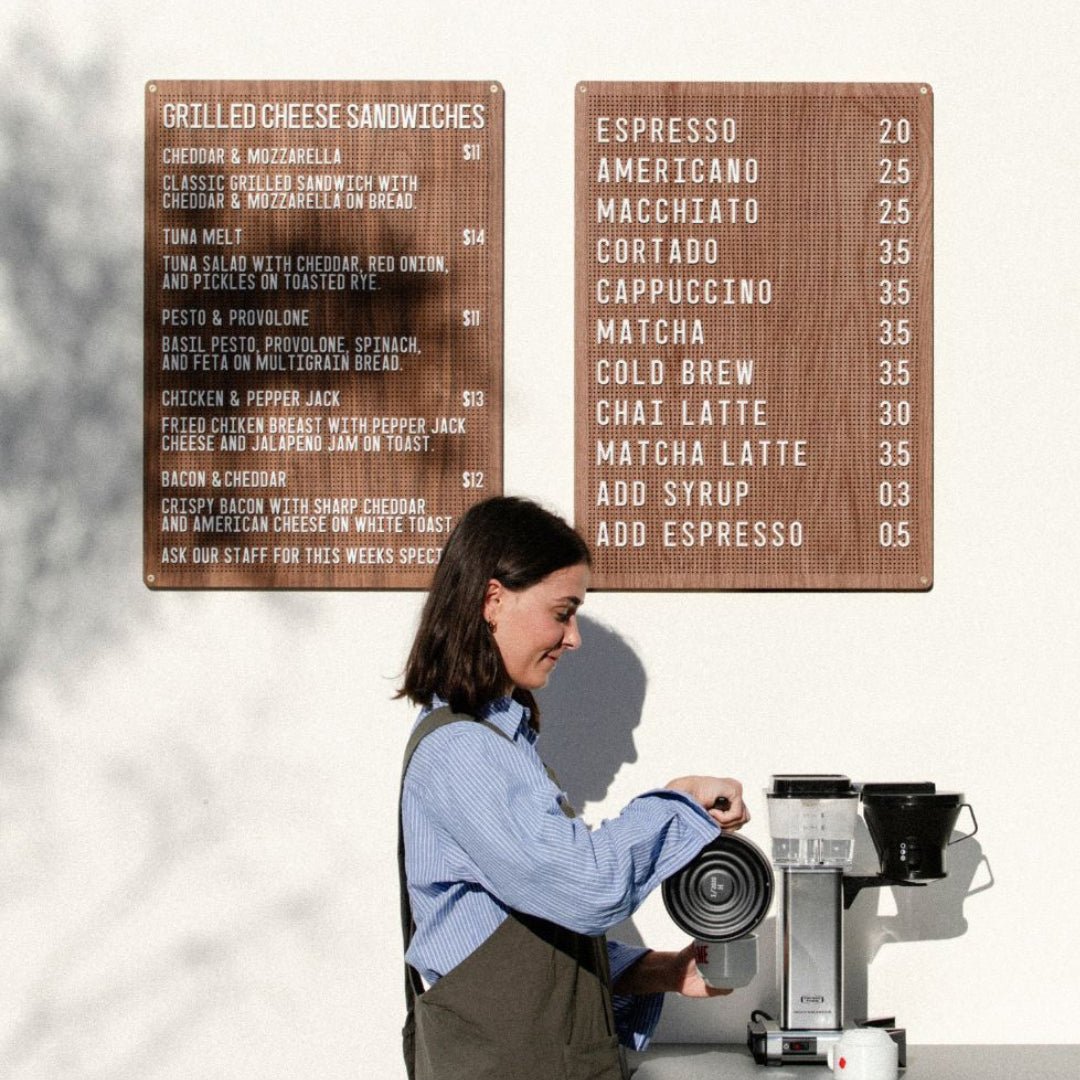
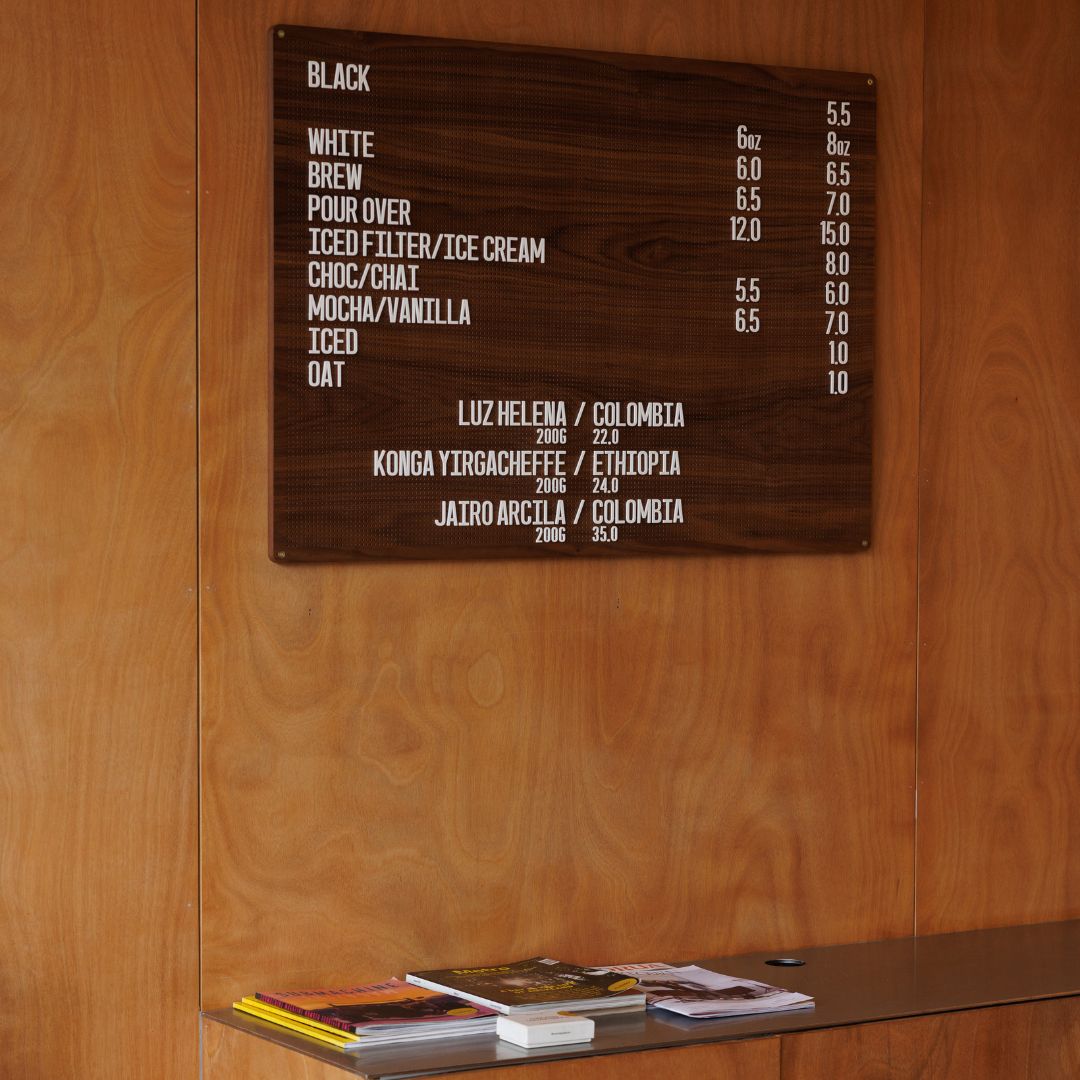
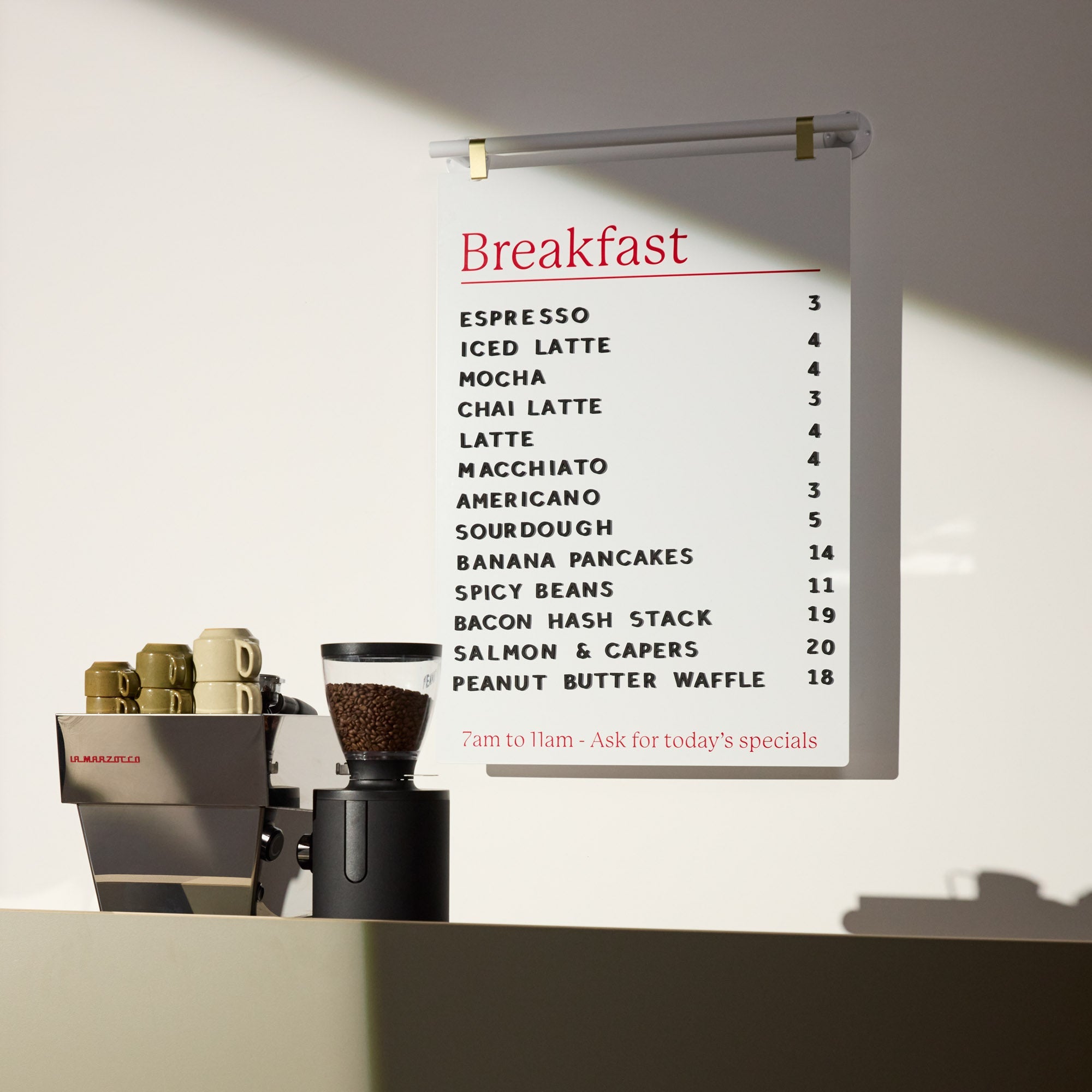
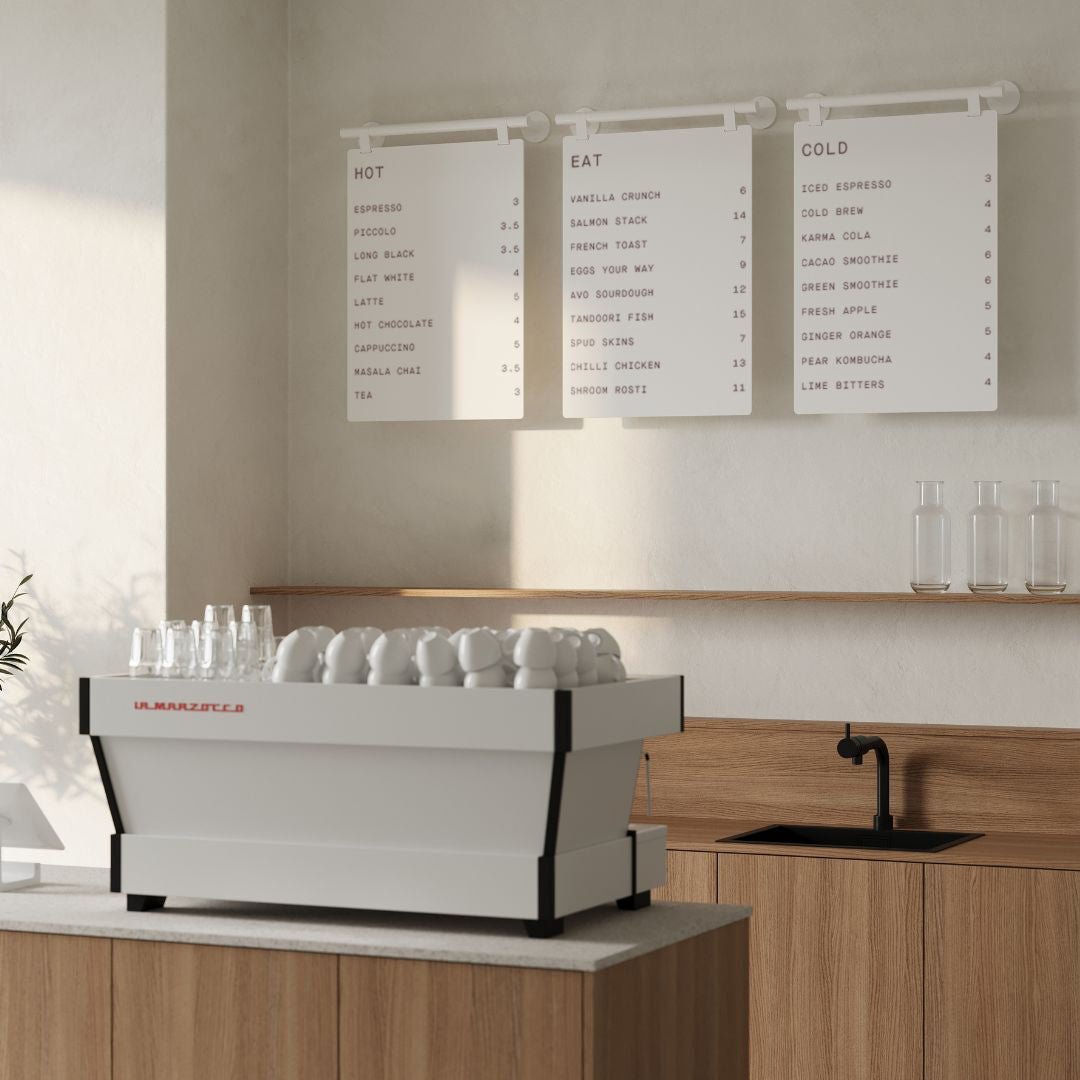
Professional Aesthetic: Aluminum offers a sleek, premium finish that cheaper materials simply cannot match. The crisp lines and smooth surface create a sophisticated look that boosts your brand’s image. Whether you run a modern café, a boutique retail shop, or a creative studio, aluminum signs provide a timeless simplicity that complements any style.
-
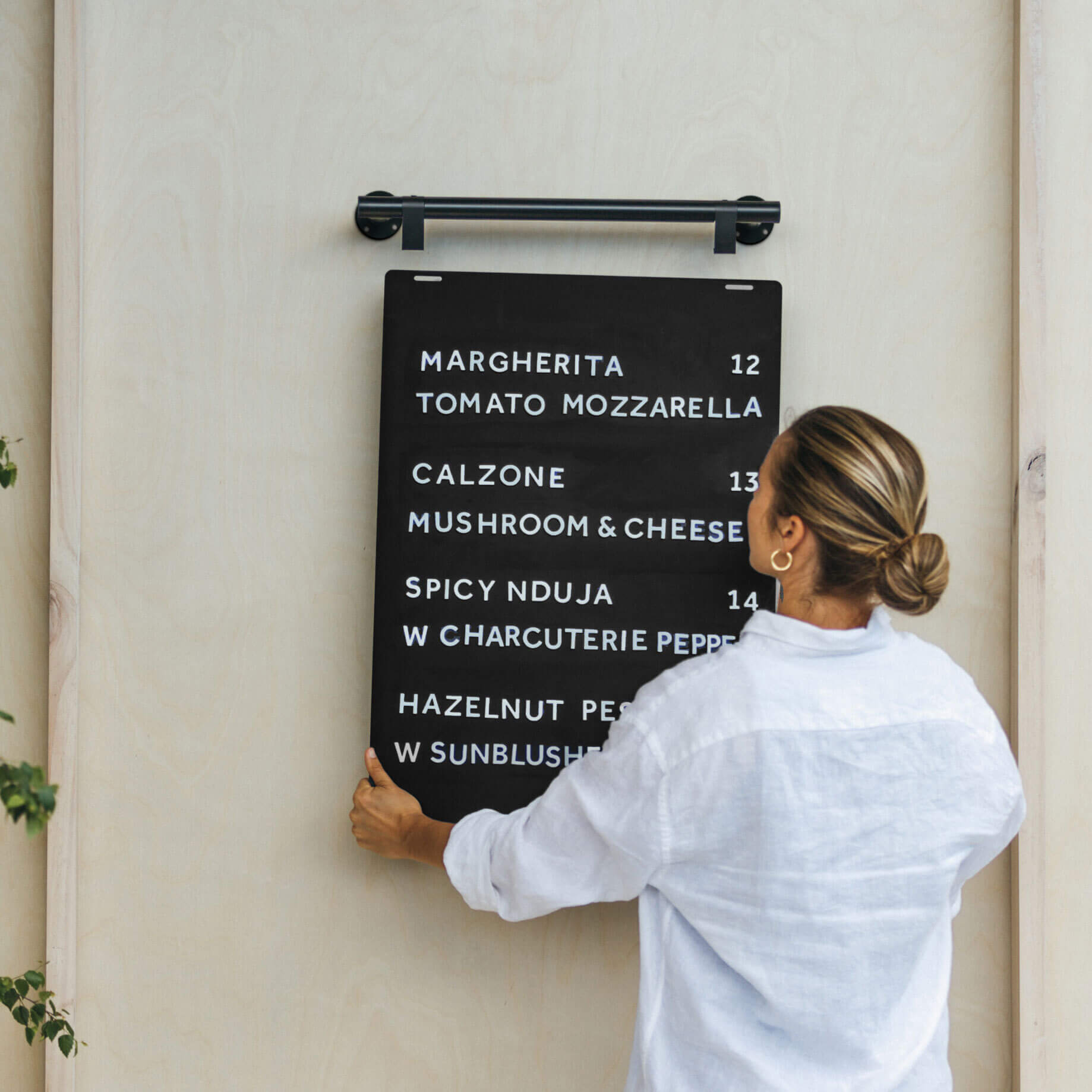
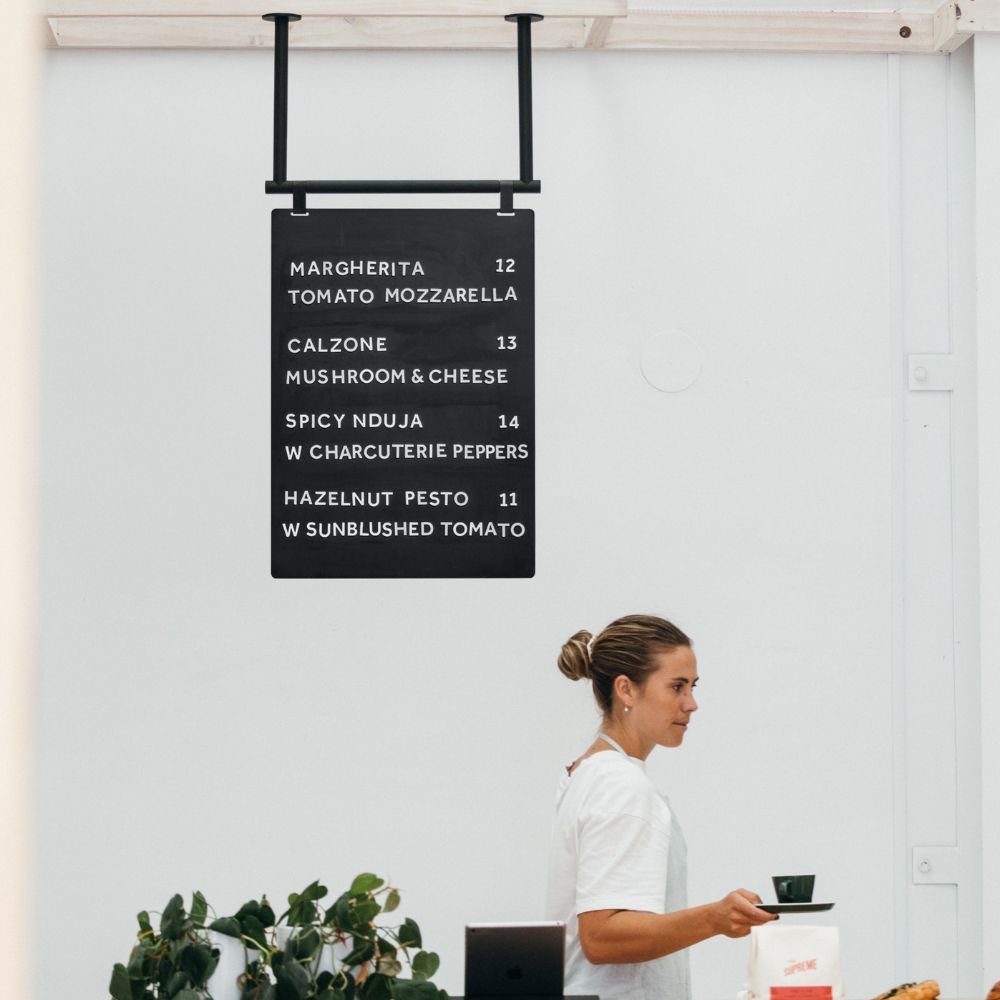
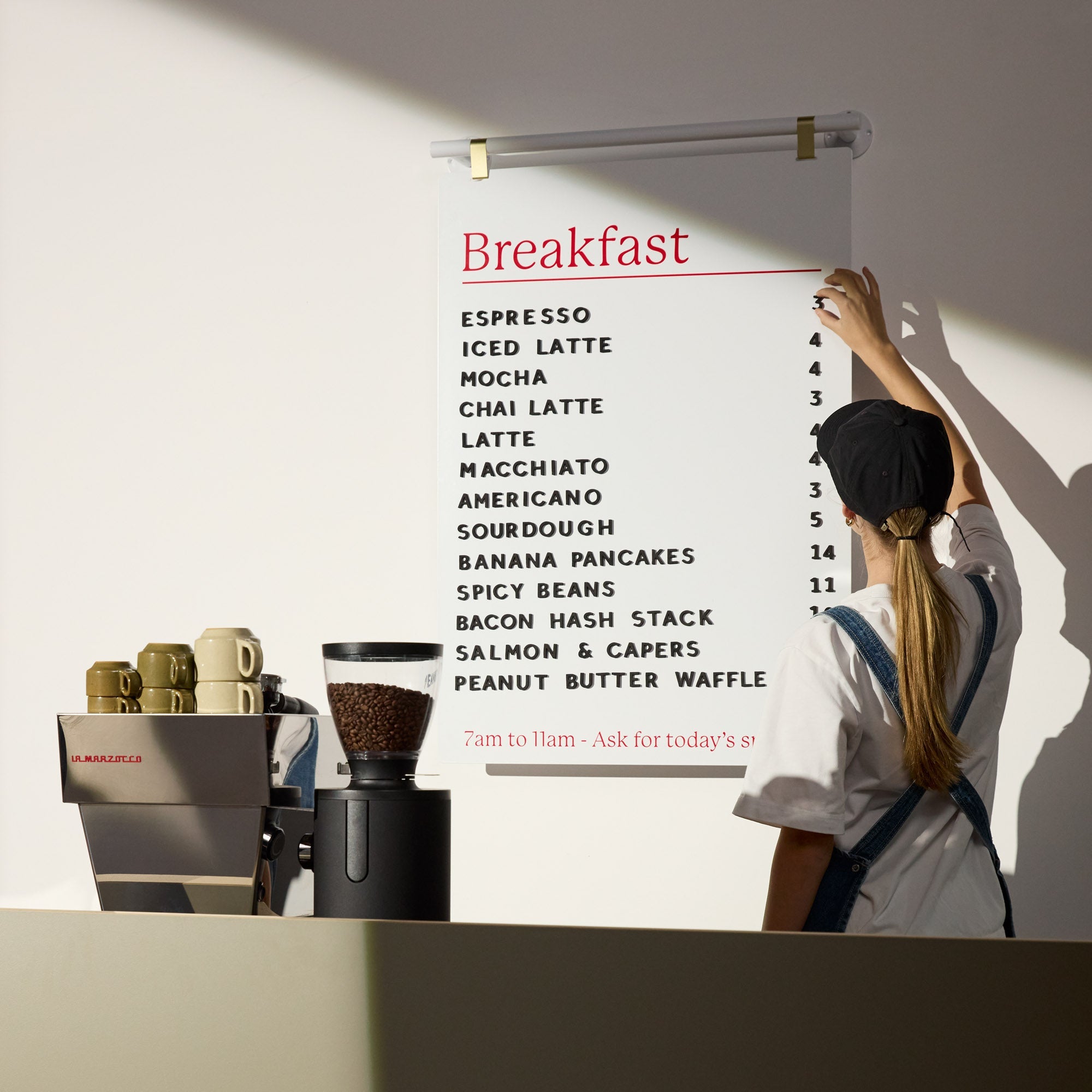
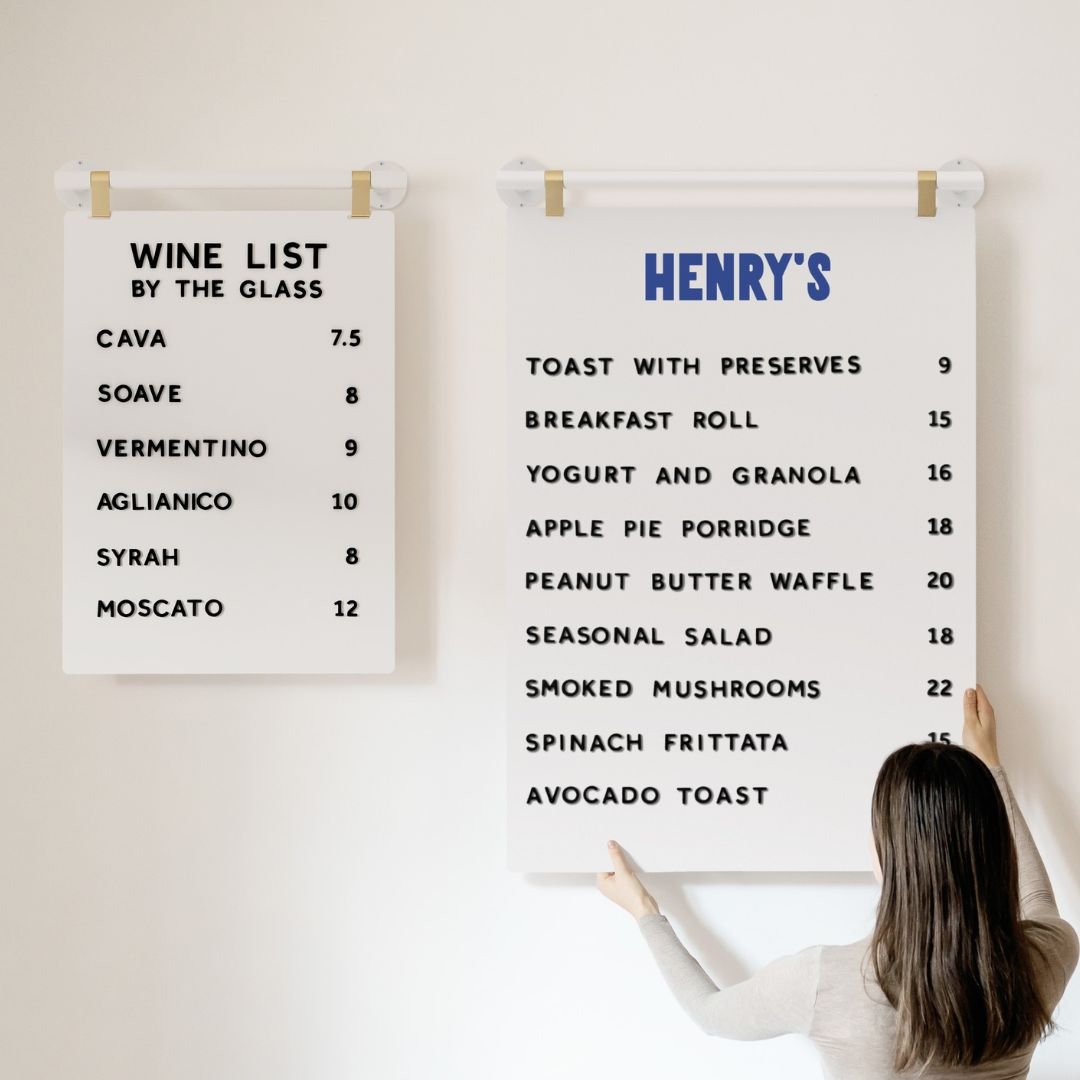
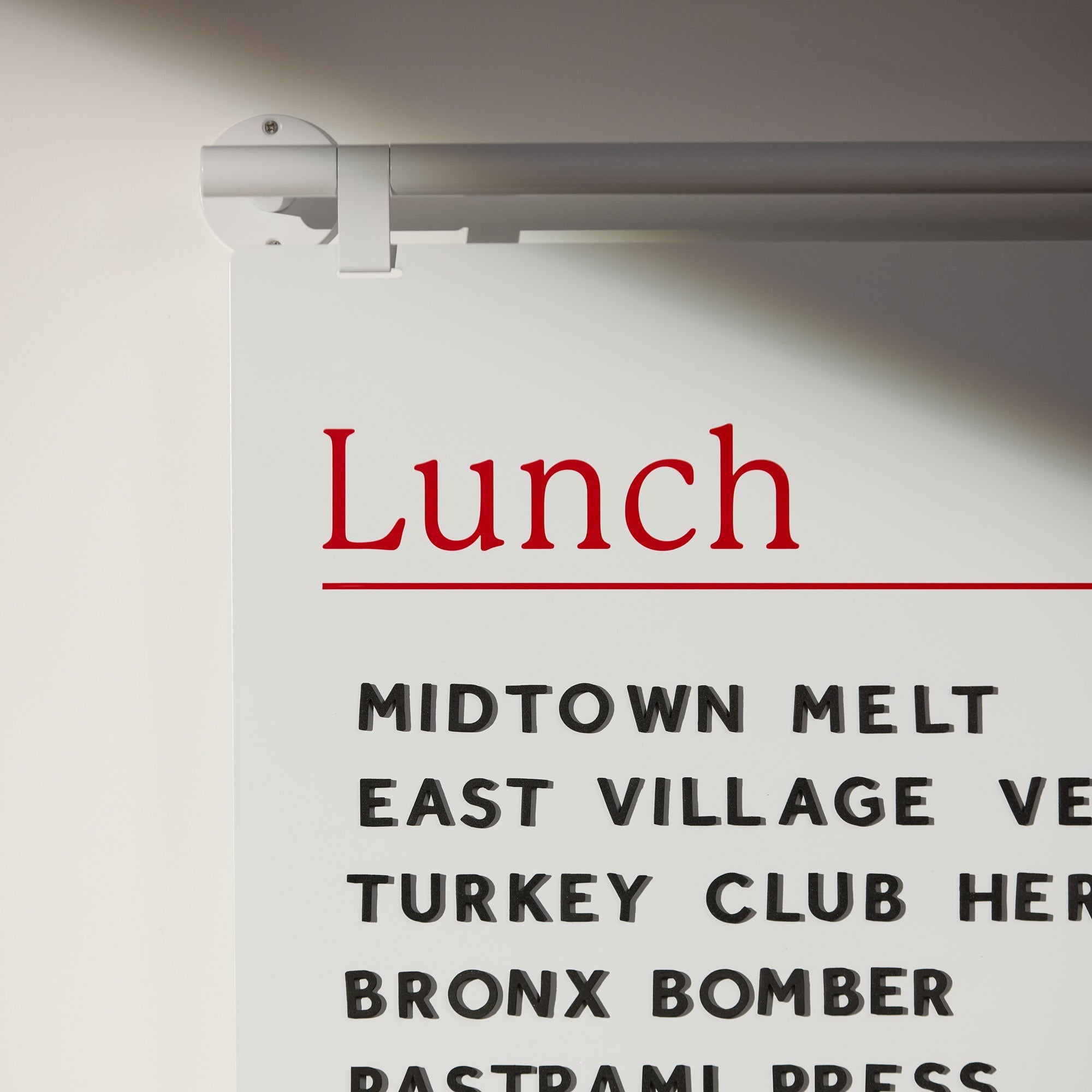
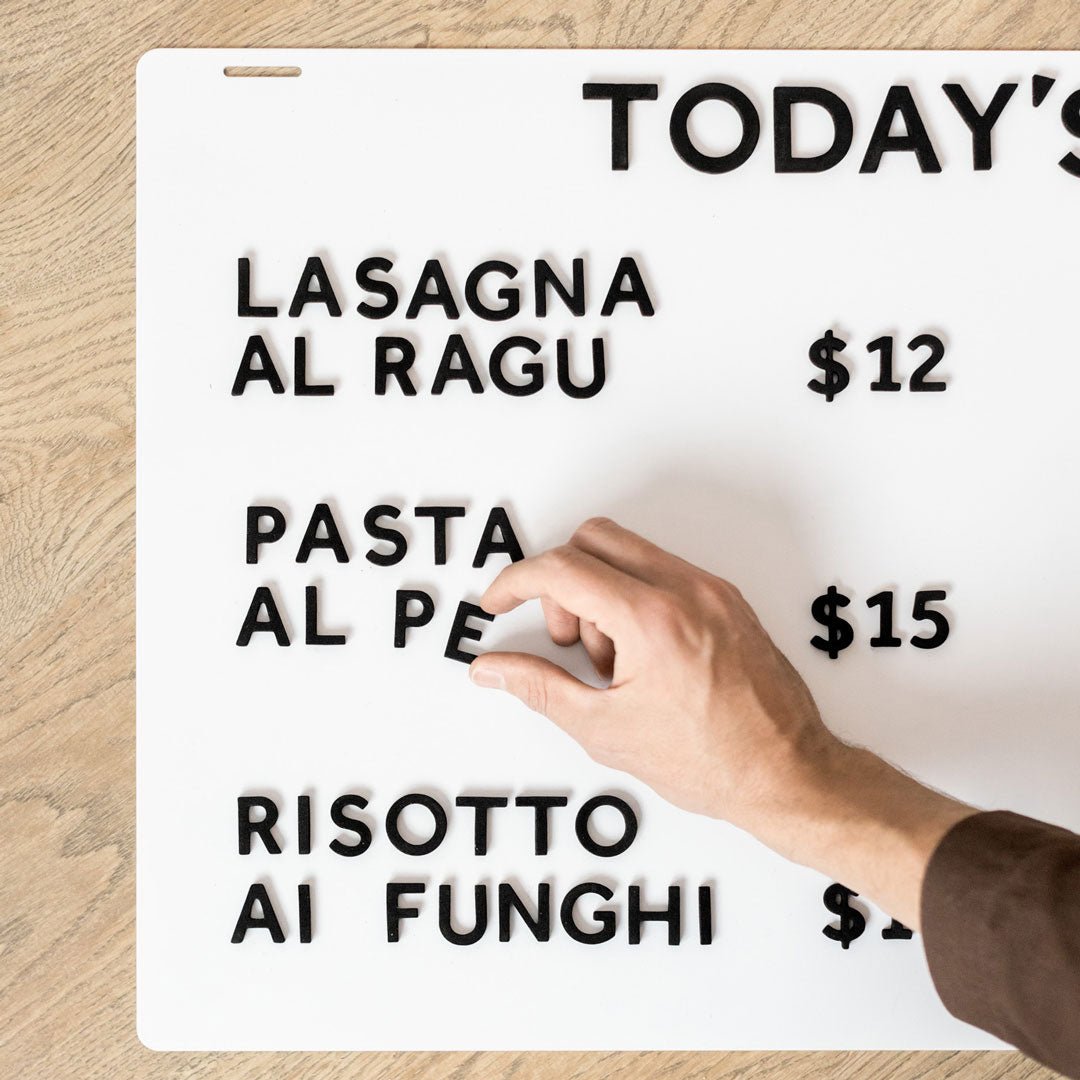
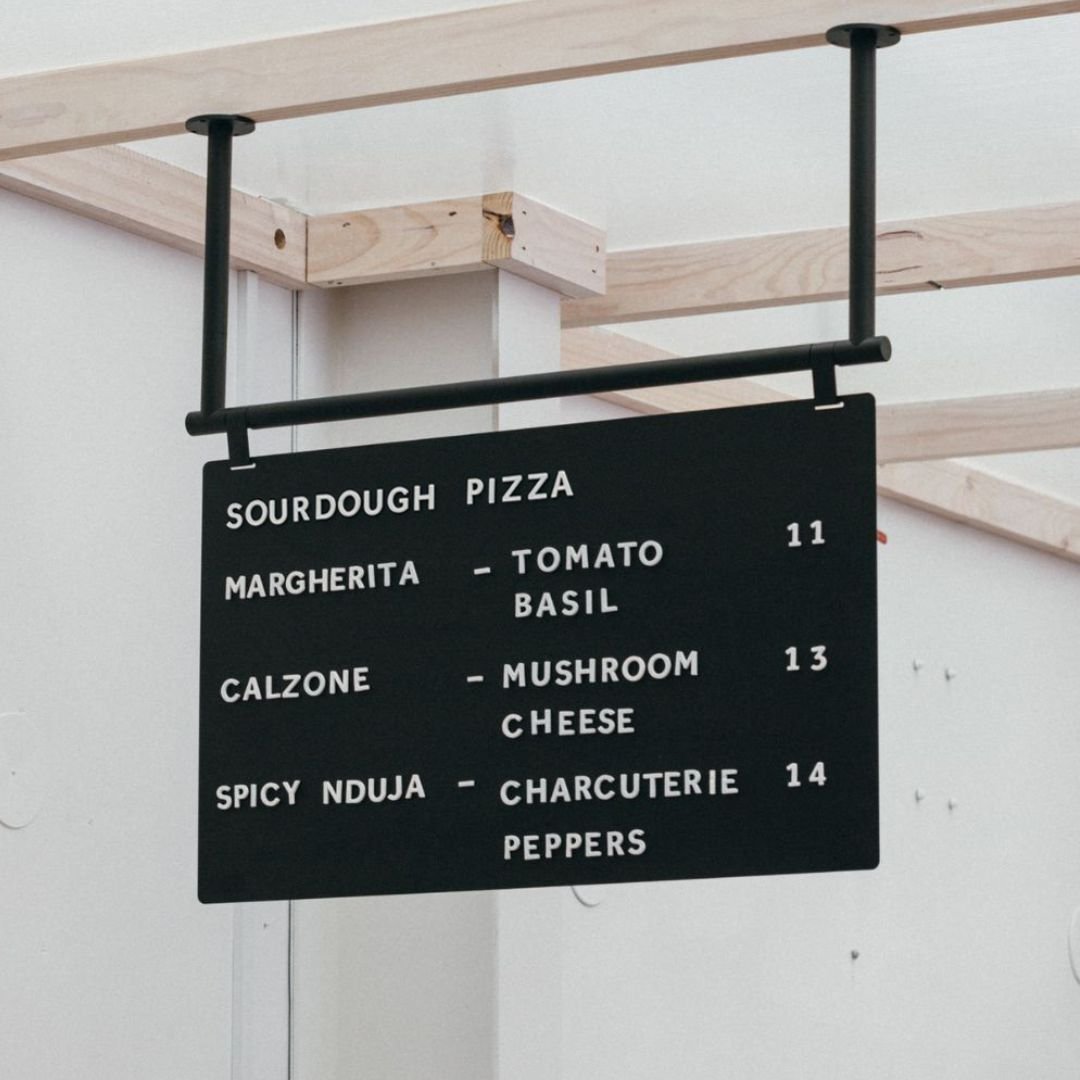
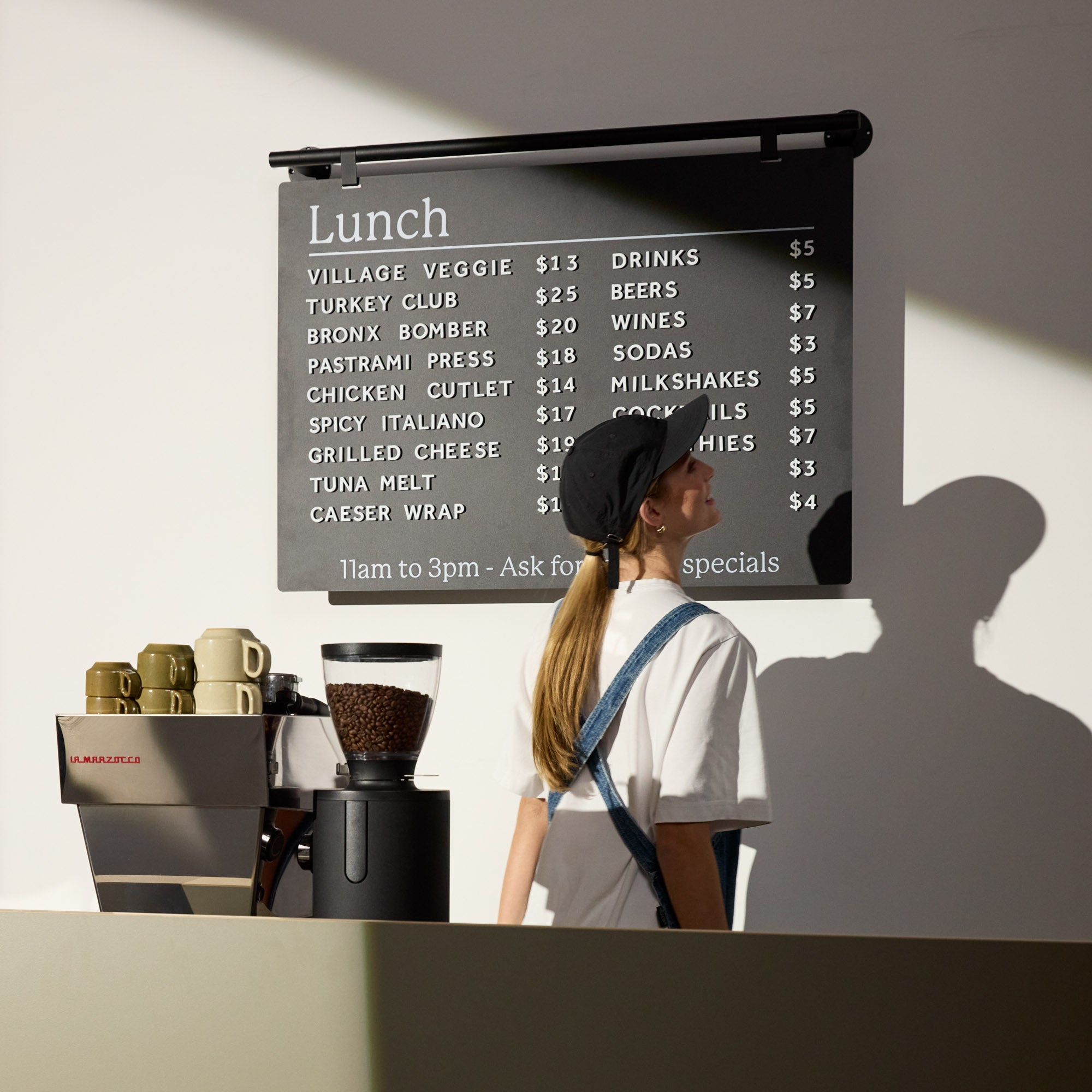
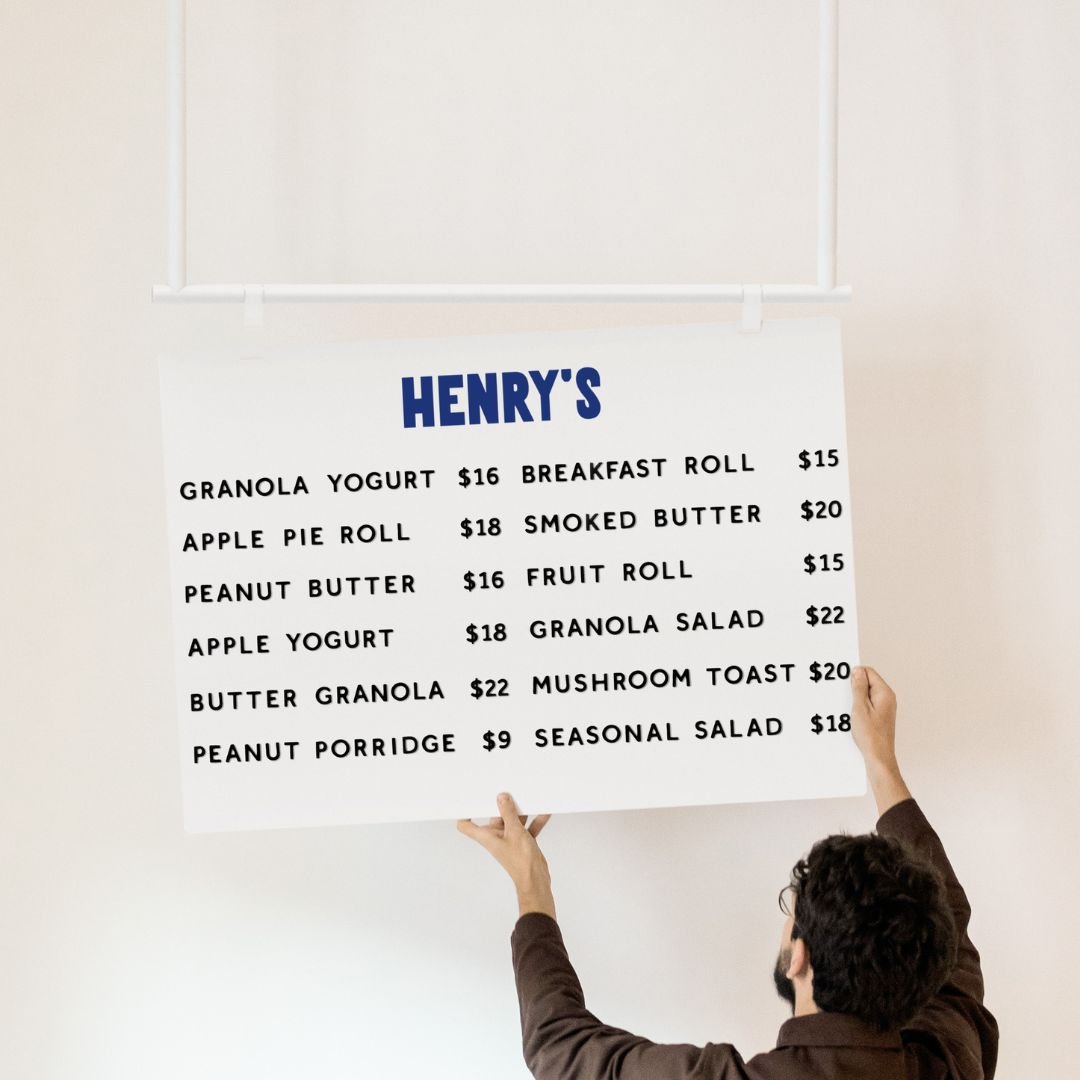
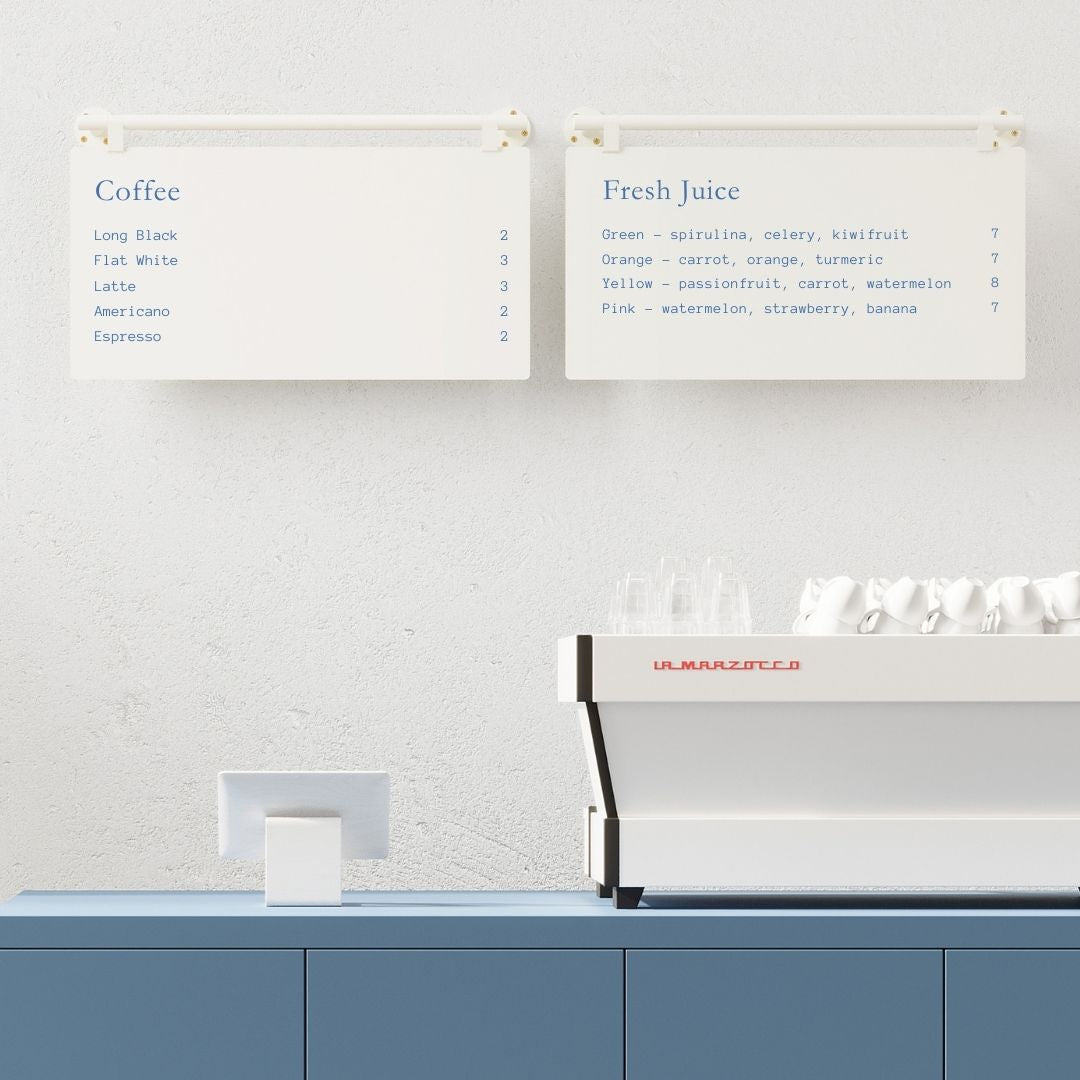
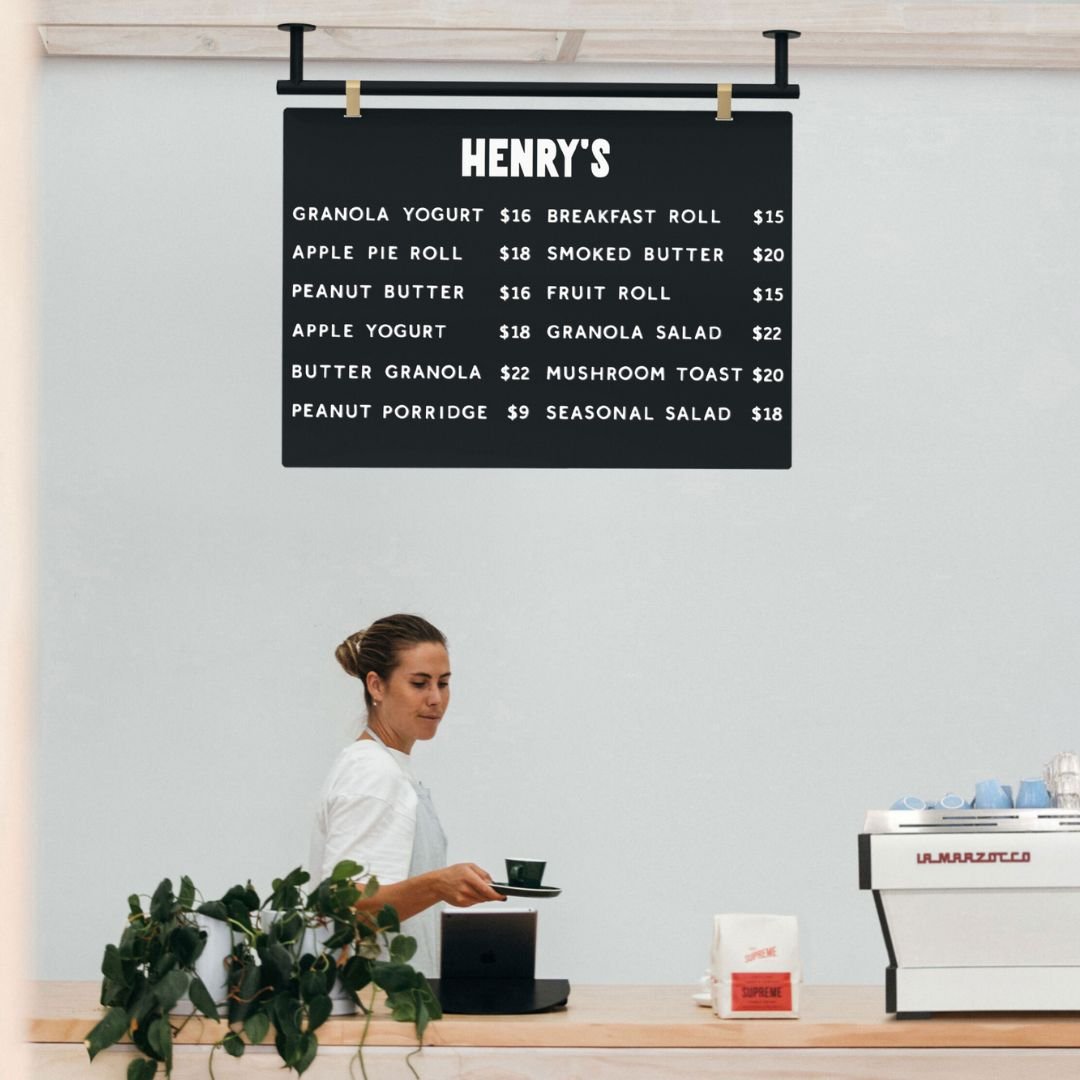
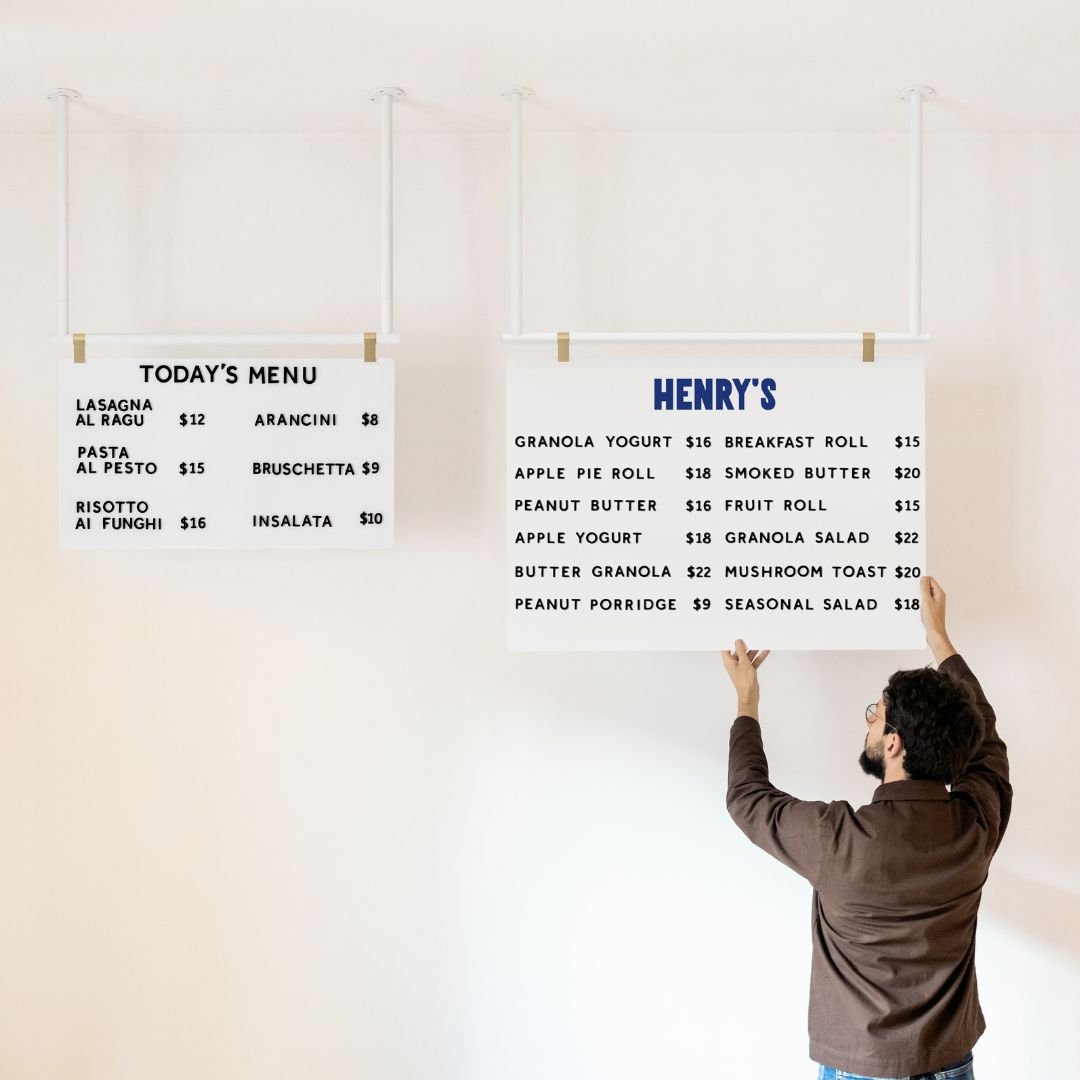
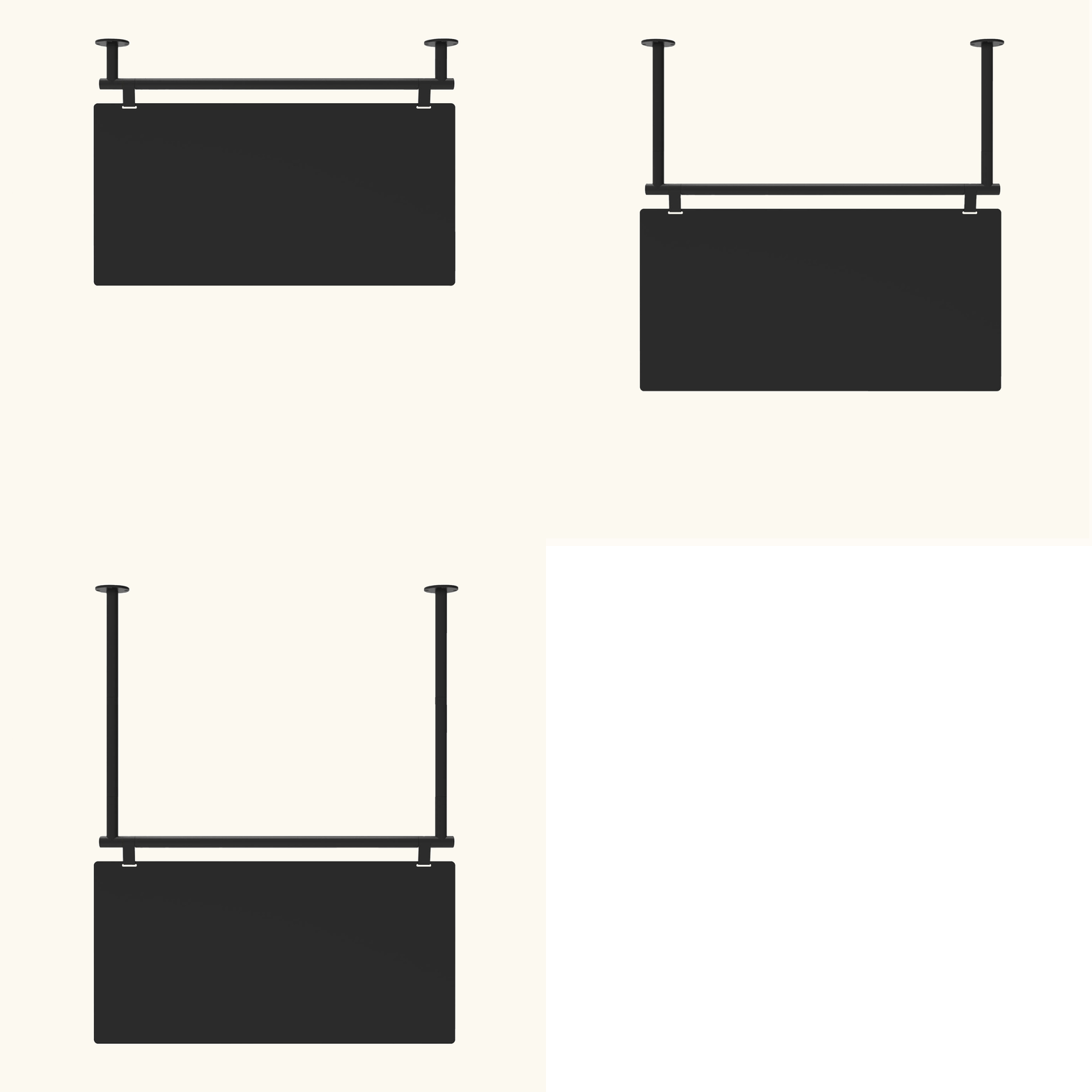
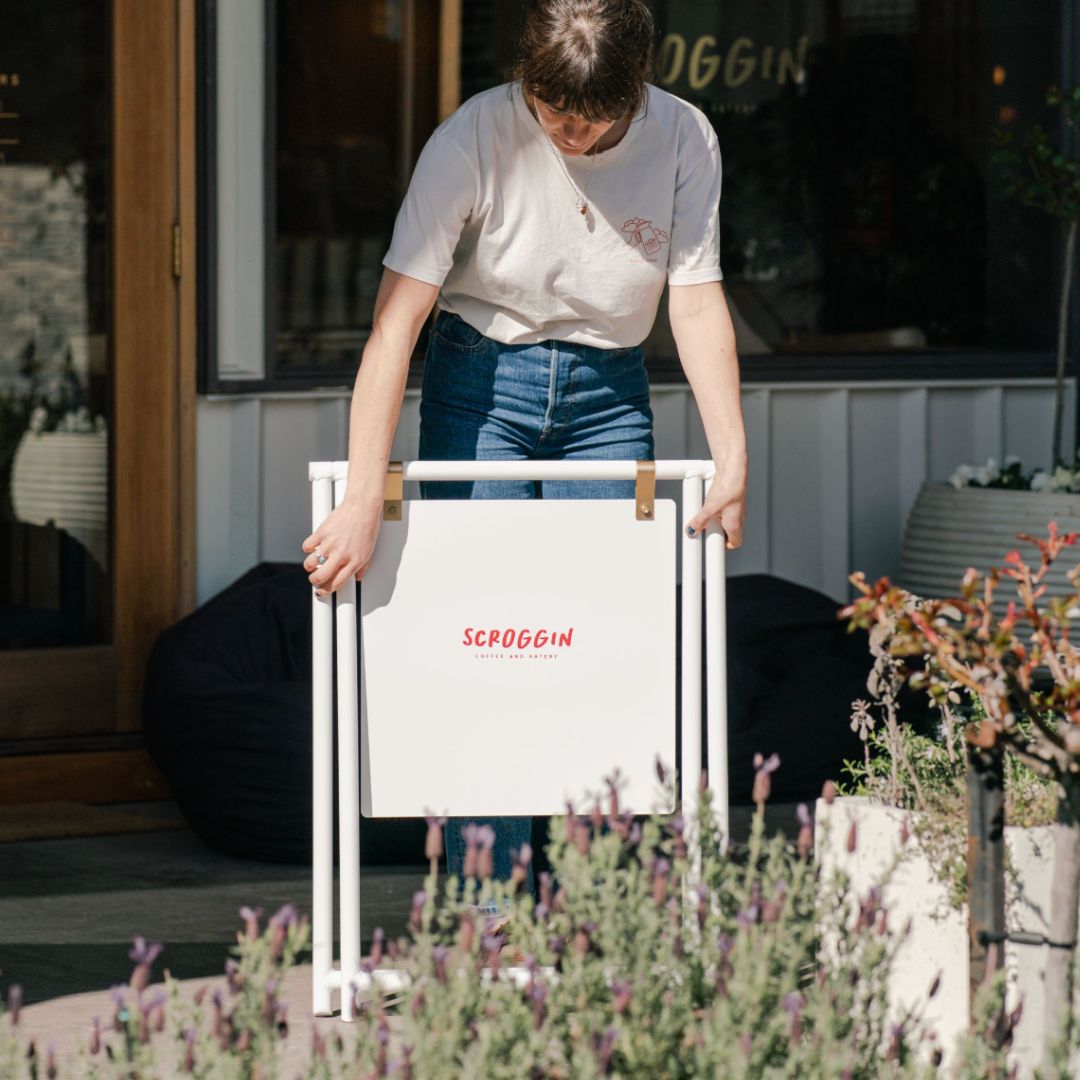
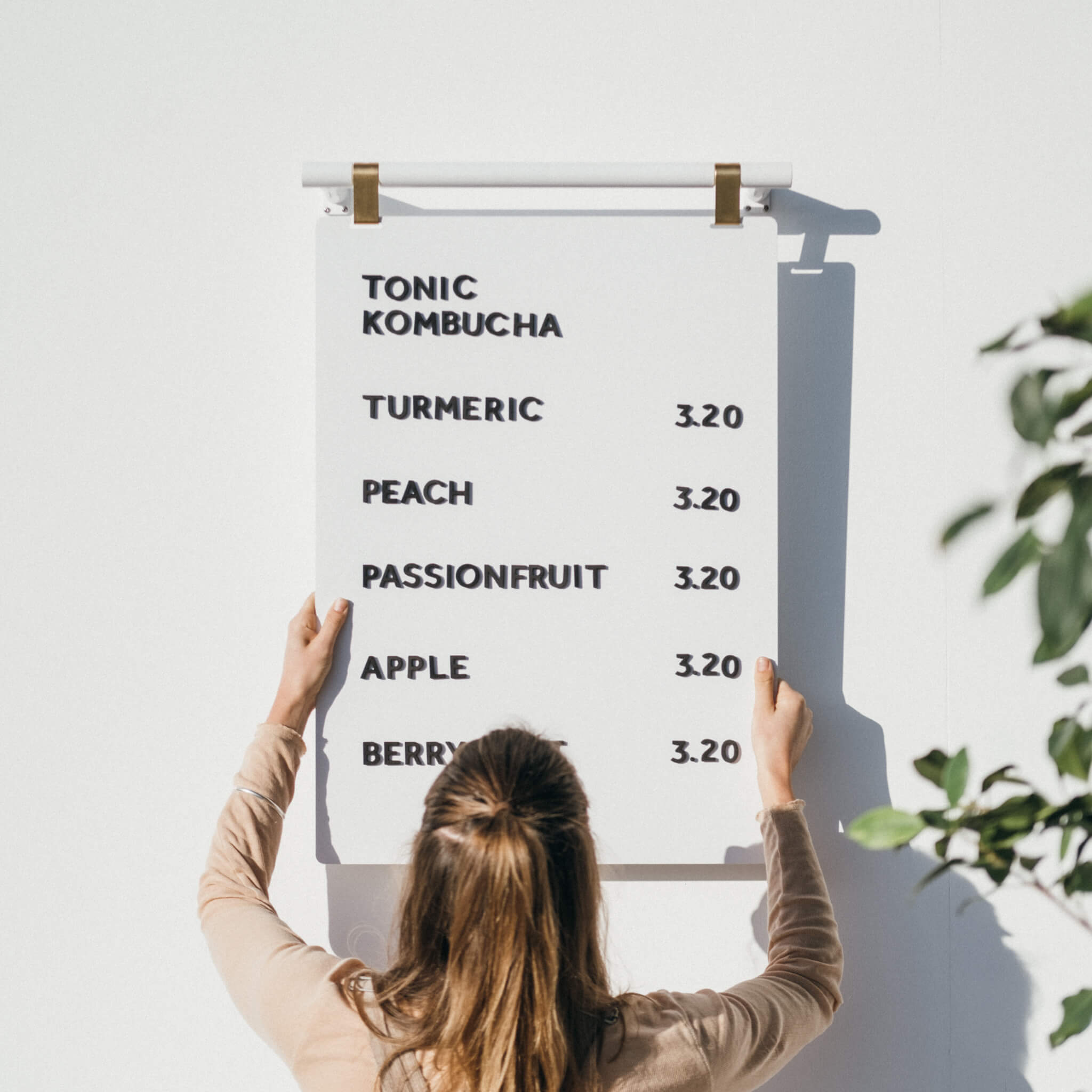
Lightweight and Versatile: For all their strength, aluminum signs are surprisingly lightweight. This makes them easier and safer to install than heavy steel signs, whether you are mounting them on a wall, hanging them from a ceiling (like a Ceiling Menu Board) or using a portable A frame design.
-
Sustainable and Recyclable: Aluminum is one of the most recycled materials on the planet. Choosing an aluminum sign is an environmentally conscious decision, as the material can be repurposed at the end of its long life without any loss of quality.
Understanding Your Aluminum Sign Options
Not all aluminum signs are the same. Understanding the key material and finish options will help you select the perfect sign for your needs.
Material: Solid Aluminum vs. Composite Panels
You will typically encounter two main types of aluminum sign panels:
-
Solid Aluminum: These signs are made from a single, solid sheet of aluminum. They are incredibly strong and rigid. Common thickness options include 0.040, 0.063, and 0.080 inches. Thicker gauges like 0.080 offer greater rigidity, making them ideal for larger signs or signs in high wind areas.
-
Aluminum Composite Material (ACM): Also known as Dibond, ACM consists of a solid plastic core sandwiched between two thin sheets of aluminum. ACM is lightweight yet very rigid and flat, making it a popular choice for large storefront signs. However, solid aluminum often provides superior durability for signs that may be frequently handled, like sidewalk signs.
Finishes and Coatings
The finish on your sign not only affects its appearance but also its durability.
-
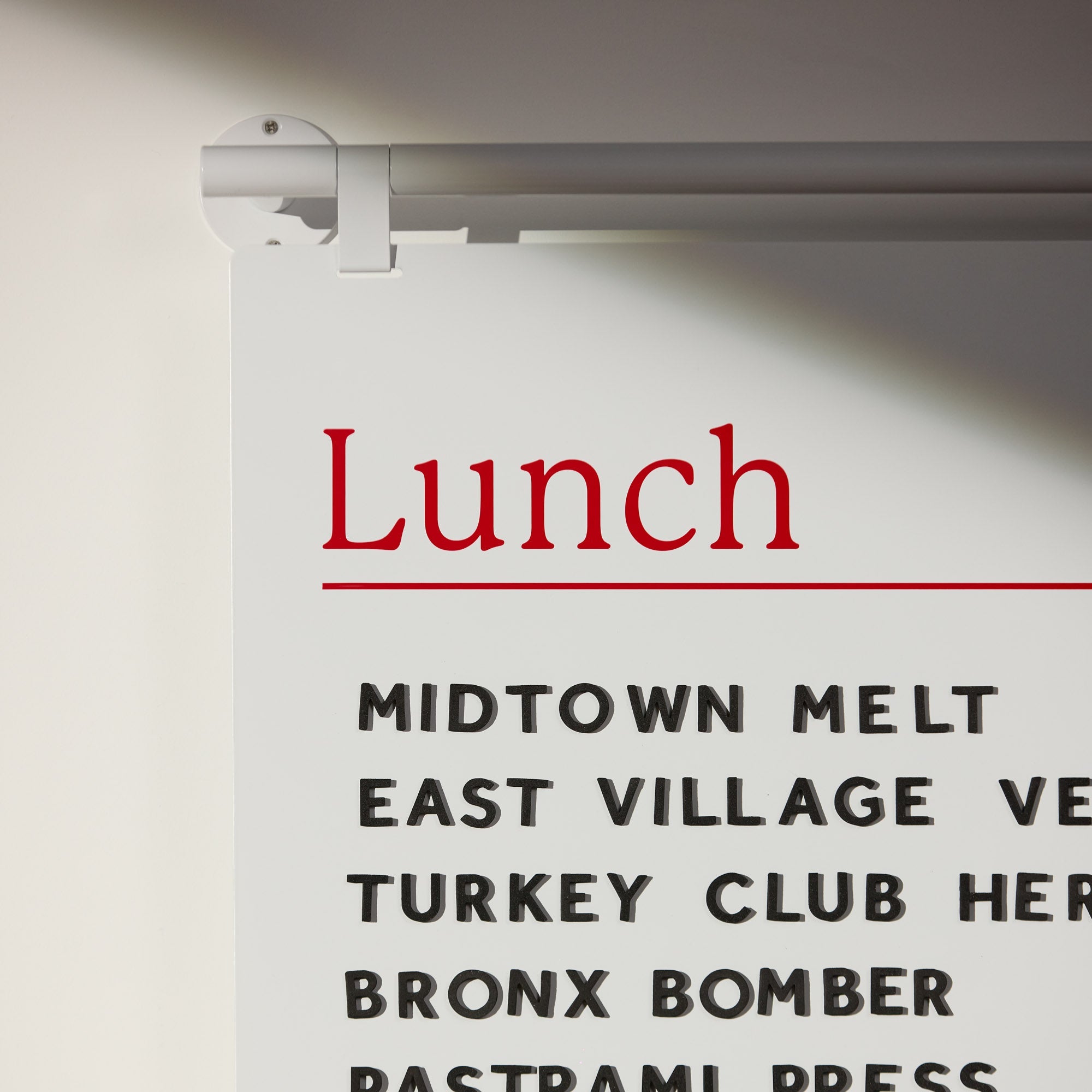
Powder Coating: This is a high quality, dry finishing process that creates a thick, hard finish tougher than conventional paint. A powder coated sign is highly resistant to scratches, chipping, and fading, making it the superior choice for outdoor longevity.
-
Brushed Aluminum: This finish provides a sophisticated, textured look with a satin sheen. It is often used for premium indoor signs or directories to create a high end feel.
-
Anodizing: This electrochemical process converts the metal surface into a durable, corrosion resistant, anodic oxide finish. While very tough, powder coating offers a wider range of colors and a more uniform appearance.
Many signs also have options for protective laminates. A gloss laminate offers a shiny finish, while a matte laminate reduces glare. Specialty options like anti graffiti or scratch resistant laminates can provide extra protection in public areas.
Types and Applications of Aluminum Signs
Simply having a sign is not enough. Its placement and style are crucial for catching the eye of potential customers. The average consumer believes a business should have two or three signs to be properly visible. Fortunately, aluminum is a versatile material used to create a wide range of effective sign types.
A Frame and Sidewalk Signs
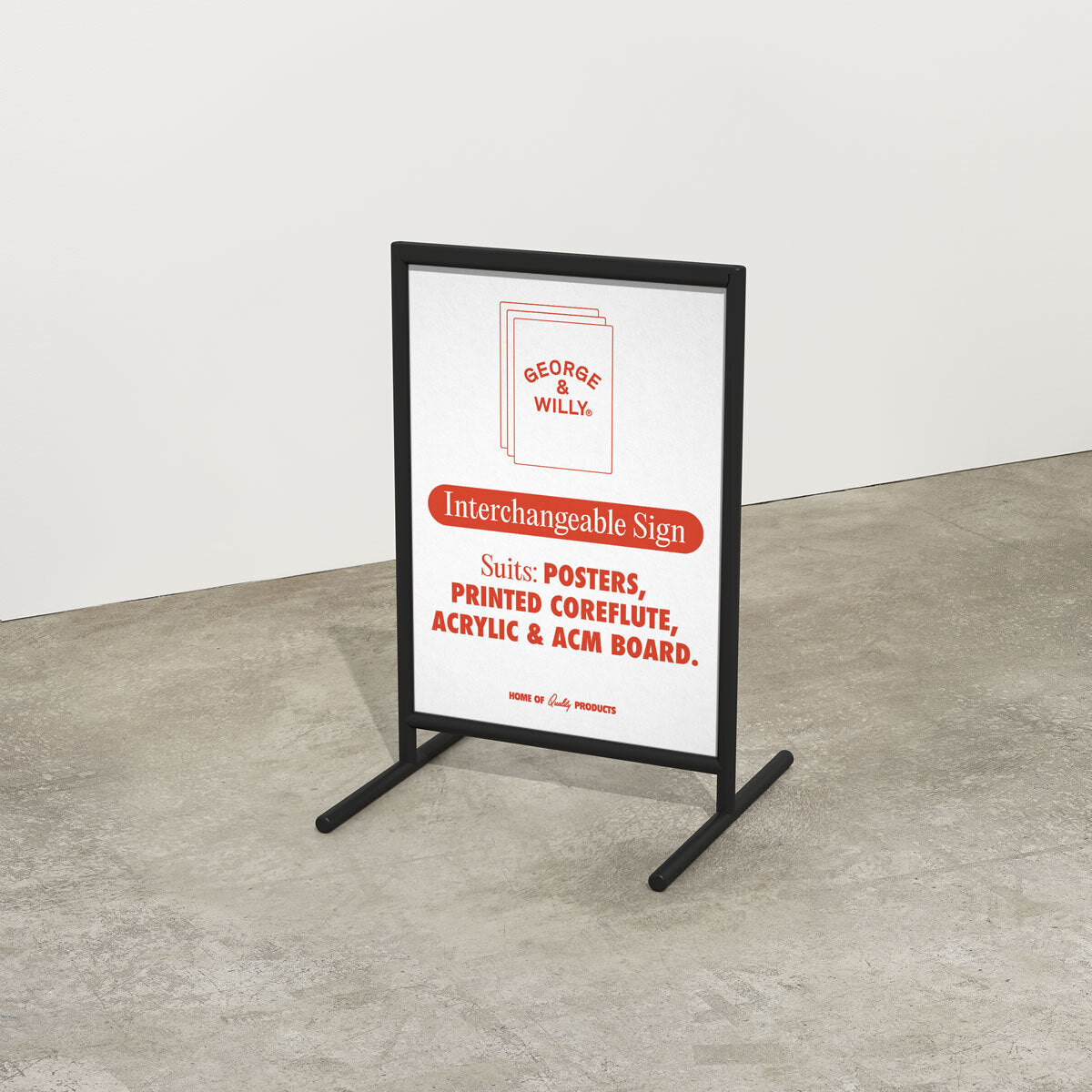
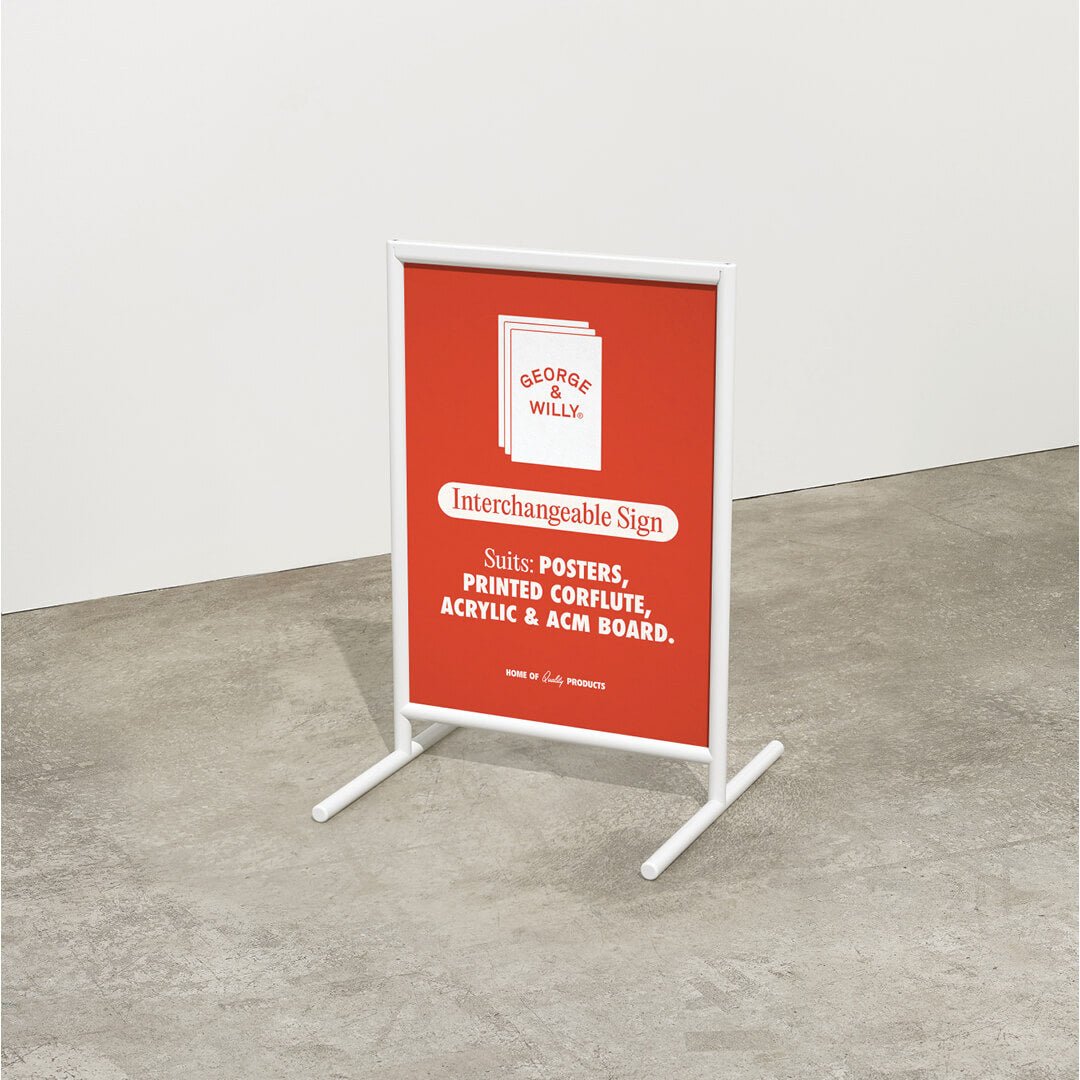
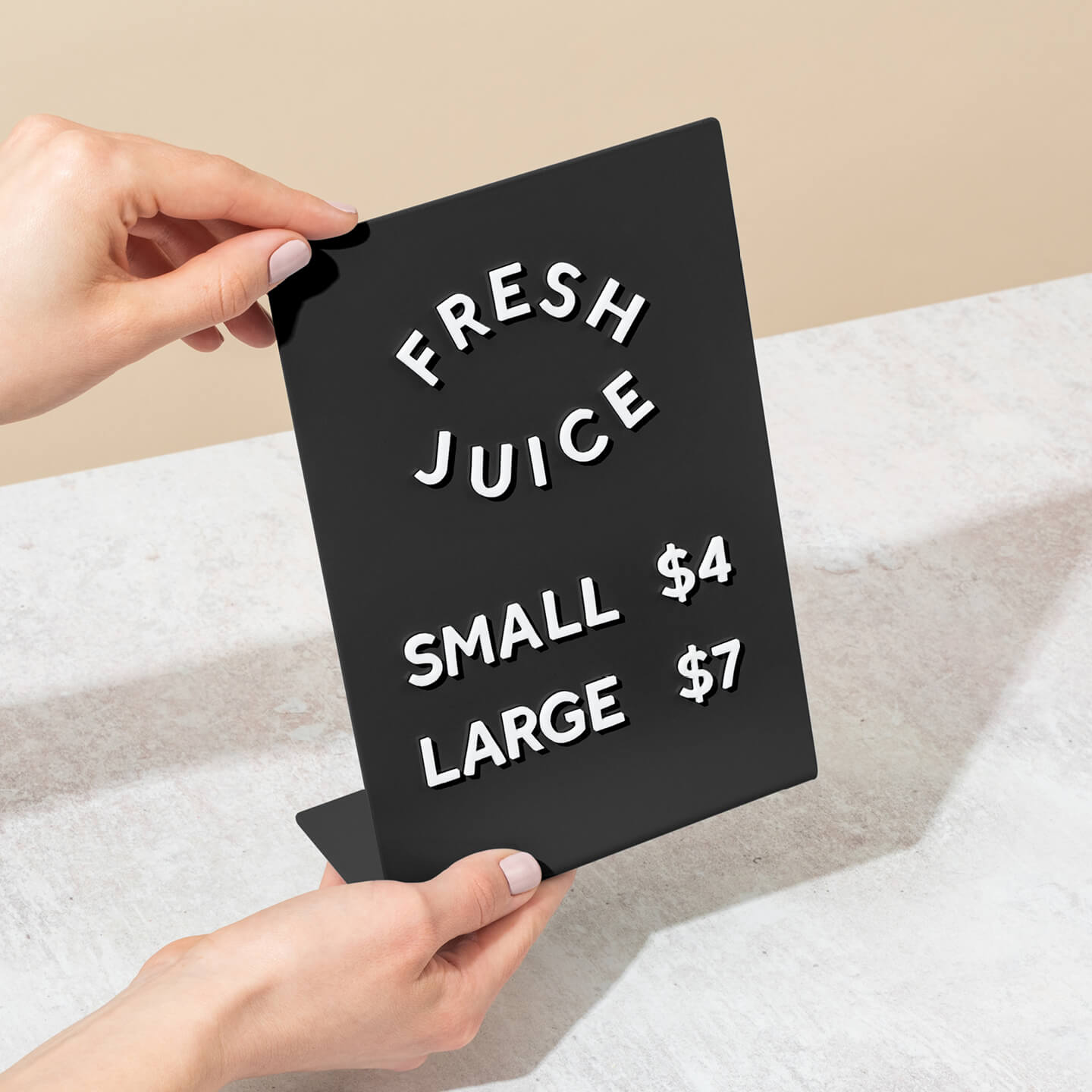
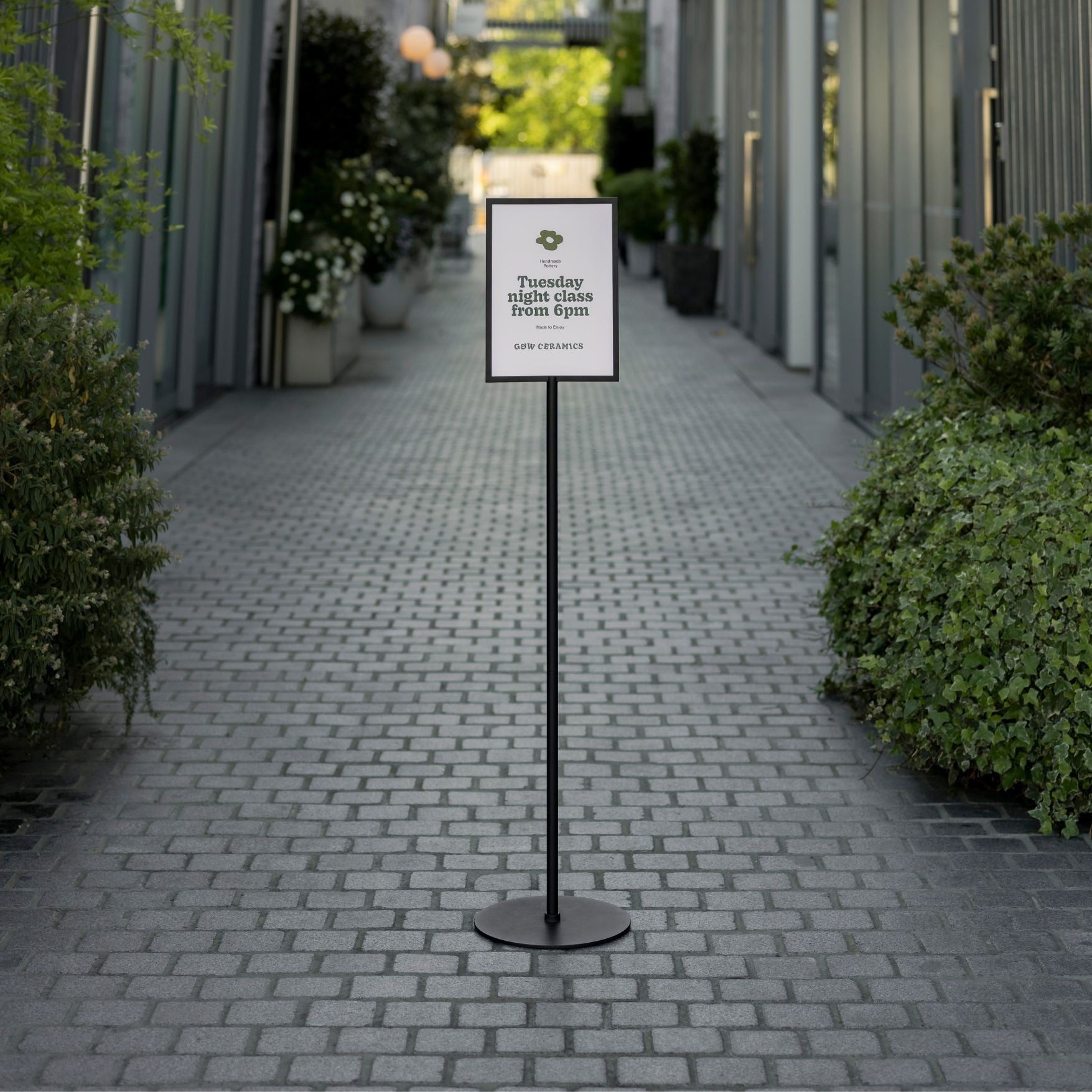
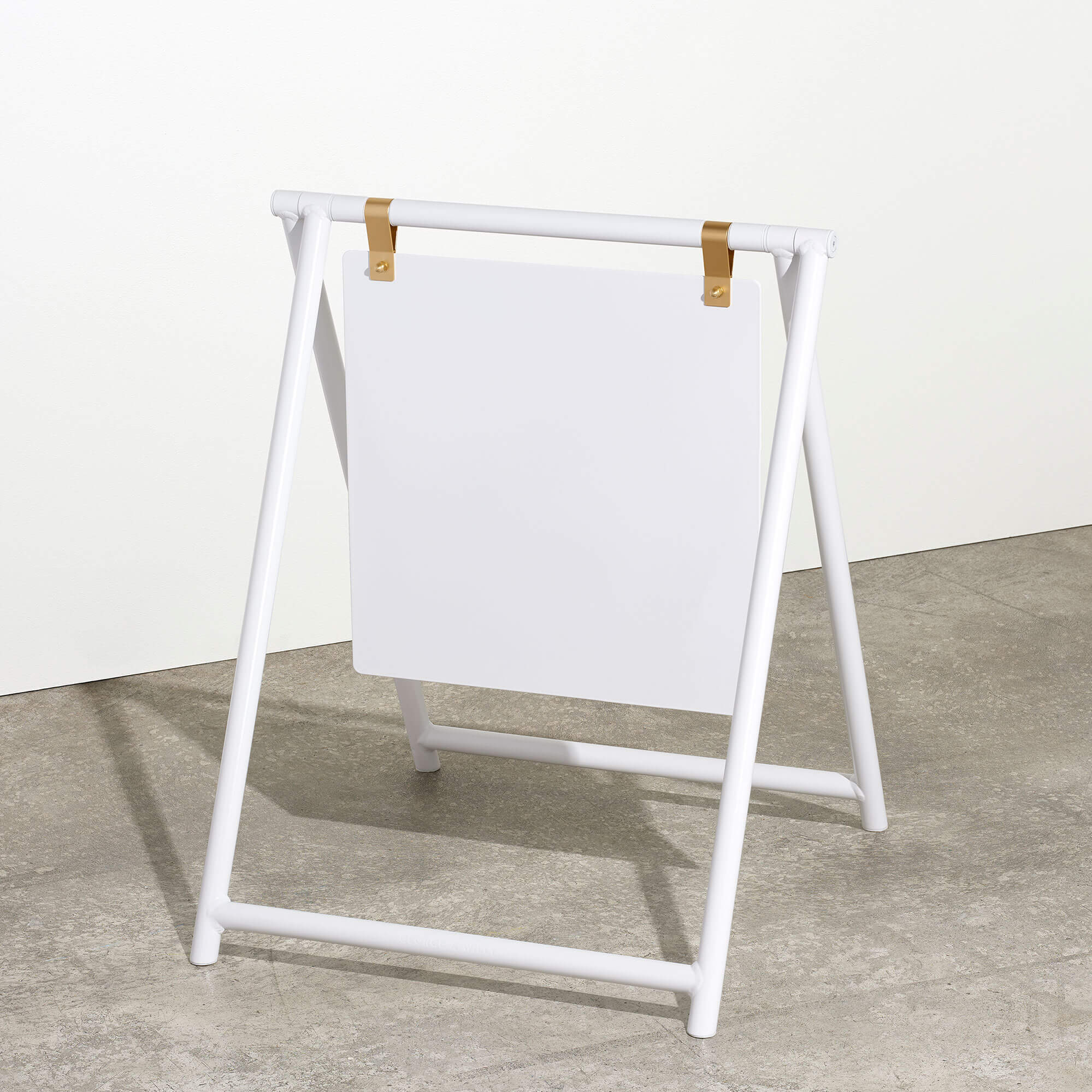
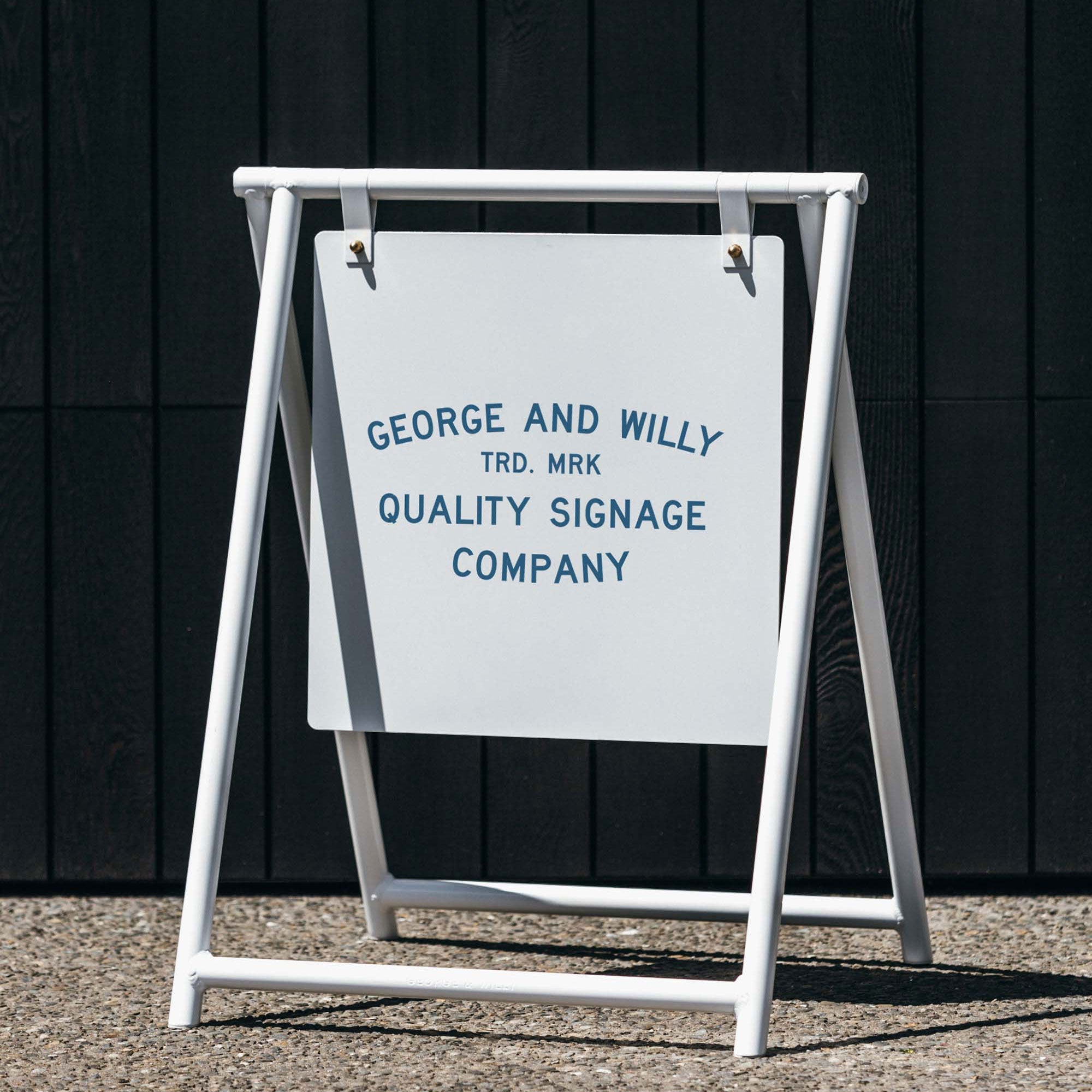
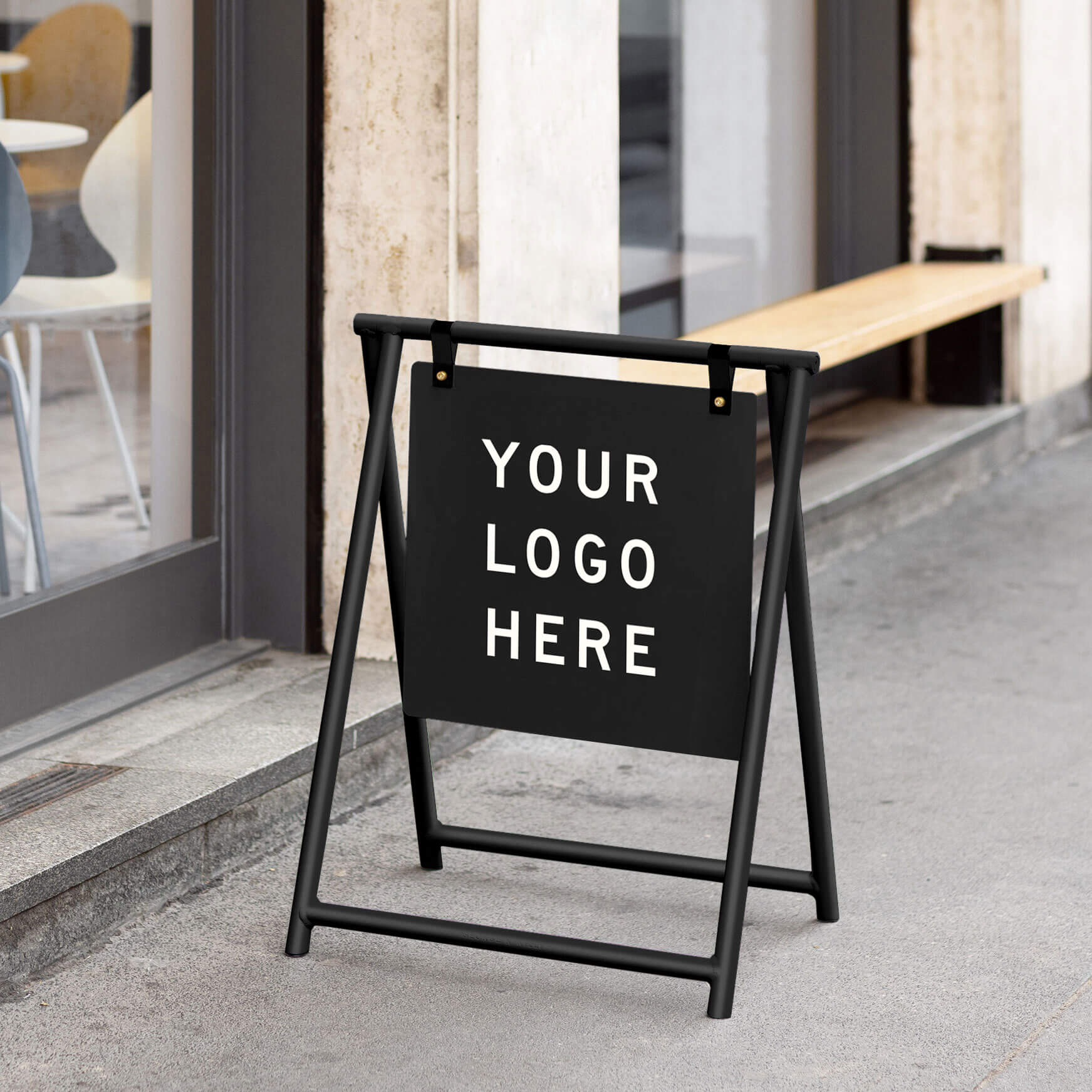
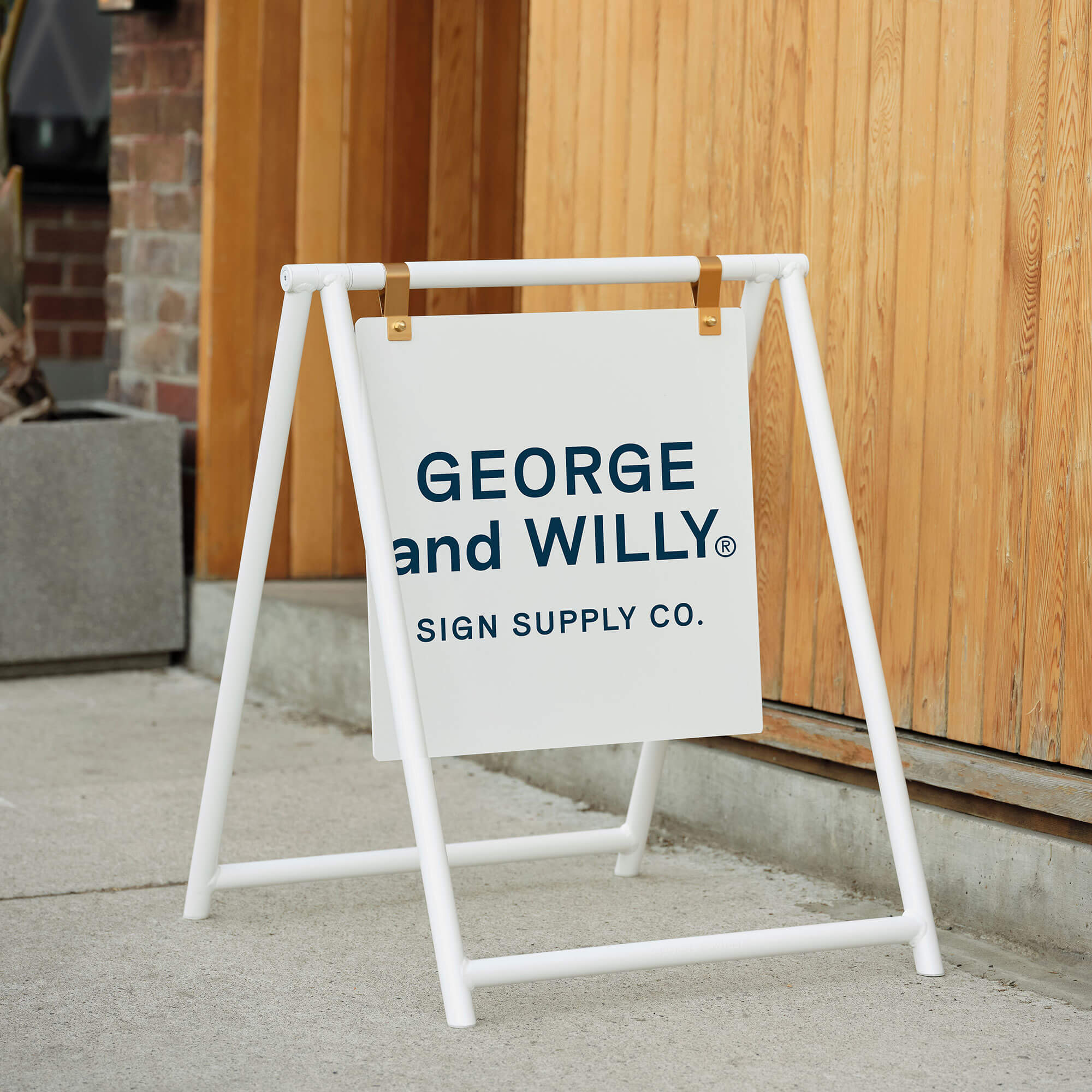
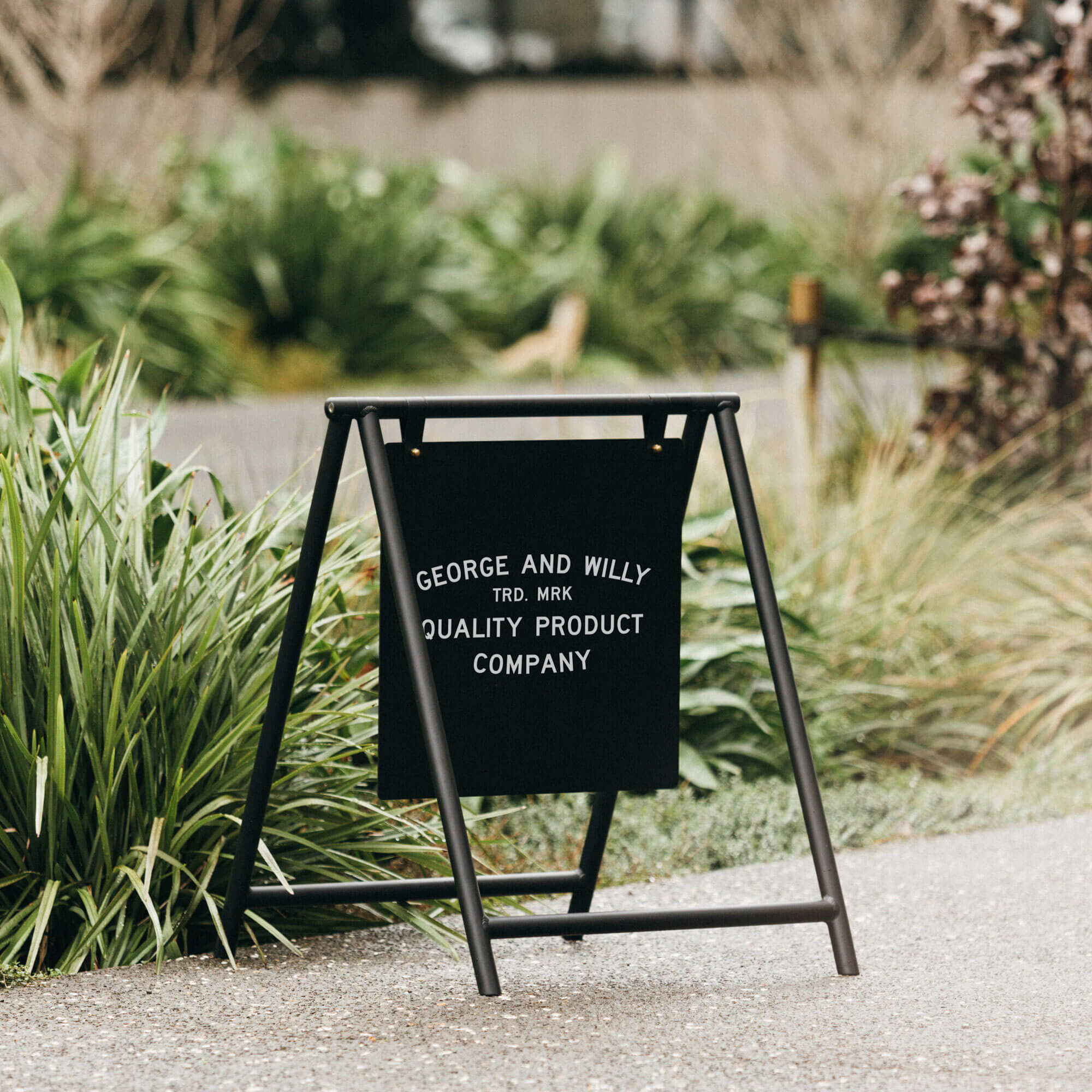
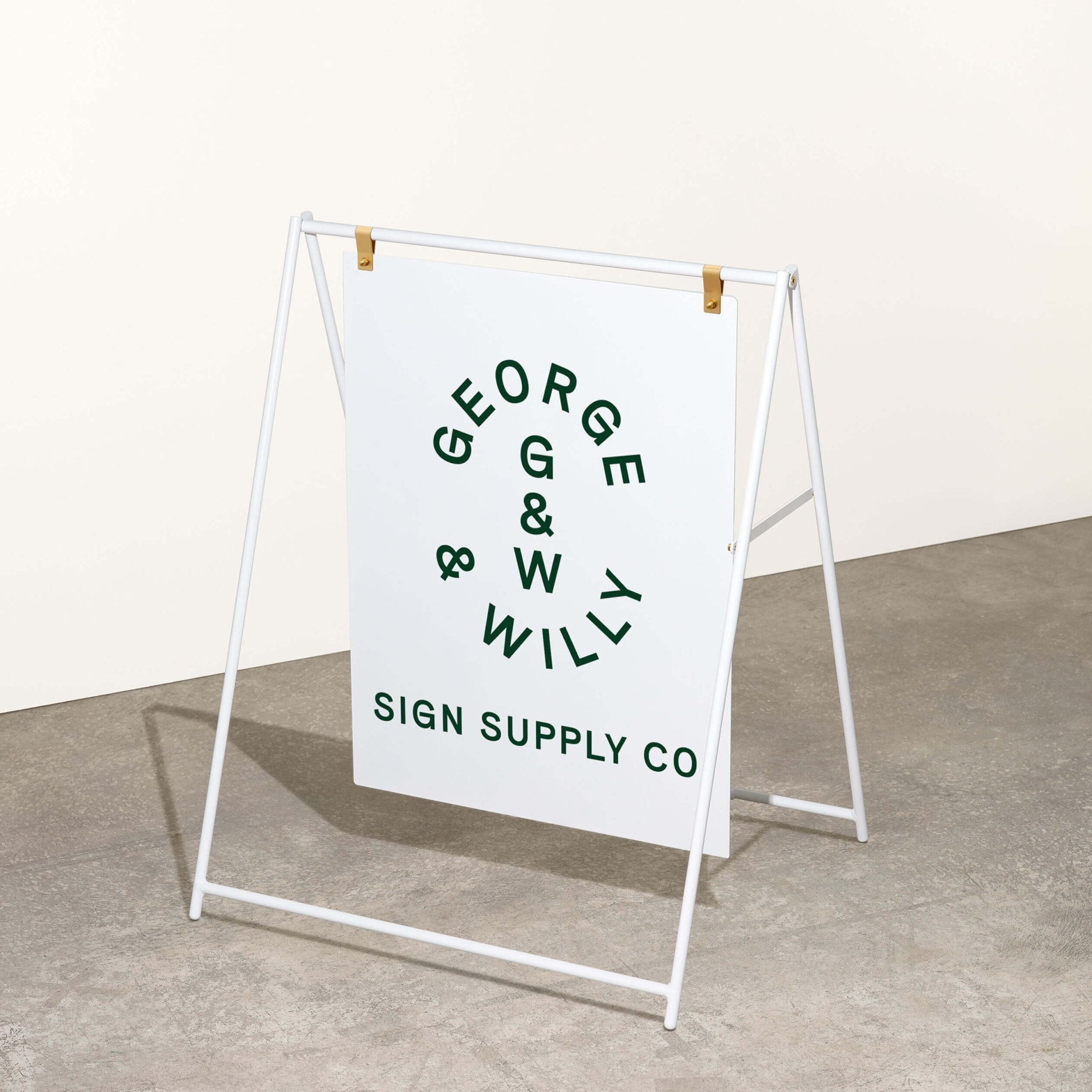
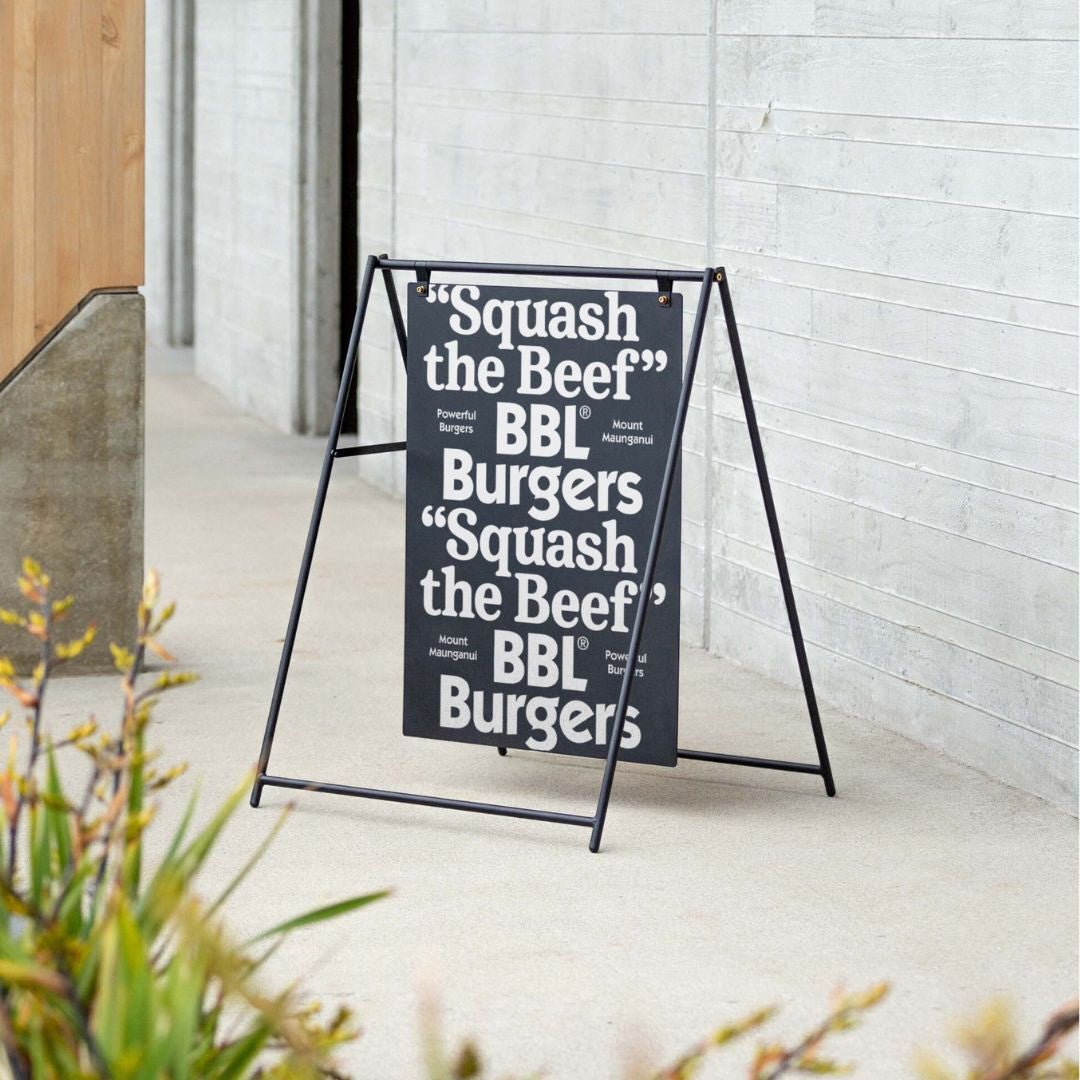
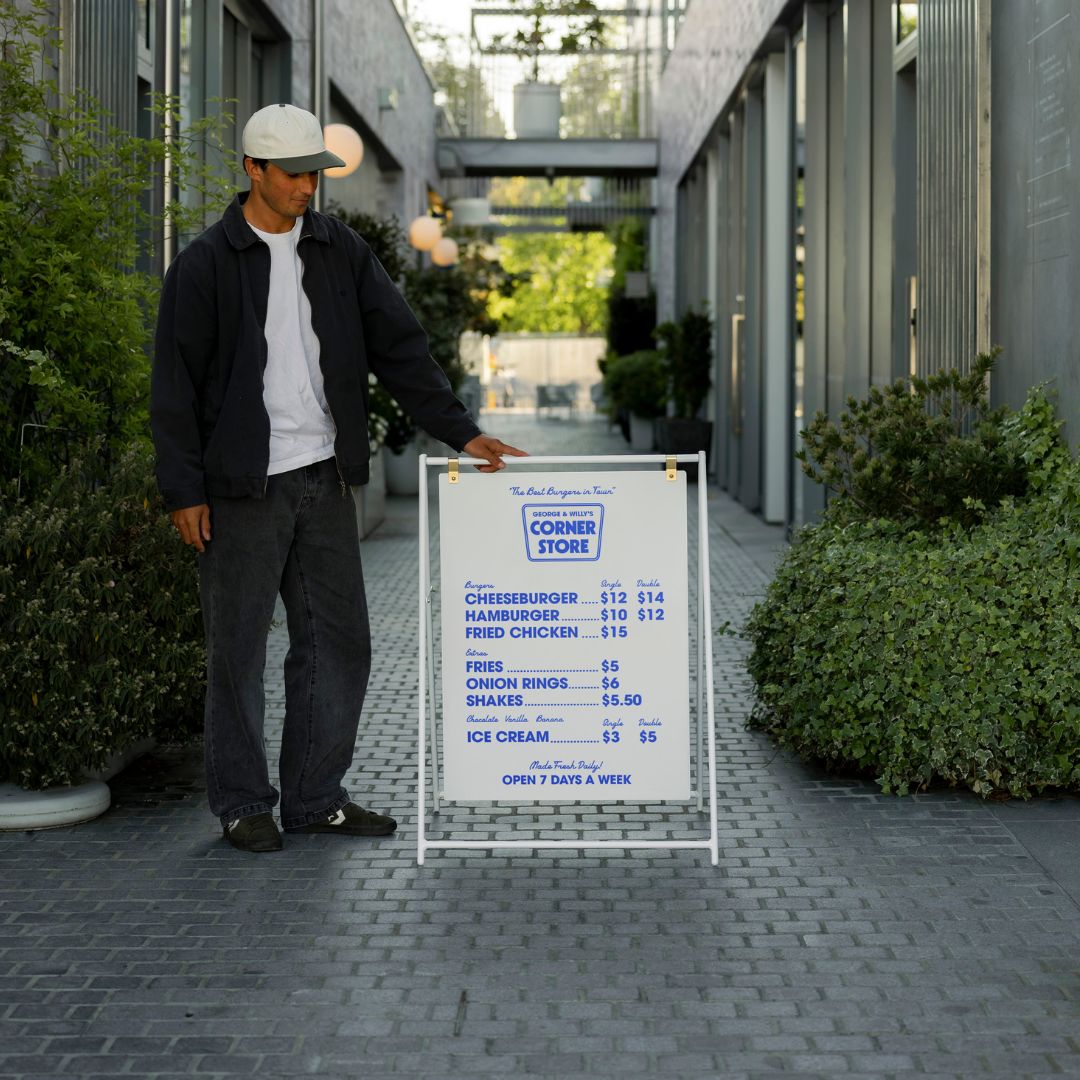
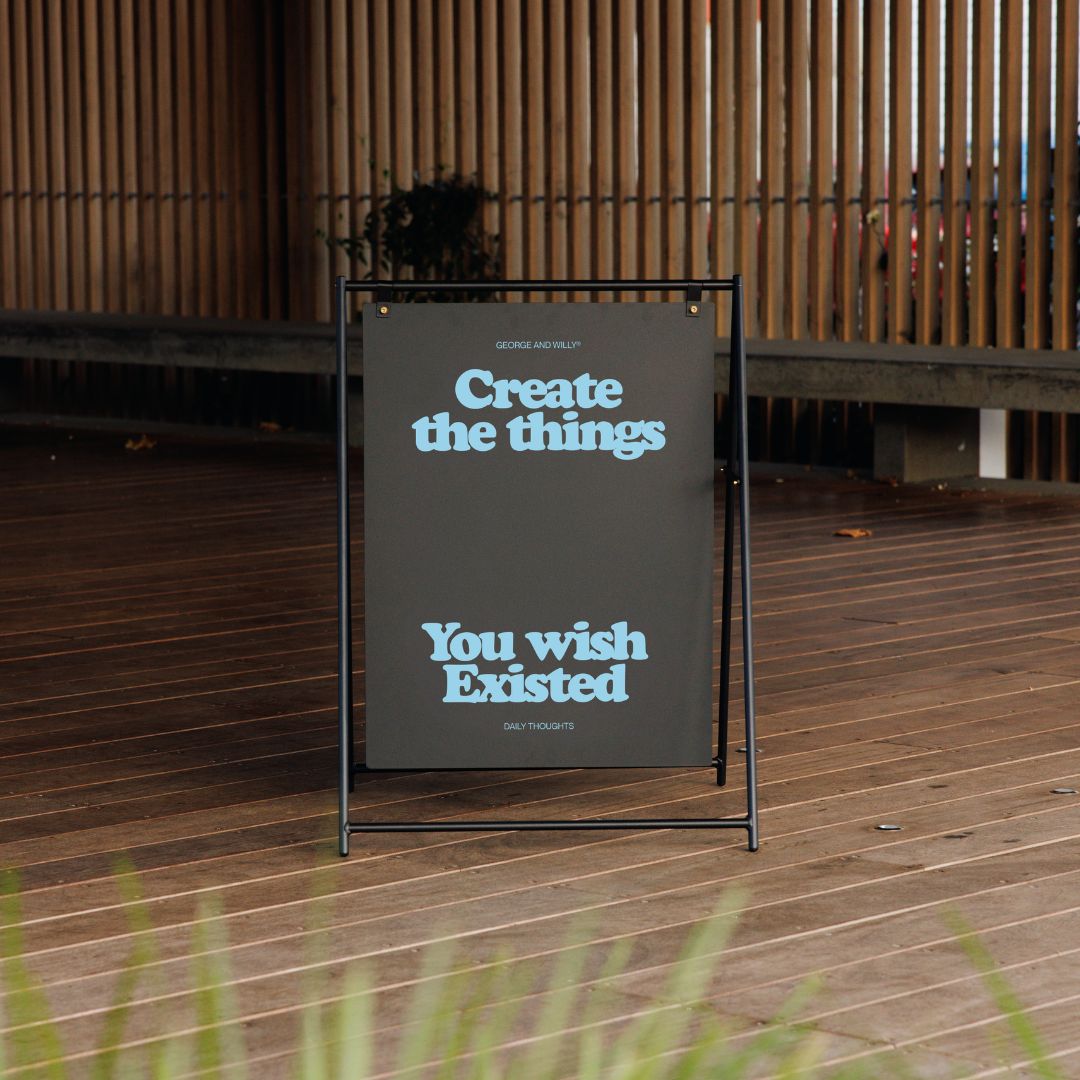
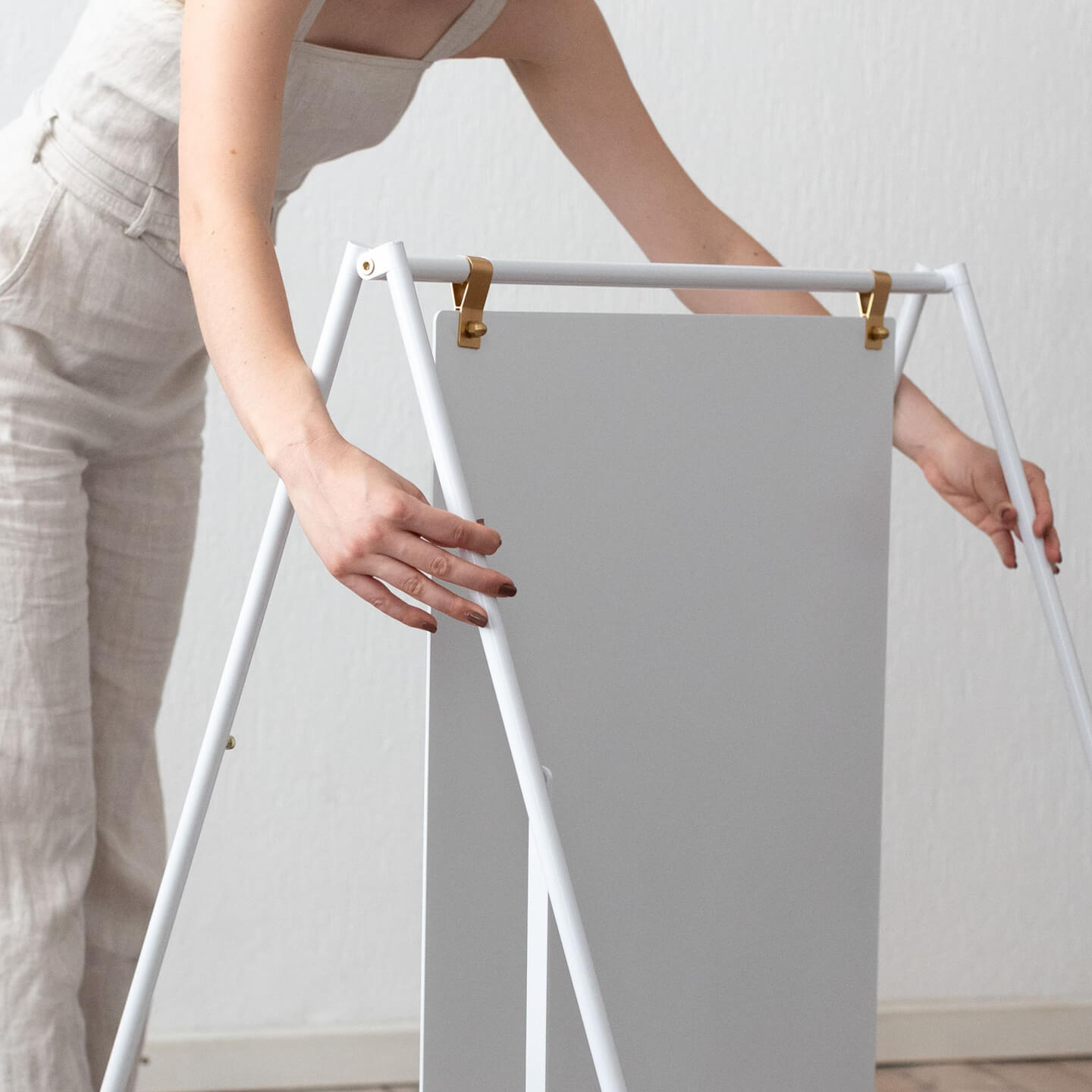
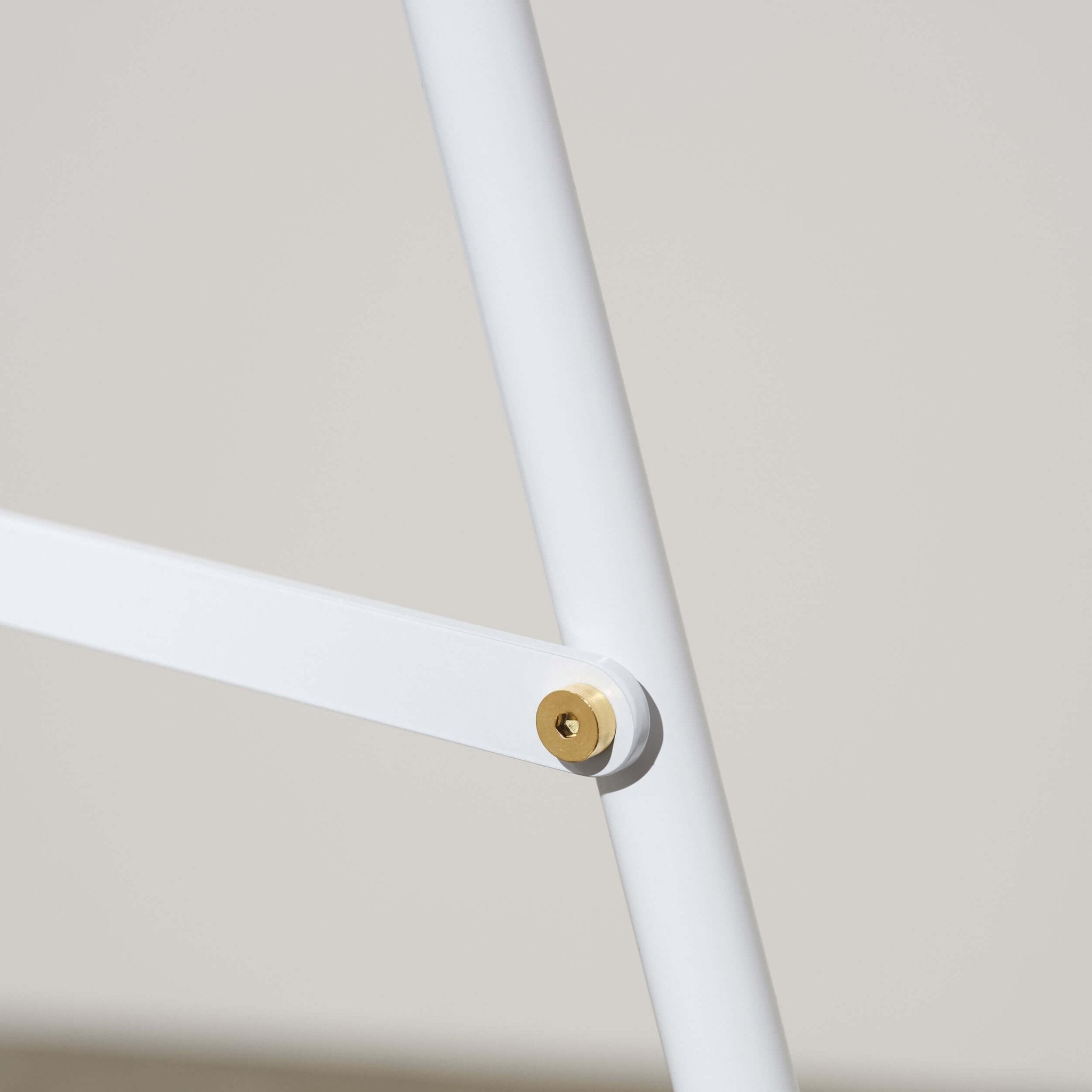
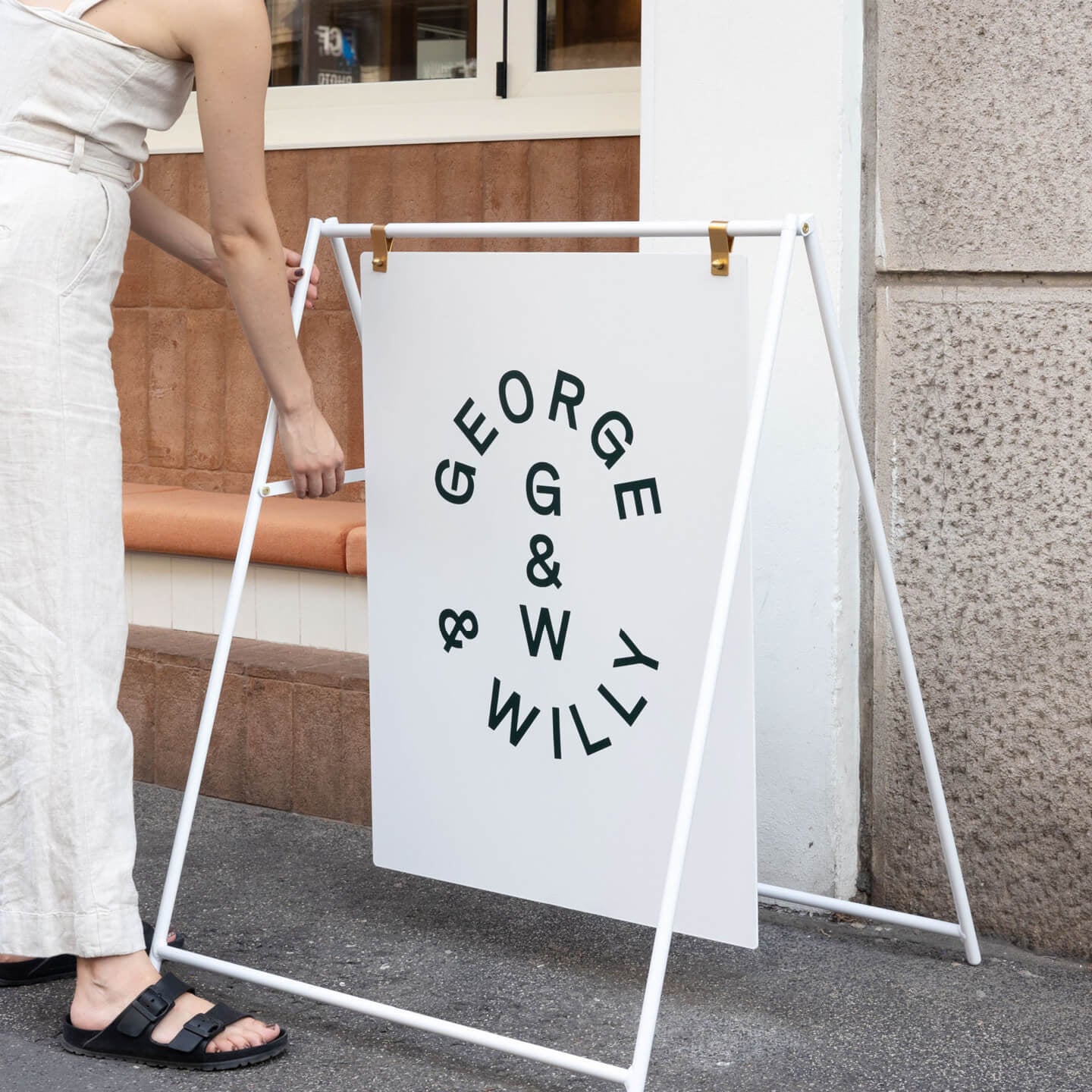
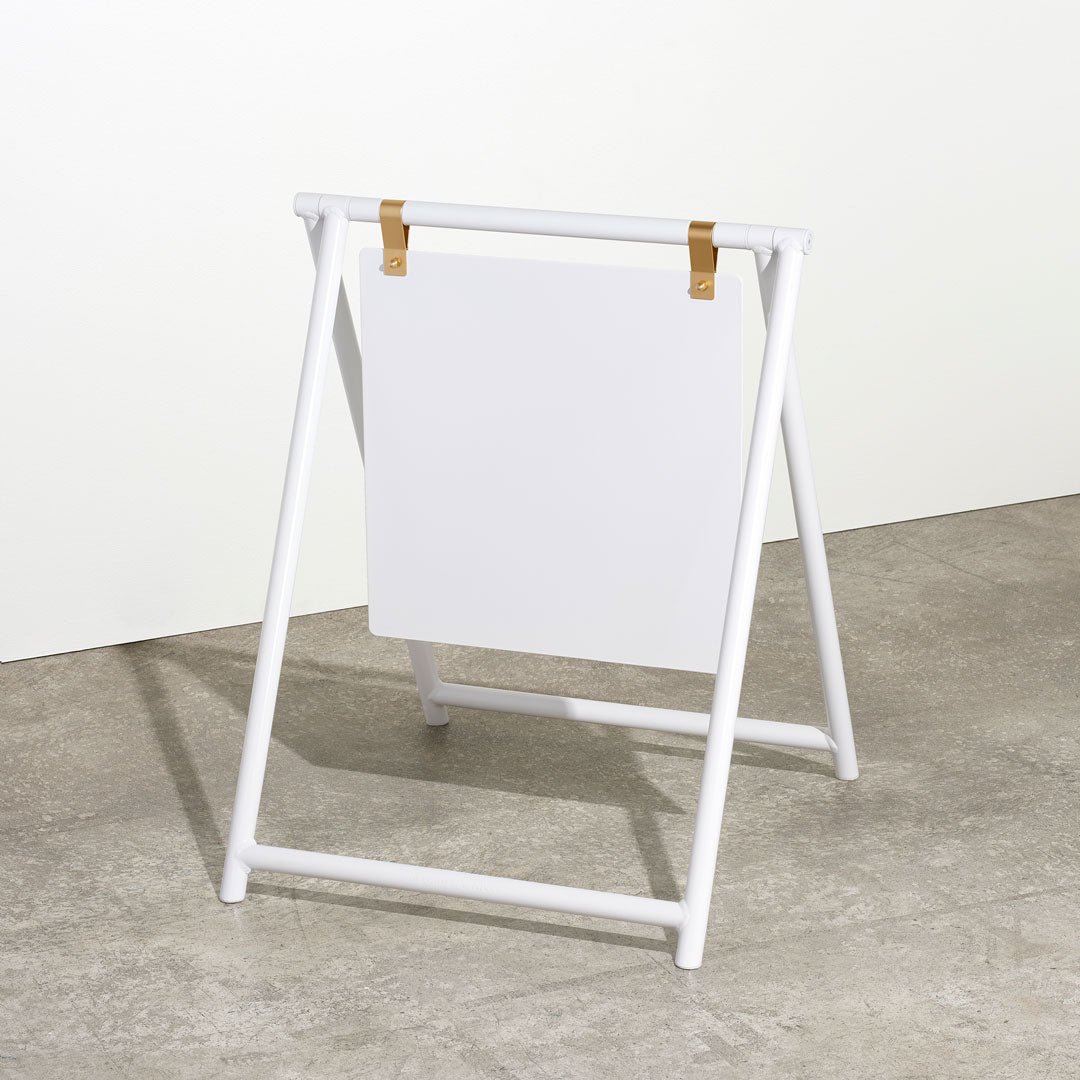
For businesses with foot traffic, a sidewalk sign is essential. An A-Frame Sign made from powder coated aluminum is a perfect way to grab the attention of passersby with daily specials or a welcoming message. They are durable enough for daily use and light enough to bring inside at closing time. For maximum street presence, a Large Sidewalk Sign gives you extra surface area without sacrificing durability. A well placed sidewalk sign acts as a constant invitation from the street.
Blade Signs
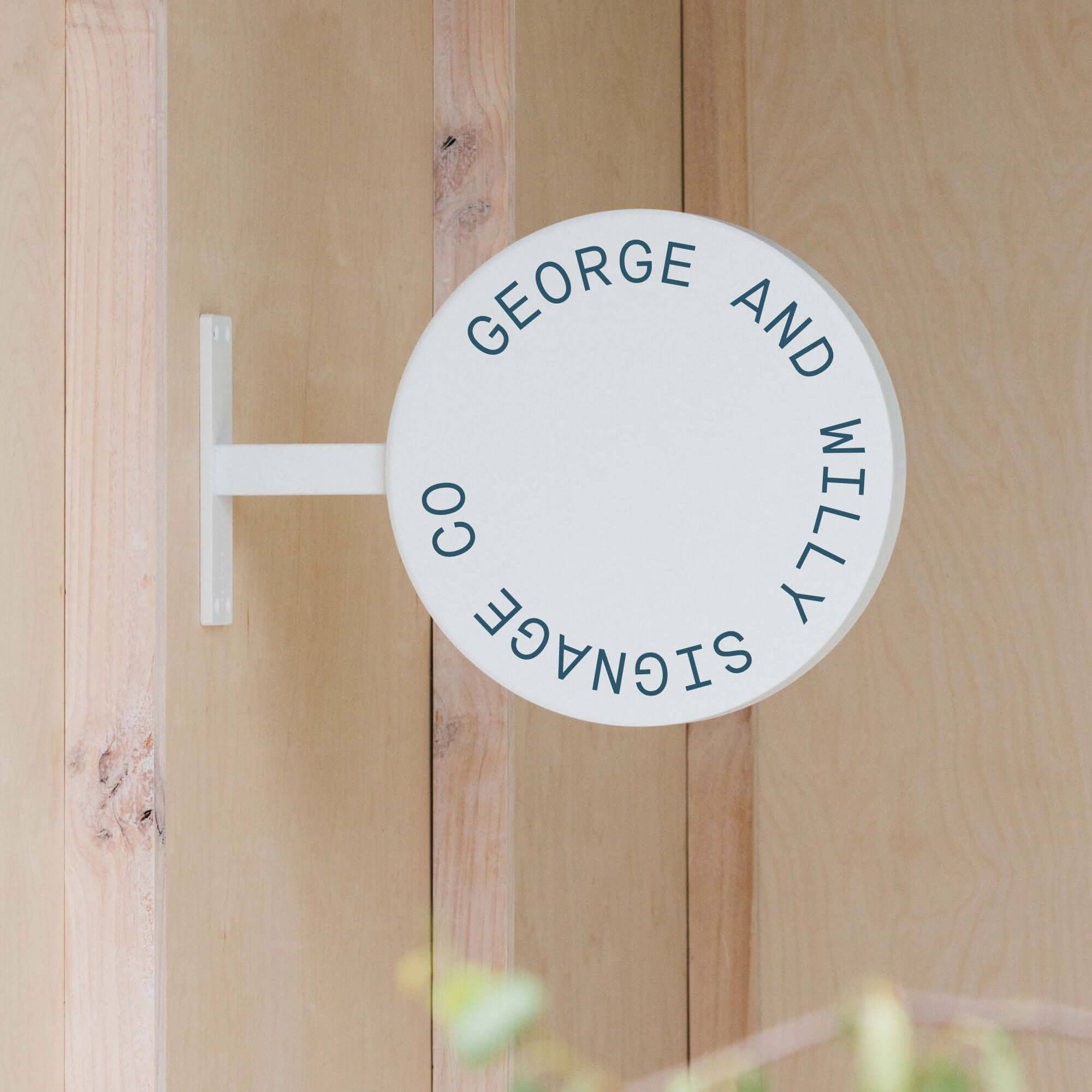
Blade signs project perpendicularly from your building, making them highly visible to pedestrians walking down the sidewalk. This is a huge advantage on a crowded street where traditional flat signs might be missed. A clean Blade Sign can make your business stand out and guide people to your door. For narrow facades, a Vertical Blade Sign maximizes visibility for pedestrians.
Storefront and Light Box Signs
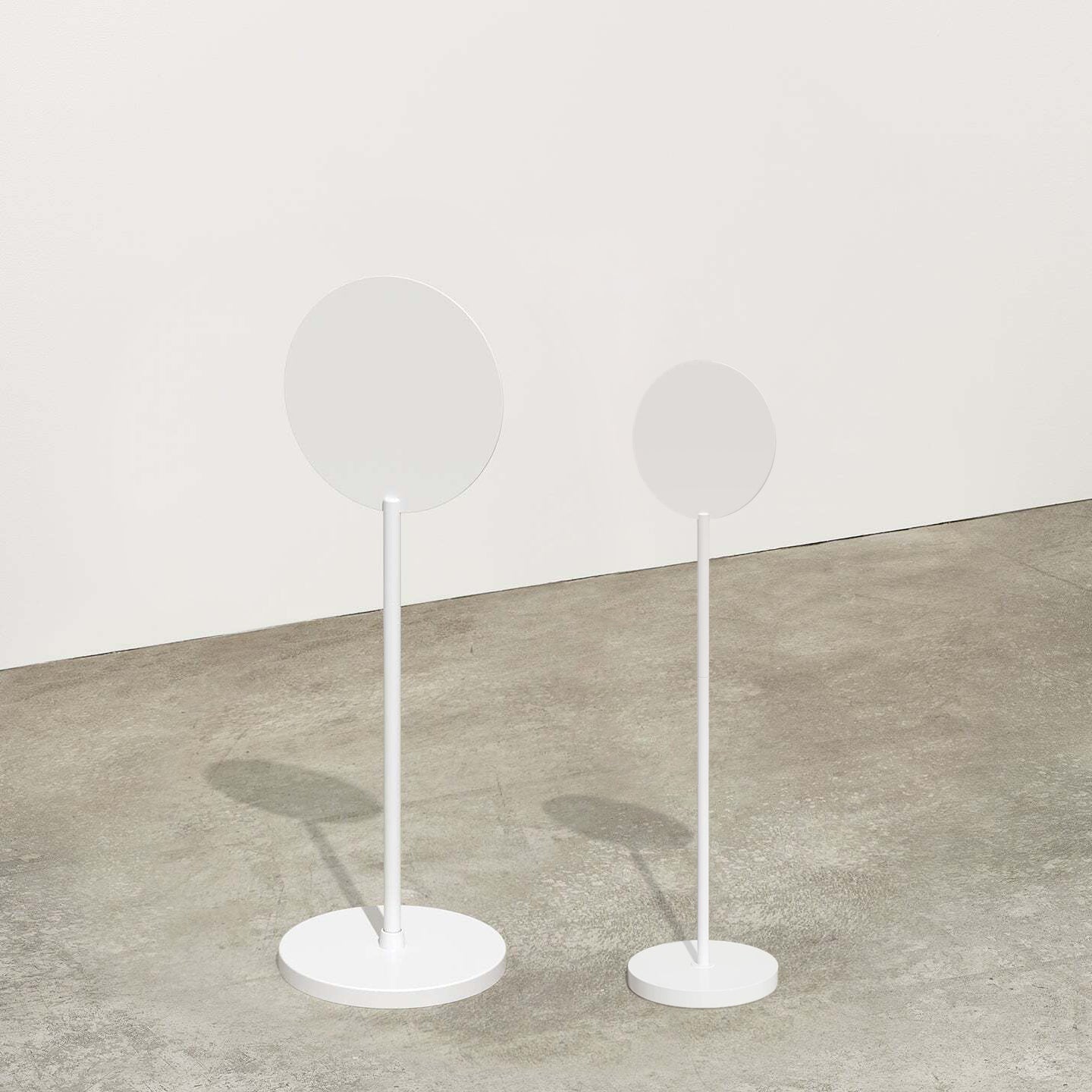
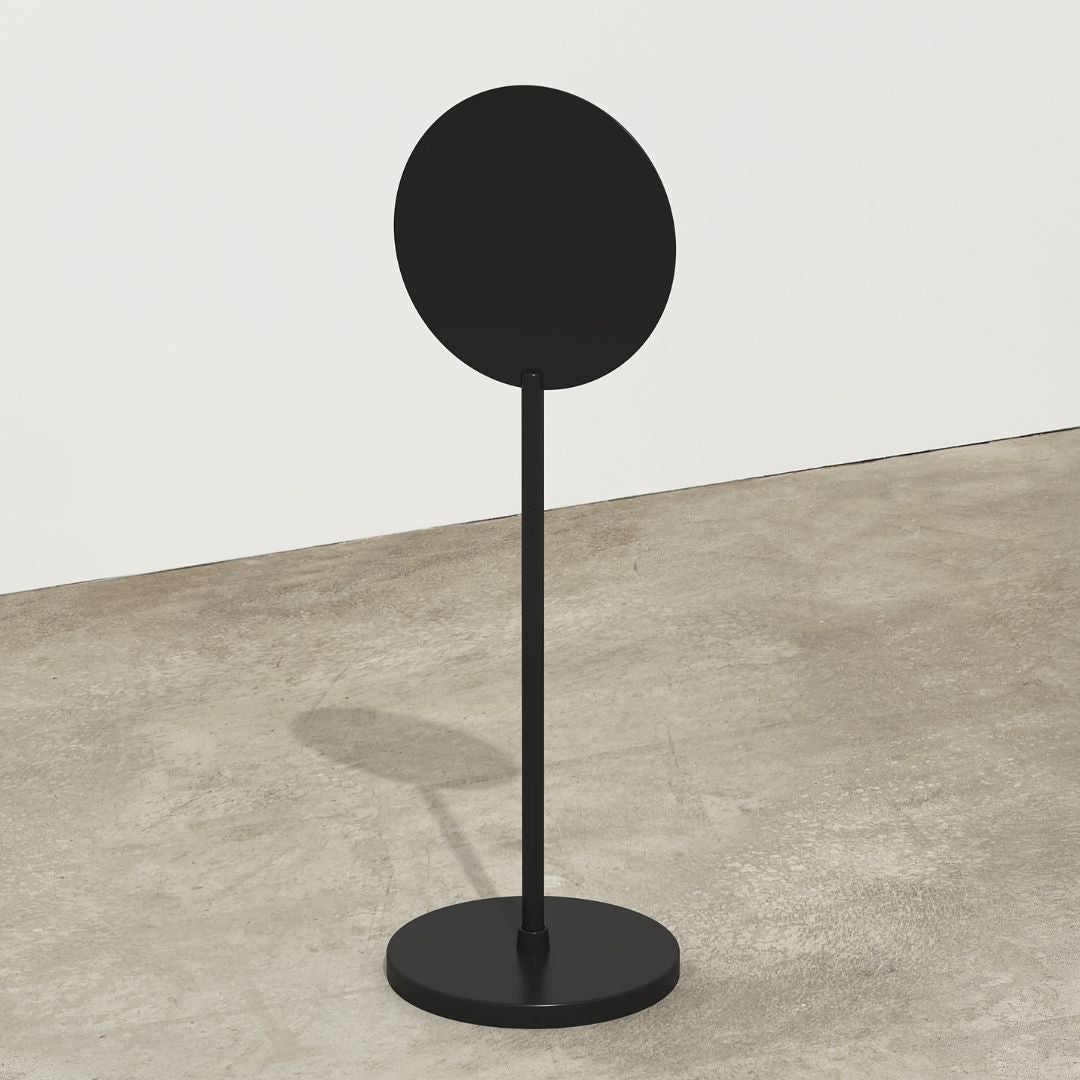
Your main Store Sign is your biggest branding statement. Large aluminum signs provide a perfect canvas for your business name and logo. For businesses open in the evenings, an illuminated sign is a game changer. An aluminum round light box sign ensures your business is visible and inviting 24/7, creating a warm glow that naturally attracts attention. Prefer a clean, non illuminated look? A Round Outdoor Shop Sign delivers the same minimal profile with weather ready aluminum construction.
Use Cases Beyond Retail
Aluminum’s durability makes it the standard for many other applications, including:
- Parking and Traffic Control: From stop signs to parking lot directions, reflective aluminum is the material of choice for its visibility and longevity.
- Property and Real Estate: Lightweight and weather resistant, aluminum is perfect for real estate signs, property management notices, and directional wayfinding signs in large complexes.
- Construction and Safety: OSHA and safety signs on job sites must be durable and readable. Aluminum meets these requirements easily.
Customization and Branding Your Sign
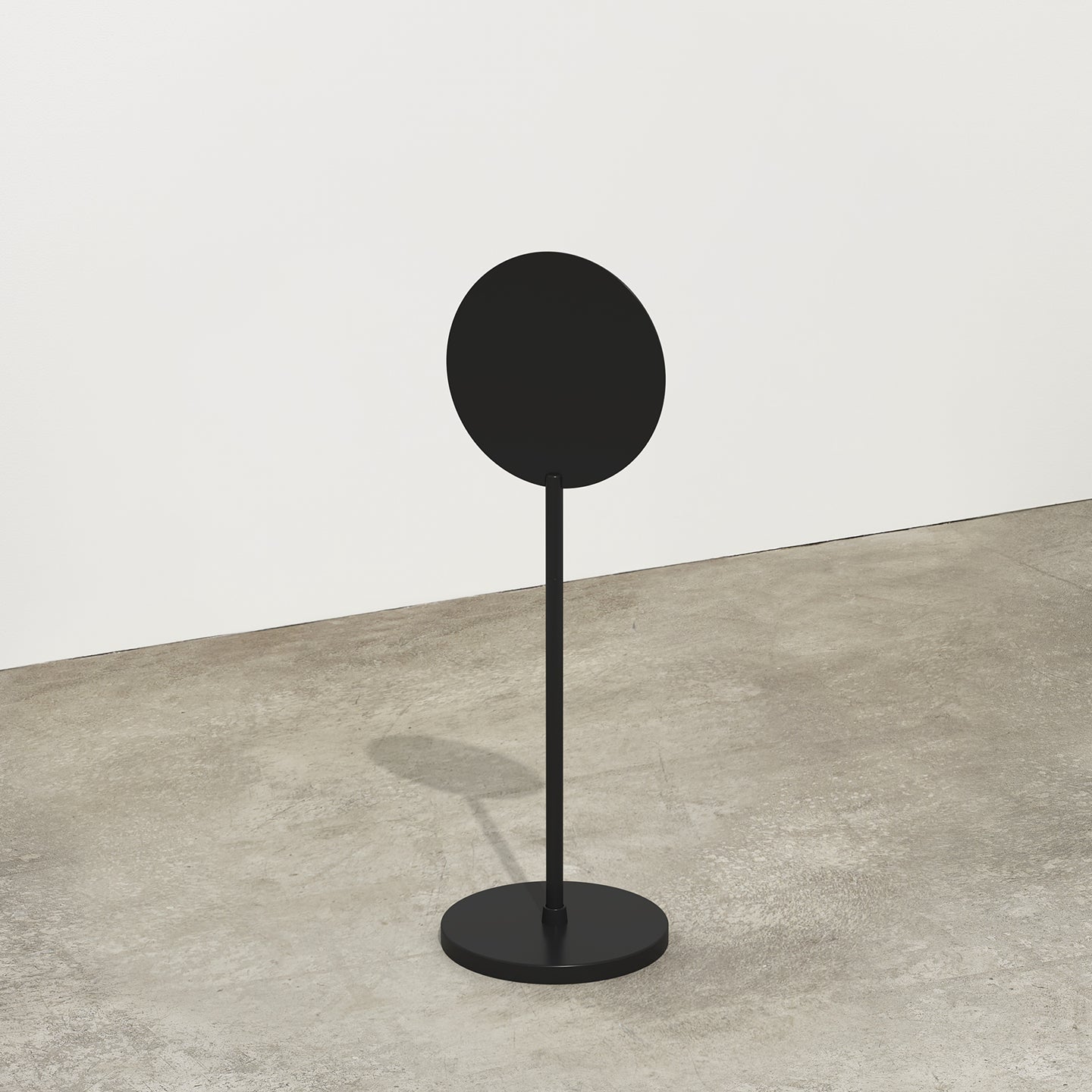
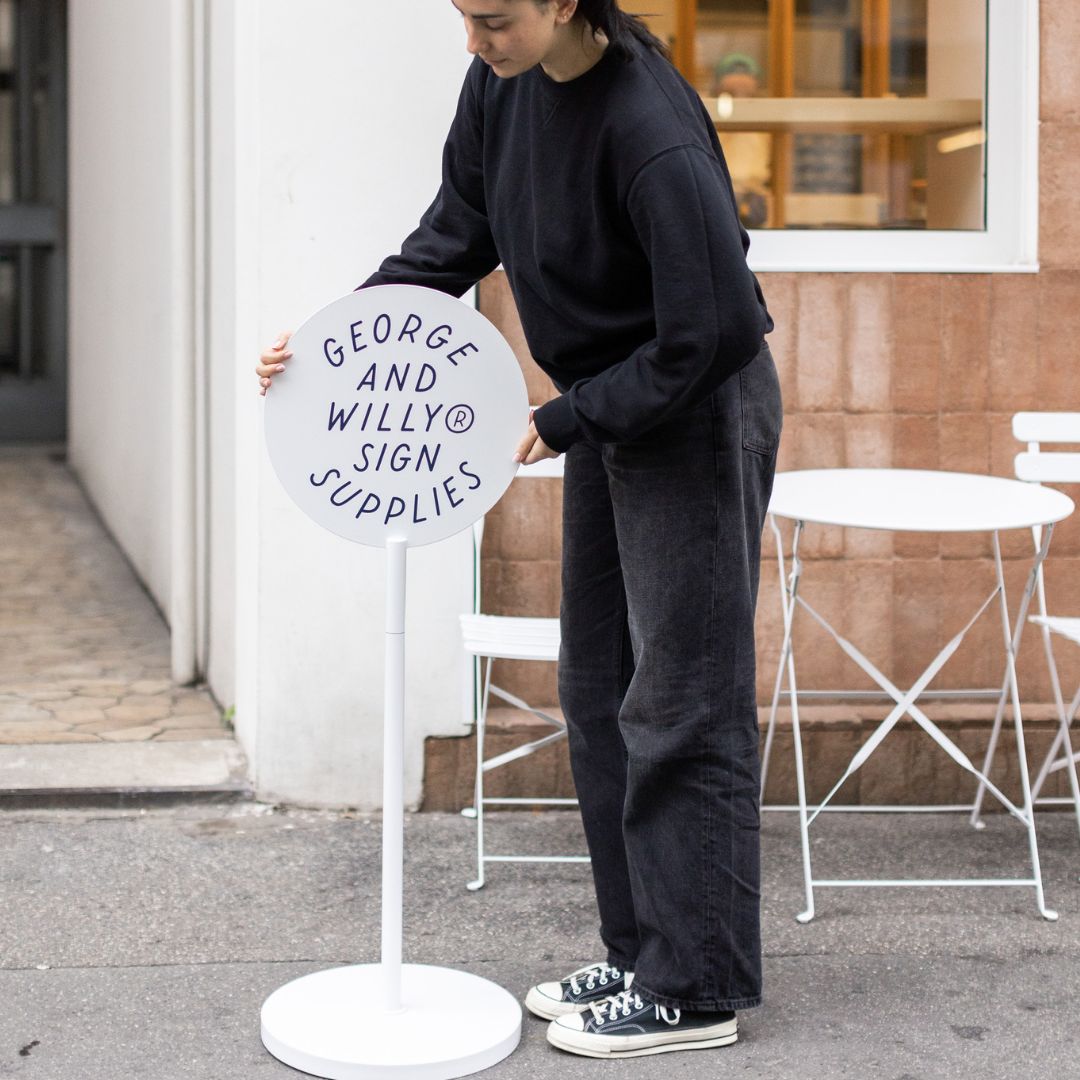
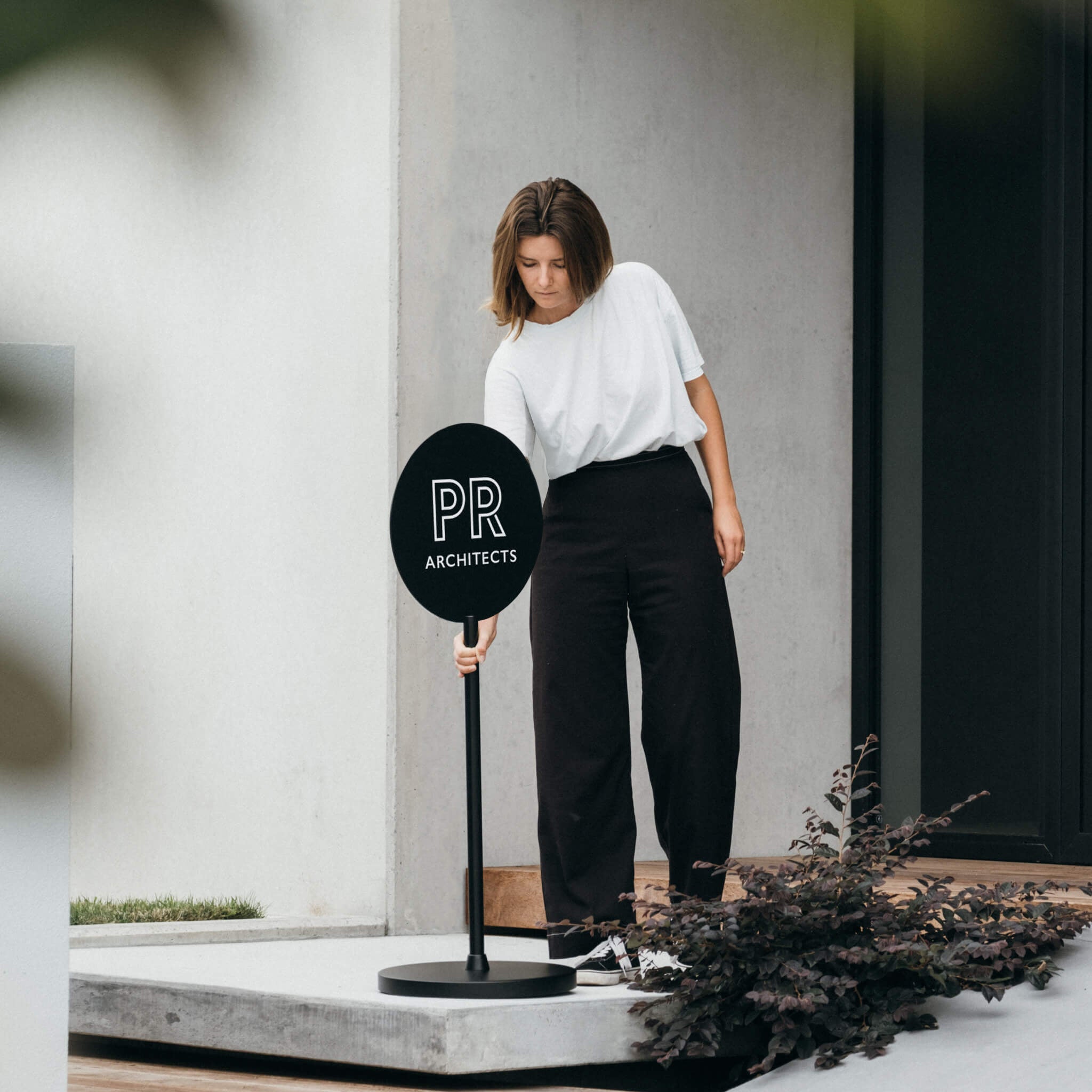
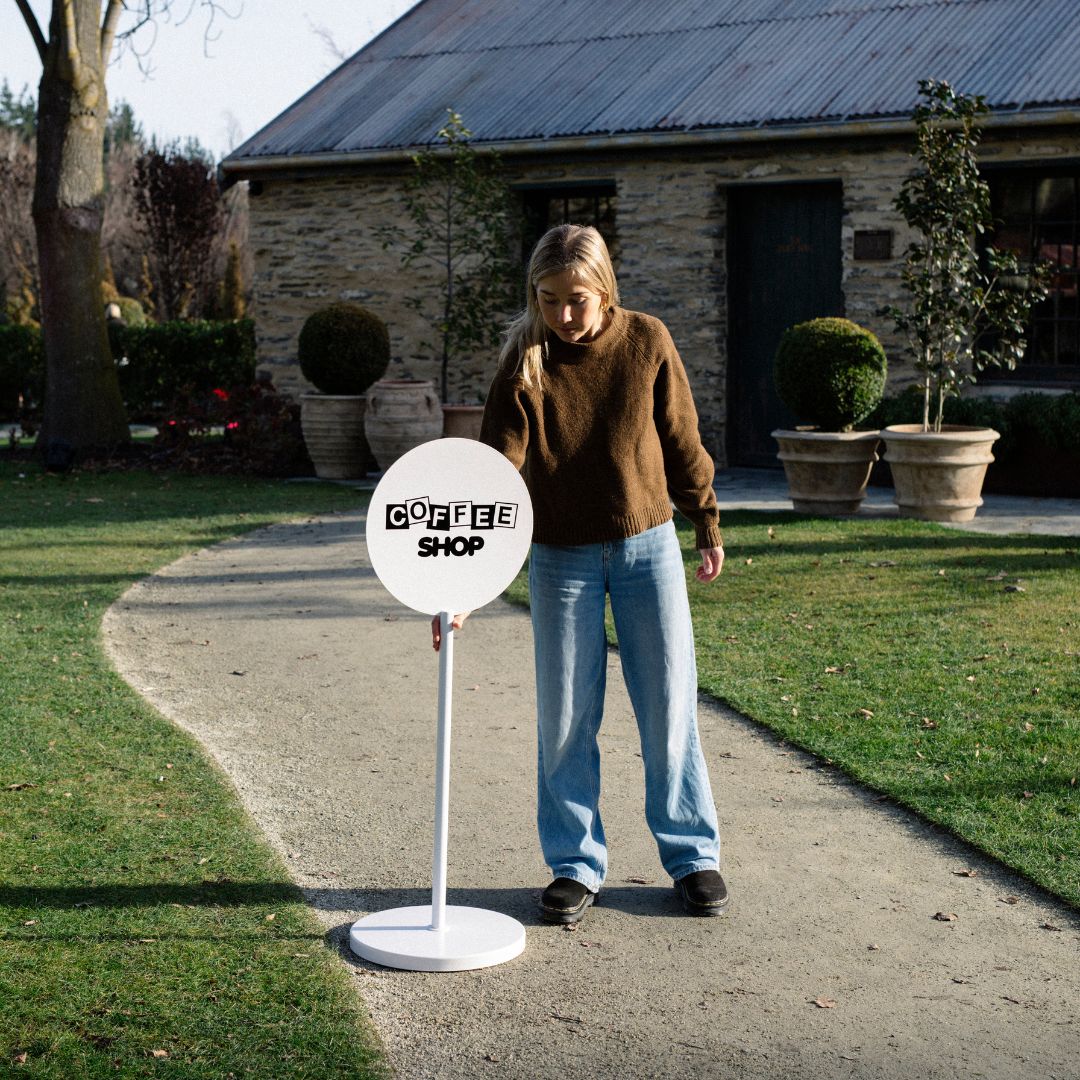
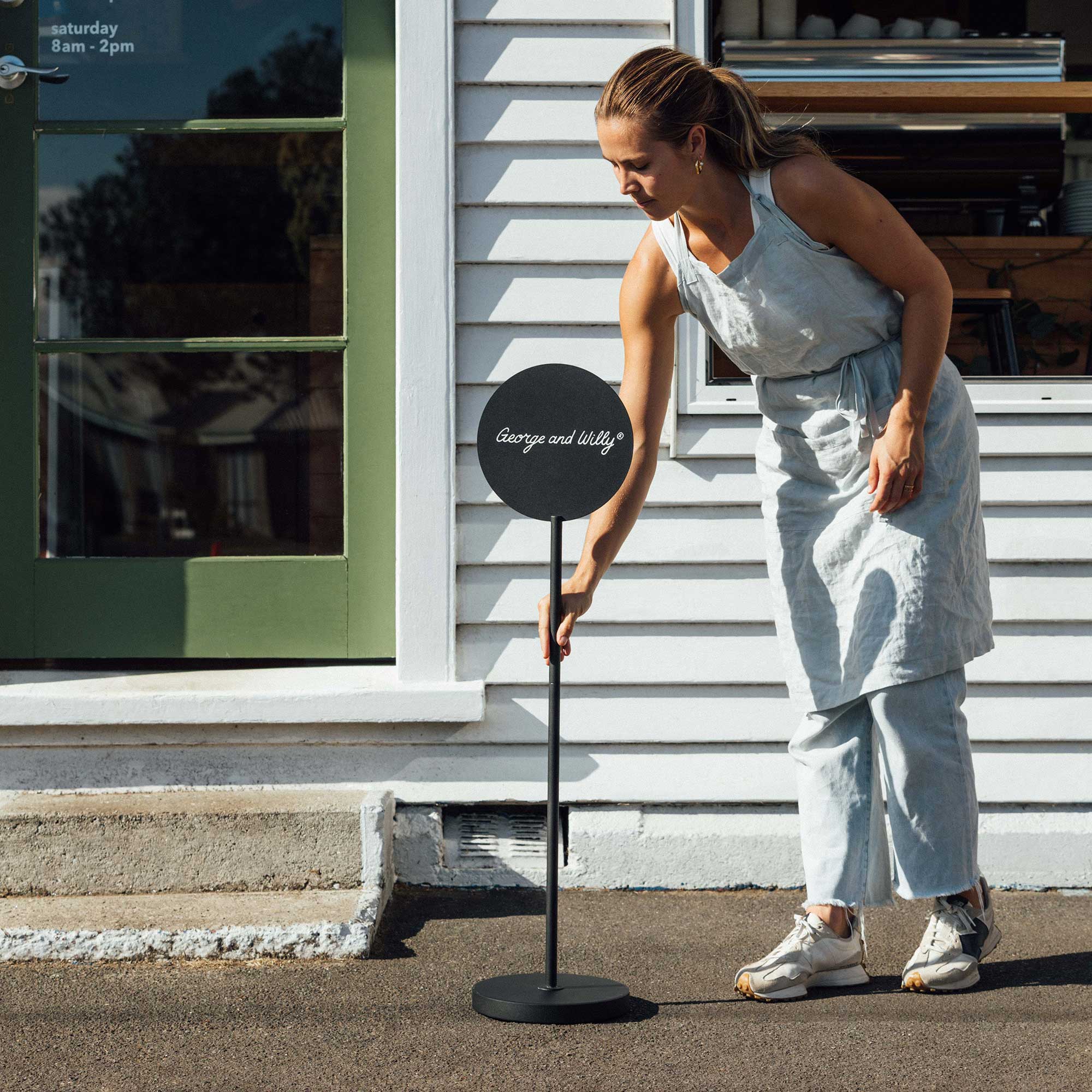
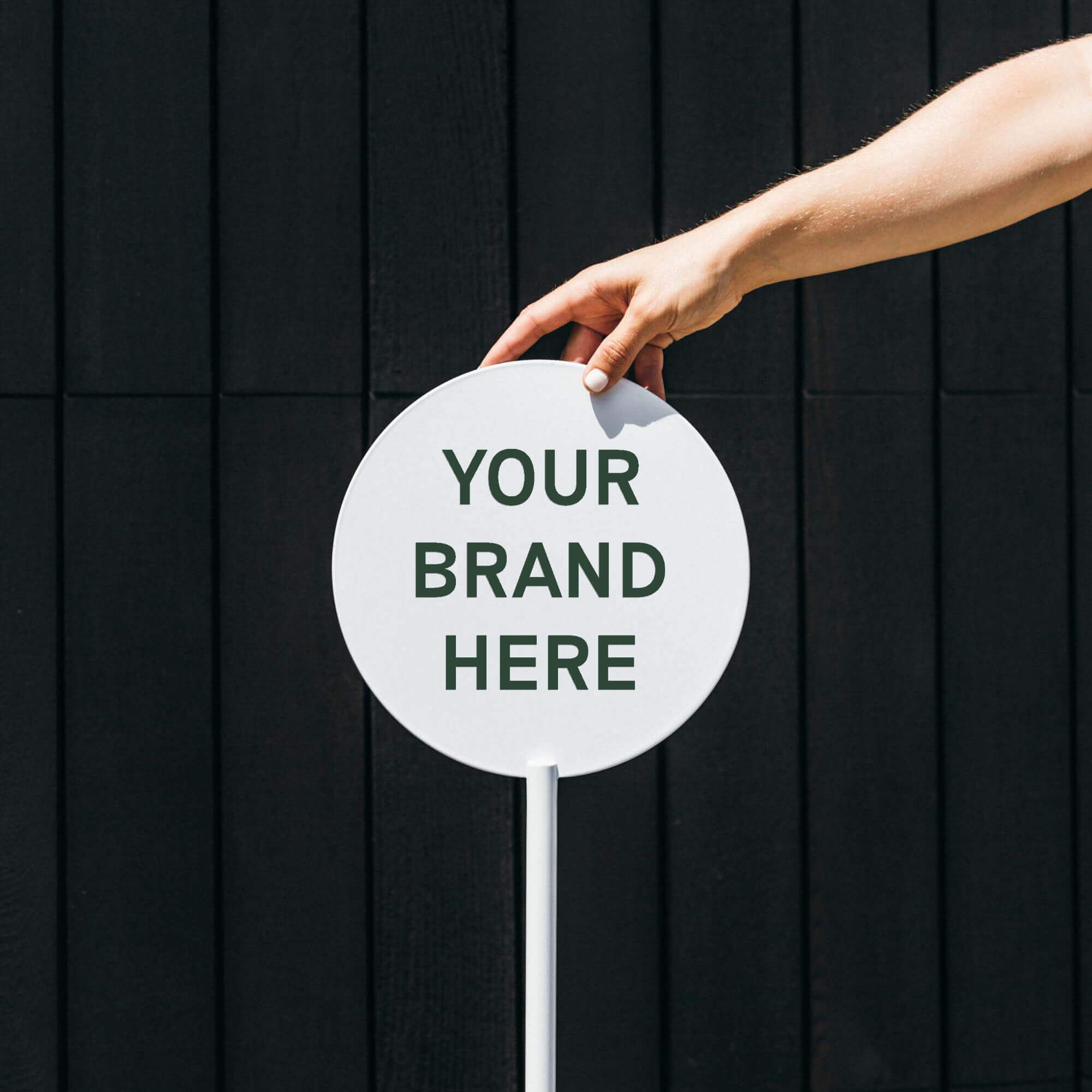
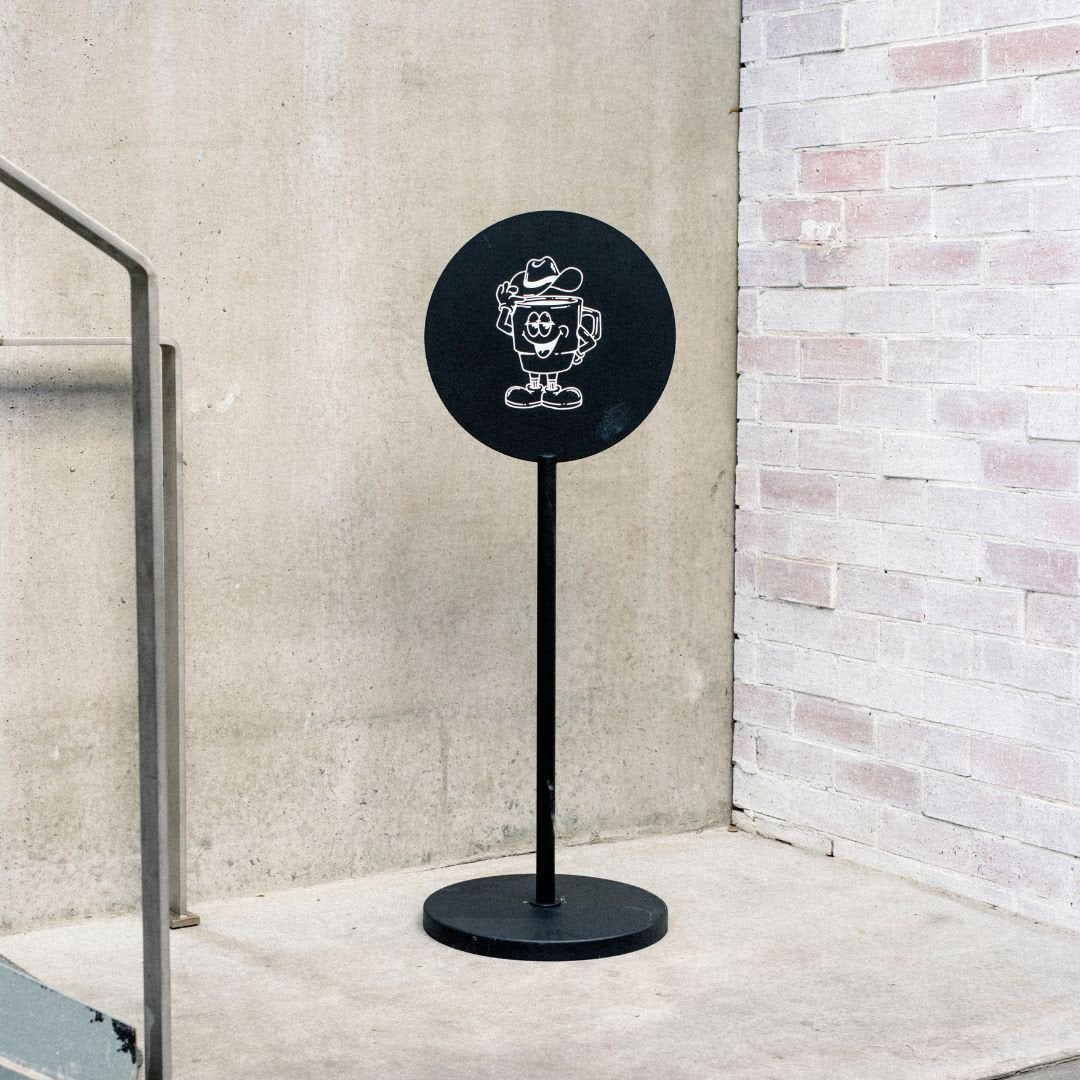
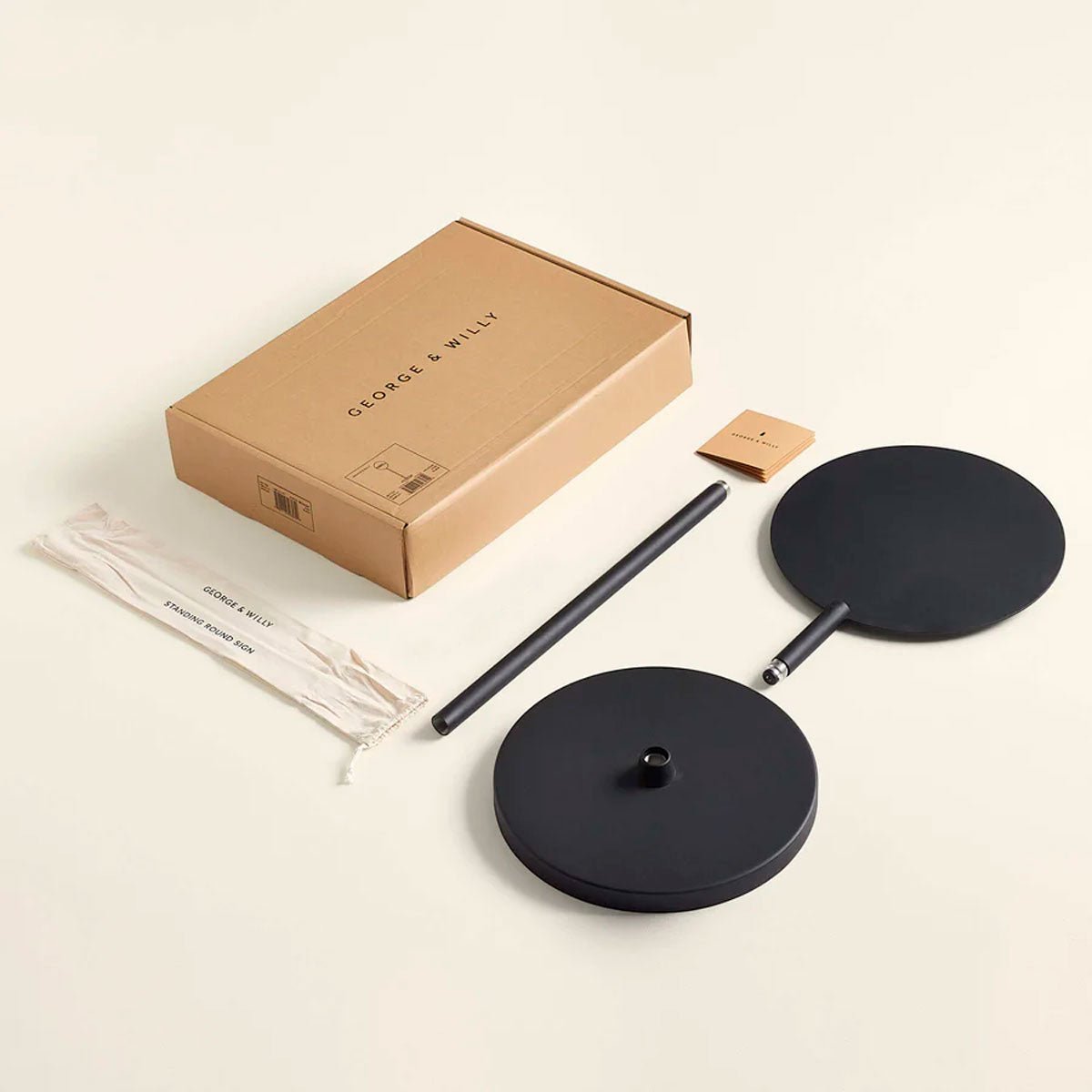
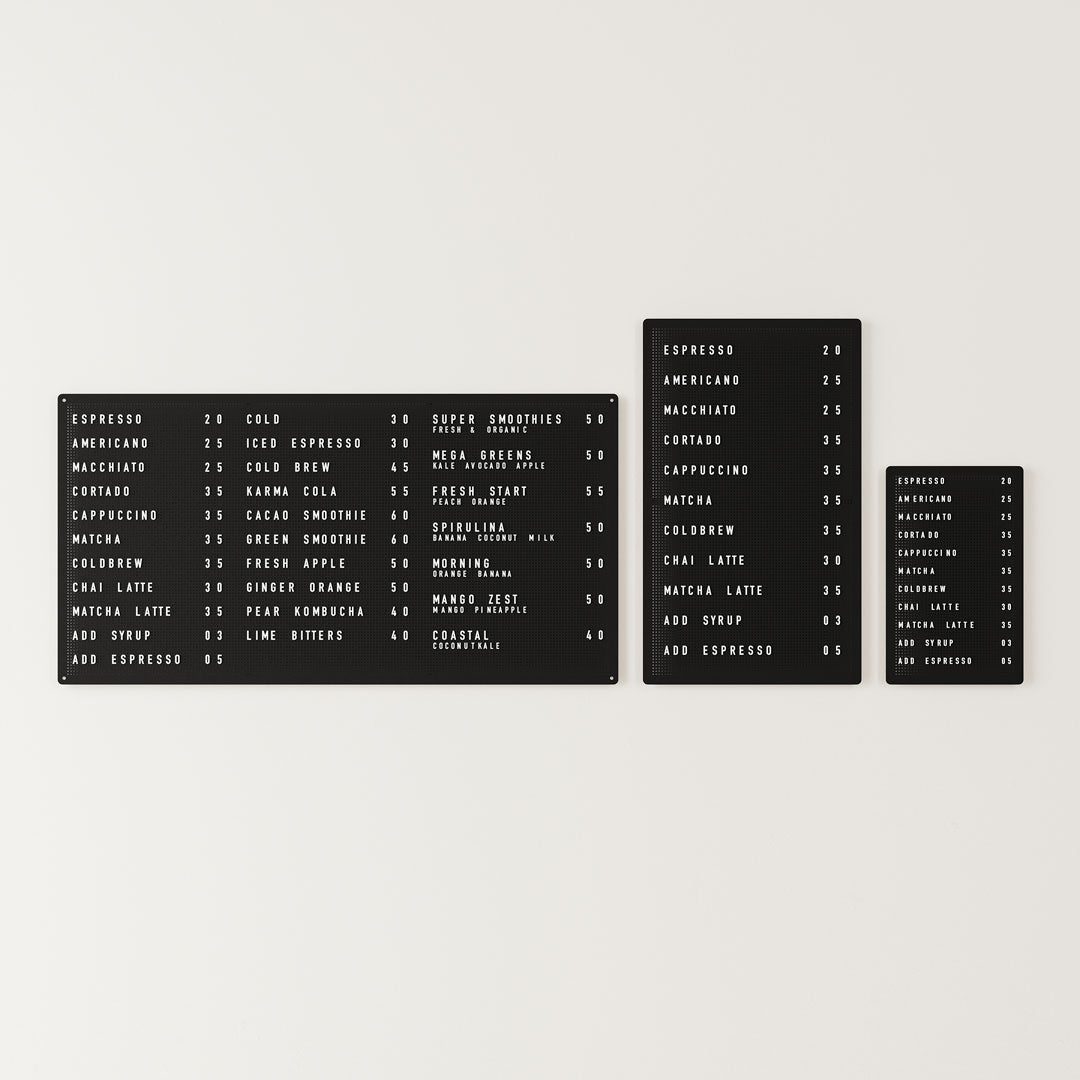
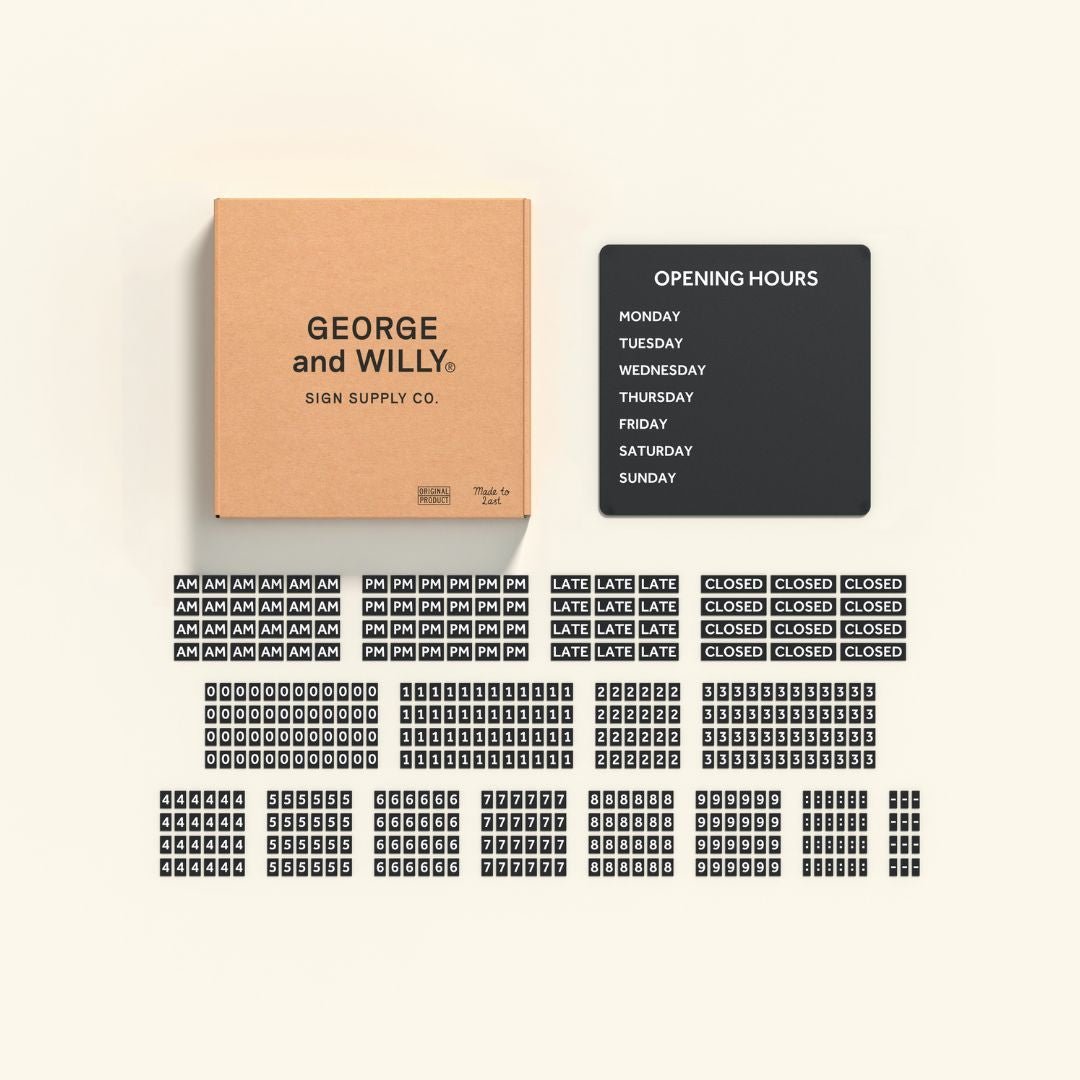
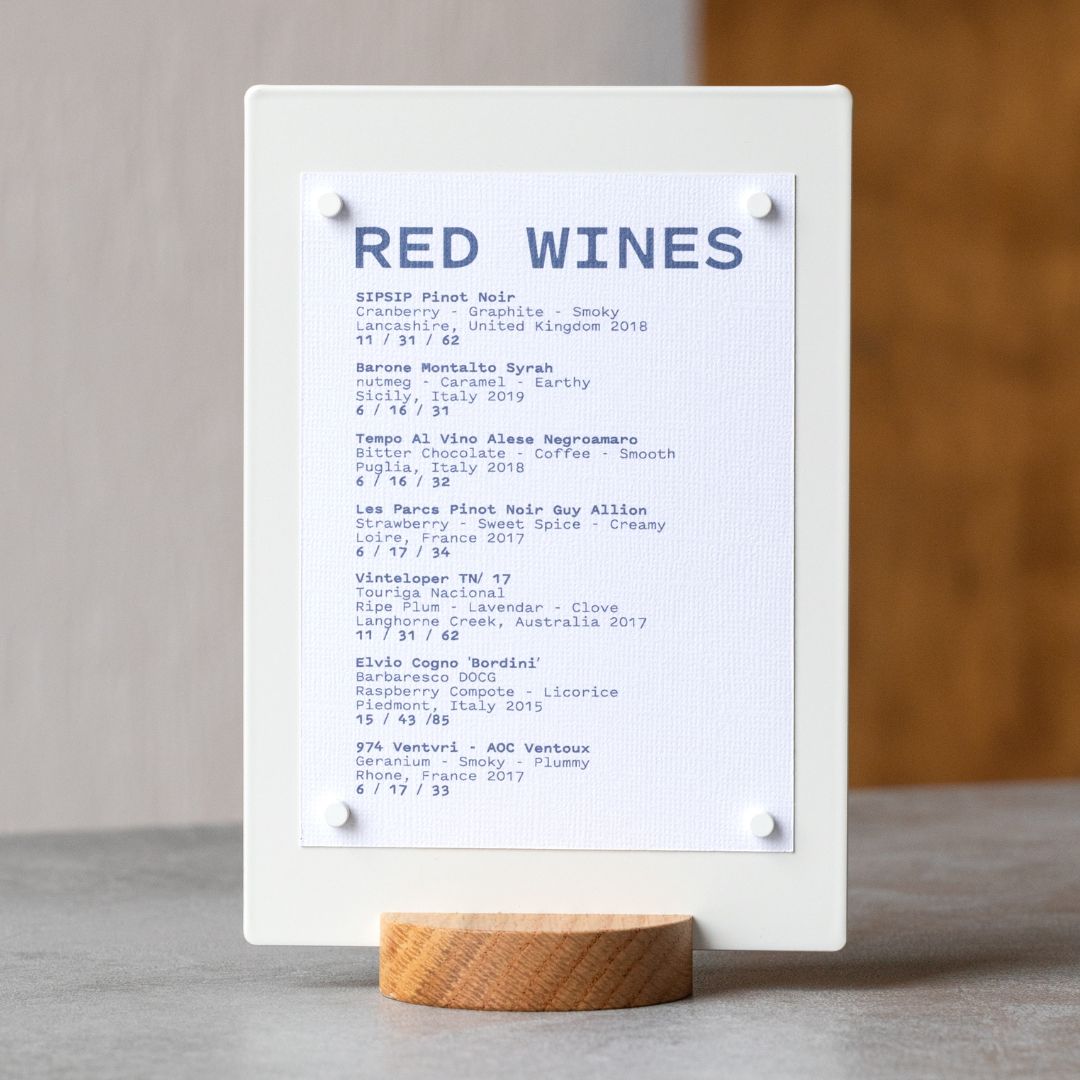
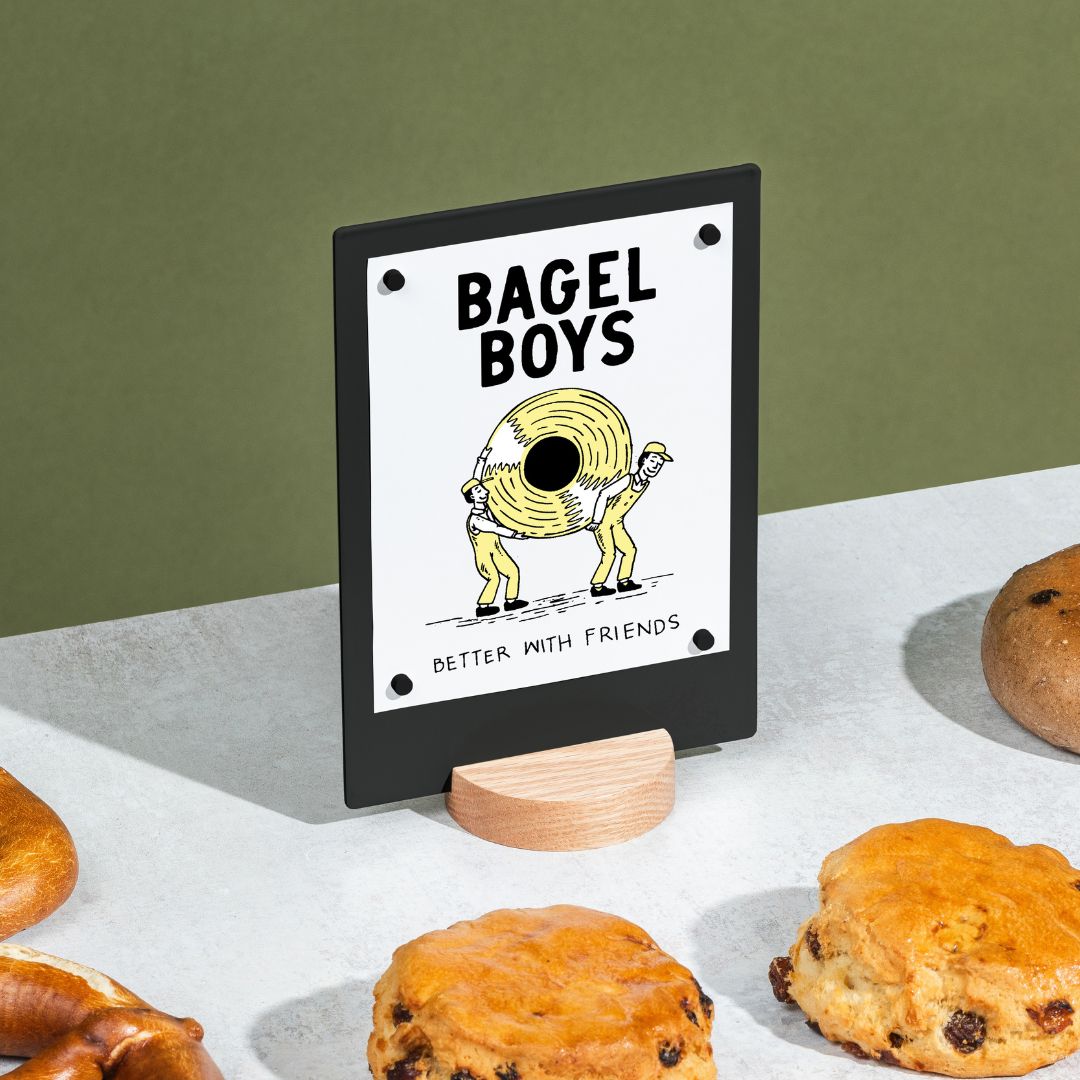
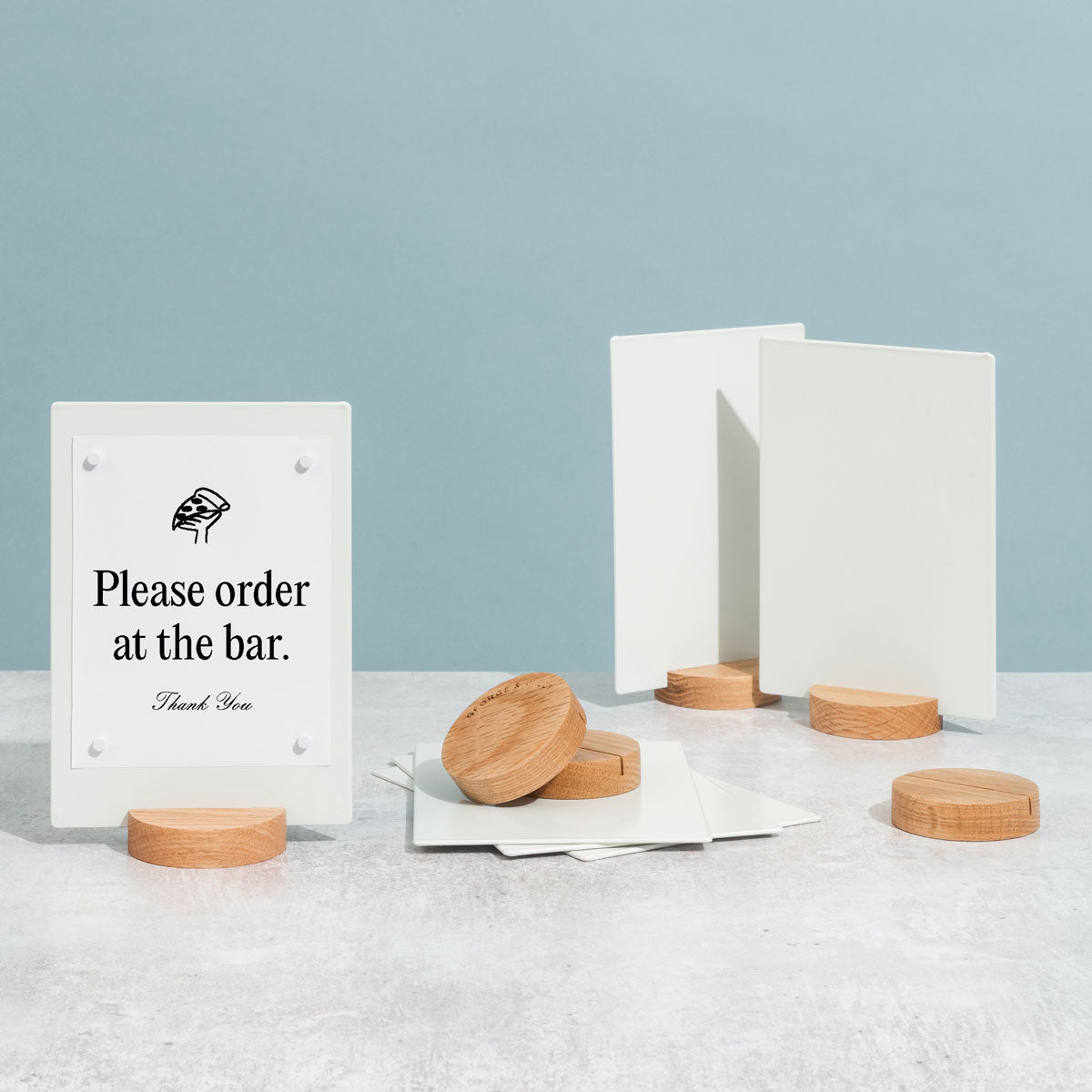
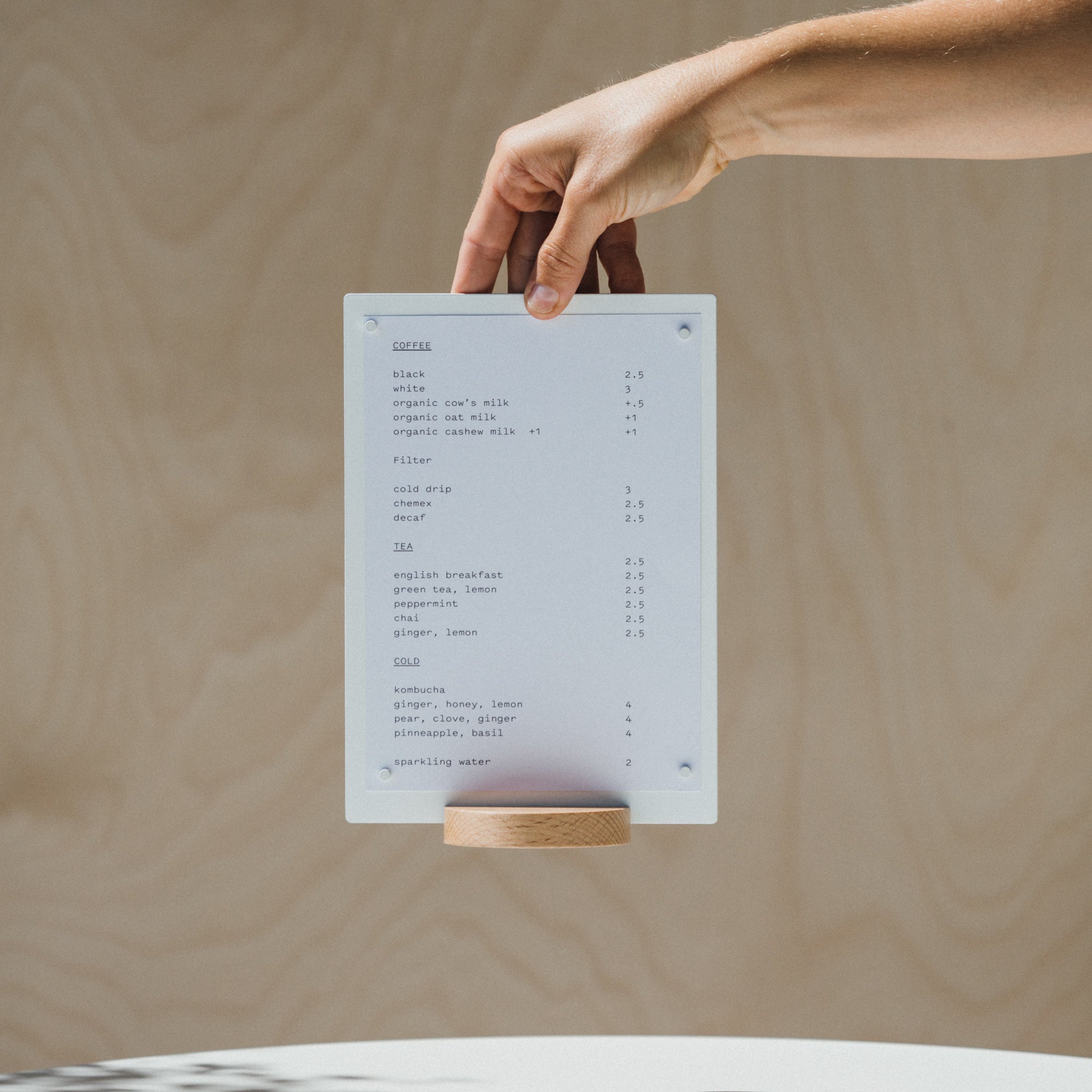
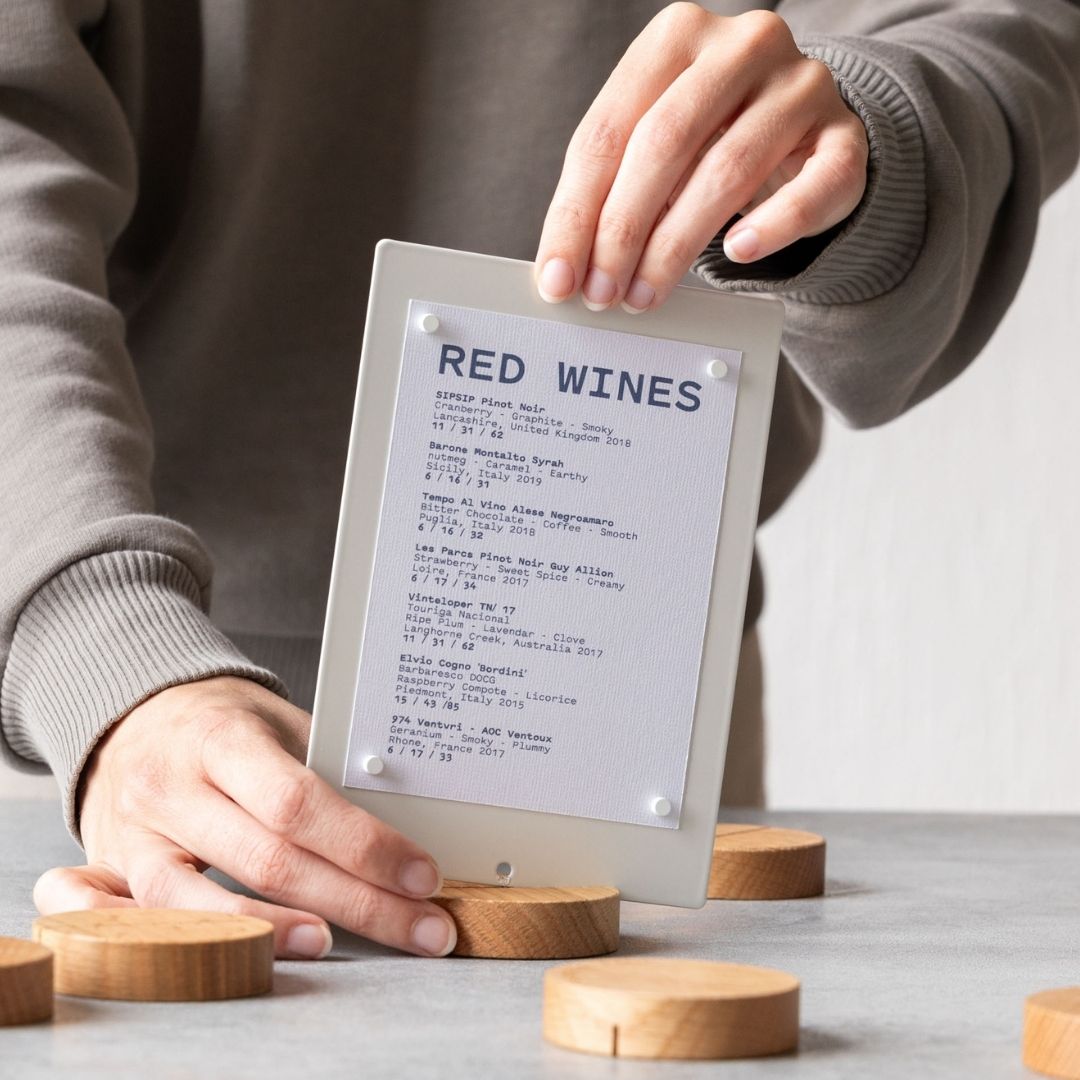
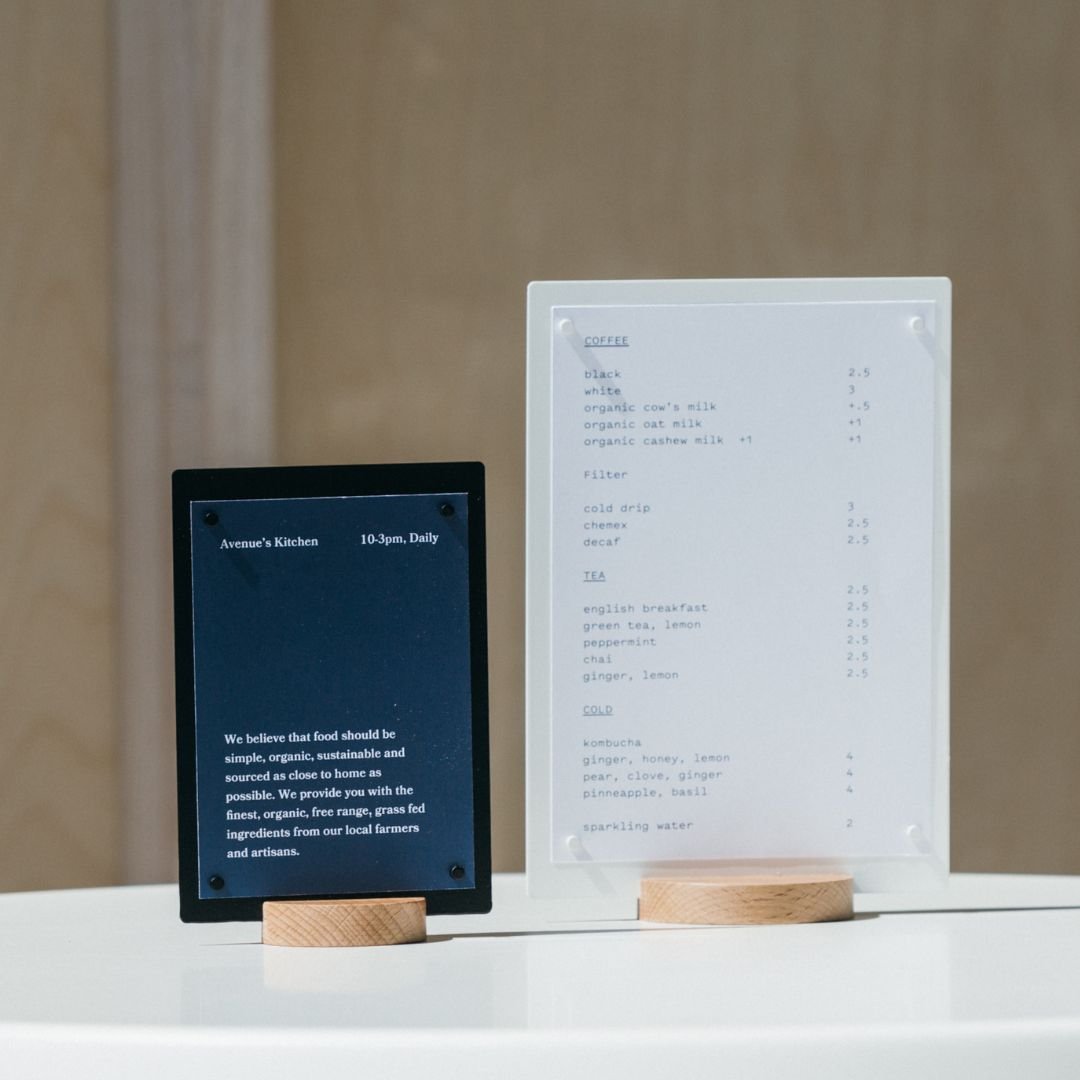
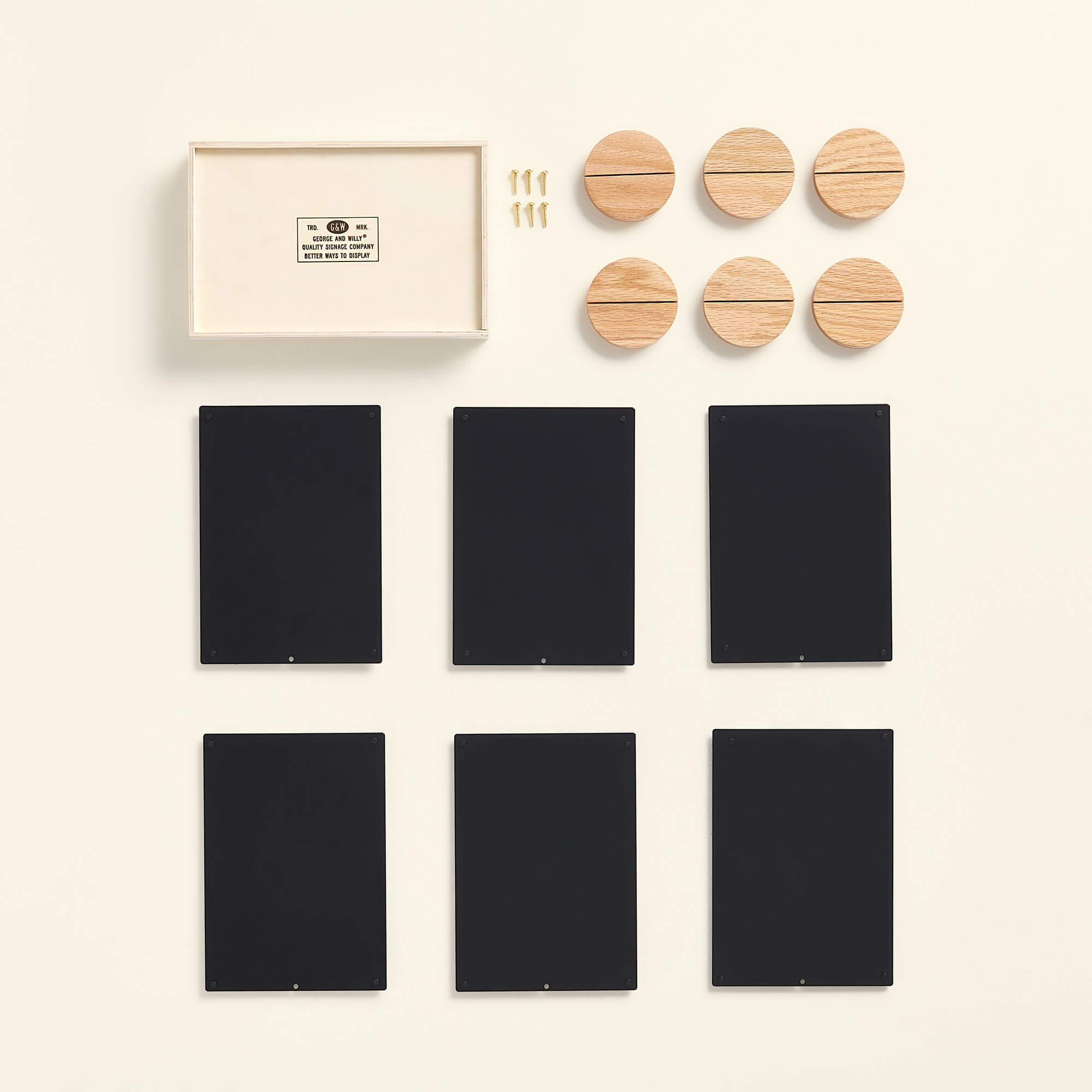
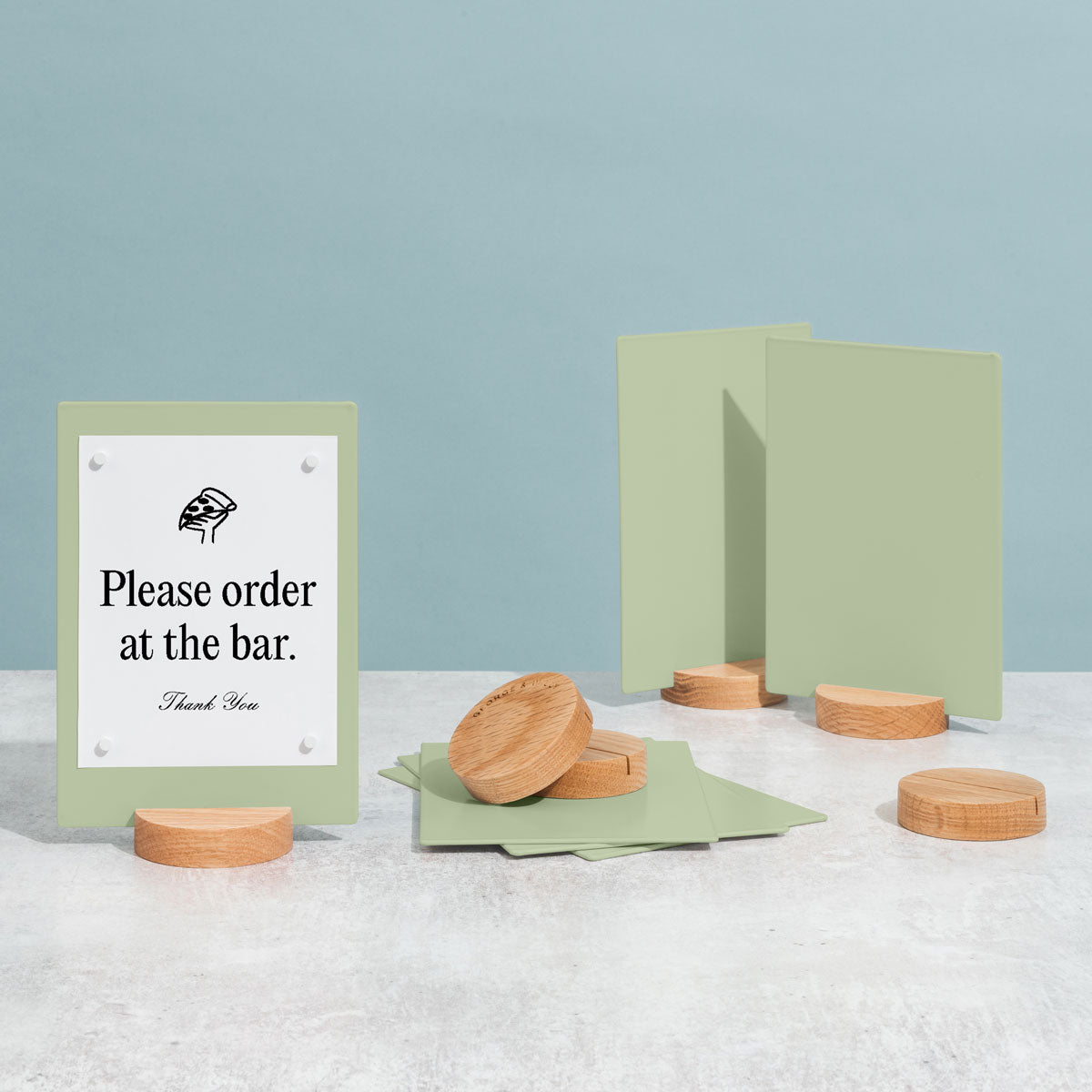
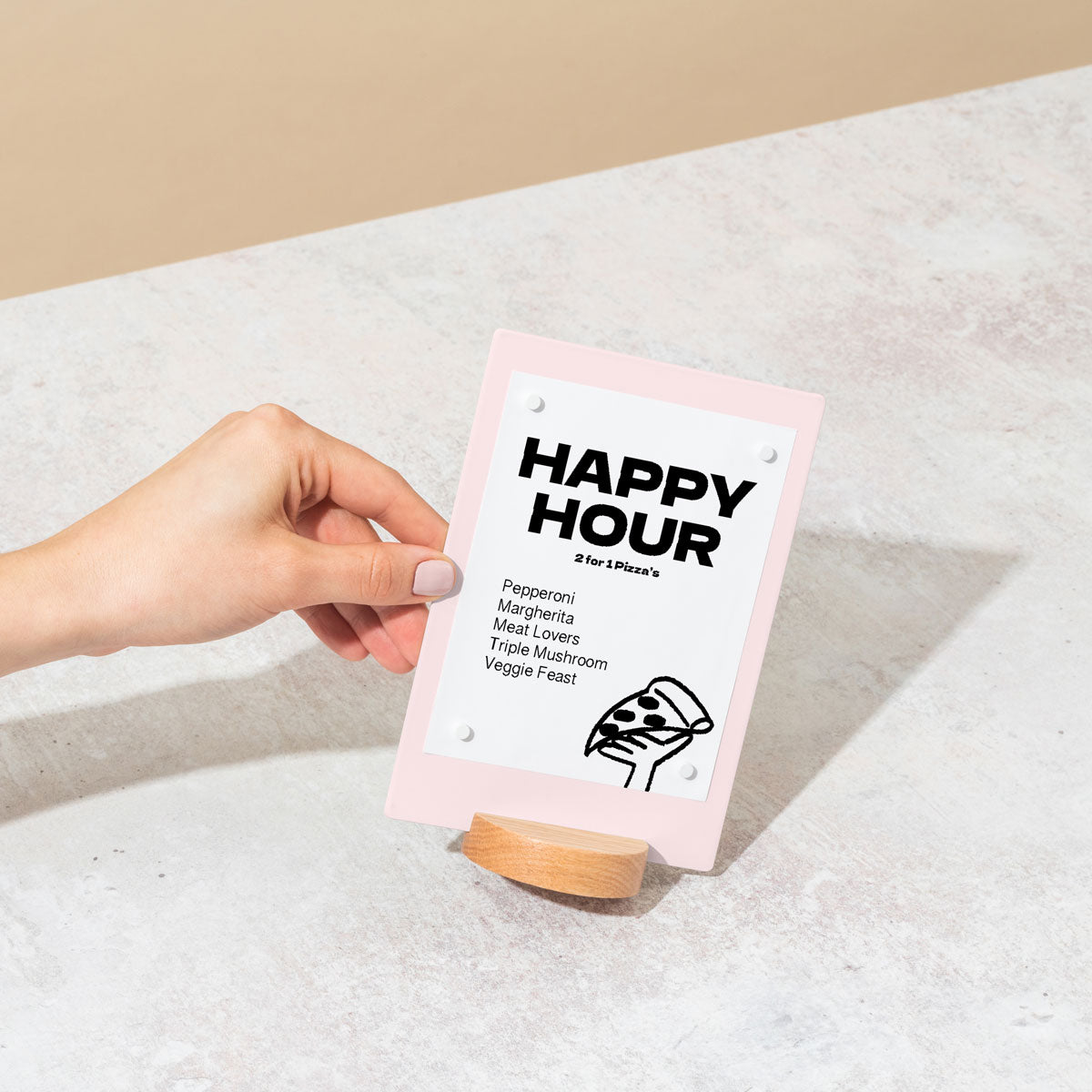
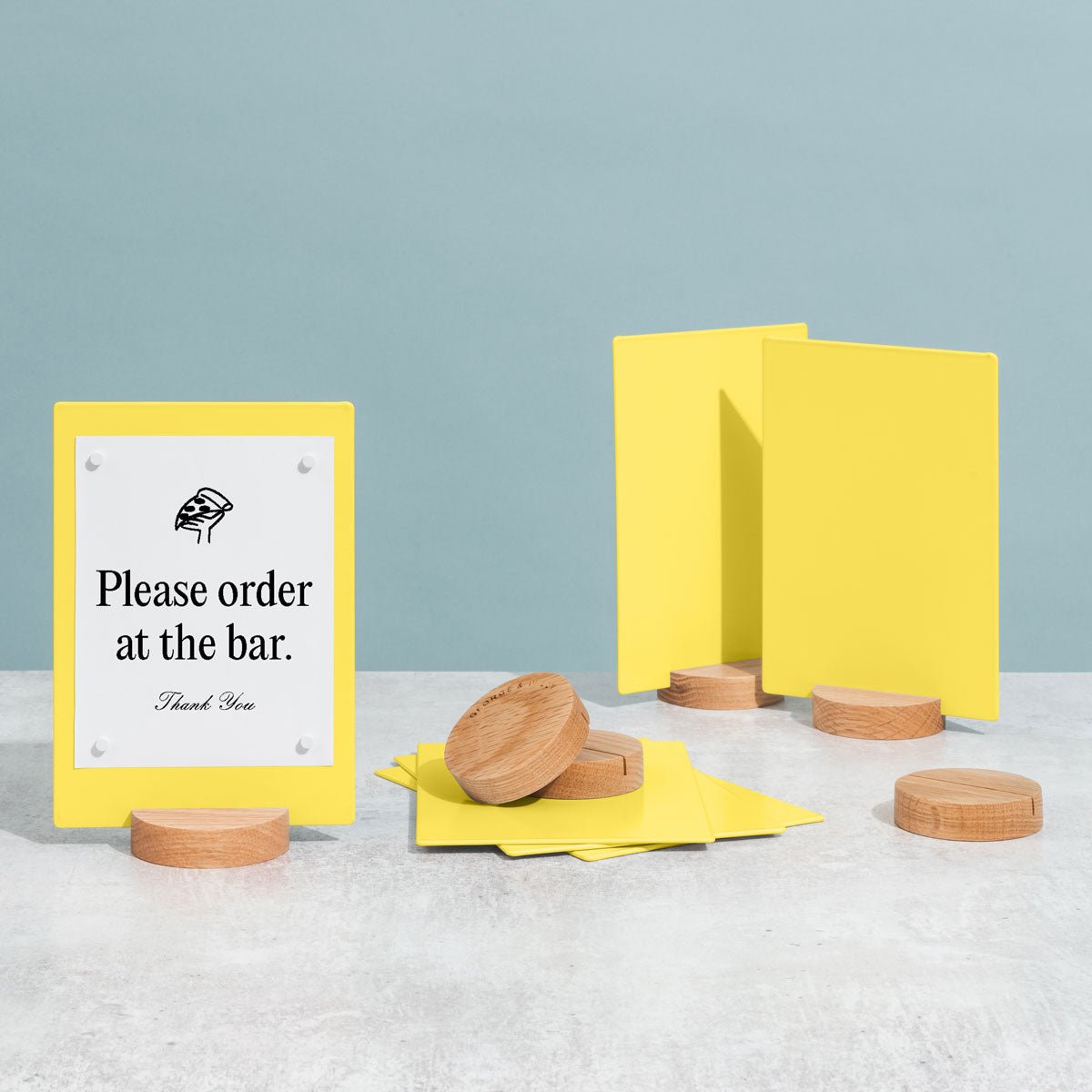
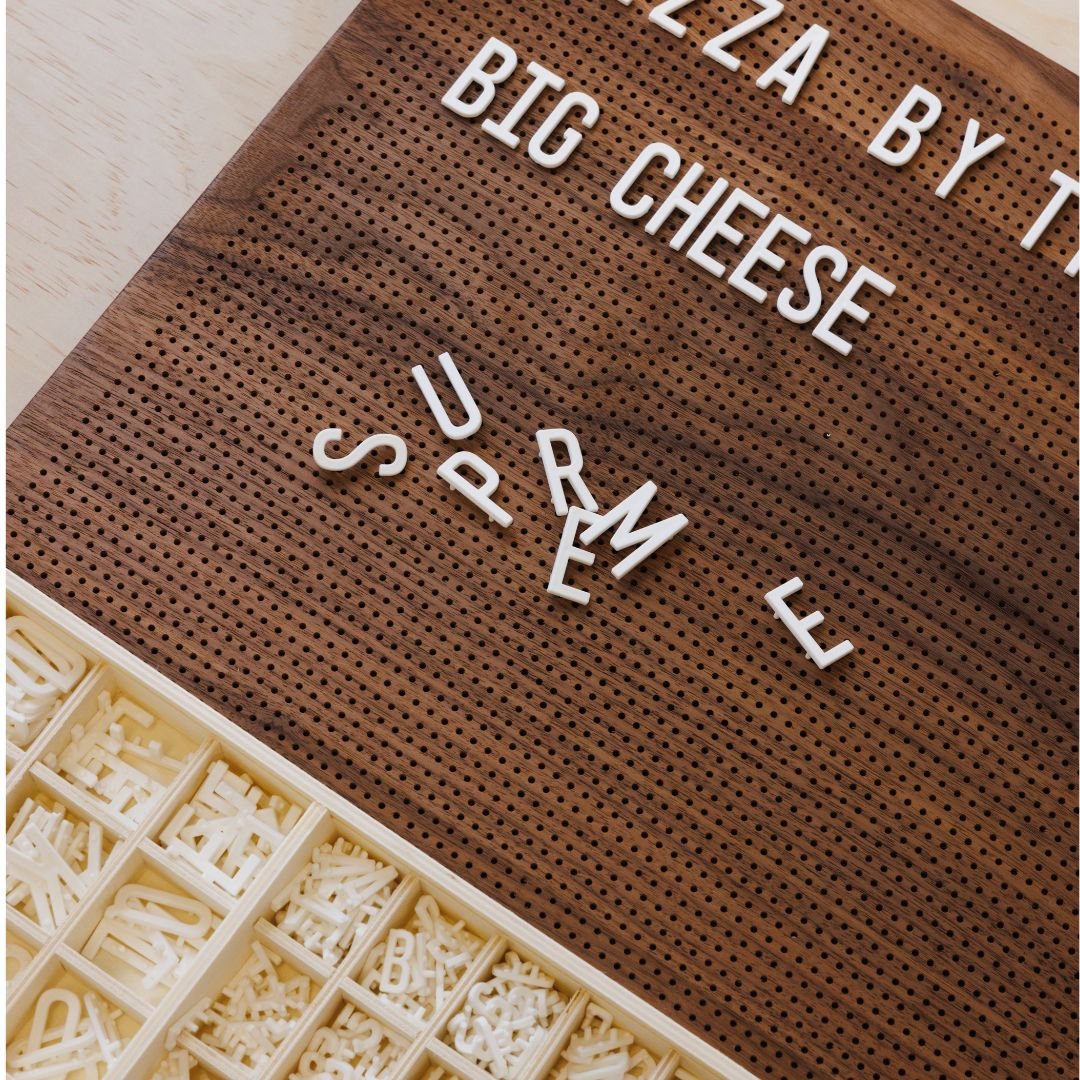
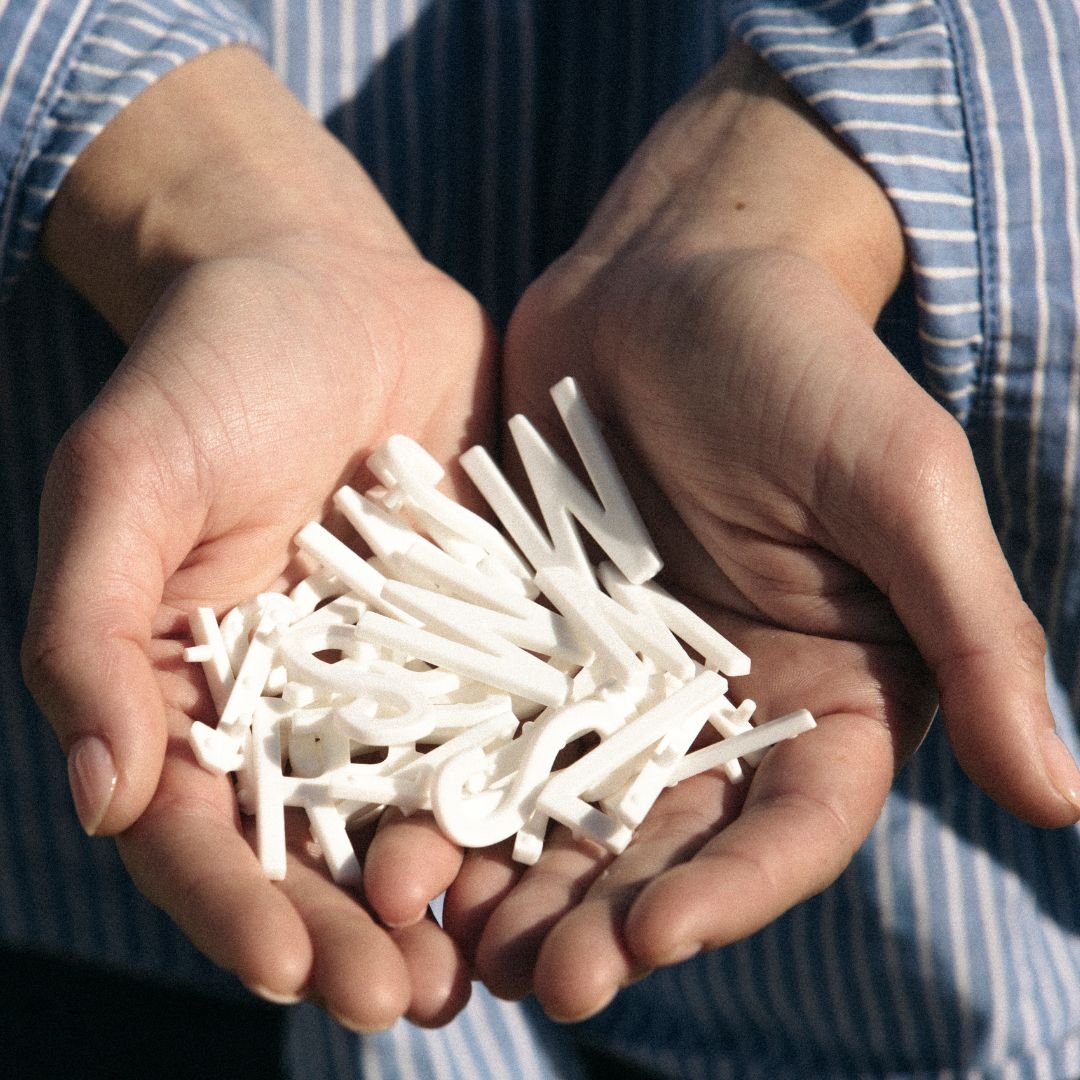
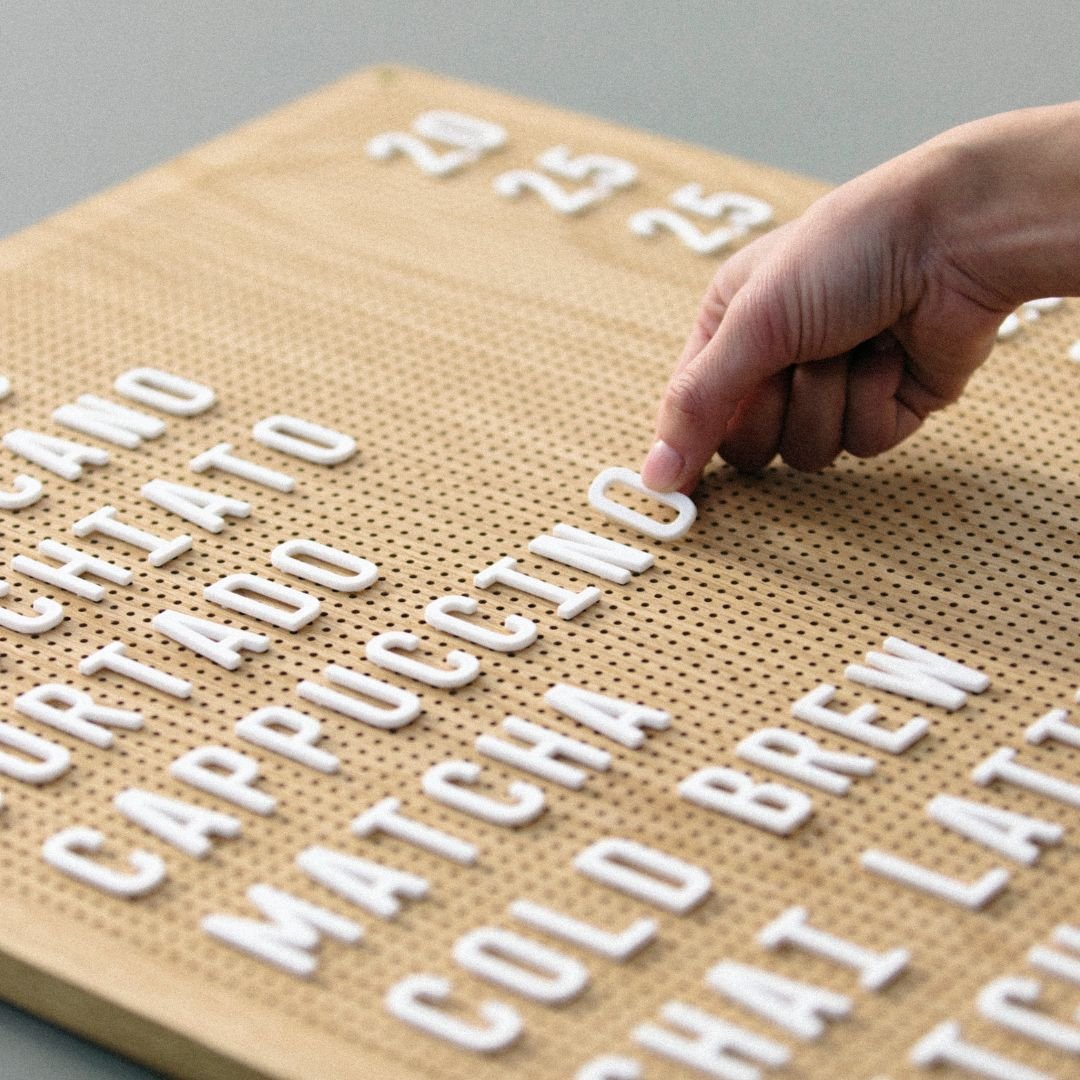
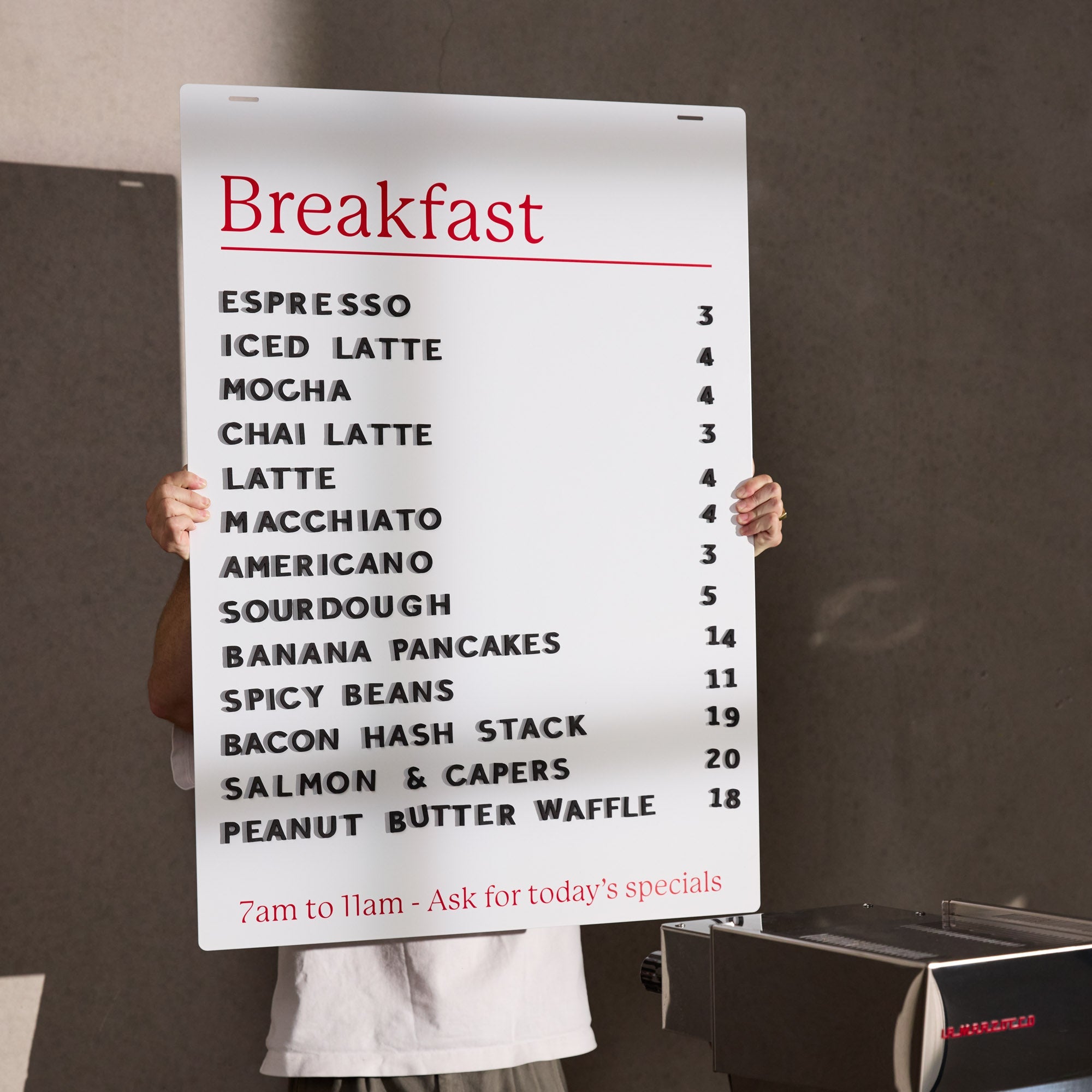
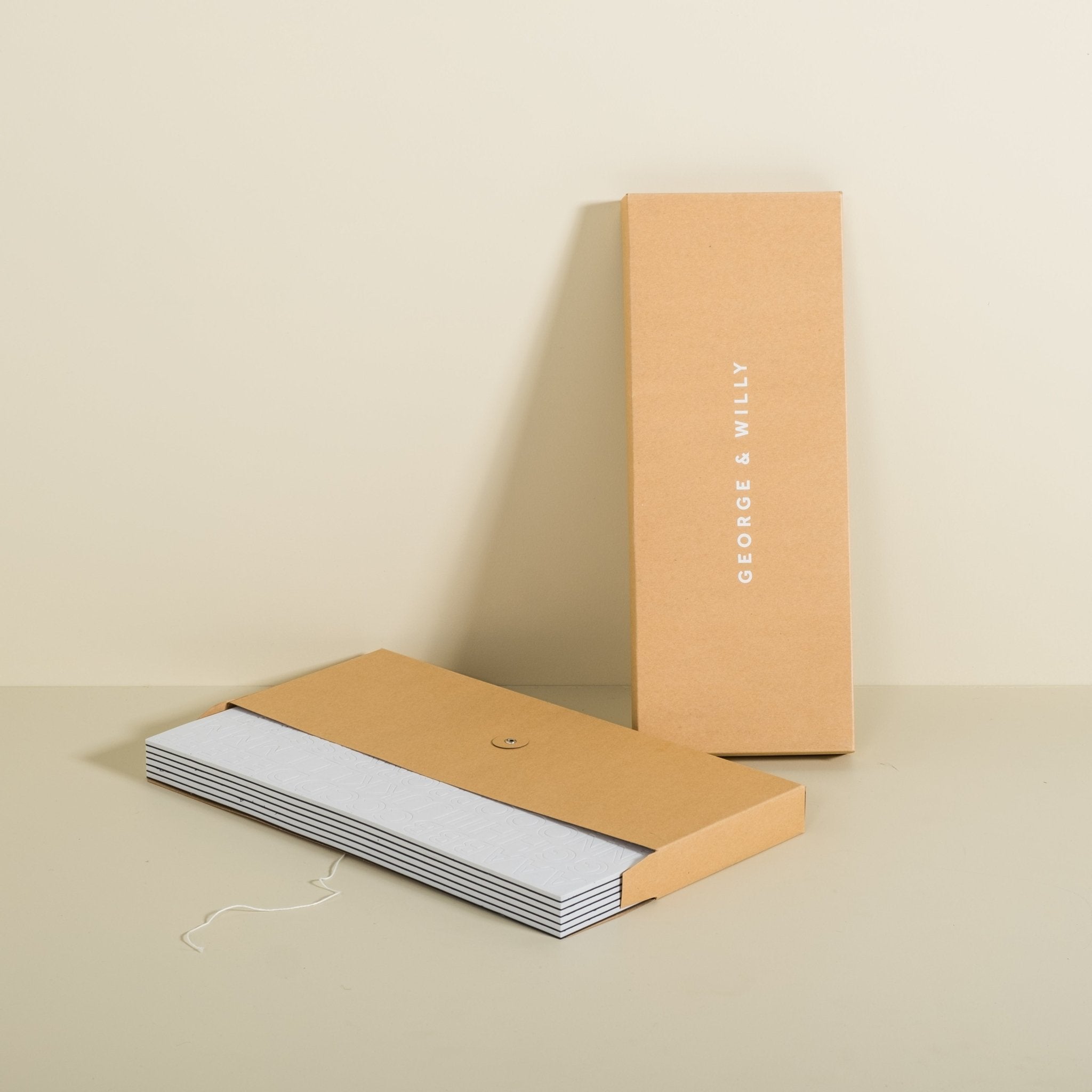
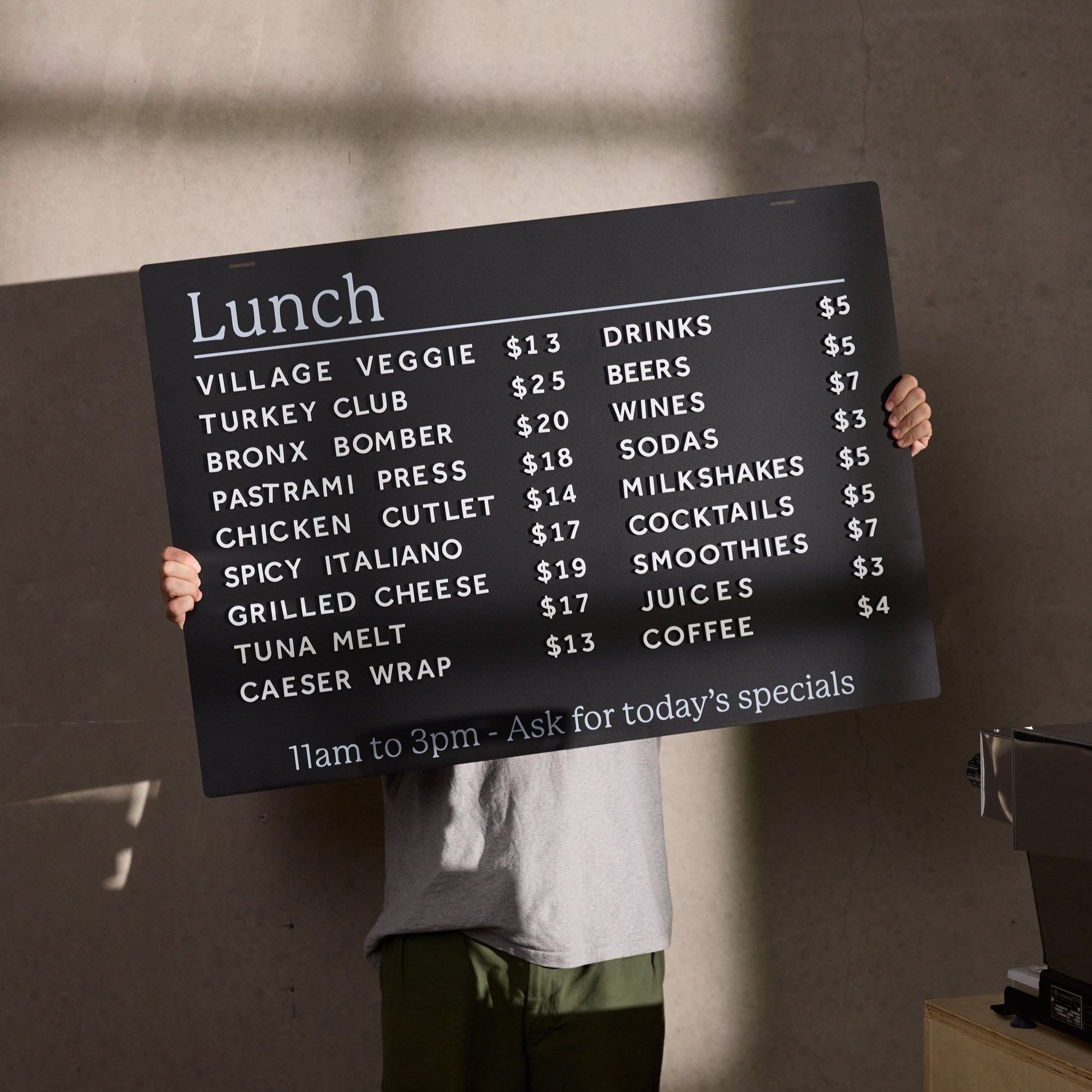
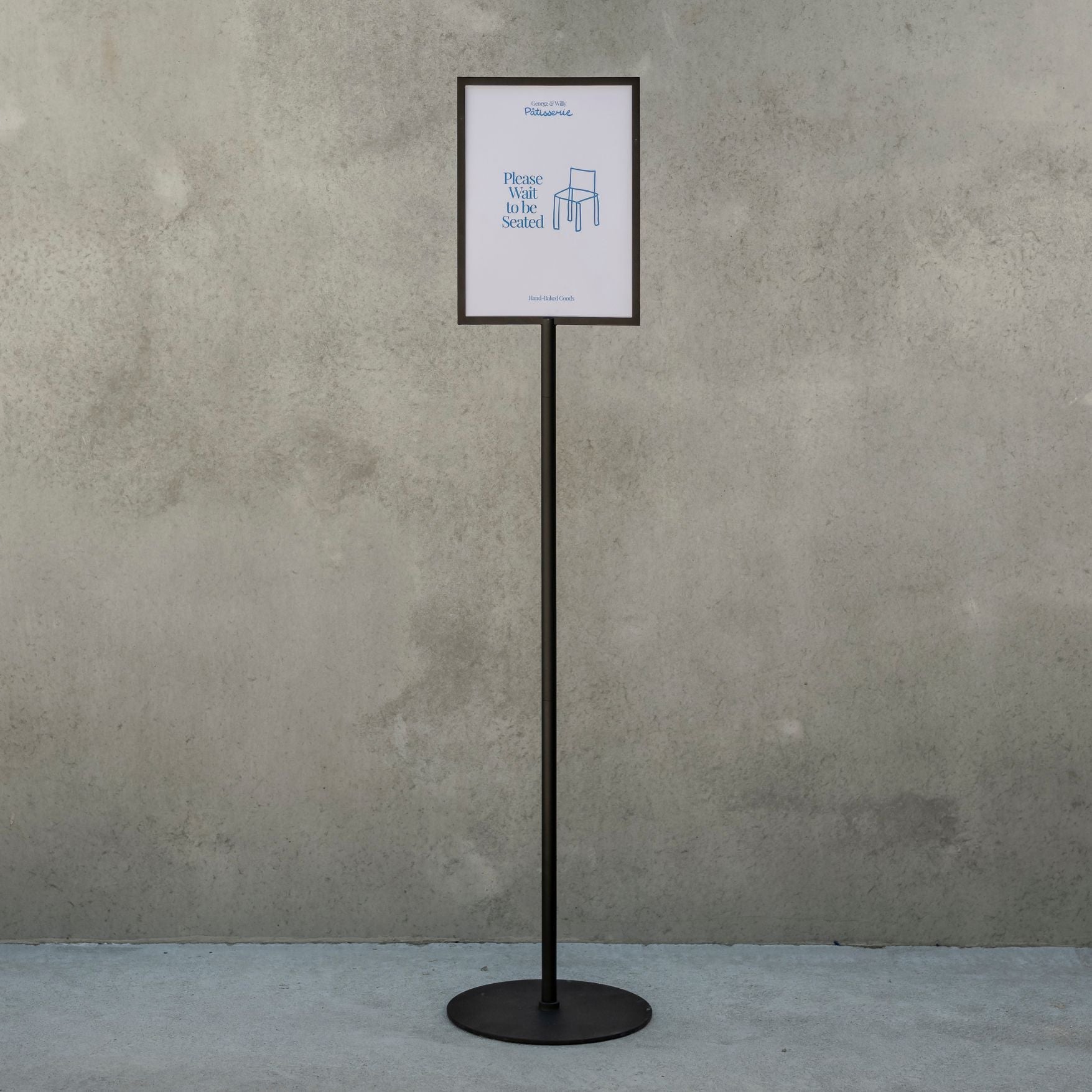
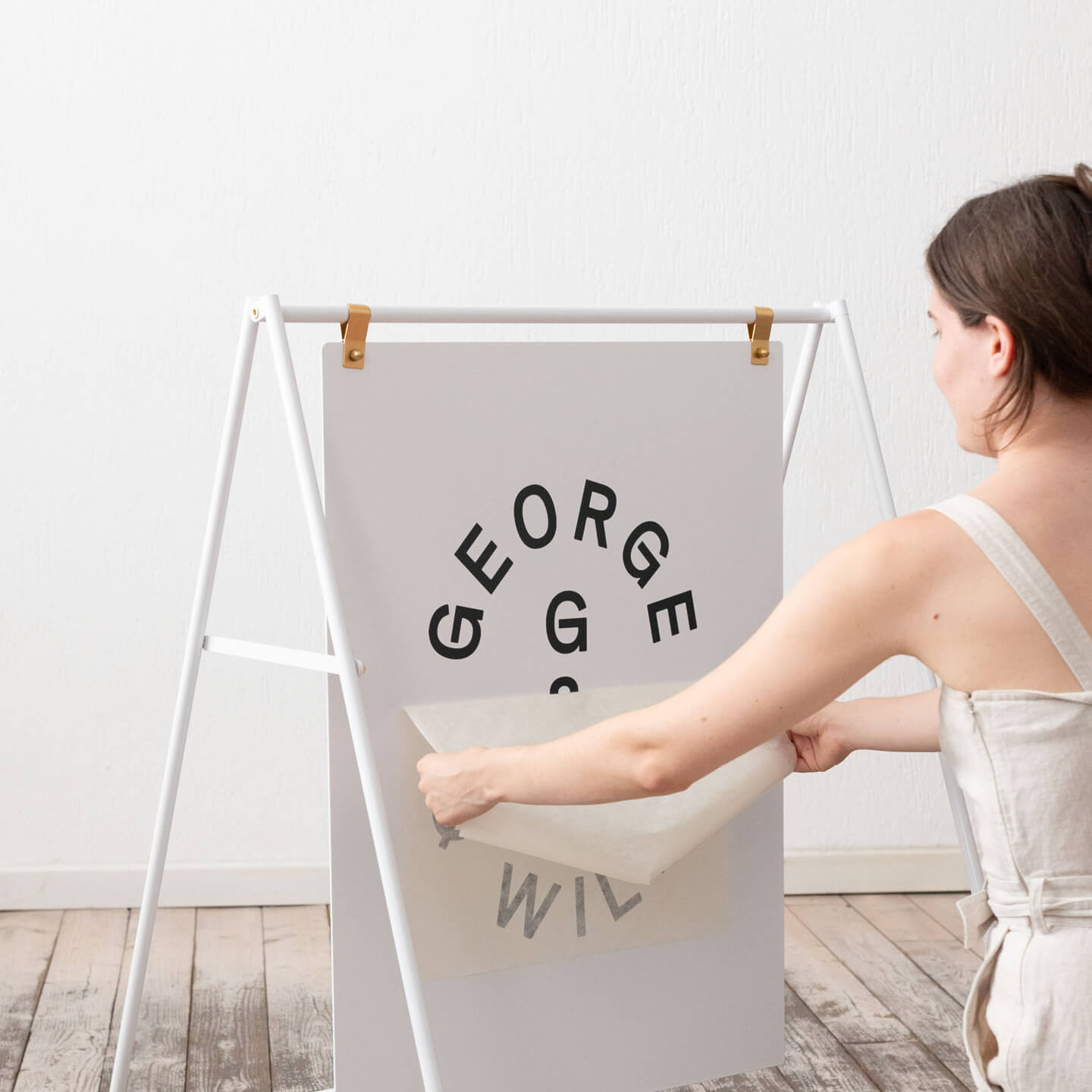
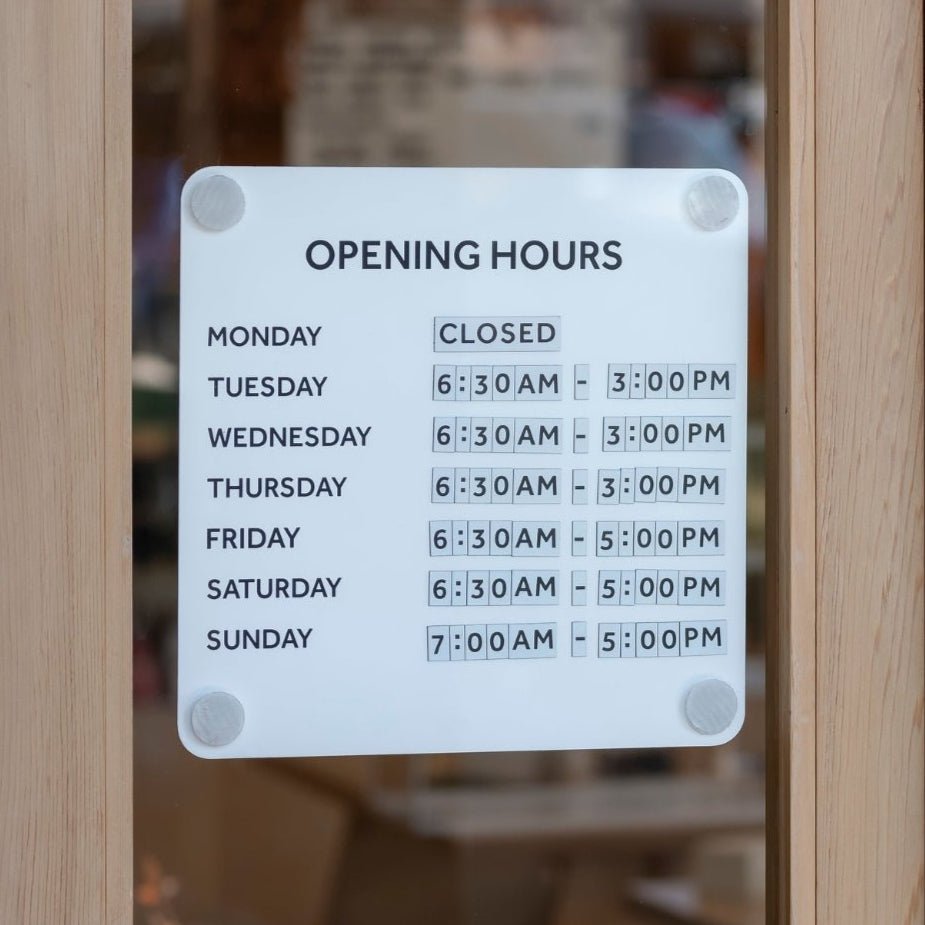
Your signage should be instantly recognizable as yours. While some companies offer direct printing, a more flexible and high quality approach is to start with a beautifully crafted blank sign. Brands like George & Willy specialize in creating minimalist, durable aluminum signs that serve as a perfect foundation for your branding.
You can then work with a local signwriter to apply your logo and messaging using premium vinyl decals. This approach offers several advantages:
- You get a superior, long lasting base sign made from quality materials.
- You have complete control over the final look, ensuring it perfectly matches your brand identity.
- You can easily update the decals in the future if your branding evolves, without needing to replace the entire sign.
This consistency is key, as it builds brand recognition and trust with your customers over time. For precise branding, signwriters can often use Pantone color matching to ensure your logo is perfect.
How to Install and Mount Aluminum Signs
One of the great advantages of aluminum is that its light weight makes installation straightforward. Before you begin, always check with your local council or landlord for any regulations regarding signage size, placement, and necessary permits.
Common Installation Methods
While specific steps vary, here are the most common methods:
-
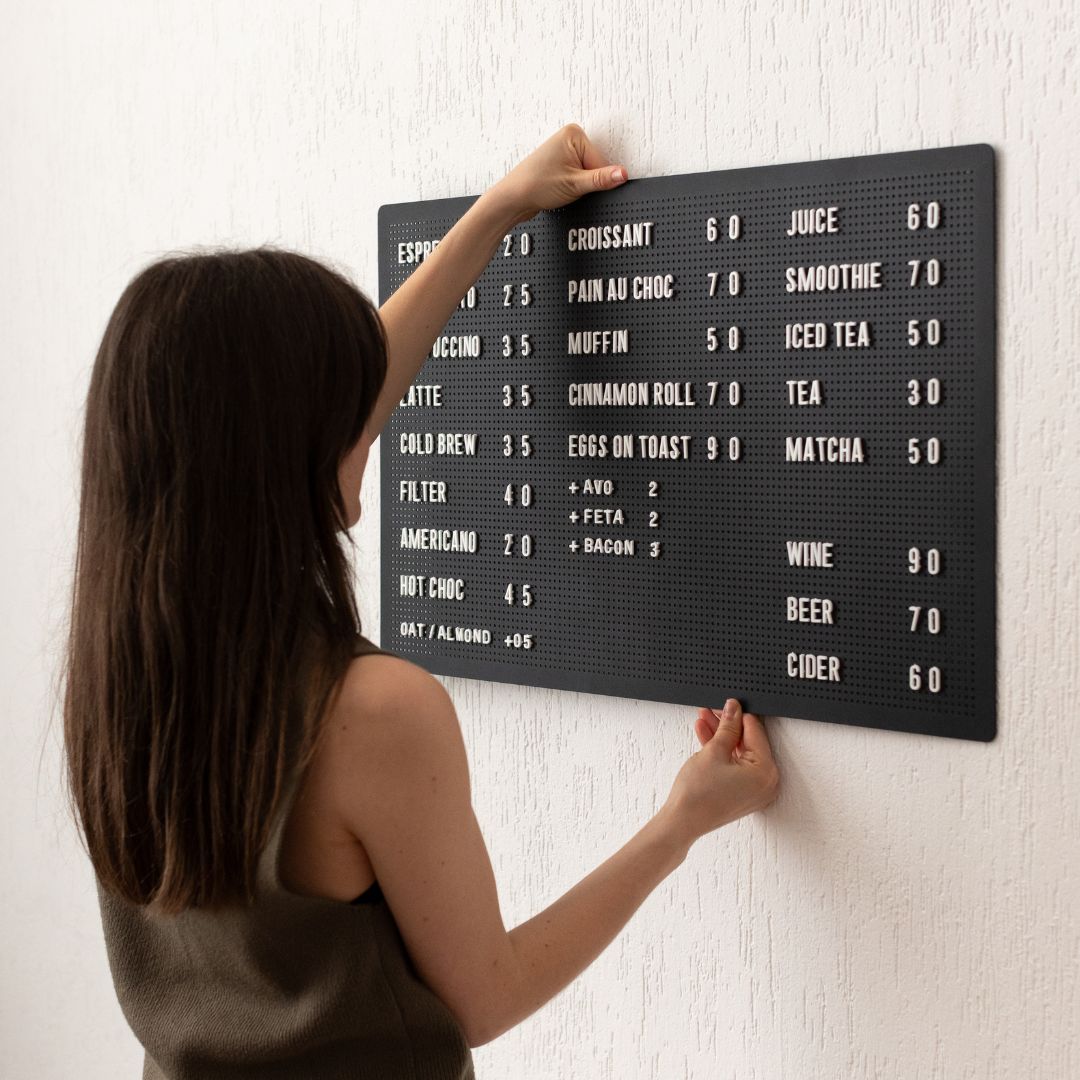
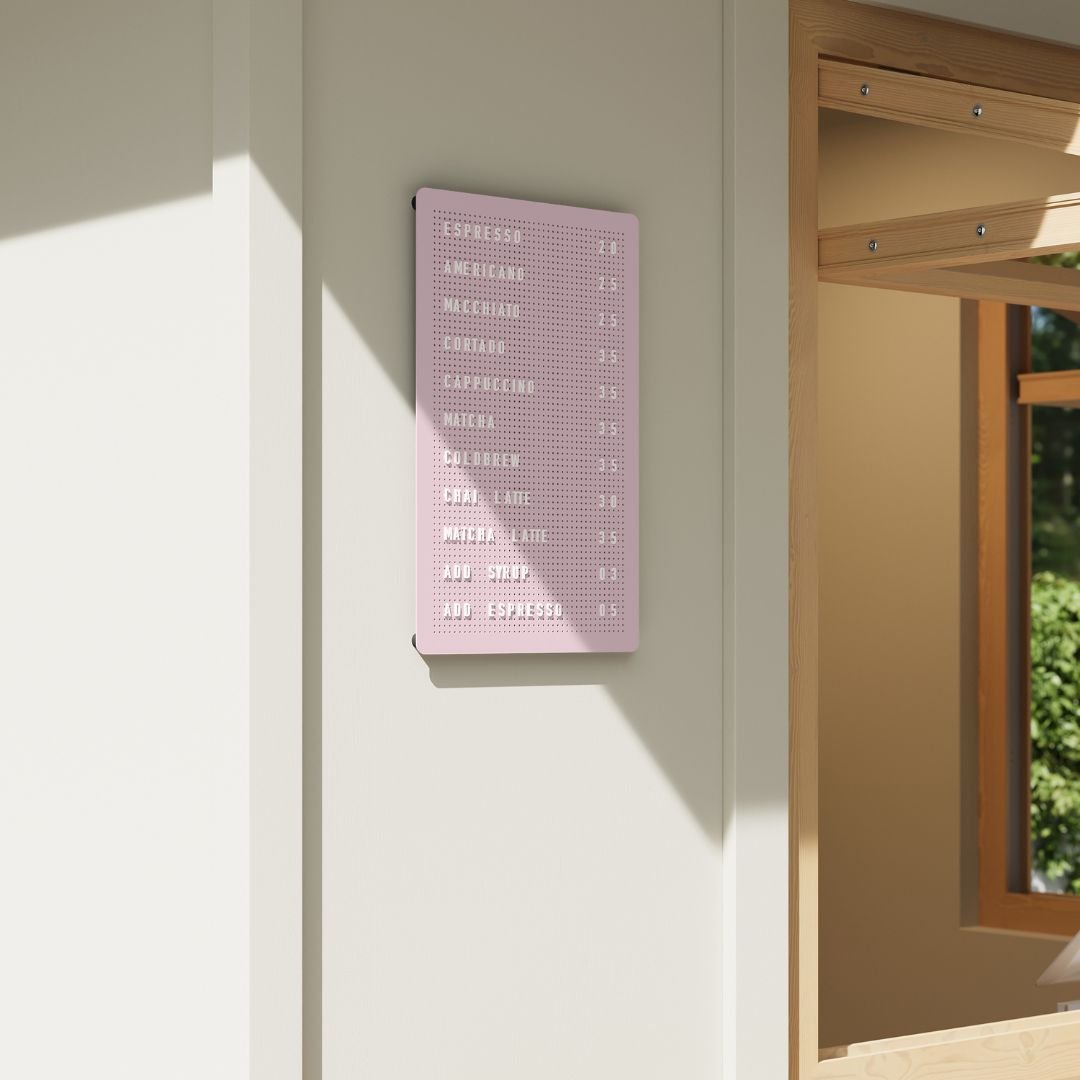
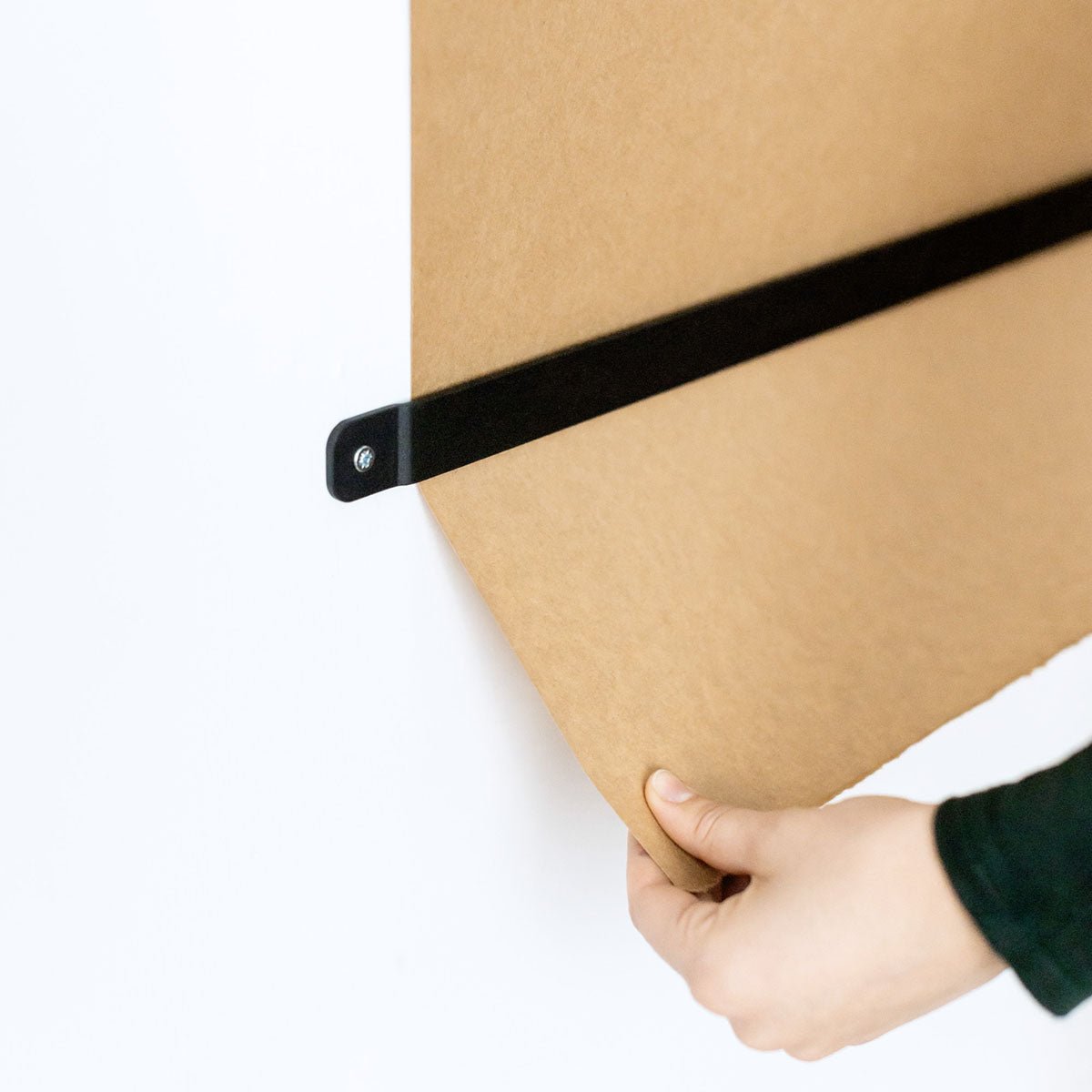
Wall Mounting: This is the most popular option for storefront and blade signs. It typically involves securing the sign with screws and washers through pre drilled holes. For a more dimensional look, standoffs can be used to make the sign float off the wall.
-
Freestanding: A frame and sidewalk signs require no installation. You simply place them in a high traffic area during business hours and fold them up for storage overnight.
-
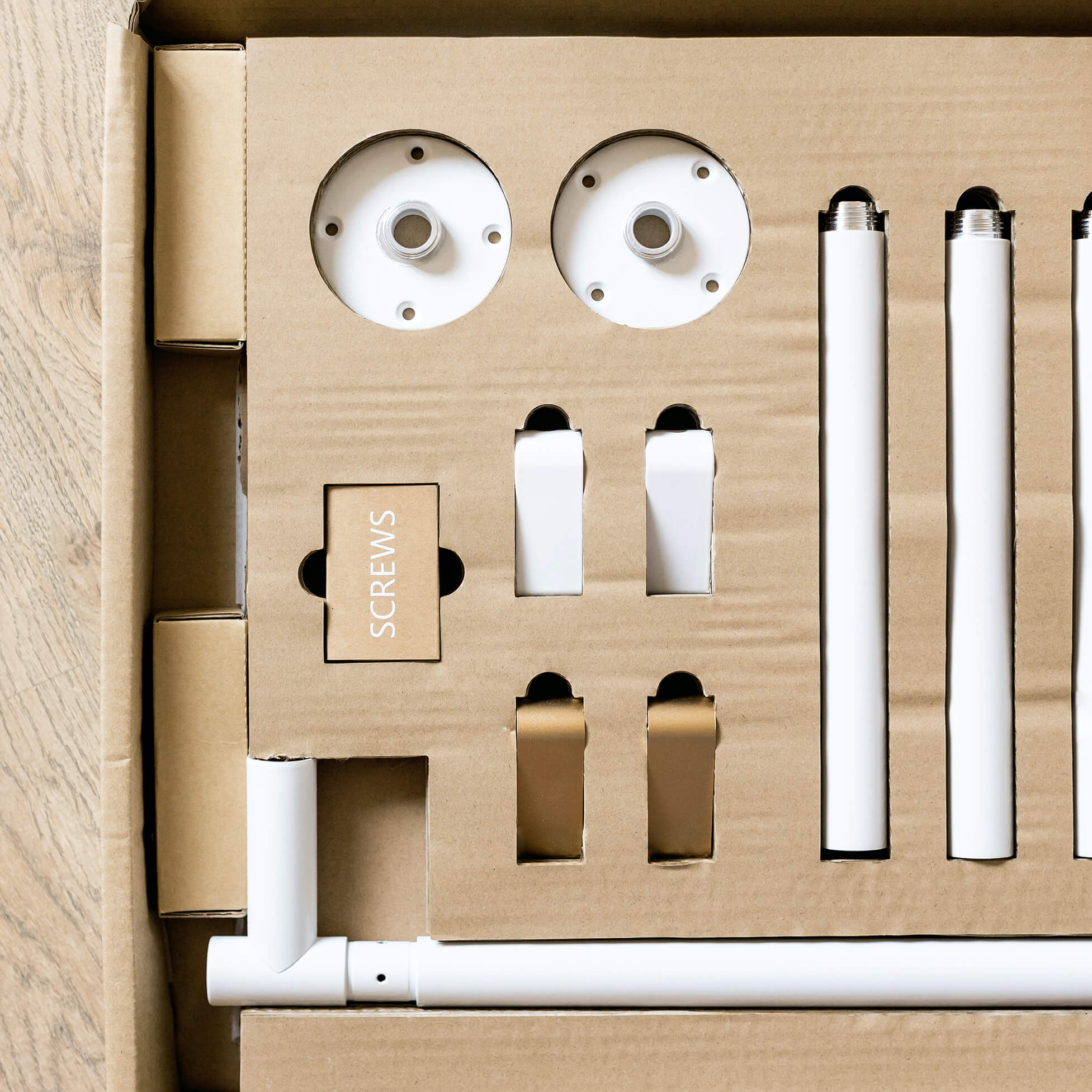
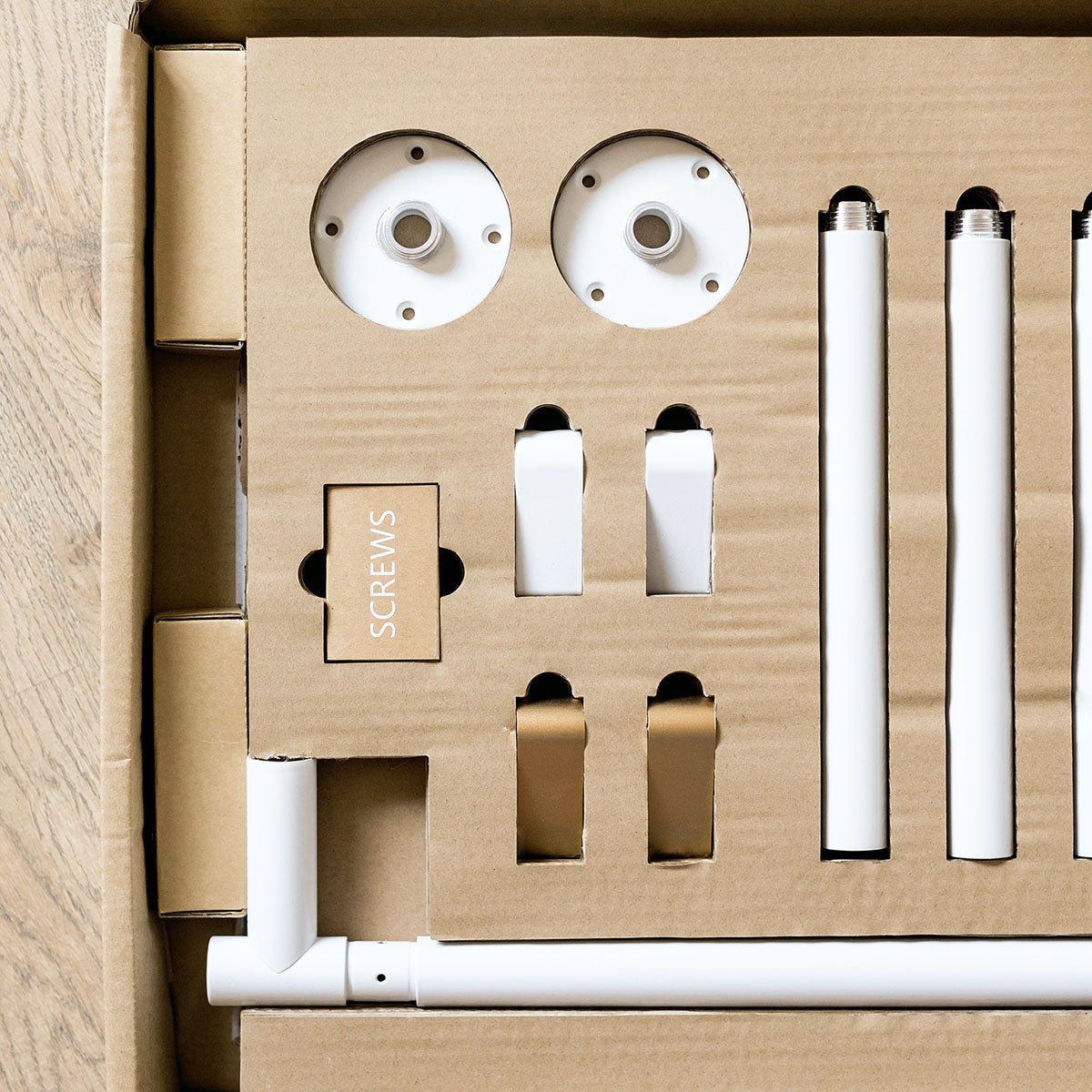
Hanging: Ceiling signs or some blade signs can be hung using brackets or chains. This method is great for interior wayfinding or window displays.
-
Post Mounting: For parking or directional signs, aluminum panels are often mounted to U channel posts or square posts using bolts and other hardware.
-
Adhesives: For smaller, indoor signs on very smooth surfaces like glass, high strength VHB (Very High Bond) tape can be a simple, no drill option. However, this is generally not recommended for outdoor or long term use.
Signs often come with options for rounded corners for safety and pre drilled holes for easier mounting.
The Real Return on Investment of Quality Signage
It can be tempting to cut costs on signage, but it is better to view it as a long term investment, not a one time expense. A well made sign works for you every single day, attracting new customers and reinforcing your brand.
Economic studies have shown the powerful return on investment of good signage. One University of Cincinnati study found that many businesses that added or upgraded a sign saw their sales increase significantly. High quality aluminum signs, with their long lifespan and minimal maintenance, offer an even better long term value, continuing to generate business for years after the initial purchase. A good sign should come with a warranty that covers faulty workmanship and materials.
Ready to see the difference for yourself? You can browse a collection of professional aluminum signs to find the perfect fit for your space.
Caring for Your Aluminum Signs
Another major benefit of choosing powder coated aluminum signs is how little maintenance they require. The tough finish protects the metal from the elements and resists chipping and fading. To keep your signs looking their best, all you typically need is a simple cleaning with mild soap and water to remove any dust or dirt. This low maintenance quality ensures your business continues to look sharp with minimal effort.
A great sign does more than just display your name. It communicates your brand’s values, attracts new customers, and ultimately drives sales. By choosing durable, professional, and versatile aluminum signs, you are making a smart investment in the future of your business.
Frequently Asked Questions About Aluminum Signs
Are aluminum signs good for outdoor use?
Yes, they are an excellent choice for the outdoors. Aluminum is naturally rust resistant, and when protected with a powder coated finish, it becomes extremely durable and able to withstand rain, sun, and other weather conditions for years.
How long do aluminum signs last?
With proper care, high quality aluminum signs can last for ten years or even longer outdoors. Their durability and resistance to fading and corrosion make them one of the most long lasting sign materials available.
What is the difference between solid aluminum and an aluminum composite panel?
Solid aluminum is a single, thick sheet of metal, offering maximum rigidity and durability. An aluminum composite panel (or ACM) has a plastic core with thin aluminum sheets on each side, making it a very flat and lightweight option for large signs.
Can you put a logo on aluminum signs?
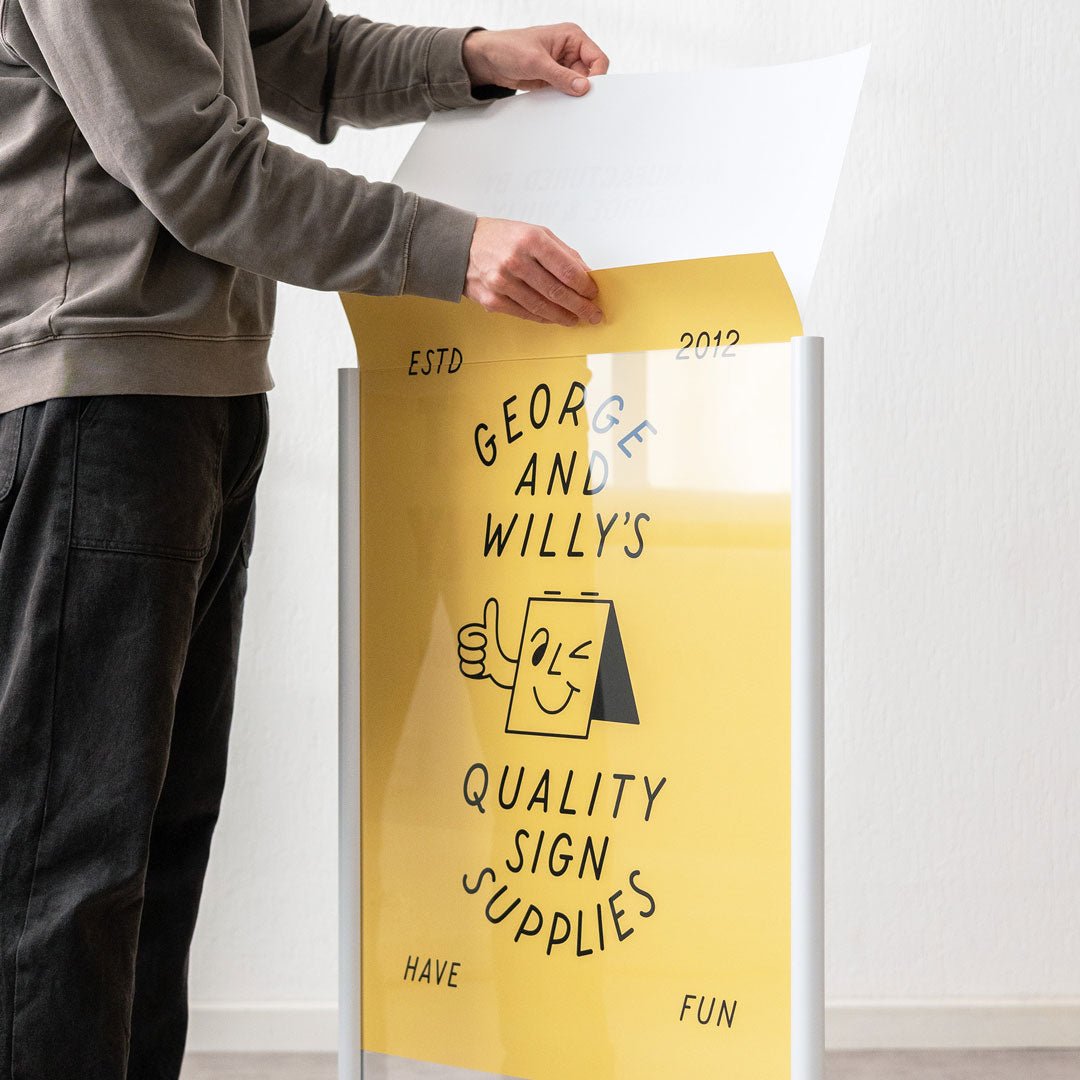
Absolutely. The most common and effective method is applying a custom vinyl decal. Businesses often purchase a high quality blank aluminum sign and have a local sign professional apply their specific logo and lettering.
Are aluminum signs heavy?
No, aluminum is known for being very strong yet surprisingly lightweight. This makes aluminum signs much easier and safer to transport and install compared to signs made from heavier materials like solid steel.
How do you clean aluminum signs?
Cleaning is simple. Just use a soft cloth with mild soap and water to gently wipe down the surface. Avoid using harsh chemicals or abrasive scrubbers, as they could damage the finish.