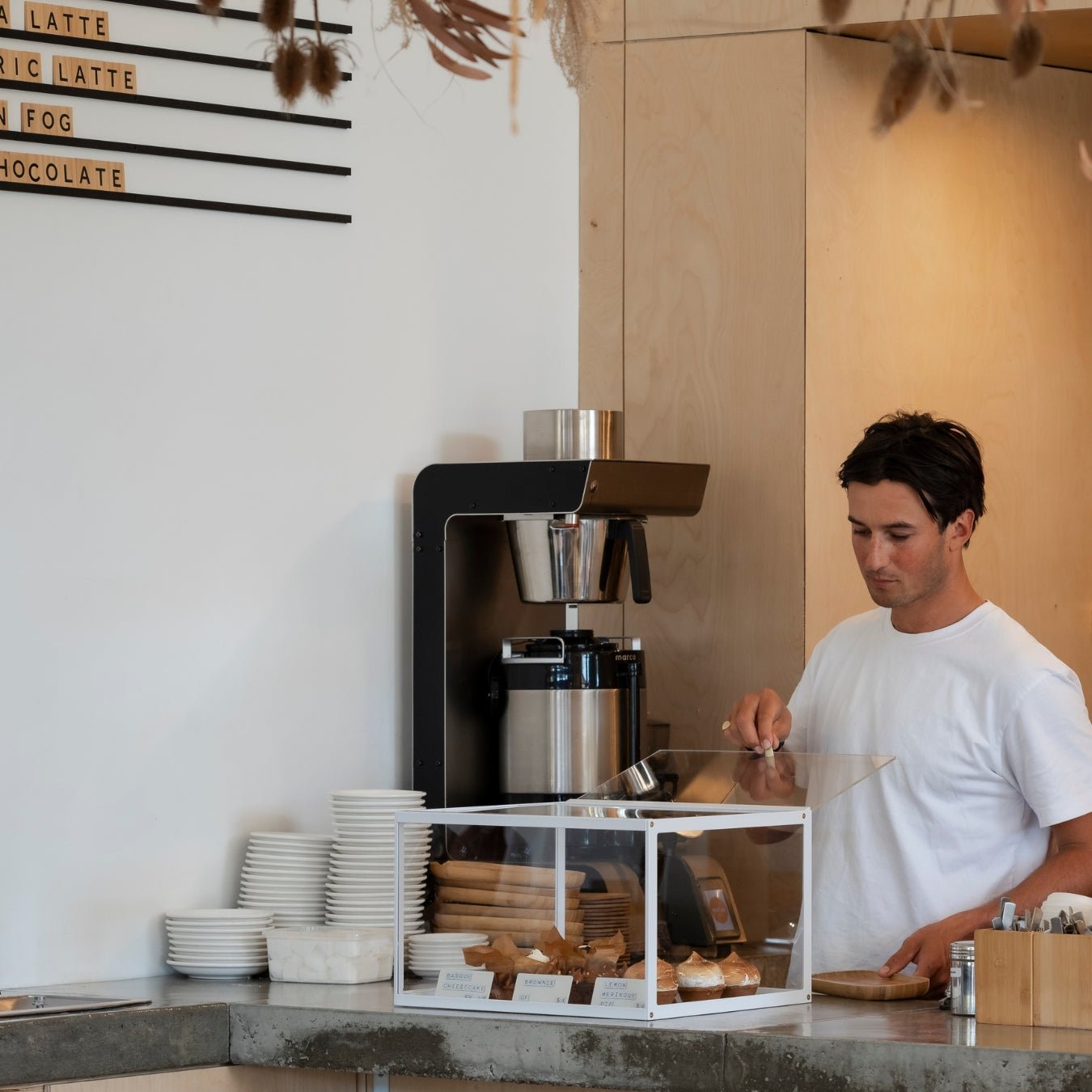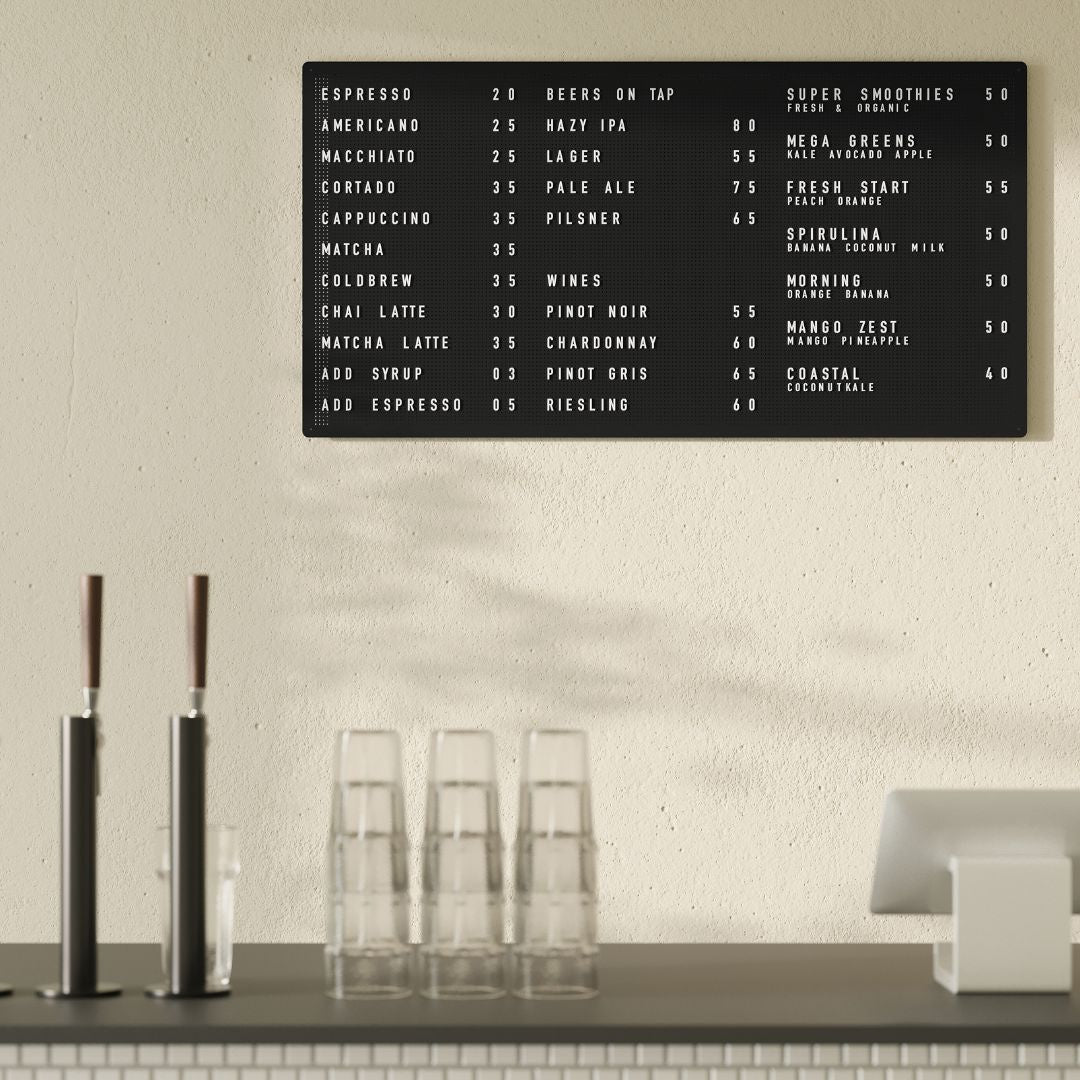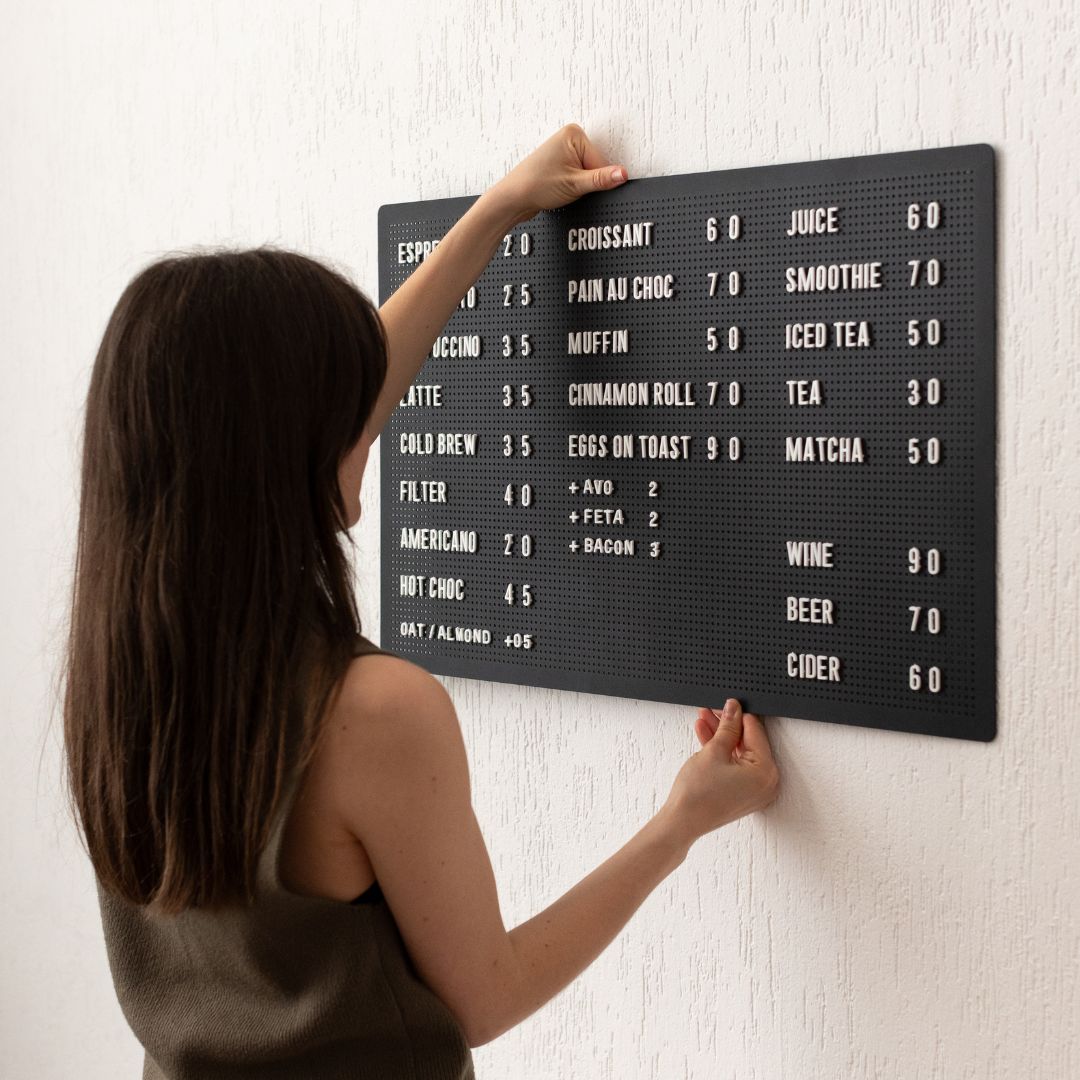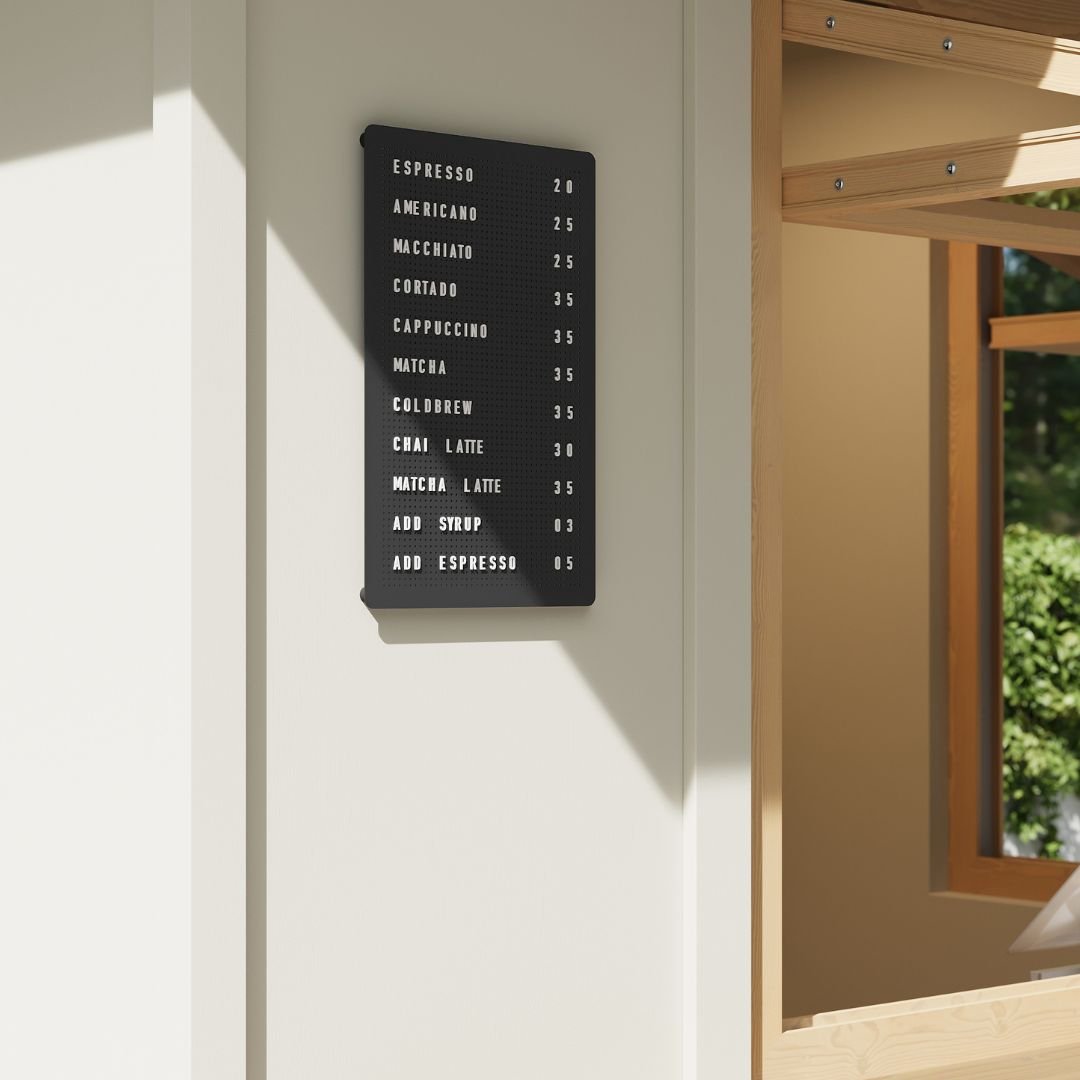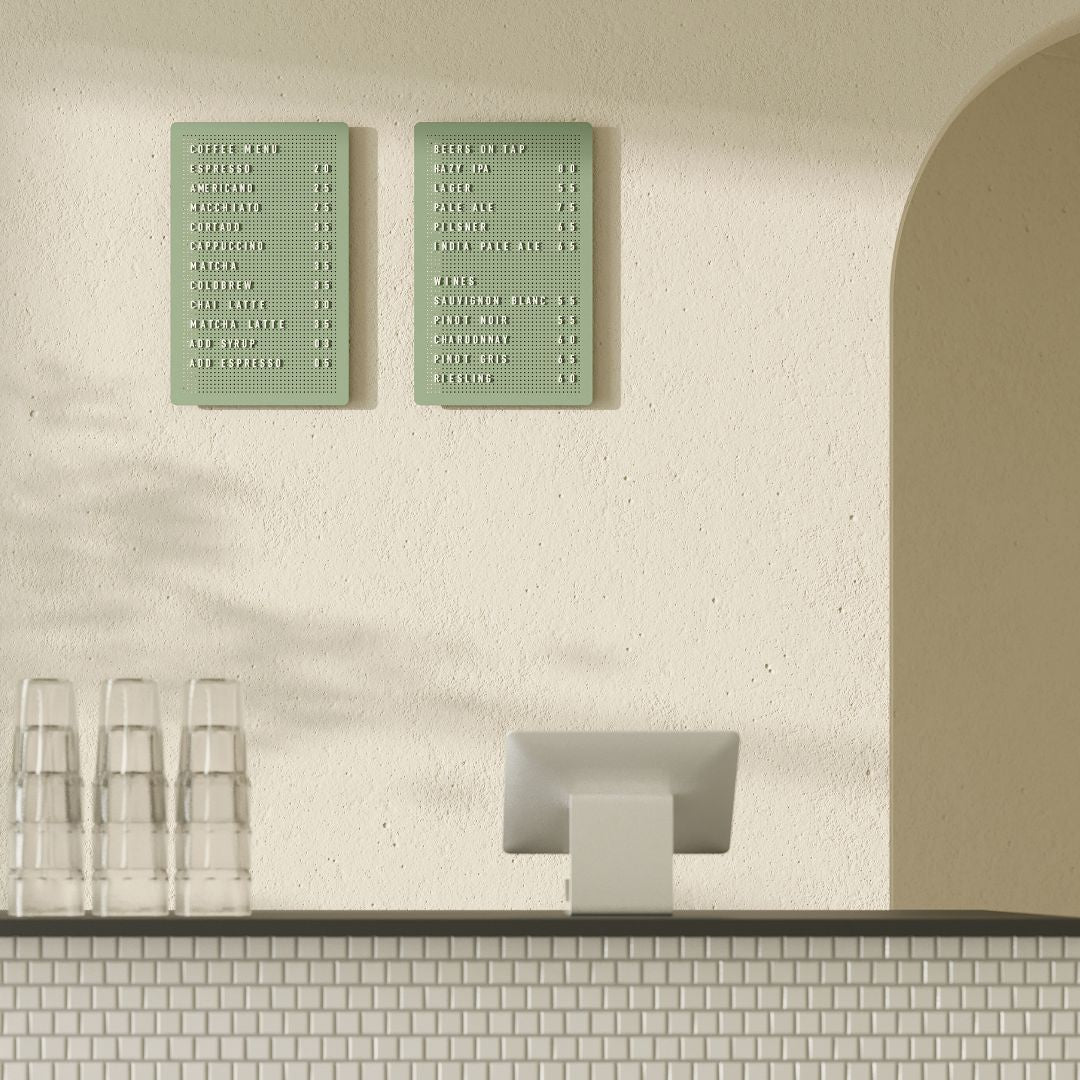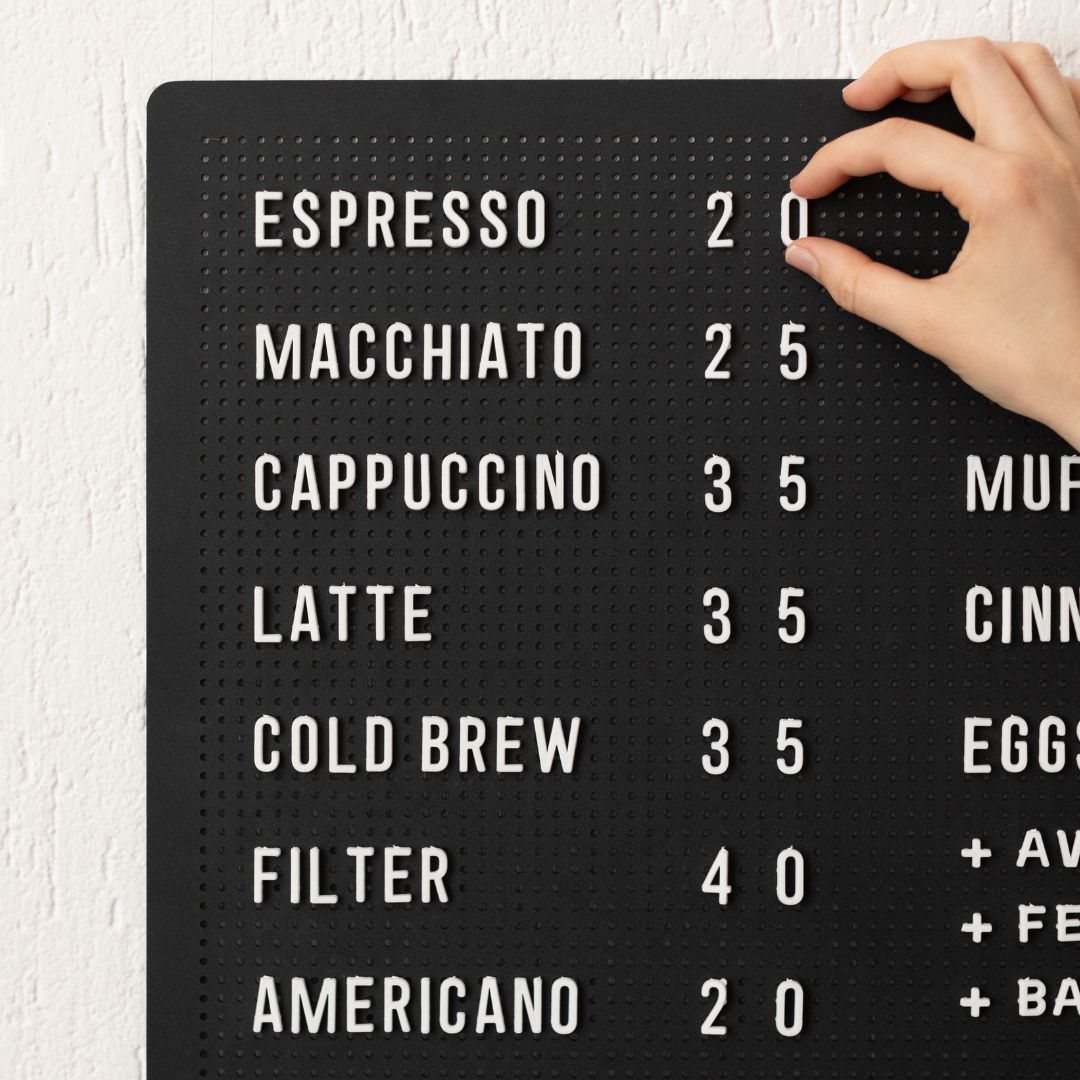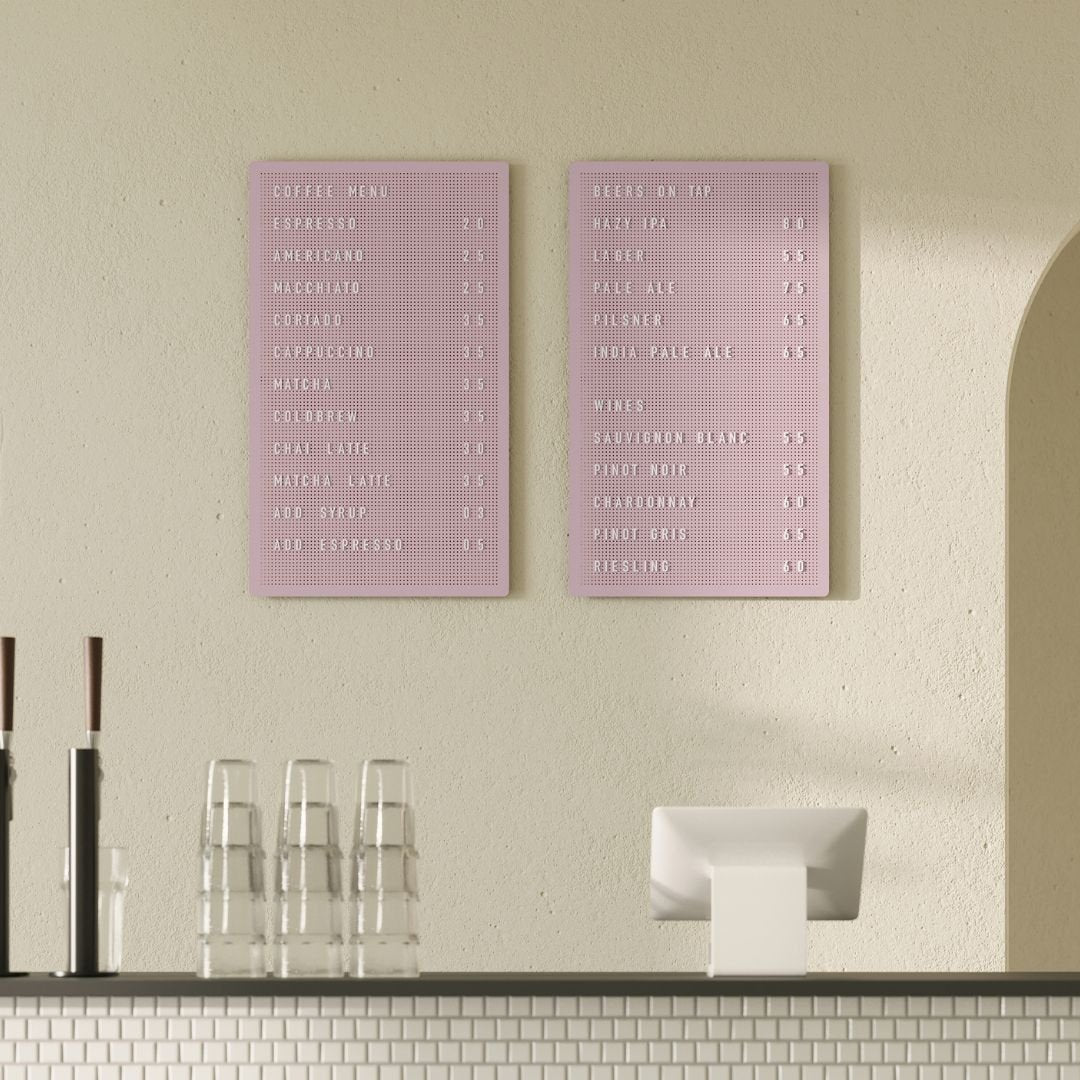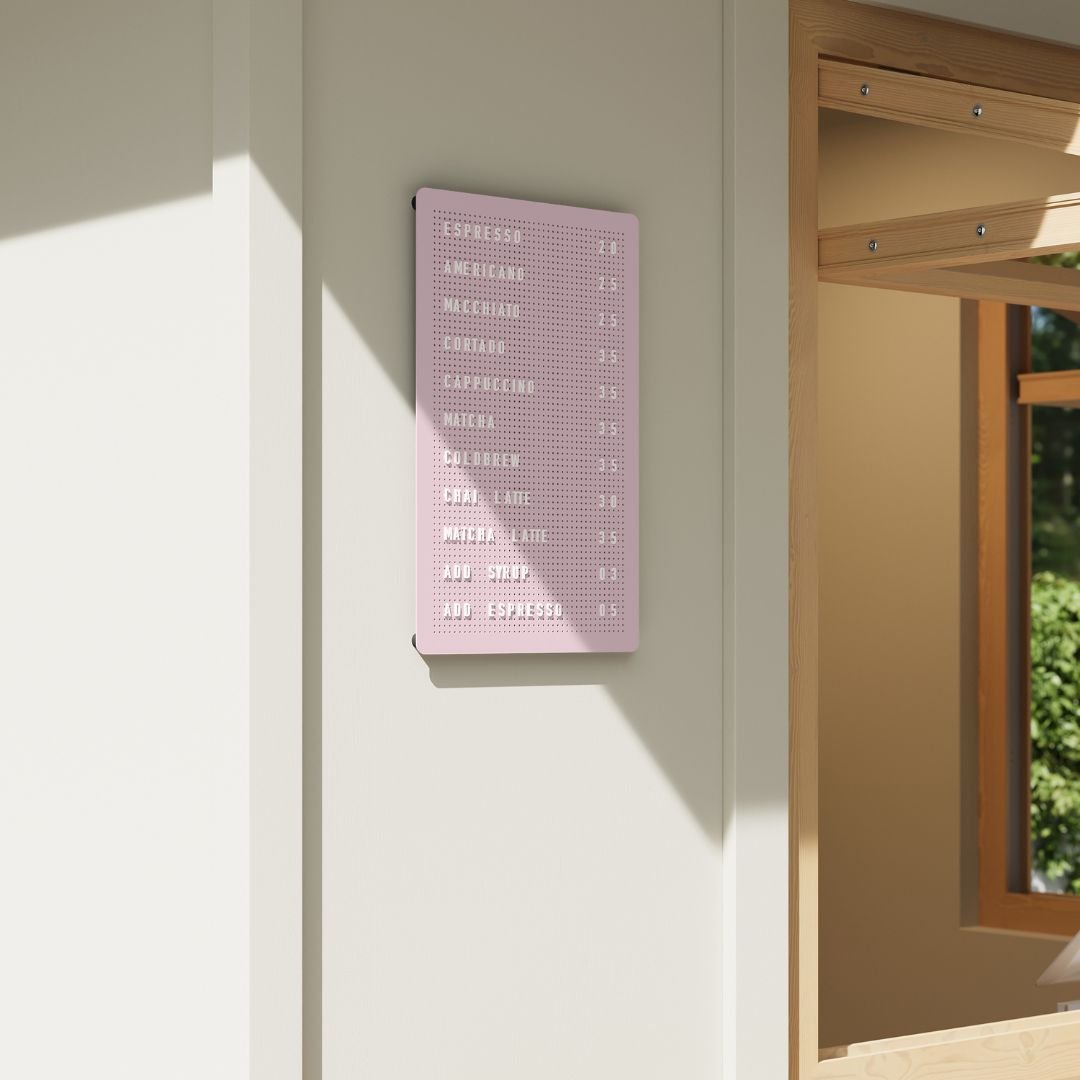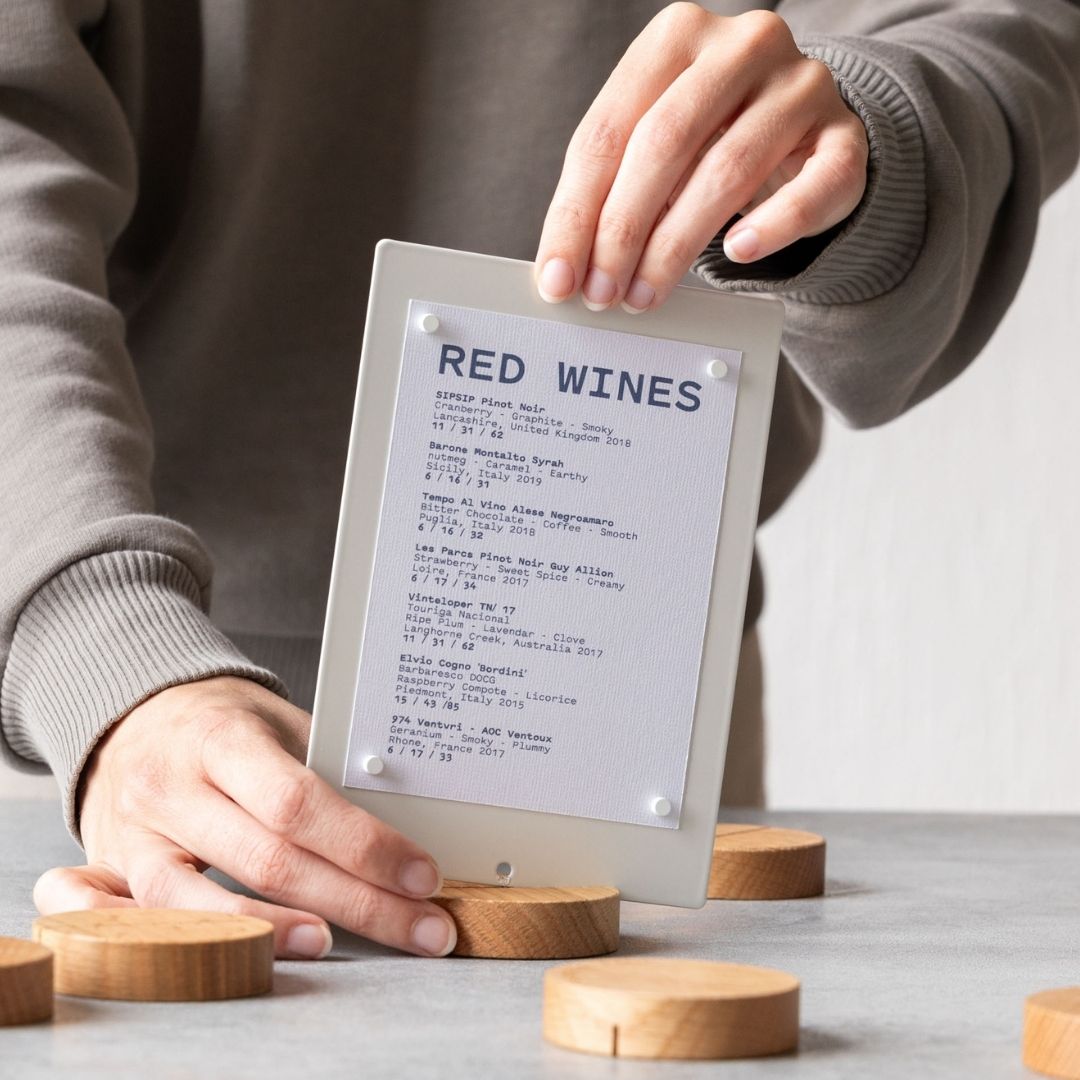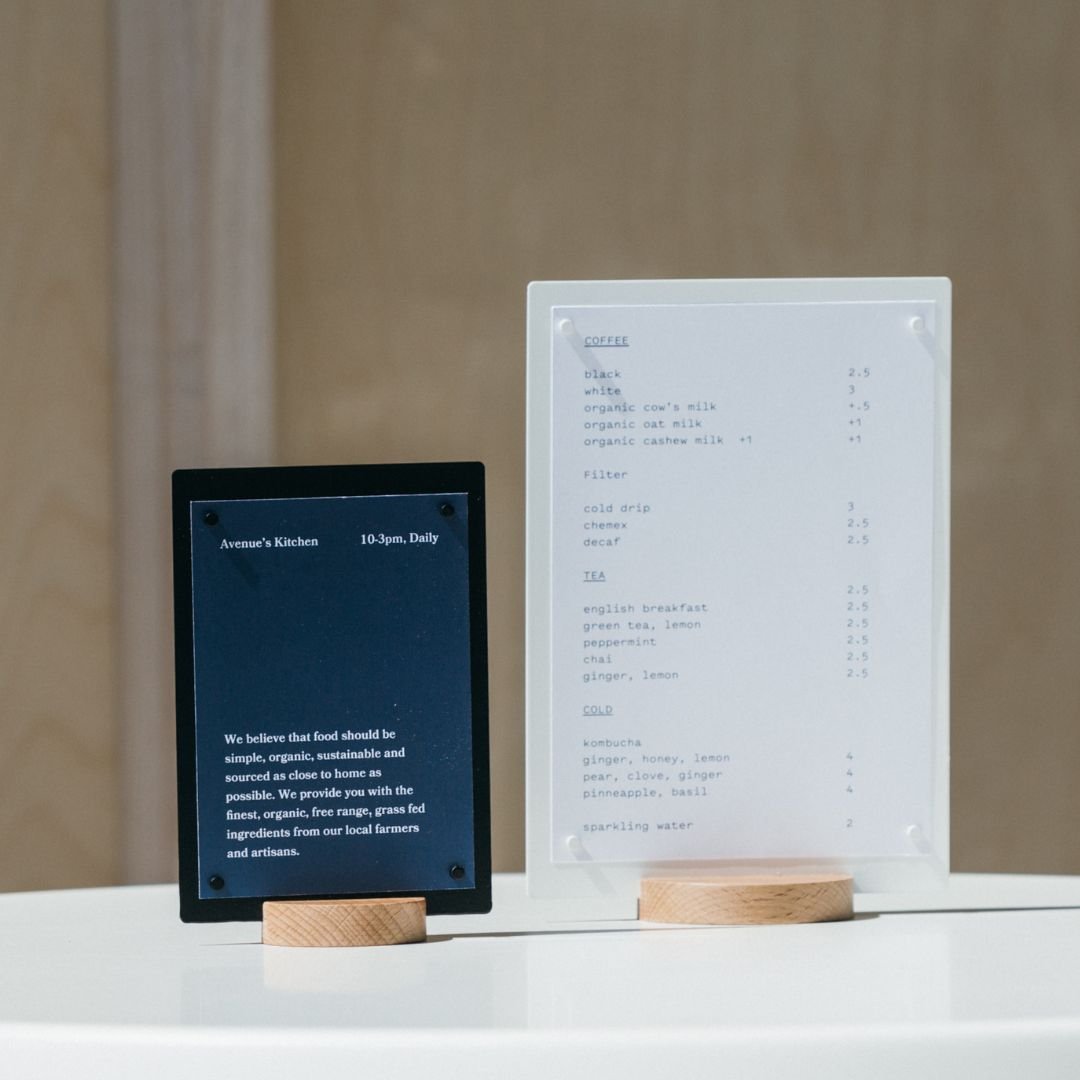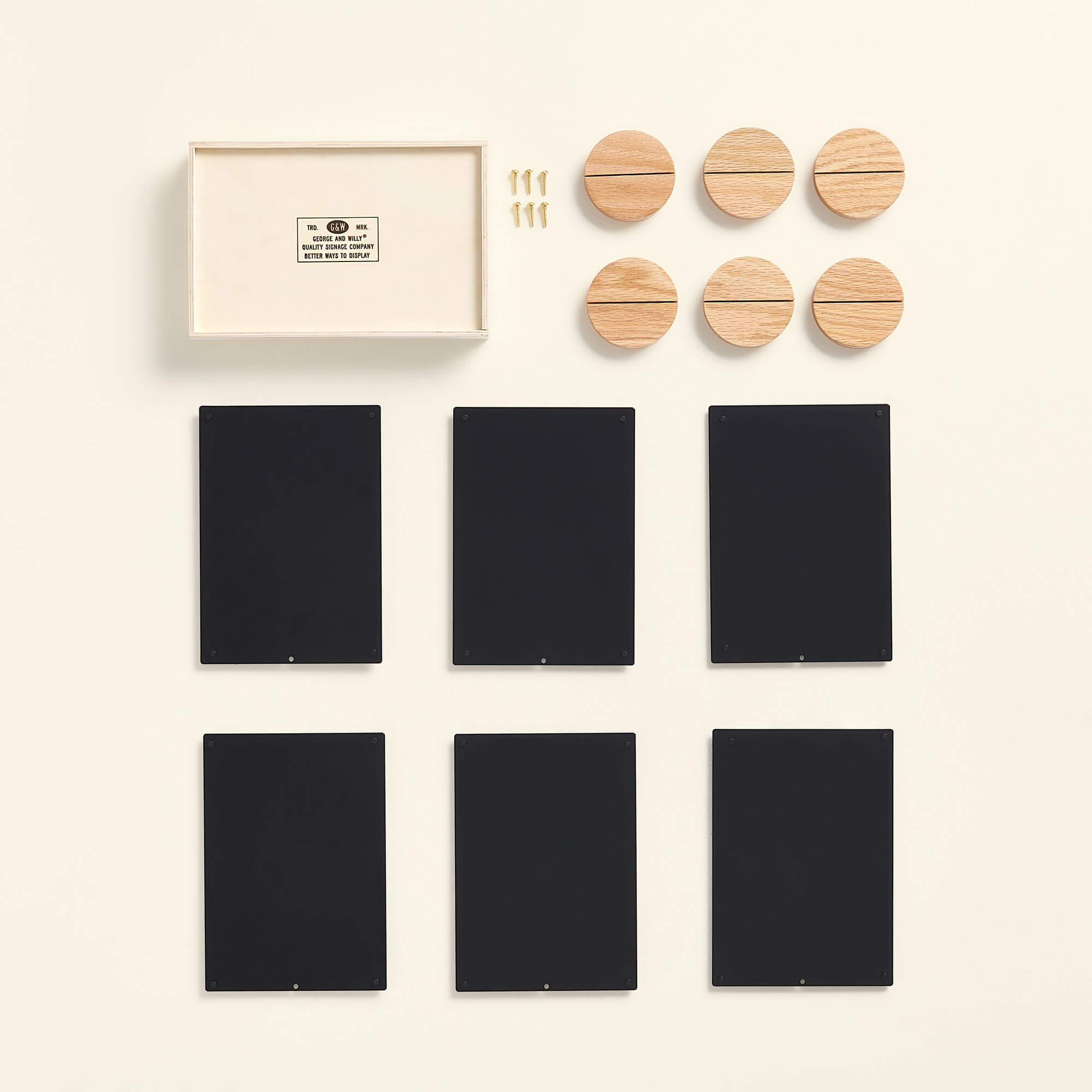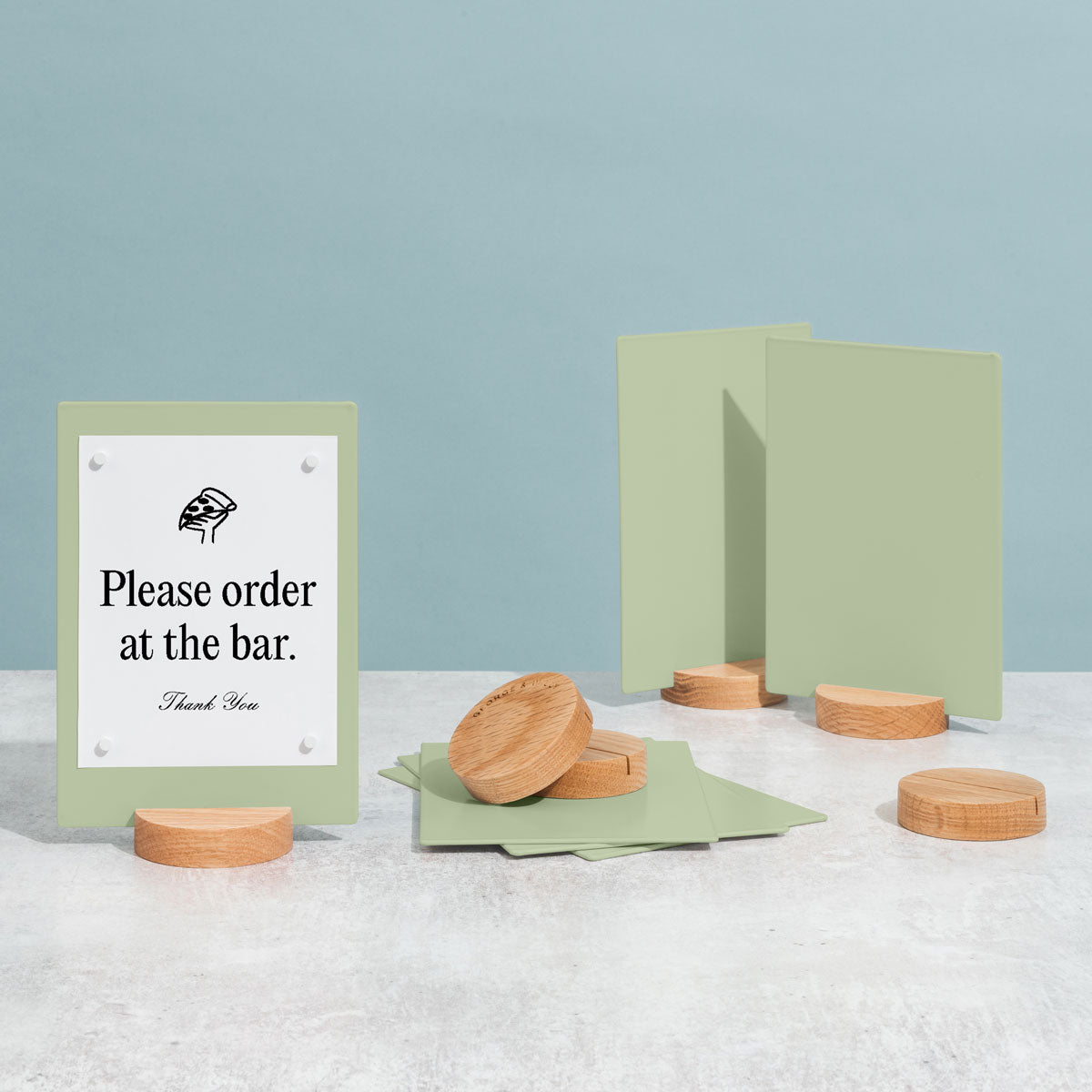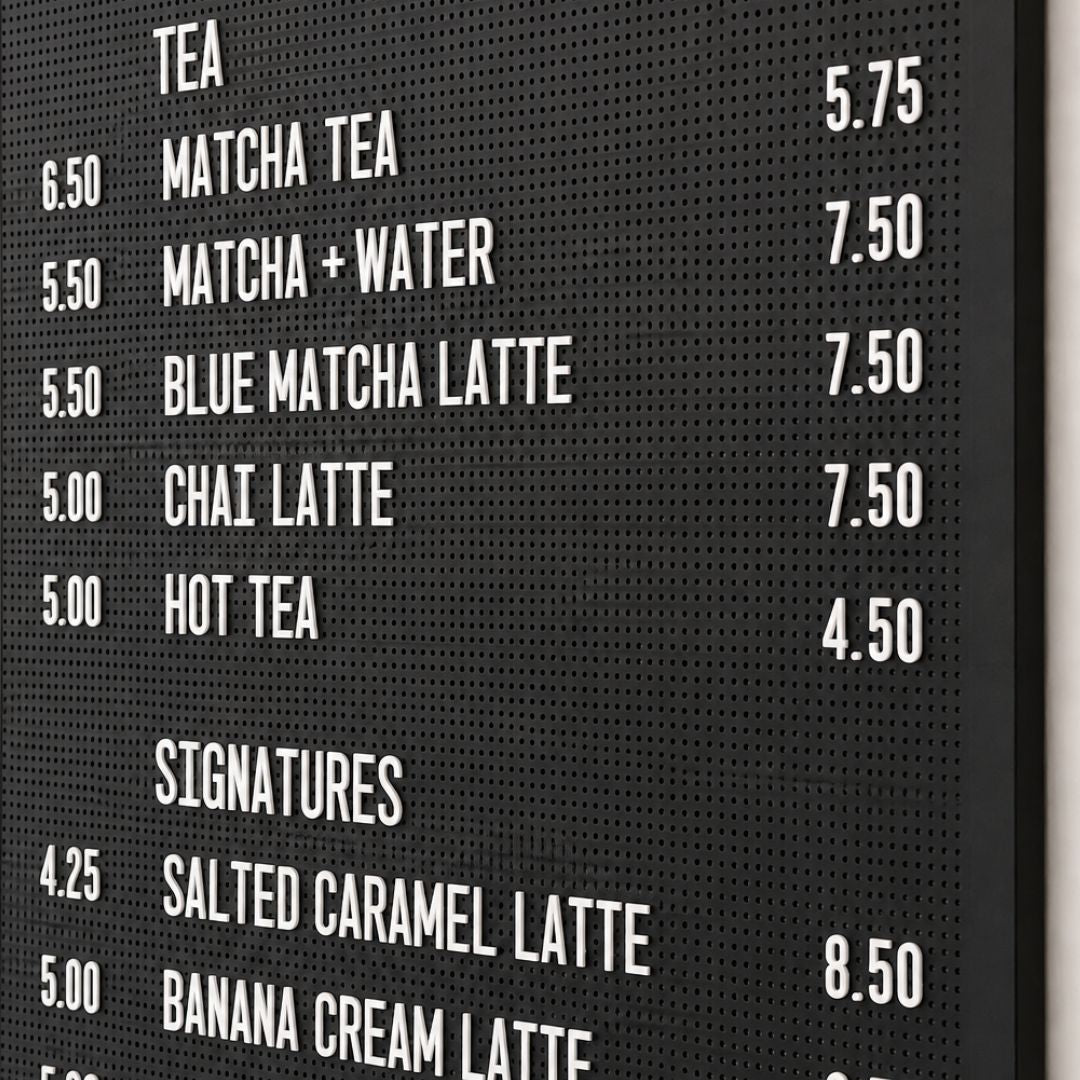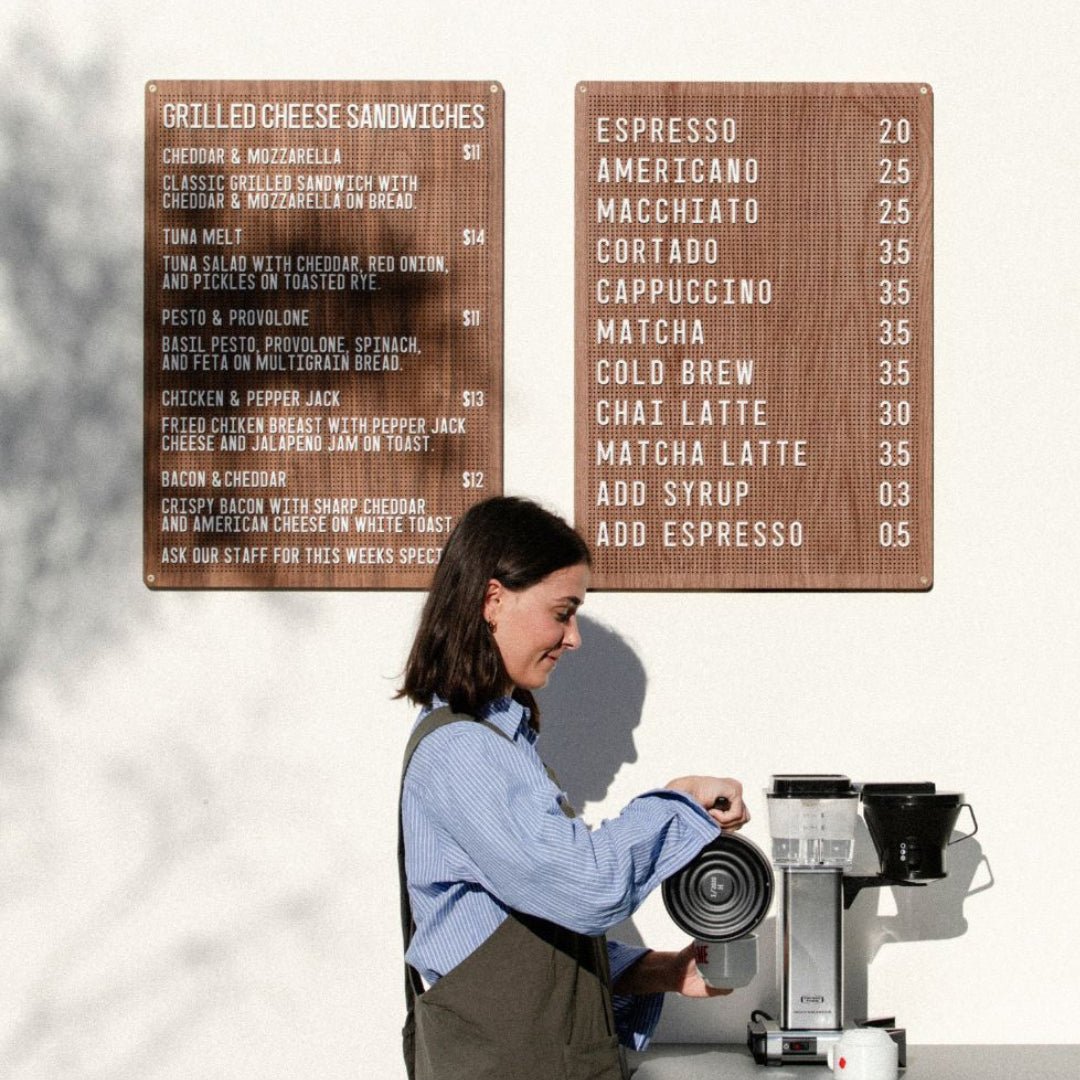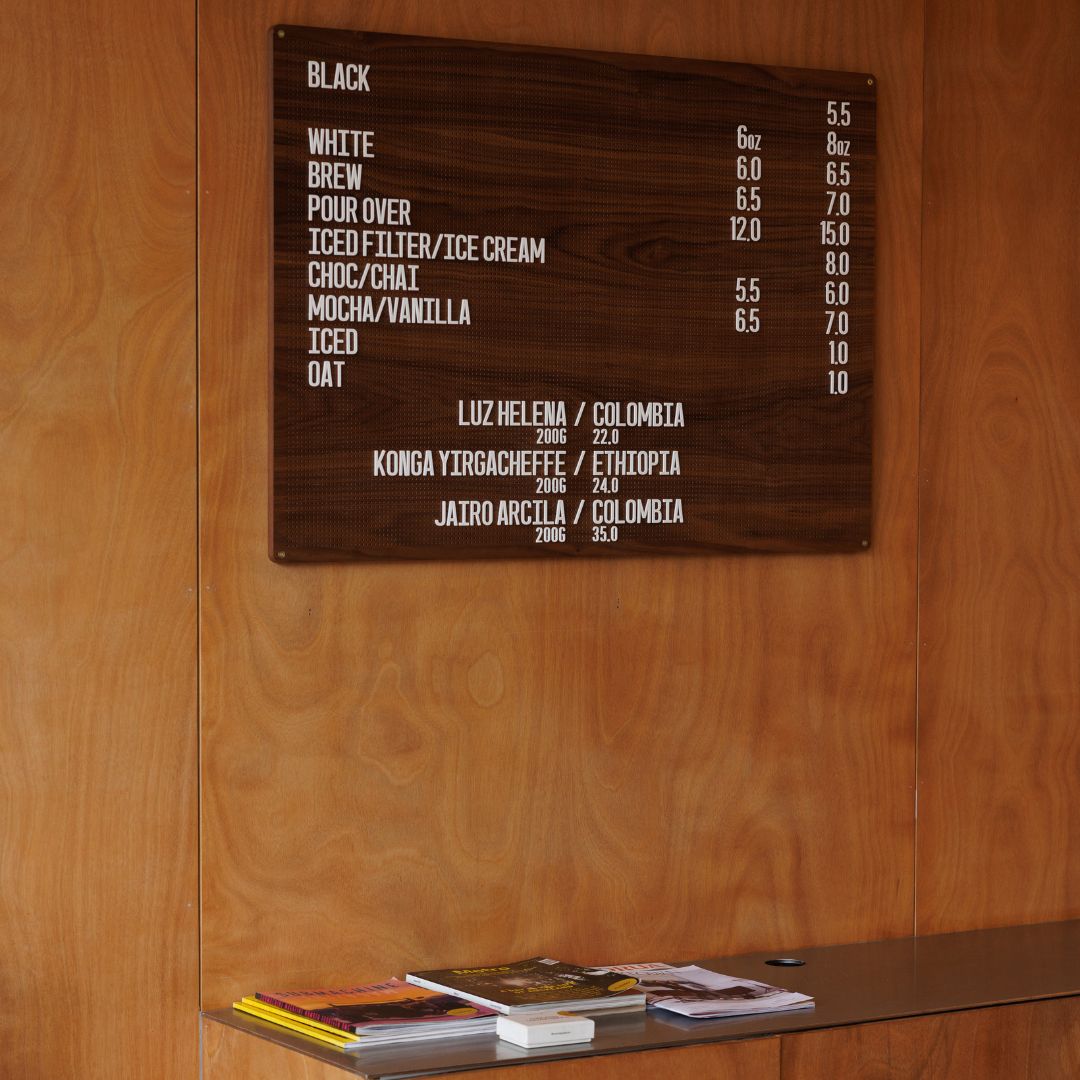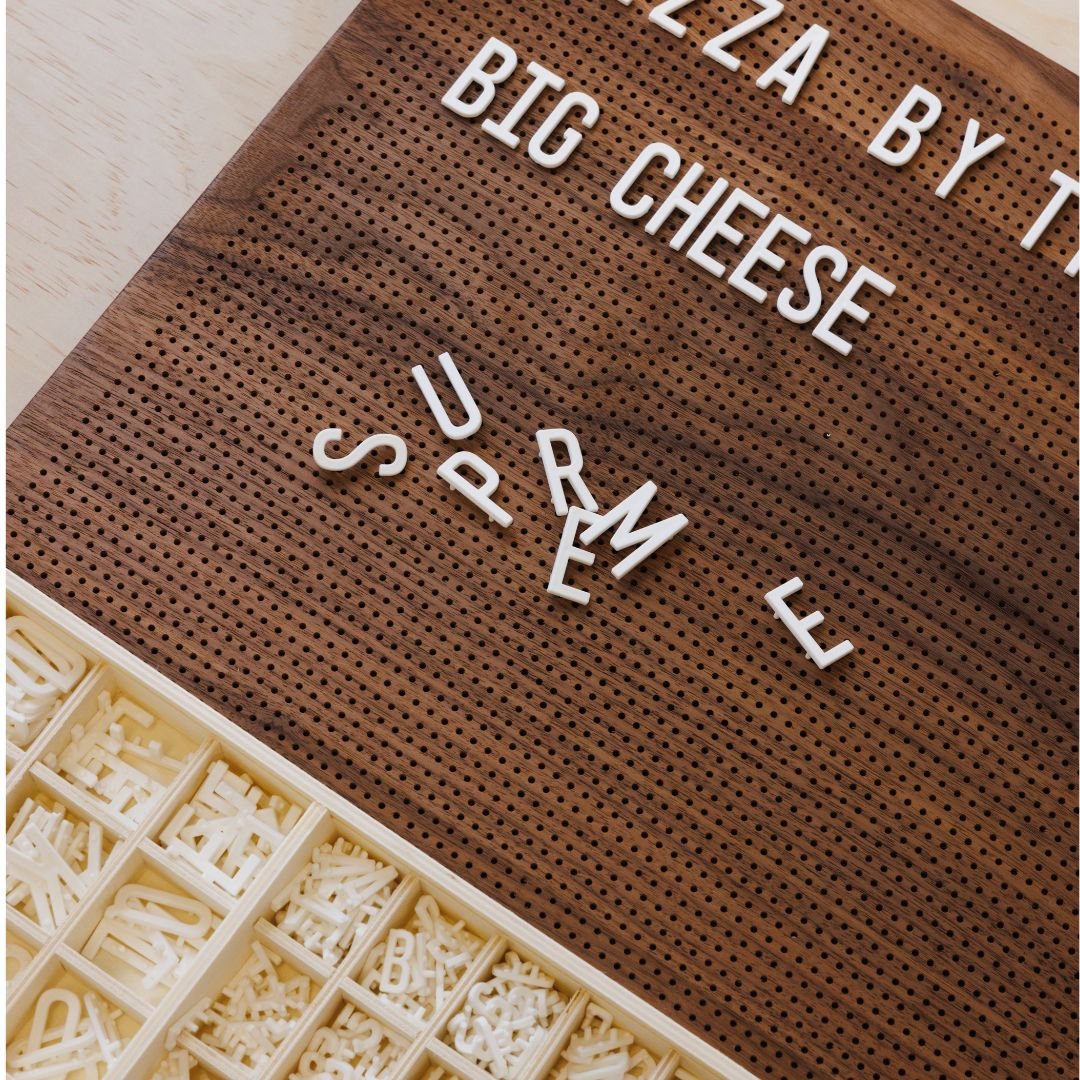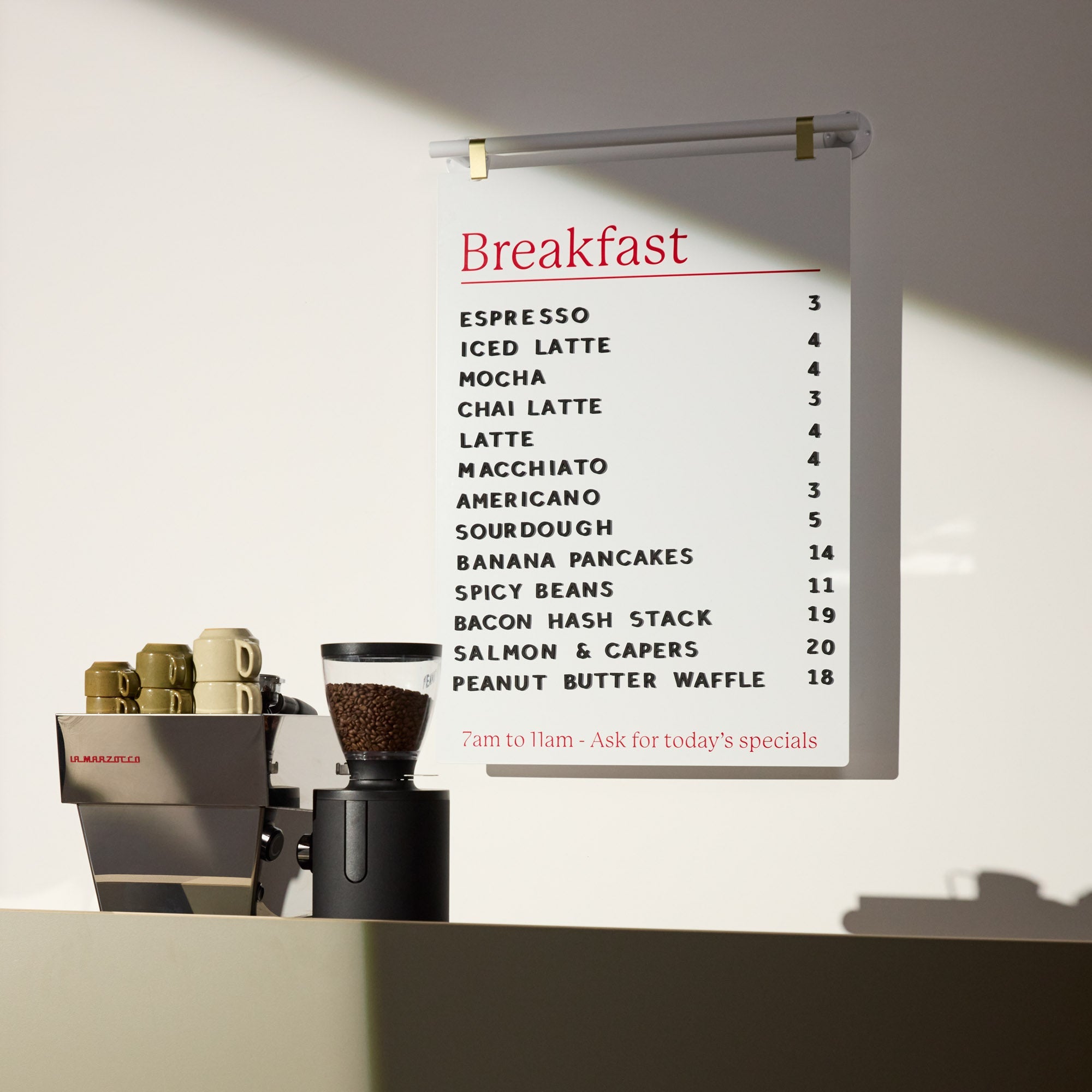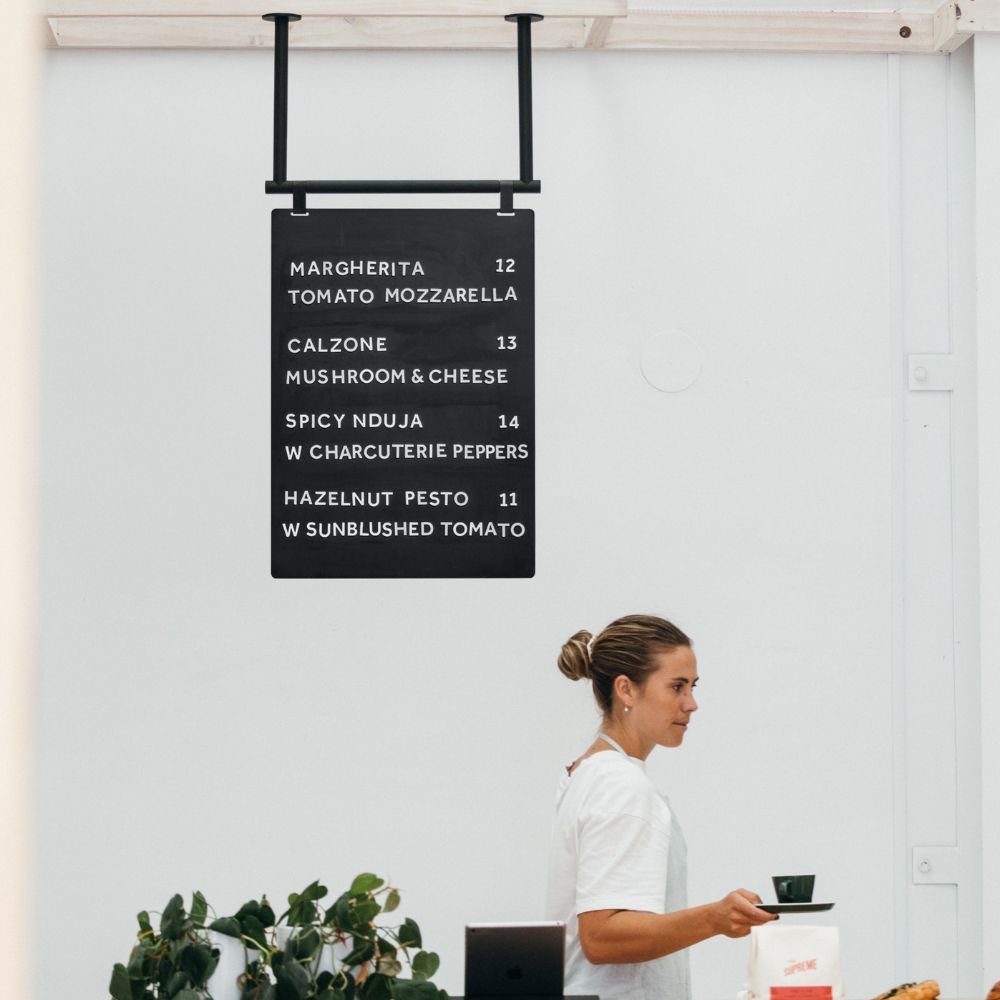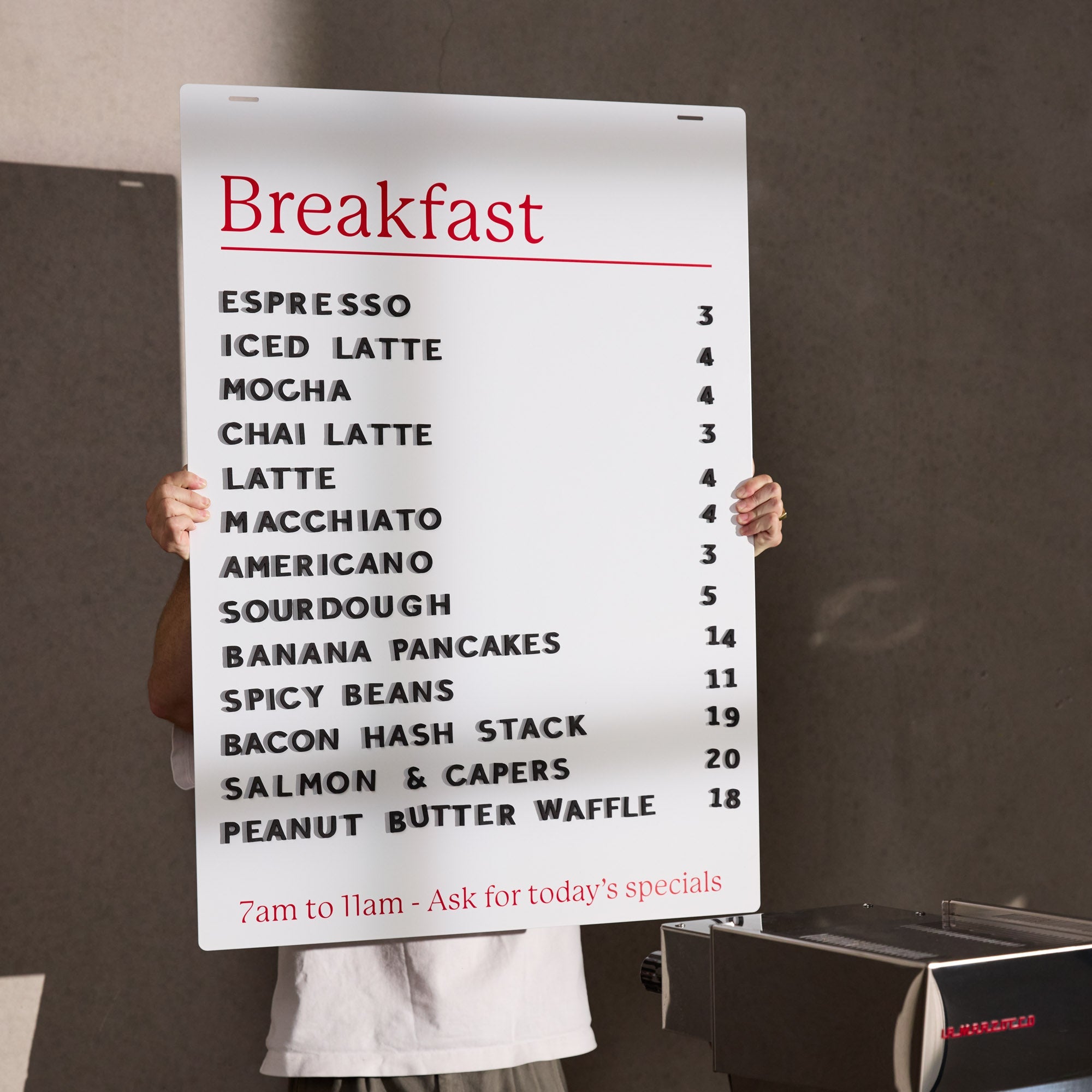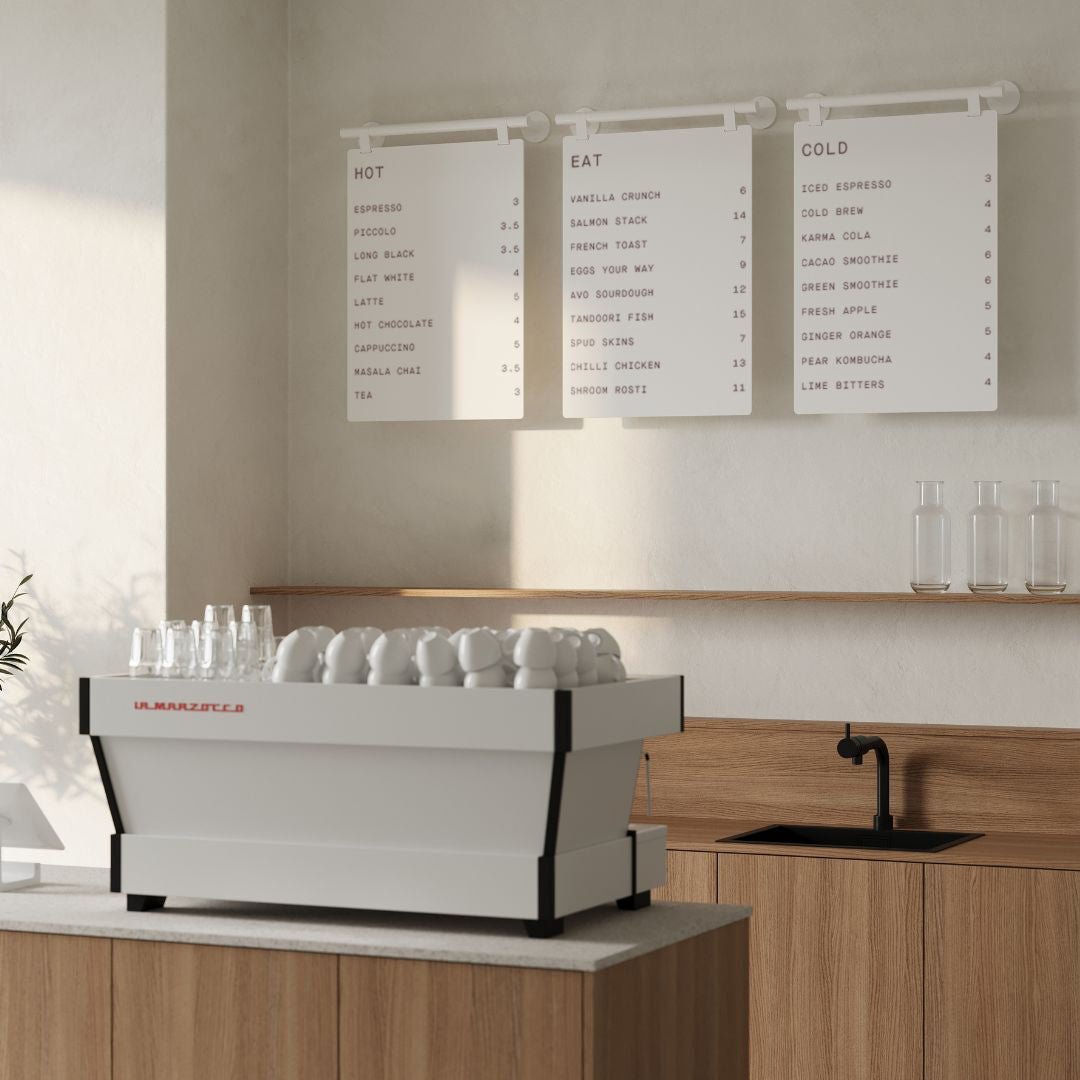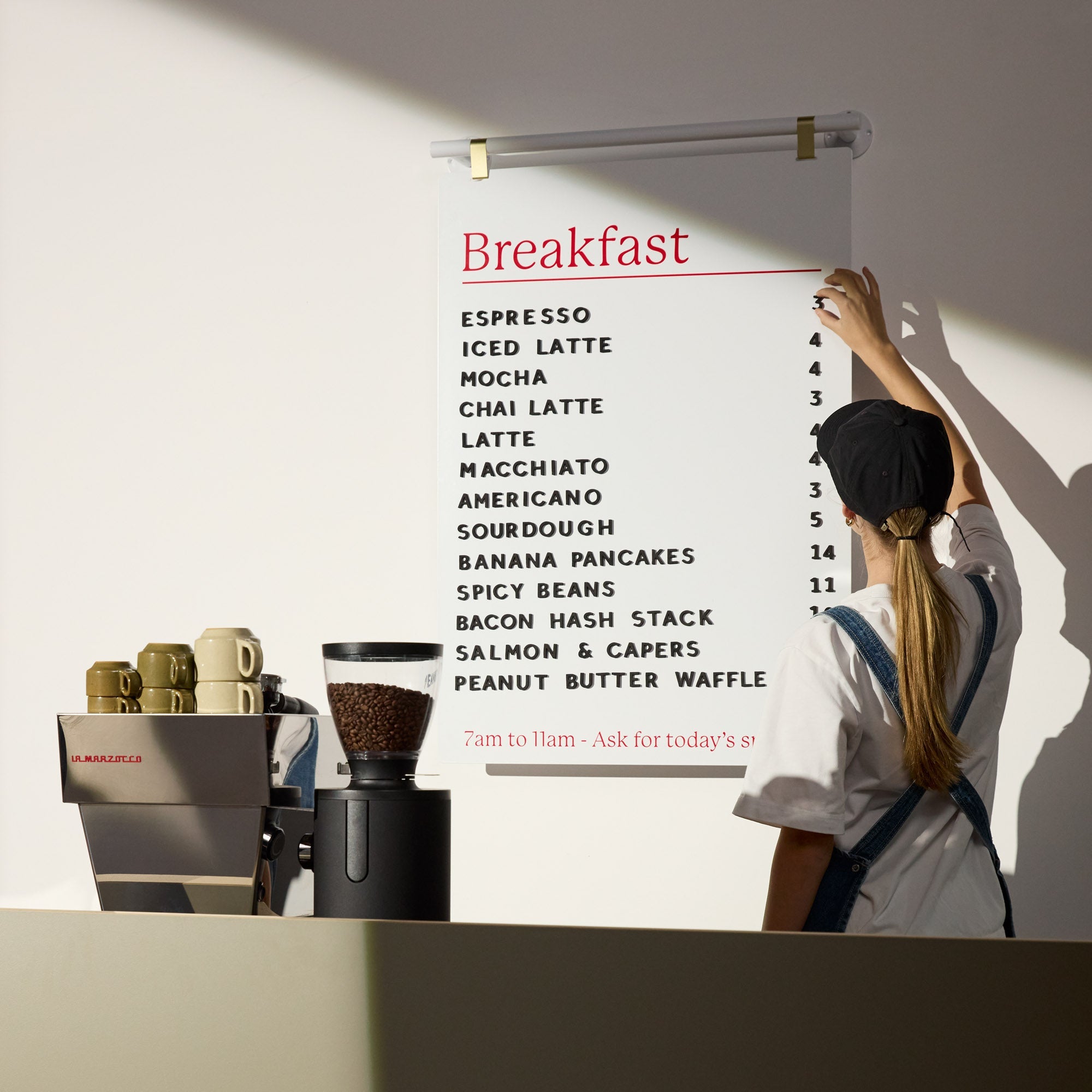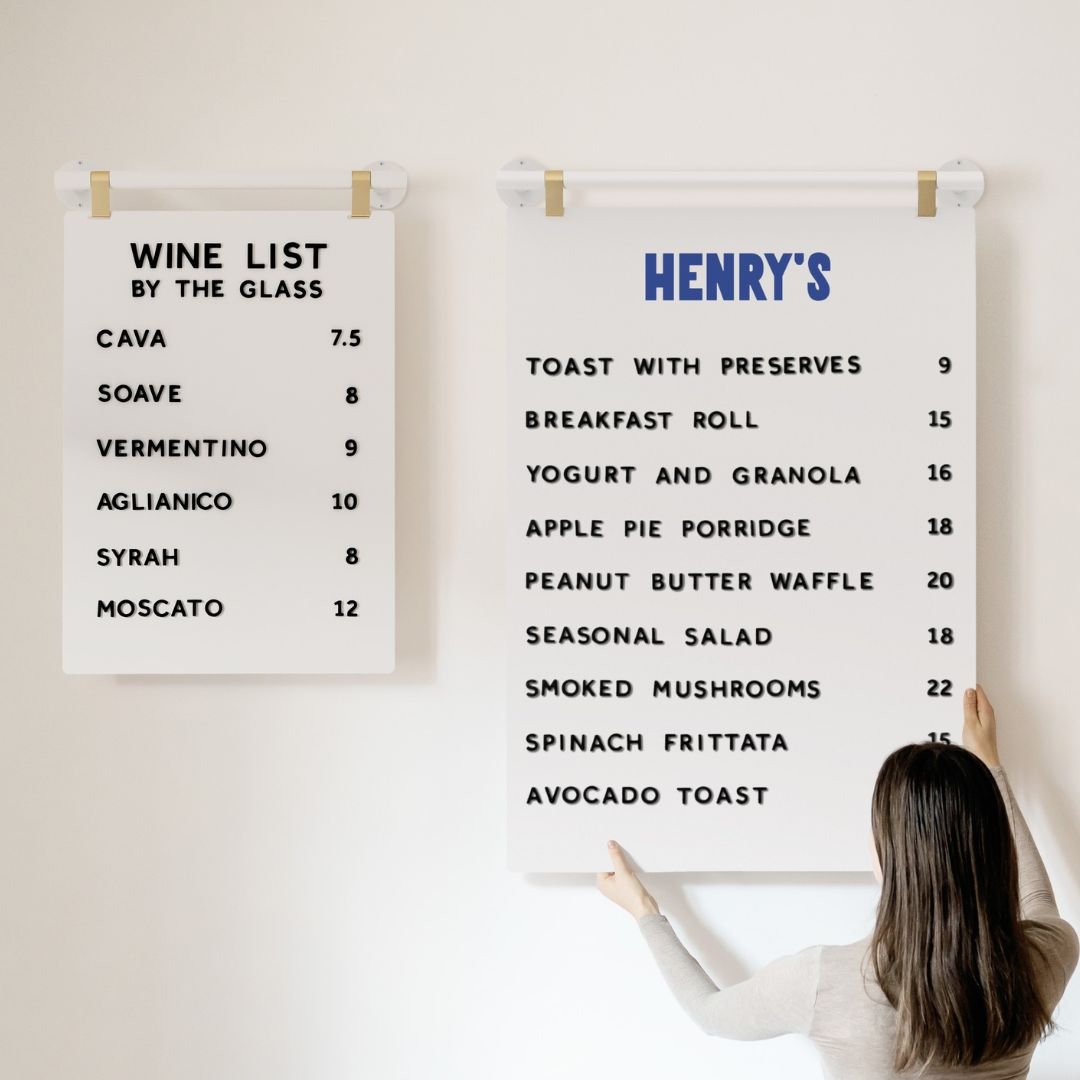


The right changeable menu board can lift the look of a space and make daily updates painless. Prices change, seasonal specials come and go, and teams need a clear system that keeps service moving. A good system is quick to edit, easy to read, and tough enough for busy hospitality.
George and Willy focus on simple, durable hardware that helps brands look intentional. Many boards use magnetic letters or tiles, so staff can swap items in minutes without reprinting. The result is a cleaner counter, fewer mistakes, and a consistent first impression.
A few fast facts to set the stage
-
Orders typically process in 1 to 2 working days, with express delivery targeting 1 to 5 working days and economy 3 to 7 working days
-
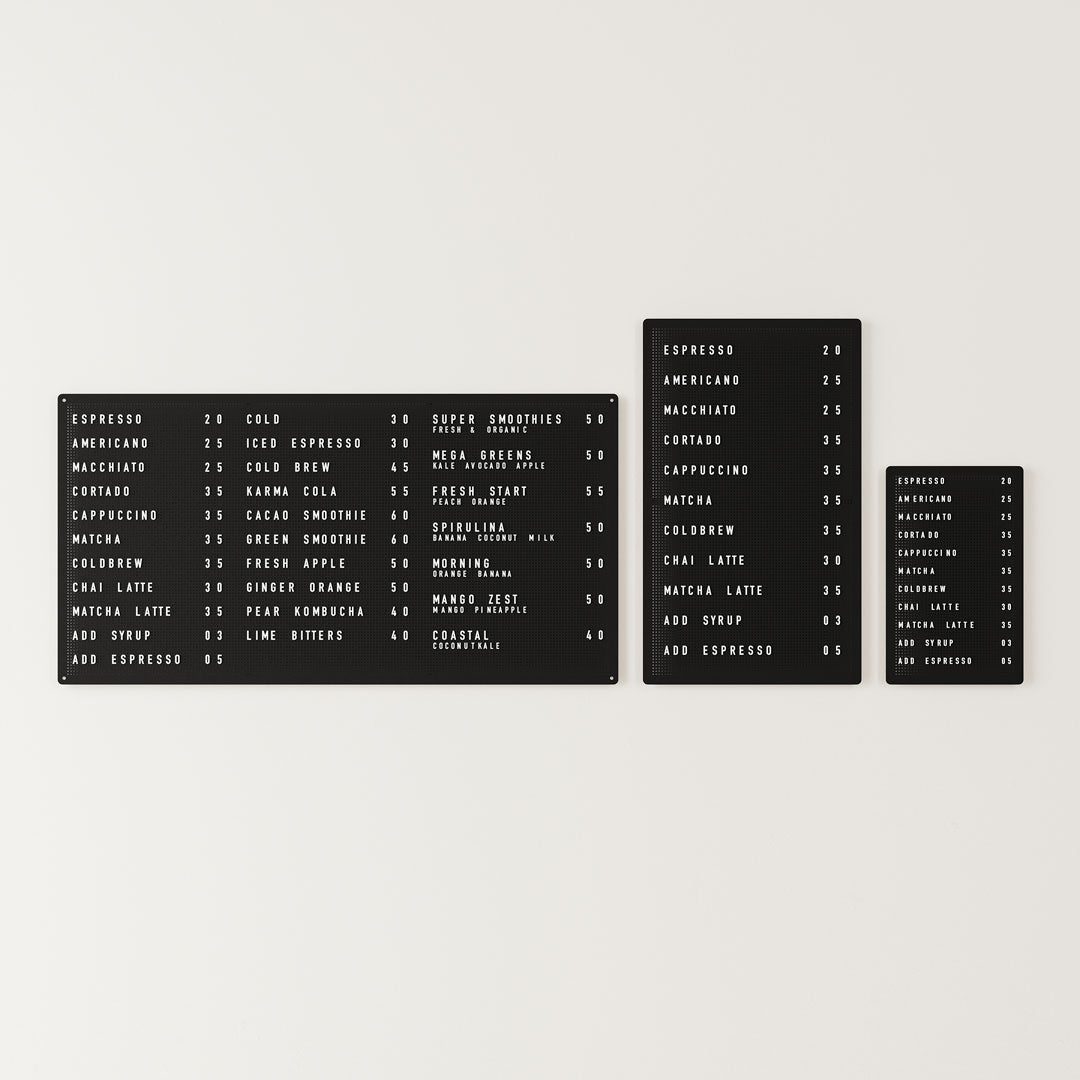
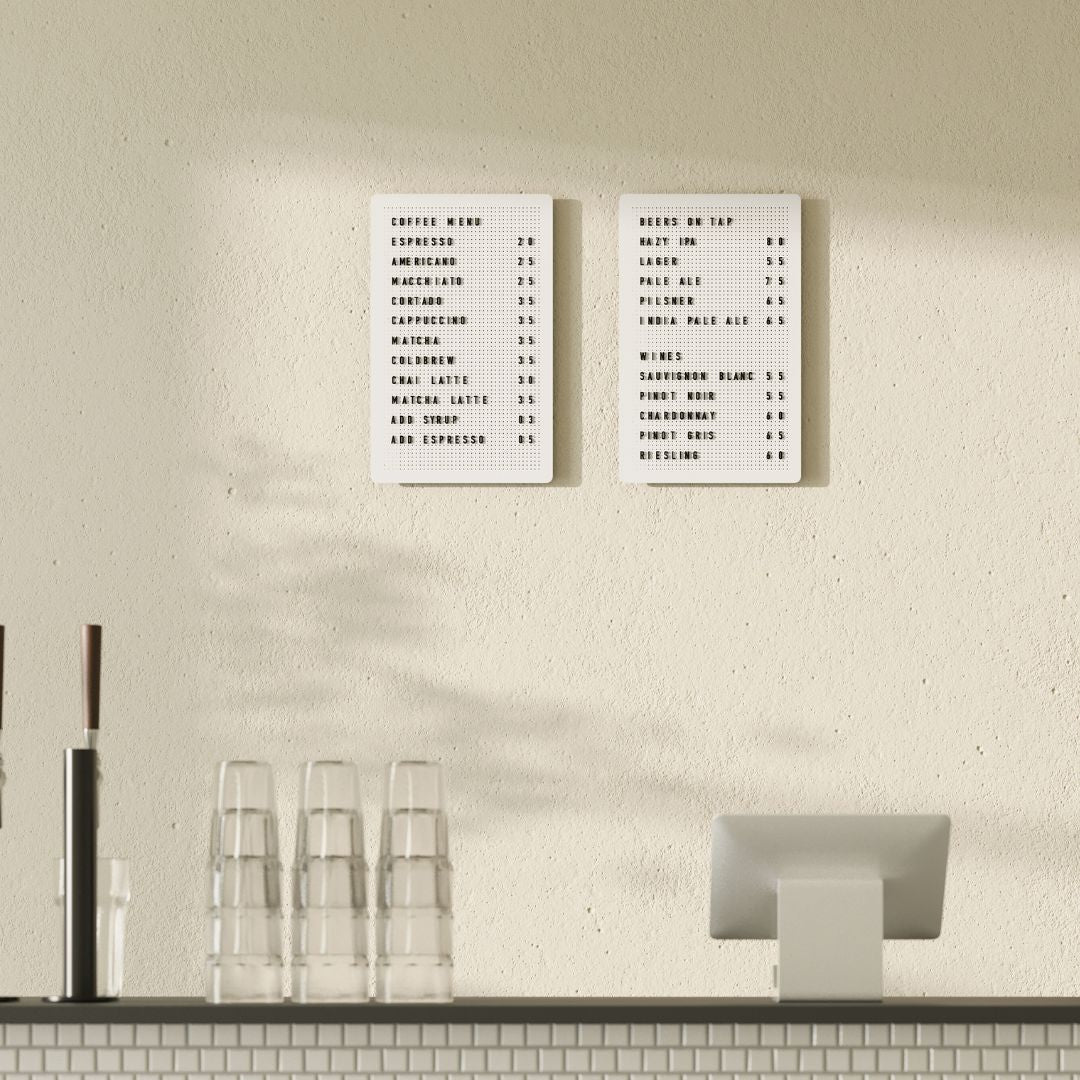
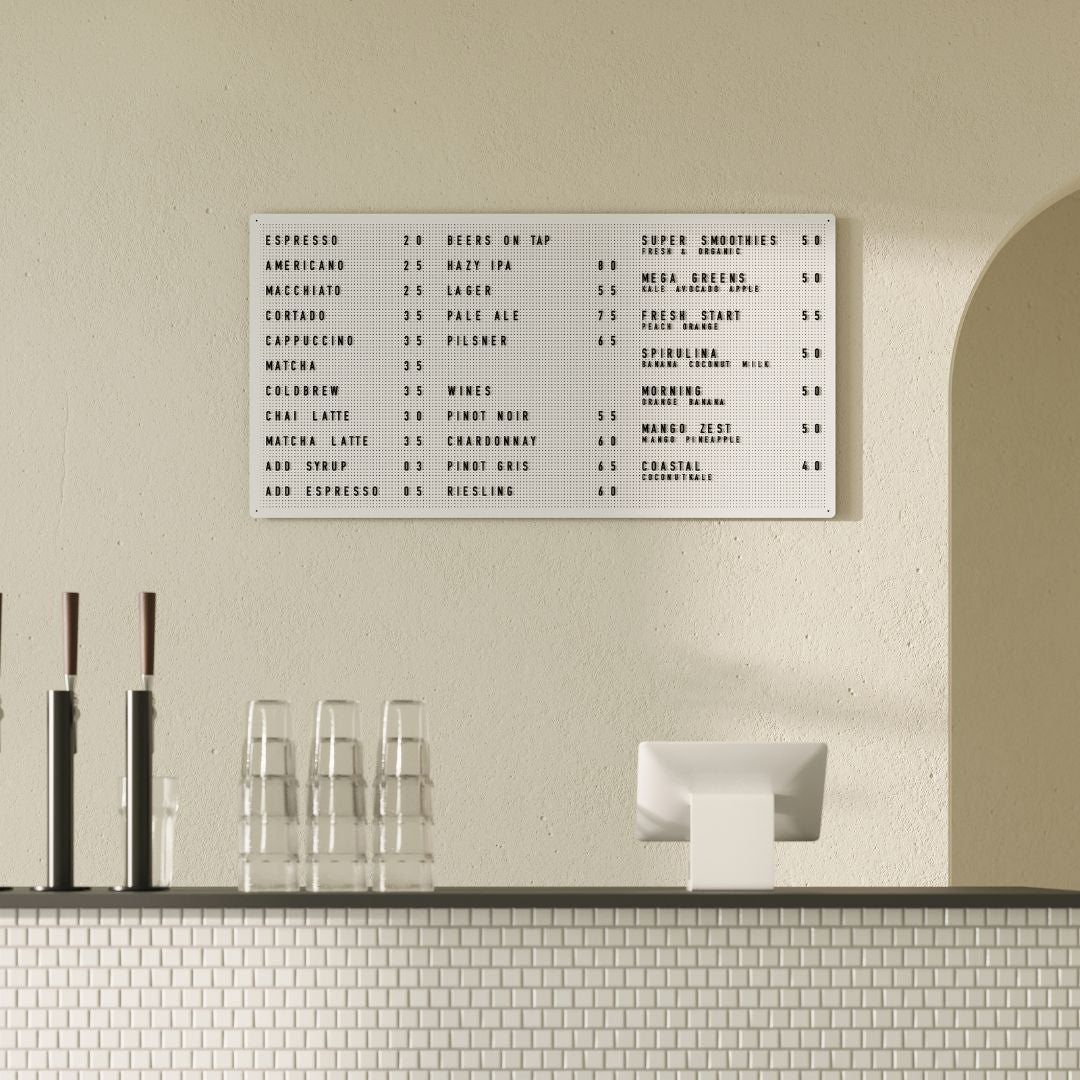
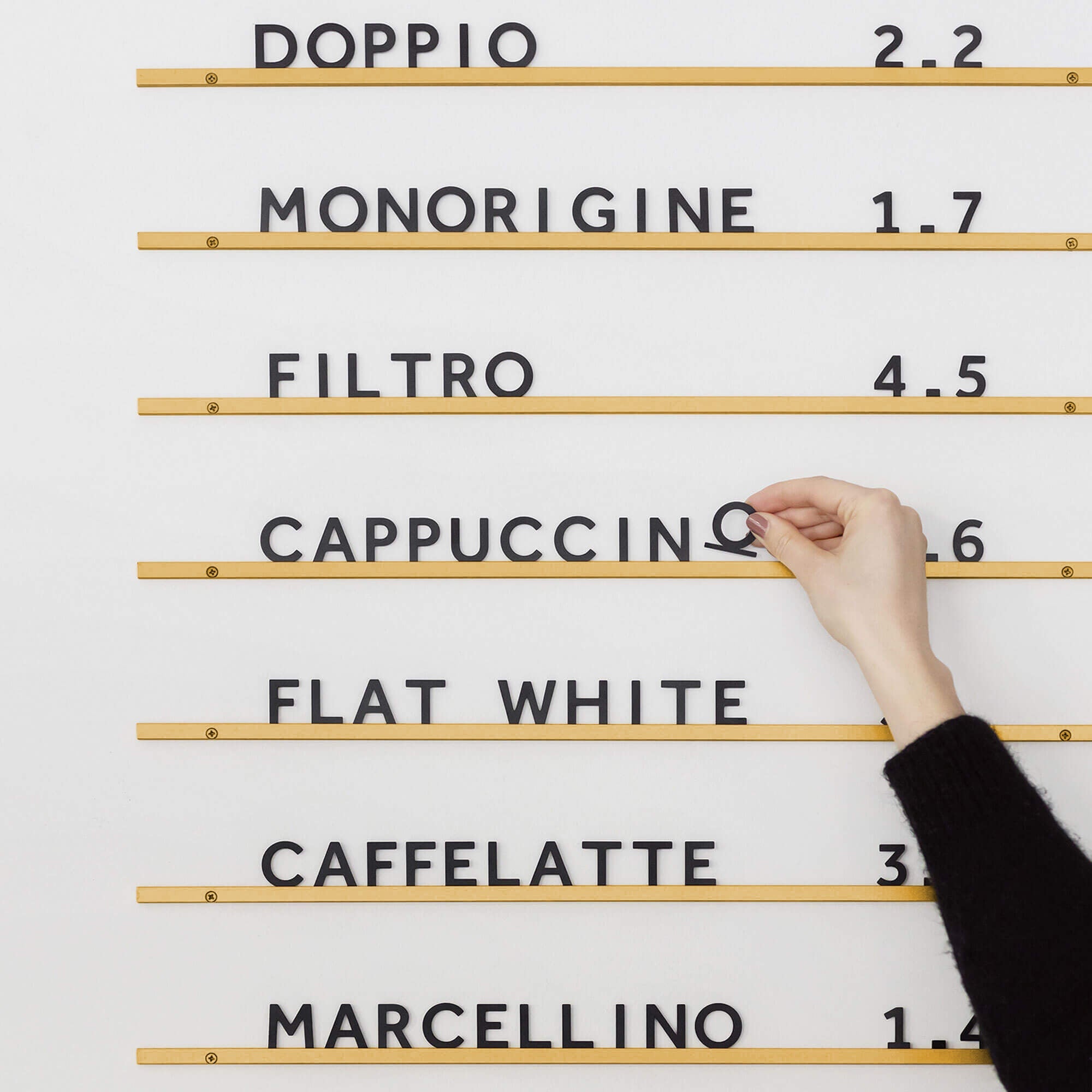
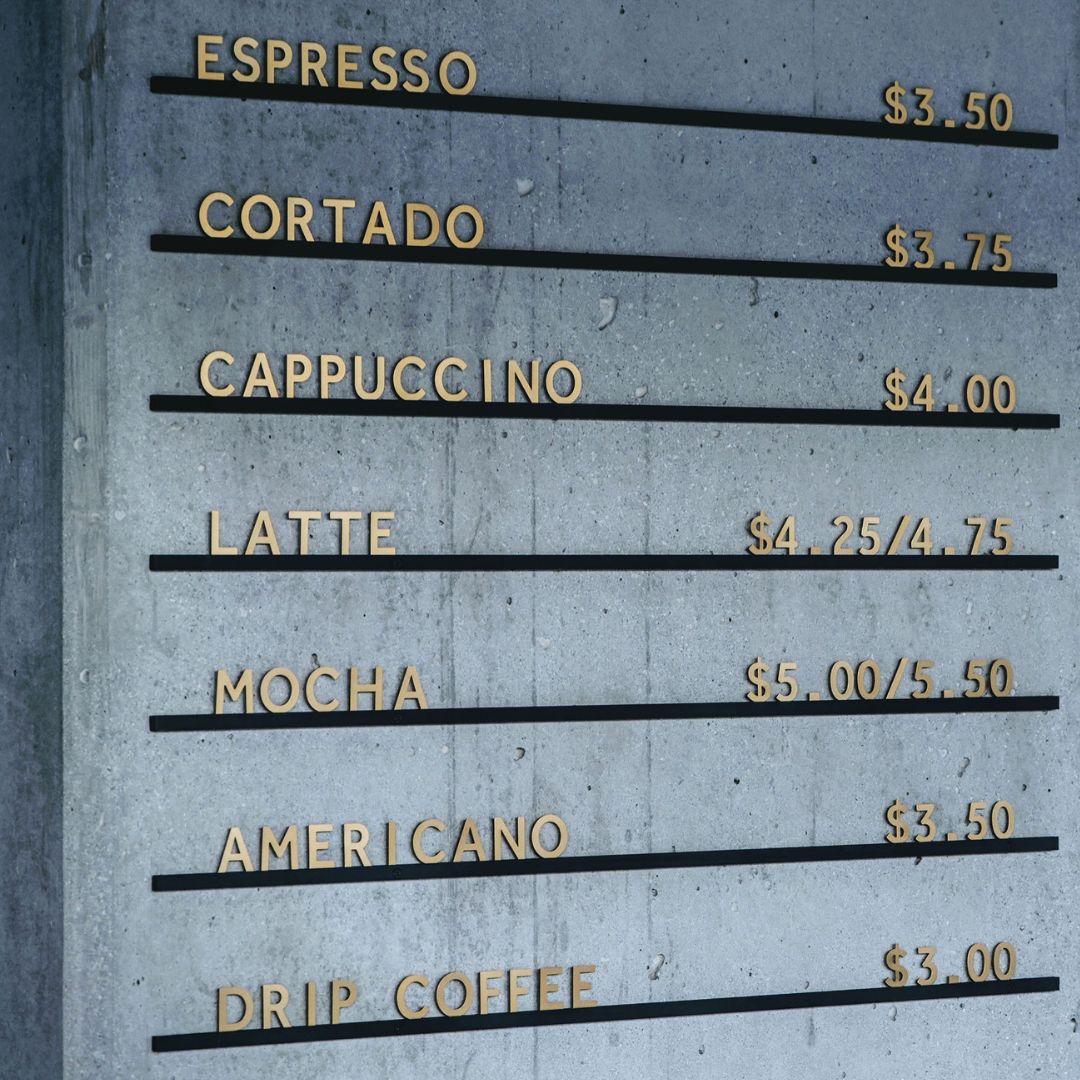
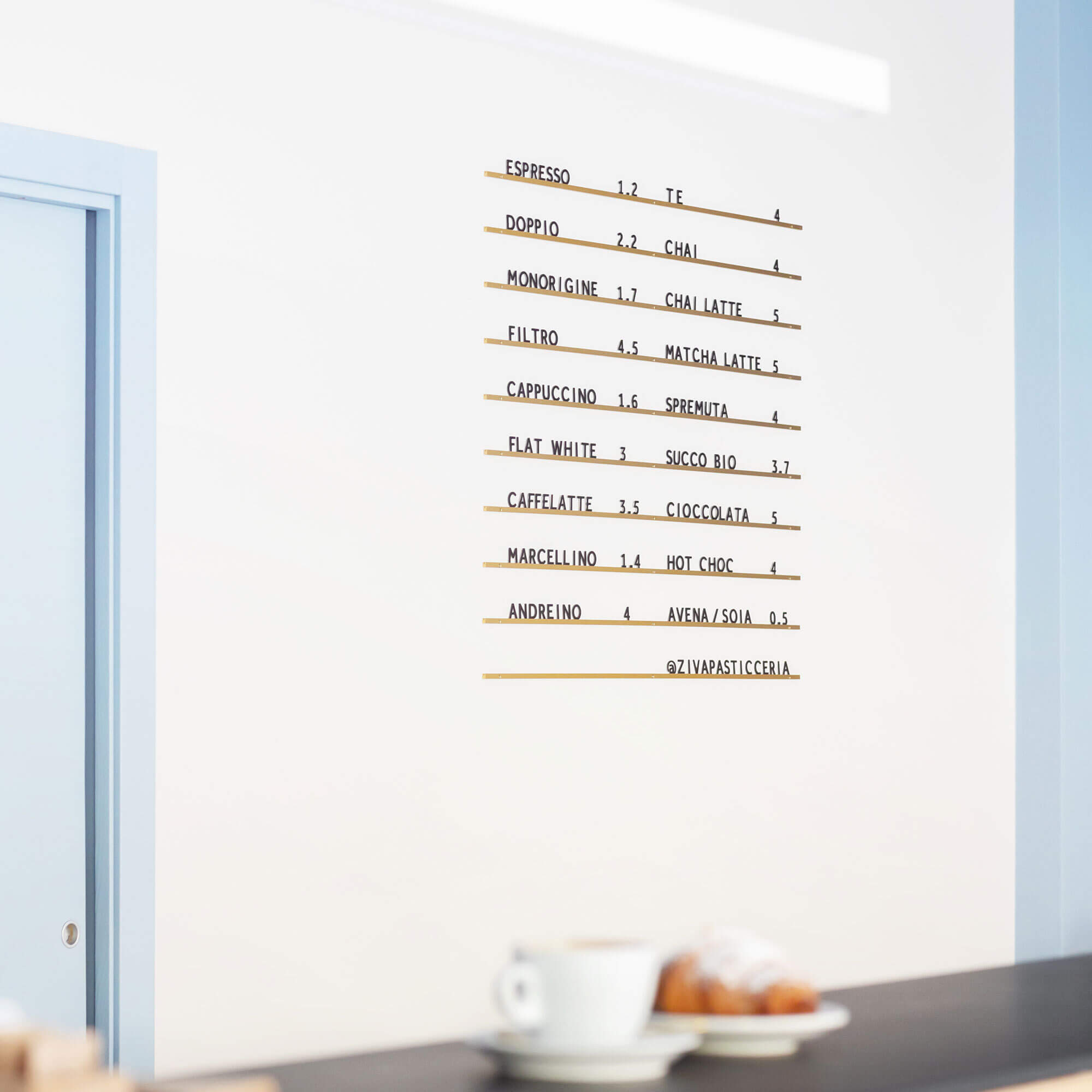
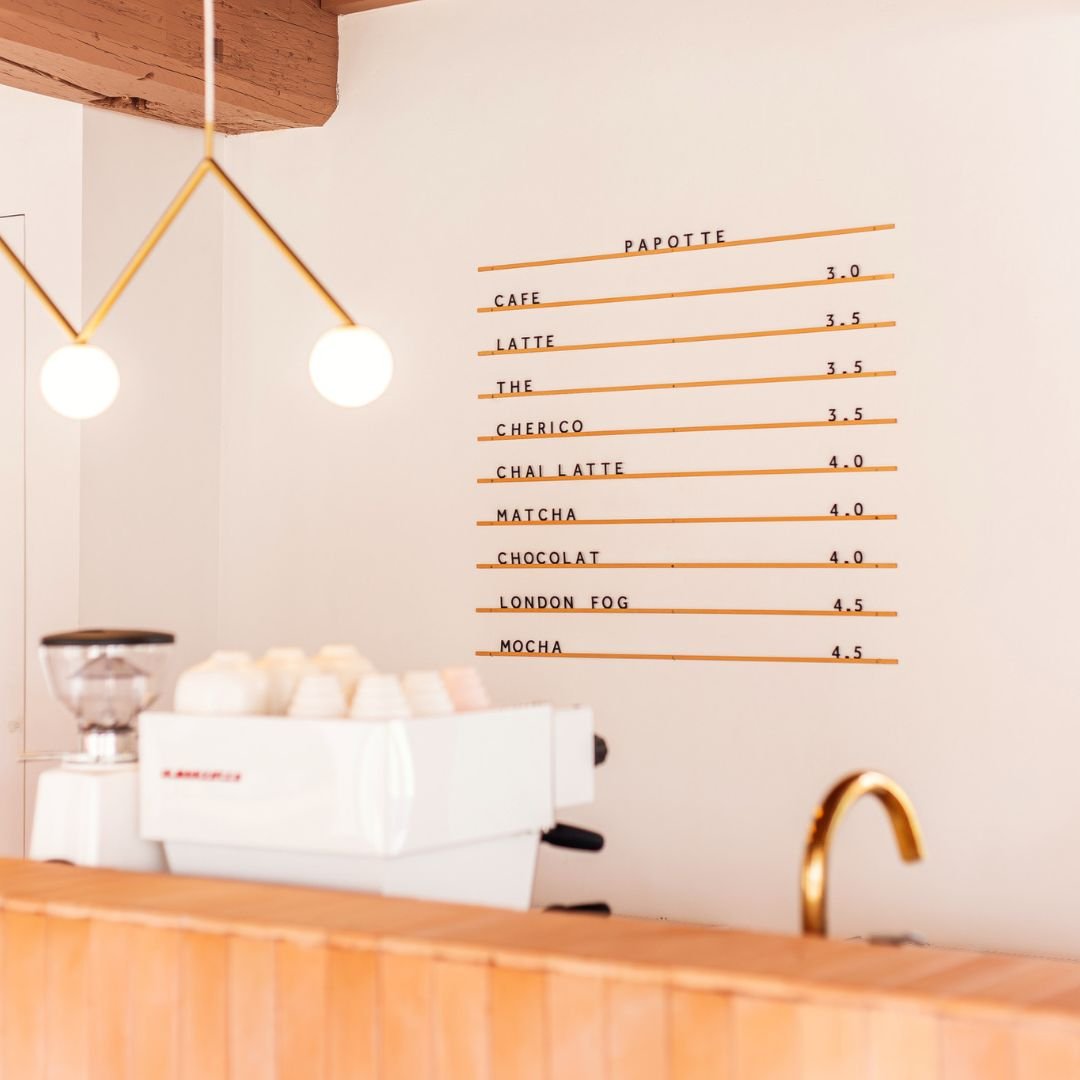
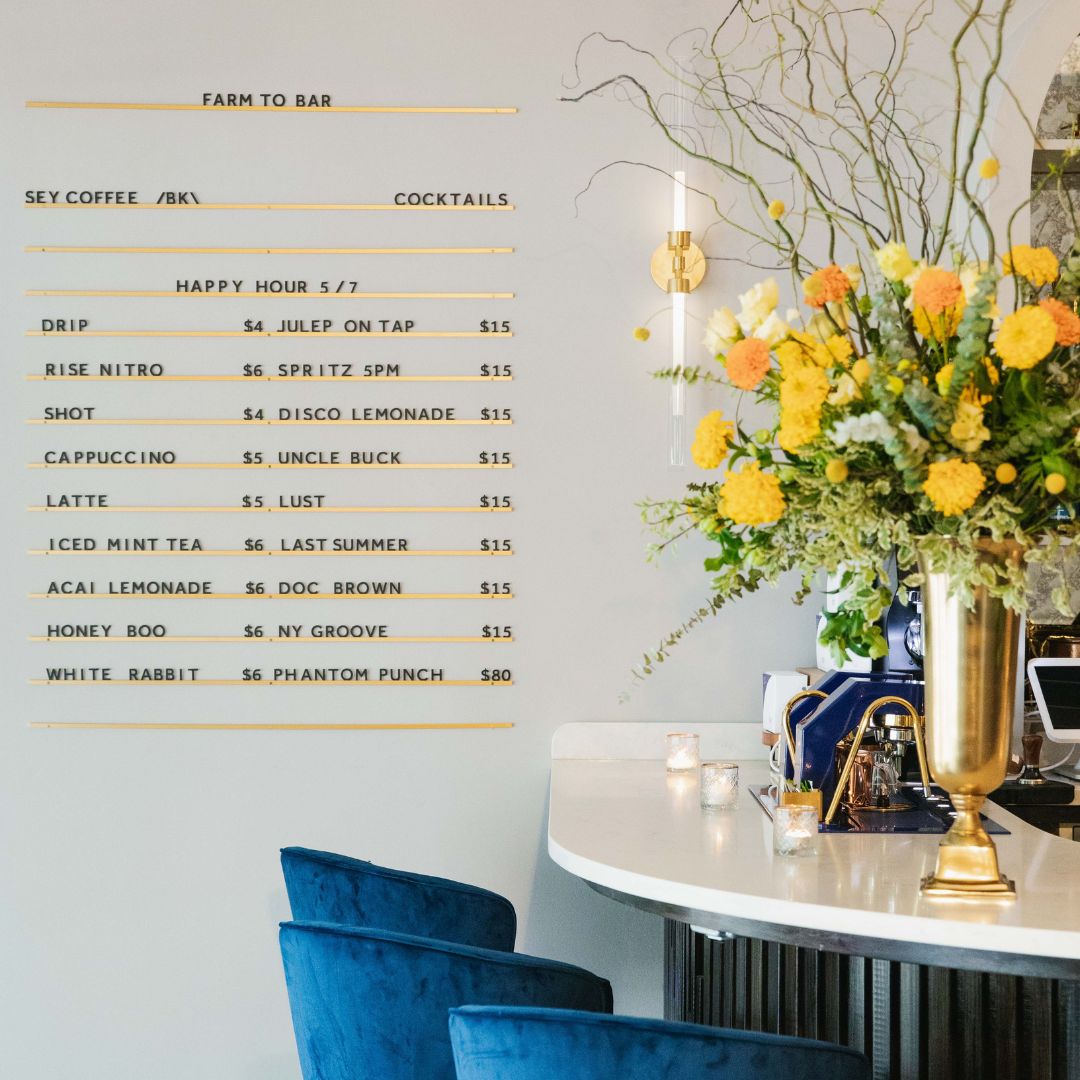
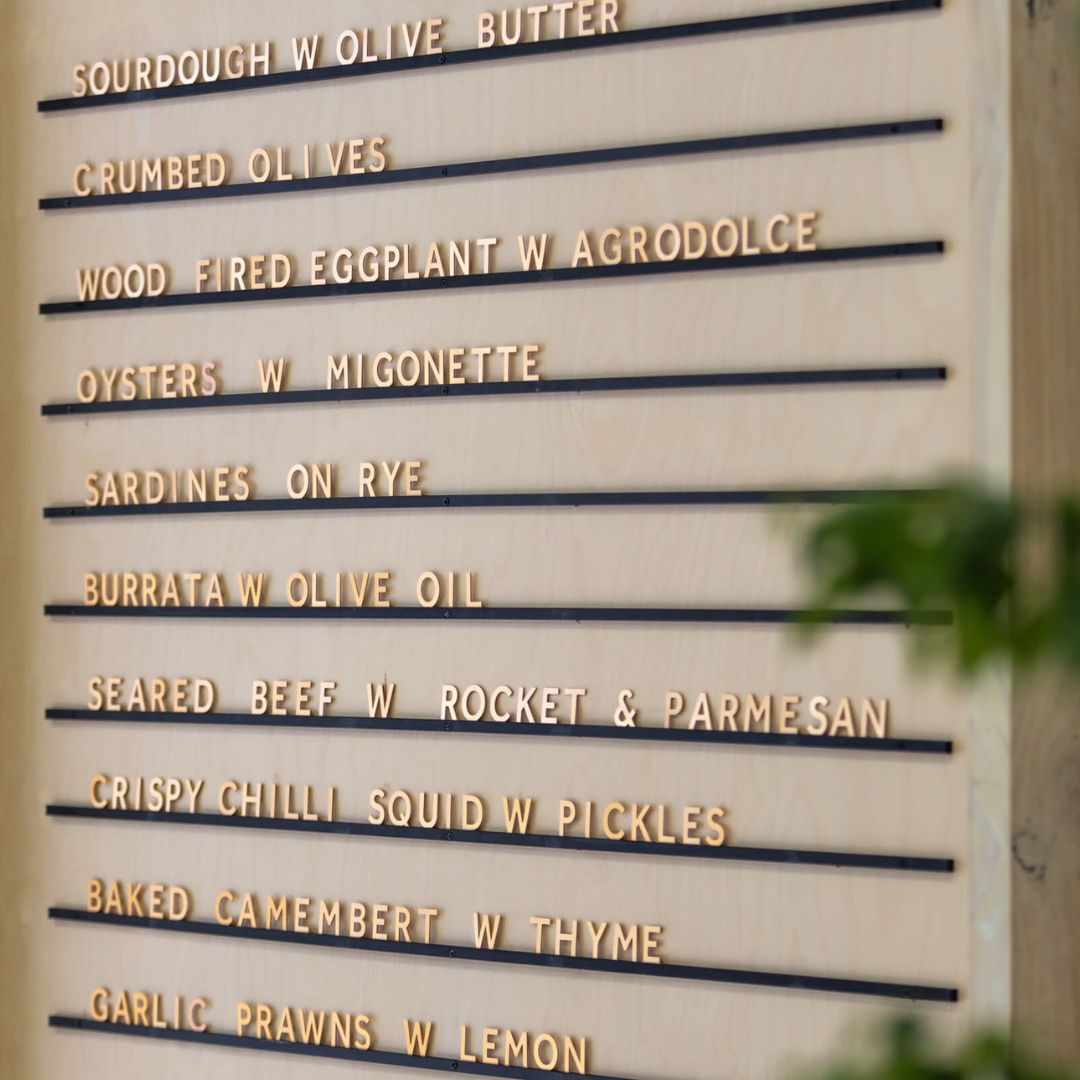
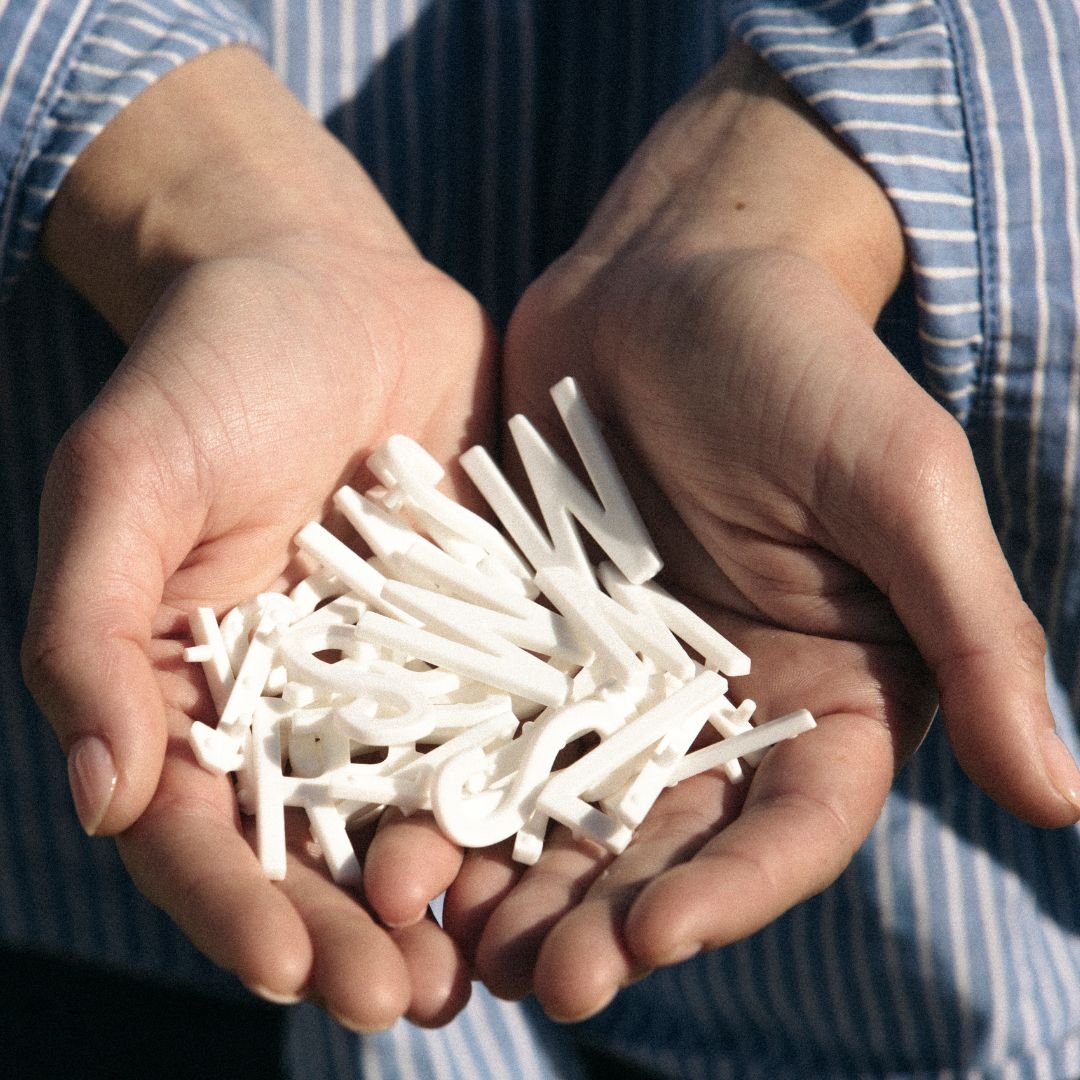
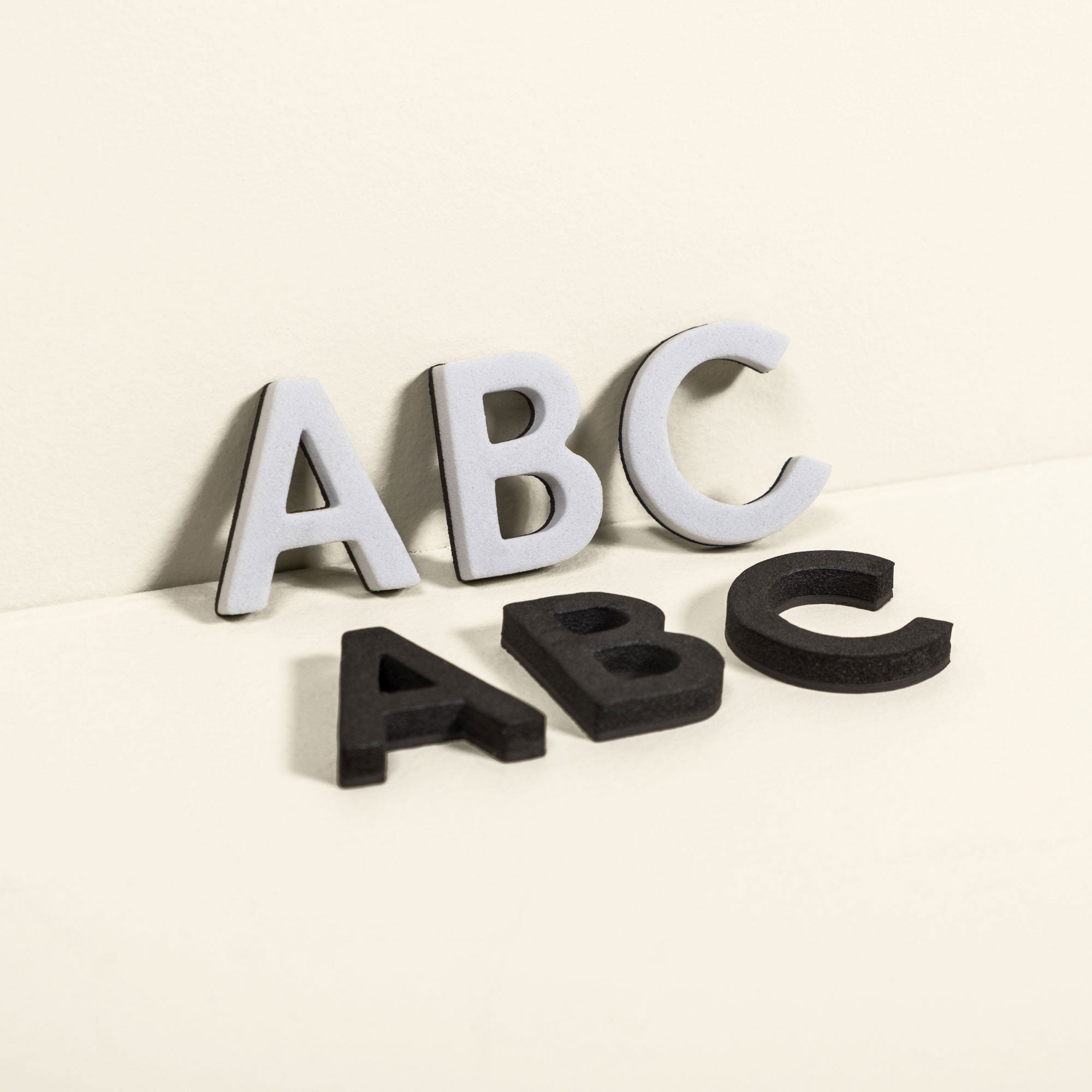
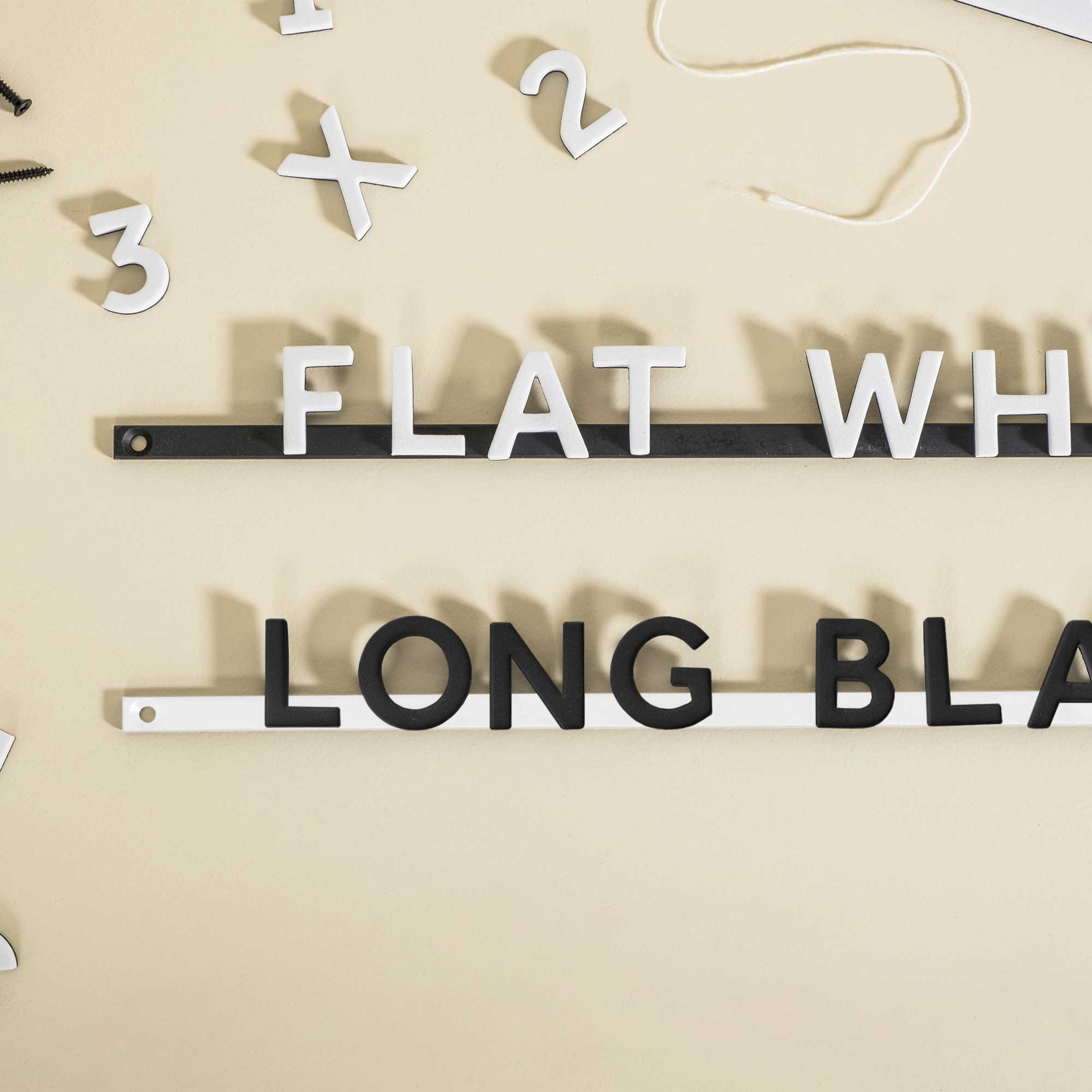
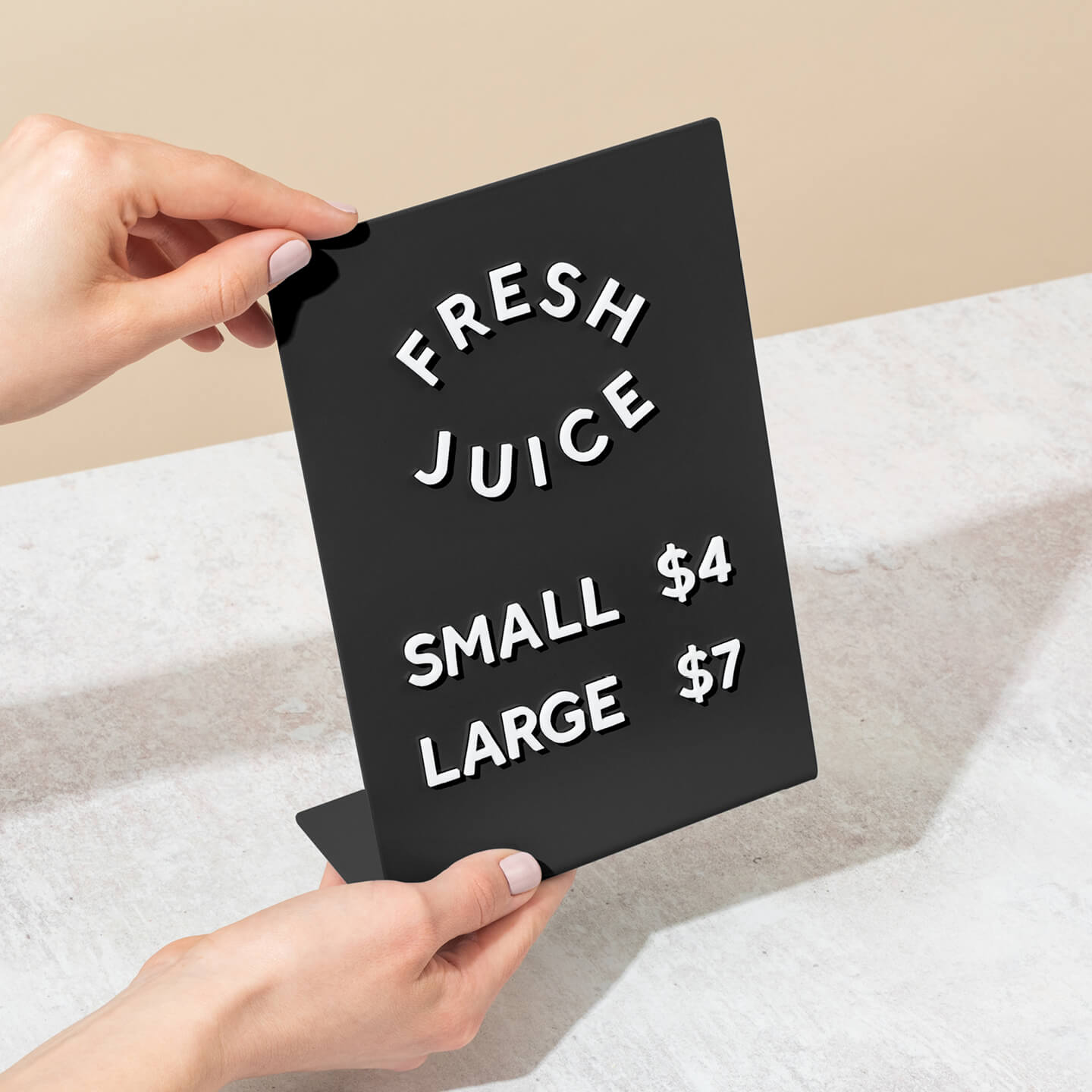
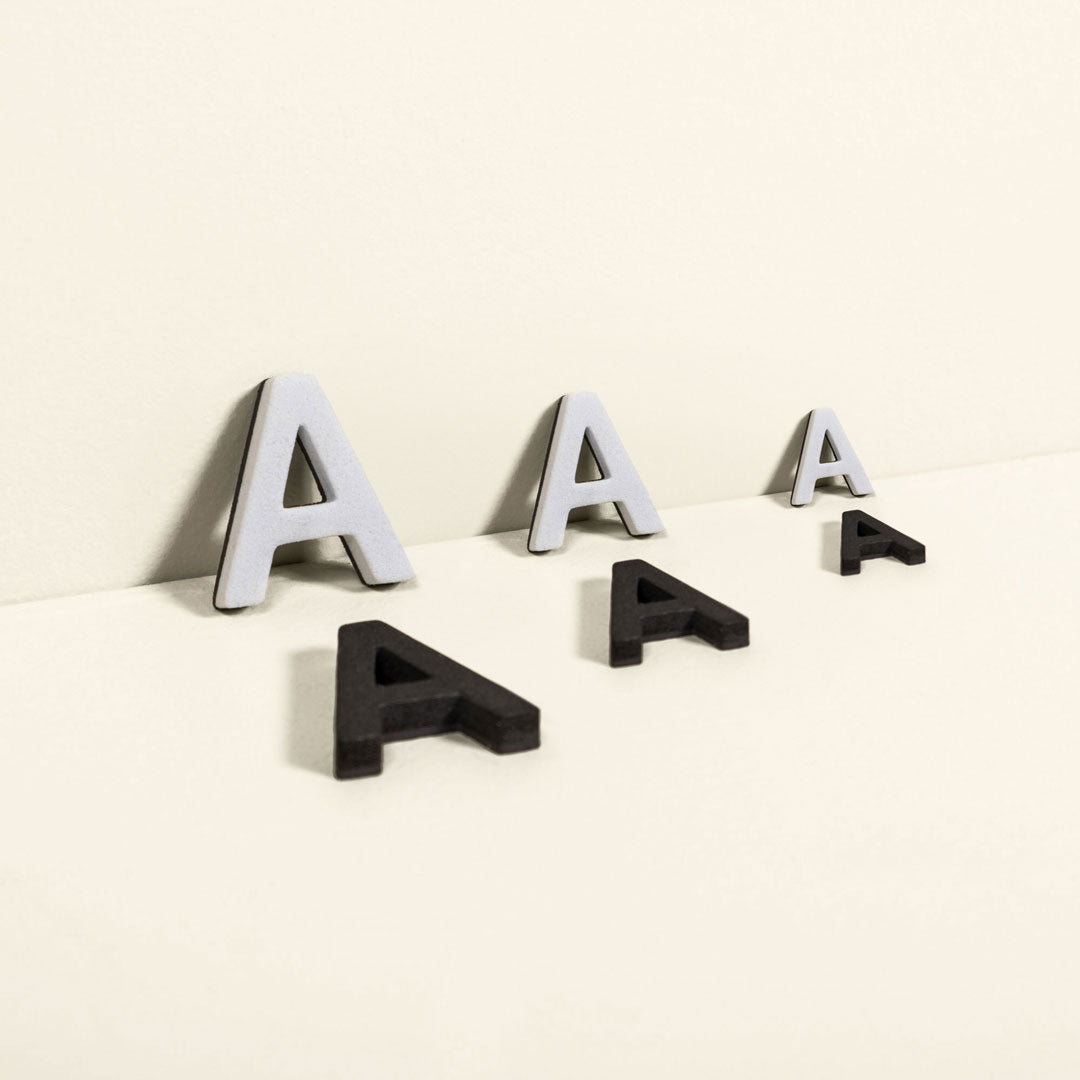
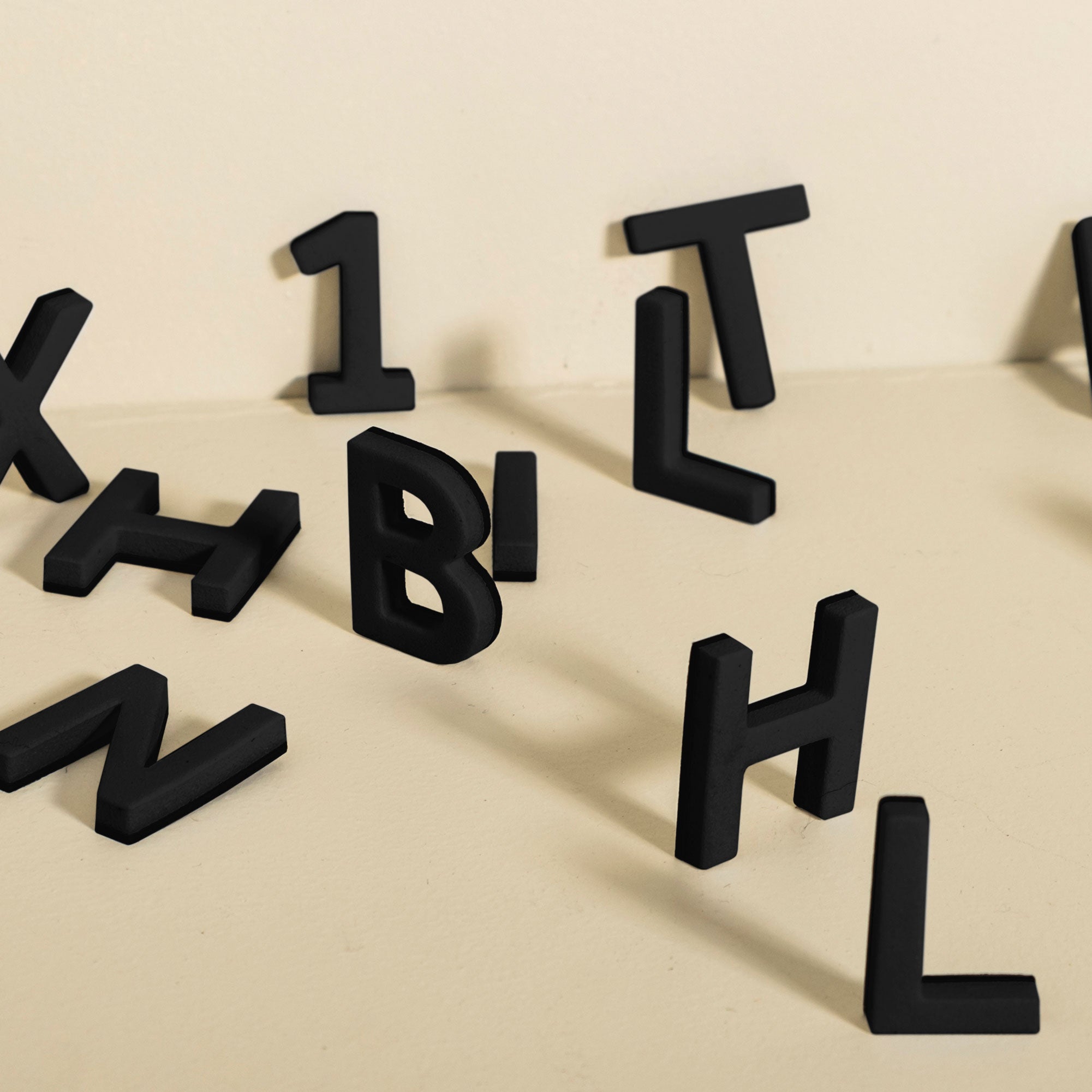
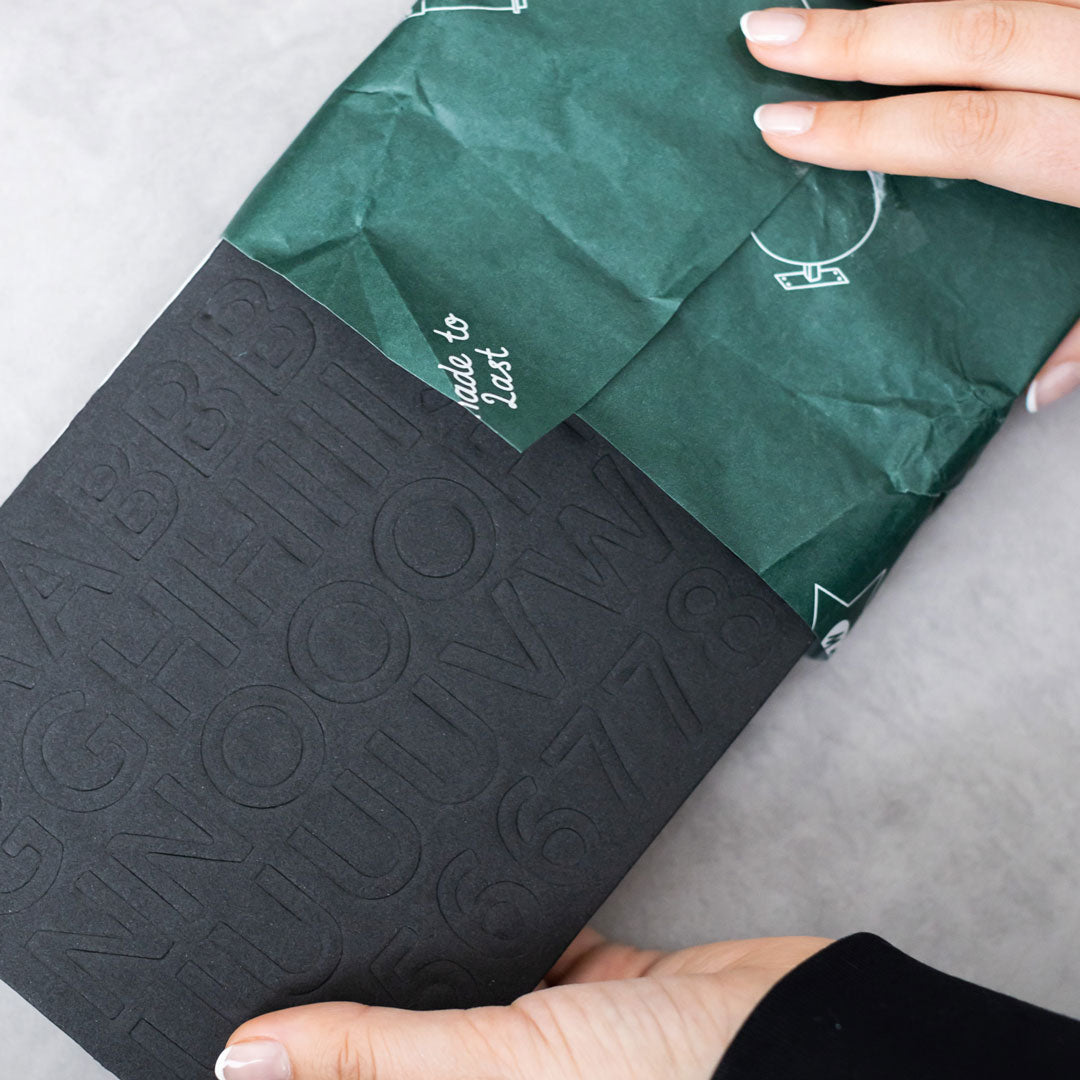
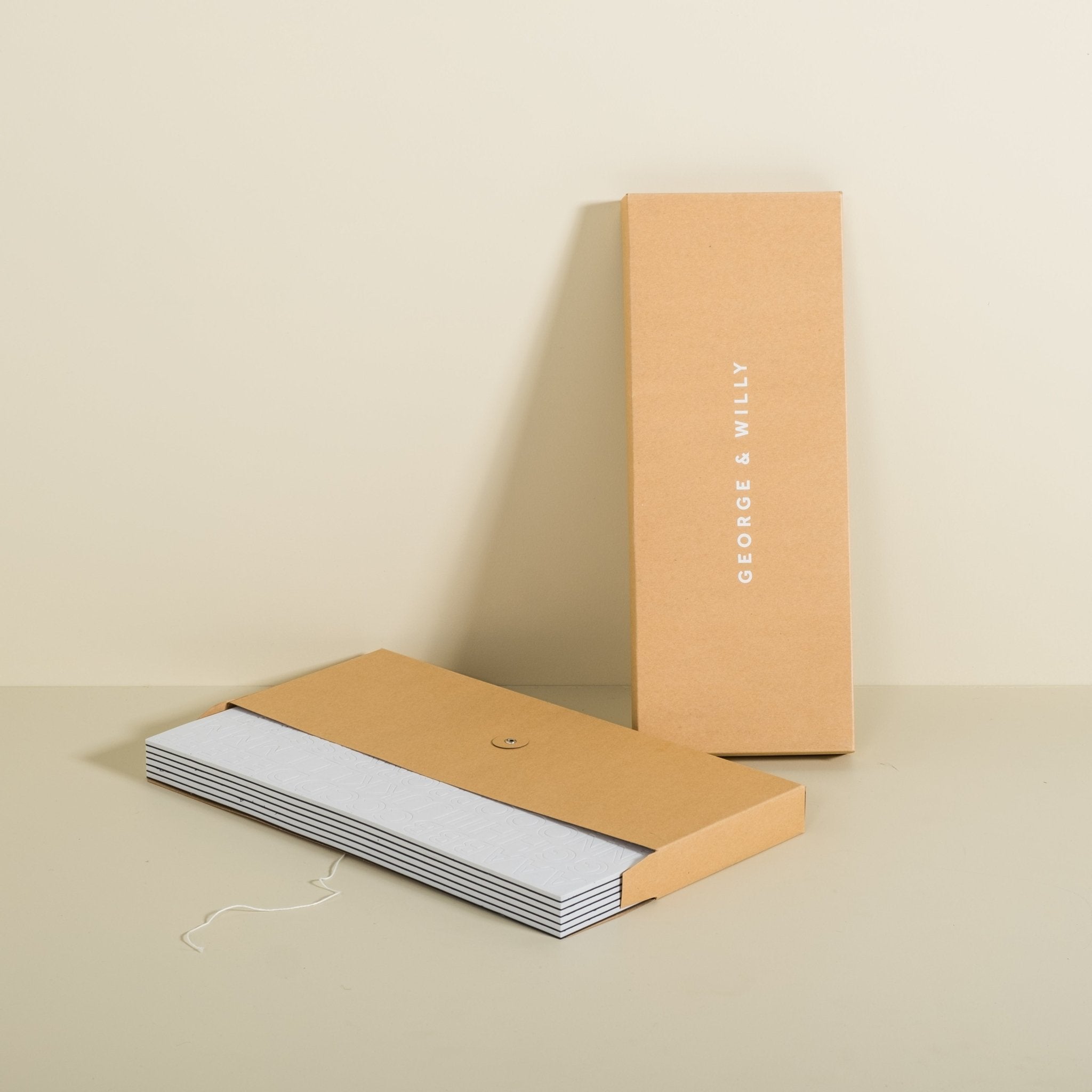
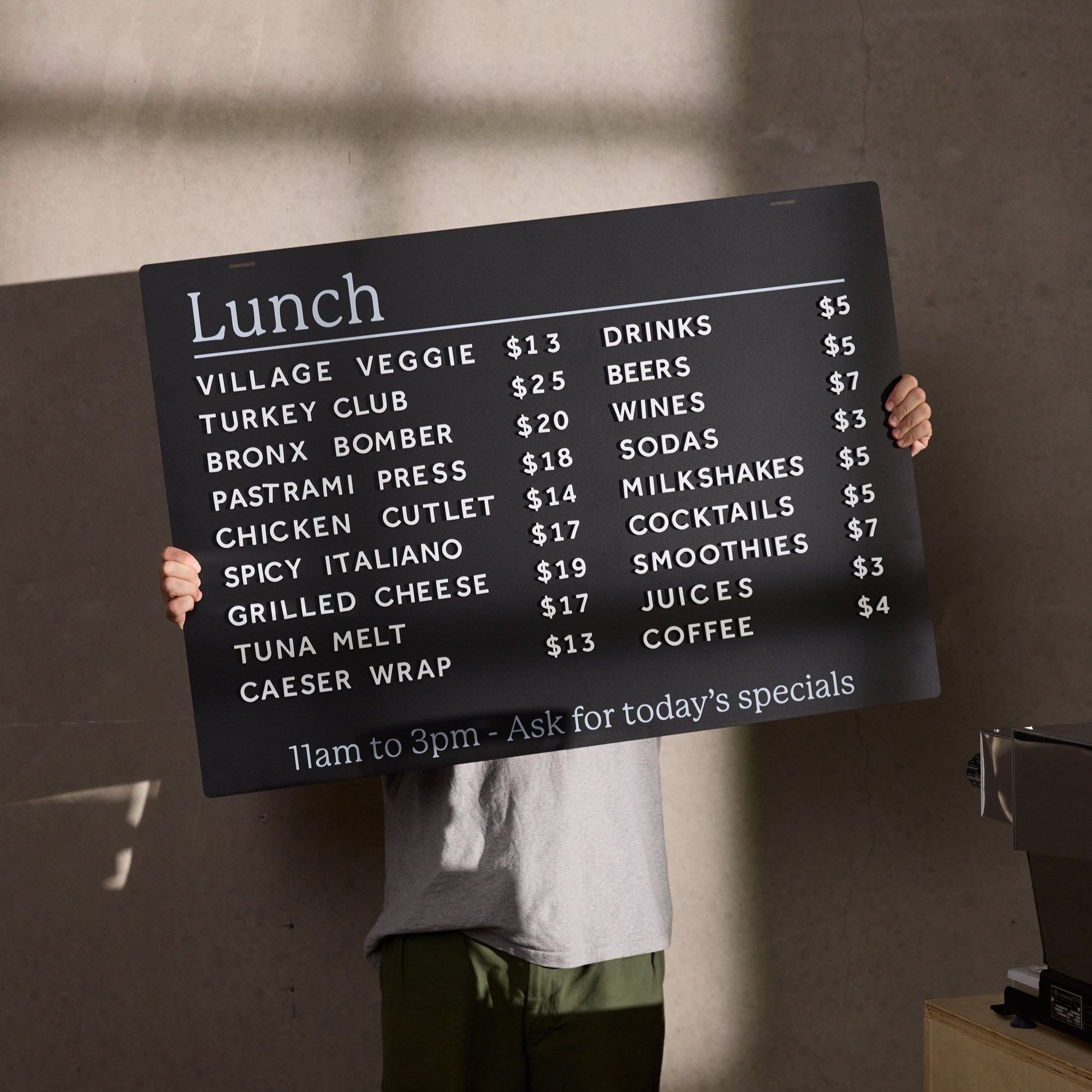
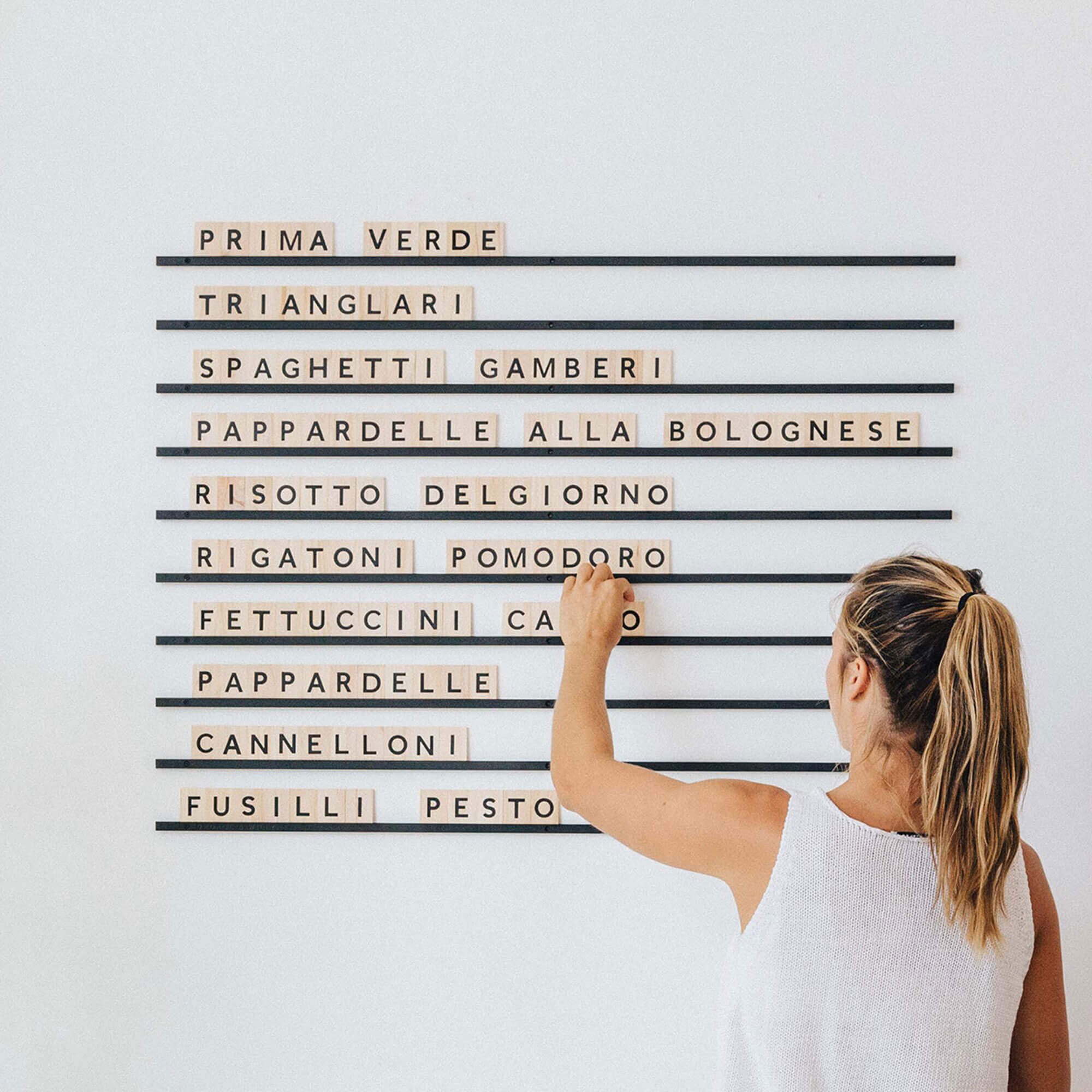
The Magnetic Menu Board ships with 10 rails and 1,032 characters, with rails about 31.5 inches long and letters about 1 inch tall.
-
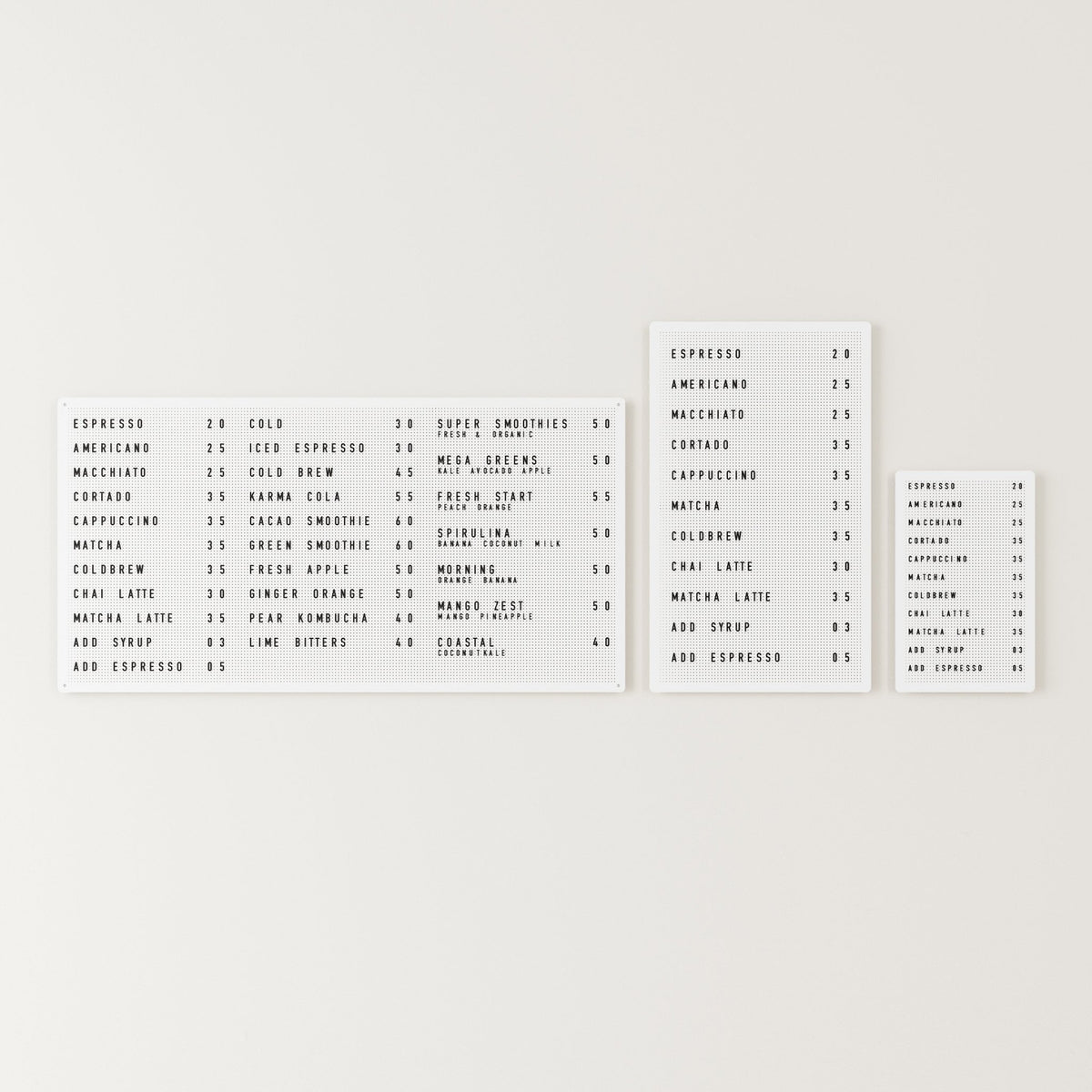
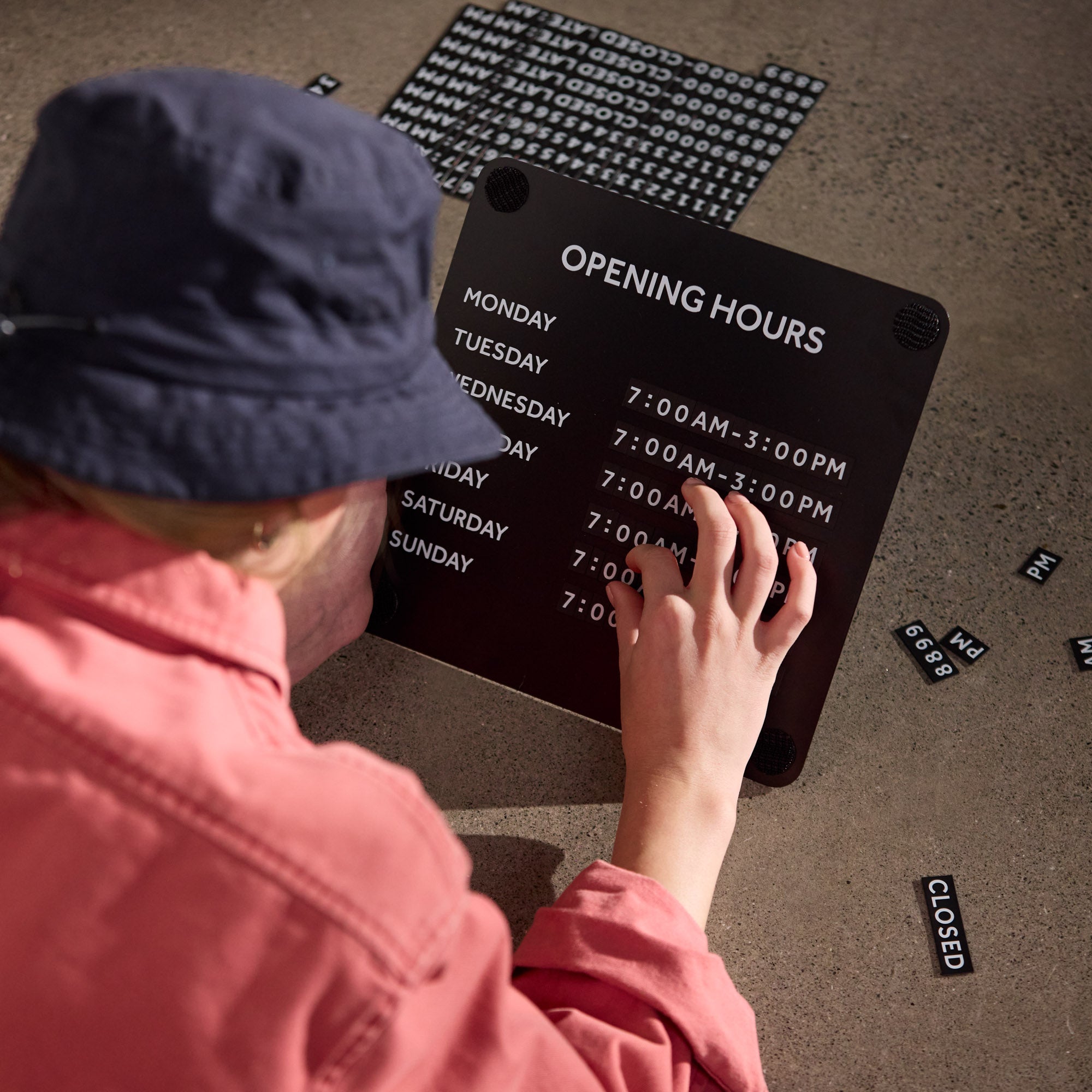
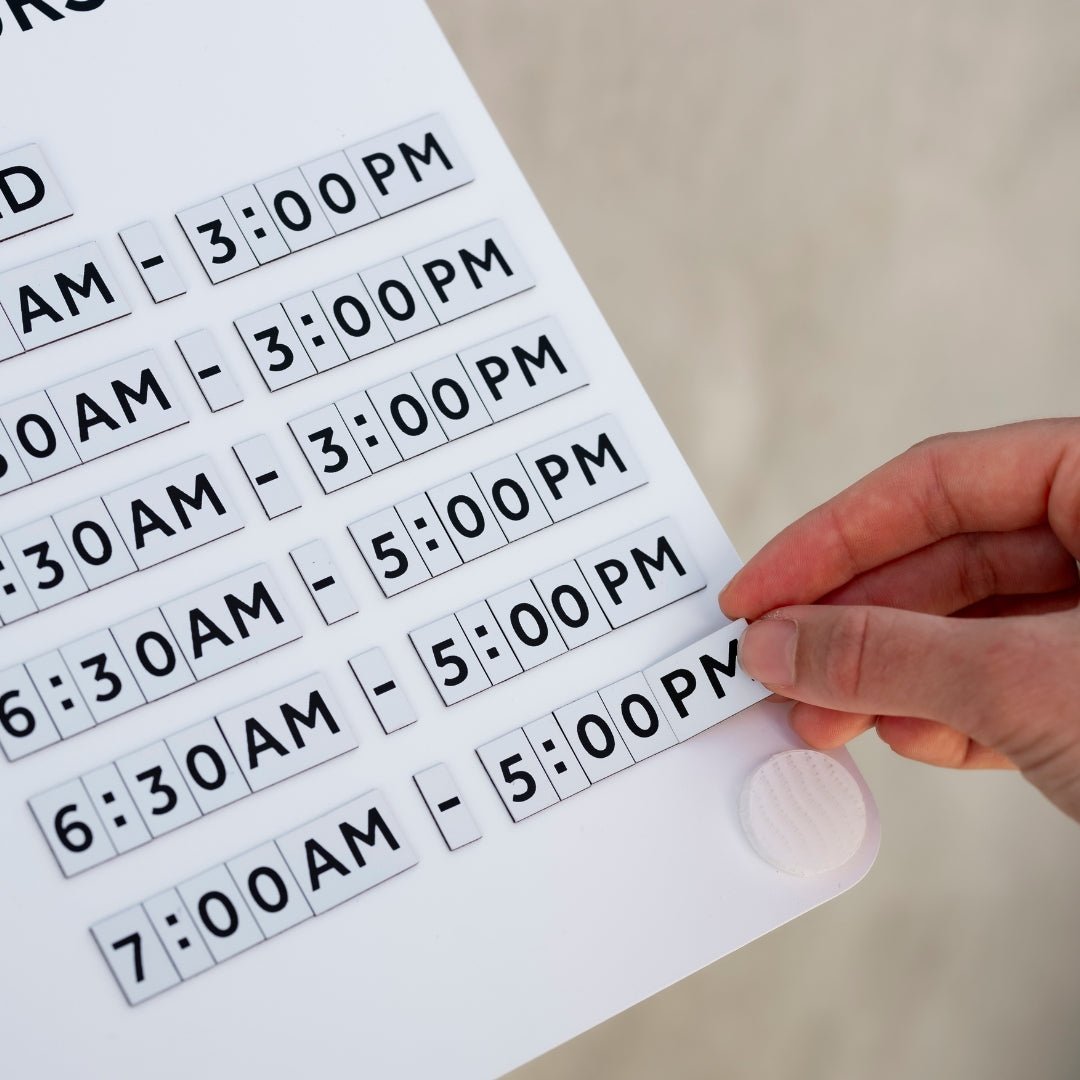
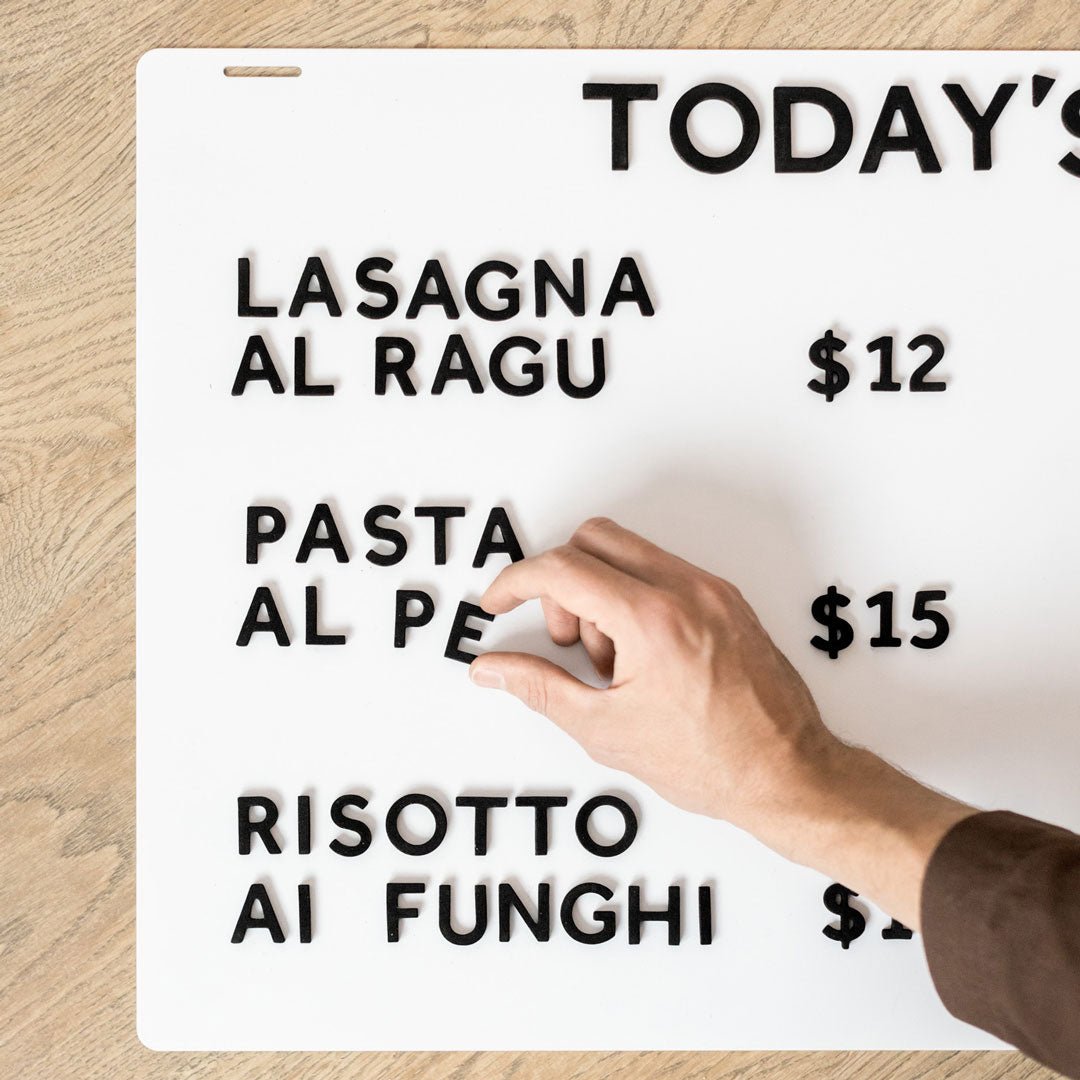
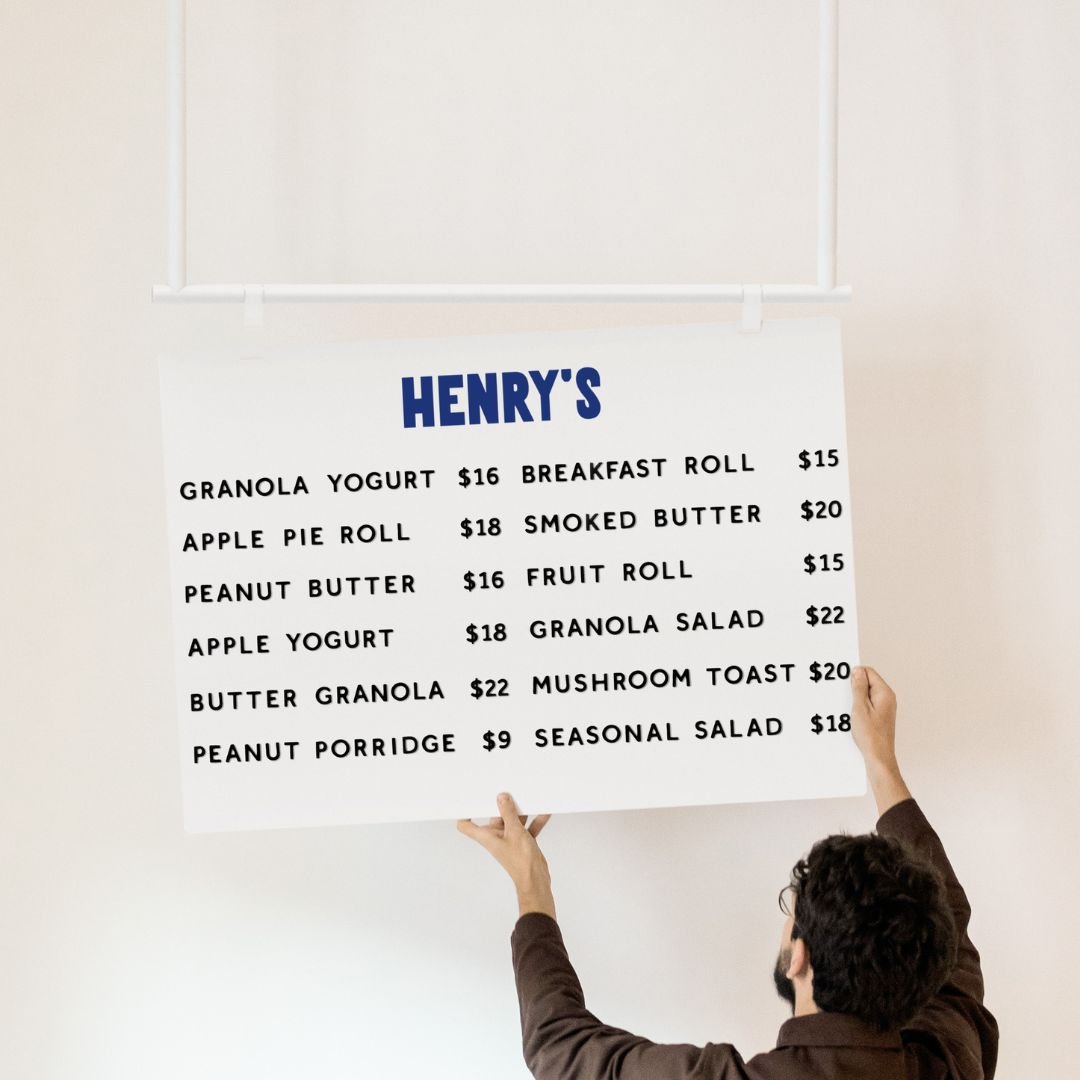
The Menu Board with tiles includes 510 reversible tiles and a board that measures about 23.6 by 31.5 inches.
-
Most metal storefront signs are powder coated aluminum or steel for outdoor durability
-
There is a two year warranty that covers faulty workmanship and materials in normal use, and a 100 day change of mind return on full price items
Browse the full range here when you are ready to plan your changeable menu board system, and see what fits your space best: Explore George and Willy
Top 5 Changeable Menu Board Ideas
Next up, we’re spotlighting five display formats designed for fast updates and everyday flexibility. These picks (letterboards, slats, lightboxes, pegboards, and hanging panels) are grouped because they let you refresh pricing, promos, or sold-out items in seconds without reprinting. Scan this shortlist to find the style that fits your brand vibe, update frequency, and budget.
1. Letterboards: instant, print-free menu updates
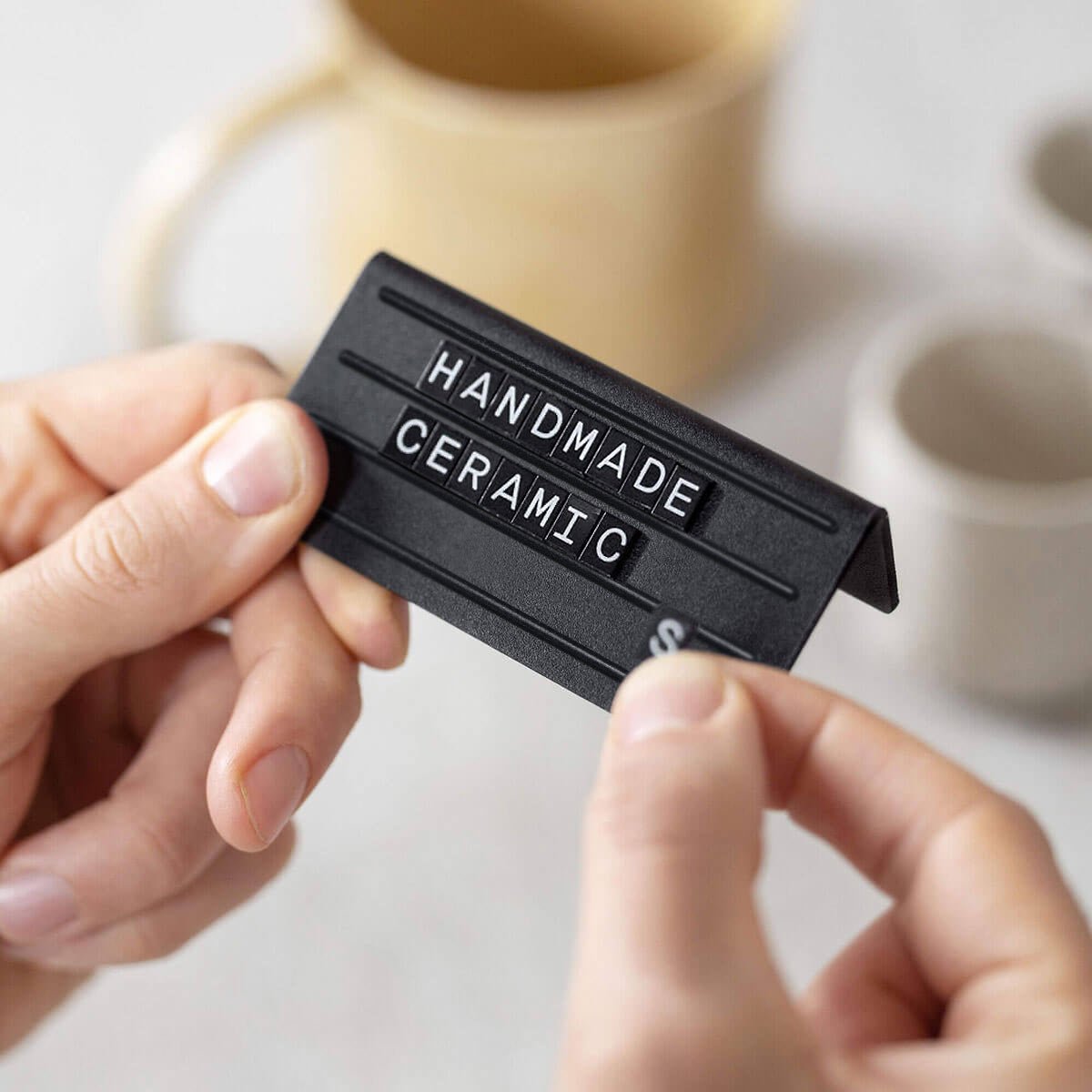
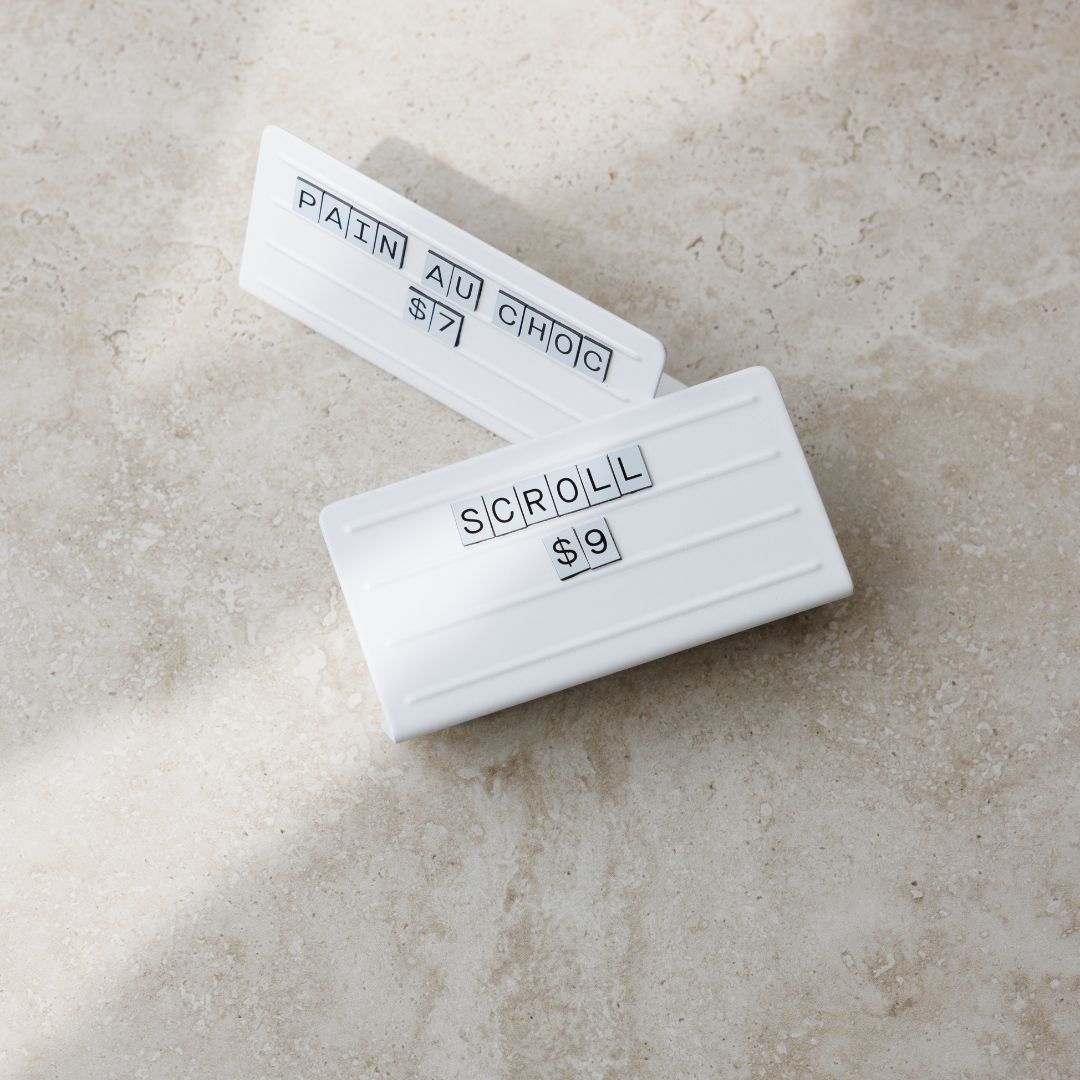
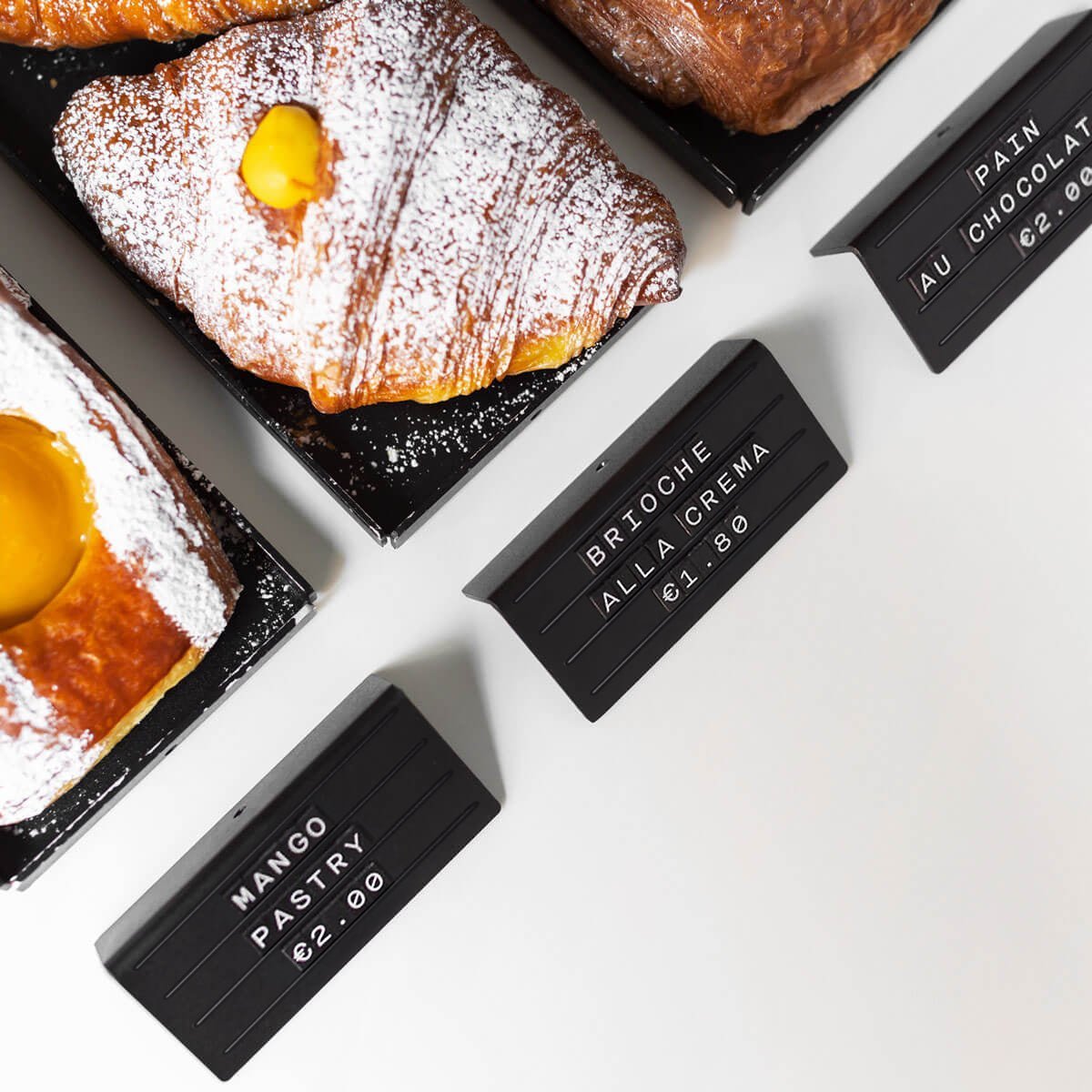
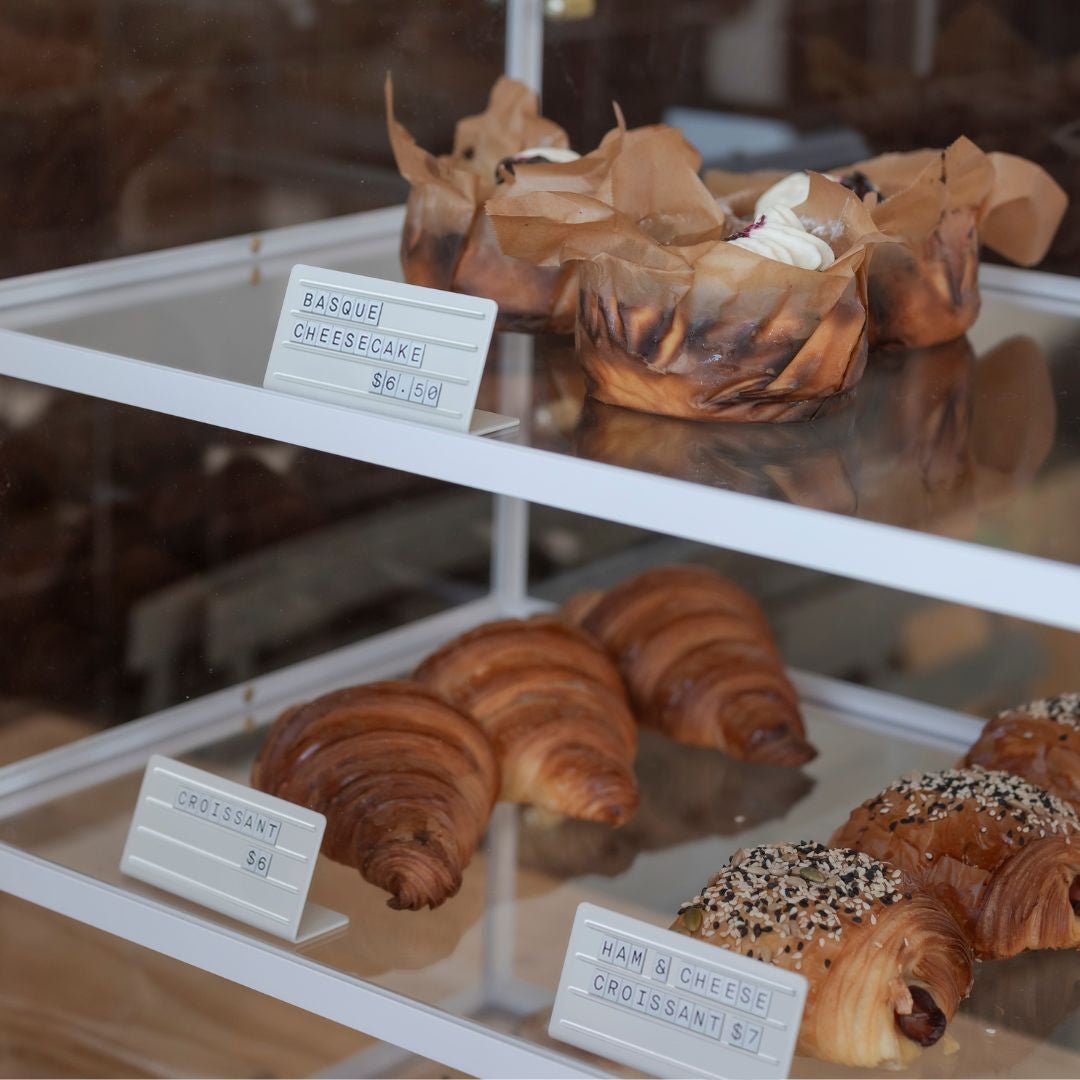
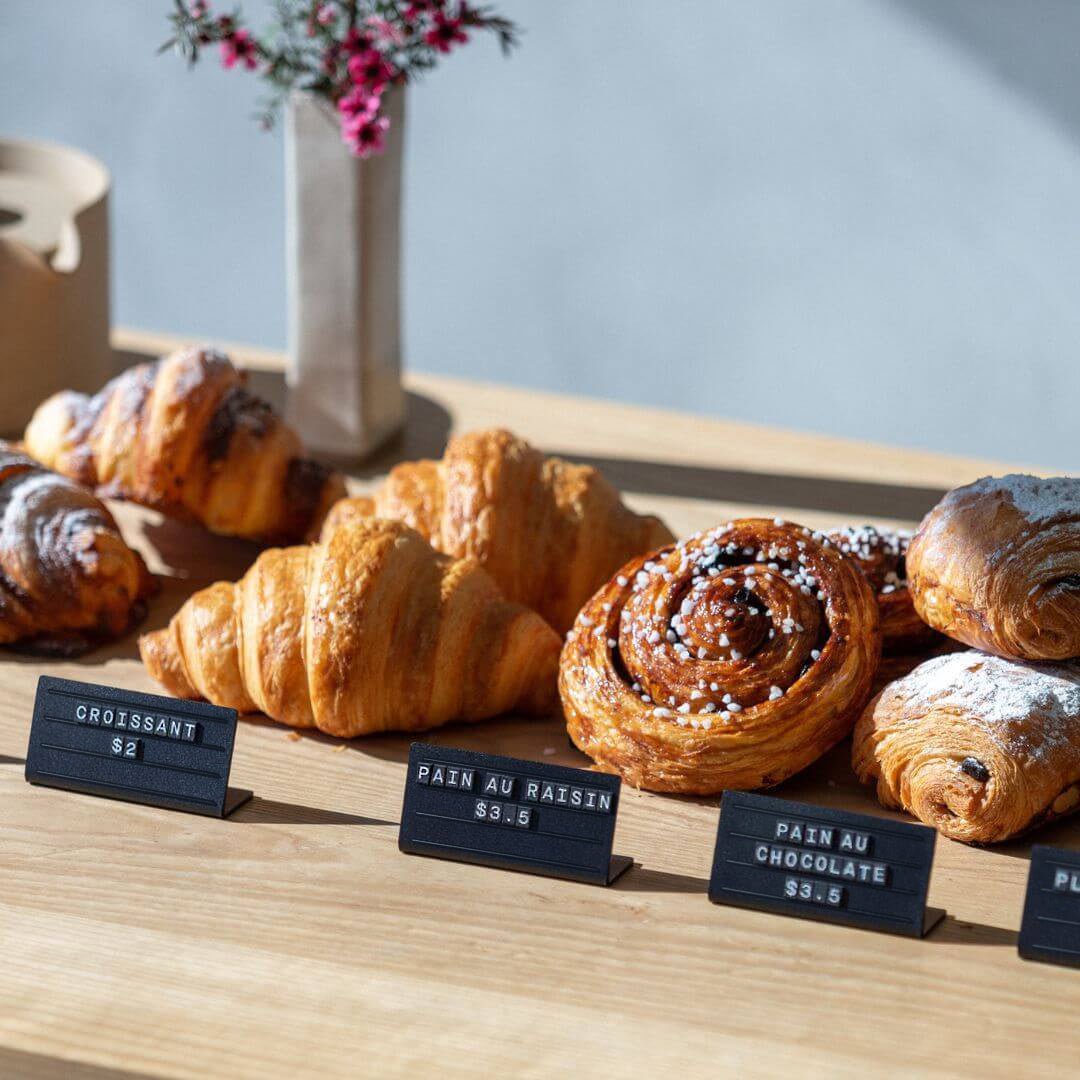
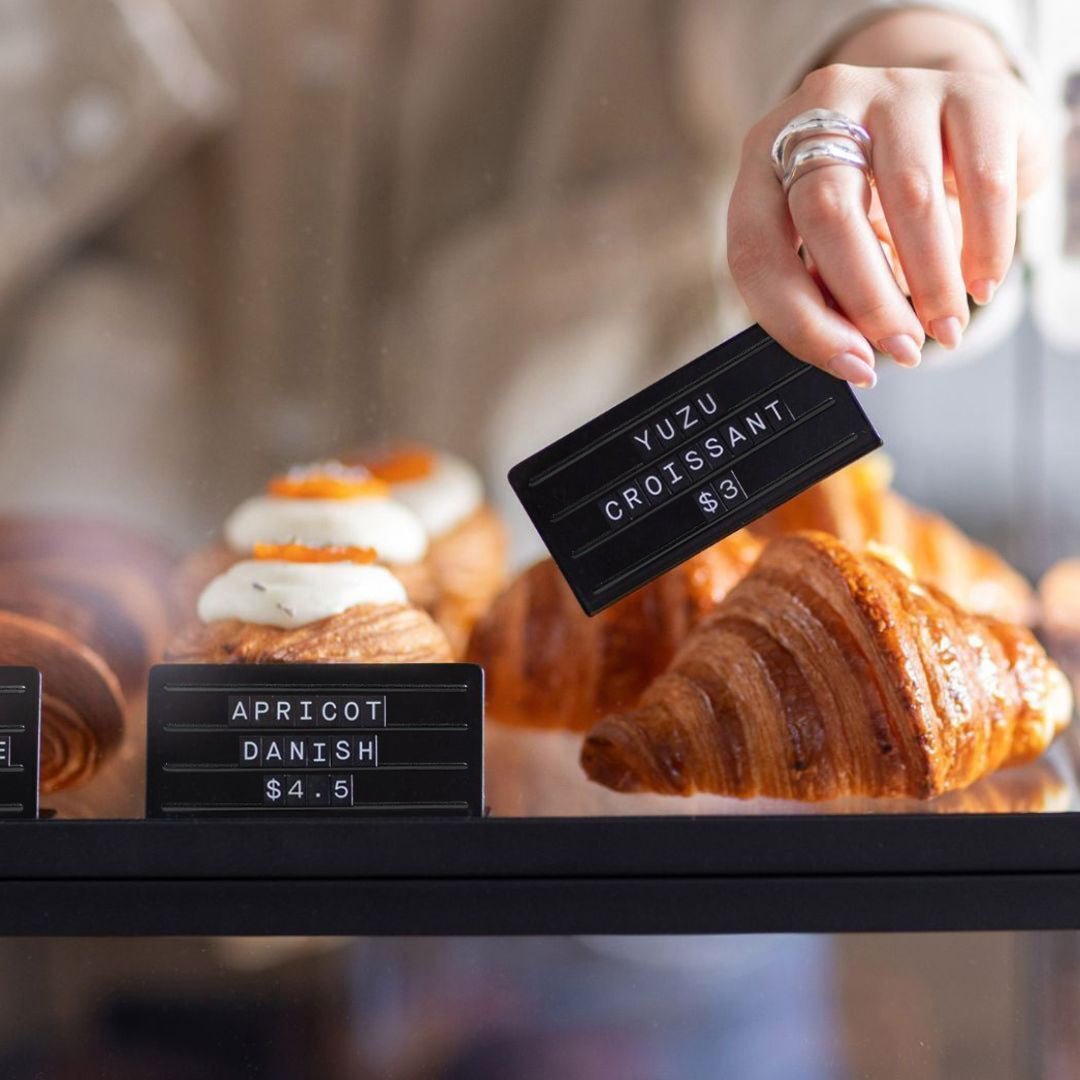
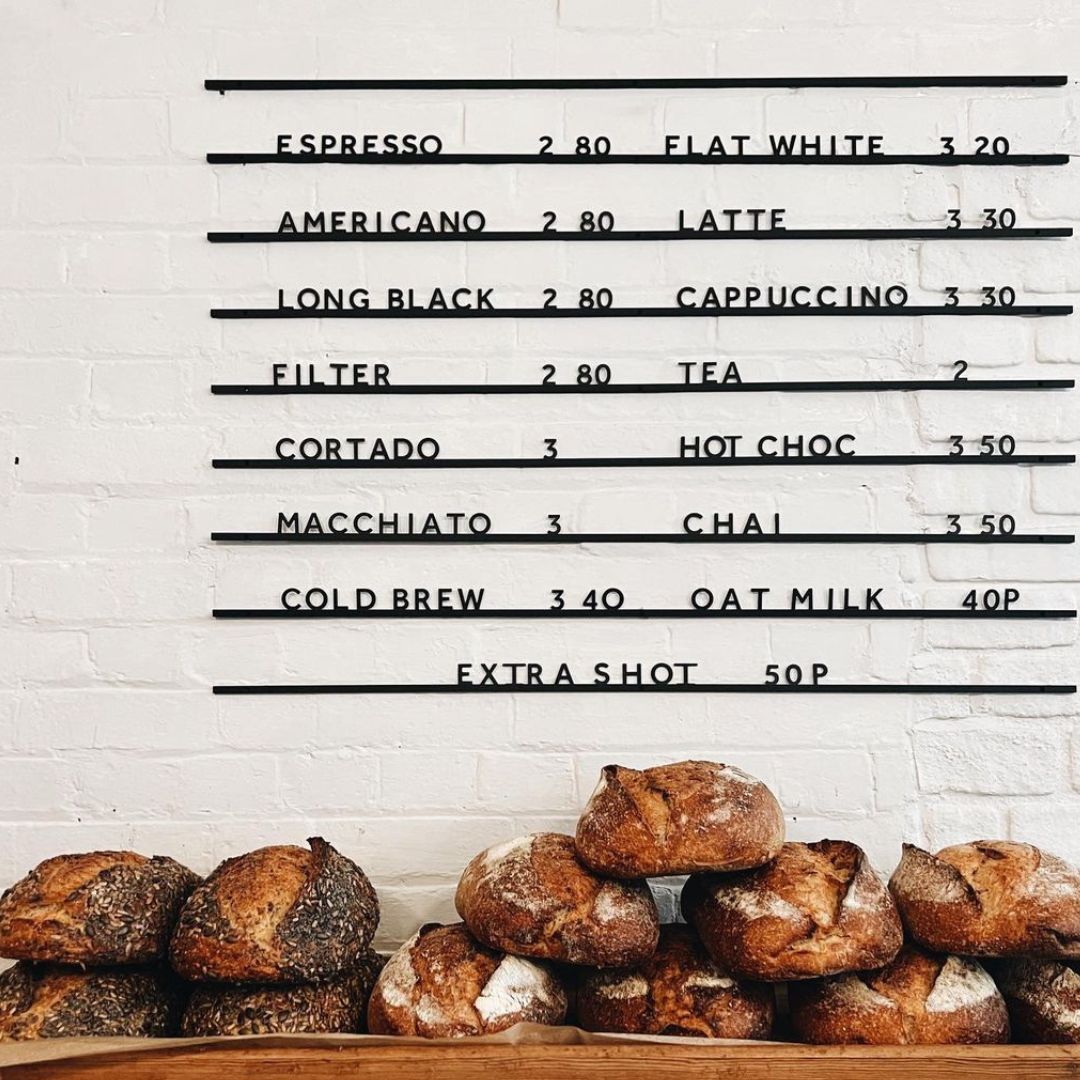
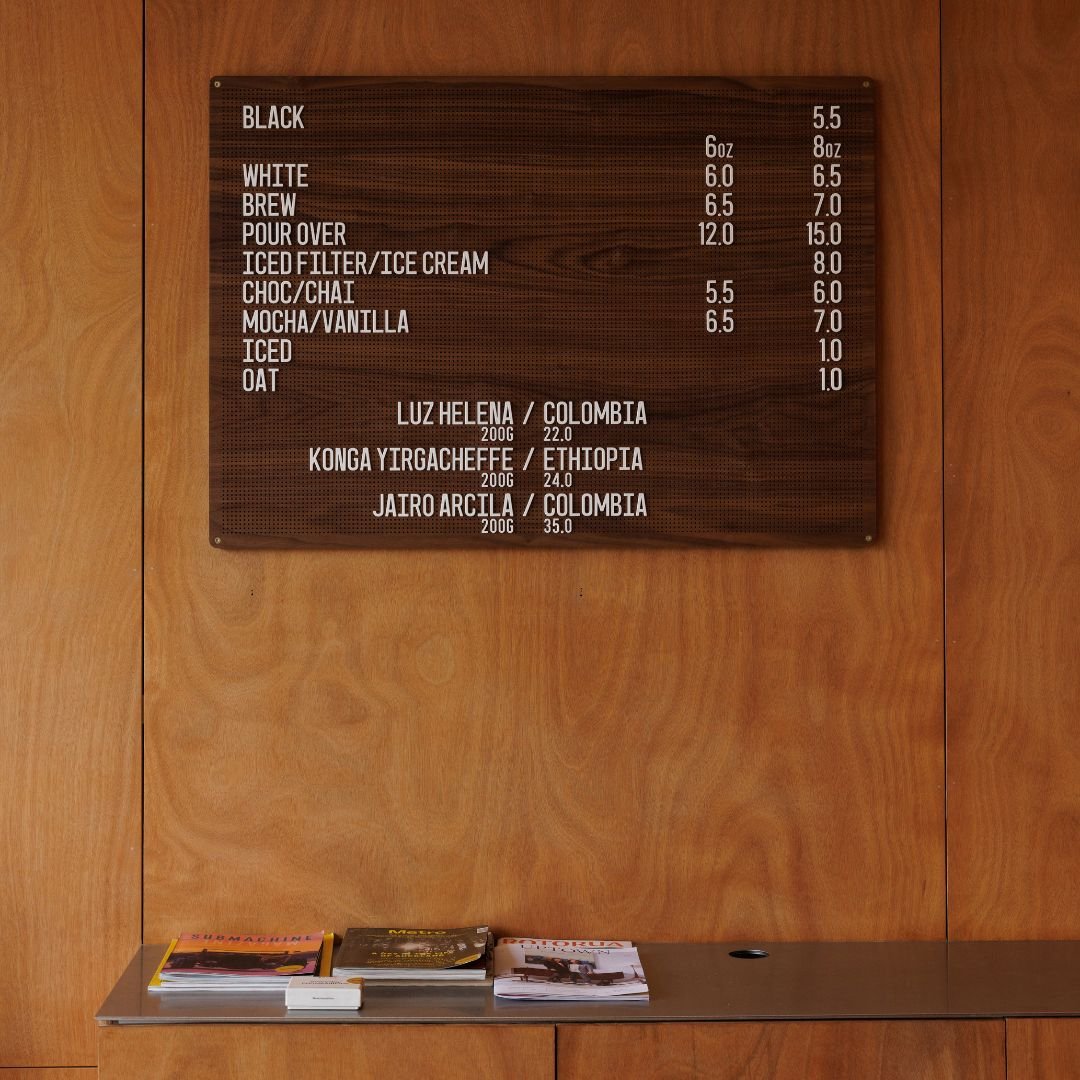
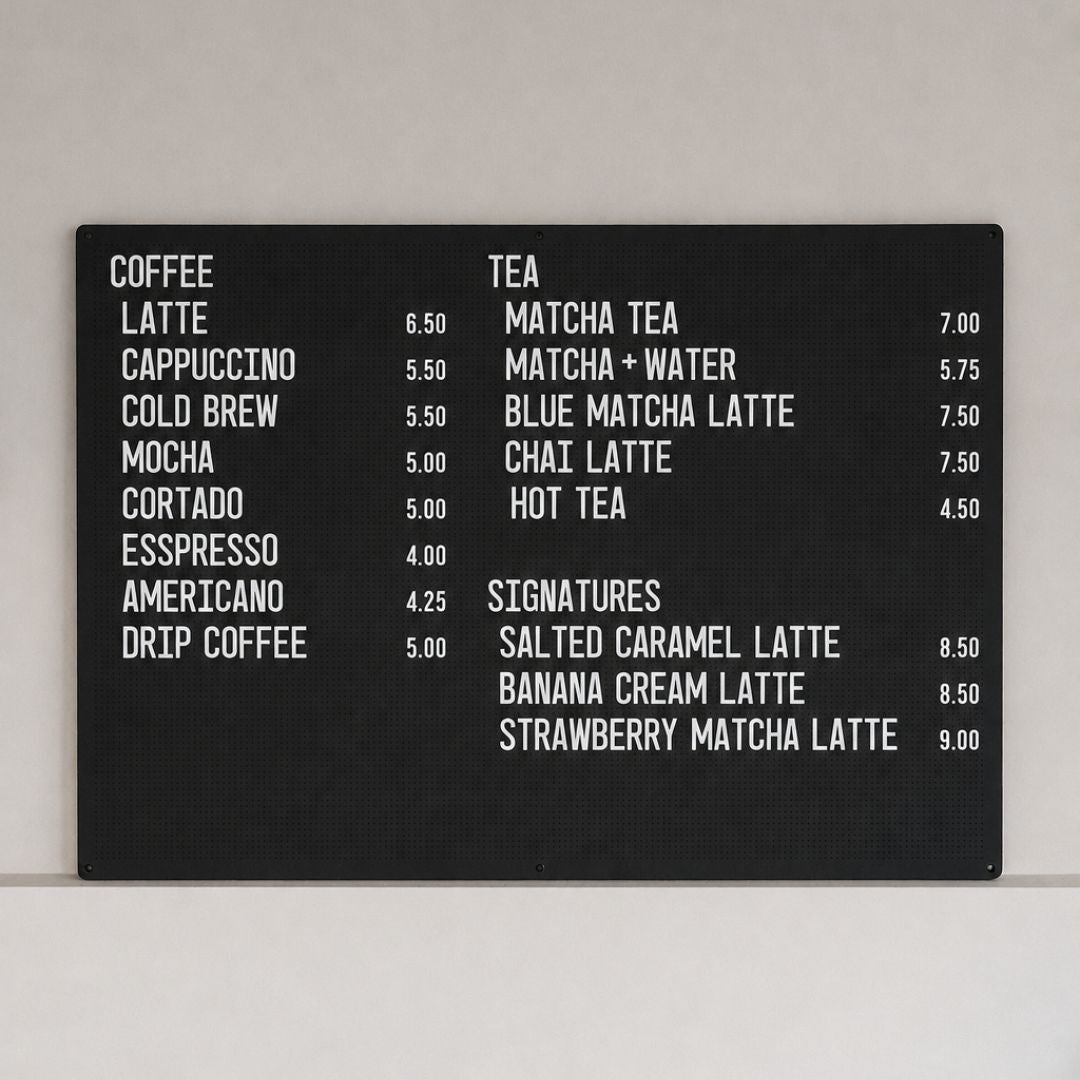
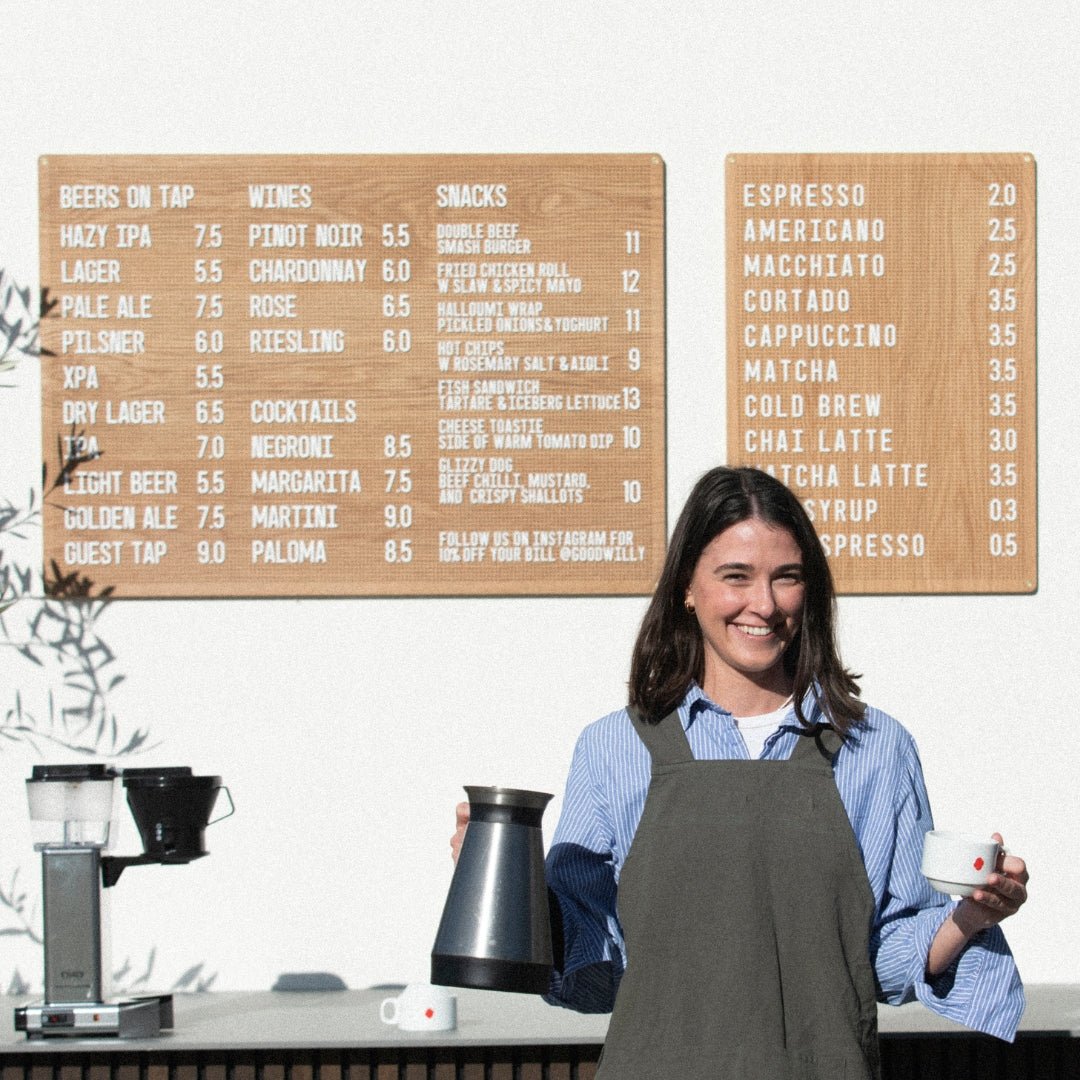
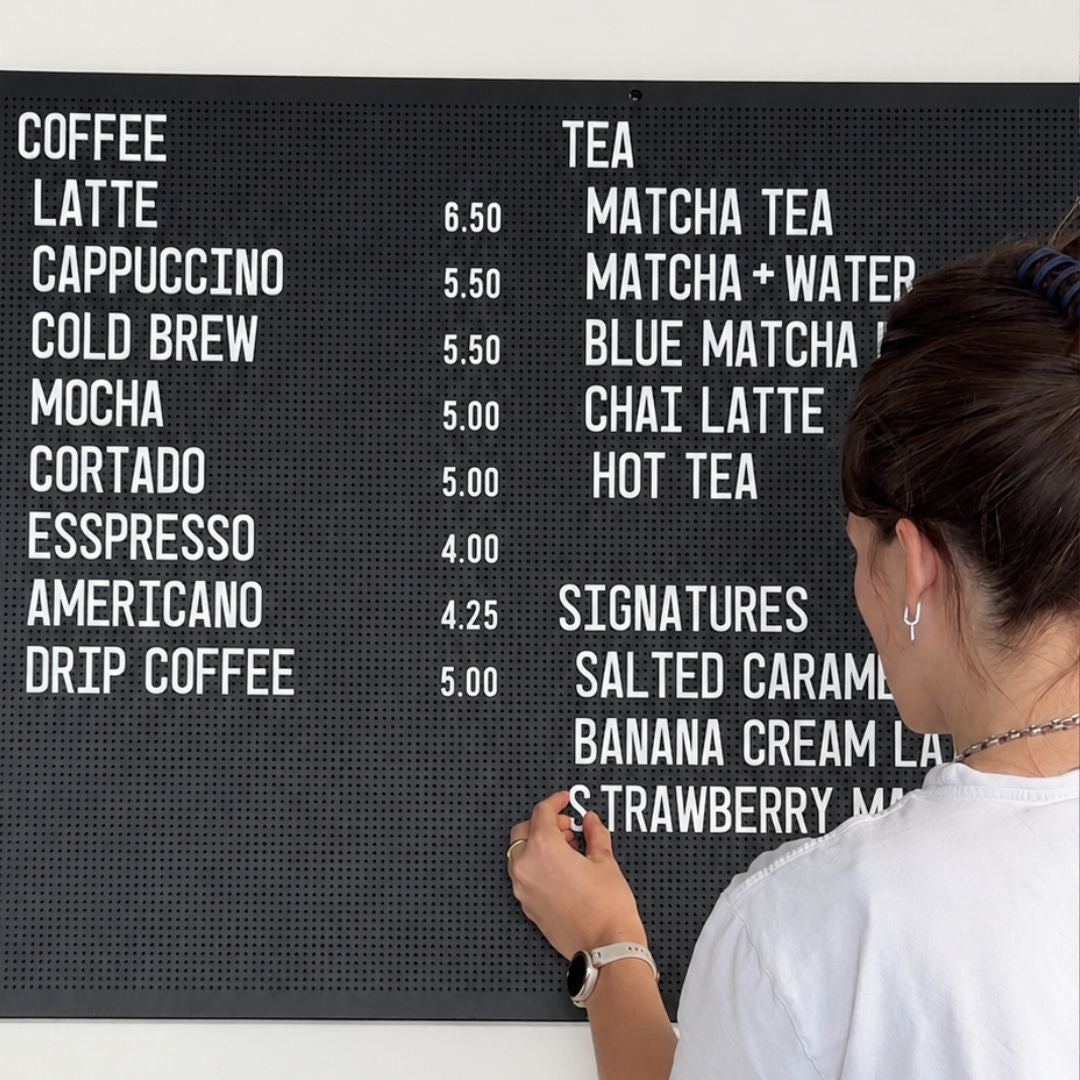
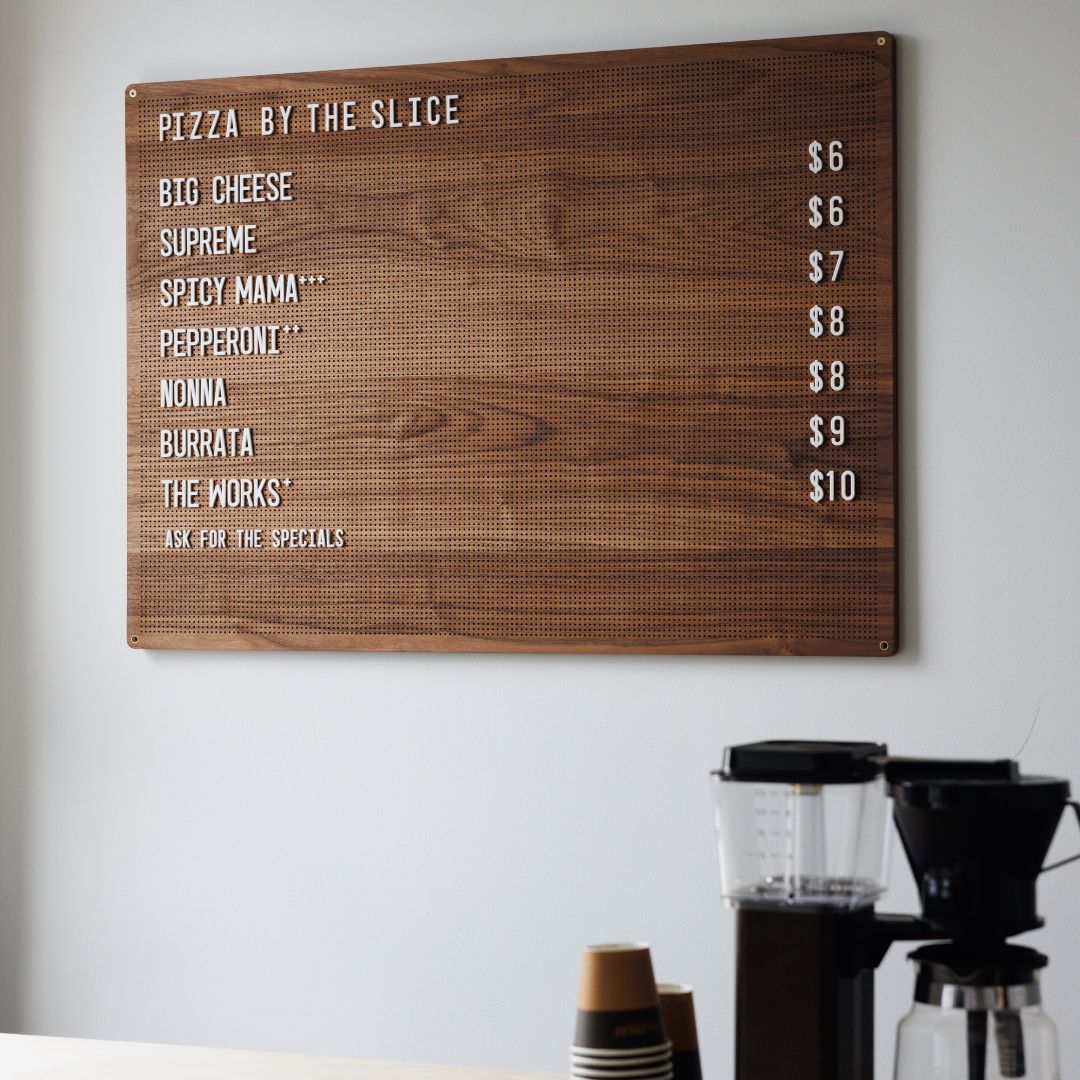
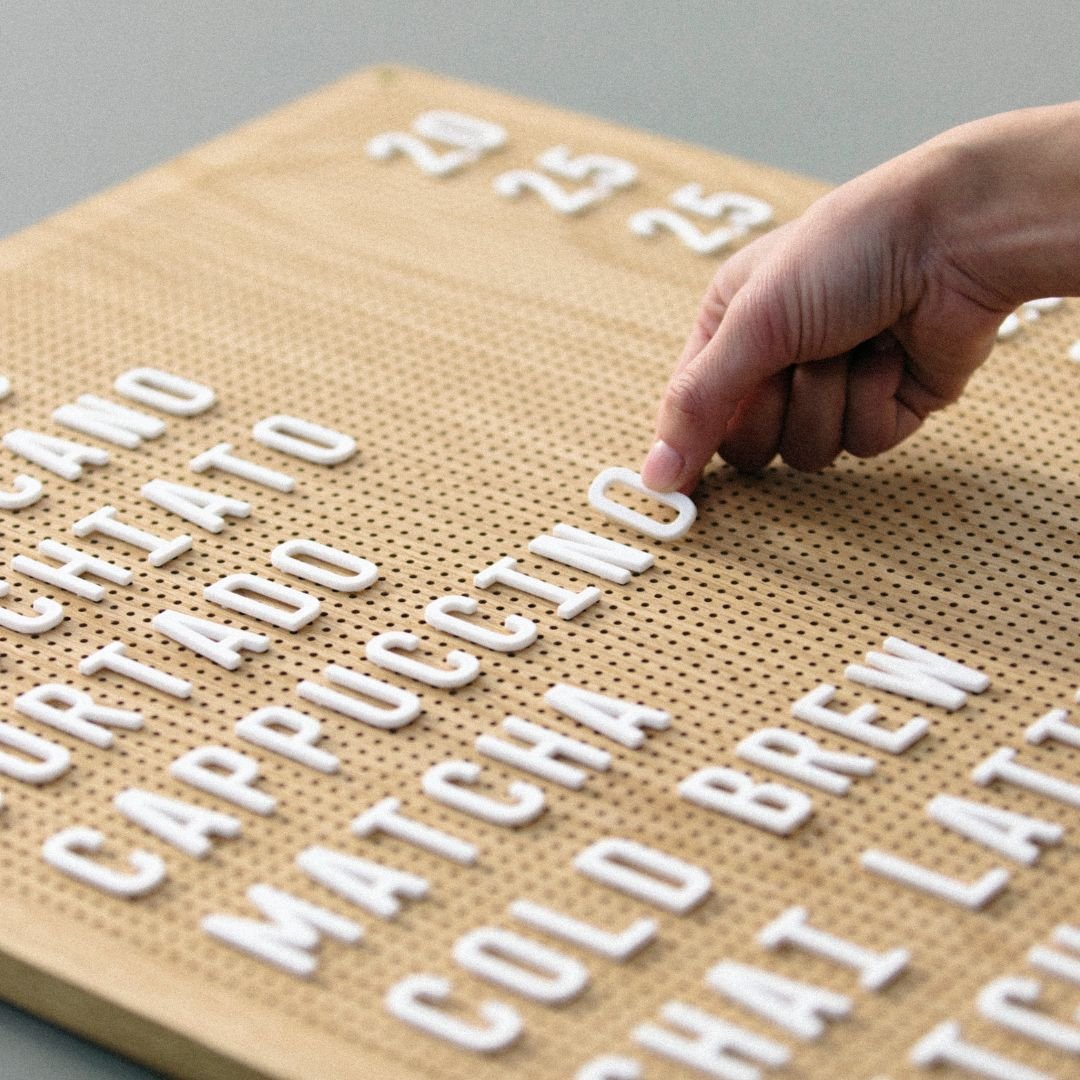
Built for speed and clarity, changeable letter boards let your team compose menus by dropping letters into rails, grooves, pegs, or magnets, so there are no printer runs and no waiting. For a minimal, tactile option, see the Wooden Letter Board. They shine in cafés, coffee bars, bakeries, breweries, ice cream shops, and pop ups where items and prices shift daily or seasonally. Expect tight character counts per line and a bit of hands on labor; glare can creep in behind acrylic, and multi site rollouts work best when you standardize kits, train staff, and keep spare letters on hand.
-
Bold visibility: 1 in letters read cleanly at roughly 10 ft; 2 to 3 in letters hold at 15 to 25 ft.
-
Update pace: quick price tweaks in 2 to 5 minutes; full menu refresh in 10 to 20 minutes with organized kits.
-
Install reality: mount rails dead level, anchor to studs, and budget 2 to 4 in wall clearance for hand access.
-
Built to last: indoor felt or timber faces; UV stable tiles and matte glazing reduce fade and glare; vinyl logos add brand punch.
Pro tip: Aim matte lighting at a shallow angle and use spacer tiles; standardize letter kits across sites for muscle memory updates.
2. Slats: modular rails, faster updates
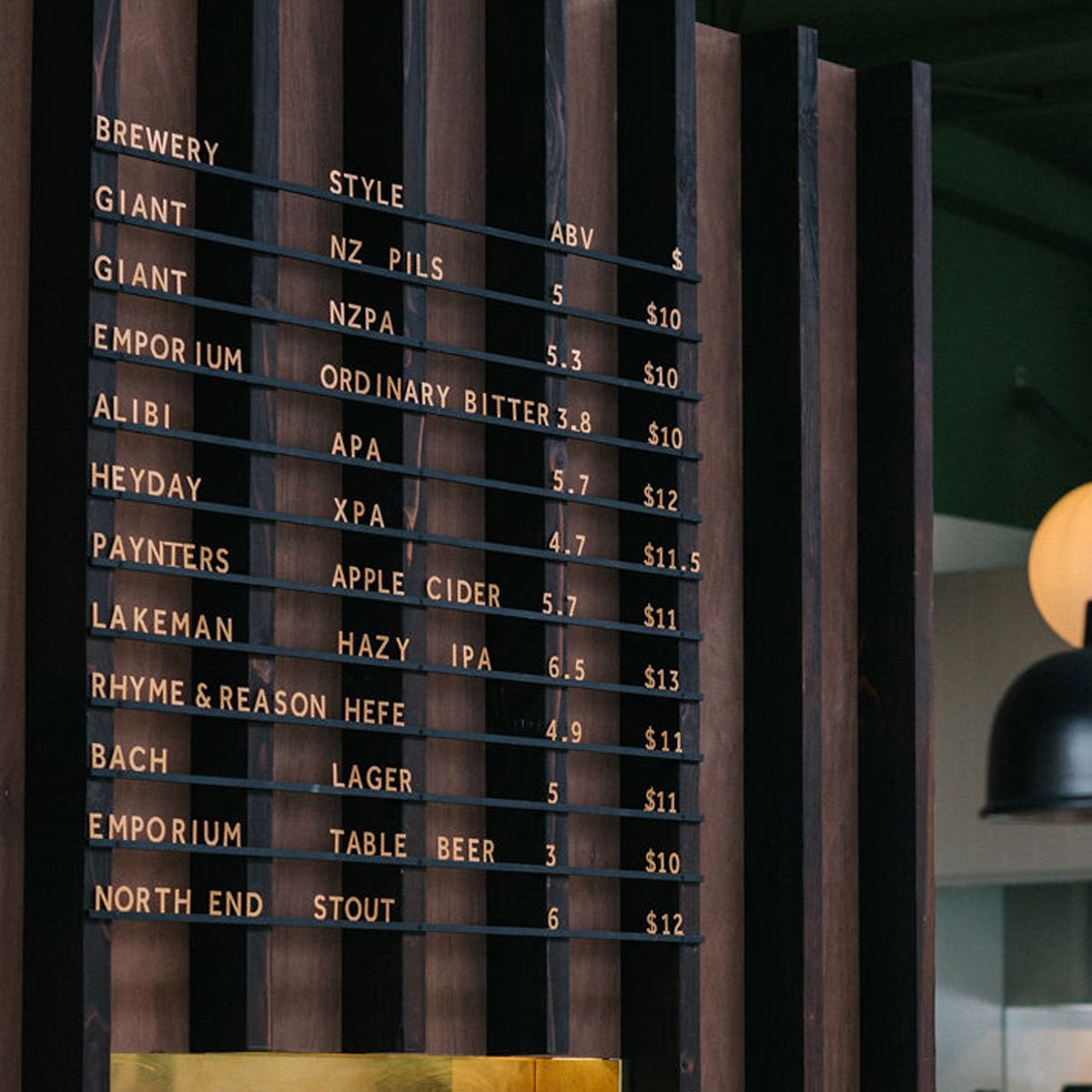
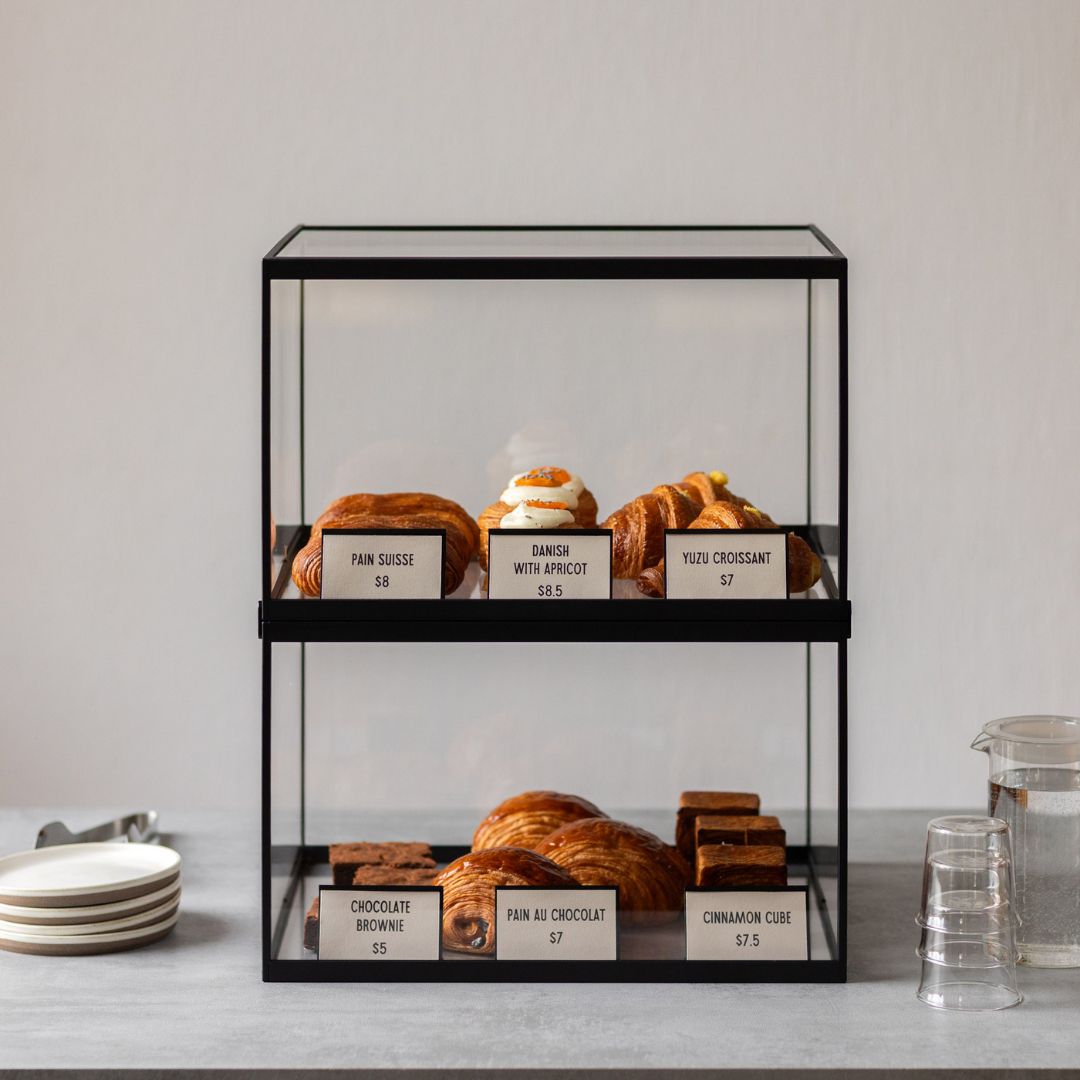
Slatted menus use horizontal rails that accept interchangeable strips or tiles, so you can swap a single line item without reprinting or relaying entire sections. They’re a sweet spot for quick service cafés, breweries, food halls, and multi unit brands with frequent price changes. Watch the character ceiling per rail, manage tile inventory, spec matte finishes to dodge glare, and avoid generic retail slatwall, as purpose built systems clean easier and resist grease.
-
Bold visibility: plan ~10 ft per 1 in letter; common letter heights range 0.75 to 2 in.
-
Update pace: a single price tile swap takes about 10 to 30 seconds.
-
Install reality: mount perfectly level into studs, keep side clearance for loading; some systems allow front loading.
-
Built to last: matte wood, aluminum, or HPL rails; brand via decals, engraved strips, or magnetic tiles.
Pro tip: Pre stage full lines on a spare rail off board, then slide in for ultra clean, ultra fast swaps.
3. Lightboxes: bold, brand true menus
LED lit frames turn your menu into a luminous billboard, using backlit film or fabric you swap seasonally or across locations for perfect brand consistency. They’re staples for QSRs, cafés, cinemas, and food halls making weekly to quarterly updates, where uniform color and legibility matter most. The trade off is reprint lead time and power needs, plus potential glare if you under spec the surface; letters aren’t edited on the fly, so plan updates in design cycles.
-
Bold visibility: target ~10 ft per 1 in letter; headers often land around 1 to 1.5 in for mid range viewing.
-
Update pace: design/print in 2 to 7 days; on site graphic swaps in 5 to 15 minutes.
-
Install reality: typical depth 2 to 4 in; a 24×36 box can weigh 12 to 25 lb; plan 120 V power routing.
-
Built to last: indoor aluminum frames with non glare lenses; outdoor options at IP54 to IP65 with UV stable media and dimming.
-
Branding canvas: full bleed backlit film or SEG fabric; color manage with ICC profiles for cross site consistency.
Pro tip: Standardize matte SEG boxes across sites, spec 90+ CRI at 4000 to 5000 K, and print seasonal spares so swaps never miss a window.
4. Pegboards: modular budget menu grid
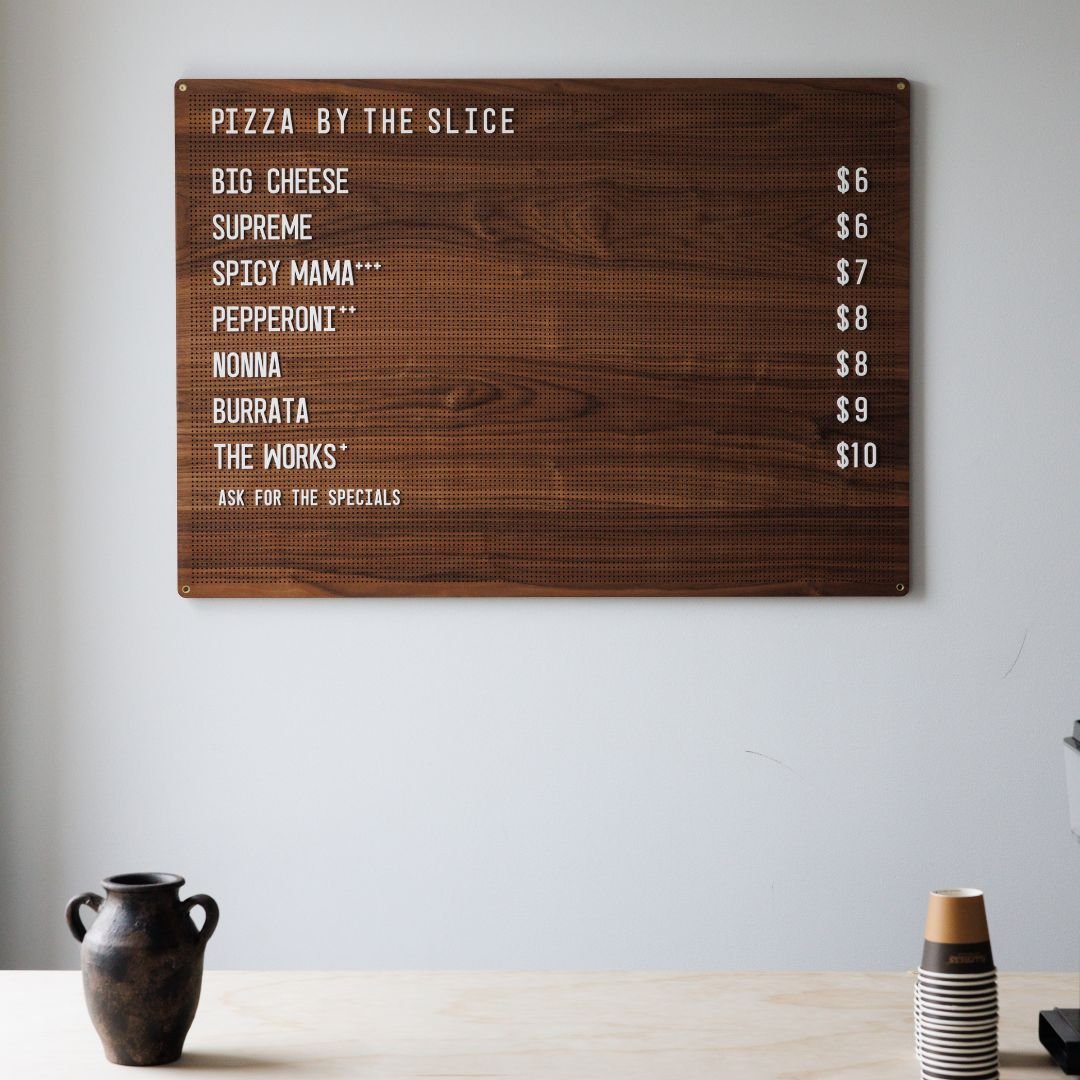
With a perforated grid on a 1 in pitch, pegboards like the Wooden Pegboard with Wooden Pegs let you build crisp, minimalist menus using peg letters, hooks, or tiles. They suit cafés, breweries, pop ups, and QSRs chasing a modular look with weekly or monthly changes. Expect shorter line lengths and slower rebuilds than rails; legibility drops at distance, high gloss boards can glare, and letter organization becomes a discipline.
-
Bold visibility: plan viewing distance at roughly 10× letter height; 2 in letters read about 20 ft.
-
Update pace: bite size tweaks in 10 to 20 minutes; full rebuilds in 30 to 60 minutes.
-
Install reality: mount to studs; French/steel cleats keep panels secure and straight.
-
Built to last: sealed hardboard works indoors; powder coated steel handles heavier use or outdoors.
-
Branding tools: vinyl headers and peg letters; magnets only on steel variants.
Pro tip: Use a 1 in spacing jig to snap lines straight and speed consistent kerning across the board.
5. Hanging Panels: architectural, changeable menus
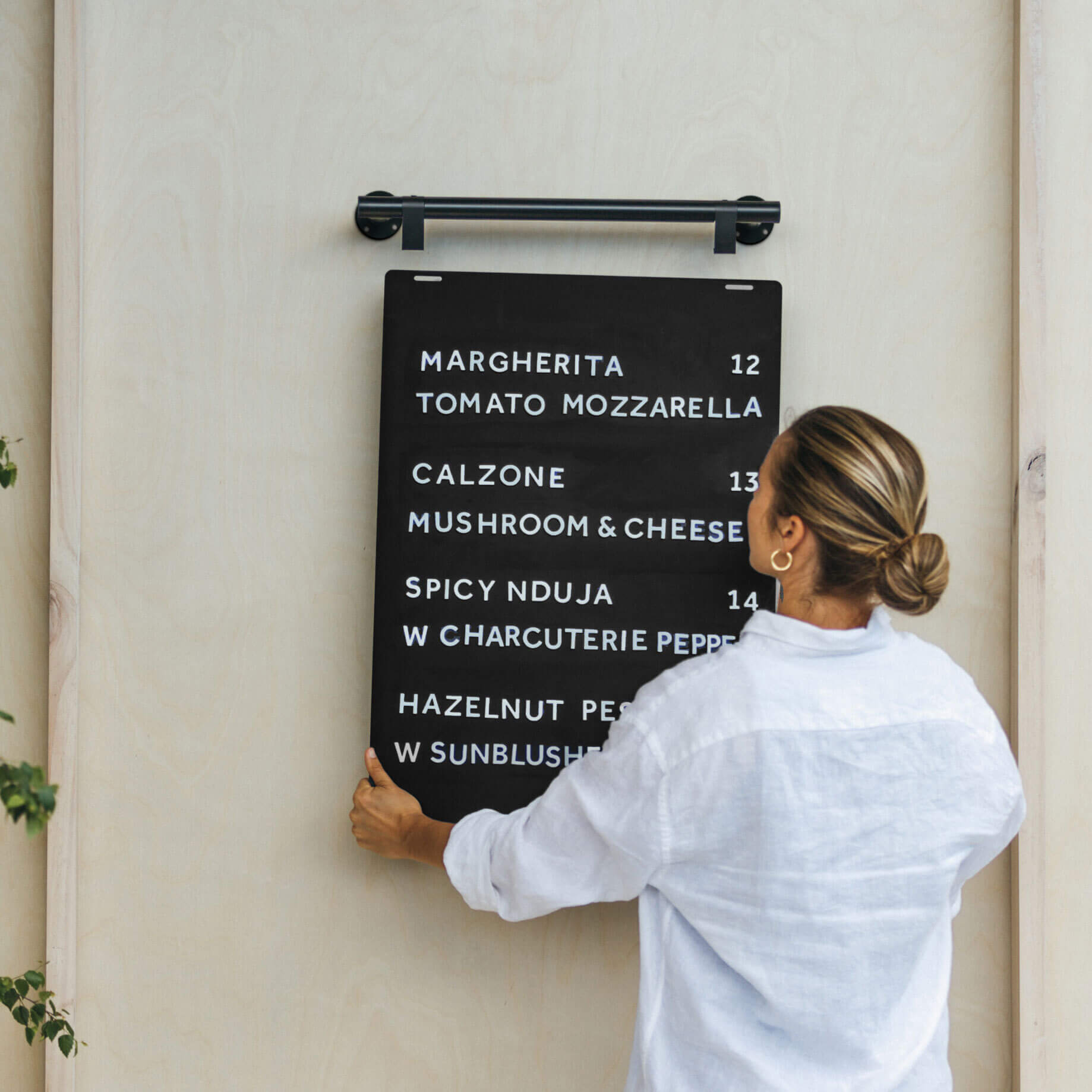
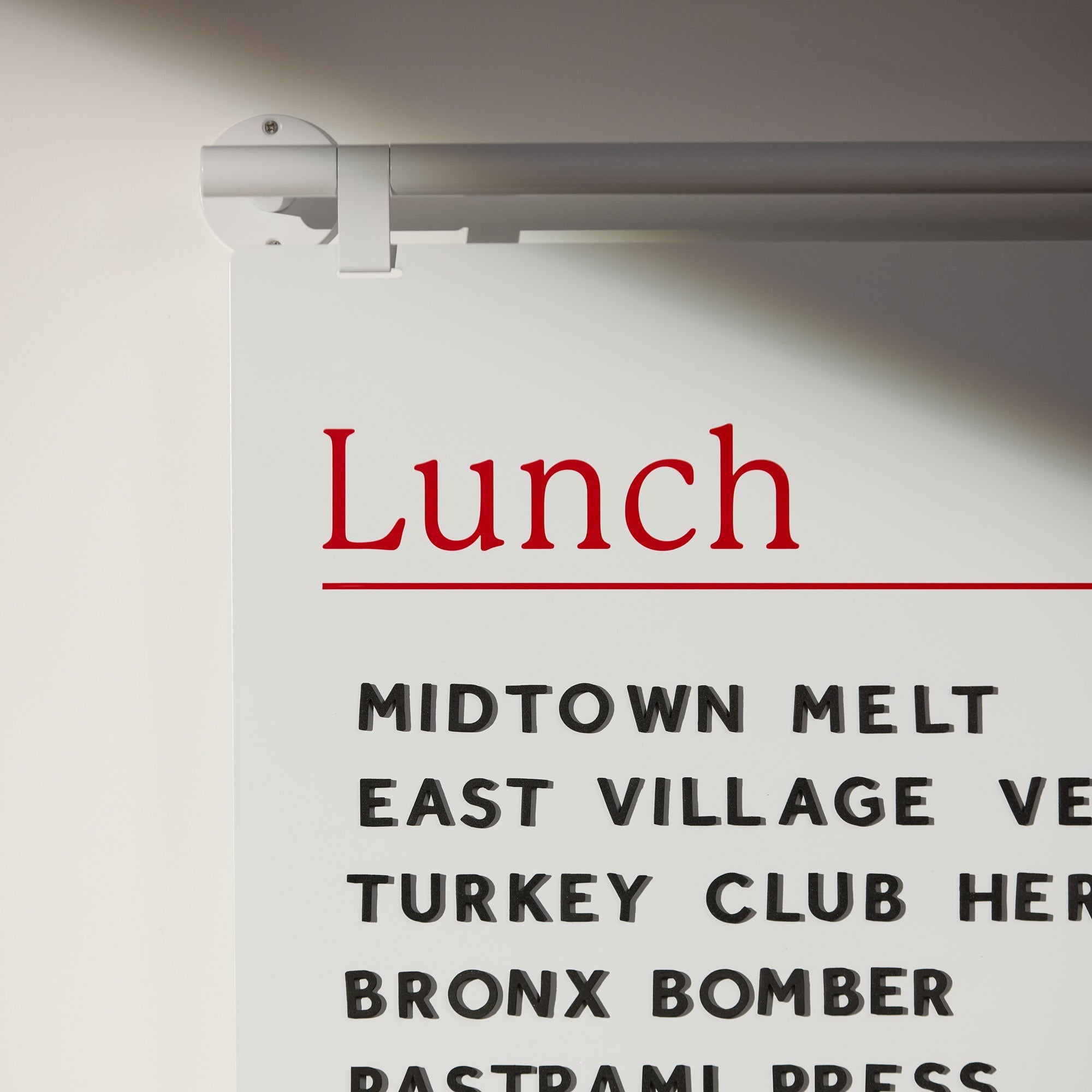
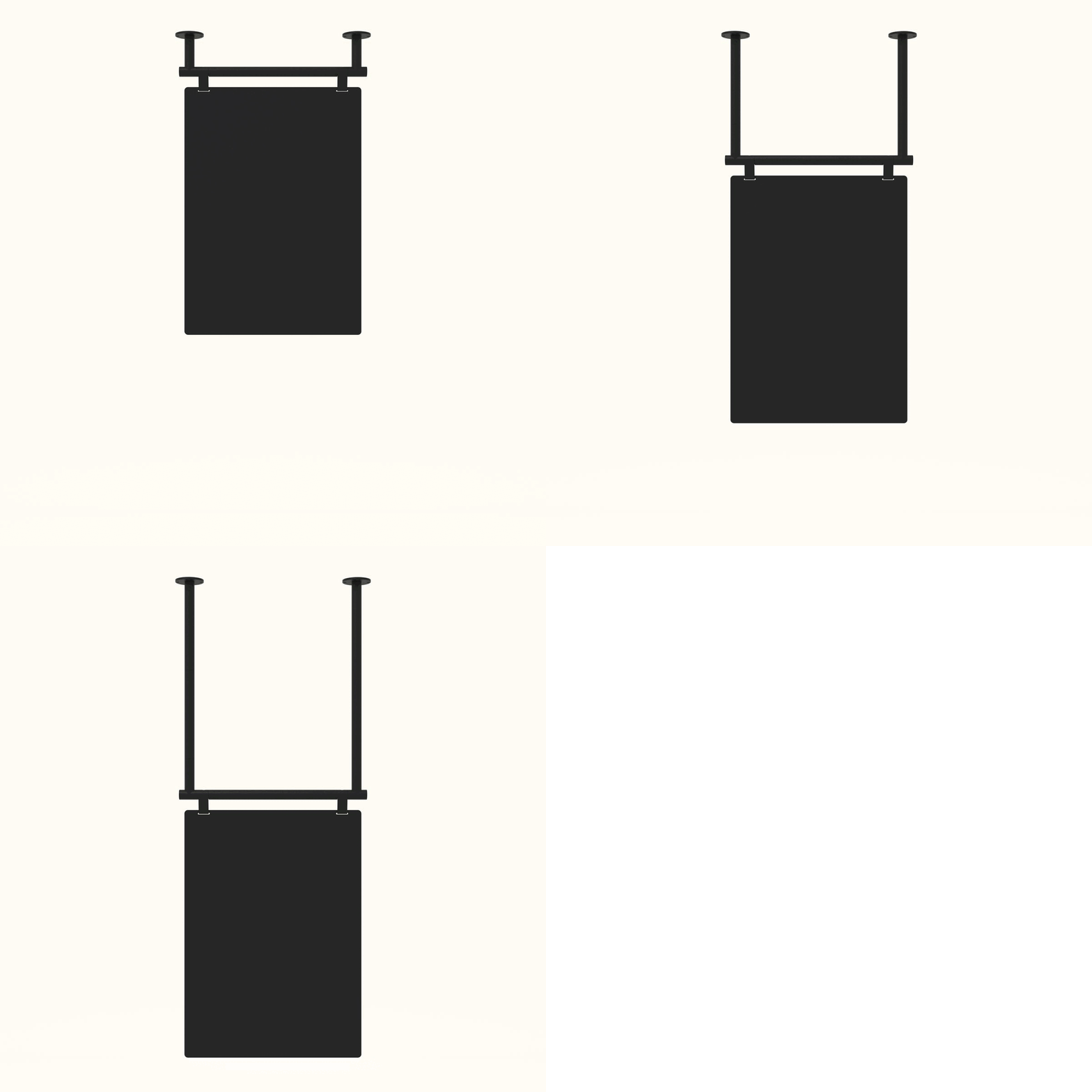
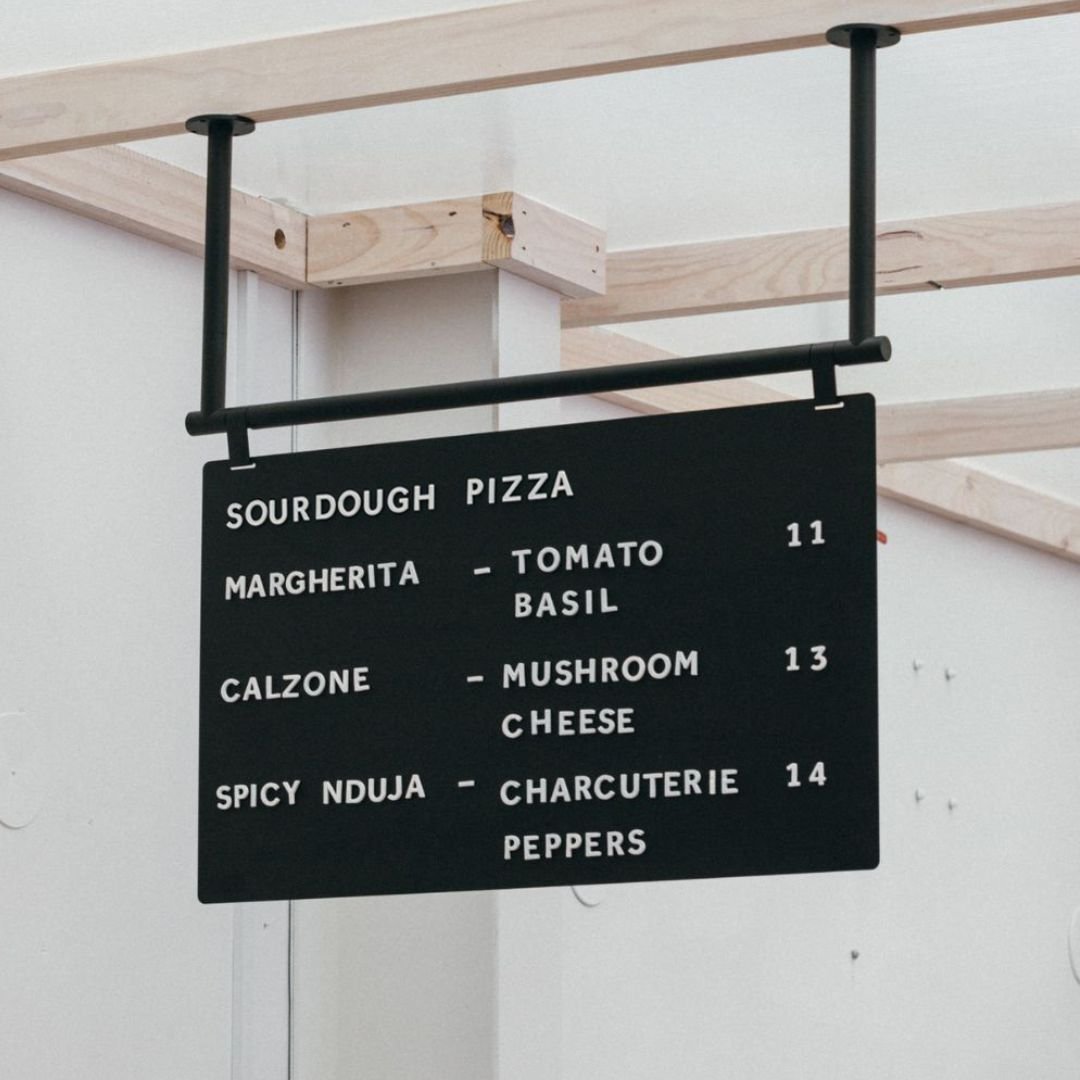
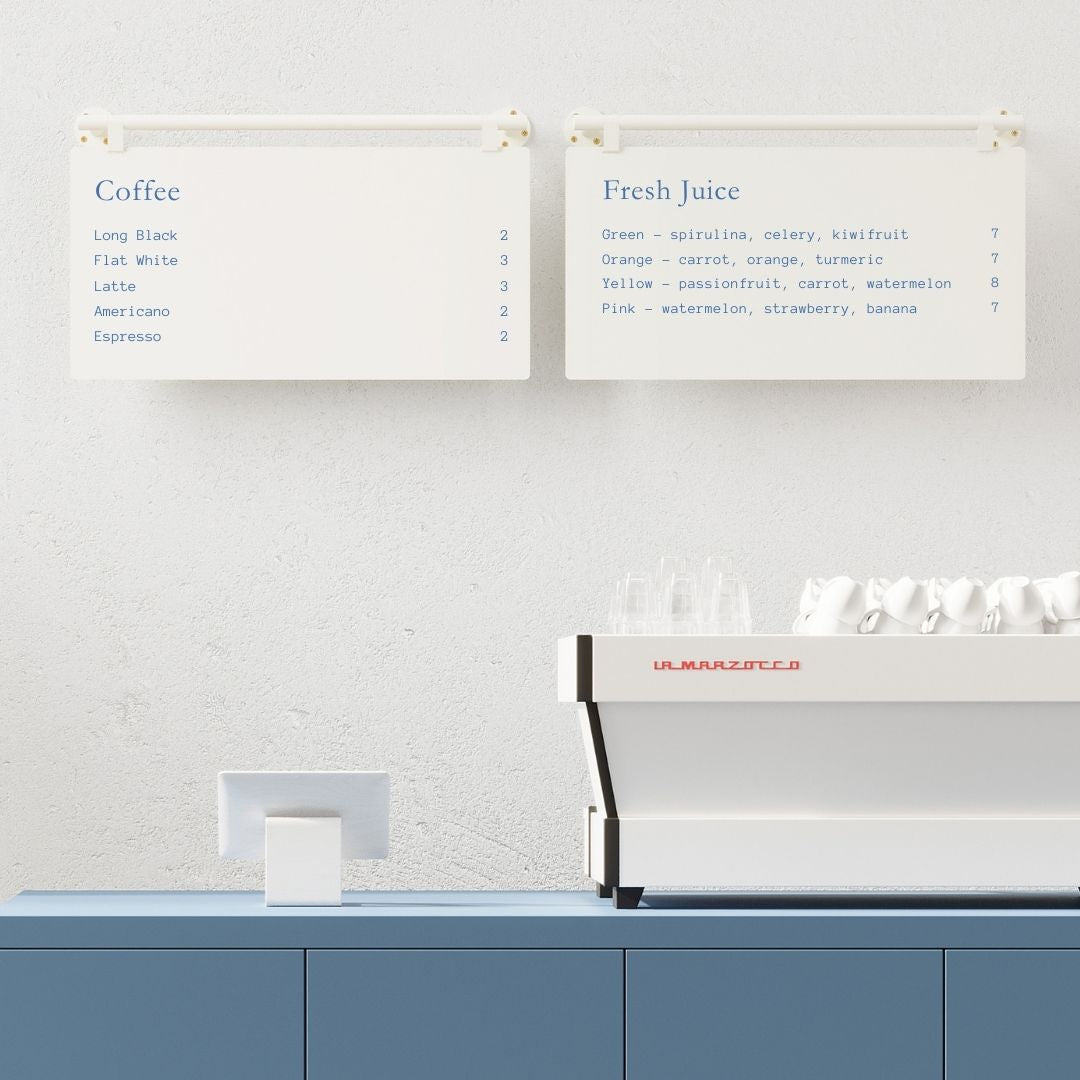
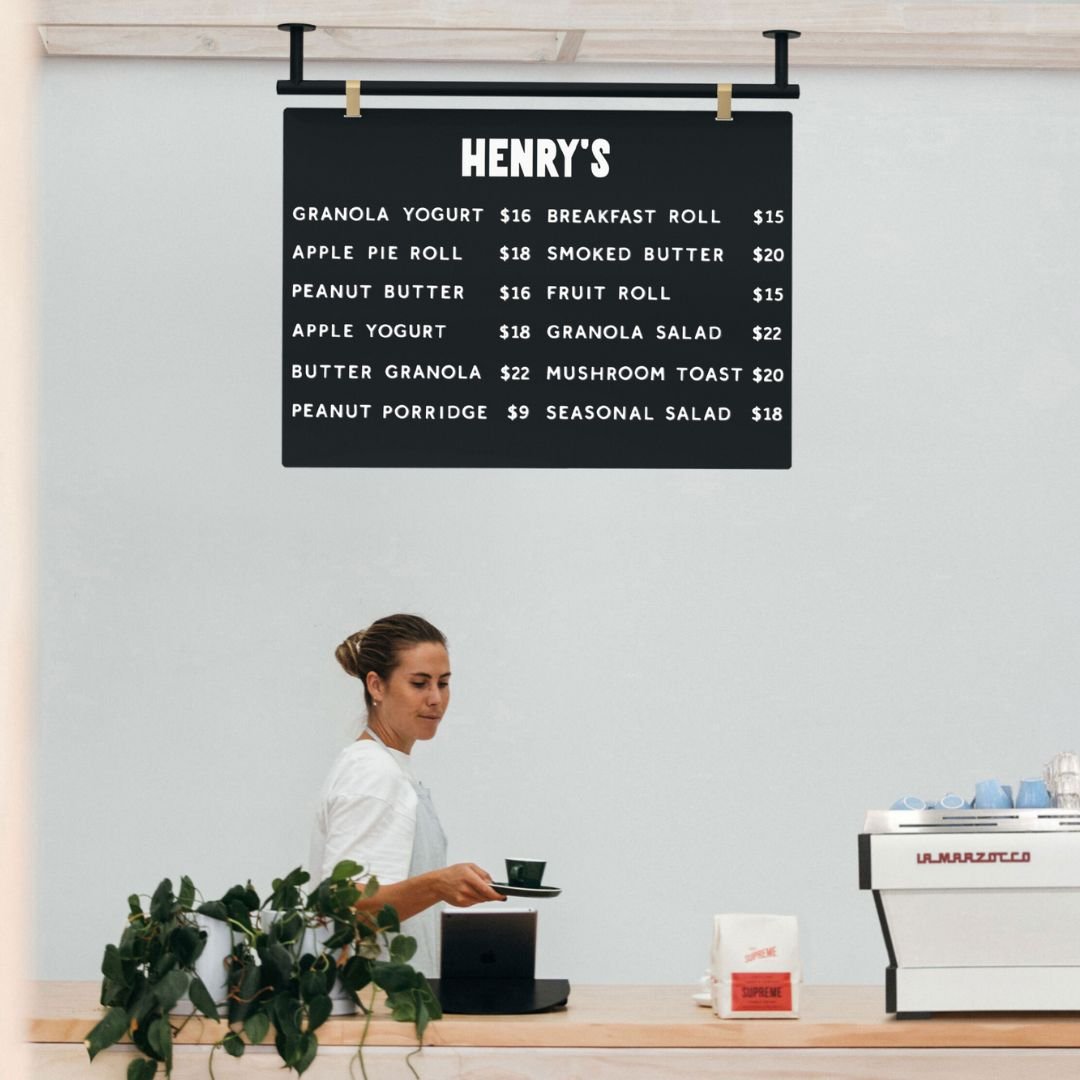
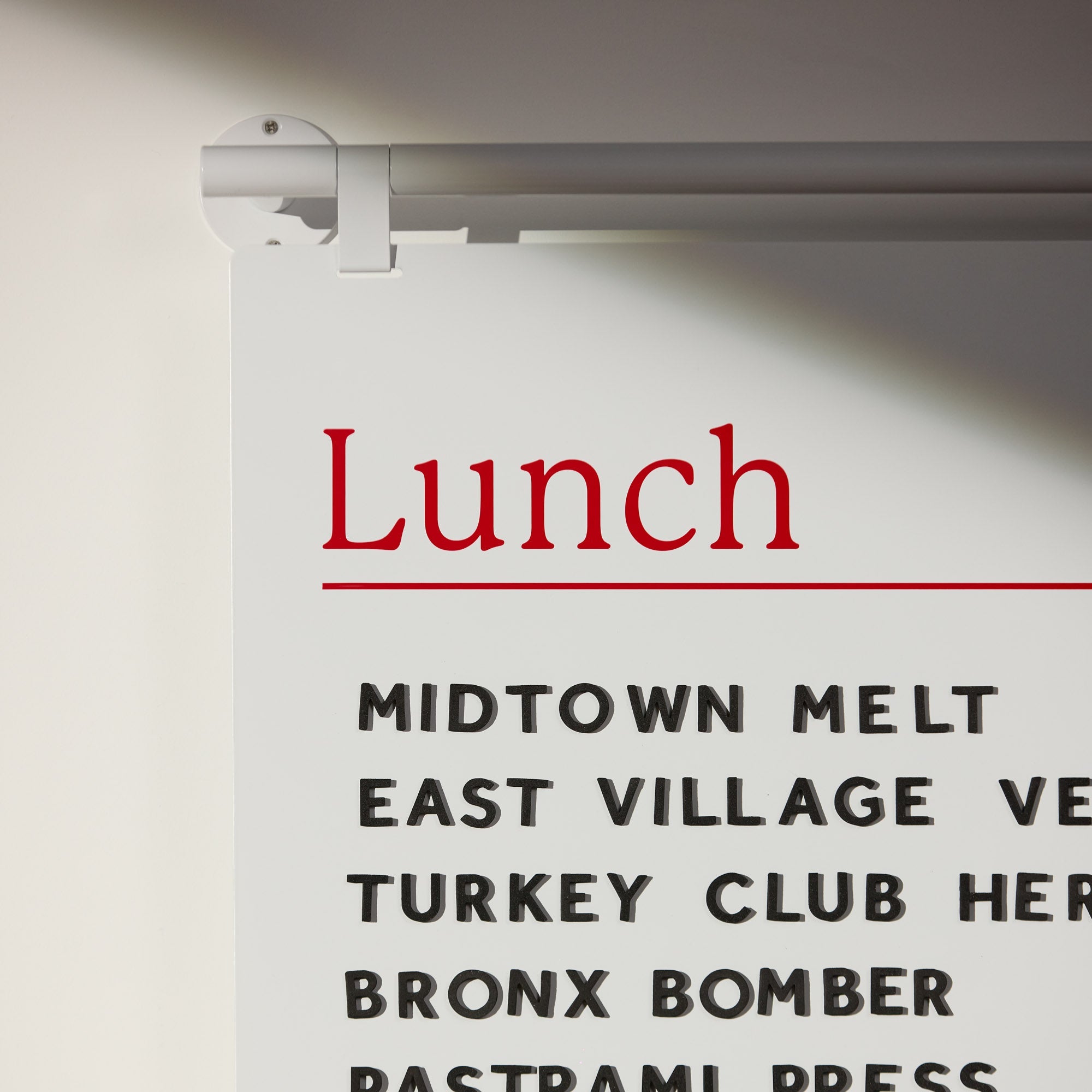
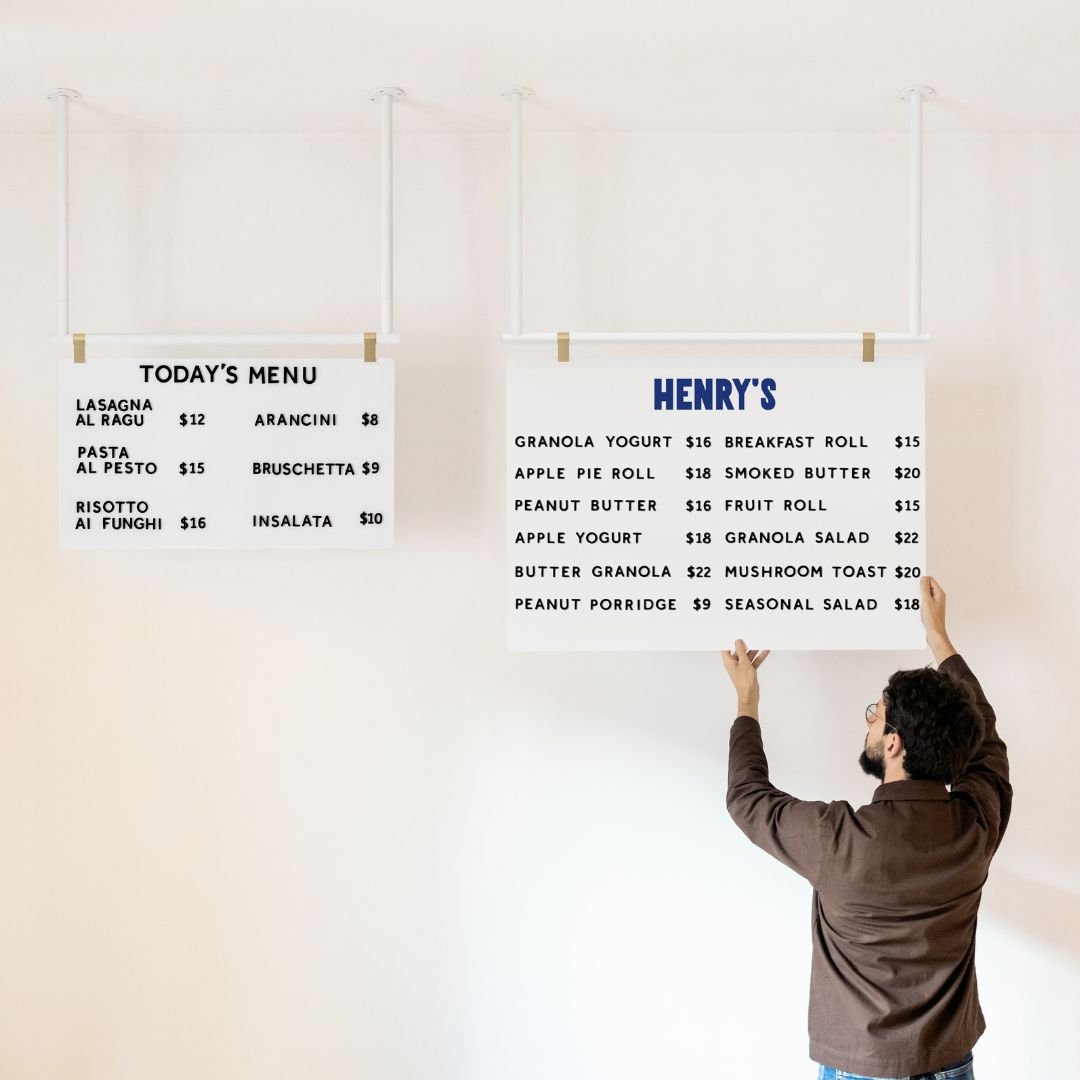
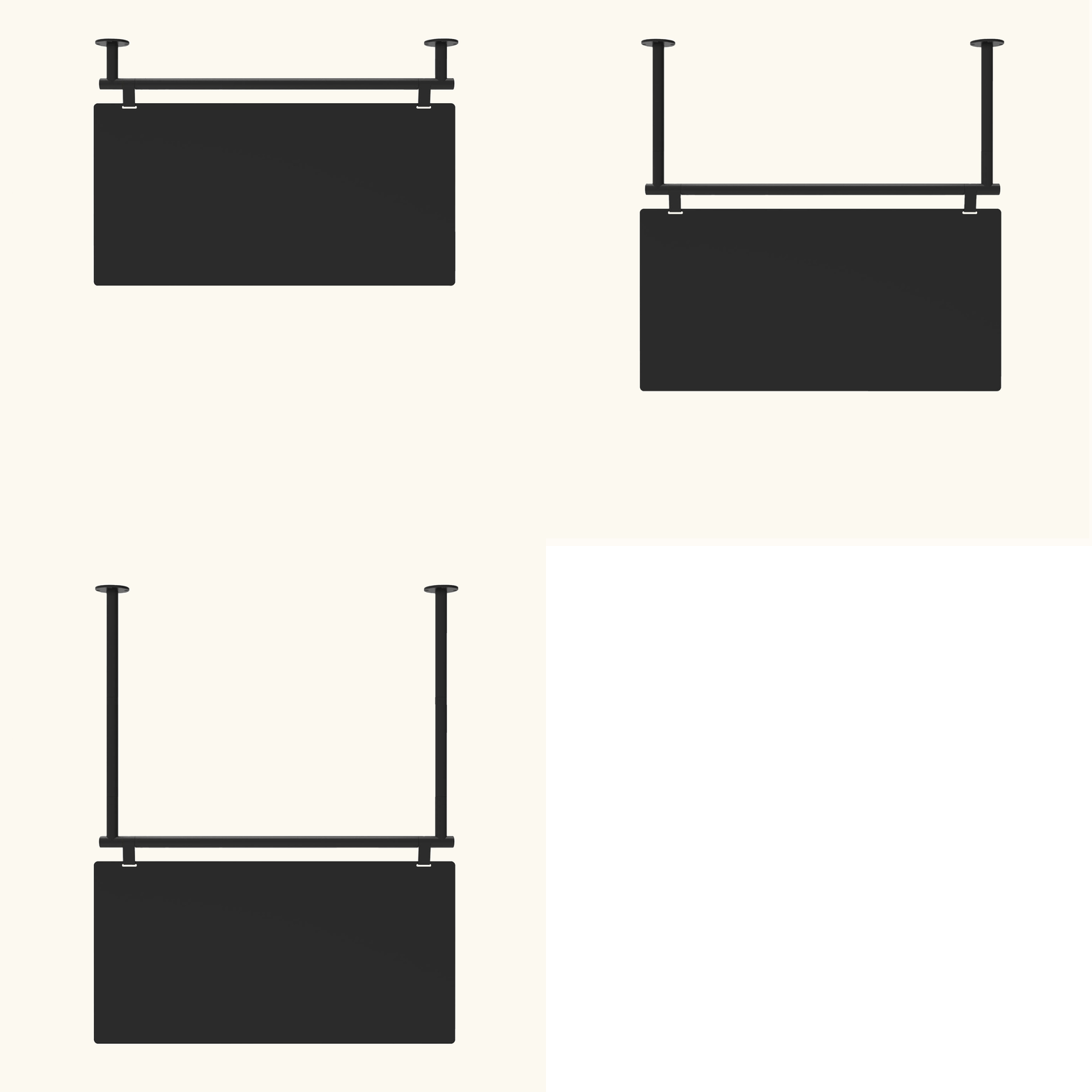
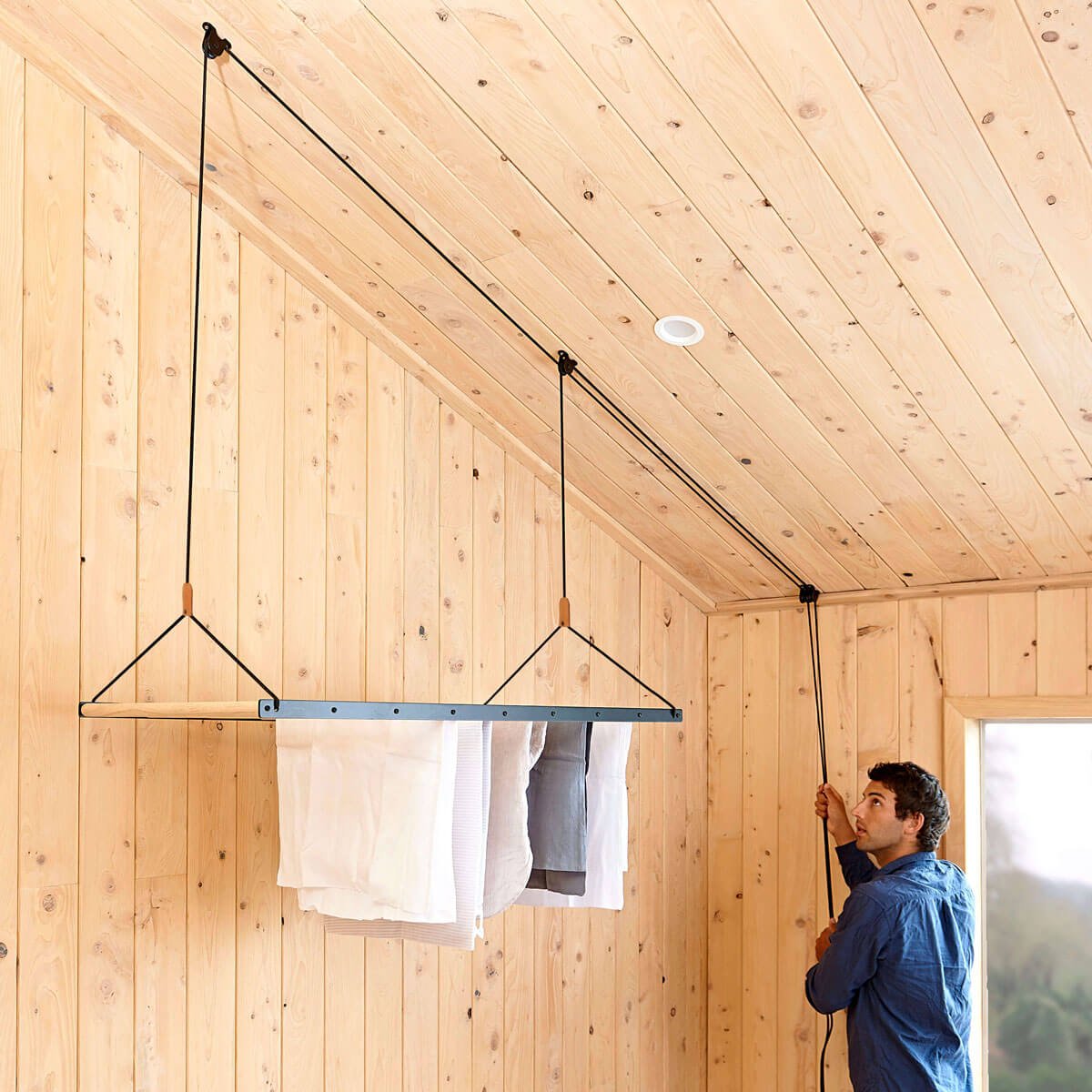
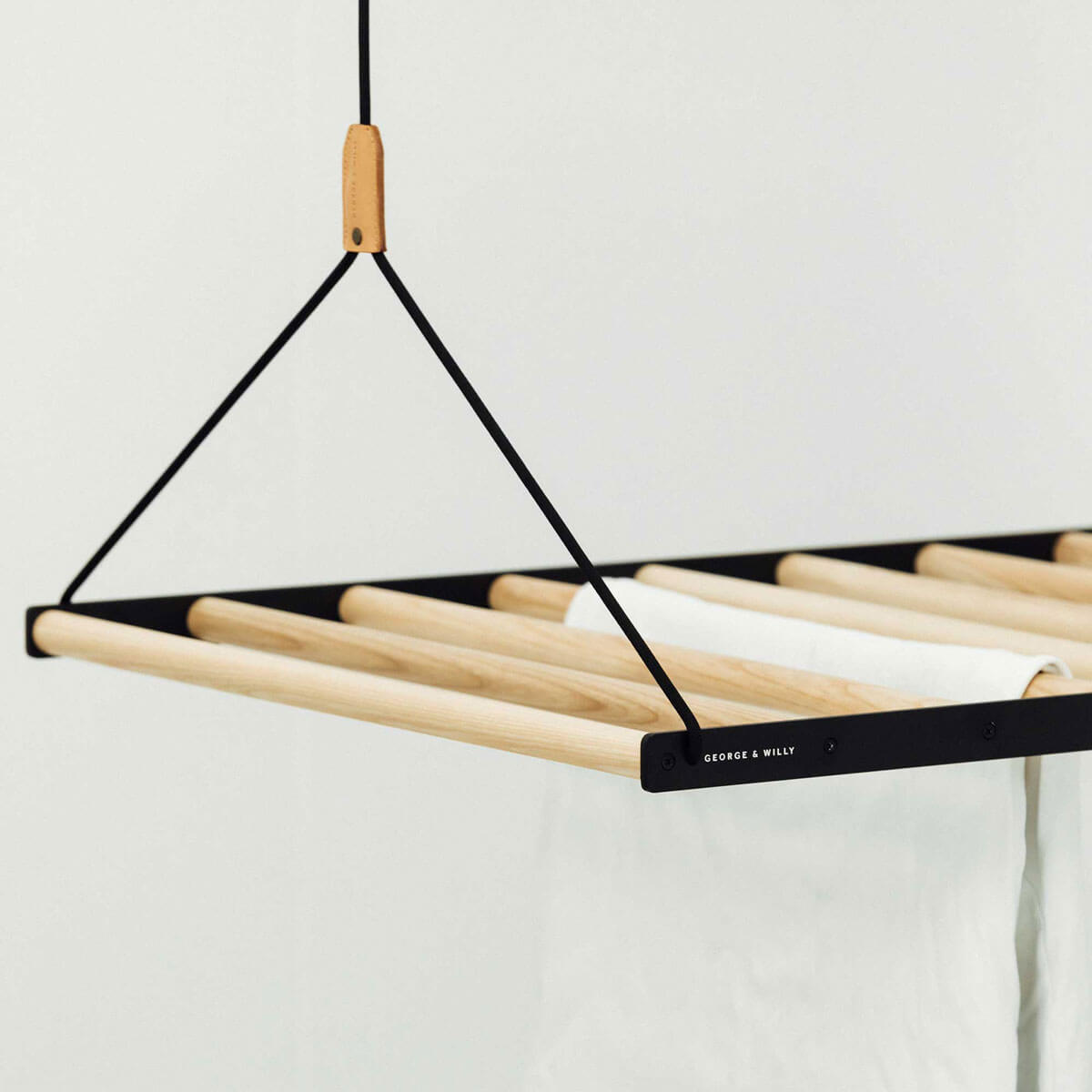
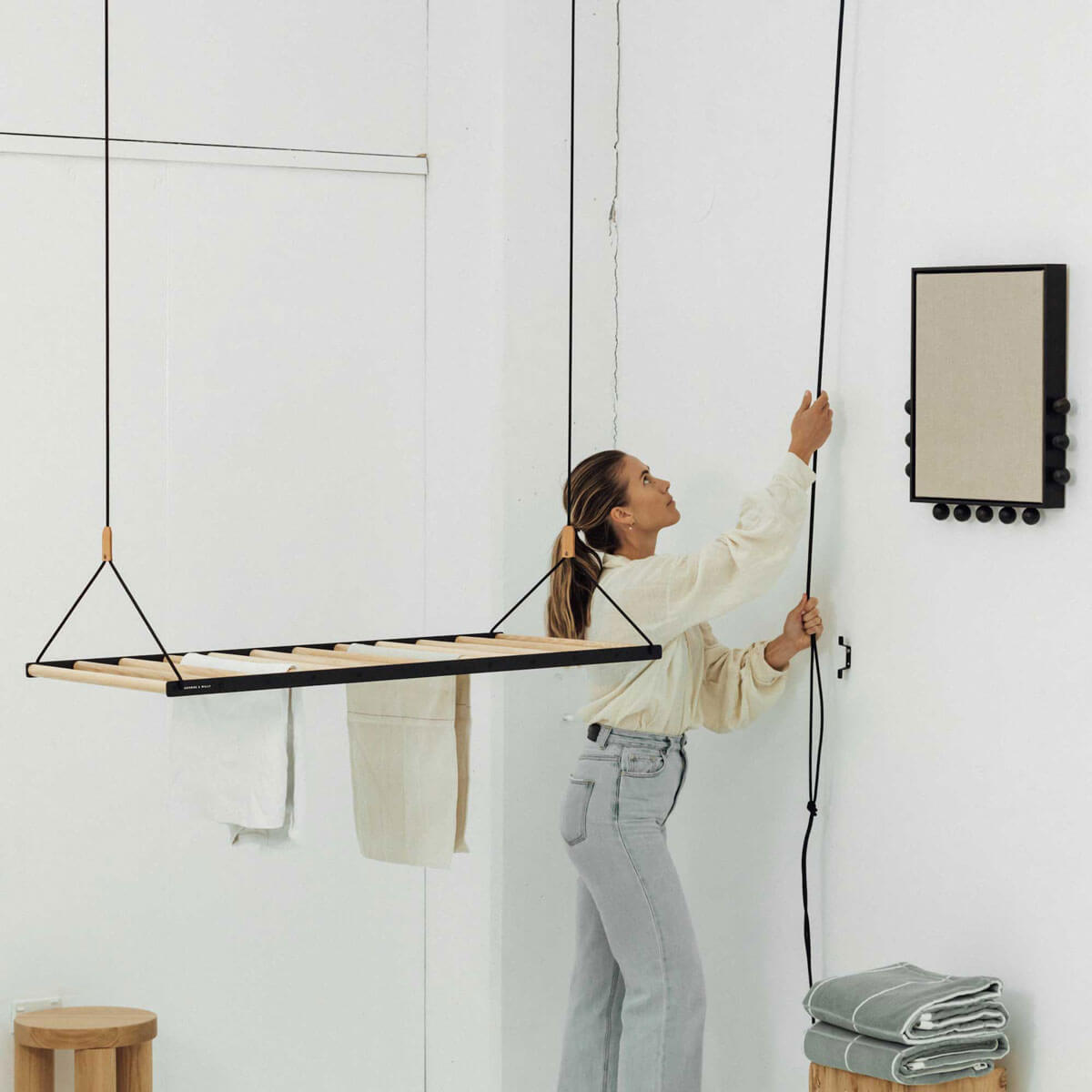
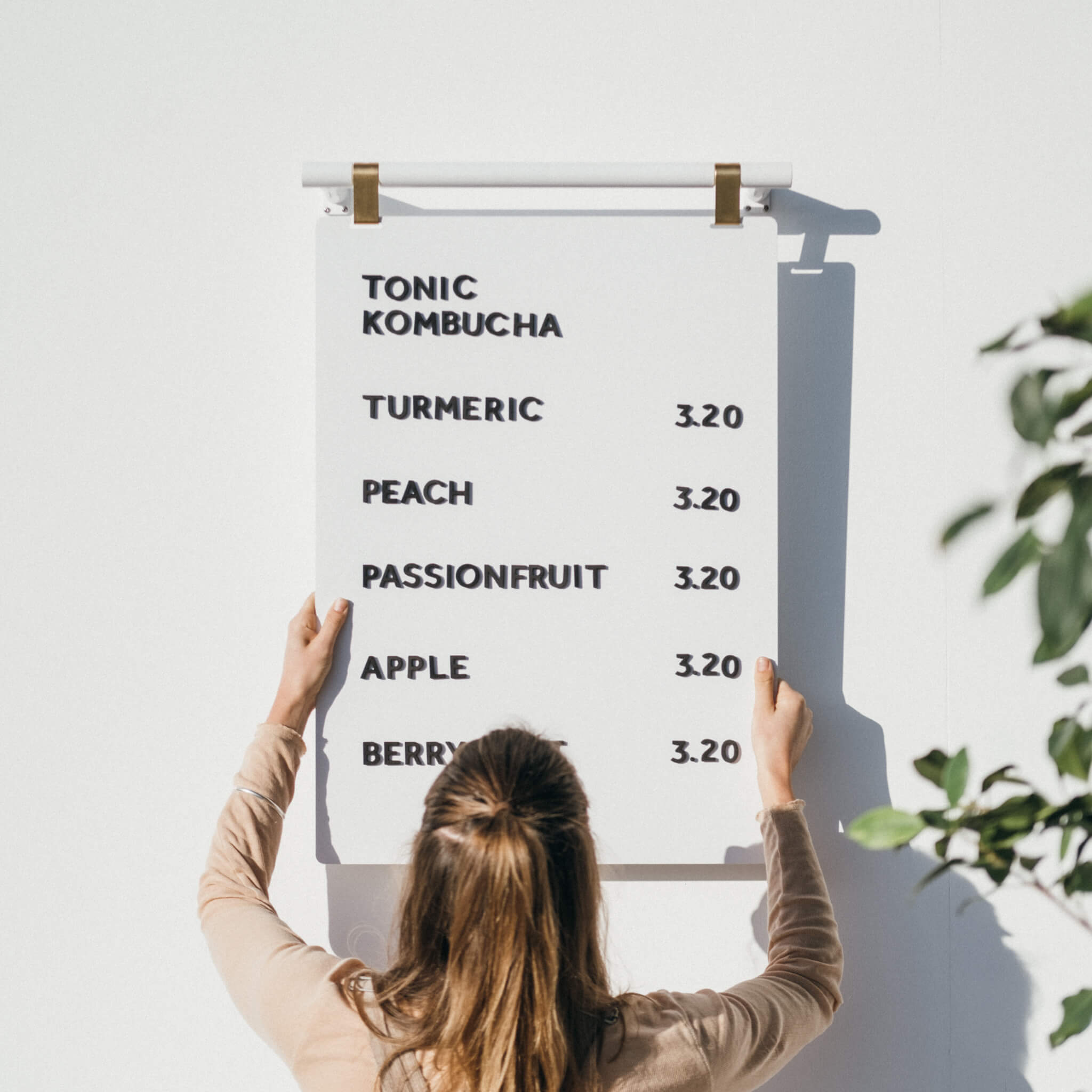
Suspended boards, such as the Ceiling Menu Board, bring the menu into sightlines above the counter, and become truly changeable when you add slide in pockets, magnetic strips, or clip rails for printed inserts. They’re great for cafés, fast casual counters, food halls, and tasting rooms with weekly to monthly changes. Plan for sway control, glare on clear sleeves, and safe ladder access during updates; costs are moderate and maintenance stays predictable with standardized inserts.
-
Bold visibility: 1 to 1.5 in letters read 10 to 15 ft; 18×24 in panels are a common starting footprint.
-
Update pace: pocket swaps take 3 to 5 minutes per panel; magnetic strip edits are 1 to 2 minutes each.
-
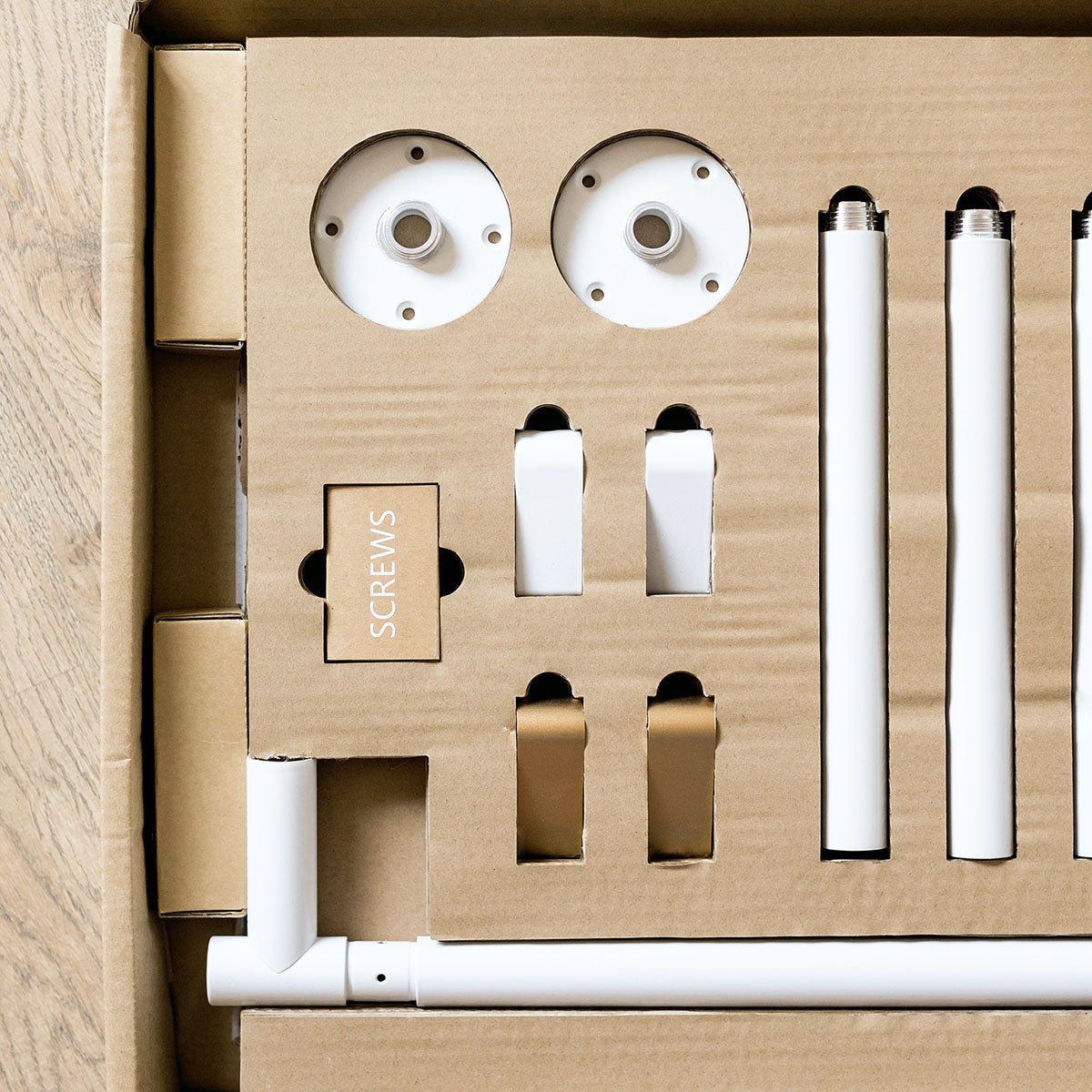
Install reality: use solid ceiling anchorage; specify 1.5 to 2 mm cables or 1/4 in rods and appropriate bracing.
-
Built to last: aluminum or ACM panels, matte pockets, and stainless hardware for outdoor or humid zones; add vinyl logos.
Pro tip: Aim warm track lights at a 30 to 45° angle and choose matte pockets to eliminate glare and keep contrast high.
Buying and Design Guide for the Right Changeable Menu Board
Choosing a changeable menu board is easier when you match the board to the way the team works every day. Use these questions to narrow the options.
How much wall or counter space is available
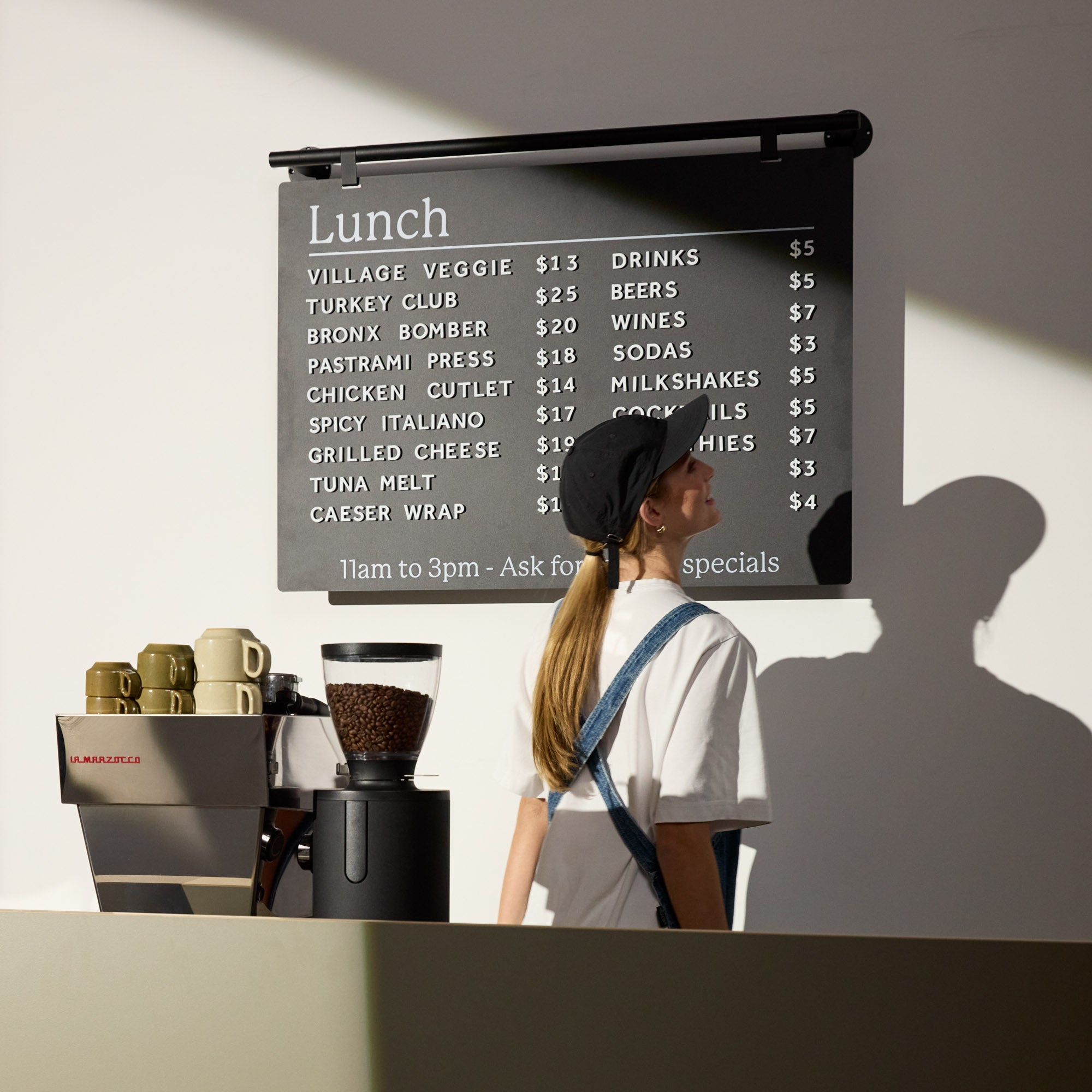
Measure width and height, then sketch a quick traffic map. High traffic counters need clean layouts and larger characters. As a guide, letters that are about 1 inch tall read clearly from a few feet. The Magnetic Menu Board uses letters around that size, which suits coffee bars where the customer is close to the board.
How often will the menu change
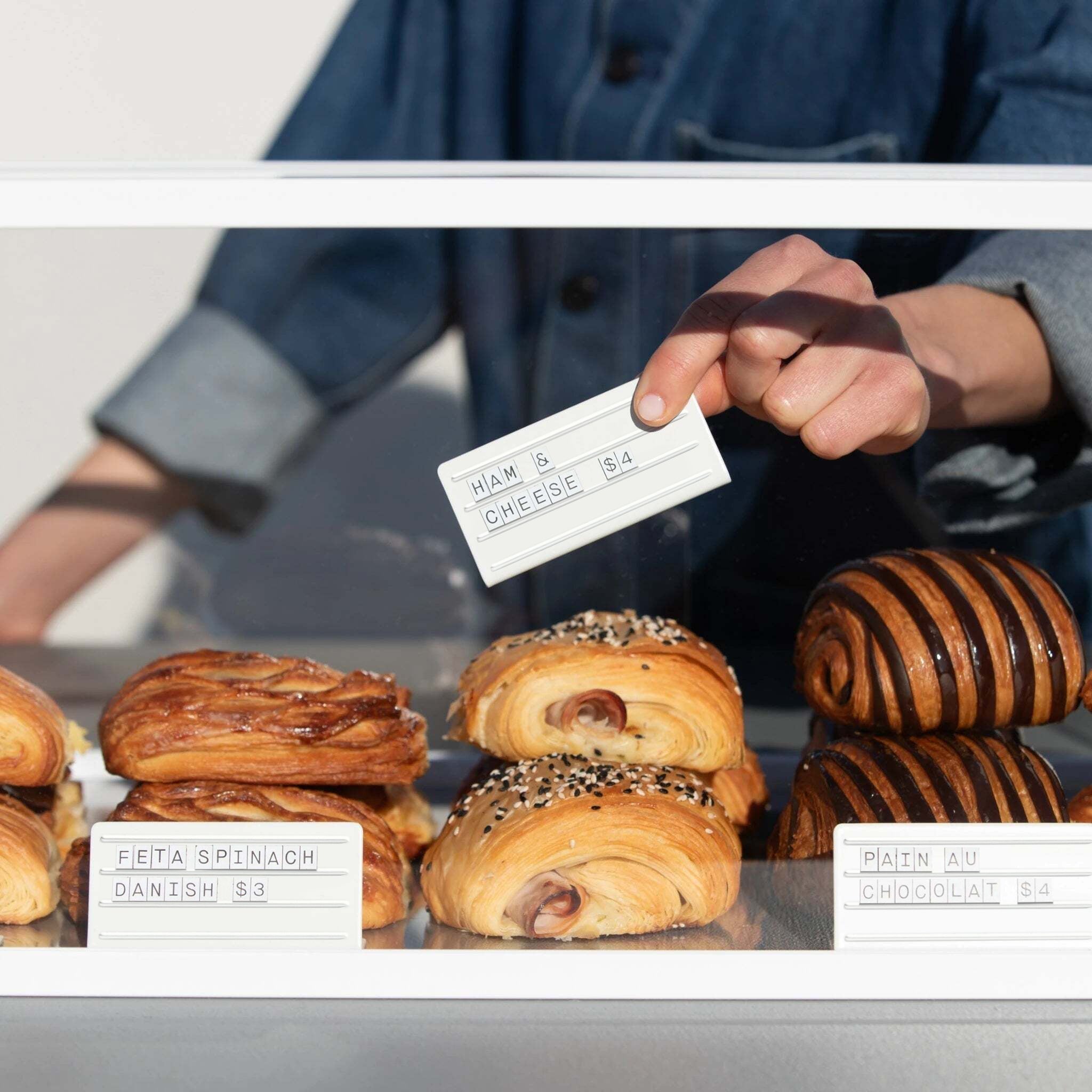
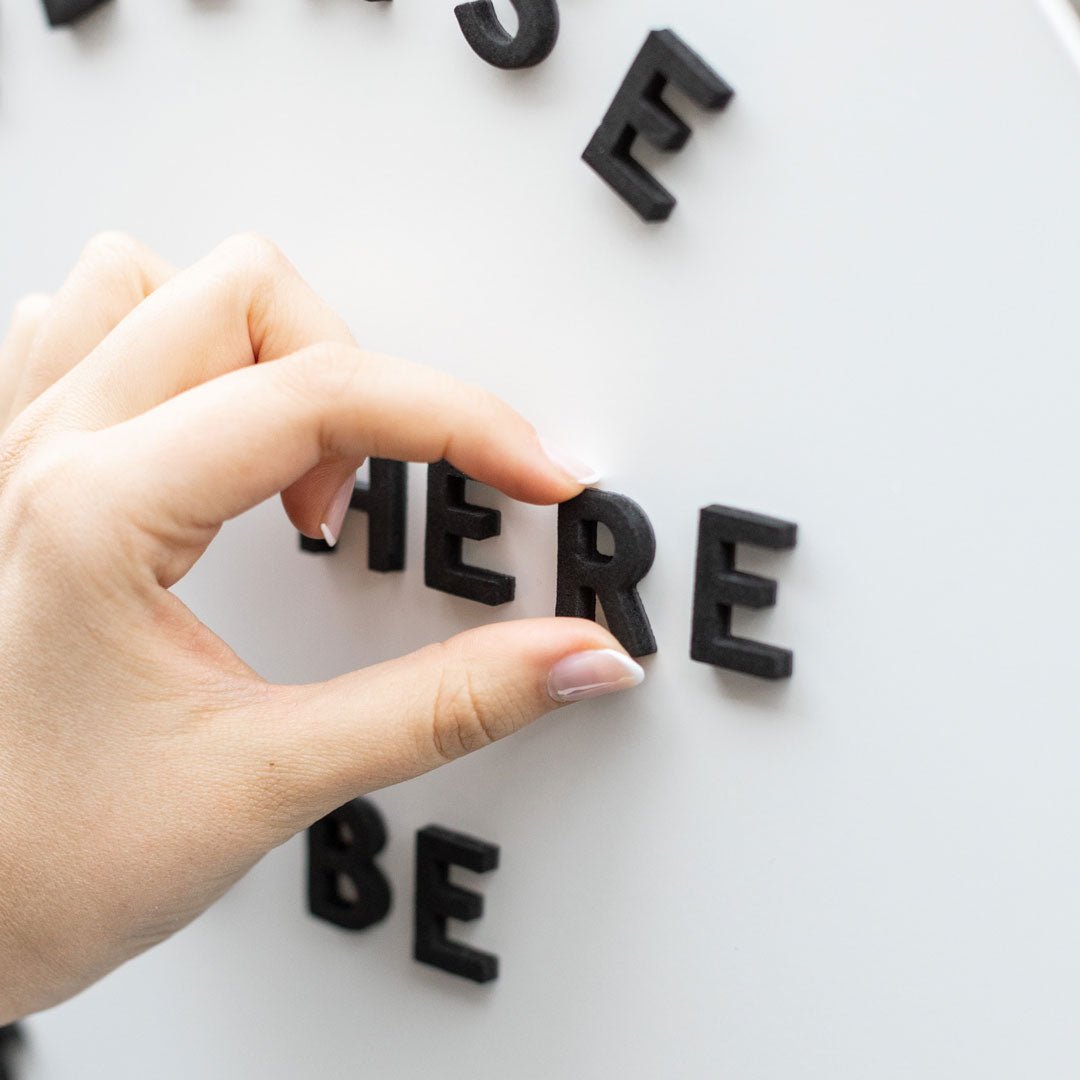
If you update several times a day, magnetic rails or peg systems save time. Magnetic letters let you reorder items fast without smudges or reprinting. Reversible tiles offer a crisp grid and can still be changed quickly.
What materials and finishes will last in your environment
-
Powder coated aluminum and steel resist rust outdoors and handle daily cleaning
-
Stainless details add strength where needed
-
Sustainably sourced timber options suit interiors that prefer a warmer look
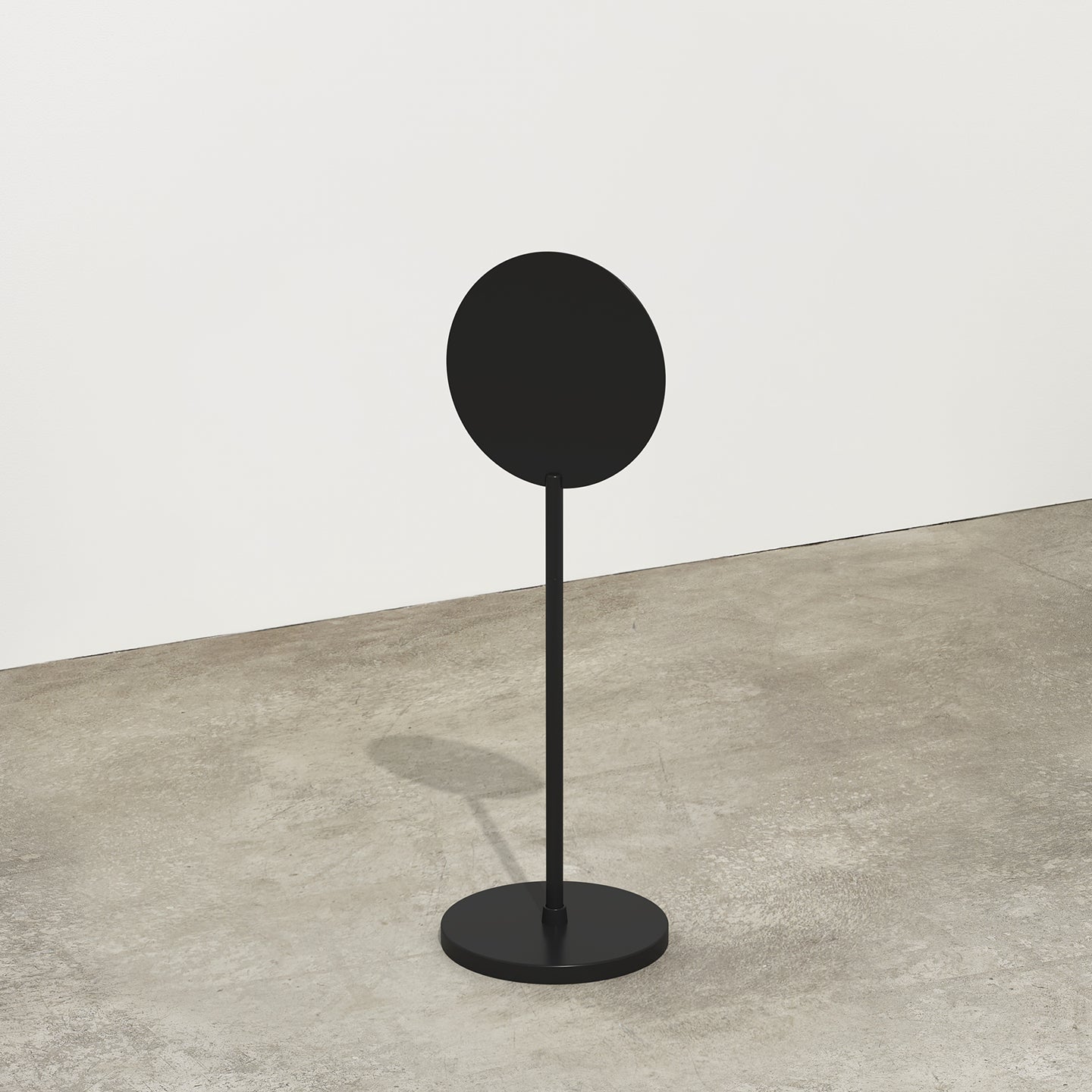
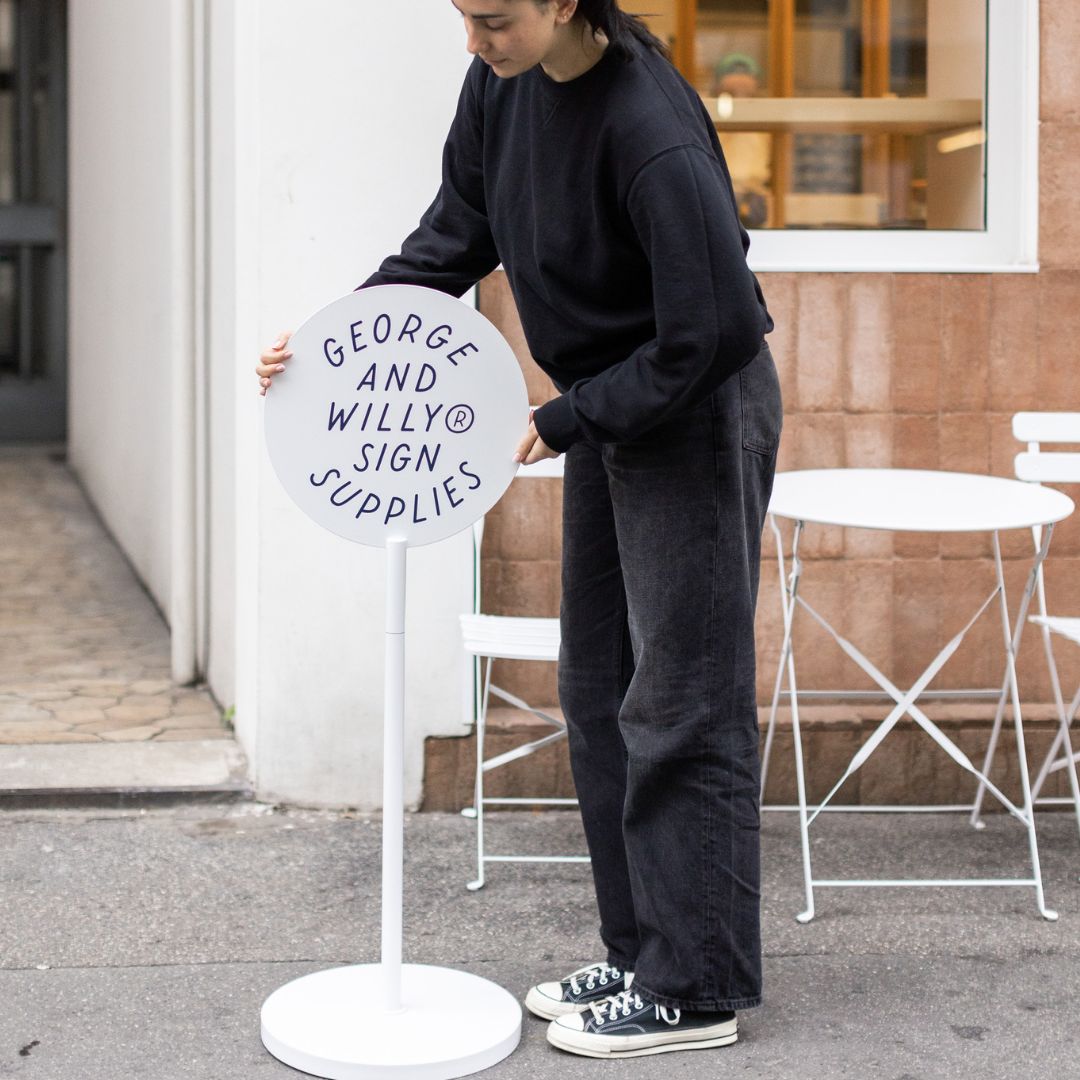
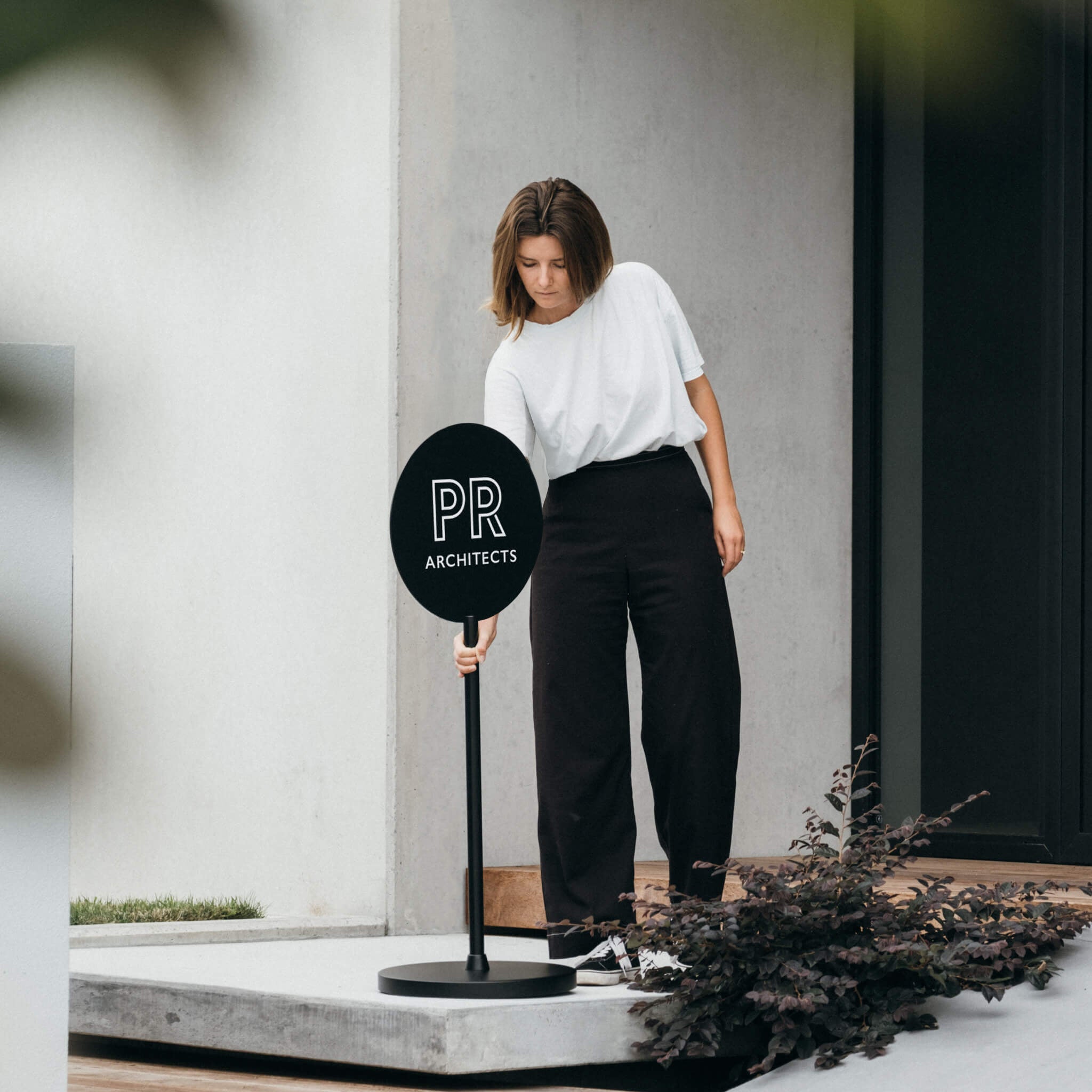
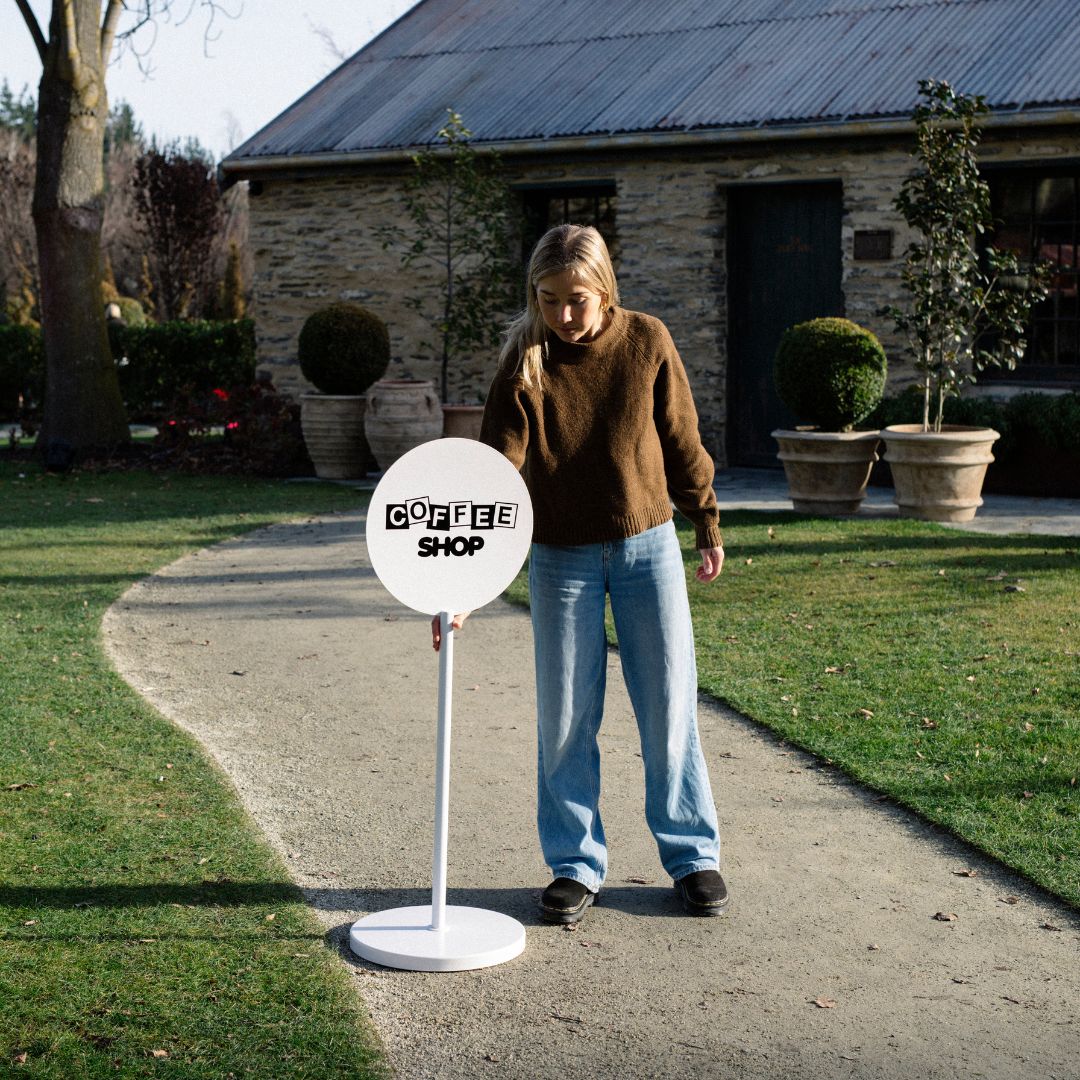
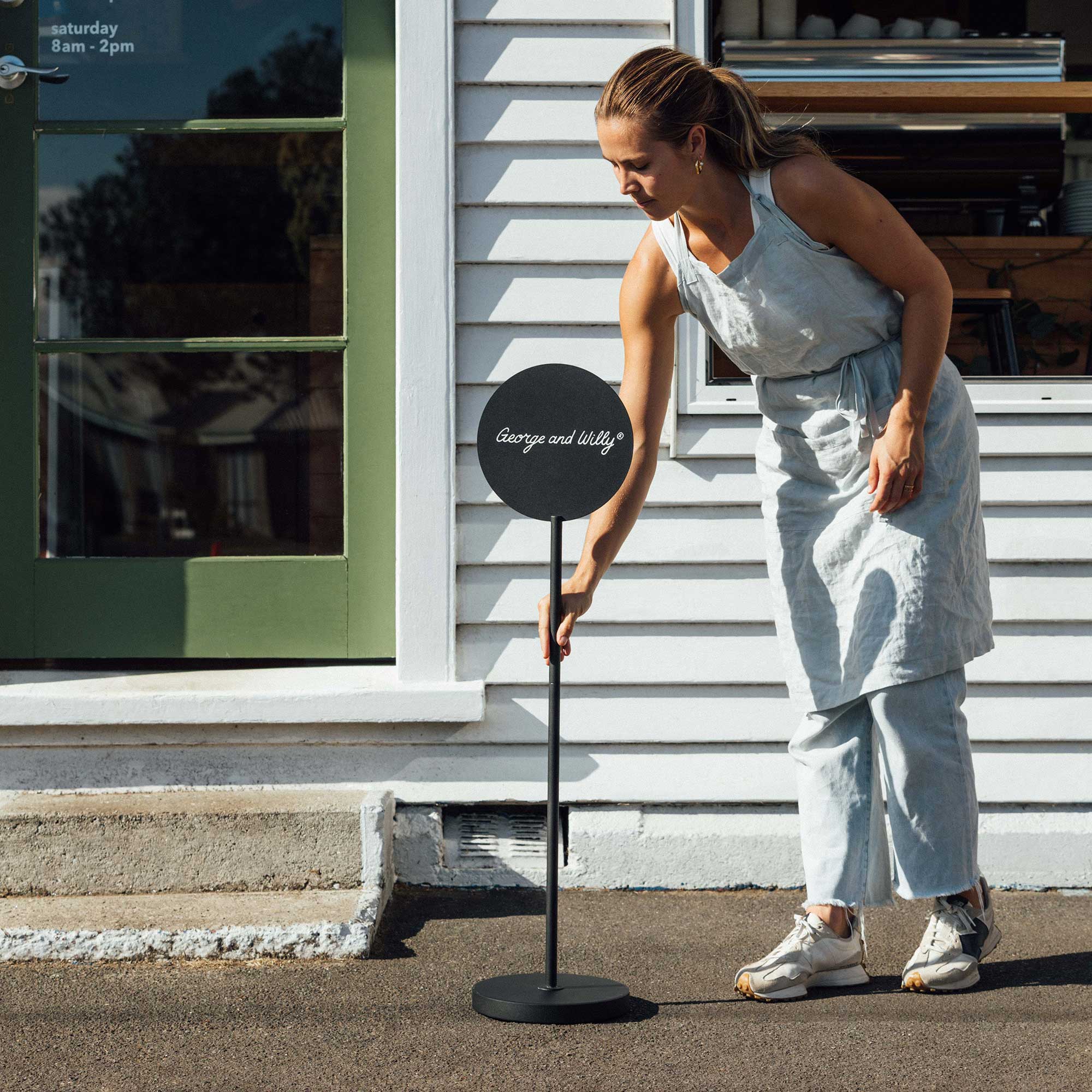
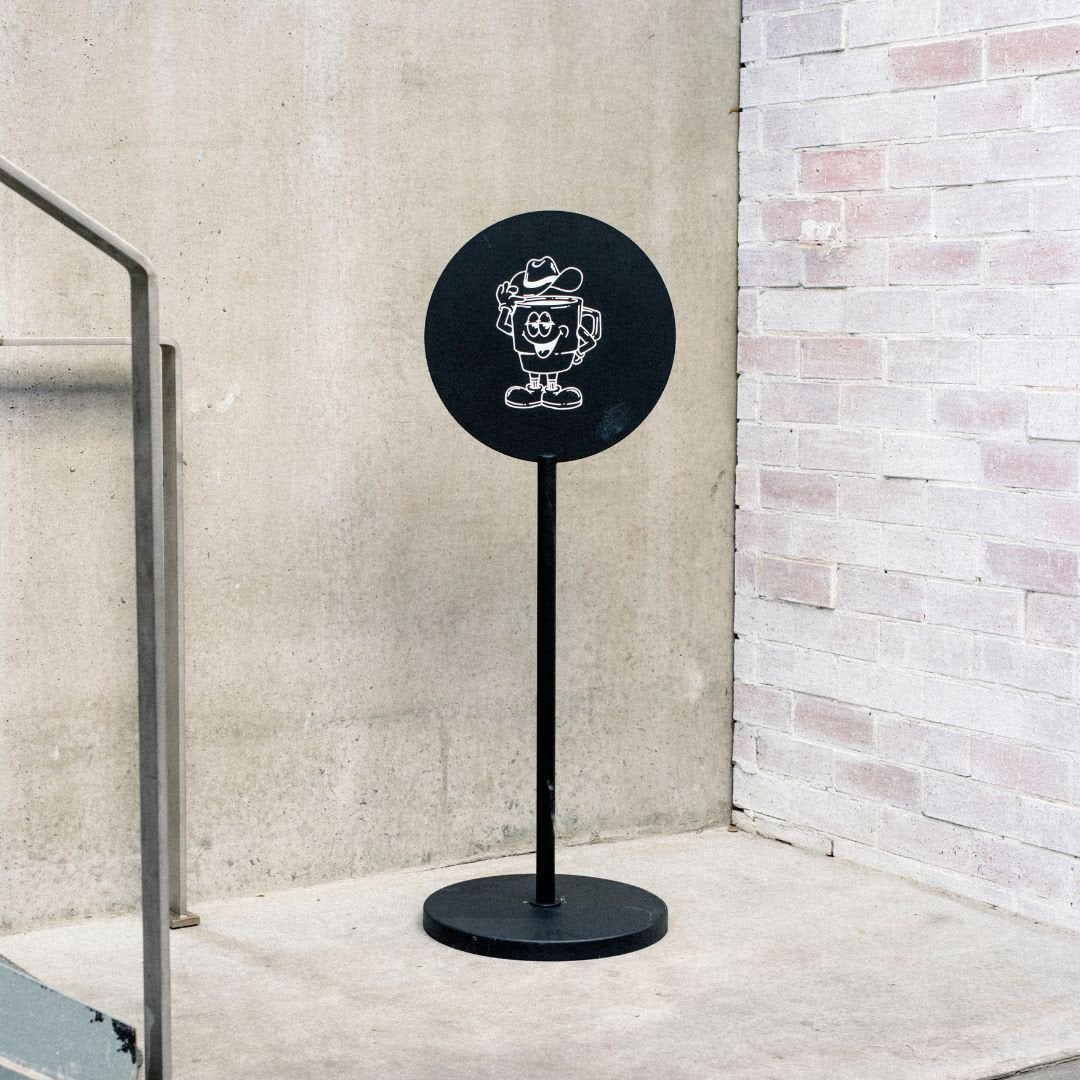
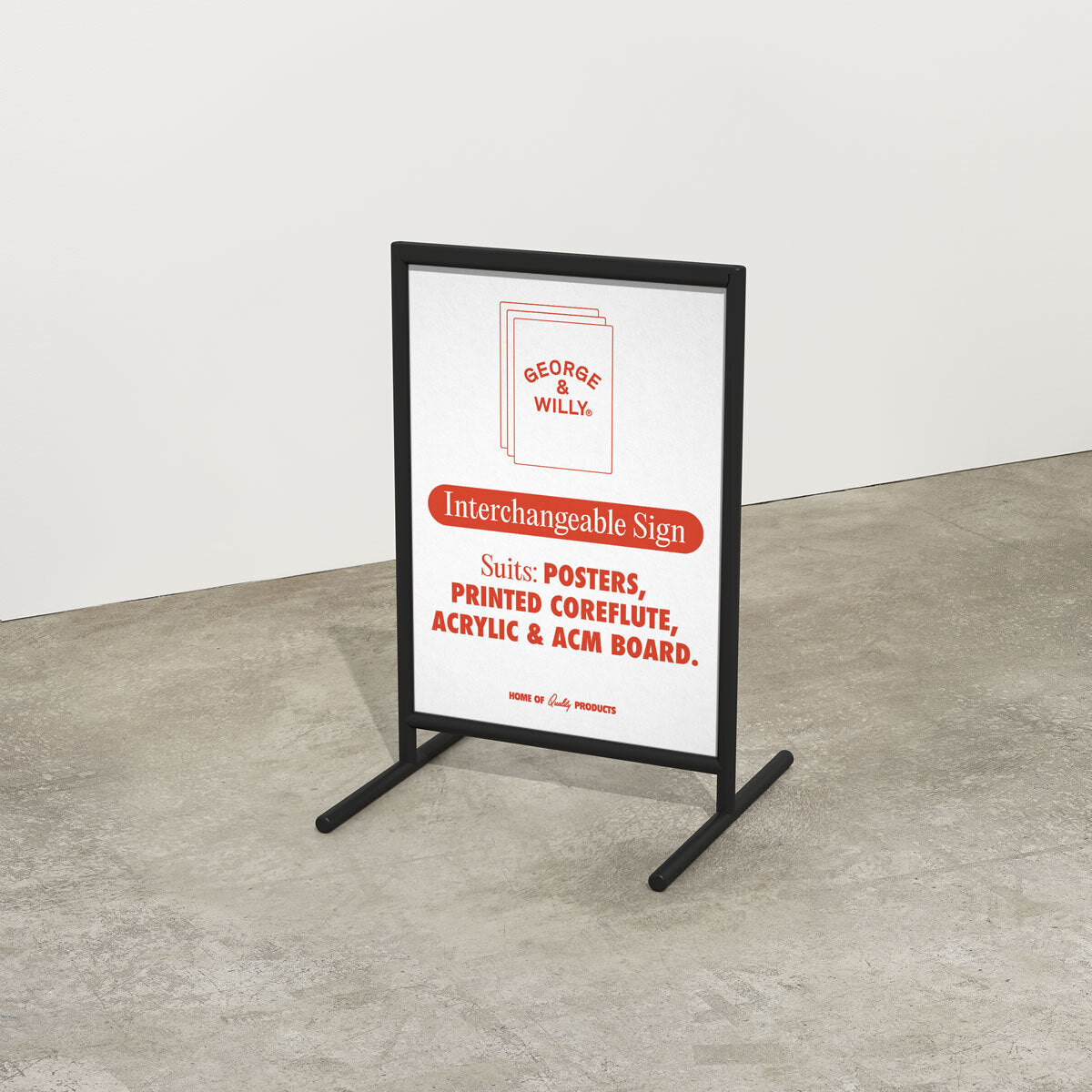
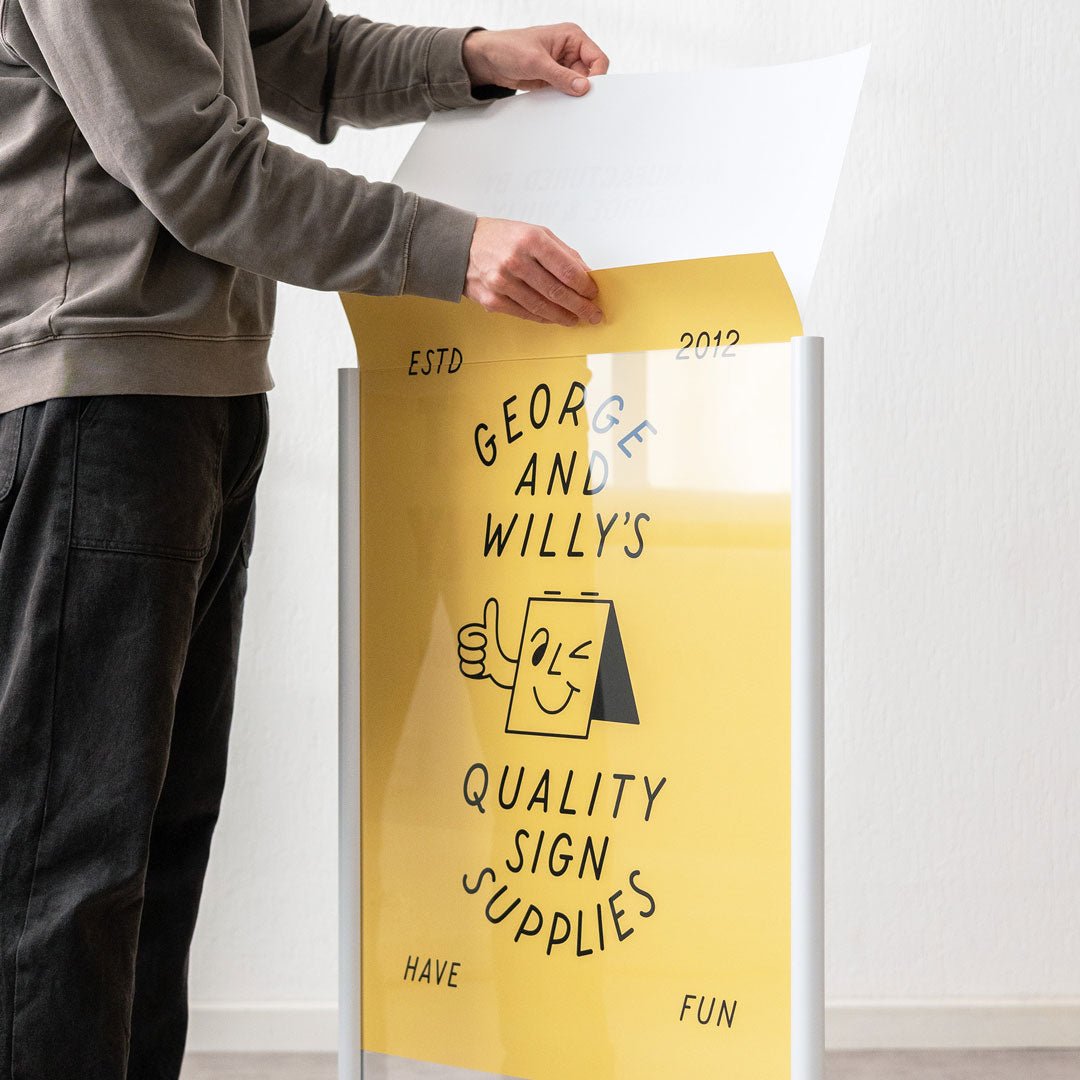
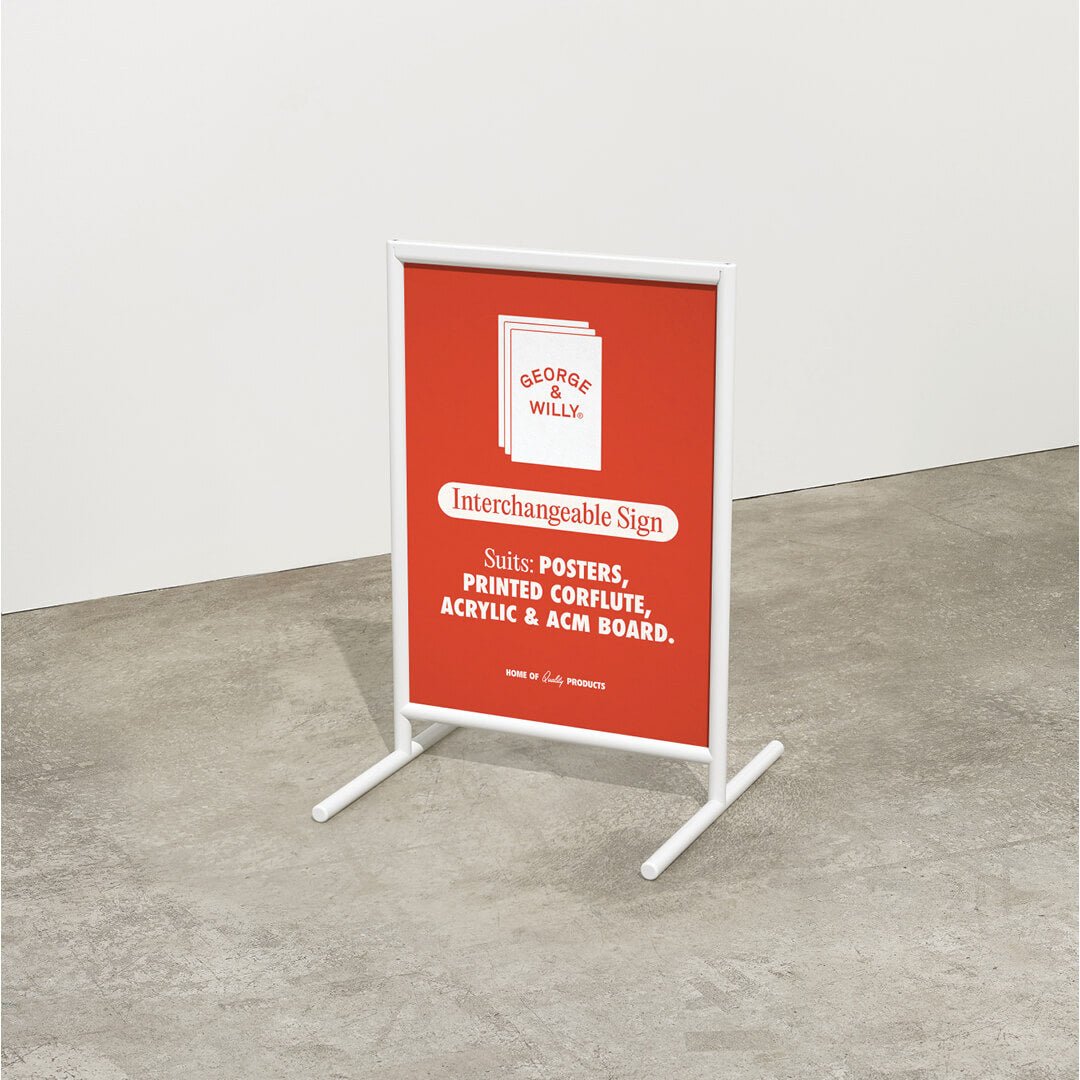
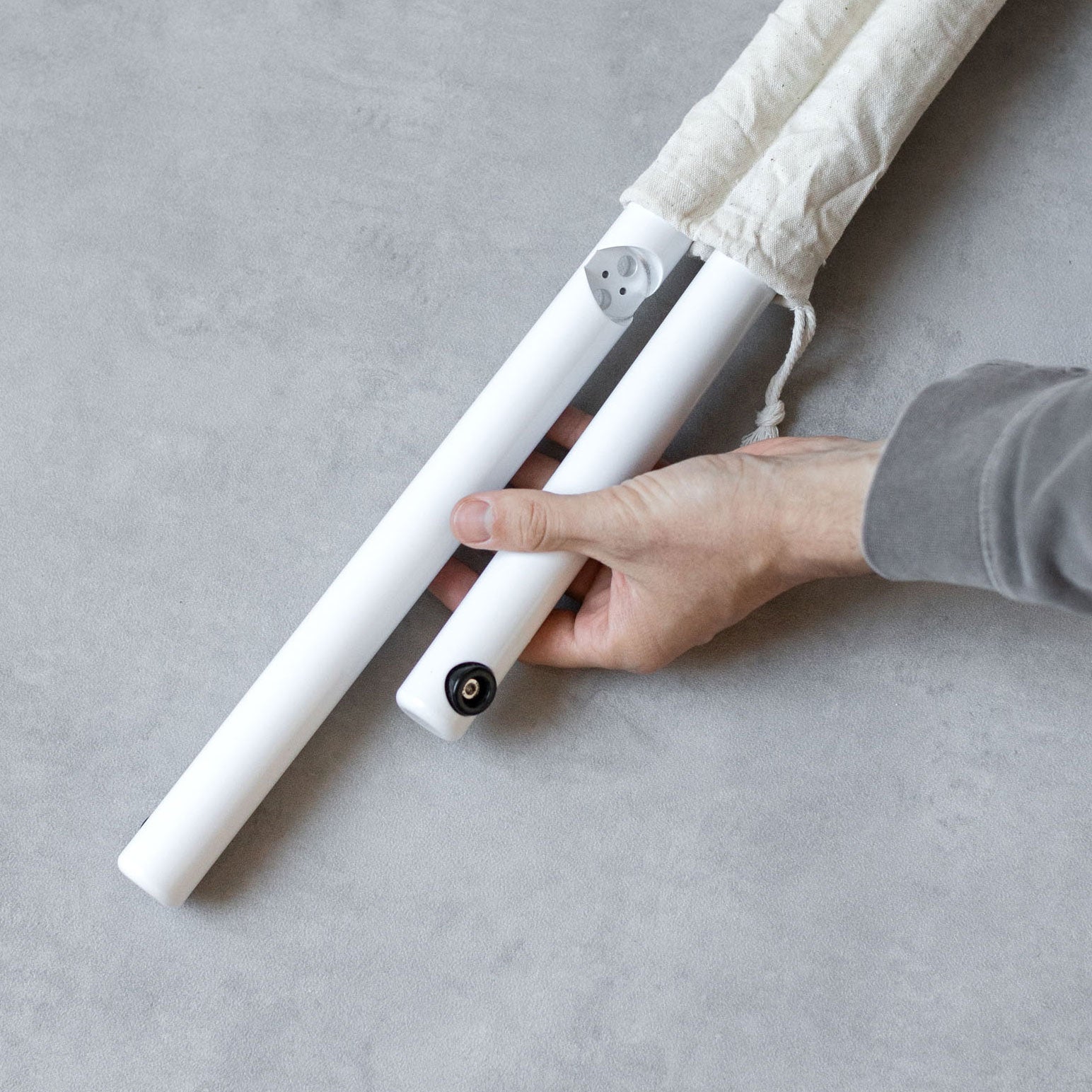
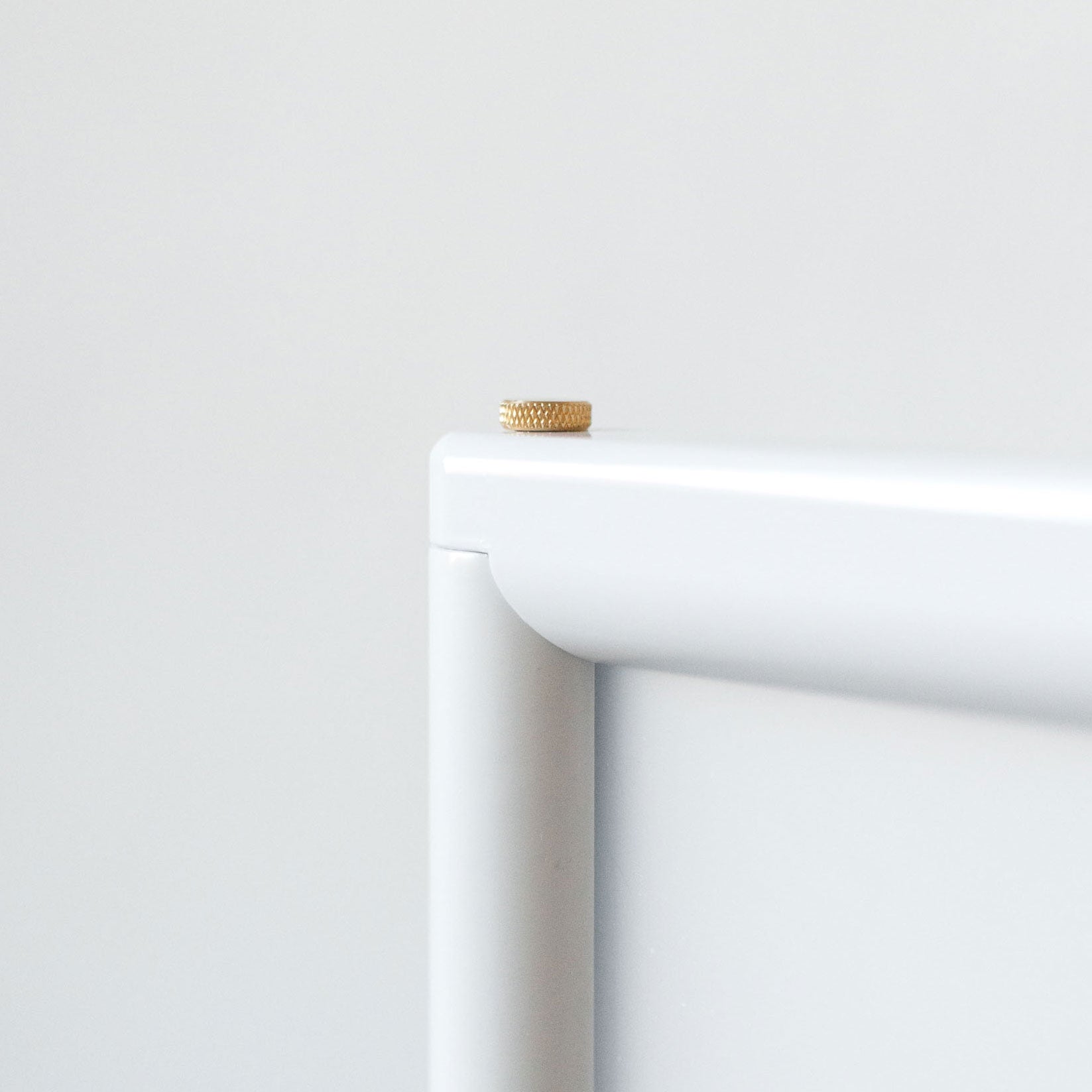
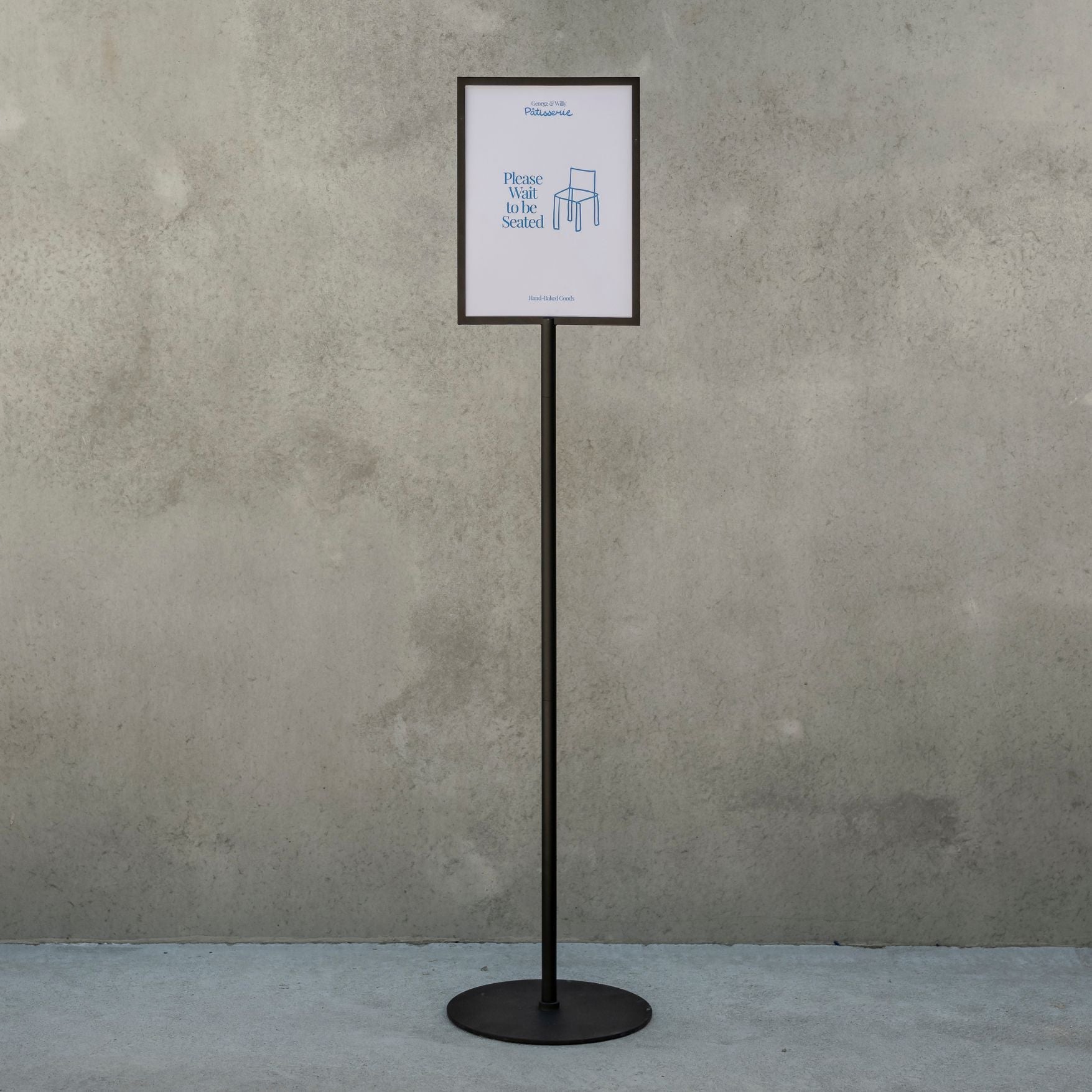
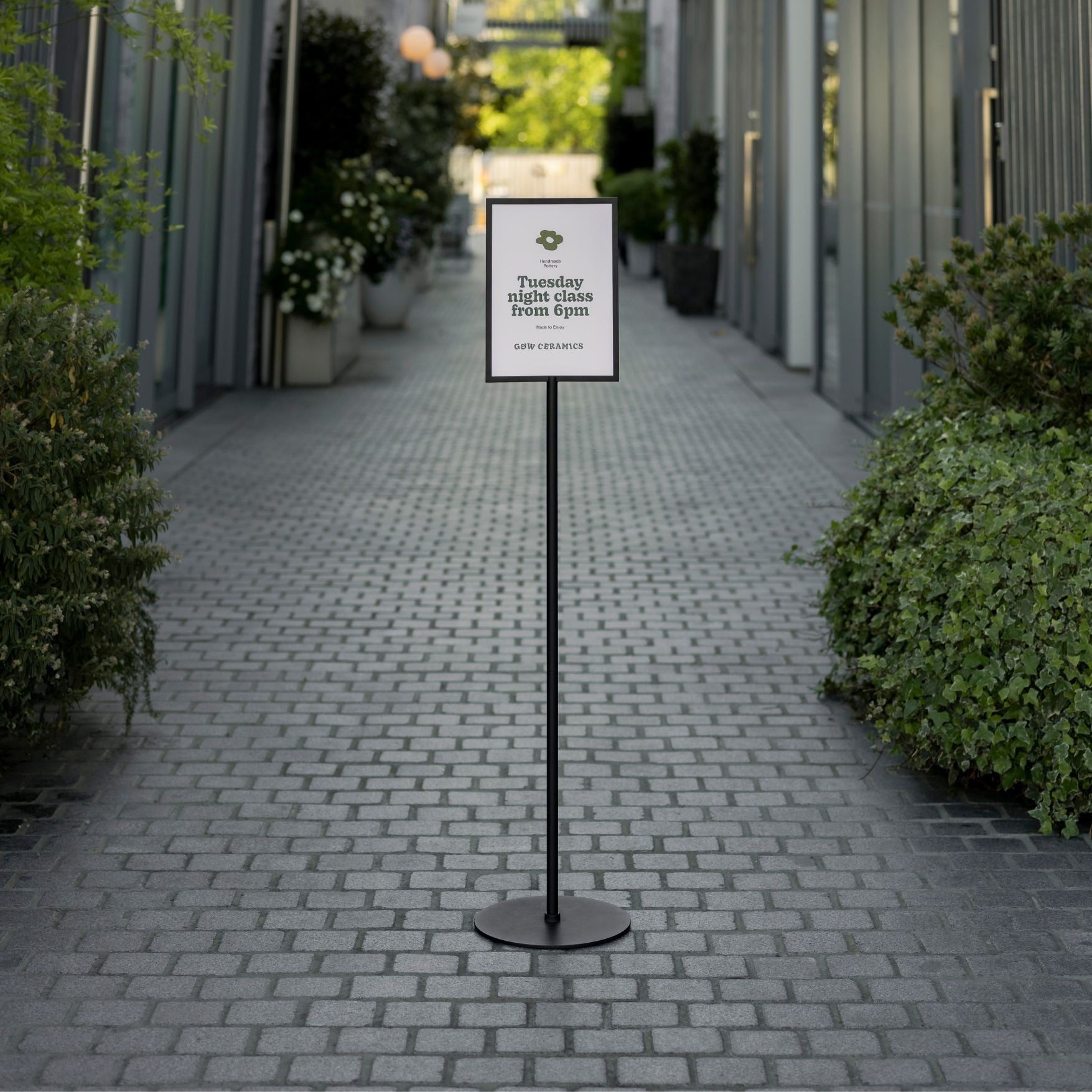
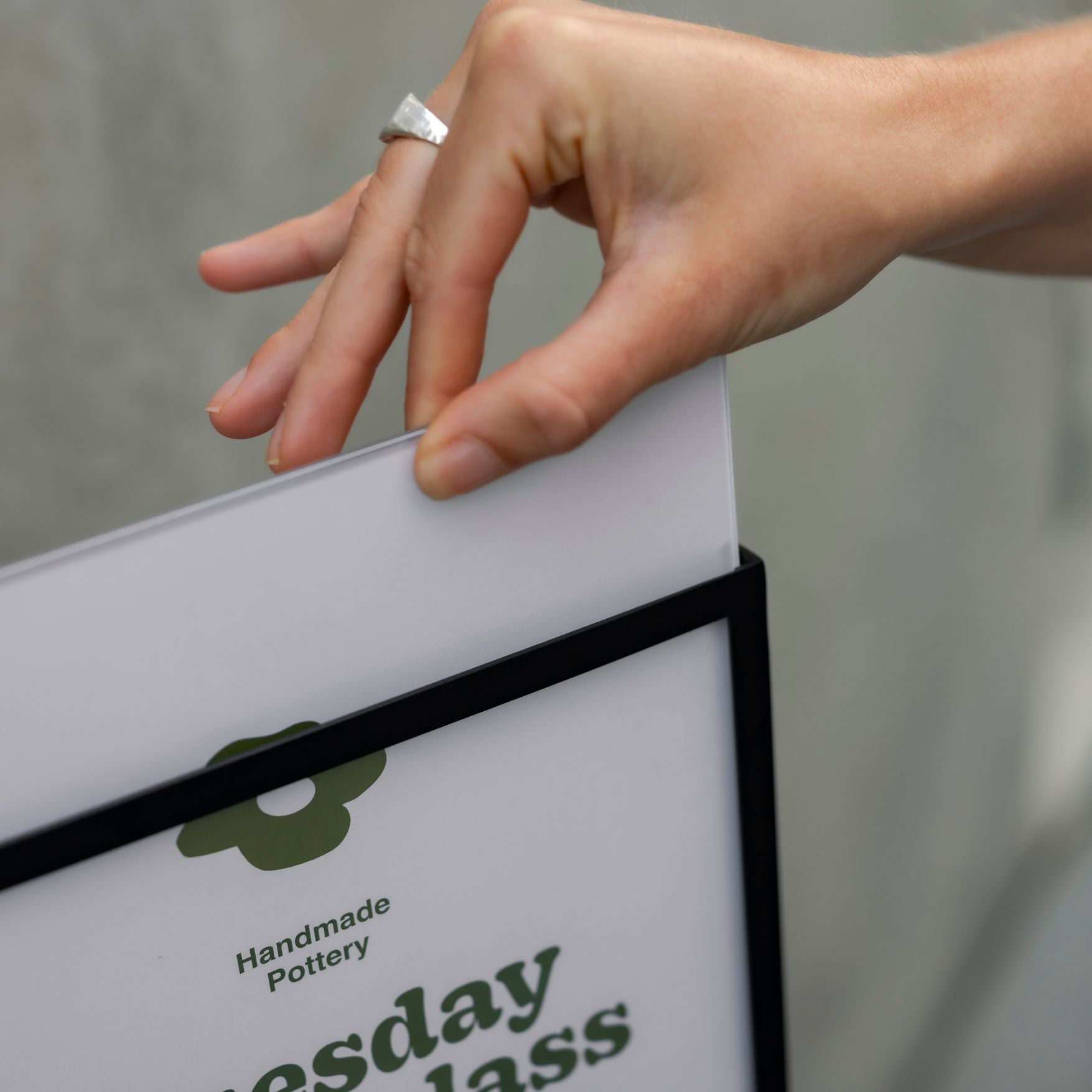
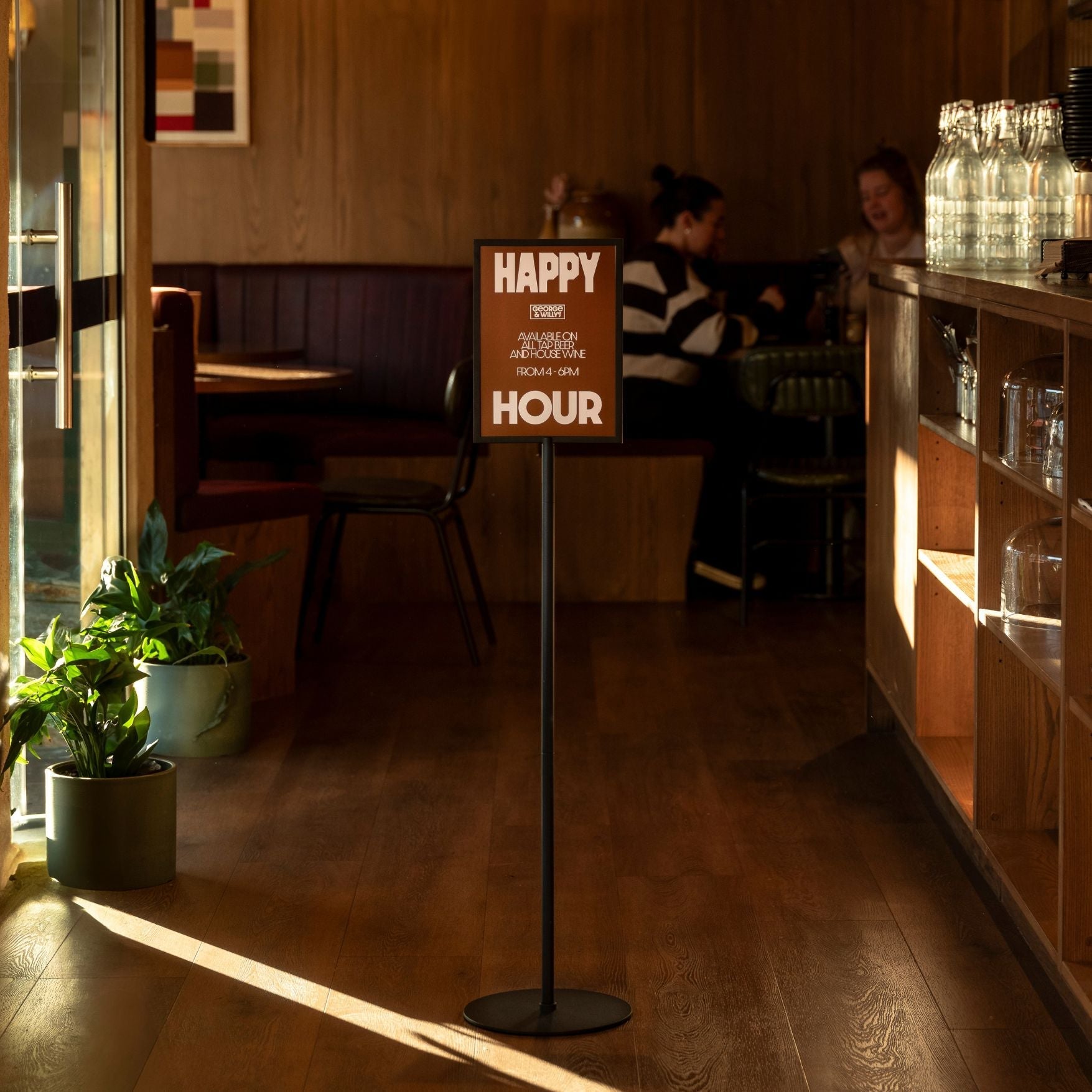
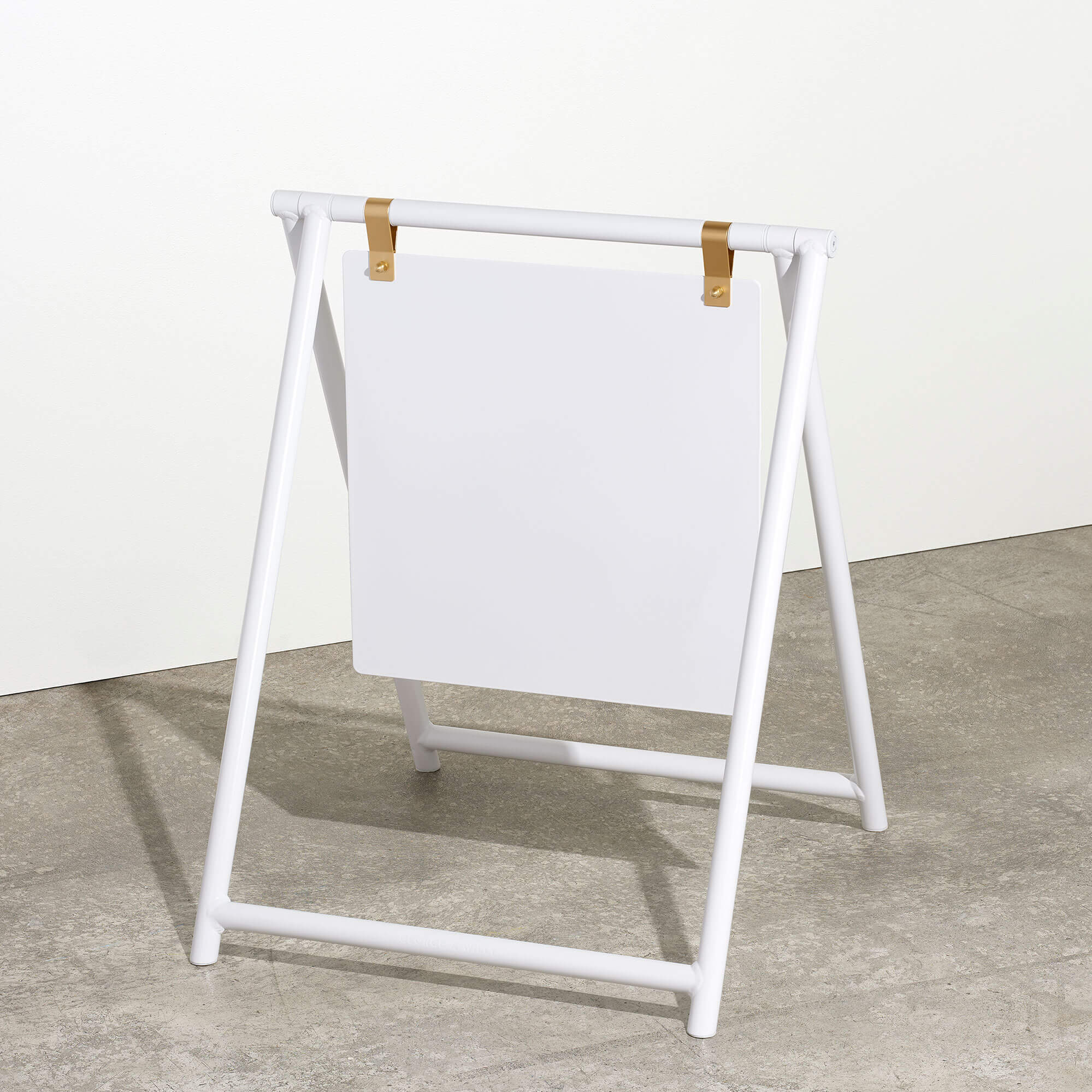
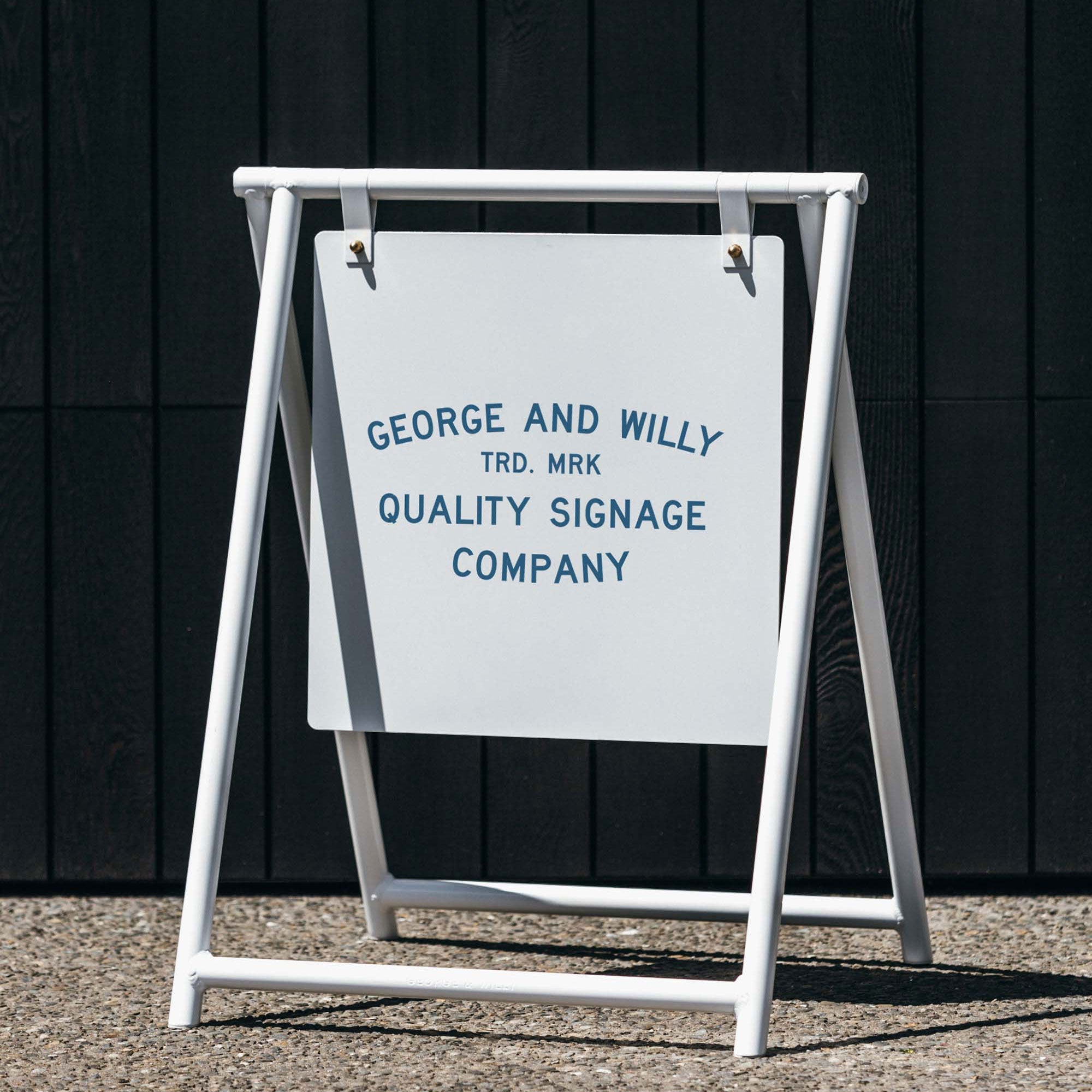
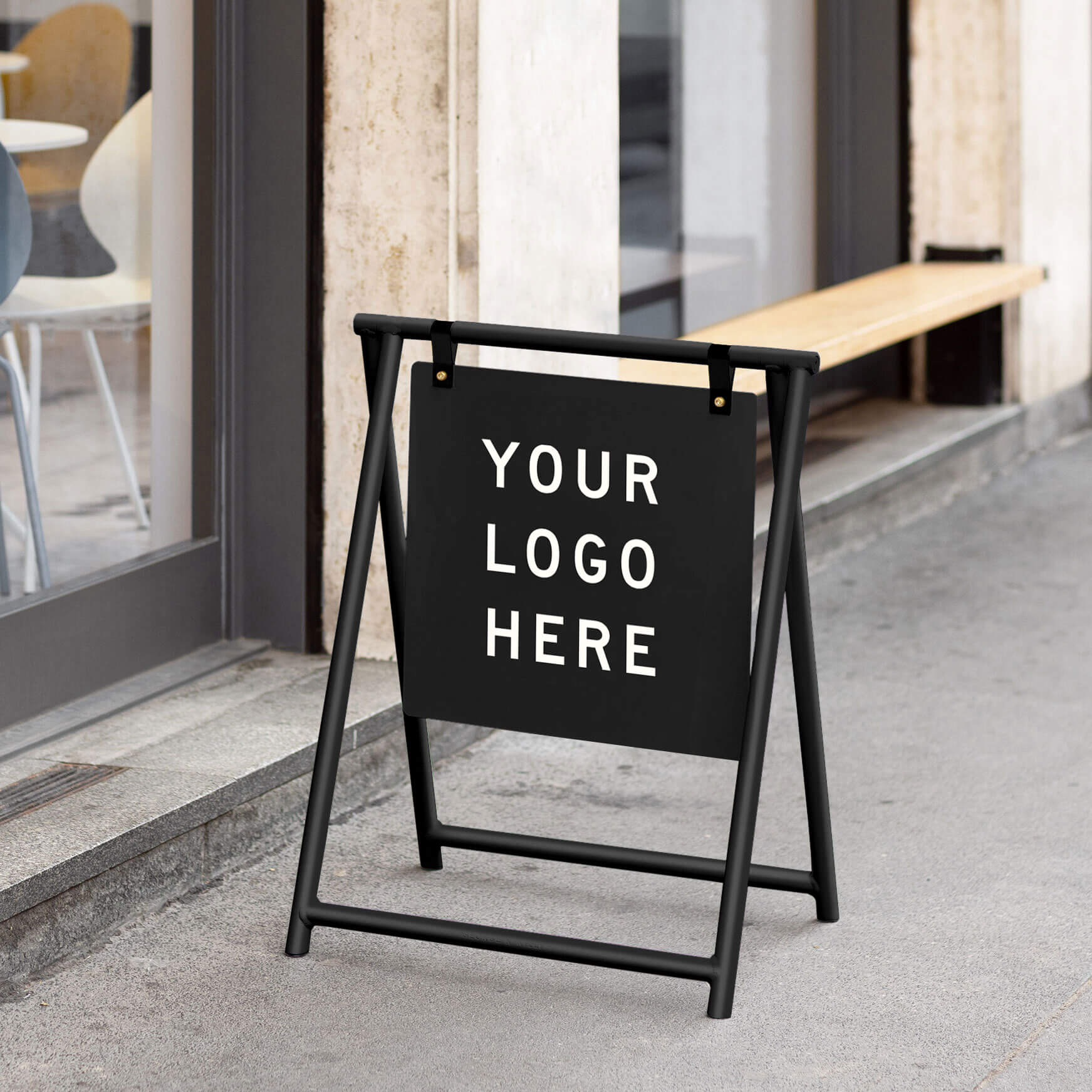
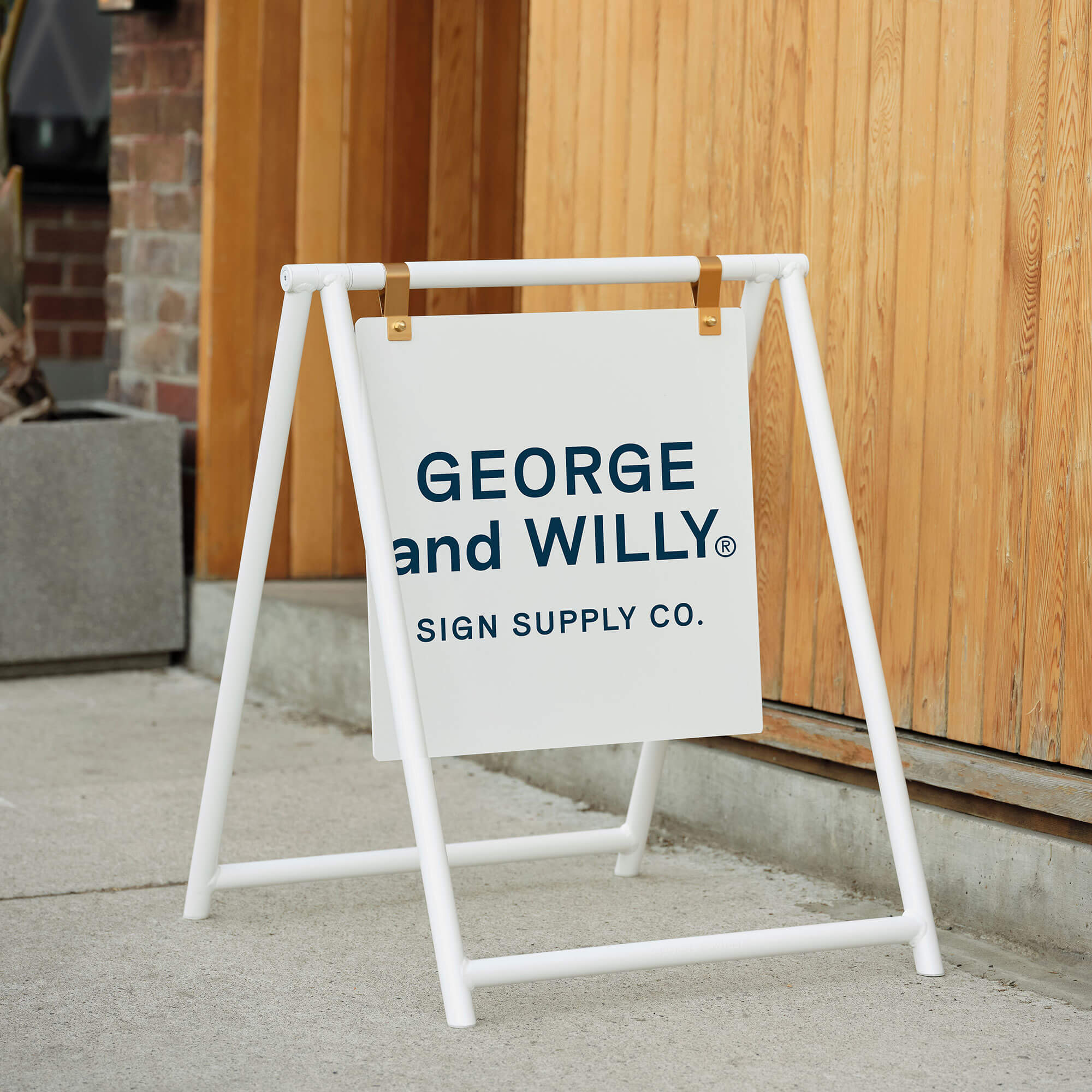
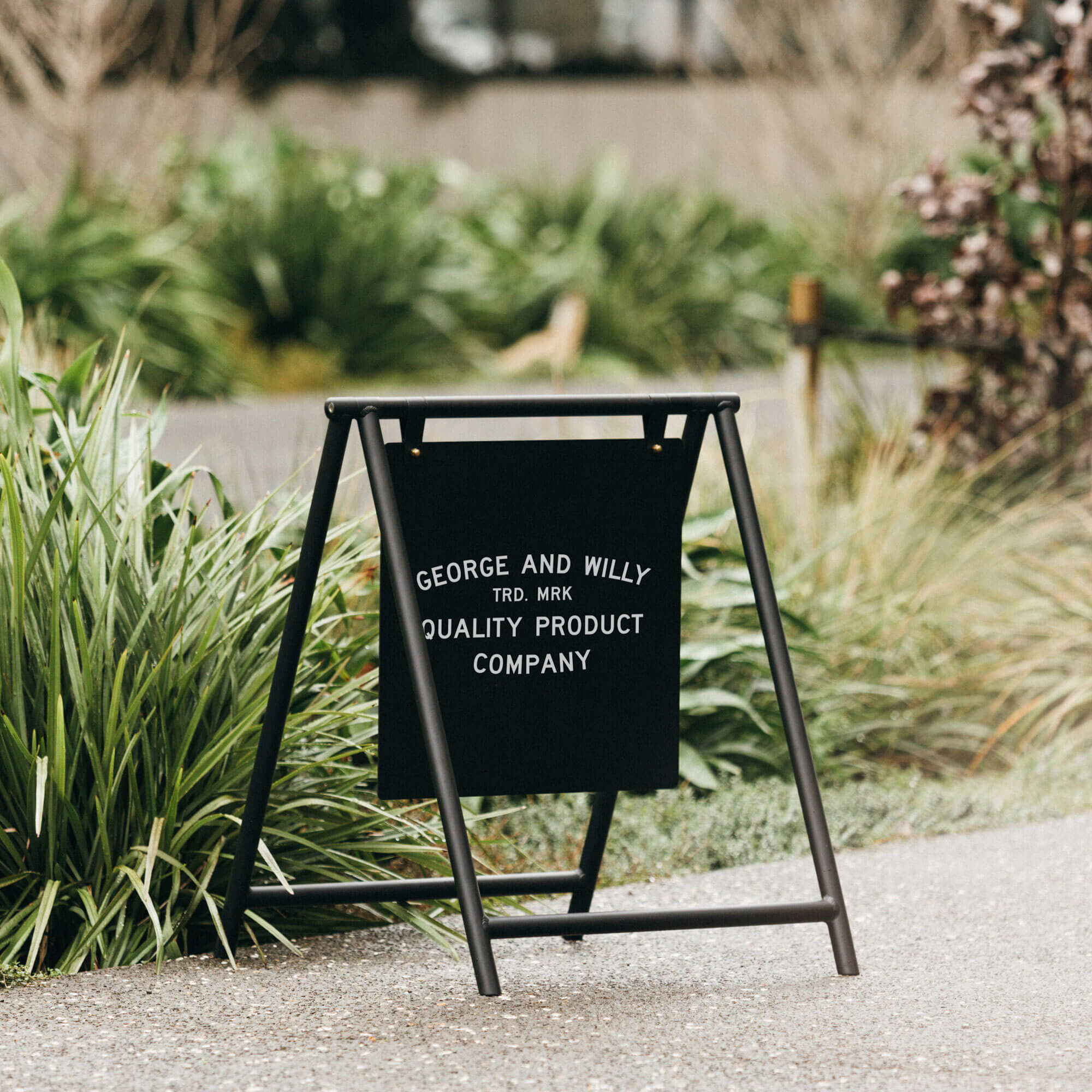
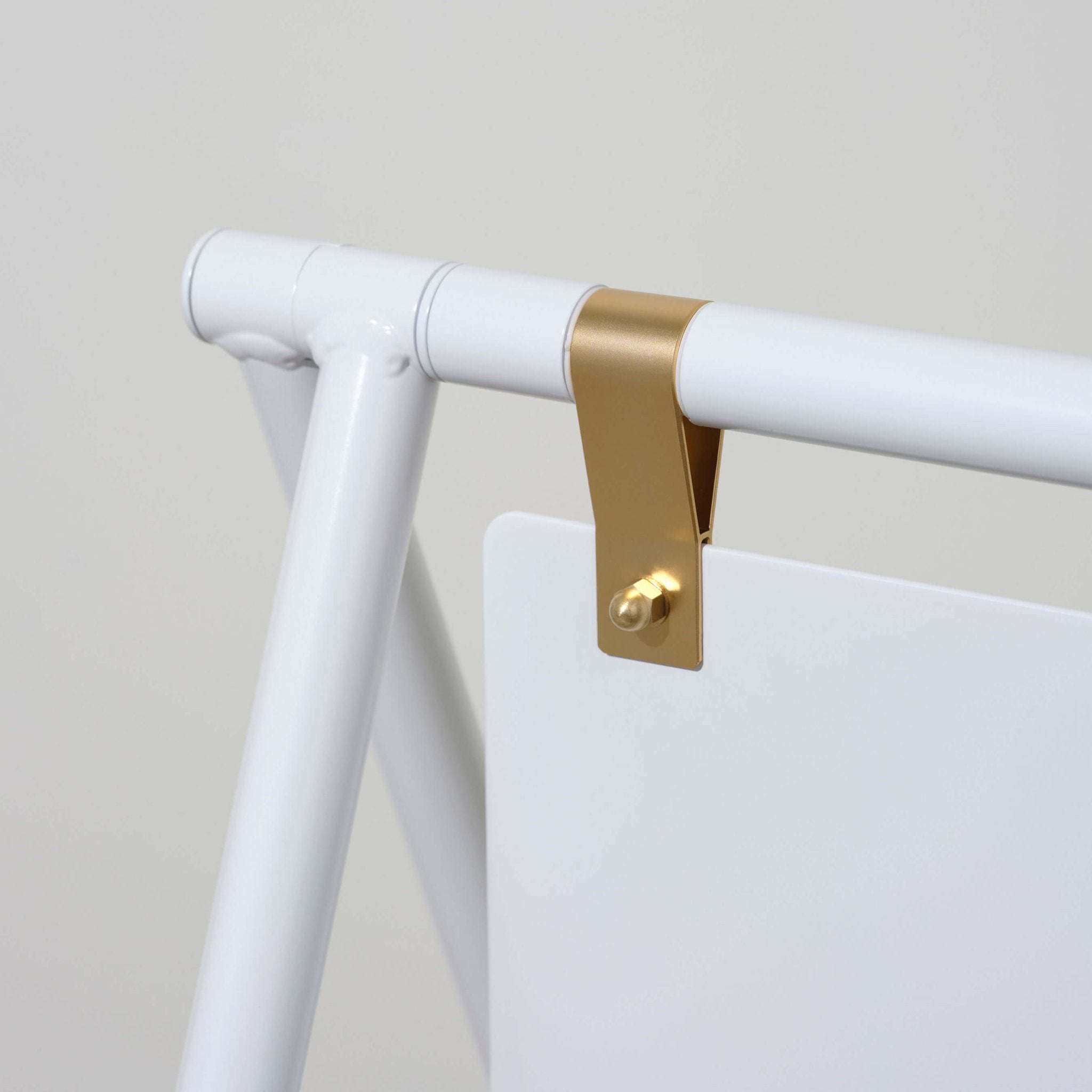
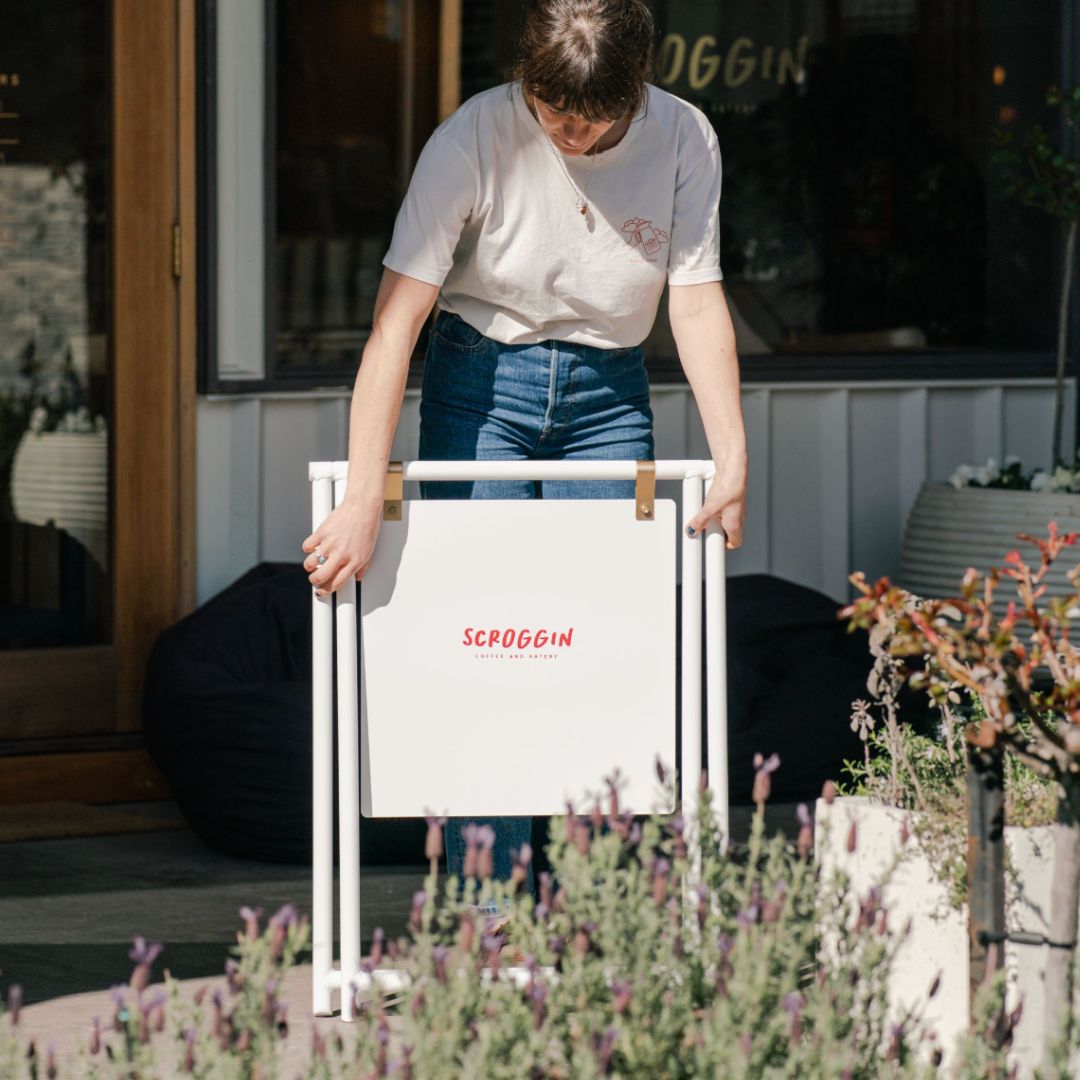
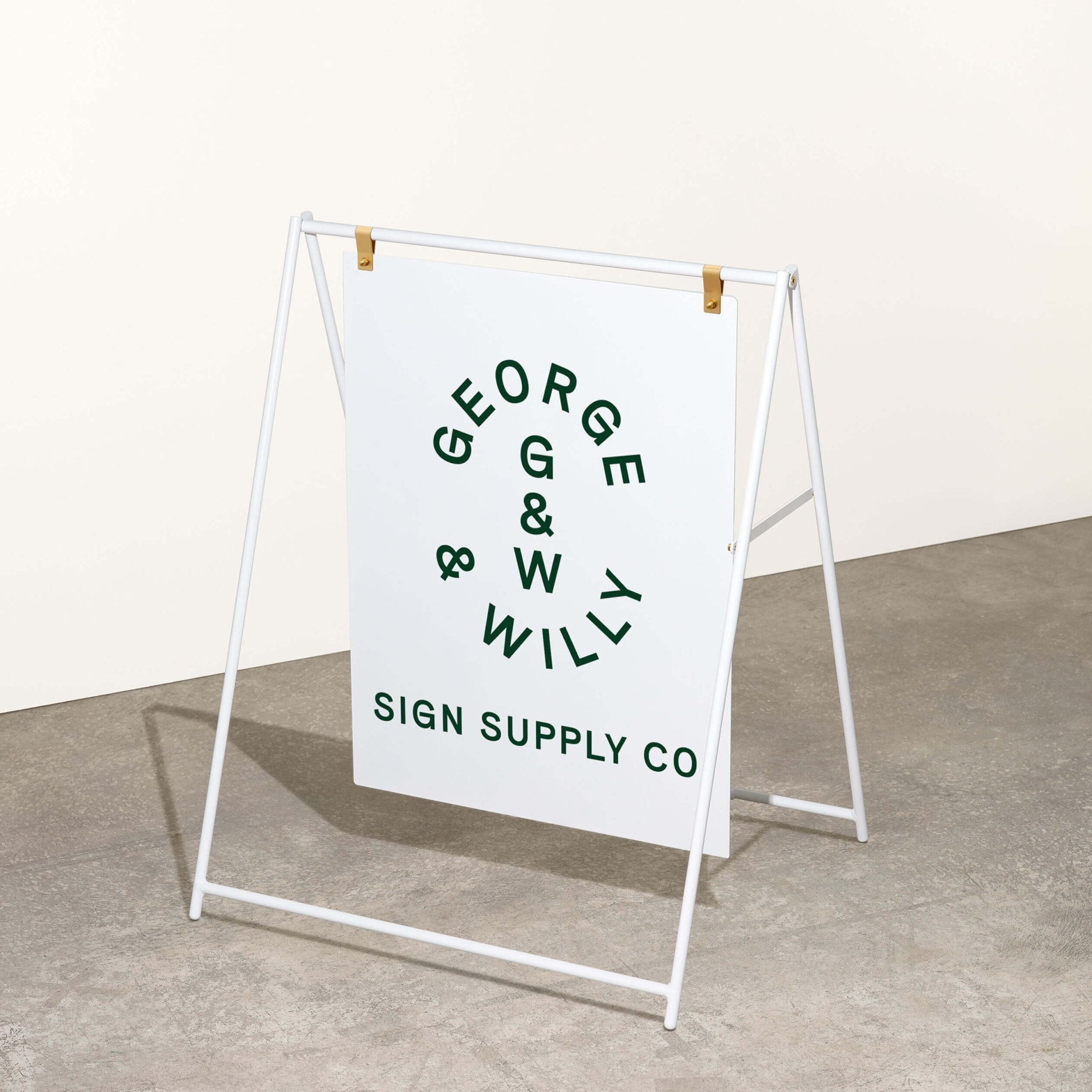
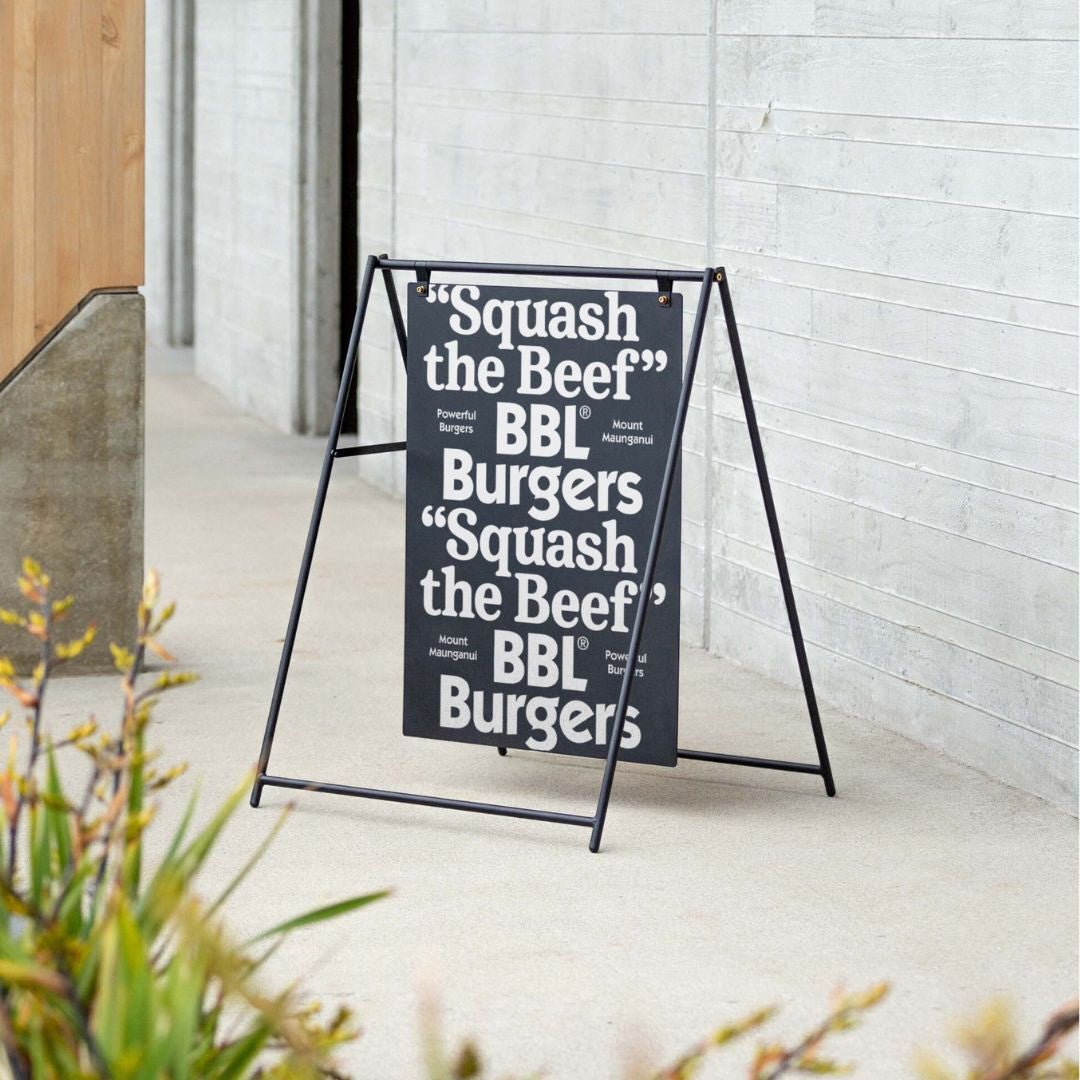
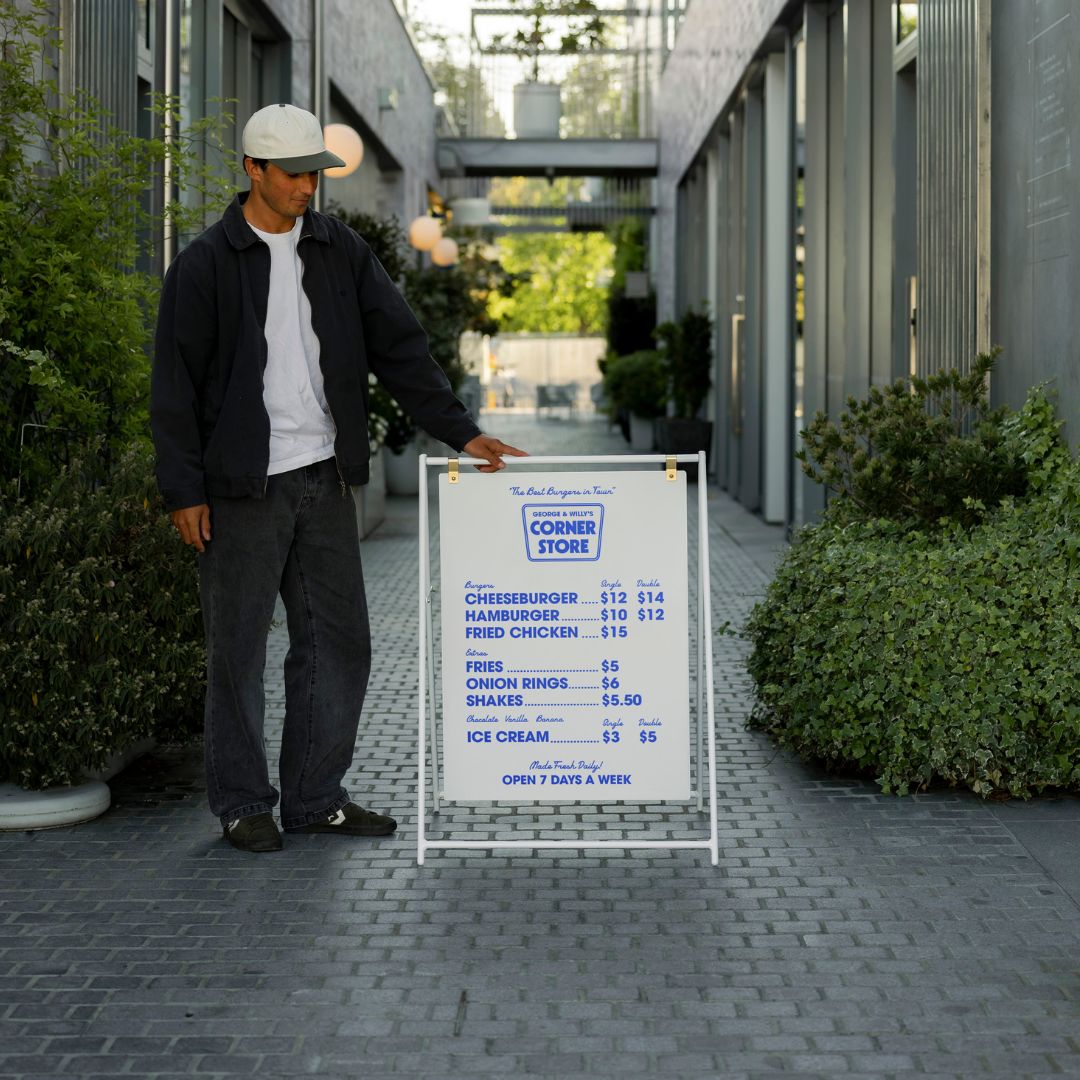
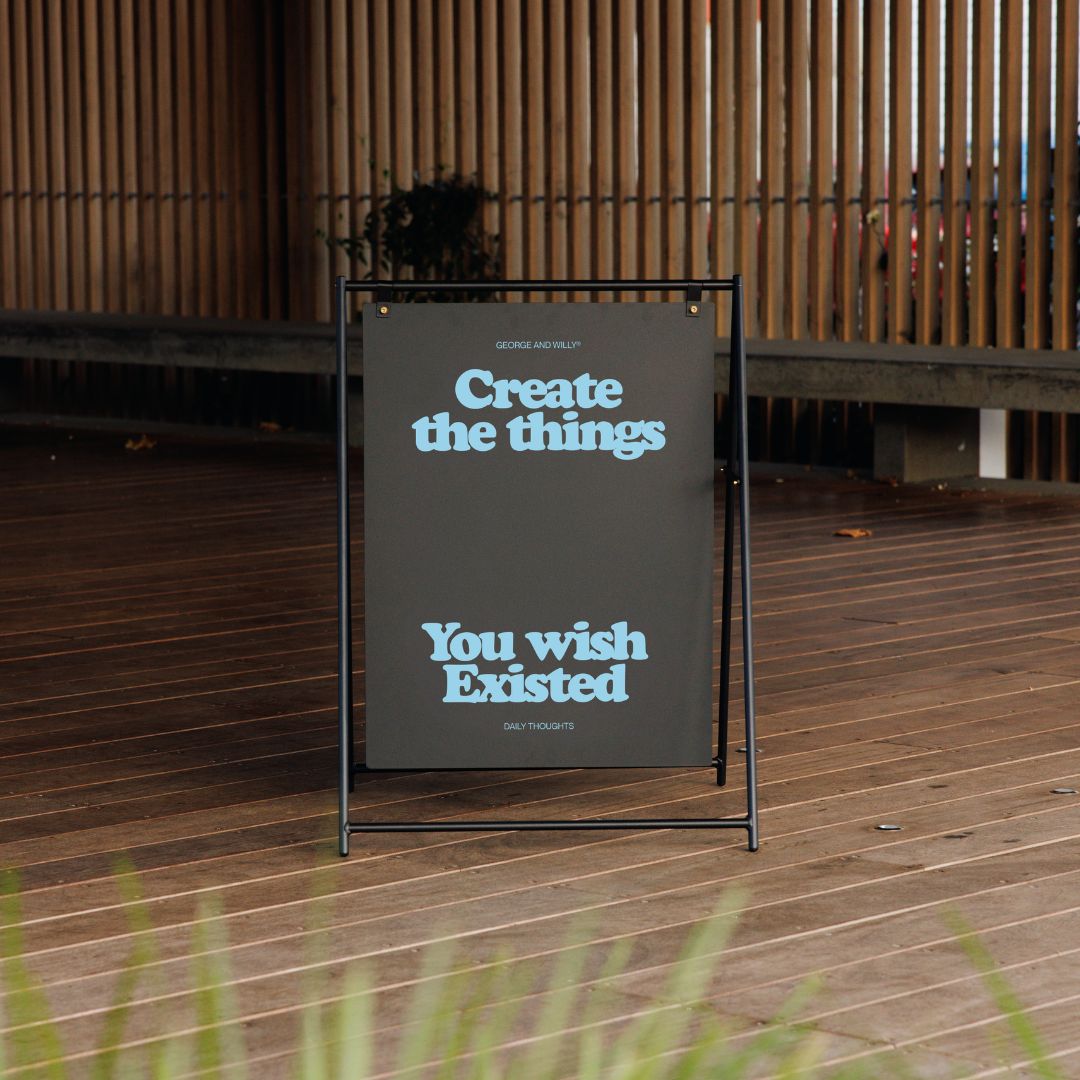
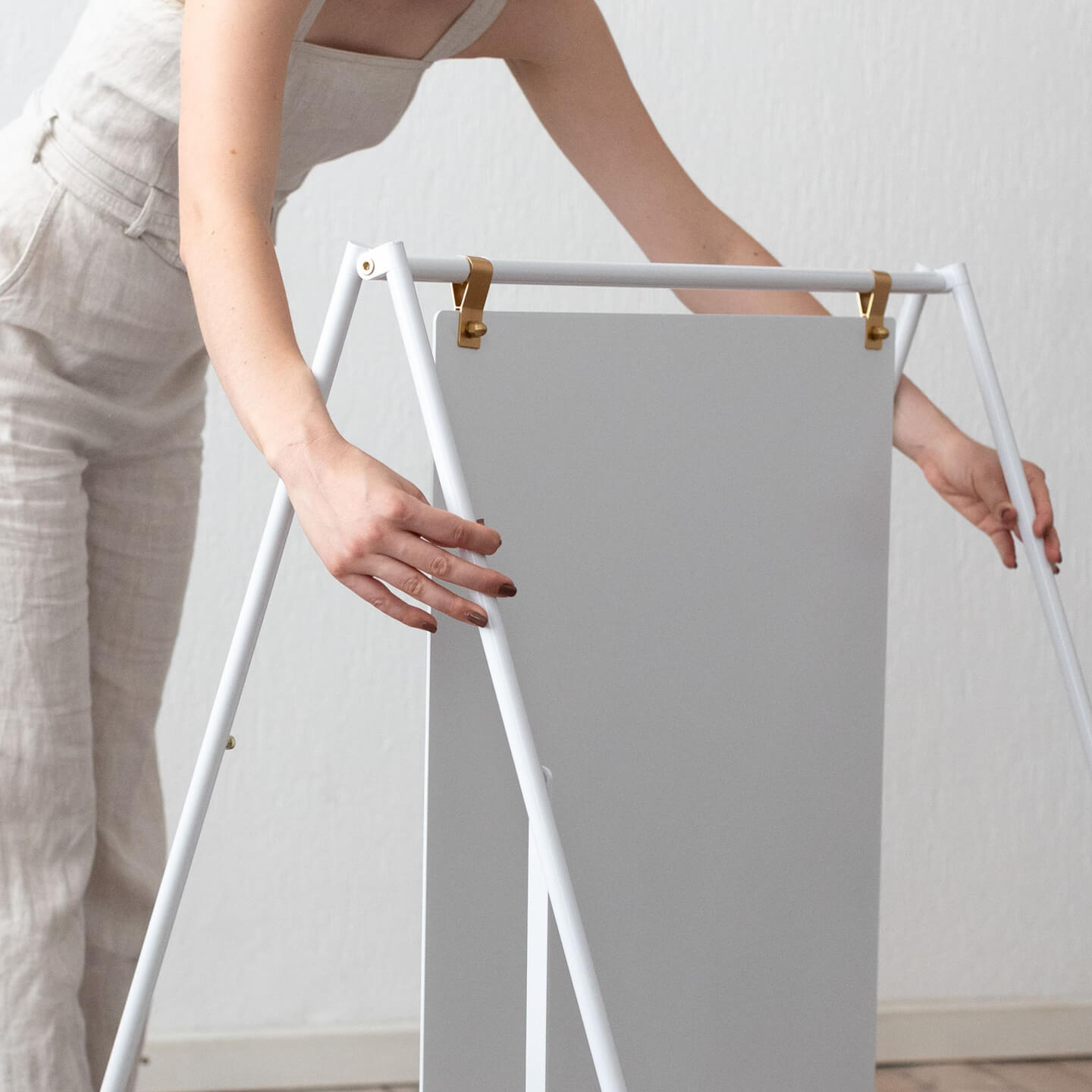
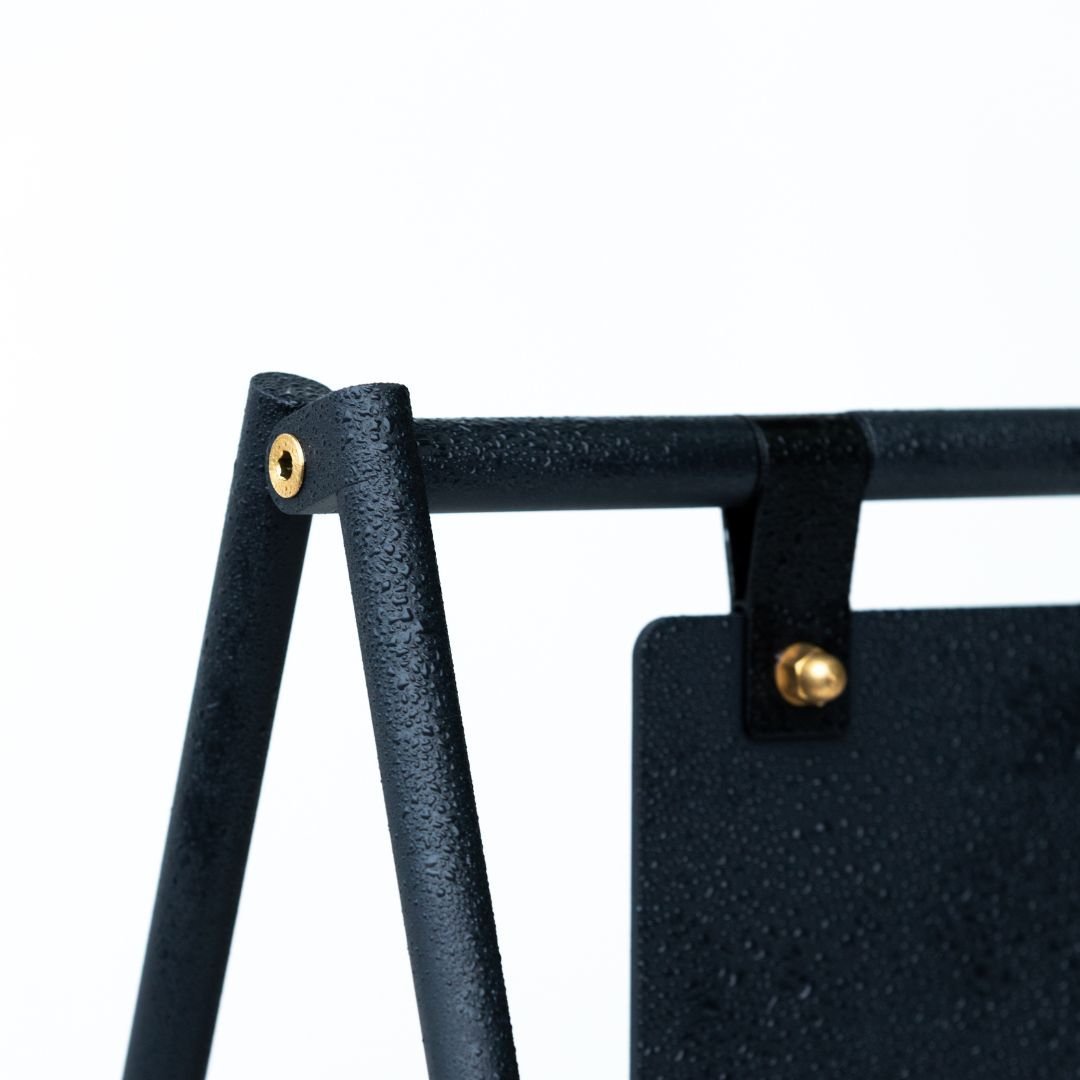
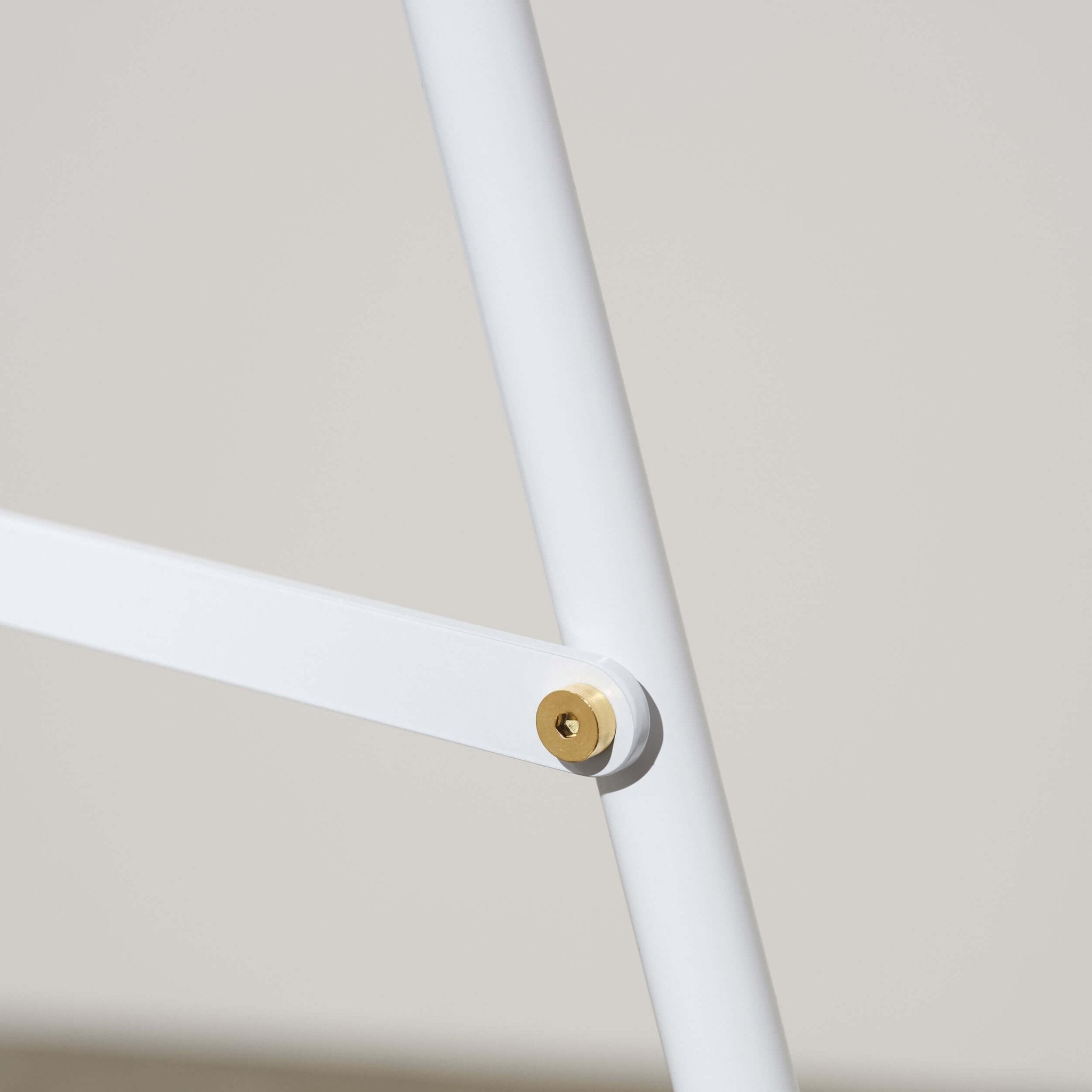
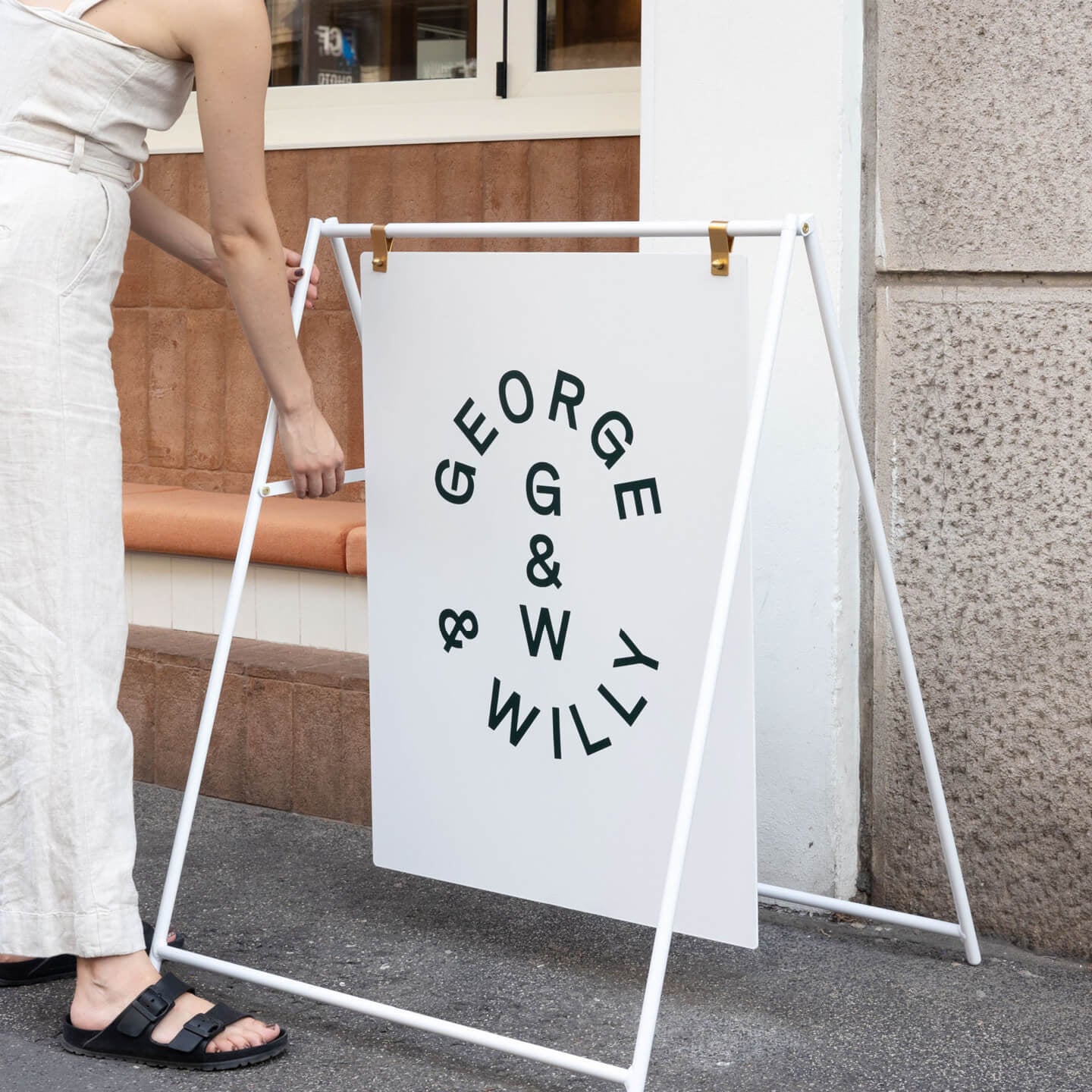
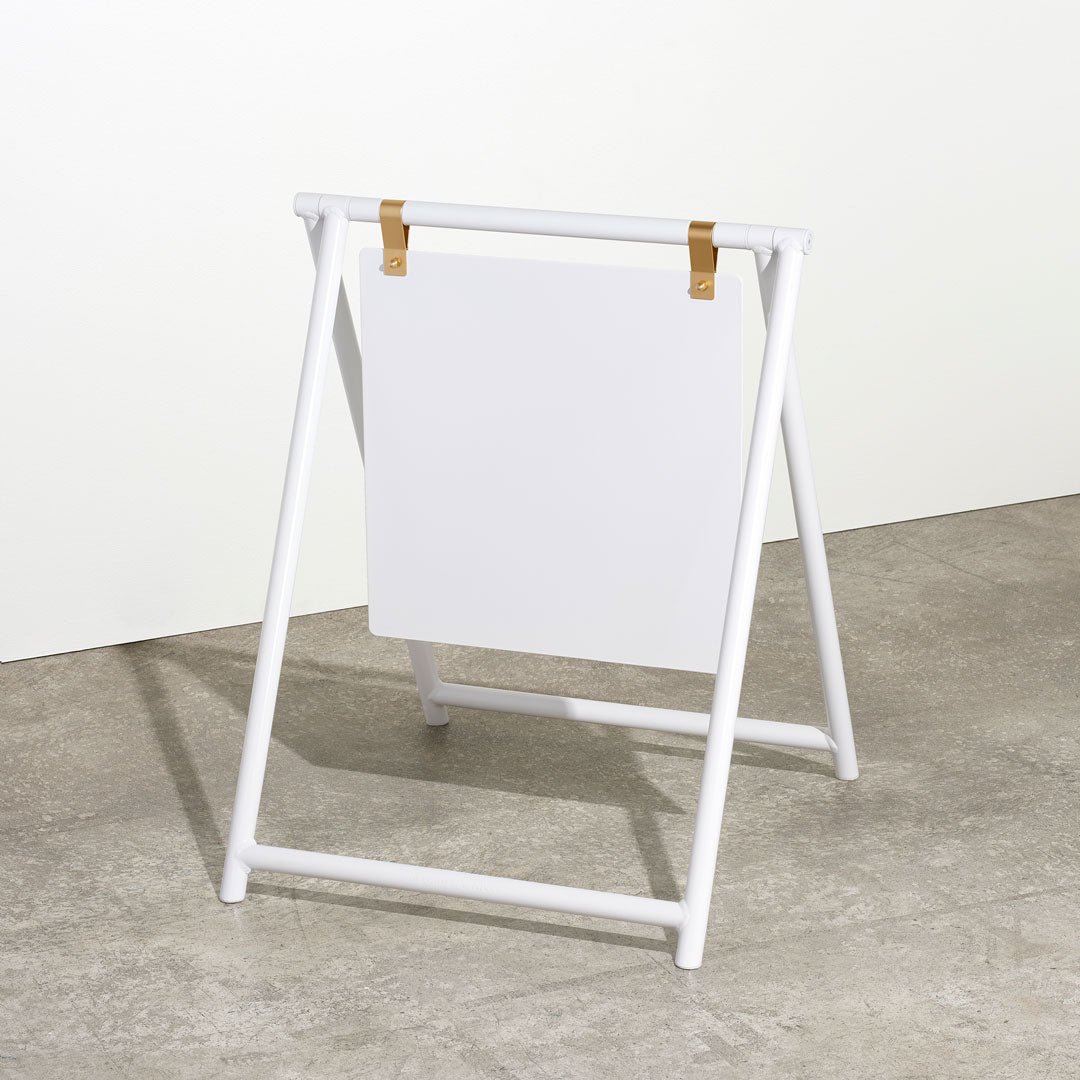
For outdoor sidewalk messaging, choose aluminum sign hardware. A restaurant sign from George and Willy weighs about 8.8 pounds, folds for storage, and ships with both brass and color matched straps.
Where will the signage be seen
-
Interior wall, ceiling, or counter
-
Exterior sidewalk or facade
-
Mixed use spaces that need both
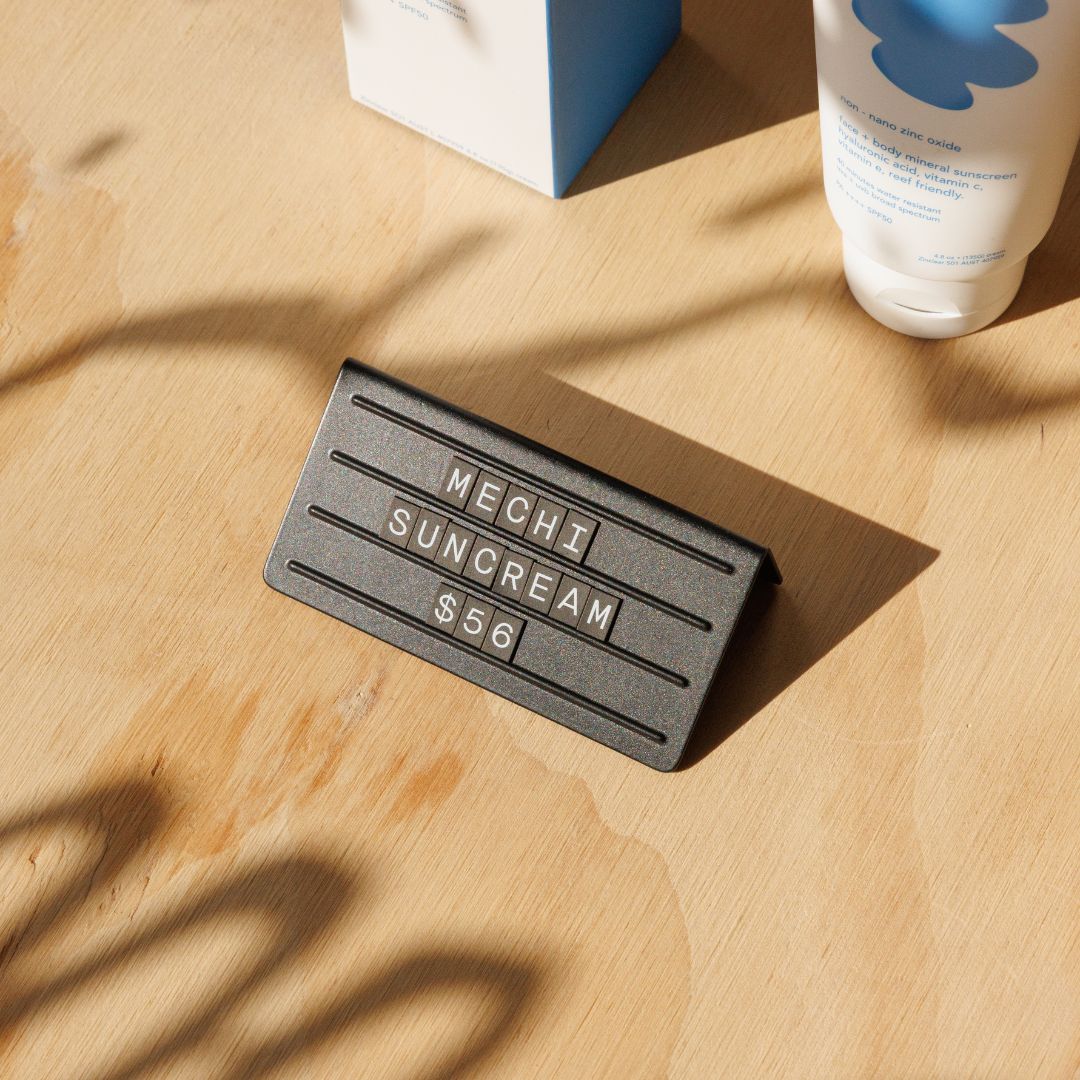
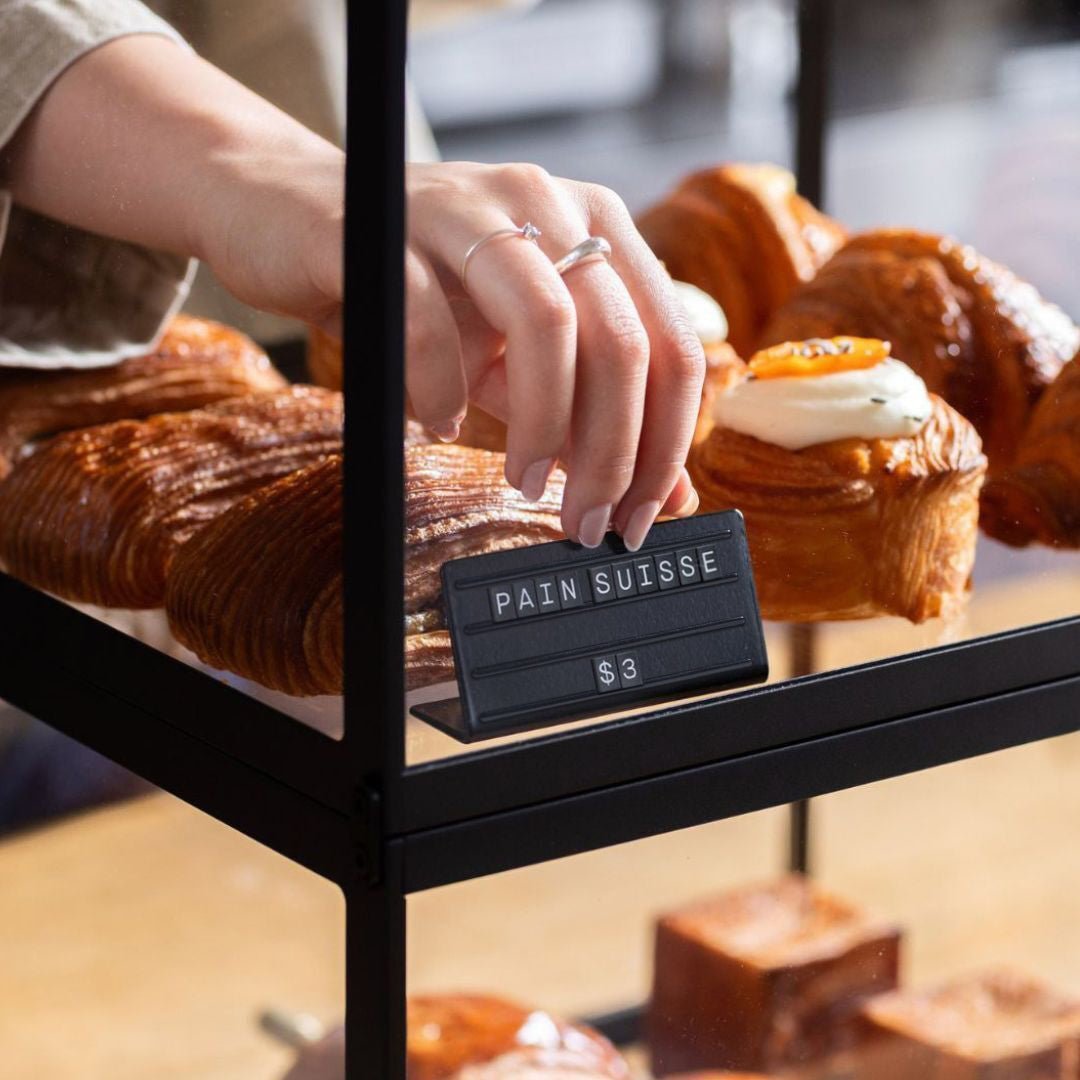
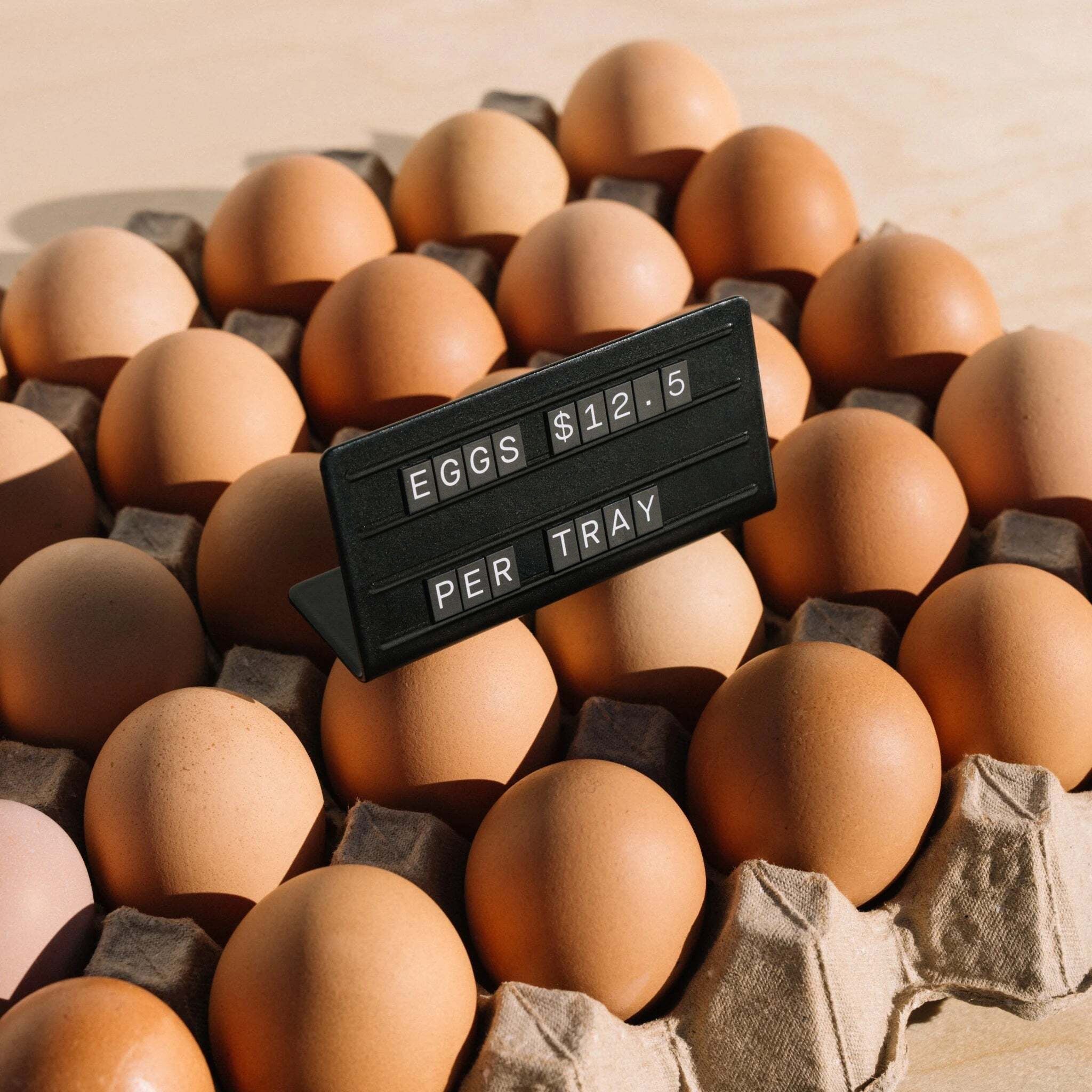
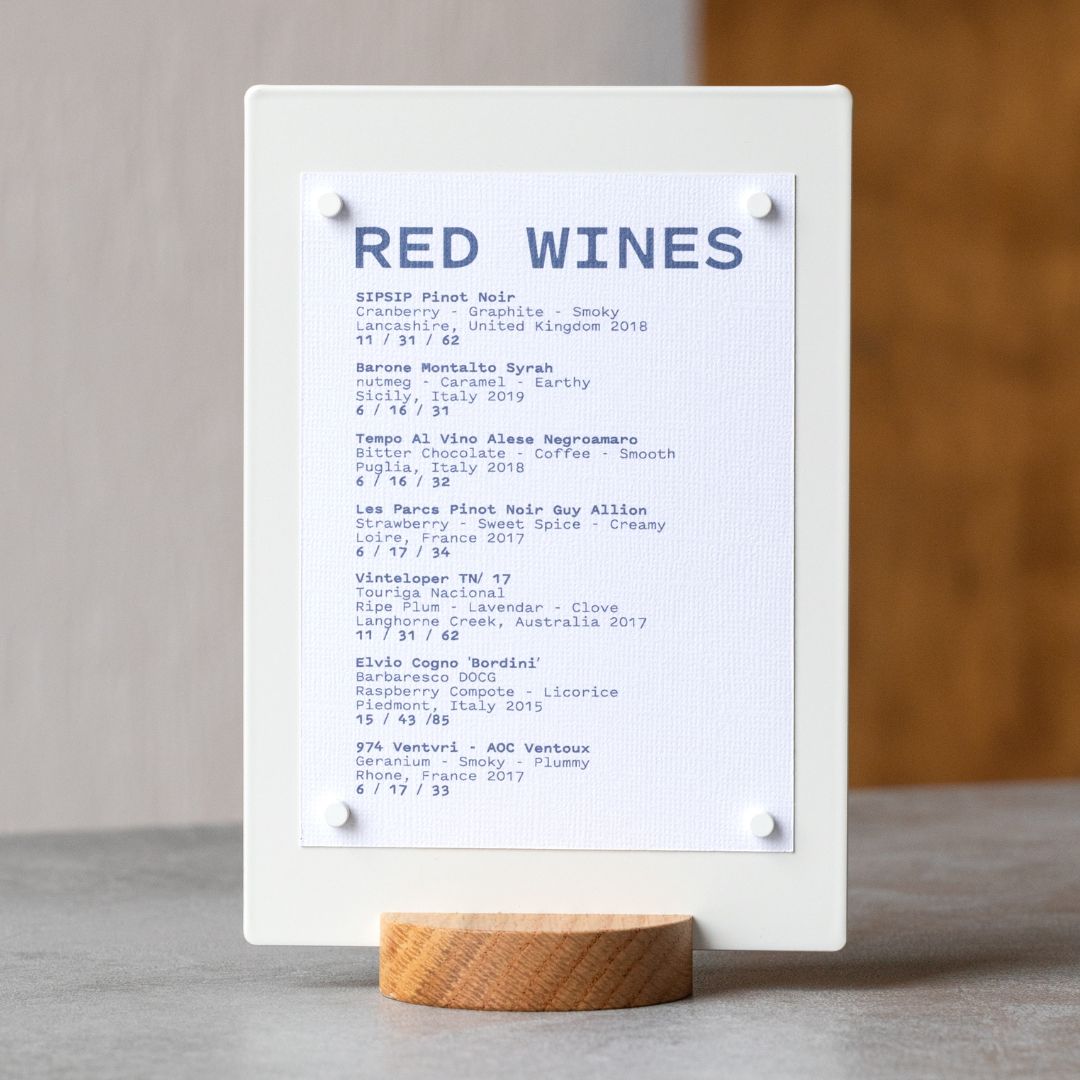
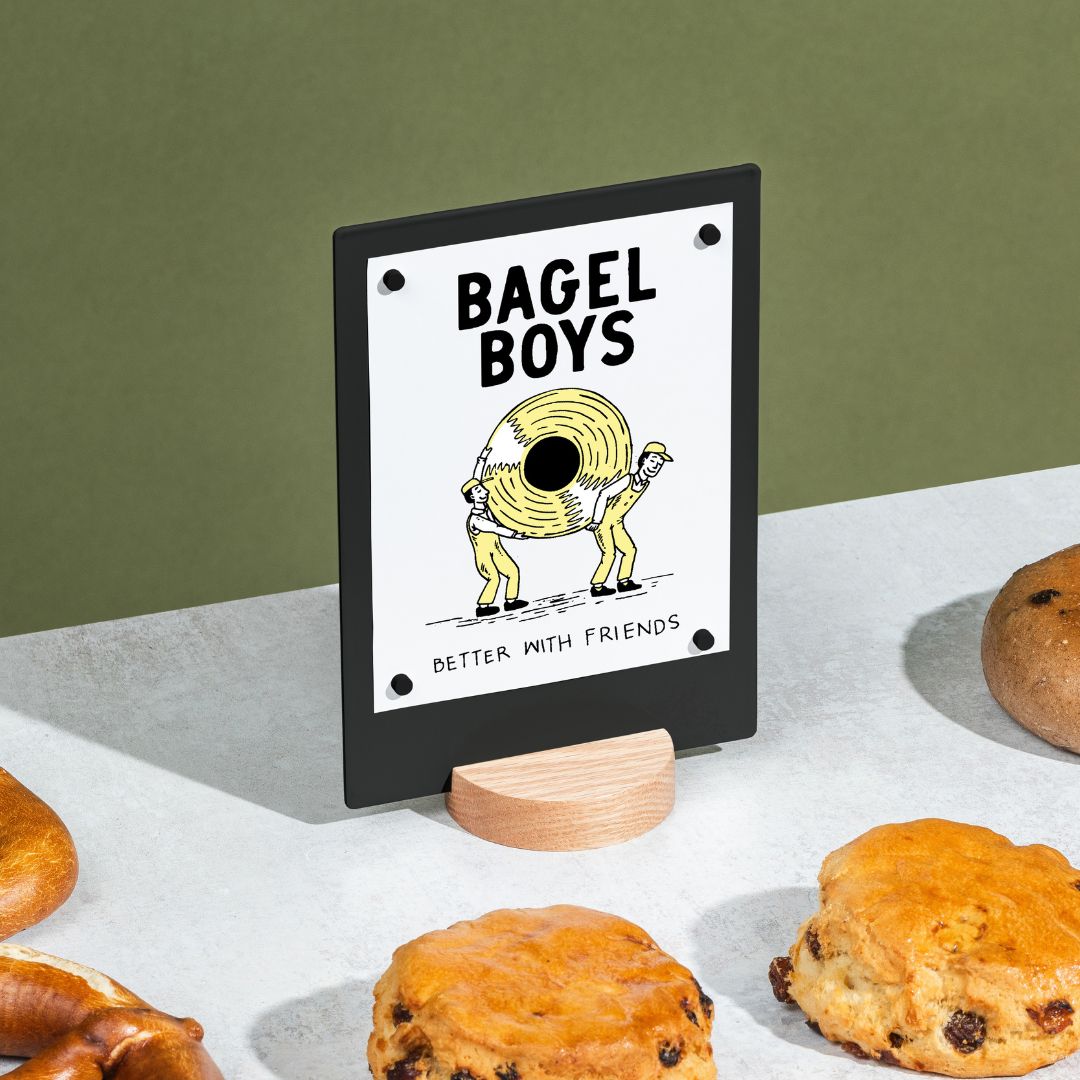
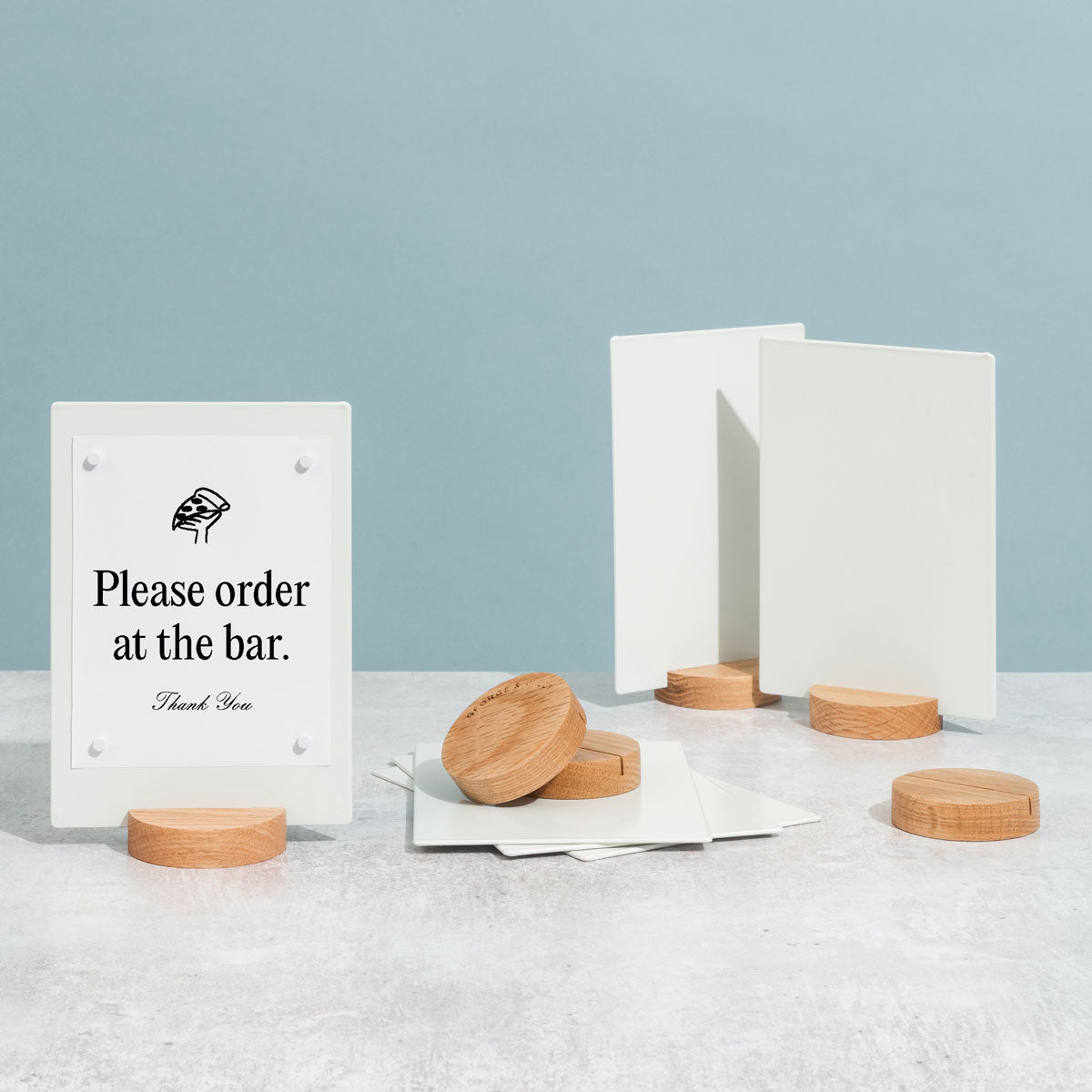
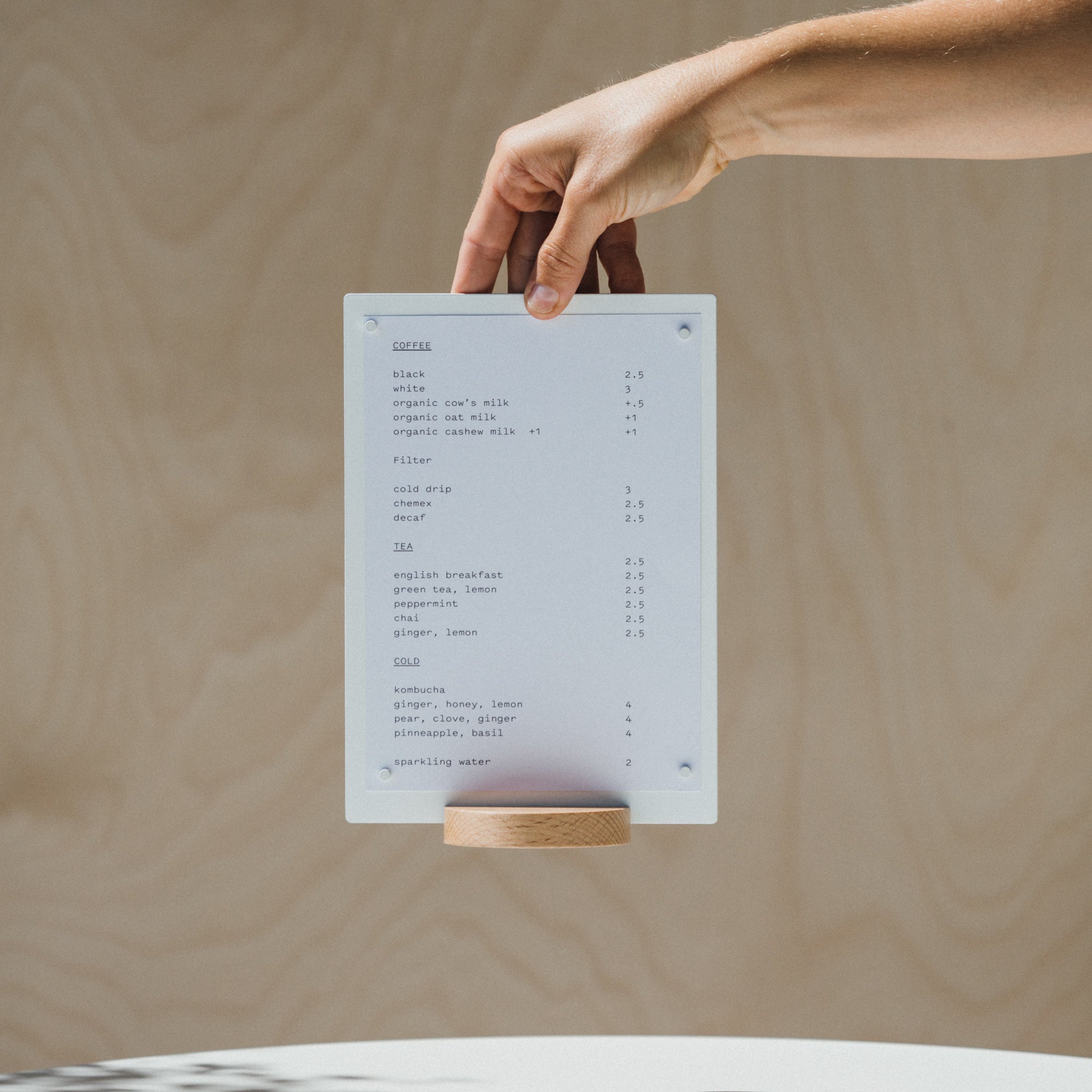
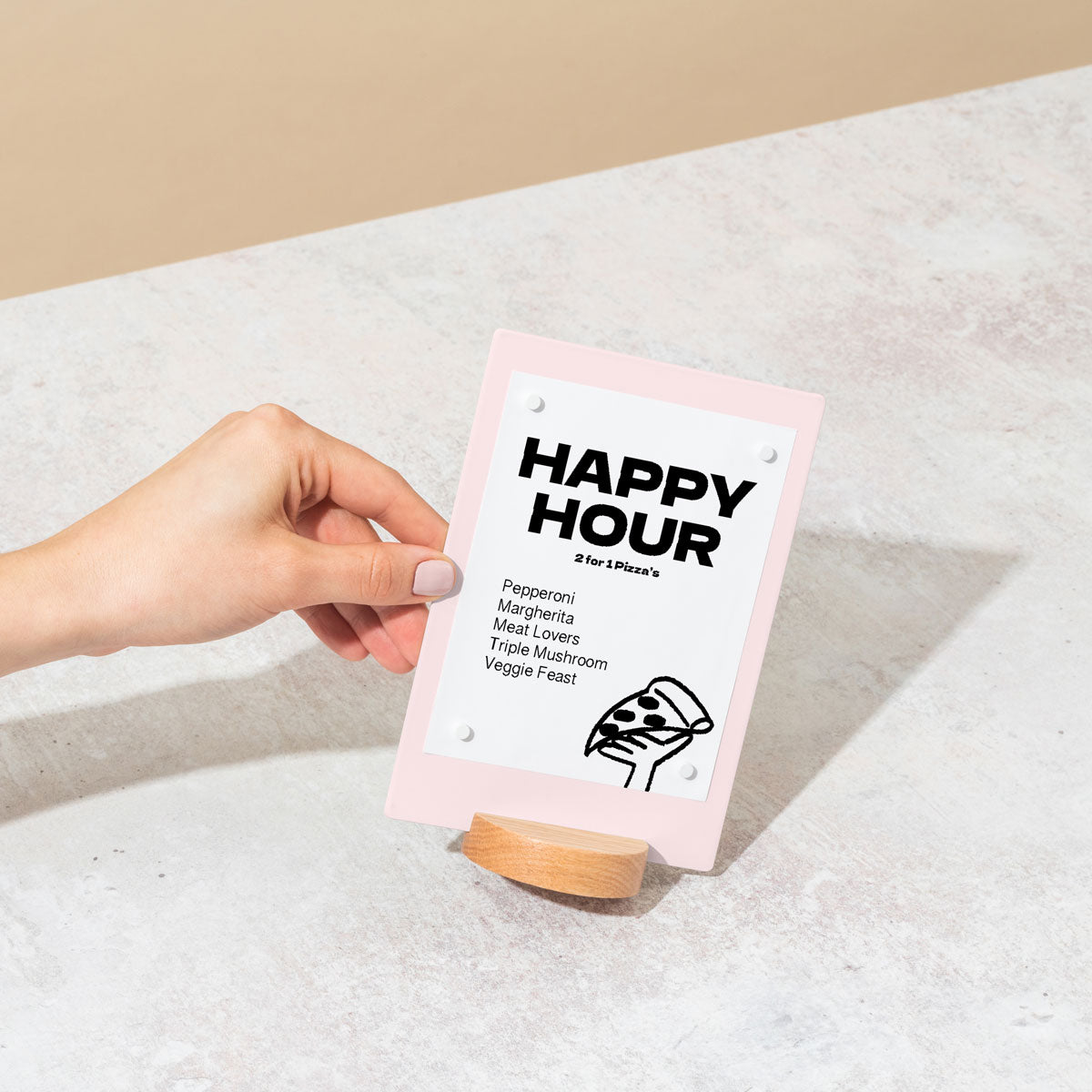
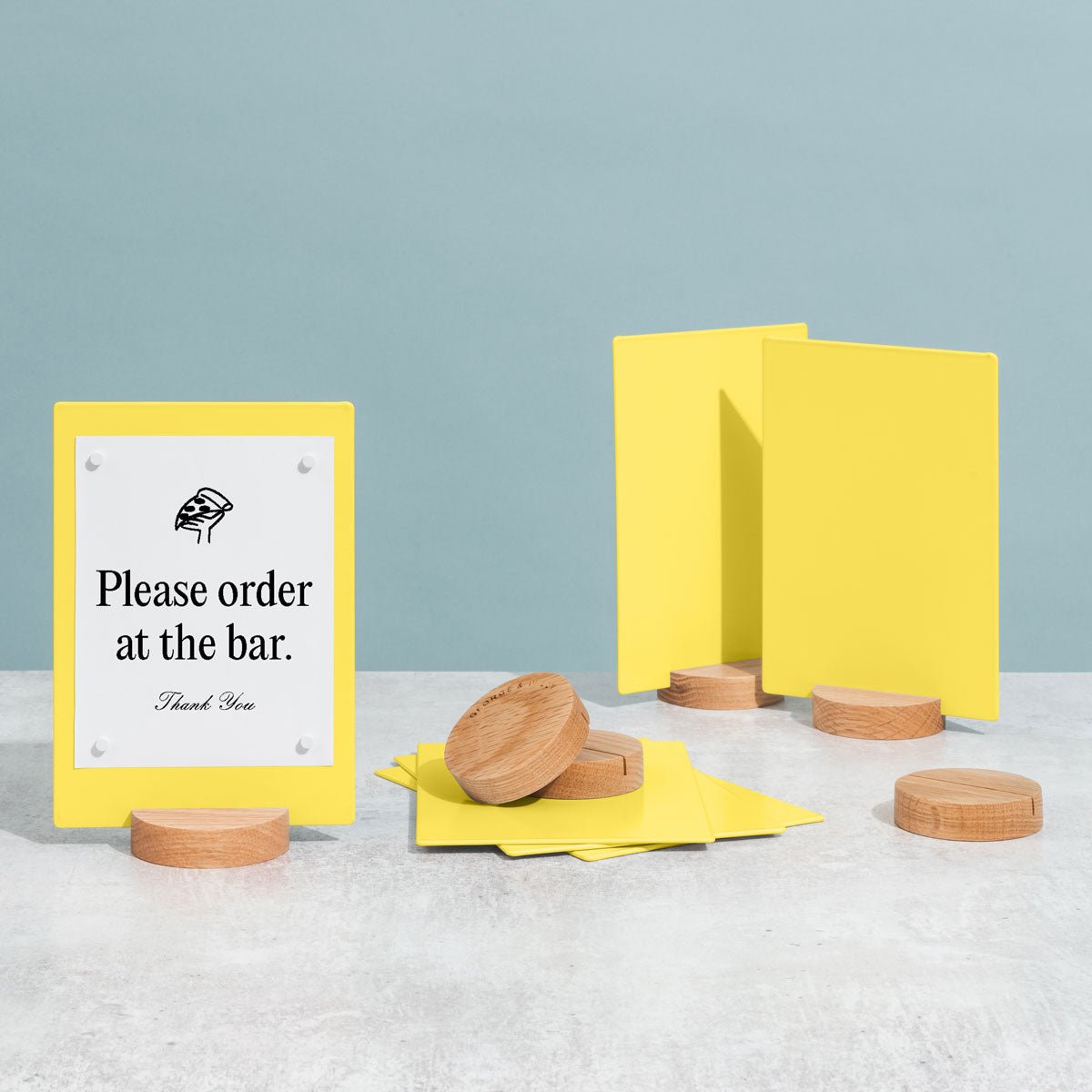
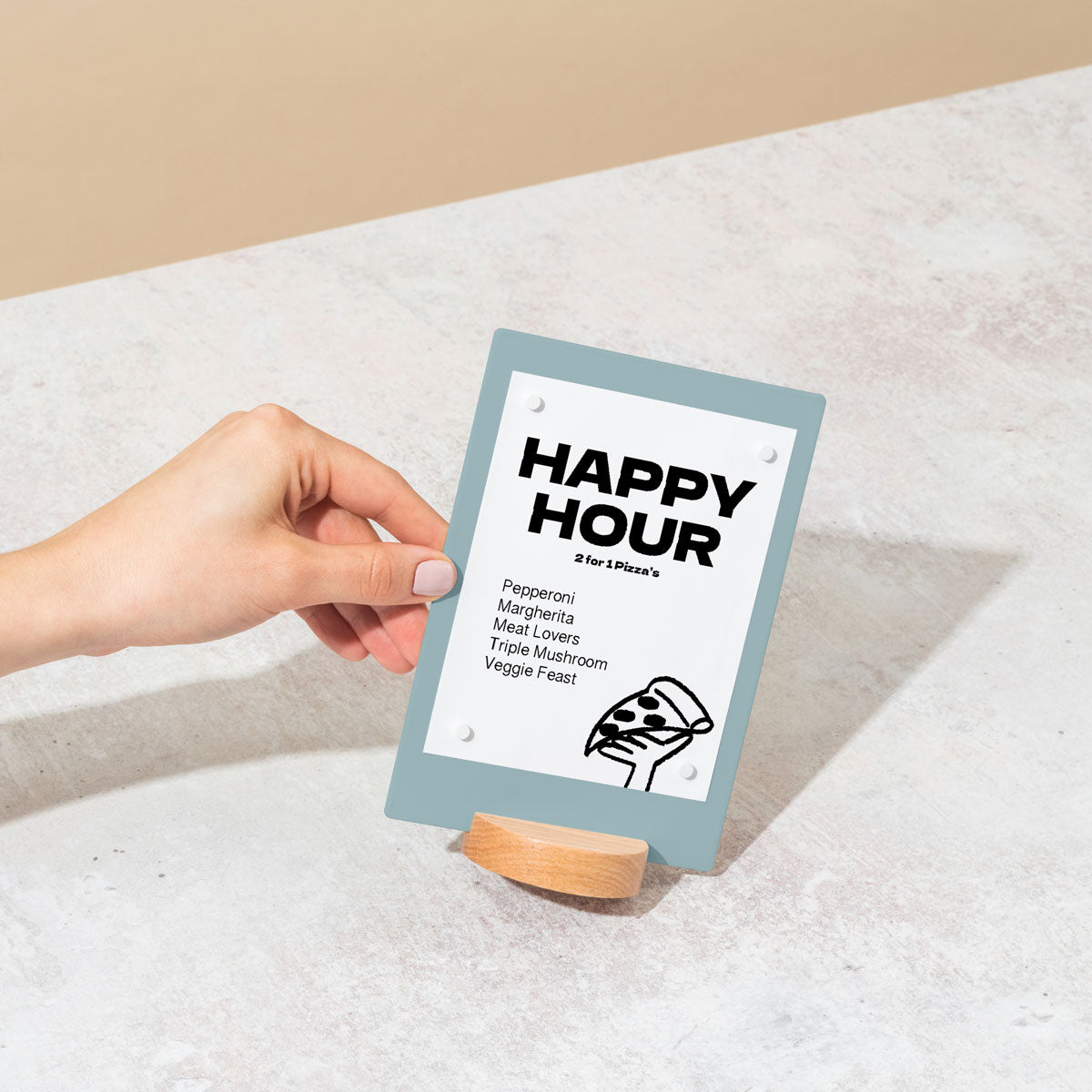
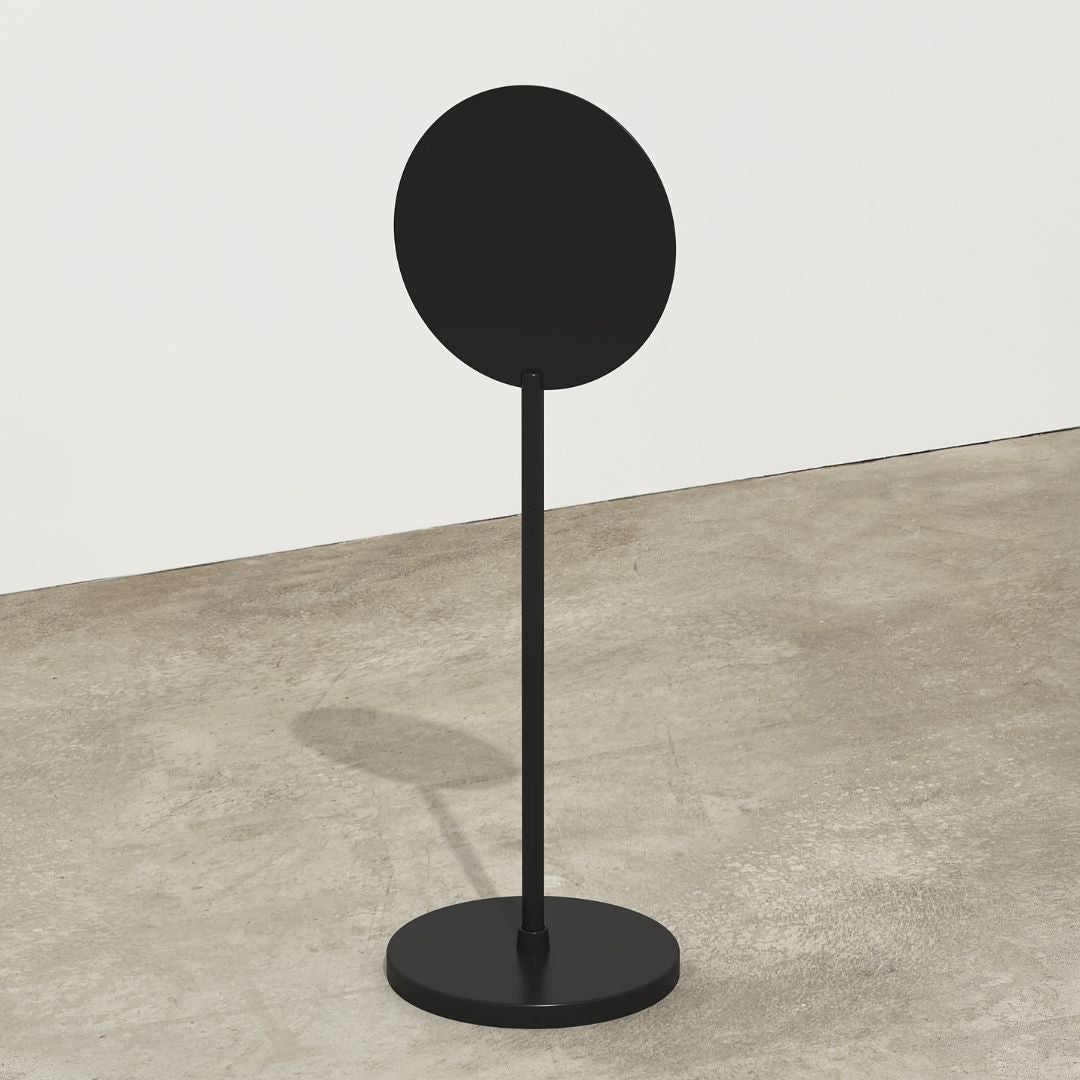
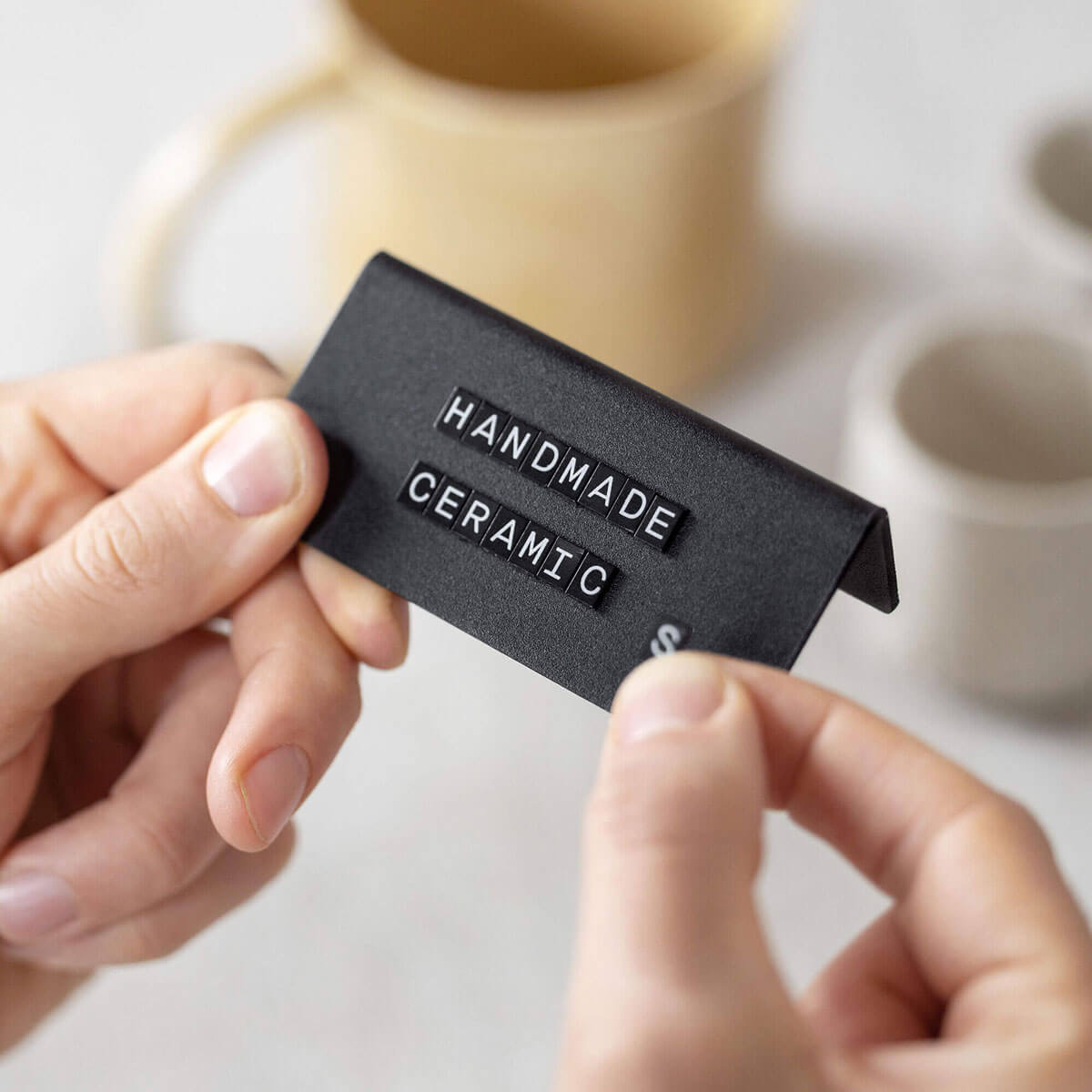
Match the changeable menu board to viewing distance and lighting. A light box sign can help in dim entries. For tight counters, a Table Top Sign keeps pricing visible without clutter.
What letter count and accessories are needed
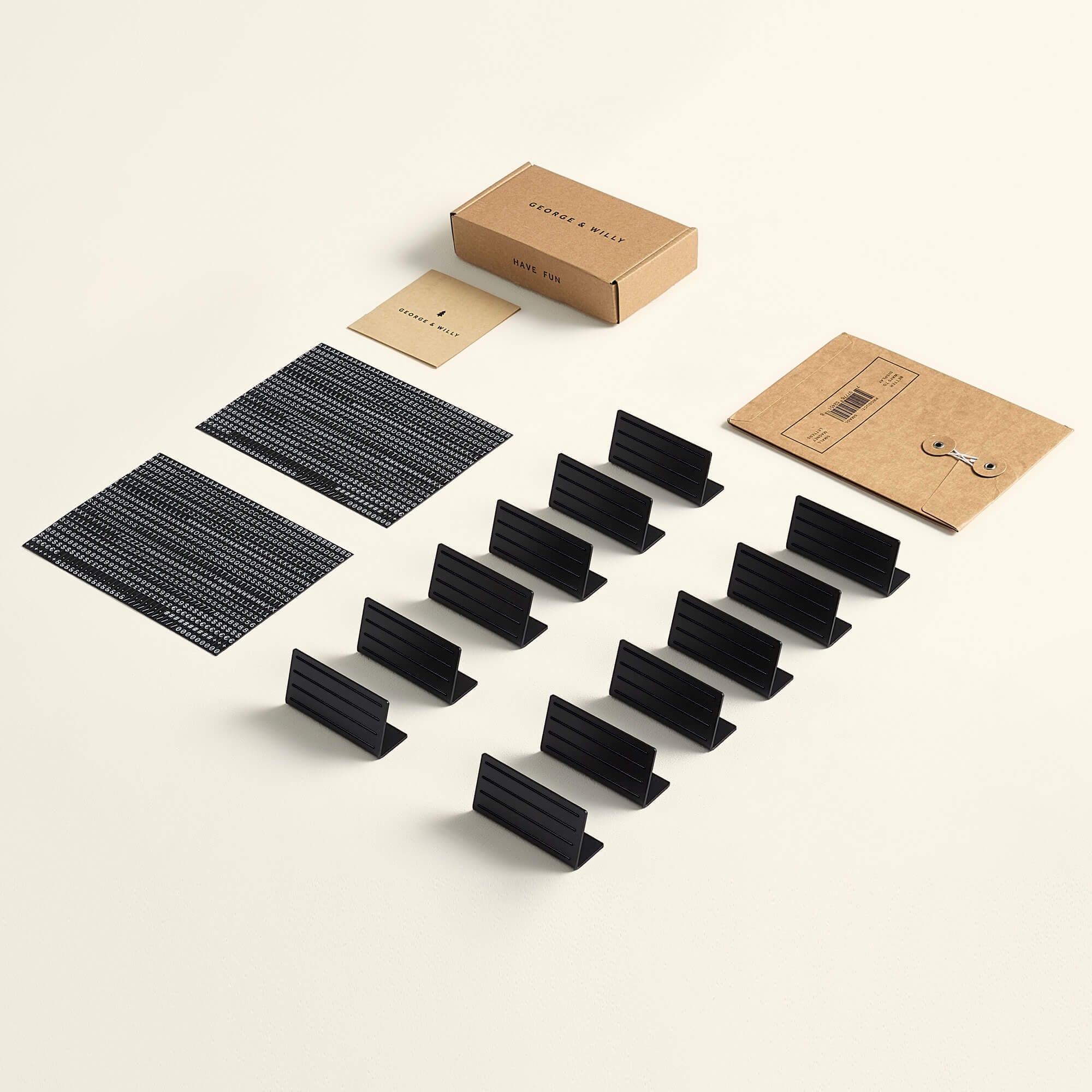
Plan for your longest line of text and your busiest day. The set with 1,032 magnetic characters gives breathing room for long drink names and add ons. Extra magnetic letter packs are available if the brand expands.
How will installation and logistics work
-
US orders ship via UPS from Arizona and South Carolina
-
Canada ships via DHL
-
EU and UK ship from the Netherlands
-
Australia ships via AusPost, Direct Freight, or DHL
-
New Zealand ships via NZ Post or DHL
-
Most markets ship Delivered Duty Paid, Norway ships Delivered Duty Unpaid
-
PO boxes are not supported
Most orders process within 1 to 2 working days. Express targets 1 to 5 working days. Economy targets 3 to 7 working days. That helps schedule fit outs with fewer surprises.
What is the policy on customization and branding
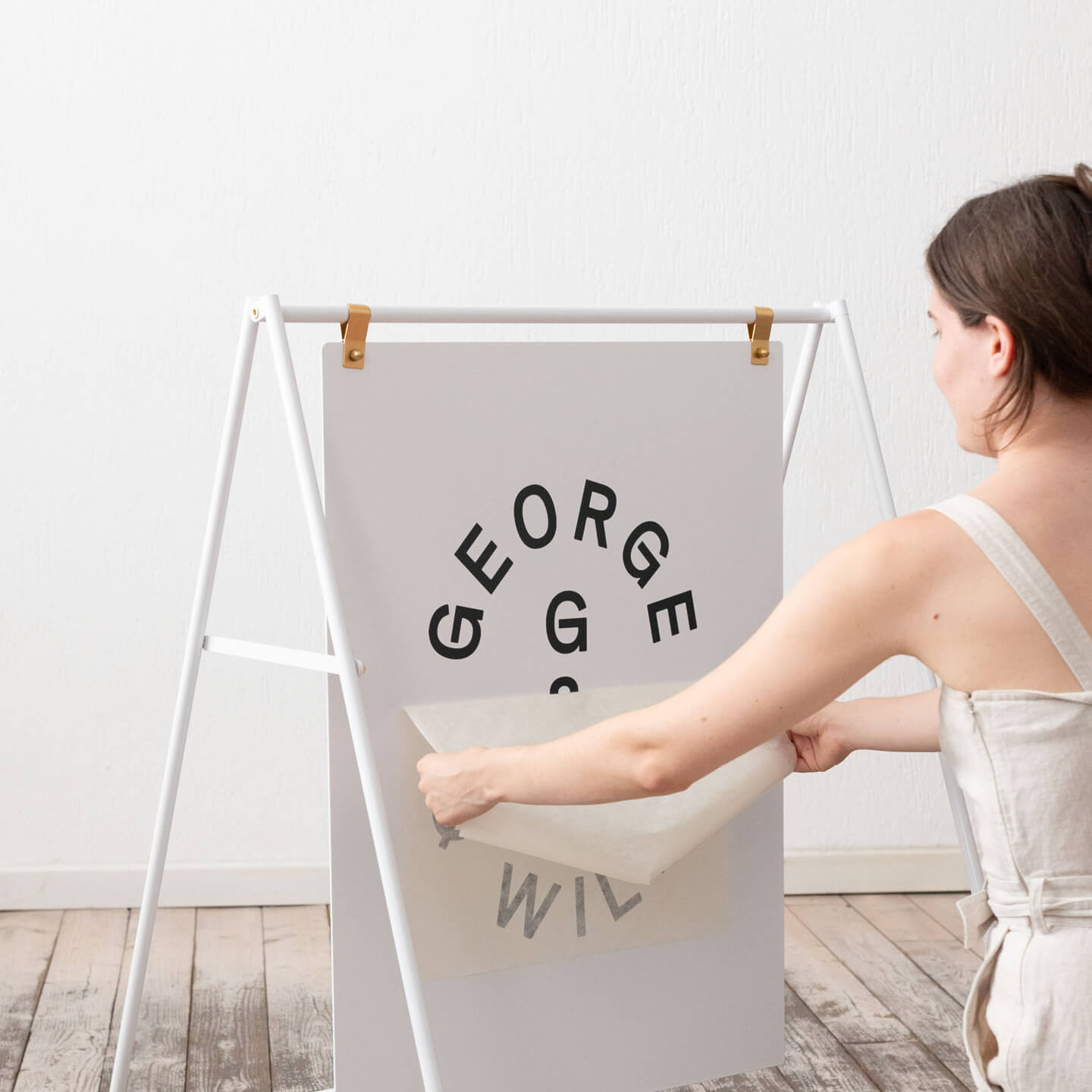
George and Willy ships signage blank, so it arrives ready for your graphics. There is no in house logo application or custom fabrication service. Most customers apply vinyl decals through a local signwriter, and powder coating color changes can be arranged locally. The brand shares tips and how tos on its journal.
What about payment, returns, and warranty
-
Major cards and digital wallets are accepted, including AmEx, Visa, MasterCard, Apple Pay, Google Pay, PayPal, and Shop Pay
-
The brand is not a United States business, so some US buyers may see an international transaction fee from their bank
-
Full price items have a 100 day change of mind window, and sale items are final sale
-
There is a two year warranty for faulty materials and workmanship in normal use
If you want a changeable menu board that fits a standard hospitality workflow, this policy mix keeps risk low and timelines clear. Ready to compare options side by side, start here: See the collection
Conclusion: The bottom line on choosing a custom, flexible menu board
A changeable menu board should be fast to update, clear to read, and built to last. Magnetic letters and tile systems keep teams nimble, while powder coated metals and solid mounts stand up to daily service. Plan your space, choose materials that match your environment, and make sure the set includes enough letters for peak service. With global warehousing and simple policies, George and Willy makes it easier to roll out a cohesive kit across one site or many.
Explore minimal boards, outdoor signs, and tabletop displays, then build a clean system that customers notice and staff love to use. Start your changeable menu board plan here: George and Willy
FAQ
What is a changeable menu board?
It is a display that lets you update items quickly using magnetic letters, pegs, or tiles. George and Willy sets are designed for hospitality and retail, so teams can swap lines in minutes without reprinting or chalk.
Can I use a changeable menu board outdoors?
Yes, choose powder coated aluminum or steel for outdoor durability. For sidewalk use, look at aluminum A frame or standing signs, and apply your logo as a vinyl decal through a local signwriter.
How quickly can I get my board?
Orders usually process in 1 to 2 working days. Express shipping targets 1 to 5 working days and economy 3 to 7 working days, depending on region. US orders ship via UPS from Arizona and South Carolina.
Does George and Willy add my logo?
No, signage arrives blank. Most customers add graphics locally with vinyl decals. Powder coating color changes can also be arranged locally.
What comes in the box with a magnetic or tile board?
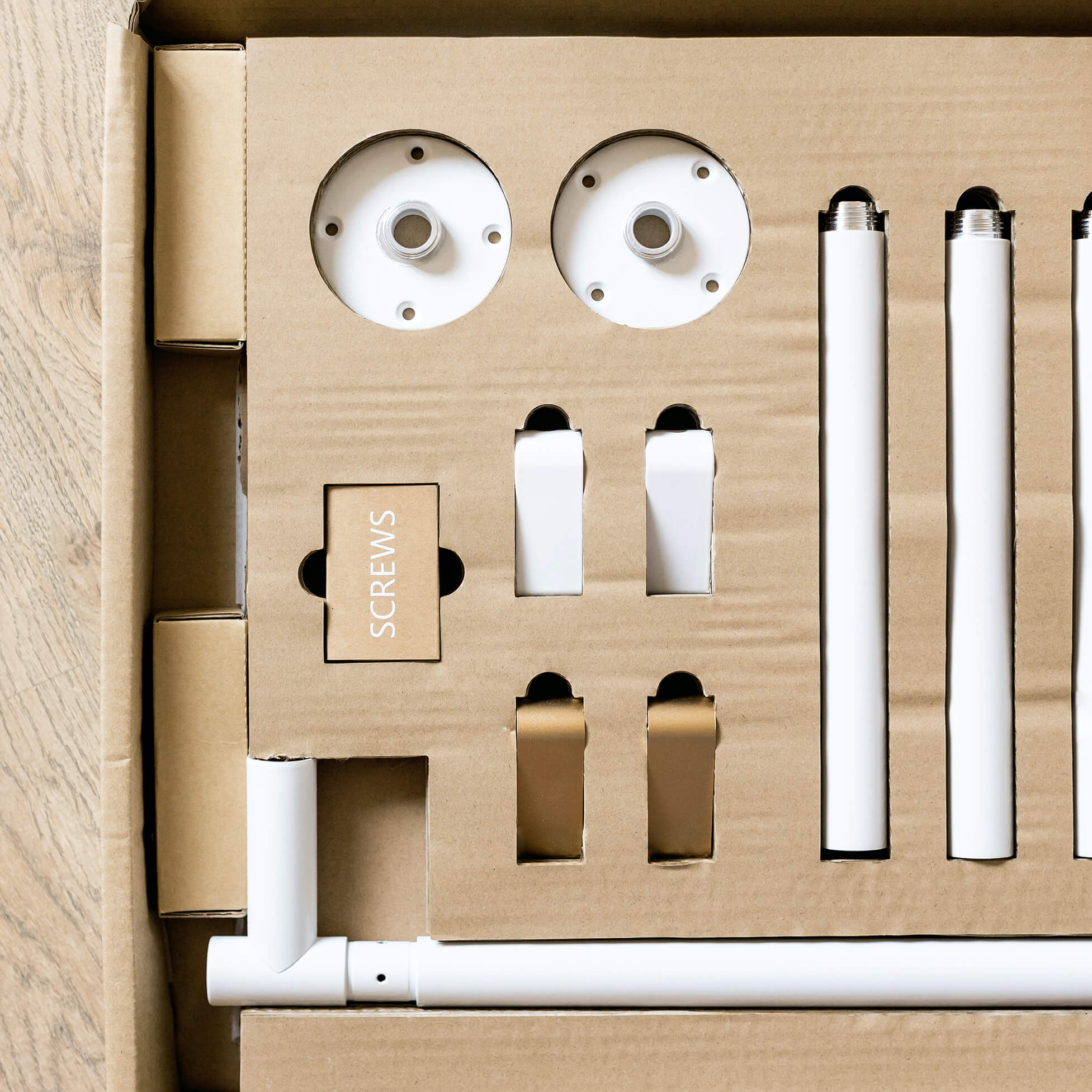
The Magnetic Menu Board includes 10 rails and 1,032 characters. The tile board includes 510 reversible tiles and aluminum rails. Mounting hardware is included where relevant.
What is the warranty and return policy?
There is a two year warranty for faulty materials or workmanship in normal use. Full price items have a 100 day change of mind return window. Sale items are final sale.
How do payments work?
Major cards and digital wallets are accepted. Because the brand is not a United States business, some US buyers may see an international transaction fee from their bank.
Do you ship with duties included?
Most markets ship Delivered Duty Paid, which means duties and taxes are included. Norway ships Delivered Duty Unpaid. For questions about your region, start here: Contact George and Willy