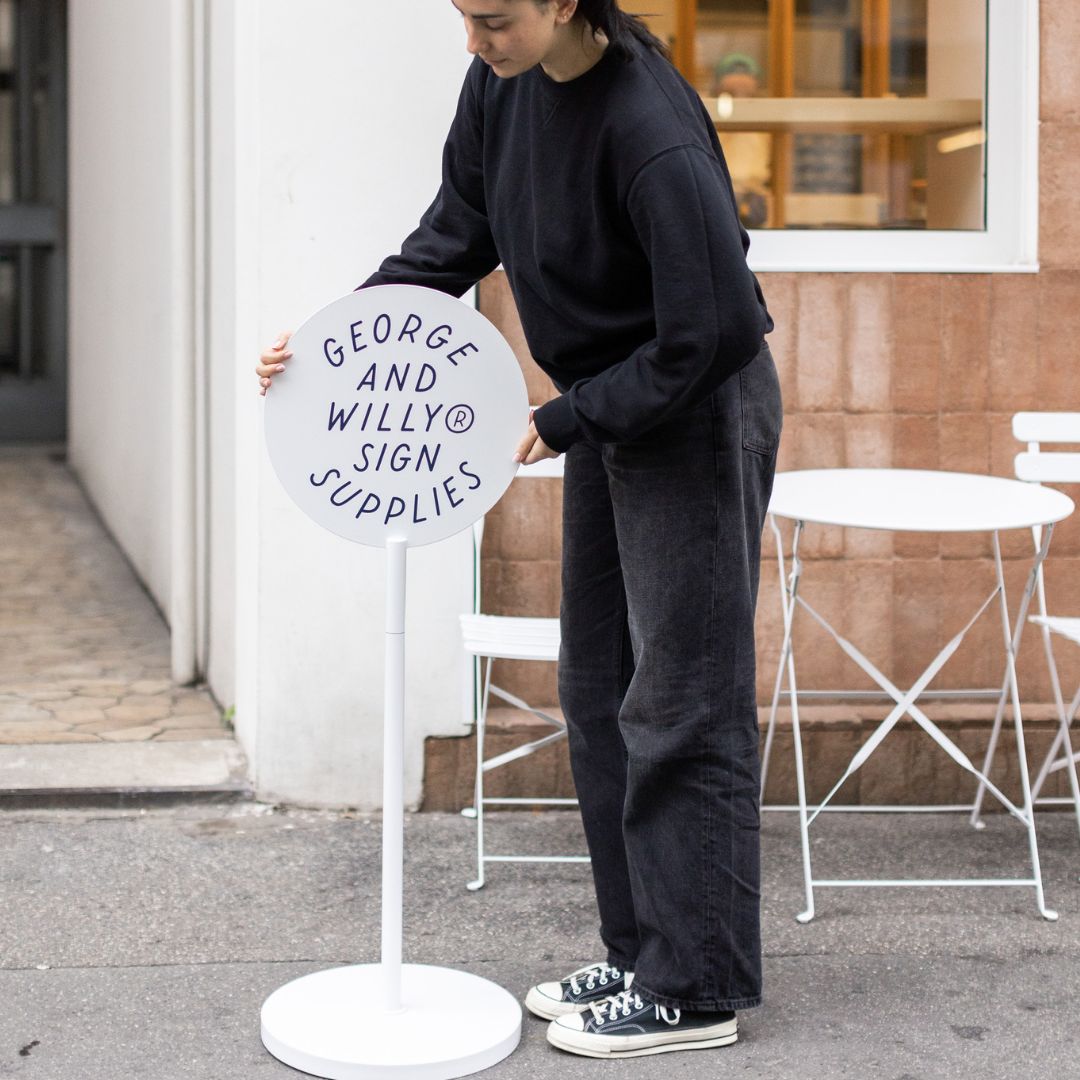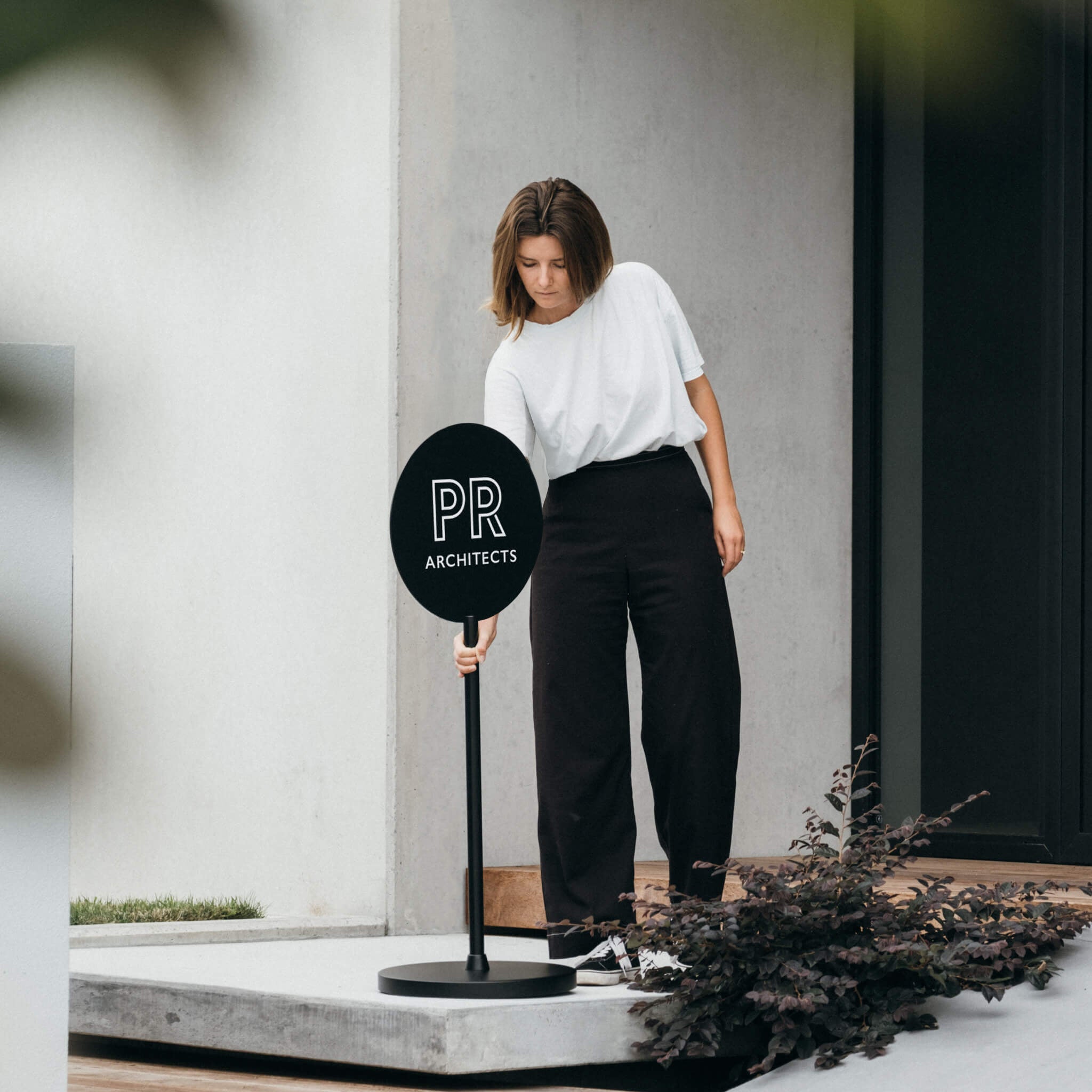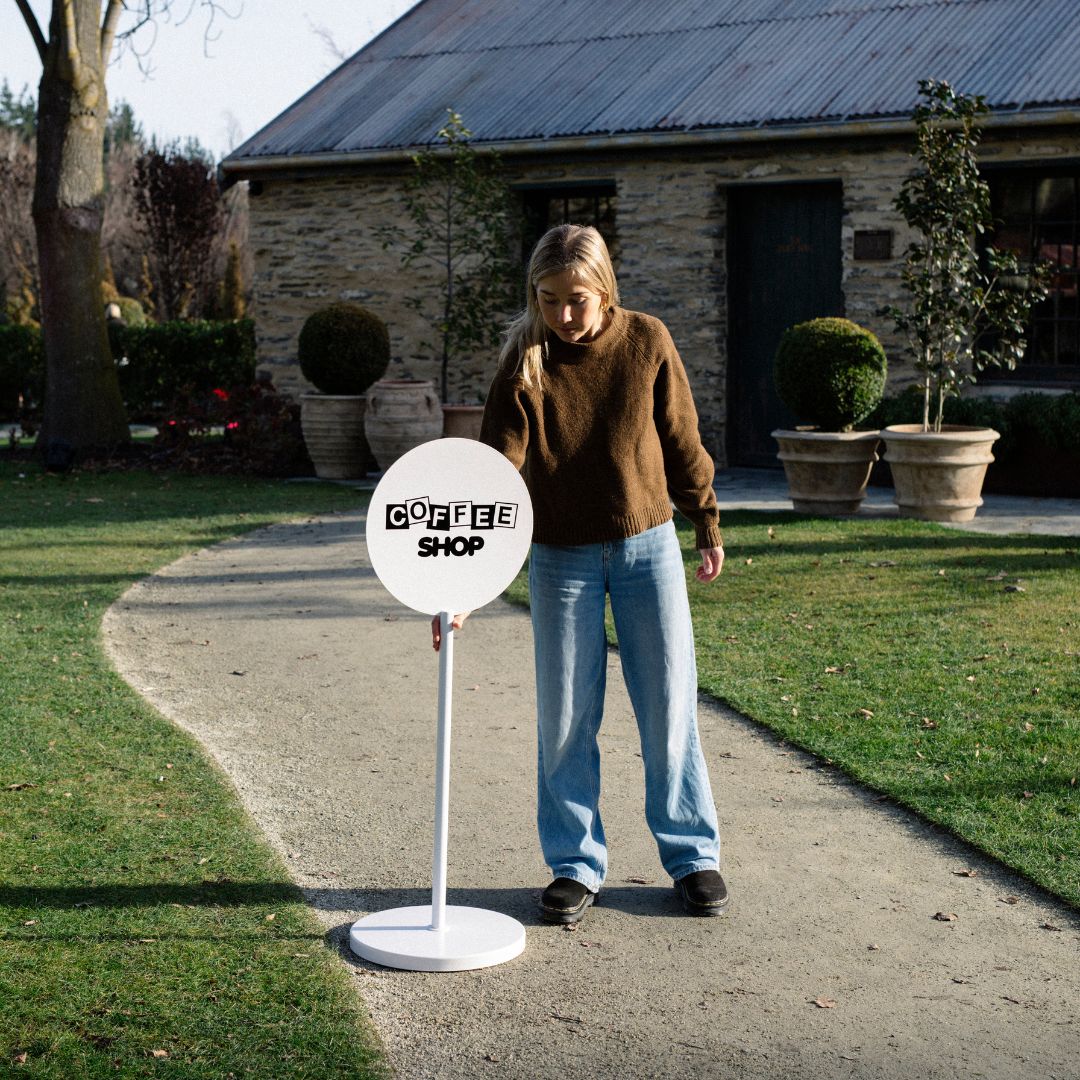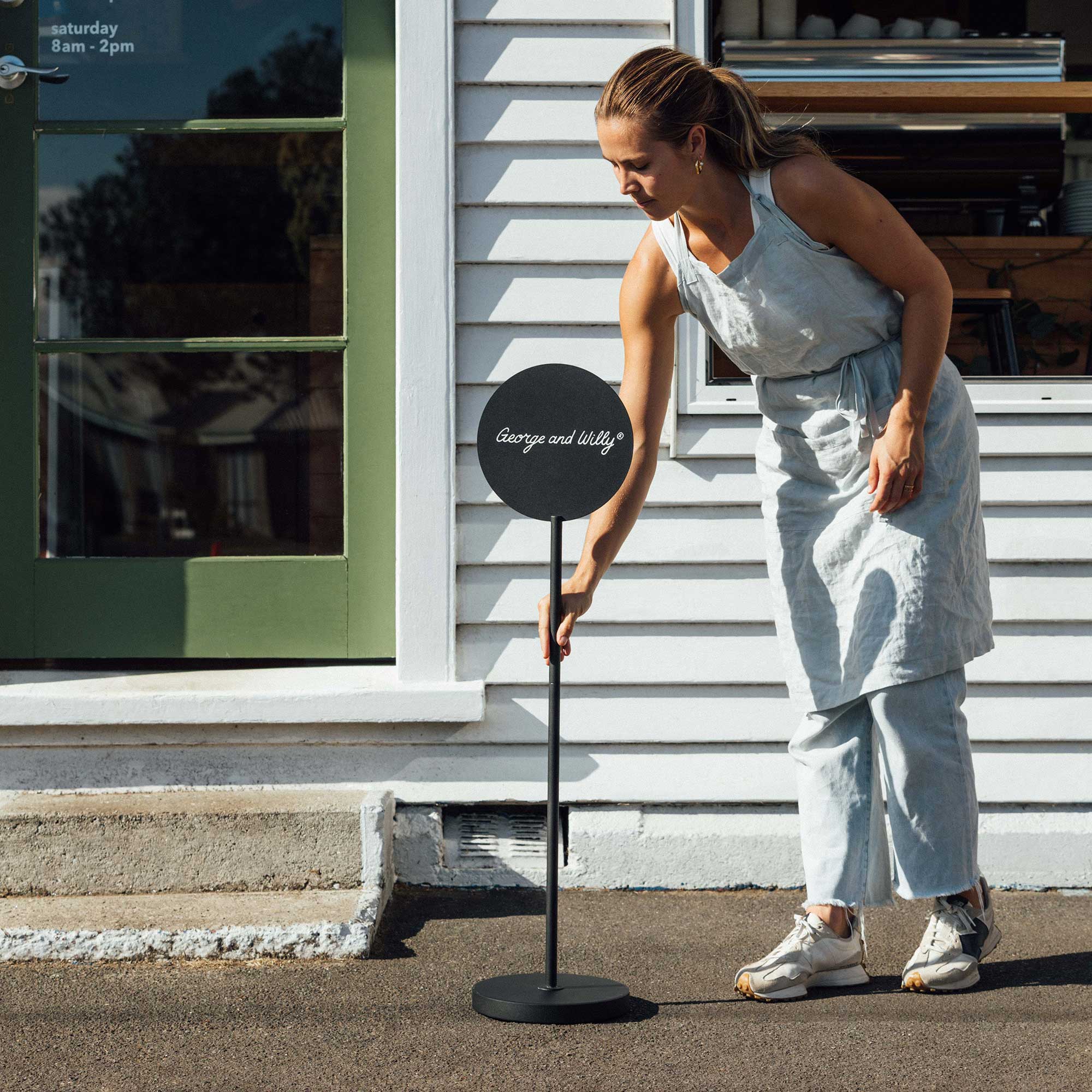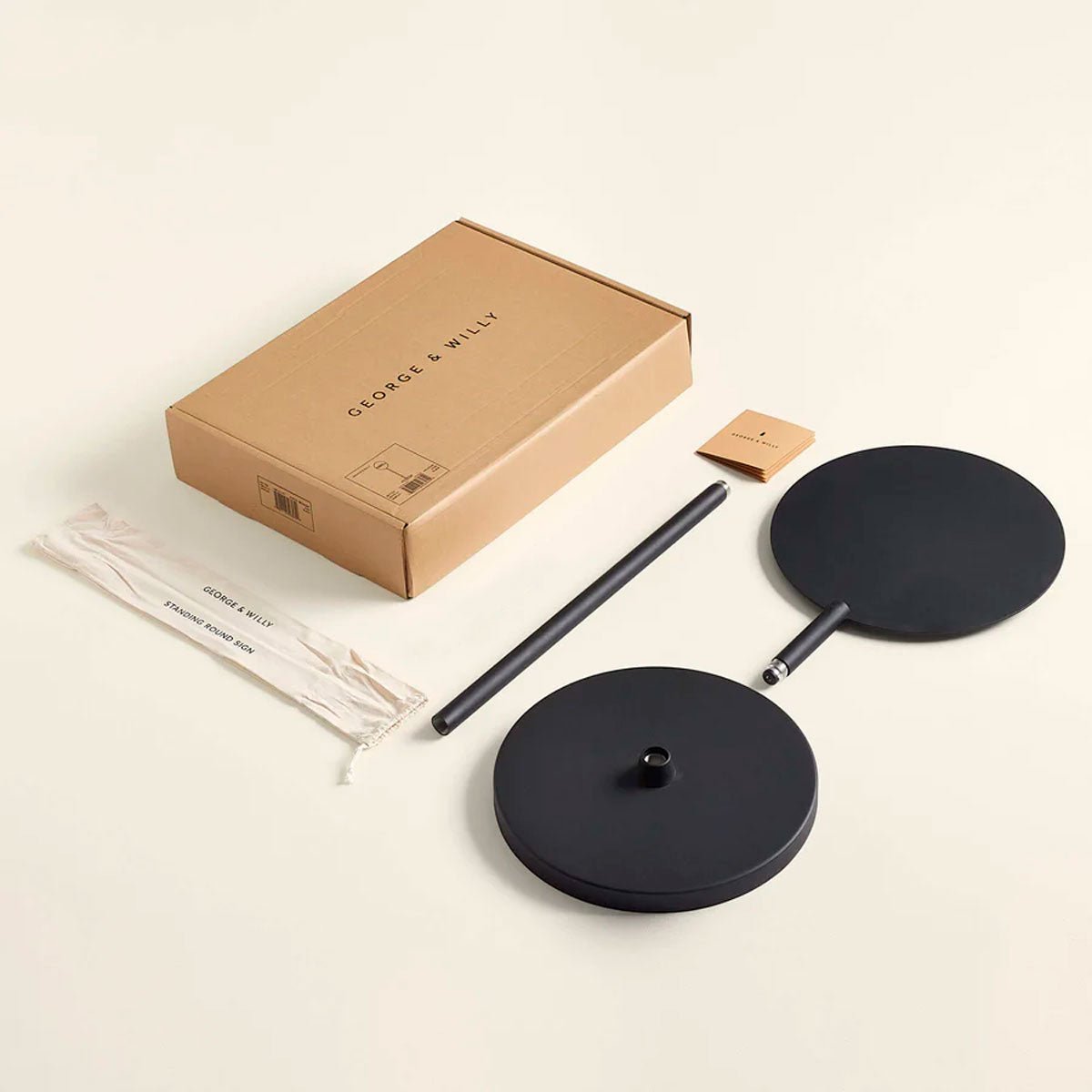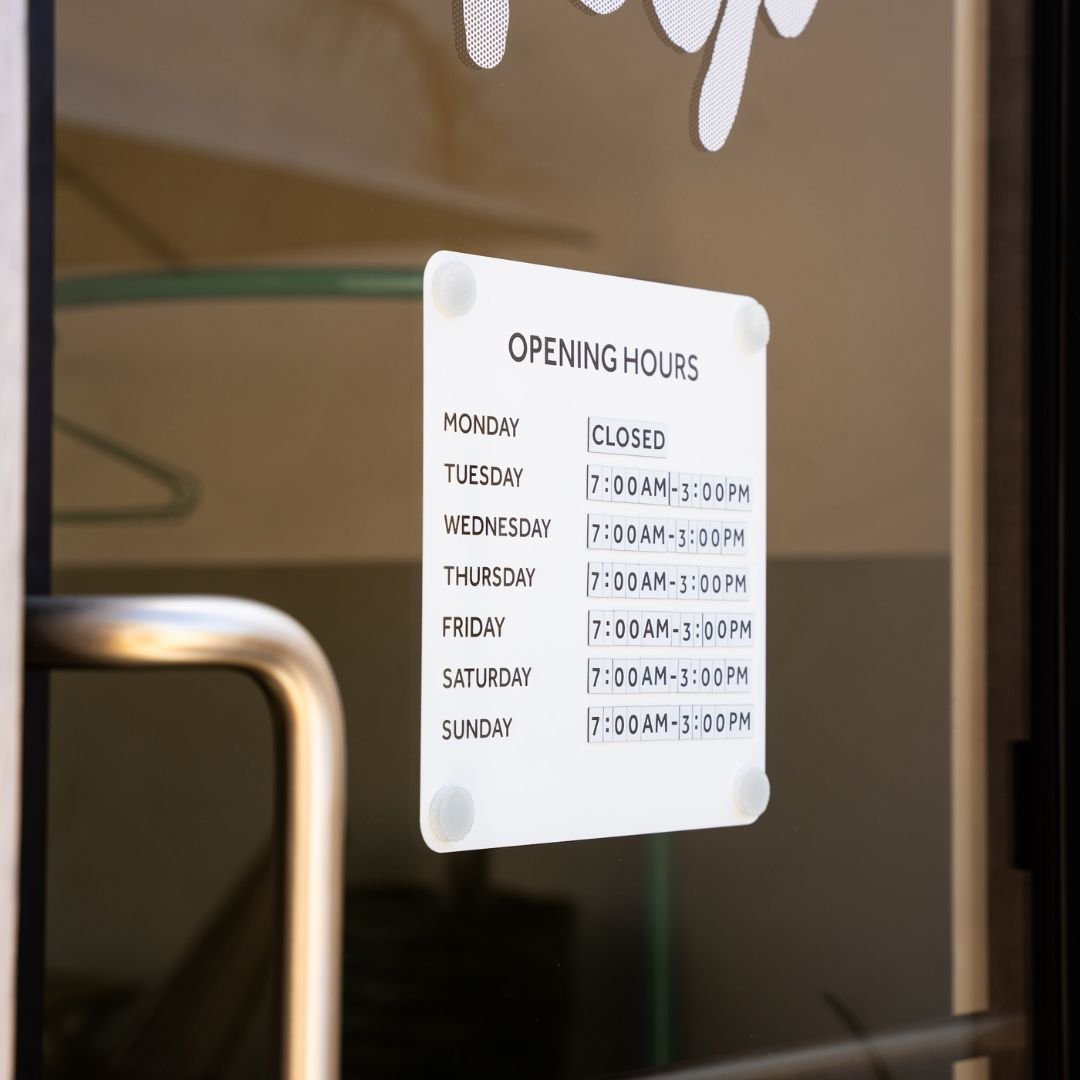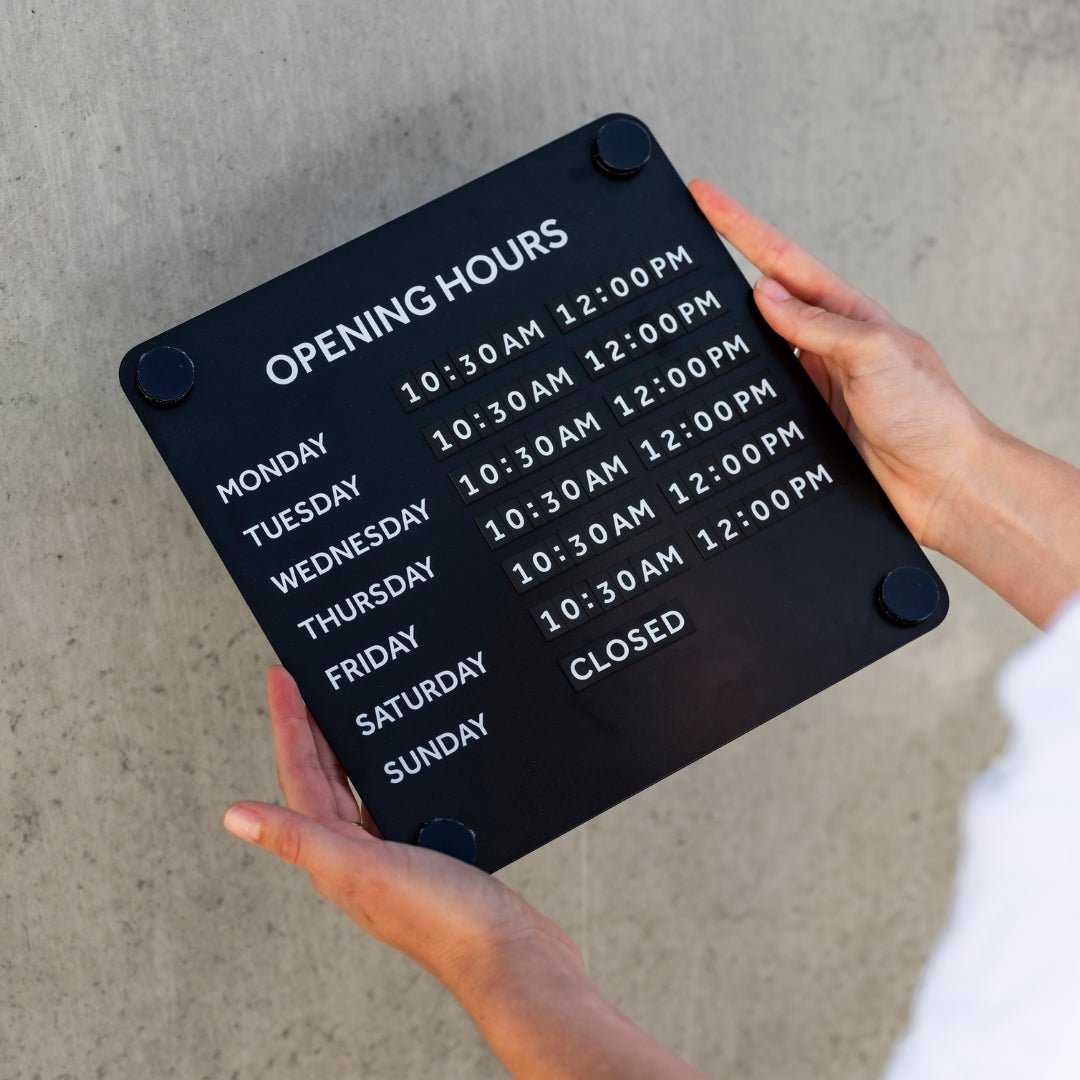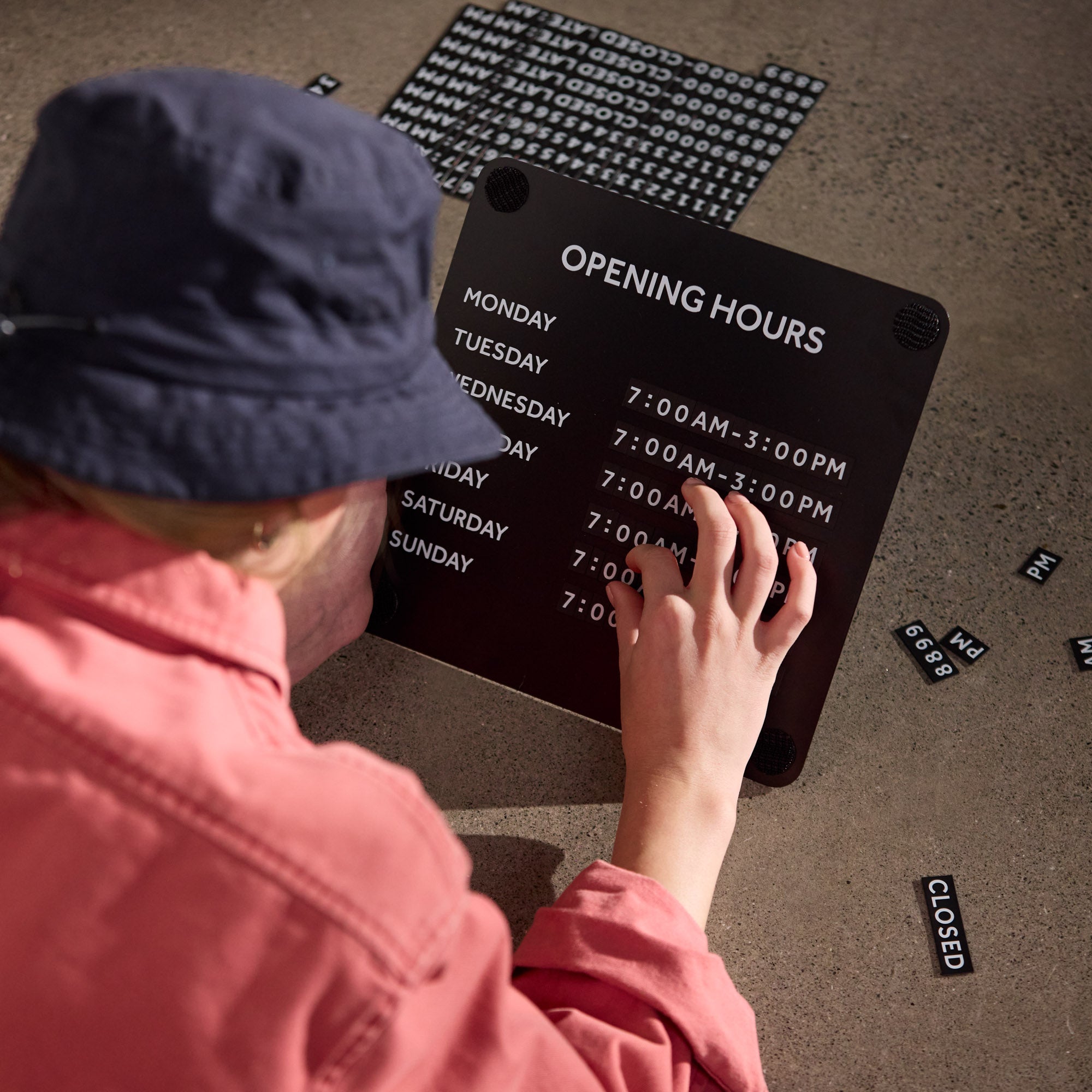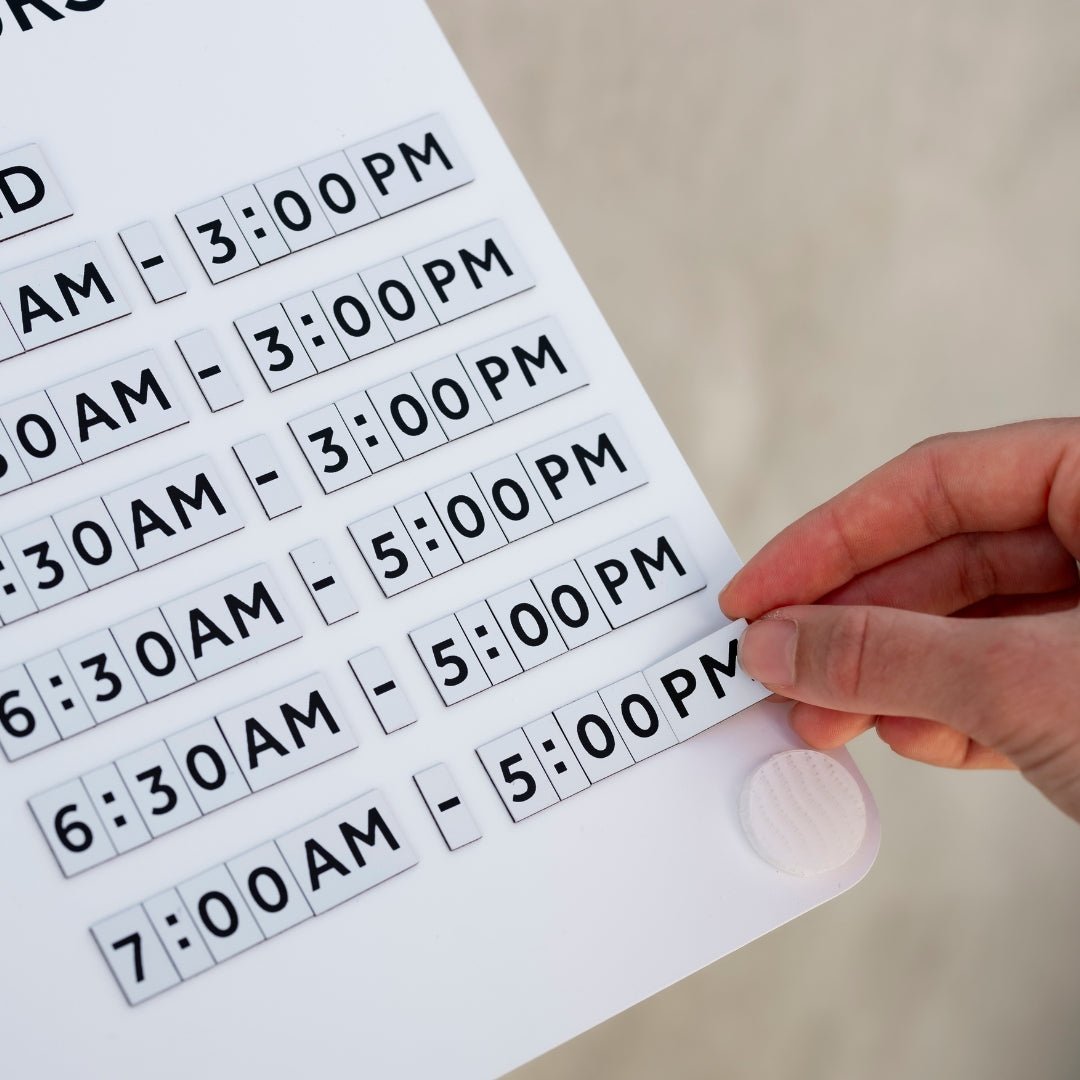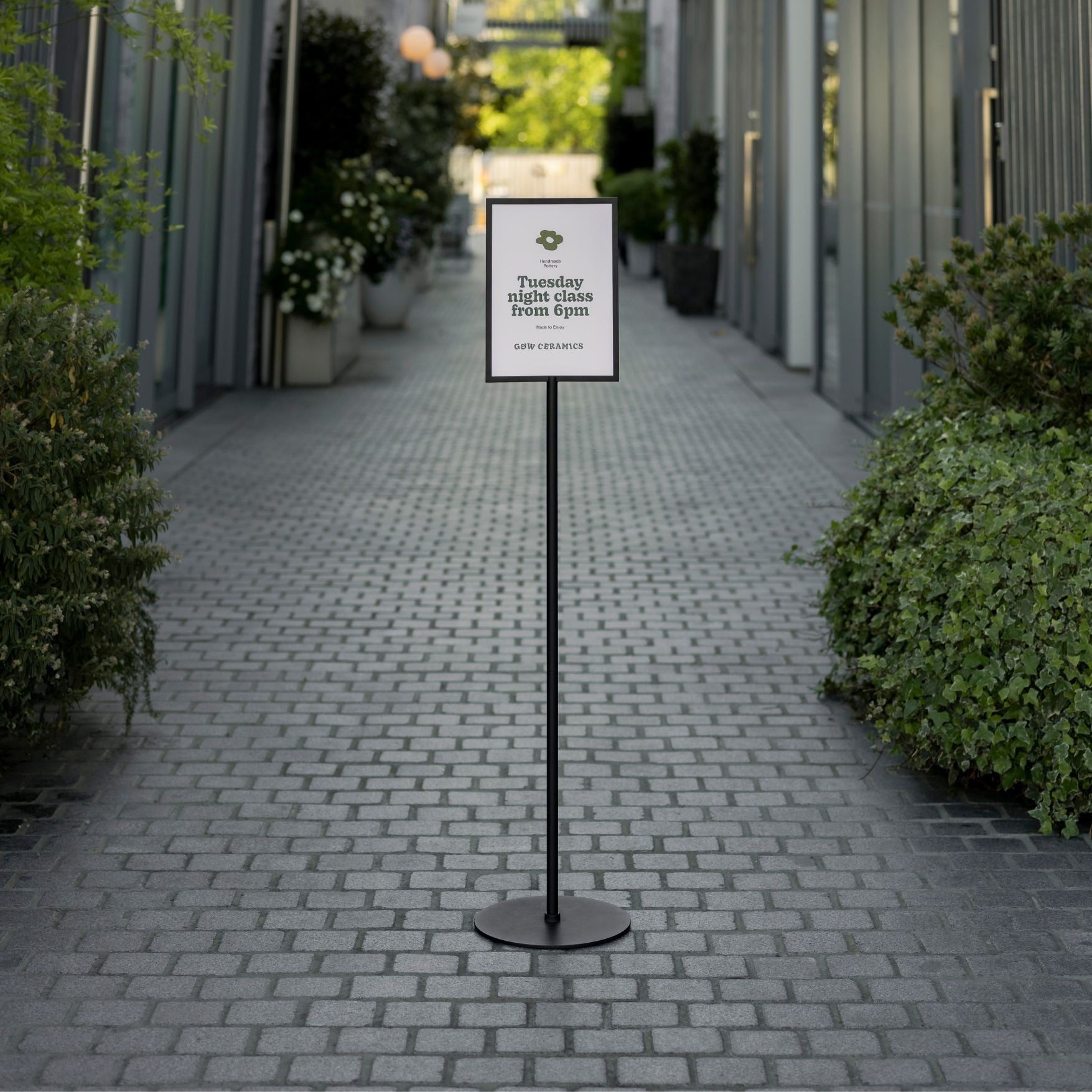


Great signage is one of the most powerful marketing tools for any physical business. Think of your sign as a silent salesperson, working around the clock to make a great first impression. The reality is, signs have a massive impact, with research showing 76% of consumers have walked into a store they had never visited before simply because a sign caught their eye. In a world with endless online distractions, compelling custom sign designs help your business stand out and tell your unique story.
Effective custom sign designs do more than just display your name, they communicate your brand’s personality and promise. Whether you’re a bustling cafe, a quiet boutique, or a creative studio, the right approach to signage can turn casual passersby into loyal customers.
Why Custom Signs Are a Smart Investment
Investing in high-quality custom sign designs isn’t just an expense, it’s a direct investment in your brand’s visibility and growth. People make quick judgments, and research shows that 68% of consumers believe a business’s signage reflects the quality of its products or services. A well-crafted sign signals professionalism and trustworthiness before anyone even steps inside.
The benefits are clear and measurable:
- Increased Foot Traffic: A staggering 76% of consumers have entered a business based on its signs alone, proving that a great design literally opens doors.
- Higher Sales: Simply adding or updating a sign has been shown to increase sales revenue. One report found an average 7% to 10% sales jump when businesses refreshed their signage.
- Stronger Brand Awareness: Consistent and professional custom sign designs build brand recognition. Over time, customers learn to associate your unique look with the quality and experience you provide.
To understand your return on investment (ROI), you can track key metrics. Monitor foot traffic, new customer inquiries, and brand recognition through customer surveys. For a simple calculation, use the formula: ROI = ((Revenue – Investment) ÷ Investment) × 100%.
Navigating the Essentials Before You Design
Before diving into fonts and colors for your custom sign designs, it’s crucial to understand the rules that govern signage. Proper planning at this stage prevents costly mistakes and ensures your sign is both effective and compliant.
Permits and Local Regulations
Most outdoor signs, especially those that are large or illuminated, require a permit from your local city or county. These regulations dictate the size, placement, and type of signs allowed in your area. Check with your local planning department early in the process to understand the specific requirements and timelines. This avoids delays and ensures your design meets all legal standards.
ADA Accessibility Requirements
The Americans with Disabilities Act (ADA) sets standards to ensure people with disabilities can access and navigate public spaces. For permanent room signs (like restrooms, exits, and room numbers), ADA guidelines are very specific. They regulate:
- Tactile Text and Braille: Signs for permanent rooms must have raised characters and Grade 2 Braille for visually impaired individuals.
- Mounting Height and Location: Signs are typically mounted on the wall on the latch side of the door, at a height between 48 and 60 inches from the floor to the baseline of the characters.
- Finish and Contrast: Signs must have a non-glare finish, and the characters must have a high contrast with the background.
While directional and temporary signs have different rules, ensuring key navigational signs are compliant is essential for creating a welcoming environment for every customer.
Core Principles of Effective Sign Design
Successful custom sign designs grab attention, communicate a clear message, and reflect your brand’s identity, all in a matter of seconds.
Typography Best Practices
The font you choose is critical for readability. For most signs, especially those viewed from a distance, sans-serif fonts like Arial or Helvetica are preferred for their clean lines. Avoid overly decorative or script fonts, as they can be difficult to decipher quickly. It’s best to limit your design to no more than two font styles to maintain a clean, uncluttered look.
Letter Height and Viewing Distance
A common rule of thumb is to use one inch of letter height for every 10 feet of viewing distance. For example, if a sign needs to be readable from 50 feet away, the letters should be at least five inches tall. This ensures your message is legible to both pedestrians and passing vehicles.
| Viewing Distance | Minimum Letter Height |
|---|---|
| 30 feet | 3 inches |
| 60 feet | 6 inches |
| 100 feet | 10 inches |
| 150 feet | 15 inches |
Color Contrast for Readability
High contrast between the text and background is essential for visibility. Classic combinations like black on white or white on black offer the highest legibility. Other effective pairs include yellow on black and dark blue on white. Accessibility guidelines often recommend a contrast ratio of at least 4.5:1 for standard text.
2026 Design Trends
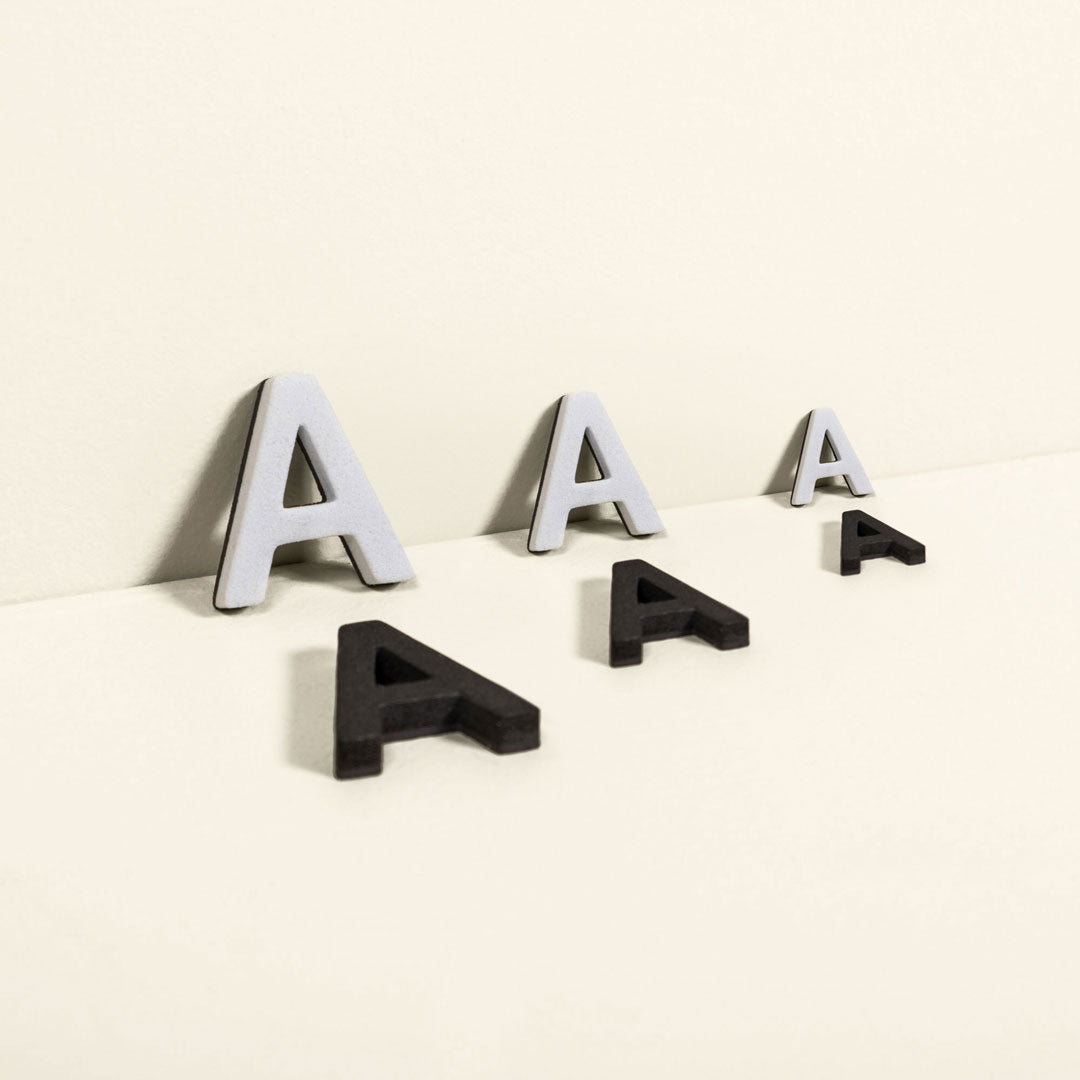
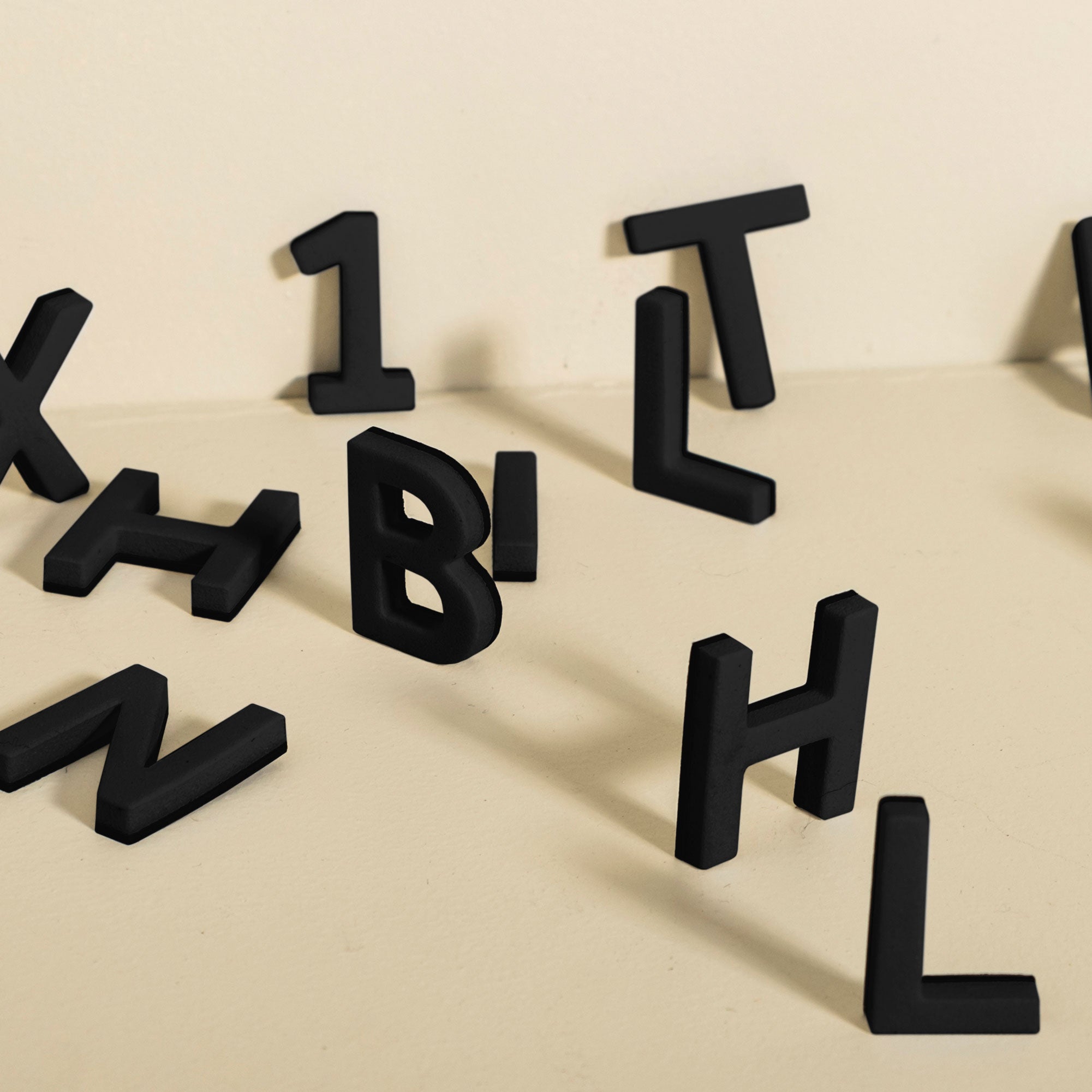
Minimalism continues to be a strong trend, emphasizing clear messaging with simple fonts and clean lines. Businesses are also embracing sustainable materials and dimensional designs, like 3D lettering, to add a high-end look. Finally, expect to see more integration of technology, such as QR codes that link physical storefronts to online content.
Choosing the Right Sign for Your Space
The foundation of any great sign is the hardware itself. Choosing the right type of sign allows your unique branding to shine.
Sidewalk Signs for Maximum Foot Traffic
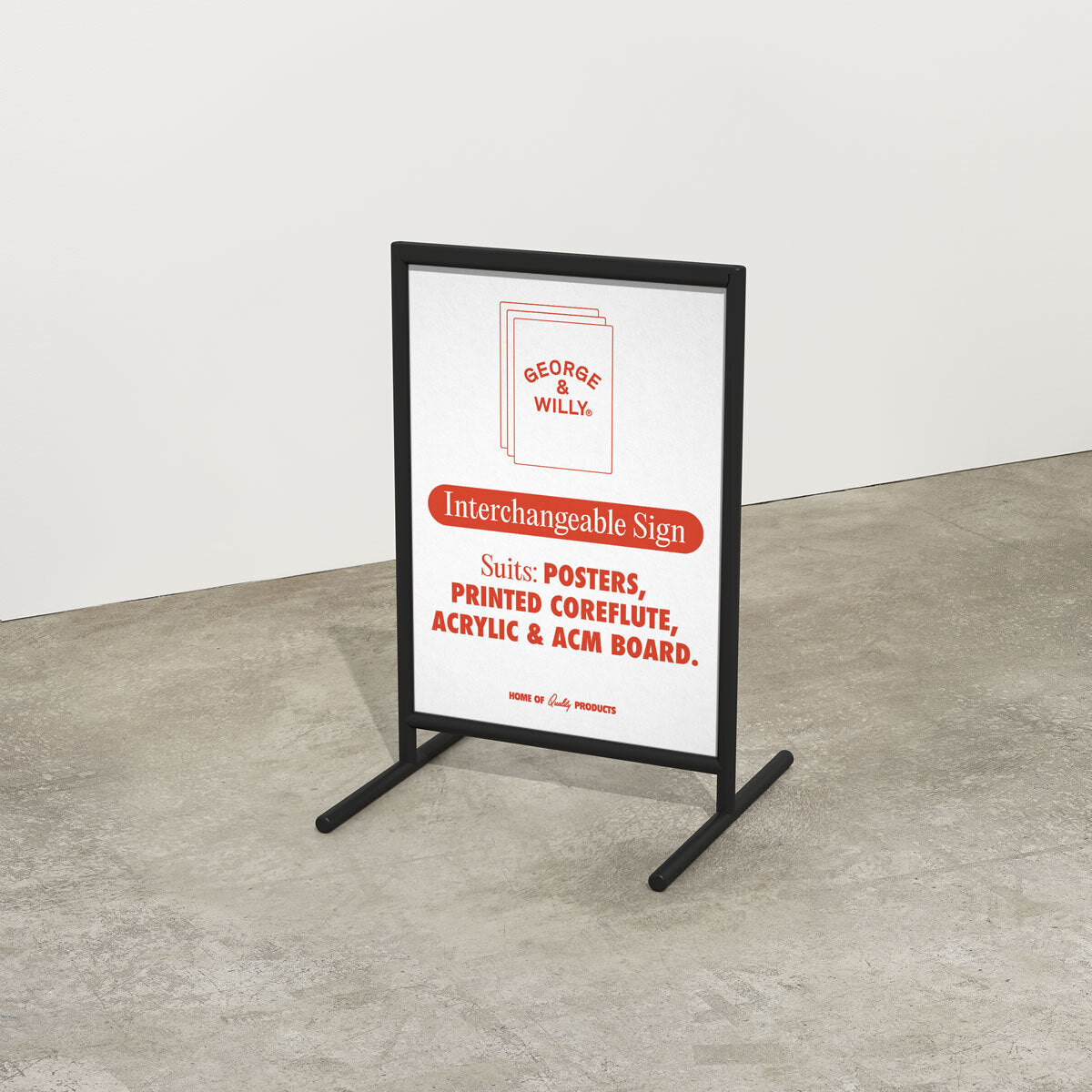
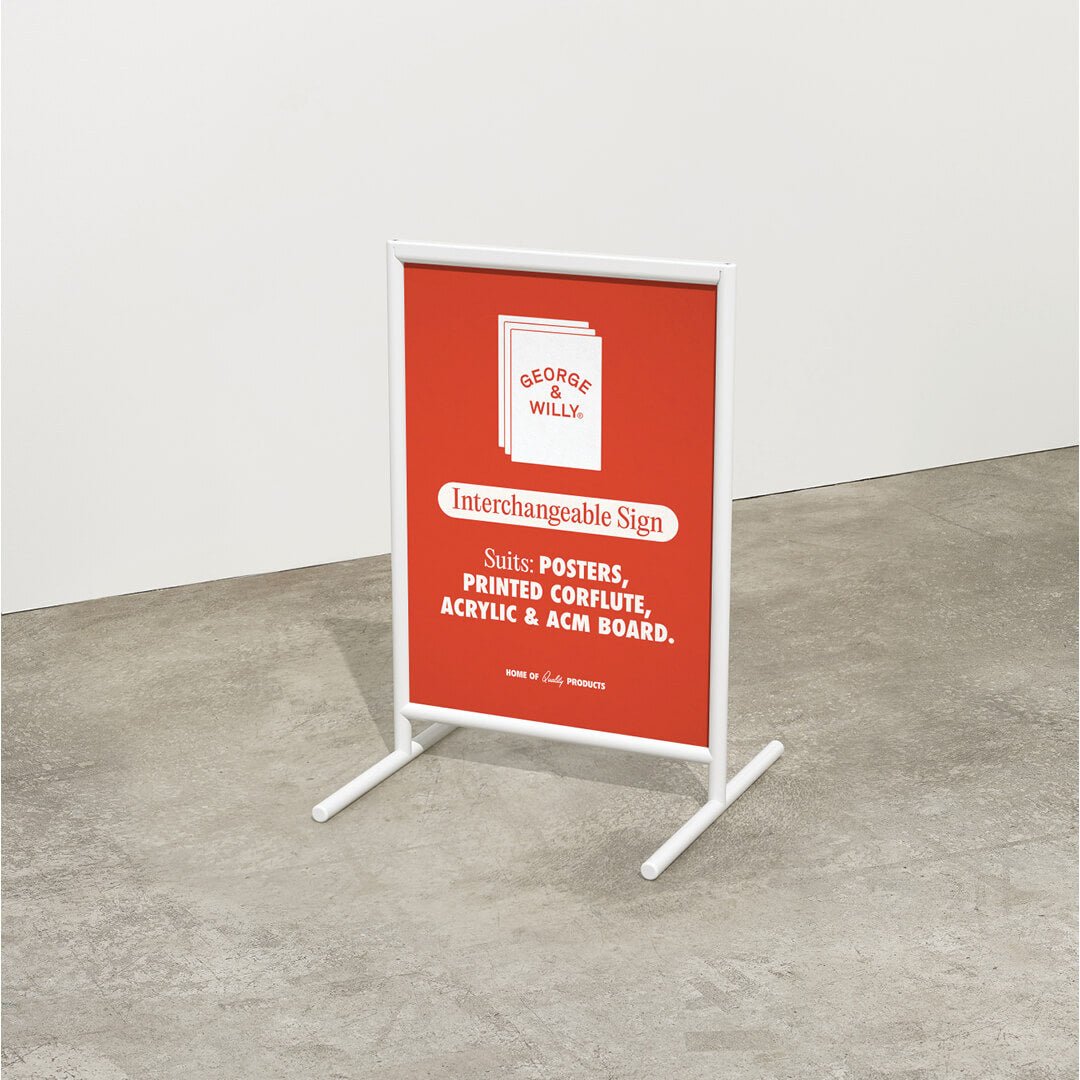
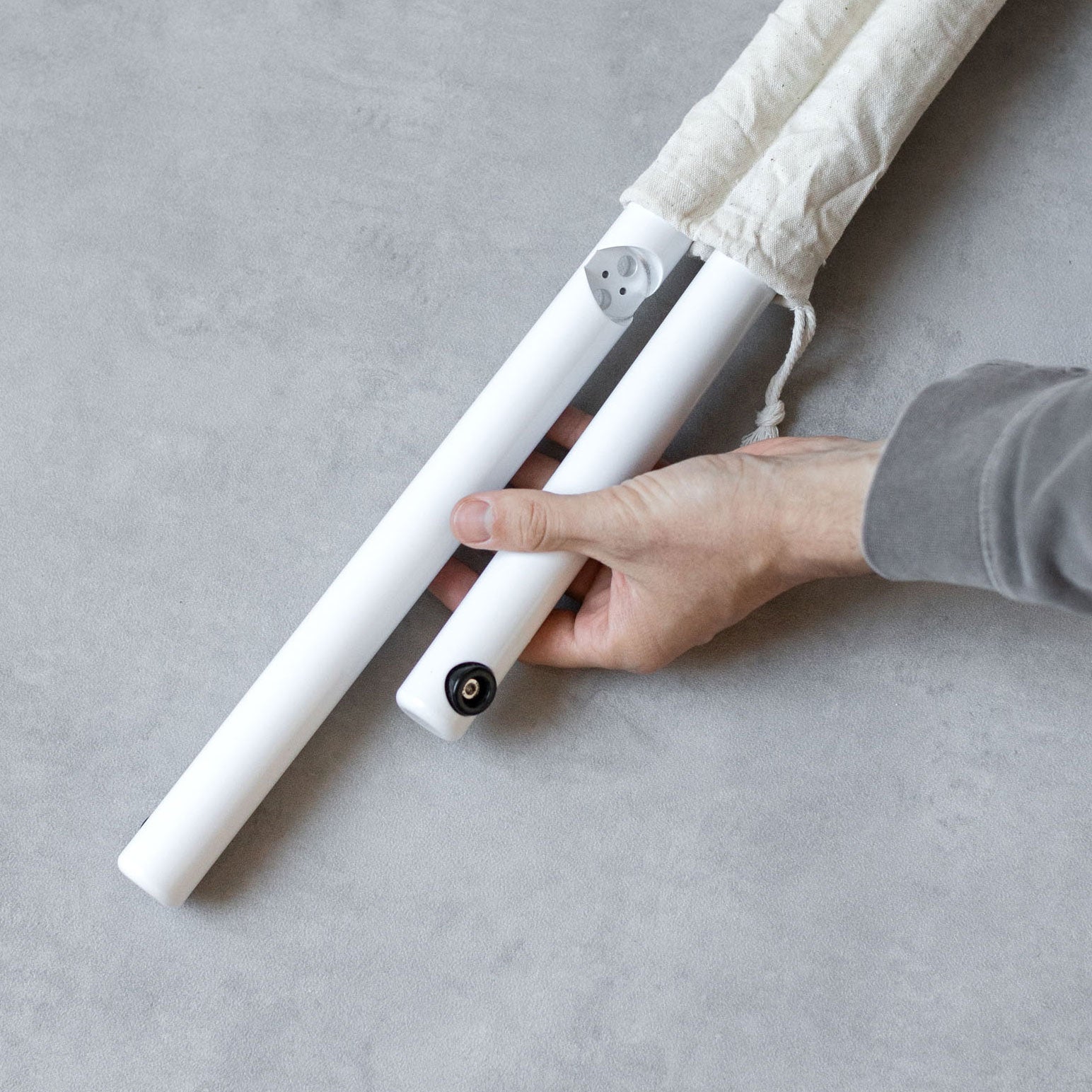
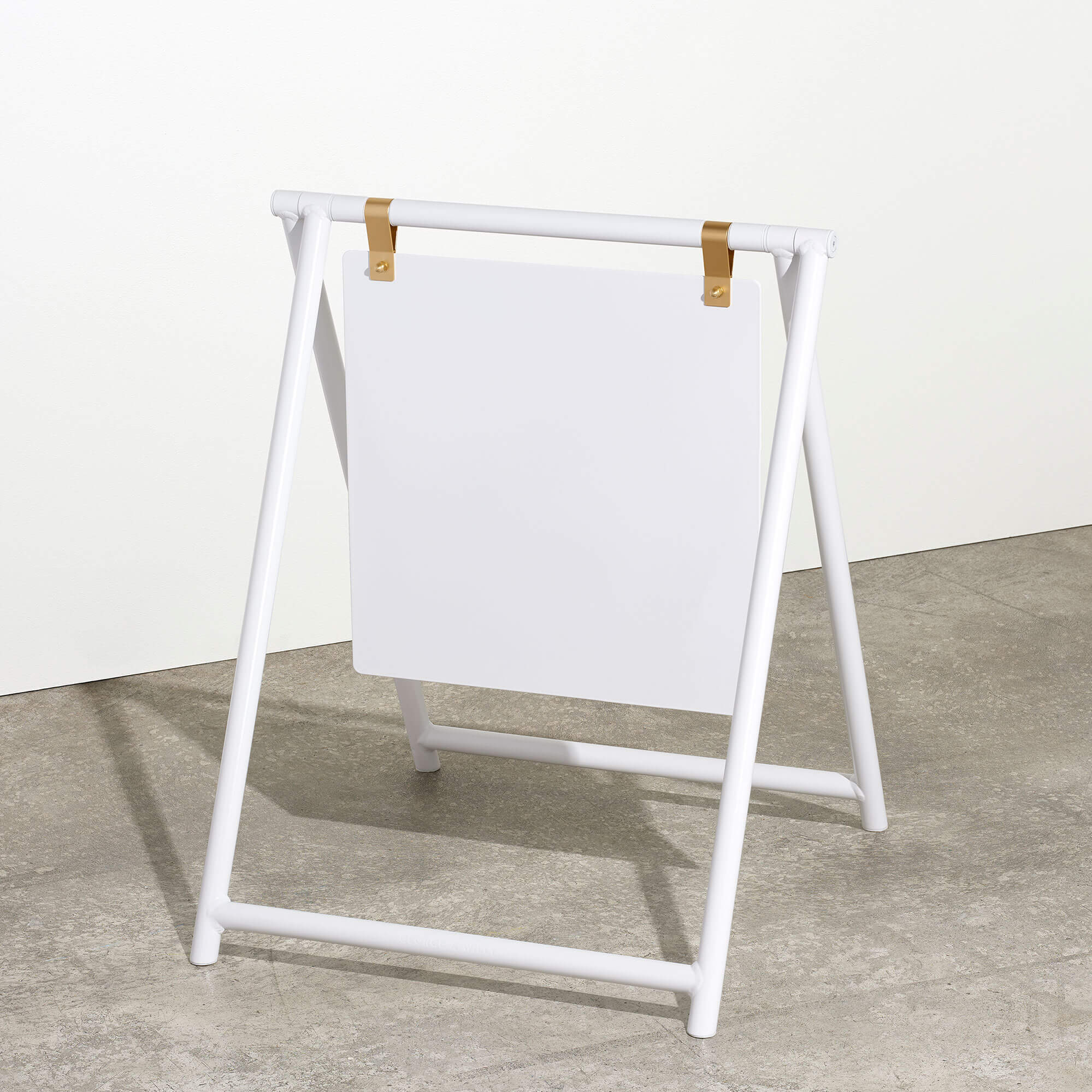
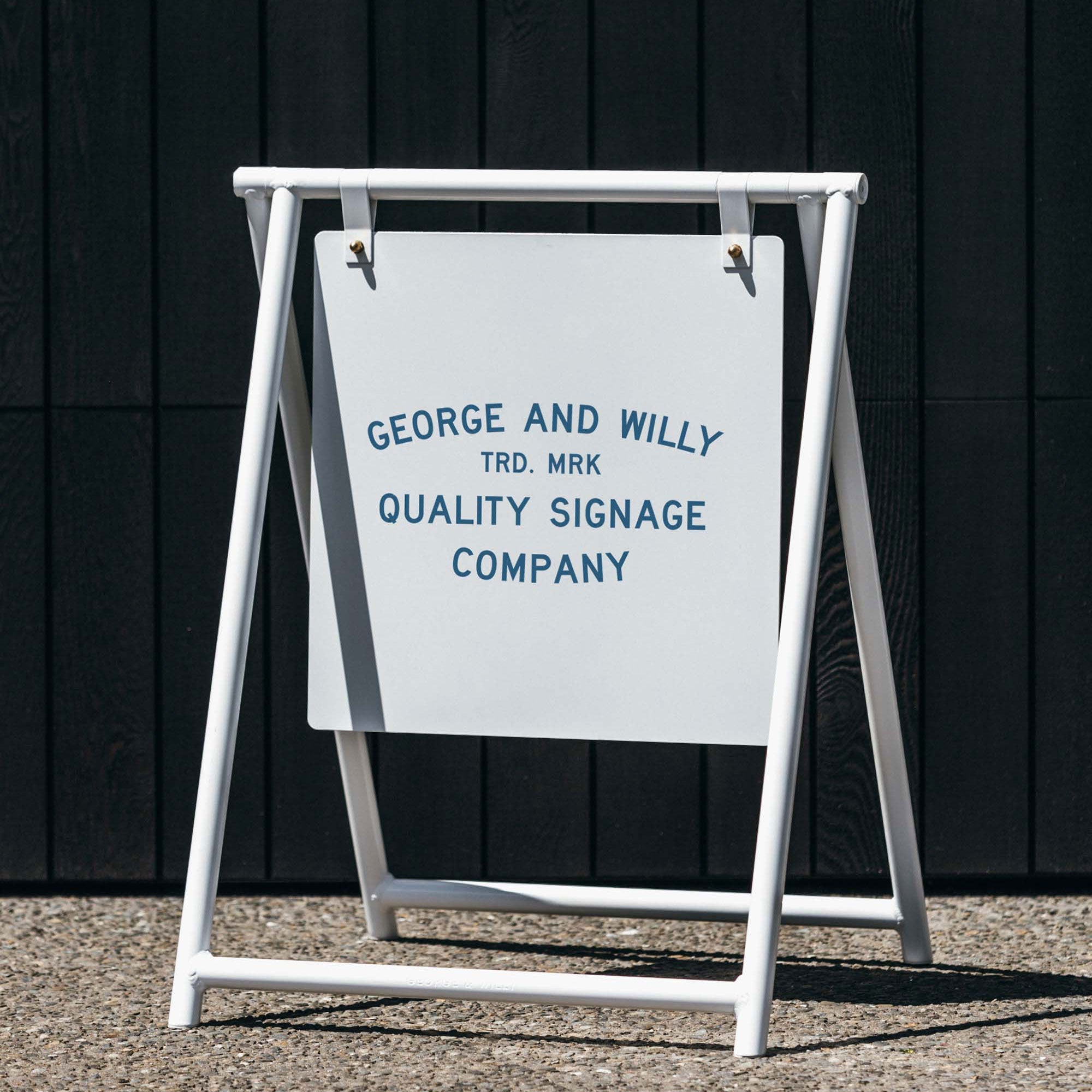
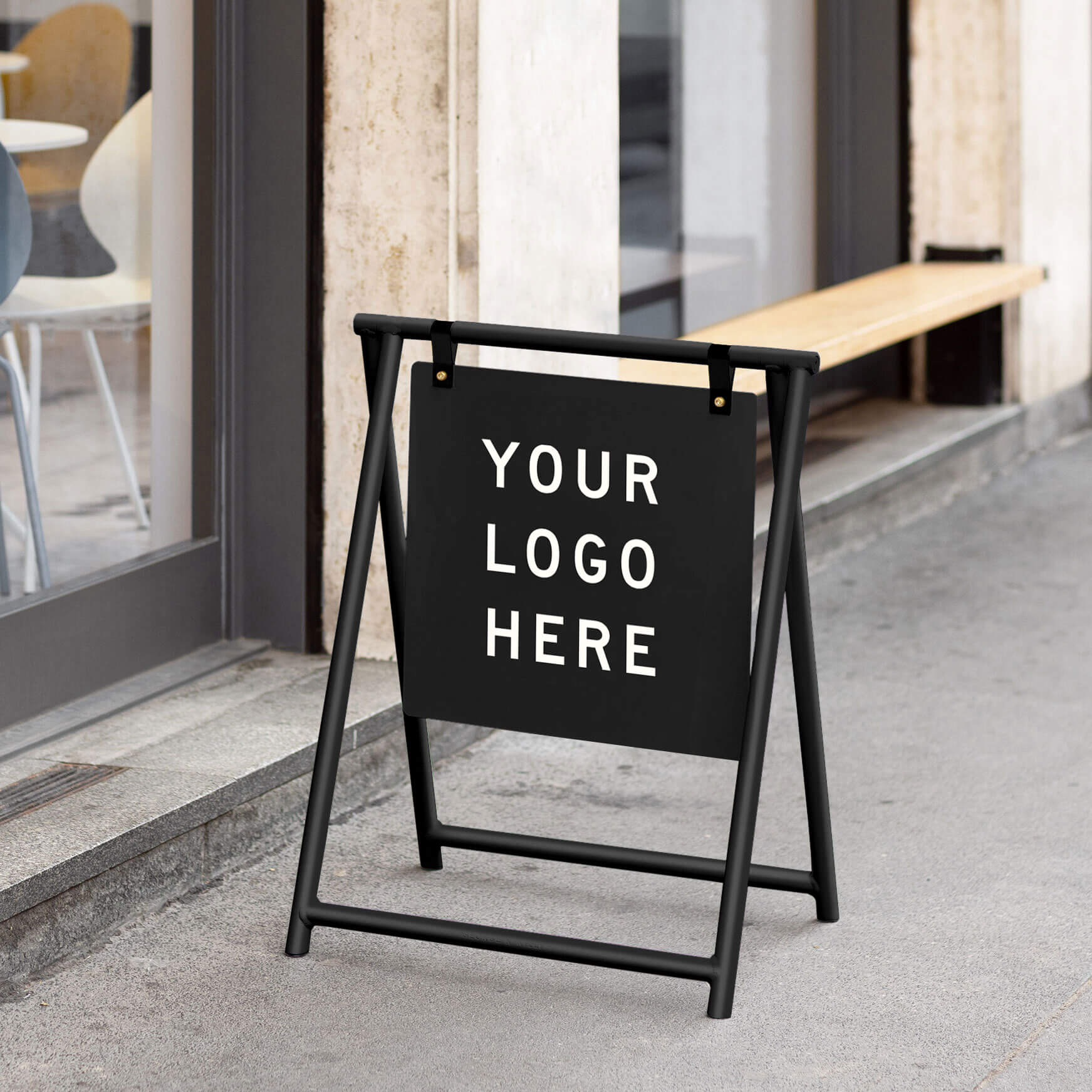
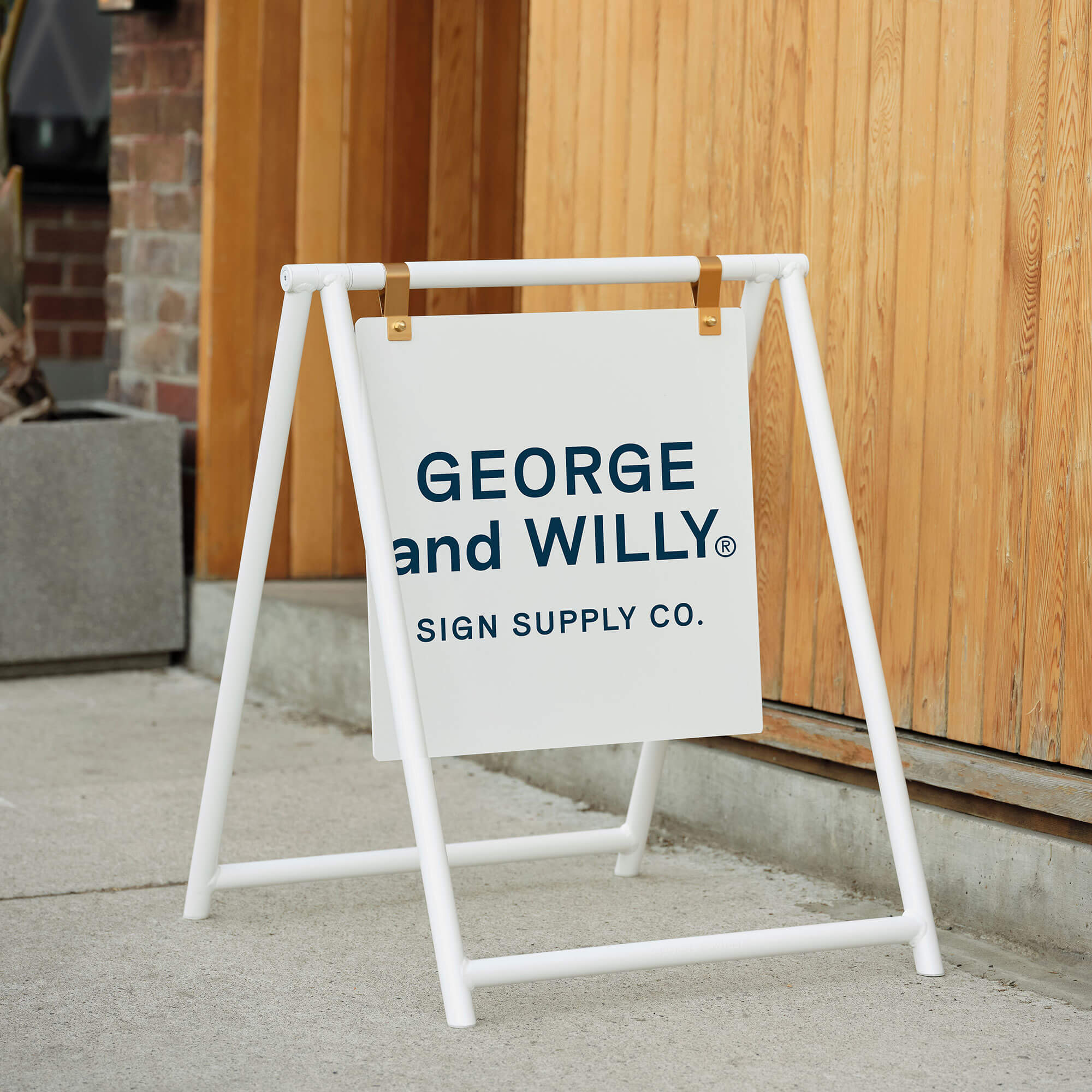
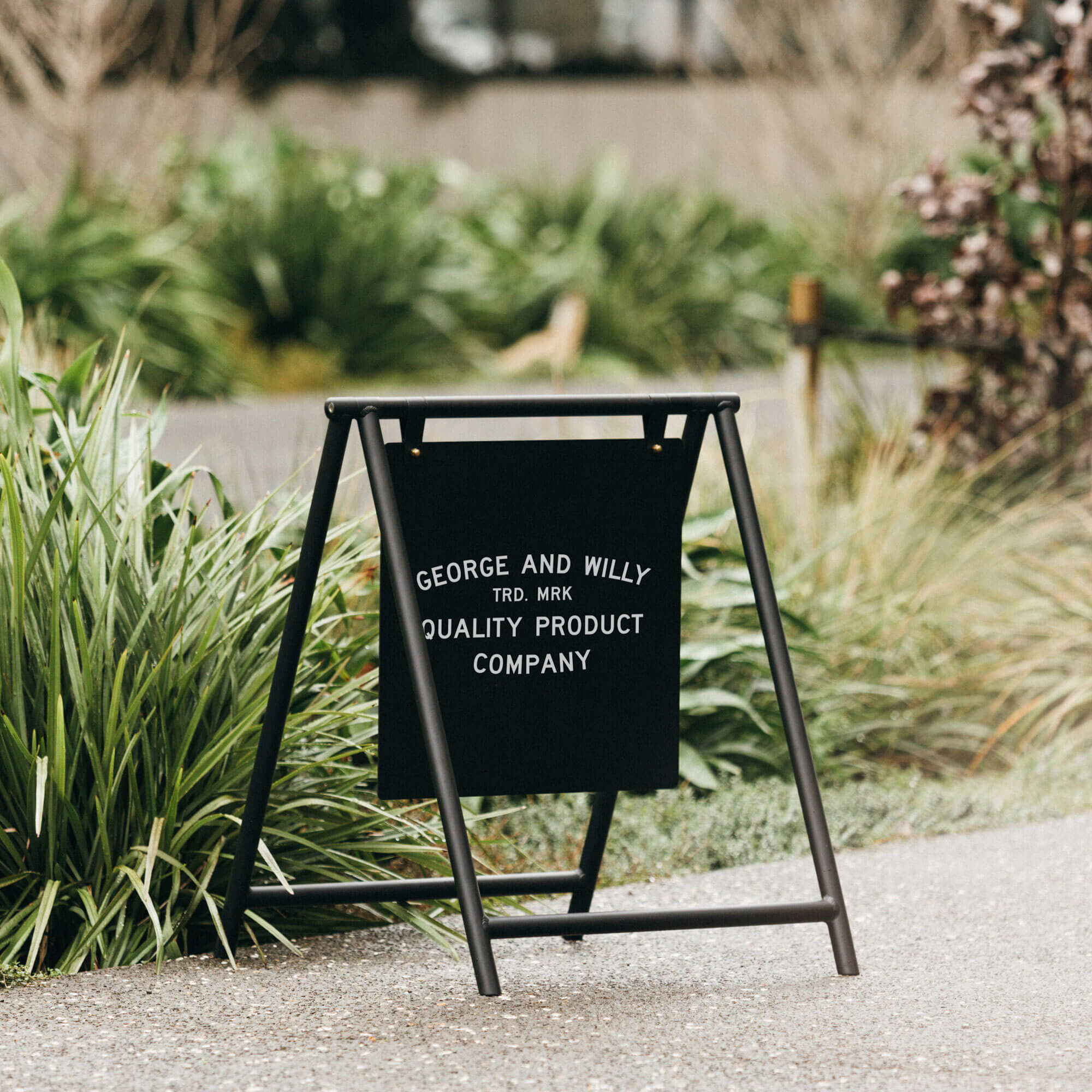
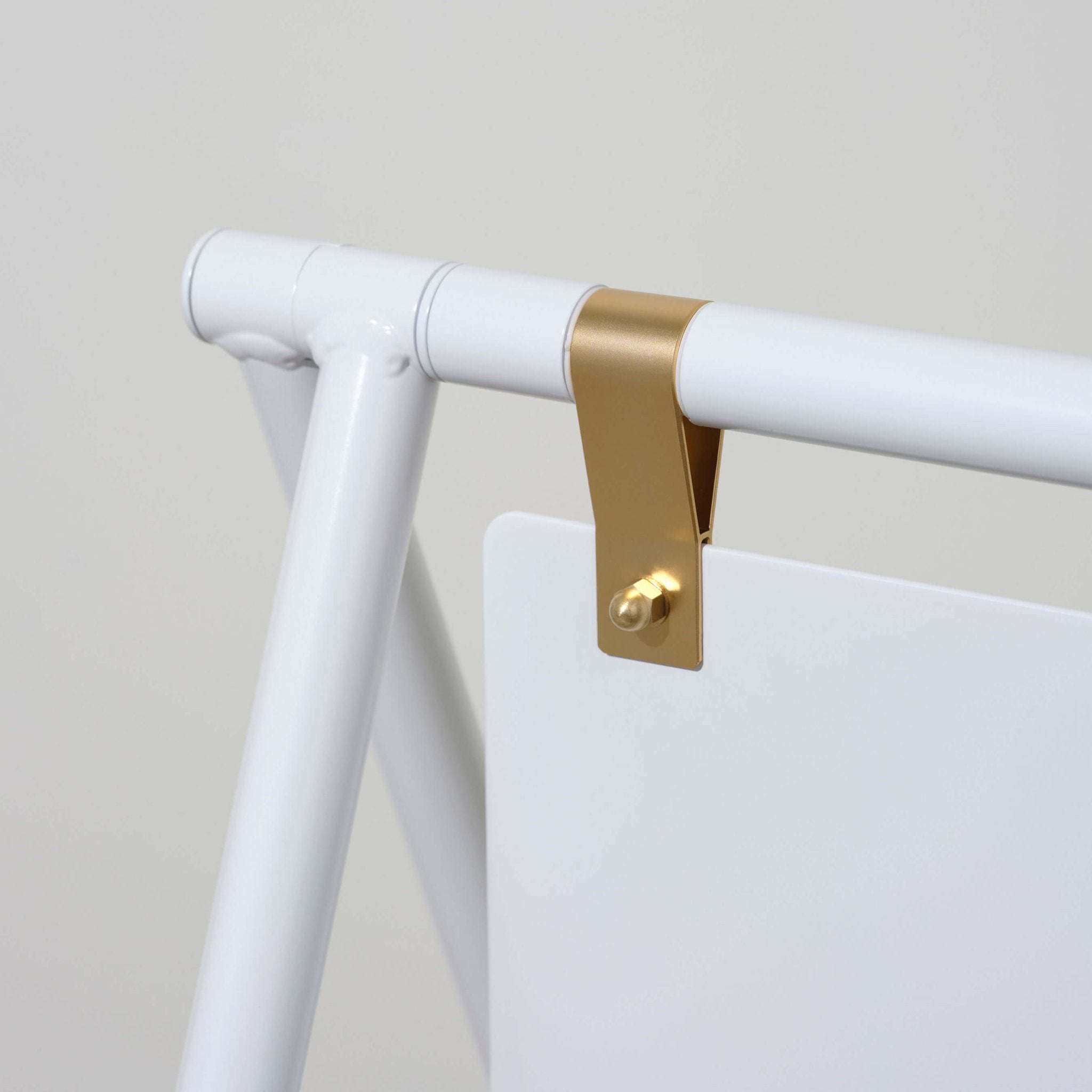
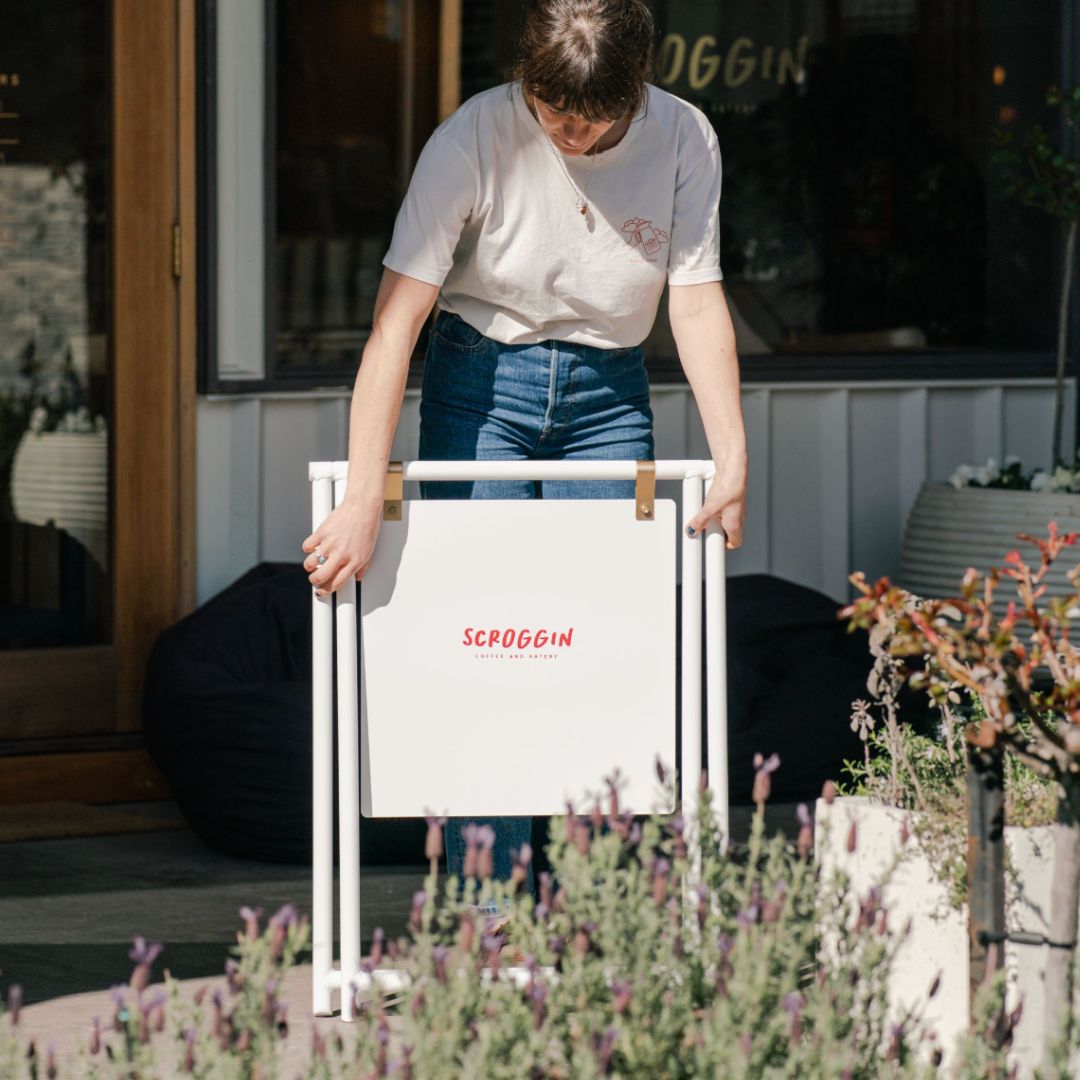
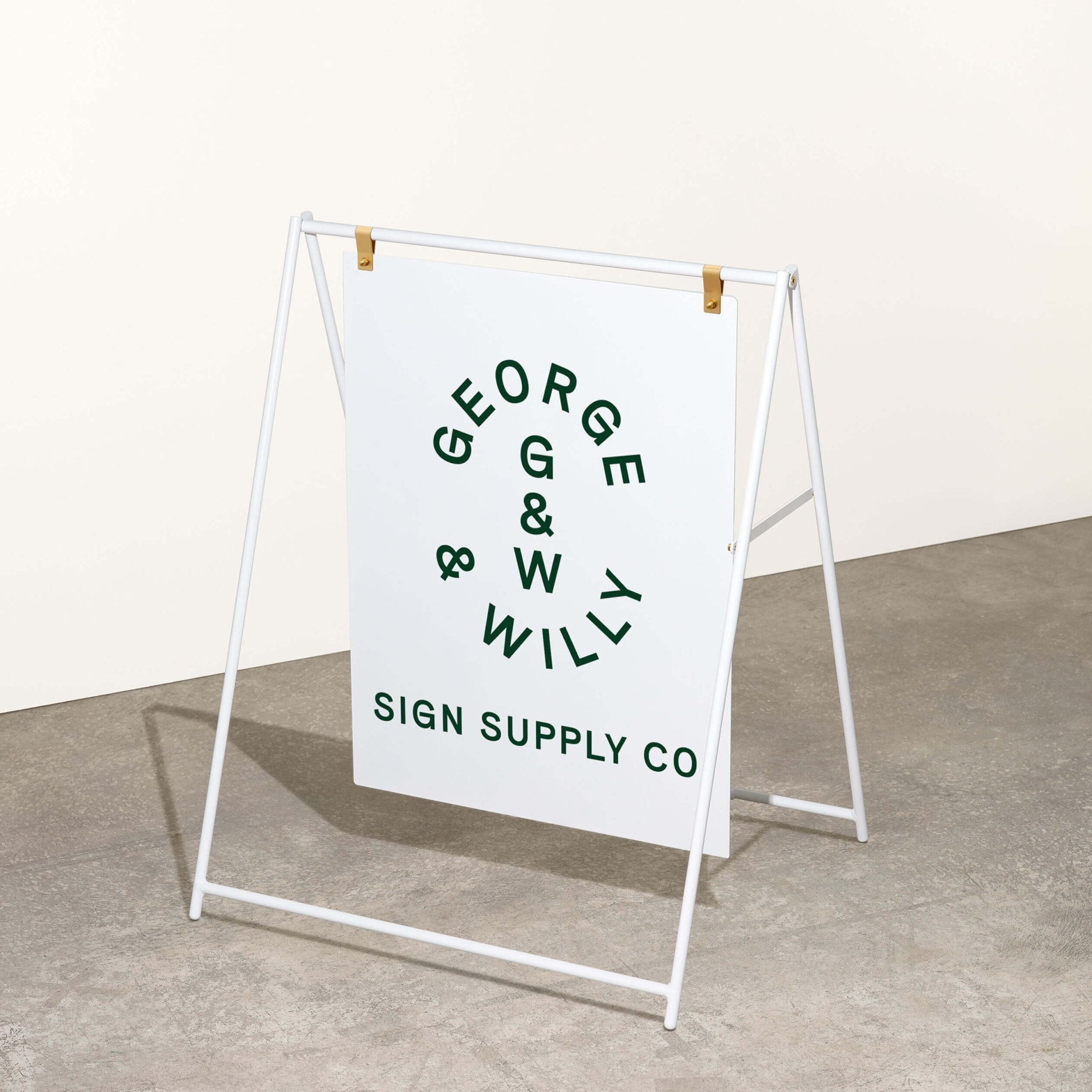
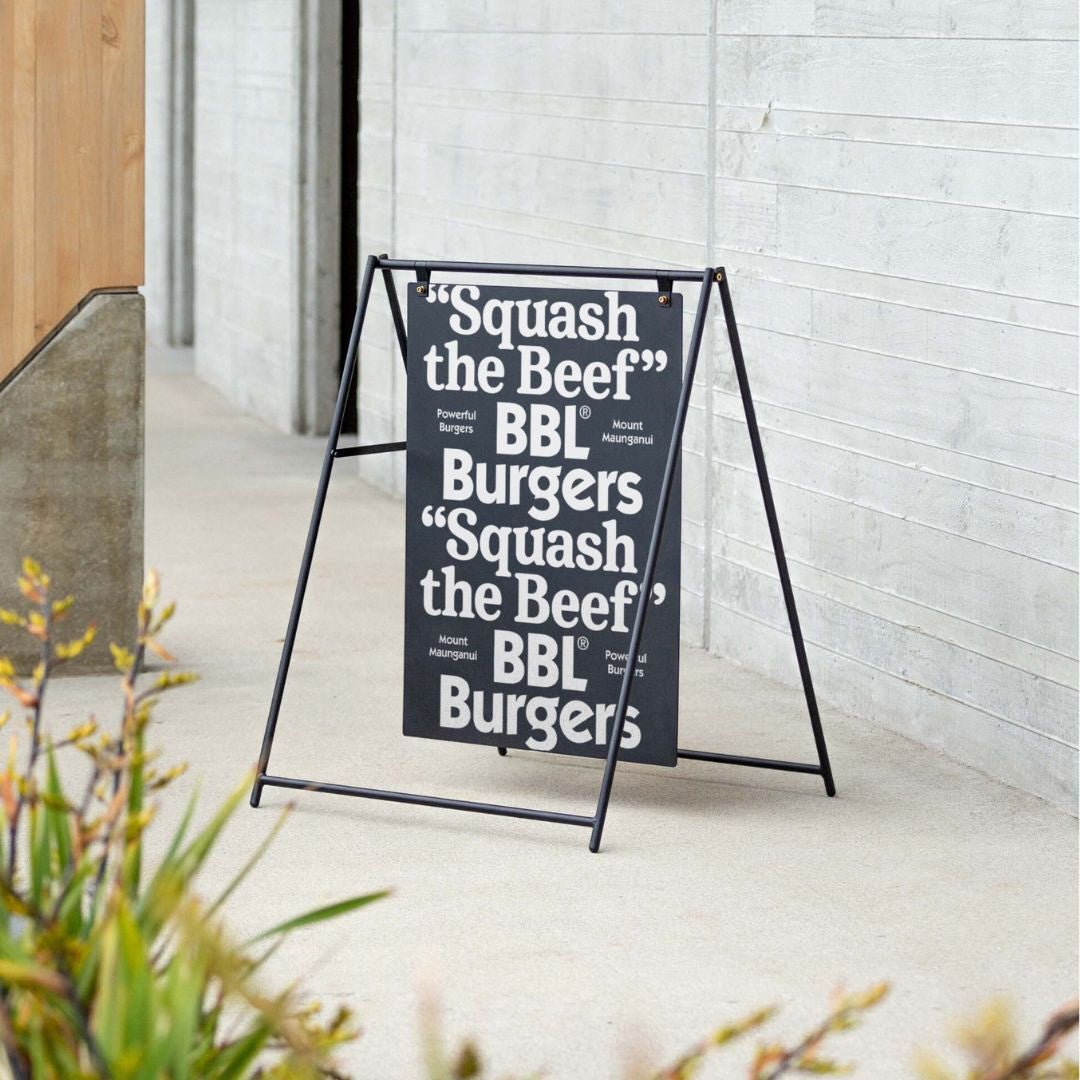
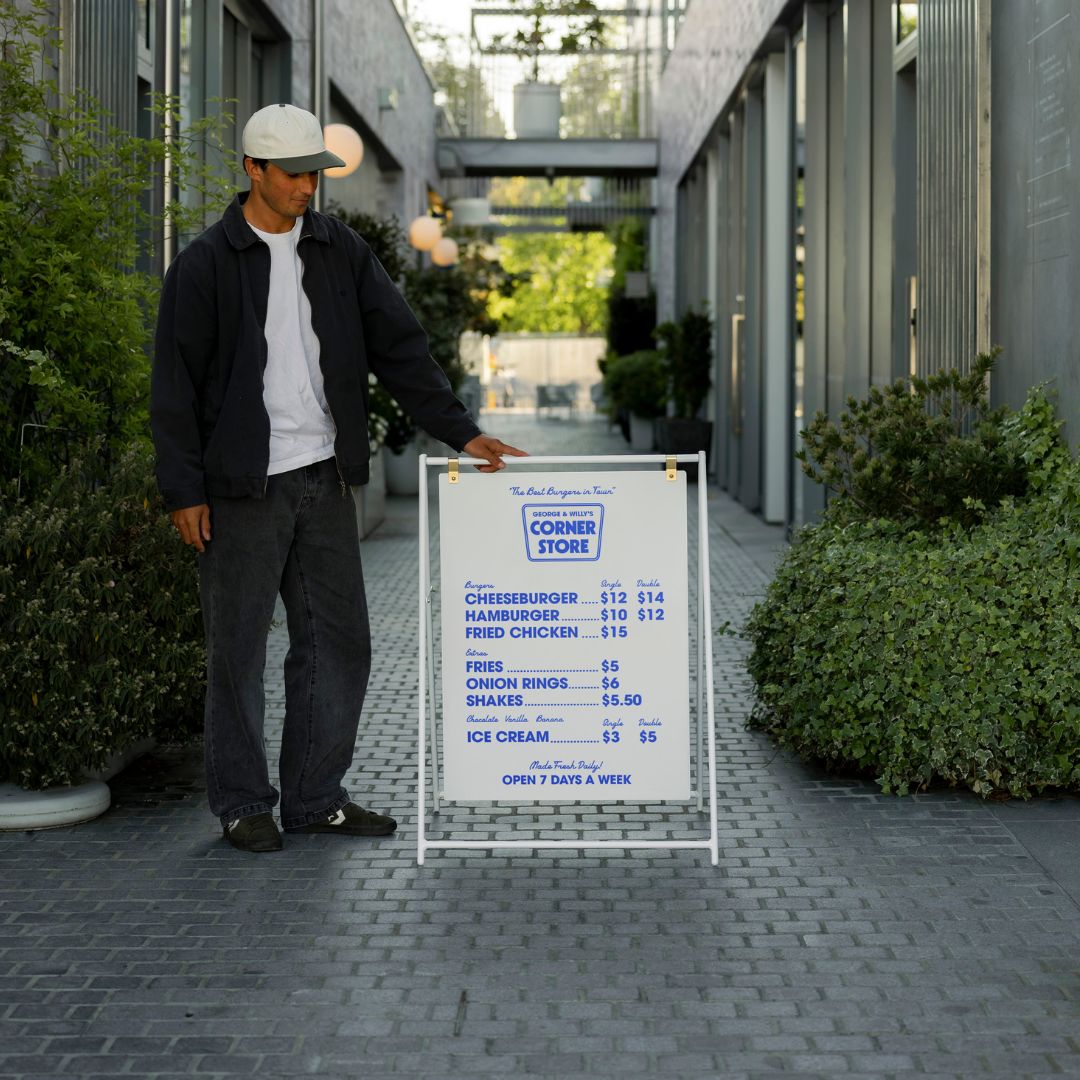
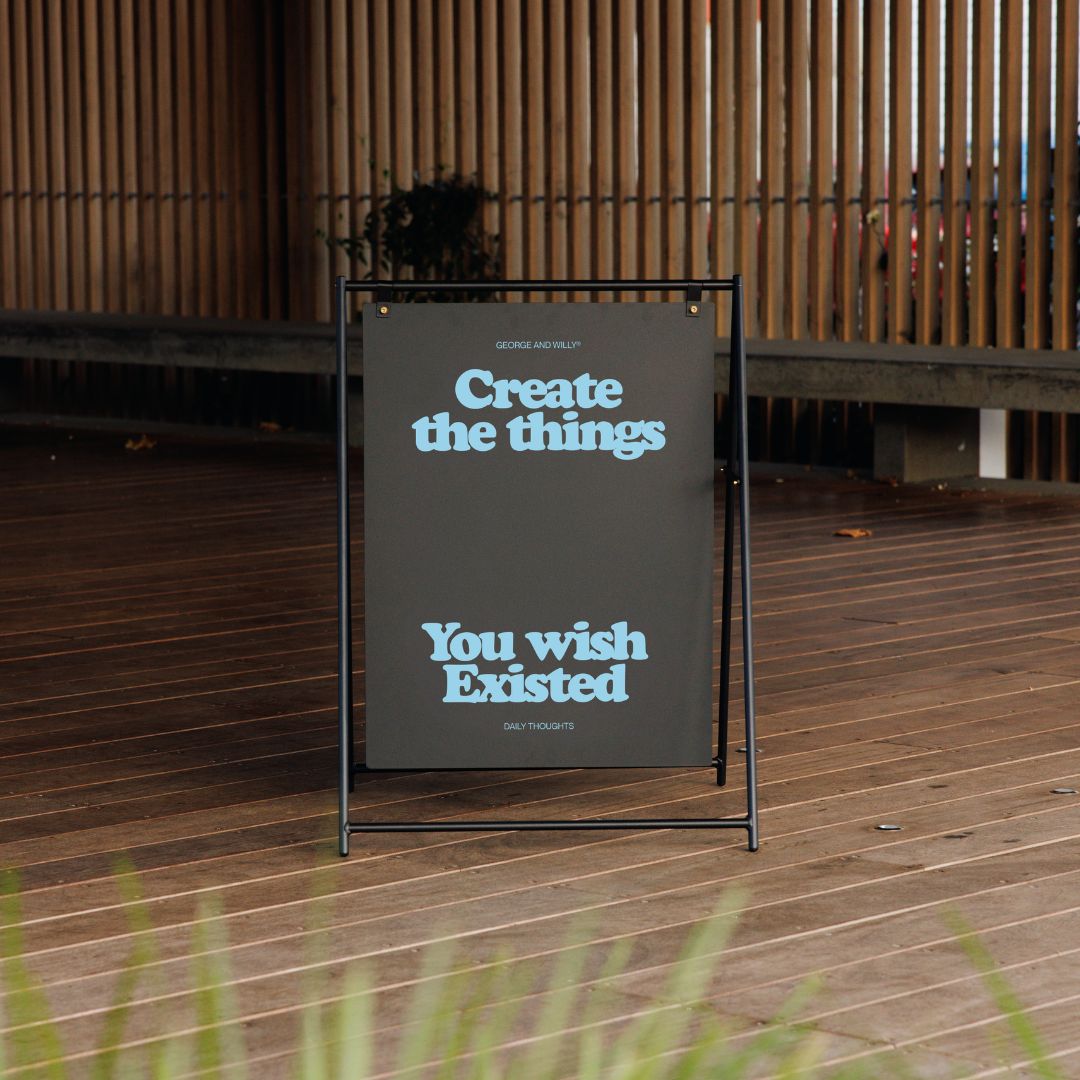
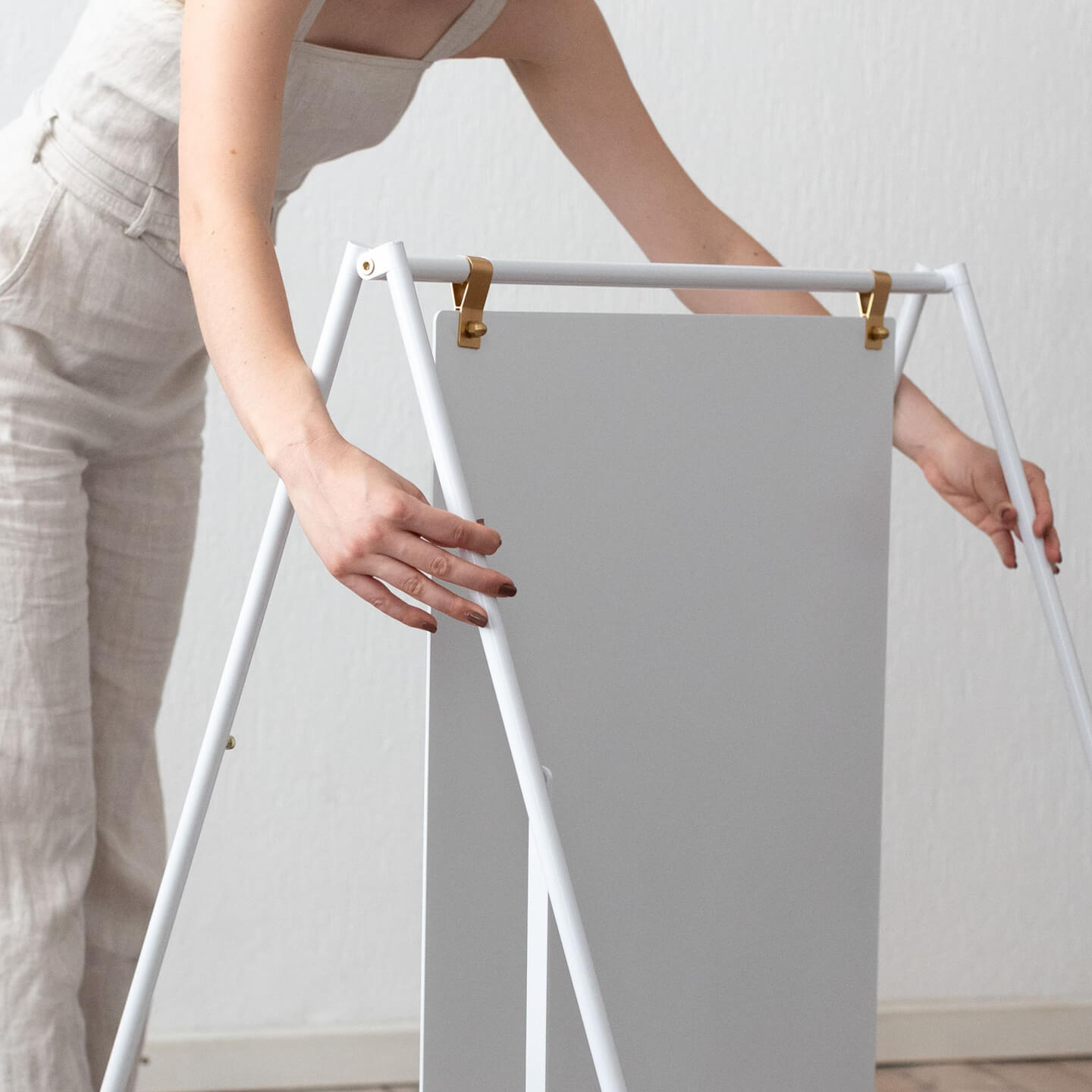
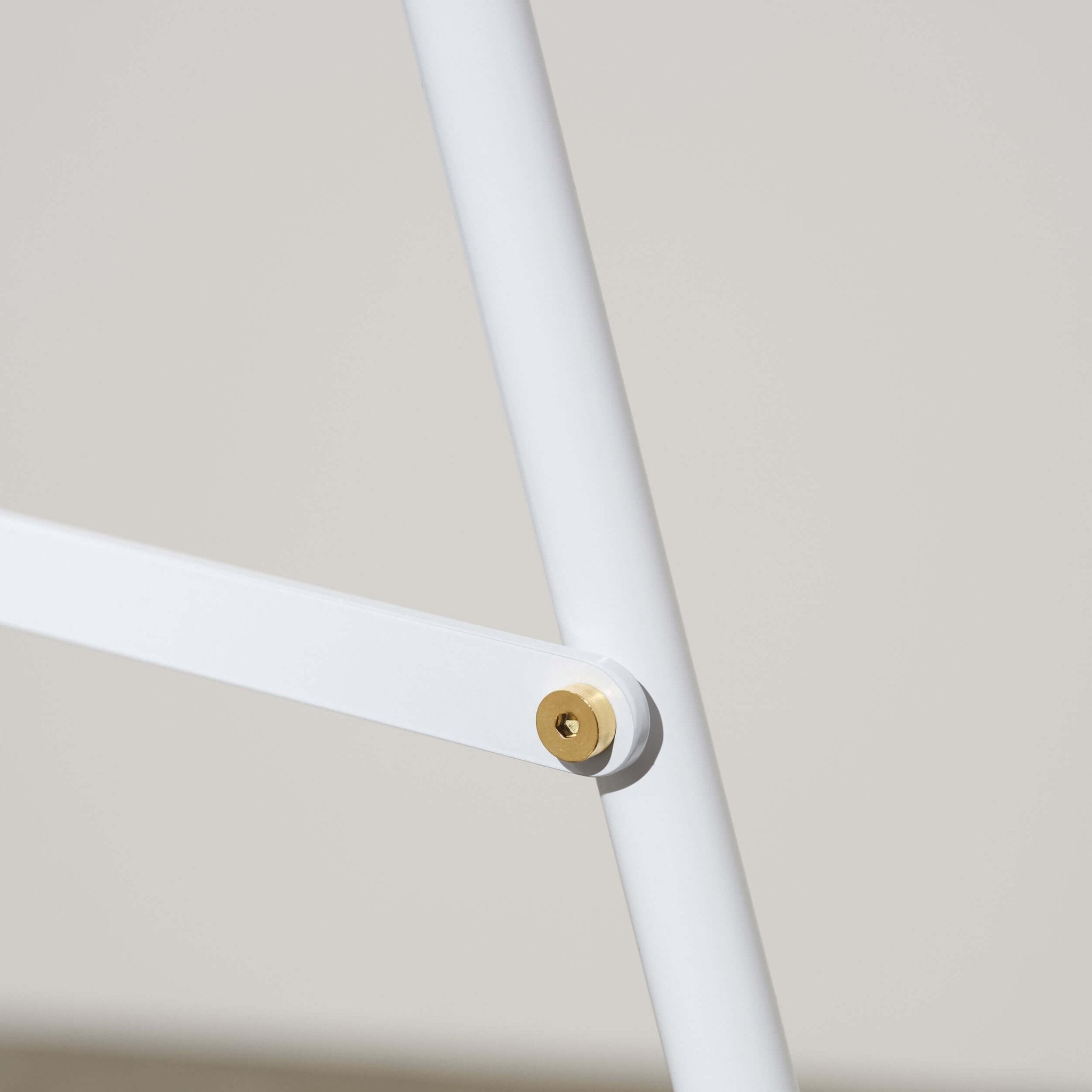
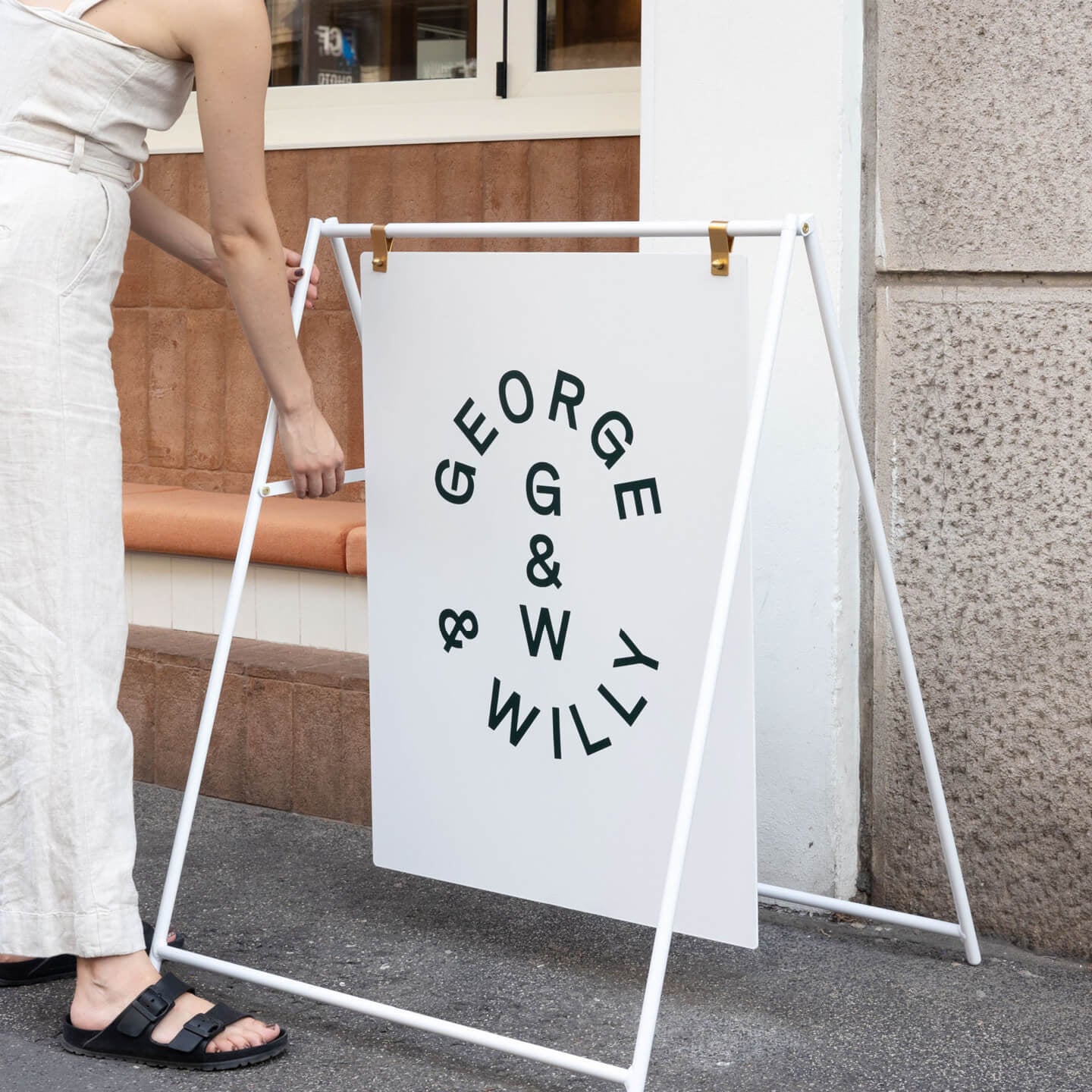
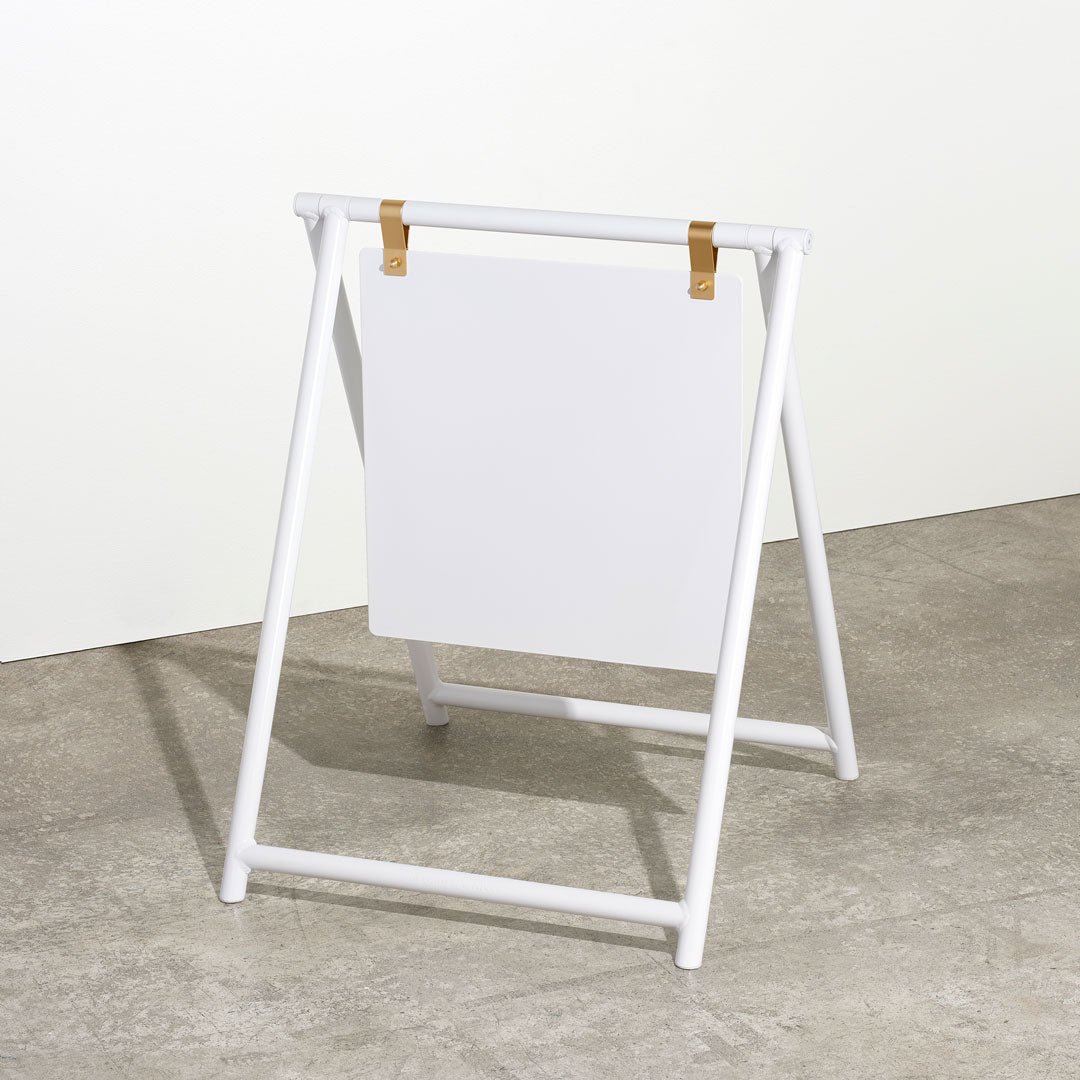
A well-placed sign on the sidewalk can literally stop people in their tracks. A-frame signs (also known as sandwich boards) are perfect for announcing specials or welcoming customers. For a clean and durable option, a foldable aluminum A‑Frame Pavement Sign offers a minimal aesthetic. If you need more surface area, the Large Sidewalk Sign creates extra presence.
Blade and Projecting Signs for Visibility
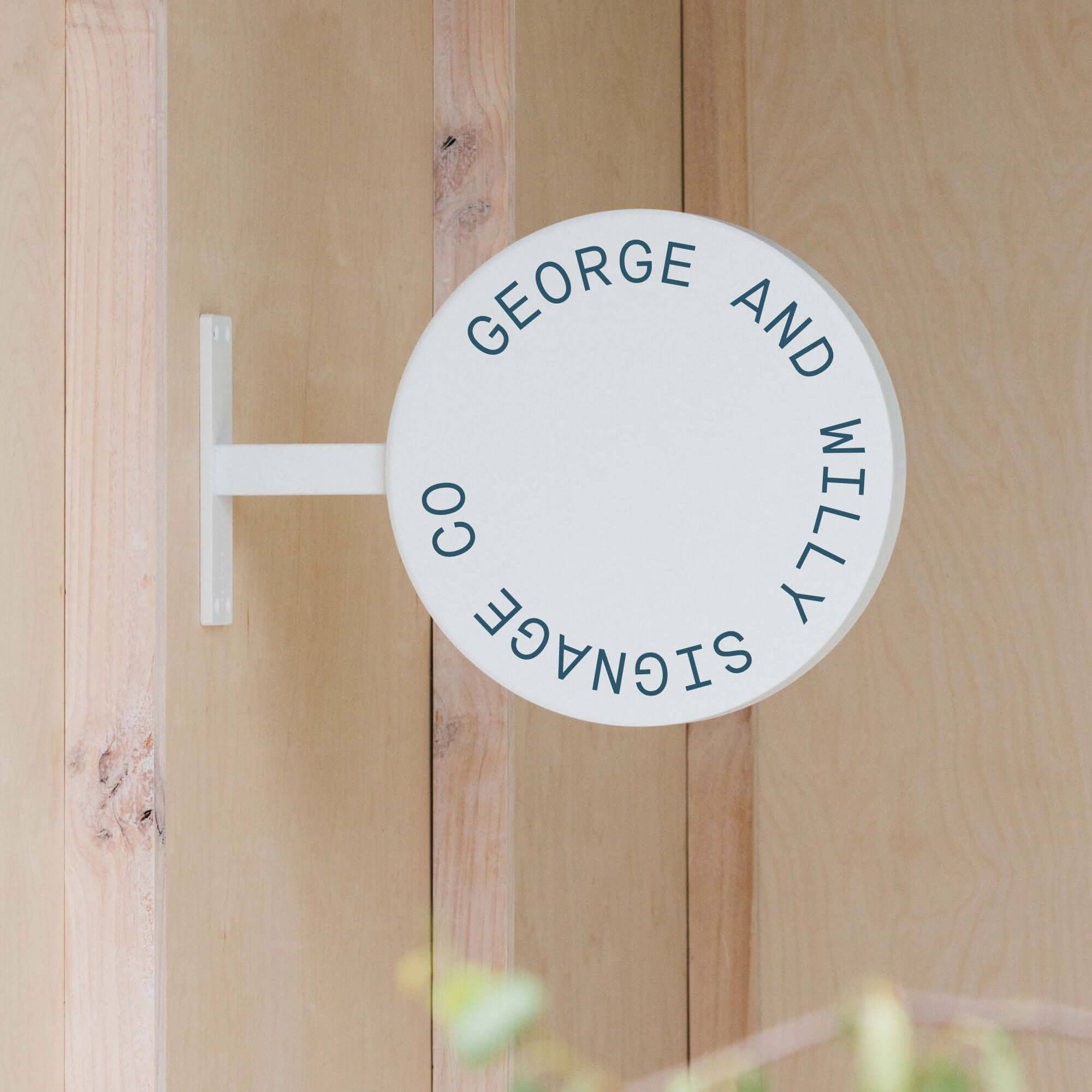
If your business is on a busy street, a sign that sits flat against the building can be easy to miss. Blade signs, like the Rectangle Blade Sign, project perpendicularly from the wall, ensuring you are seen by traffic from either direction. For a slimmer profile, the Vertical Blade Sign keeps your branding legible along busy streets.
Changeable Menu Boards for Fresh Updates
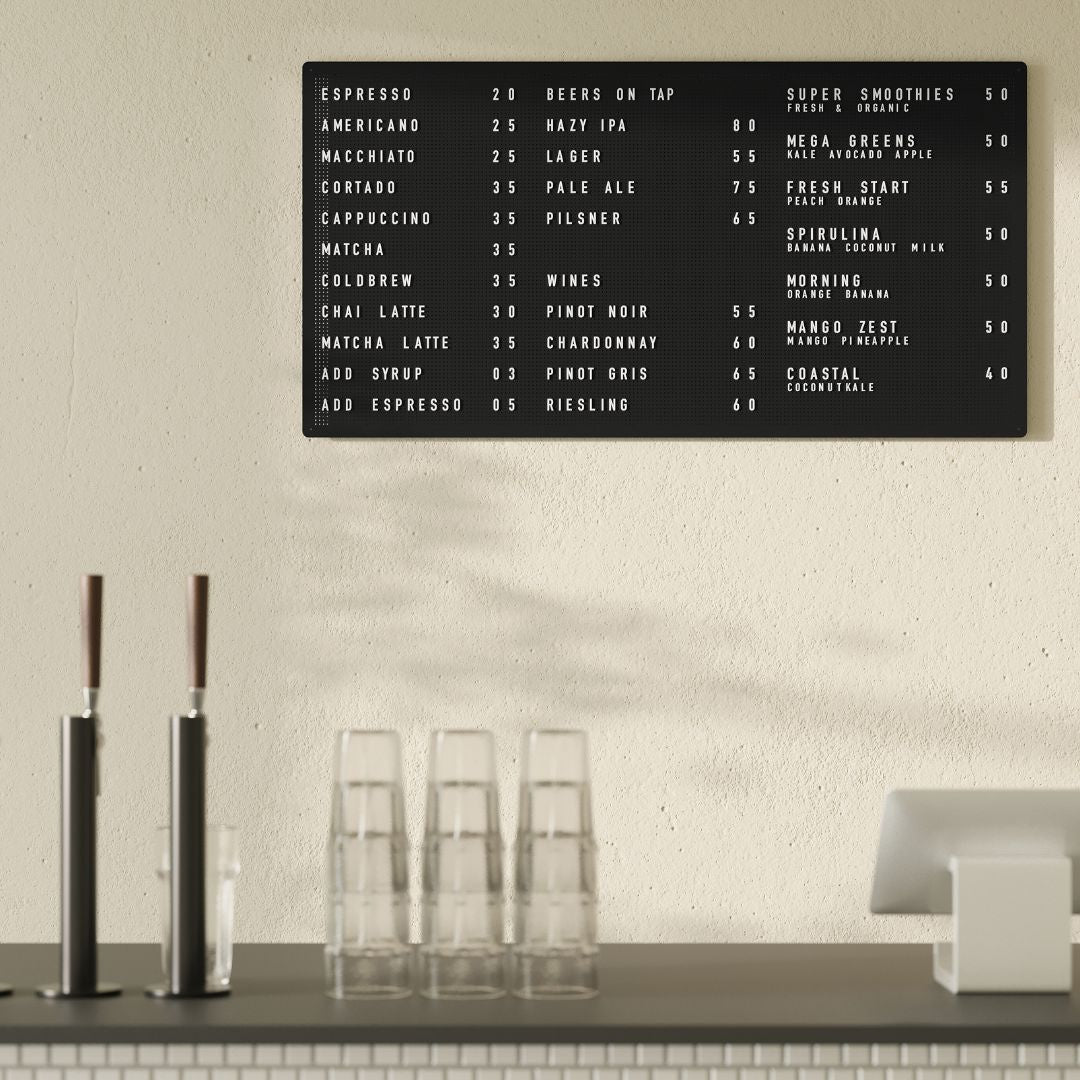
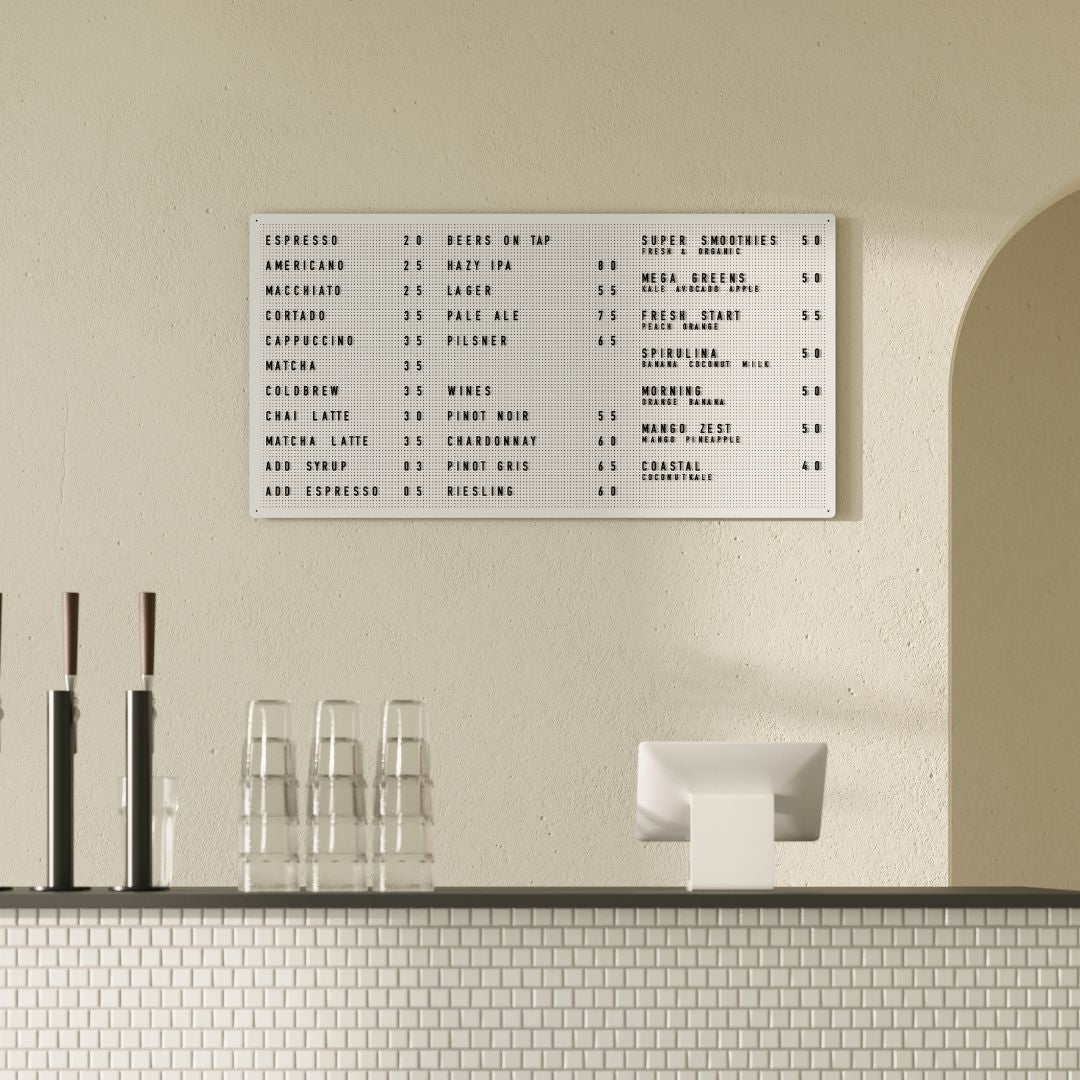
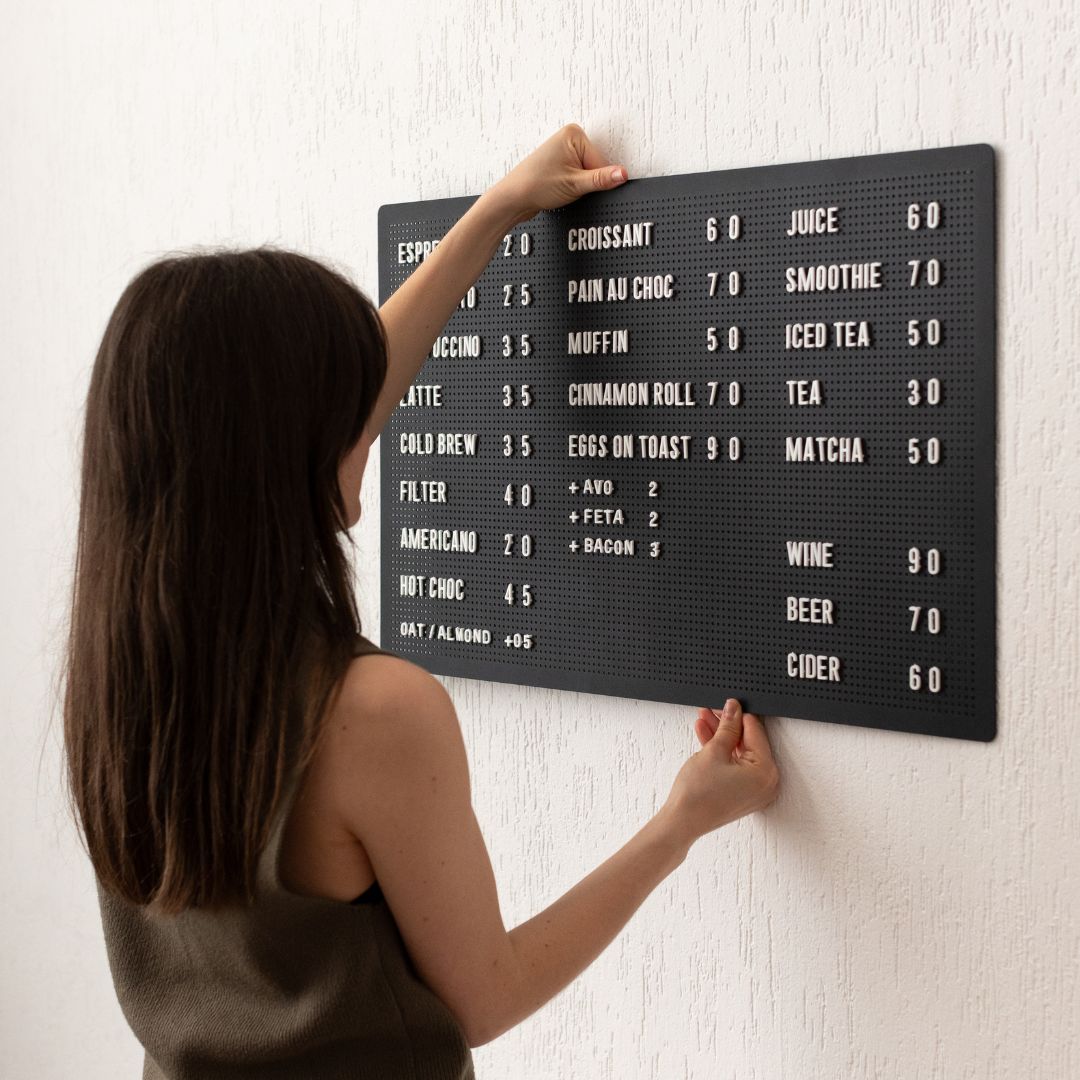
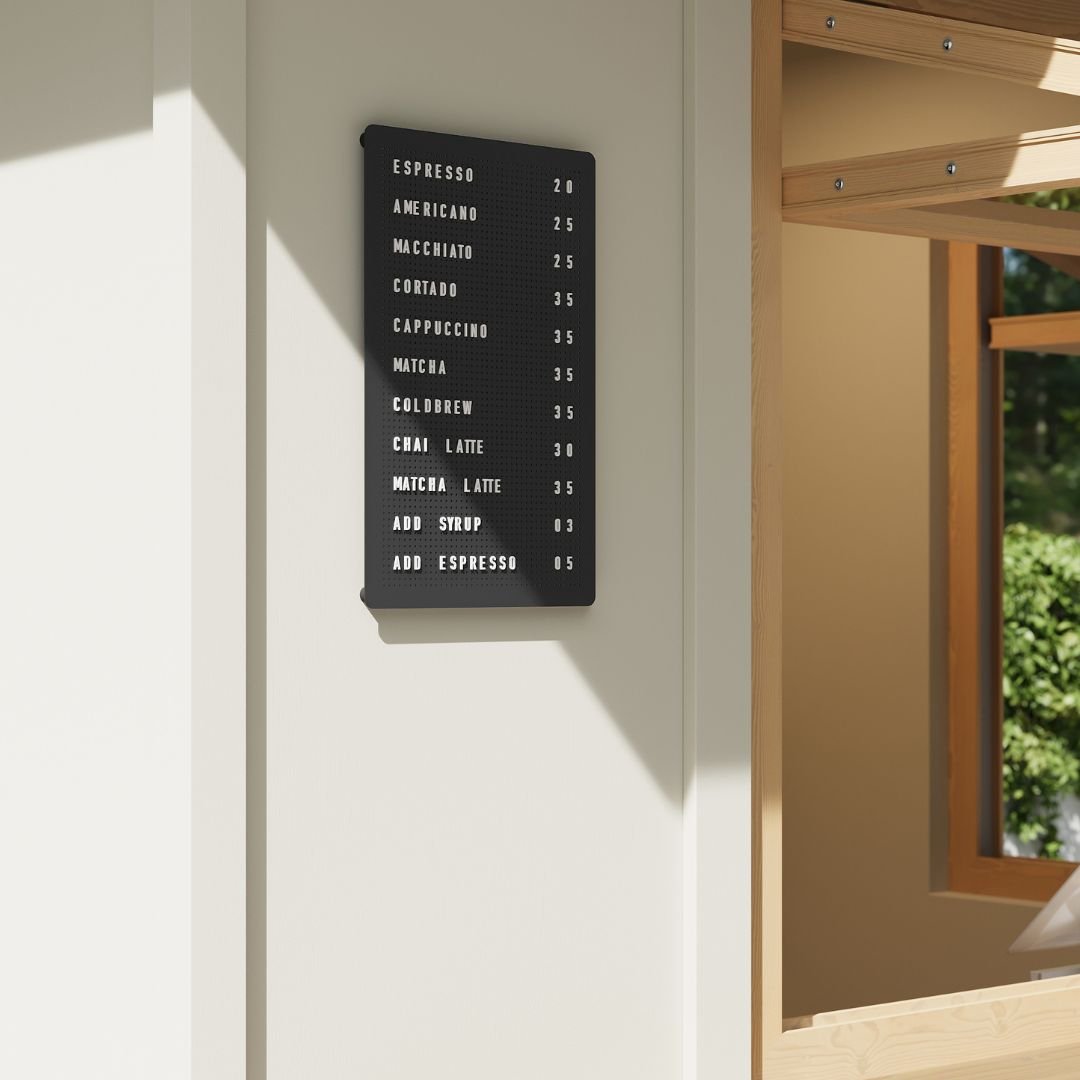
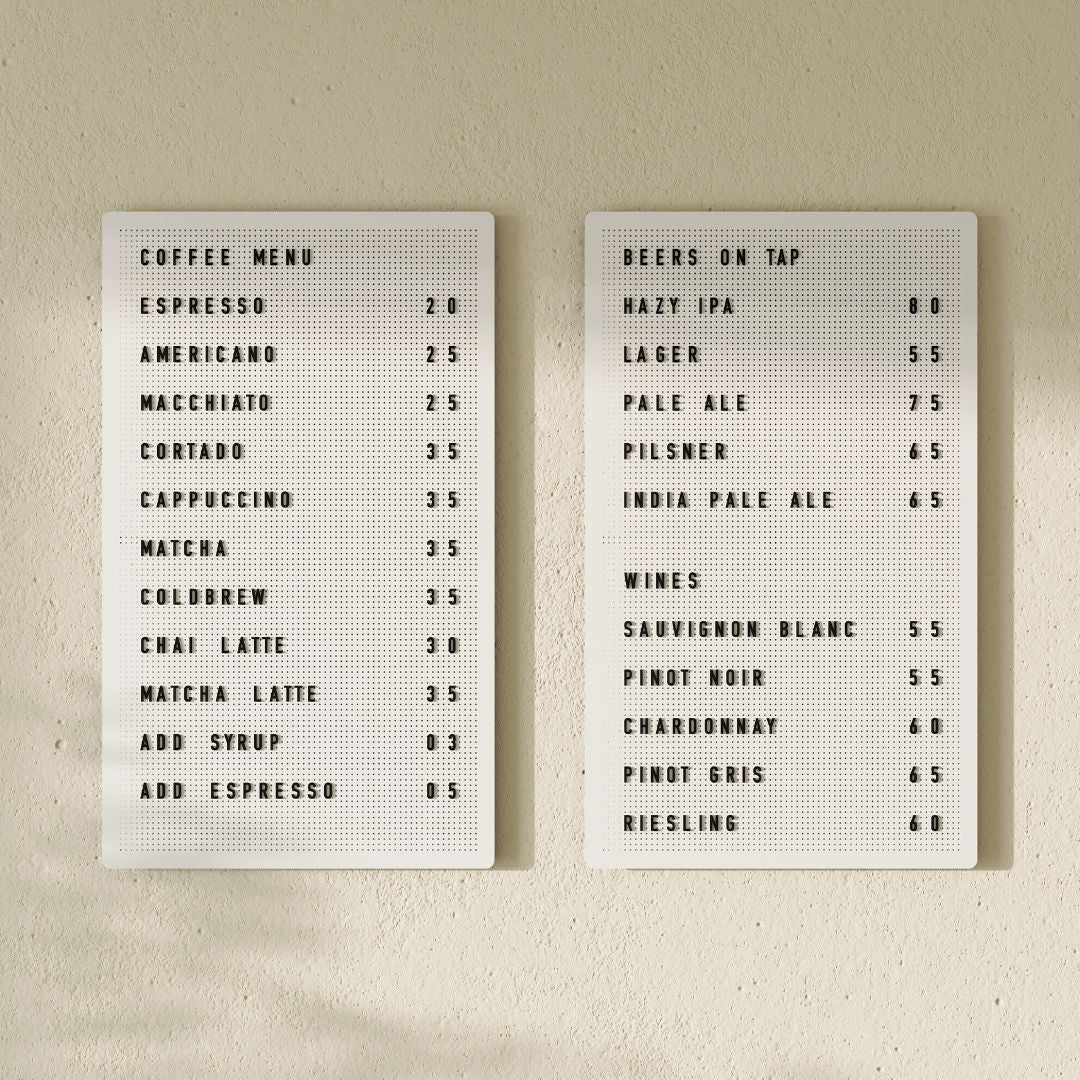
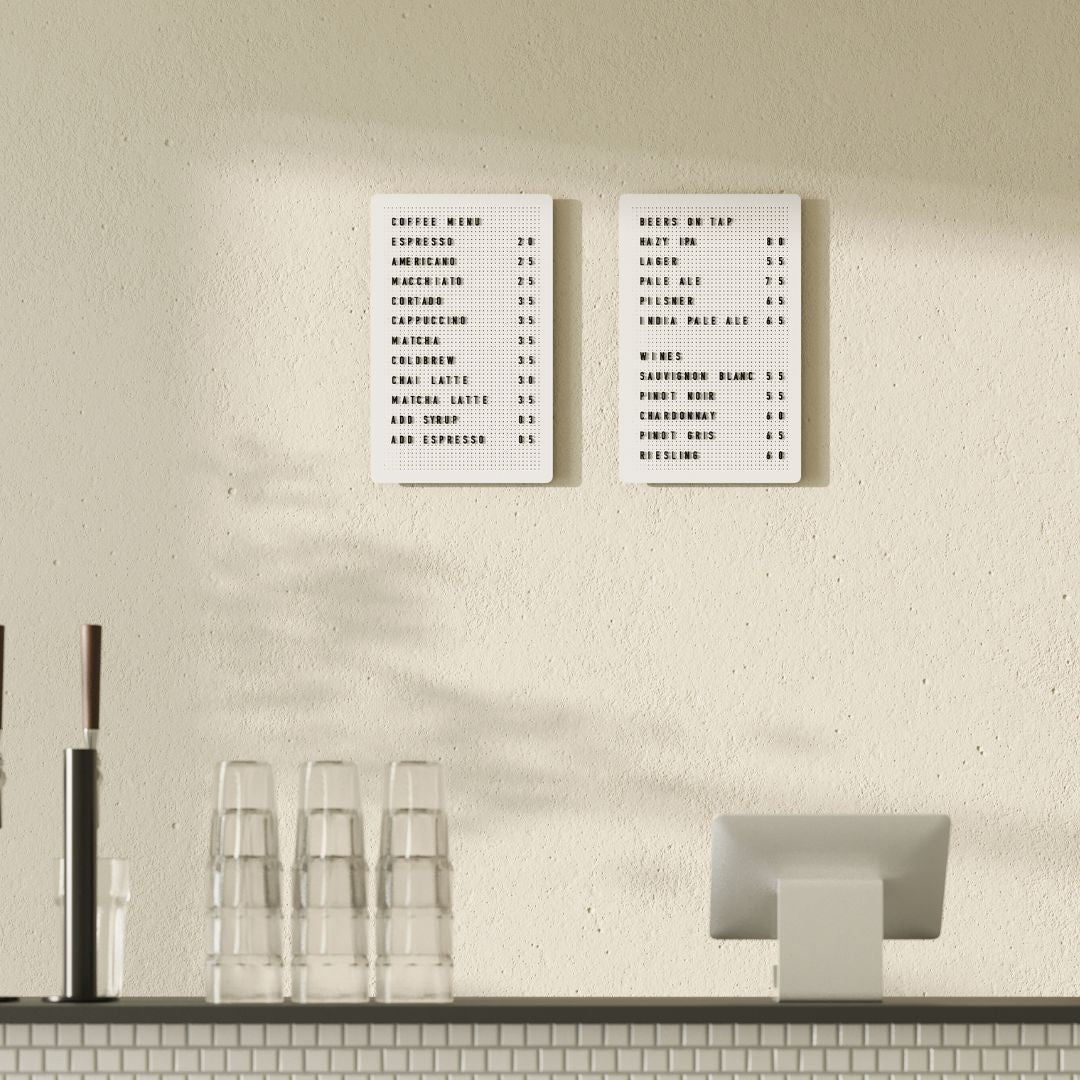
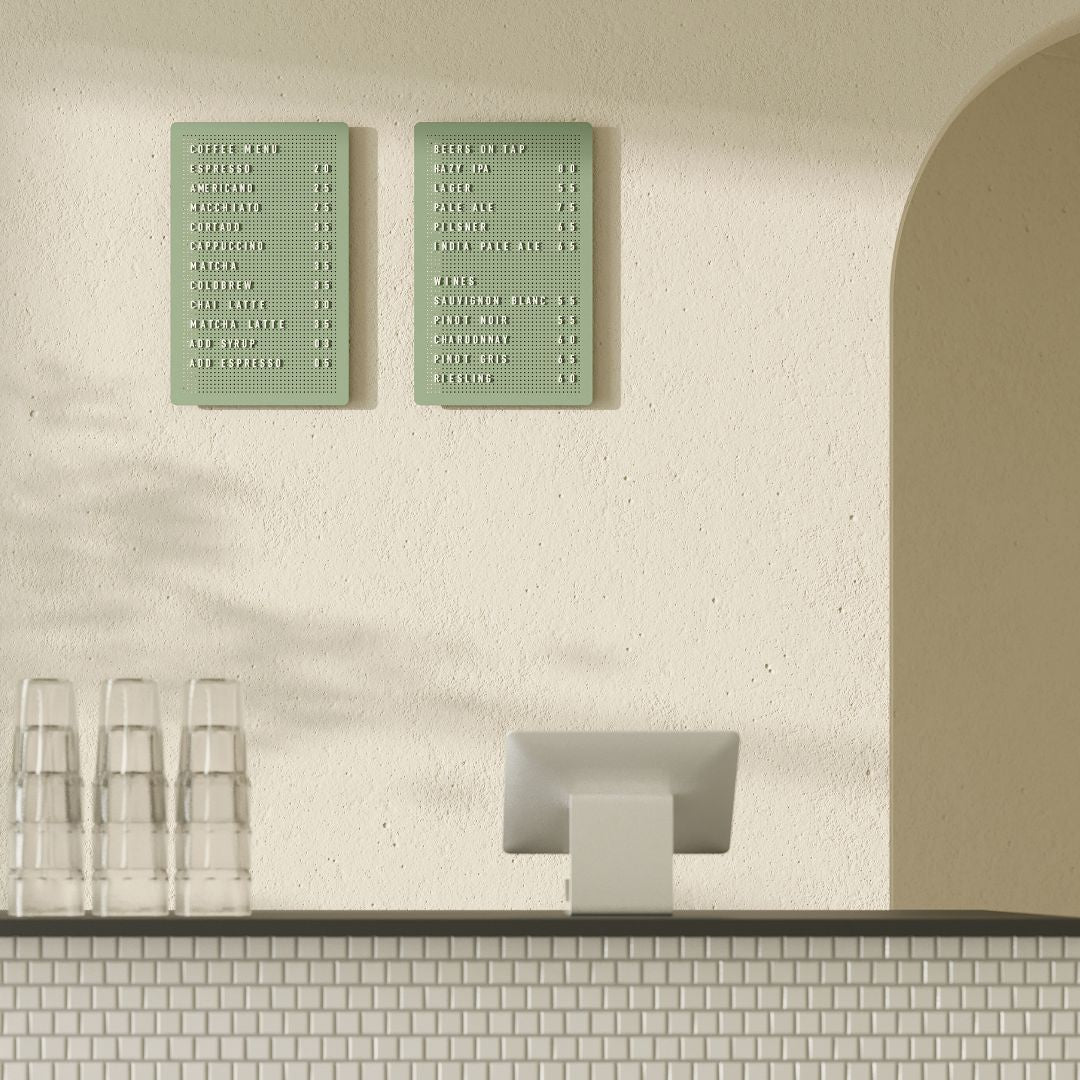
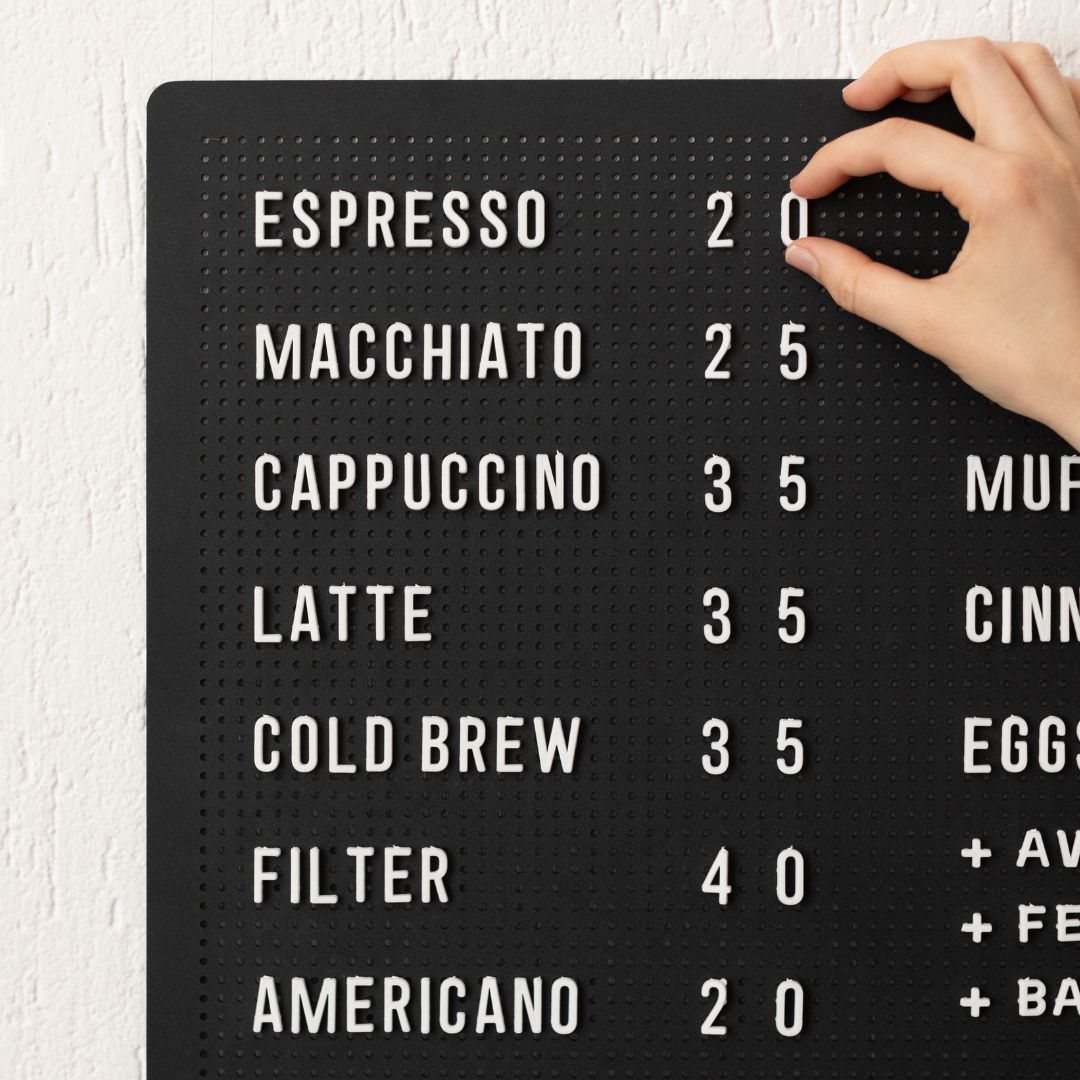
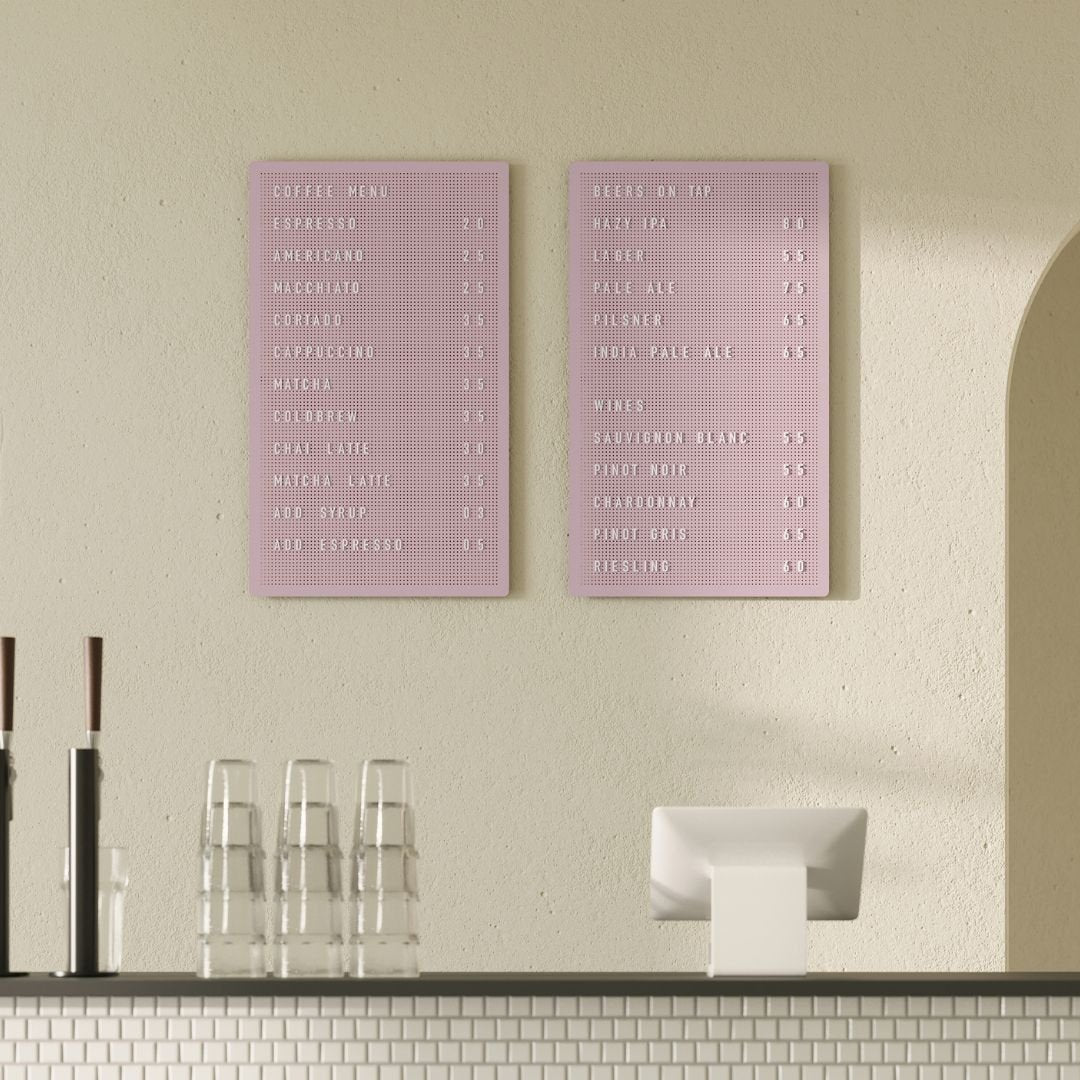
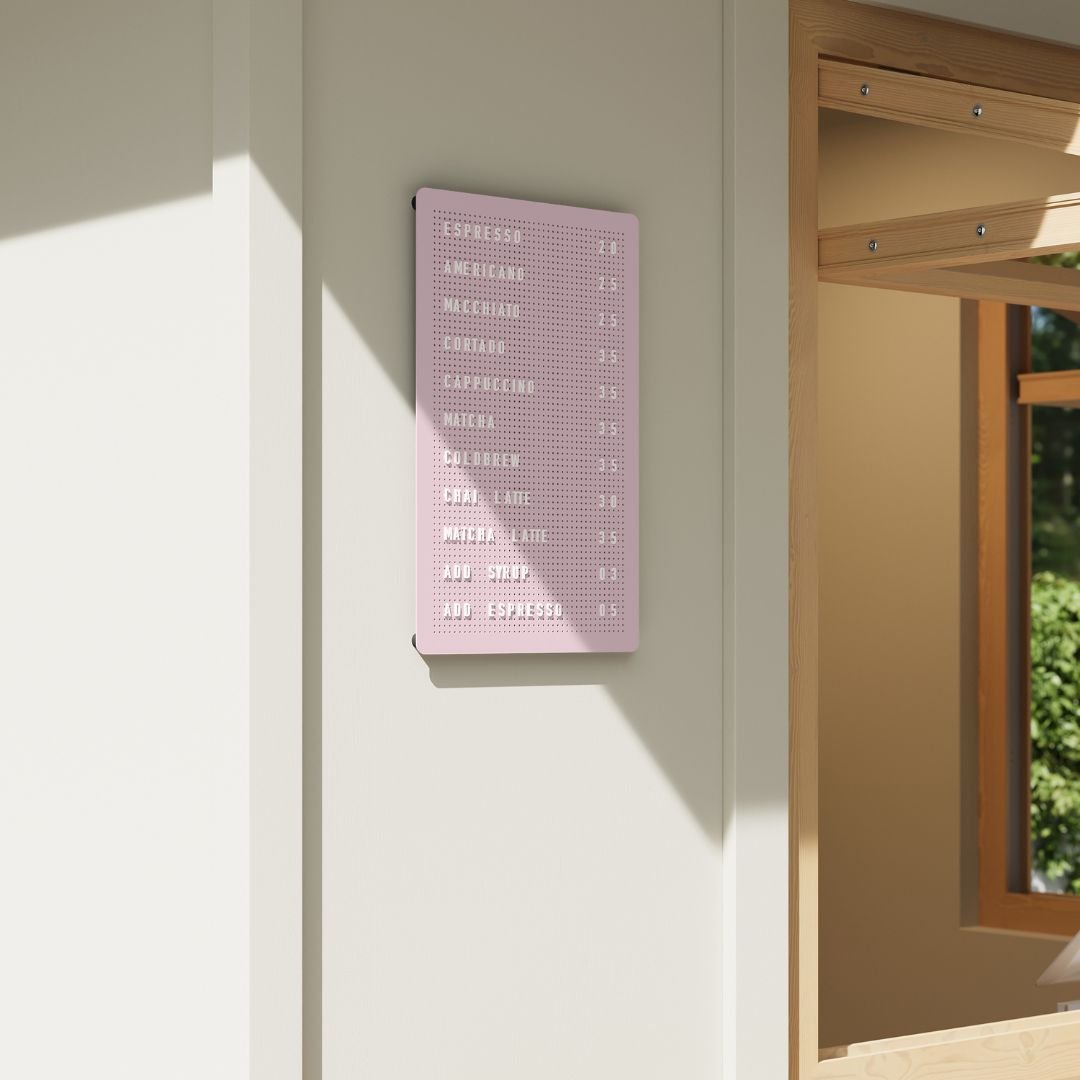
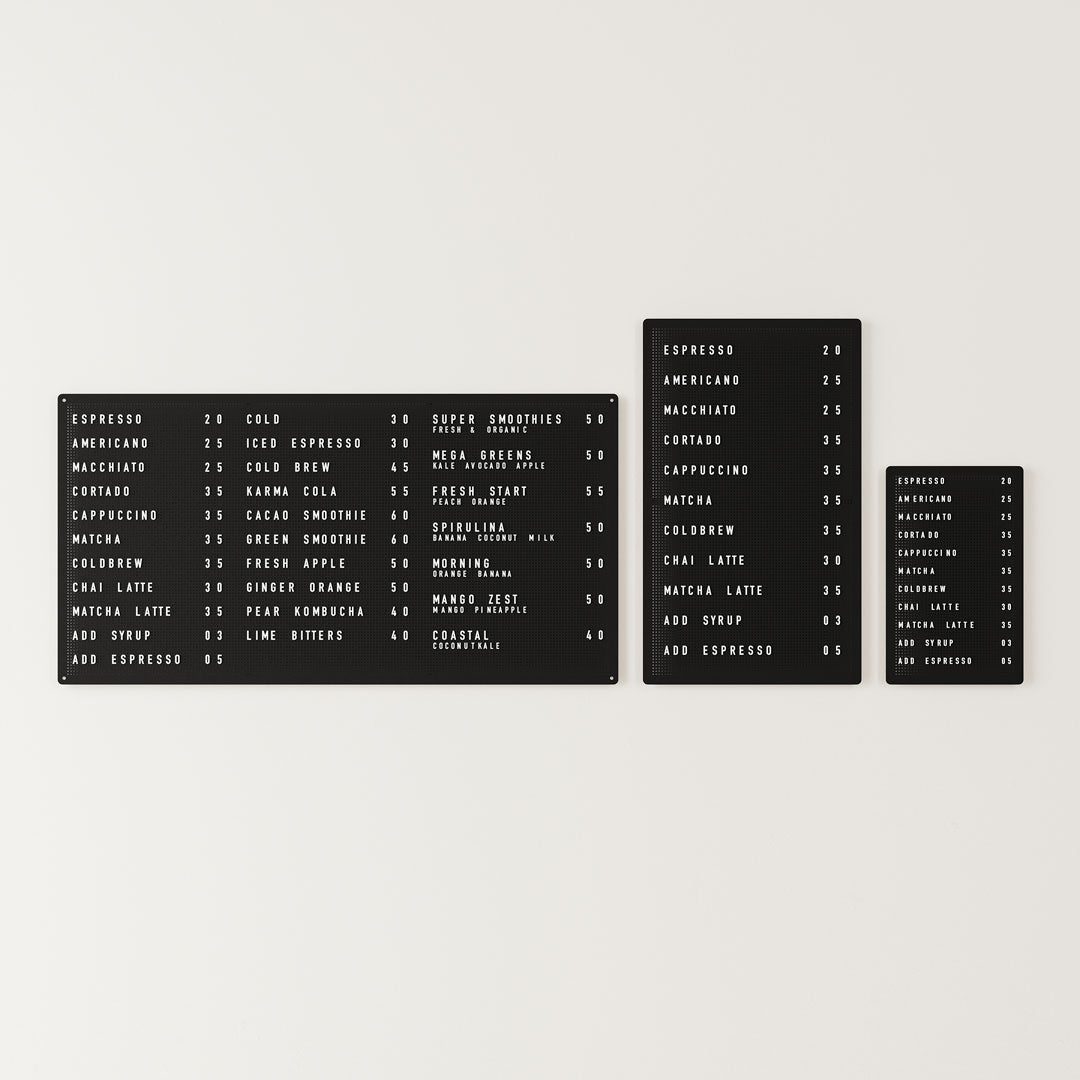
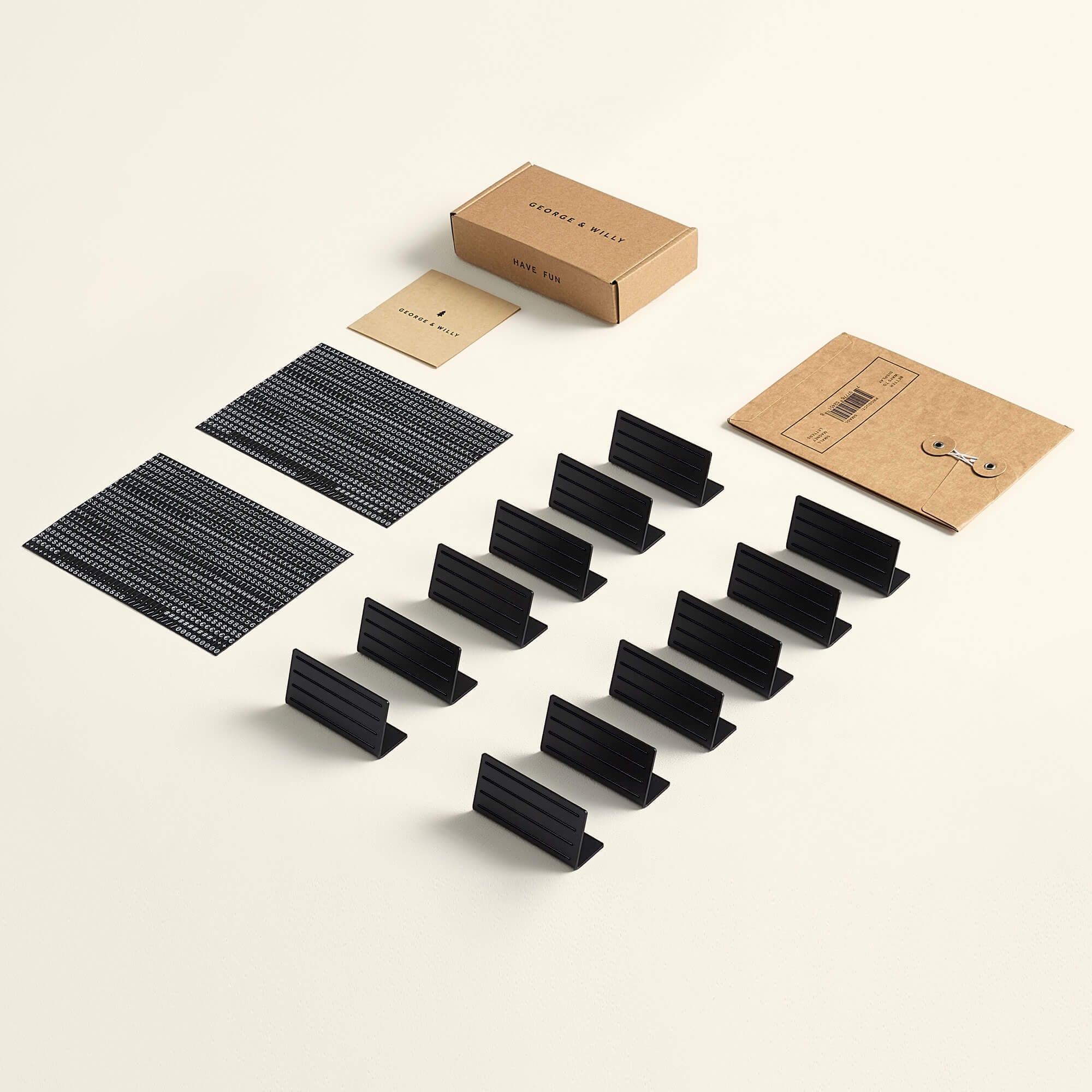
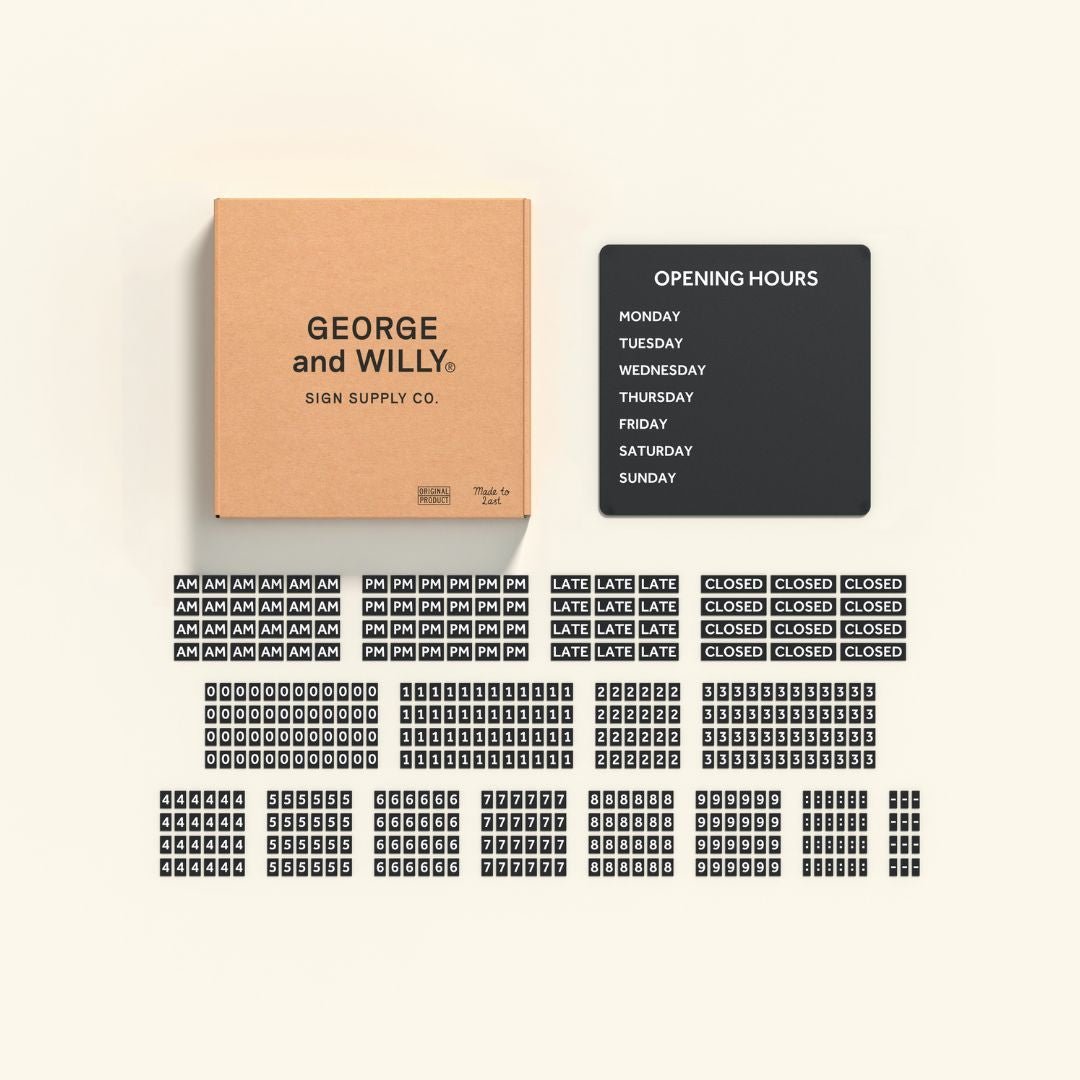
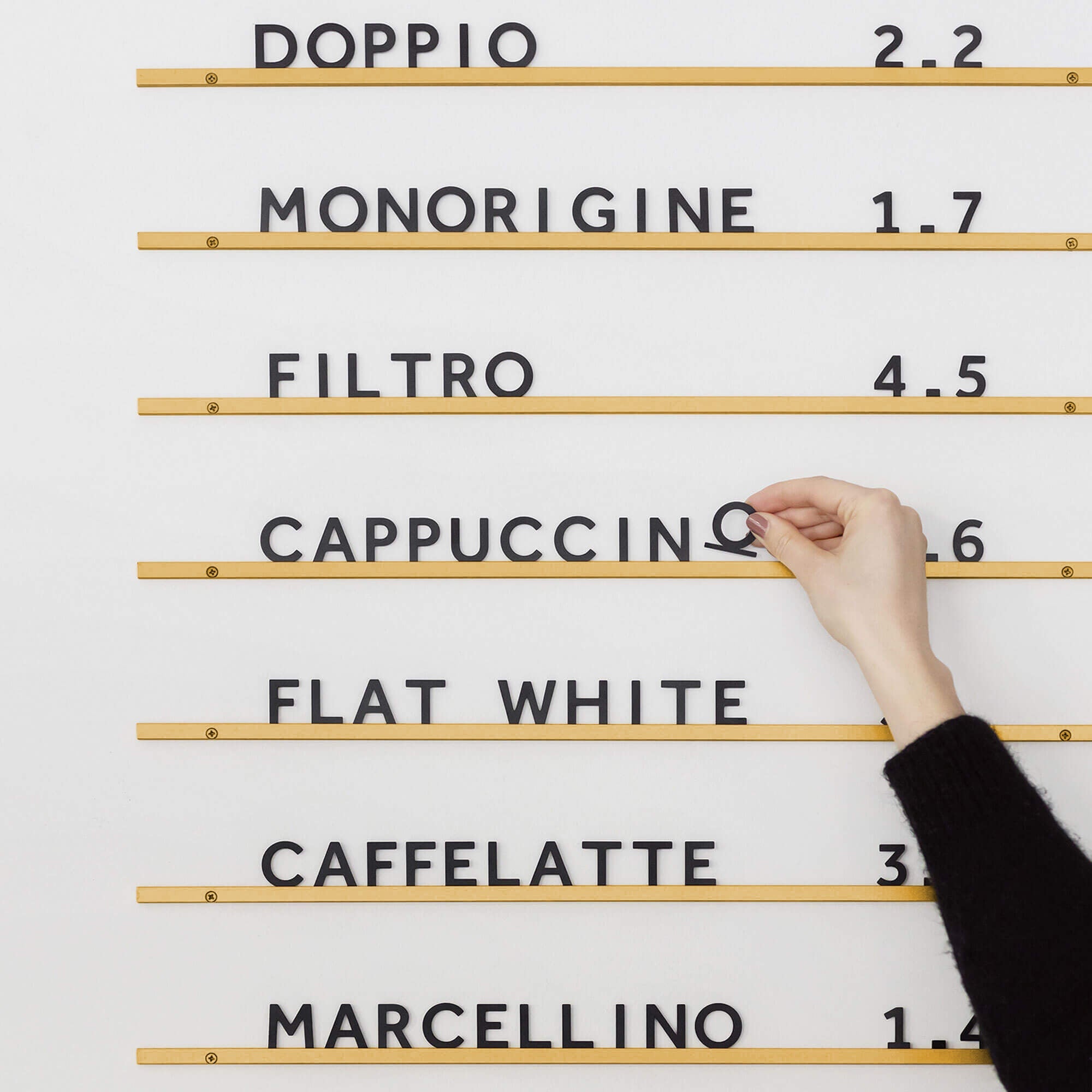
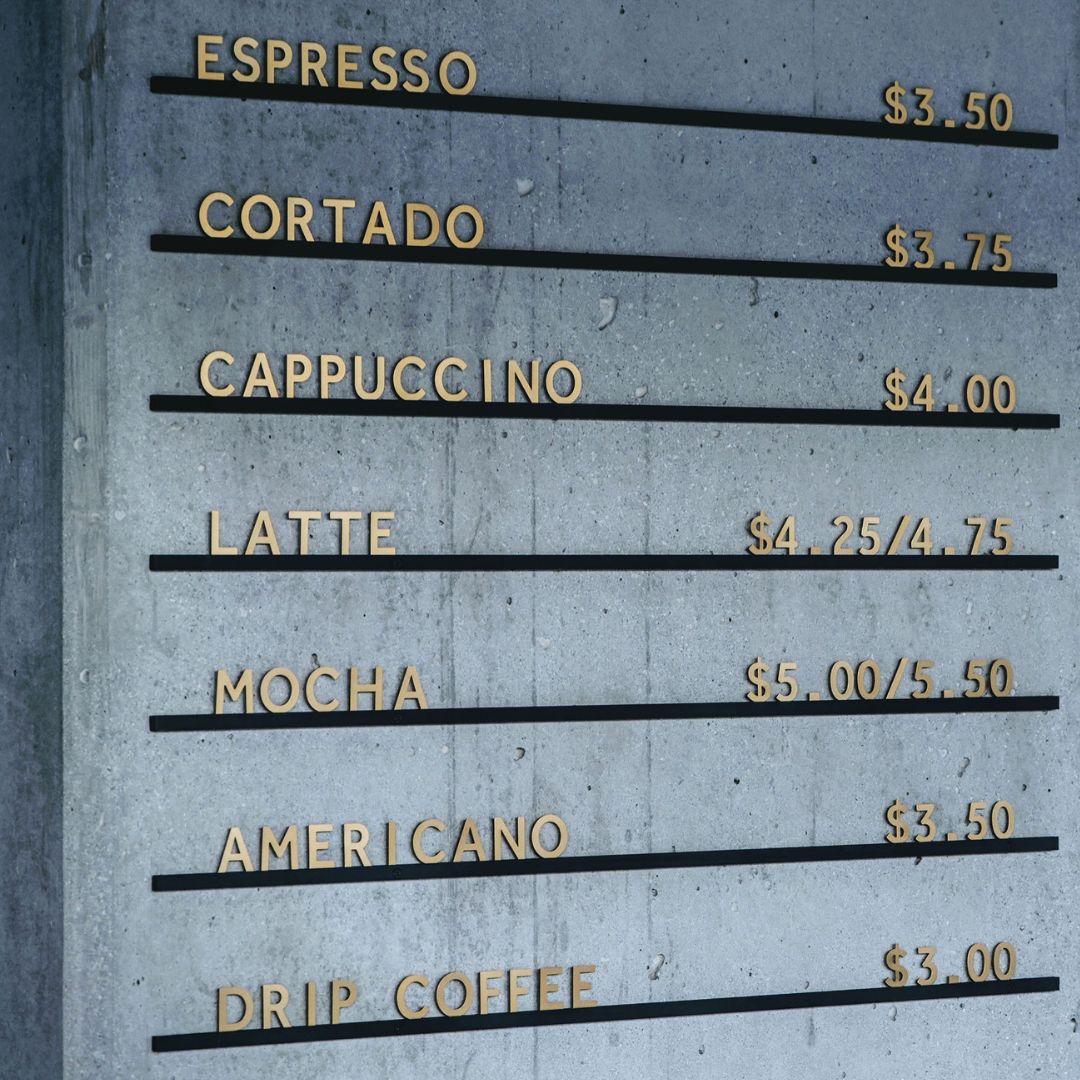
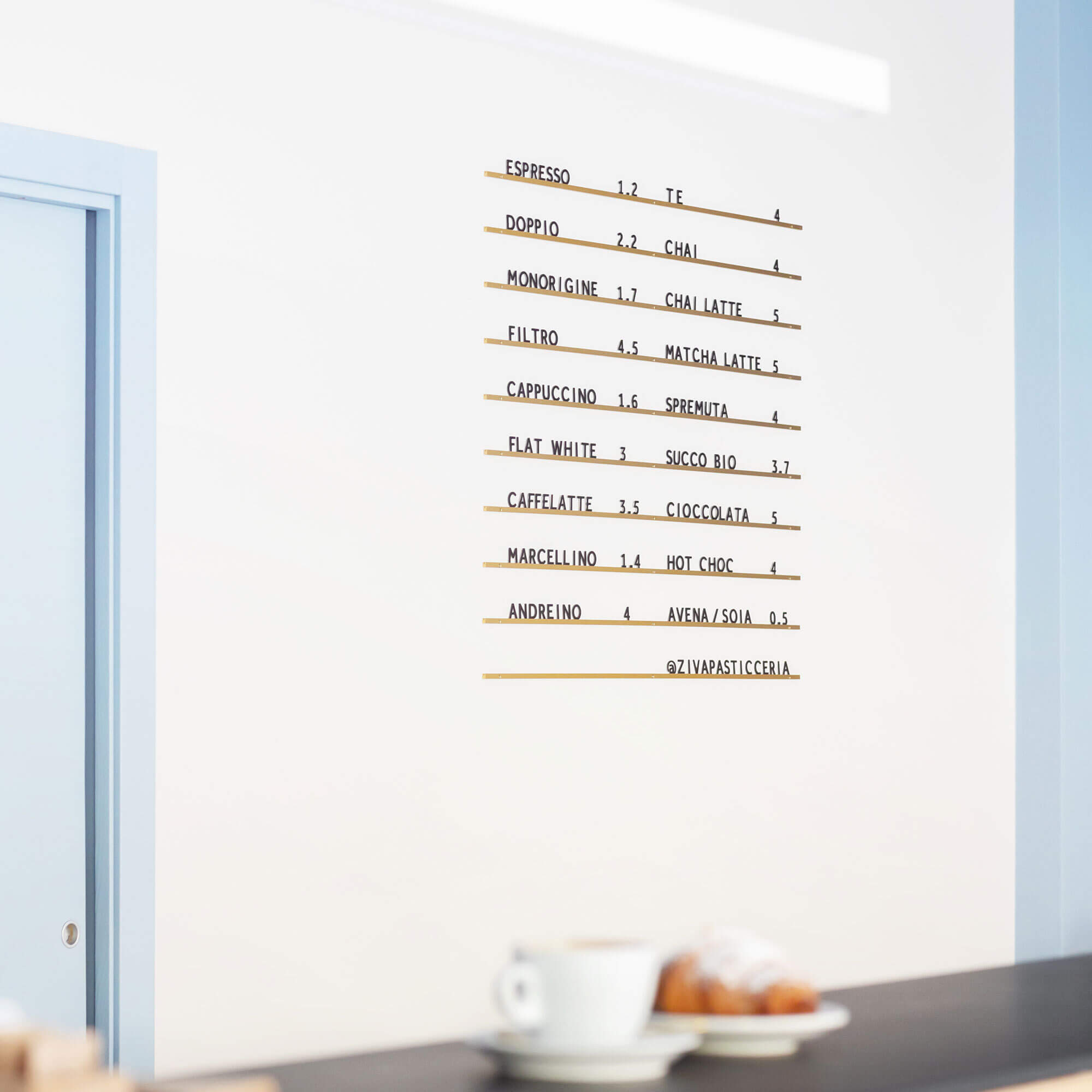
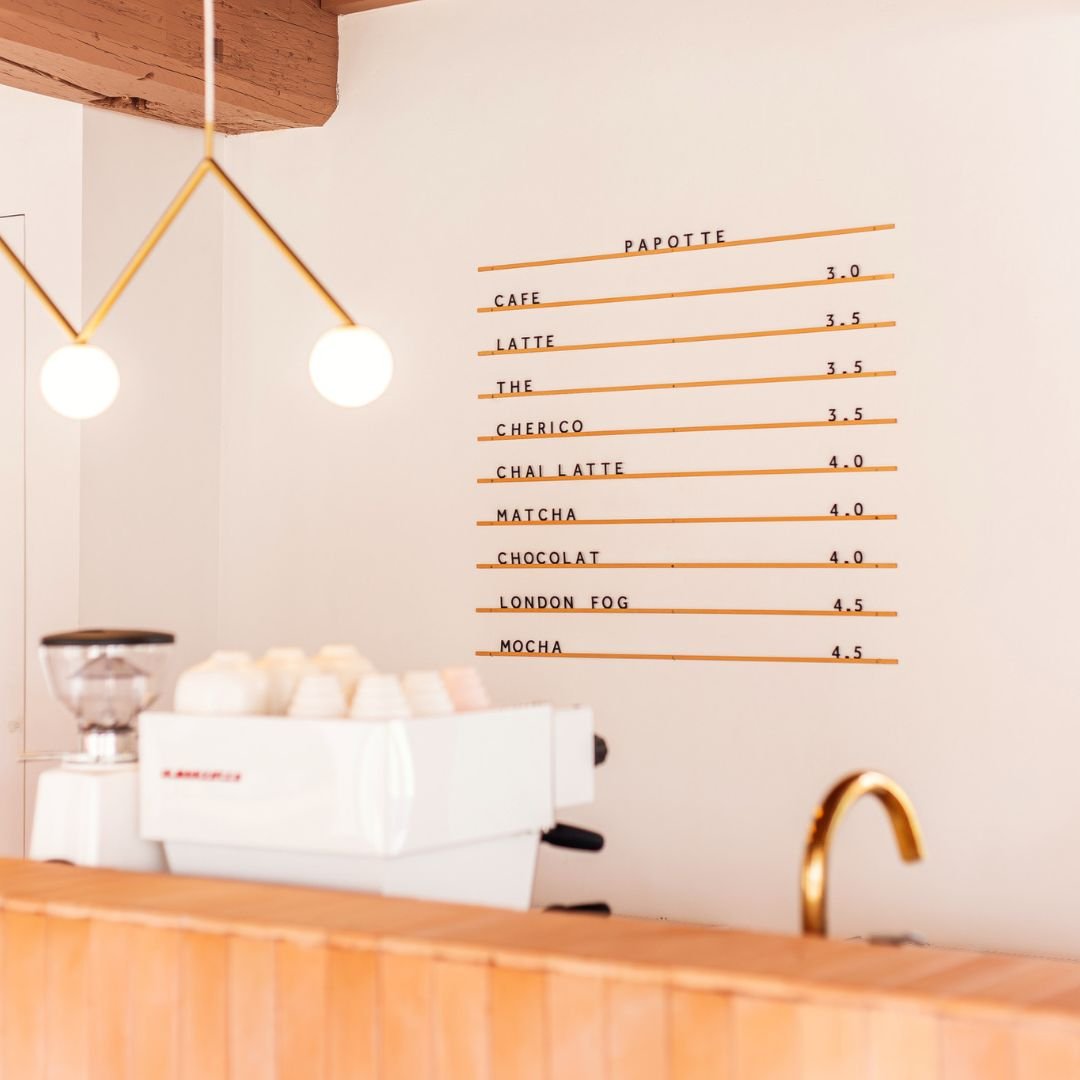
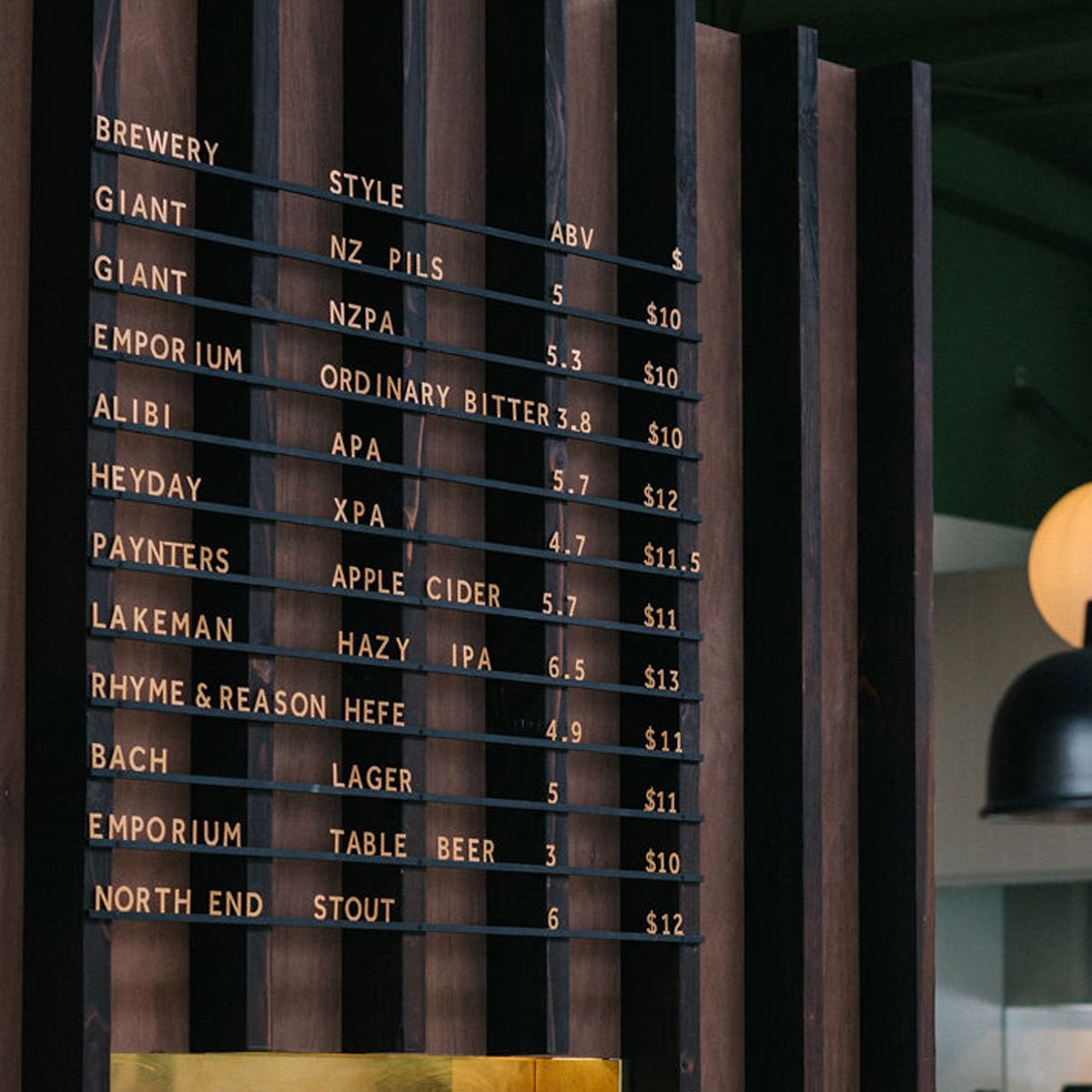
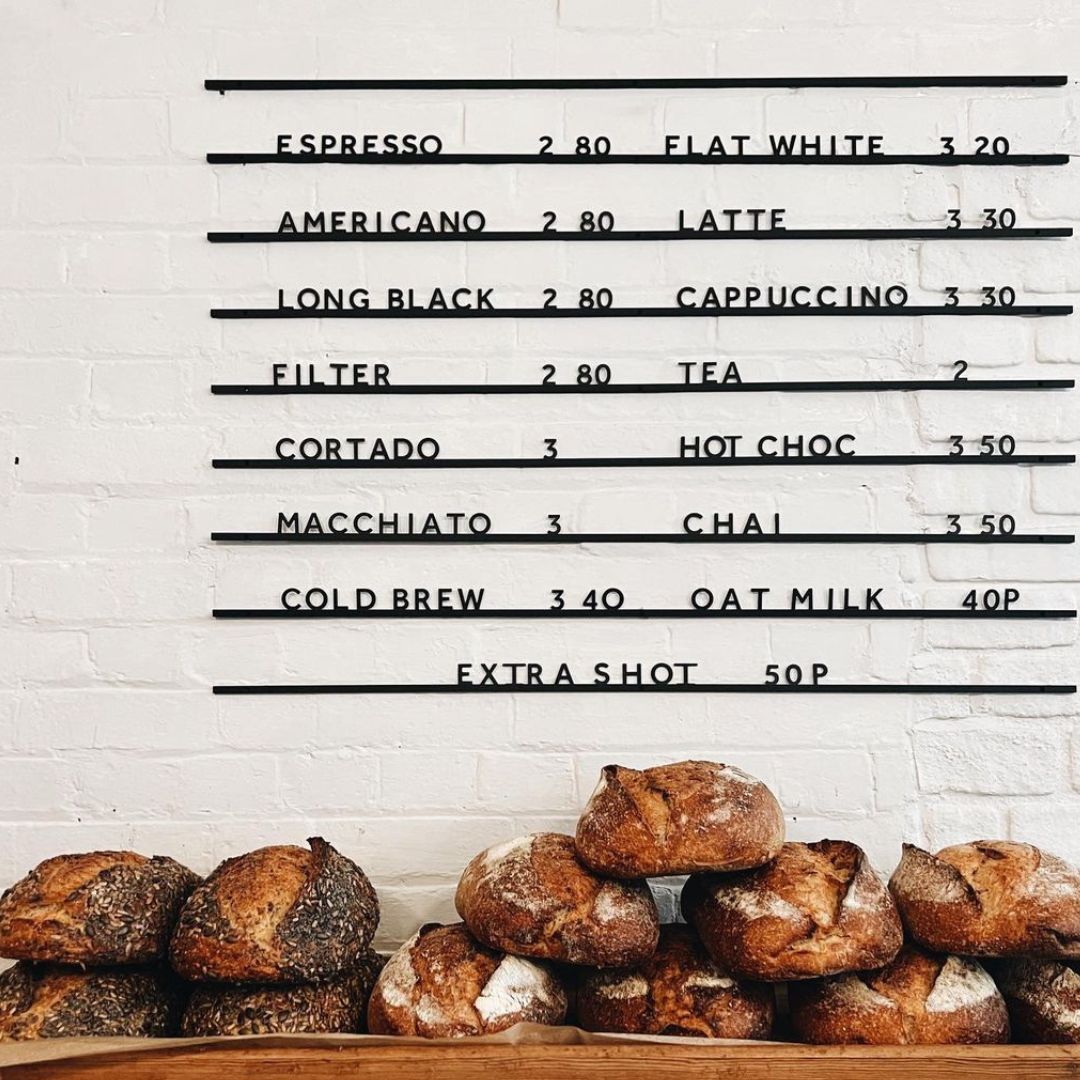
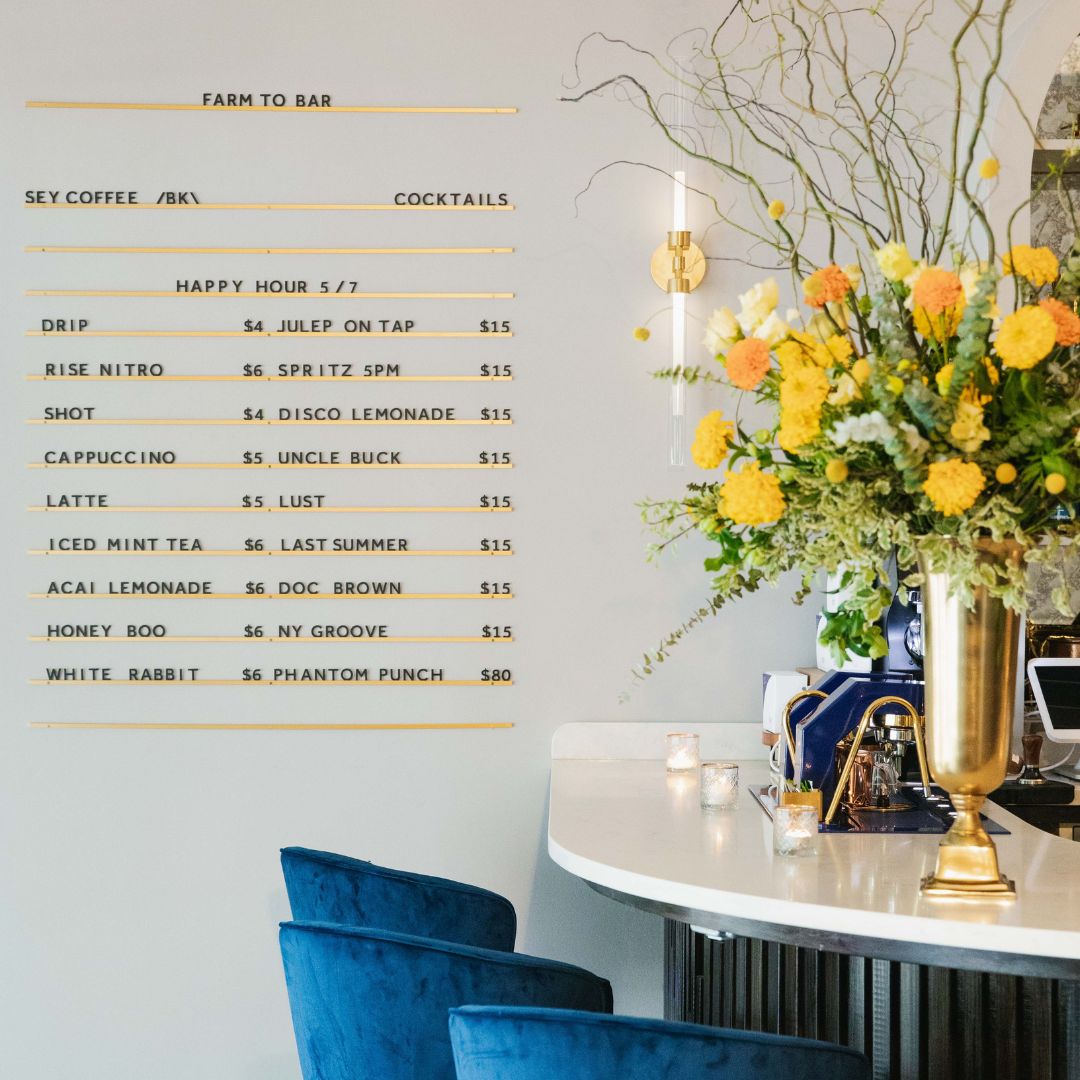
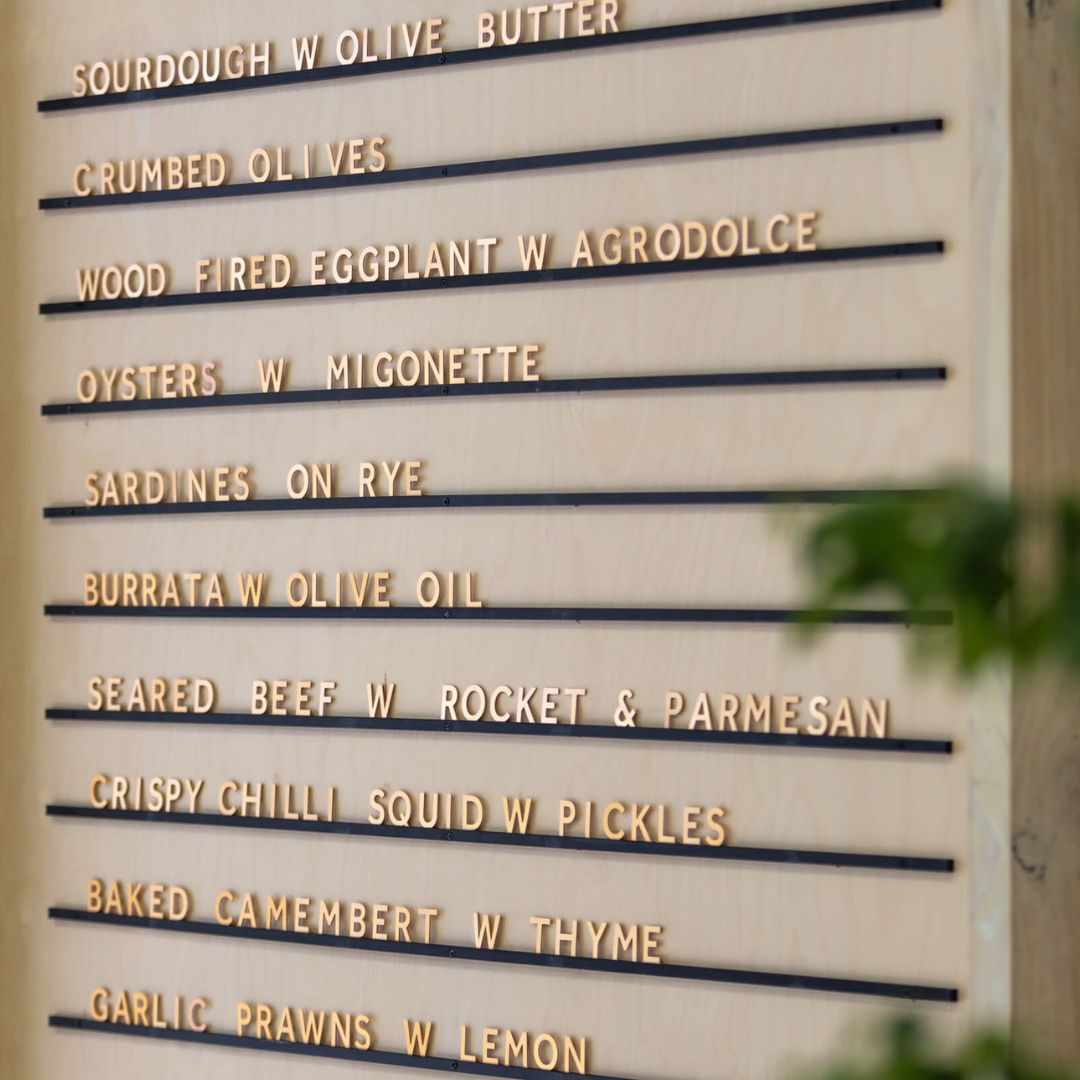
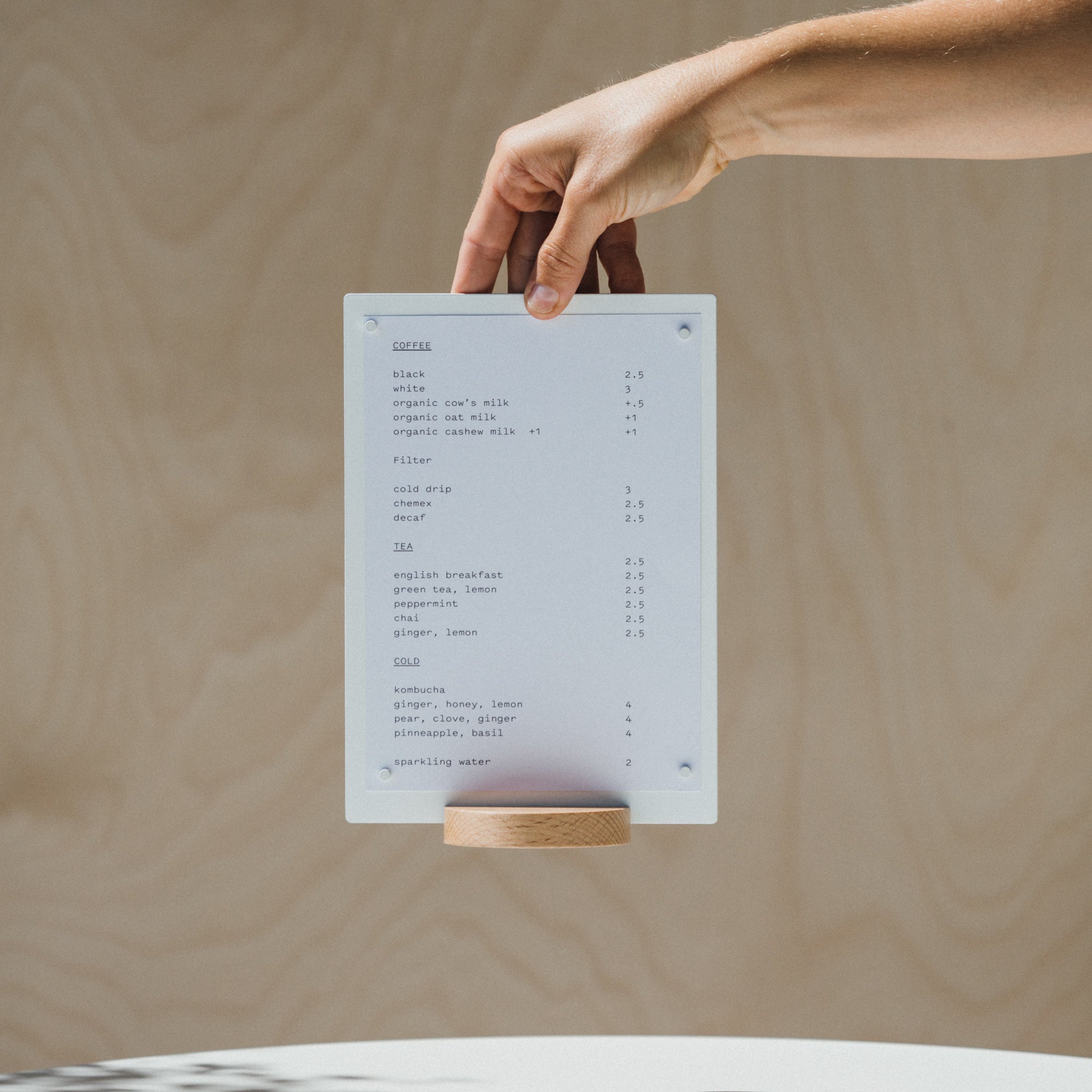
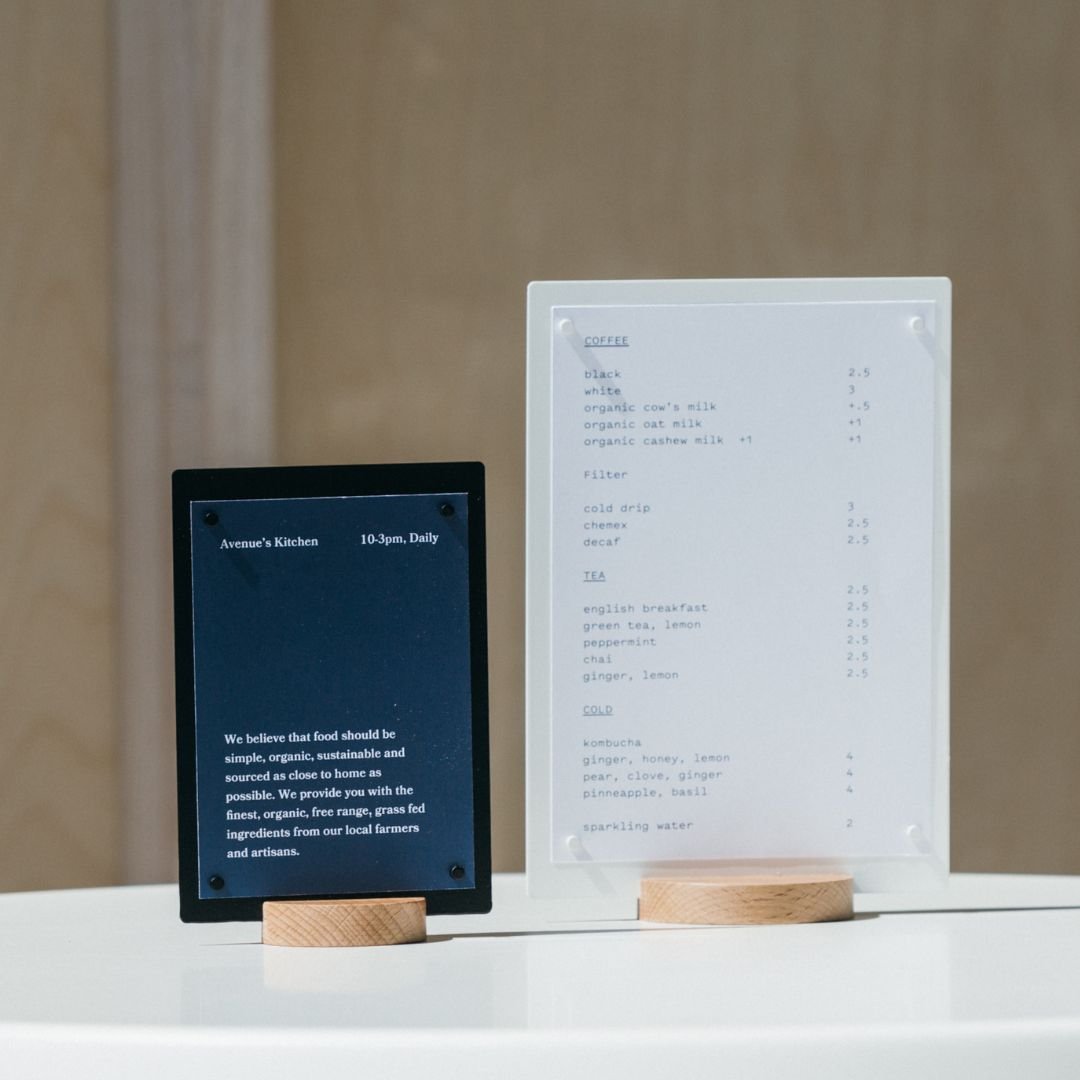
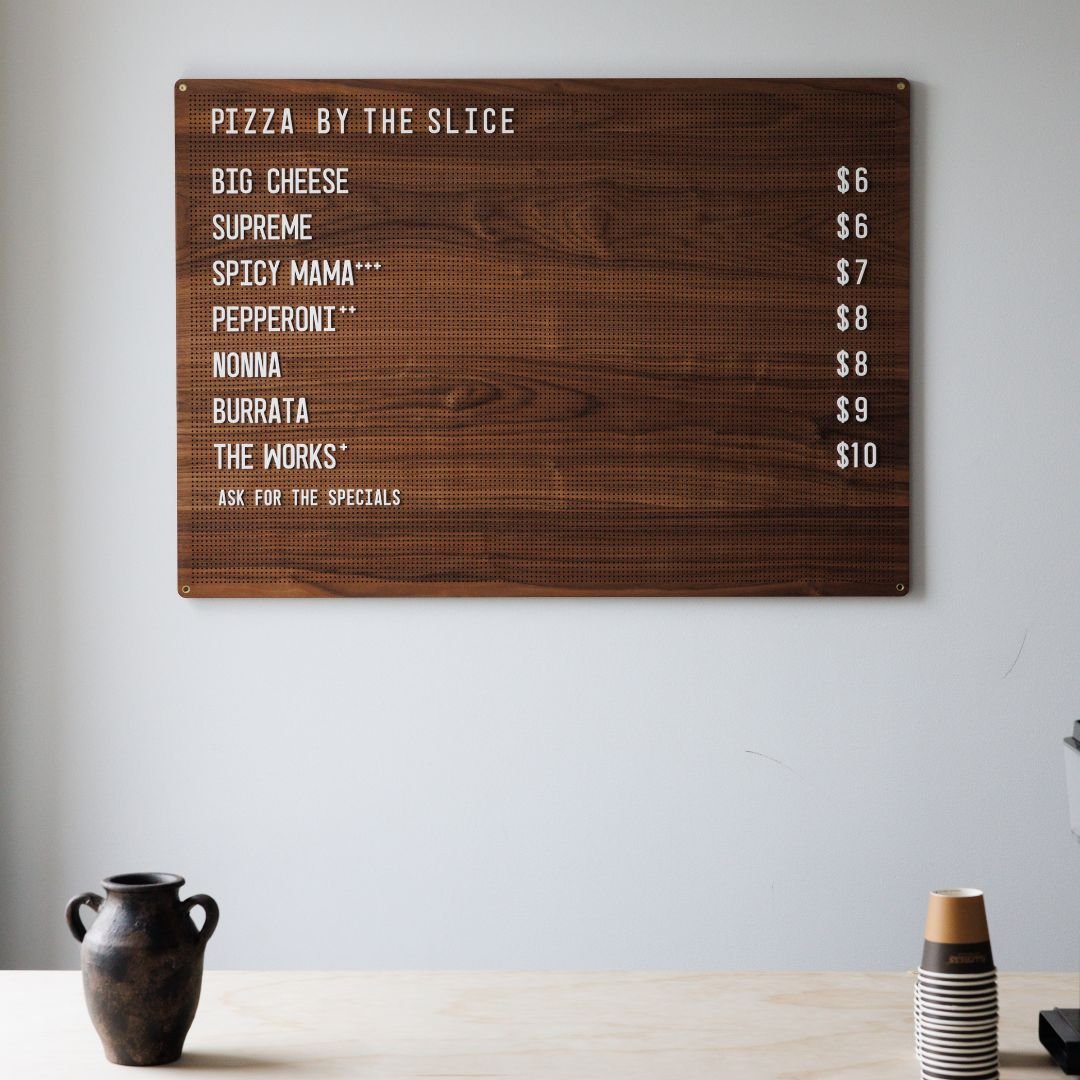
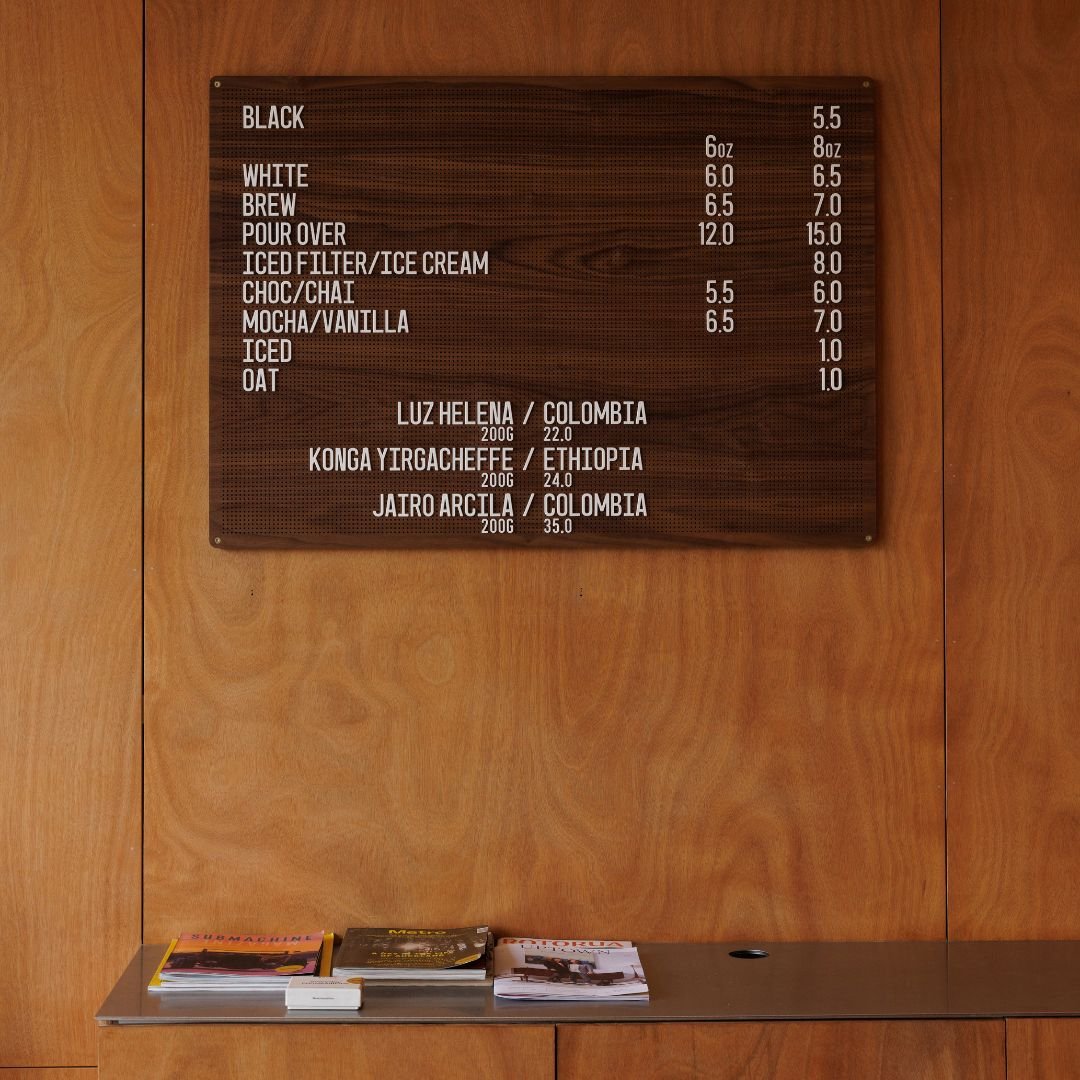
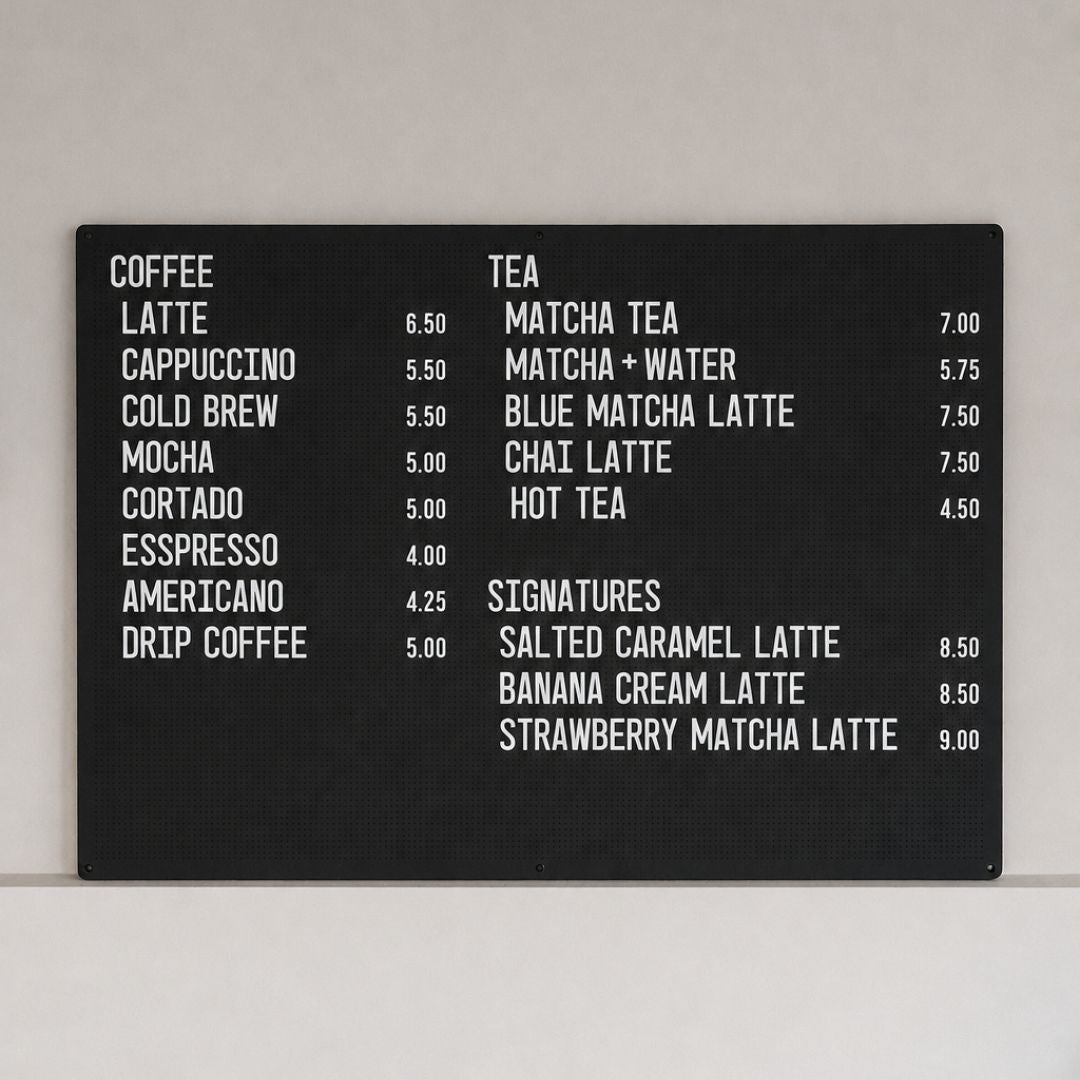
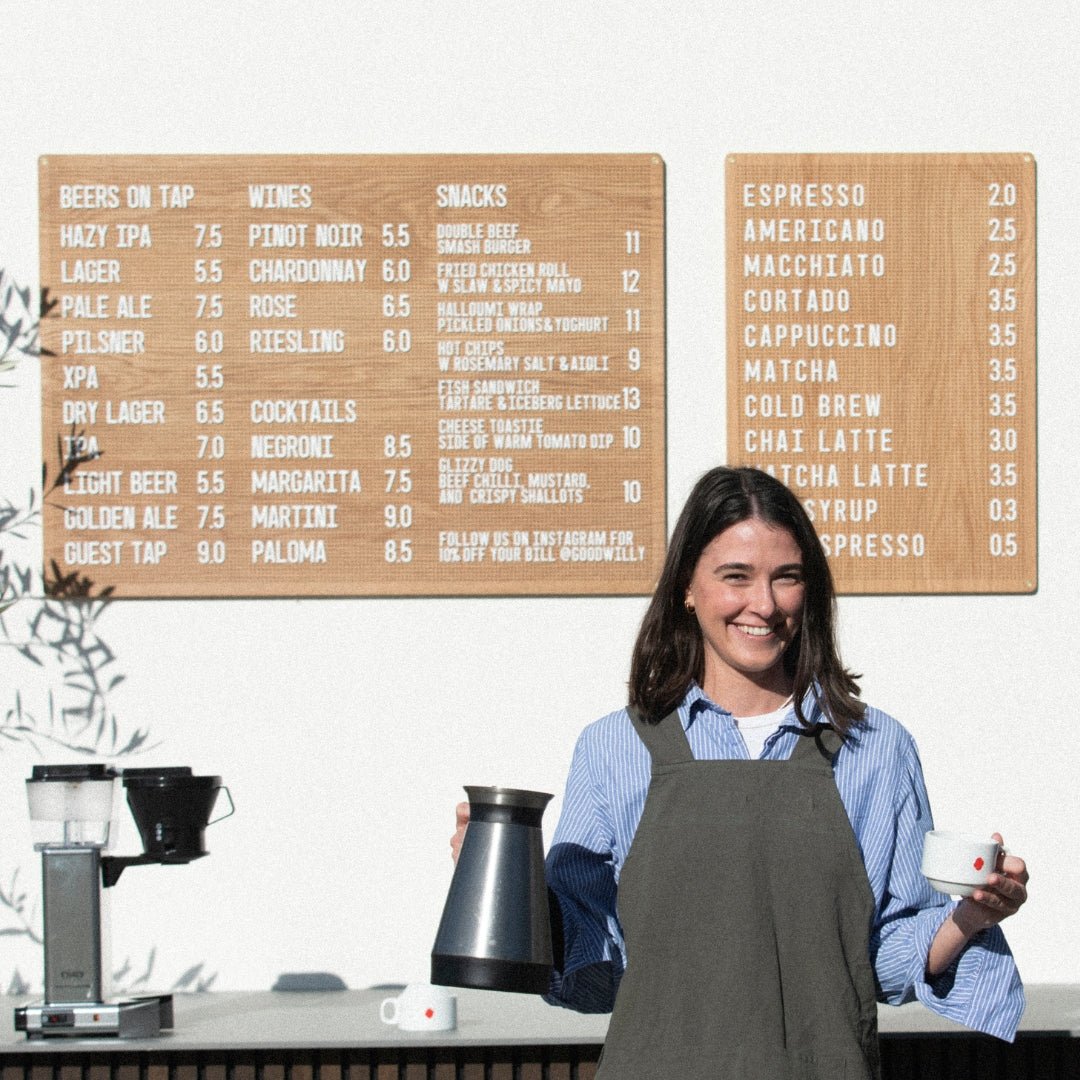
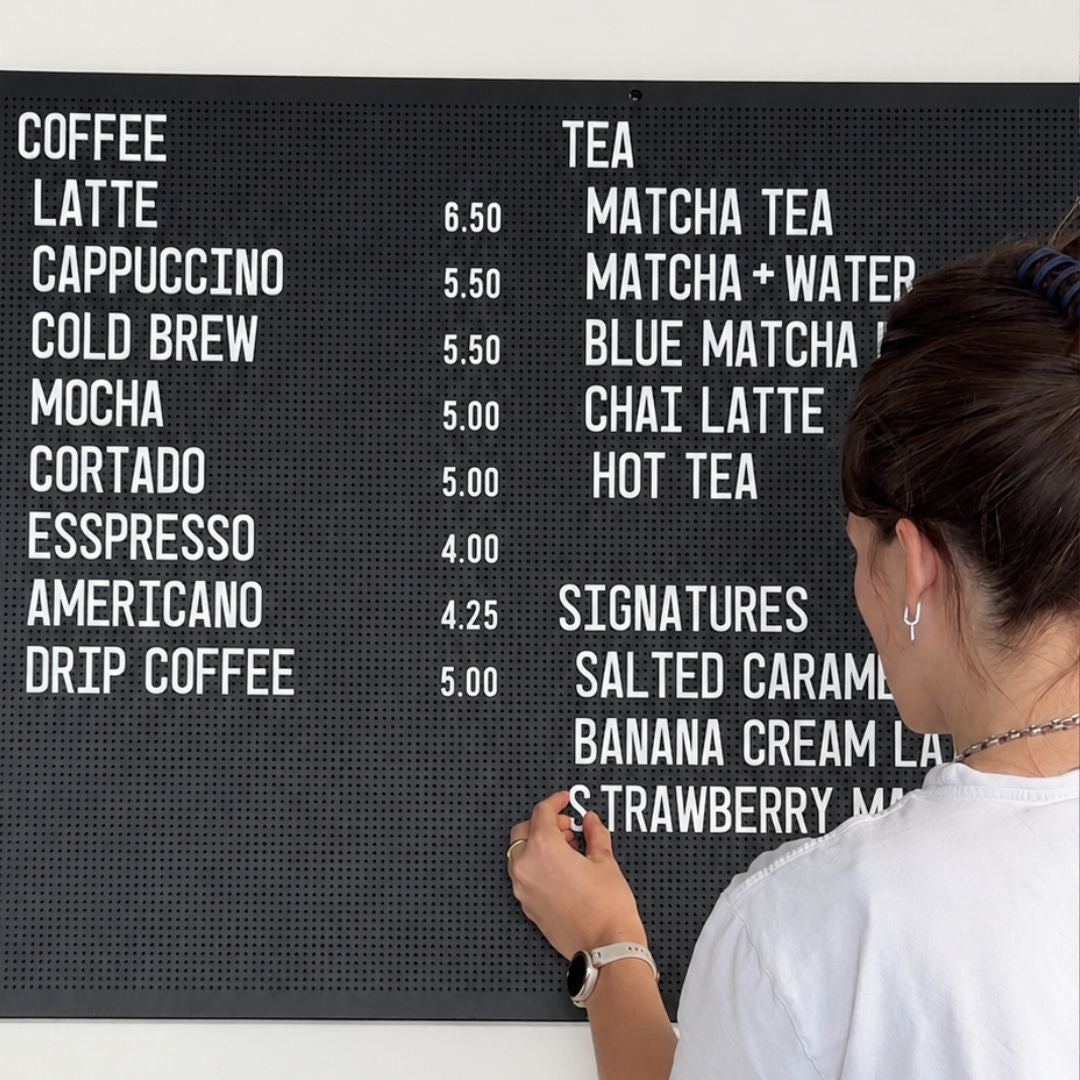
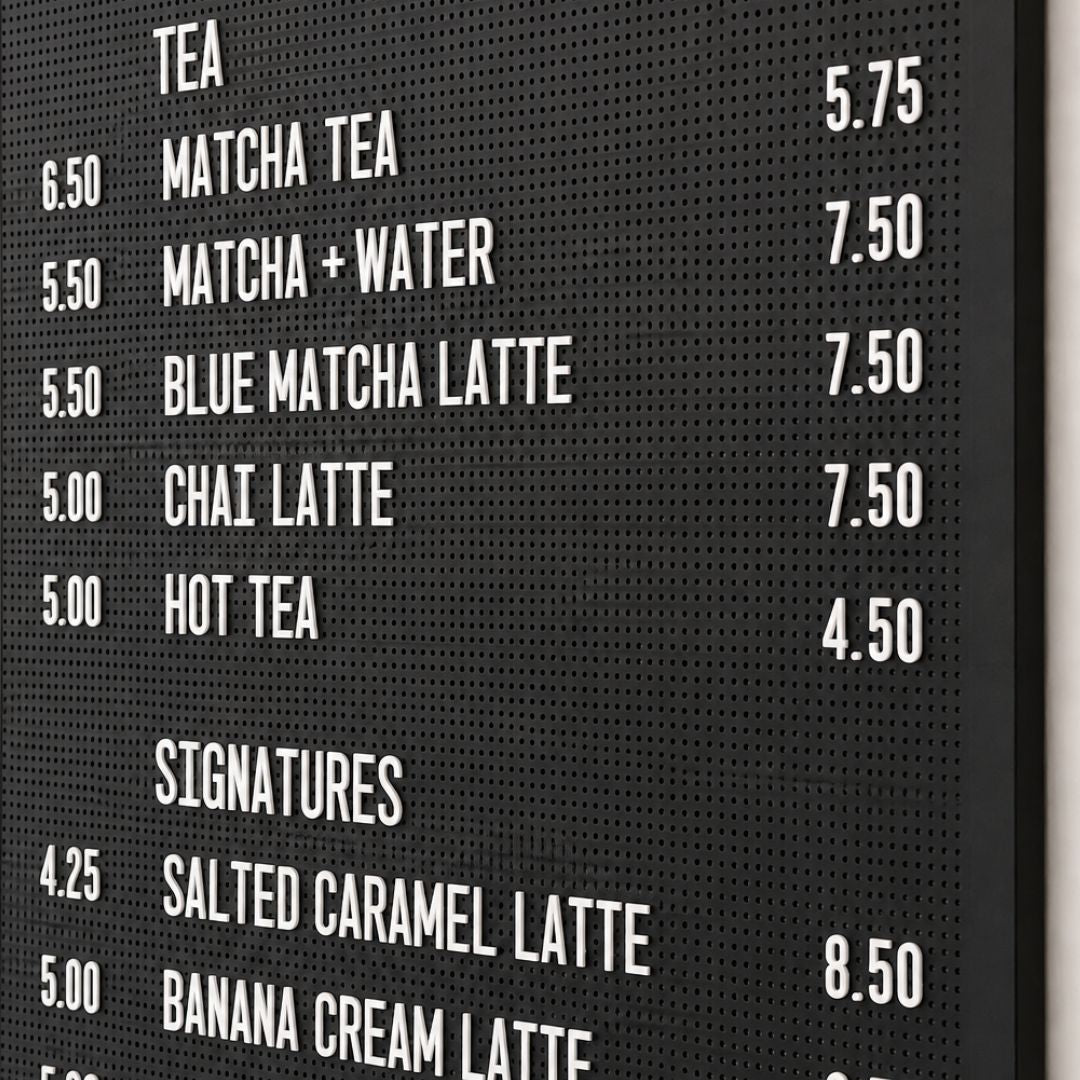
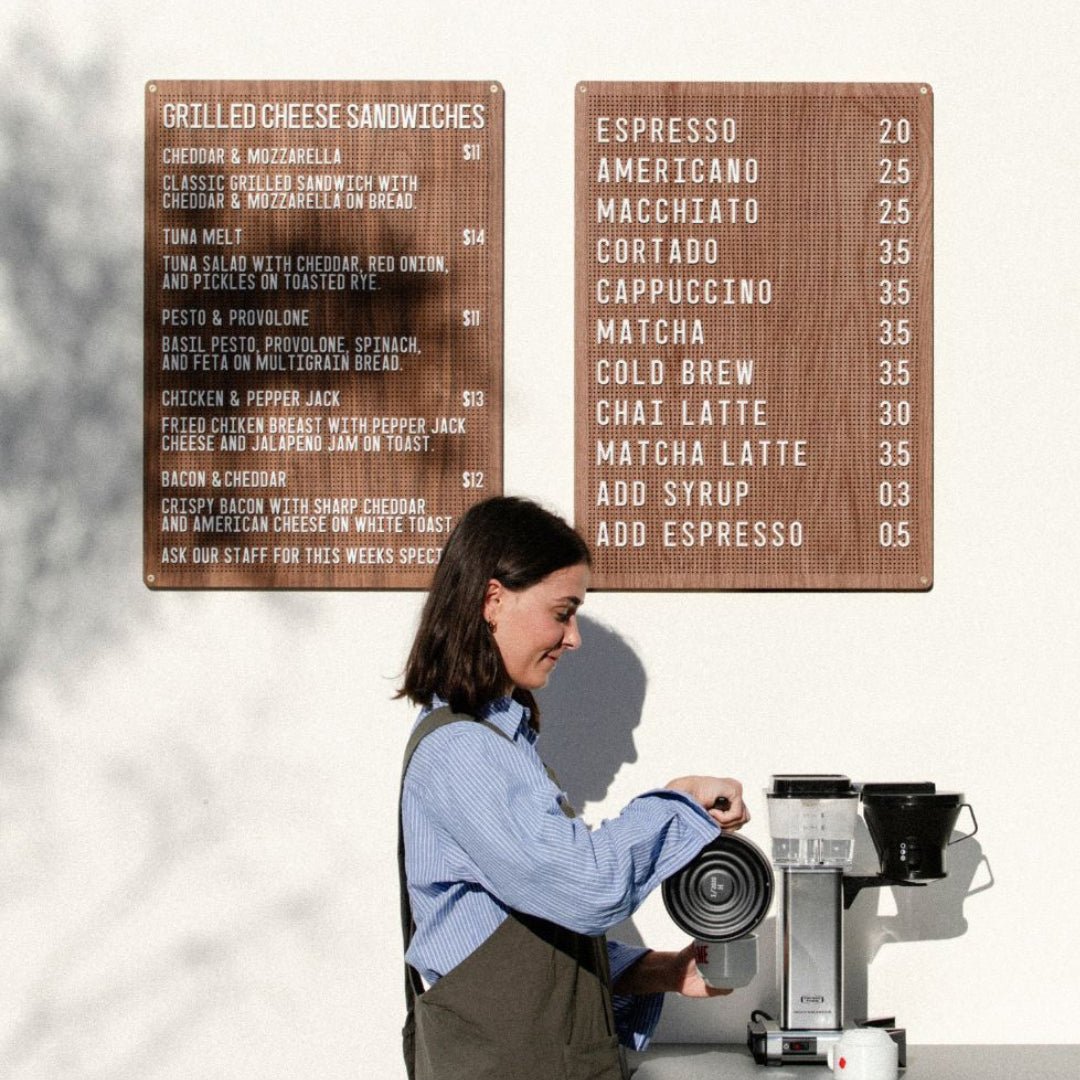
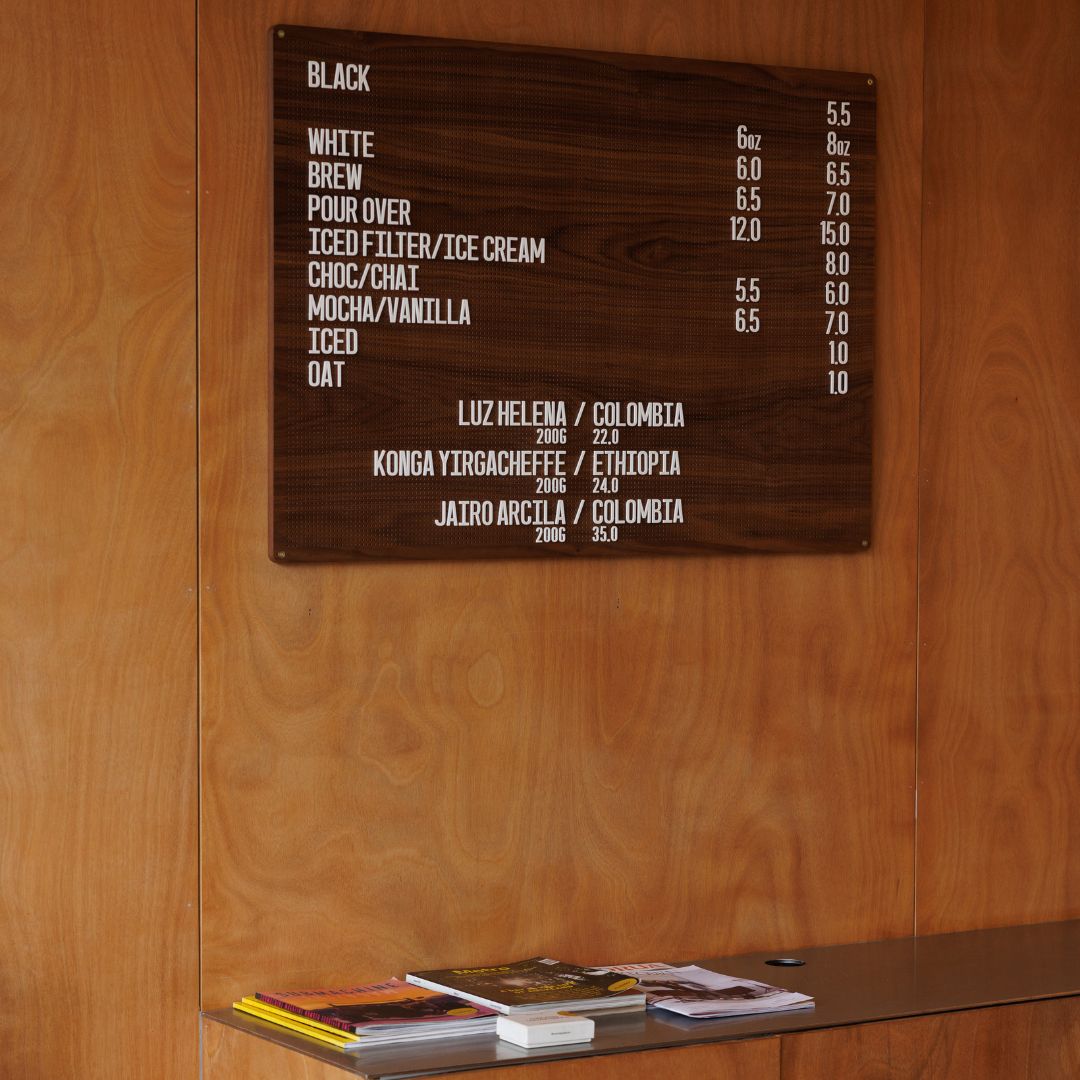
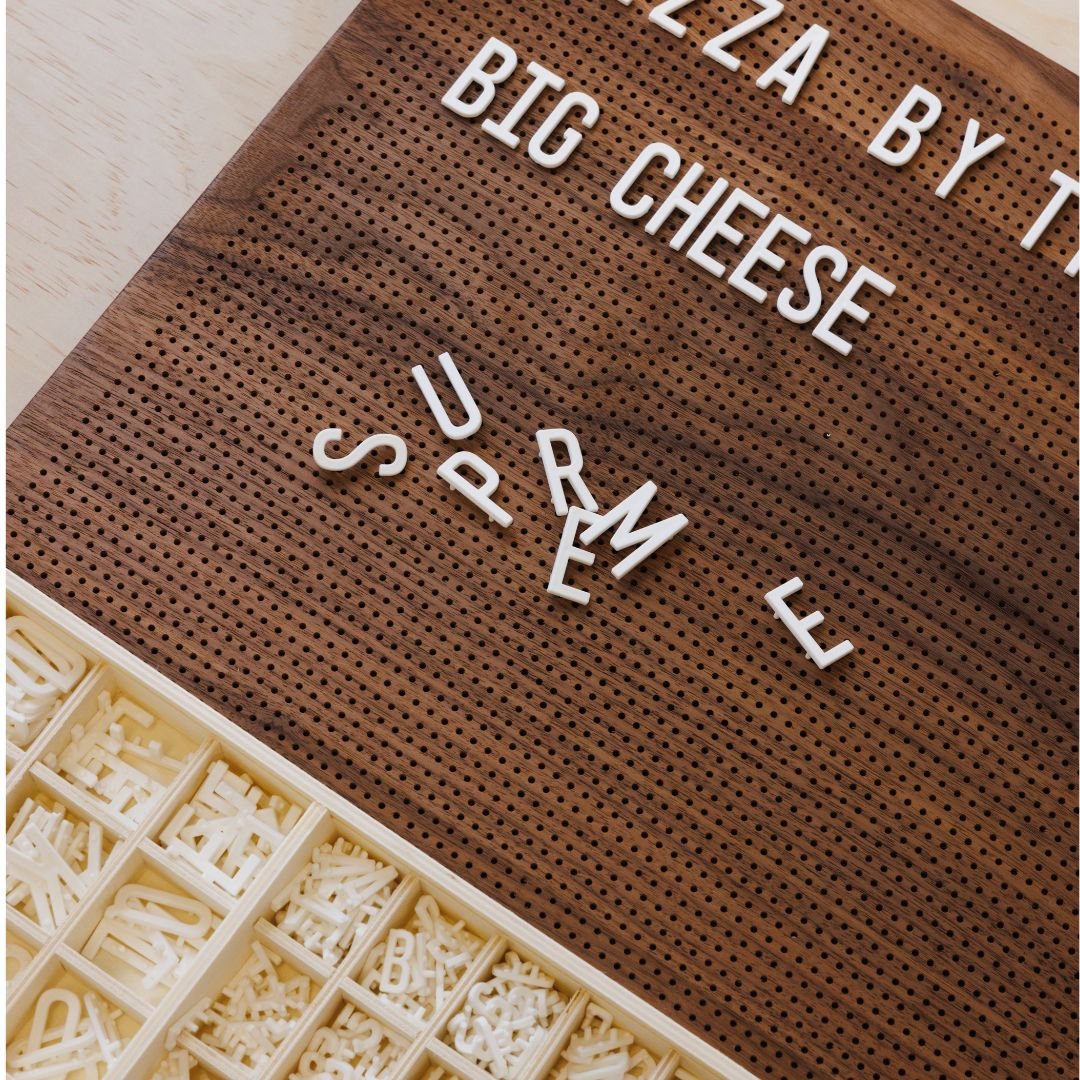
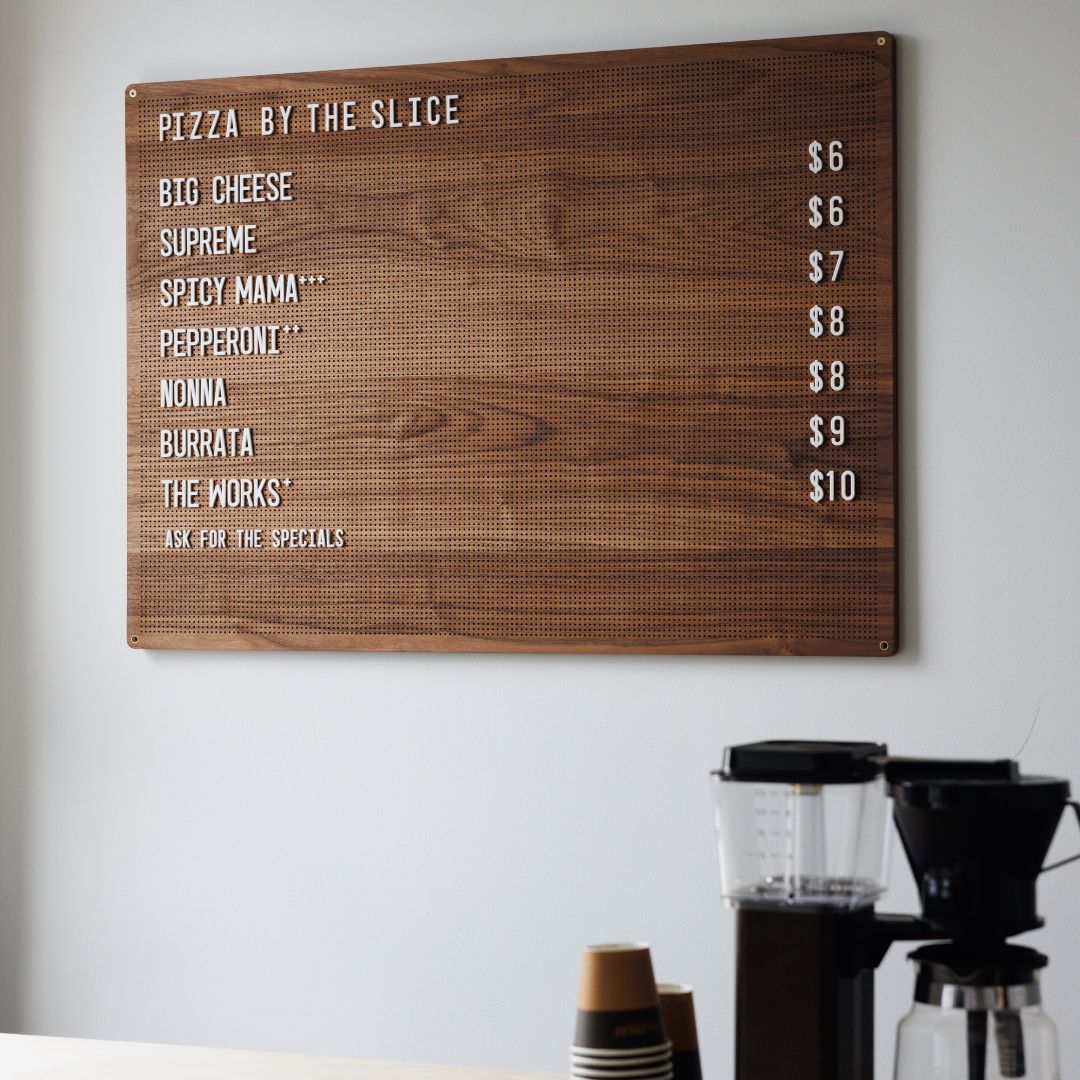
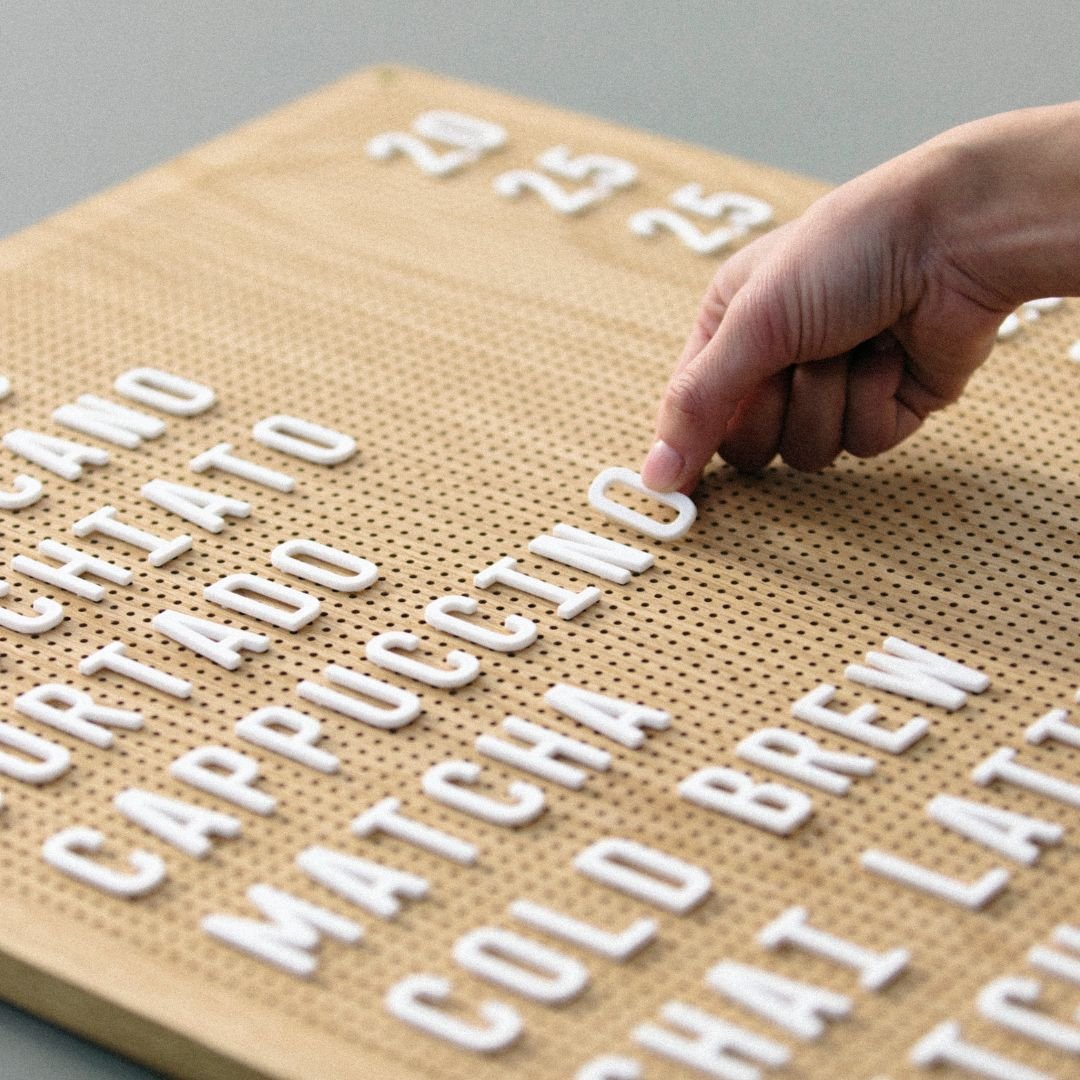
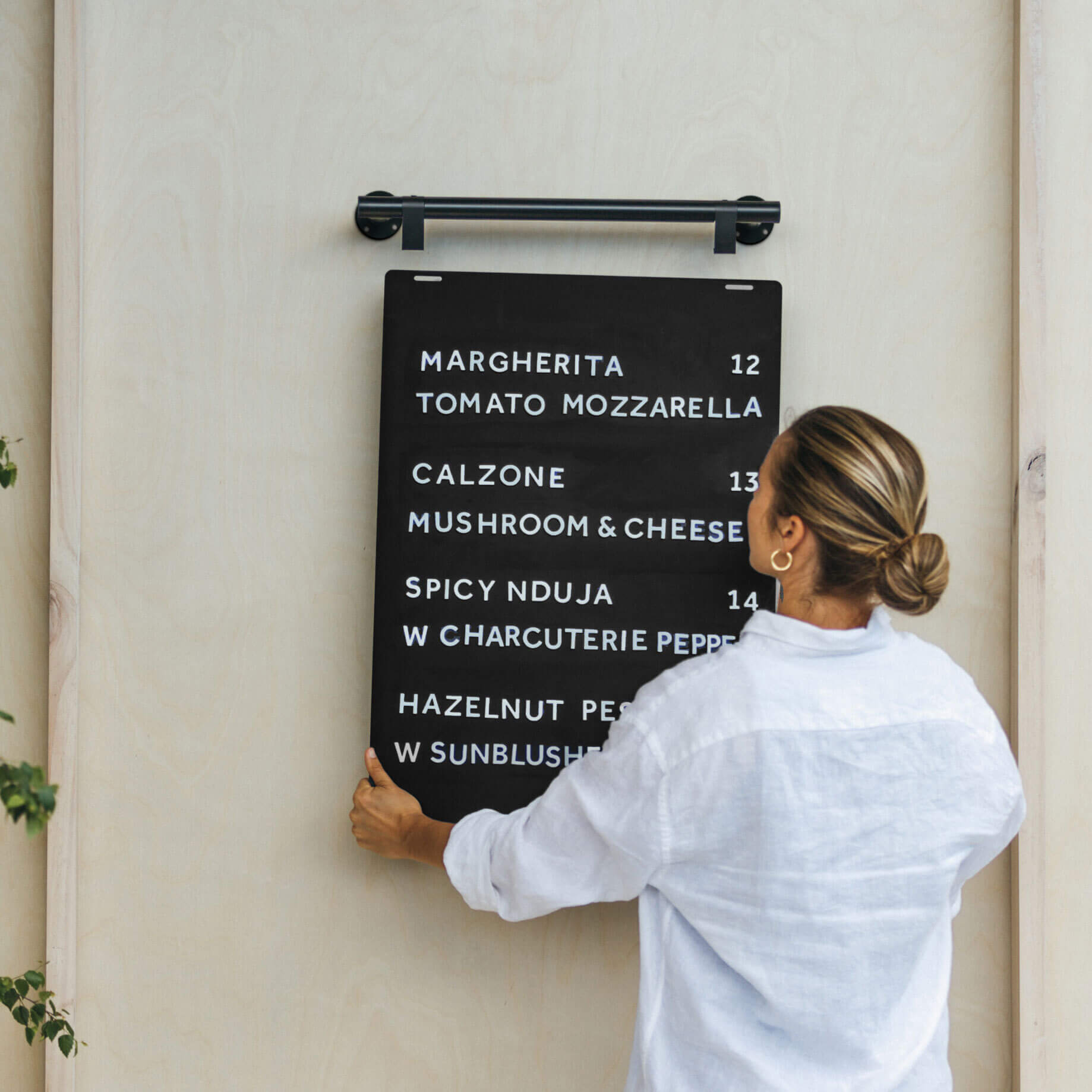
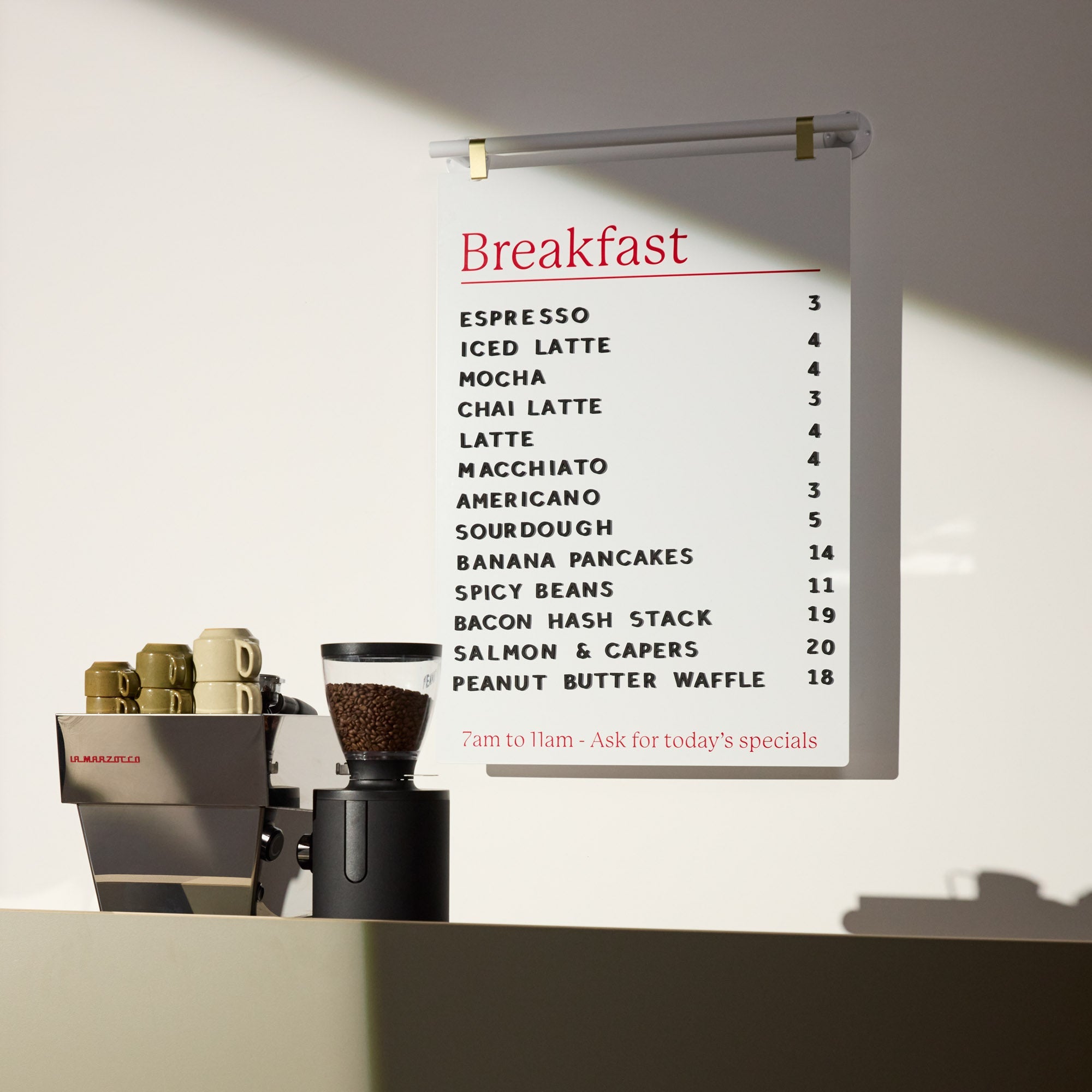
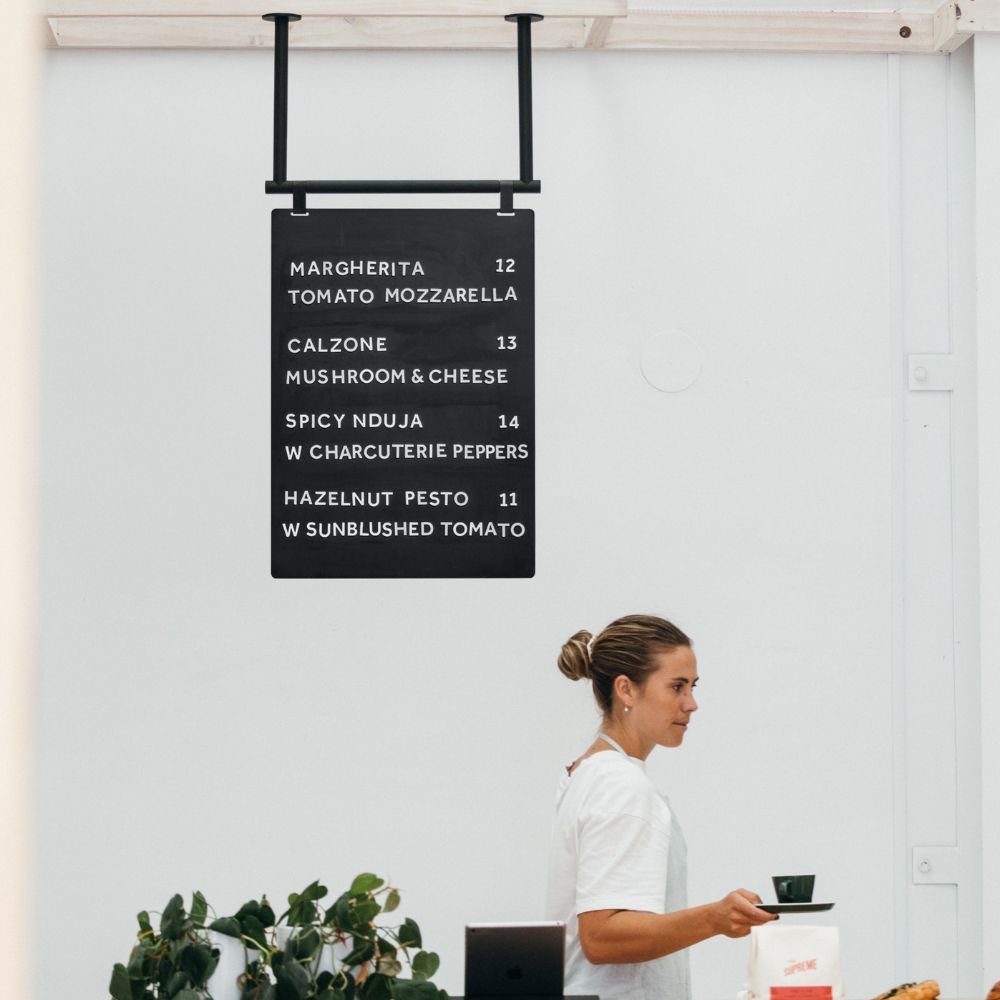
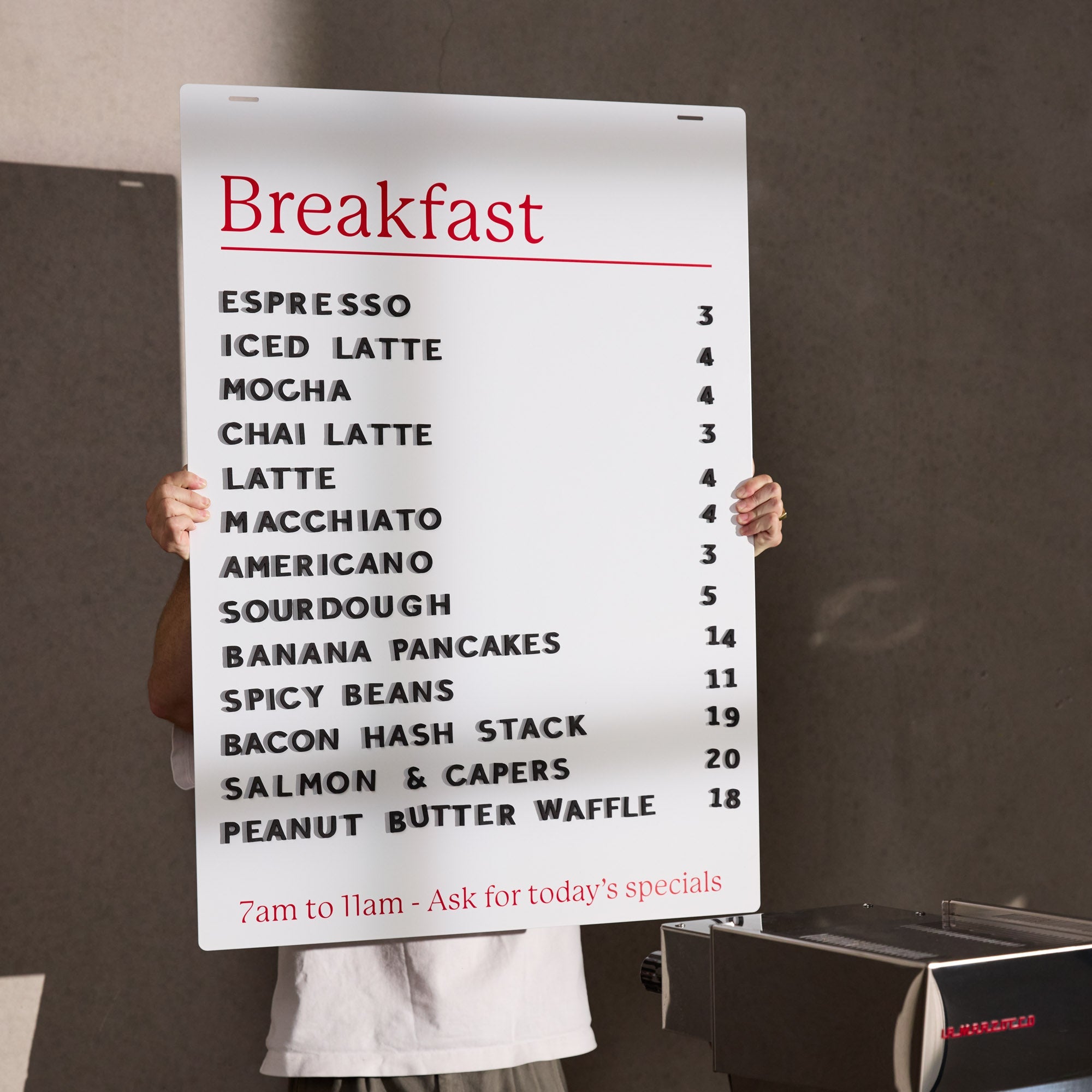
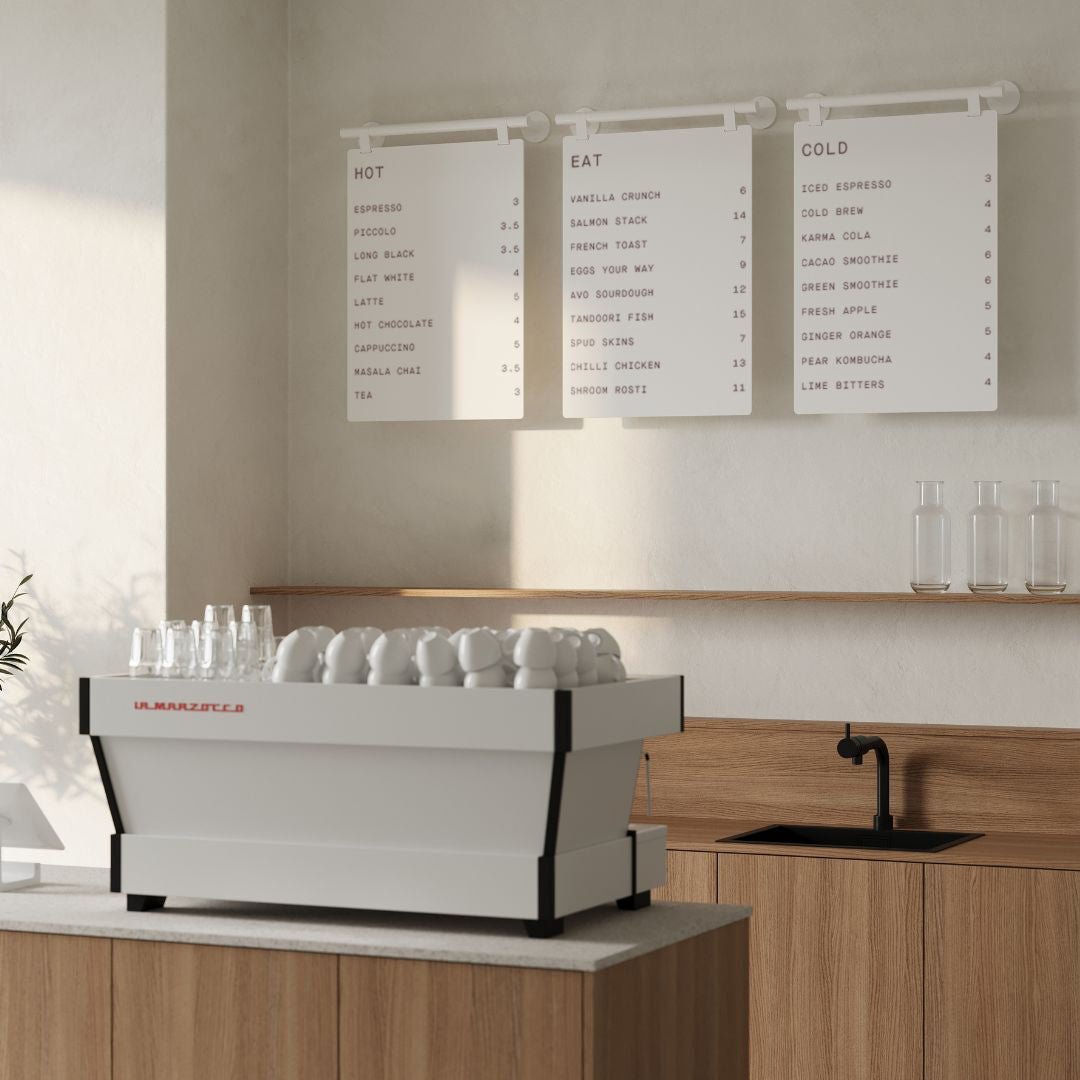
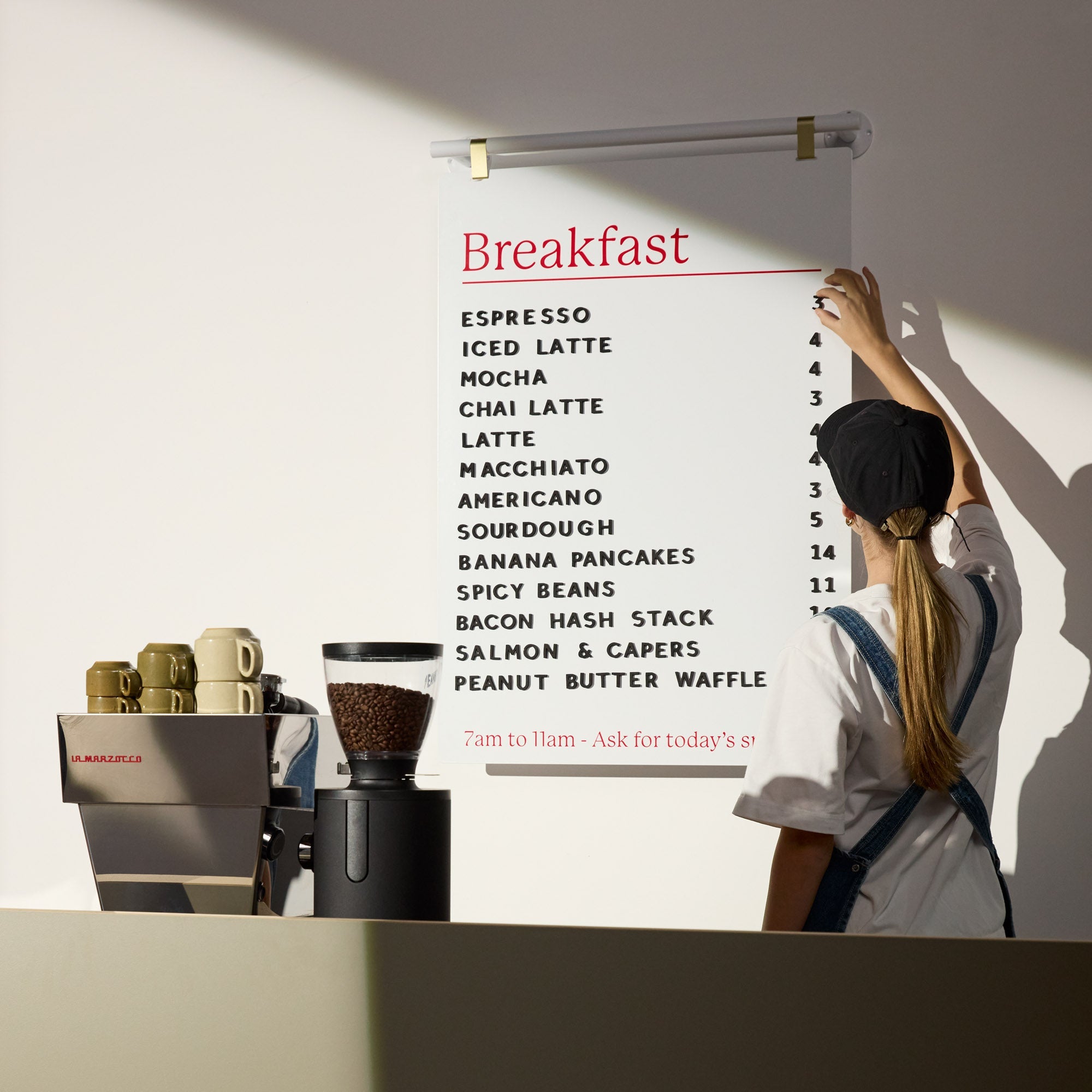
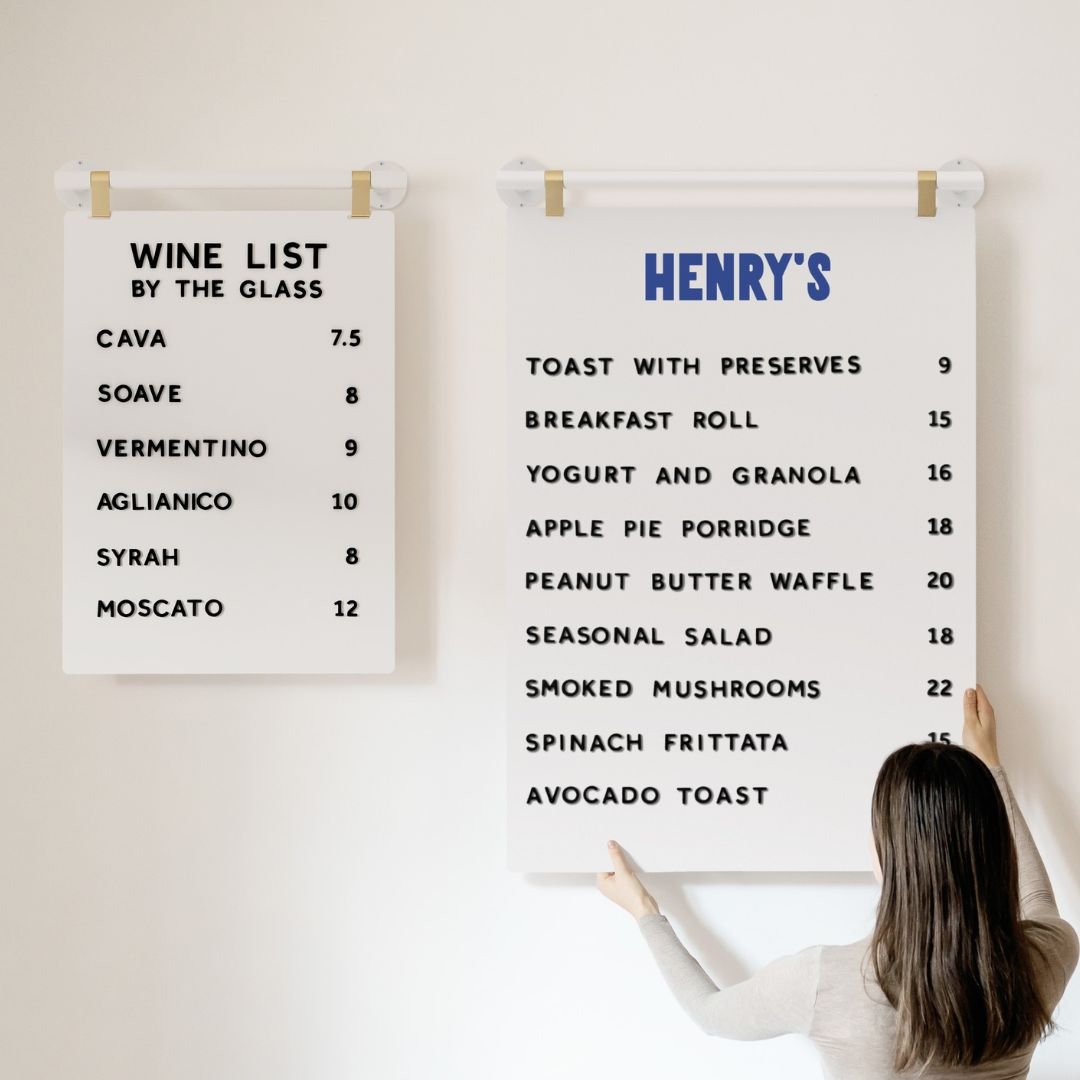
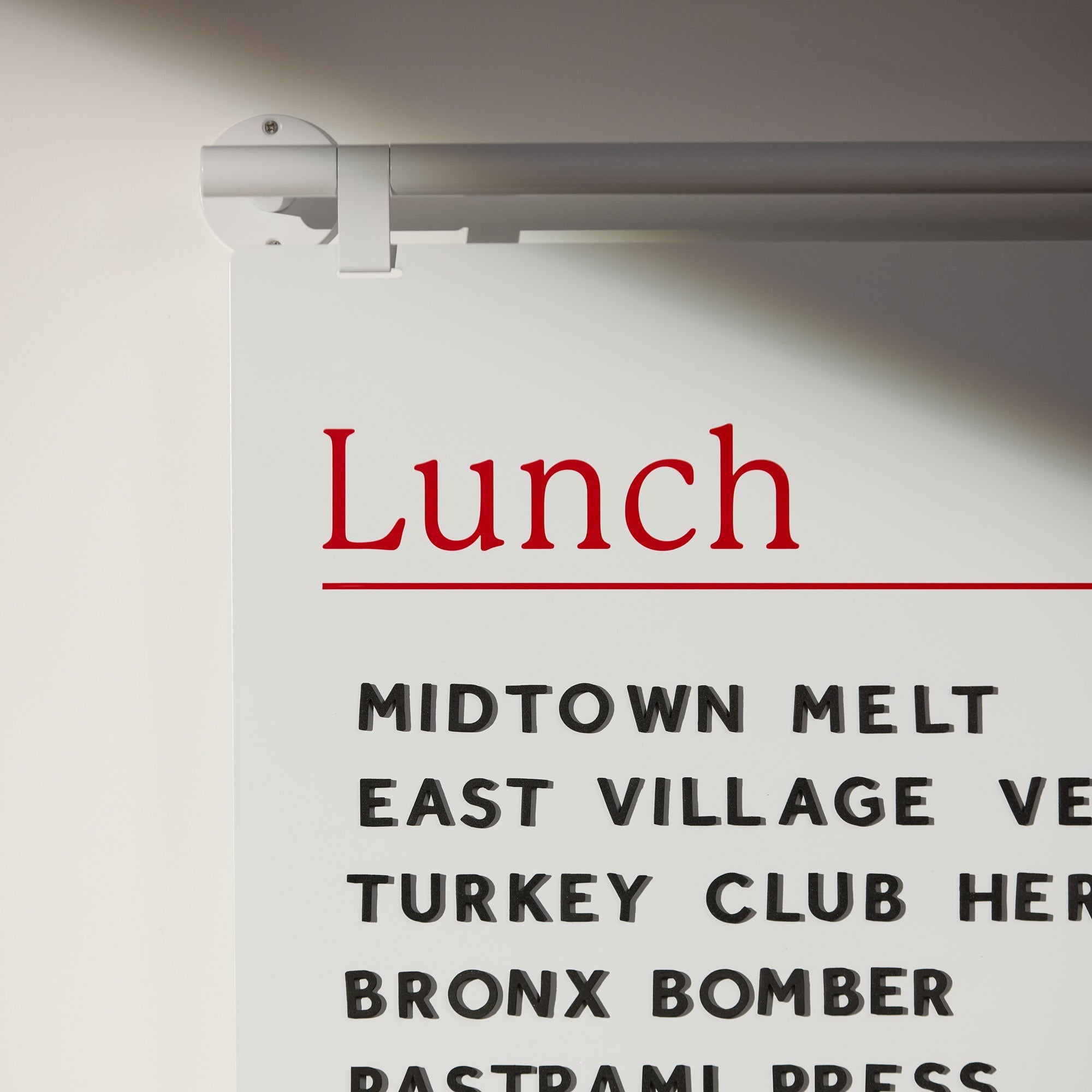
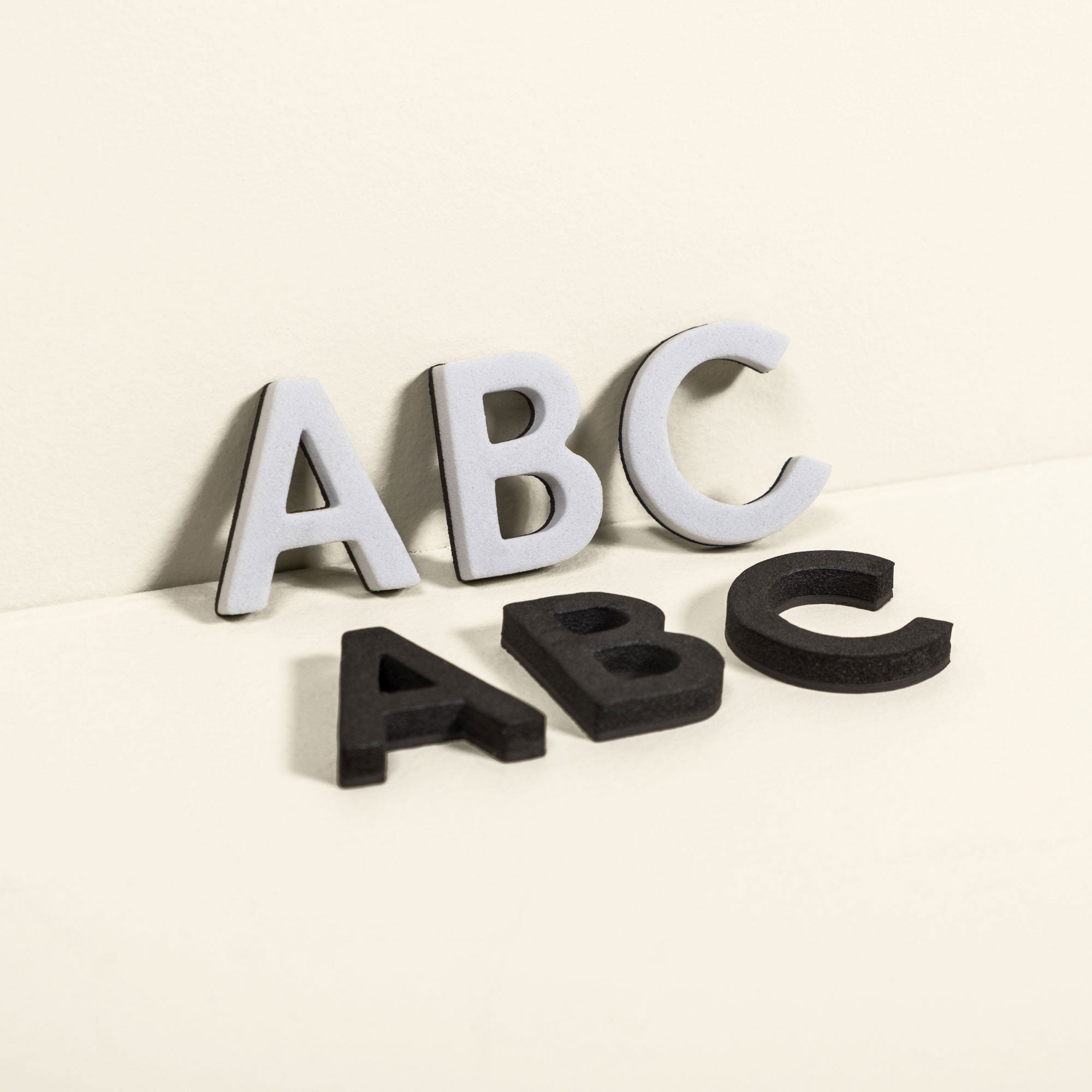
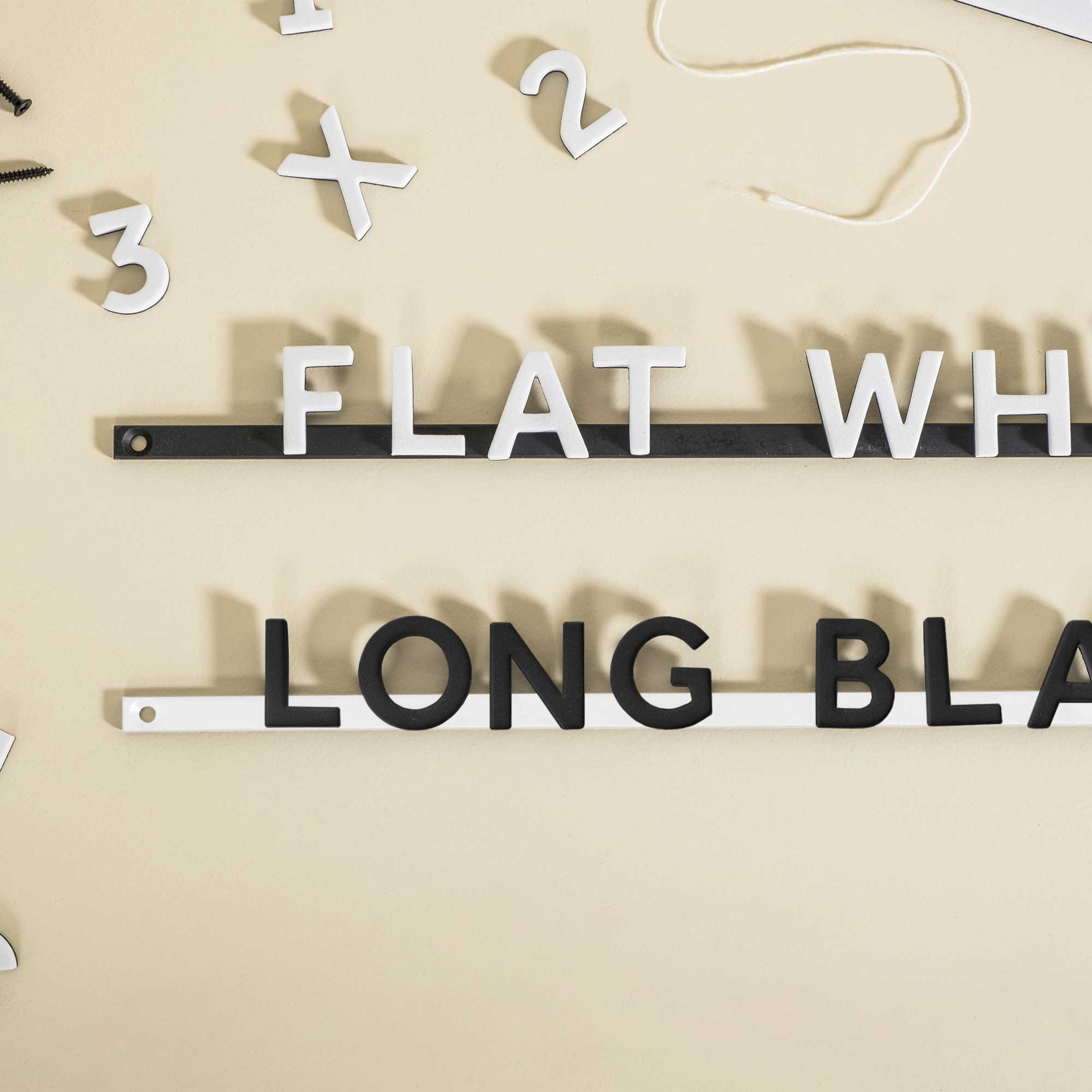
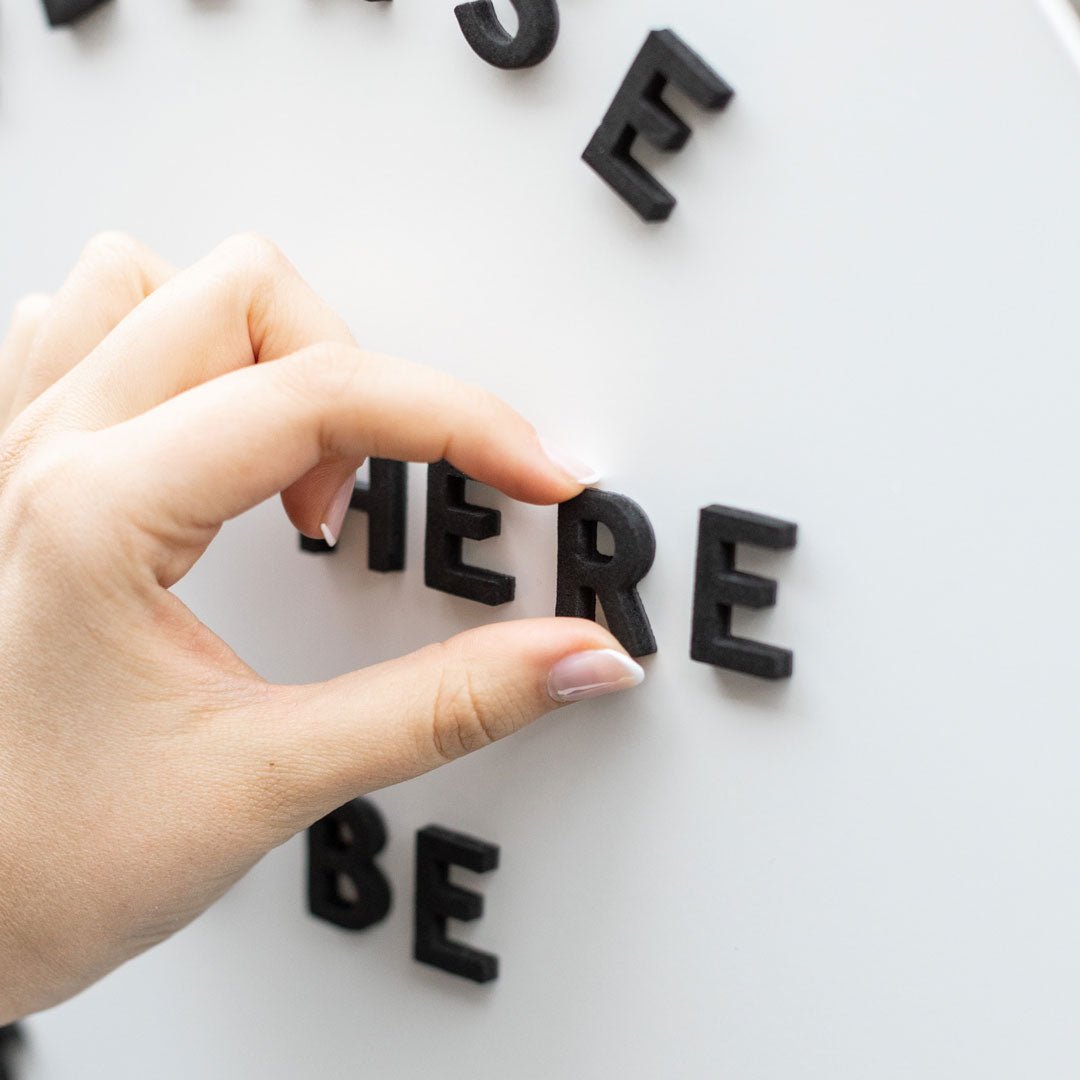
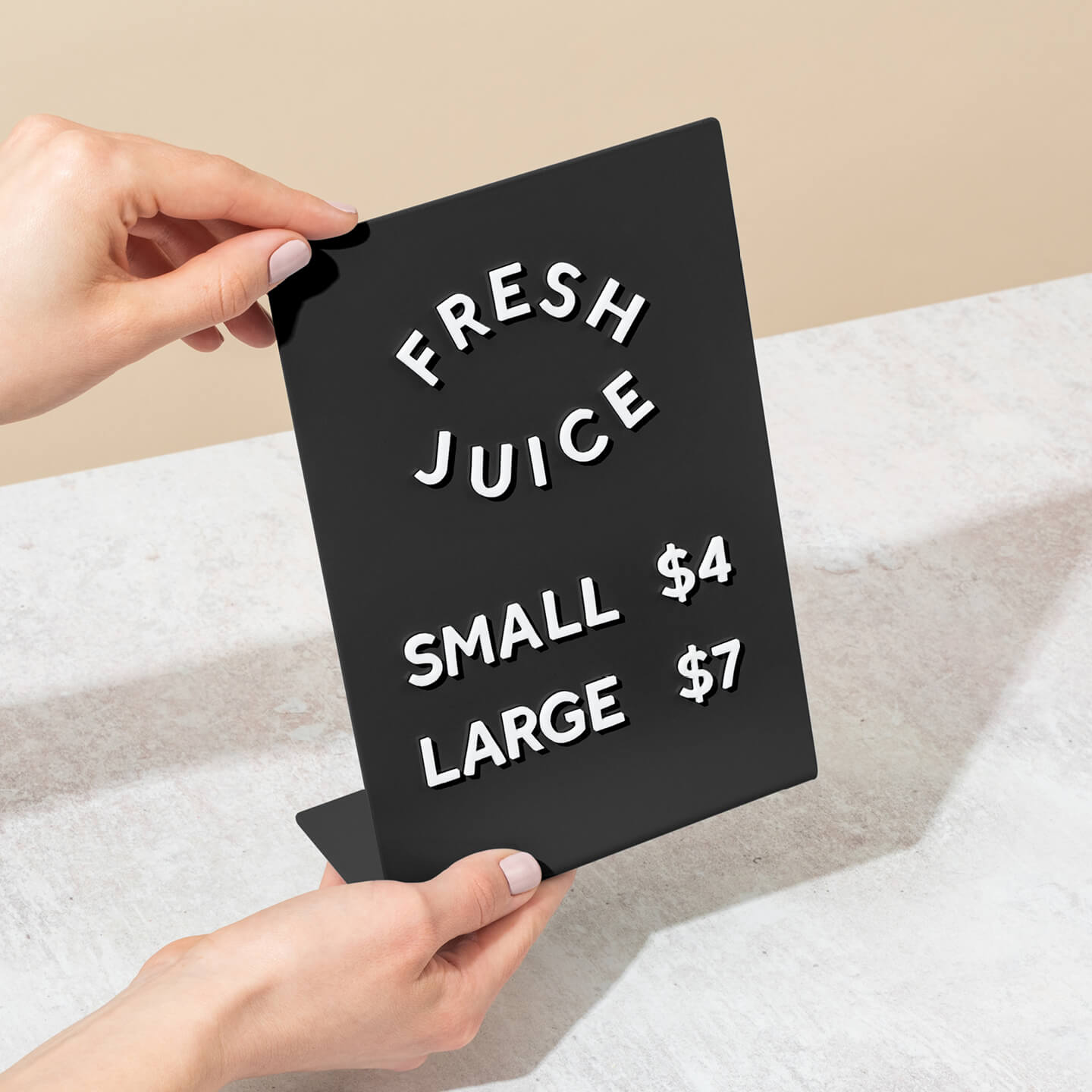
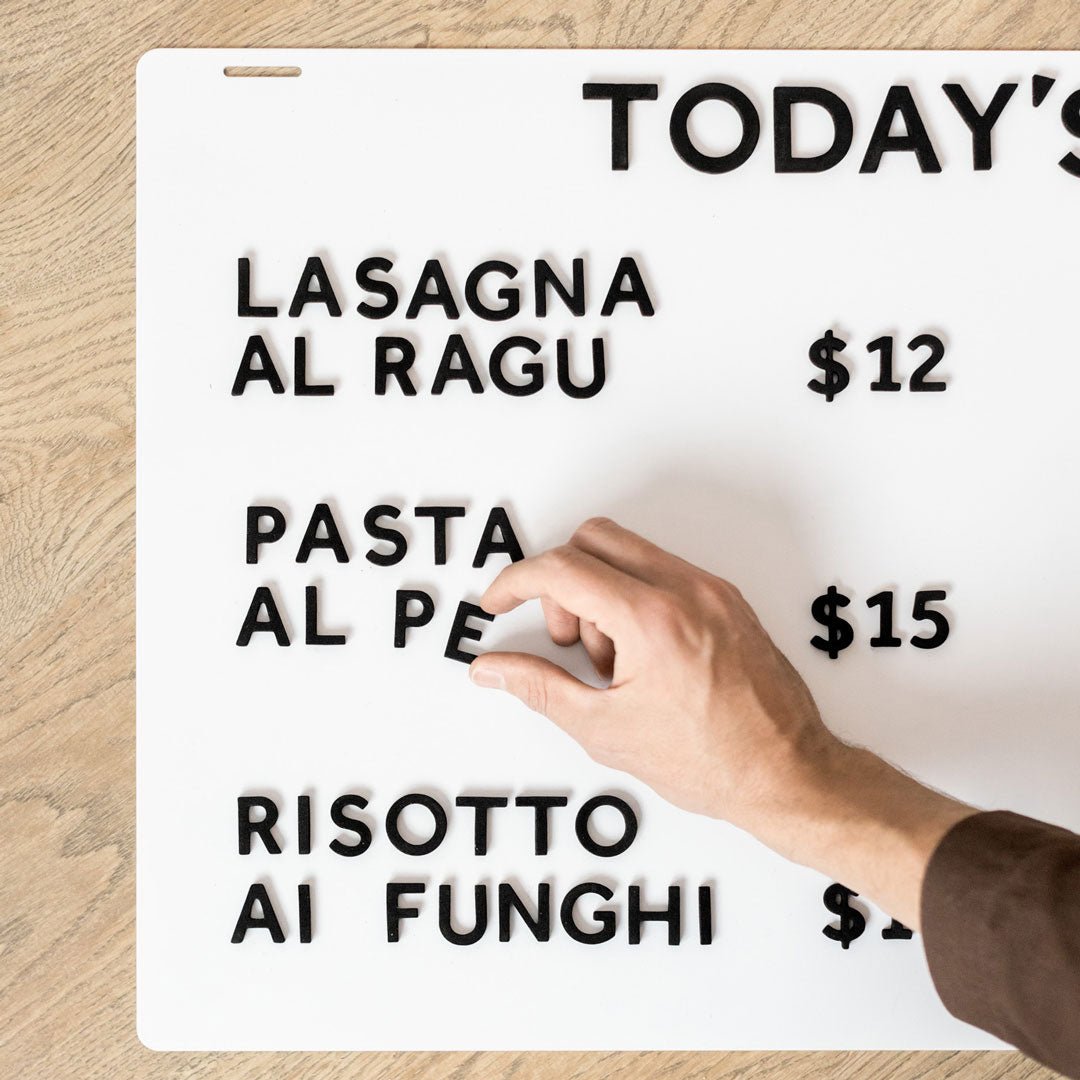
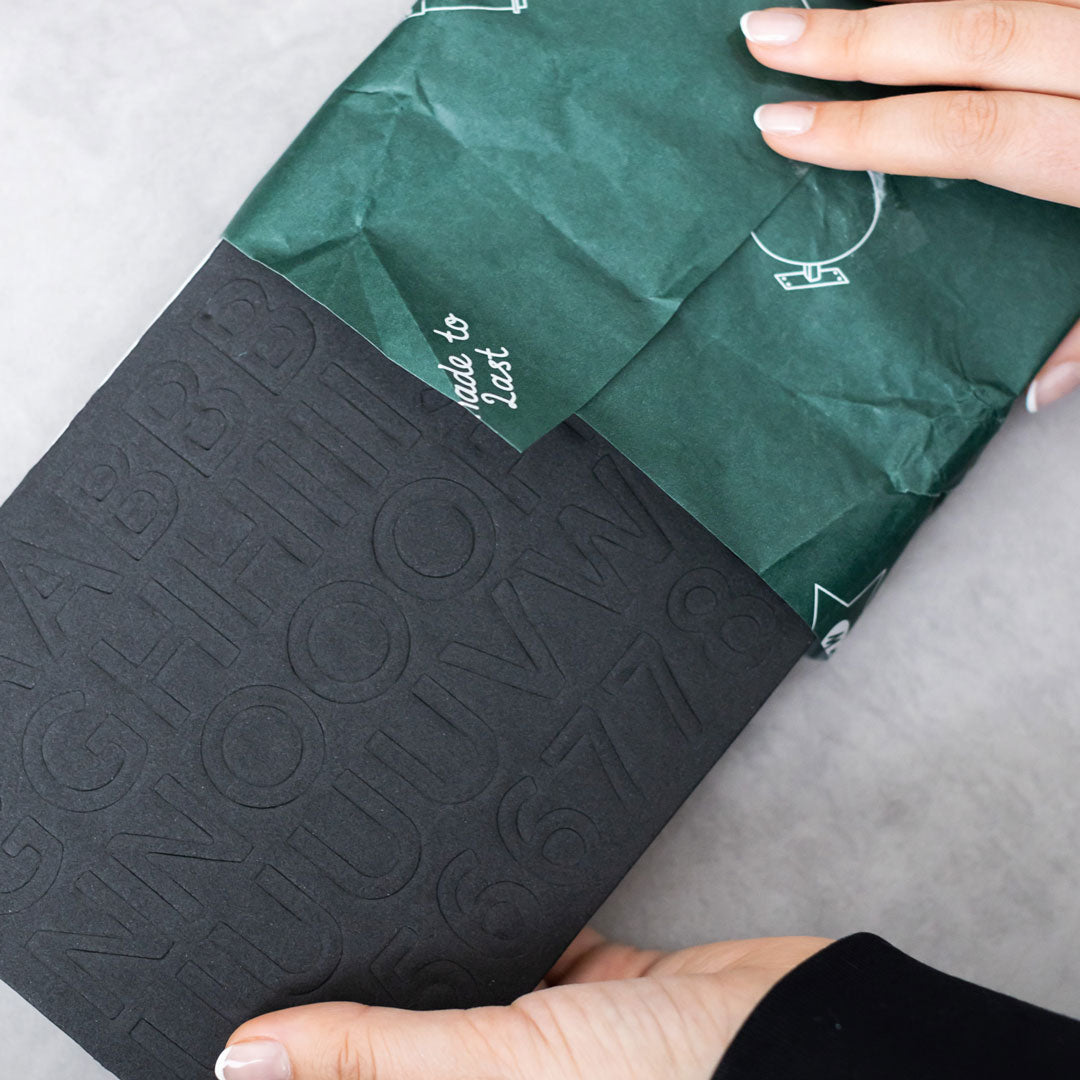
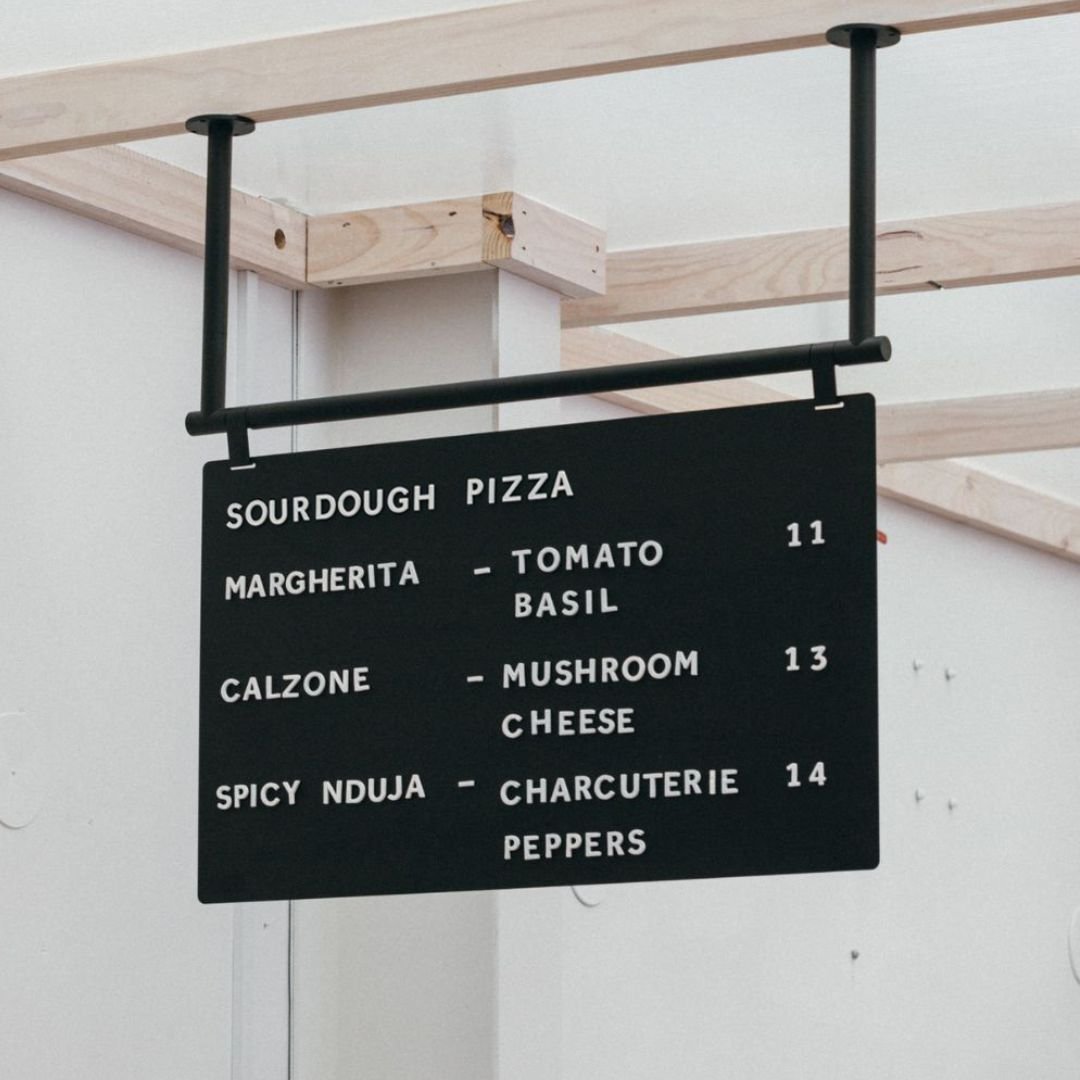
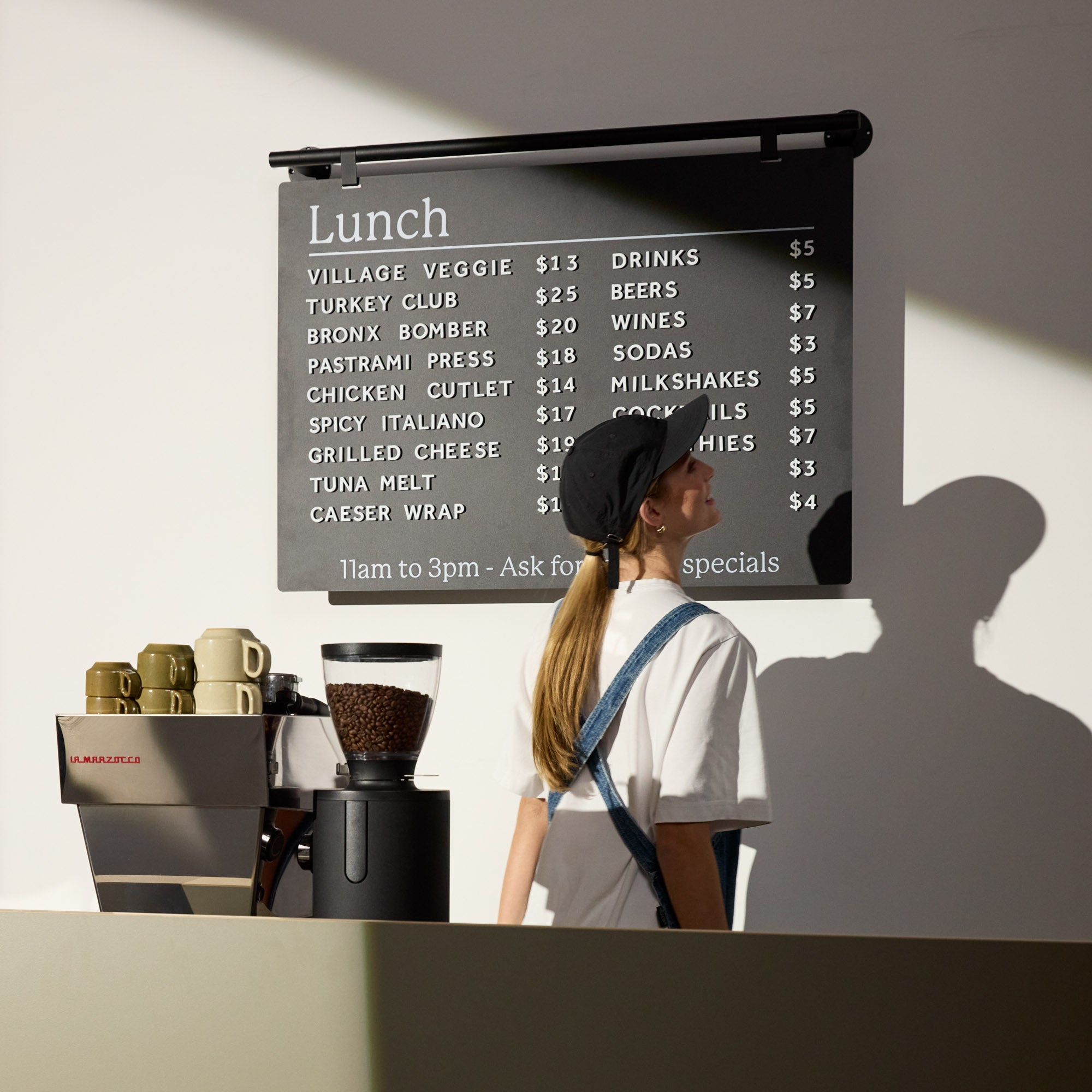
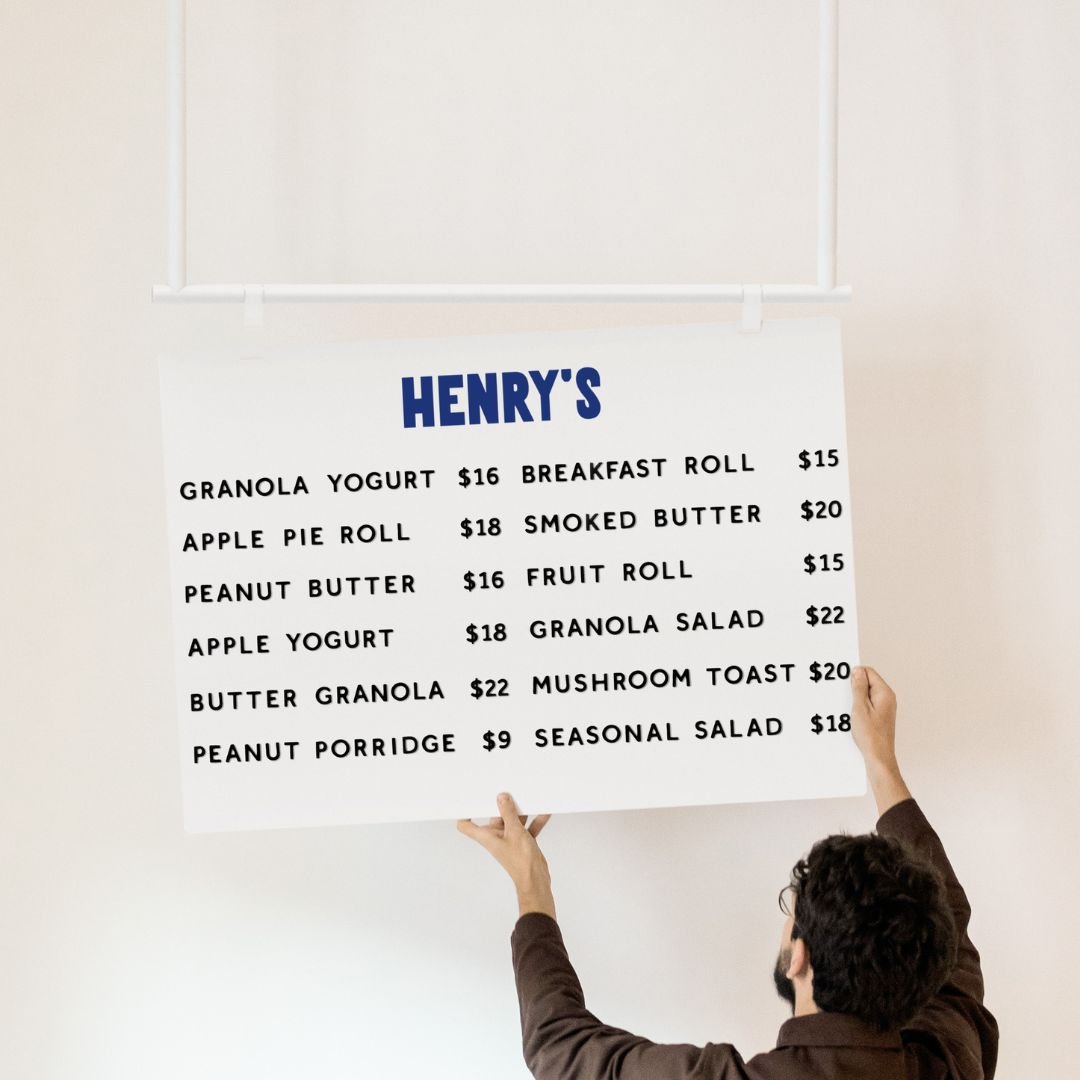
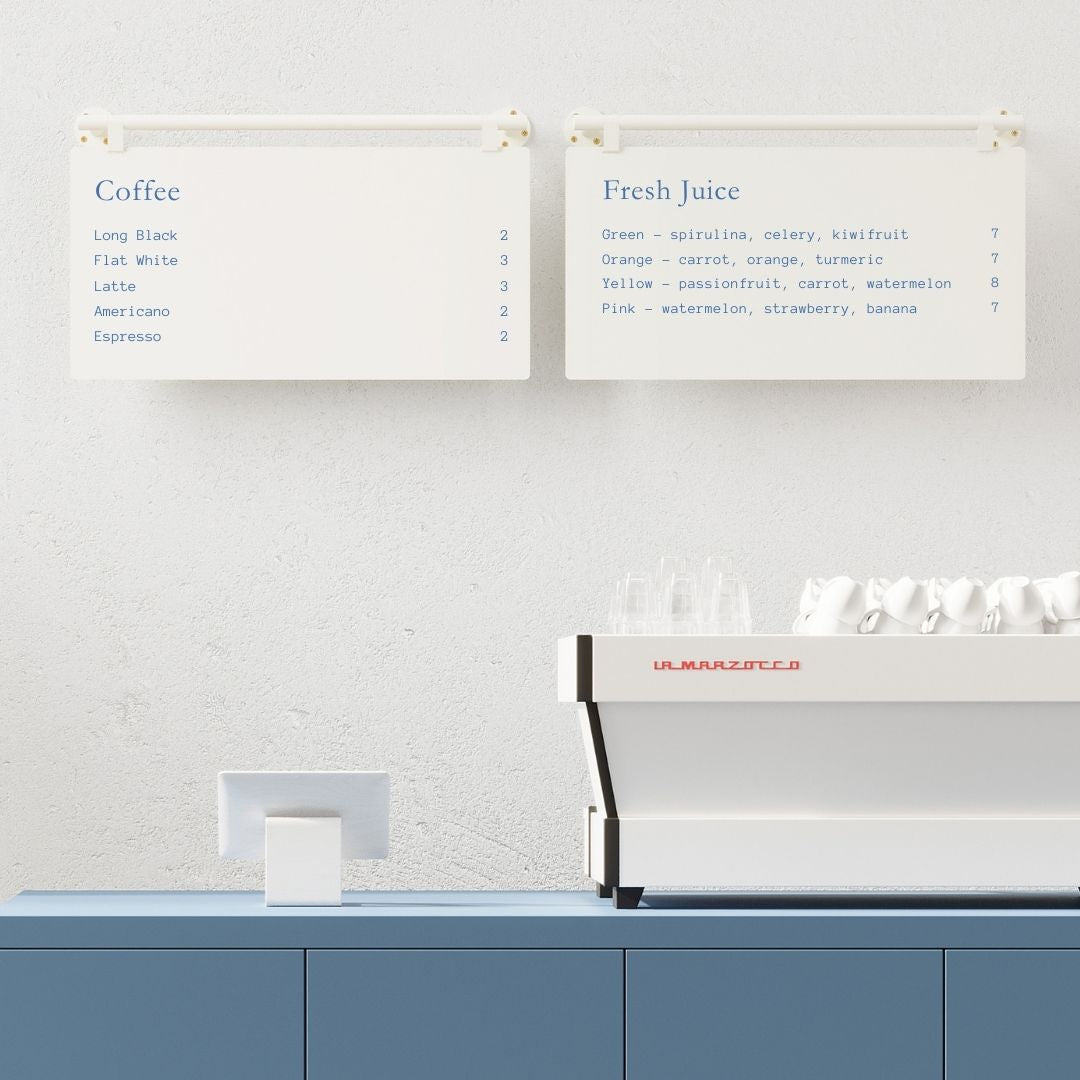
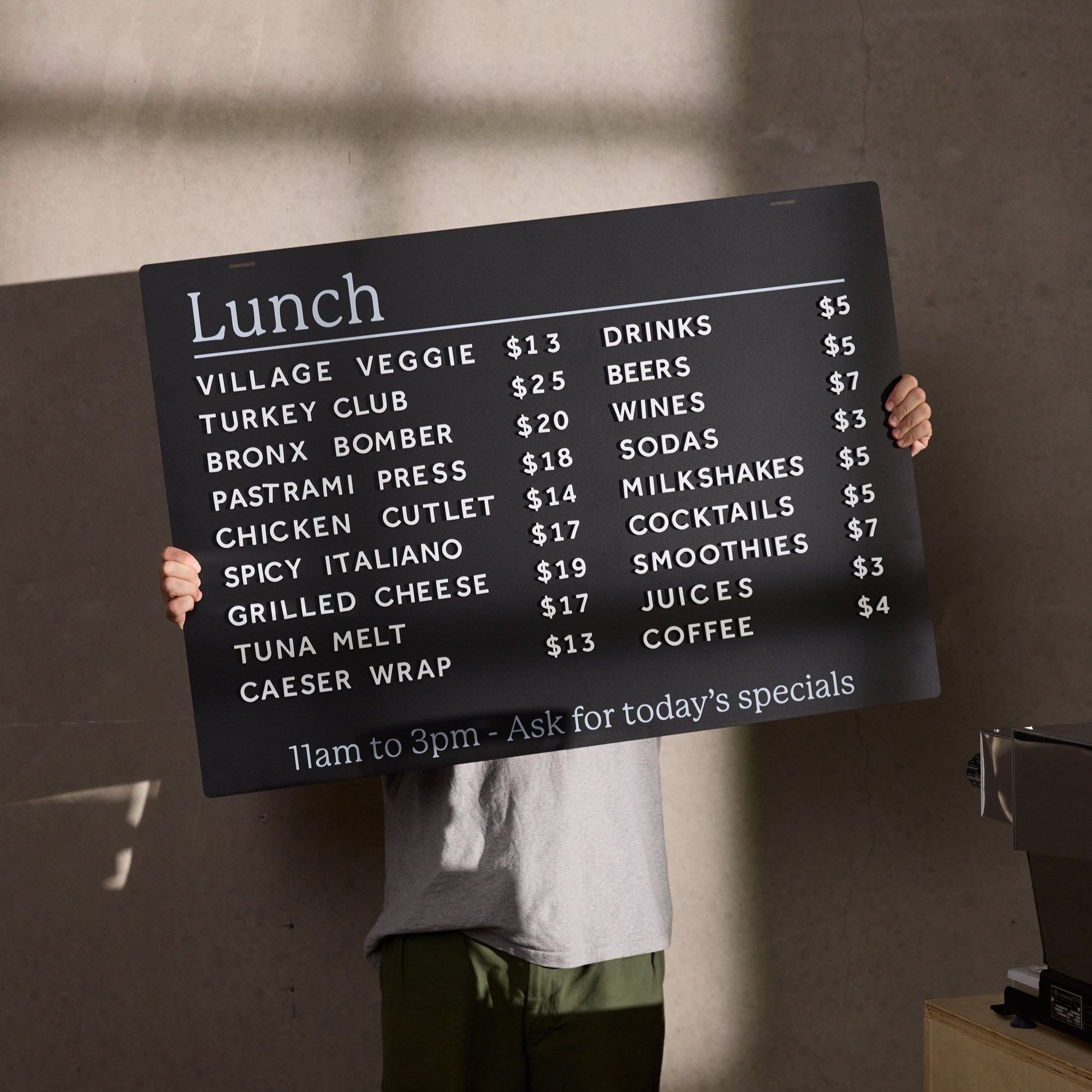
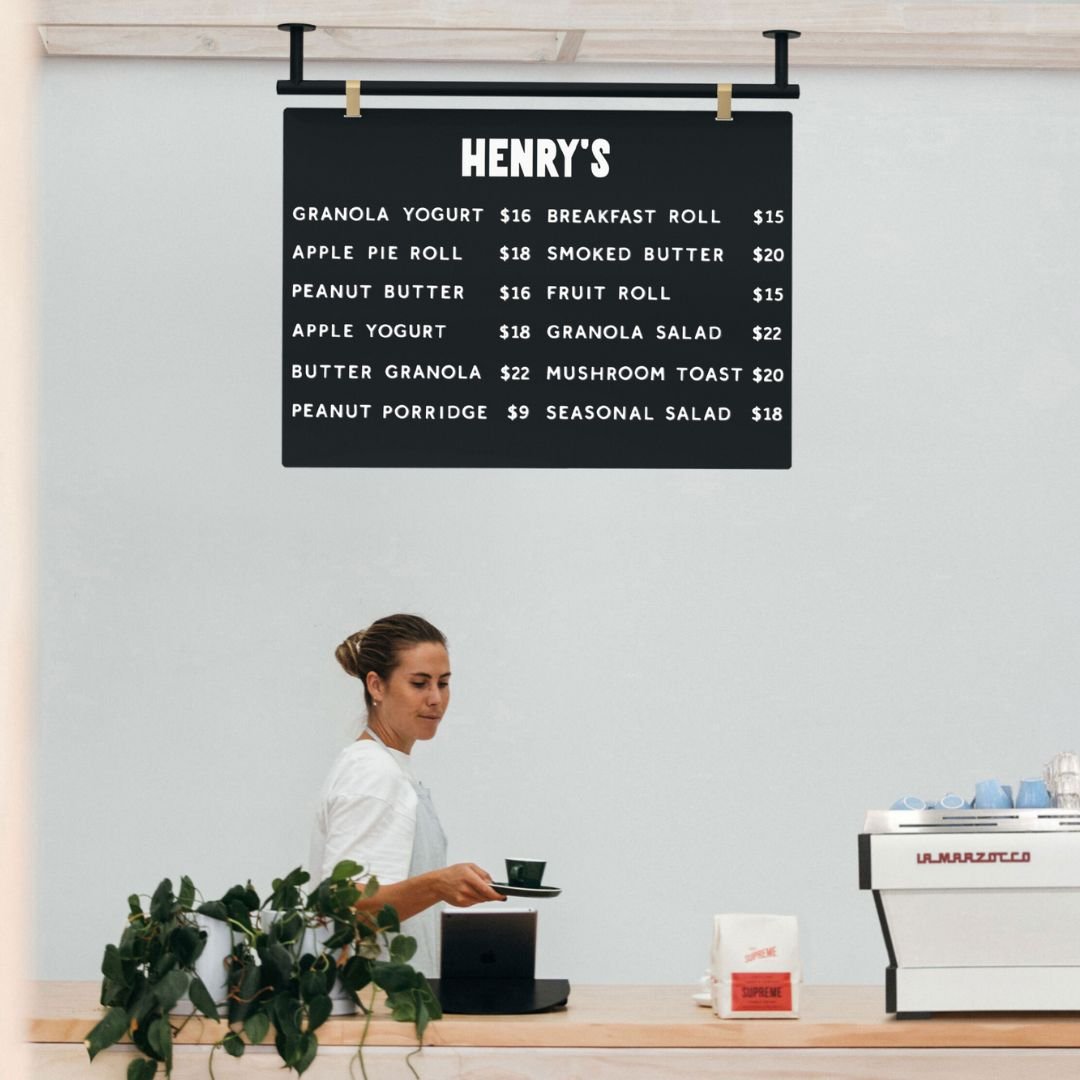
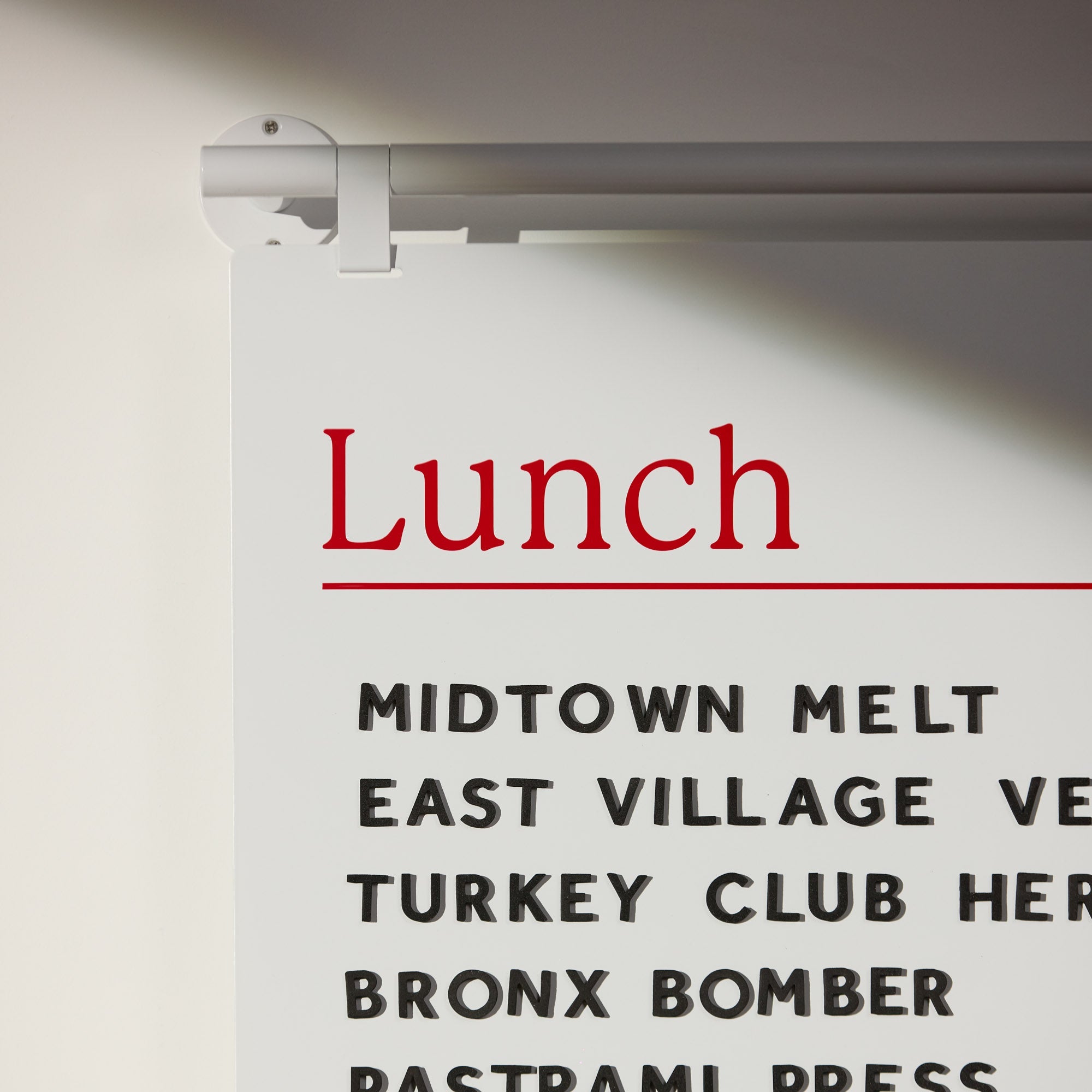
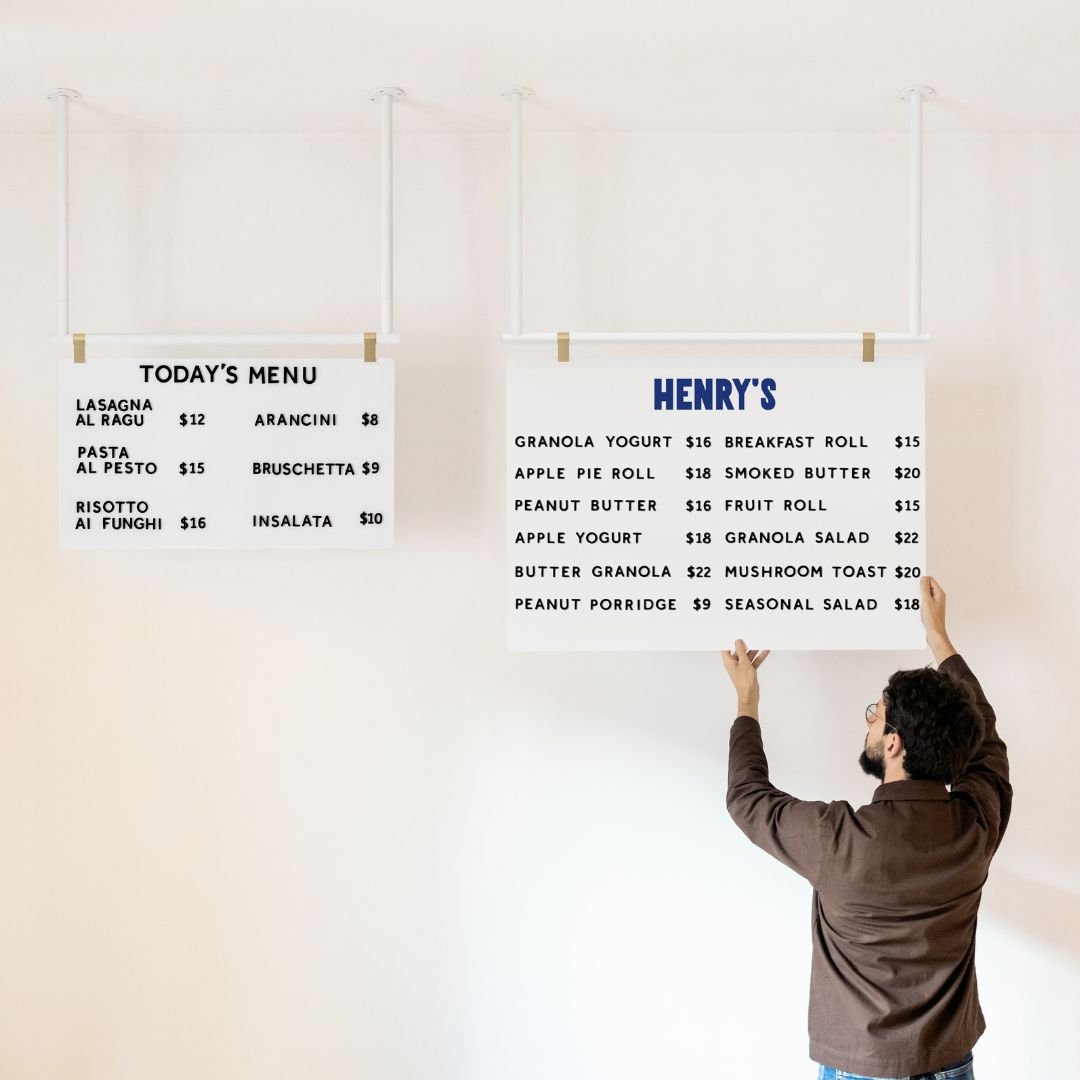
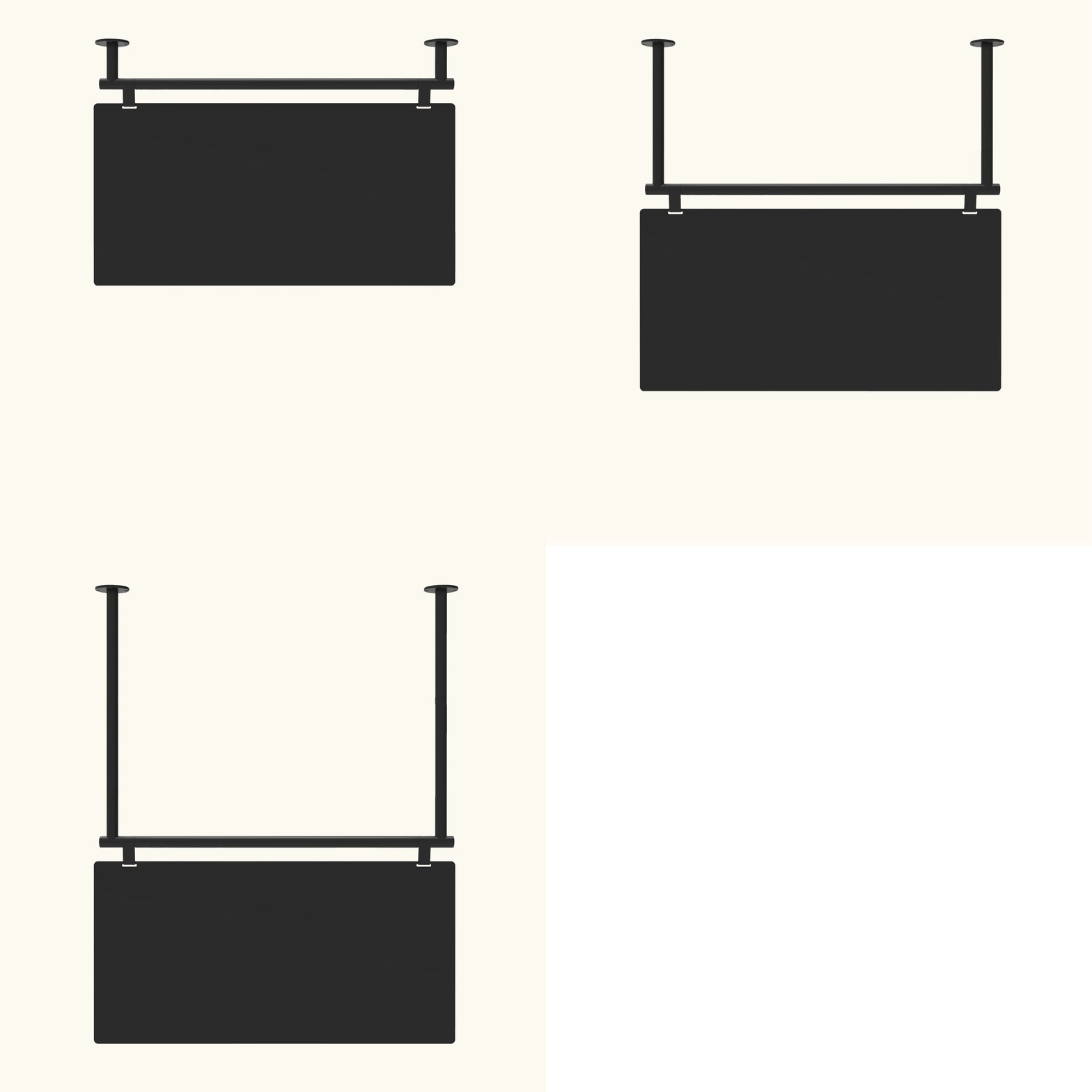
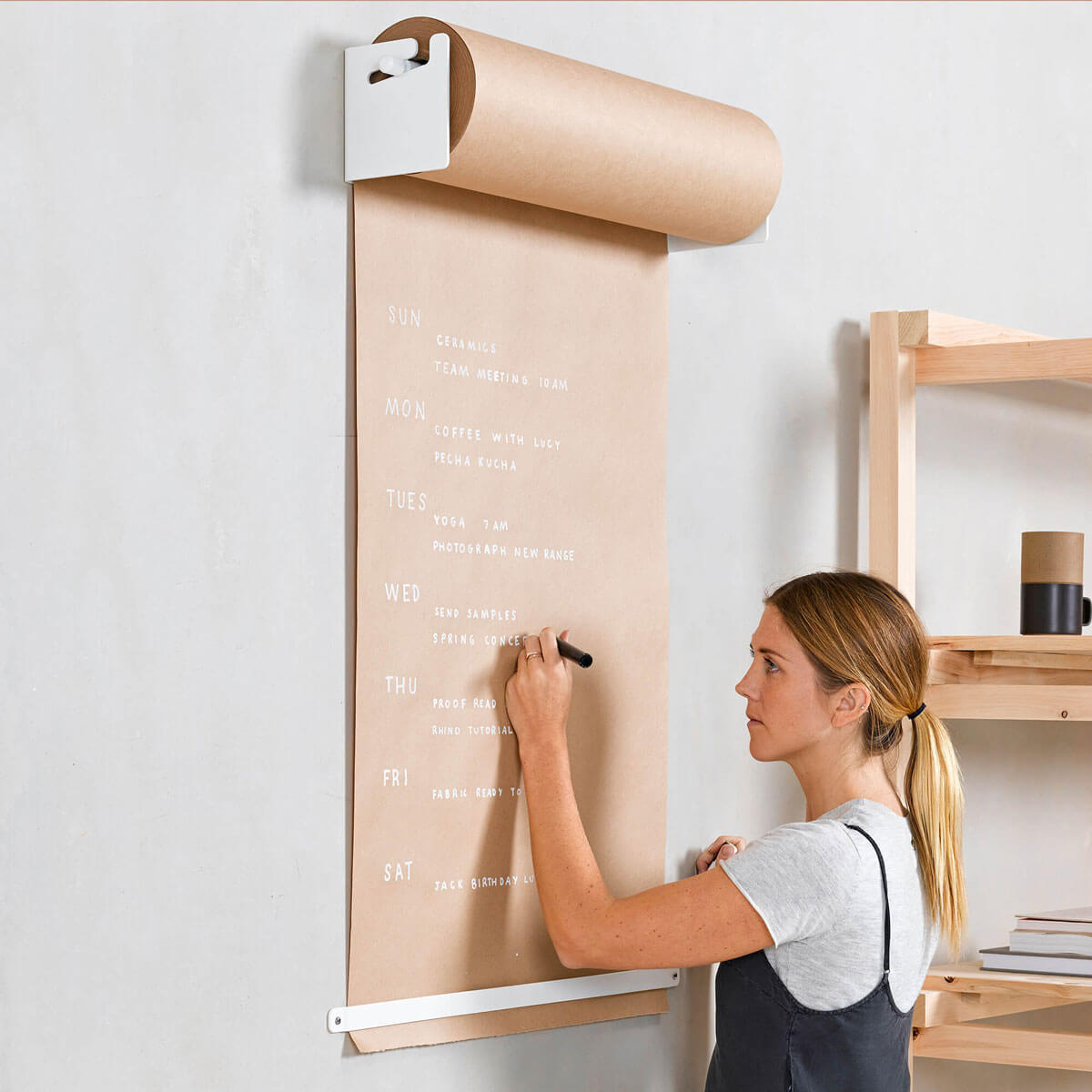
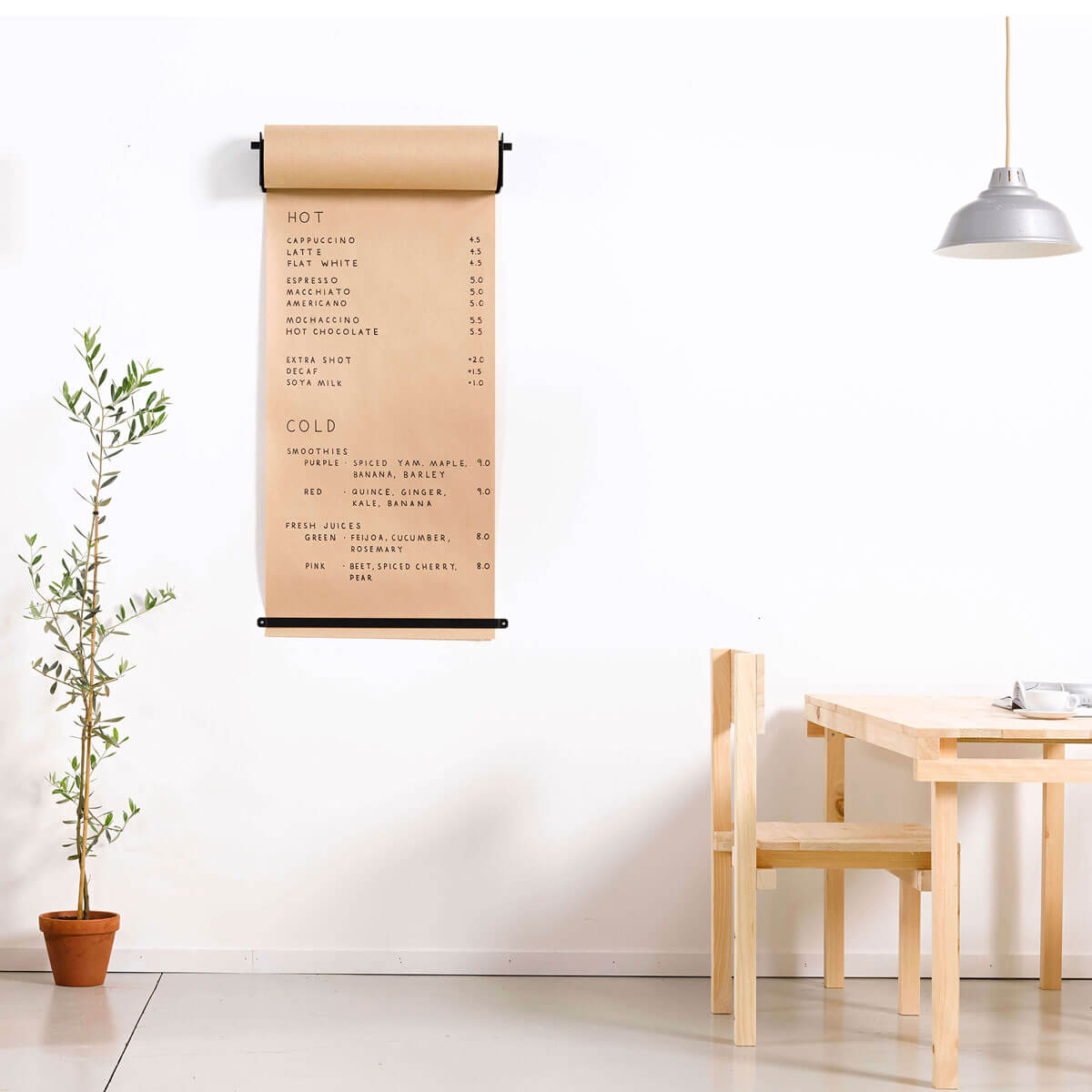
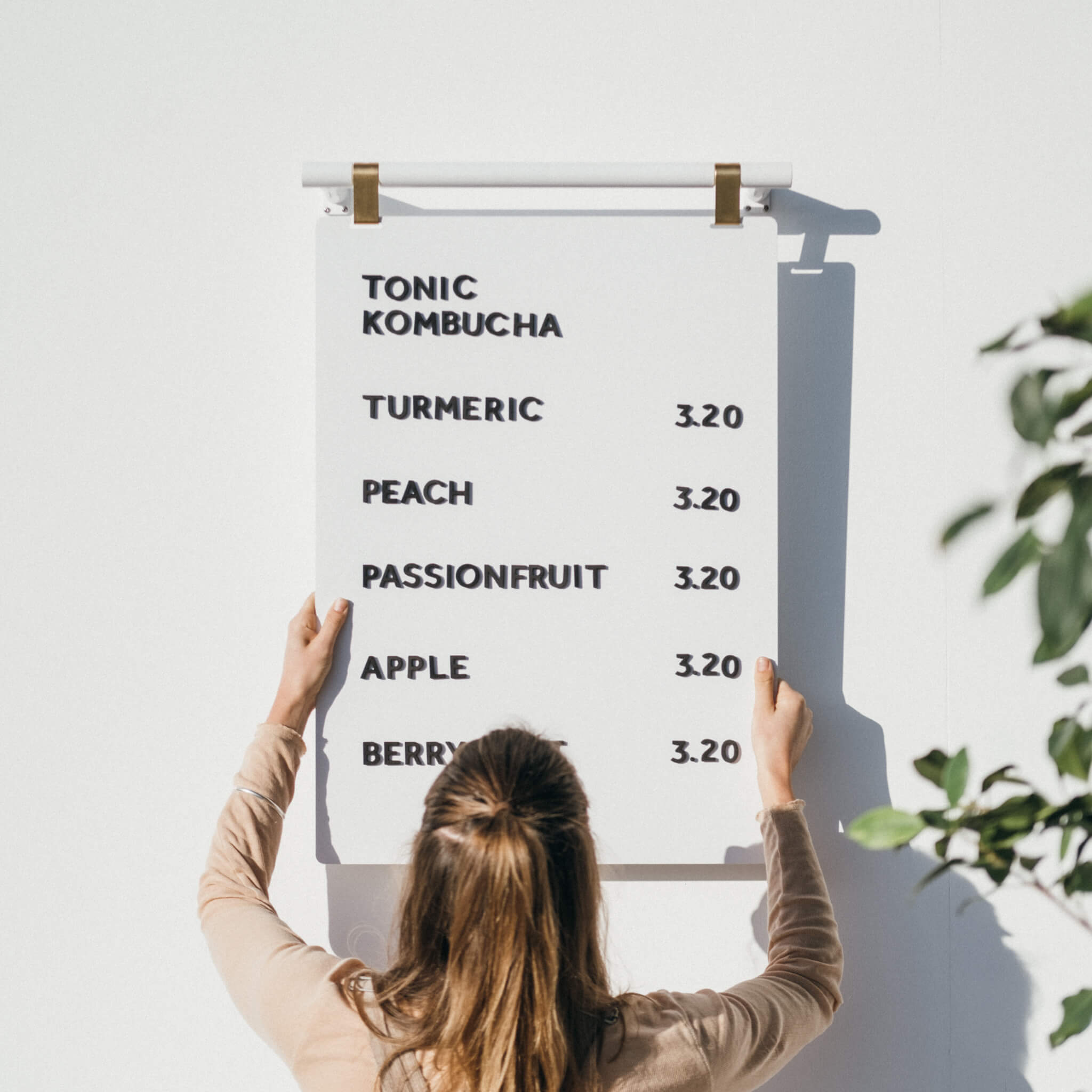
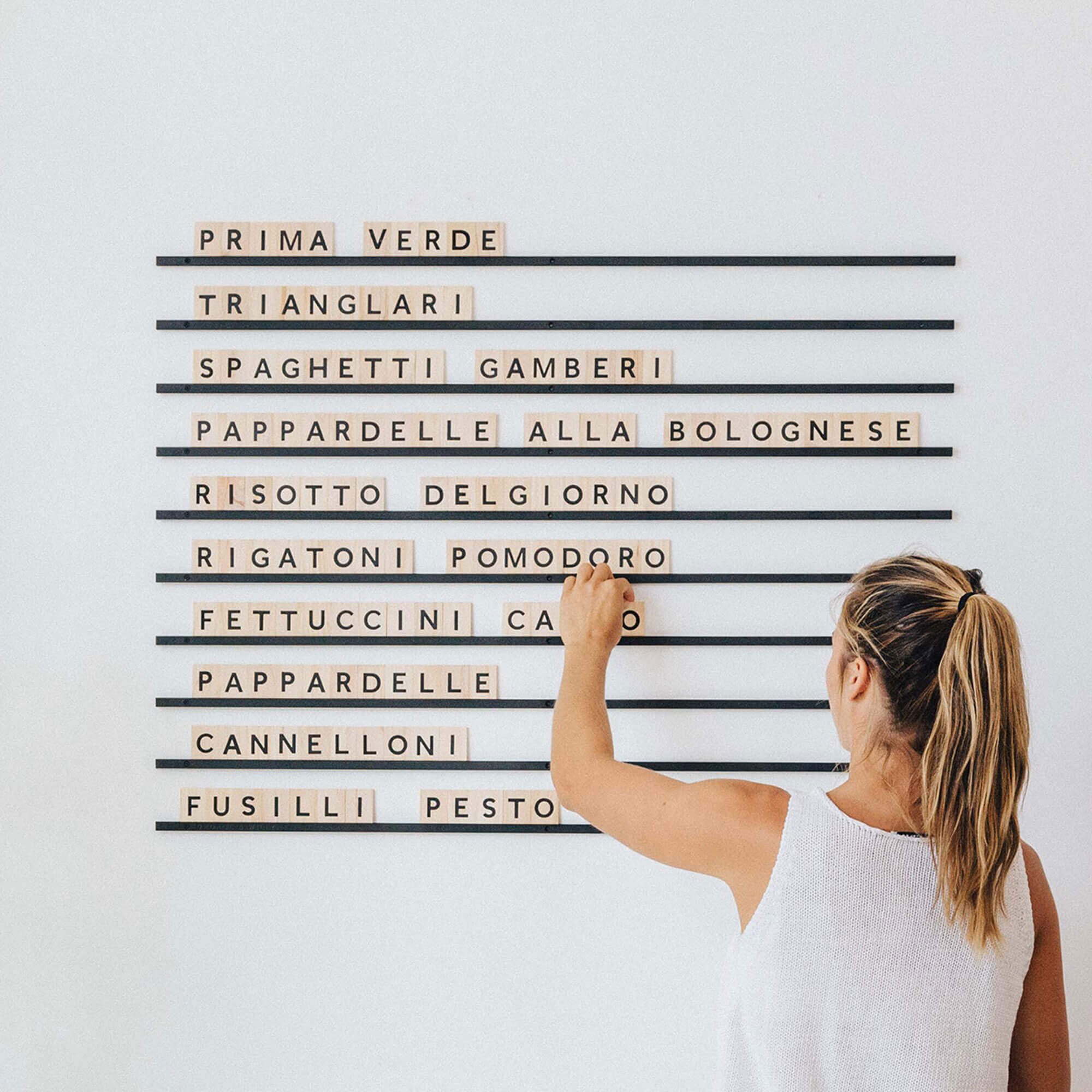
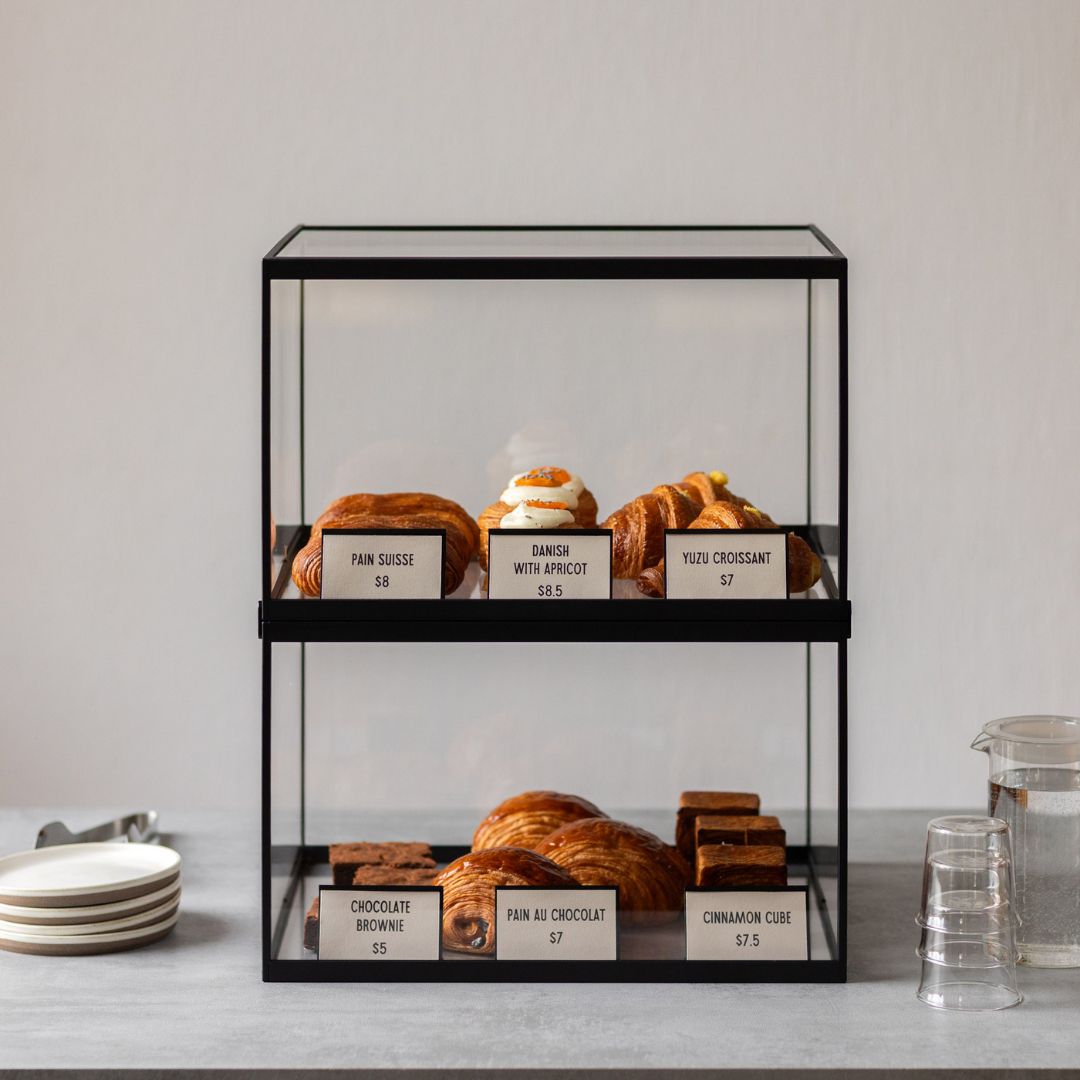
For cafes and restaurants, the ability to update offerings quickly is essential. Changeable menu boards let you adjust specials and prices in seconds. Systems like a sleek Magnetic Menu Board offer both functional flexibility and a stylish design element. For a tactile tile look, the Menu Board is a bold, changeable option.
Interior Signage to Guide and Sell
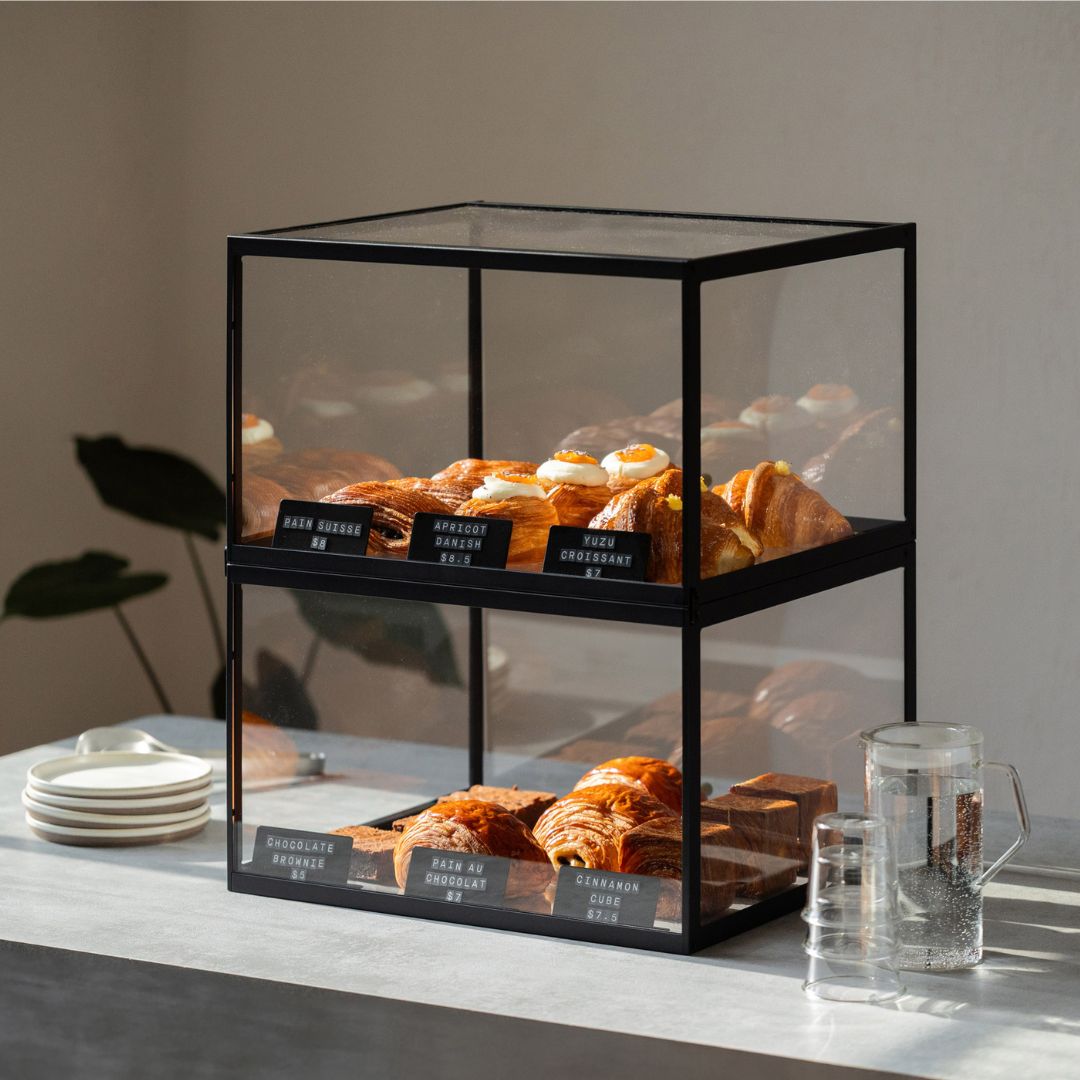
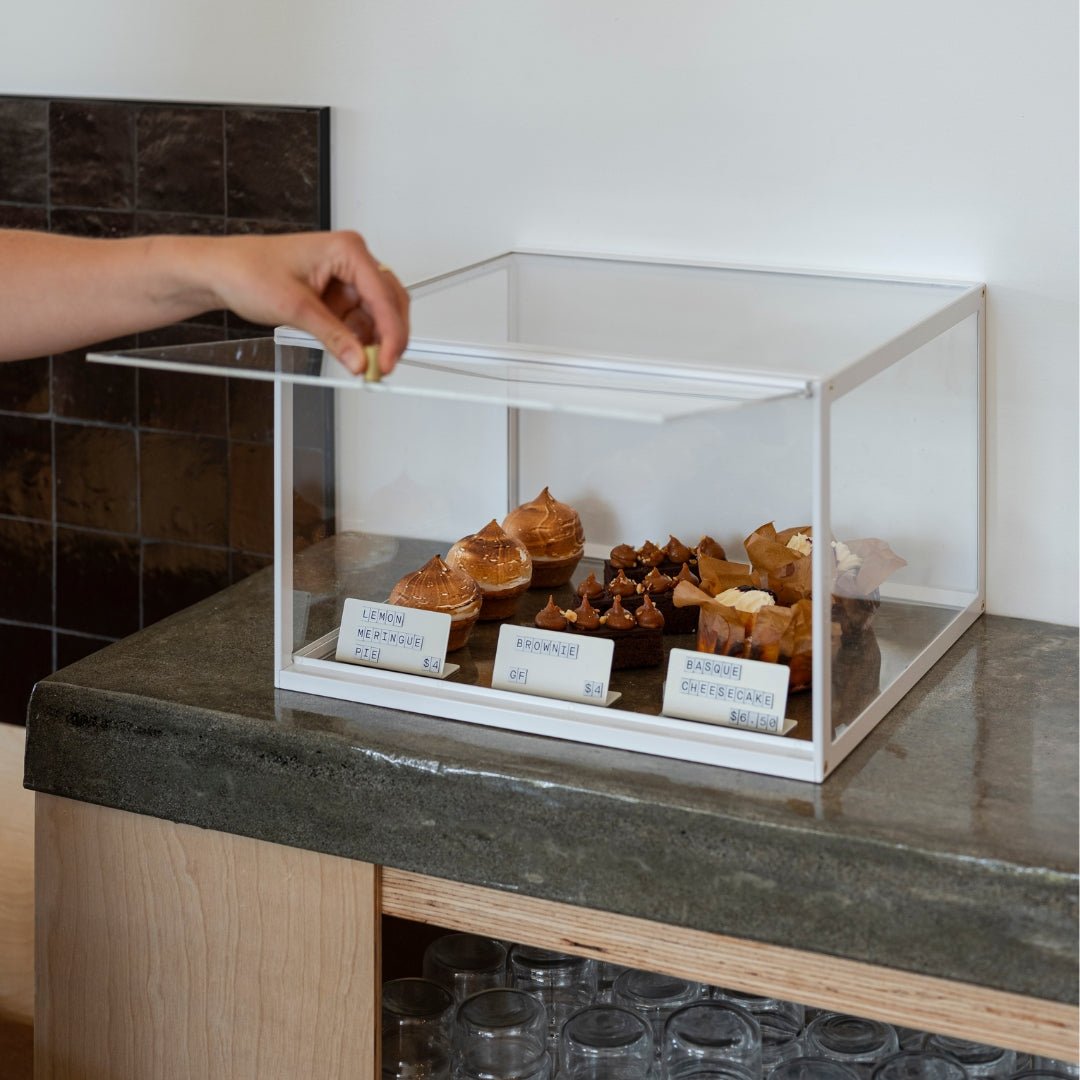
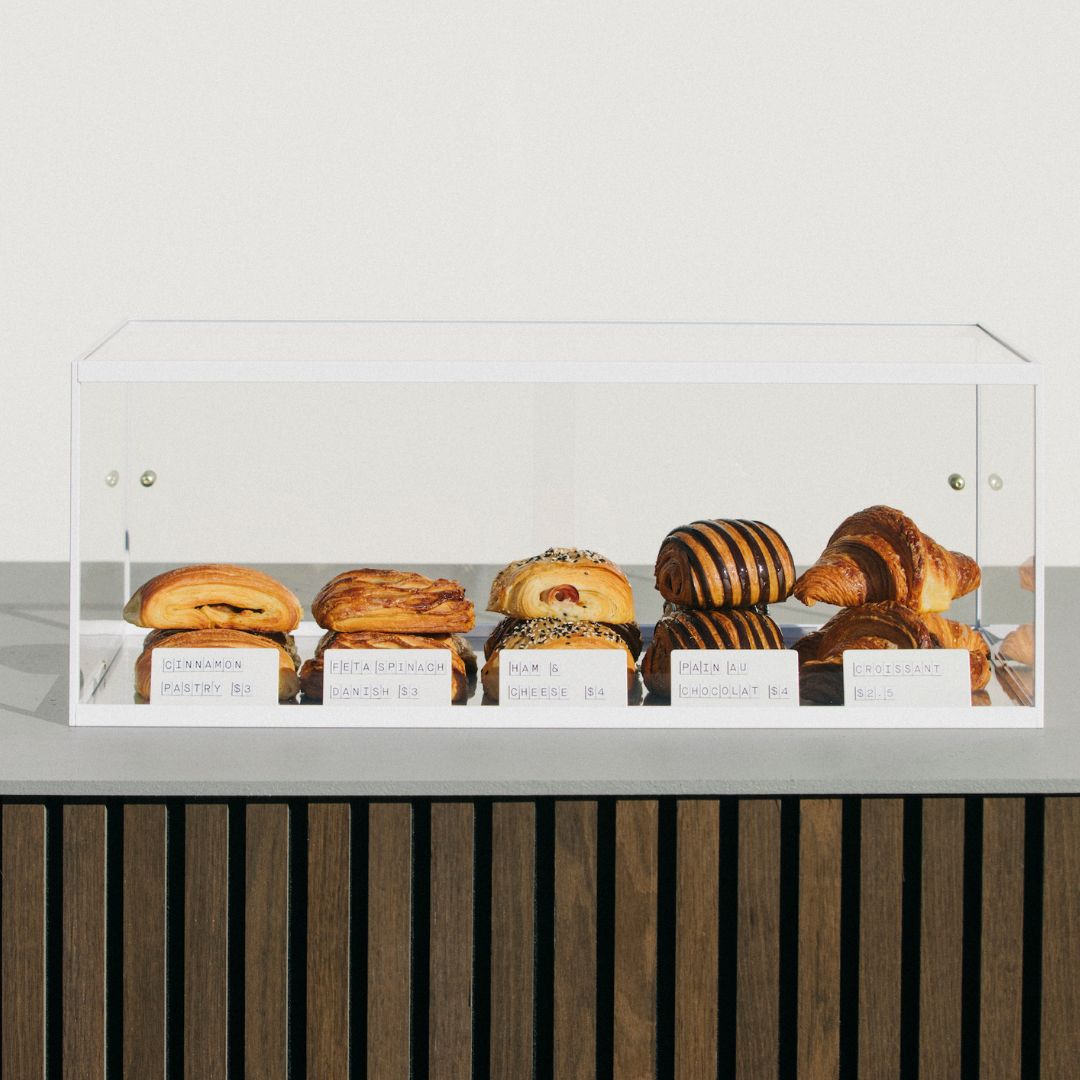
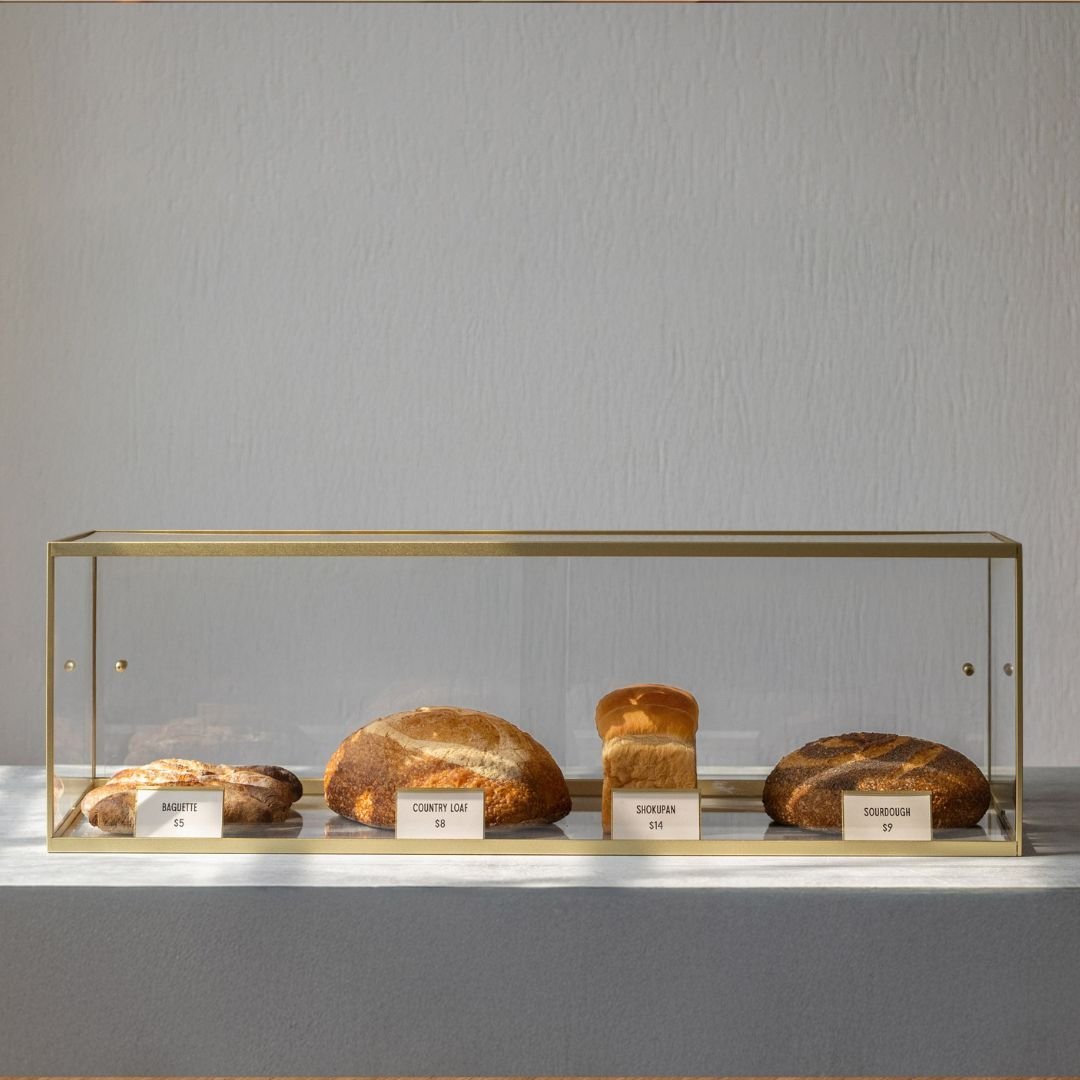
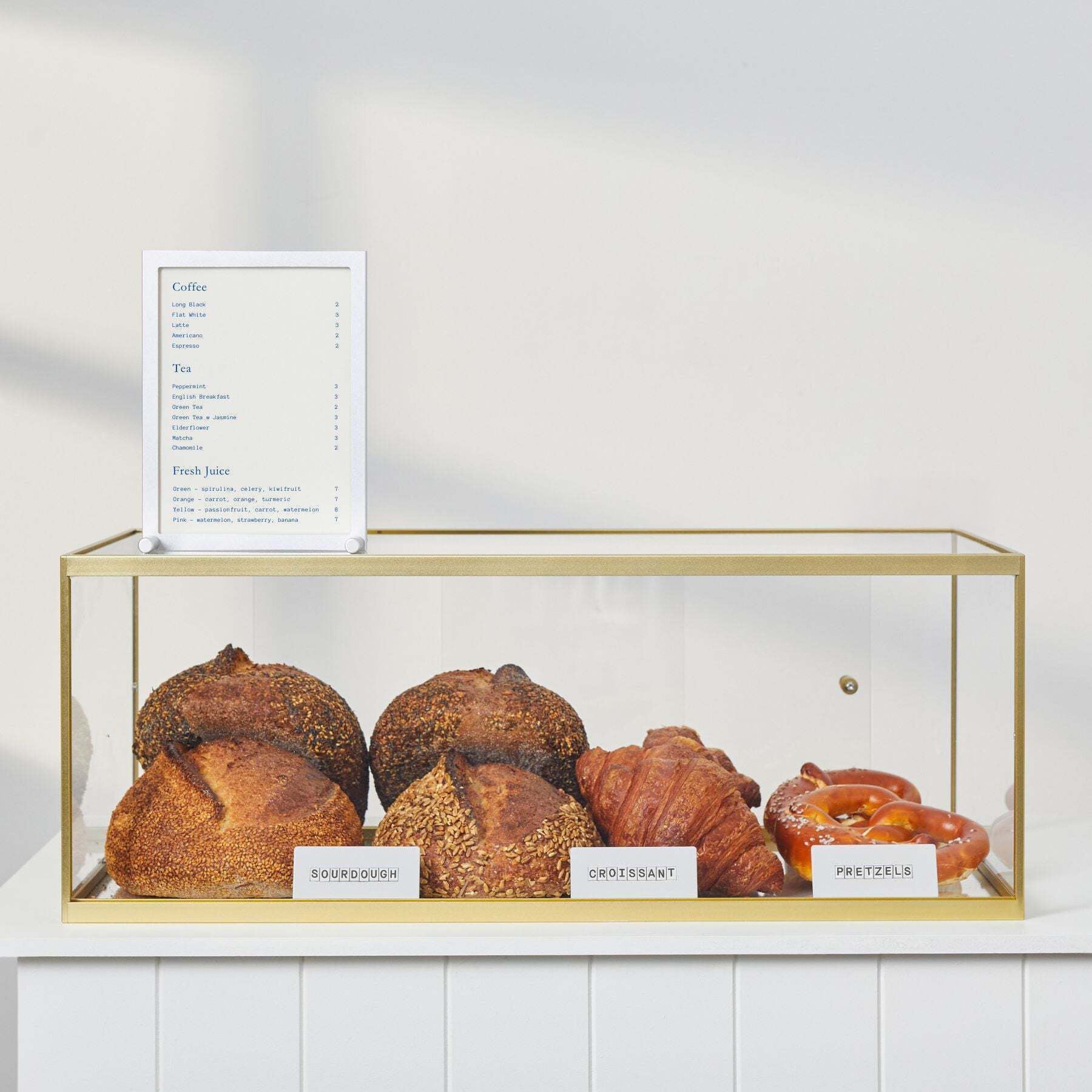
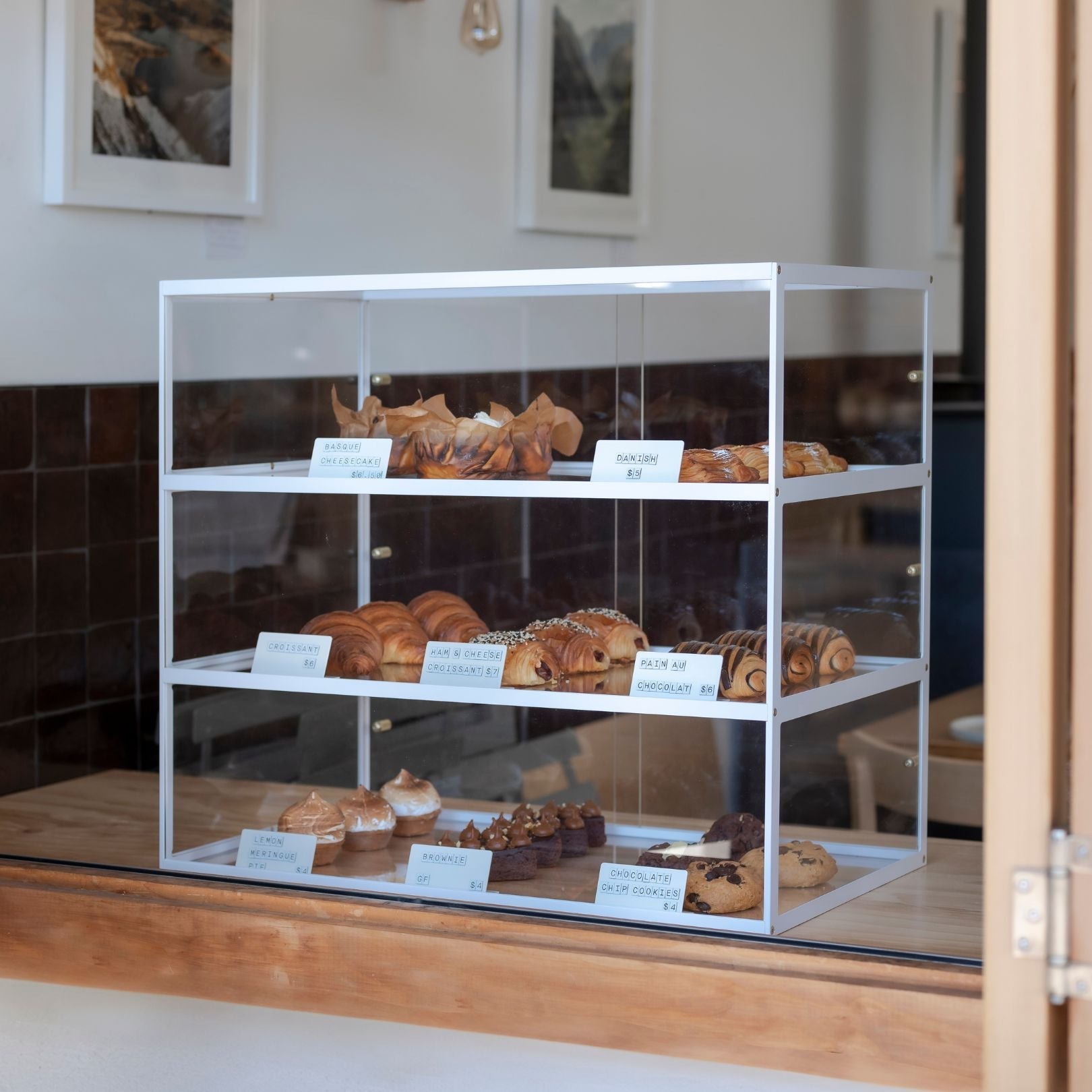
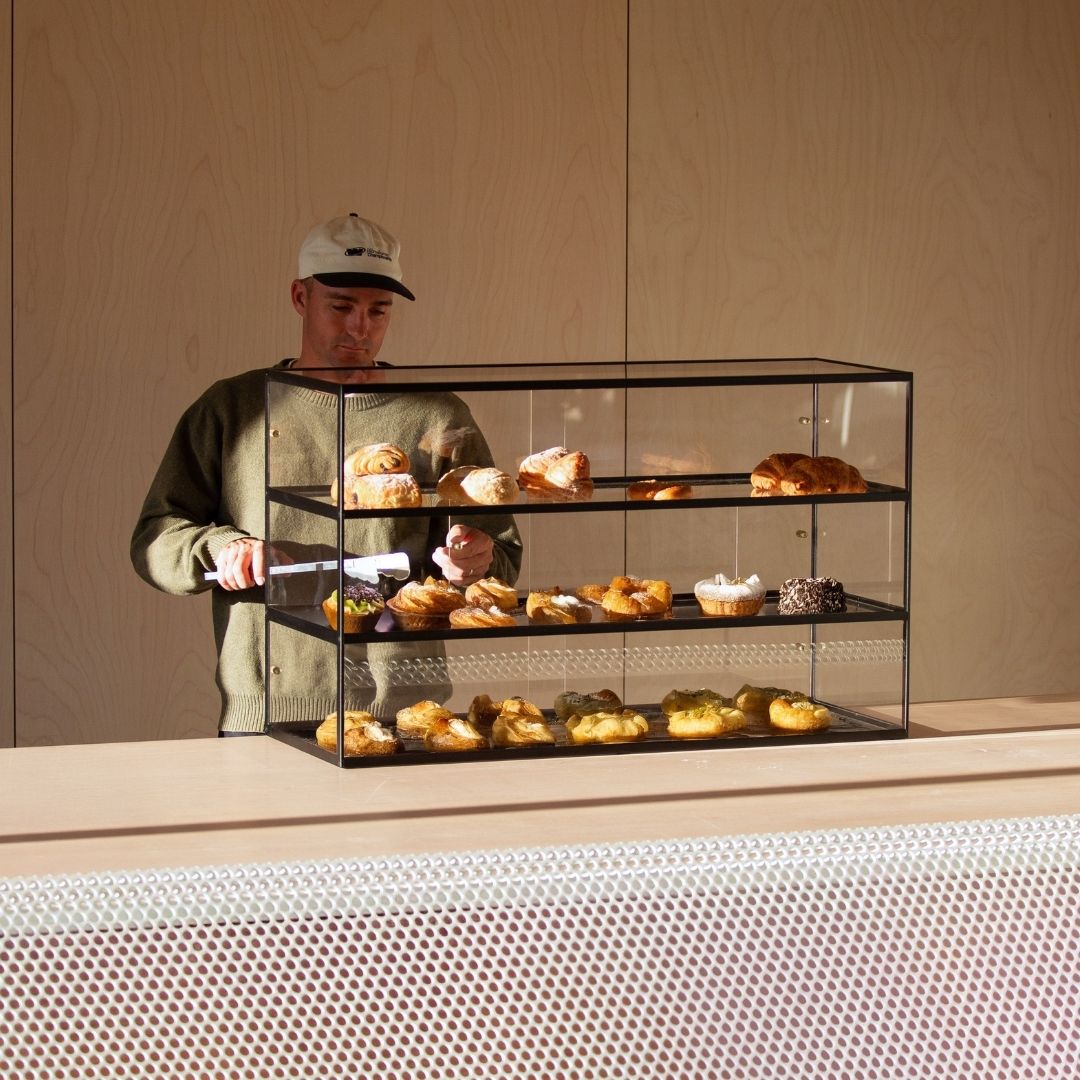
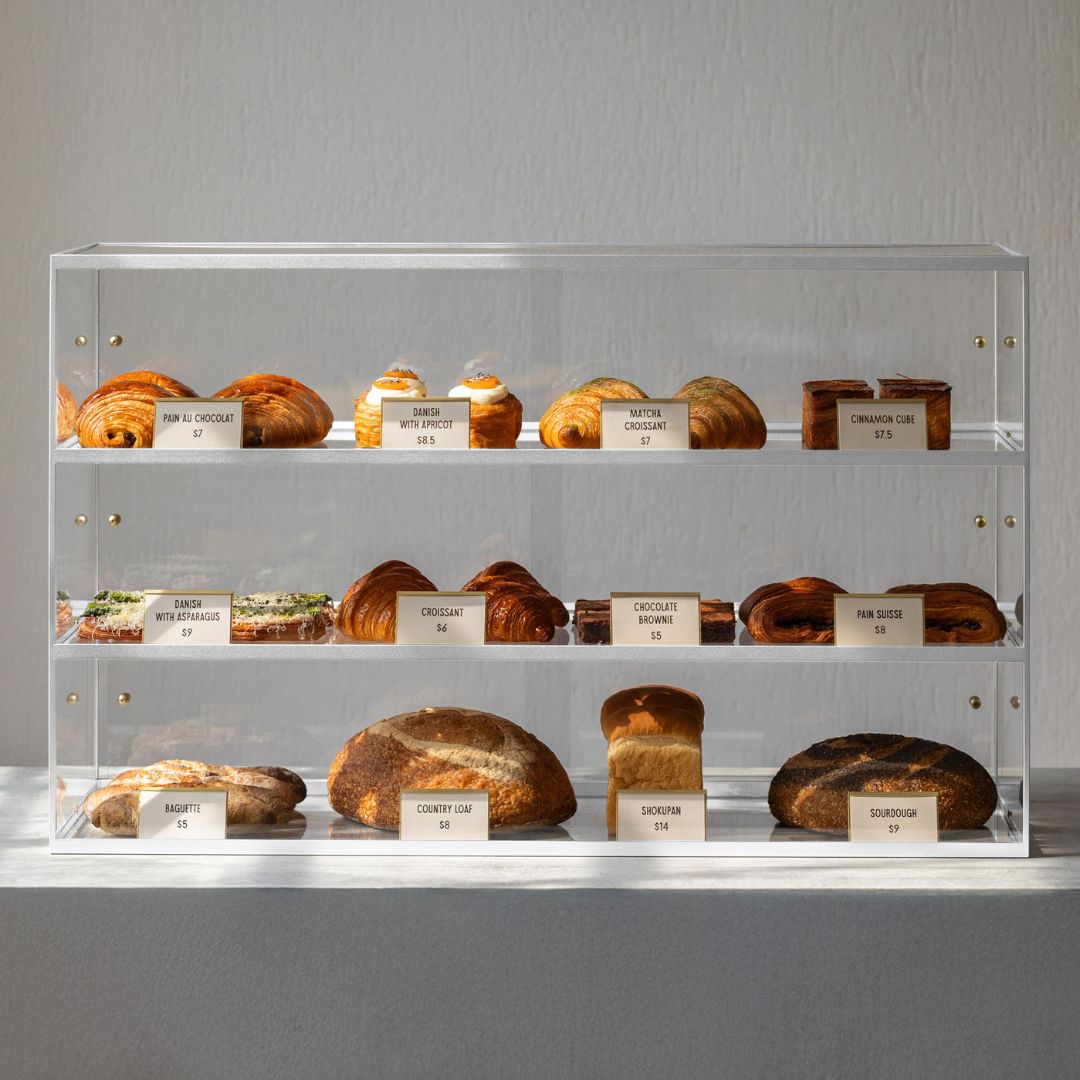
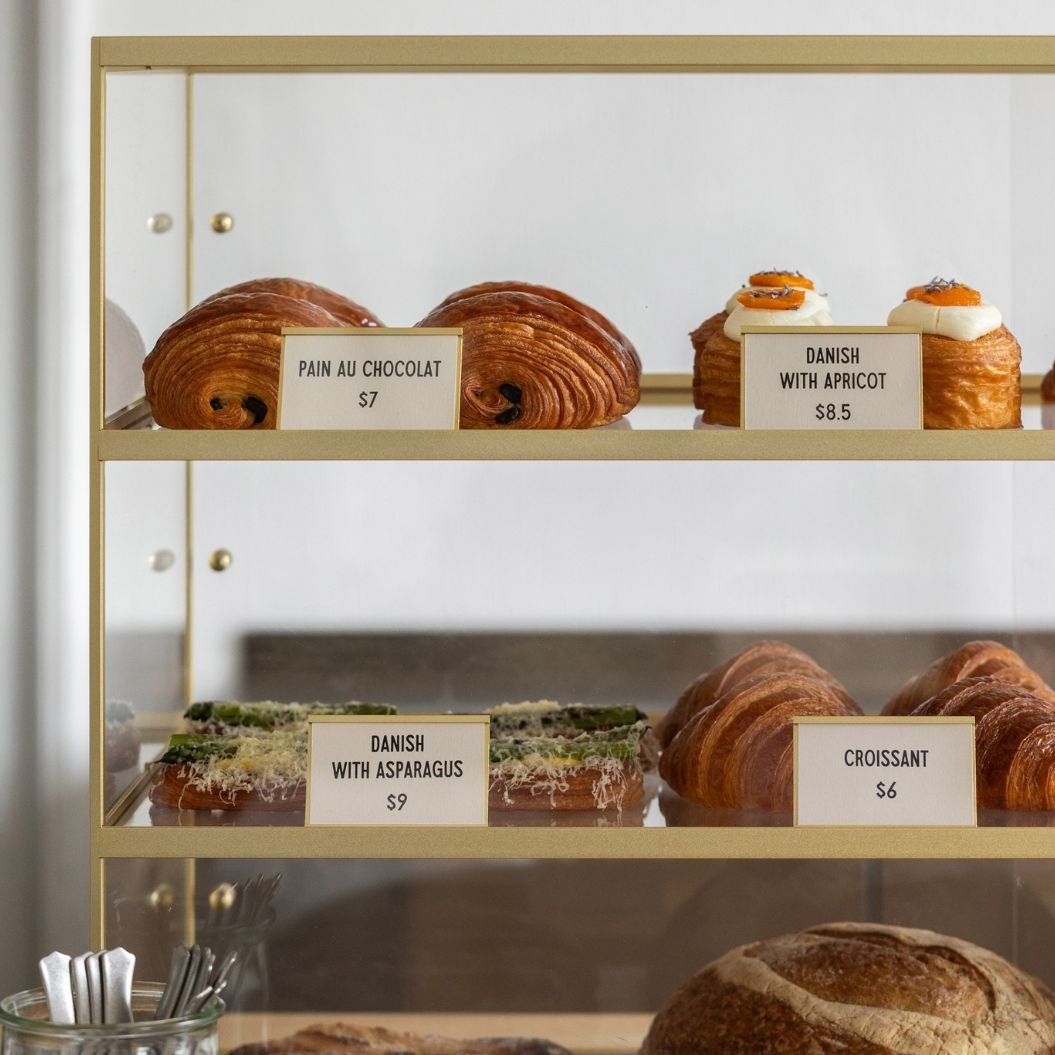
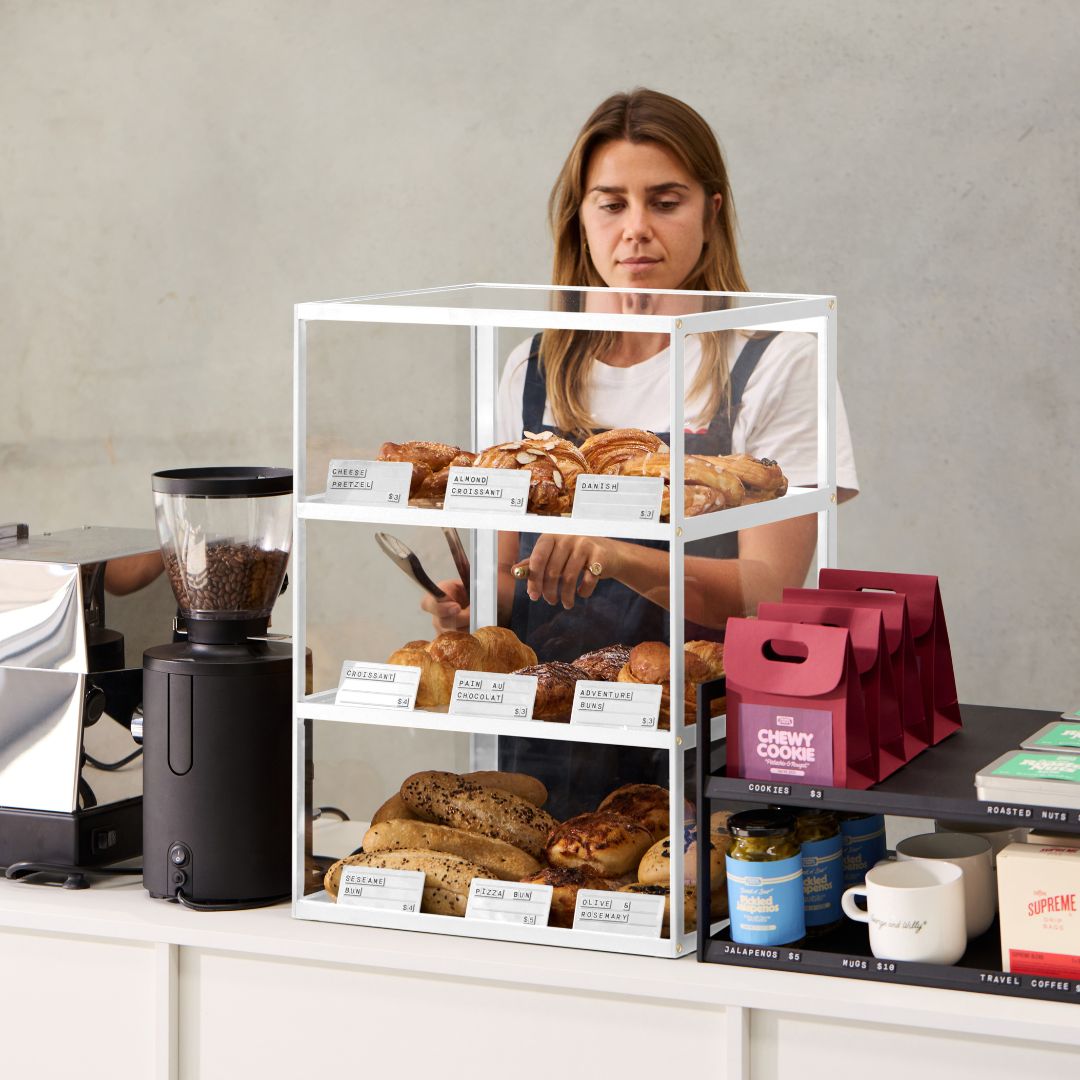
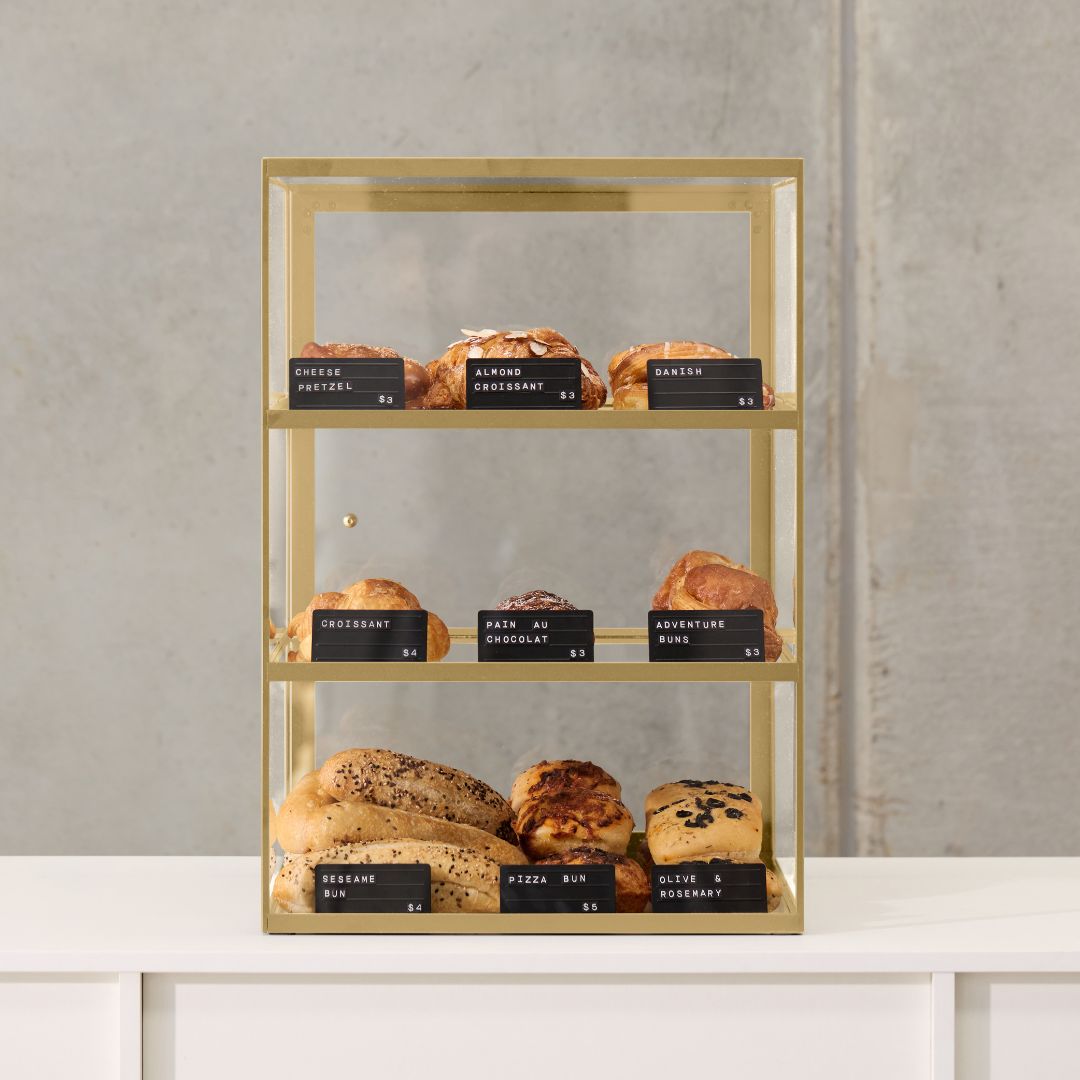
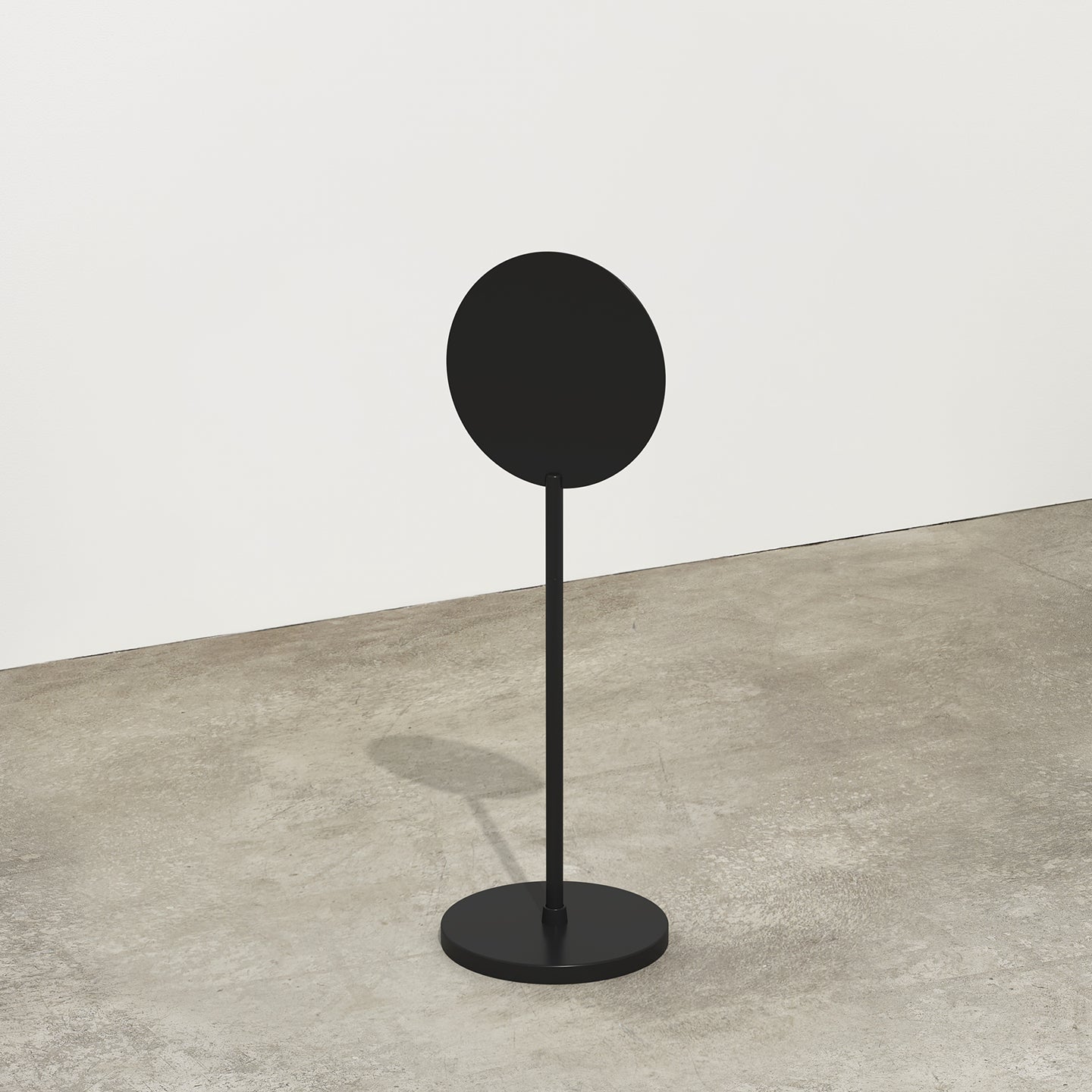
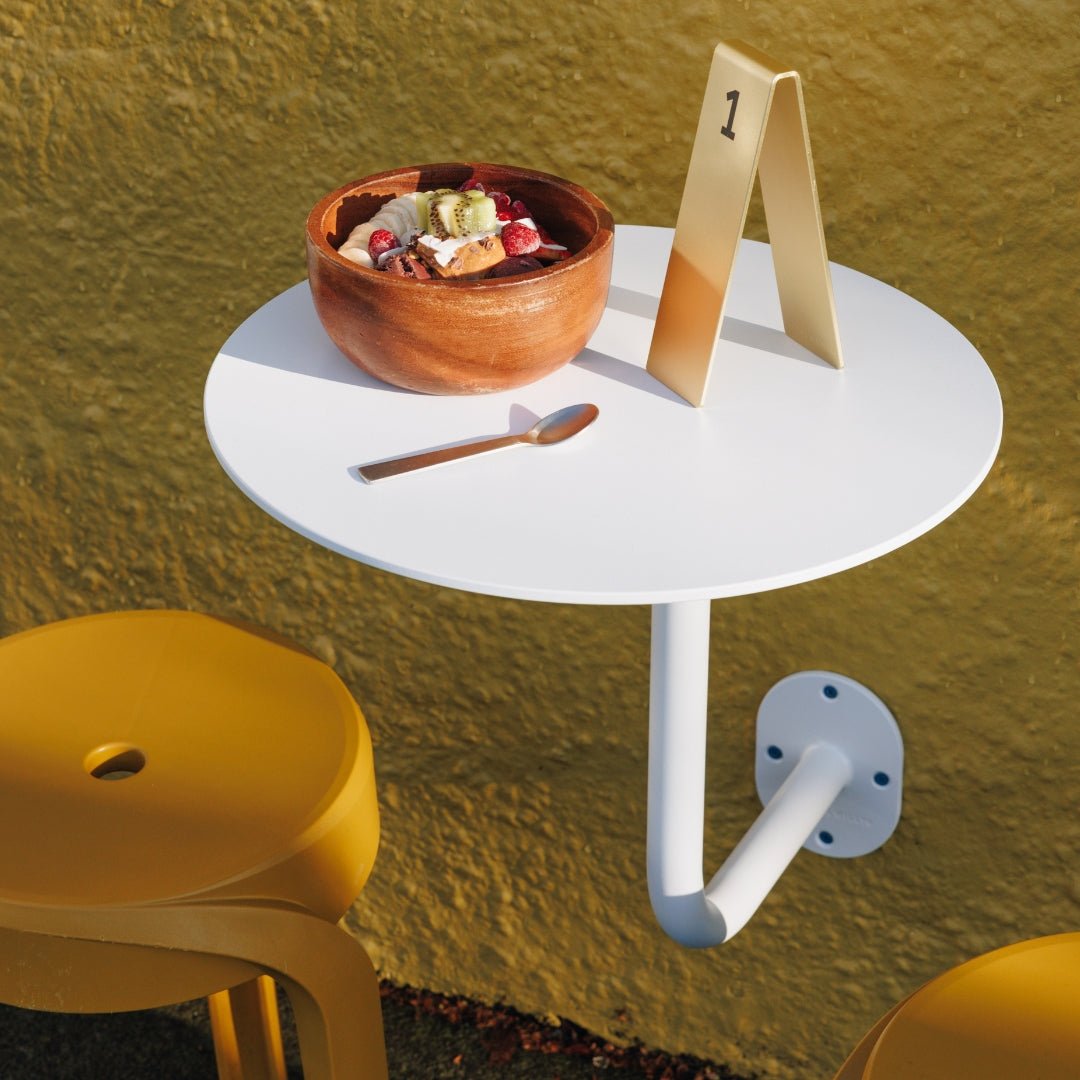
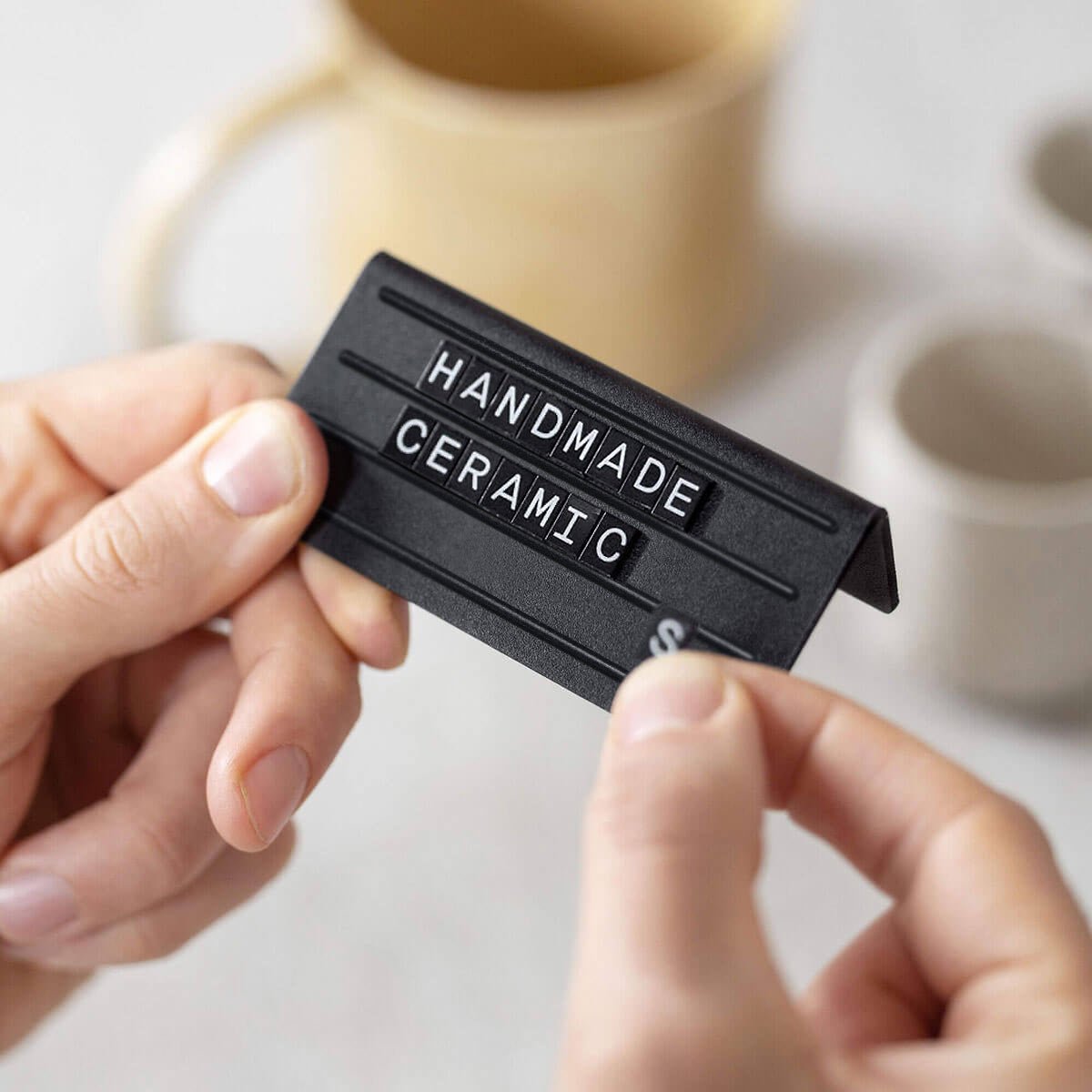
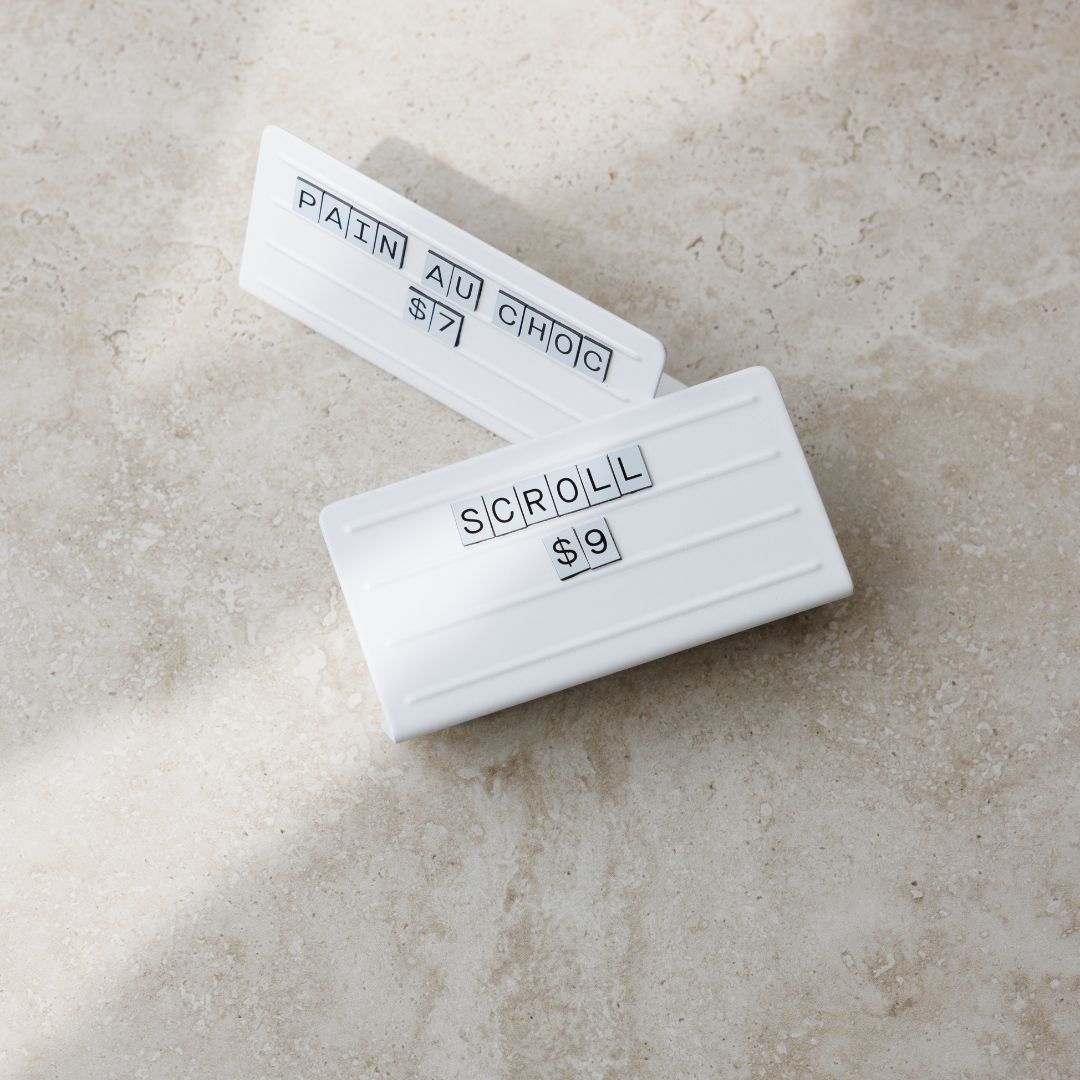
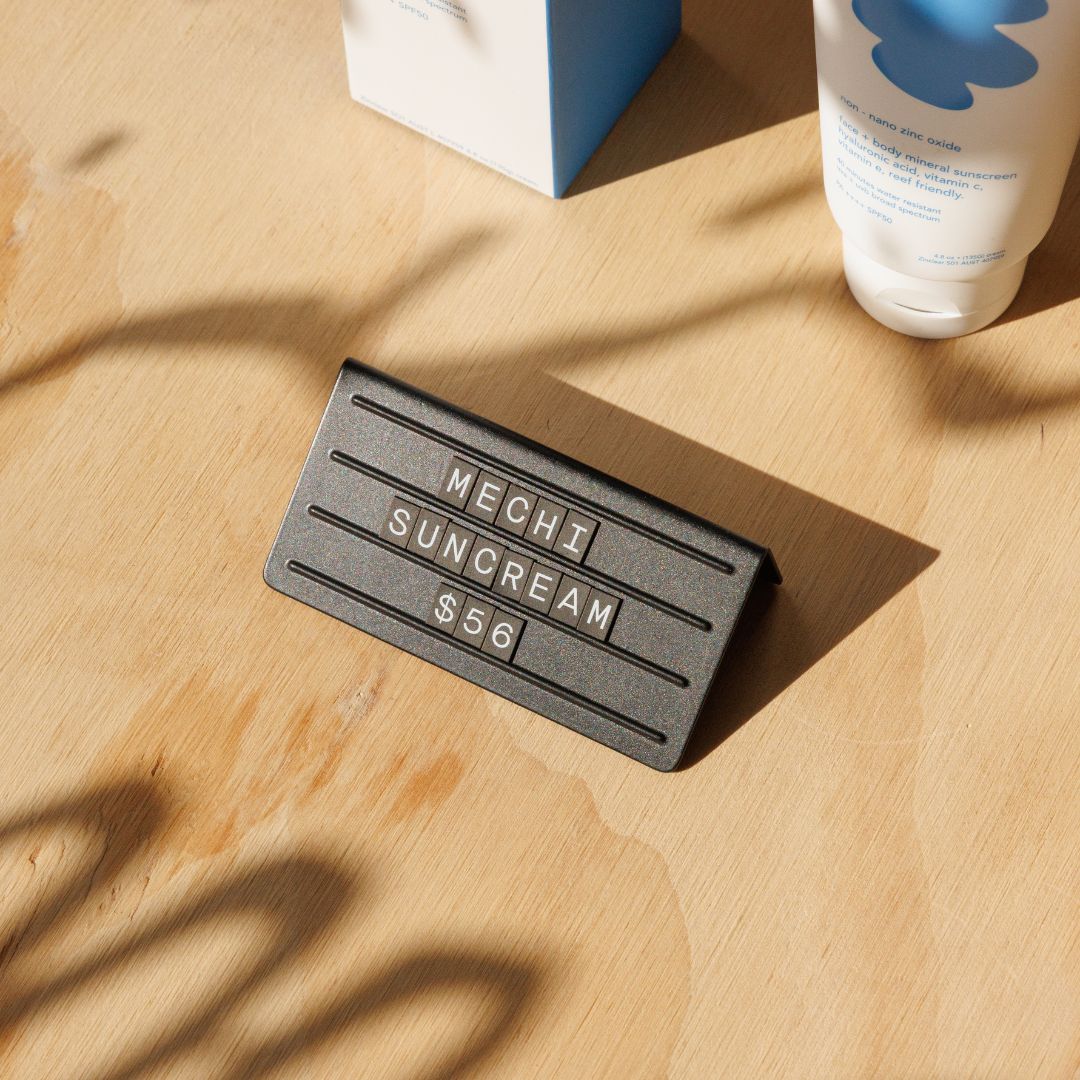
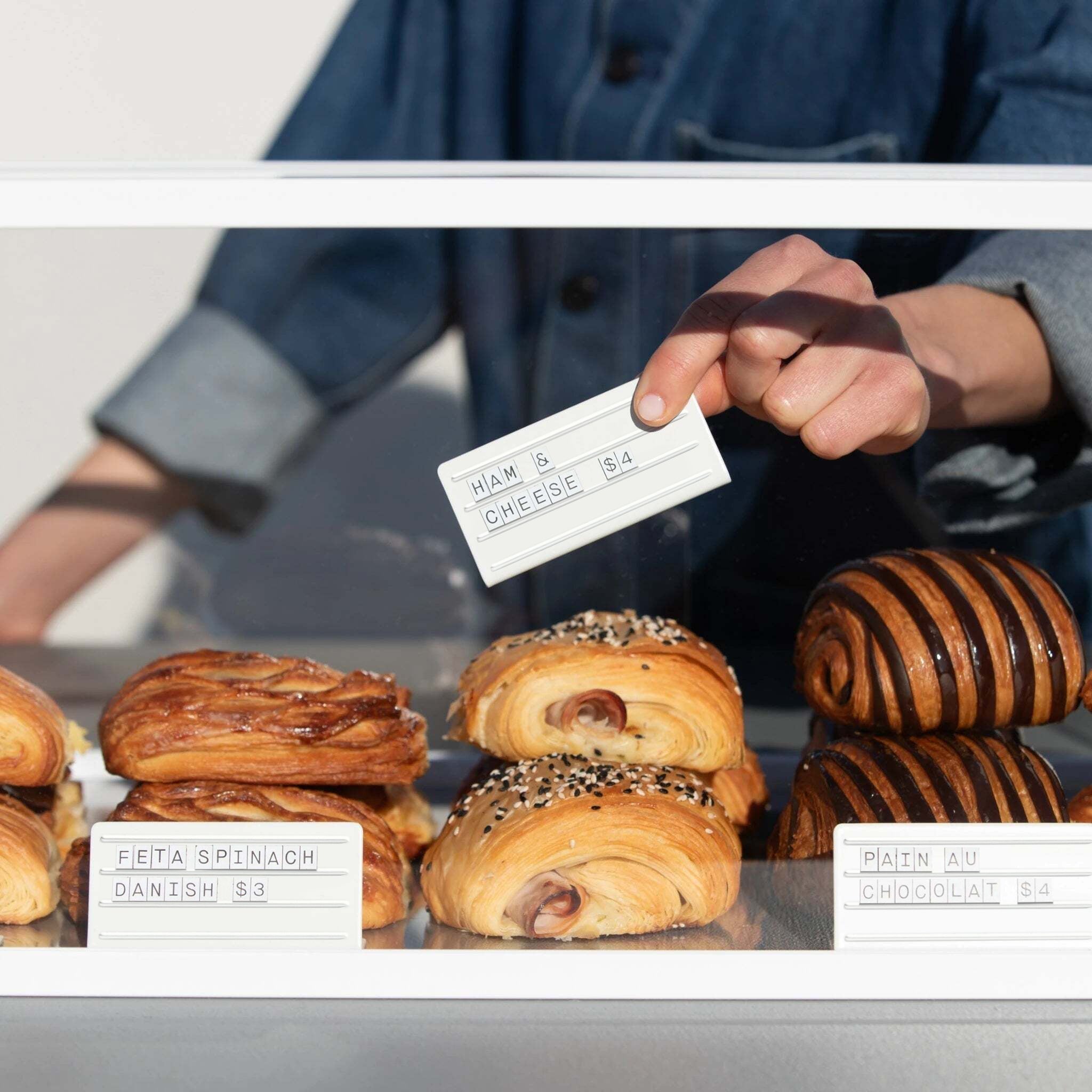
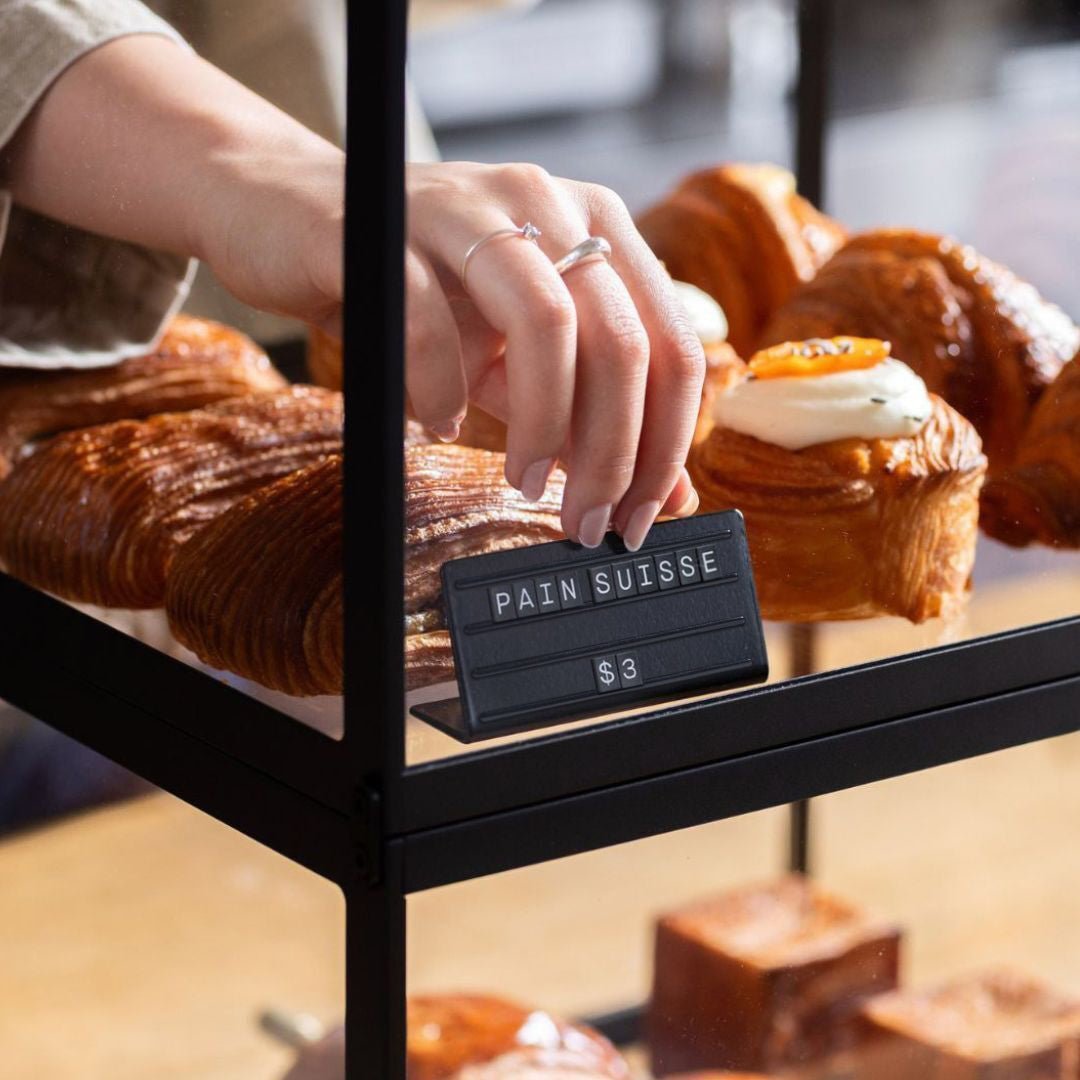
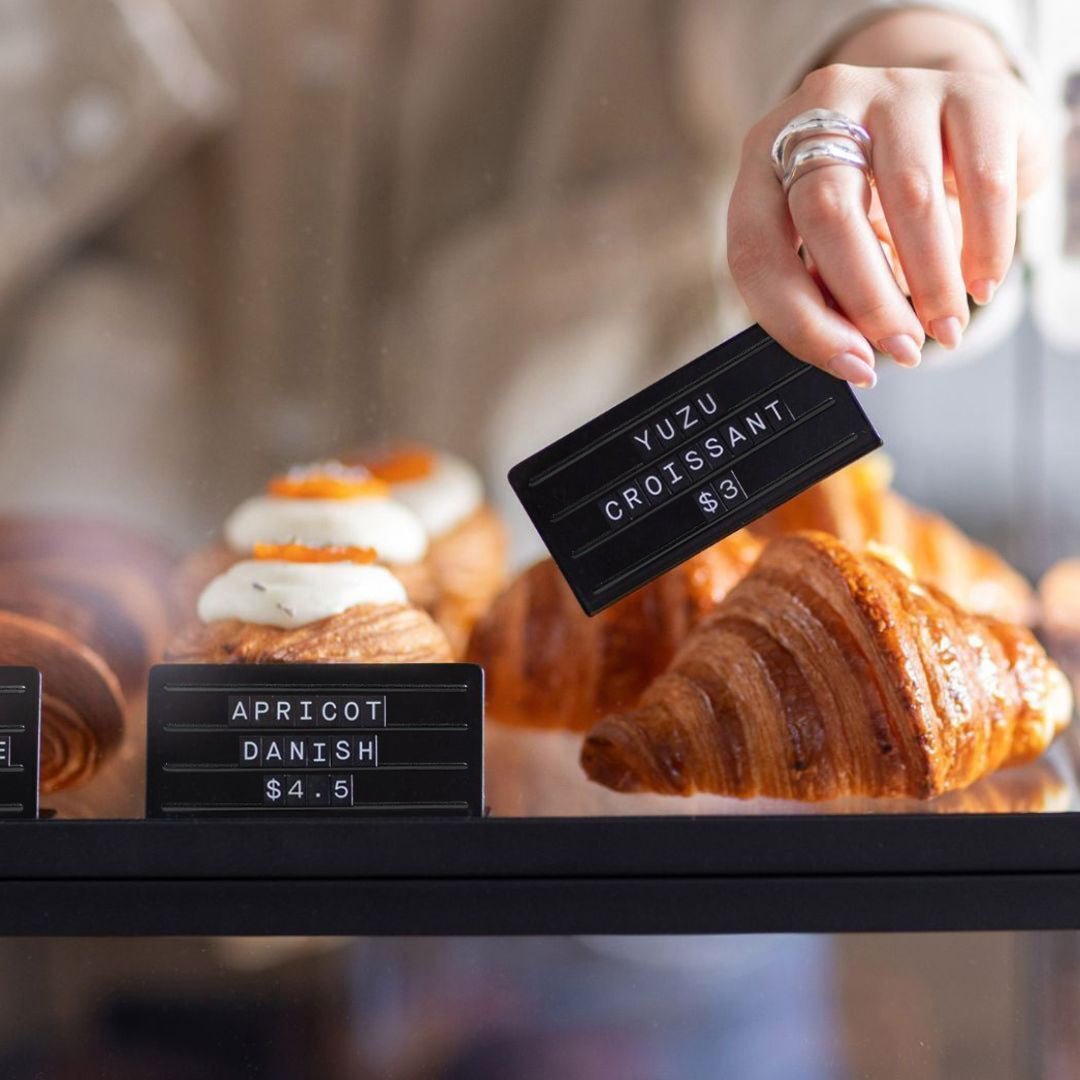
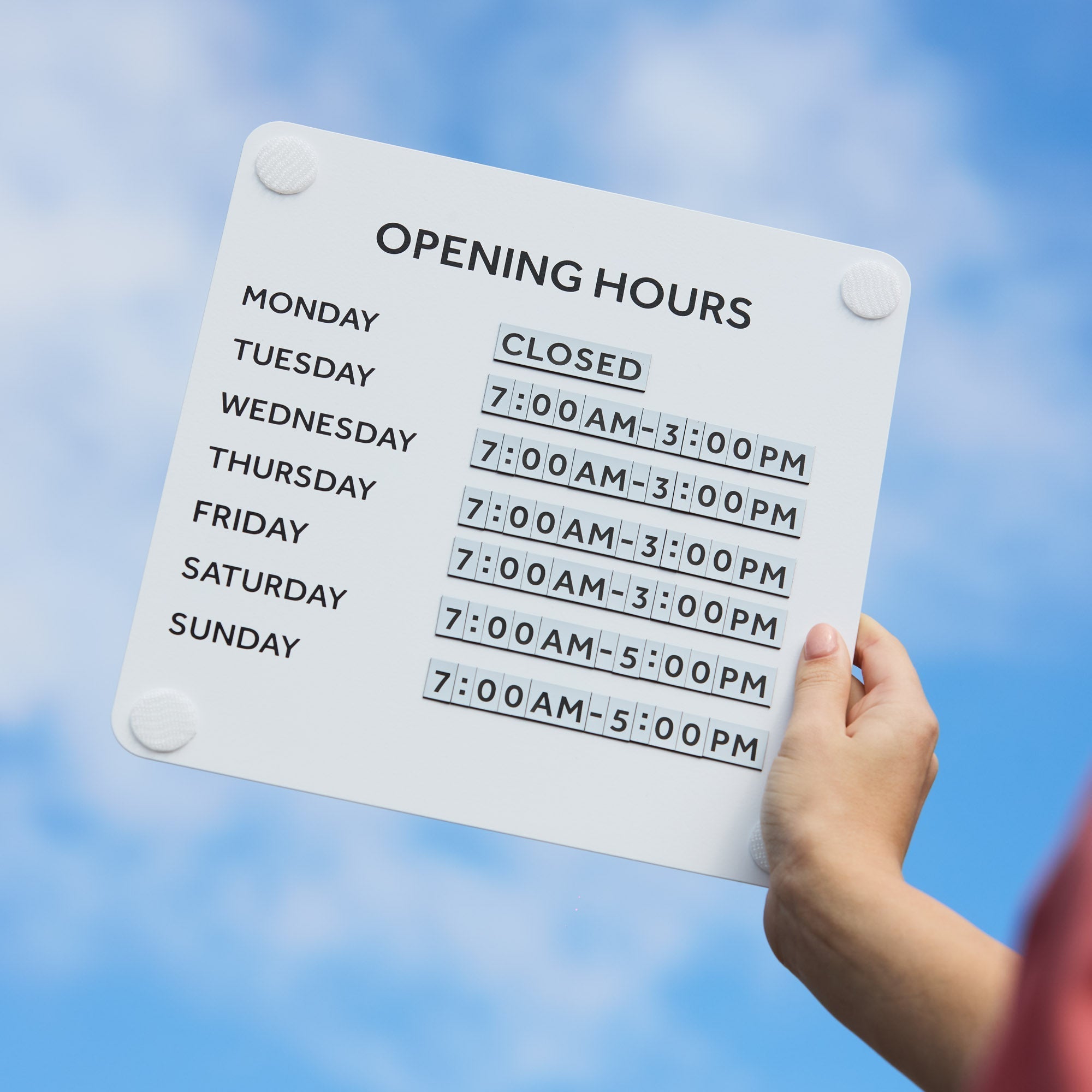
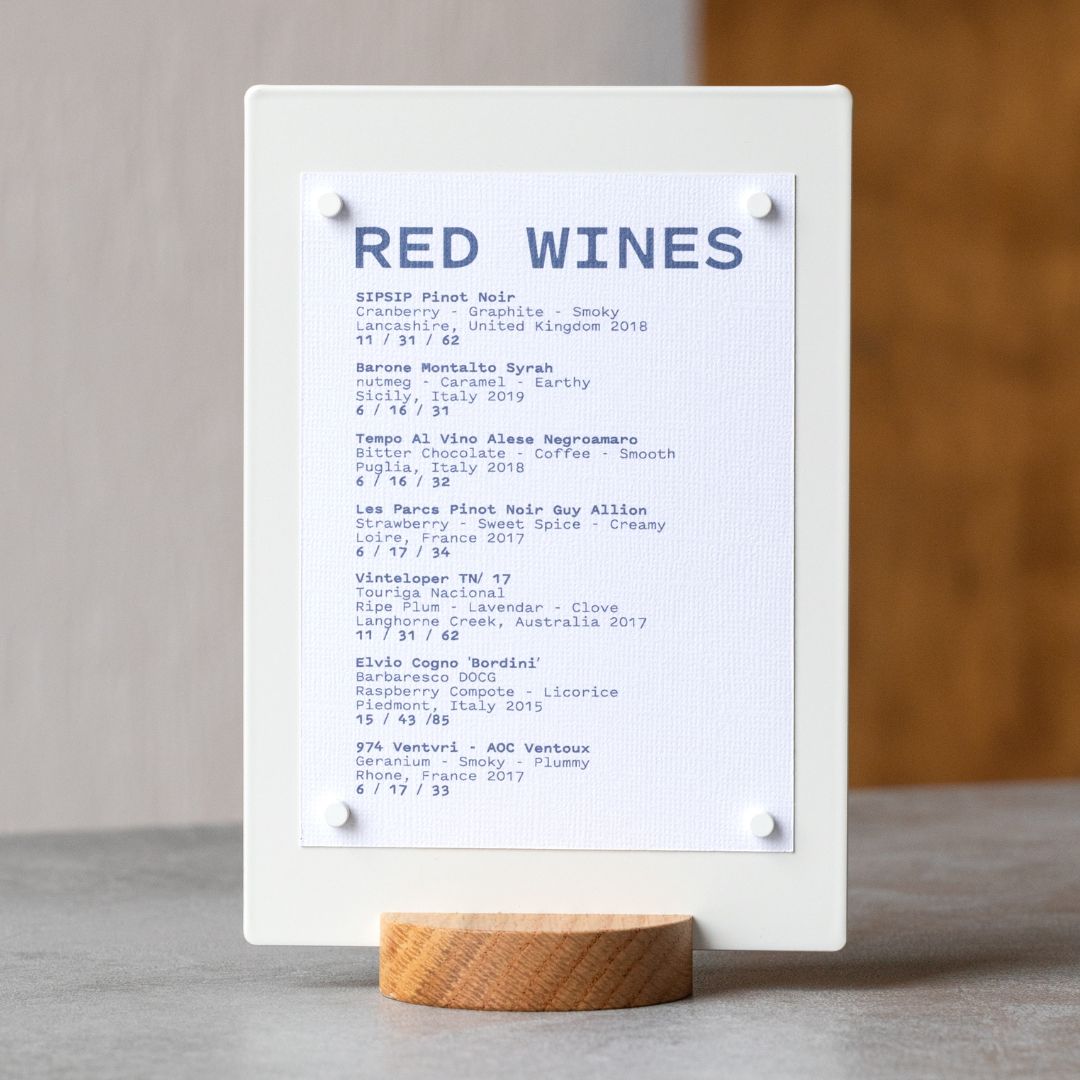
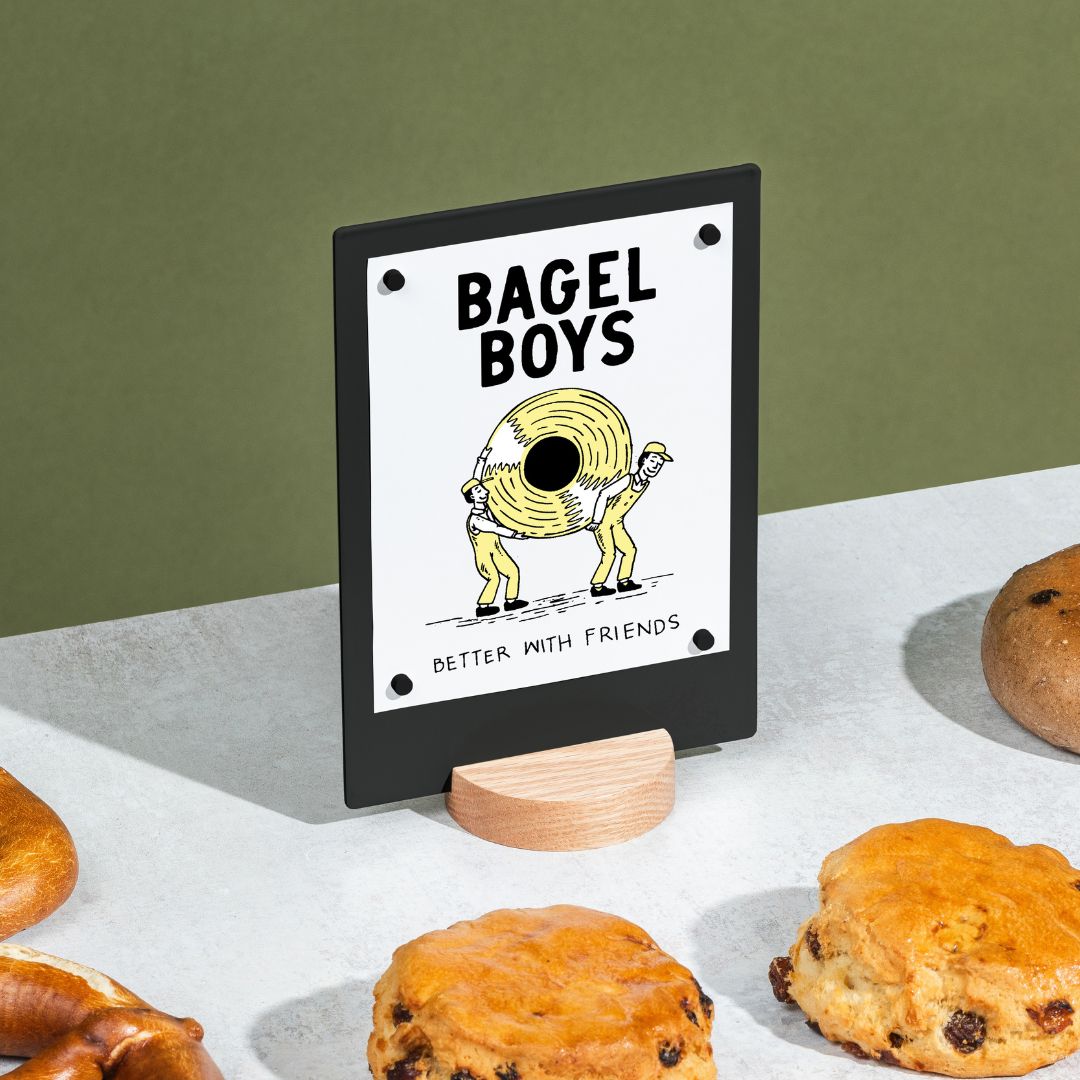
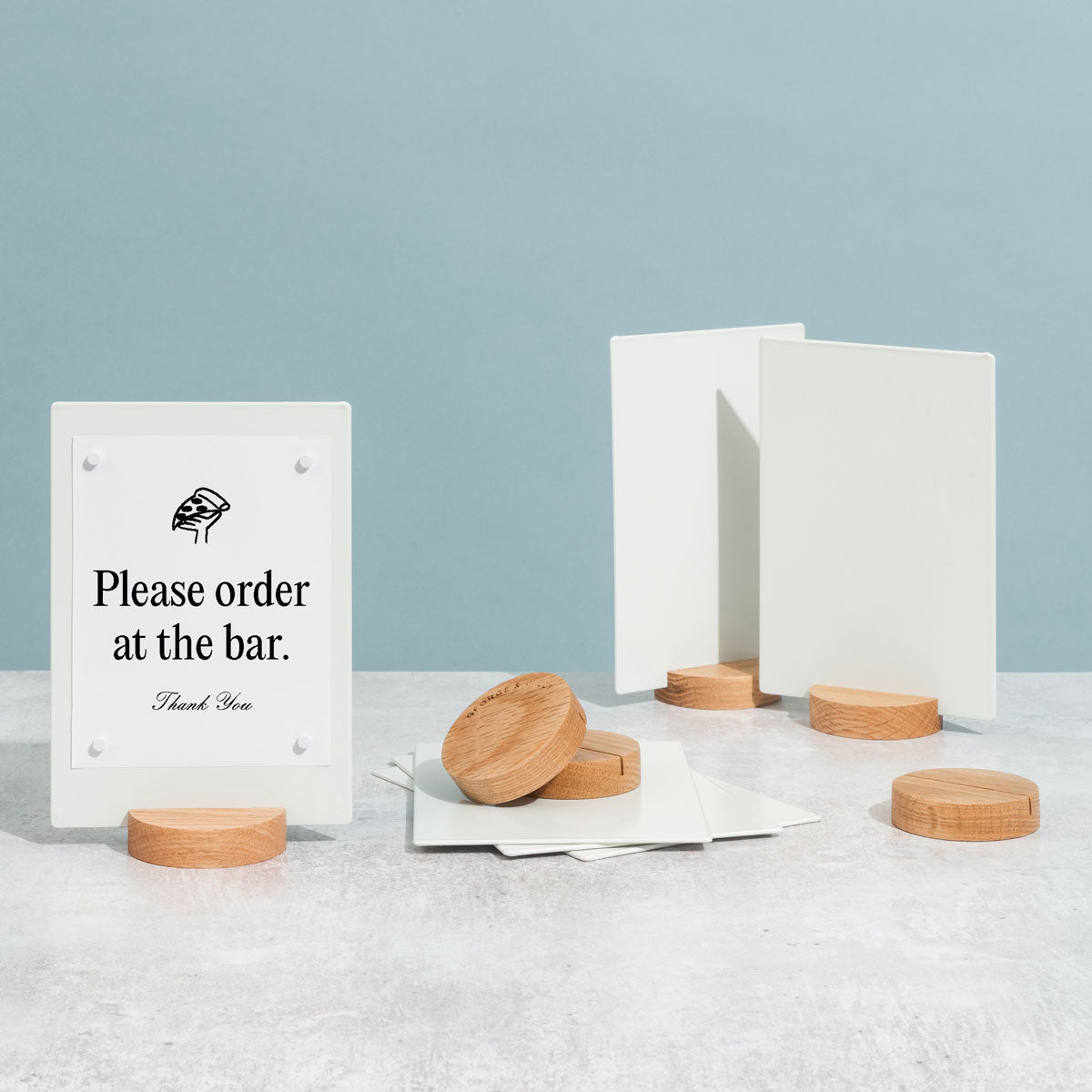
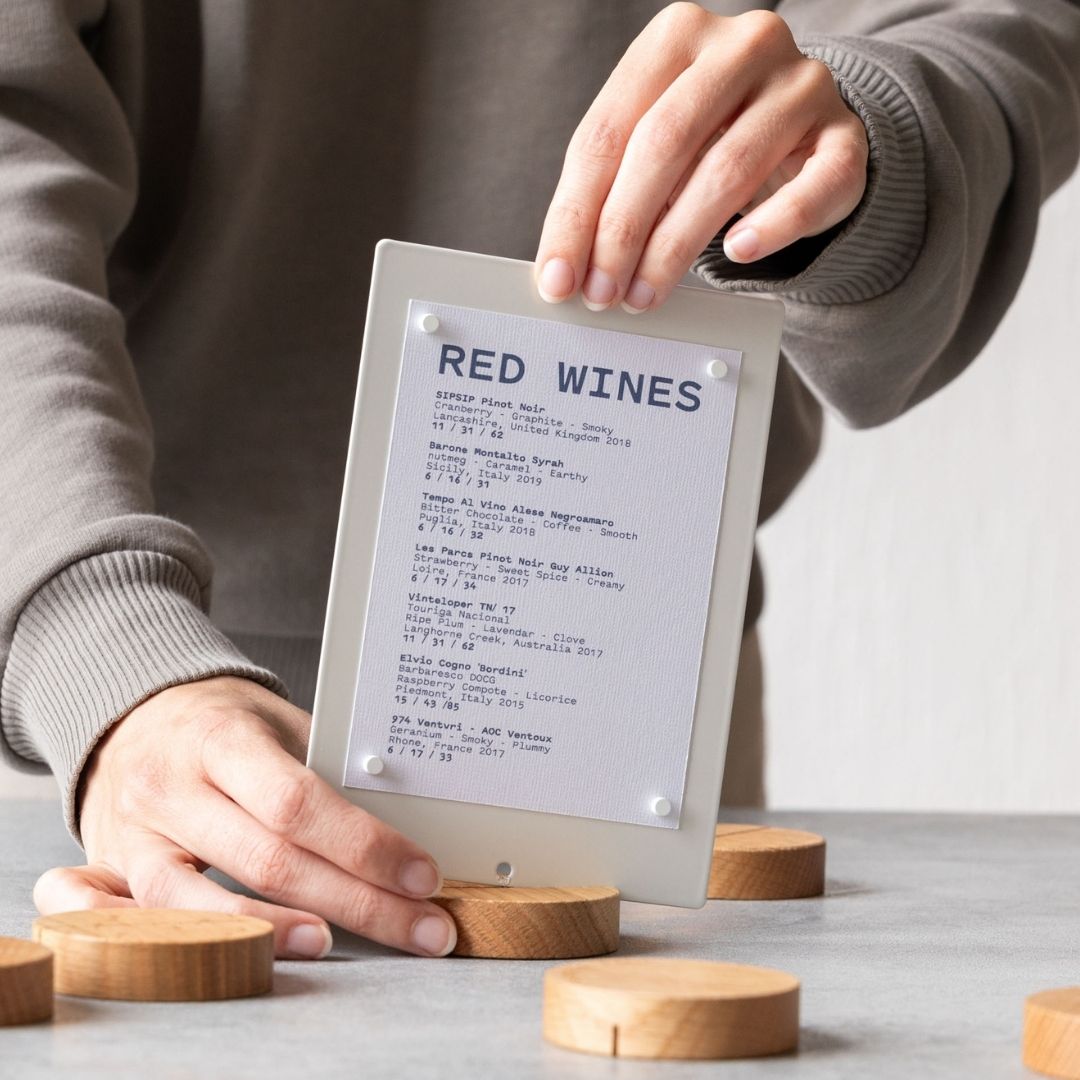
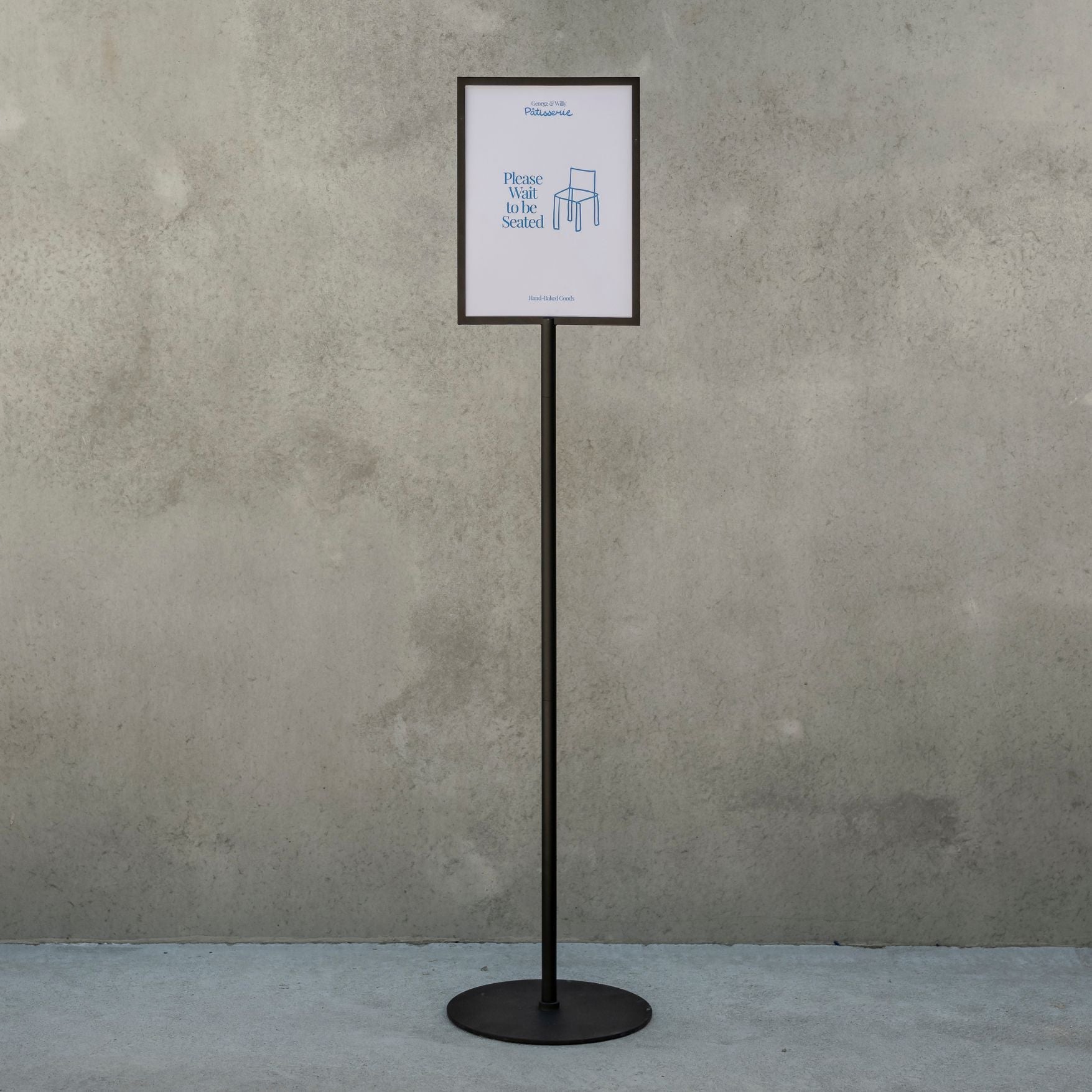
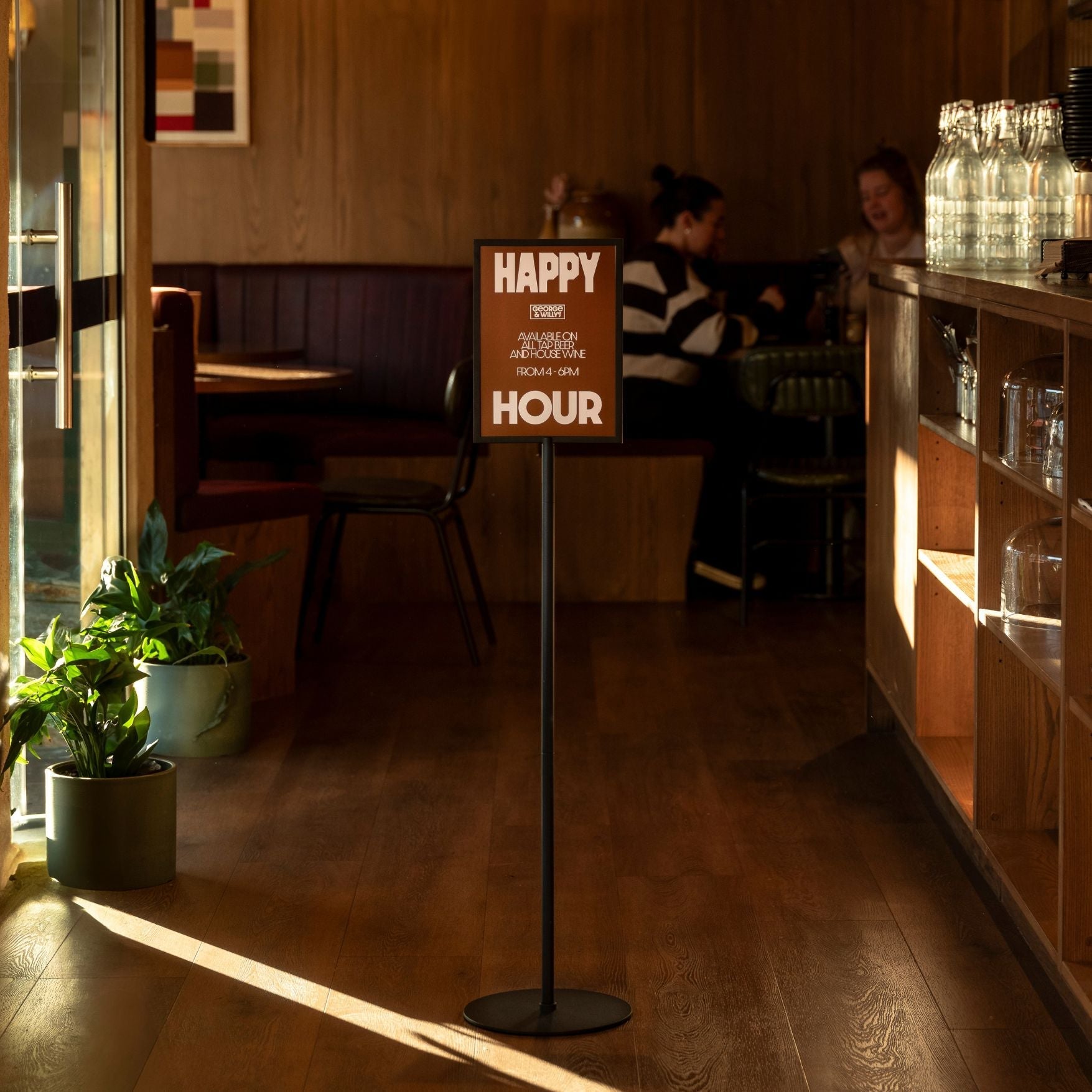
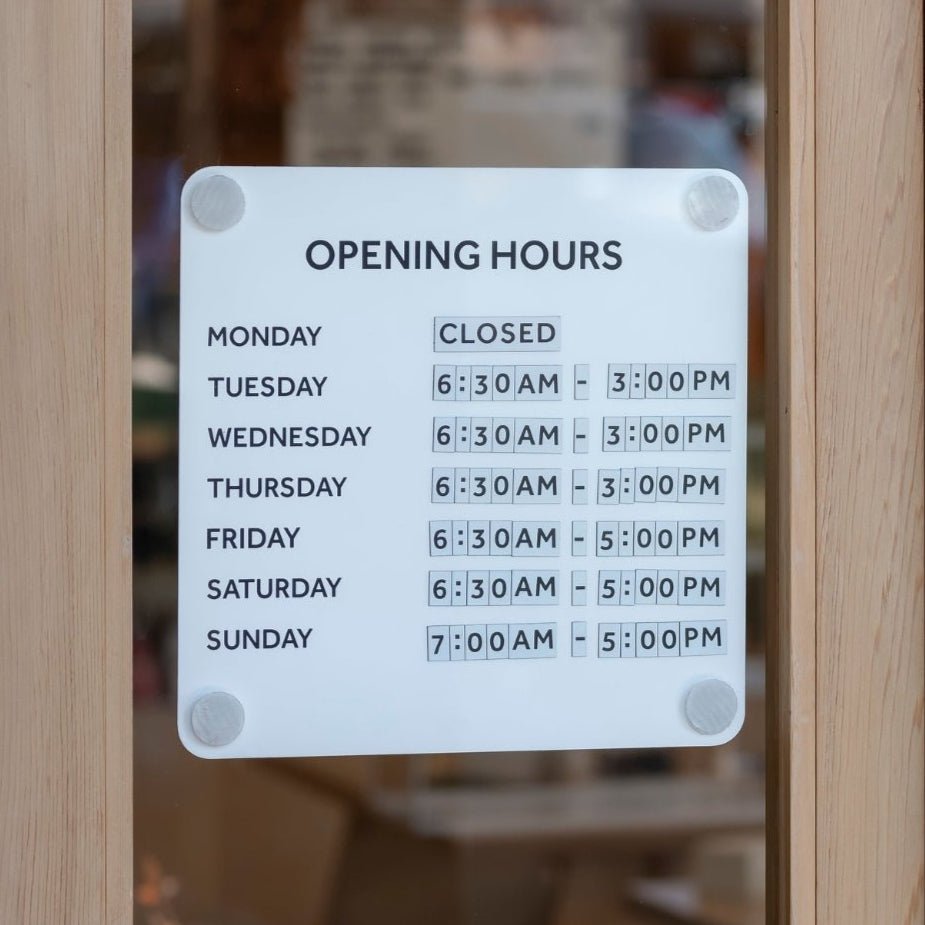
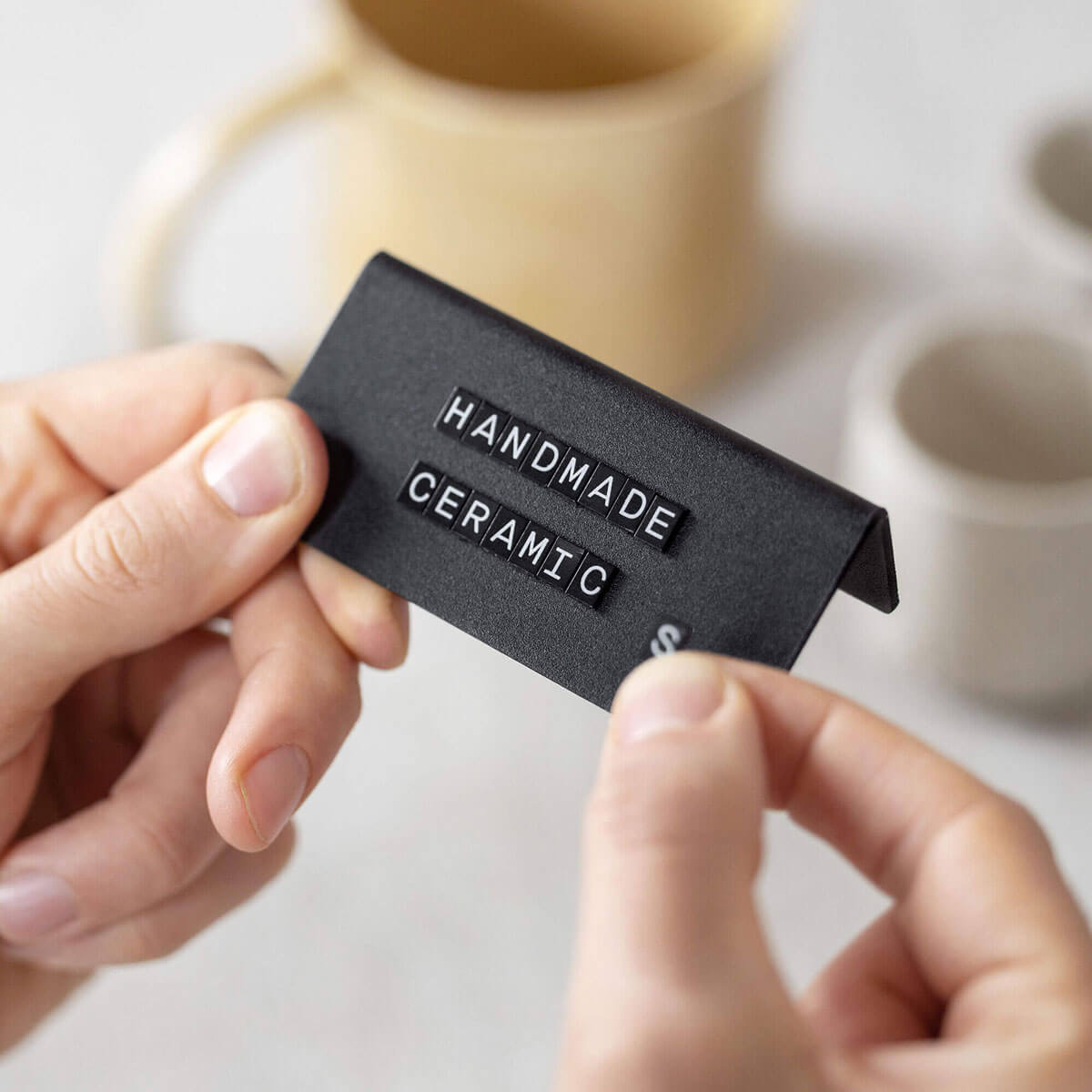
Your signage strategy shouldn’t stop at the front door. Interior signs are crucial for guiding customers (wayfinding), highlighting promotions, and encouraging impulse buys. Simple, elegant Counter Signs can be used to label new arrivals or share information without creating clutter.
Materials, Illumination, and Technology
The quality of your sign’s components says a lot about your business. Modern custom sign designs blend durable materials with smart technology.
Materials, Finishes, and Durability
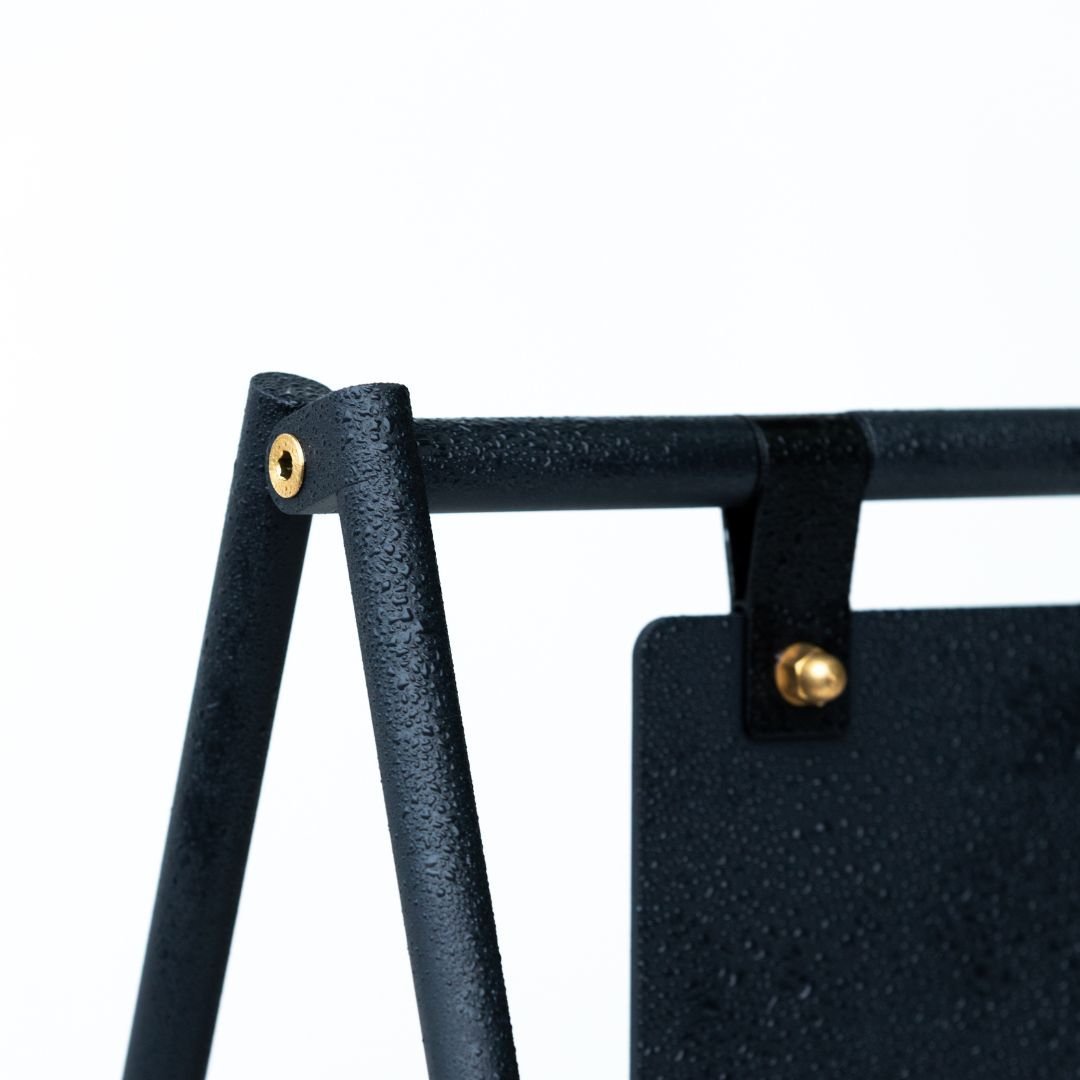
Investing in durable, weather-resistant materials is essential for any outdoor signage. Powder-coated aluminum and steel are excellent choices because they resist rust and fading. For those prioritizing sustainability, options like bamboo, reclaimed wood, and recycled aluminum are becoming more common. These eco-friendly materials offer durability while reducing environmental impact.
The Power of Illumination
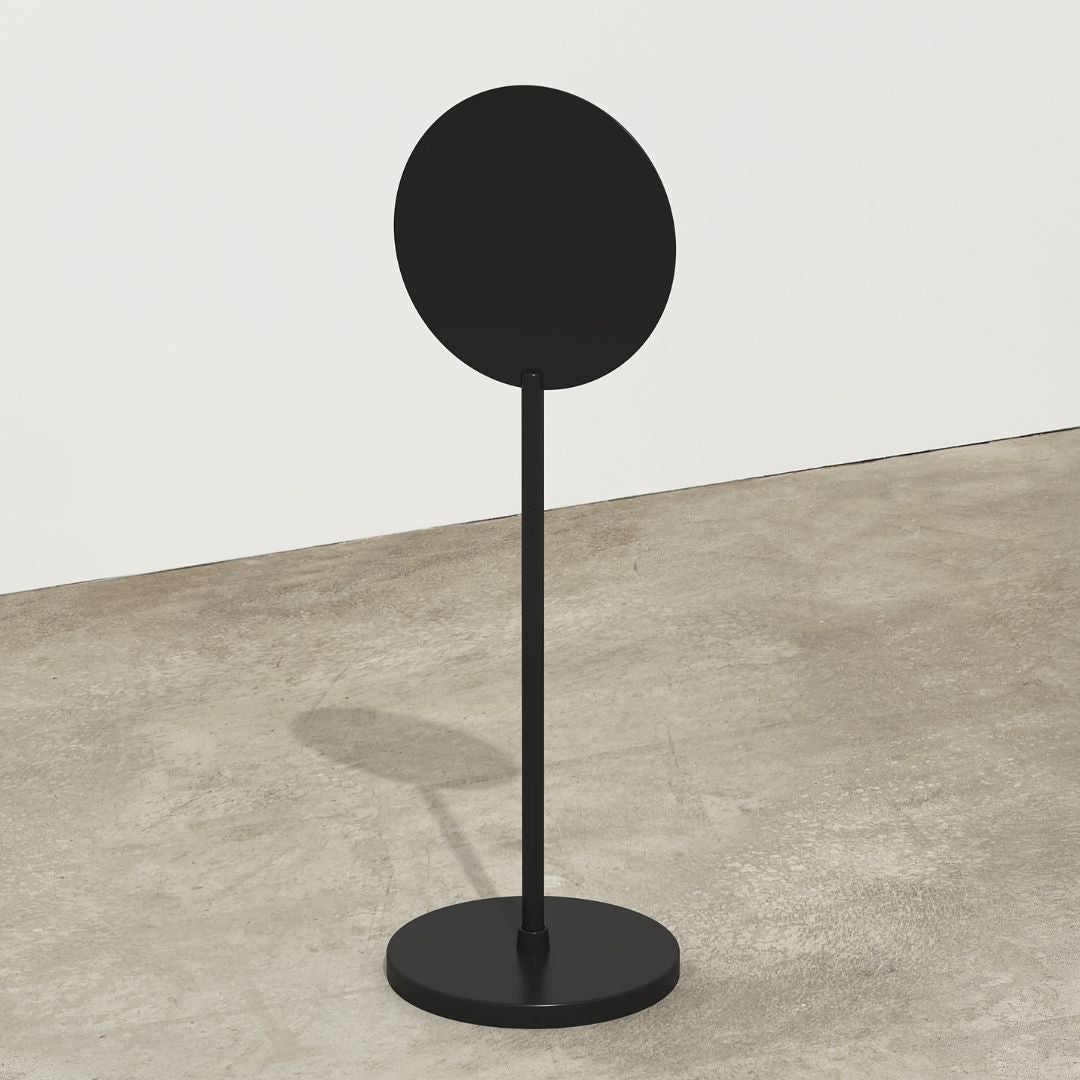
Visibility doesn’t end when the sun goes down. An illuminated sign acts as a beacon, ensuring your business stands out. A modern Round Light Box Sign not only improves readability but also adds a sophisticated and welcoming glow to your storefront. Energy-efficient LED lighting is a sustainable choice that provides bright, long-lasting illumination.
Integrating Digital and Dynamic Content
While fully digital signs are an option, you can integrate technology in simpler ways. Adding a QR code to your sign is a reliable way to link your physical storefront to your website, social media, or online menu. This creates a seamless bridge between your physical and online presence, offering customers immediate access to more information.
From Concept to Installation
Creating a professional look is an achievable, step-by-step process.
Bringing Your Custom Sign Designs to Reality
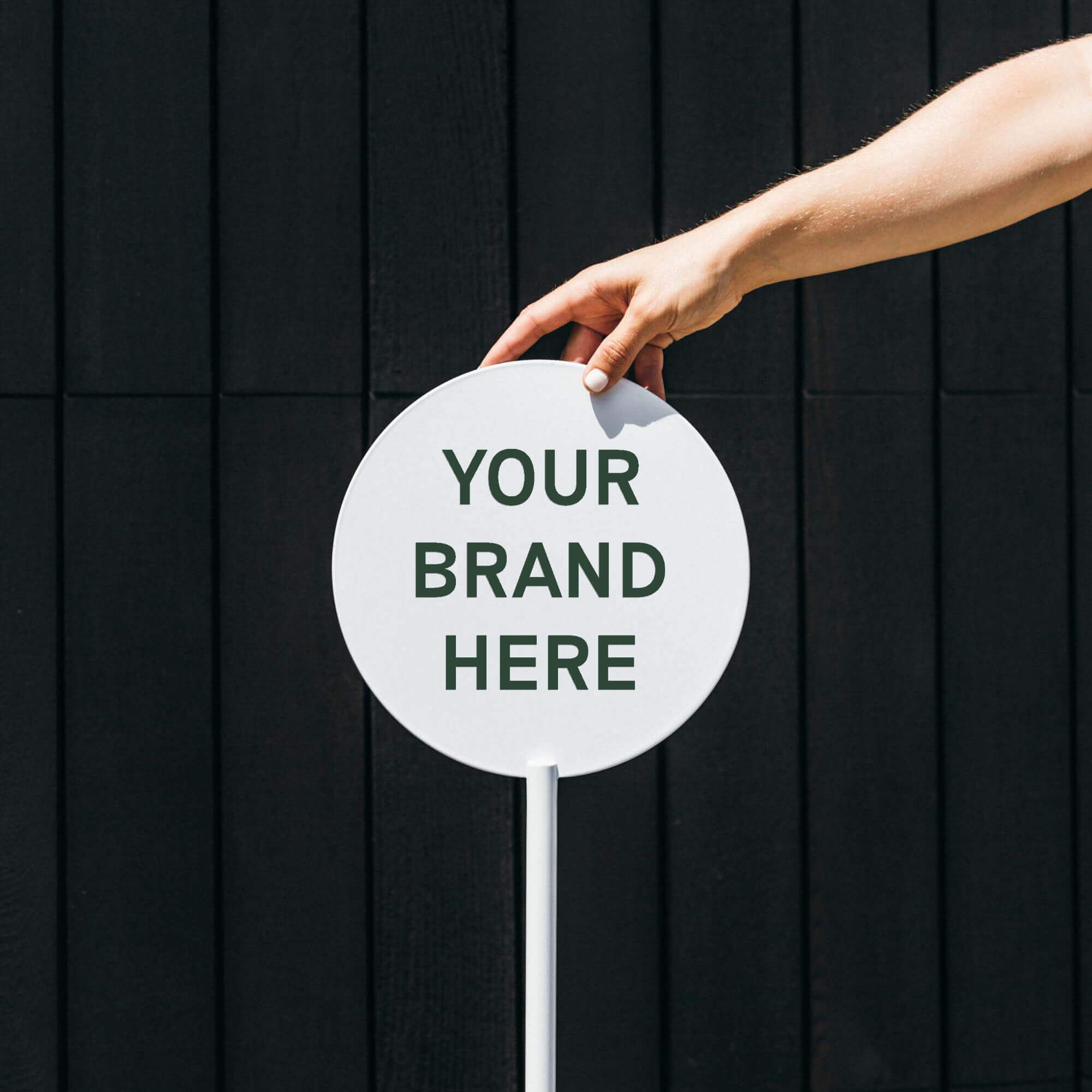
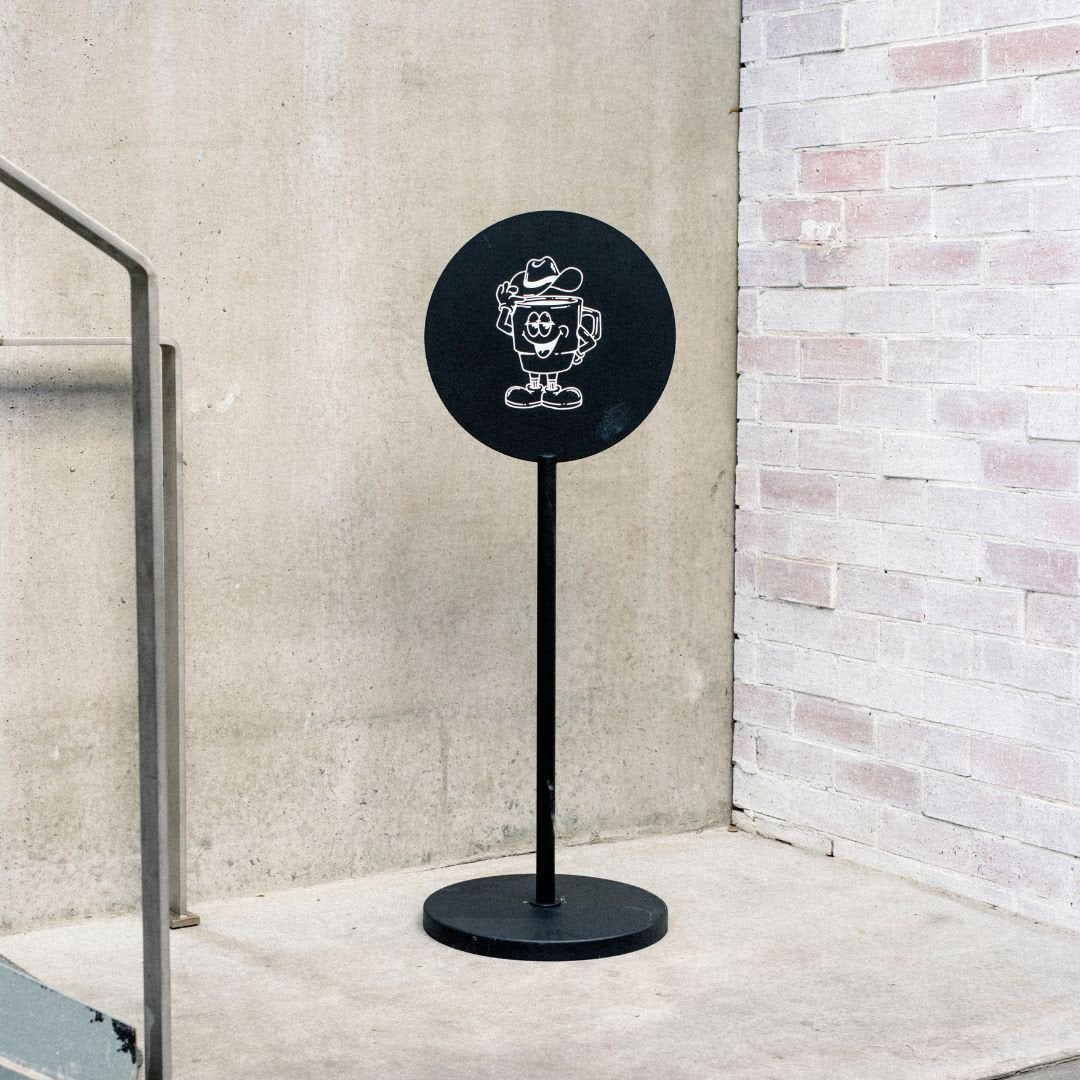
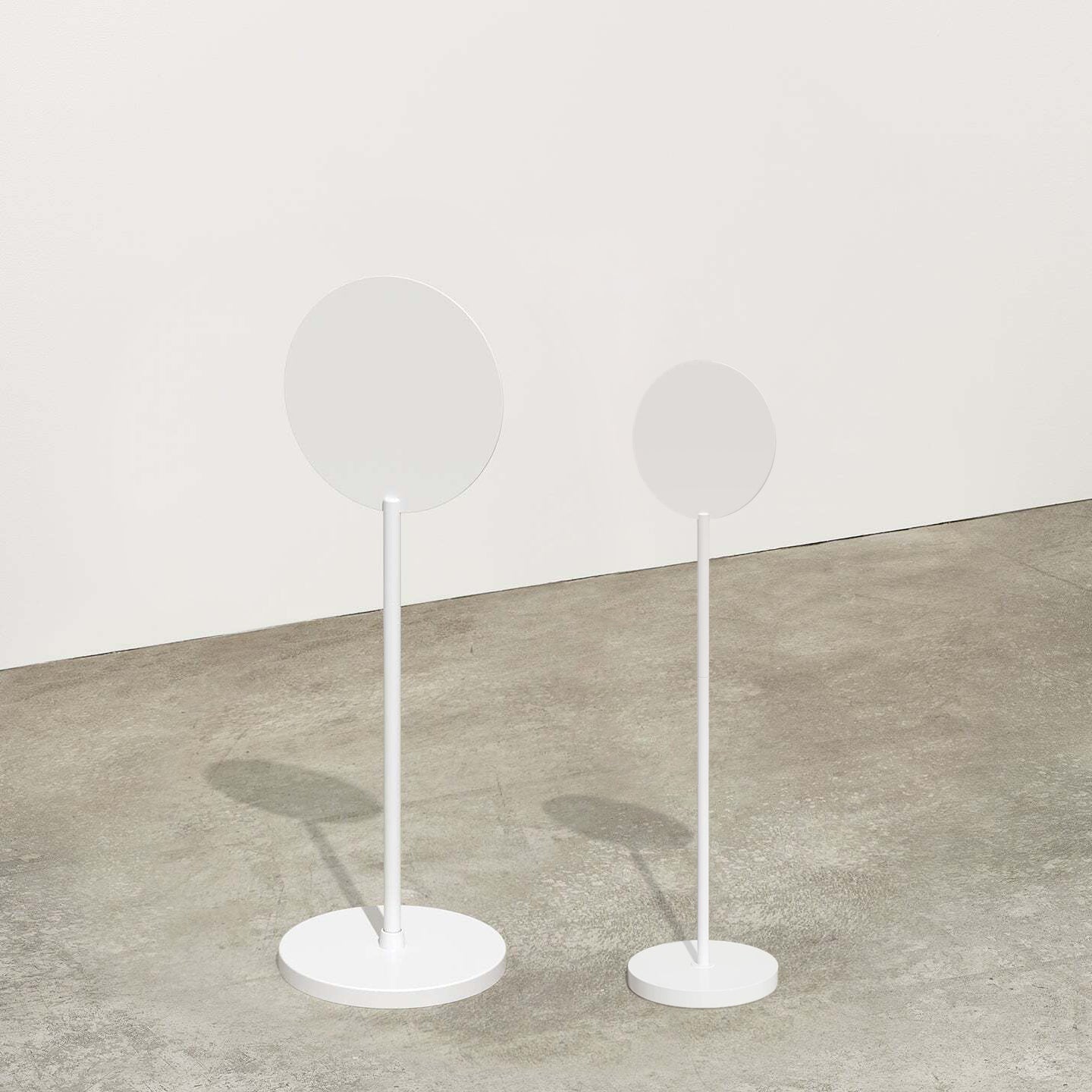
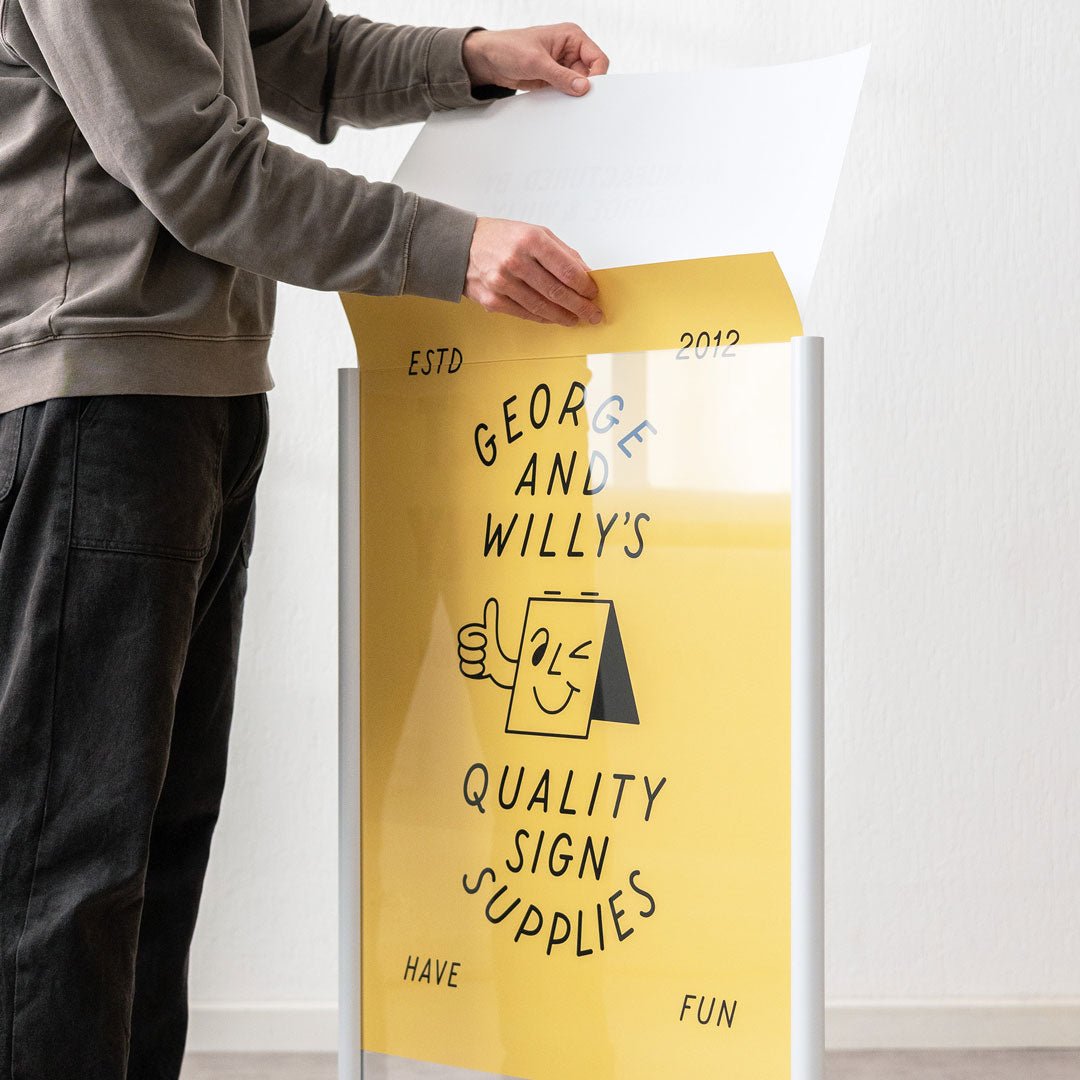
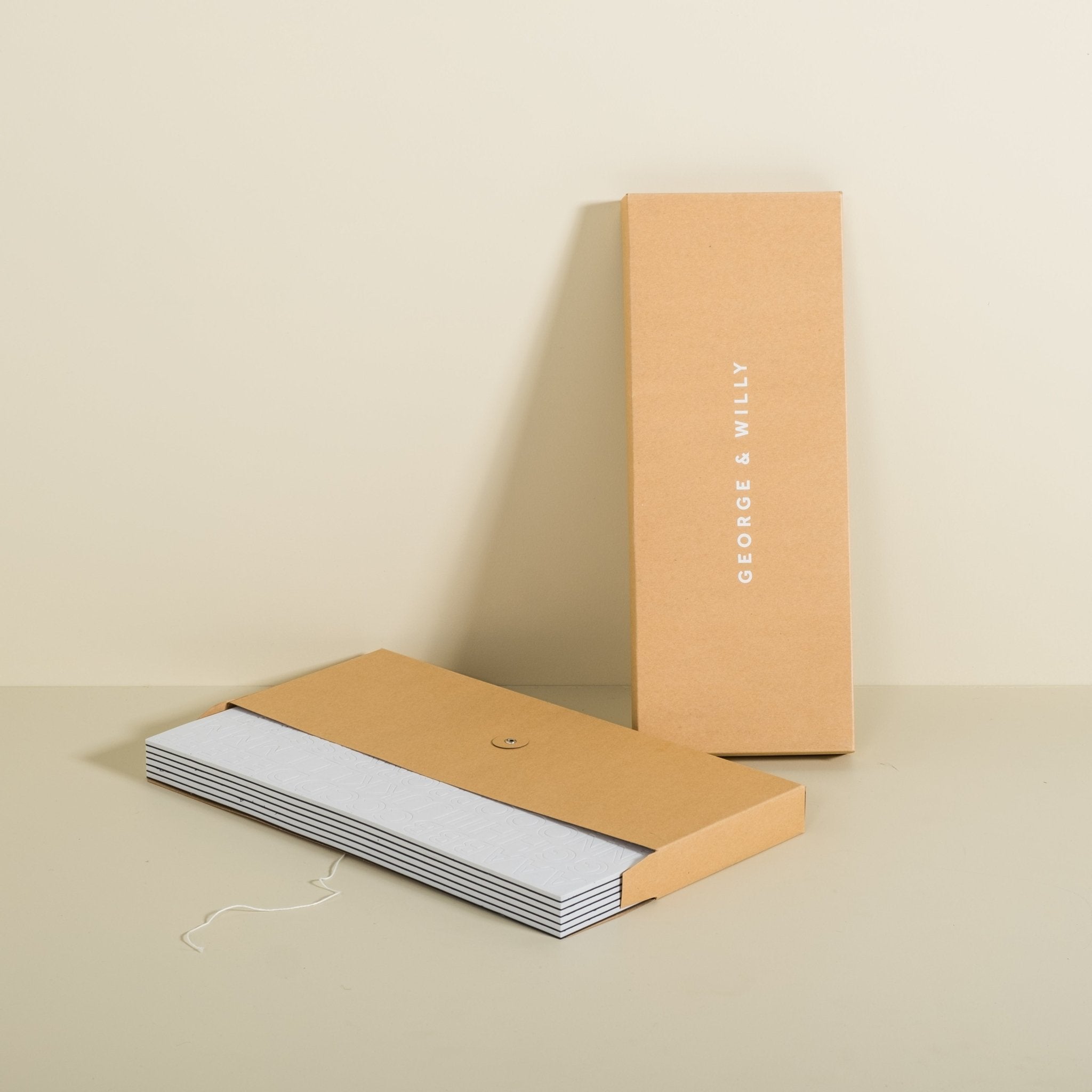
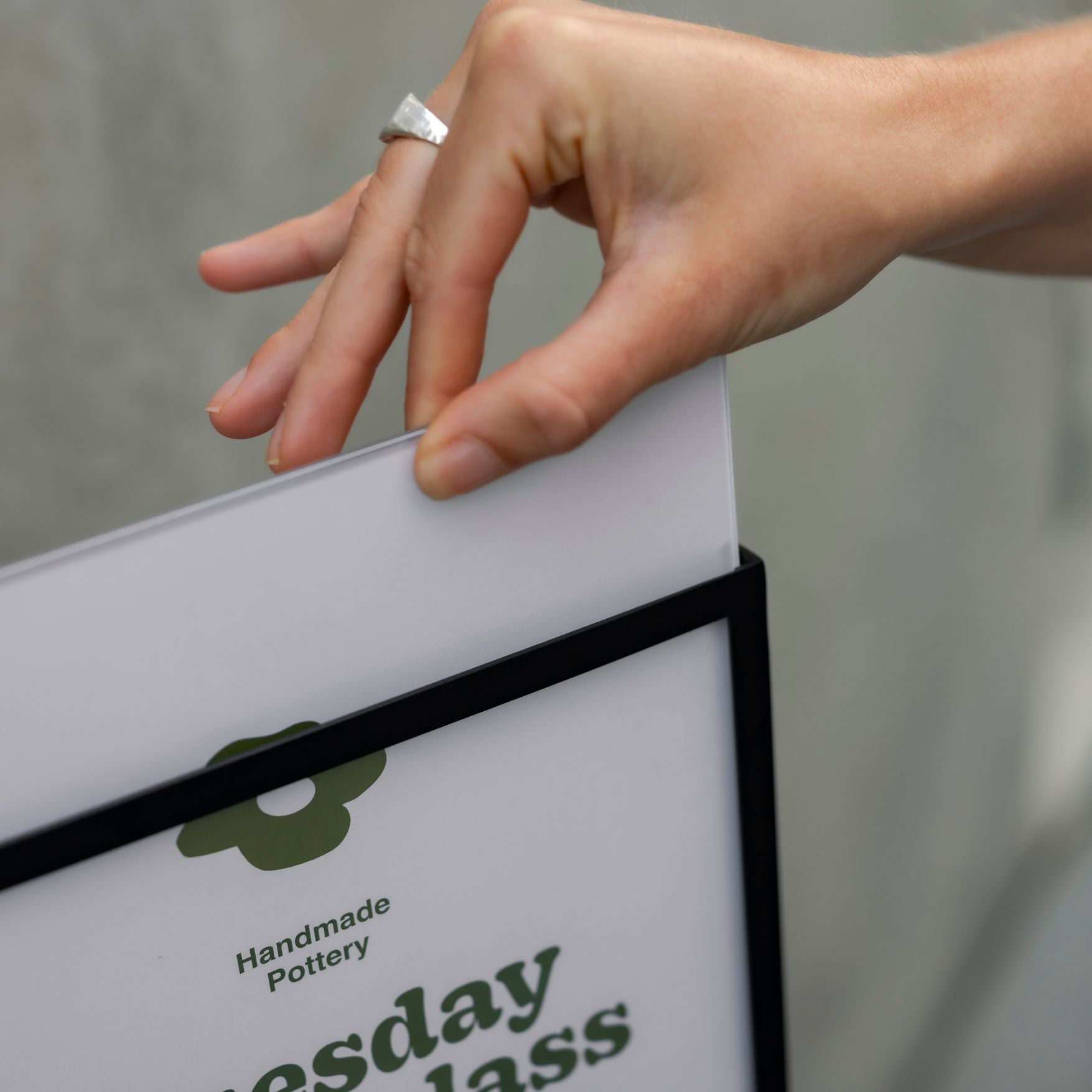
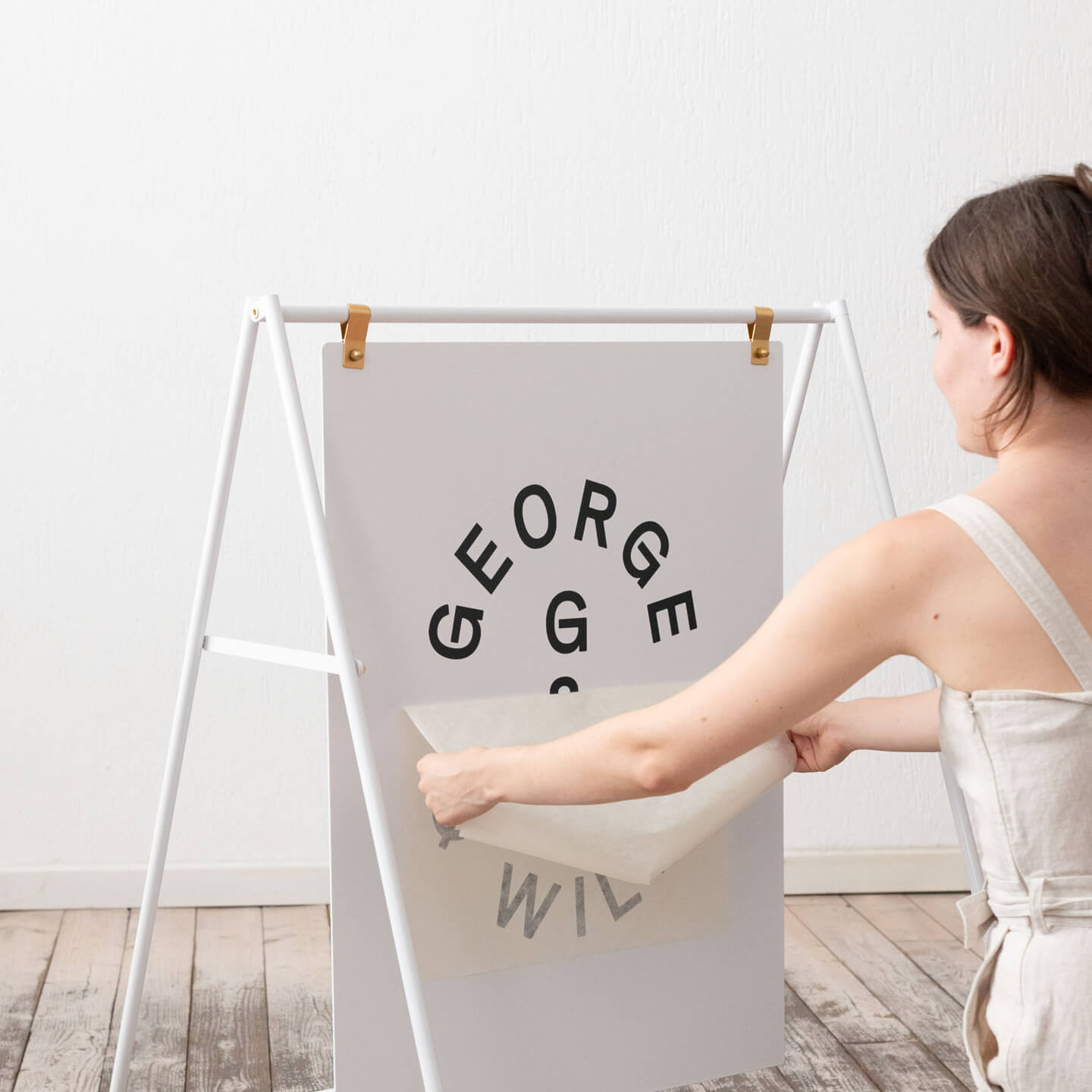
The most flexible and efficient approach is to start with high-quality, blank signage and partner with a local signwriter. They can easily apply your custom logo, text, and graphics using durable vinyl decals. This method allows you to:
- Maintain creative control over your branding.
- Update your look without replacing the entire sign.
- Avoid the long lead times and high costs of one-off fabrication.
Budgeting for Your Signage Project
The cost of business signs can range widely, from a few hundred dollars for a simple A-frame to thousands for an illuminated pylon sign. On average, many businesses spend between $2,000 and $5,000 for a professionally installed sign. Factors influencing the cost include materials, size, illumination, and design complexity.
Installation and Maintenance
Proper installation is critical for safety and longevity. Always ensure your sign is securely mounted and complies with local building codes. For maintenance, regularly clean your sign with a mild detergent and water to keep it looking fresh. Check for any loose fittings or weather damage periodically. Many quality sign products also come with a warranty that covers faulty workmanship or materials.
Frequently Asked Questions About Custom Sign Designs
What makes a sign design effective?
An effective sign design is simple, readable, and consistent with your brand. It should communicate its core message quickly and be visible from a distance. High contrast colors, clean fonts, and a clear visual hierarchy are key.
What are the most durable materials for outdoor signs?
Powder-coated aluminum and steel are top choices for durability. They are highly resistant to rust, corrosion, and fading from sun exposure.
How can I make my sign more sustainable?
Choose signs made from recyclable or renewable materials like aluminum, steel, or FSC-certified wood. Using energy-efficient LED lighting also reduces your environmental footprint.
Can I add my own logo to a pre-made sign?
Absolutely. Starting with a blank, high-quality sign and having a local signwriter apply a vinyl decal of your logo is a very common and effective practice. This gives you a custom look with the reliability of professionally crafted hardware.
What types of custom sign designs work best for cafes?
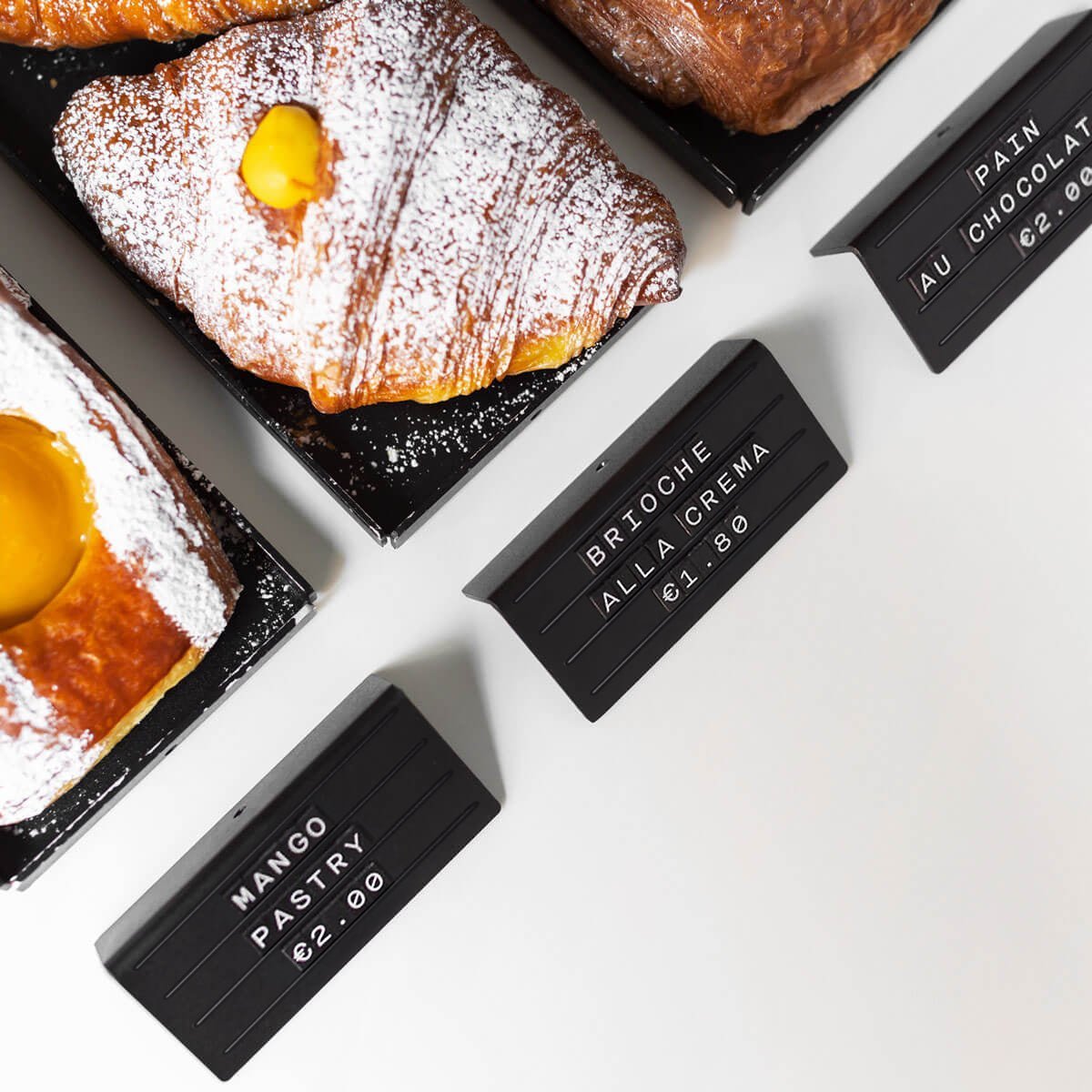
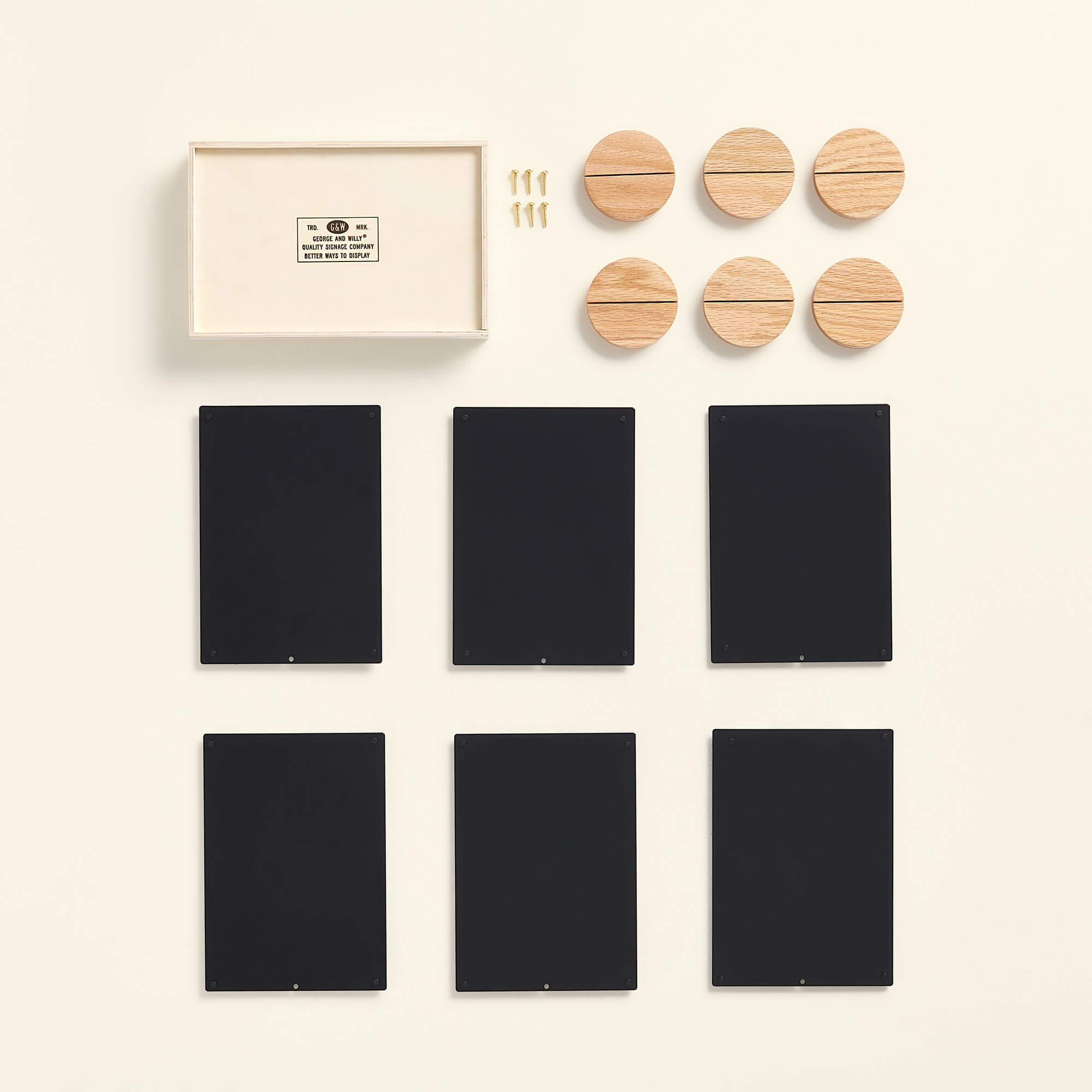
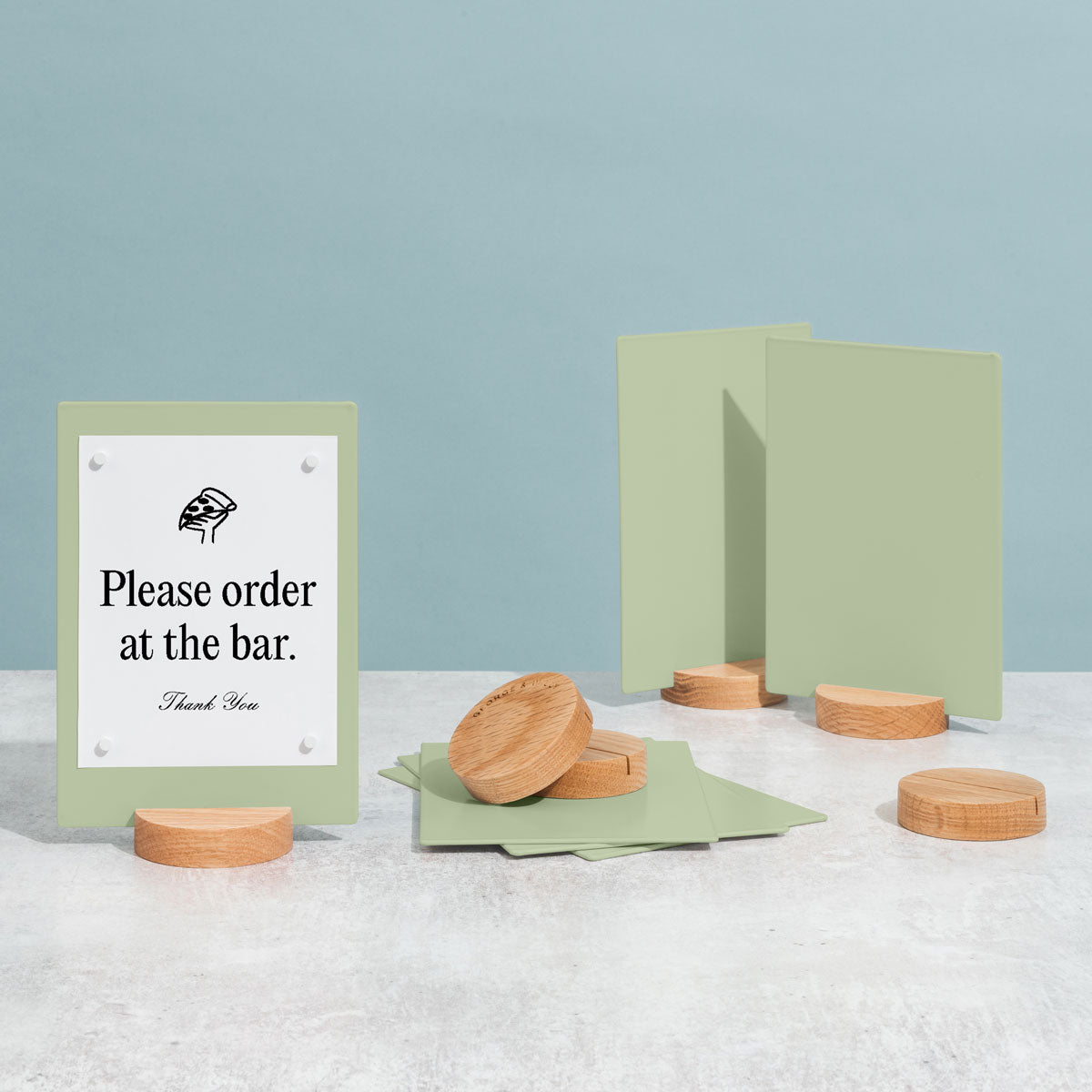
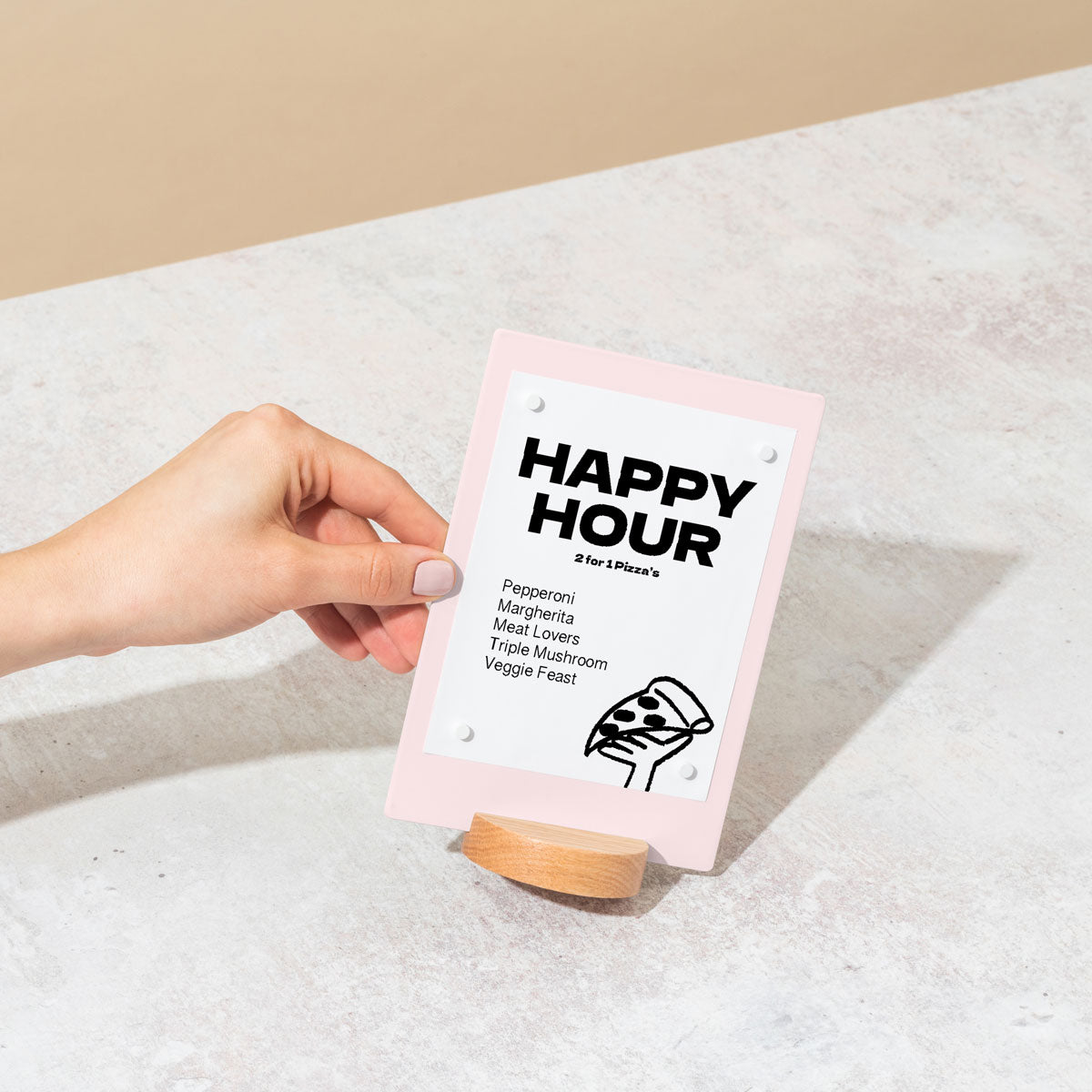
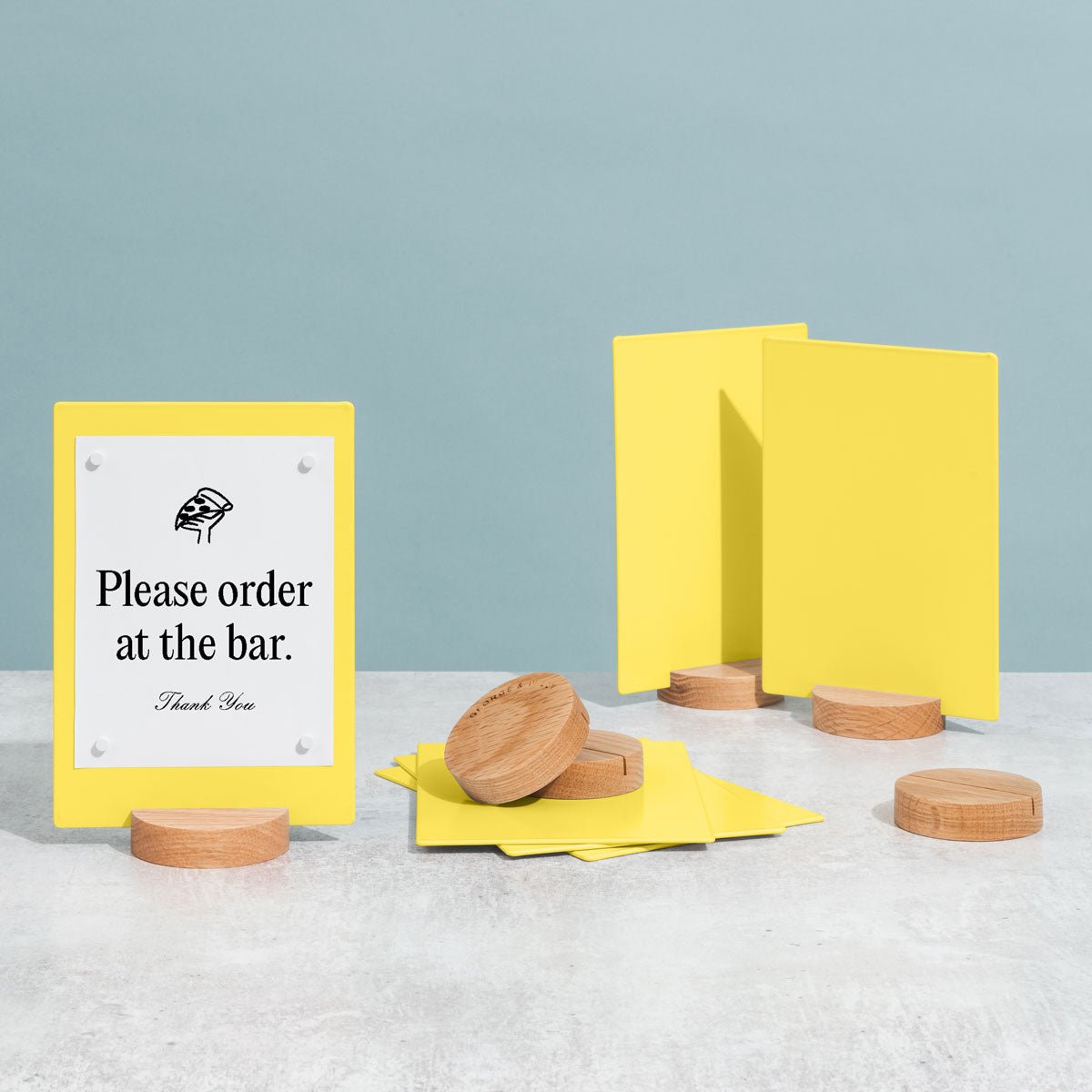
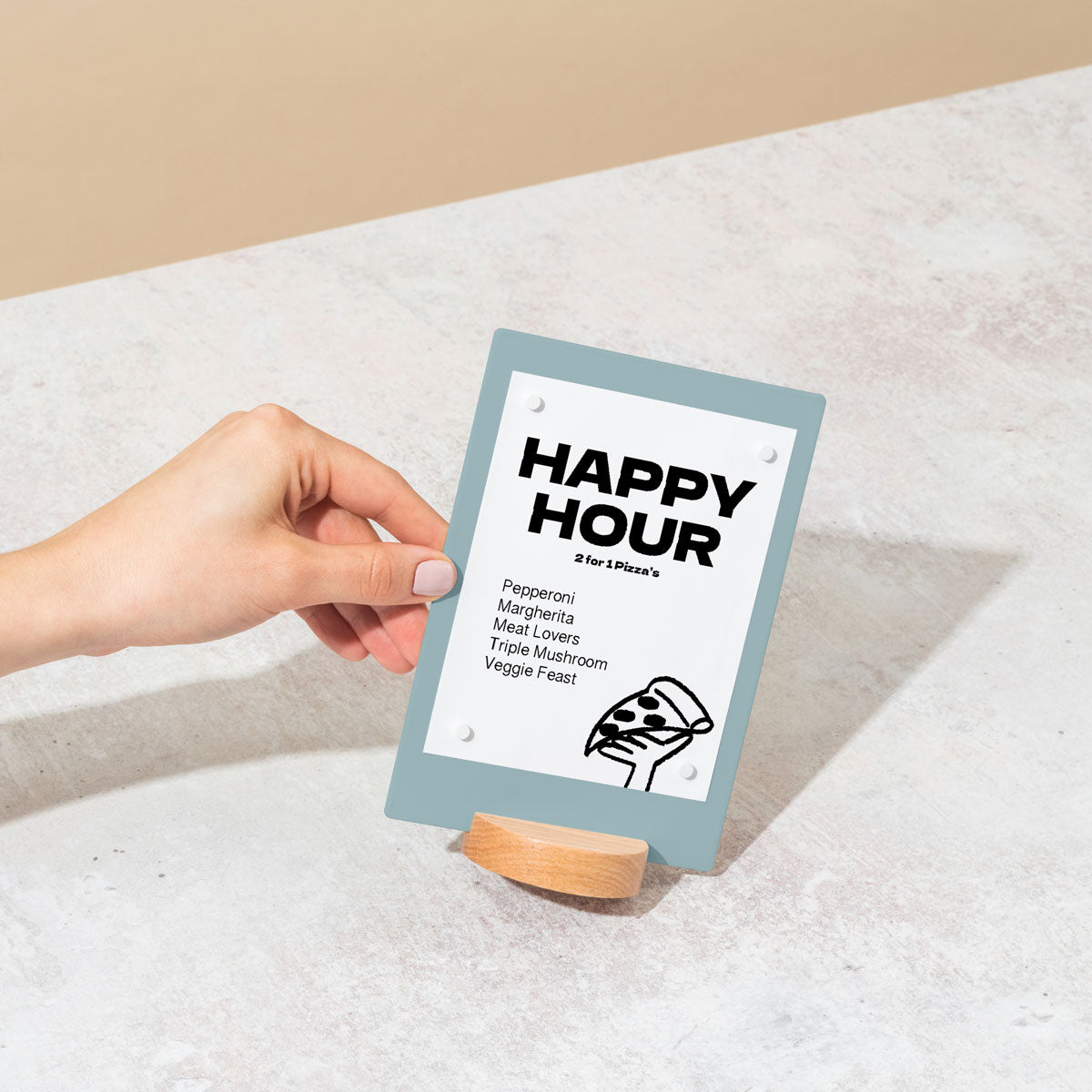
Cafes benefit from a combination of signs, including a projecting blade sign for street visibility, an A-frame sidewalk sign for daily specials, and a changeable menu board inside. Tabletop signs like Table Talkers for featured items are also highly effective.
Great custom sign designs are a blend of art and strategy. They attract attention, communicate value, and build a lasting brand identity. By focusing on quality materials, clear design principles, and strategic placement, you can create signage that not only looks great but also delivers real results for your business.
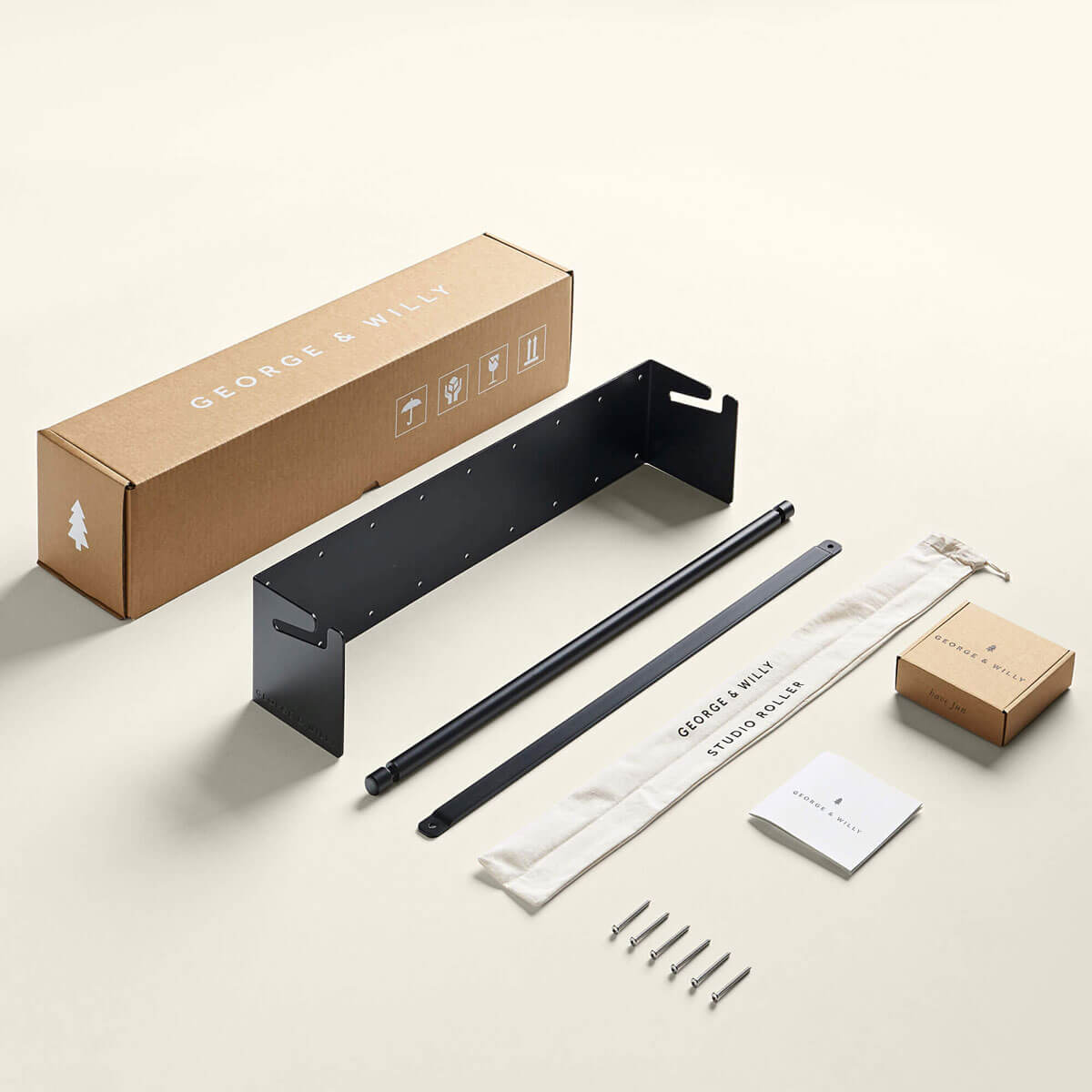
If you are ready to elevate your business’s presence, explore the range of timeless, durable signage at George & Willy to find the perfect canvas for your brand.