

Booth tables are more than just a place to sit; they shape the entire atmosphere of café or restaurant furniture. Given the choice, most diners will opt for a comfy booth over a standard table, and for good reason. They offer a unique blend of comfort, privacy, and efficiency. But not all booth setups are created equal. Let’s explore seven smart ways to optimize your booth tables to create an inviting space that maximizes your floor plan and keeps customers coming back.
1. Maximize Space and Comfort
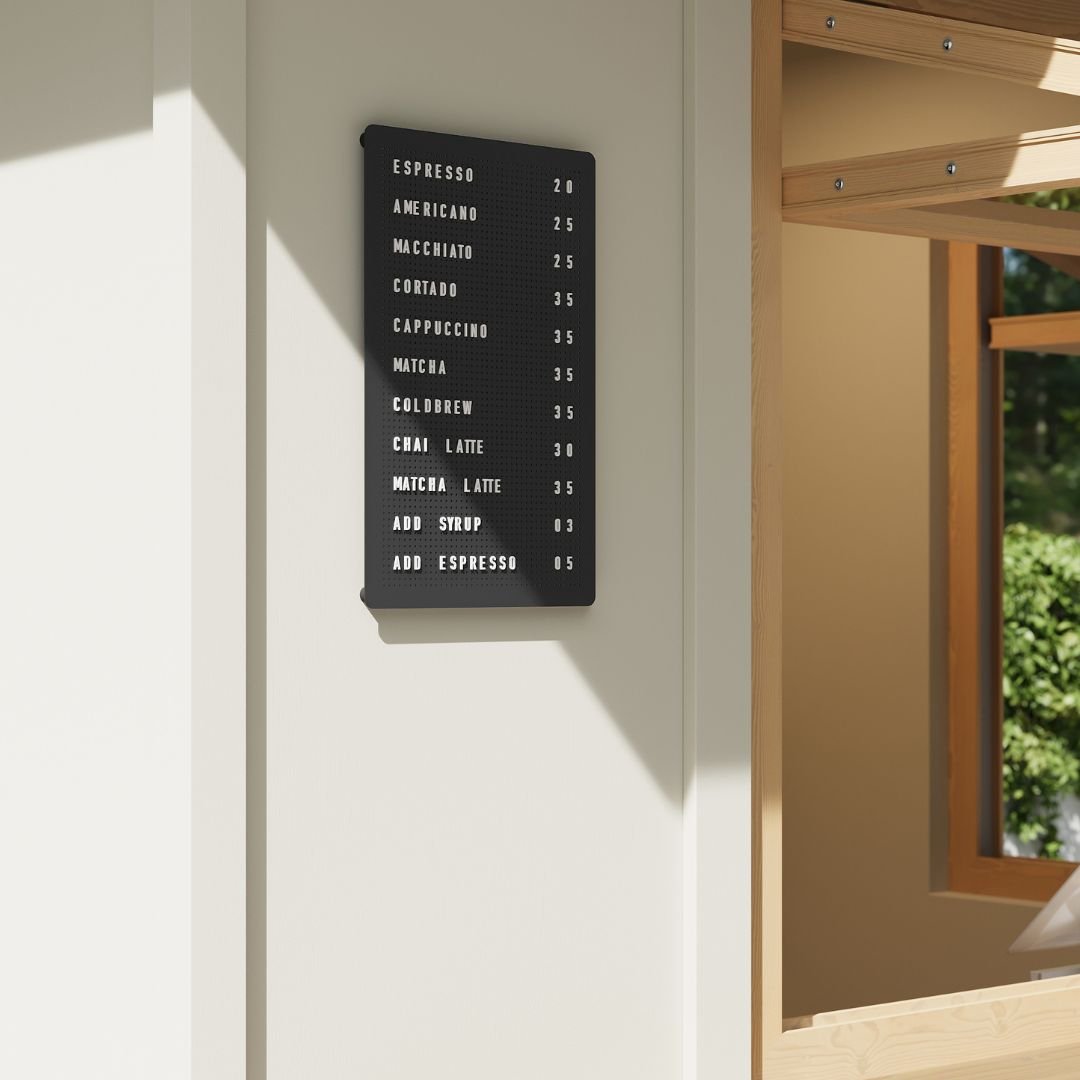
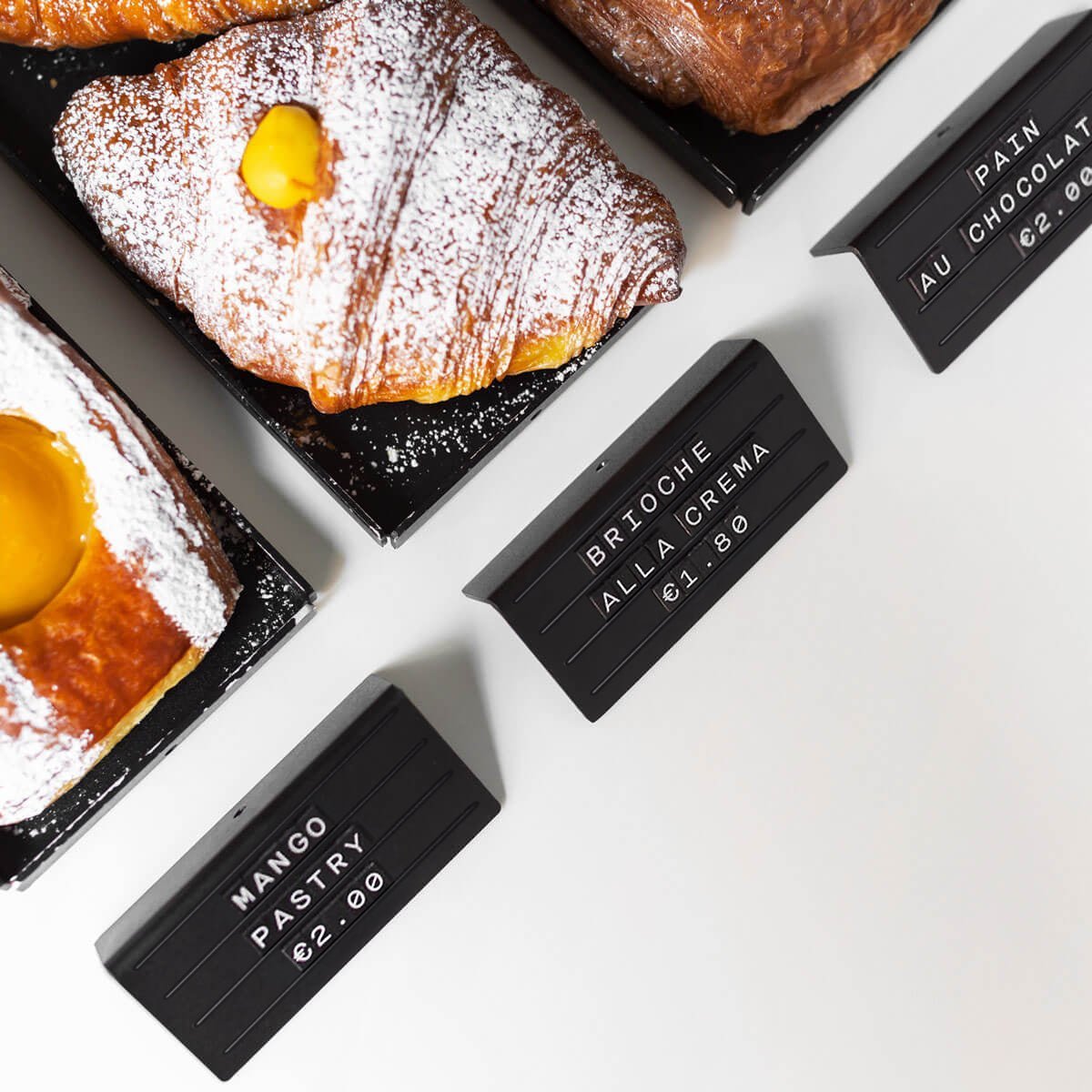
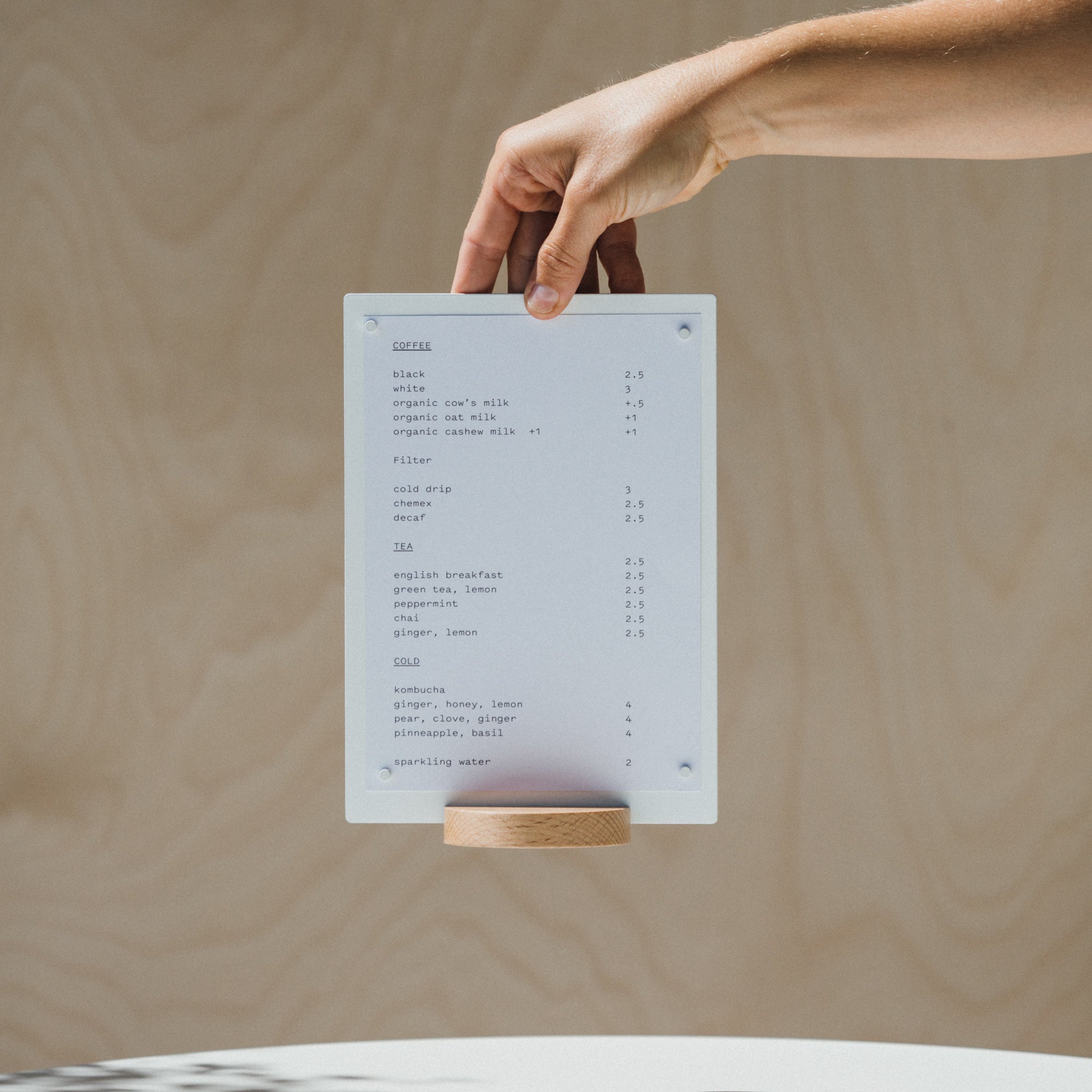
One of the biggest wins with booth tables is their incredible space efficiency. They can significantly boost your seating capacity without making the room feel crowded. By replacing freestanding tables and chairs with booth seating, you can often reclaim valuable floor space. One report found a typical four person table with chairs needs about 3 square meters, whereas the same setup with a booth fits into just 2.2 square meters, a 26% space saving. This adds up quickly, allowing you to seat more guests. Place a Menu Stand at the entrance so guests can browse the menu while waiting, reducing dwell time at booths. Even a modest 10 to 15% increase in covers can lead to noticeable revenue gains, with some busy venues recouping their investment in under a year.
Booth tables also offer fantastic flexibility for different group sizes. A booth designed for four can often squeeze in a fifth or sixth person for a casual get together, something impractical with individual chairs. Conversely, a party of two doesn’t feel lost in a larger booth because the cozy layout scales naturally. The result is a win win: guests love the comfort and privacy, and you get better use out of your floor plan.
2. Embrace Curved Booth Tables for a Social Vibe
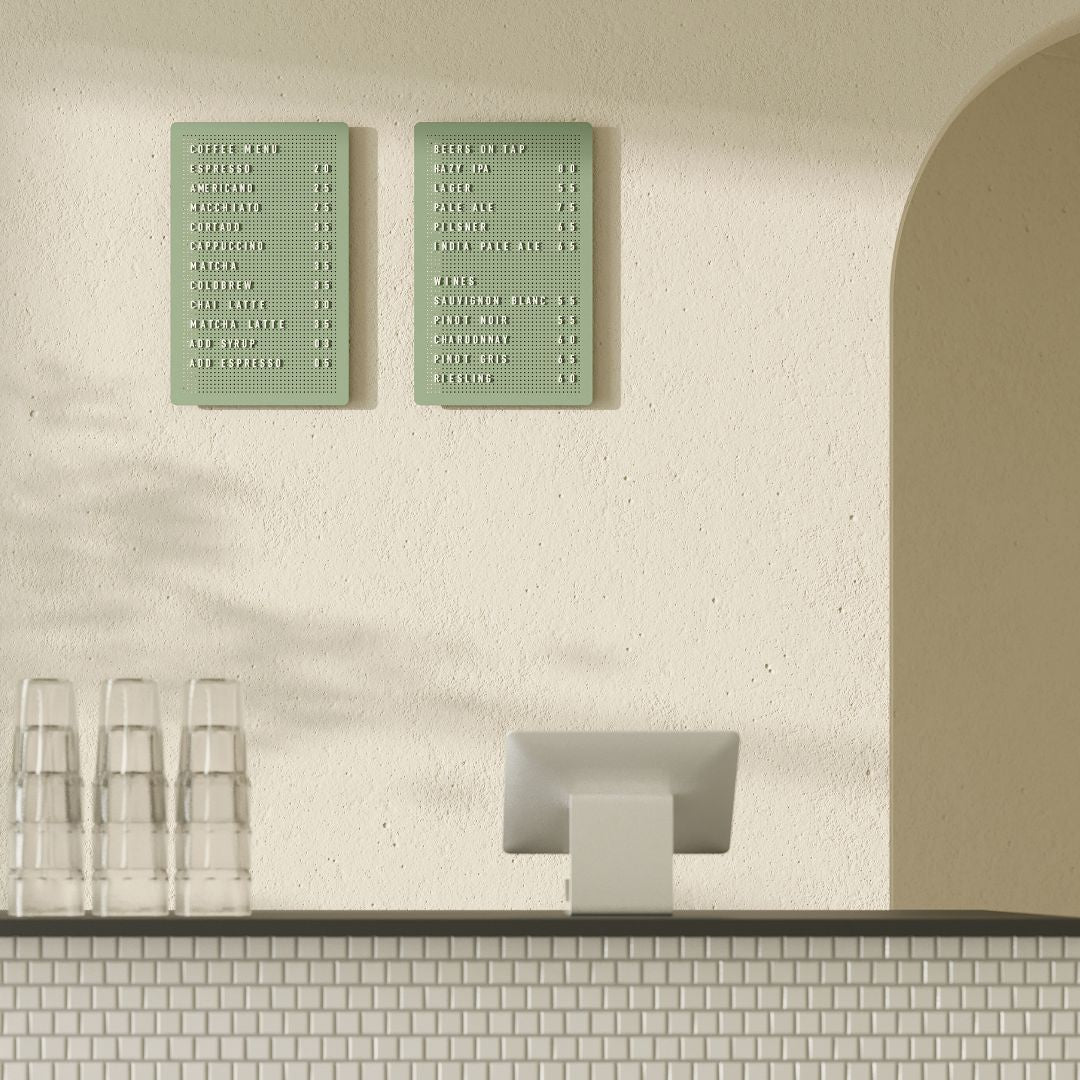
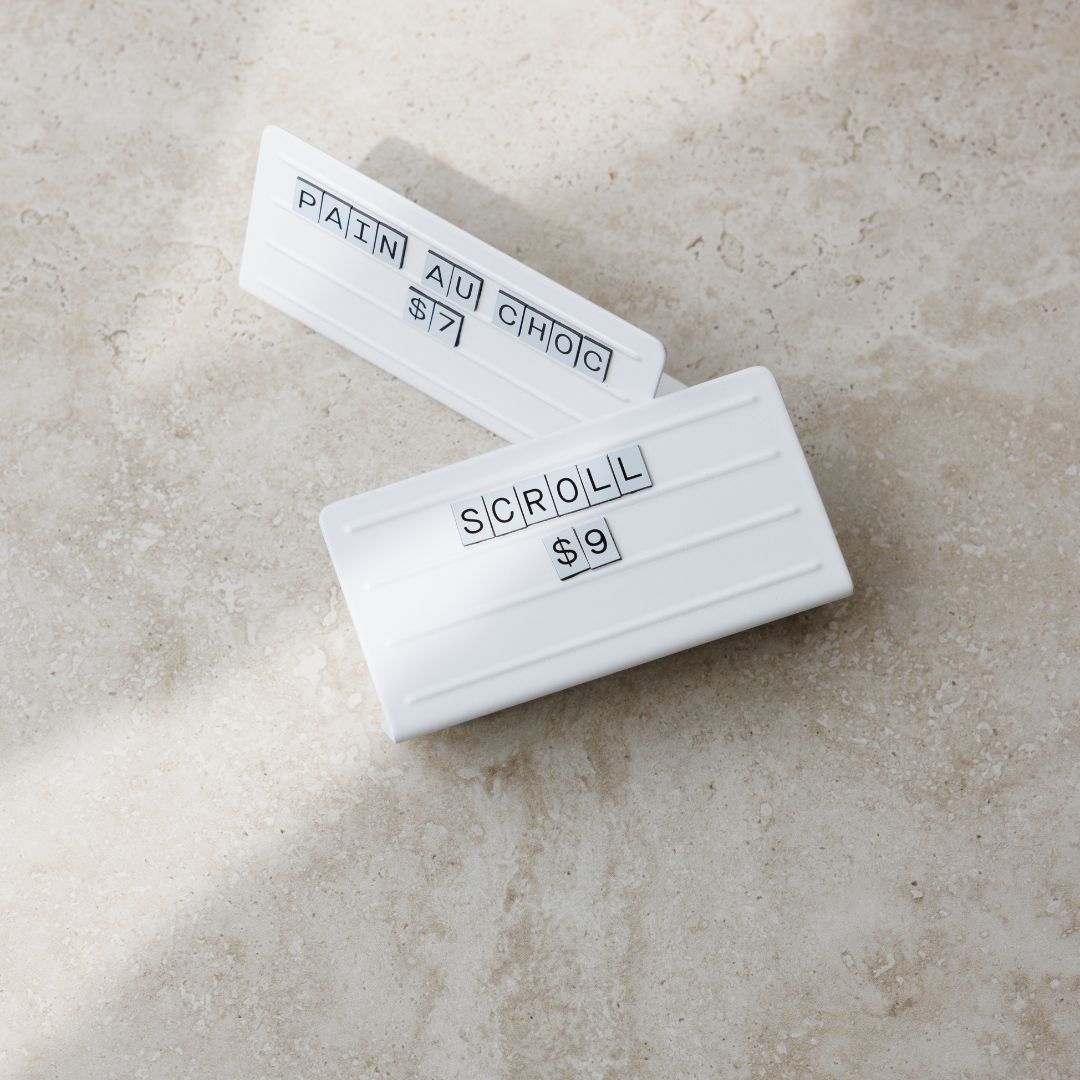
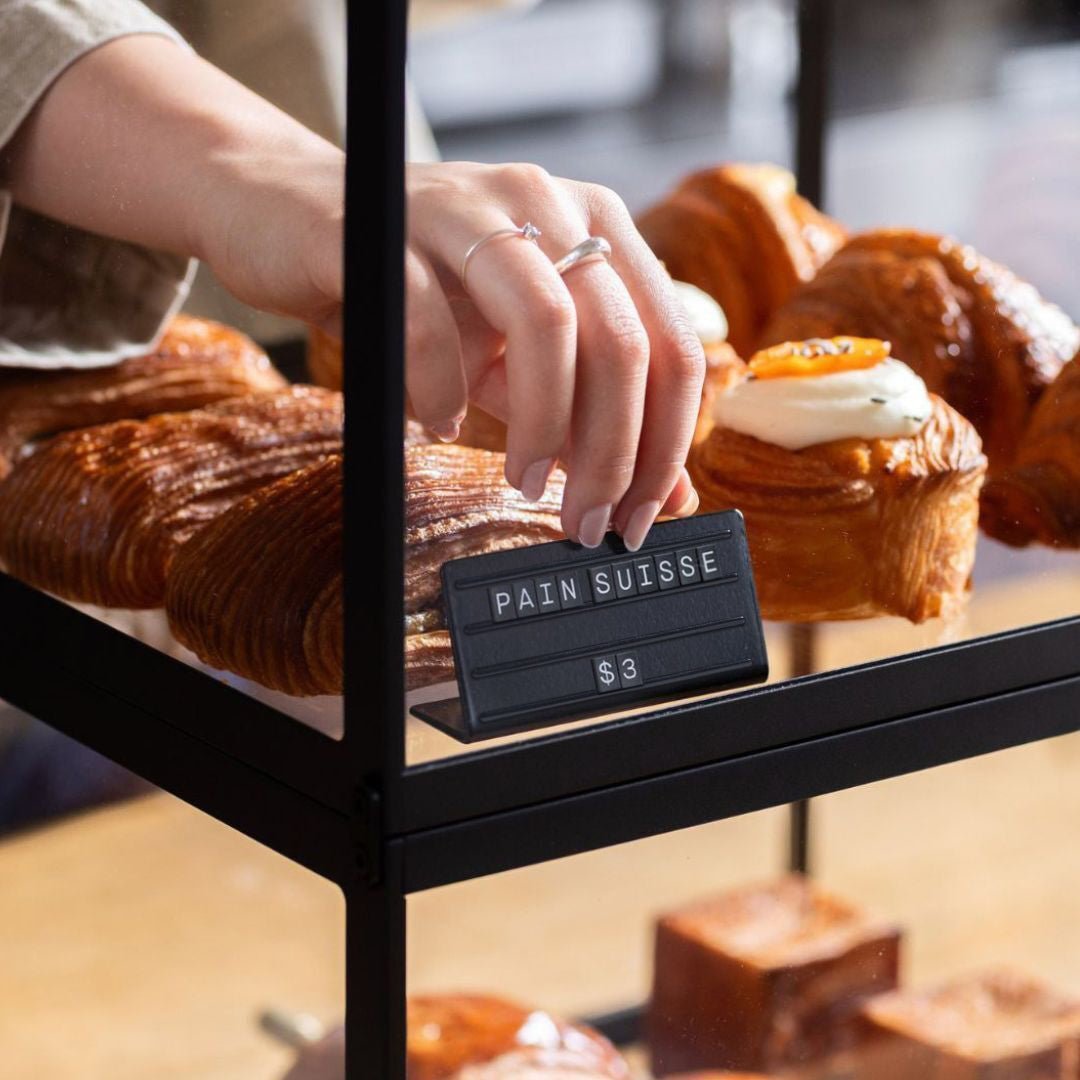
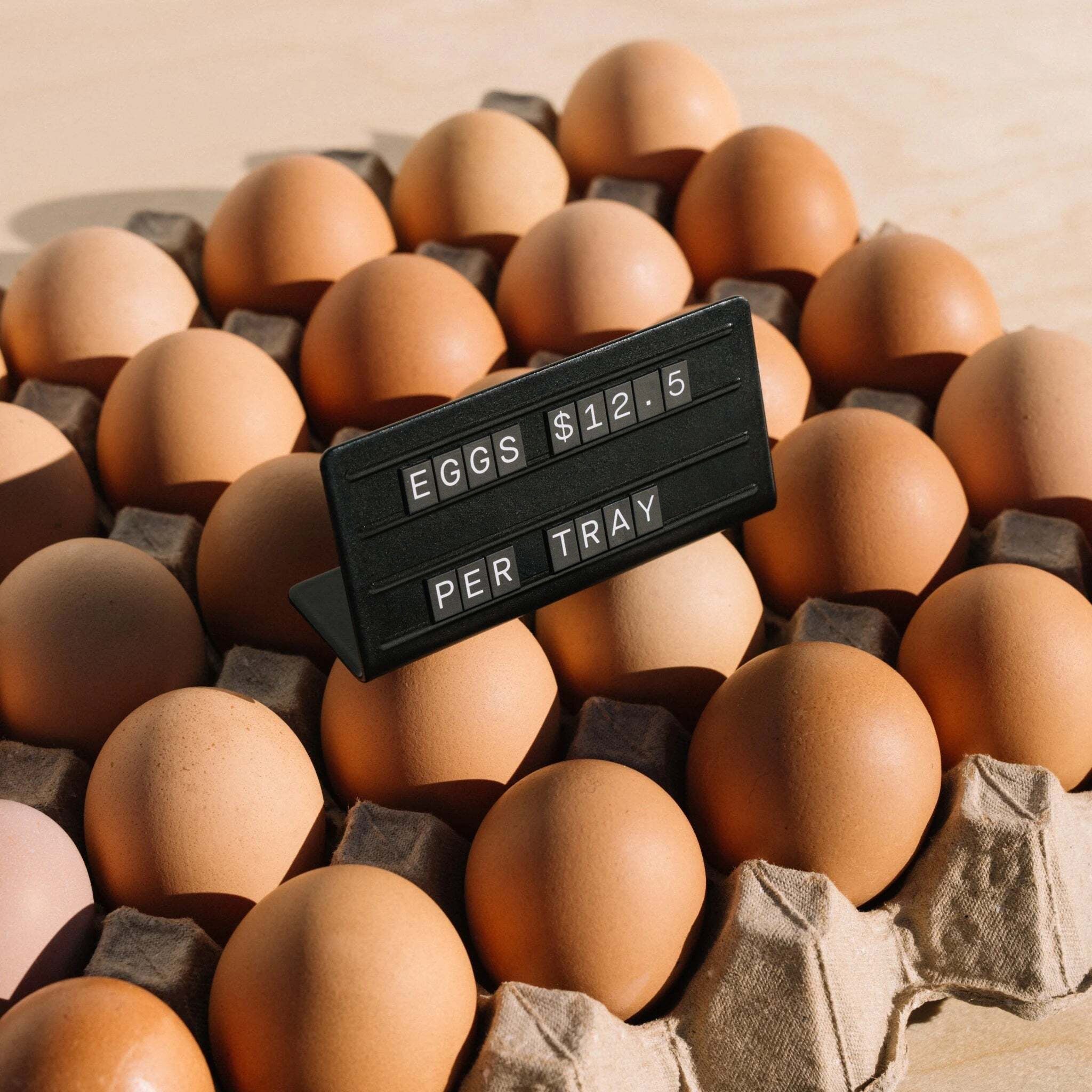
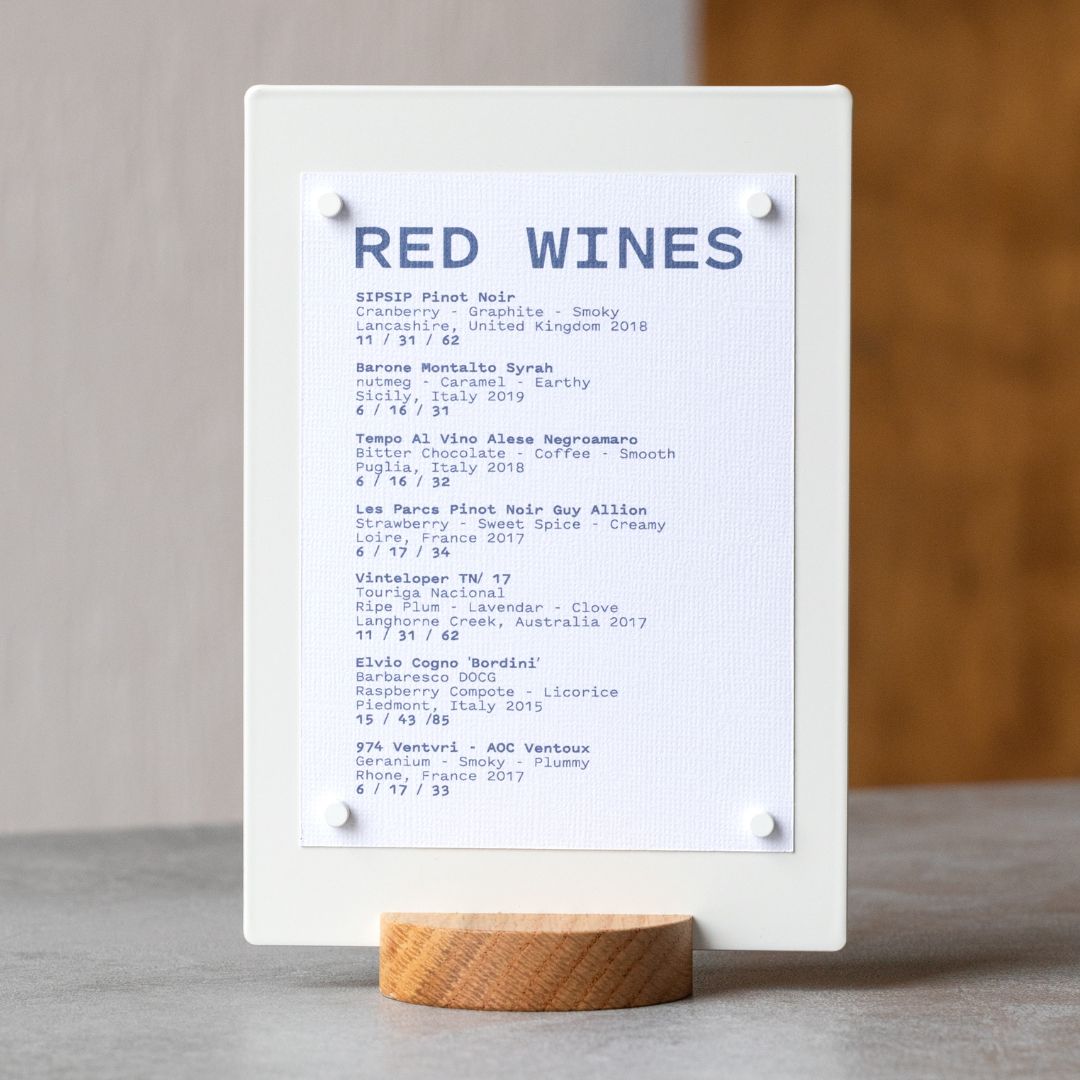
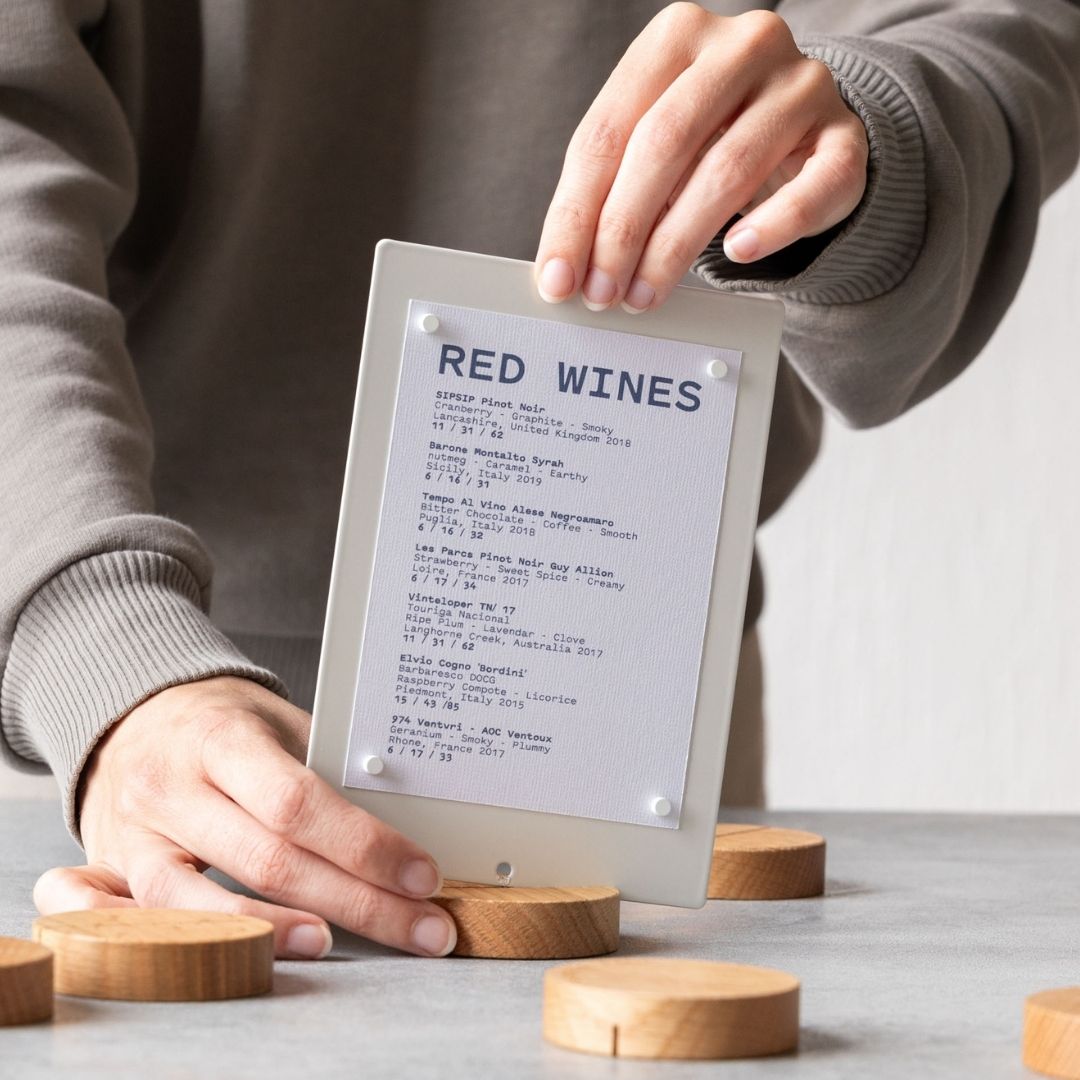
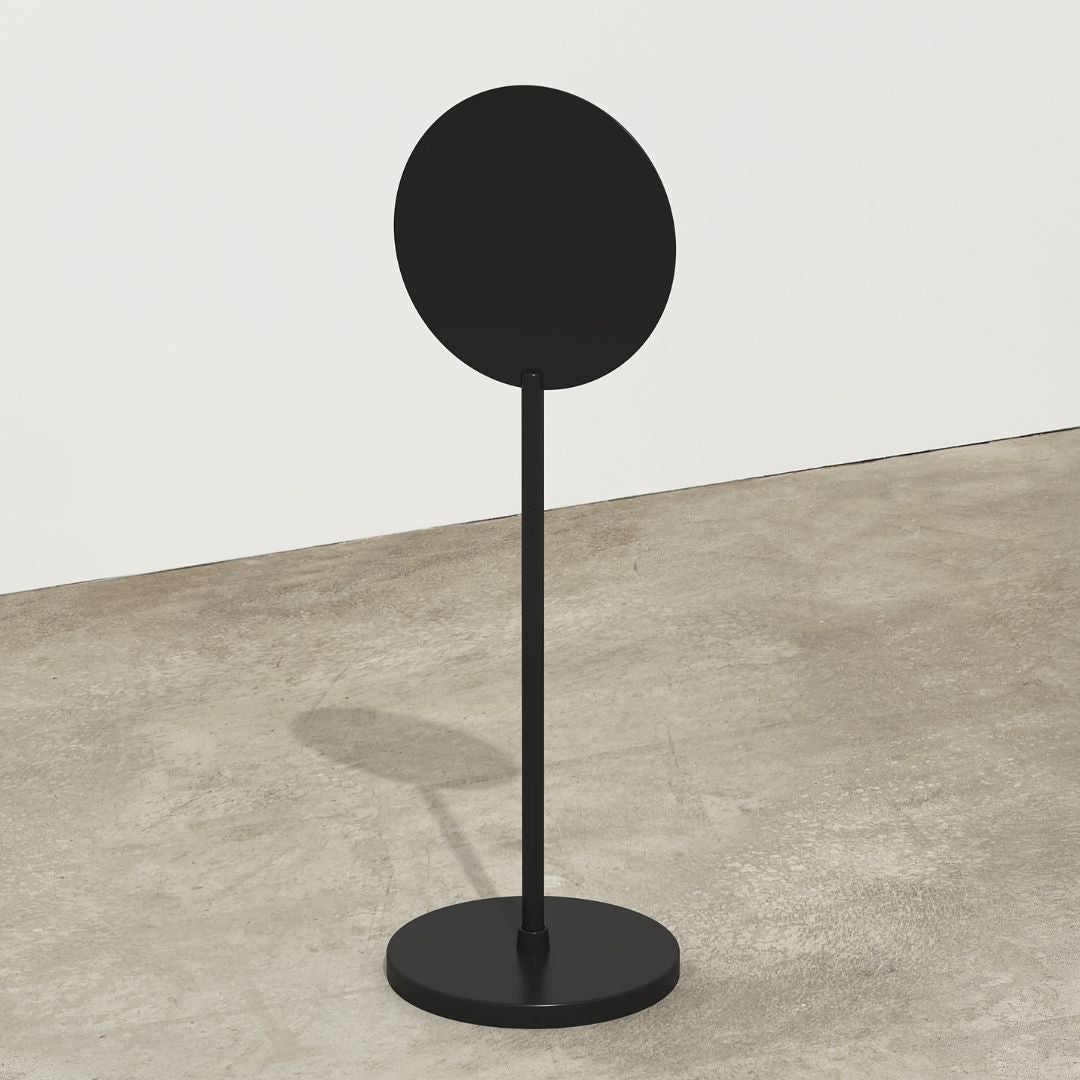
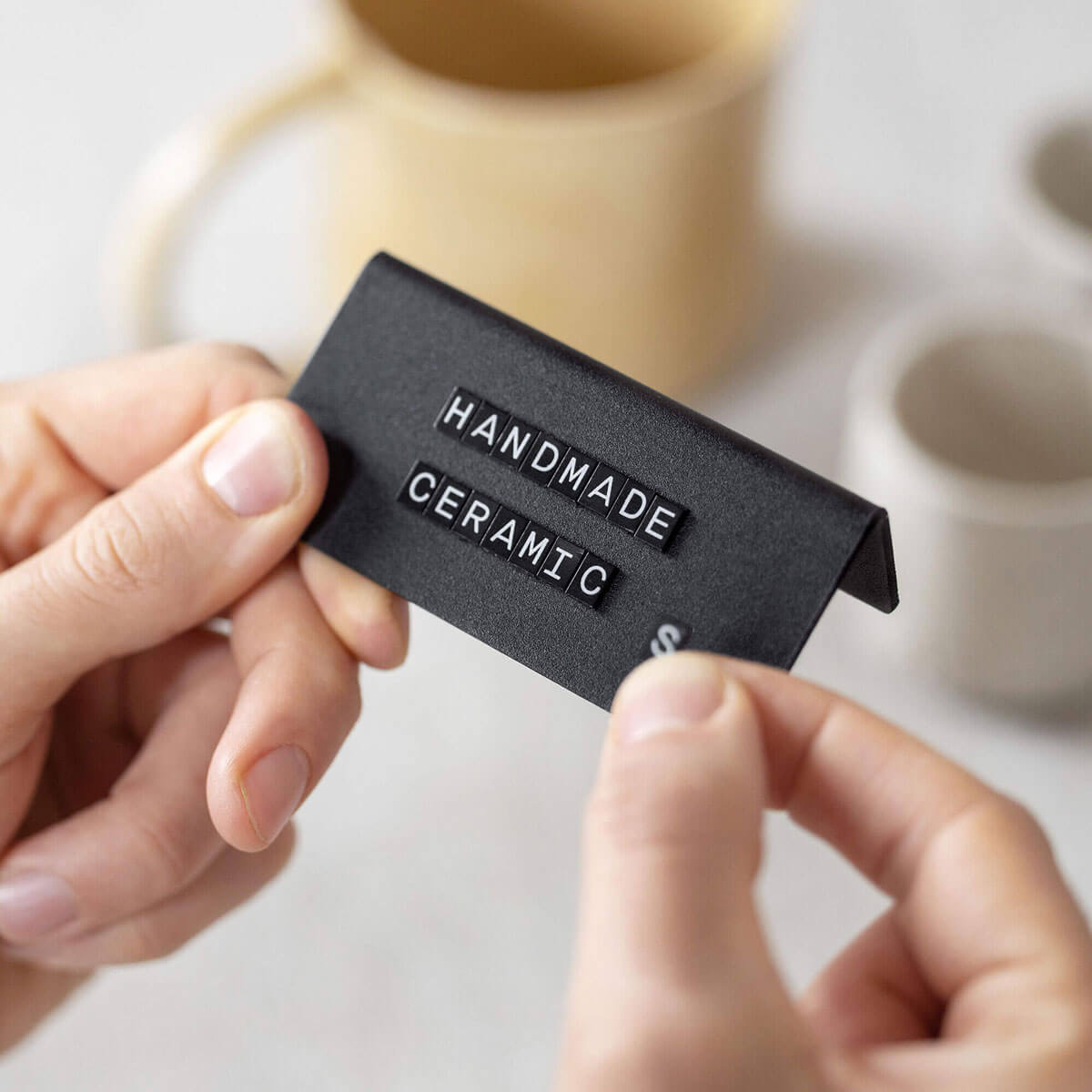
For a more social and dynamic feel, consider a curved booth table. U shaped or semicircular booths create natural social pockets, gently orienting everyone in an arc. Designers note that these curved layouts encourage interaction because guests face each other more directly, drawing them into conversation. This makes them perfect for tapas bars, lounges, or any spot where shared plates and lively chatter are part of the experience. Add low‑profile table talkers so specials and cocktail lists are easy to read without crowding the table. The popularity of this style is growing, with the global market for curved restaurant booths projected to reach approximately $2.8 billion by 2027.
A curved booth table also acts as a soft, visual focal point, breaking up the rigid lines of a room. To make it work, pair it with a round or custom curved tabletop to ensure everyone has enough space. Just be sure the table isn’t so large that guests have to stretch for their food, and leave enough clearance around the outside for staff and customers to move freely.
3. Utilize Corner Booth Tables in Unused Nooks
Corners are often the most underutilized real estate in a restaurant. This is where corner booth tables truly shine. Installing an L shaped banquette transforms an awkward, empty nook into one of the coziest and most sought after spots in the house. These tucked away booths feel intimate and exclusive, like a private alcove for your guests.
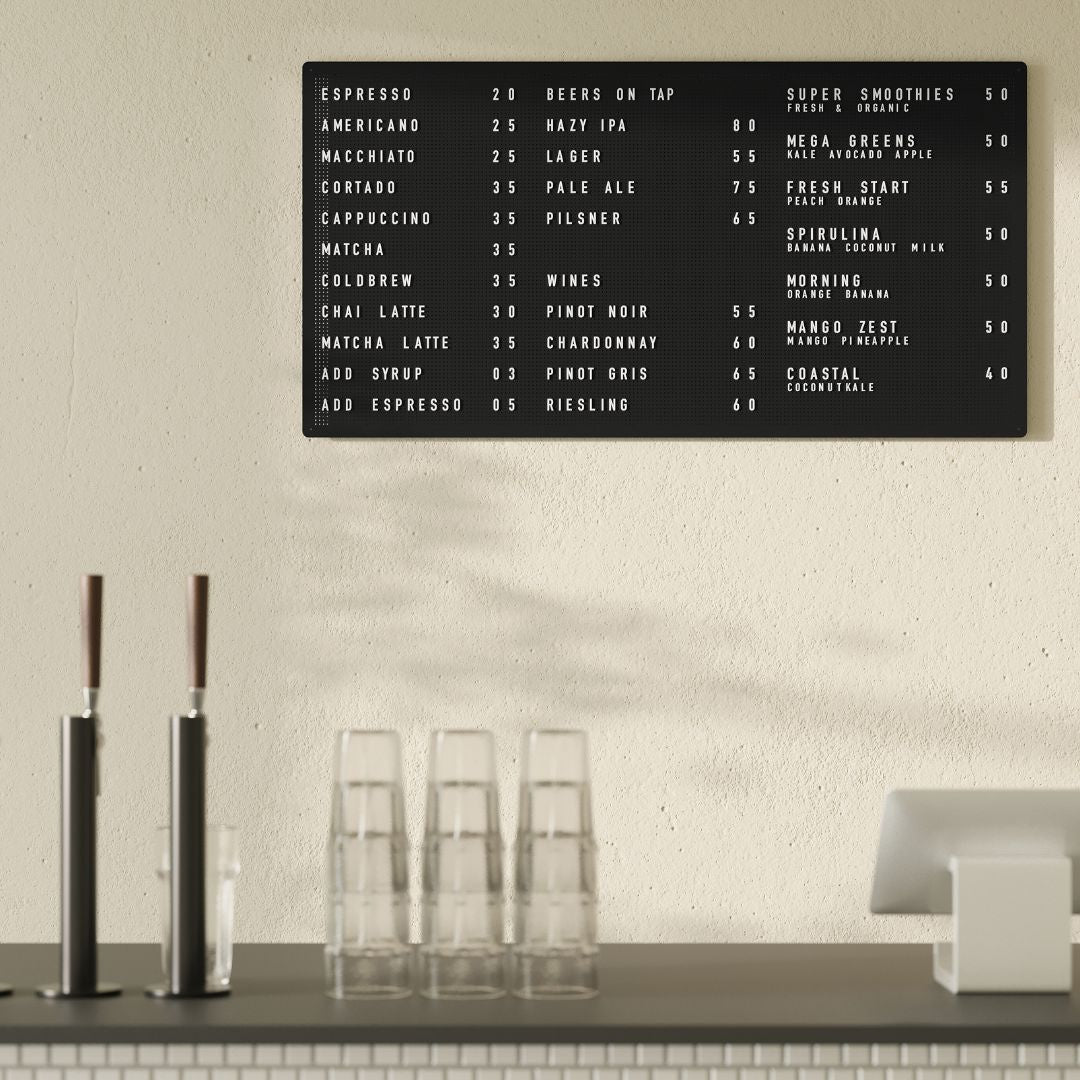
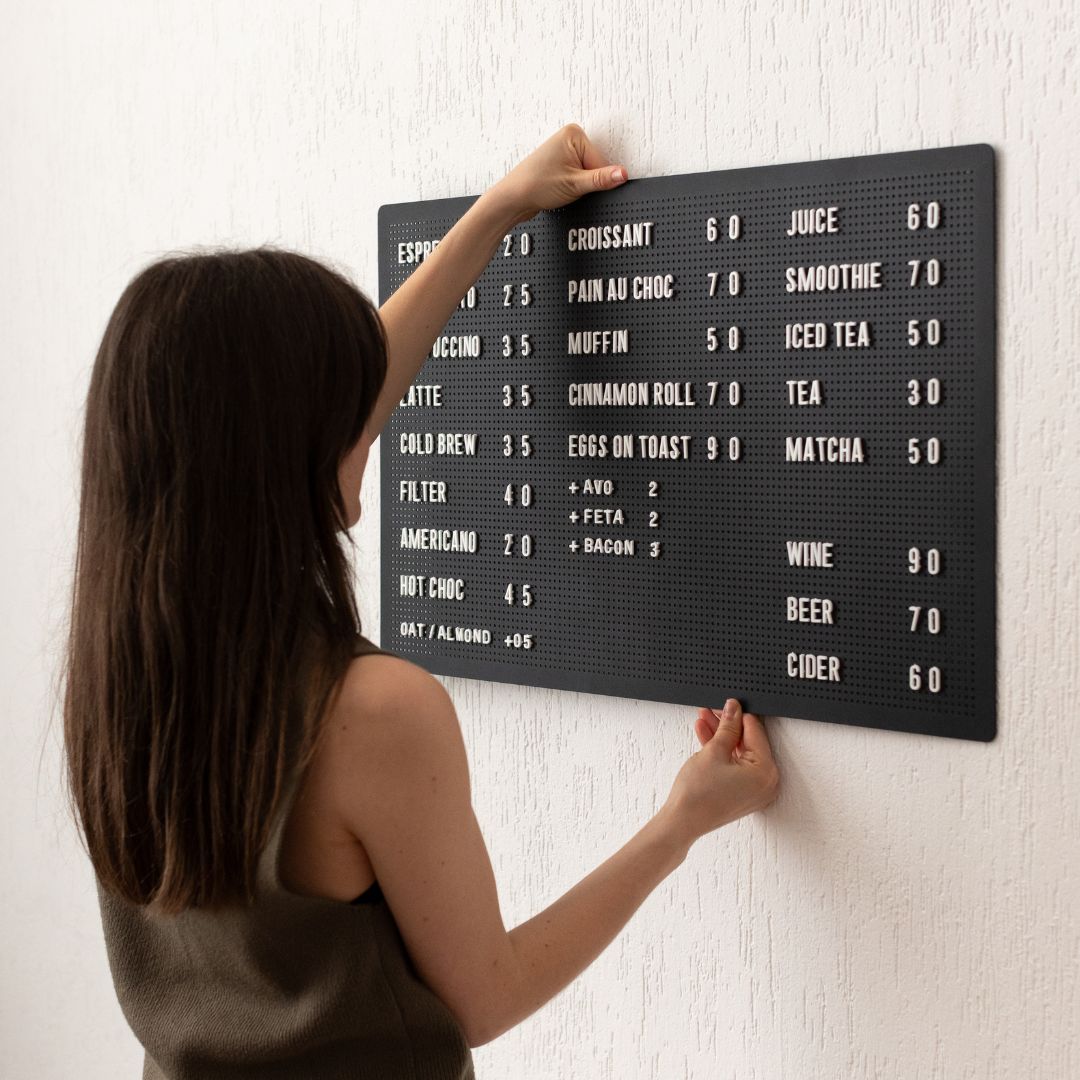
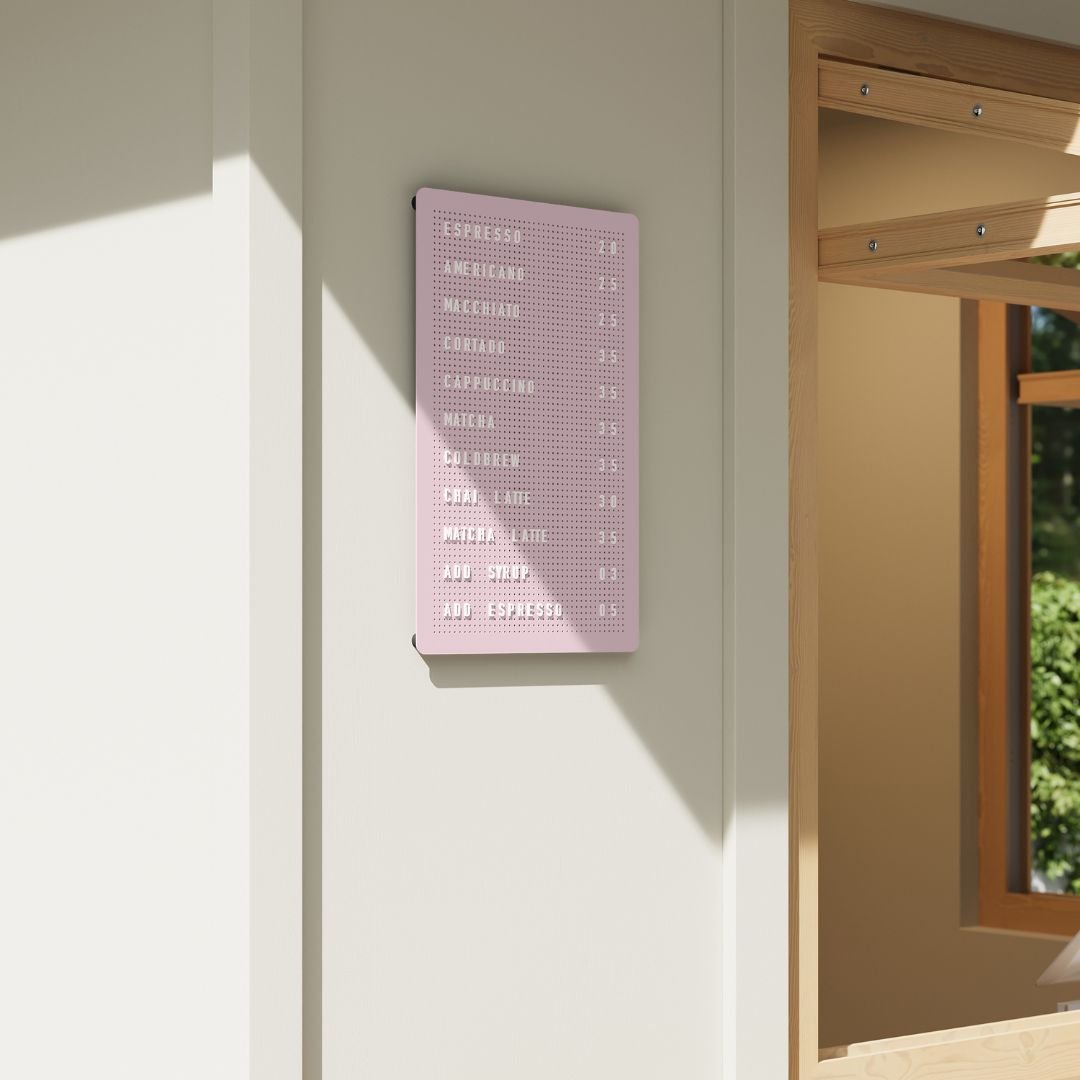
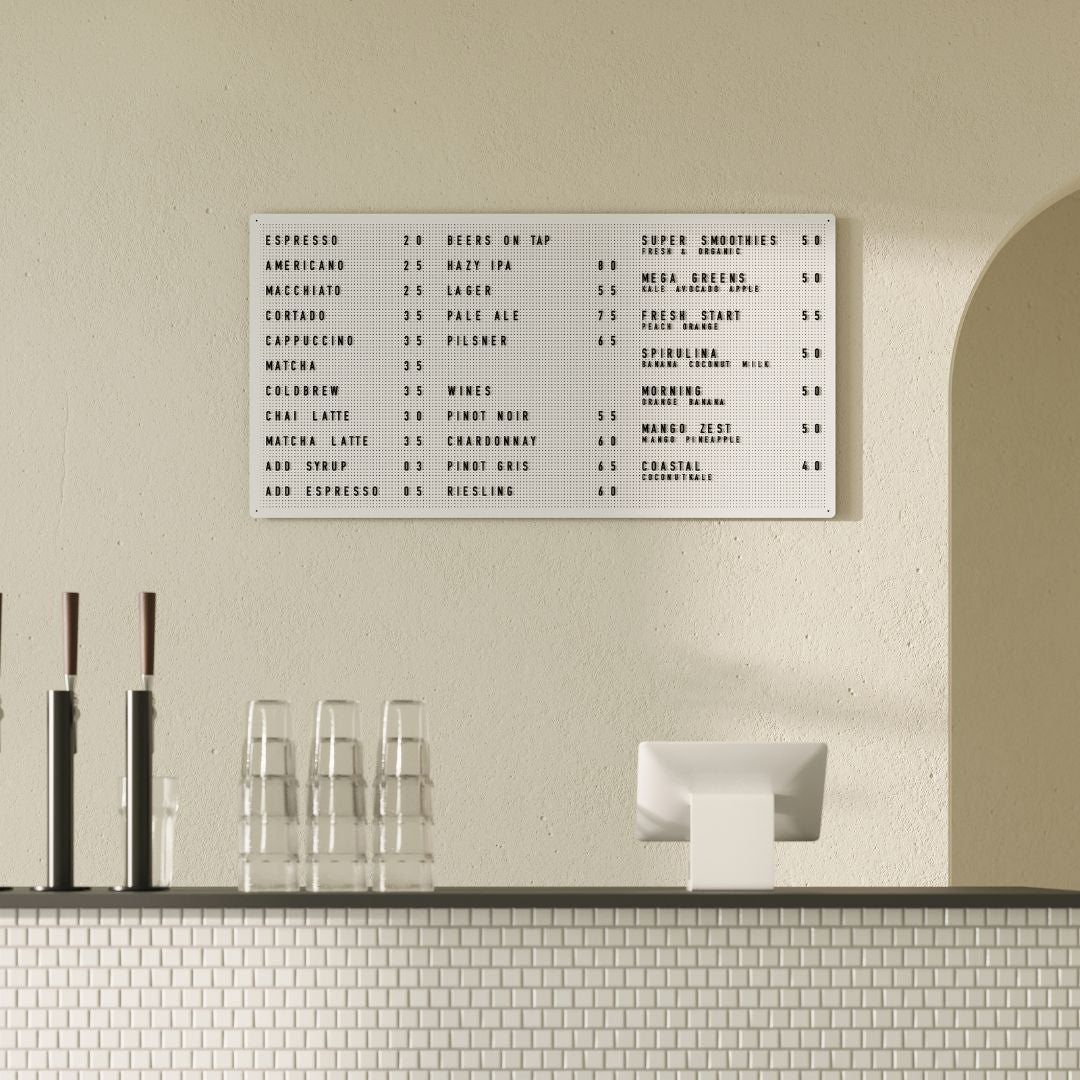
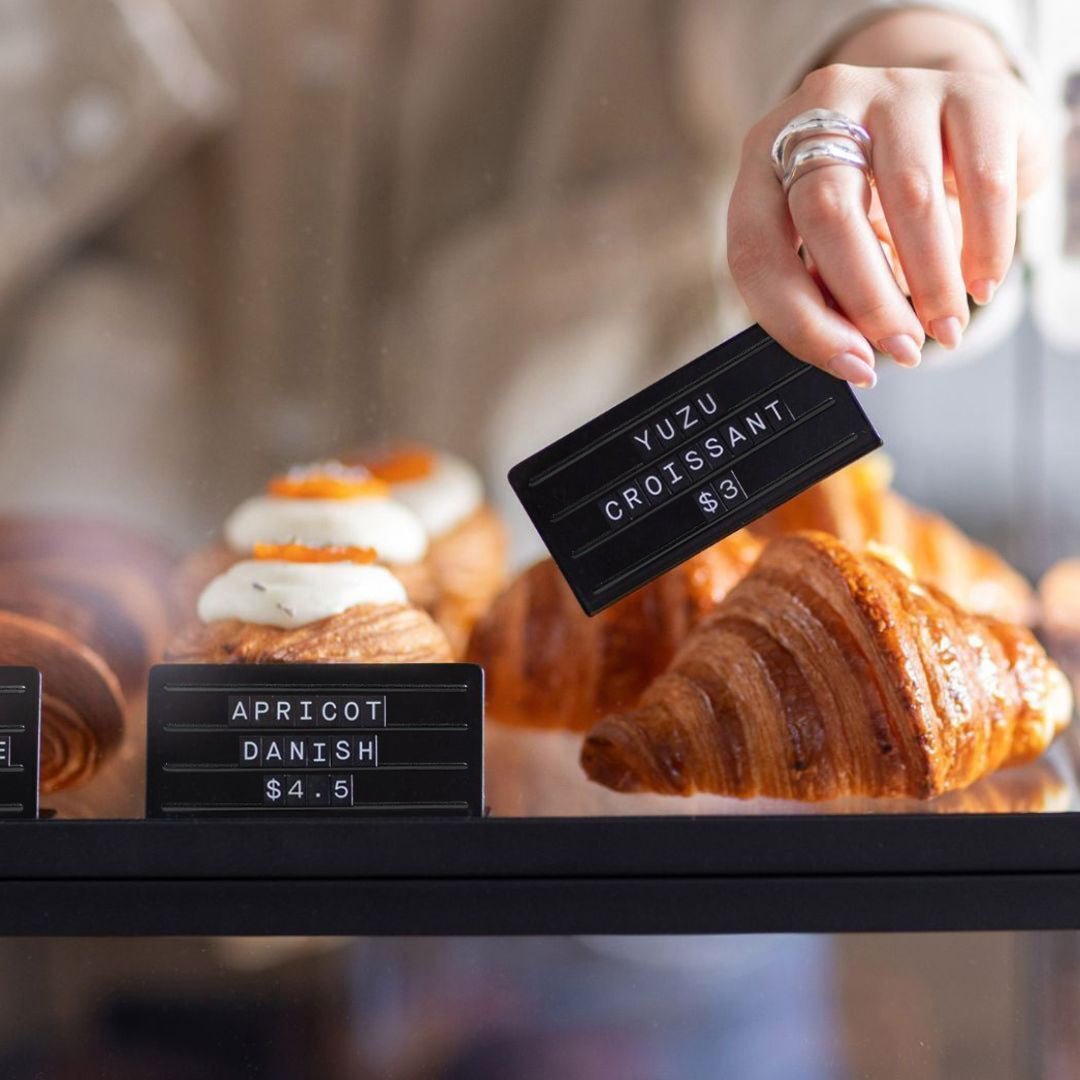
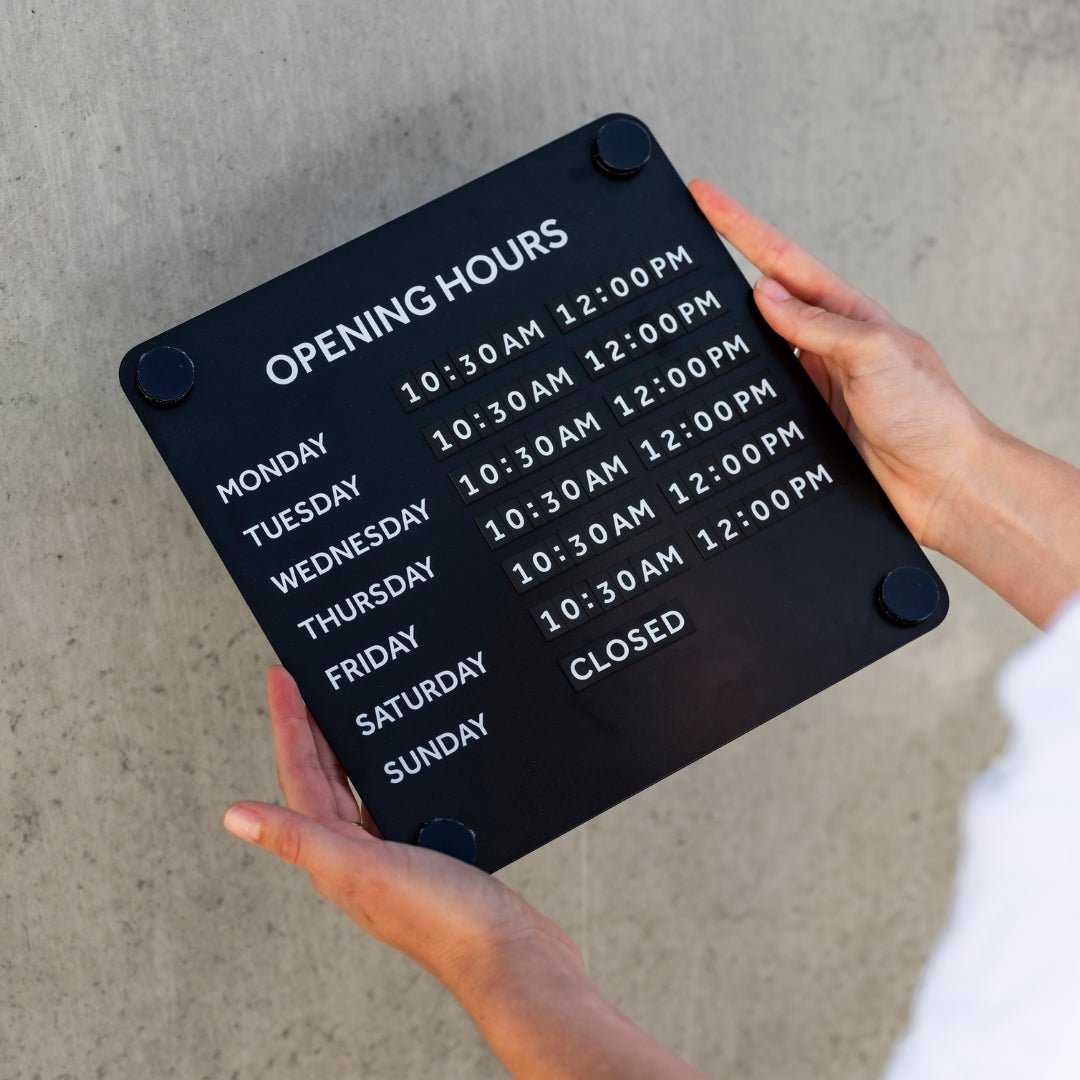
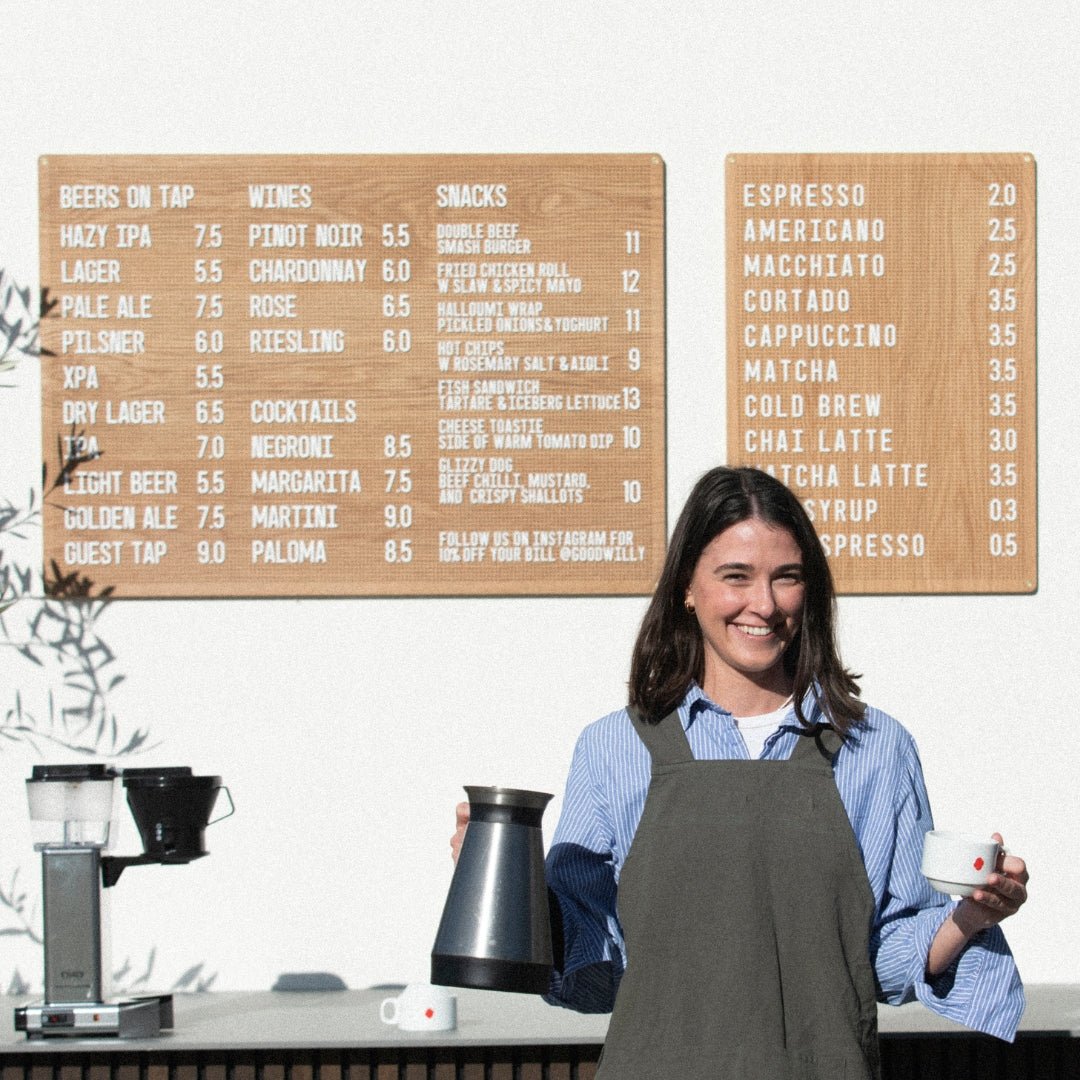
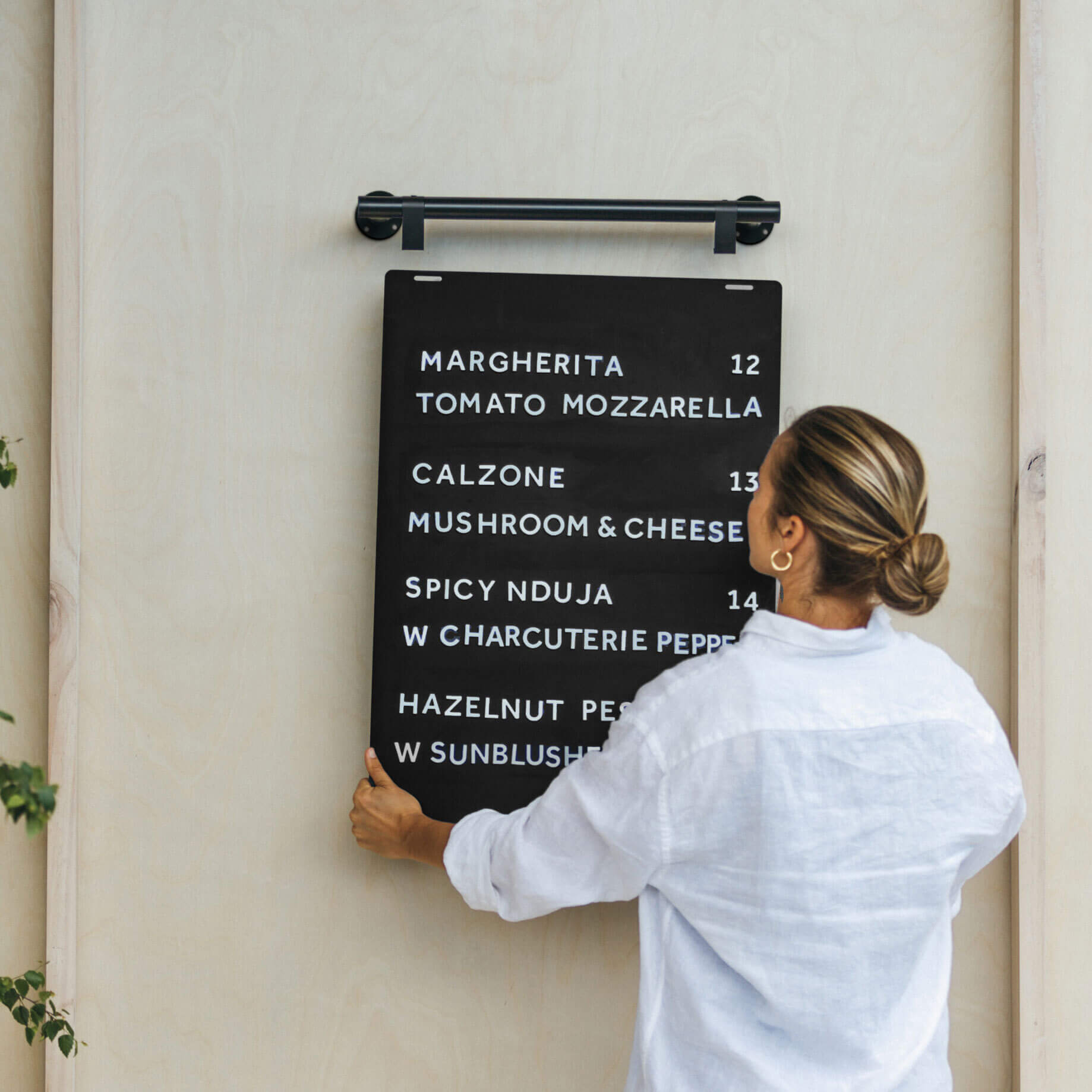
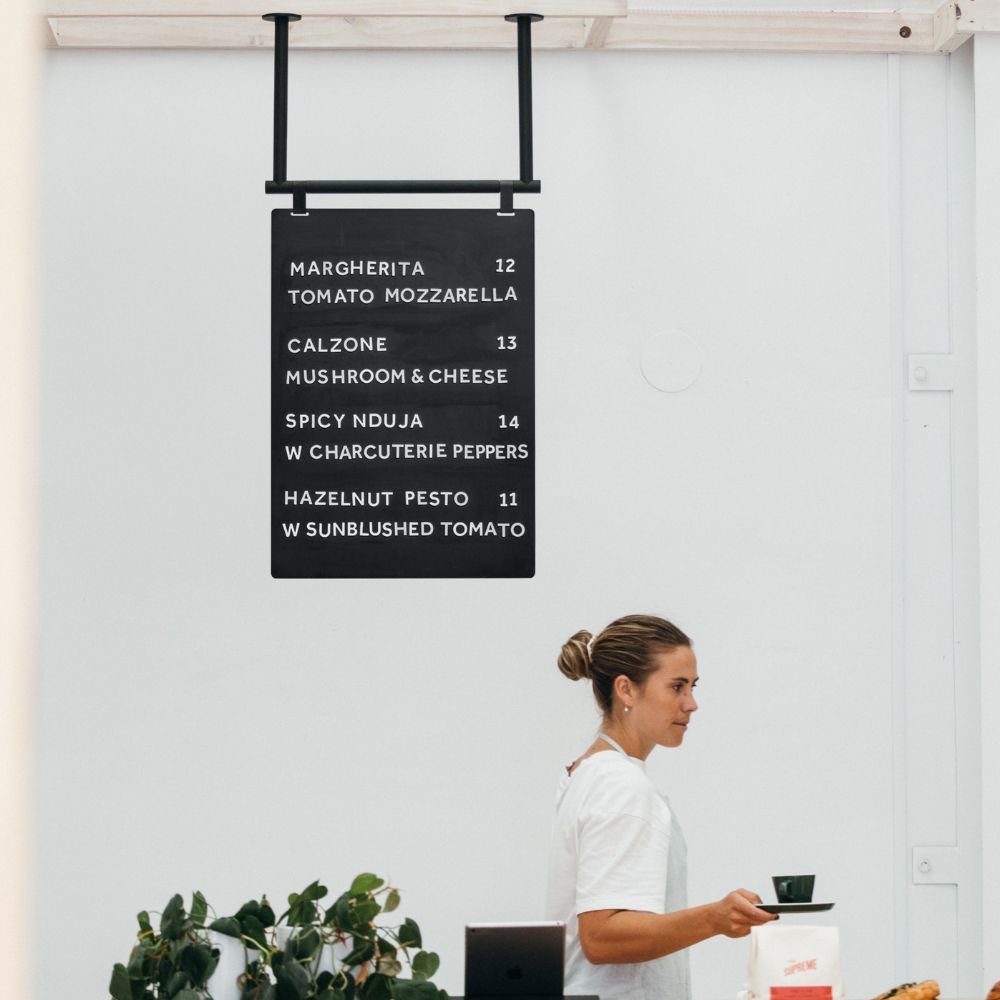
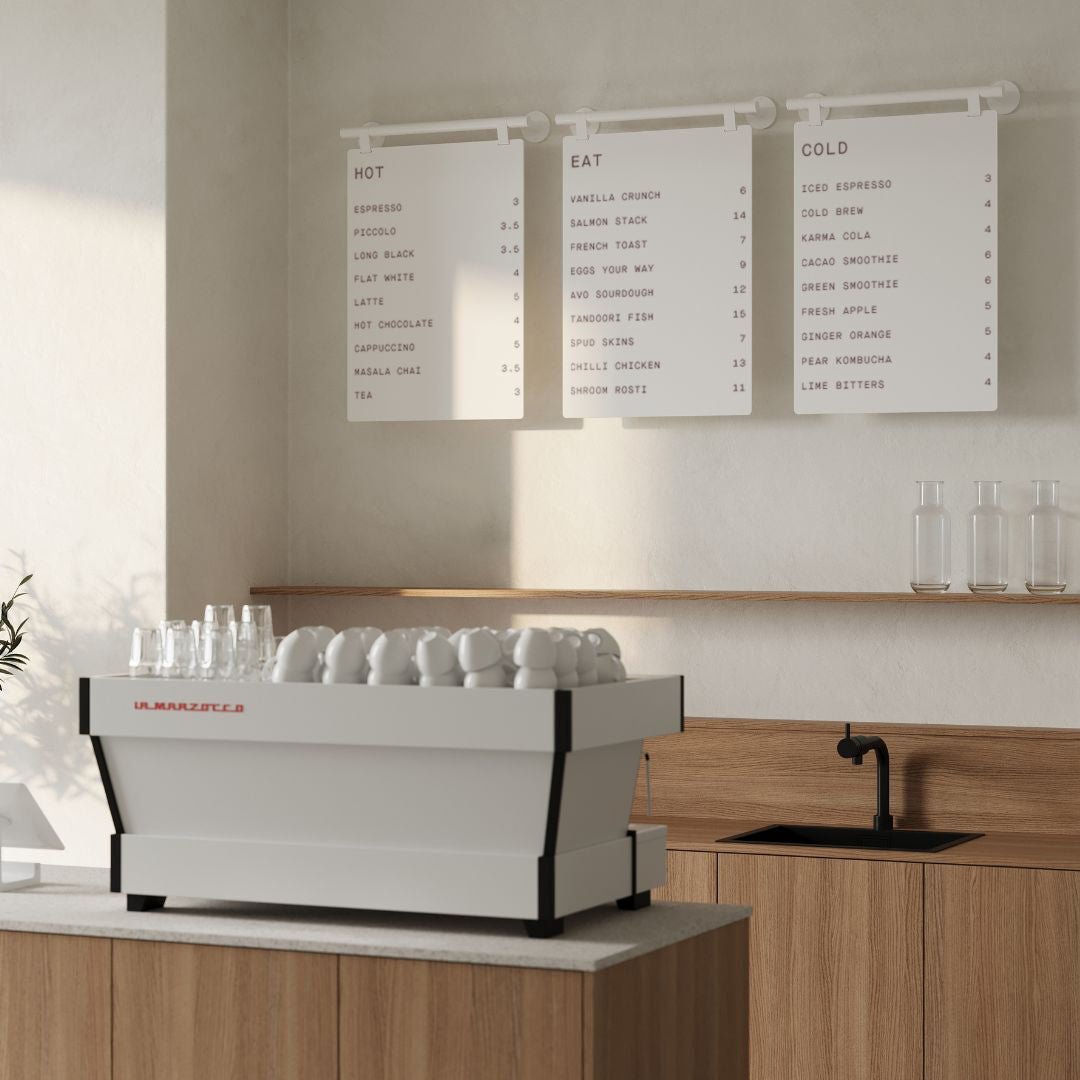
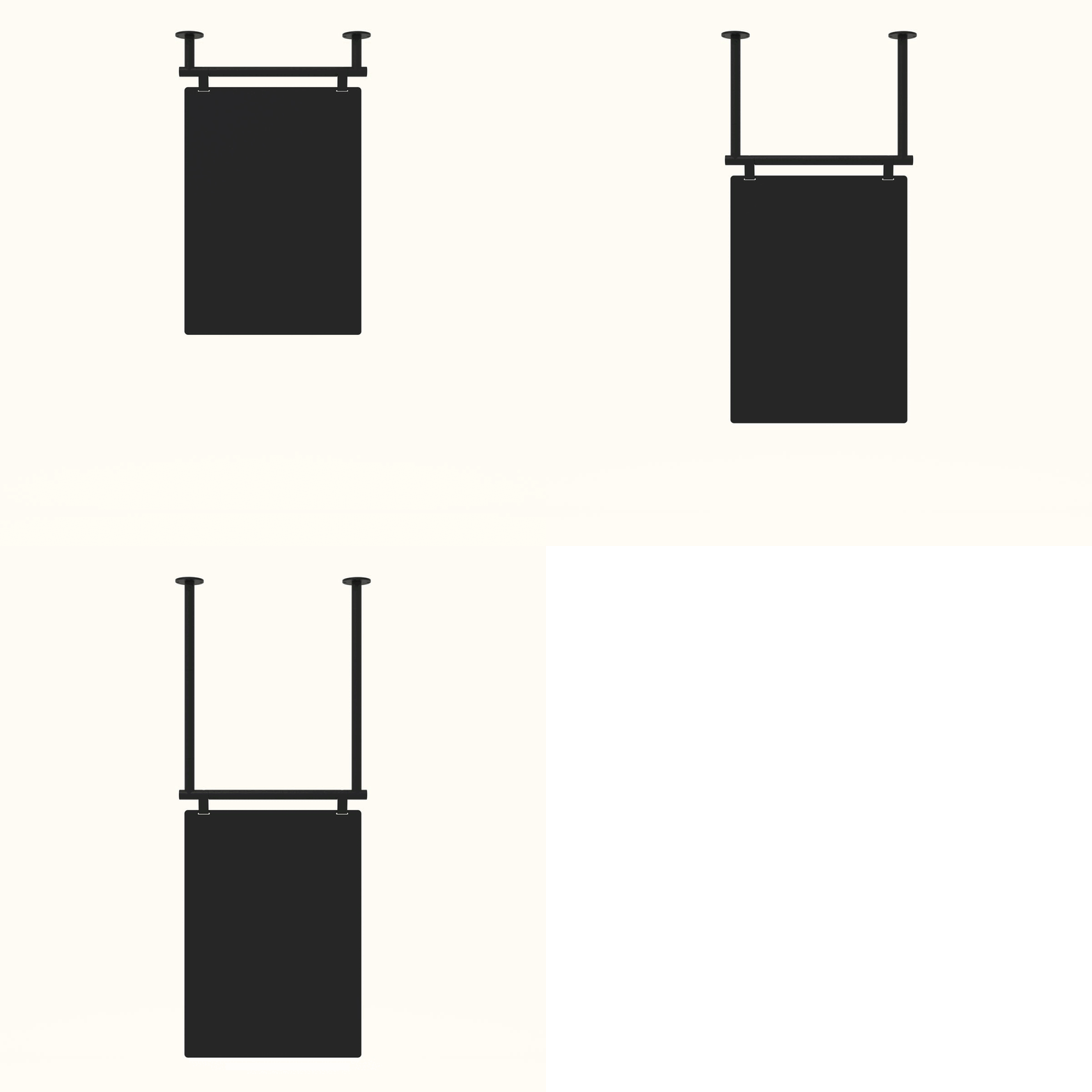
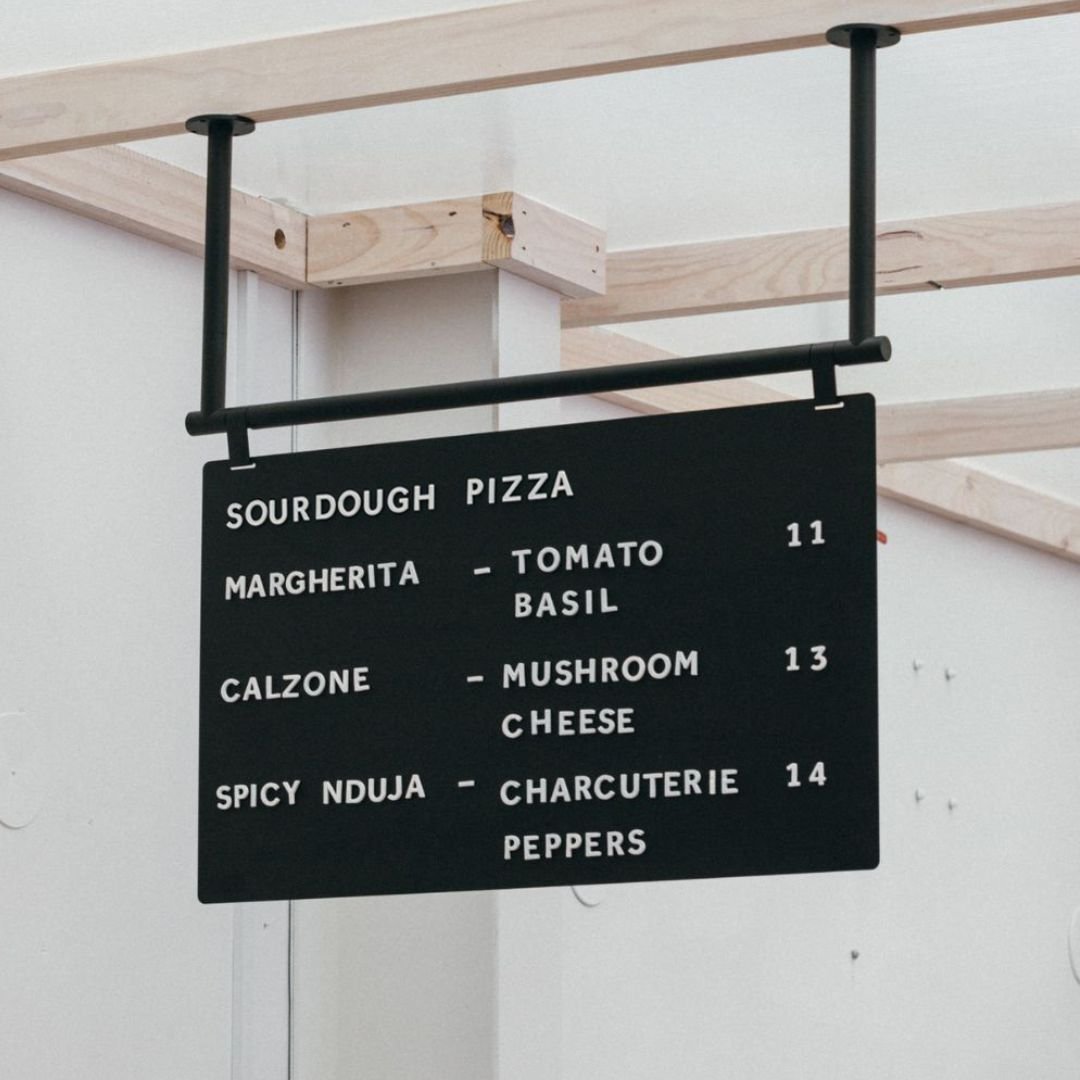
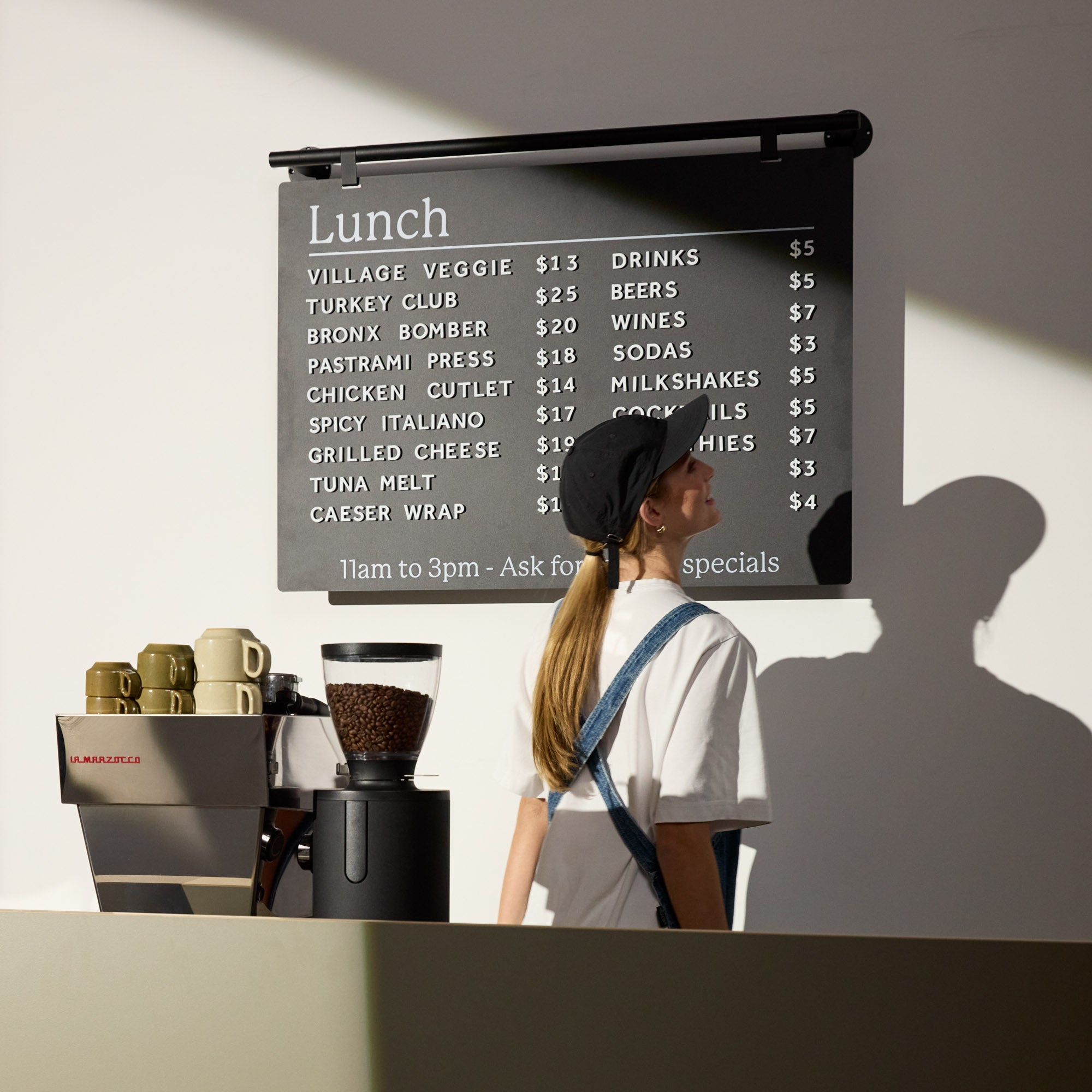
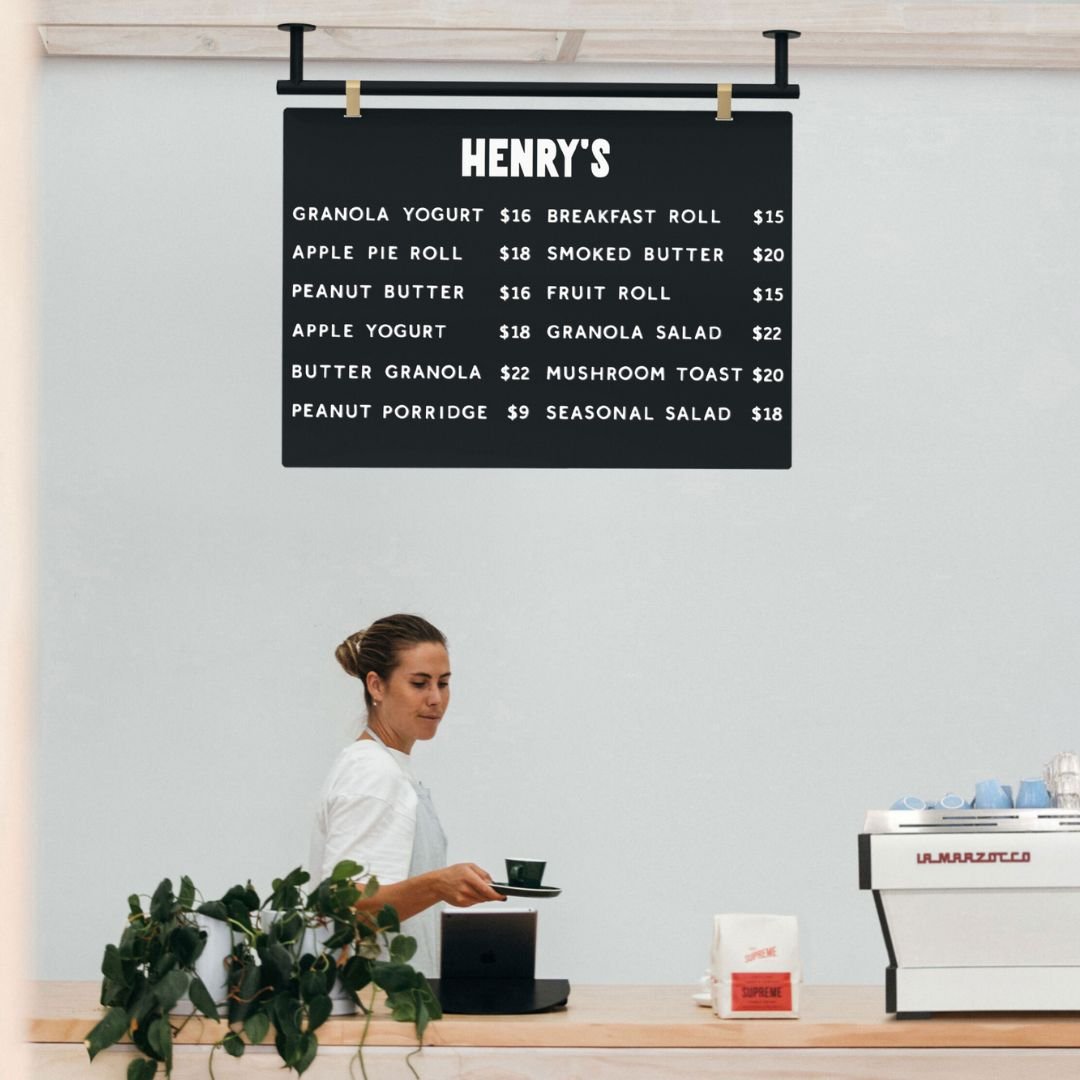
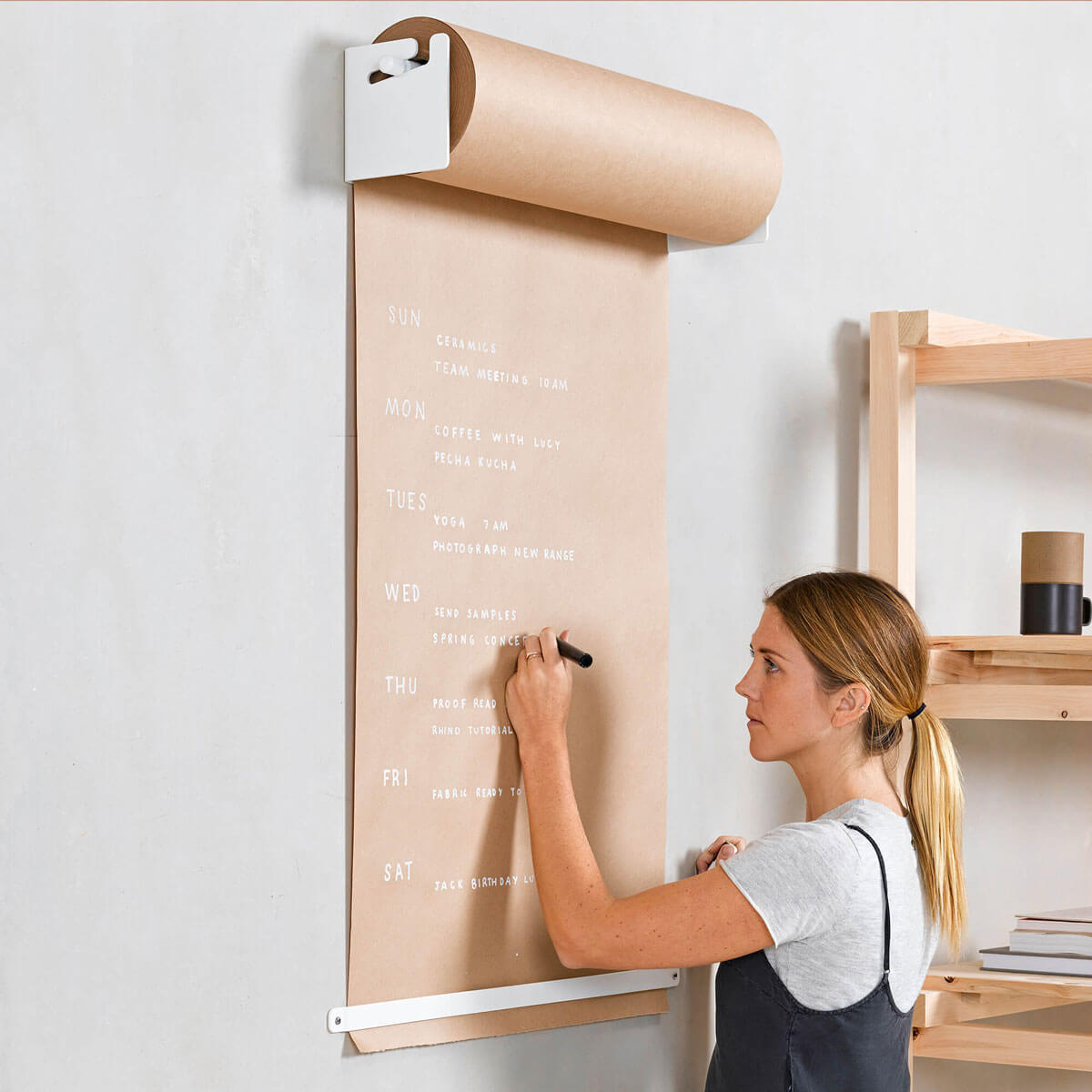
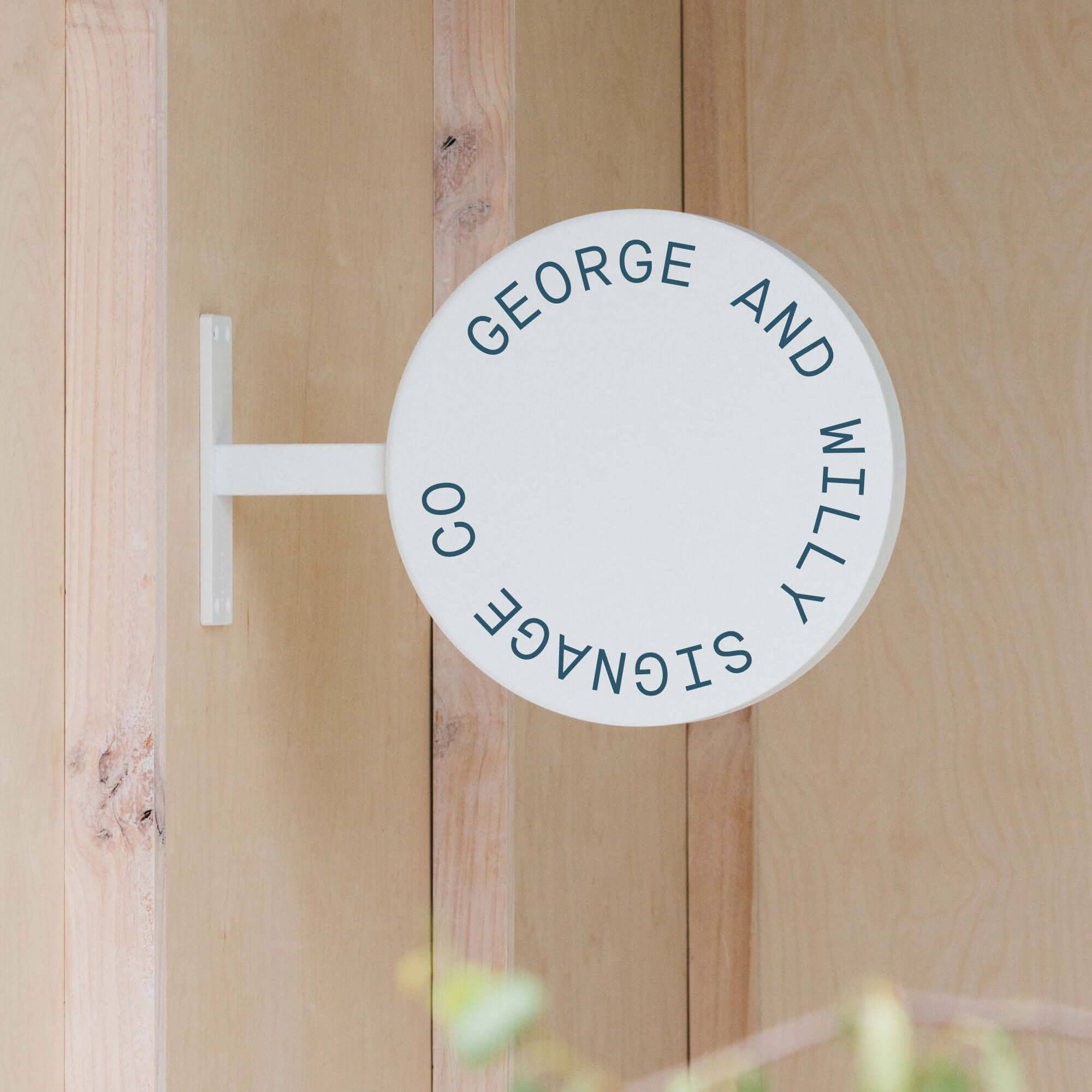
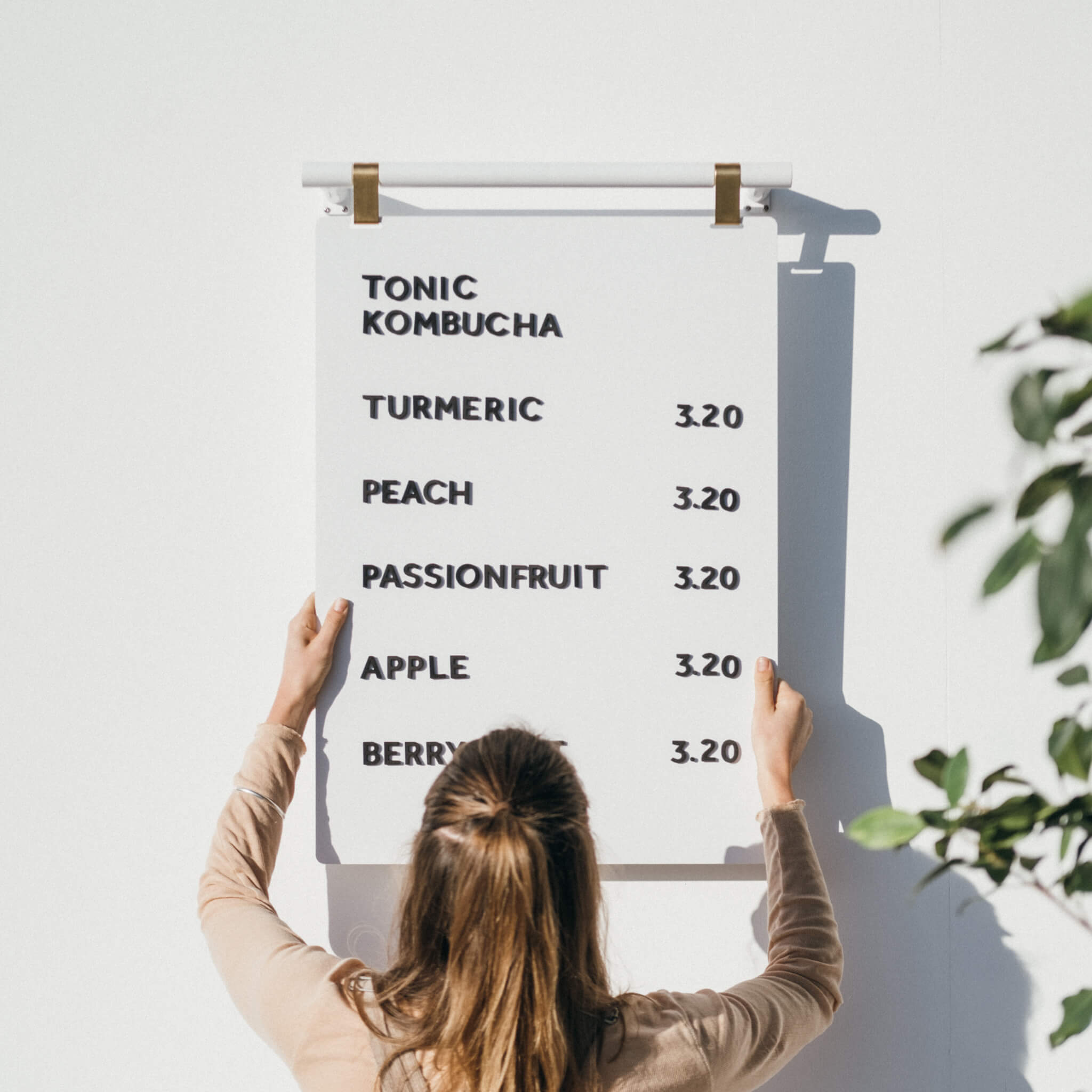
Beyond the atmosphere, corner booths are masters of efficiency. A continuous L shaped bench can seat couples at separate tables along each side during normal service. During peak times, you can simply push those tables together to accommodate a larger party. This versatility is brilliant for establishments that host everything from quiet coffee meetings to large group brunches. By adding a pendant light or some art, you can make your corner booth tables feel intentional and inviting, and mount a Hanging Menu Board nearby so guests can scan the menu without leaving the alcove.
4. Think Differently with Hexagonal Booth Tables
If you want to make a unique design statement, look no further than hexagonal booth tables. These setups use angled benches to form a multi faceted shape, creating a semi enclosed pod that feels like a private hub. A three sided, half hexagon booth can comfortably seat five or six people, offering the same social benefits as a round booth but with a chic, geometric twist.
This style is perfect for venues with a modern or retro design. The sharp angles can evoke a mid century diner vibe or a contemporary honeycomb aesthetic. One airport café even used a hexagonal tiled platform as a design centerpiece for its communal table. When planning for hexagonal booth tables, ensure there’s a clear entry point and that the outer corners don’t jut into walkways. Remember that more sides require a larger footprint, so plan to use this feature where you have ample space.
5. Bring in Wood Booth Tables for Warmth
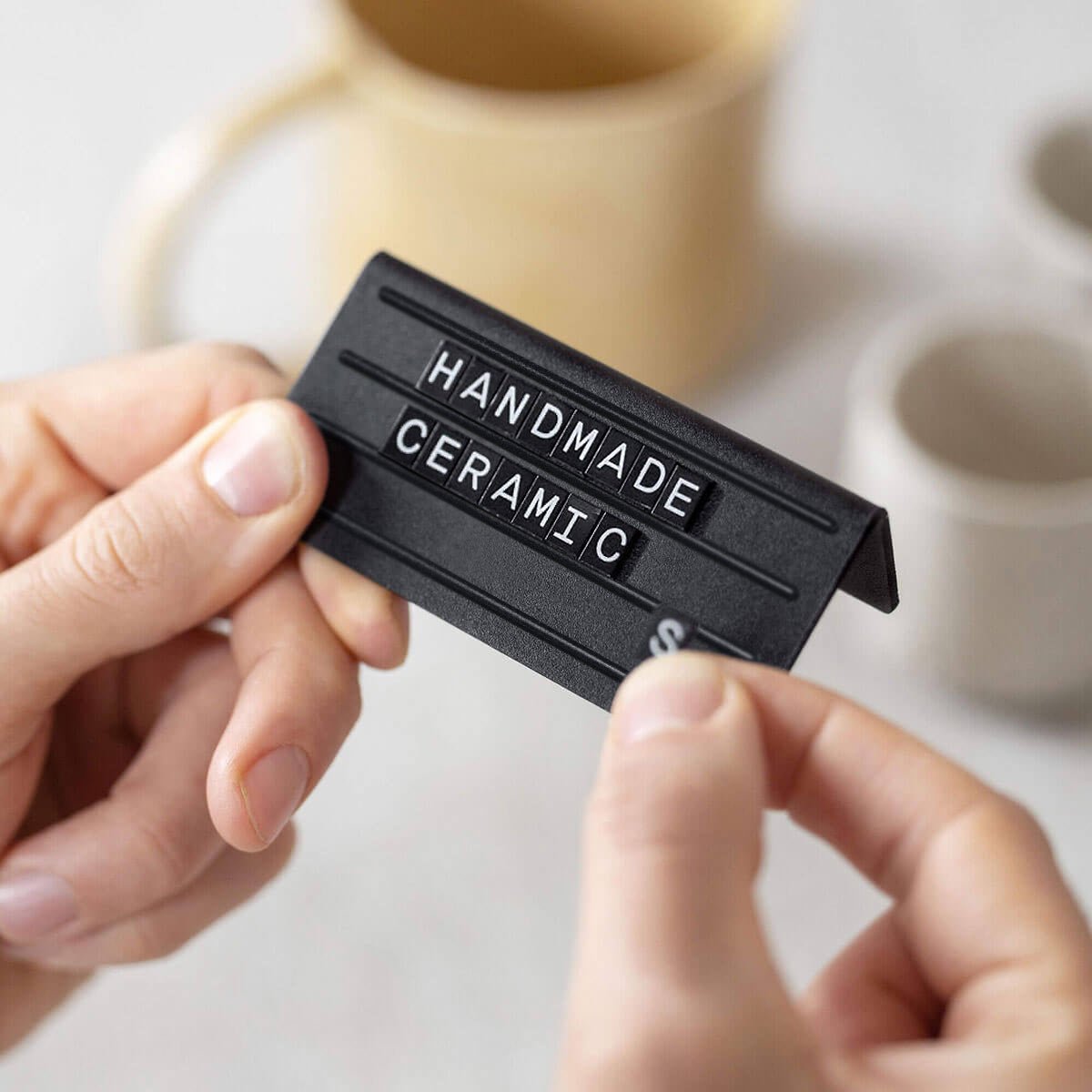
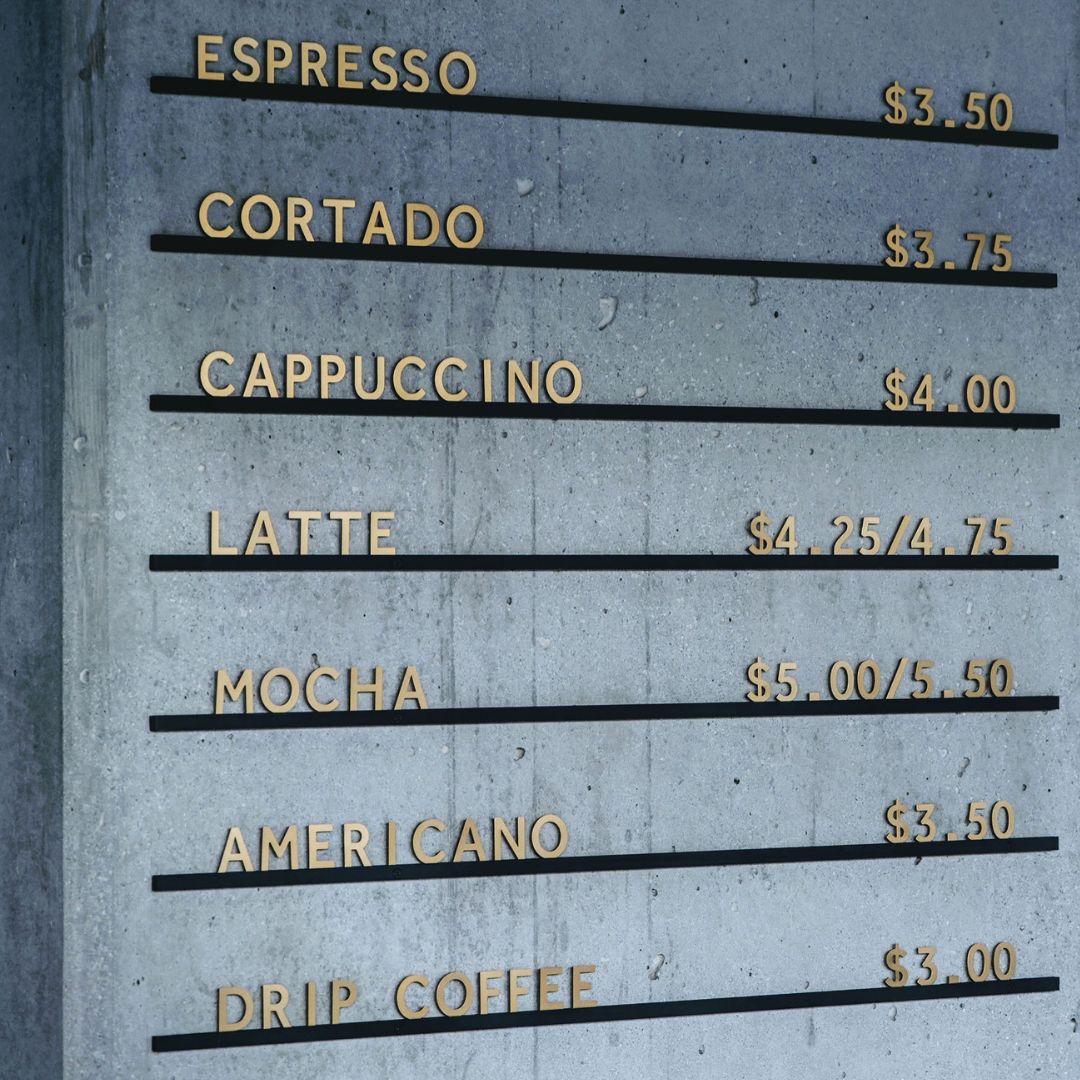
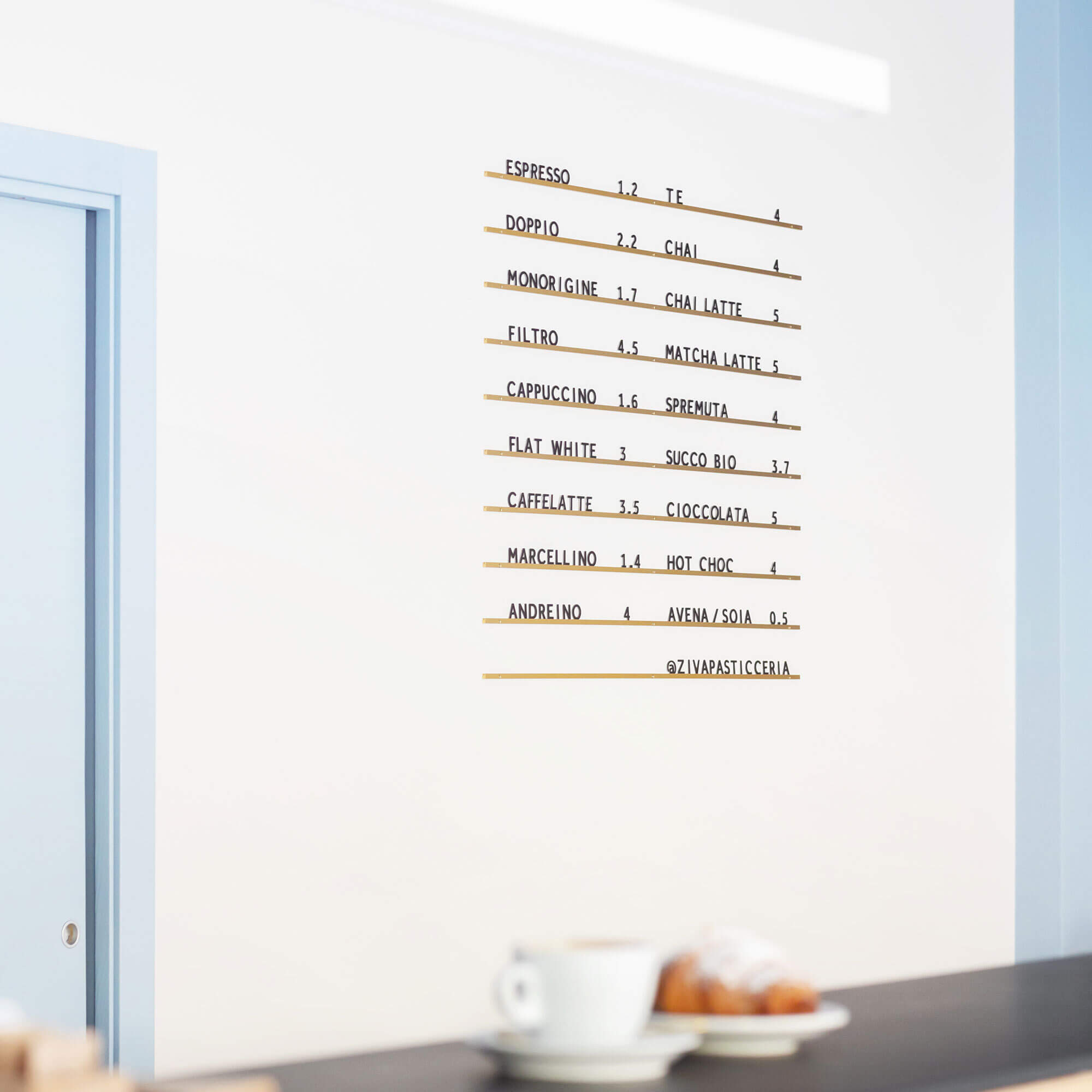
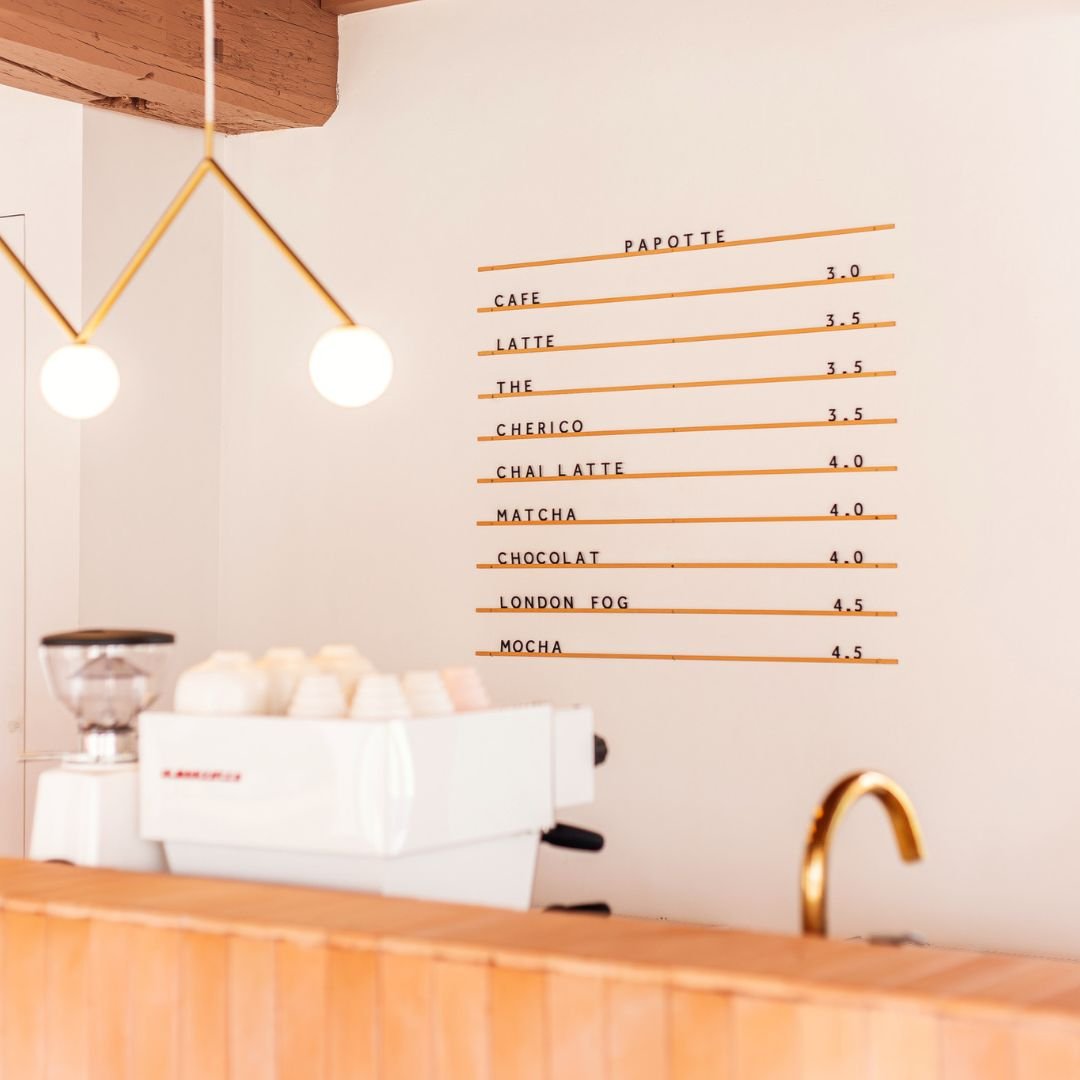
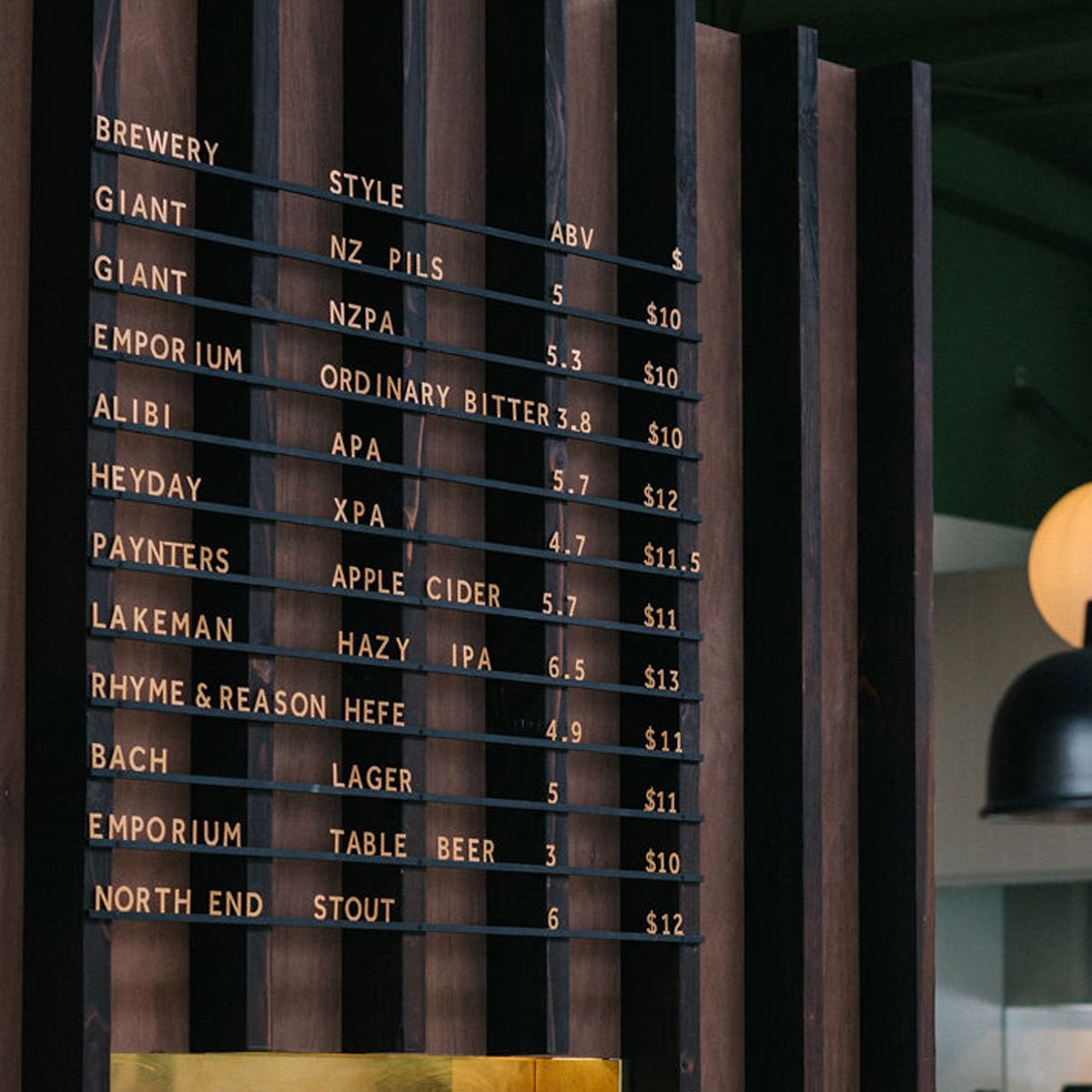
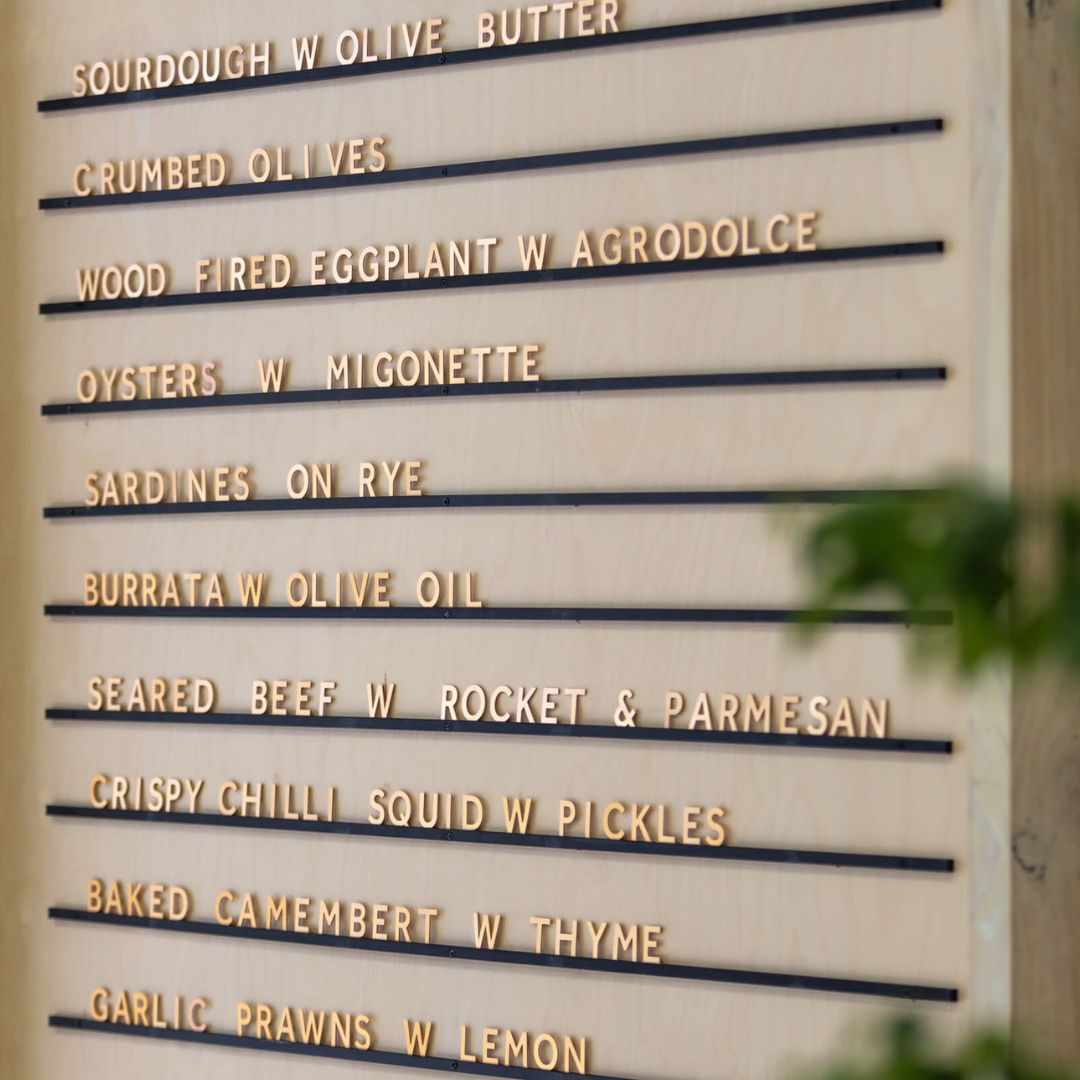
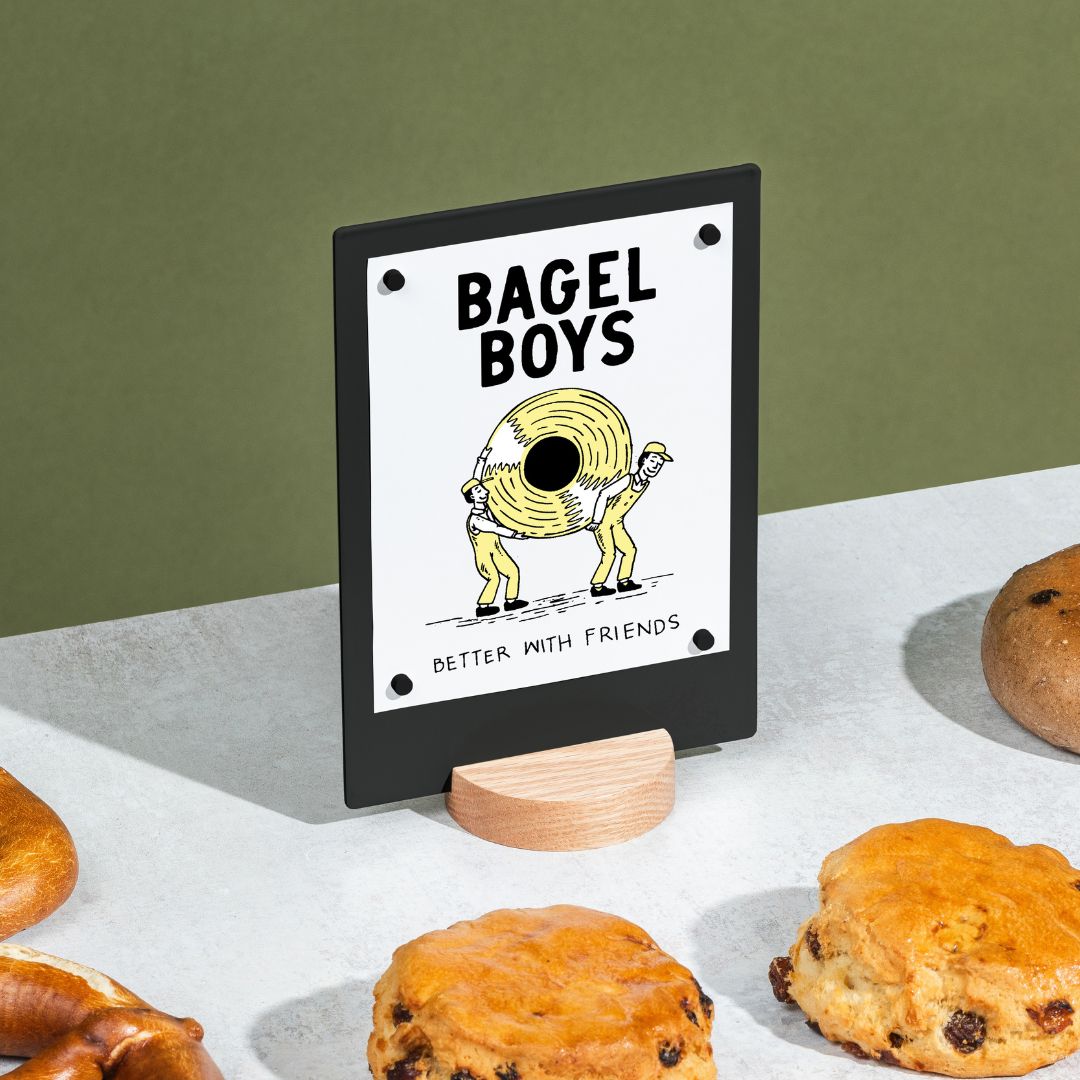
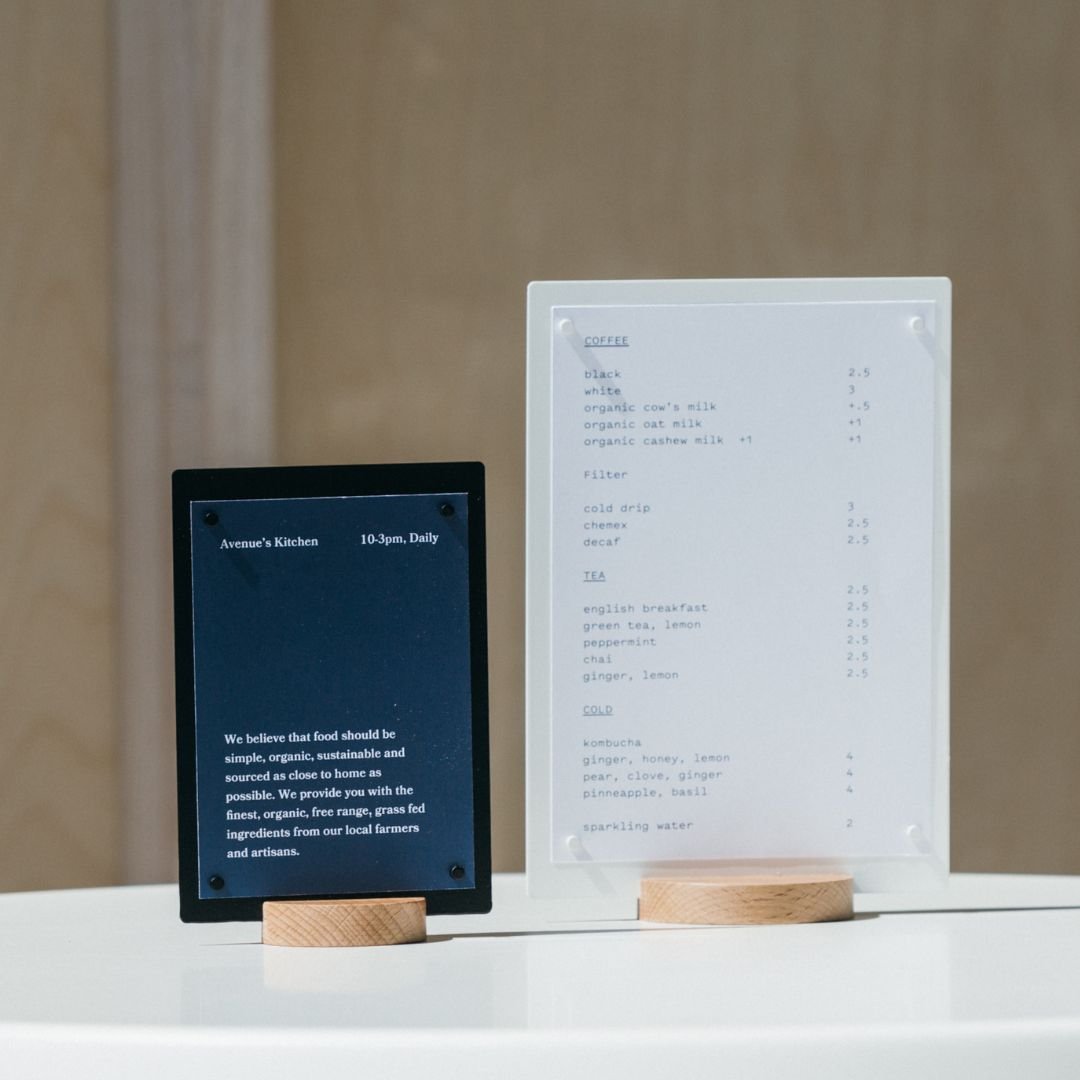
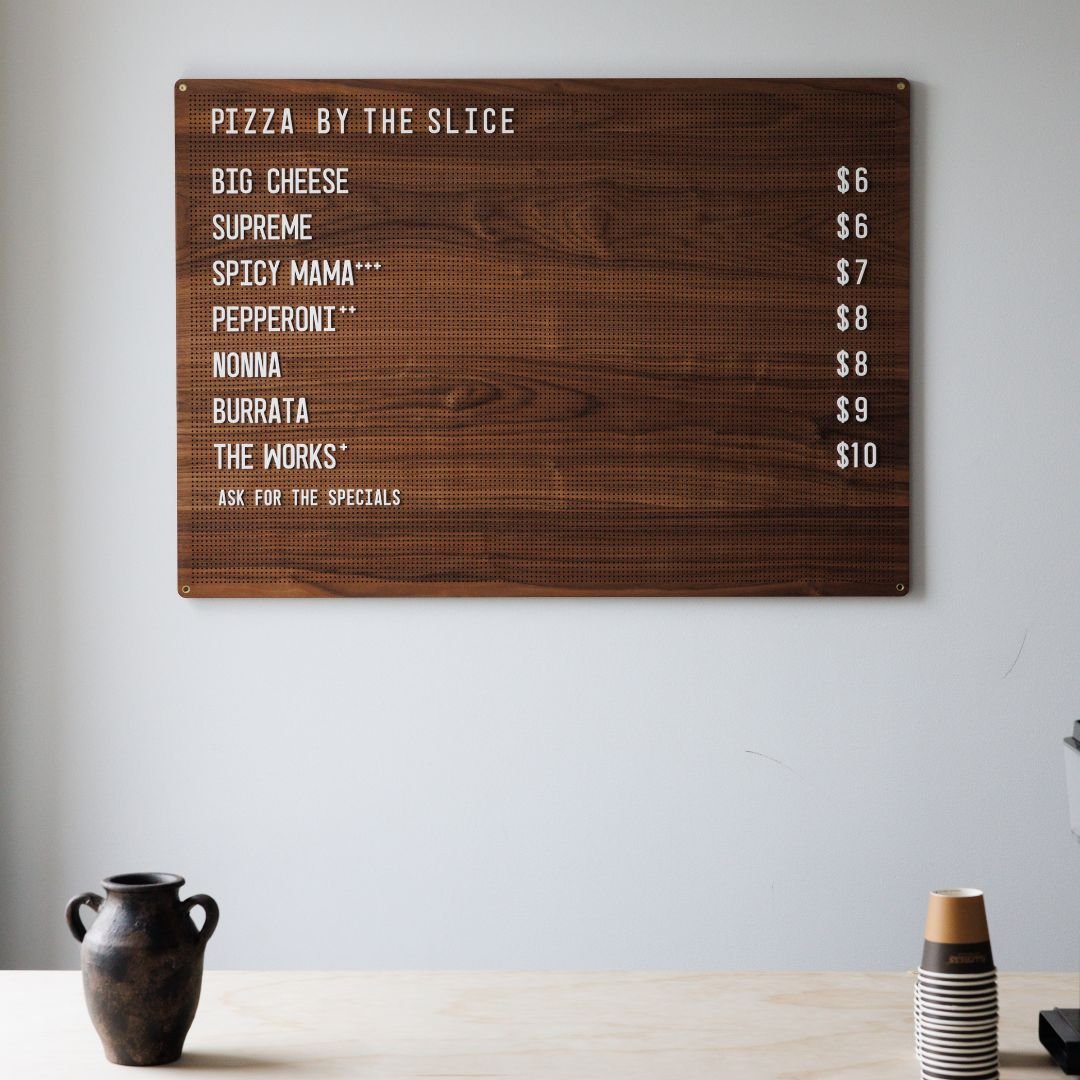
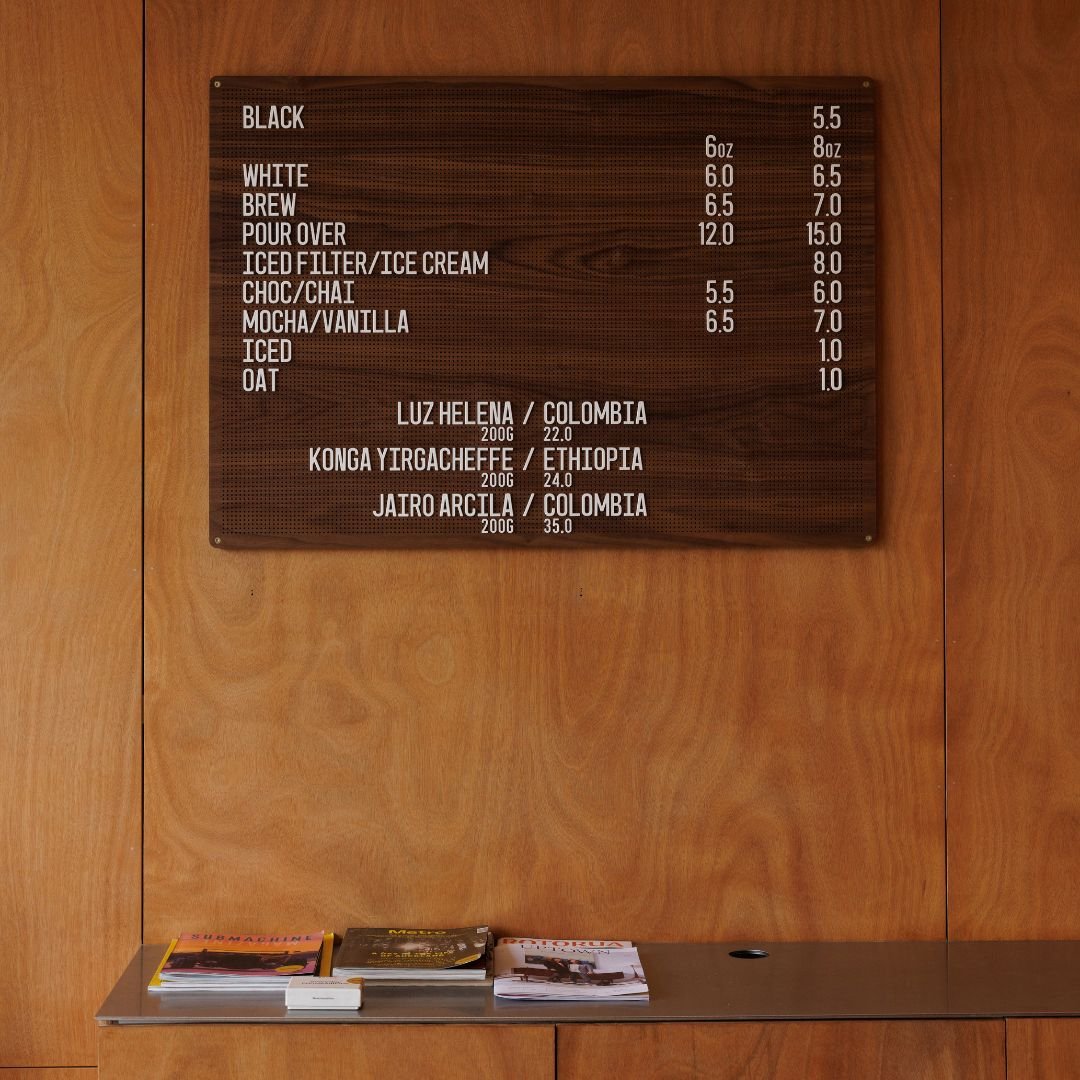
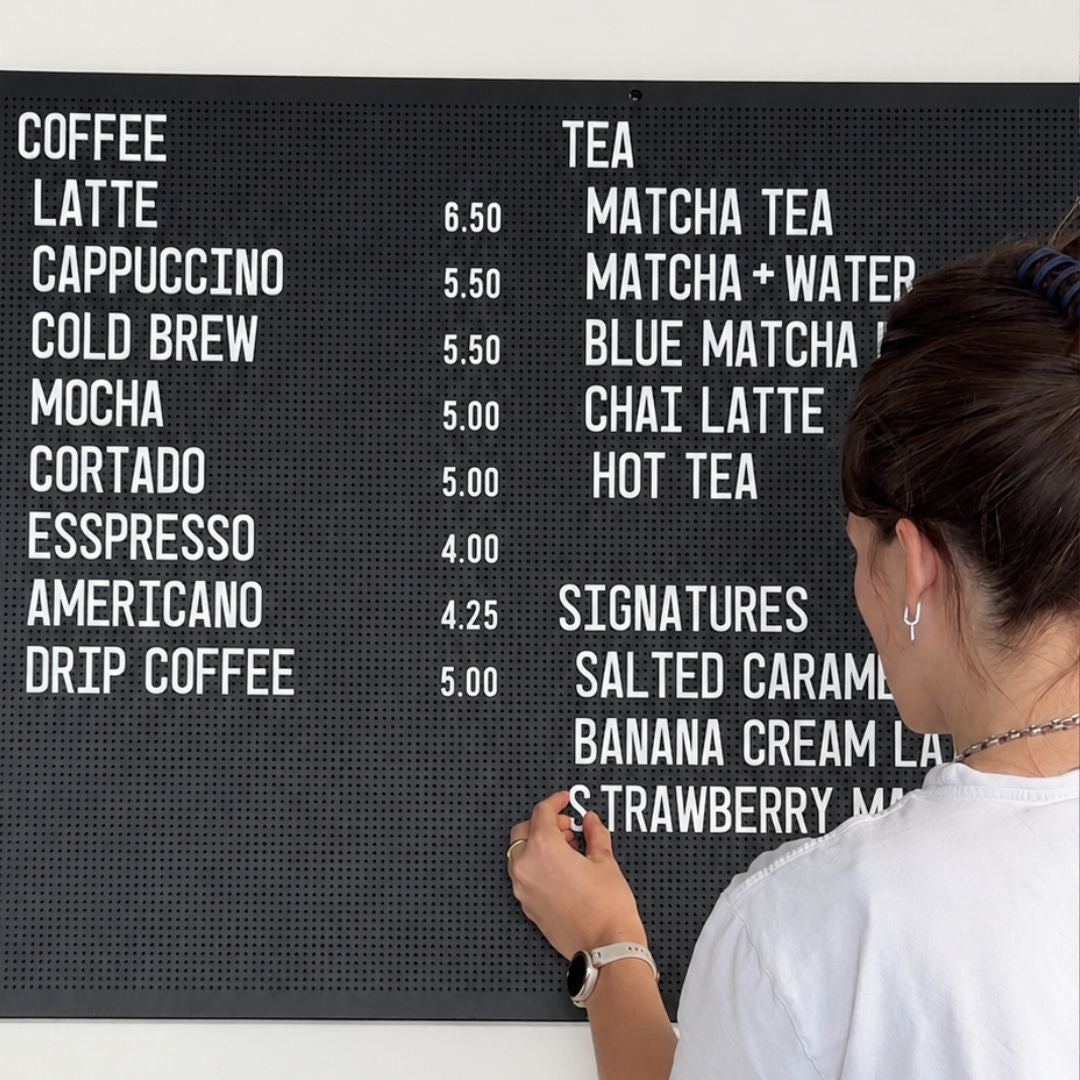
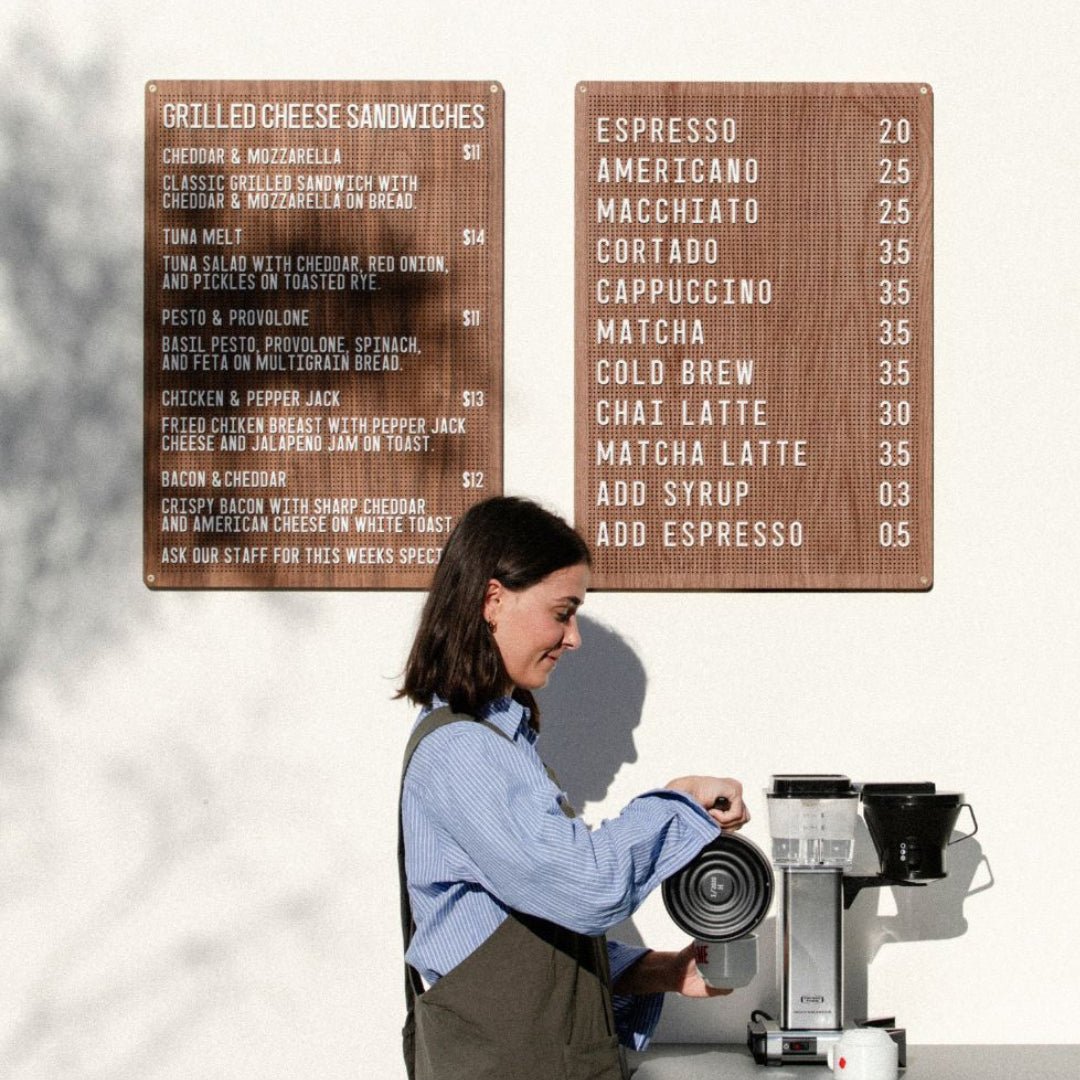
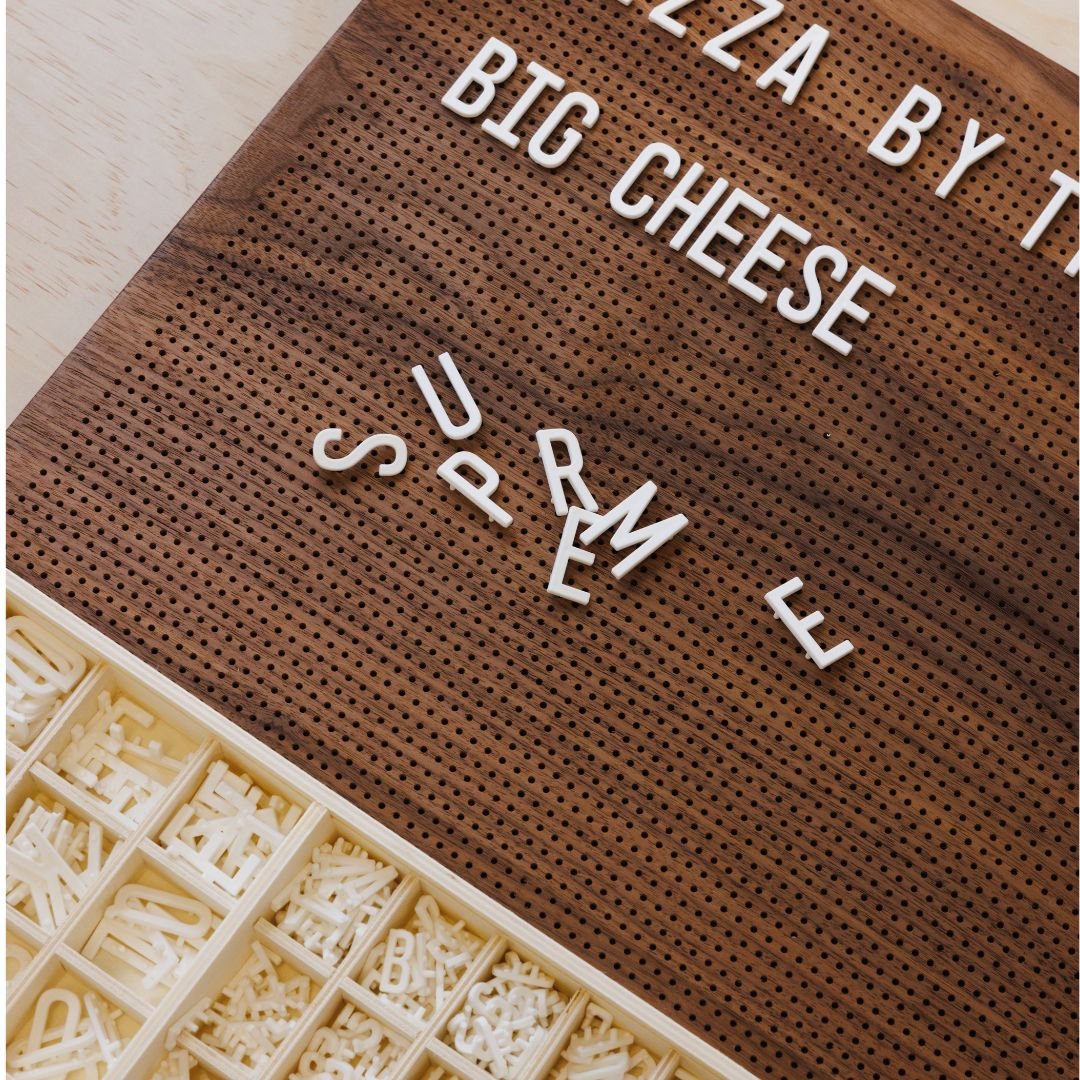
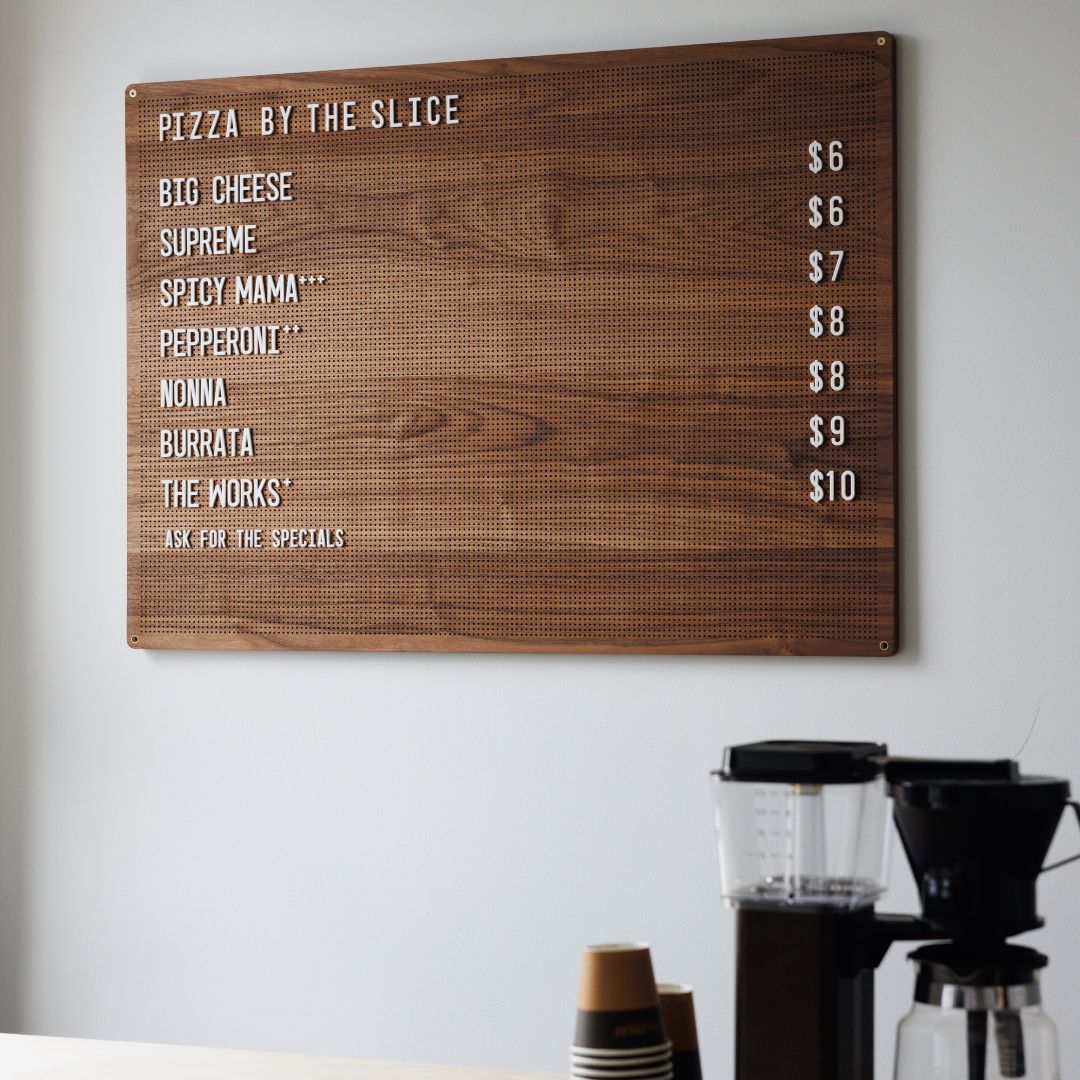
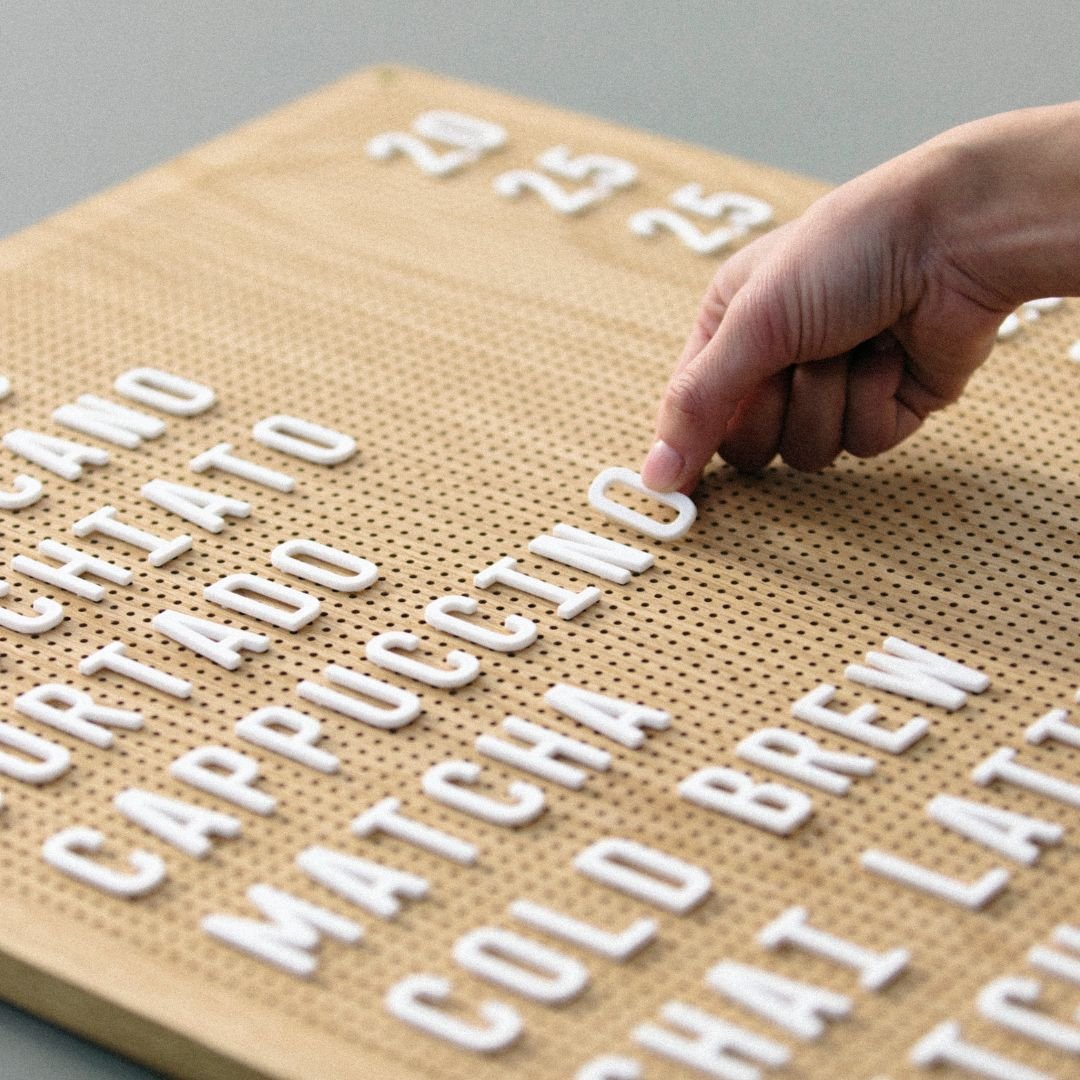
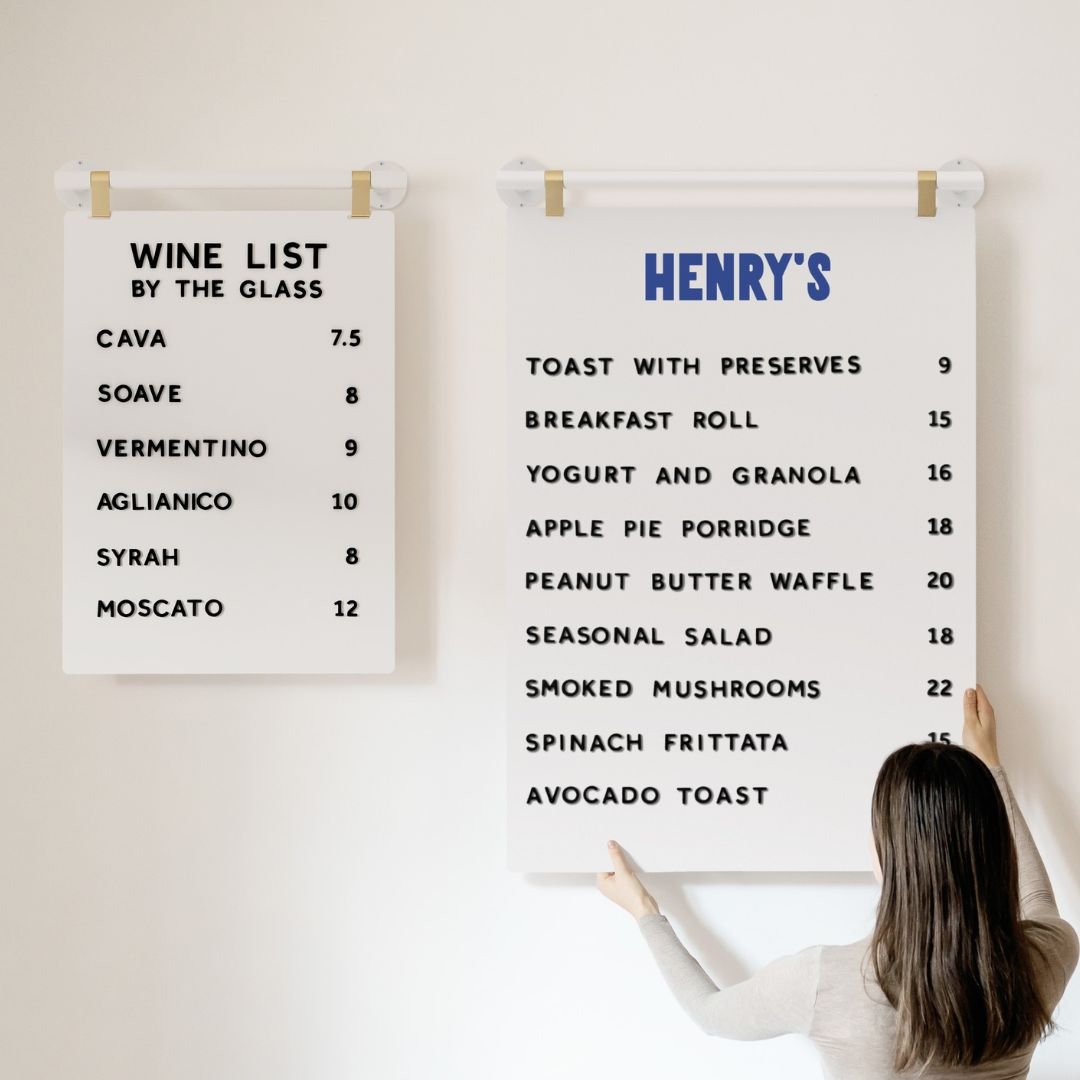
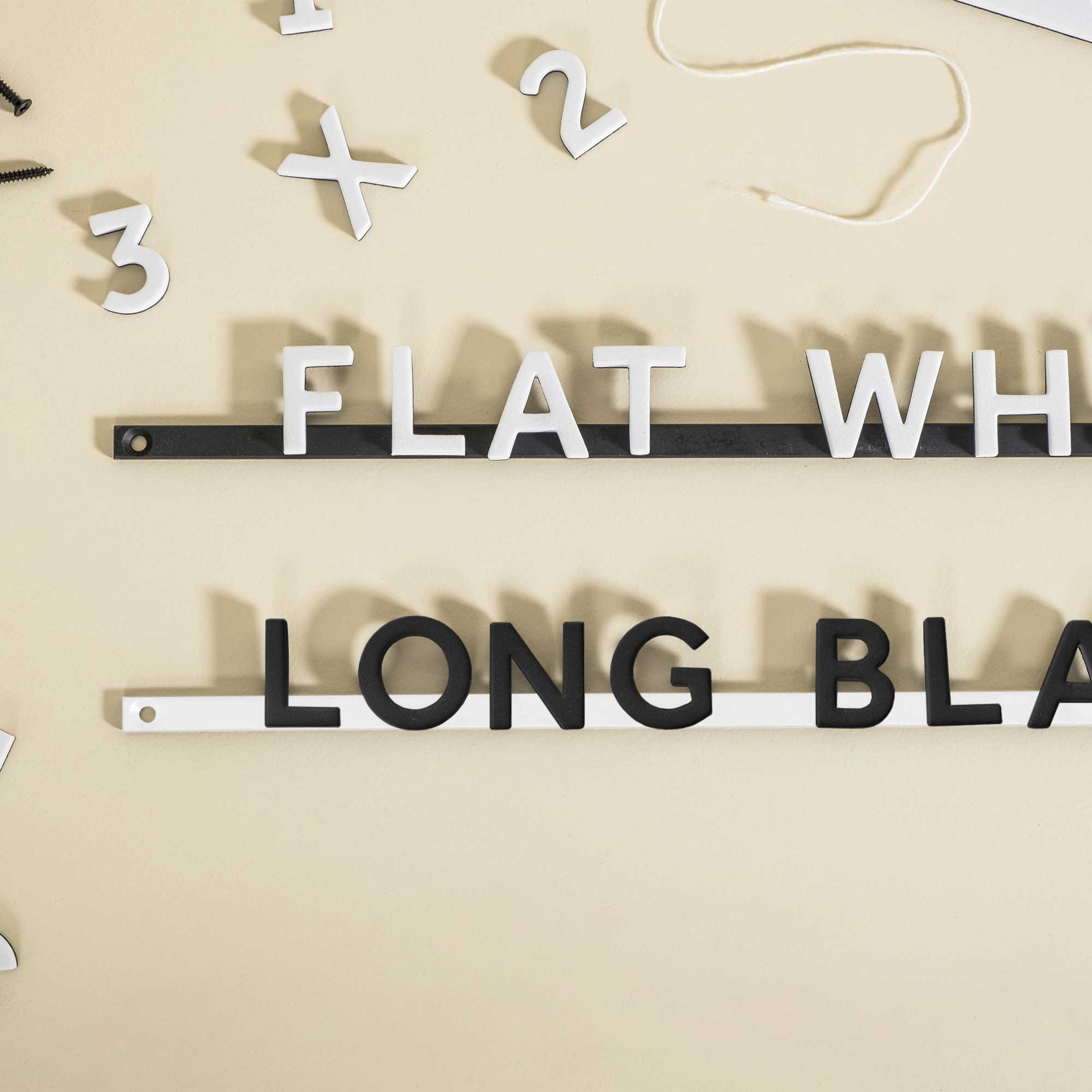
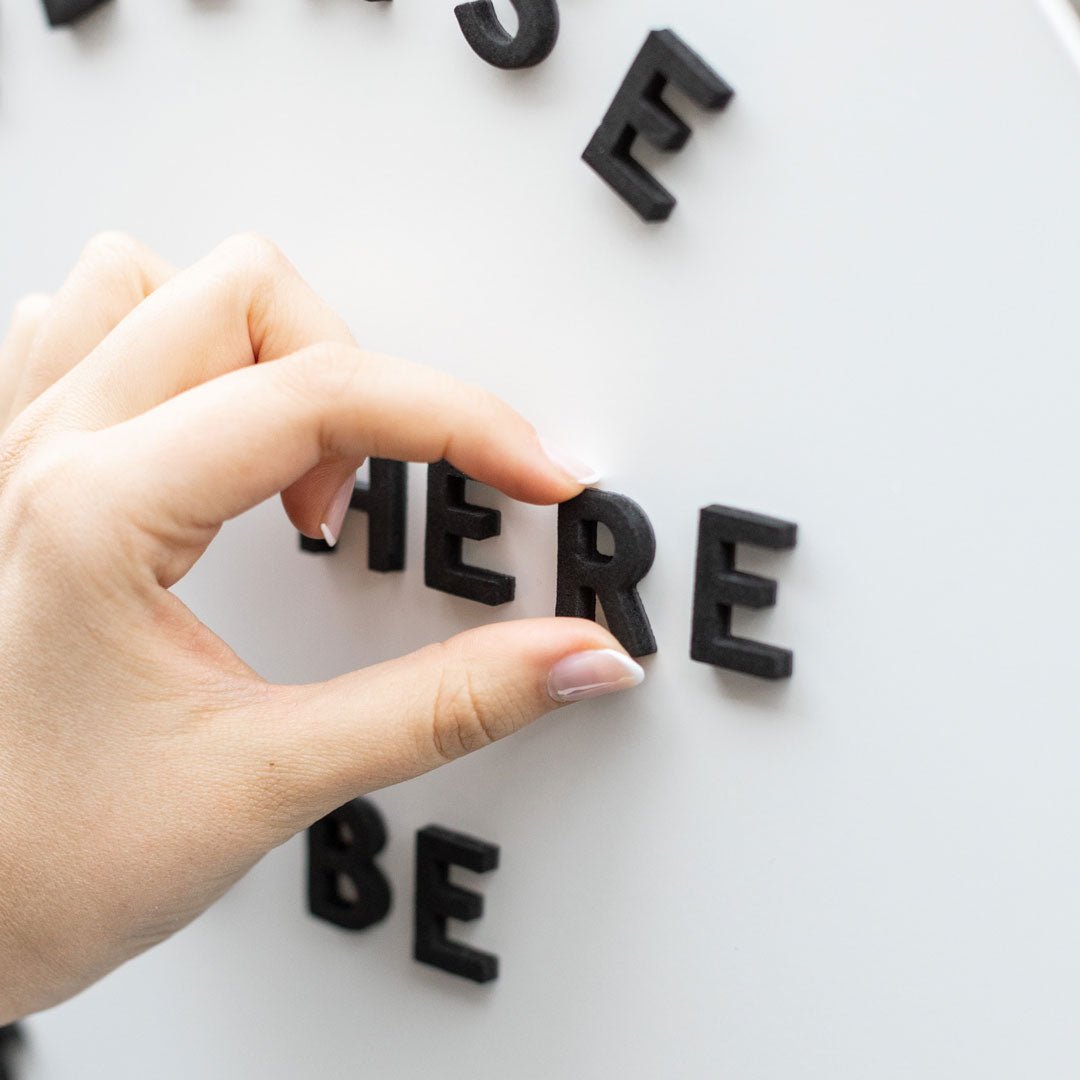
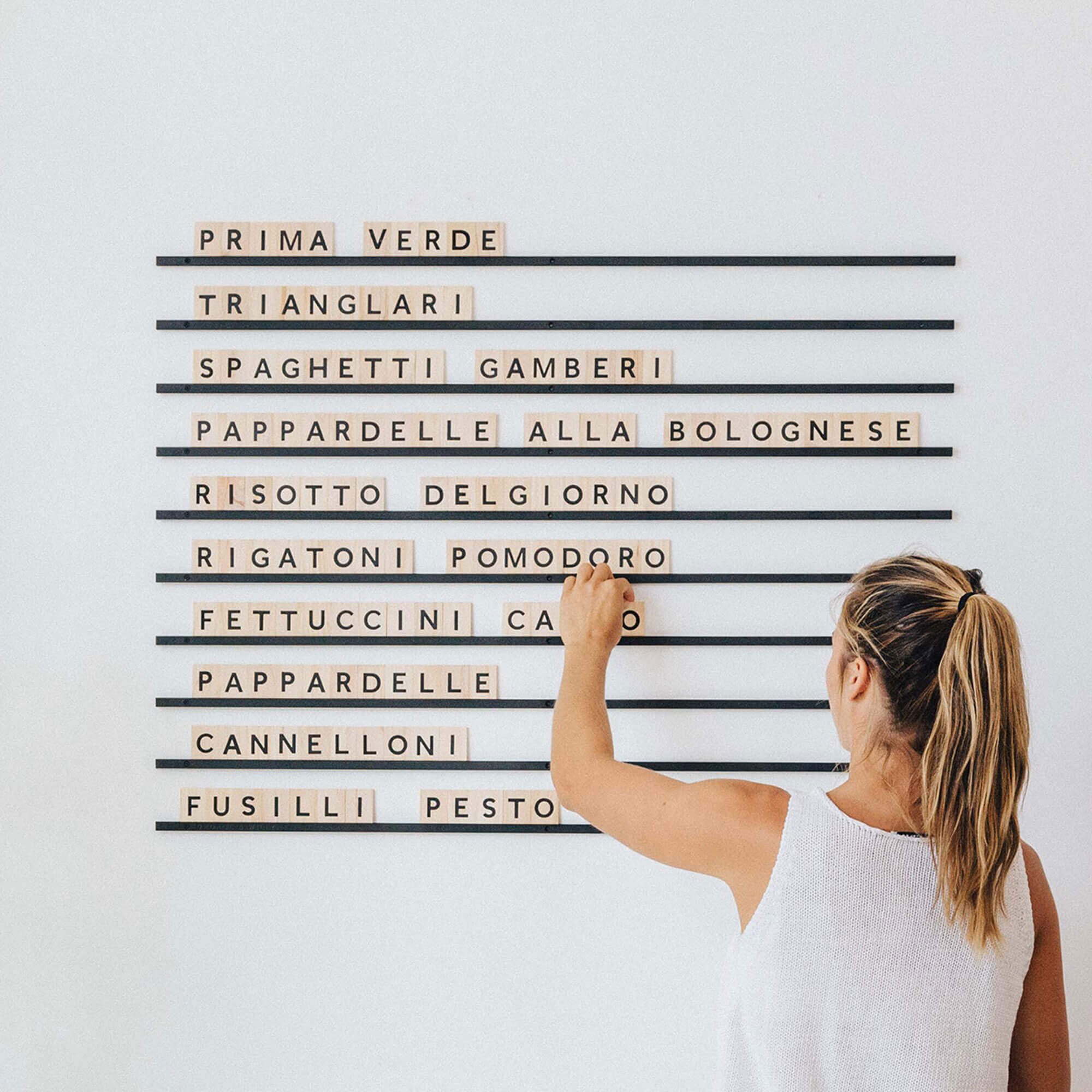
There’s an undeniable warmth and character that comes with wood. It’s why so many classic diners and cozy cafés feature wood booth tables. Natural wood grains create an inviting atmosphere that colder materials like metal or plastic can’t replicate. Pair the look with a Wooden Letter Board for a warm, tactile menu display that matches the booth aesthetic. This aesthetic is a major driver behind the global wood restaurant table market, which is expected to hit $4.8 billion by 2027. Diners are particularly drawn to the rustic yet upscale look of reclaimed or hardwood tables, especially in farm to table concepts where authenticity is key.
Modern wood tables are built to last, especially when you choose the right materials. Hardwoods like oak and maple are incredibly durable and resist dents and wear. Look for commercial grade polyurethane finishes that protect against scratches and stains. Sustainability is also a huge trend, with 68% of hospitality furniture buyers now prioritizing FSC certified or reclaimed wood. This resonates with customers, as around 73% of diners say sustainability influences where they choose to eat.
At George & Willy, we believe in using quality materials like sustainably sourced timbers to create furniture with longevity and a low environmental footprint. Choosing quality wood booth tables elevates your space and sends a message that you care about the details and the planet.
6. Pick the Right Booth Table Base
The base of your booth table is a critical component for both comfort and stability. For tight booth seating, a single pedestal base is often the best choice. It allows guests to slide in and out without knocking their knees on table legs and reduces tripping hazards for staff.
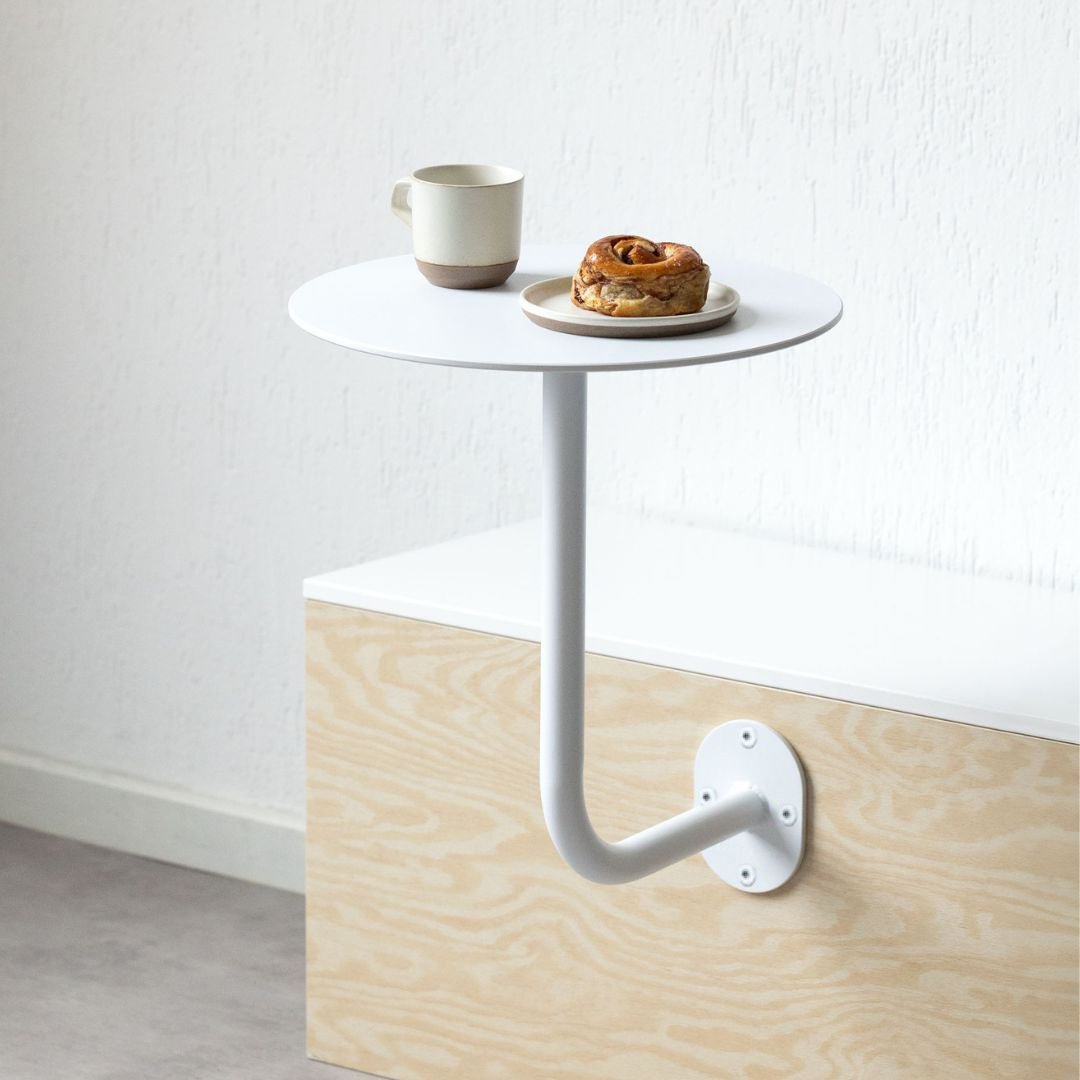
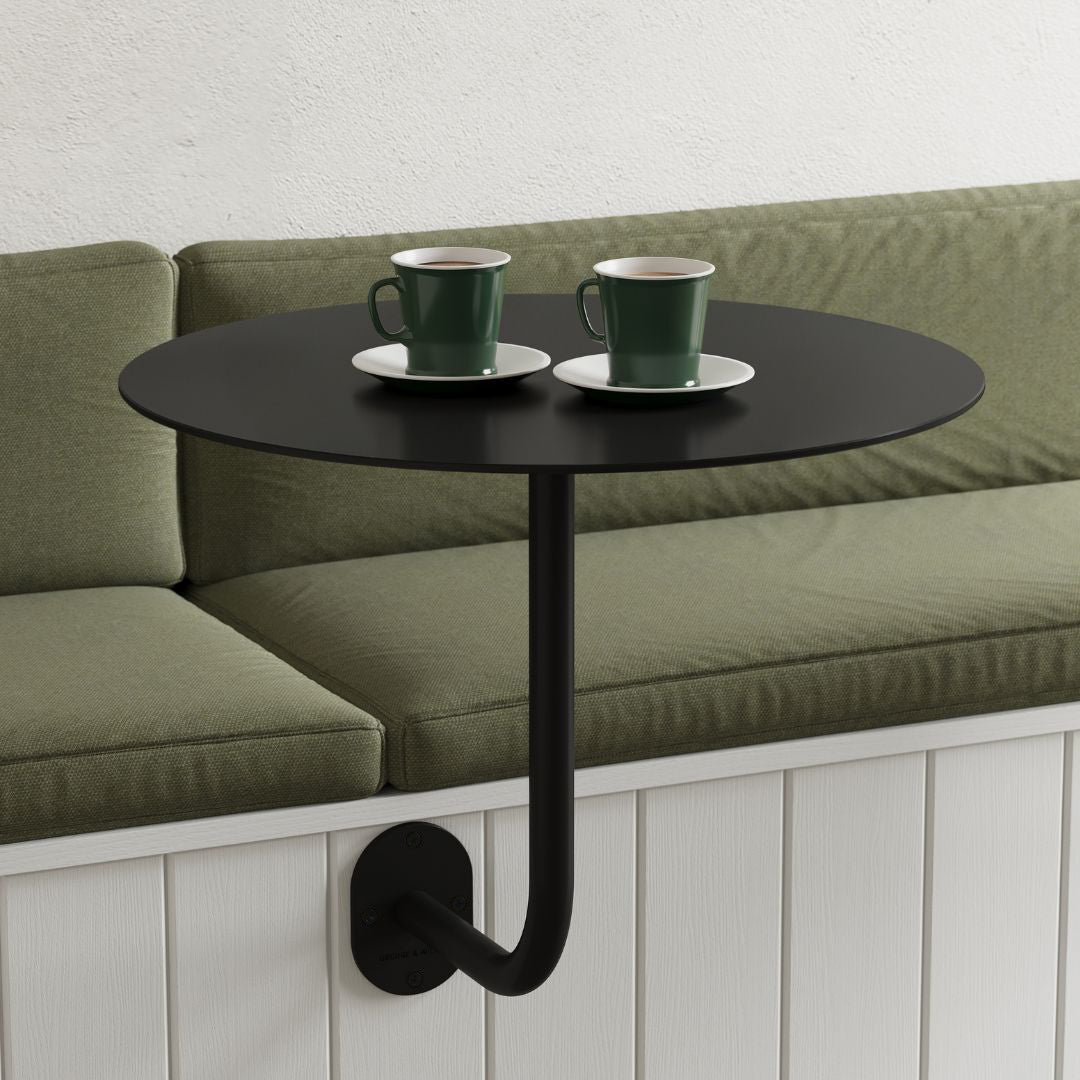
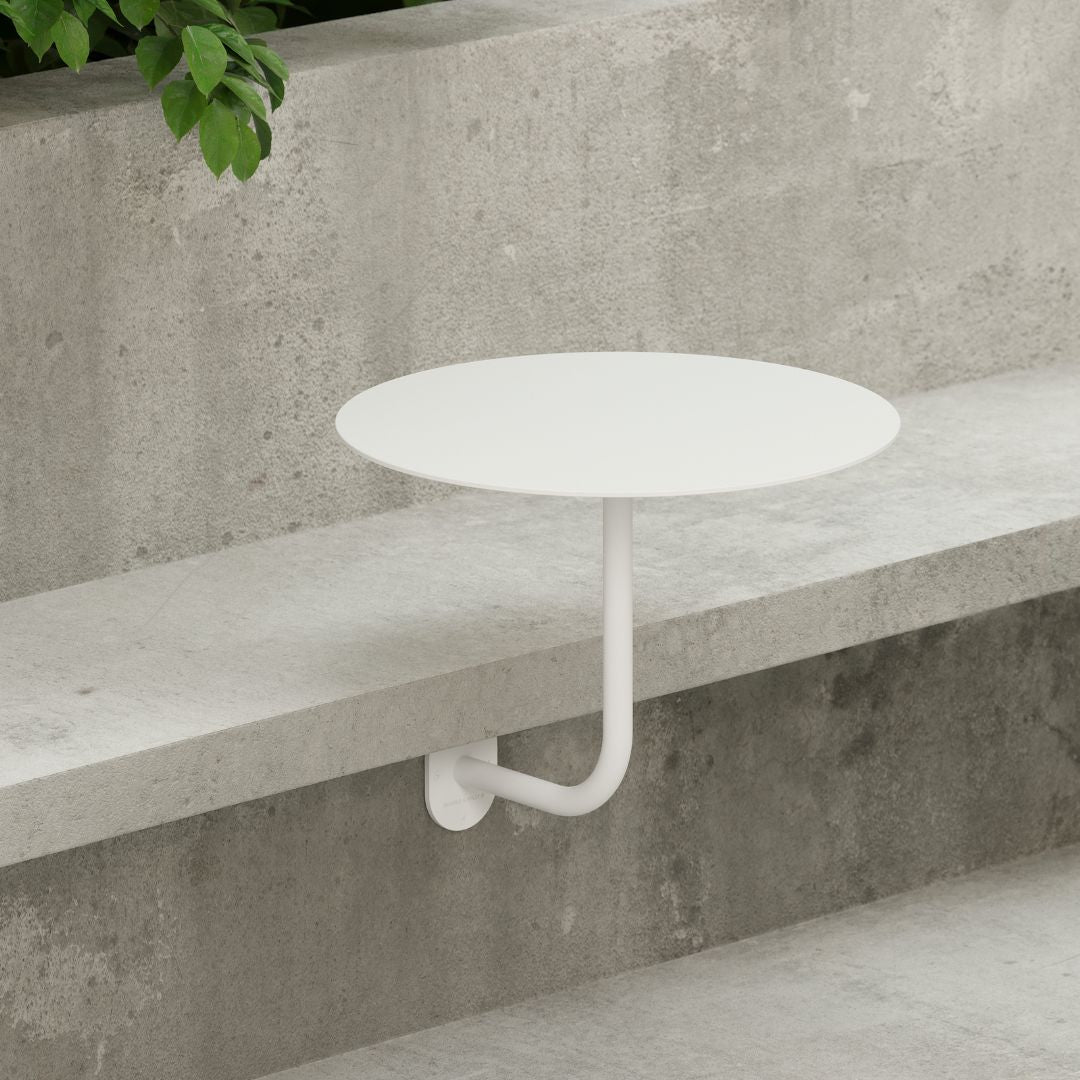
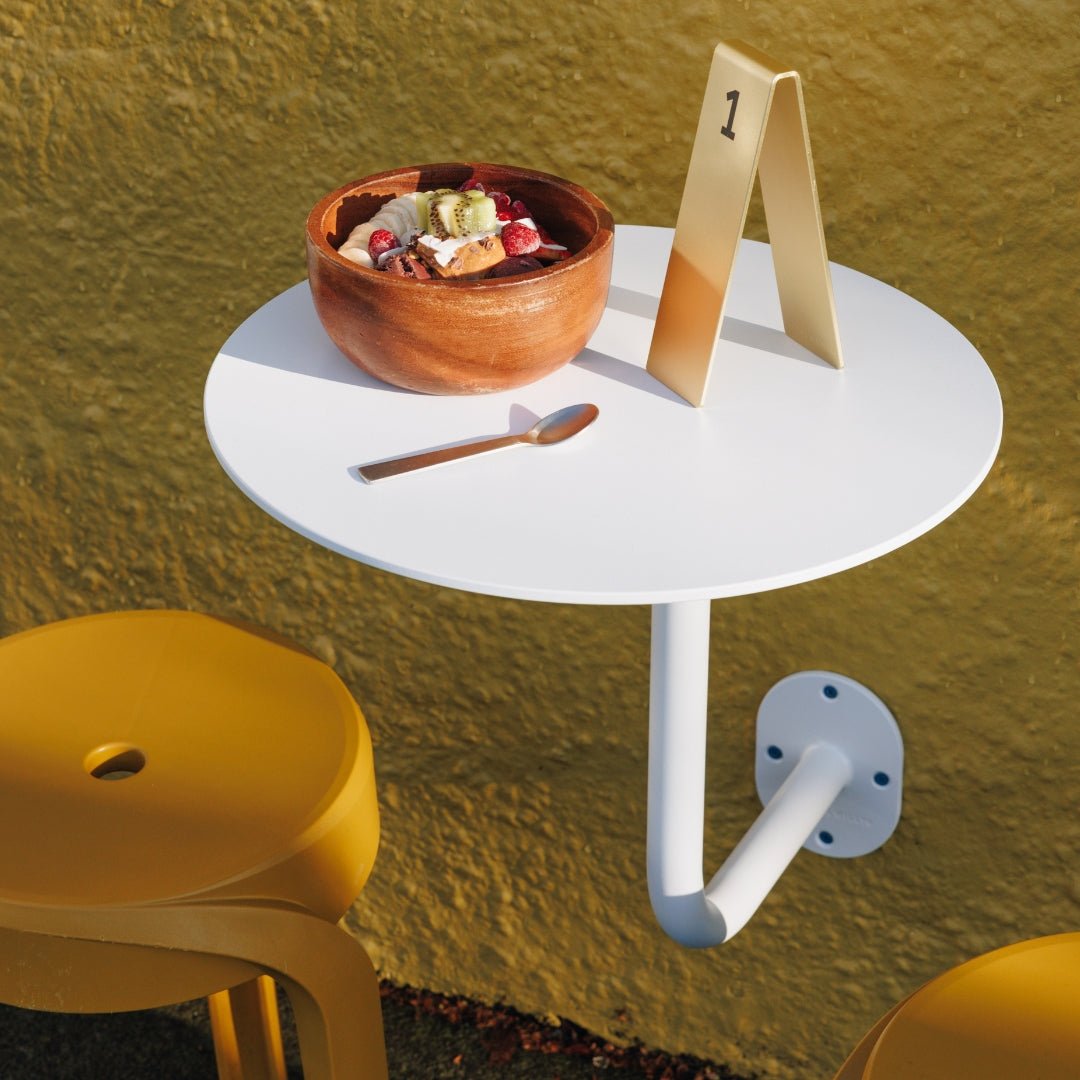
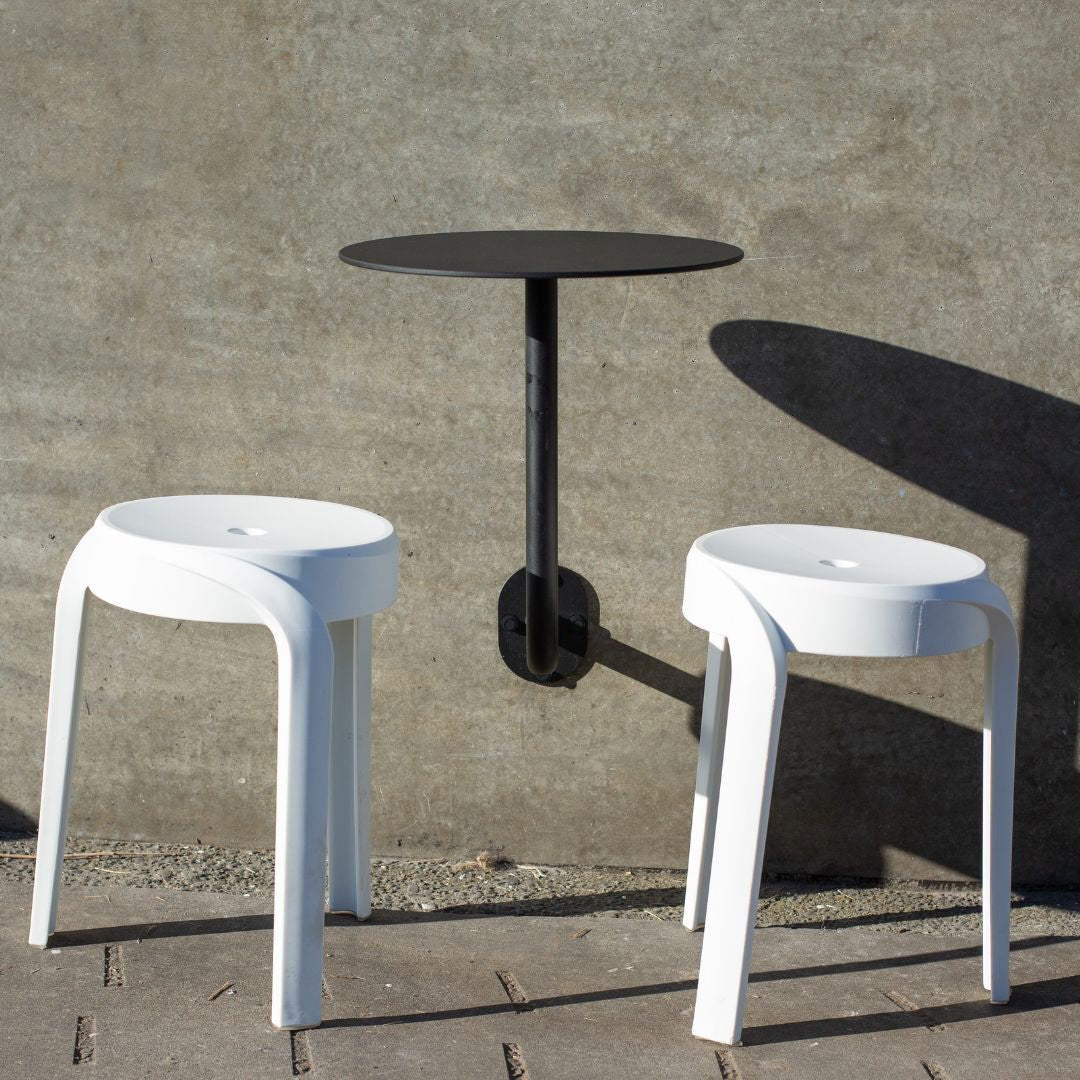
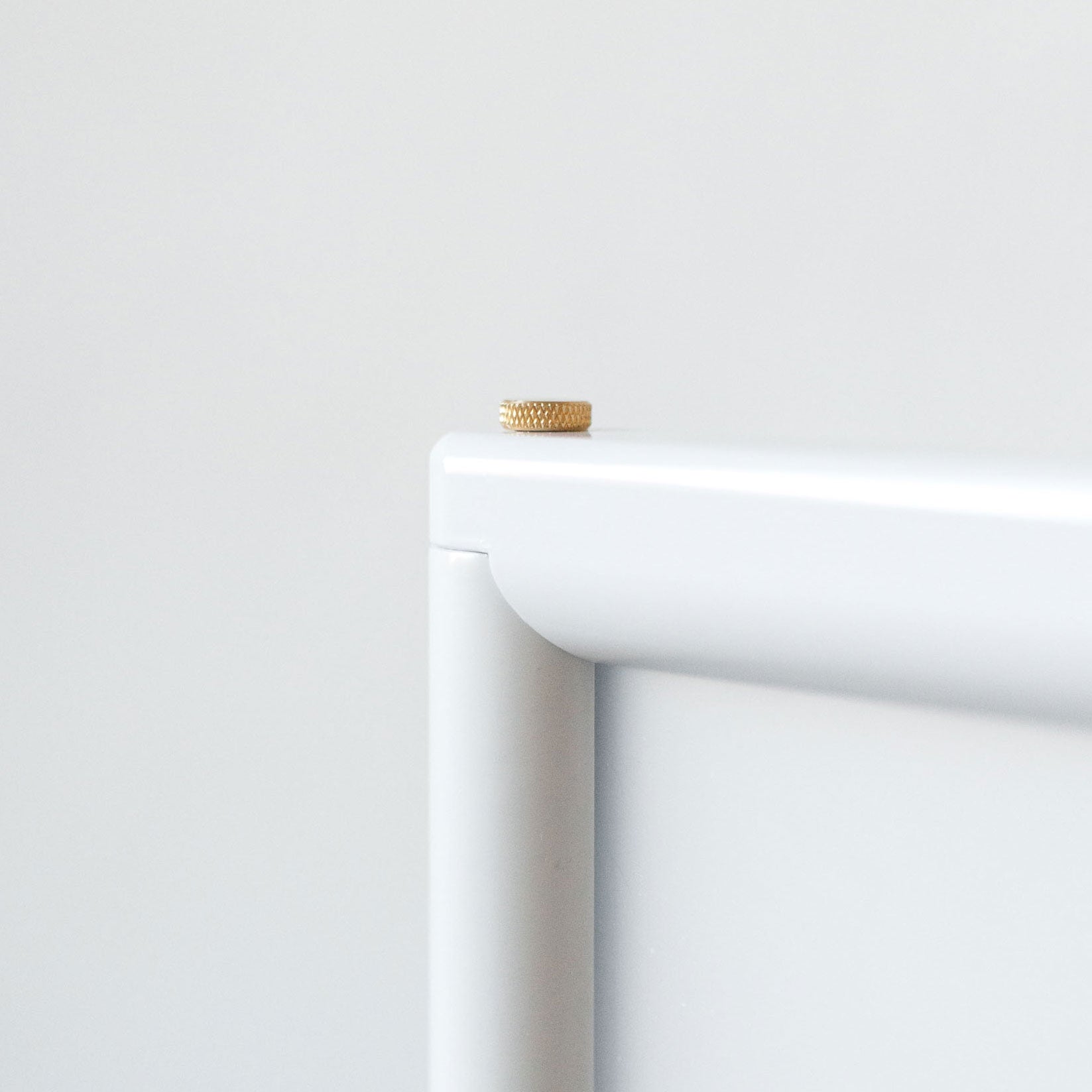
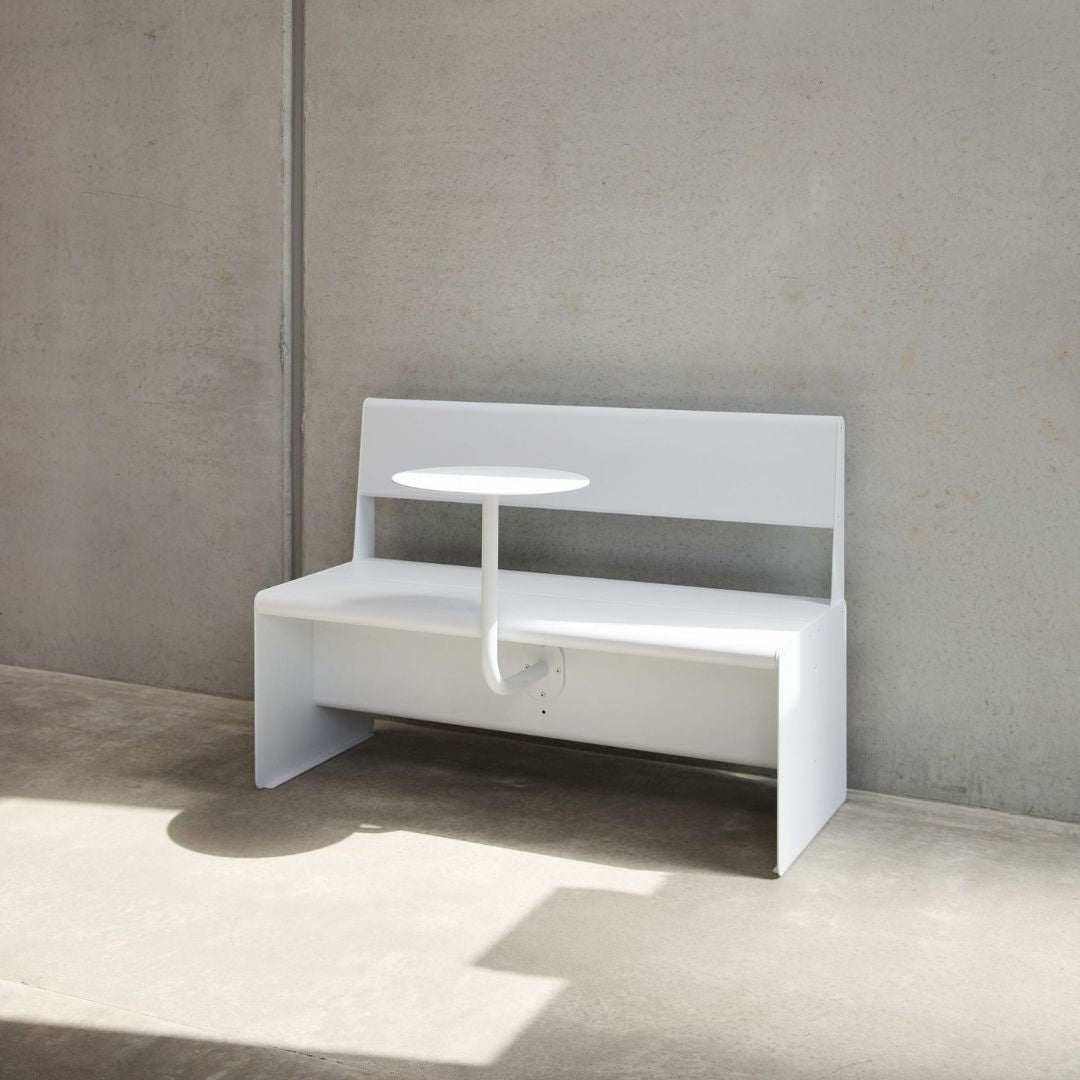
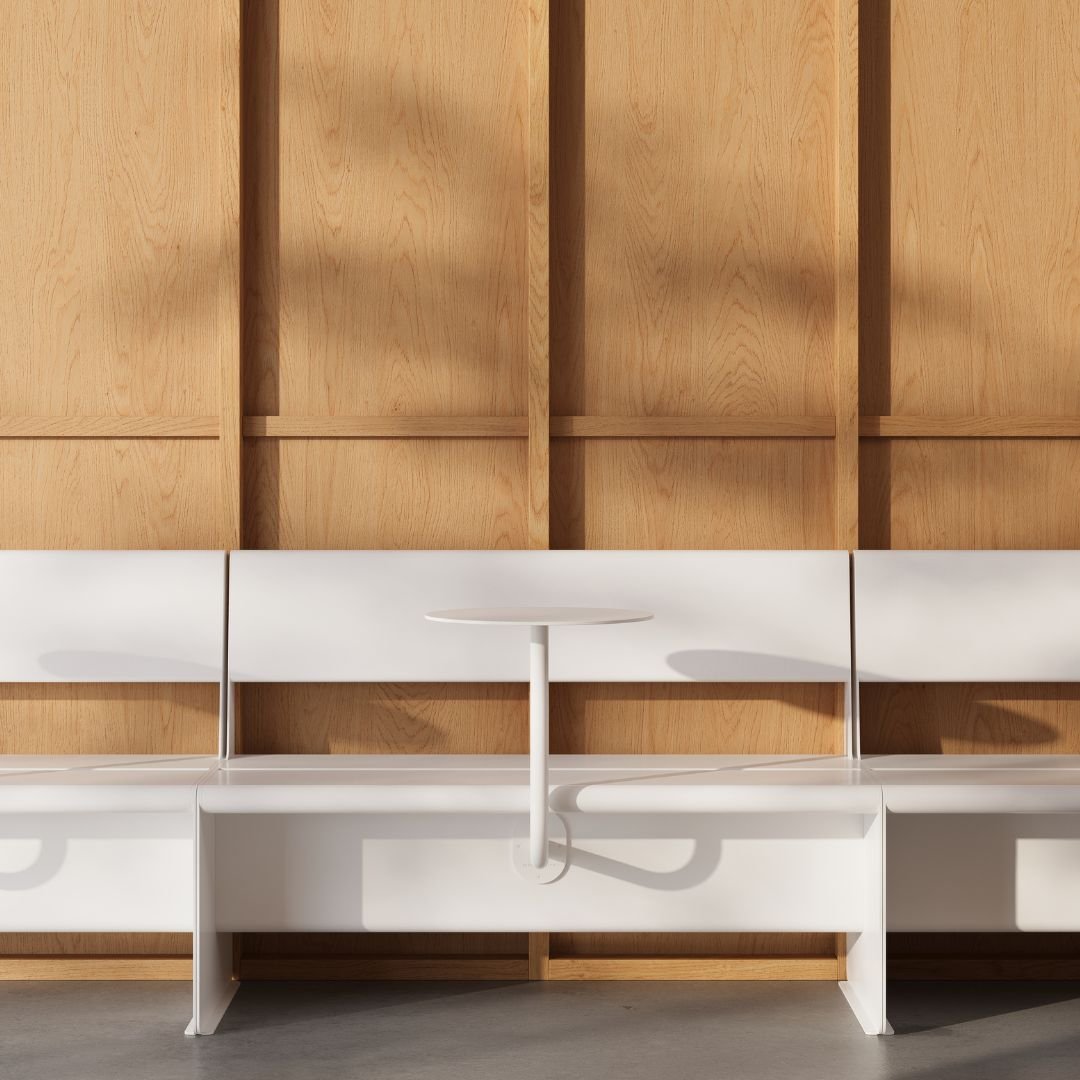
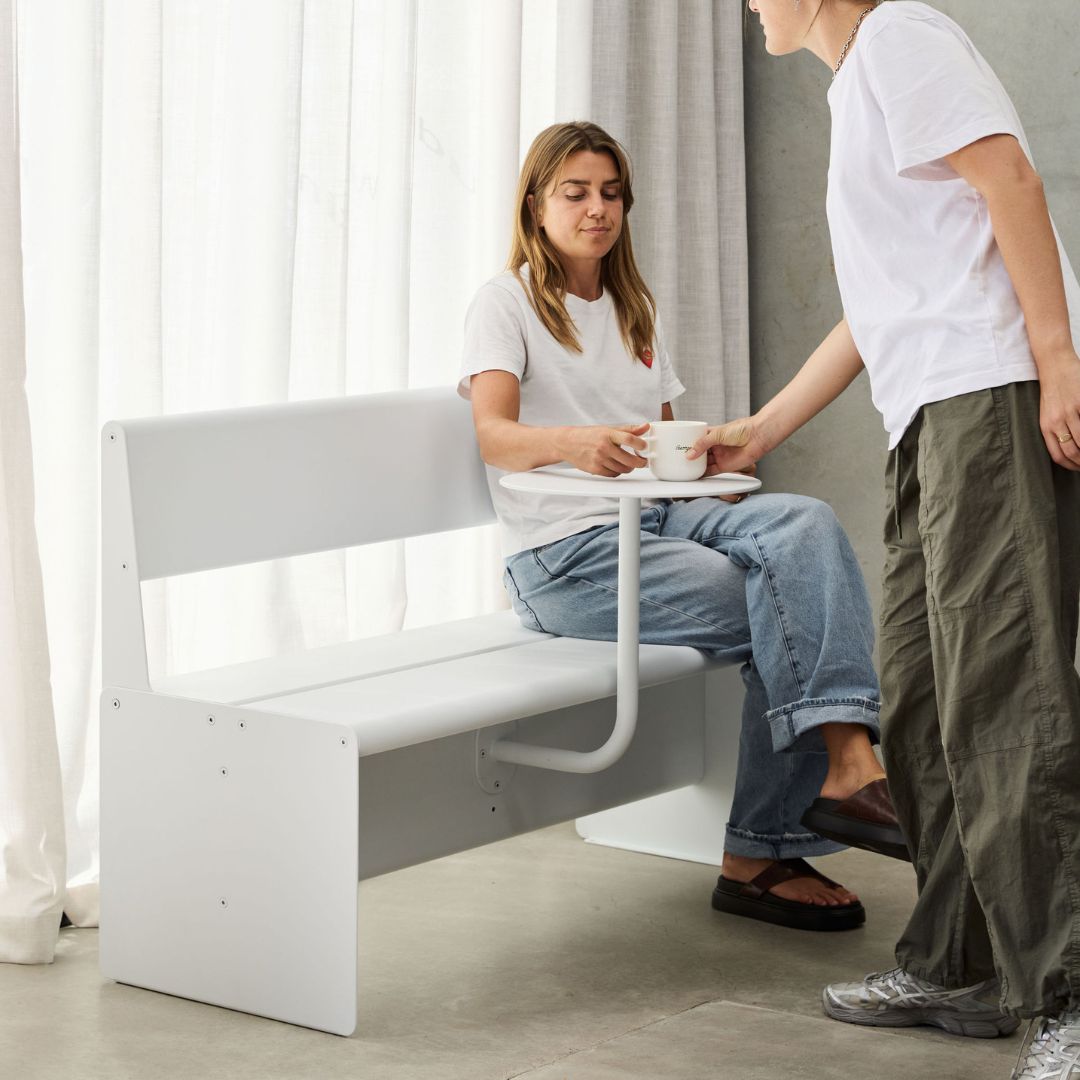
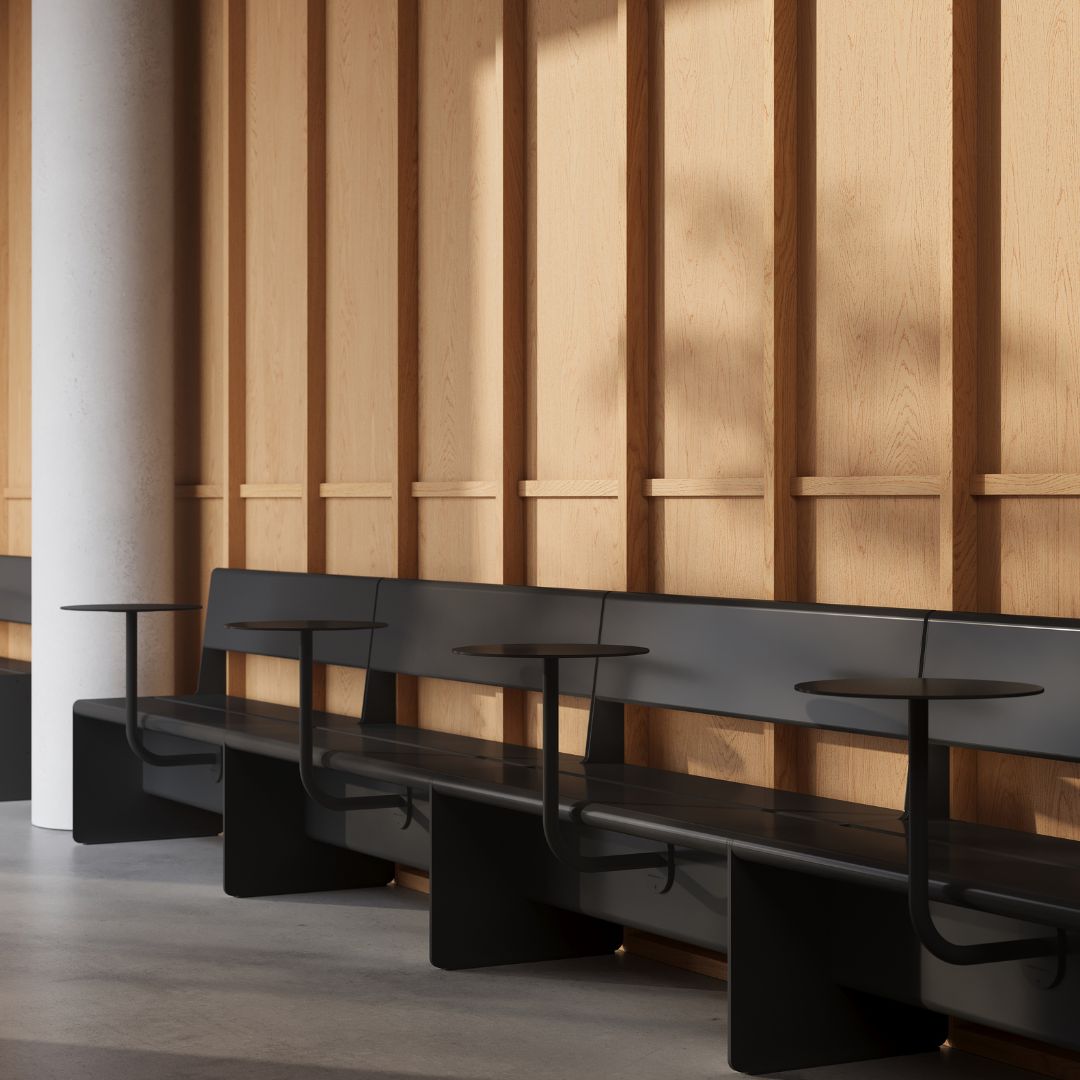
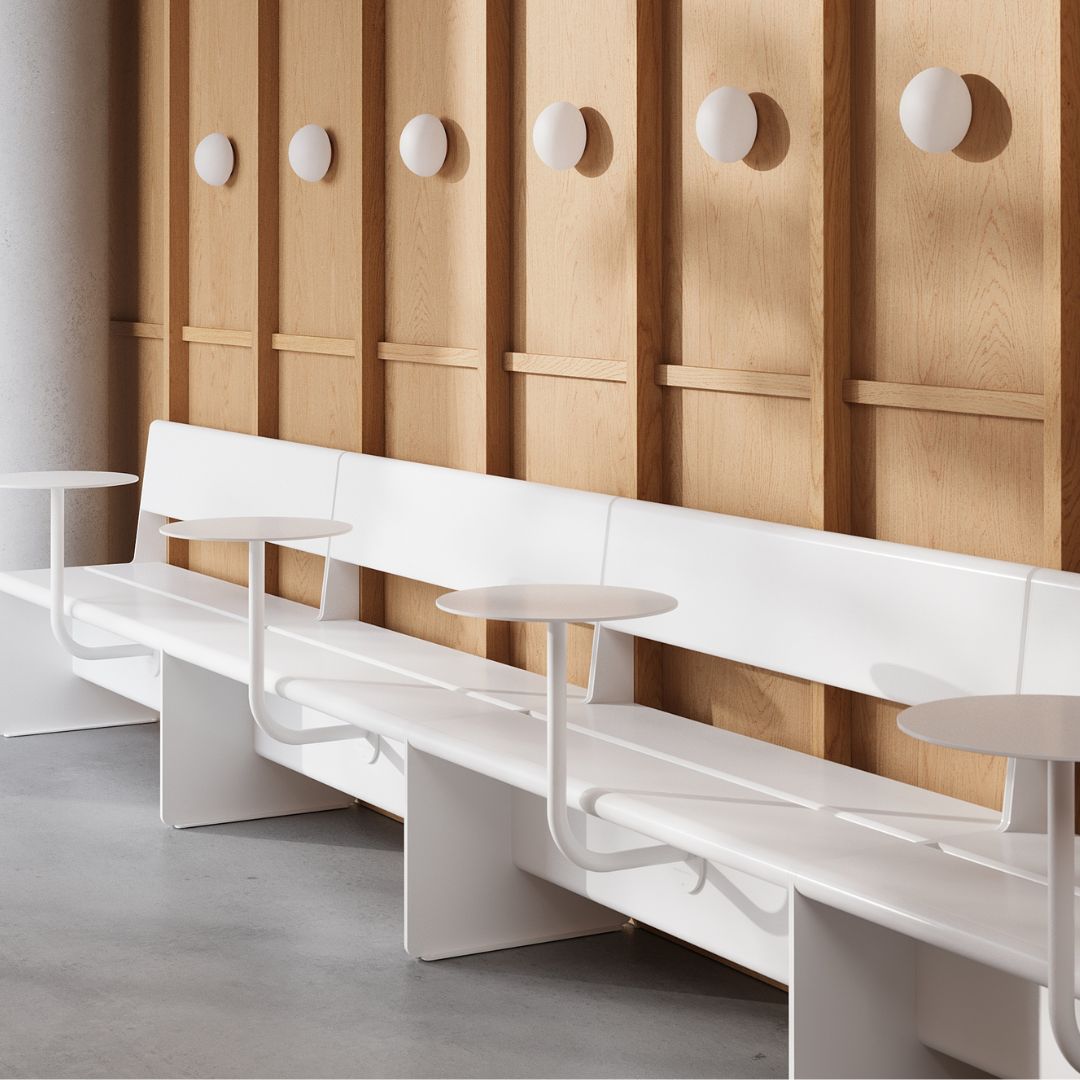
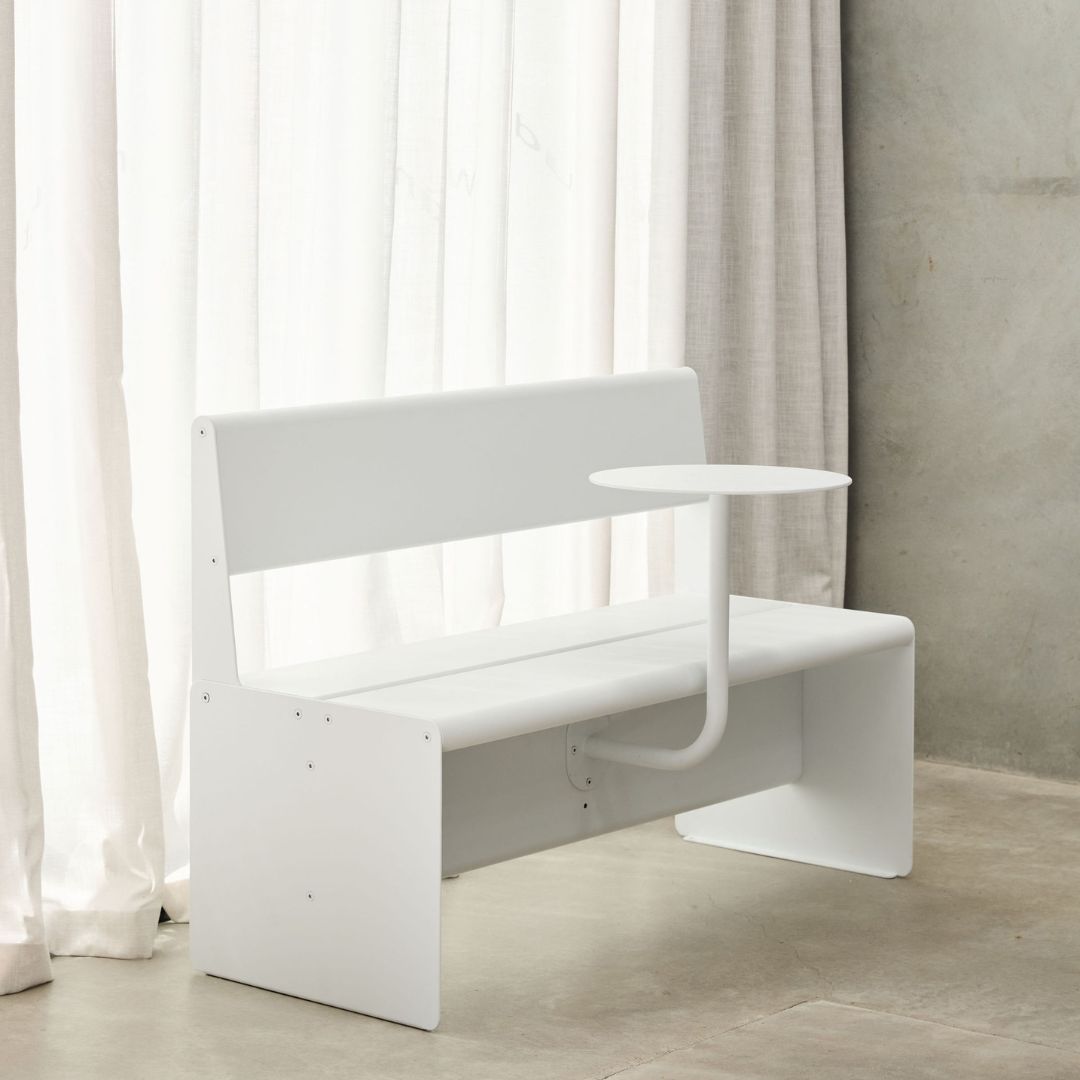
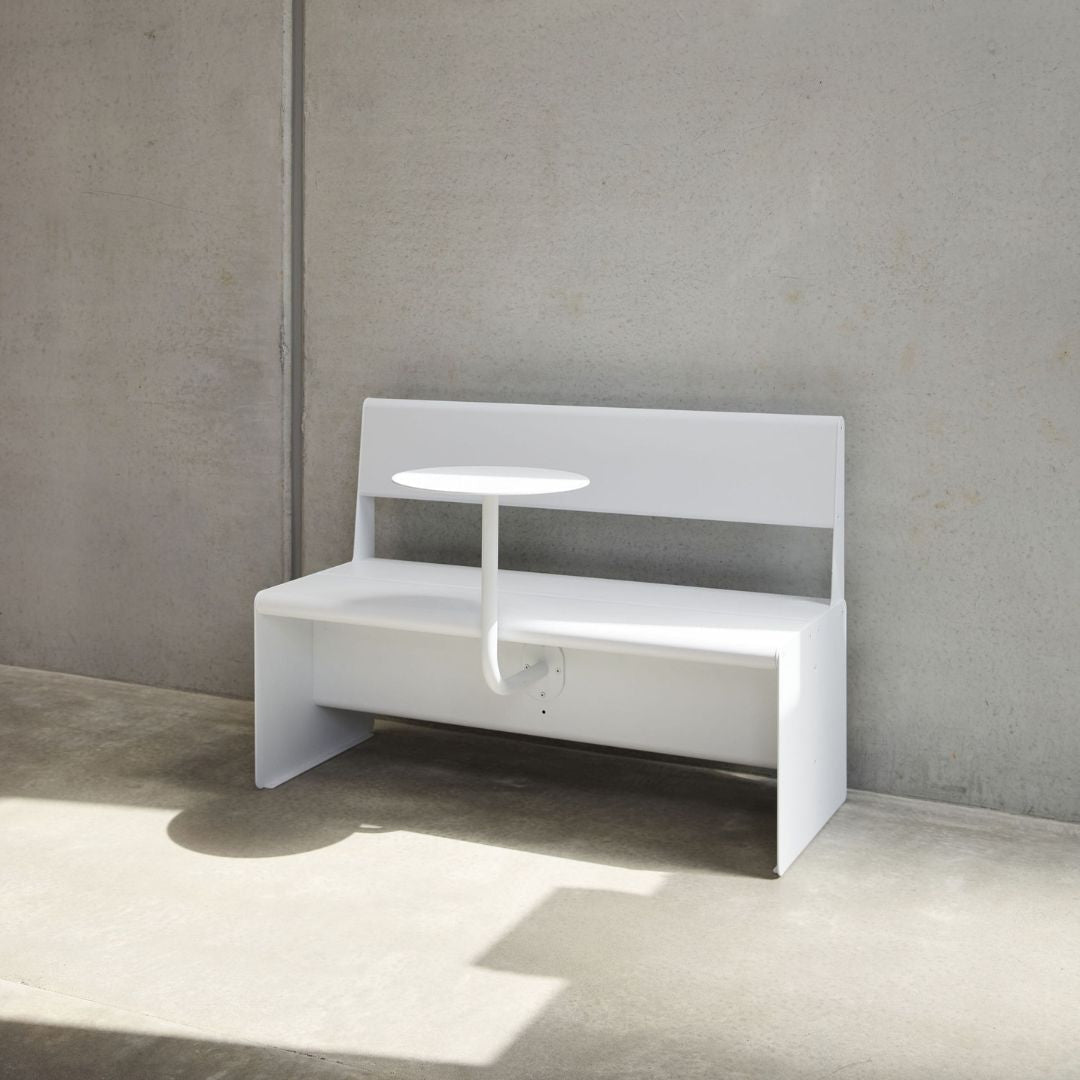
Another smart solution is a wall mounted table. For example, the George & Willy Booth Table uses a cantilever design that frees up the floor completely. This creates an ultra clean look and makes cleaning a breeze. Built from powder coated metal for rigidity and rust resistance, it’s a durable and stylish option for modern cafés.
Whatever base you choose, pay attention to the materials. Metal bases are common in hospitality because they are tough and long lasting. Many are now made with recycled metal, which significantly cuts down on environmental impact. Recycling aluminum, for instance, saves about 95% of the energy compared to producing new aluminum.
7. Get Your Booth Table Dimensions Right
Even the most beautiful booth table setup will fail if the dimensions are off. Getting the measurements right is essential for guest comfort and smooth traffic flow.
Standard Booth Dimensions
Seat Height: Around 18 inches from the floor.
Seat Depth: About 16 to 18 inches.
Table Height: Typically 29 to 30 inches.
Bench Length: A bench for two adults is usually 46 to 48 inches long.
Overall Depth (Double Booth): The space from the back of one bench to the back of the opposing one is generally 42 to 48 inches.
Plan Before You Build
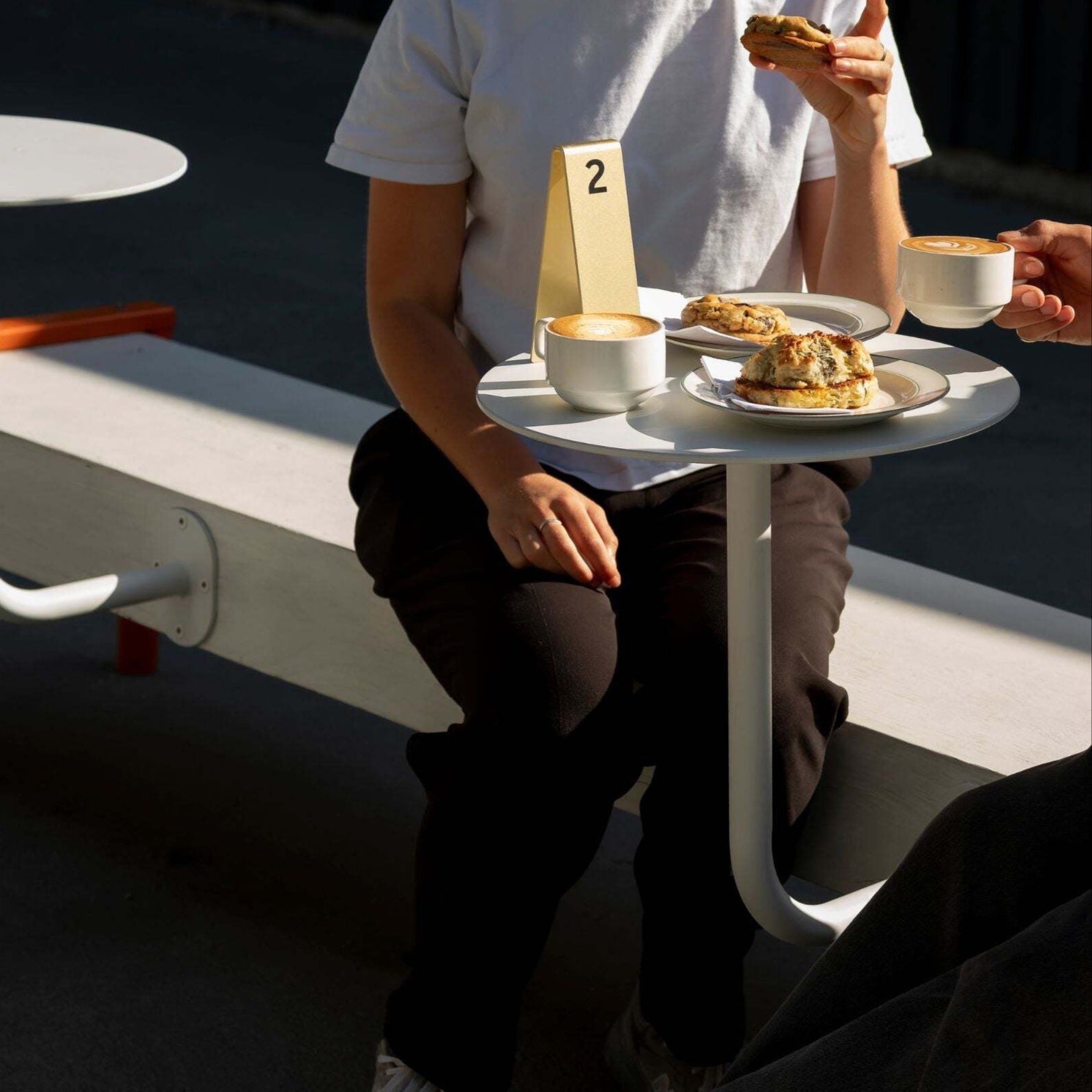
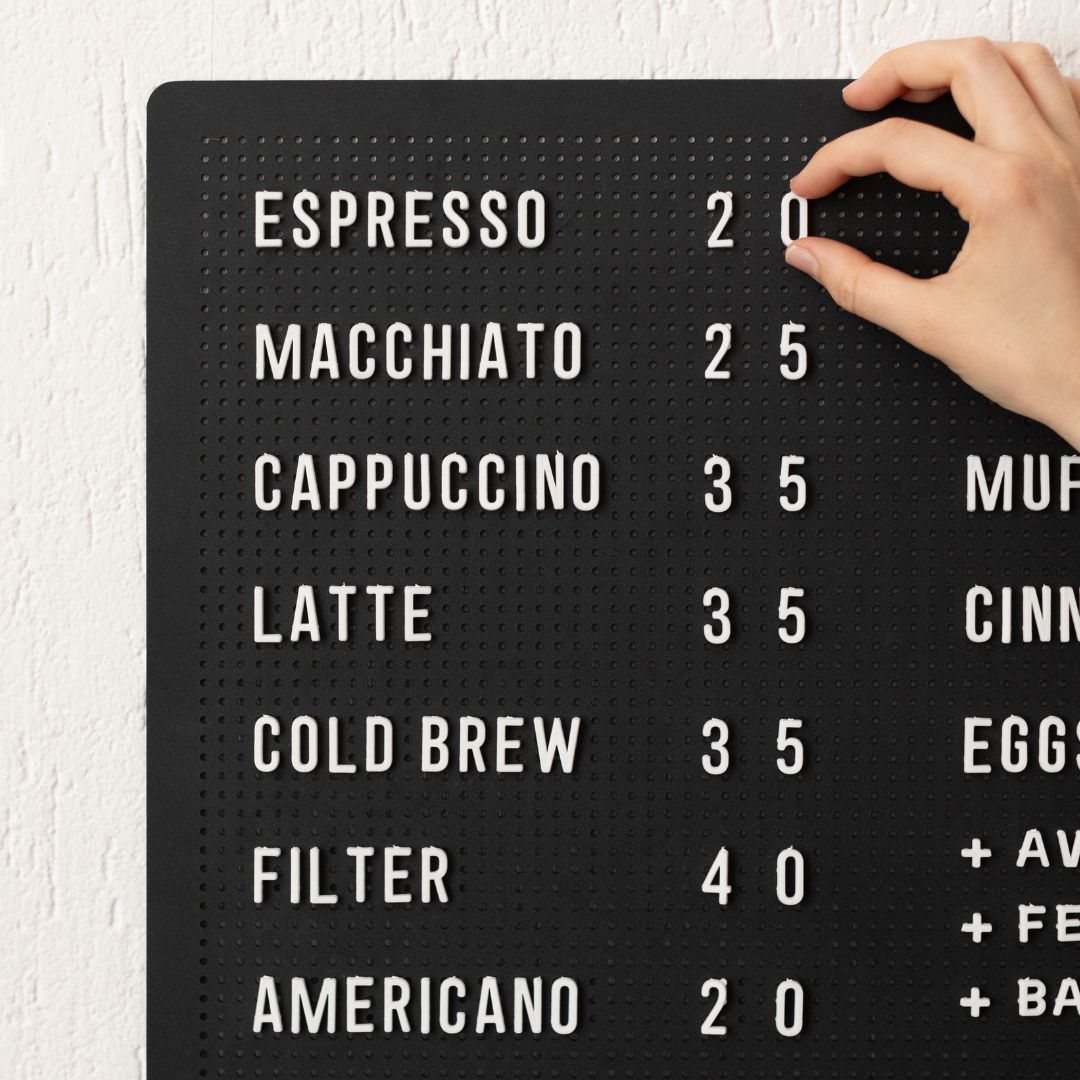
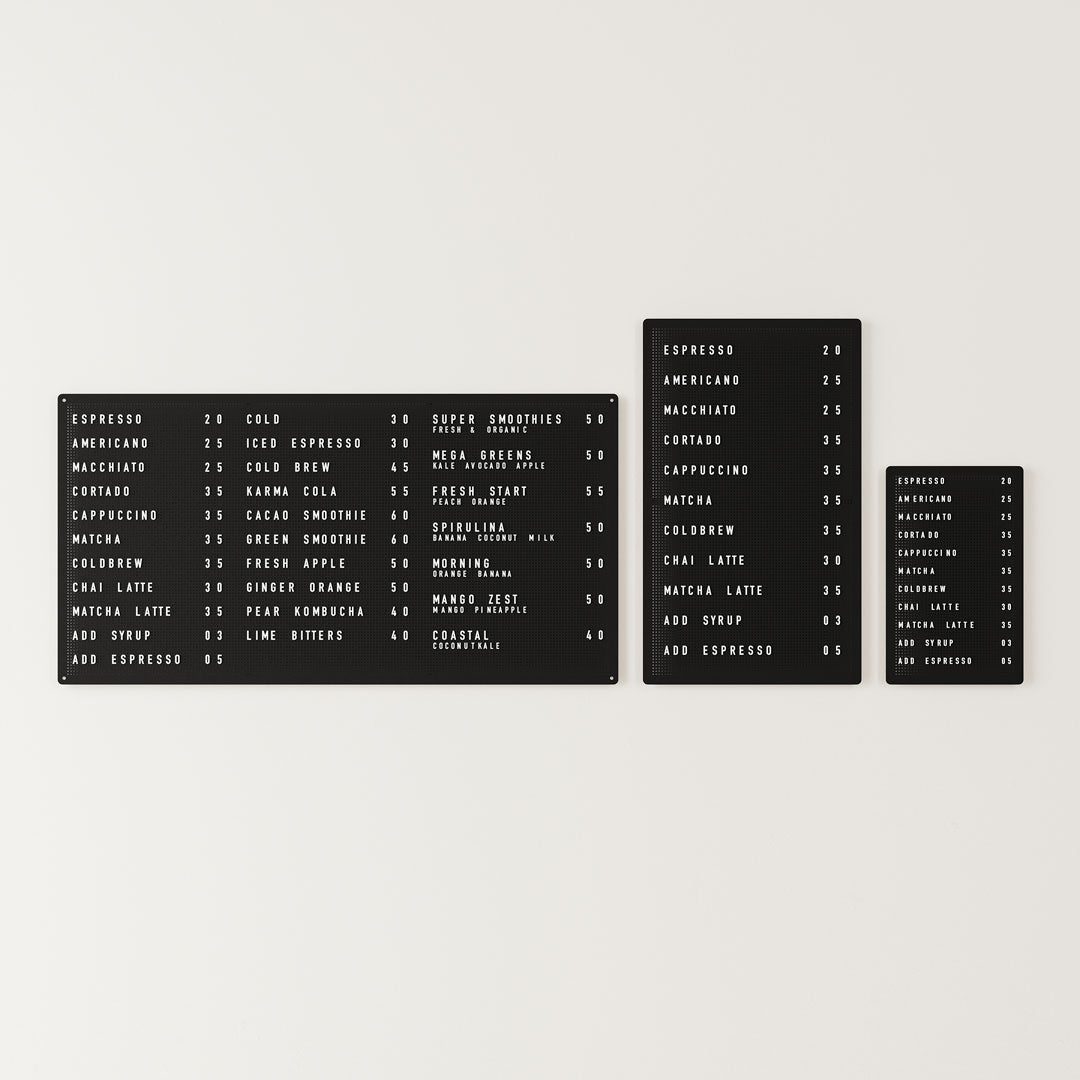
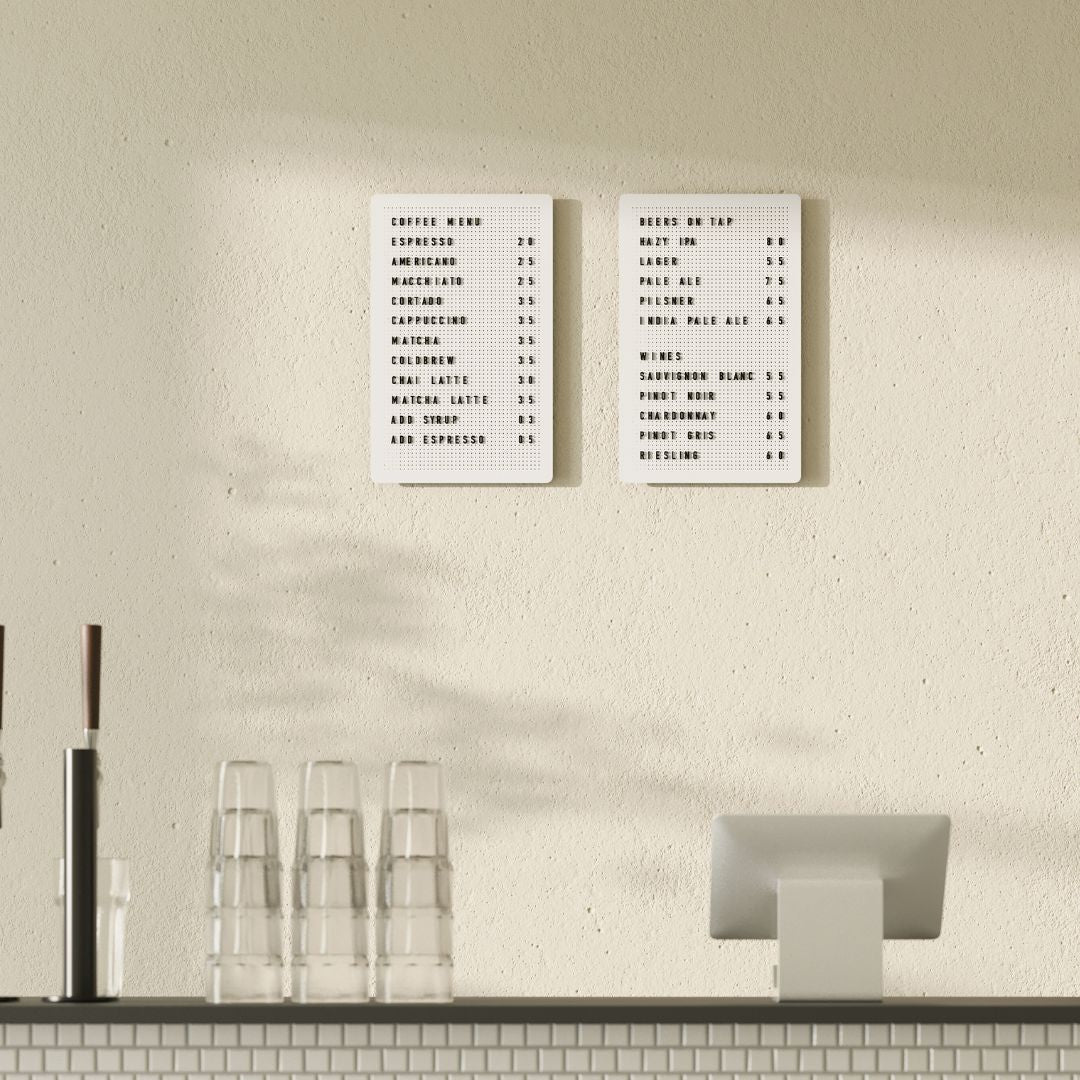
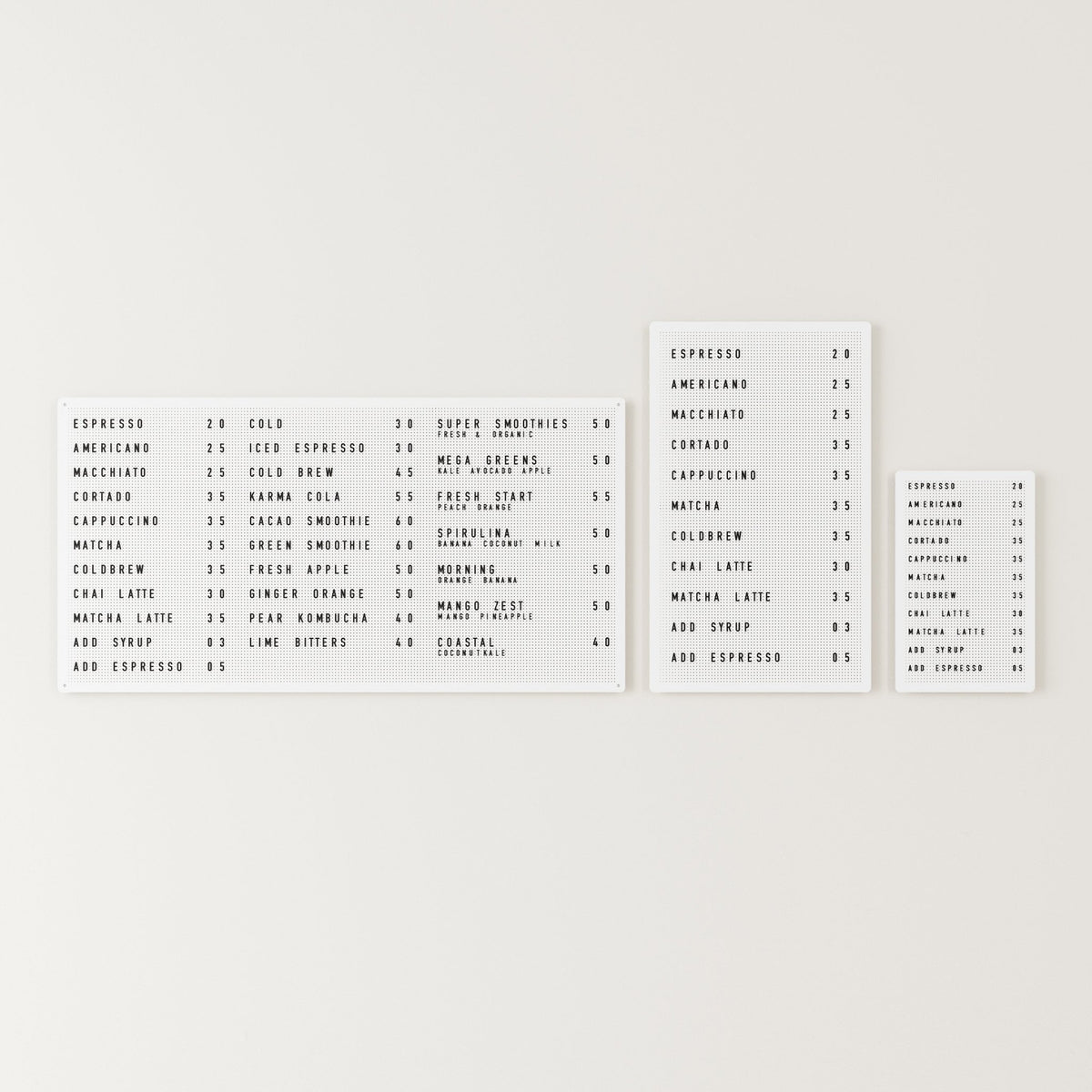
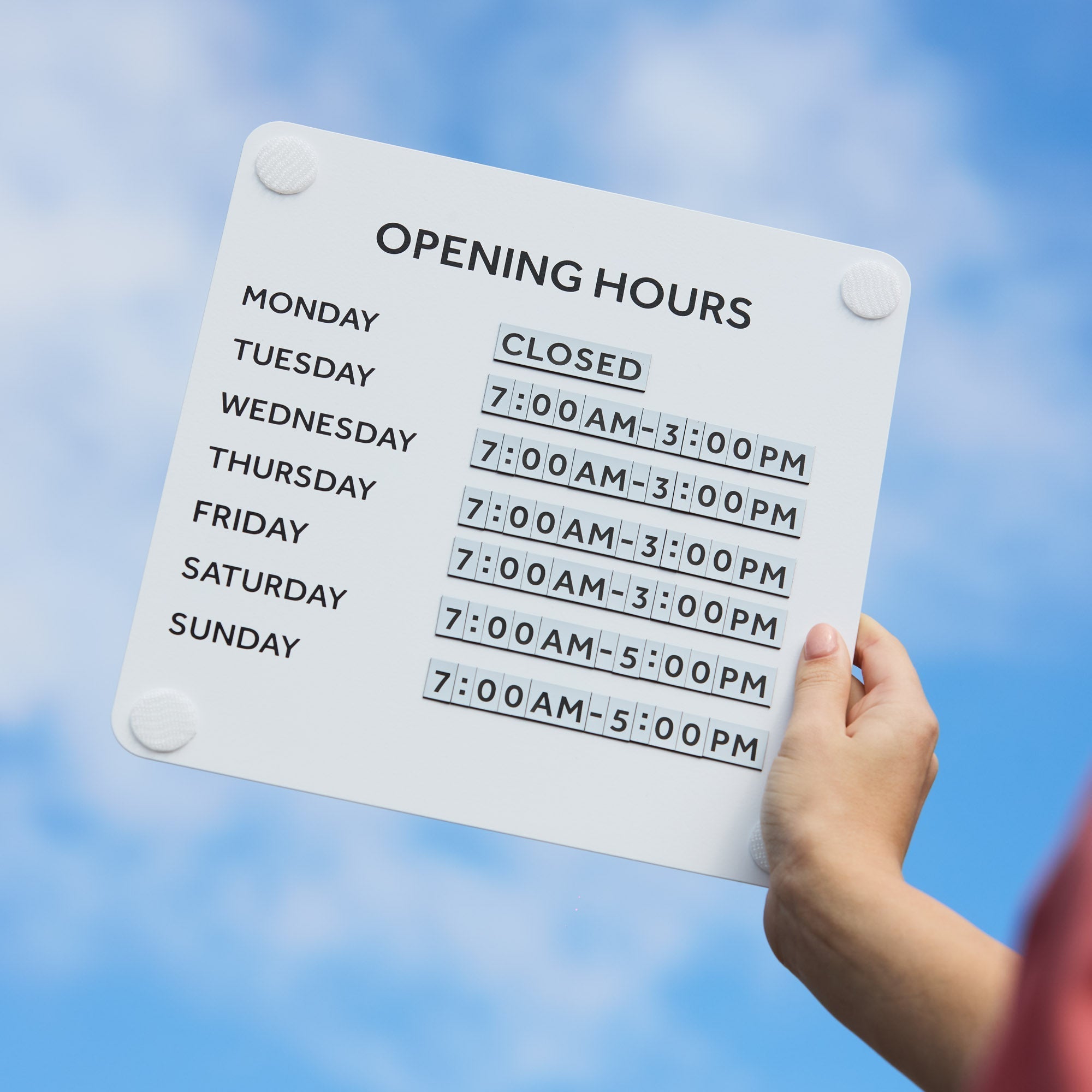
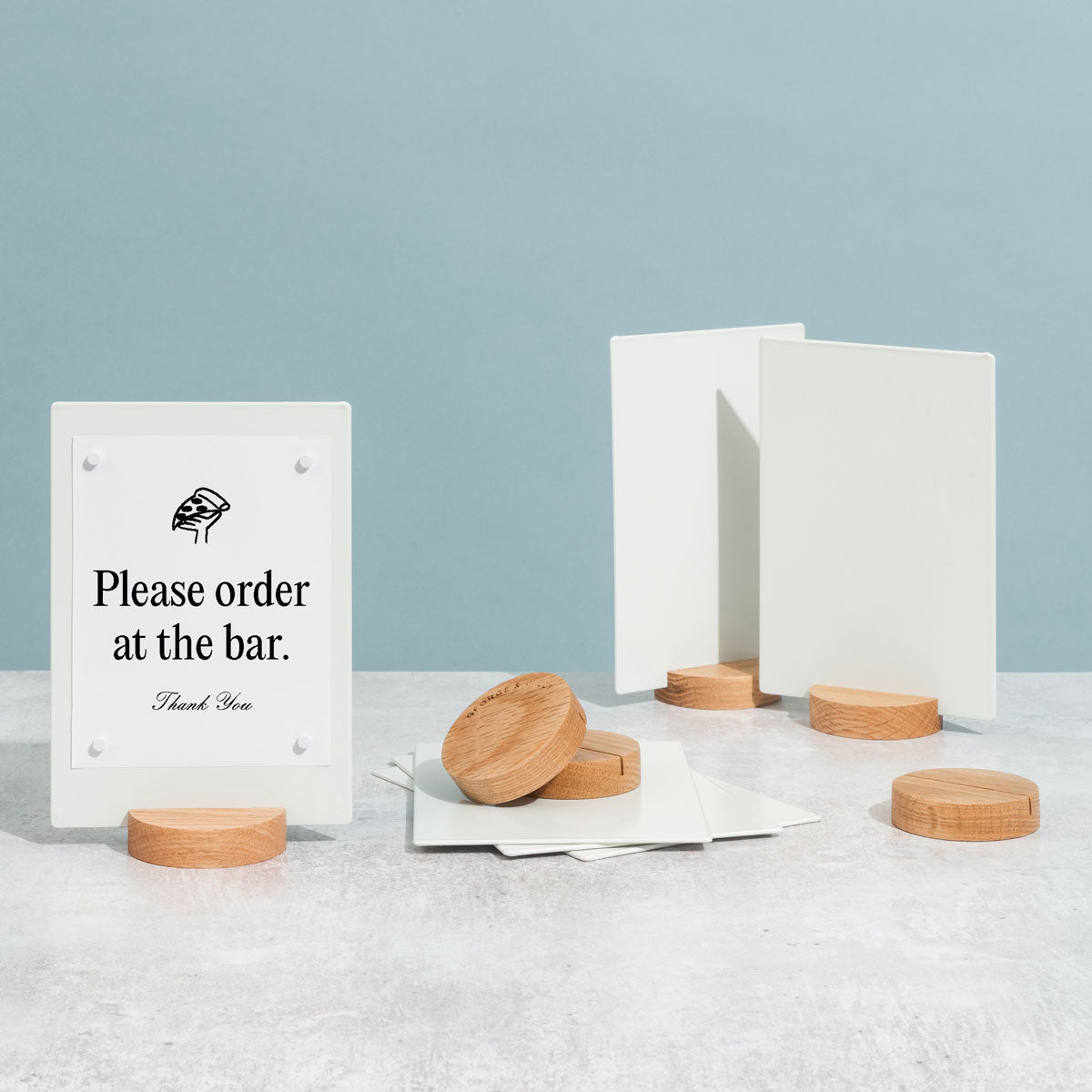
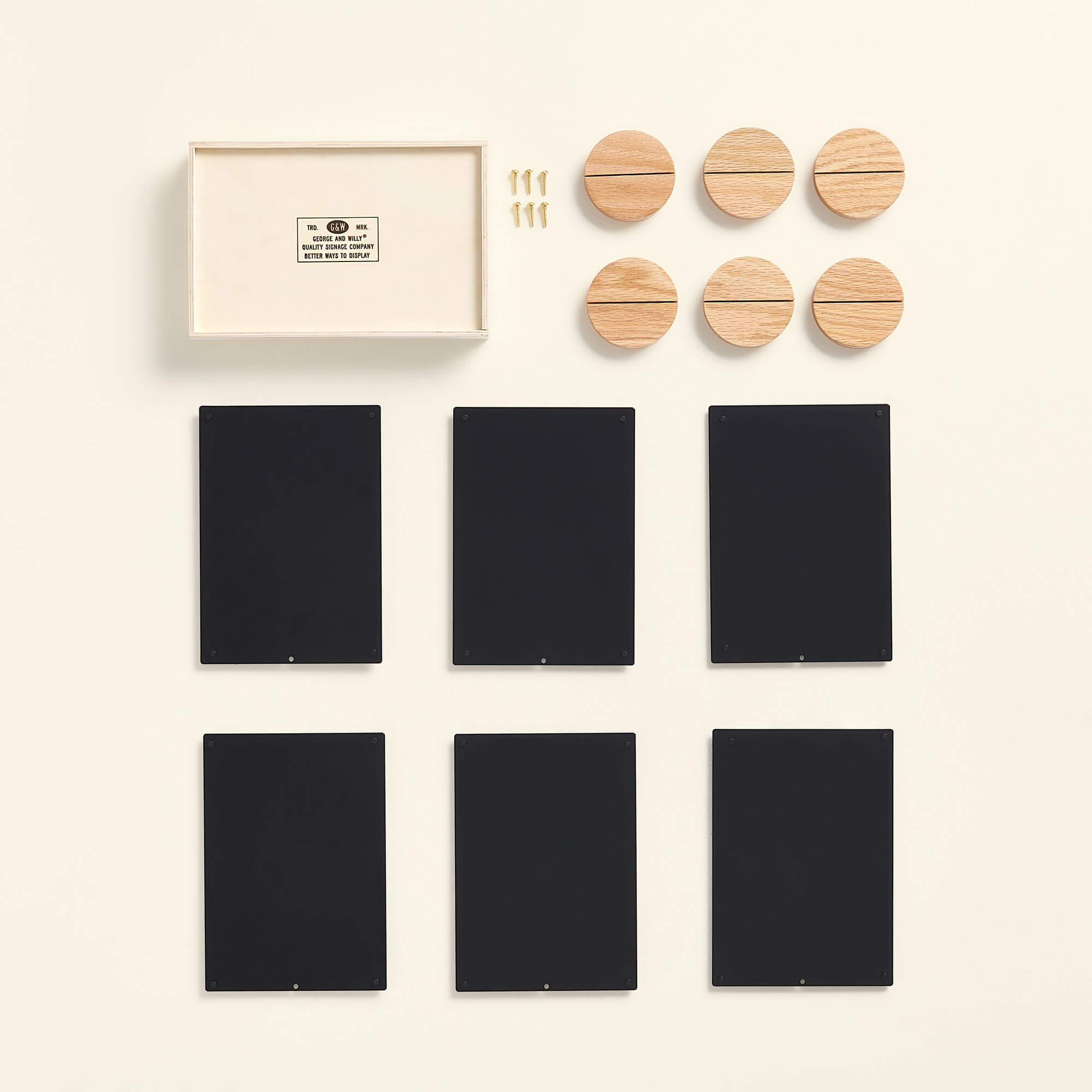
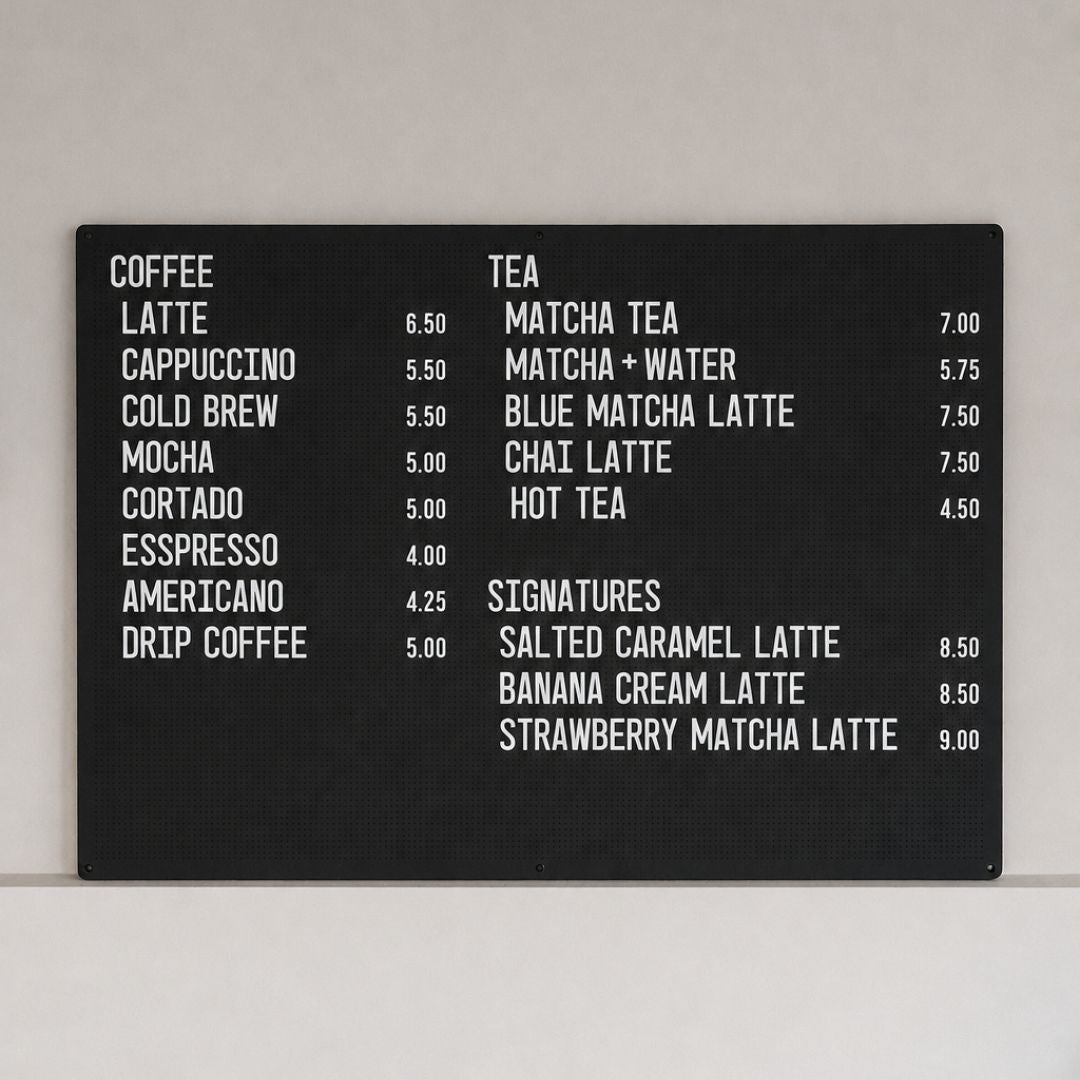
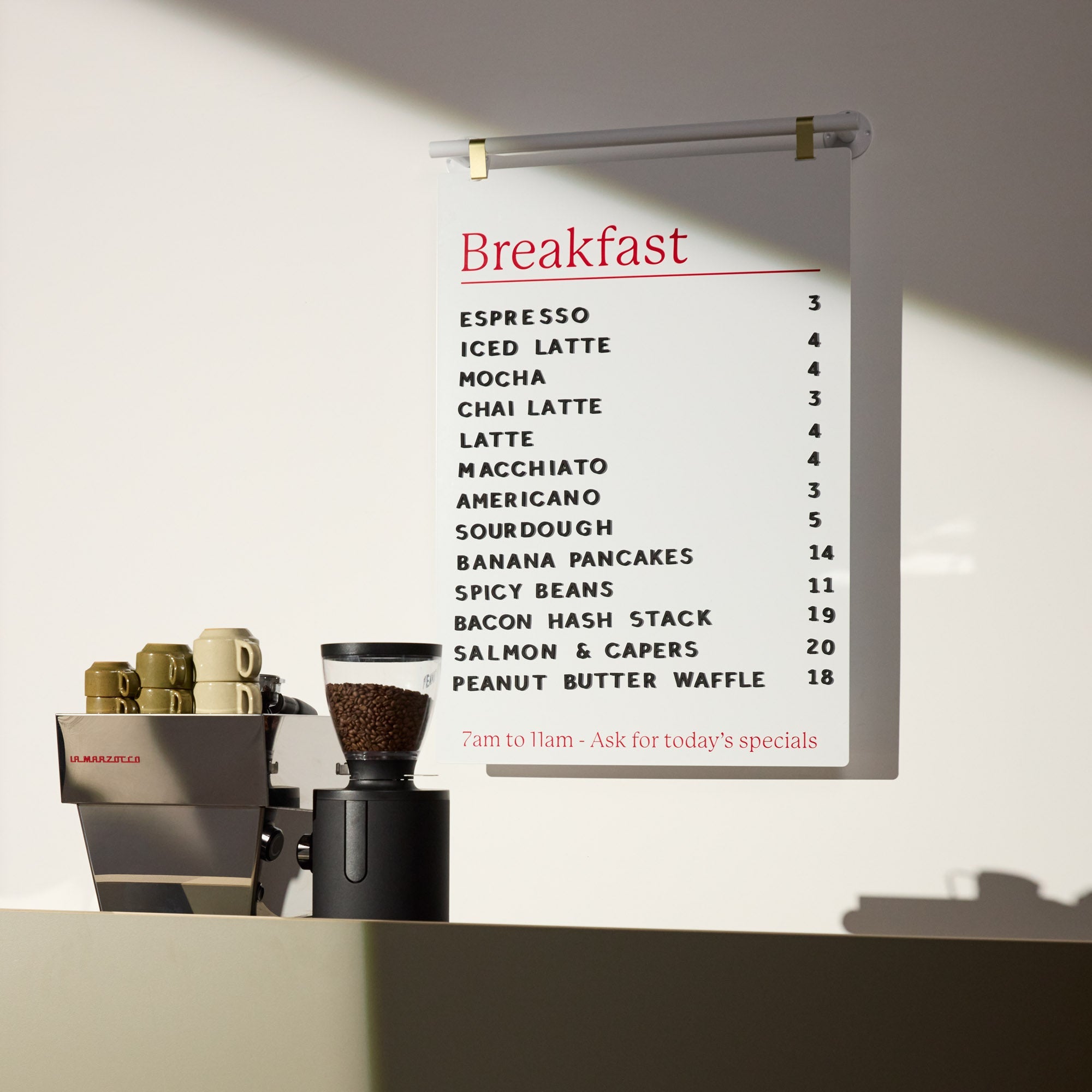
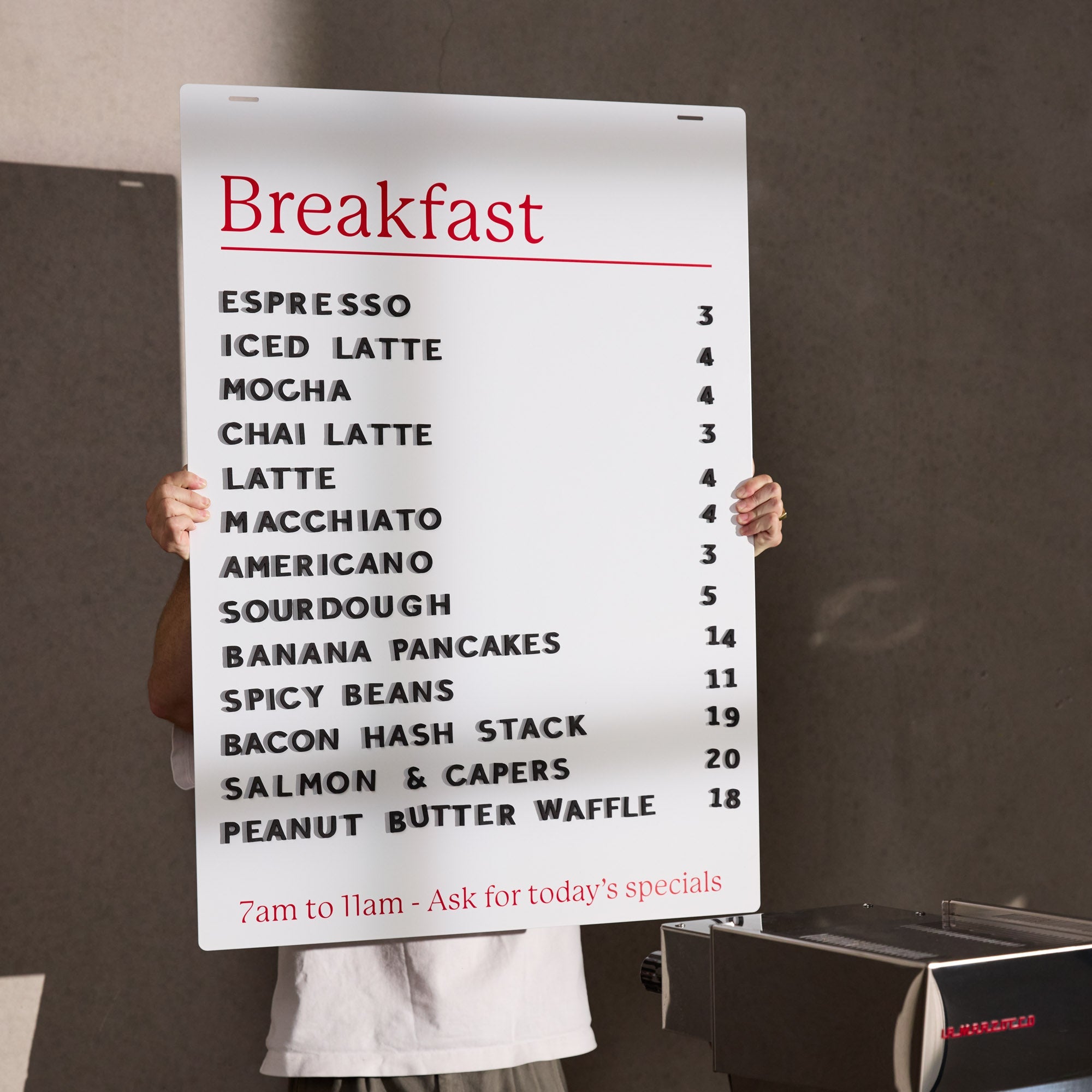
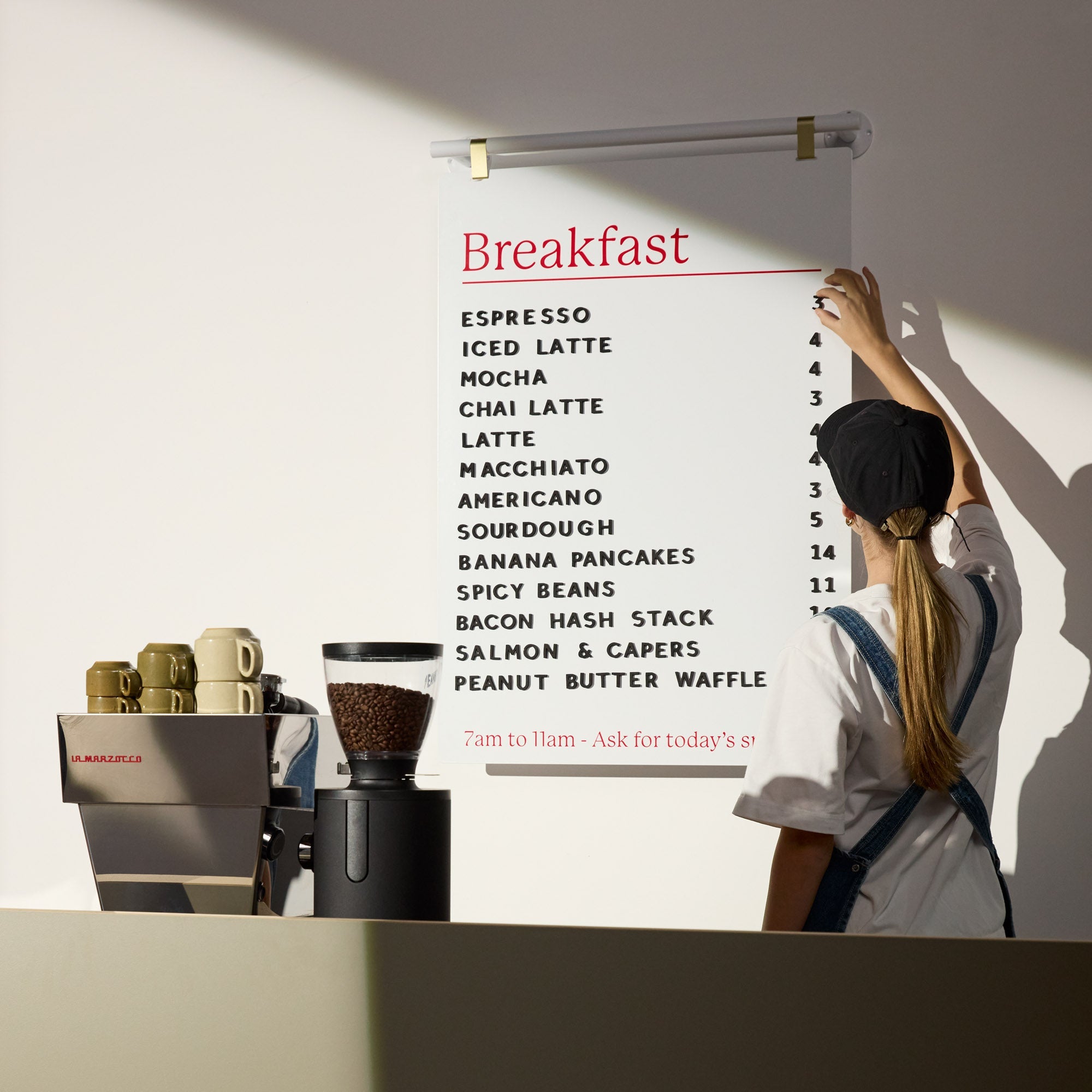
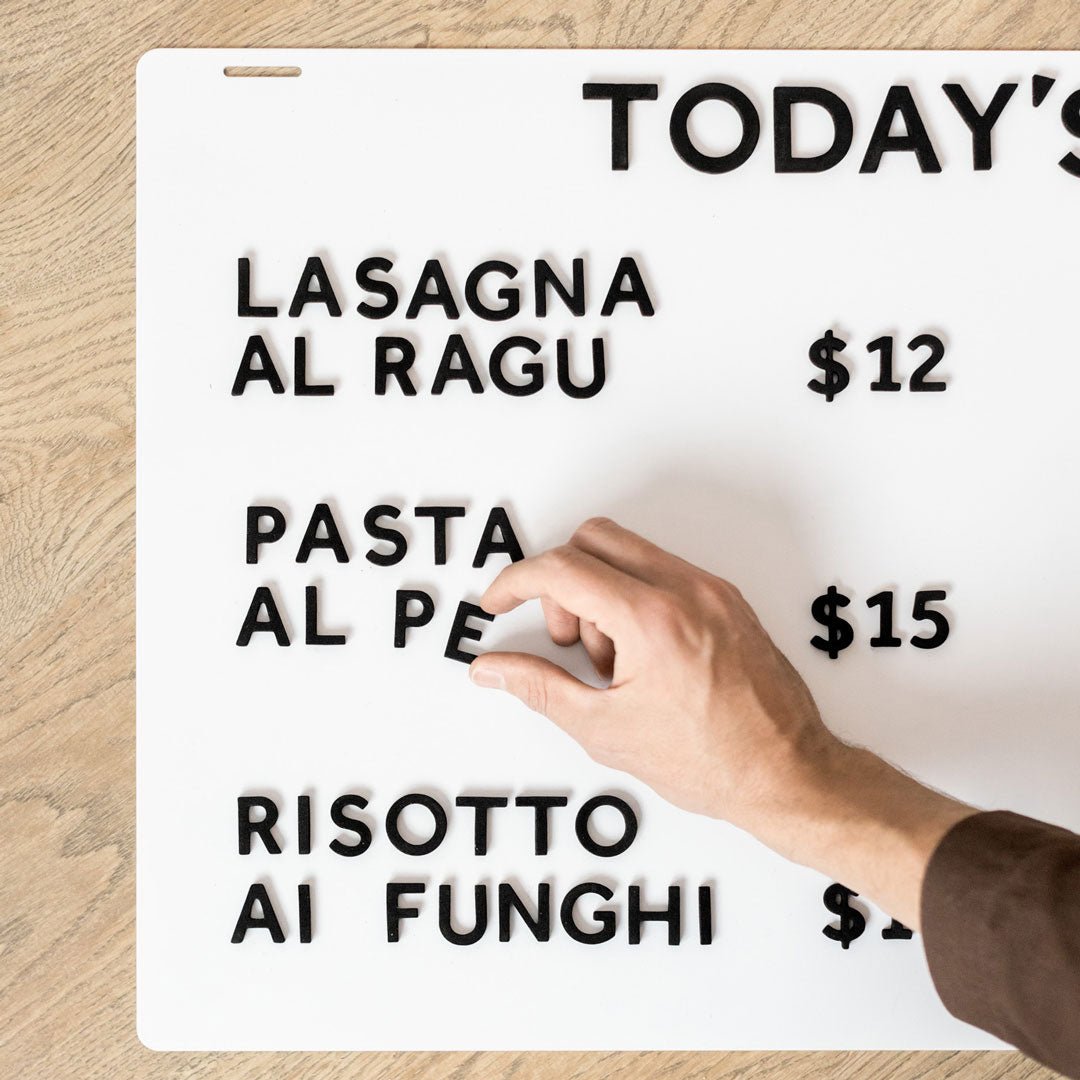
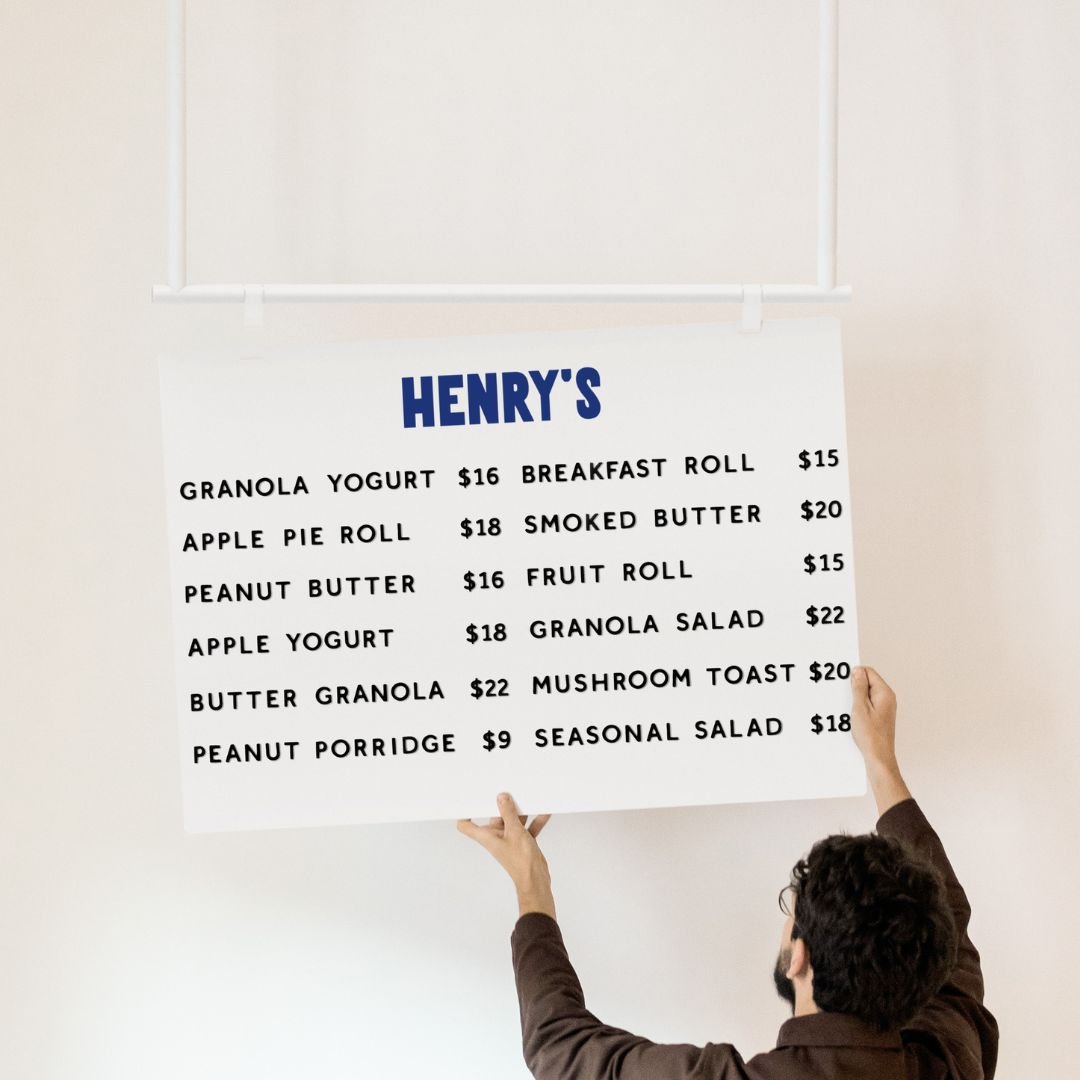
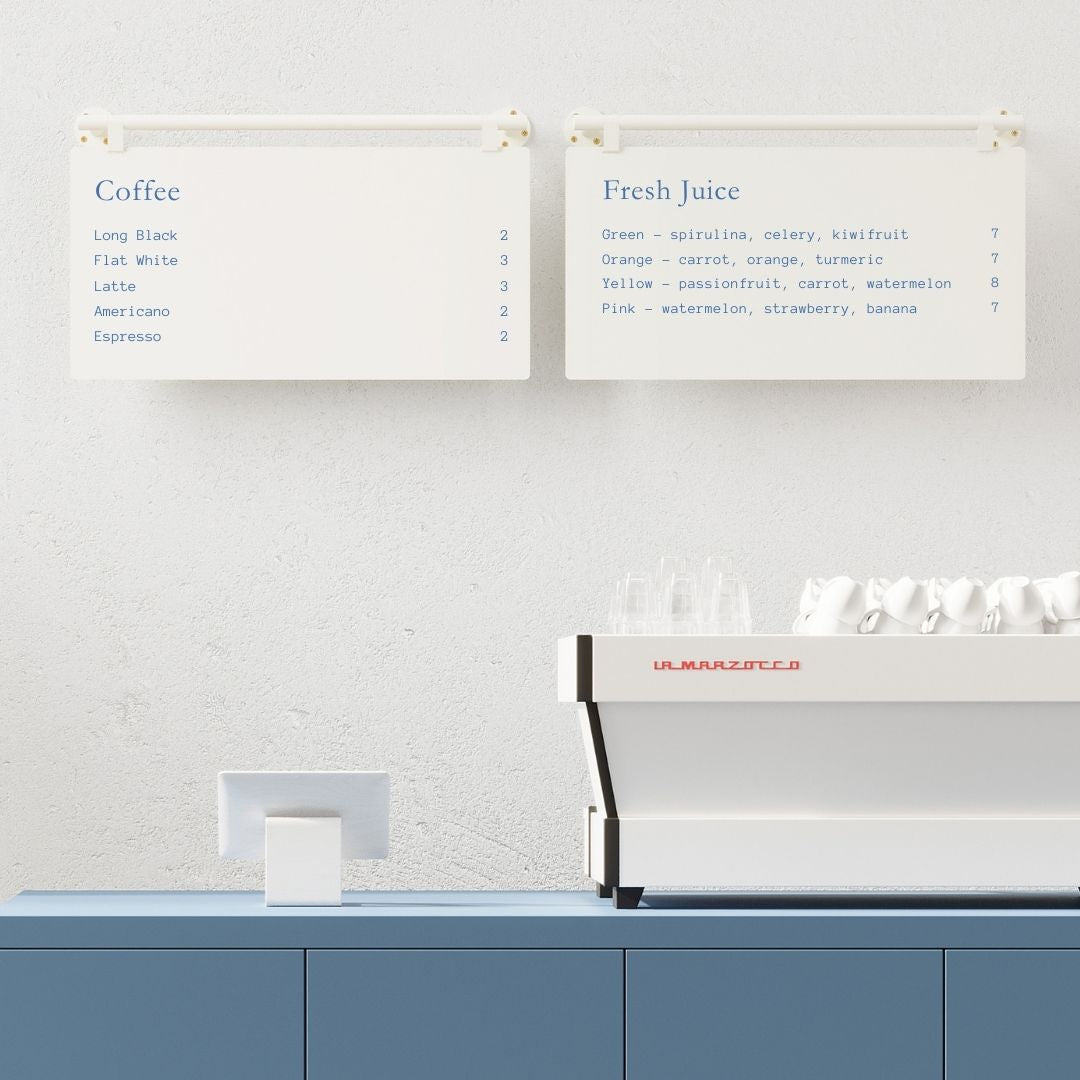
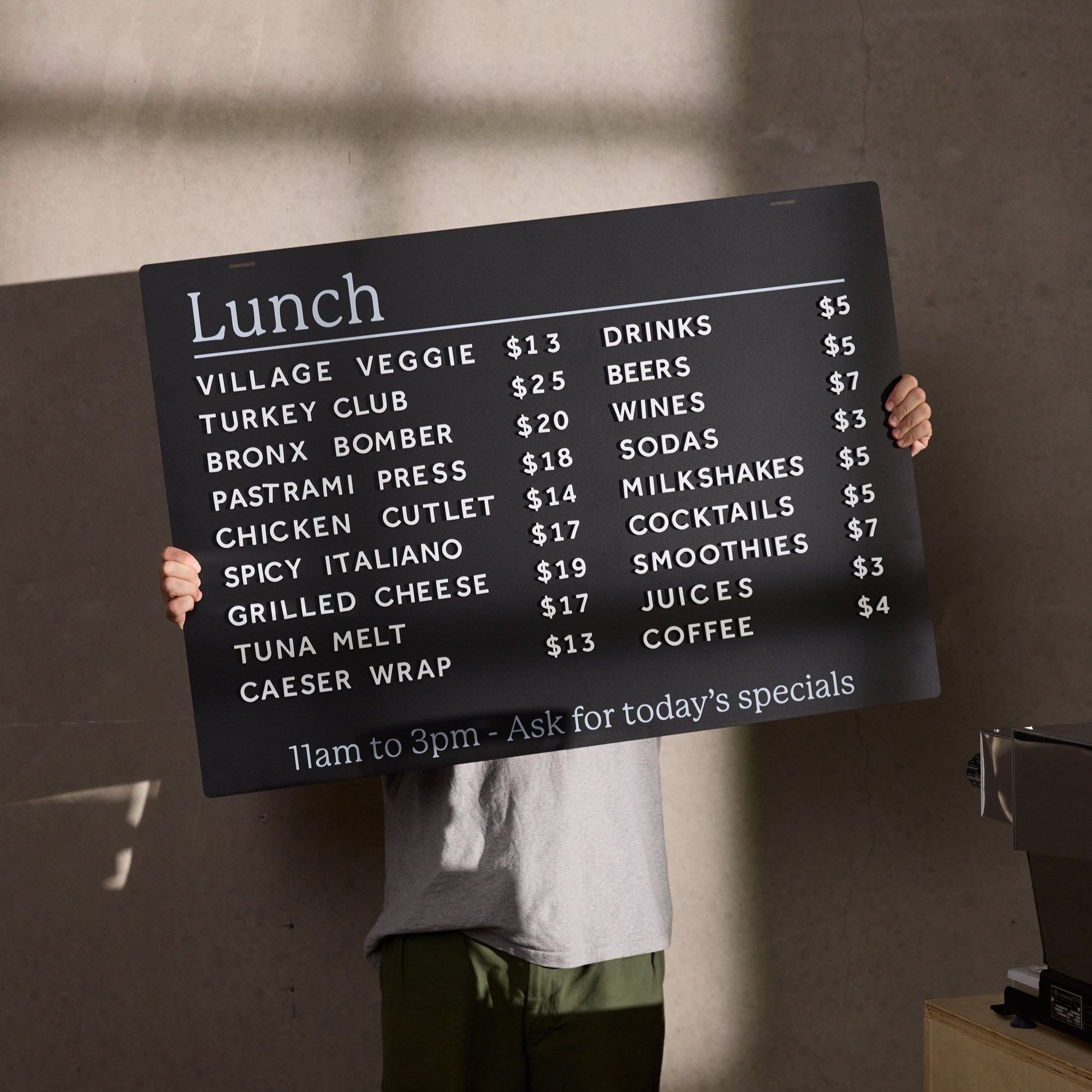
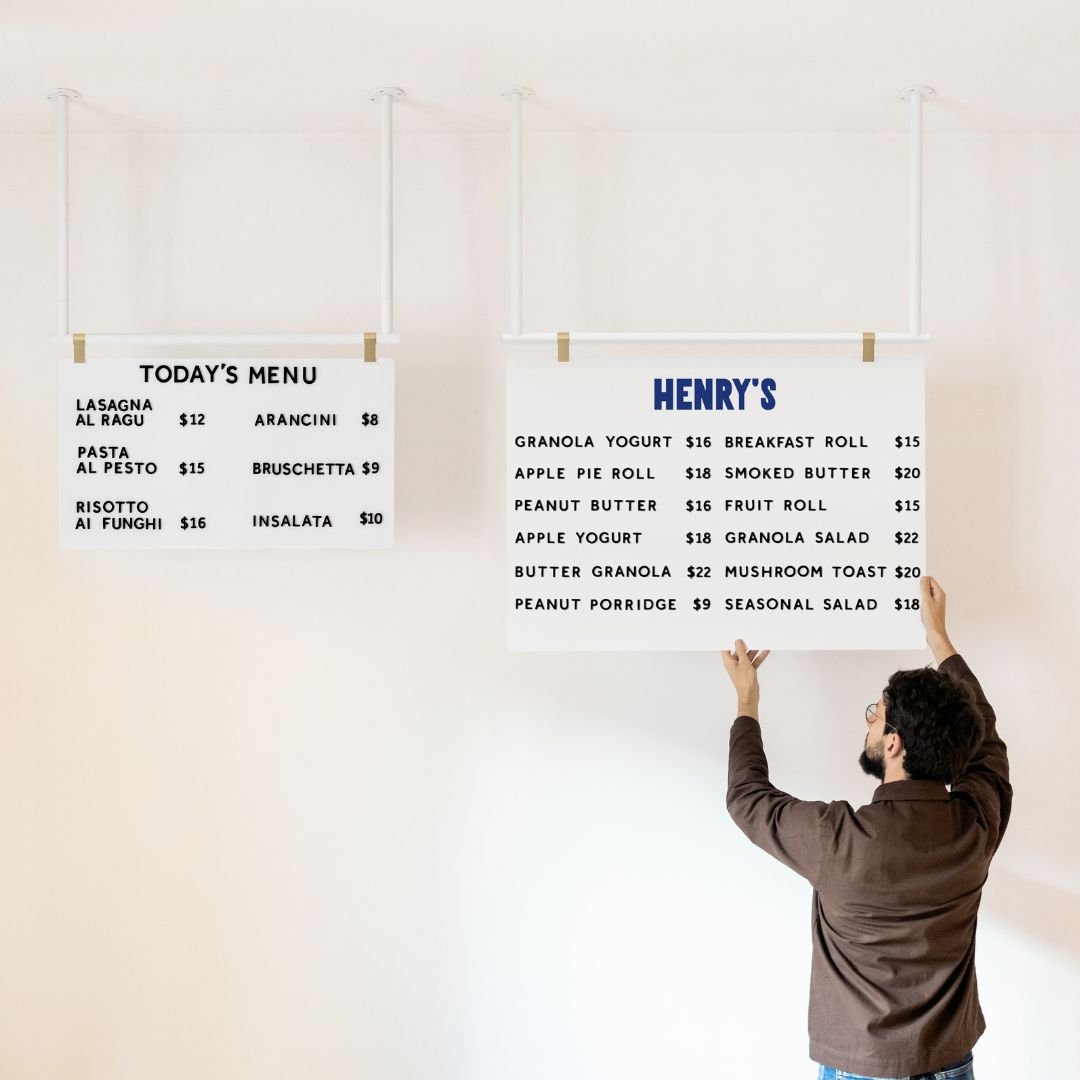
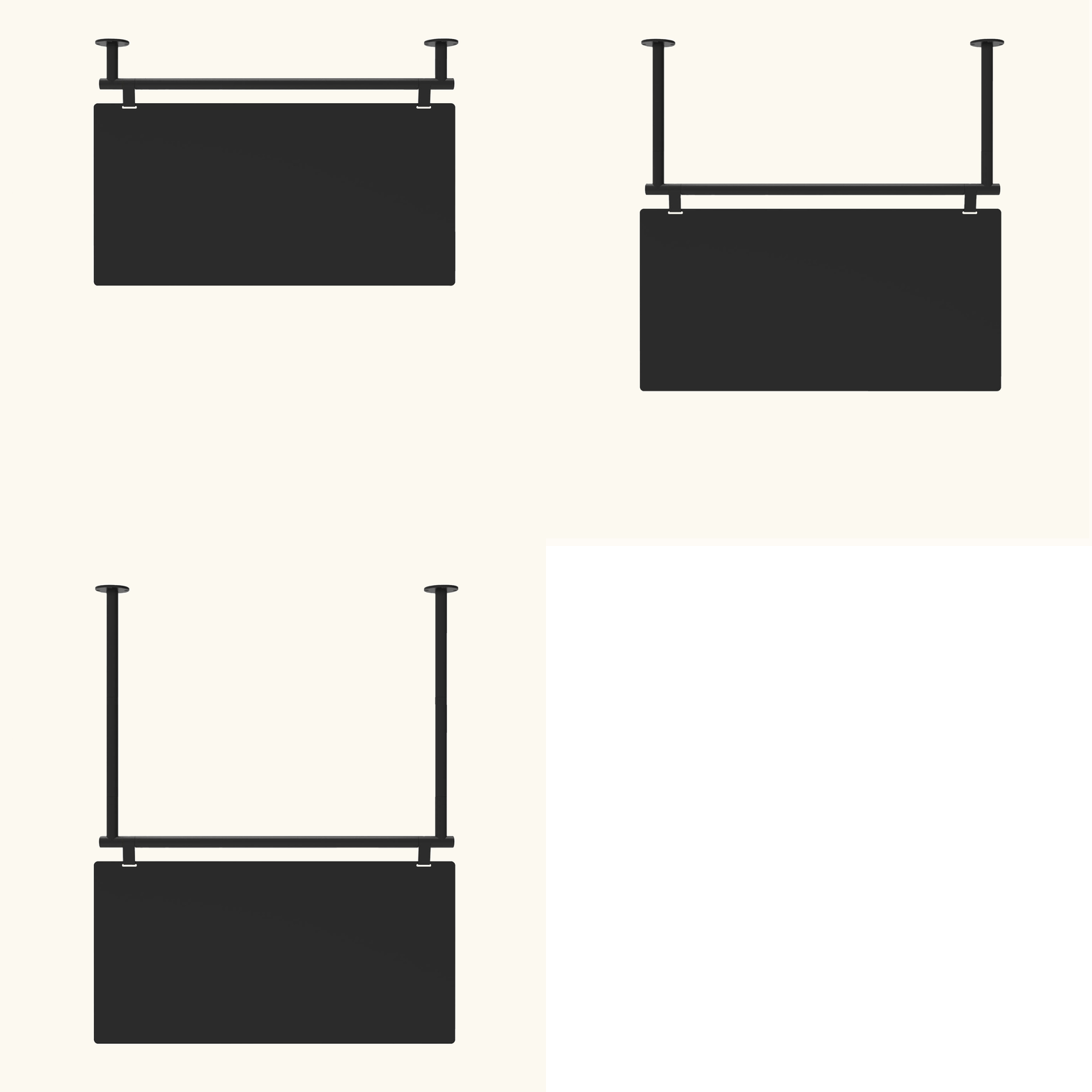
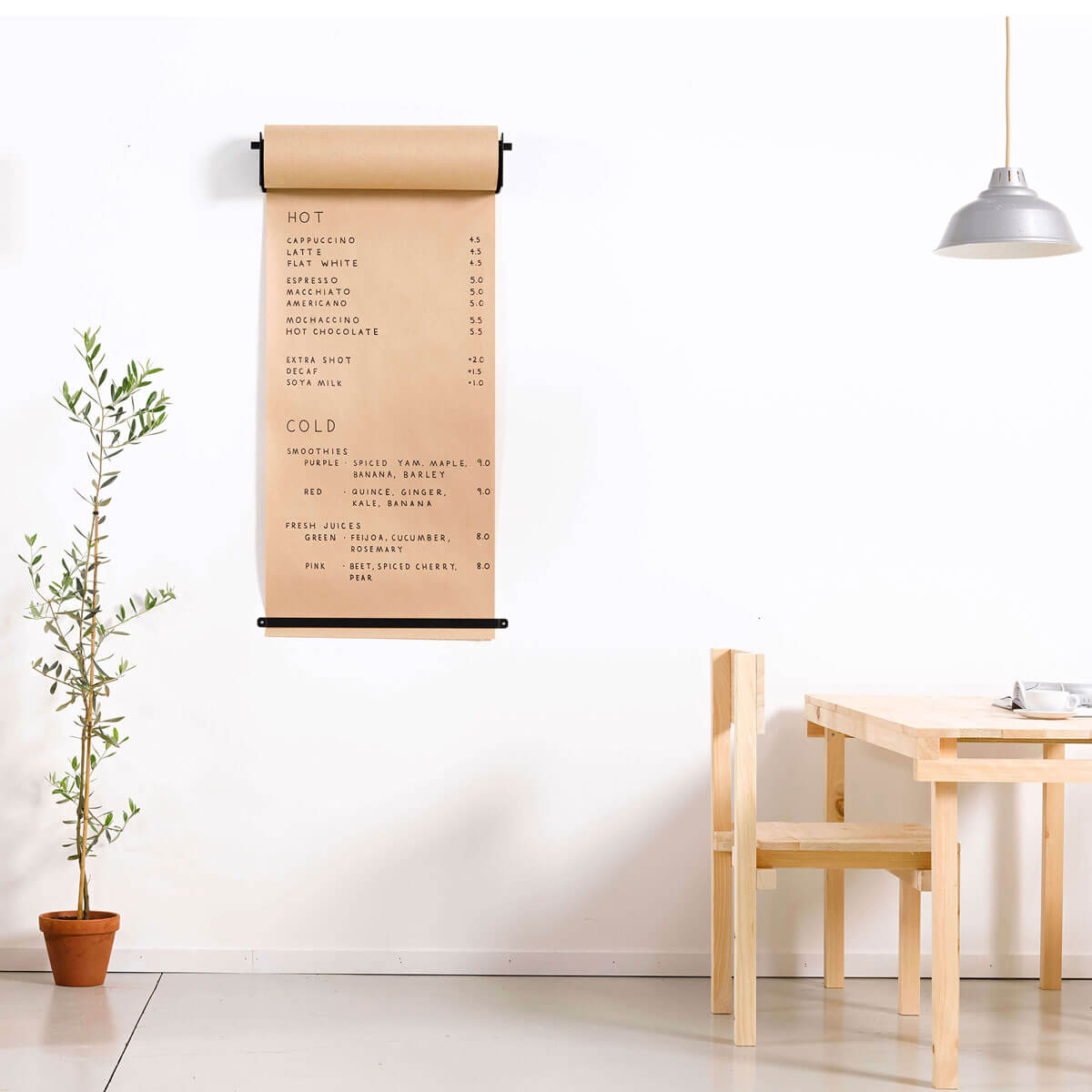
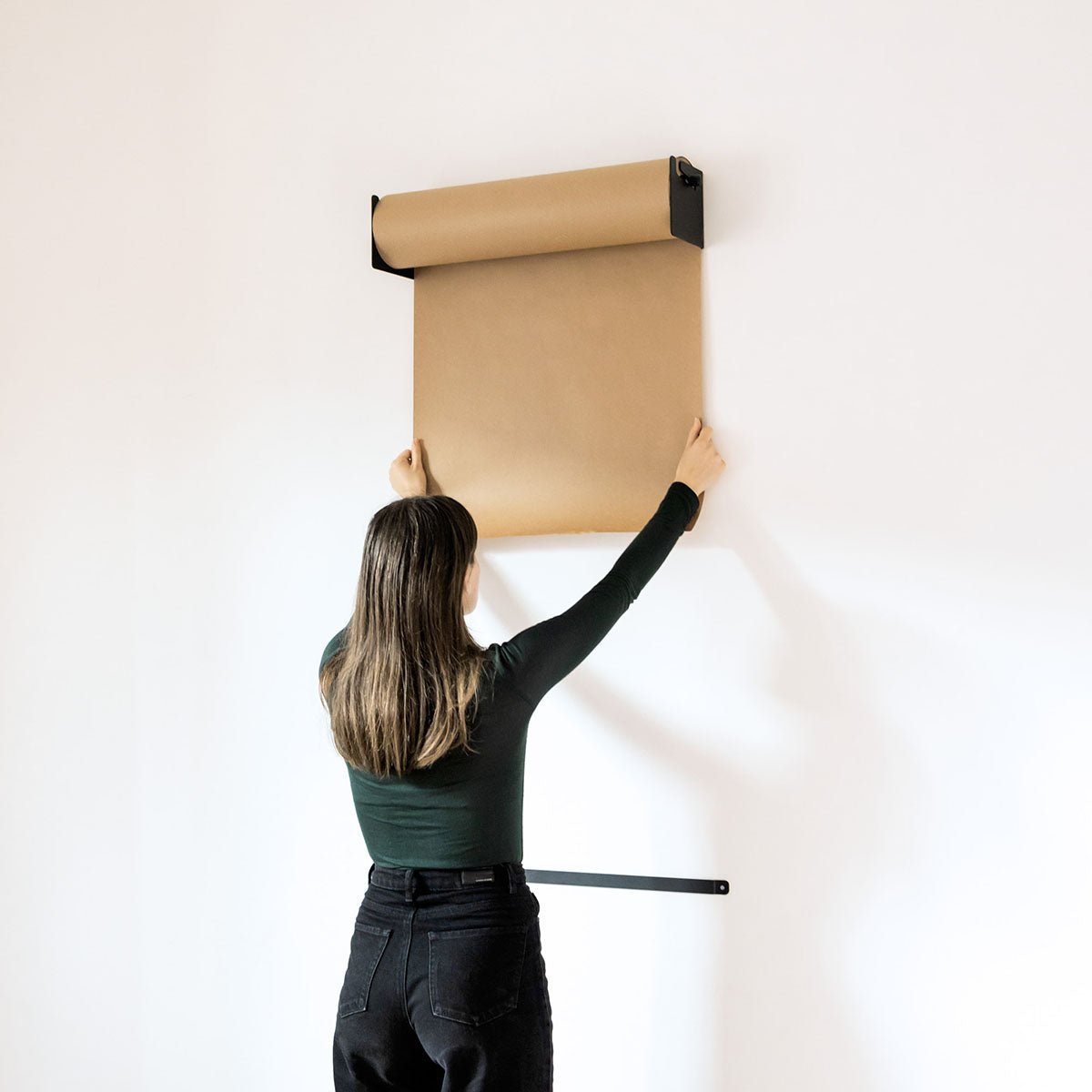
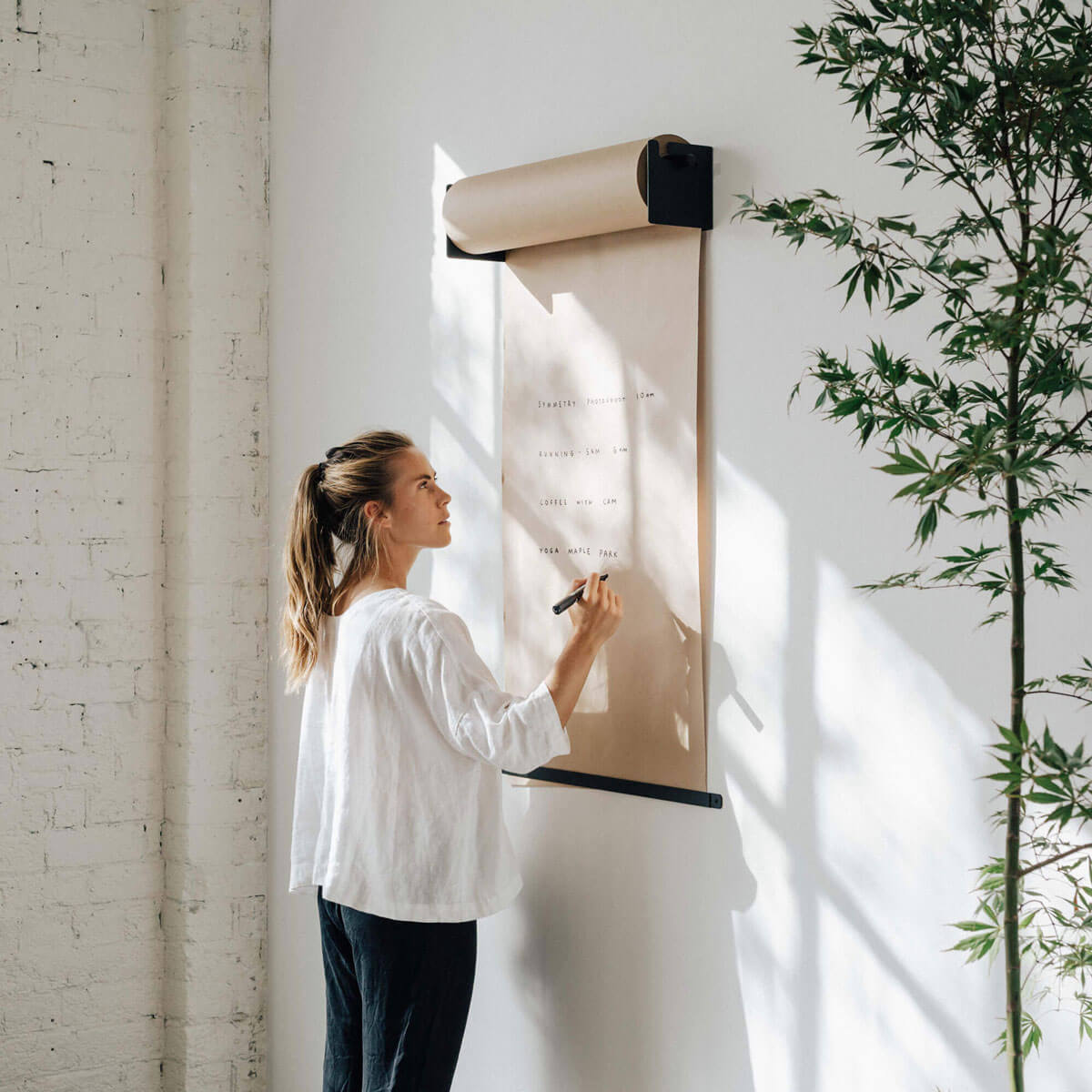
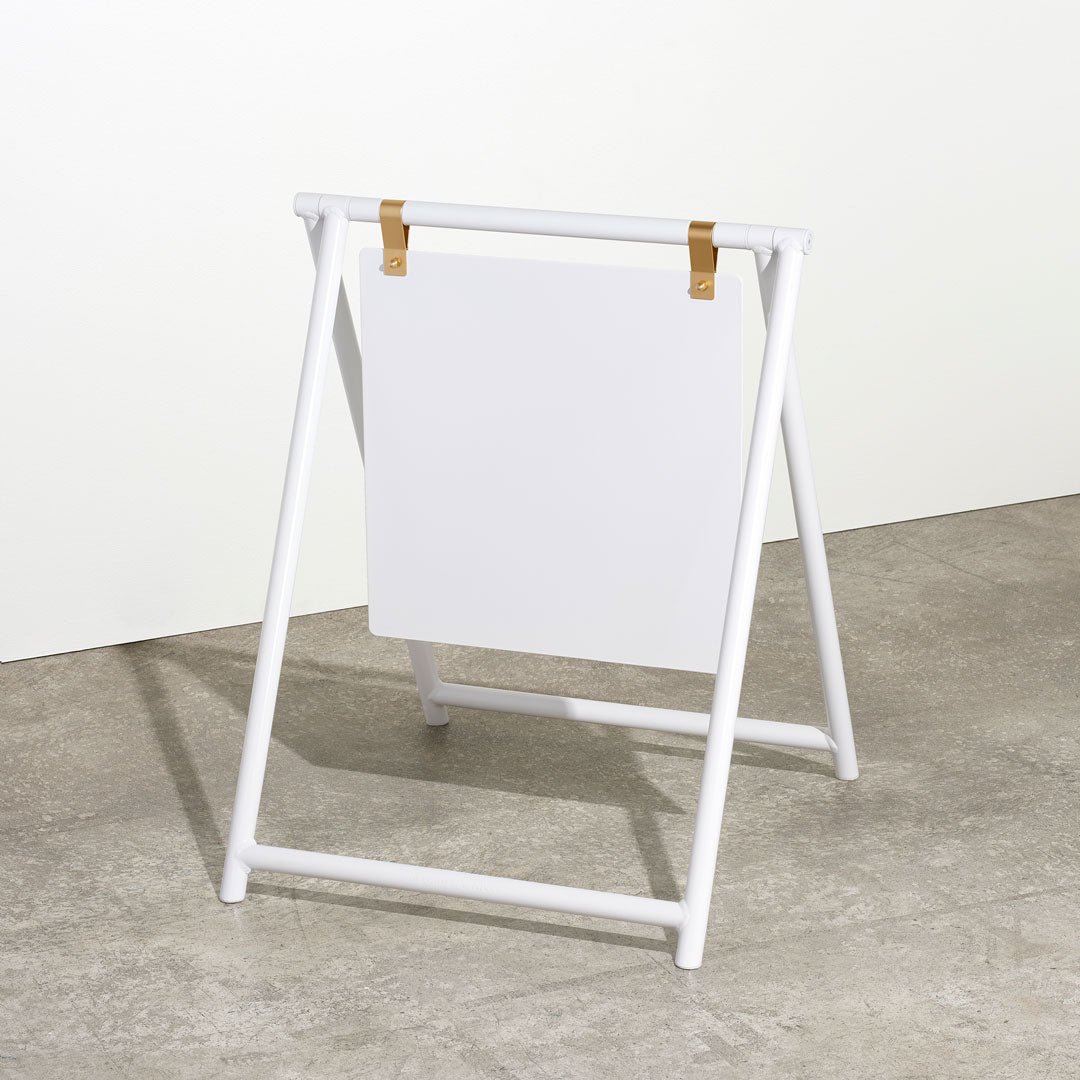
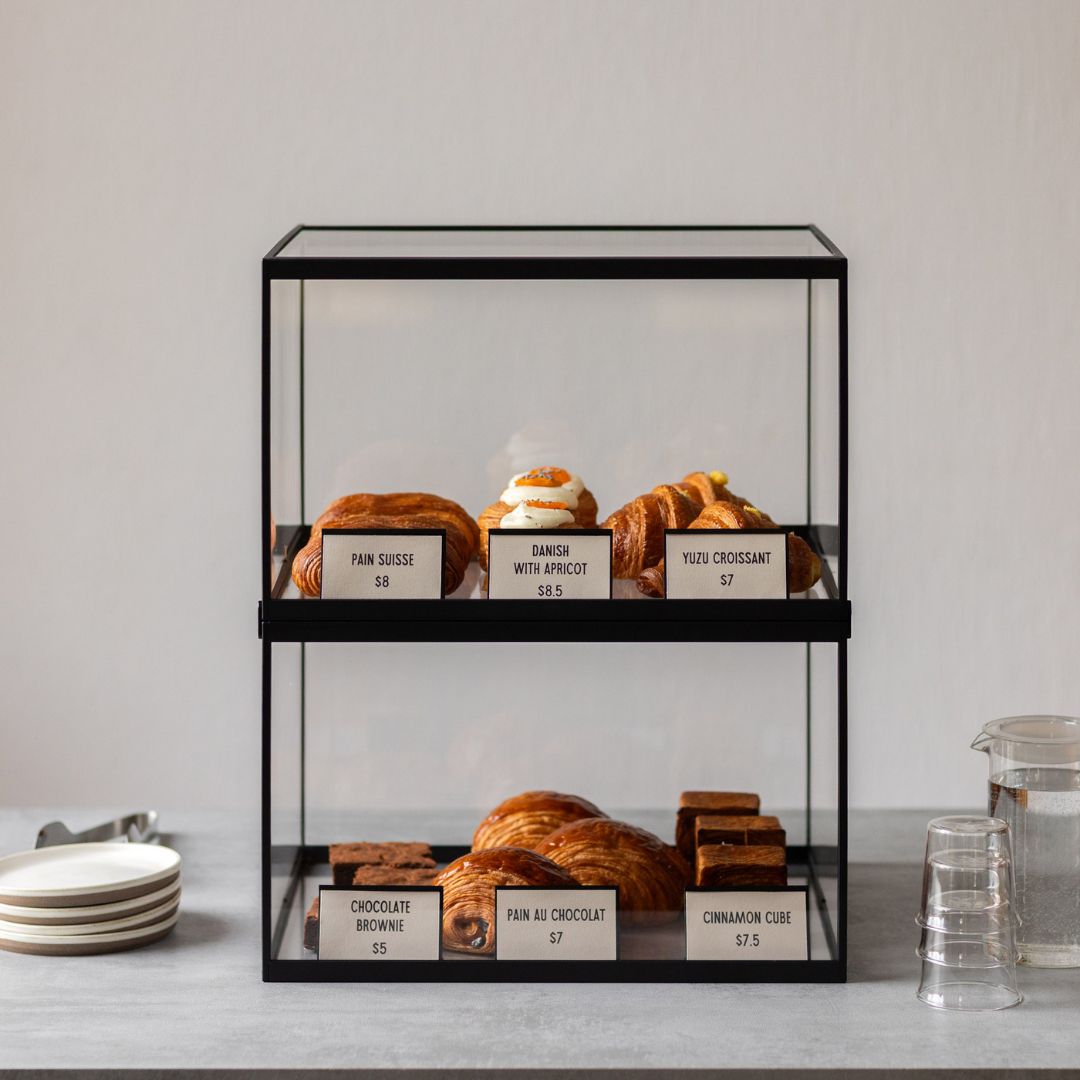
Before you commit, create a scaled floor plan or use painter’s tape to mark out the booth footprints in your actual space. This simple trick helps you visualize traffic flow and identify potential issues, like a tight aisle or a blocked doorway. Aim for at least 3 feet of aisle space for waitstaff and customers to pass easily. Many locations also require a 36 inch clearance for wheelchair accessibility. To speed up service in tight layouts, add a Table Number Stacker on each booth so staff can spot orders quickly. Where wall space is limited, a Menu Board keeps menus visible without using valuable floor space.
You can also tailor dimensions to your concept. High back booths, with backrests around 42 inches tall, offer more privacy and are great for romantic corners. Just be mindful that they can make a small space feel cramped. By carefully planning your booth table dimensions, you’ll create a comfortable experience for everyone.
Final Thoughts
Thoughtfully chosen booth tables can truly transform a dining space. By focusing on layout, shape, materials, and sizing, you can create seating that not only looks fantastic but also functions brilliantly for both your guests and your staff.
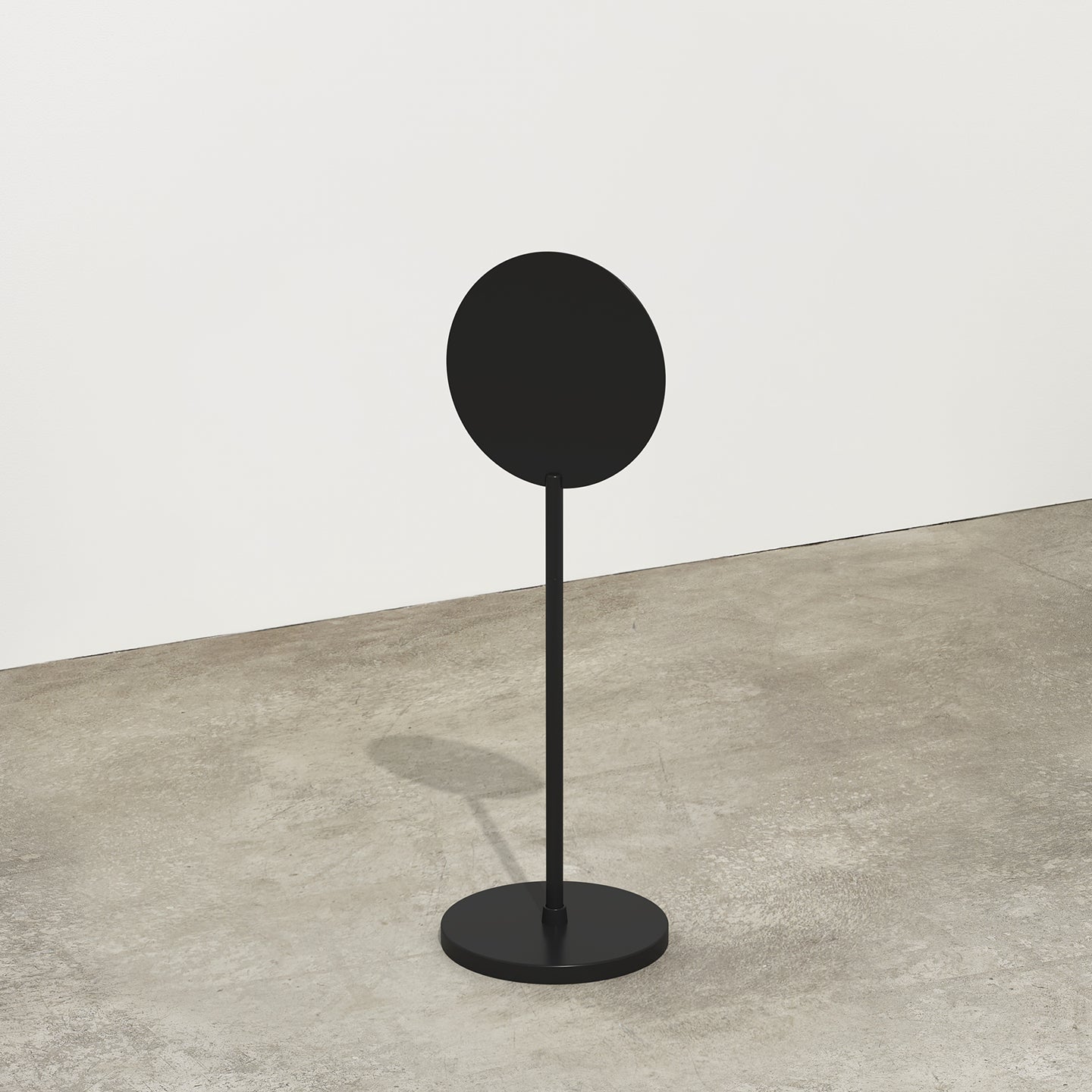
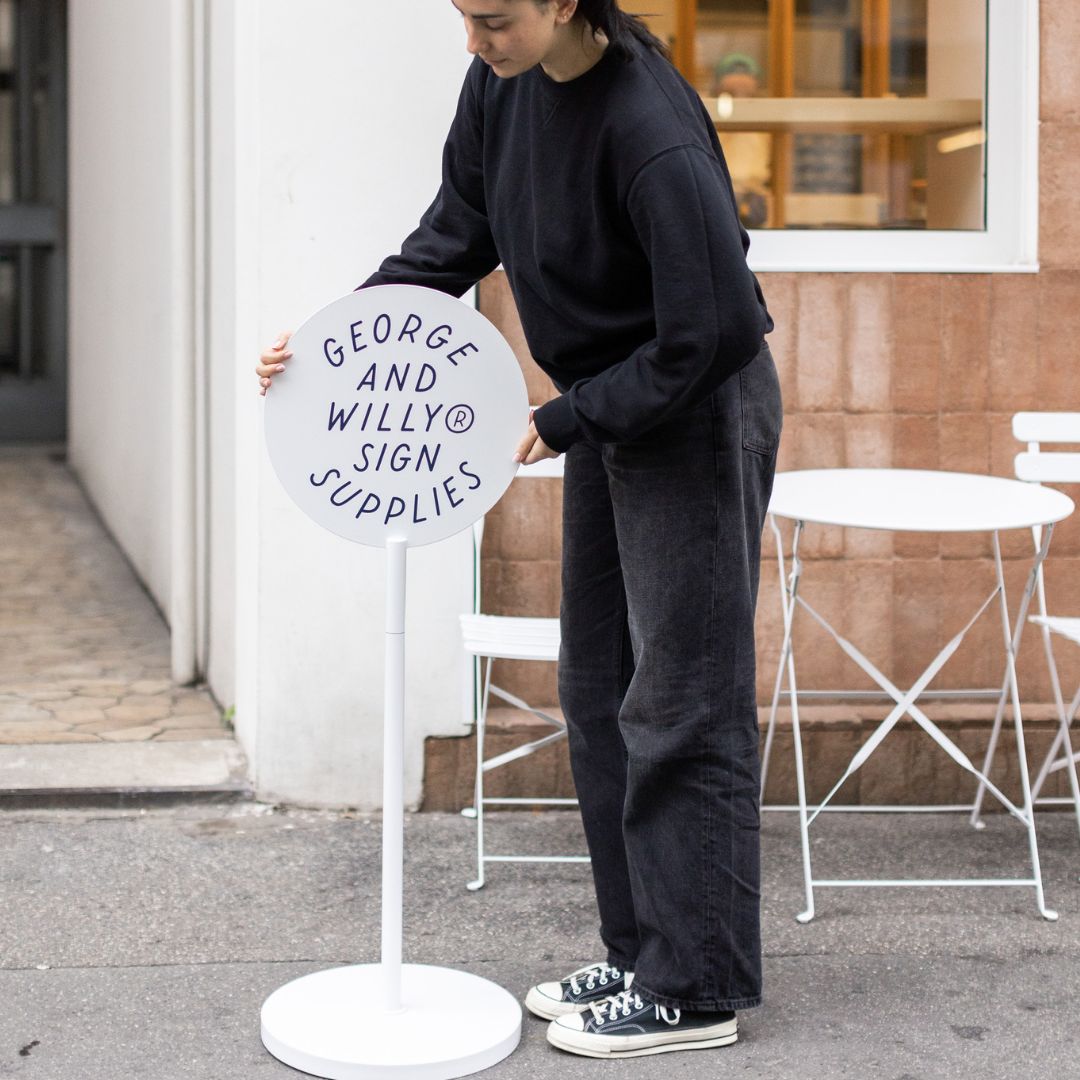
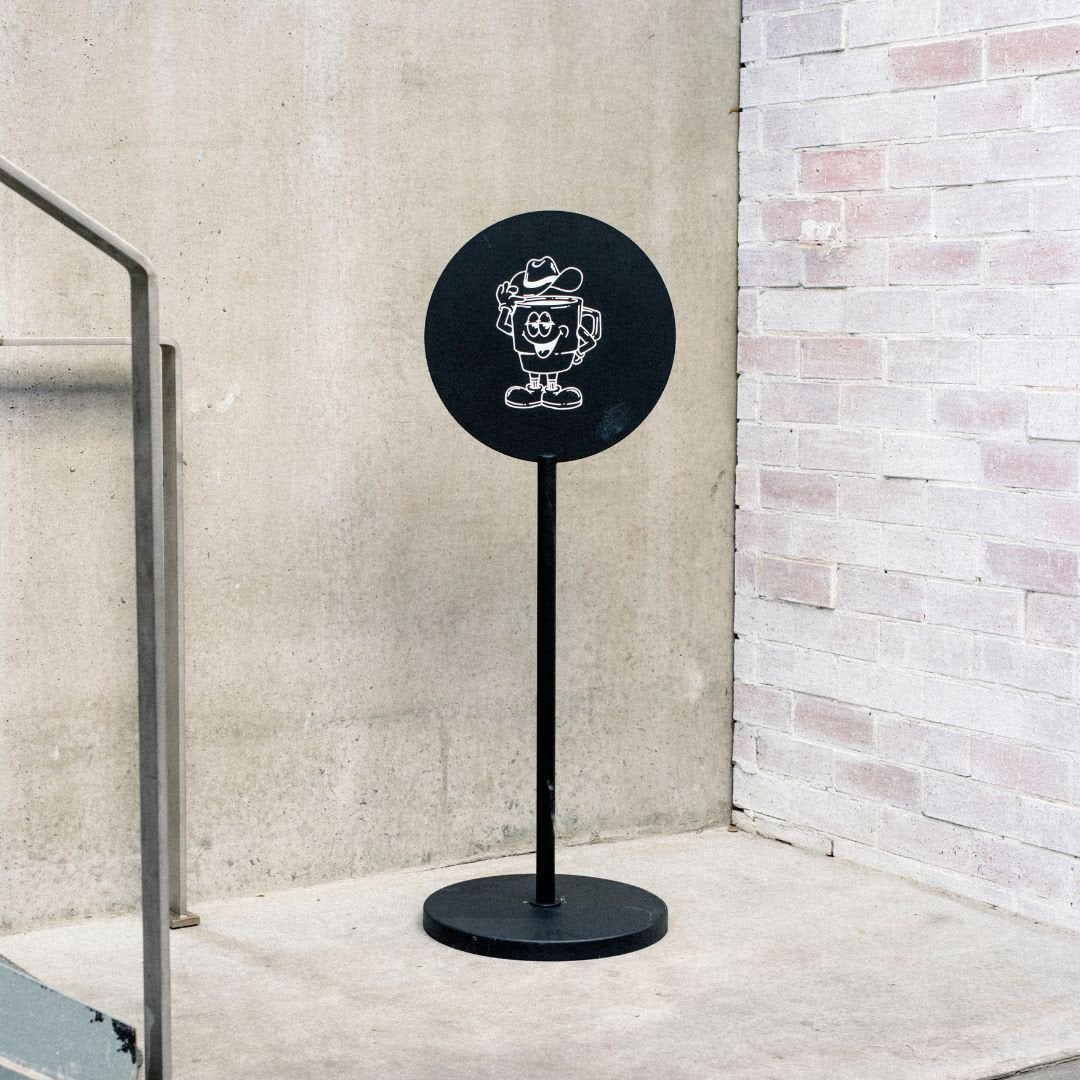
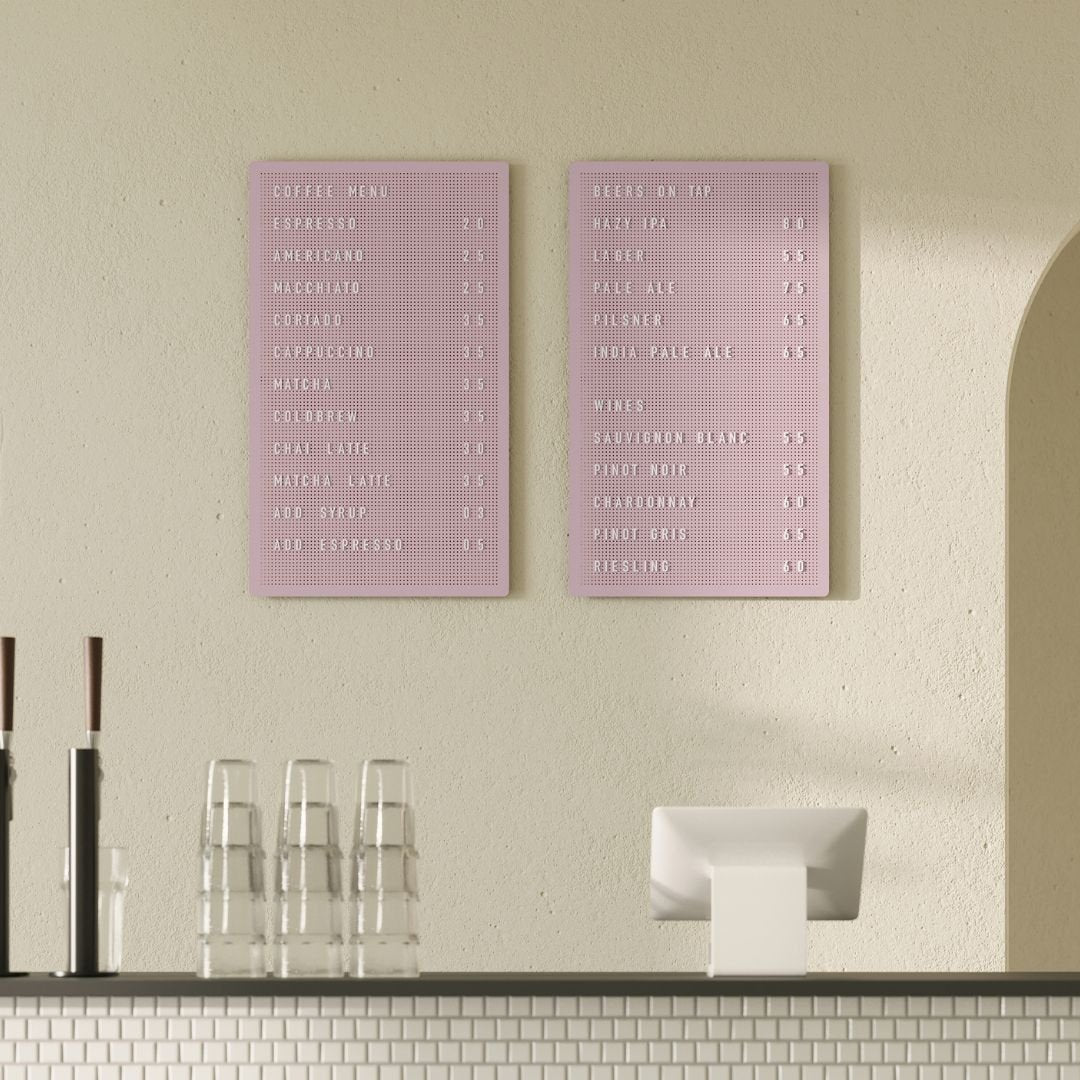
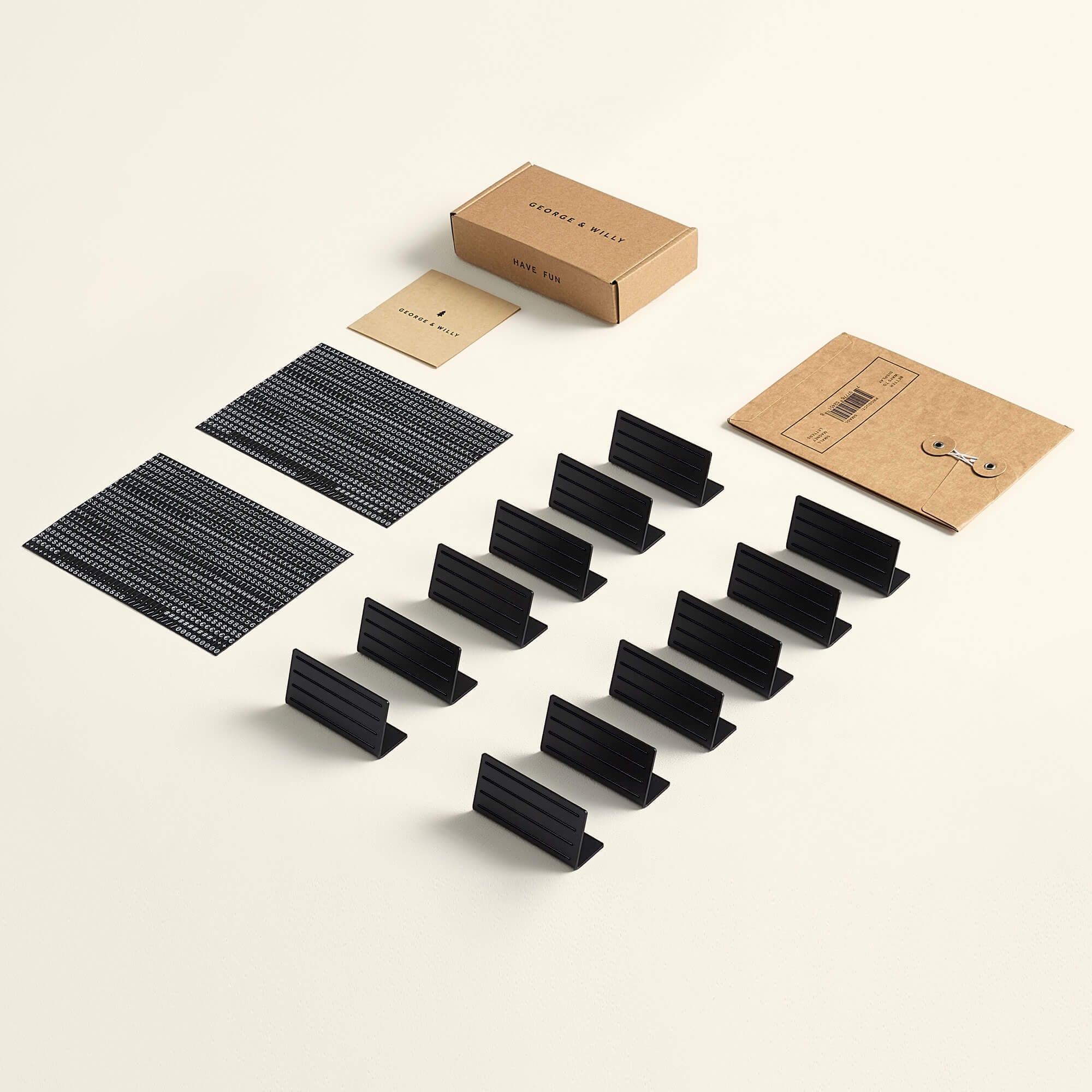
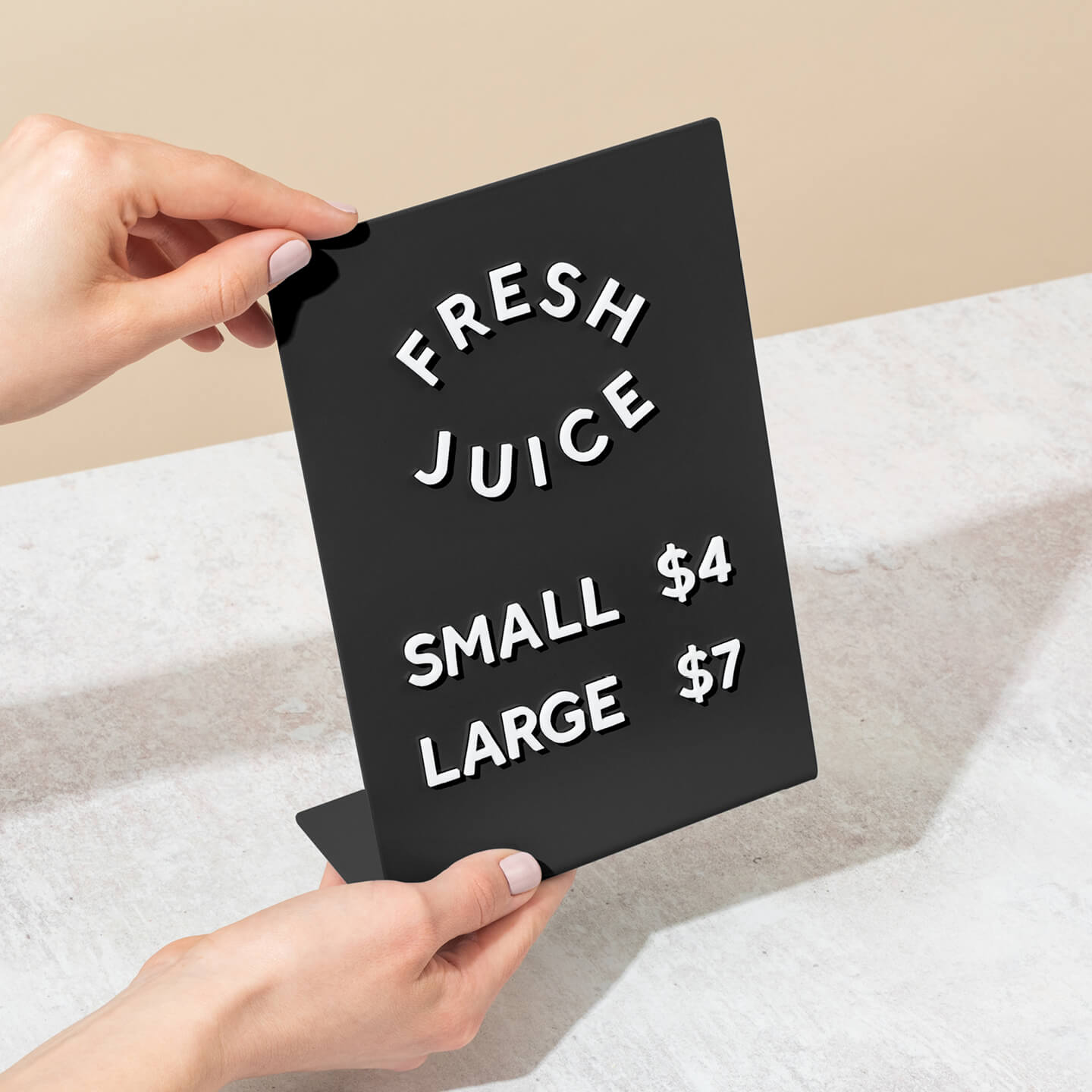
These strategies provide a great starting point. As you design your space, always keep the guest experience in mind. Small details, like the warmth of a wood tabletop or the clean lines of a wall mounted base, leave a lasting impression. Placing subtle Counter Signs at each booth helps communicate specials or QR code ordering without visual clutter. If you need help bringing your vision to life, working with experienced suppliers can make all the difference. The team at George & Willy specializes in thoughtfully designed hospitality furniture and is here to help you create that “sit and stay awhile” atmosphere.
Frequently Asked Questions
What is the standard size for a booth table? A typical booth table for two people is about 24 to 30 inches wide. For a four person booth (two benches facing each other), the table is usually 46 to 48 inches long to match the bench length. The standard height is 29 to 30 inches.
How much space do you need for a restaurant booth? A double booth (two benches back to back with a table) generally requires an overall depth of 42 to 48 inches. You should also plan for at least 36 inches of aisle space around the booth for clear traffic flow.
Are booth tables more space efficient? Yes, significantly. Booth seating can save up to 26% of floor space compared to a freestanding table and four chairs, allowing you to increase your overall seating capacity.
What materials are best for booth tables? For tops, solid hardwoods like oak and maple with a commercial grade finish offer a great blend of warmth and durability. For bases, powder coated steel or aluminum are excellent choices for their strength and ease of maintenance.
Can you fit more people in a booth? Booths offer great flexibility. A booth designed for four people can often comfortably accommodate a fifth or even sixth person, which is much harder to do with traditional chairs.
What is a cantilever booth table? A cantilever booth table is mounted directly to the wall, eliminating the need for a pedestal or legs. This design, like the George & Willy Booth Table, frees up floor space, provides a clean, modern look, and makes cleaning underneath much easier.
How do I choose the right booth shape? Straight booths are classic and space efficient. Curved booth tables are great for creating a social, conversational atmosphere. Corner booth tables are perfect for utilizing awkward nooks, while hexagonal booths make a bold design statement.
Why are wood booth tables so popular? Wood brings a natural warmth and character to a space that customers find inviting. With the rise of sustainable and reclaimed wood options, they also align with the growing consumer demand for eco friendly design.