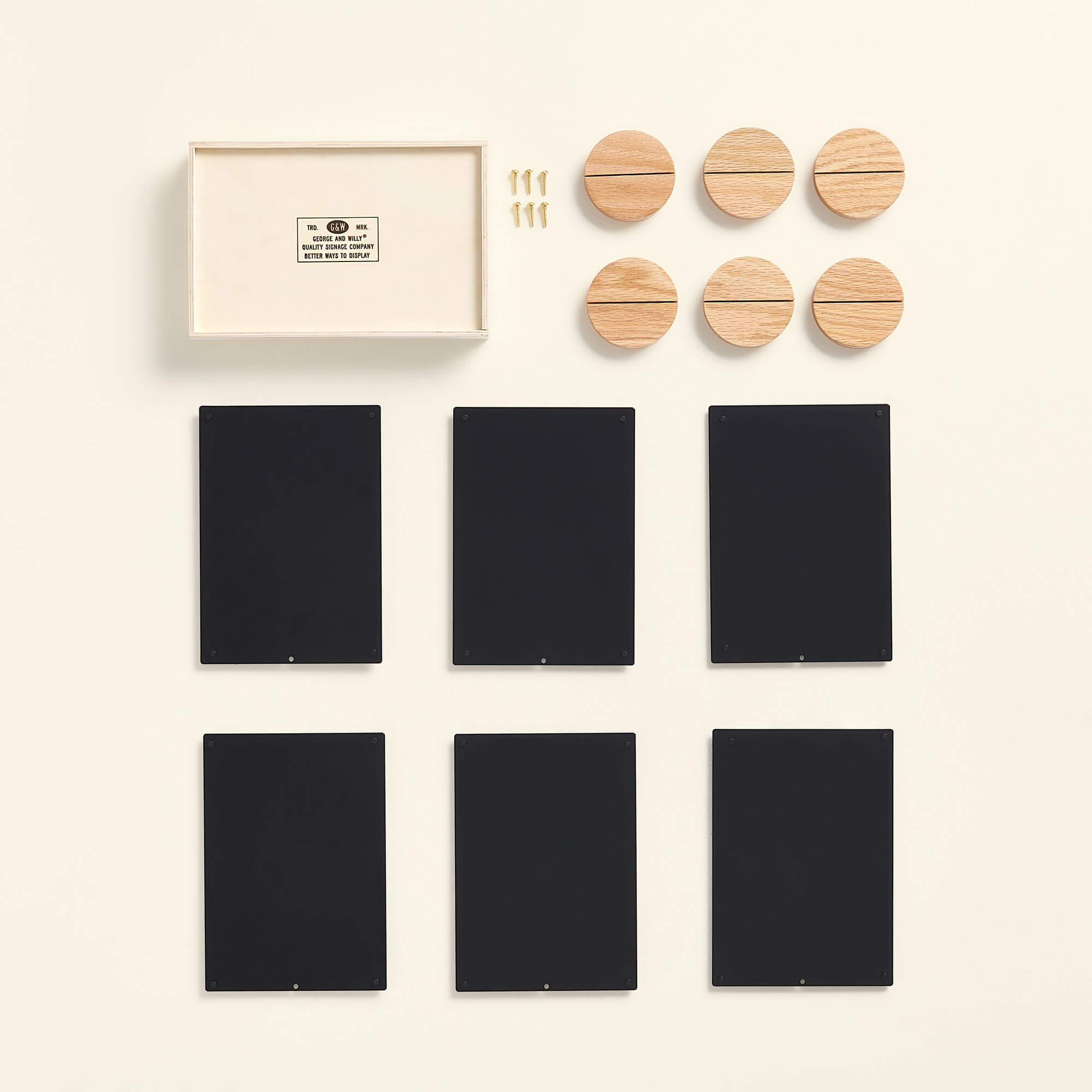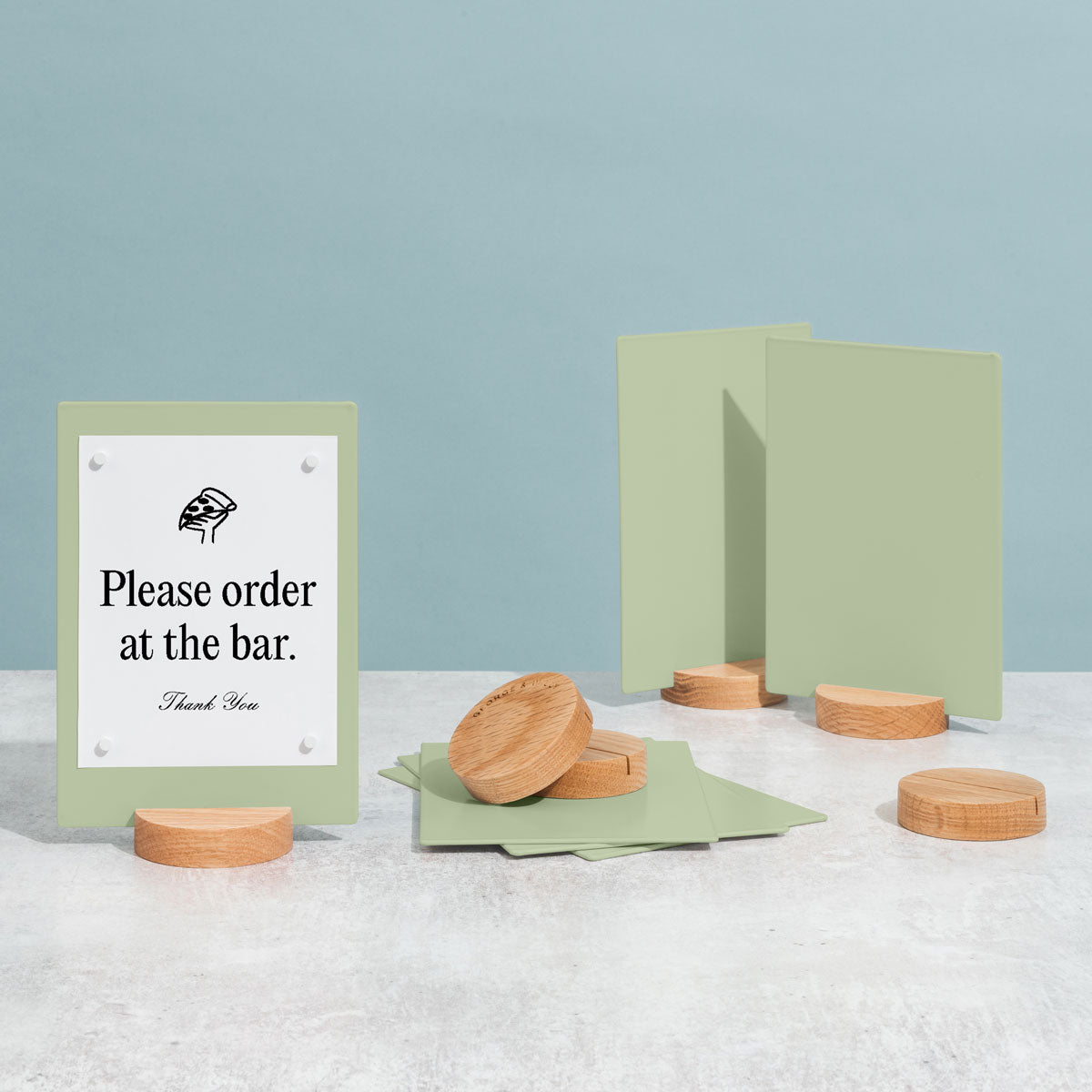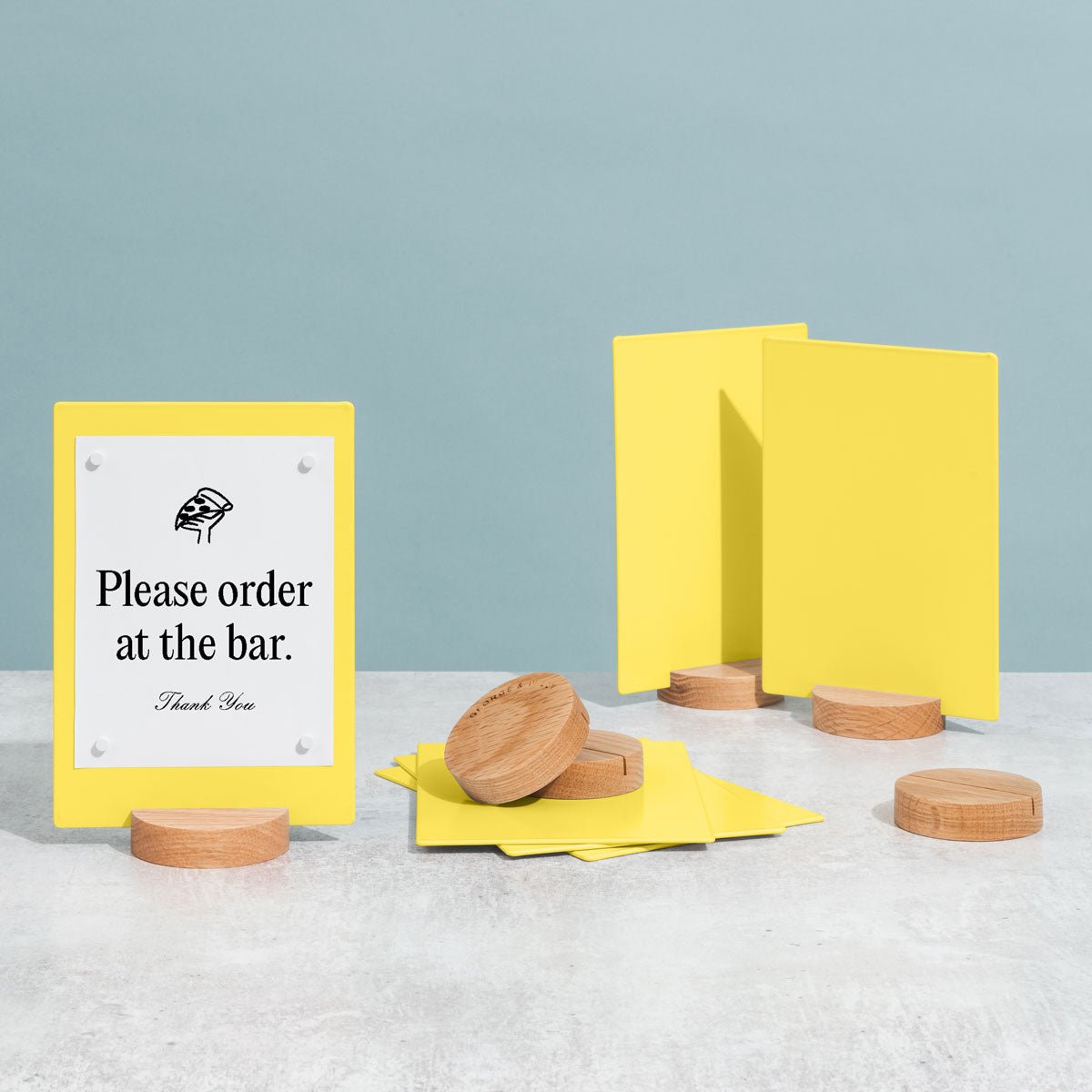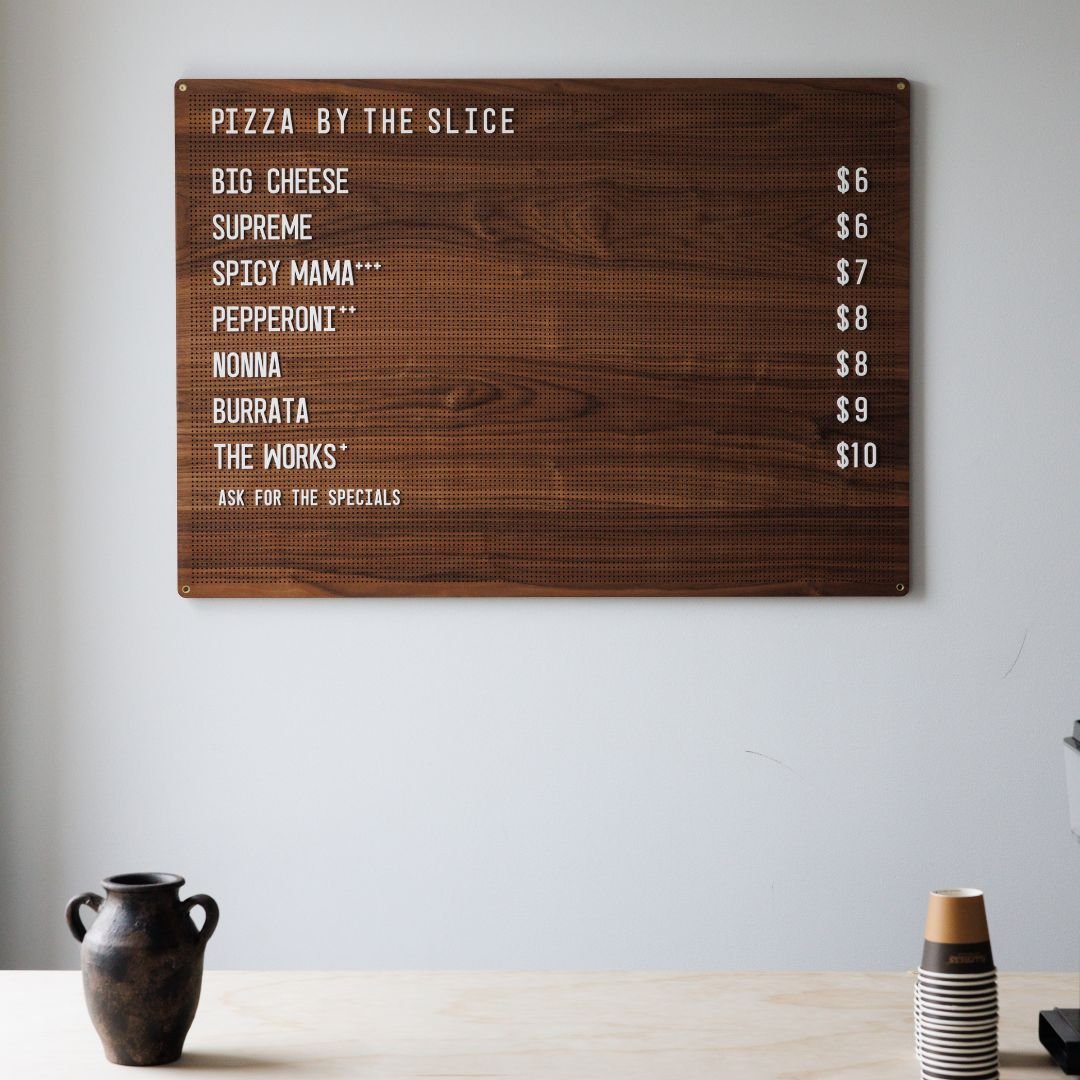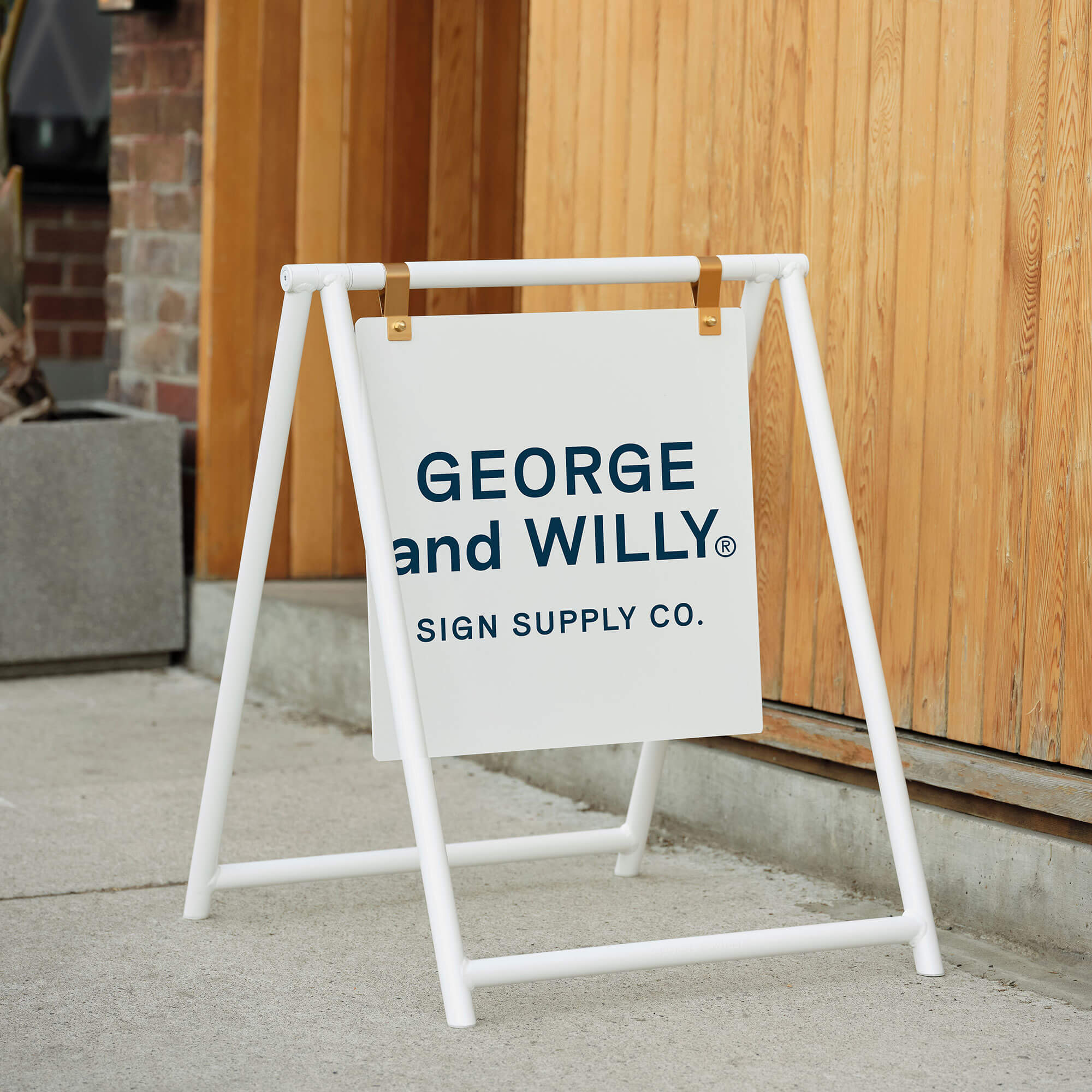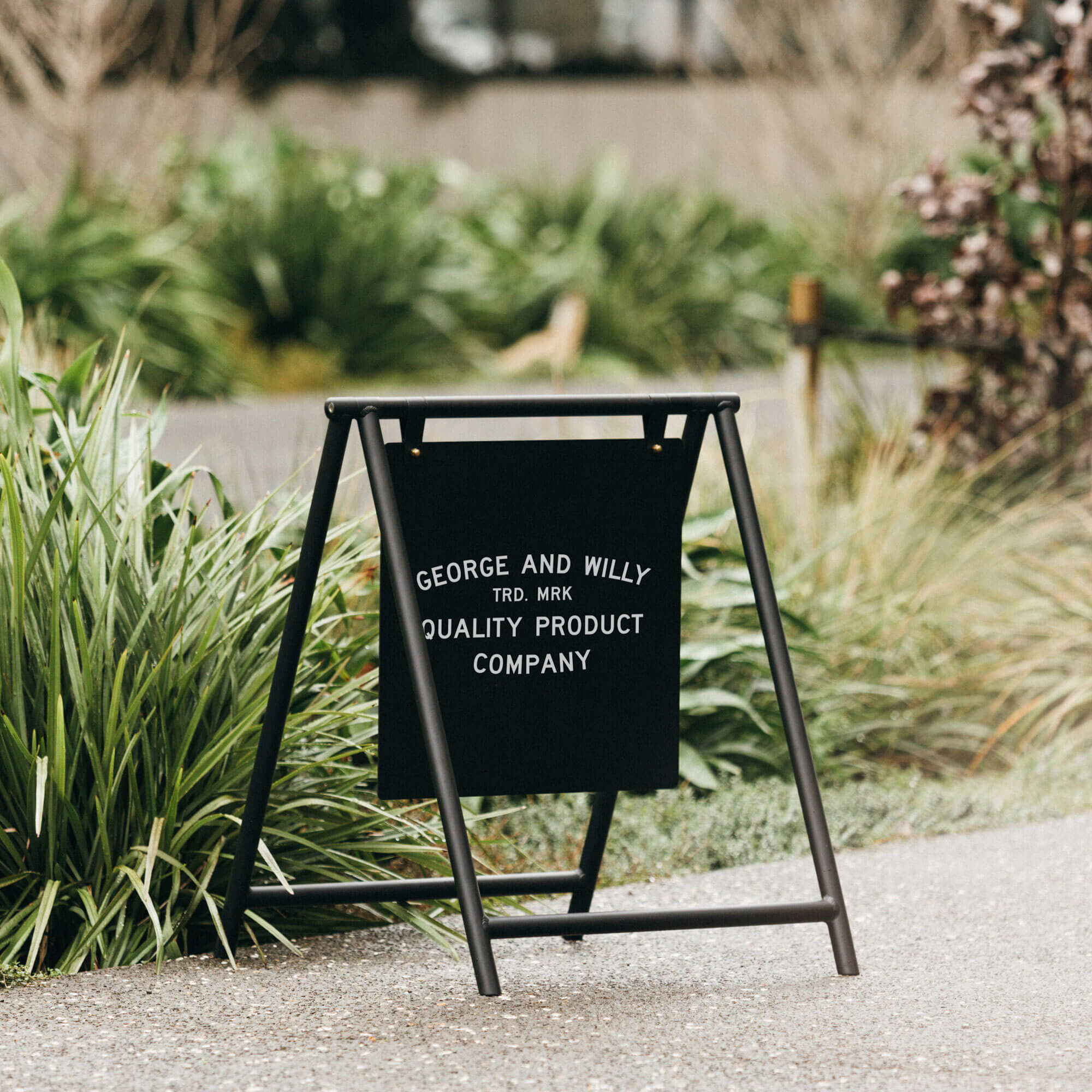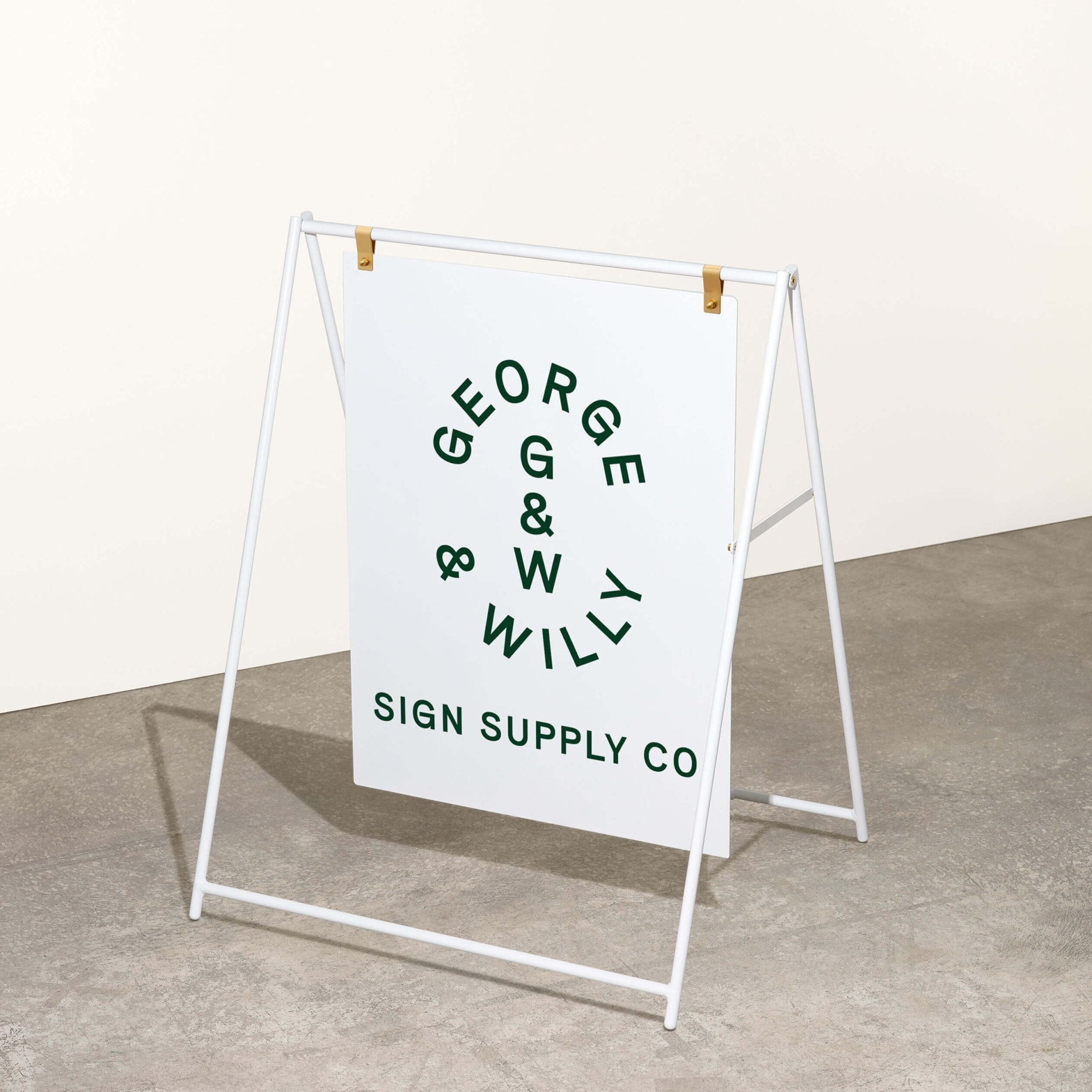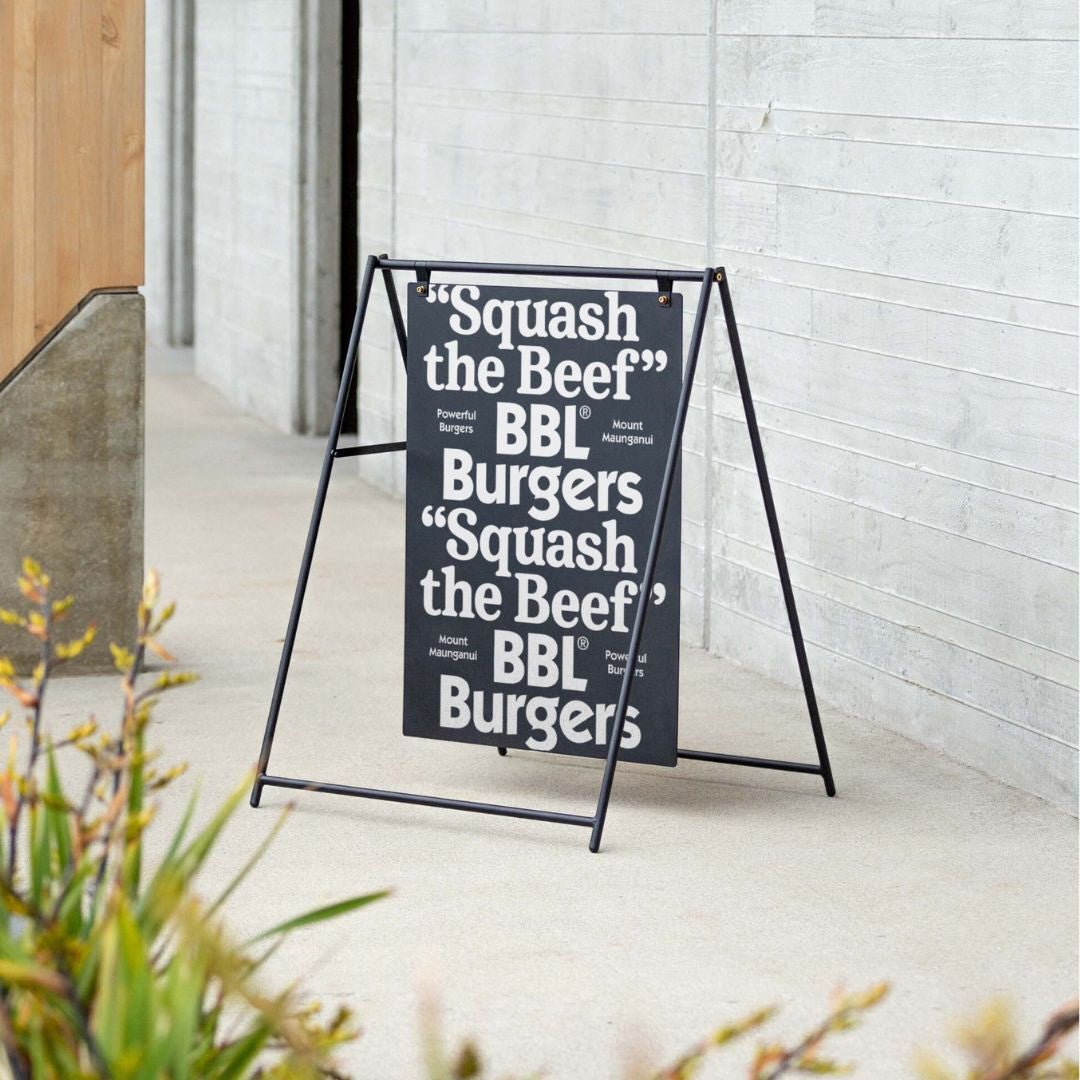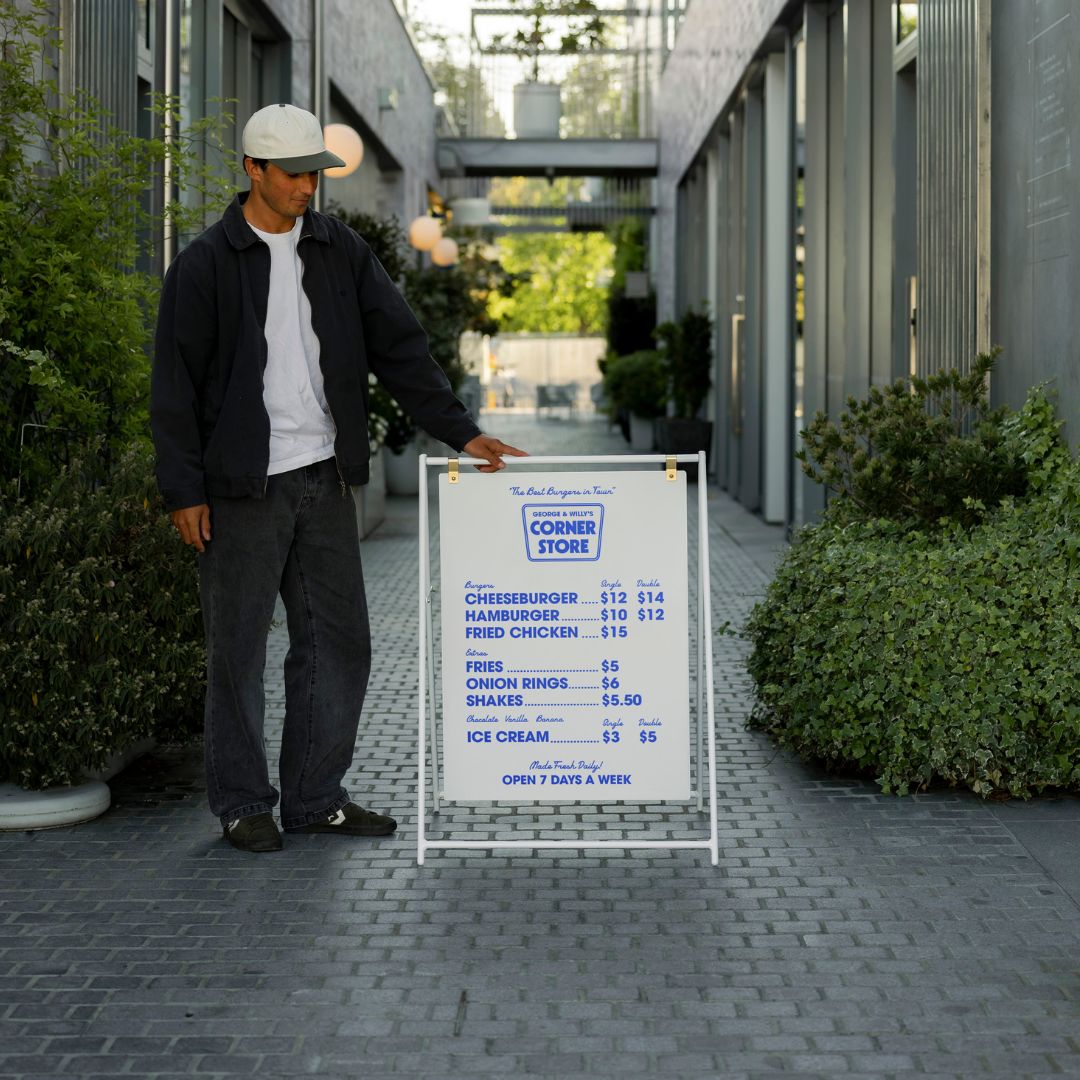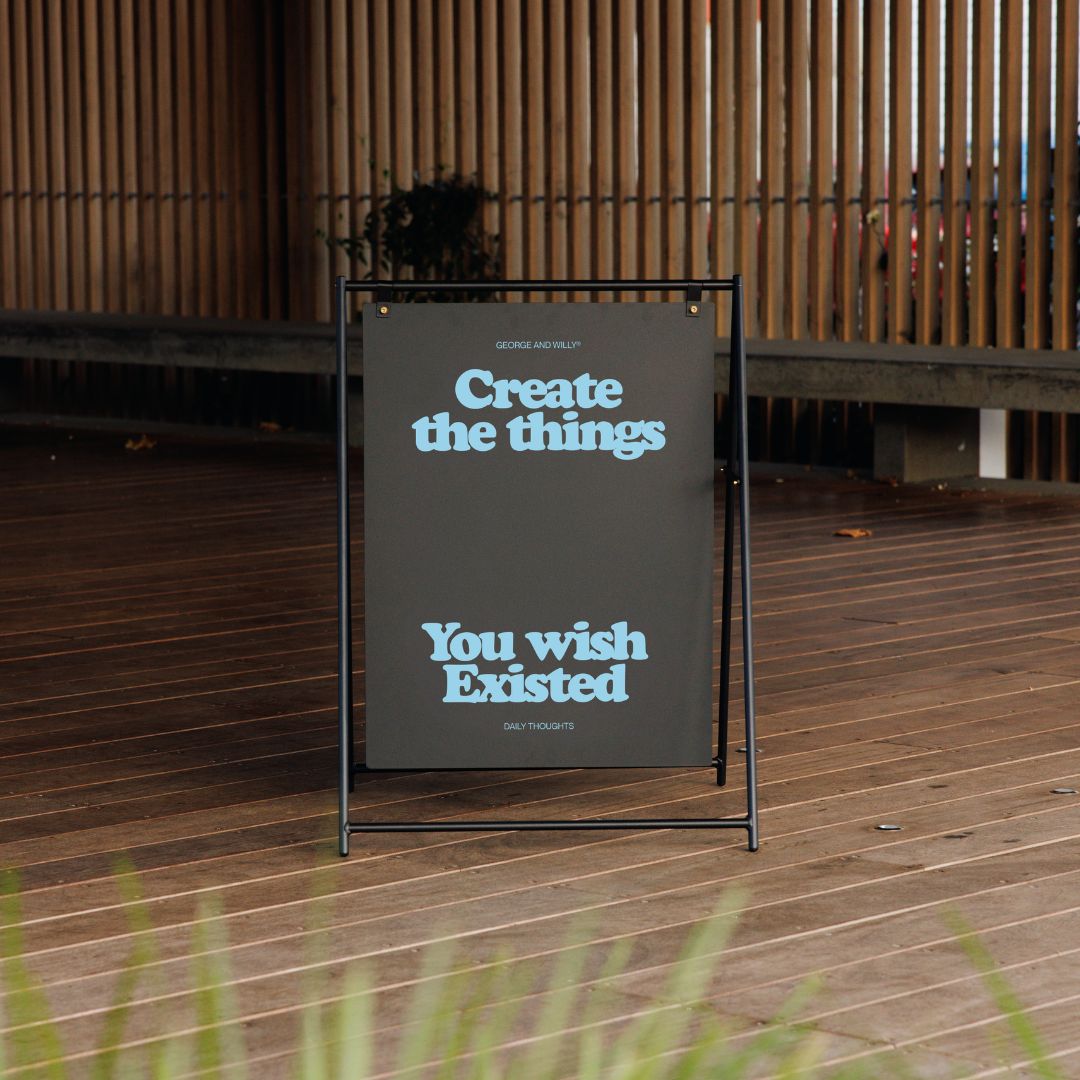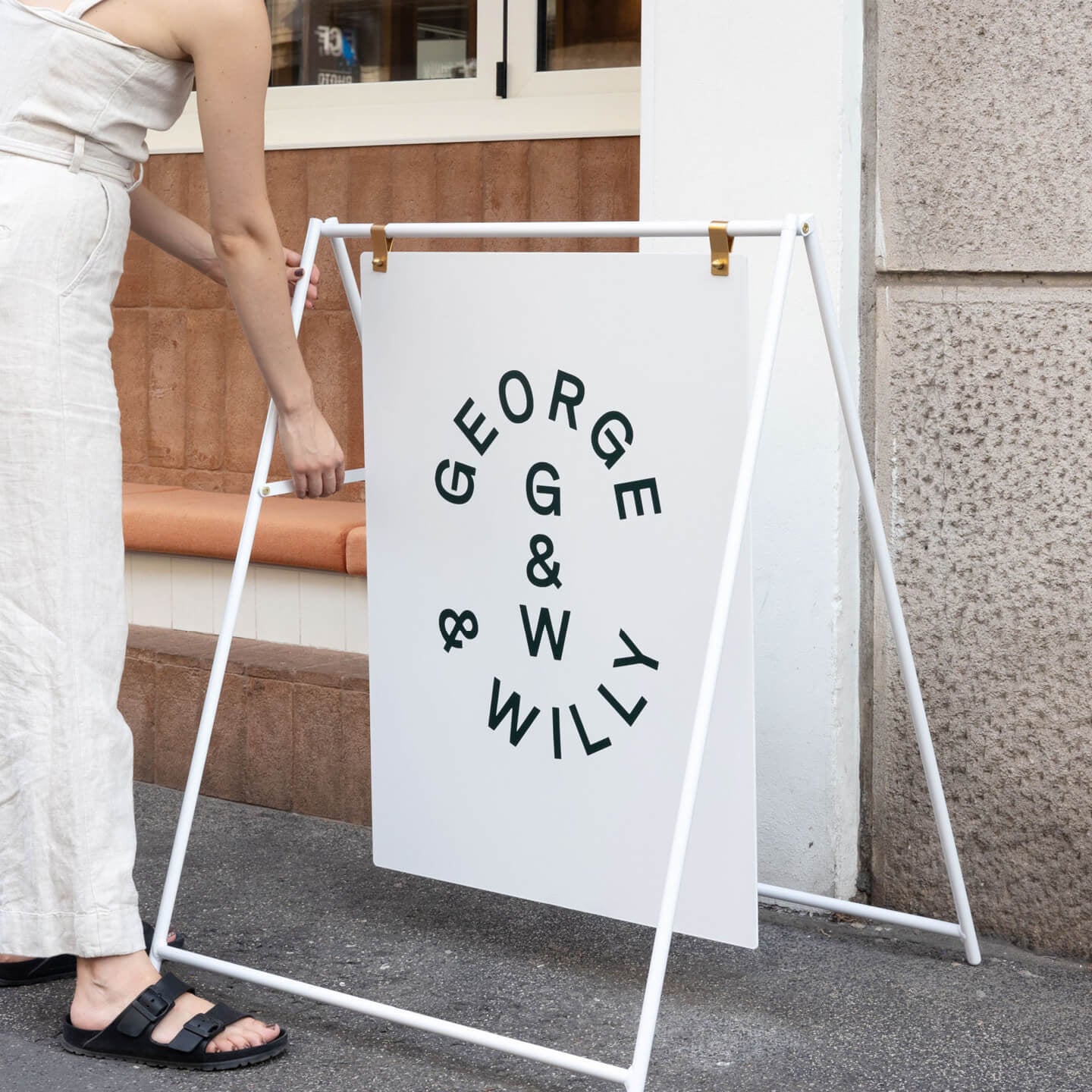



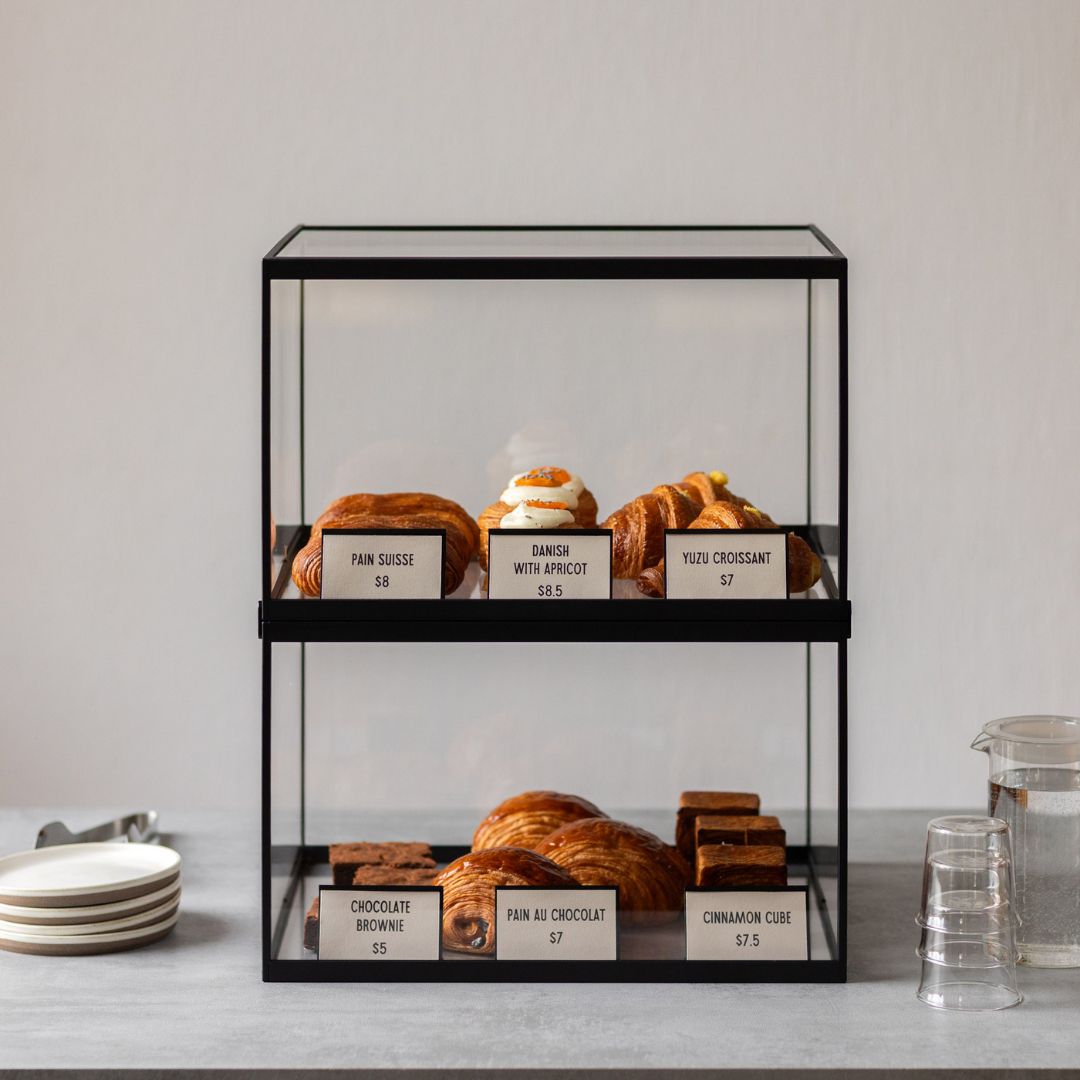


Effective office signage is much more than just a decorative touch. It’s a vital communication tool that guides visitors, reinforces your brand, and shapes the entire experience of your workspace. From the moment someone walks through the door, signs act as the silent voice of your environment, creating a first impression that speaks volumes.
Whether you’re setting up a new space or giving your current one a refresh, understanding the world of office signage is key. This guide breaks down everything you need to know, from the different types of signs to the small details that make a big impact.
Understanding Office Signage Fundamentals
Before diving into specific types, let’s cover the basic concepts that form the foundation of any great office signage strategy.
What is an Office Signage Solution?
An office business signage solution is the complete system of signs used in and around a workplace to provide information, give directions, and express a company’s brand identity. Think of it as the visual language of your space. Rather than a collection of individual signs, a cohesive solution ensures every sign works together. These signs guide, inform, and welcome everyone, making the environment easier to navigate and more professional.
A well designed office signage solution can reduce confusion, improve accessibility, and boost satisfaction for both employees and visitors. It includes everything from the main logo in your lobby to the small nameplate on a door. Together, these elements ensure people can find their way around easily while seeing your company as organized and trustworthy.
The Benefits of Great Office Signage
Investing in quality office signage pays off in numerous ways. It’s not just about looking good; it’s about creating a functional, welcoming, and branded environment.
- Effortless Navigation: First and foremost, signs provide clear directions. They help people find the right meeting room, locate restrooms, or identify emergency exits, which minimizes frustration.
- Strong First Impressions: Professional signs signal that your company is organized and pays attention to detail. This is critical, as studies show a company’s signs often reflect the quality of its products or services.
- Brand Reinforcement: Every sign is an opportunity to reinforce your brand identity. A lobby sign featuring your logo subtly boosts brand recognition for every person who walks past it.
- Safety and Accessibility: Signage plays a crucial role in safety by marking exits, fire escape routes, and potential hazards. ADA compliant signs ensure your space is inclusive and meets legal requirements.
- Improved Company Culture: Thoughtful signage can even boost morale. Motivational wall graphics or clearly marked department signs help create a positive and efficient workspace that employees appreciate.
Signage and Your Brand Identity
Signage branding is the art of using signs to consistently reflect your company’s personality, from logos and colors to fonts. Every sign in your office acts as a visual ambassador for your brand, so consistency is crucial. This means using the correct logo, sticking to your brand’s color palette, and applying approved fonts across all signage.
Over time, this cohesion strengthens brand recognition and builds trust. For example, when all your wayfinding arrows and room signs share the same design language, visitors subconsciously associate that consistency with professionalism.
Choosing an Office Sign Style
The style of your signage should align with your brand’s personality and your office’s interior design. Common styles include:
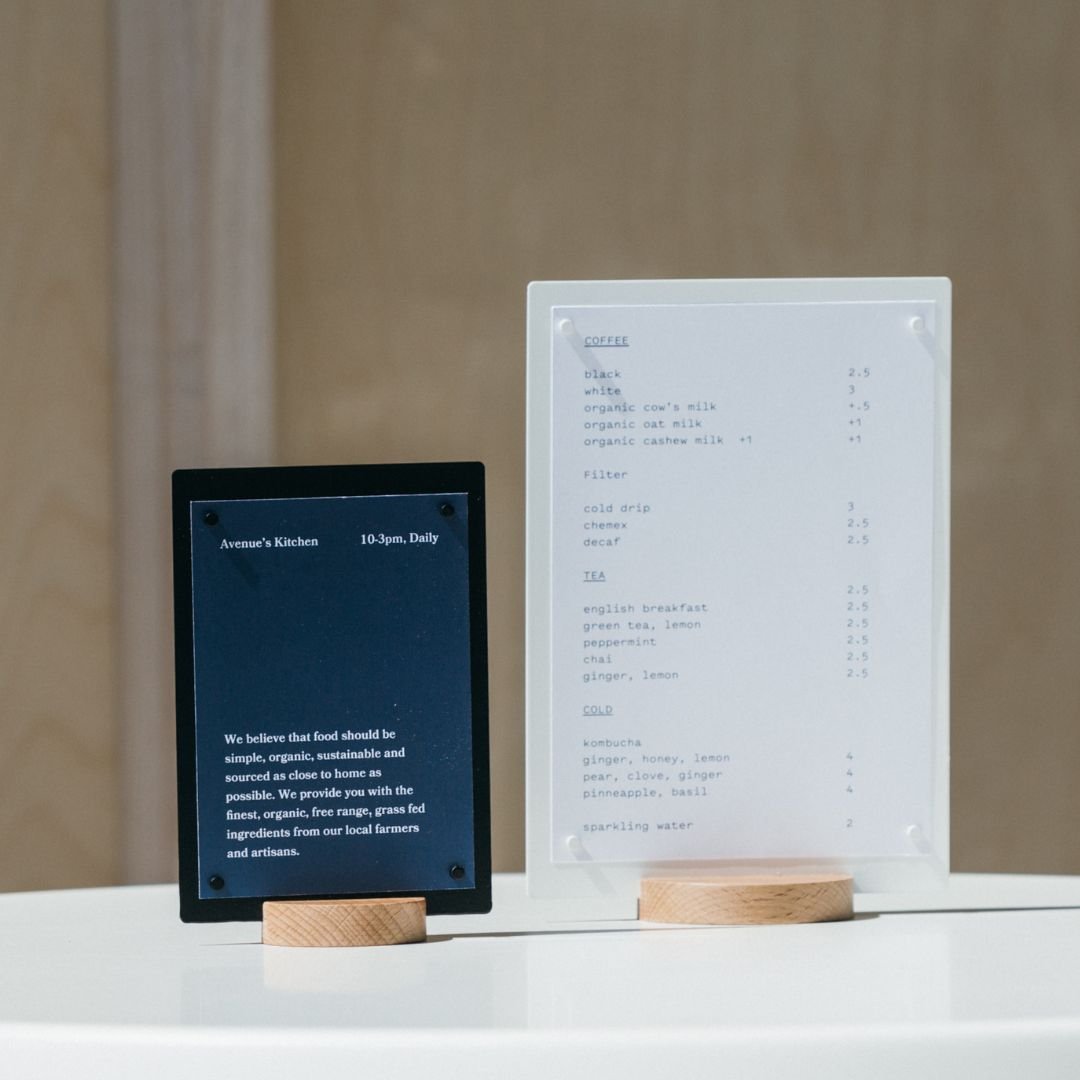
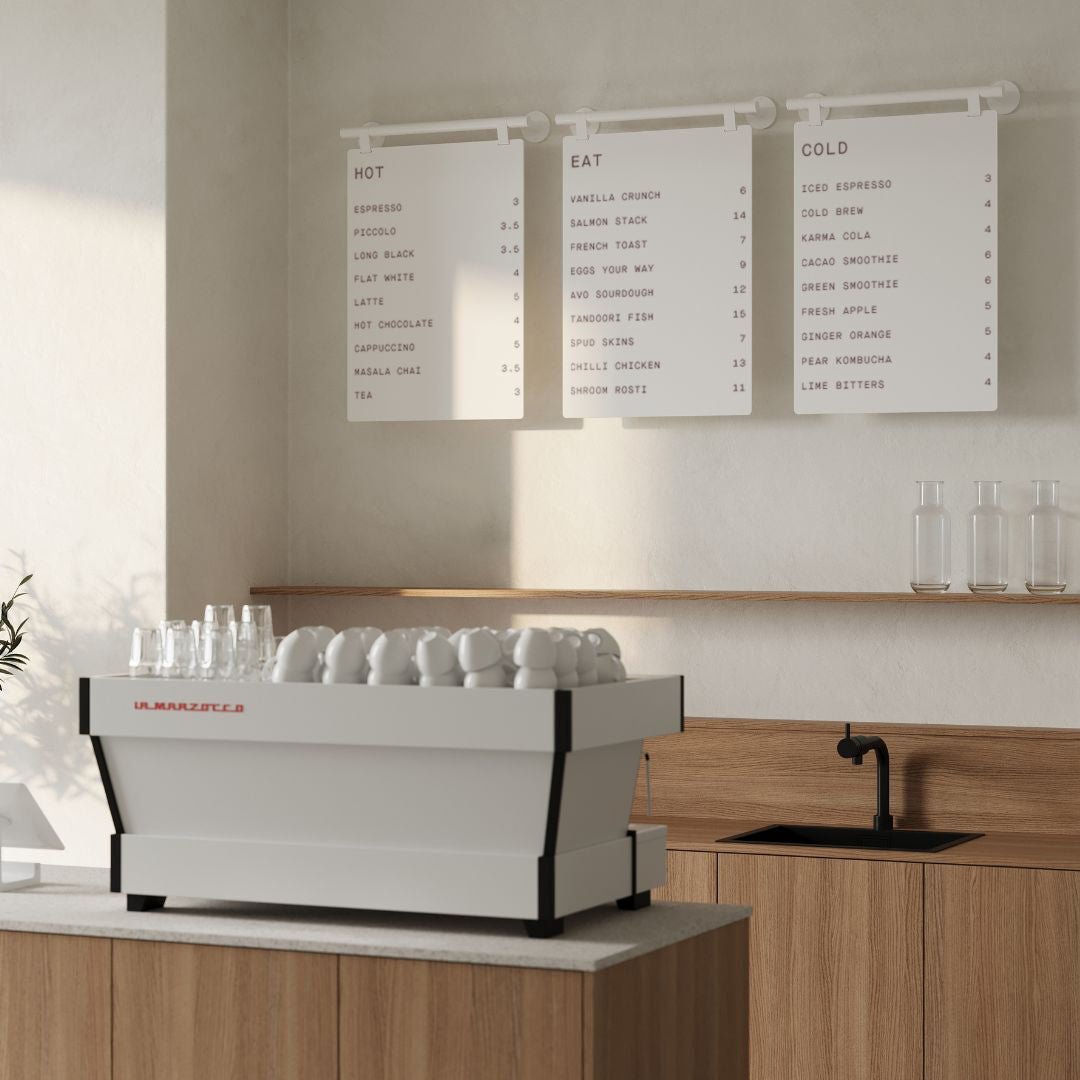
- Minimalist: This style uses clean lines, simple typography, and a neutral color palette. It’s popular in modern, design focused businesses like creative studios and cafes because it feels intentional and uncluttered.
- Industrial: Featuring raw materials like metal, concrete, and exposed hardware, this style creates a sturdy, functional look.
- Rustic: Using natural wood and handcrafted elements, this approach adds warmth and character, making a space feel more welcoming and grounded.
- Corporate: This traditional style often uses materials like polished acrylic and metal plaques to convey authority and professionalism.
A cohesive style across all signs, from the front door to individual desks, creates a powerful and memorable brand experience.
Common Signage Materials
The material a sign is made from affects its look, durability, and cost. Common choices for office signage include:
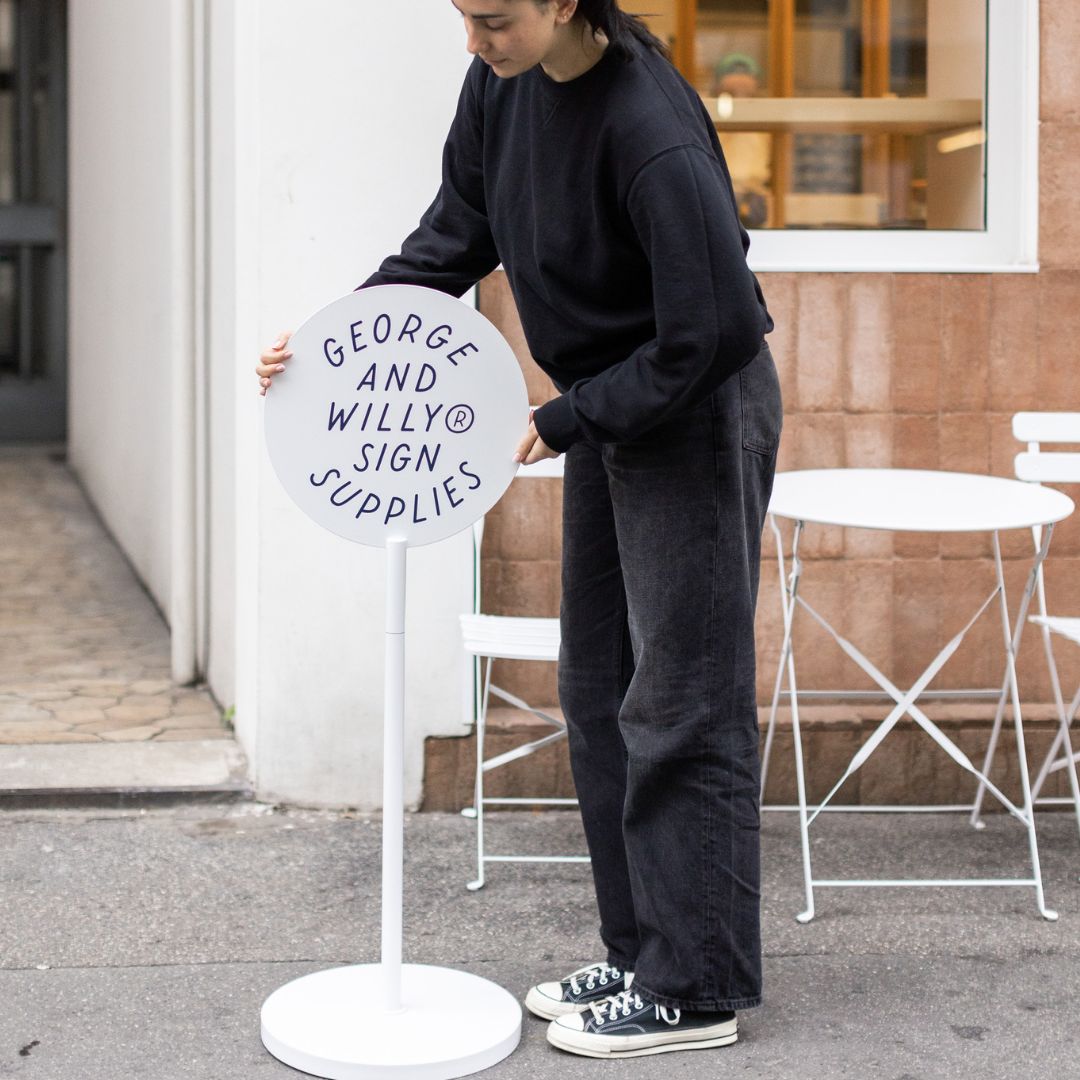
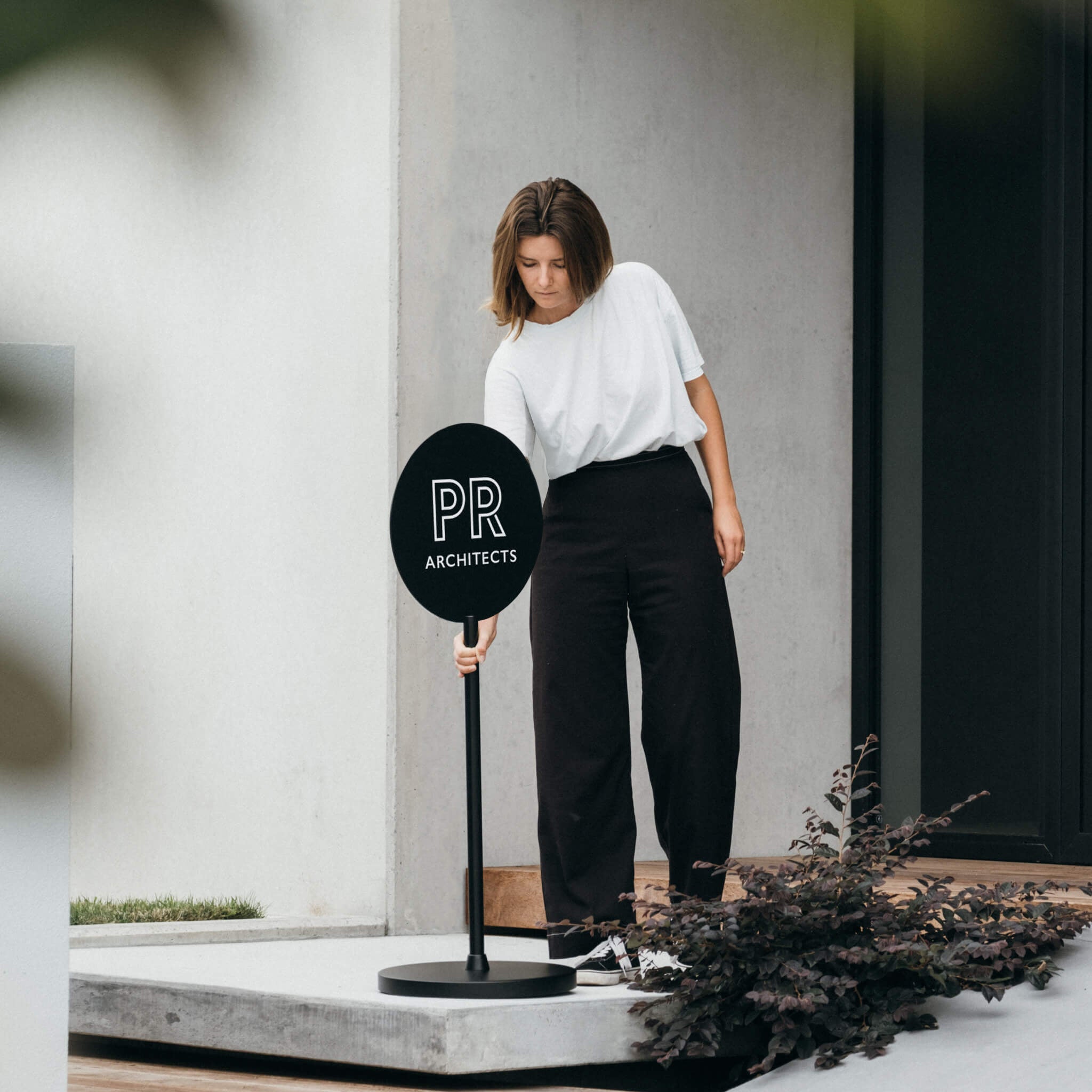
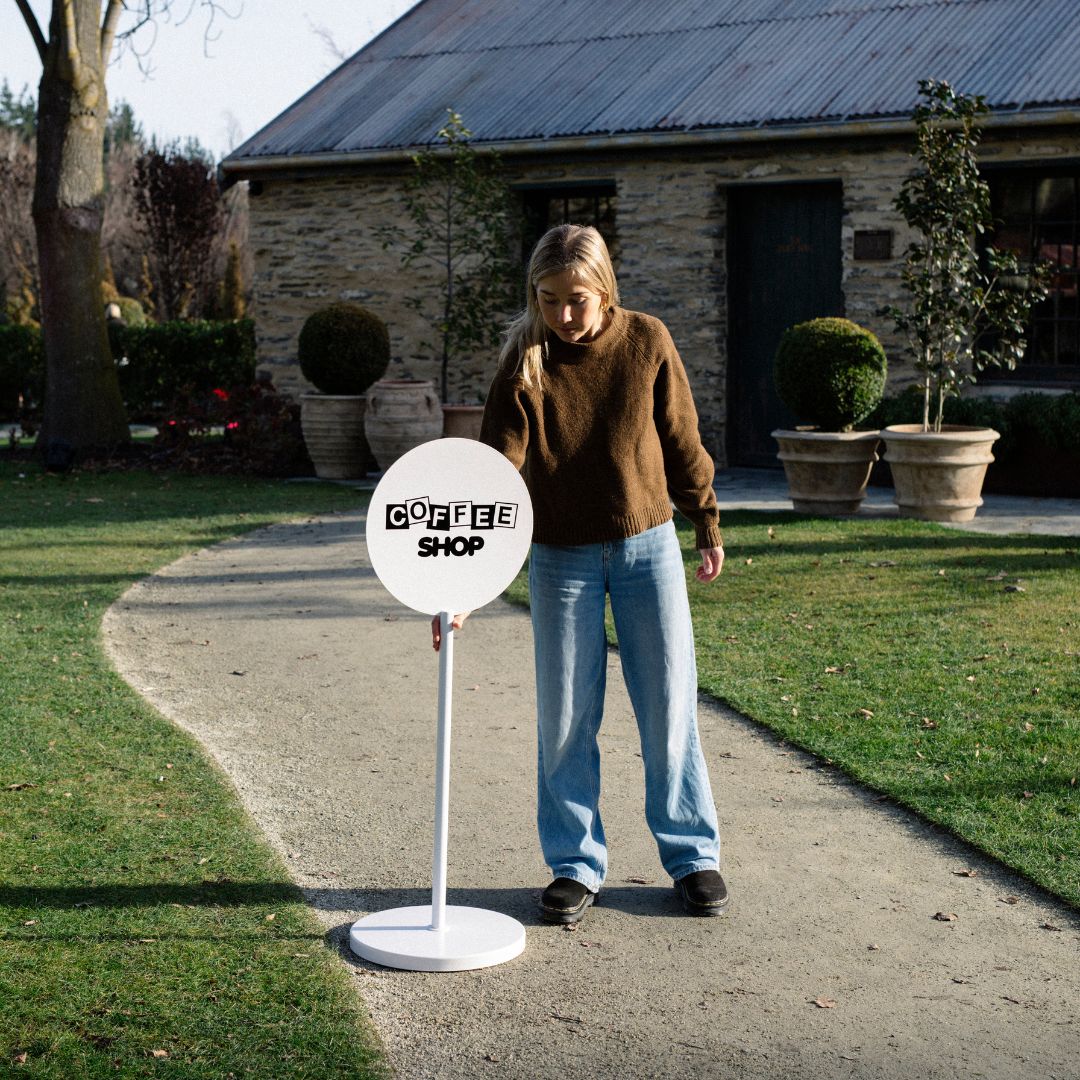
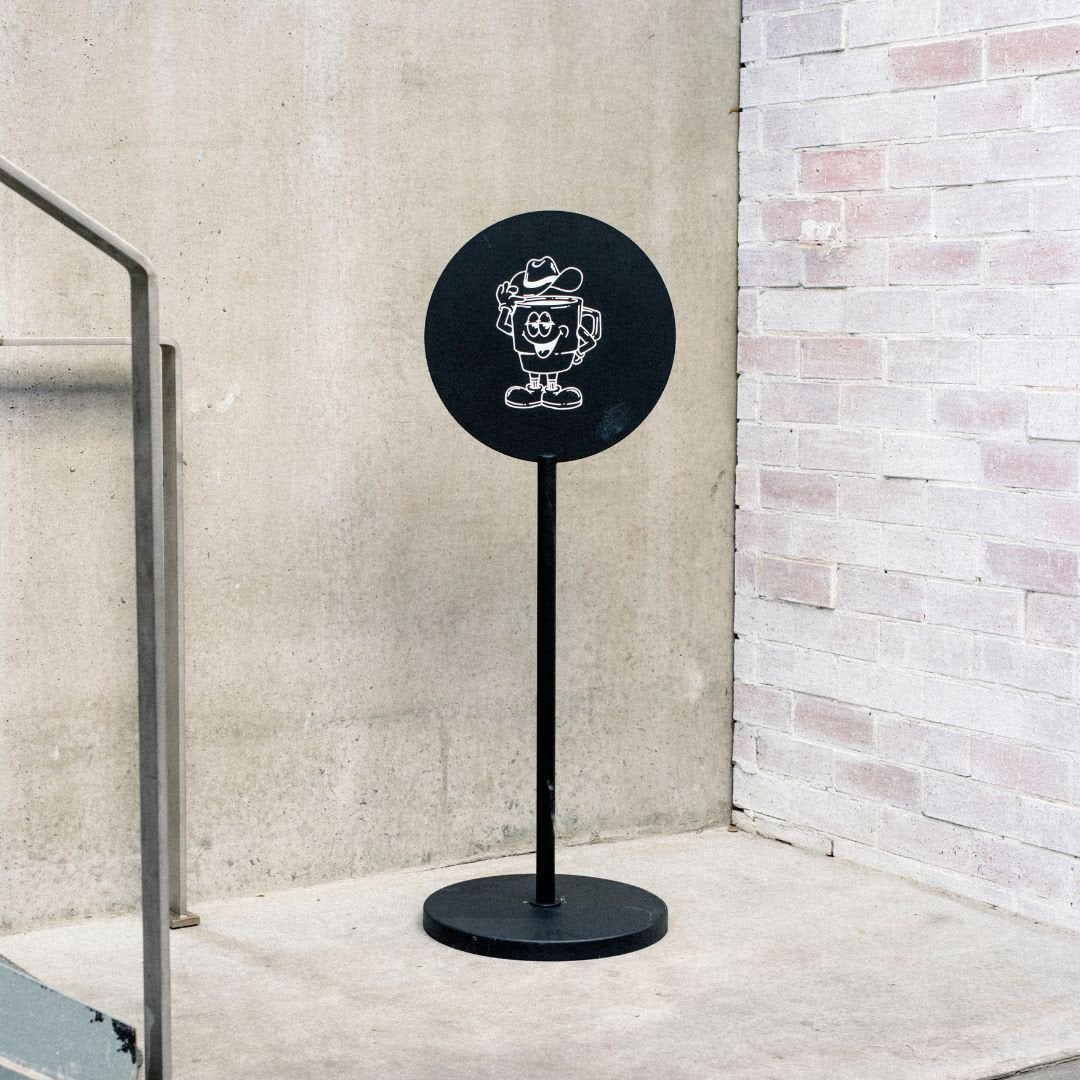
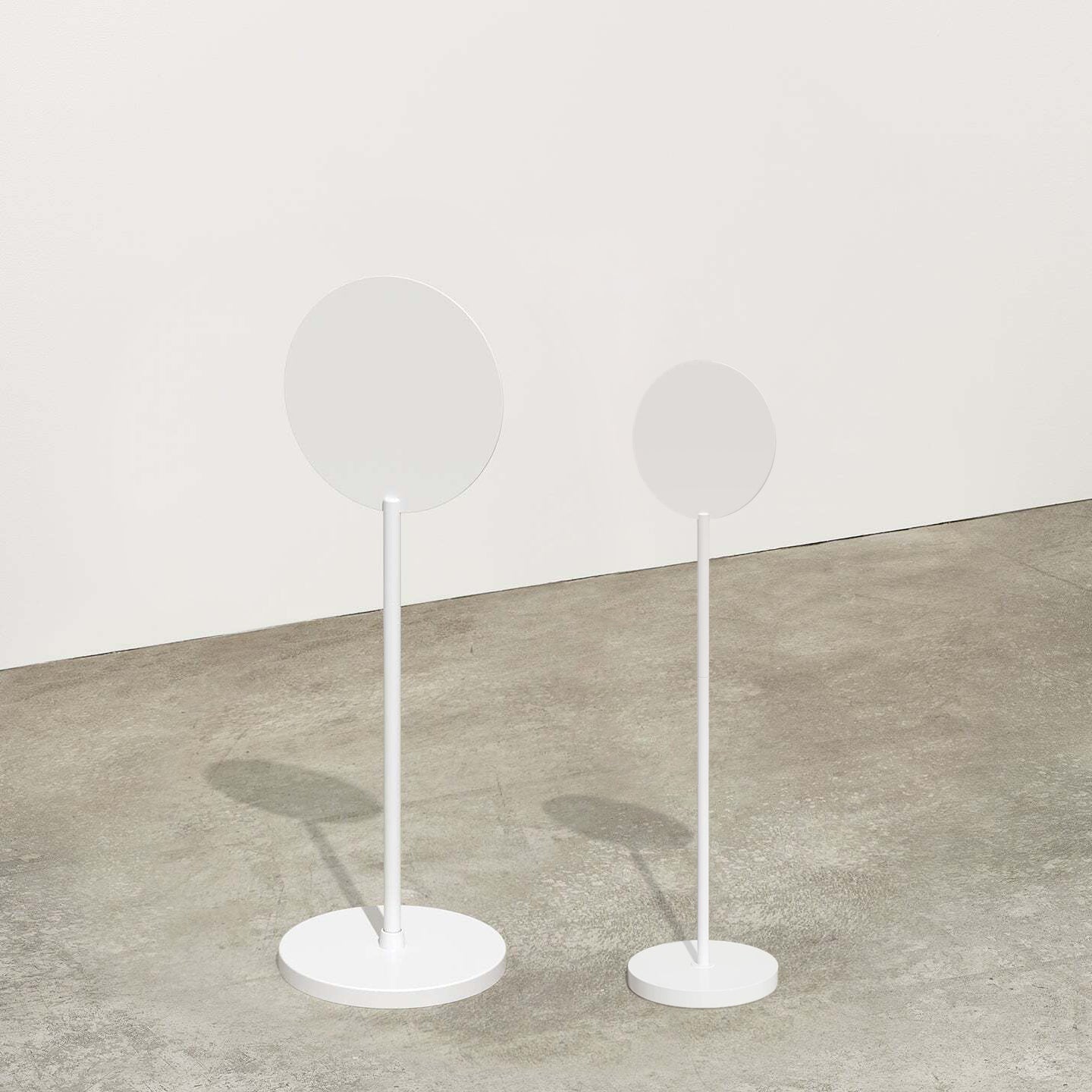
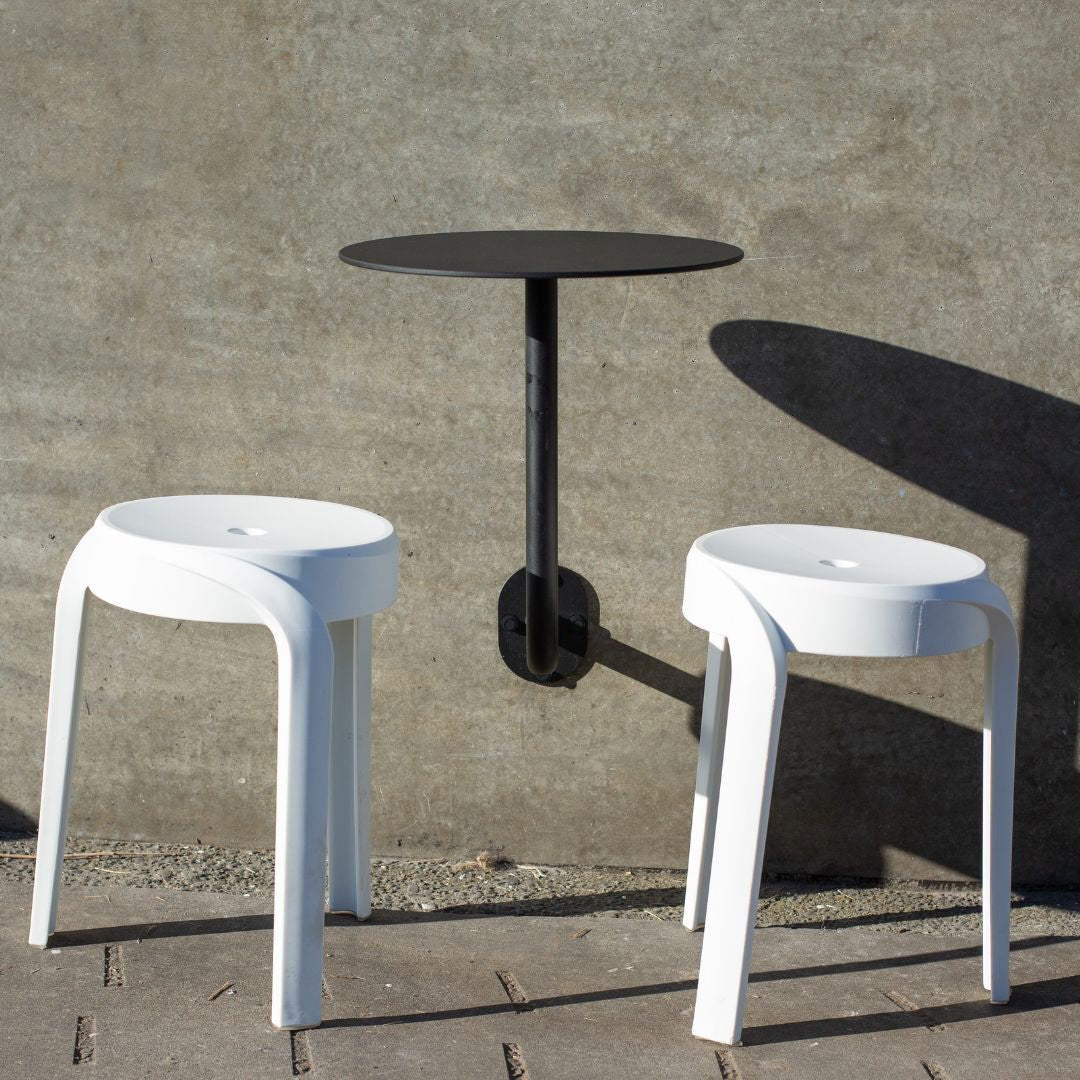
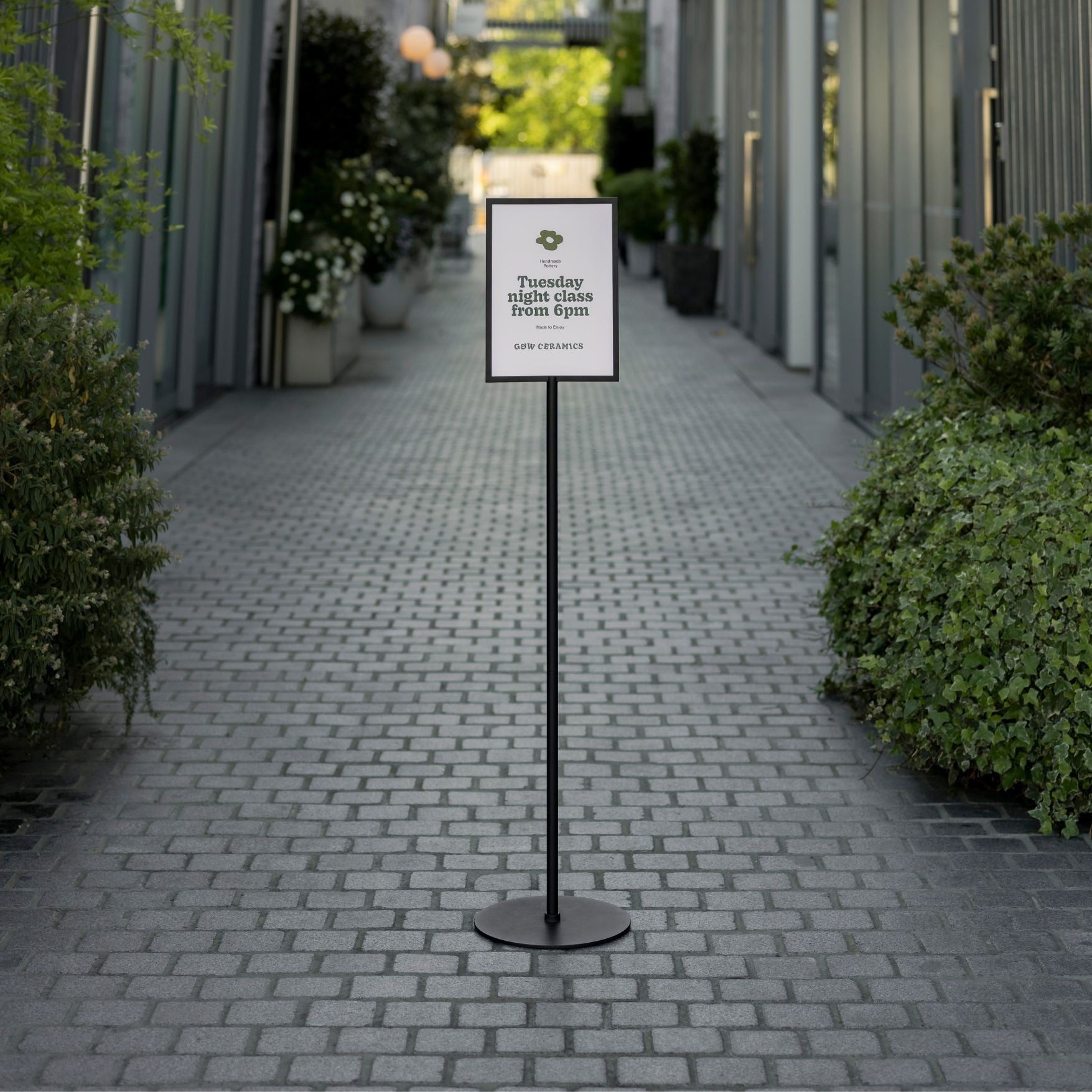
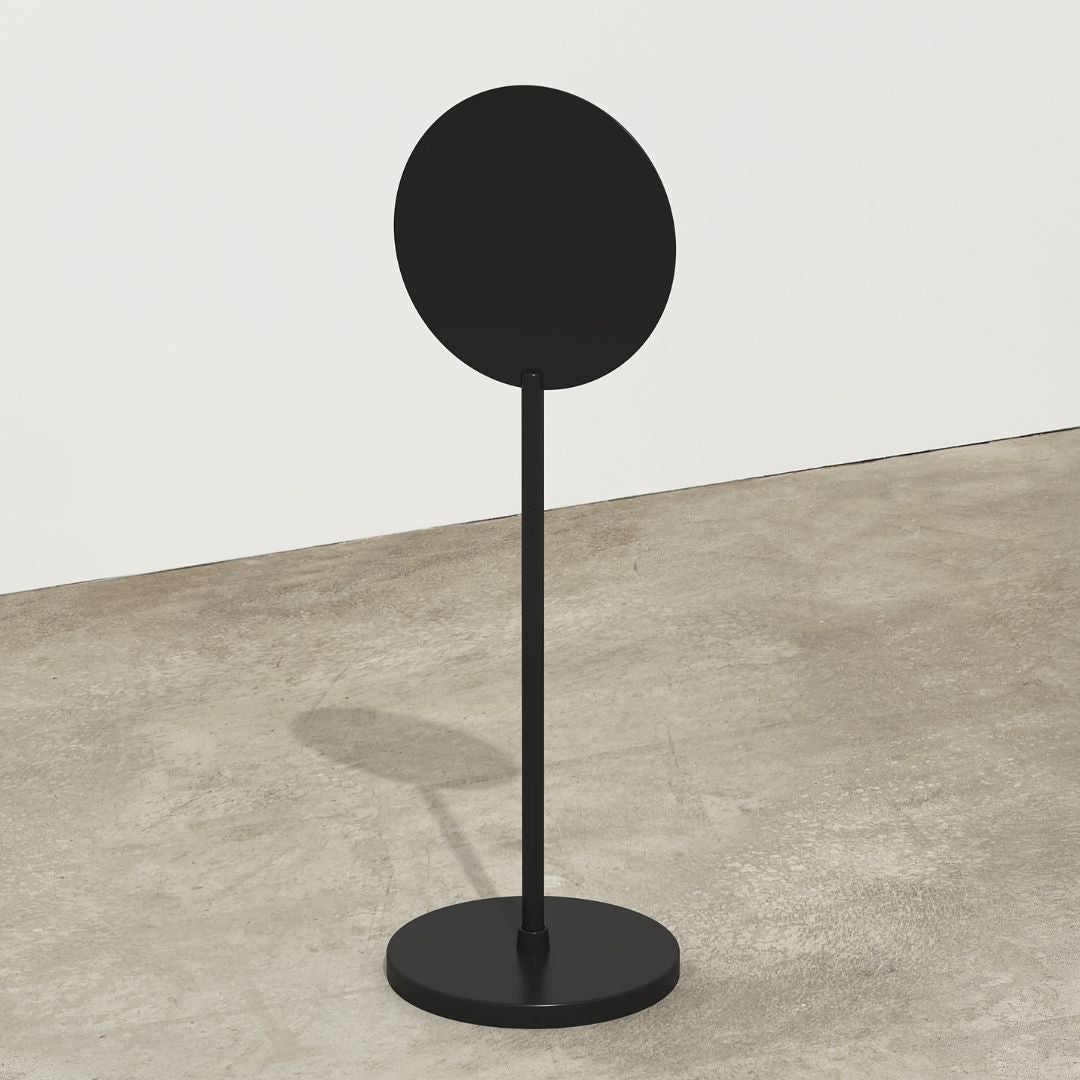
- Metal: Materials like aluminum and steel are incredibly durable and weather resistant, making them perfect for outdoor signs. Powder coated aluminum is especially popular because it resists corrosion while maintaining a sleek finish. For example, the Round Outdoor Shop Sign is made from powder coated aluminum for this exact combination of longevity and style.
- Brushed Metal Finish: Finishes like brushed aluminum or steel provide a sophisticated, textured appearance with fine uniform lines. This premium look is great for interior logos and plaques and helps conceal fingerprints.
- Acrylic: With a modern, glass like appearance, acrylic is often used for interior logo panels and nameplates. It’s lightweight and easy to customize but can be prone to scratching.
- Vinyl: Vinyl is most often used for graphics and lettering. It can be cut into logos or text and applied to walls, windows, or signboards. It’s an affordable and easily changeable option.
- Wood: For a warmer, more natural aesthetic, wood can be a great choice for interior signs, adding a touch of rustic or classic charm.
Key Signage Design Considerations
Good design is what separates an effective sign from a useless one. It’s a balance of art and science. Key factors include:
- Visibility and Placement: A sign has to be seen to be useful. Place signs where people naturally look, like at eye level (around 5 feet high) or near entrances, and make sure they aren’t obstructed.
- Readability: Use clear, simple fonts and ensure the text is large enough to be read from a distance.
- Contrast: High contrast color schemes (like dark text on a light background) are much easier to read at a glance.
- Conciseness: Keep the message brief and to the point. People should be able to understand the sign in just a few seconds.
- Compliance: Be aware of regulations like the Americans with Disabilities Act (ADA), which has specific rules for things like Braille, tactile lettering, and contrast levels.
Office Sign Installation
Proper office sign installation is critical for both appearance and safety. While smaller signs like countertop displays are simple to set up, larger or heavier signs require careful planning. Consider the wall type, the sign’s weight, and the hardware needed. For ADA signs, installation height and location are legally mandated. Many businesses opt for professional installation for exterior signs, large lobby signs, and environmental graphics to ensure they are secure, level, and correctly placed.
The Importance of Signage Maintenance
Installing your office signage is just the beginning. Regular maintenance ensures your signs remain clean, safe, and effective for years to come. Over time, signs can fade, get dirty, or become damaged. Key maintenance tasks include routine cleaning to remove dust and grime, inspecting for any damage or loose parts, and refreshing elements like faded vinyl lettering. A well maintained sign projects a professional image, while a dirty one can undermine your brand.
Common Types of Office Signs
A complete office signage system is made up of many different types of signs, each with a specific job to do.
Exterior Signage
Your exterior signs are the first physical touchpoint for visitors and passersby, setting expectations before they even enter.
Exterior Wall Sign
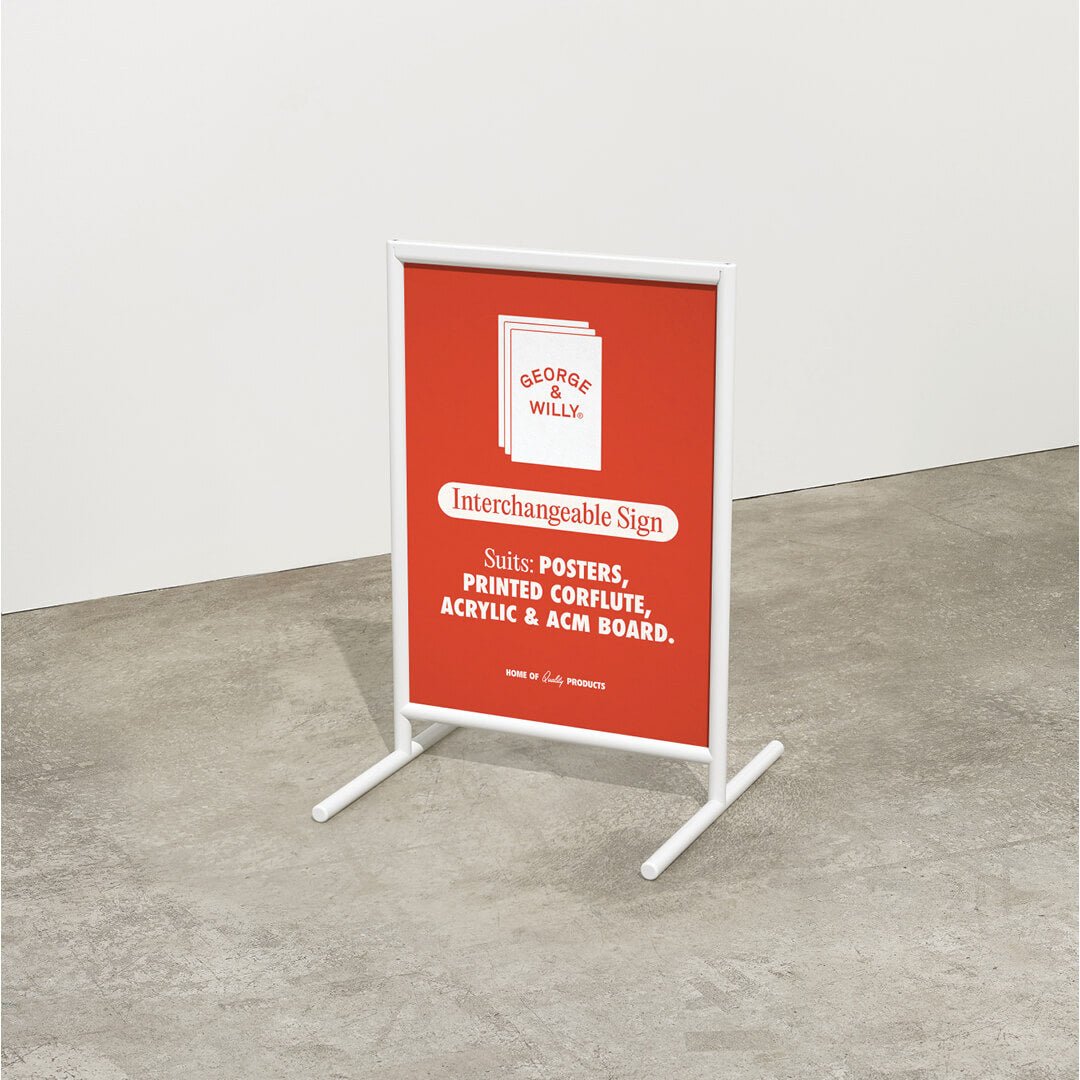
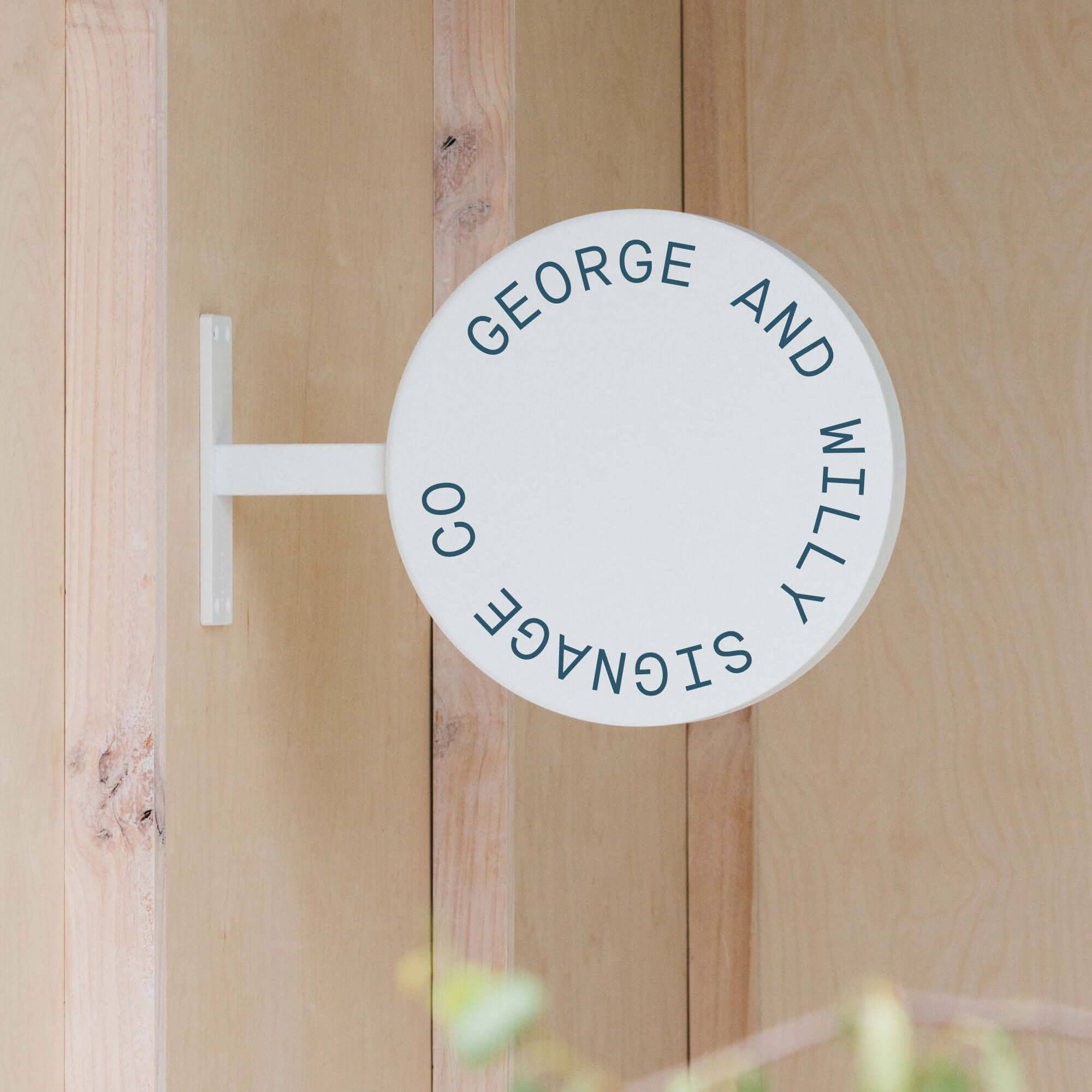
A wall sign is any sign mounted flat against a wall, but the term often refers to the large company name and logo on the exterior of a building. This serves as a primary identifier for the business, providing high impact visibility from the street. For visibility down corridors inside, a projecting blade sign can complement flat wall branding.
Parking Signs
Parking signs are essential for creating an organized and welcoming arrival experience. They guide traffic flow, designate specific areas (like visitor, employee, or accessible parking), and communicate rules. Made from durable, weather resistant materials like aluminum, they are a functional necessity that also serves as an early branding opportunity.
Interior Signage
Once inside, a network of interior signs helps people navigate the space confidently and efficiently.
Lobby Sign
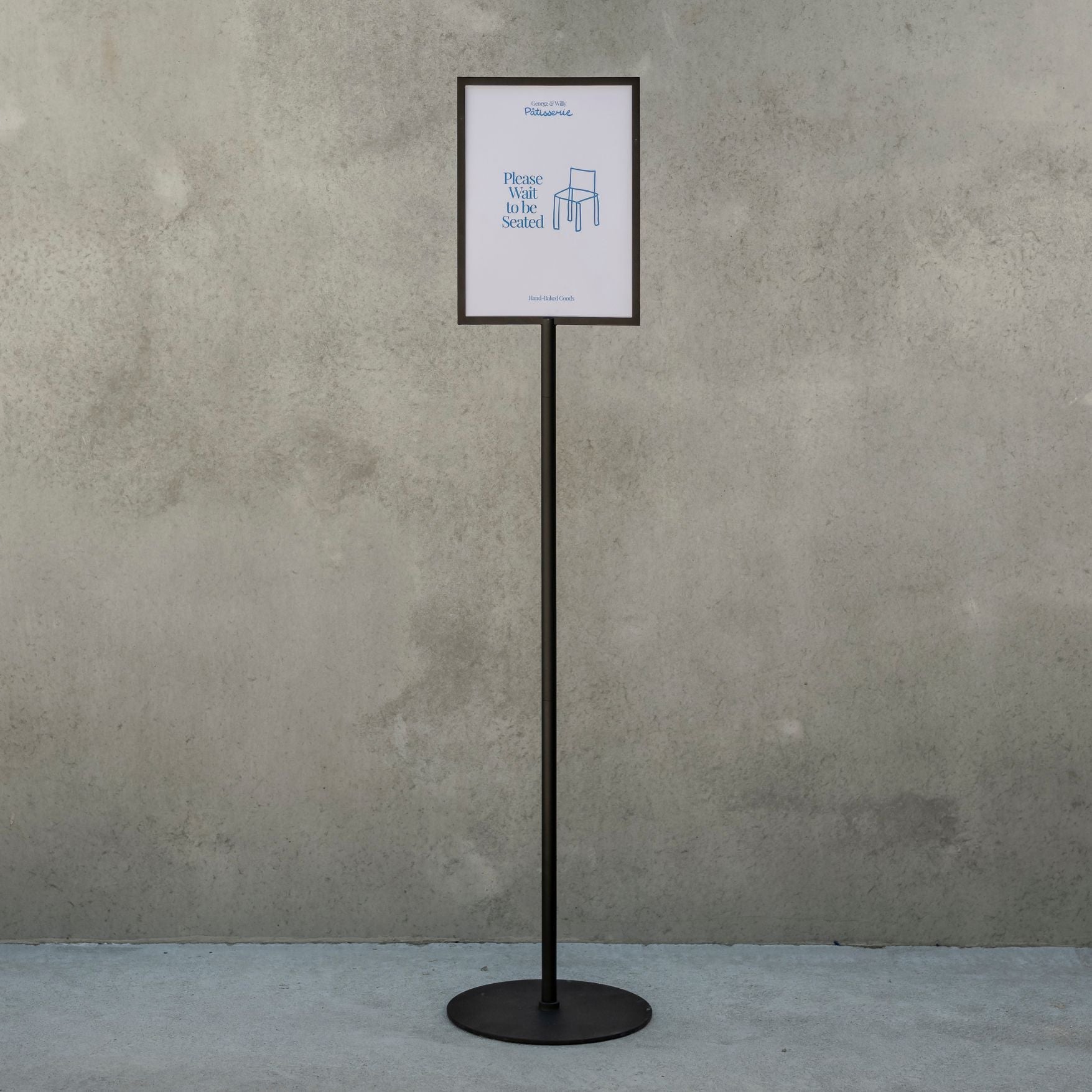
A lobby sign is usually the first piece of branding a visitor sees. Located in the reception area, it displays the company’s name and logo, making a powerful first impression. These signs can be made from dimensional letters, engraved plaques, or even illuminated displays. A captivating lobby sign reinforces your brand’s identity and lets visitors know they’ve come to the right place. Pair it with a minimal Welcome Sign at reception to direct visitors or highlight today’s meetings.
Wayfinding and Directory Signs
Wayfinding signs are the navigational guides of your office. They use directional arrows, maps, and directories (plus projection markers such as the Rectangle Blade Sign) to help people get where they need to go. Consistency is key, using the same colors and fonts throughout the building creates an intuitive system.
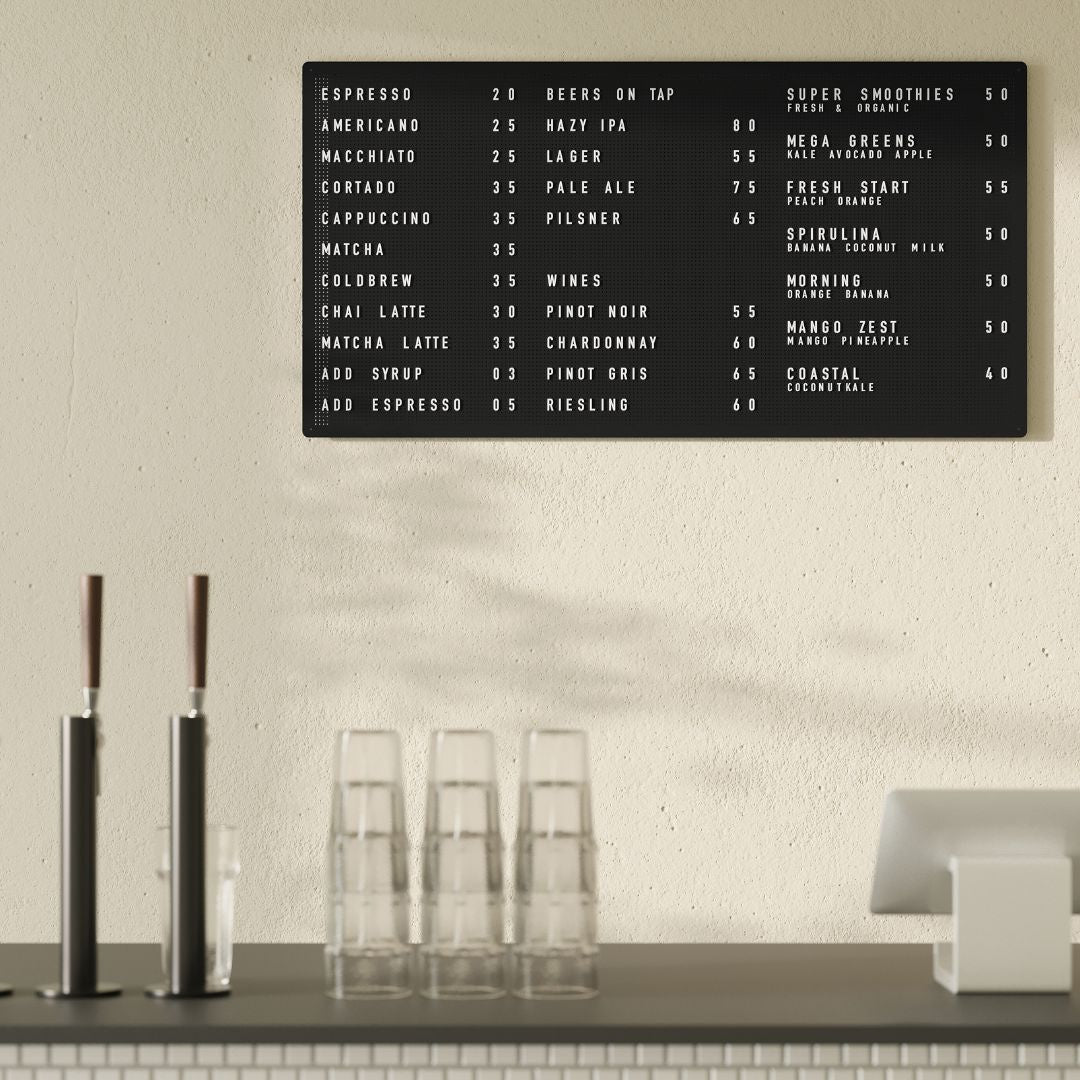
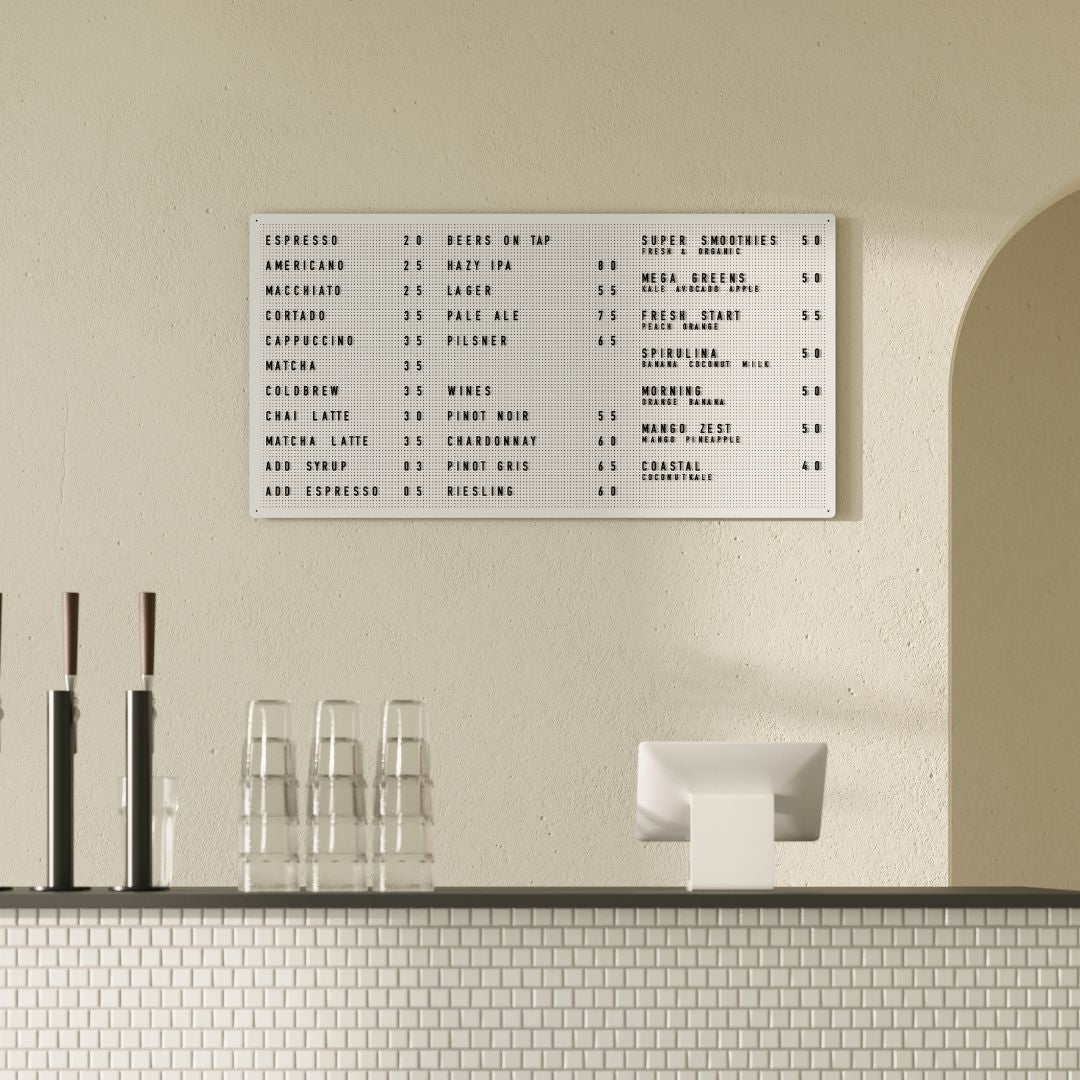
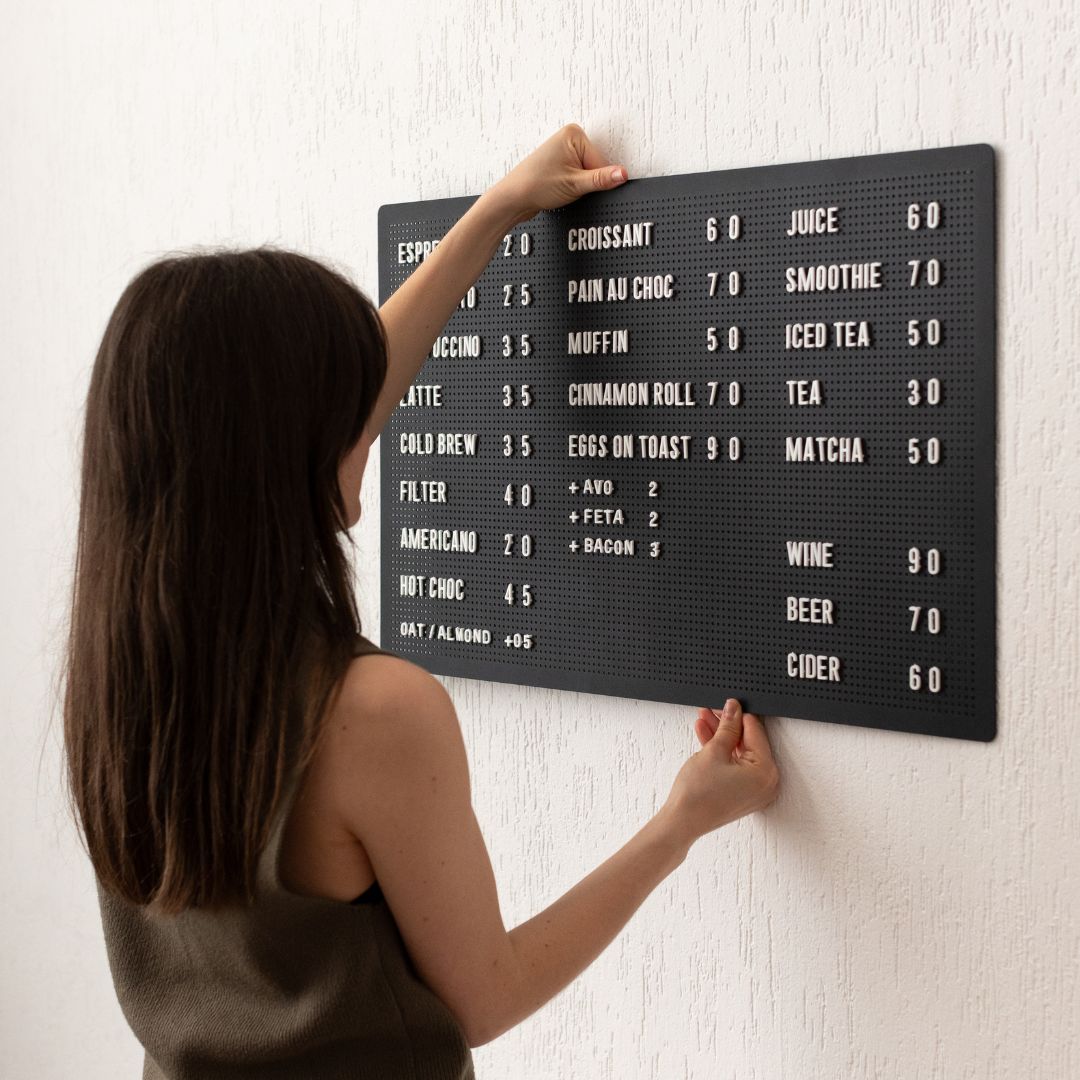
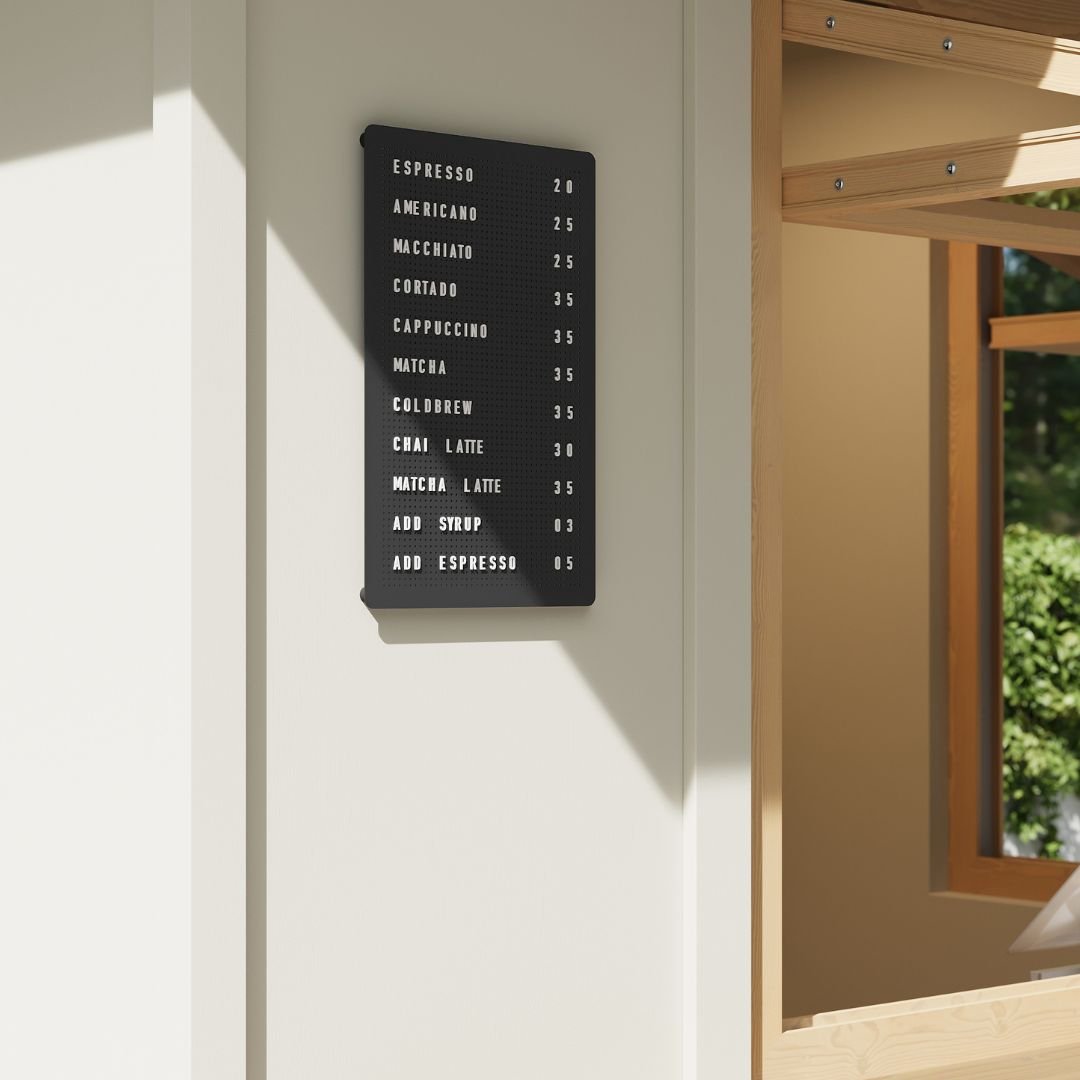
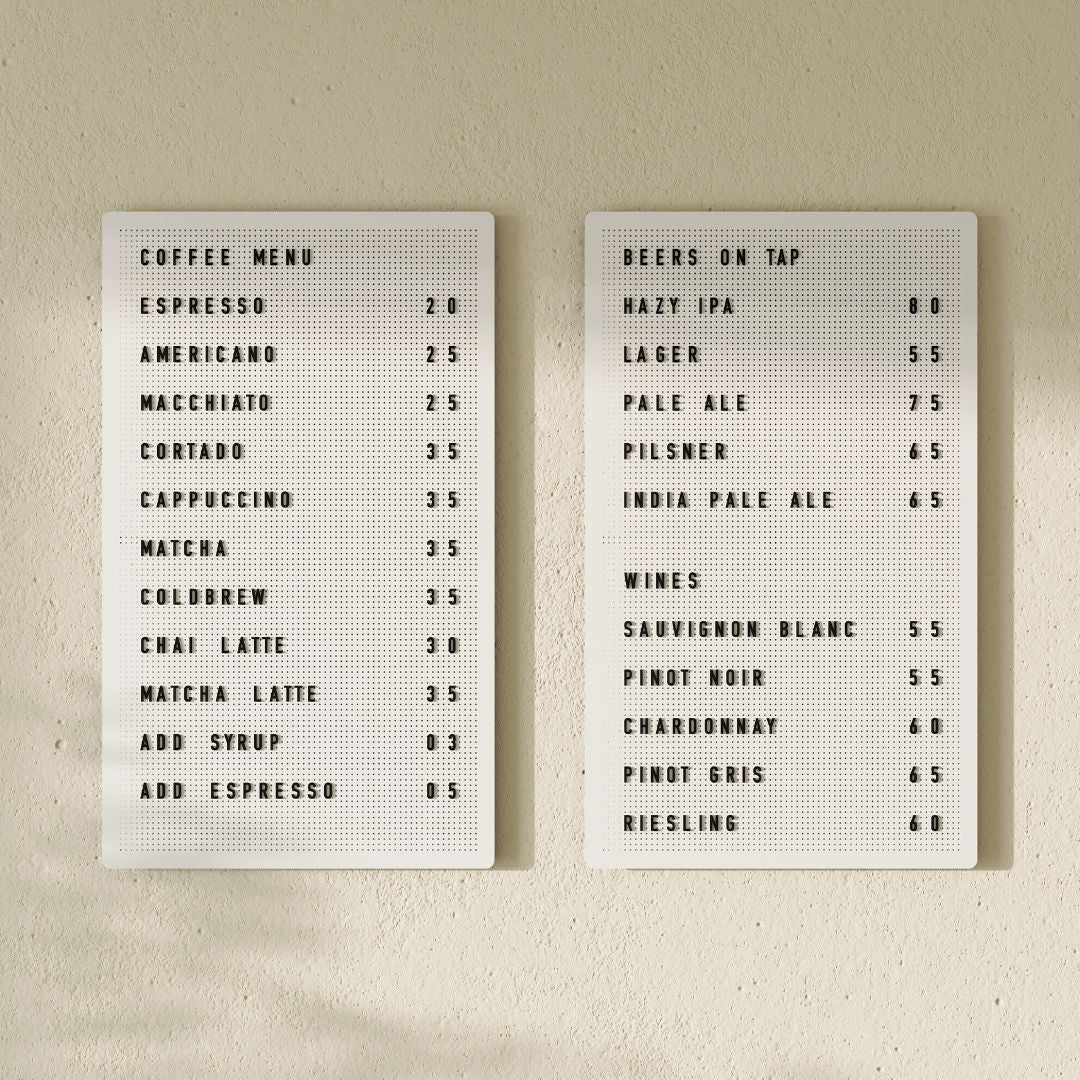
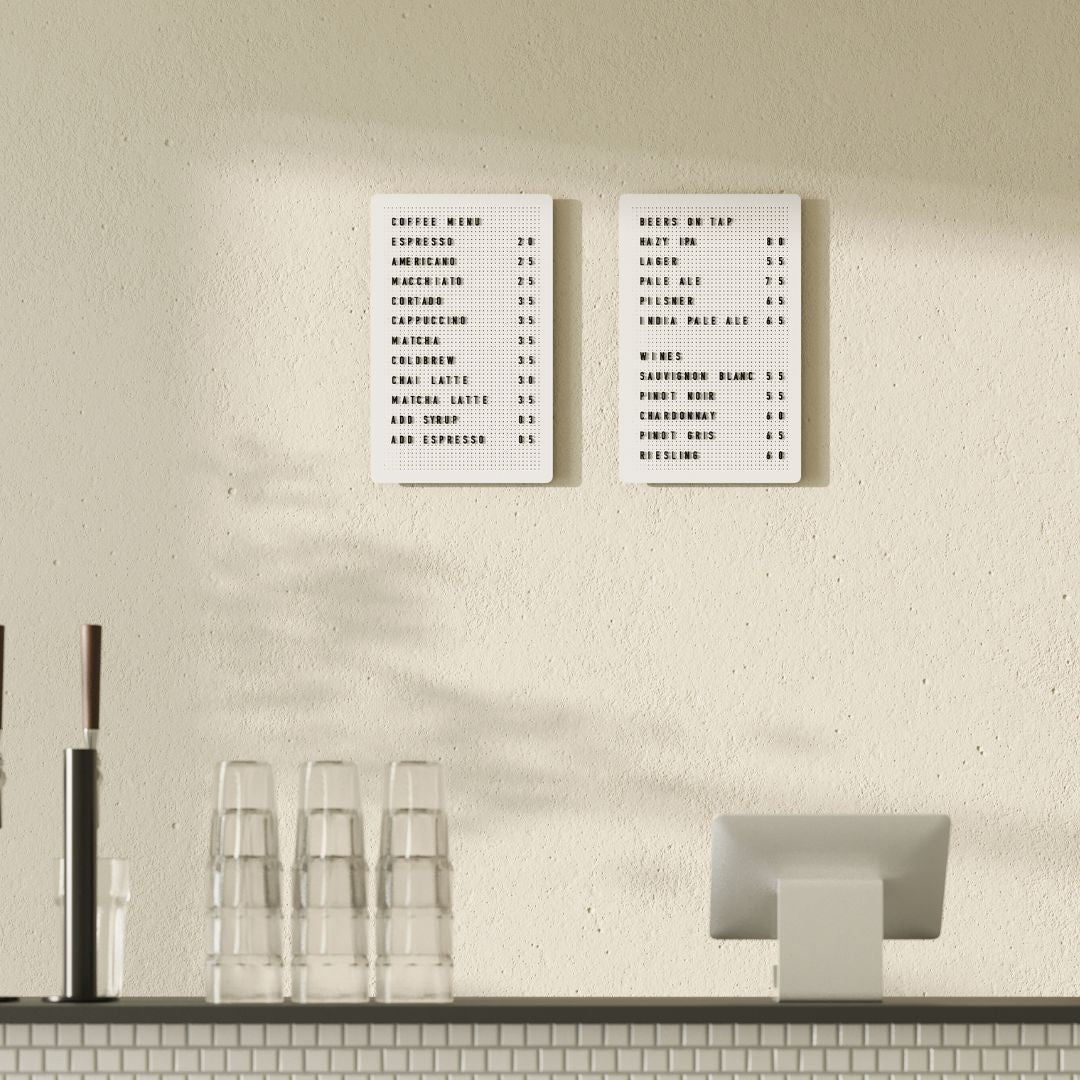
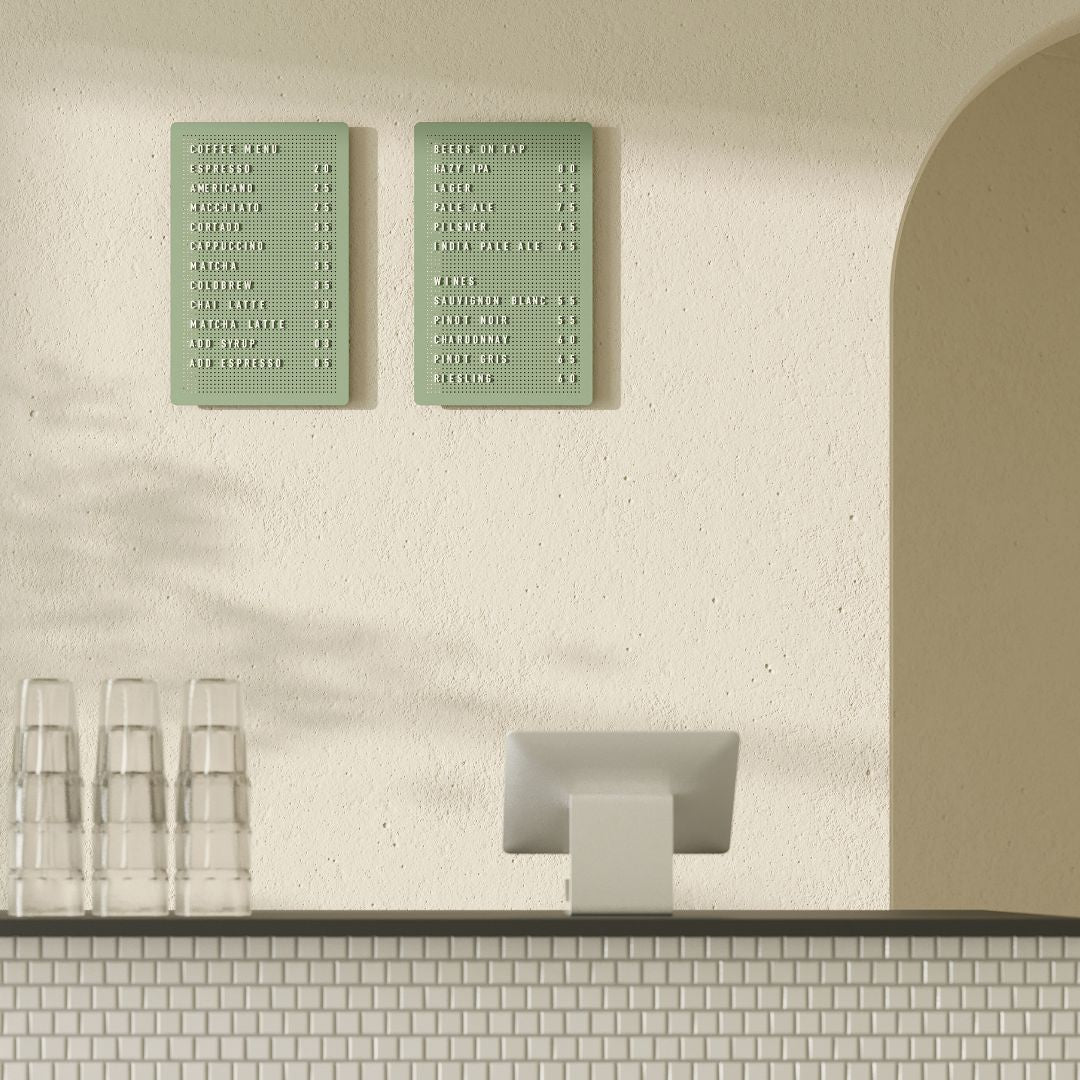
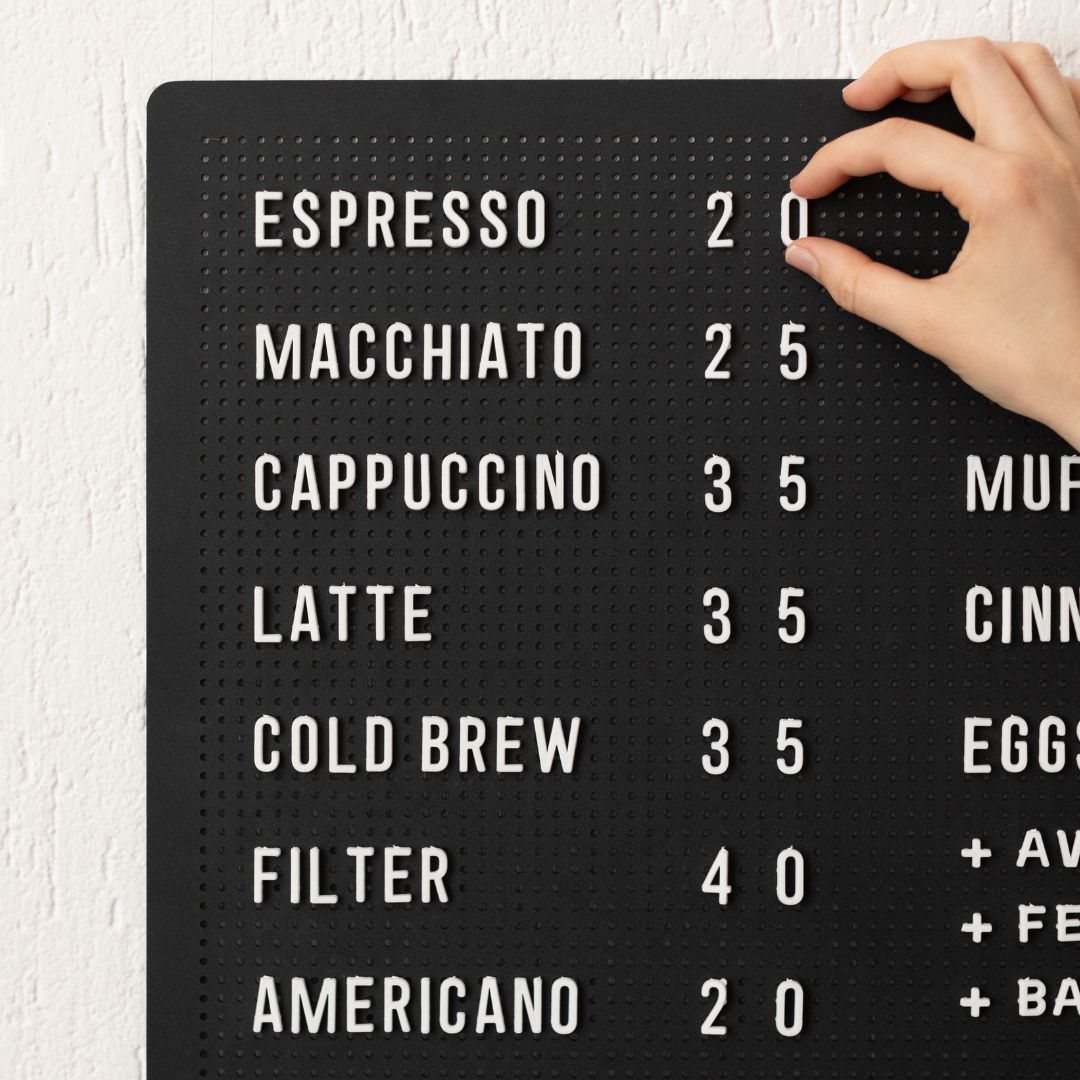
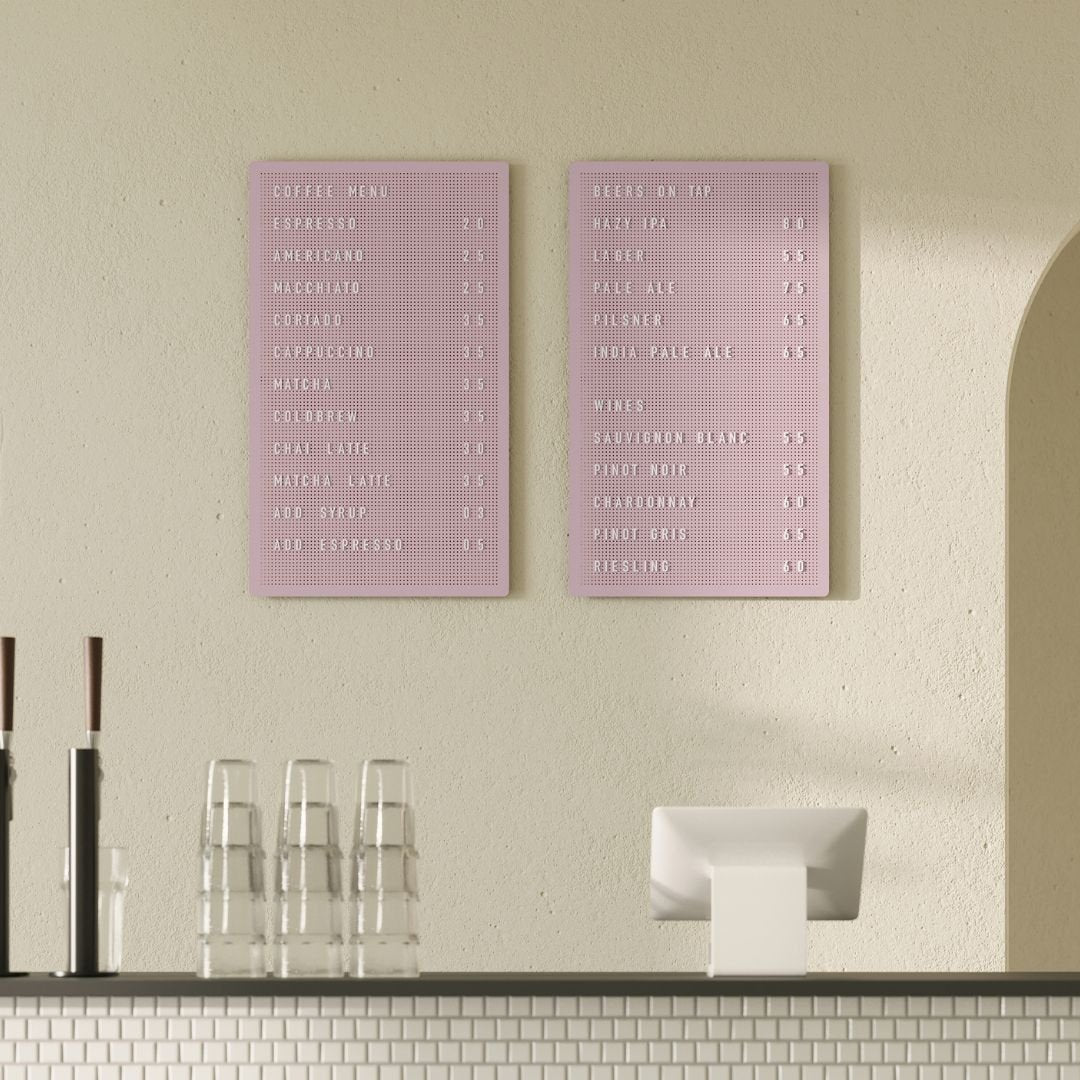
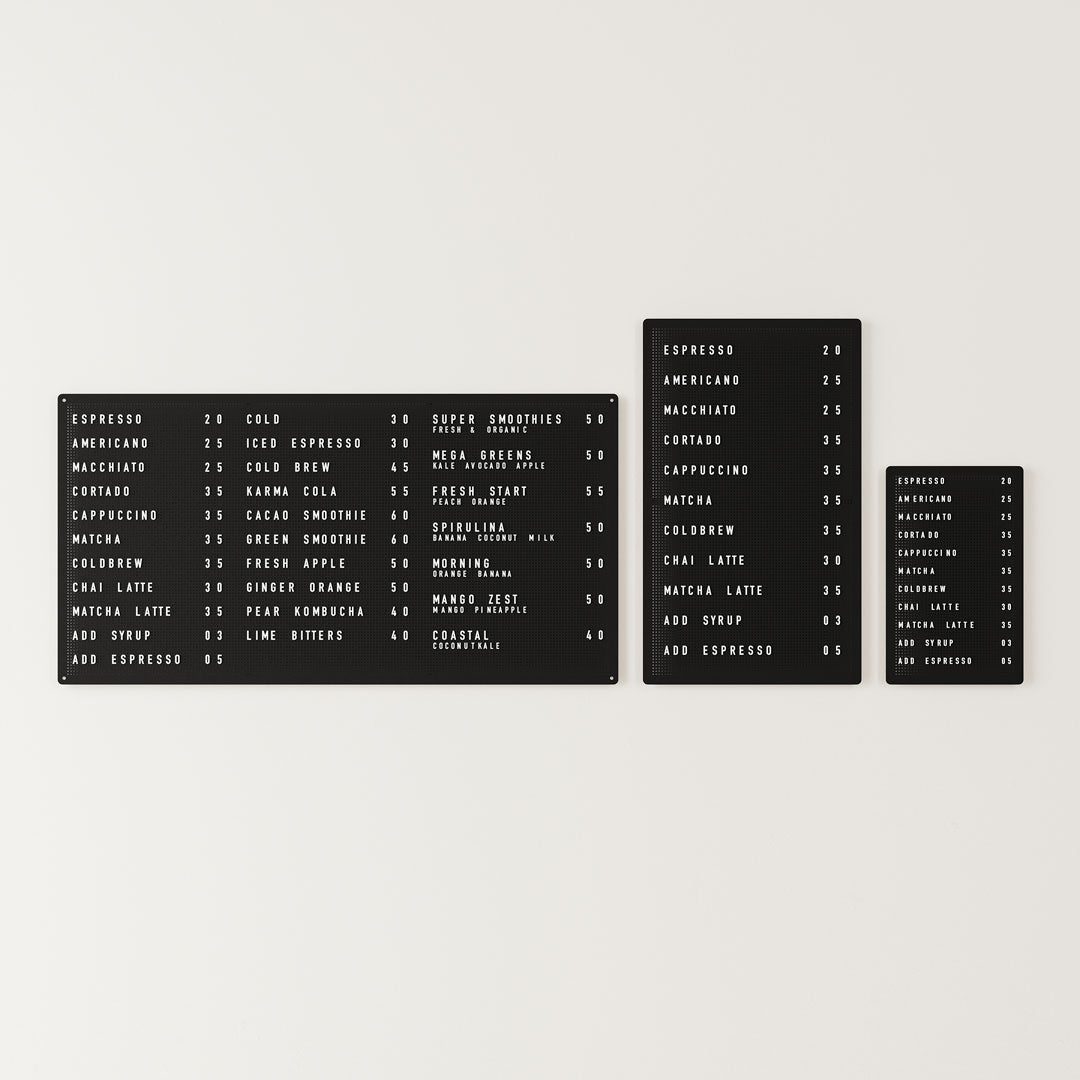
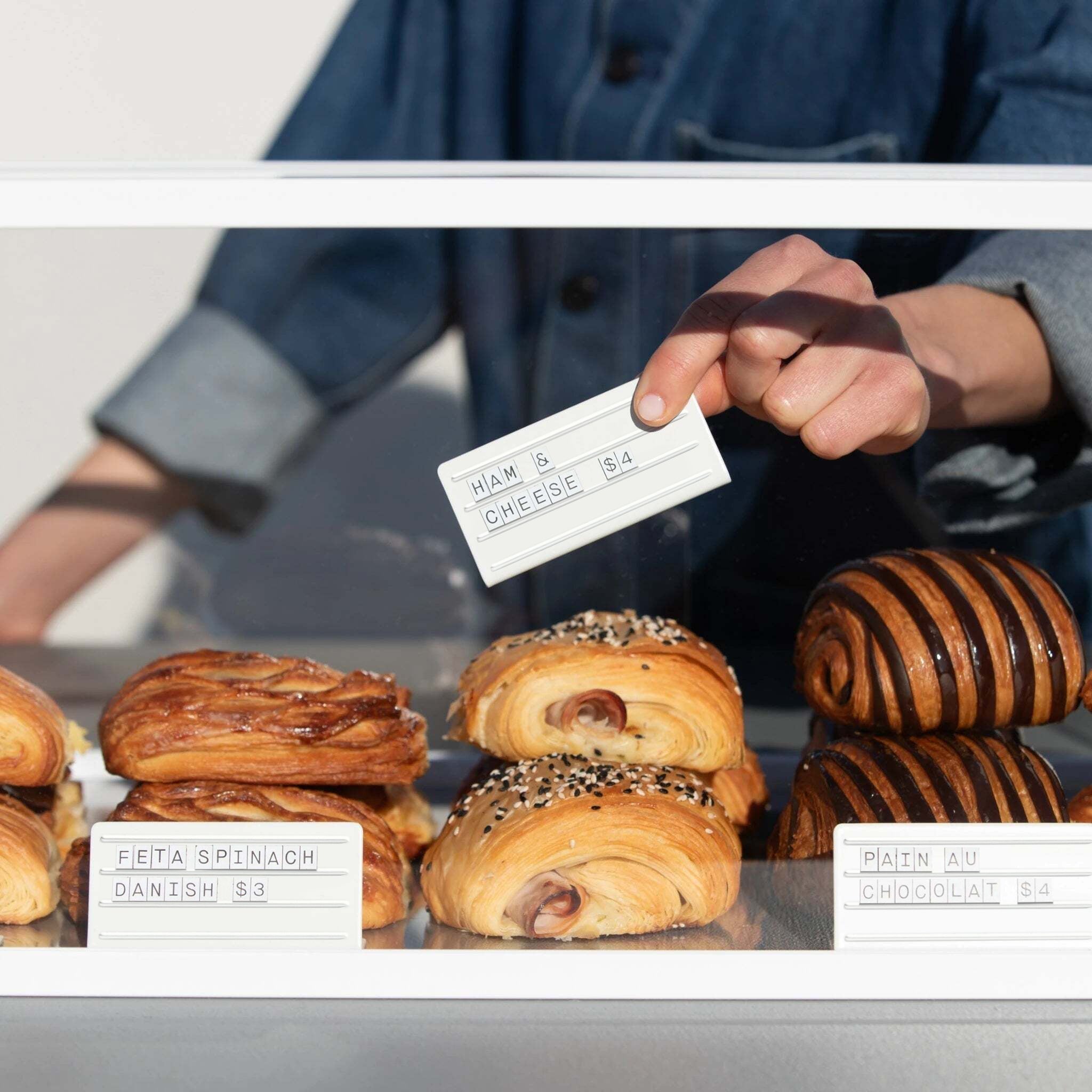
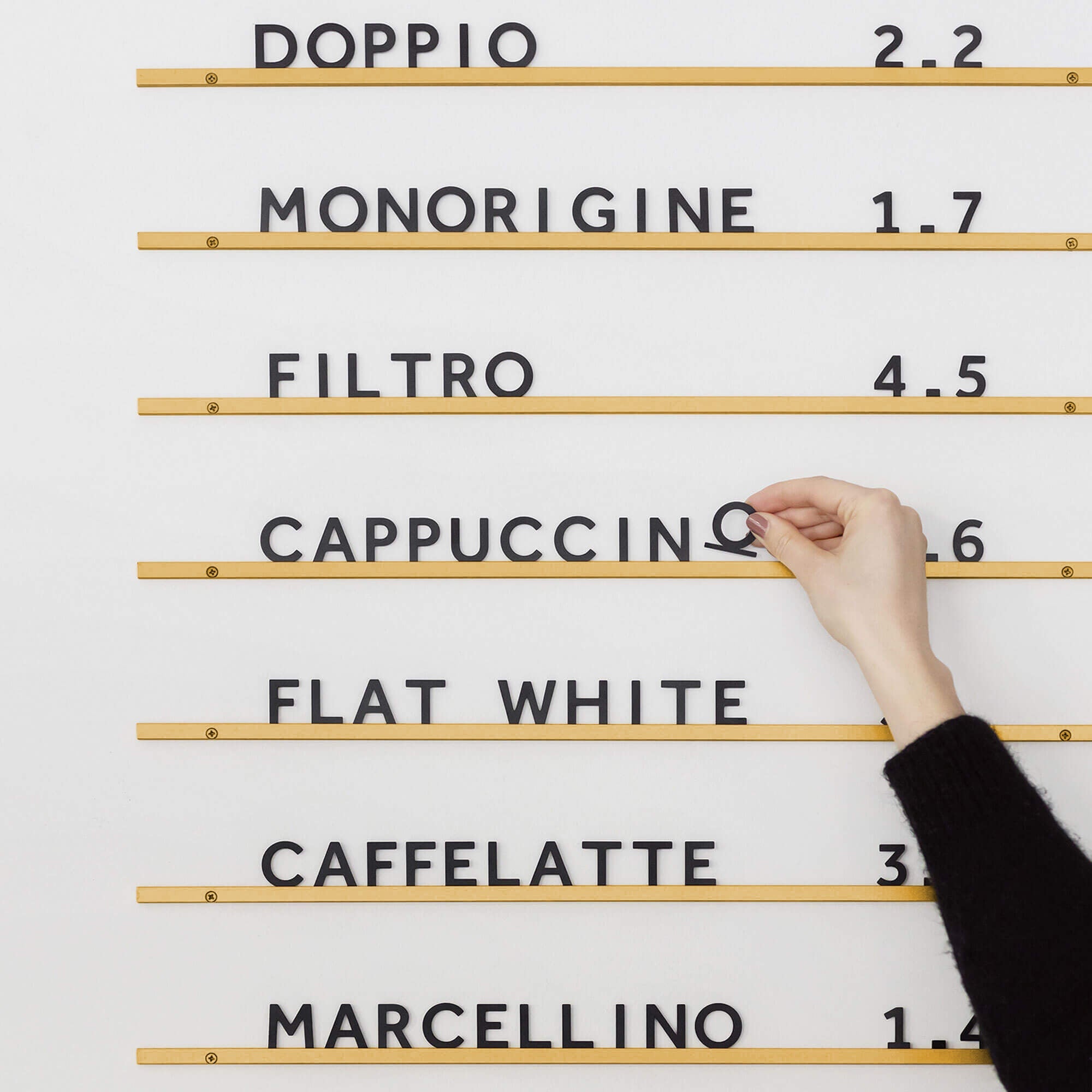
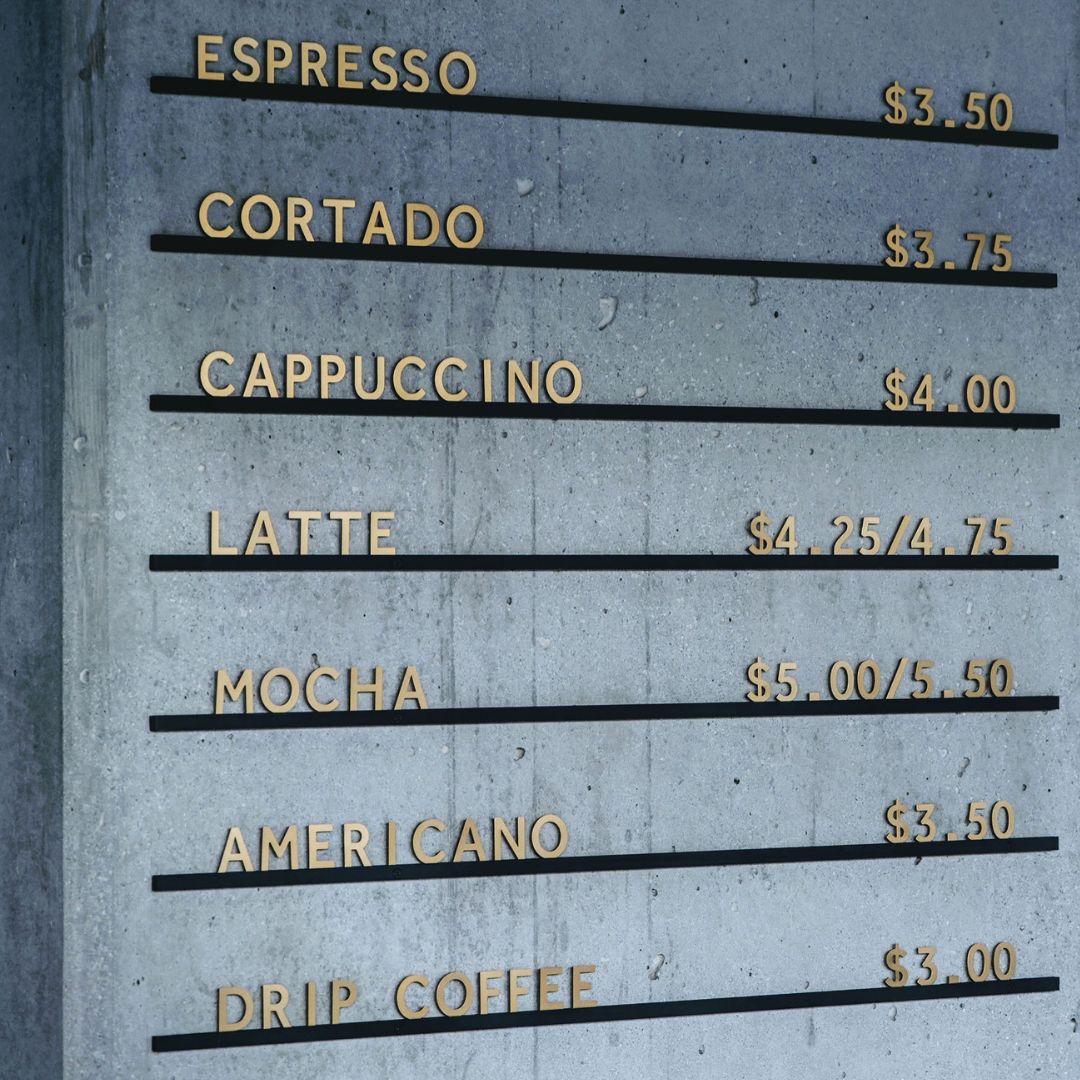
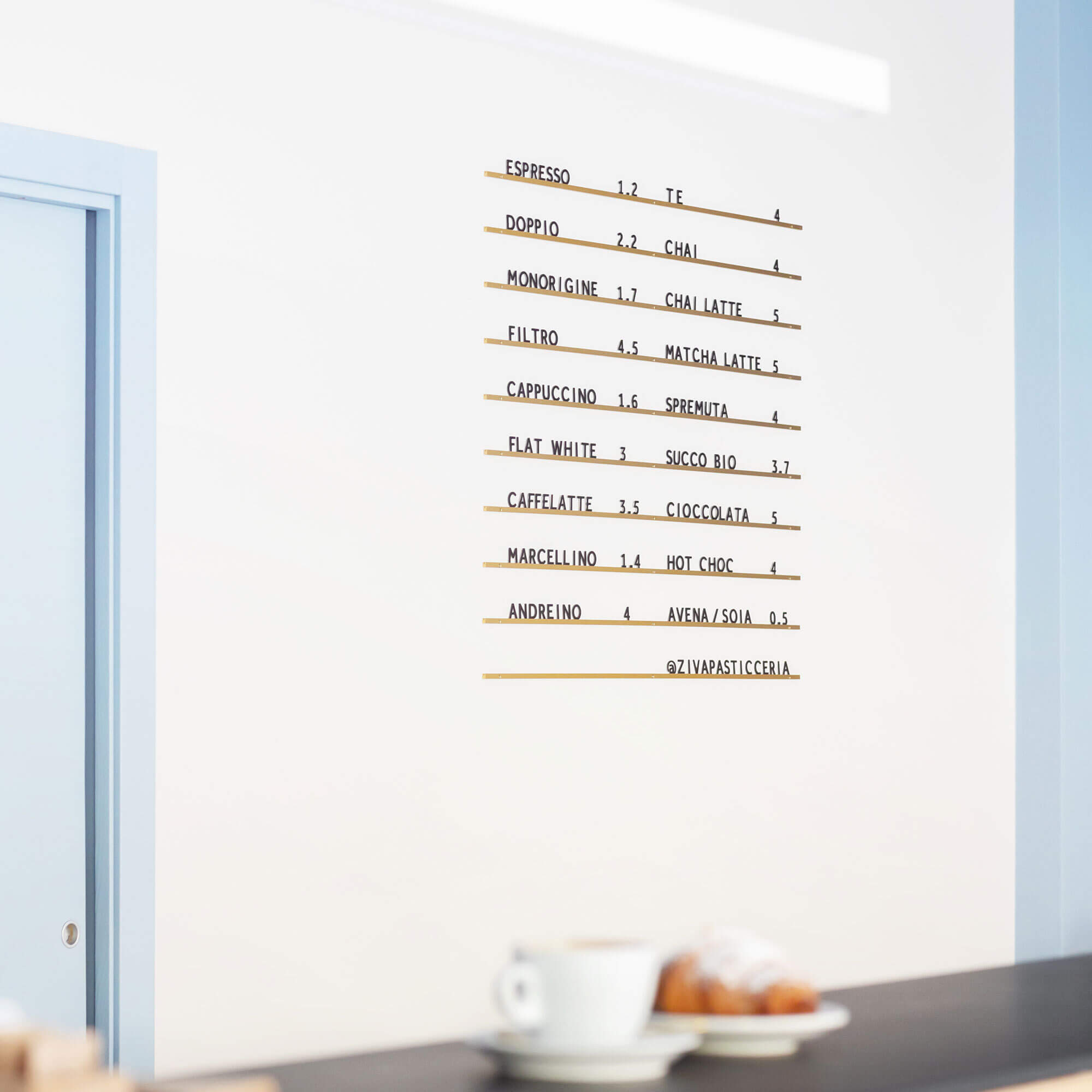
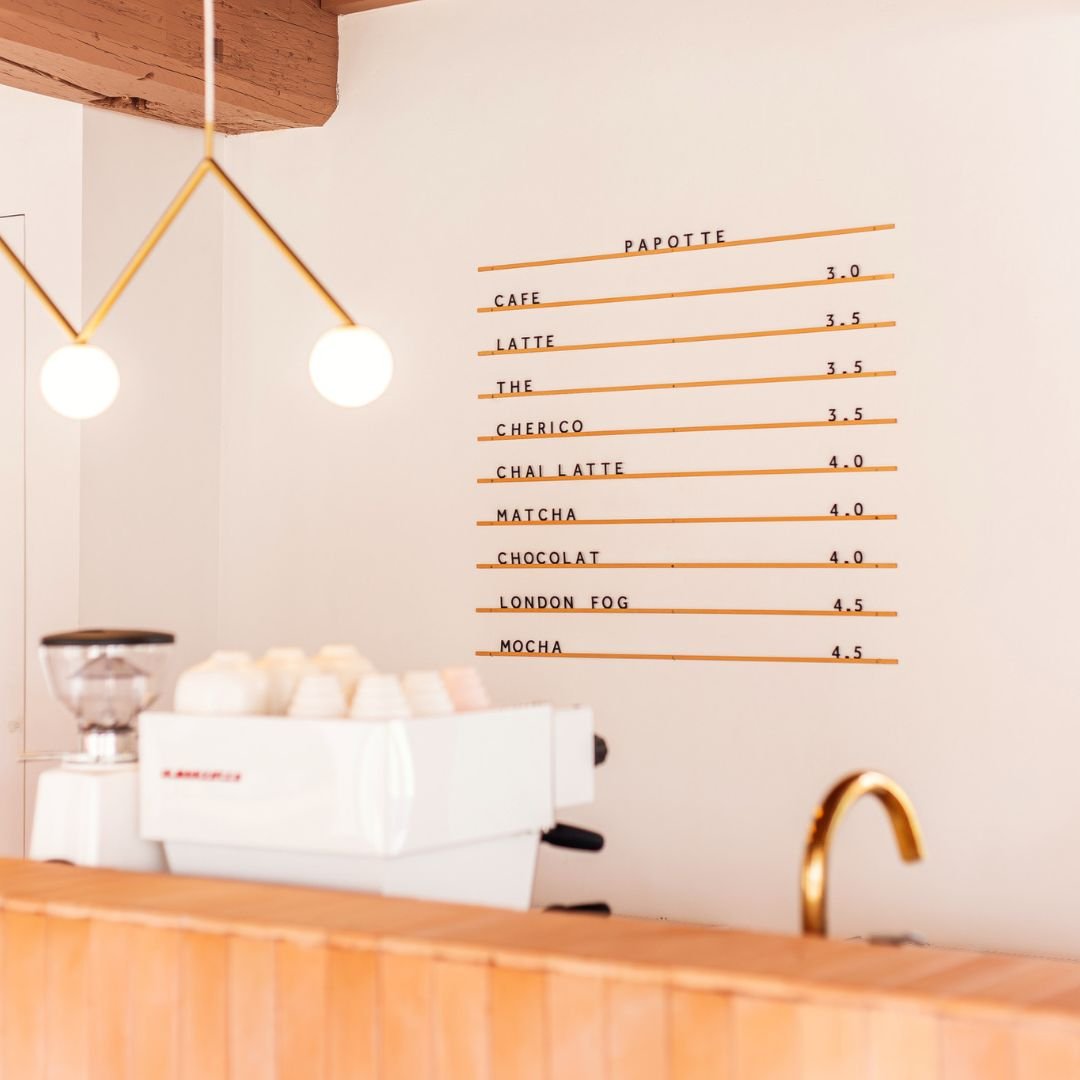
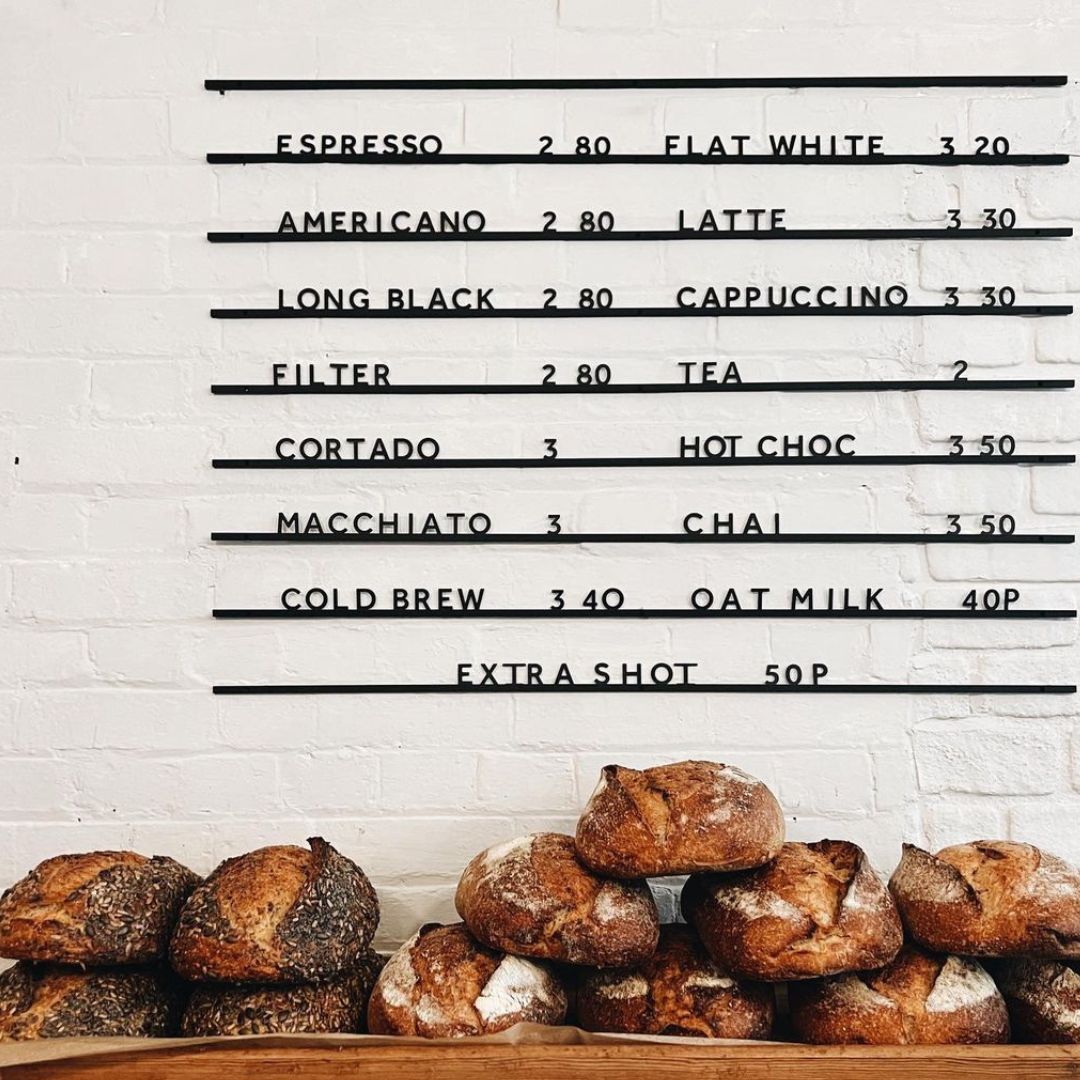
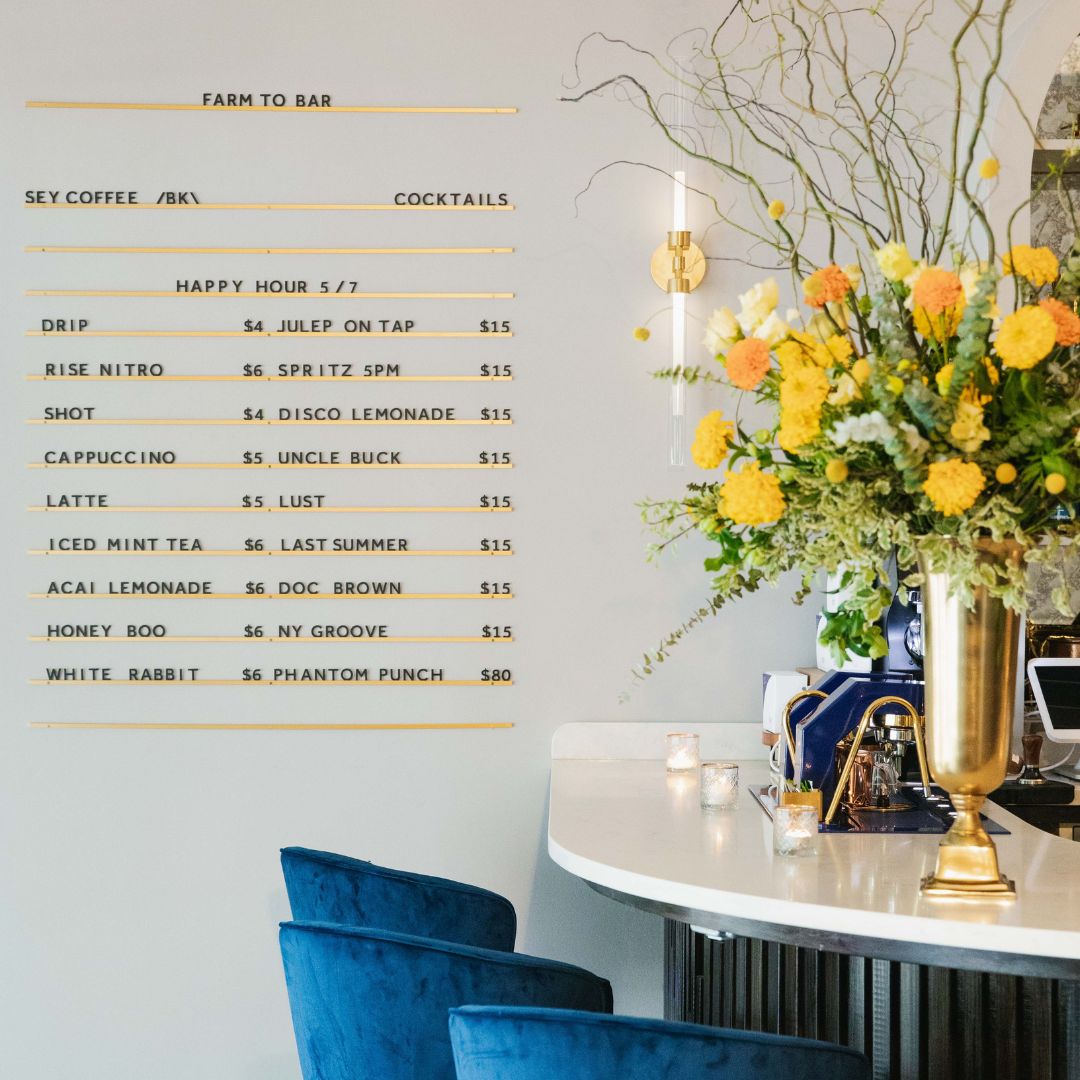
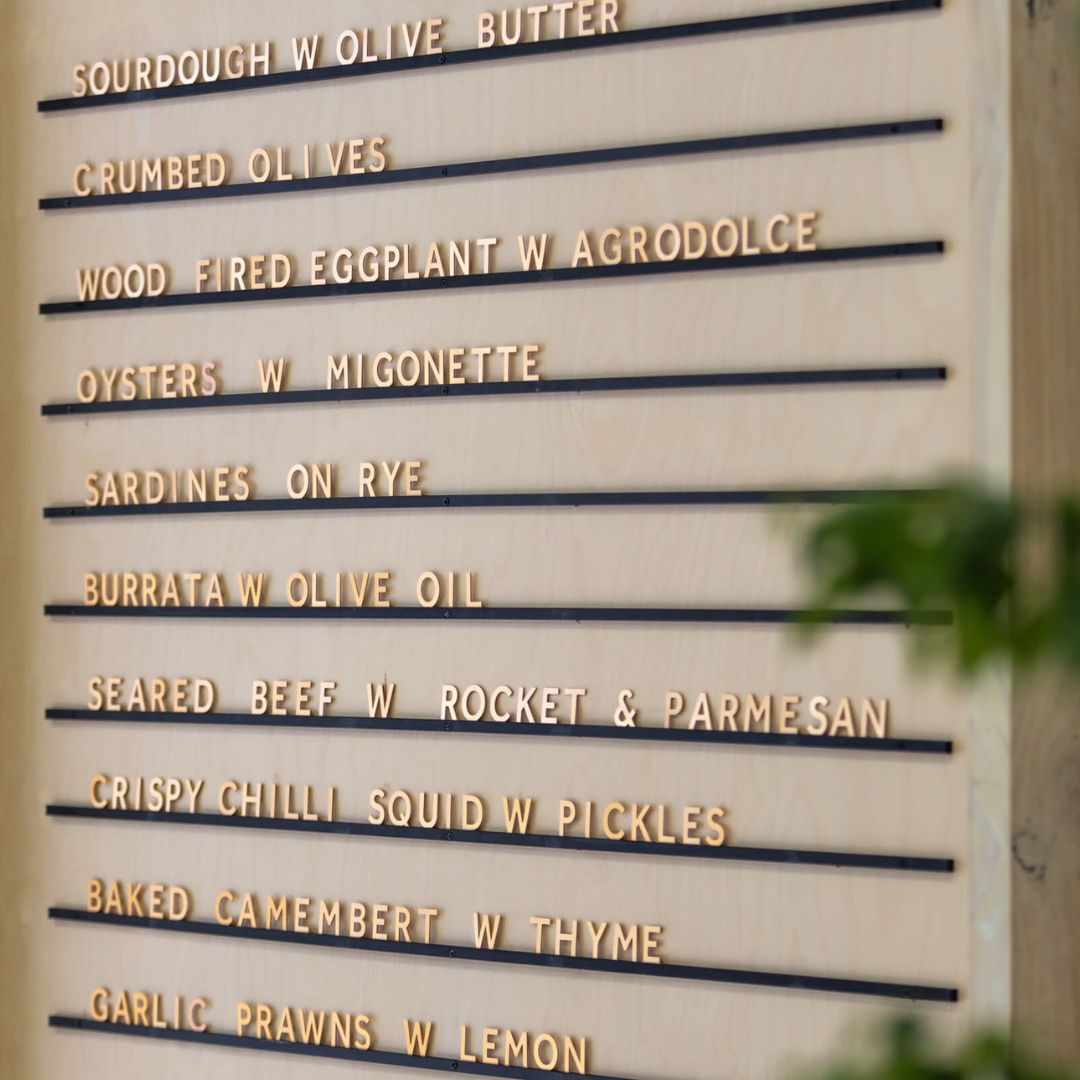
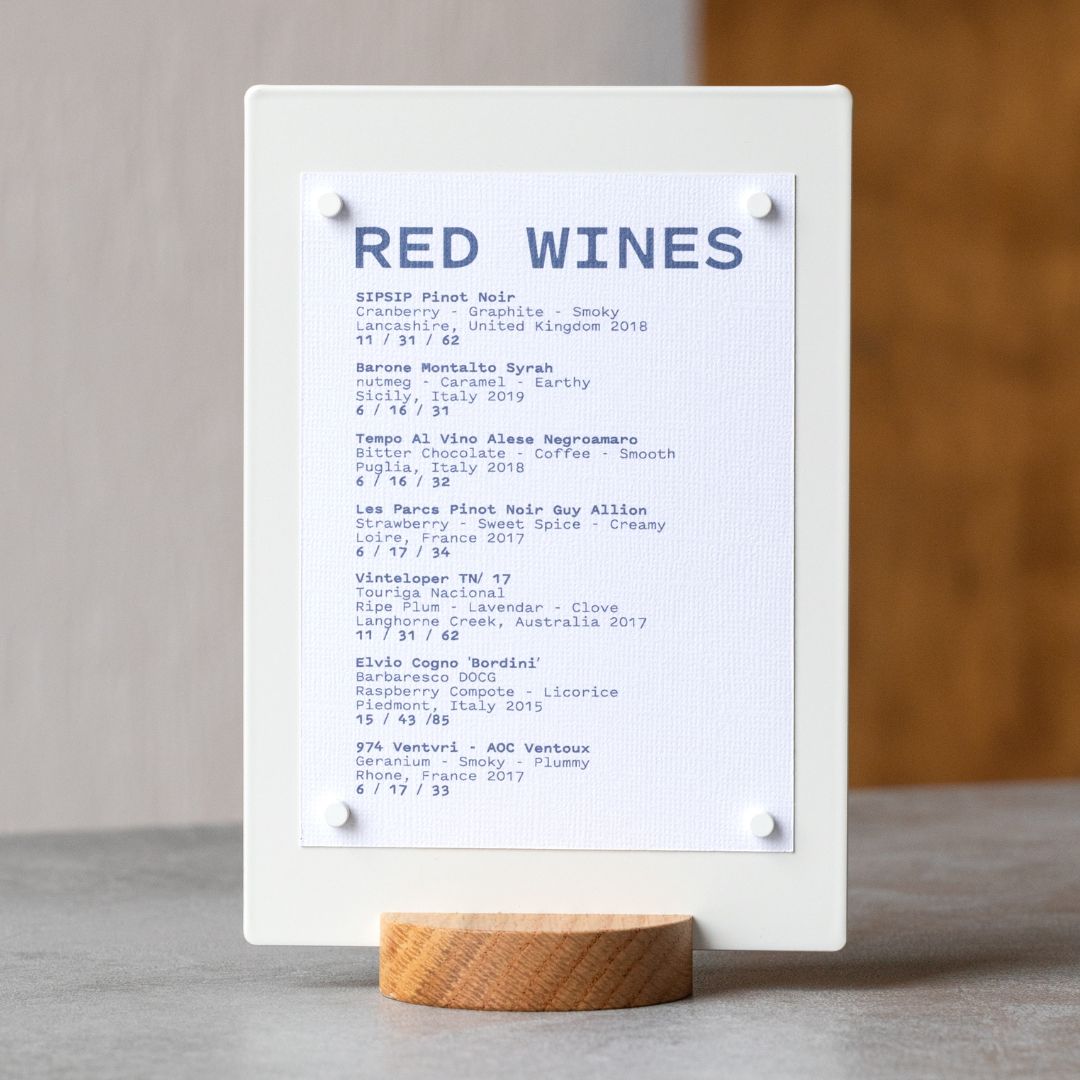
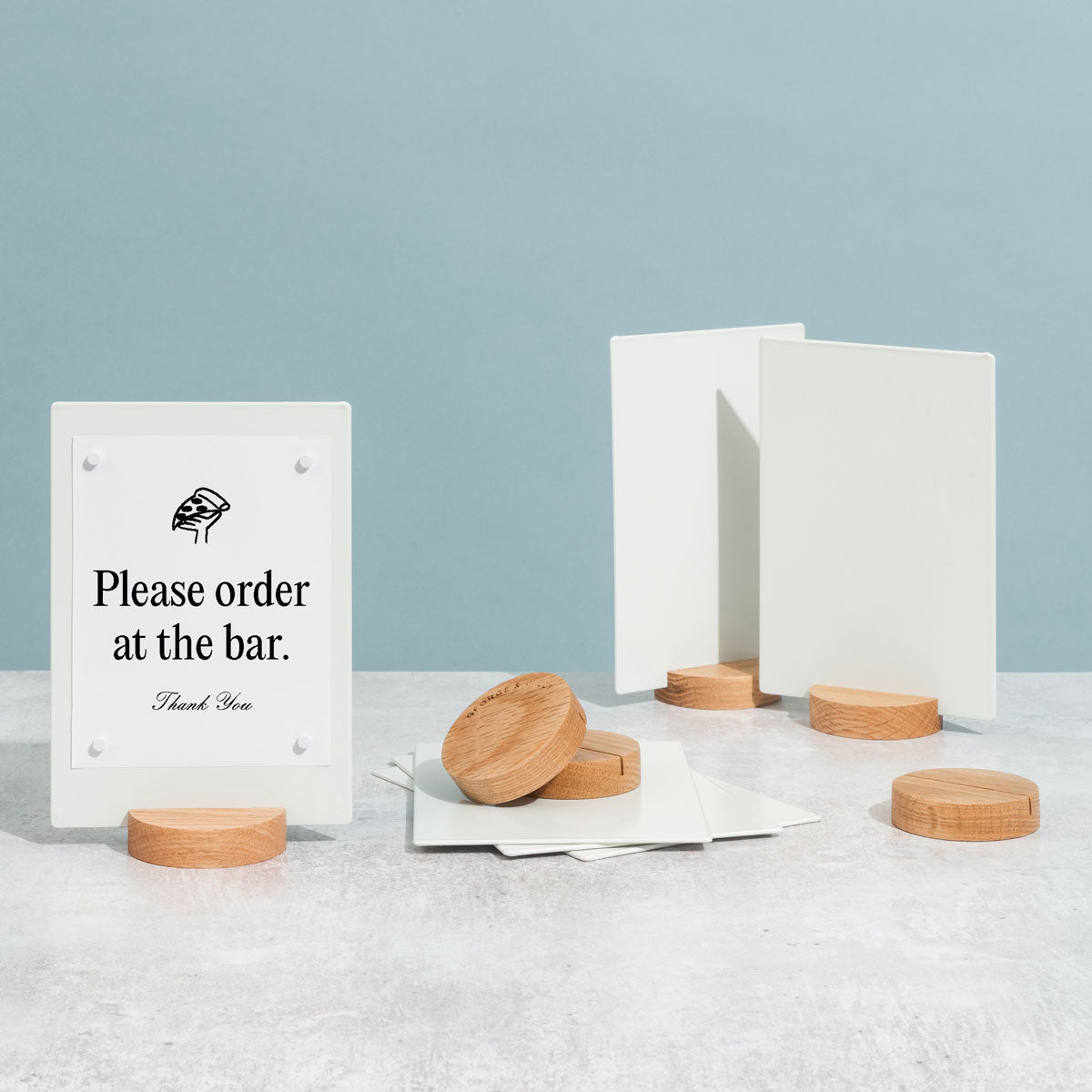
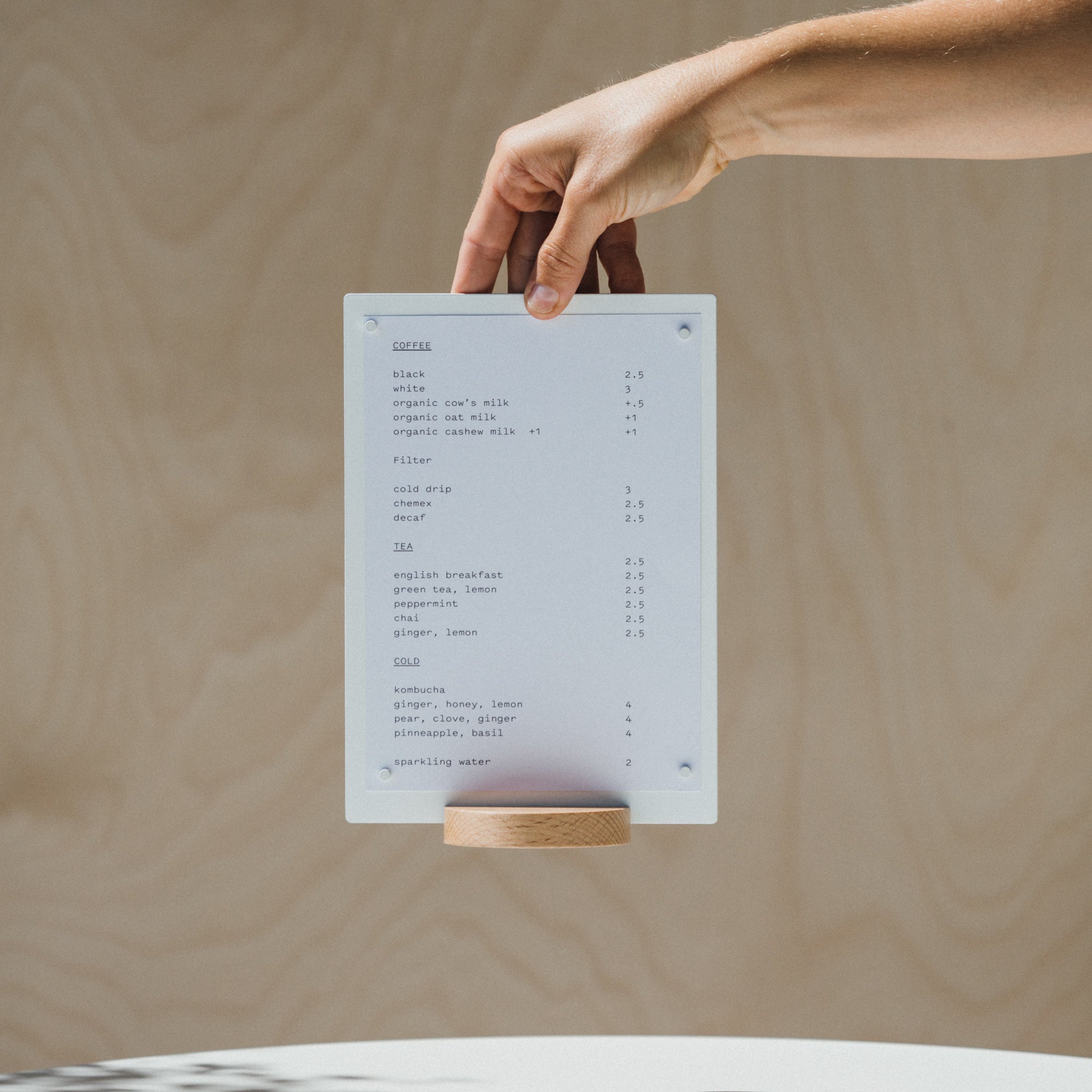
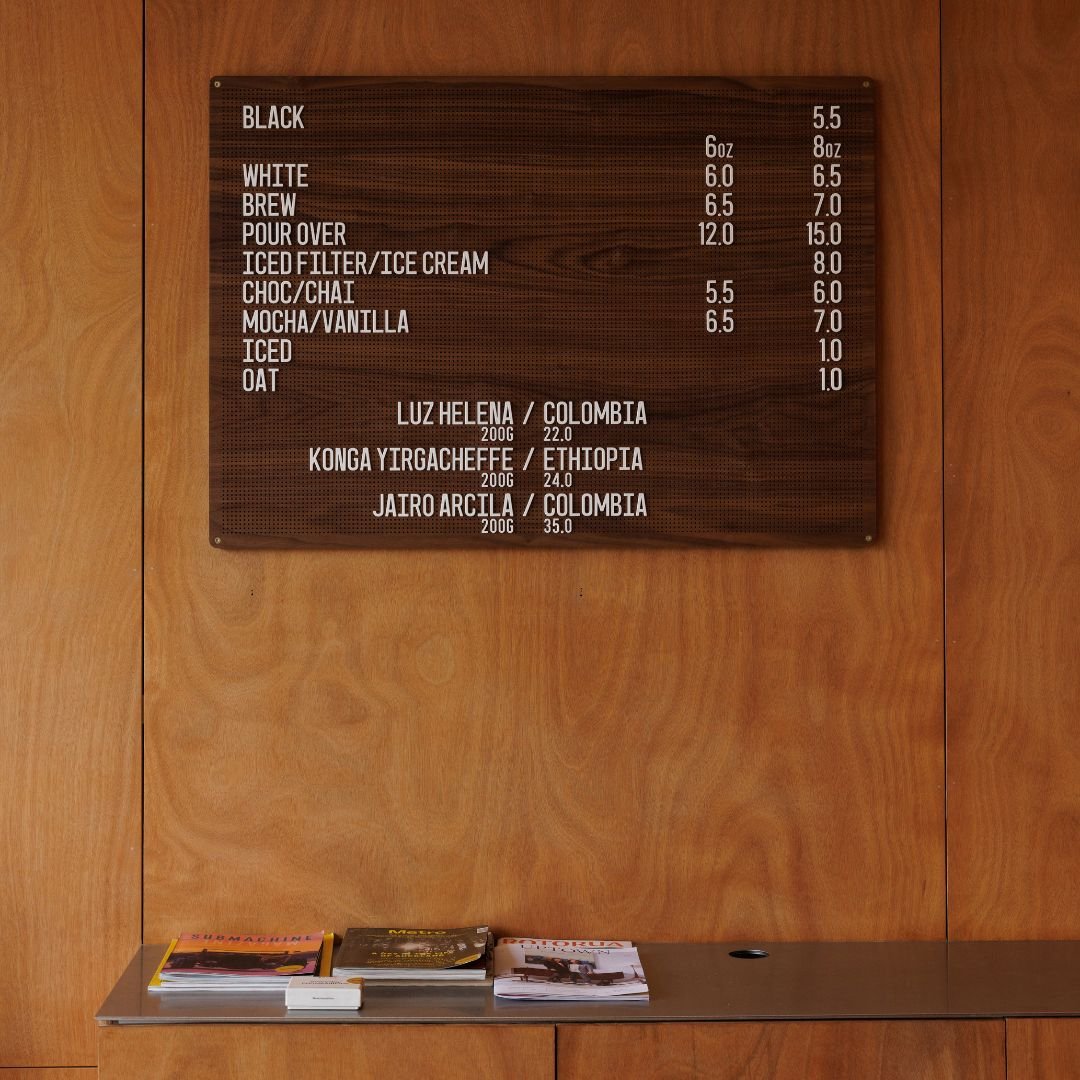
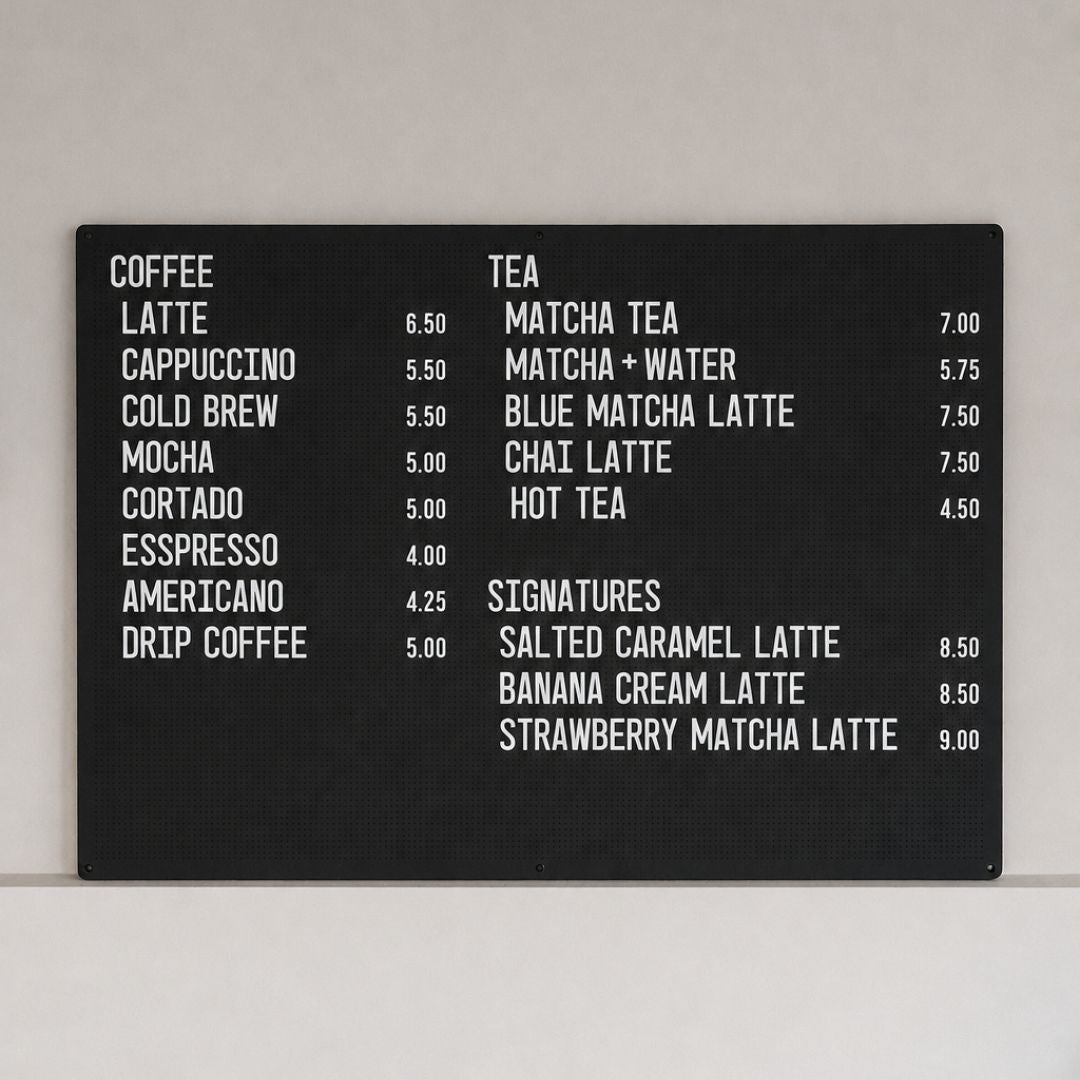
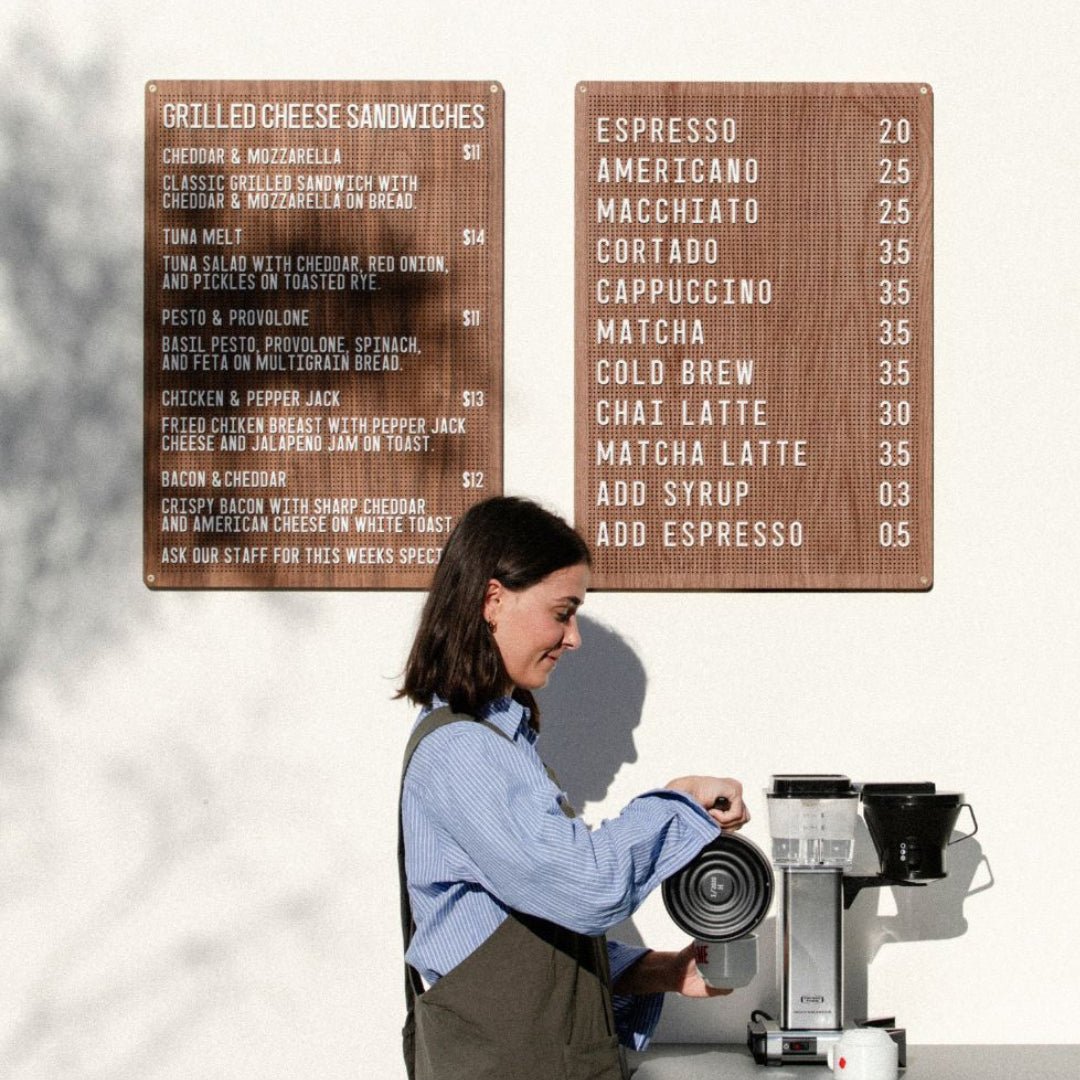
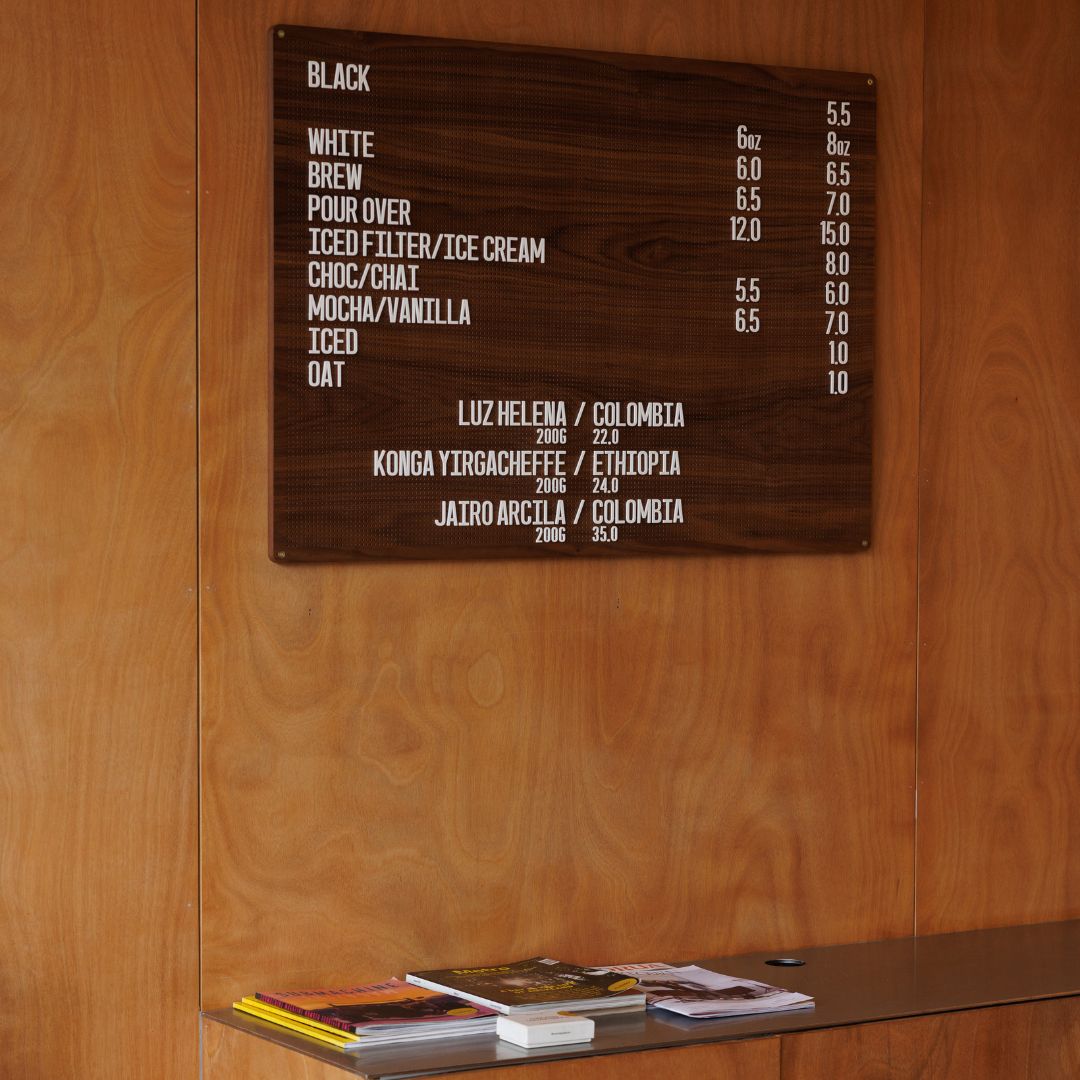
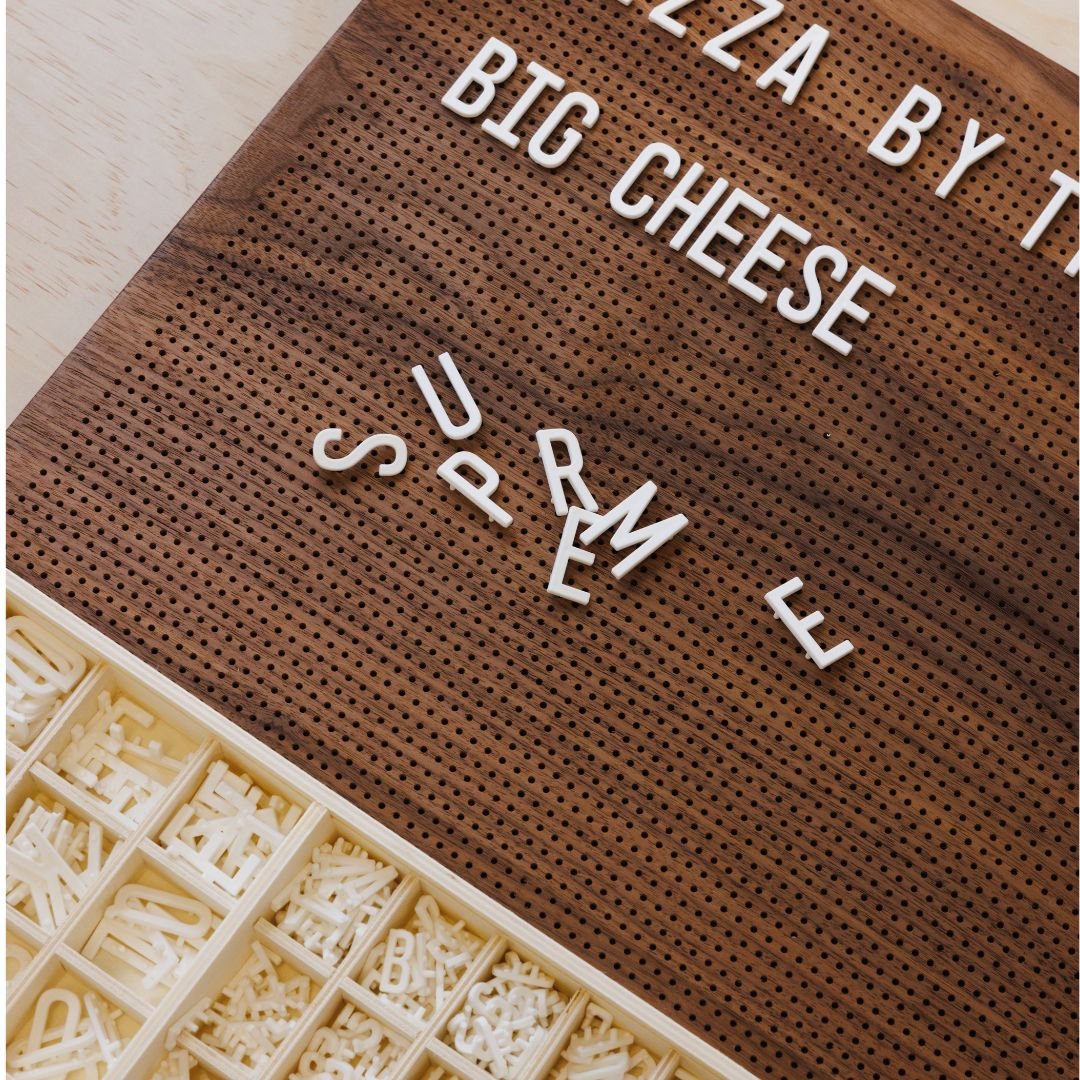
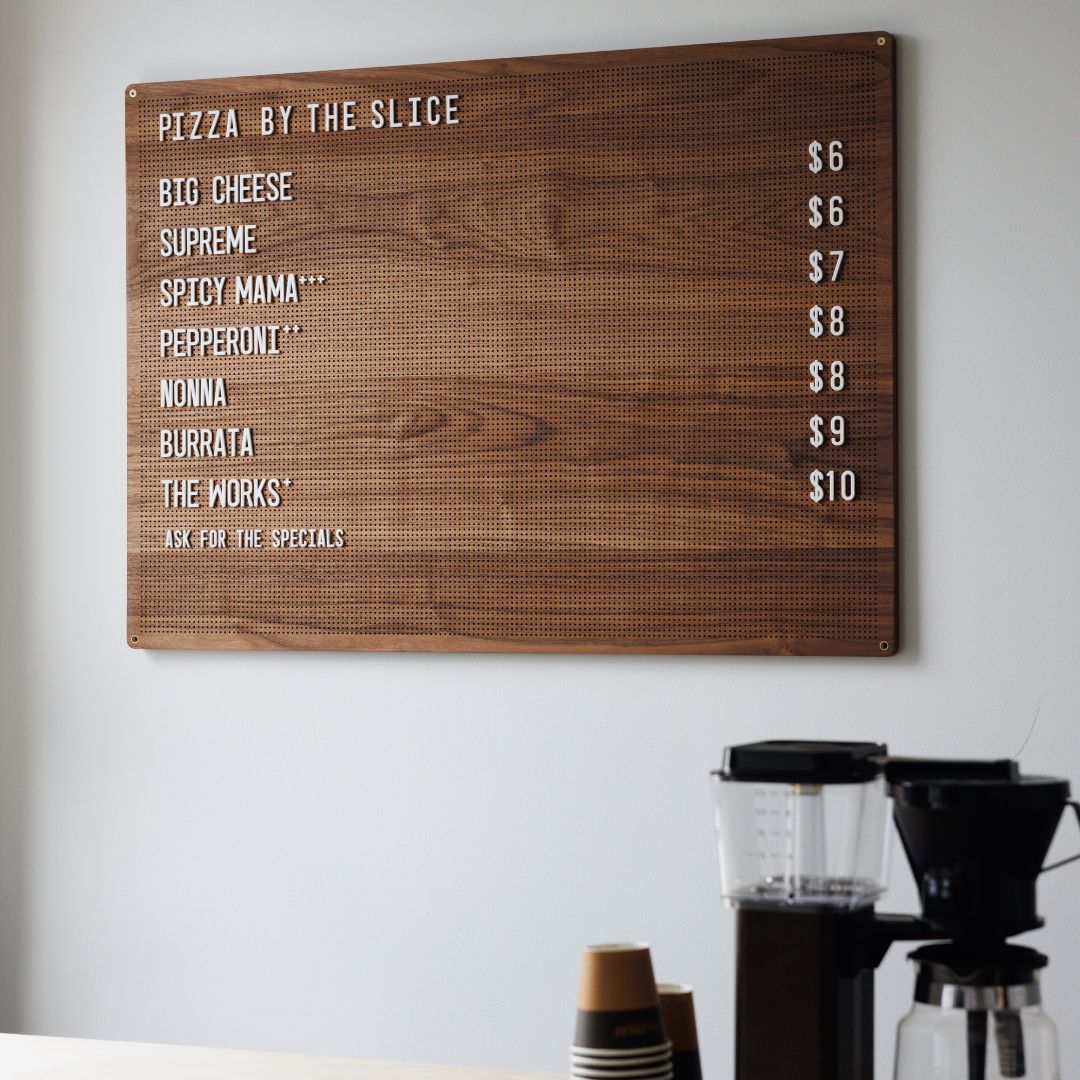
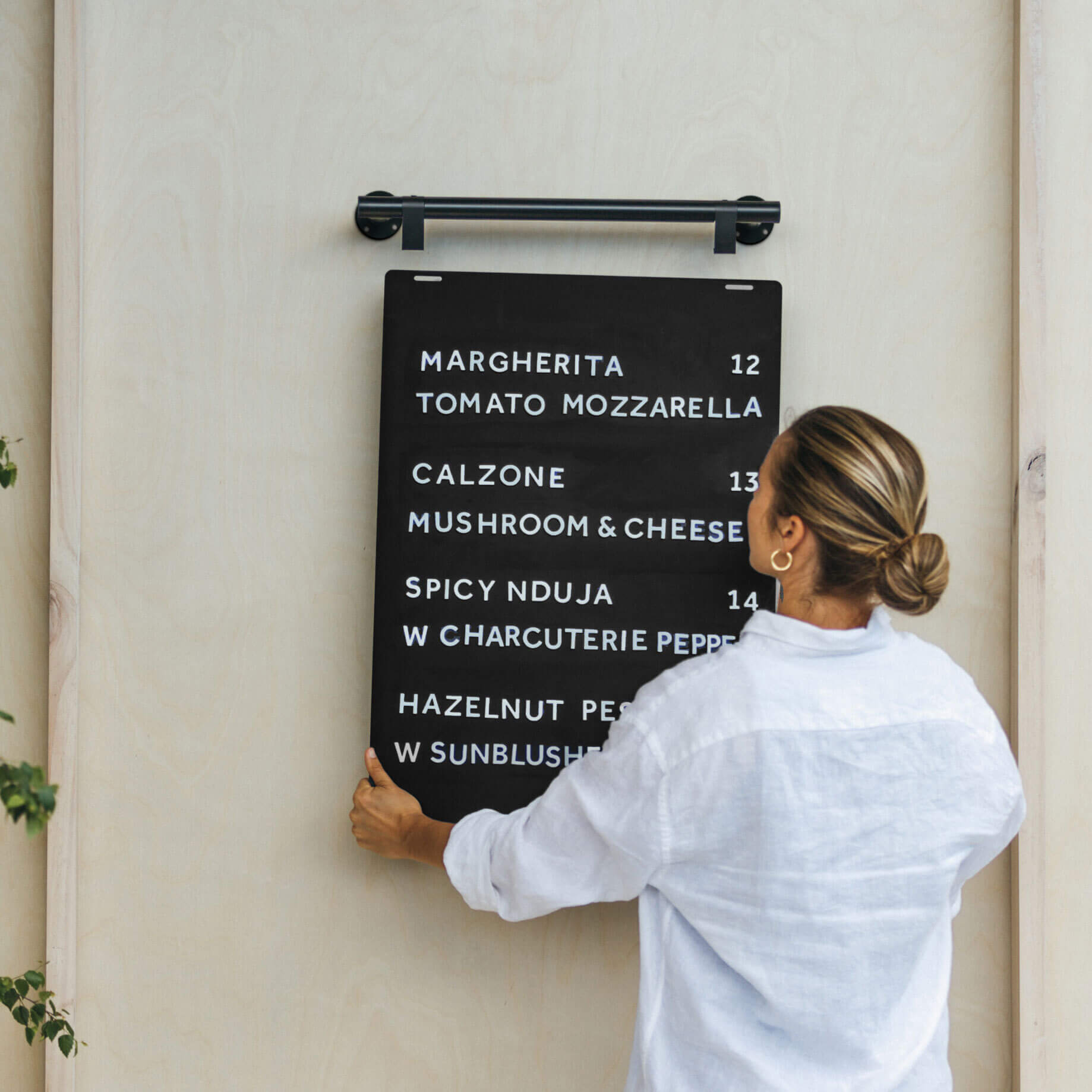
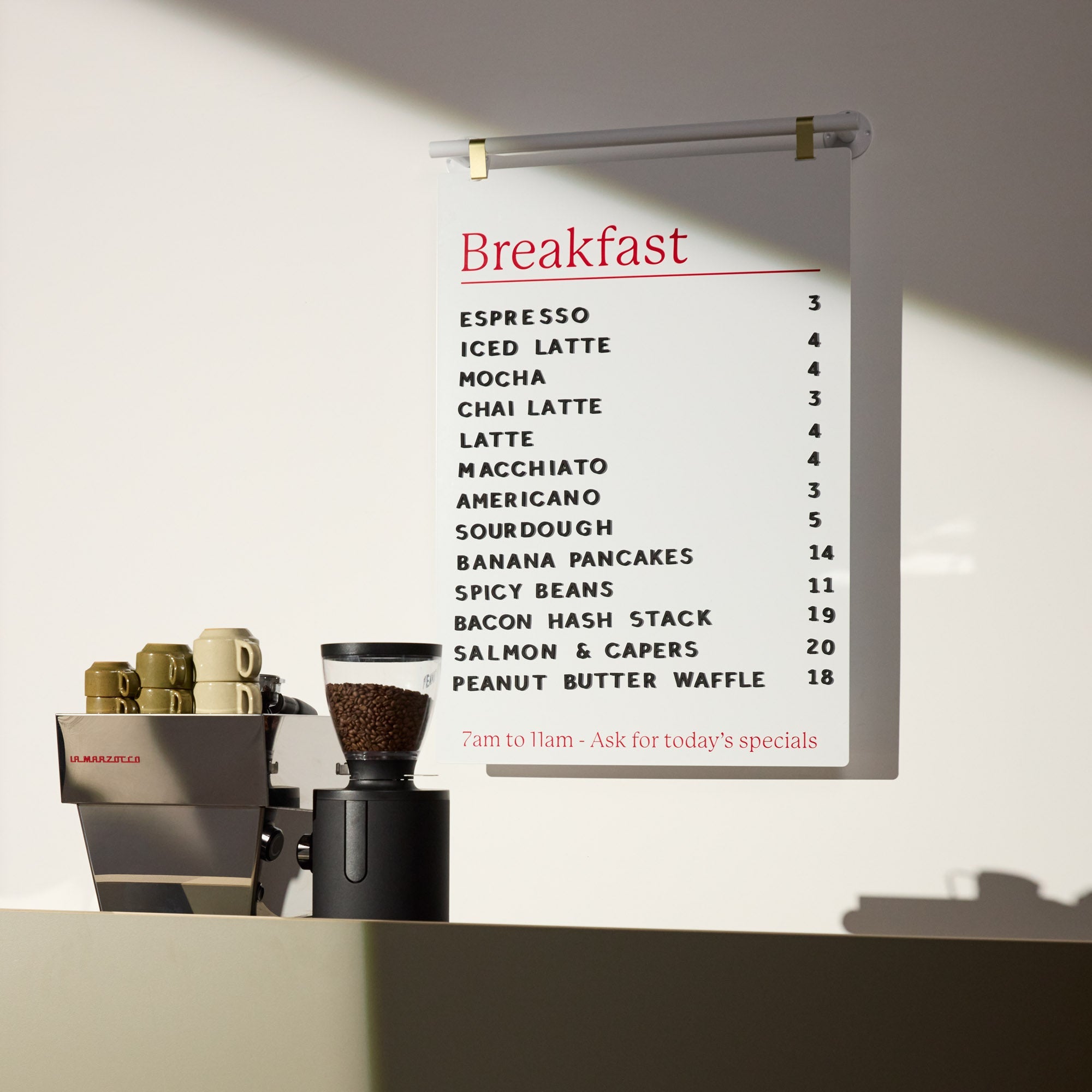
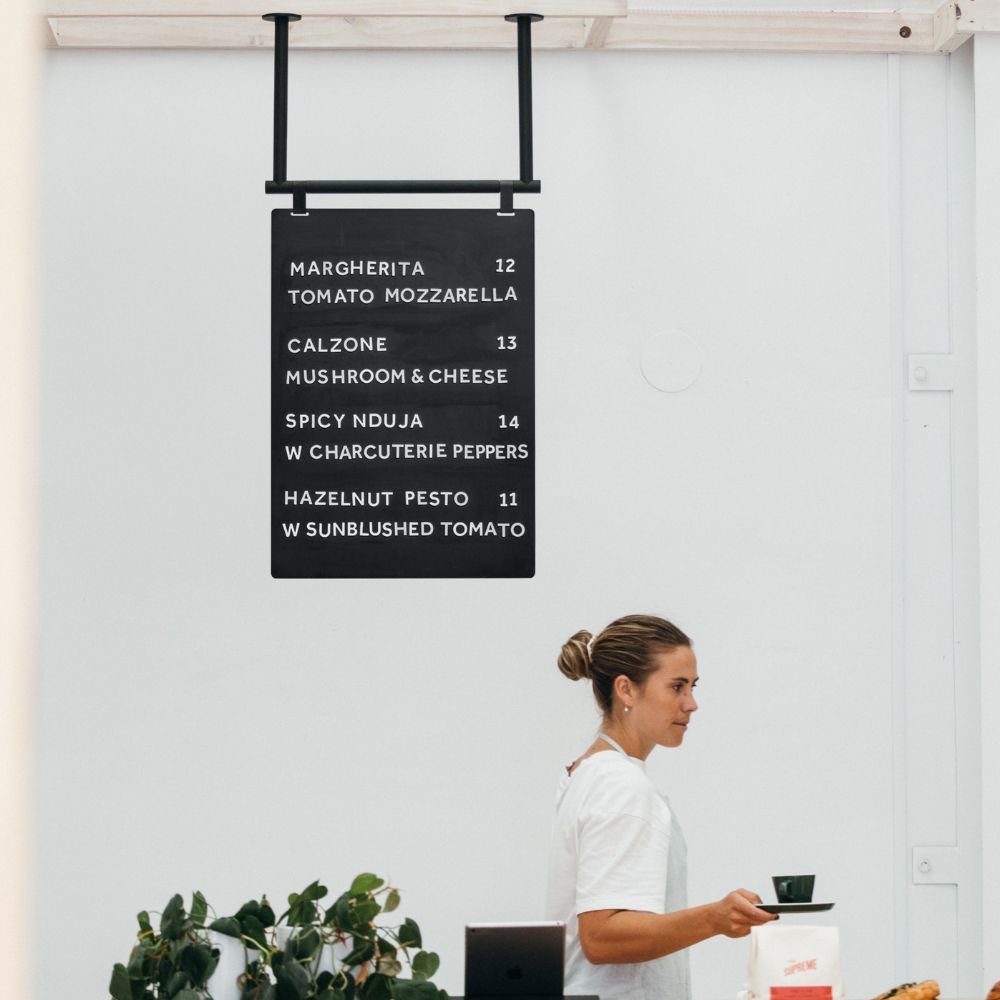
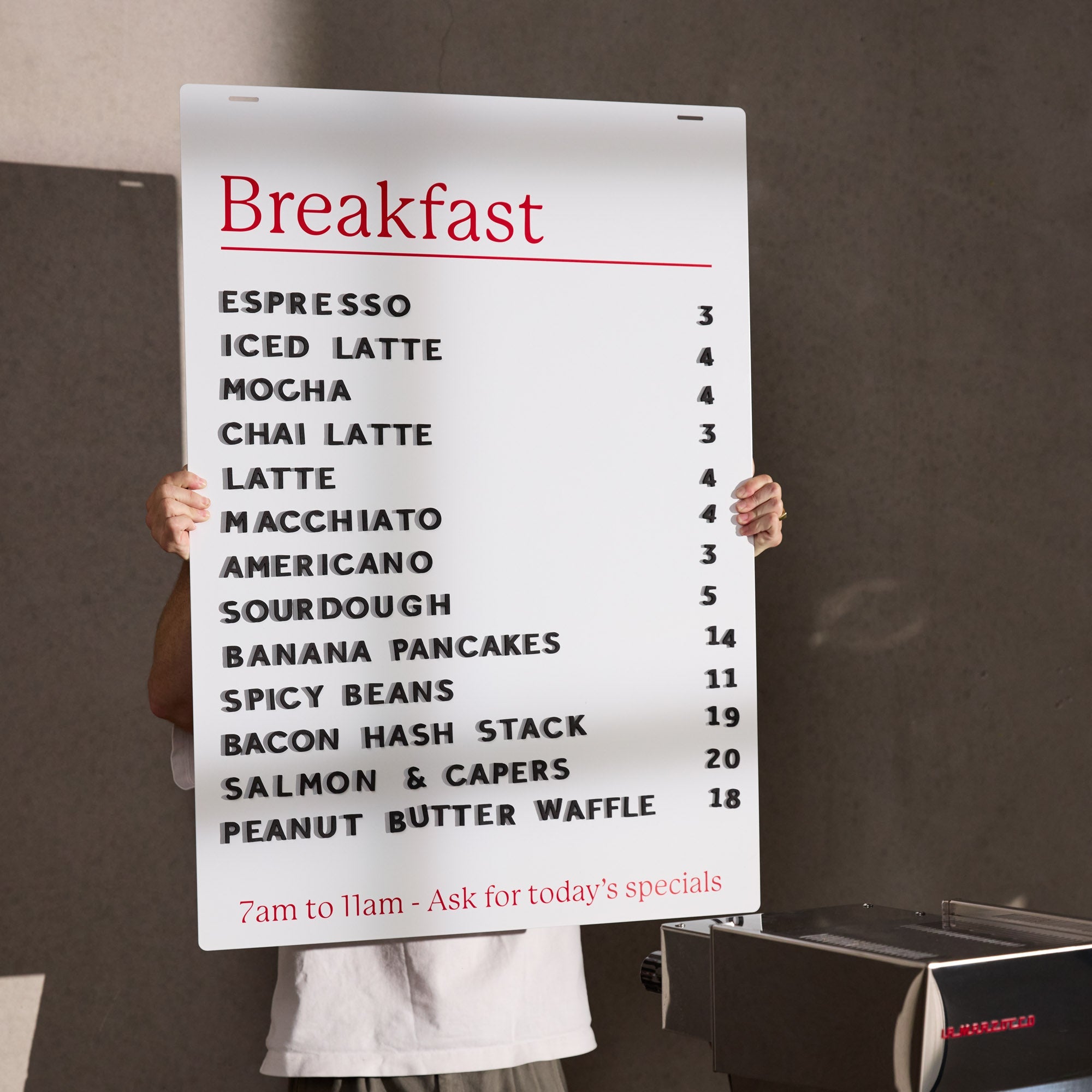
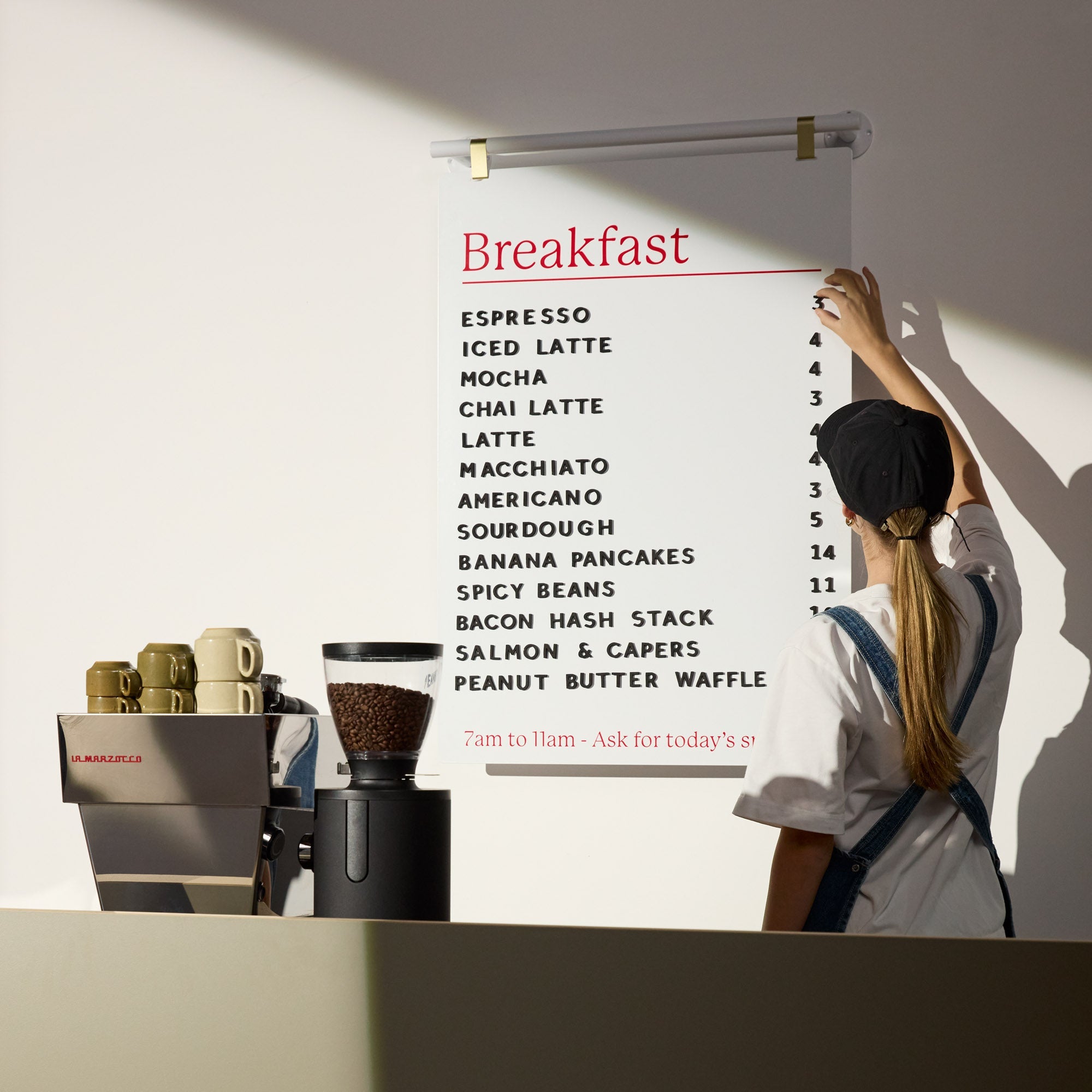
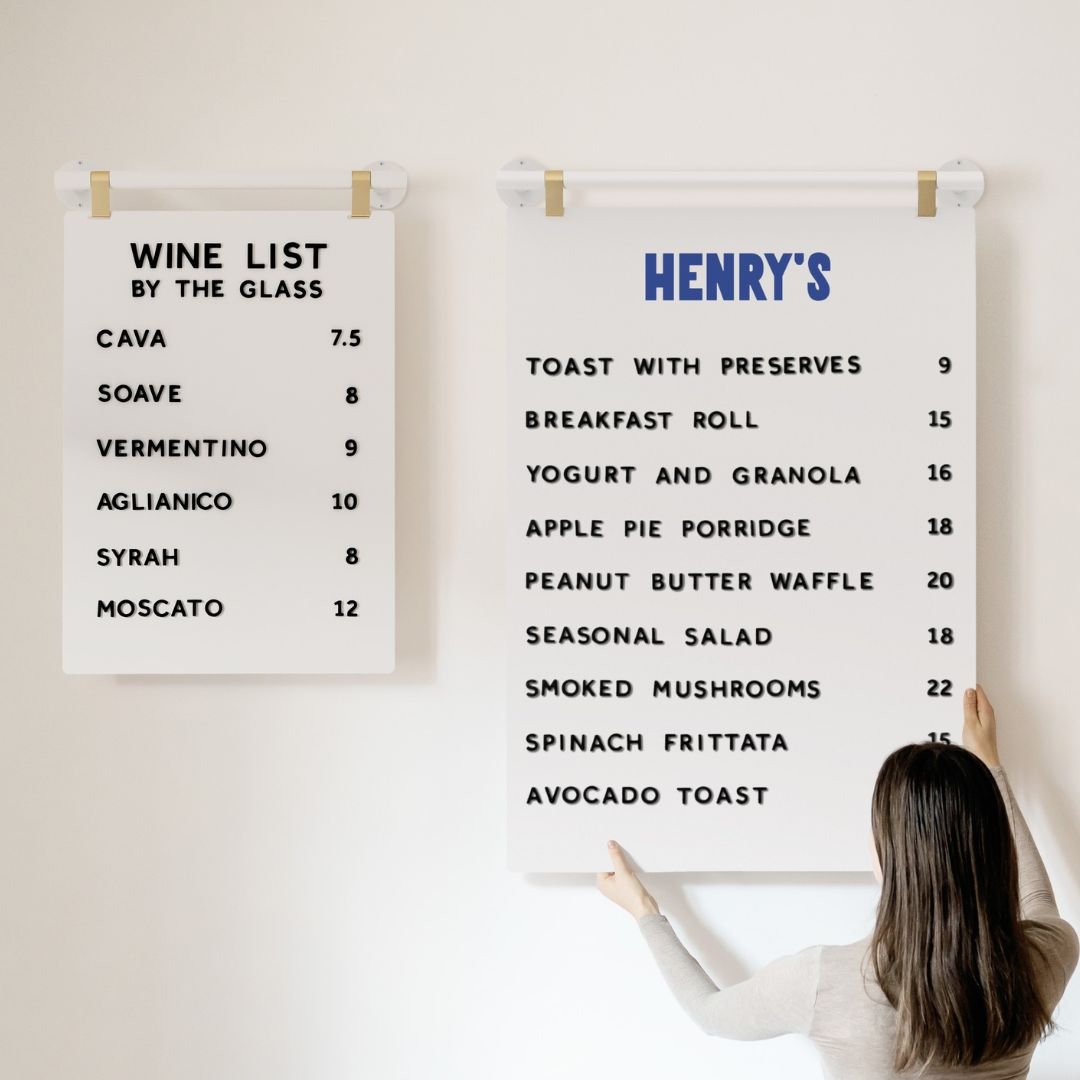
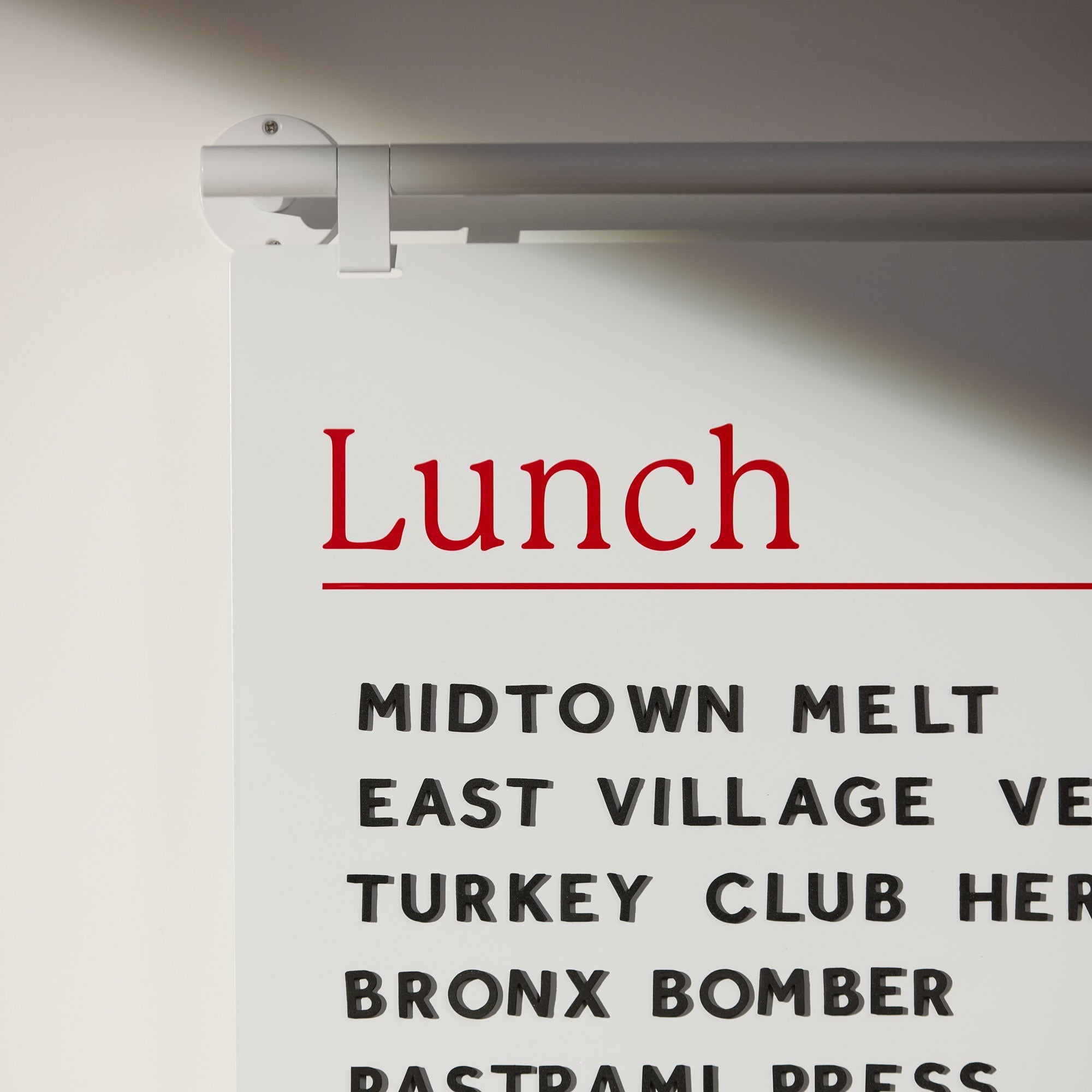
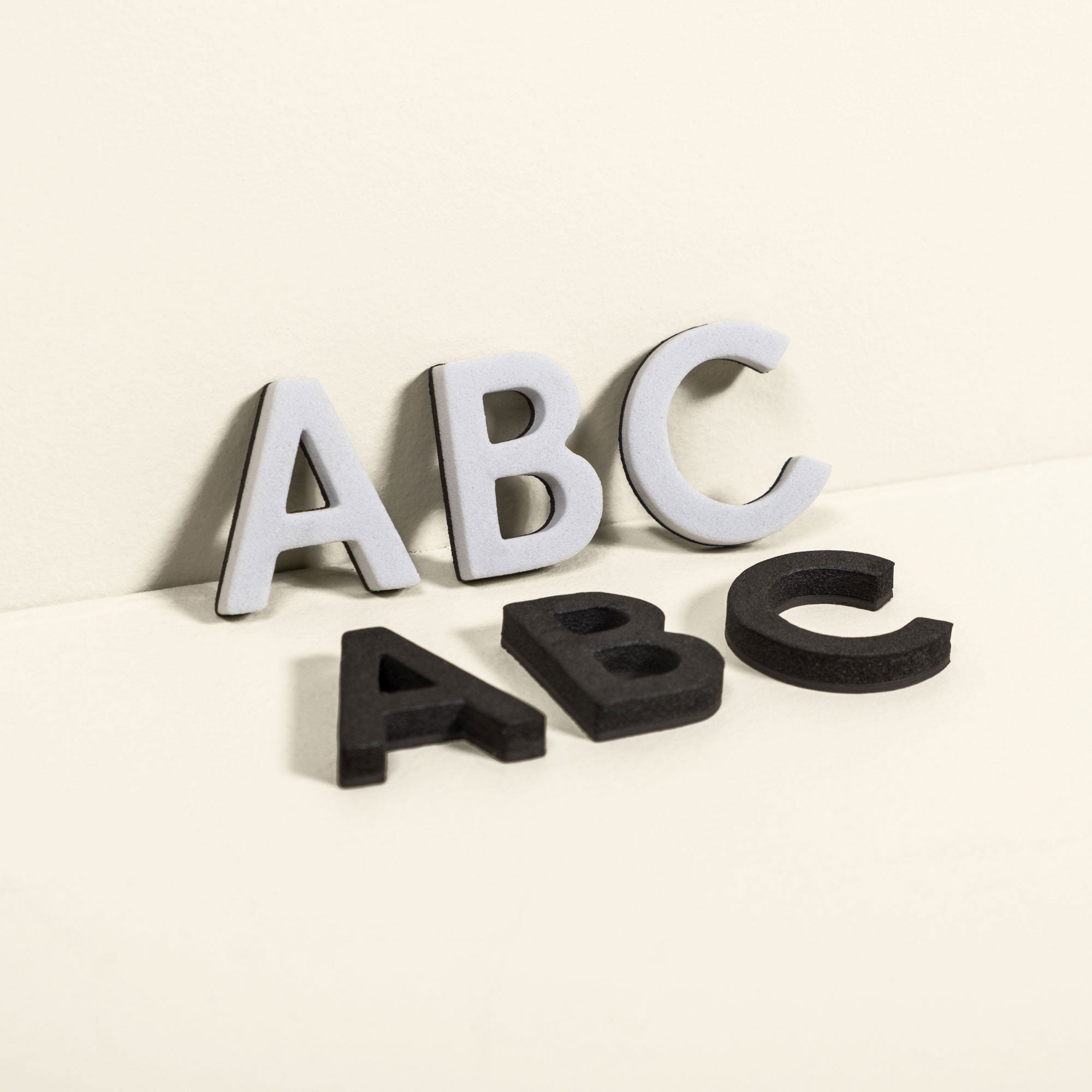
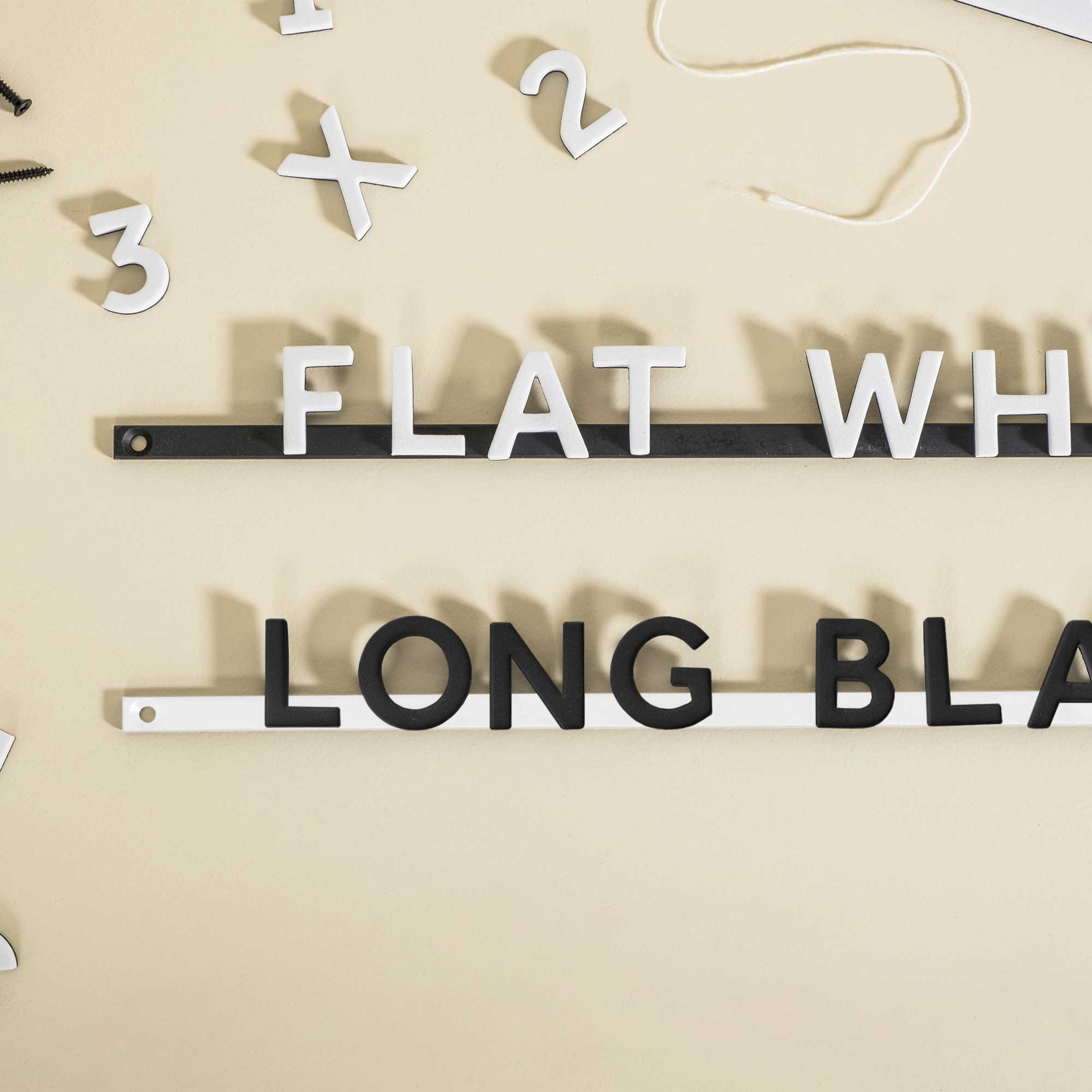
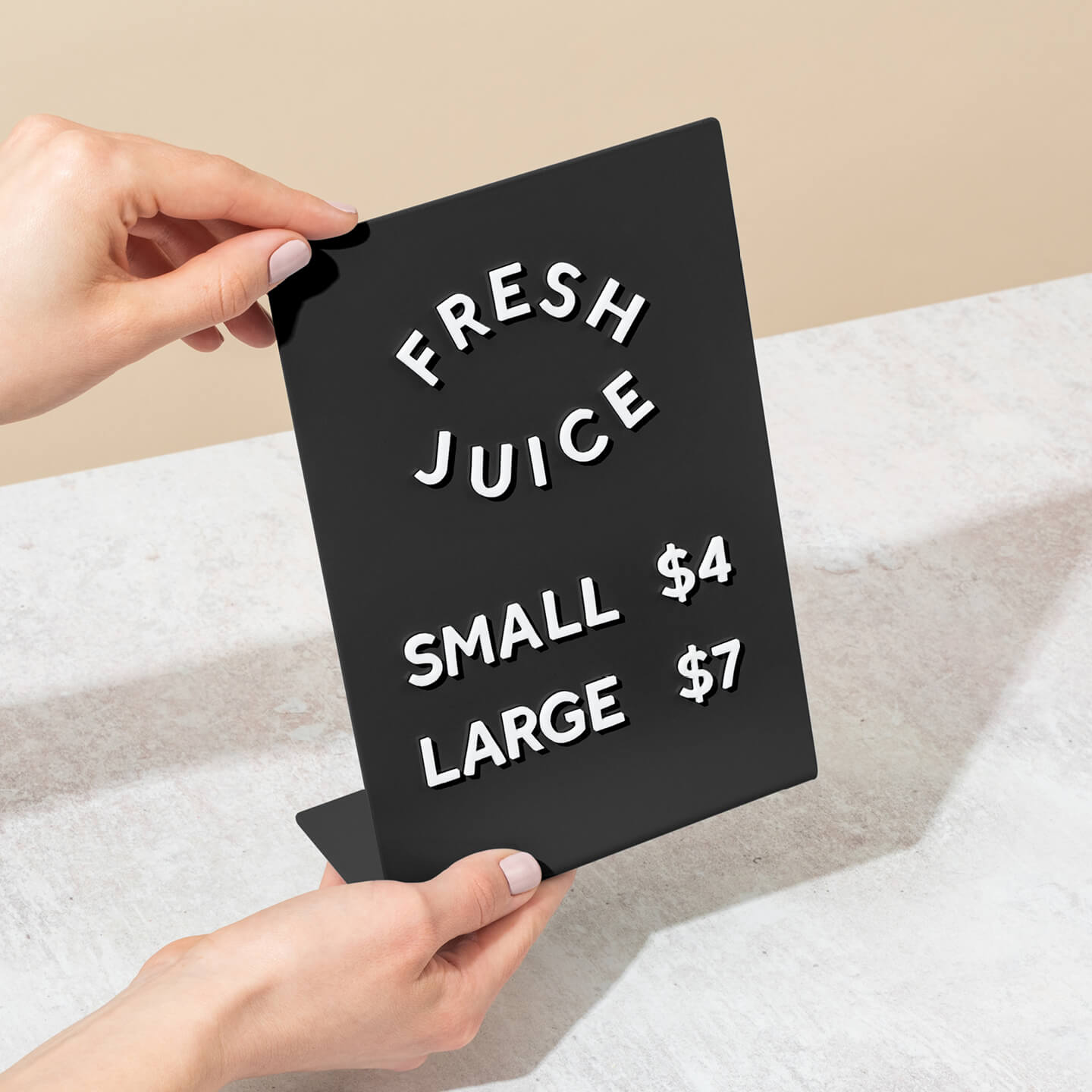
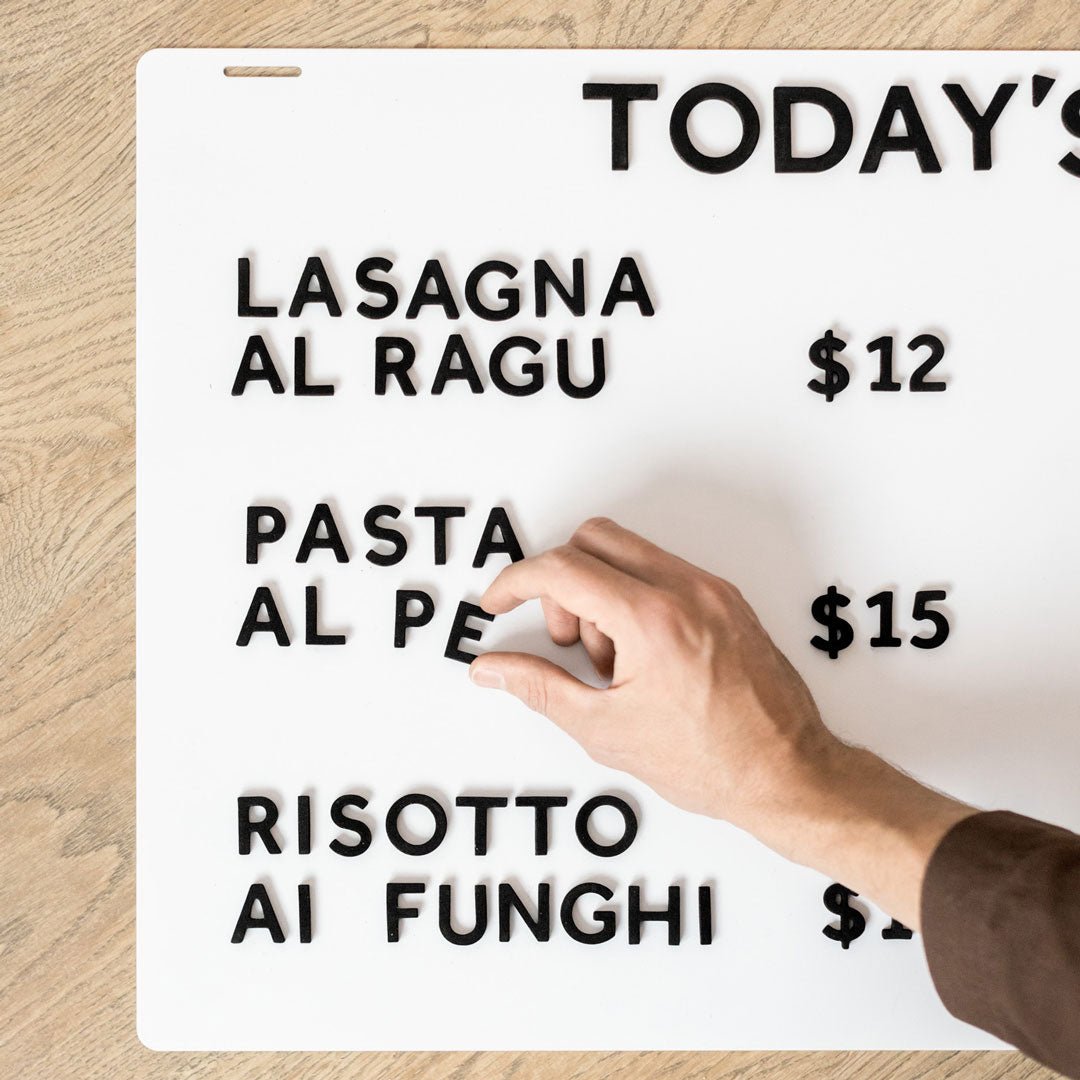
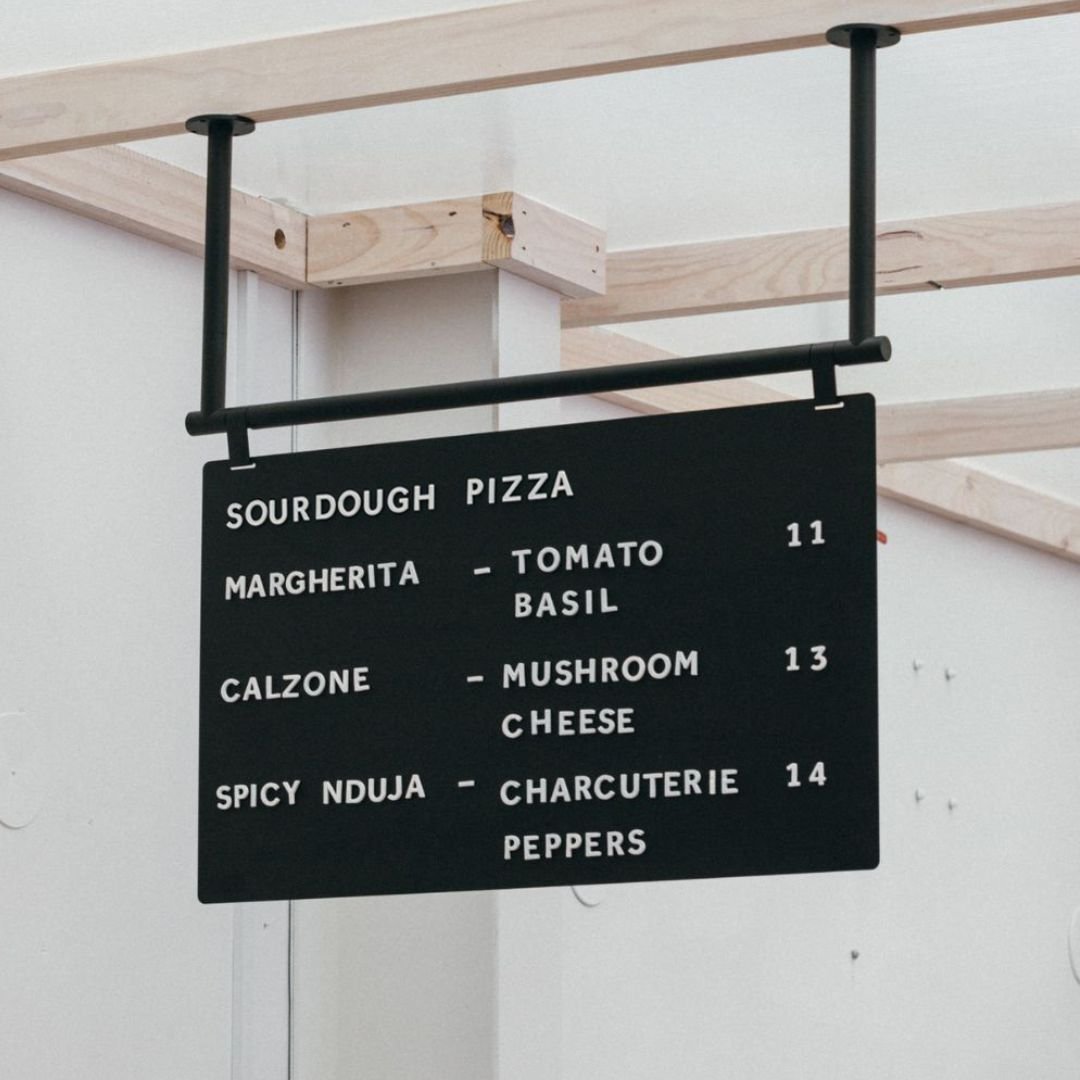
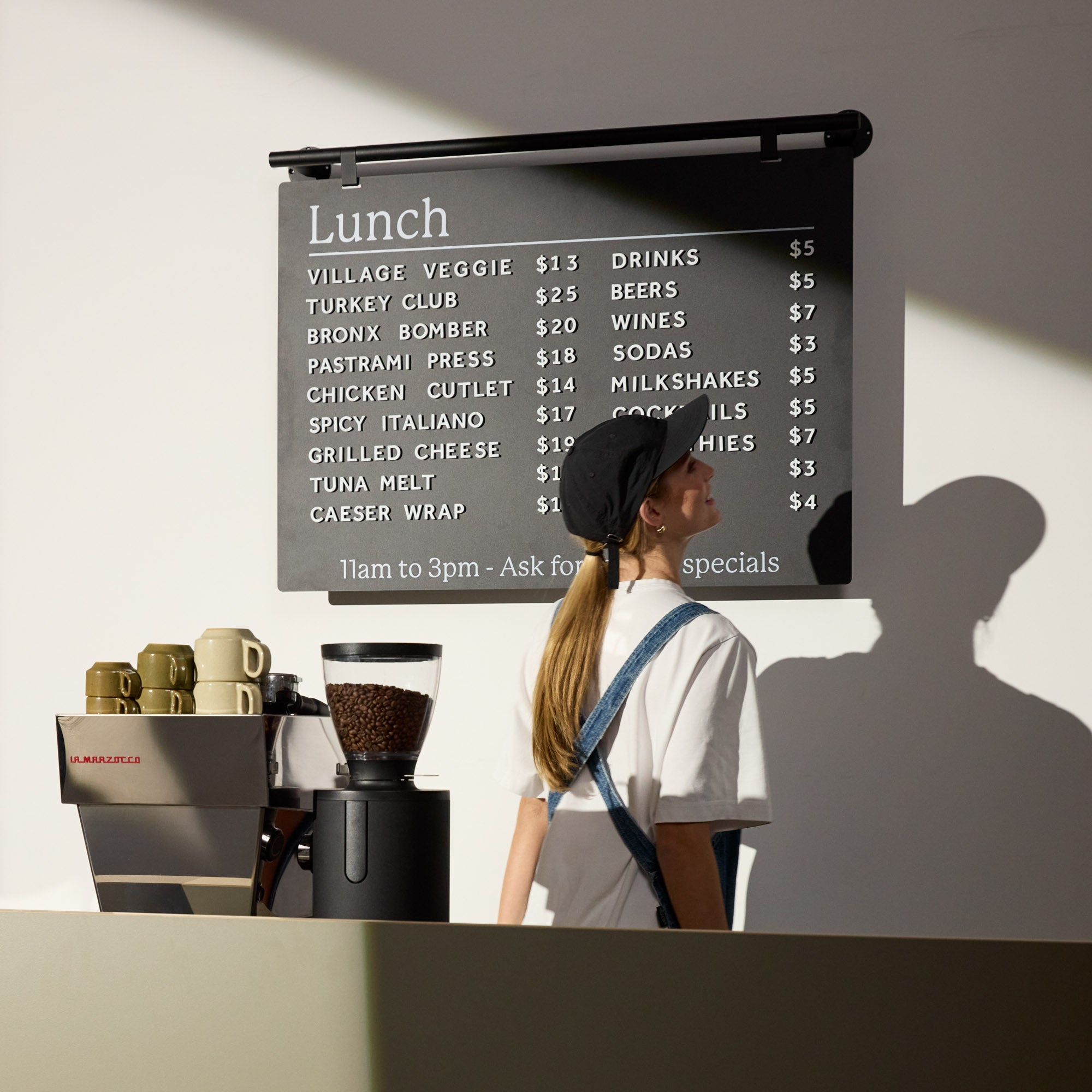
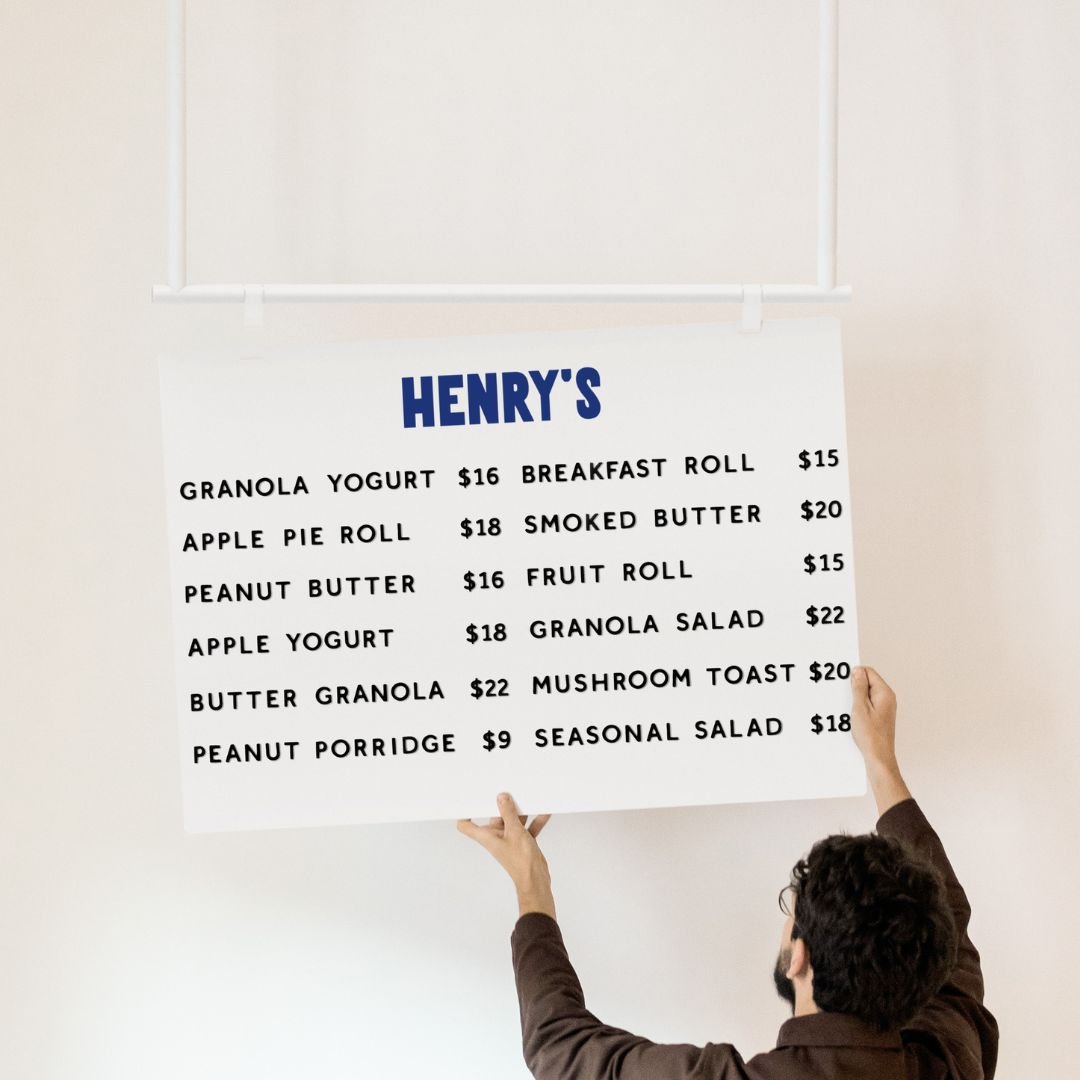
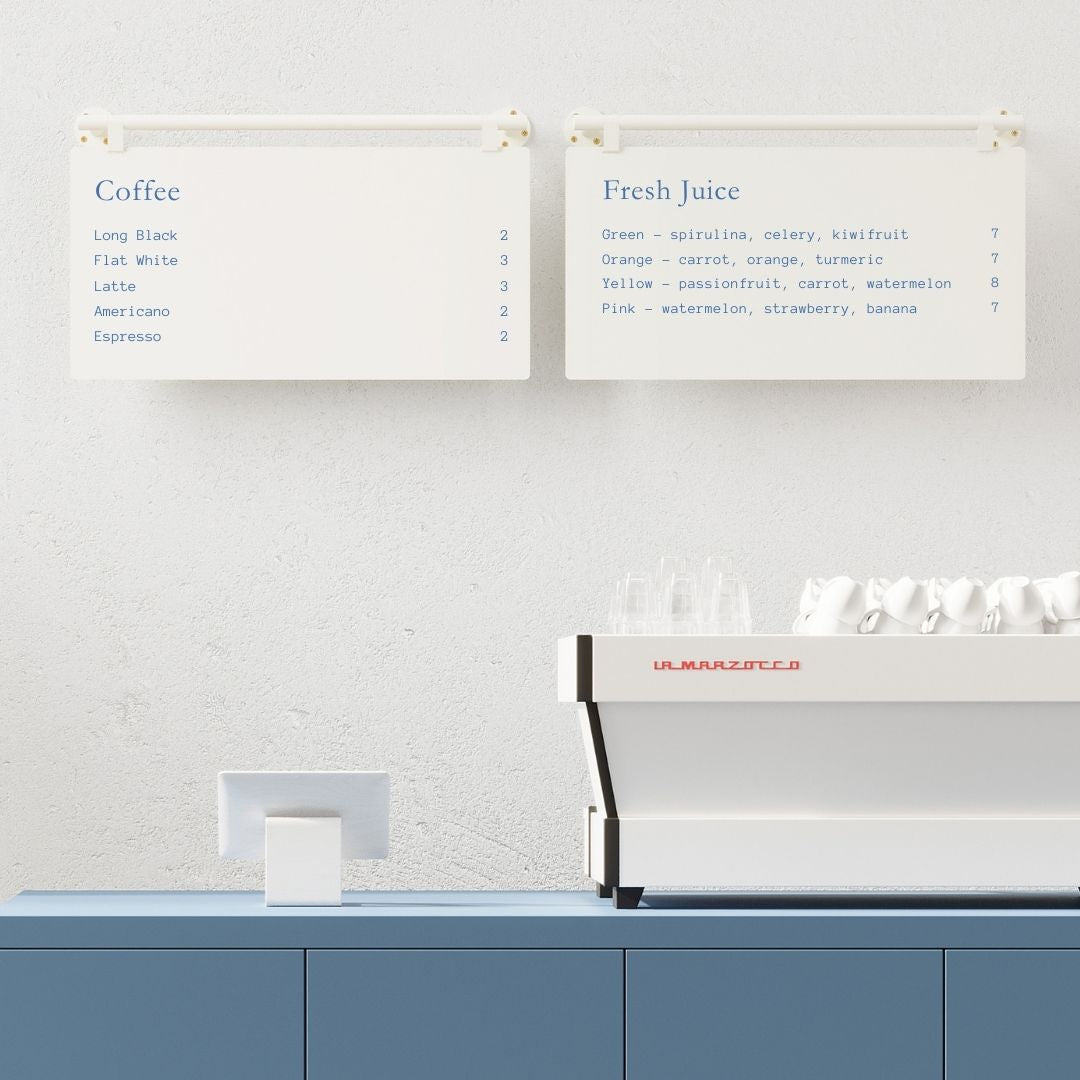
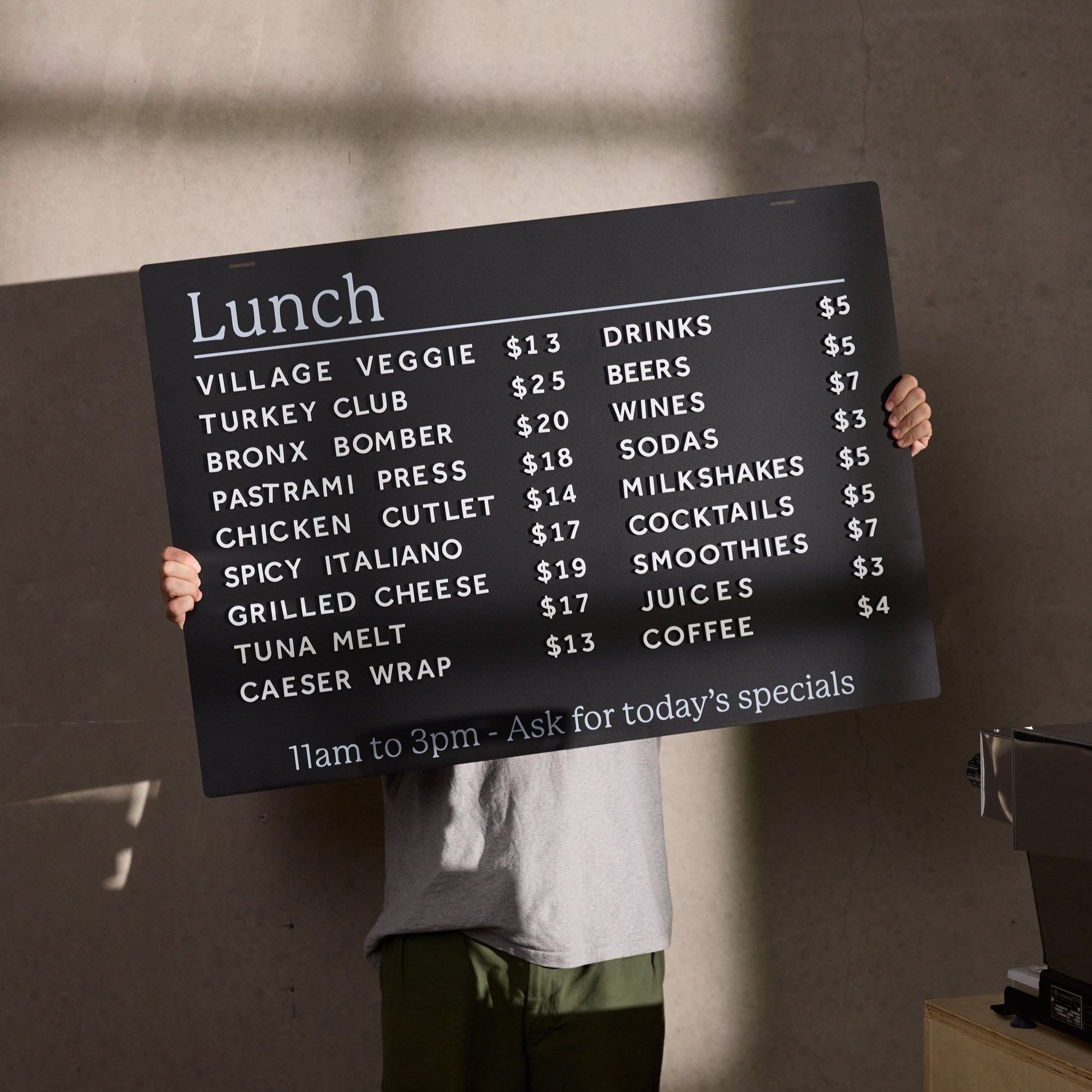
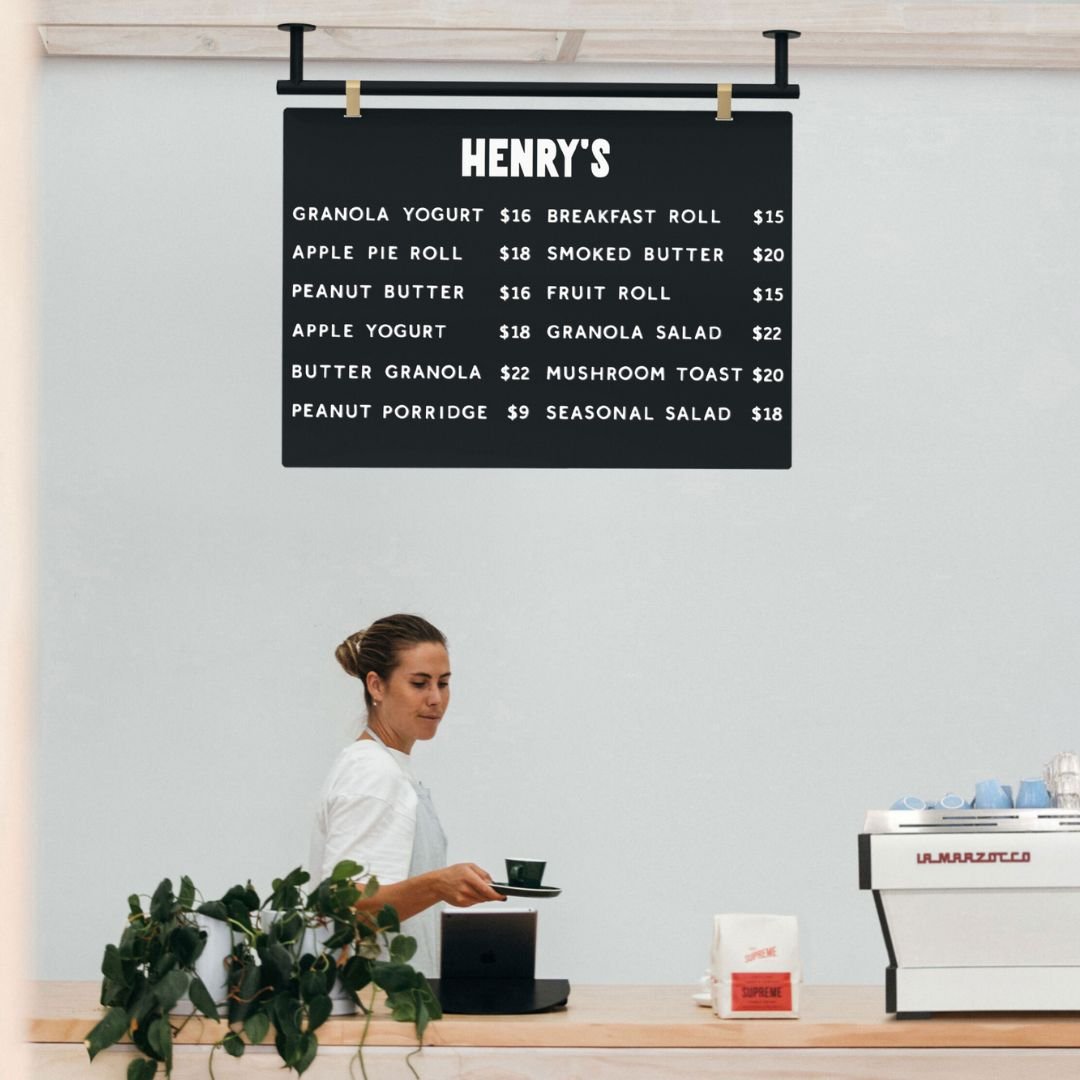
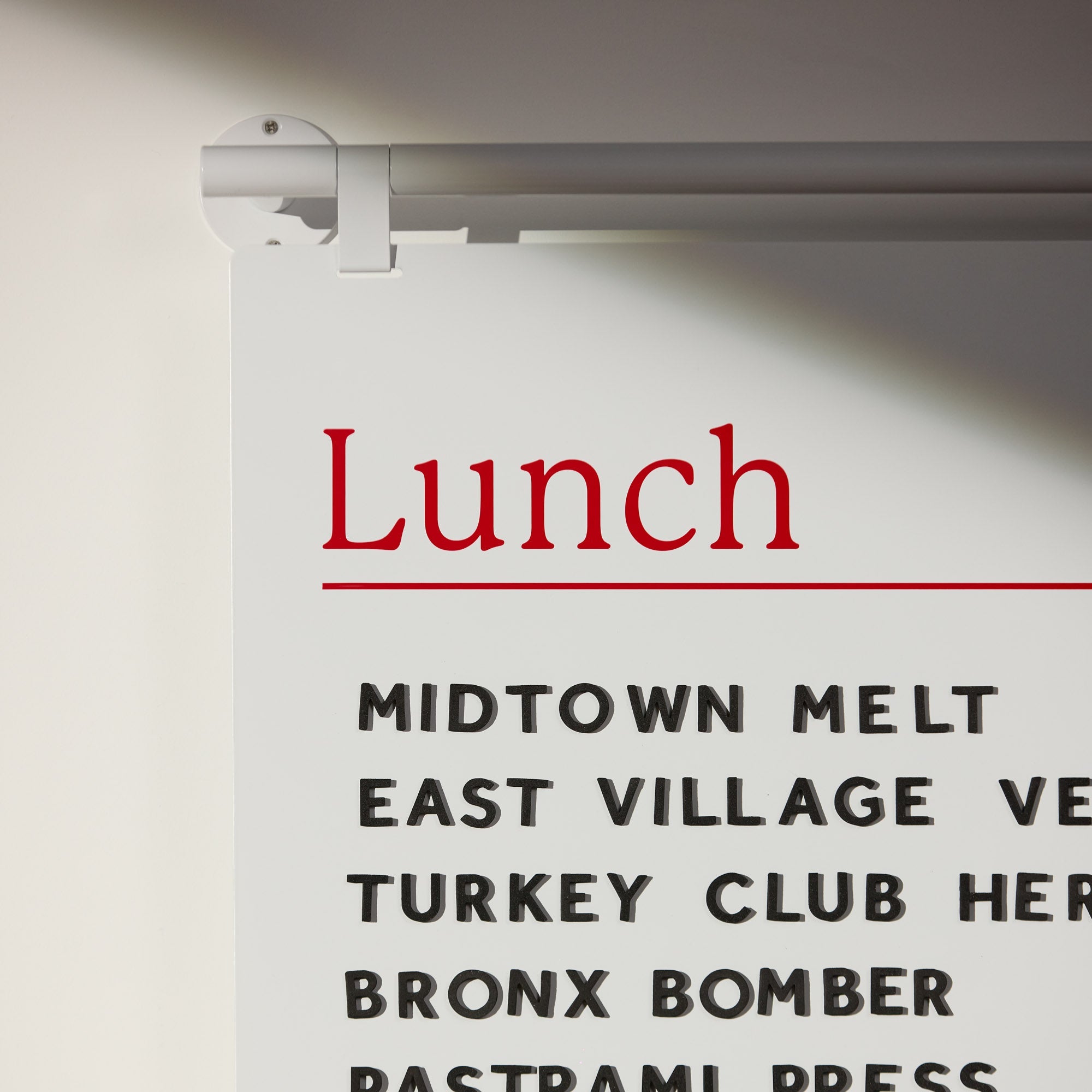
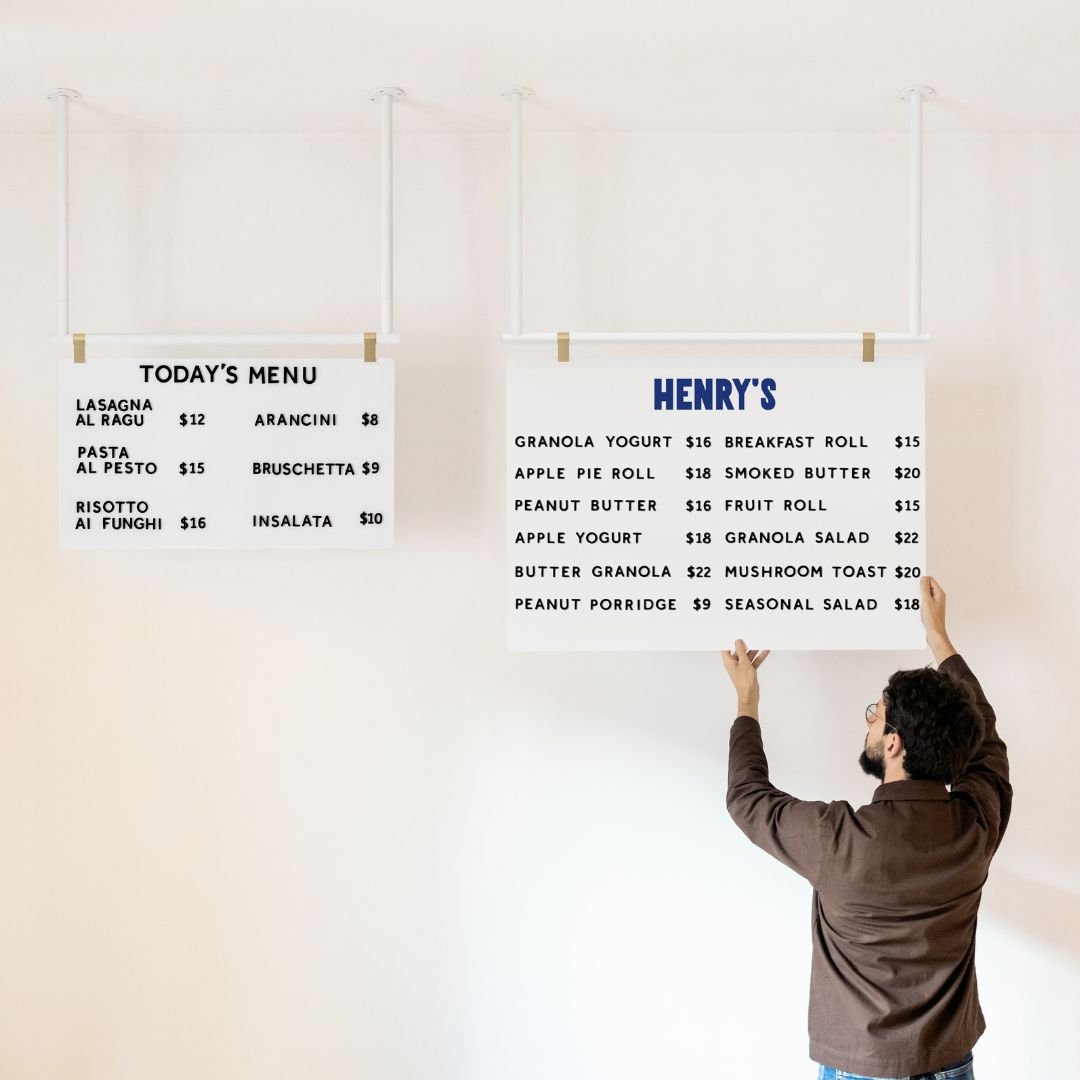
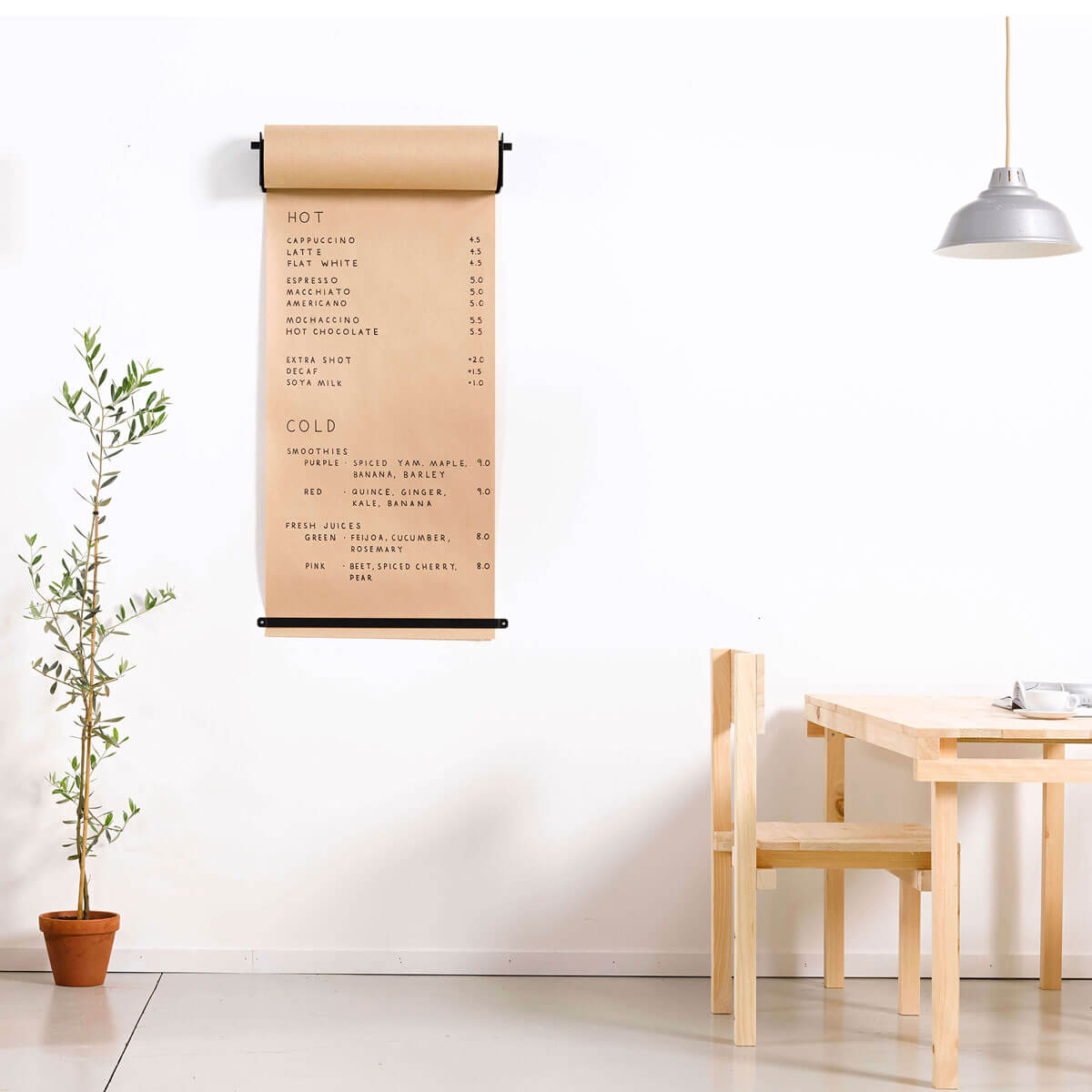
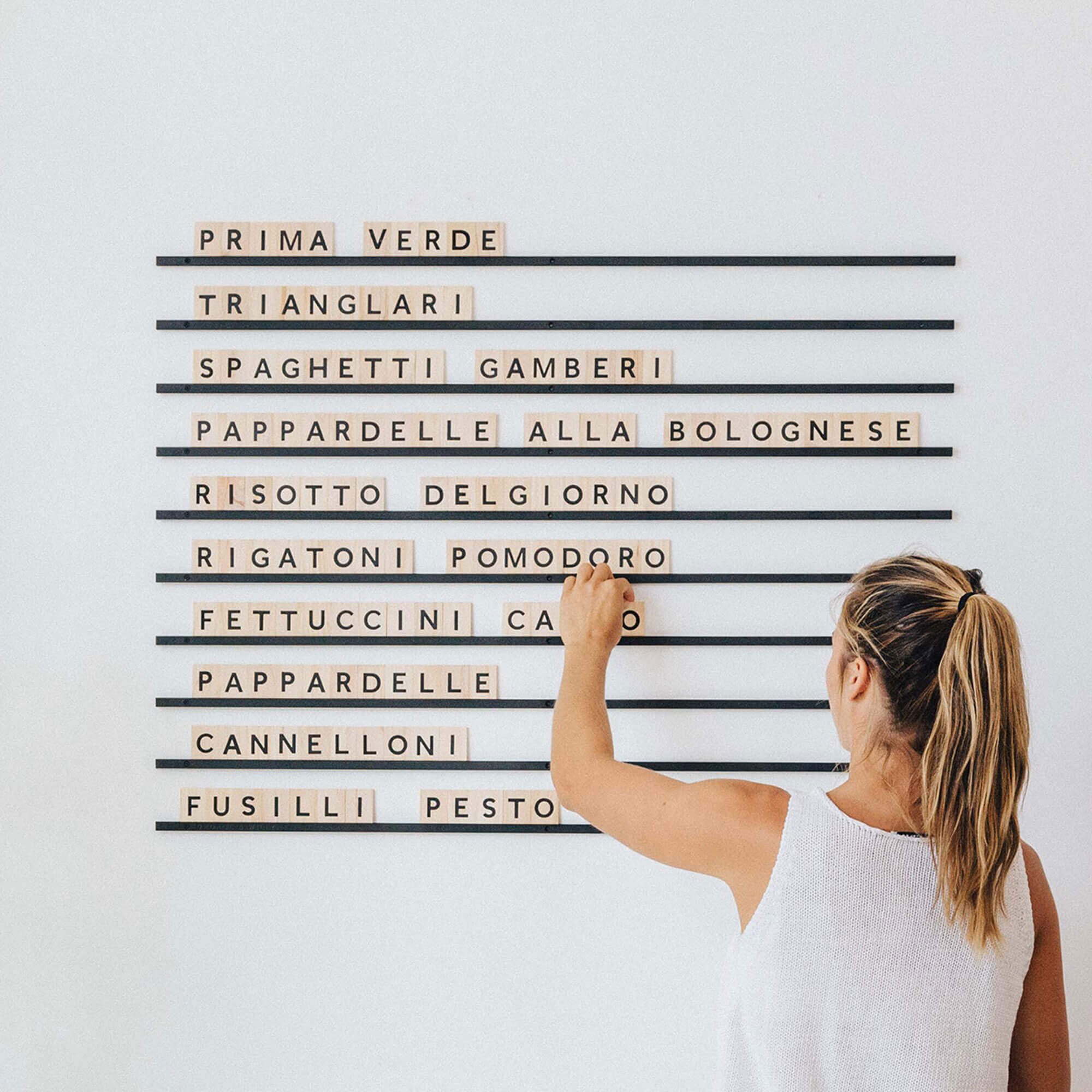
A directory sign, typically found in a lobby, lists the tenants or departments within a building. It provides an at a glance overview of who is where. Directories can be static printed boards, a changeable board like the Magnetic Letter Menu Board, or modern digital screens.
Environmental Graphics
Environmental graphics transform a space using large scale visual elements to immerse visitors and employees in your brand.
- Wall Murals, Wraps, and Decals: A mural turns an entire wall into a piece of art or a branding statement. These can feature company values, inspirational quotes, or abstract designs that reflect the office culture. A wall wrap is a large vinyl graphic that covers an entire wall, similar to wallpaper. Wall decals are smaller, individually cut vinyl graphics that can be applied to walls to add logos, lettering, or decorative patterns.
- Elevator Wraps: An elevator wrap uses large vinyl graphics to cover the interior or exterior doors of an elevator. This often overlooked space can be transformed into a dynamic branding moment, creating a memorable experience for guests and staff during their short ride.
These graphics make a space more engaging, turning a plain hallway or break room into an inspiring environment.
Window Graphics
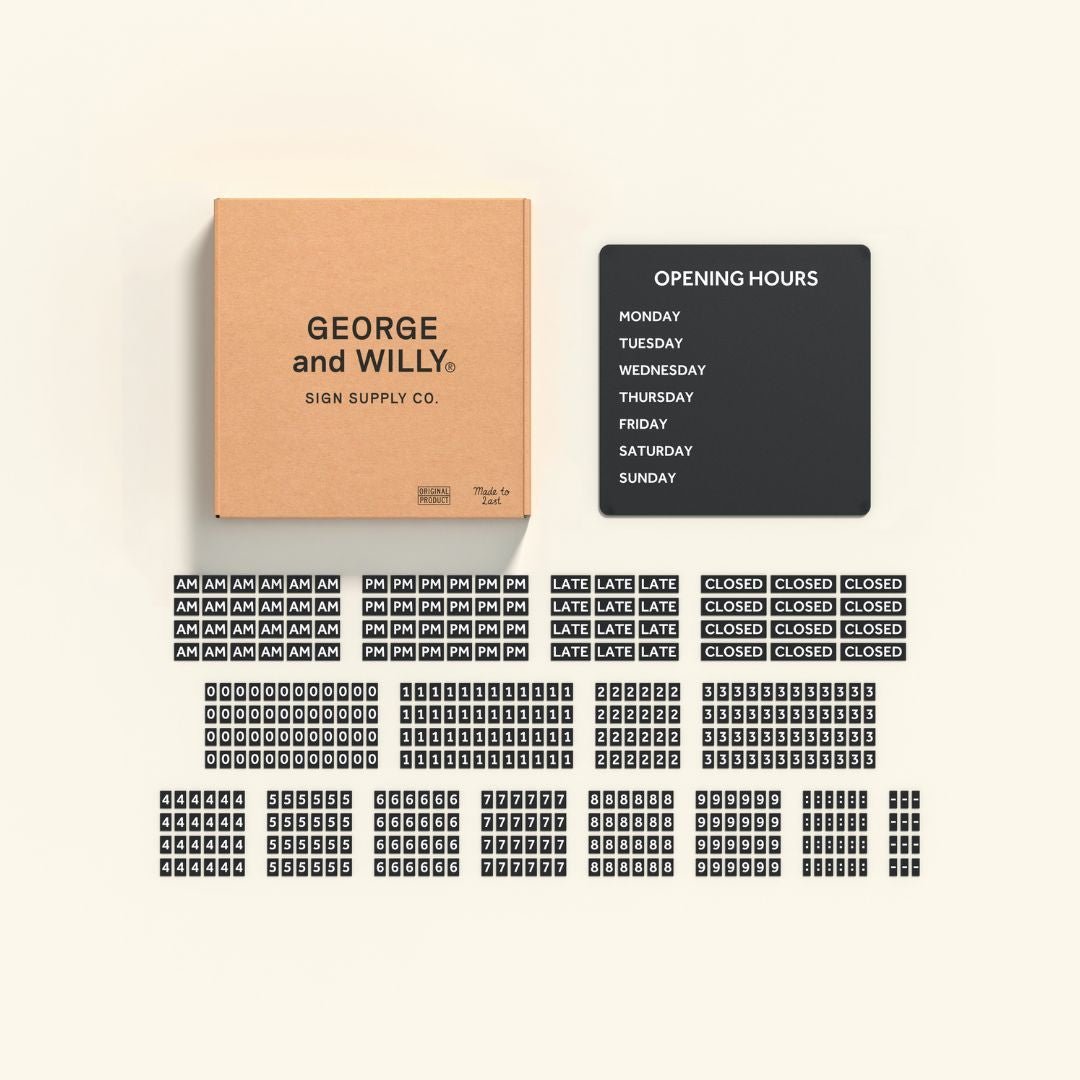
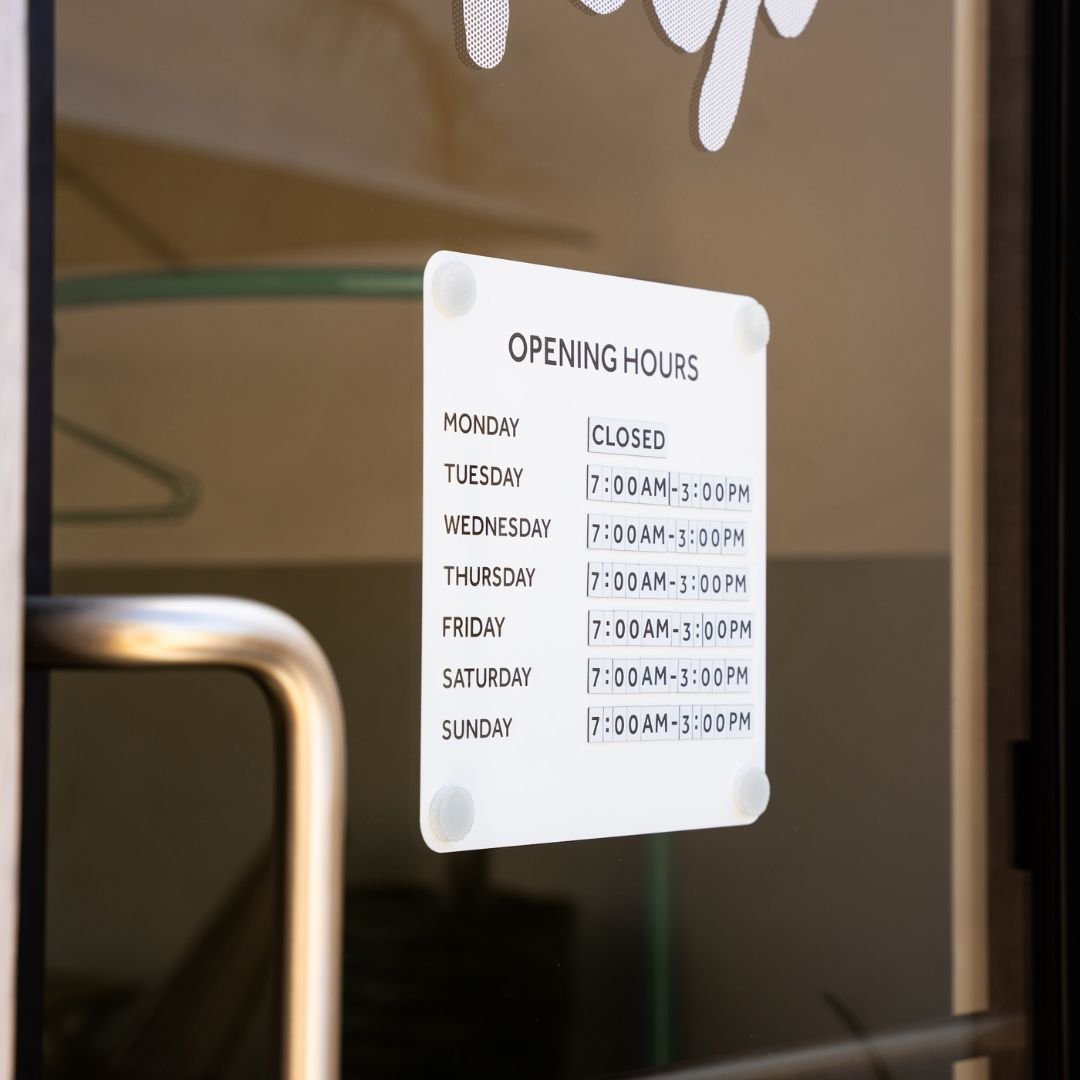
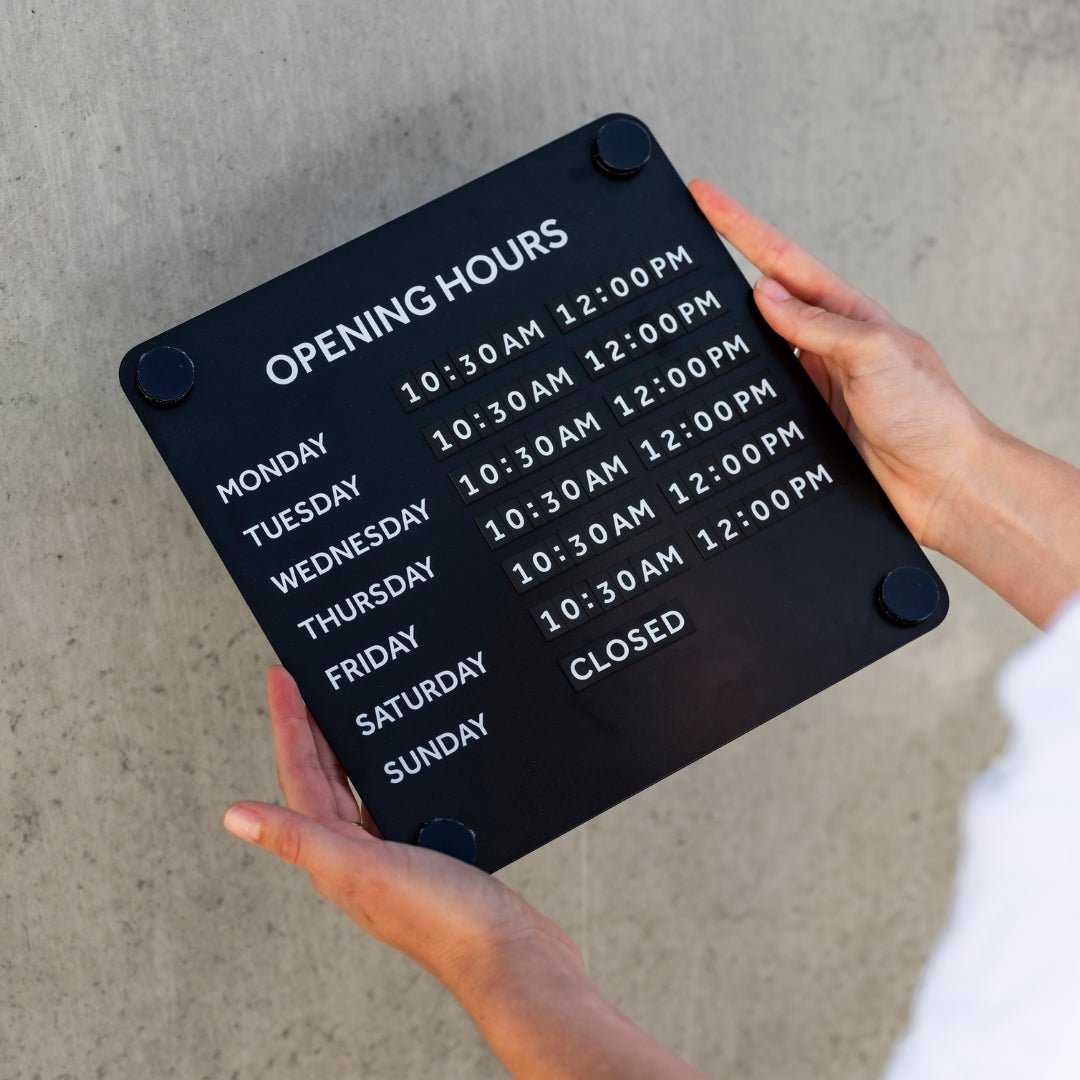
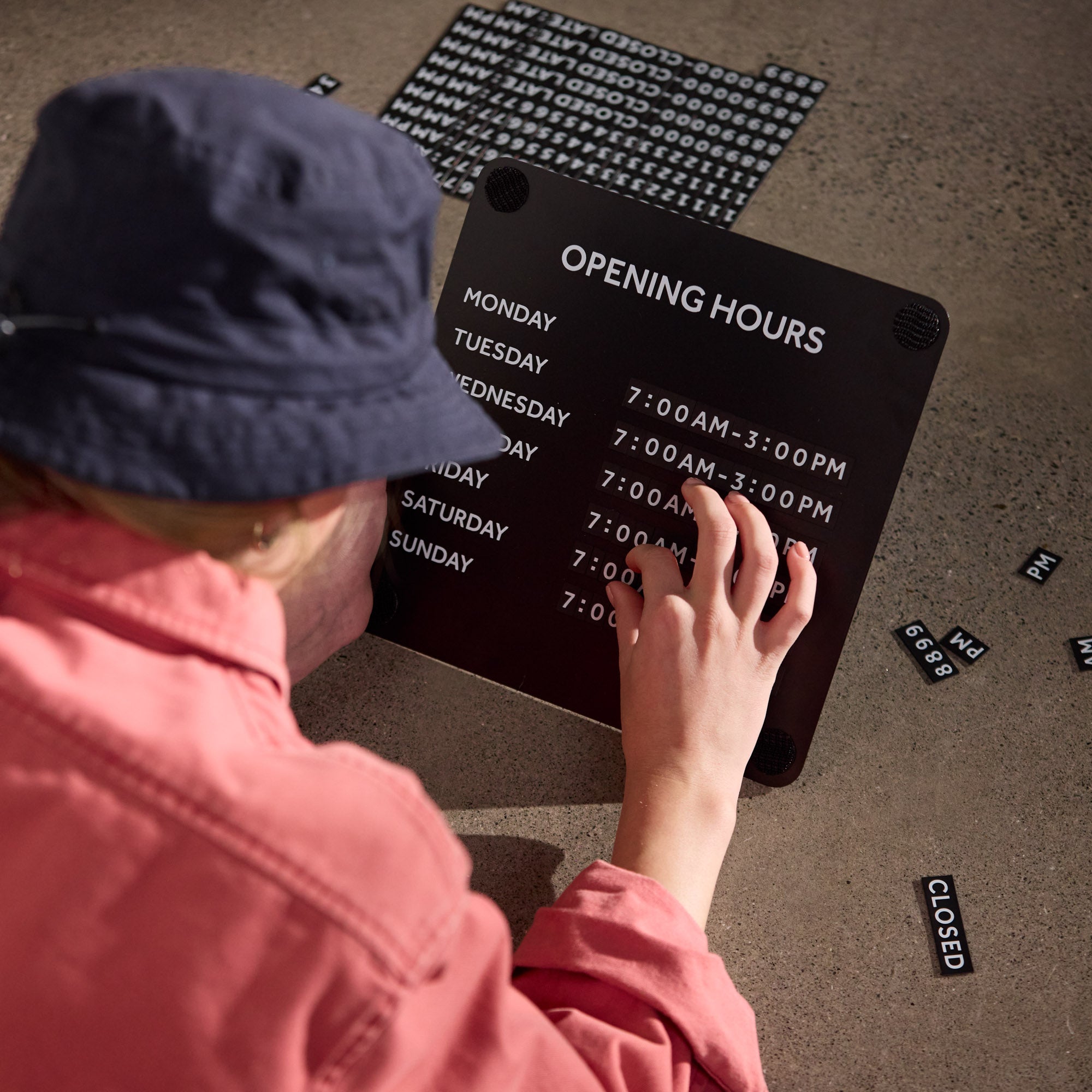
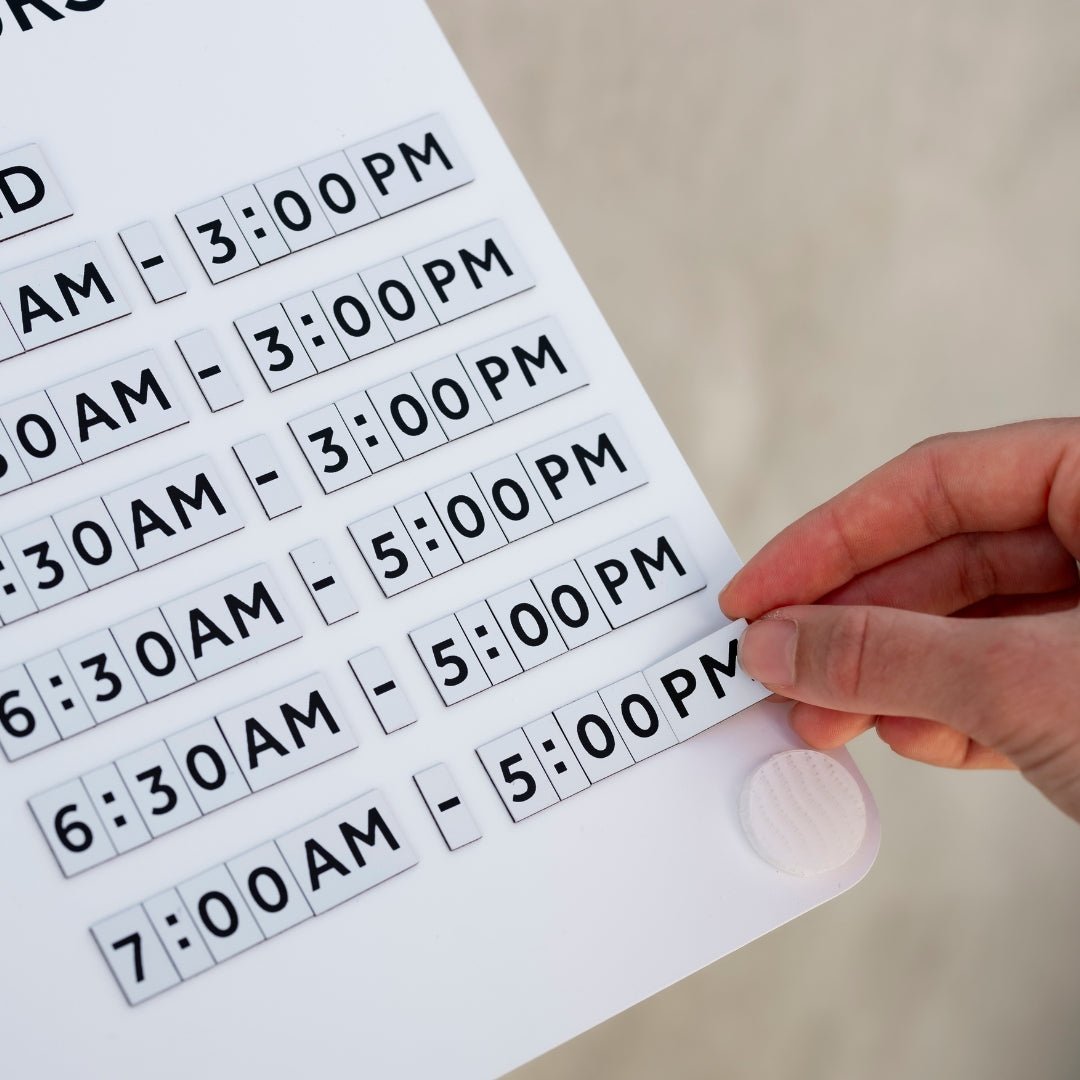
Window graphics use vinyl decals and films to turn glass surfaces into valuable communication space. They can be used to display logos, business hours, or decorative patterns on doors and windows. Materials like etched glass vinyl can provide privacy for conference rooms while adding a sophisticated touch.
Dimensional and Standoff Signs
Dimensional signs use letters or logos with physical depth to create a premium, visually interesting effect. They are often used for lobby signs and exterior branding.
- Metal and Plastic Letters: Letters can be cut from materials like aluminum, steel, or acrylic. Metal letters offer a durable, high end finish, while plastic letters provide a more budget friendly option in a wide range of colors.
- Standoff Signs: This is a mounting method where the sign is attached to the wall with small posts, making it “stand off” from the surface. This creates a floating effect with a subtle shadow behind it, adding depth and sophistication to plaques, acrylic panels, and dimensional letters.
Room Identification and Office Door Signs
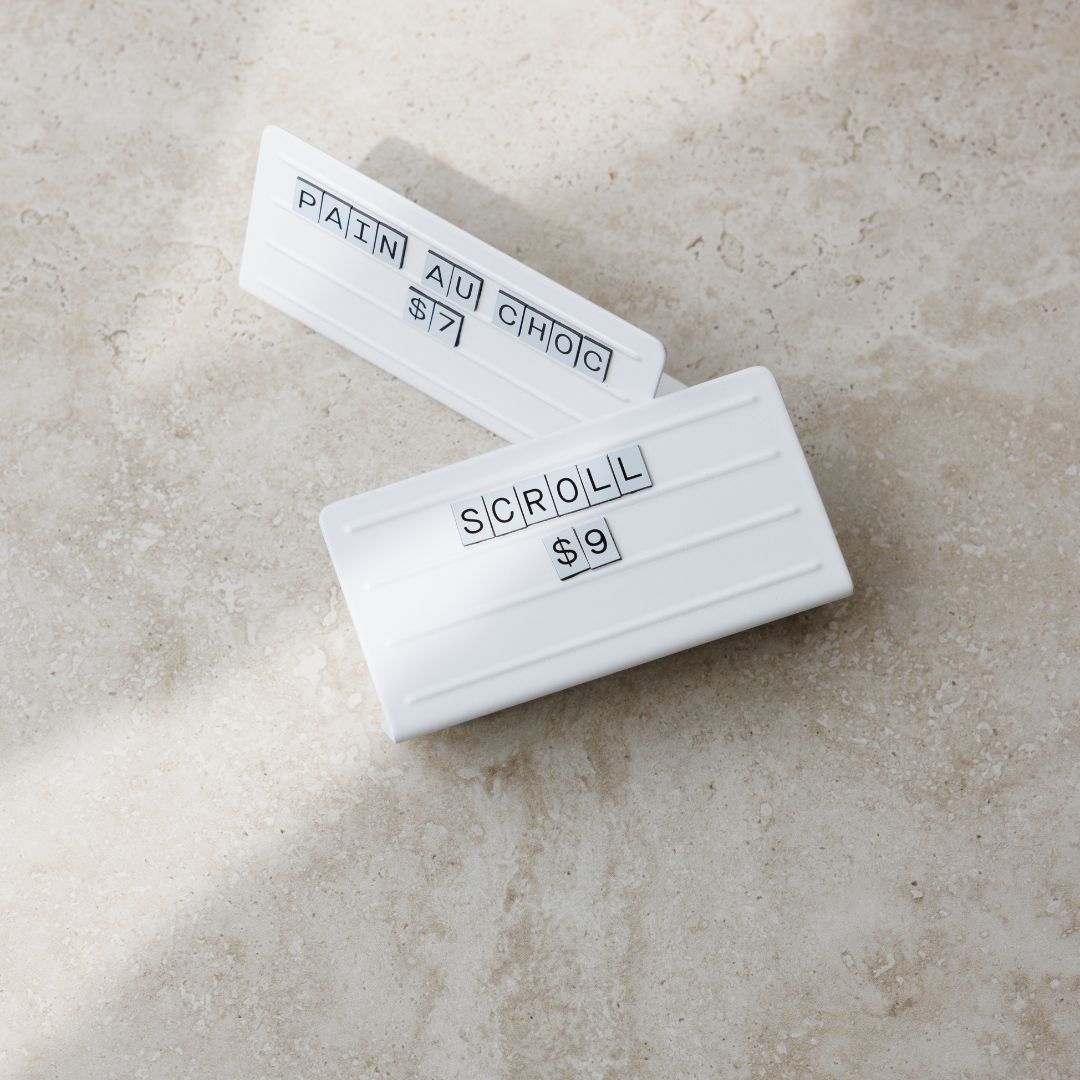
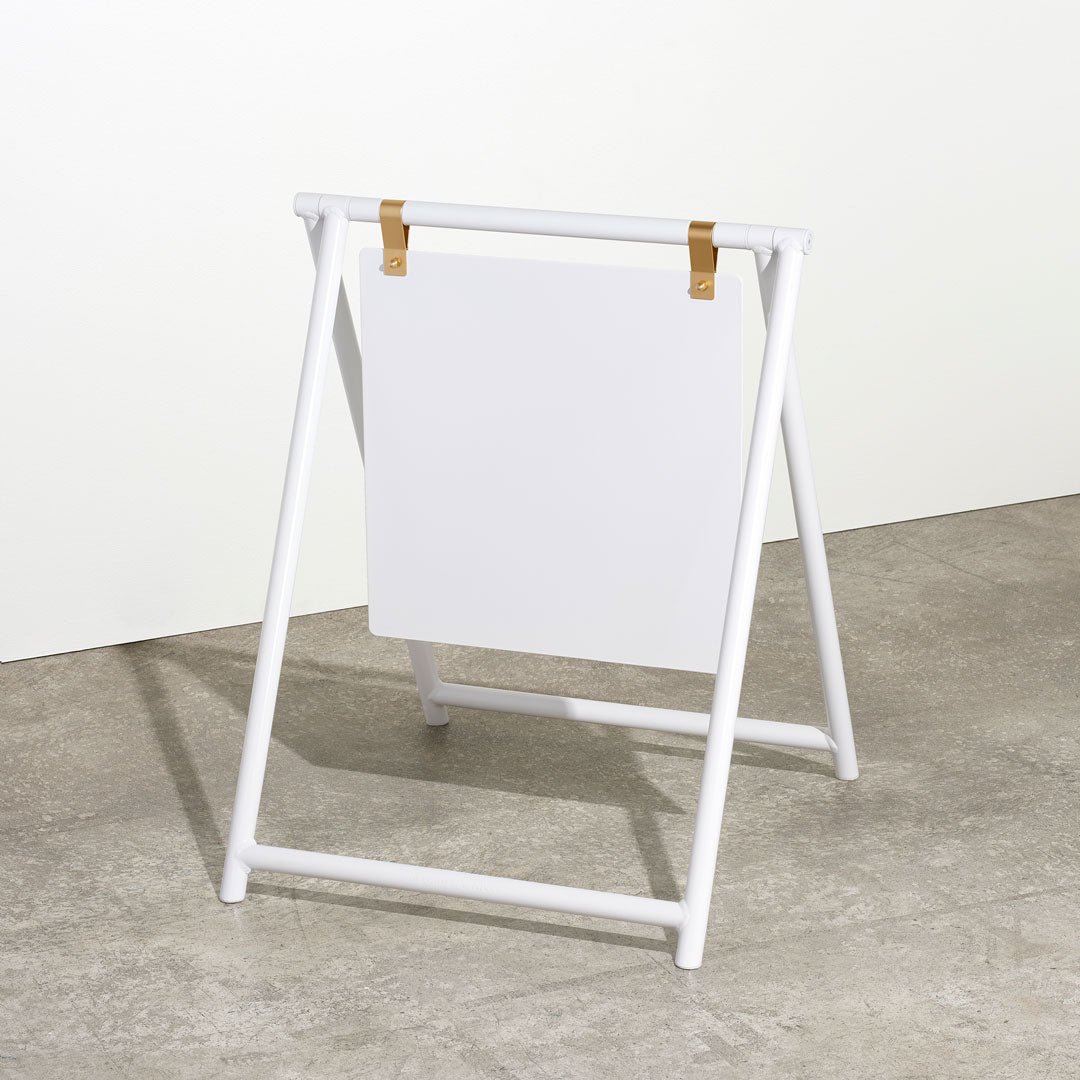
These signs identify who or what is inside a specific room. This includes signs for individual offices (“Jane Doe, Marketing Director”), meeting spaces (“Conference Room A”), and utility rooms (“IT Closet”). These are fundamental for organization. In the U.S., signs for all permanent rooms must be ADA compliant. For desks and counters, small magnetic Counter Signs can display messages like “In a meeting” and can be updated in seconds.
Office Suite Signs and Plaques
In a multi tenant building, an office suite sign identifies a specific company’s space. A metal plaque is a classic and durable option for this, often engraved with a company name and suite number. These signs give each business its own identity within the larger building and confirm for visitors that they have found the correct office.
Decorative Office Signs
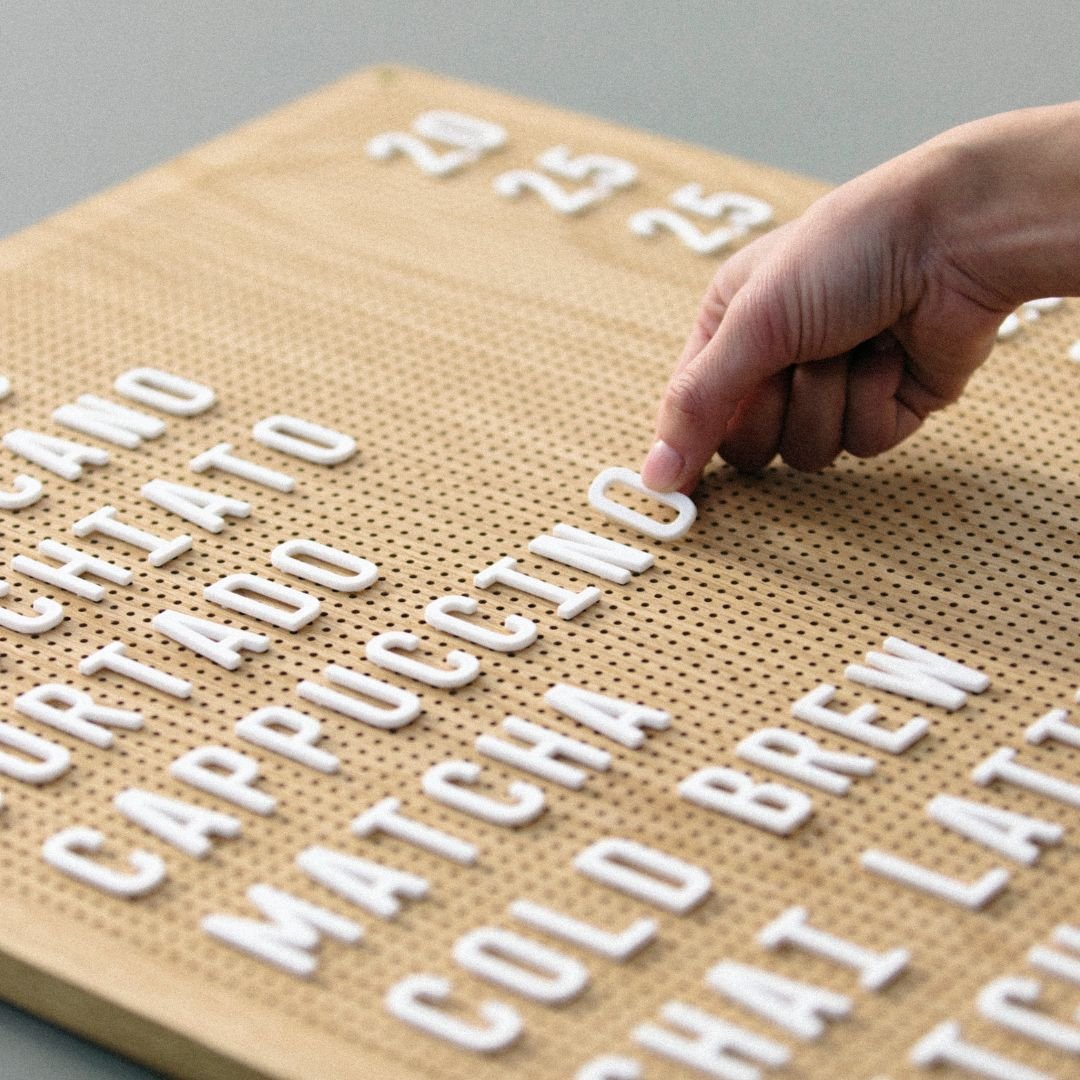
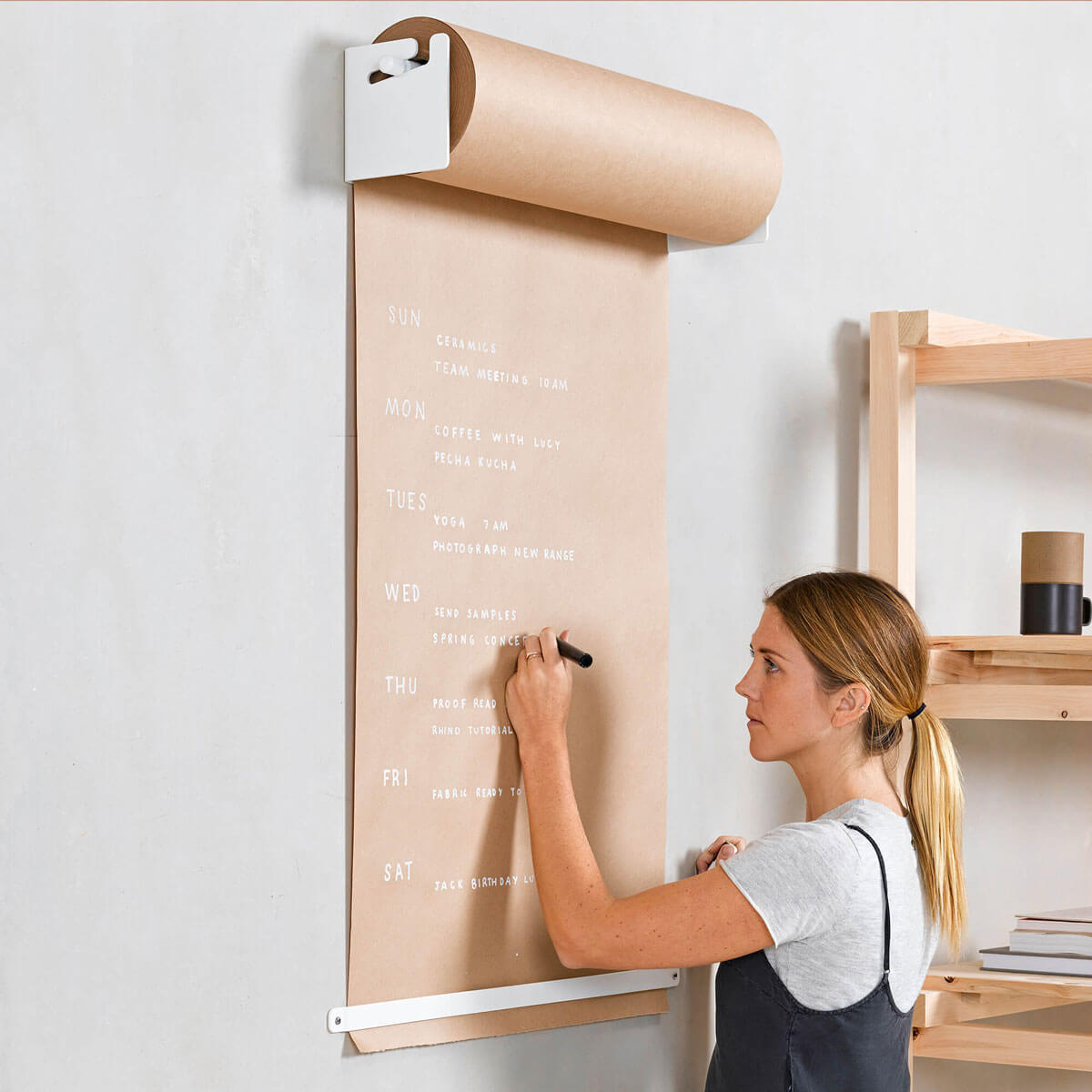
A decorative office sign is used primarily for aesthetics. This can include anything from motivational quotes on the wall (easily updated on a Letter Board) to custom neon signs with a company slogan. These thoughtful touches can improve employee morale and show that the company cares about creating a positive environment.
Floor Signs and Decals
Floor signs are graphics applied directly to the floor. They can be used for wayfinding (e.g., arrows pointing to a specific department), safety warnings (e.g., “Watch Your Step”), or branding (e.g., a logo at the entrance). They are a creative way to use often overlooked space for communication.
Status Slider Signs
A status slider sign, often found on meeting room doors, is a simple tool to communicate a room’s availability. It typically has a sliding panel that reveals messages like “Vacant” or “In Use.” This prevents interruptions and helps people quickly see if a space is free.
Compliance and Temporary Signage
This category covers signs that are either required by law or used for short term communication.
ADA Signs
An ADA sign is any sign that complies with the Americans with Disabilities Act. These signs are designed to be accessible to people with visual impairments and are a legal requirement for all permanent rooms in public buildings in the U.S. Key features include raised tactile letters, Braille, high contrast colors, and specific mounting heights and locations.
Banners
A banner is a flexible sign made of vinyl or fabric that is typically used for temporary announcements or promotions. You might see a banner in an office lobby for a special event, a company anniversary, or a hiring fair. They are a portable and affordable way to display a large, attention grabbing message.
Ready to Elevate Your Space?
Good office signage is an investment in your brand, your employees, and your visitors. It creates a seamless experience that is both professional and welcoming. By choosing the right types of signs and focusing on quality design, you can transform your workspace into an environment that truly reflects your company’s identity.
For a cohesive and minimalist aesthetic, explore a curated collection of office signage that combines timeless design with durable materials, perfect for making a lasting impression.
Frequently Asked Questions about Office Signage
1. What is the most important sign for an office?
While it depends on the space, a lobby sign and clear wayfinding signs are arguably the most critical. The lobby sign establishes your brand’s presence, while wayfinding signs ensure visitors can navigate your space without frustration.
2. How do I make sure my office signage is ADA compliant?
To ensure compliance, signs for permanent rooms must have tactile (raised) lettering, Braille, a non glare finish, and high contrast. They must also be installed at a specific height and location. Working with a knowledgeable sign provider is the best way to meet all requirements.
3. What are the best materials for outdoor office signage?
Powder coated aluminum and steel are excellent choices for outdoor signs. A Circle Sign made from these materials offers clean, durable branding. They are highly resistant to rust and weather damage.
4. Can I add my own logo to pre made signs?
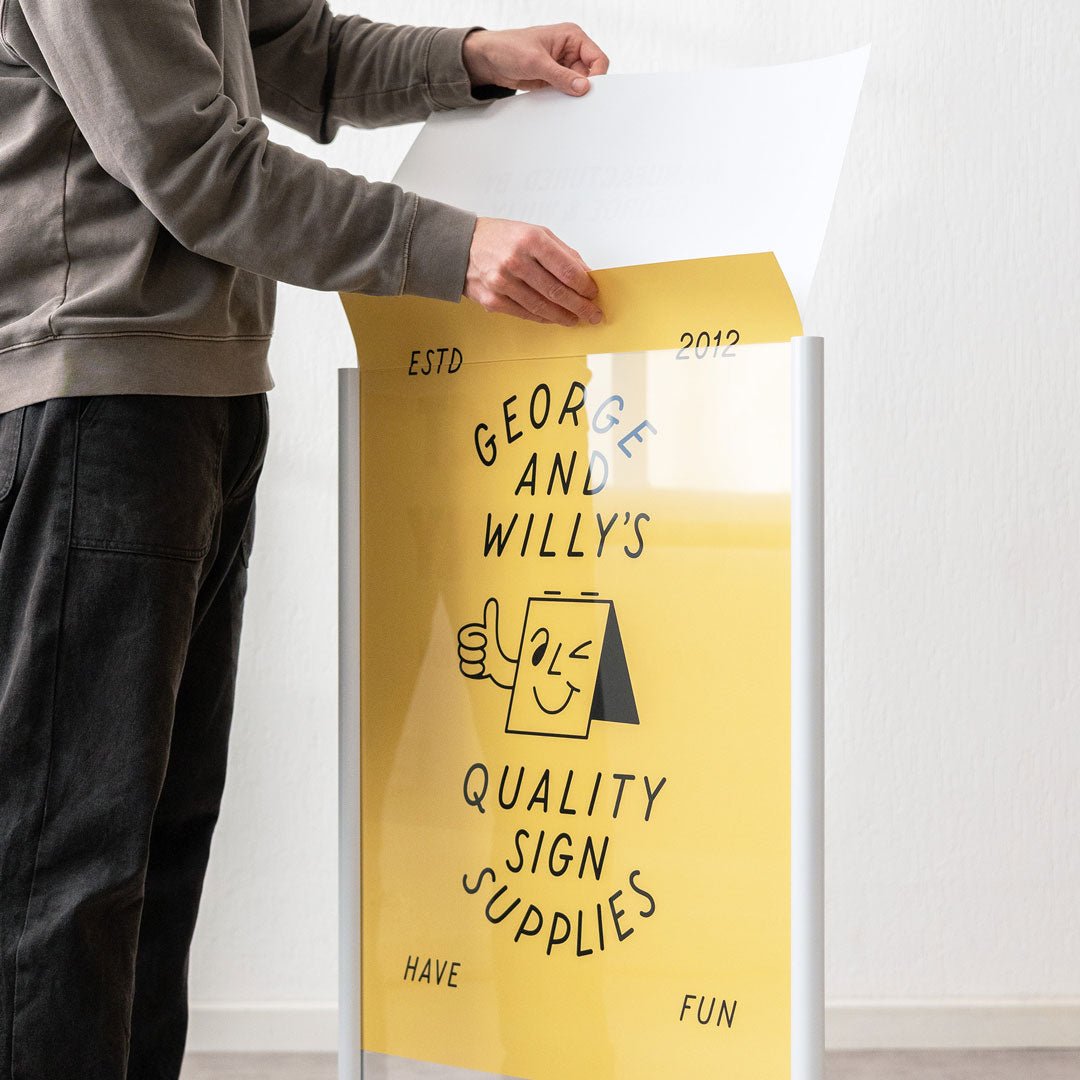
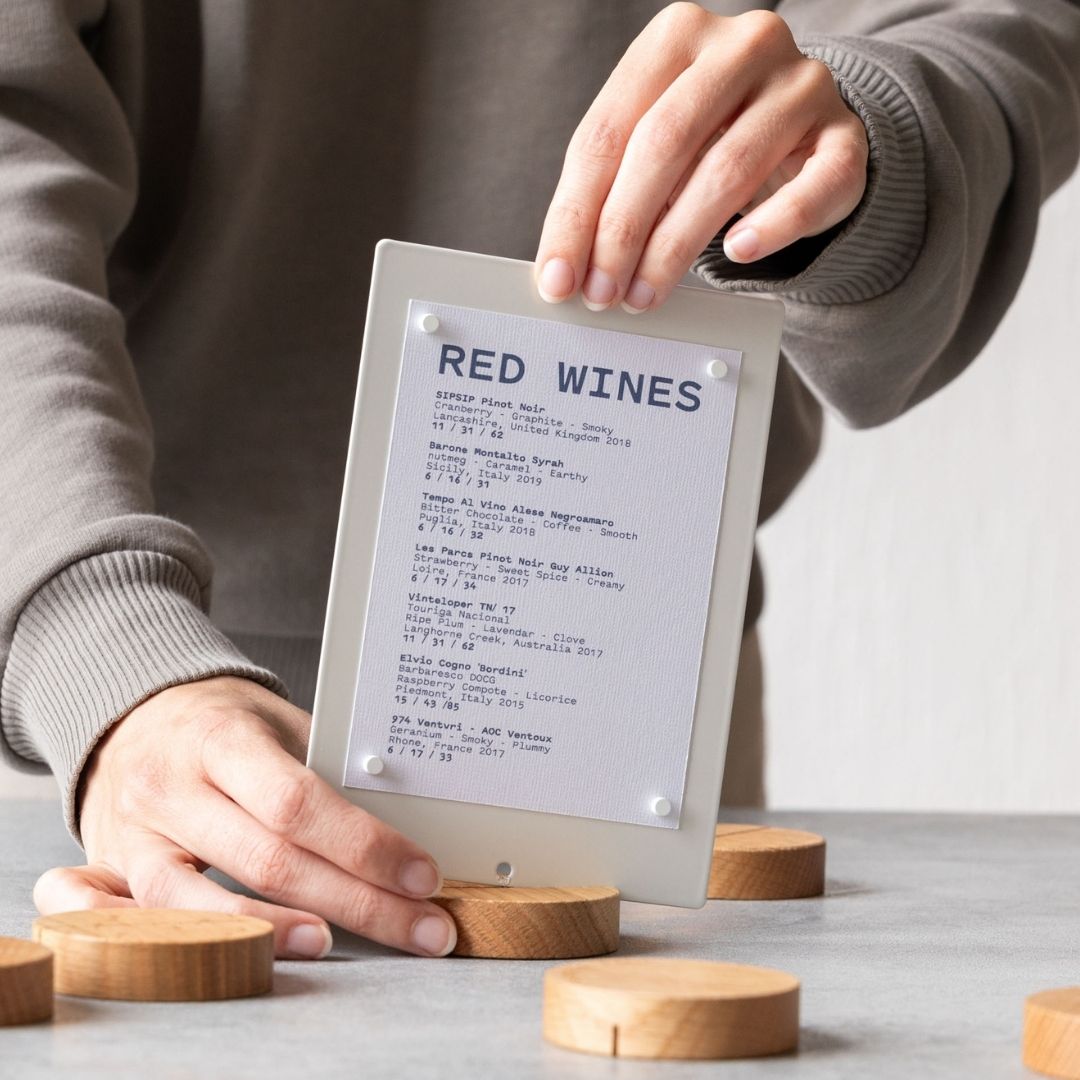
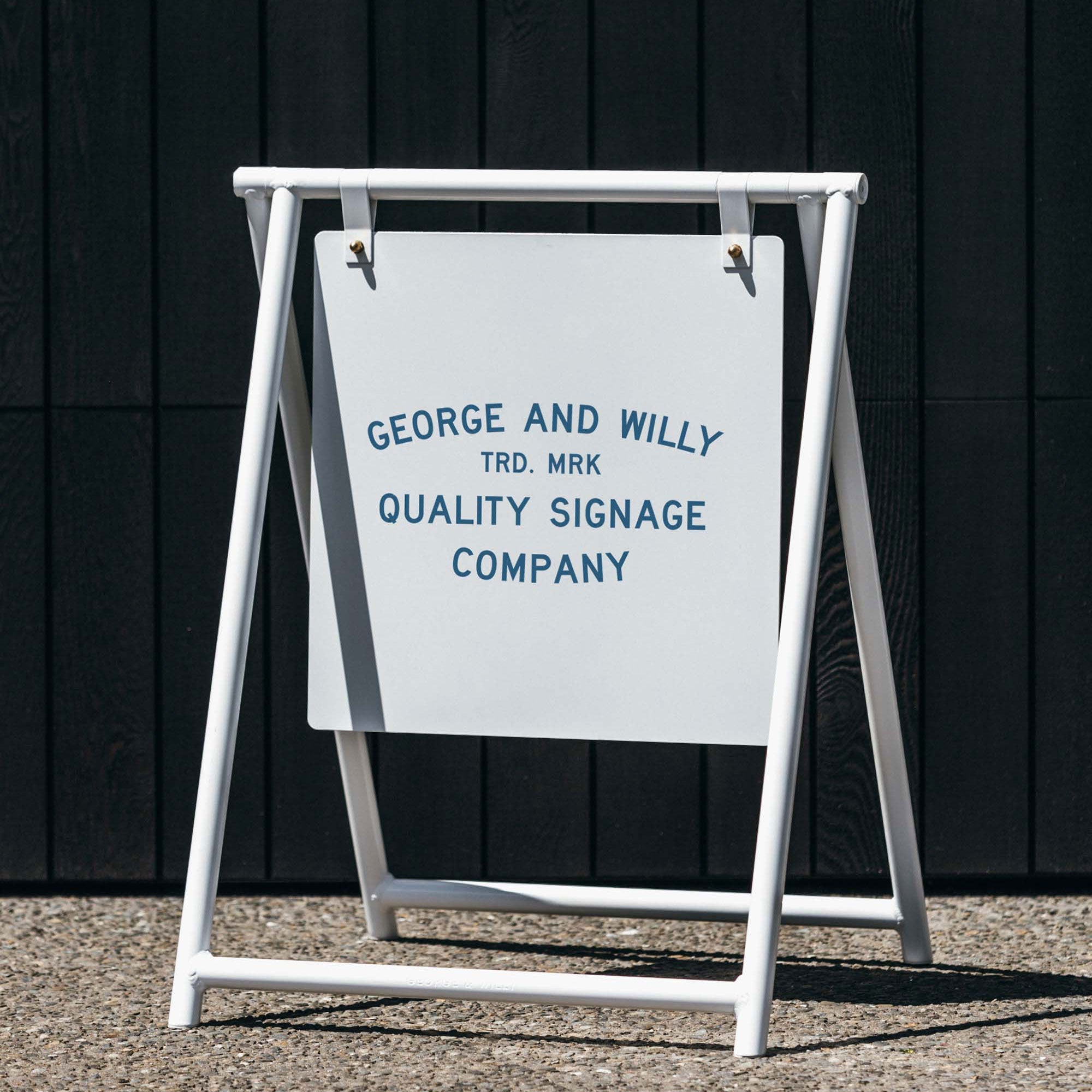
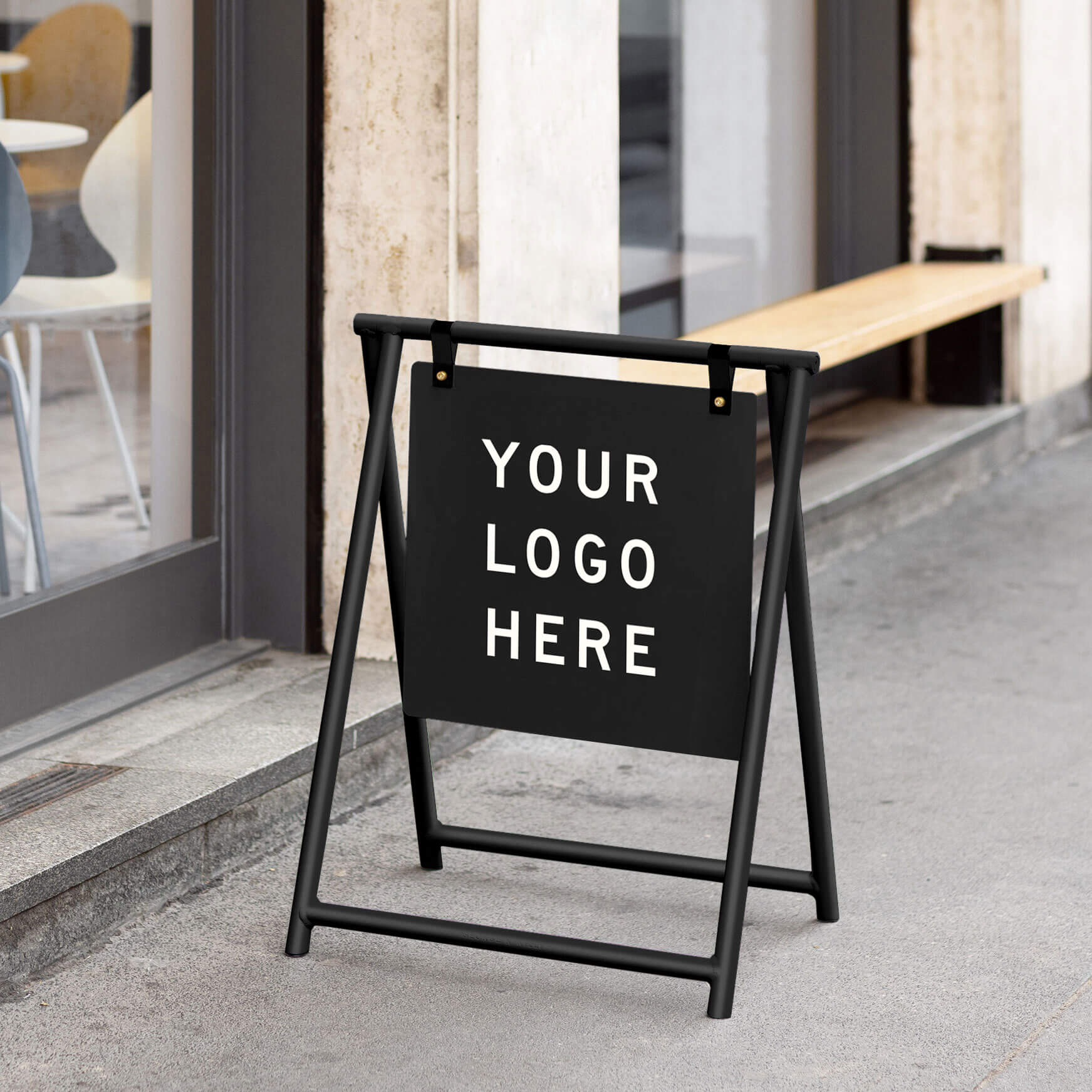
Yes, many businesses purchase high quality, blank signs and then work with a local signwriter to apply their branding using vinyl decals. This approach, which is recommended for products from brands like George & Willy, gives you a custom look without long lead times.
5. How often should office signage be updated?
Informational signs like directories should be updated as soon as changes occur. Branded and decorative signage should be refreshed every 5 to 10 years or whenever your company rebrands to keep the space looking modern and consistent.
6. What is the difference between a wayfinding sign and a directory sign?
A directory sign is a list of destinations, usually in one central location like a lobby. A wayfinding sign provides active directional guidance (e.g., an arrow) and is placed at decision points throughout a building to help people get to their destination.