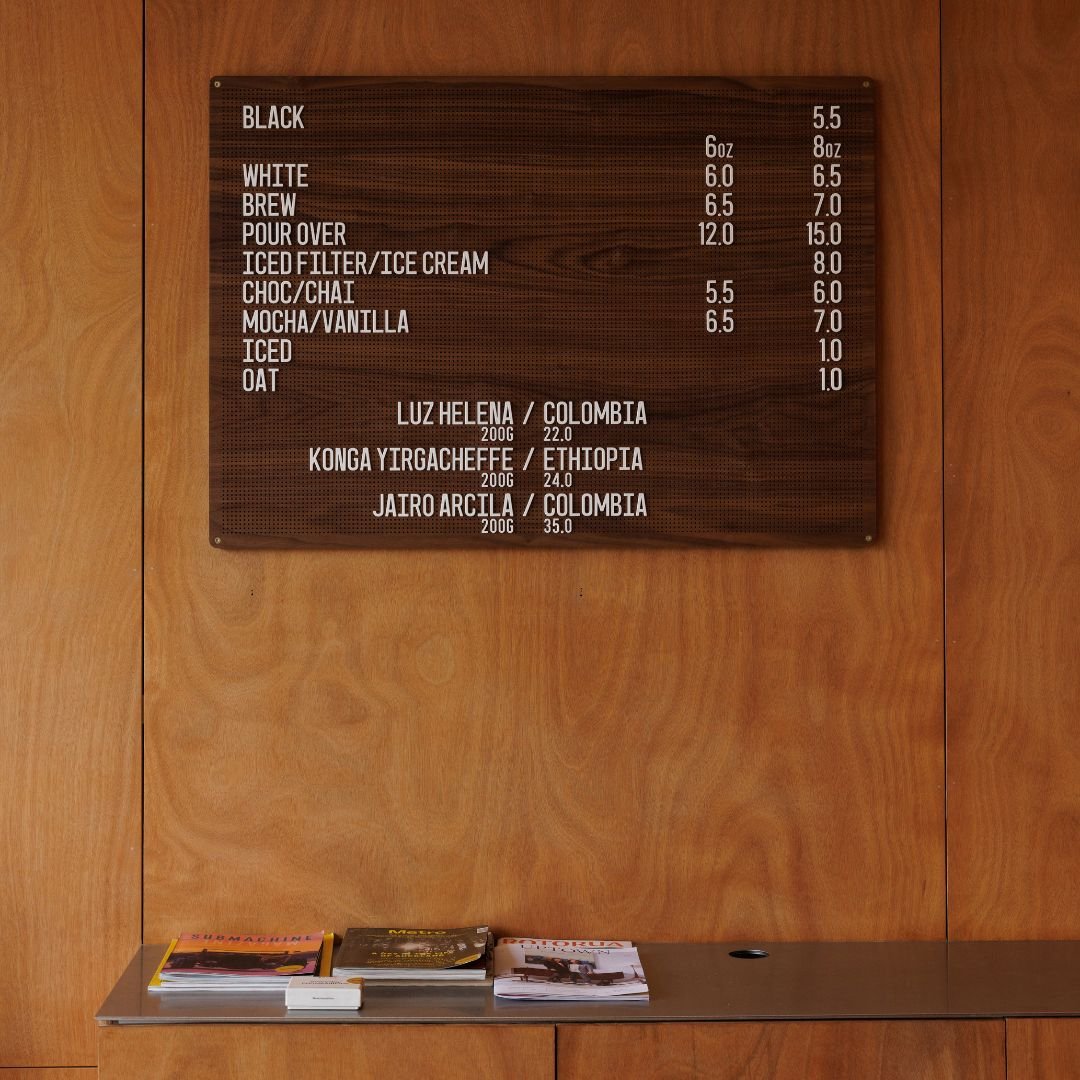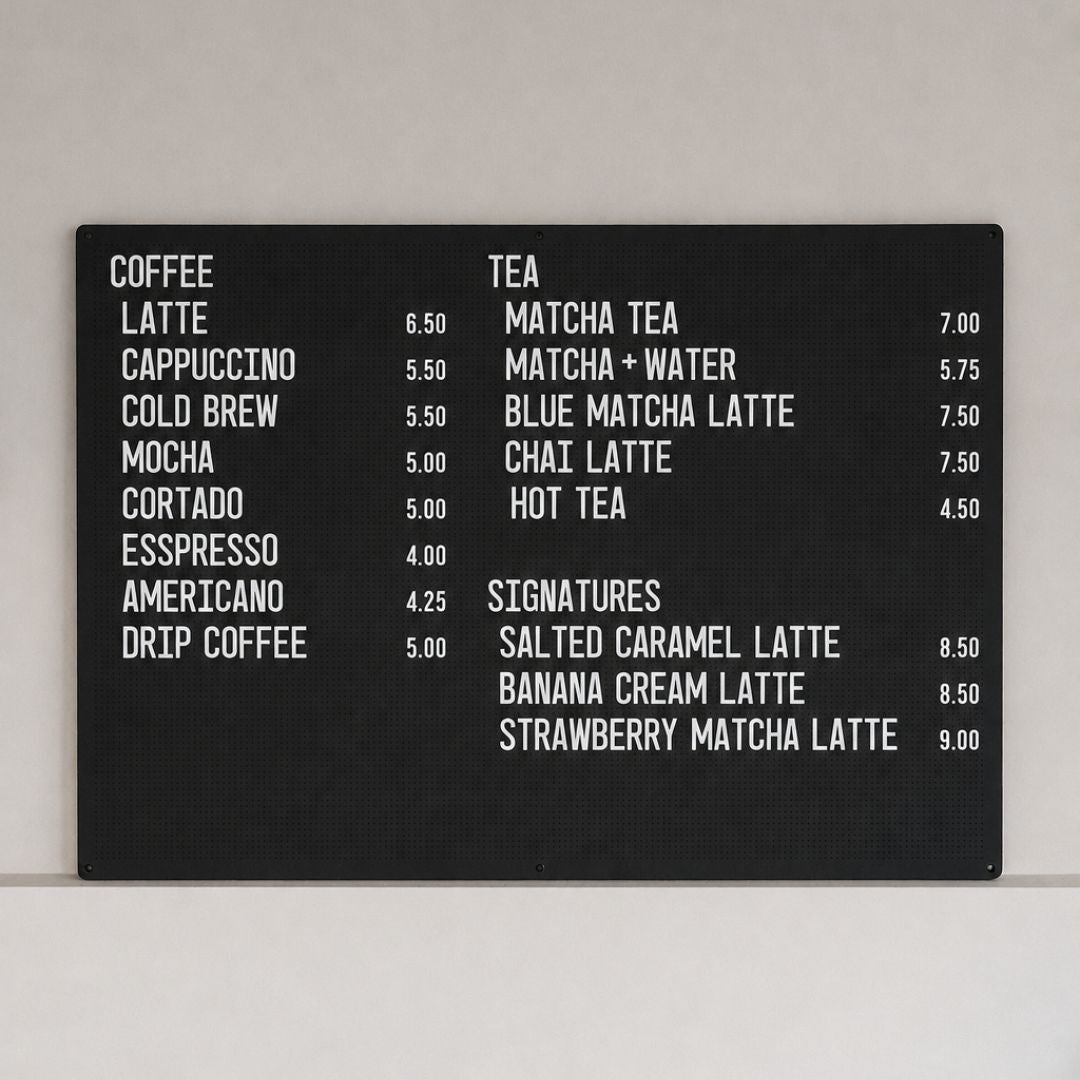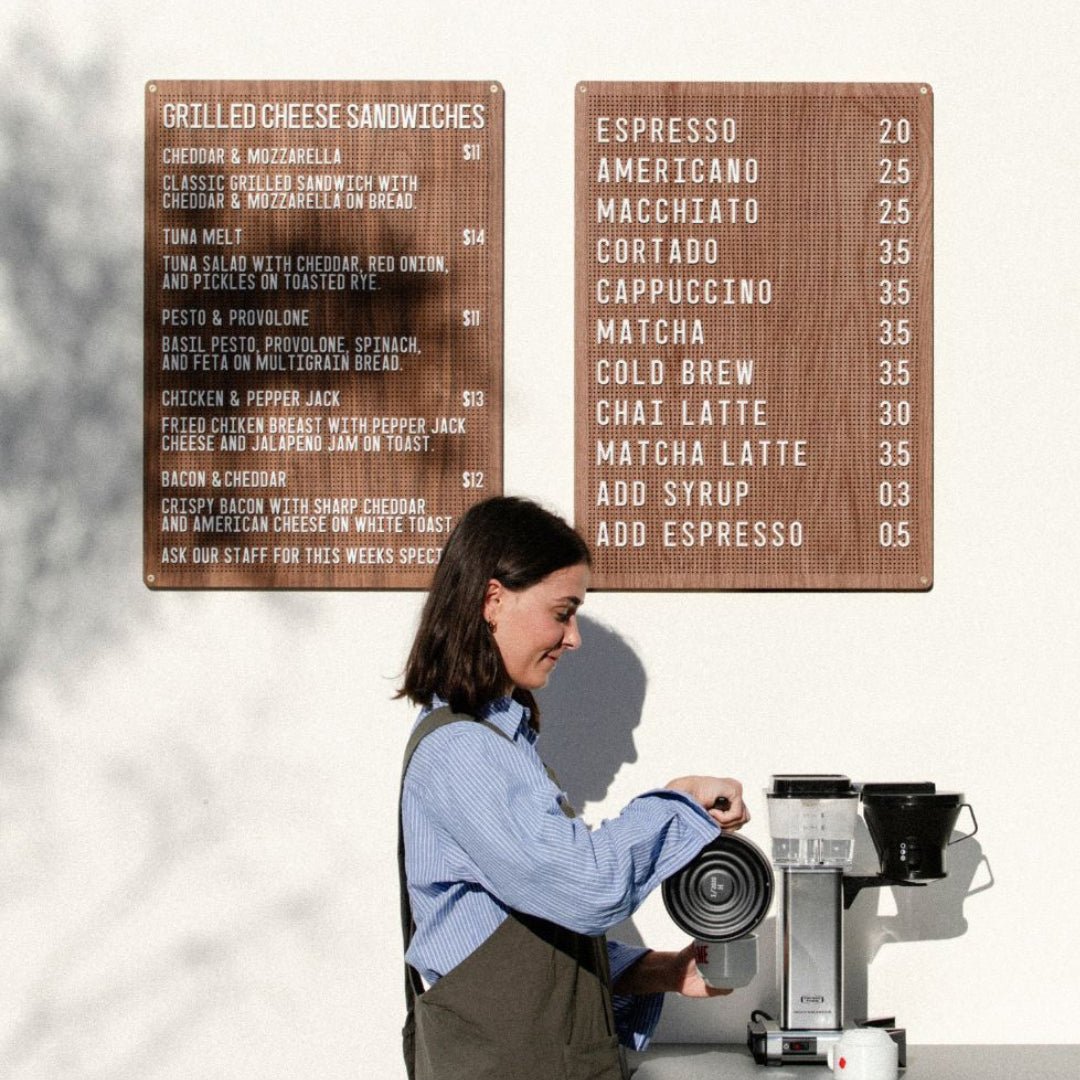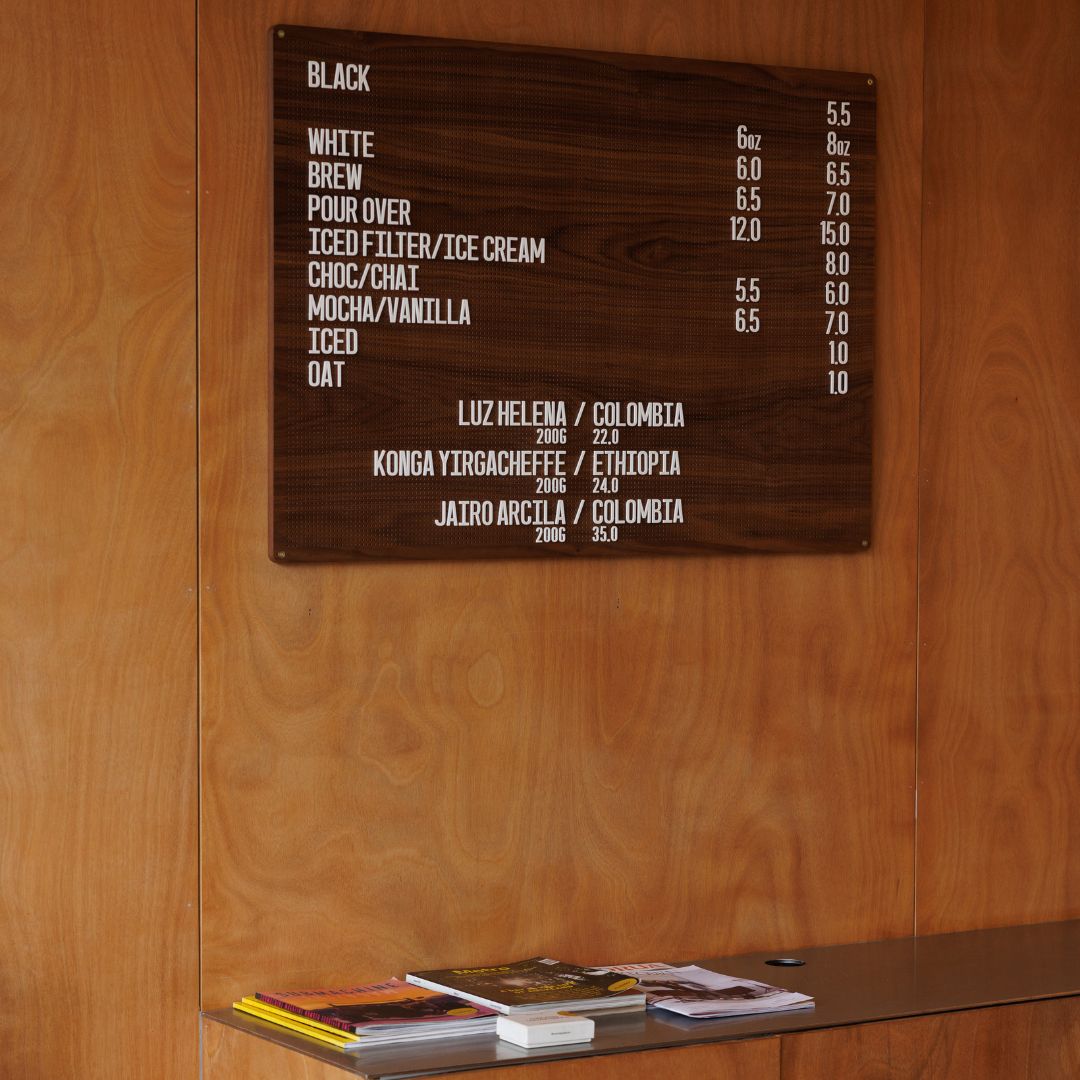






Wooden signs for outdoors offer a classic, rustic charm that can elevate the entrance to a storefront, park, or home. There is something uniquely warm and inviting about a beautifully crafted wood sign. However, choosing the right wood and committing to its care are crucial for ensuring your sign withstands the elements. This guide covers everything you need to know about selecting, finishing, and maintaining beautiful wooden signs for outdoors.
Choosing the Best Wood for an Outdoor Sign
The secret to a long-lasting outdoor wooden sign starts with the right material. The best woods are those that naturally resist weather, pests, and the passage of time. Let’s look at the top contenders. We will also consider a modern alternative like a Metal Sign if you want the look without the upkeep.
Teak: The Gold Standard
Teak is a tropical hardwood widely considered the ultimate choice for outdoor applications. It is packed with natural oils and resins that make it incredibly resistant to water and rot. These same oils also deter insects. For centuries, teak has been the wood of choice for boat decks, a testament to its ability to handle constant exposure to sun and saltwater. A teak sign can easily last 30 to 50 years with minimal upkeep. The main drawback is its price, as teak can cost two to three times more than other durable woods.
Redwood: The Beautiful All Rounder
Redwood is another fantastic option, prized for its rich reddish brown color and natural durability. Like teak, redwood heartwood contains tannins that make it resistant to decay and insects. A key benefit of redwood is its dimensional stability, meaning it is less likely to warp or twist as humidity levels change. It is also lightweight and has a straight grain, which makes it easy to carve with detailed lettering or logos. With proper care, a redwood sign can last for 30 years or more.
Cedar: The Aromatic and Affordable Choice
Cedar, particularly Western Red Cedar, is a popular and more budget-friendly choice for wooden signs for outdoors. It contains natural compounds called thujaplicins, which act as a fungicide and make the wood highly resistant to rot. In fact, cedar’s rot resistance can persist for more than a century after harvesting. It is also dimensionally stable, boasting about twice the stability of most other common softwoods, so it stays flat. Cedar is lightweight and easy to work with, but it is softer than hardwoods and can be dented in high-traffic areas. You can expect a cedar sign to last around 15 to 20 years.
White Oak: The Tough Traditionalist
White oak is a dense, strong North American hardwood with excellent water resistance. Unlike red oak, its pores are filled with natural latex like substances called tyloses, which prevent water from seeping in. This is the same reason white oak is used for making whiskey barrels. It is incredibly tough and resistant to abrasion, but its density makes it heavy and harder to carve. For a classic, durable sign that can handle some bumps, white oak is a superb choice, often lasting 25 years or more when properly sealed. You could also opt for a durable Standing Sign that delivers similar impact with virtually no sealing required.
Comparing the Top Outdoor Wood Species
When it comes to wooden signs for outdoors, choosing between these excellent woods involves balancing cost, appearance, and maintenance.
-
Durability and Lifespan: Teak is the clear winner, often lasting over 40 years. Redwood and white oak are also impressive, with lifespans of 25 to 30 plus years. Cedar is durable but typically offers a 15 to 20 year service life without significant upkeep.
-
Maintenance Needs: Teak is the lowest maintenance wood, requiring only occasional cleaning if you don’t mind it weathering to a silver gray. White oak is the highest maintenance, as it needs regular sealing to prevent water intrusion. Cedar and redwood fall in the middle, benefiting from a fresh coat of sealer every few years.
-
Cost: Cedar is generally the most affordable option. Redwood and white oak sit in a moderate price range, while teak is by far the most expensive premium choice.
-
Appearance: Each wood has a distinct look. Cedar has warm, reddish brown tones, while redwood boasts a richer red hue. Teak begins as a golden honey brown and weathers to an elegant silver. White oak is a lighter tan or pale brown, giving a more traditional feel.
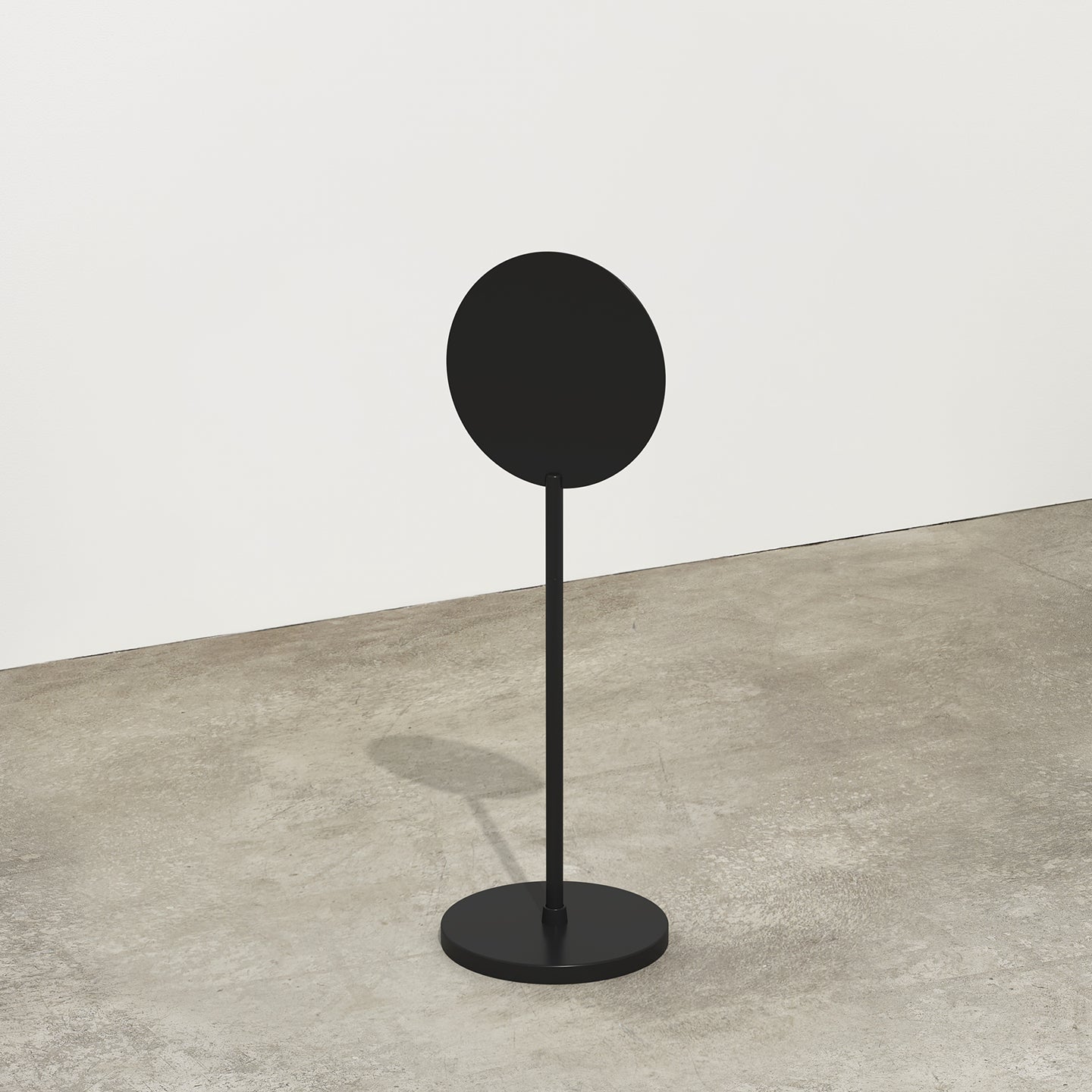
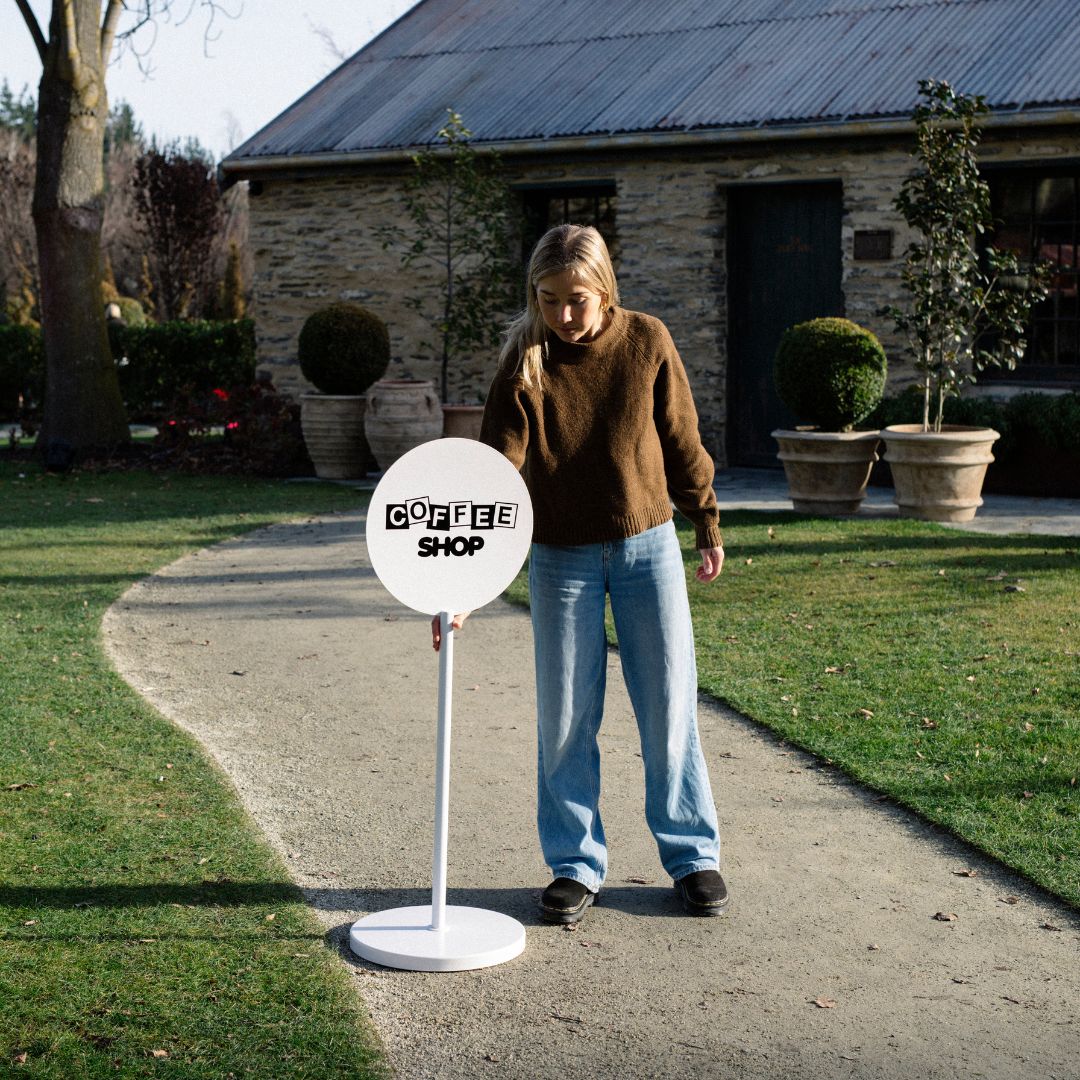
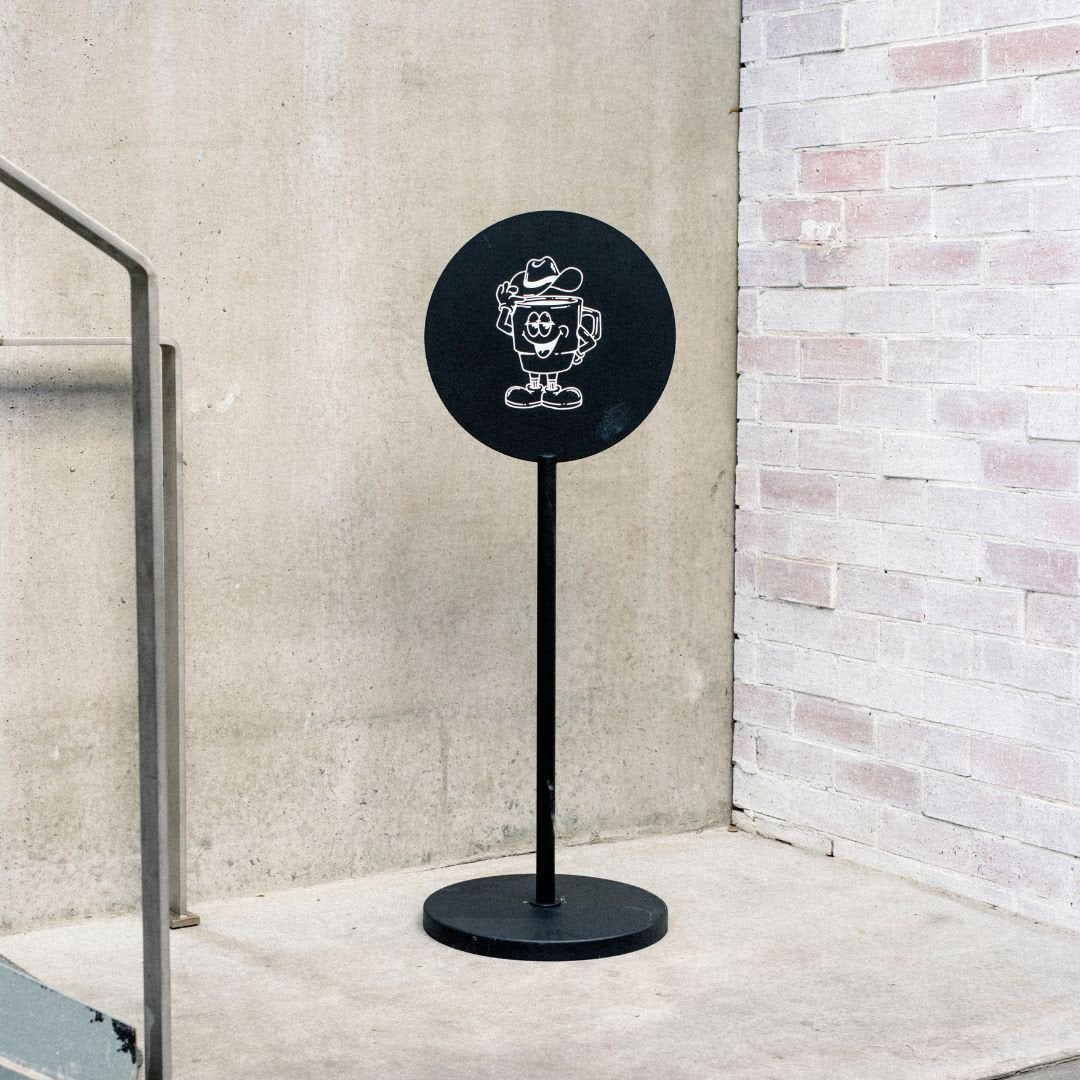
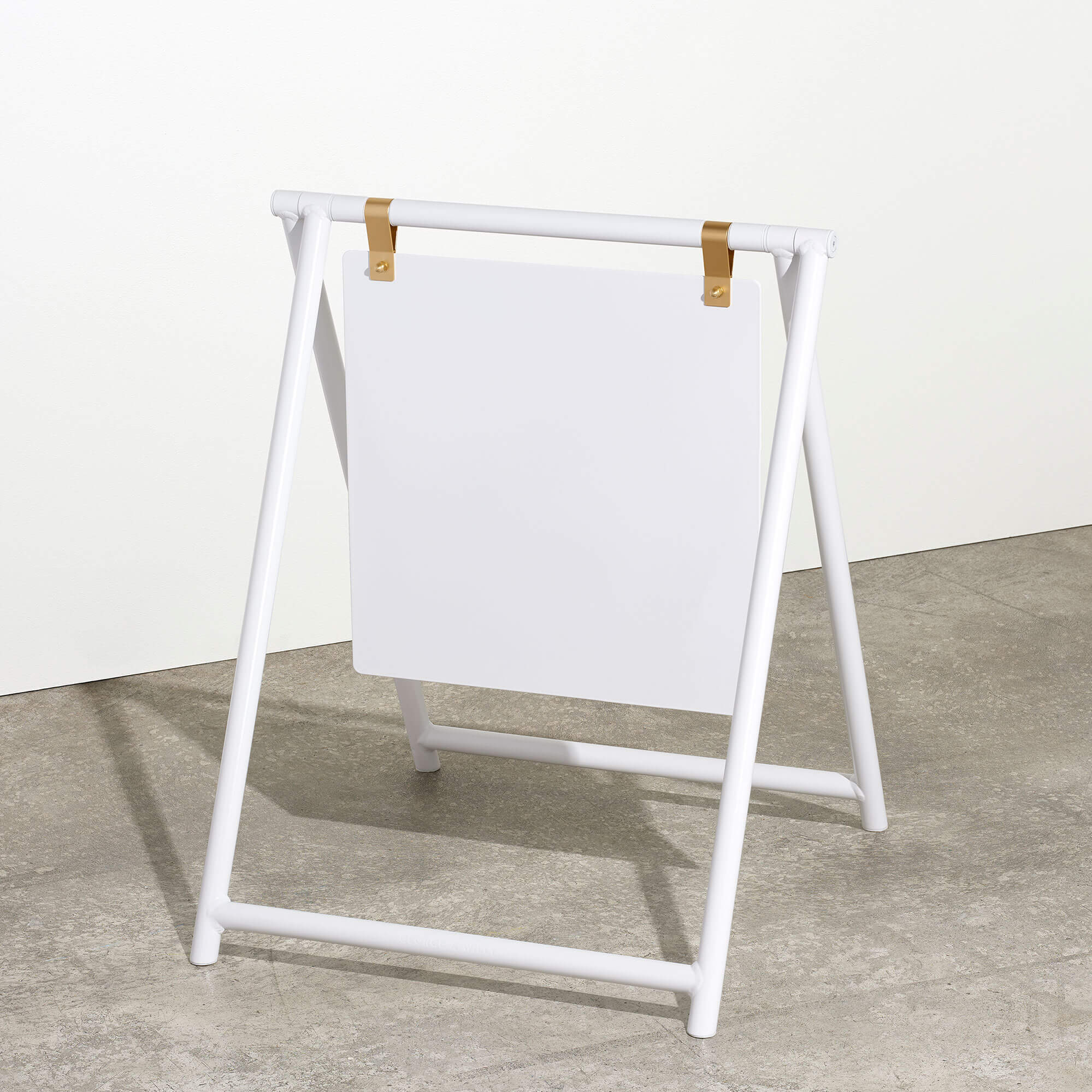
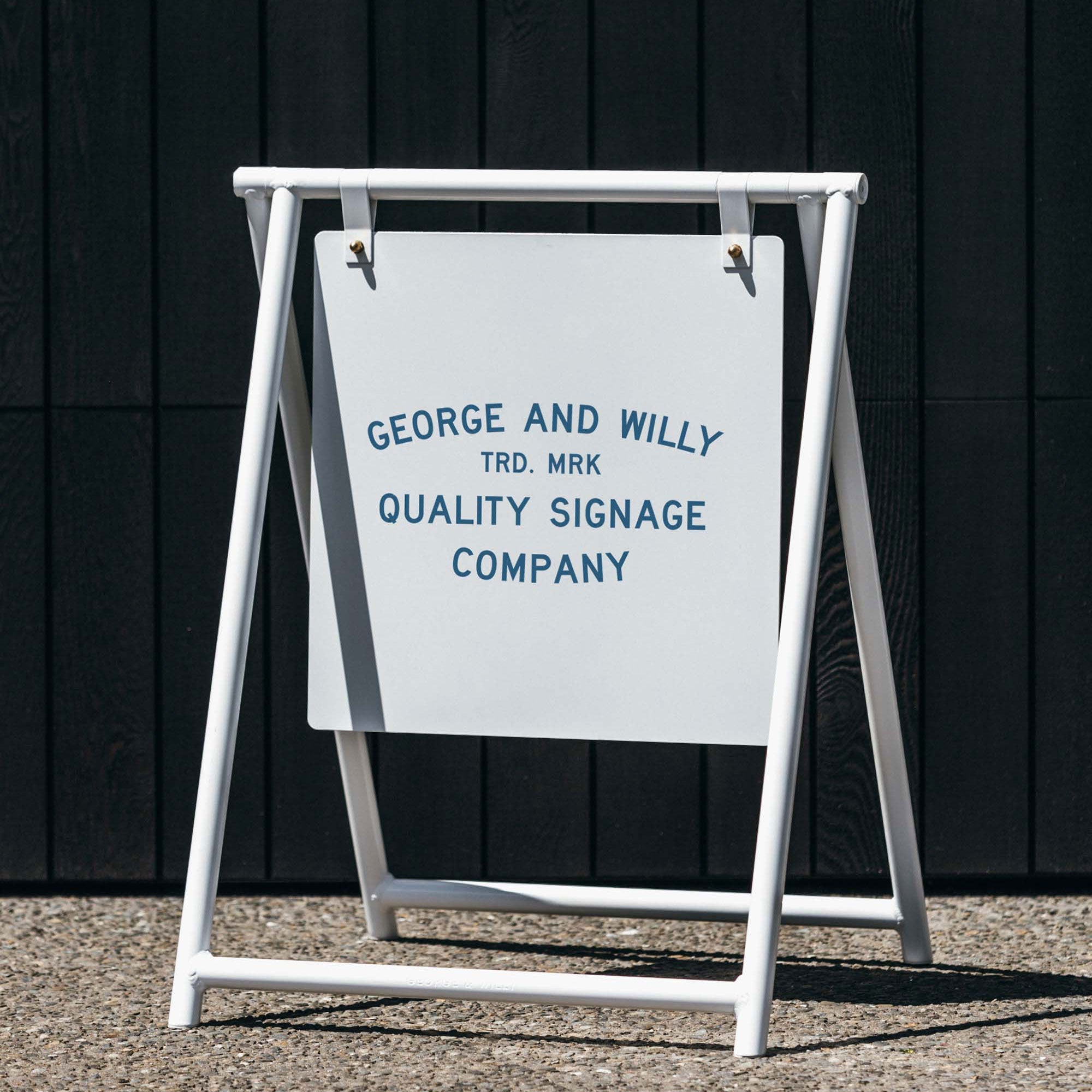
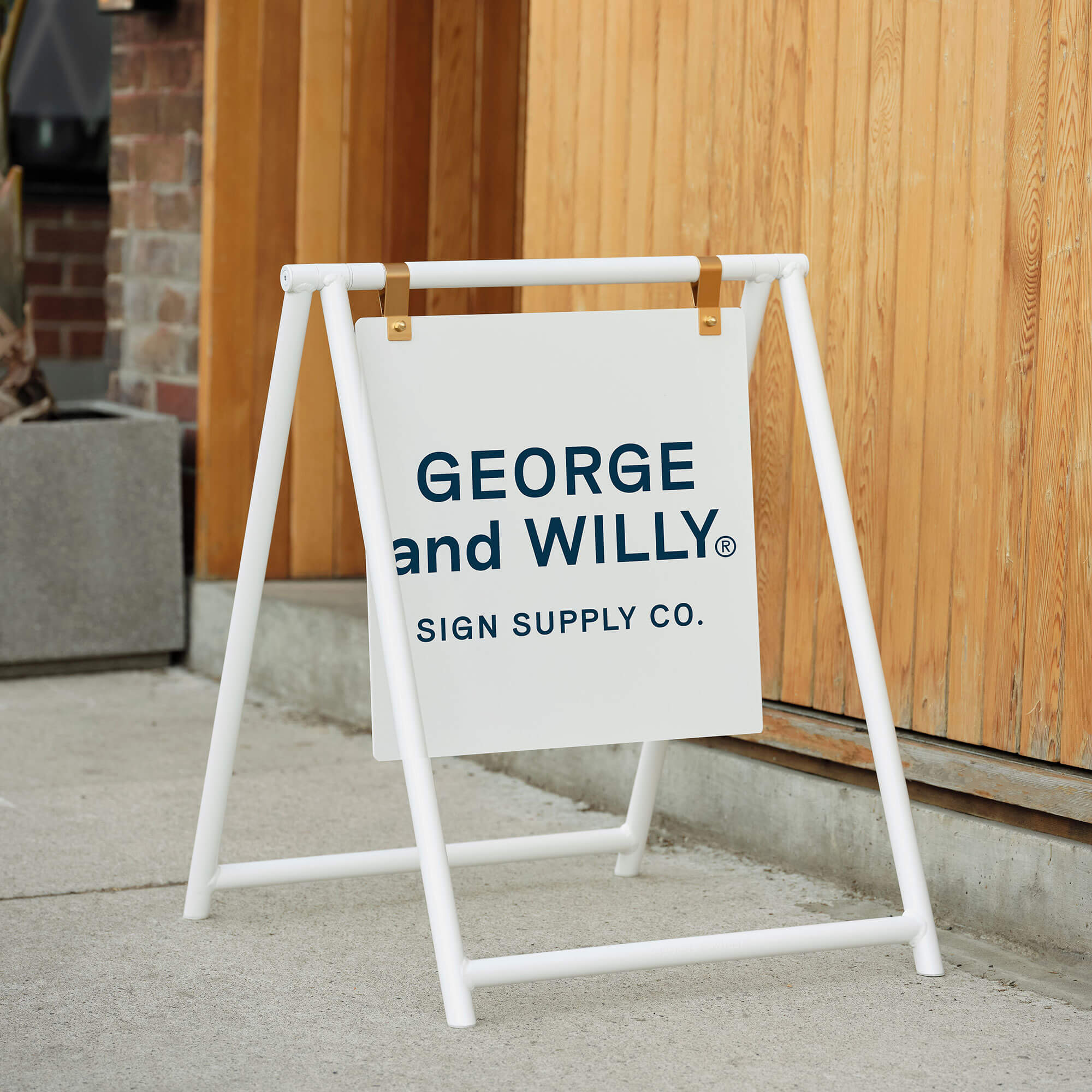
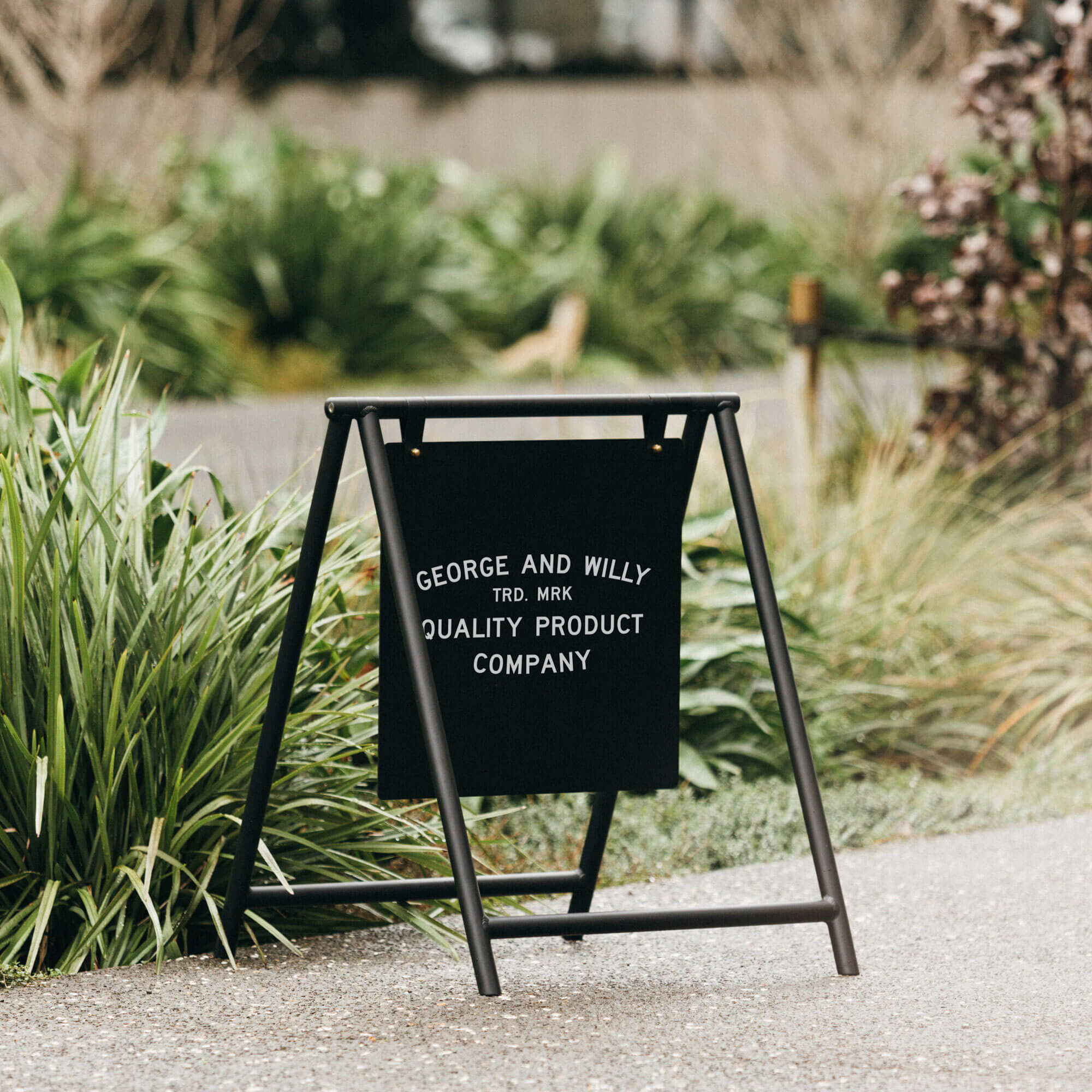
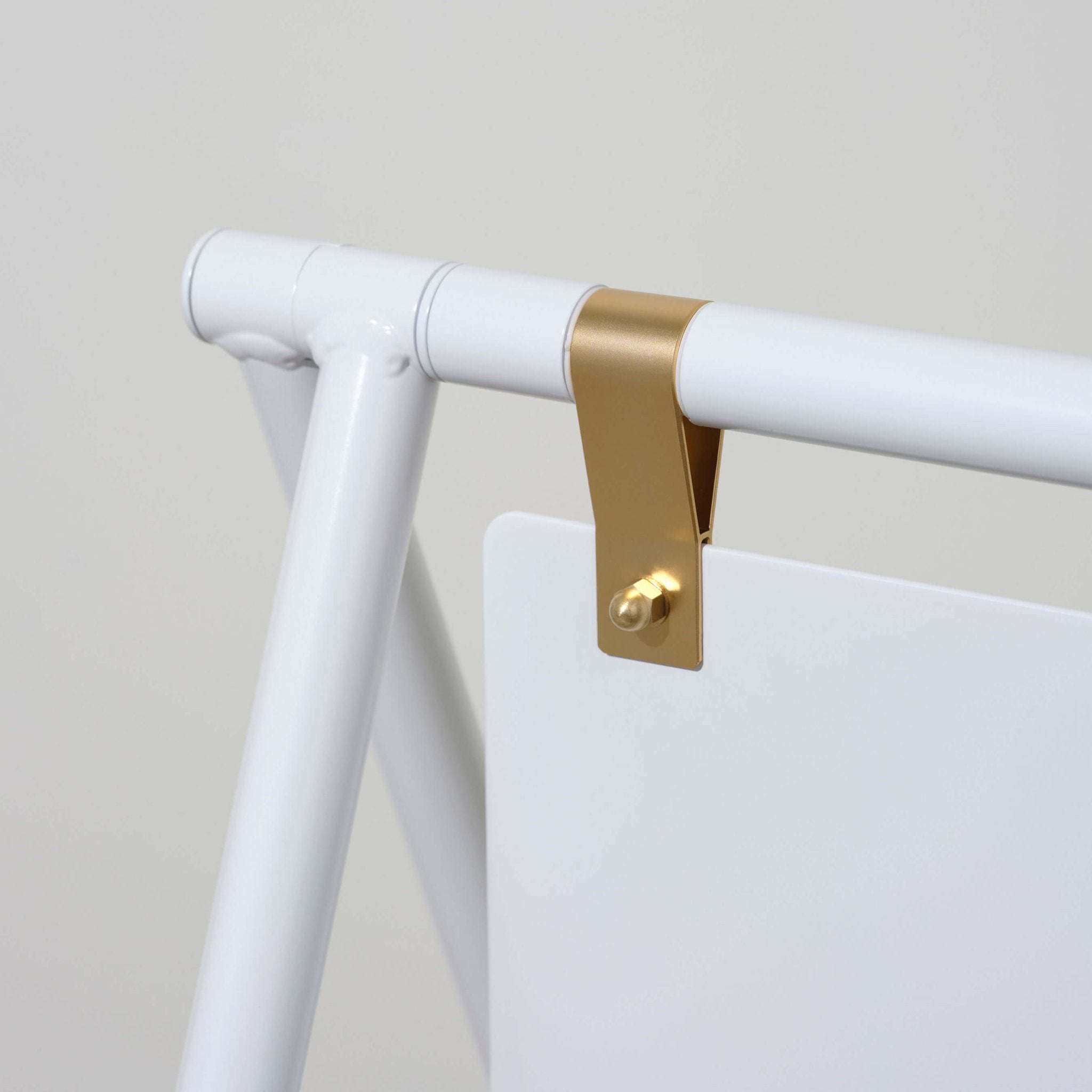
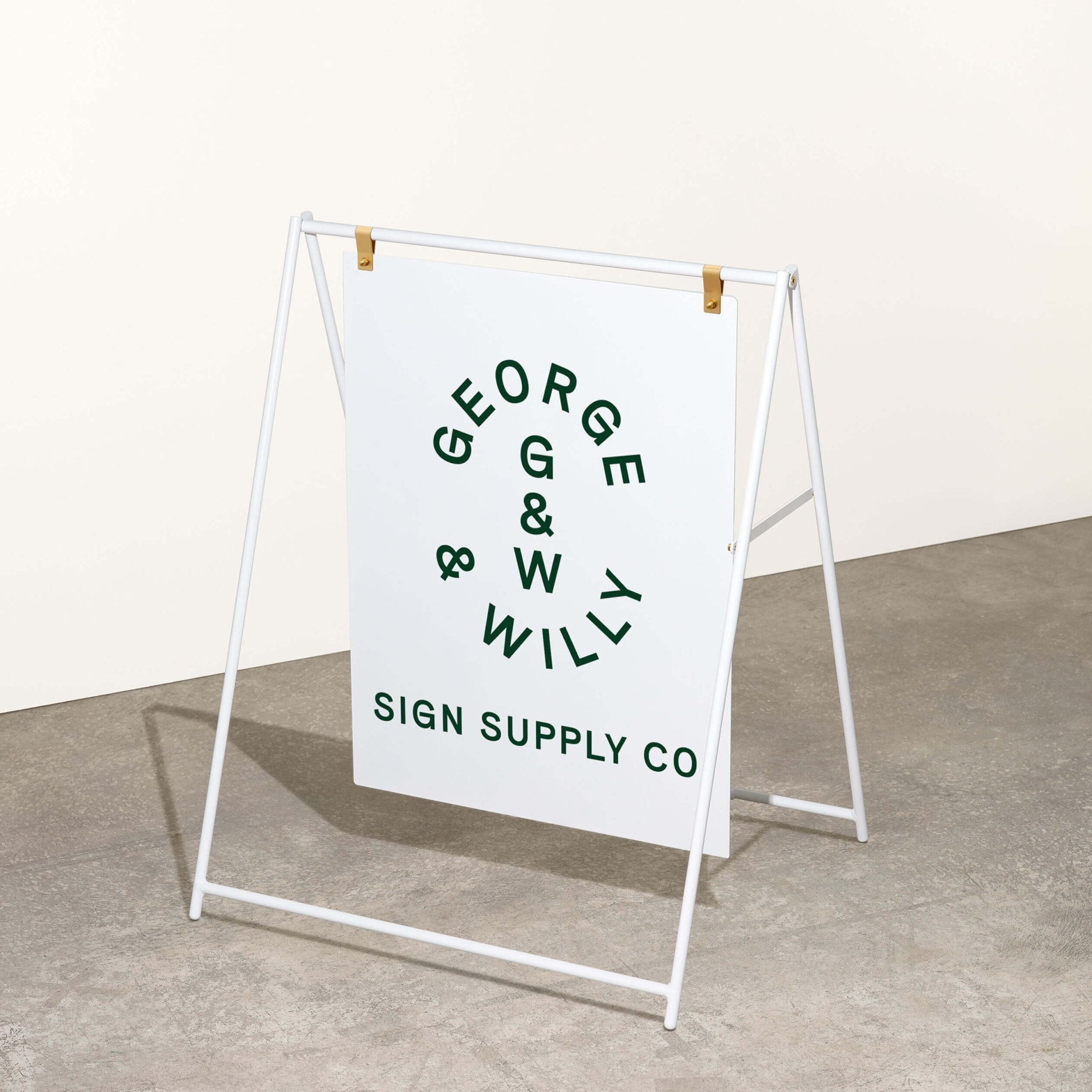
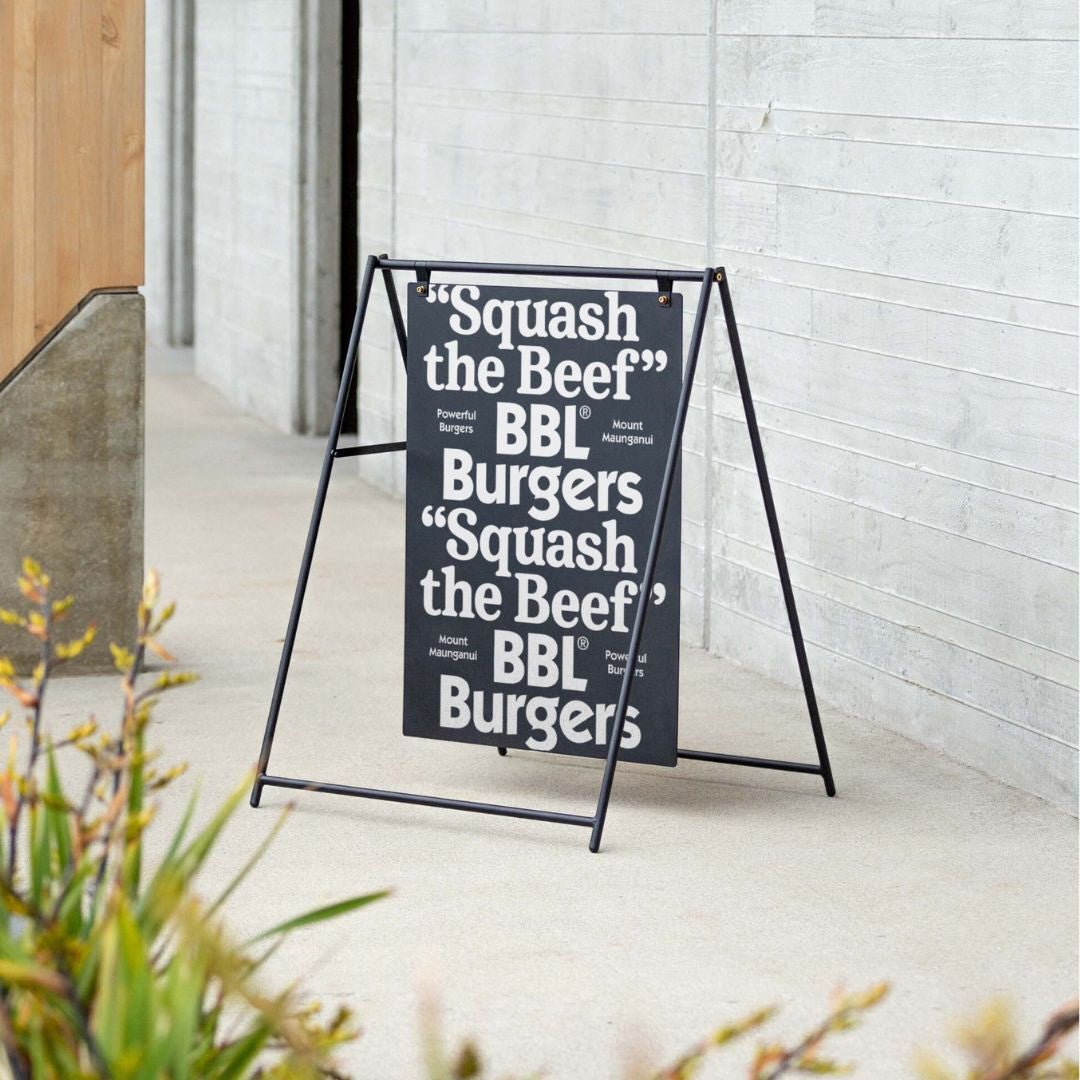
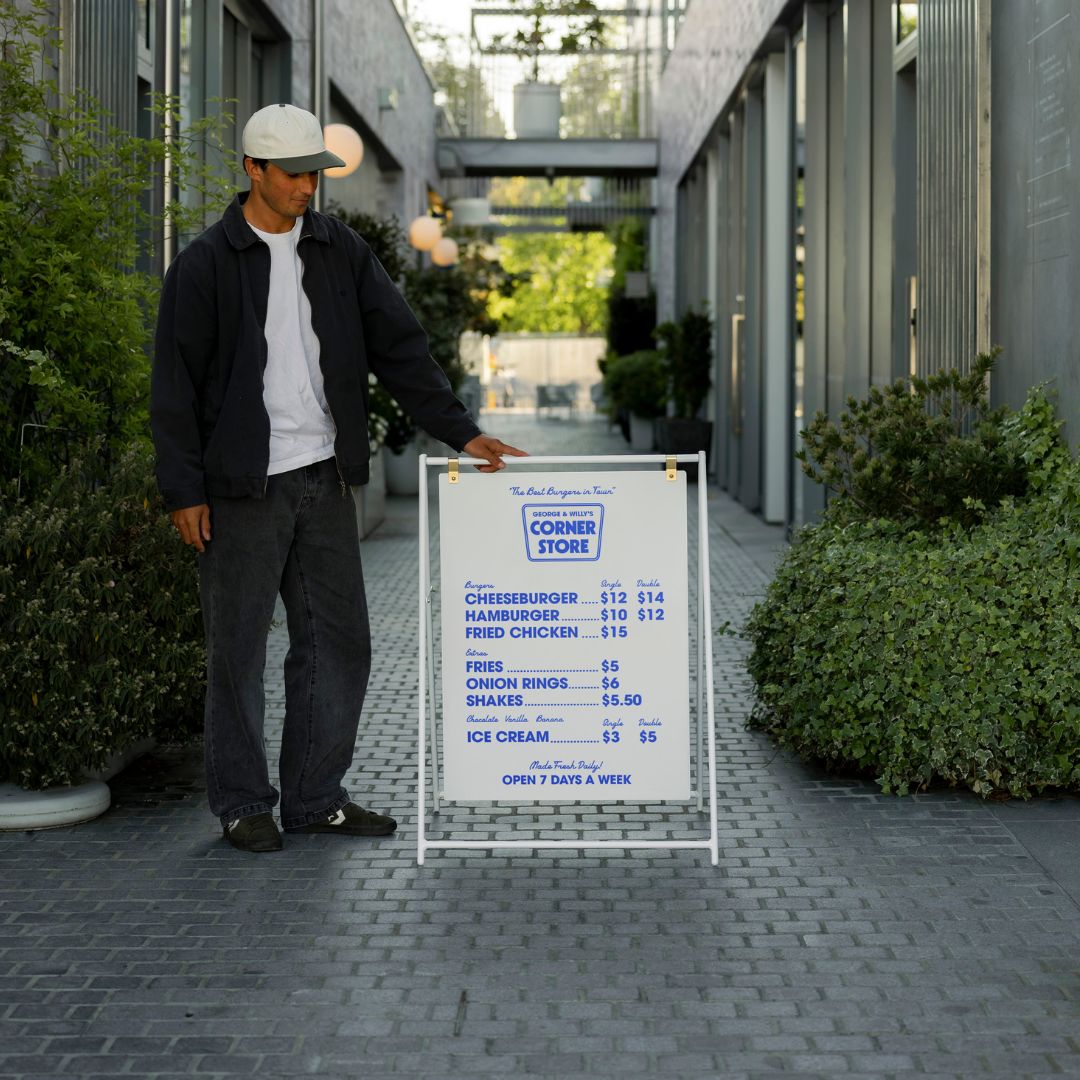
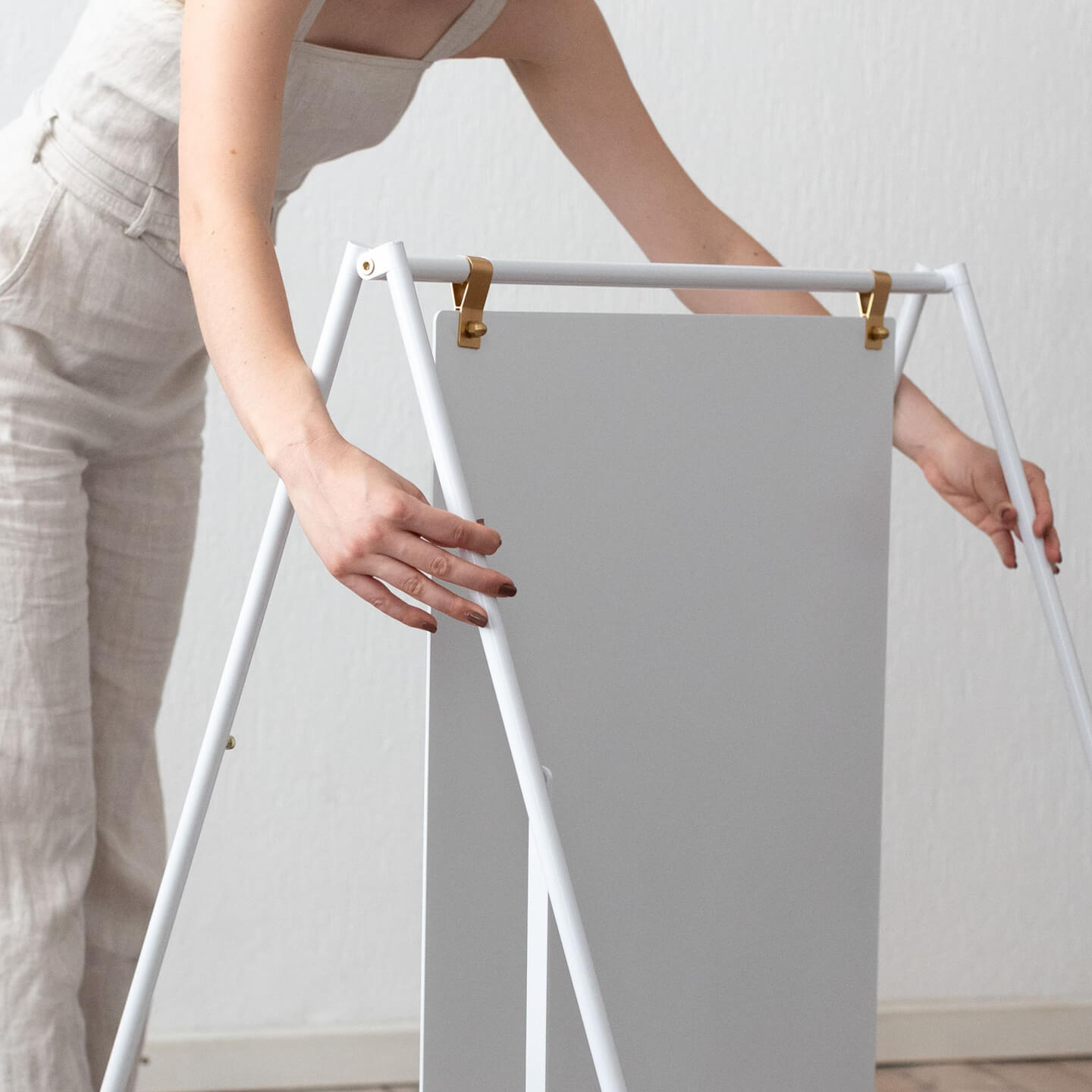
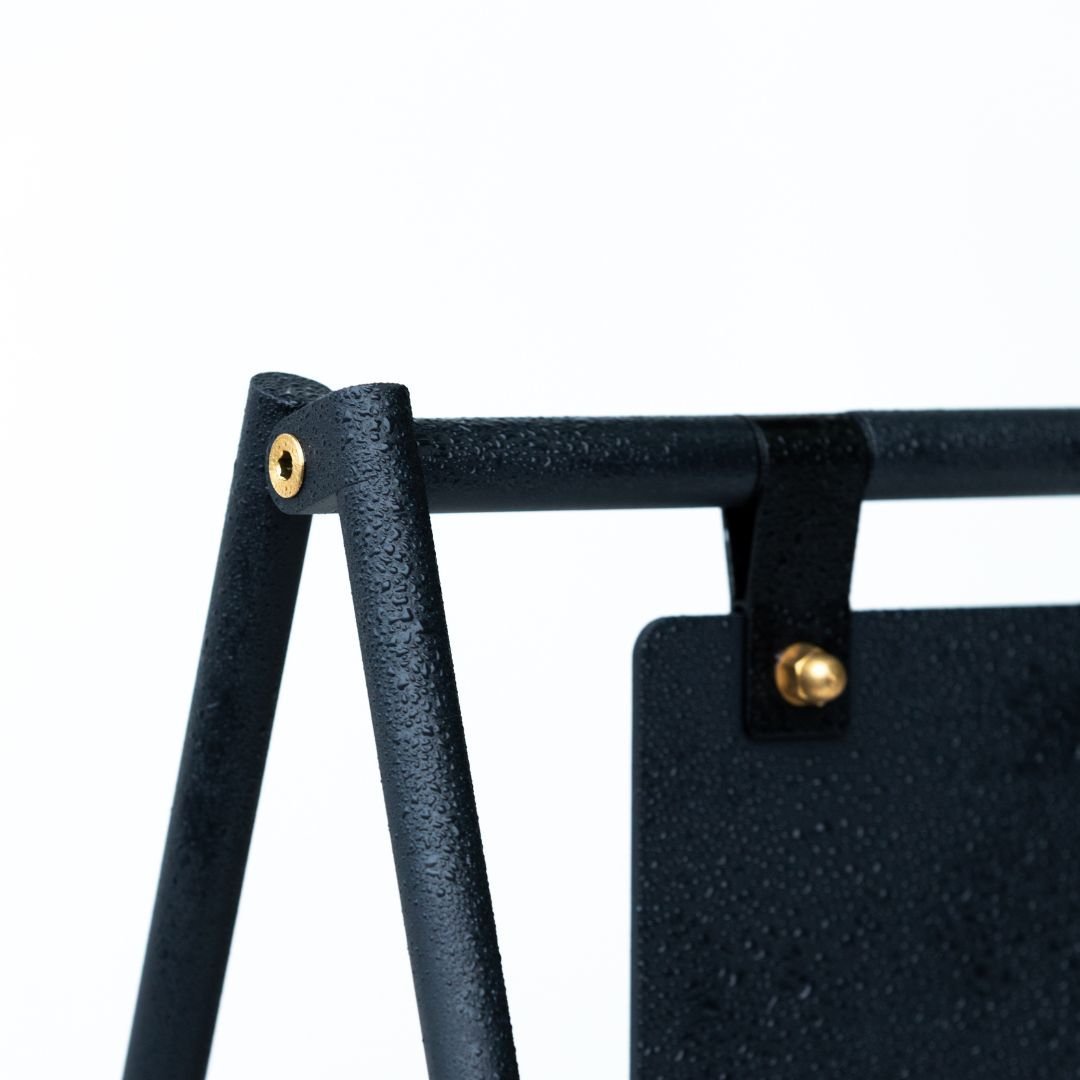
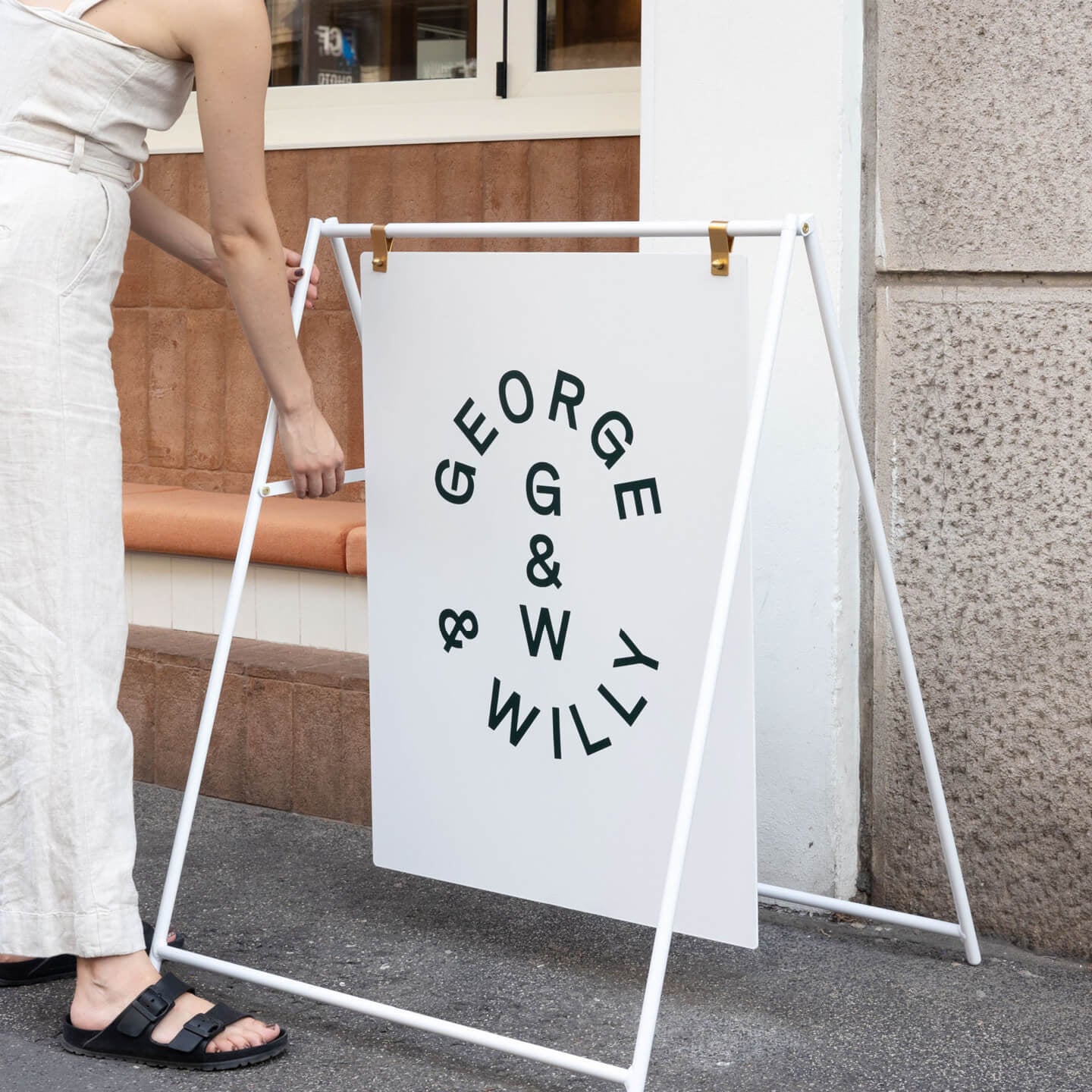
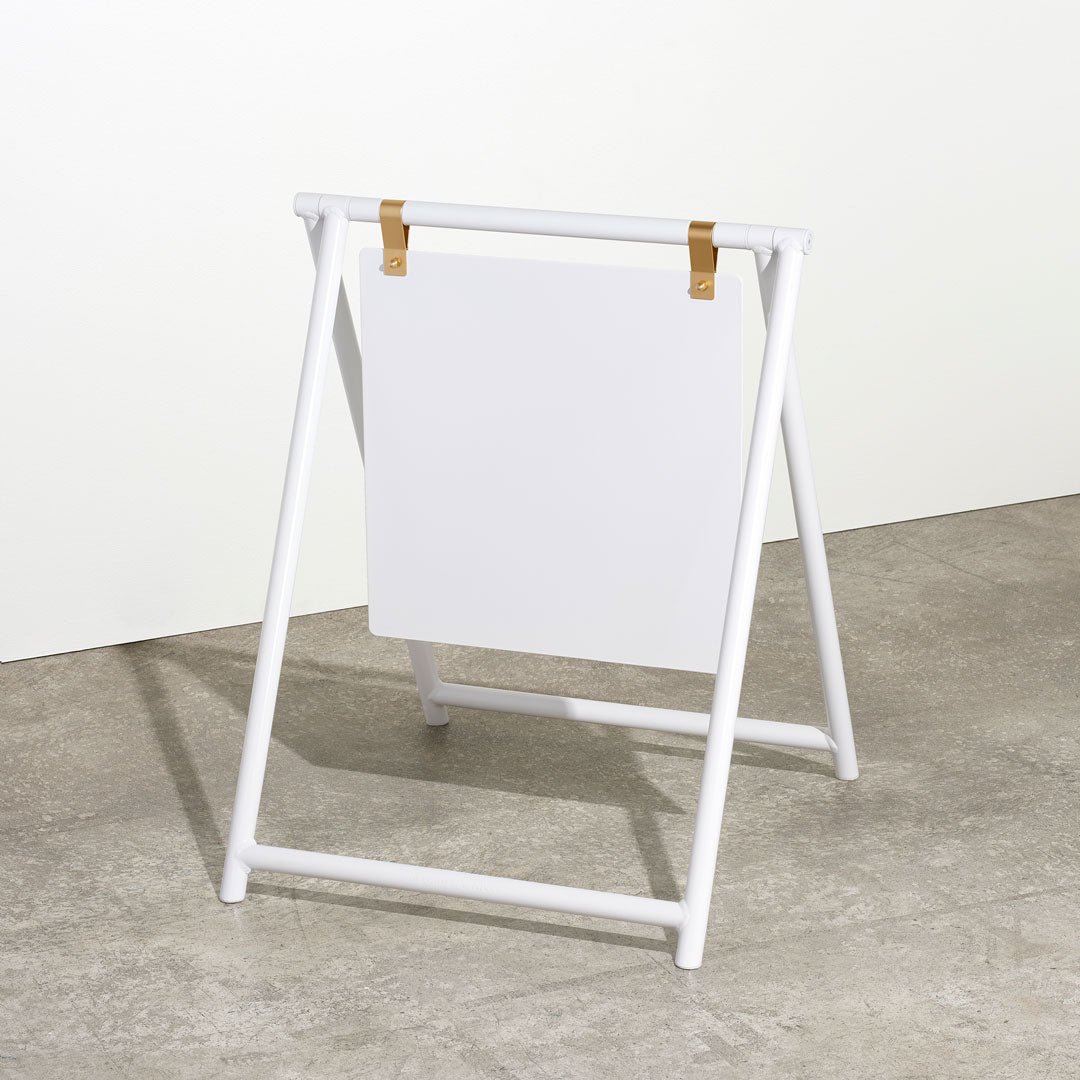
While these woods are fantastic, they all require some level of care. If you’re looking for a beautiful sign without the upkeep, consider modern alternatives. Companies like George & Willy craft powder‑coated aluminum signs, such as the Outdoor Sign, that offer timeless design without the need for periodic refinishing.
Protecting Your Investment: Finishes for Wooden Signs
A good finish is the first line of defense for any wooden signs for outdoors. It acts as a barrier against moisture and the sun’s damaging UV rays, which can cause wood to fade, crack, and rot.
Clear Varnishes and Urethanes
Spar urethane, also known as marine varnish, is a top choice for a clear, protective film. It is flexible enough to expand and contract with the wood, which prevents cracking. A quality marine varnish with UV absorbers can protect a sign for several years, though it may need a fresh coat every 1 to 3 years in harsh climates.
Penetrating Oils
Finishes like tung oil and teak oil soak into the wood fibers to repel water from within. This provides a very natural, matte look where you can still feel the texture of the wood. The downside is that oils offer minimal UV protection, so the wood will still gray over time. An oil finish is easy to reapply but needs to be refreshed every 6 to 12 months.
Paints and Epoxy
For maximum protection, nothing beats paint or epoxy. A quality exterior acrylic latex paint creates a durable skin over the wood, blocking both water and UV light completely. A good paint job can easily last 5 to 10 years. You could also choose a weather‑resistant Menu Stand to avoid repainting altogether. Epoxy resin coatings go a step further by encasing the wood in a hard, plastic like shell that can last for a decade or more. You can also skip coatings altogether with a weatherproof Sidewalk Sign.
The Secret to Longevity: Outdoor Wood Sign Maintenance
Proper maintenance is key to making your wooden signs for outdoors last a lifetime. A little attention each year can prevent costly repairs or replacements down the road.
-
Regular Cleaning: Dirt and pollen can hold moisture against the wood, so it is a good idea to dust your sign off every few weeks. A couple of times a year, gently wash it with mild soap and water, making sure to rinse and dry it completely.
-
Inspections and Repairs: At the start of spring and end of fall, inspect your sign for small cracks or peeling finish. Sealing any cracks you find with a bit of wood filler or caulk will stop water from getting inside and causing rot. Also check that all mounting hardware is tight and free of rust.
-
Protective Upkeep: The most important task is reapplying the protective finish before the old one fails. If you notice the finish looks dull, thin, or flaky, it’s time for a maintenance coat. This small step is the best way to prevent the wood itself from taking damage.
This routine care ensures a long life for your sign. Of course, for busy business owners, this can feel like another task on a long list. For a truly “set it and forget it” solution, exploring weatherproof aluminum options like the A‑Frame Sign from George & Willy provides the visual impact you want with virtually zero maintenance.
How to Spot and Deal with Wood Rot
Even the most durable woods can eventually rot if water finds a way in and stays there. Knowing the early warning signs can help you save your sign.
Wood rot is decay caused by fungi that eat away at wood fibers. Here is what to look for:
-
Discoloration: Look for patches of wood that appear darker or have an unusual, dull color.
-
Spongy Texture: Gently poke suspect areas with a screwdriver. Healthy wood is firm, while rotted wood will feel soft, spongy, or crumble easily.
-
Musty Smell: A persistent damp, earthy, or mildew like smell is a strong indicator of active fungal growth.
-
Fungal Growth: Sometimes you will see visible signs, like mushroom like bodies or whitish, cottony growth on the wood’s surface.
If you find rot, the best course of action is to carefully remove the decayed wood, allow the area to dry out completely, and then treat it with a wood preservative before filling the spot with epoxy filler.
Preventing rot is all about keeping water out. This means maintaining a good finish and ensuring your sign is installed in a way that allows it to dry out after it rains. For complete peace of mind, choosing a sign made from a material that simply cannot rot is the ultimate solution. The George & Willy collection includes powder‑coated aluminum options like a blade sign and stainless steel details, so you’ll never have to worry about rot again.
Frequently Asked Questions about Wooden Signs for Outdoors
What is the most durable wood for wooden signs for outdoors?
Teak is widely considered the most durable and weather resistant wood for outdoor signs, capable of lasting 40 years or more due to its high natural oil content.
How long do wooden signs for outdoors last?
Lifespan varies greatly by wood type and maintenance. With proper care, a cedar sign might last 15 to 20 years, while a high quality teak or redwood sign can last for well over 30 years.
Can I leave a wooden sign untreated outside?
It is not recommended. Even rot resistant woods will quickly absorb moisture and suffer from UV damage, leading to graying, cracking, and a much shorter lifespan. A protective finish is essential.
What is the most budget friendly wood for outdoor signs?
Cedar is typically the most affordable of the durable, rot resistant woods, making it an excellent value for outdoor signage.
Is redwood or cedar better for outdoor signs?
Both are excellent choices. Redwood is generally more durable and has a richer color, but it’s also more expensive. Cedar offers great rot resistance at a lower price point. The choice often comes down to budget and aesthetic preference.
How often do I need to reseal my wooden sign?
It depends on the finish and climate. Penetrating oils usually need to be reapplied every 6 to 12 months. A film forming varnish like spar urethane may last 1 to 3 years before needing a maintenance coat.
Related reading: How to make a wooden sign