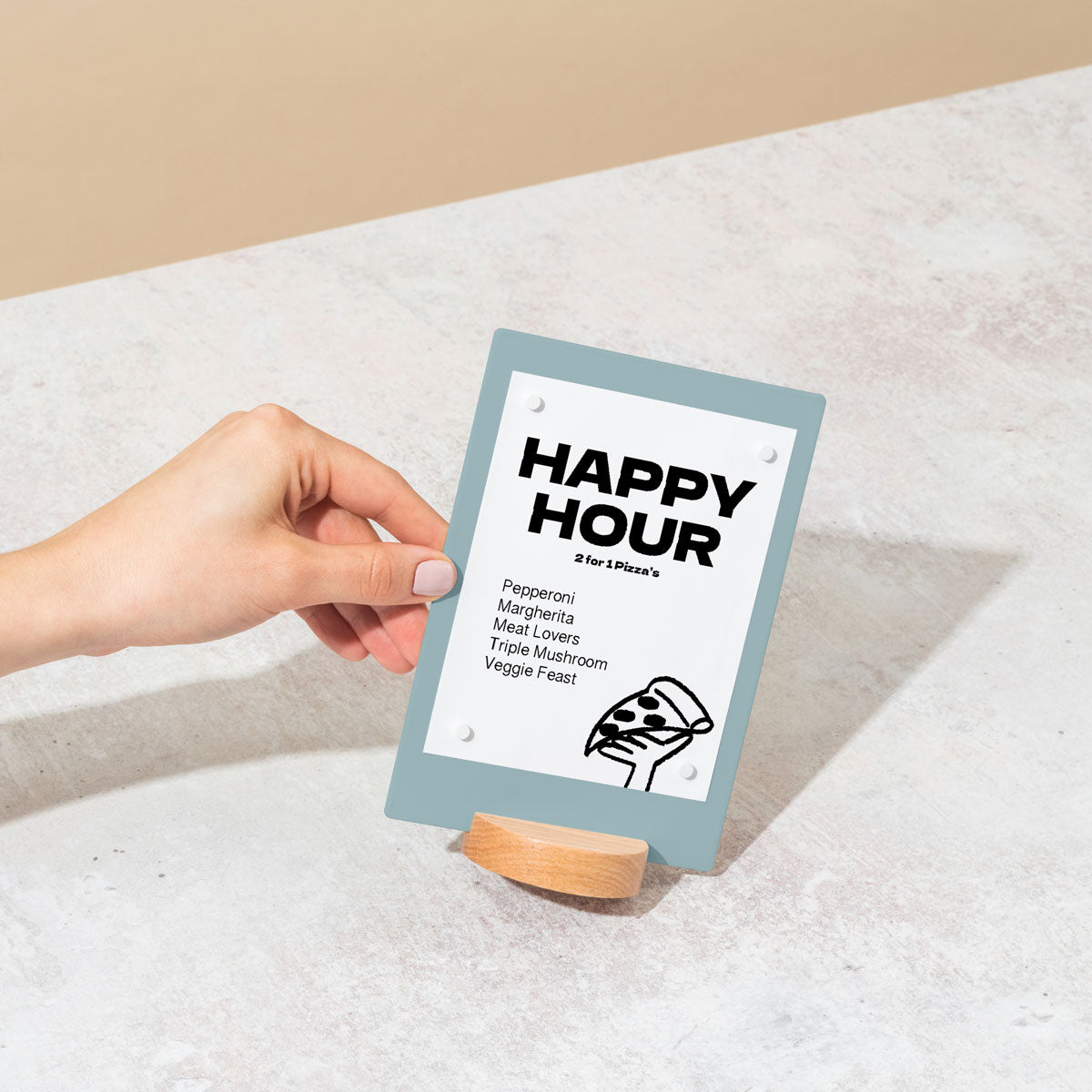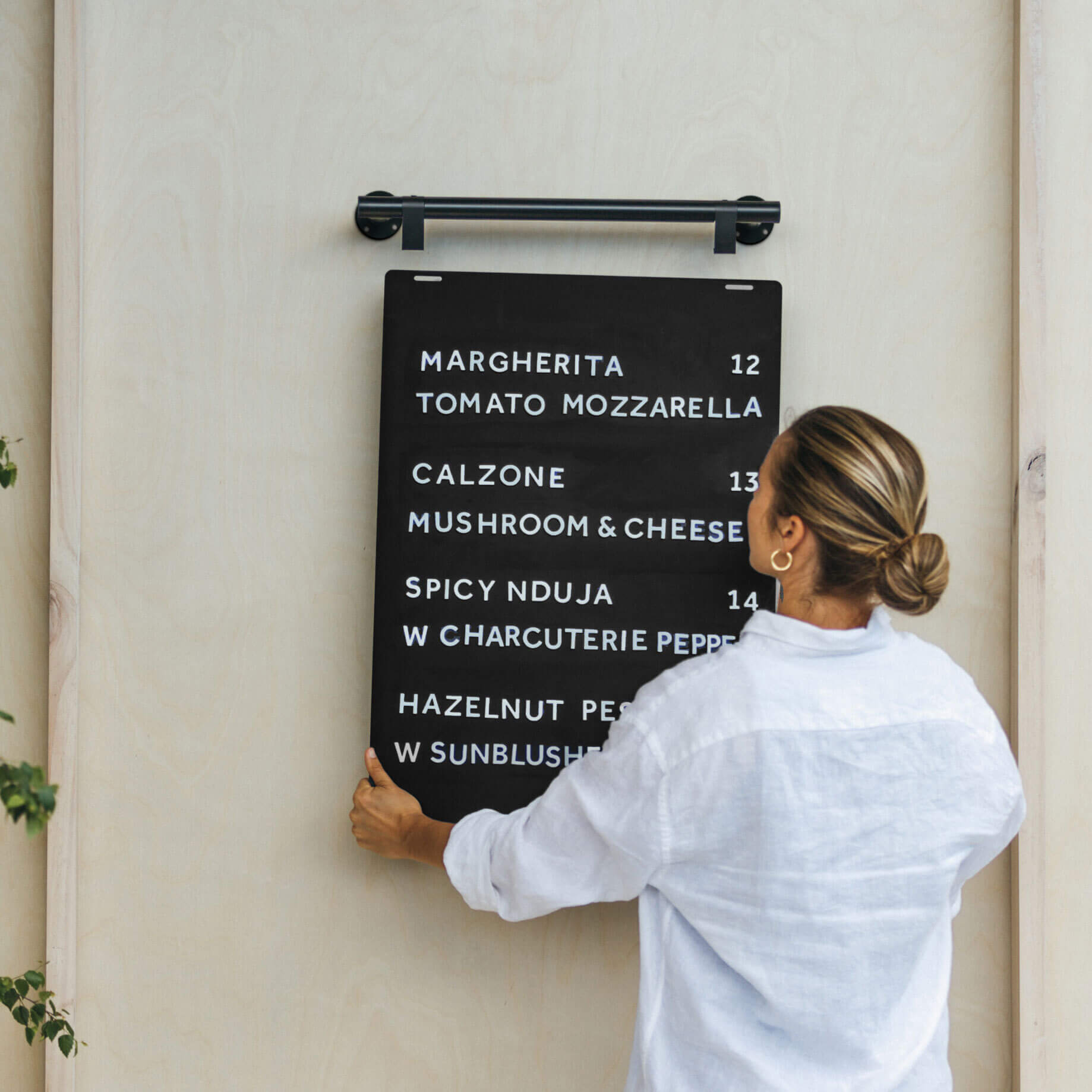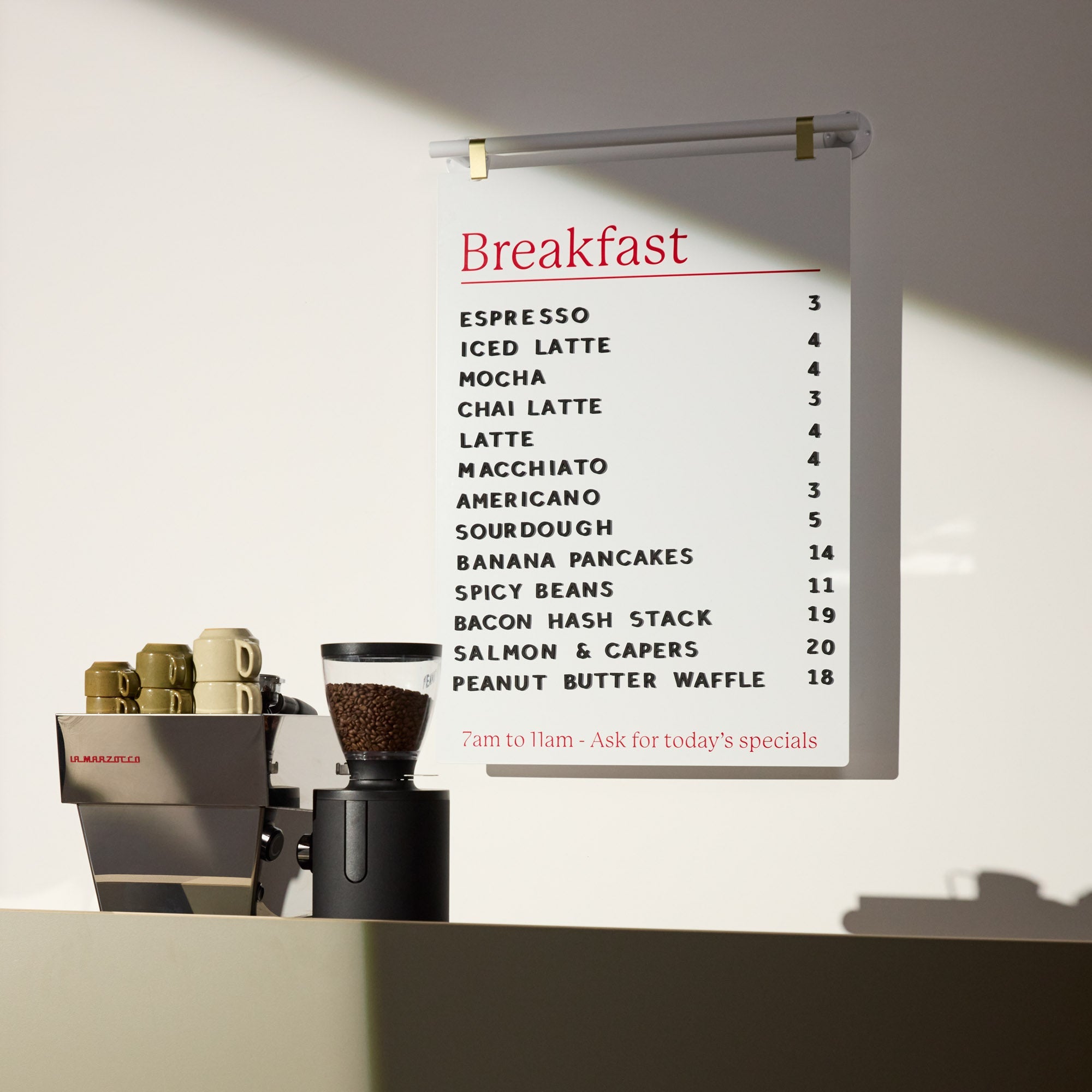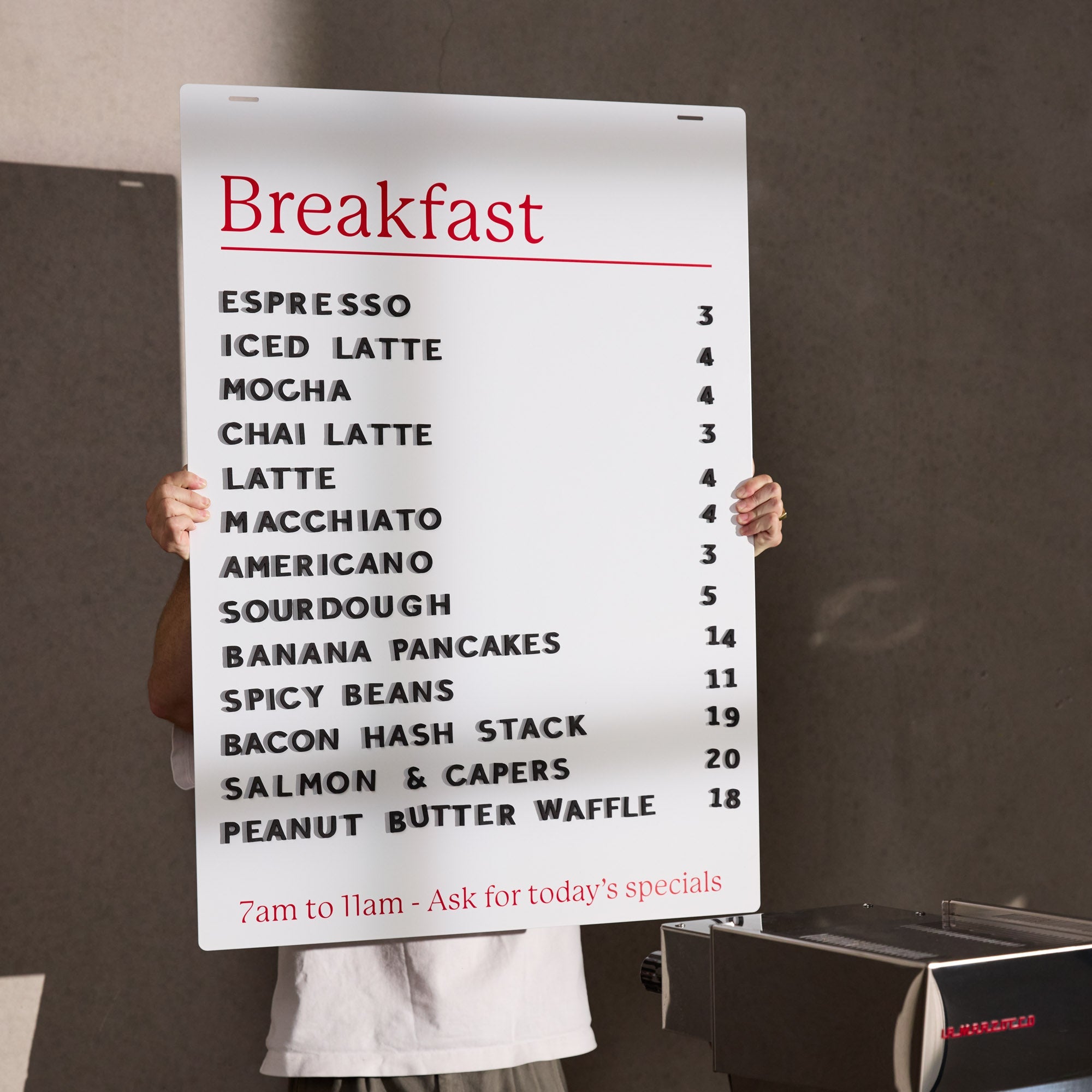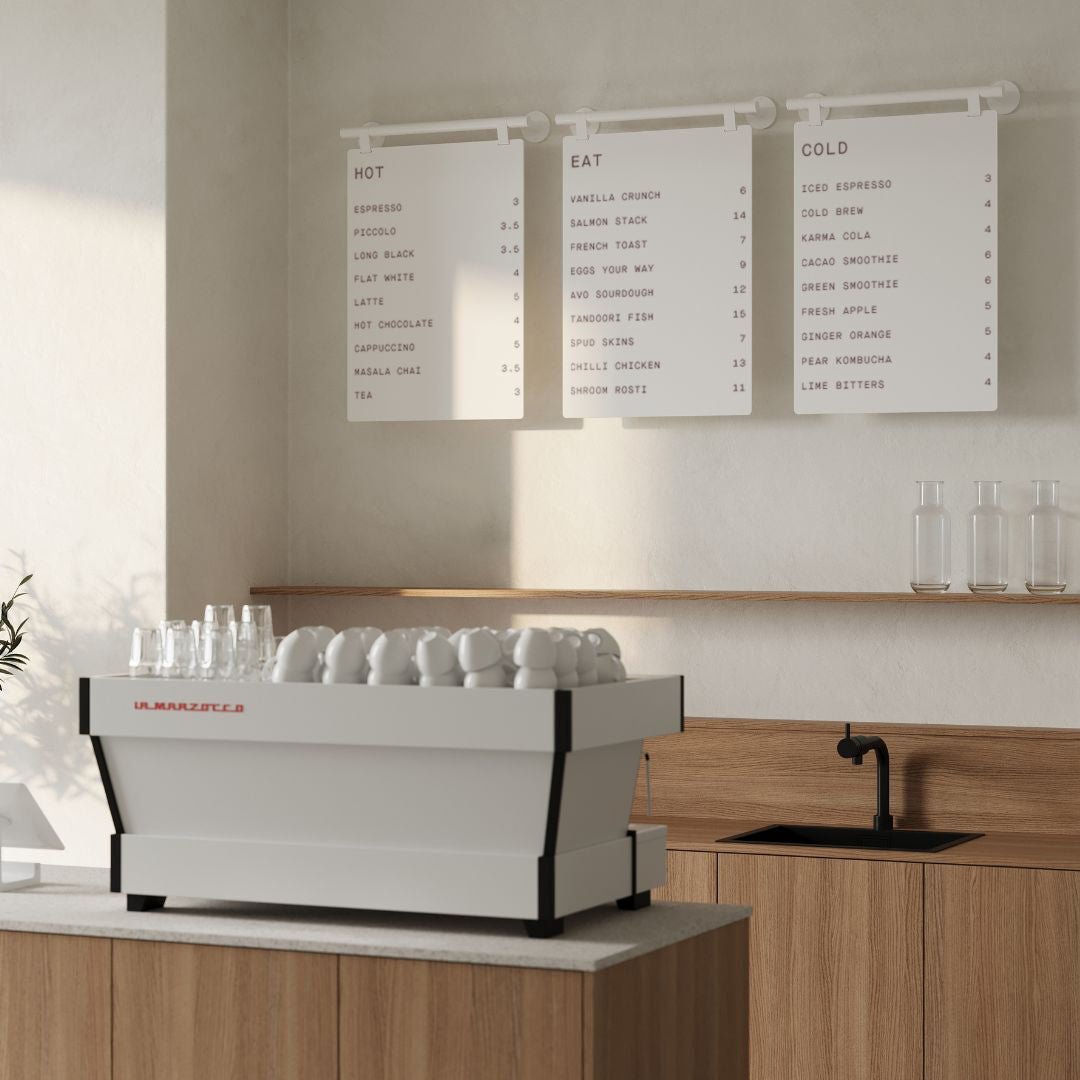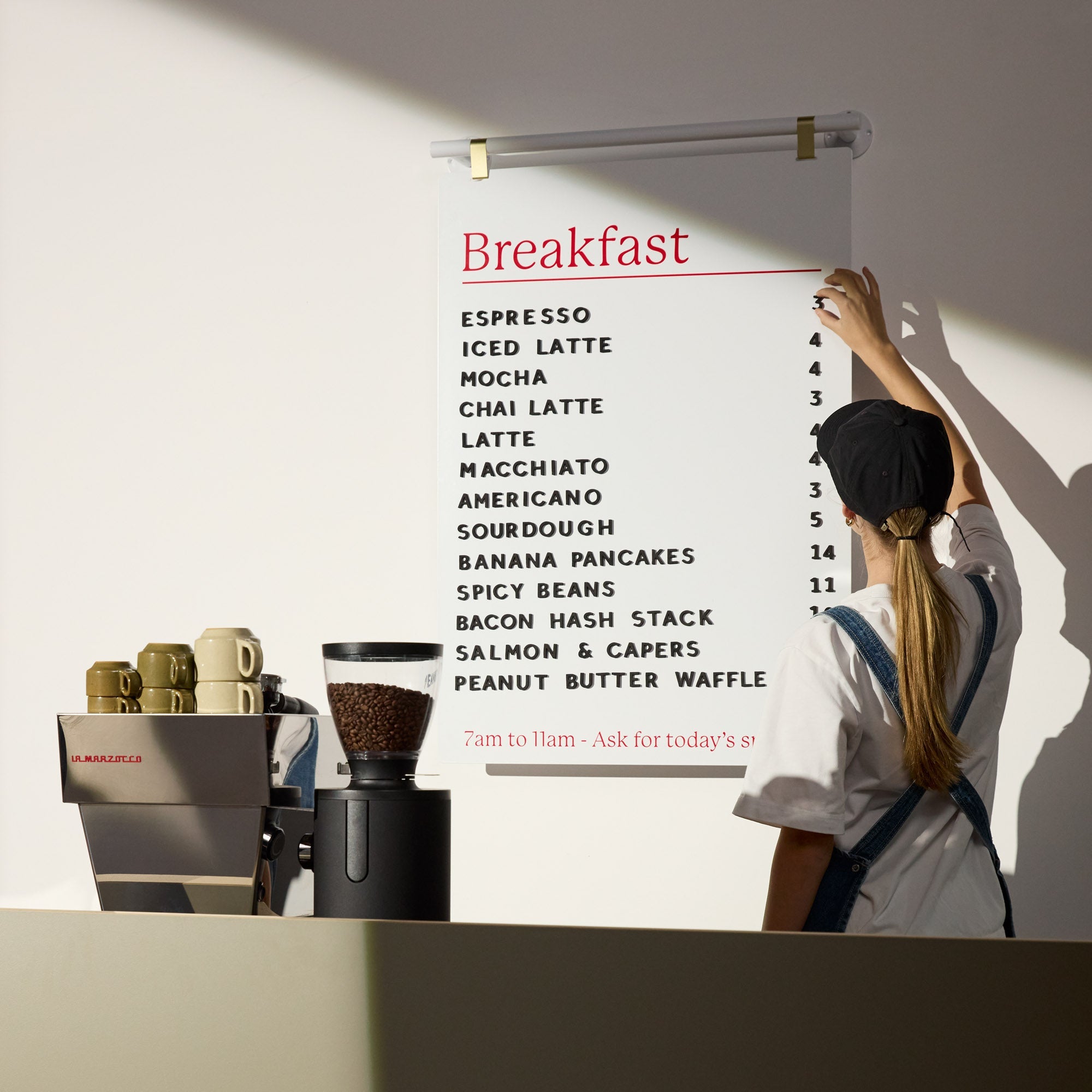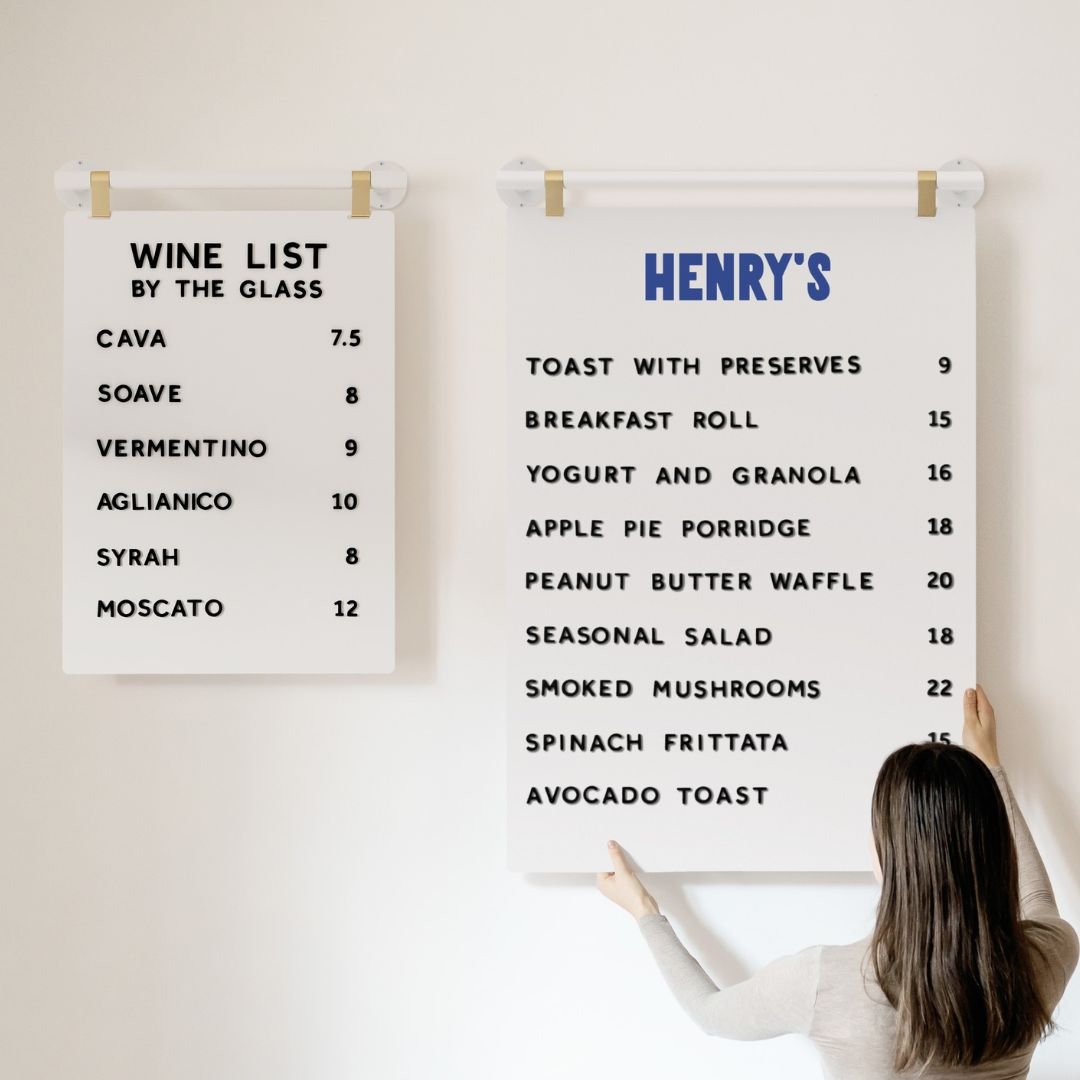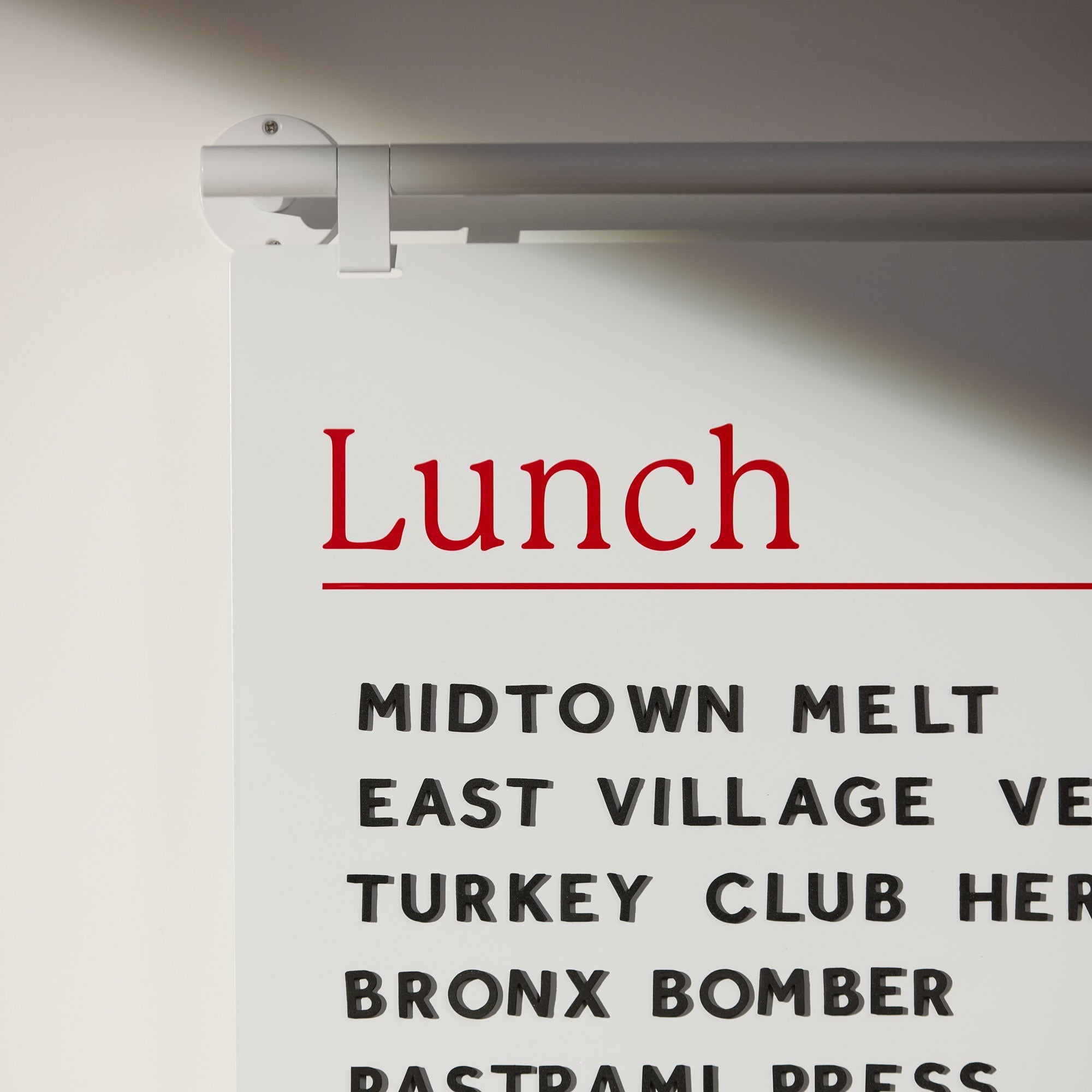




Your fence line is more than just a boundary, it’s the first handshake with potential customers. Too often, businesses see it as a simple barrier, but with the right approach, it becomes a powerful marketing tool. Effective fence signs can capture attention, communicate your brand’s personality, and draw people in before they even reach your door.
Great signage is a proven driver of business. One study found that about 76% of consumers have walked into a store for the very first time simply because its sign caught their eye. By using smart fence signs, you extend that crucial first impression outward, catching the interest of pedestrians and passing drivers alike. This guide explores how to choose, design, and use fence signs to boost your visibility and attract more customers.
Why Invest in Effective Fence Signage?
Think of your storefront as the final destination. Your fence signs are the billboards along the way that guide people in. A well placed sign on a fence, gate, or patio railing is your opening statement. It tells people who you are, what you offer, and why they should stop. Without clear signage, you risk being invisible.
Effective fence signs serve several key purposes:
- Boost Visibility: They make your business stand out from a distance.
- Drive Foot Traffic: A compelling sign can turn a passerby into a customer.
- Build Brand Awareness: Consistent signage reinforces your brand identity from the street to the counter with Counter Signs.
- Generate ROI: A quality sign is a long term marketing asset that works 24/7. By attracting new customers, a sign can pay for itself many times over.
Planning and Compliance: What to Know Before You Buy
Before you invest in a new sign, a little planning goes a long way. Navigating local rules ensures your sign is both effective and compliant, saving you from potential fines or removal orders.
Local Sign Codes, Permits, and Setbacks
Most towns and cities have specific regulations for business signage. These can dictate size, placement, materials, and even whether a sign can be illuminated. Check your local municipality’s website or planning department for sign code information. In some cases, you may need a permit before installation, especially for larger or permanent signs. Be mindful of rules regarding public right of way and property setbacks, as placing signs on public sidewalks or too close to the street is often restricted for safety reasons.
Temporary Sign Rules
If you plan to use temporary banners for sales or events, check for specific duration limits. Many jurisdictions only allow temporary signs to be displayed for a set number of days per year.
HOA and Building Rules
If your business is part of a homeowners association (HOA), strip mall, or office park, there may be additional rules to follow. These guidelines are meant to maintain a consistent aesthetic, so check your lease or property agreement for any specific signage requirements or limitations.
A Comprehensive Guide to Fence Sign Types and Materials
When you think of fence signs, you might picture vinyl banners. While practical, businesses like cafes and boutiques often need a more polished look. The material and style should match your brand’s quality.
Common Materials and Their Lifespan
- Vinyl and Mesh Banners: Ideal for temporary use like grand openings or event promotions. They are cost effective, but typically last 1 to 3 years depending on sun exposure. Mesh banners are better for windy locations as they allow air to pass through.
- Corrugated Plastic: A lightweight and affordable option for short term signs, often used in real estate or for temporary directions. Its lifespan is generally under a year.
- Aluminum: An excellent choice for permanent, premium signs. It is rustproof, rigid, and professional looking. A powder coated aluminum sign is exceptionally durable and can last for a decade or more with minimal maintenance.
- Wood: Offers a rustic, traditional look but requires more maintenance. Painted or sealed wood can last for years but may eventually warp or peel without proper care.
Finishing Options and Durability
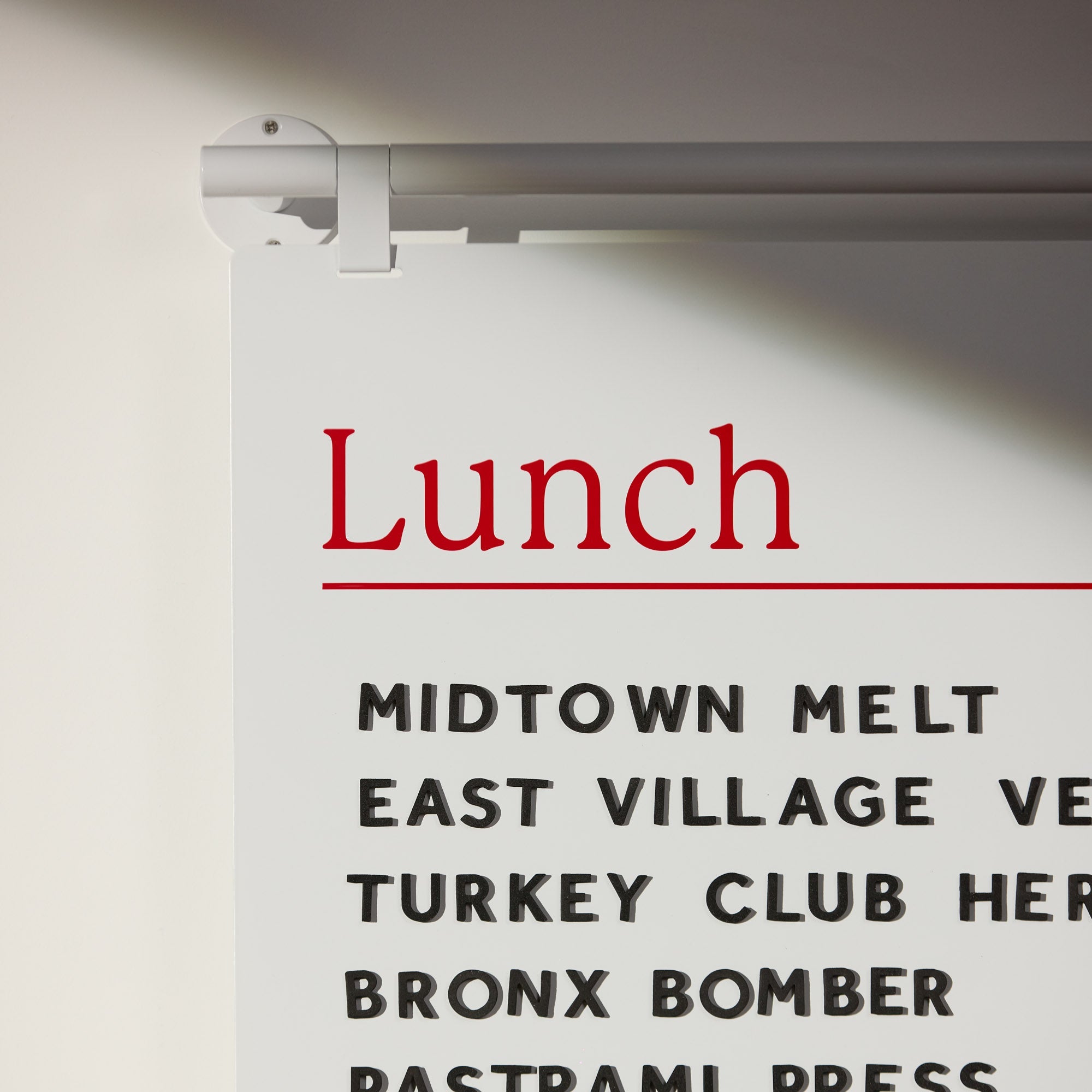
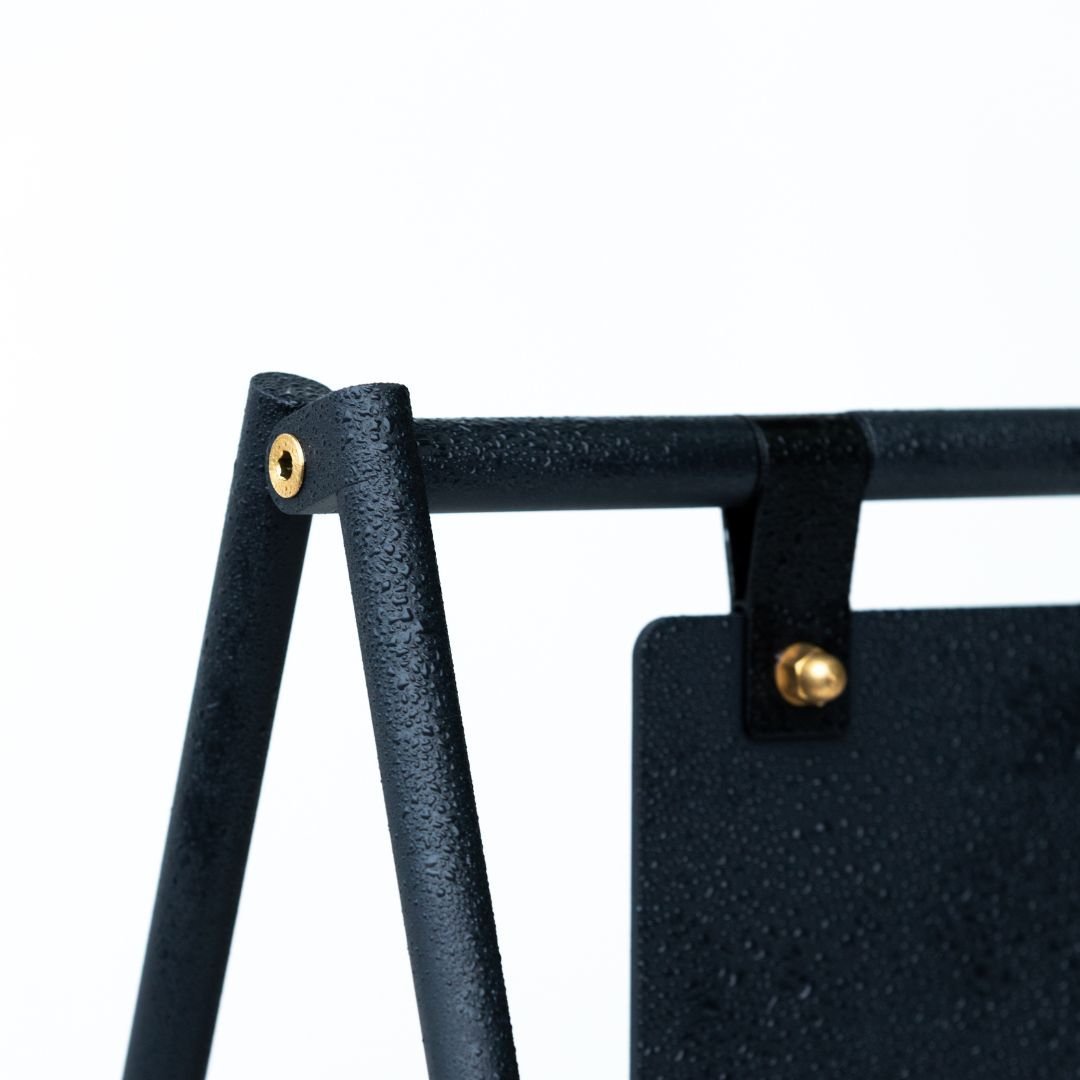
For metal signs, a powder coated finish provides a durable, uniform layer that resists chipping, fading, and corrosion far better than standard paint. For printed signs like banners, a UV protective laminate can extend their life by preventing sun damage.
Specialty Options
- Double Sided: To capture attention from traffic moving in both directions, choose a double sided sign or blockout banner material that prevents light from showing through.
- Reflective: For nighttime visibility, signs with reflective lettering or backgrounds ensure your message is seen after dark, which is crucial for businesses with evening hours.
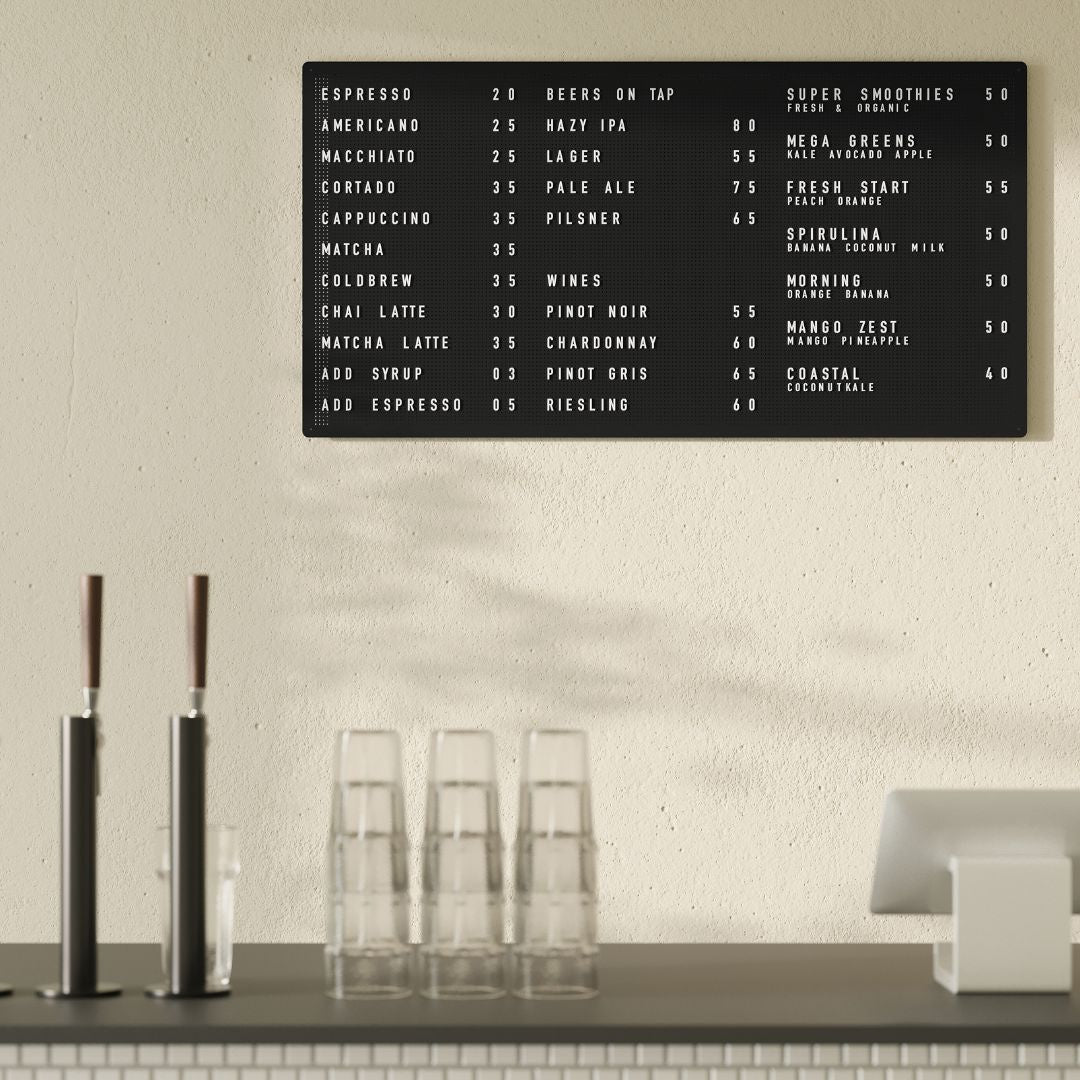
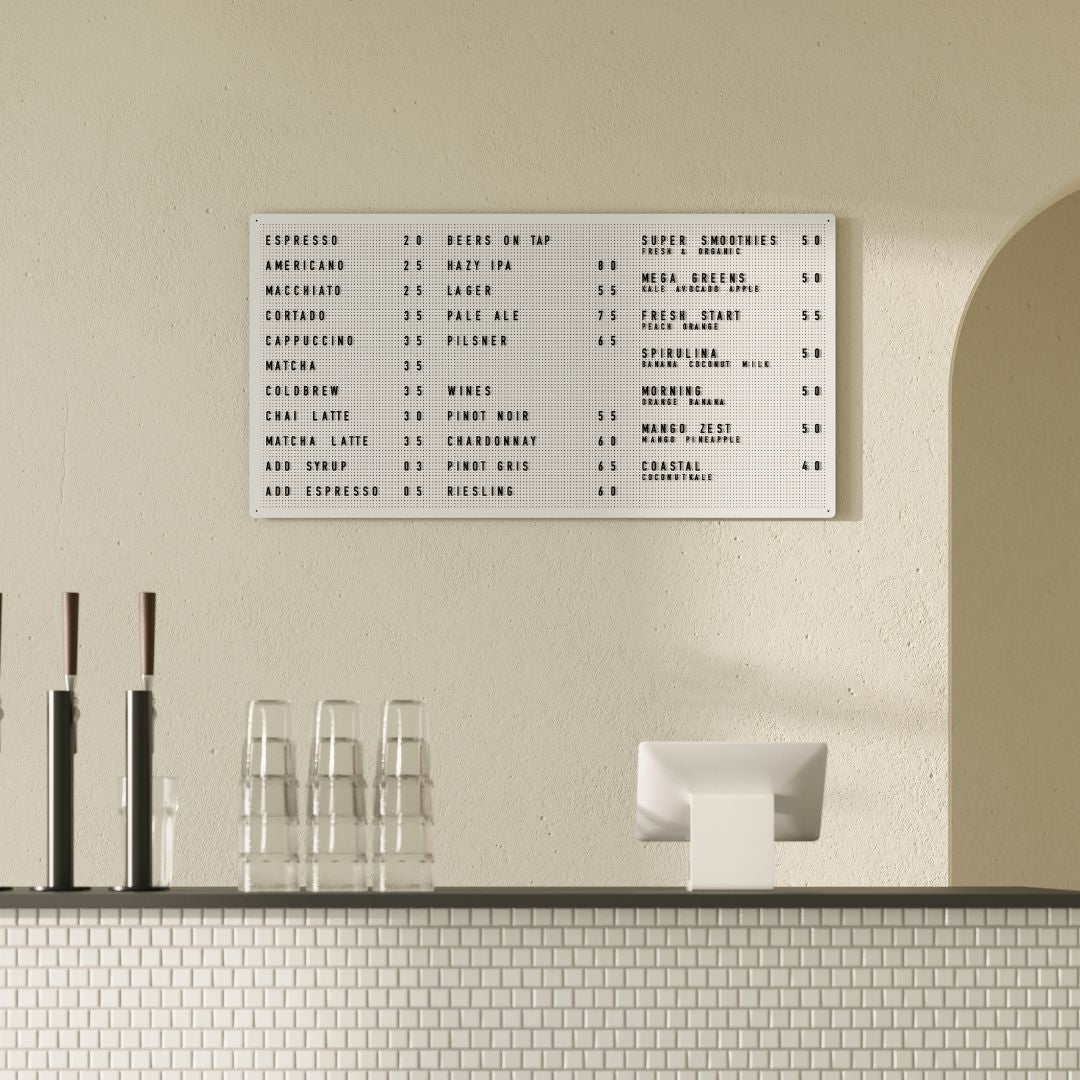
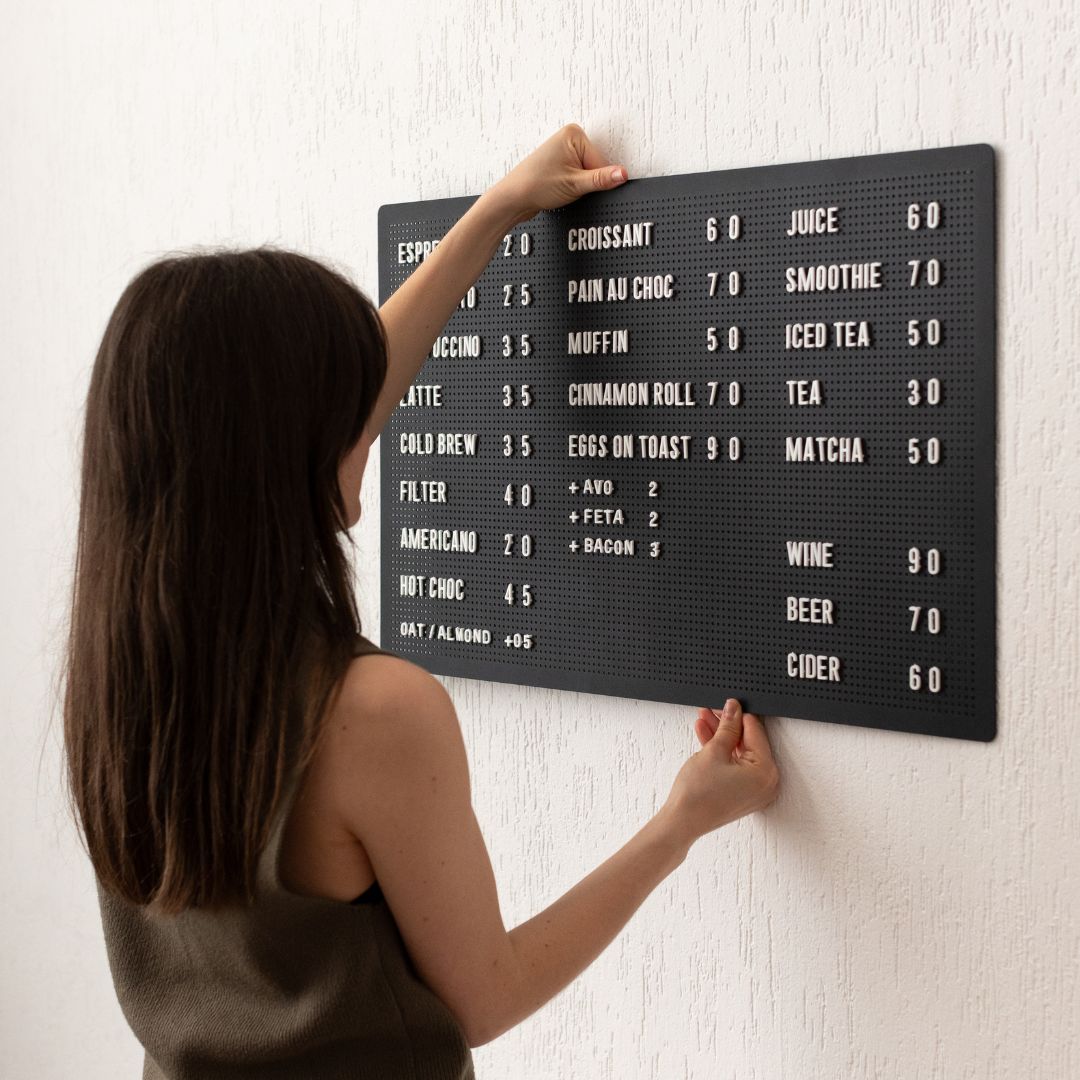
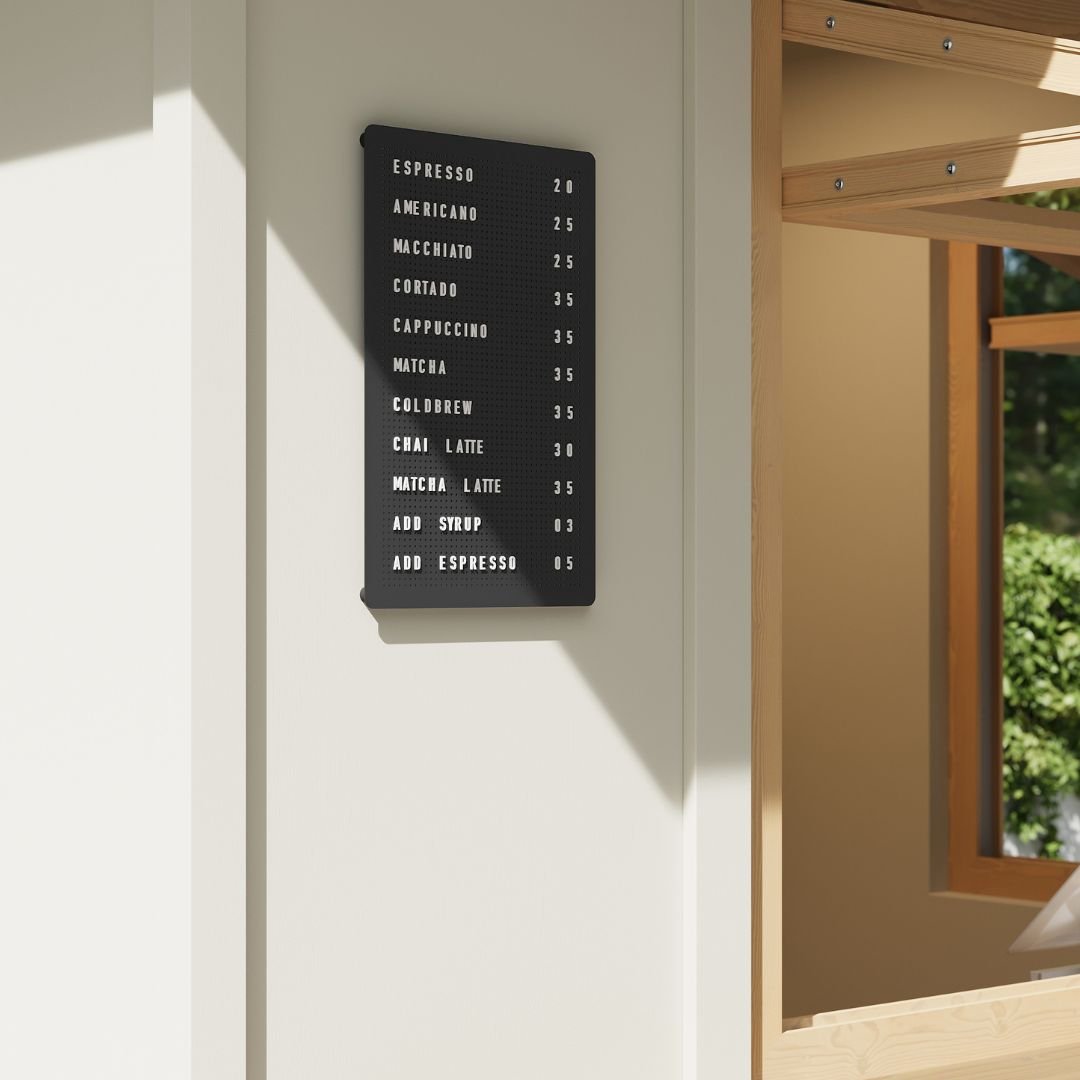
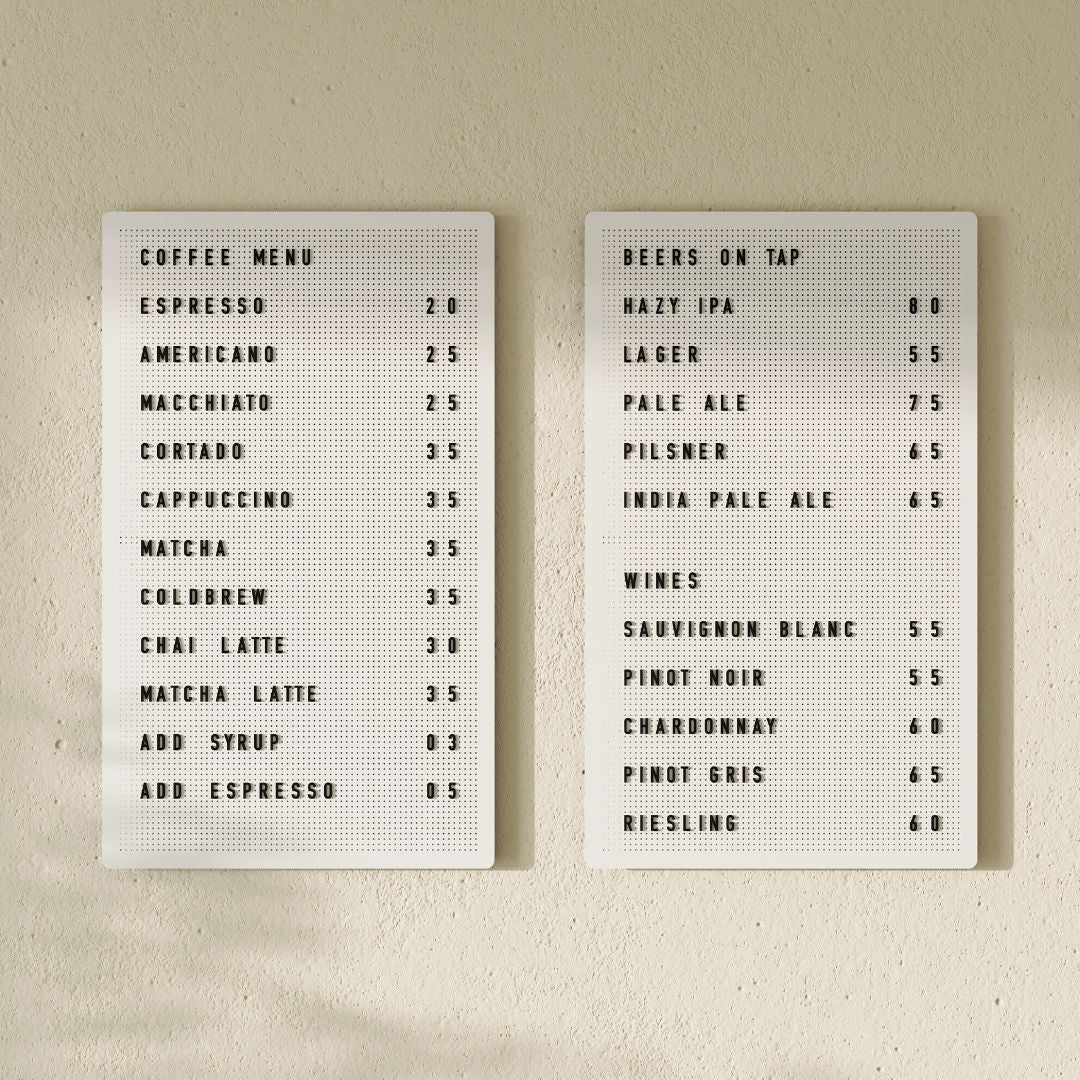
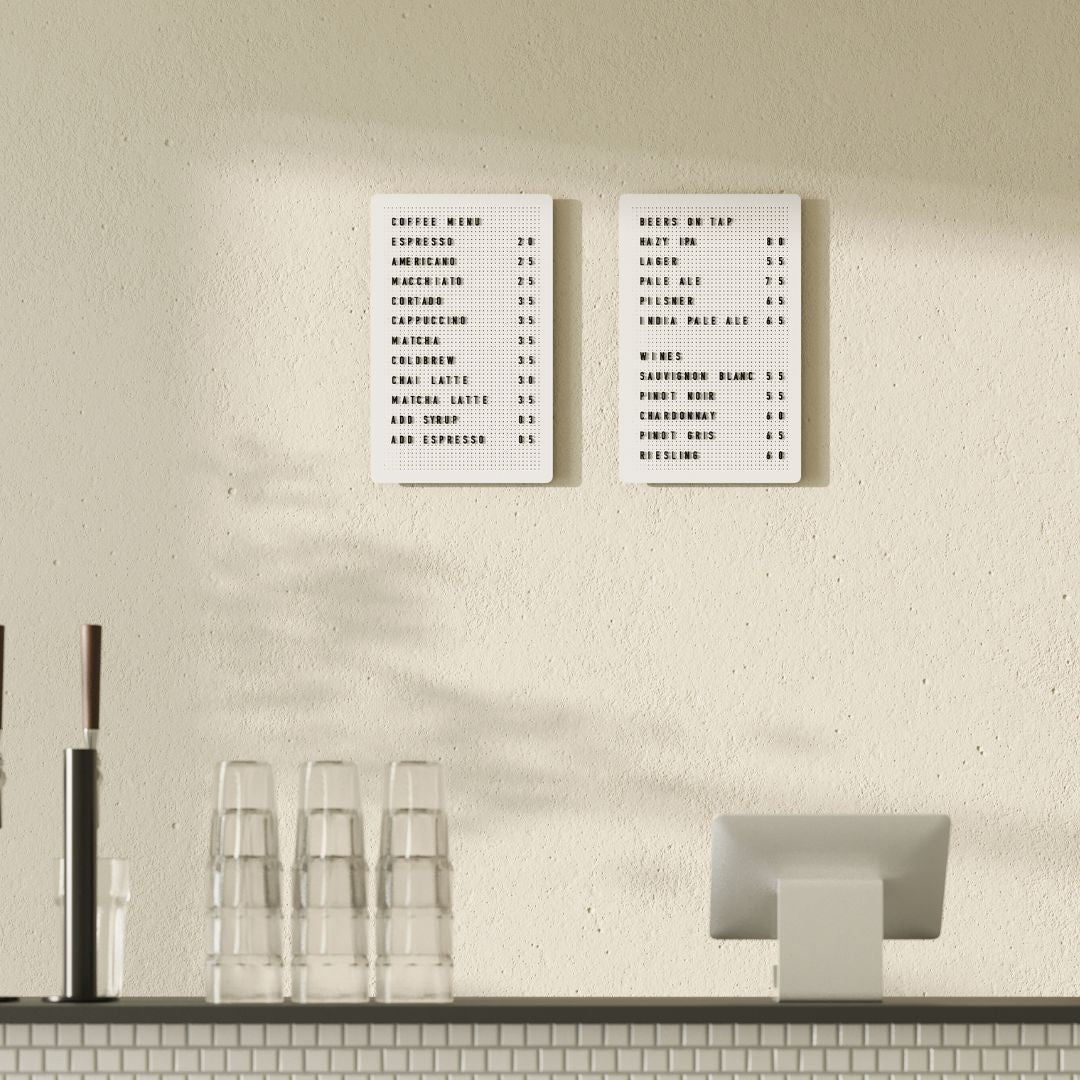
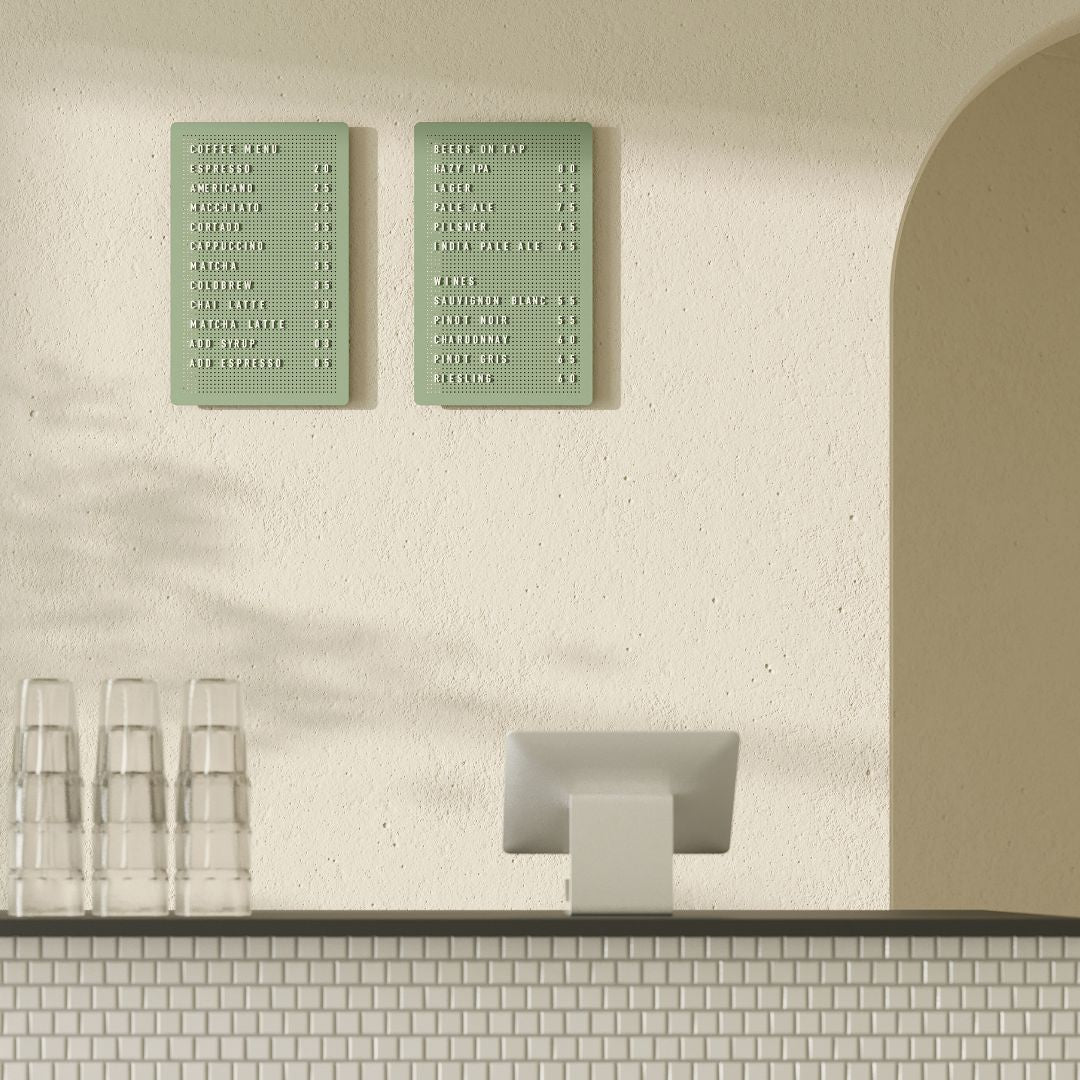
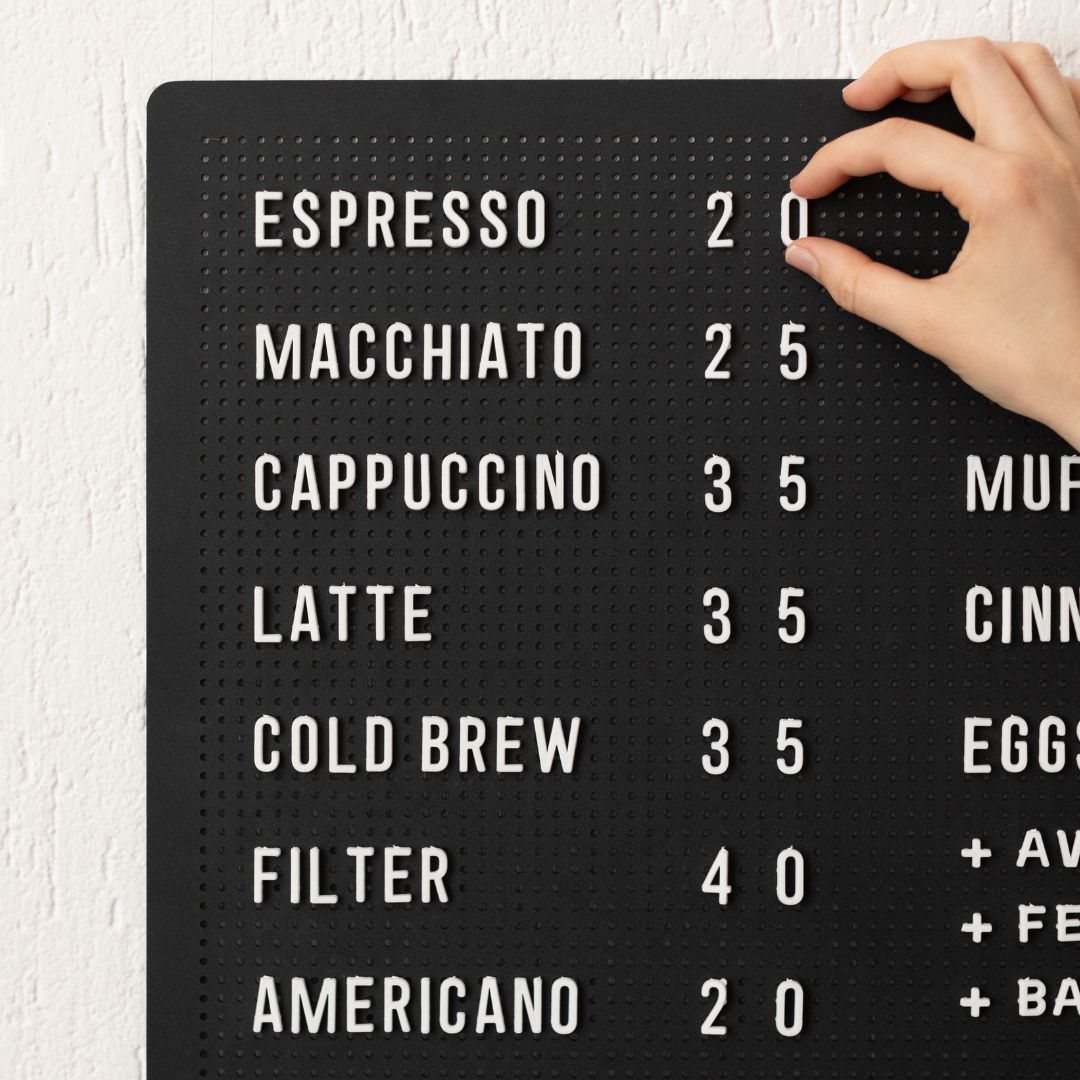
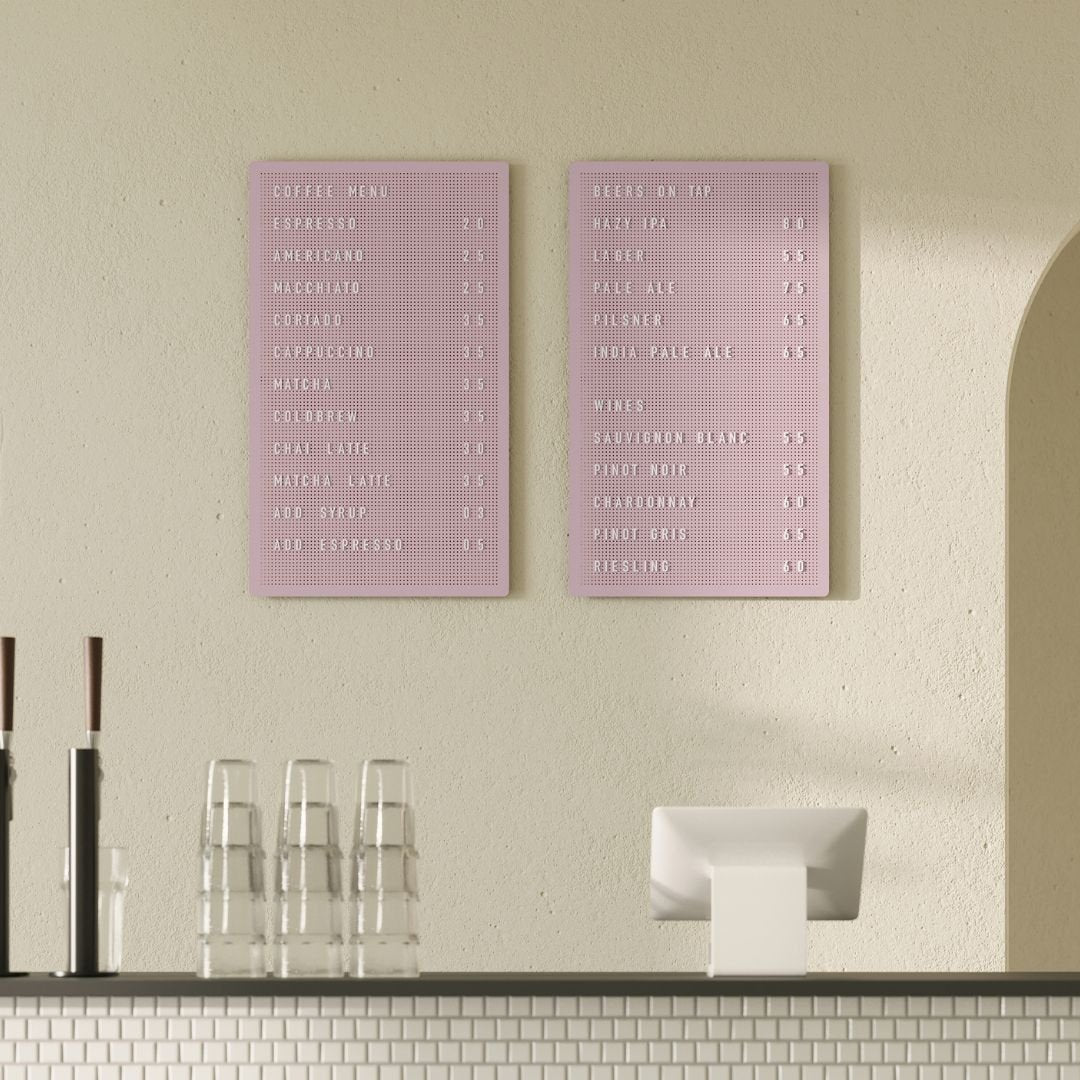
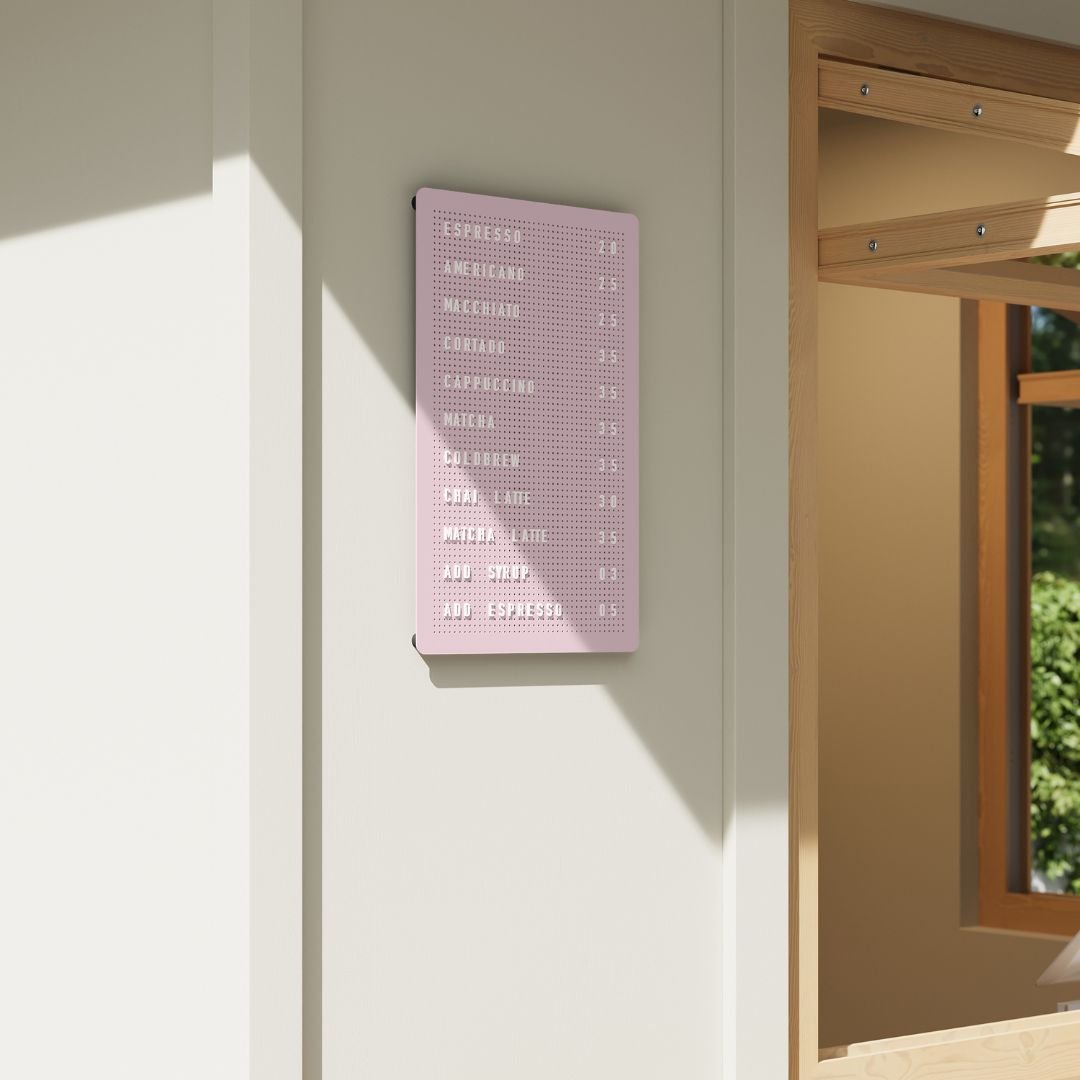
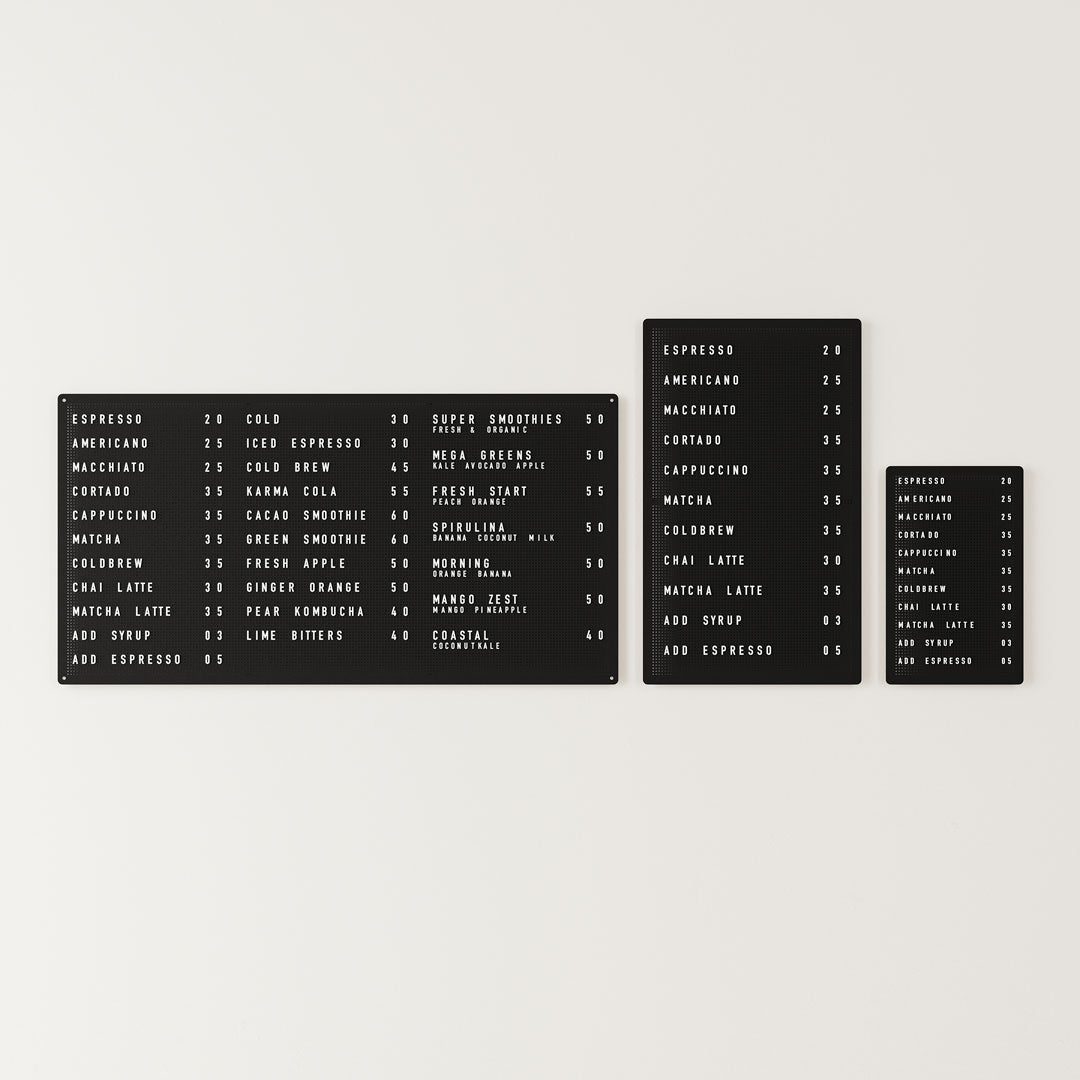
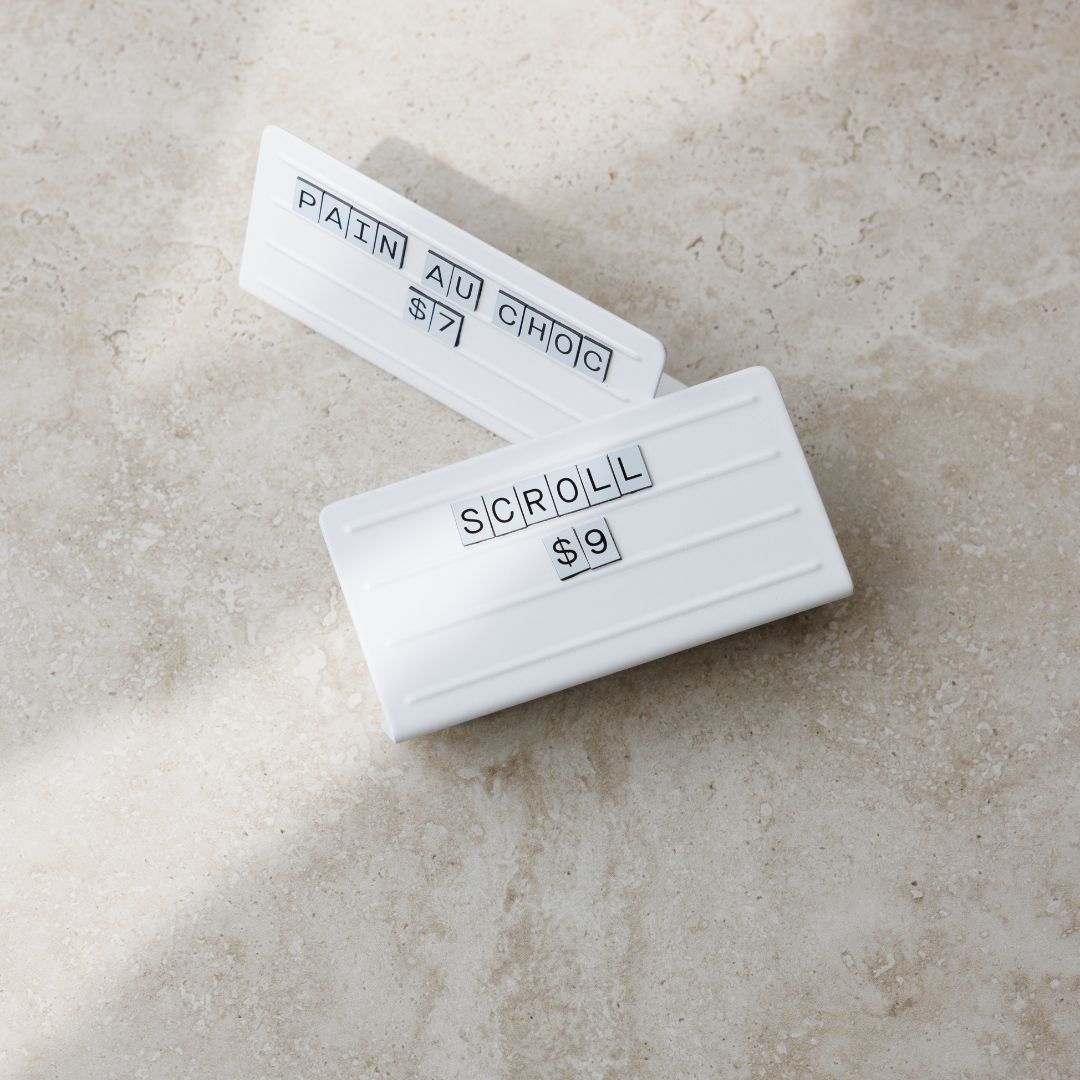
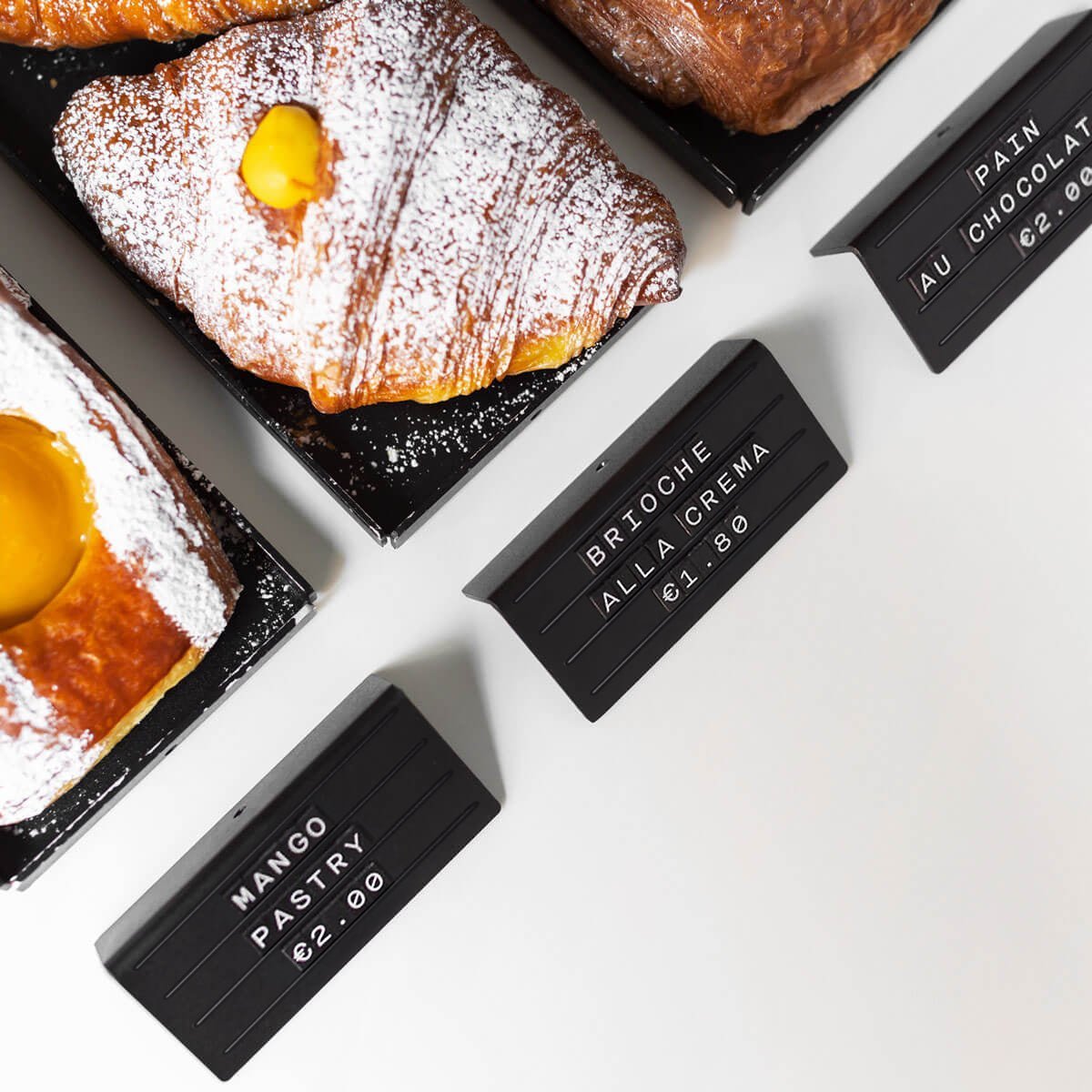
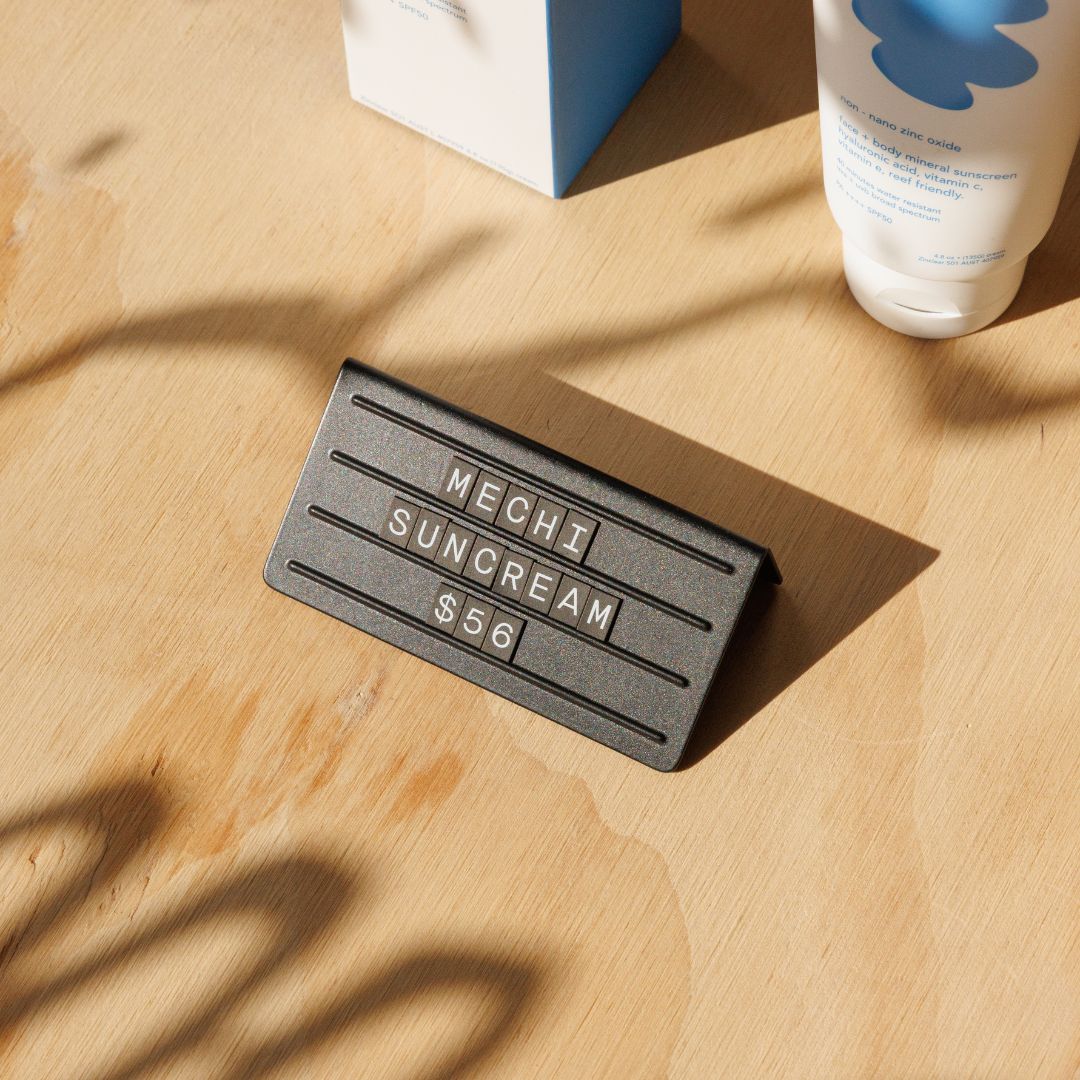
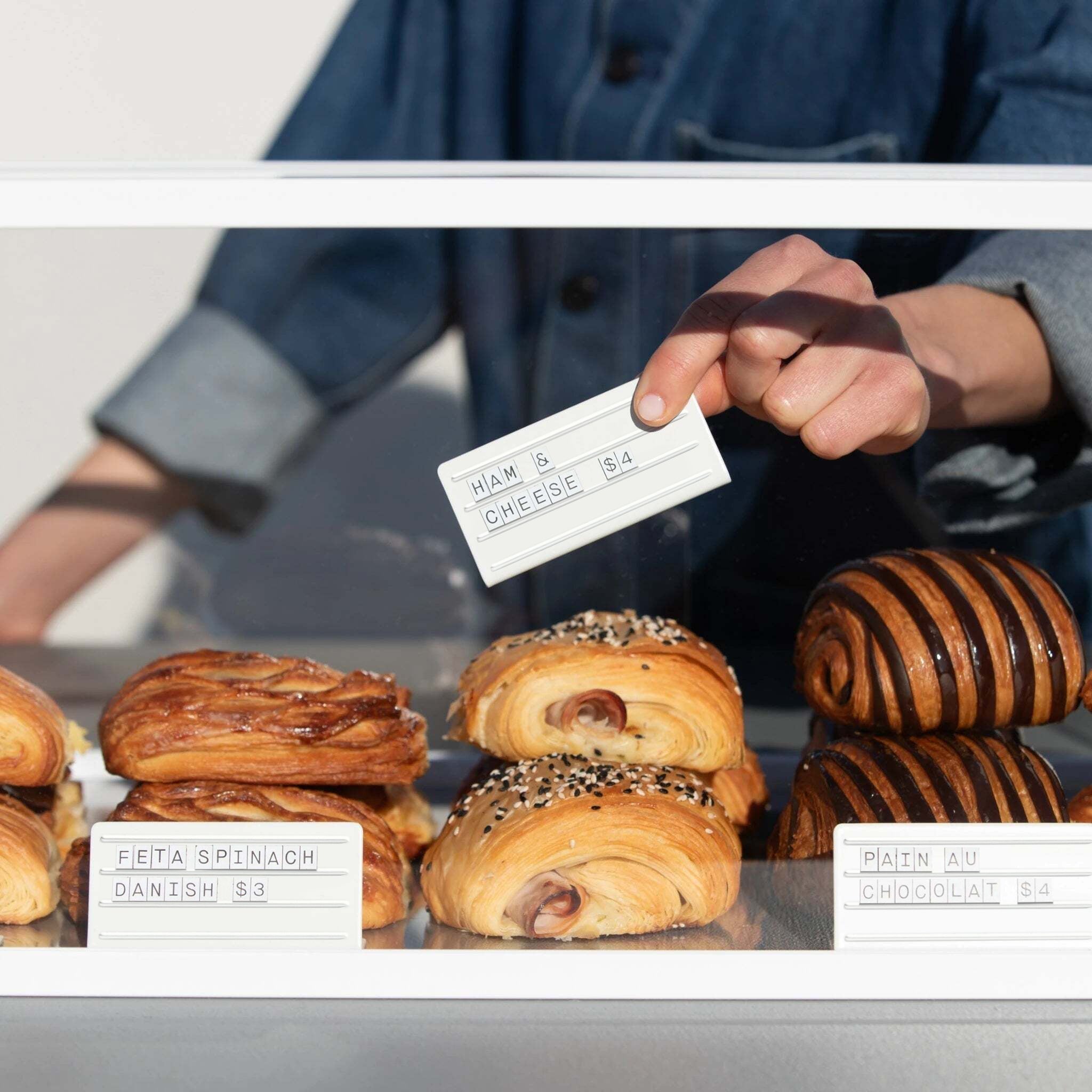
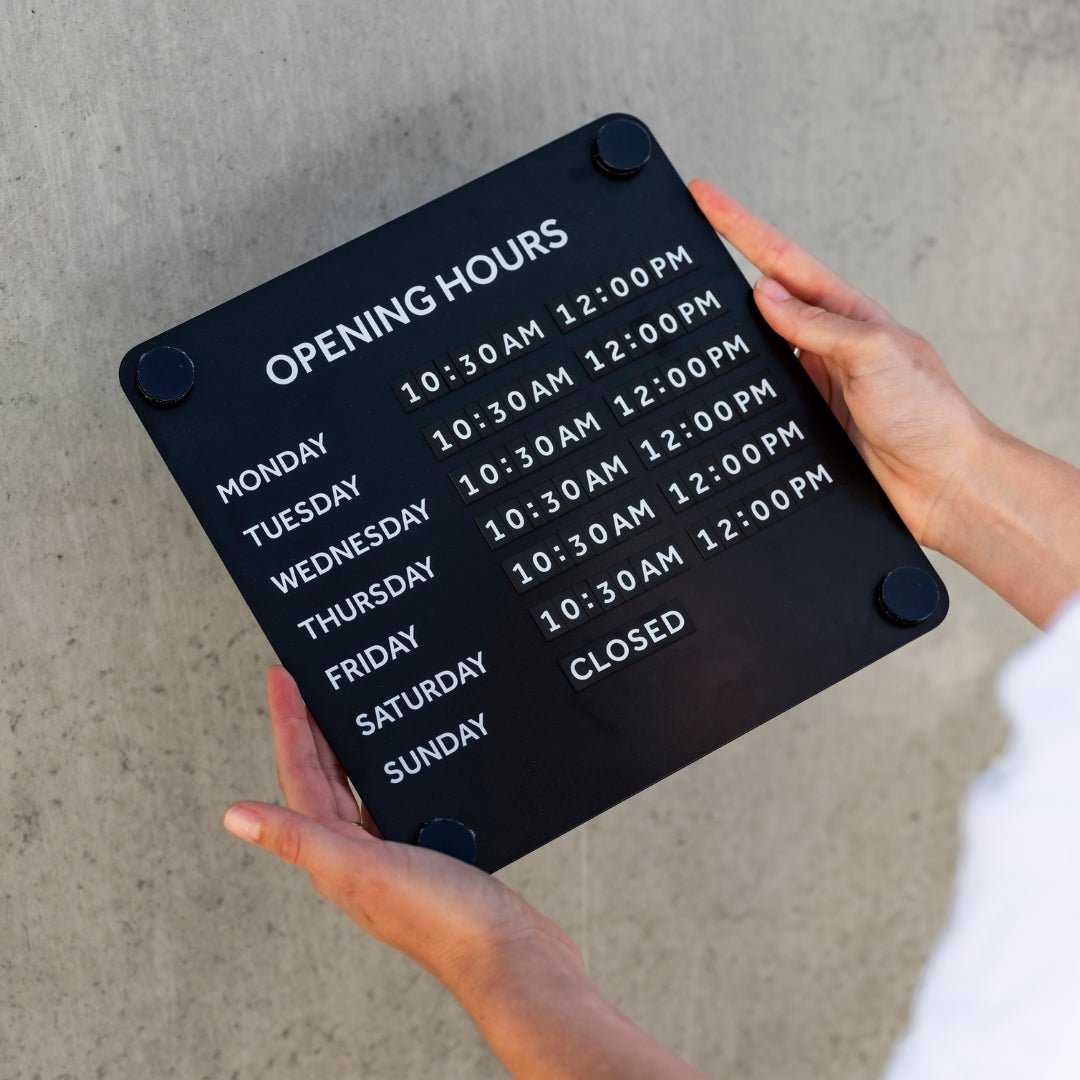
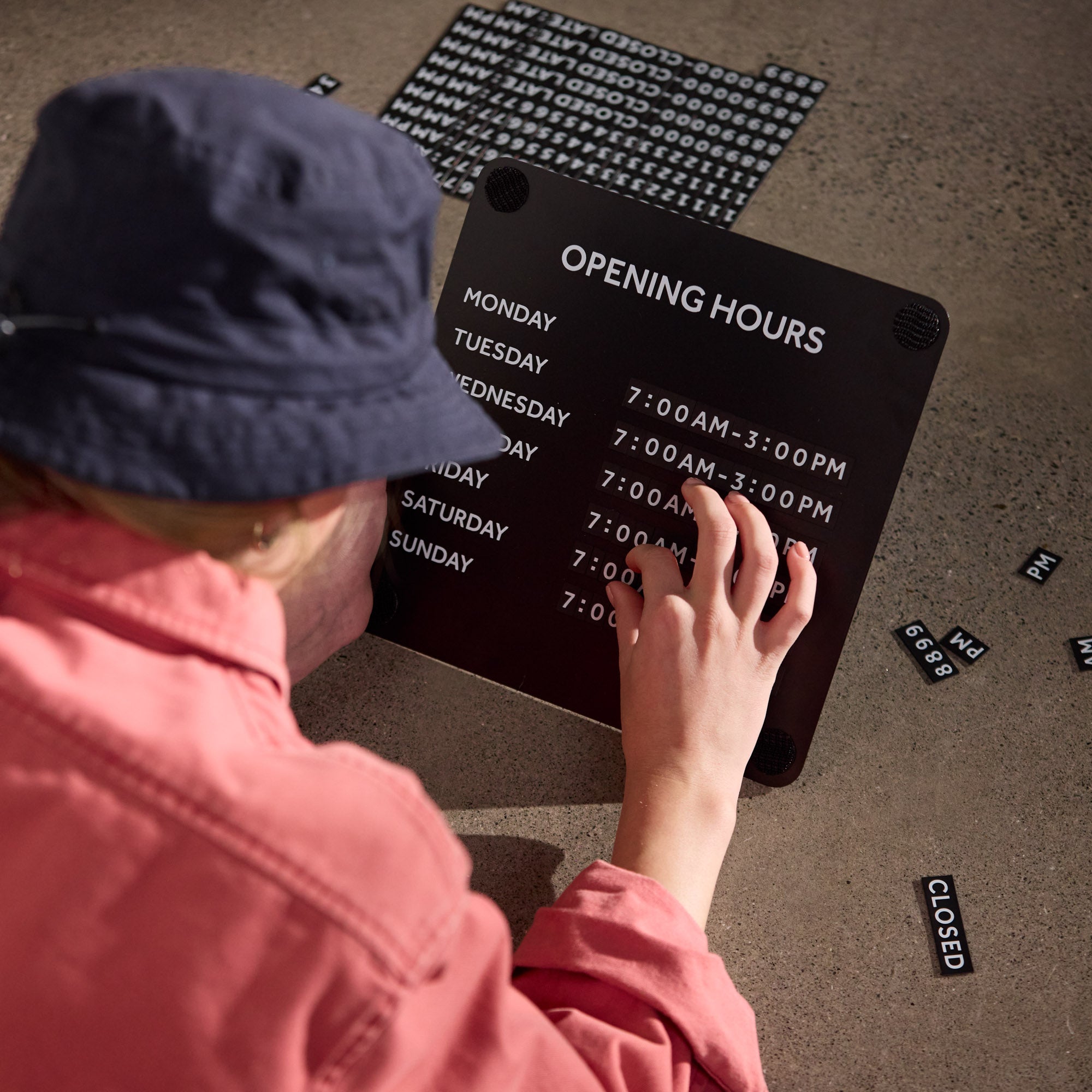
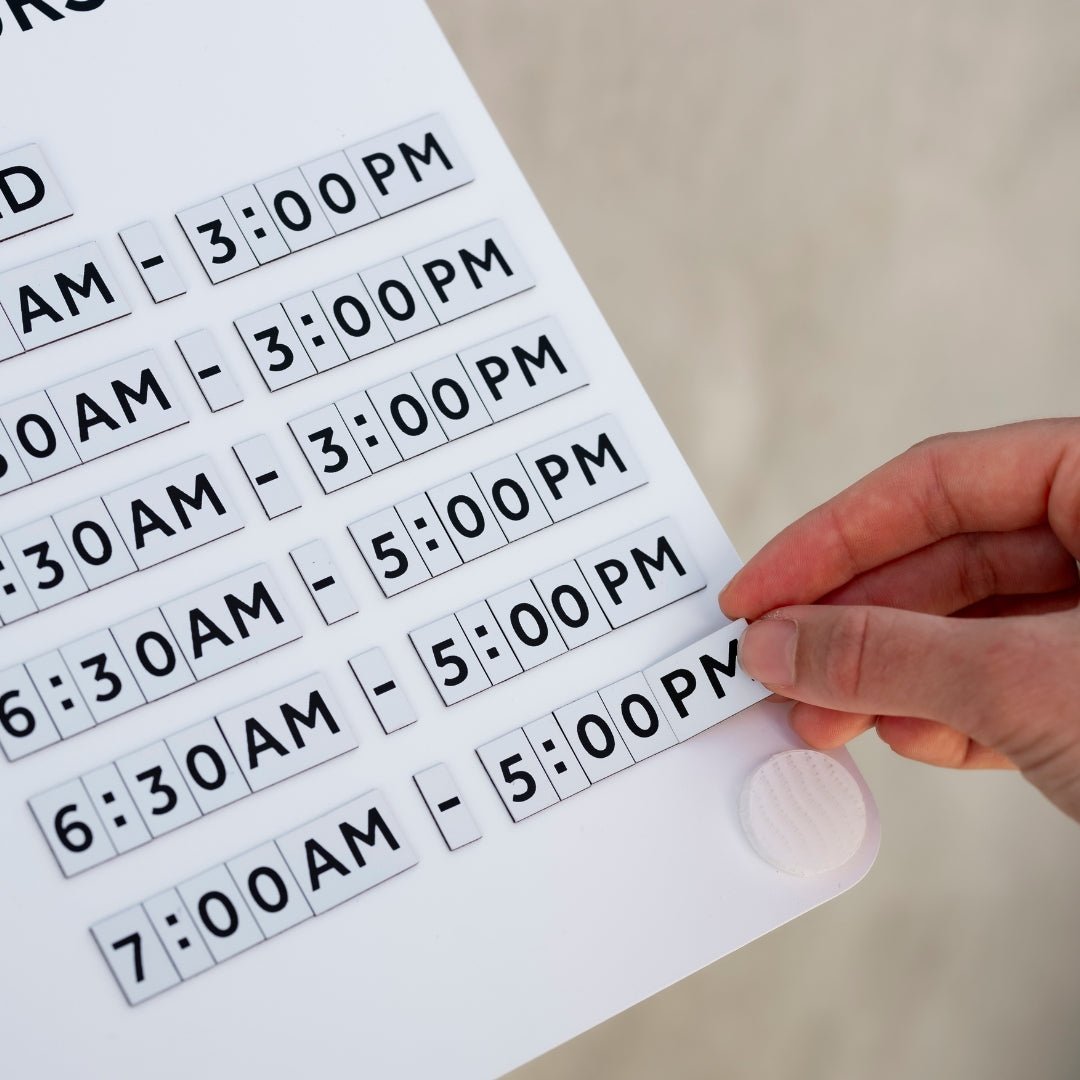
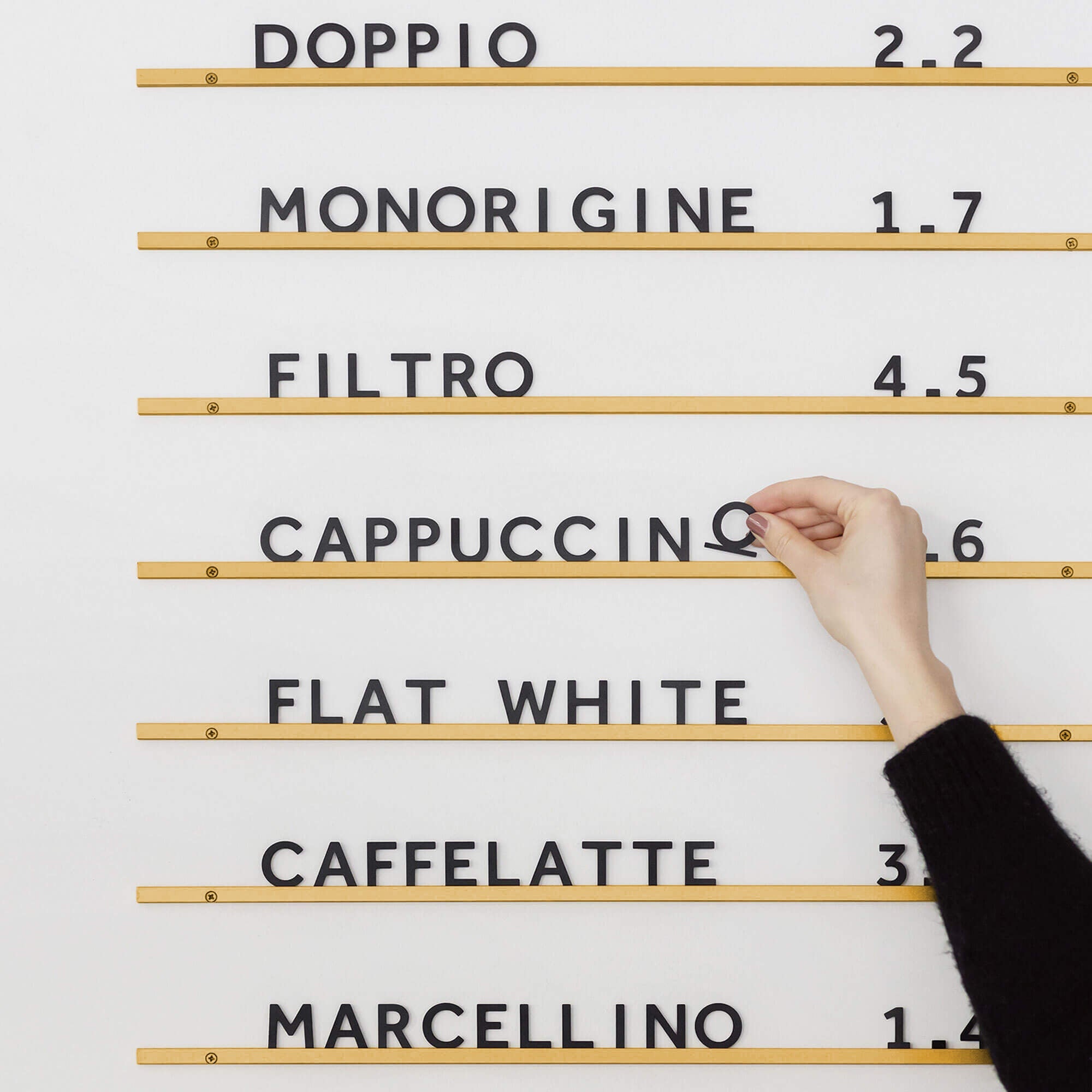
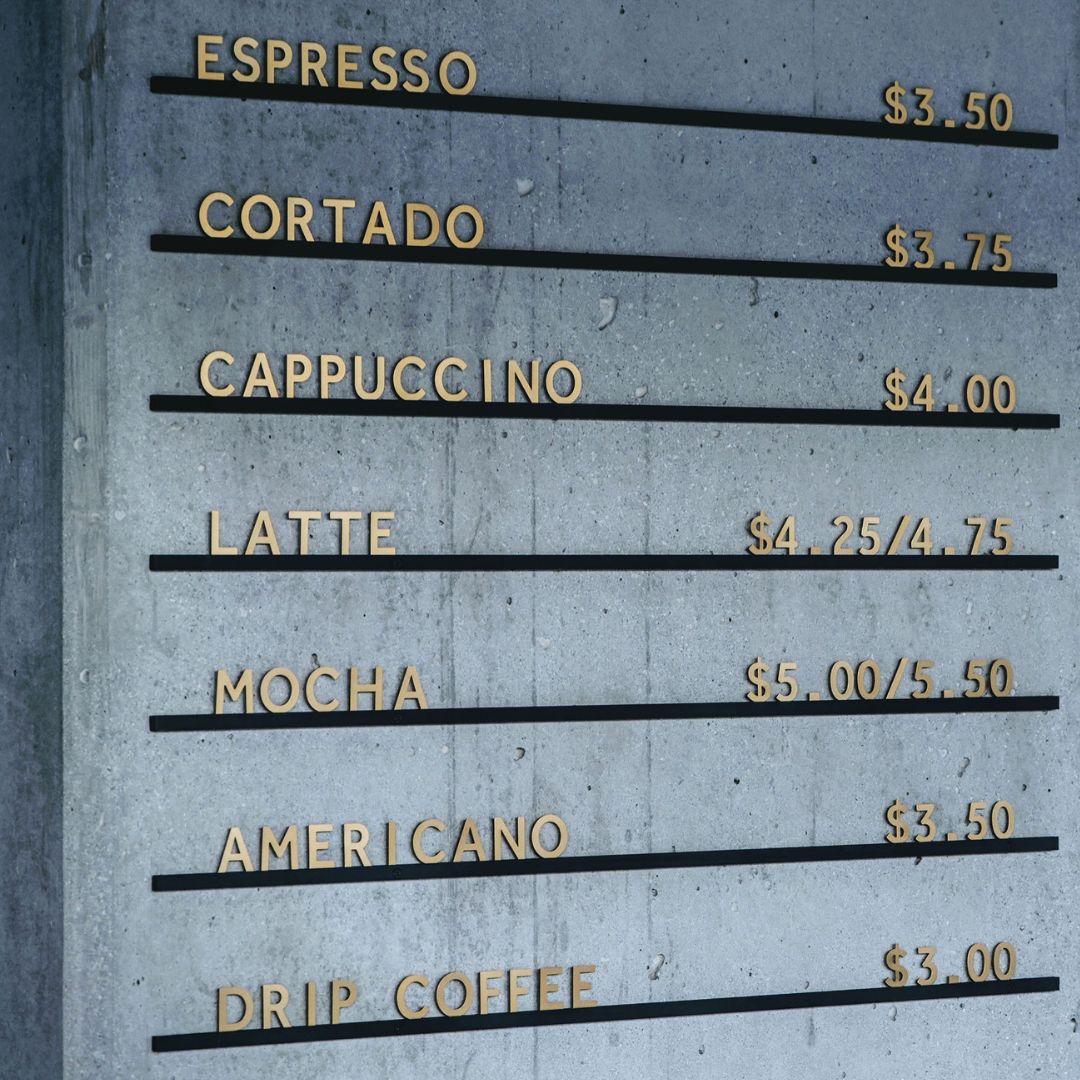
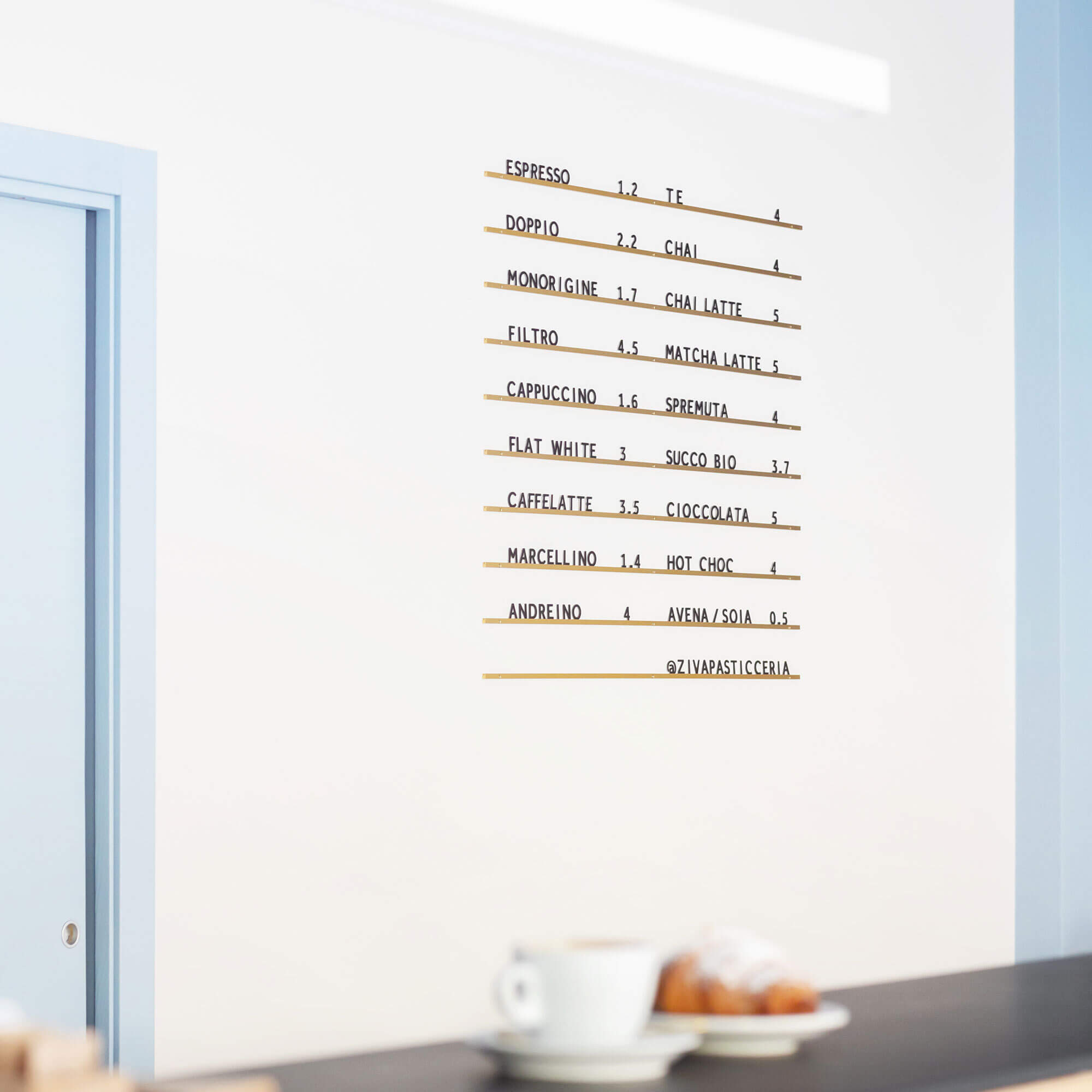
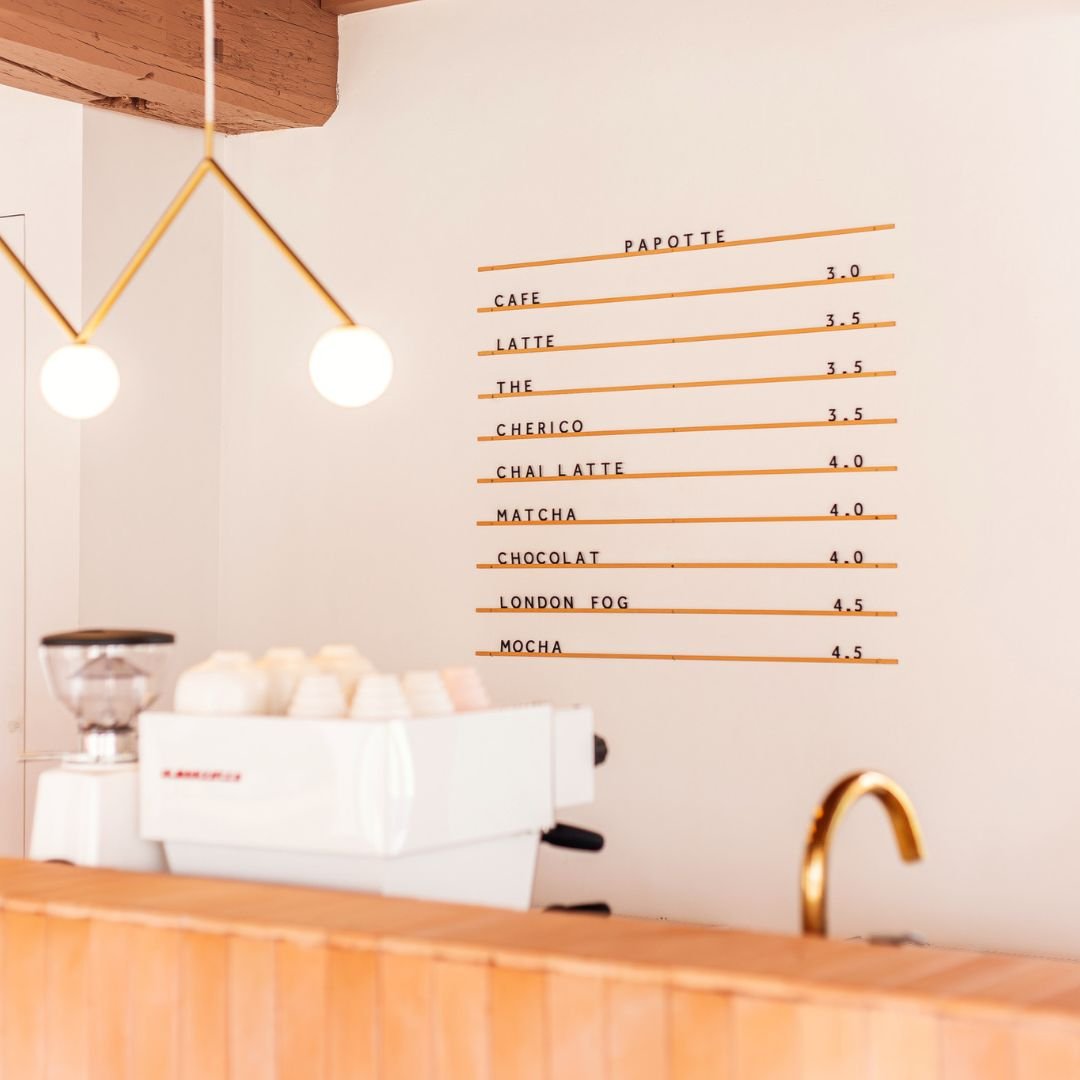
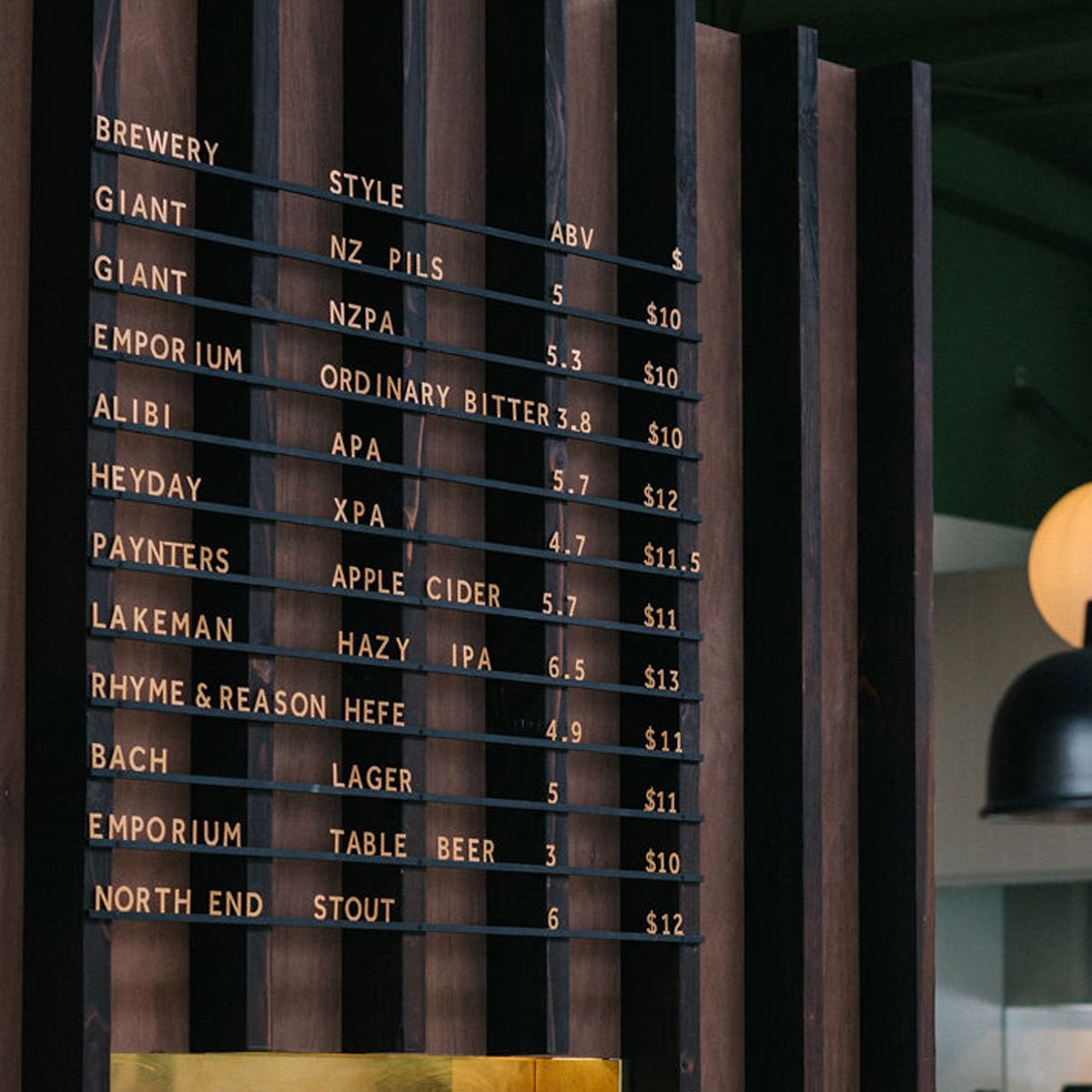
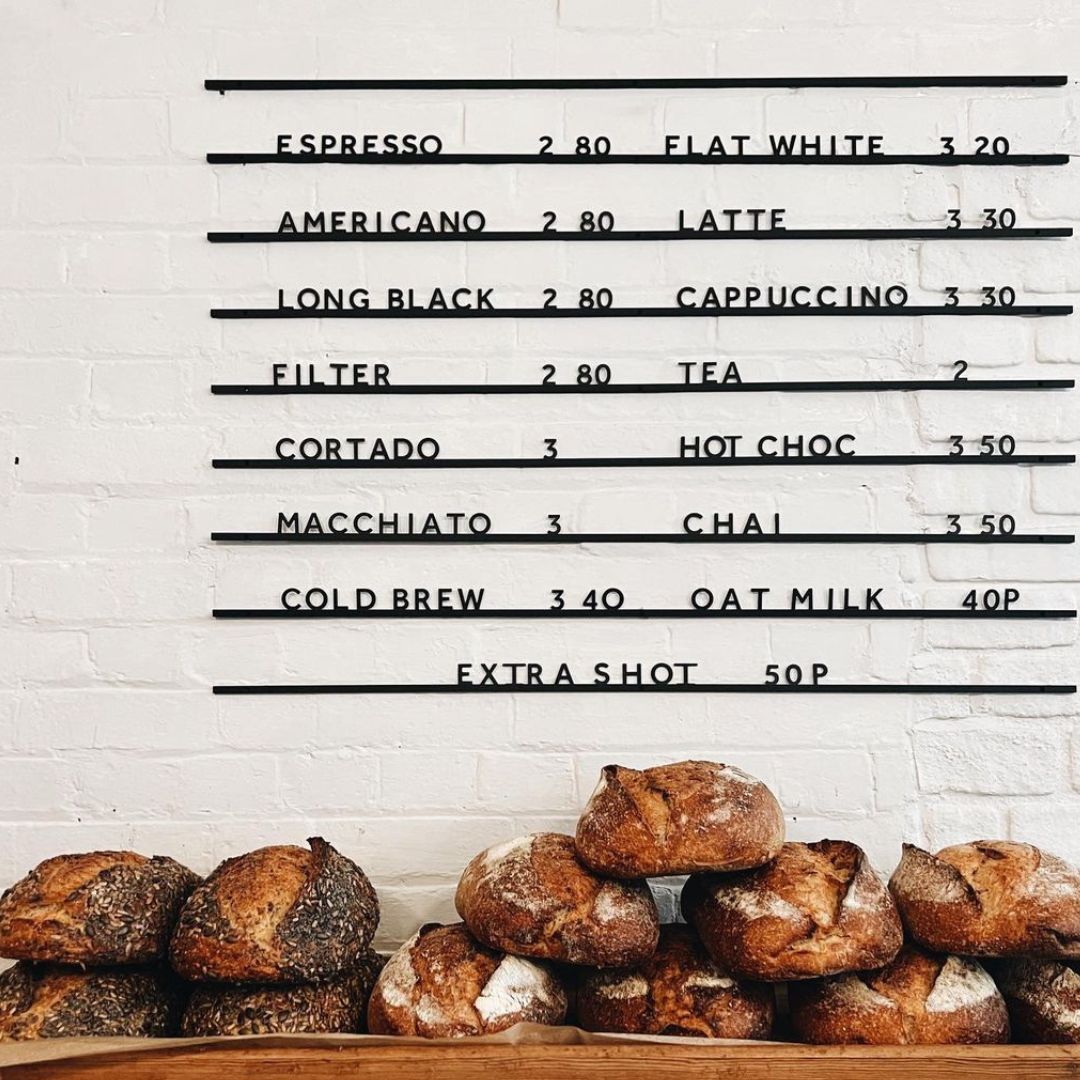
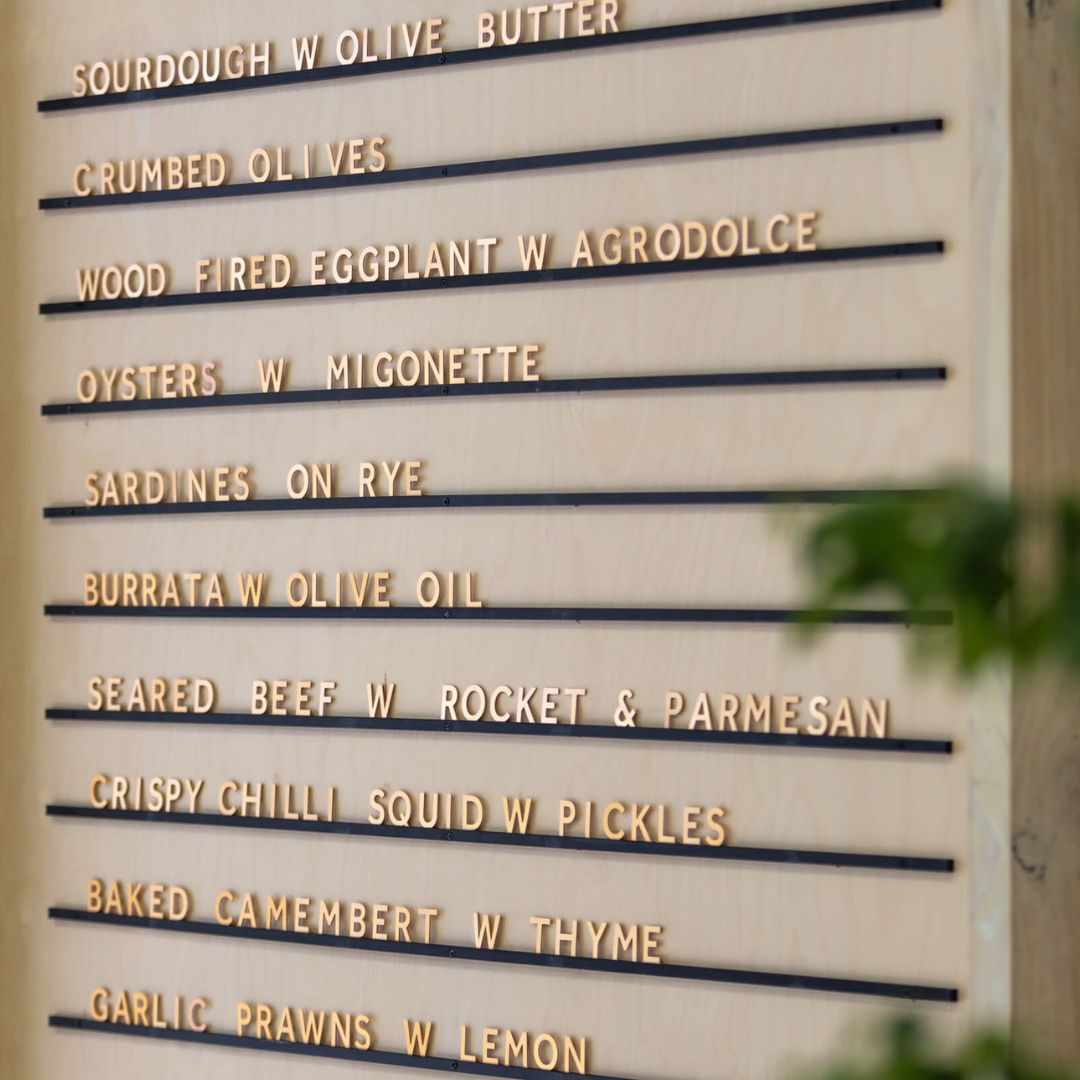
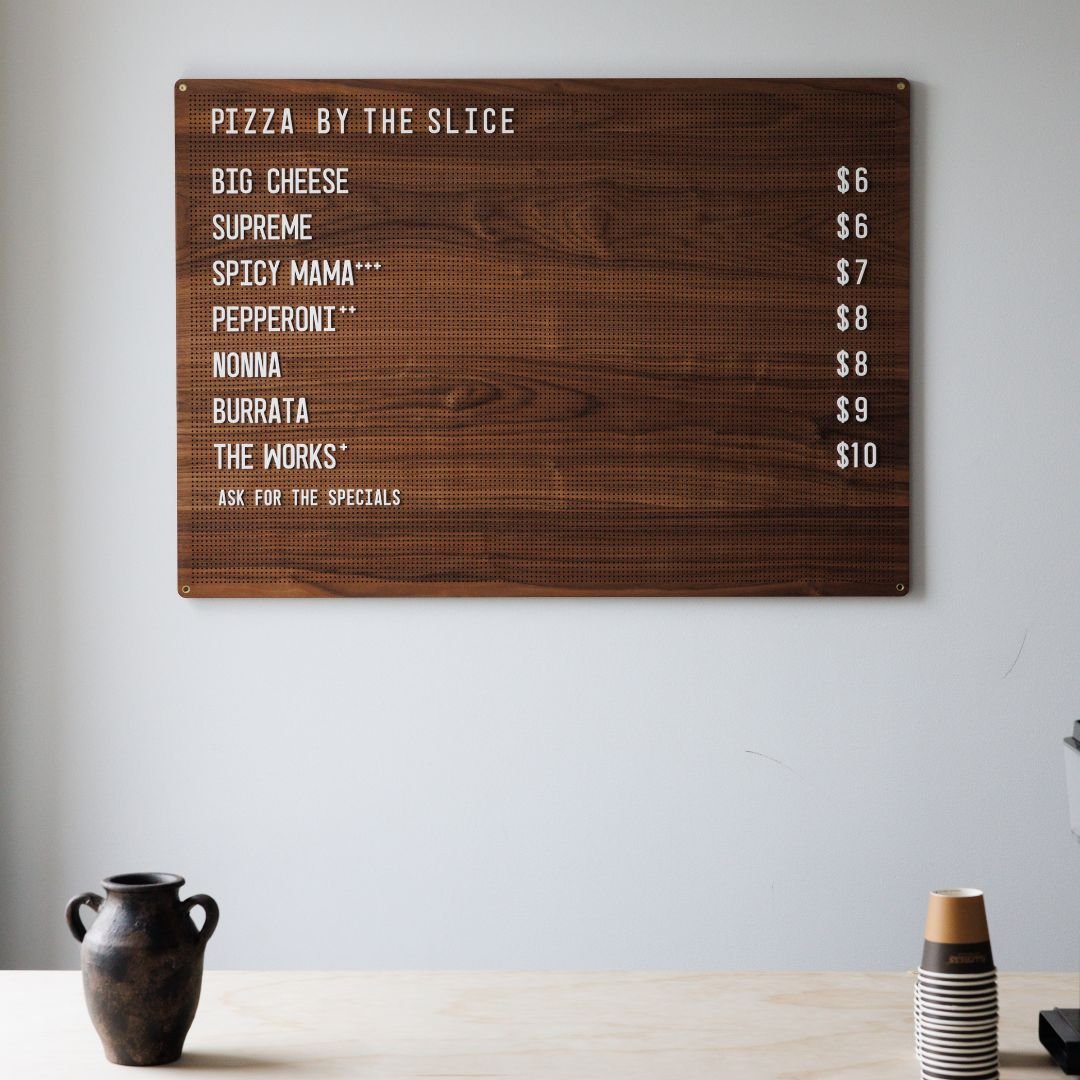
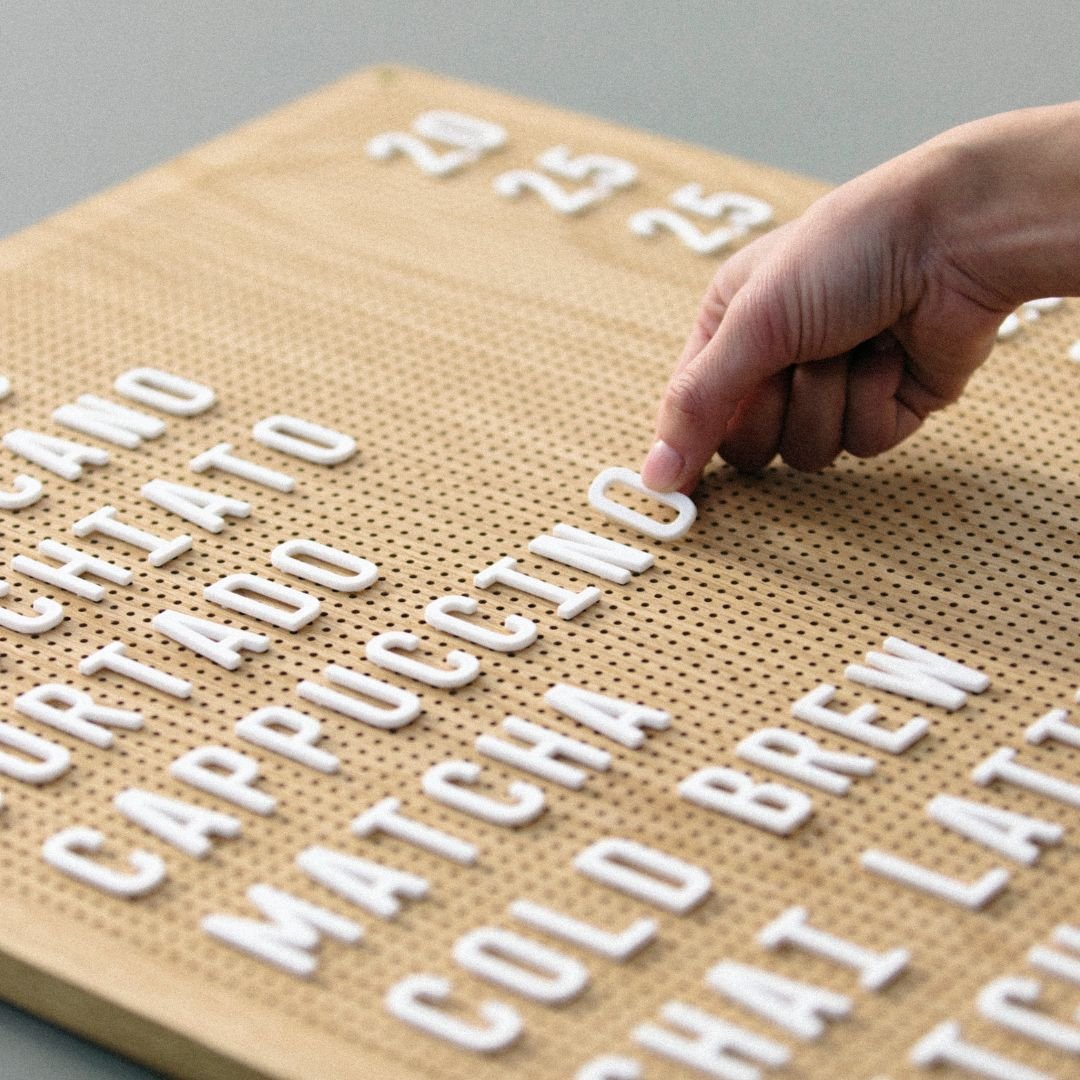
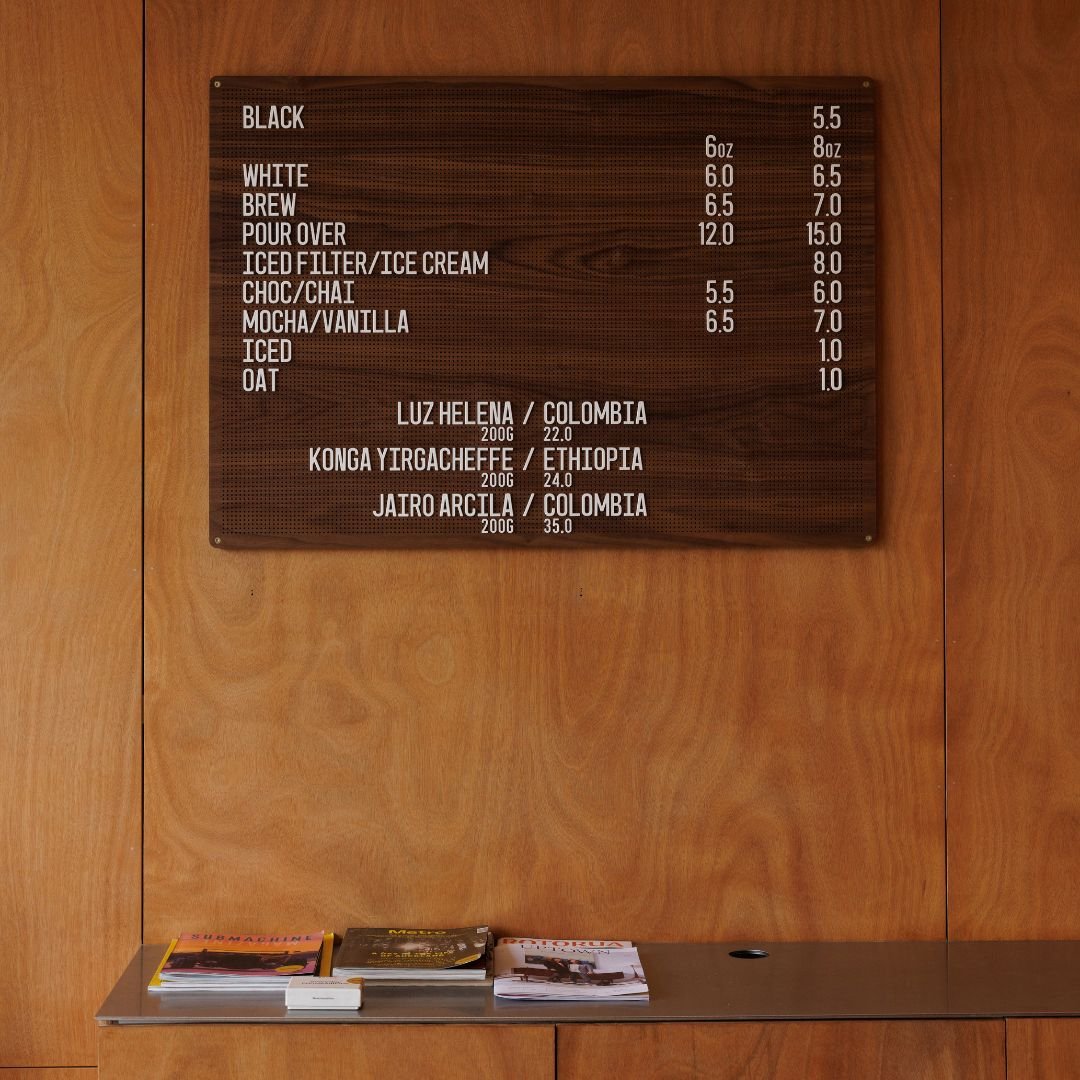
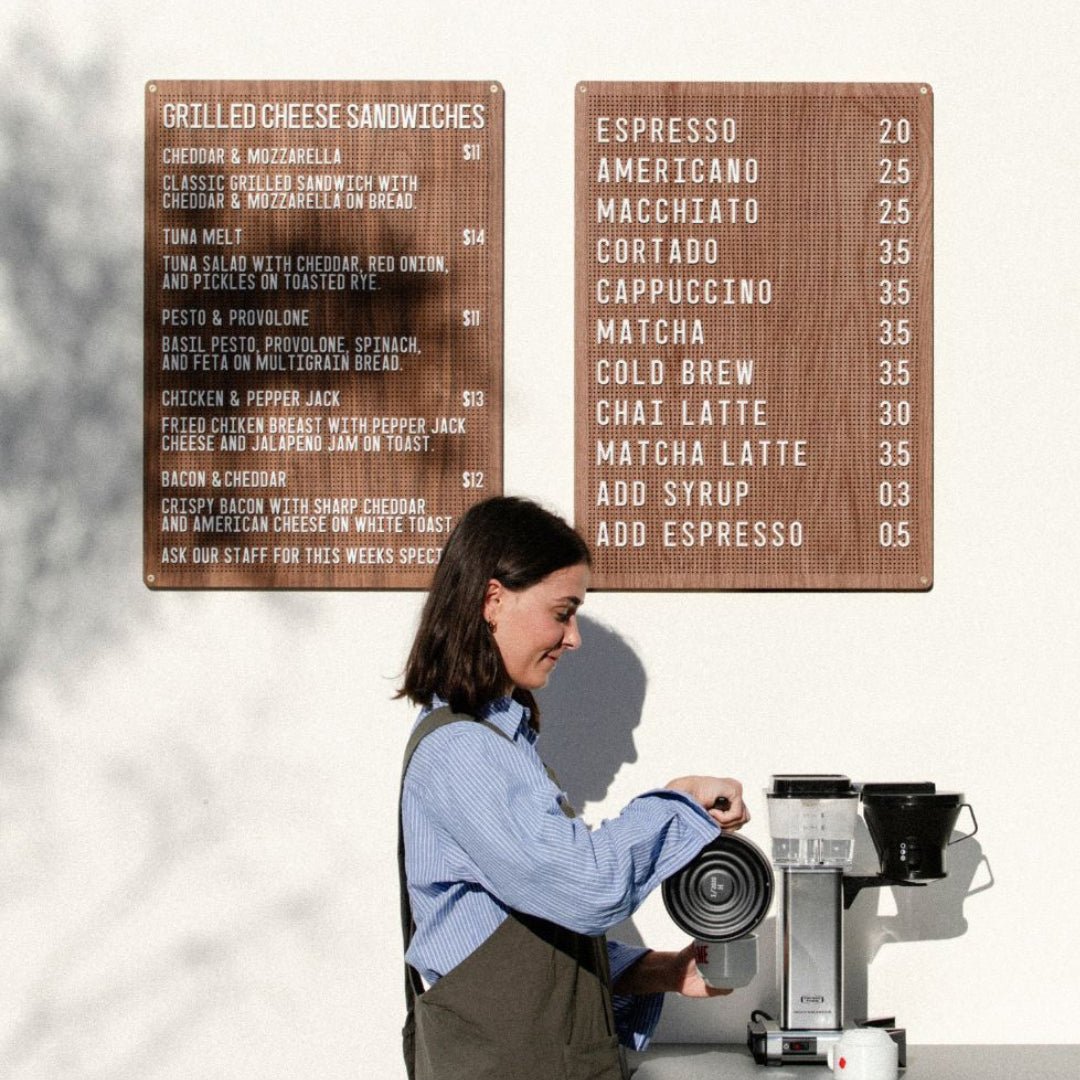
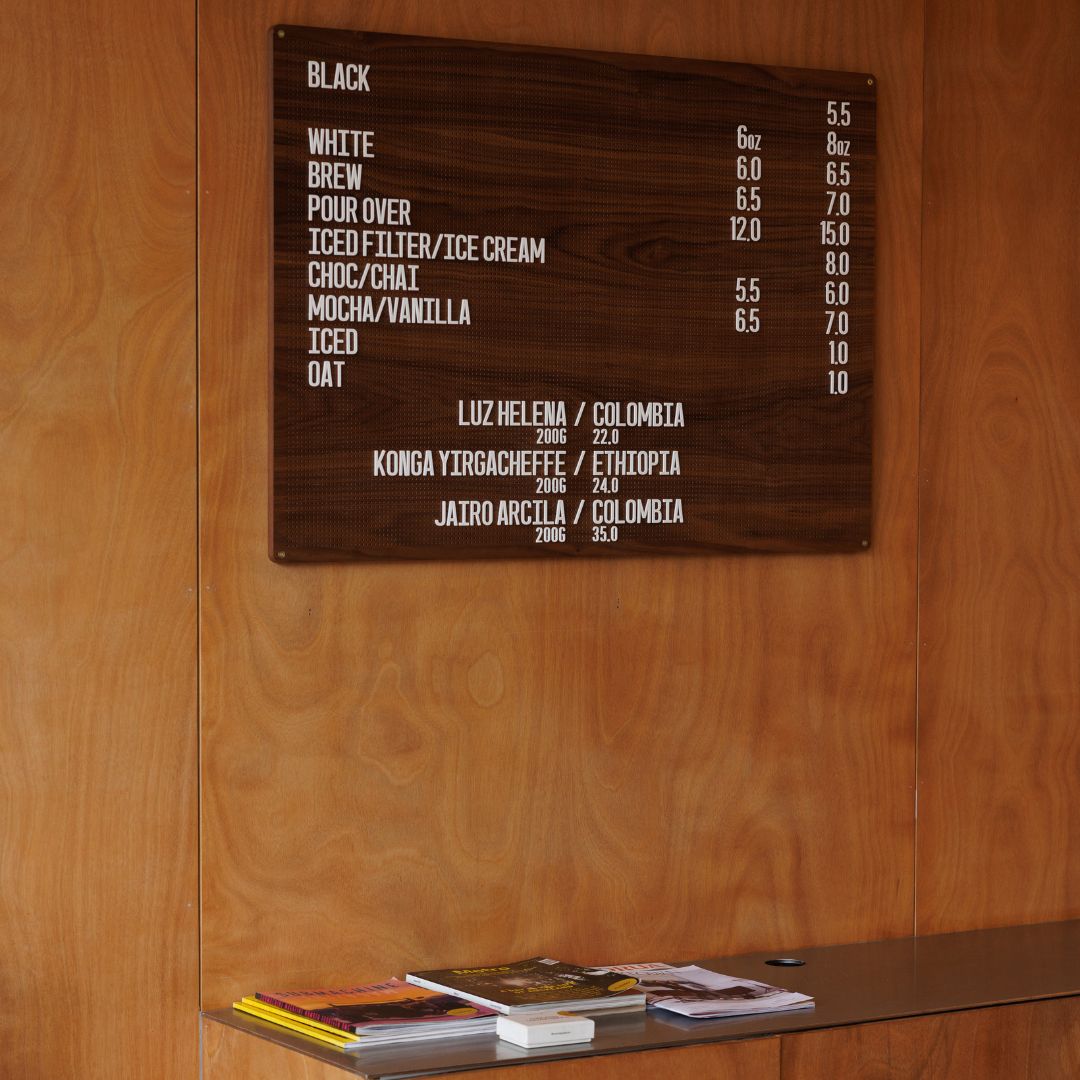
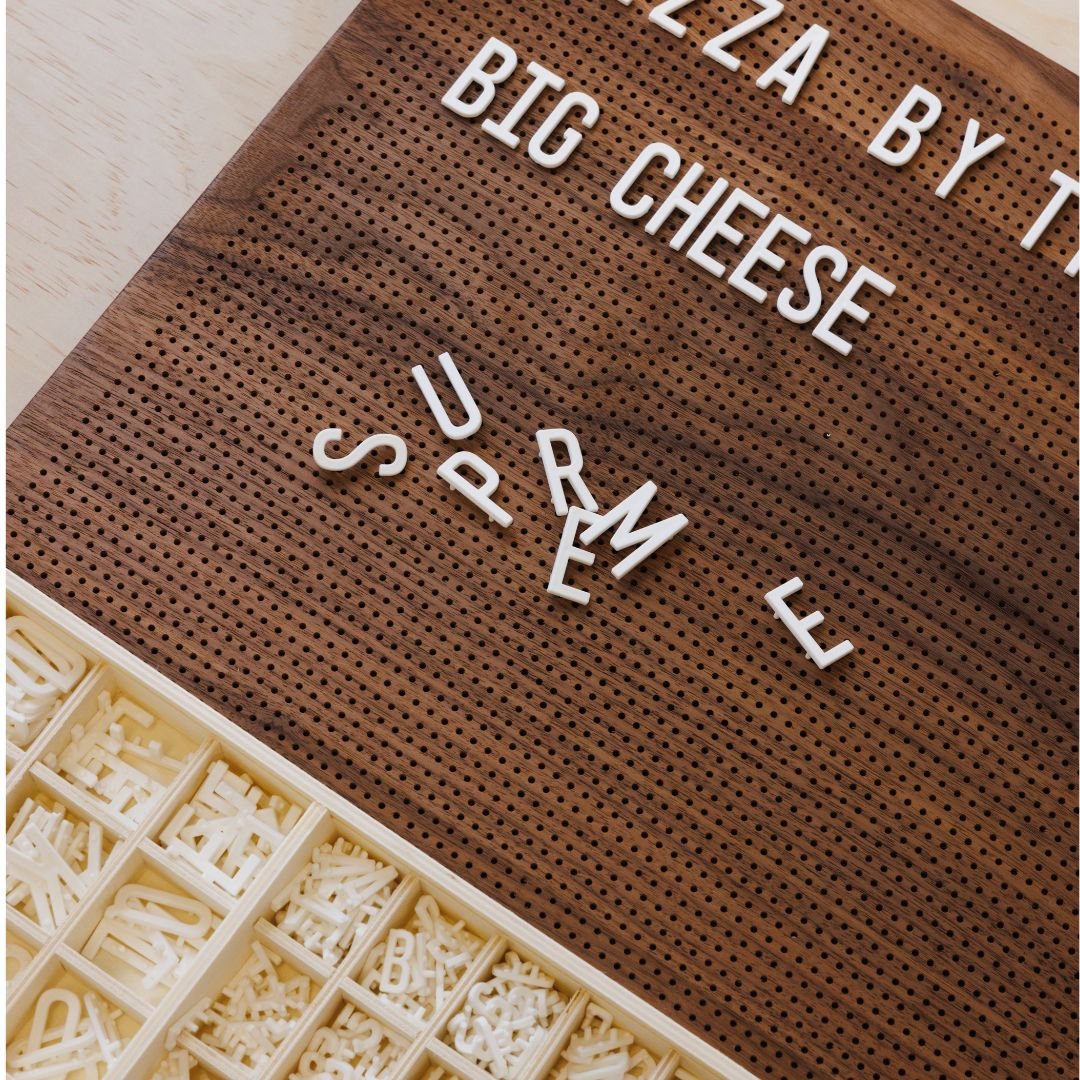
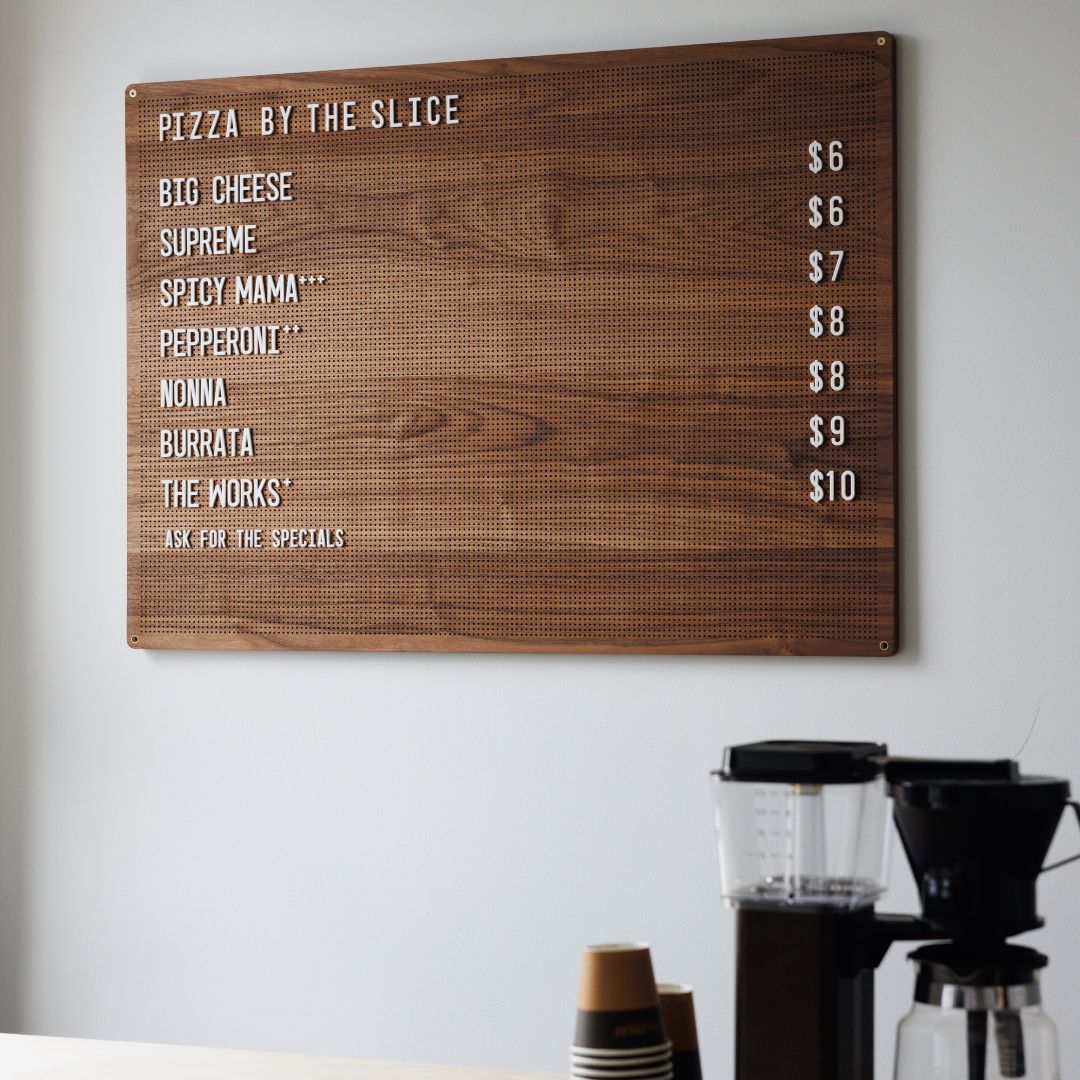
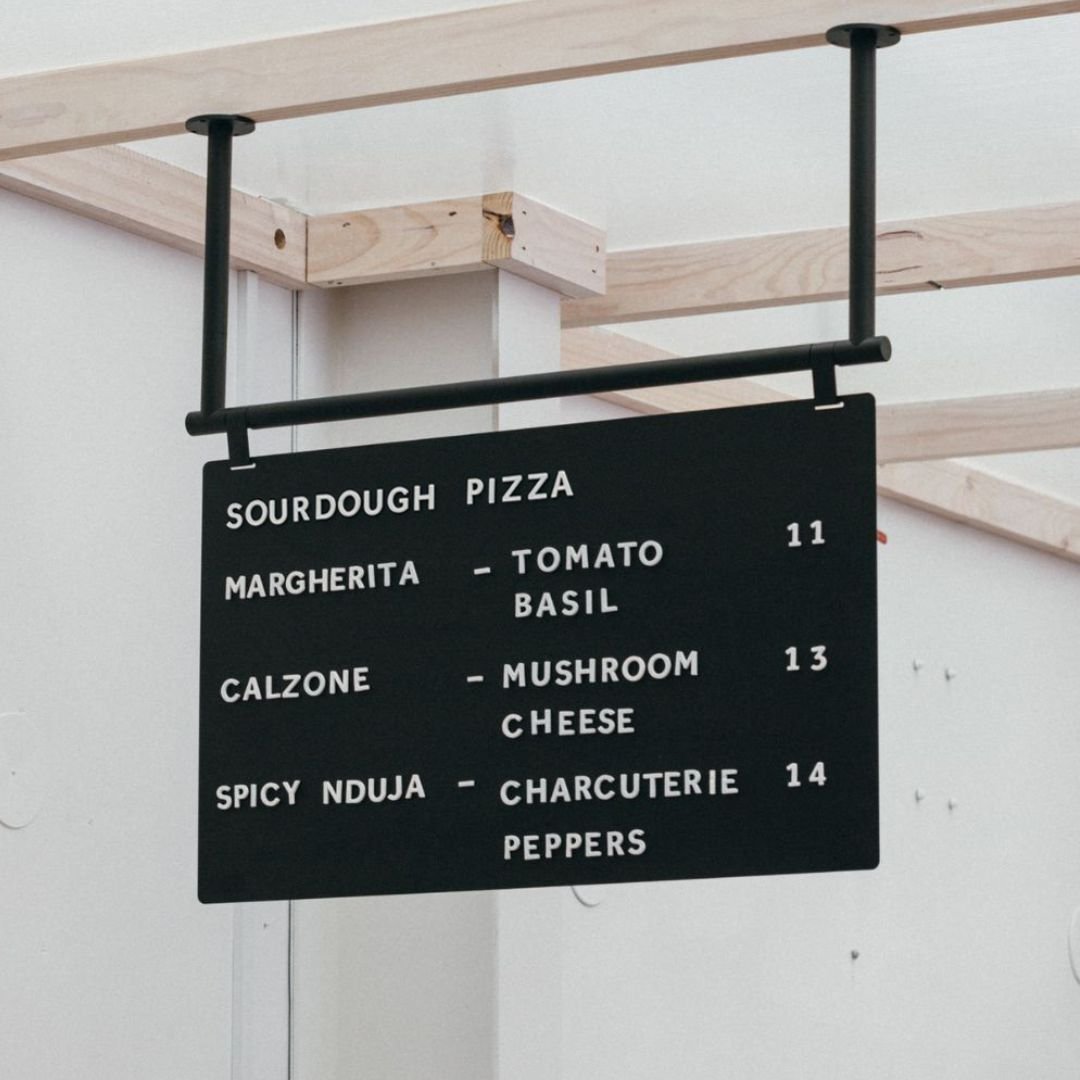
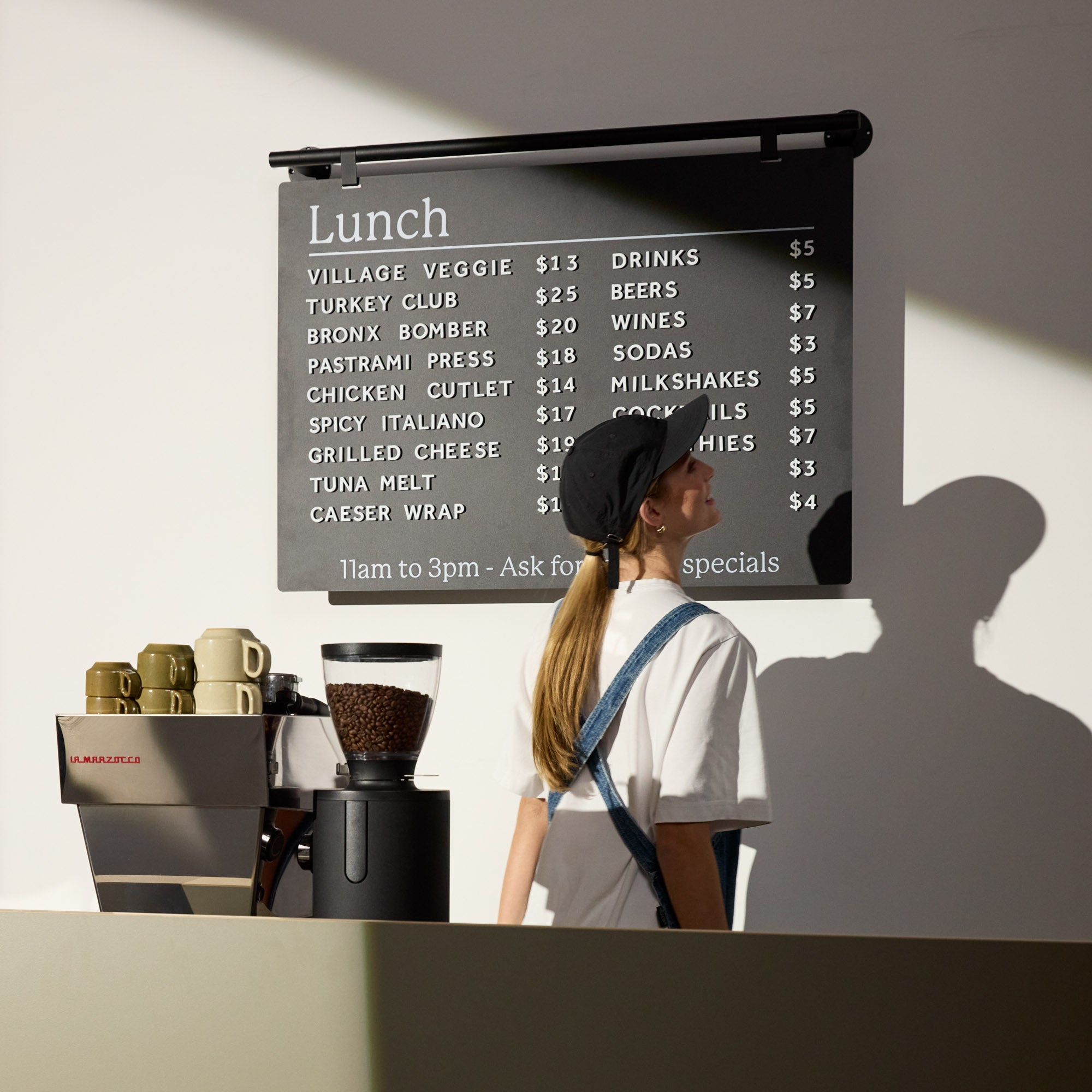
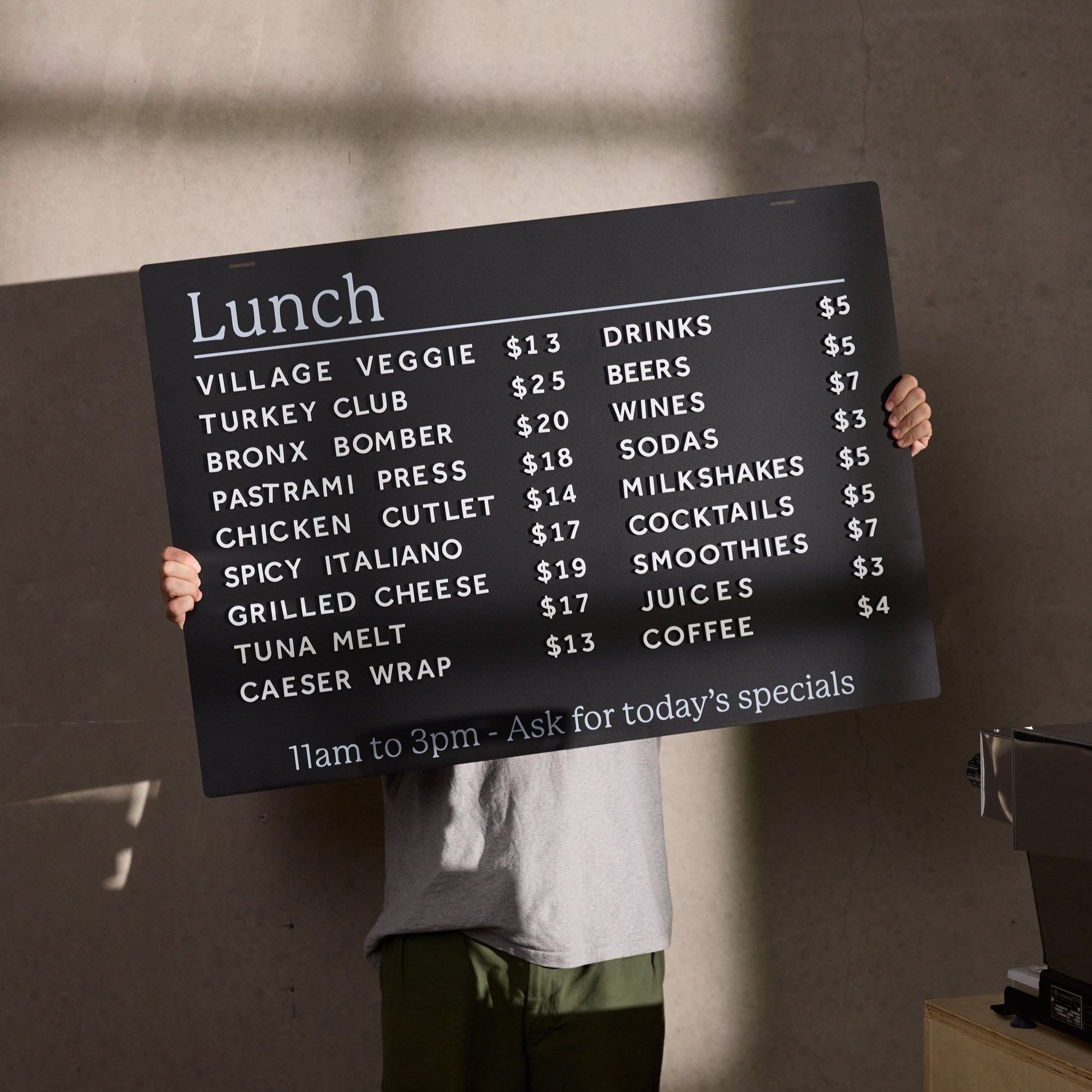
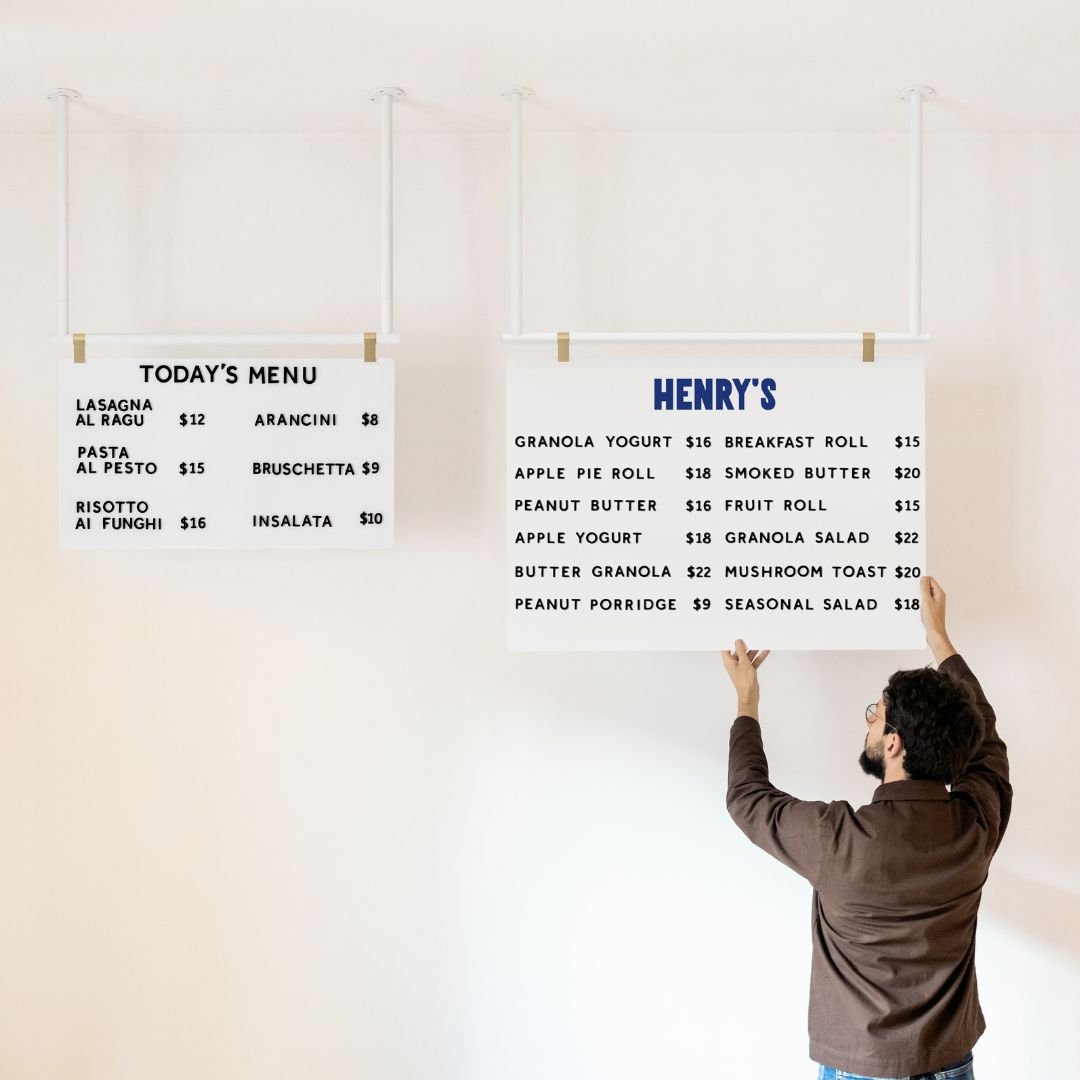
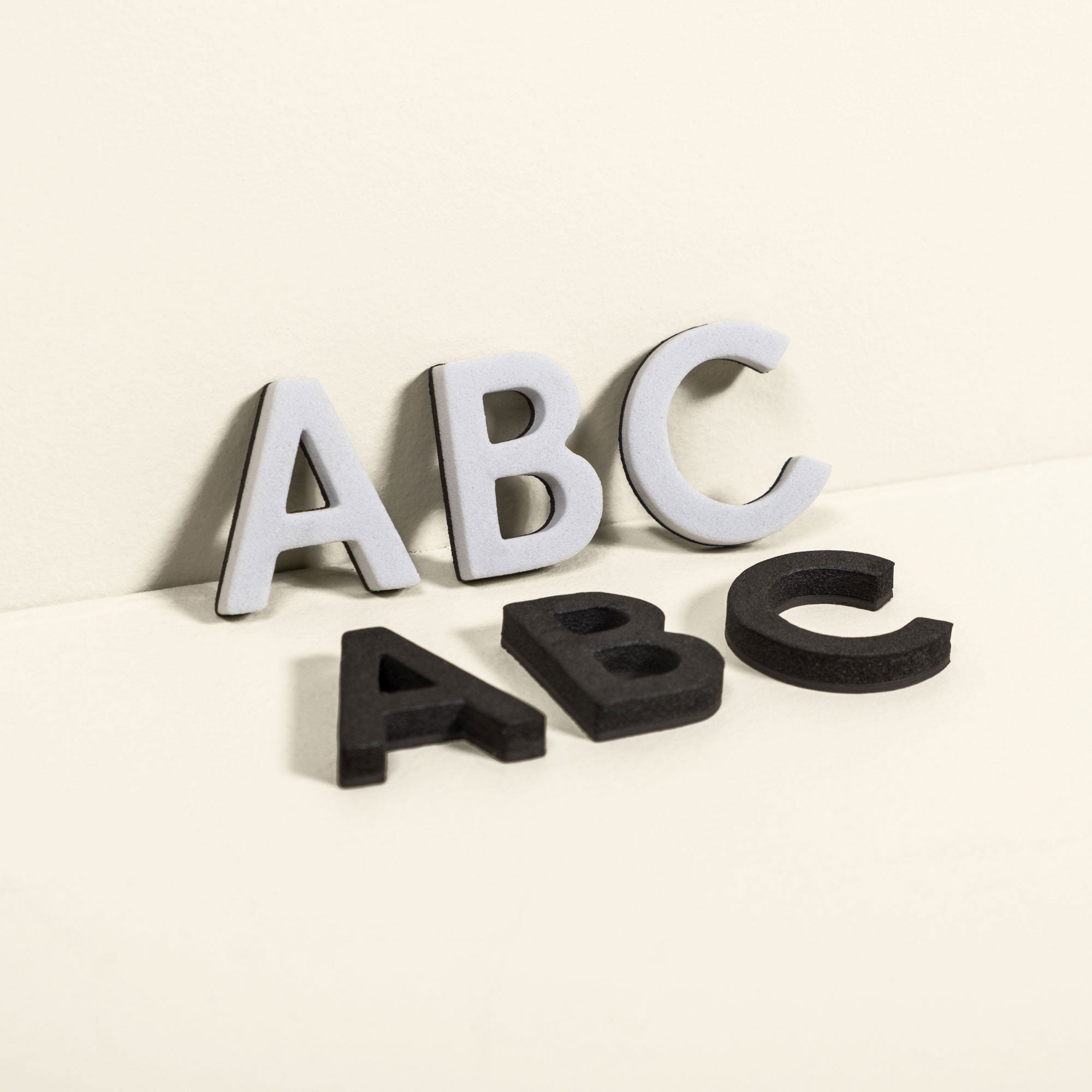
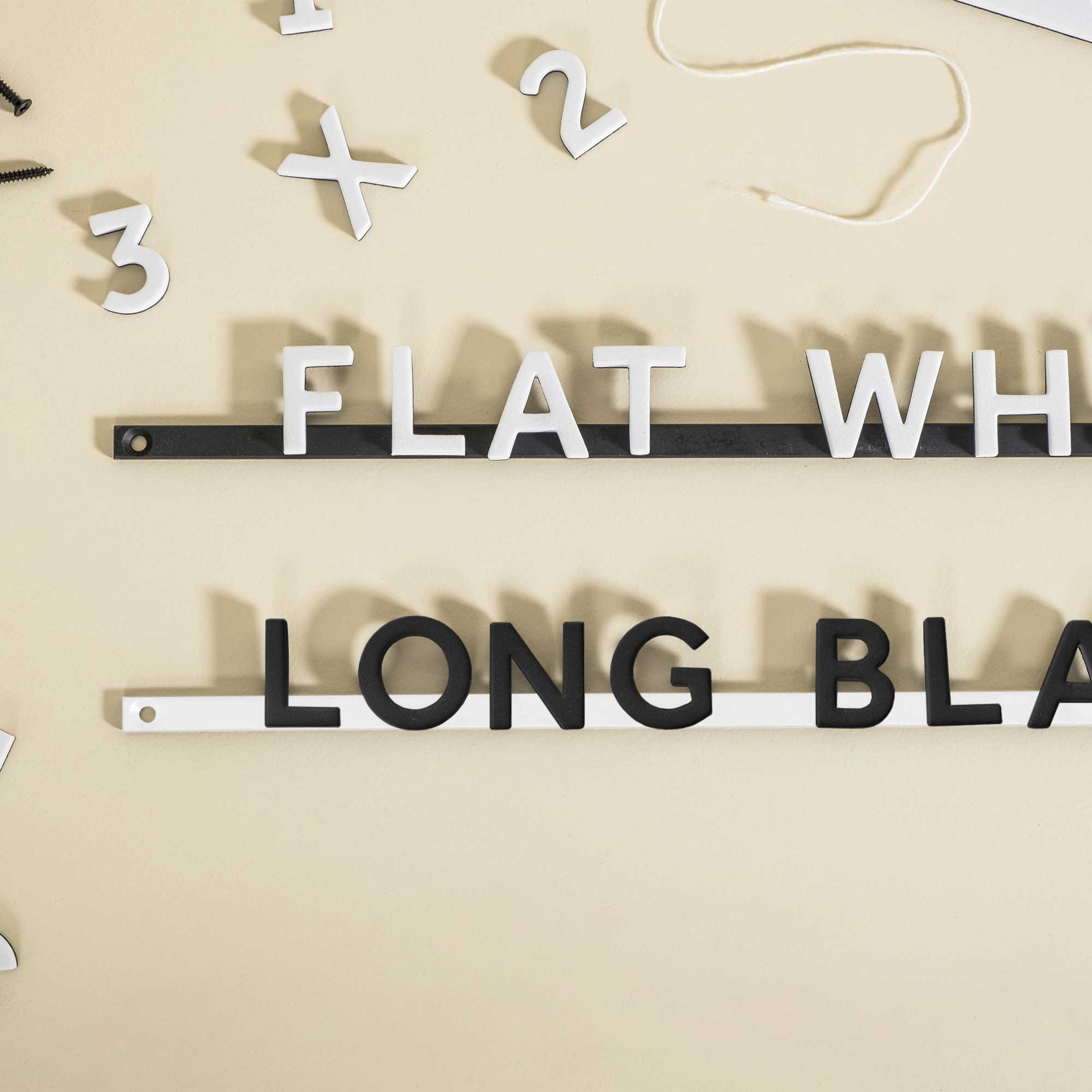
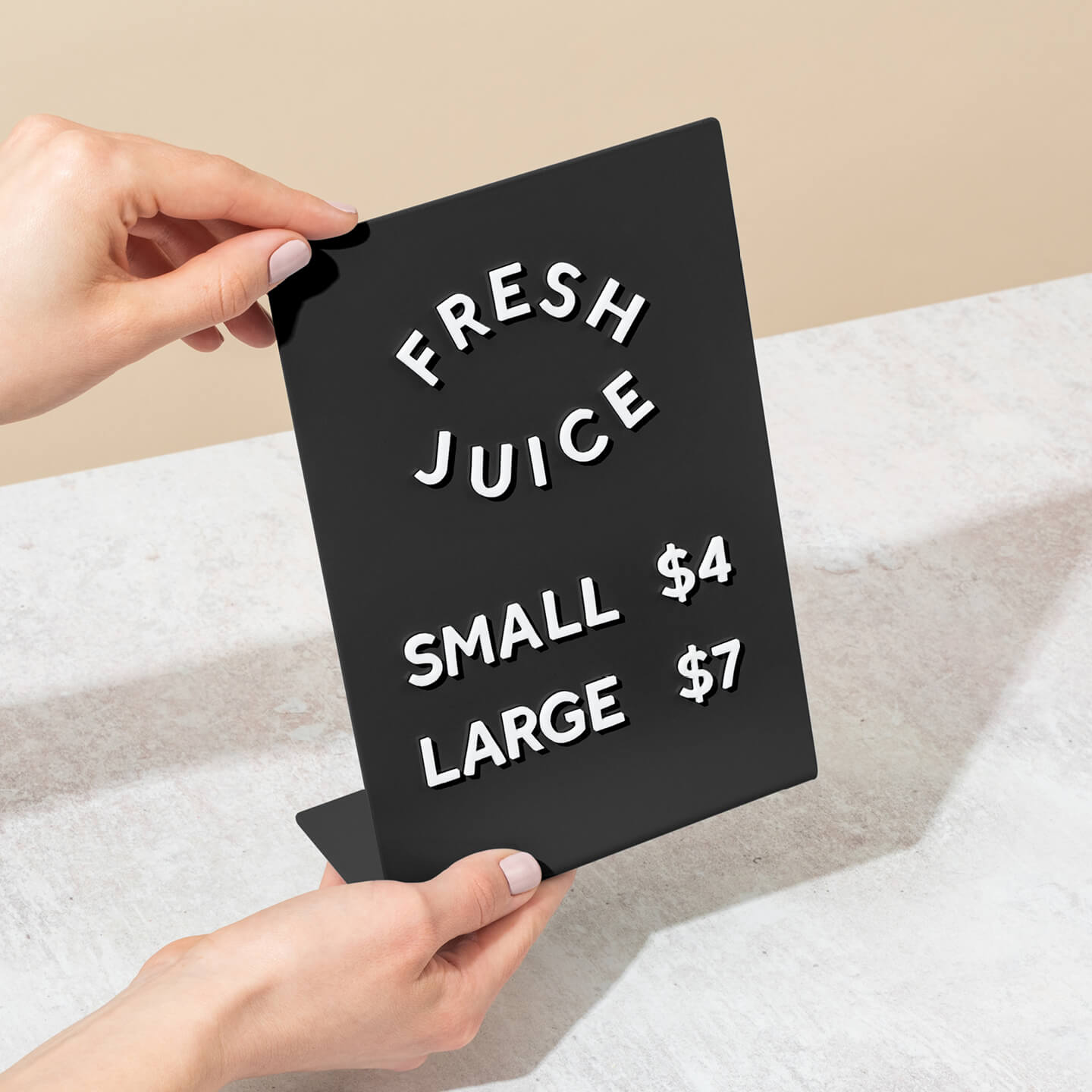
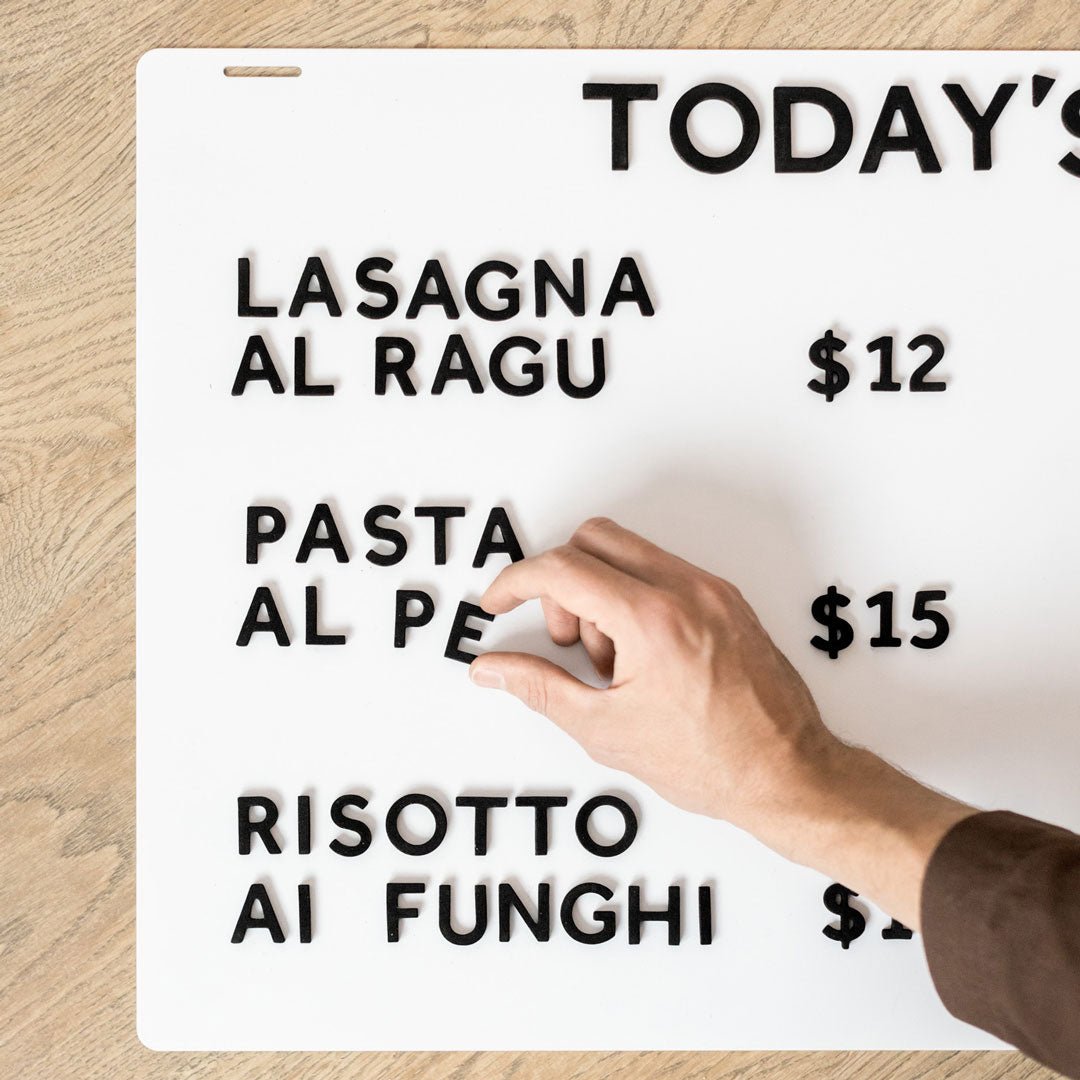
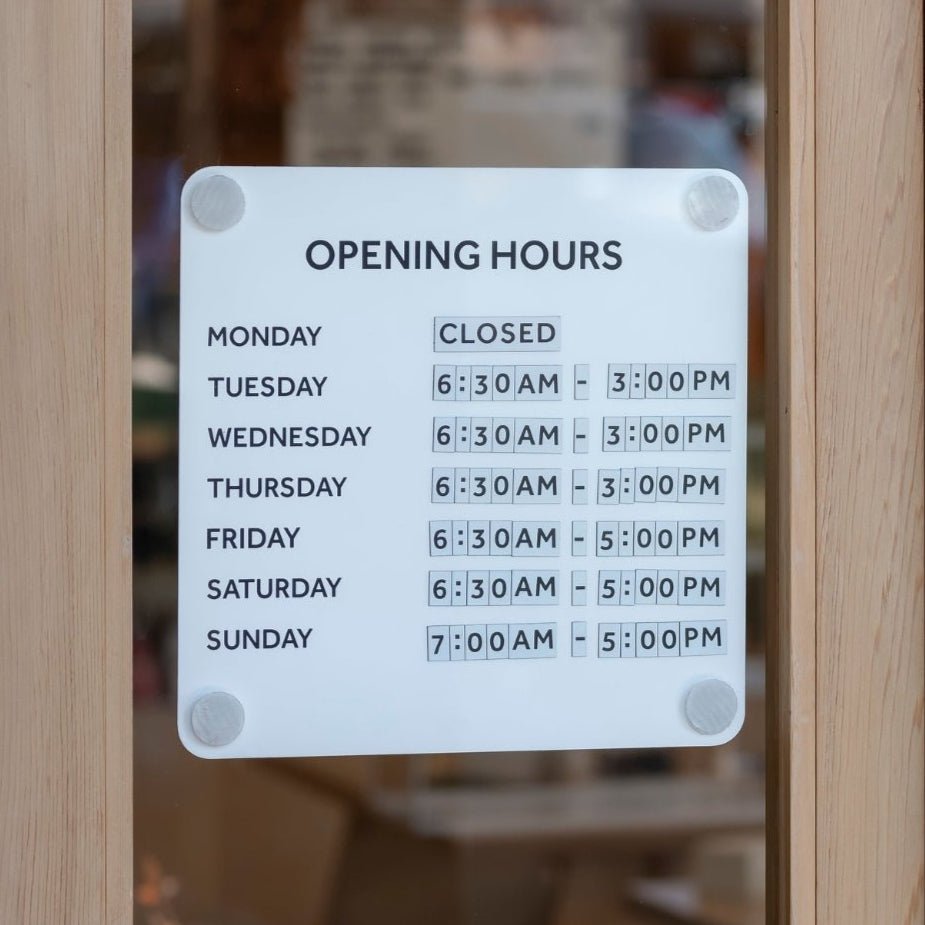
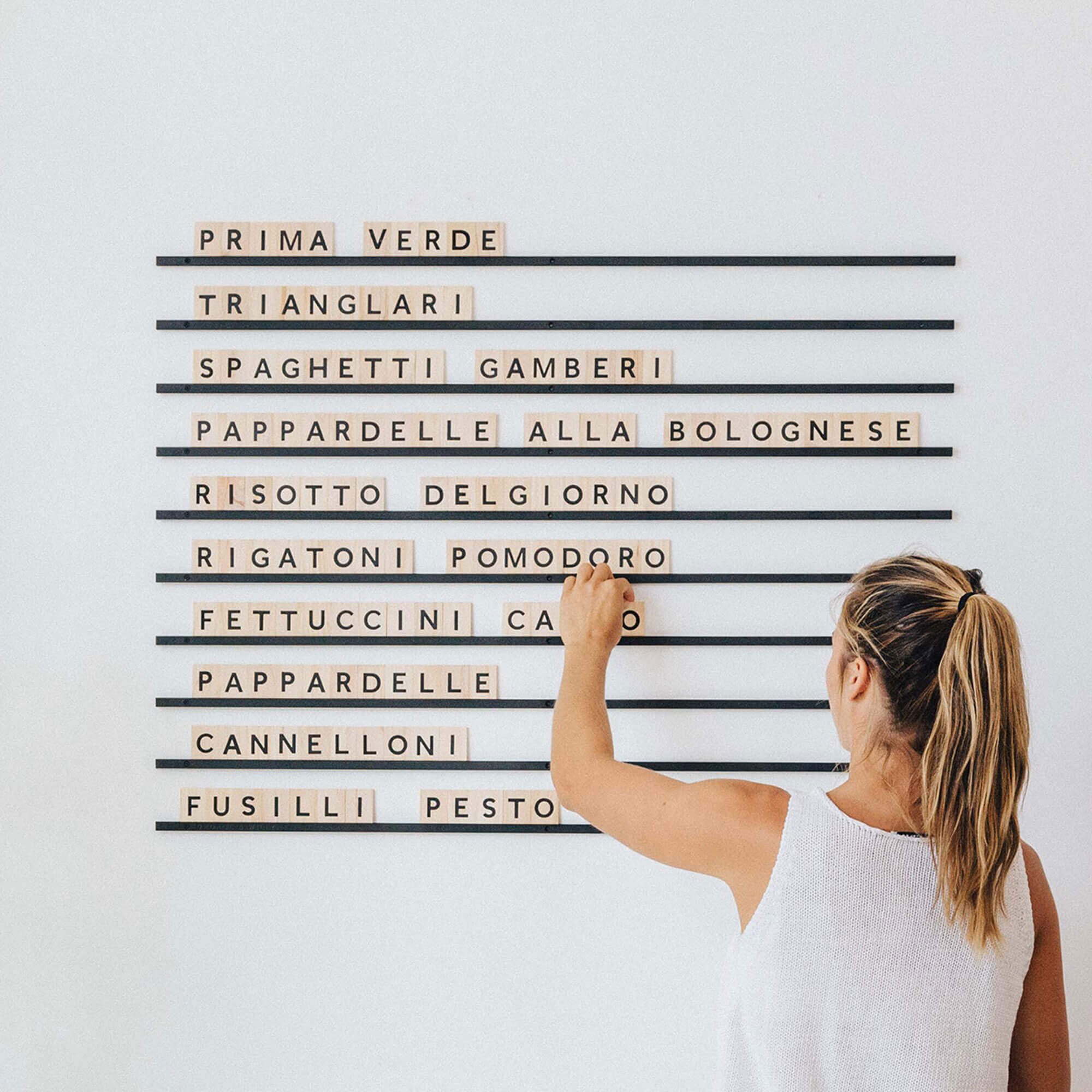
- Changeable Systems: While less common for fences, modular systems with changeable letters or panels offer flexibility. This principle is often applied to sidewalk signs where daily specials can be updated easily.
Designing Fence Signs for Maximum Impact
A beautiful sign that no one can read is just decoration. To make your fence signs effective, they need to communicate their message quickly and clearly.
Legibility Is Your Top Priority
Readability is the single most important characteristic of a good sign. Use clean, bold fonts and a size that is easy to read from a distance. High contrast color combinations, like dark text on a light background, are crucial for instant comprehension. A simple sizing guide can help.
| Viewing Distance | Minimum Letter Height |
|---|---|
| 50 feet | 2 inches |
| 100 feet | 4 inches |
| 200 feet | 8 inches |
| 500 feet | 20 inches |
Color, Branding, and Readability for Traffic
Use a pop of your brand’s color to make your signs stand out, but ensure it aligns with your overall brand identity. Consistency in your logo, fonts, and color palette builds trust. Consider the sign’s orientation; a sign parallel to the road must be read faster than one perpendicular to it. For two way traffic, ensure the message is clear from either approach.
Keep the Message Clear and Concise
People viewing your fence signs are often in motion. You have only a few seconds to make an impression. Focus on the most critical information: your business name, what you sell (e.g., Coffee, Books, Yoga), or a call to action (e.g., “Open”). Reinforce this with a Door Sign near your entrance. A cluttered sign is an ignored sign.
Preparing Your Artwork for a Sign Professional
If you are working with a sign shop to add a vinyl decal to a blank sign, they will need proper files. Typically, this means providing your logo and text in a vector format (like AI, EPS, or PDF) to ensure it can be scaled without losing quality. Outline all fonts and provide Pantone color codes for accurate color matching.
Strategic Installation and Placement
Properly installing and placing your sign is just as important as designing it well.
Placement Strategy and Sightline Optimization
Walk or drive by your property from all directions to find the best placement. Look for the clearest sightlines, avoiding obstructions like trees, utility poles, or parked cars. The goal is to maximize the time that potential customers can see your sign. Consider the typical speed of traffic. A sign for highway drivers needs a much simpler message than one for pedestrians.
Secure Mounting Methods for Every Fence Type
- Chain Link Fences: Signs can be easily attached using zip ties, bungee cords, or wire threaded through grommets.
- Wooden Fences: Use screws with washers to securely fasten rigid signs. Banners can be screwed in at the corners with grommets.
- Metal or Wrought Iron Fences: Brackets, clamps, or heavy duty zip ties are effective. Ensure the attachment method won’t damage the fence’s finish.
Wind Load and Weather Best Practices
In windy areas, a solid banner acts like a sail and can be easily damaged. Use a mesh banner or add wind slits to a solid vinyl banner to reduce strain. For rigid signs, ensure the mounting hardware is rated for your local weather conditions and securely fastened to the fence posts, not just the slats.
Security and Anti Theft Mounting
To prevent theft, especially for premium signs, use tamper resistant hardware like security screws or bolts that require a special tool for removal. This adds a layer of protection for your investment.
Durability, Maintenance, and Long Term Care
A sign is a long term asset, and proper care ensures it continues to represent your business well.
Considerations for Coastal and Harsh Climates
Salt air in coastal areas can accelerate corrosion on metal signs. In these environments, powder coated aluminum or marine grade materials are essential for longevity. In areas with extreme sun, choose UV resistant inks and materials to prevent premature fading.
Protecting Your Investment
Some signs can be ordered with an anti graffiti coating, which makes it easy to wipe away spray paint or markers. When purchasing, always ask about the warranty. A good warranty (like the 2 year warranty on George & Willy products) protects your investment against faulty workmanship or materials.
Care and Cleaning Do’s and Don’ts
Regularly clean your sign with mild soap and water to remove dirt and grime. Avoid using harsh chemical cleaners or abrasive tools that could scratch the surface or damage the finish. A clean sign looks professional and shows that you care about your business’s appearance.
Sustainable Signage Options
For businesses focused on sustainability, look for signs made from recycled materials like aluminum or certain plastics. Water based inks are also a more environmentally friendly printing option compared to solvent based inks.
Beyond the Fence: Cohesive Signage for Curb Appeal
Not every business has a long fence perfect for displaying signs. For many storefronts, especially in urban areas, the most valuable real estate is on the sidewalk. This is where alternatives to traditional fence signs shine.
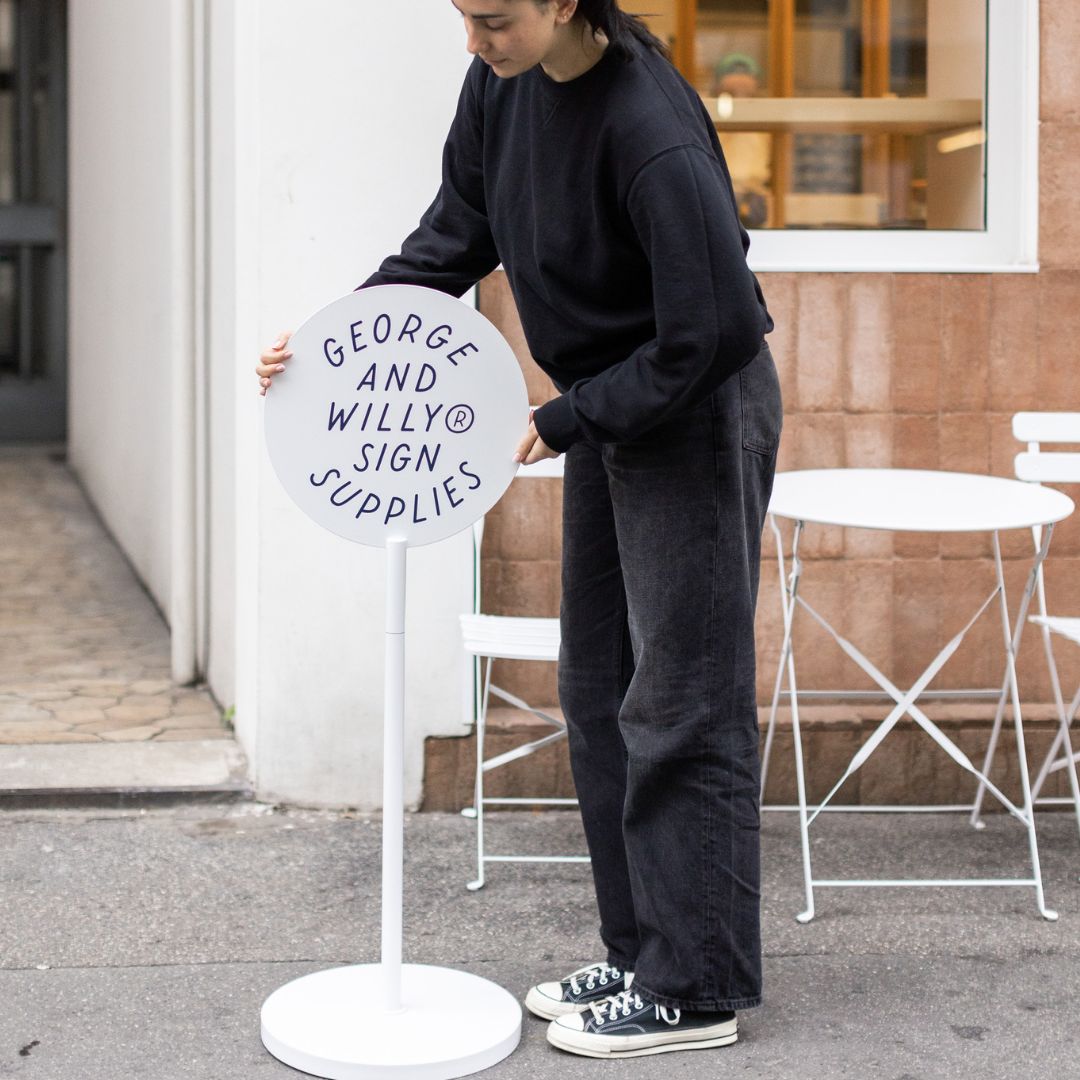
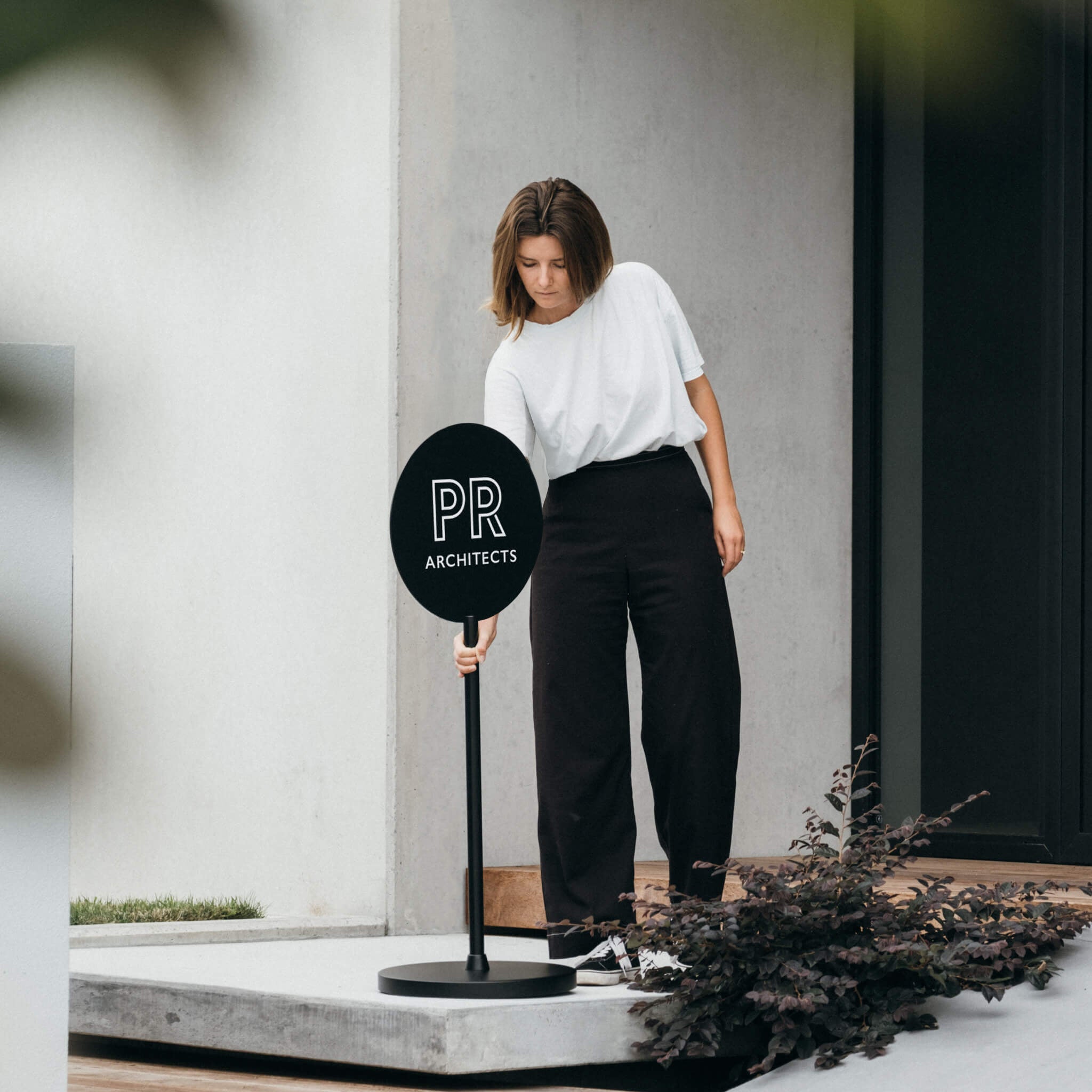
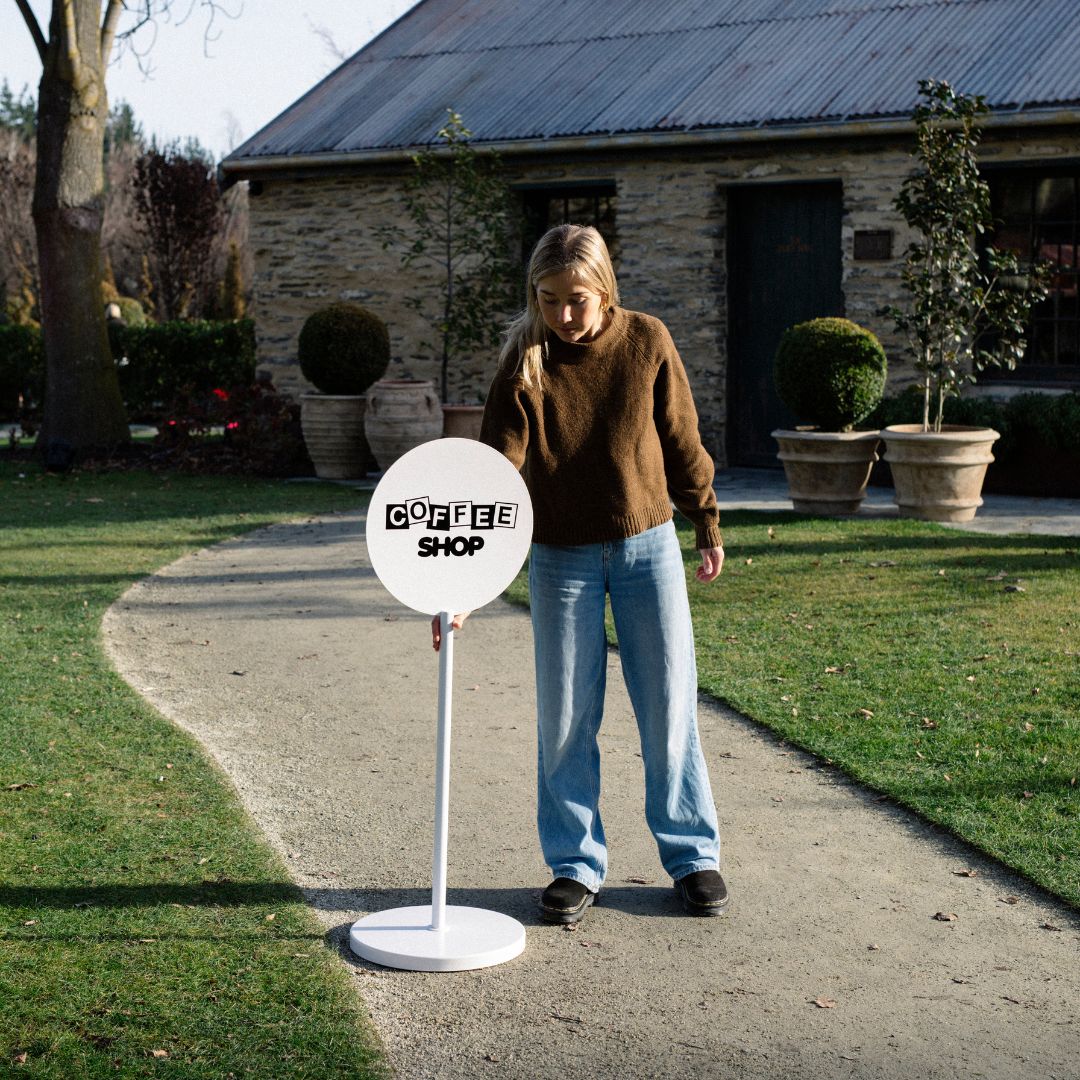
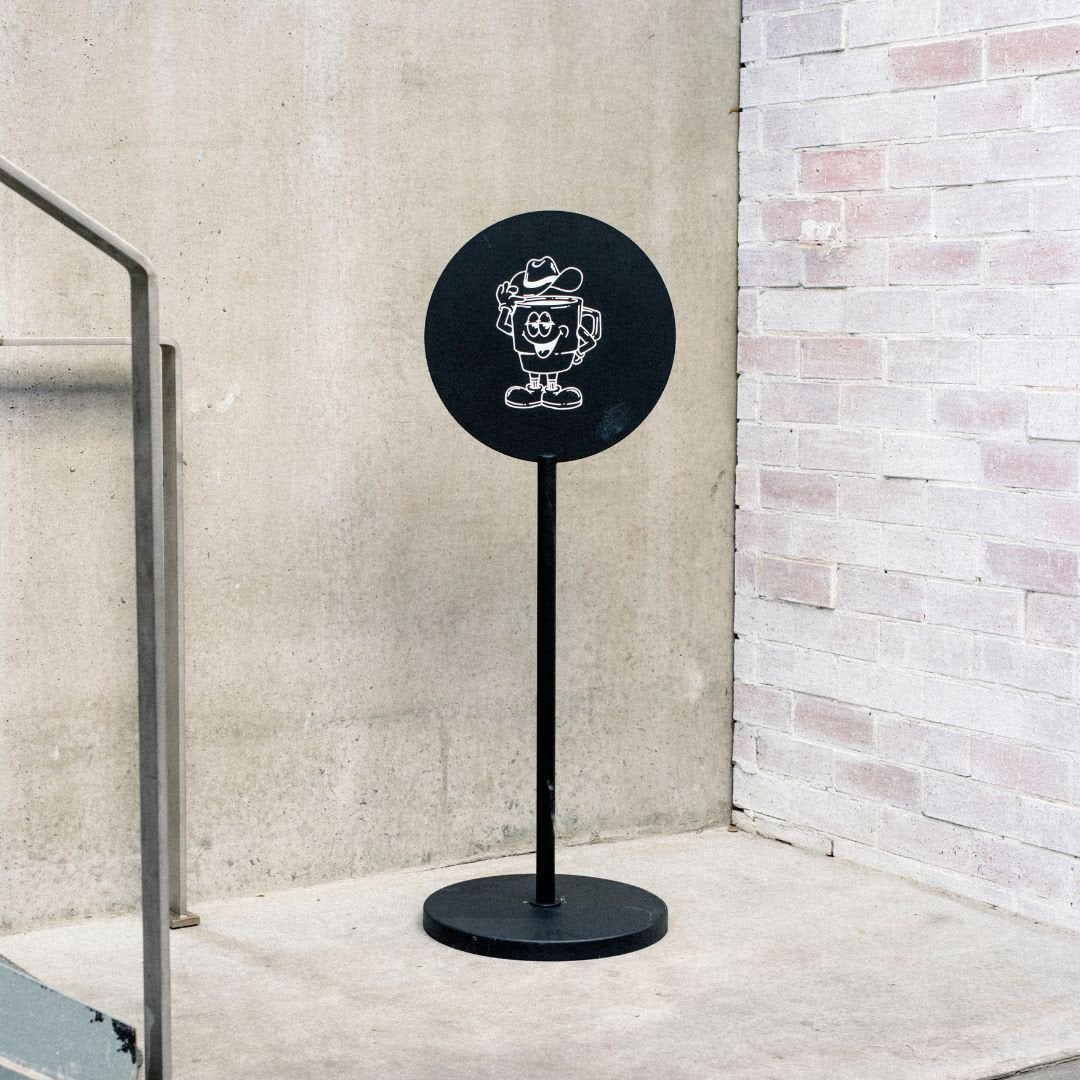
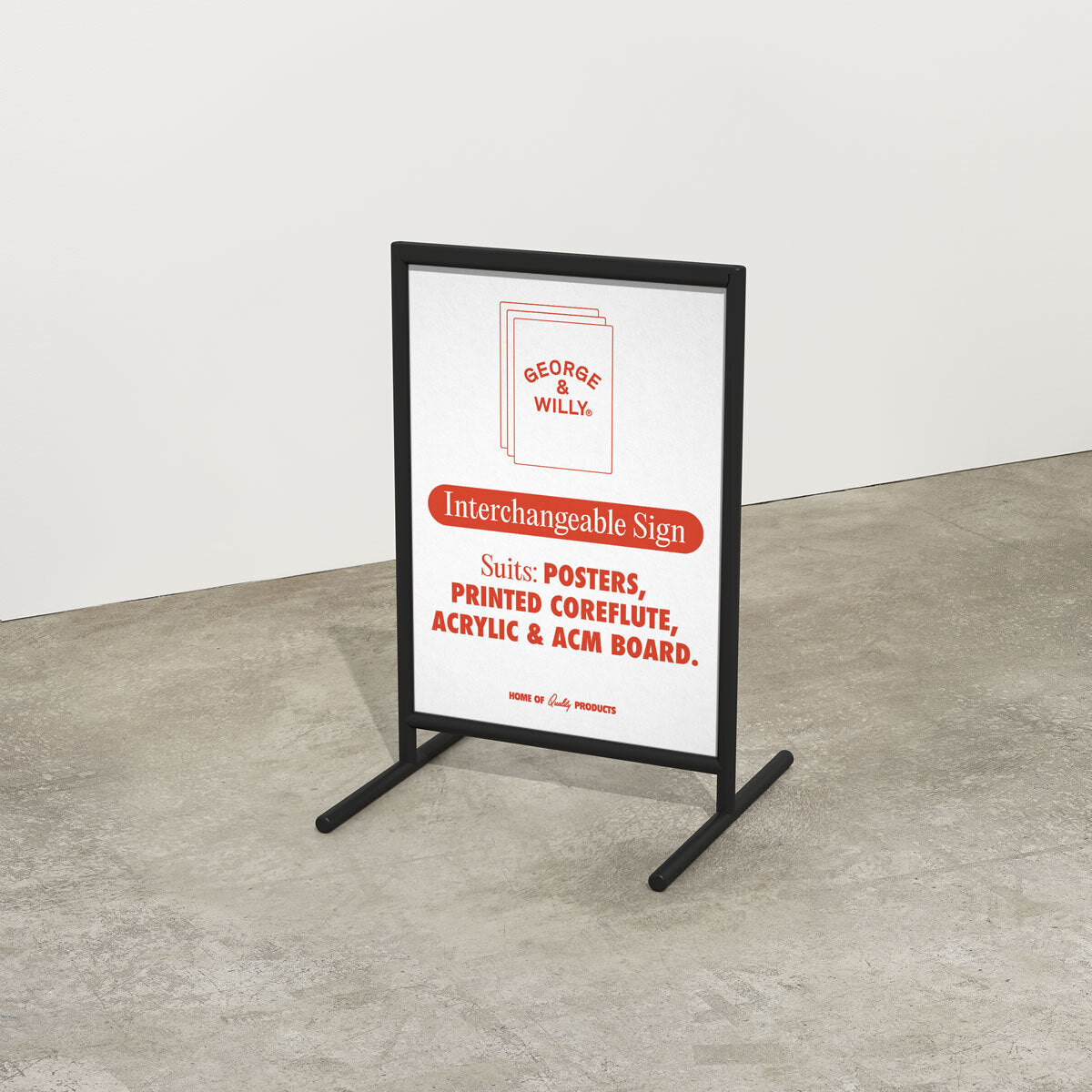
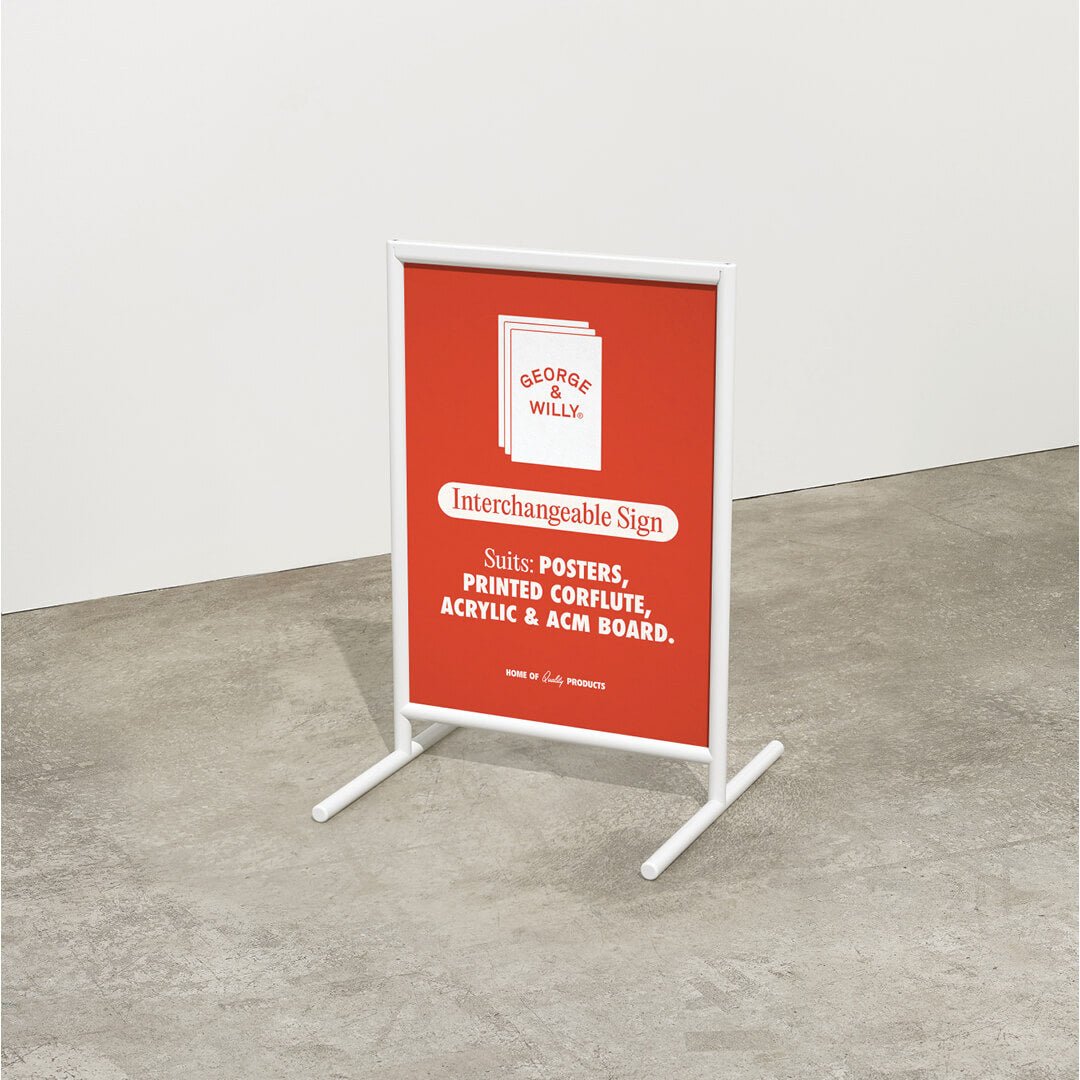
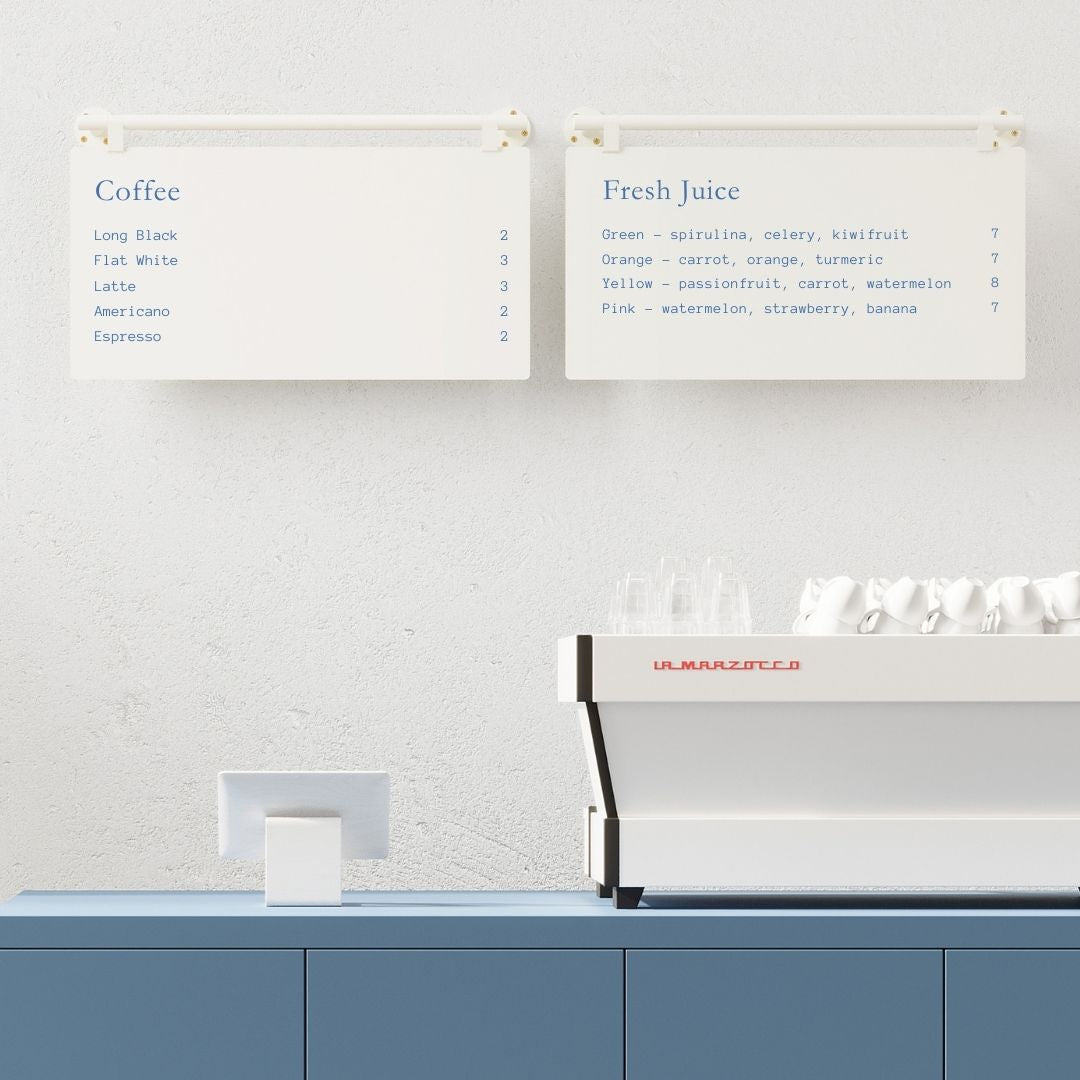
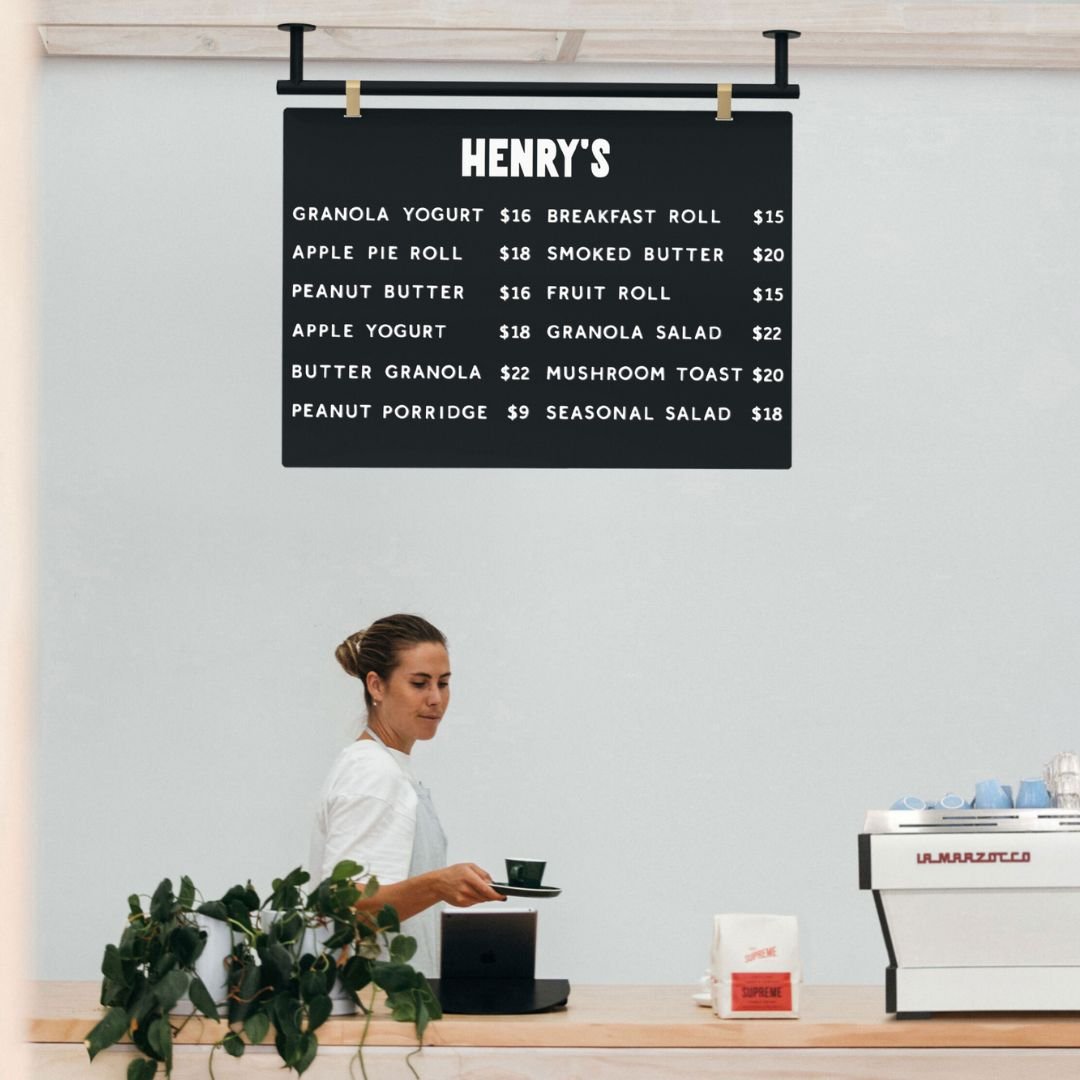
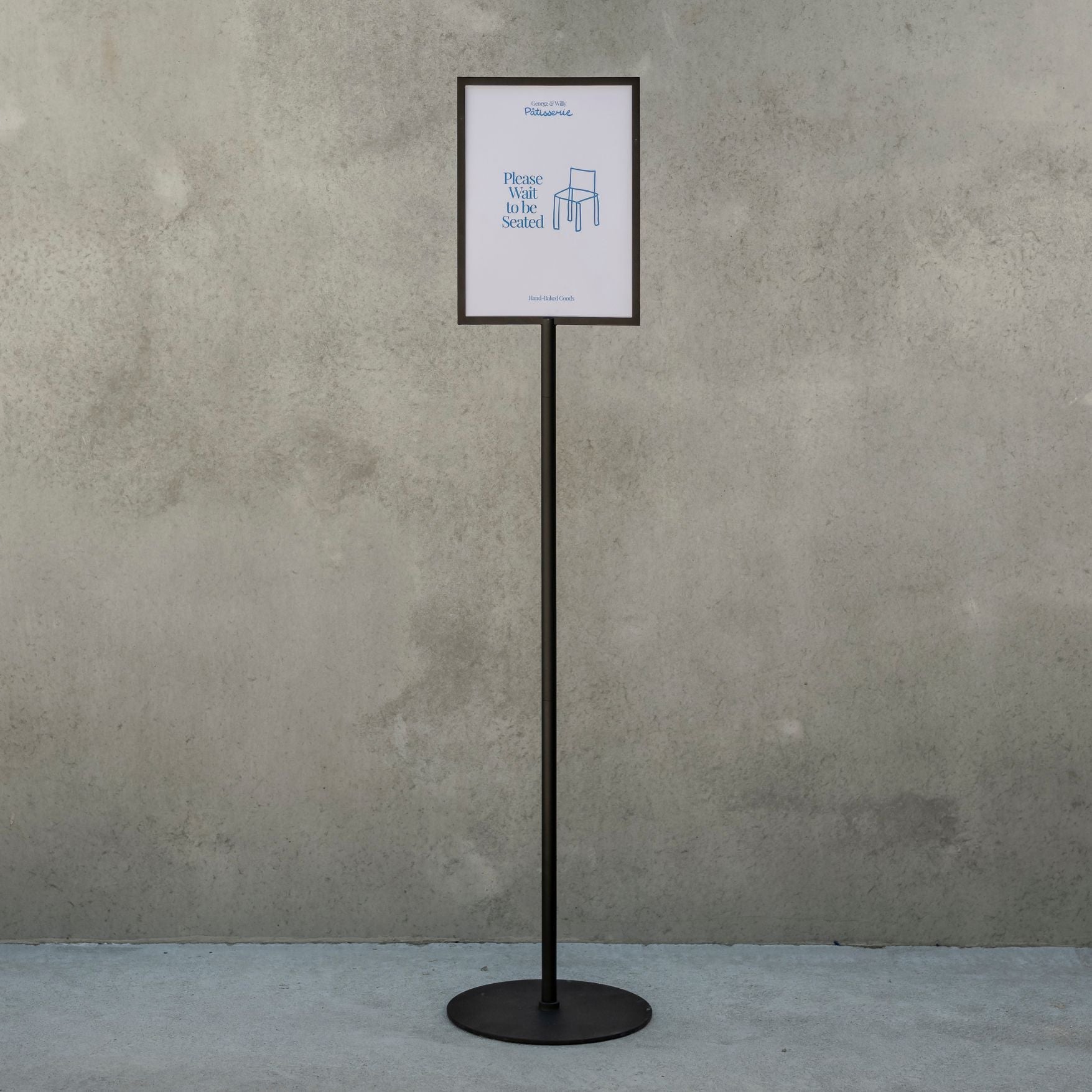
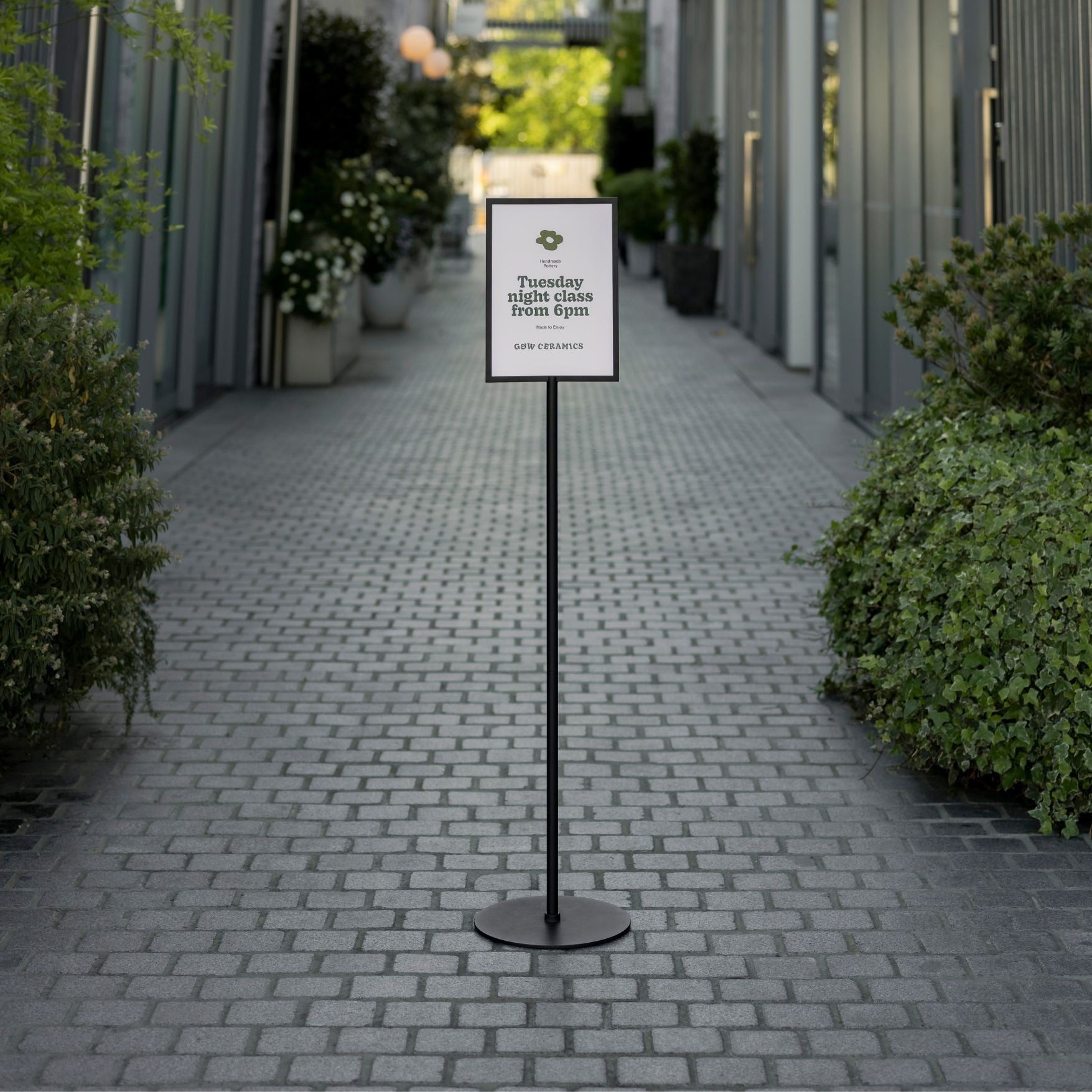
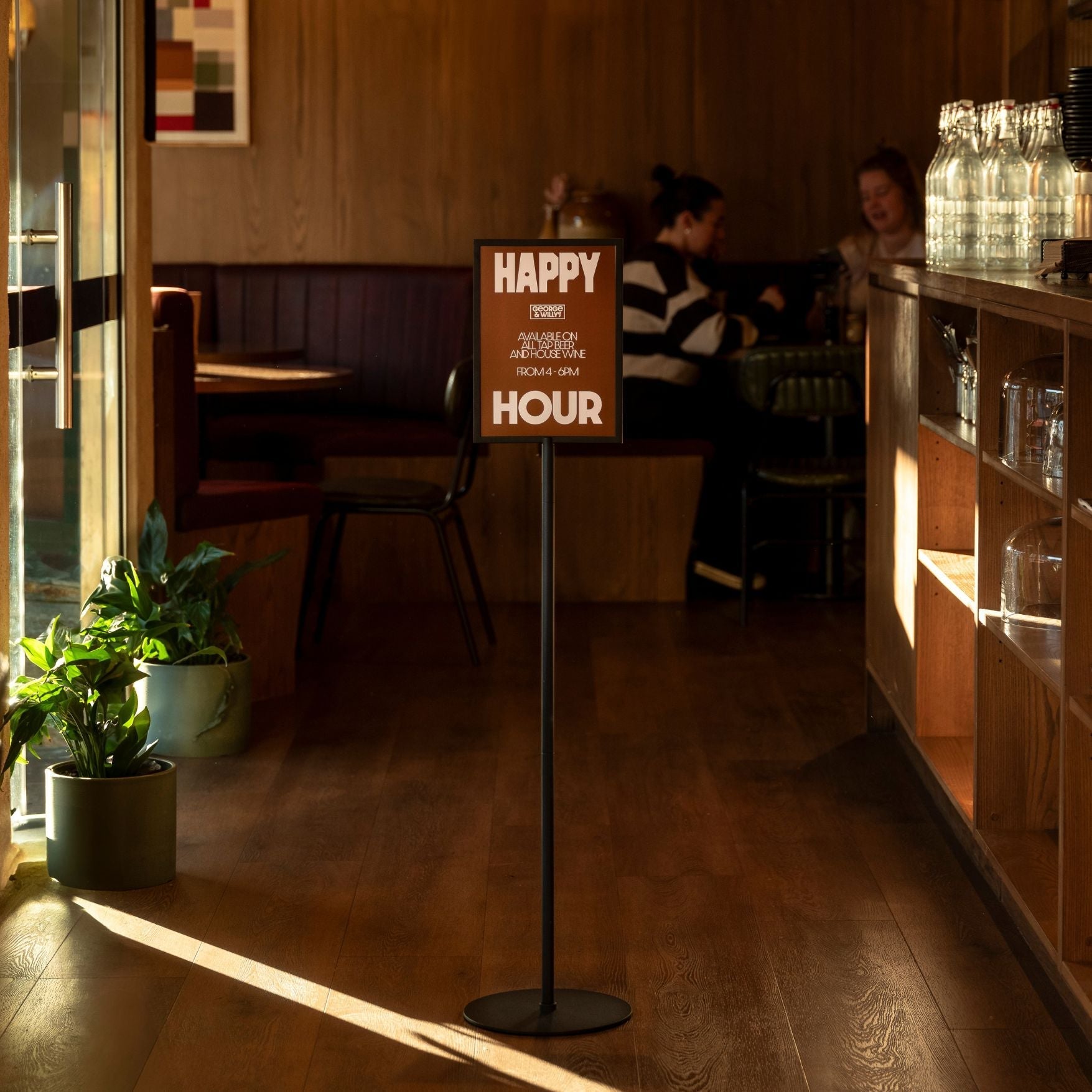
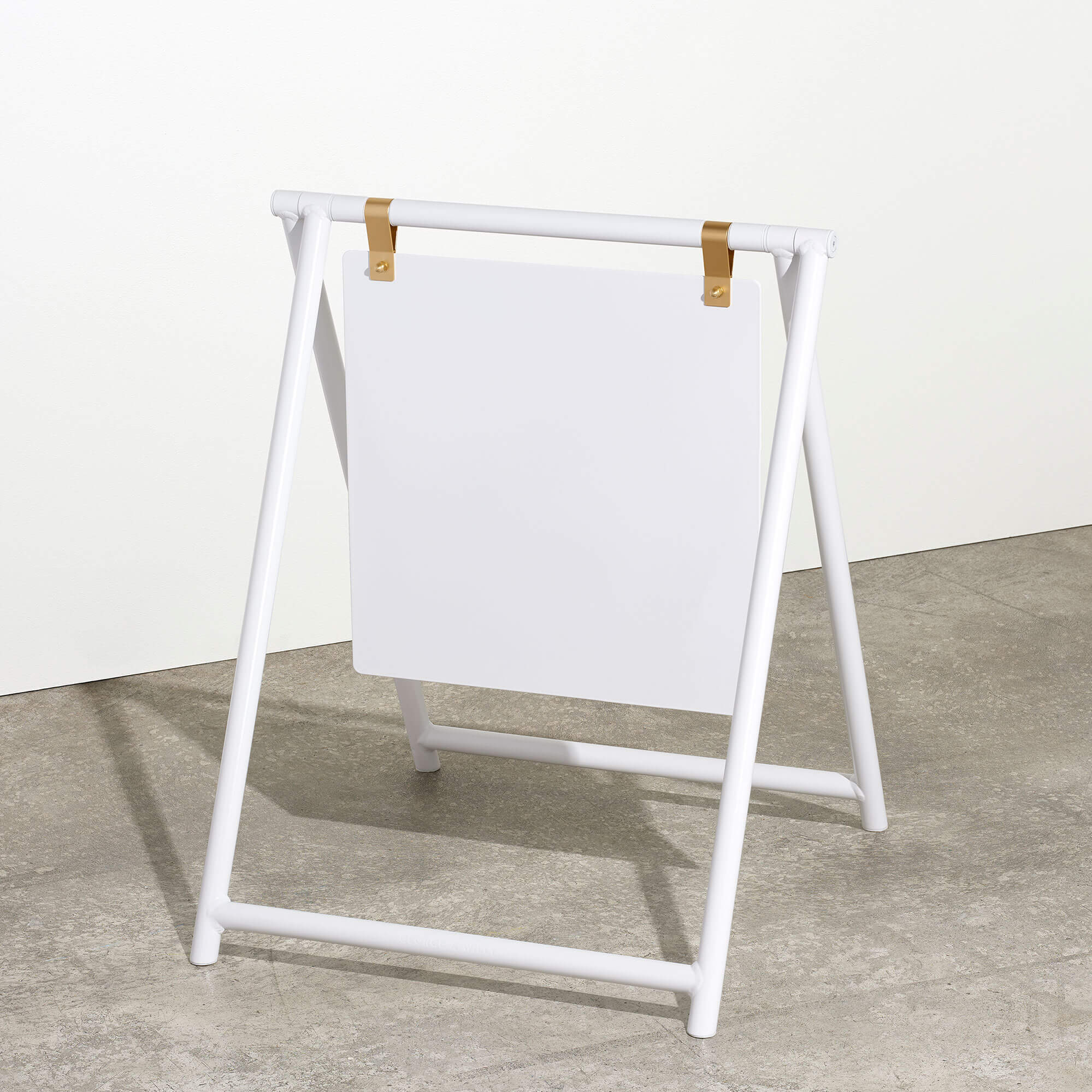
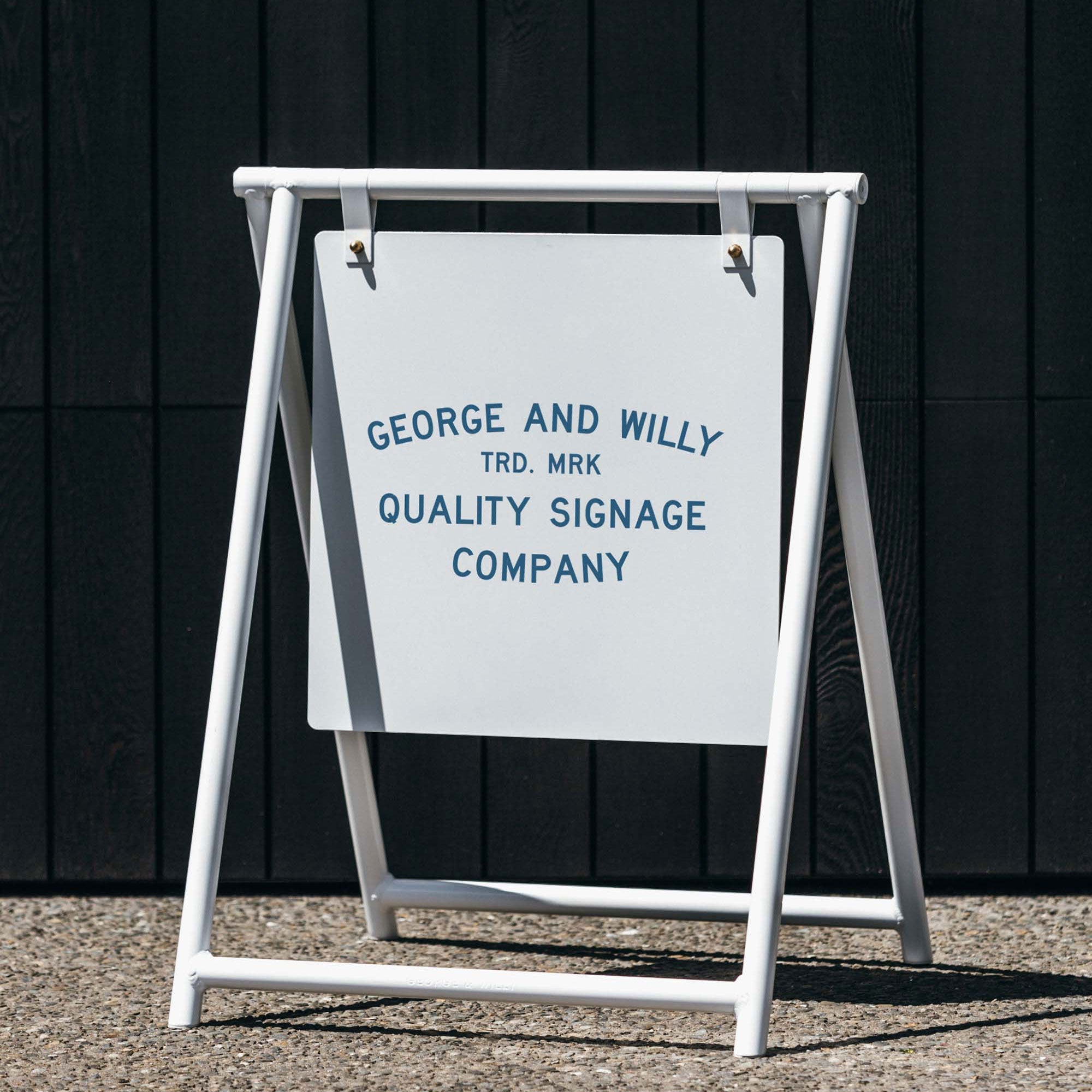
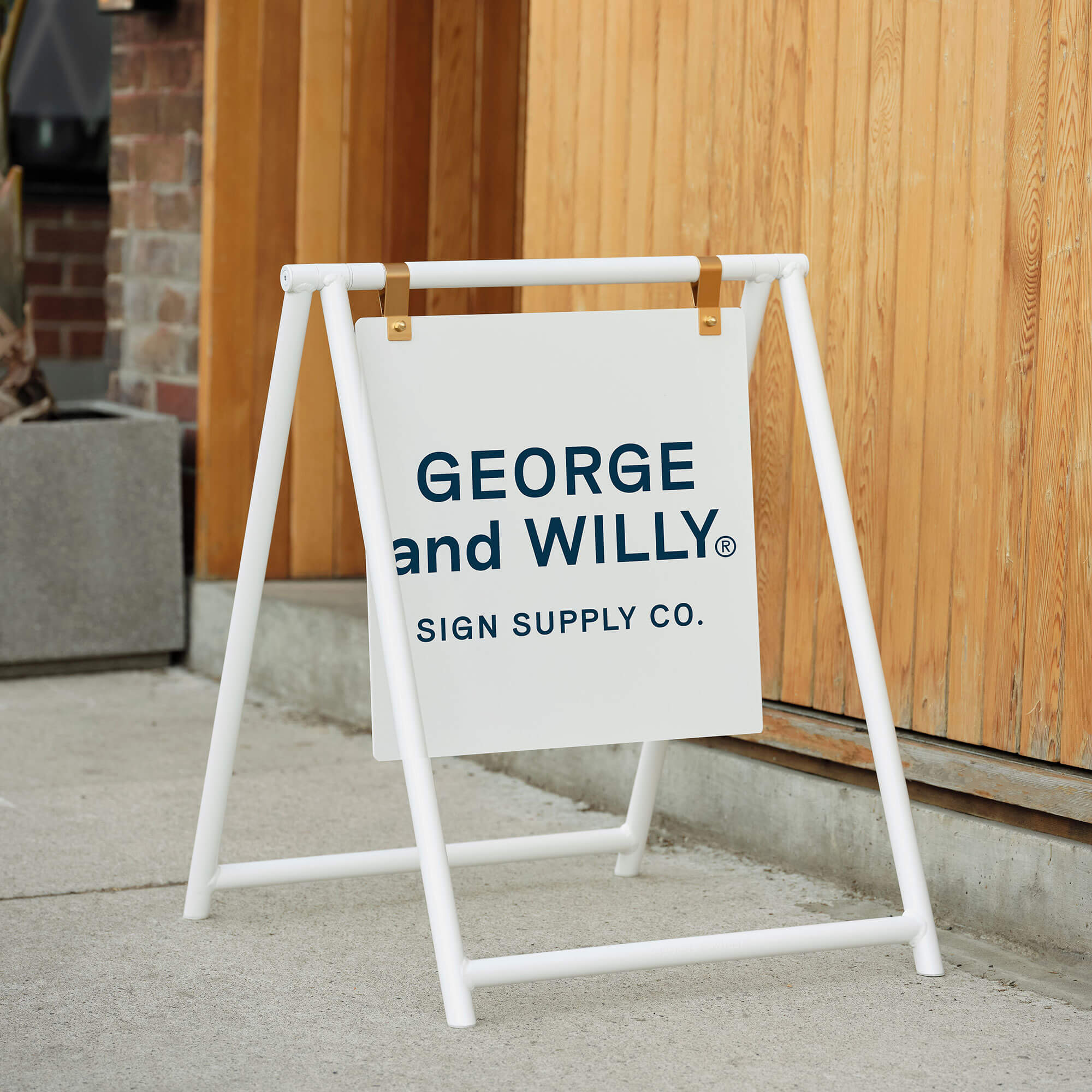
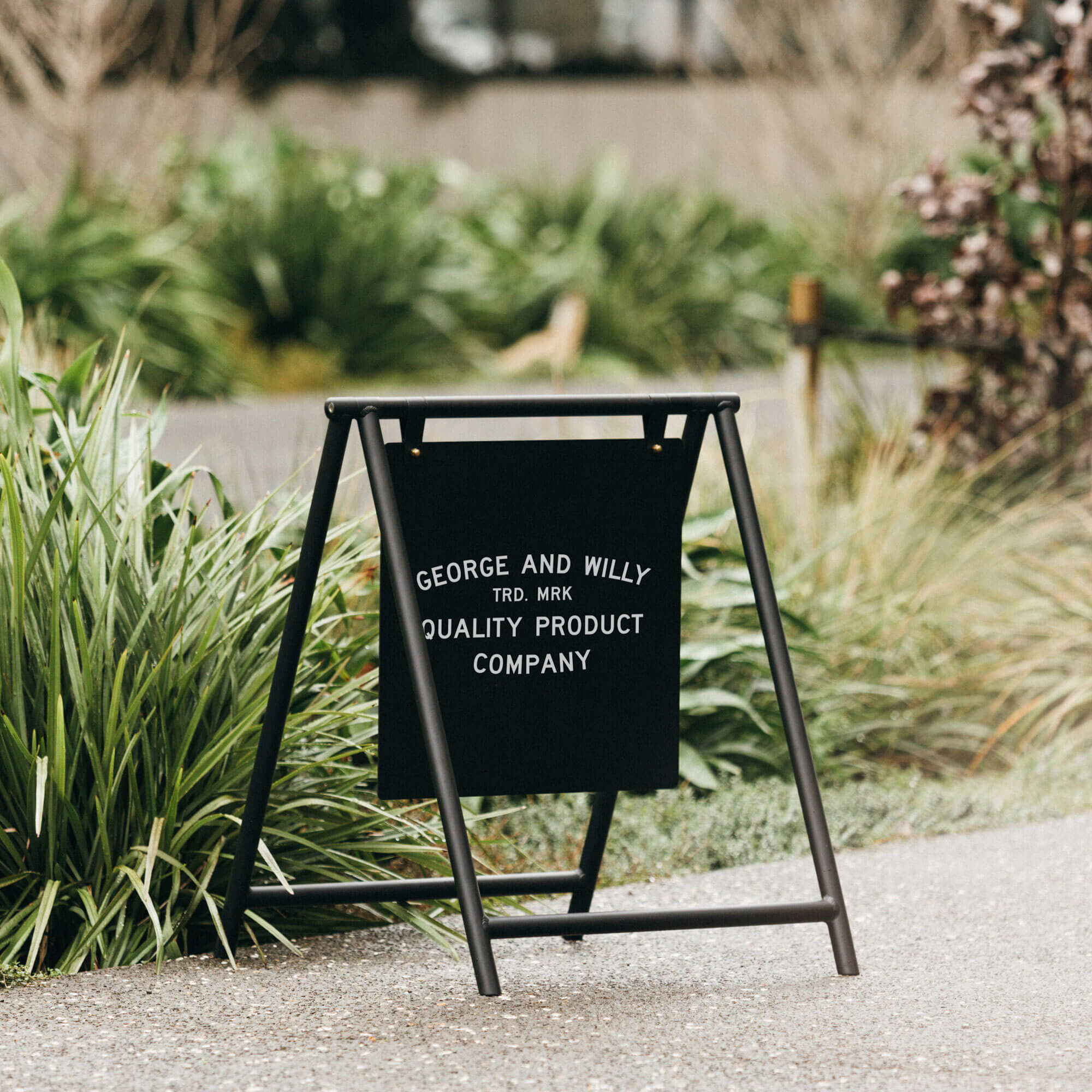
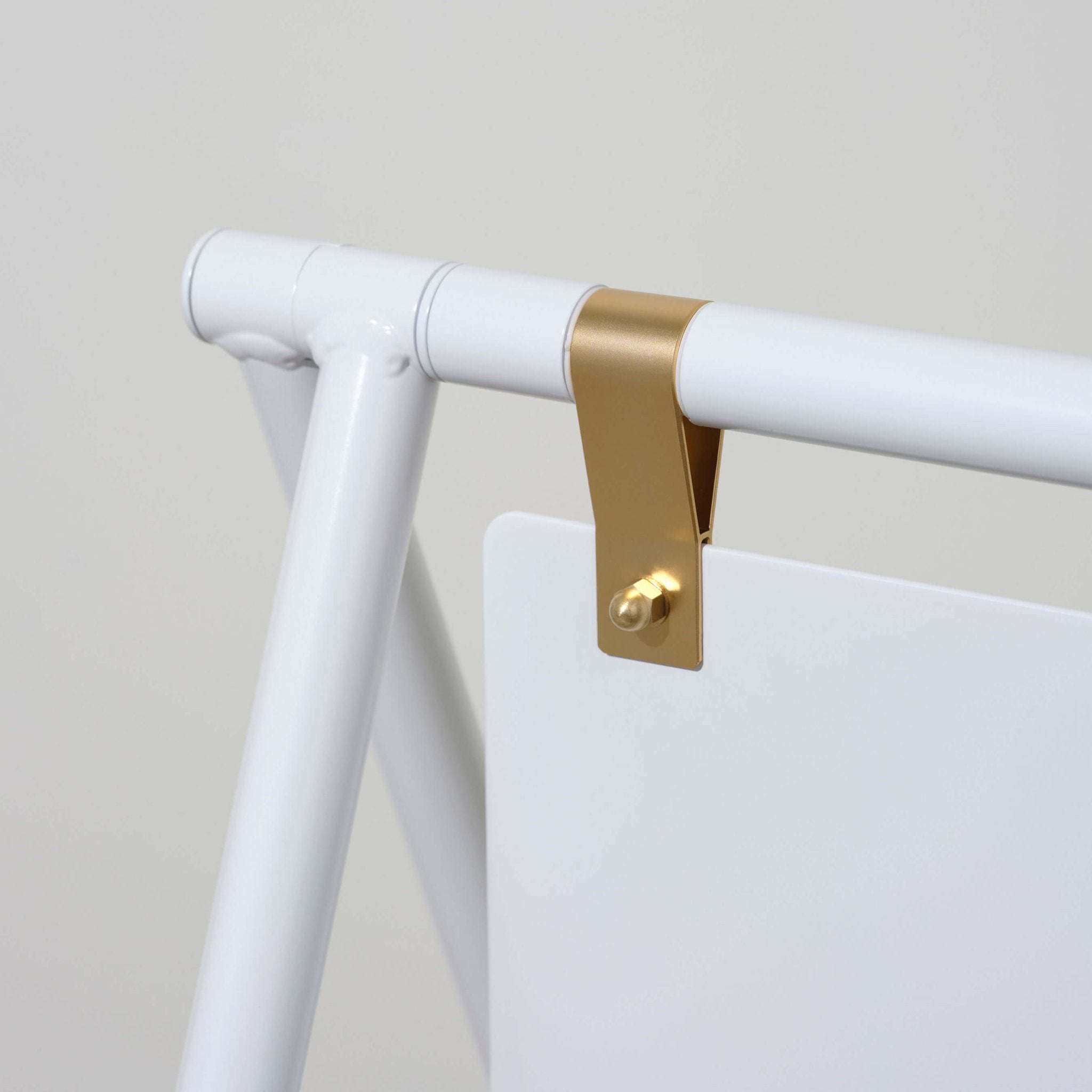
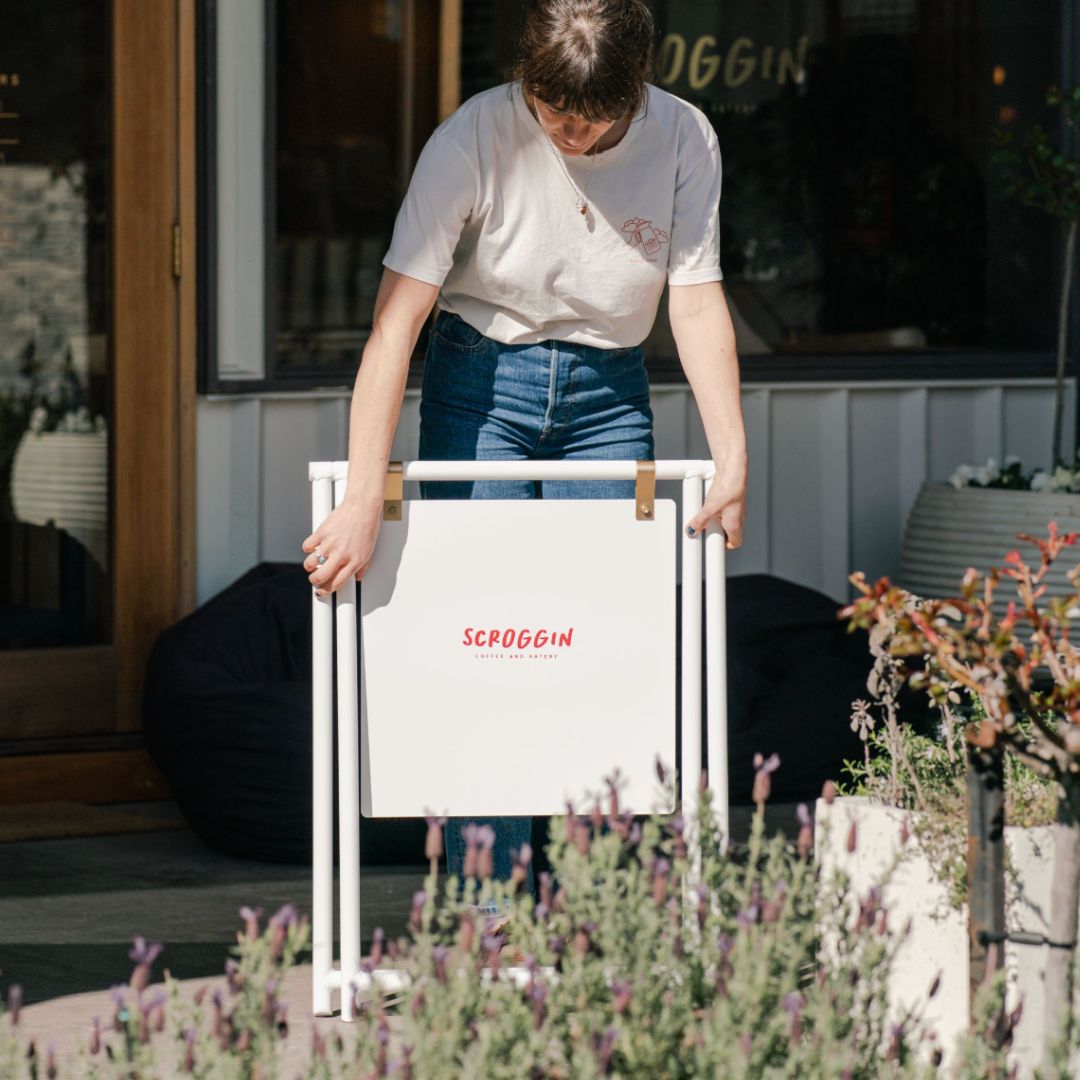
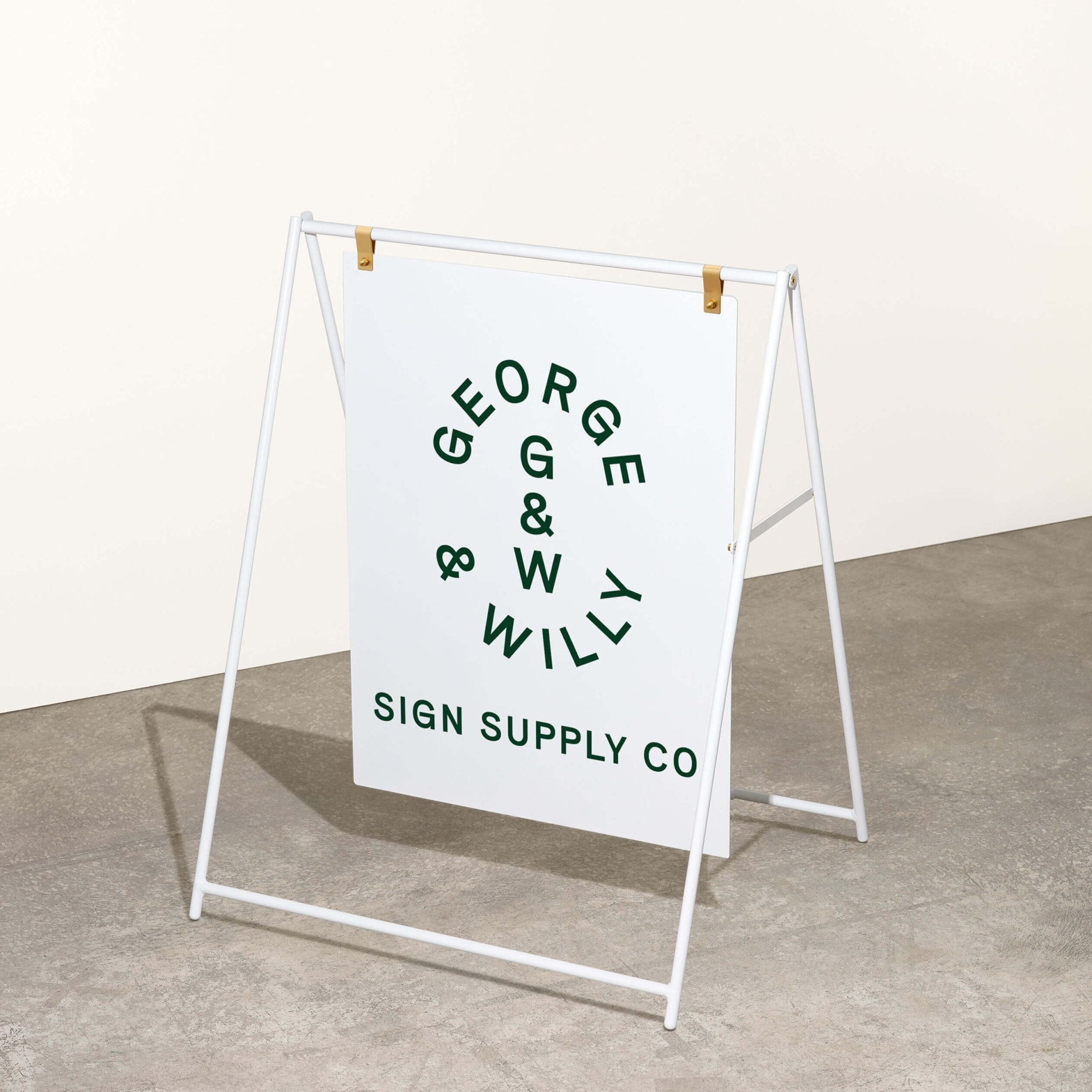
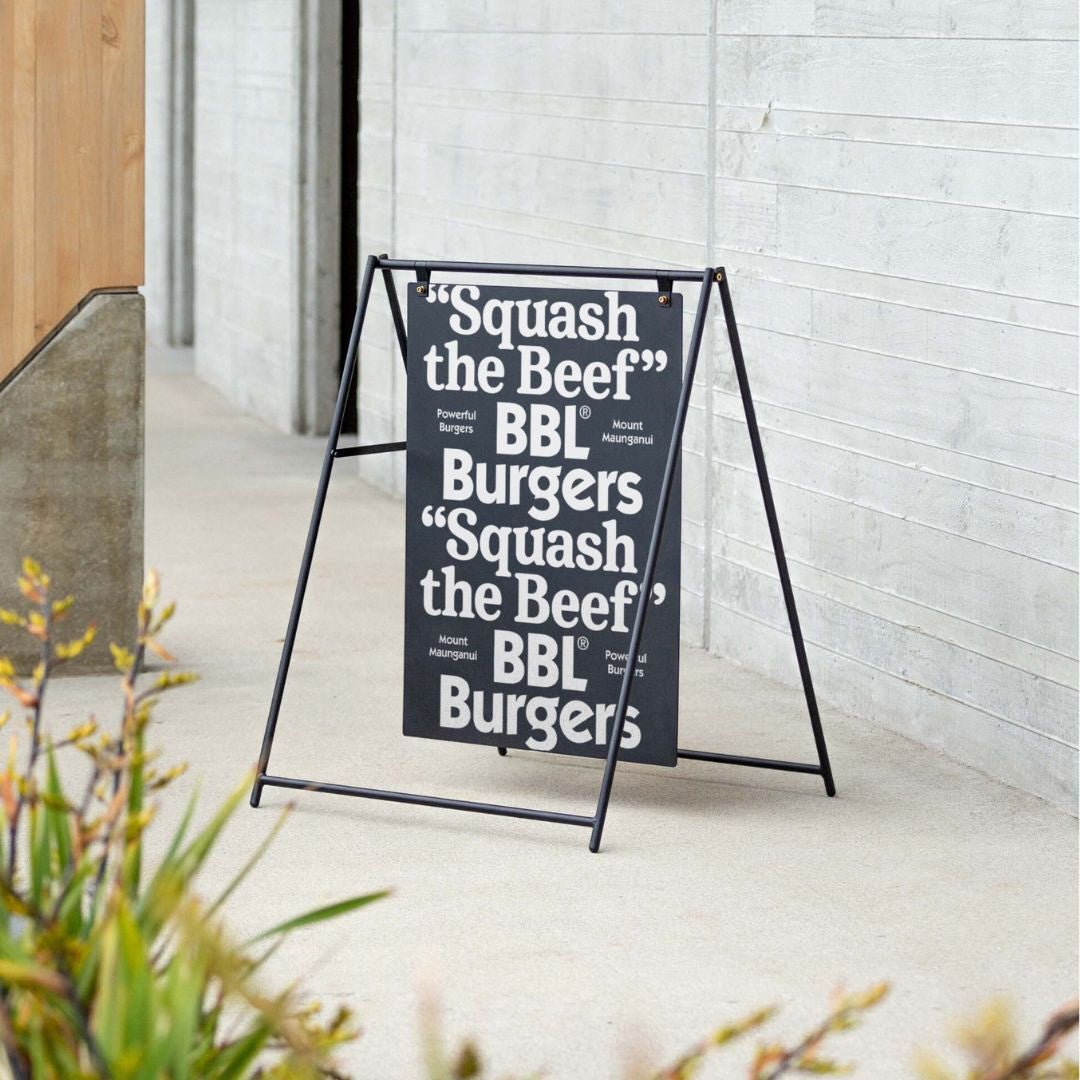
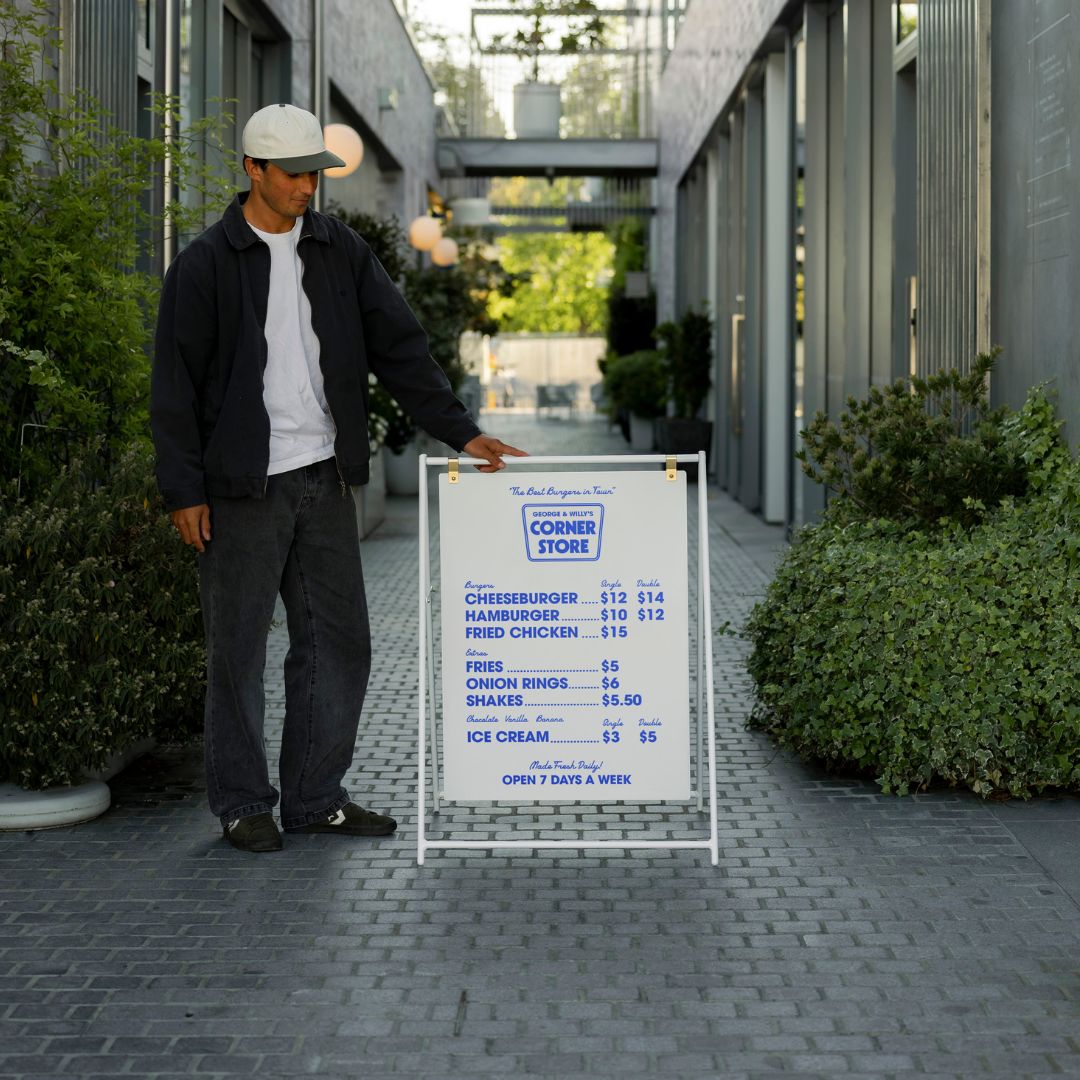
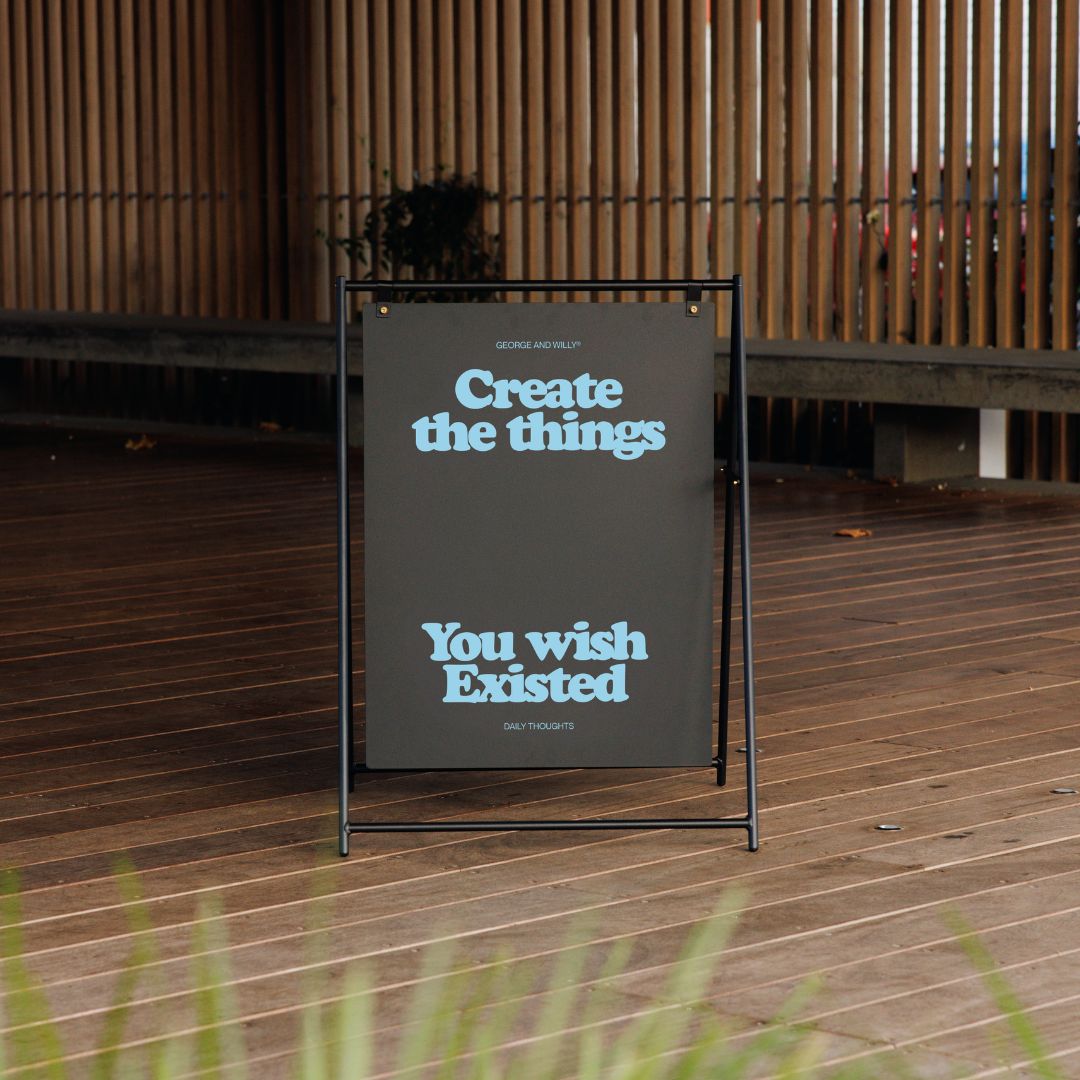
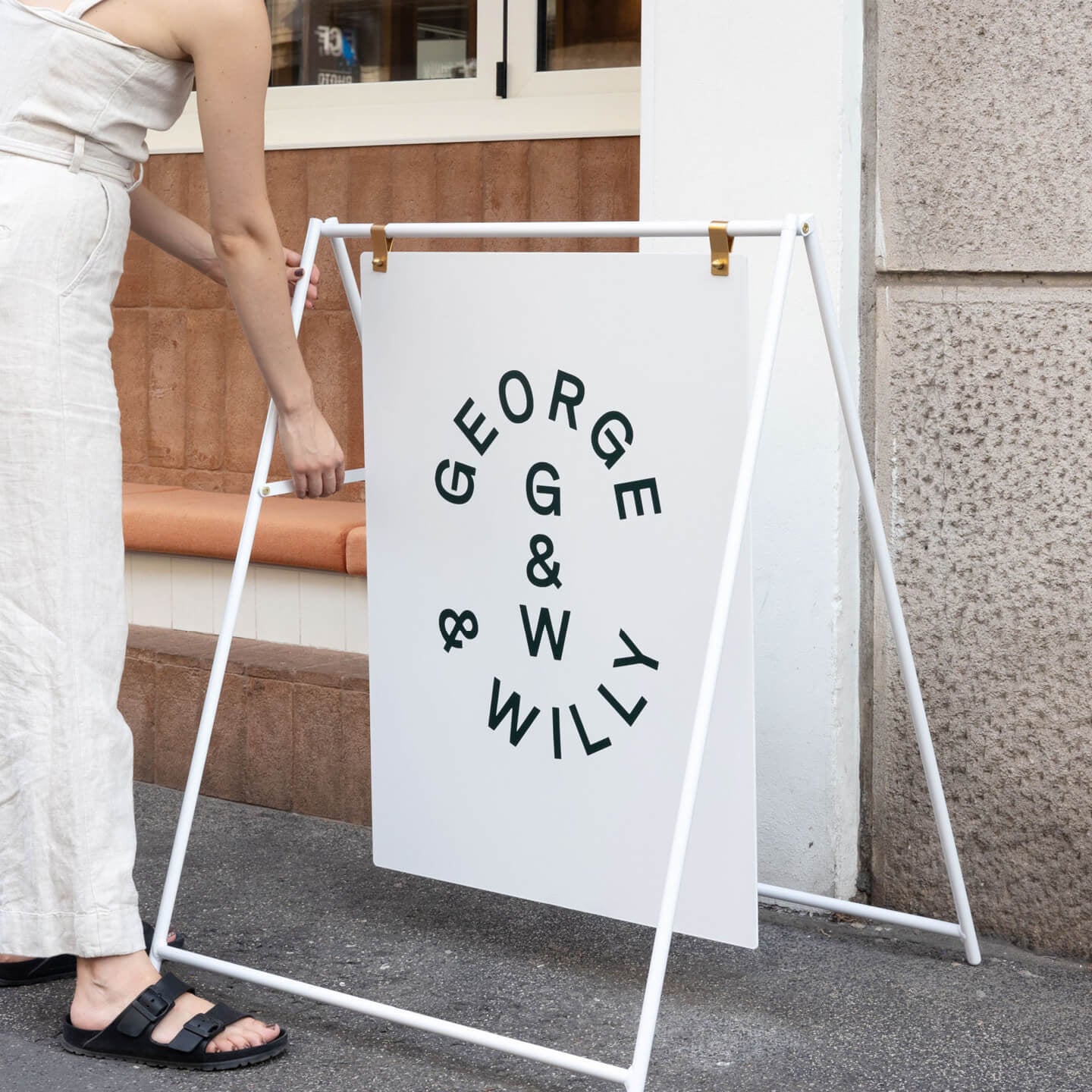
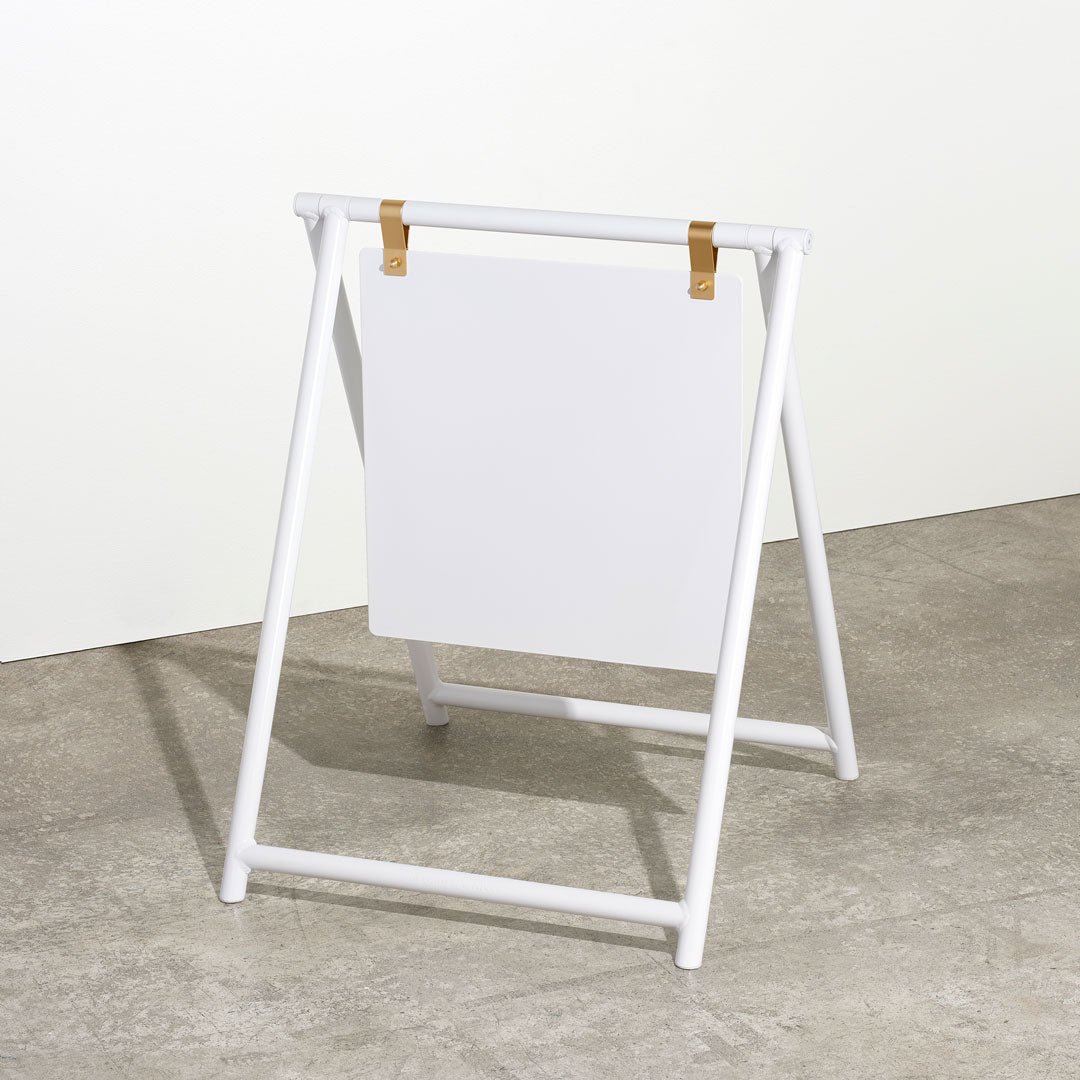
Well designed sidewalk signs serve the exact same function as fence signs by attracting customers at the edge of your property. They are versatile, portable, and can be updated easily. A minimalist aluminum A frame sign or a sleek Standing Sign communicates a modern and professional aesthetic that a simple banner cannot.
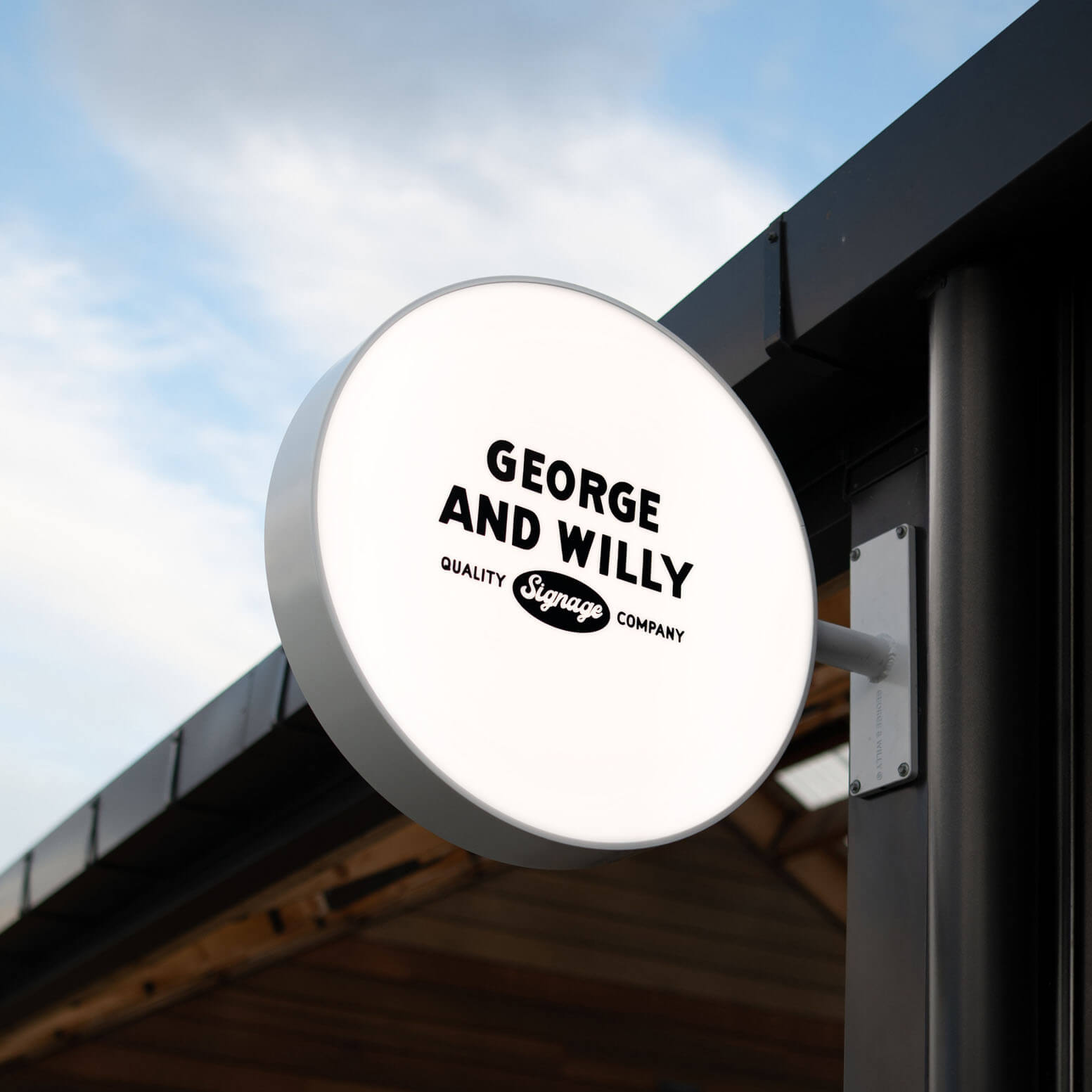
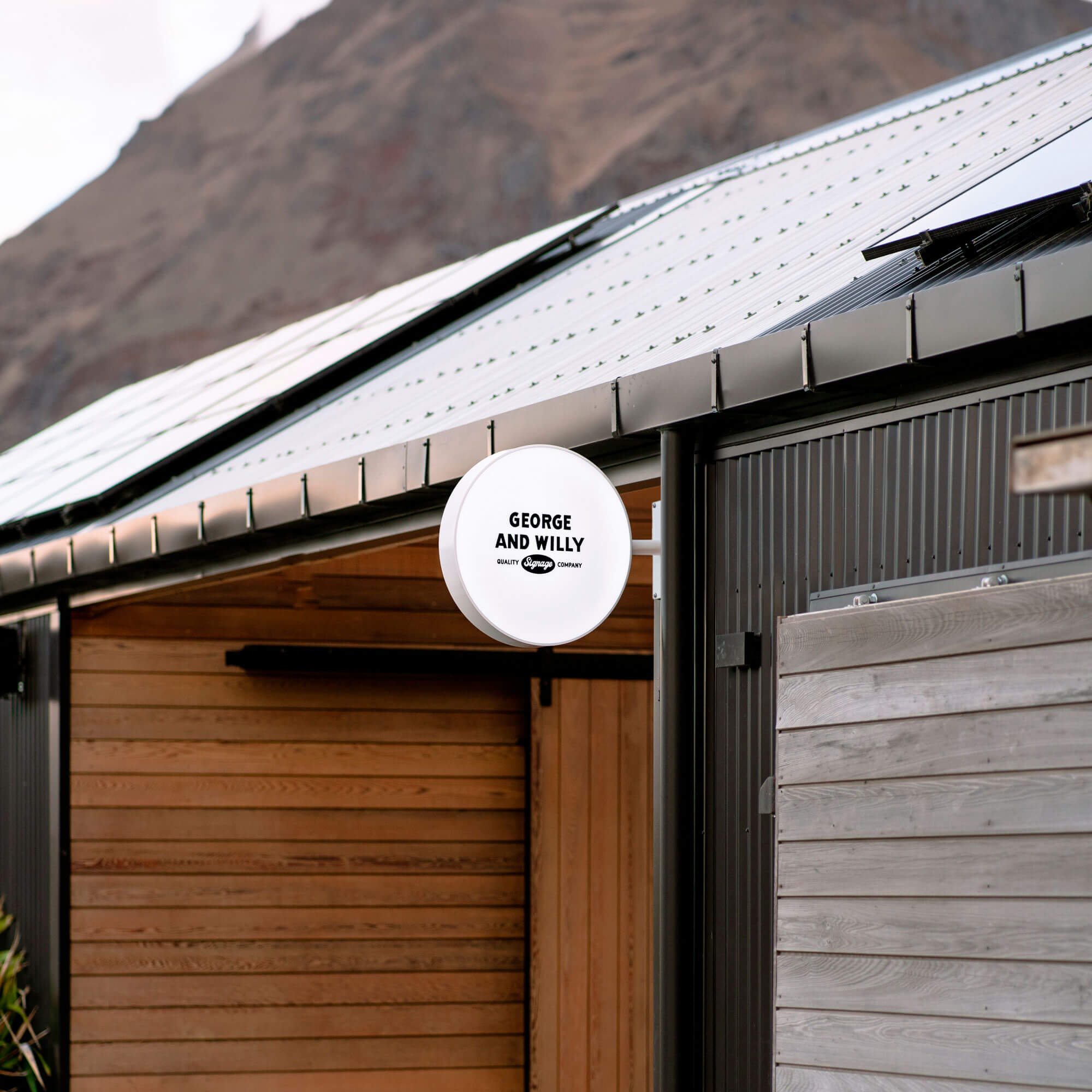
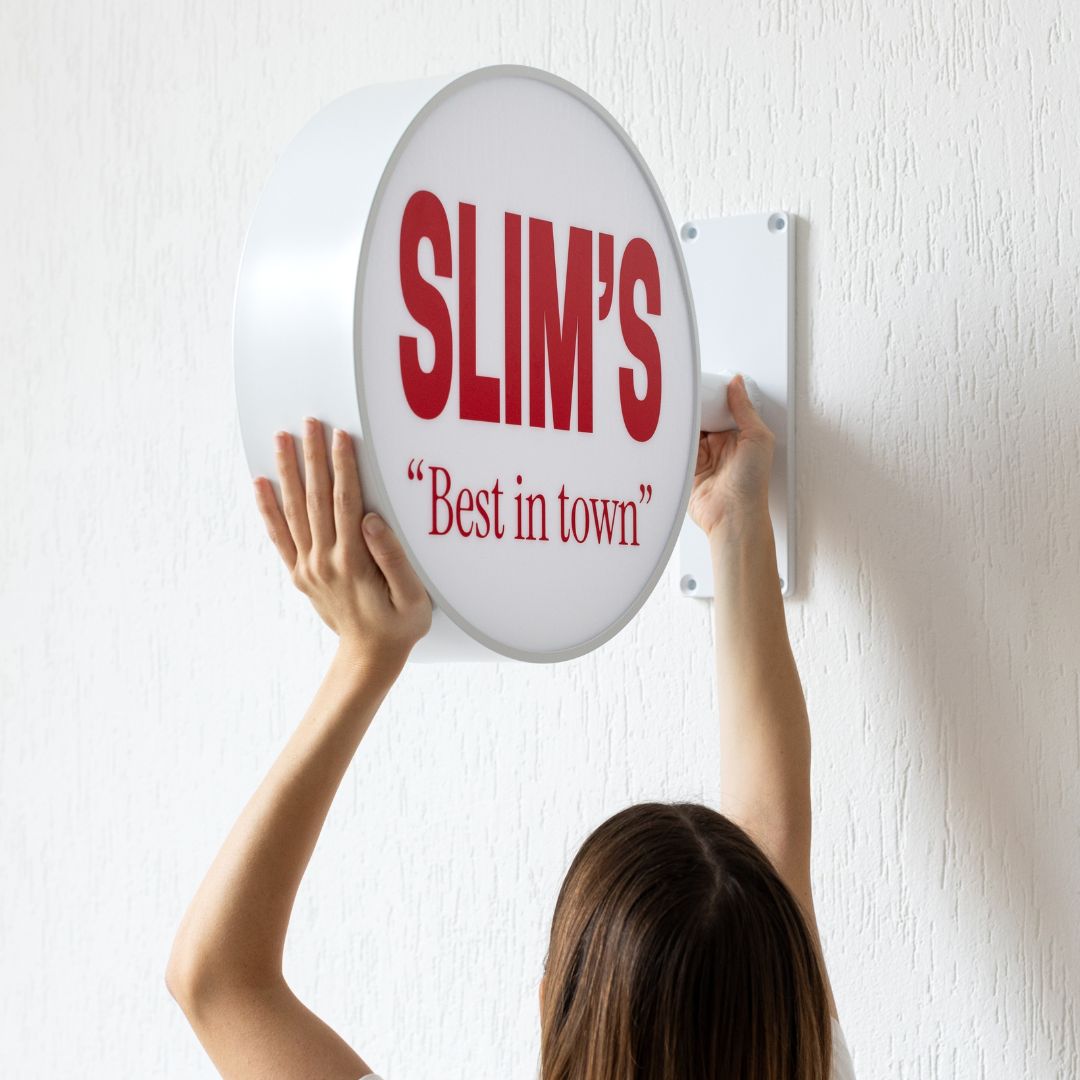
For a cohesive look, you can pair these with other exterior options. Exploring durable storefront signs such as the Rectangle Blade Sign allows you to create a complete signage system that guides customers from the street to your door, all while reinforcing a consistent and memorable brand image.
Ideas for Different Uses
Different businesses and individuals can use fence signs in unique ways.
For Businesses and Events
- Construction Sites: Use mesh banners for safety information, project renderings, and company branding.
- Real Estate: Announce open houses or new developments with durable, easy to install signs.
- Restaurants and Cafes: Attach a sign to a patio railing to display your name or logo.
- Retail Stores: Promote seasonal sales or new arrivals on fence lines facing parking lots.
- Events and Venues: Use fence banners for directing traffic, marking entrances, and promoting sponsors.
For Residential and Personal Use
Fence signs are not just for businesses. They can be used for personal events like birthday parties, garage sales, or to display a “welcome home” message. They are also useful for private property notices or directing guests at a rural property.
The Buying Process: Budget, Production, and Shipping
Understanding the costs and process helps you make an informed decision.
Budgeting for Your Signage
The cost of fence signs varies widely. A simple, temporary vinyl banner might cost under a hundred dollars, while a large, permanent powder coated aluminum sign could be a more significant investment. For example, a quality A frame sign might range from $400 to $700. Set a budget based on your needs, but remember that a high quality sign is a long term marketing asset.
Working with Sign Shops for Customization
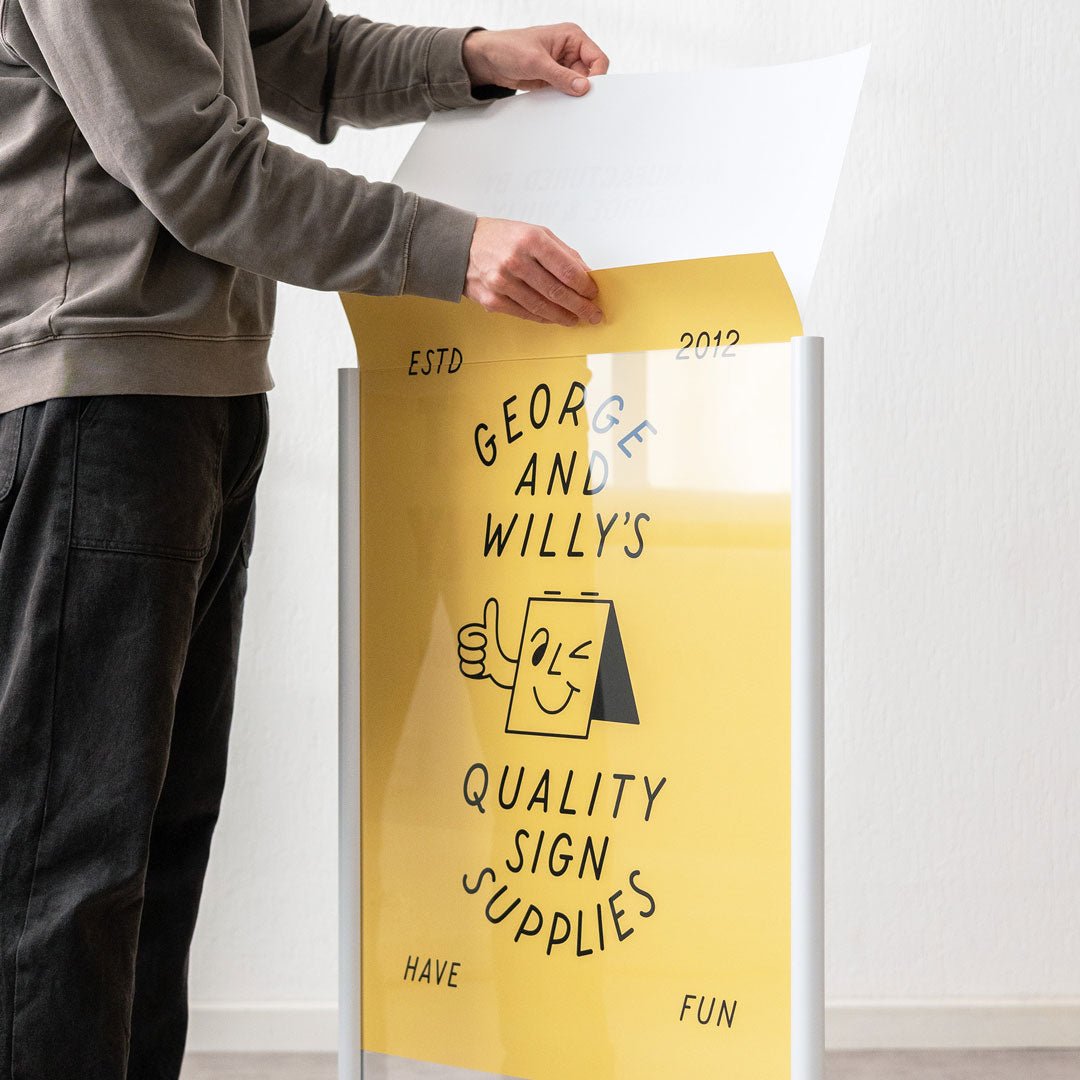
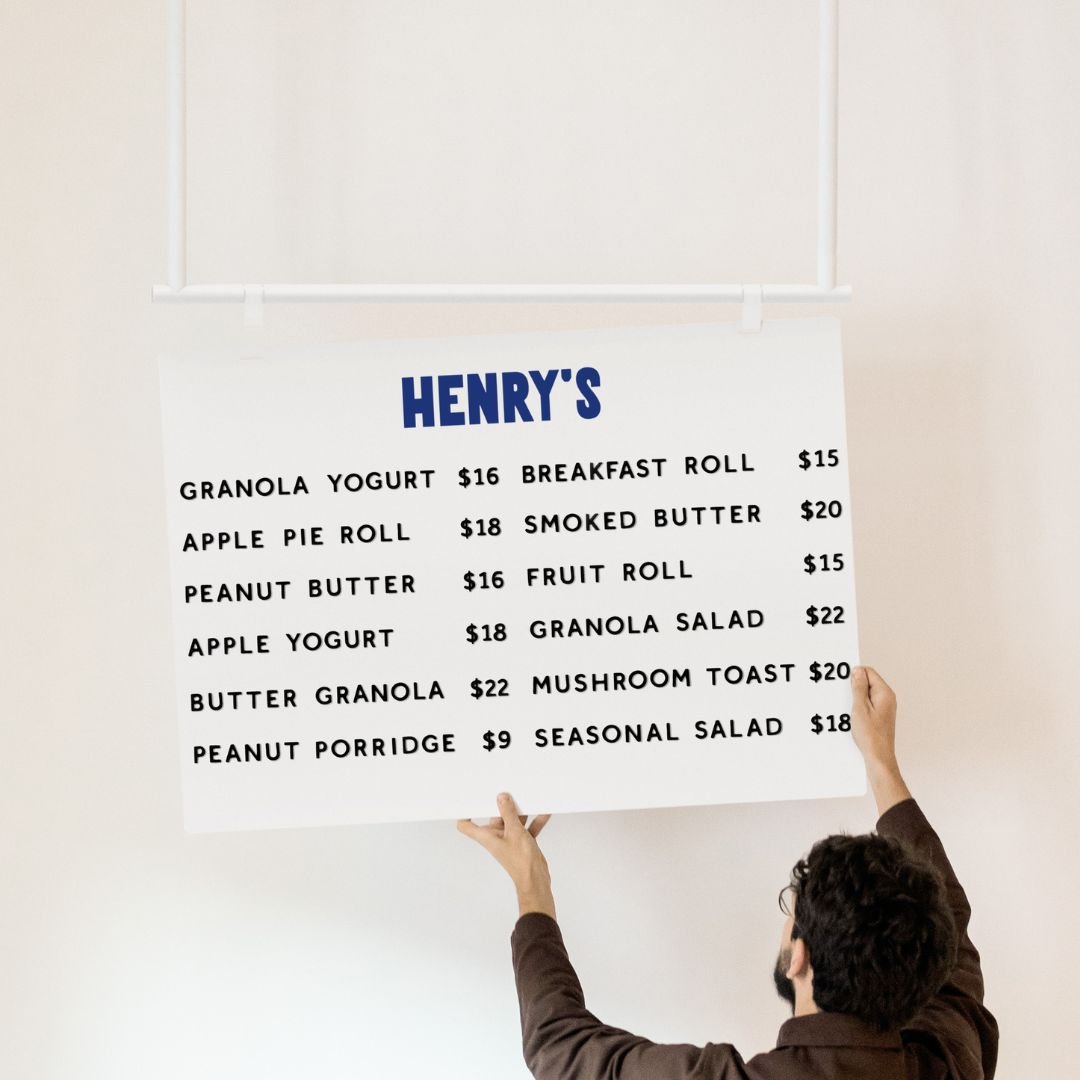
Most high quality, off the shelf signage arrives blank. This allows you to work with a local sign writer to apply your branding with a vinyl decal. This approach gives you a premium, custom look without the long lead times or high costs of full fabrication. It also allows you to support another local business.
Understanding Production Times and Shipping
Production times can vary from a few days for simple banners to several weeks for custom fabricated signs. When ordering ready made hardware, look for clear shipping information. Many suppliers ship from regional warehouses to offer faster delivery, often within 1 to 7 business days.
Making Your Signs Memorable
Ultimately, the best signage does more than just inform, it starts a conversation. An incredible 3 out of 4 consumers say they have told someone about a business just because they noticed its signage.
Whether you use classic fence signs with a witty message or a beautifully crafted sidewalk sign, aim to create something that sticks in people’s minds. This could be your daily coffee special written elegantly on a Restaurant Sign or a striking Vertical Blade Sign that becomes a local landmark. These memorable touches not only attract immediate customers but also encourage them to share their experience with others.
Frequently Asked Questions About Fence Signs
What are the best materials for outdoor fence signs?
For durability and a professional appearance, powder coated aluminum is an excellent choice because it resists rust, fading, and weathering. For temporary needs or large scale graphics, vinyl and mesh banners are also common and effective materials.
How can I make my fence signs more readable from a distance?
Focus on the basics. Use a large, clean font, ensure high color contrast (like black on white), and keep your message to just a few key words. Remove any unnecessary clutter from the design.
Are there alternatives to banner fence signs for a boutique or cafe?
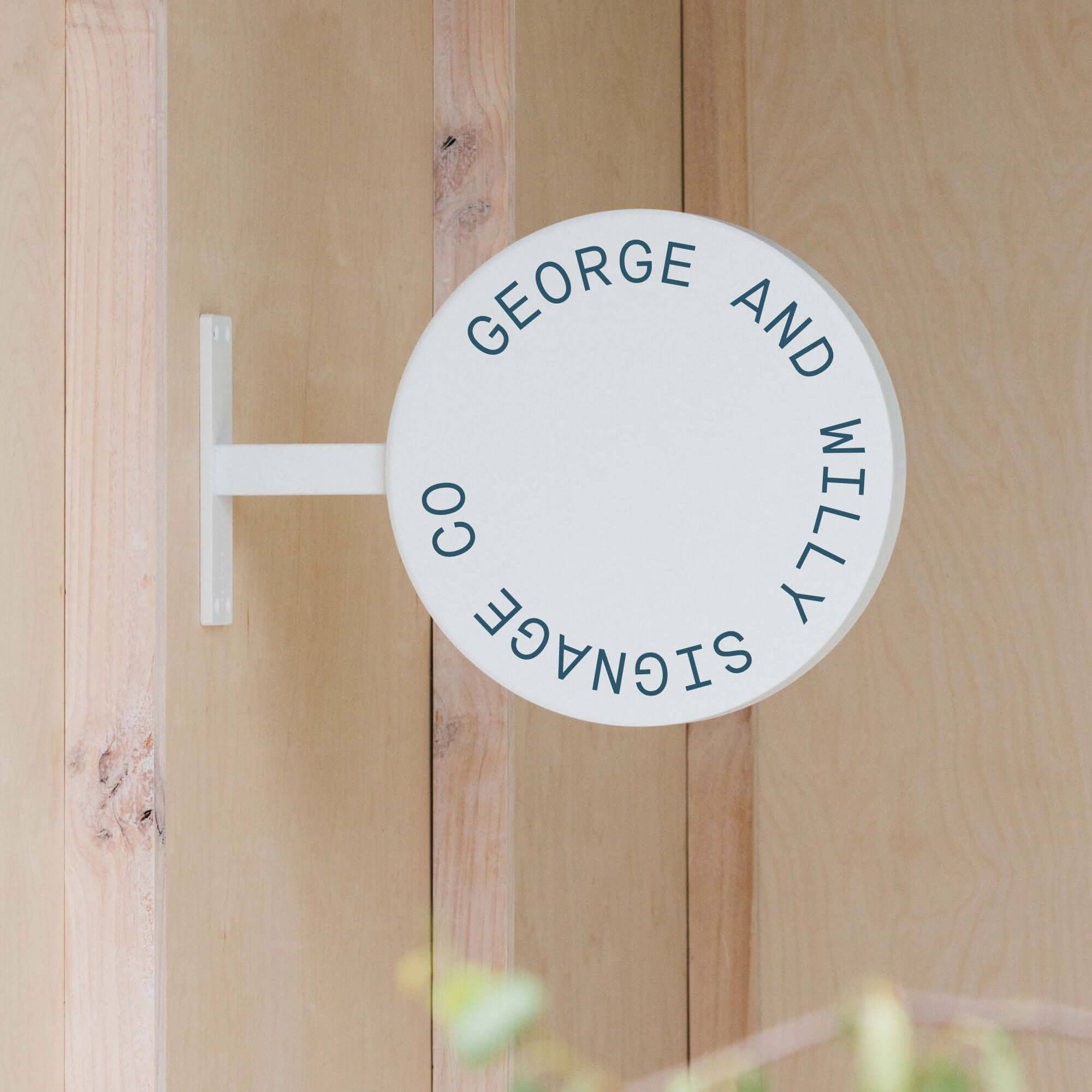
Absolutely. Freestanding sidewalk signs, A frame signs, and projecting blade signs like the Half Round Blade Sign are fantastic alternatives. They offer a more refined look that can better reflect a design conscious brand.
Do I need a permit for my fence sign?
It depends on your location and the sign’s size and type. Always check with your local city or county planning department to understand the specific sign codes and permit requirements in your area before installation.
Can I customize a ready made sign with my logo?
Yes. Many businesses choose high quality, blank signage and have a local signwriter apply their branding using a vinyl decal. This approach gives you a custom look quickly and cost effectively.