



A great sign can be the difference between a customer walking past or walking in. It’s a silent salesperson working for you 24/7. In fact, studies show that nearly 76% of consumers have entered a store for the first time simply because its signs caught their eye. On the other hand, about 60% of people are deterred from entering a business that has no sign at all.
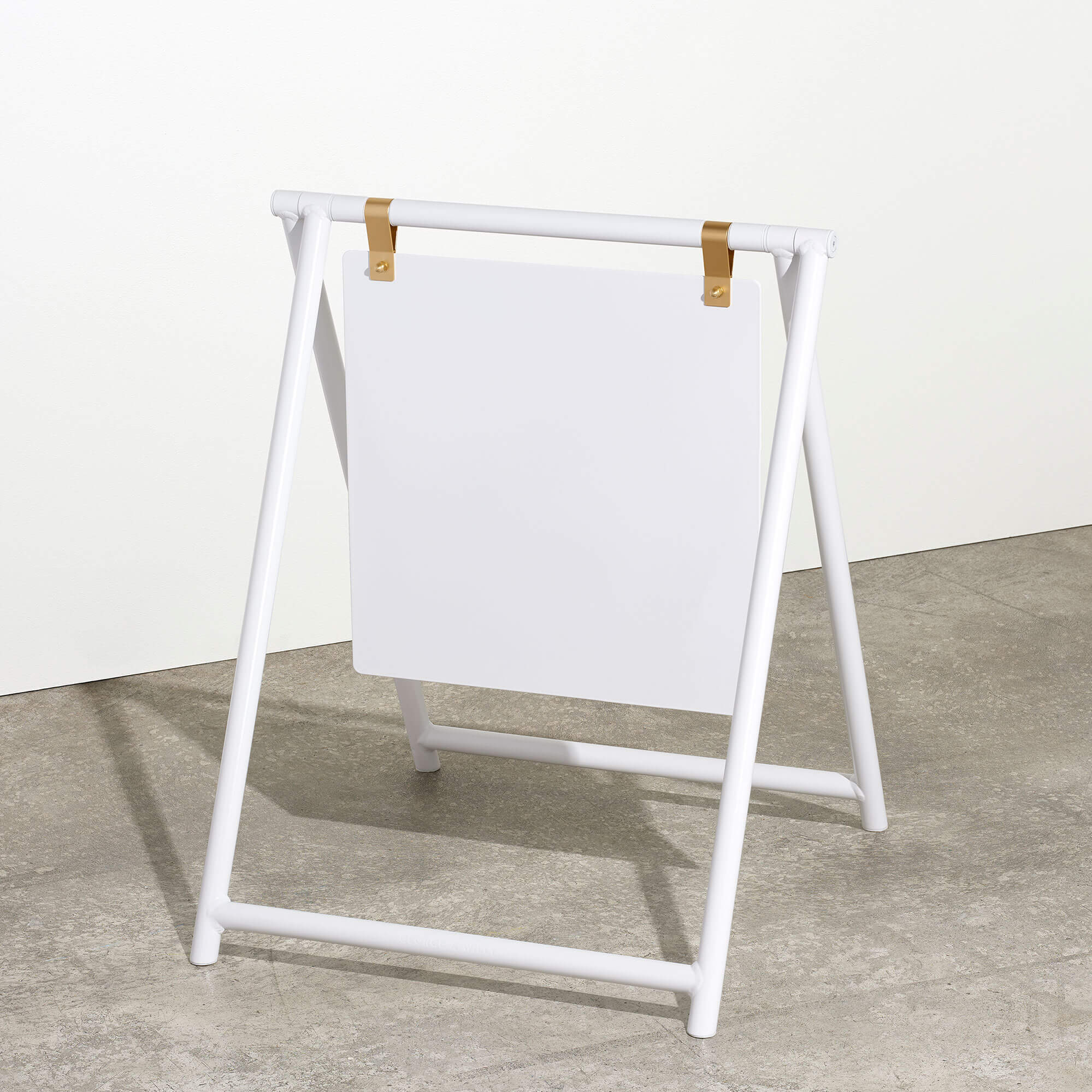
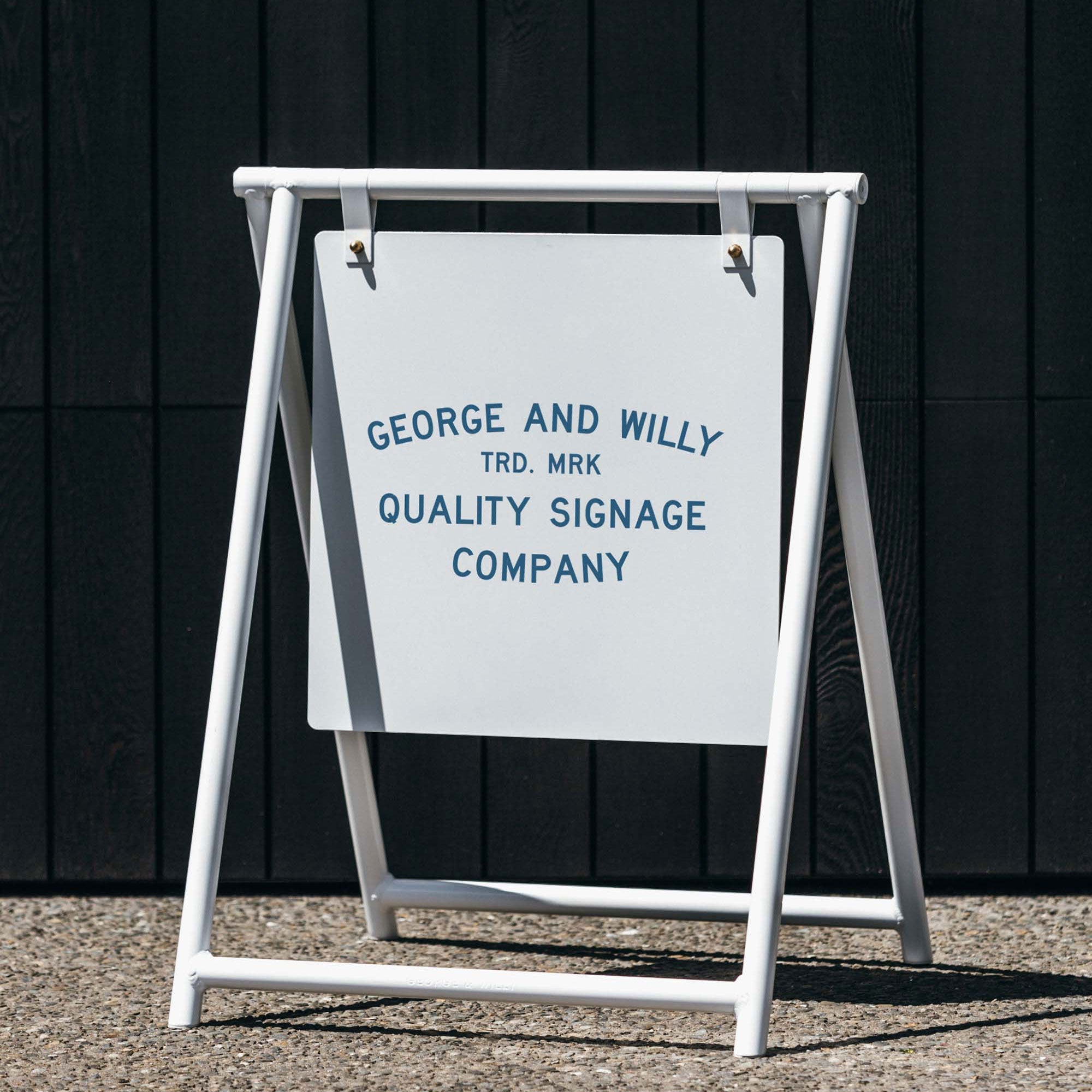
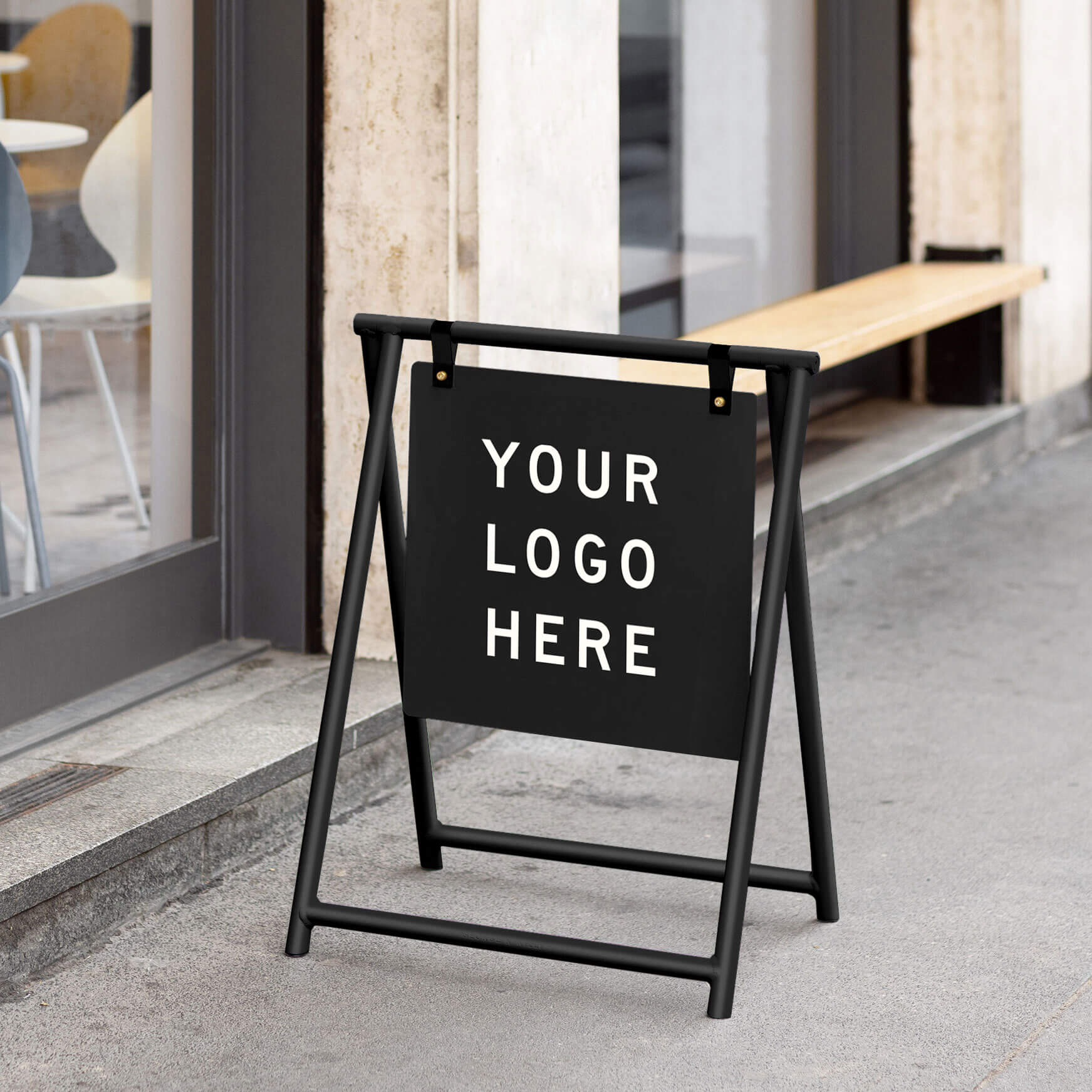
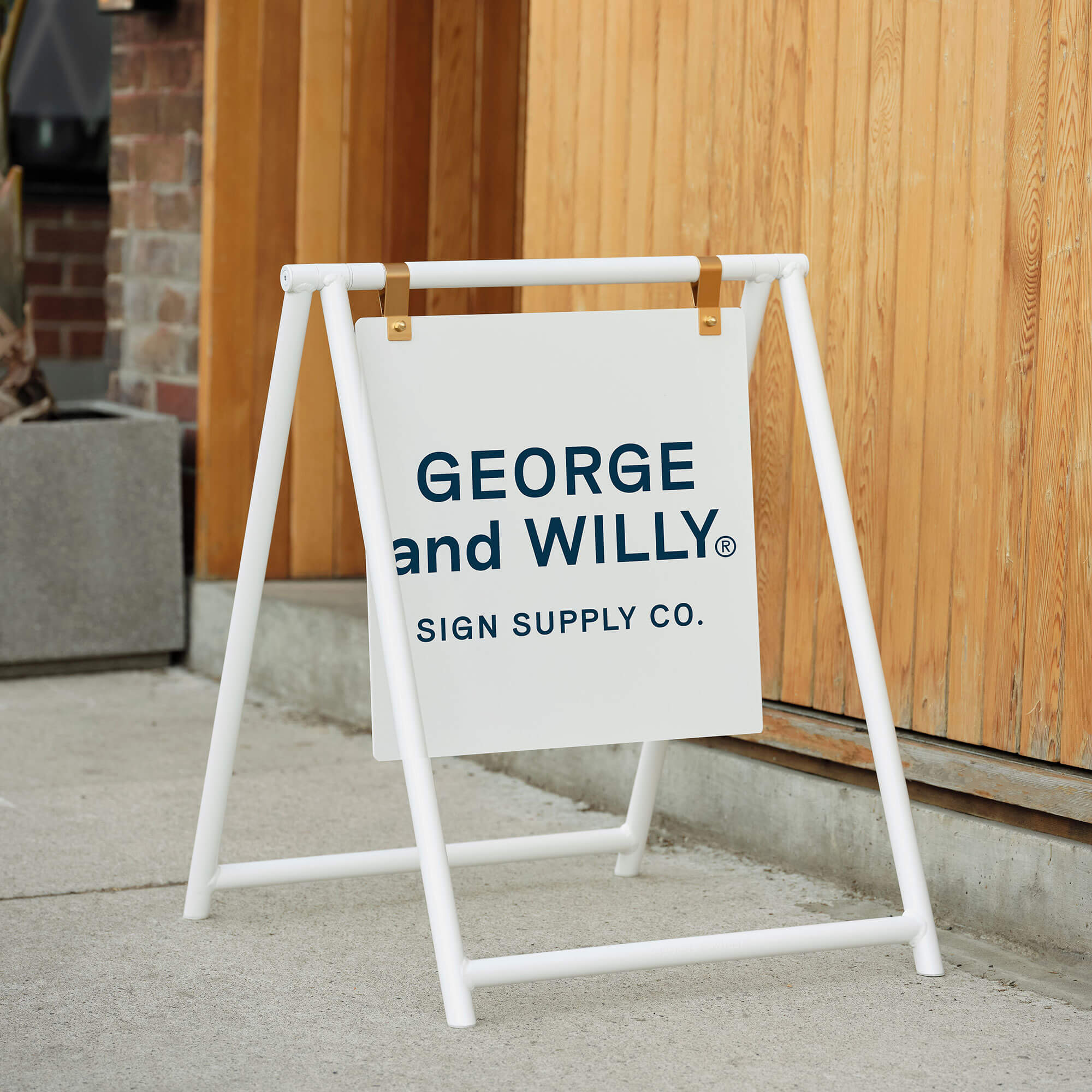
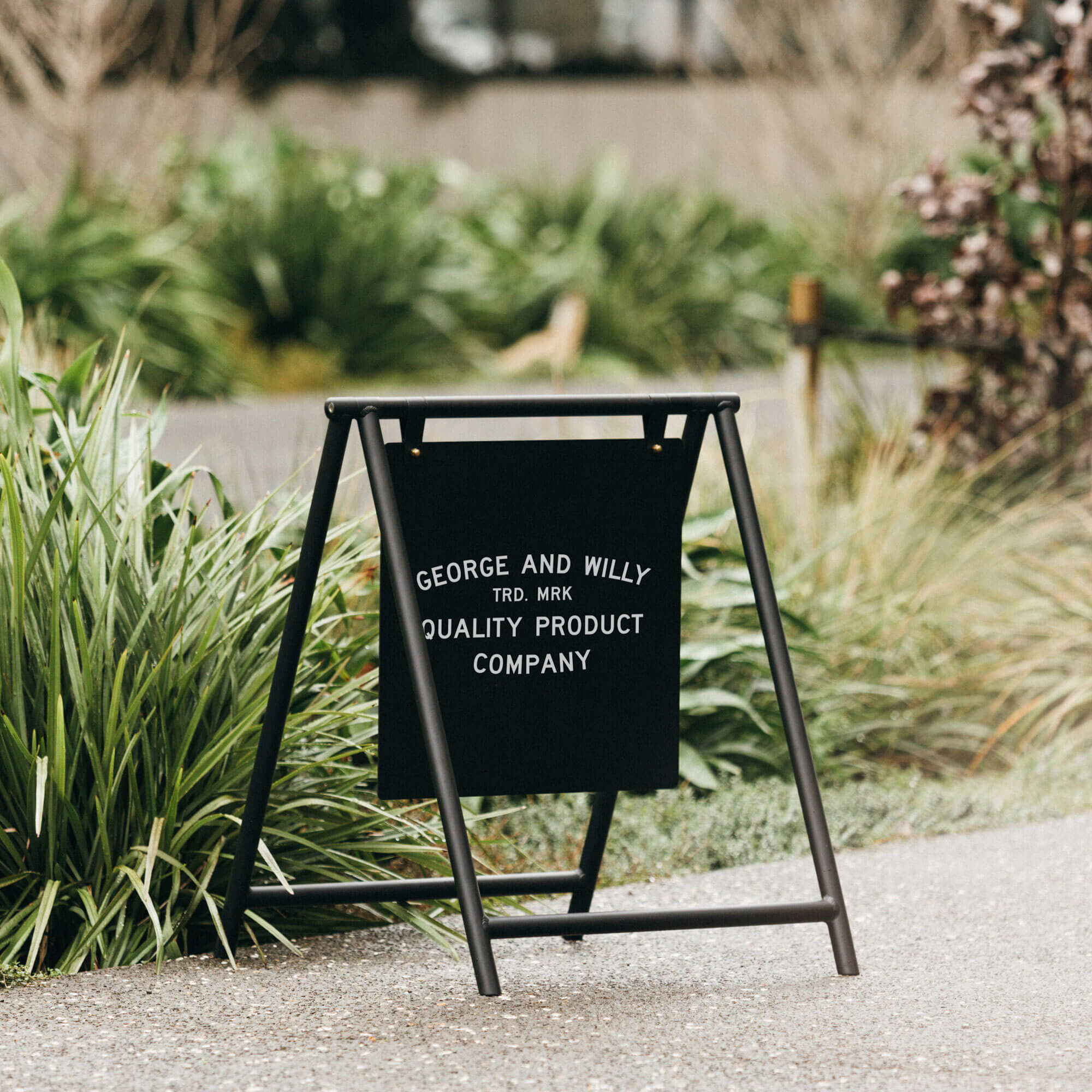
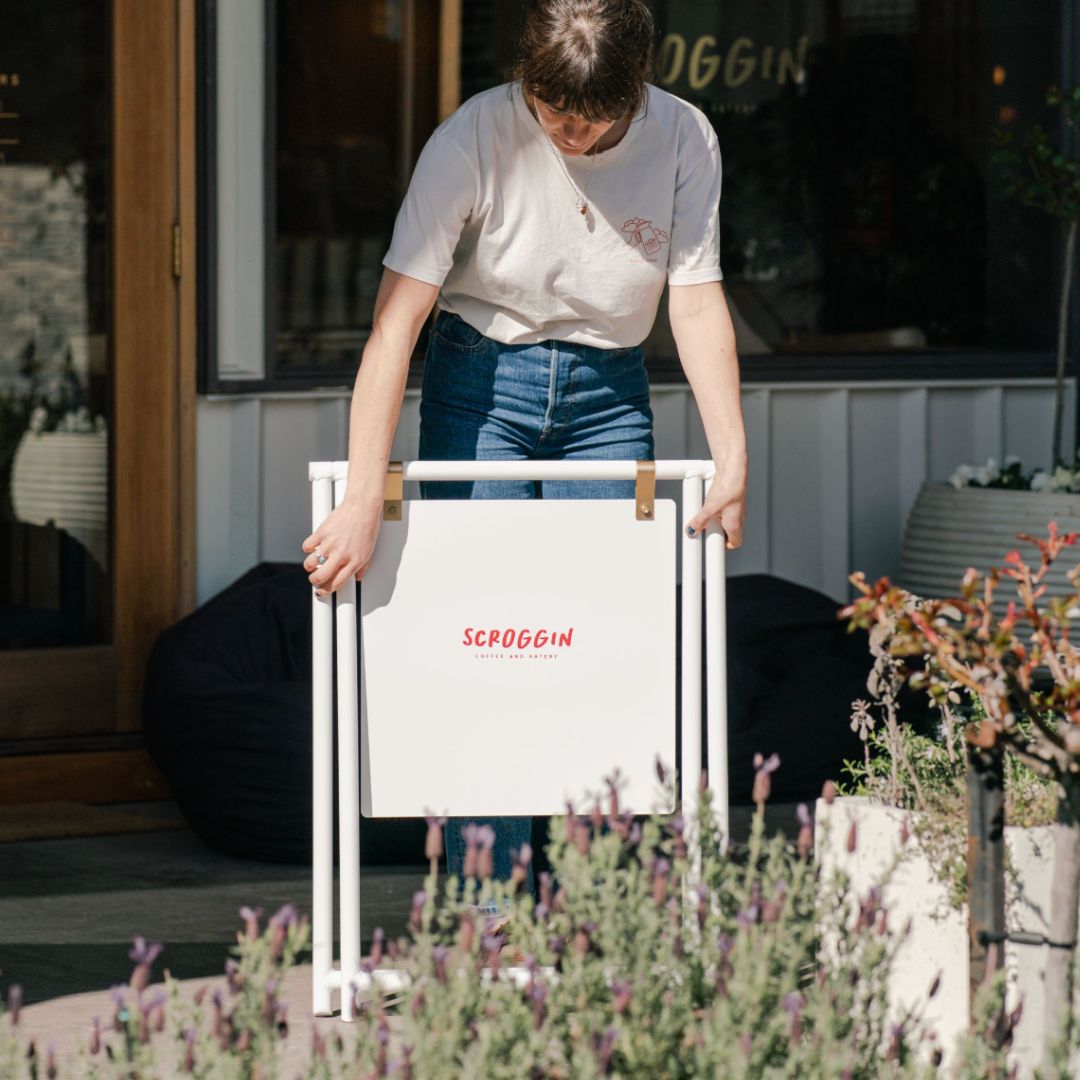
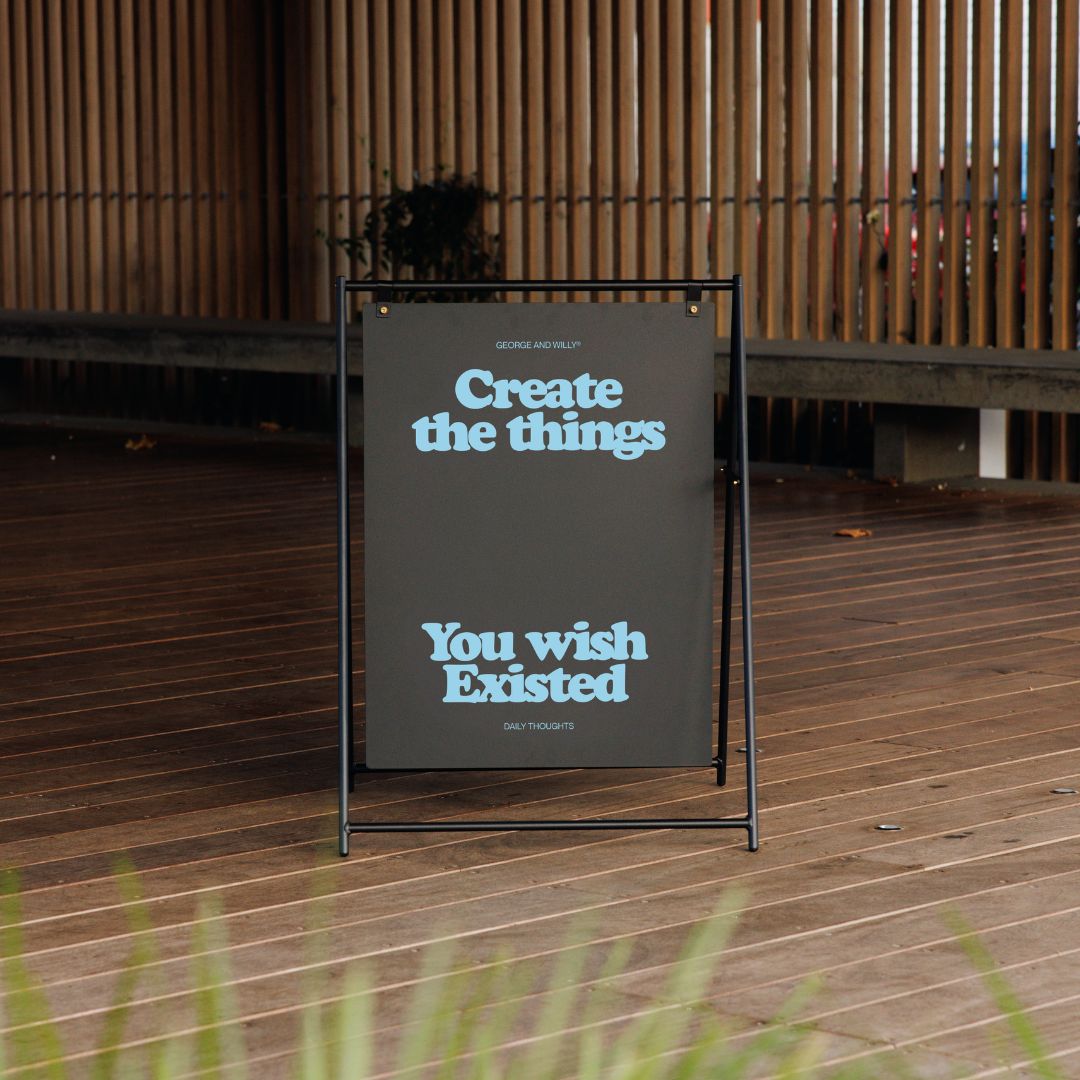
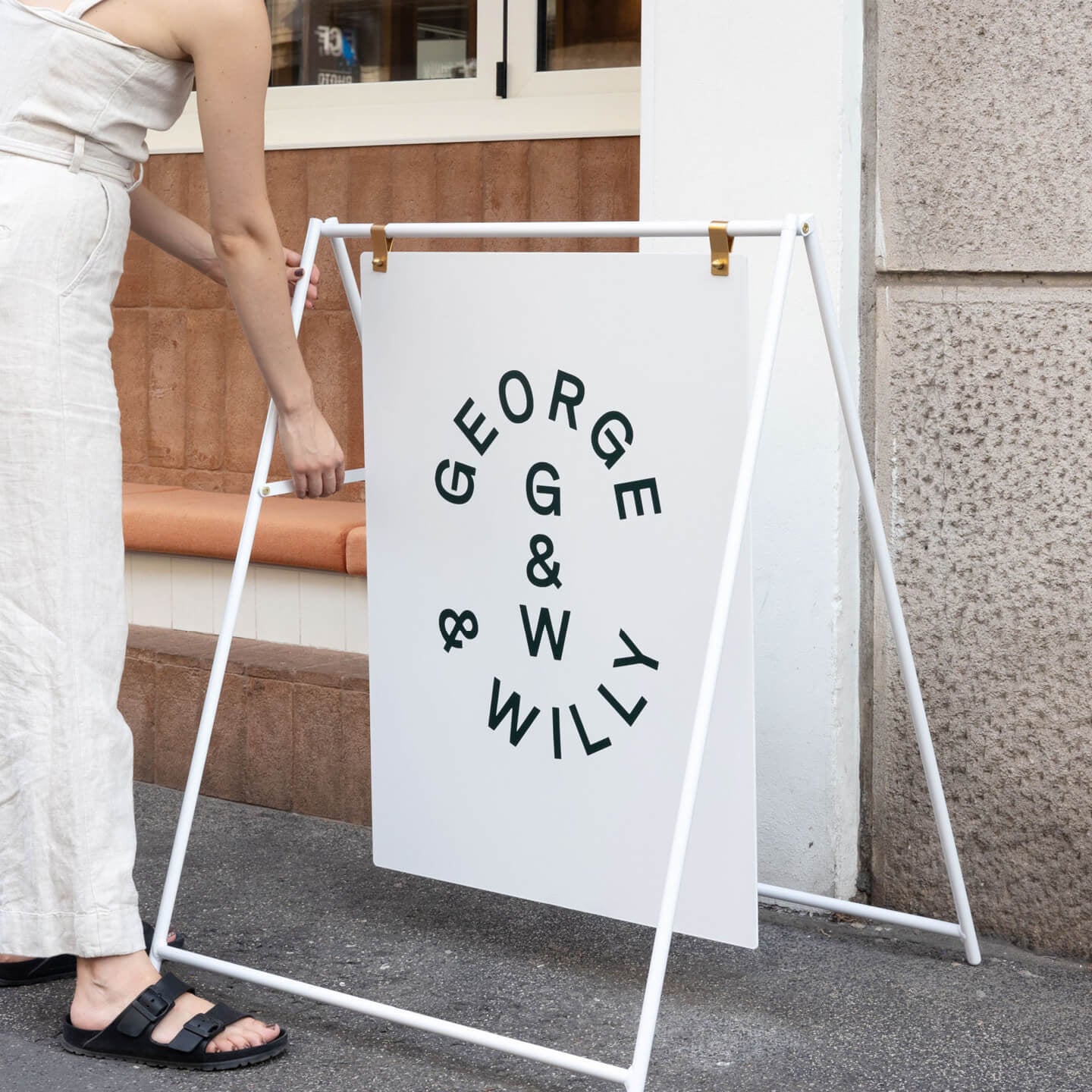
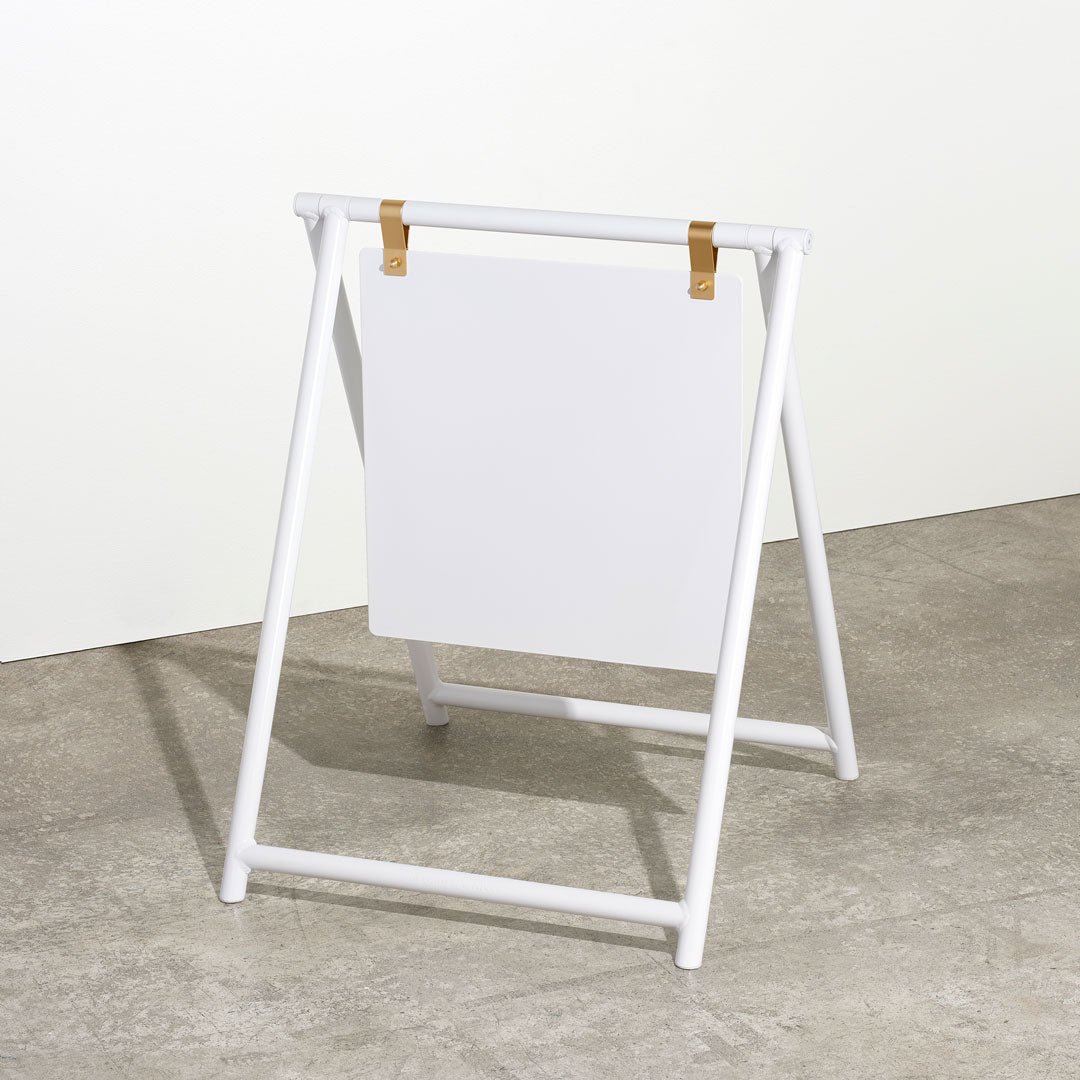
This is where a classic tool comes in: the A frame sign. Also known as a sandwich board or sidewalk sign, an a frame sign is a self standing, portable sign that folds into a triangular “A” shape. With two faces for displaying messages, it’s designed to be placed on the sidewalk to capture the attention of people passing by before being folded flat for easy storage. This simple yet effective tool can be one of the most versatile assets for any café, boutique, or studio. Let’s dive into everything you need to know.
Why Invest in a Quality A Frame Sign?
With 68% of consumers admitting they’ve bought a product after a sign drew their attention, your storefront’s appearance directly impacts sales. An A frame sign is your opportunity to speak directly to potential customers before they even reach your door. A well crafted sign is an investment in your brand that delivers a strong return through increased visibility and professionalism.
- Boosts Foot Traffic: It grabs the attention of pedestrians who might otherwise miss your storefront.
- Communicates Timely Information: It is perfect for advertising a daily lunch special, a happy hour, a sale, or a simple “Welcome, We’re Open” message. For a permanent storefront indicator, pair your A‑frame with an Open Sign by the door.
- Signals Professionalism: A clean, well designed sign suggests quality and attention to detail. Conversely, more than half of consumers will avoid a shop with poorly made signage.
- Cost Effective Marketing: Compared to other forms of advertising, a durable A frame sign is a one time purchase that works for you every day, offering excellent long term value.
Types of A Frame Signs and Their Uses
While the classic A frame is a fixed panel sign, several variants exist to suit different business needs. Understanding the types helps you choose the most effective tool for your messaging.
- Fixed Panel Signs: These feature blank faces ready for custom graphics, like vinyl decals. They are ideal for displaying a permanent logo or core brand message.
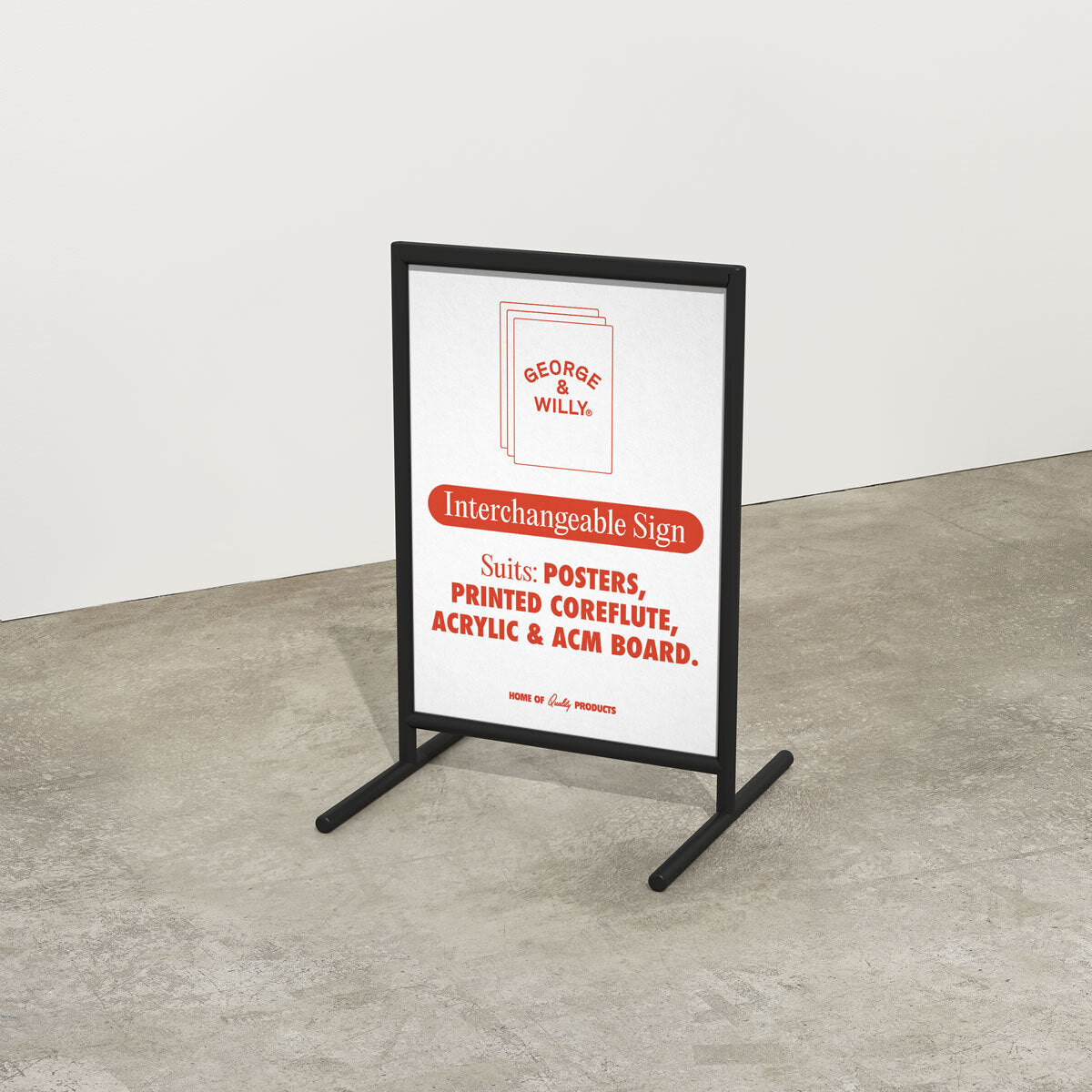
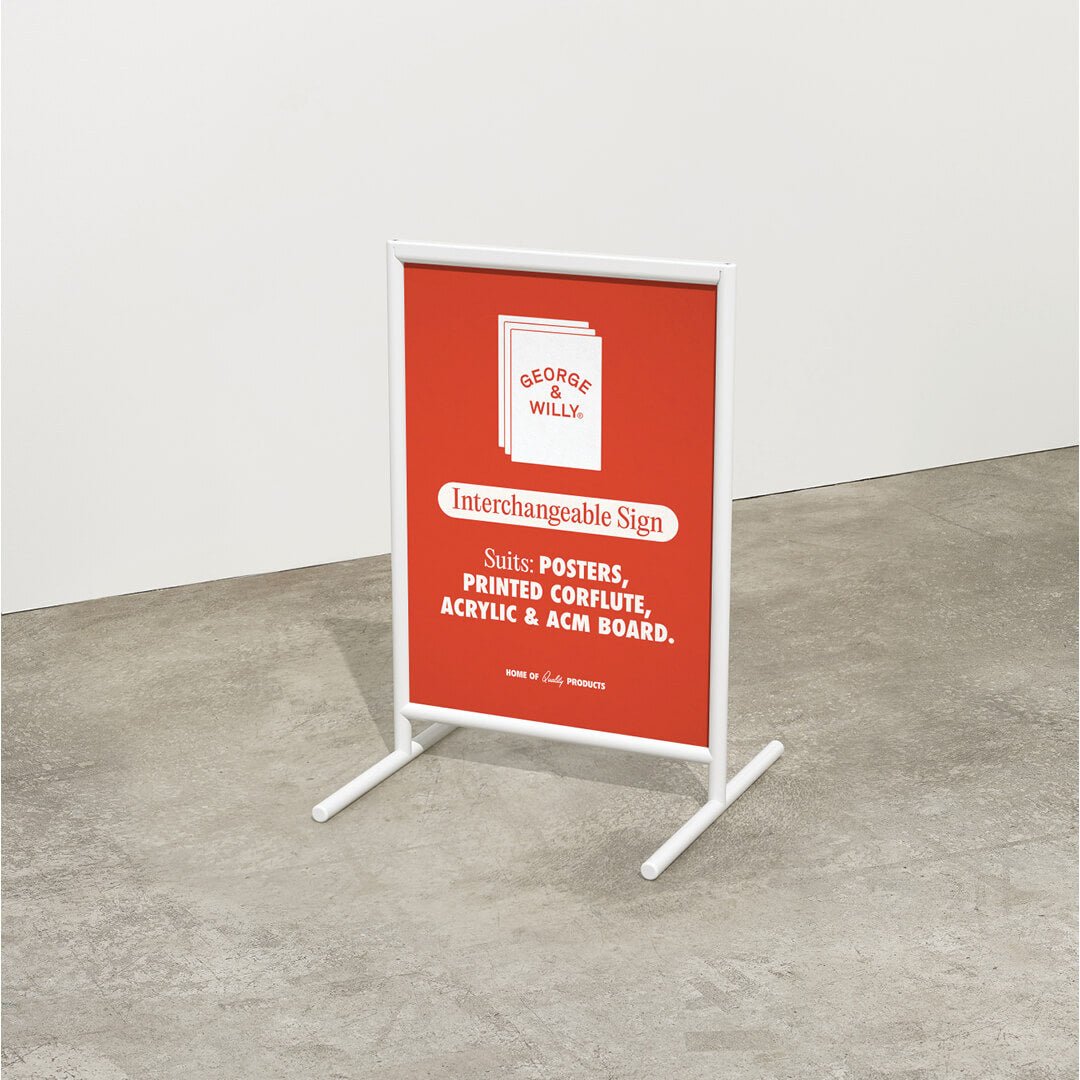
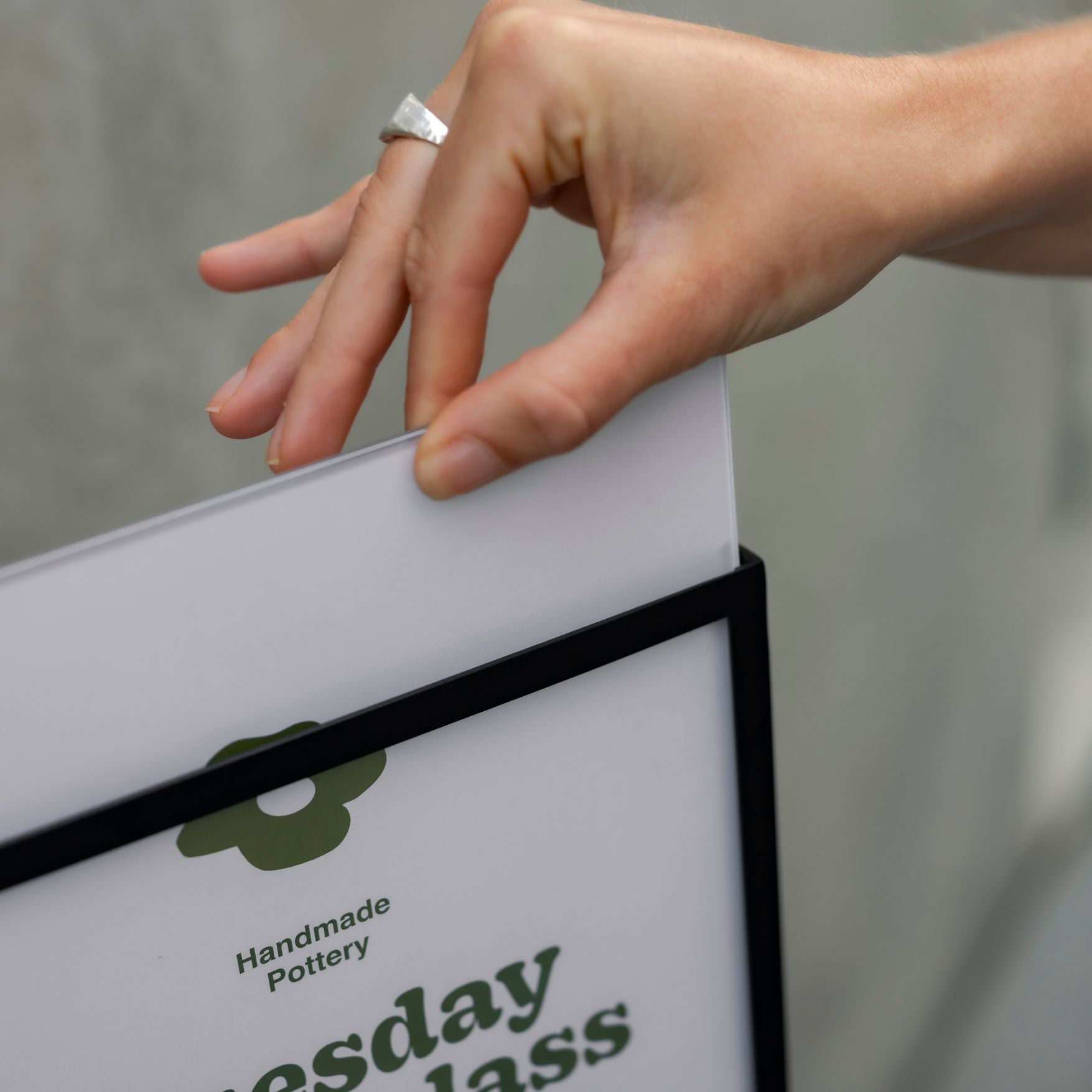
- Slide In Poster Frames: These models have channels or tracks allowing you to slide in printed posters. They are excellent for businesses that run frequent, visually rich promotions, like movie theaters or retail stores.
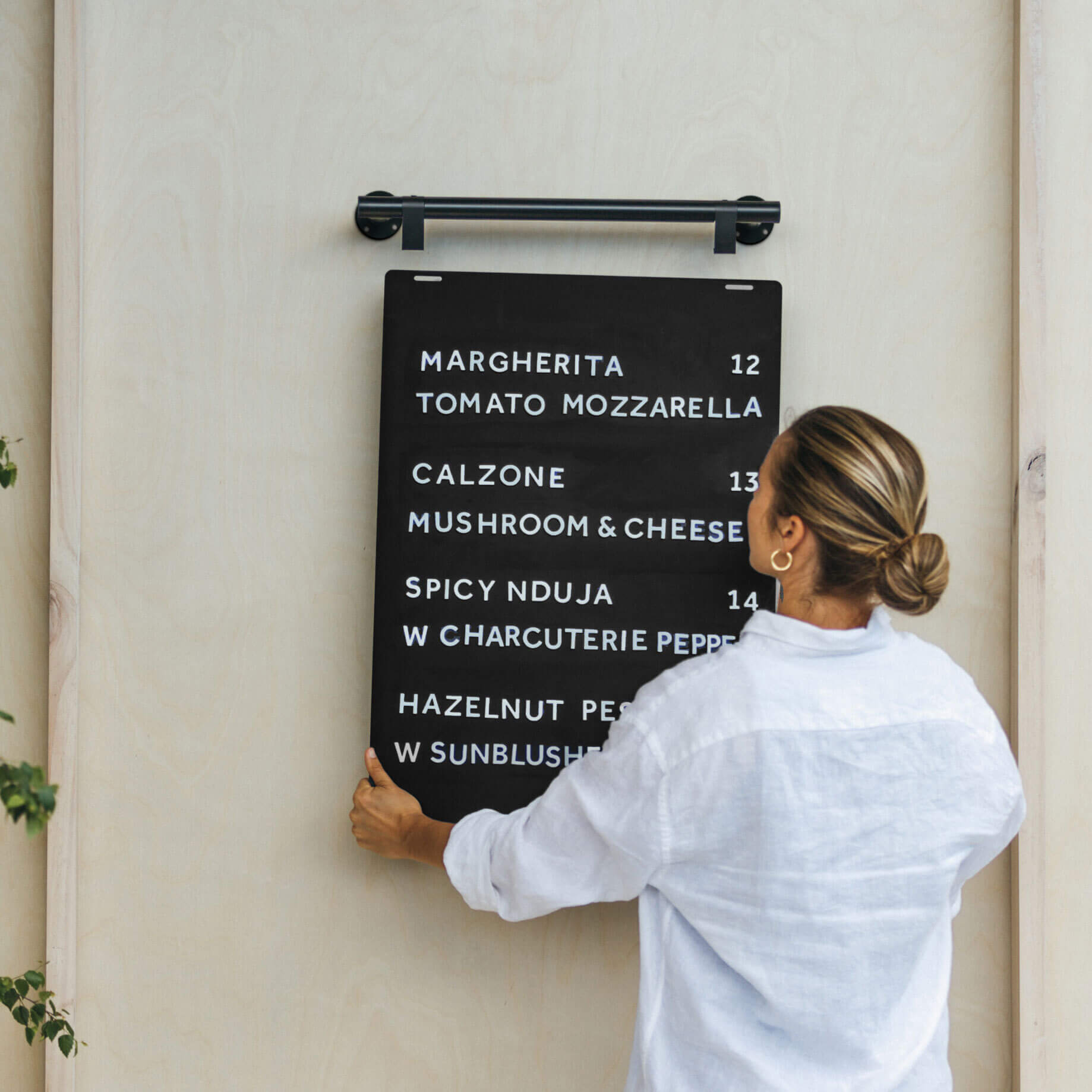
- Chalkboard or Whiteboard Signs: These offer maximum flexibility for daily changes, making them a favorite for cafés, bars, and restaurants advertising specials.
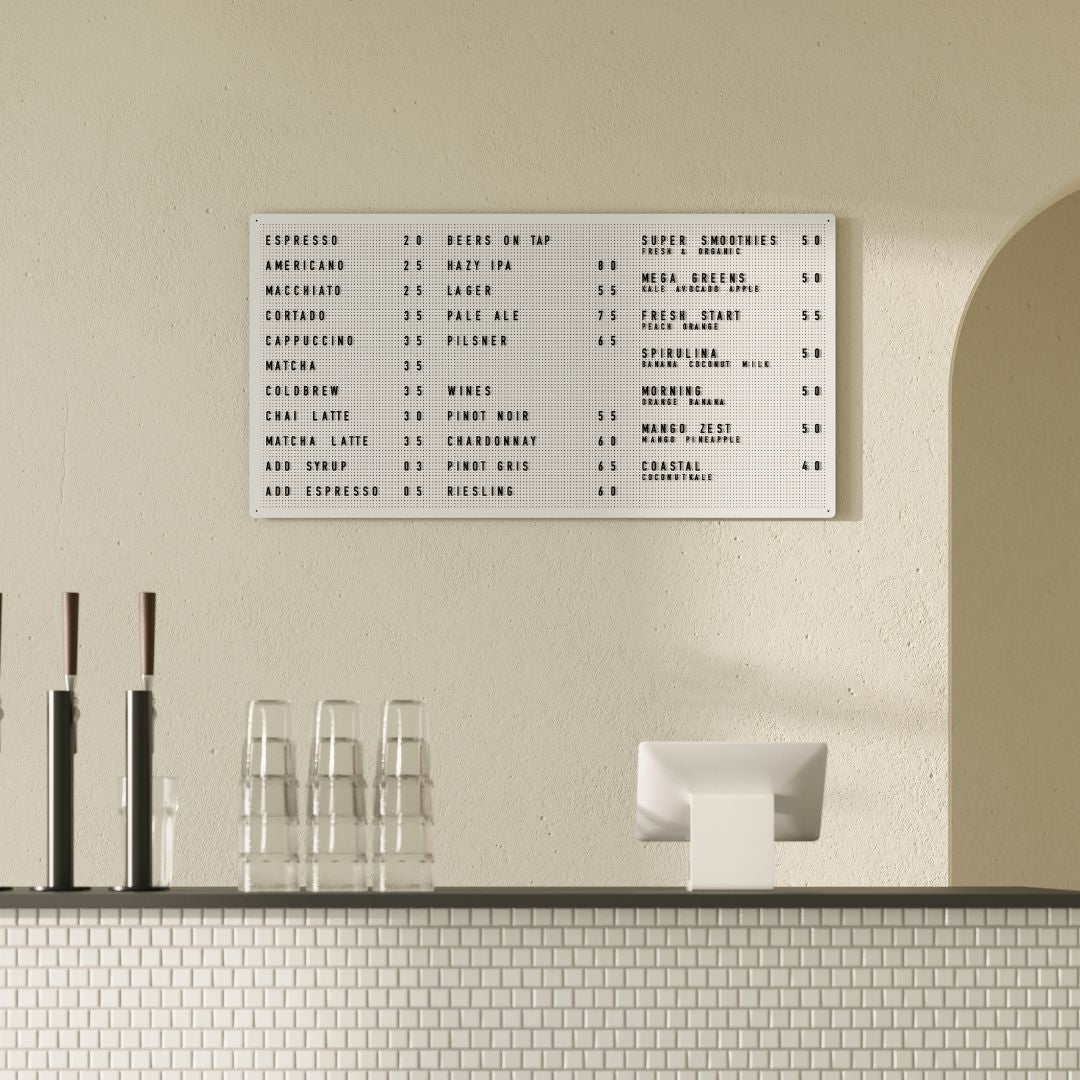
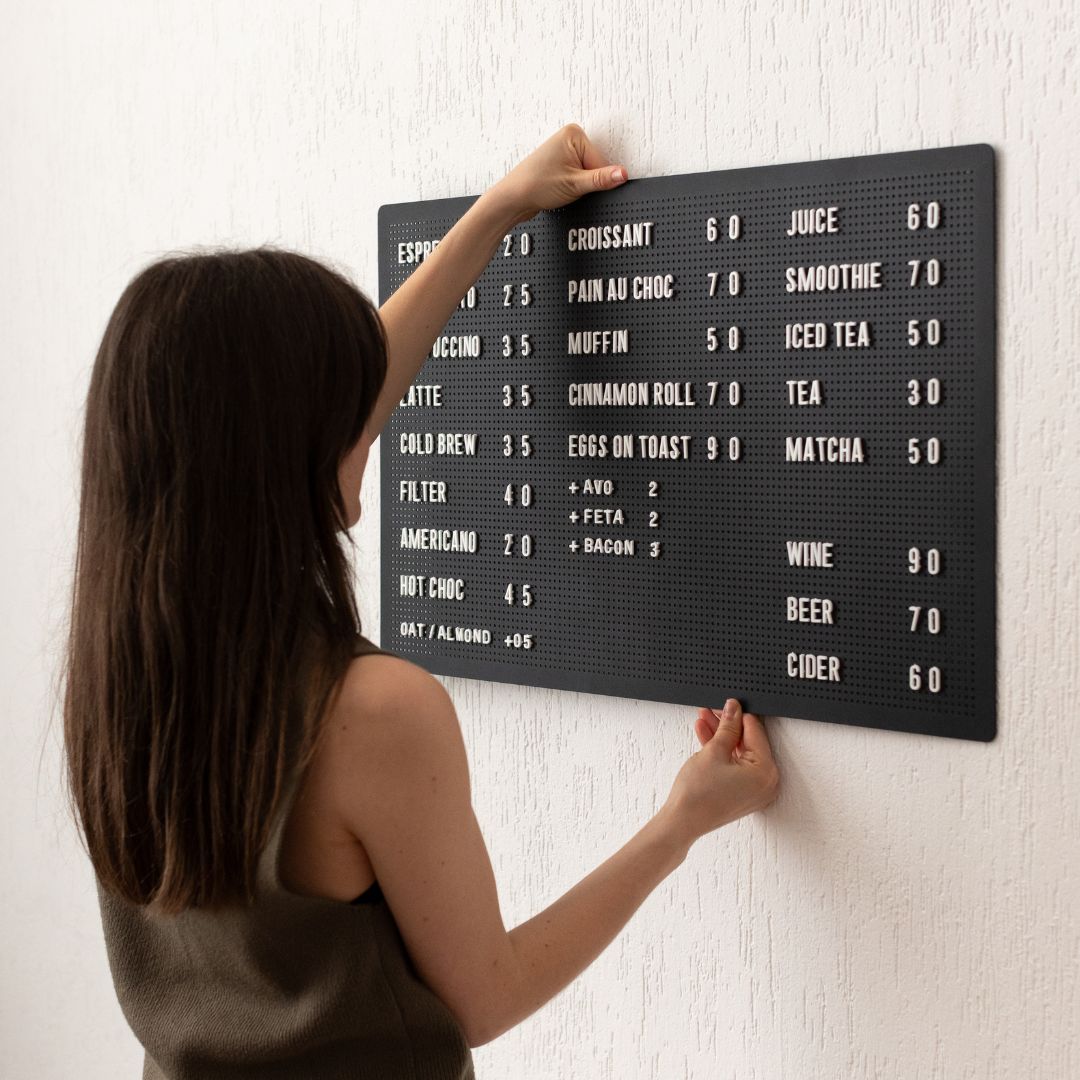
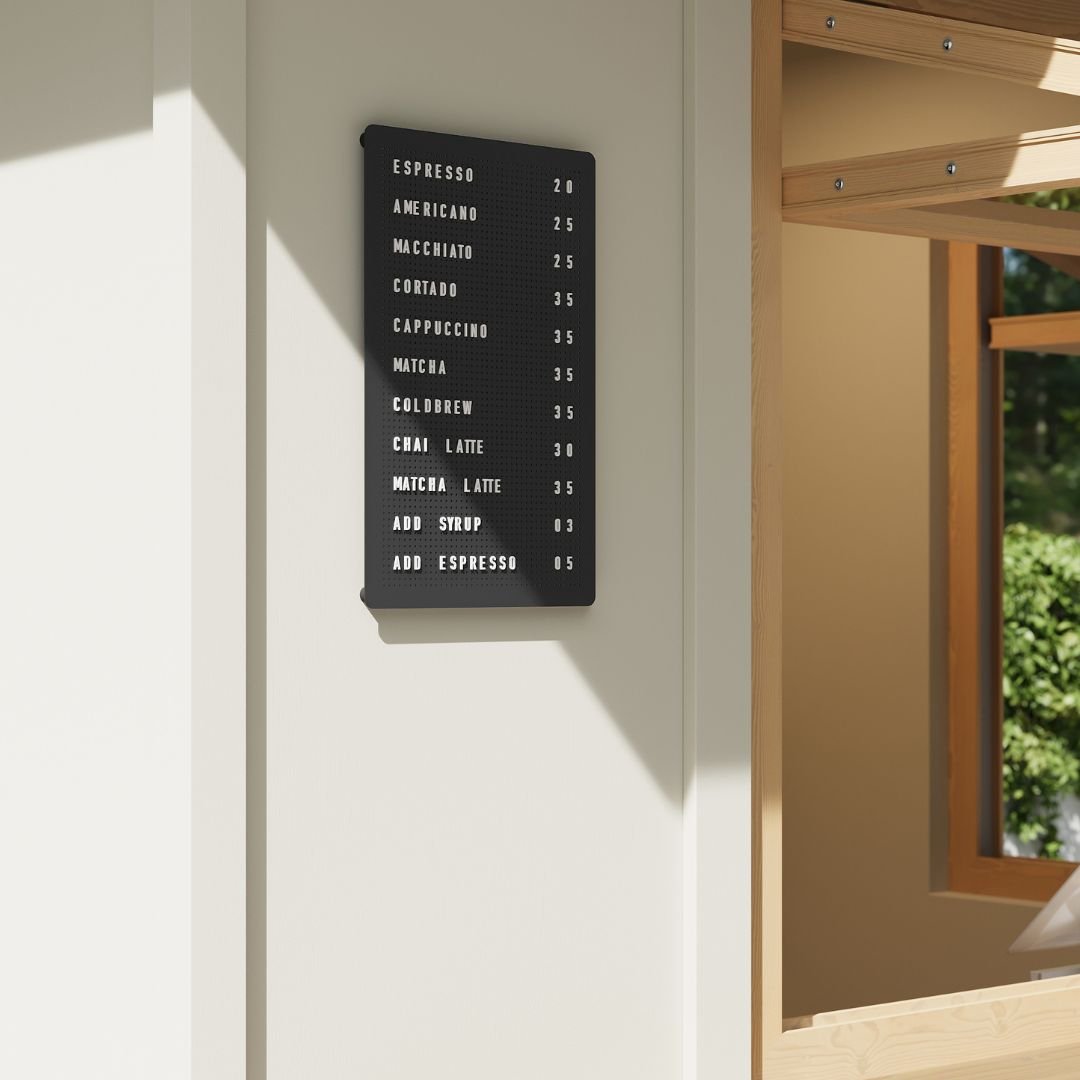
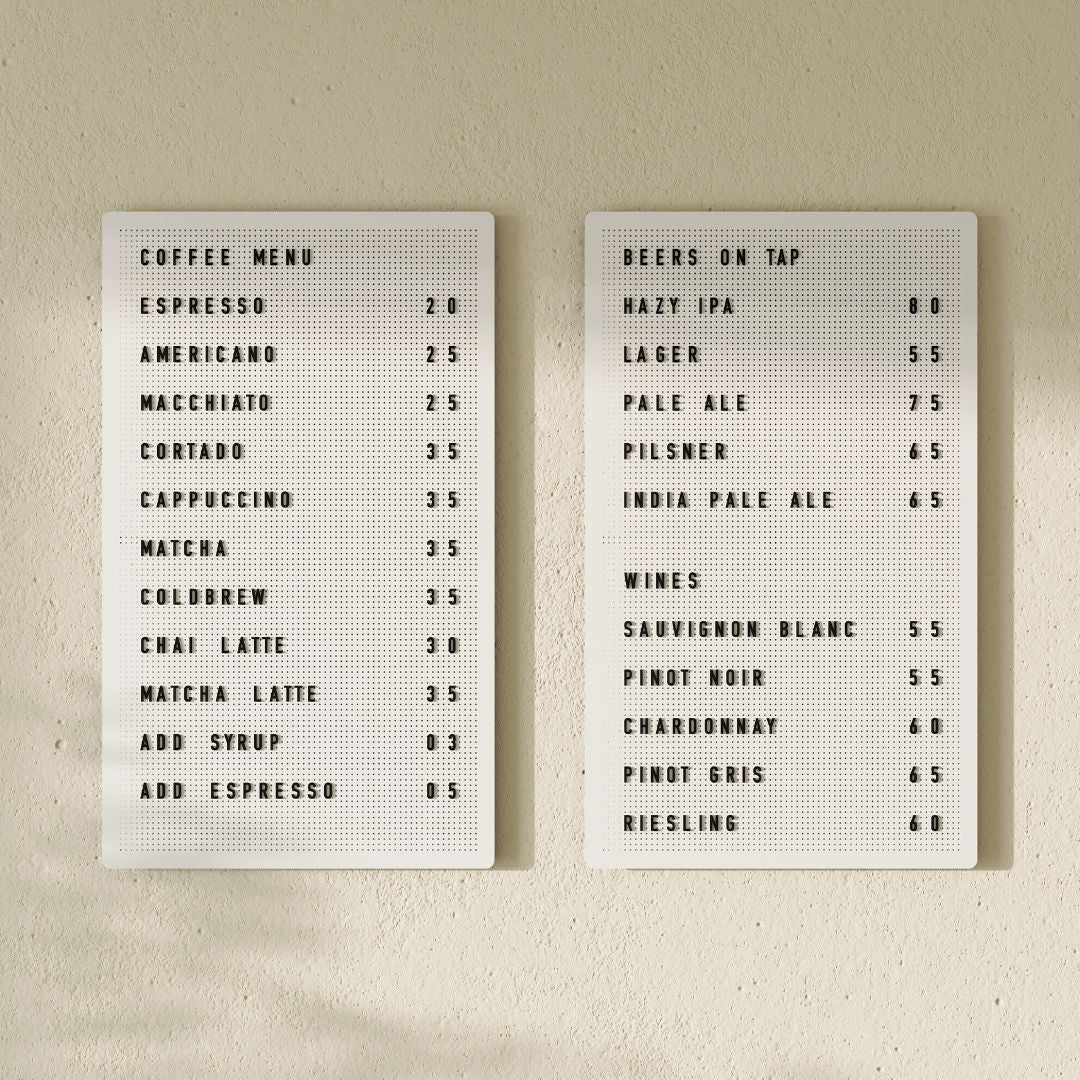
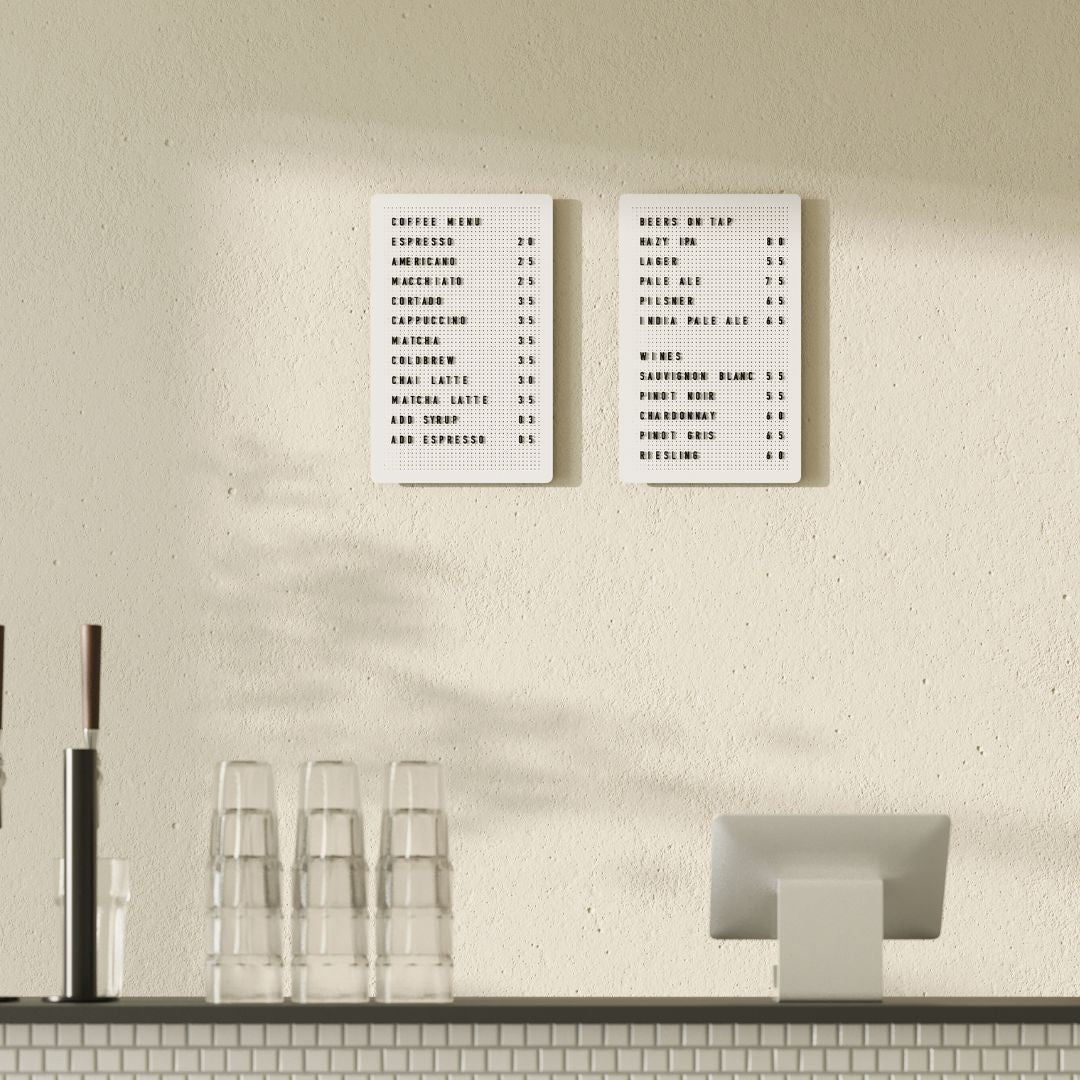
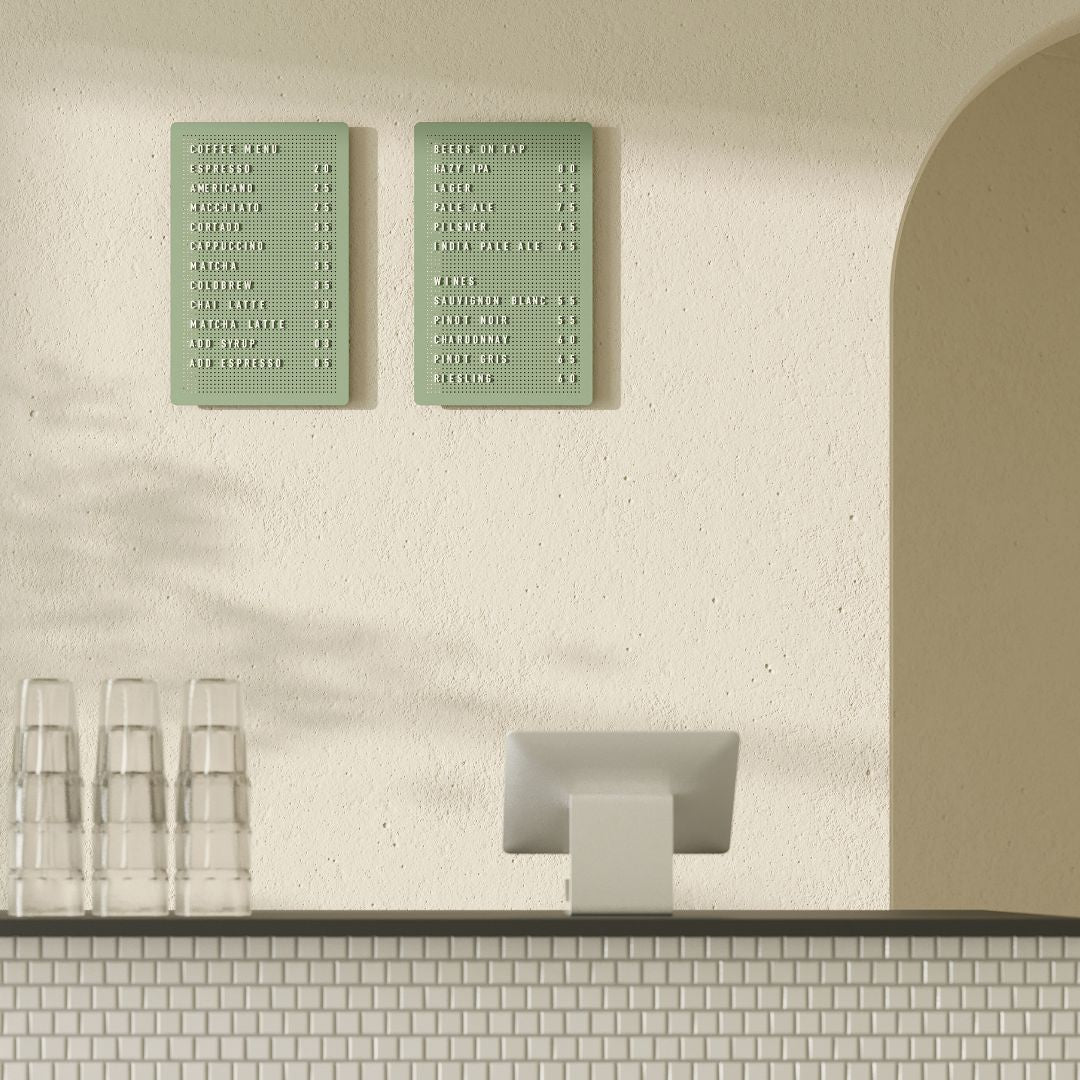
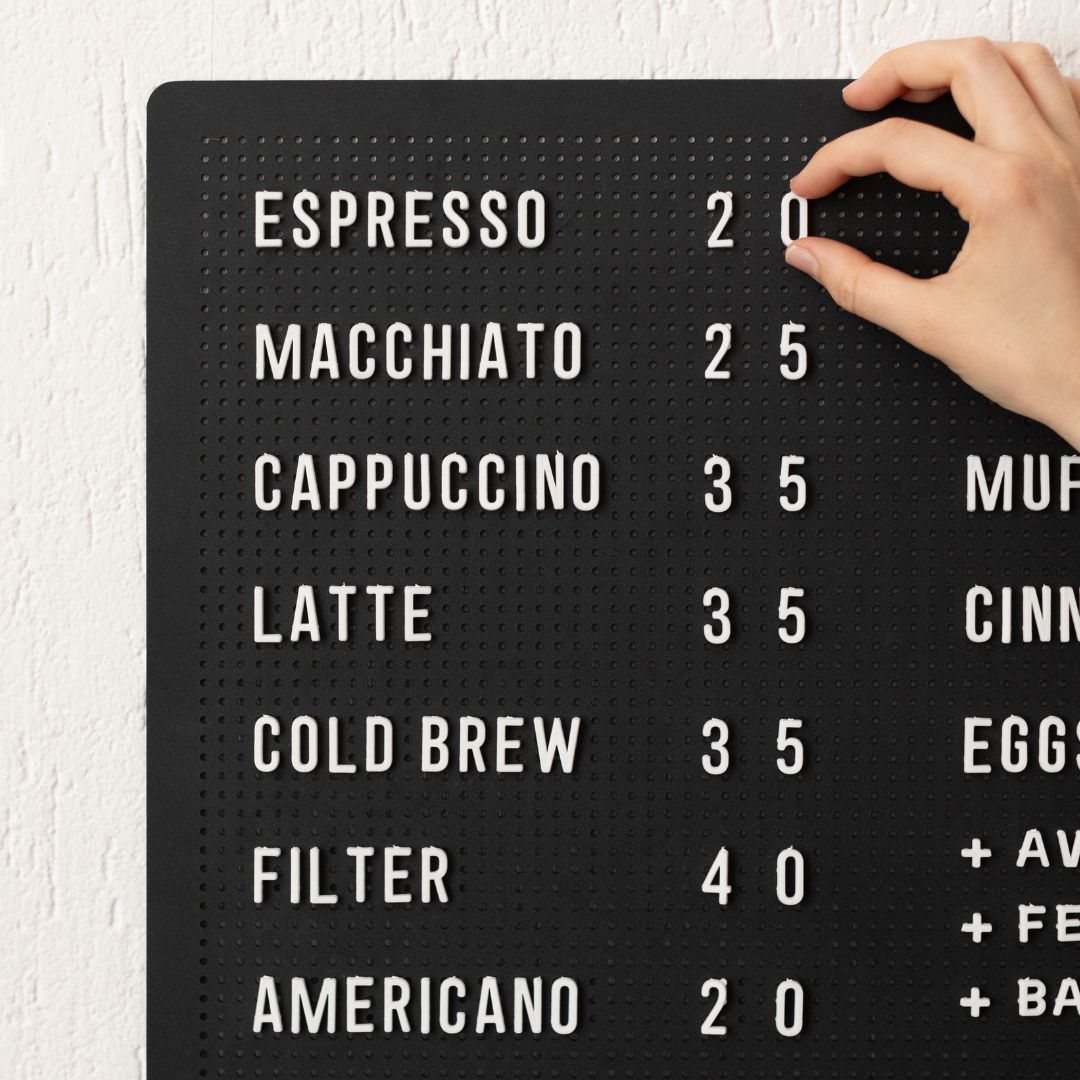
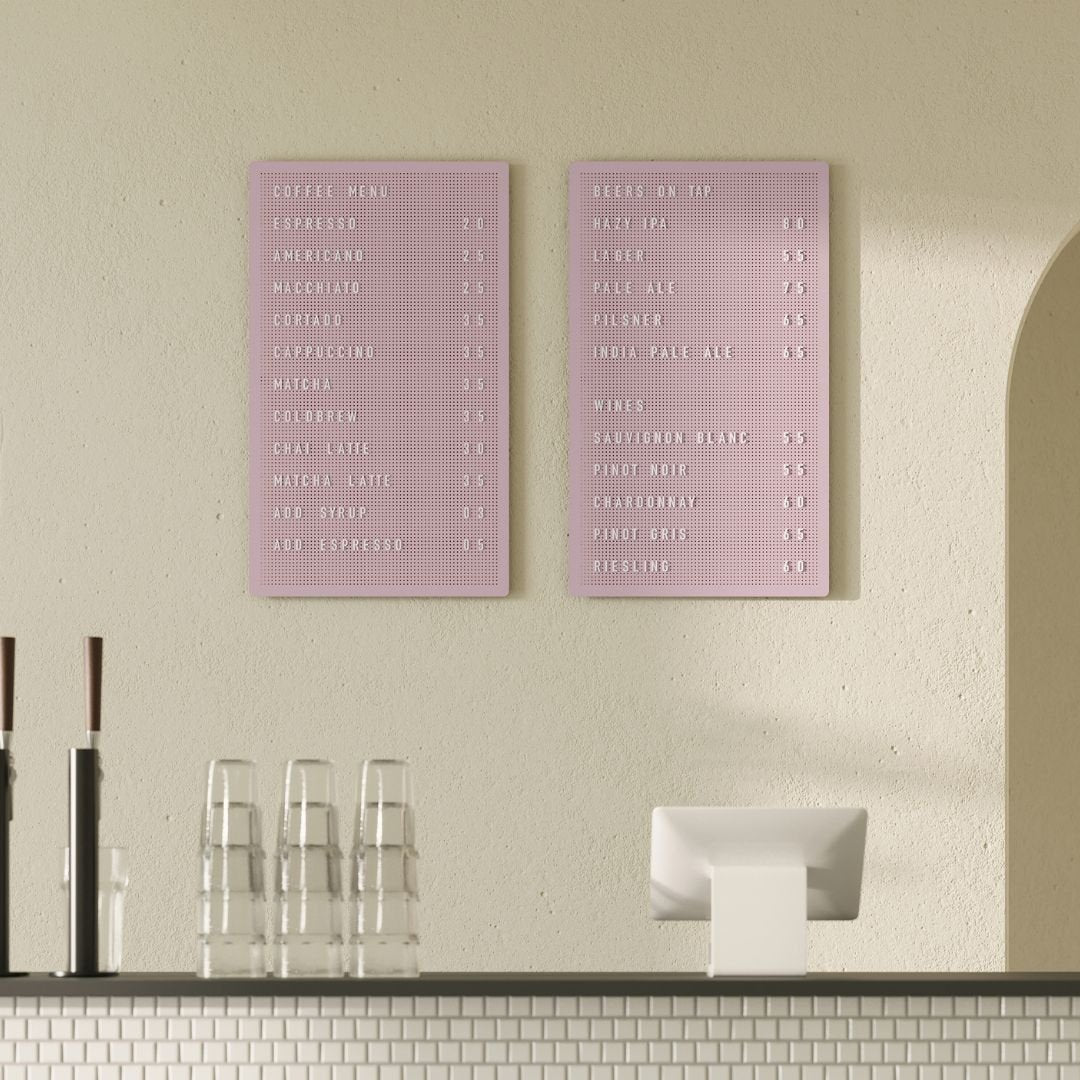
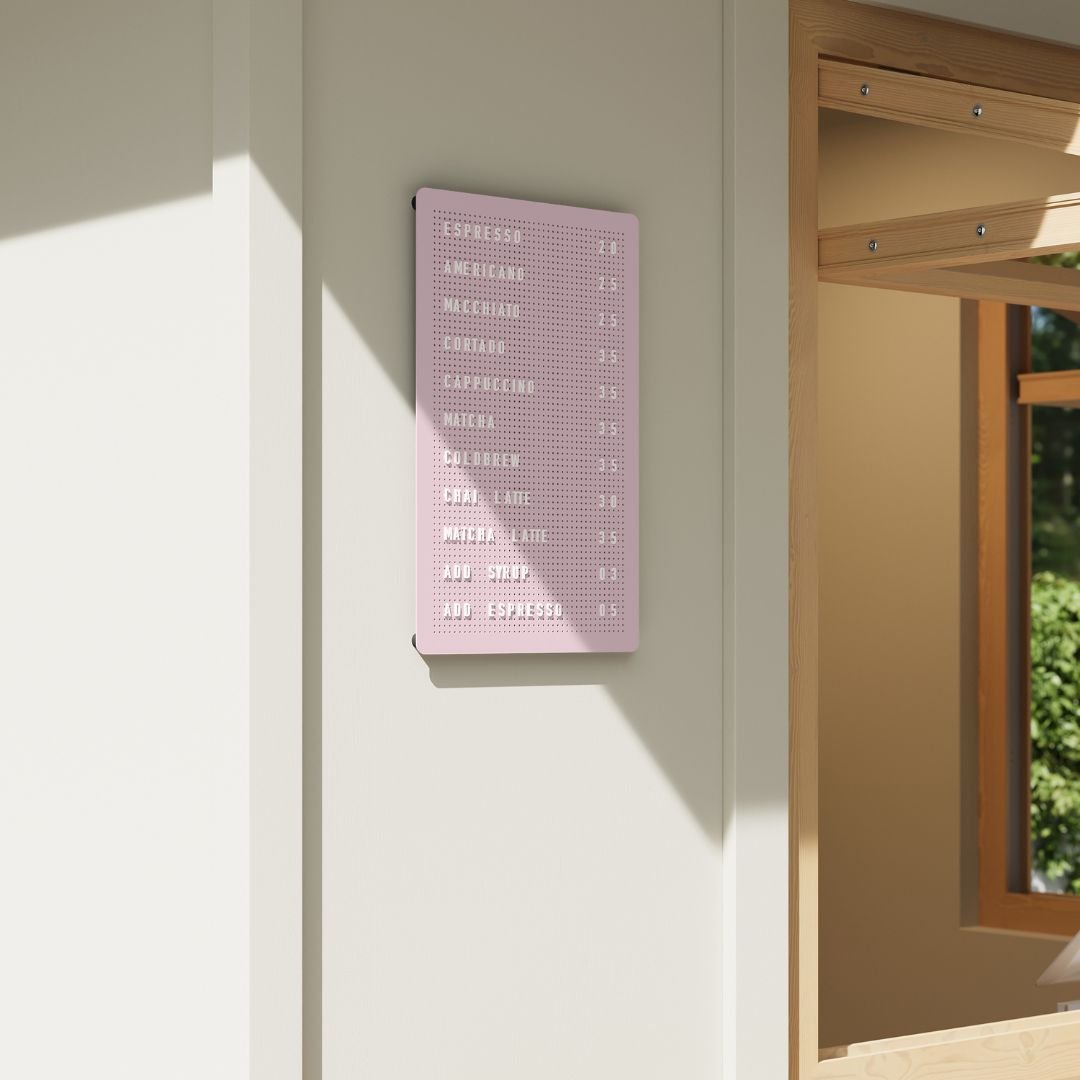
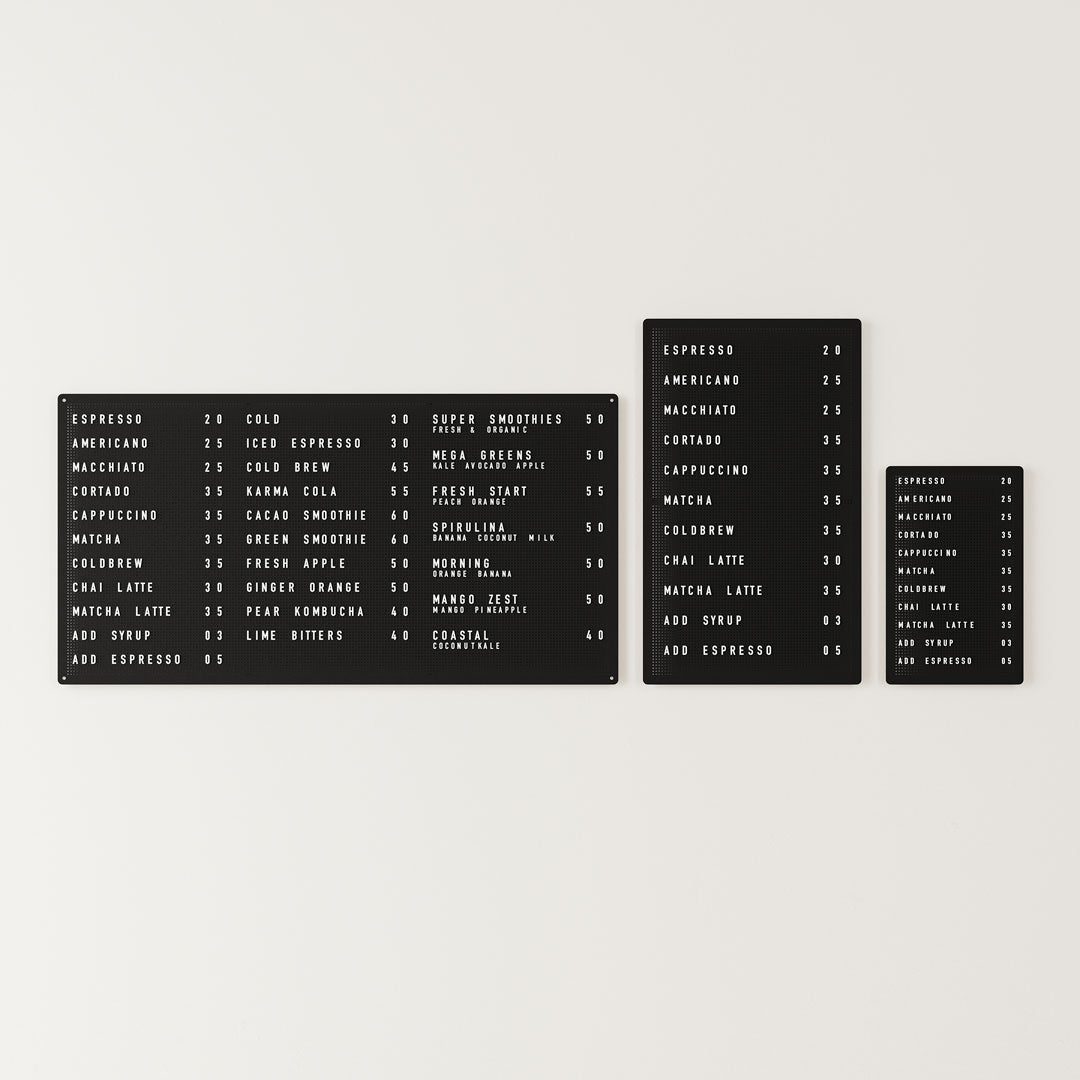
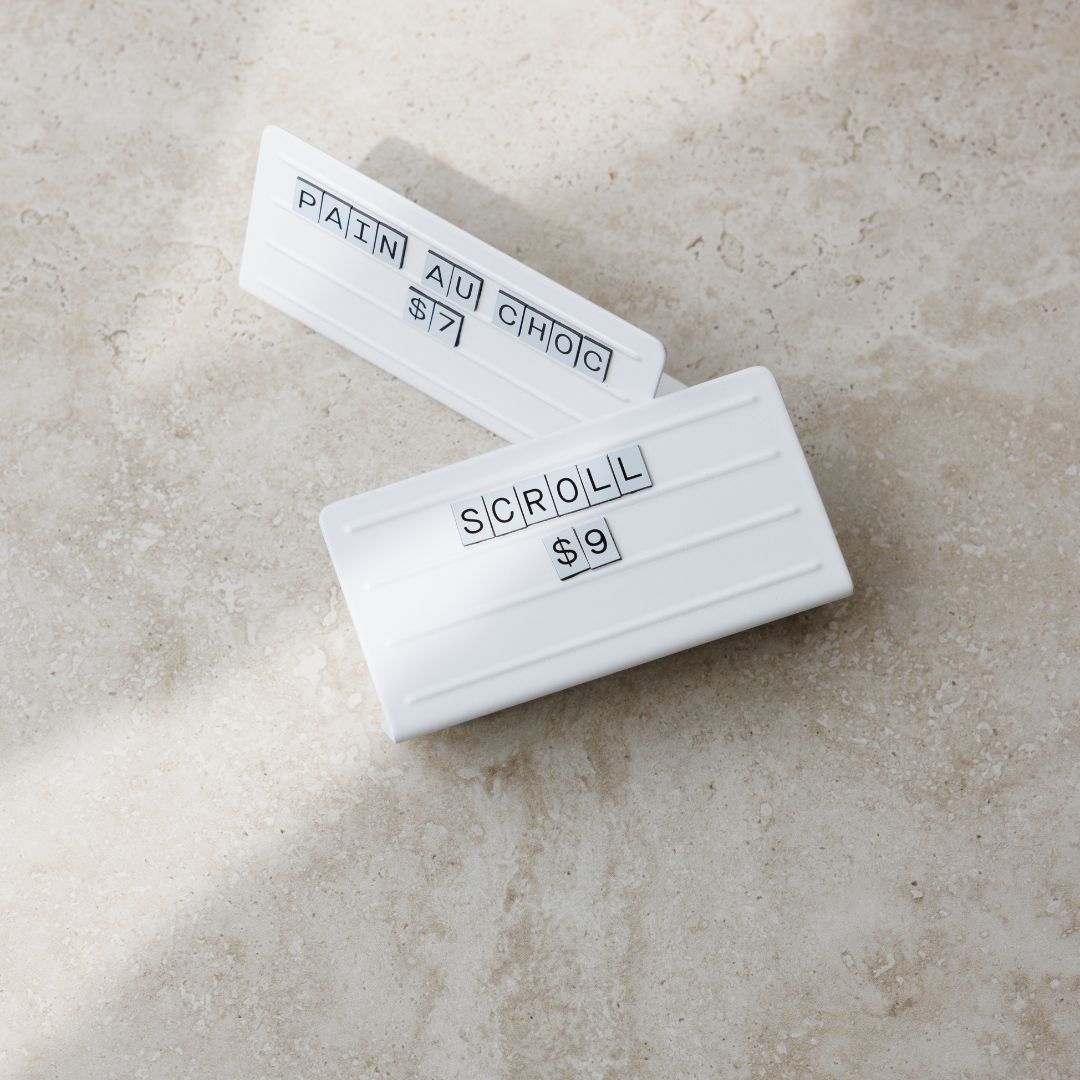
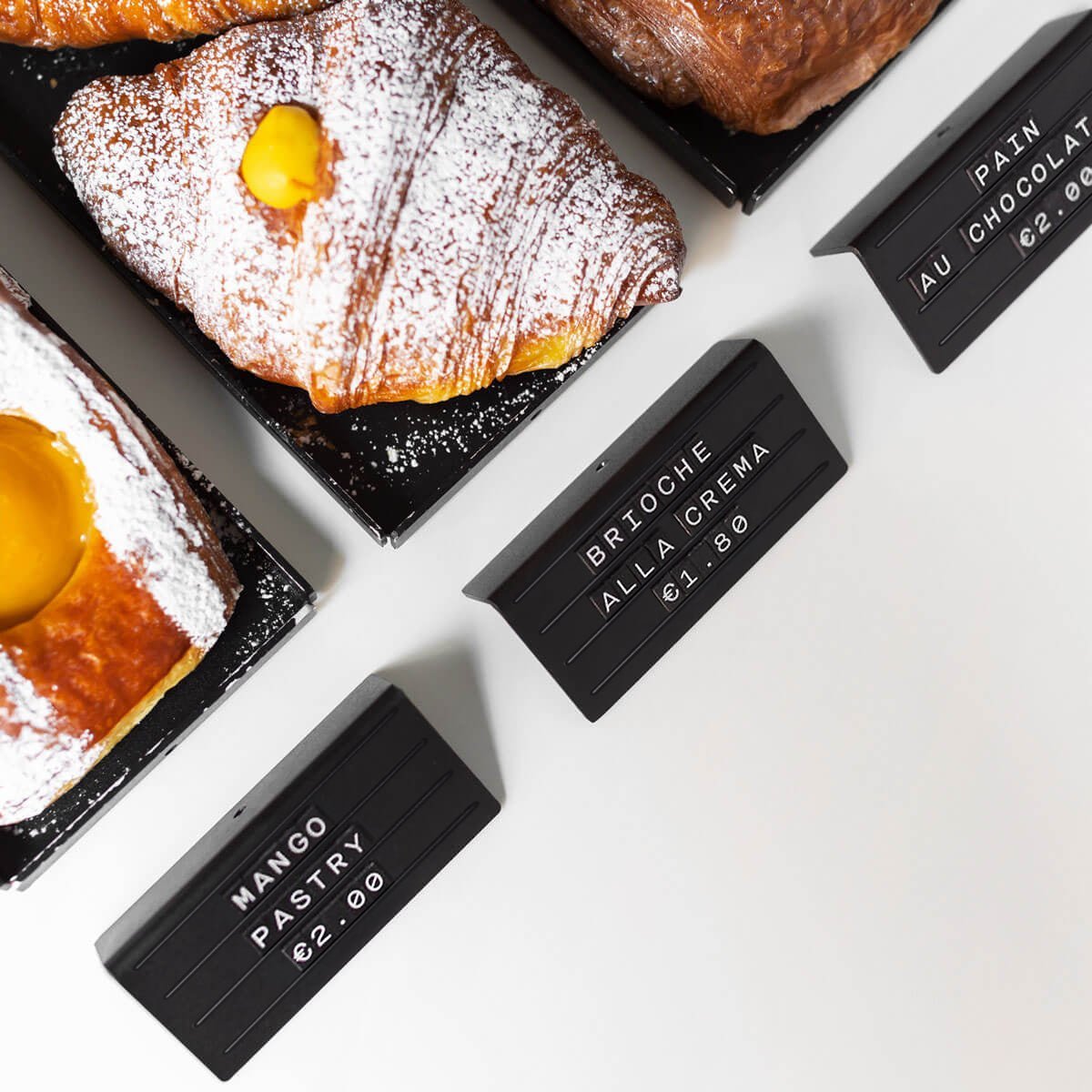
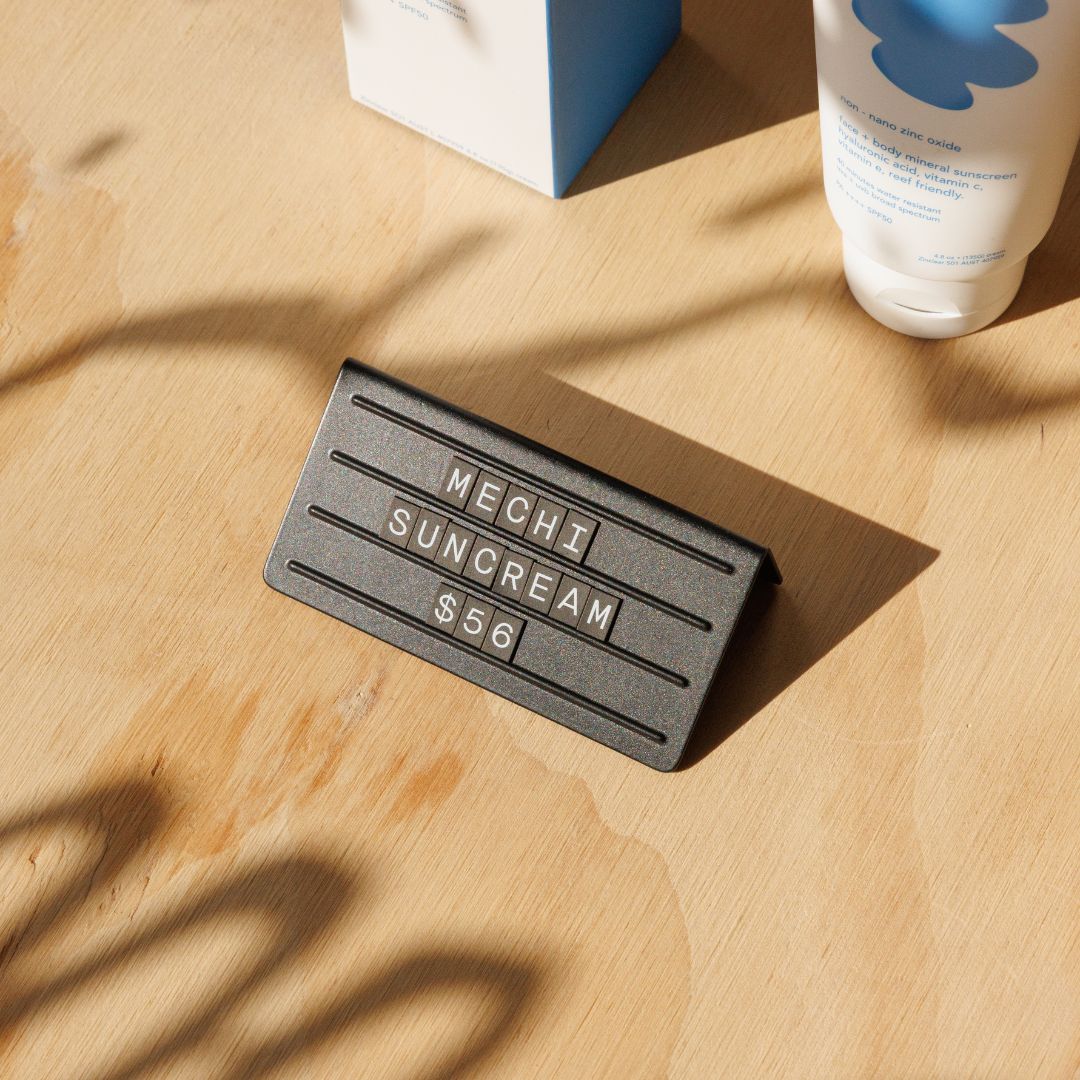
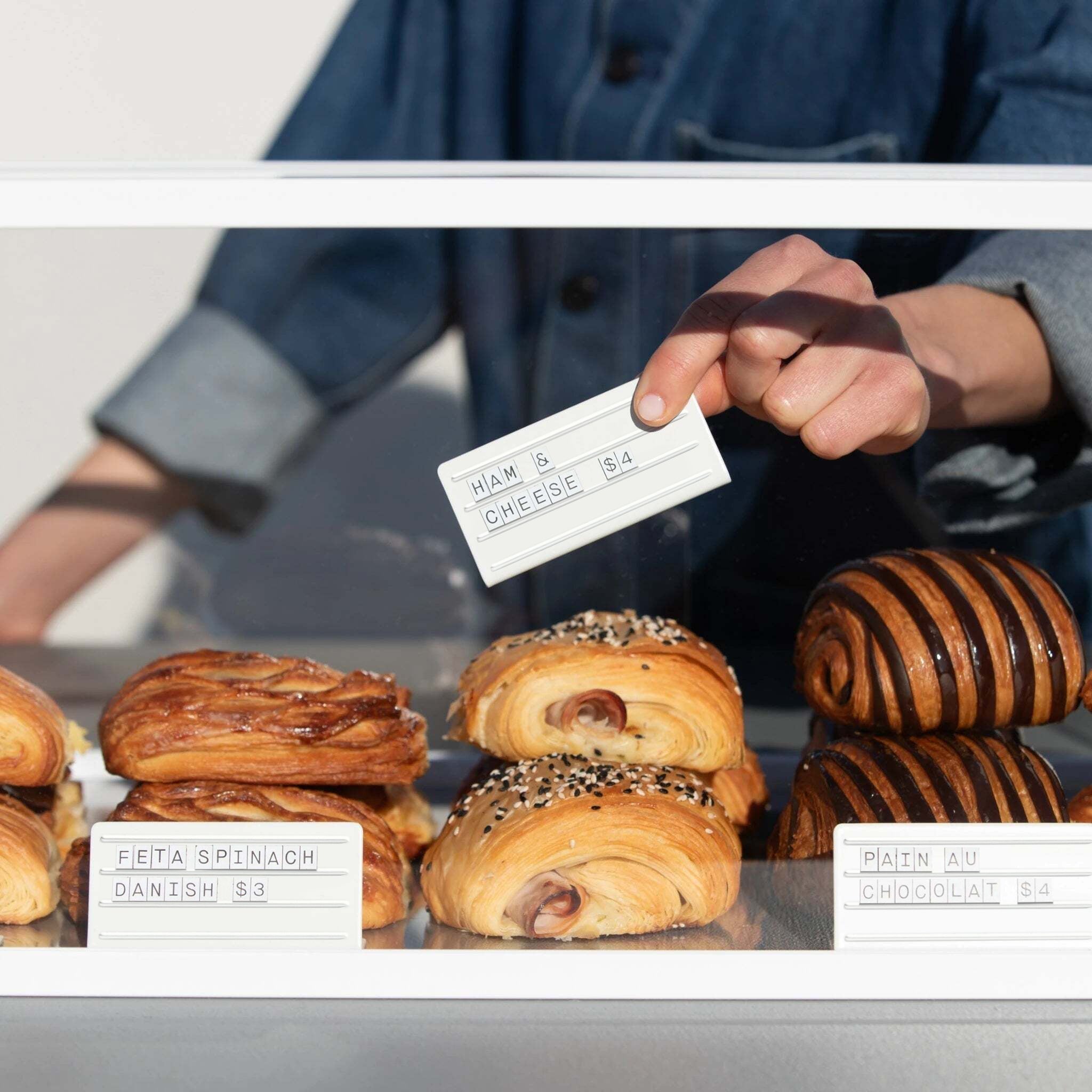
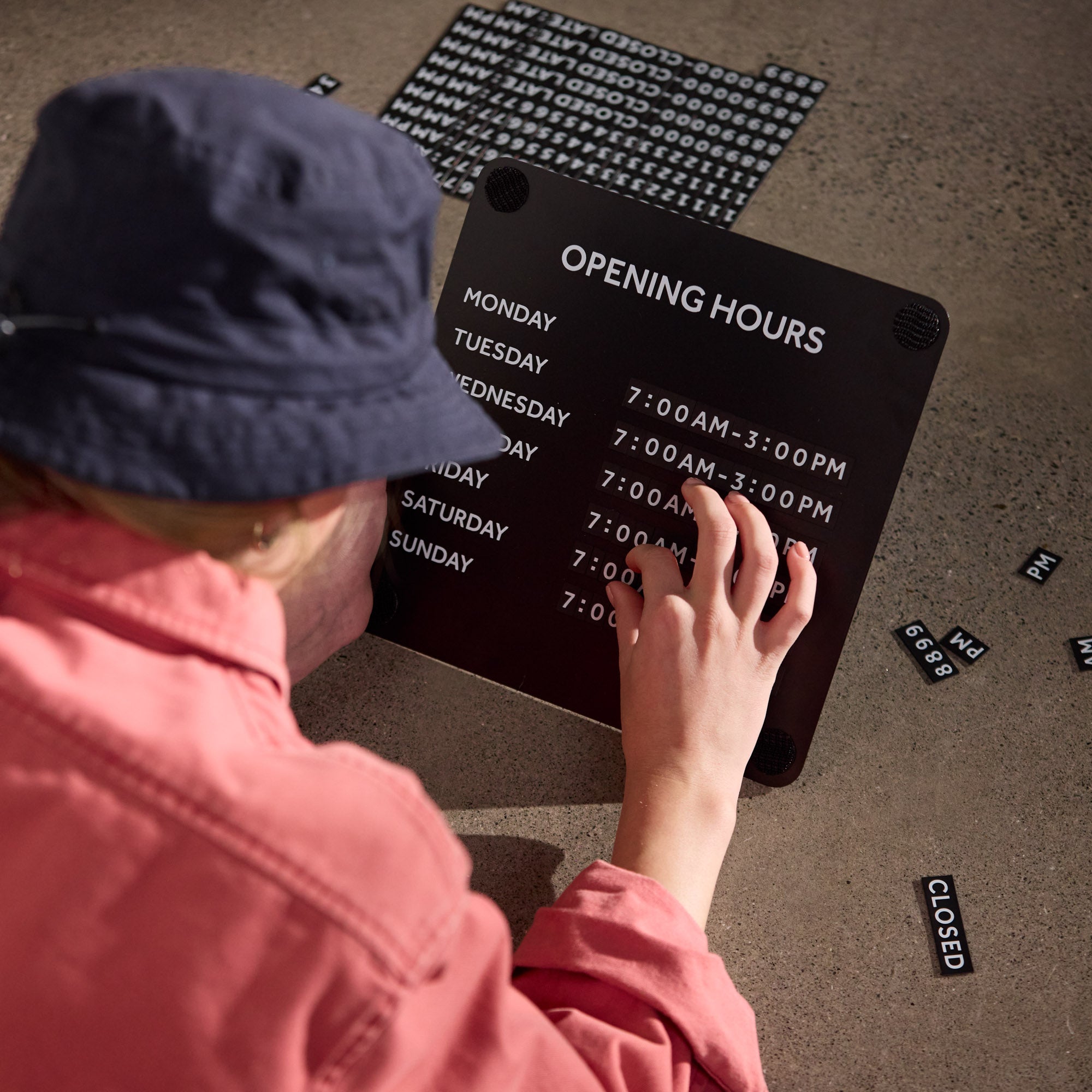
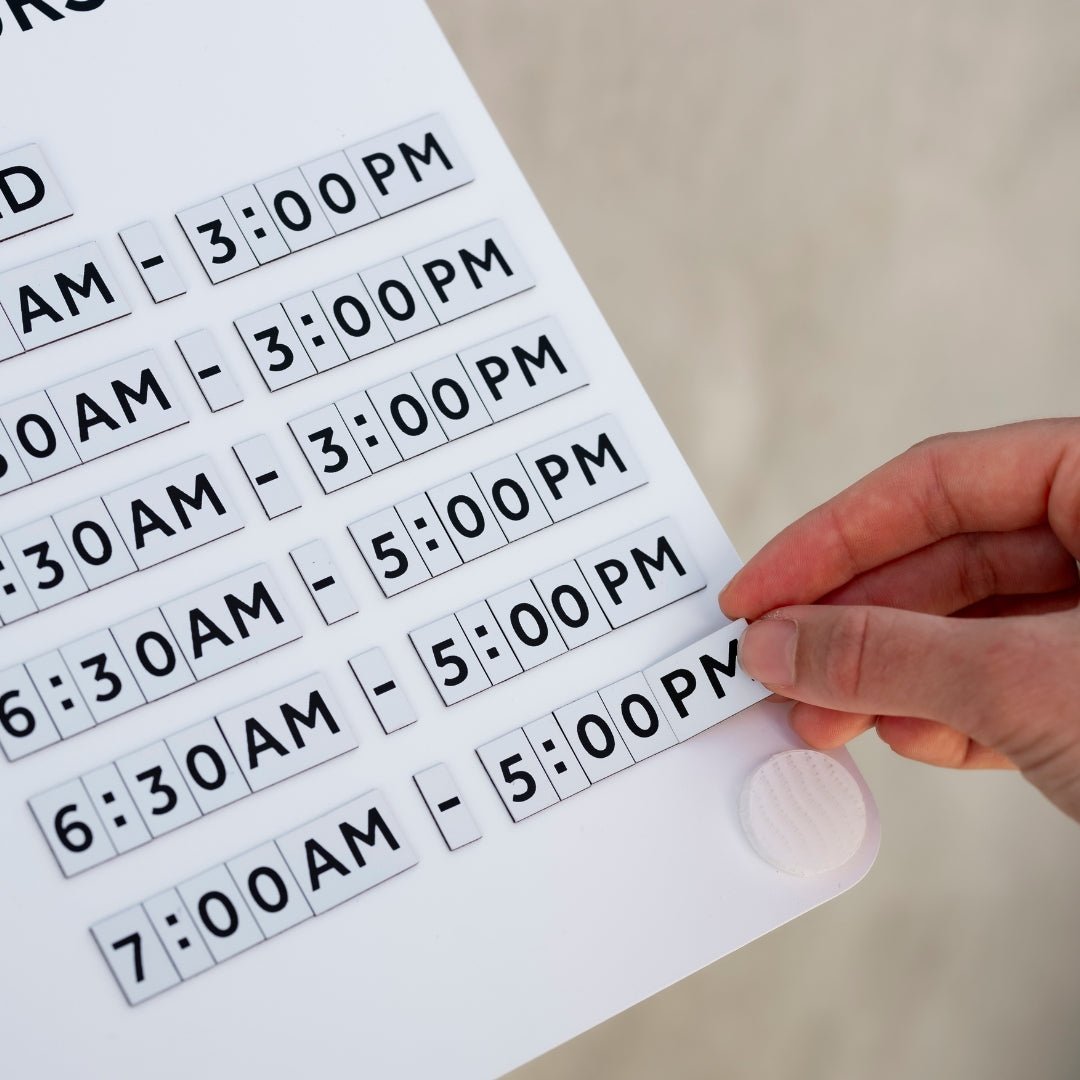
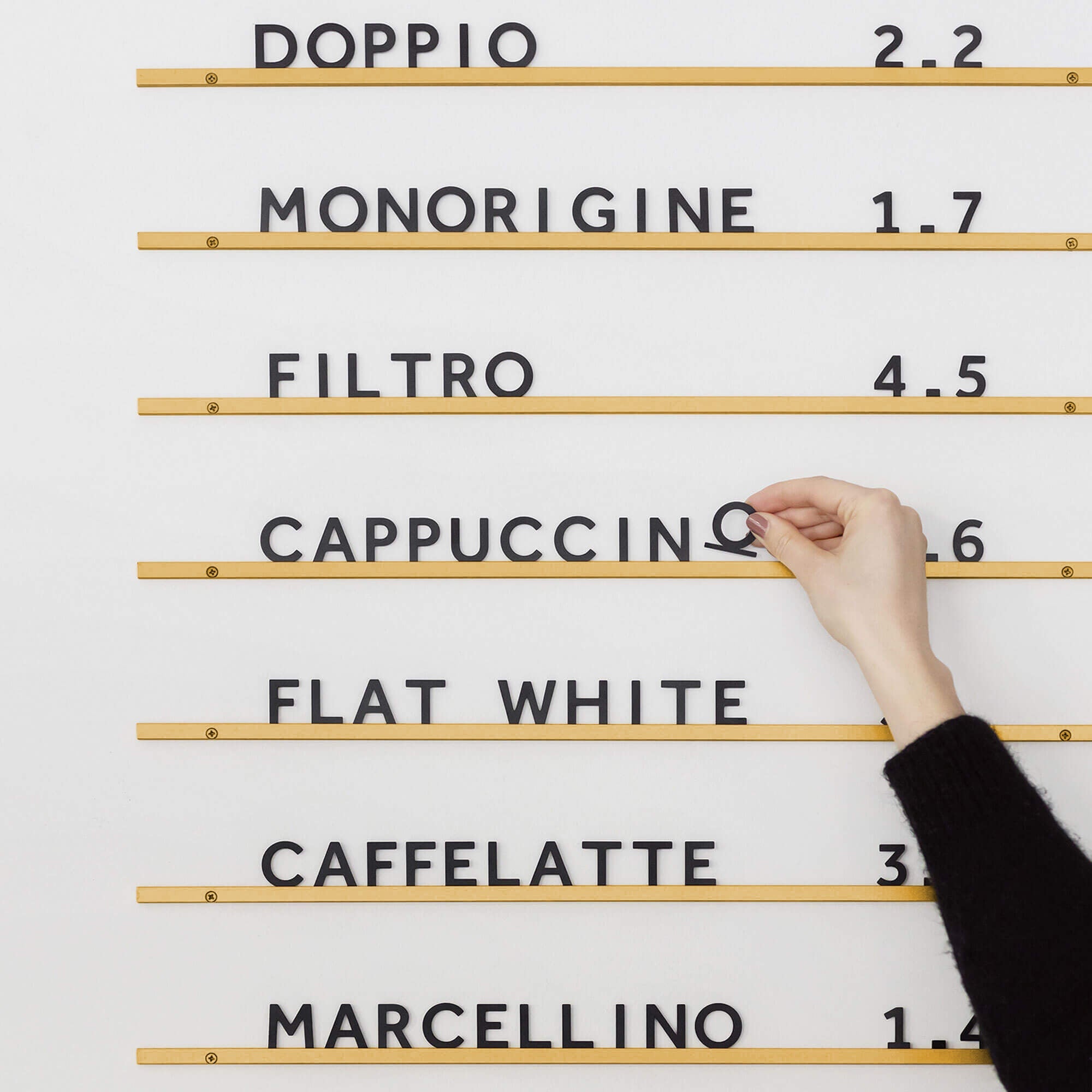
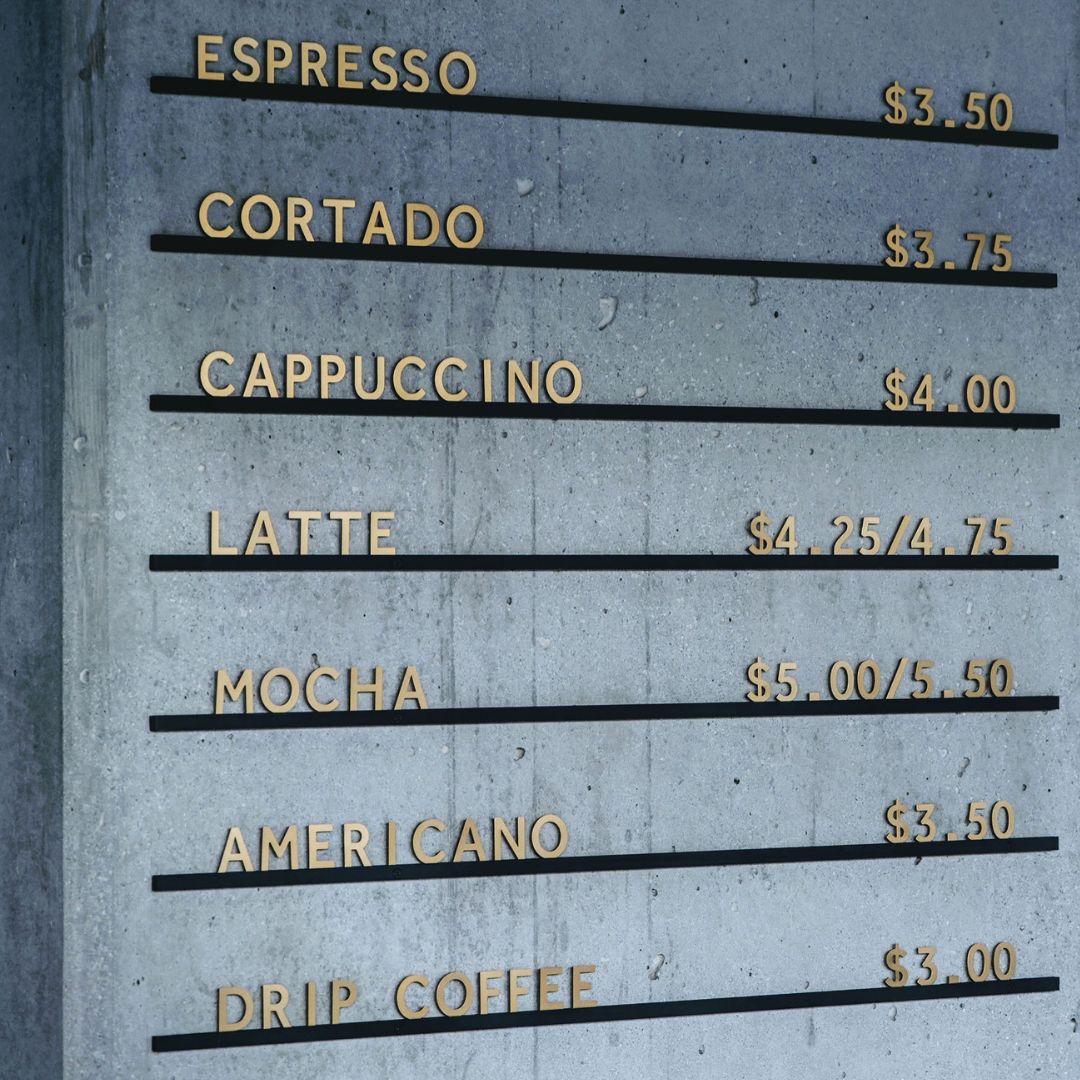
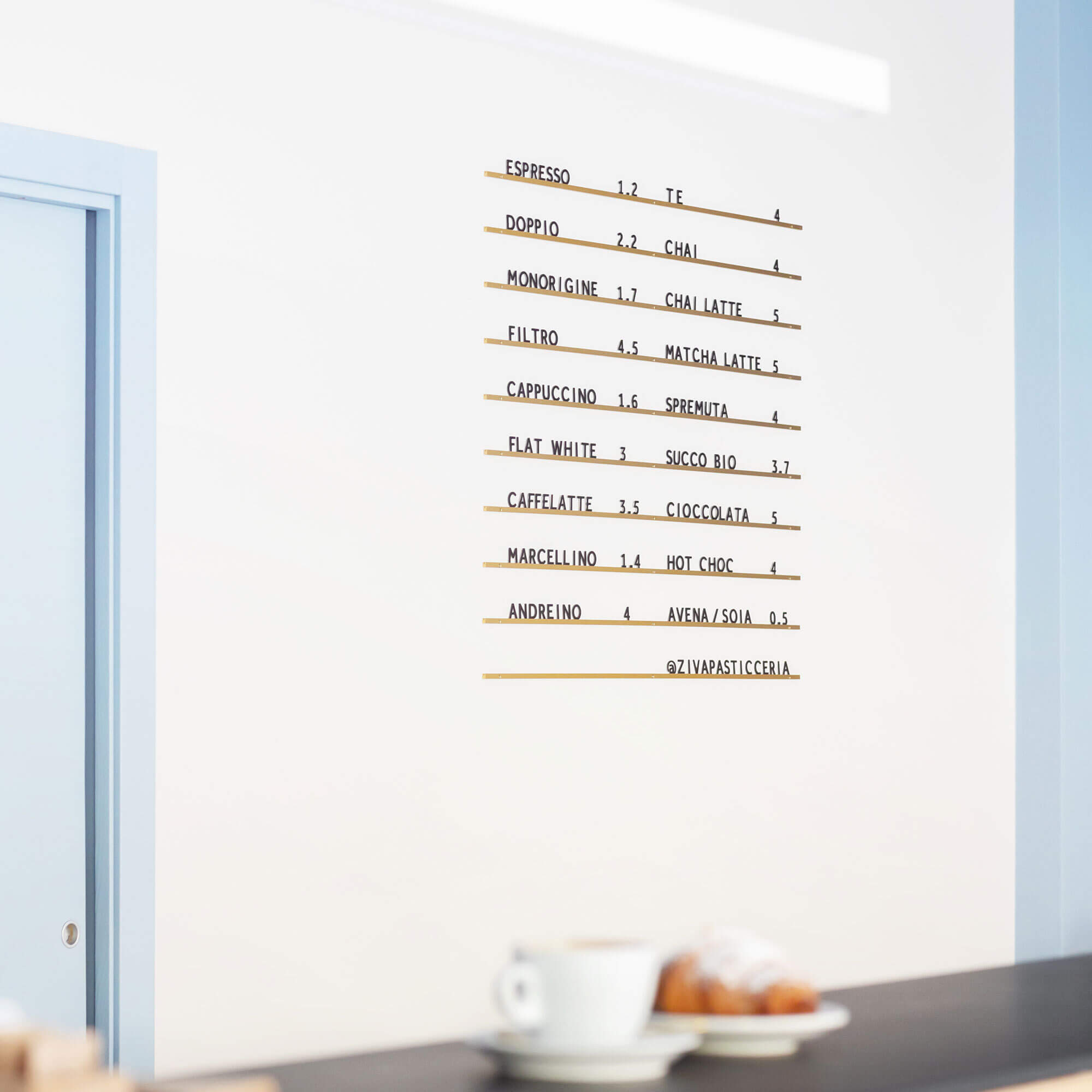
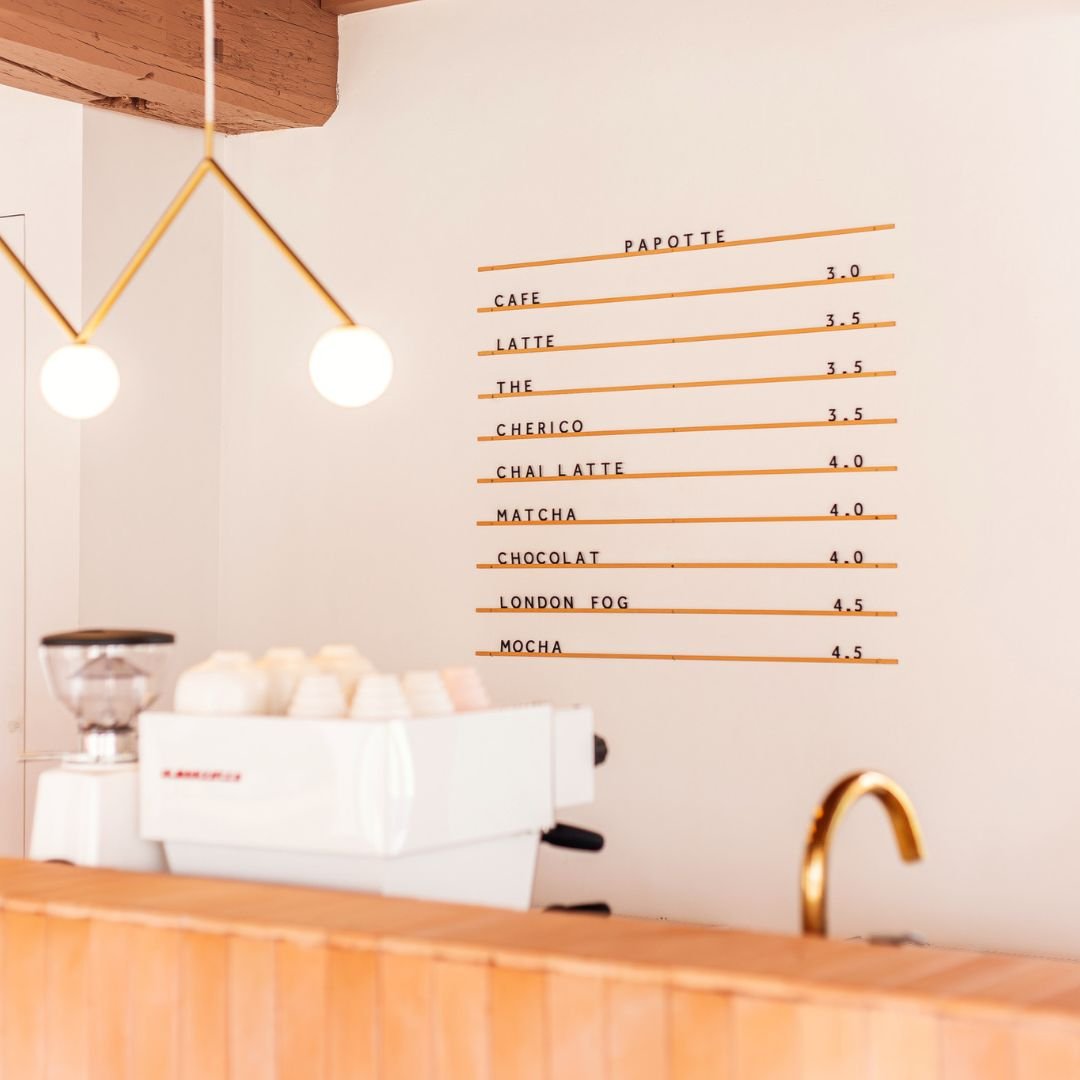
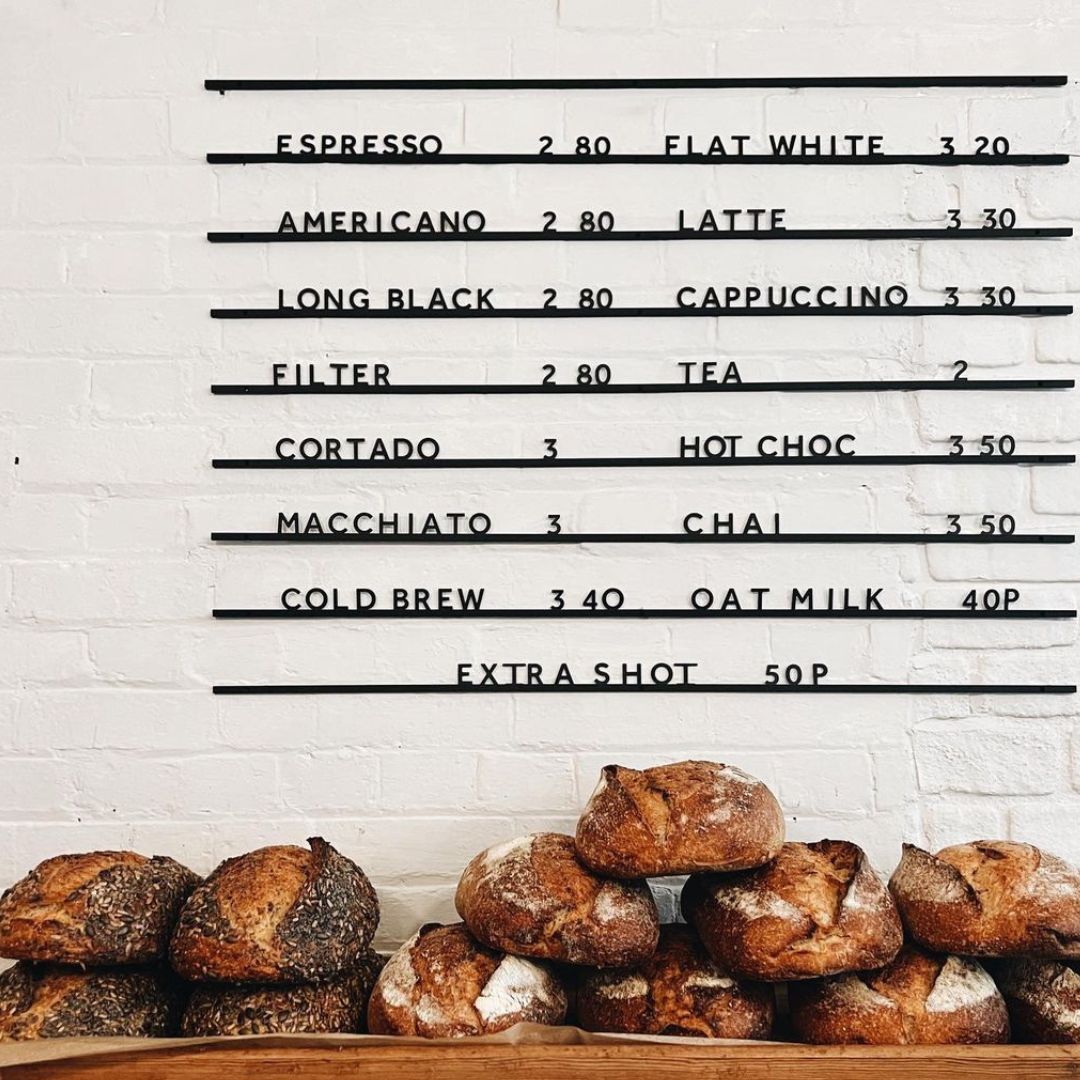
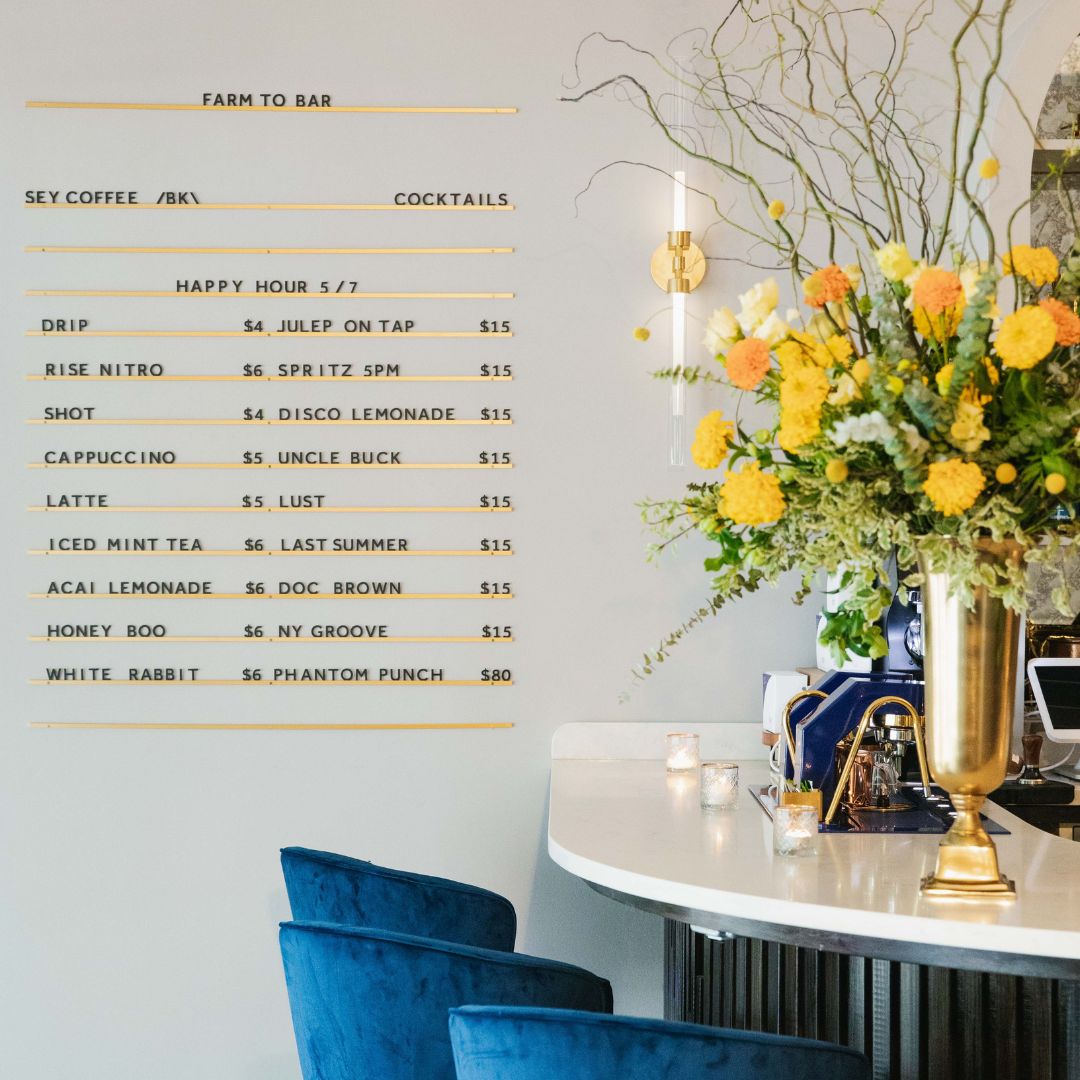
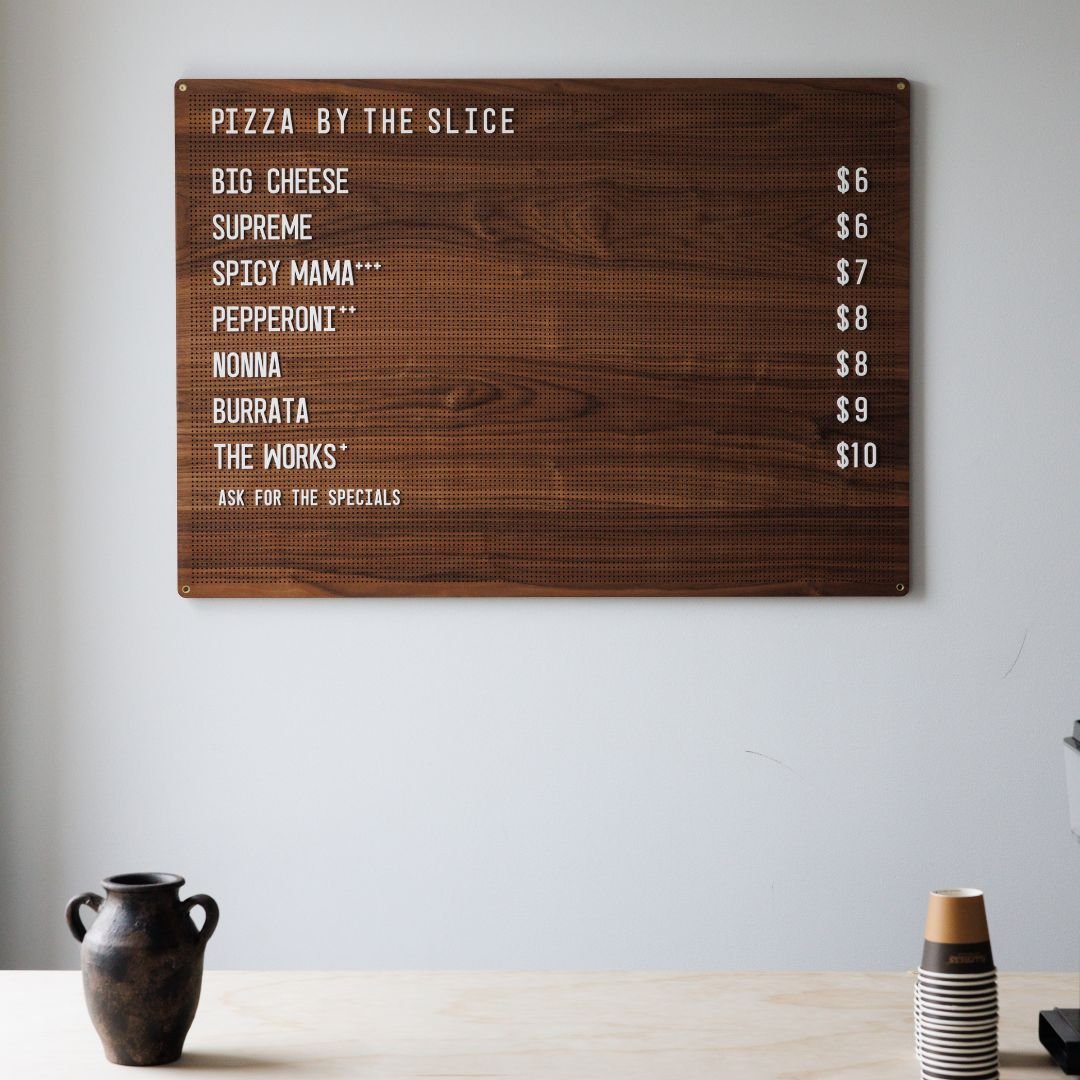
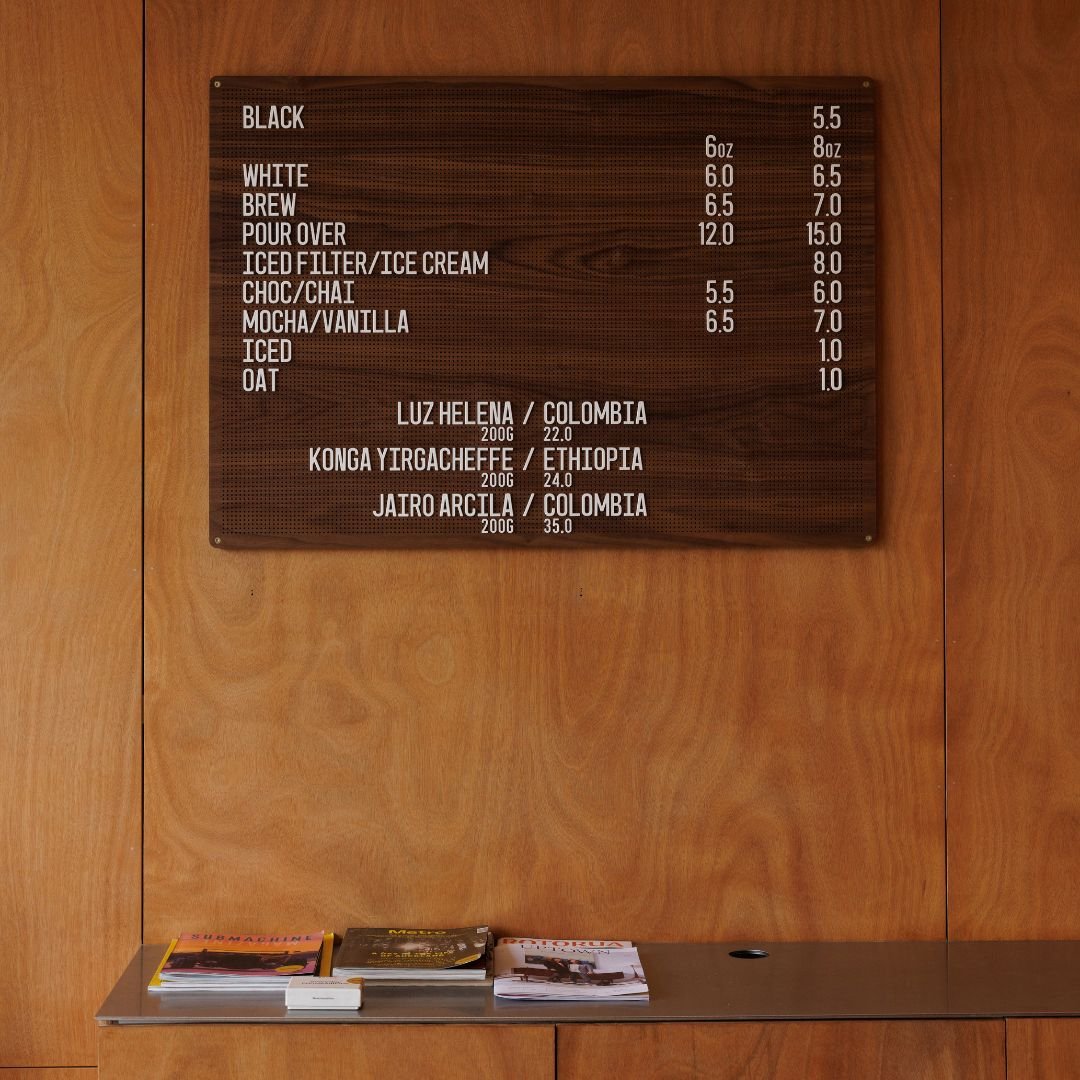
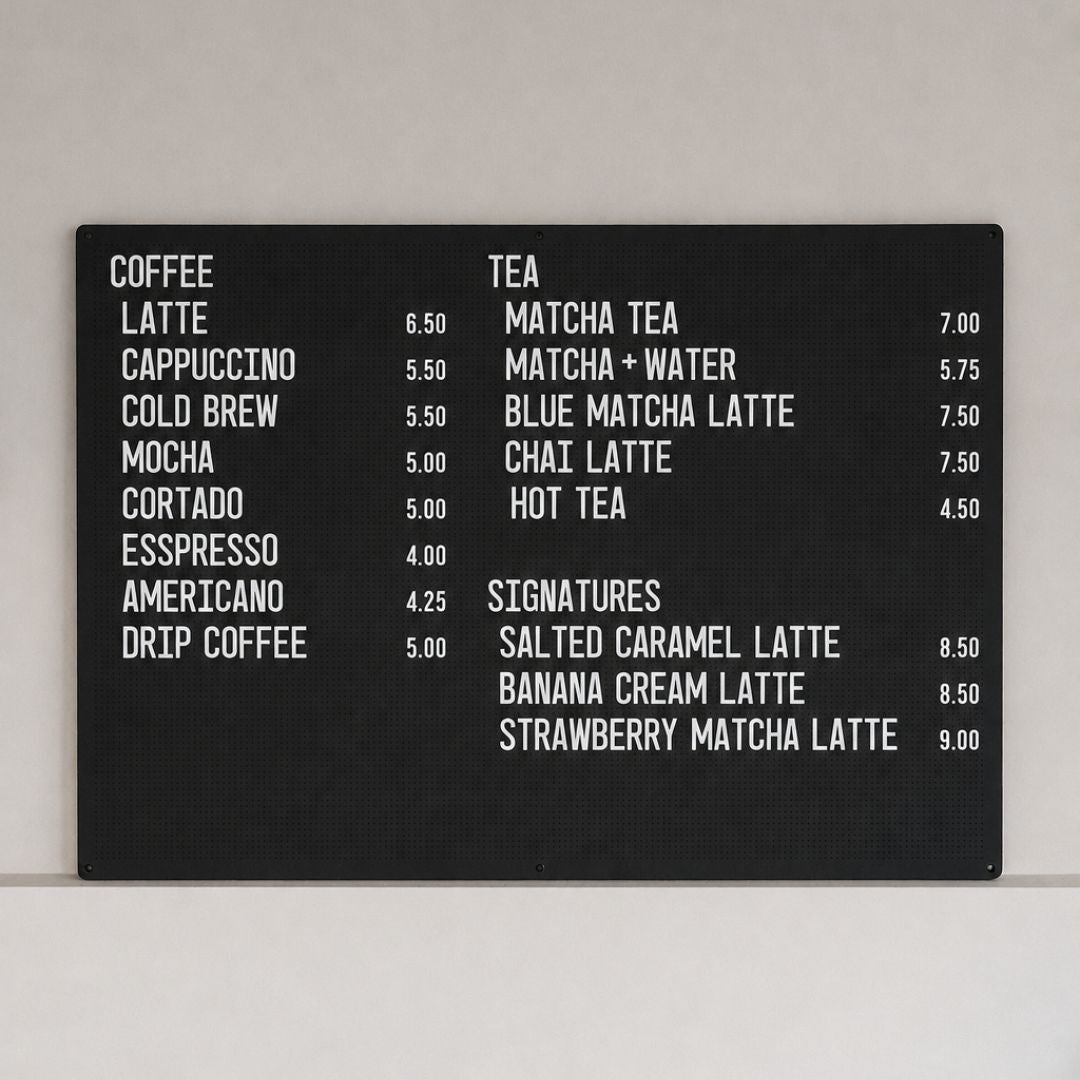
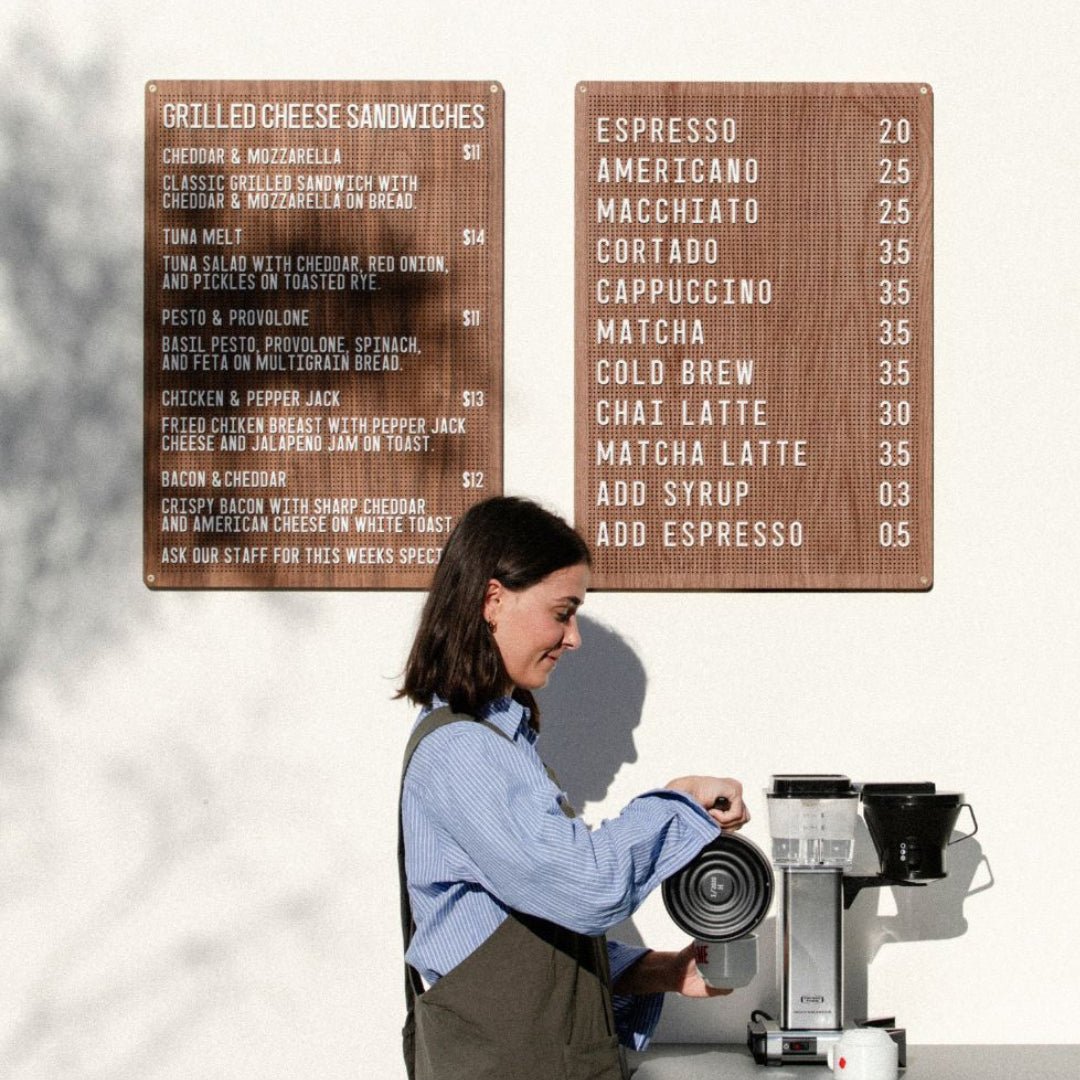
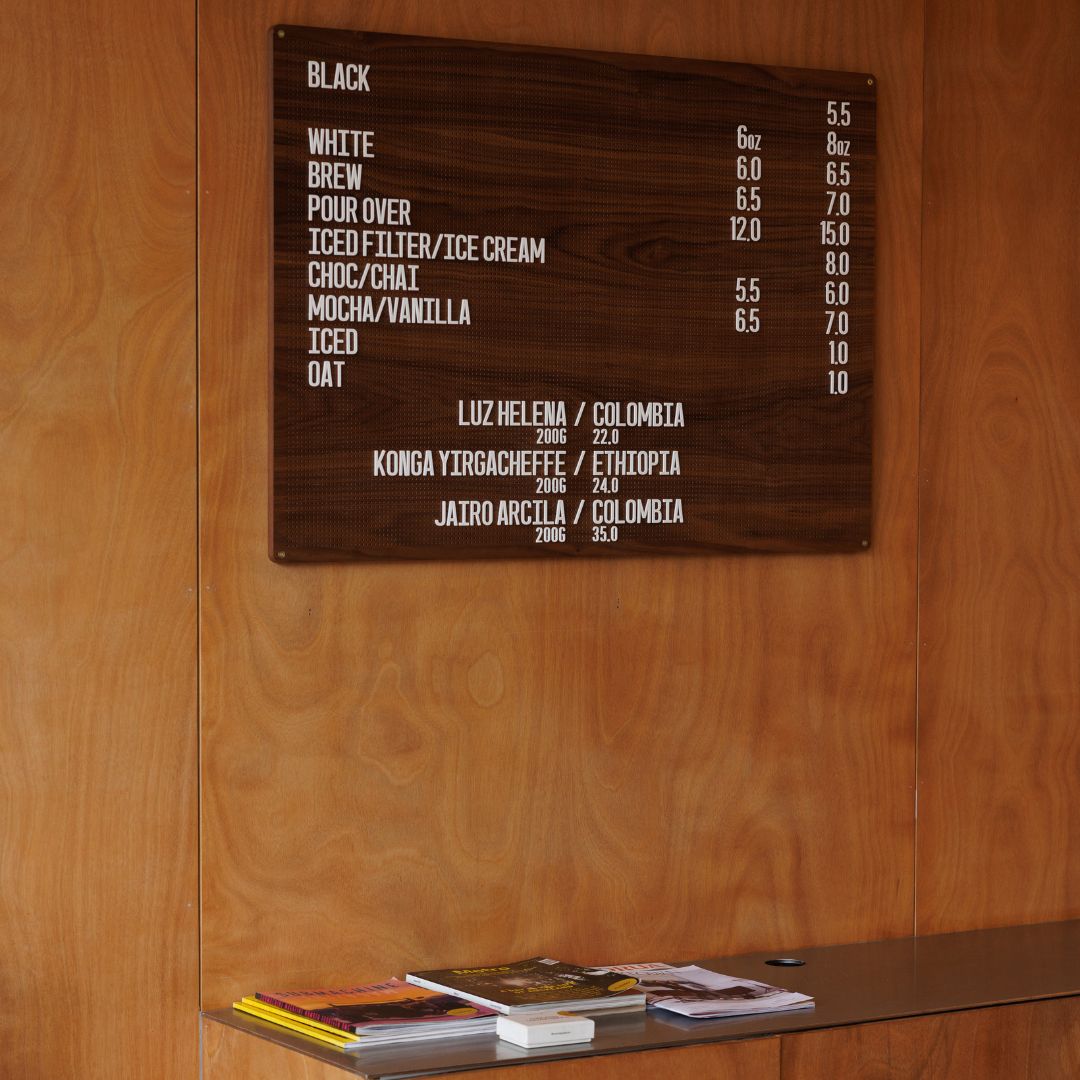
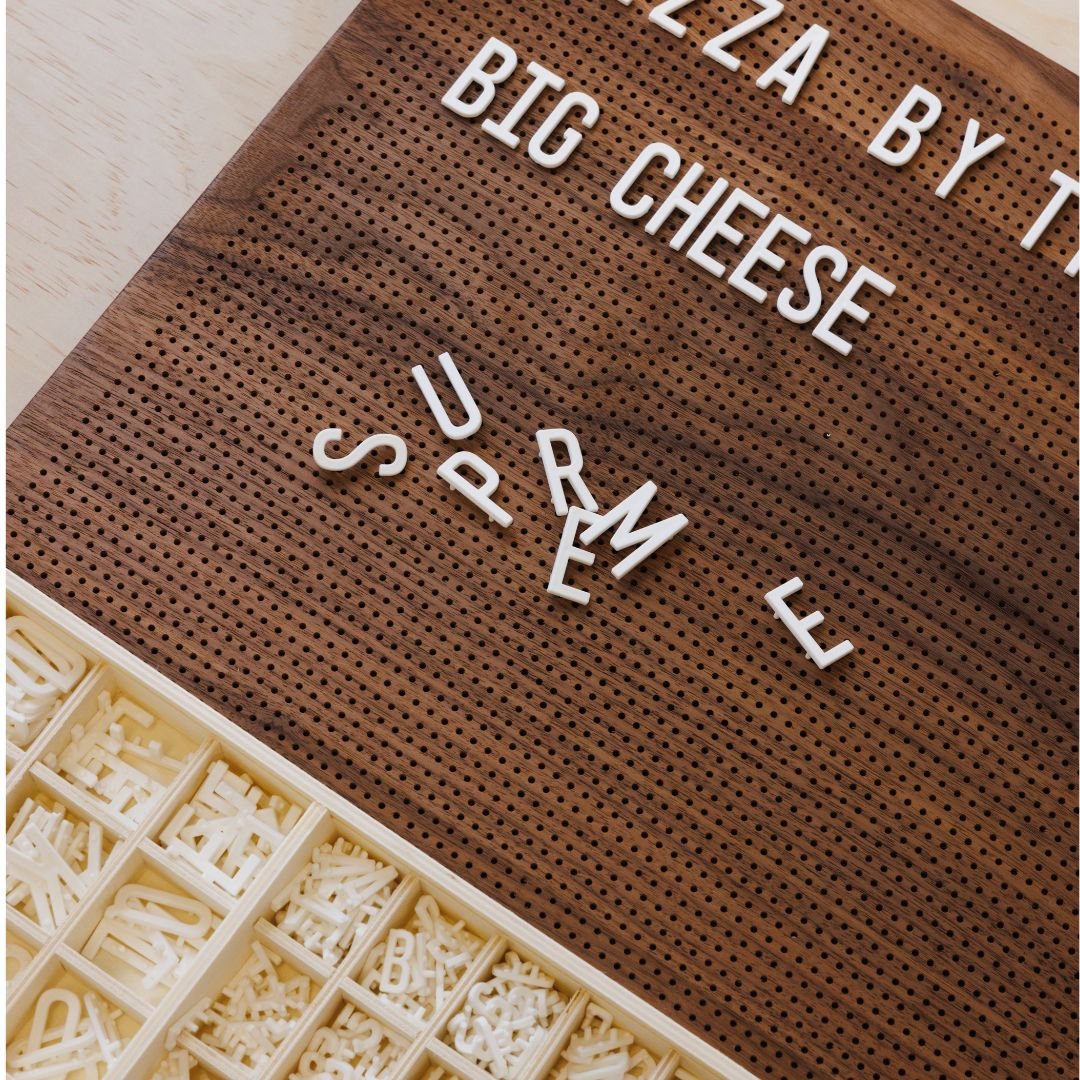
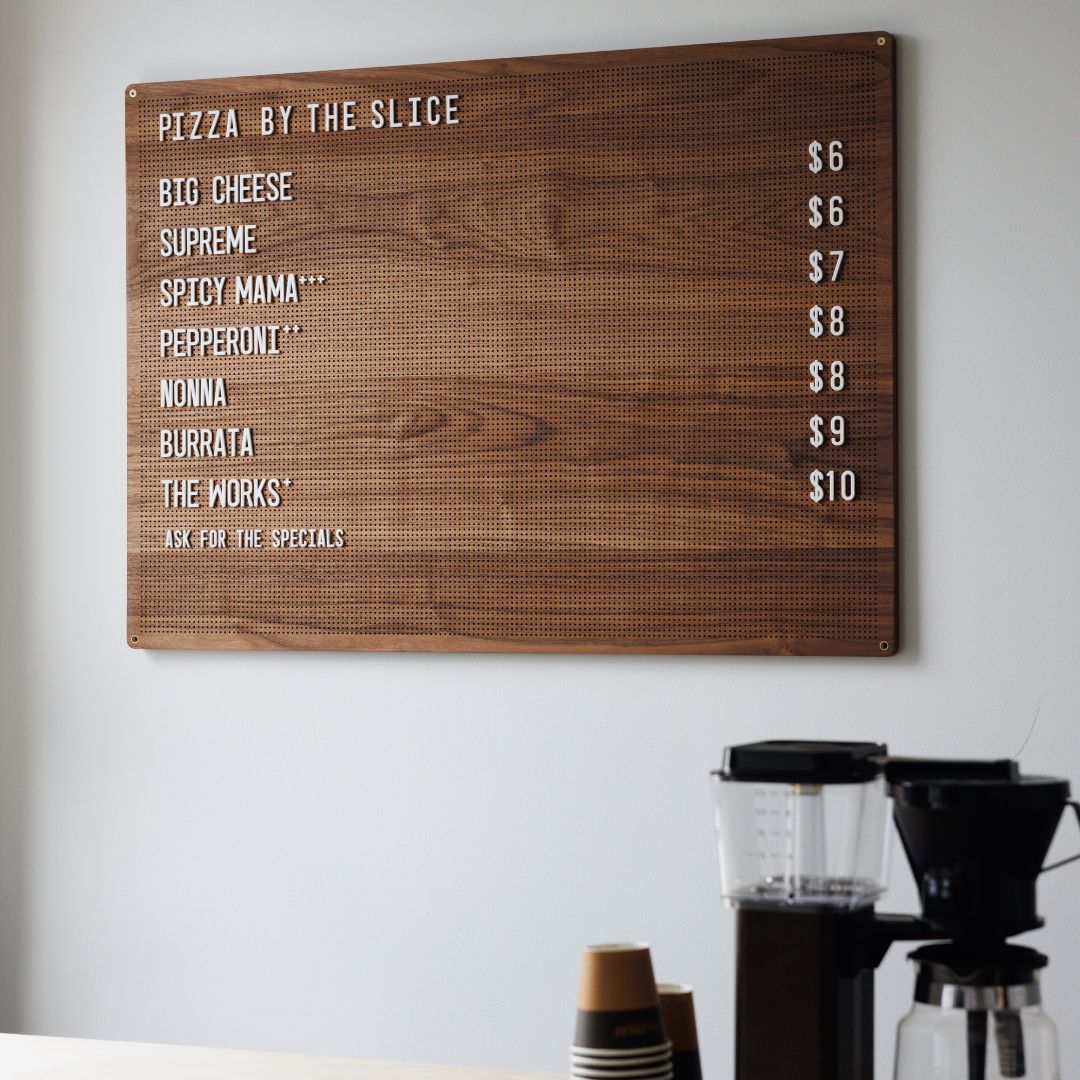
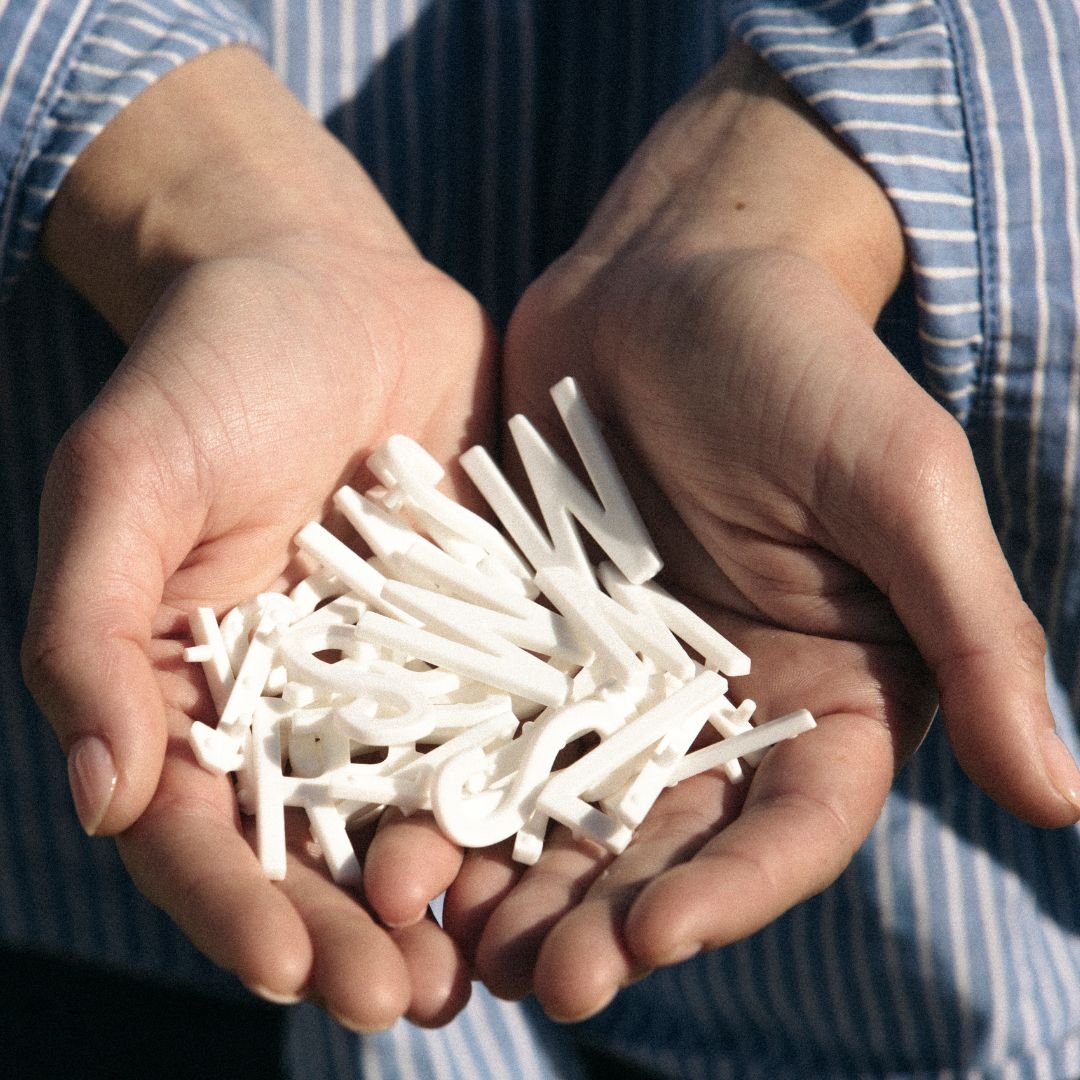
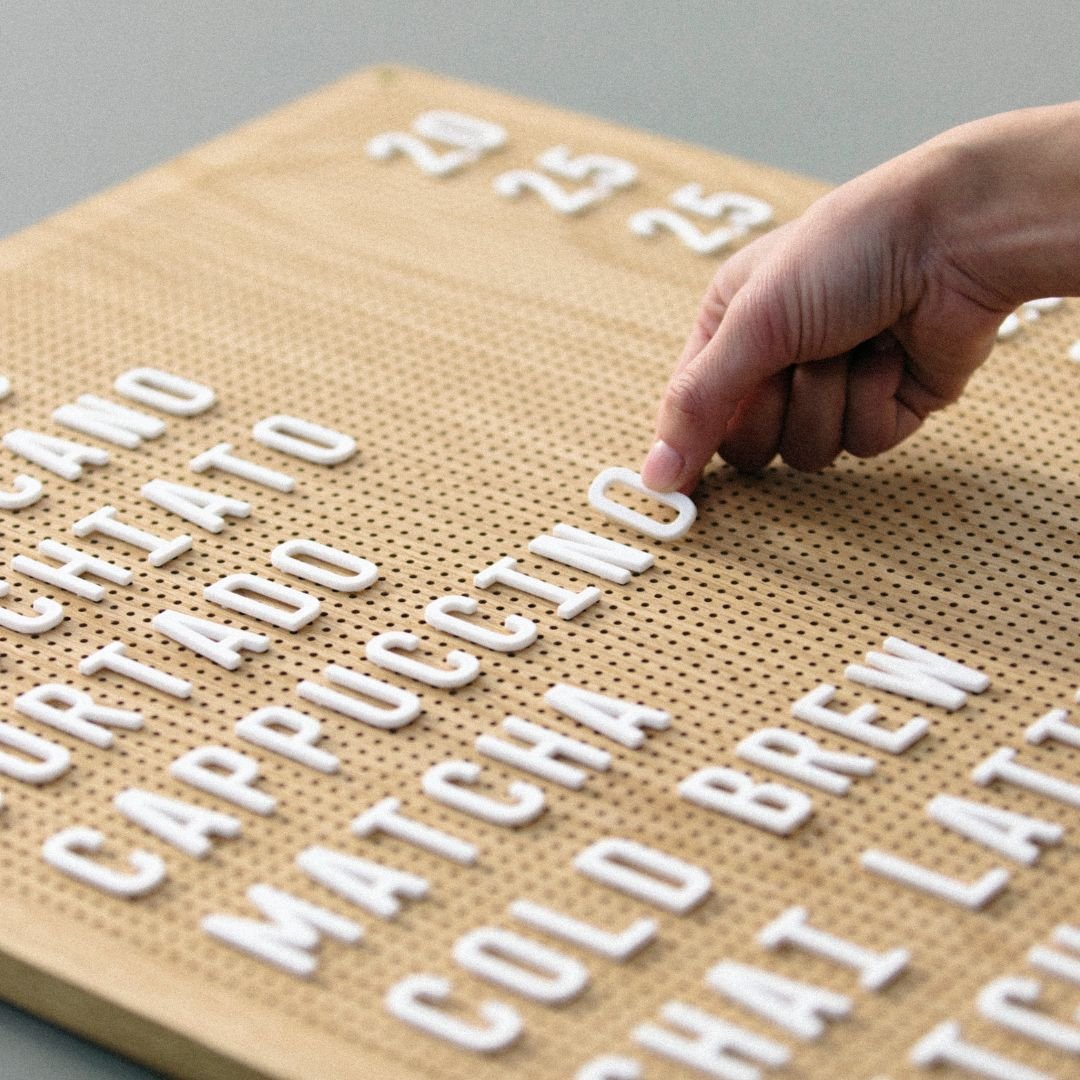
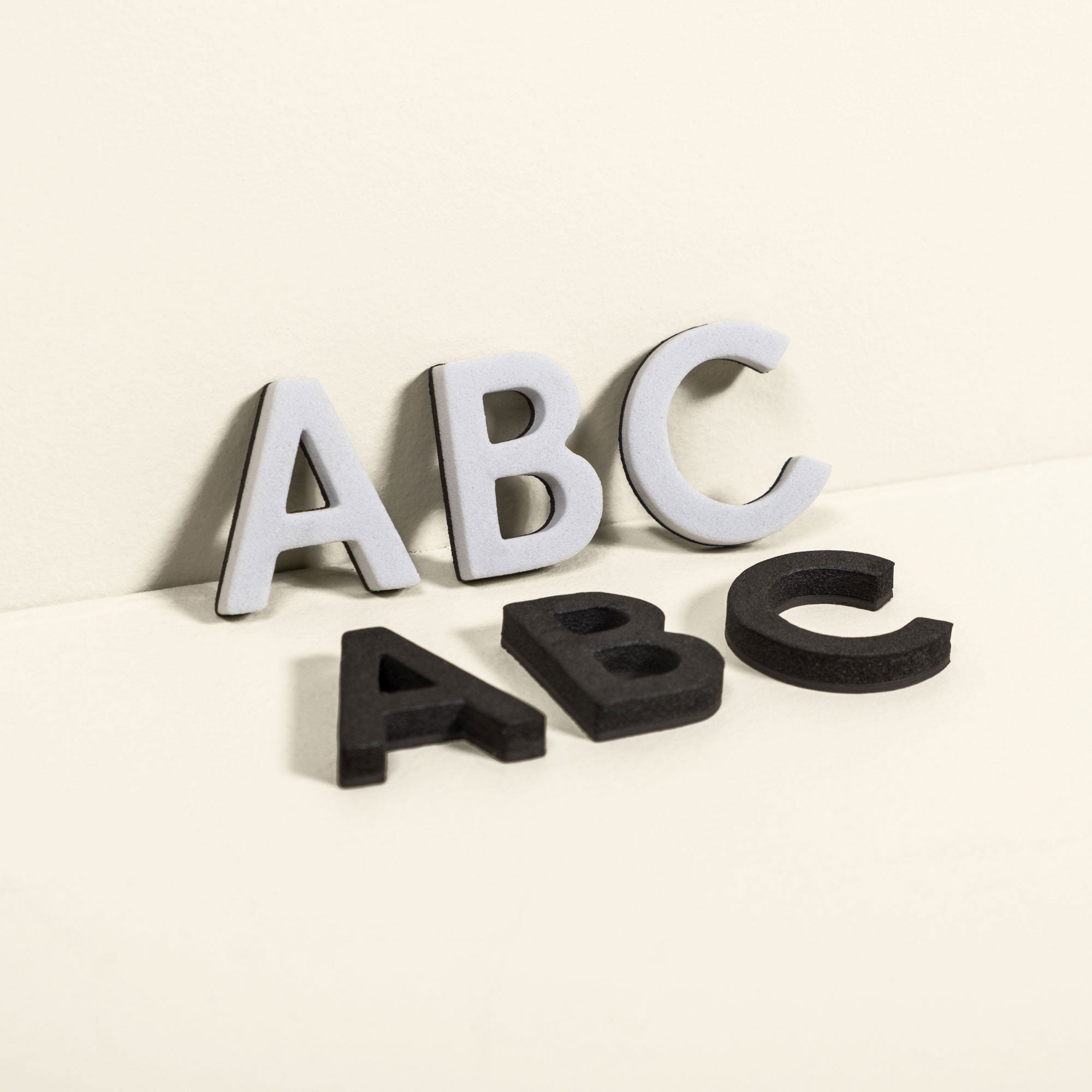
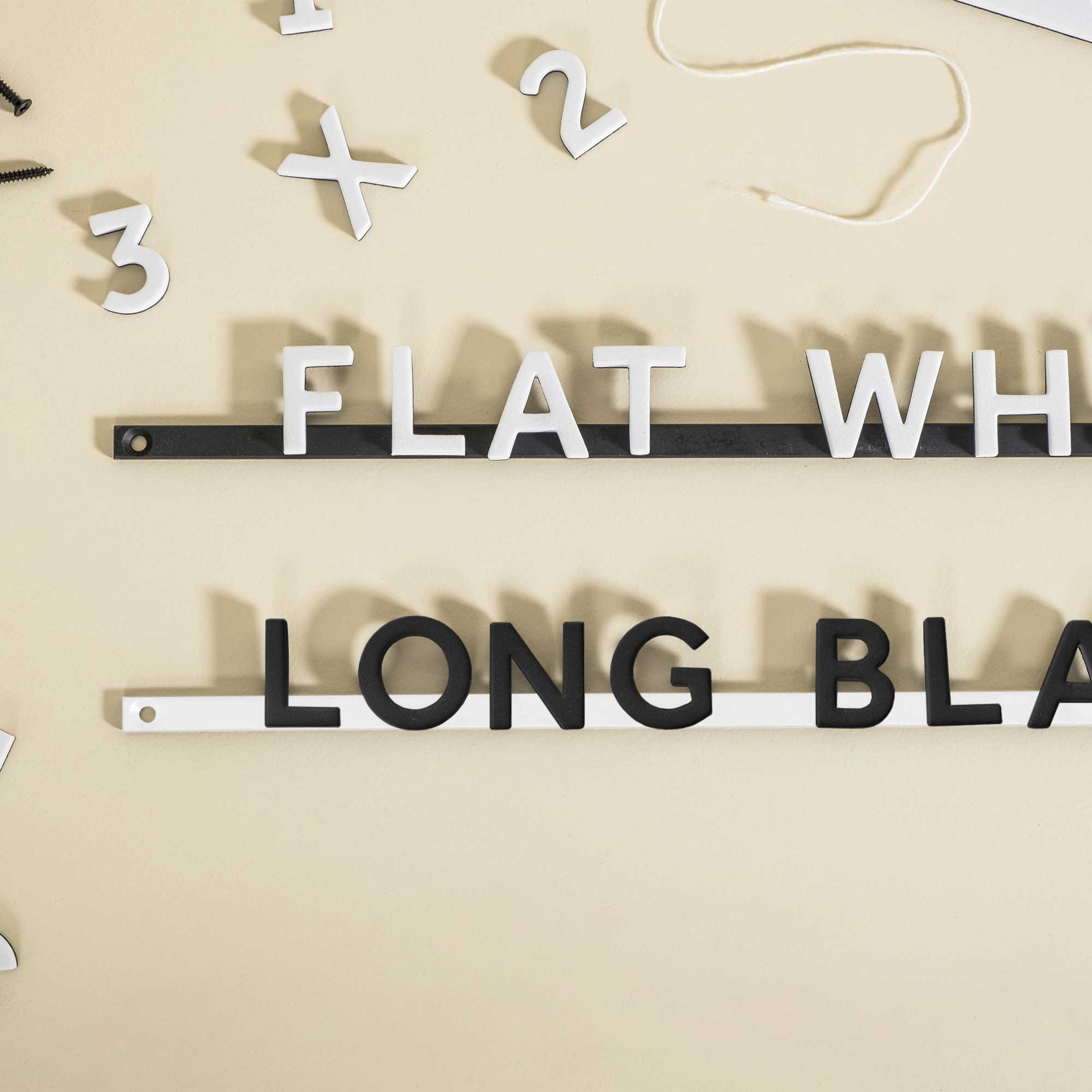
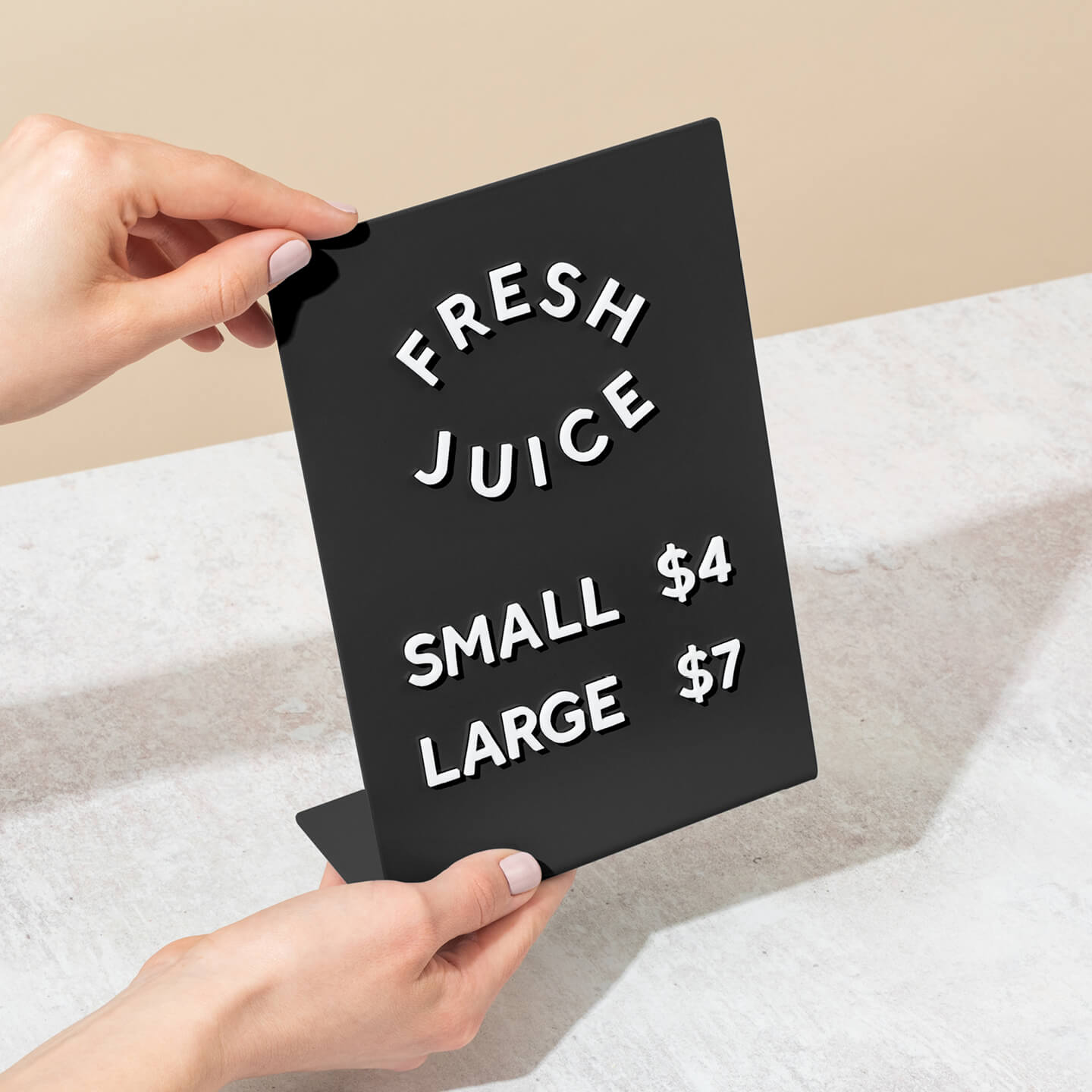
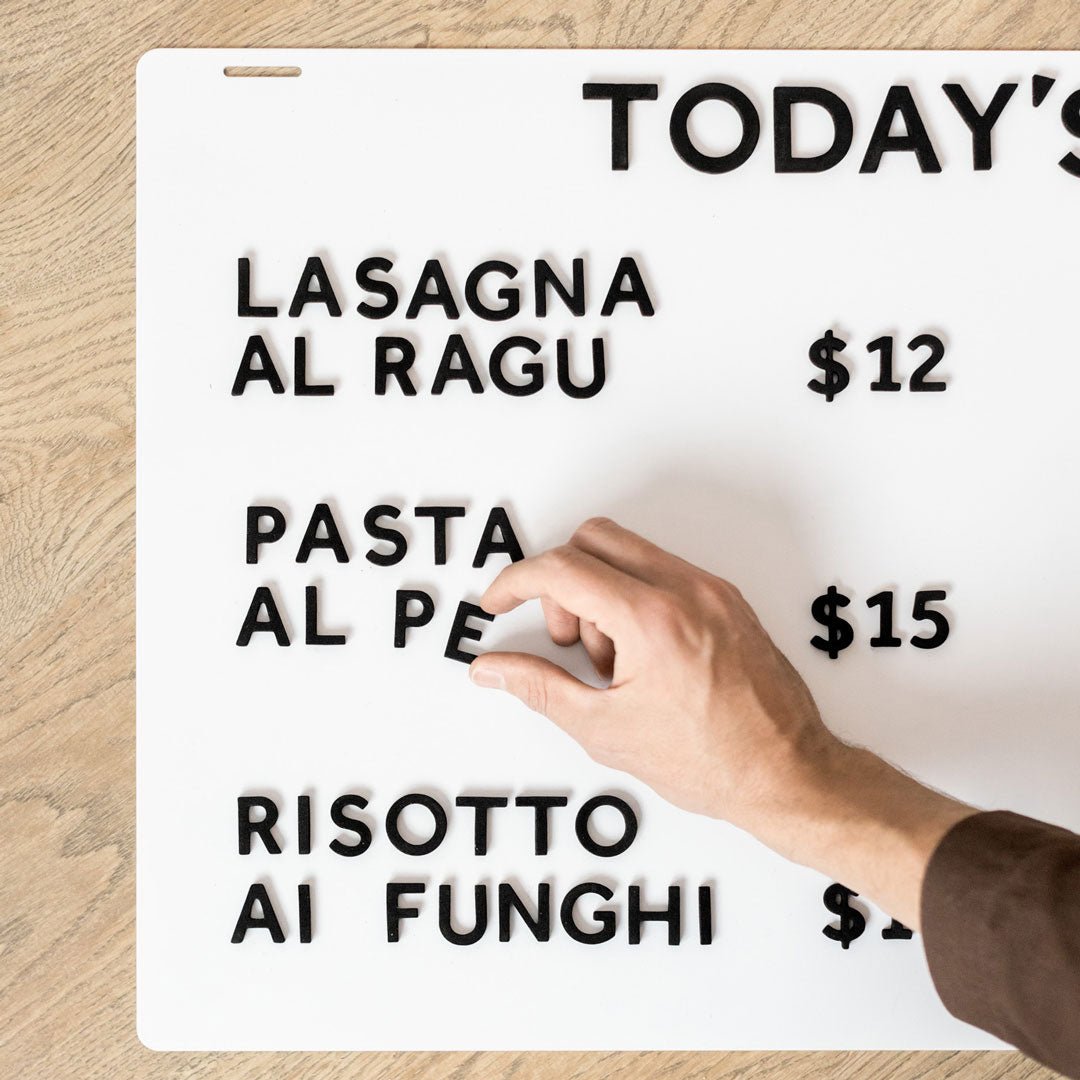
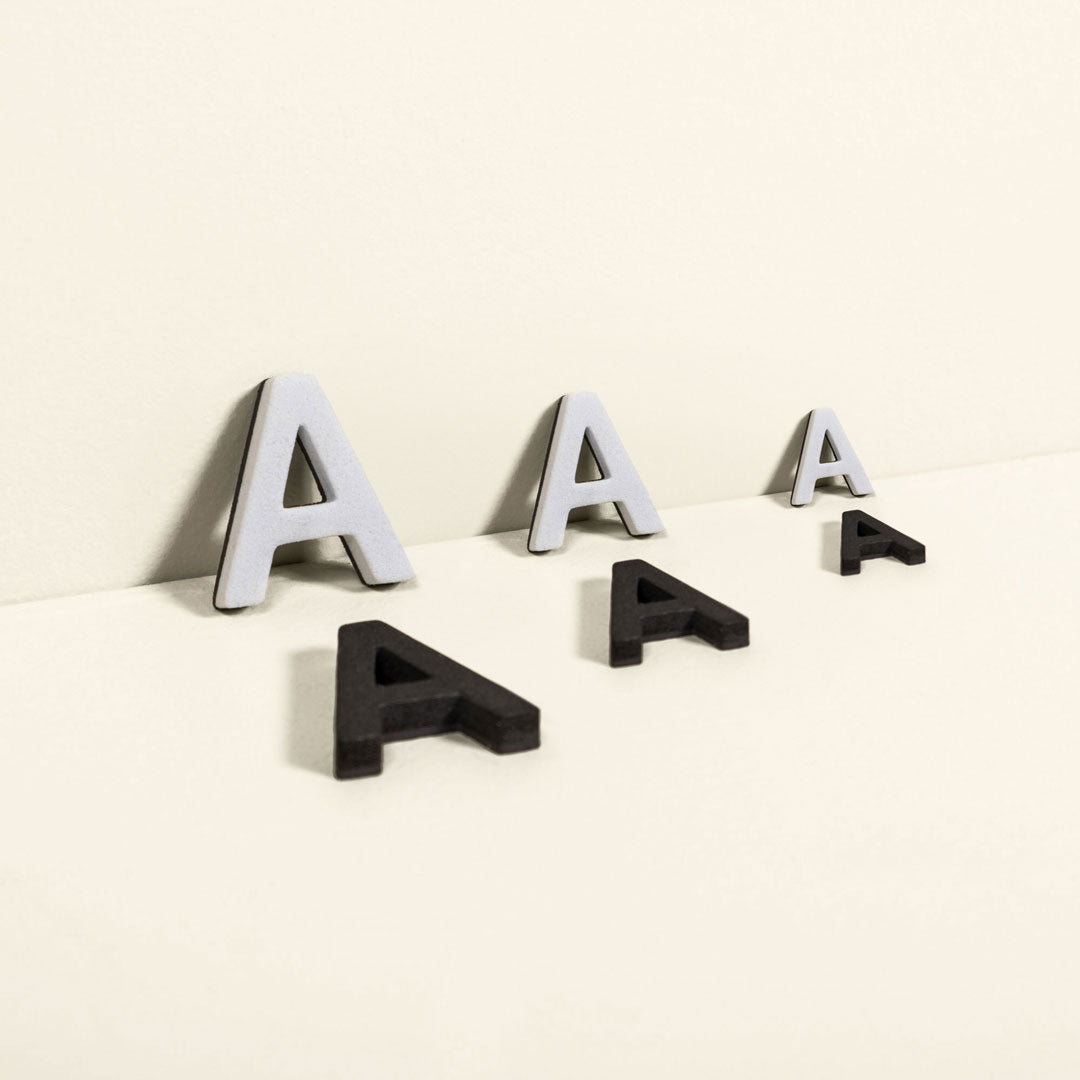
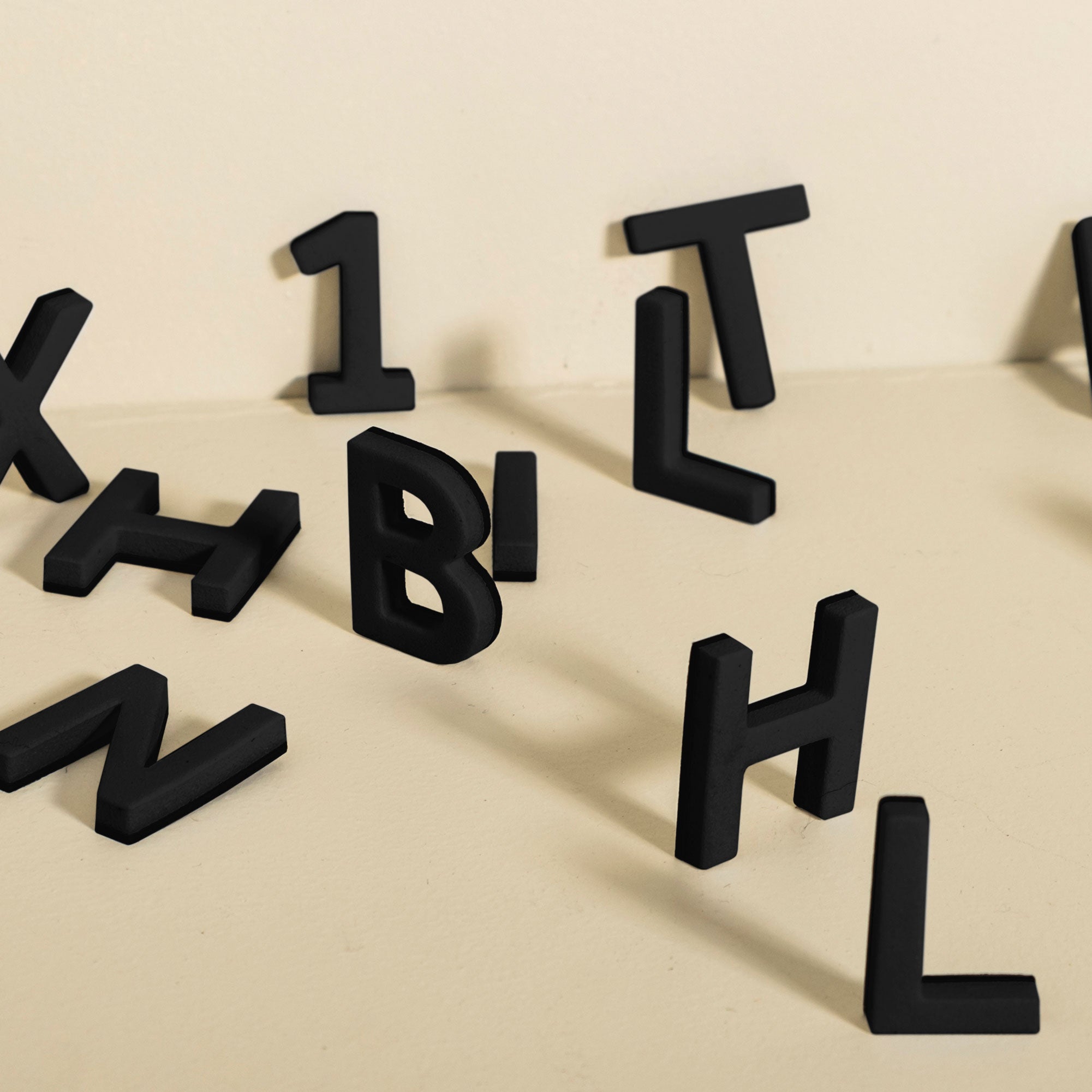
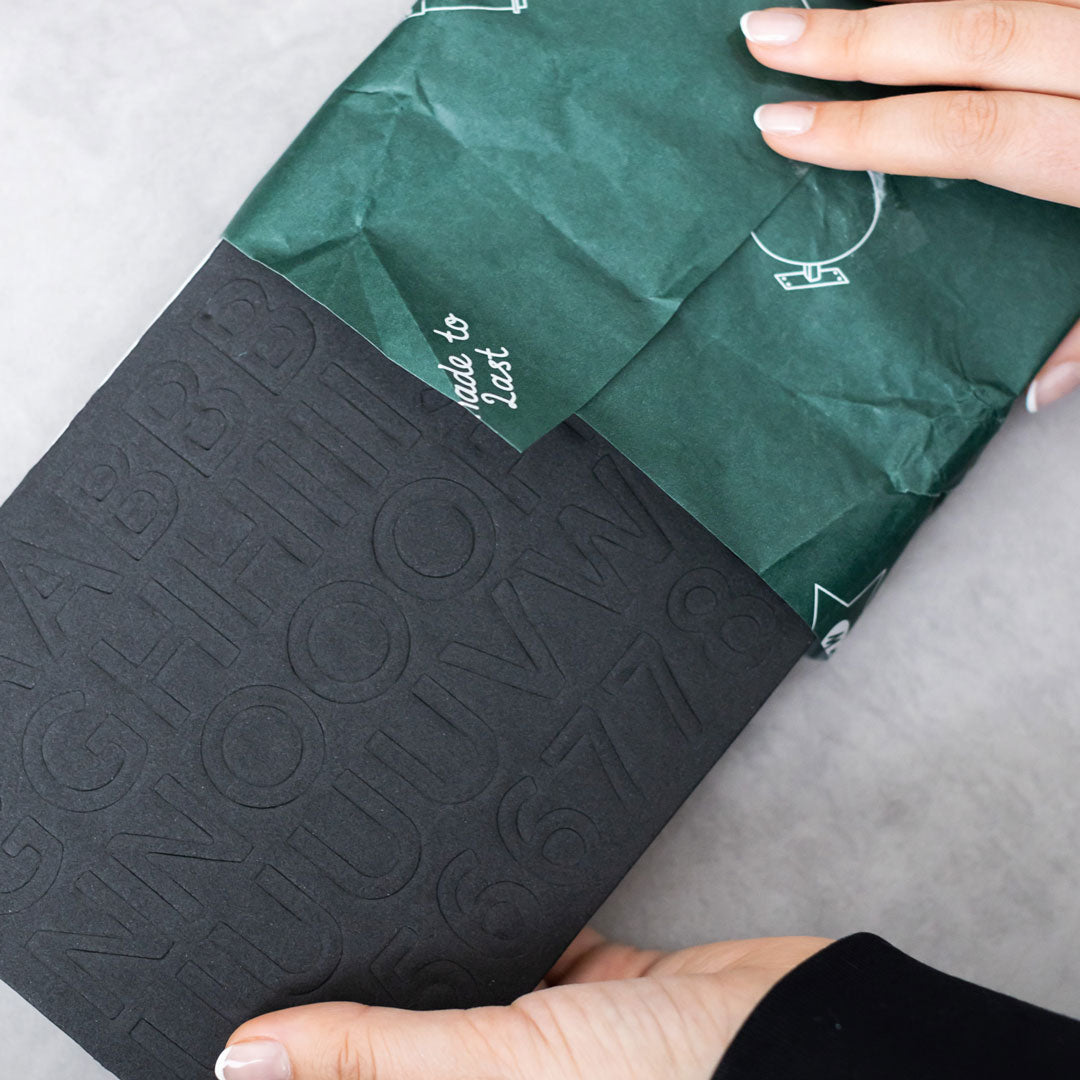
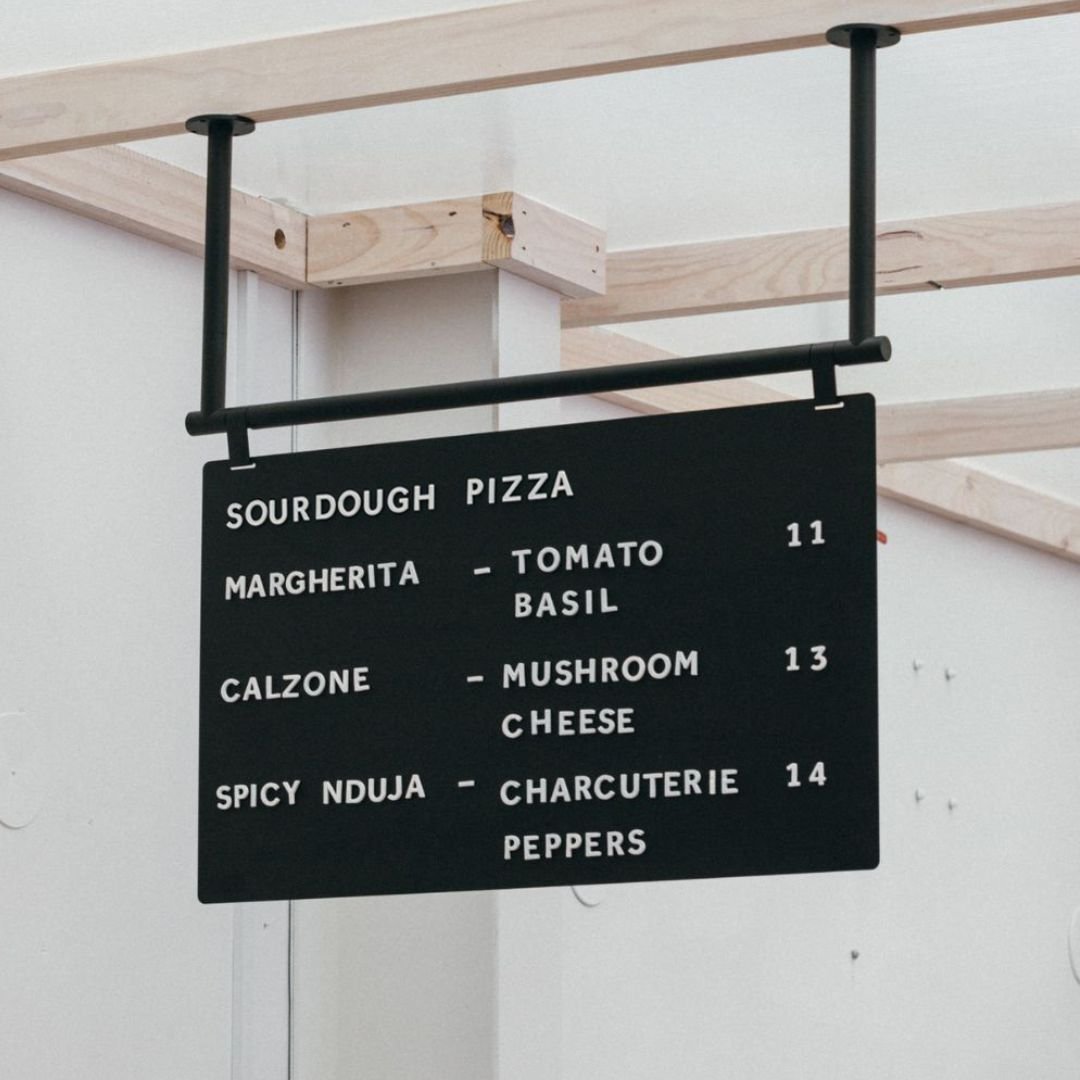
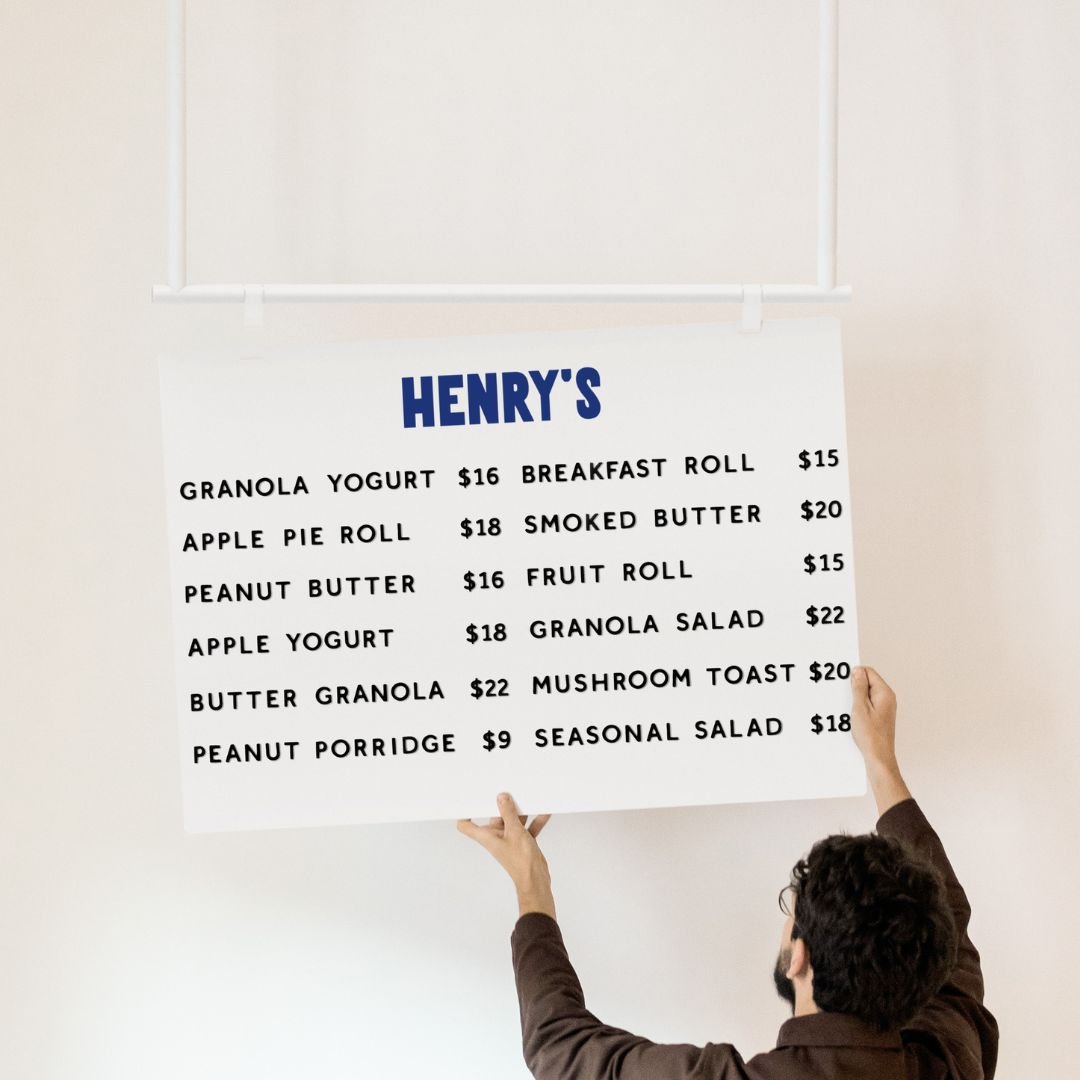
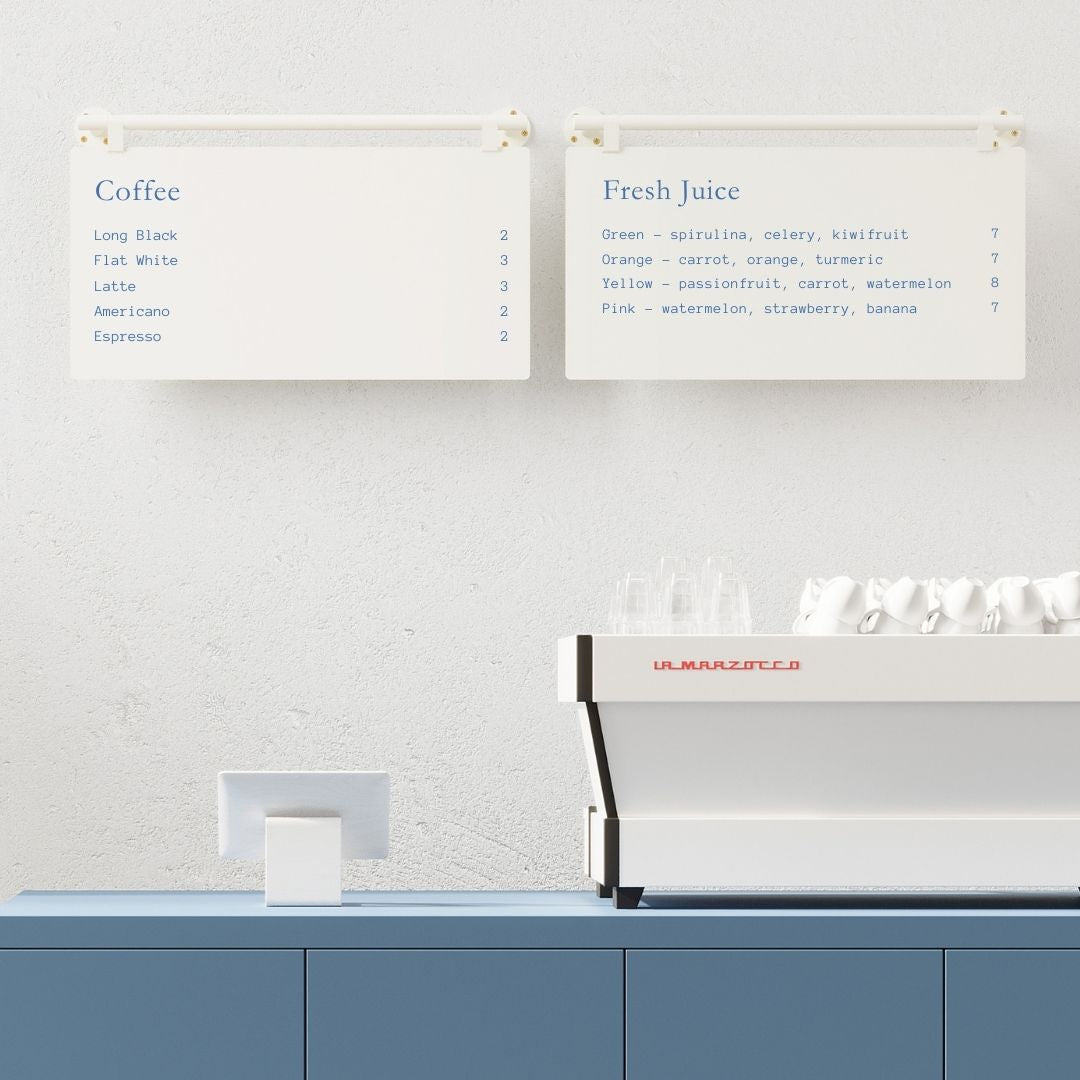
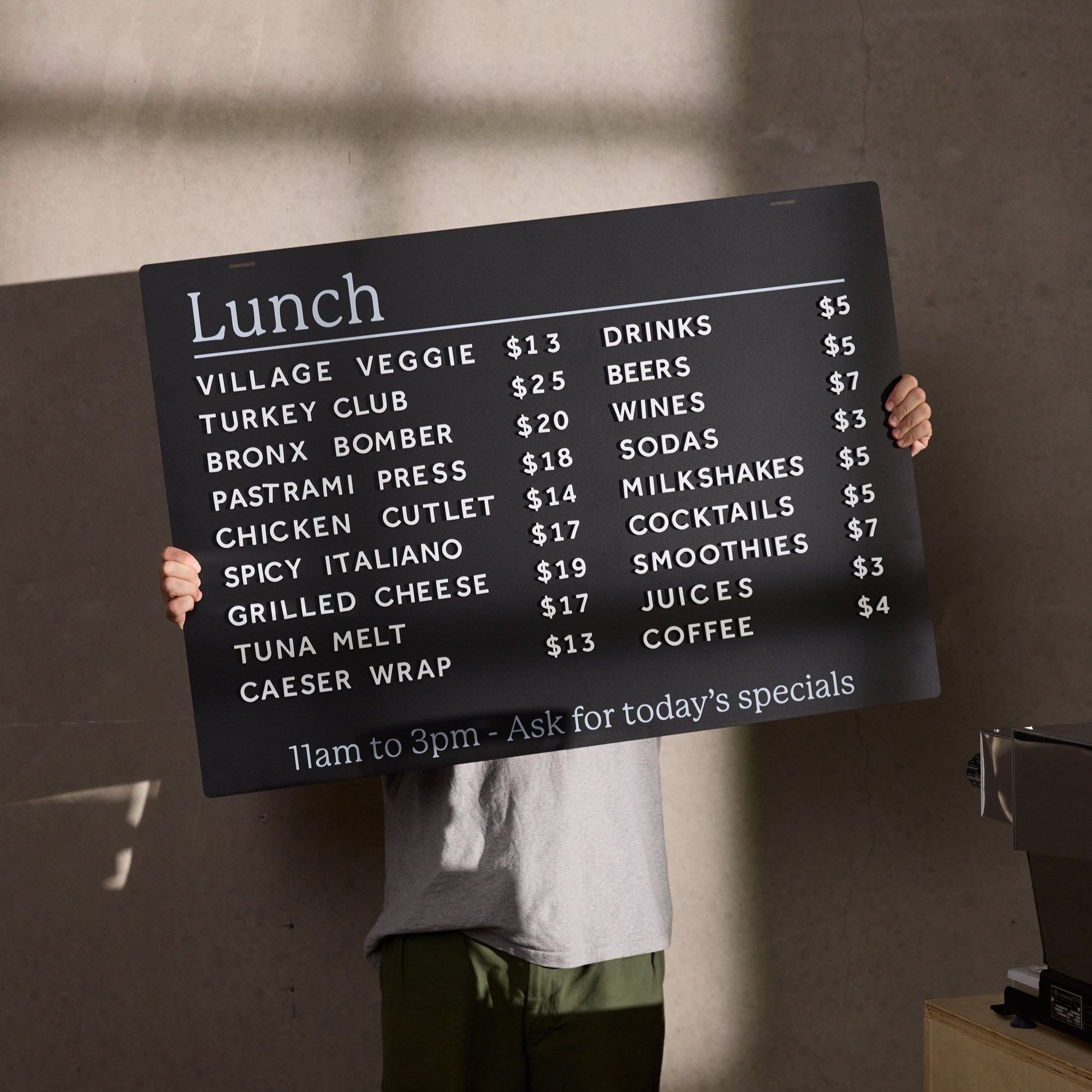
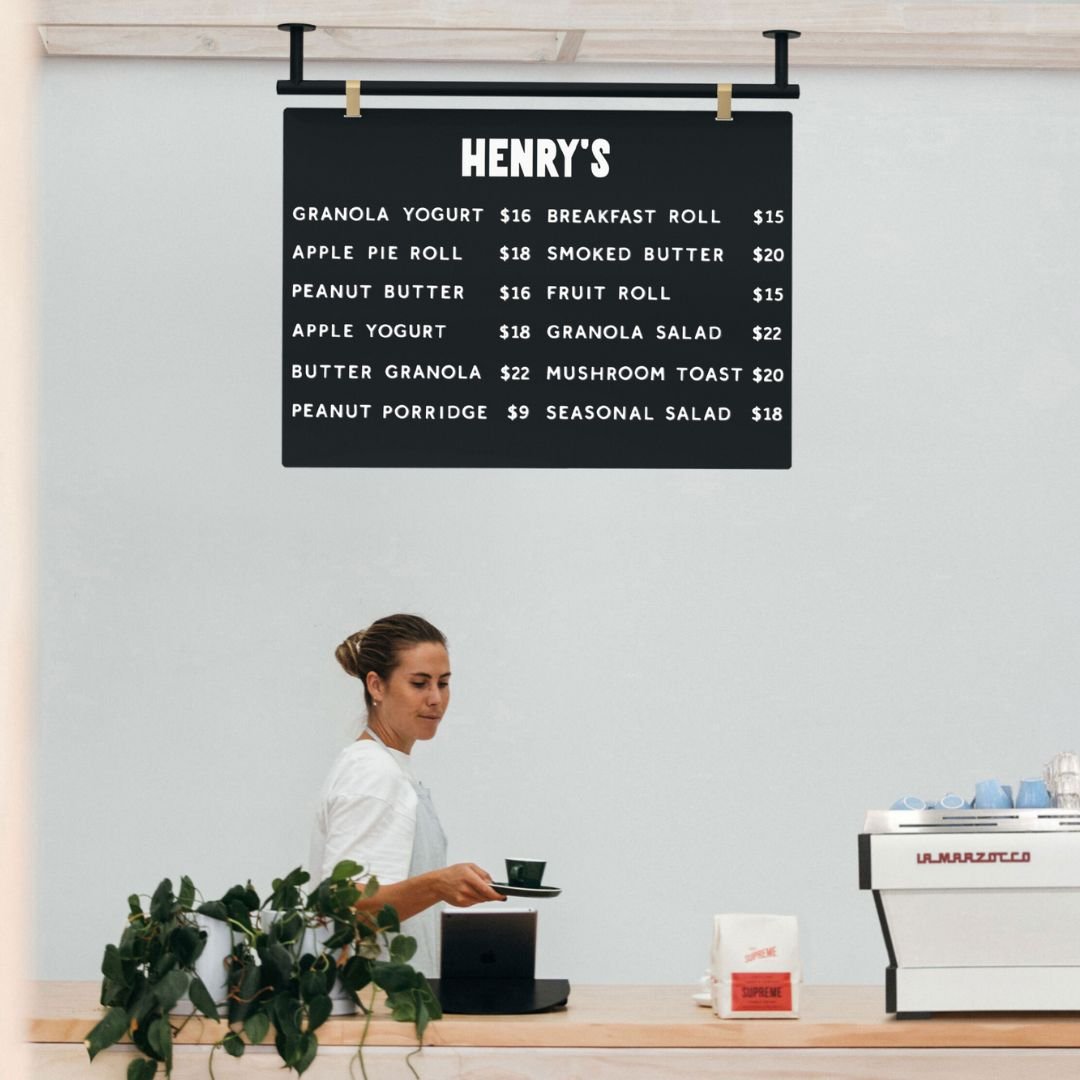
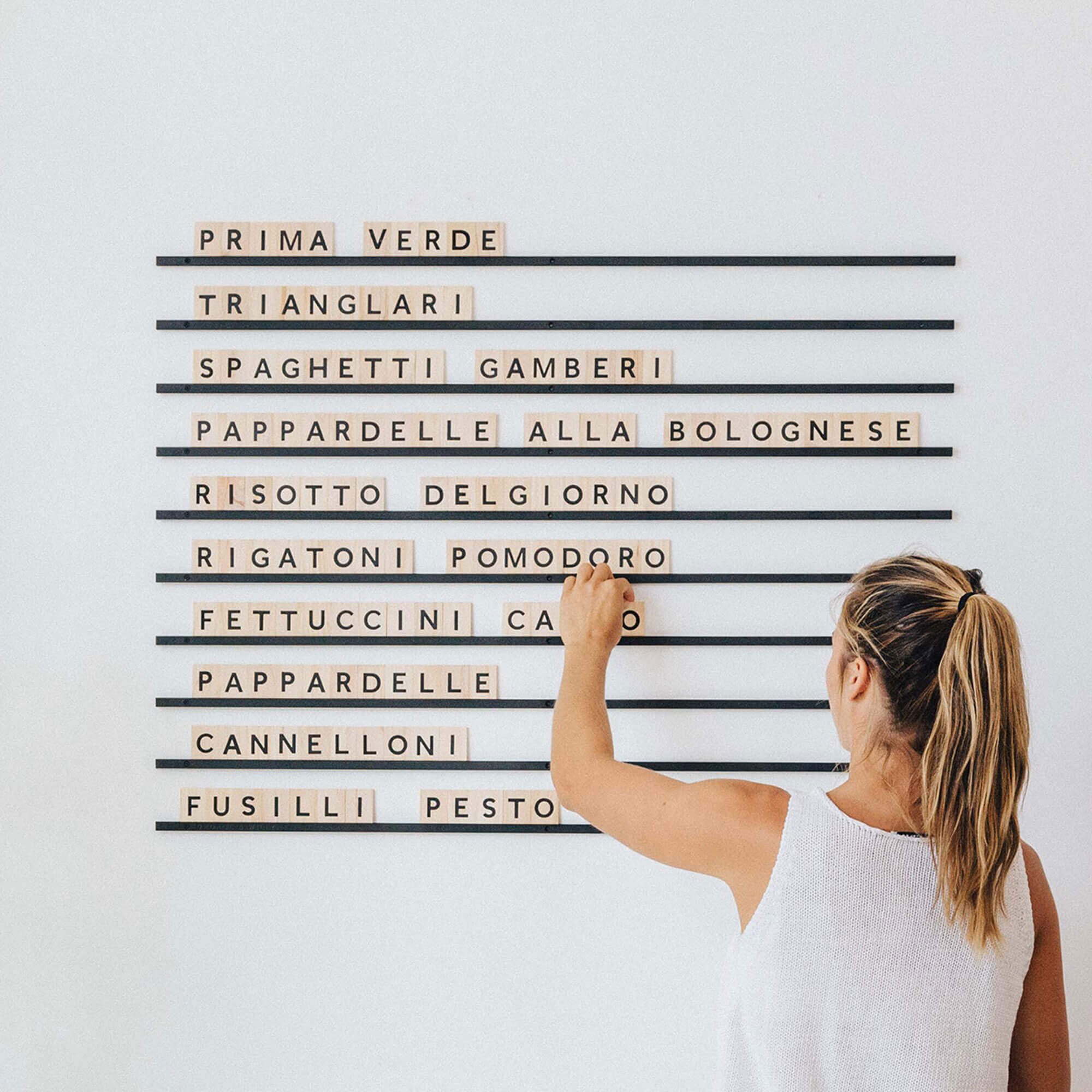
- Letter Board Signs: Using changeable letters, these signs provide a tidy, retro aesthetic for quotes, menus, or announcements.
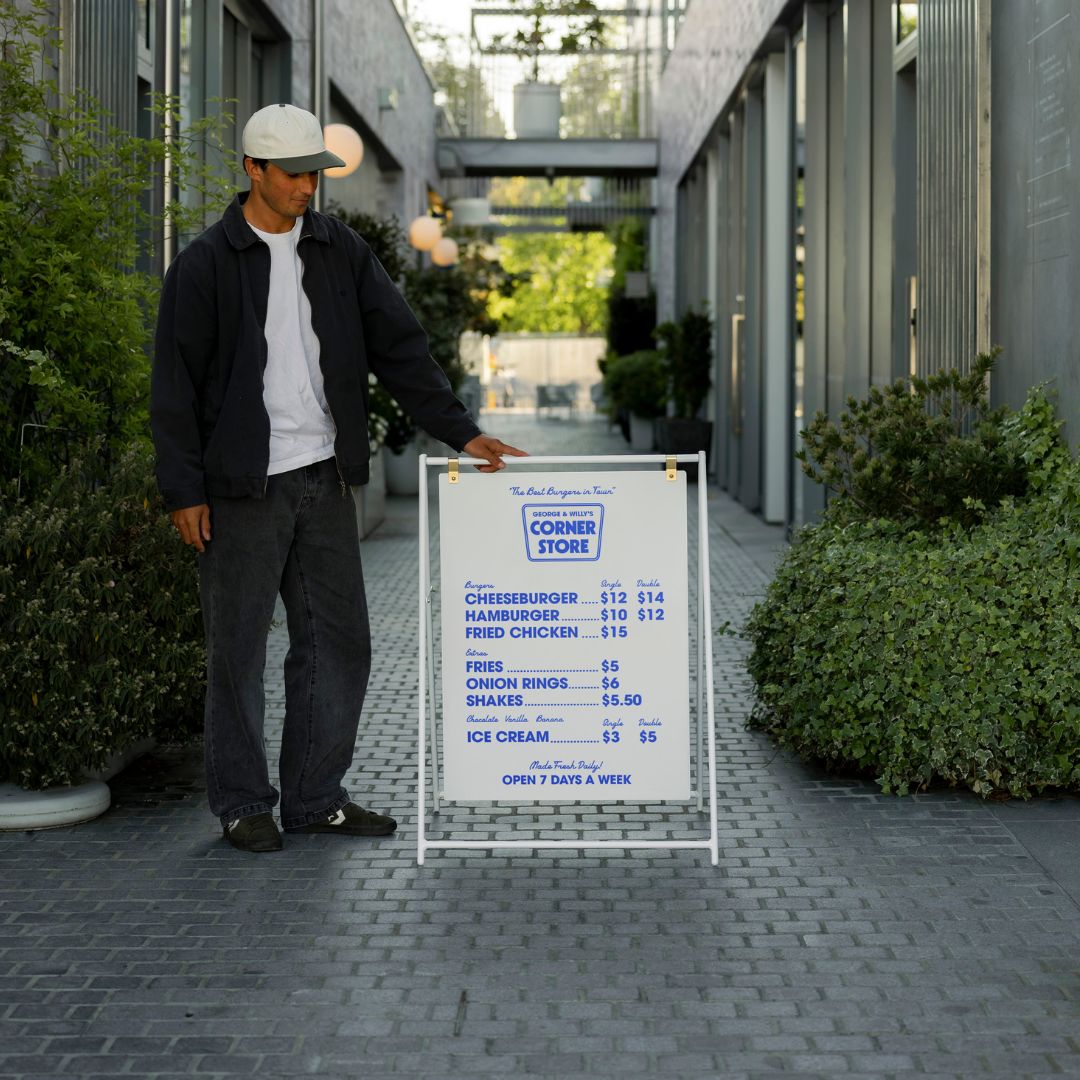
These signs are effective for nearly any street front business. A coffee shop can display its daily brew, a boutique can announce new arrivals, a yoga studio can post its class schedule, and a restaurant can showcase its dinner menu.
Choosing the Right A Frame Sign for Your Space
Selecting the right A frame sign involves considering its material, size, and practical features. A thoughtful choice ensures your sign is durable, effective, and easy to manage.
Material and Durability Comparison
The material of your sign dictates its appearance, weight, and longevity, especially outdoors.
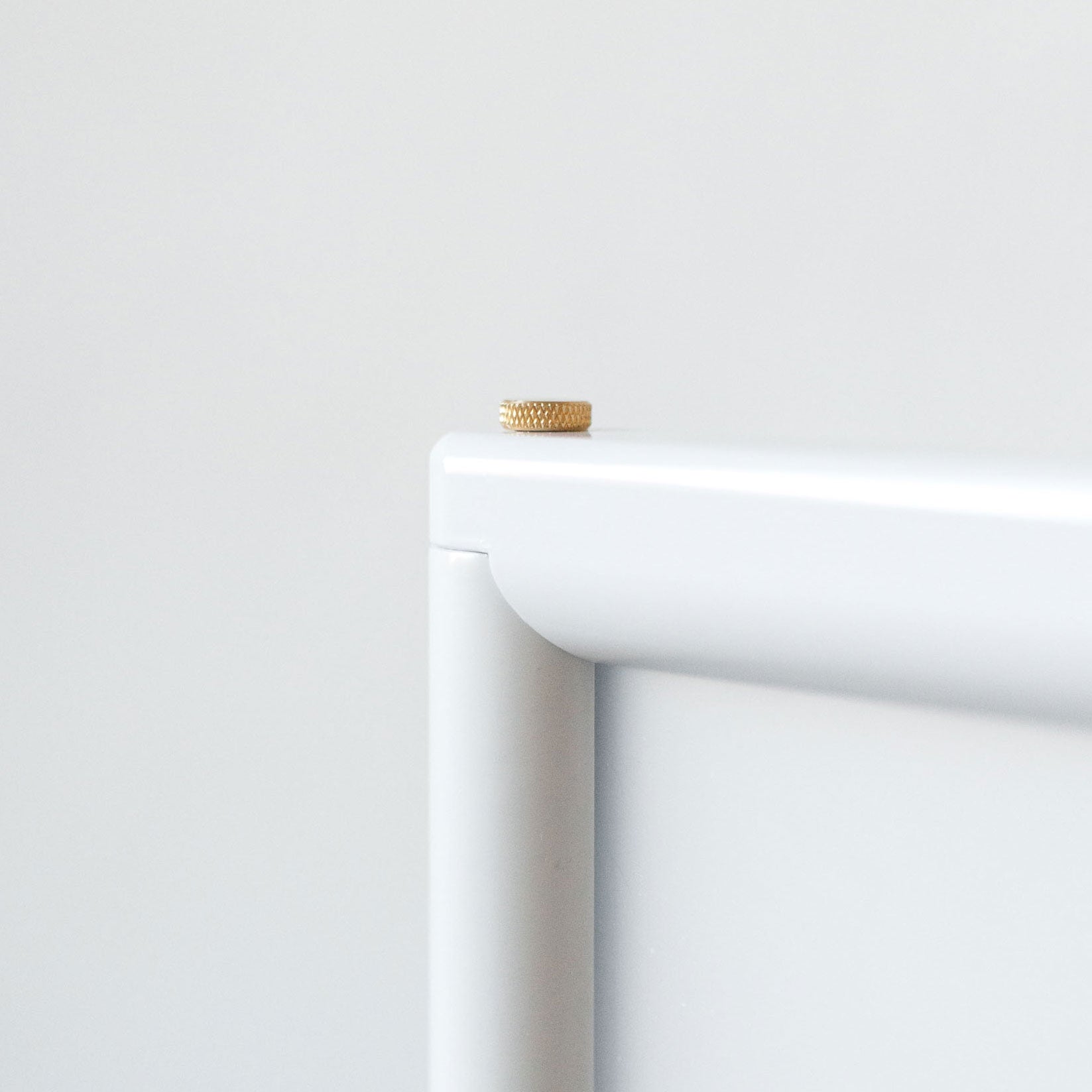
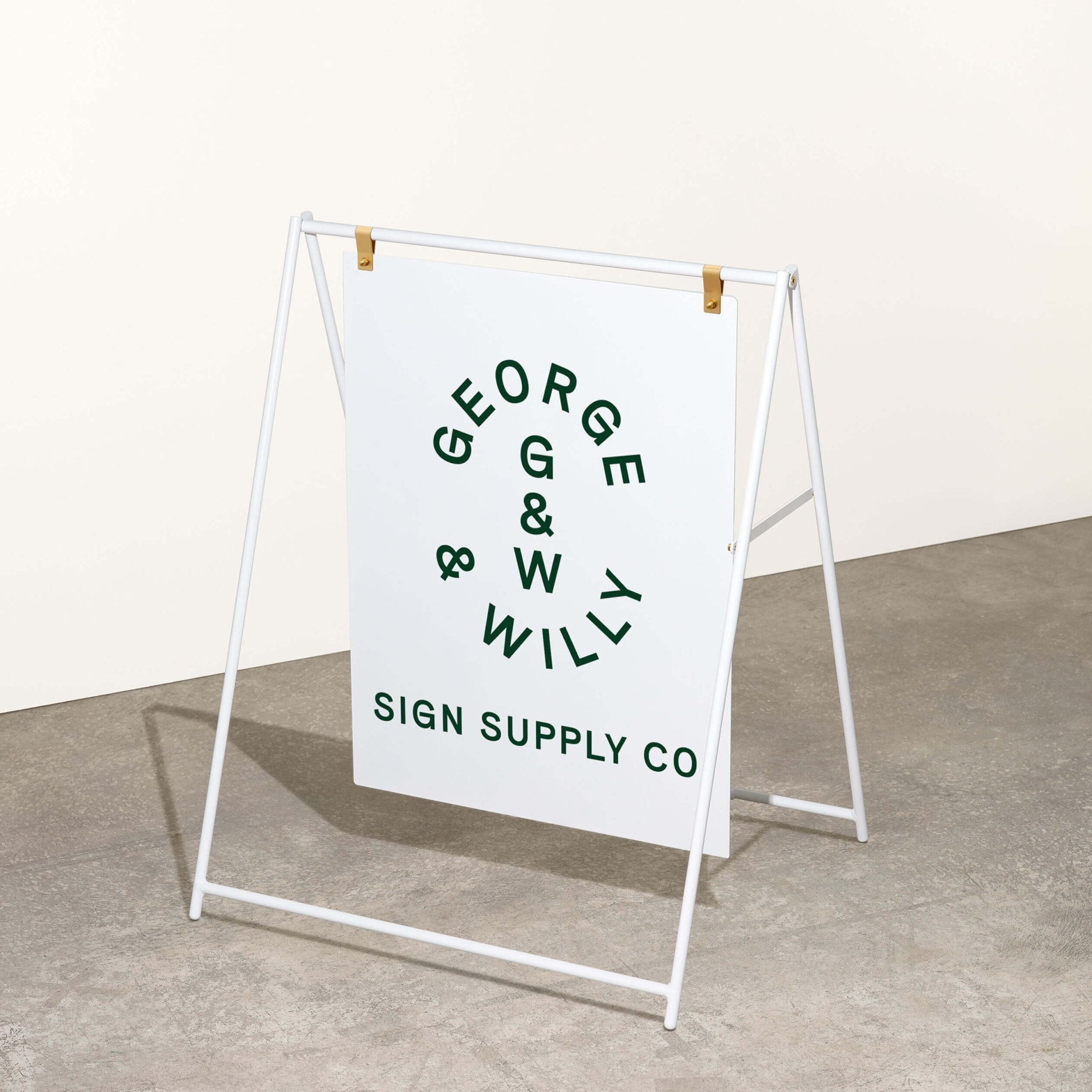
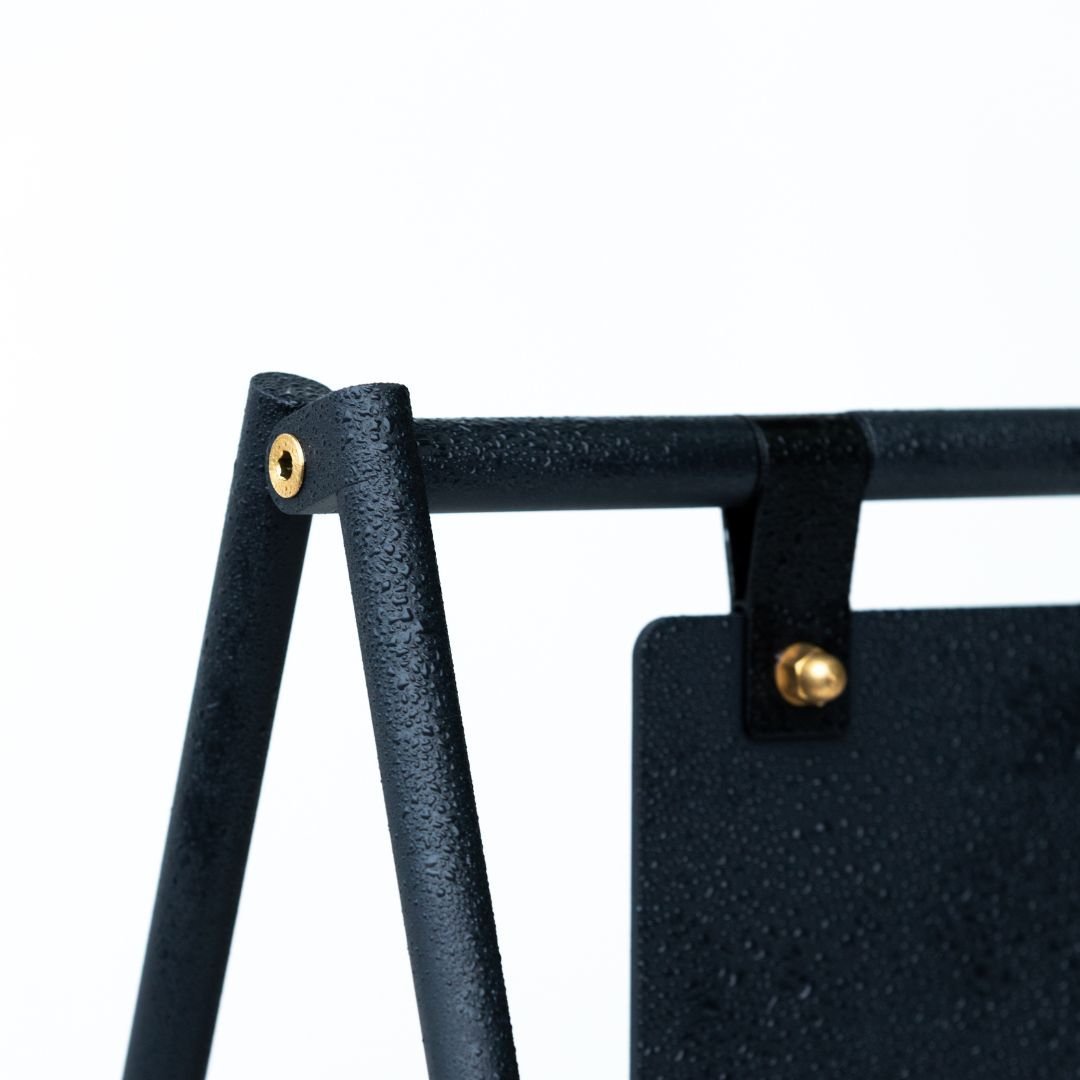
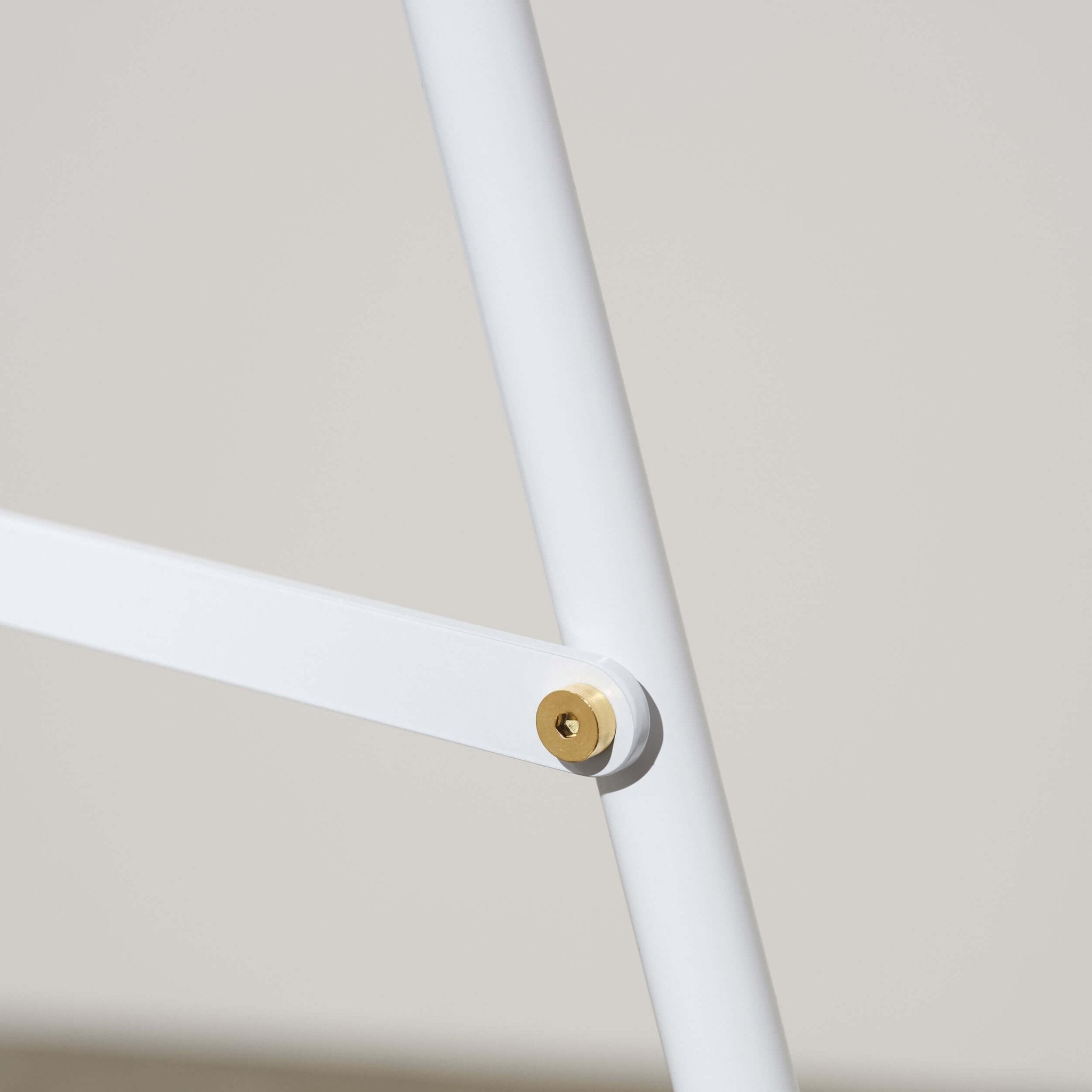
- Powder Coated Aluminum: This is a superior choice for outdoor use. The powder coating process creates a finish that is highly resistant to rust, chipping, and fading. Aluminum is also lightweight, making the sign easy to move. The George & Willy A‑Frame Sign is crafted from rust resistant aluminum to endure the weather.
- Steel: Heavier than aluminum, steel offers excellent stability in windy conditions but can be more susceptible to rust if the finish is compromised.
- Wood: A classic wood frame has a rustic appeal but requires regular maintenance, like sealing and repainting, to protect it from moisture and sun damage. It is often better suited for indoor or sheltered use.
- Plastic: While lightweight and inexpensive, plastic signs can look less professional and may fade or become brittle in direct sunlight over time.
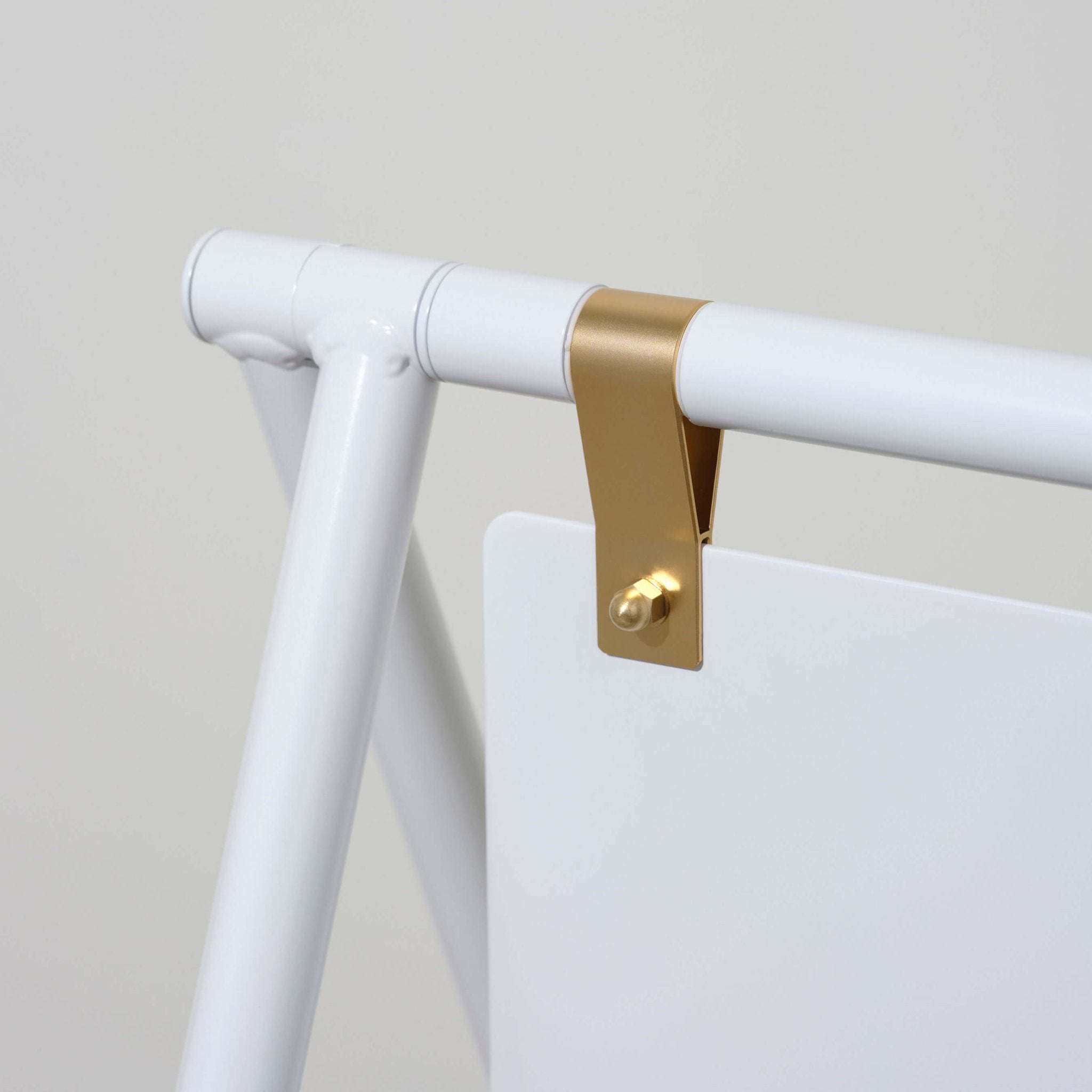
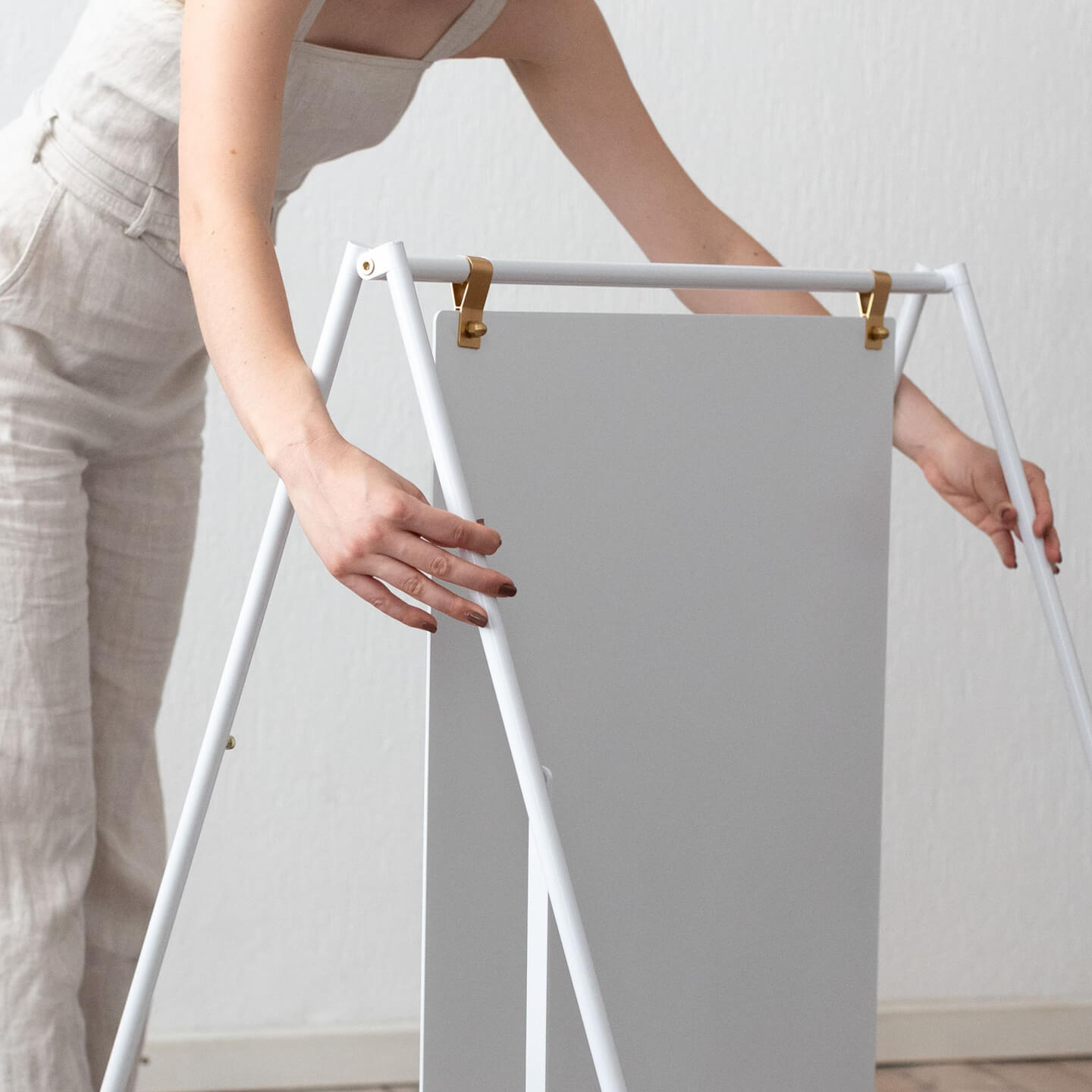
For windy conditions, a sign’s weight and stability features are critical. Look for securing hardware like leather straps or metal chains to prevent the legs from overextending. For extra stability, a dedicated sandbag for A‑frame signs can be a valuable accessory.
Understanding Size, Portability, and Placement
The ideal sign balances visibility, portability, and compliance with local regulations.
A common size features a sign face around 18 to 24 inches wide, which is large enough to be legible from a distance without obstructing the sidewalk. For wider frontages or events, a Large Sidewalk Sign can increase readability from further away.
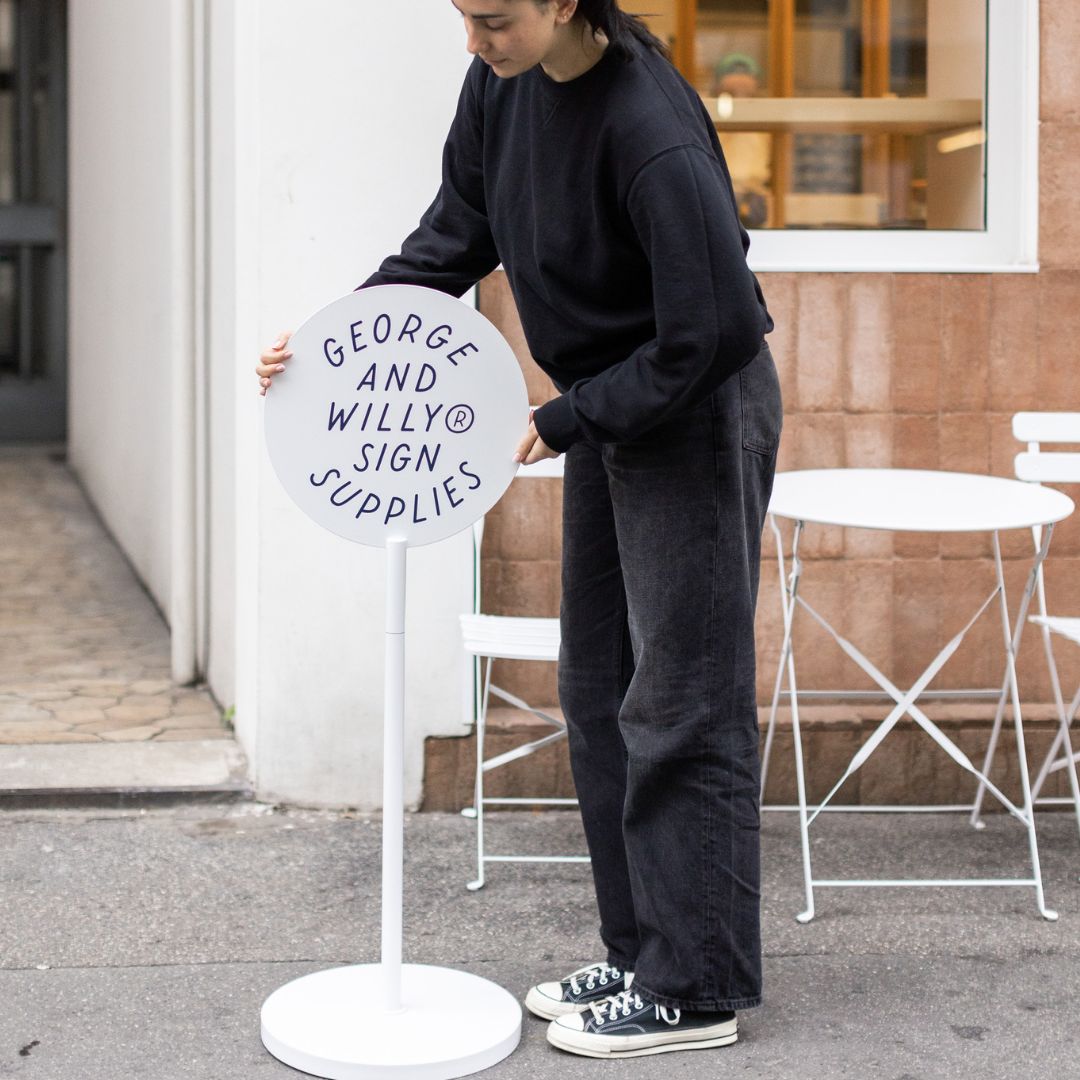
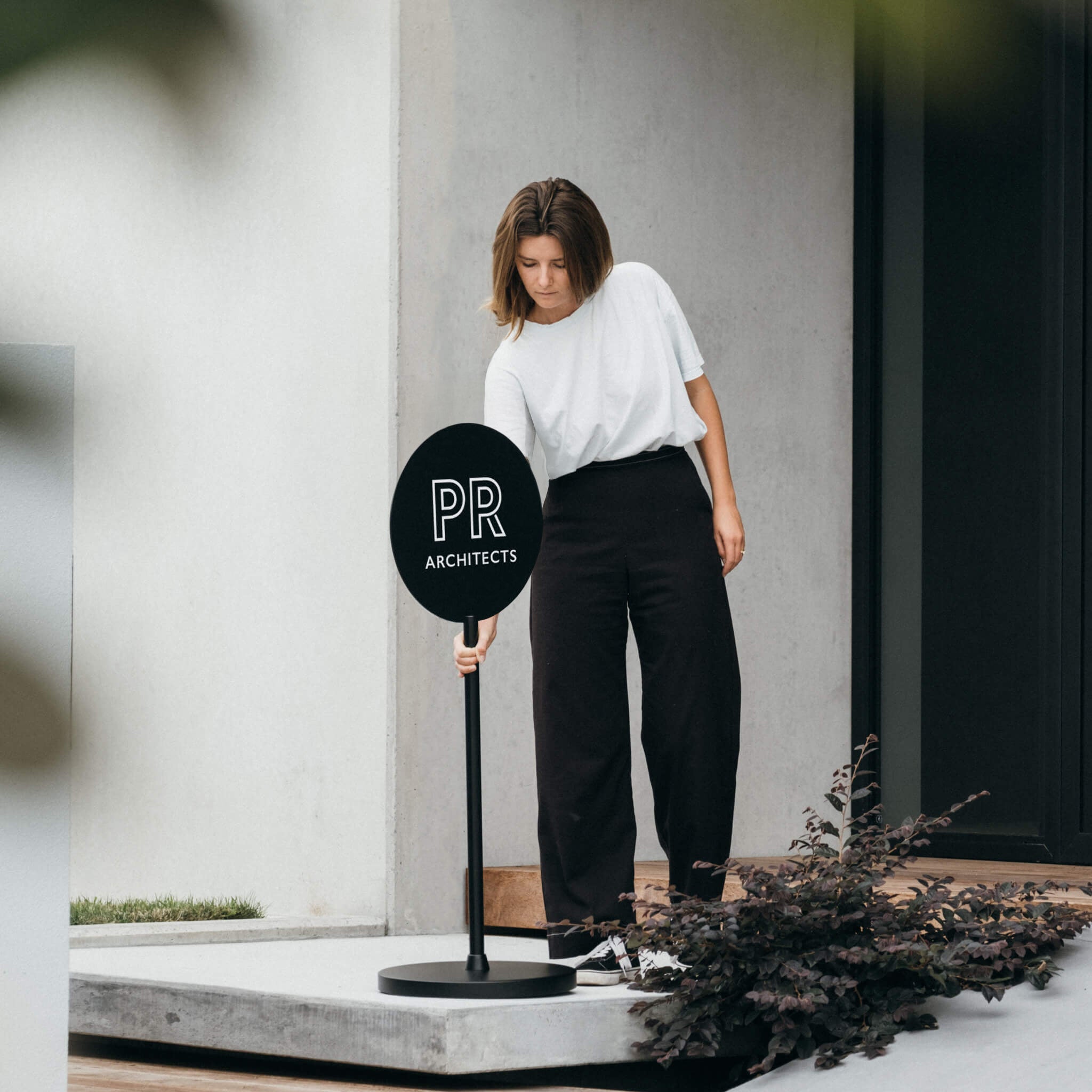
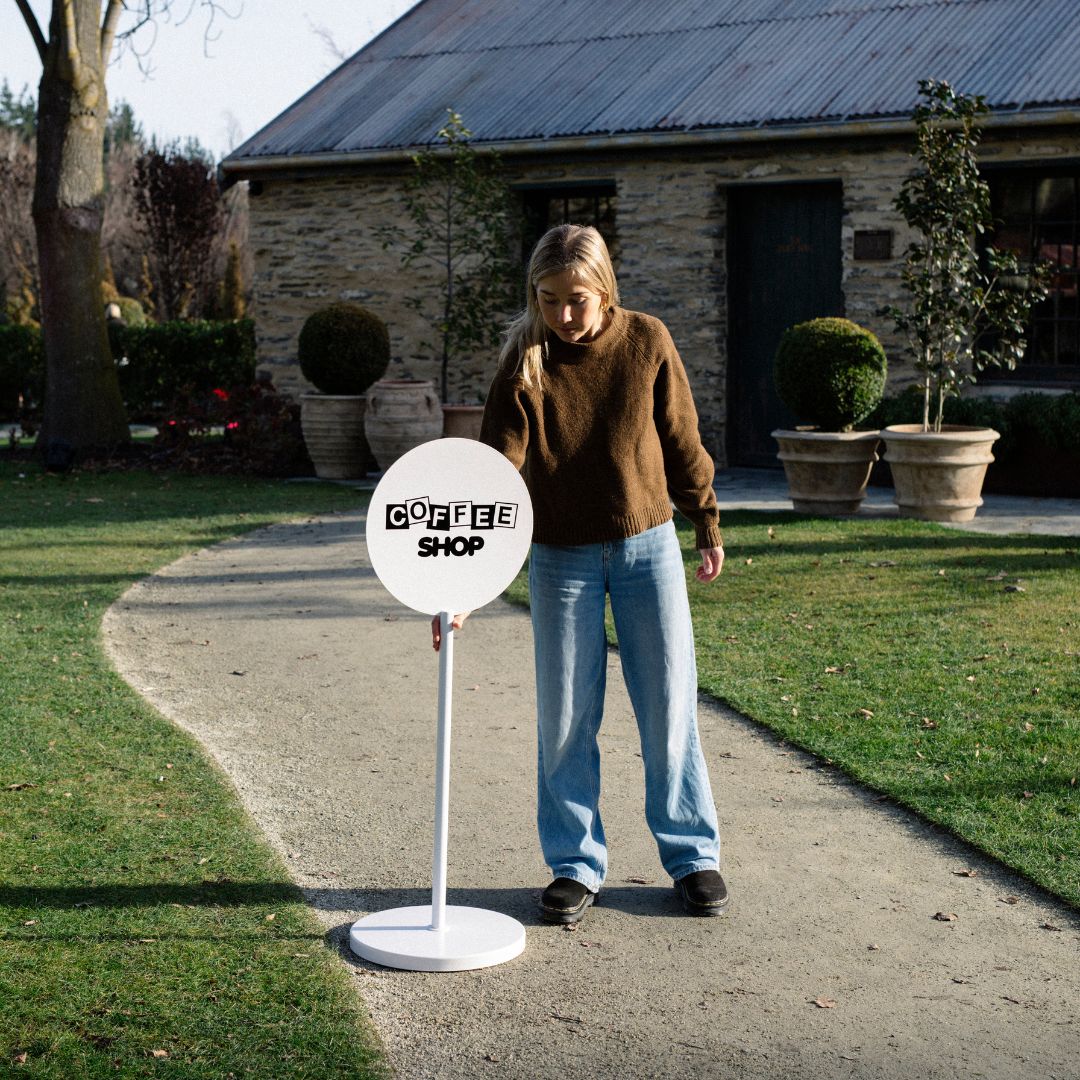
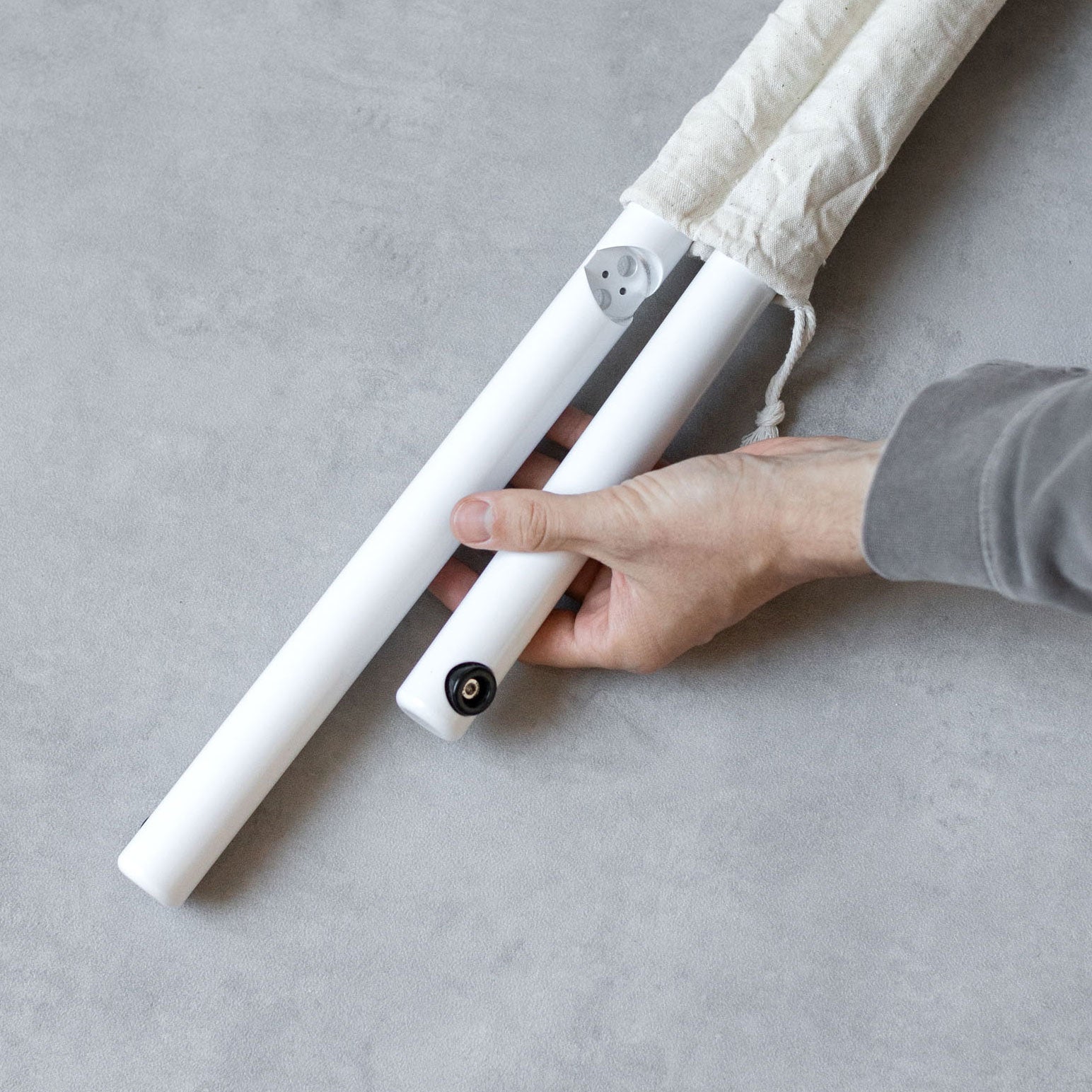
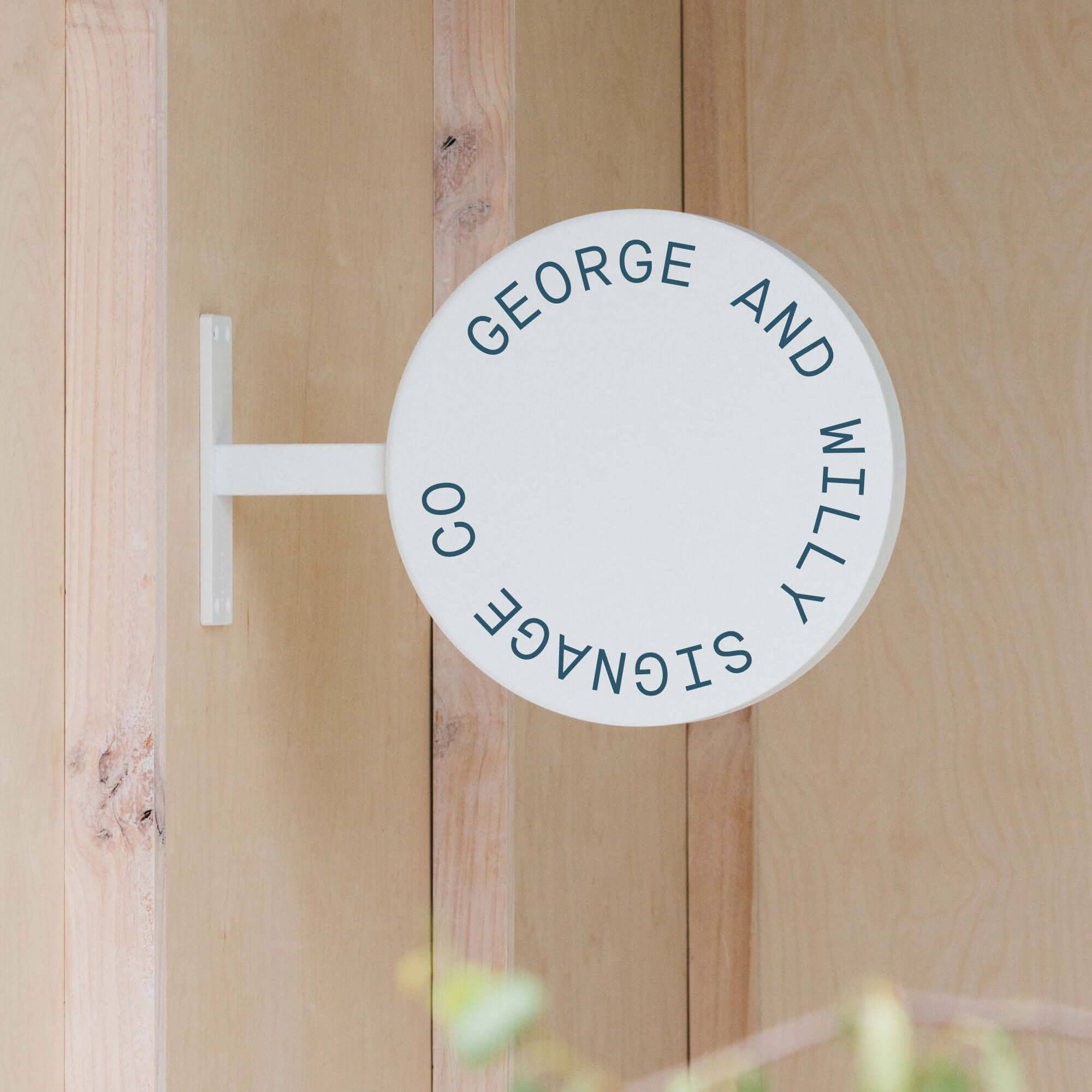
Portability is key for daily use. A well designed sign should be light enough for any staff member to carry. For example, a sign weighing around 8.8 pounds (4 kg) is sturdy yet manageable. Look for ergonomic features like a comfortable top hinge for carrying and a mechanism that allows the sign to fold flat for compact storage. For tighter sidewalks or a softer aesthetic, the Rounded Sidewalk Sign offers curved corners, which is also a great safety feature.
Design and Customization for Maximum Impact
A blank sign is a blank canvas. How you customize it determines its effectiveness.
Best Practices for Effective Sign Design
You don’t need to be a designer to create an effective sign. Follow these core principles:
- Clarity and Brevity: Your message should be readable in seconds. Use five to seven words at most.
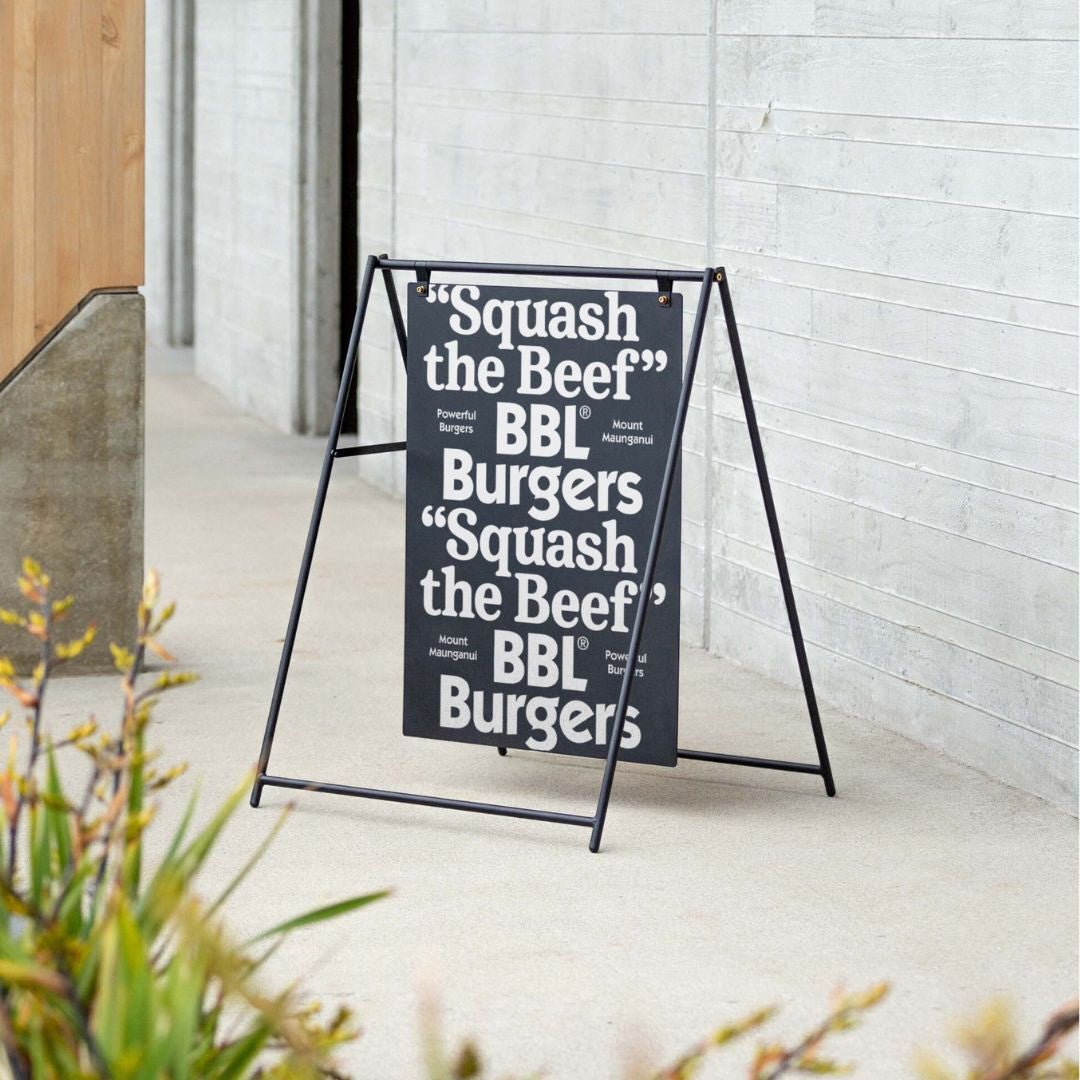
- High Contrast: Use dark text on a light background or light text on a dark background to ensure legibility from a distance.
- Clear Typography: Choose a clean, bold font. Avoid overly decorative or thin scripts that are hard to read.
- Strong Branding: Prominently feature your logo to build brand recognition.
- Call to Action: Tell people what to do next, for example “Come In,” “Order Inside,” or “Sale Today.”
Customization Methods
Most premium signs are sold blank, giving you the freedom to brand them perfectly.
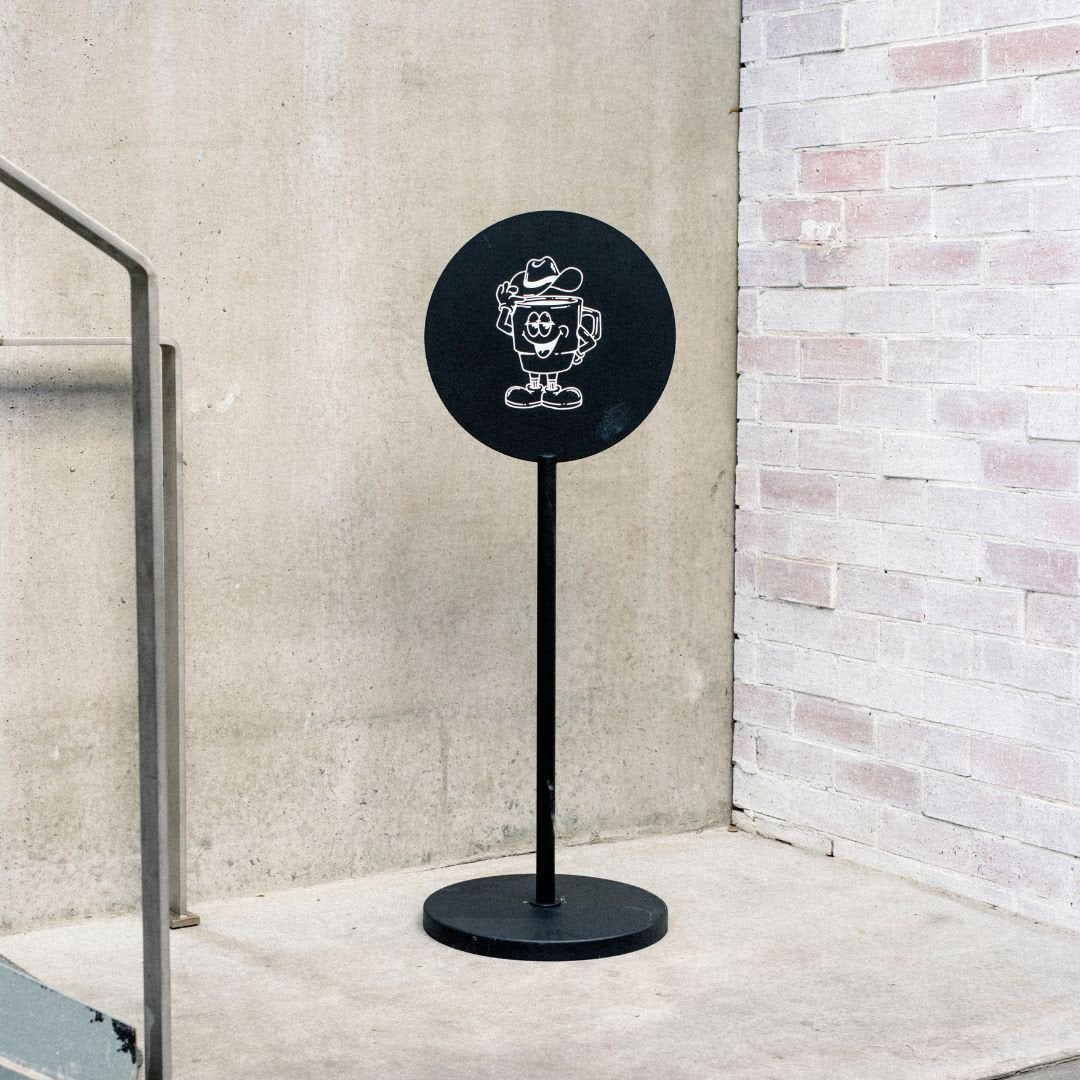
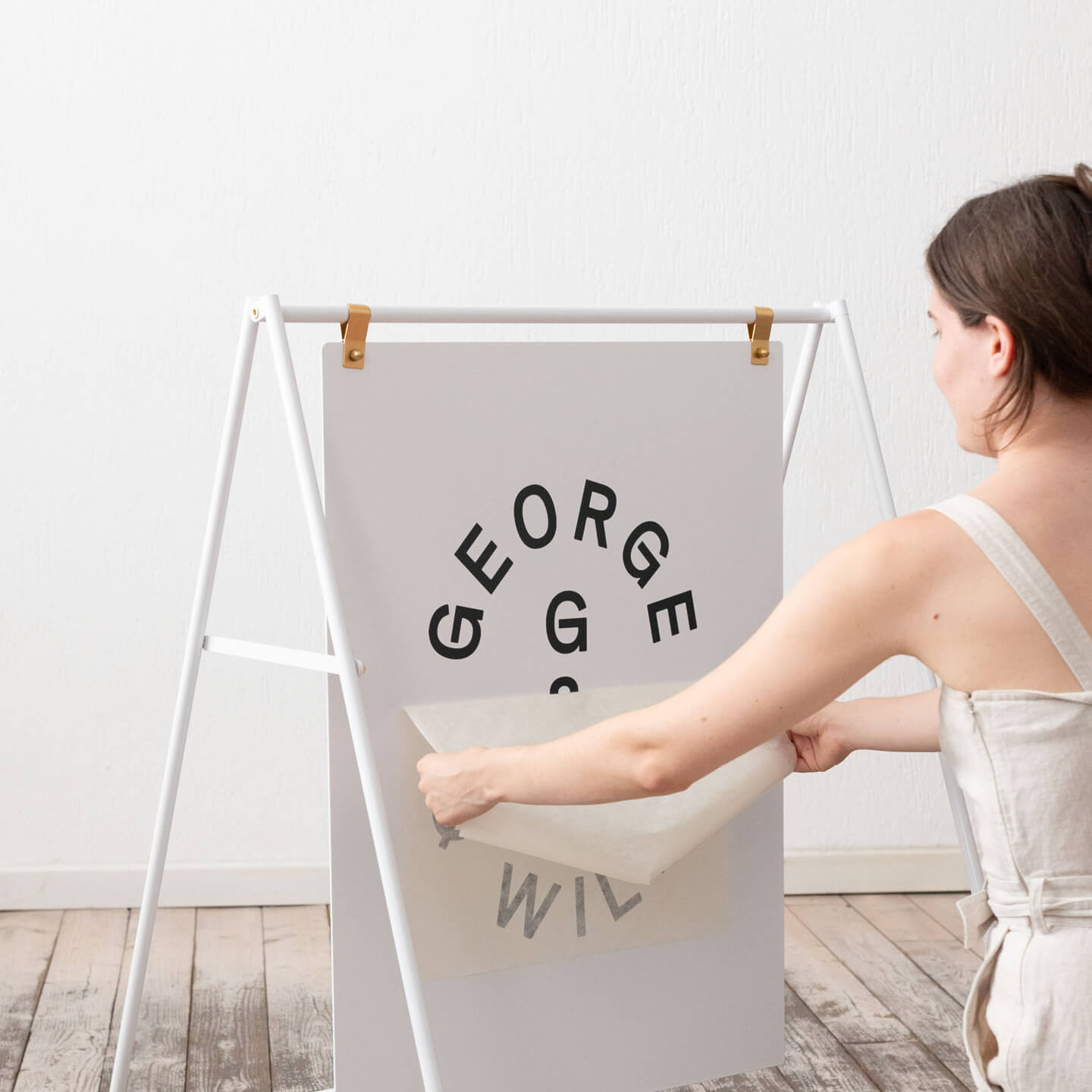
- Vinyl Decals: This is the most popular and professional method. A local signwriter can create durable, custom cut vinyl stickers of your logo or lettering that adhere smoothly to the sign’s surface. They are weatherproof and provide a crisp, clean look.
- Hand Painting: For an artistic, bespoke feel, you can hire a local artist to hand paint your design directly onto the sign face.
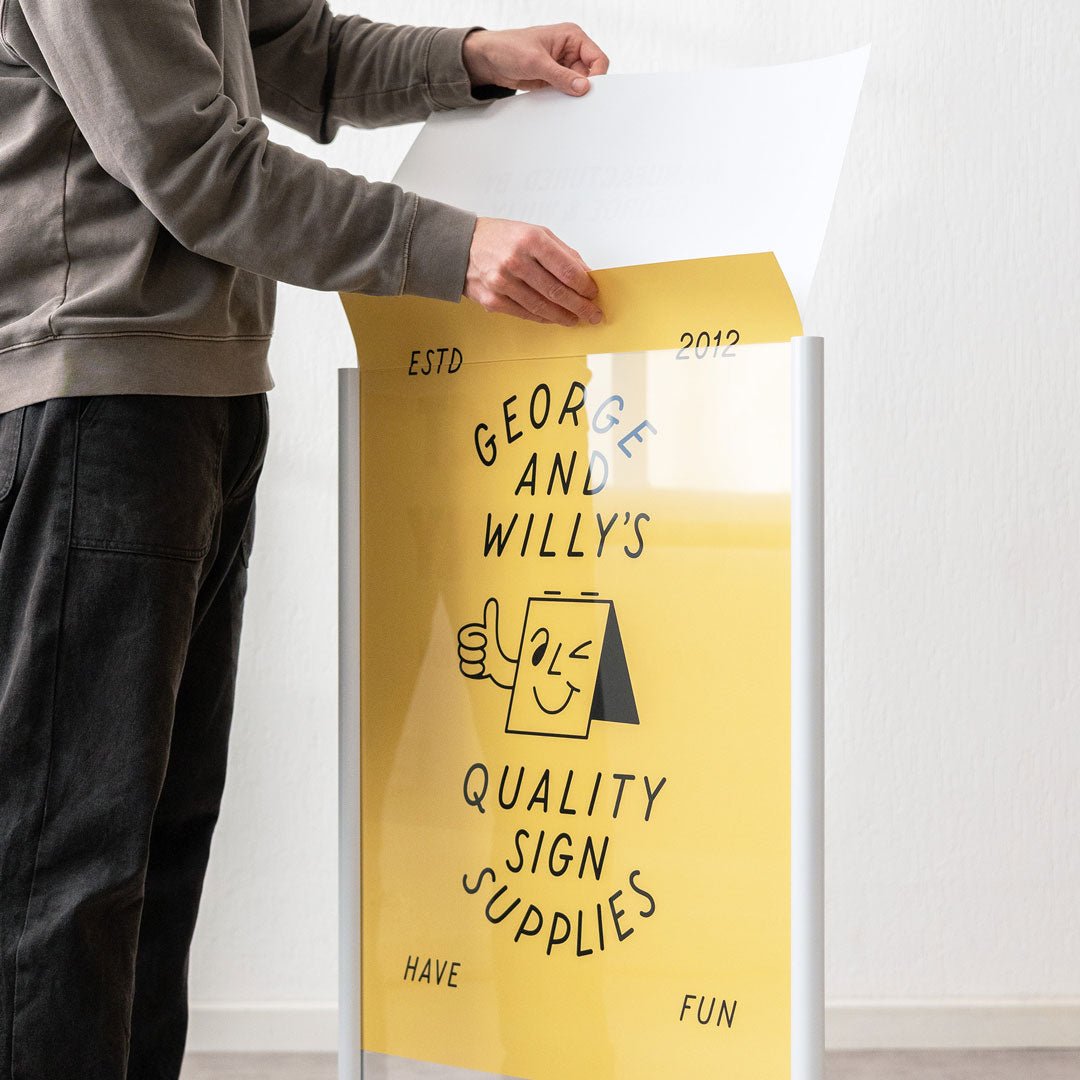
- Interchangeable Panels: If your sign has slide in channels, you can have multiple PVC or corflute panels printed for different promotions.
Working with a Professional
For vinyl application, simply take your blank A frame sign to a local signwriter. They will guide you on the best design and materials. For the production workflow, you will typically need to provide your logo in a vector file format (like .AI, .EPS, or .SVG) to ensure a high quality result. The signwriter then handles the production and perfect application of the decal.
Practical Considerations: Permits, Maintenance, and Care
Owning an A frame sign comes with a few responsibilities, from legal compliance to routine care.
Navigating Permits and ADA Compliance
This depends entirely on your local city or town regulations. Many areas have rules regarding the size, placement, and usage hours for sidewalk signs to ensure pedestrian pathways remain clear. It’s always best to check with your local business authority or municipality to understand the specific requirements. A key aspect is maintaining ADA (Americans with Disabilities Act) clearance, which typically requires keeping a clear, unobstructed path of a certain width on the sidewalk.
Maintenance and Long Term Care
Proper care will keep your sign looking professional for years. For powder coated aluminum signs, simply wipe them down with a damp cloth and mild soap. Avoid abrasive cleaners that could damage the finish. For wooden signs, inspect the sealant annually and reapply as needed. Always store your sign indoors overnight and during extreme weather to protect your investment.
Frequently Asked Questions
What is another name for an A frame sign?
It is most commonly called a sandwich board or a sidewalk sign. You might also hear it referred to as a pavement sign, especially in the UK.
Can I use an A frame sign in the rain and wind?
Yes, if it’s made from the right materials. An A frame sign built with powder coated aluminum is designed to be rust resistant and withstand outdoor weather. For windy conditions, a sign with a sturdy base and a reasonable weight (around 8 to 10 pounds) is generally stable, though it’s always wise to bring it inside during extreme weather.
How do I put my logo on a blank A frame sign?
The best method is to have a local signwriter or print shop create a vinyl decal of your logo and lettering. They can then apply it to the sign for a professional, durable finish. This is a common and cost effective practice.
How heavy is a typical portable a frame sign?
A well designed portable A frame sign balances stability and portability. A weight of around 8.8 pounds (or 4 kilograms) is ideal, making it sturdy enough to resist gentle winds but light enough for staff to easily carry.
Do I need a permit for a sidewalk sign?
This depends entirely on your local city or town regulations. Many areas have rules regarding the size, placement, and timing for sidewalk signs to ensure pedestrian pathways remain clear. It’s always best to check with your local business authority or municipality to understand the specific requirements.