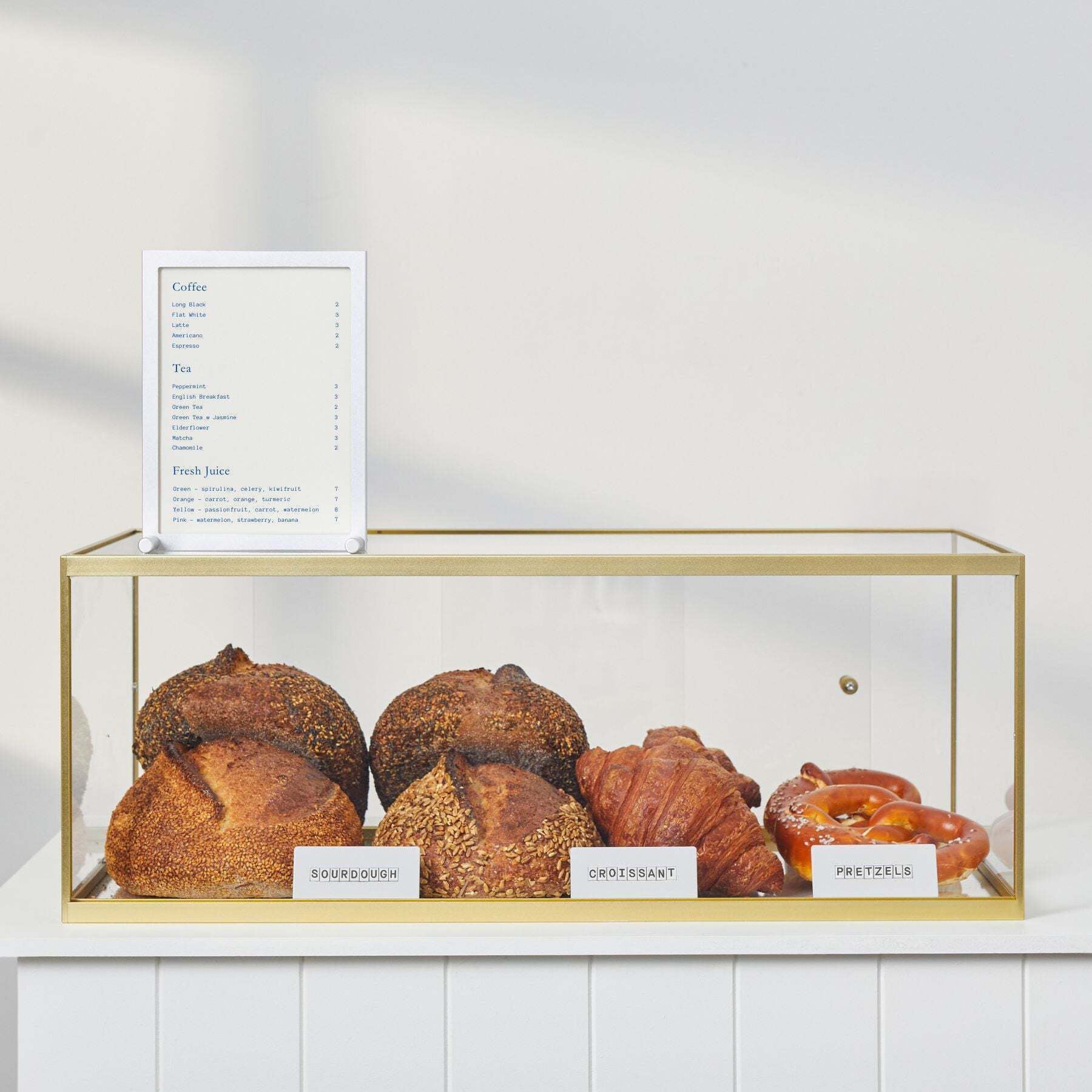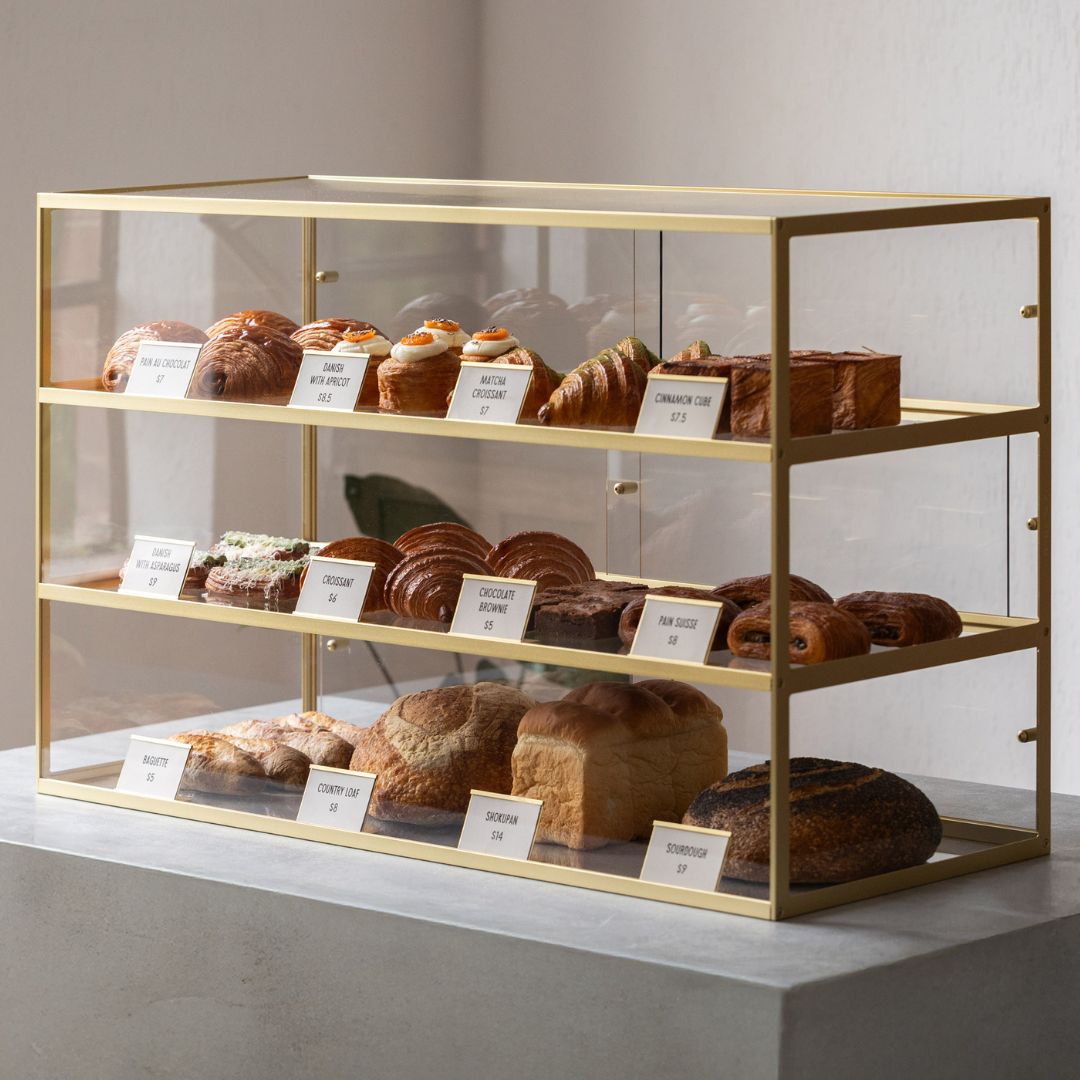


A good business sign does more than just display your name. It’s your handshake with the world, a silent salesperson working 24/7, and the first piece of your brand story that customers experience. In a crowded marketplace, a well designed custom sign can be the very thing that turns a passerby into a lifelong customer. But getting a unique, high quality sign doesn’t have to be a complicated or costly process.
Let’s explore how you can elevate your business with signage that not only looks fantastic but also works hard to grow your brand.
Why Your Storefront Sign is Your Most Important Salesperson
Your exterior sign is often the very first interaction someone has with your business, so it needs to count. A compelling storefront sign can literally pull people off the street. In fact, an impressive 76% of consumers say they have entered a store they had never visited before based on its signage alone. A great custom sign at your entrance sets the tone for everything inside.
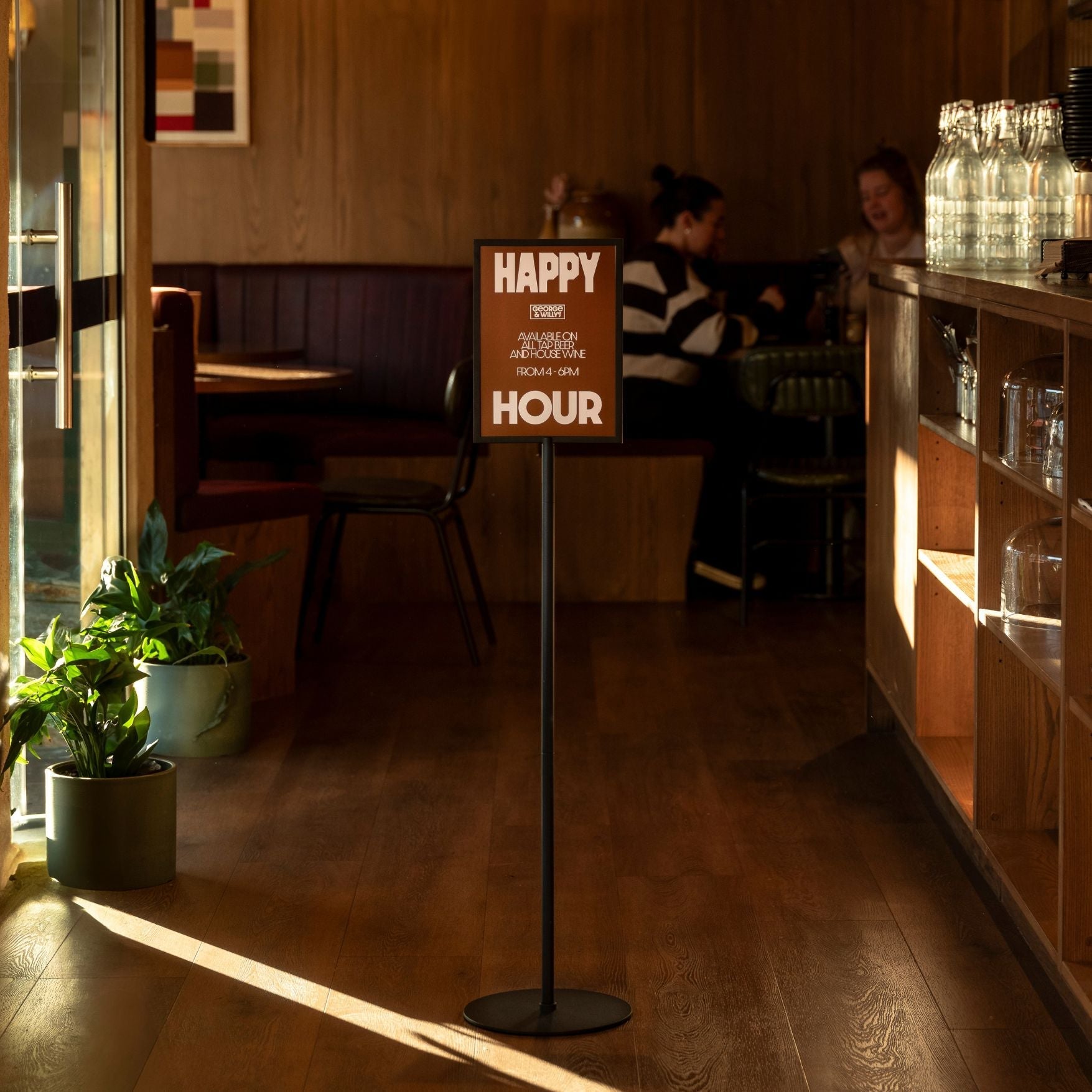
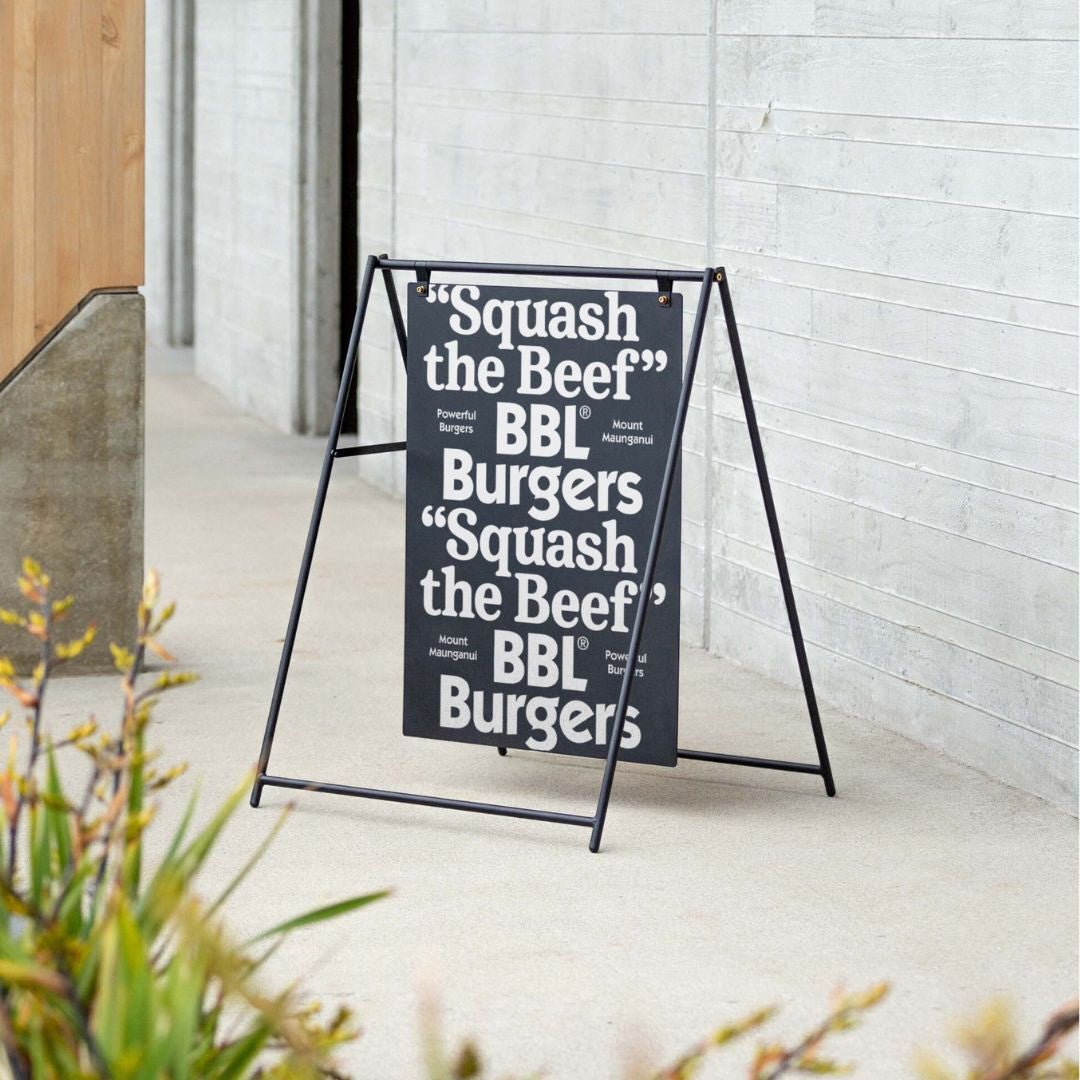
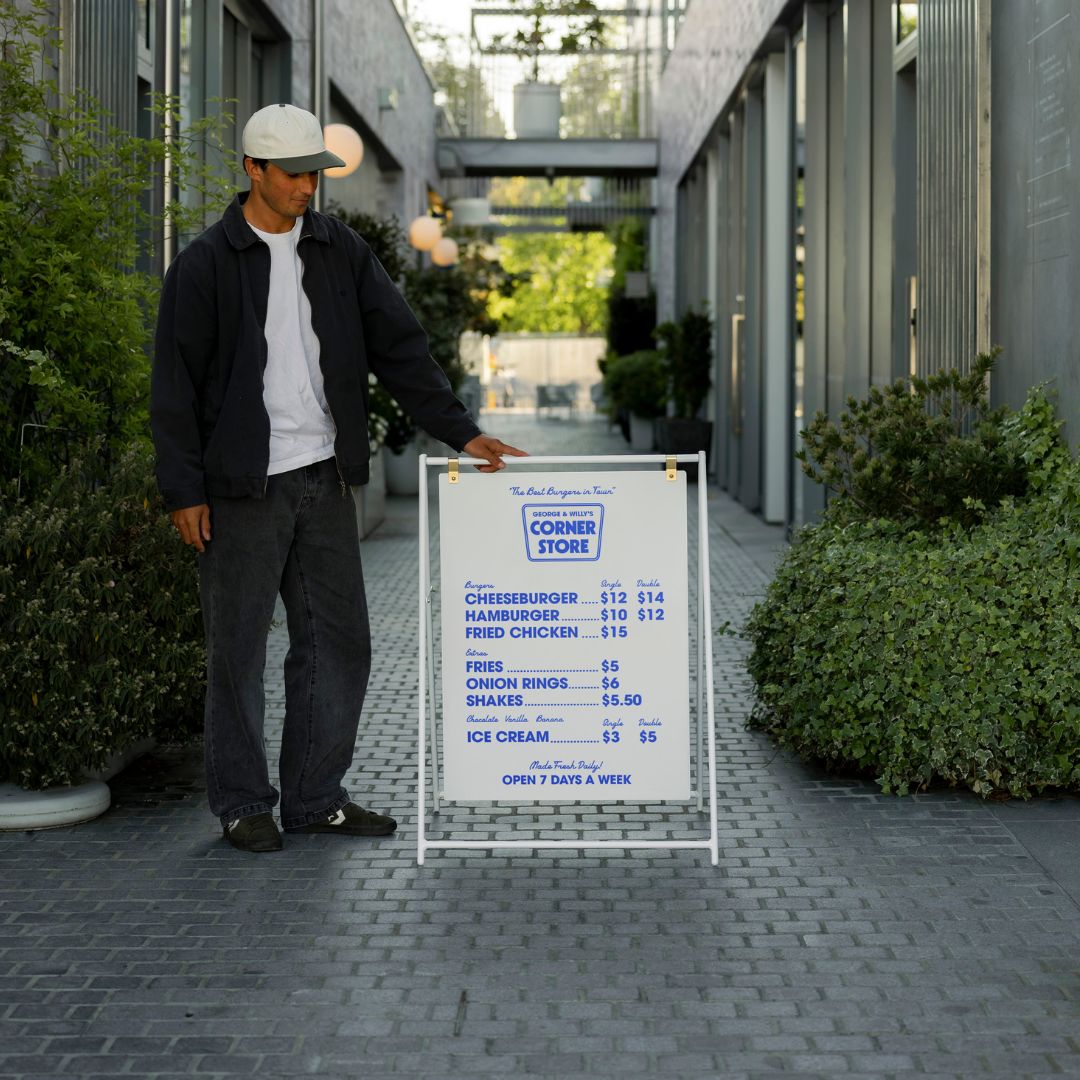
On the other hand, a poor quality sign, or no sign at all, can be a major turnoff. Over half of shoppers are less willing to enter a store if its signs have errors or look poorly made. Investing in a clear, attractive, and professional custom sign is one of the smartest marketing decisions you can make. Consumers often expect to see two or three signs around a storefront, which could include a main overhead sign, window graphics, and a sidewalk A frame sign.
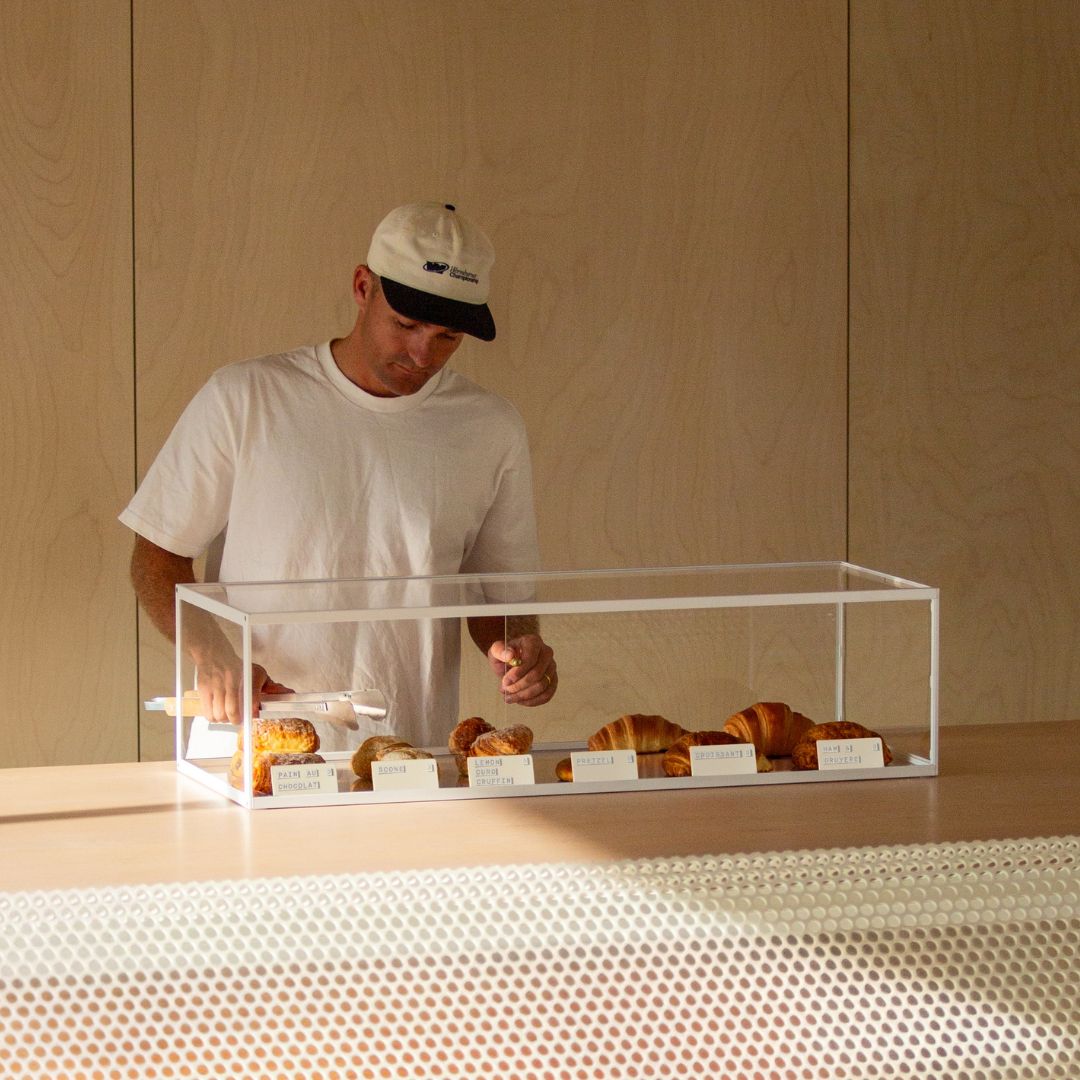
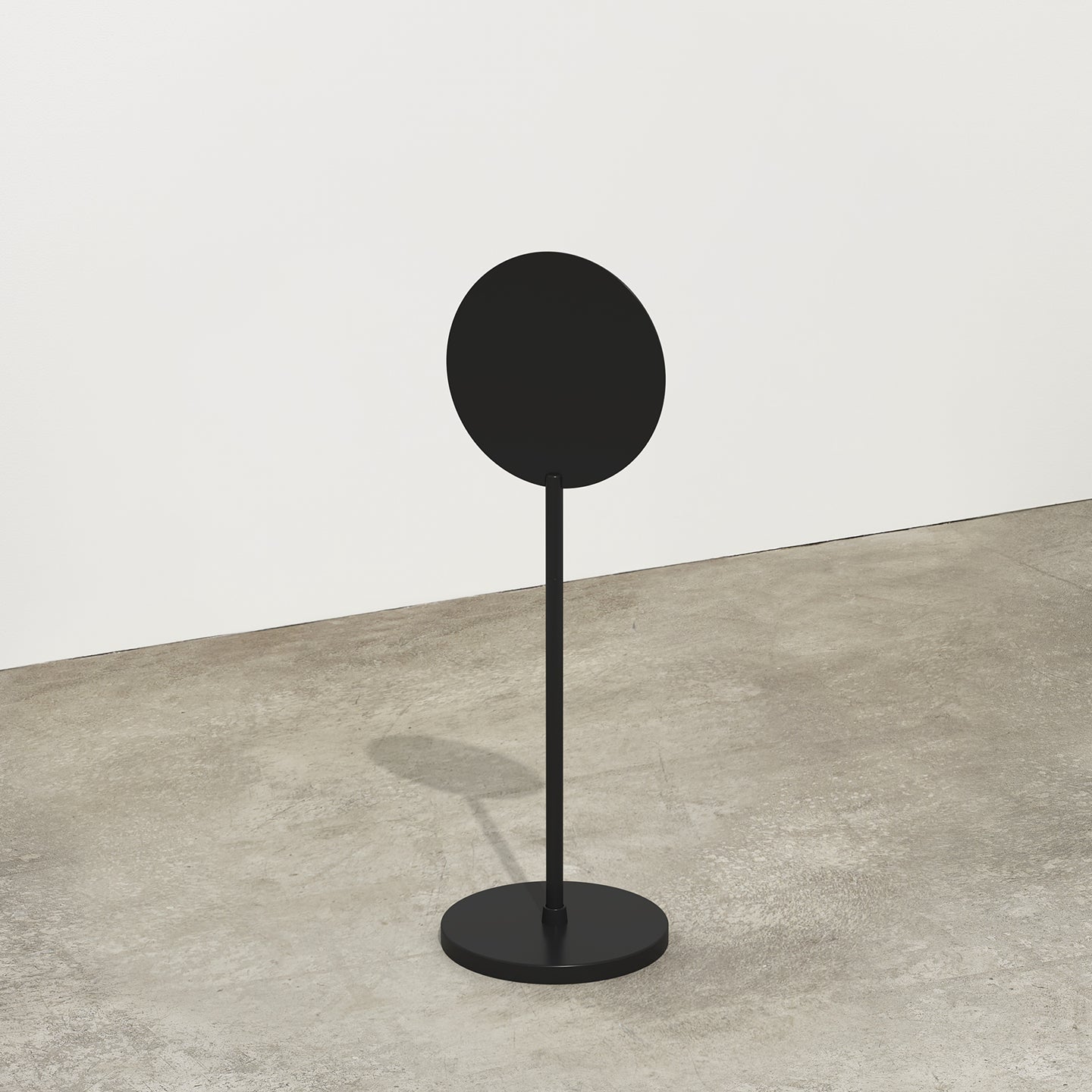
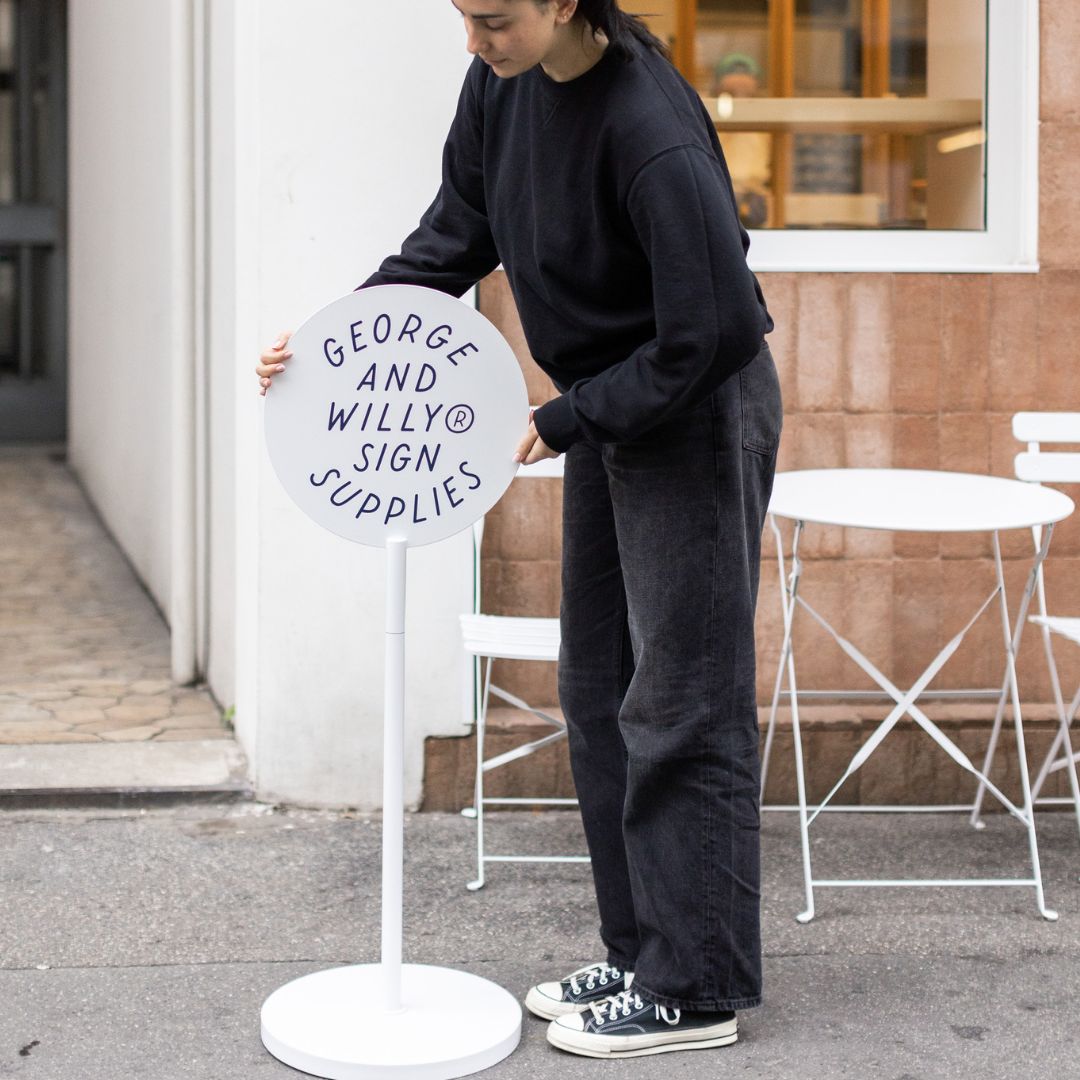
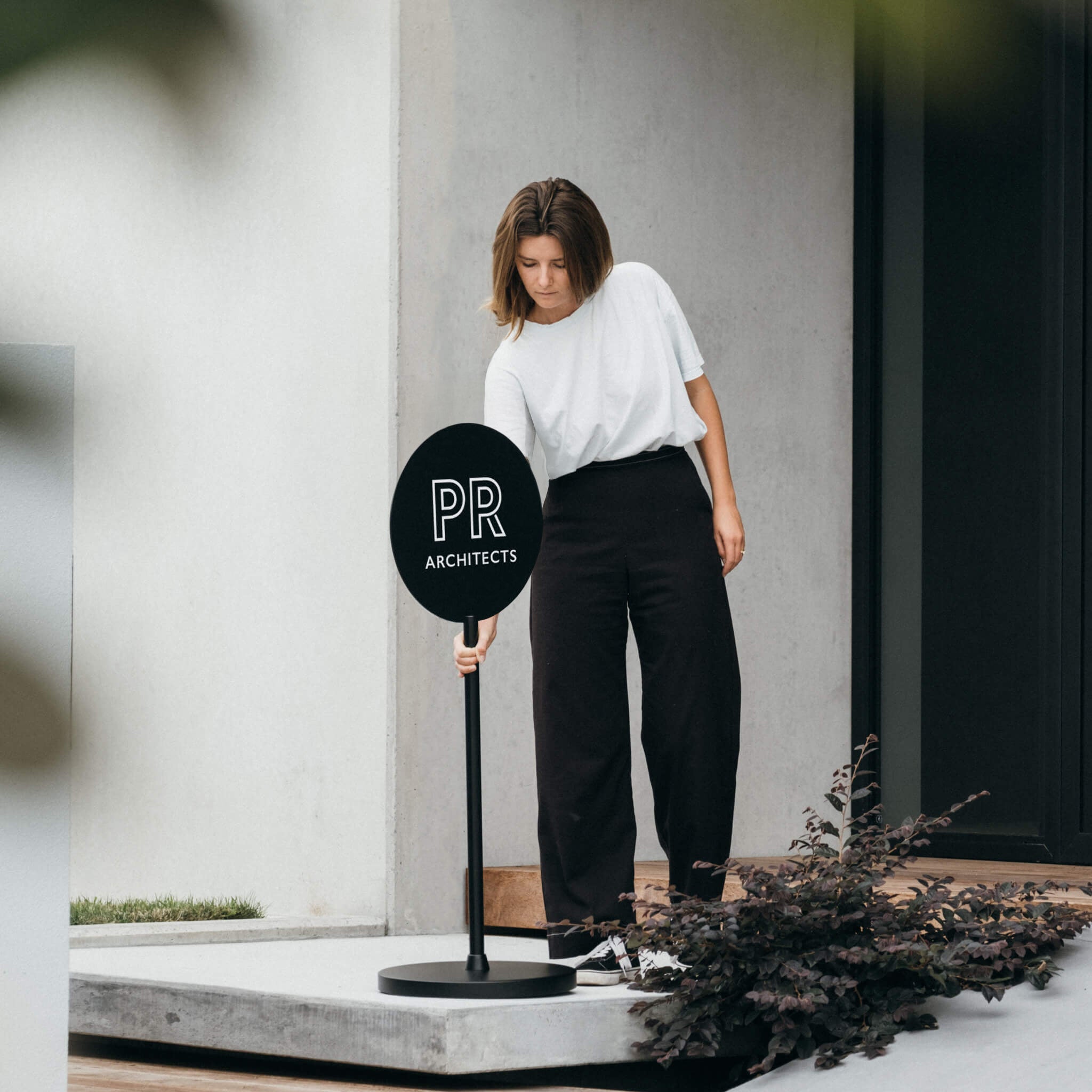
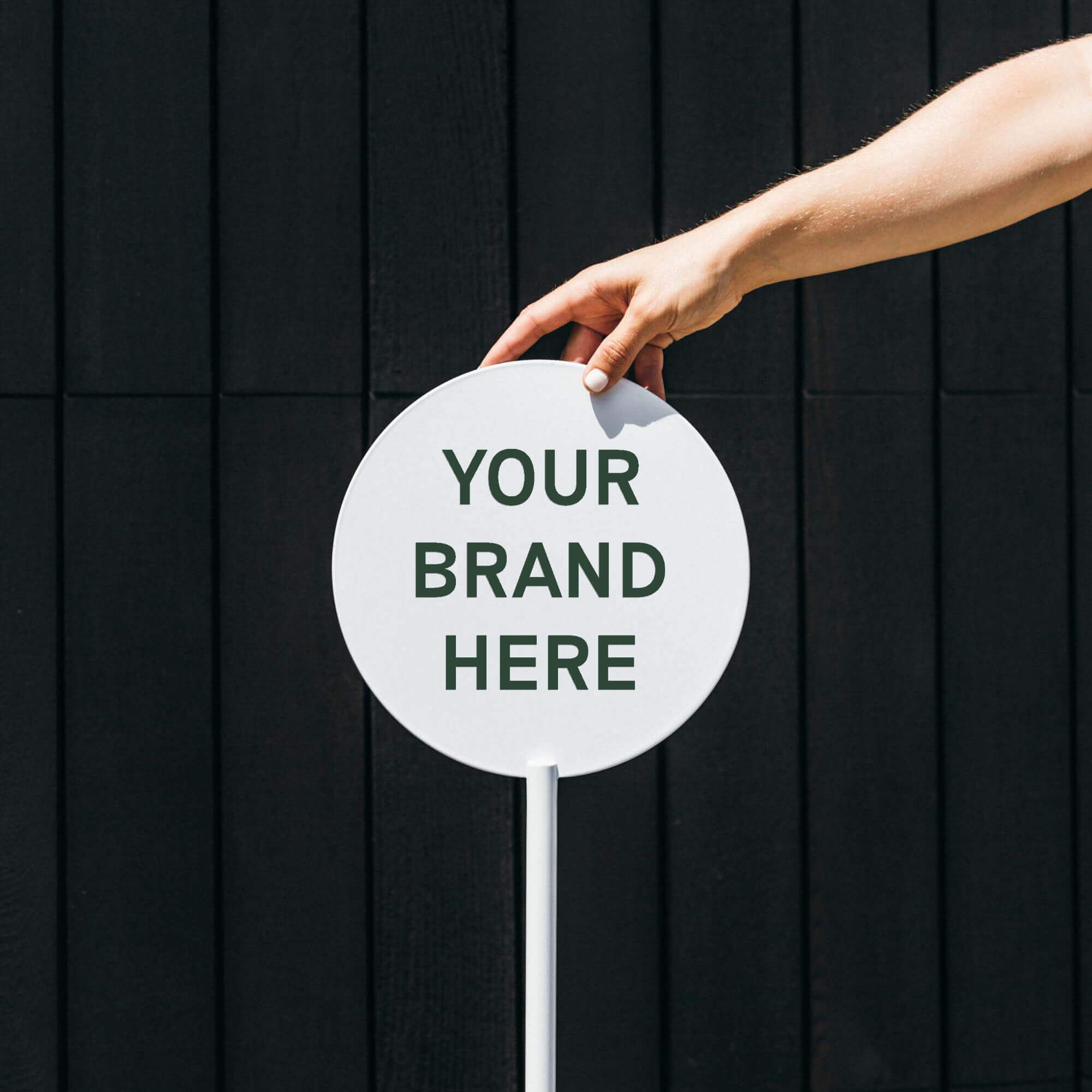
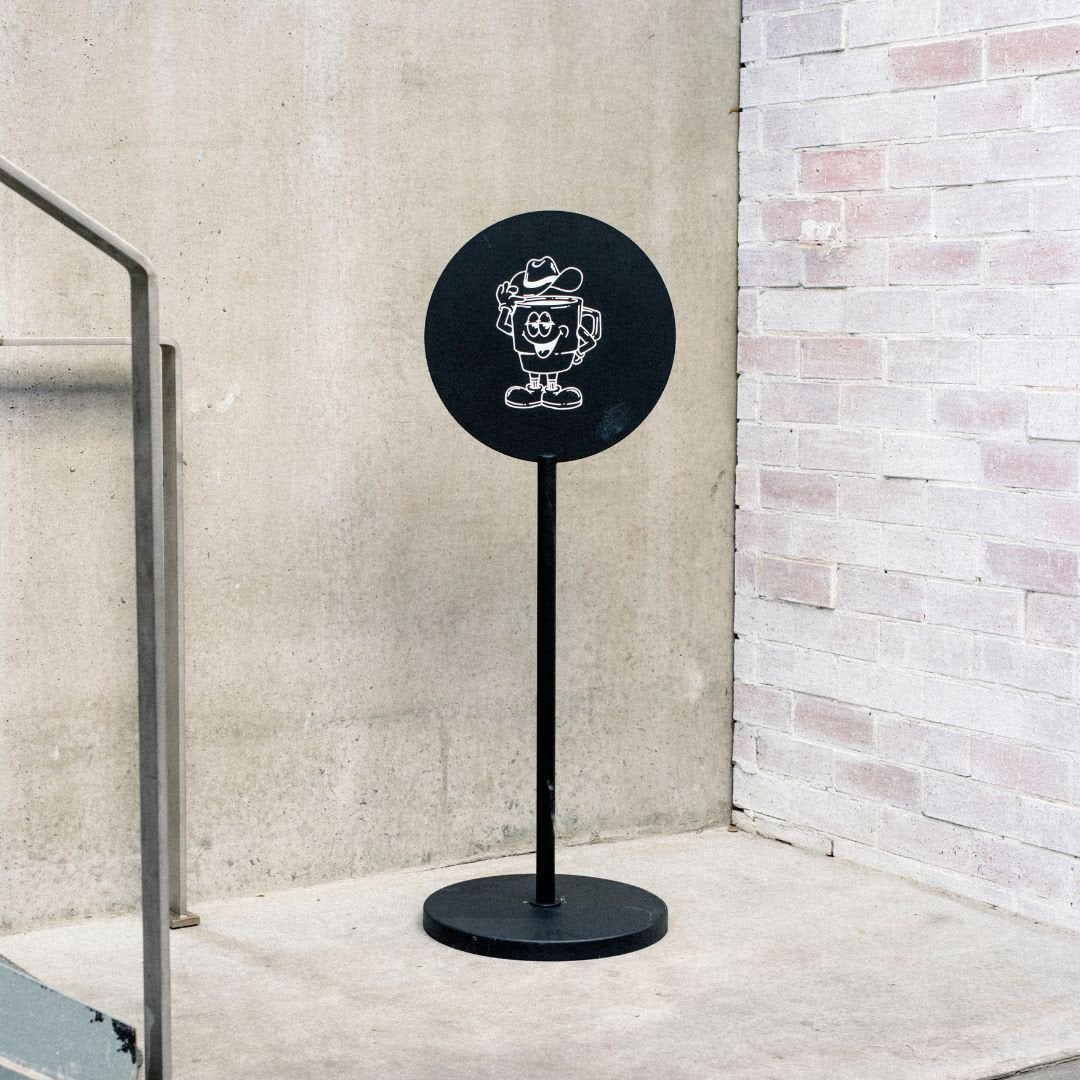
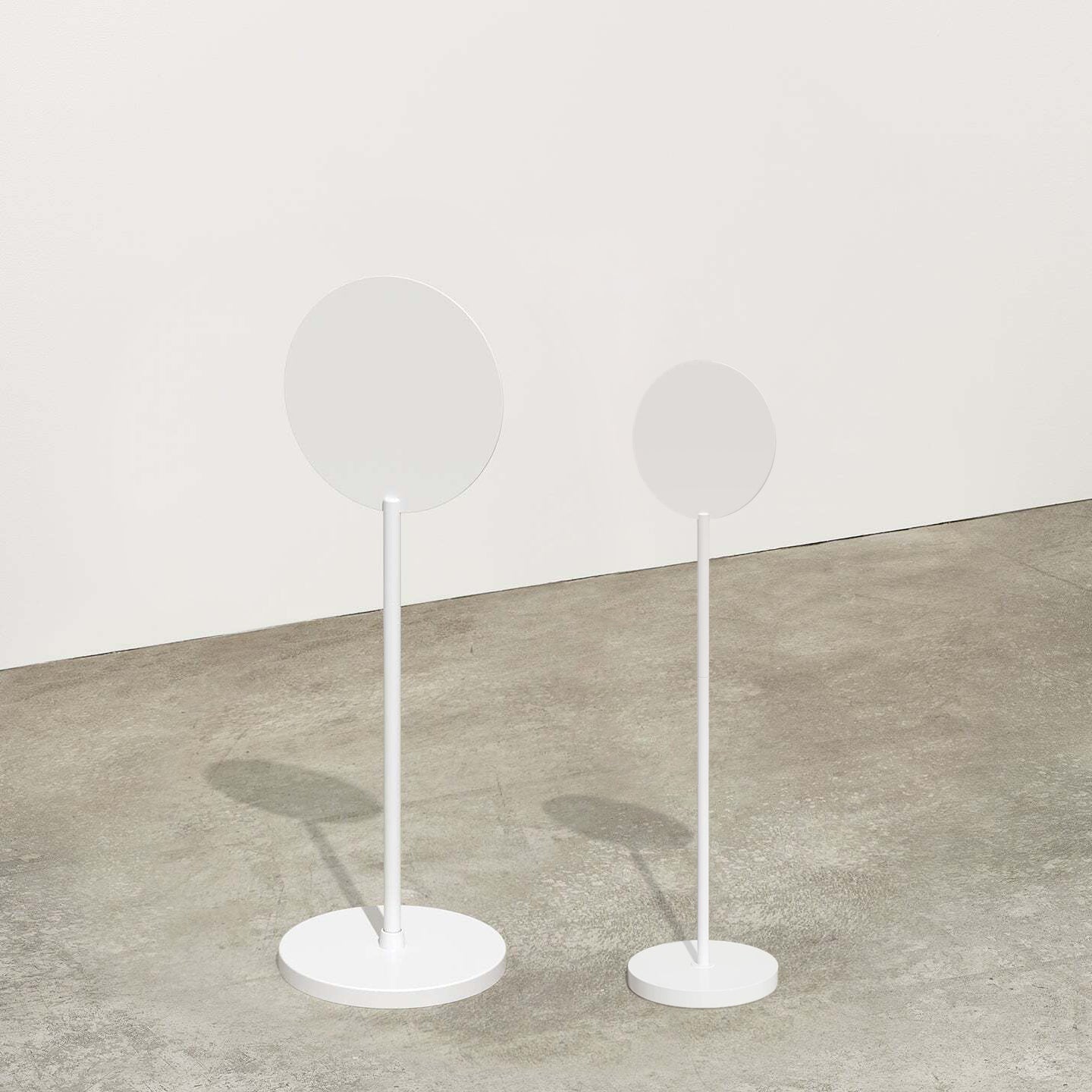
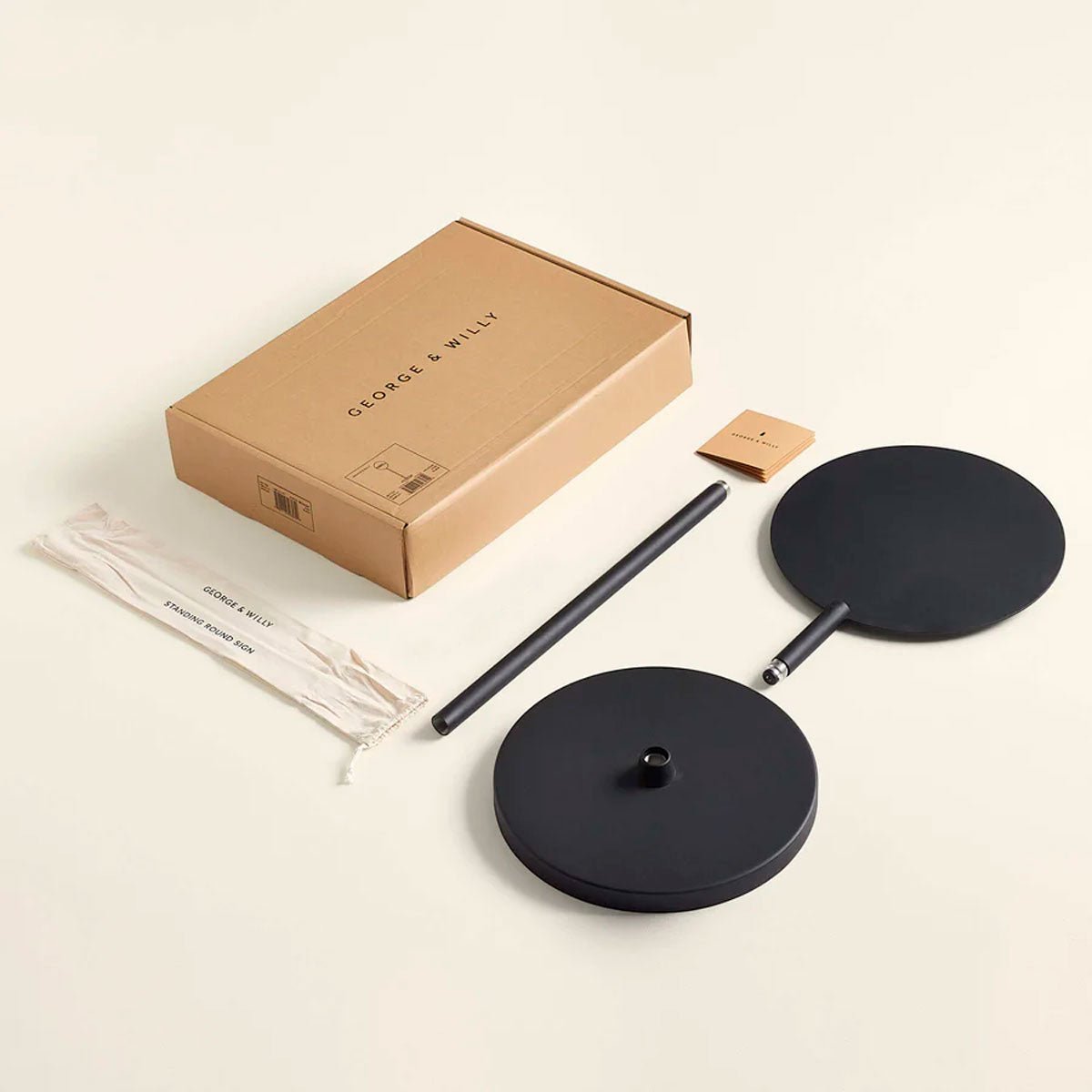
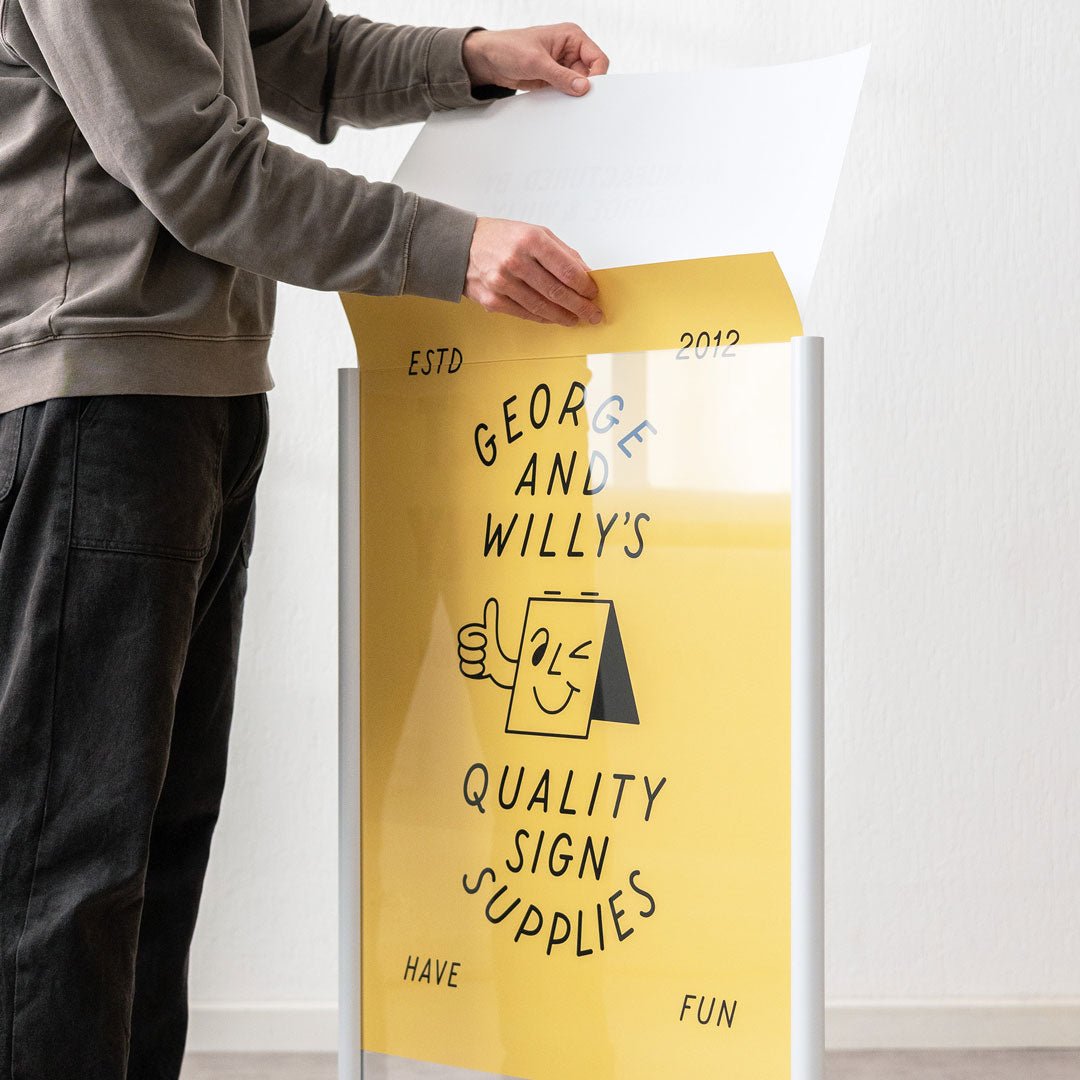
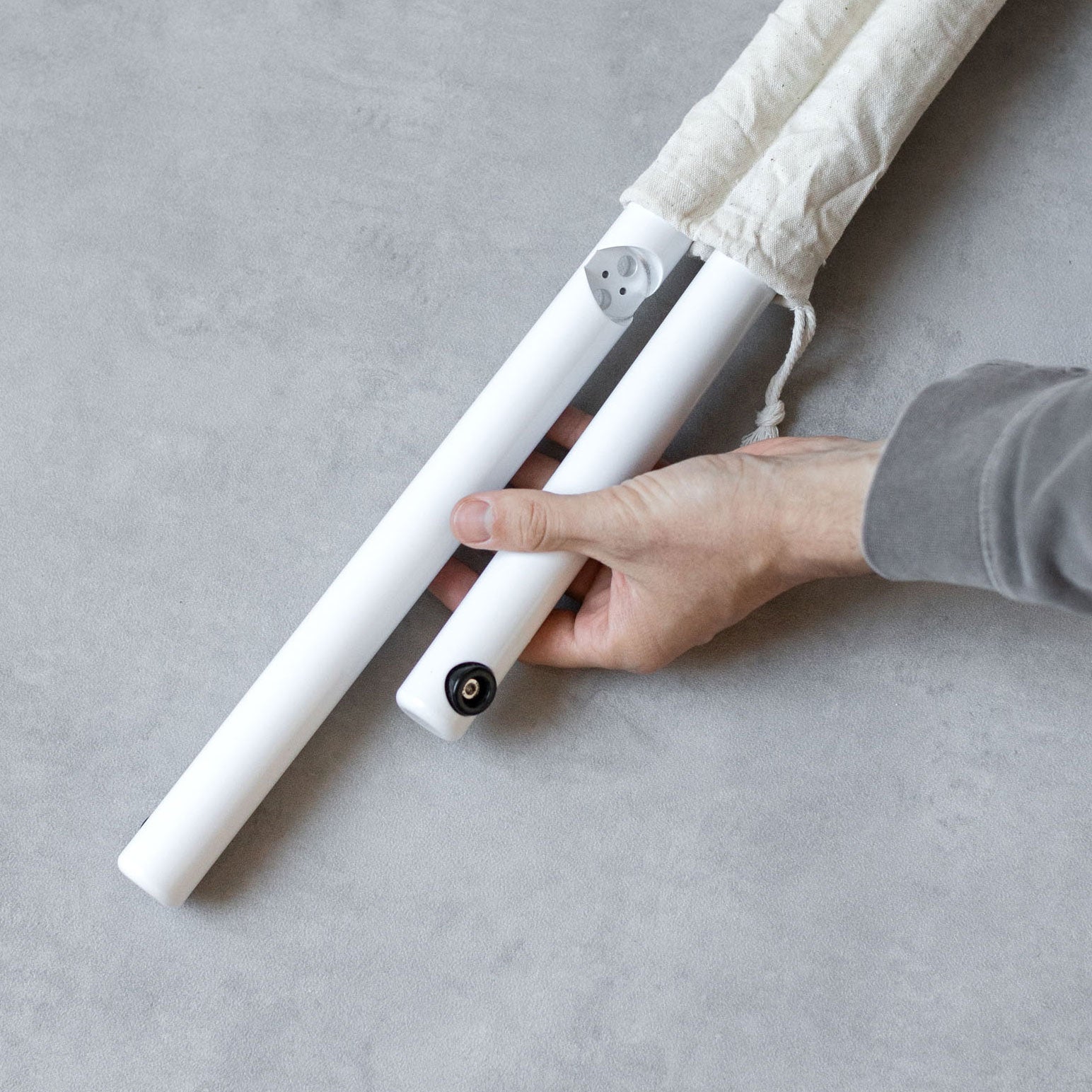
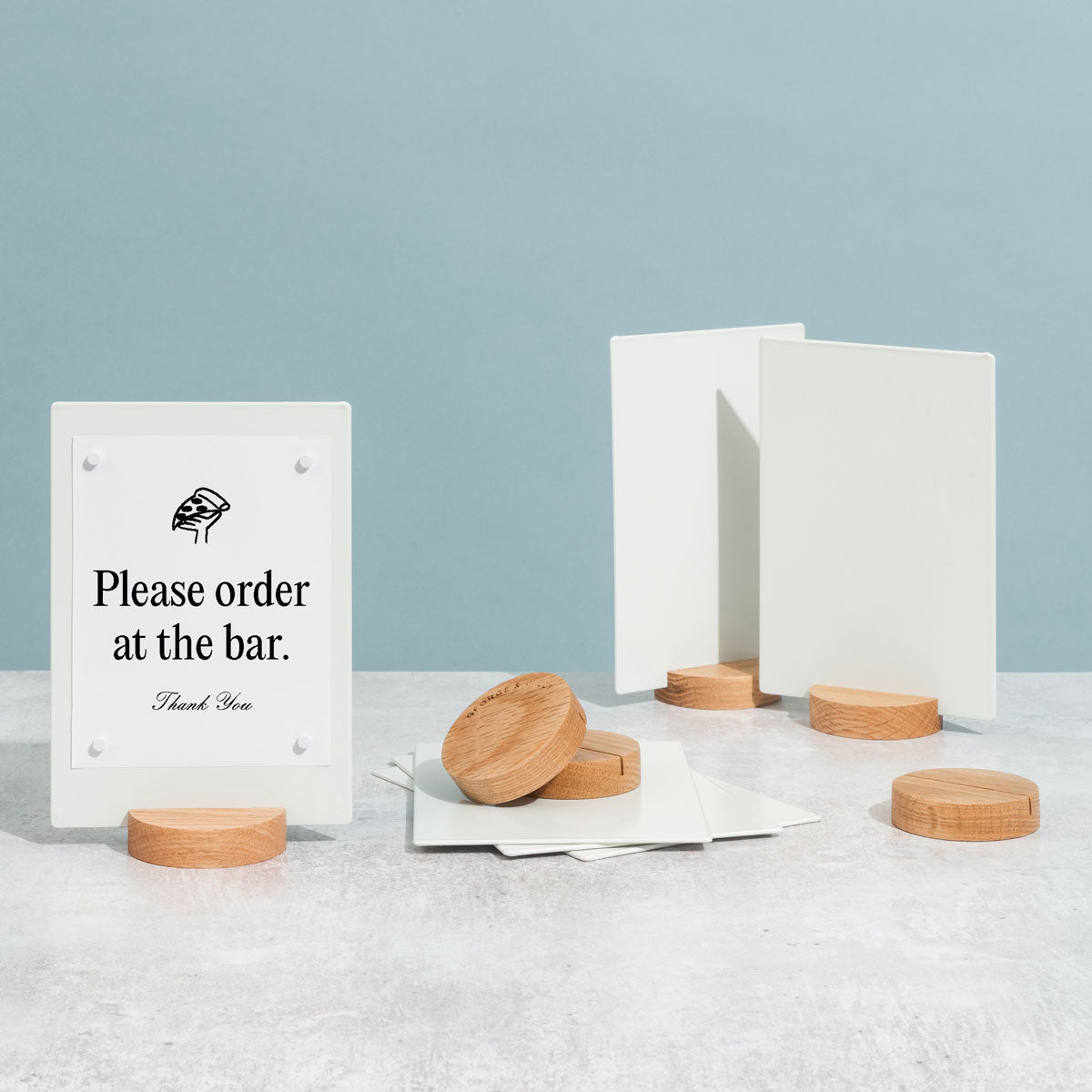
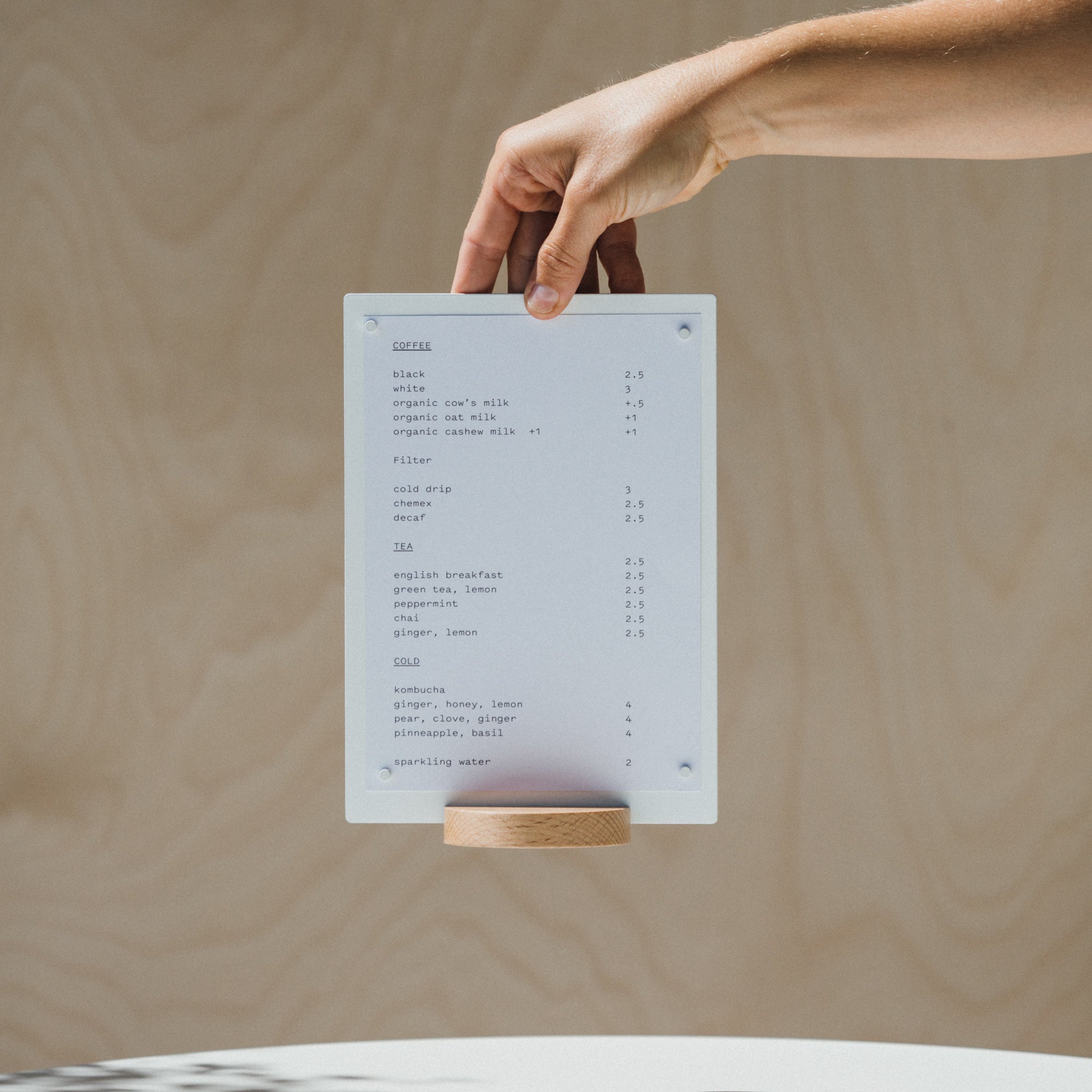
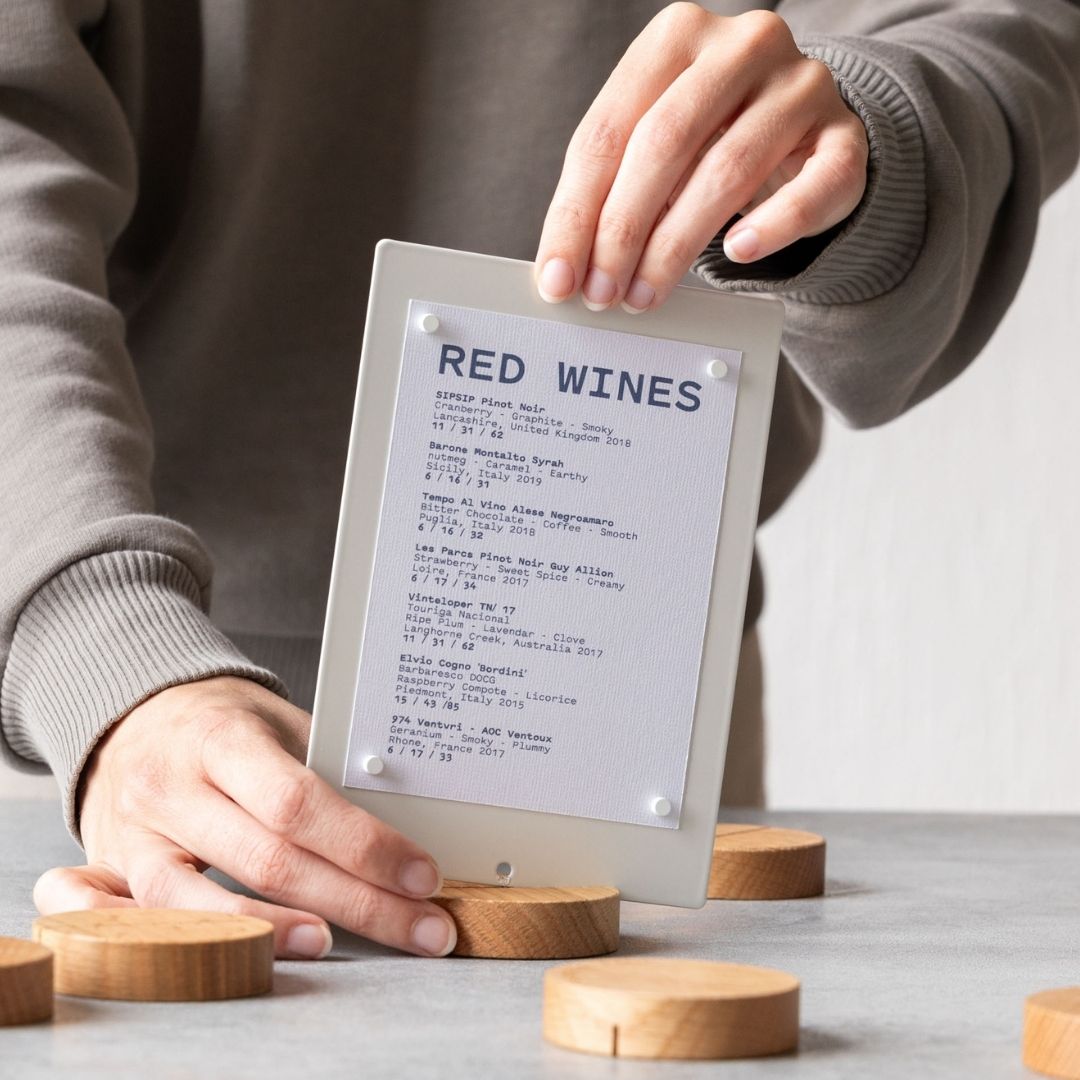
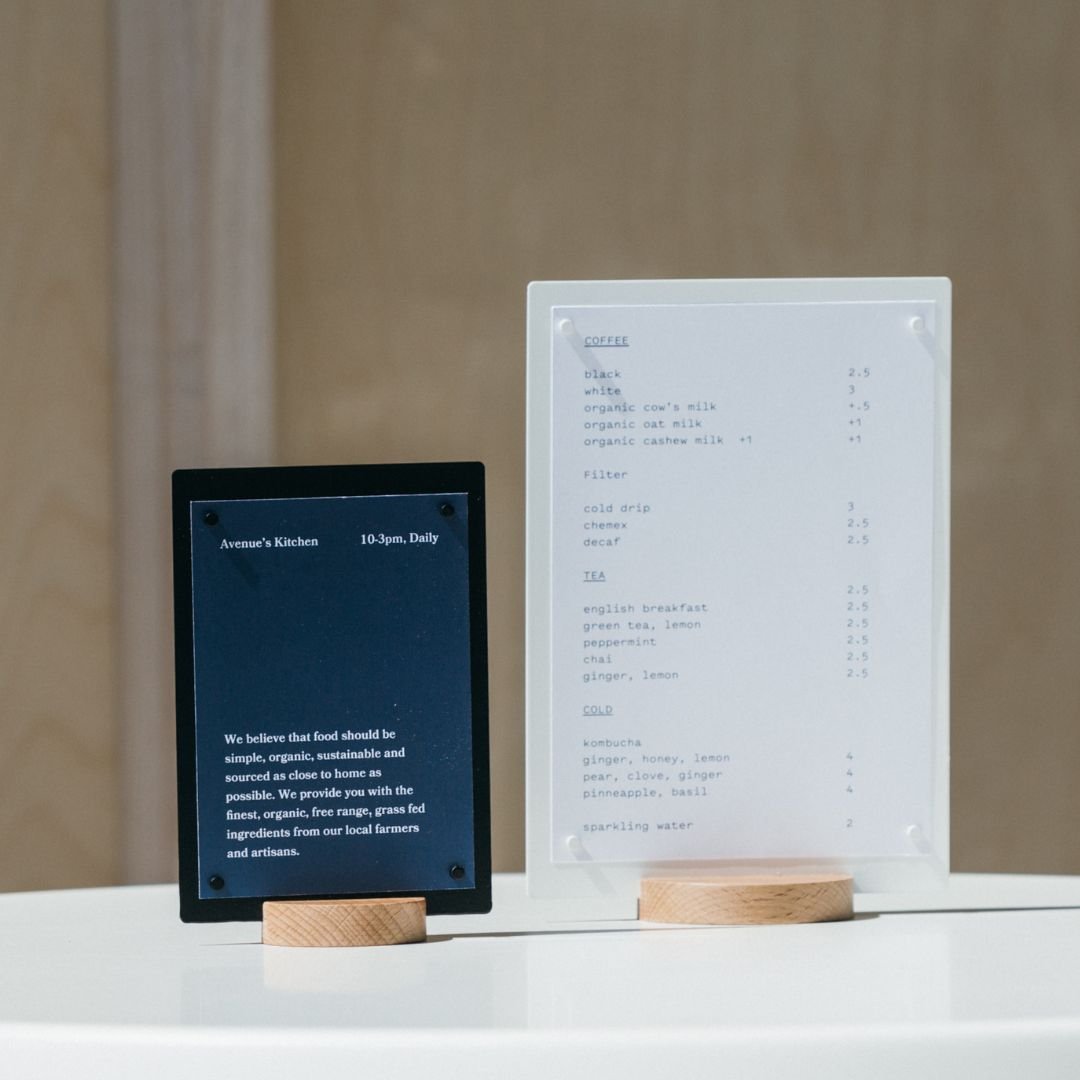
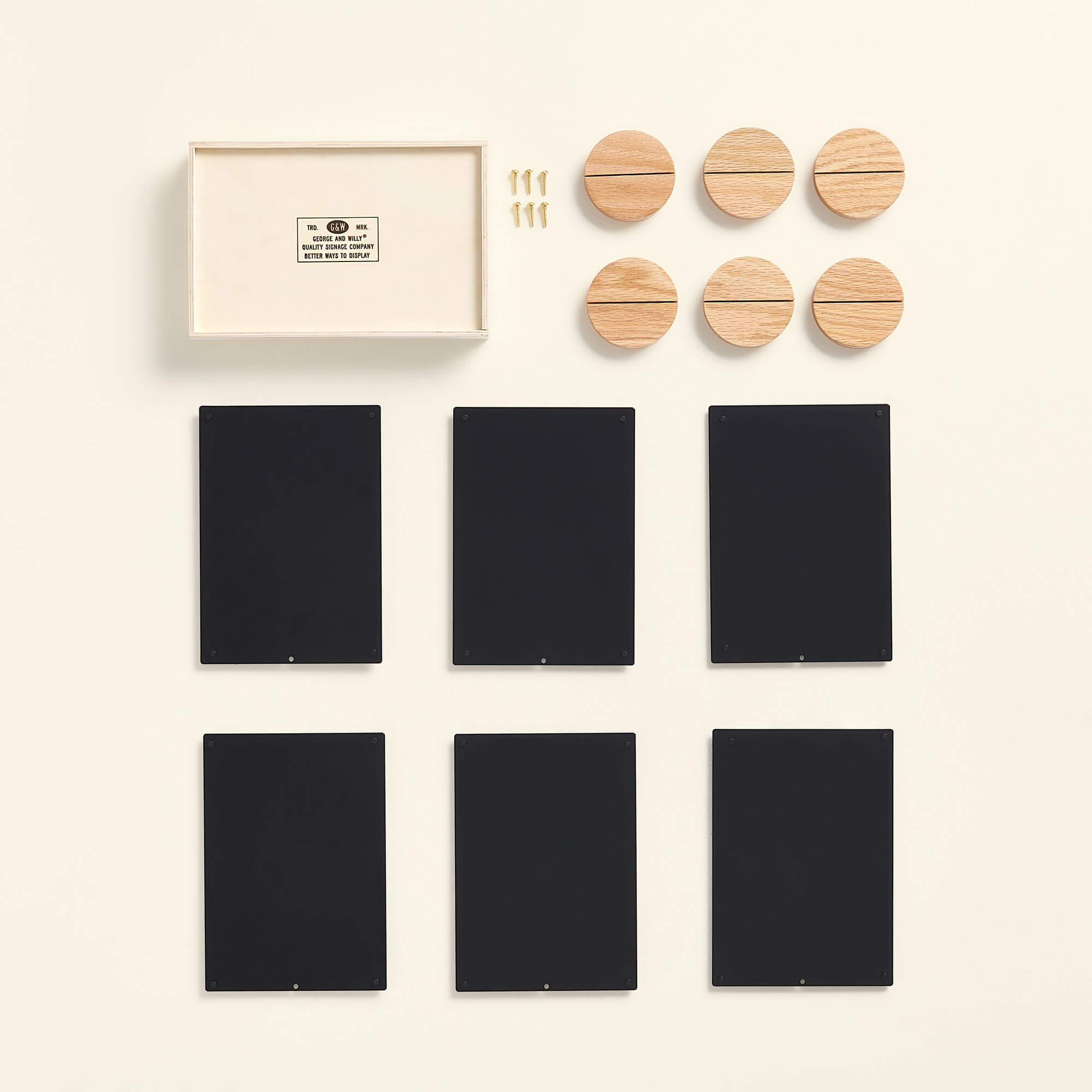
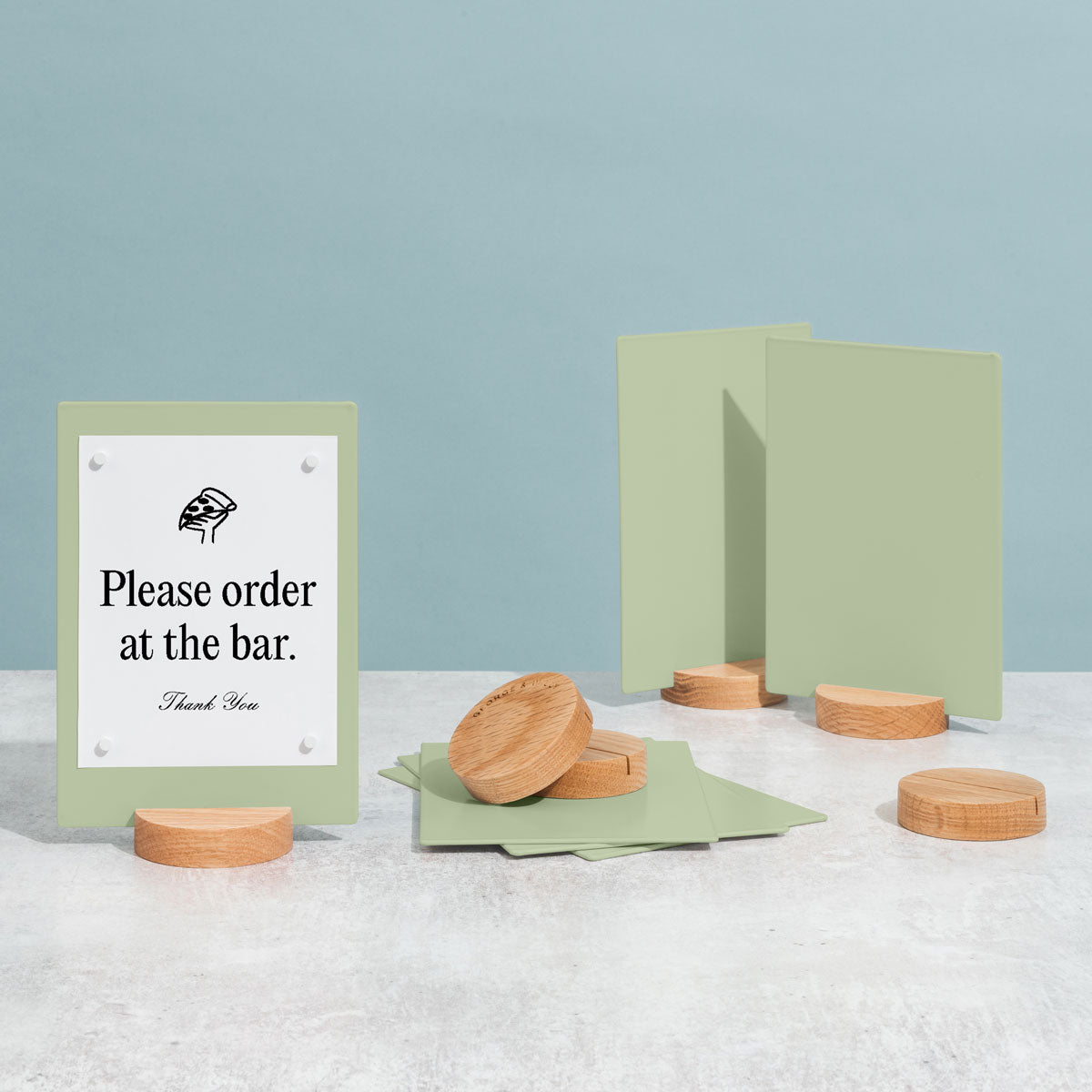
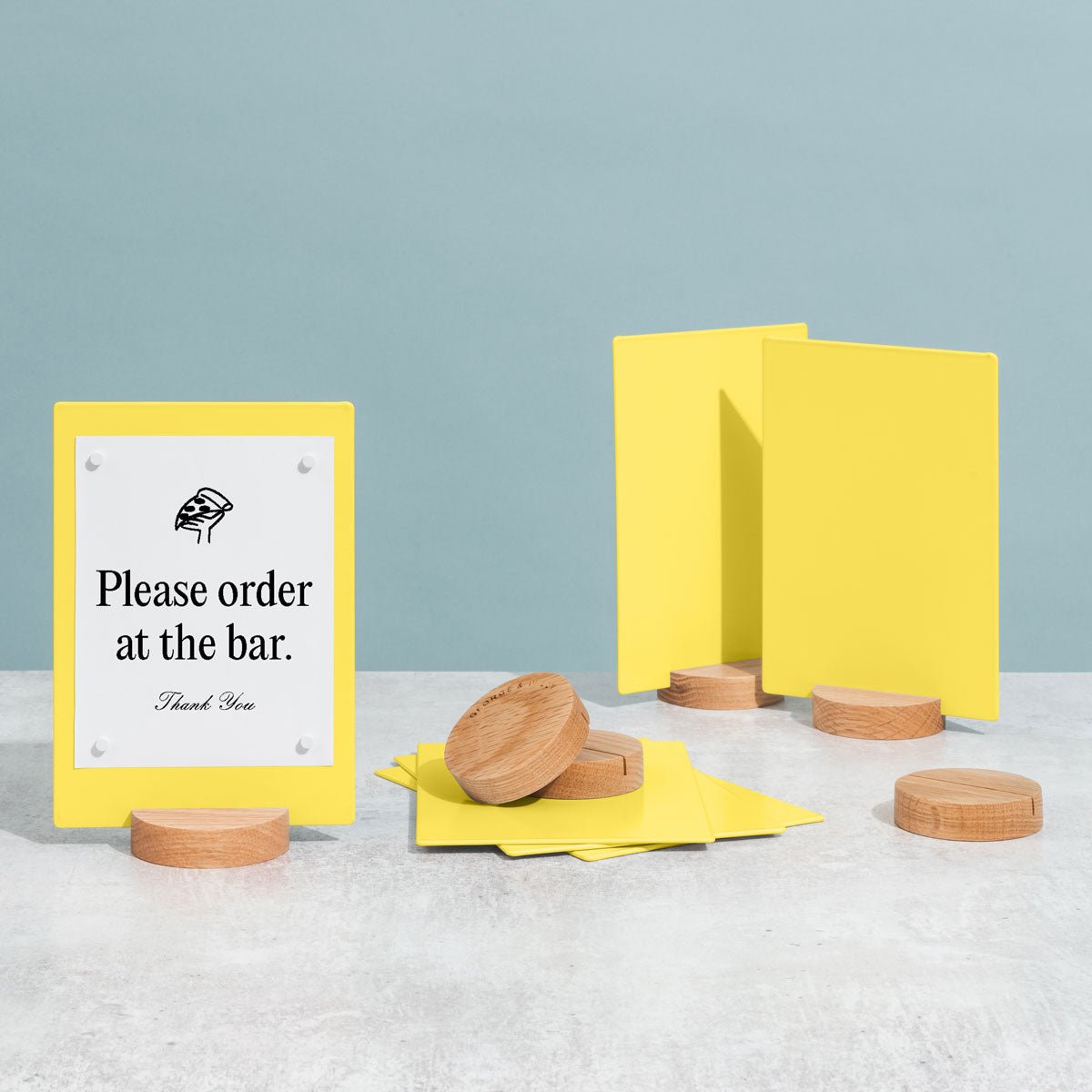
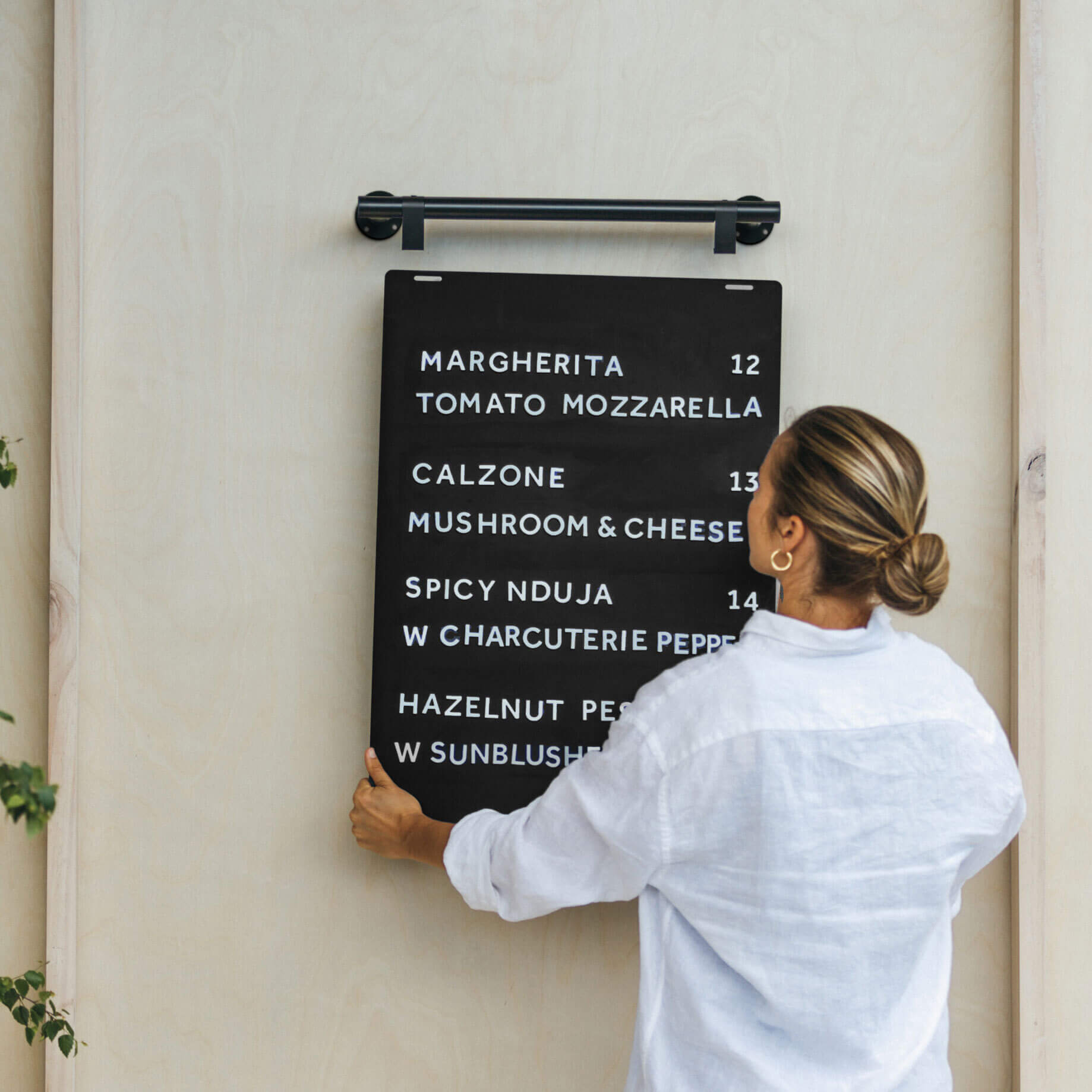
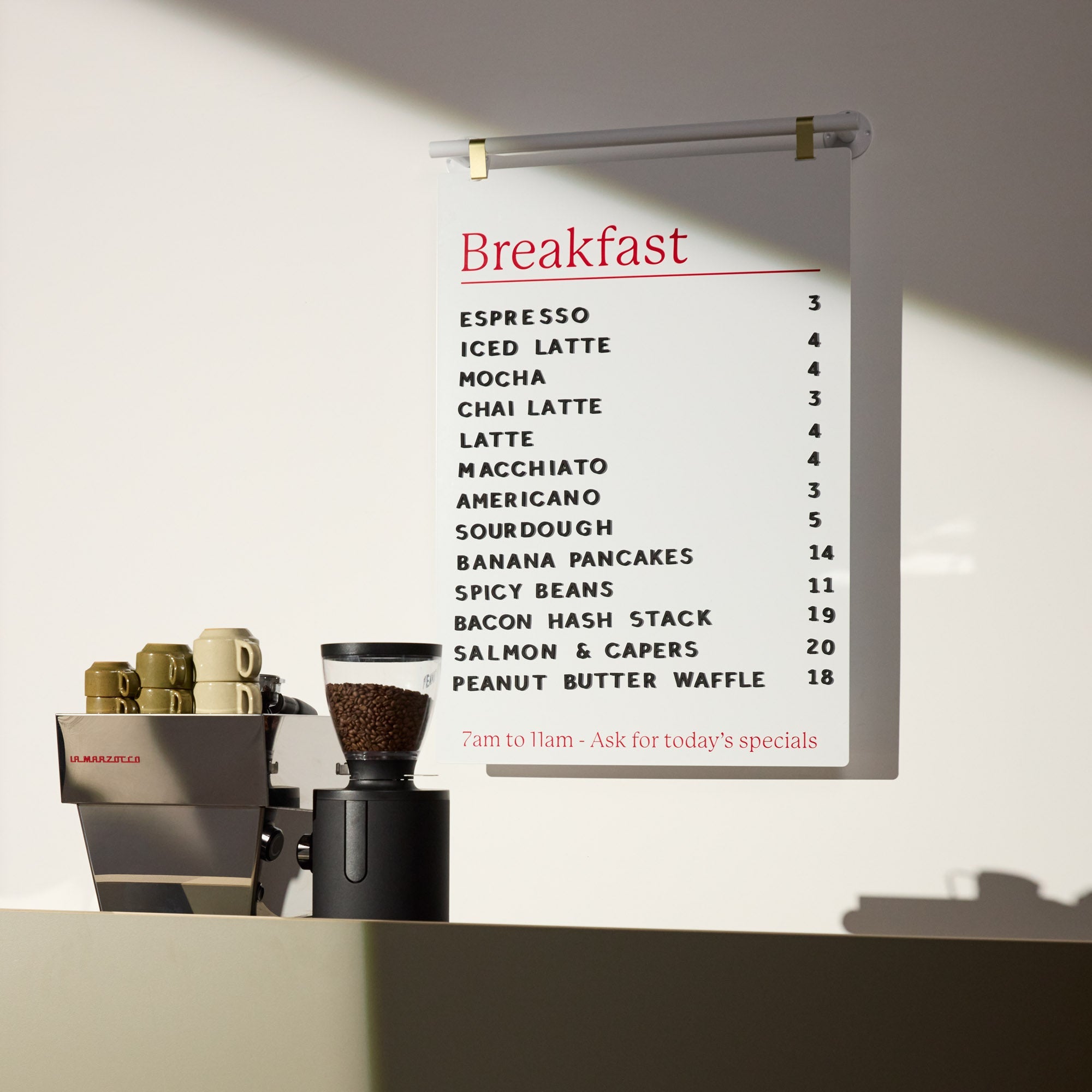
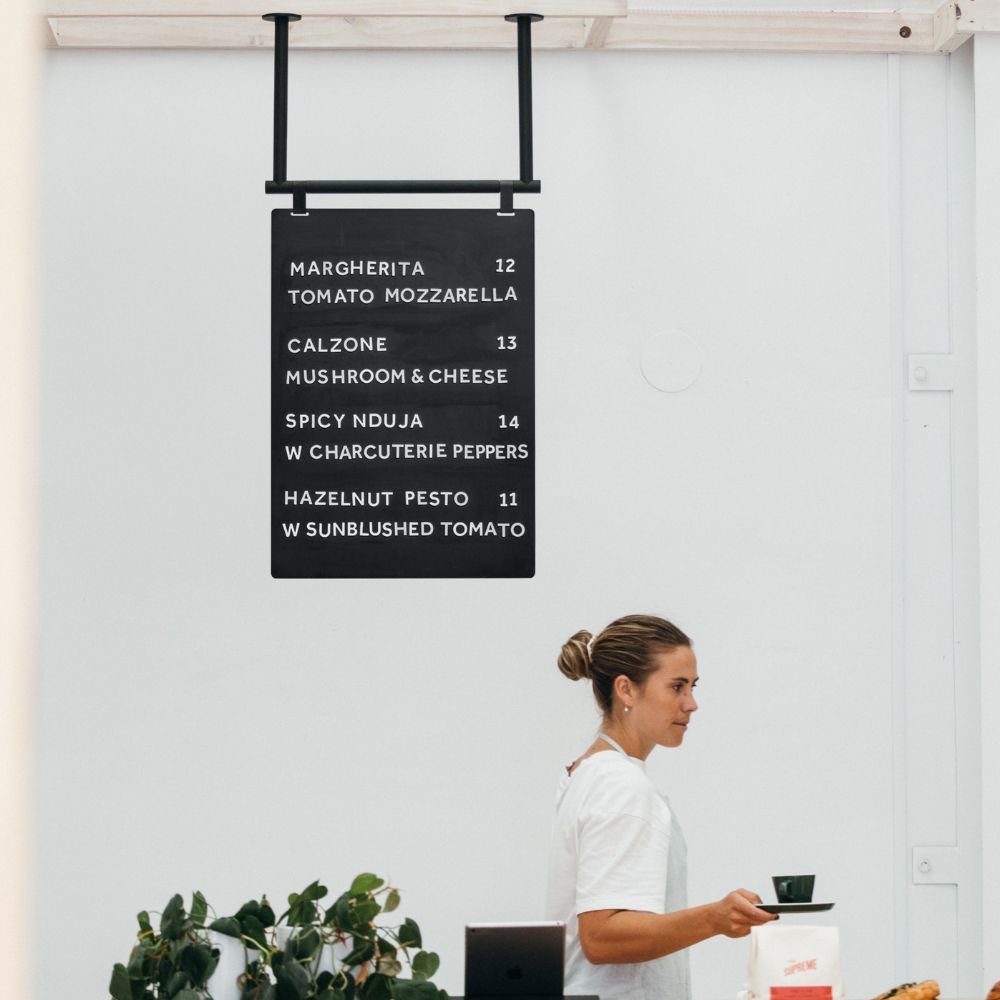
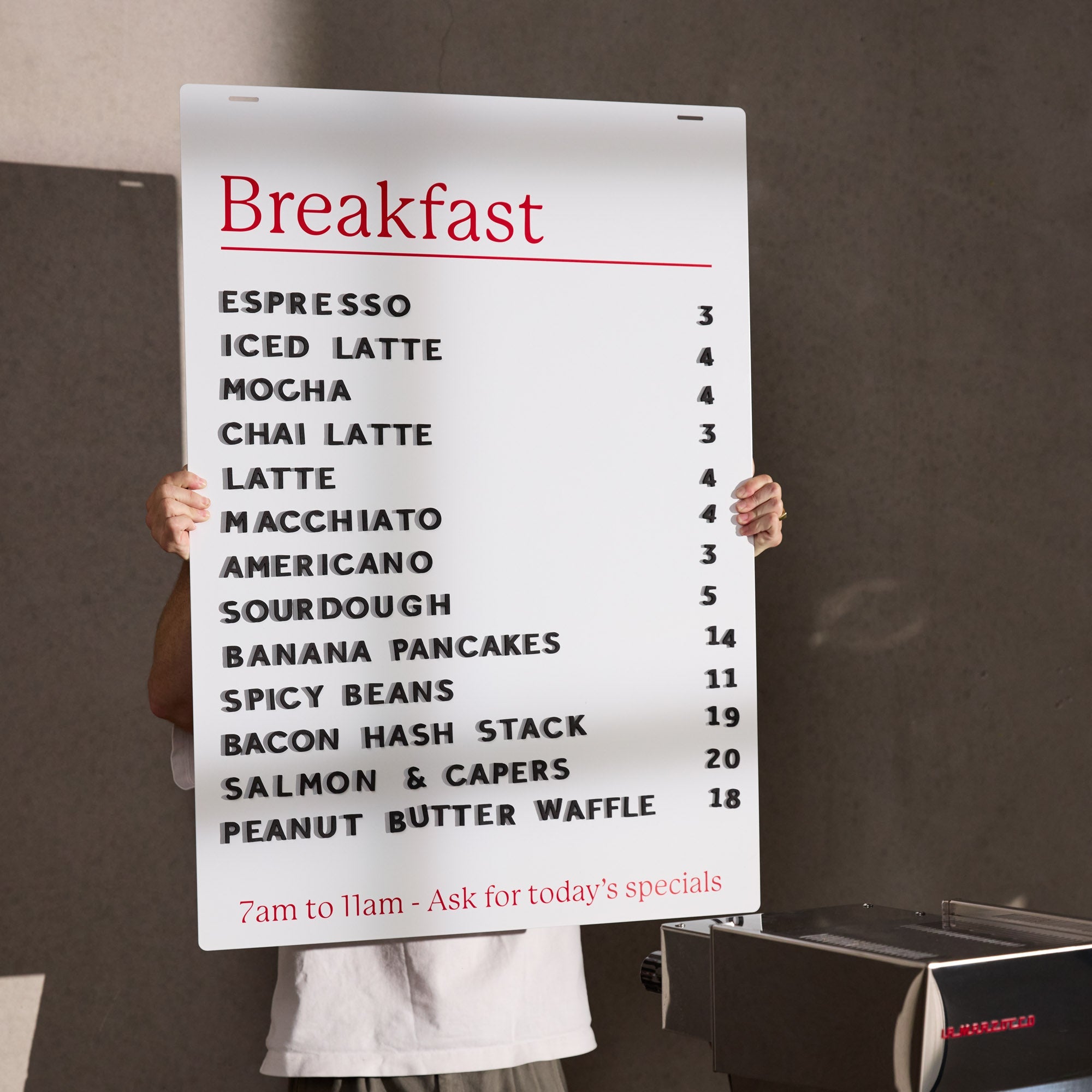
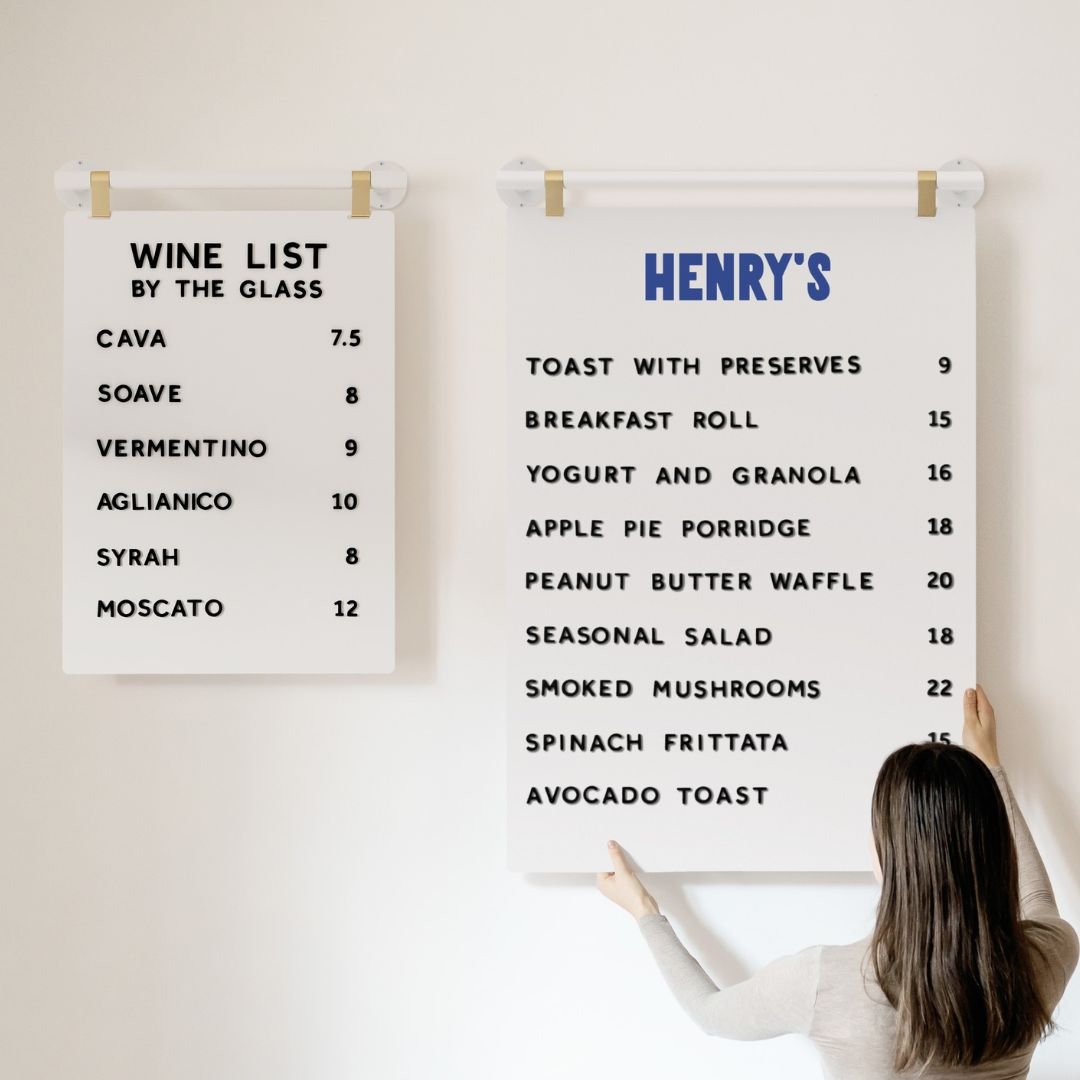
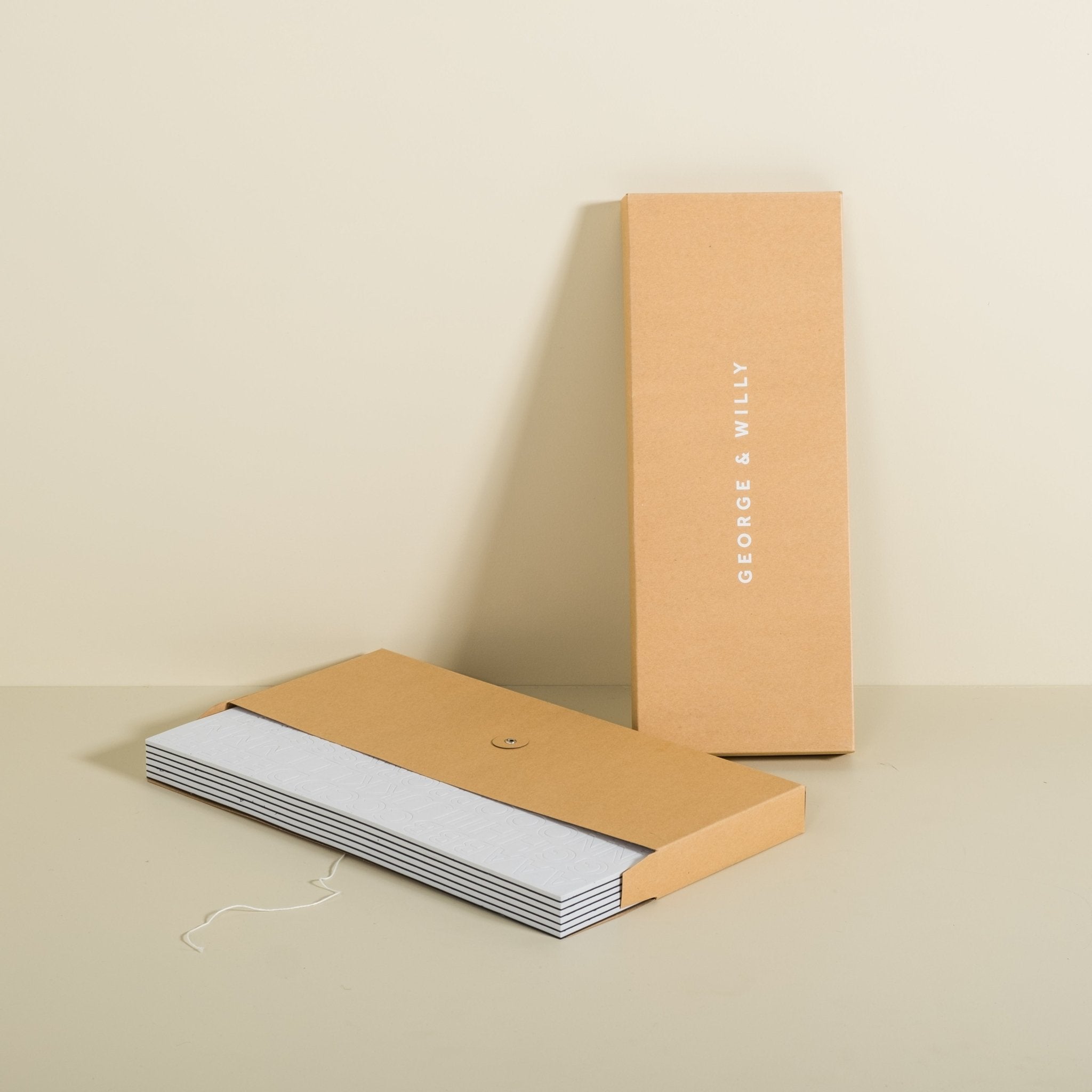
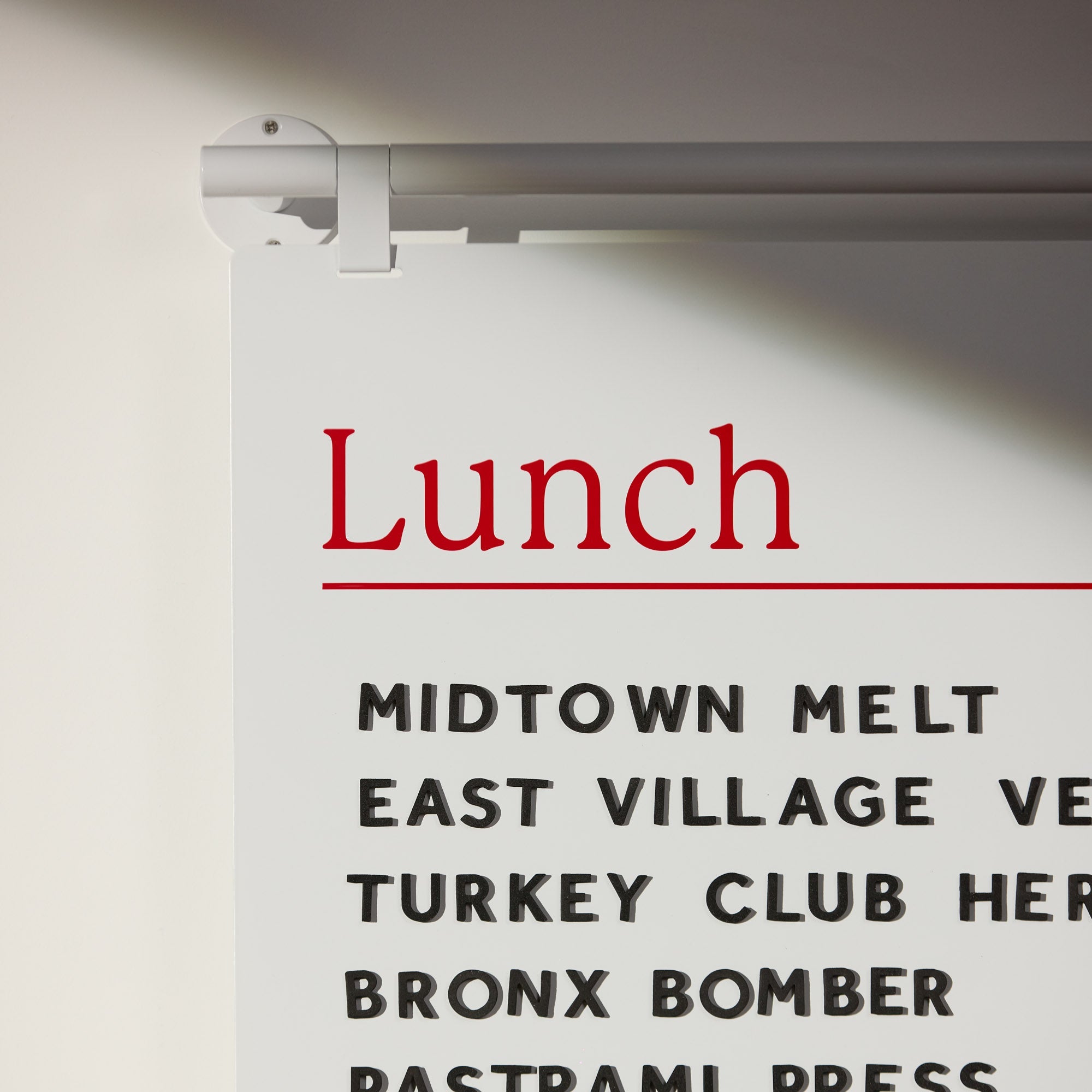
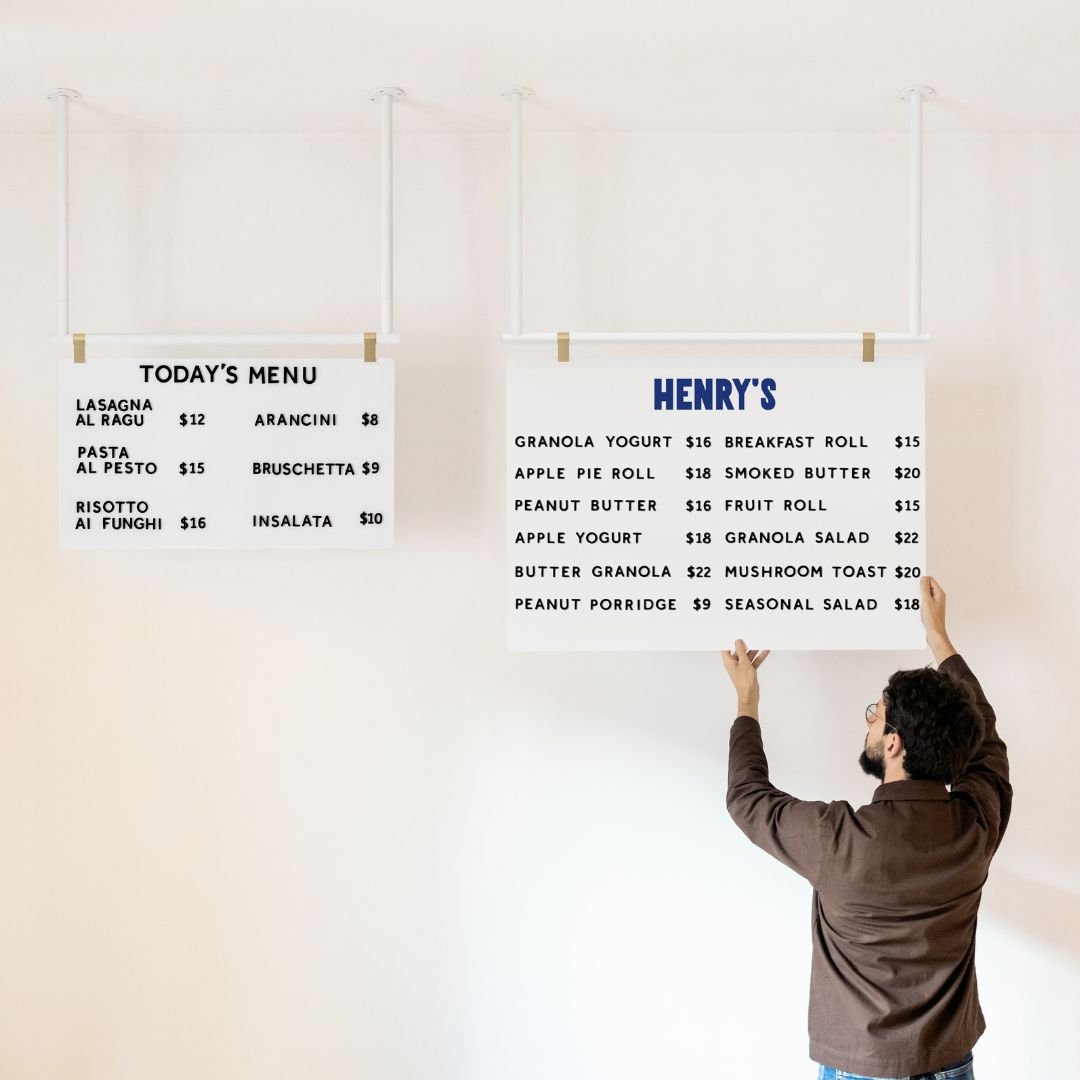
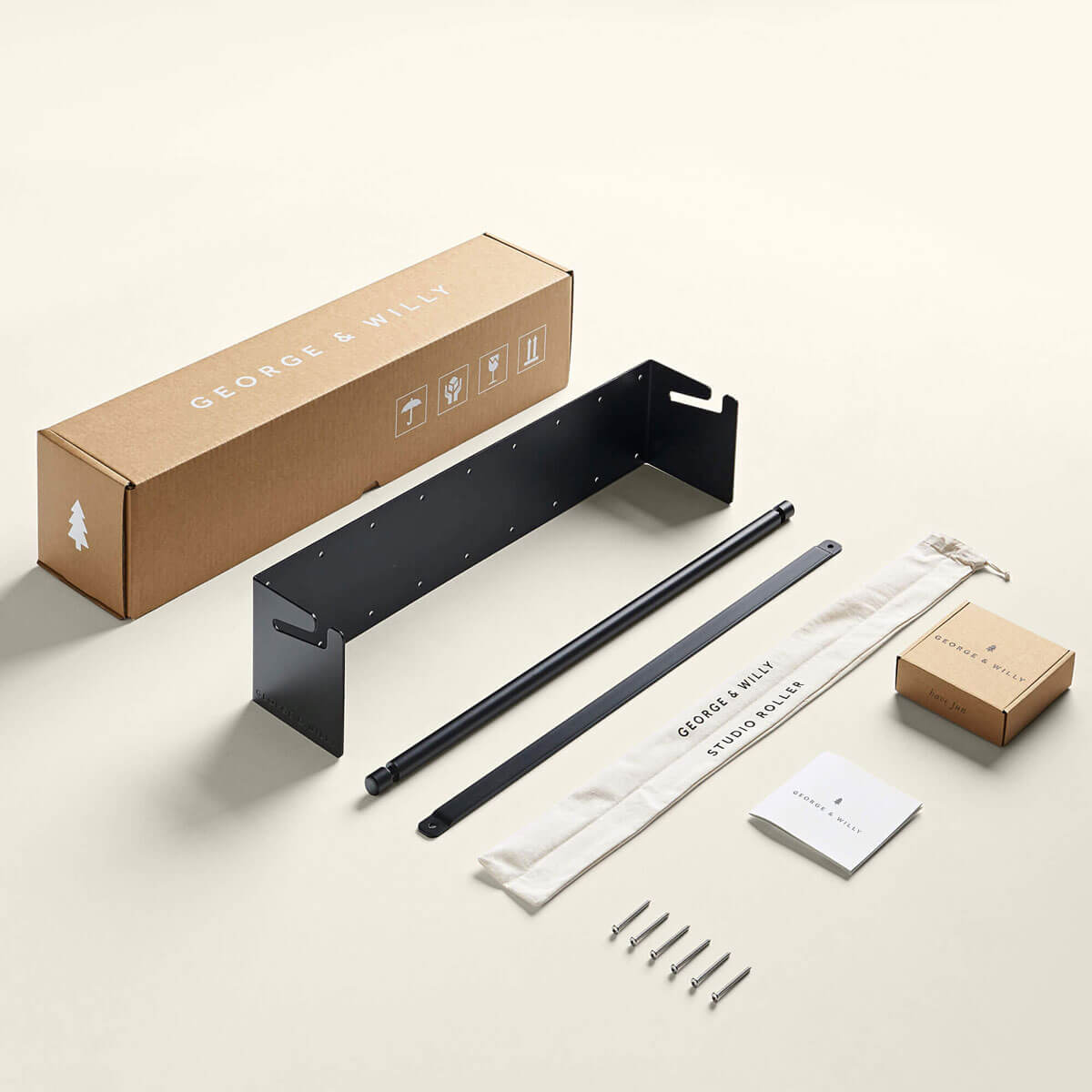
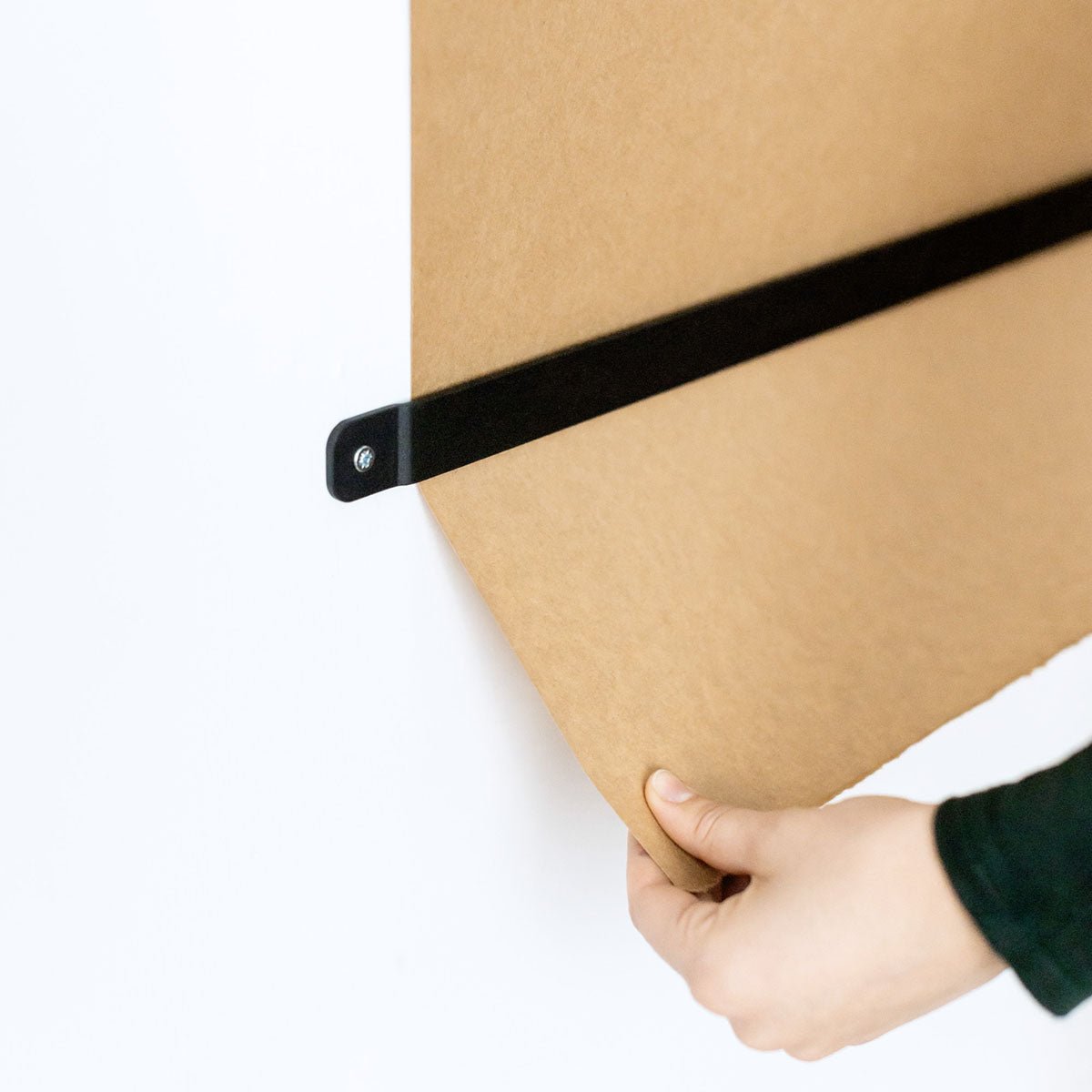
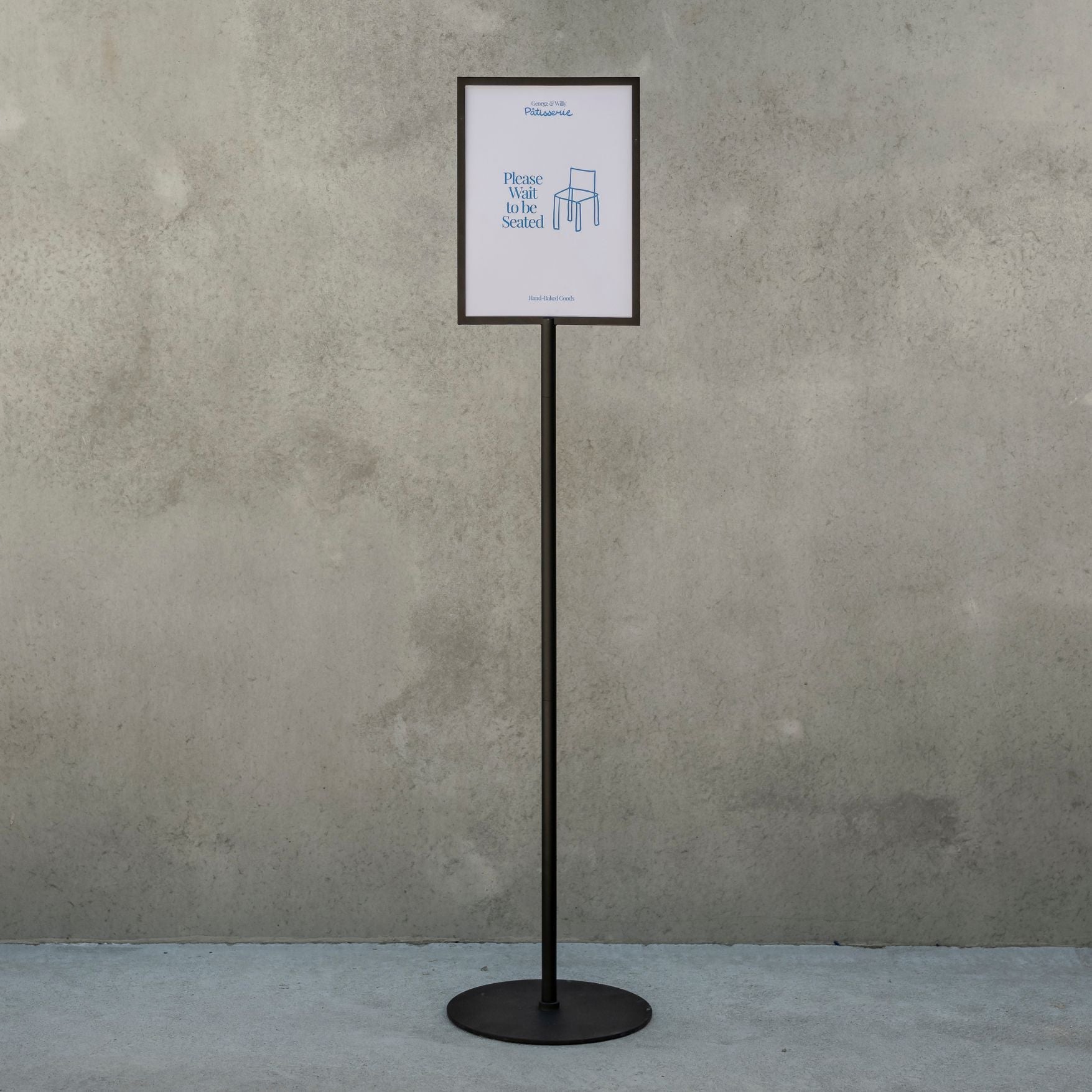
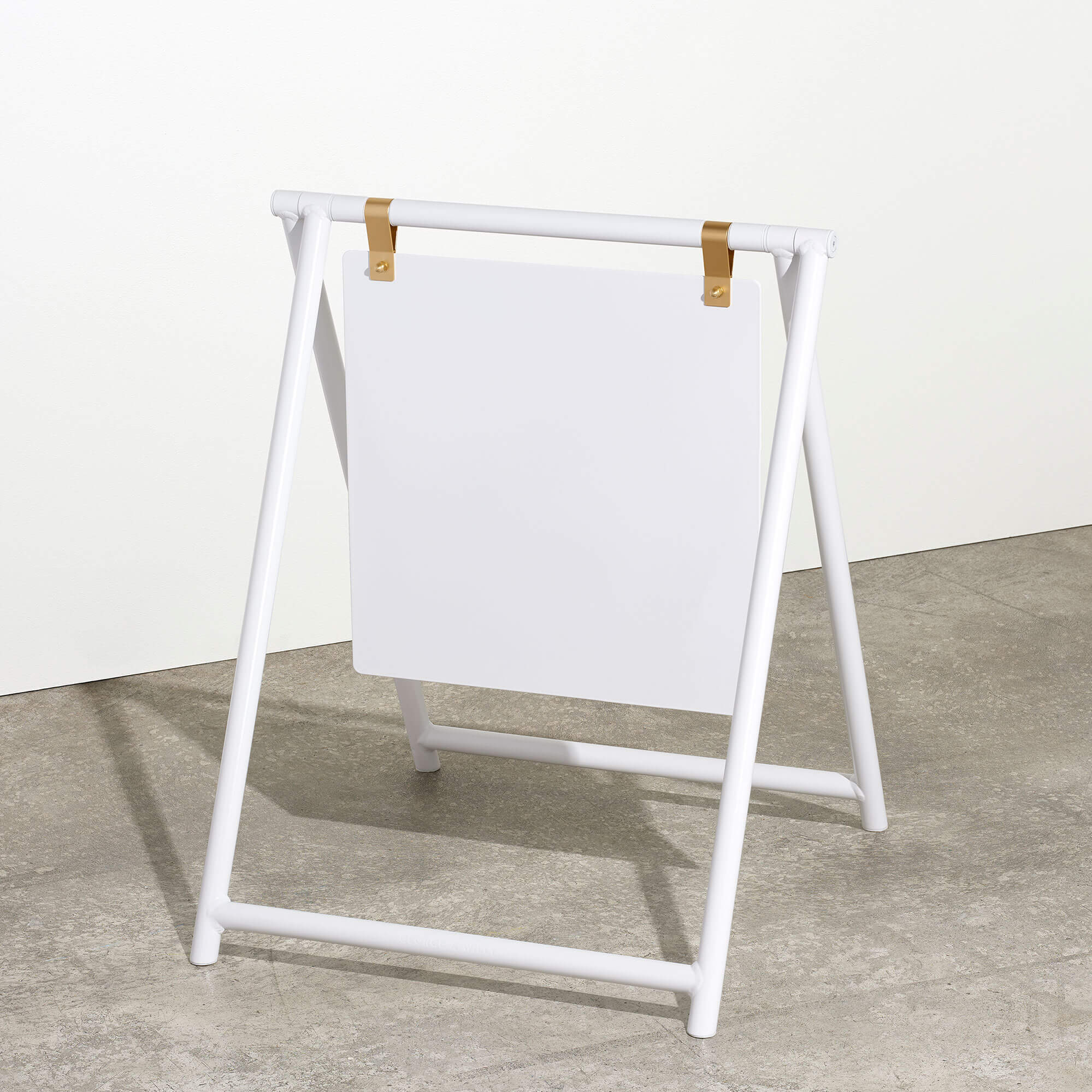
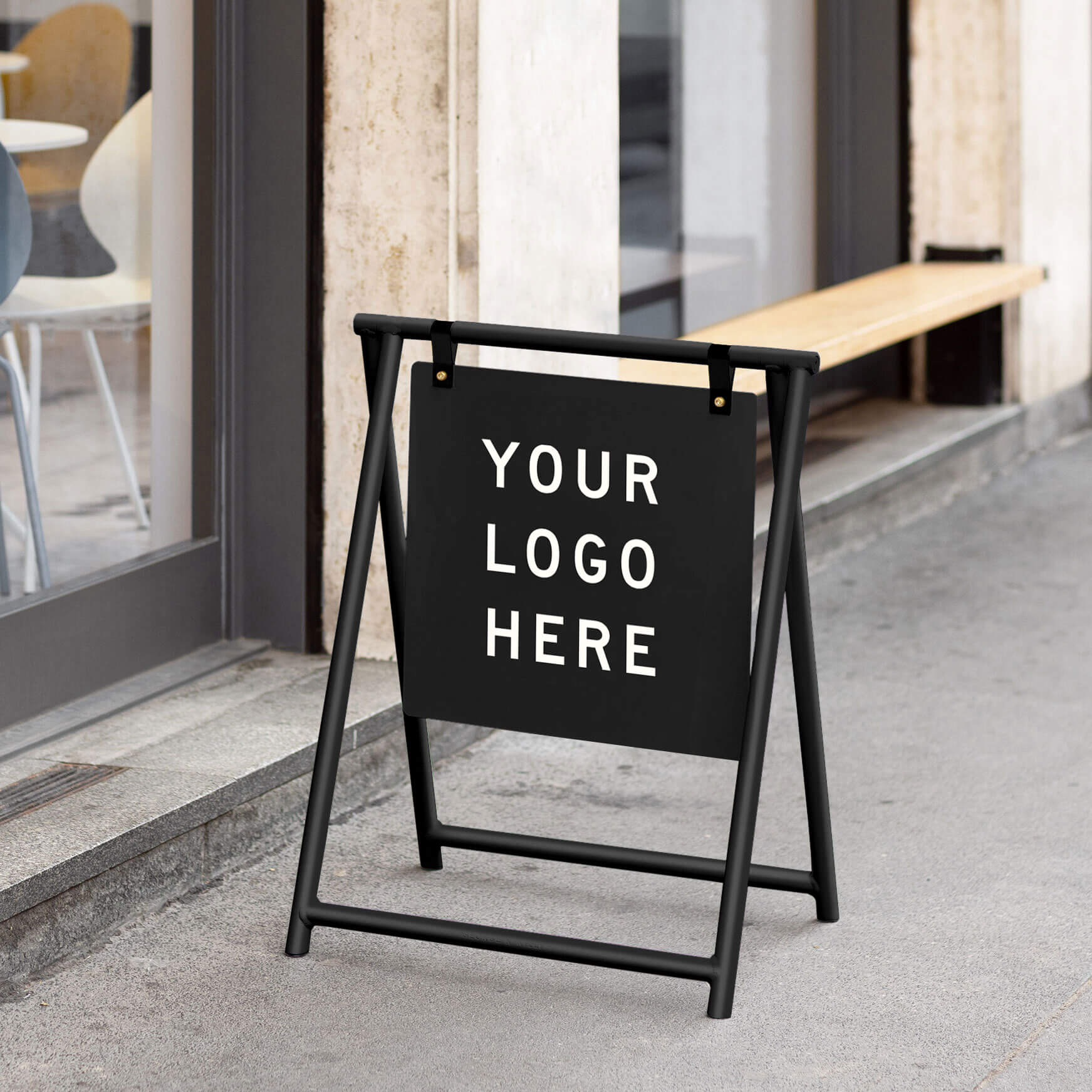
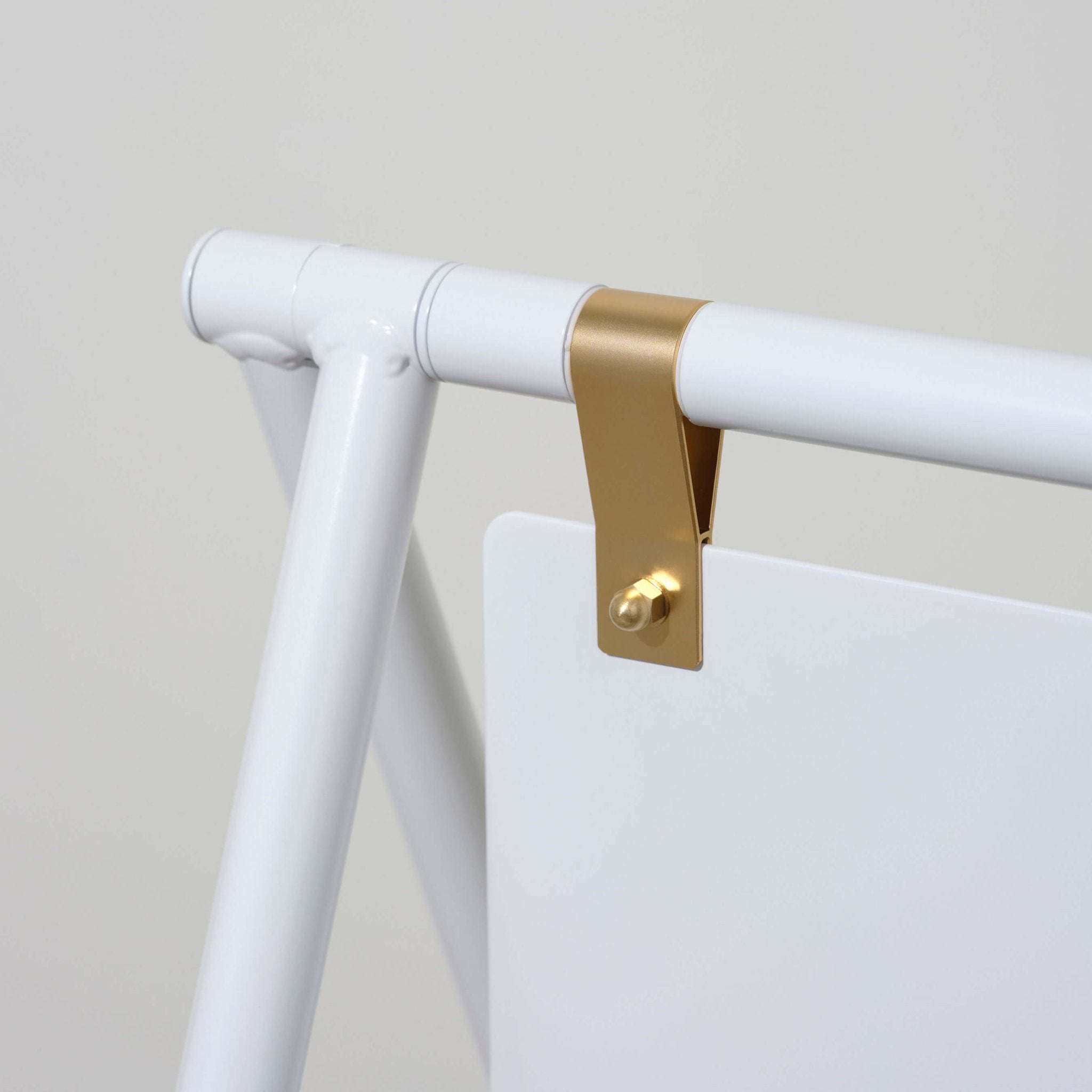
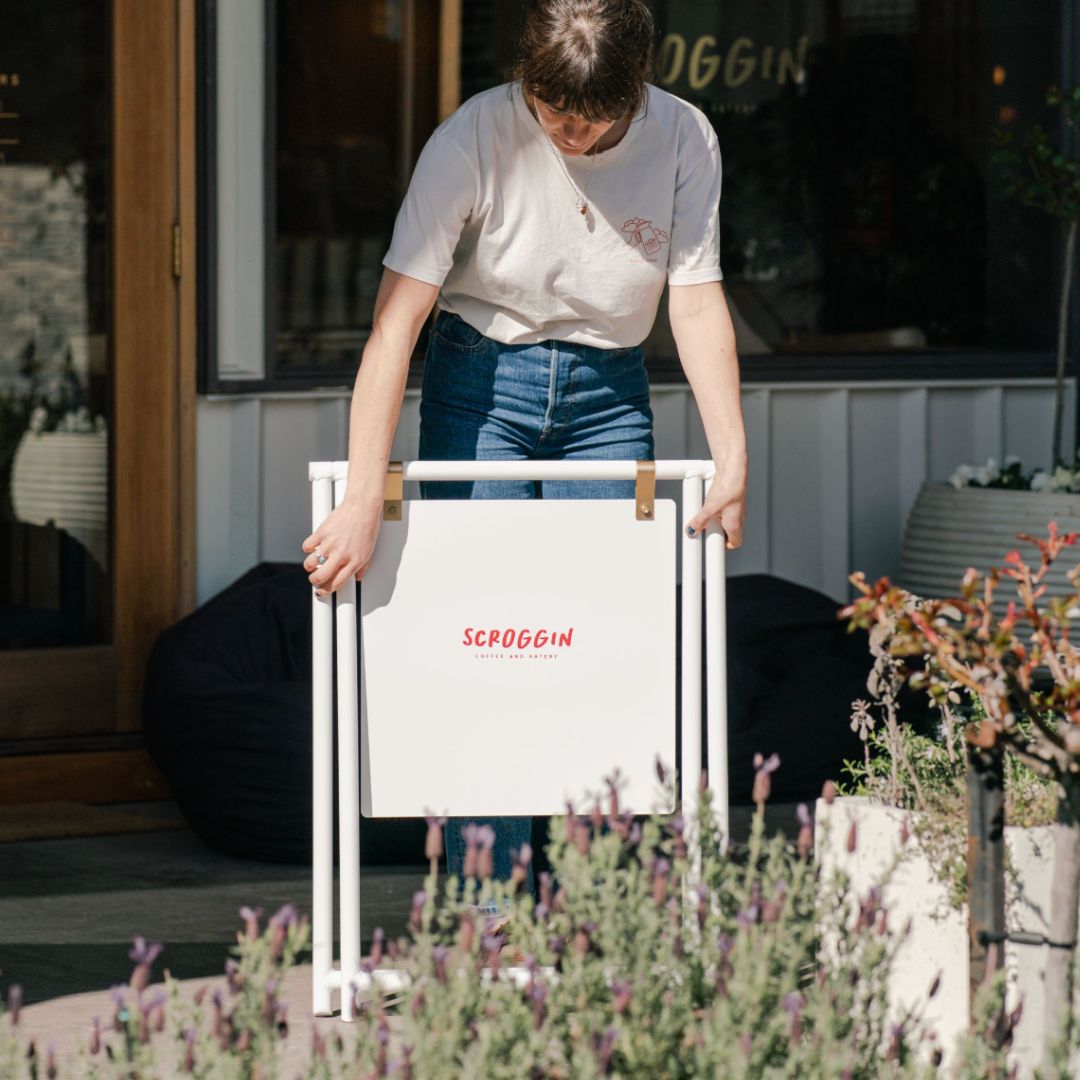
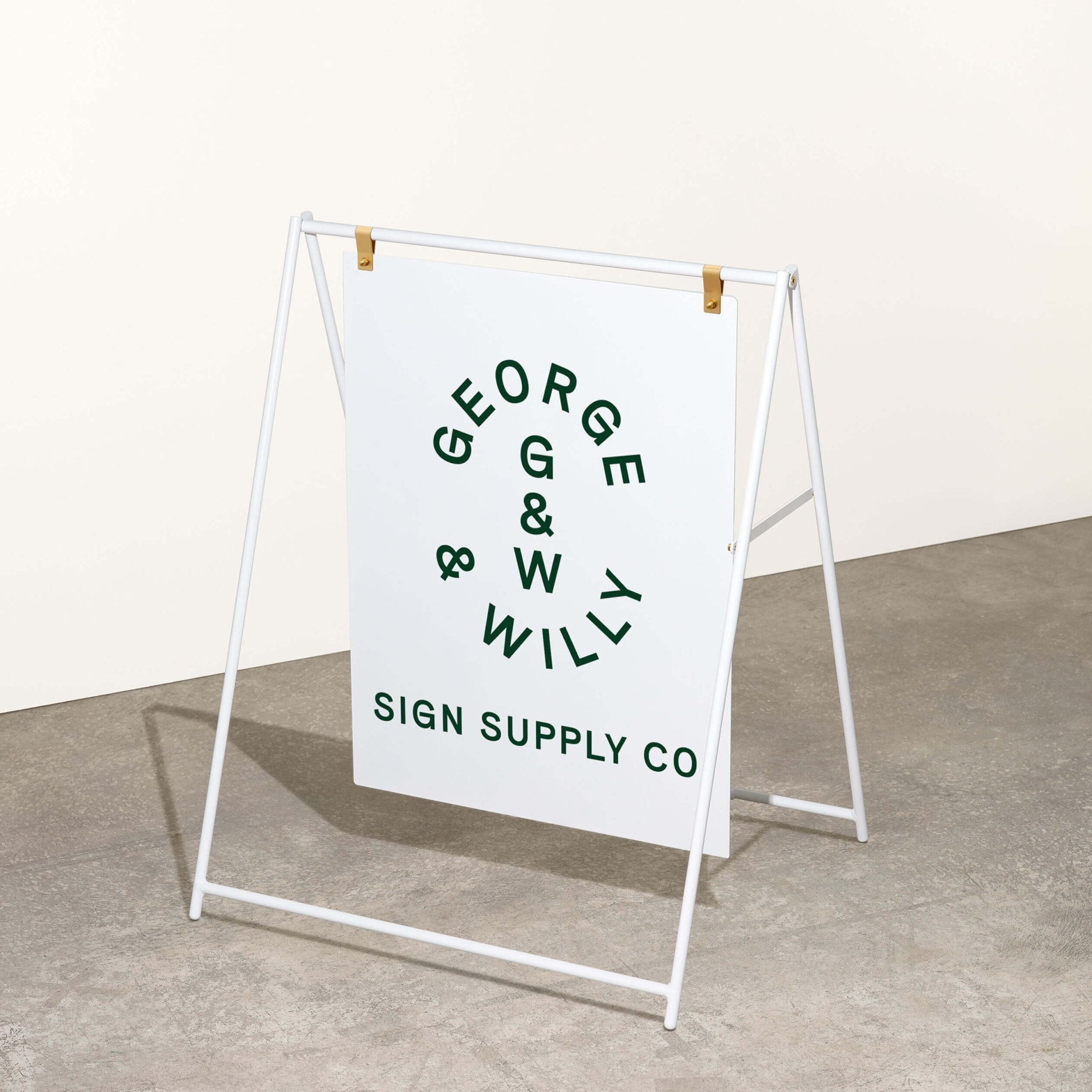
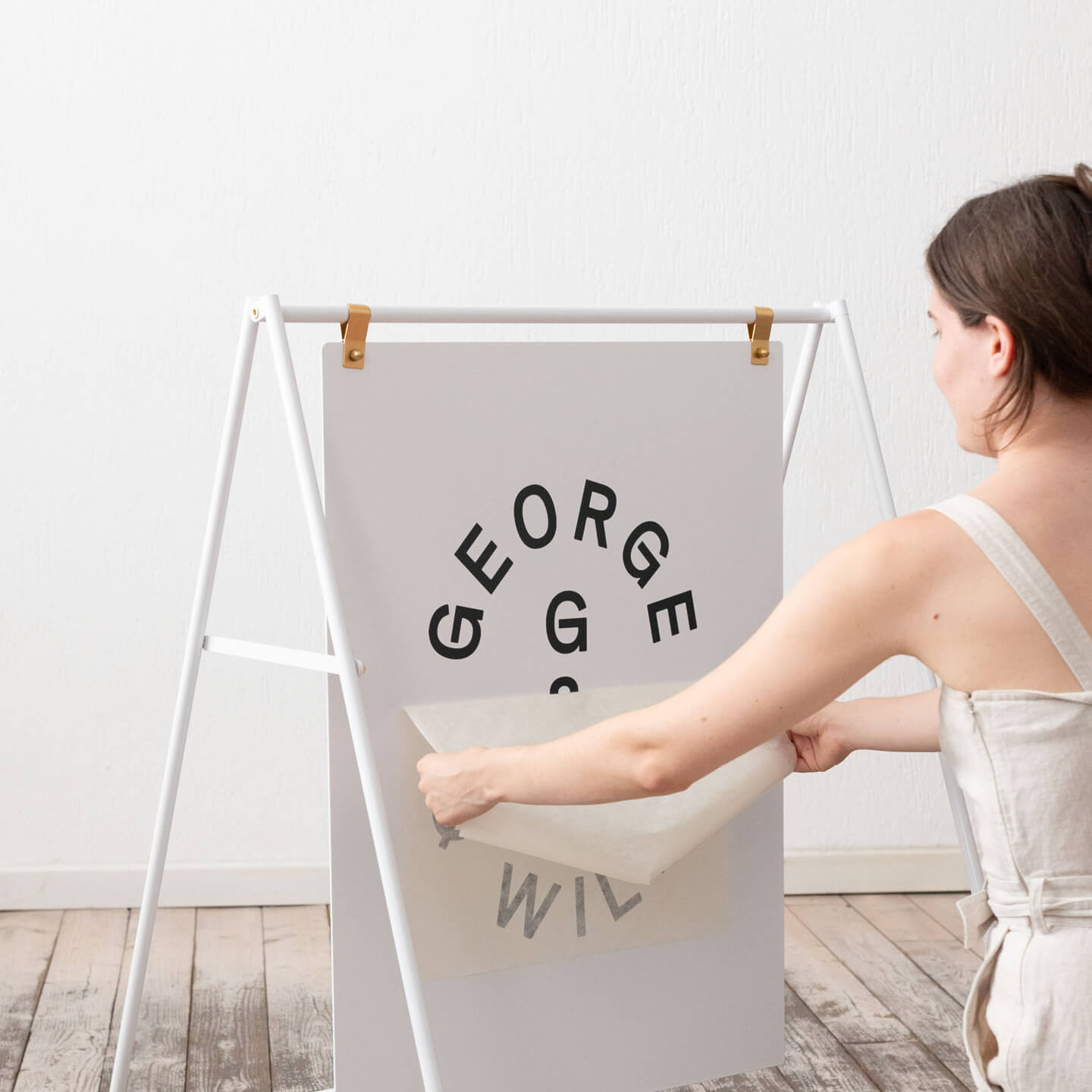
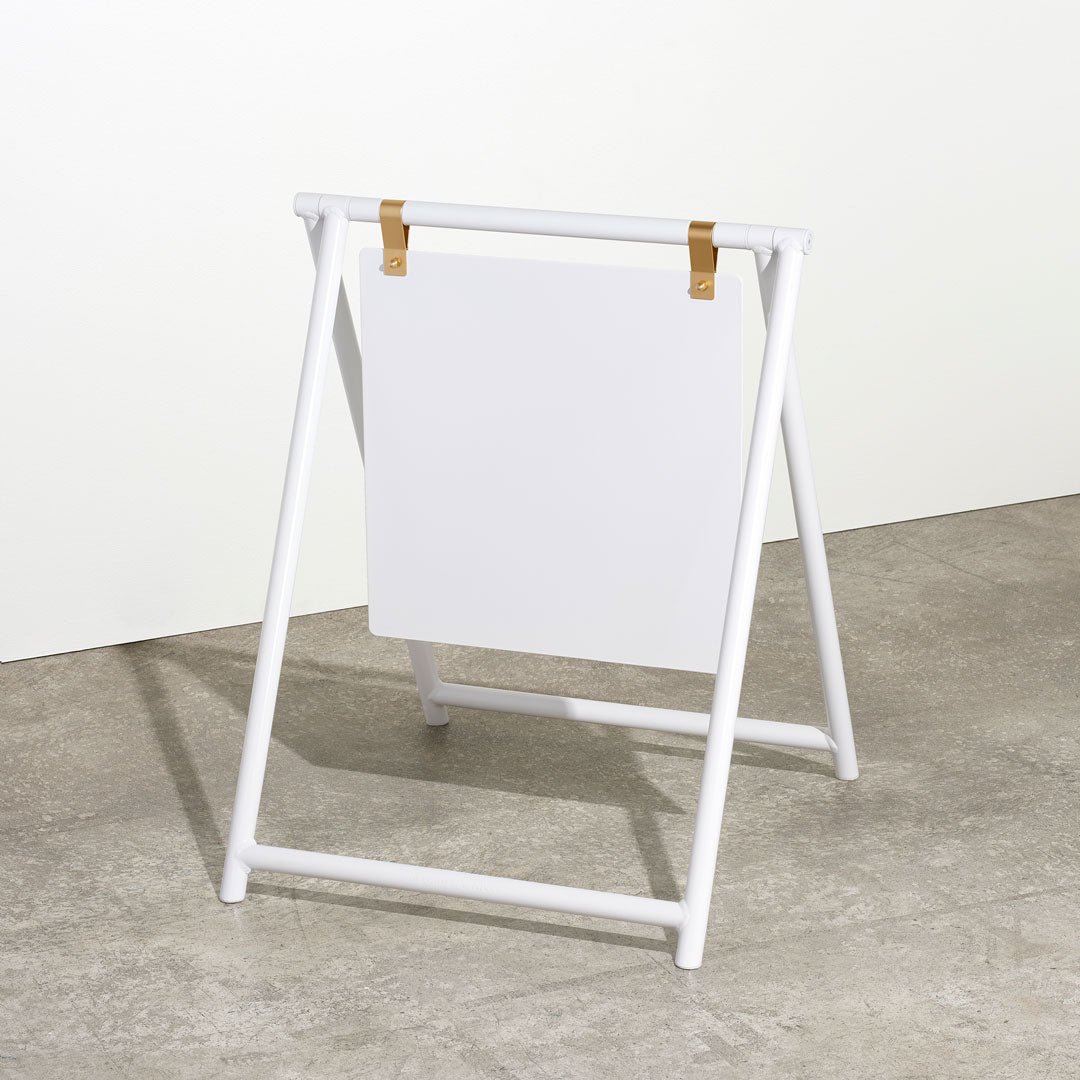
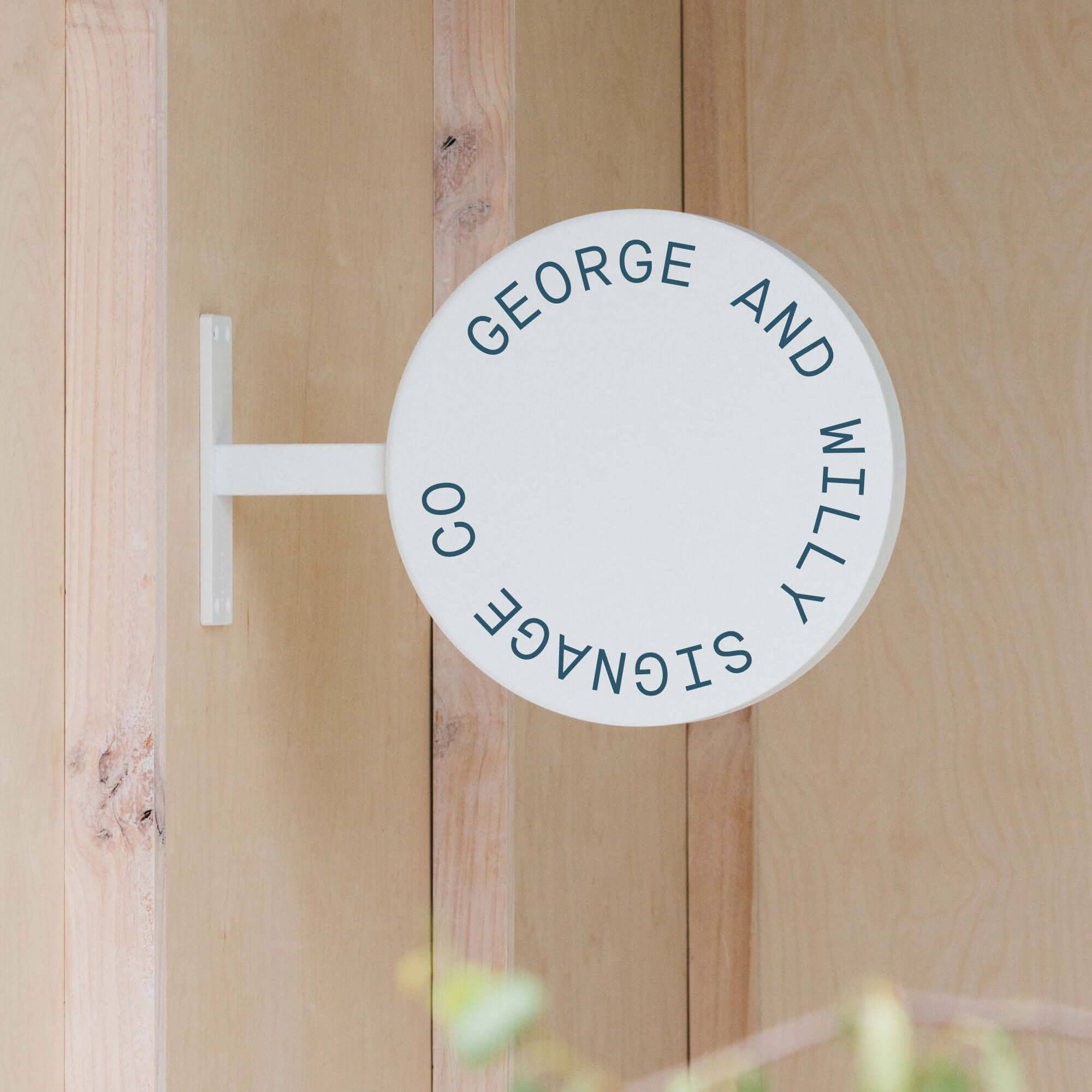
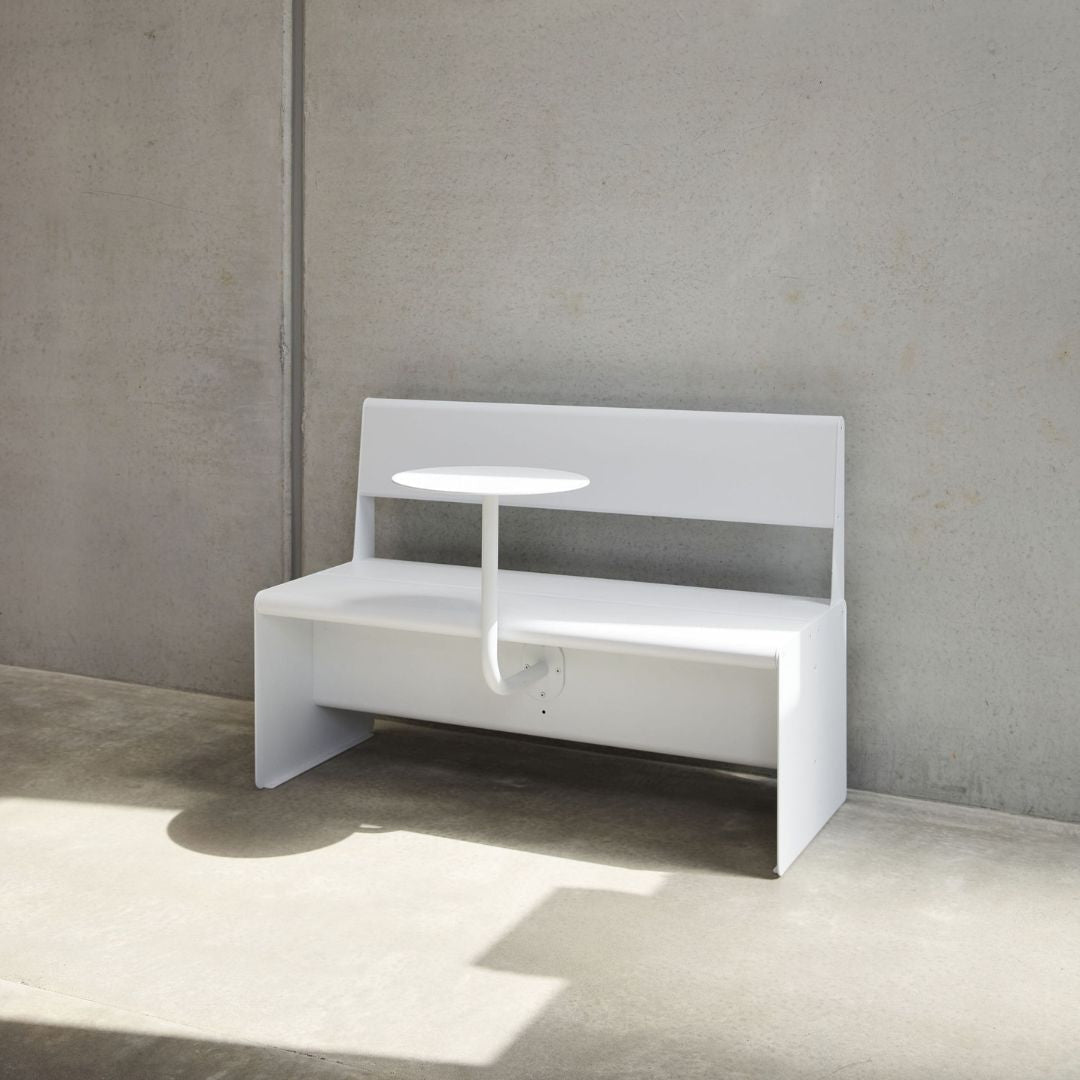
A simple way to achieve a premium look is to start with a beautifully crafted blank store sign and add your branding locally. This gives you a high end aesthetic without the long wait and high cost of full fabrication. This approach allows you to get the perfect custom sign for your space quickly.
A Comprehensive Guide to Custom Sign Types
Choosing the right sign depends on your location, business type, and goals. A cohesive signage strategy uses a mix of types to guide customers from the street to the sale.
Exterior Signs: Your First Impression
These are your primary tools for attracting customers and identifying your business.
- Storefront Signs: Mounted flat against your building, these are the main identifier for your business. They can be simple panels or more complex illuminated boxes.
- Blade Signs: A hanging blade sign projects from the building, making it perfect for catching the eye of pedestrians on a busy street.
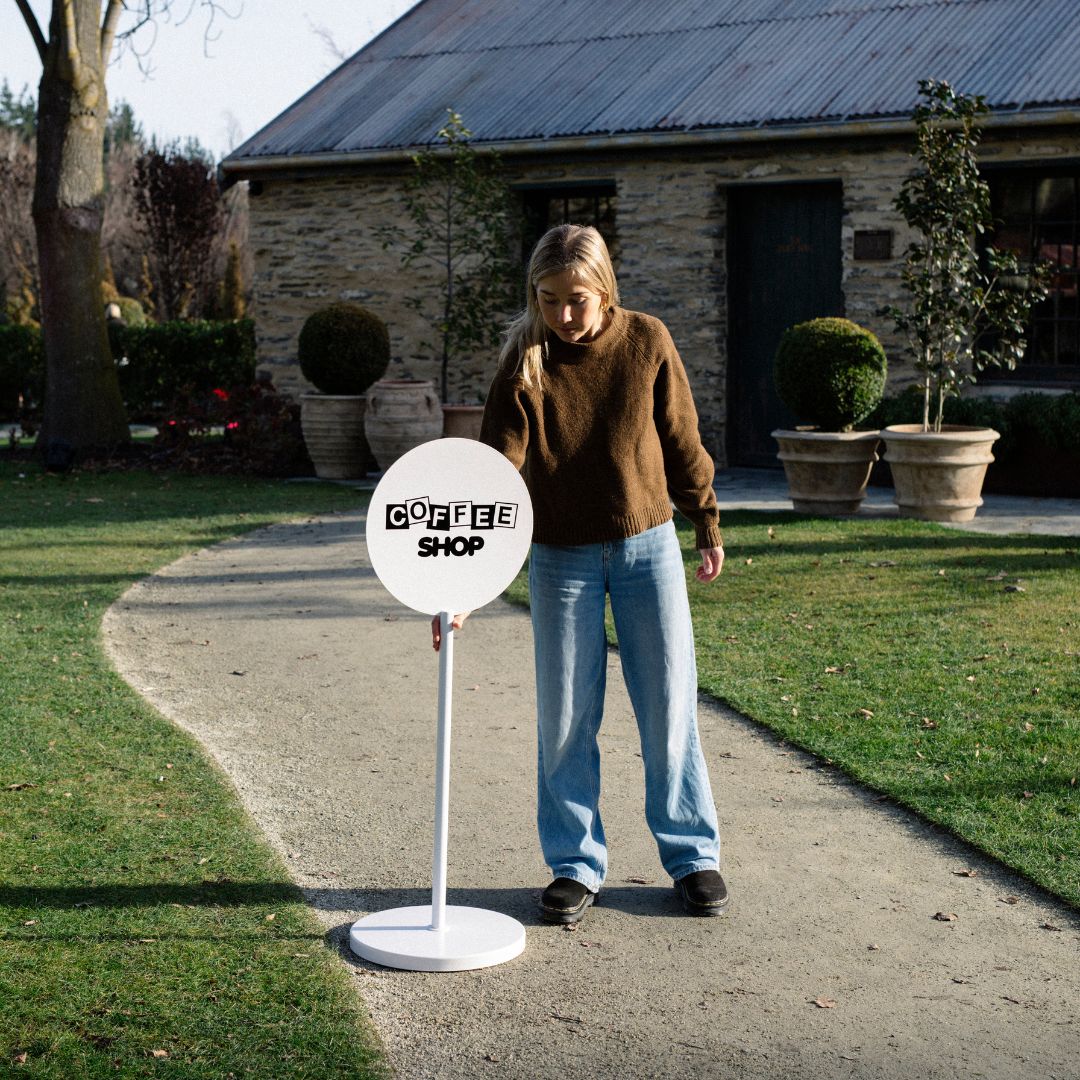
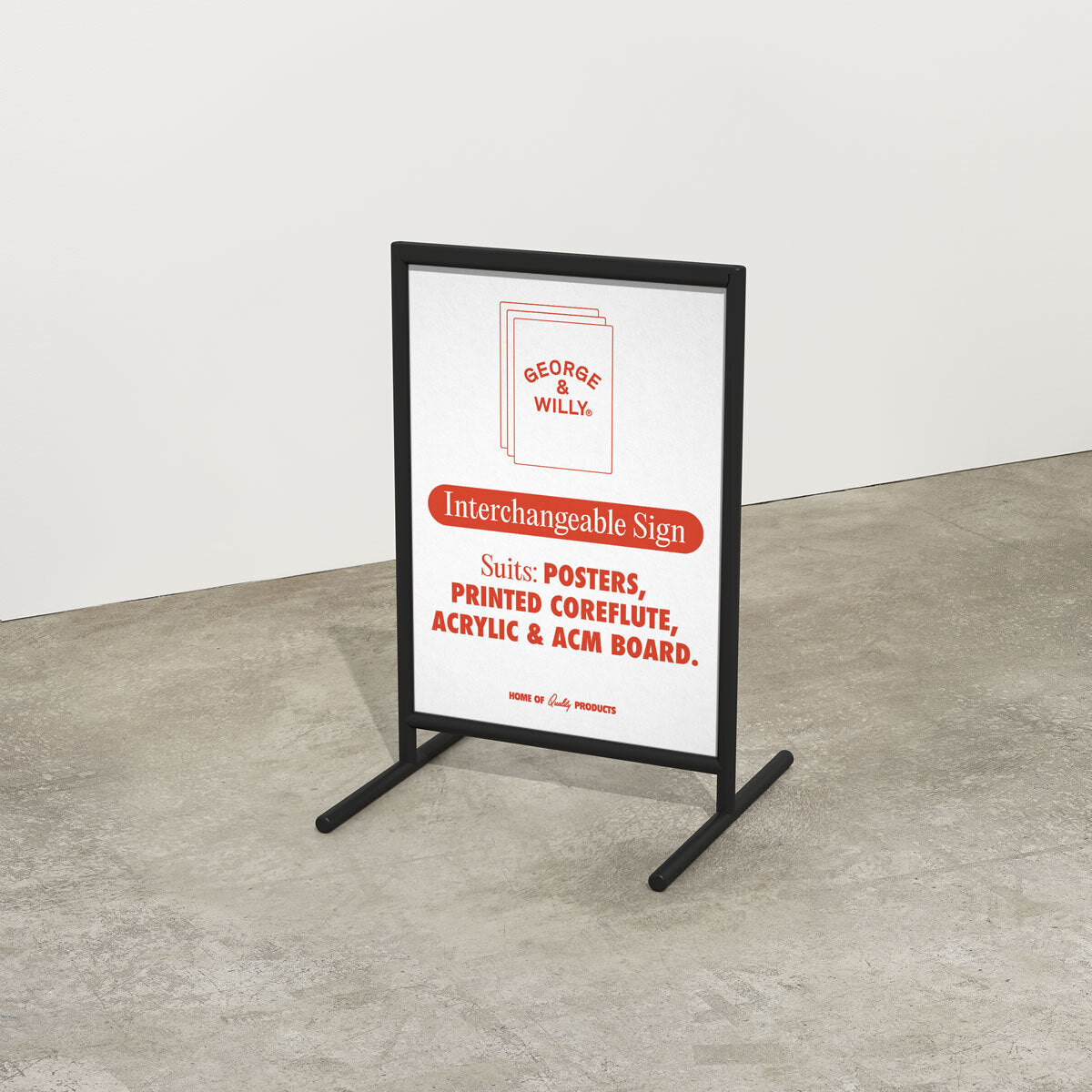
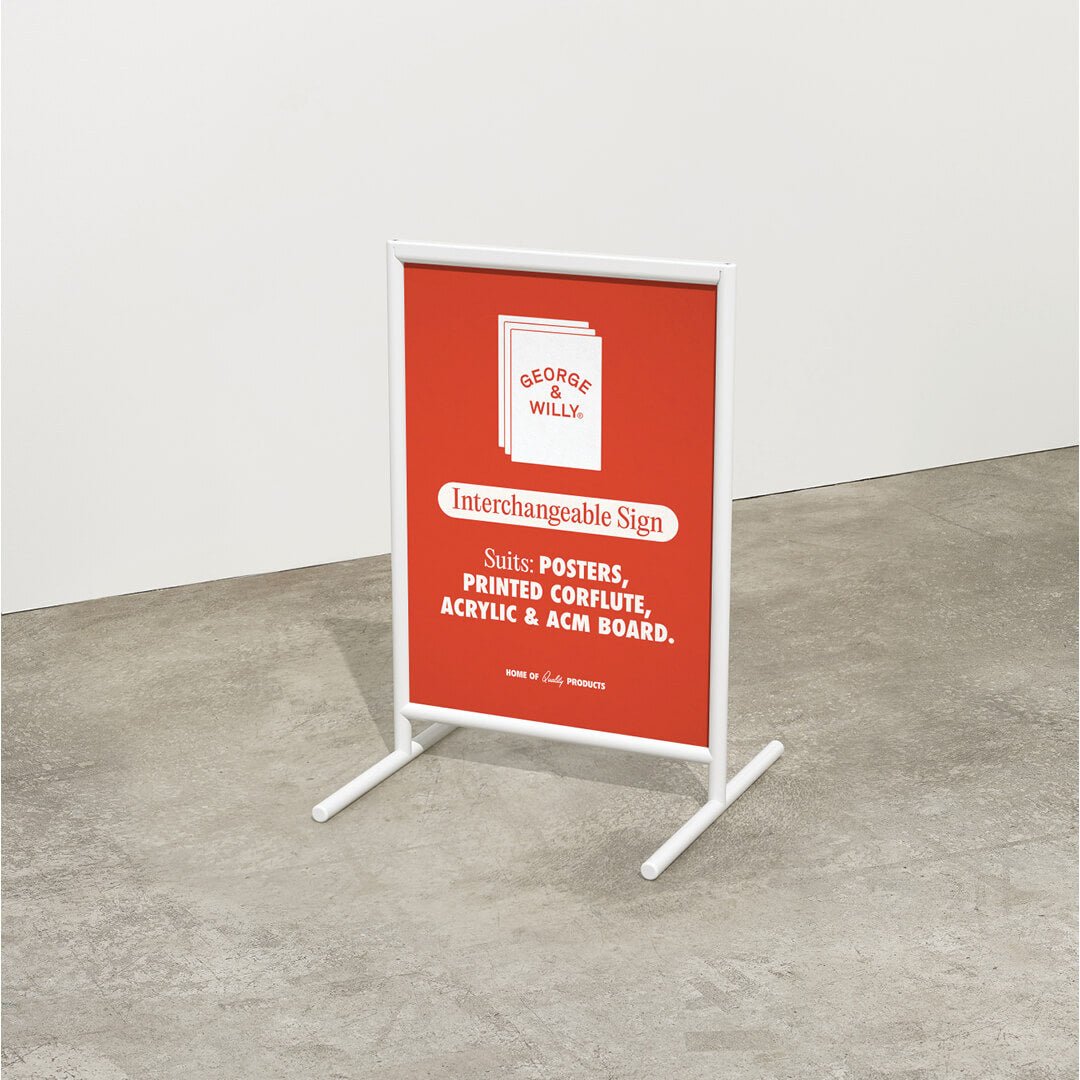
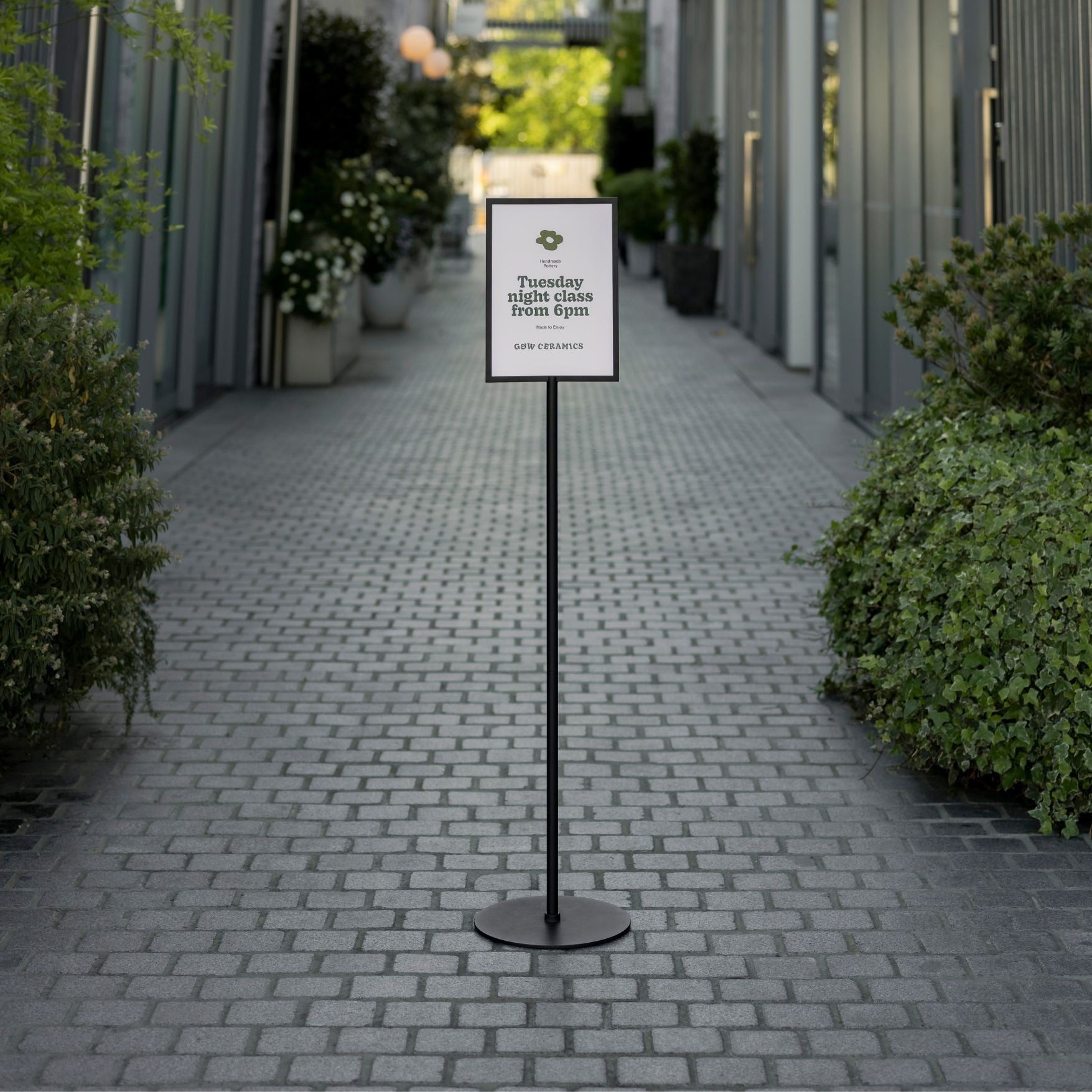
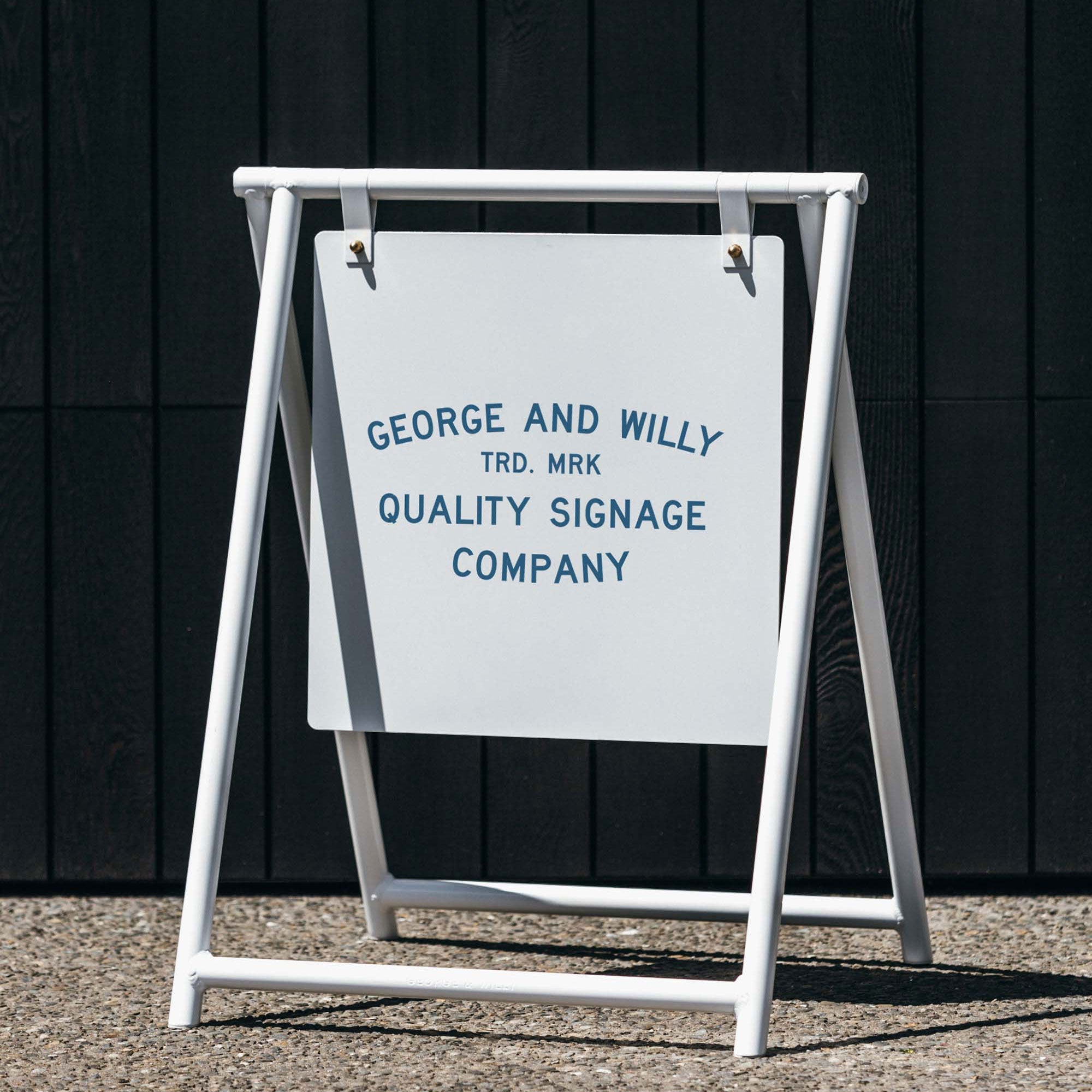
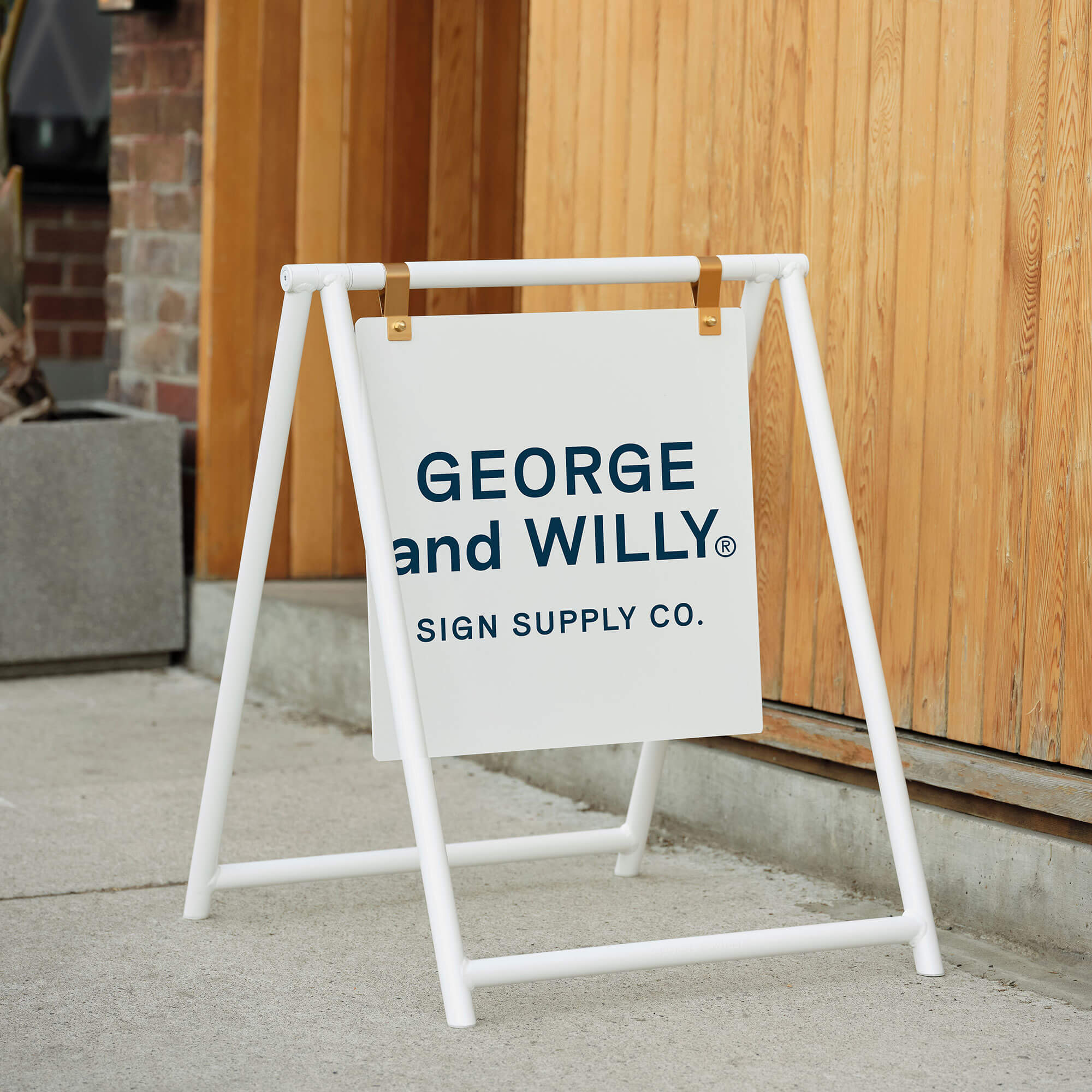
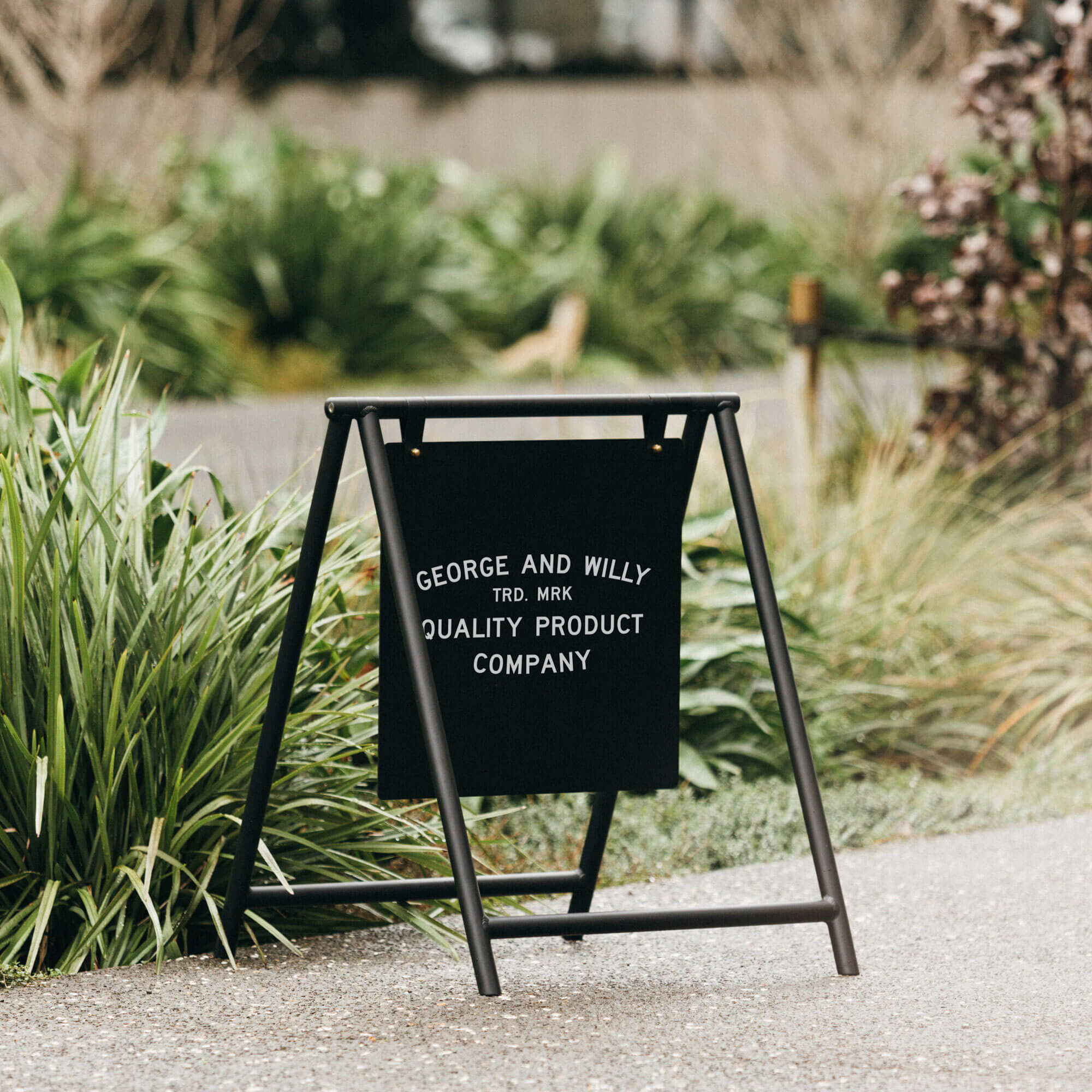
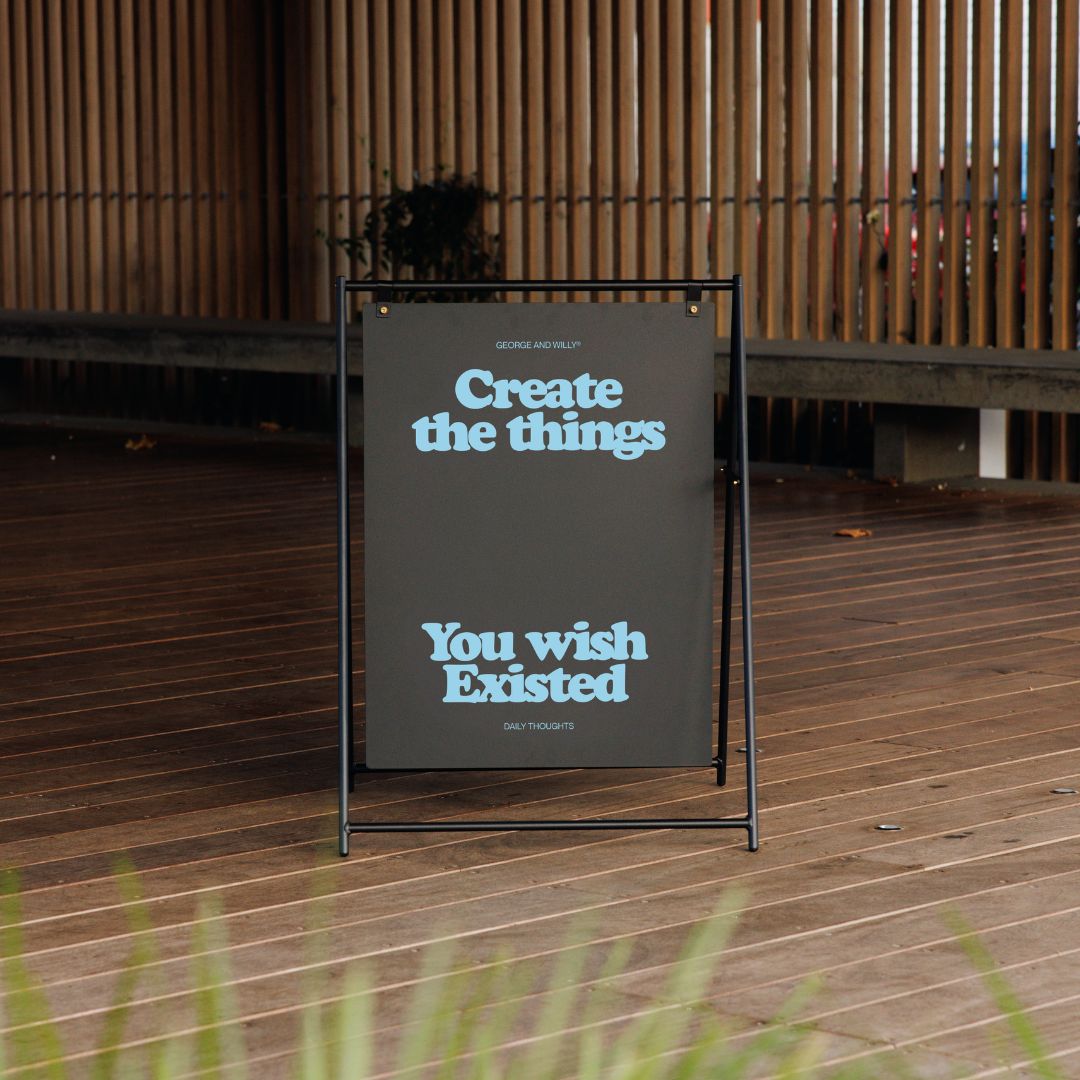
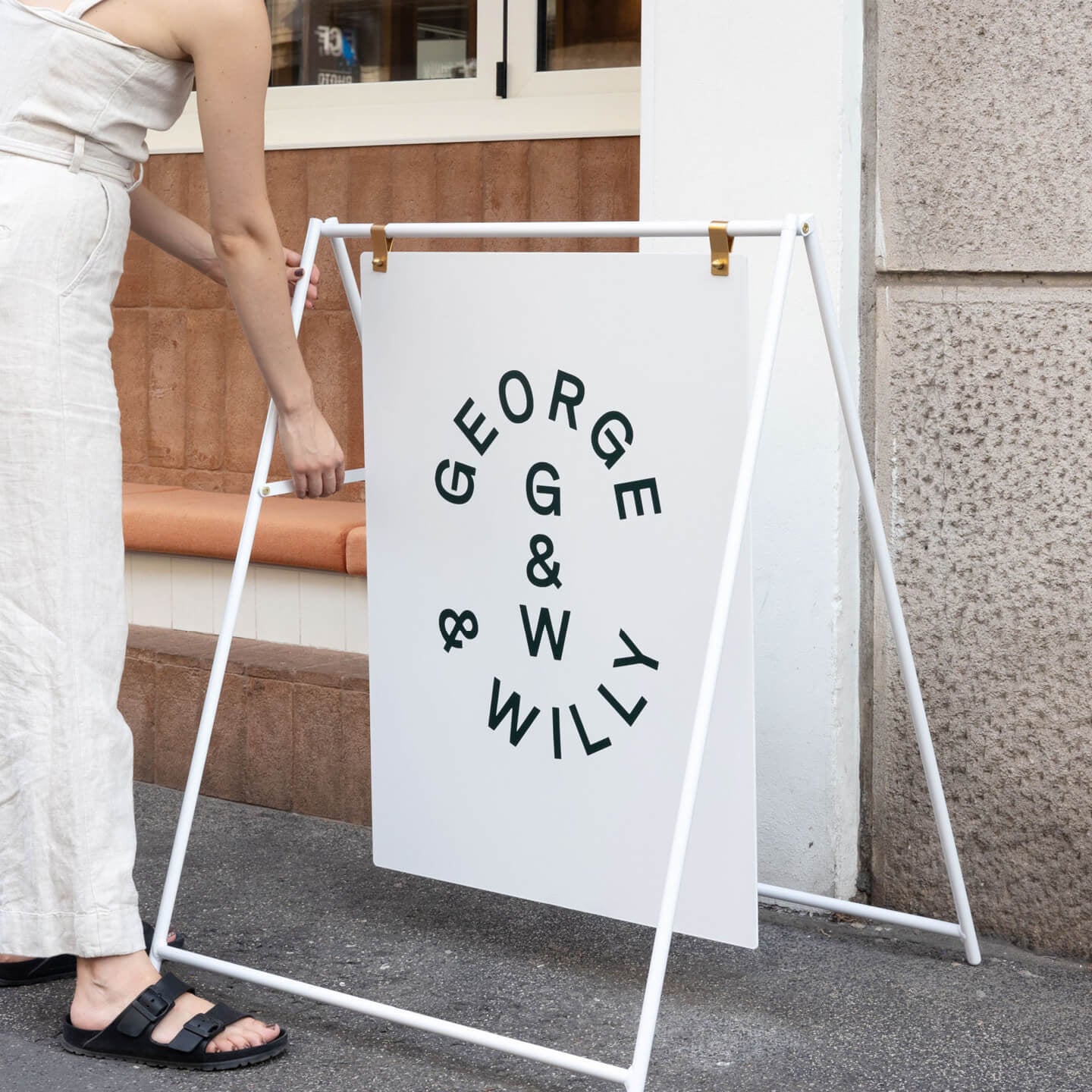
- A Frame Signs: Placed on the sidewalk, these portable signs are great for advertising daily specials, promotions, or welcoming messages.
- Channel Letters & Dimensional Lettering: These are custom fabricated 3D letters, often made from metal or acrylic. Channel letters are typically hollow and can be illuminated from the front or back (creating a halo effect), offering high visibility at night. Dimensional letters are solid and provide a bold, premium look.
- Monument & Pylon Signs: These are large, freestanding structures usually found at the entrance to a property, shopping center, or business park. Monument signs are lower to the ground, while pylon signs are tall poles designed to be seen from a distance by passing traffic.
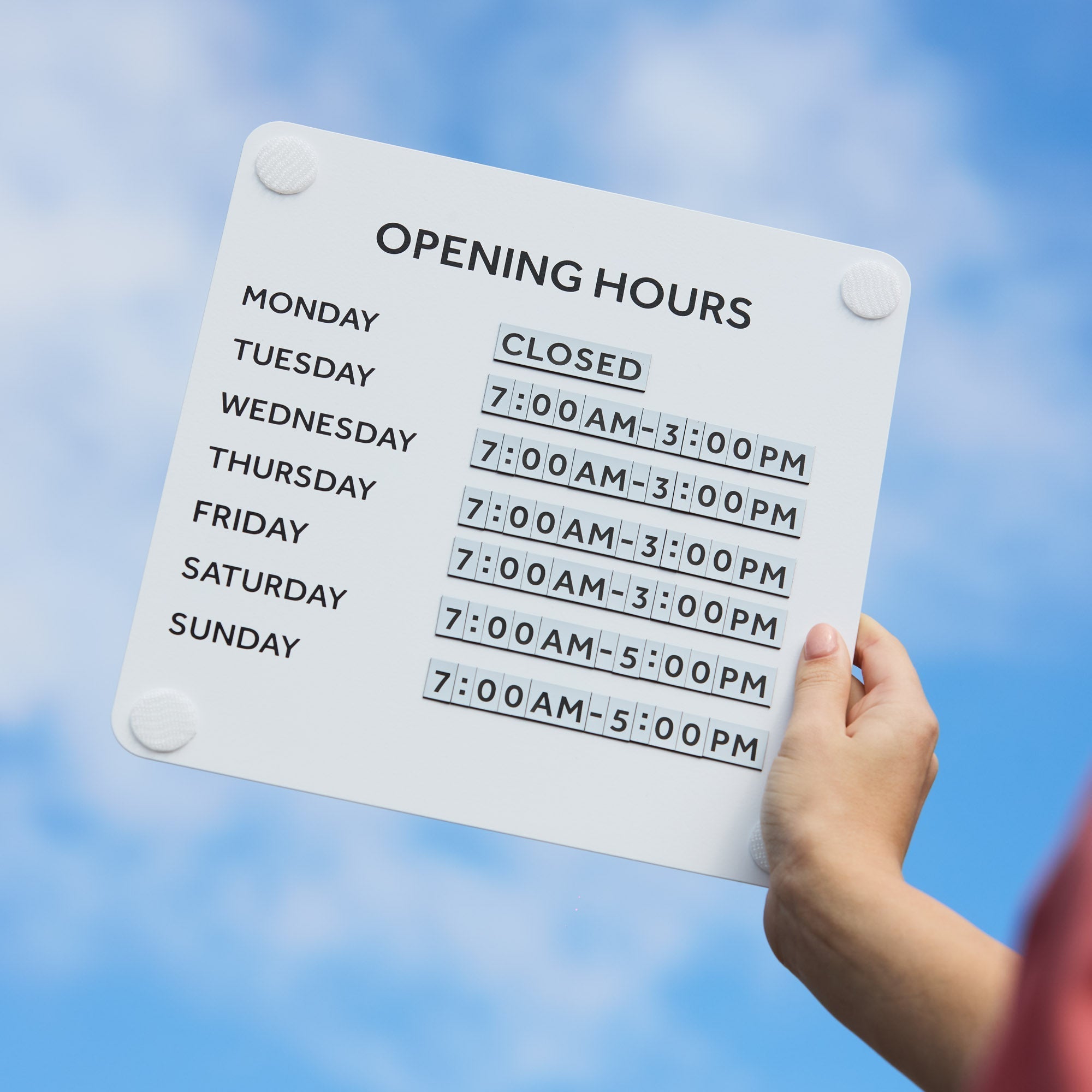
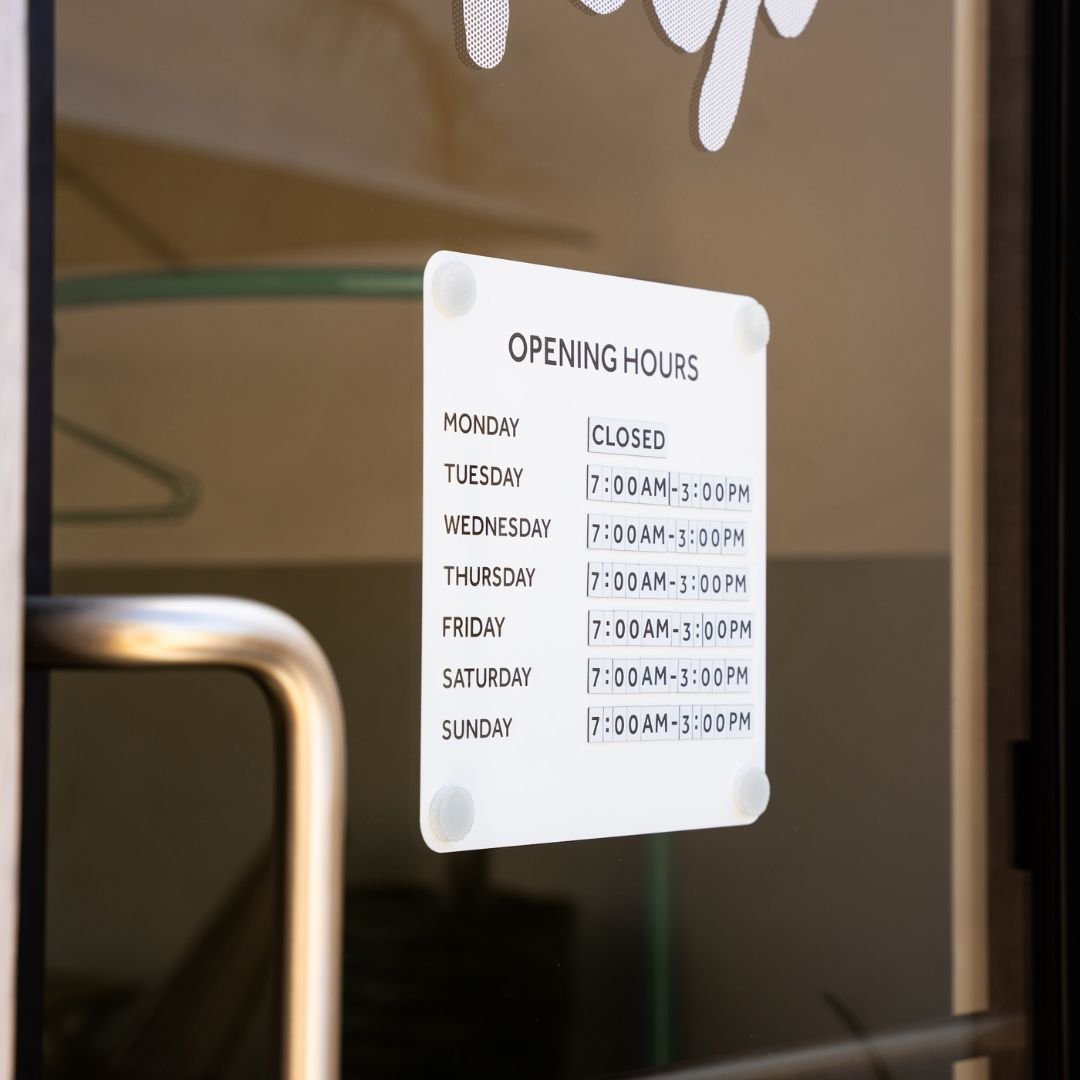
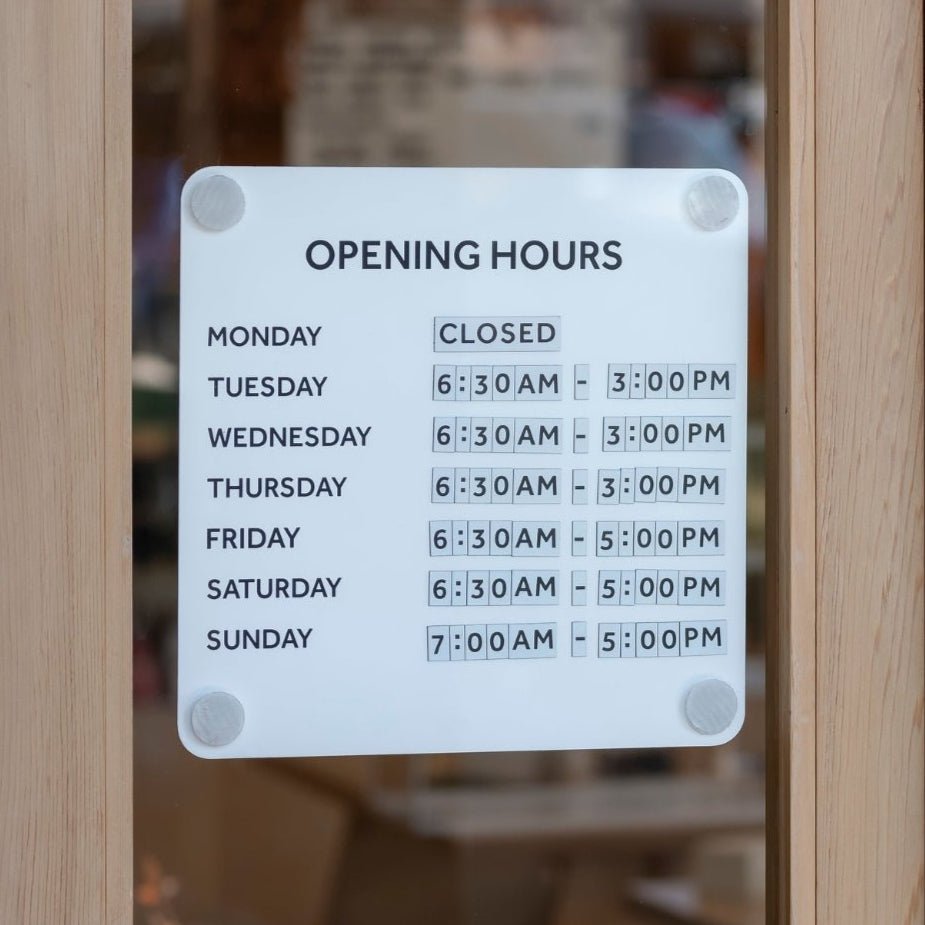
- Window Graphics: Decals and vinyl lettering turn your windows into valuable advertising space for displaying store hours, services, or branding elements.
Interior Signs: Enhancing the Customer Experience
Once customers are inside, interior signs guide them and reinforce your brand.
- Lobby & Reception Signs: Welcome visitors and establish your brand identity the moment they walk in with a prominent logo or company name sign.
- Wayfinding Signs: These signs direct customers to restrooms, exits, or different departments, creating a smooth and stress free flow of traffic.
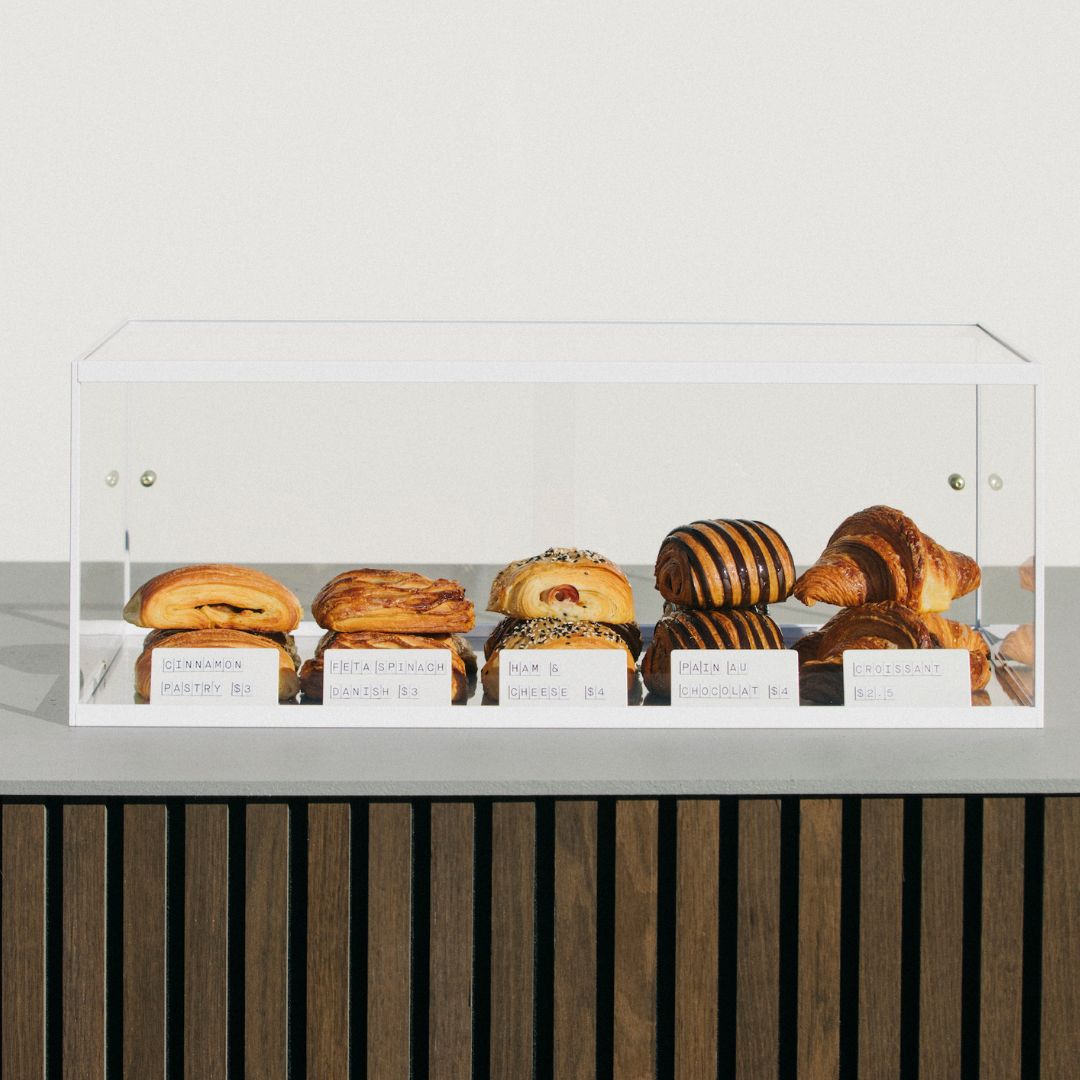
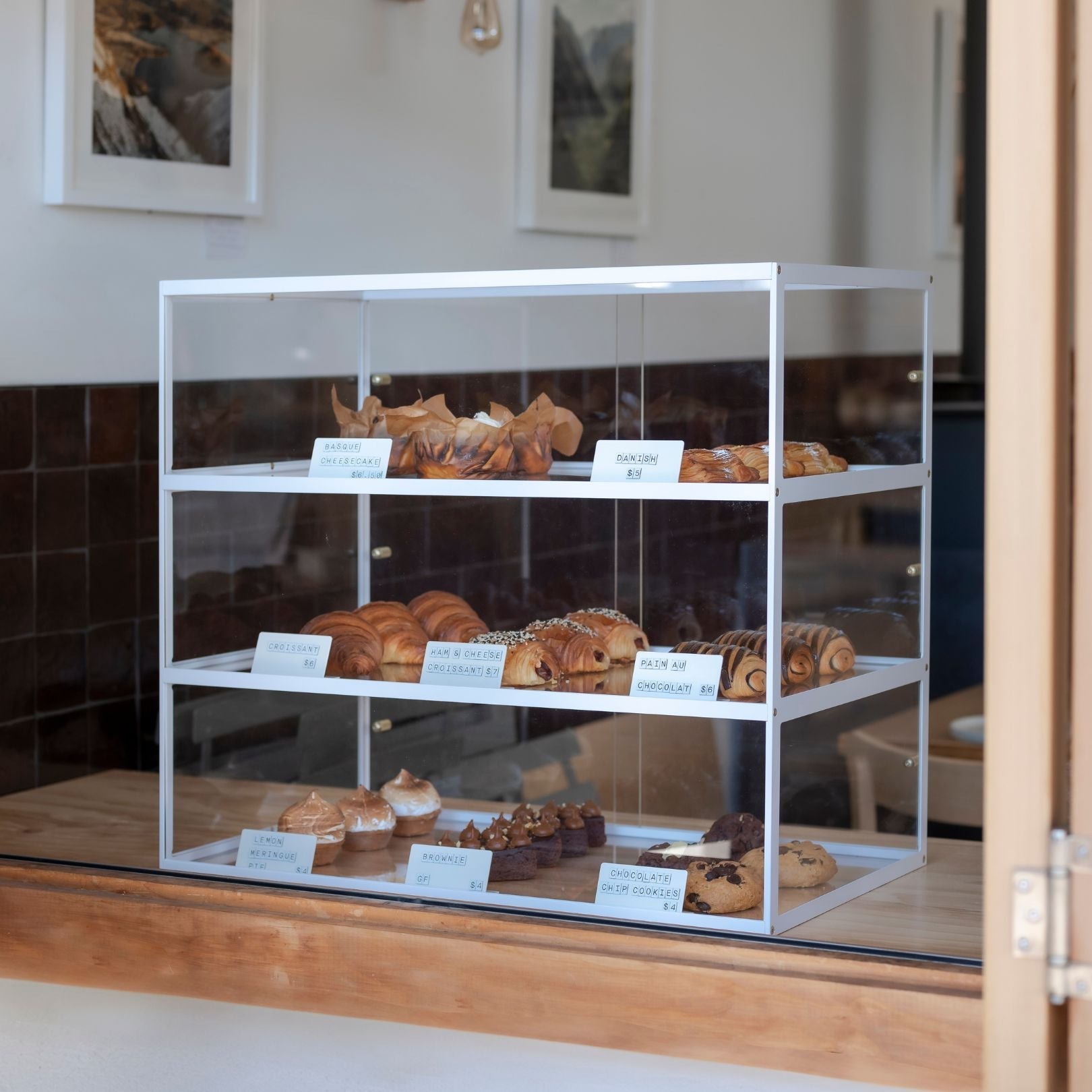
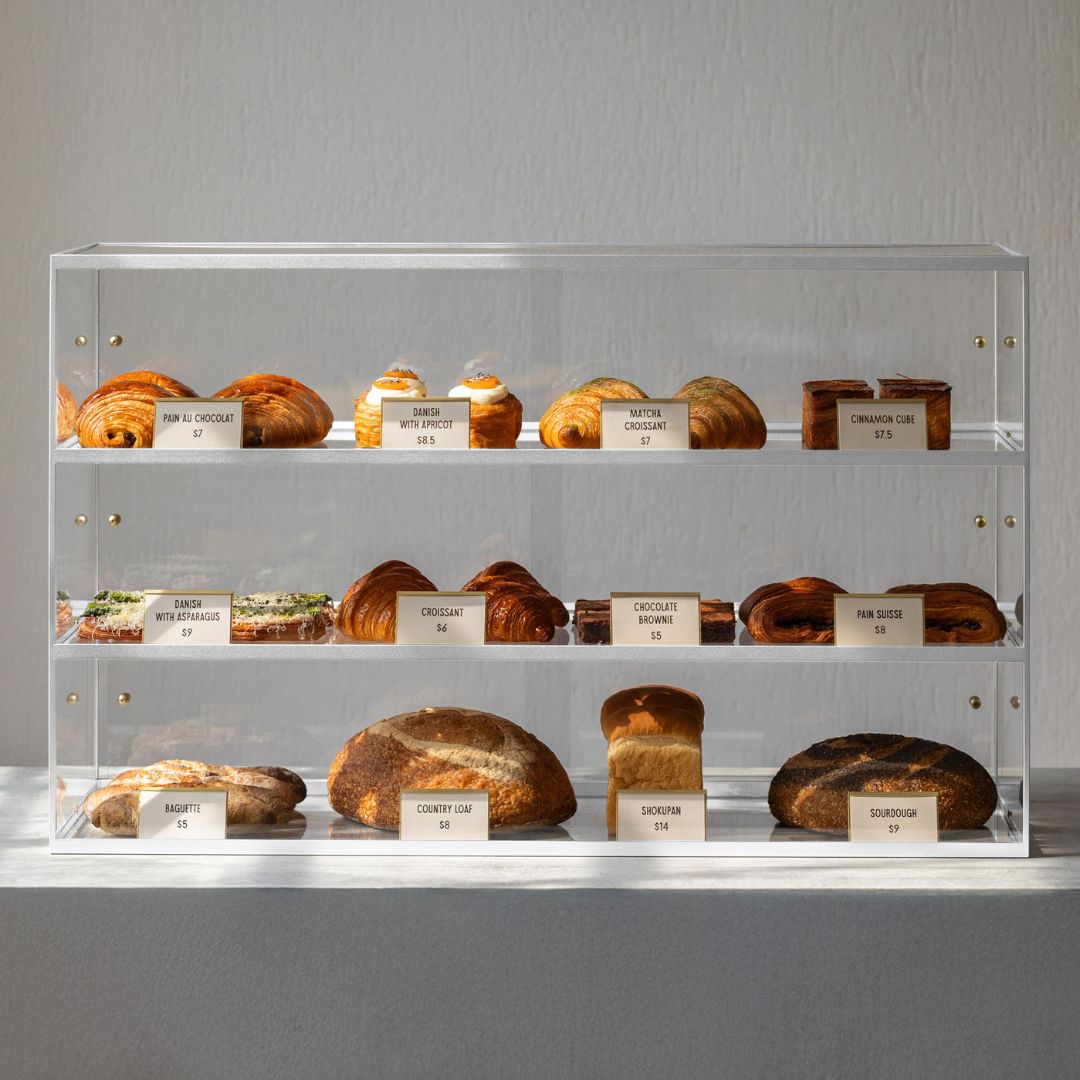
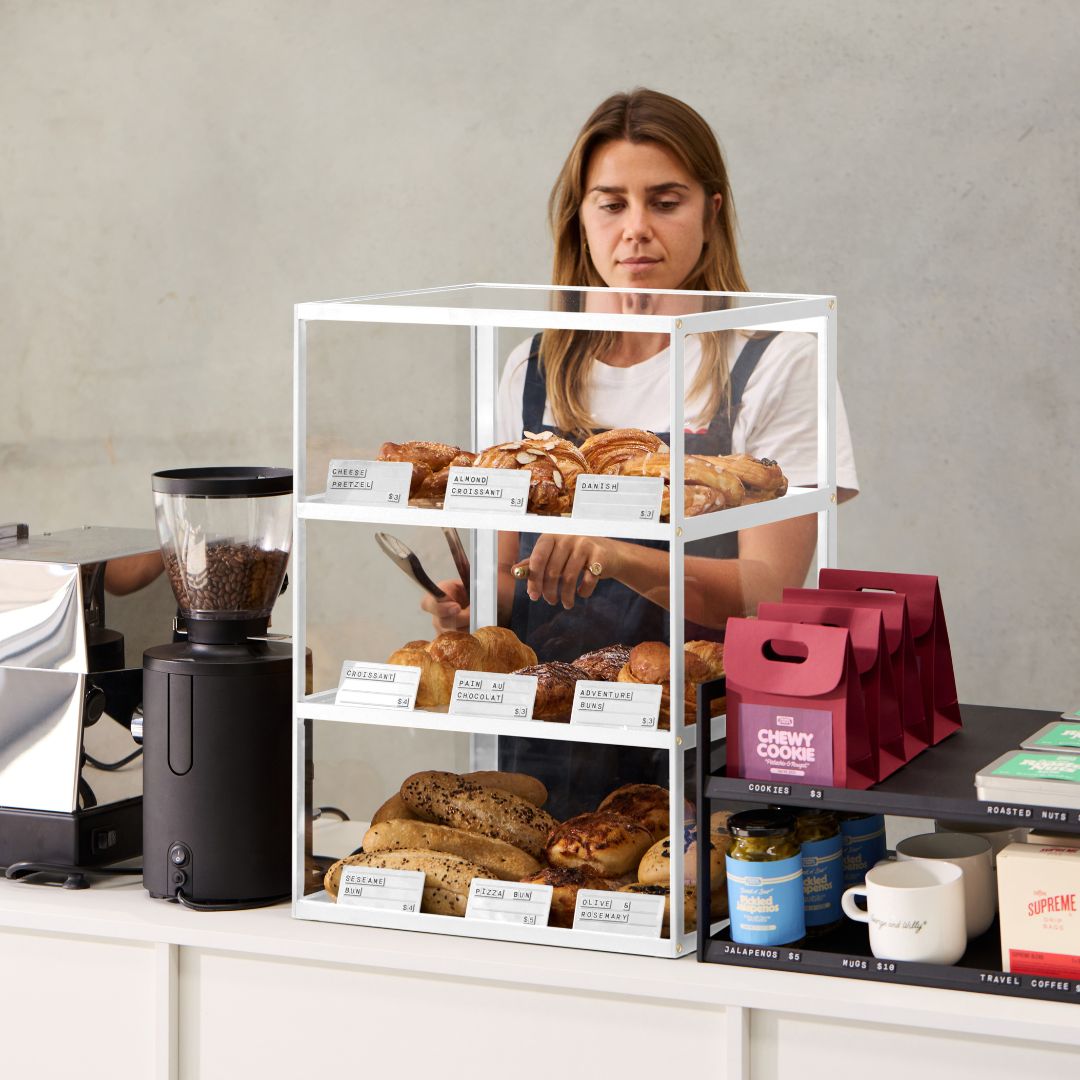
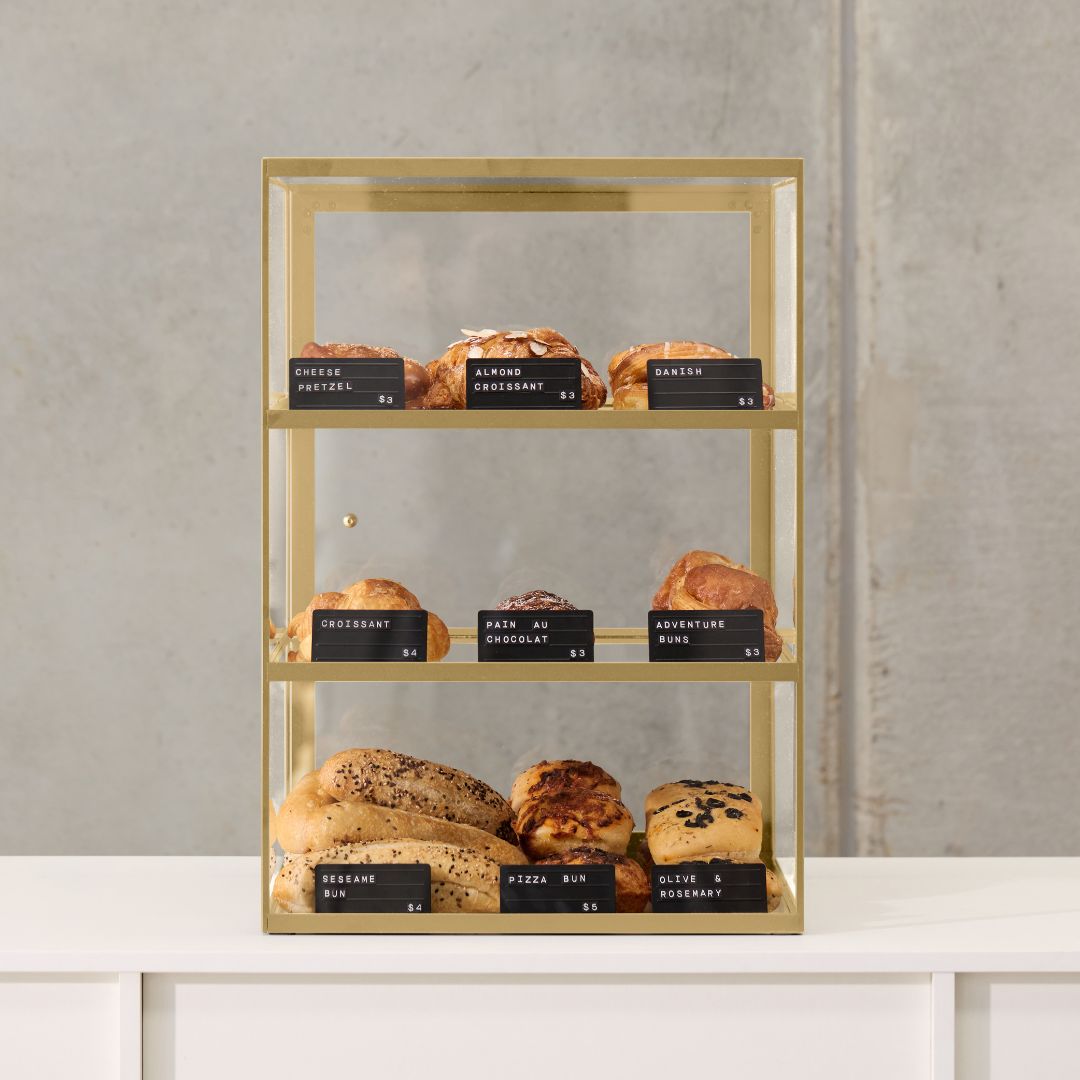
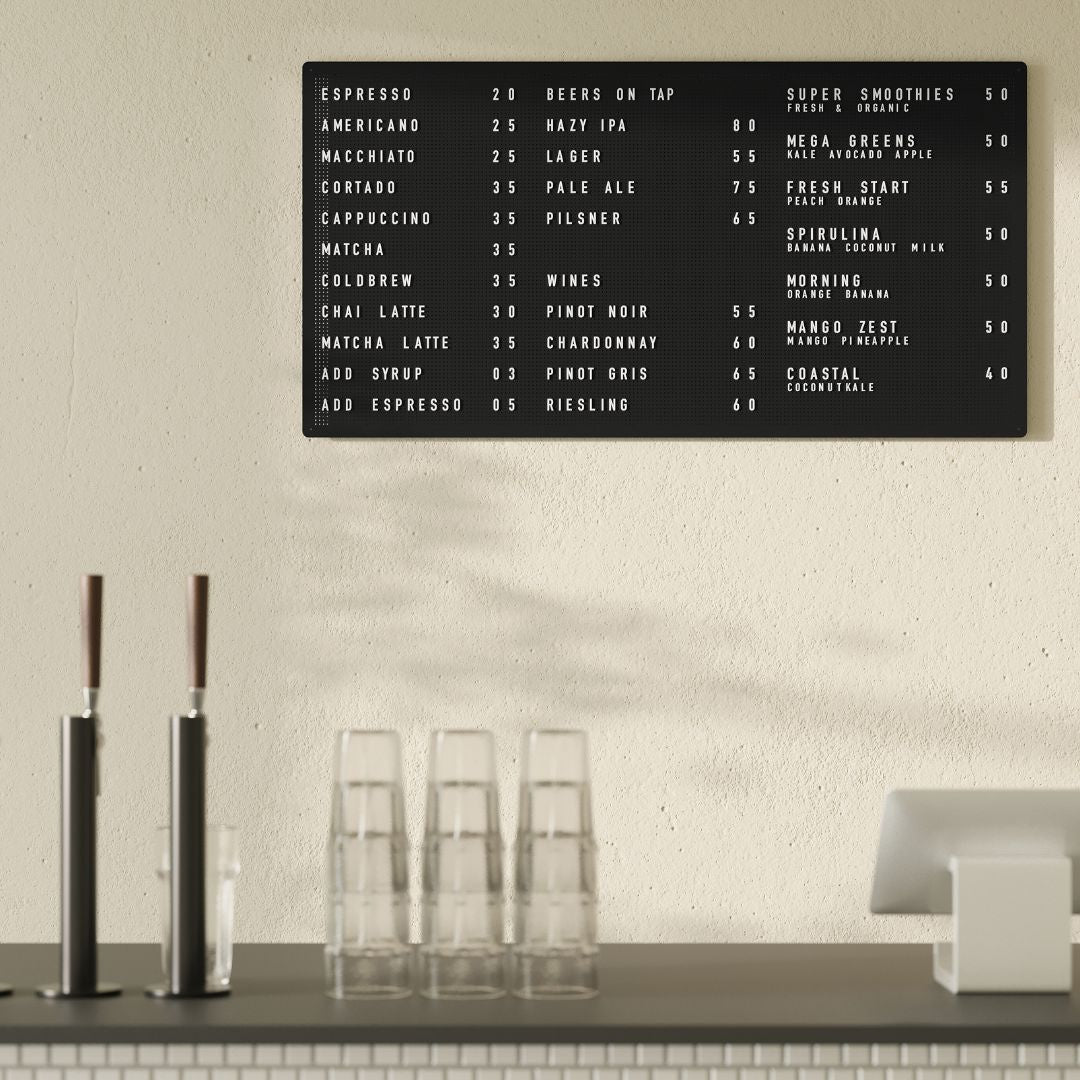
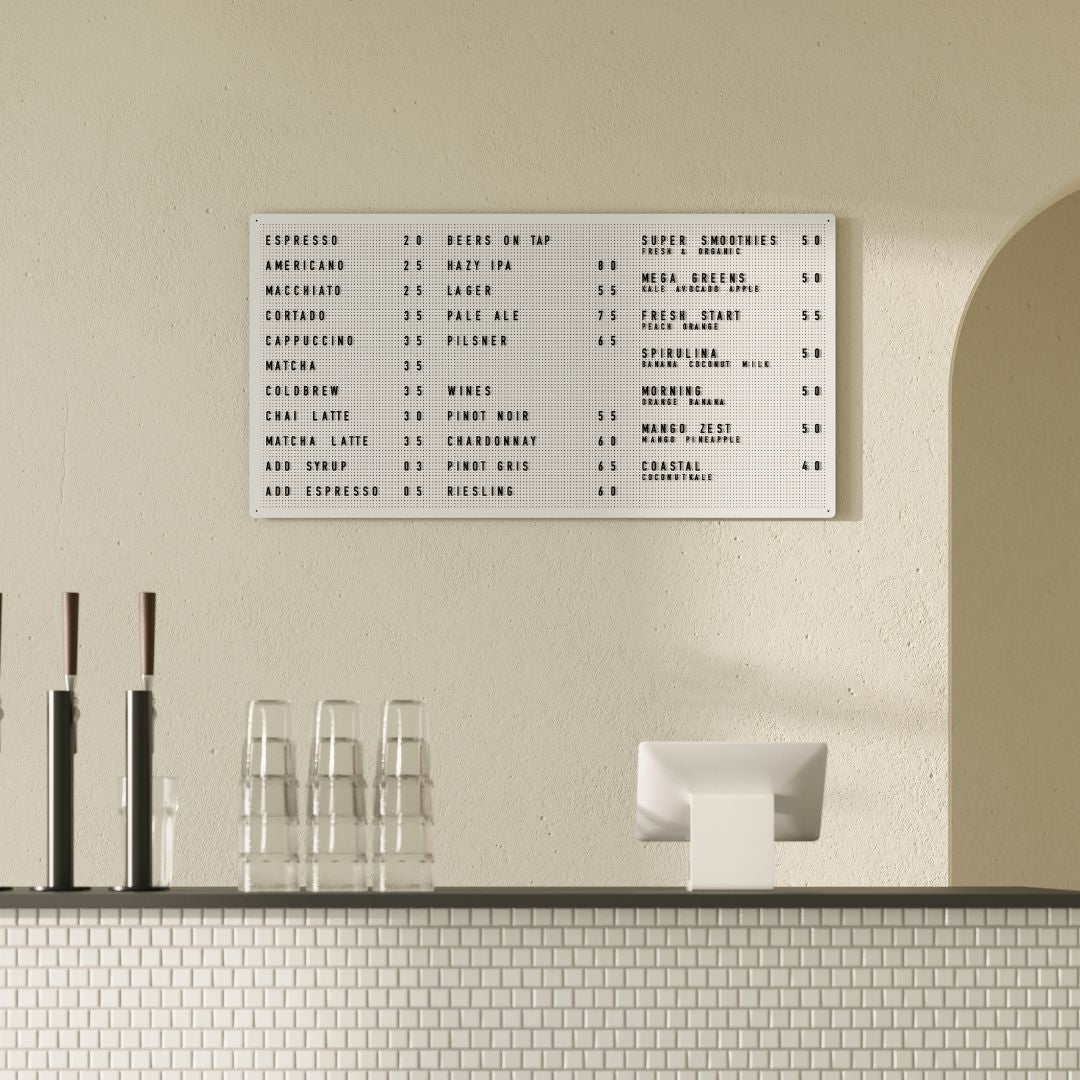
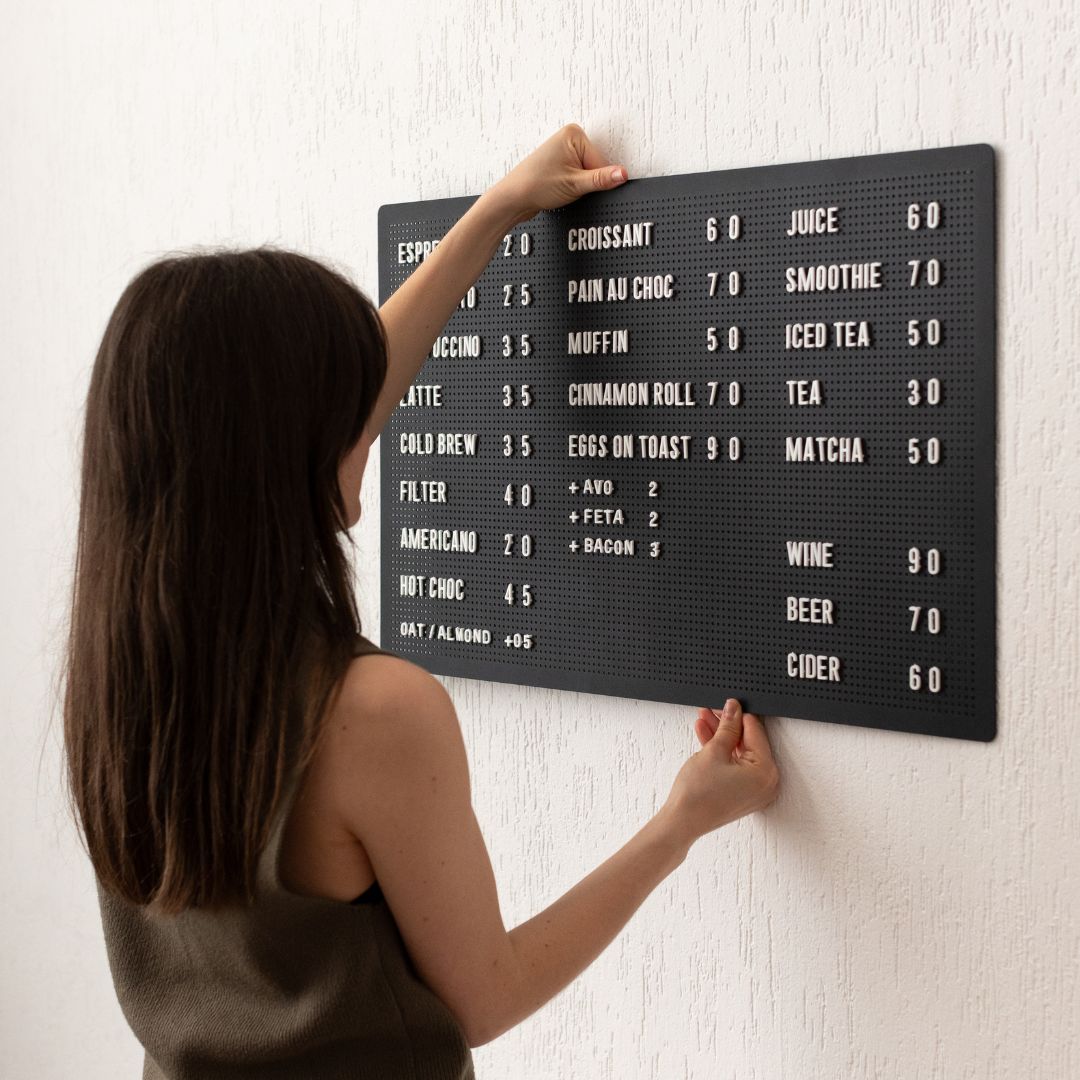
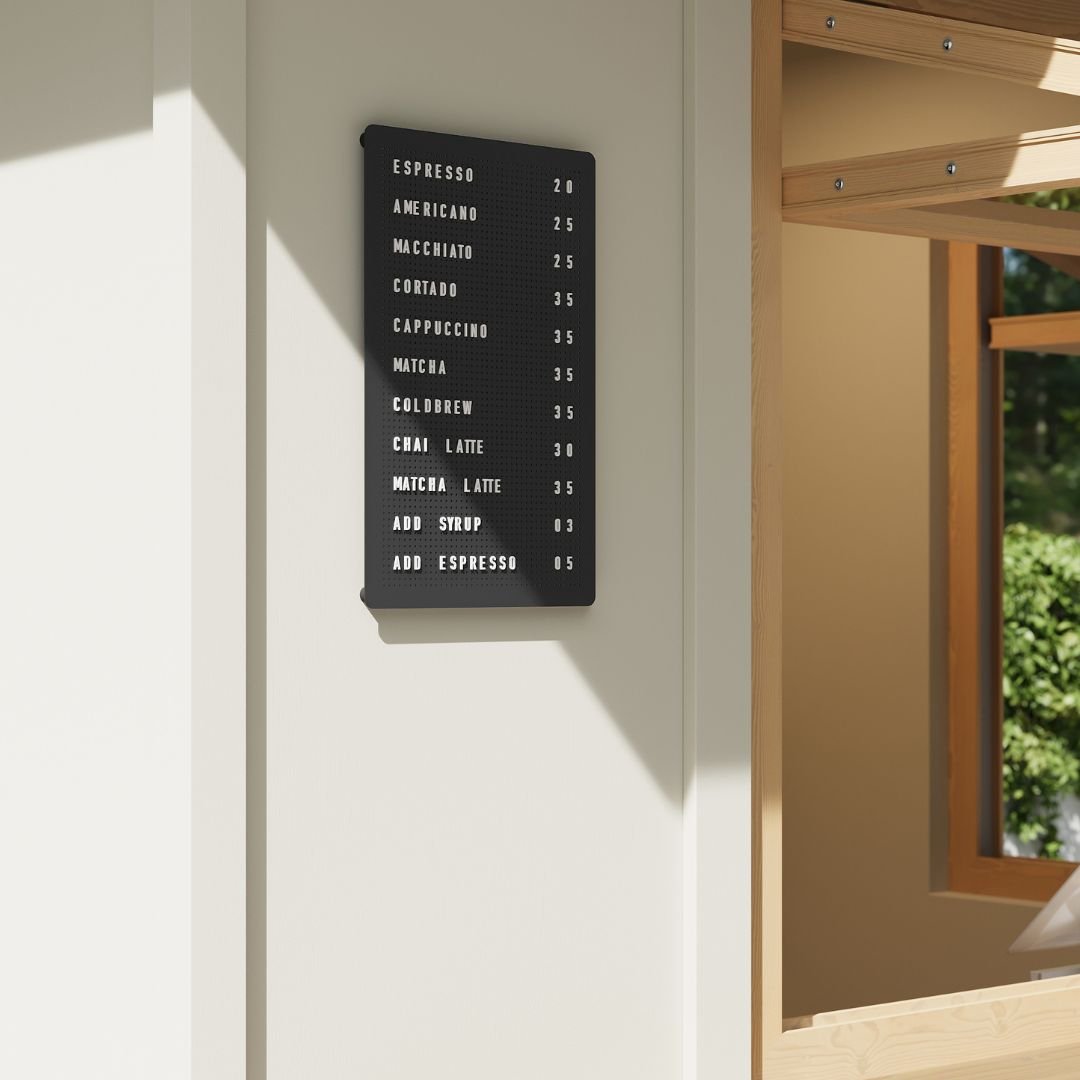
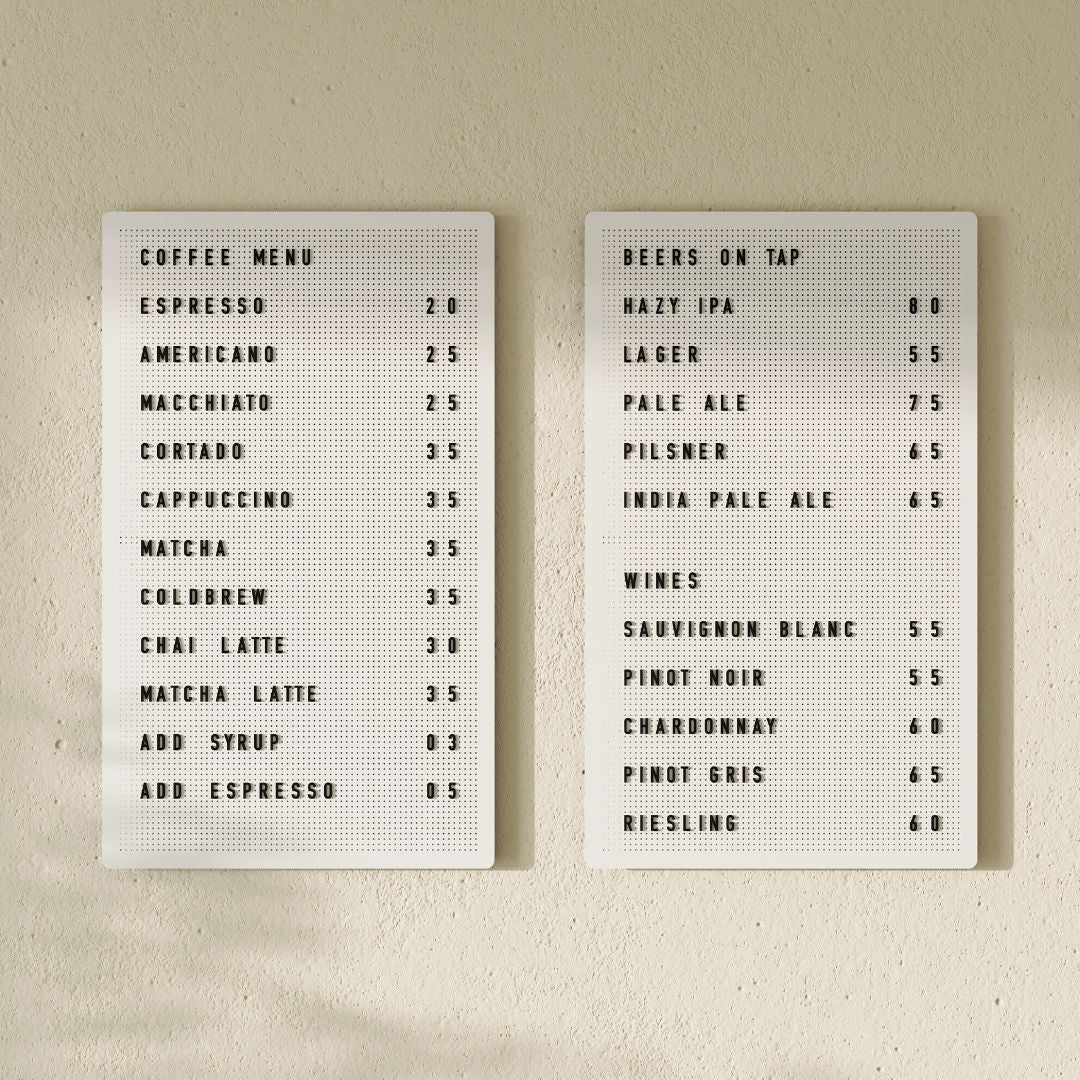
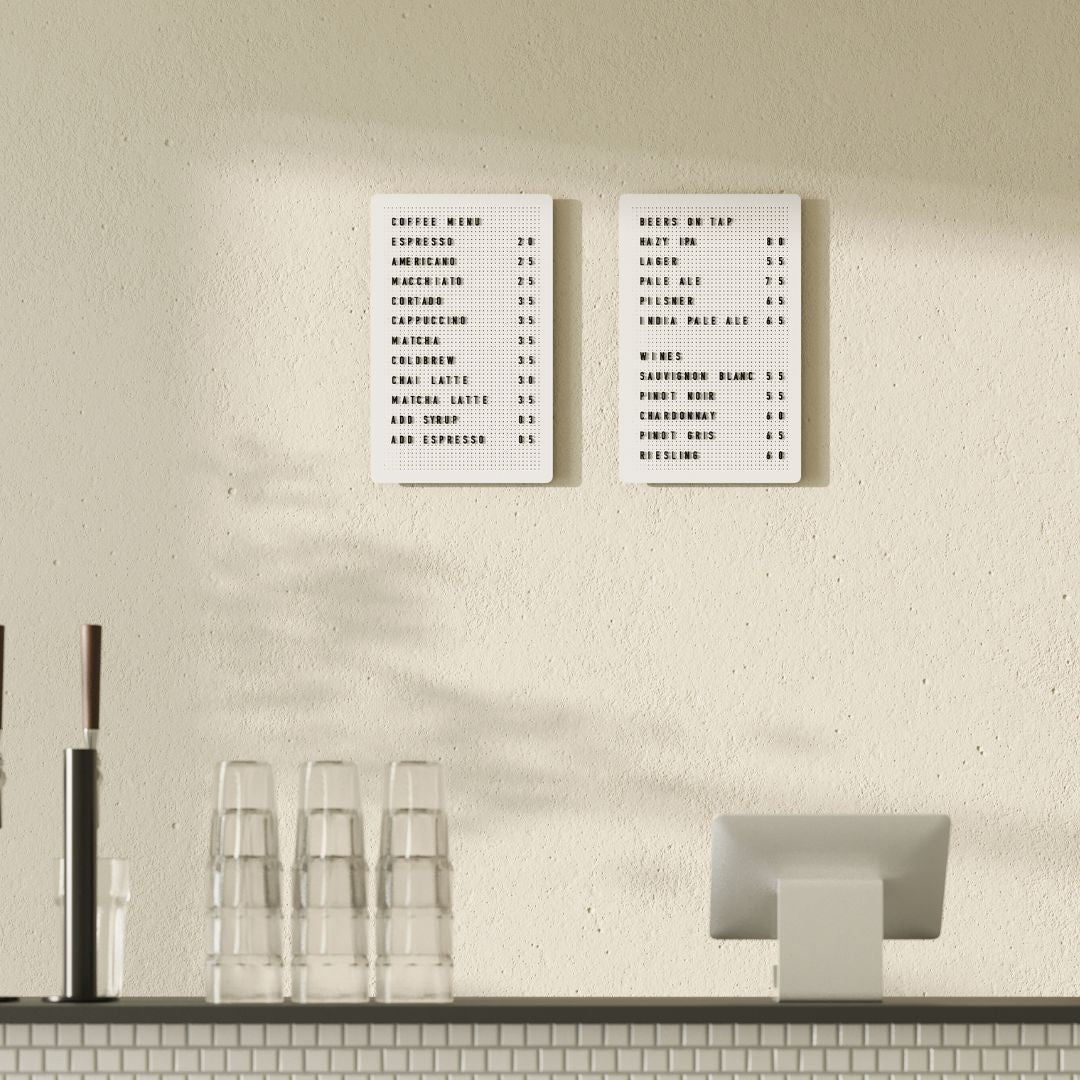
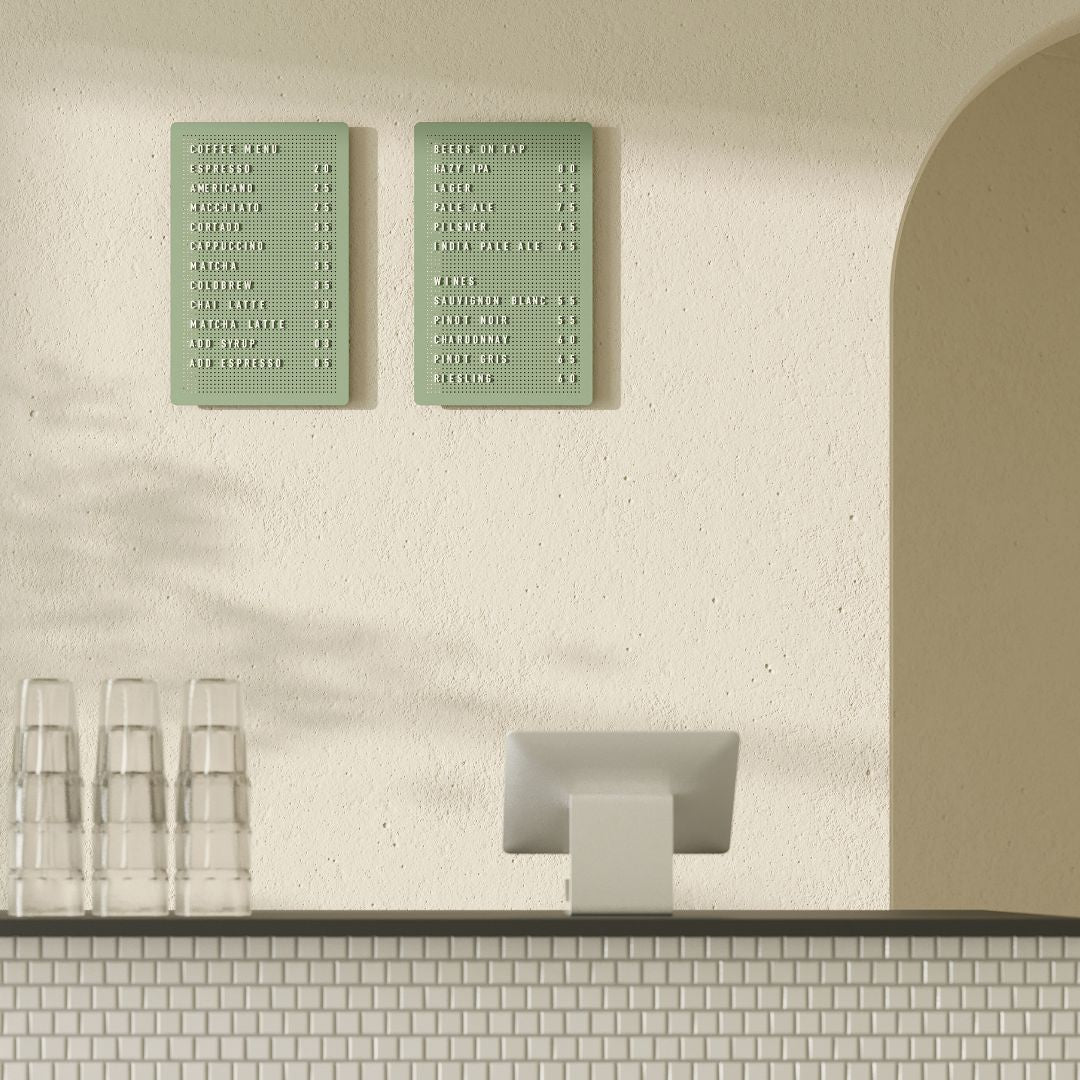
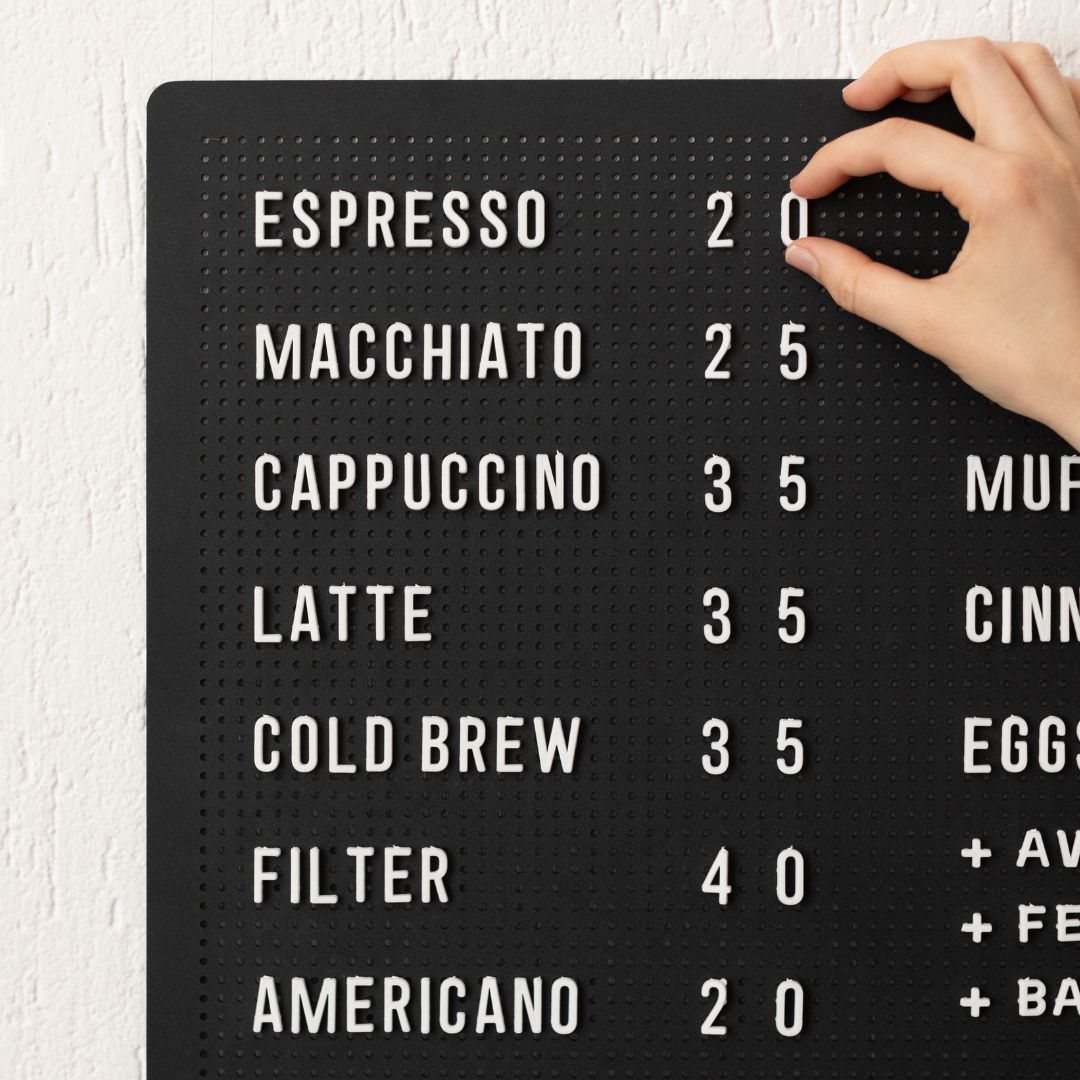
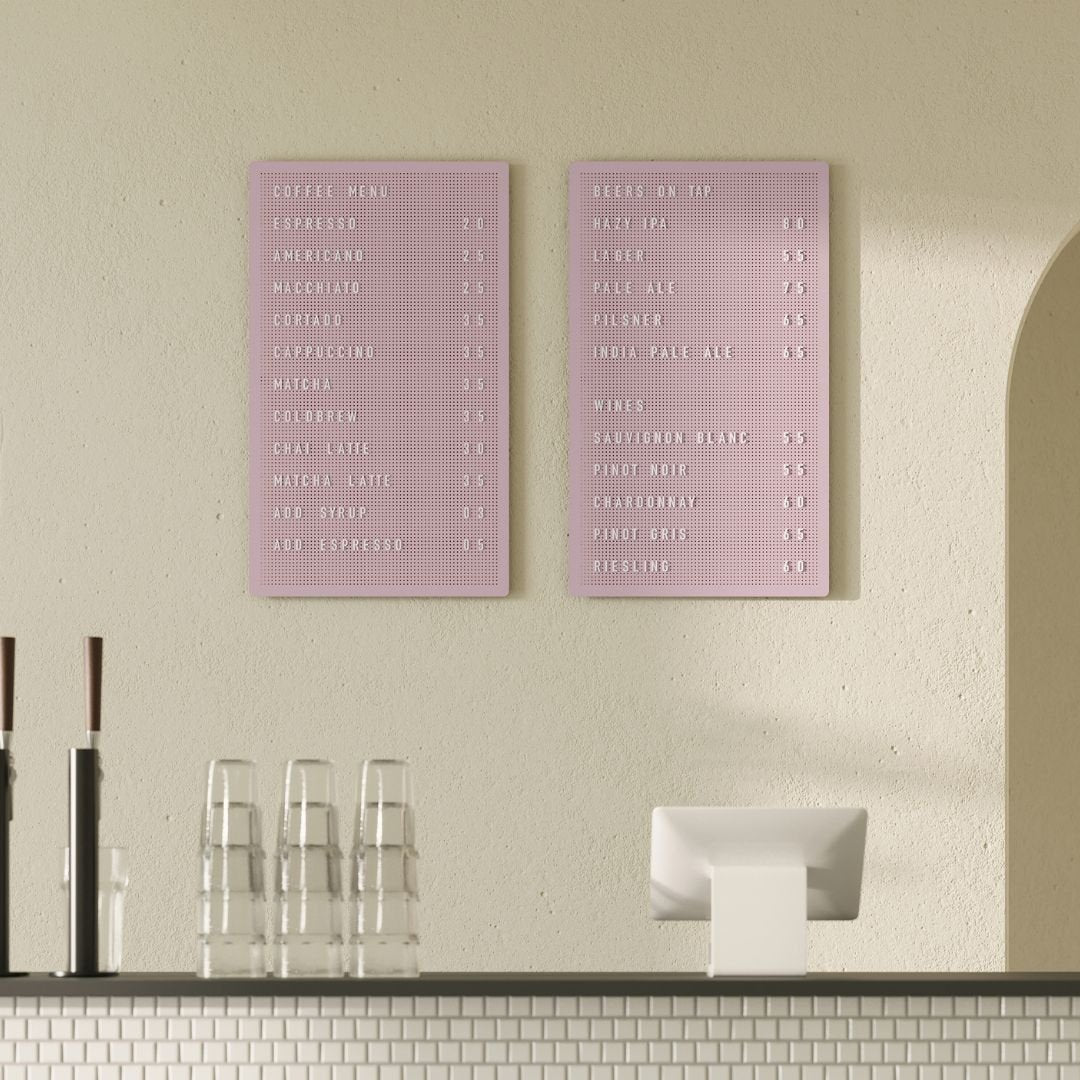
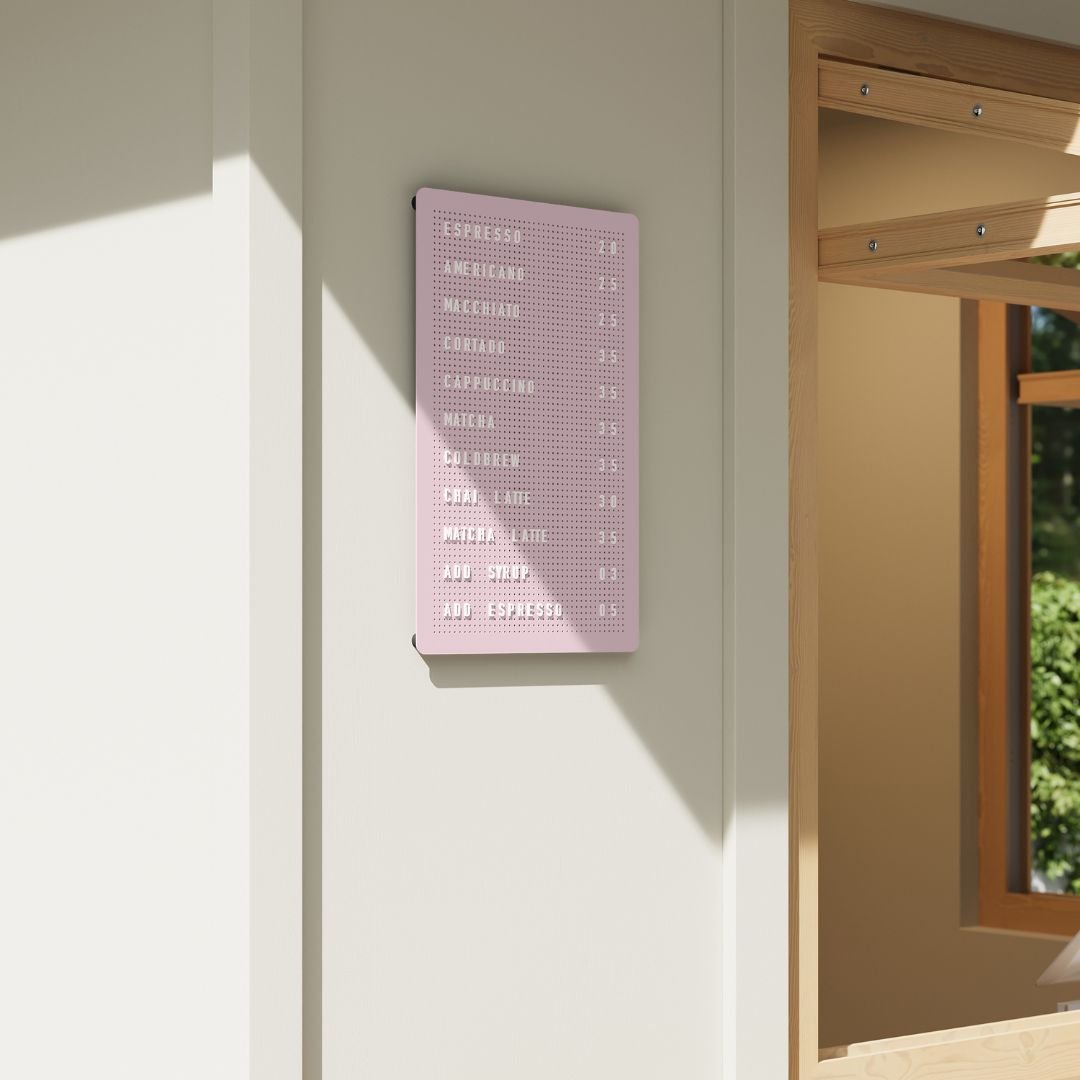
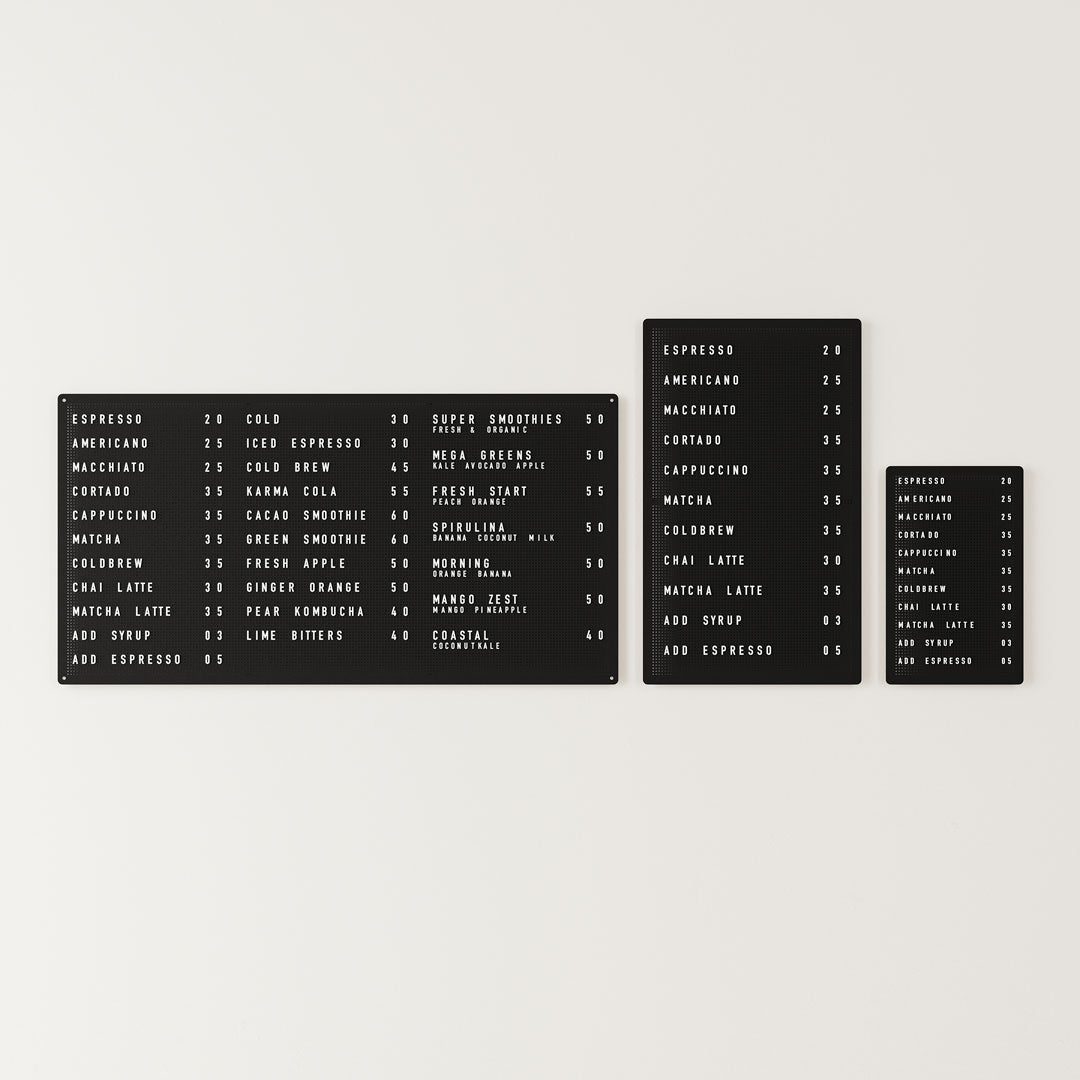
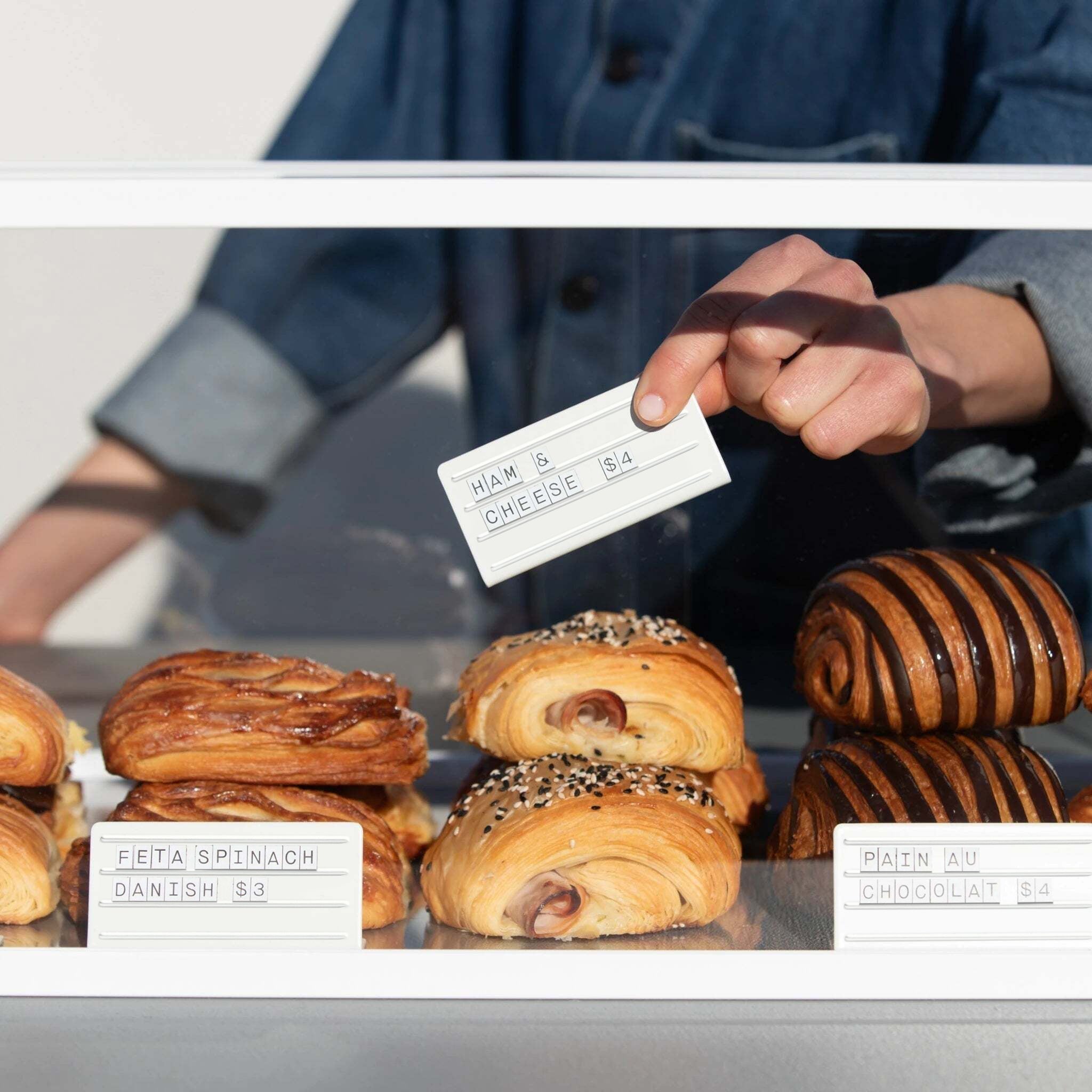
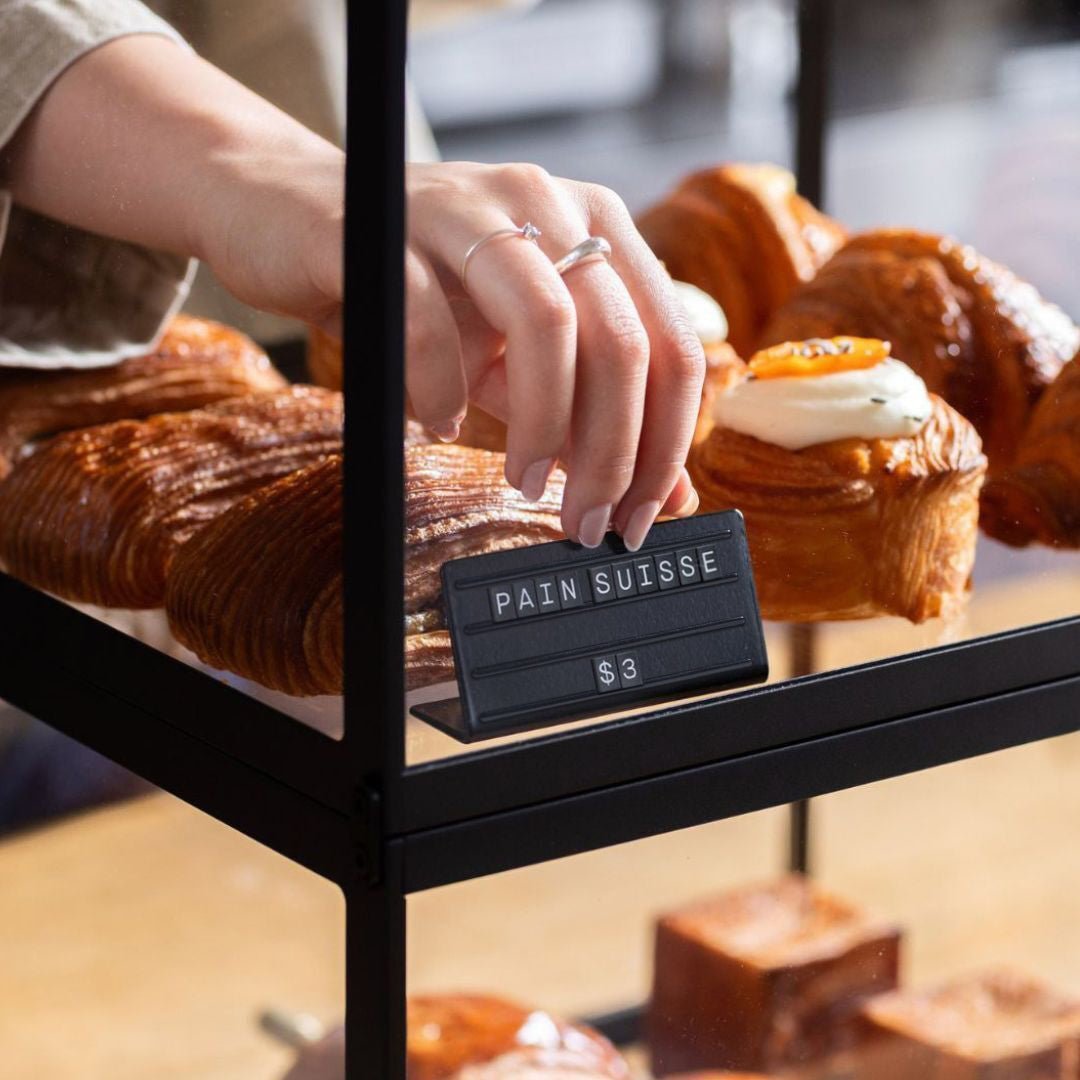
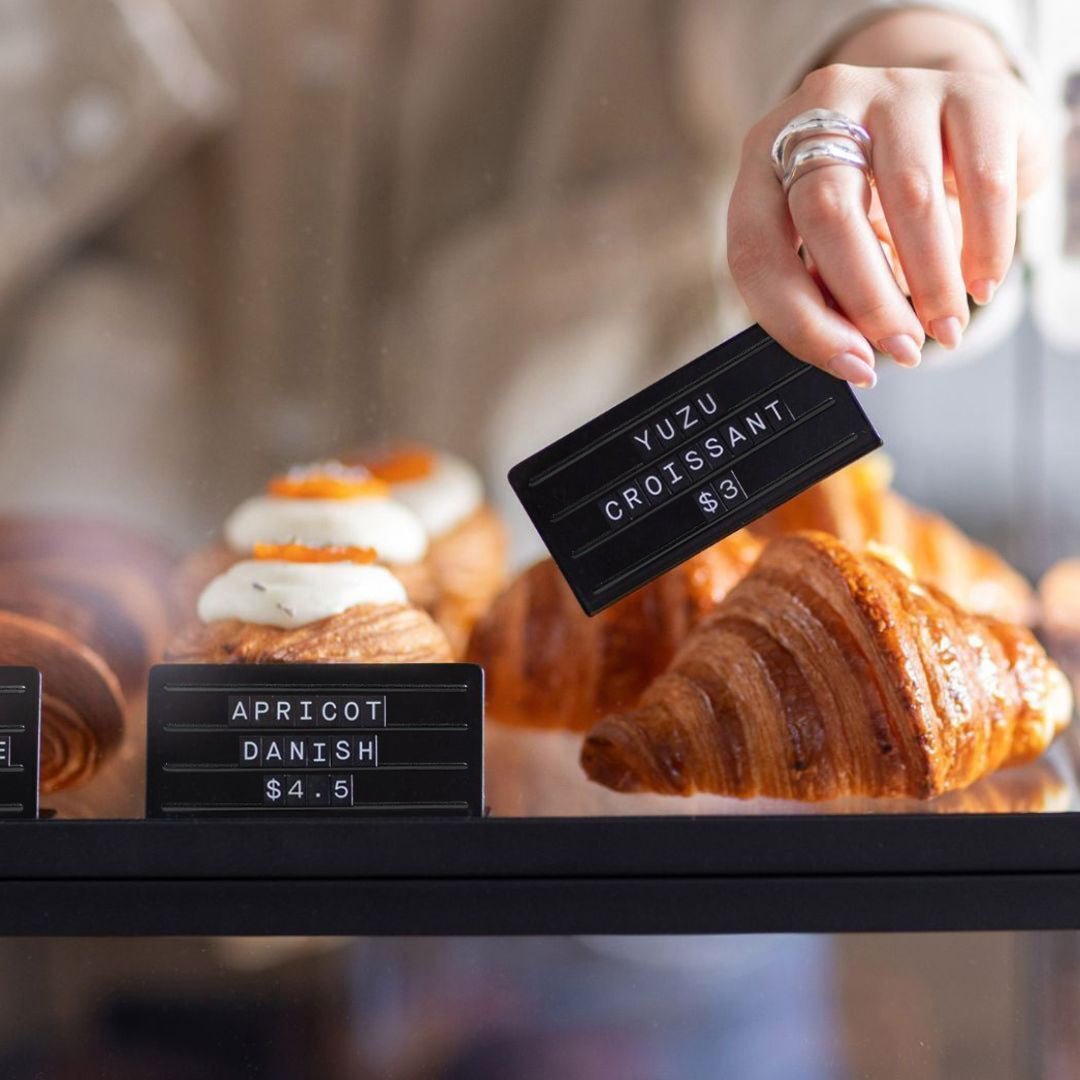
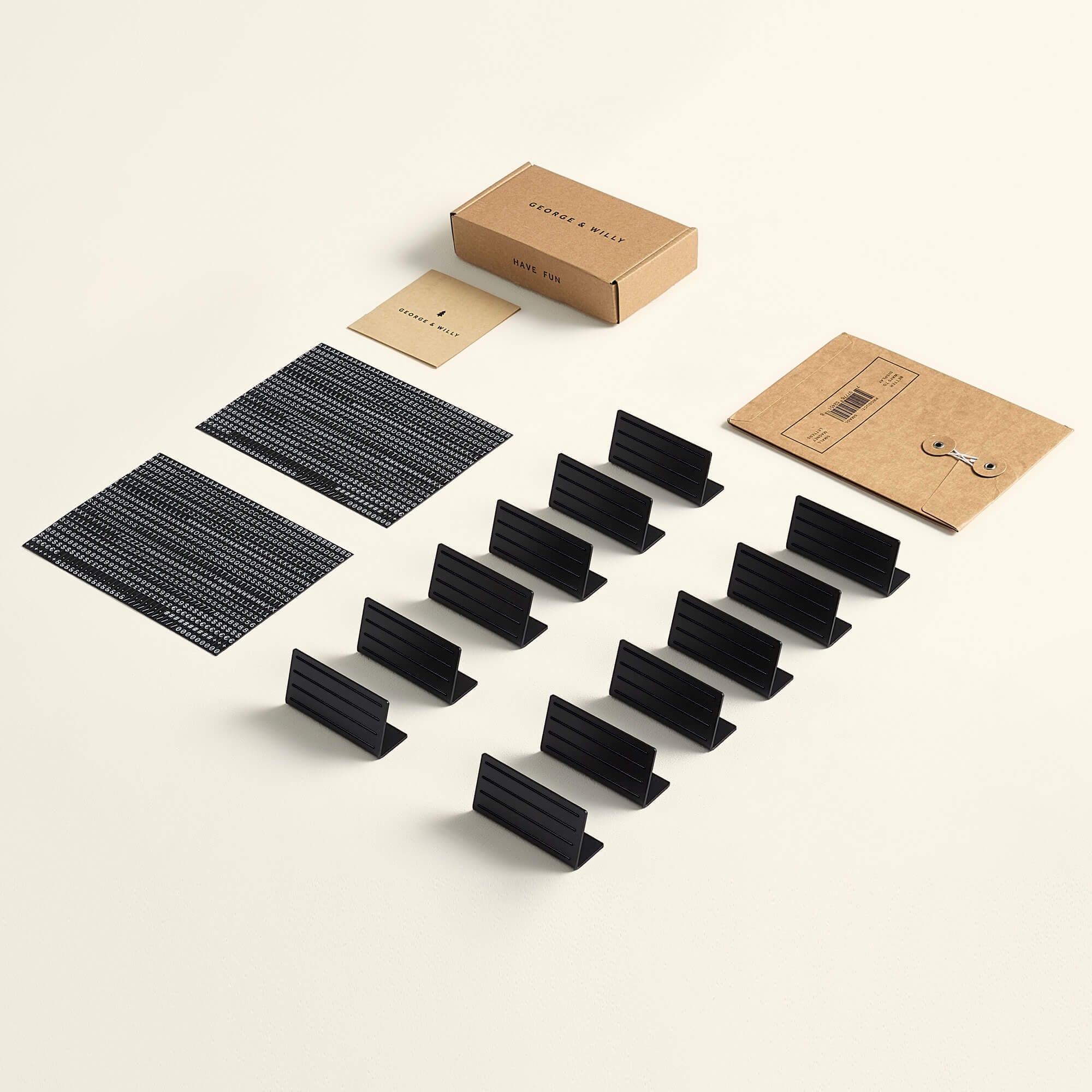
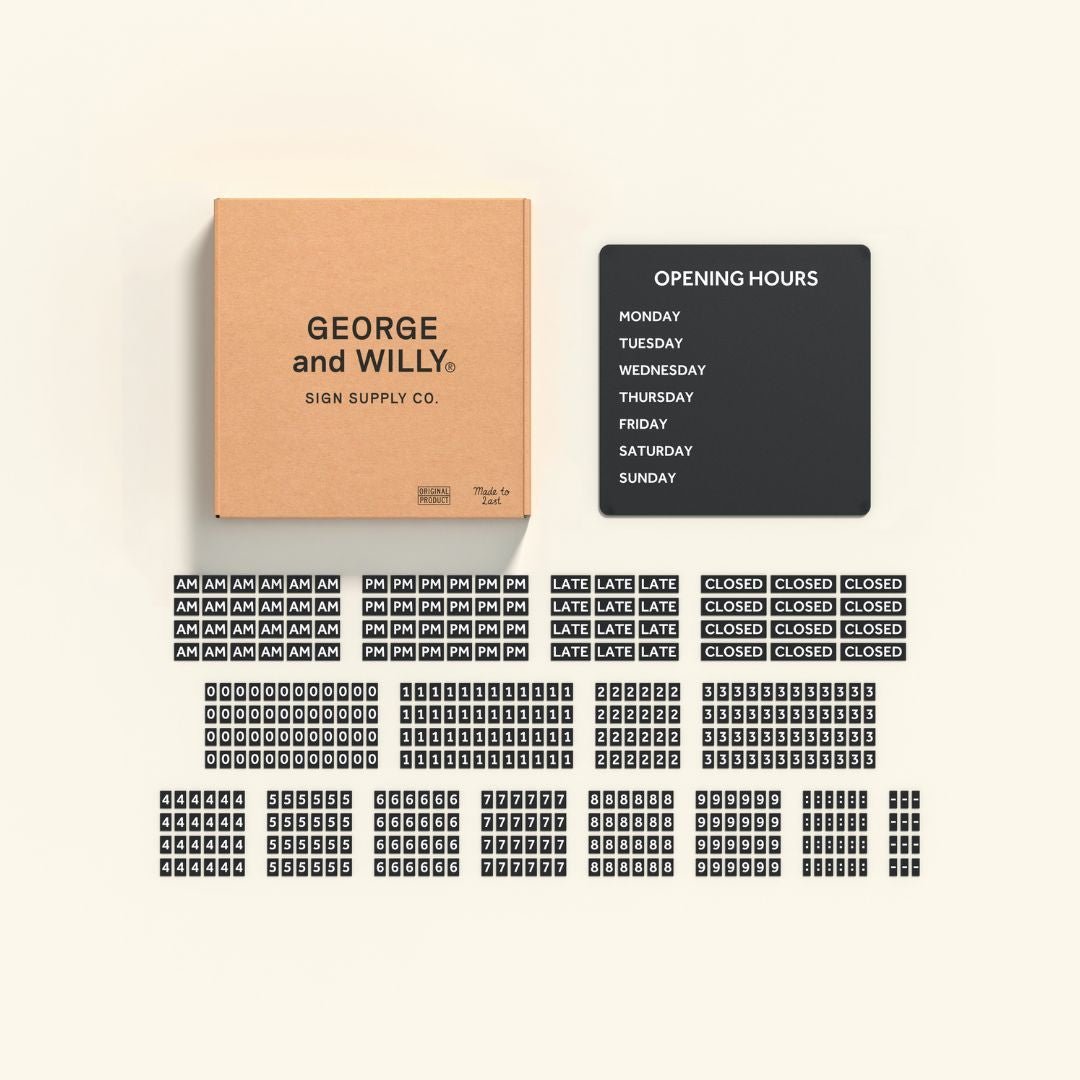
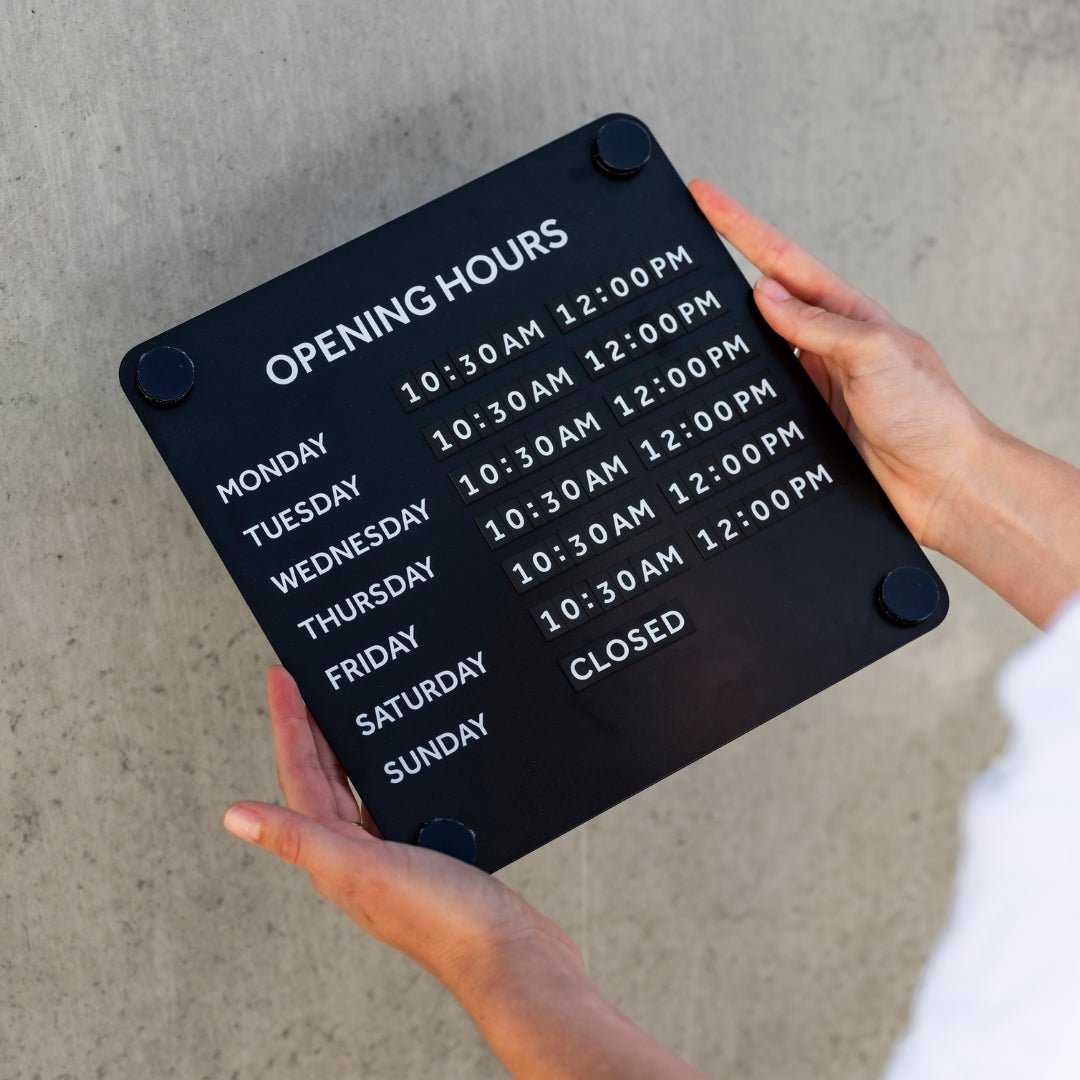
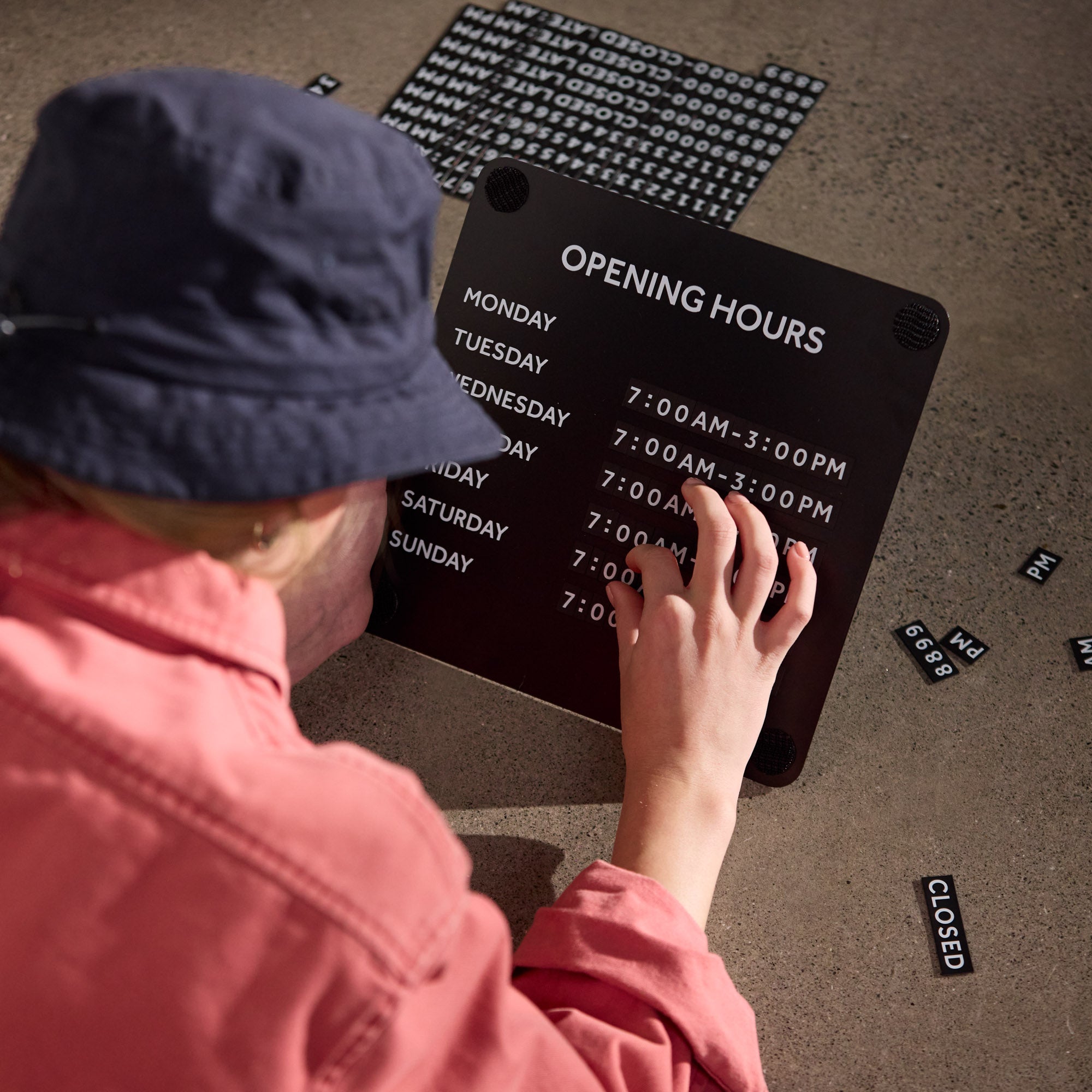
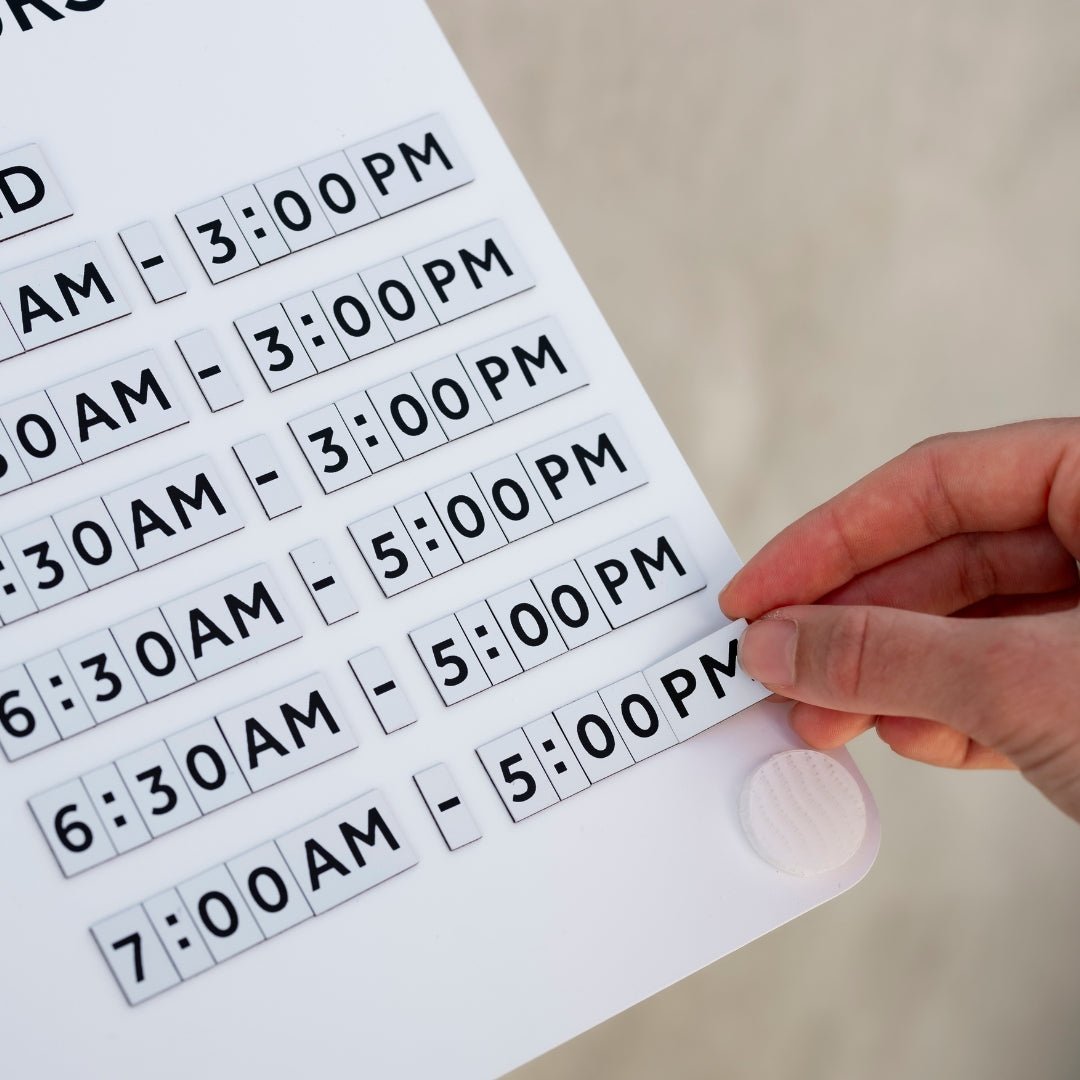
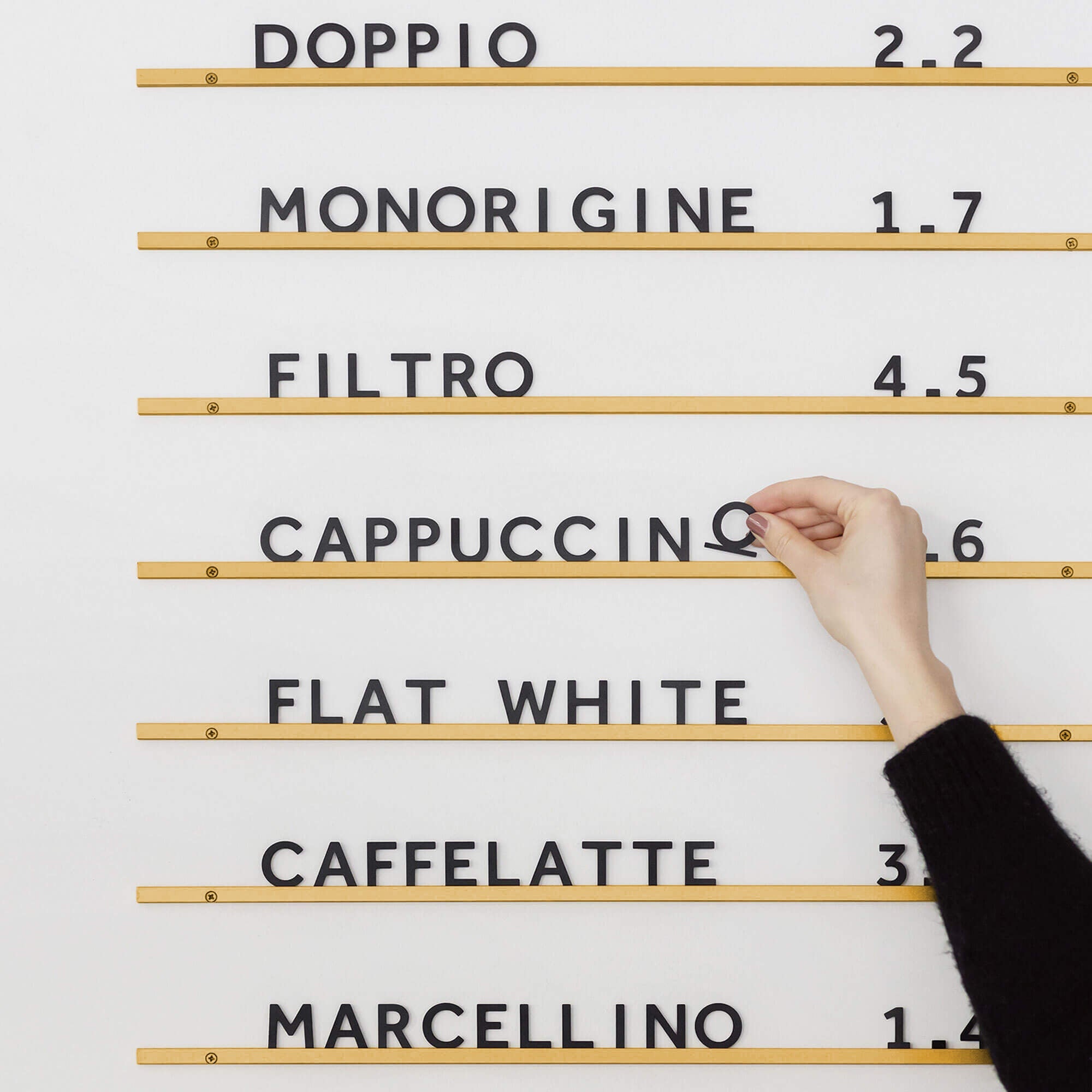
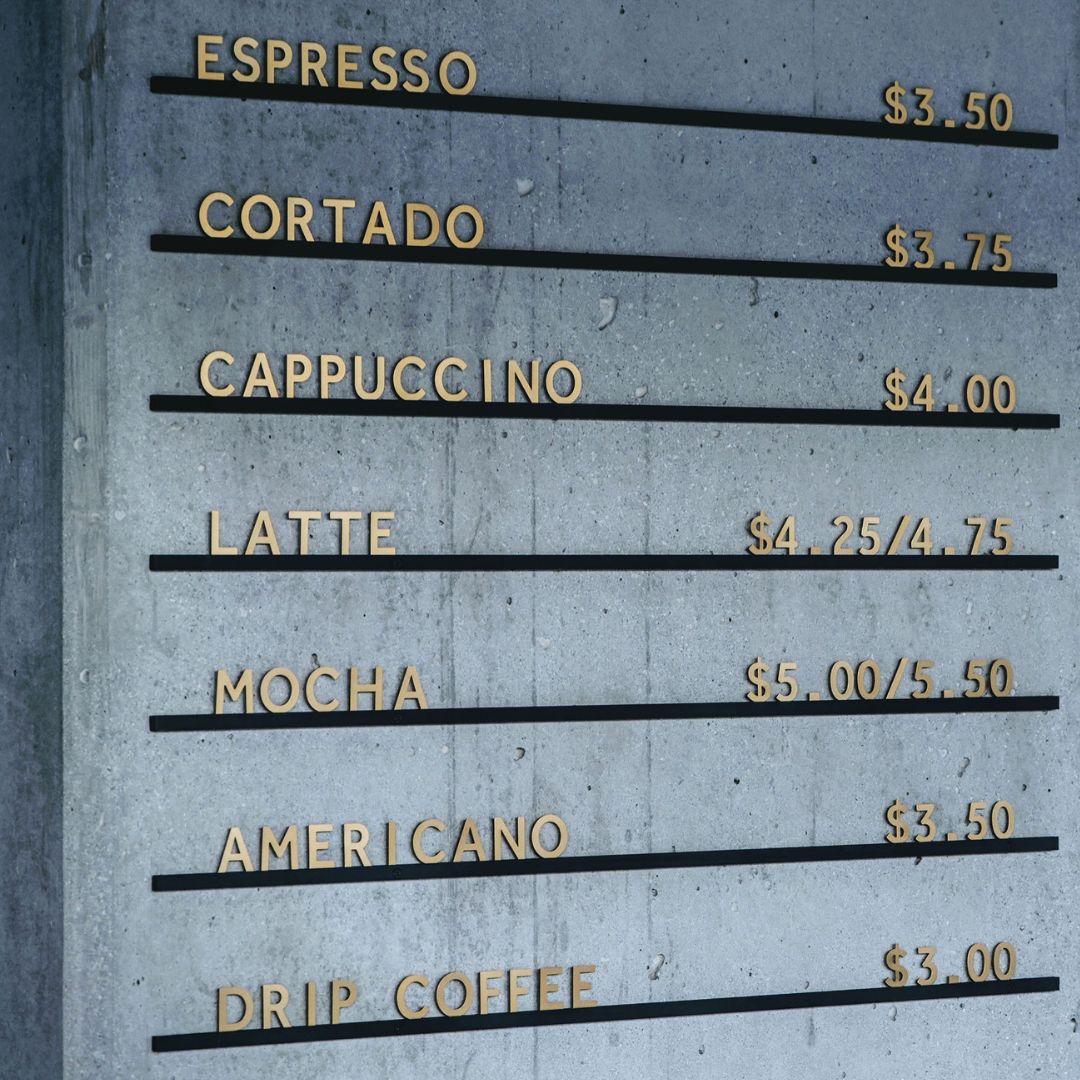
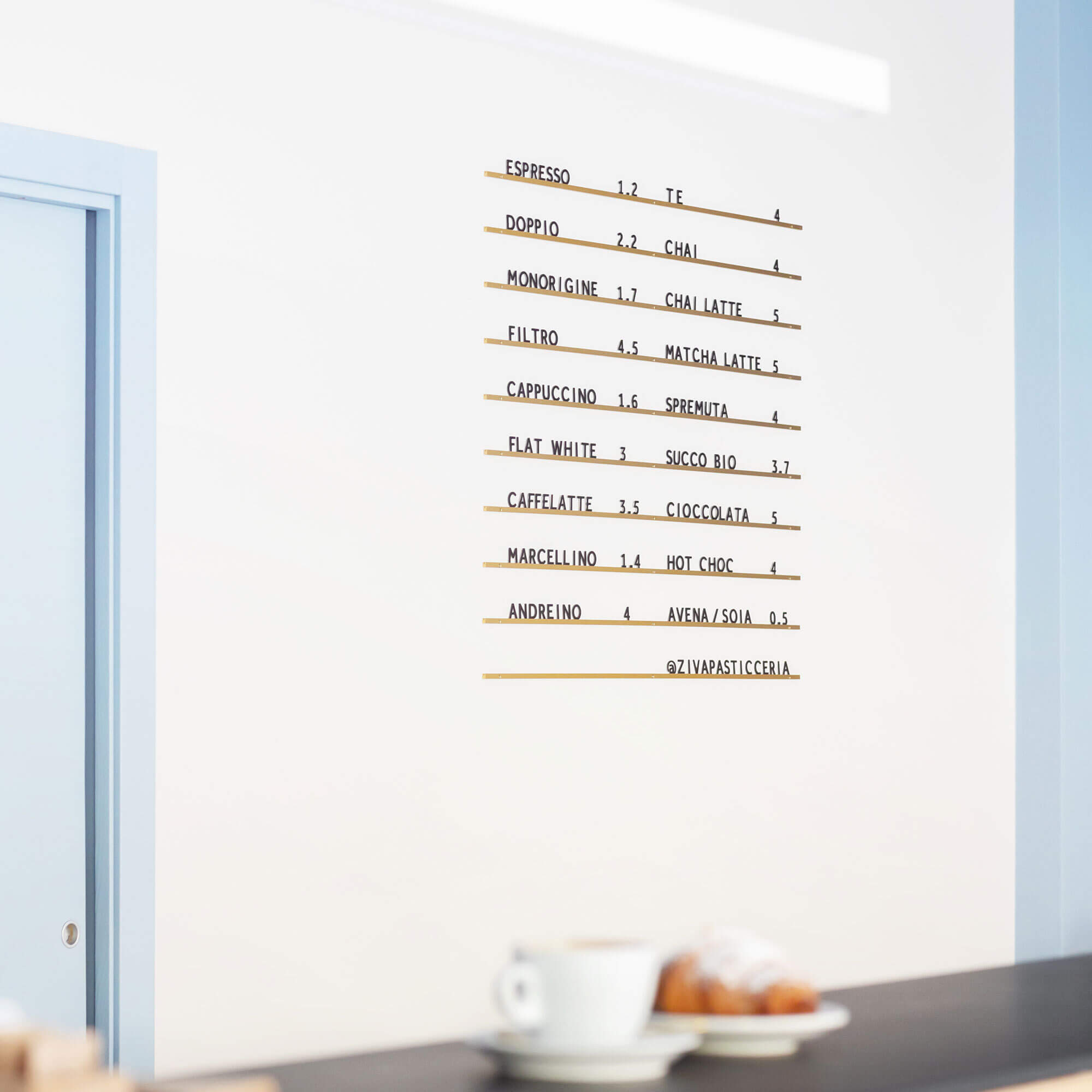
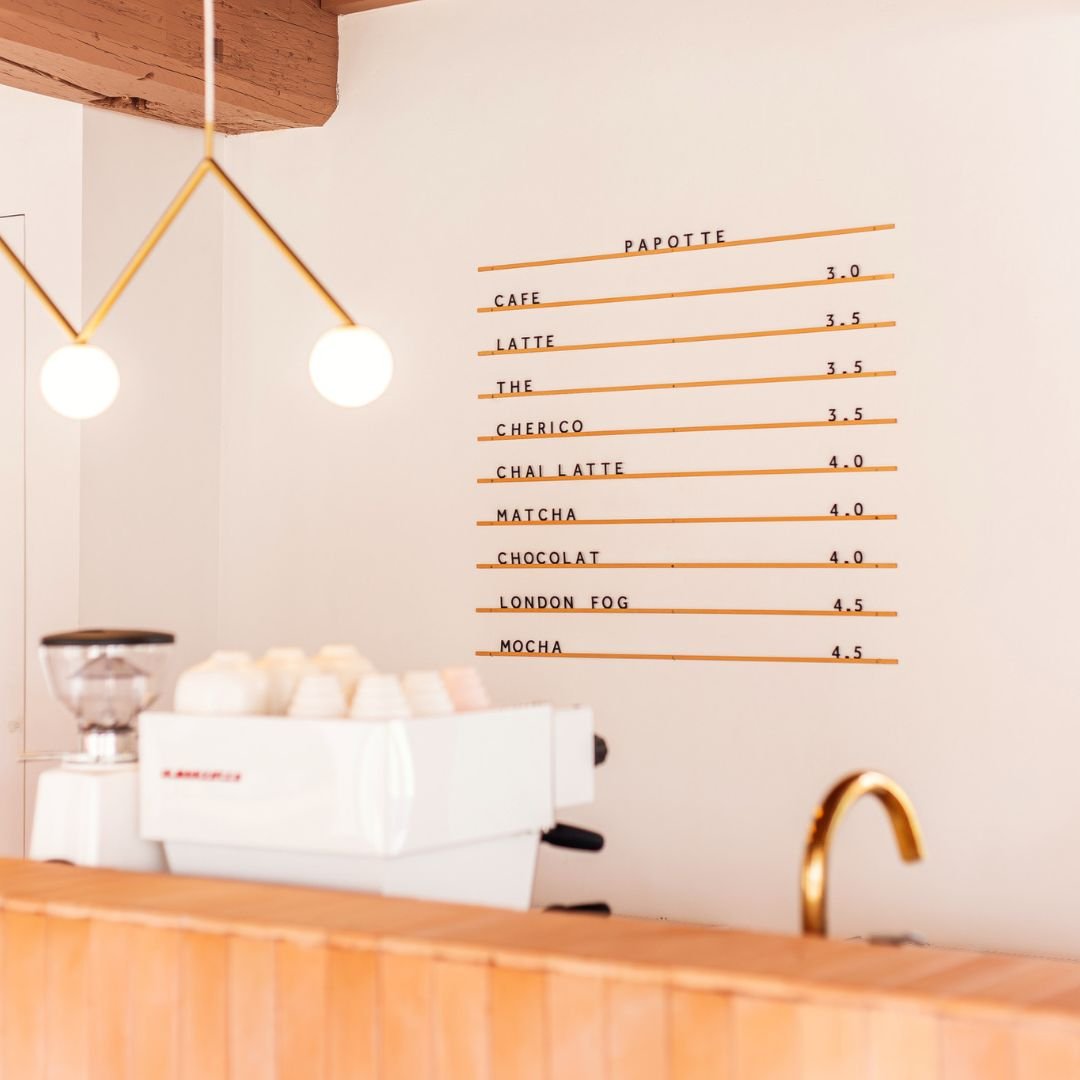
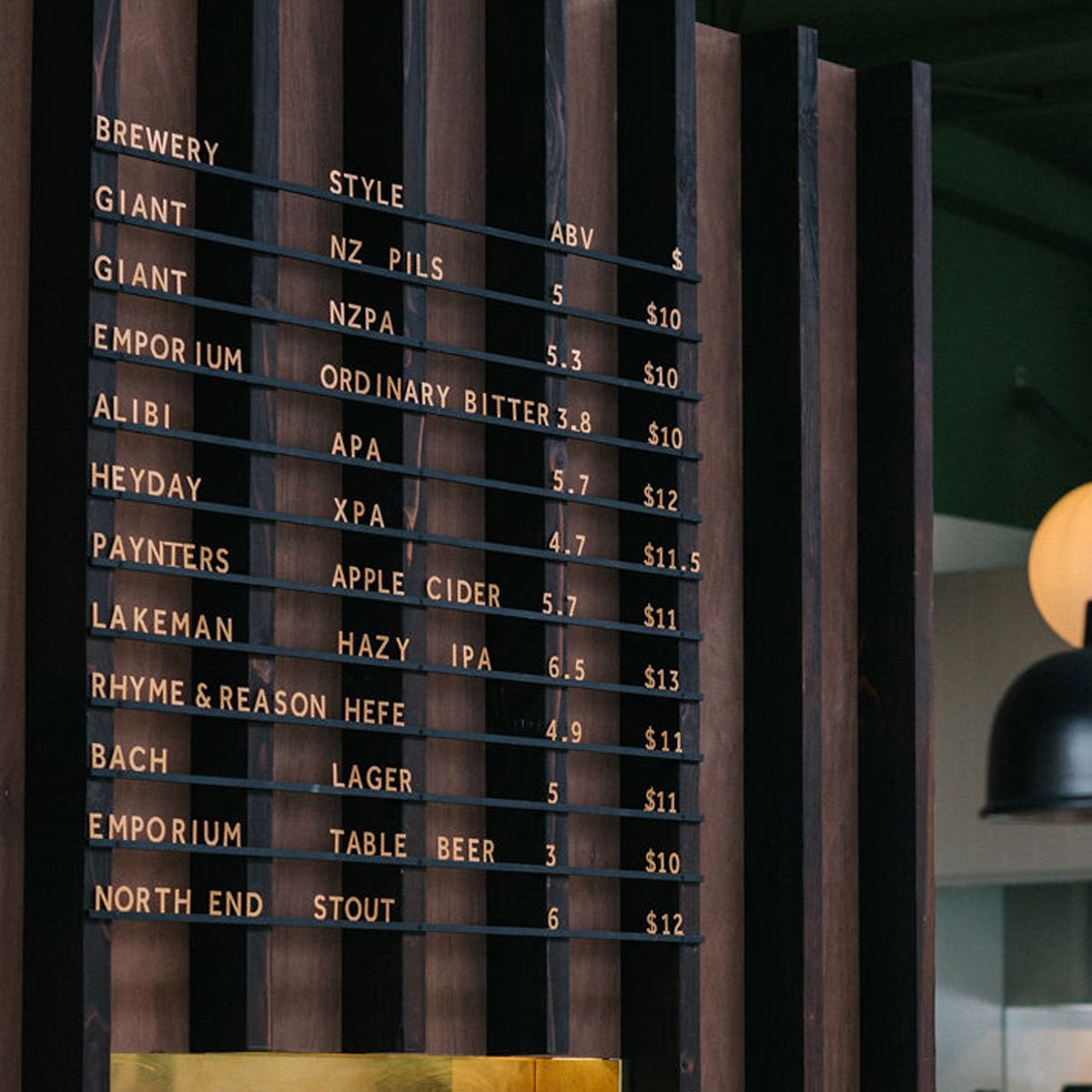
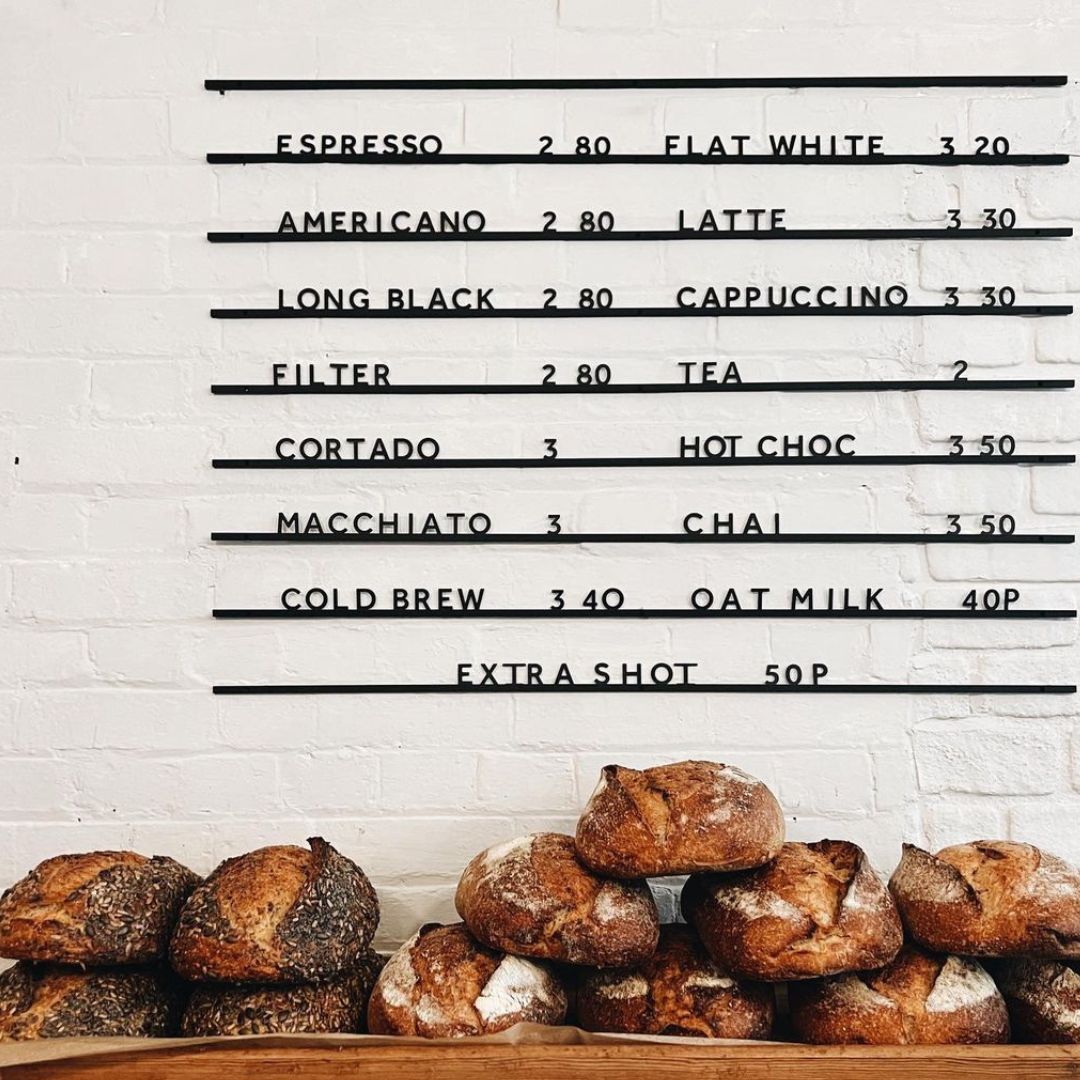
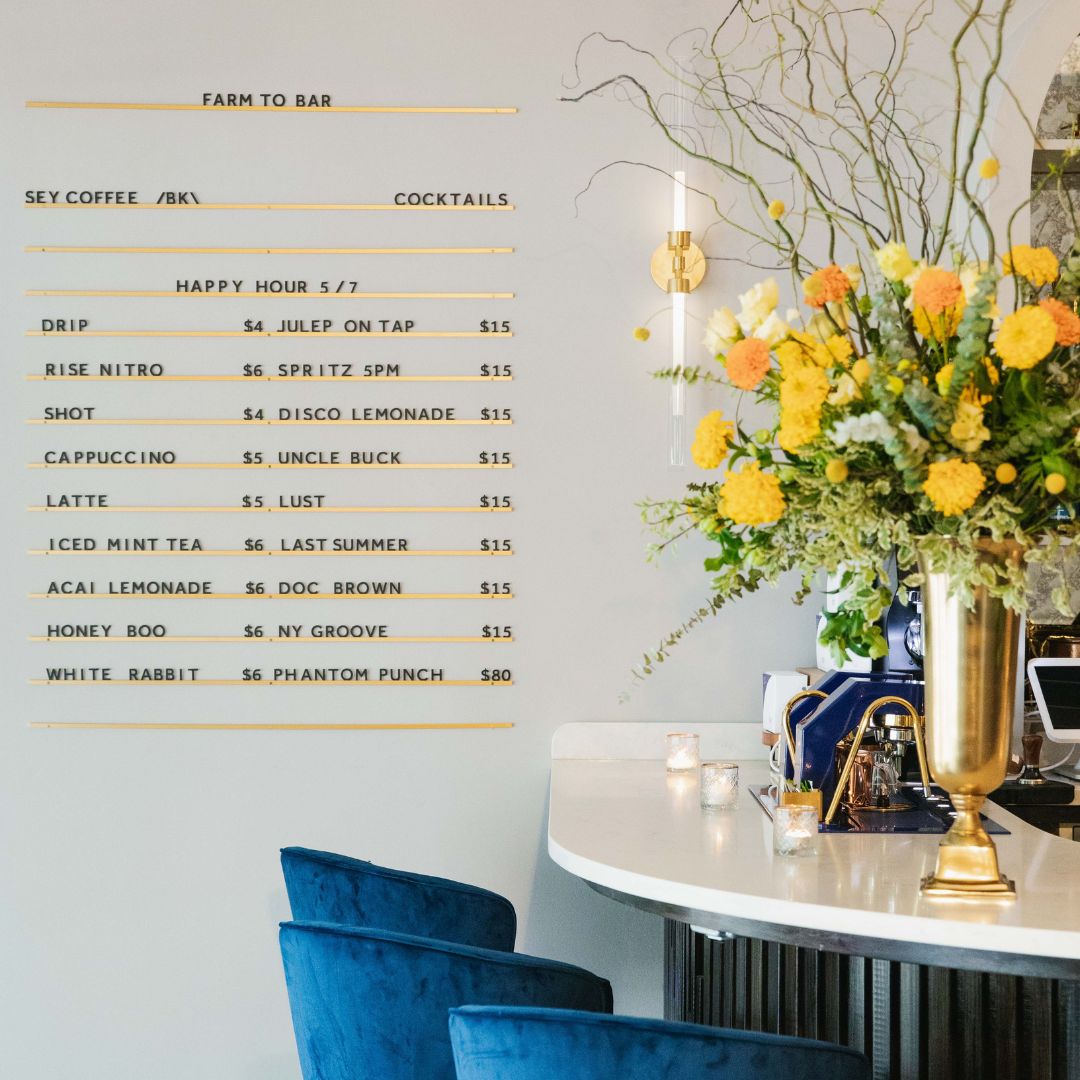
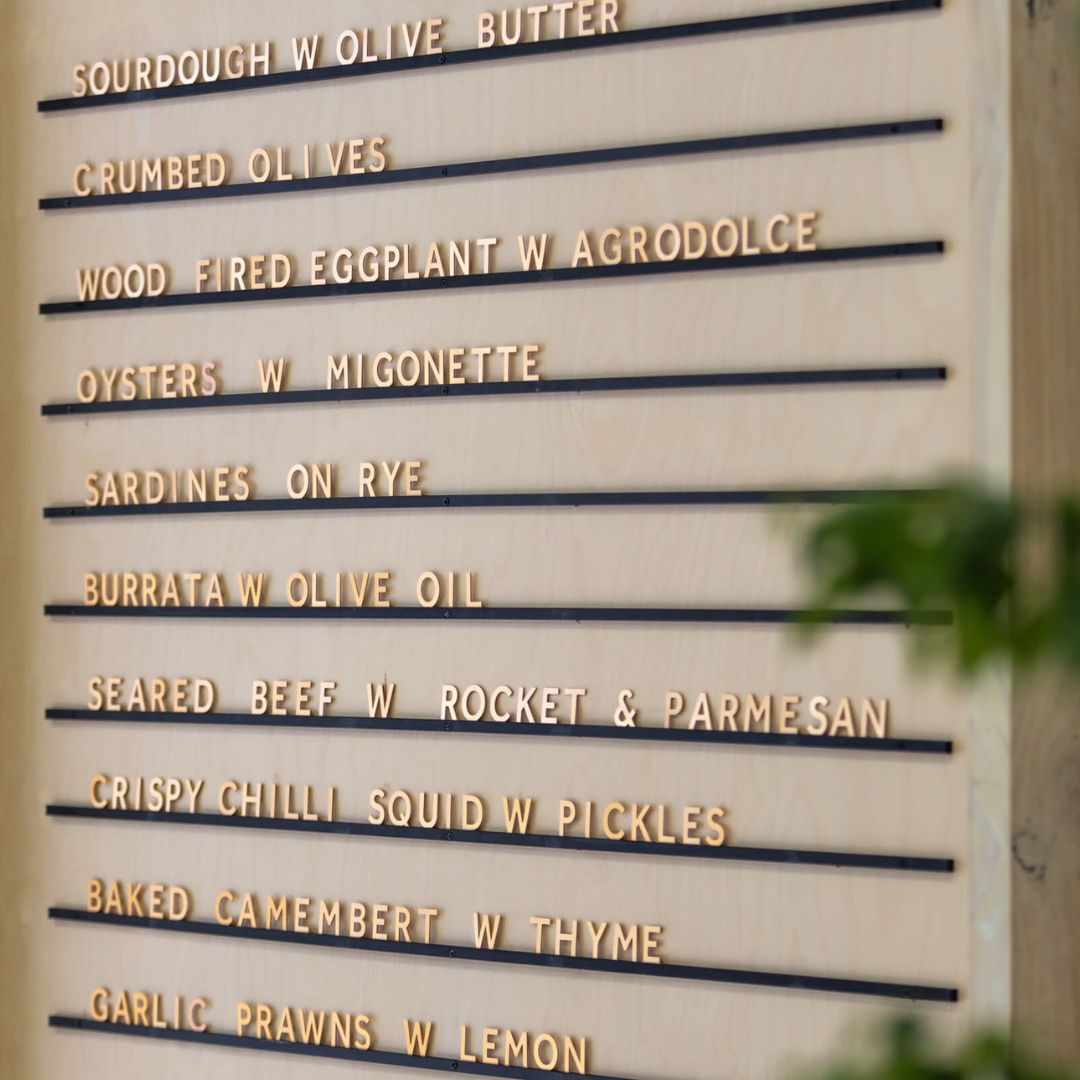
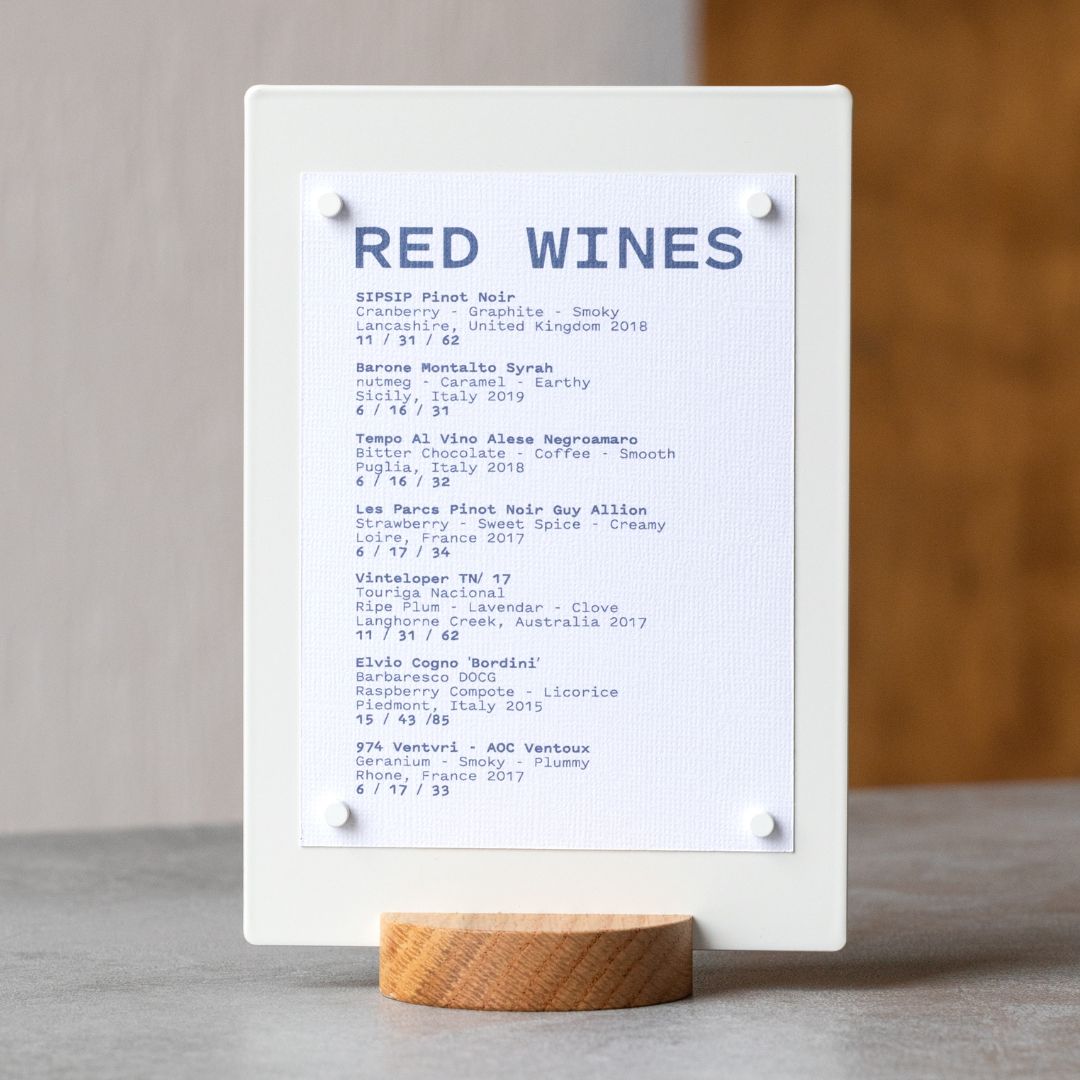
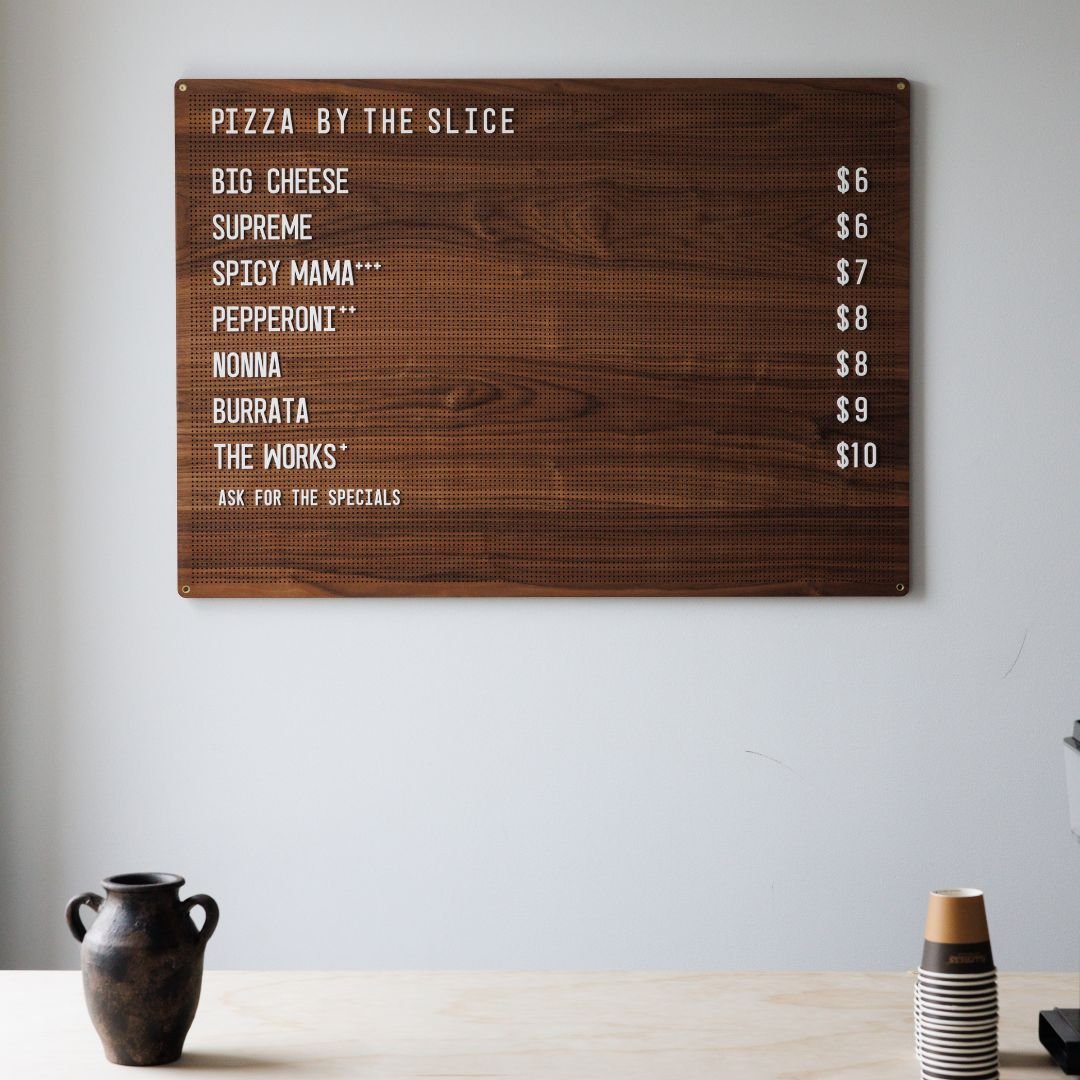
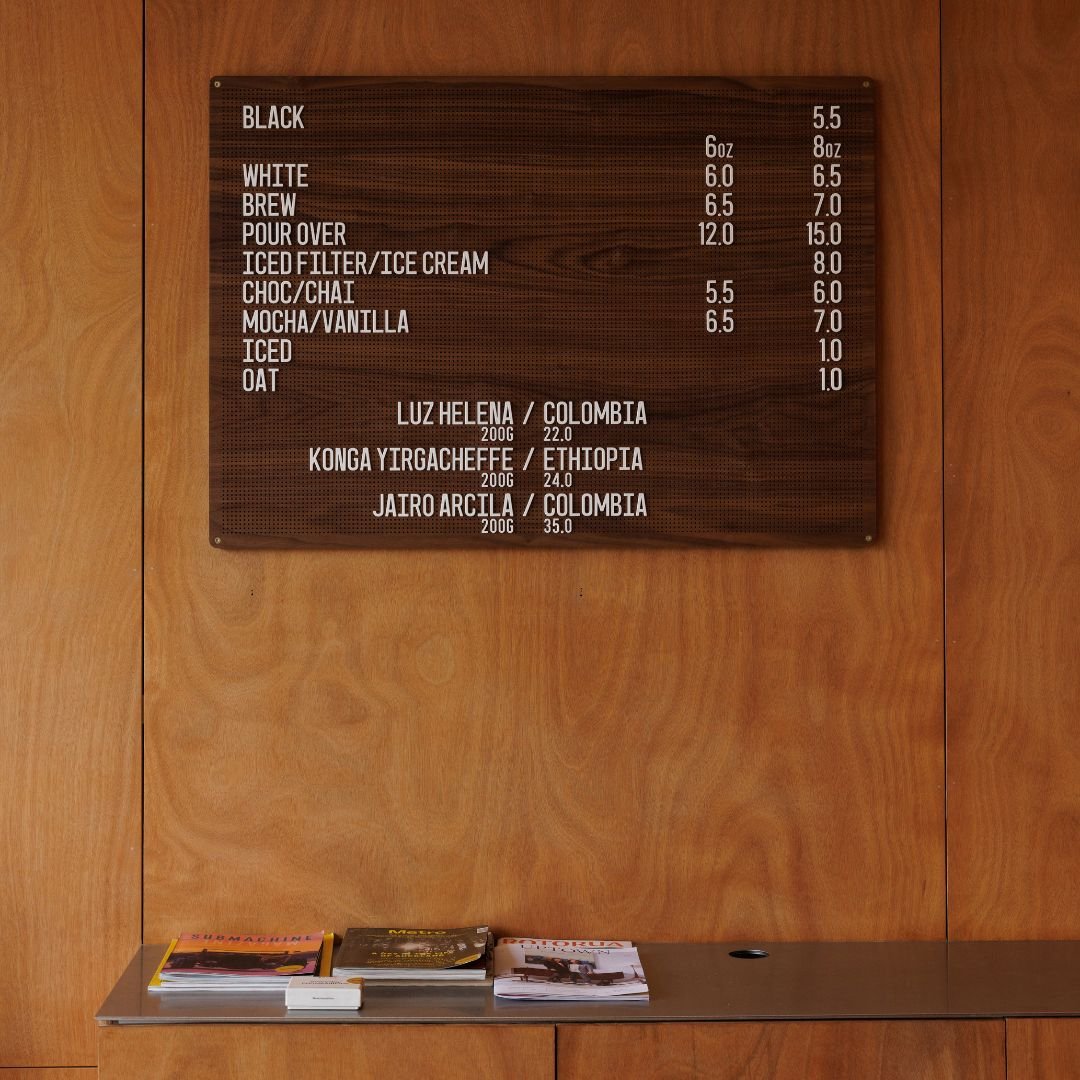
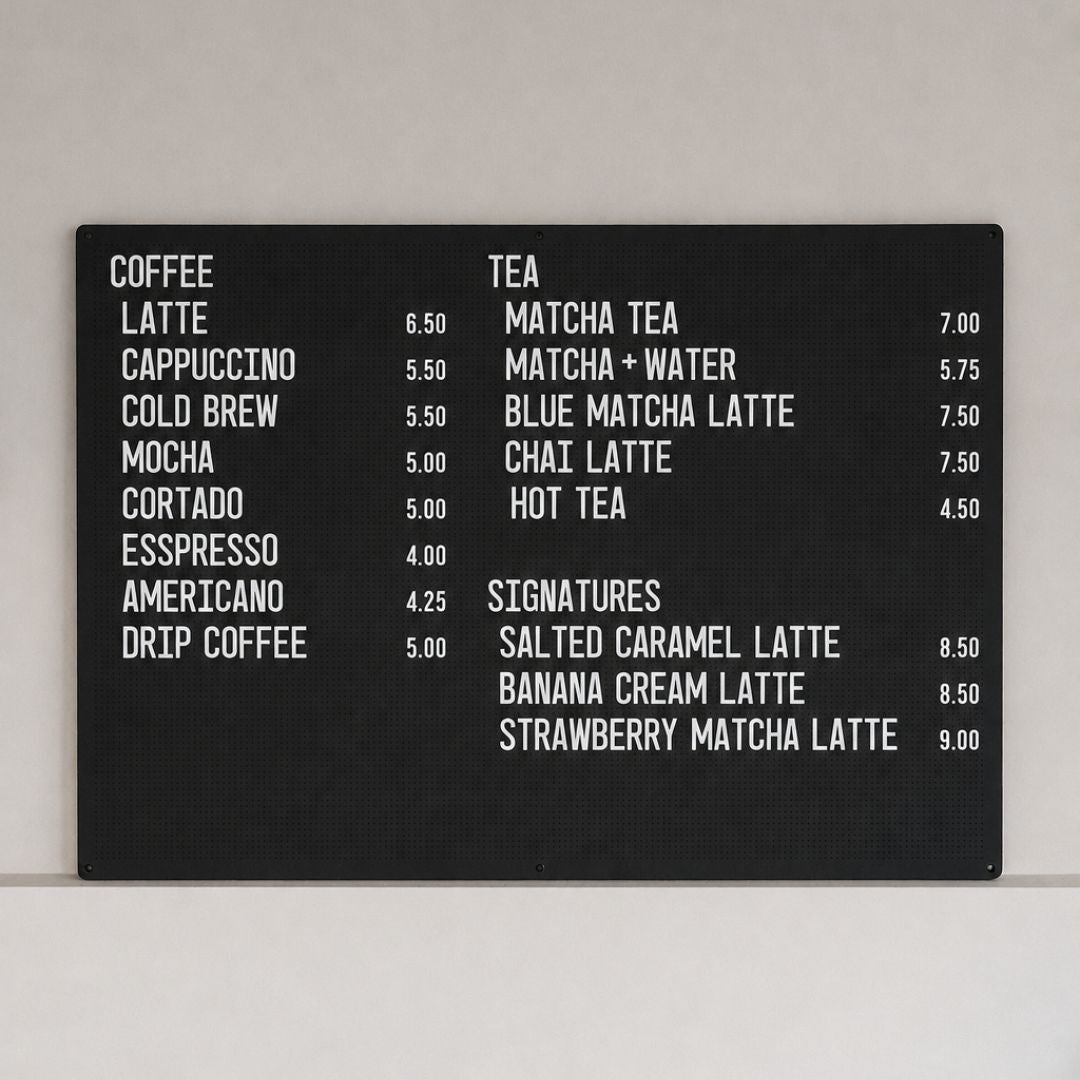
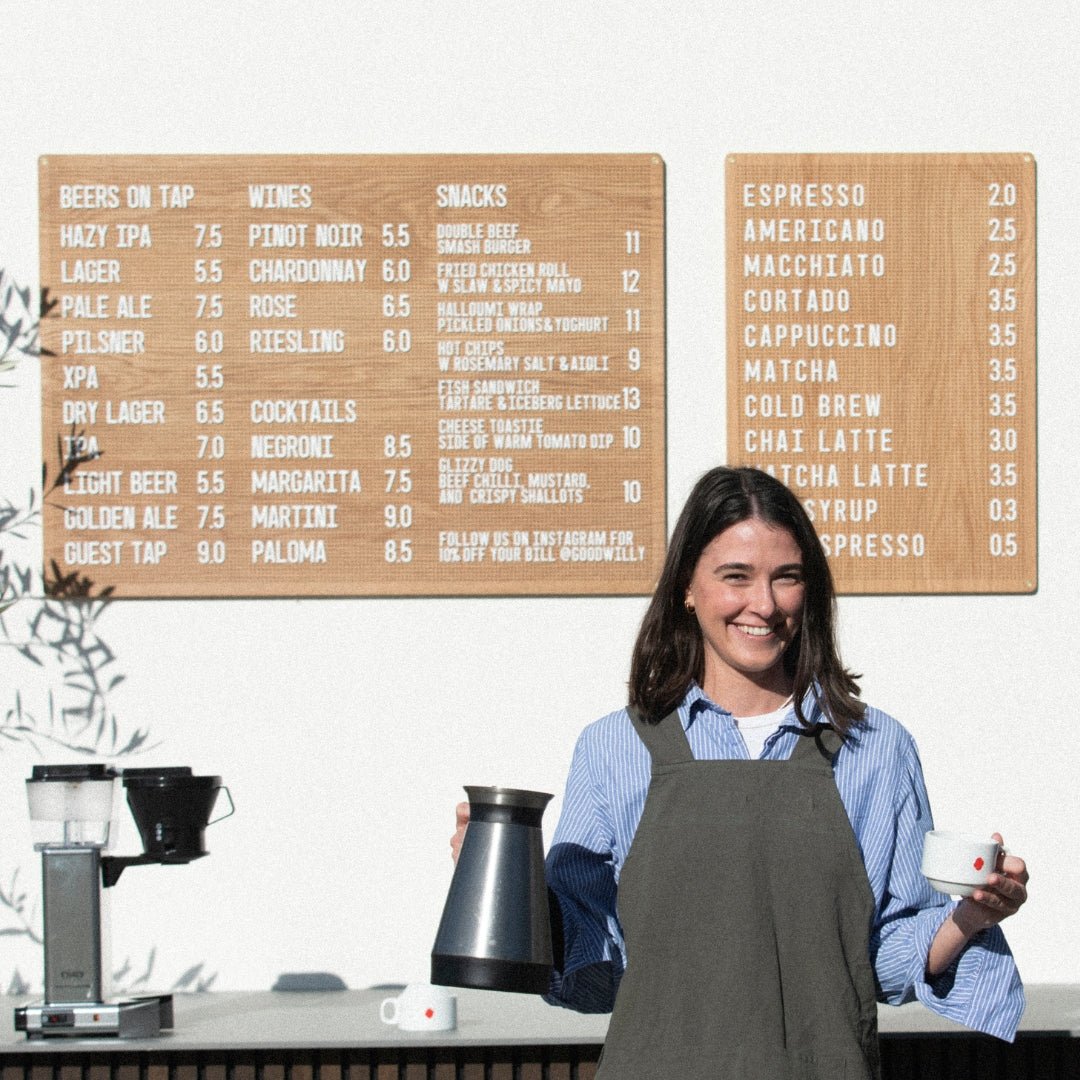
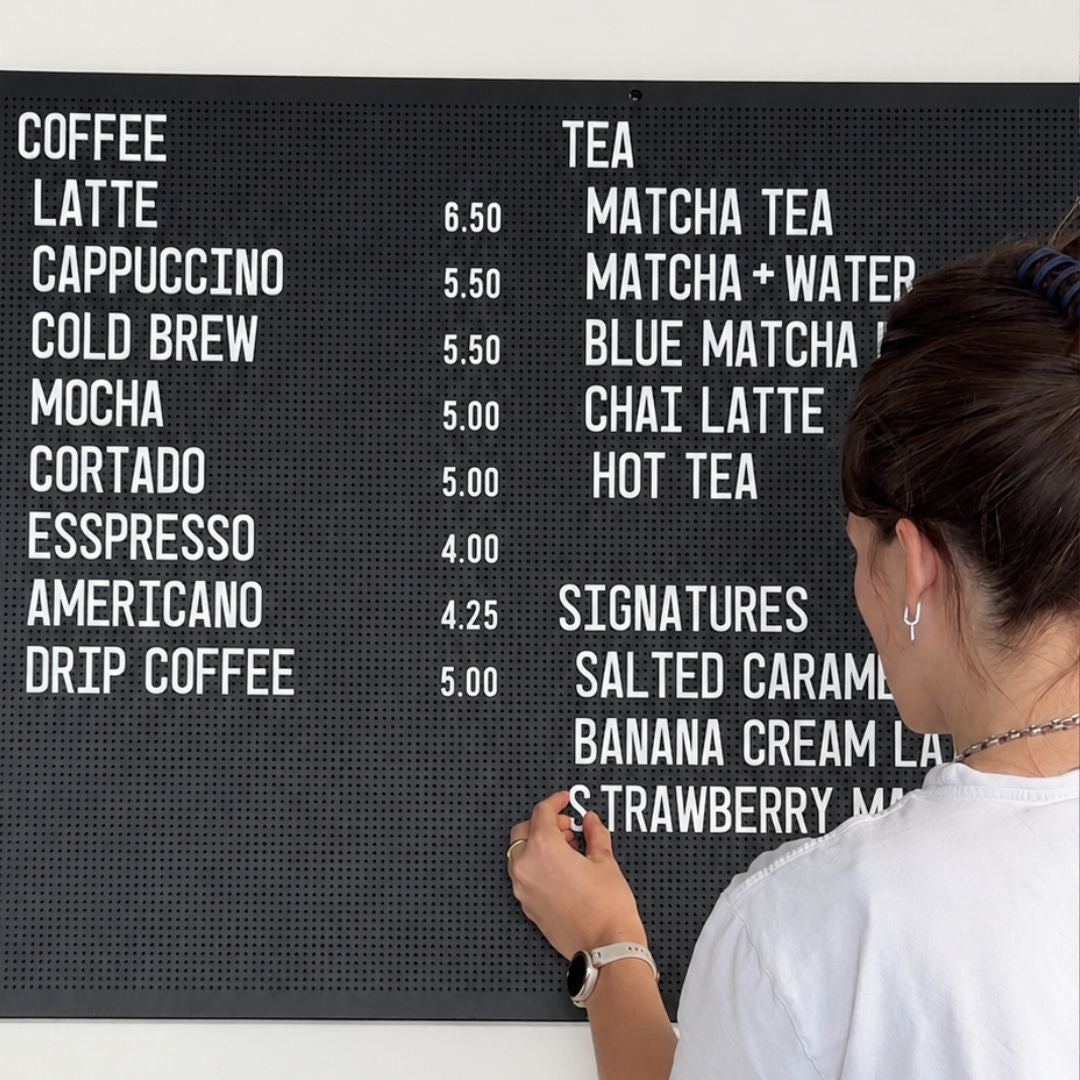
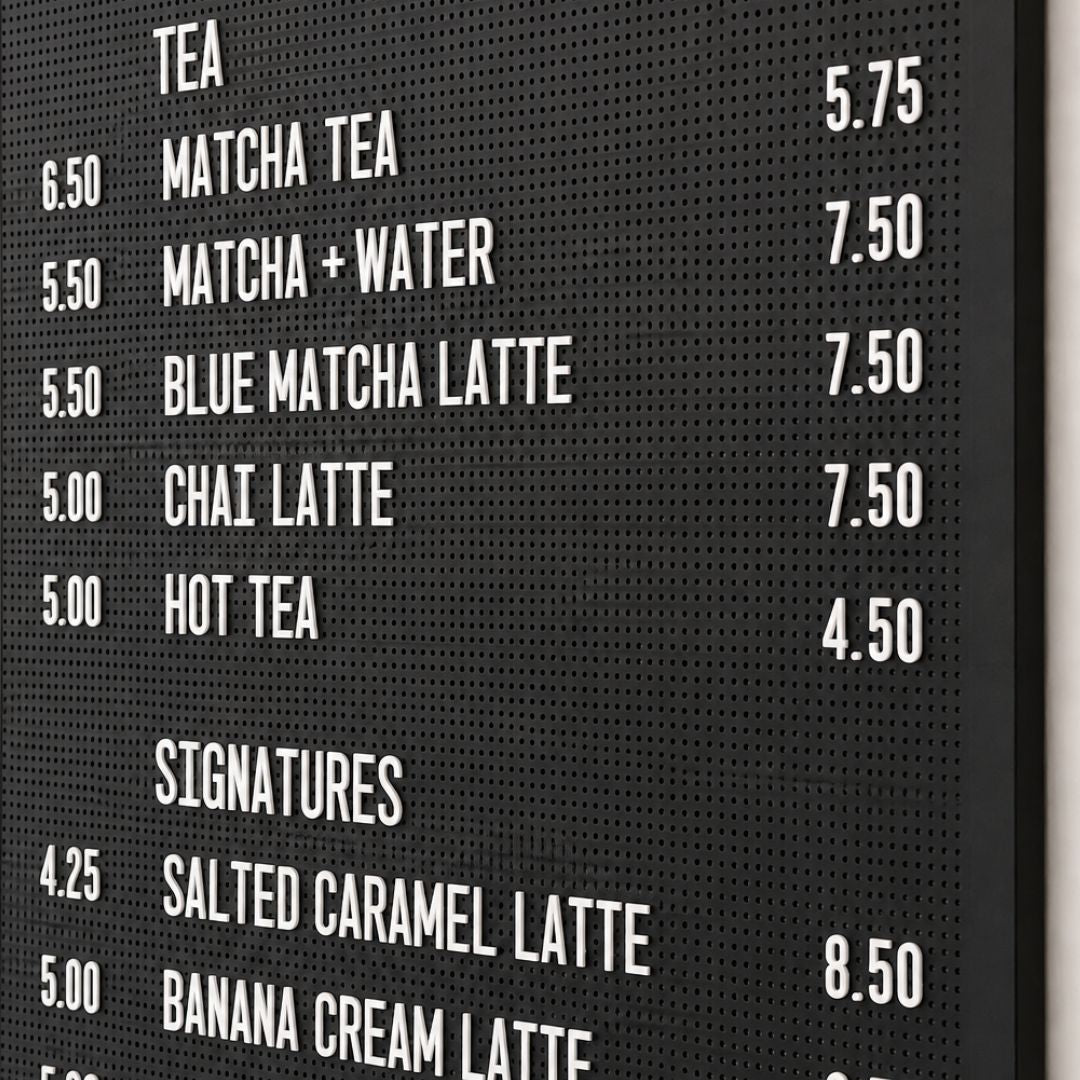
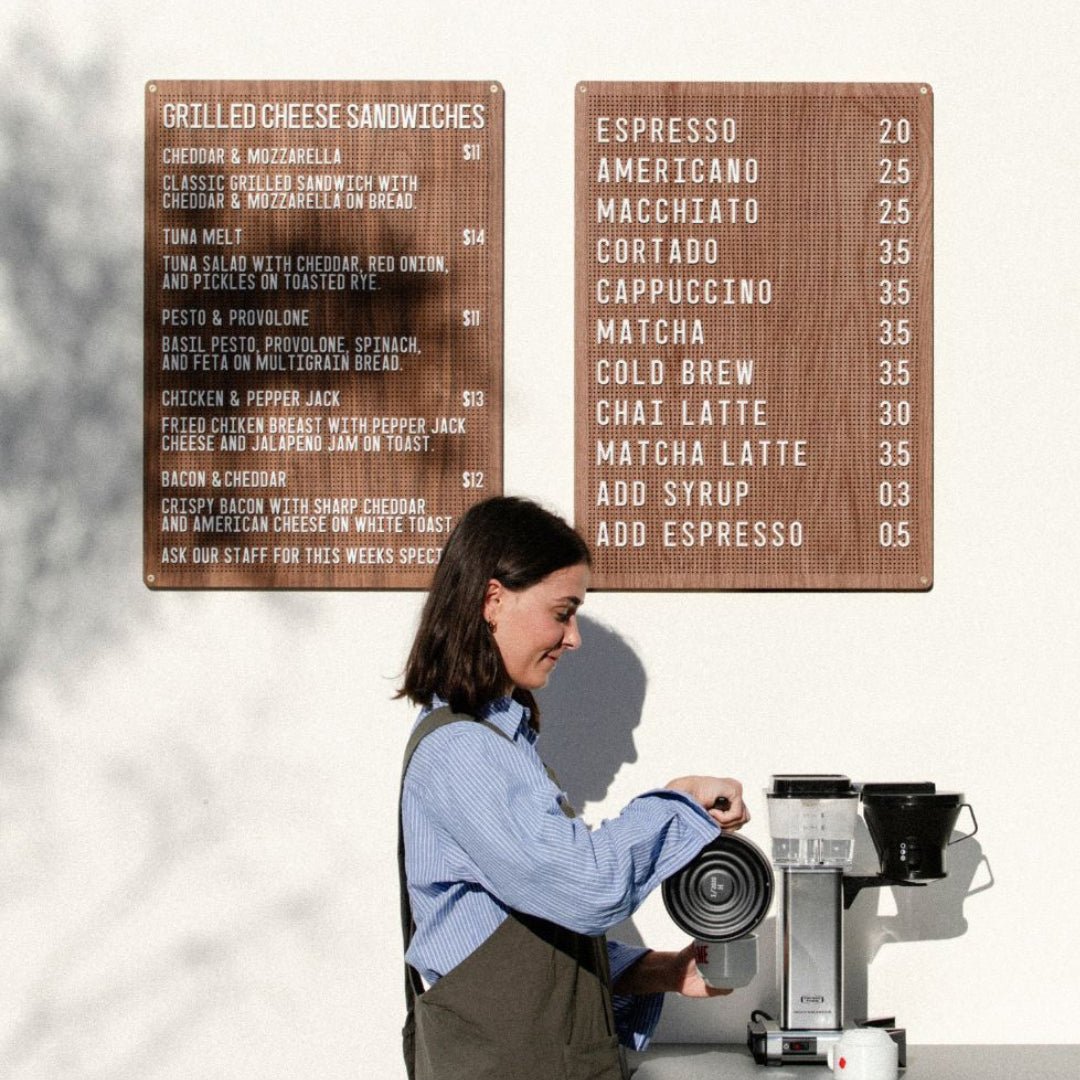
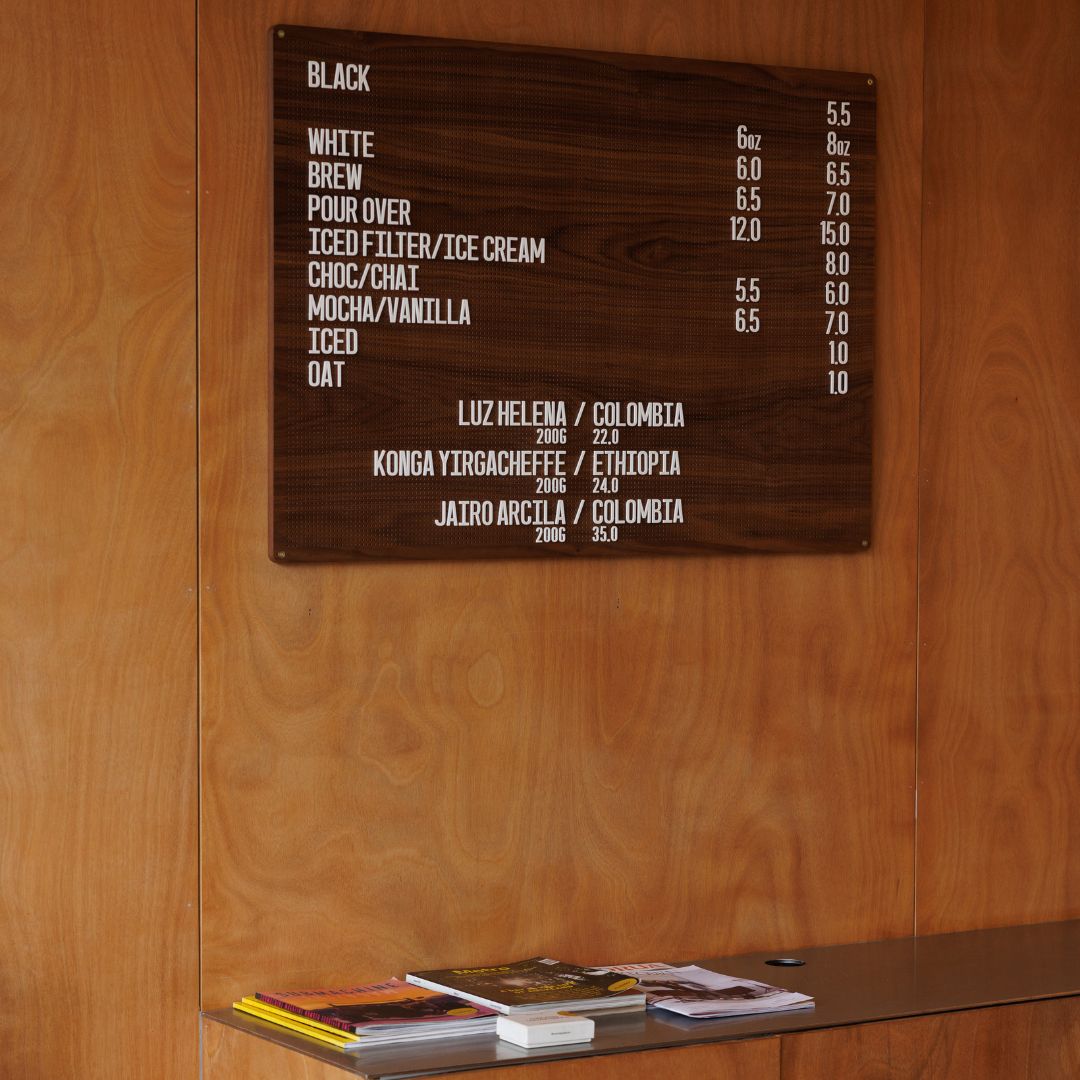
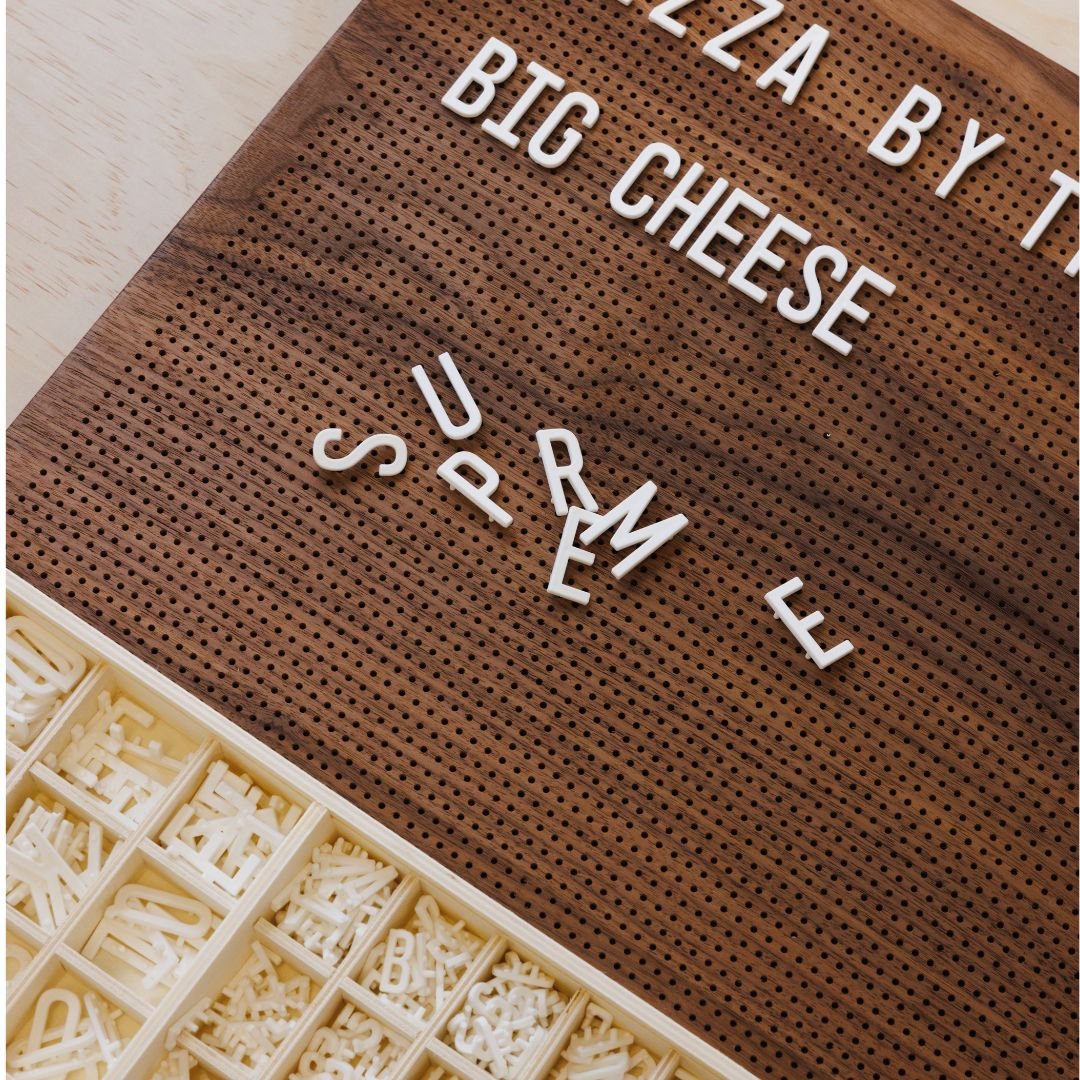
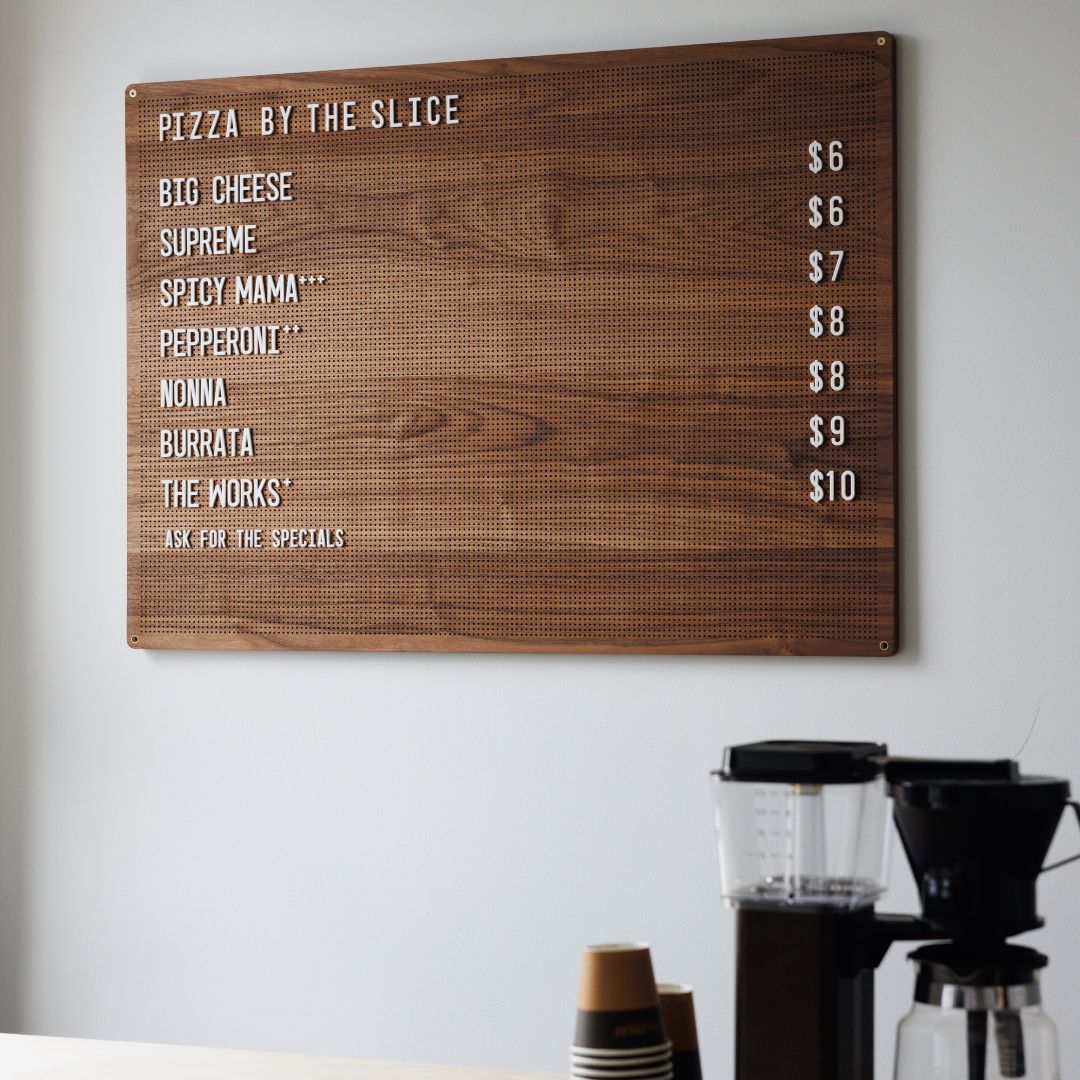
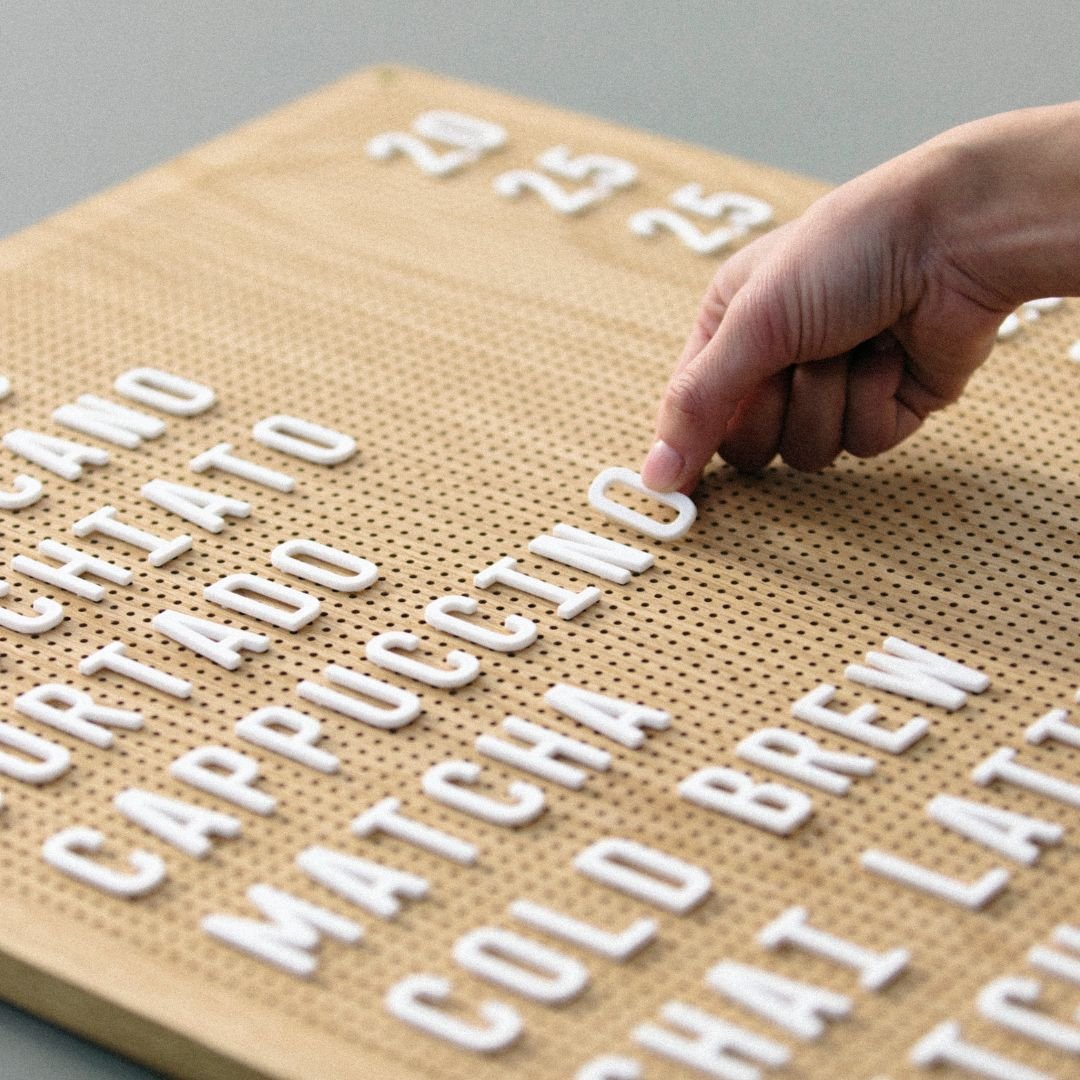
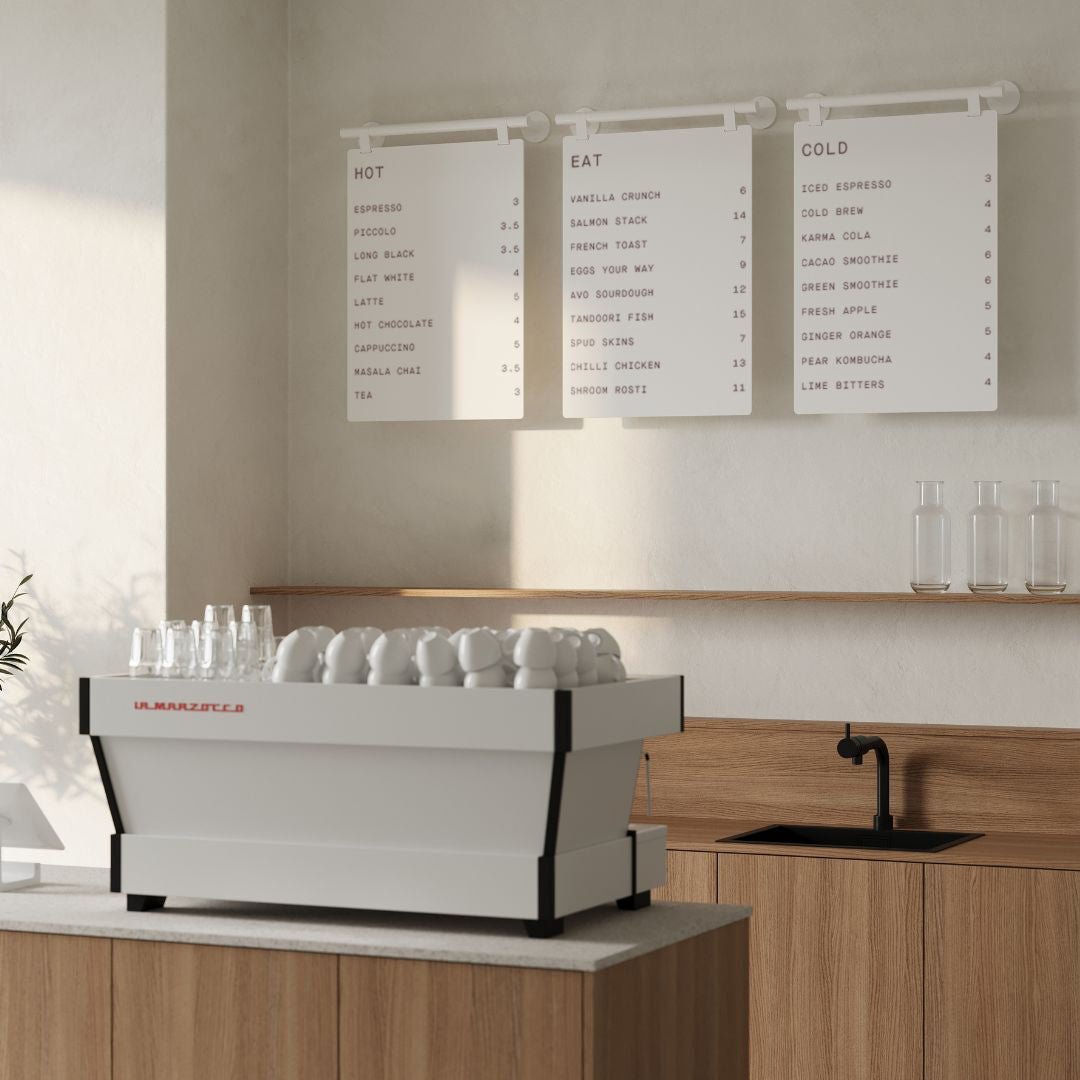
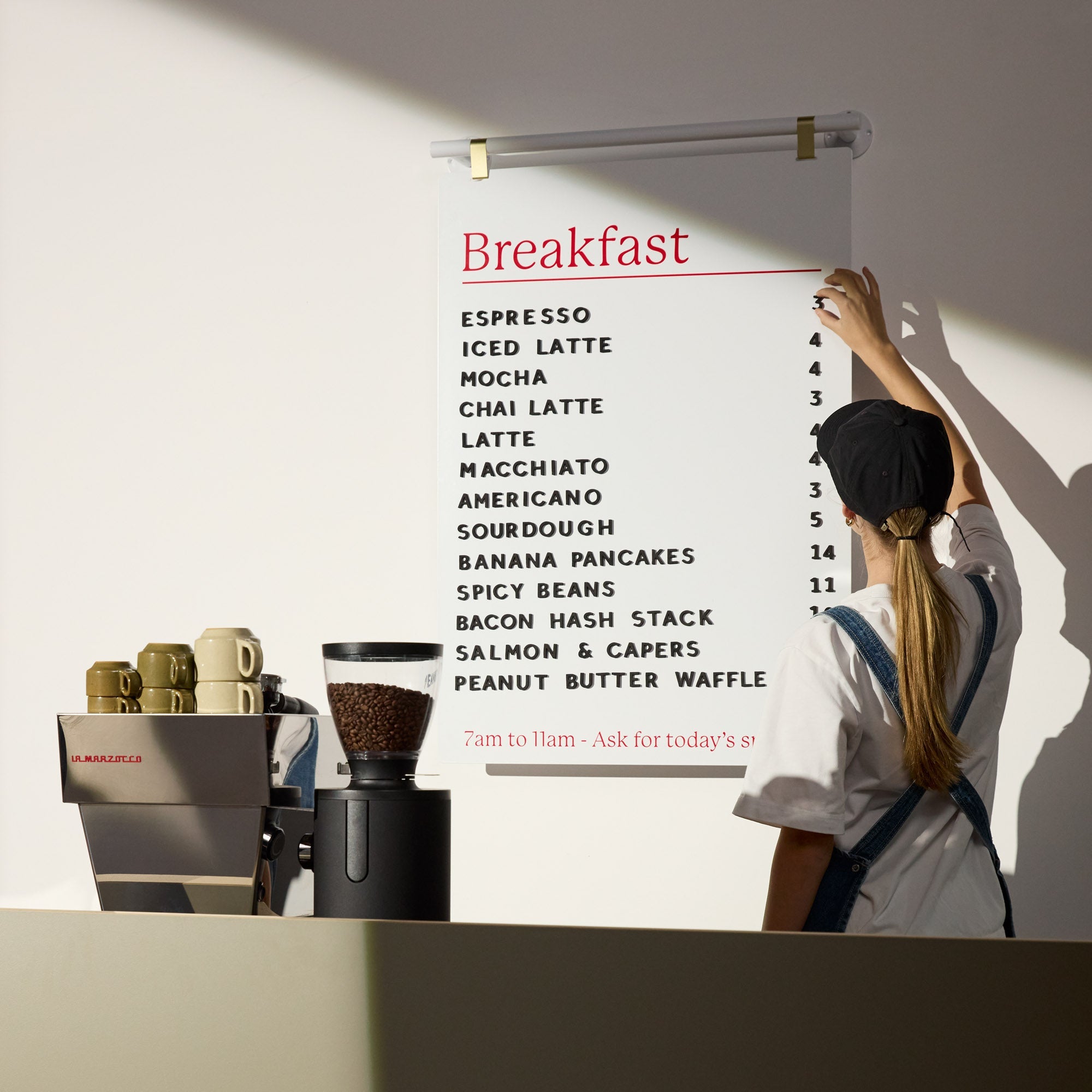
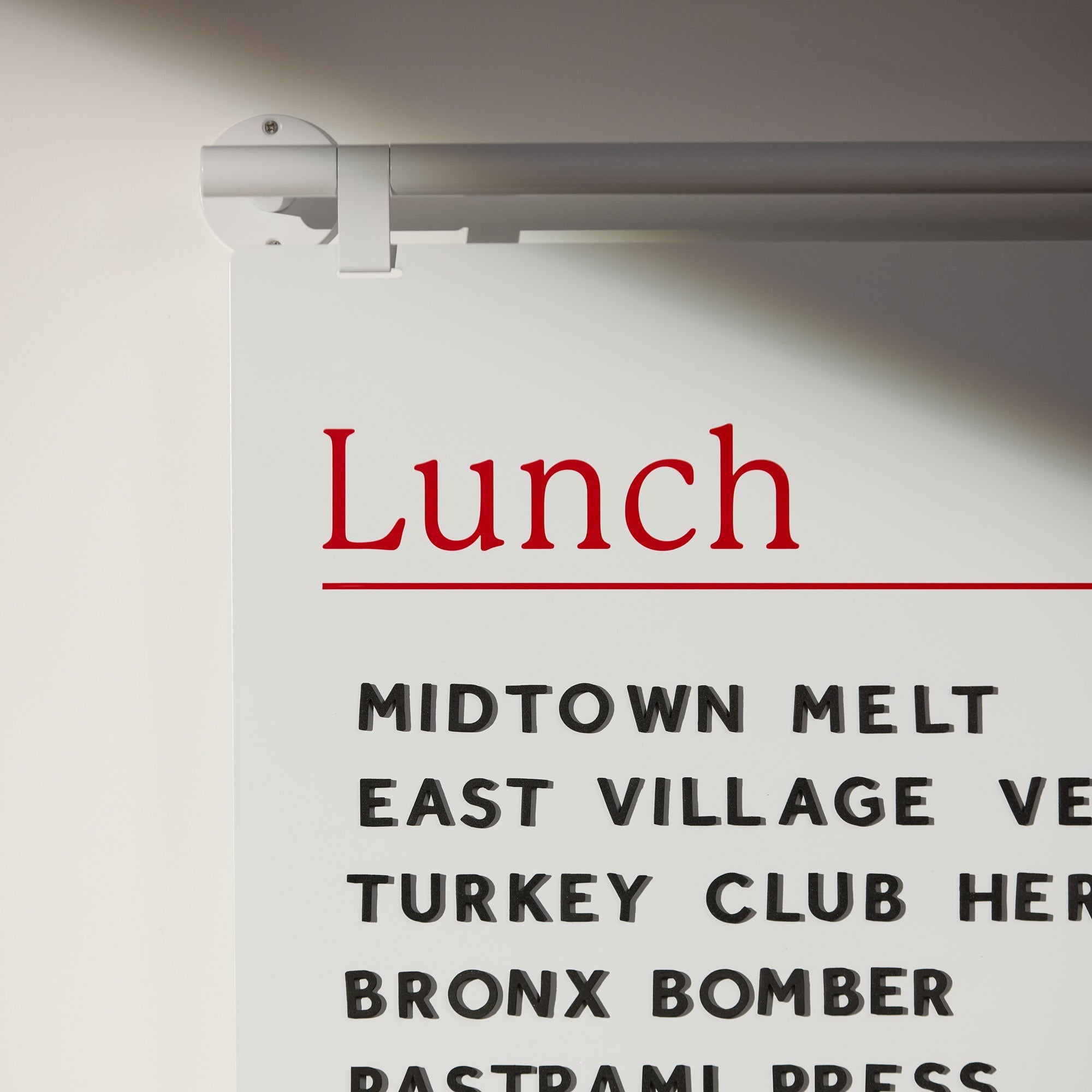
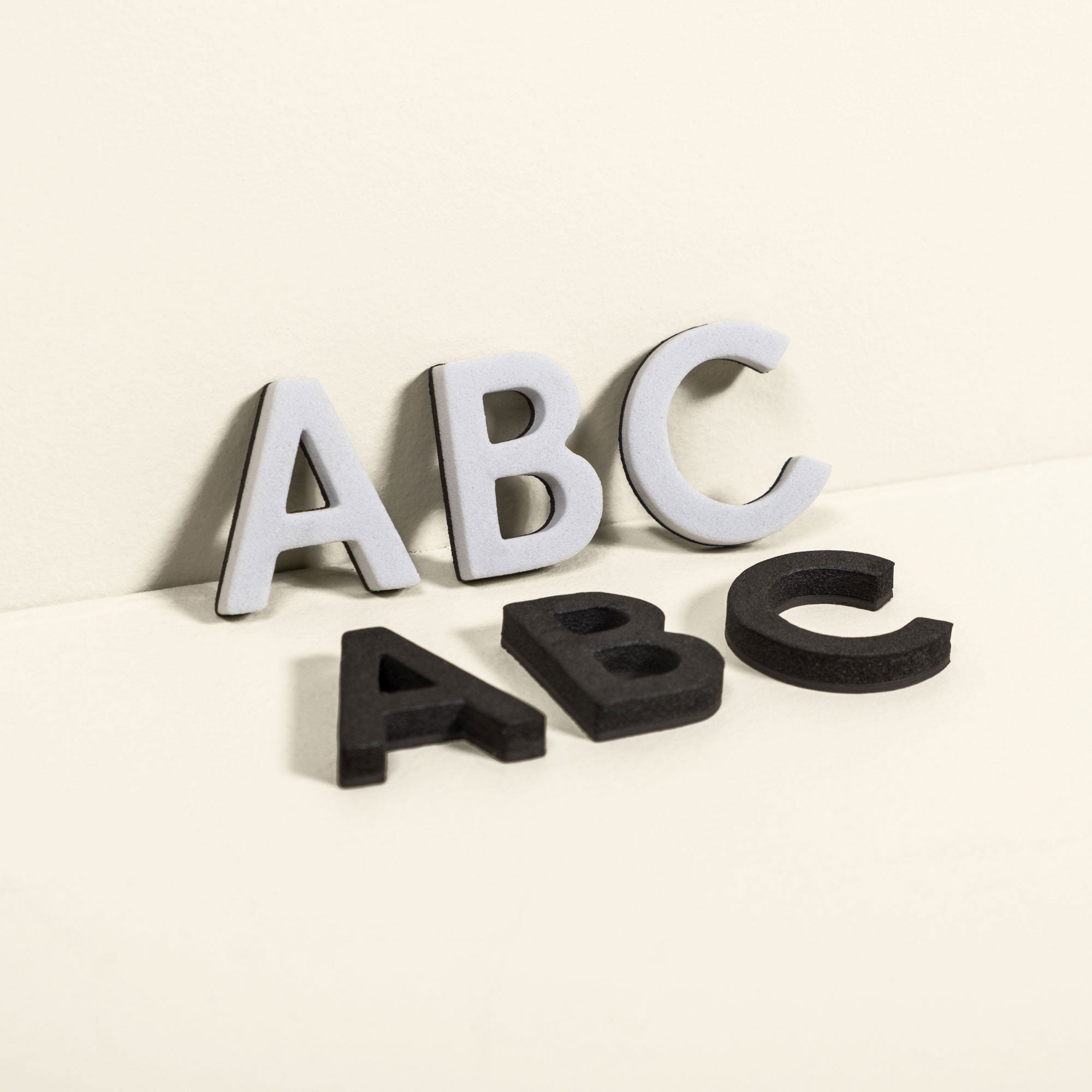
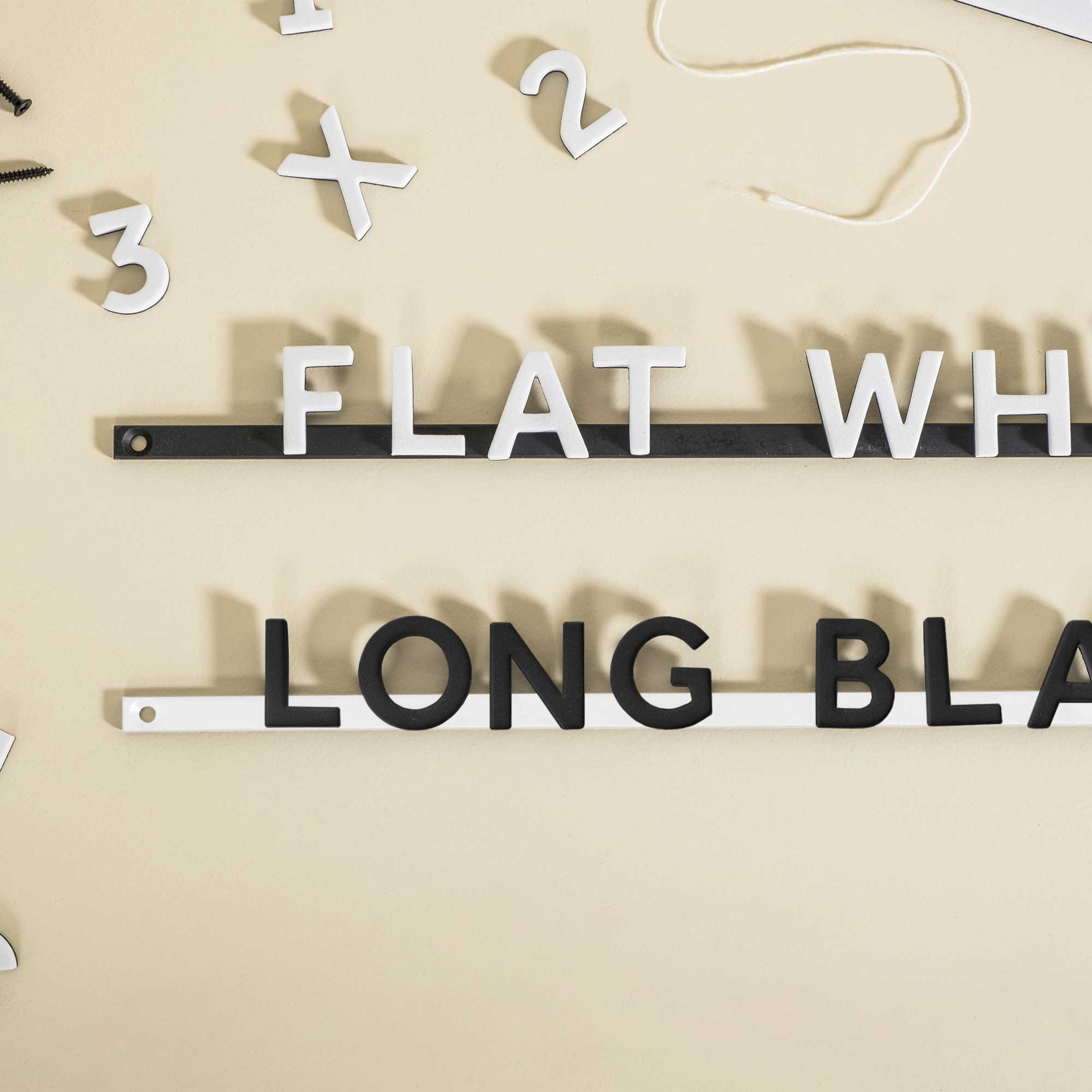
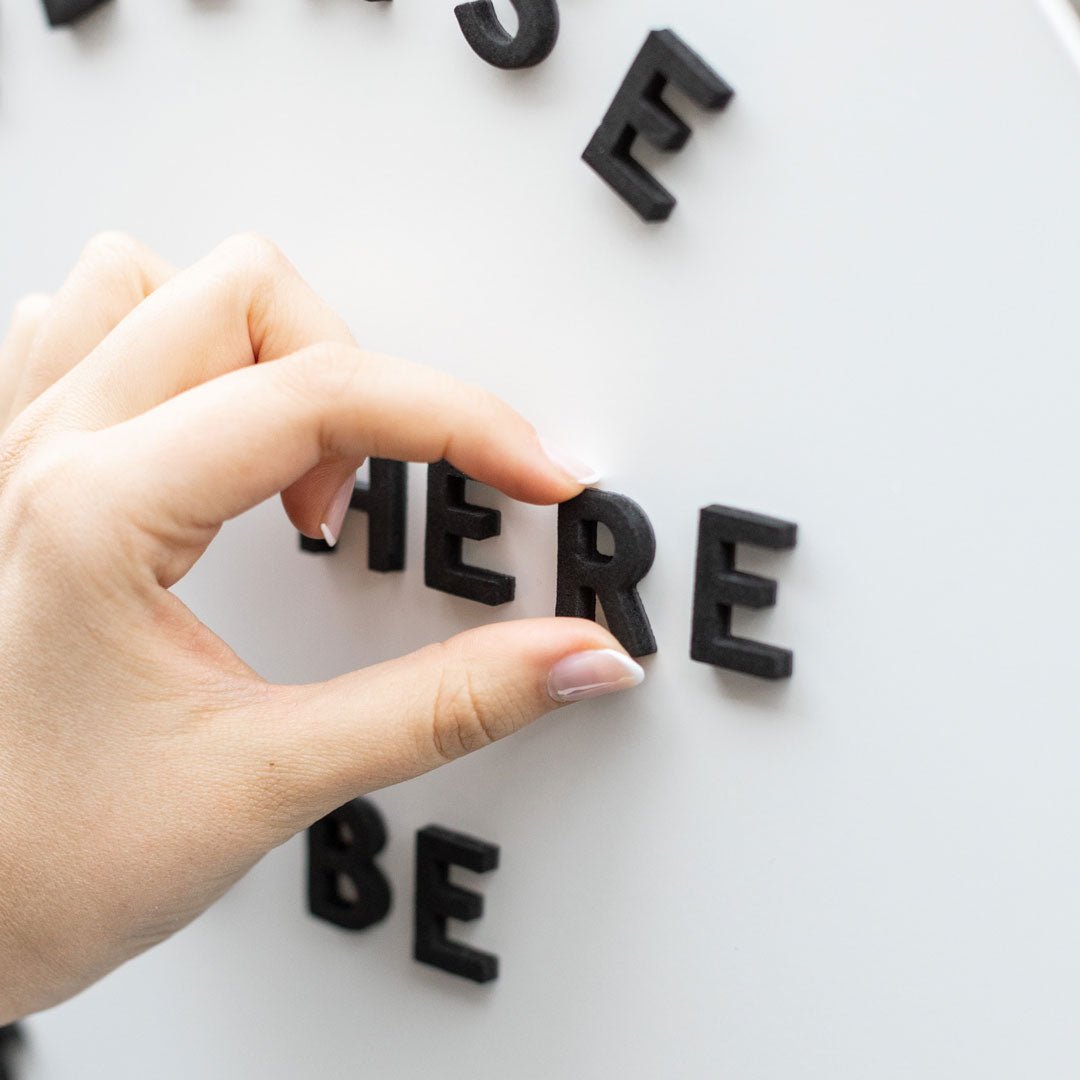
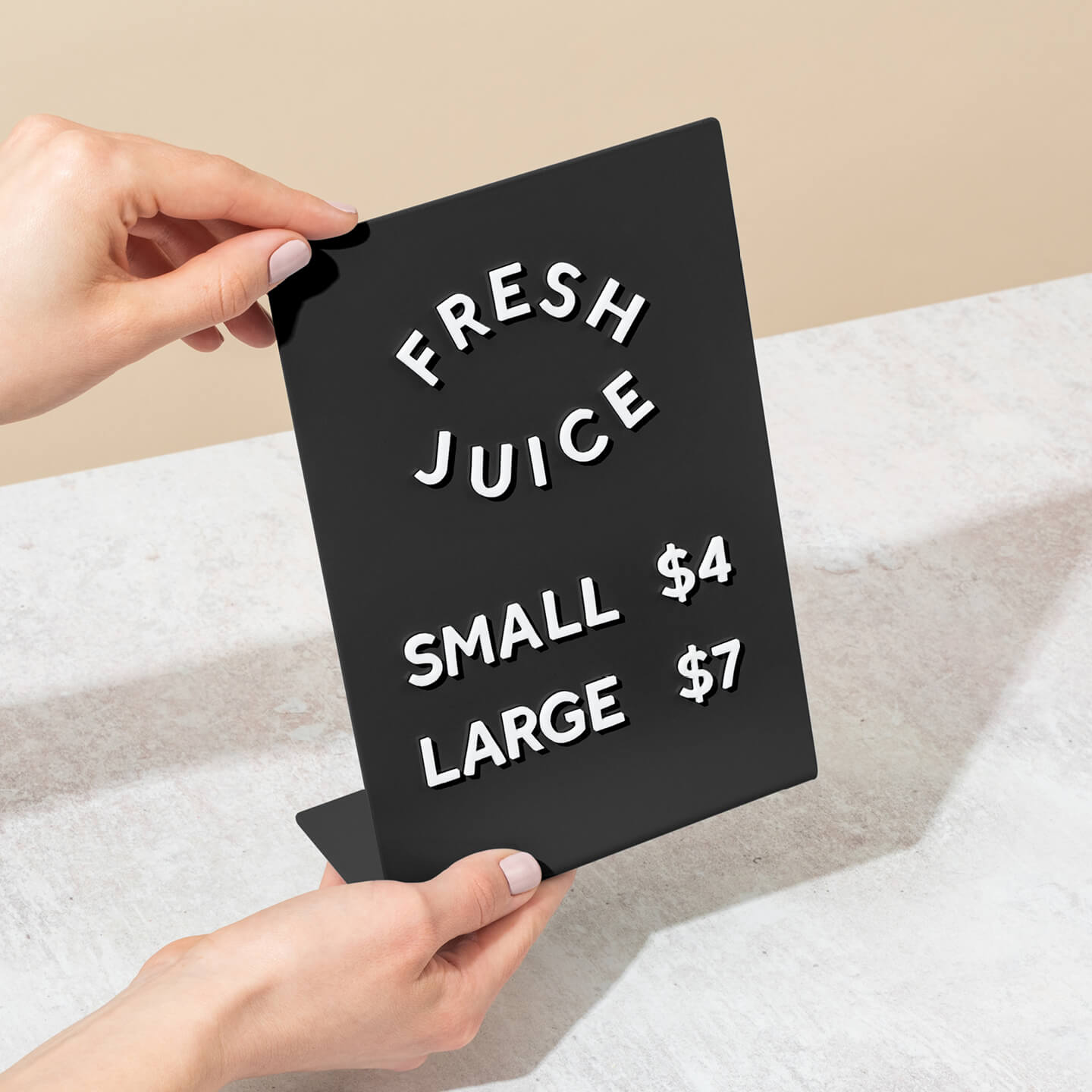
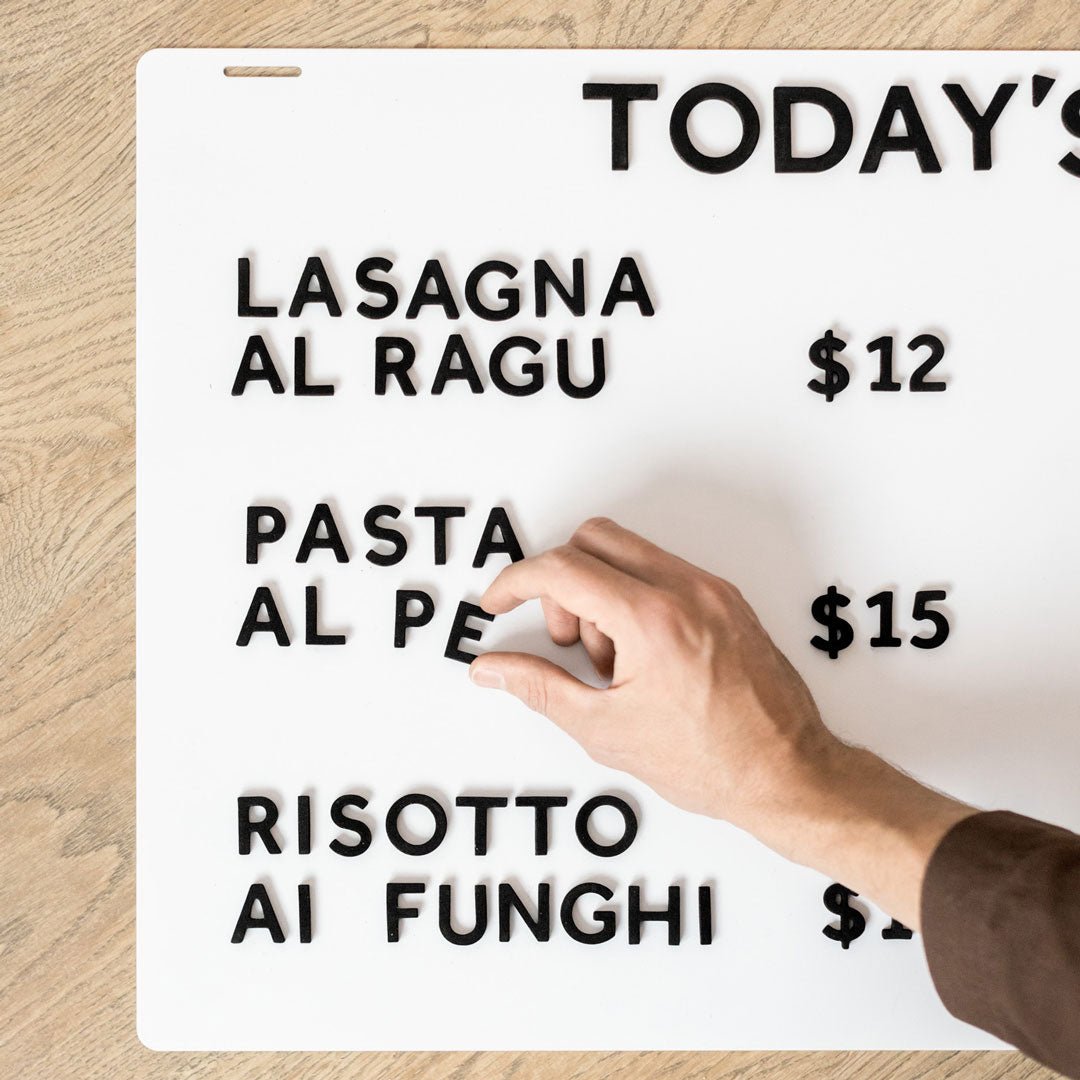
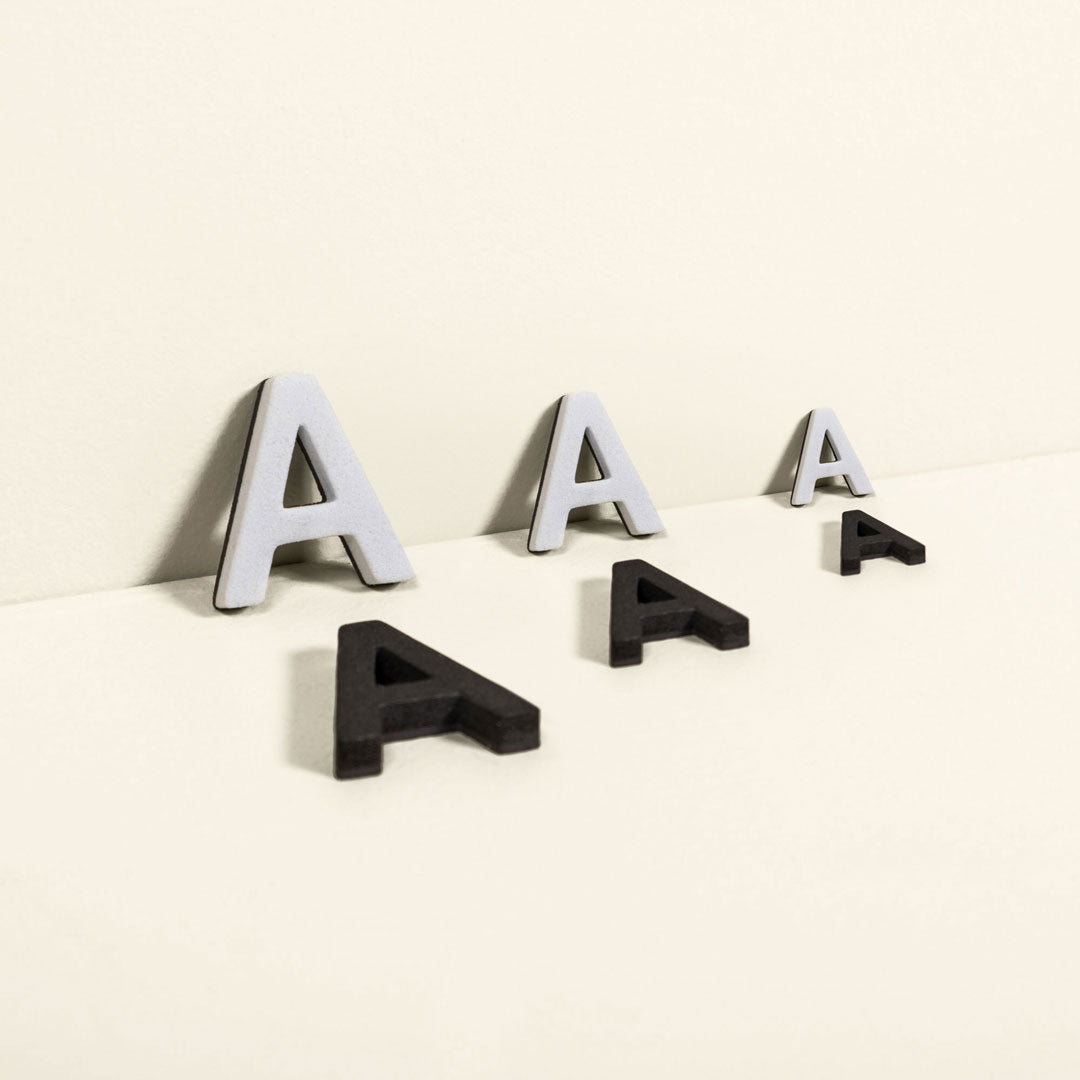
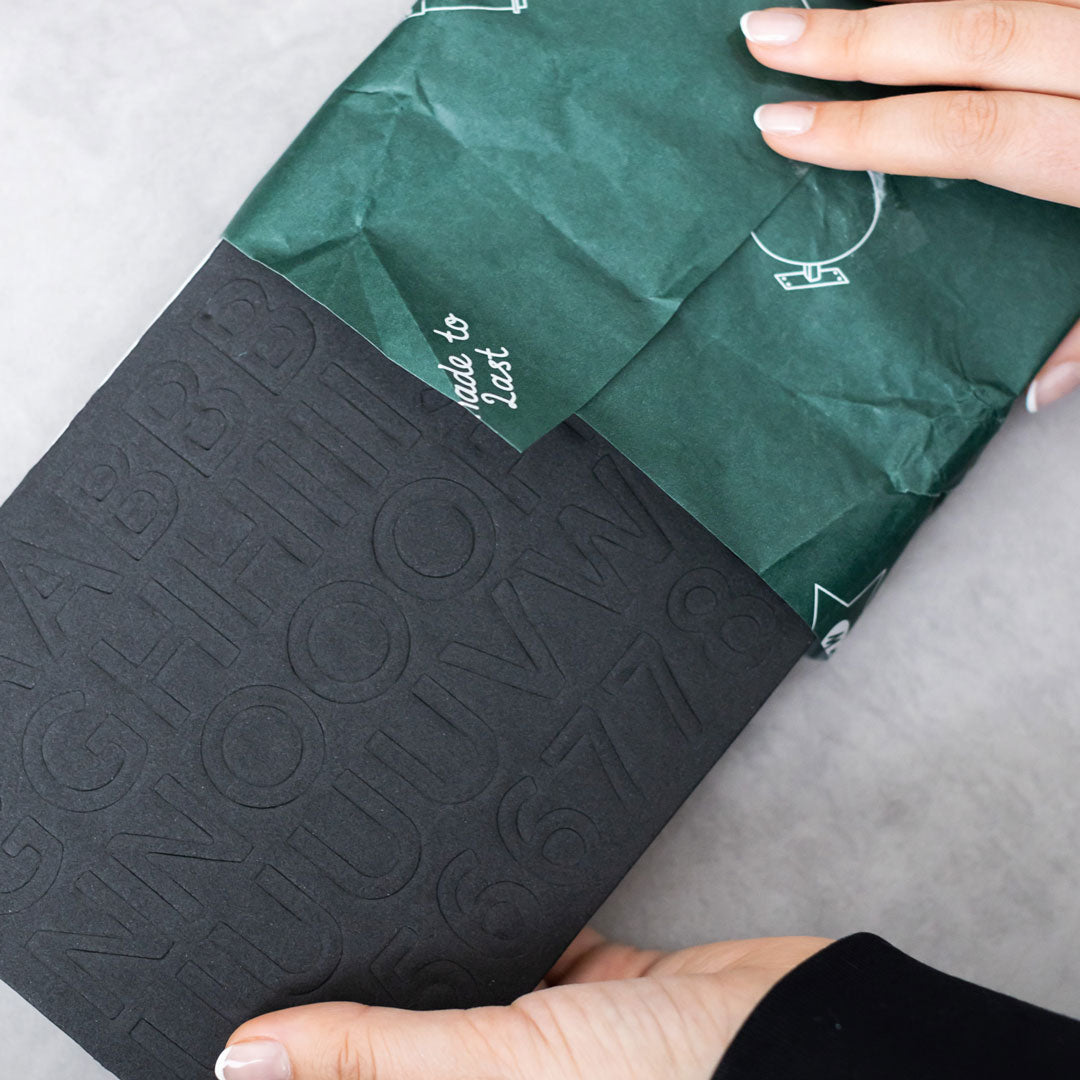
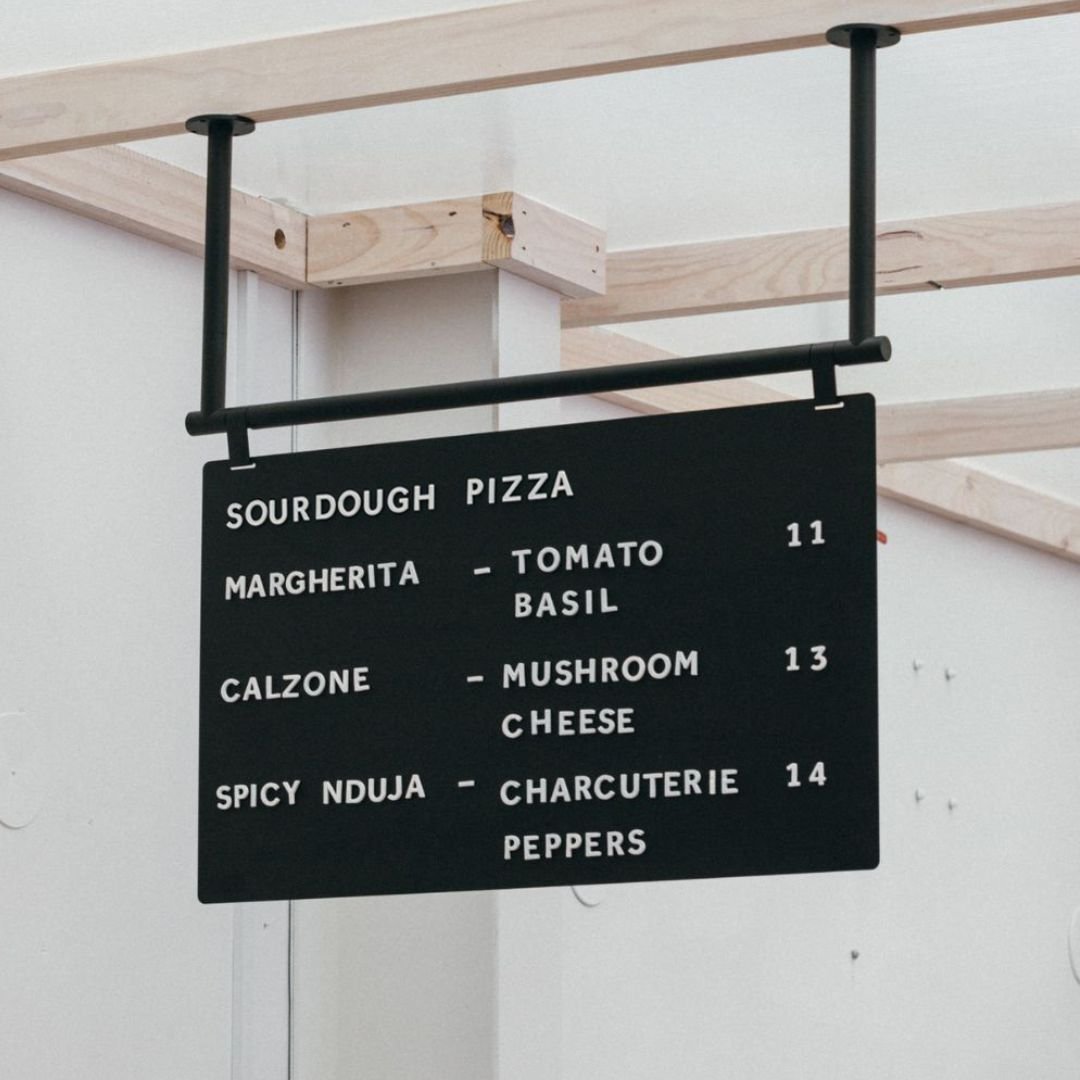
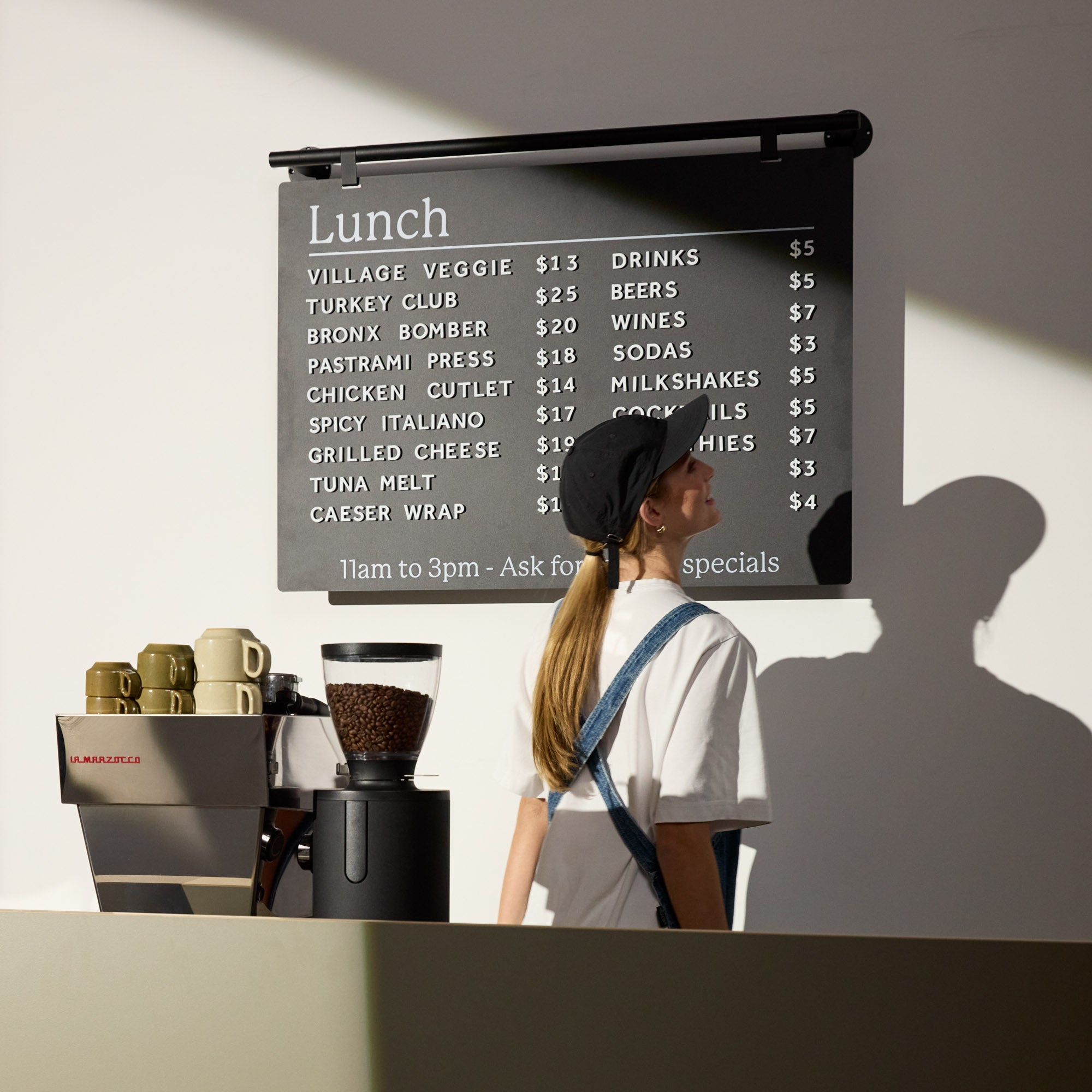
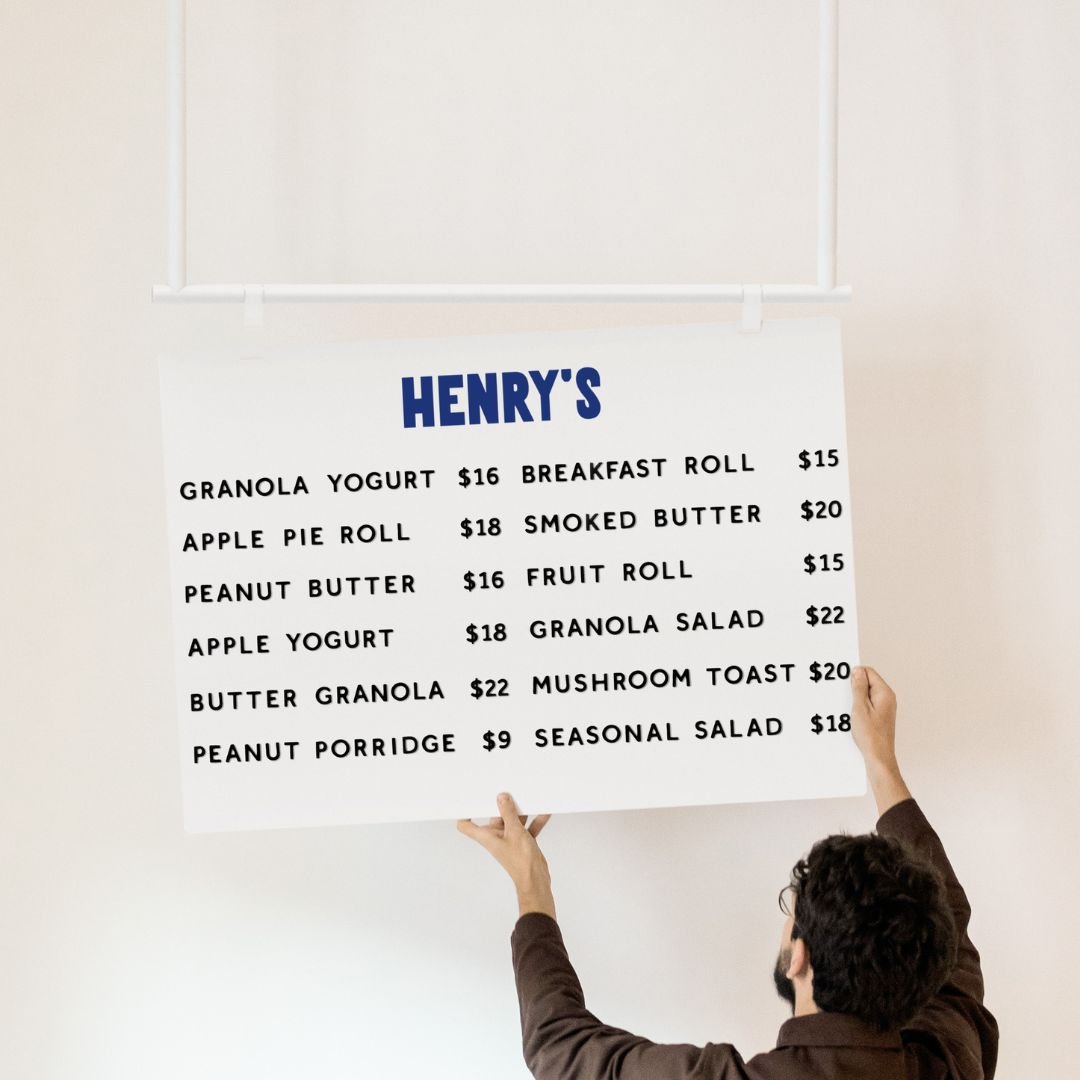
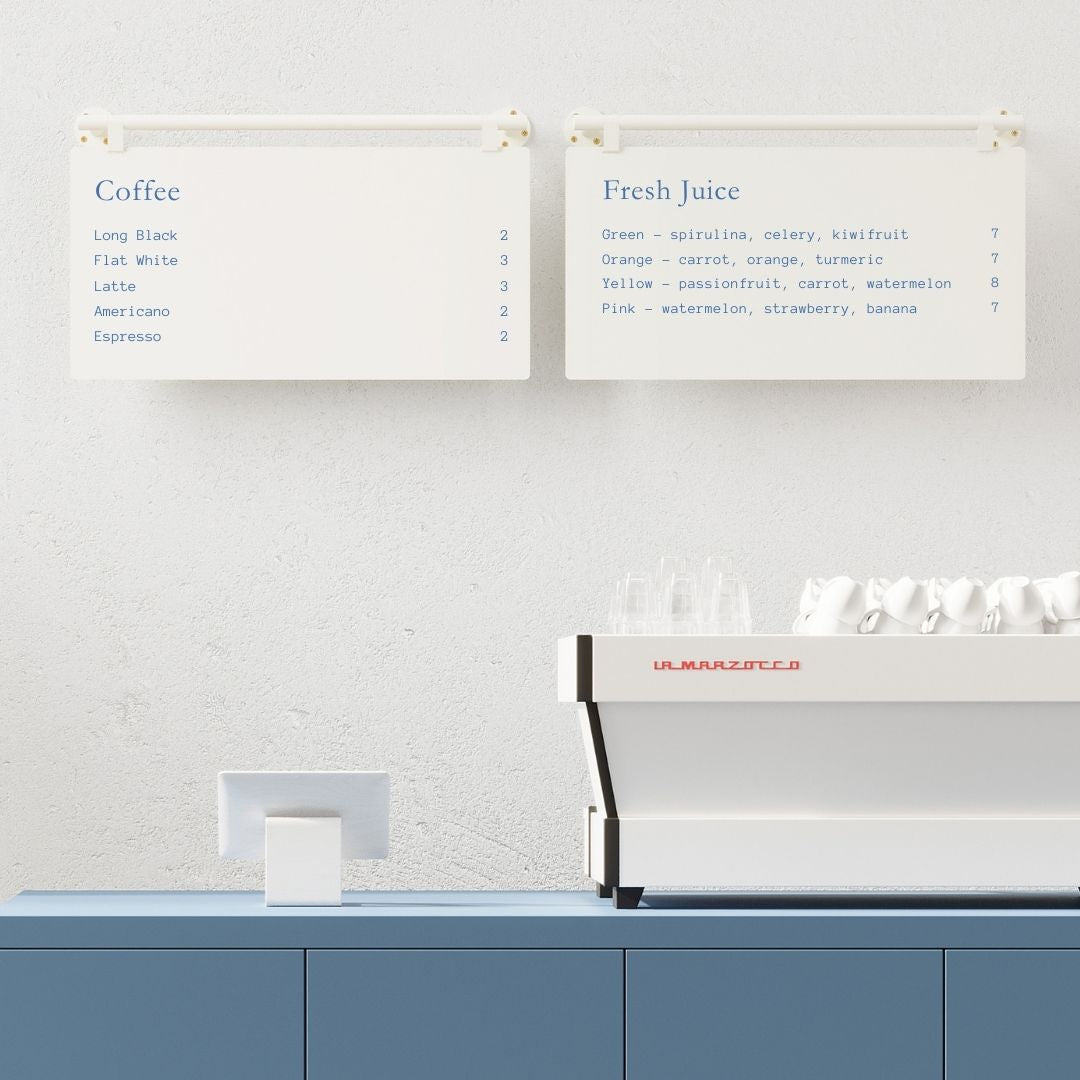
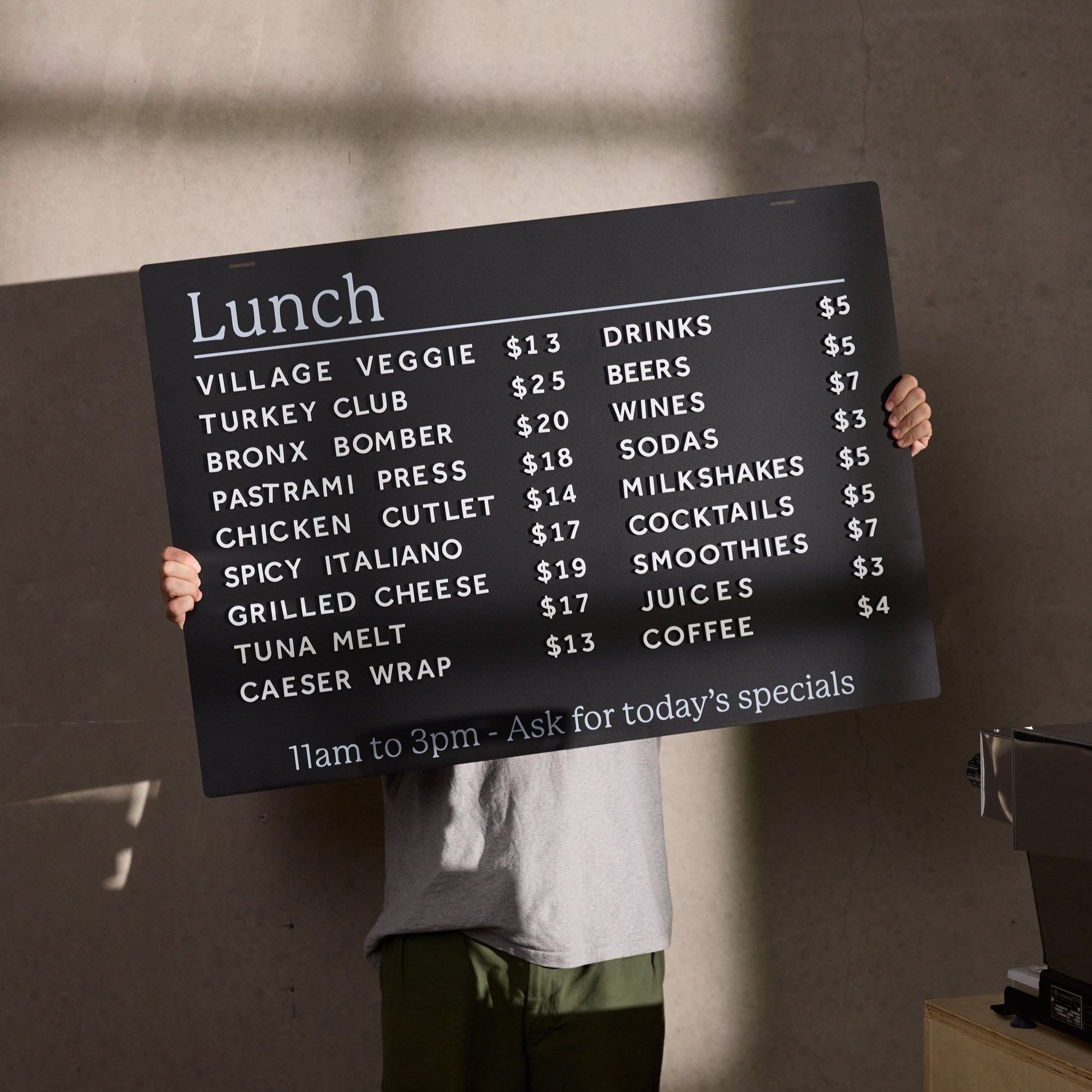
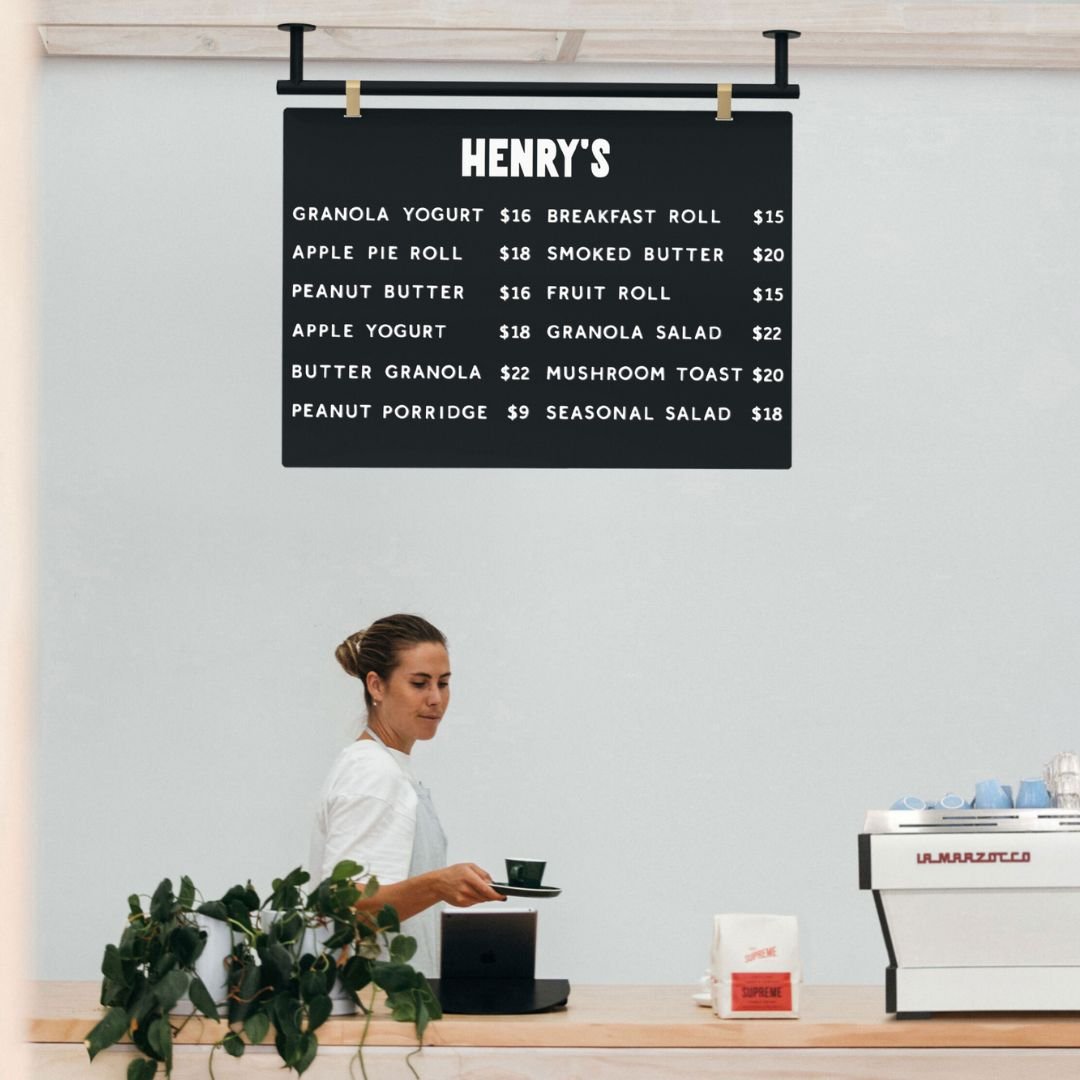
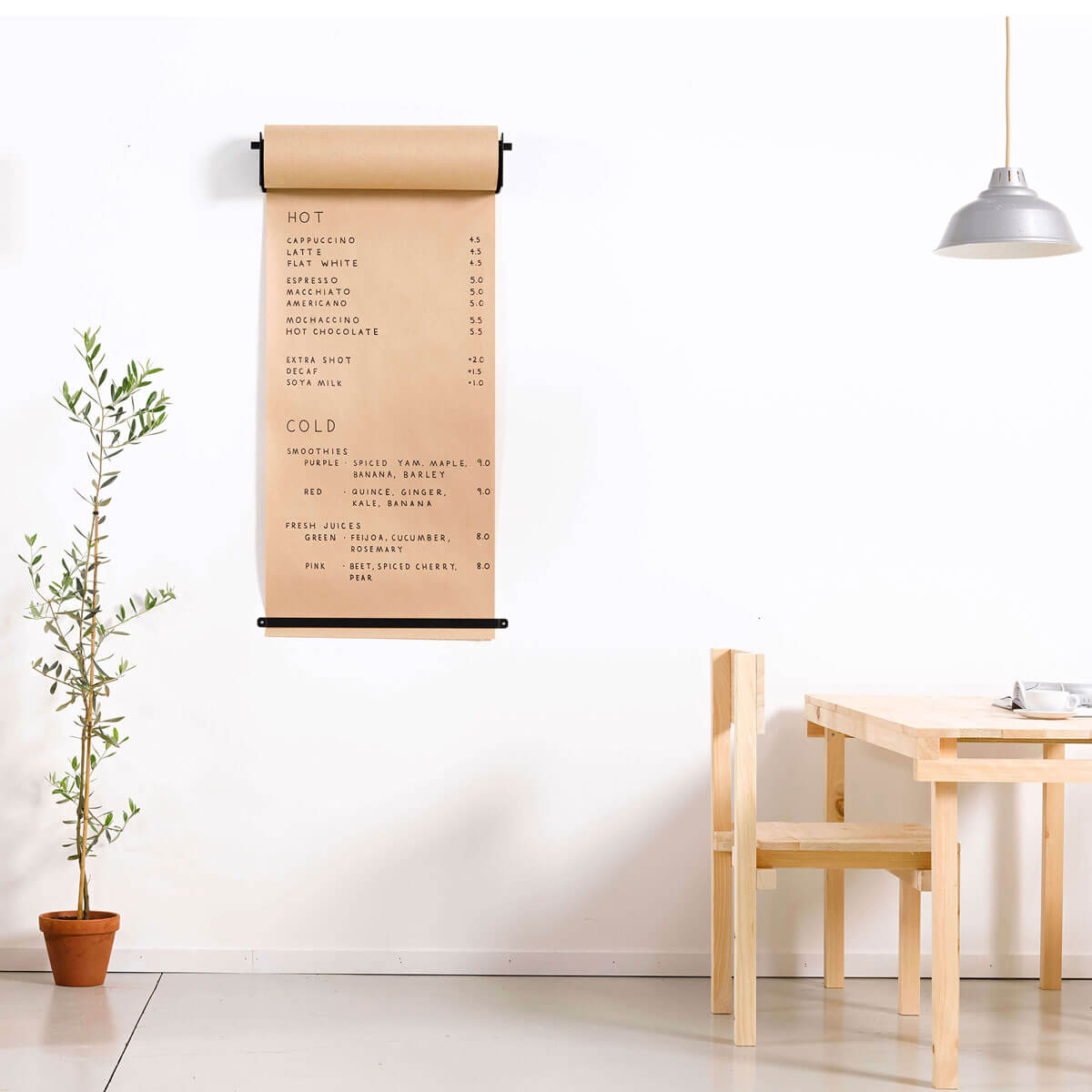
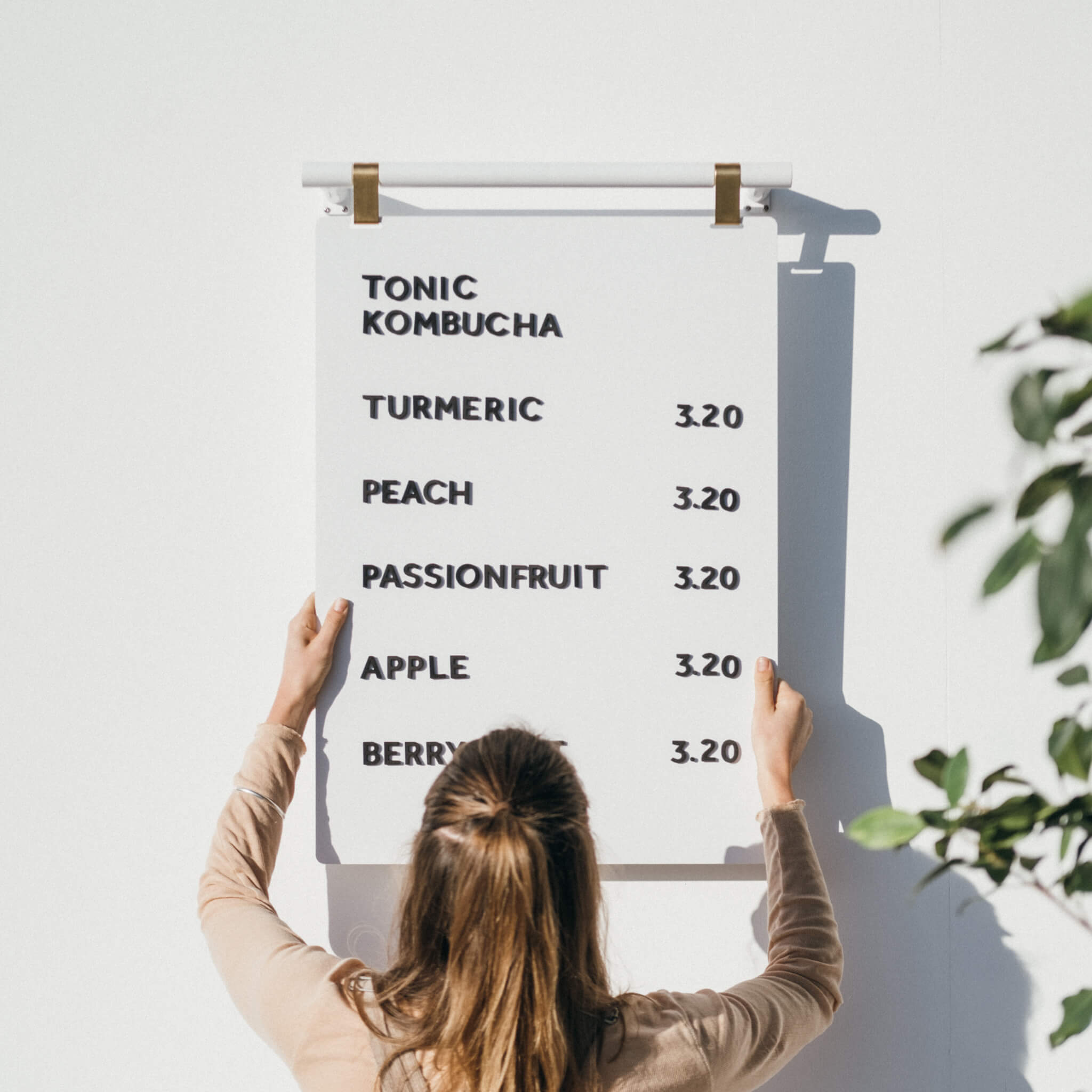
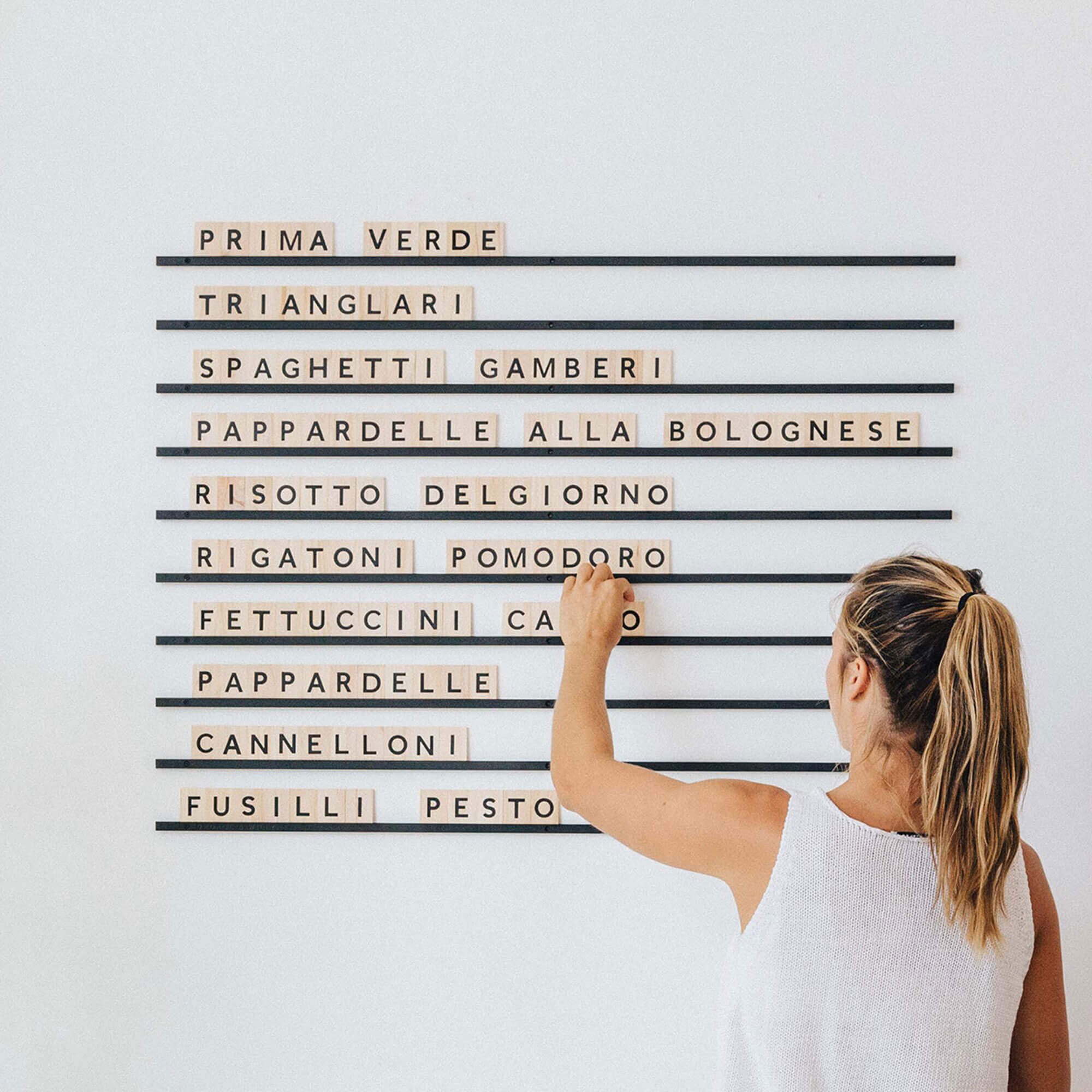
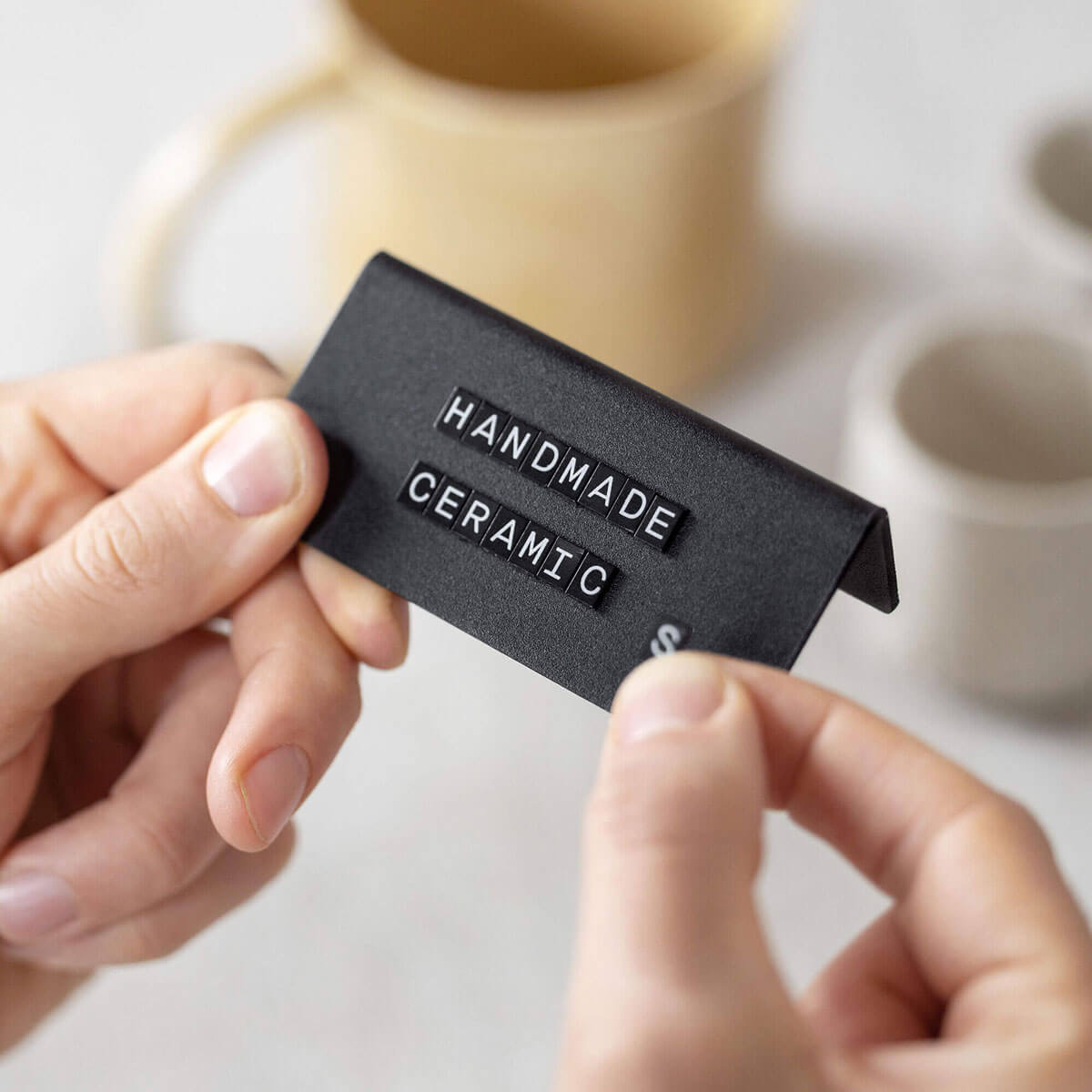
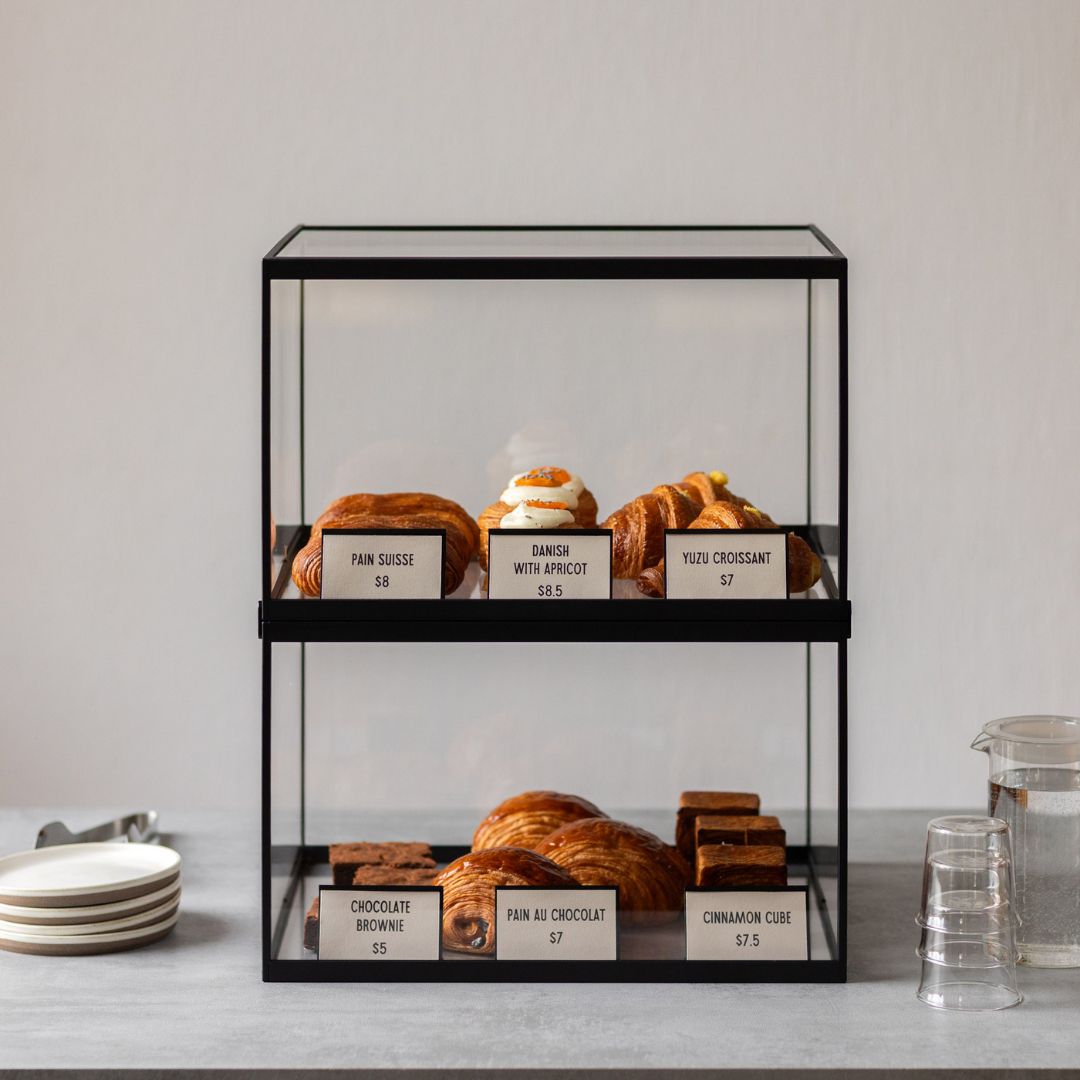
- Menu Boards: Essential for cafes and restaurants, menu boards can be static or, for maximum flexibility, easily changeable. Systems with magnetic letters or slidable tiles allow for instant updates.
- Point of Purchase (POP) Displays: Placed near products or at checkout, these signs can drive impulse buys. About 76% of purchase decisions happen in store.
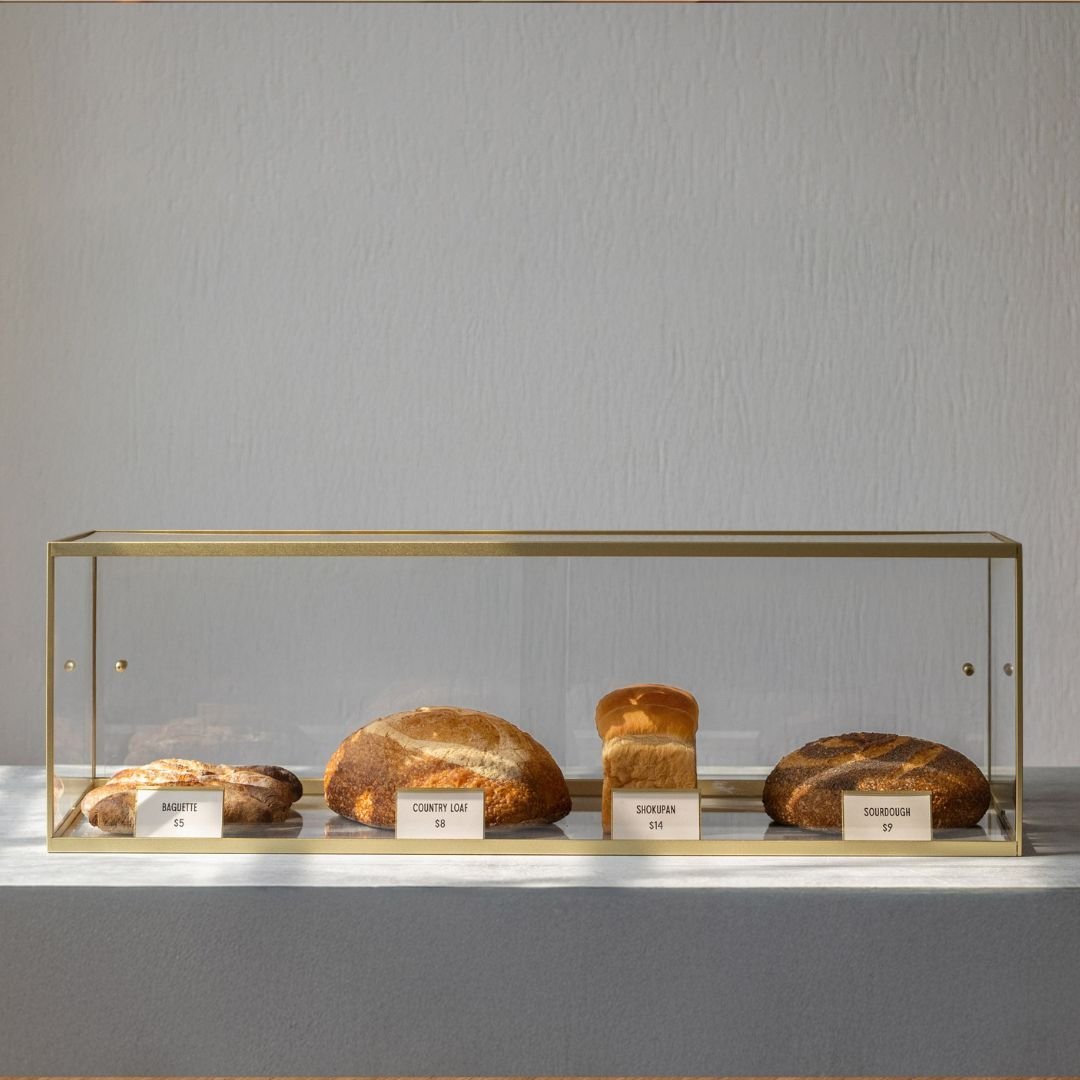
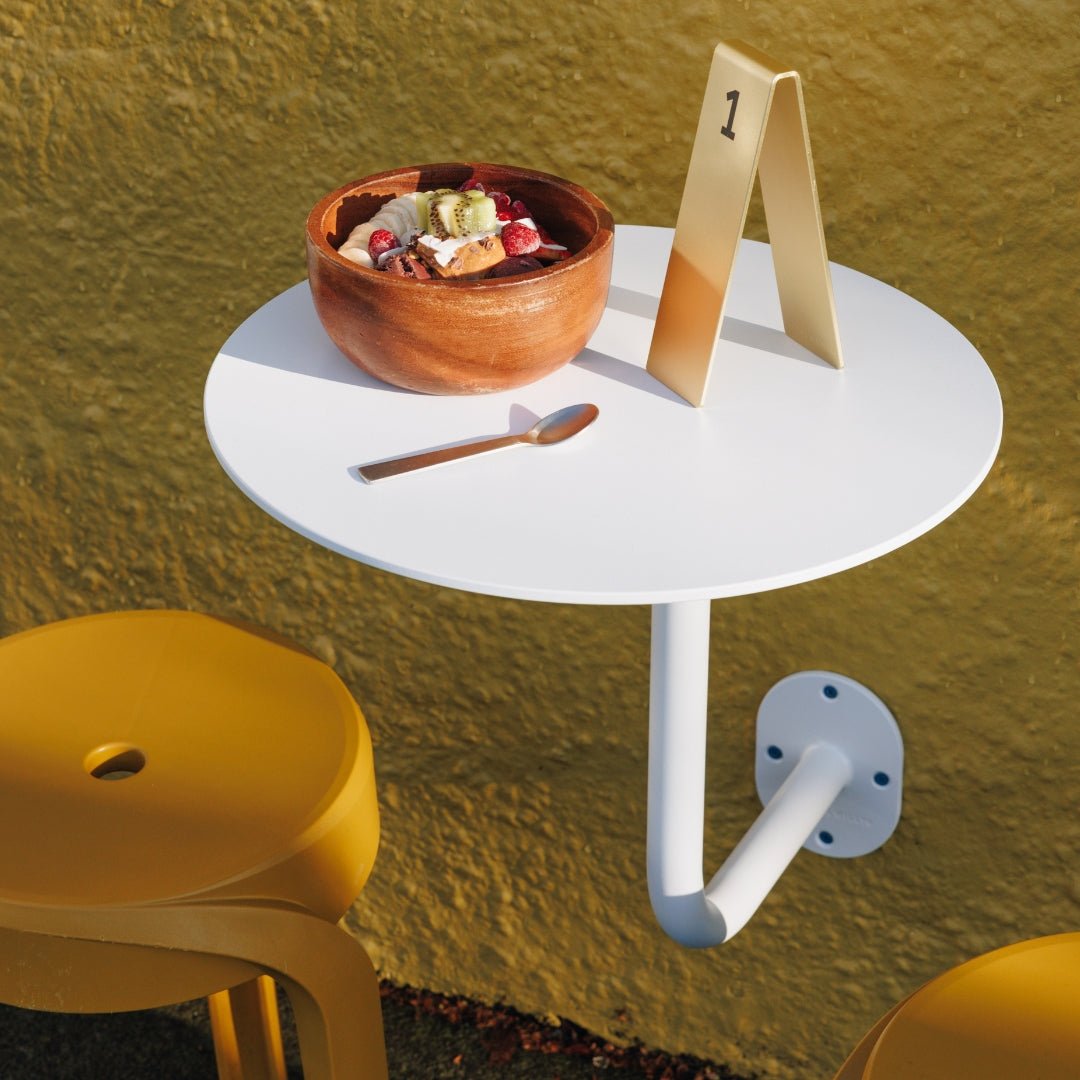
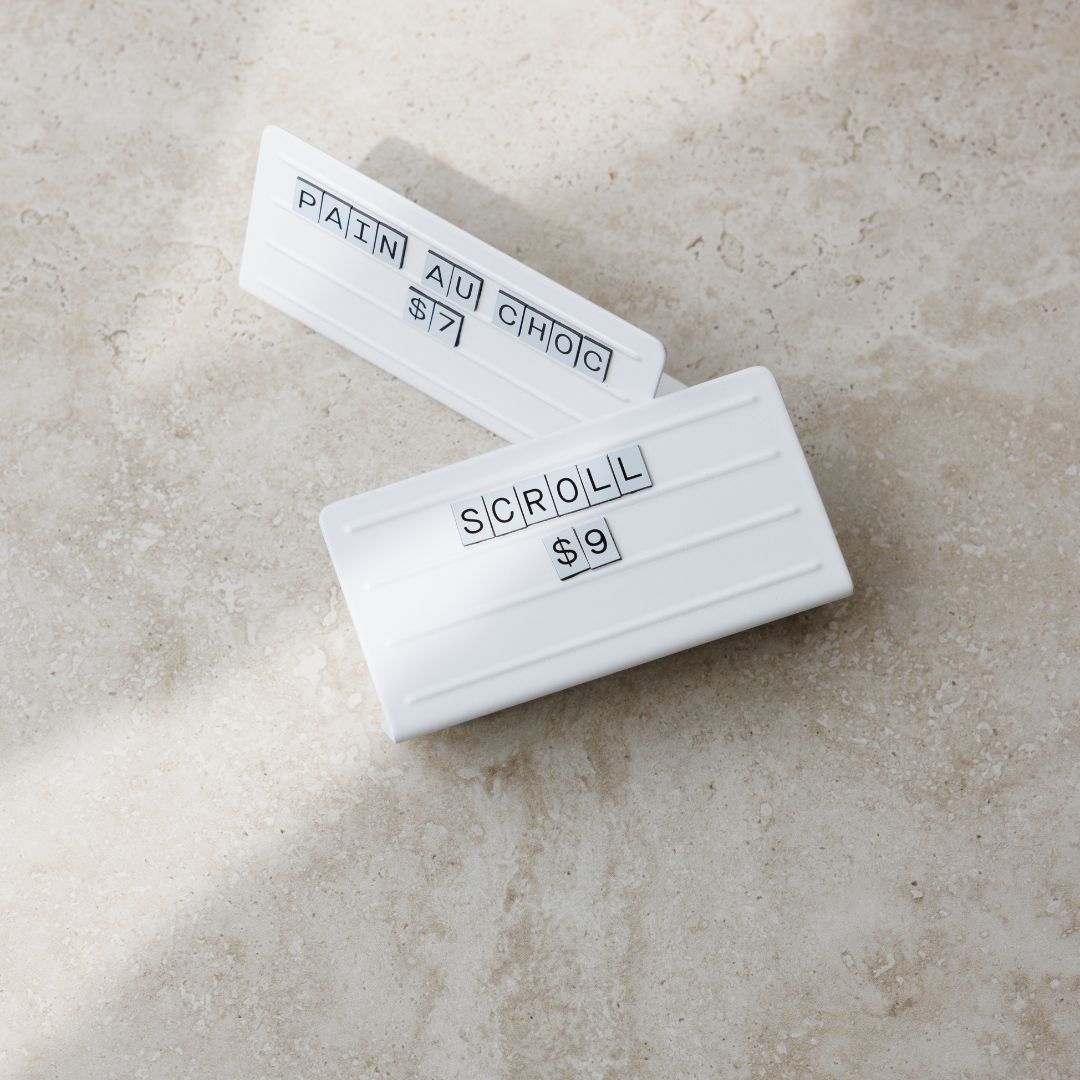
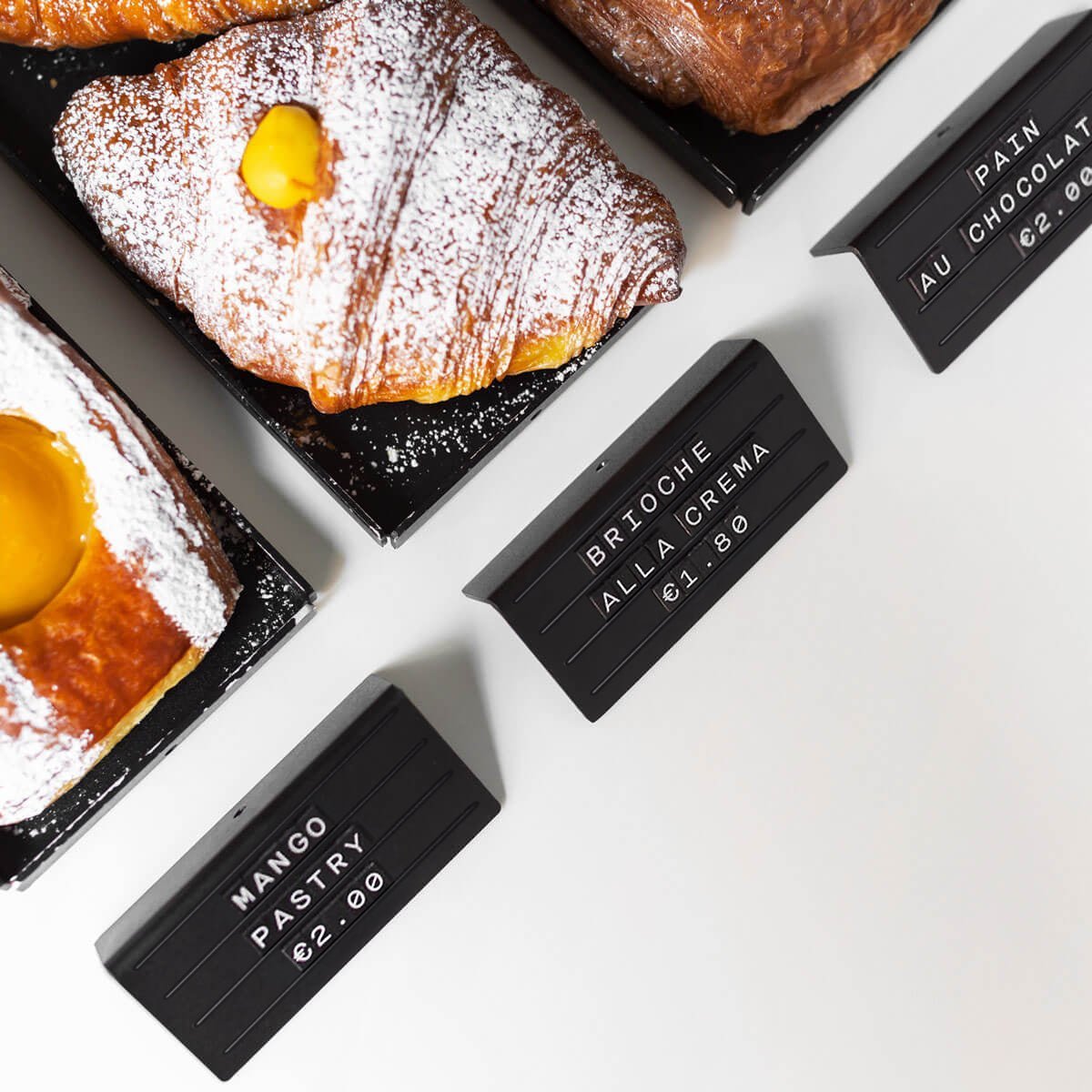
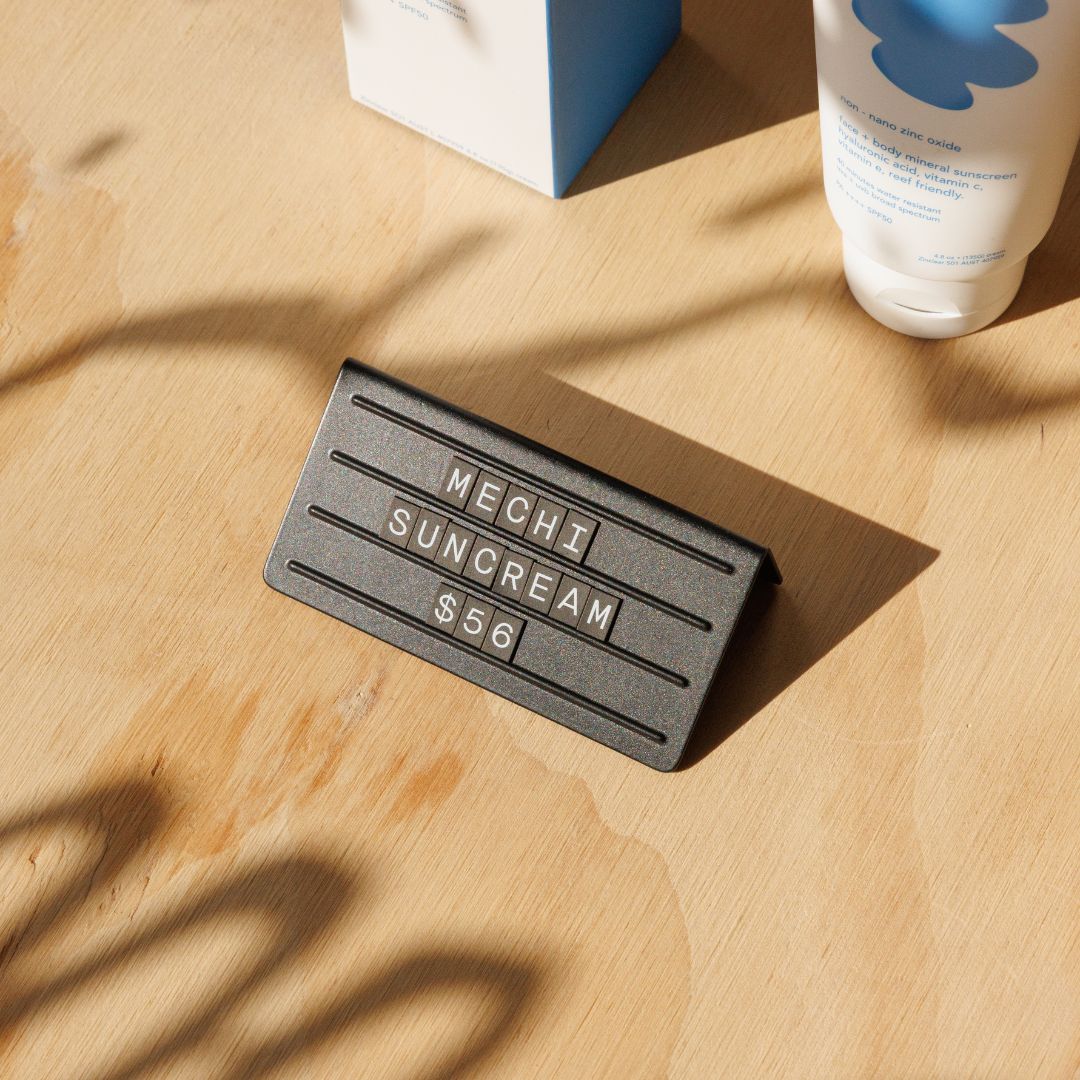
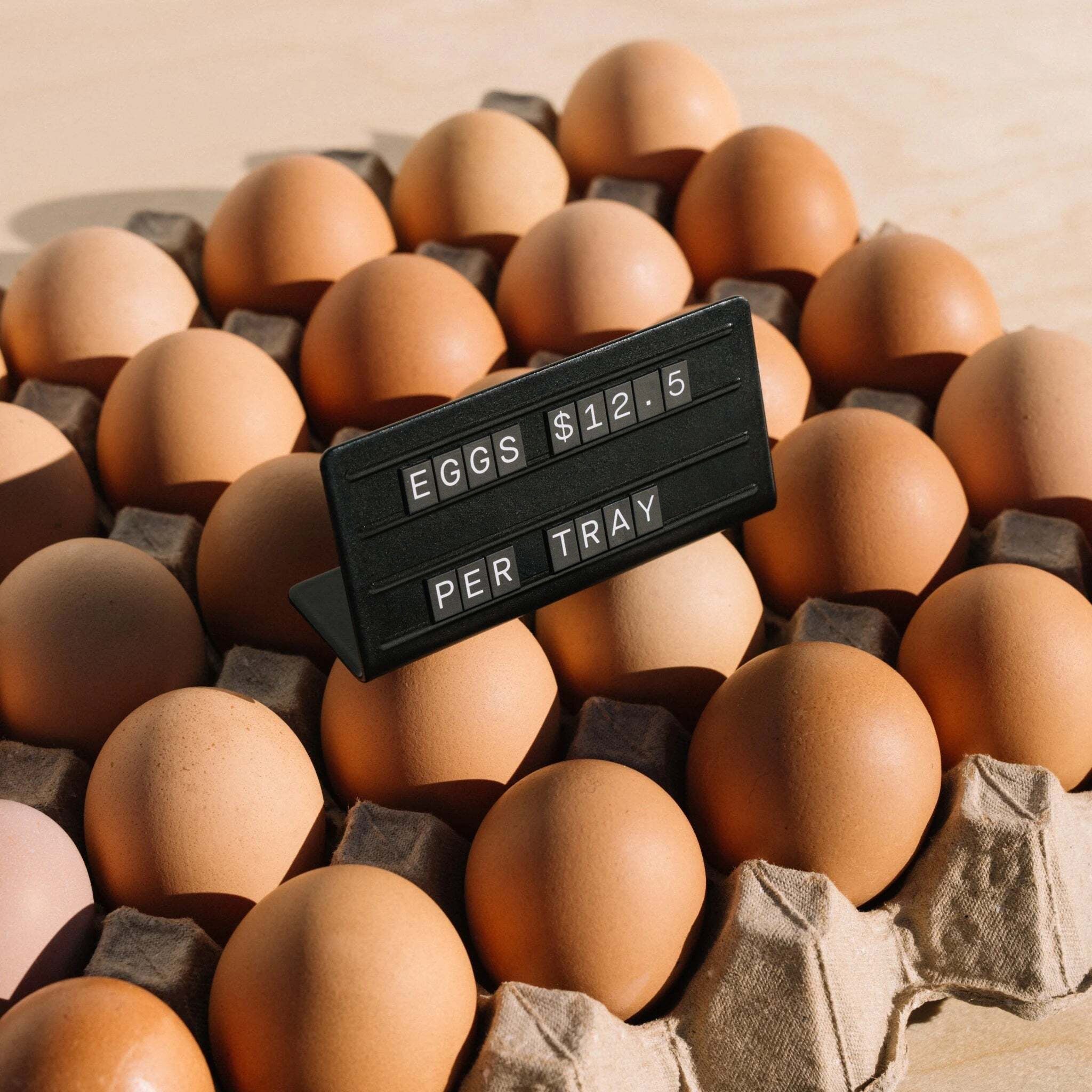
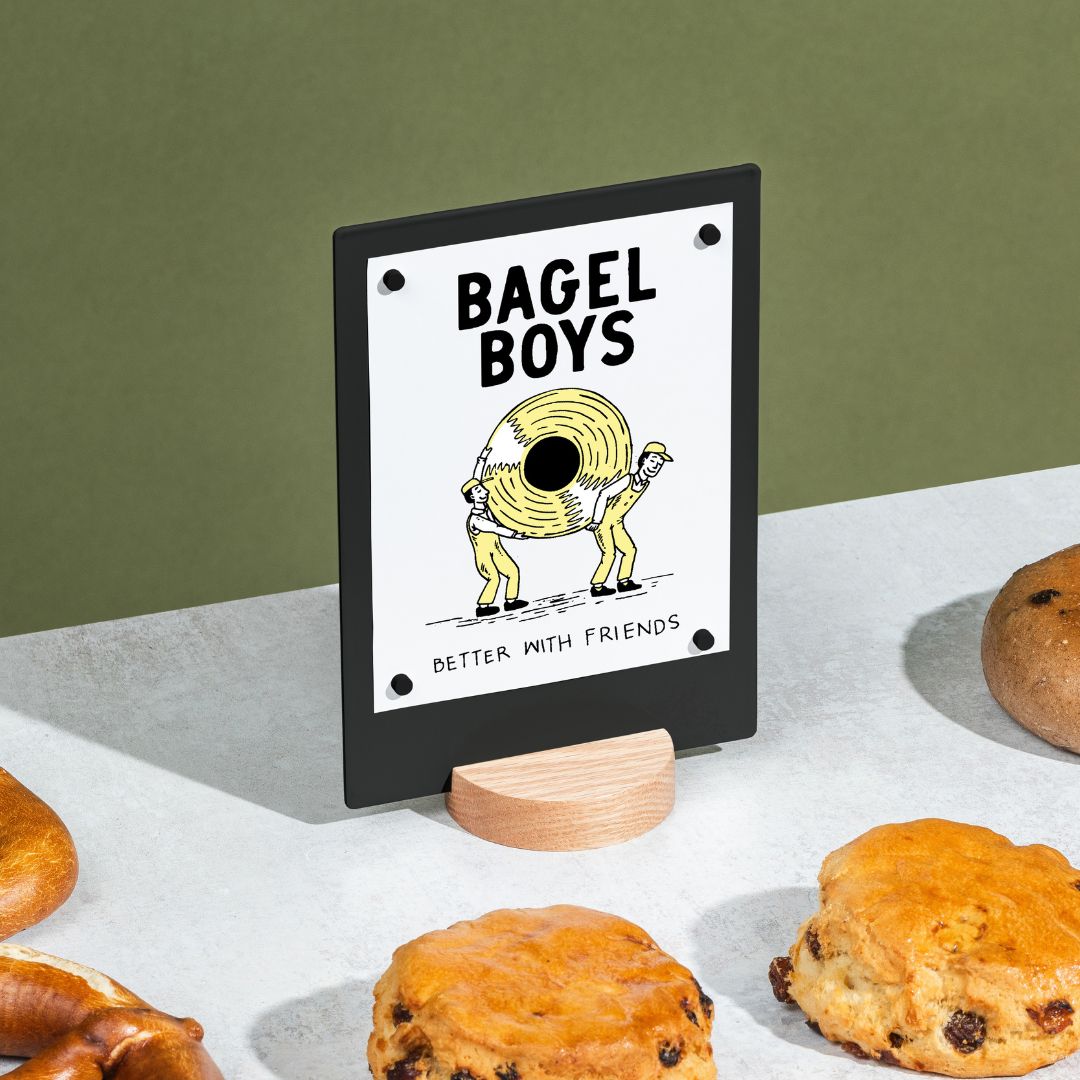
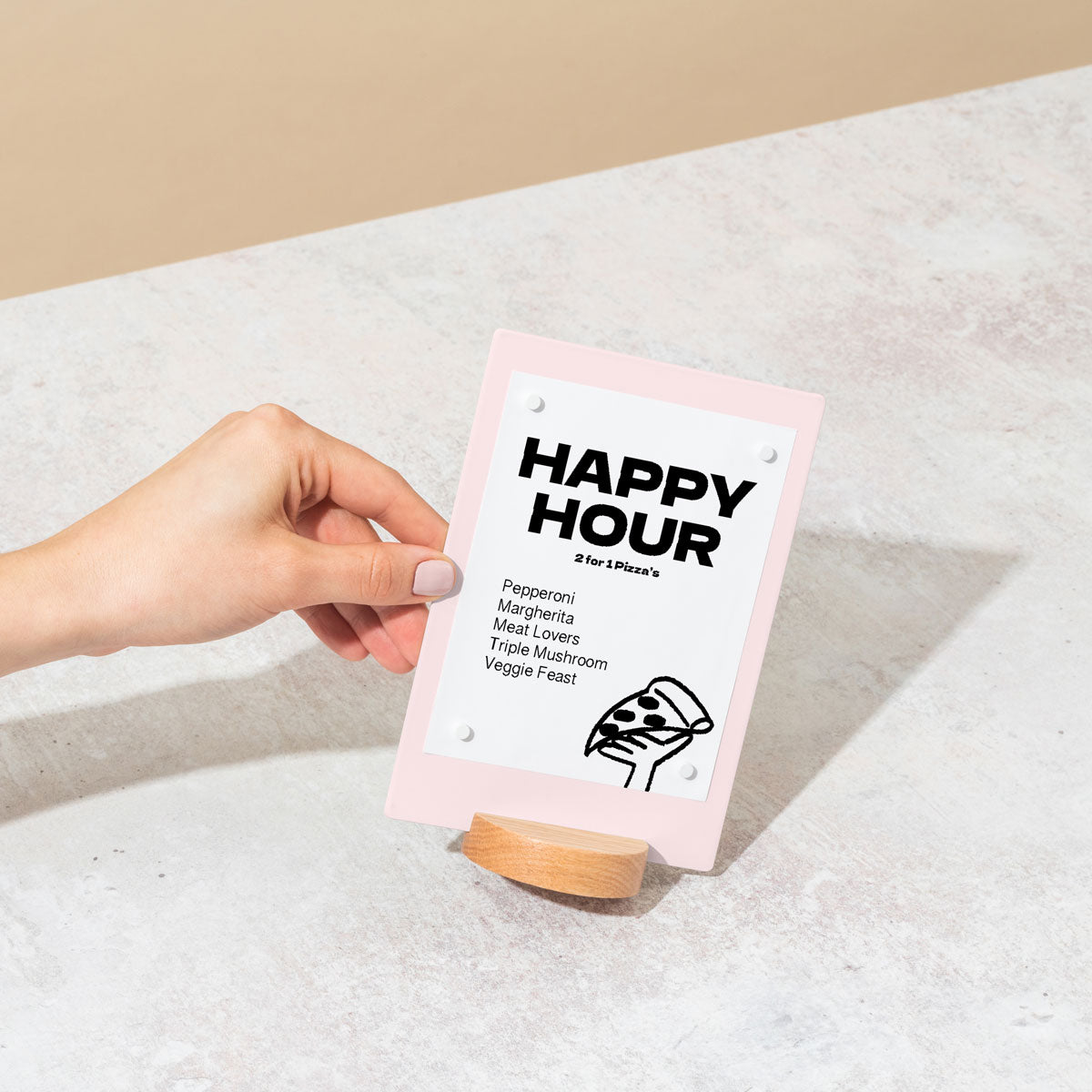
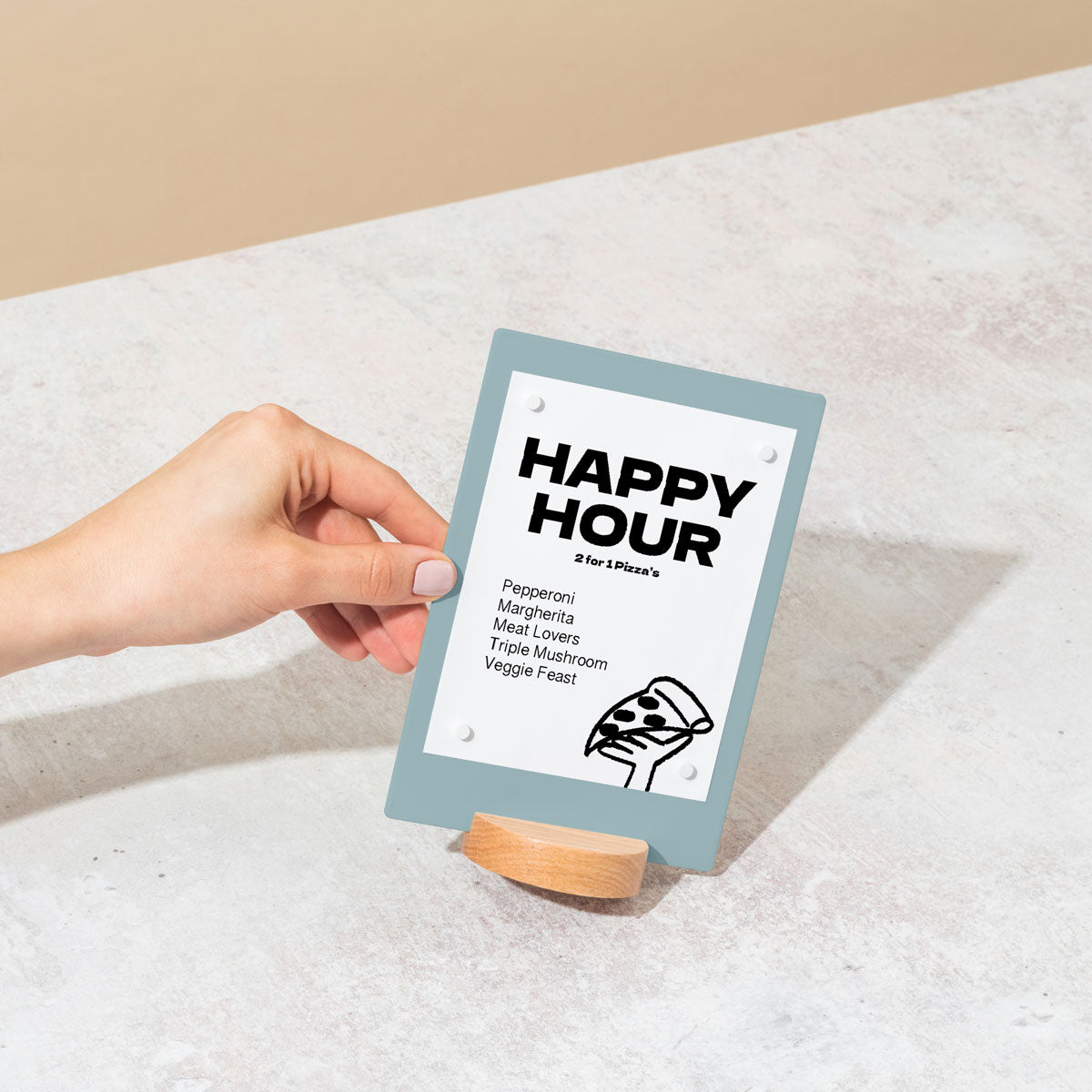
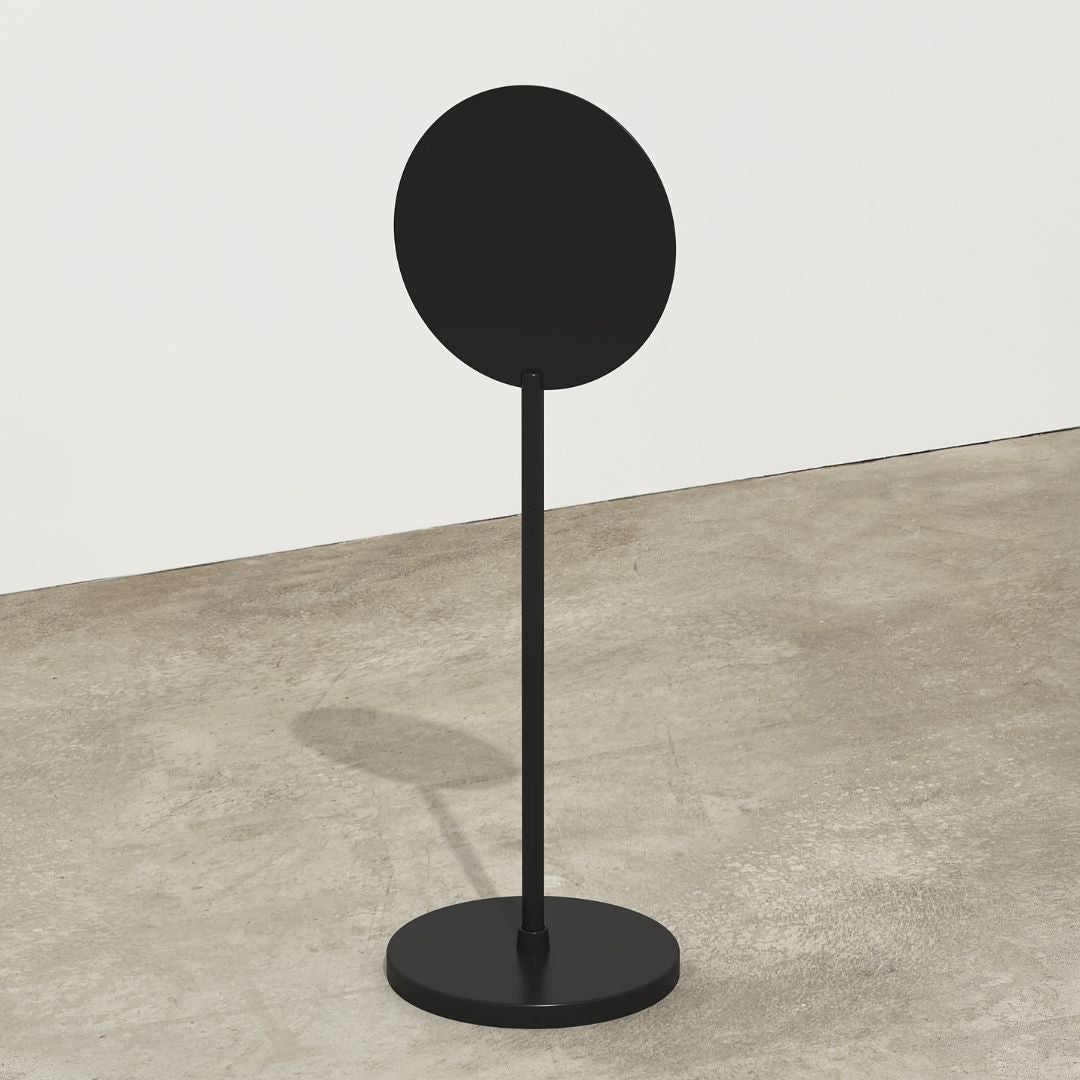
- Countertop Signs: Countertop signs and table numbers are crucial for communicating promotions, order numbers, or reserved seating.
- ADA Compliant Signs: For permanent rooms like restrooms and stairwells, signs must meet Americans with Disabilities Act (ADA) standards, which include specific rules for tactile text, braille, and mounting height.
Specialty & Temporary Signs
This category covers a range of signs for specific purposes, from promotions to mobile advertising.
- Vehicle Wraps & Graphics: Turn your company car or entire fleet into mobile billboards, generating brand awareness wherever you go.
- Banners & Posters: Ideal for seasonal promotions, special events, or grand openings, these are a cost effective temporary solution.
- Trade Show Displays: Portable and modular displays, including retractable banners and backdrops, are designed for easy transport and setup at events.
- Yard Signs: Often made from corrugated plastic (coroplast), these are lightweight signs used for real estate, political campaigns, or directing event traffic.
Designing Your Sign for Maximum Impact
A beautiful sign is useless if no one can see or read it. Strategic design is critical for getting your message across effectively.
Placement and Readability
Position your signs where people naturally look, such as at eye level near an entrance. For outdoor signs, consider the line of sight from the street for both pedestrians and drivers.
You only have a few seconds to capture attention.
- Keep it Brief: Use concise language. Messages with 10 words or fewer have much higher retention rates.
- Make it Legible: The size of your letters determines readability from a distance. As a general rule, every inch of letter height adds 10 feet of legibility. So, 3 inch letters can be read from about 30 feet away, while 10 inch letters are visible from 100 feet.
- Use High Contrast: Strong contrast between the text and background, like black on white or white on blue, makes your sign easy to read at a glance.
- Light it Up: In the evening or in dimly lit interiors, illuminated signs are essential. Good lighting ensures your sign works for you around the clock.
Typography and Color Psychology
The fonts and colors you choose communicate your brand’s personality.
- Typography: Sans serif fonts (like Helvetica or Arial) often feel modern and are highly legible. Serif fonts (like Times New Roman) can convey a more traditional or premium feel. Avoid overly decorative scripts that are hard to read quickly.
- Color: Colors evoke emotion. Blue can suggest trust, red can create urgency, and green often relates to nature. Using a consistent color palette can increase brand recognition by up to 80%.
Consistency is Key to a Memorable Brand
To build a memorable identity, your logo, colors, and fonts should be consistent across every single sign. When customers see a unified look, it builds trust and reinforces your brand’s personality. A cohesive set of signs from George & Willy can make your offerings feel more premium and trustworthy.
Choosing the Right Materials and Lighting
The materials you choose will determine your sign’s appearance, durability, and lifespan.
A Comparison of Common Sign Materials
For outdoor signage, durability is non negotiable.
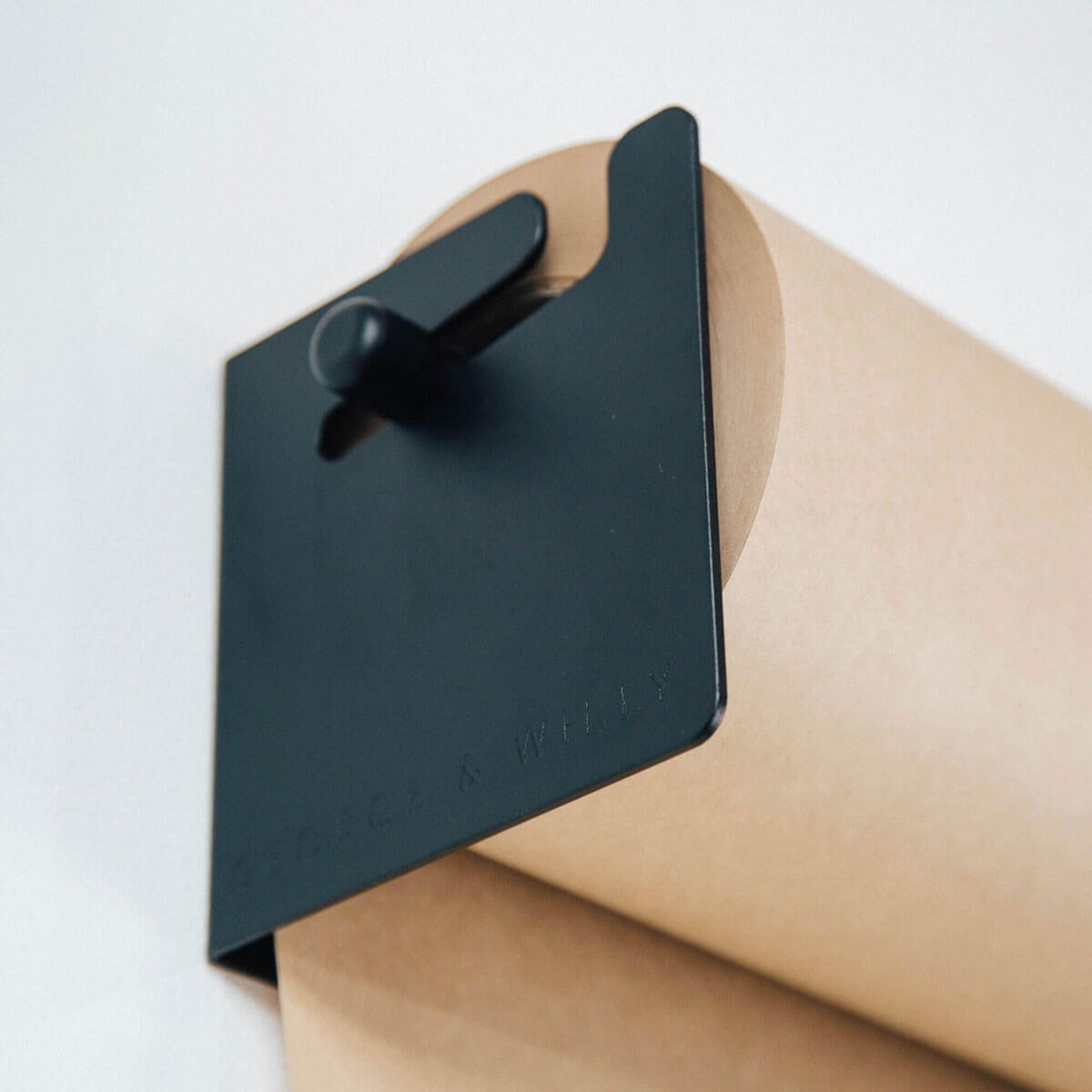
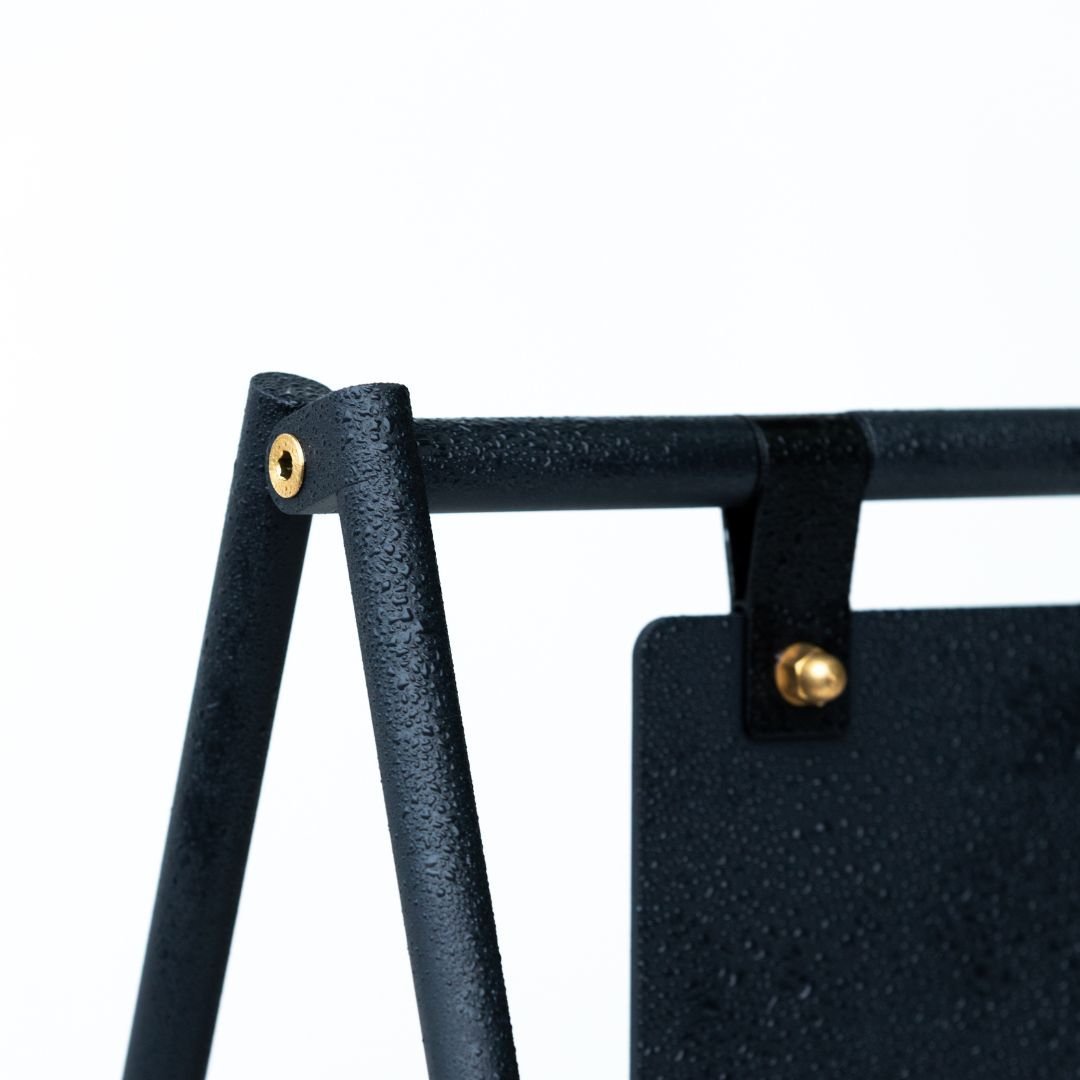
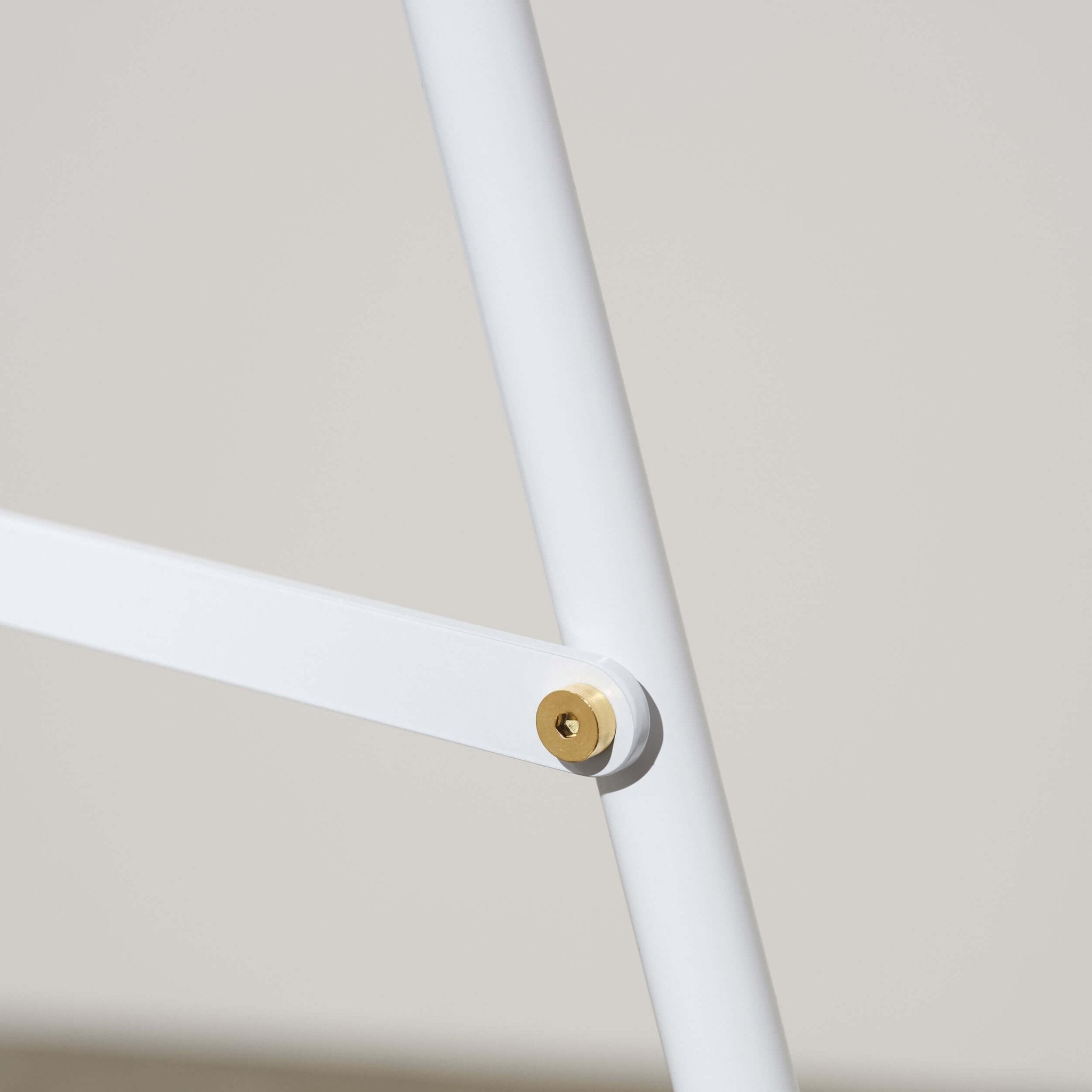
- Powder Coated Aluminum: This is an excellent choice for outdoor signs. Aluminum is naturally rust proof, and the powder coating adds a tough, durable finish that resists chipping and sun damage. A quality powder coated sign can last for many years.
- ACM (Aluminum Composite Material): Also known as Dibond, this consists of two thin aluminum sheets bonded to a solid plastic core. It’s lightweight, rigid, and great for printed storefront signs.
- HDU (High Density Urethane): A waterproof and durable foam that is a popular substitute for wood. It can be carved and sandblasted to create dimensional signs with a traditional look.
- Acrylic: A versatile plastic used for everything from interior lettering to illuminated sign faces. It offers a clean, modern aesthetic.
- Wood: Offers a warm, rustic look but must be properly sealed and maintained to protect it from the elements, especially outdoors.
Illumination and Lighting Options
If your business operates after dark, lighting is a must.
- External Lighting: Spotlights or gooseneck lamps can be aimed at your sign. This is a classic and cost effective option.
- Internal Lighting (Light Boxes): The sign itself is illuminated from within using LEDs. This creates a bold, modern look that is highly visible.
- Backlighting (Halo Effect): LEDs are placed behind solid letters, casting a glow on the wall behind them for a sophisticated, high end effect.
Navigating Permits, Installation, and Maintenance
Before you order and install a sign, there are some practical steps to consider.
Permits and Code Compliance
In many cities, you will need a permit for exterior business signs, especially those that are large or illuminated. Check with your local municipality for their specific regulations regarding size, placement, and lighting. You may also need landlord approval if you are a tenant.
Installation and Safety
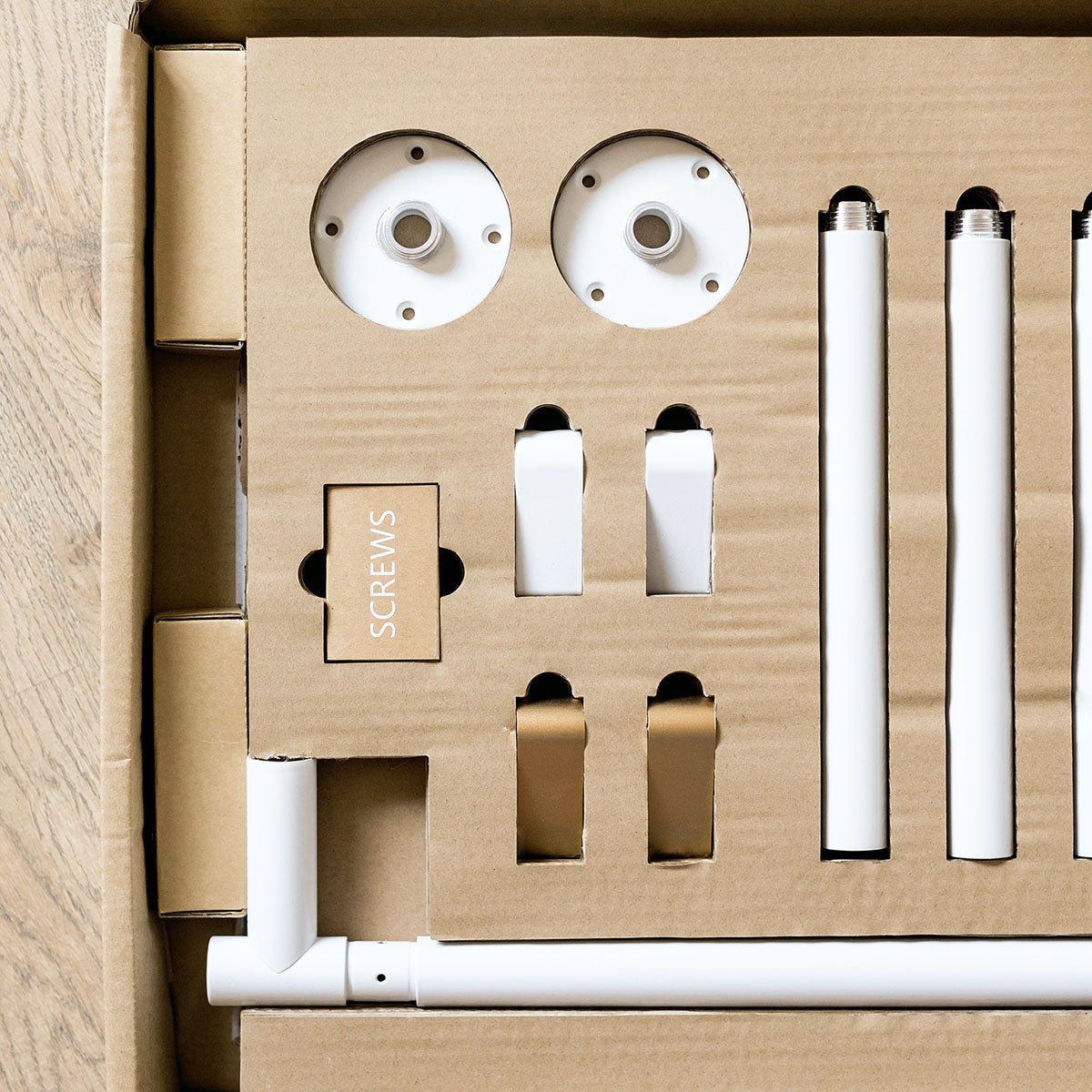
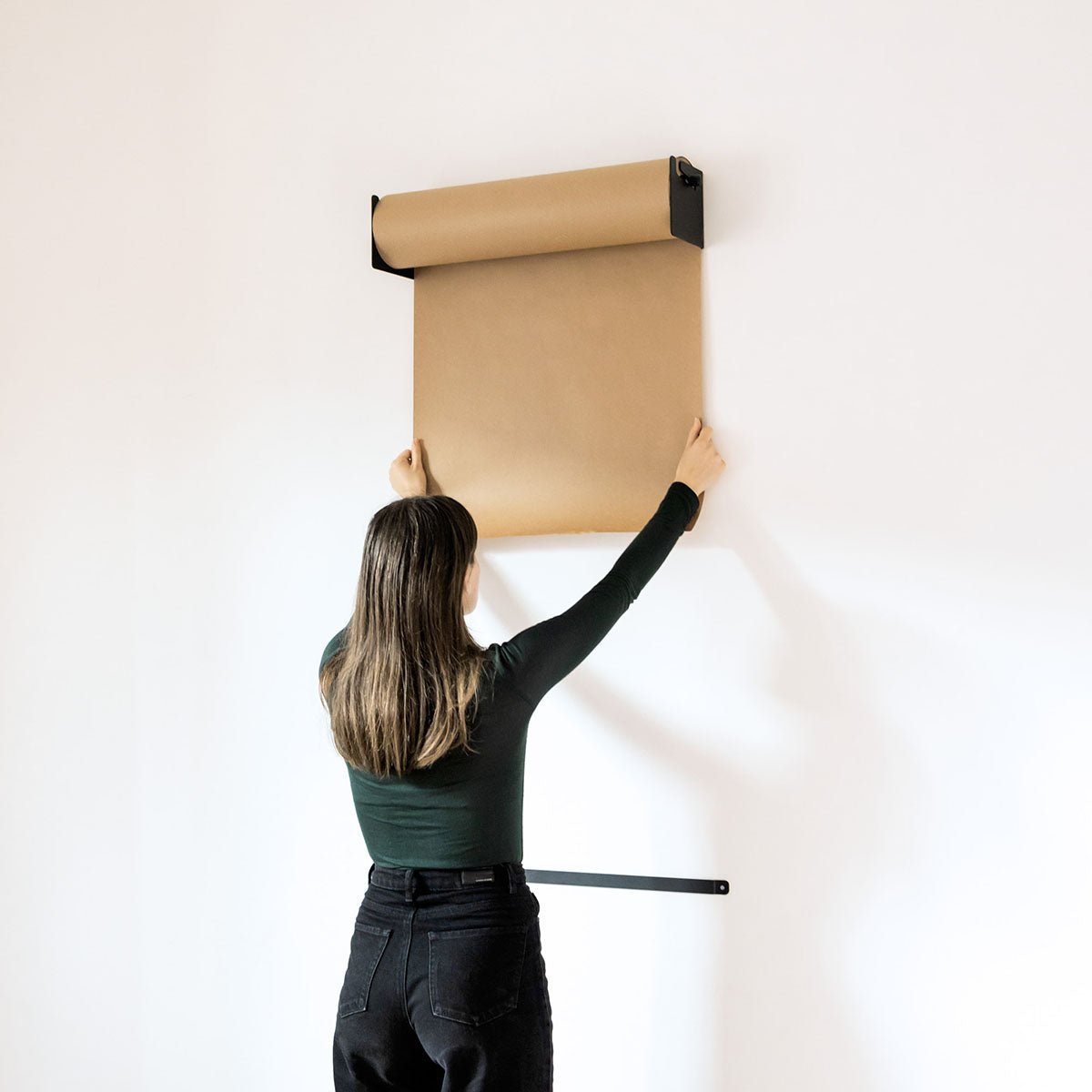
Proper installation is key to your sign’s longevity and safety. Smaller signs can often be installed yourself, but larger or more complex signs, especially illuminated ones, may require a professional. Always ensure the sign is securely fastened with appropriate hardware for the wall material.
Maintenance and Lifespan
Keep your signs looking their best with regular cleaning. For most metal and powder coated signs, mild soap and water is all that is needed. For illuminated signs, the internal LEDs have a very long lifespan but may eventually need to be replaced by a professional.
Frequently Asked Questions About Custom Signs
What makes a good custom sign?
A good custom sign is clear, legible, and consistent with your brand identity. It should be made from durable materials appropriate for its location and placed where it will be easily seen.
How much does a custom sign cost?
The cost varies widely based on size, materials, complexity, and illumination. A simple A Frame Sign might cost a few hundred dollars, while a large, illuminated channel letter sign can cost thousands. An affordable alternative is buying a high quality blank sign and having a local company apply a vinyl decal.
What are the best materials for an outdoor custom sign?
Powder coated aluminum is one of the best all around materials. It is lightweight, strong, naturally rust proof, and the powder coating provides a long lasting, weather resistant finish.
Can I apply my own logo to a blank sign?
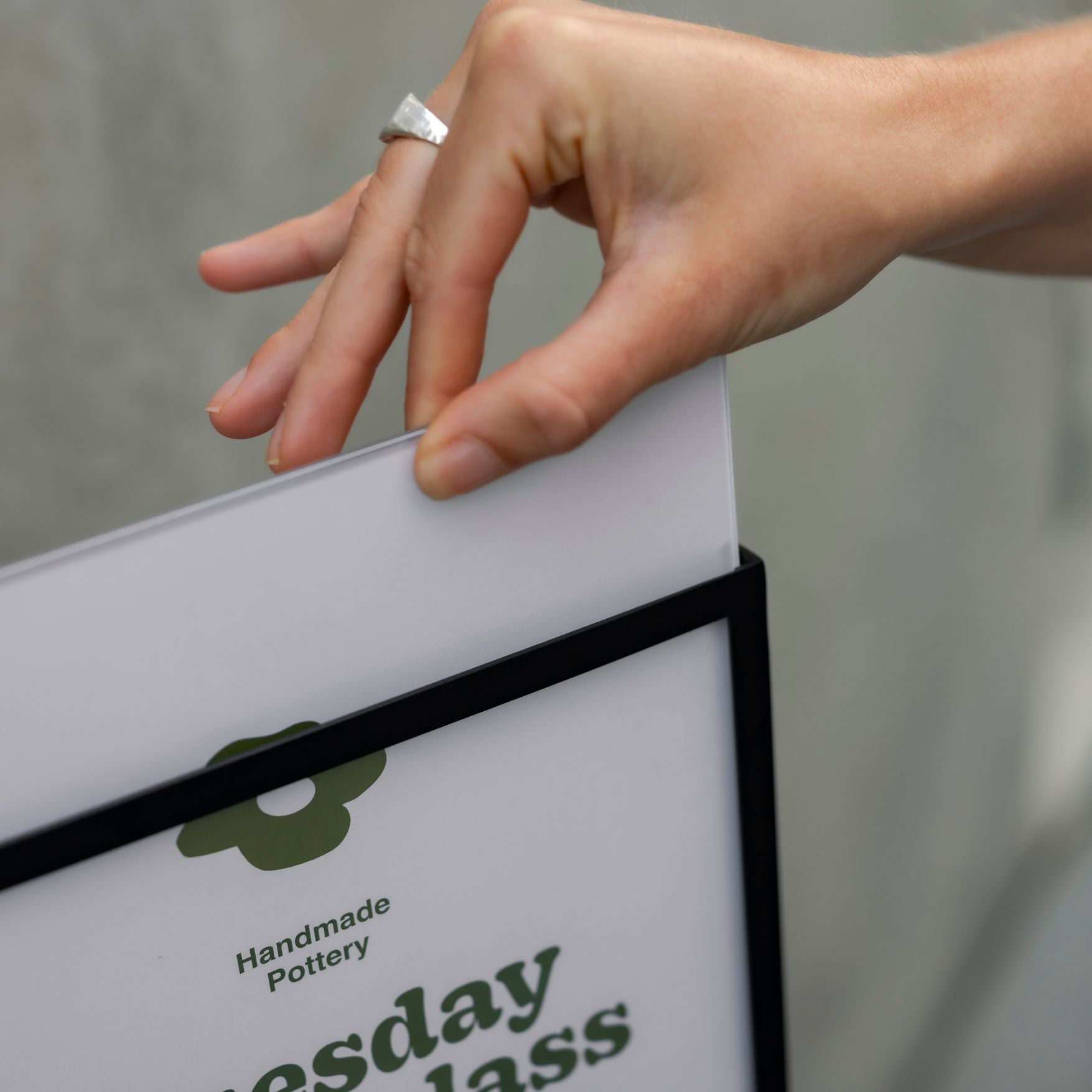
Absolutely. Many businesses purchase well crafted blank signs and then work with a local signwriter to apply their logo and lettering using vinyl decals. This is a cost effective way to achieve a professional, custom look without the long lead times of full fabrication.
What file format do I need for my logo?
For any custom graphics, you will need a vector file (usually an AI, EPS, or PDF). Unlike pixel based files like JPEGs, vector files can be scaled to any size without losing quality, ensuring your logo looks sharp and professional.
How long does it take to get a custom sign?
A fully fabricated and permitted sign can take several weeks or even months. For businesses that need a faster solution, ordering a ready to ship blank sign and organizing local vinyl application can reduce the timeline to just a matter of days.