


A great first impression is priceless, and for a business, that often starts with its sign. Think about it, a well crafted decorative sign does more than just display your name, it communicates your brand’s personality and quality before a customer even steps inside. Research shows that 76% of consumers have entered a store they had never visited before based on its sign alone. A powerful decorative sign can be your hardest working employee, attracting attention and building your brand 24/7.
Designing Eye Catching Decorative Signs
The visual elements of your sign, from its overall style to the colors you choose, are what turn a simple marker into a compelling brand statement. Getting these details right is the first step toward creating effective decorative signs.
Find a Style That Fits Your Brand
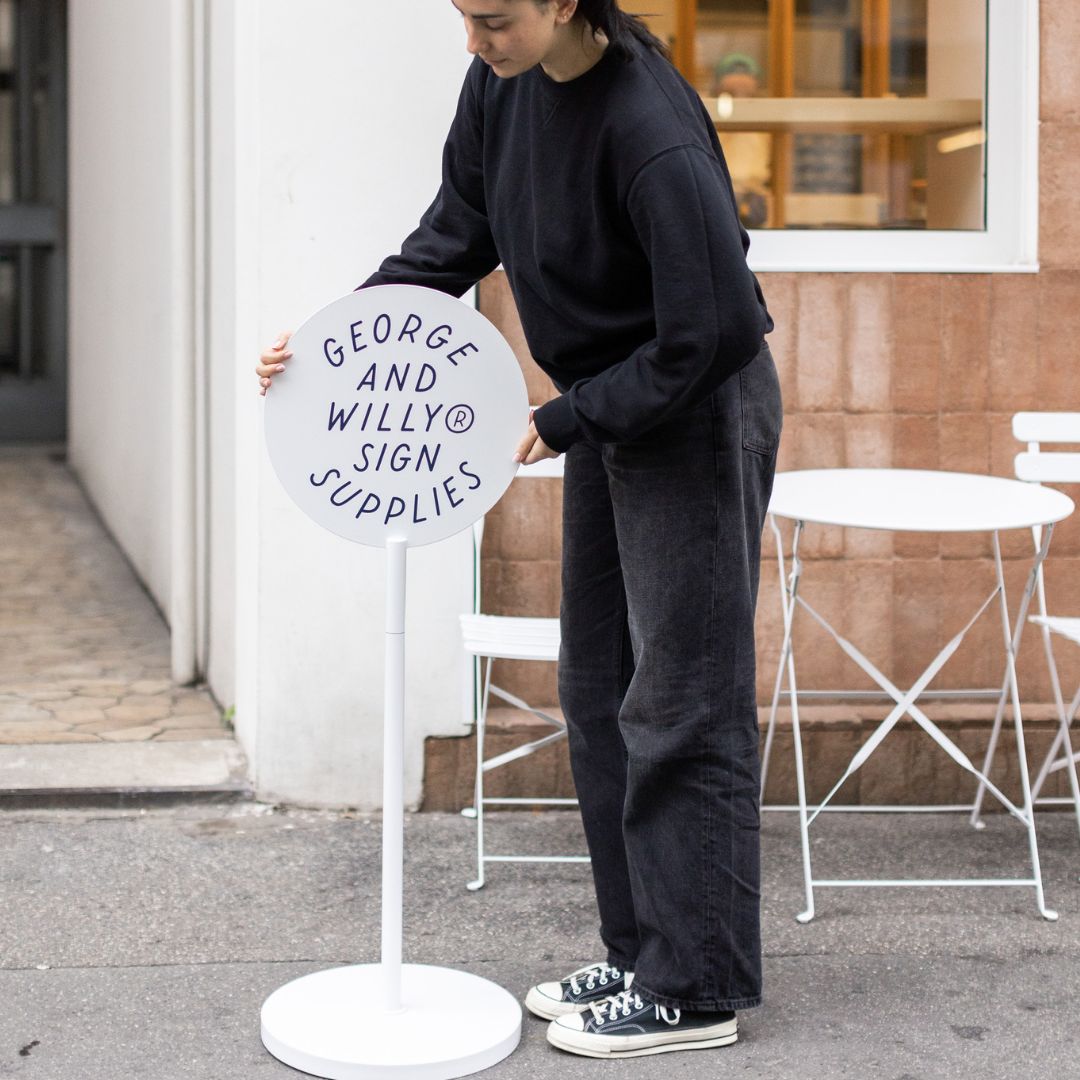
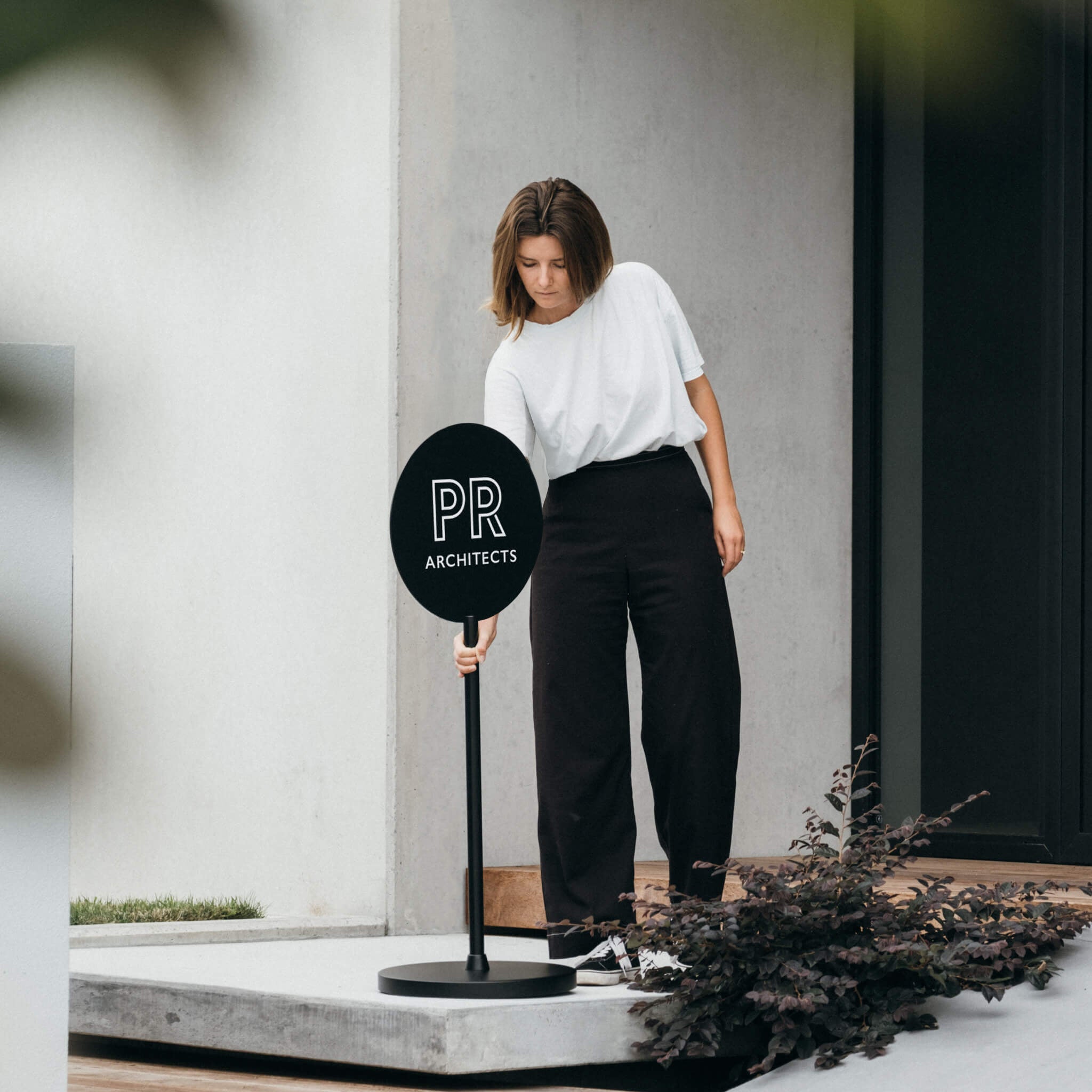
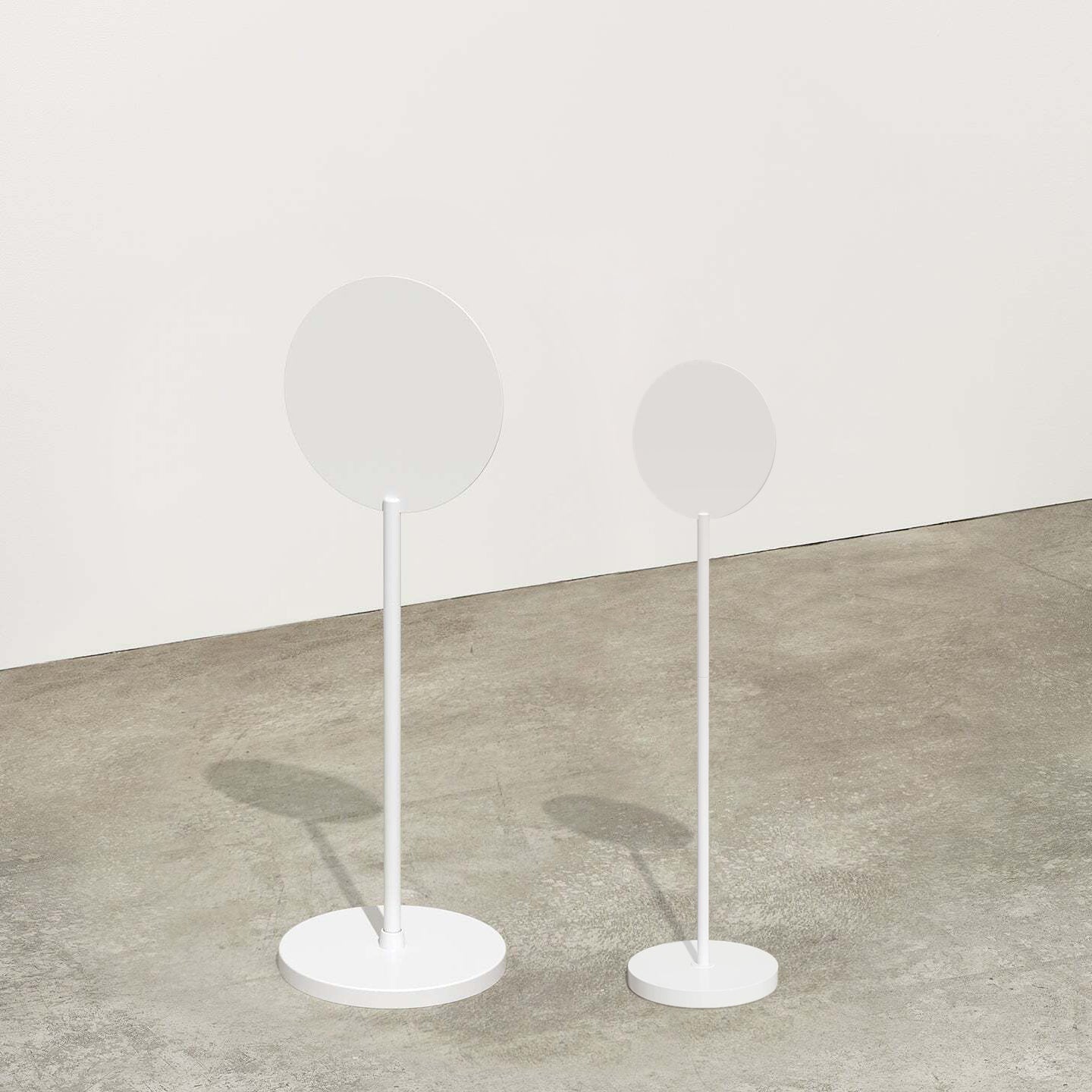
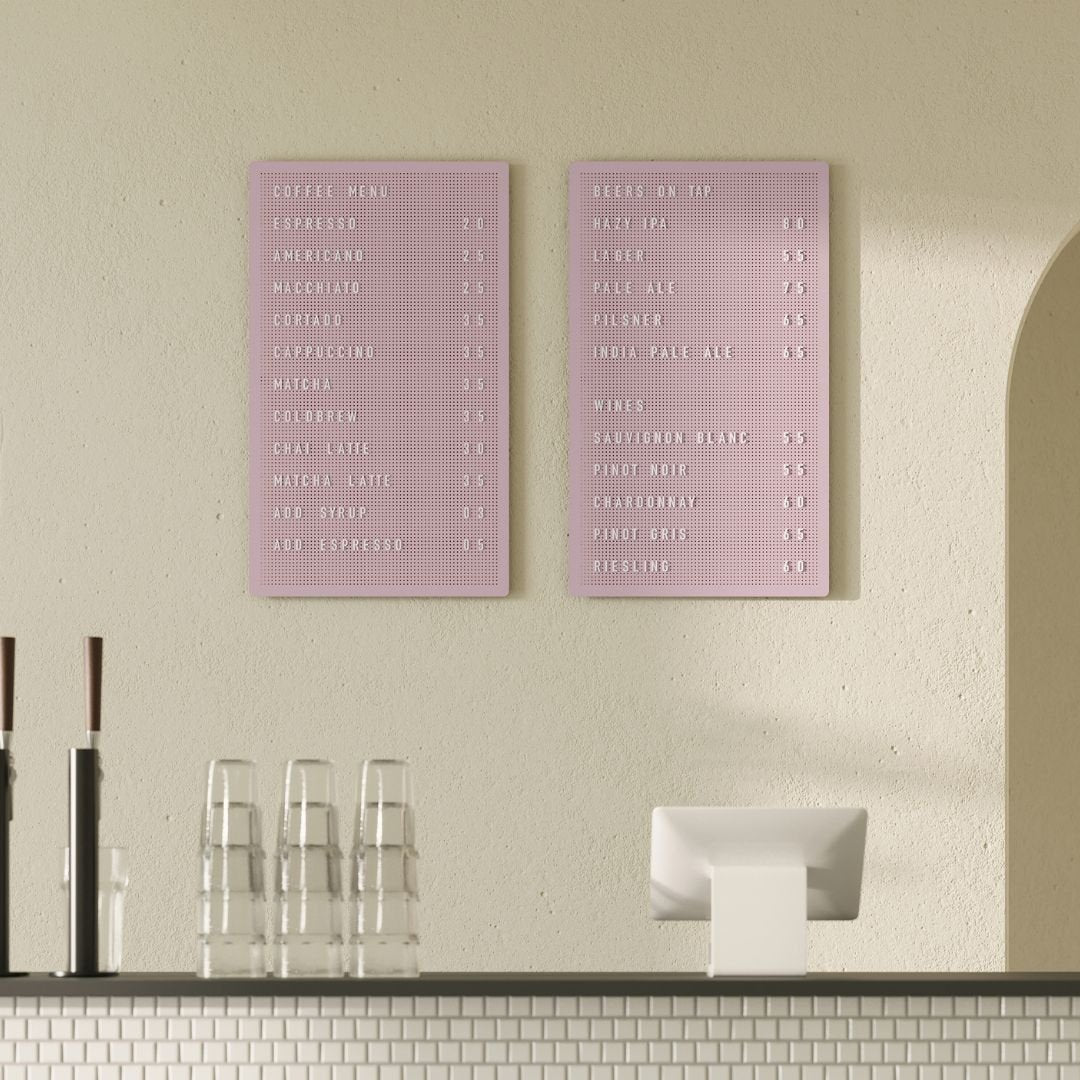
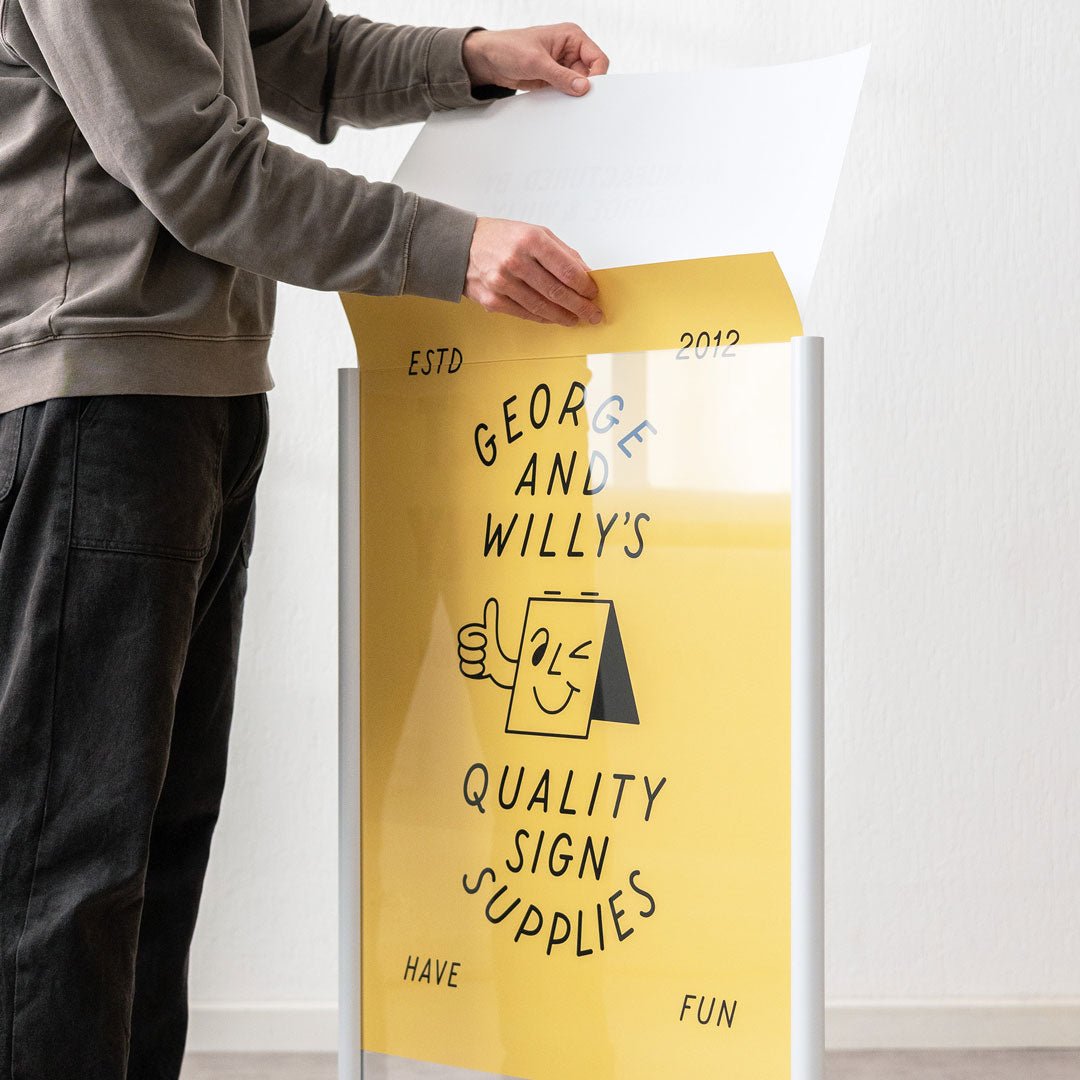
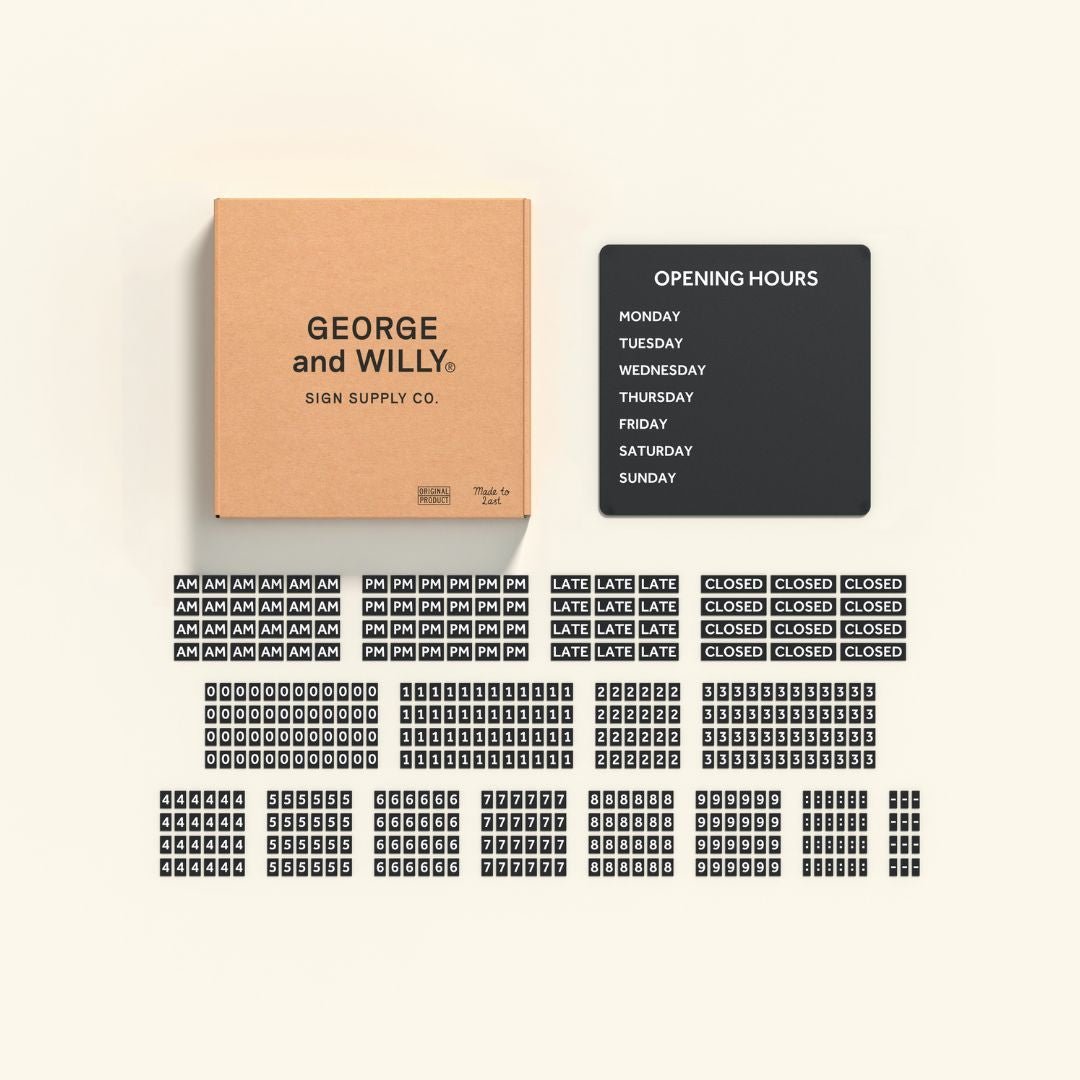
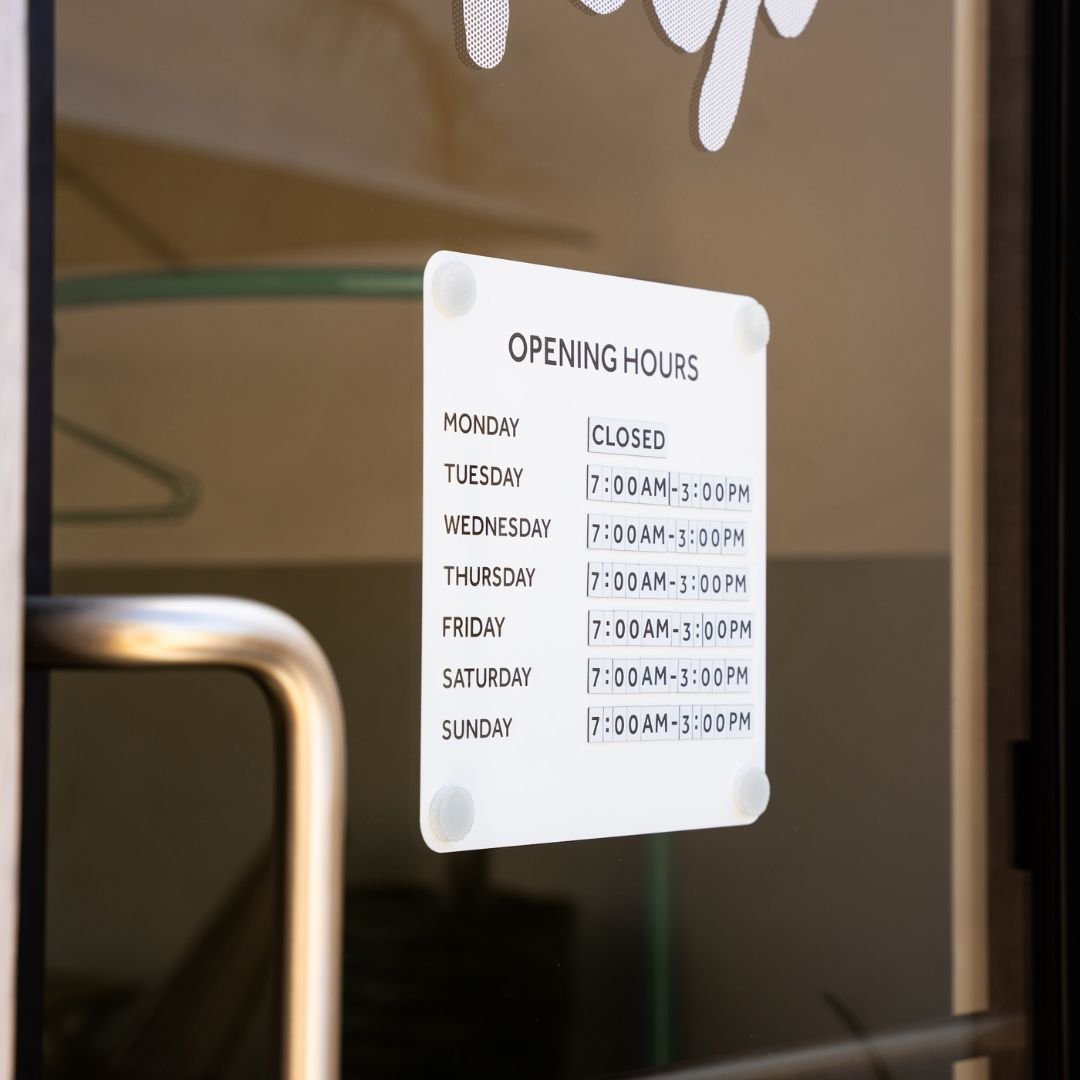
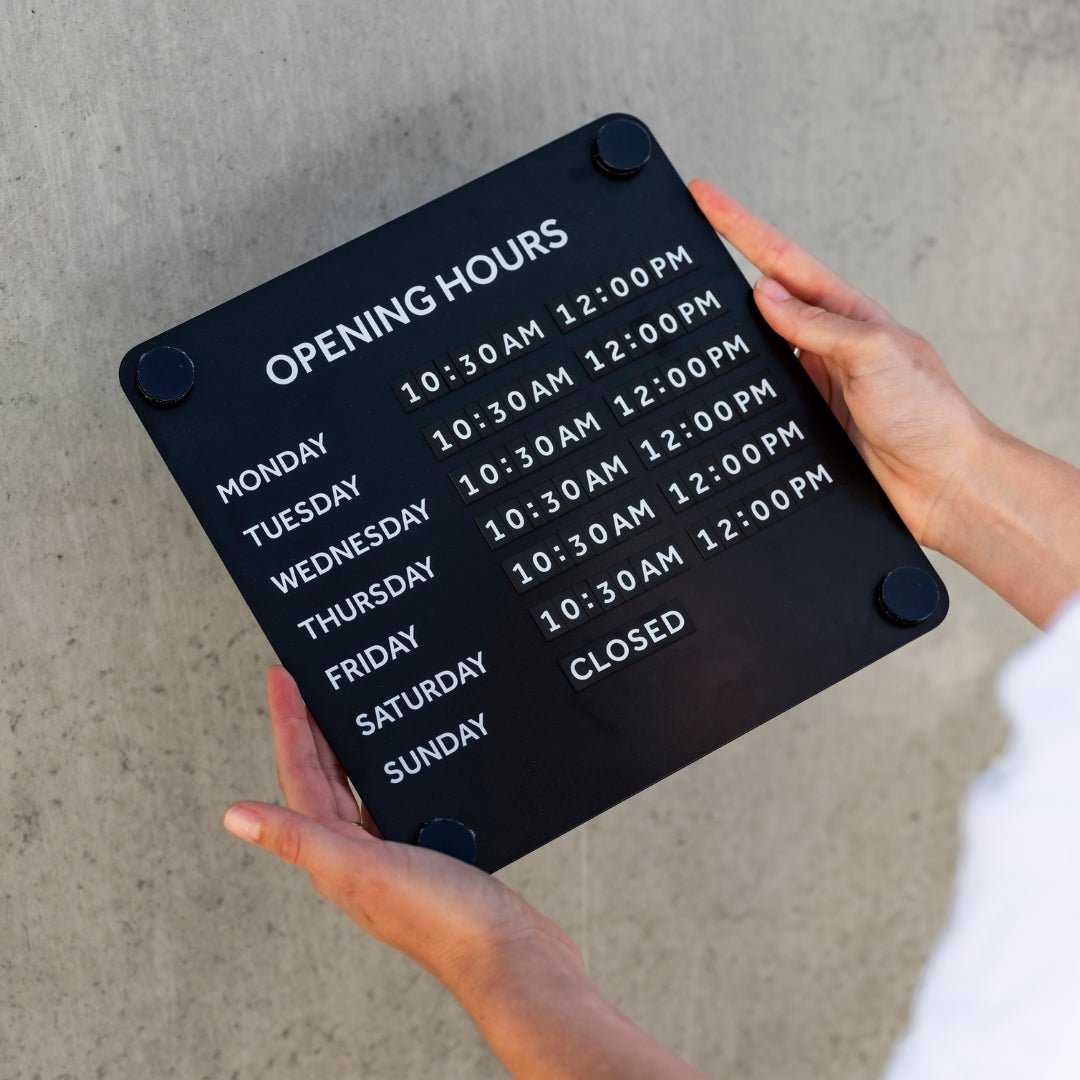
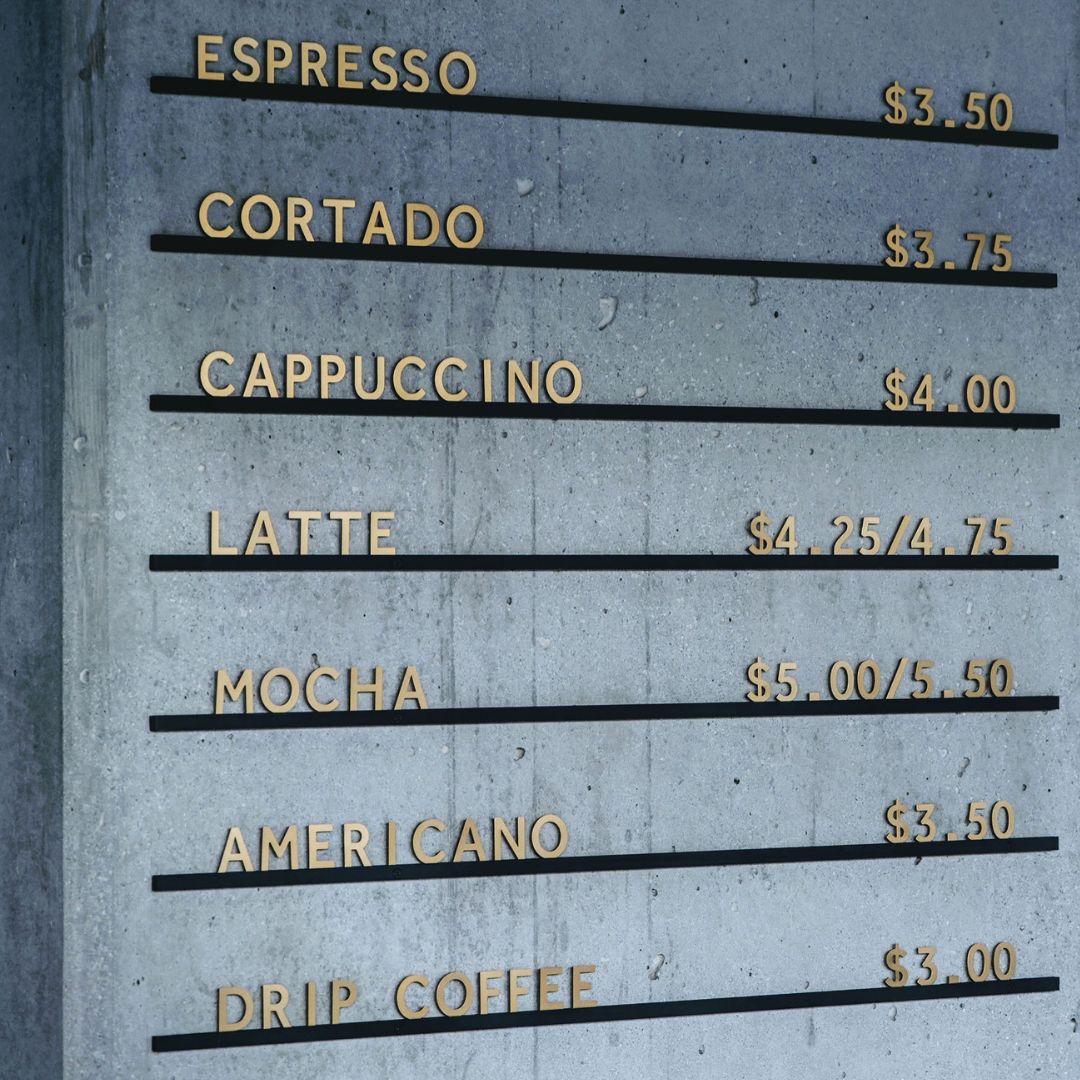
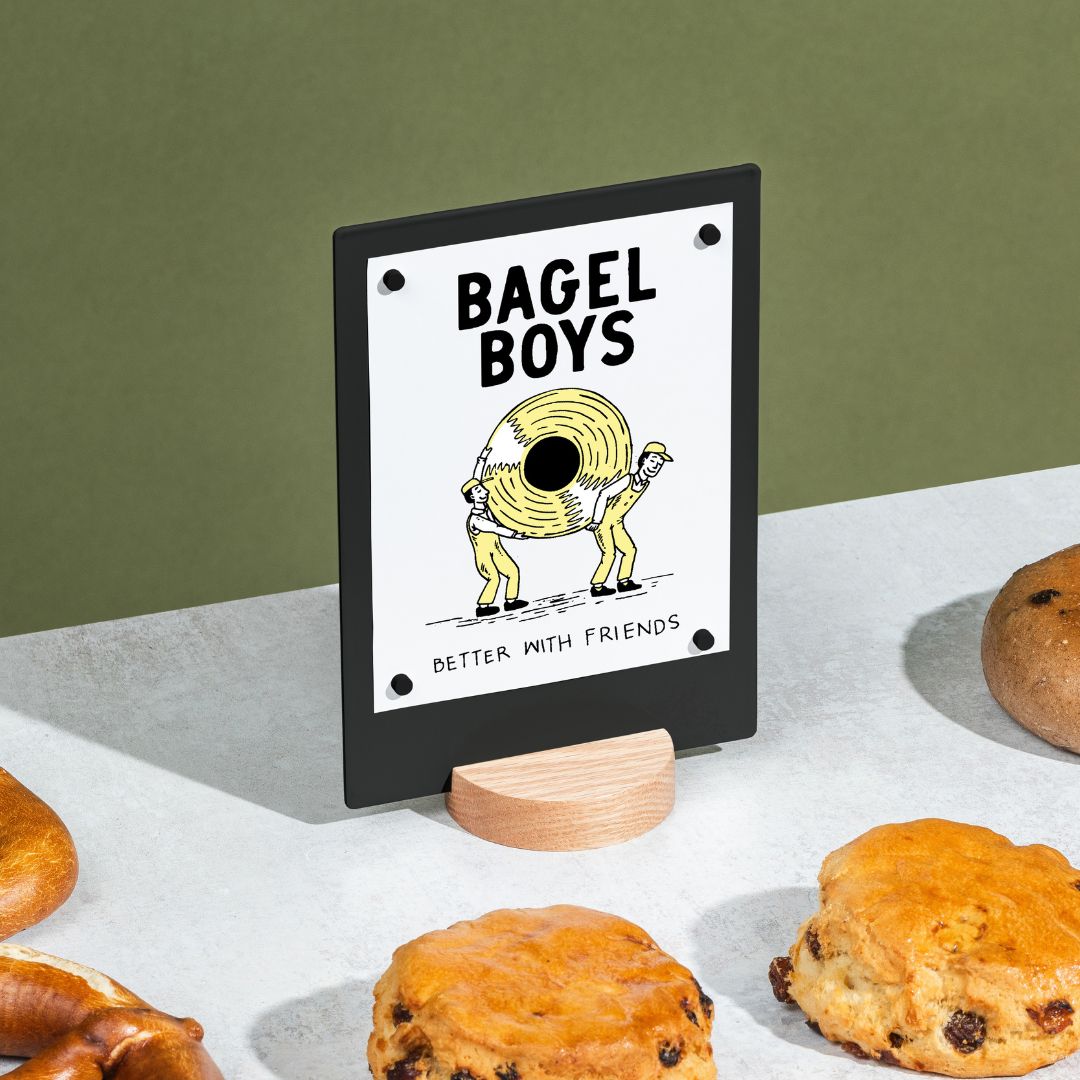
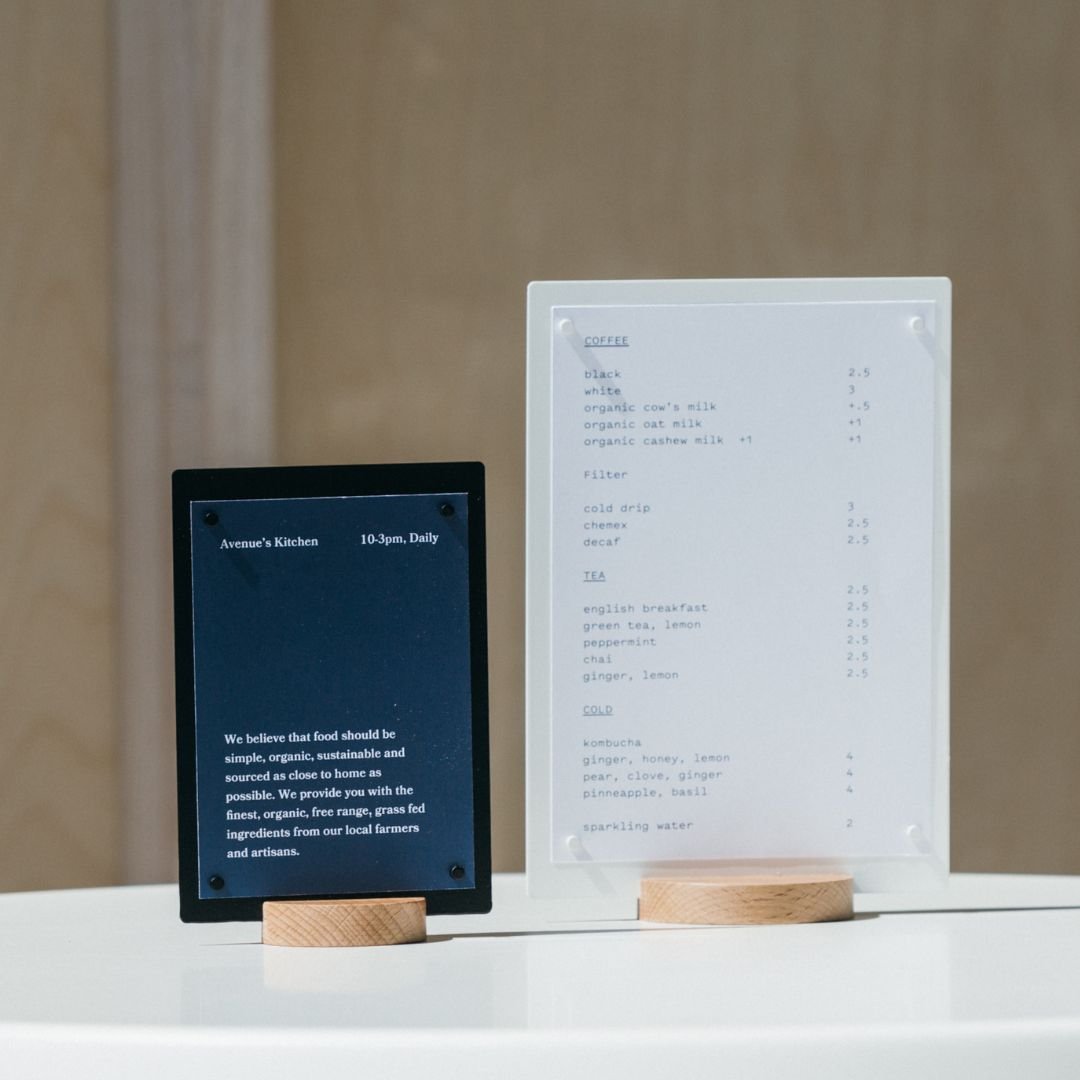
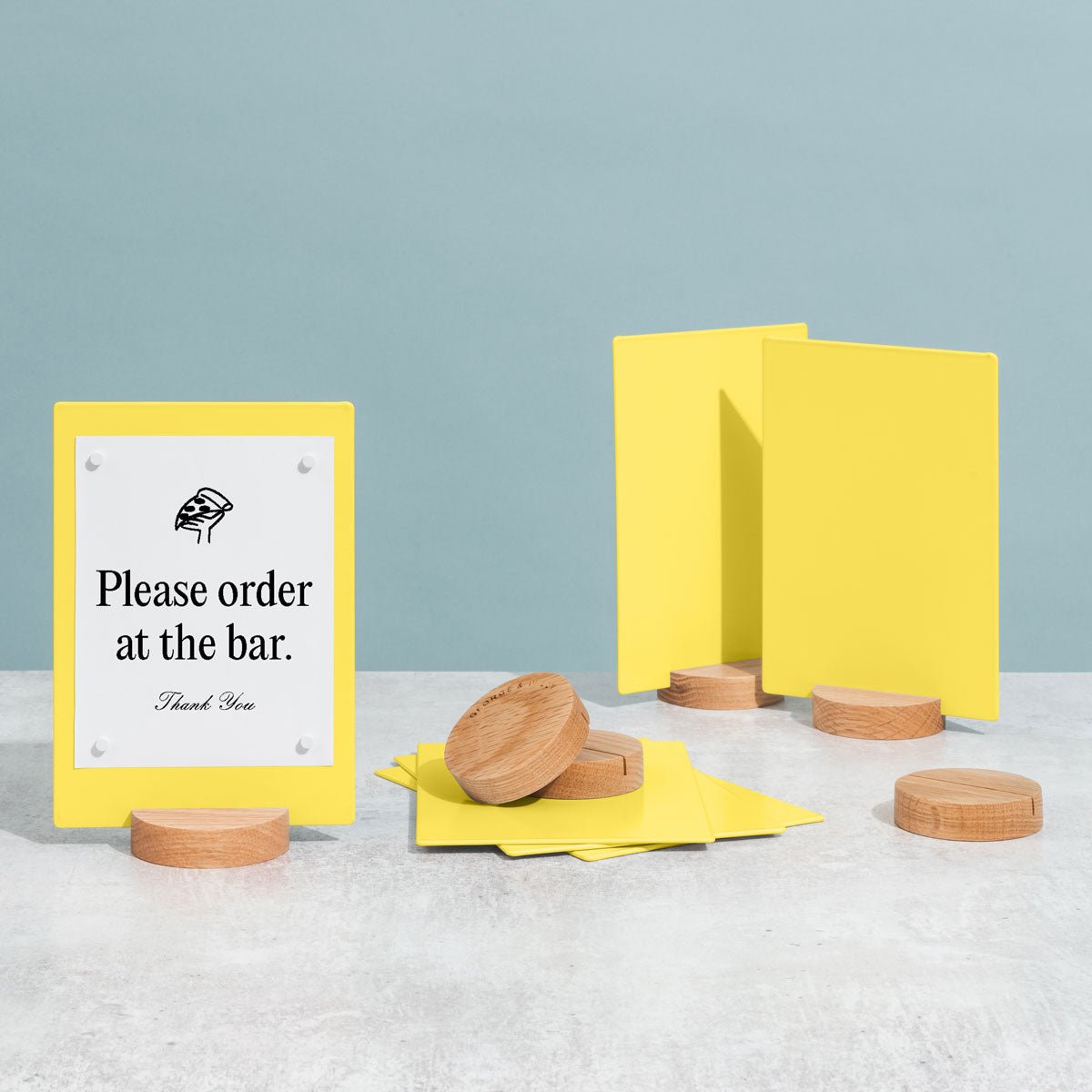
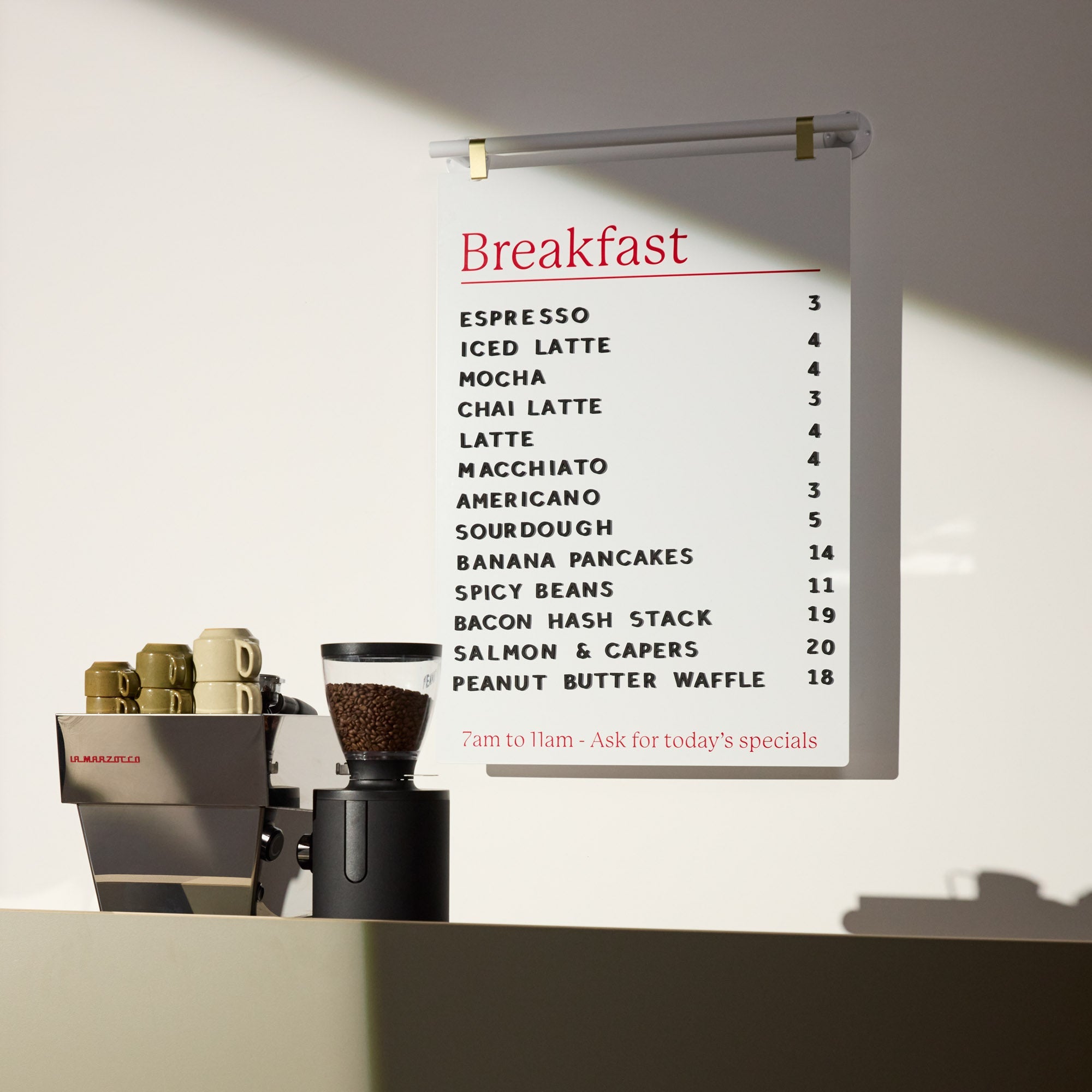
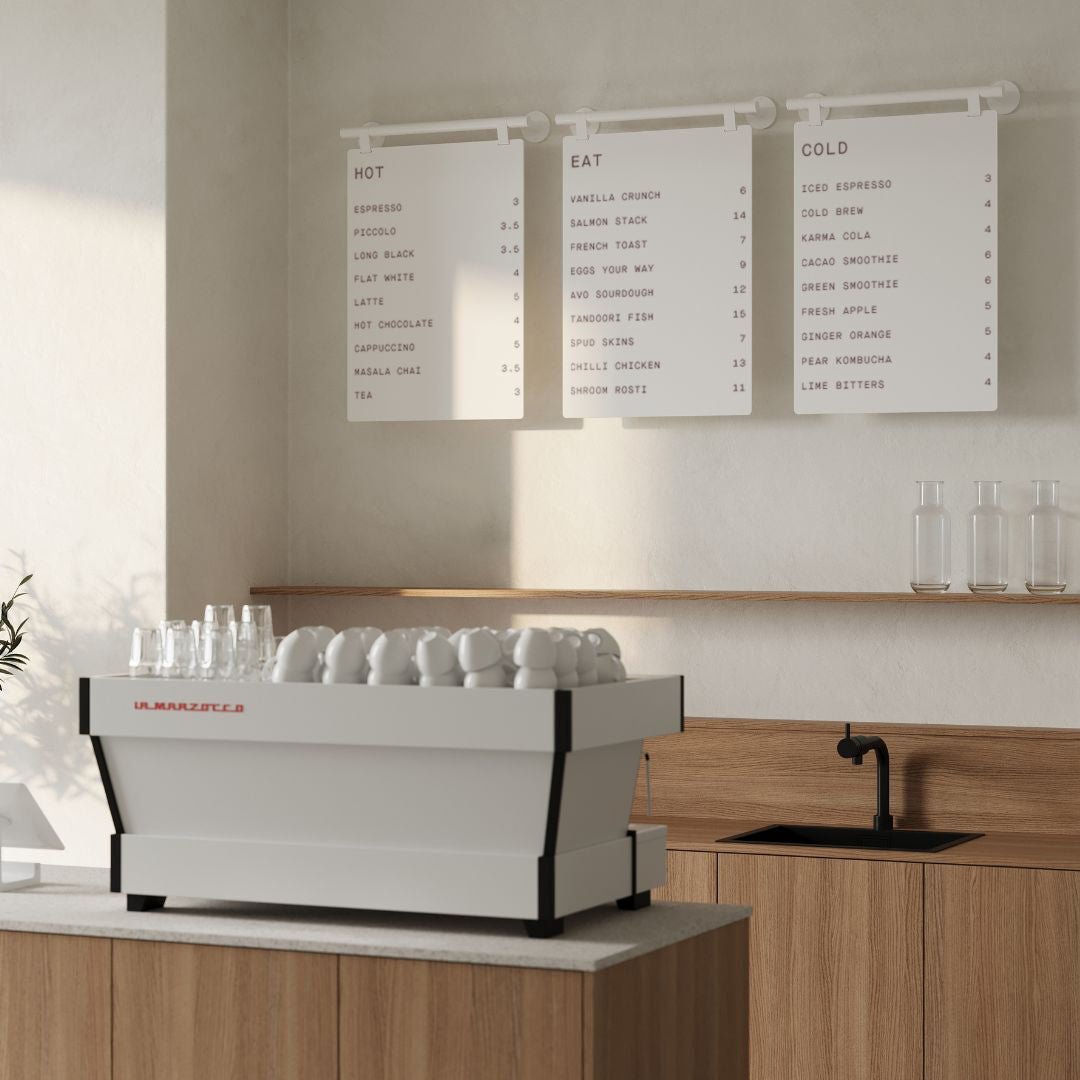
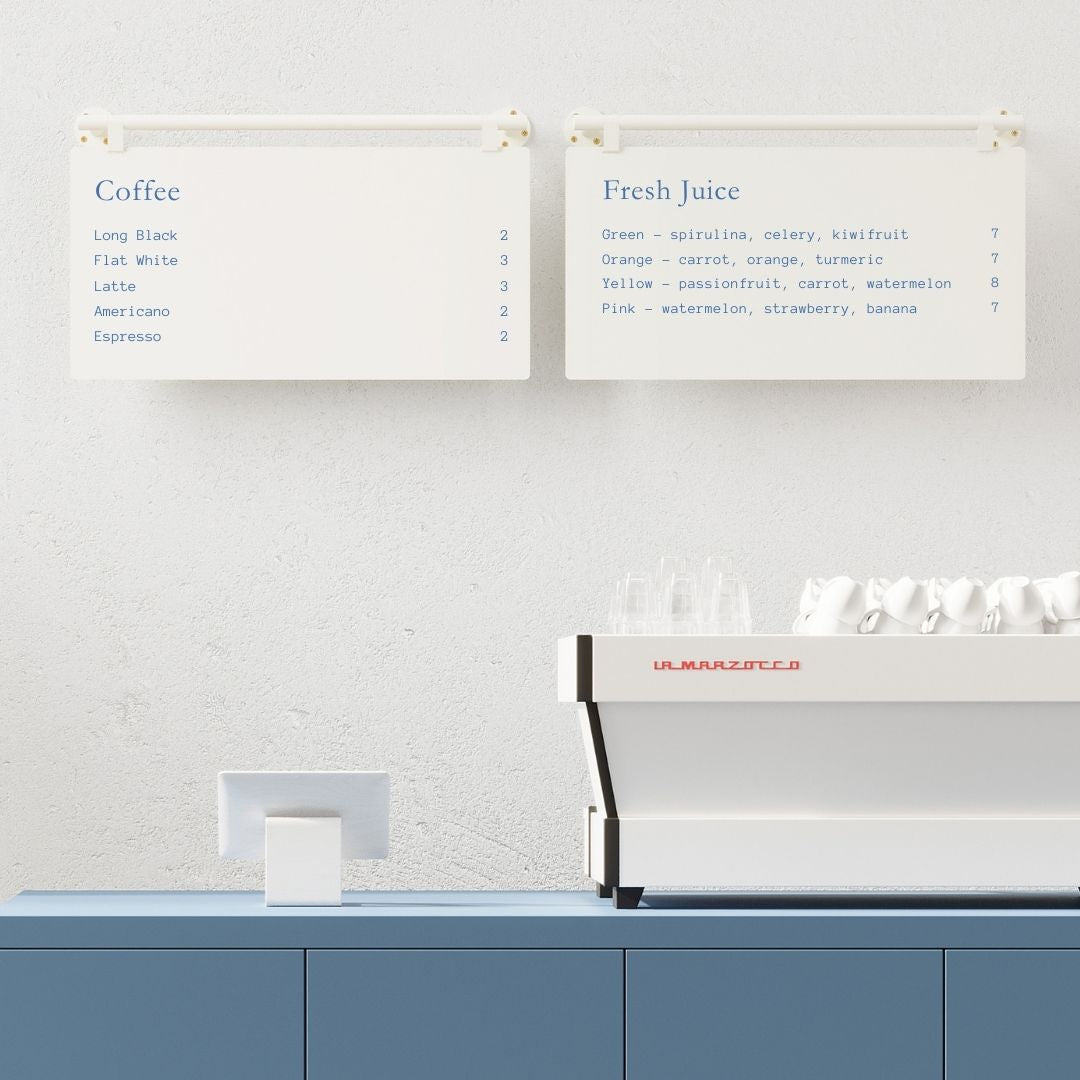
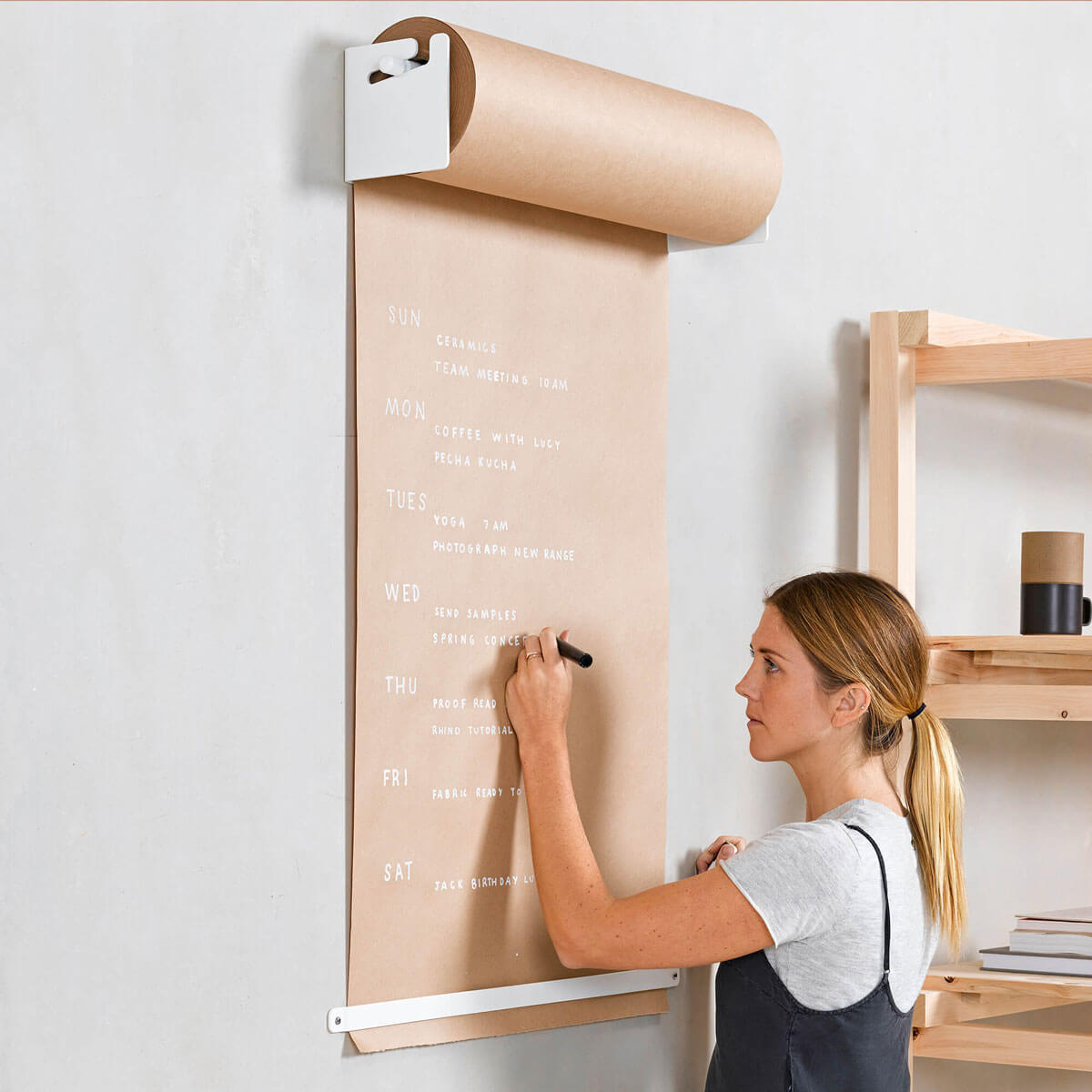
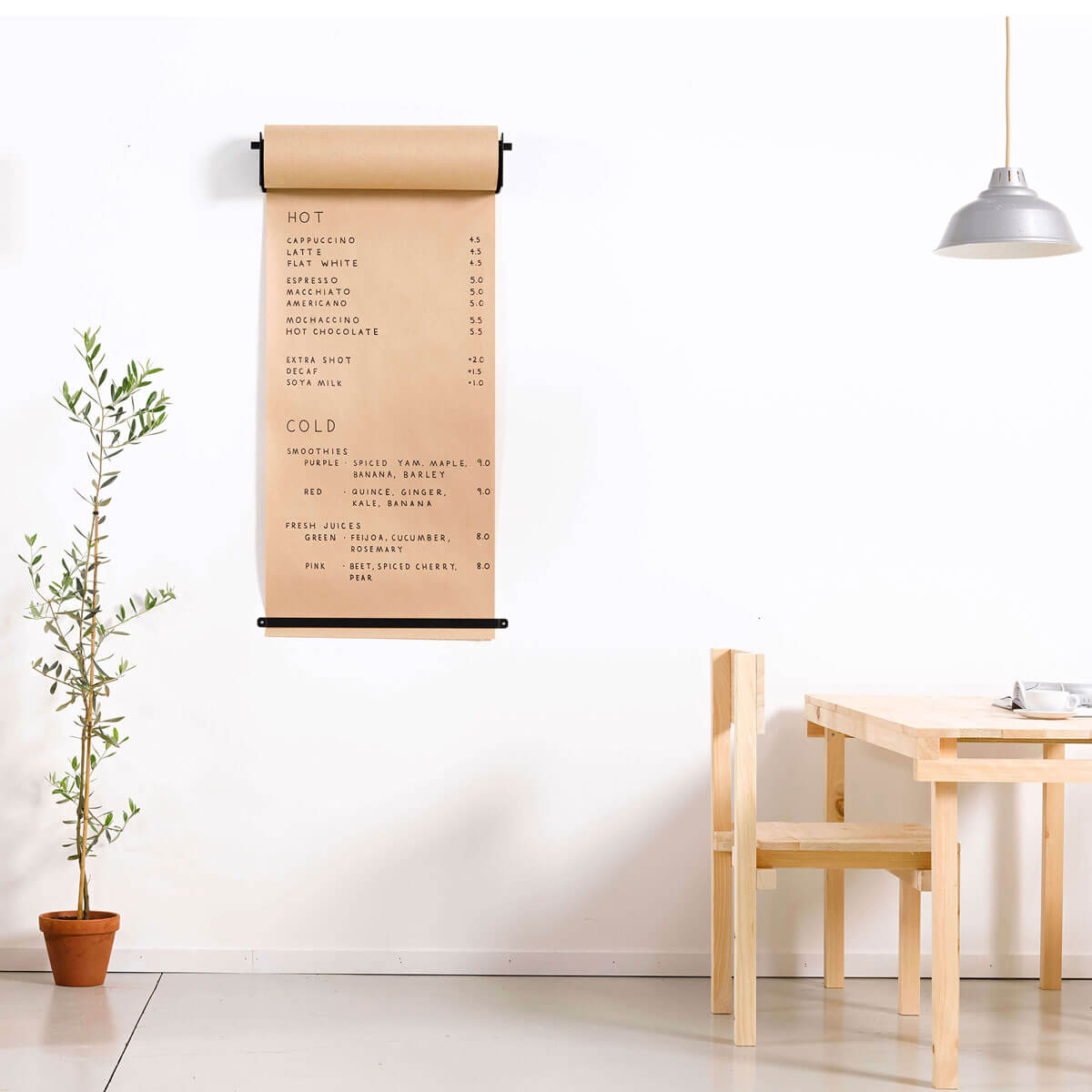
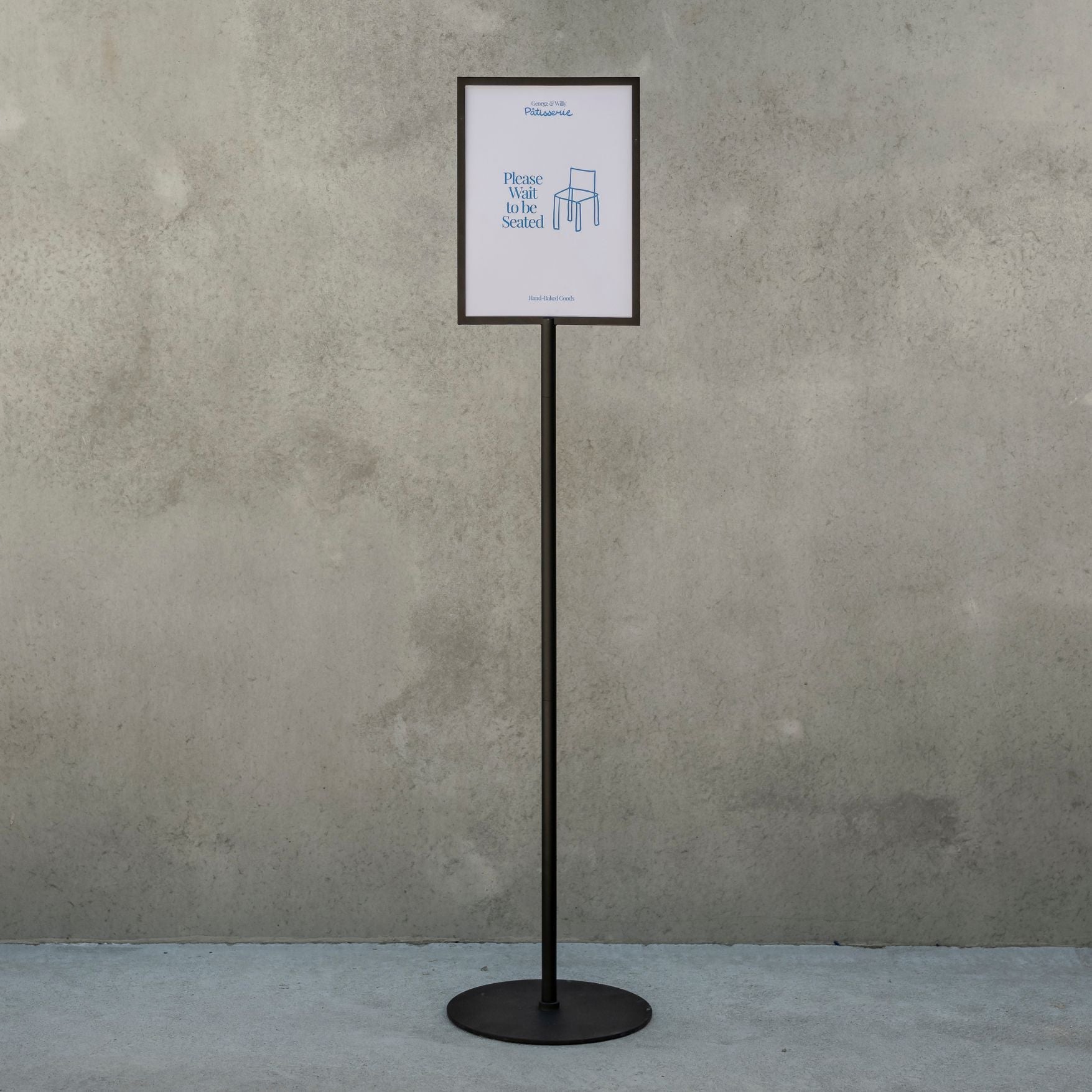
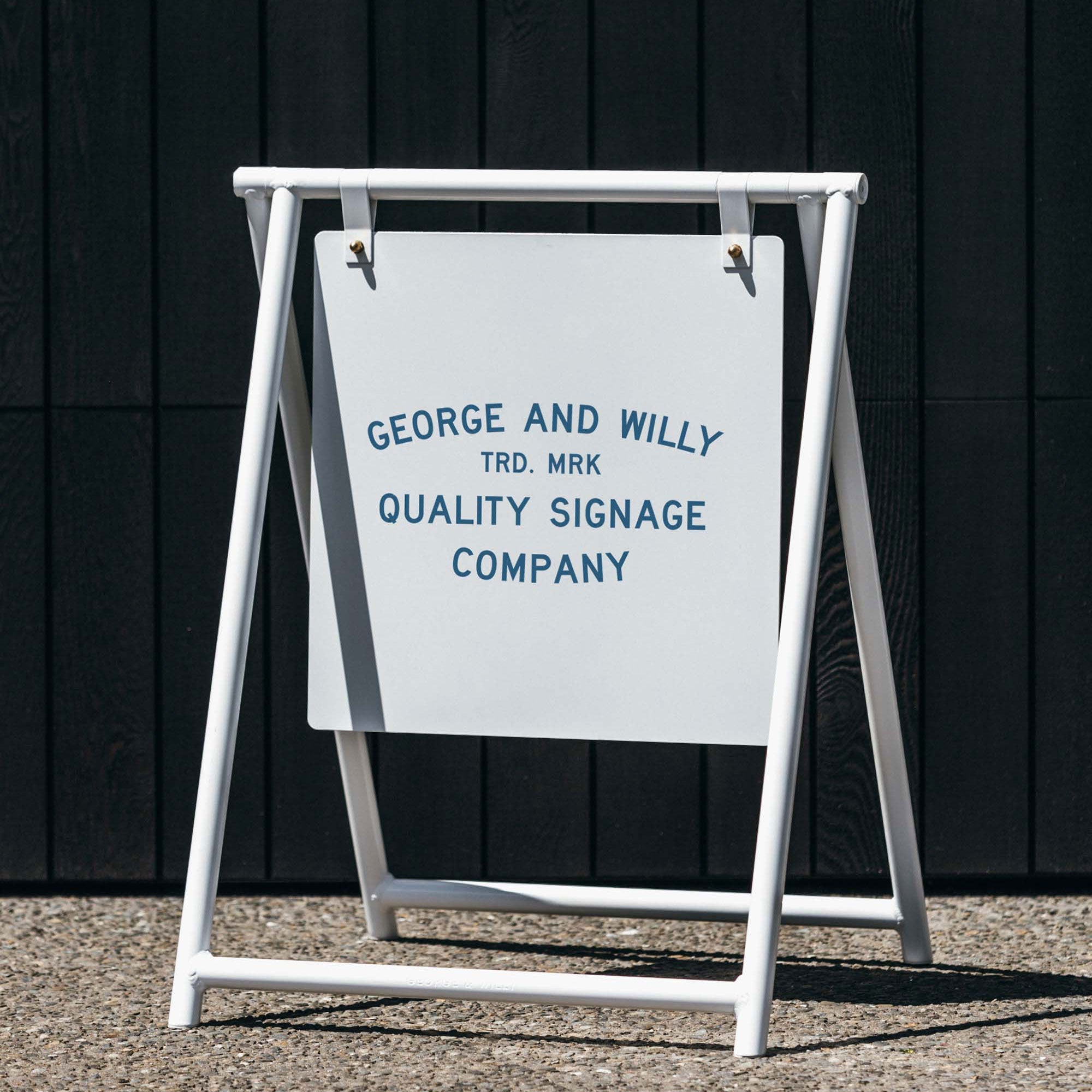
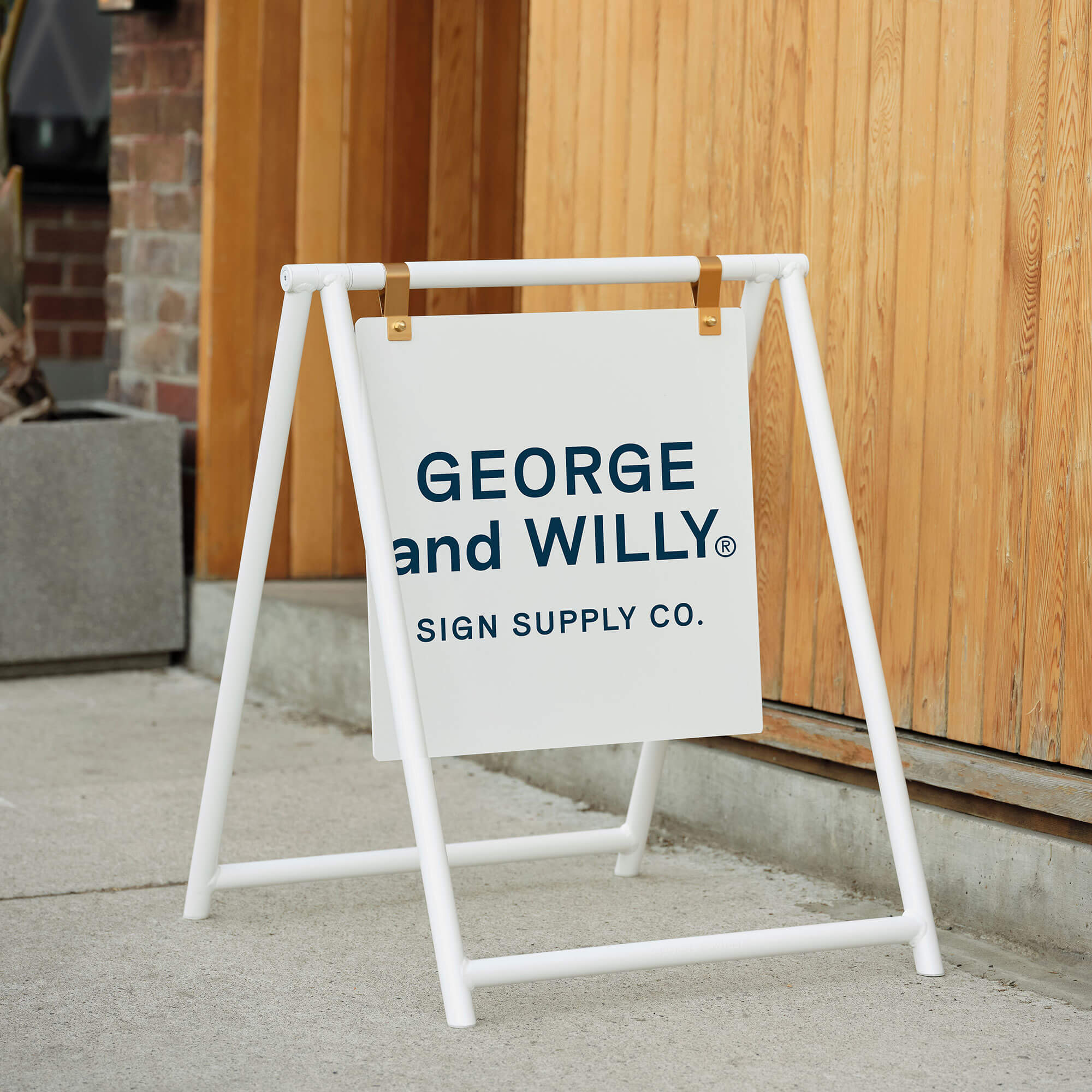
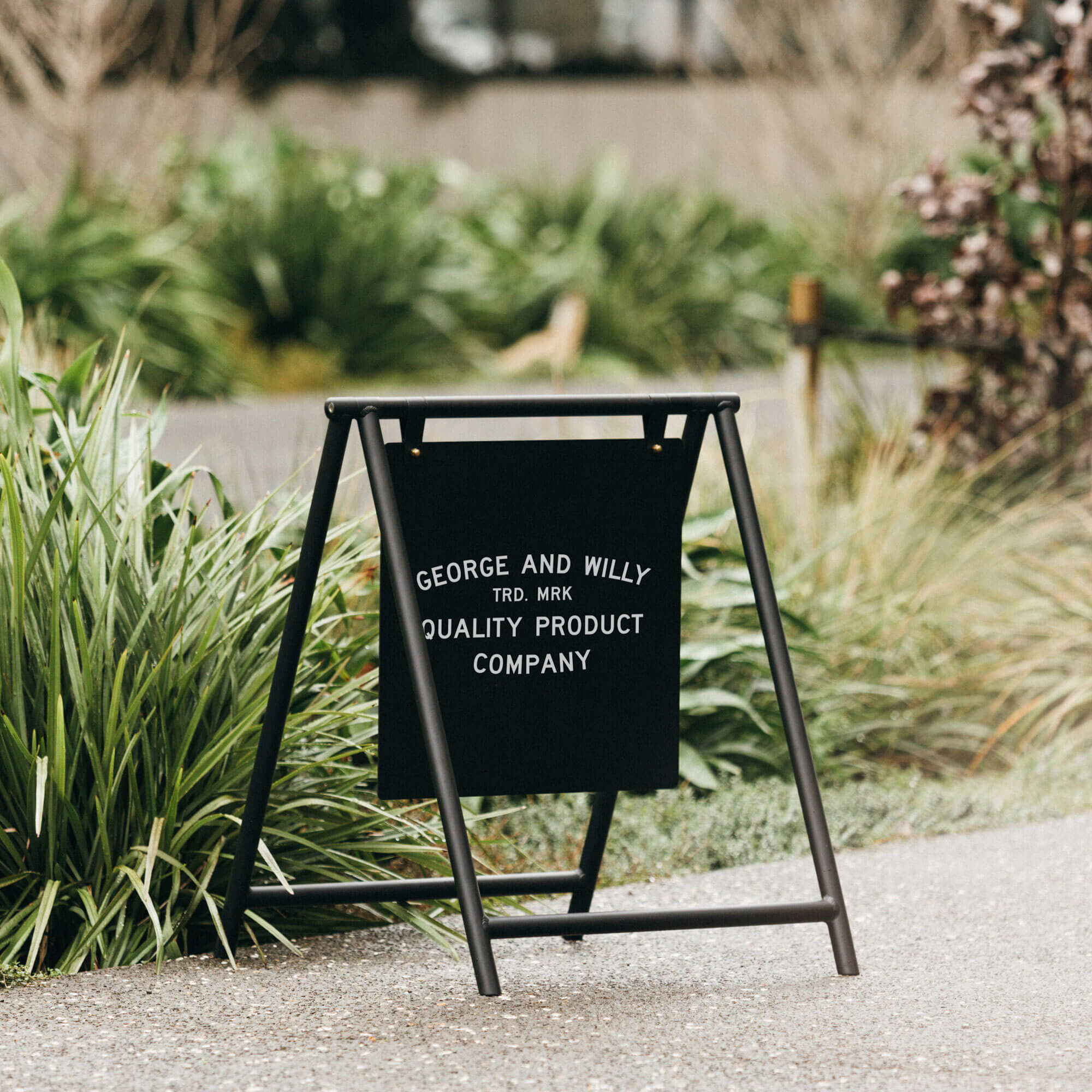
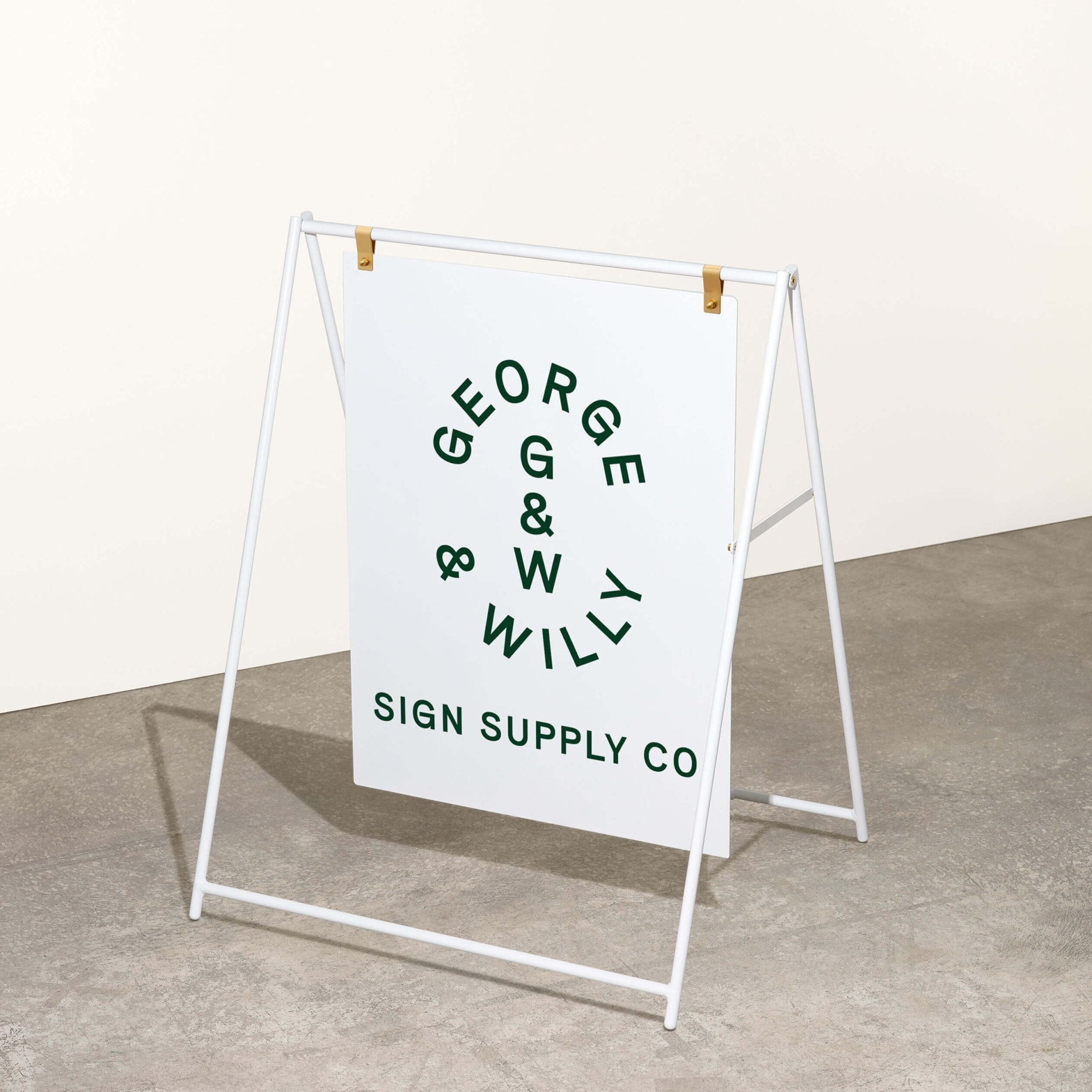
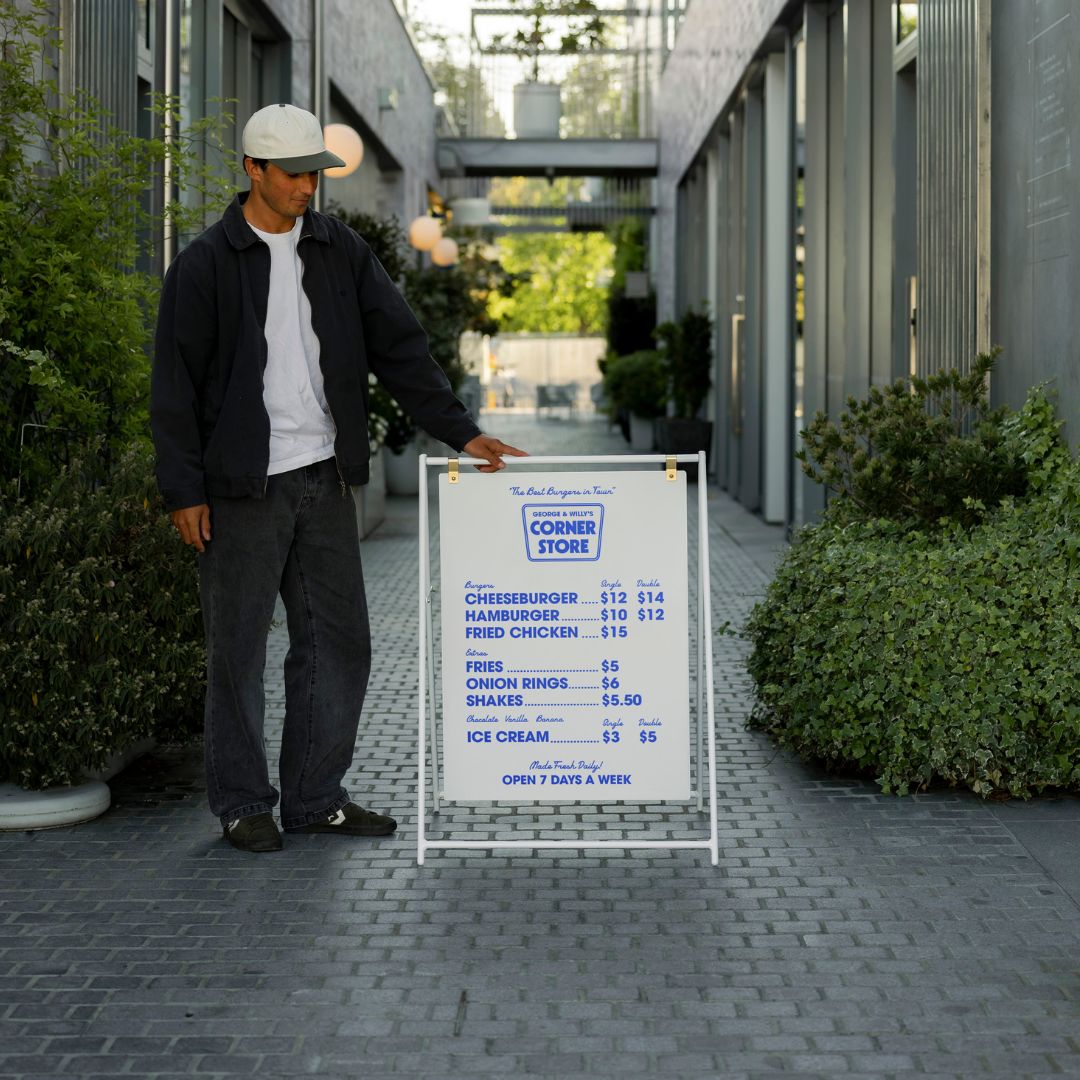
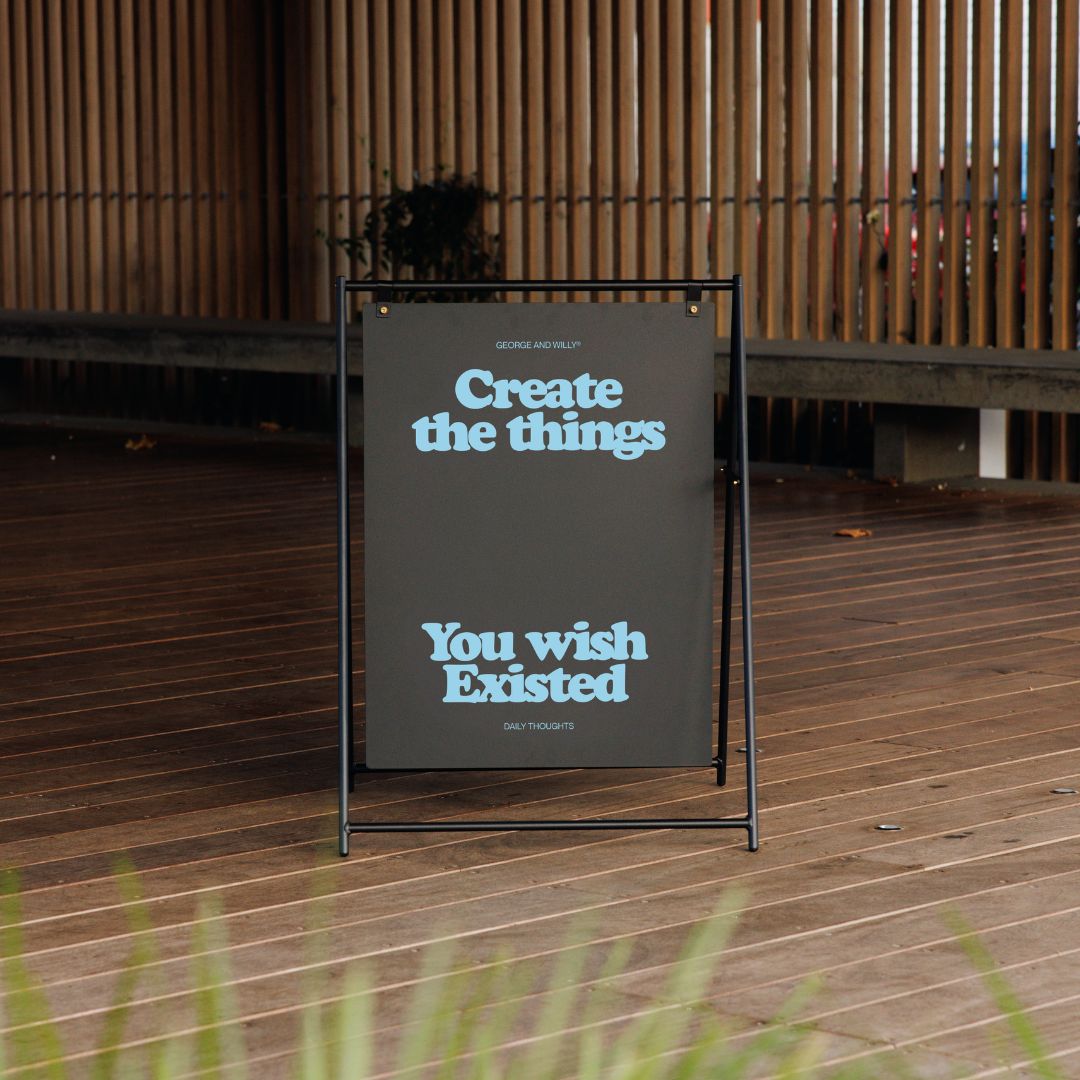
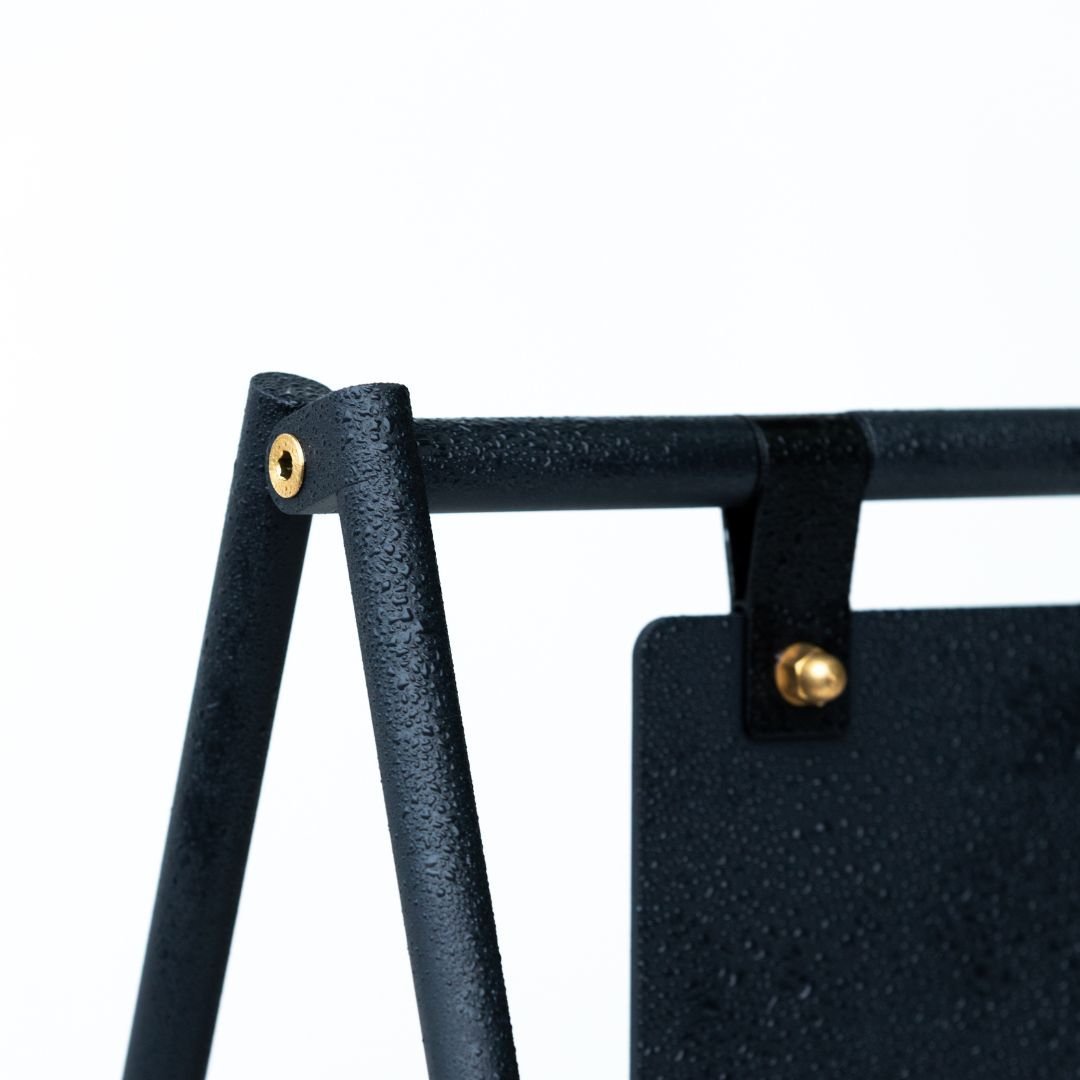
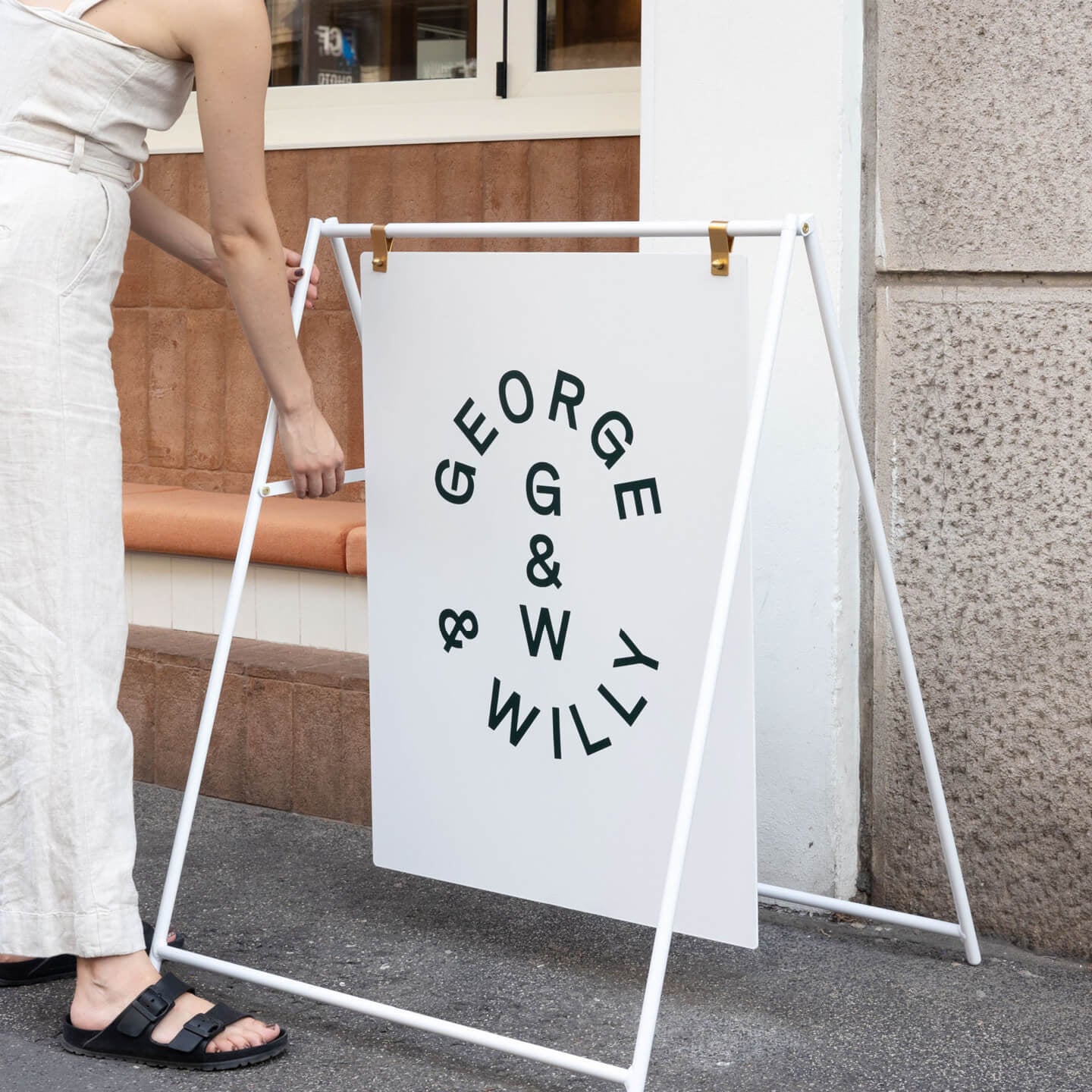
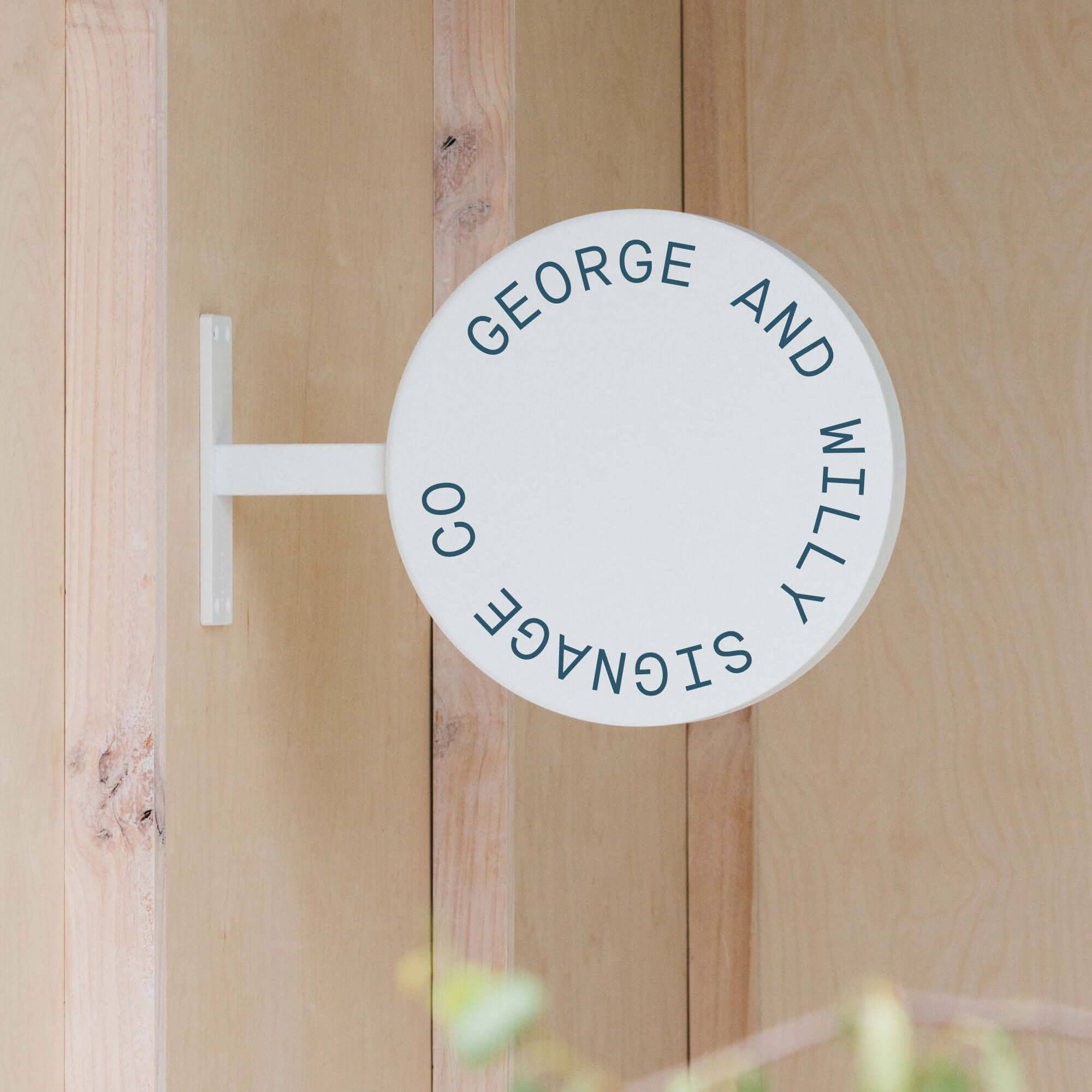
Your sign’s style should be a direct reflection of your brand’s identity. Whether you are rustic, modern, playful, or elegant, your sign should convey that vibe instantly. A shabby or poorly designed sign can be a major turnoff, with studies indicating that around 60% of people will avoid entering a business with bad signage. Aim for a memorable, on brand design. A tech startup might choose a sleek metal blade sign with clean lines, while a cozy bookstore might opt for a charming, hand‑painted wooden sign. For inspiration on modern and aesthetically pleasing signage, check out the designs from George & Willy, which are crafted to look good in any space.
Choose Fonts and Text Sizes for Readability
When it comes to your sign, clarity is king. Your message needs to be readable from a distance, which means choosing the right font and text size is crucial. A good rule of thumb is to have one inch of letter height for every 10 feet of viewing distance. This means text that is four inches tall can be read clearly from about 40 feet away.
While ornate or script fonts can be beautiful, they are often difficult to decipher quickly. Stick with clean, simple typefaces for essential information. Legibility should always be the priority, especially since 77% of consumers report having trouble finding a business due to unclear signage. High contrast between your text and background, such as dark letters on a light background or the reverse, is essential for visibility.
Select Colors That Maximize Impact
Color is a powerful tool in sign design. The right color palette can grab attention and significantly boost brand recognition, by up to 80% according to some studies. Think about the psychology of color:
- Red often suggests excitement, urgency, or hunger.
- Blue can convey trust, calm, and professionalism.
- Green is associated with nature, health, and freshness.
Choose colors that align with the feeling you want to evoke for your brand. High contrast pairings are again vital for readability. To avoid a cluttered look, try to stick to a limited palette, perhaps one primary brand color, a secondary accent, and a neutral like white or black.
Add a Logo or Motif for Better Branding
Humans are visual creatures, and our brains process images about 60,000 times faster than text. This is why adding a logo or a simple graphic element to your sign is so effective. Research on the “picture superiority effect” found that people remembered 65% of visual information after three days, compared to only 10% of written information.
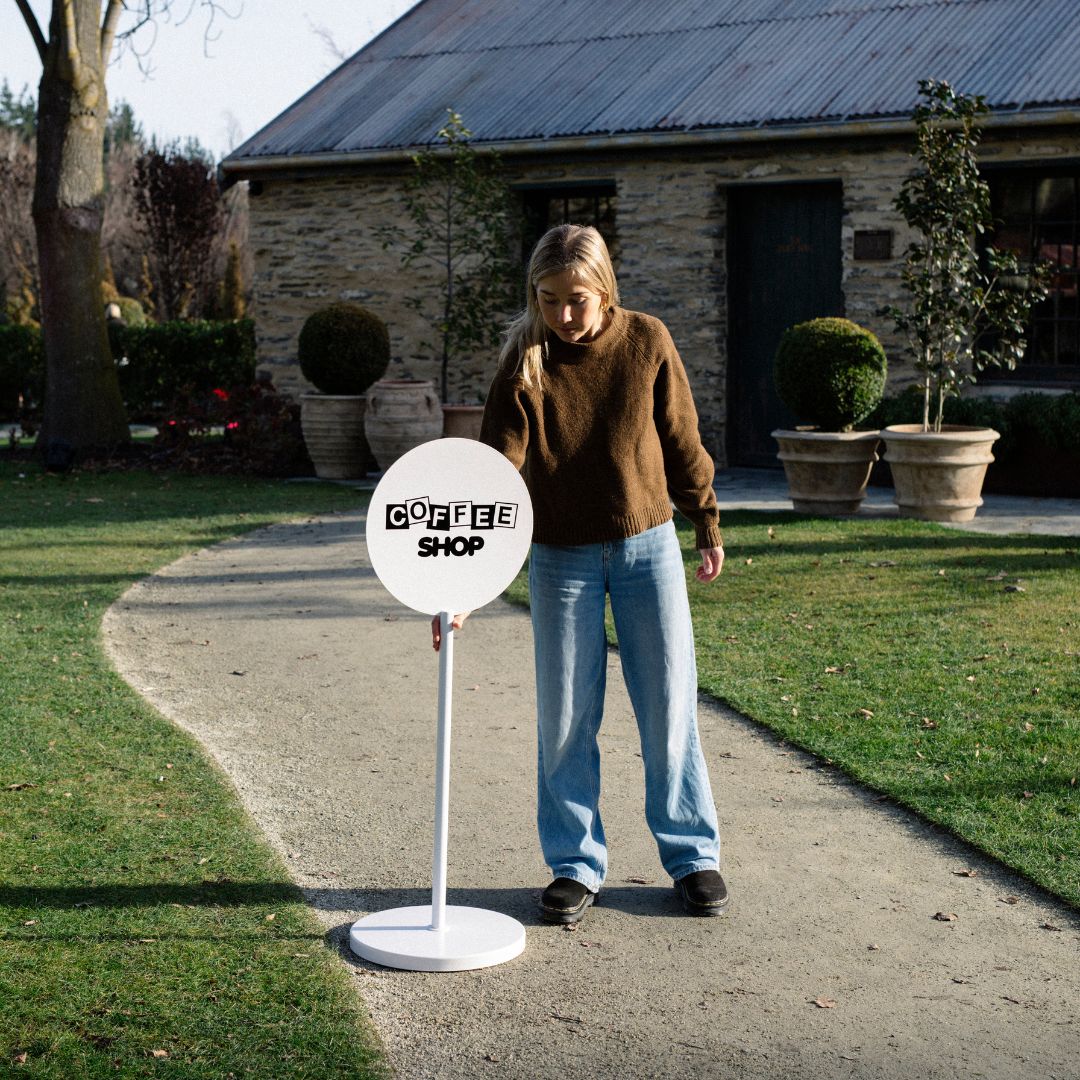
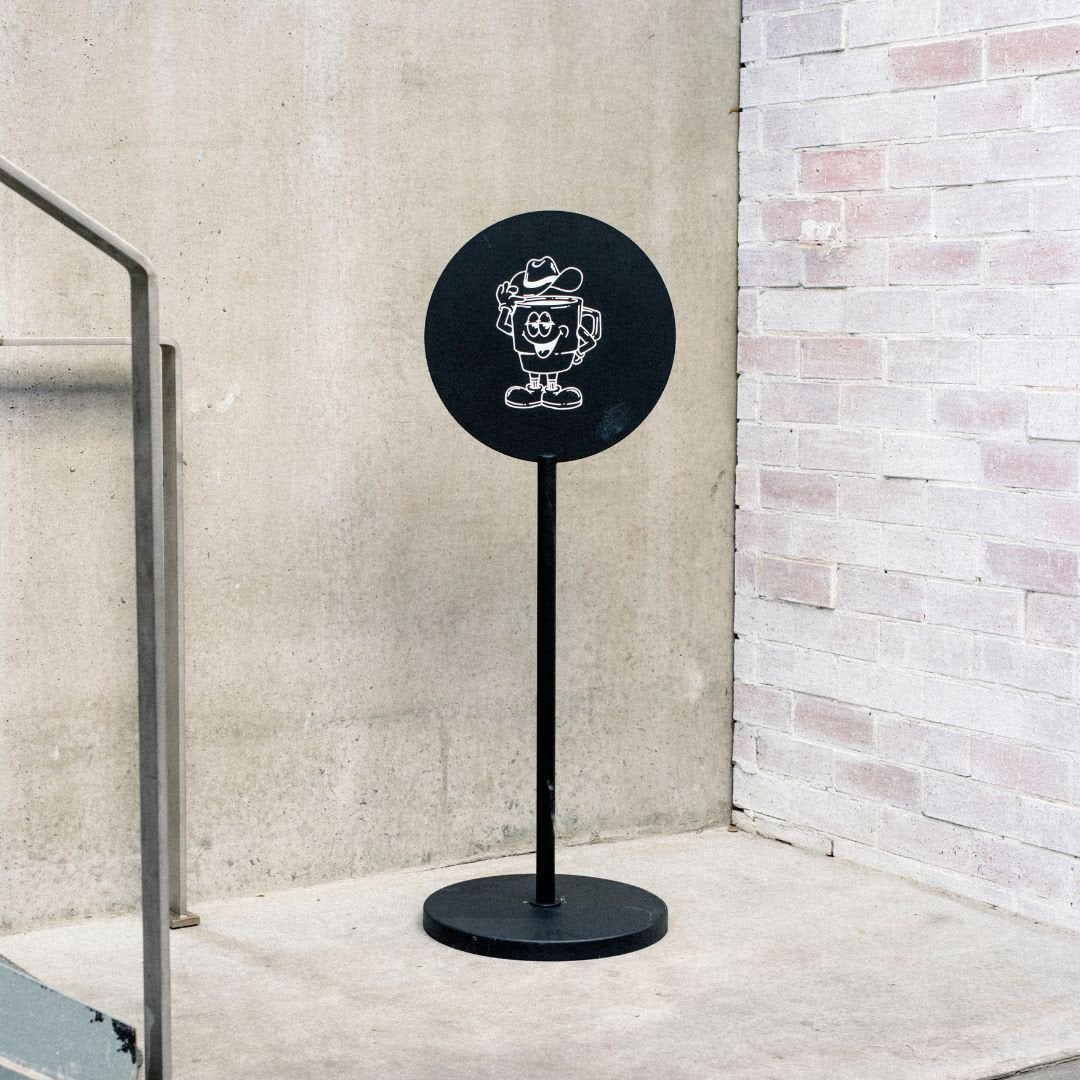
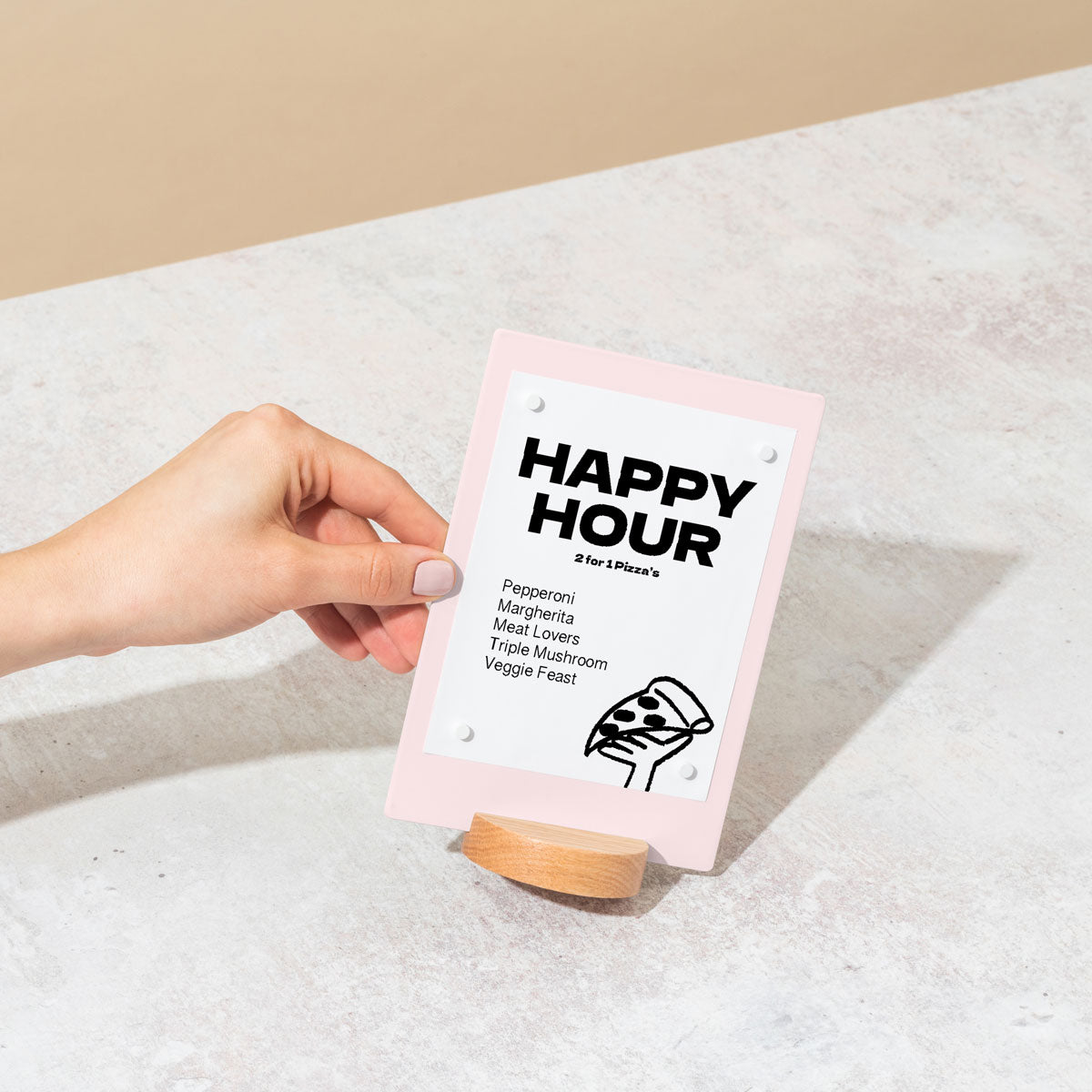
A simple icon, like a coffee cup for a café or a book for a bookstore, communicates your business type at a glance and makes your sign more memorable. A polished logo also adds a layer of professionalism. Consistently using your logo turns your decorative signs into a brand building powerhouse.
Choosing the Right Build and Customization
Beyond the design, the physical construction of your sign determines its longevity and overall feel. Making smart choices about materials, production methods, and customization will ensure your decorative signs look great for years to come.
Printing Versus Engraving for Your Text
You generally have two options for applying text and graphics: printing (often with vinyl) or engraving.
- Printed signs are versatile and cost effective, allowing for full color graphics, photos, and gradients. They are a great choice for intricate designs or temporary promotions.
- Engraved signs involve carving your design directly into the material, such as wood, metal, or acrylic. This method offers a premium, permanent look that will not peel, flake, or fade over time, making it ideal for longevity.
While printing is often faster and more affordable upfront, engraving provides unmatched durability and a high end feel that can elevate your brand’s perception.
Pick Durable Materials for Outdoor Signs
Outdoor signs must endure sun, rain, and wind, so material choice is critical. The lifespan of a sign can range from just a few years to well over a decade depending on what it is made of.
- Aluminum is a popular choice because it is rust proof and durable, typically lasting 7 to 10 years.
- Stainless Steel is a premium option that can last 15 years or more, even in harsh climates.
- Wood offers a classic, warm look but requires regular maintenance, like resealing, to last up to 10 years.
- PVC or Plastic signs are budget friendly but may only last 2 to 4 years before fading or becoming brittle from UV exposure.
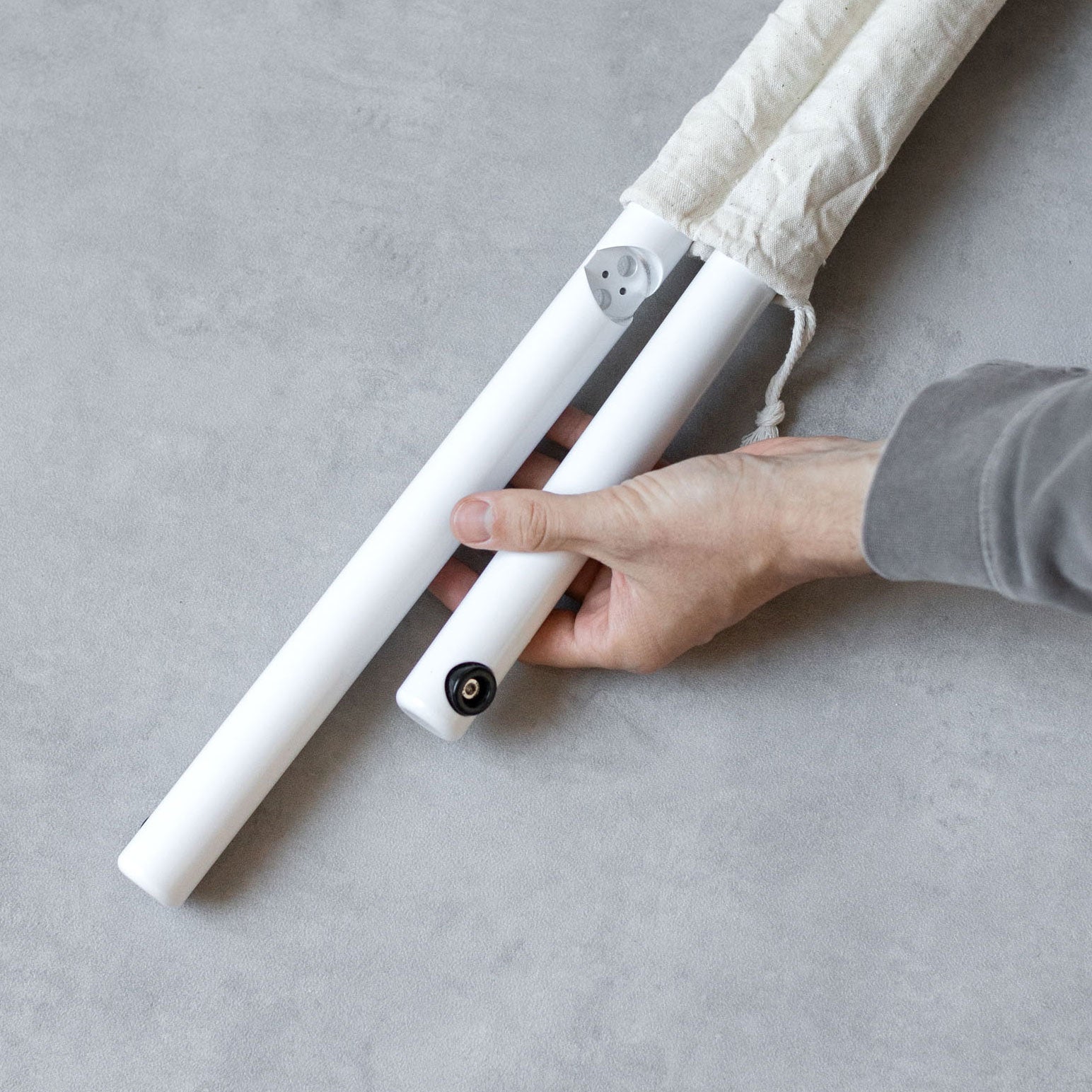
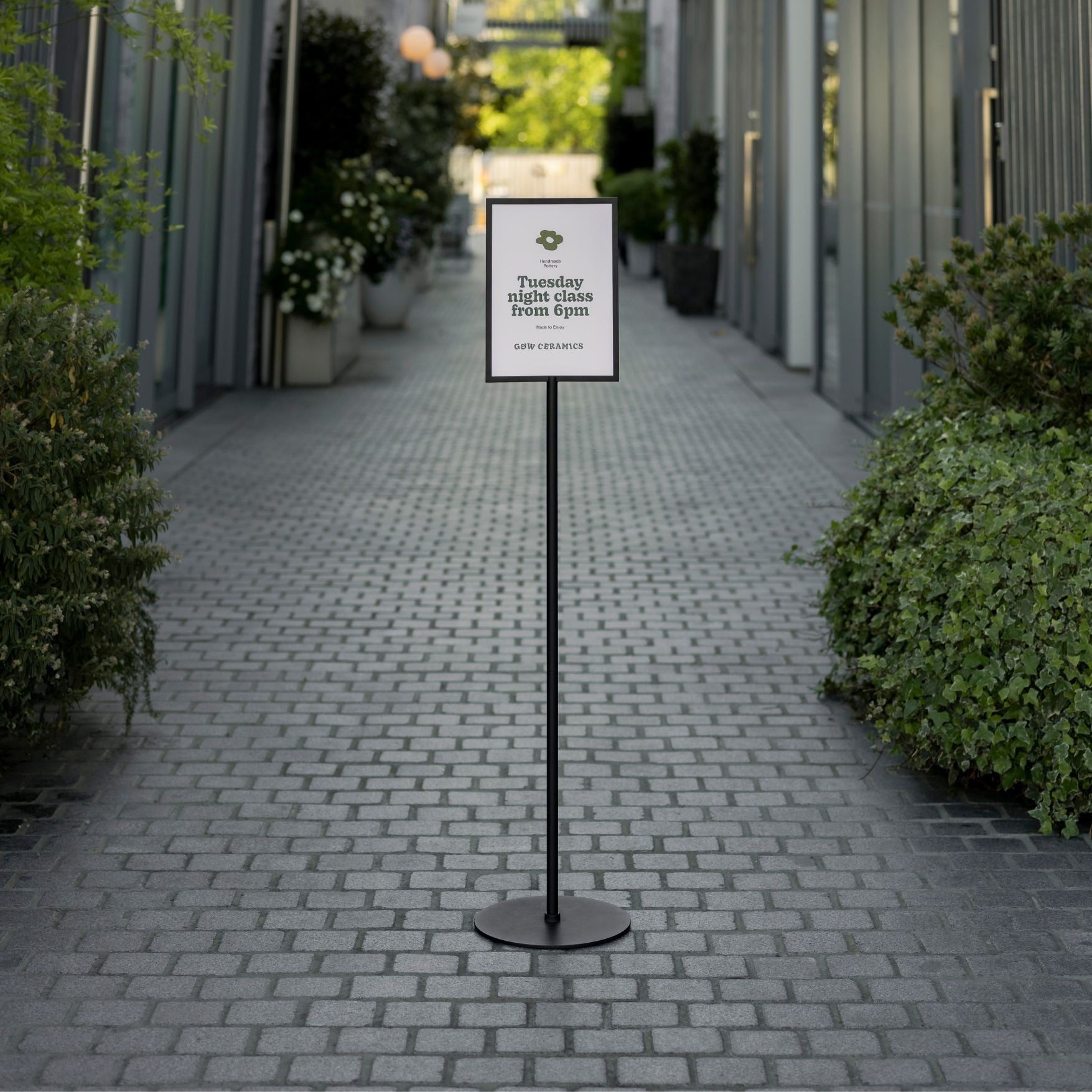
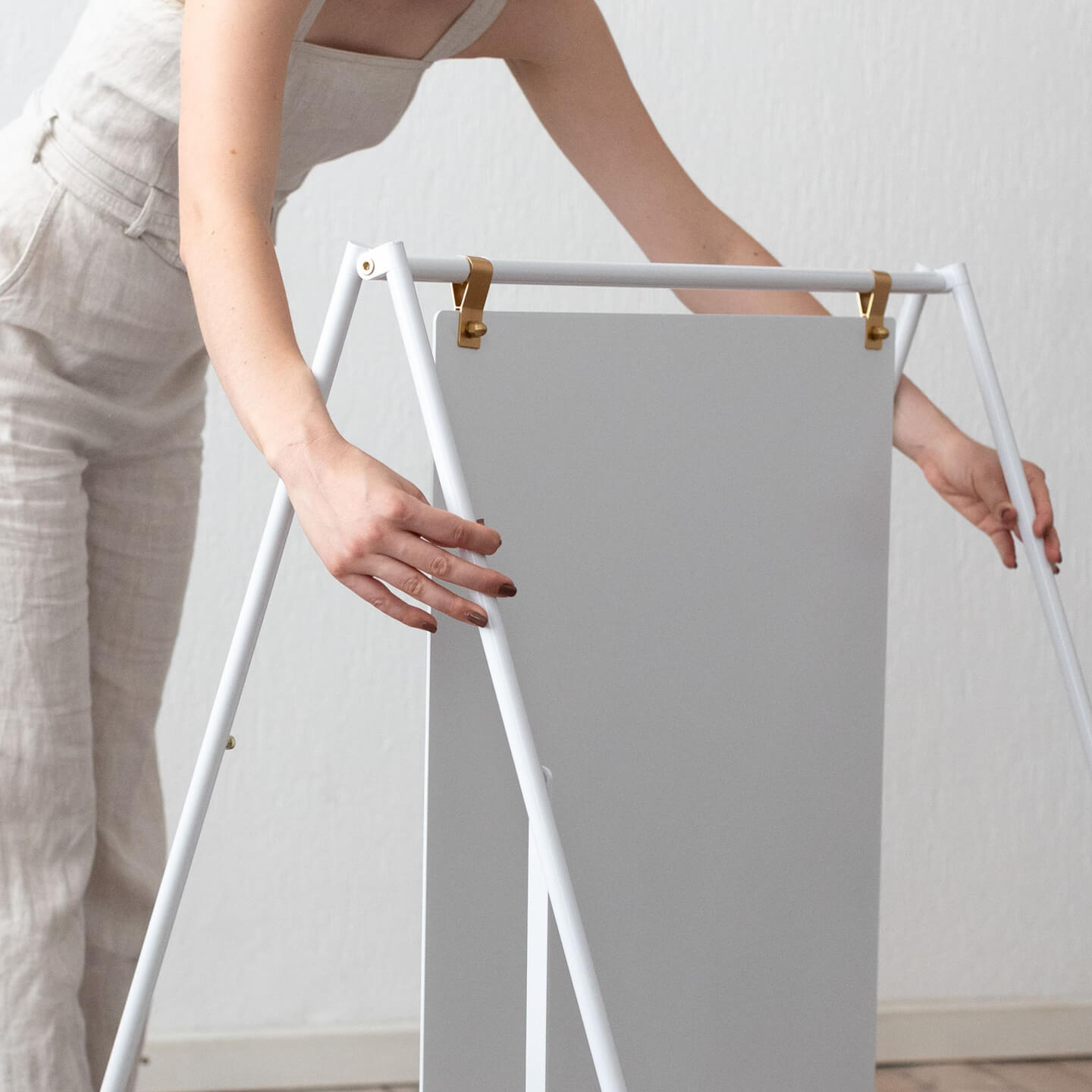
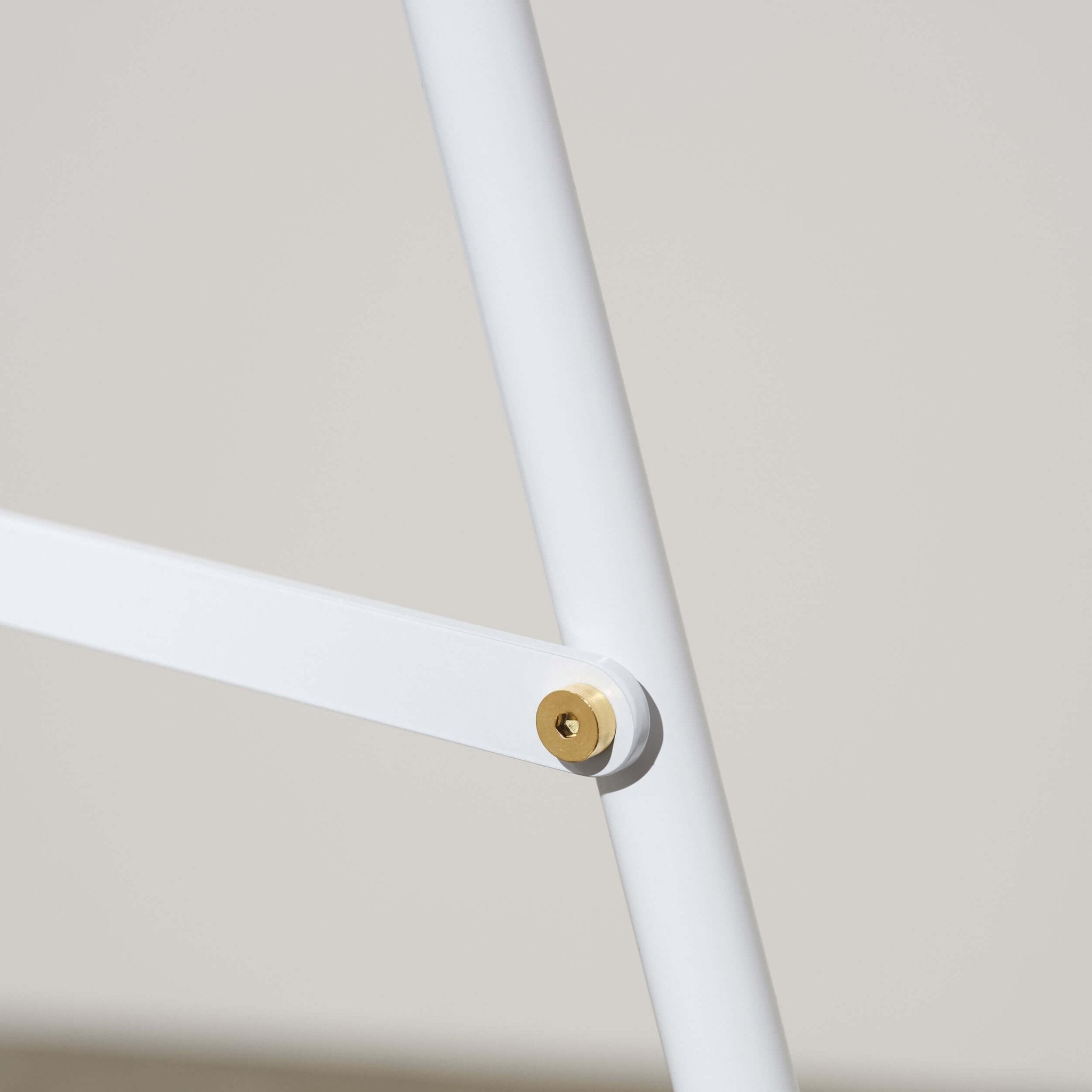
Investing in quality materials and protective coatings will save you money in the long run. Many of the outdoor signs from George & Willy are made from powder‑coated aluminum, making them inherently resistant to rust and weather—for example, any of our outdoor metal signs.
Use Templates for Consistency and Ease
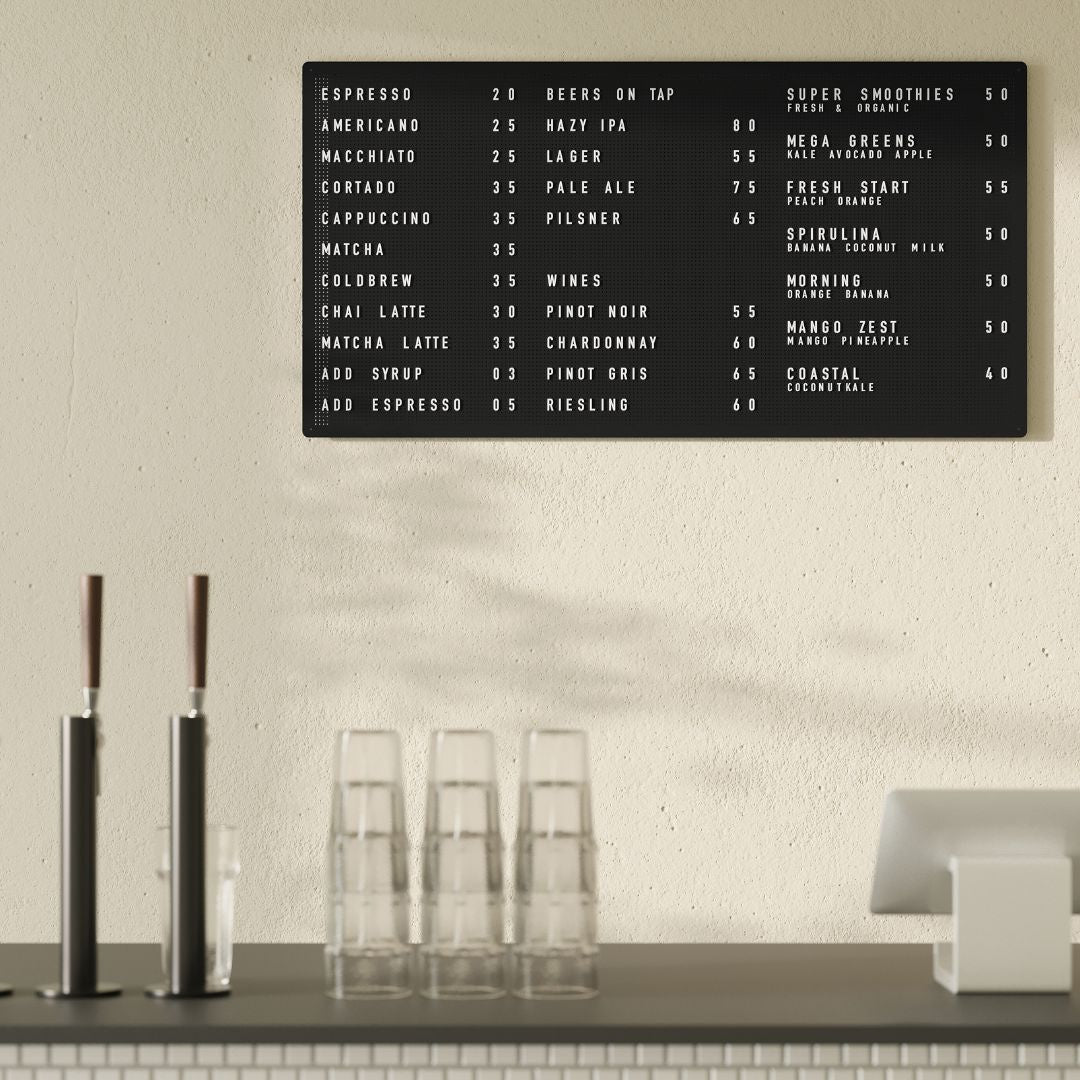
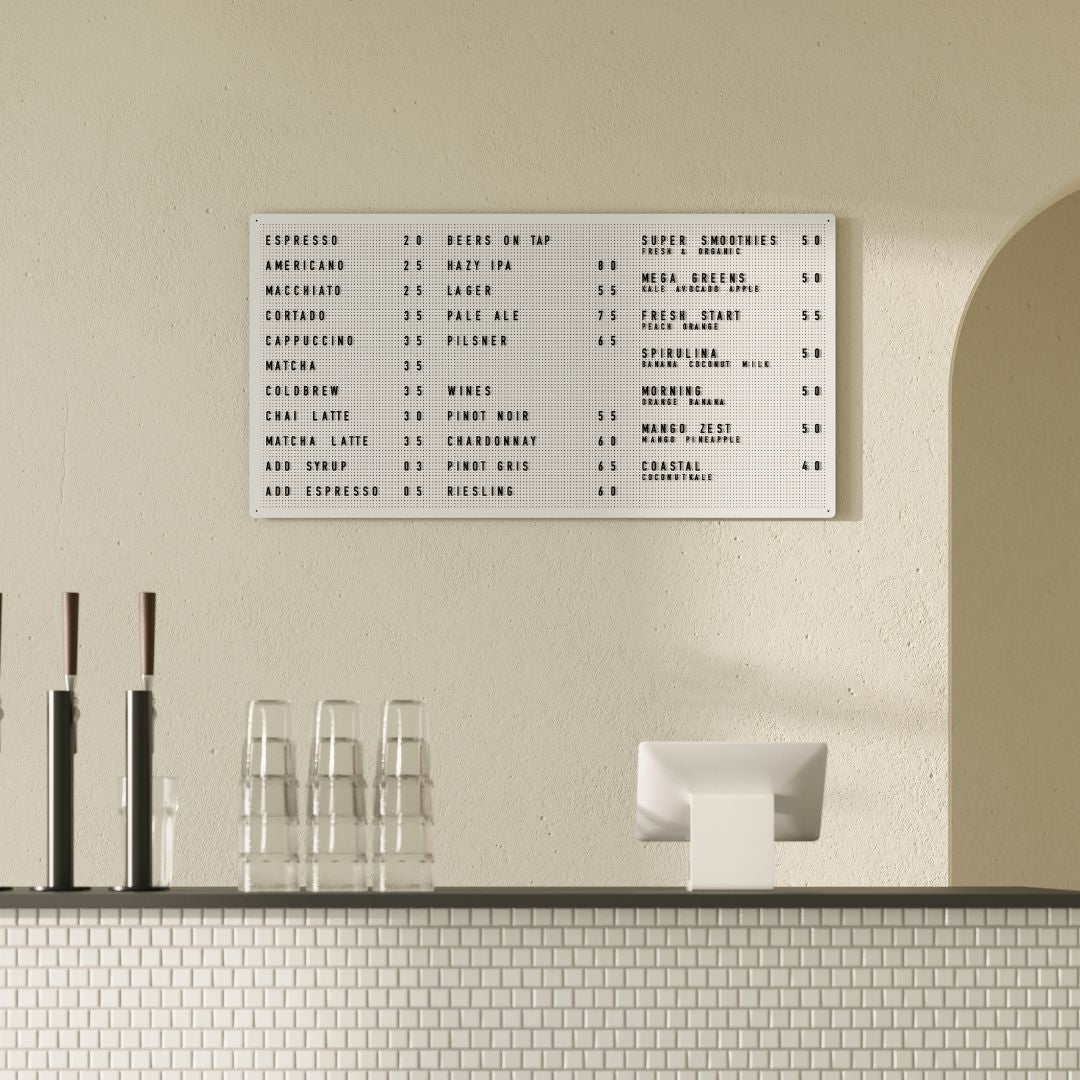
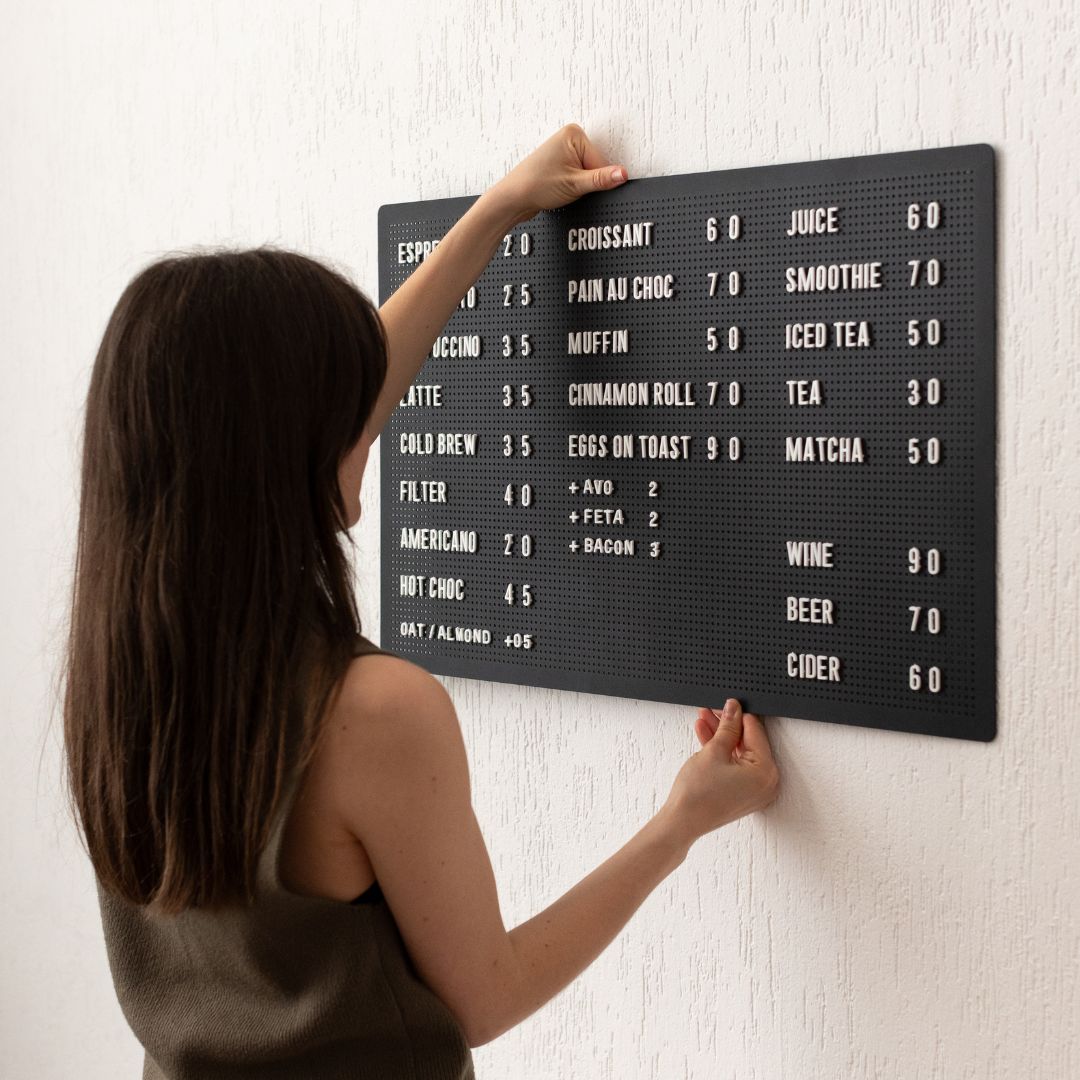
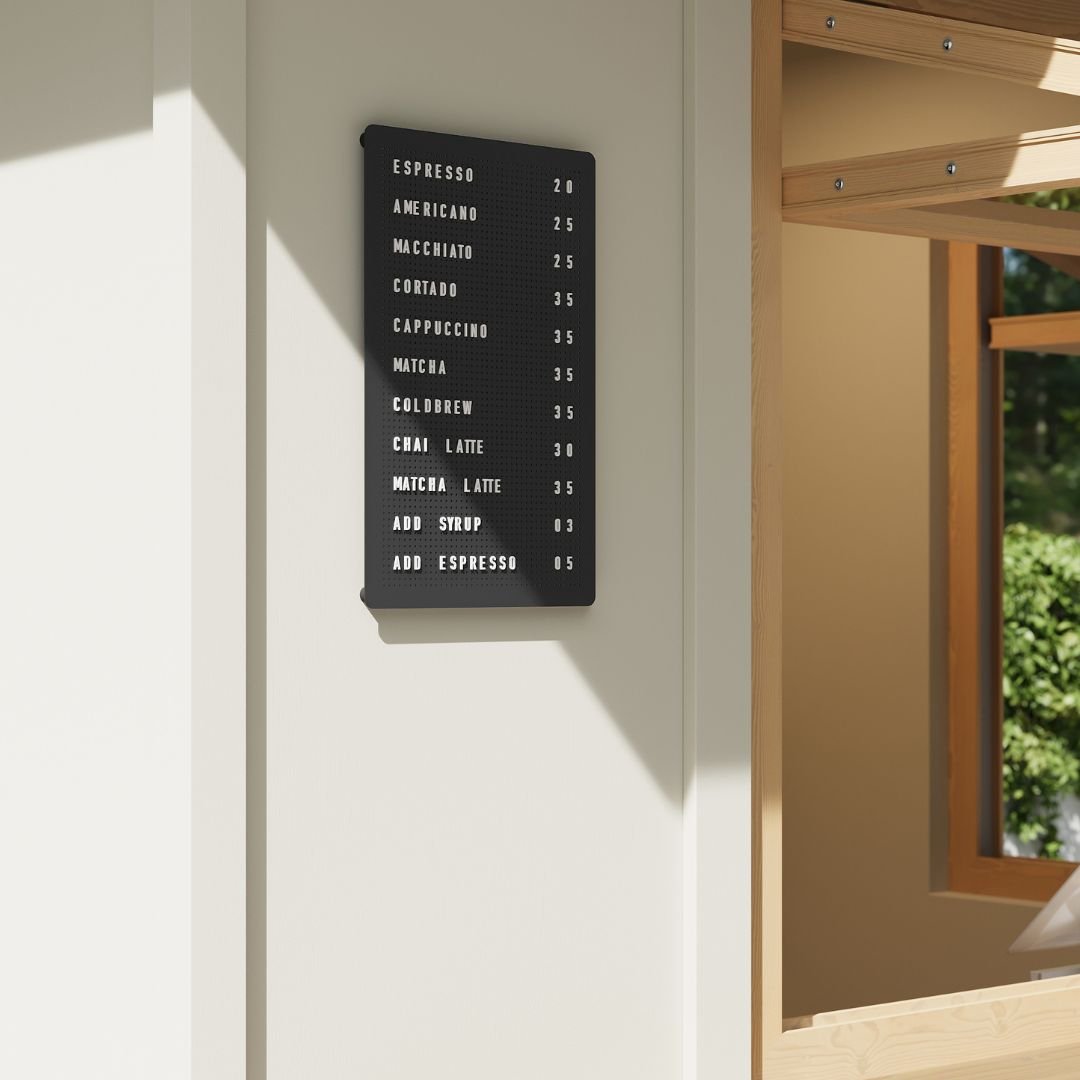
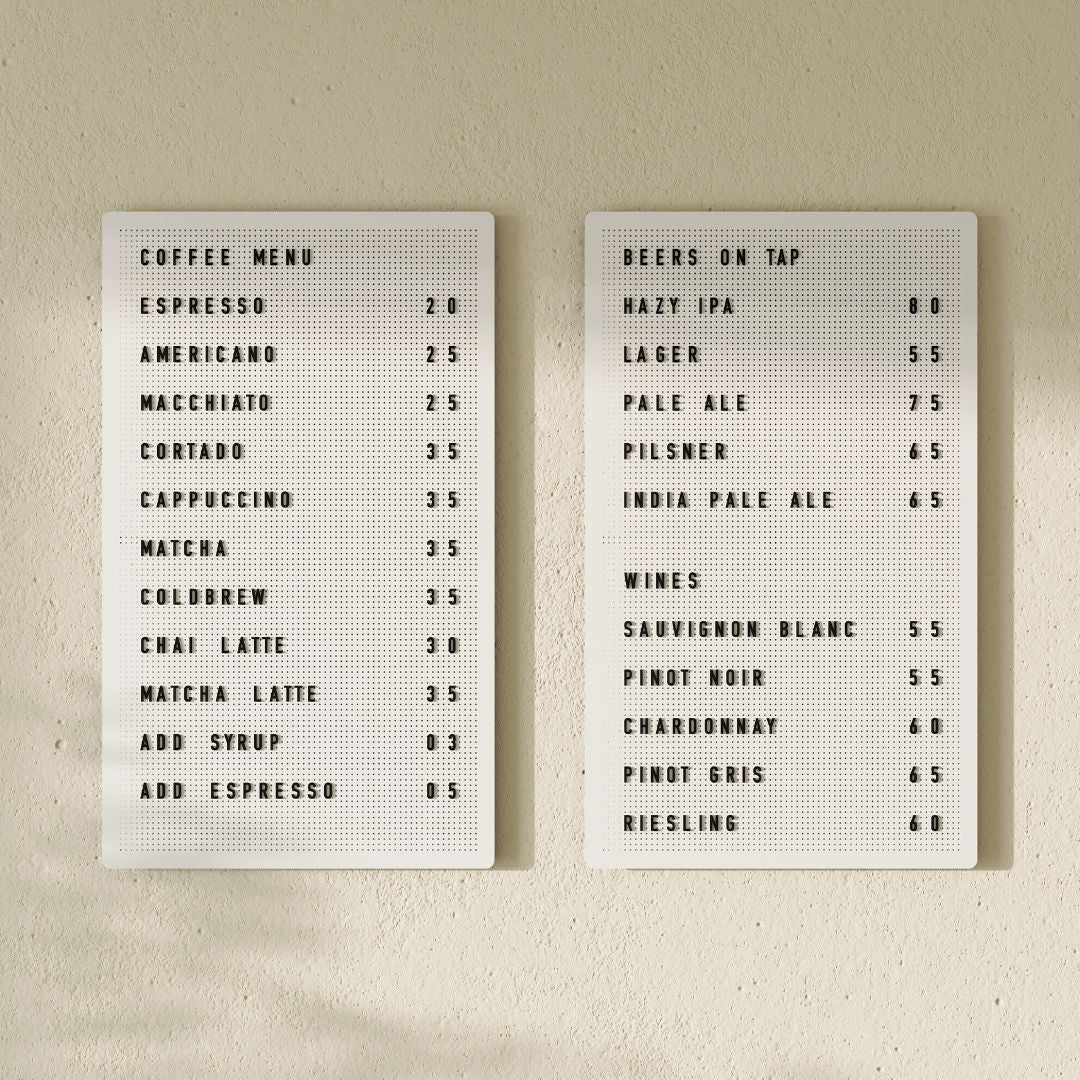
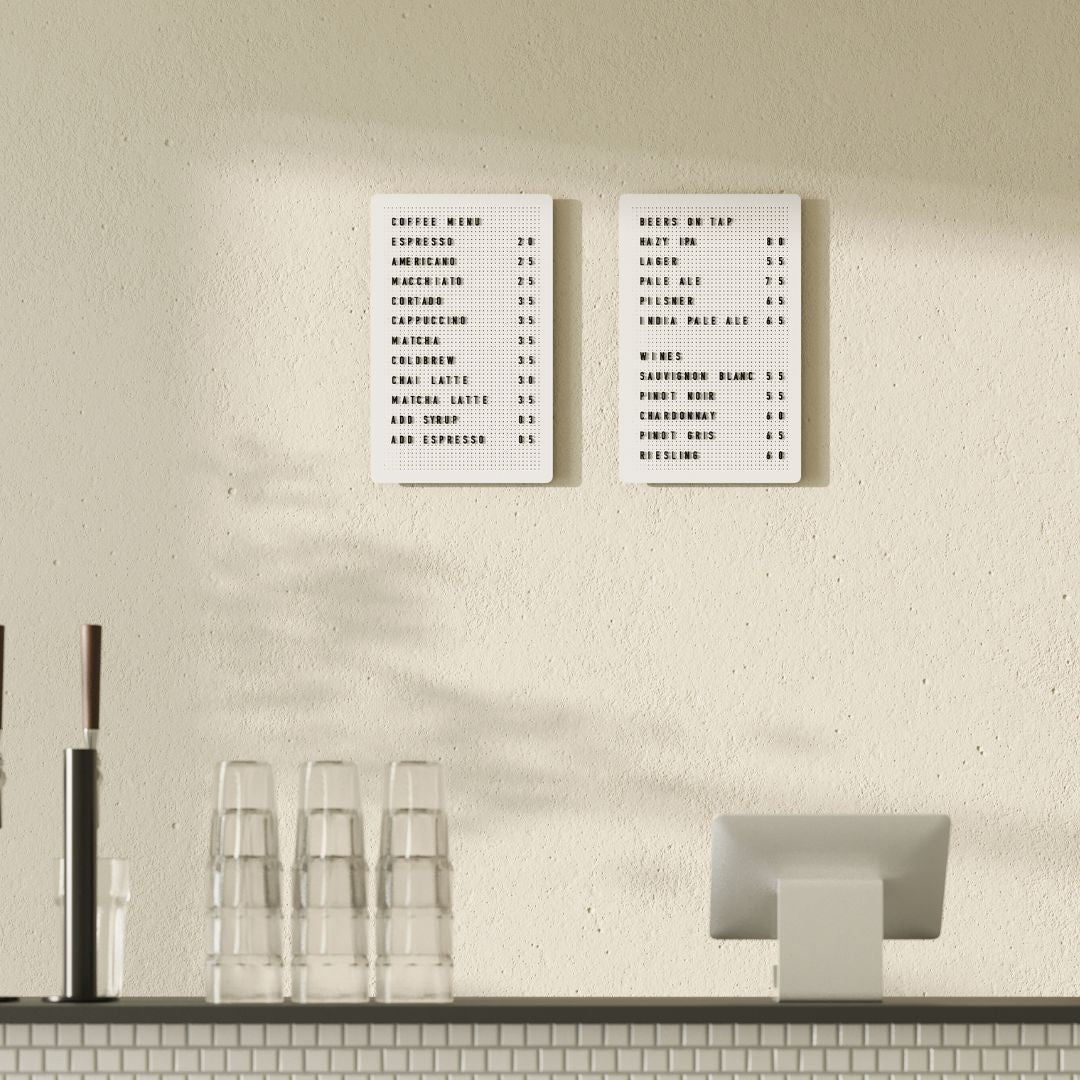
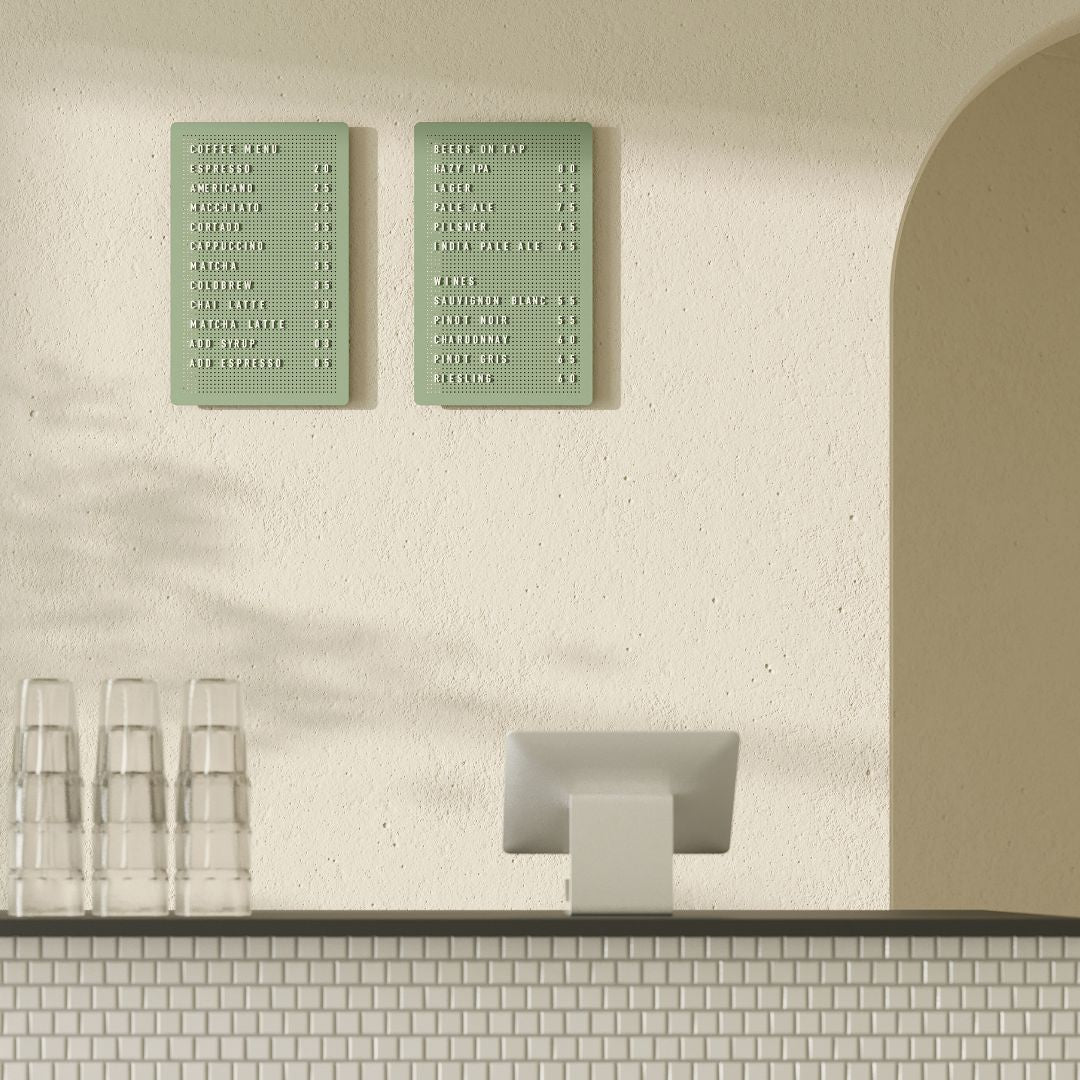
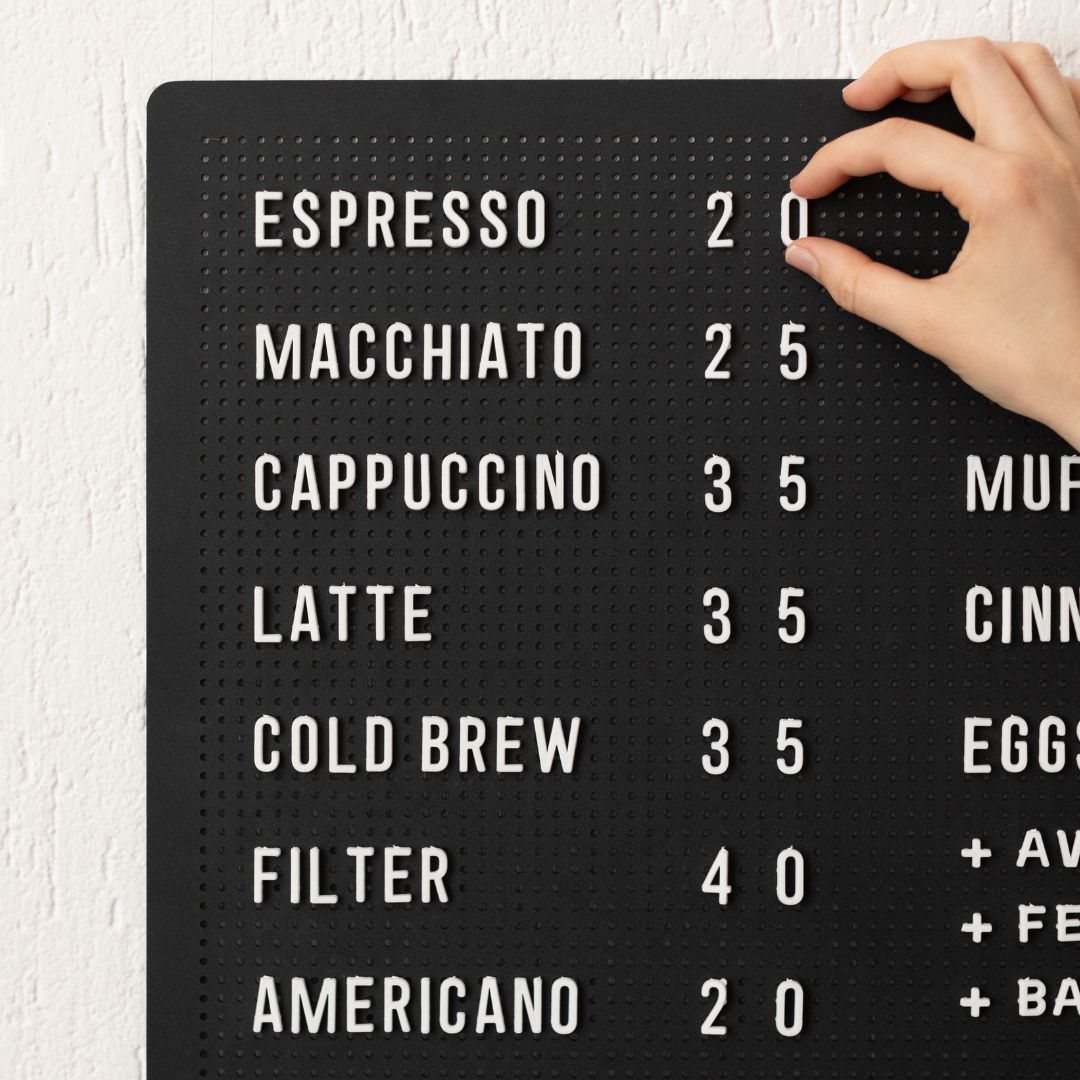
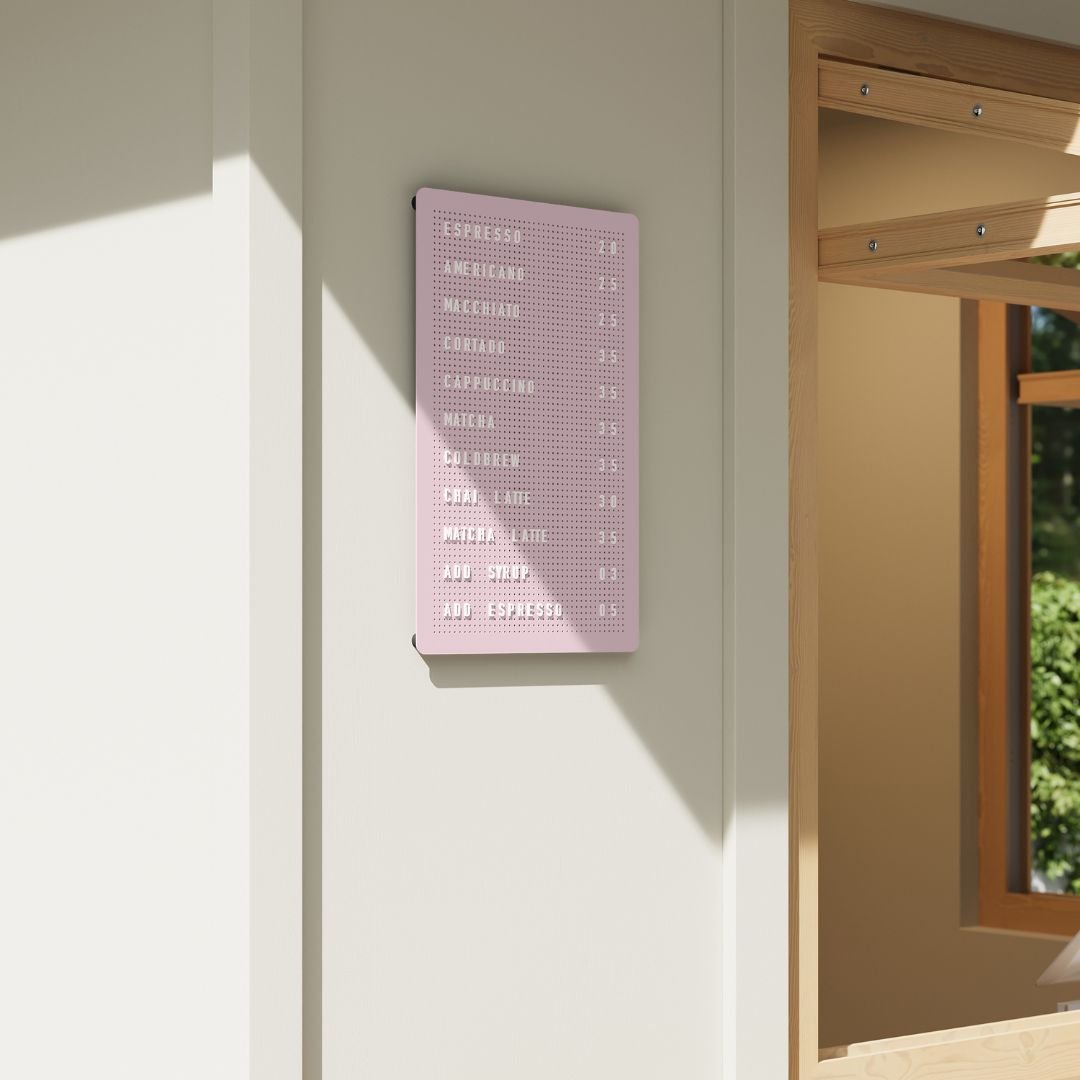
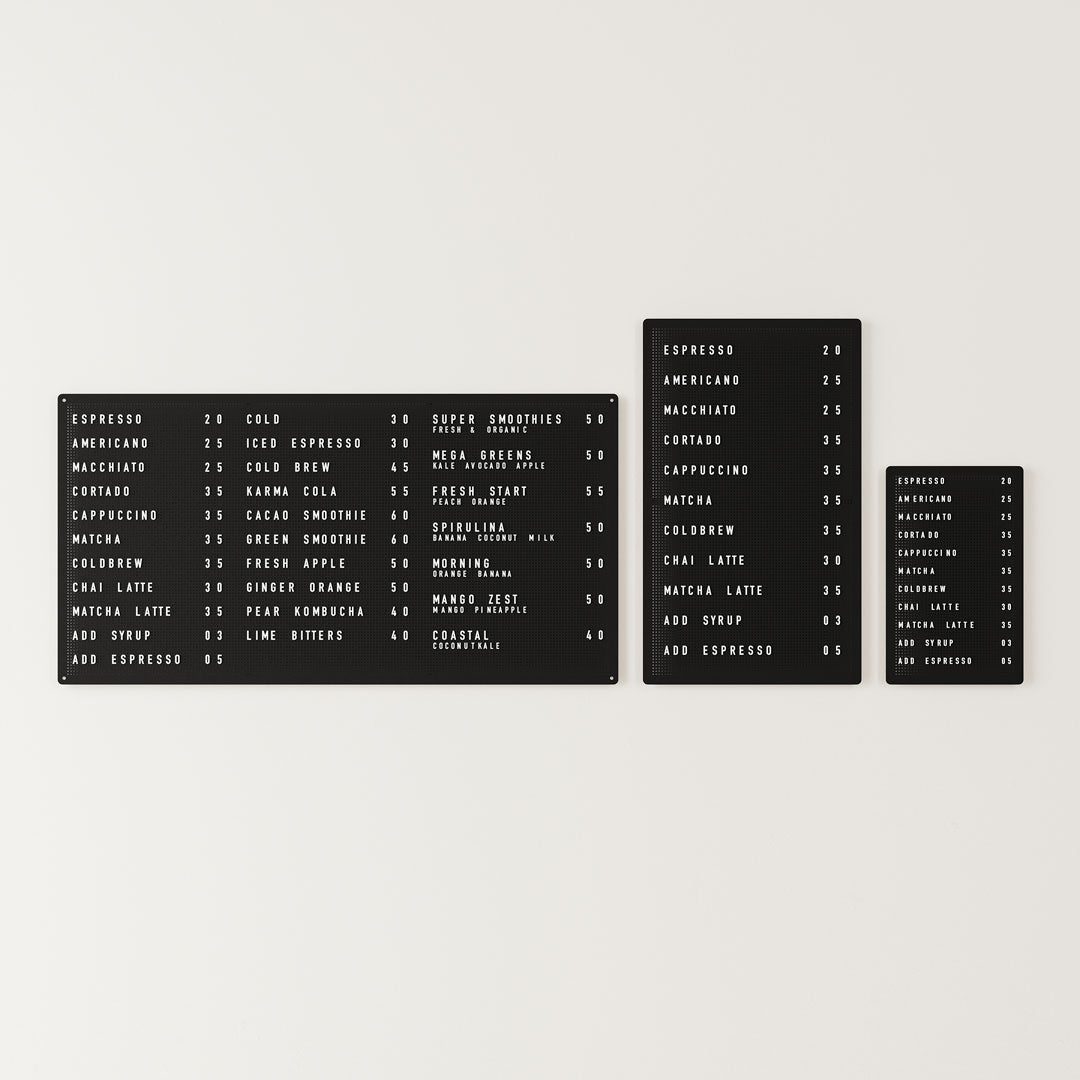
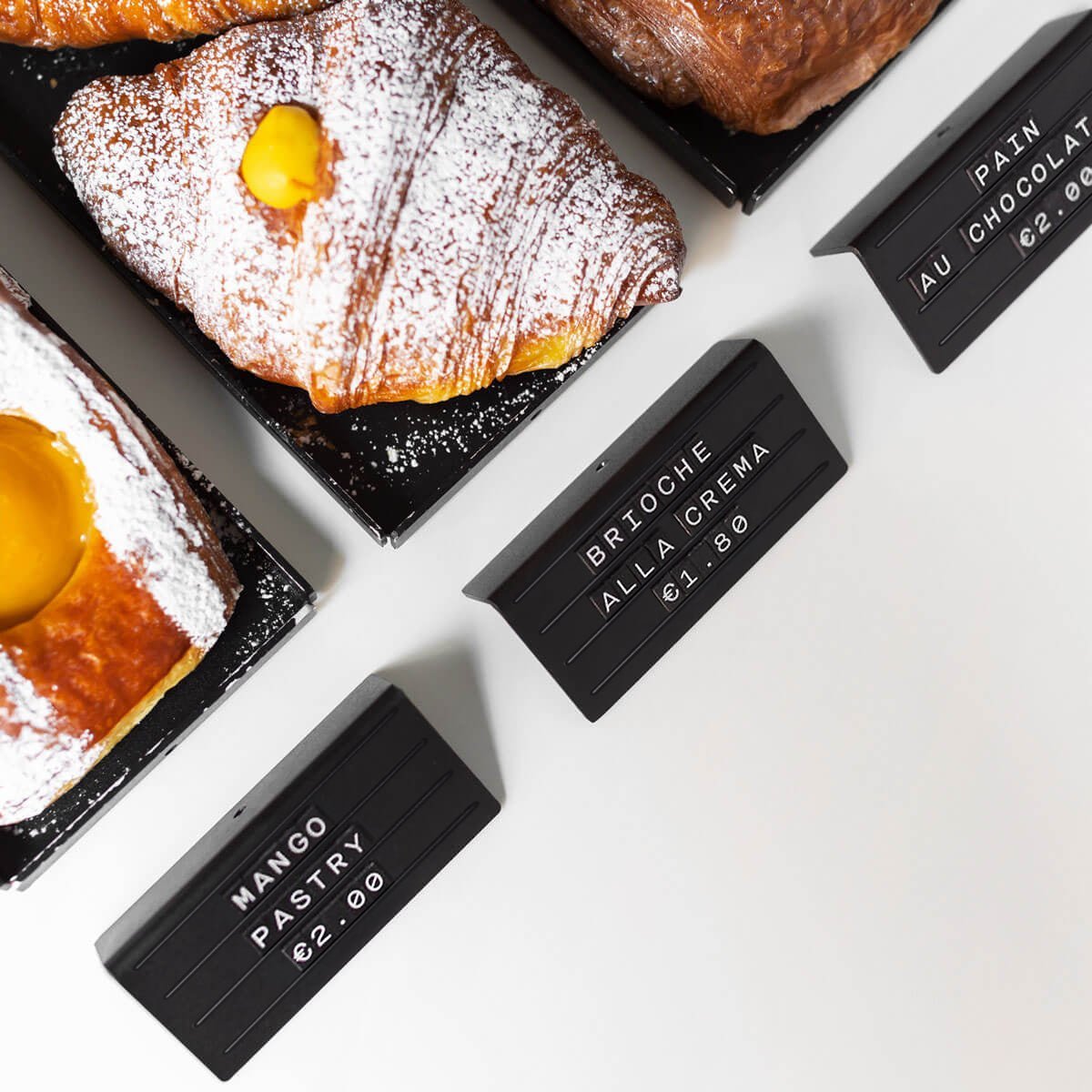
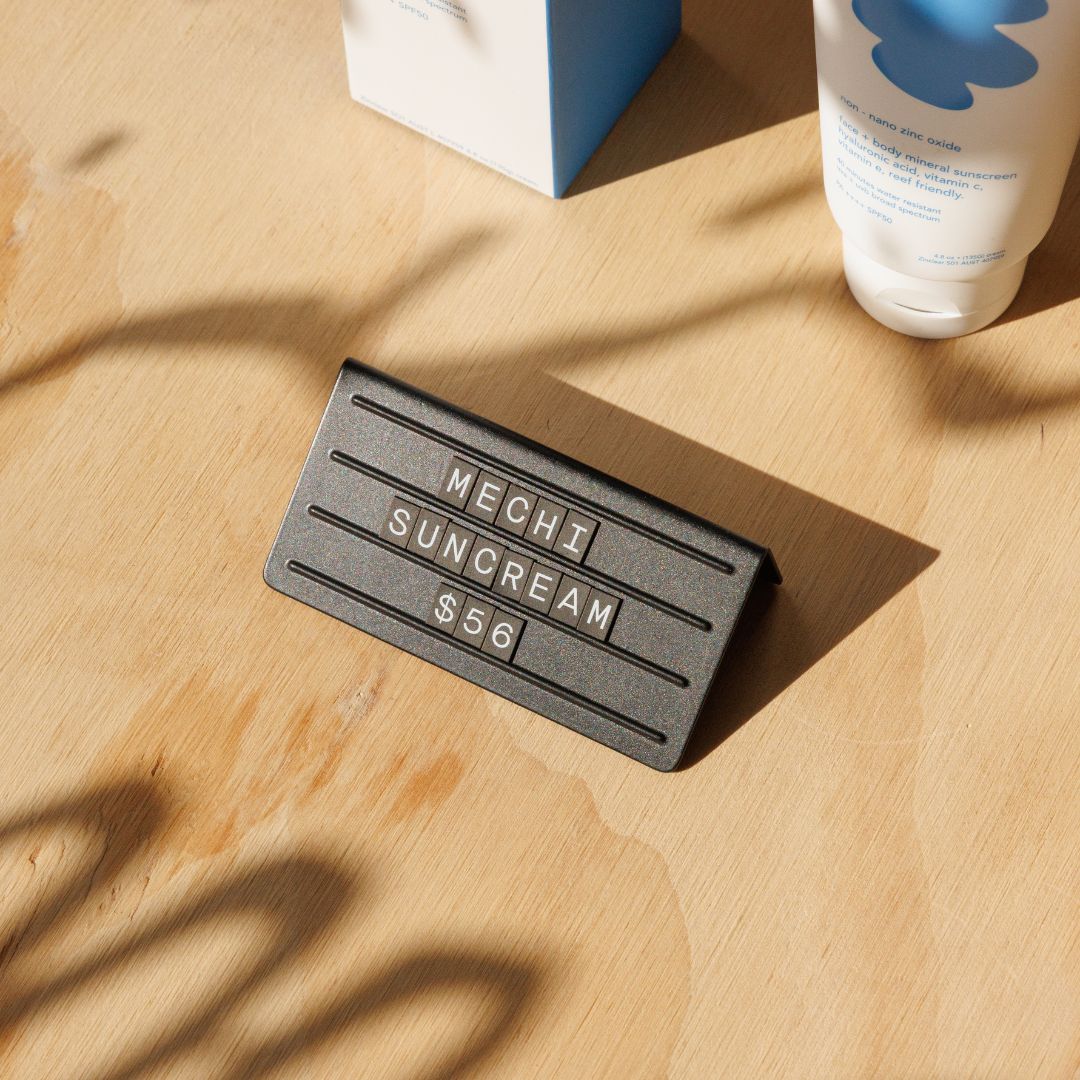
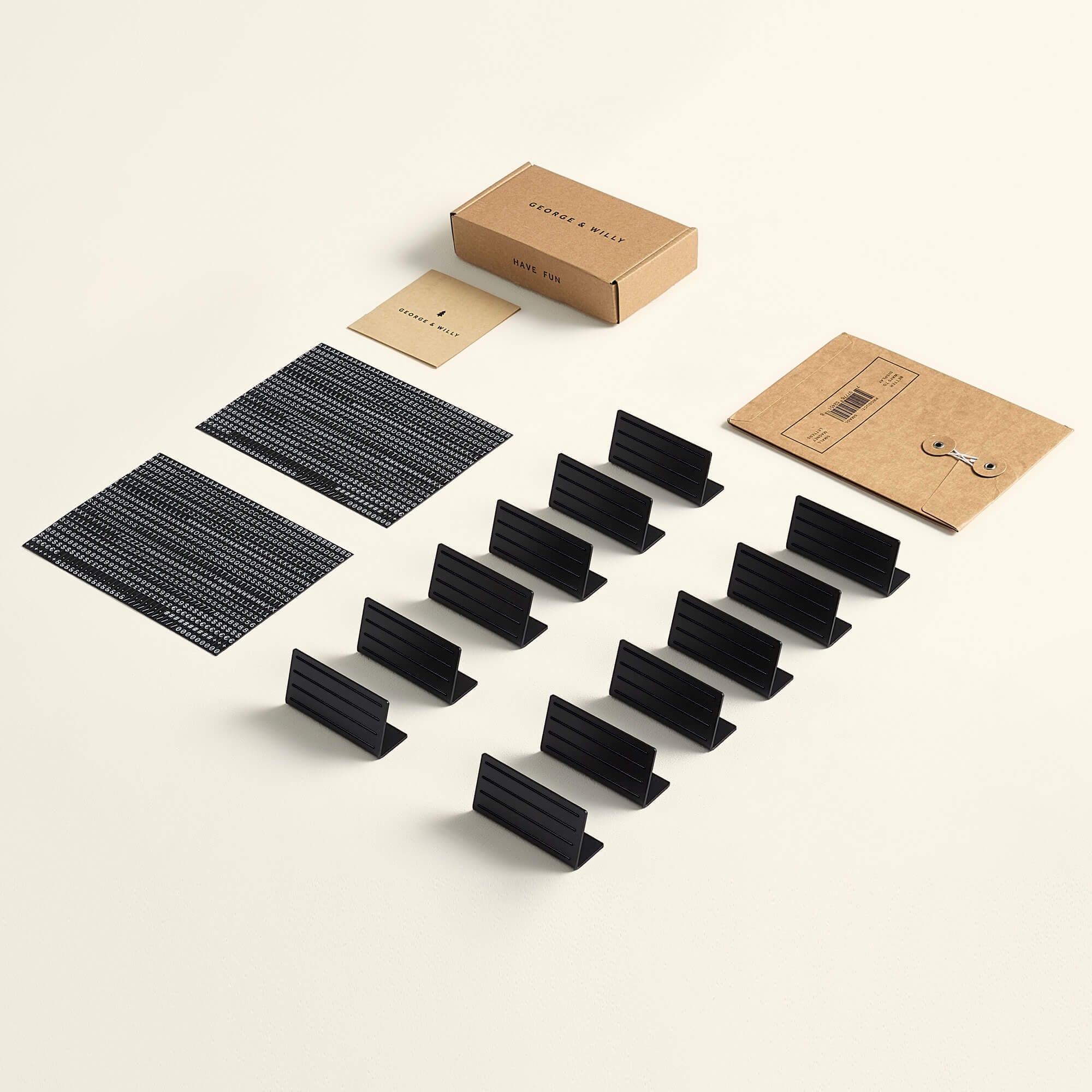
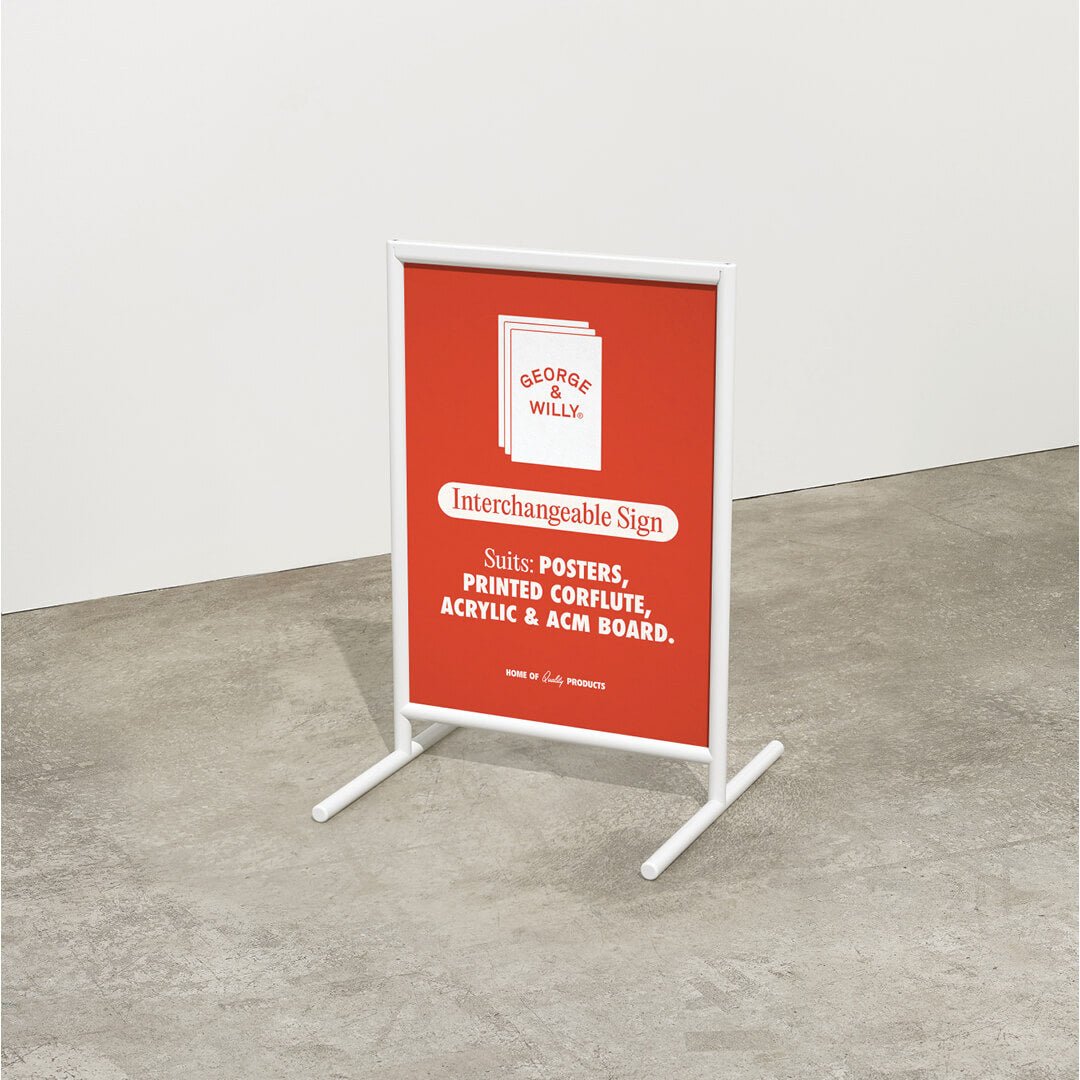
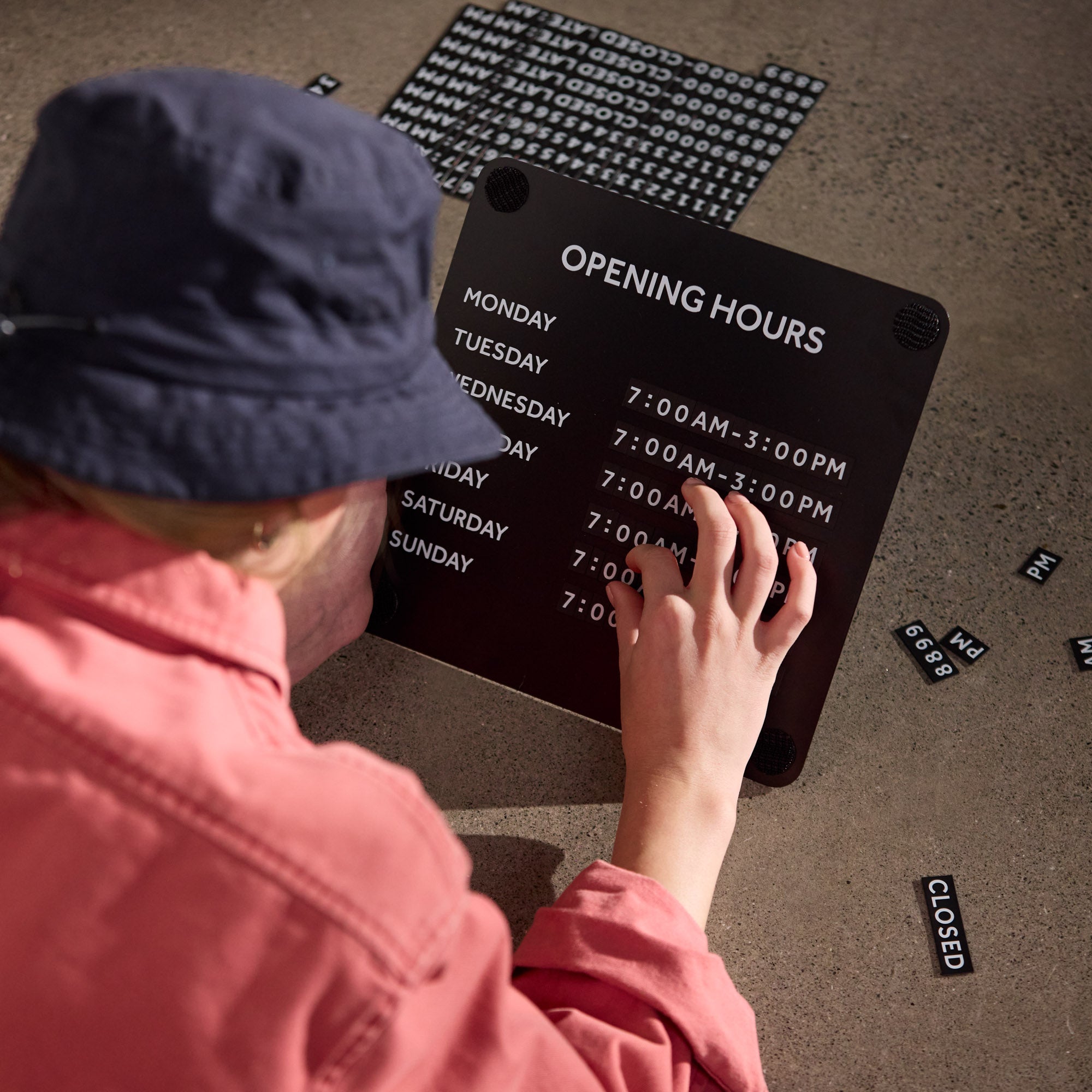
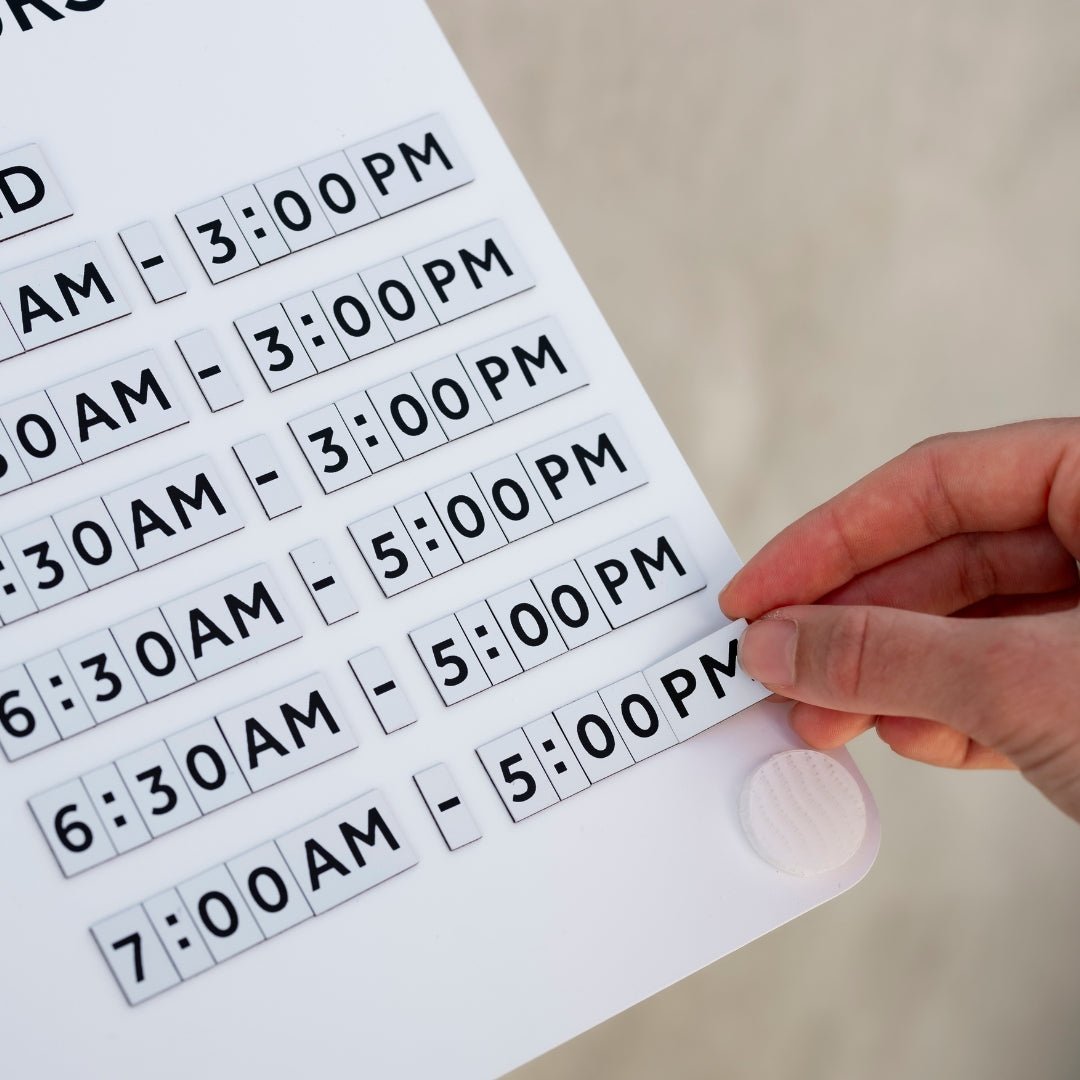
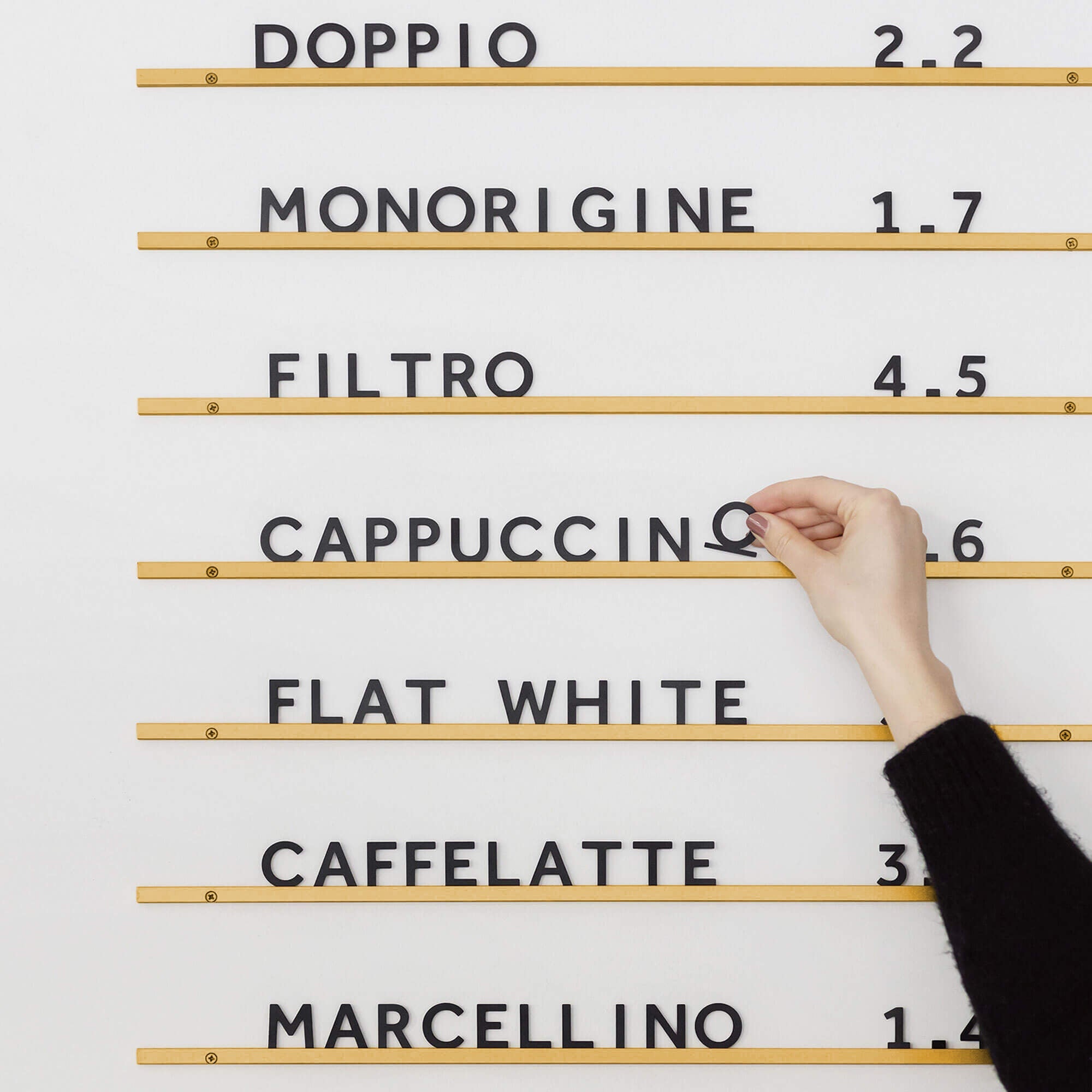
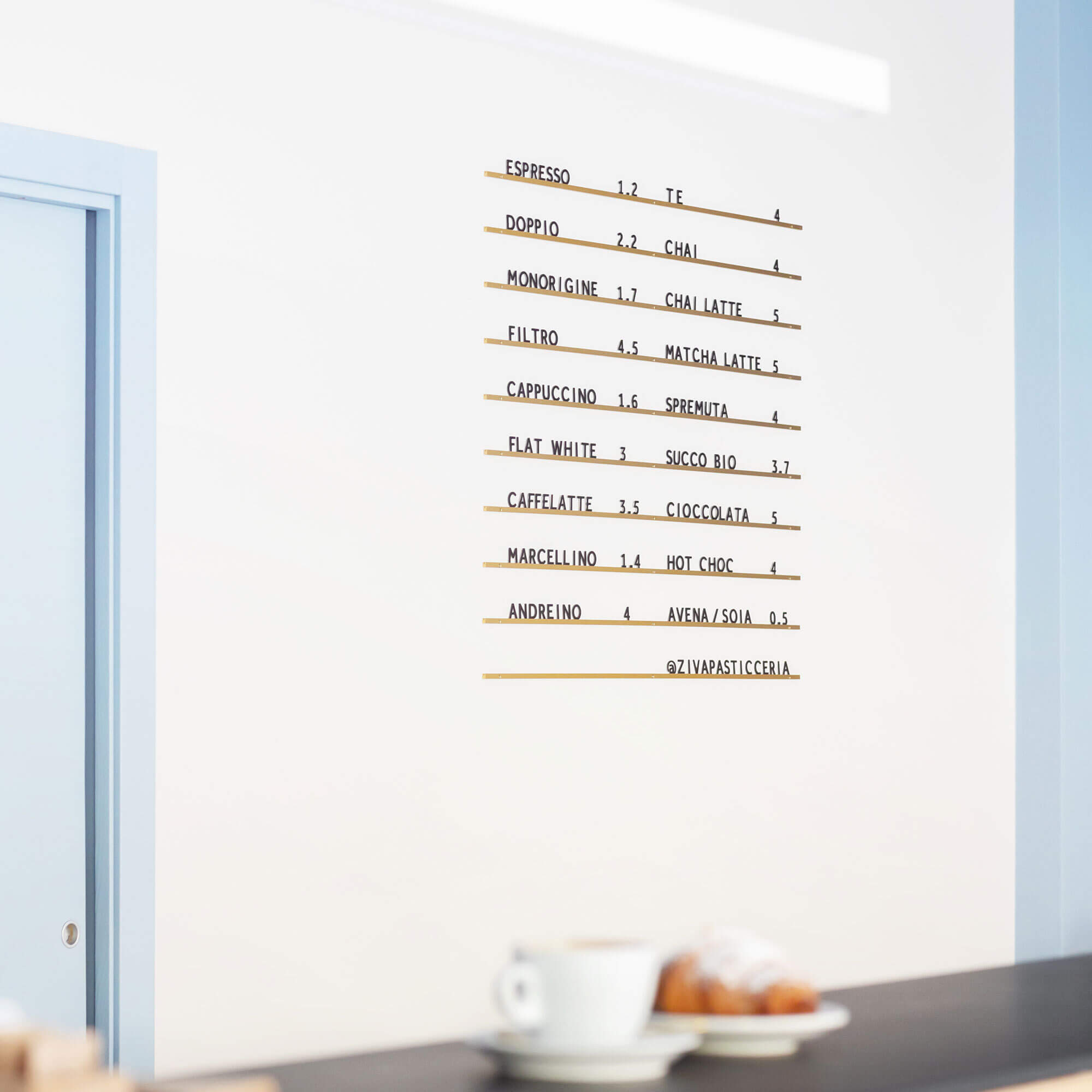
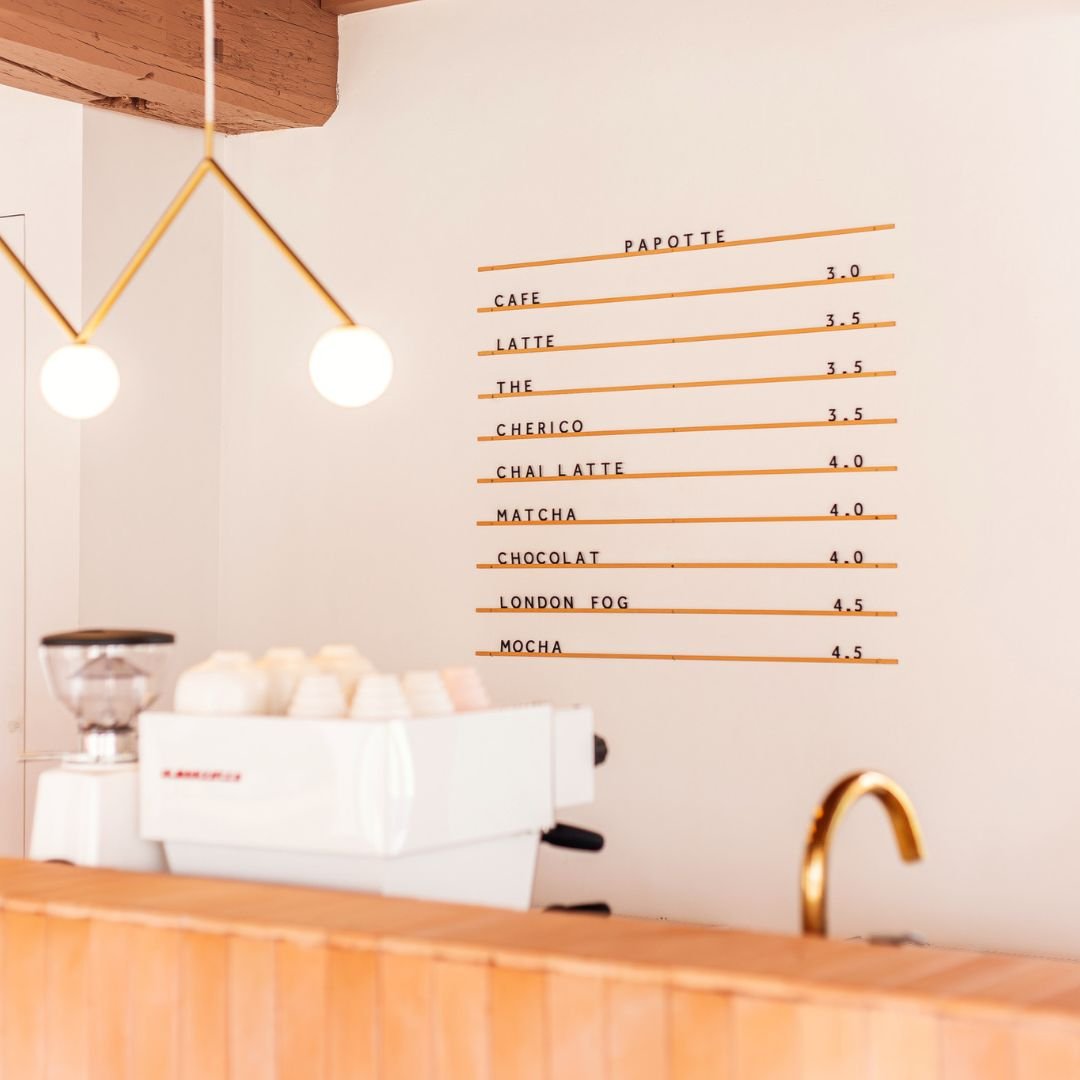
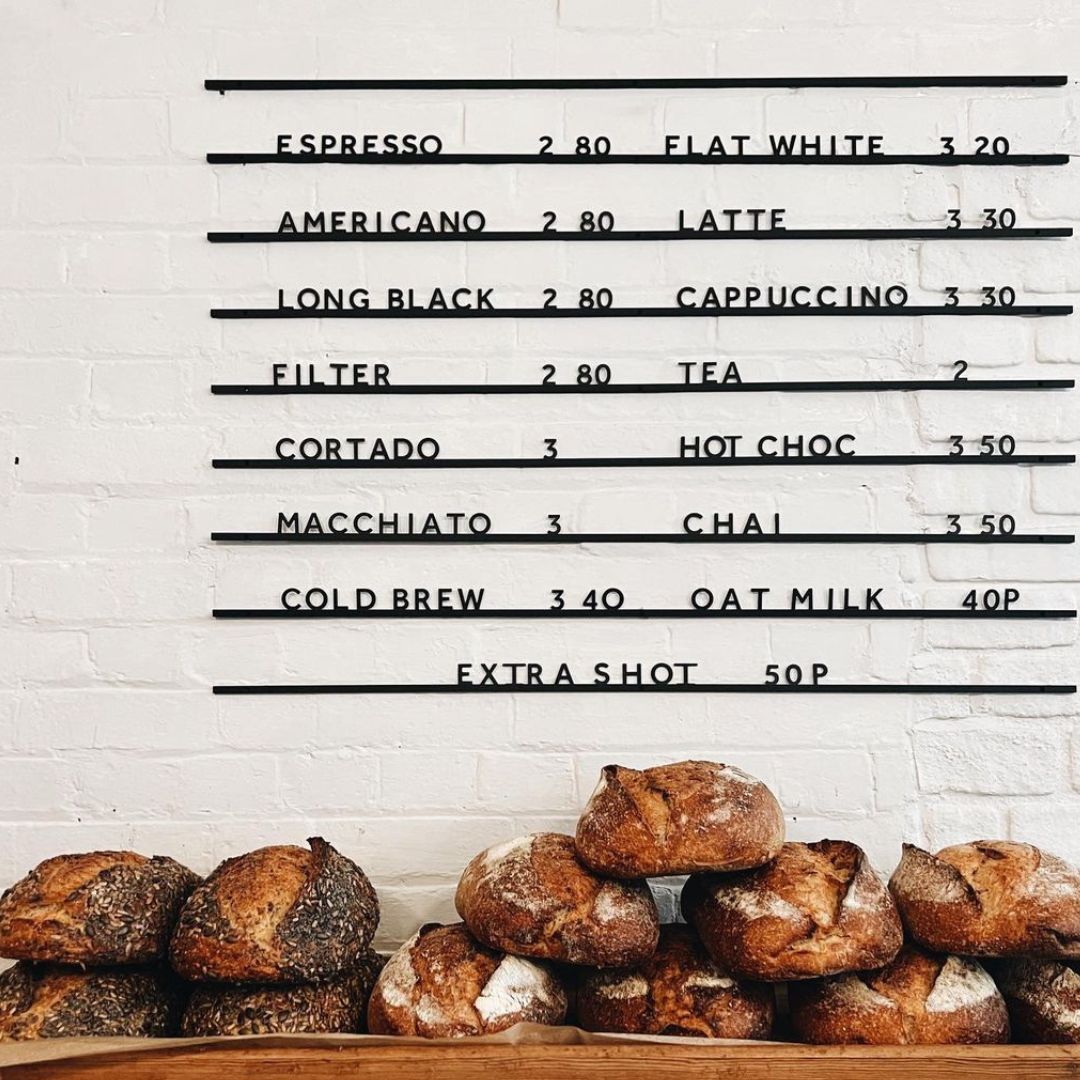
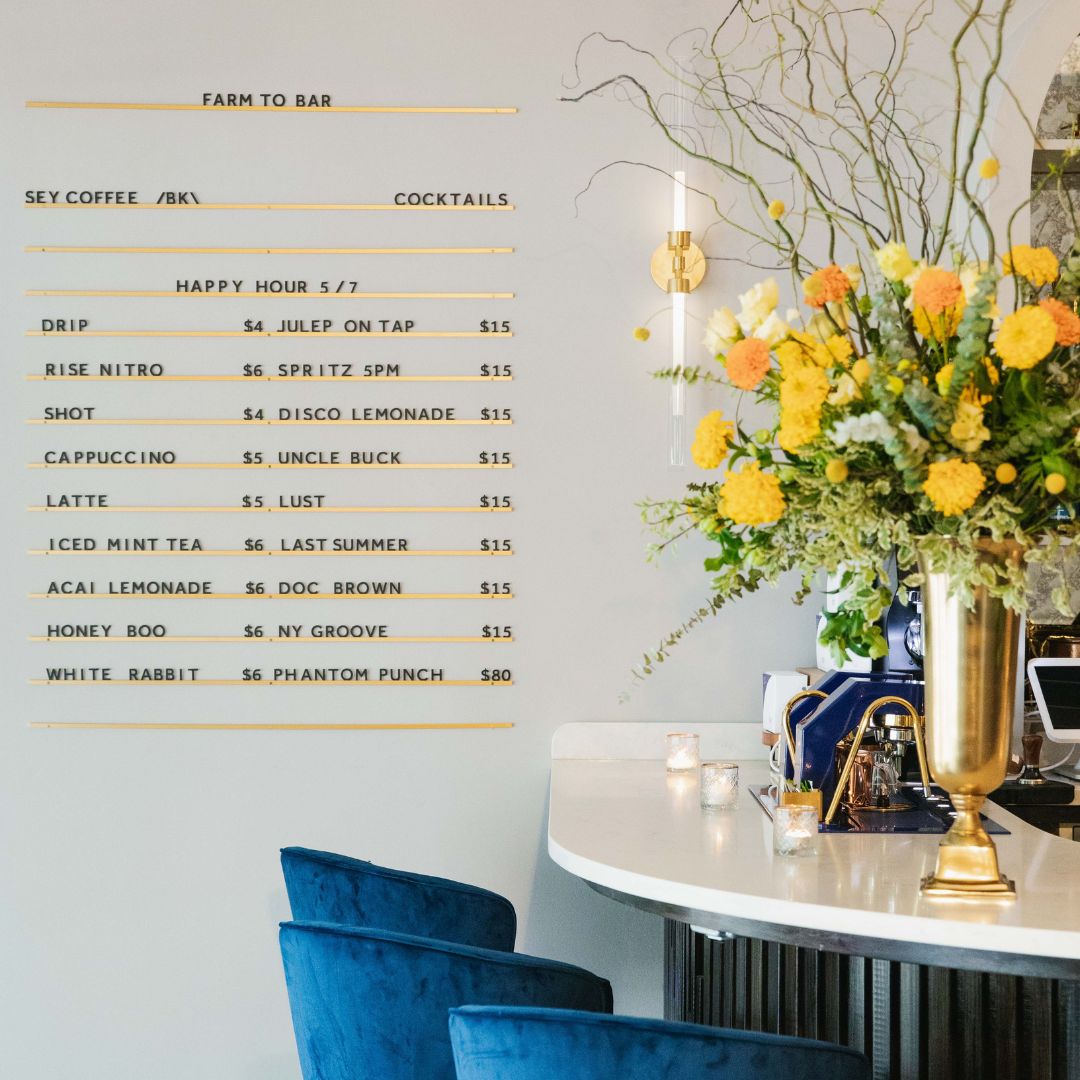
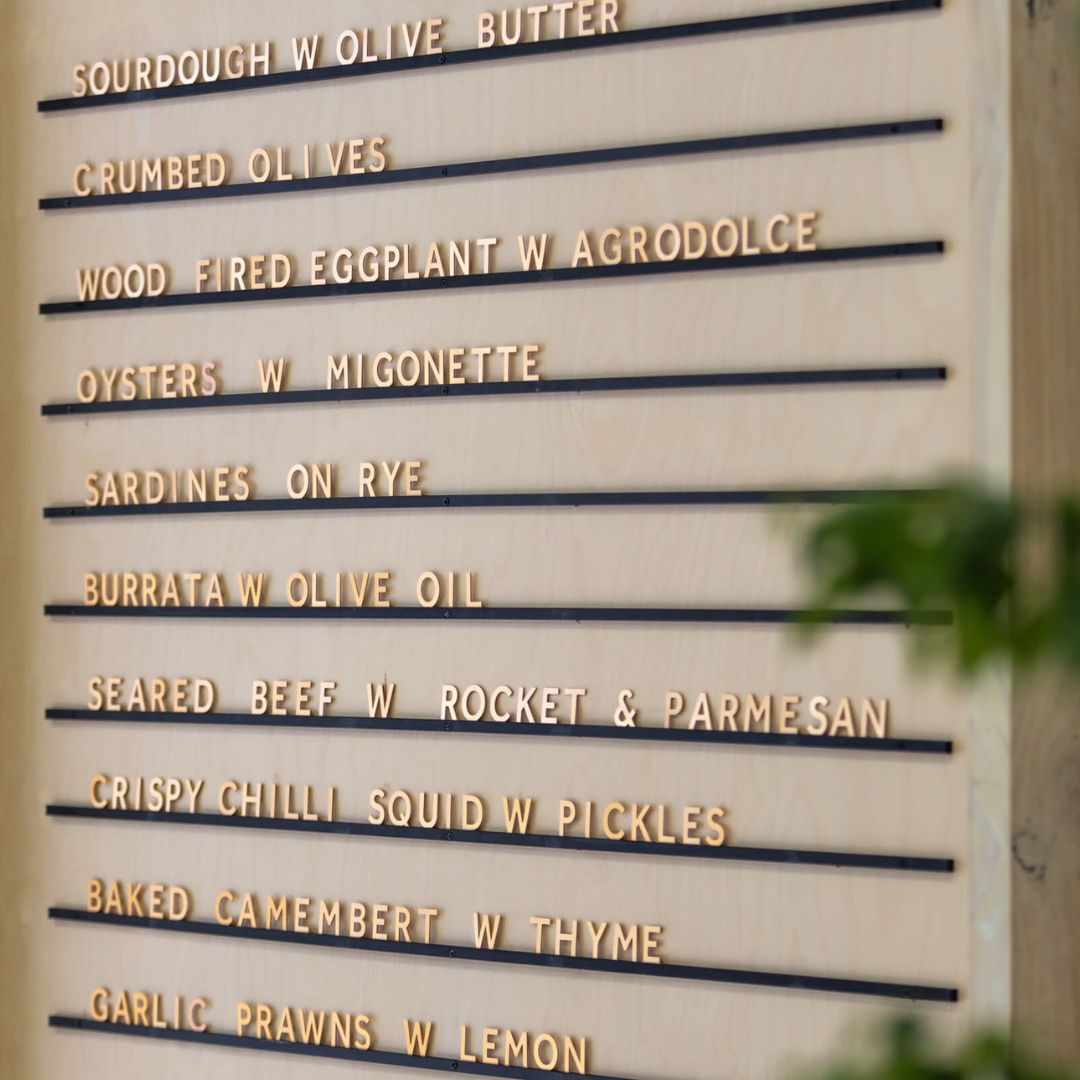
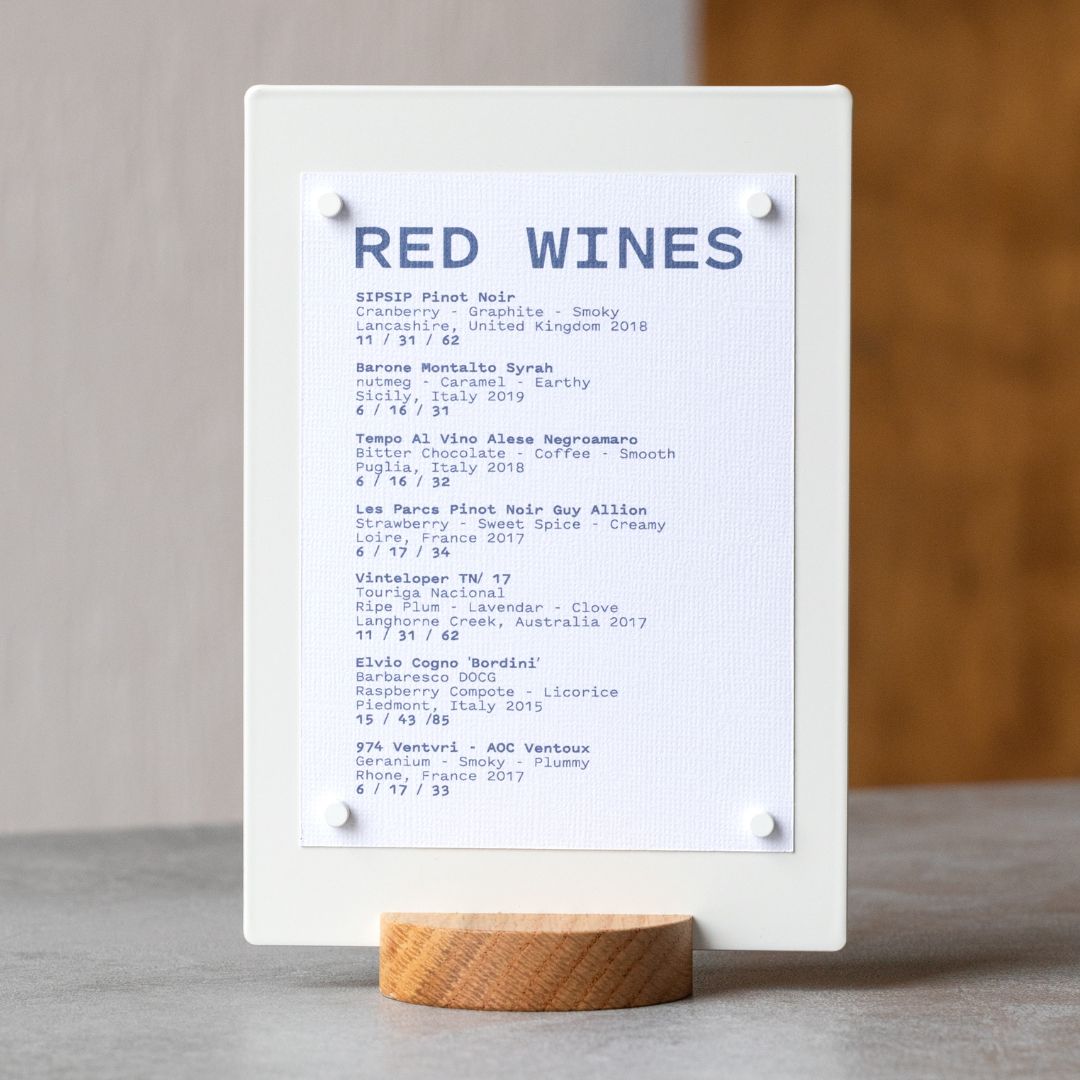
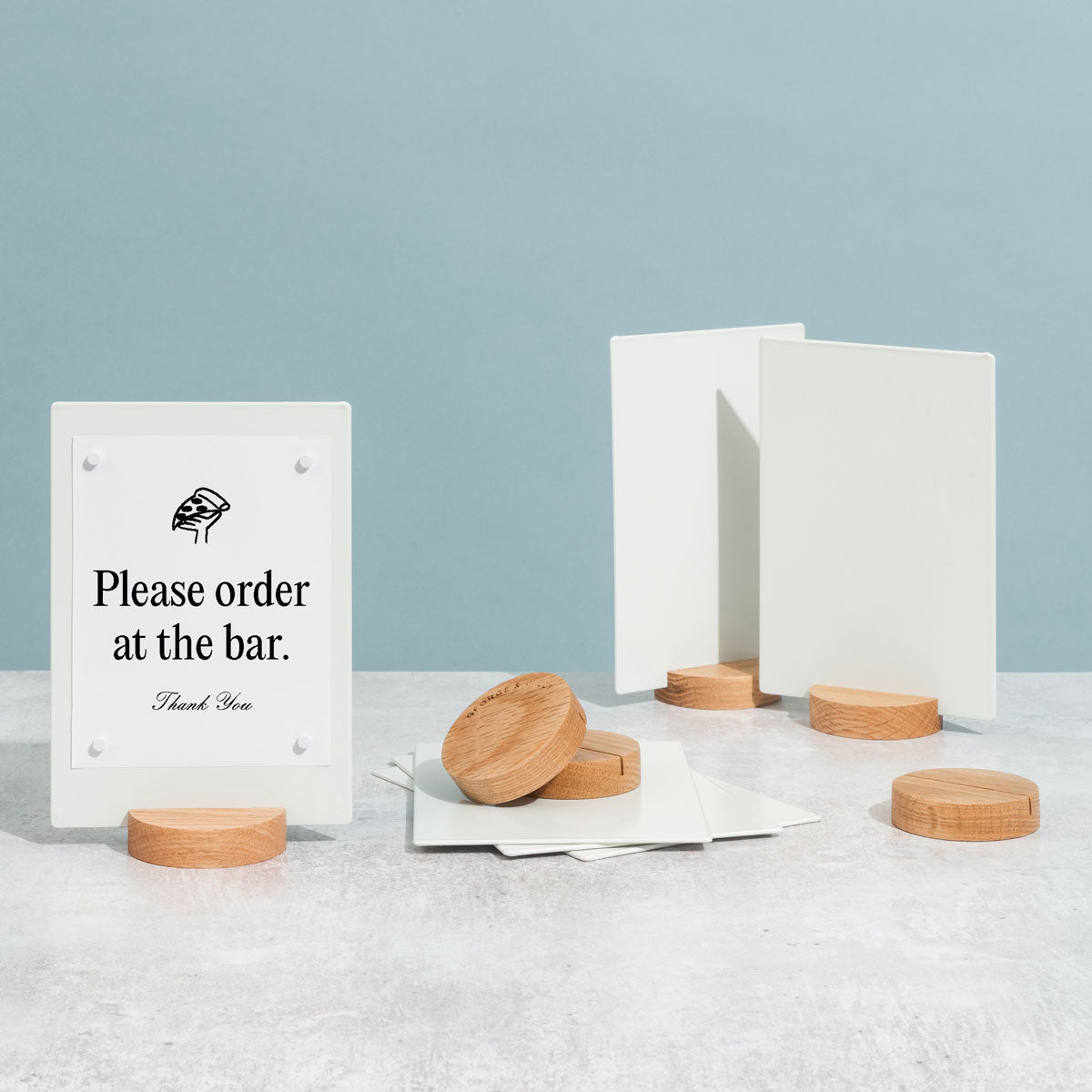
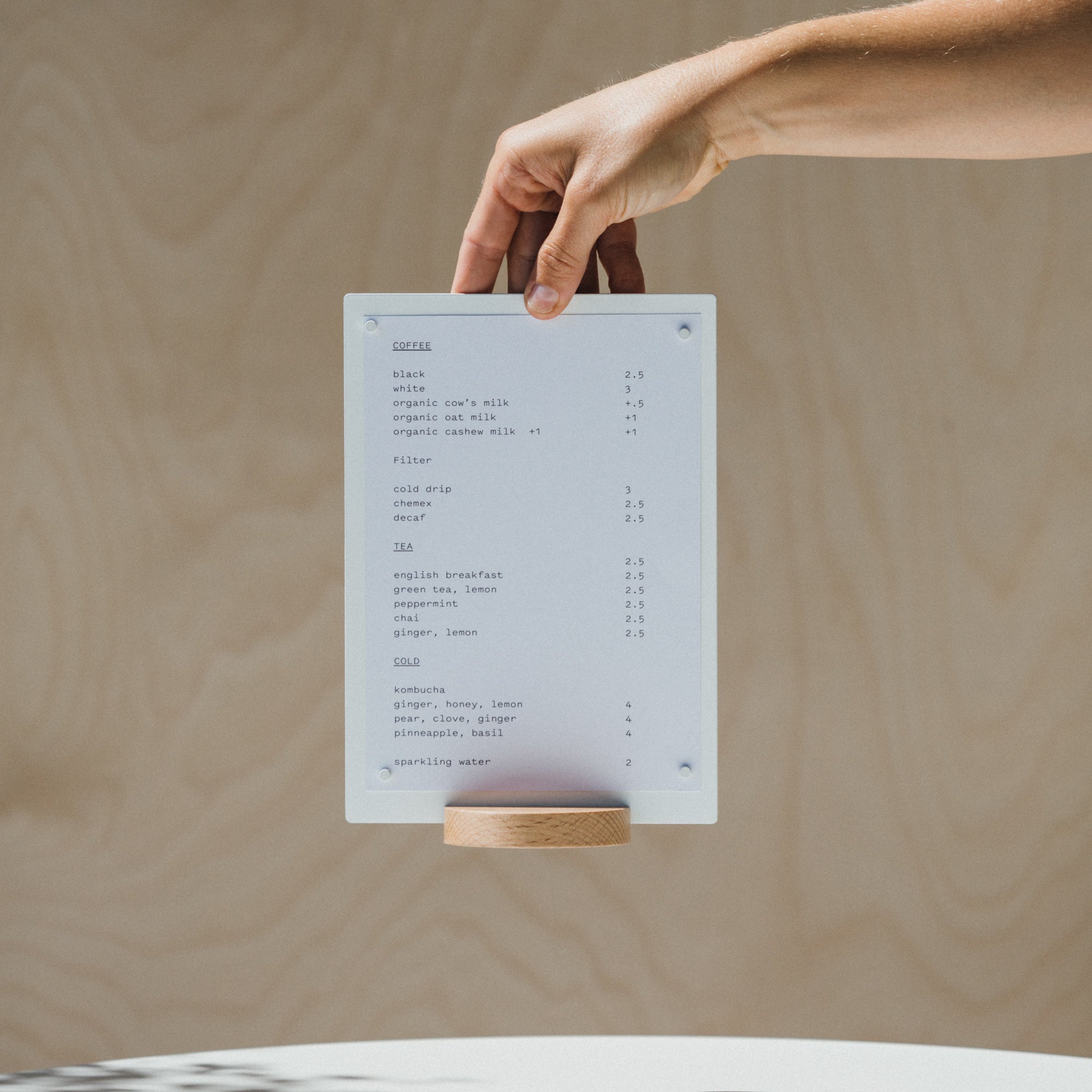
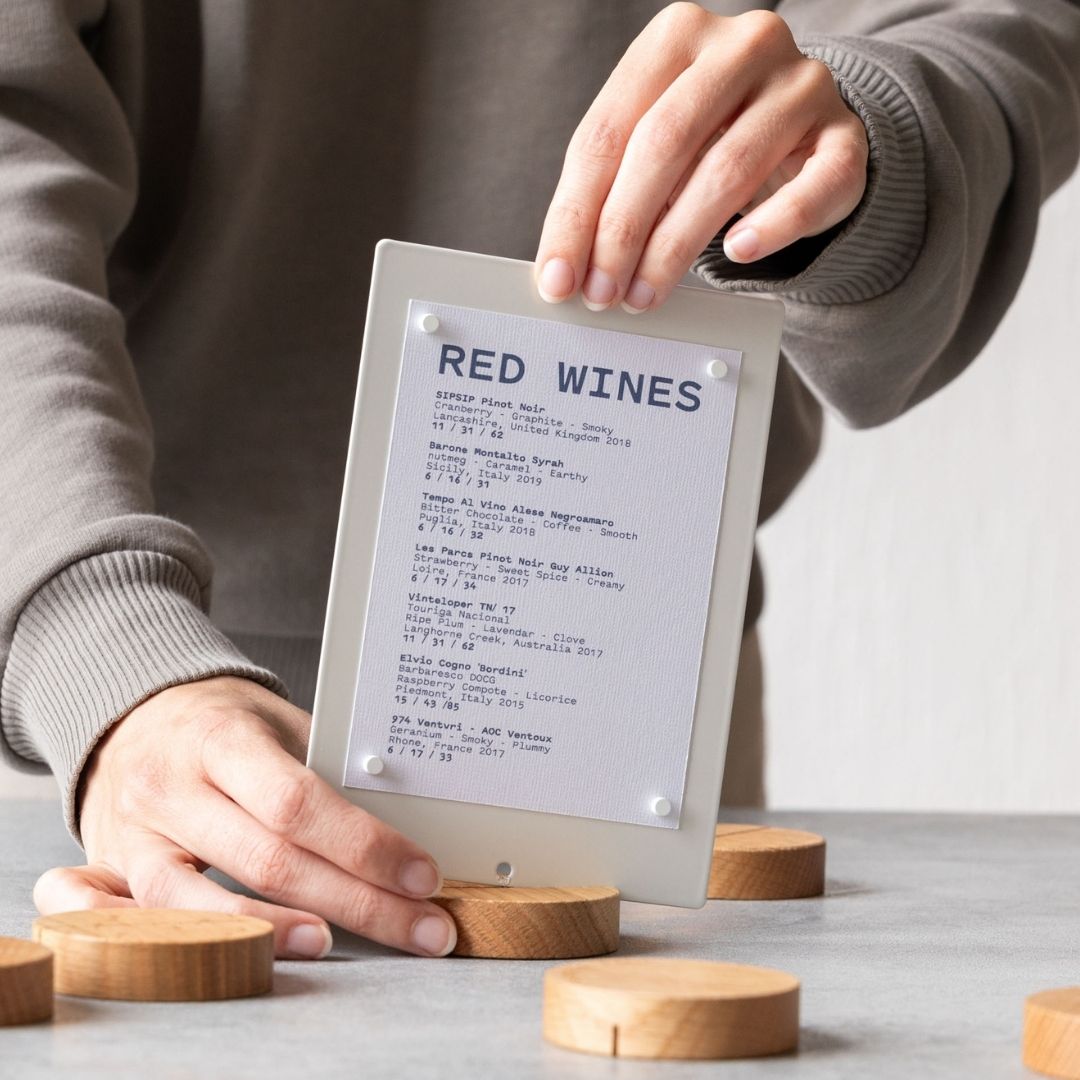
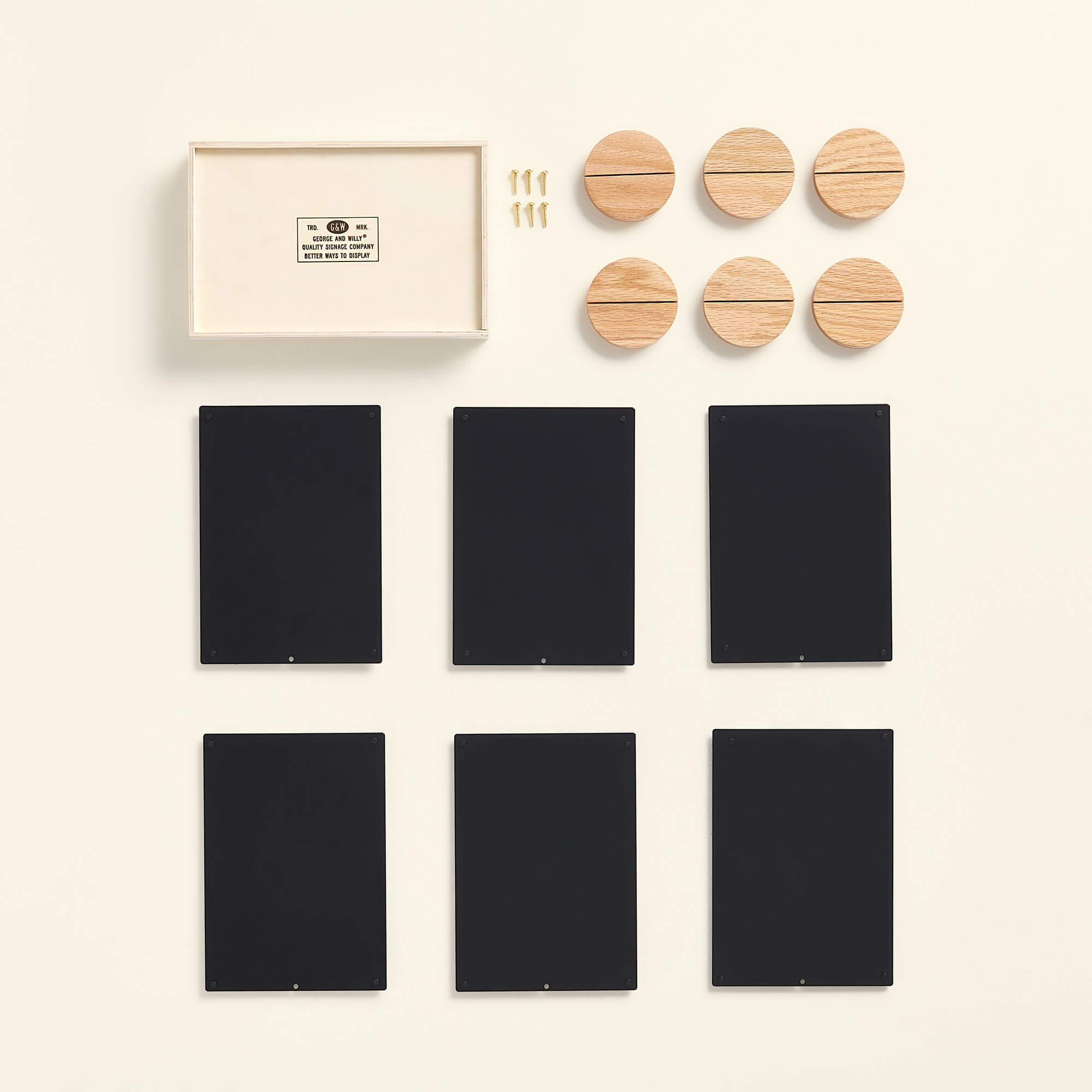
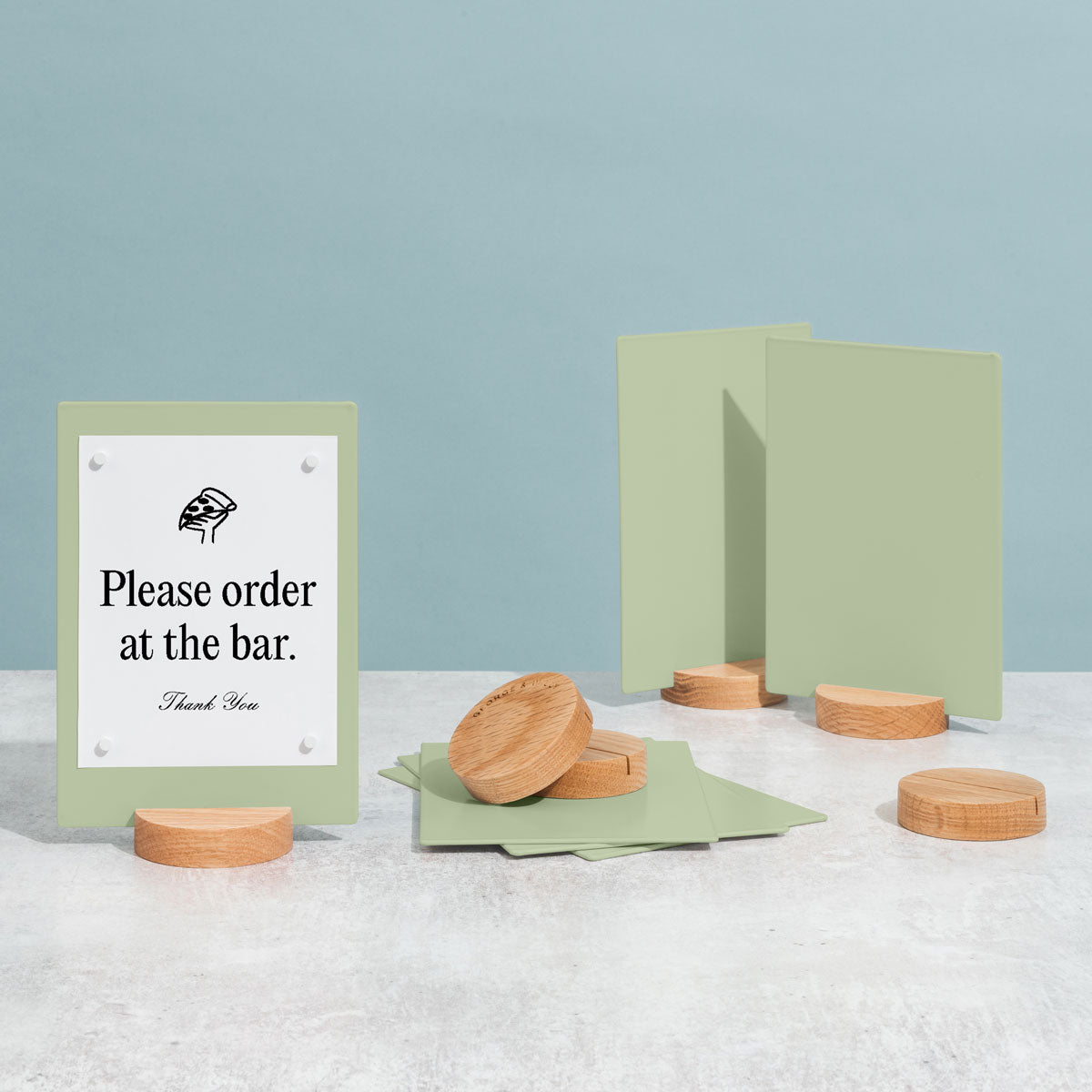
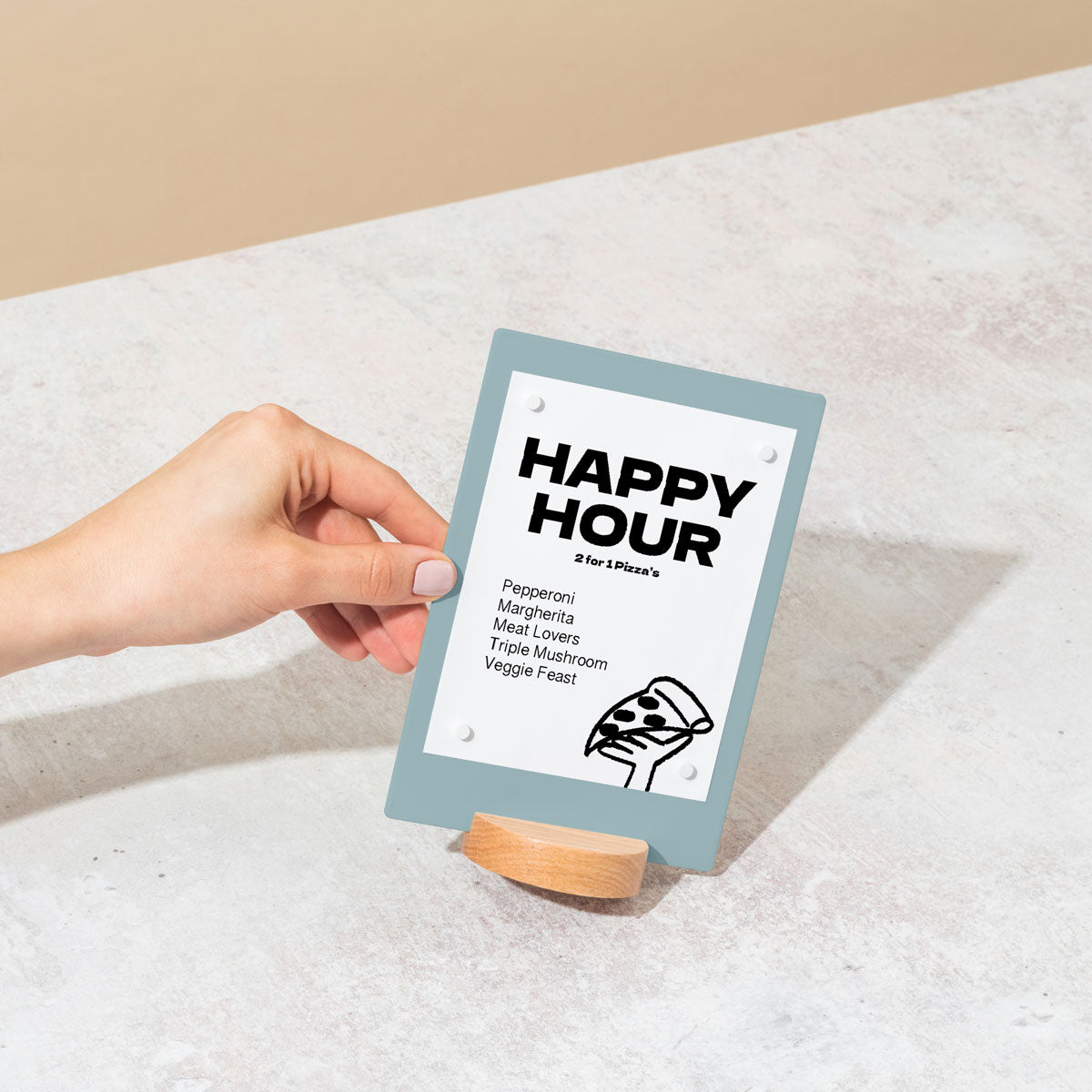
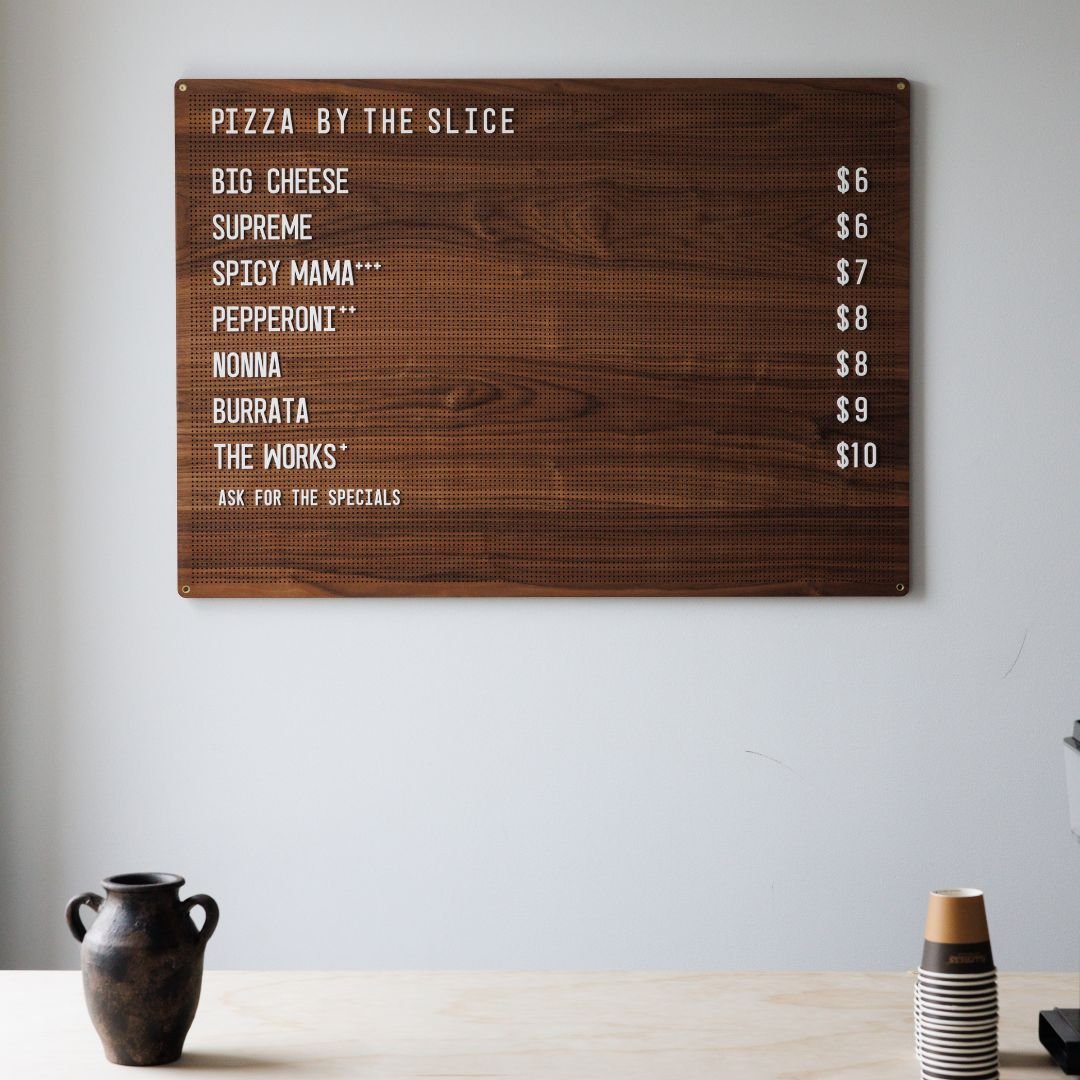
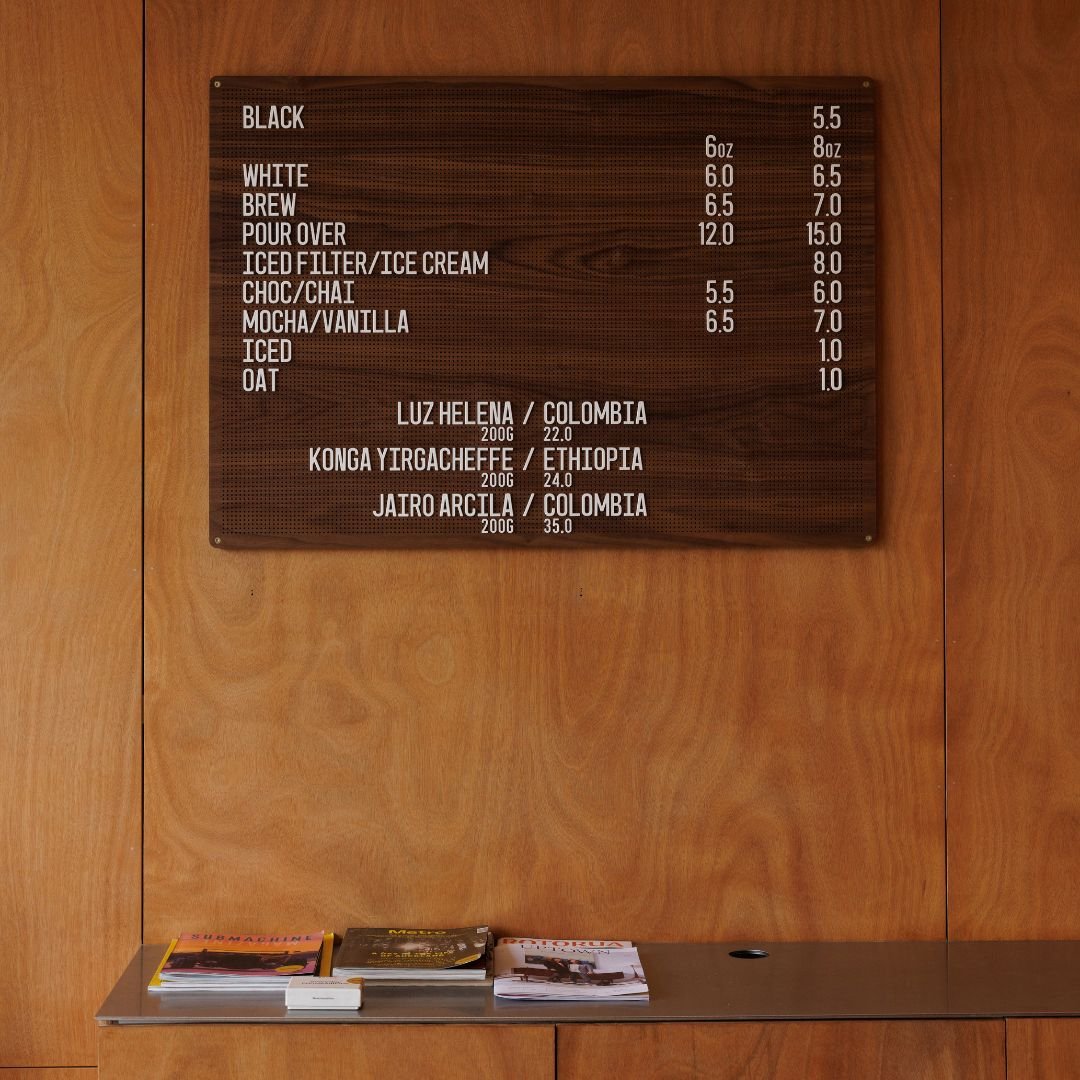
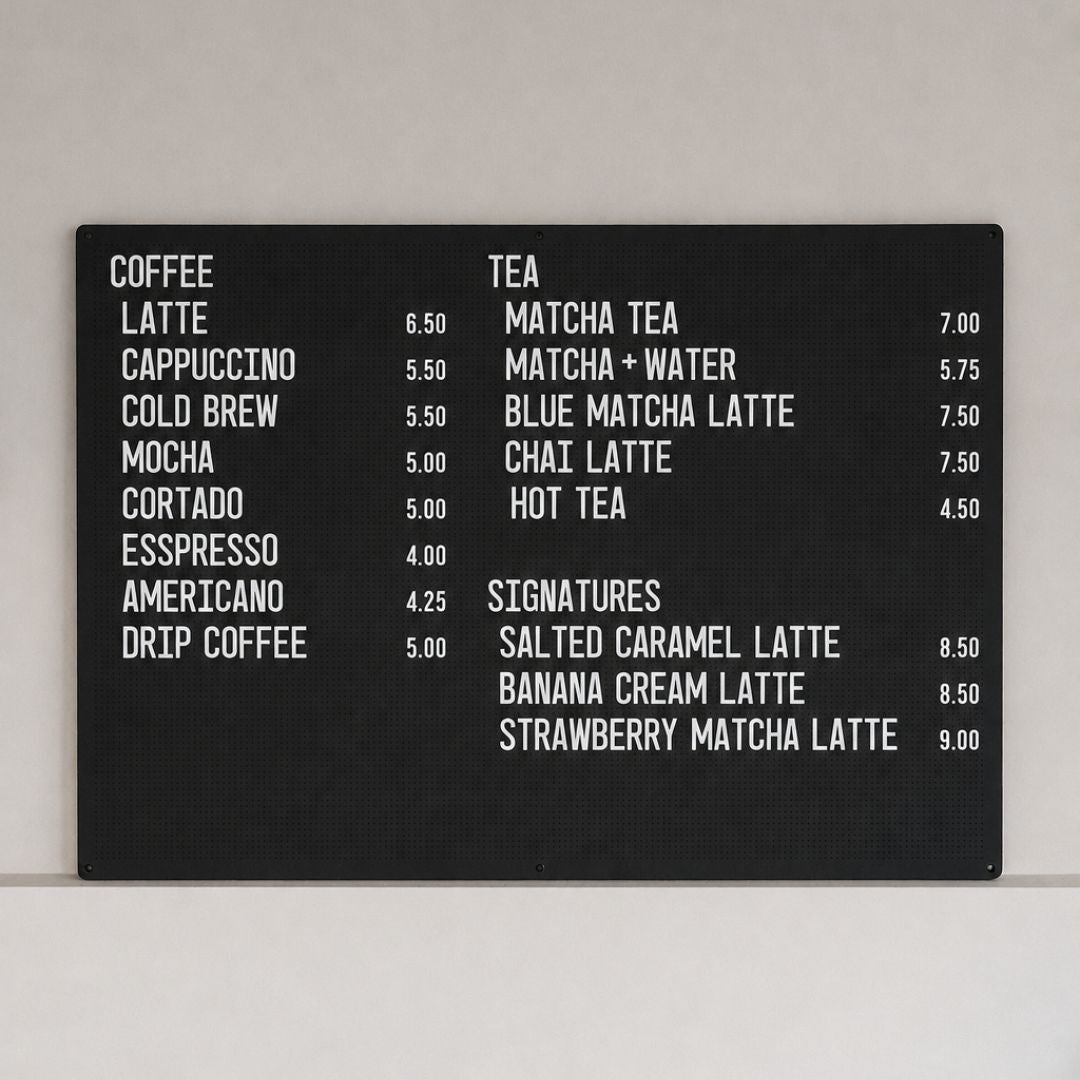
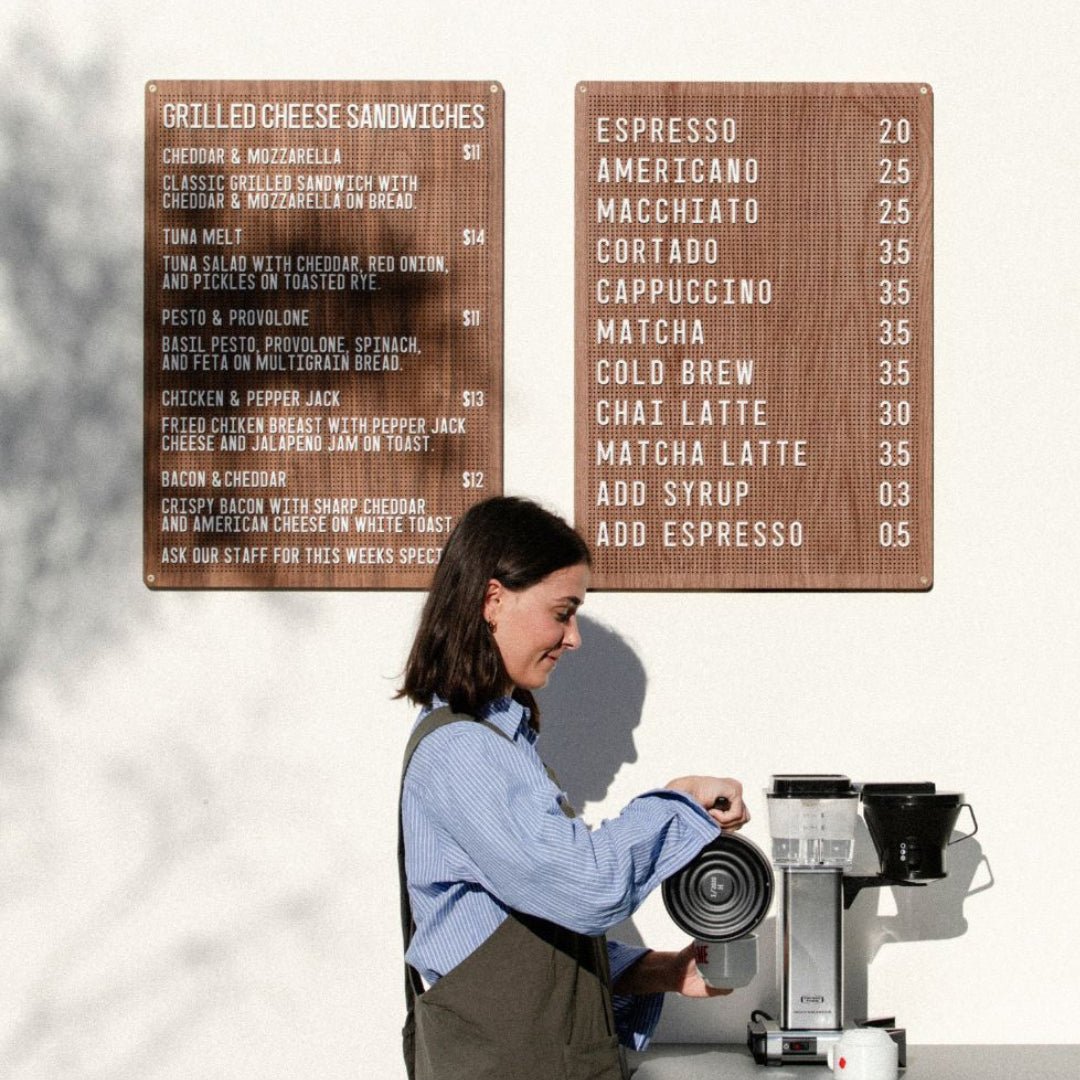
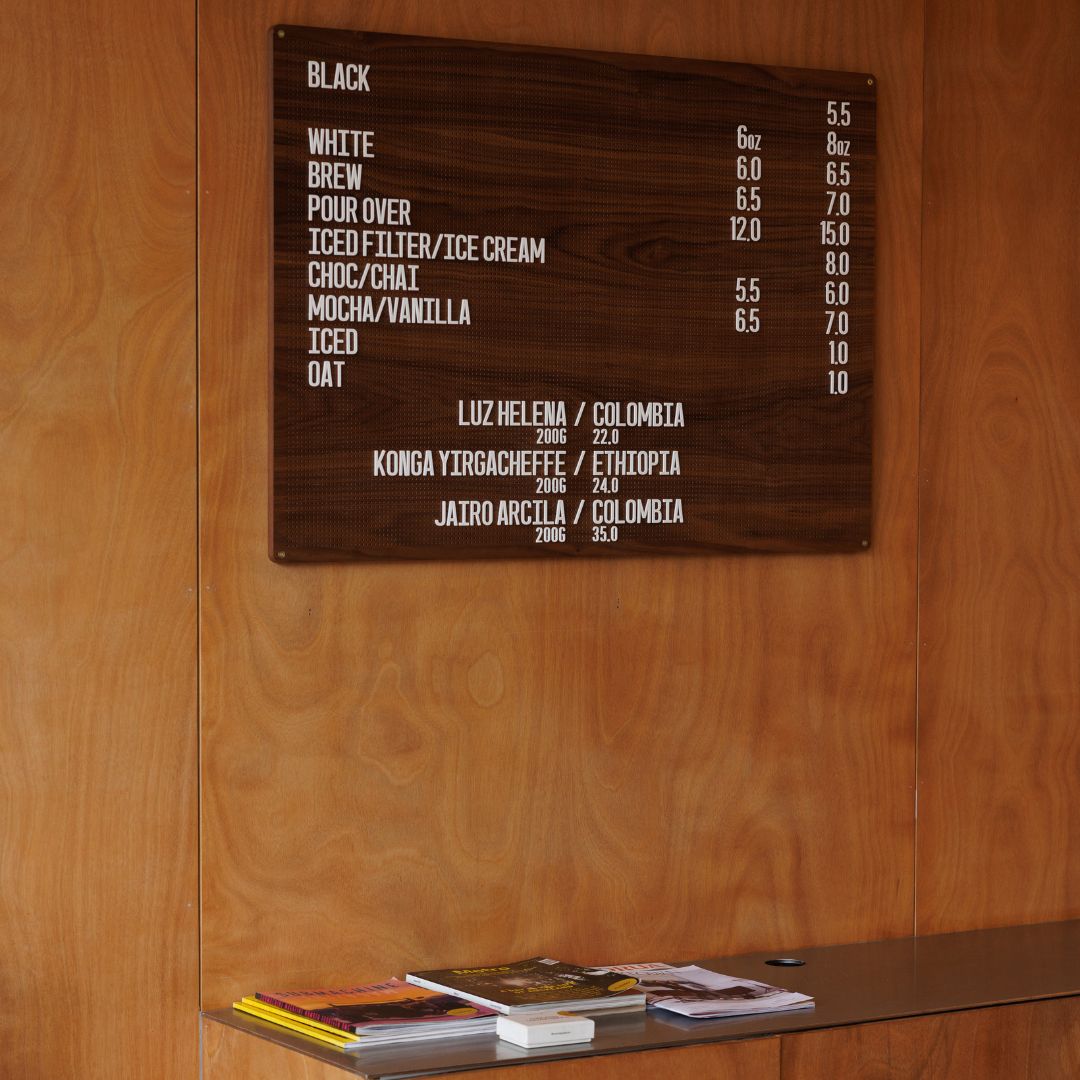
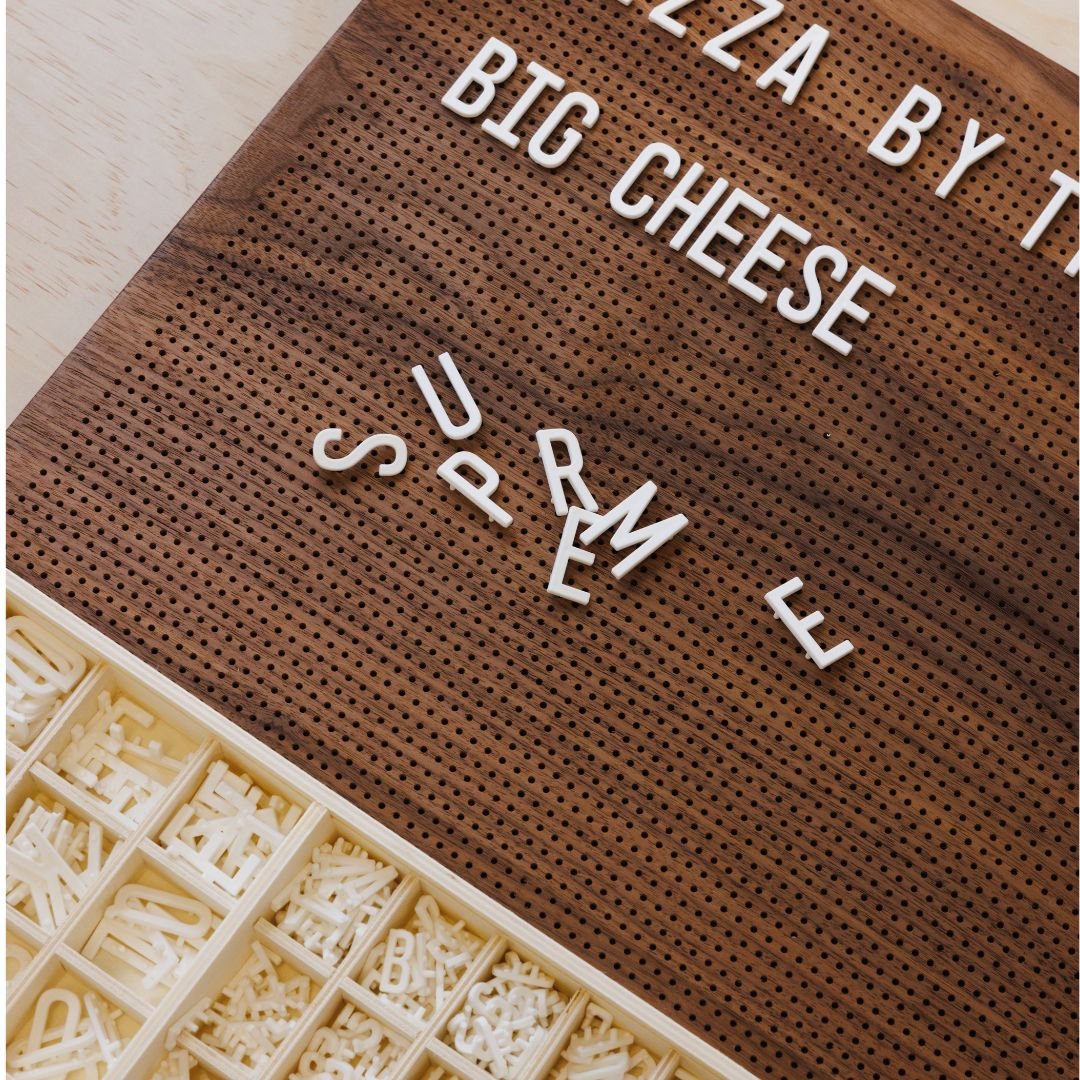
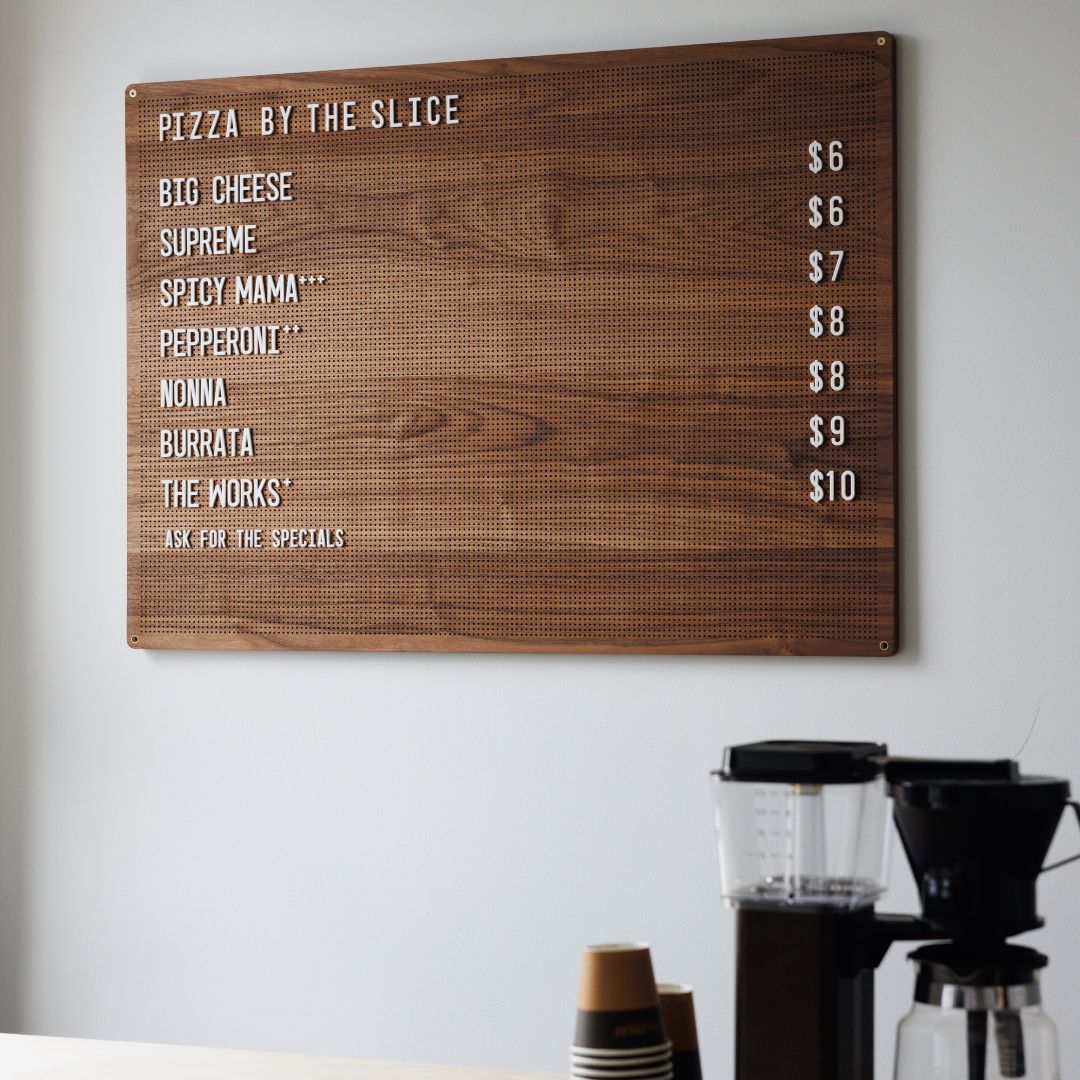
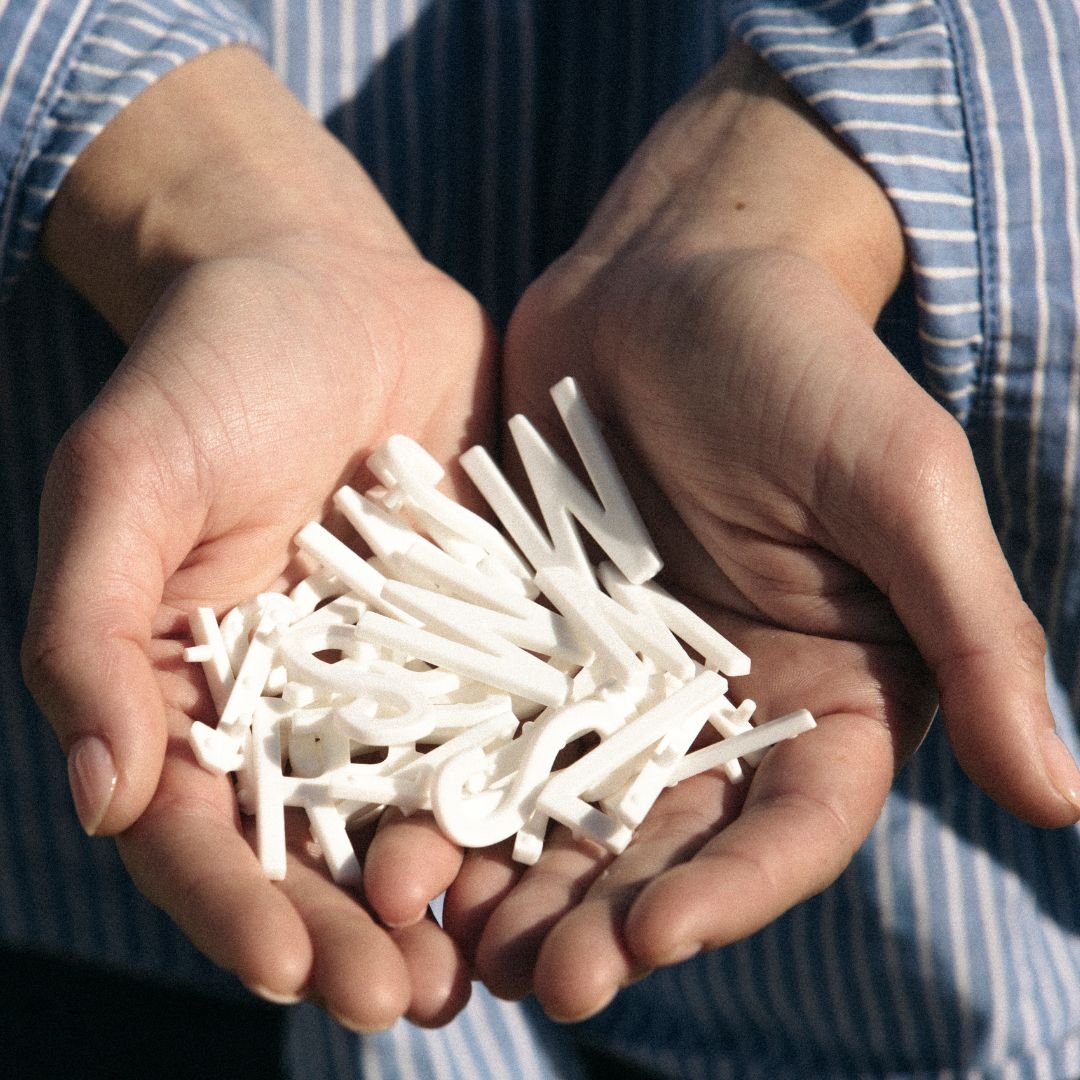
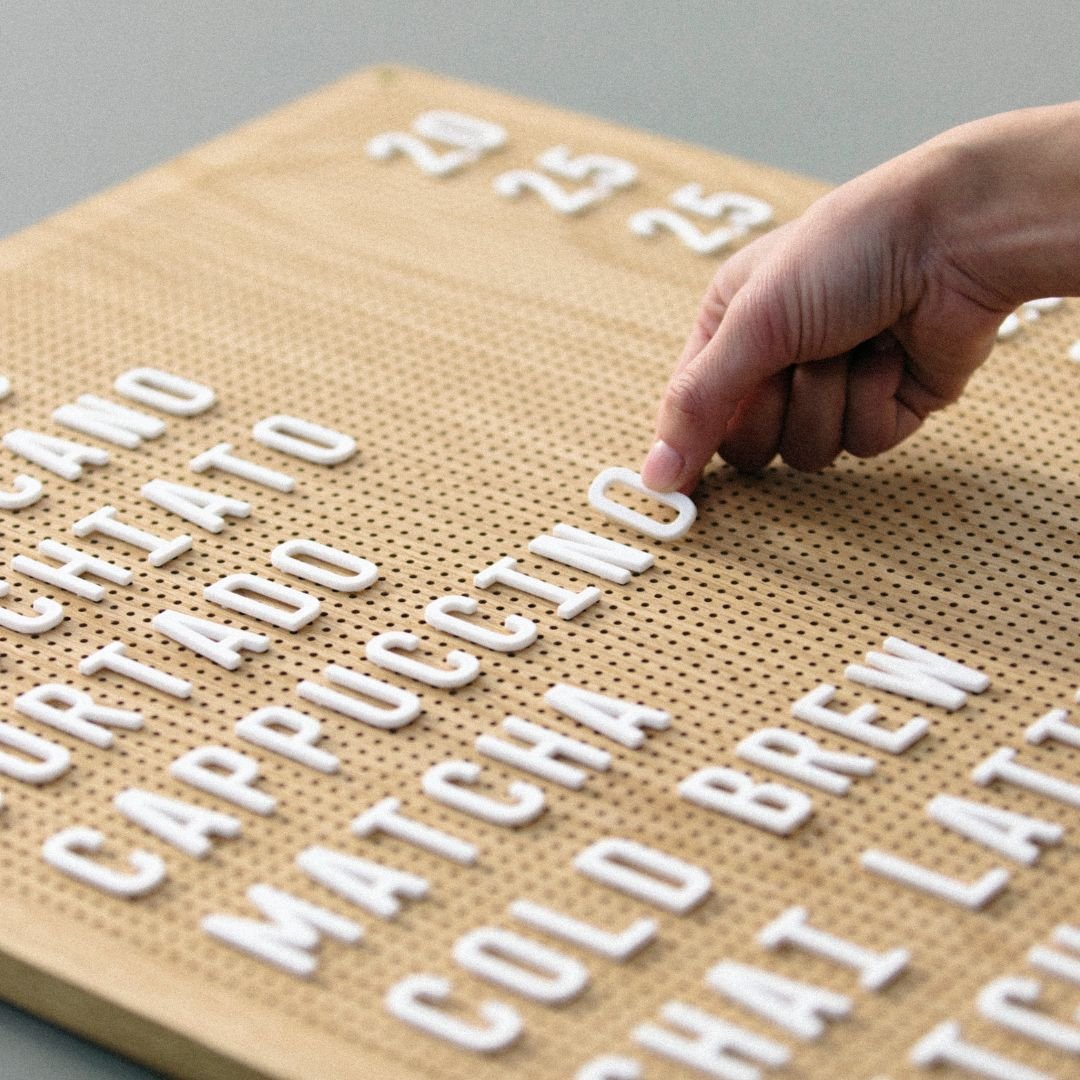
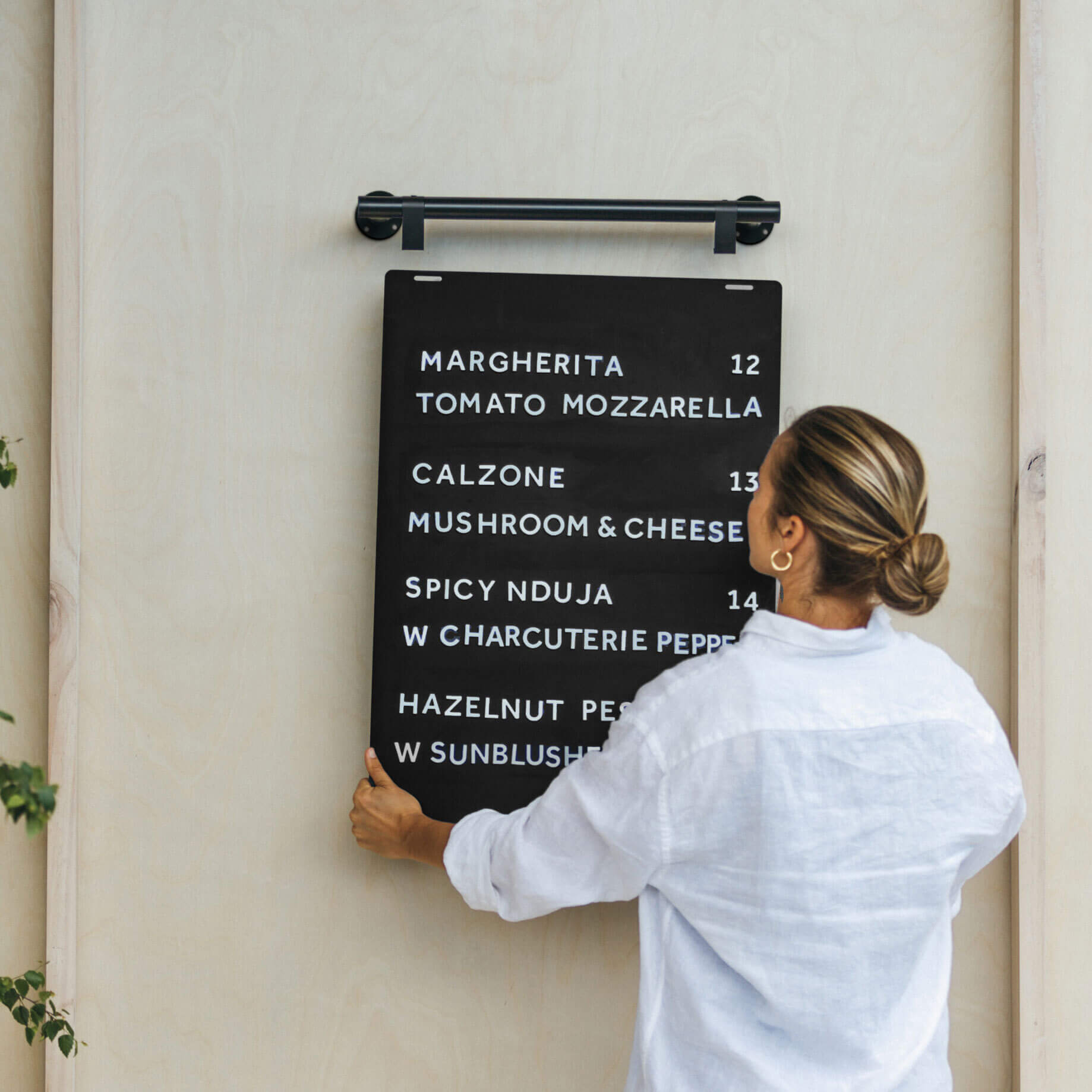
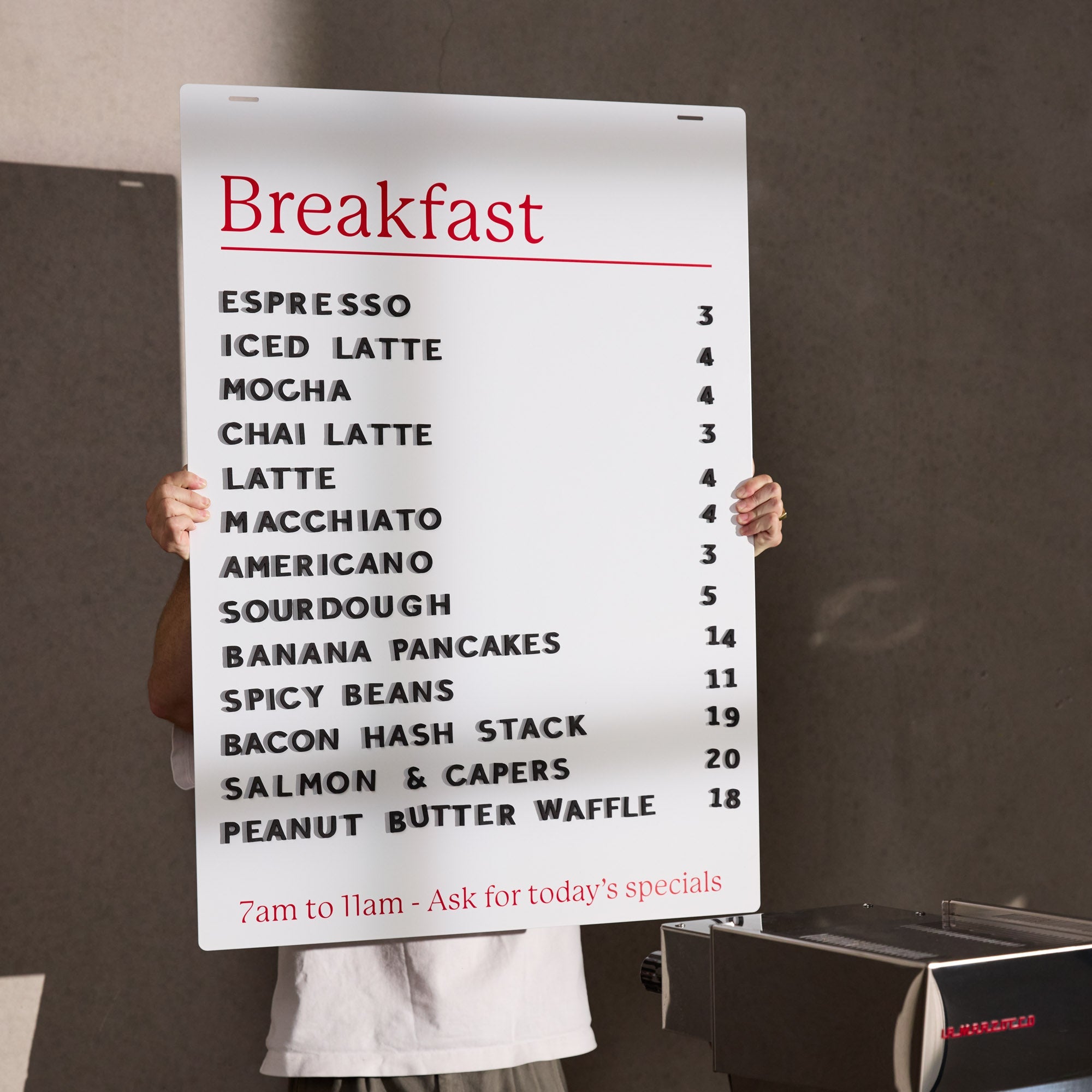
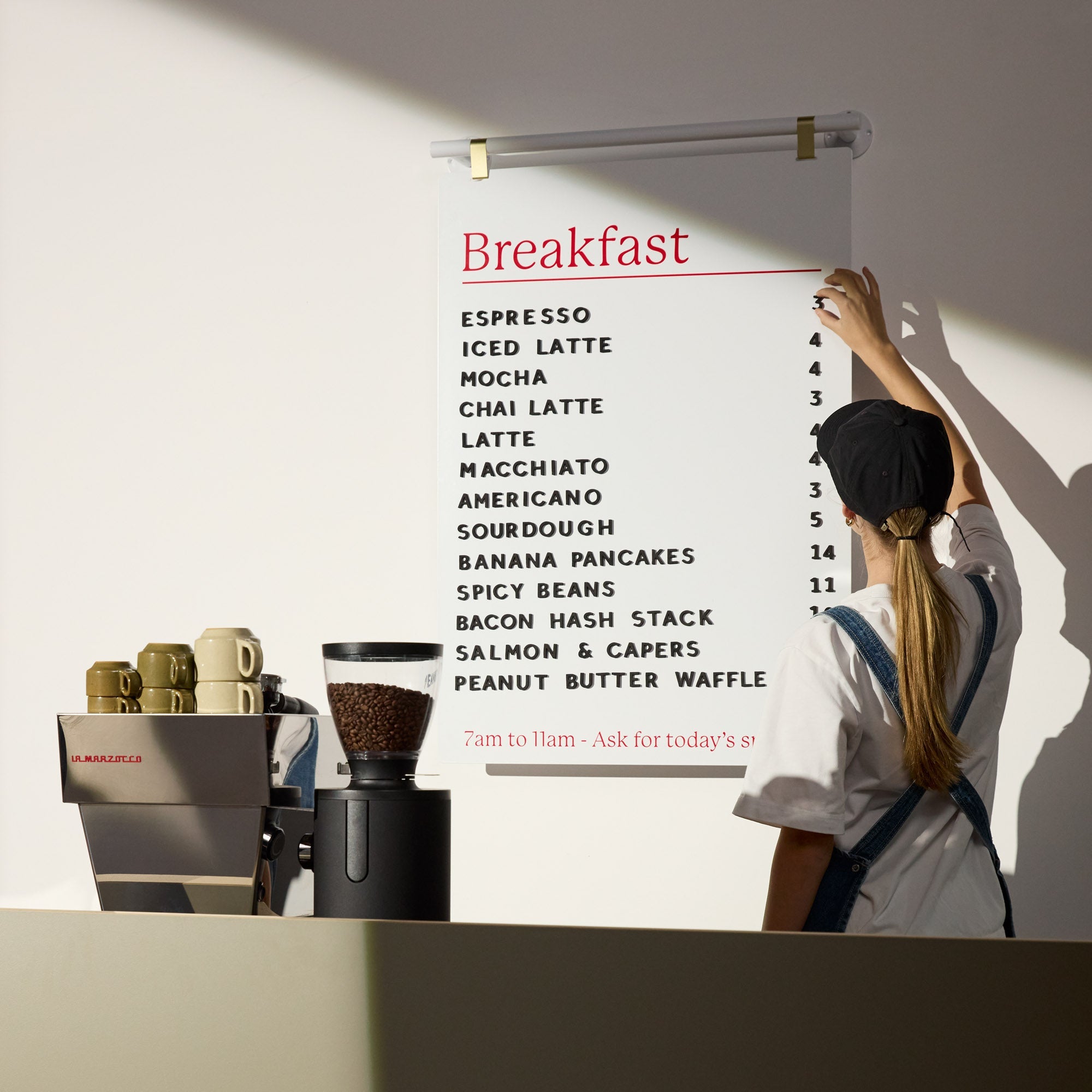
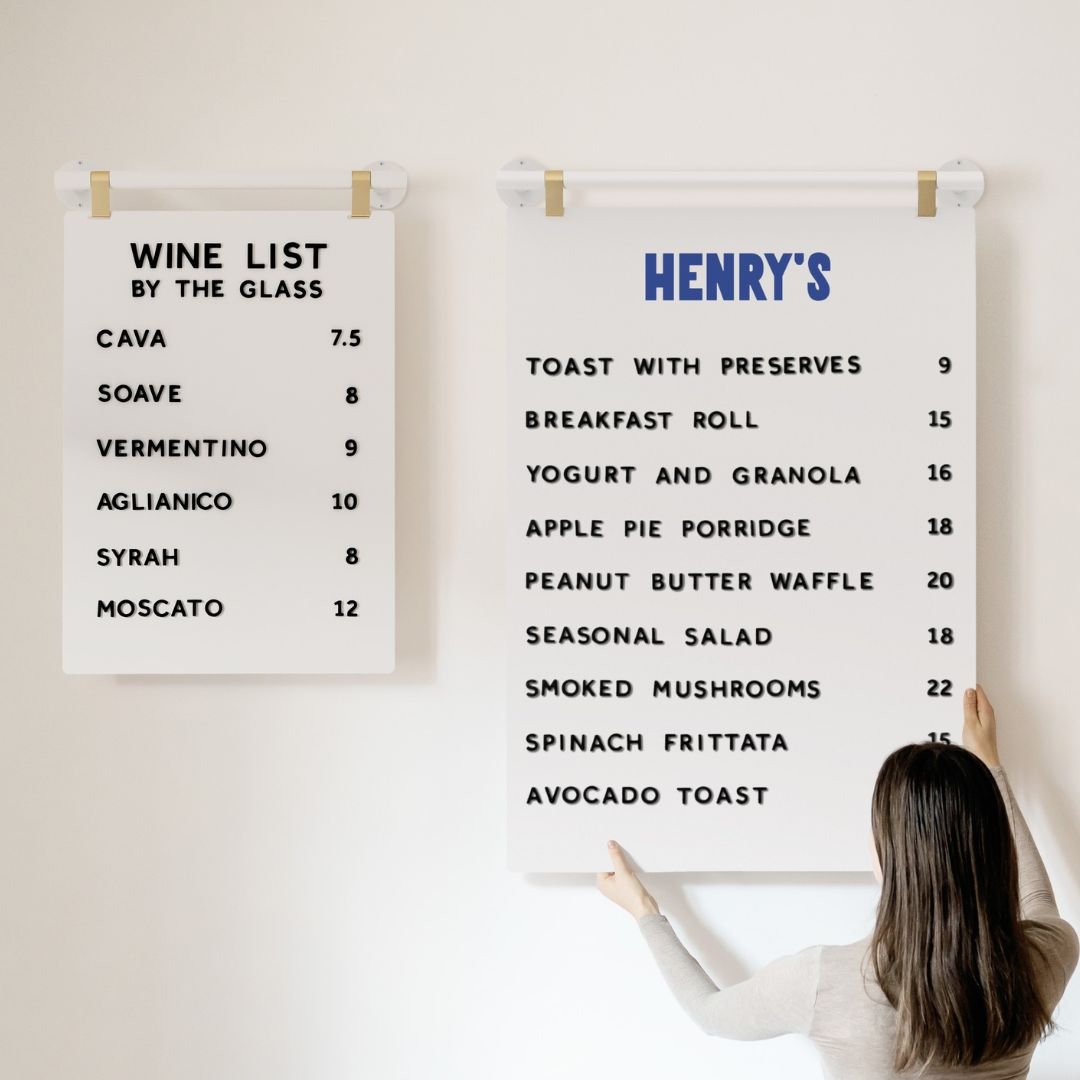
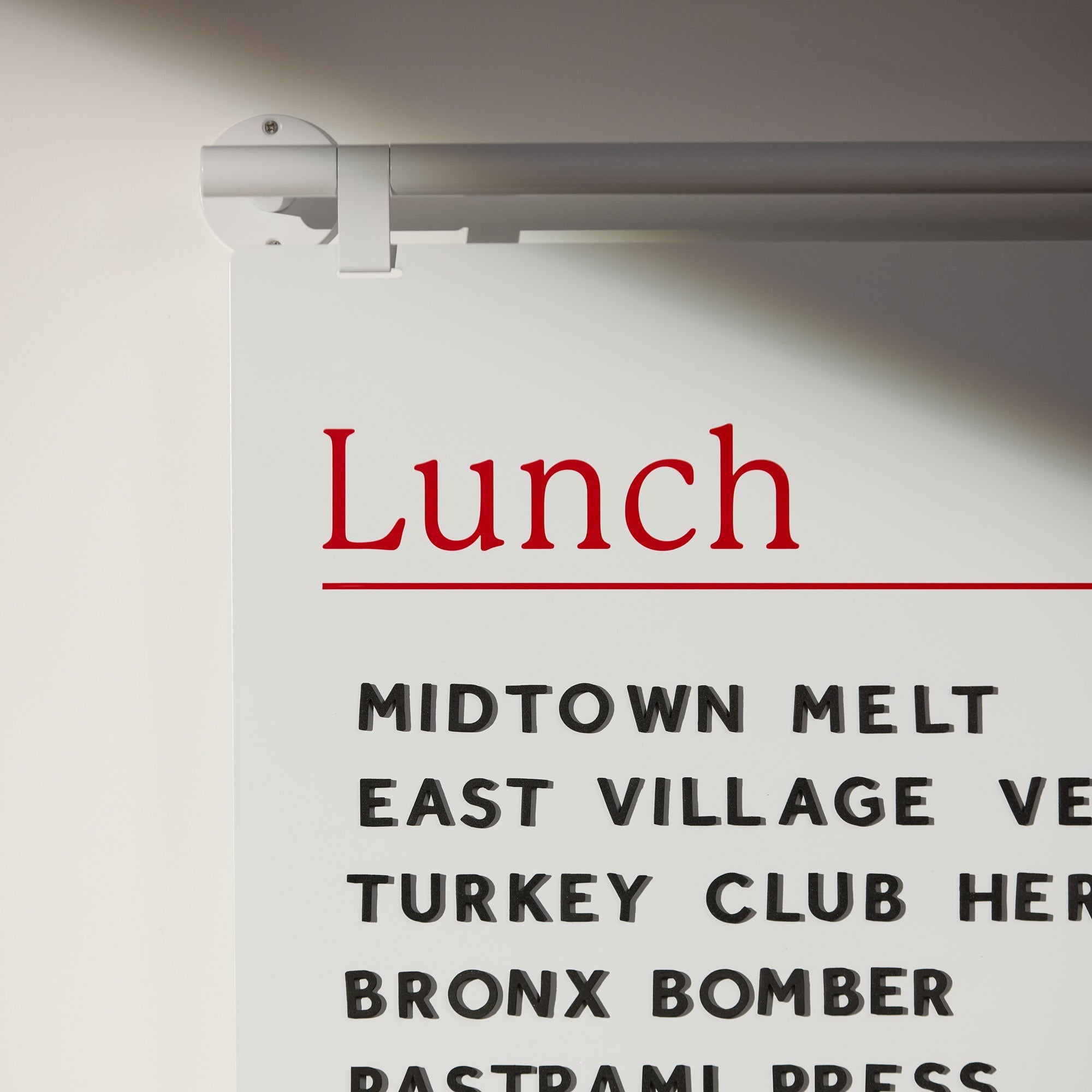
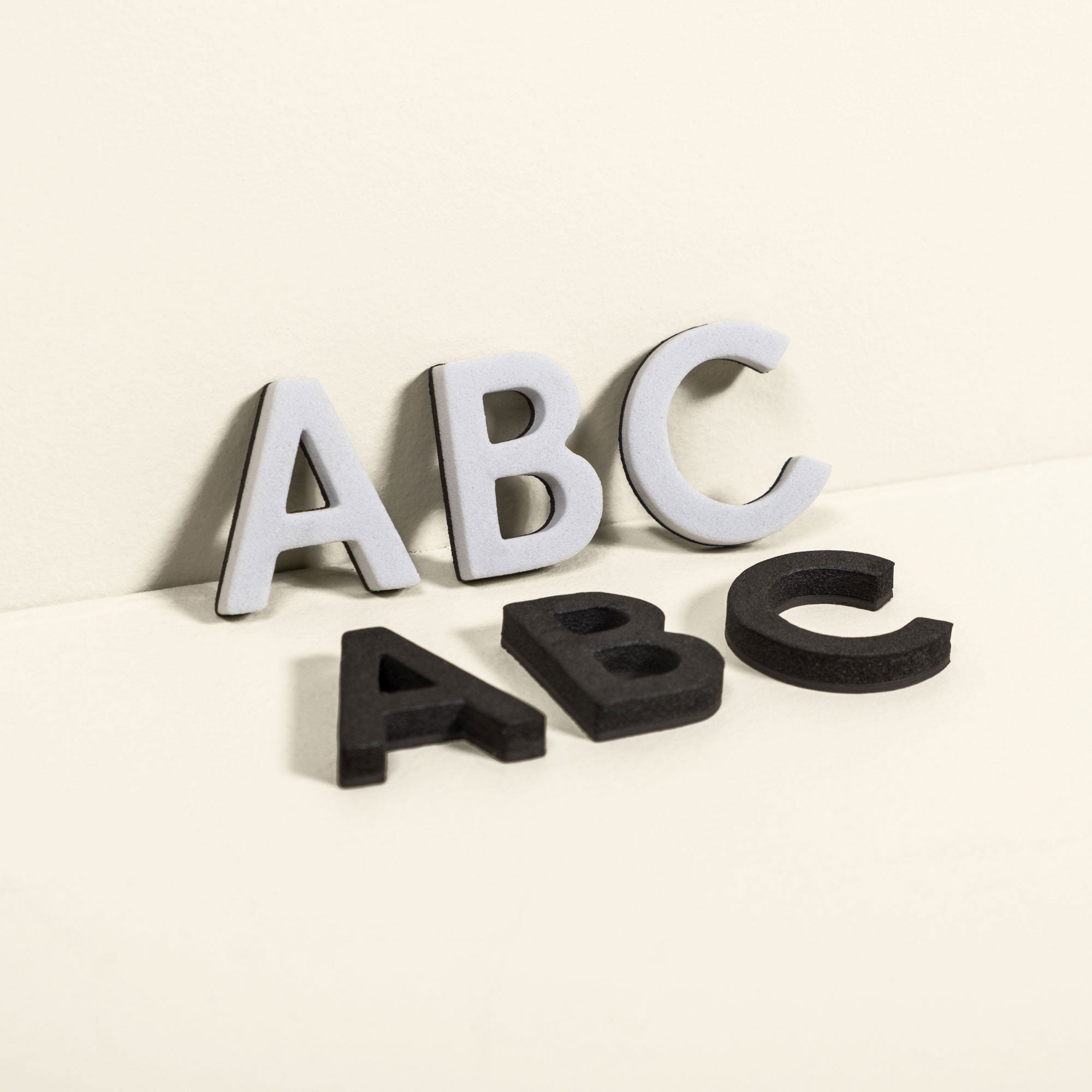
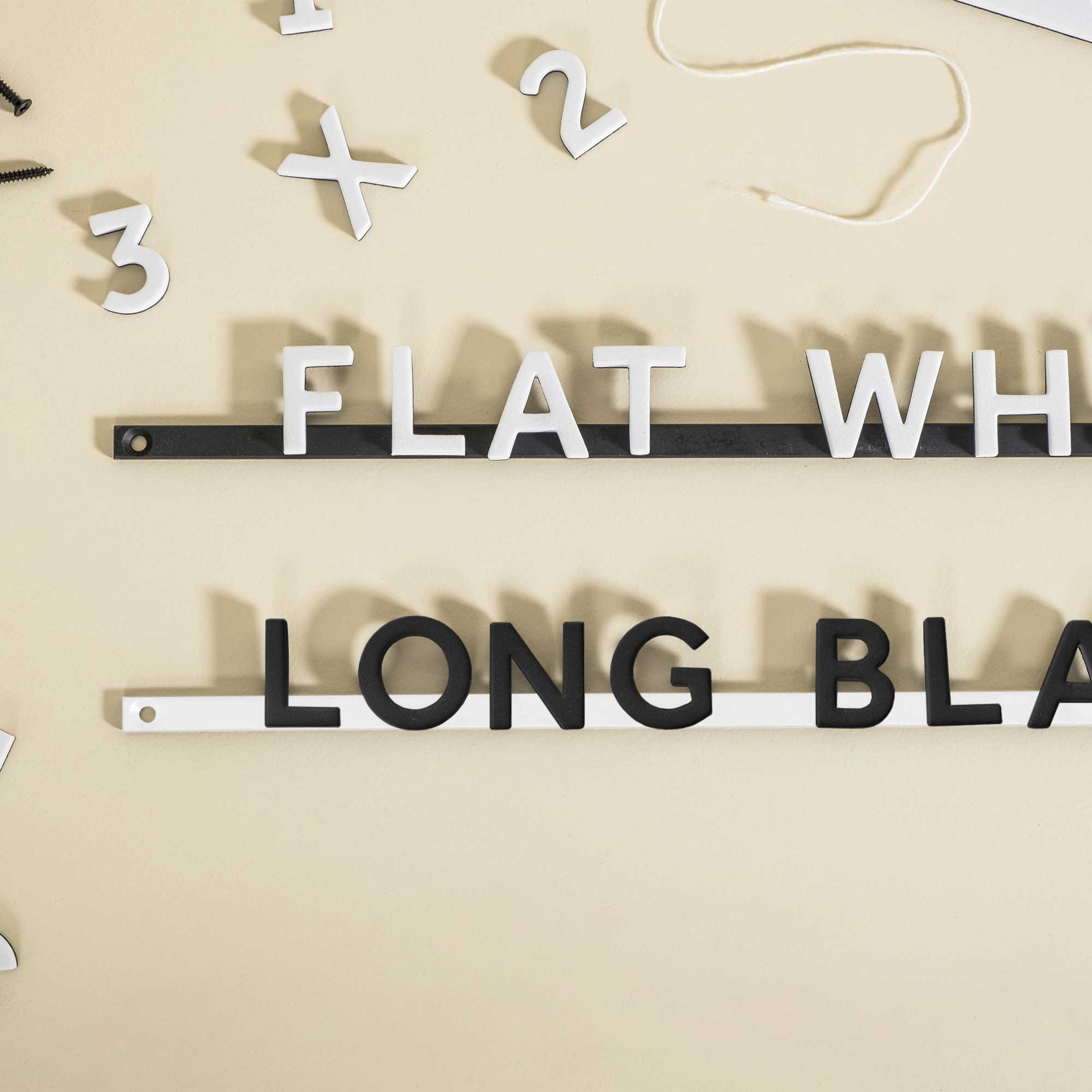
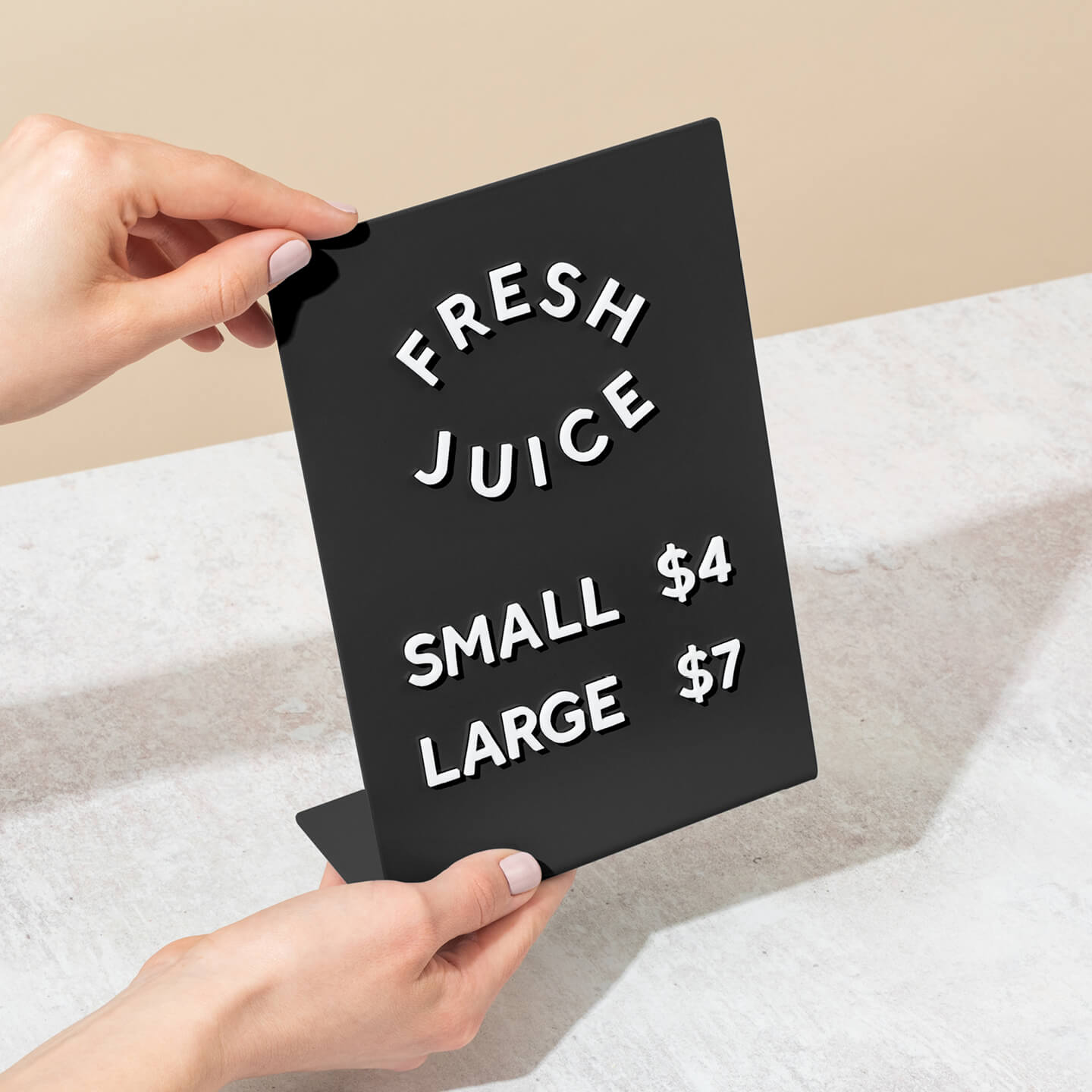
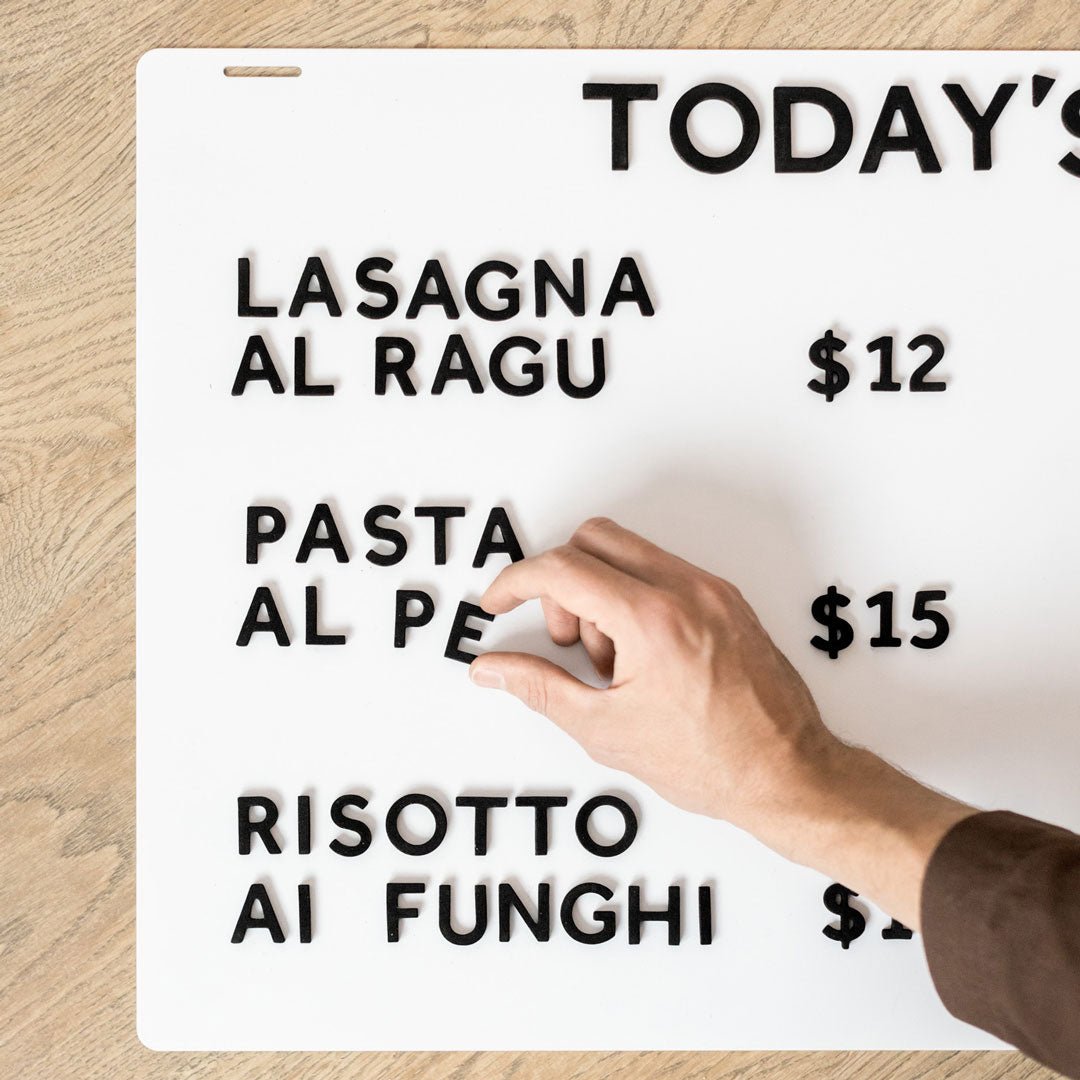
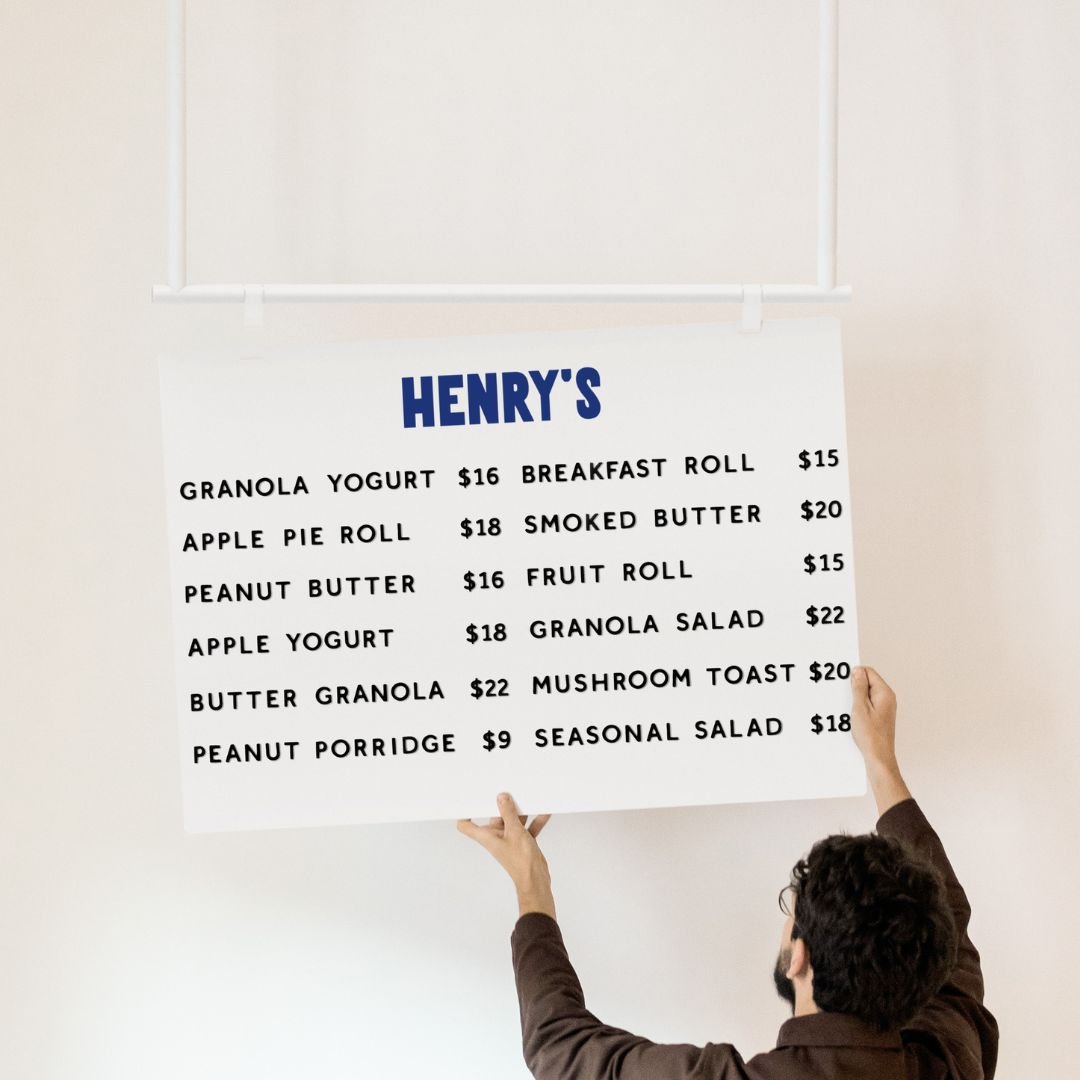
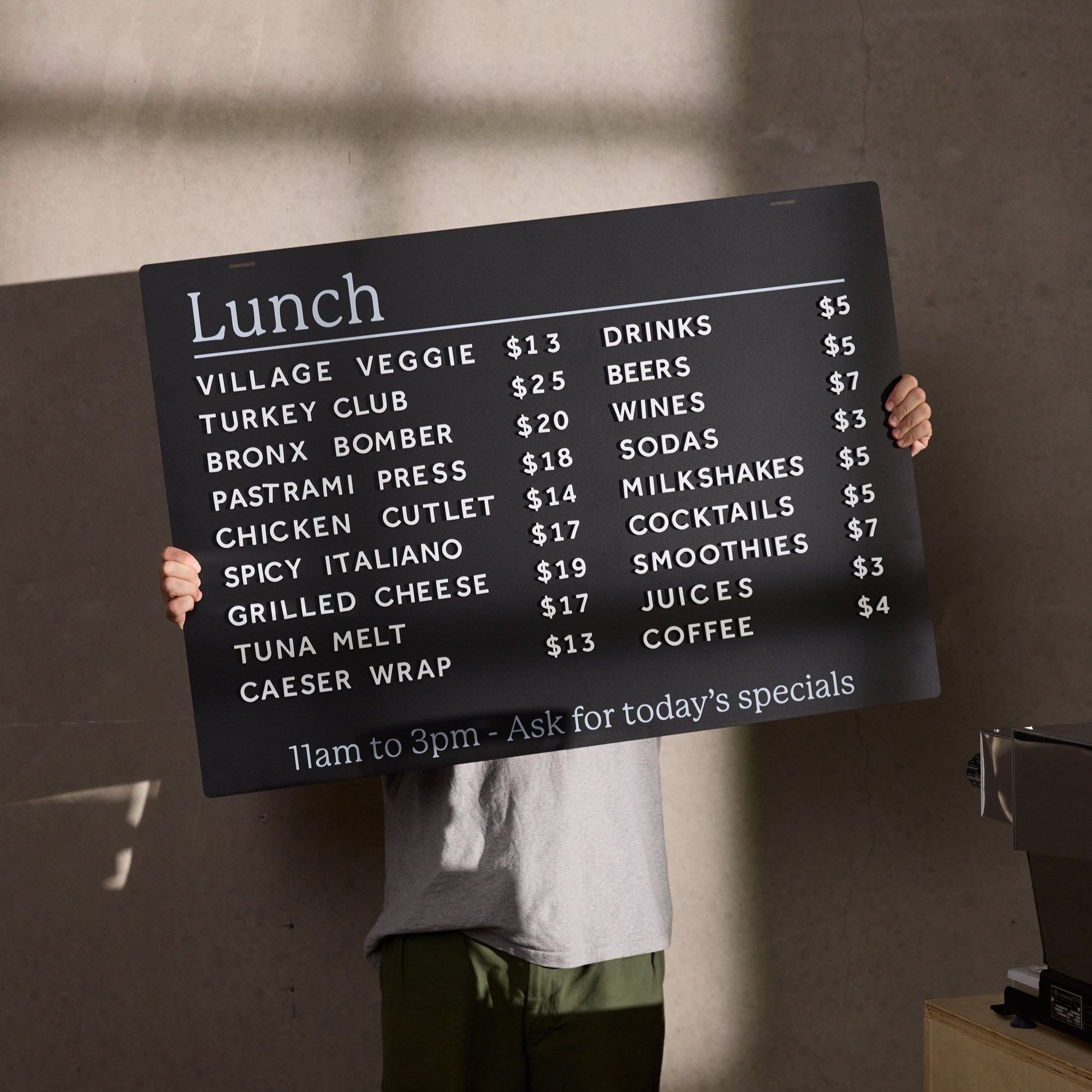
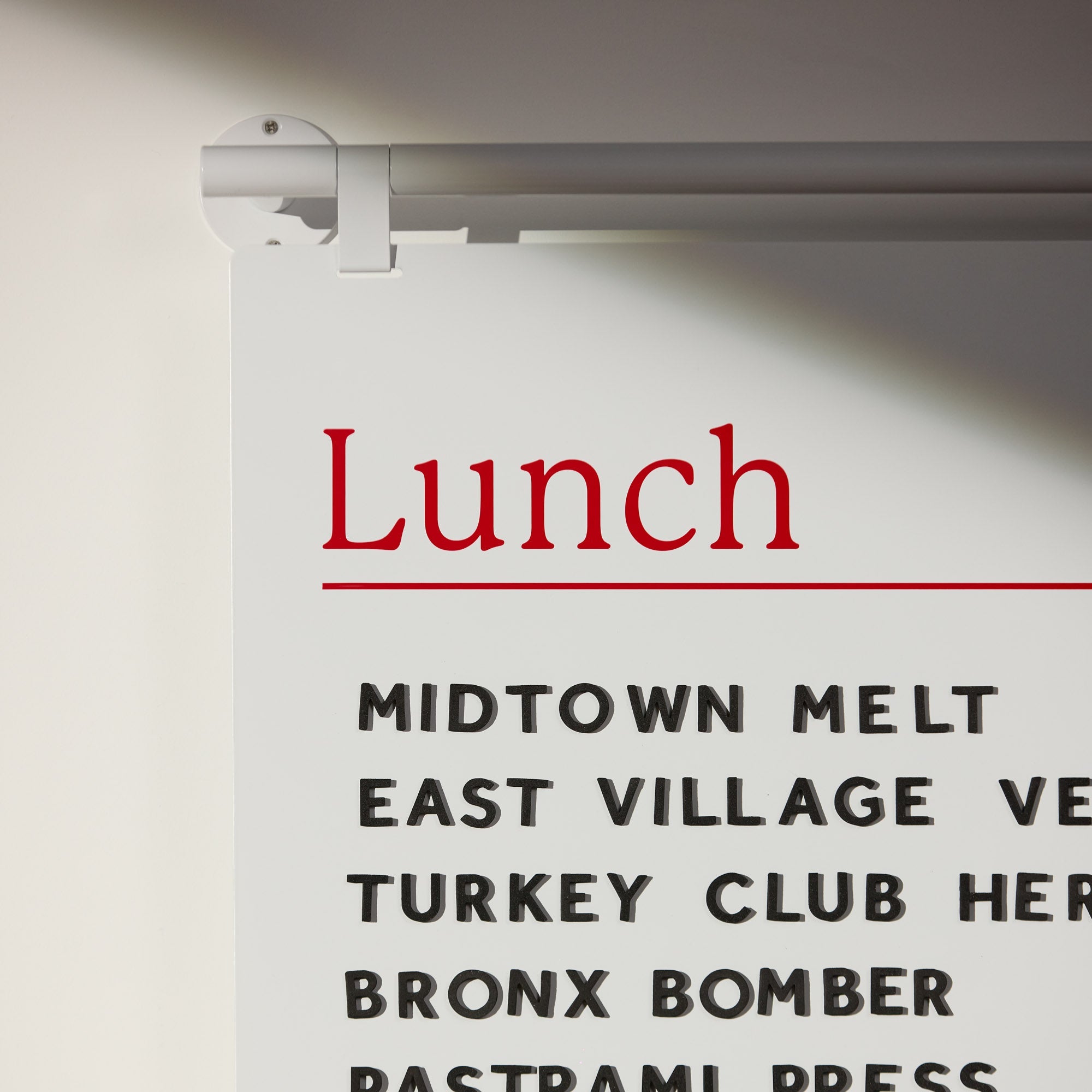
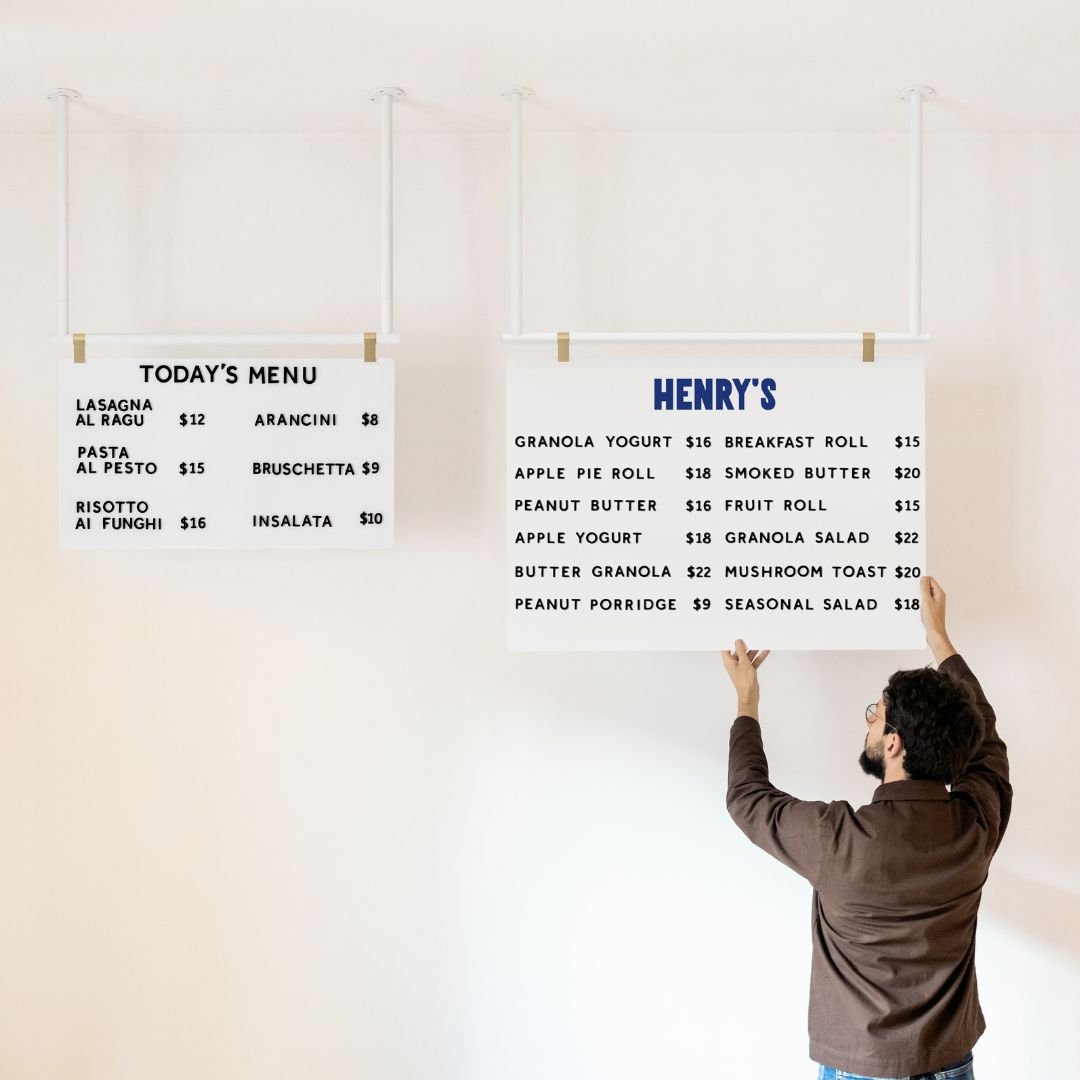
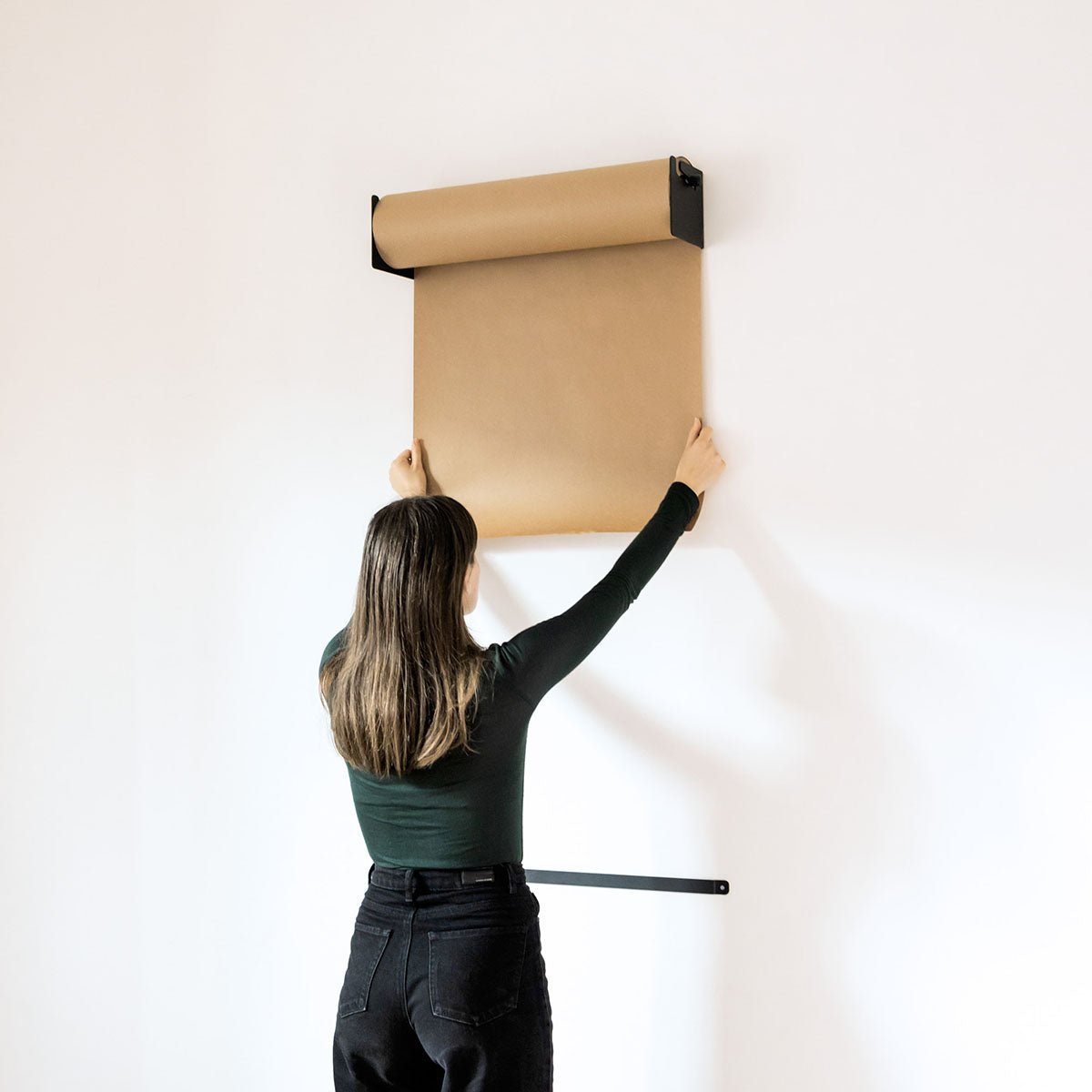
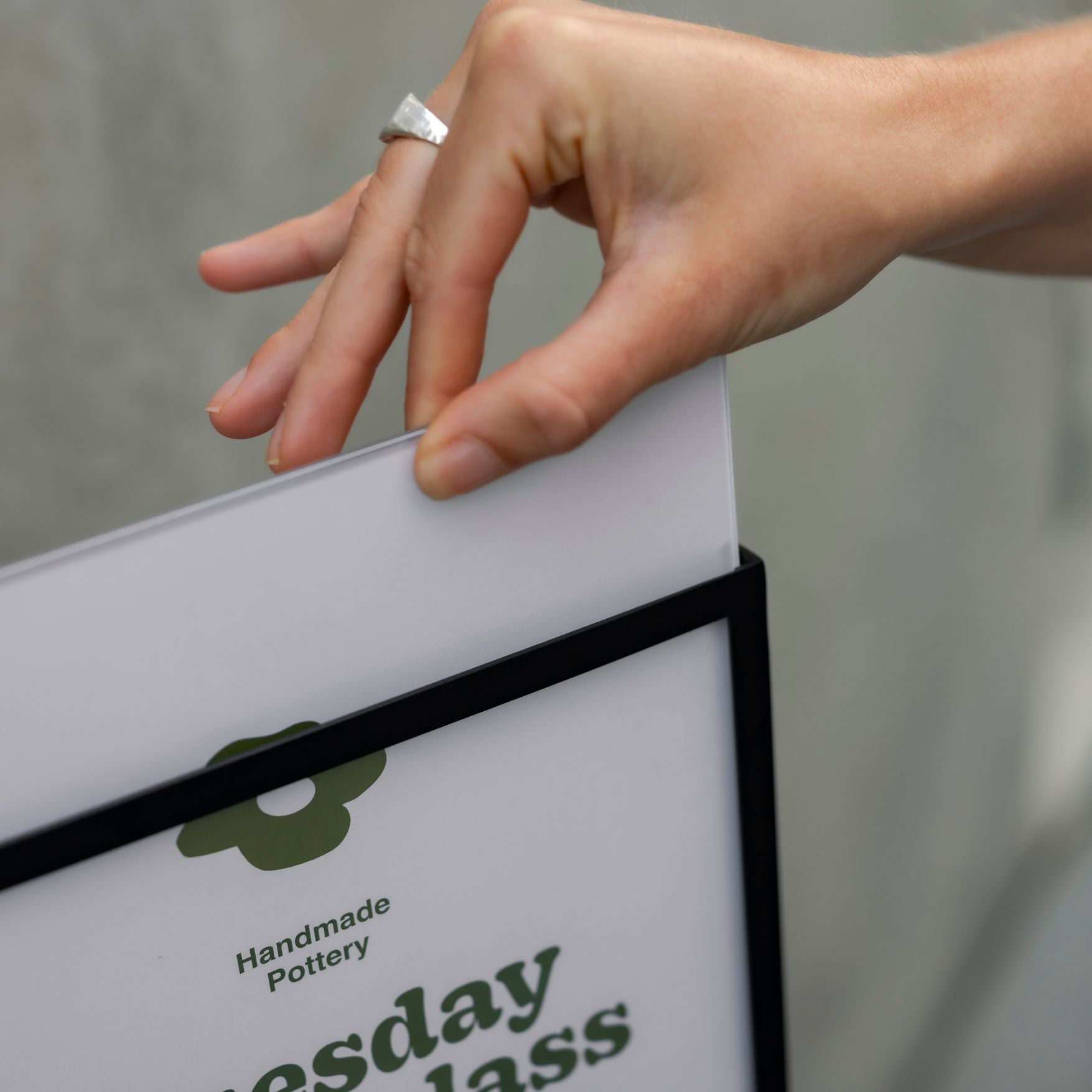
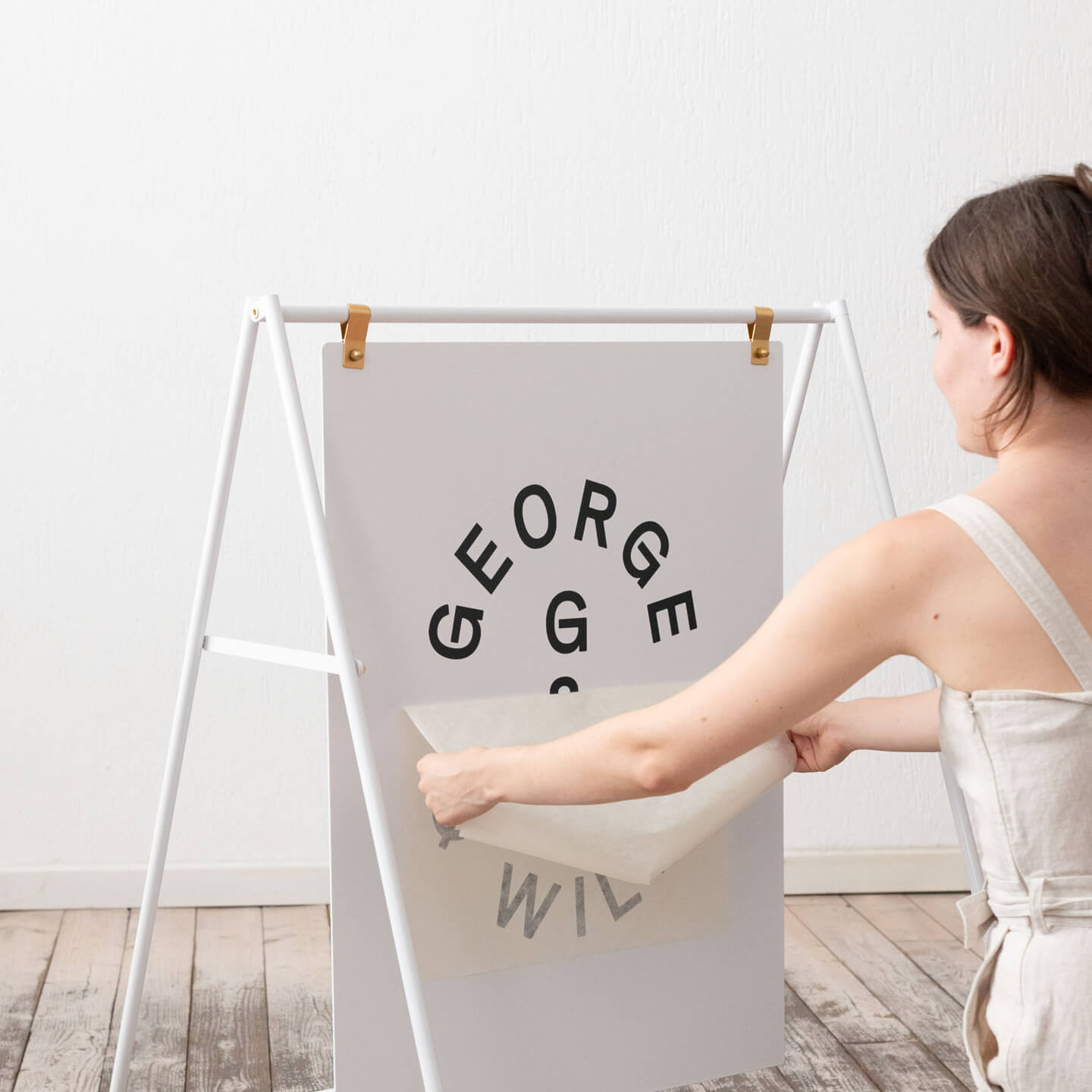
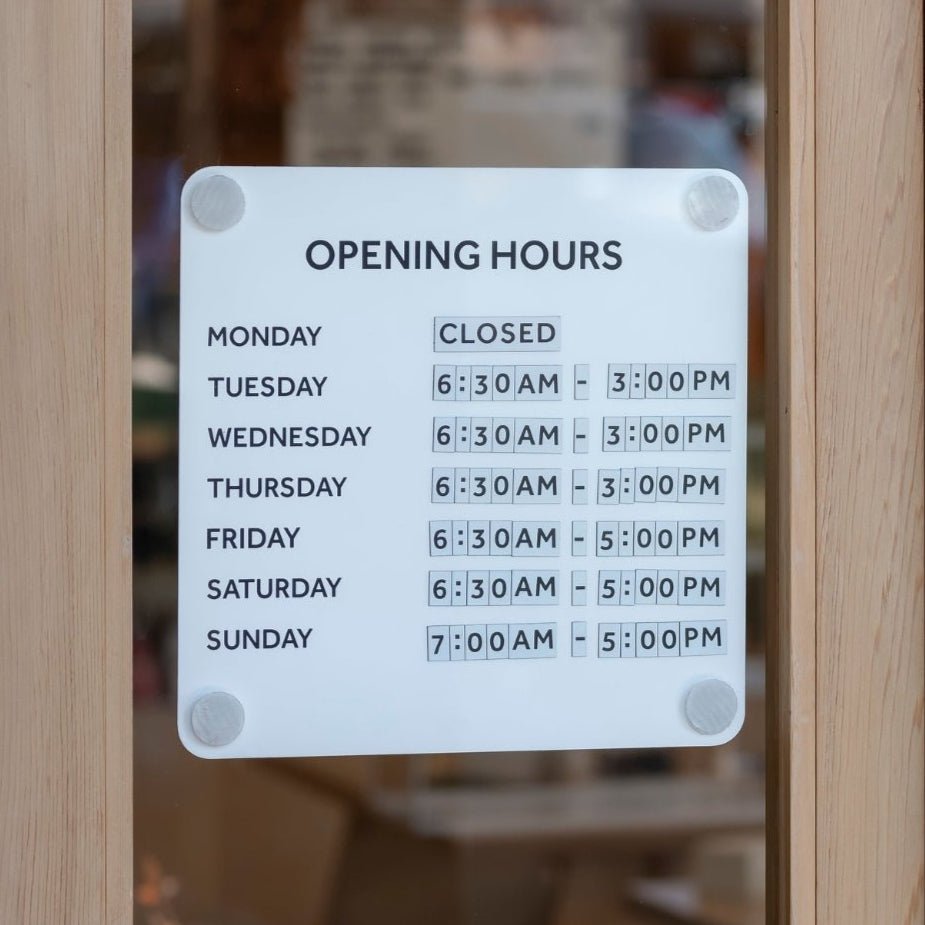
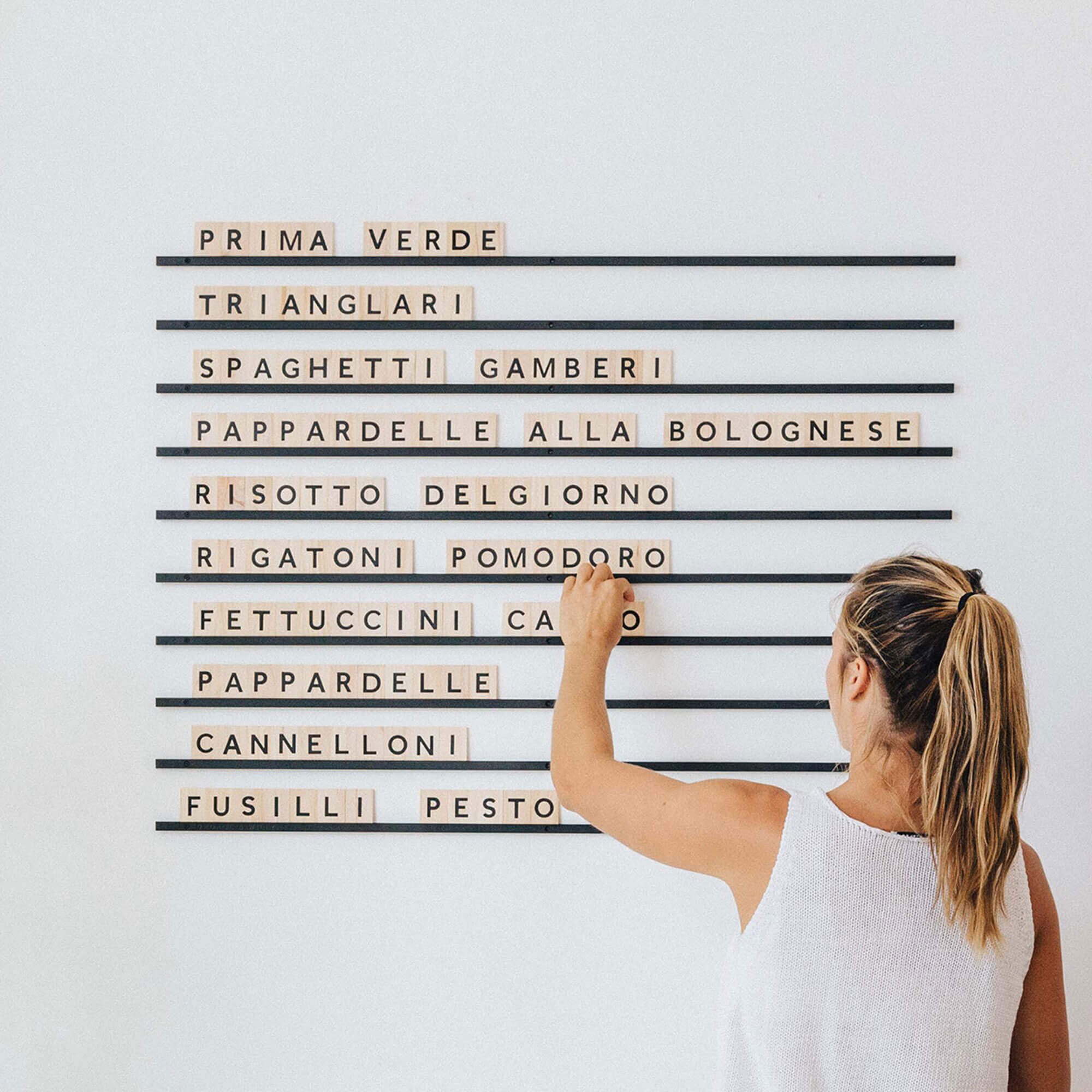
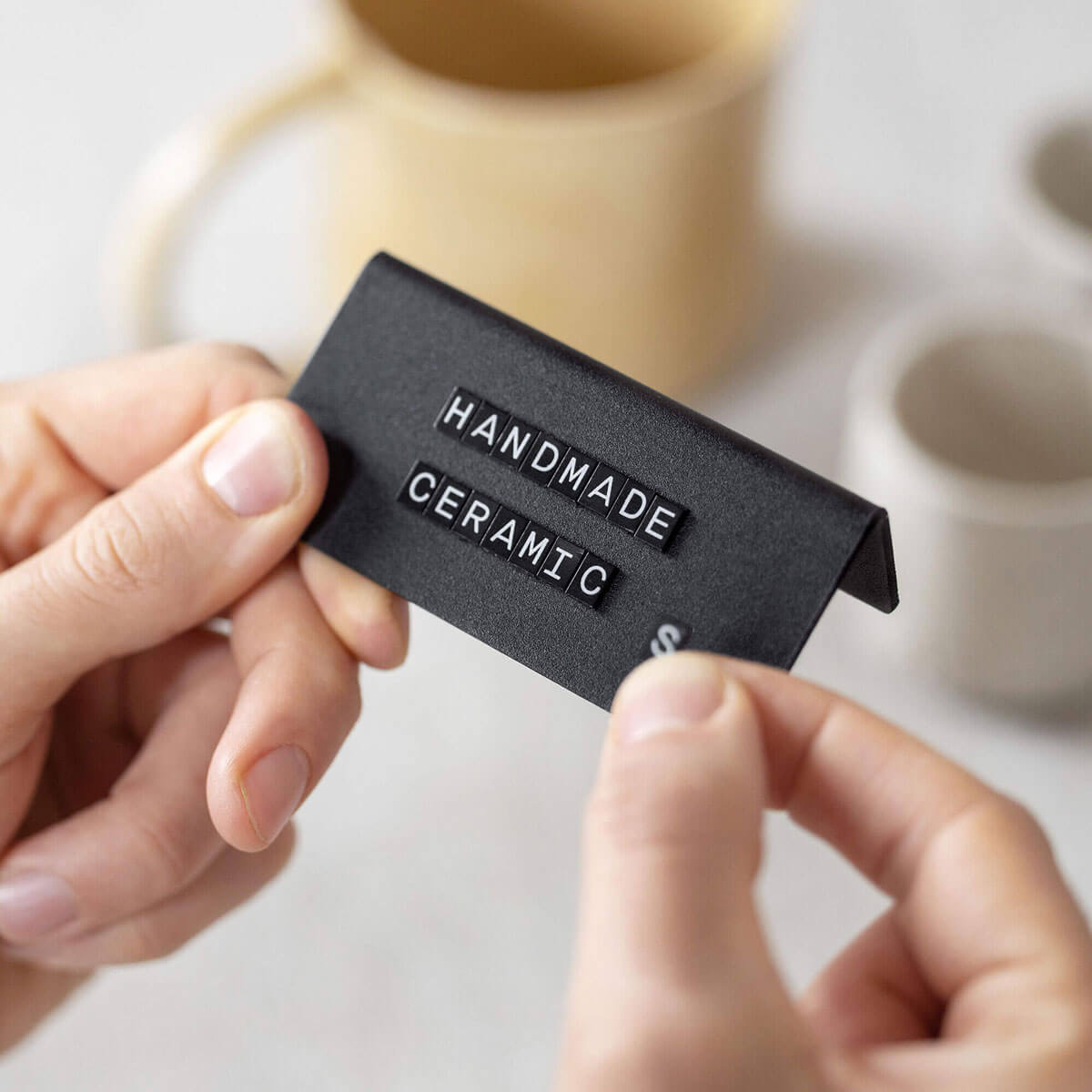
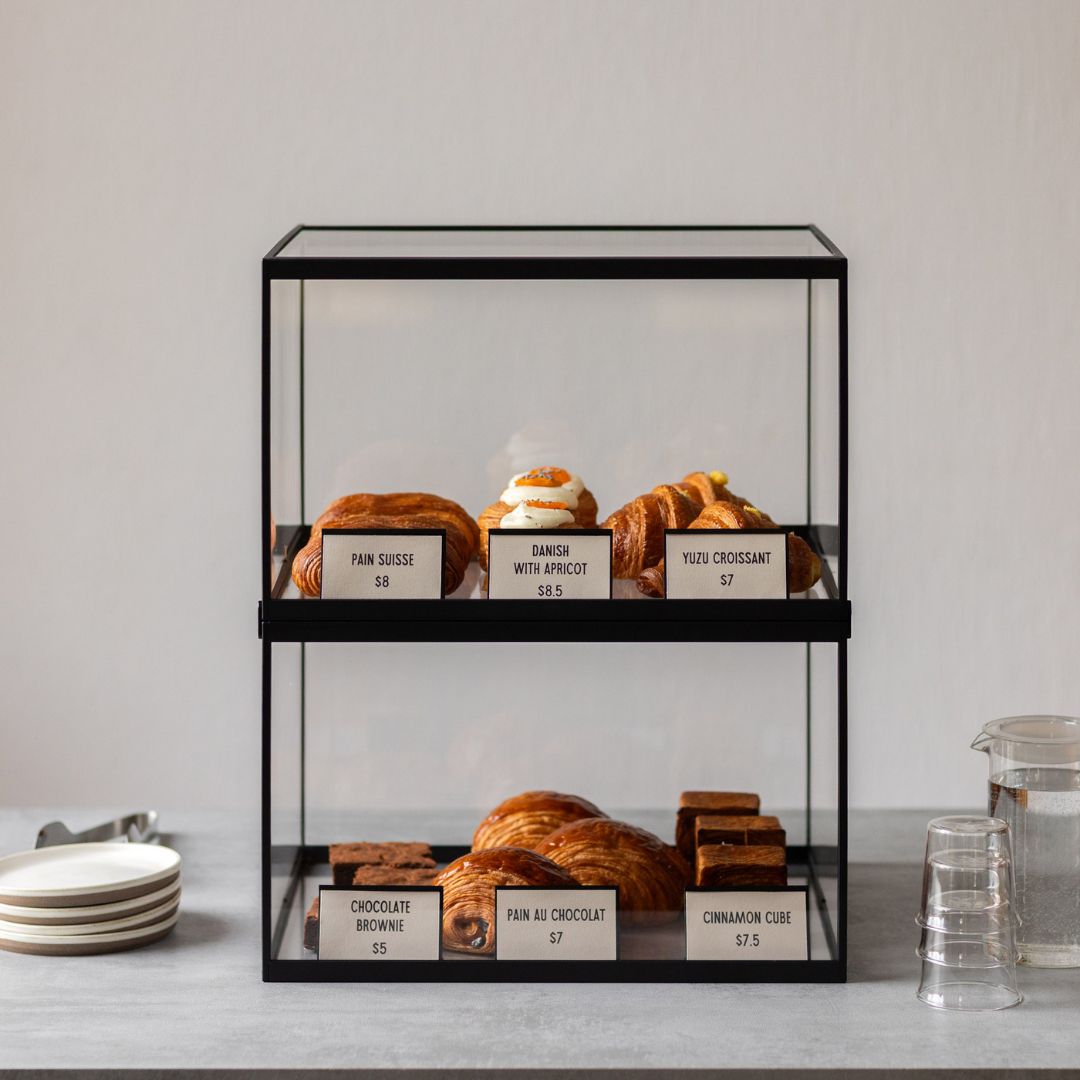
Using templates, whether for design or installation, is a smart way to ensure brand consistency and save time. Maintaining a consistent brand presentation across all your marketing materials can increase revenue by over 30%. A design template ensures your logo, fonts, and colors remain uniform across all your decorative signs. Some companies offer beautifully crafted blank signs that you can easily customize. Systems like the Letter Menu Board let you update messages without redesigning your sign. This approach, used by makers like George & Willy, provides a professional foundation that you can tailor with your own branding.
A Practical Guide to Installation
You have designed a beautiful sign, now it is time to install it. Proper planning for location and mounting is just as important as the design itself to ensure your sign is safe, secure, and seen.
Plan Your Installation Location and Method
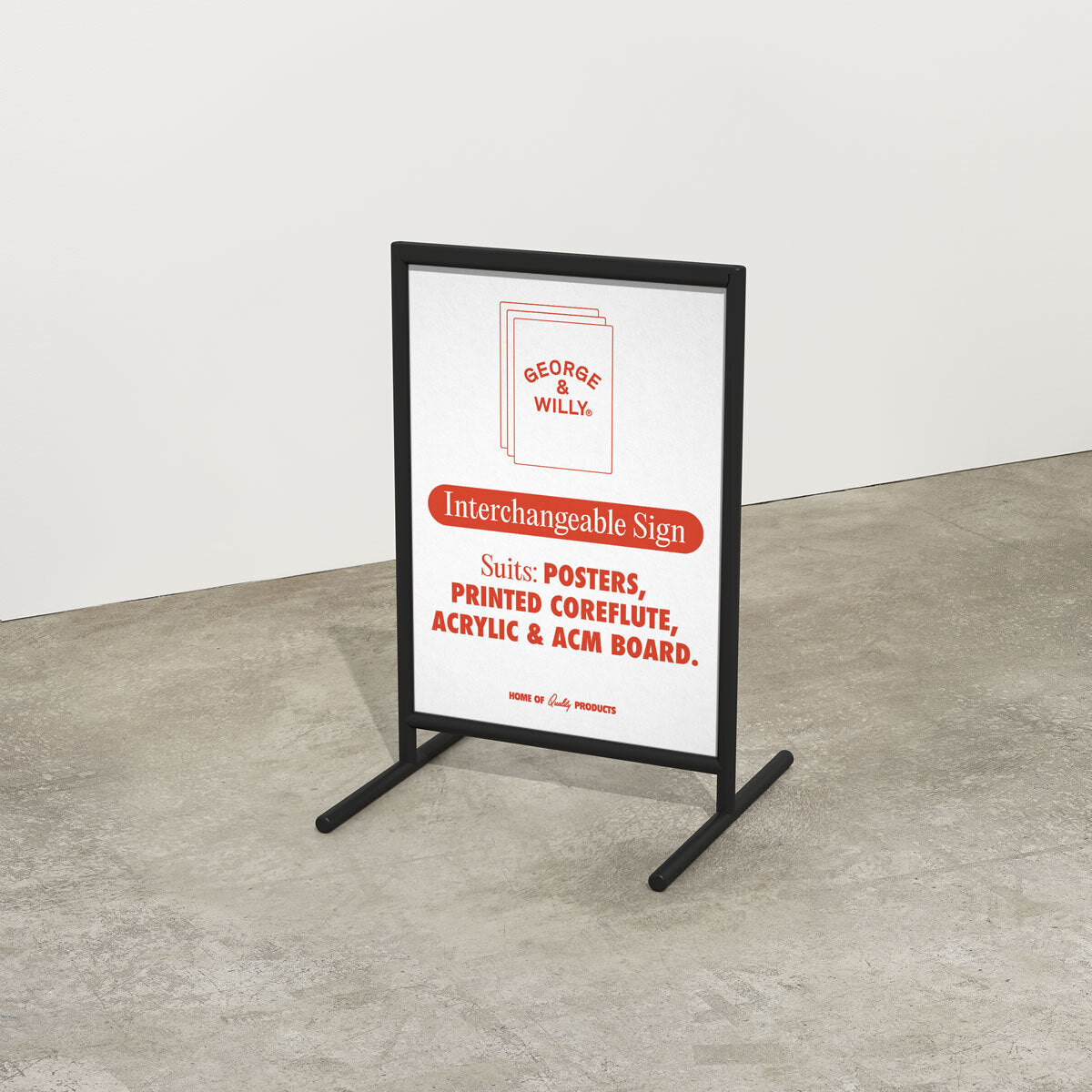
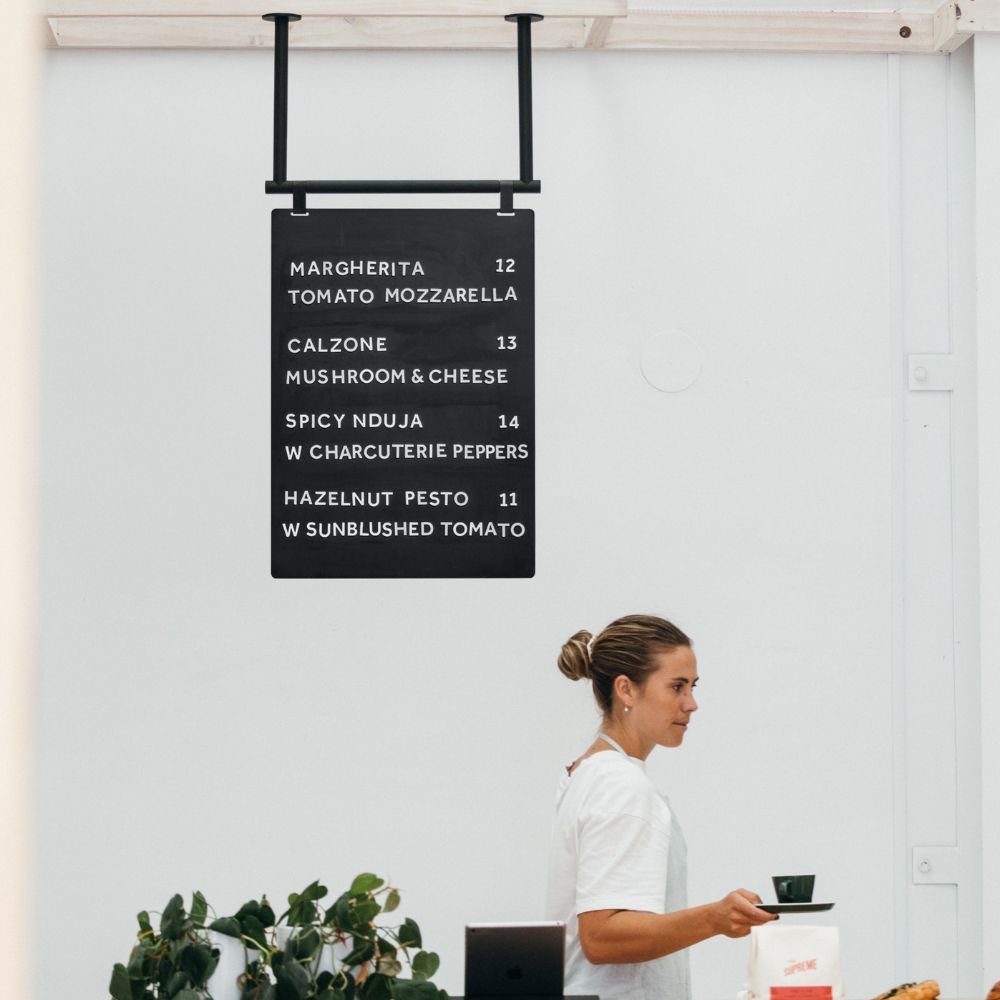
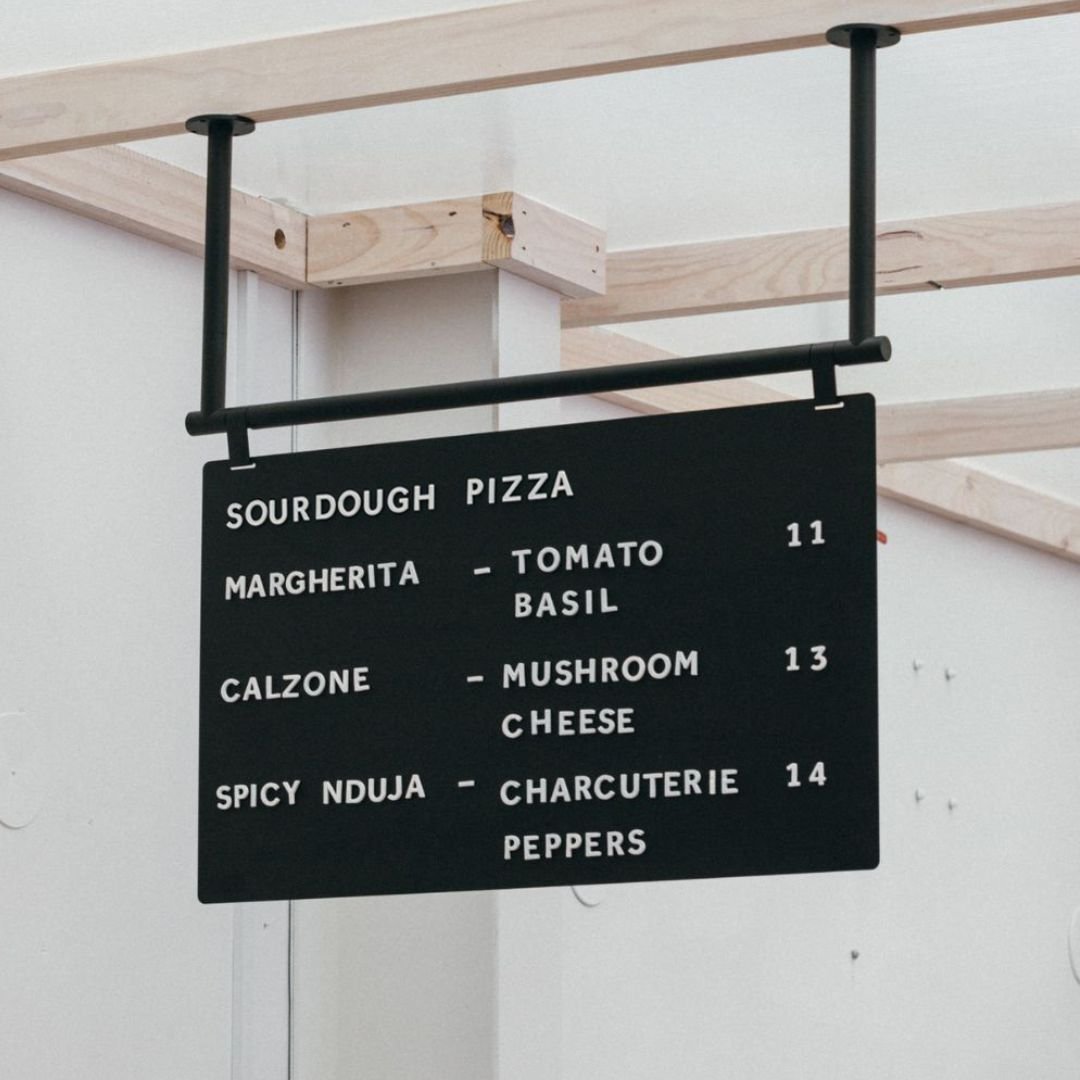
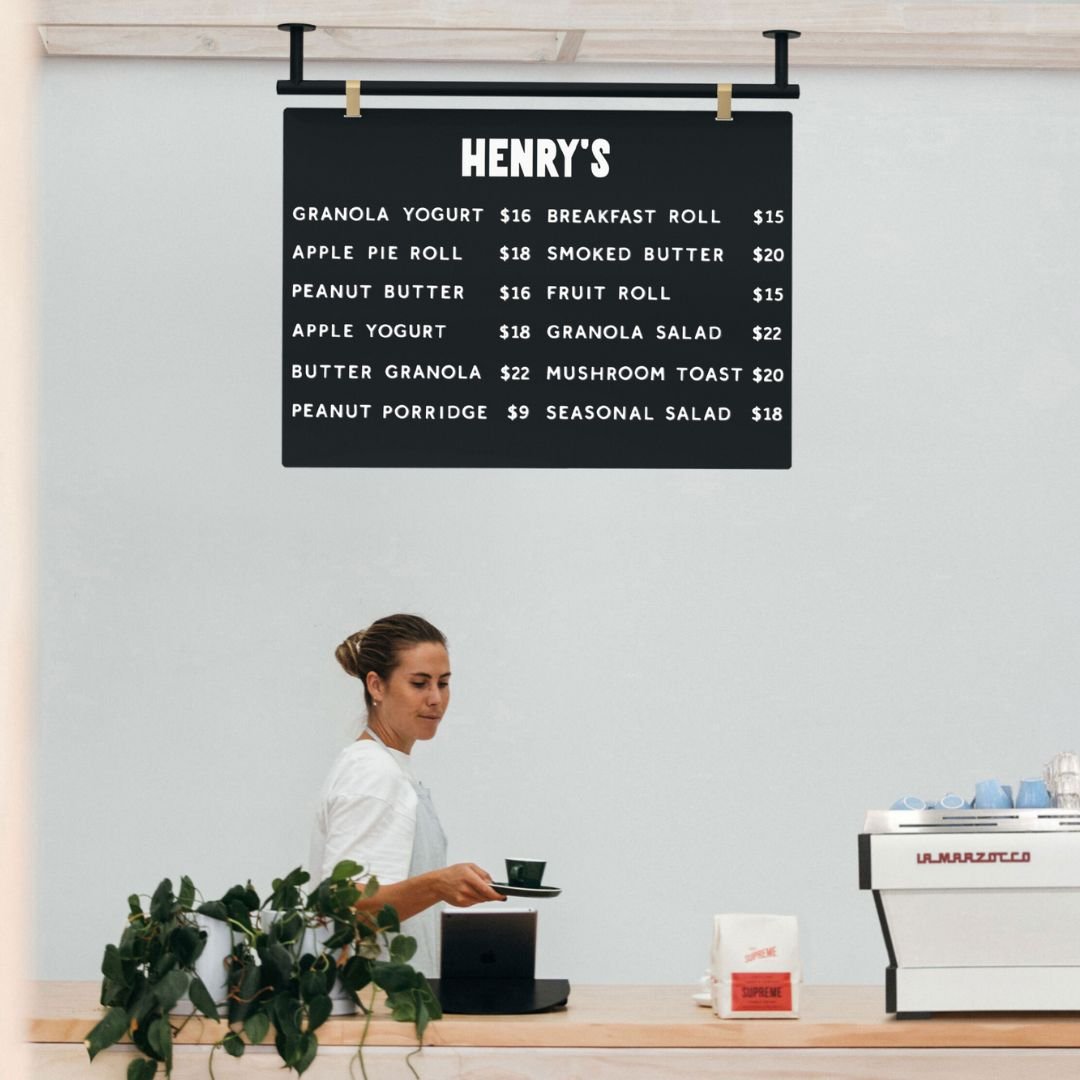
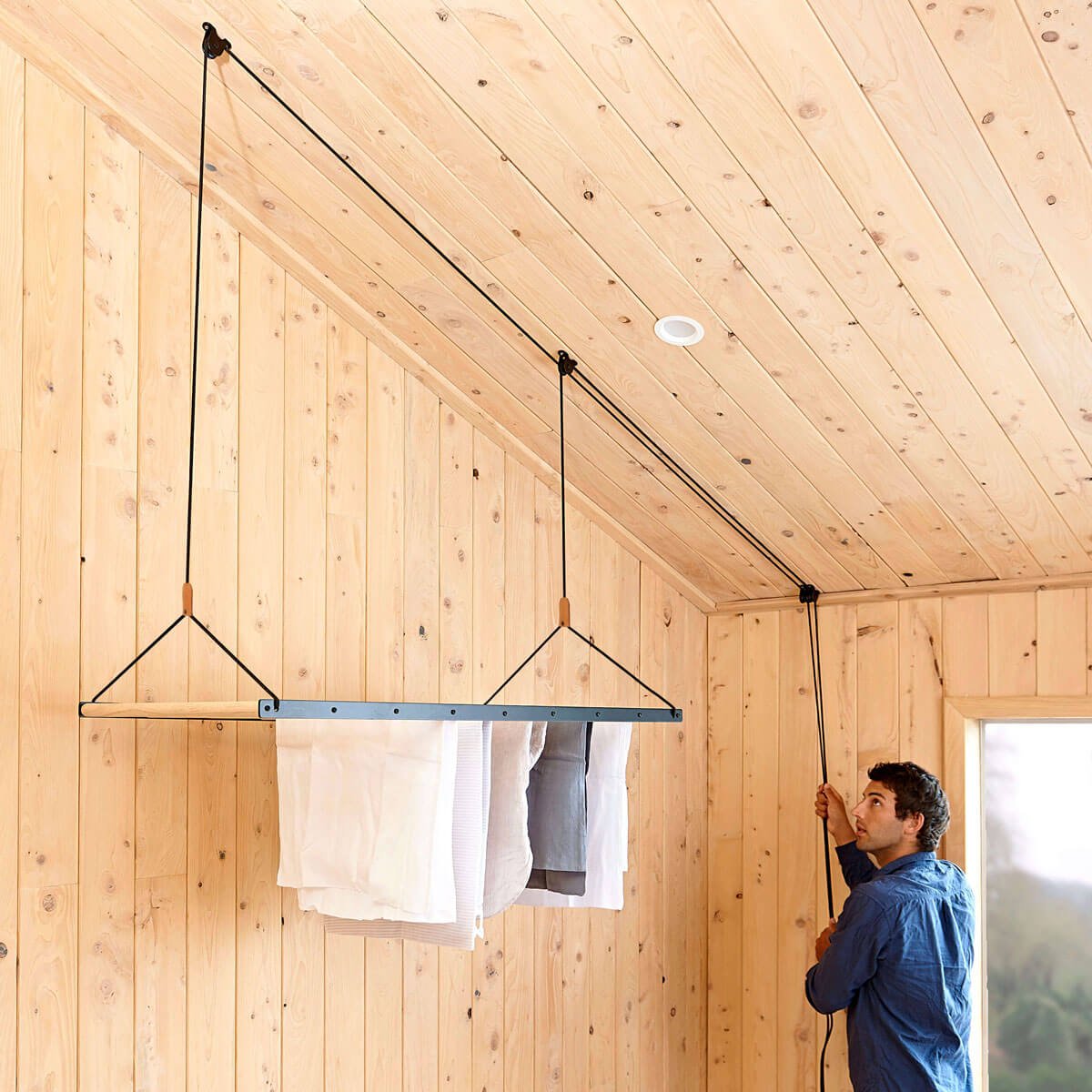
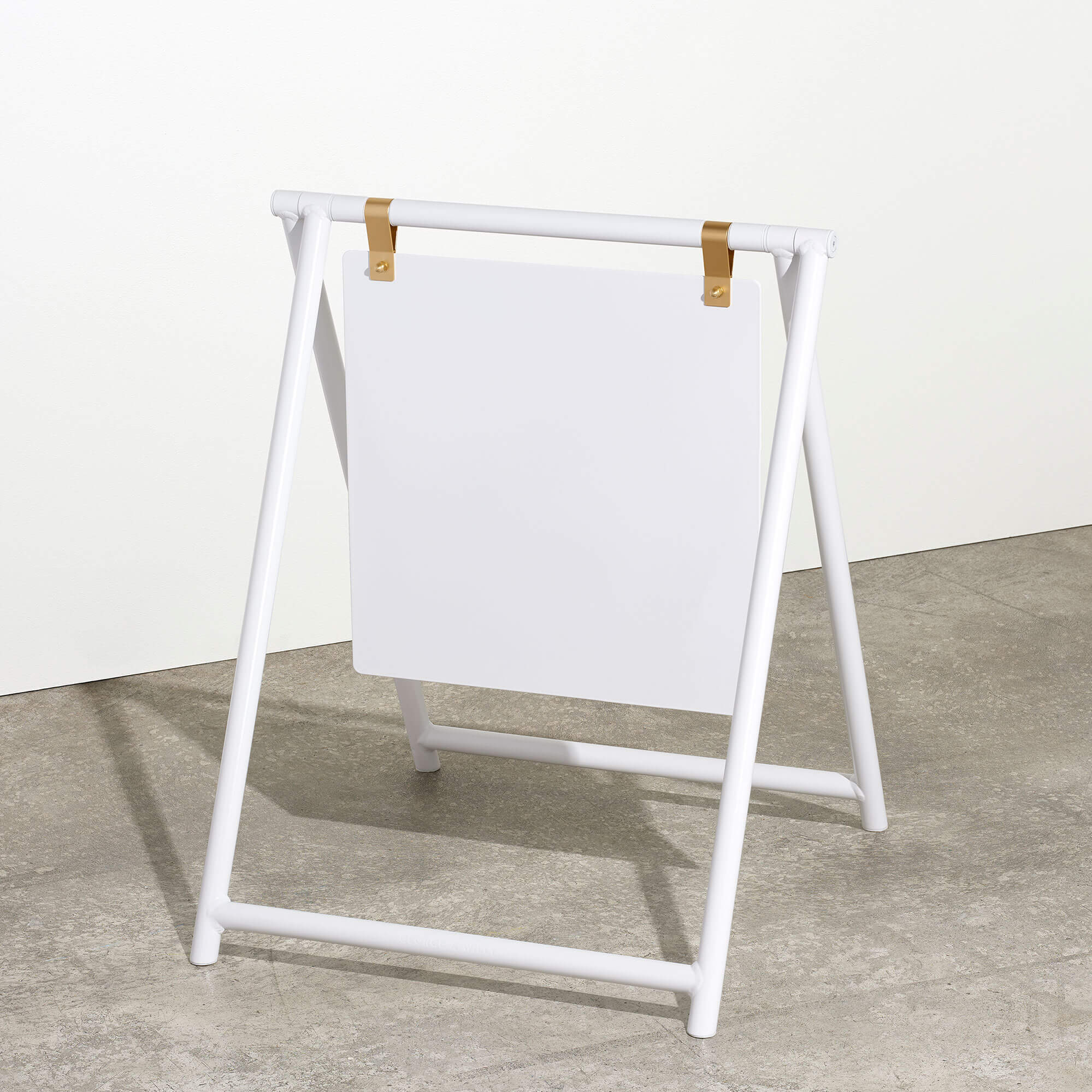
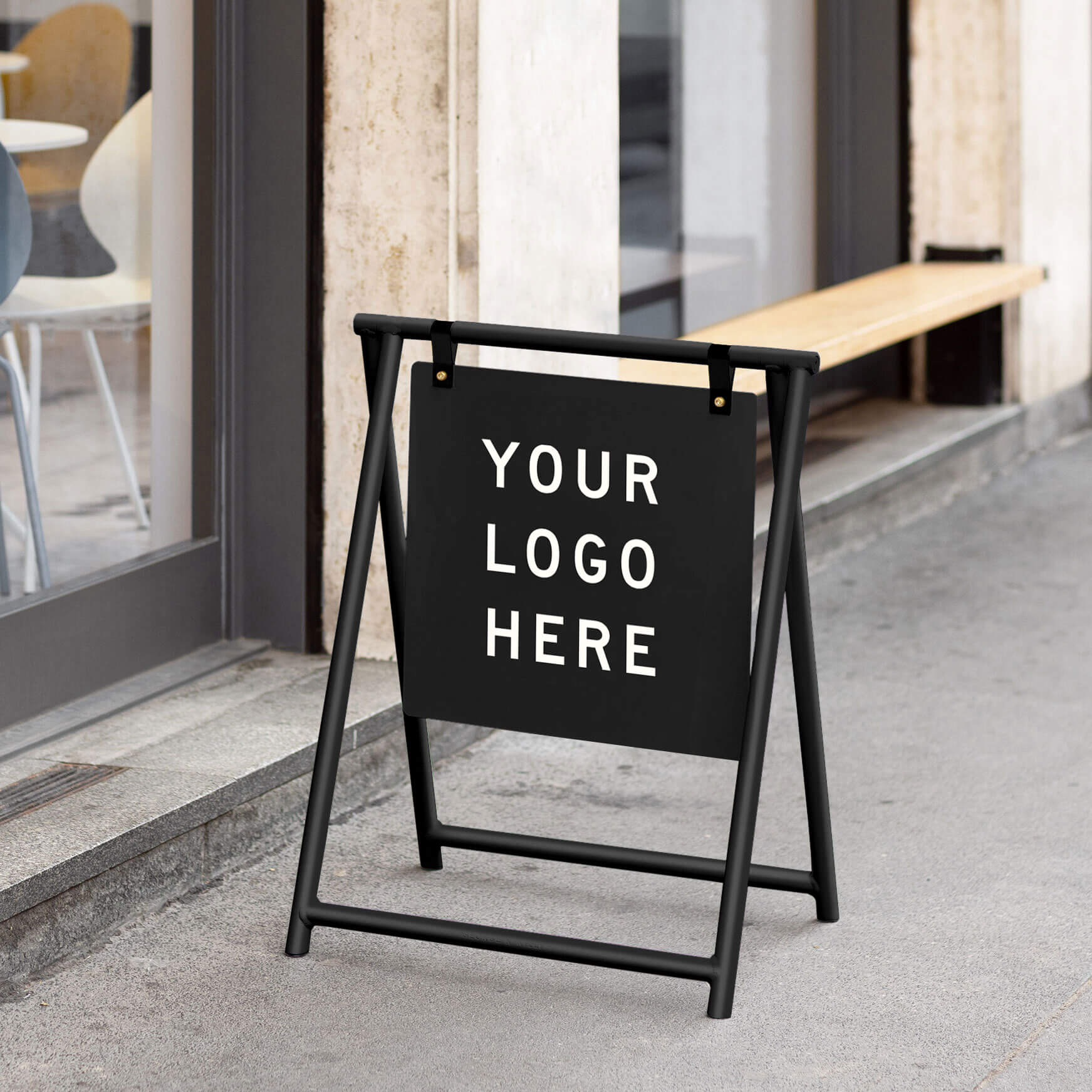
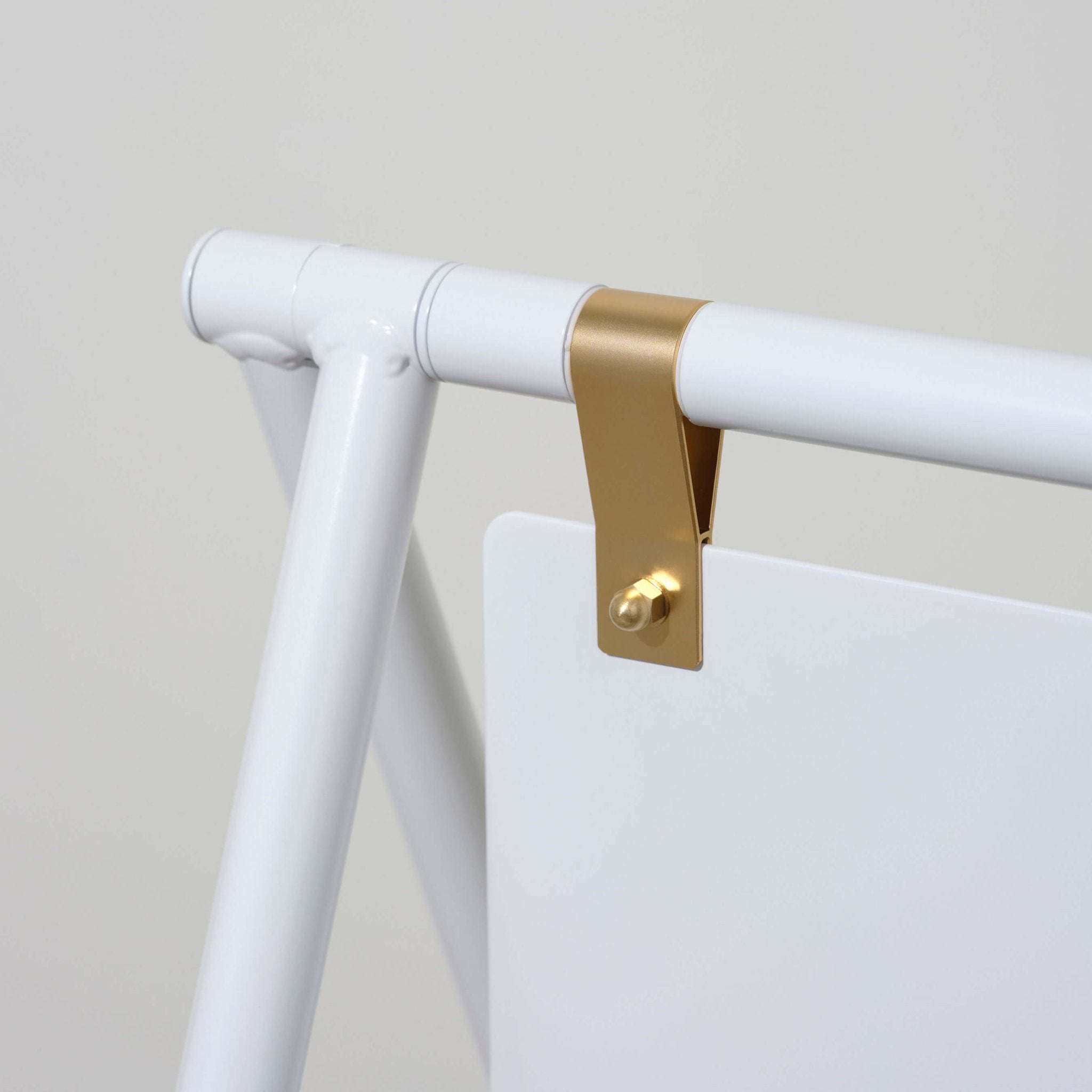
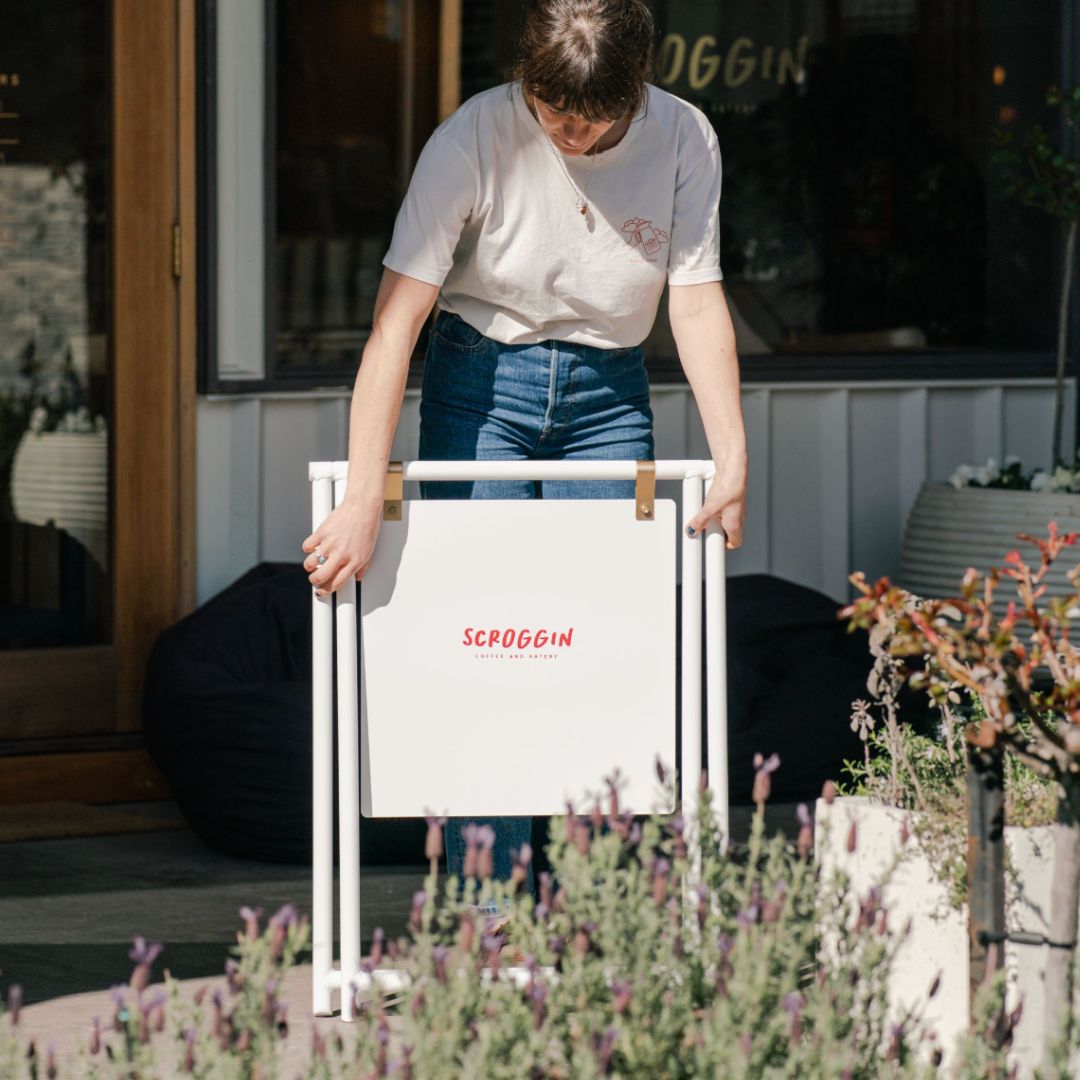
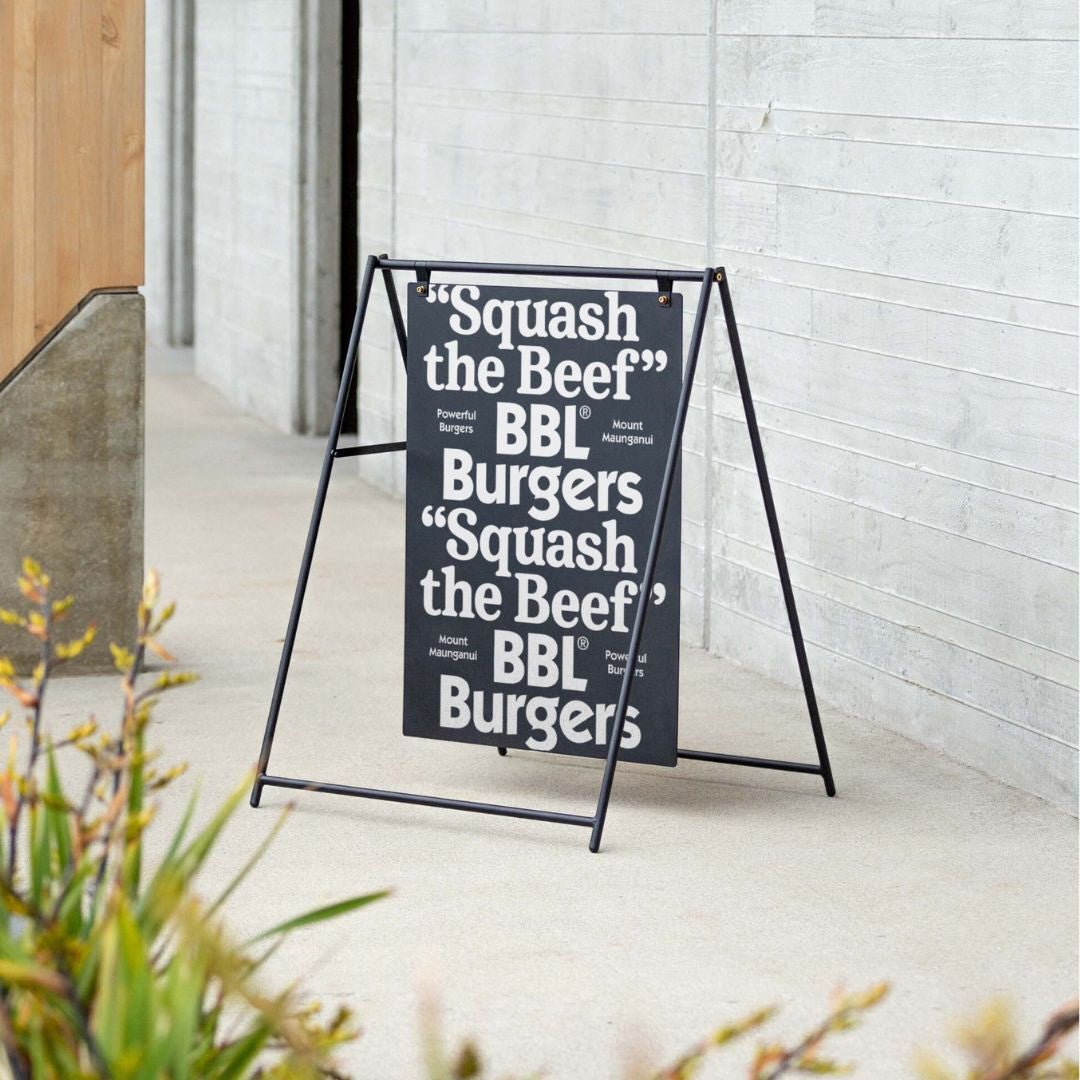
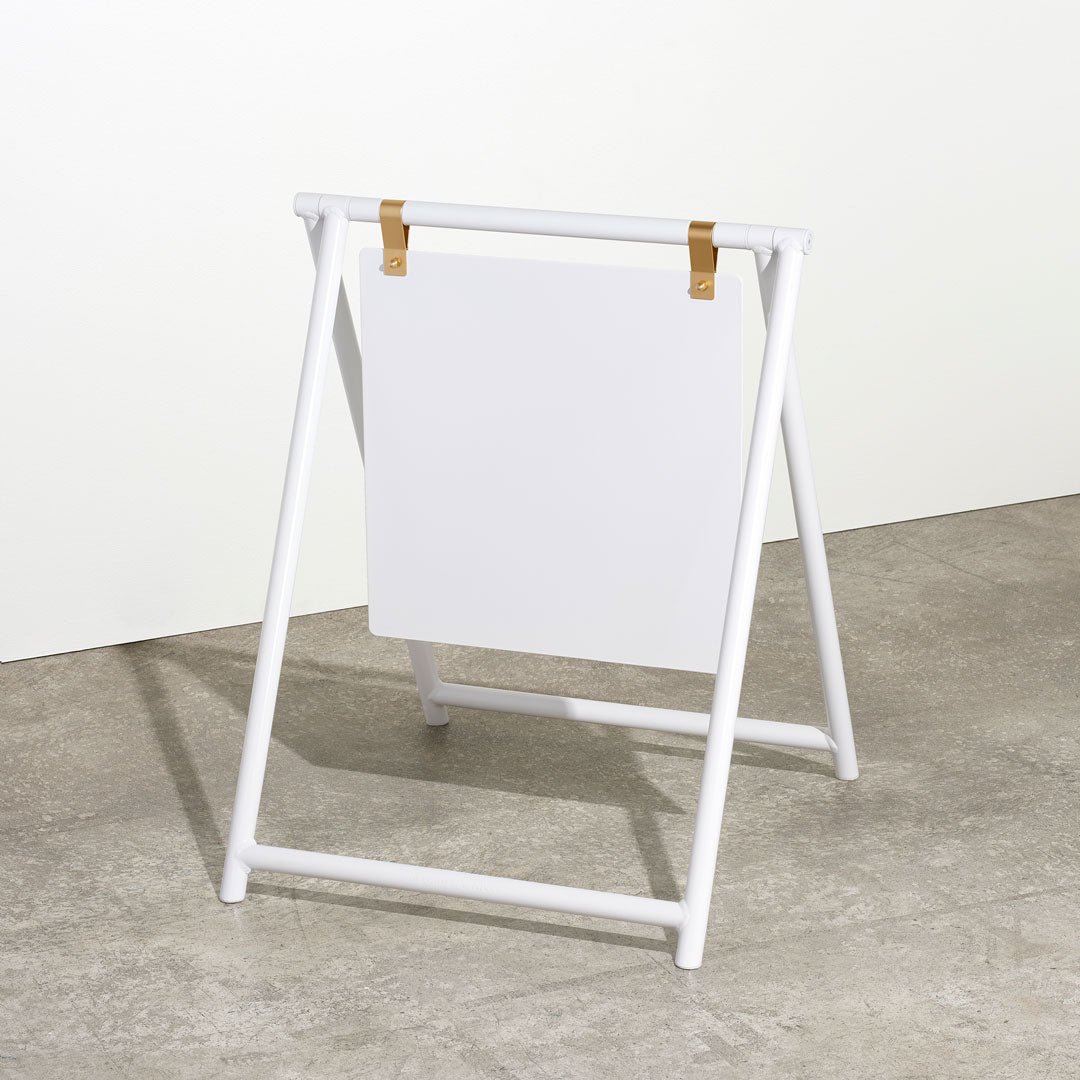
Where and how you install your sign affects its visibility and effectiveness. In tight interiors, a Ceiling Menu Board keeps messaging visible without taking up wall or floor space. Consider the sightlines of both pedestrians and drivers. For drive‑by visibility, consider a Sidewalk Sign positioned near the curb. A sign meant for foot traffic can be mounted at eye level—an A‑Frame Sign on the sidewalk is a simple, high‑visibility option—while a sign for drivers needs to be larger and higher up to be seen from a distance.
Before you begin, check your local city or town regulations. Many areas have sign ordinances that dictate the allowable size, placement, and type of signs you can install. Getting the proper permits beforehand will save you from potential fines and headaches.
Use the Correct Mounting Hardware
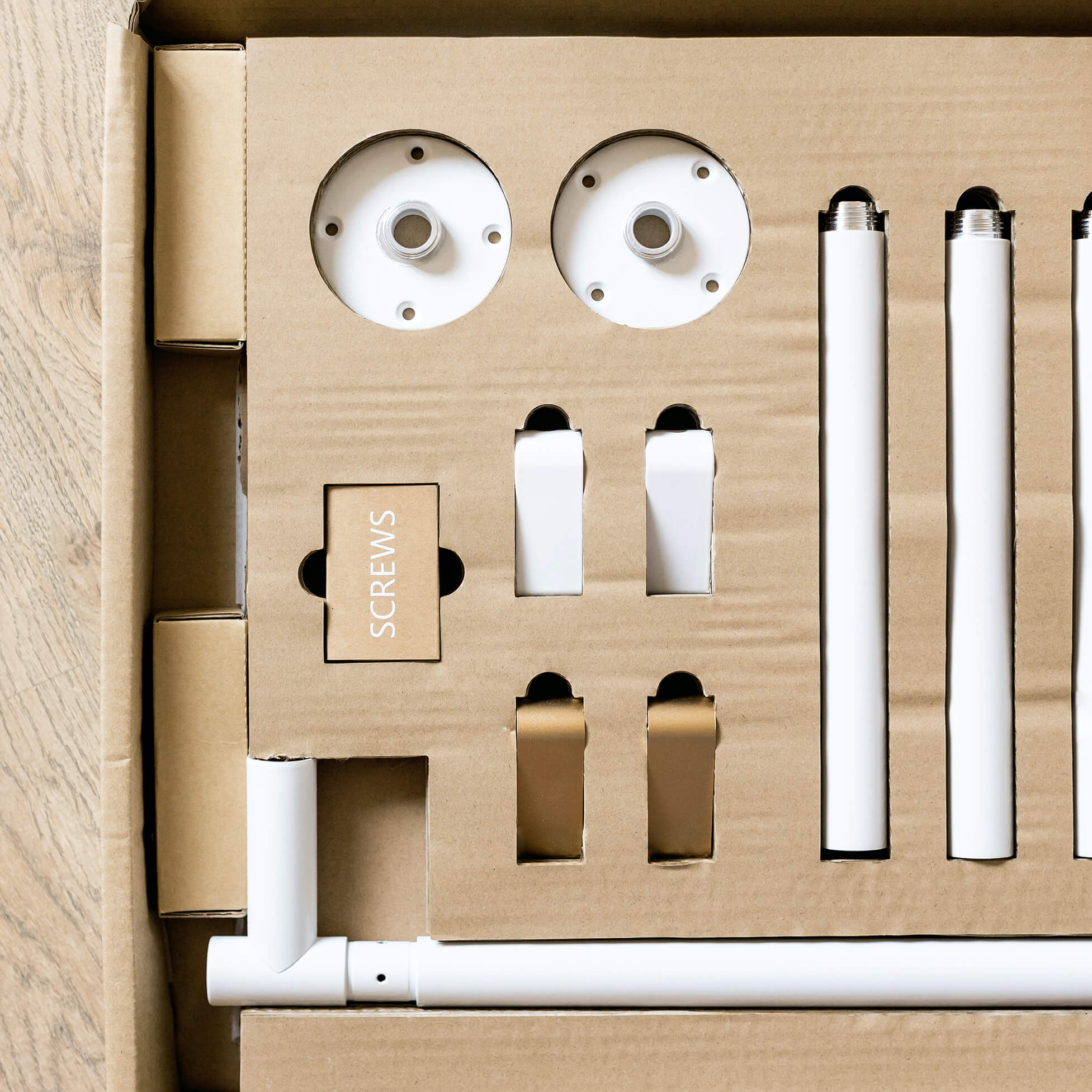
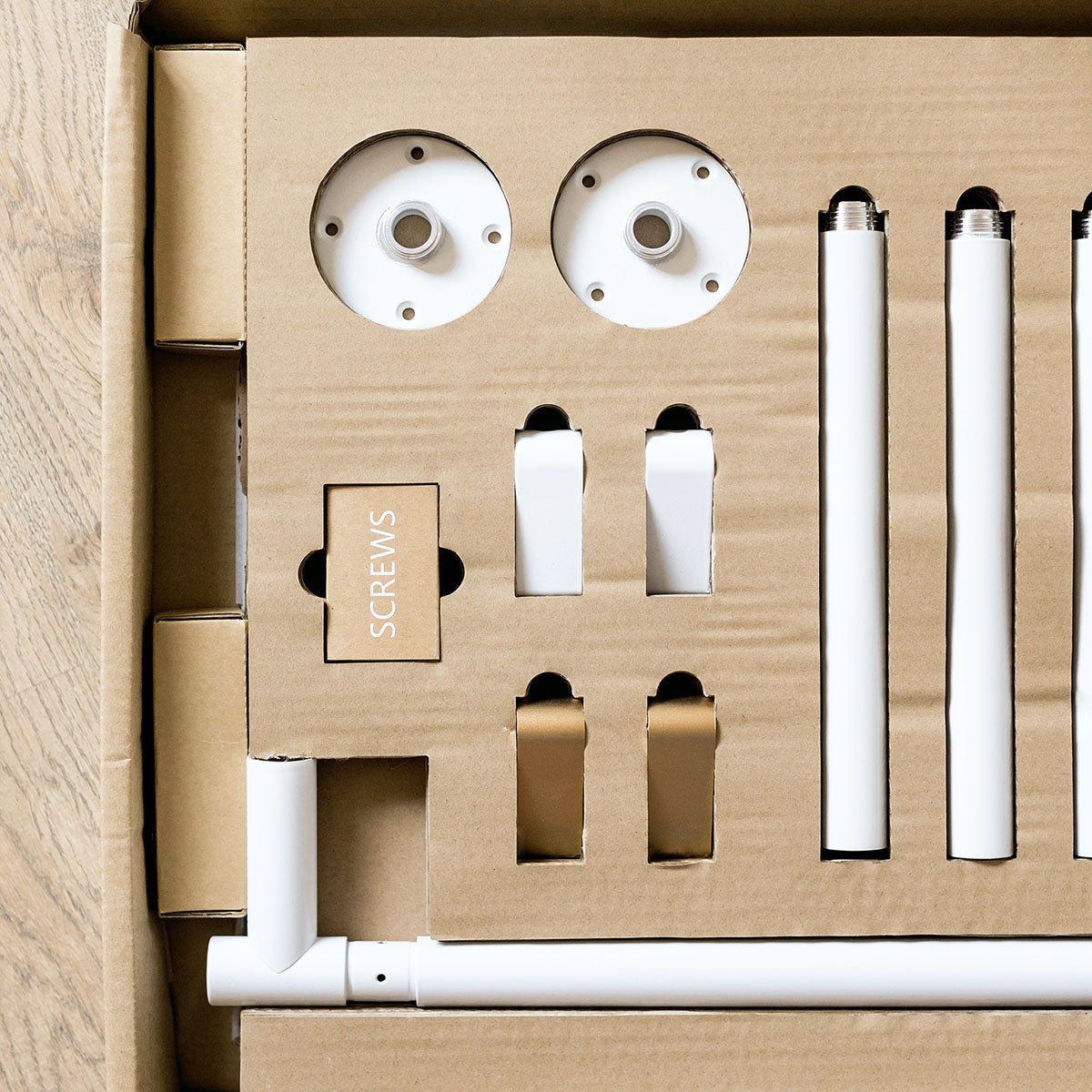
The hardware you use is what keeps your sign securely in place. Using the right bolts, brackets, and anchors is a matter of safety and longevity. A large sign can be subjected to immense force from high winds, so the hardware must be rated for its weight and size. For portable sidewalk signage, adding a Sandbag for A‑Frame Signs improves stability in gusty conditions.
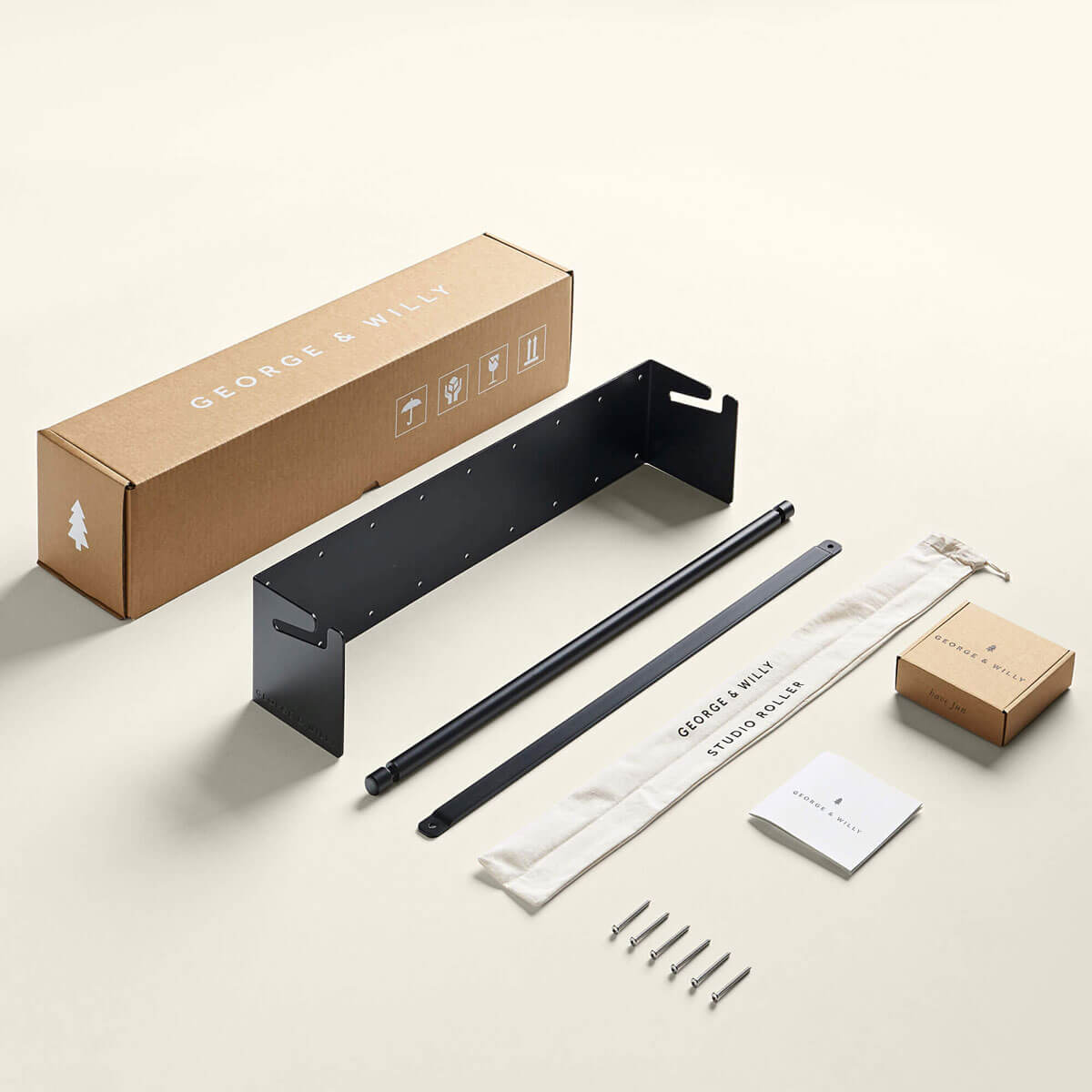
For outdoor signs, always use corrosion resistant fasteners like stainless steel or galvanized steel. This prevents ugly rust streaks and ensures the hardware will not weaken and fail over time. If you are unsure, consult with a professional installer or choose a sign that comes with its own recommended mounting kit.
Your Sign is Your Brand’s Handshake
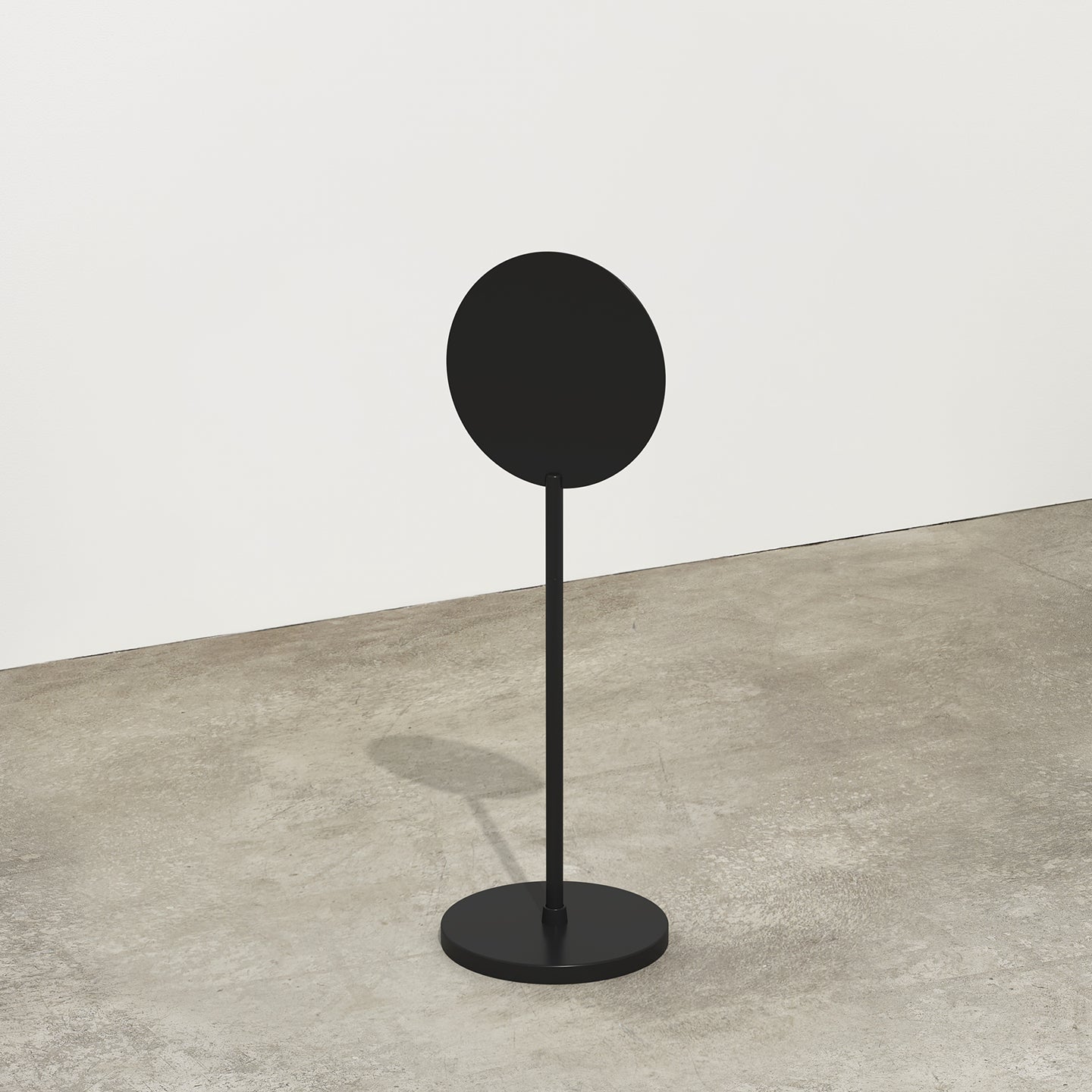
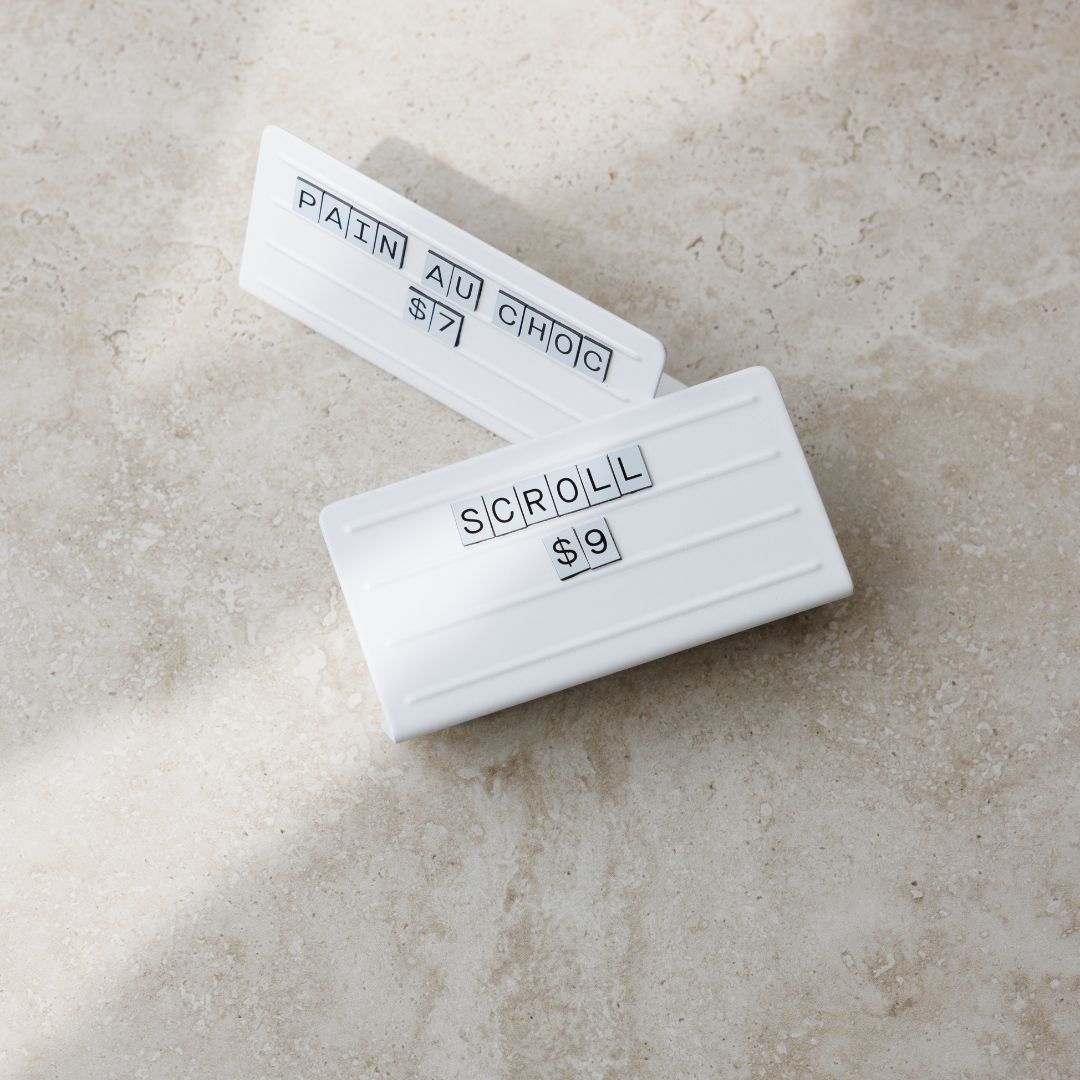
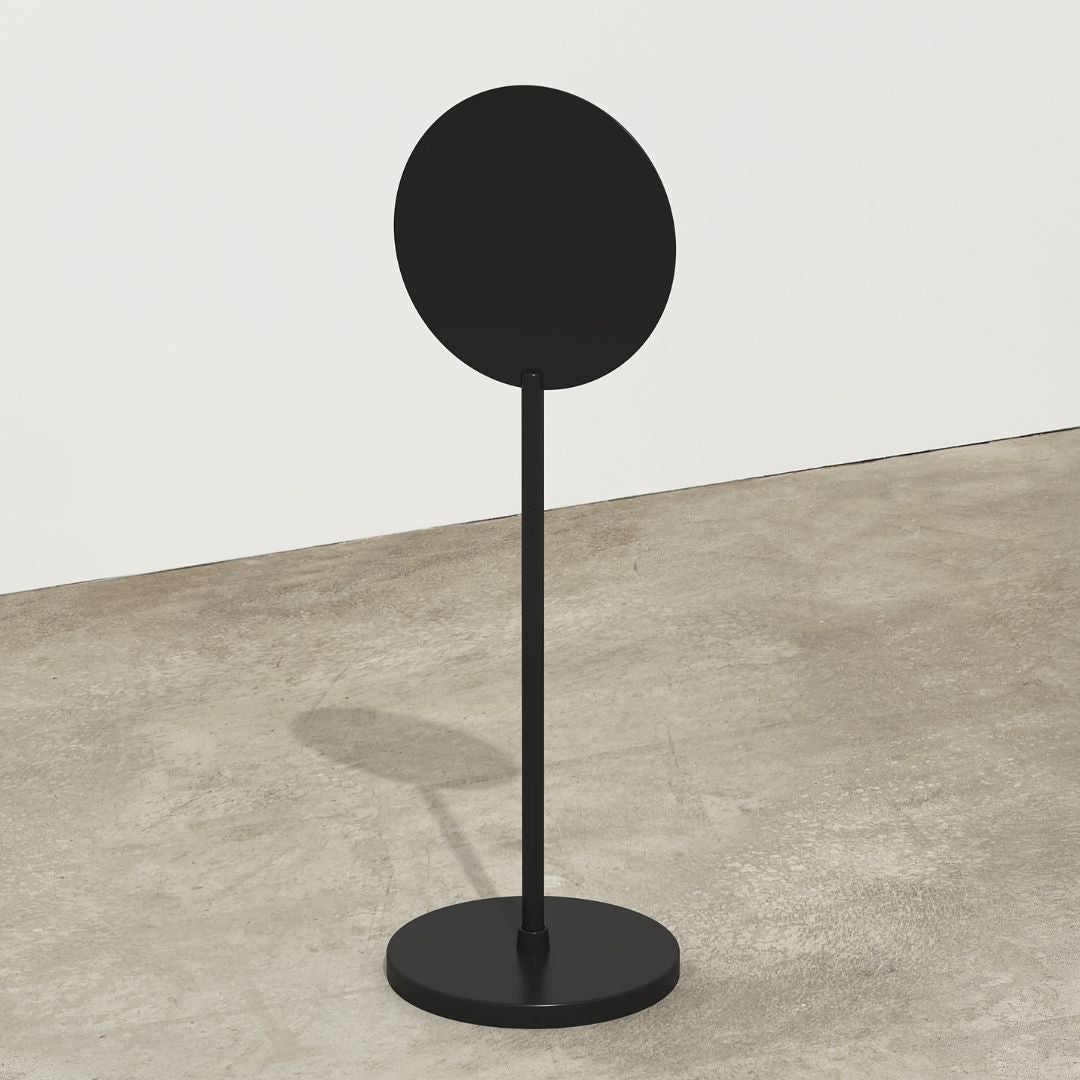
Creating a custom sign is a chance to put your brand’s best foot forward. By focusing on a decorative design, clear fonts, durable materials, and a secure installation, you can create signage that not only looks fantastic but also works tirelessly to attract customers. Inside your space, small Counter Signs can reinforce the look at checkout or shelving. A thoughtfully designed decorative sign is an investment that pays dividends in brand recognition and foot traffic for years to come.
Frequently Asked Questions
What are decorative signs? Decorative signs are business or personal signs designed with a strong emphasis on aesthetics and brand personality. They go beyond simply conveying information to create a specific mood or first impression through thoughtful use of style, materials, color, and typography.
How big should letters on a sign be? A general guideline is to have at least one inch of letter height for every 10 feet of viewing distance. If your sign needs to be visible to drivers from 100 feet away, your letters should be at least 10 inches tall.
What is the best material for outdoor decorative signs? Aluminum and aluminum composite are excellent all around choices for outdoor decorative signs due to their durability, light weight, and resistance to rust. For maximum longevity, especially in harsh weather, premium materials like stainless steel are a top tier option.
Is it better to print or engrave a sign? It depends on your needs. Printing is ideal for complex, full color graphics and is often more budget friendly. Engraving offers superior durability and a more permanent, premium look that will not peel or fade, making it a great long term investment.
How do I choose colors for my sign? Select colors that reflect your brand’s personality and ensure high contrast between the background and the text for maximum readability. A limited color palette of two to three colors usually looks cleaner and more professional than a sign with too many competing colors.
Do I need a permit for my business sign? In many cases, yes. Most cities and towns have regulations governing the size, location, and installation of business signs, especially for outdoor use. Always check with your local planning or building department before installing a new sign to ensure you are in compliance.