





In a world full of visual noise, making your business stand out is everything. One of the most effective ways to grab attention, especially after the sun goes down, is with illuminated LED signage displays. Put simply, an illuminated sign is any sign with a built in light source, allowing it to shine on its own. It’s your 24/7 brand ambassador, working tirelessly to attract customers day and night.
This guide will walk you through everything you need to know about illuminated signage, from the different types and technologies to the practical details of design, cost, and installation. Whether you’re opening a new café or giving your storefront a facelift, let’s shed some light on how to make your brand shine.
Why Choose Illuminated Signage? The Key Benefits
The biggest difference between illuminated and non illuminated signage is, of course, the light. An illuminated sign contains its own light source, giving it constant visibility, while a non lit sign depends on daylight or external spotlights. After sunset, a non lit sign can easily fade into the background.
Investing in illuminated signage offers several powerful advantages:
- Boosted Visibility and Foot Traffic: The human eye is naturally drawn to light. An illuminated sign cuts through the darkness, fog, and rain, making your business visible from greater distances. This increased visibility can directly translate to more customers walking through your door.
- Around the Clock Advertising: Your sign works for you long after you’ve closed for the day. It’s a constant promotion, building brand awareness with every person who passes by. This nonstop advertising can give you a real edge over competitors who go dark at night.
- Enhanced Professionalism: A well designed illuminated sign makes your business look more modern, established, and inviting. It elevates your storefront’s aesthetic and creates a strong first impression. As one shop owner noted, a quality lit sign “lifts the presence of our store before anyone walks in the door.”
- Brand Recognition: Light, color, and design combine to create a memorable brand marker. Effective illuminated signage is a powerful tool for building a lasting identity in your community.
Common Types of Illuminated Signage
Illuminated signage isn’t a one size fits all solution. It comes in various forms, each with a unique look and feel. Let’s explore the most popular options.
Lightbox (or Cabinet) Signs
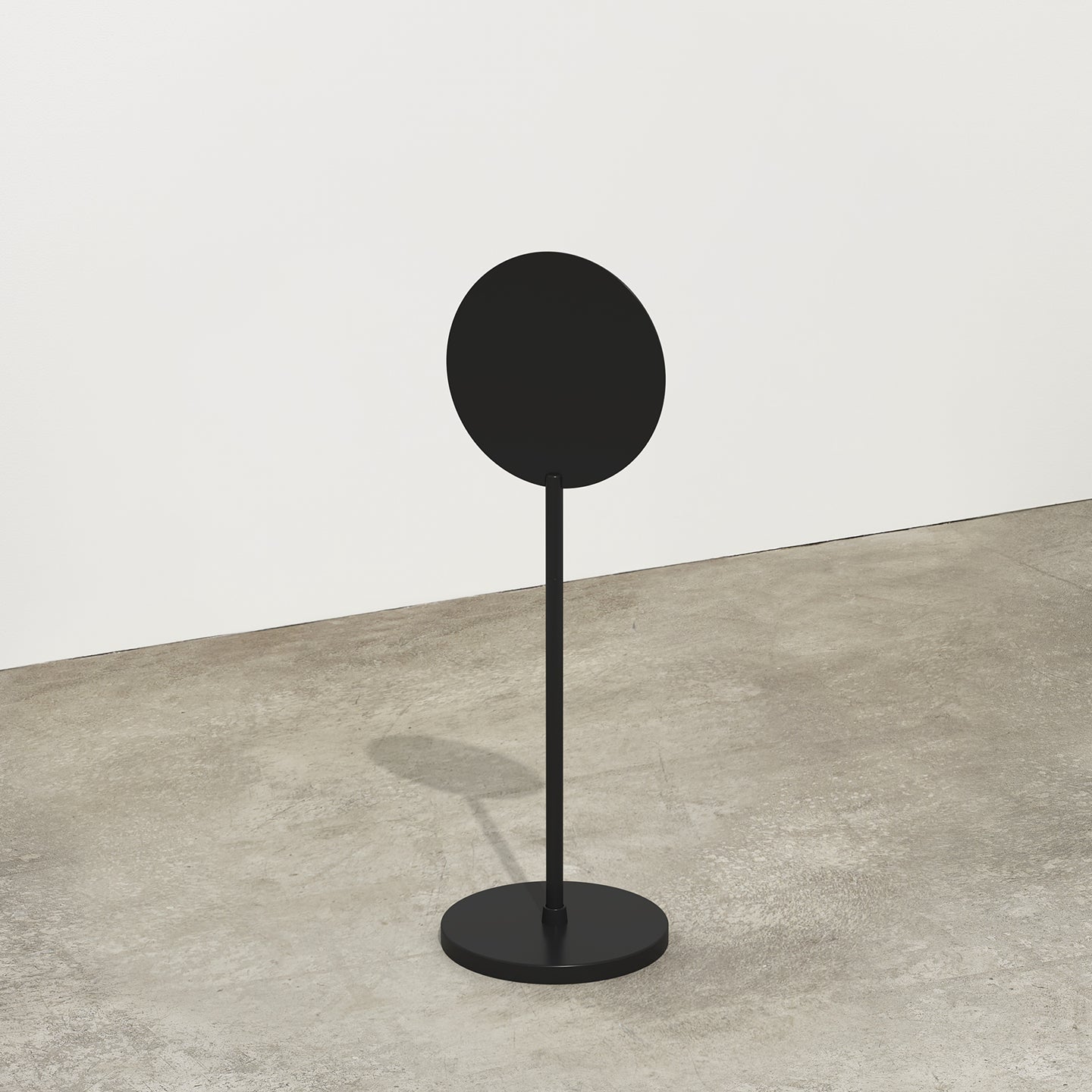
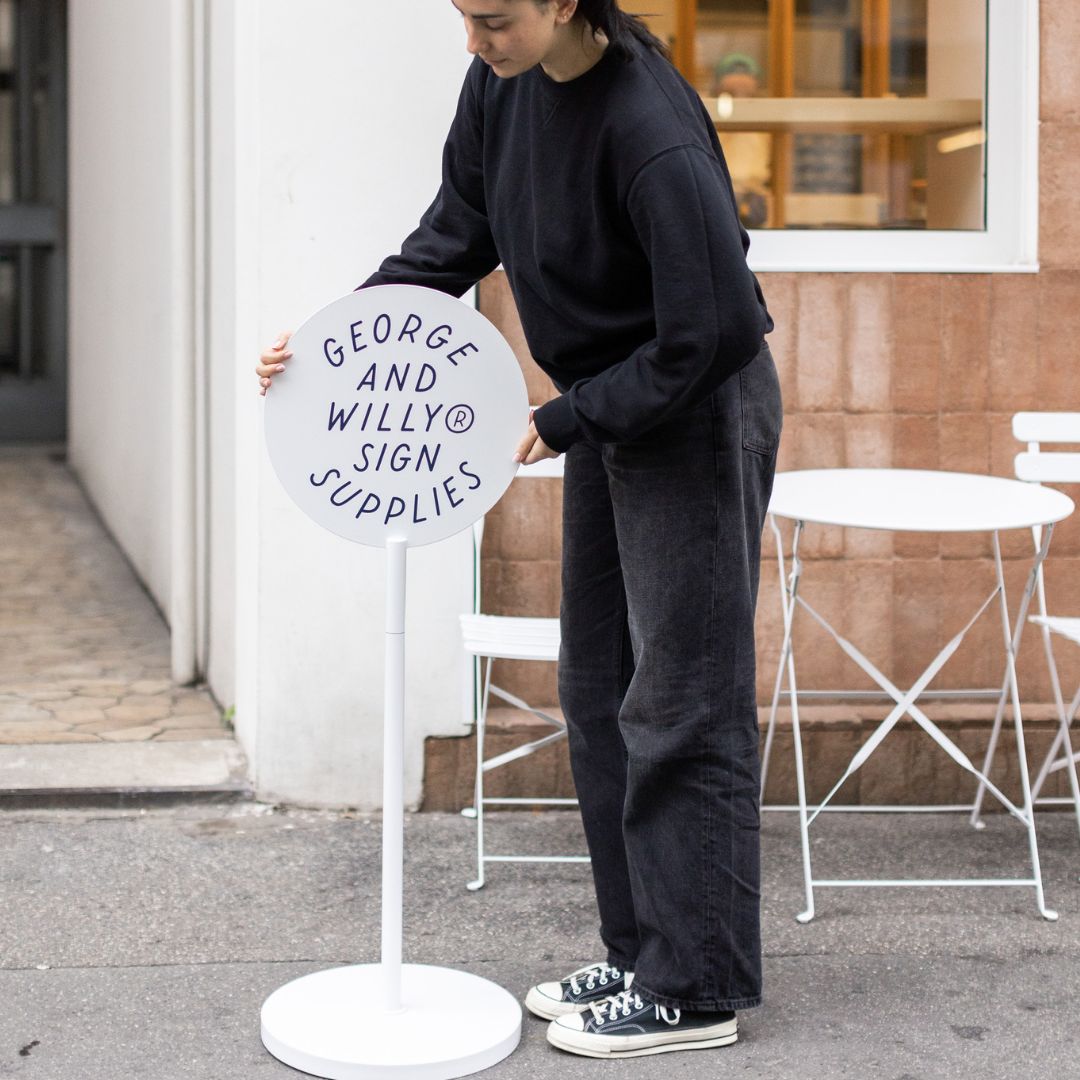
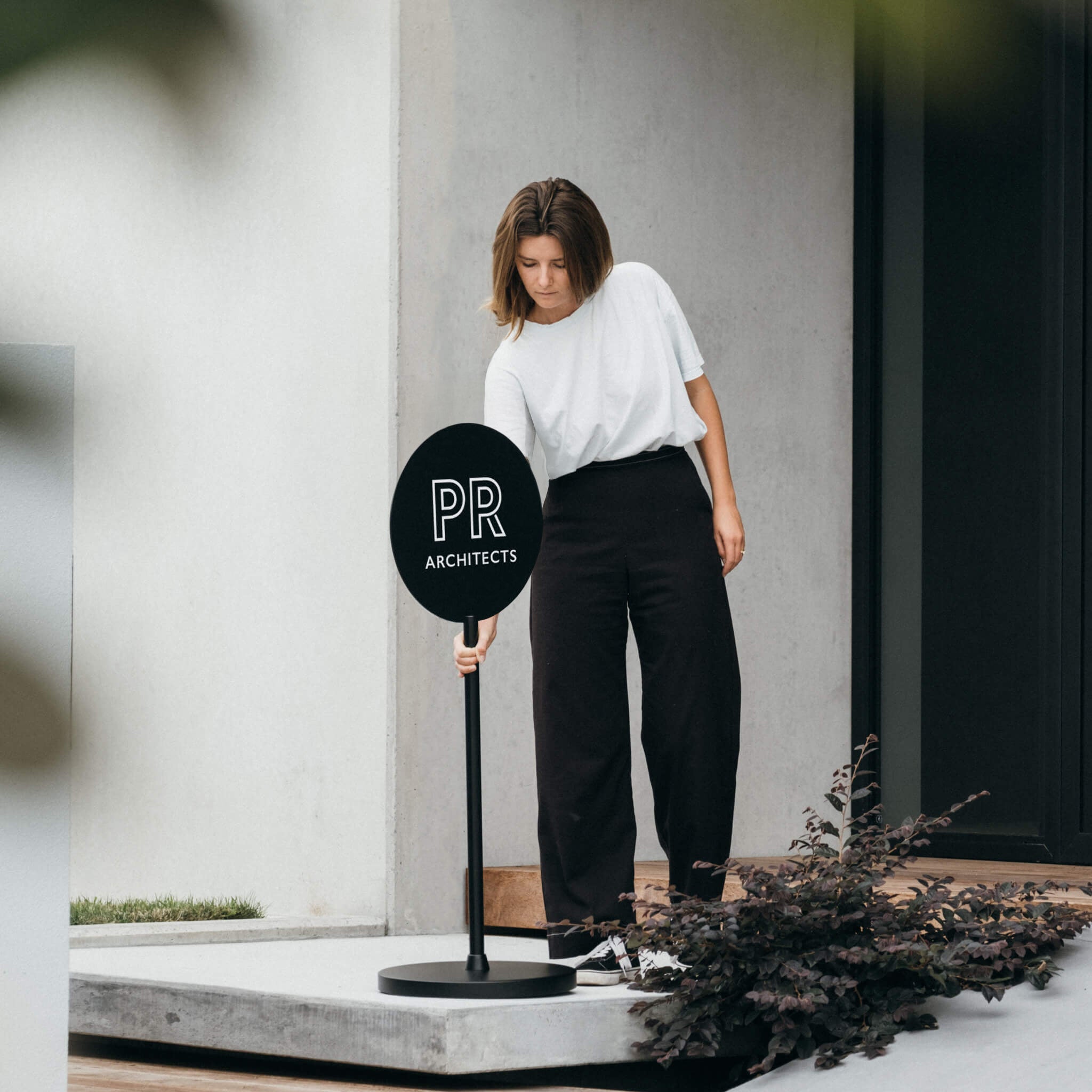
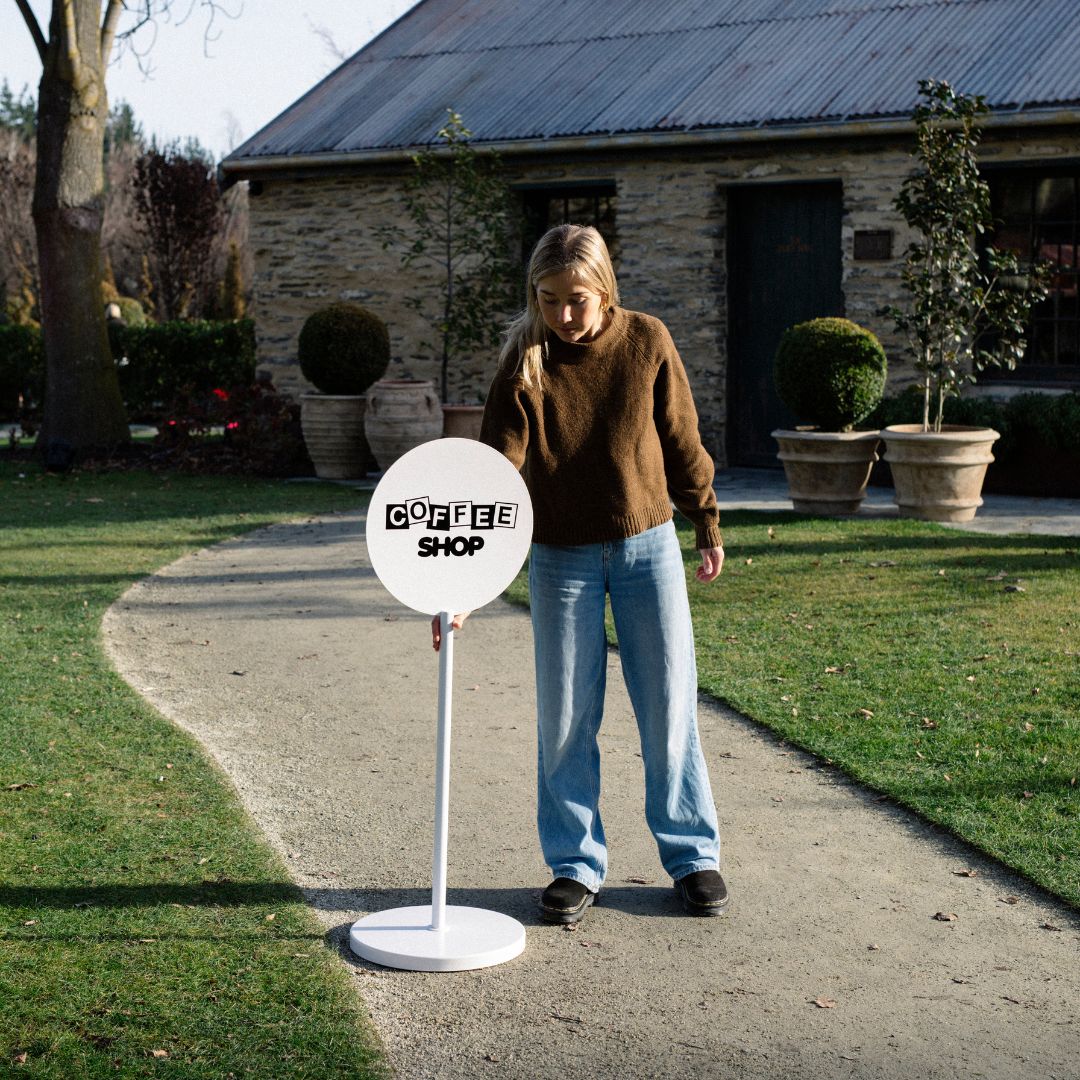
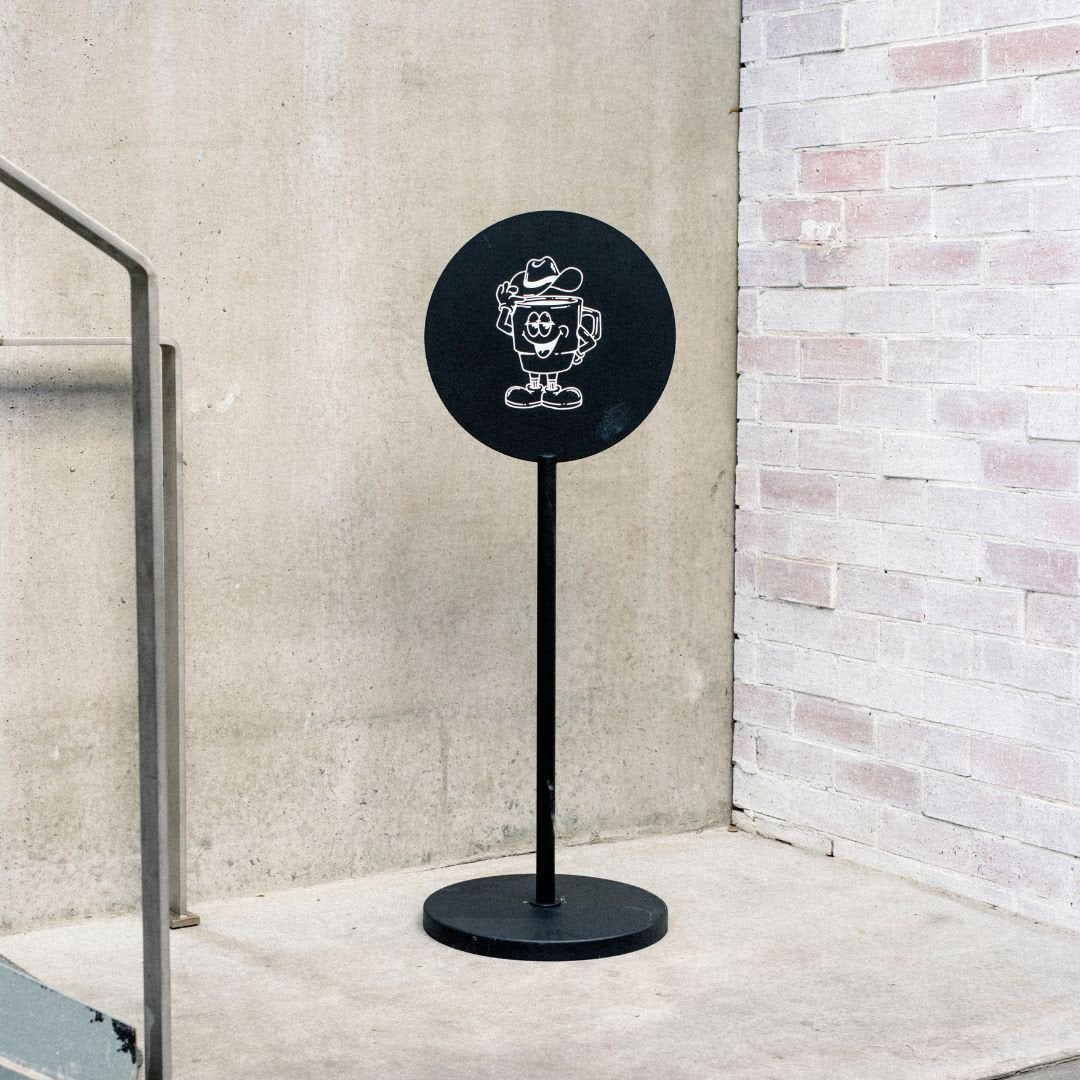
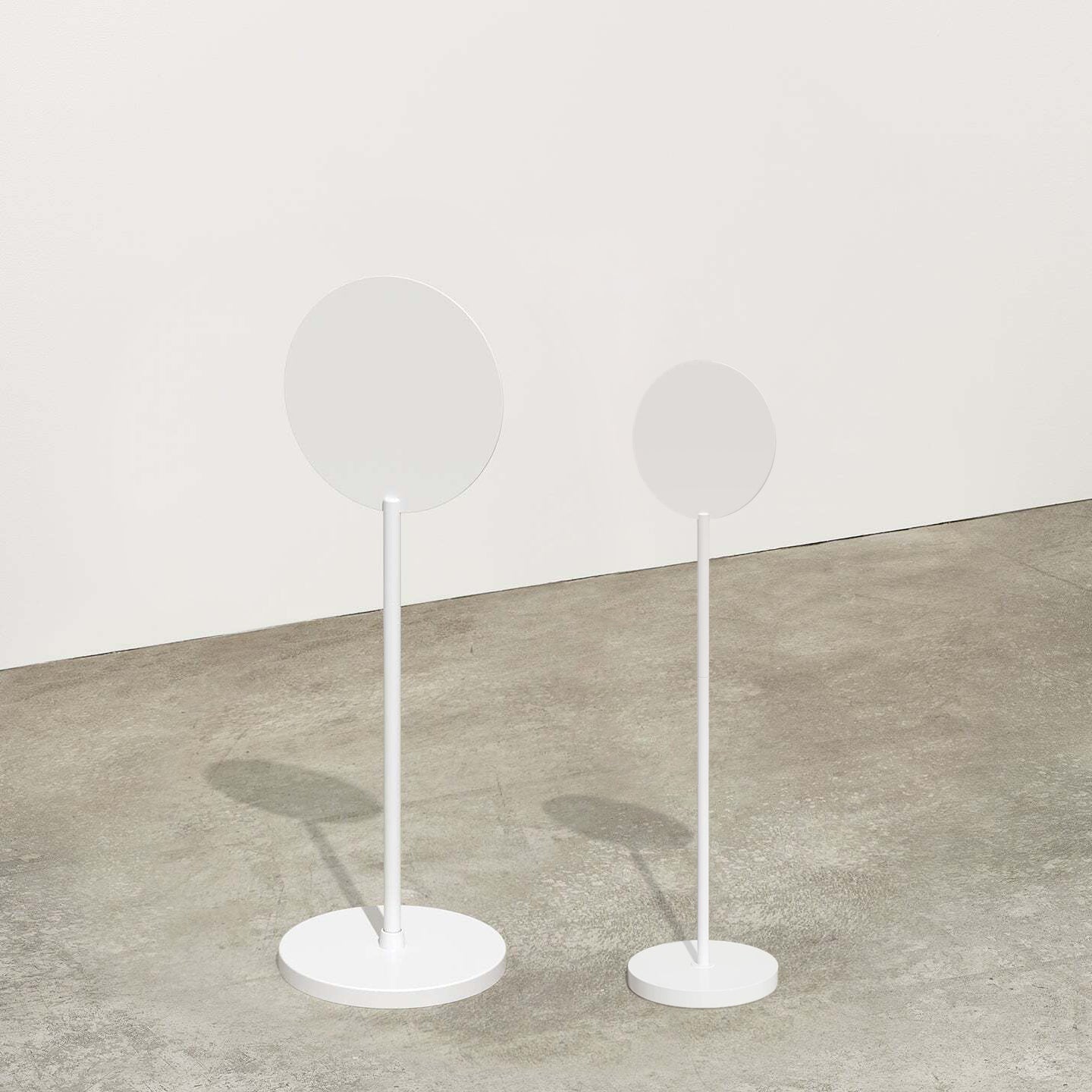
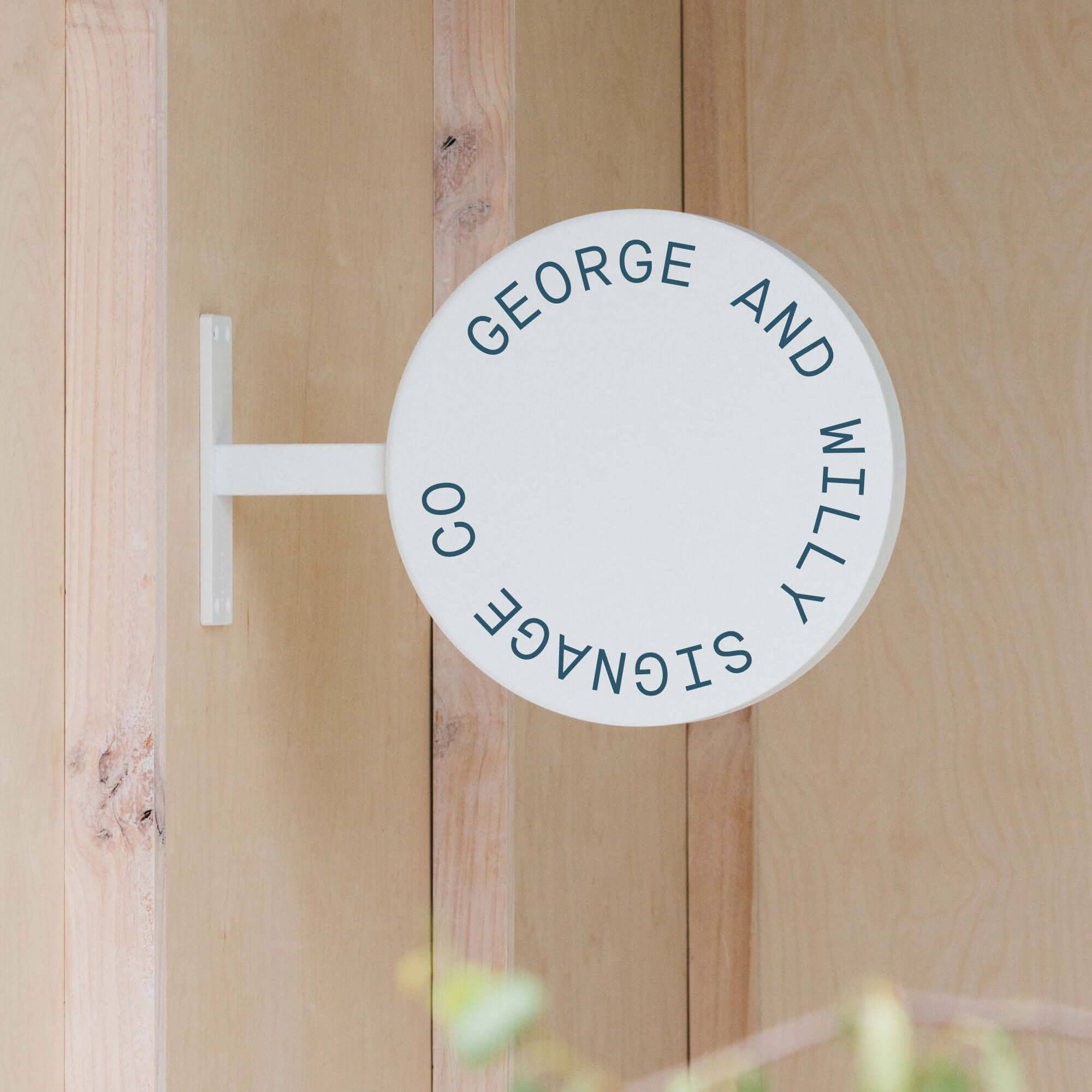
A lightbox sign, also called a sign cabinet, is an enclosed box containing lights that shine through a translucent front panel. This creates a large, uniformly lit canvas perfect for displaying full color logos and graphics. They are a cost effective way to get 24/7 visibility and are commonly used for storefronts, pole signs, and directories. The graphic faces can often be swapped out, making rebrands or updates easy. For a clean, modern storefront companion, pair your lightbox with a simple round blade such as the Round Outdoor Shop Sign.
Panel Signs (Push Through, Shoebox & Flat)
Panel signs offer a step up from basic lightboxes with more sophisticated construction.
- Push Through Acrylic Signs: For a high end, dimensional look, push through signs are an excellent choice. Letters and logos are cut out of a solid aluminum panel, and thick acrylic shapes are pushed through the openings. When lit from within, only the acrylic elements glow, creating a sharp, striking effect that stands out with premium appeal.
- Shoebox Panel Signs: This type of sign gets its name from its construction. The front panel, or face, has sides that fit over the main cabinet body like the lid on a shoebox. This design creates clean edges and hides fasteners for a seamless, modern appearance.
- Flat Panel Signs: These signs feature a simple, flat face and are valued for their minimalist aesthetic. They provide a sleek canvas for illuminated graphics and logos, often using internal lighting to create a clean, even glow across the surface.
Channel Letter Signage
Channel letter signage consists of individual, three dimensional letters, each with its own internal lighting. This creates a premium, high impact look, as each character in your business name glows independently. Custom fabricated from metal and acrylic, channel letters are the gold standard for many storefronts and commercial buildings.
Front Lit Channel Letters
This is the most common style of channel letter signage. The light shines forward through a translucent acrylic face, making the front of each letter glow brightly. Front lit letters are all about maximum brightness and readability from a distance, making them a popular choice for retail stores and restaurants.
Backlit (Halo Lit) Channel Letters
Also known as halo lit letters, this style offers a more subtle and sophisticated effect. The letters have solid, opaque faces, and the light shines out from the back, casting a soft glow onto the wall behind them. This creates a beautiful halo that outlines each letter, projecting an elegant, upscale image.
Neon and LED Neon Signs
Classic Neon Signs
A true neon sign is a work of art, made from handcrafted glass tubes filled with gas that glows when electrified. Neon offers a unique, warm, and nostalgic light that’s instantly recognizable. While it has been largely replaced by modern tech for practical reasons, nothing quite captures the vintage, retro vibe of a real neon sign.
LED Neon Signs
For those who love the neon look but want modern efficiency, LED neon signs are the perfect solution. These signs use flexible, LED filled tubes to mimic the appearance of traditional neon. They are far more energy efficient, more durable since there’s no glass to break, and have a much longer lifespan.
Monument Signs
A monument sign is a freestanding, ground mounted sign typically found at the entrance to a property, shopping center, or corporate campus. Often constructed with materials like brick, stone, or metal to match the site’s architecture, these signs can be internally or externally illuminated. An illuminated monument sign provides a landmark presence, enhances brand prestige, and offers clear identification day and night.
How Signs Get Their Glow: Lighting Methods
Understanding the technology behind illuminated signage can help you choose the right option for your needs.
Internal vs. External Illumination
There are two primary ways to light a sign. Internal illumination means the light source is built inside the sign itself, like the LEDs within channel letters or a lightbox. This provides bright, even light and is generally superior for visibility.
External illumination involves shining a light onto a sign from an outside source, like a spotlight or a gooseneck lamp. This method can create a charming, classic look and is sometimes required by regulations in historic districts. In those settings, a non intrusive projecting option like the Wall Sign keeps visibility high while meeting local rules. However, it can also lead to uneven lighting, shadows, and glare.
Light Sources: LED vs. Fluorescent vs. Neon
- LED (Light Emitting Diode): This is the king of modern illuminated signage. LEDs are incredibly energy efficient, have an extremely long lifespan (often 50,000 hours or more), and are very durable. Their low voltage operation makes them a safer, more eco friendly choice.
- Fluorescent: Once the standard for lightboxes, fluorescent tubes are now largely obsolete in new signage. They consume more power than LEDs, have a shorter lifespan, and contain mercury, which requires careful disposal.
- Neon: Traditional neon uses electrified gas in glass tubes. It creates a beautiful glow but is less energy efficient, more fragile, and requires high voltage transformers. Its use today is often driven by aesthetic choice rather than pure practicality.
Practical Steps for Your Illuminated Signage Project
Bringing your illuminated sign to life involves more than just picking a style. Here are the key practical considerations.
Design: Making Your Sign Readable and Effective
A great illuminated sign is clear, concise, and easy to read.
- Typography: Choose simple, bold fonts. Ornate or thin scripts can become blurry when lit. Ensure letters have enough space between them to avoid merging into a single glowing blob.
- Size: A good rule of thumb is to have one inch of letter height for every ten feet of viewing distance. If you want your sign to be readable from 100 feet away, aim for letters that are at least 10 inches tall.
- Color and Contrast: High contrast is crucial. White letters on a dark background or dark letters on a light background always work well. Ensure your brand colors have enough contrast to stand out, both in daylight and when illuminated.
- Simplicity: Less is more. Your business name and perhaps a simple logo are usually all you need. Cluttering your sign with too much information will only make it harder to read.
Navigating Local Regulations and Permits
Before you install any outdoor sign, you must check your local regulations. Most cities and towns require a sign permit for new installations, especially for illuminated signage. Codes often dictate the sign’s size, placement, brightness, and even the type of illumination allowed. Working with a professional sign company is a huge help here, as they are typically familiar with local codes and can often handle the permit application process for you.
Installation Considerations
Proper installation is critical for safety, longevity, and performance.
- Electrical Work: Illuminated signs require a power source. All electrical connections must be made by a licensed electrician to ensure they are safe and meet local codes. This often involves running conduit to the sign’s location.
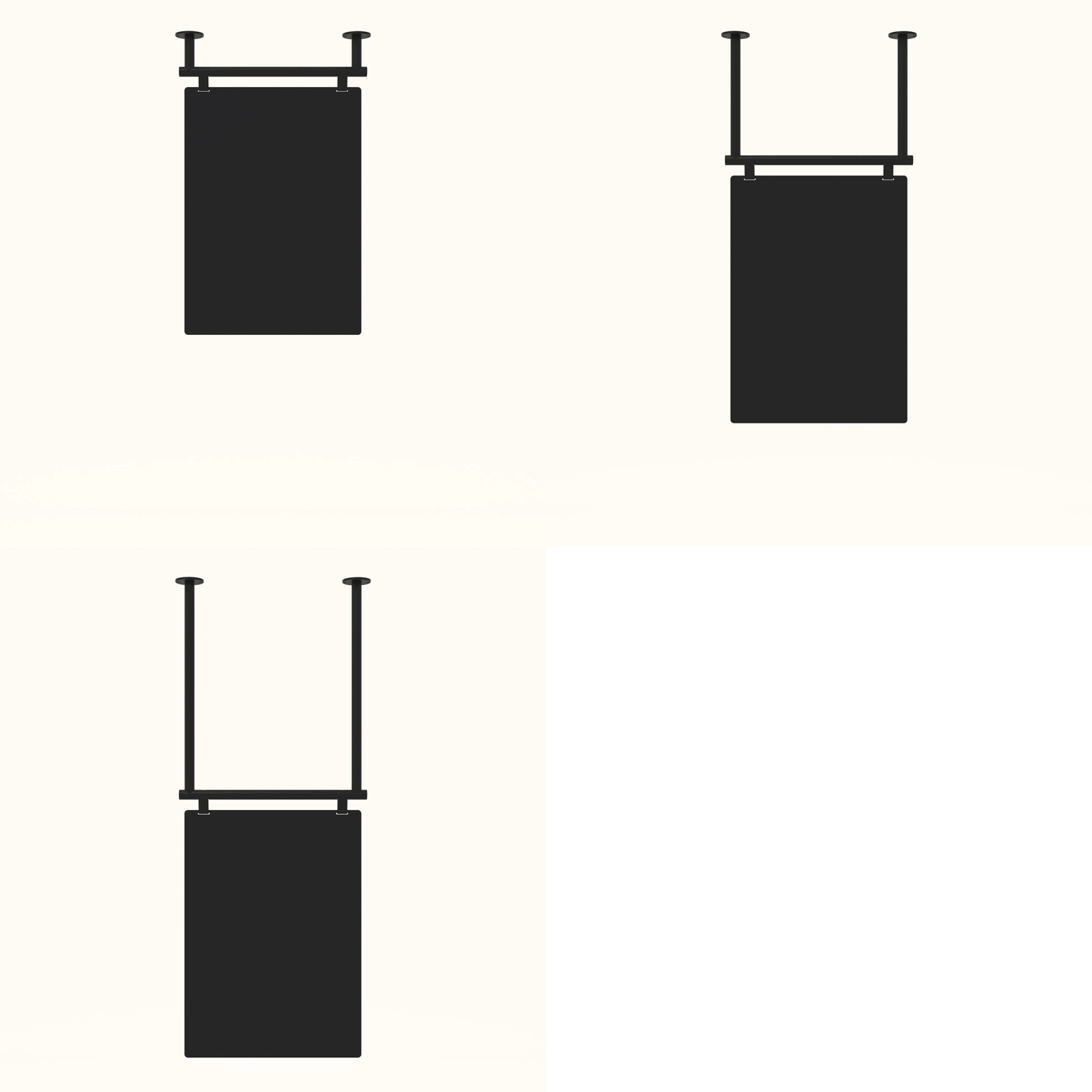
- Mounting and Structural Support: Exterior signs must be securely fastened to withstand wind, rain, and other weather conditions. The installation method will depend on the sign type and the building’s facade. A professional installer will assess the wall structure and use appropriate hardware to ensure a secure fit.
- Accessibility: Consider the location for future maintenance. While LED signs require little upkeep, having safe access to the sign and its electrical components is important for any potential repairs down the line.
Understanding the Costs
The average cost of illuminated signage can vary widely, from a few hundred dollars for a small LED neon sign to over $10,000 for a large, custom monument sign. Key factors influencing the price include:
- Type and Complexity: Custom push through acrylic or channel letters will cost more than a standard lightbox.
- Size: Bigger signs require more materials and labor.
- Materials: Premium materials like stainless steel or architectural elements for a monument sign increase the cost.
- Installation: Difficult installations, like on a high rise building or a site requiring significant electrical work, will add to the final price.
While the upfront investment can seem significant, a quality illuminated sign pays for itself over time through increased visibility and brand recognition.
Maintenance, Durability, and Repairs
Modern illuminated signage, especially LED based signs, is built to last.
- Lifespan: LED lights can last for 50,000 hours or more, which translates to over a decade of typical nightly use. The physical structure of the sign can last for 20 years or longer.
- Maintenance: Maintenance is generally low. It mostly involves periodic cleaning to keep the sign looking bright and checking electrical connections.
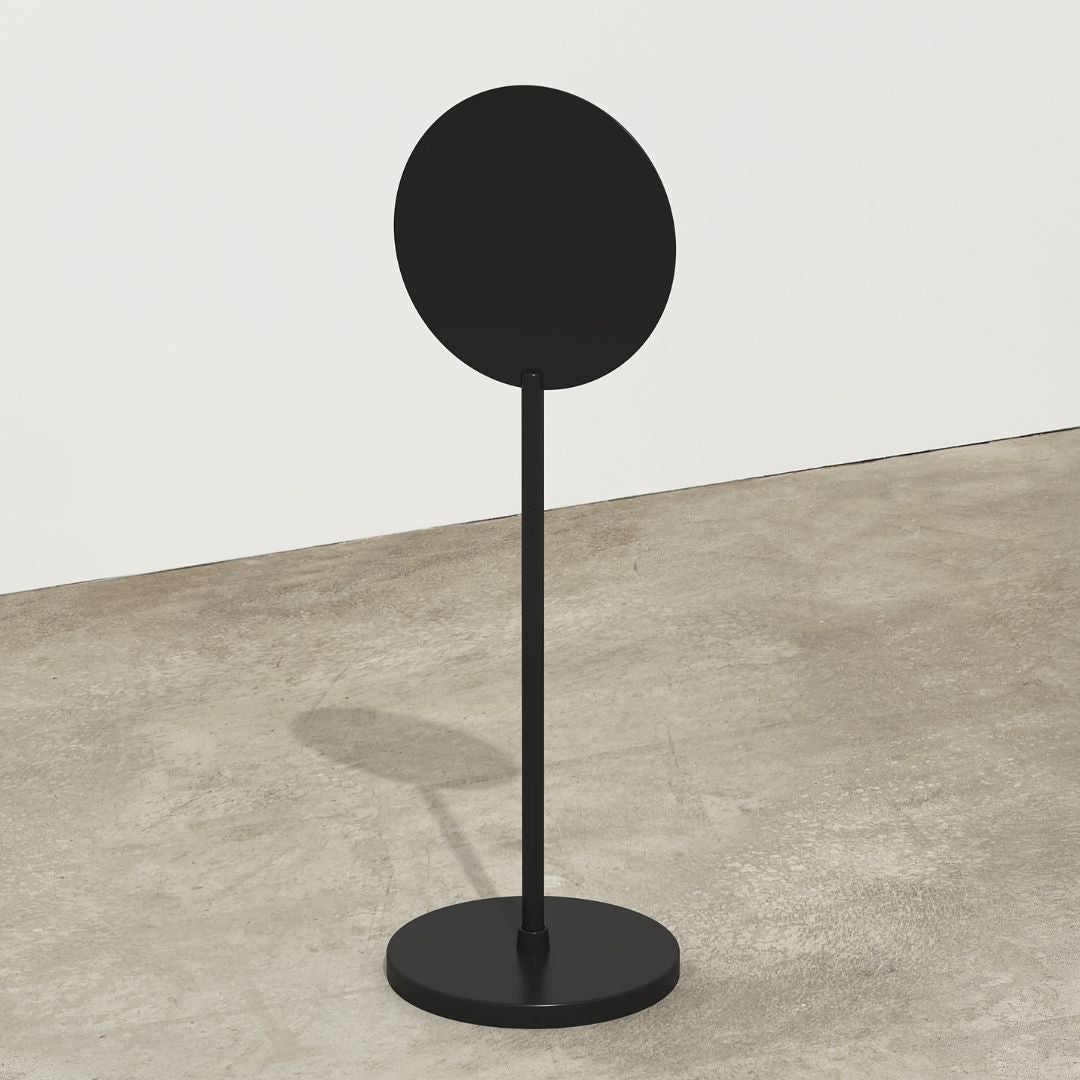
- Durability: Outdoor signs are built to withstand the elements using rust proof materials like powder coated aluminum and weather sealed enclosures. For durable, design forward options, consider a weather resistant sidewalk display like the Rounded Sidewalk Sign.
- Repairs: Even the most durable signs may eventually need repairs. Common issues include a failed power supply, wiring problems, or a burnt out LED module. It is best to contact a professional sign technician for repairs, as they can safely diagnose and fix electrical issues.
Retrofitting an Existing Sign
Have a non lit sign you wish was illuminated? Retrofitting is often possible. You can upgrade old fluorescent or neon signs to energy efficient LEDs. This can significantly lower your electricity bill and reduce maintenance. It’s also sometimes possible to add external lighting to an existing non lit sign to give it nighttime visibility.
The Buying Process and Common Use Cases
The process for getting your illuminated signage typically starts with defining your needs and budget. From there, you work with a designer or sign company to create a concept that aligns with your brand and local regulations. After finalizing the design and getting permits, the sign is fabricated and finally installed.
Illuminated signs are incredibly versatile. Here are a few common use cases:
- Storefront Signage: This is the most common application. A bold set of channel letters or a bright lightbox can define a storefront’s presence. Add a projecting blade sign, like the Rectangle Blade Sign, to capture pedestrians approaching from the side.
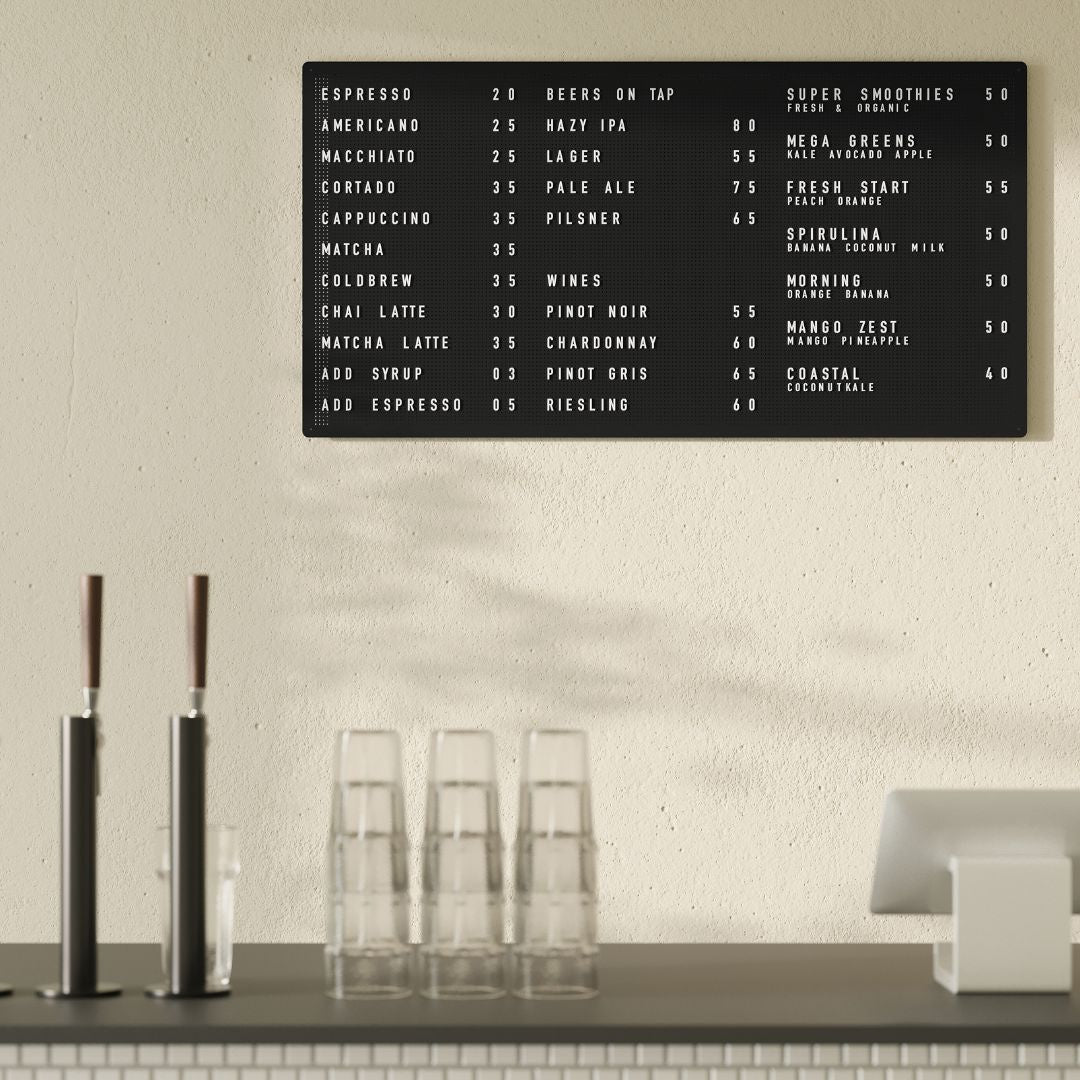
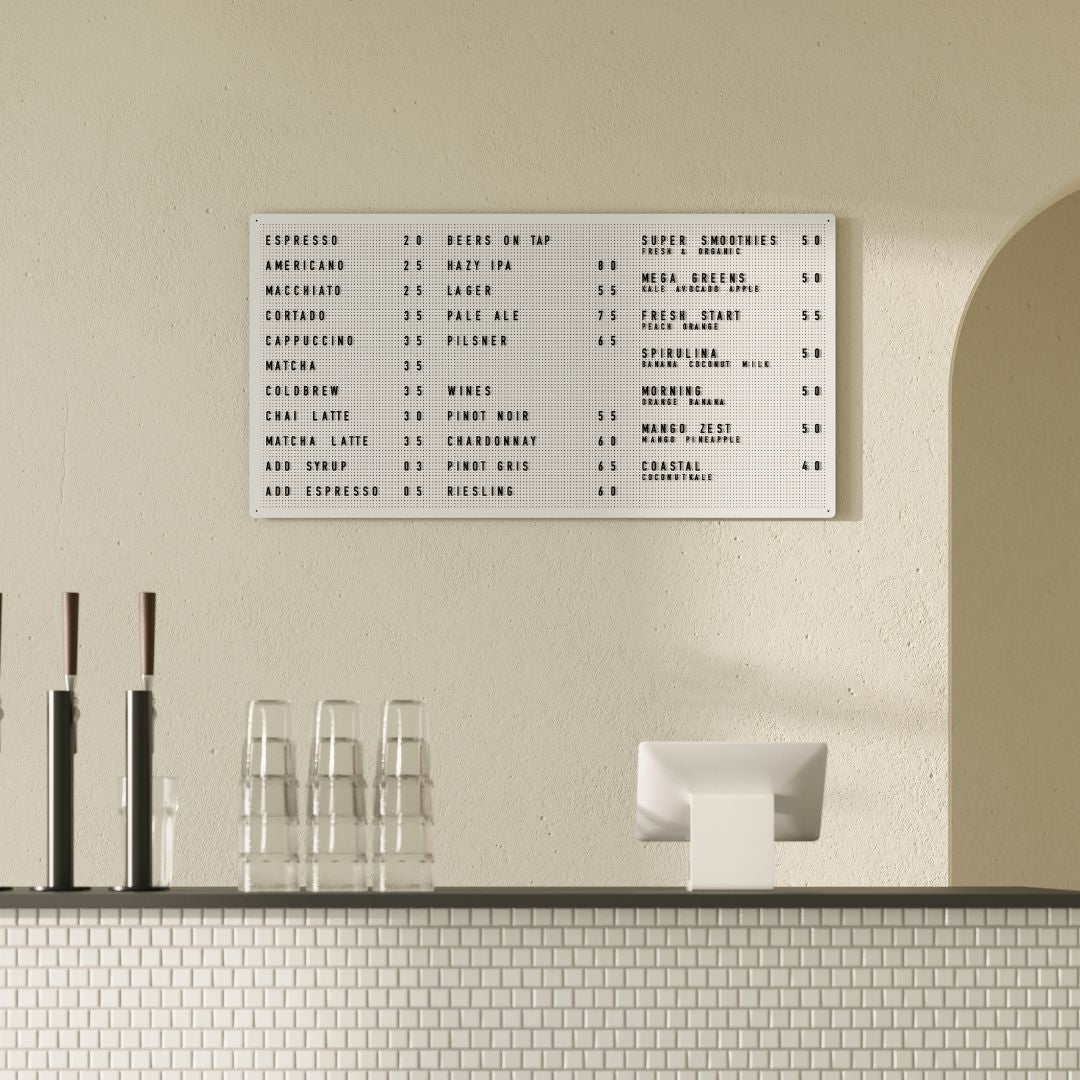
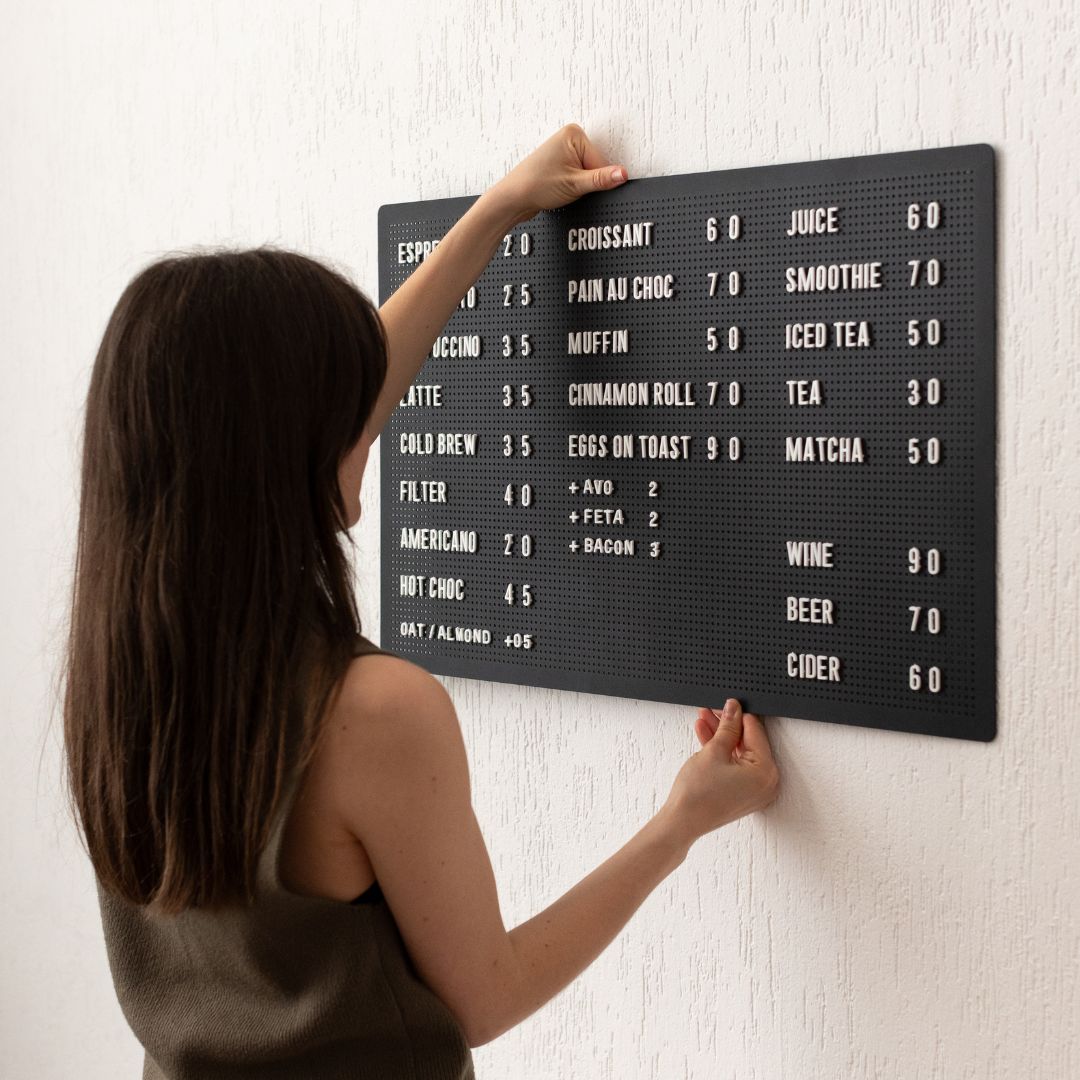
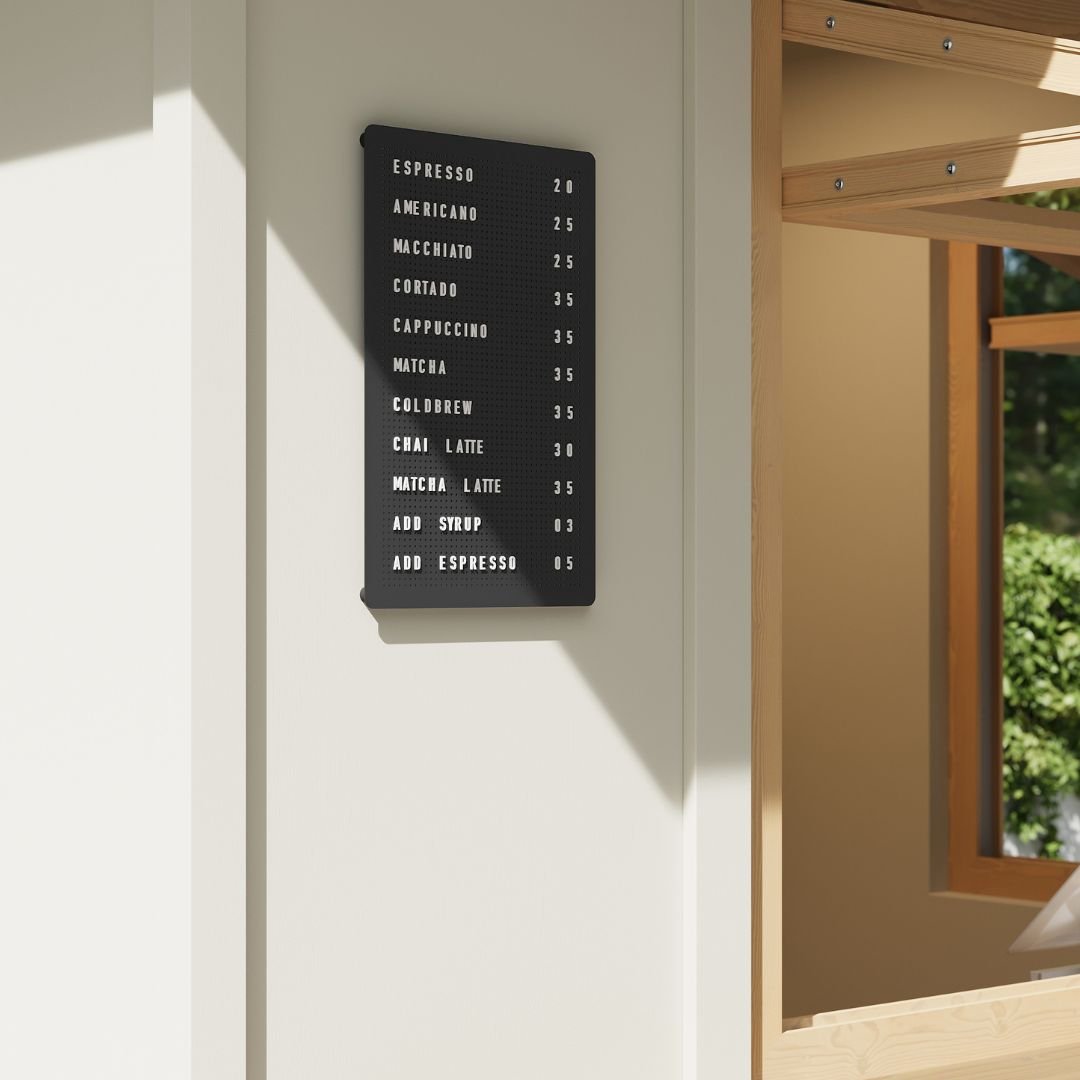
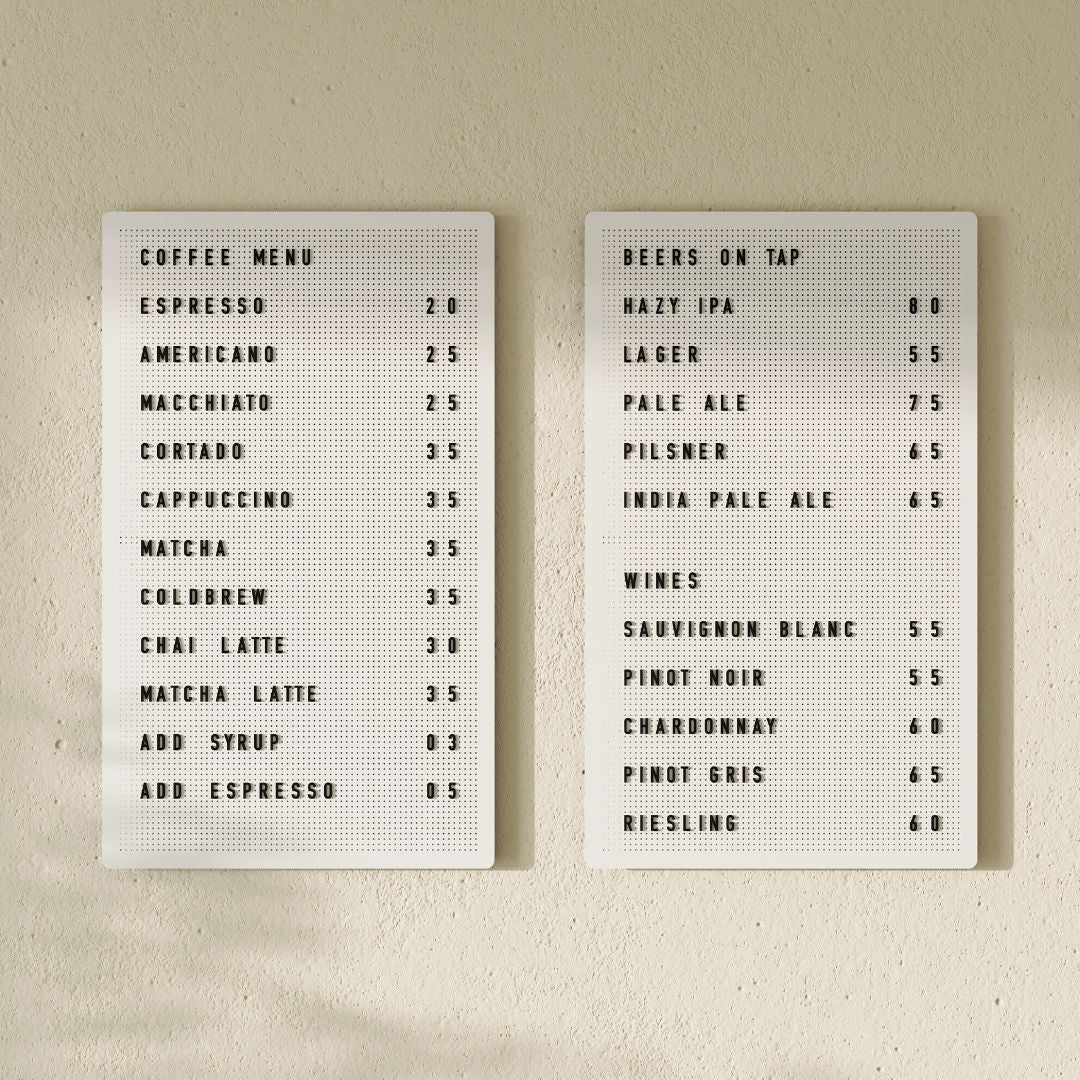
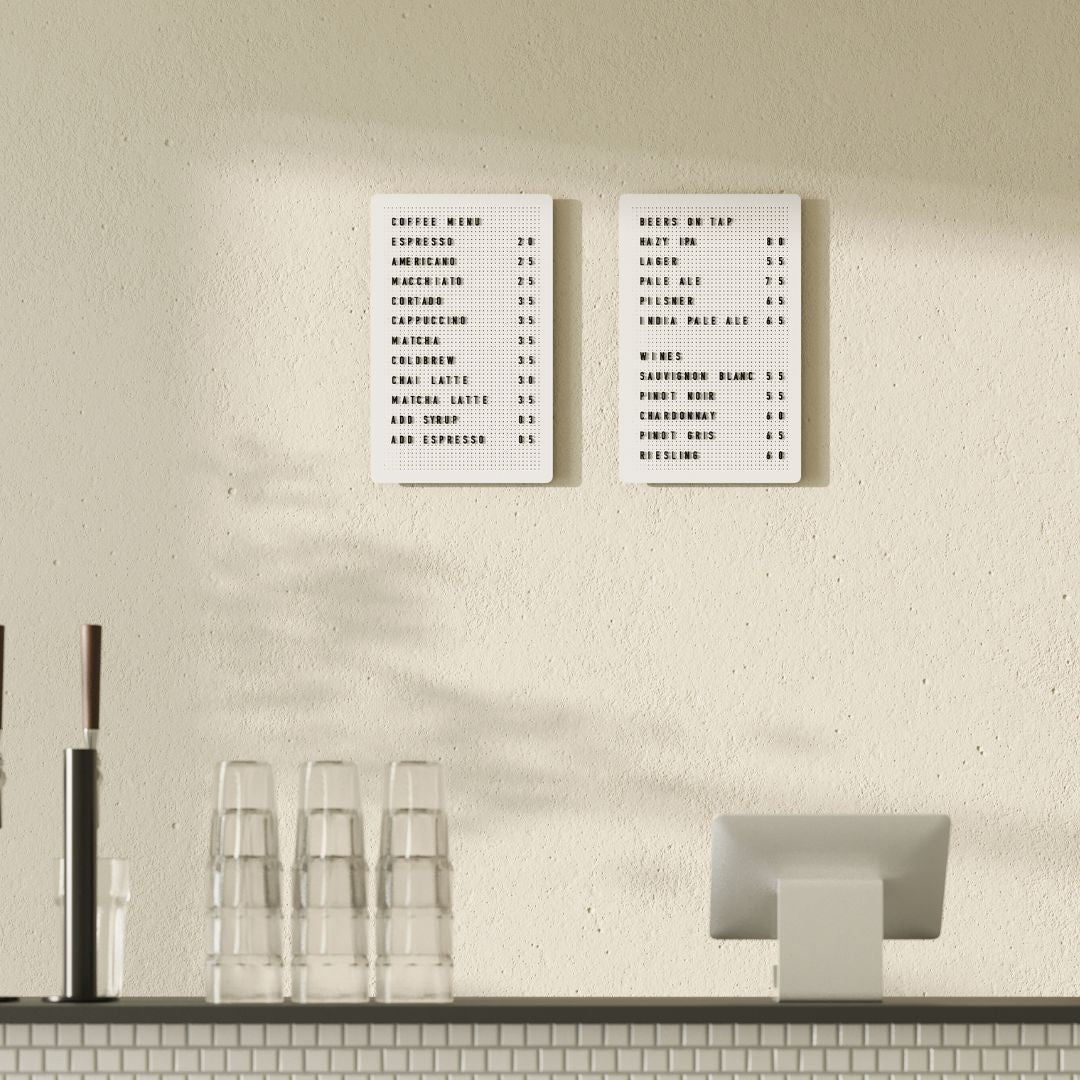
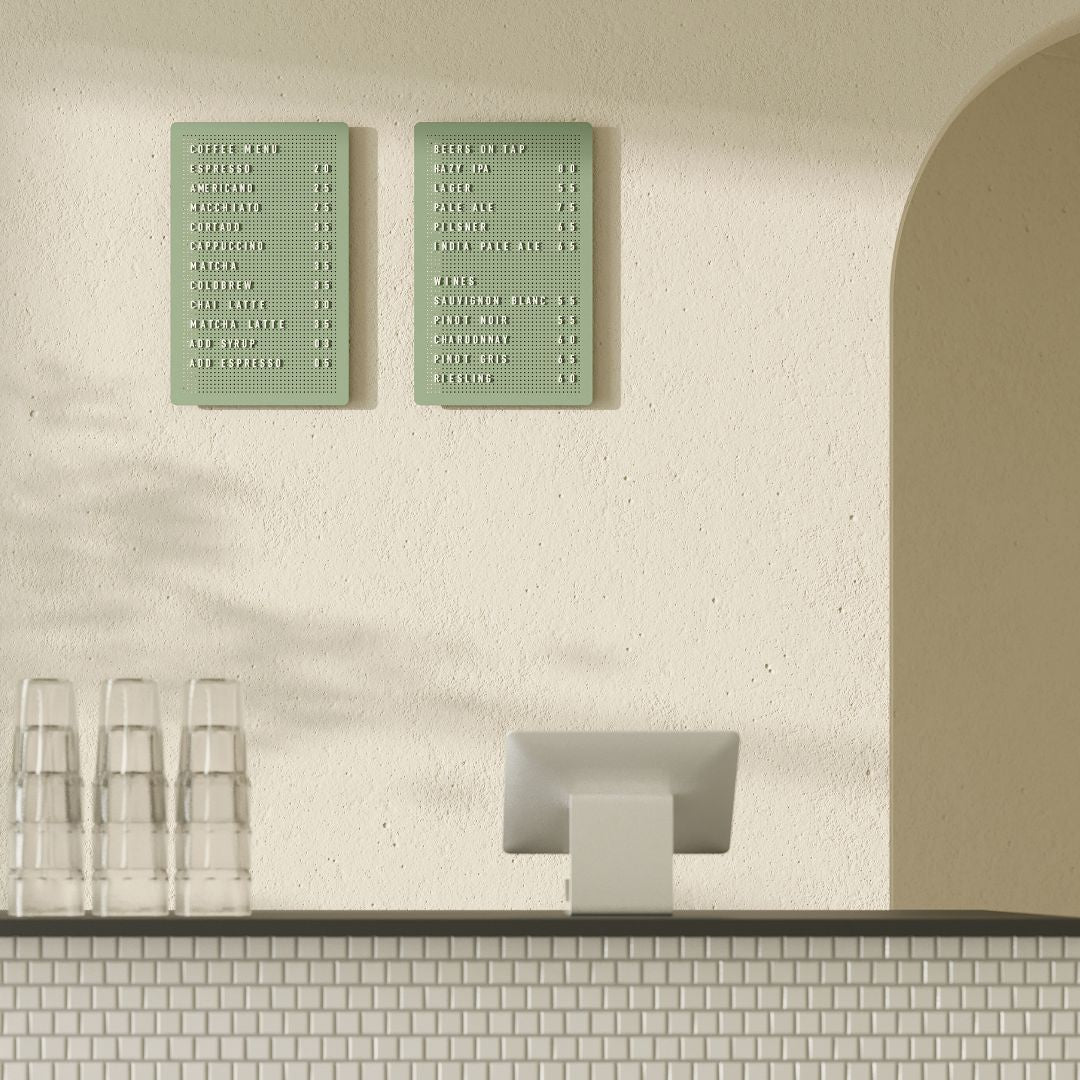
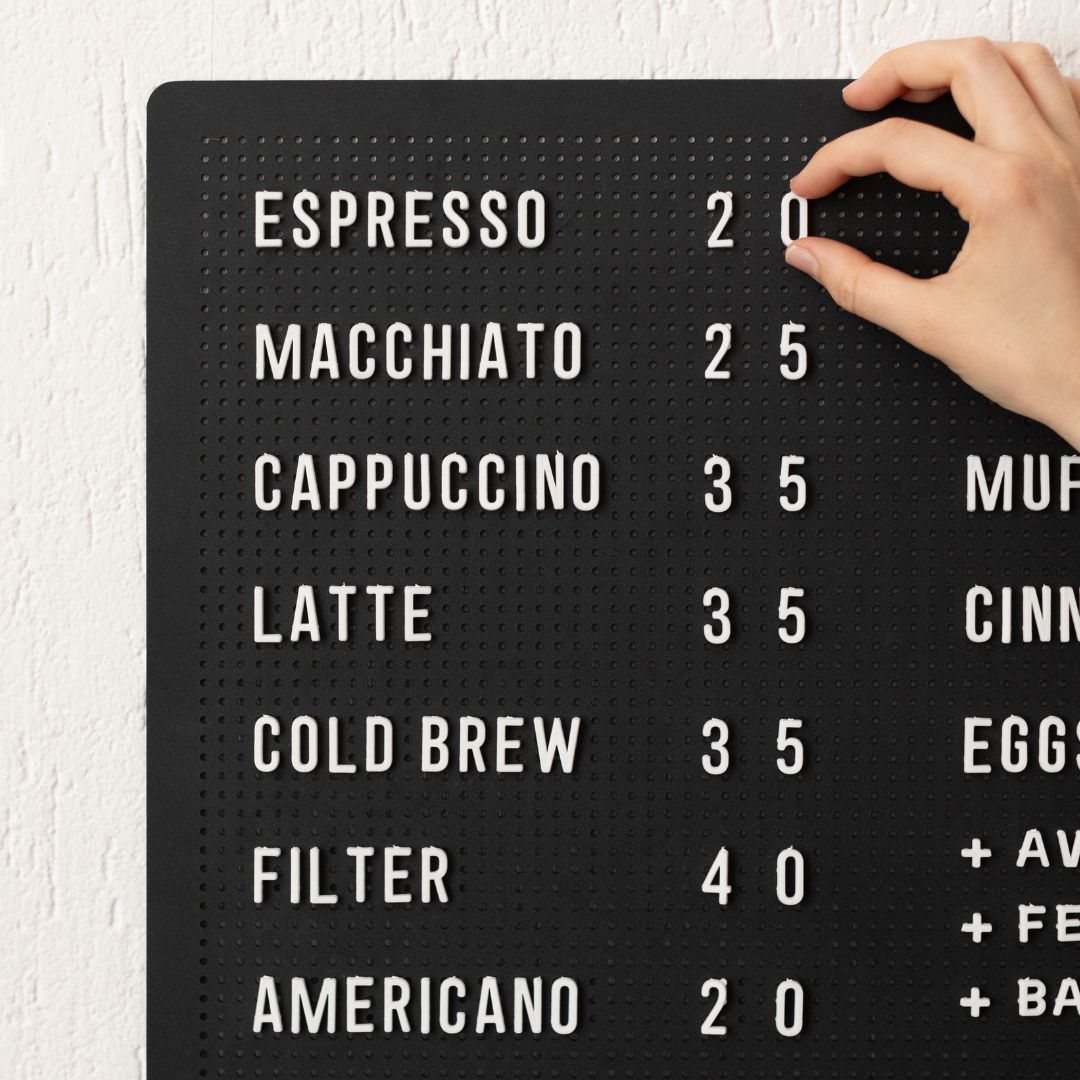
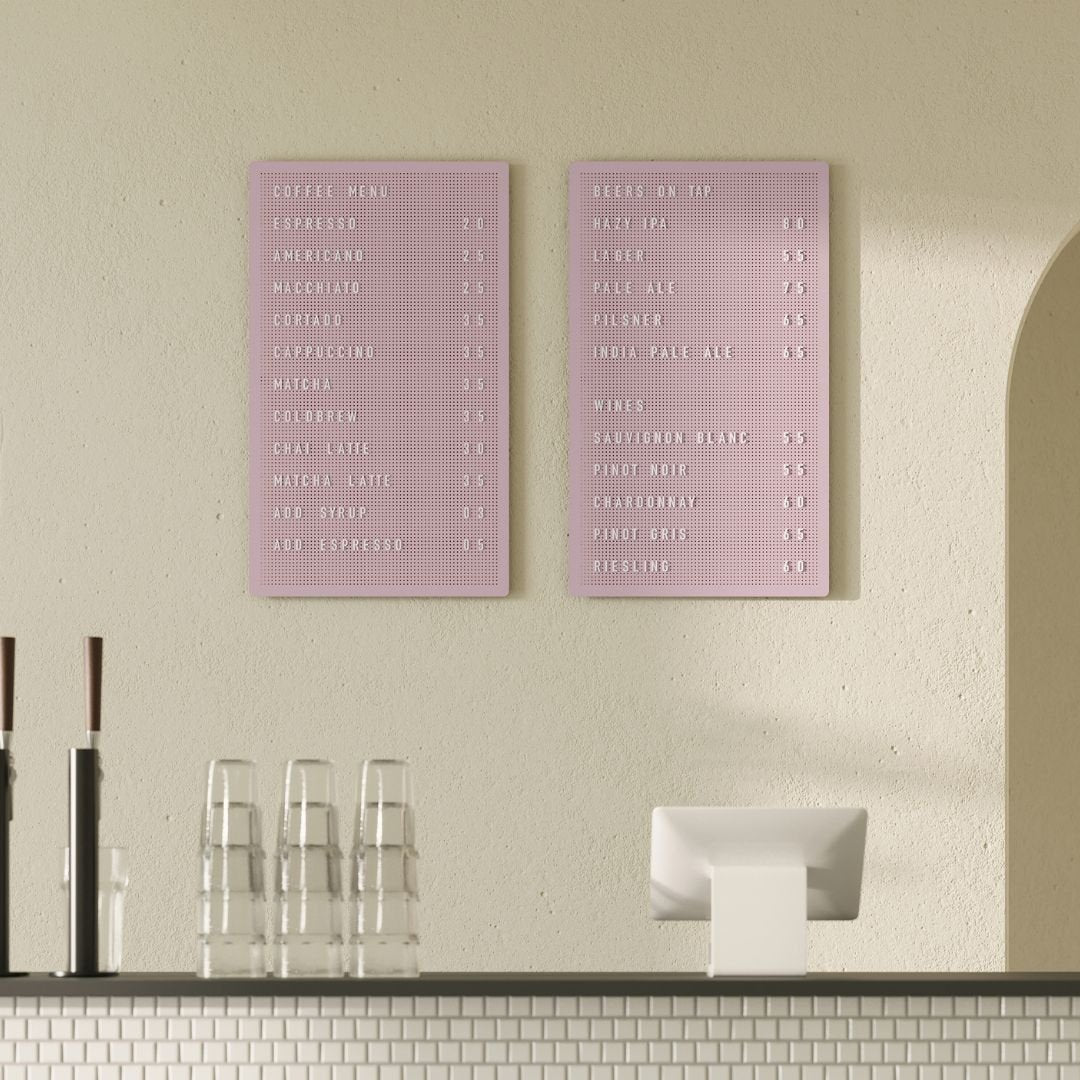
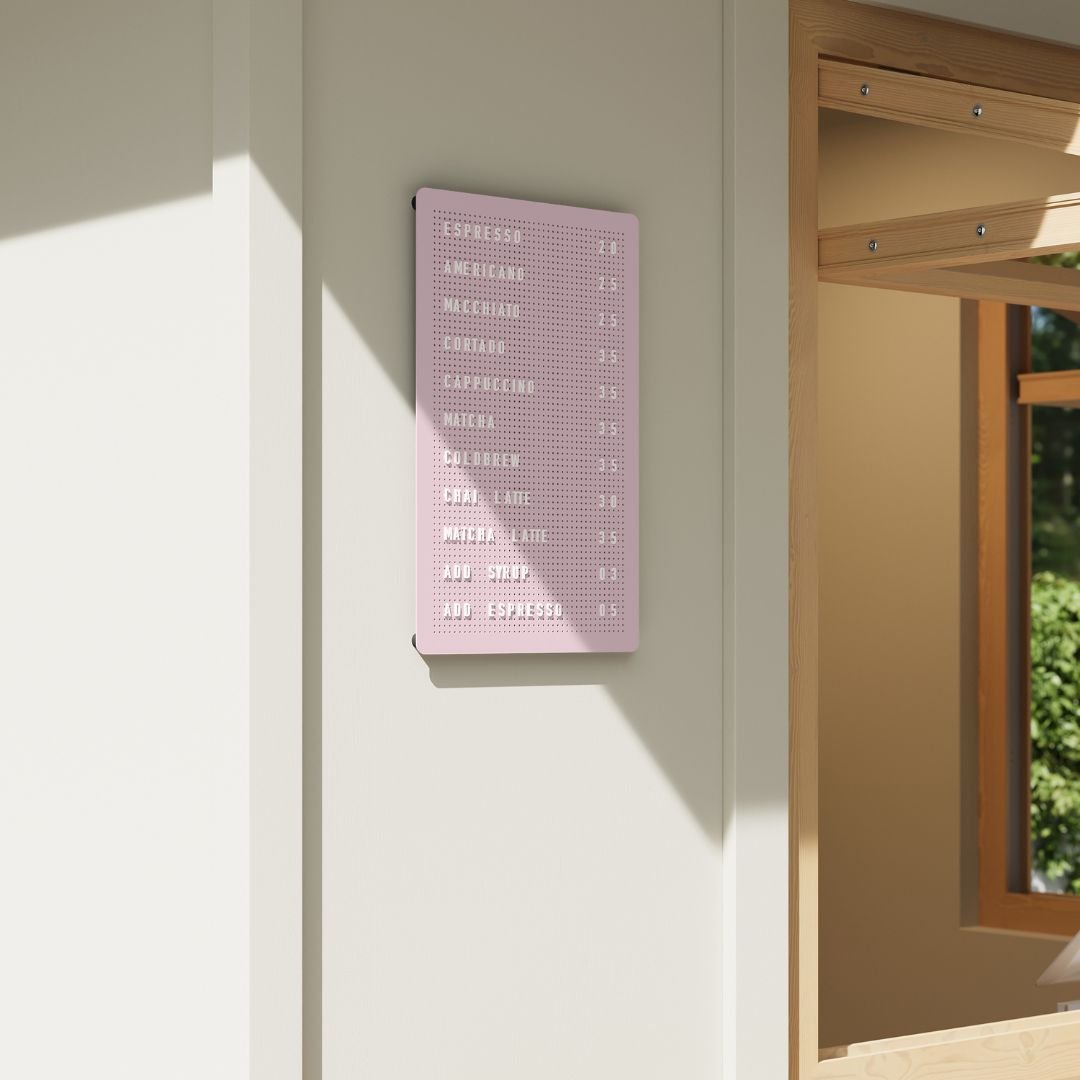
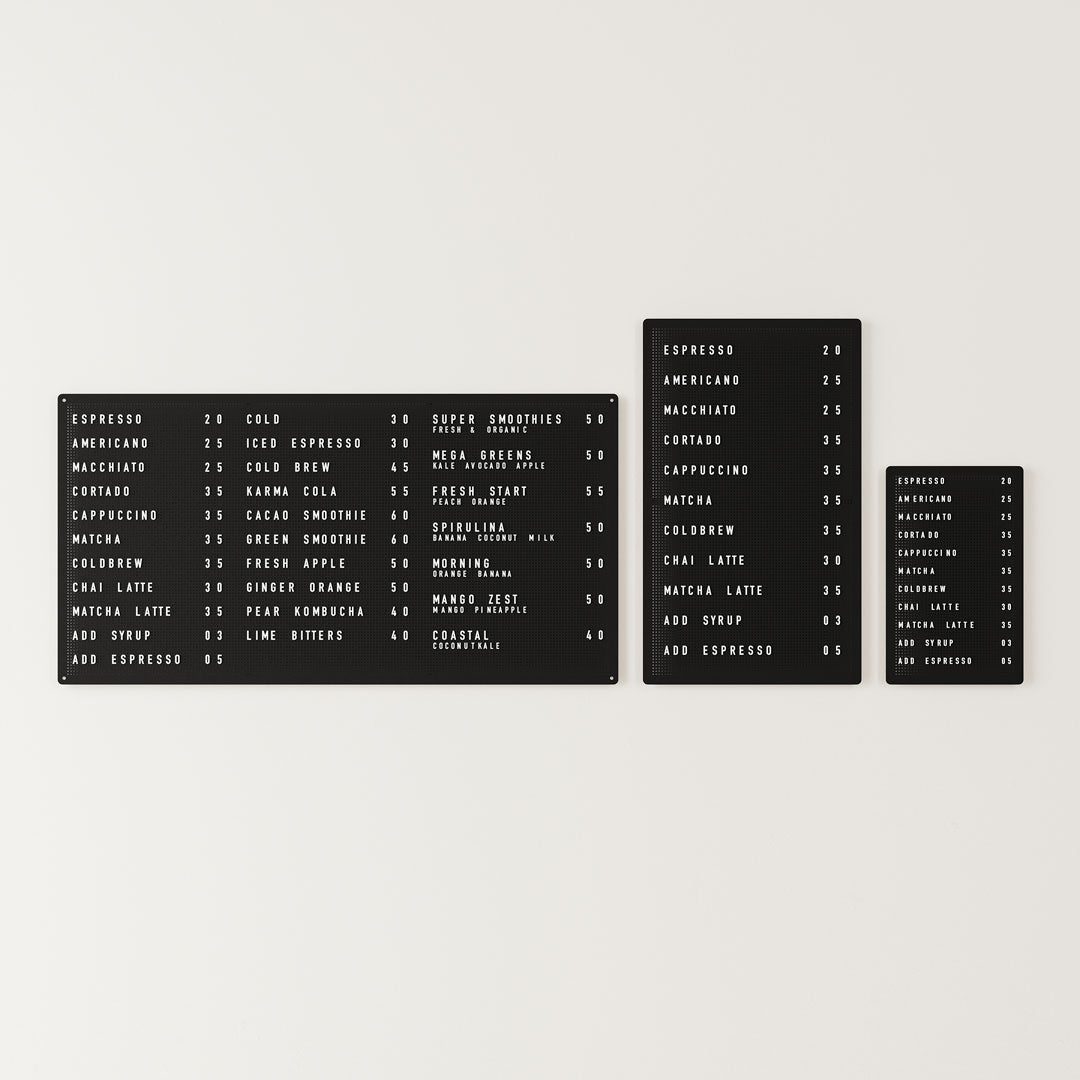
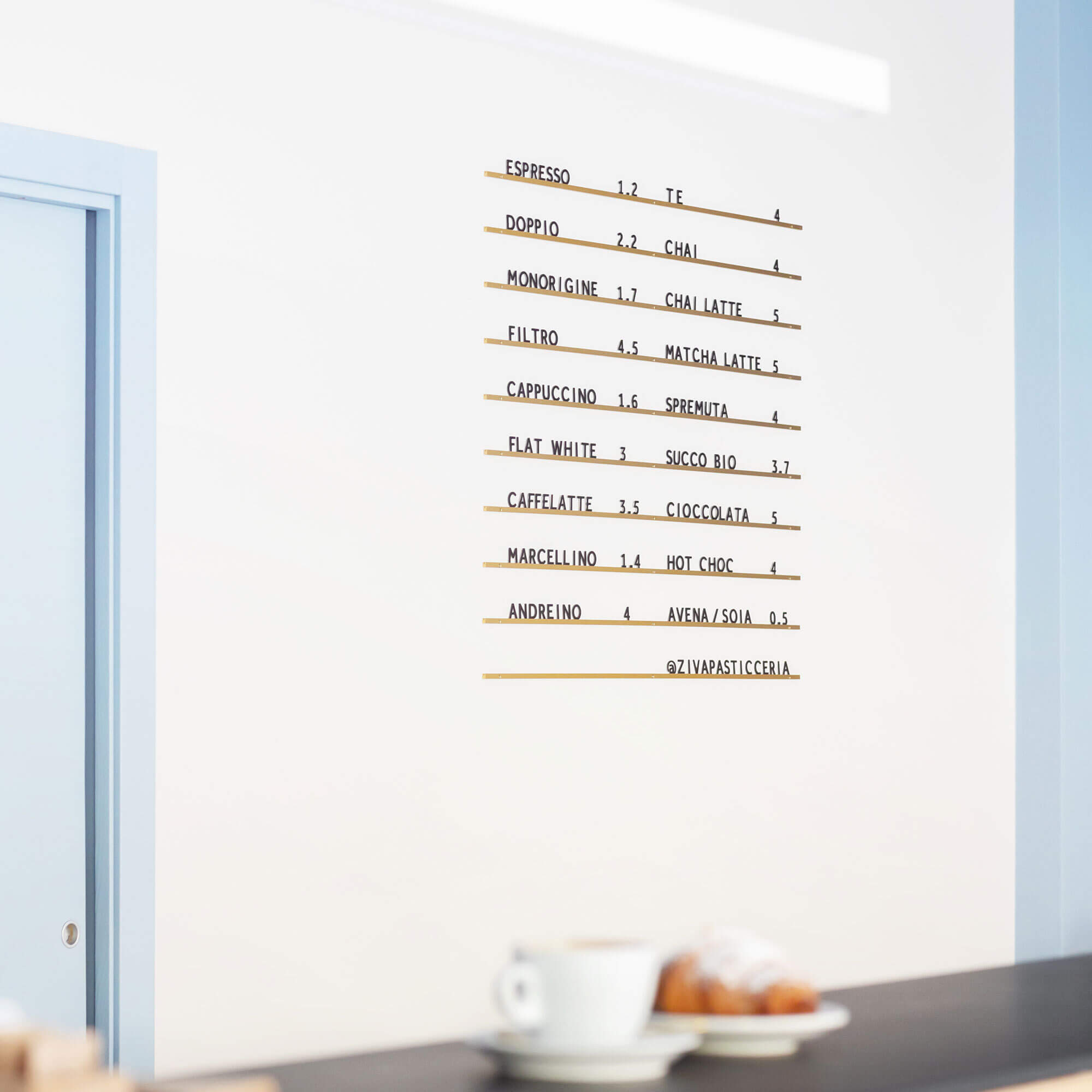
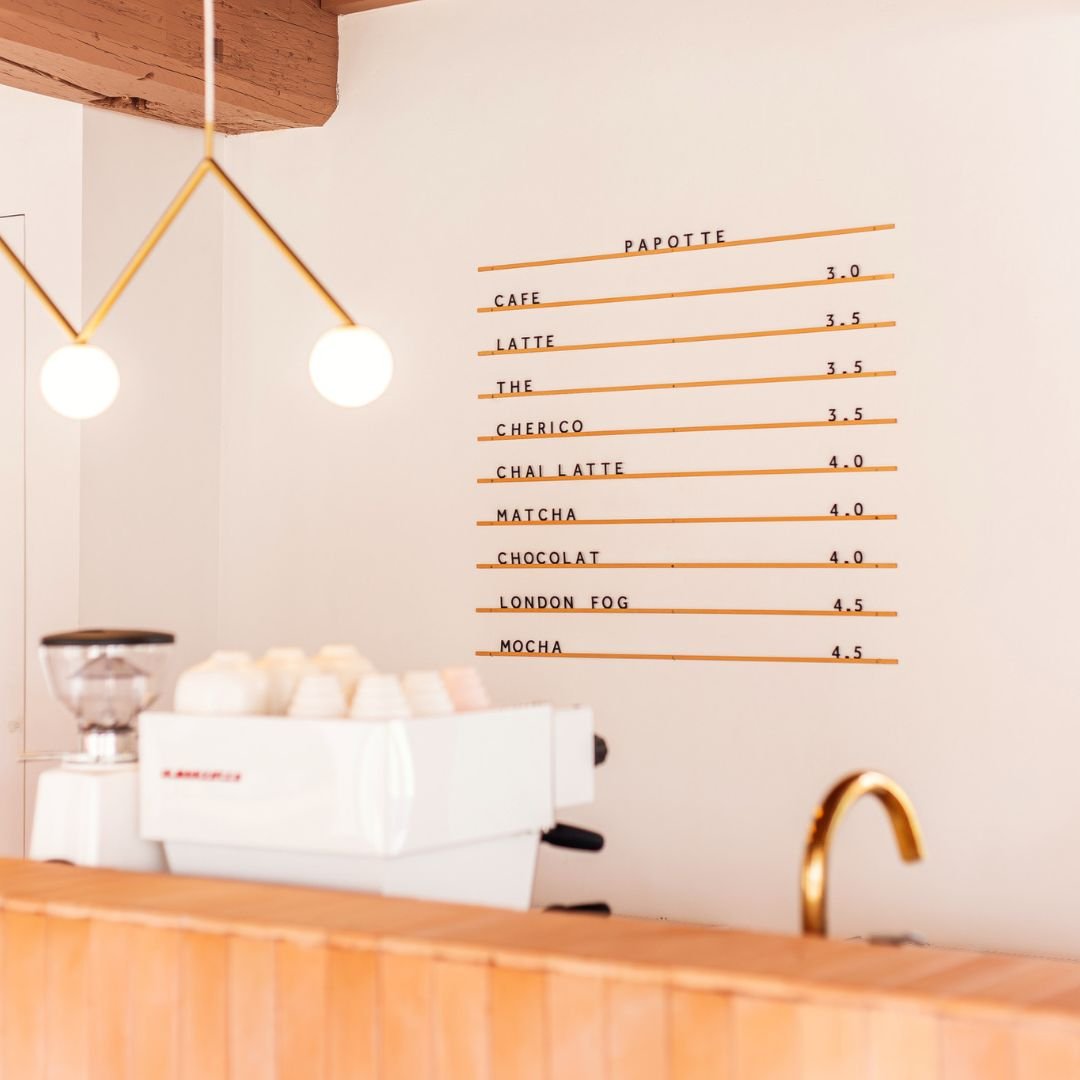
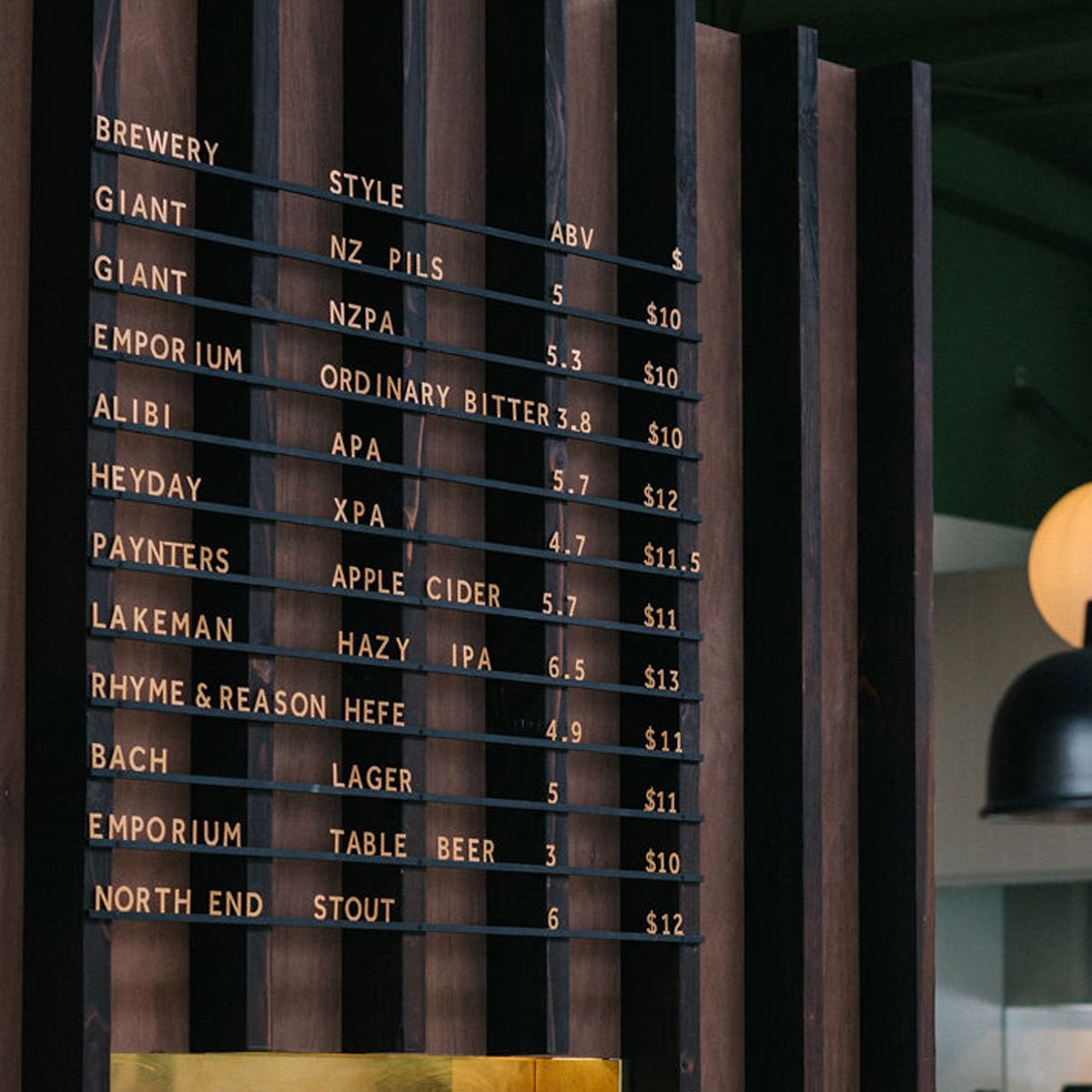
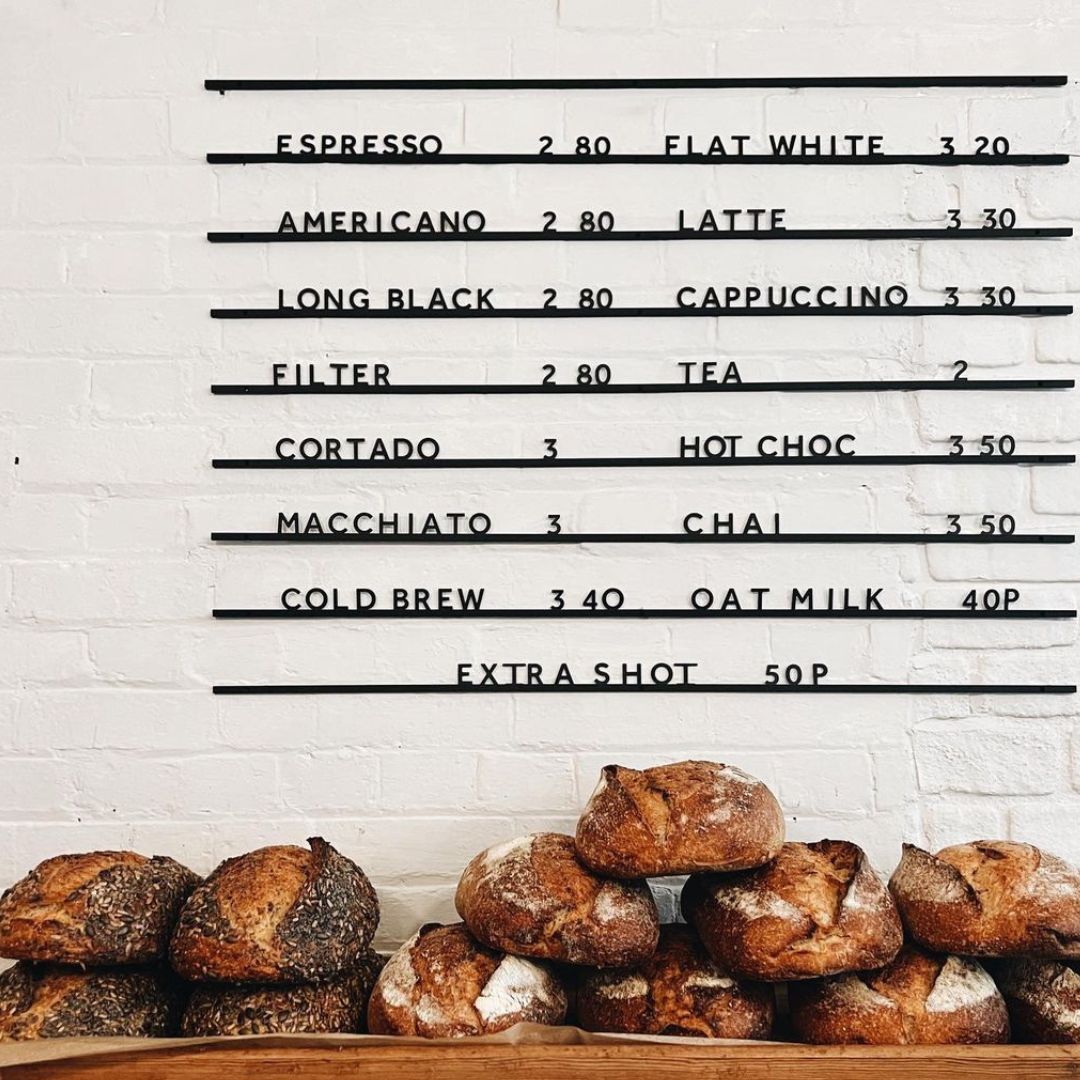
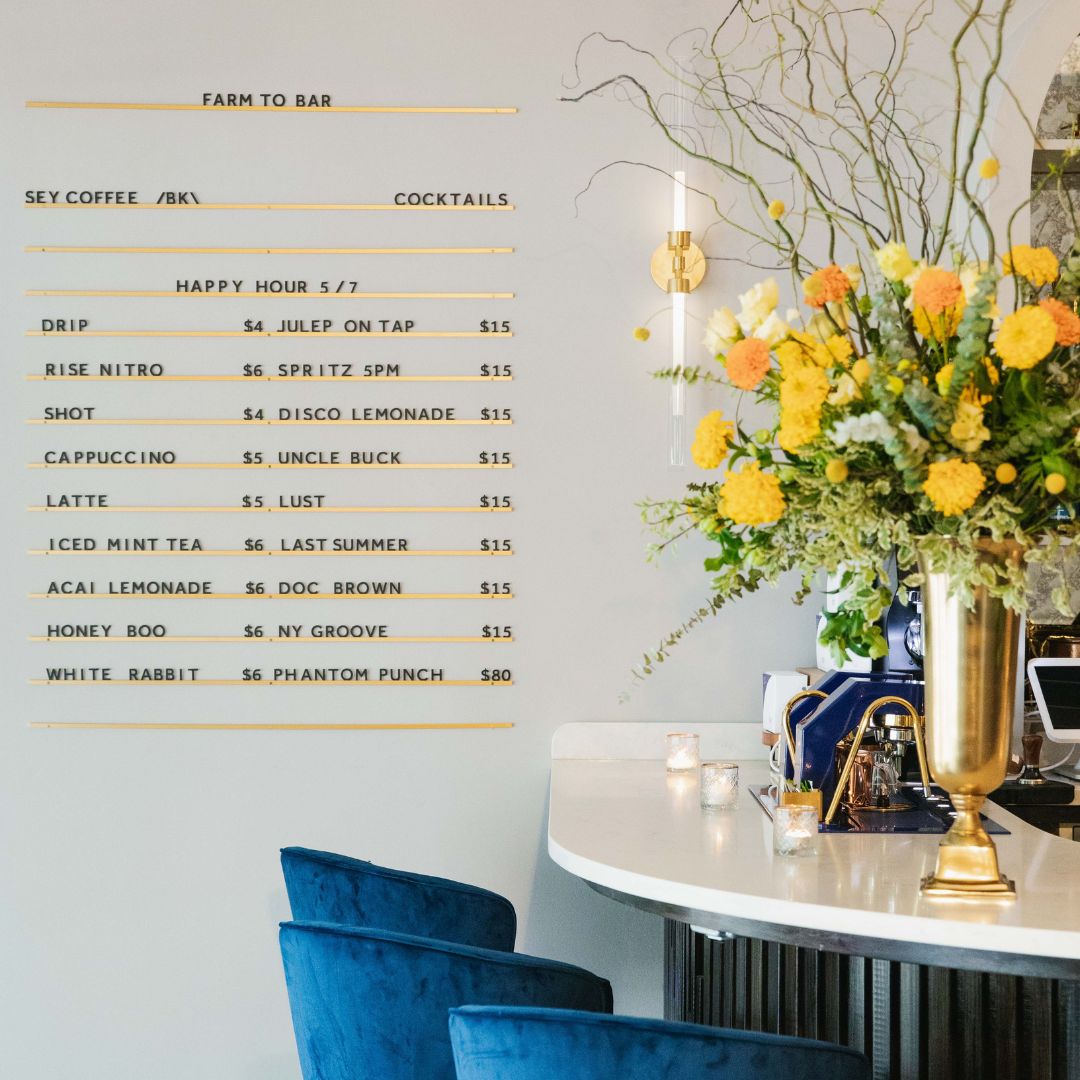
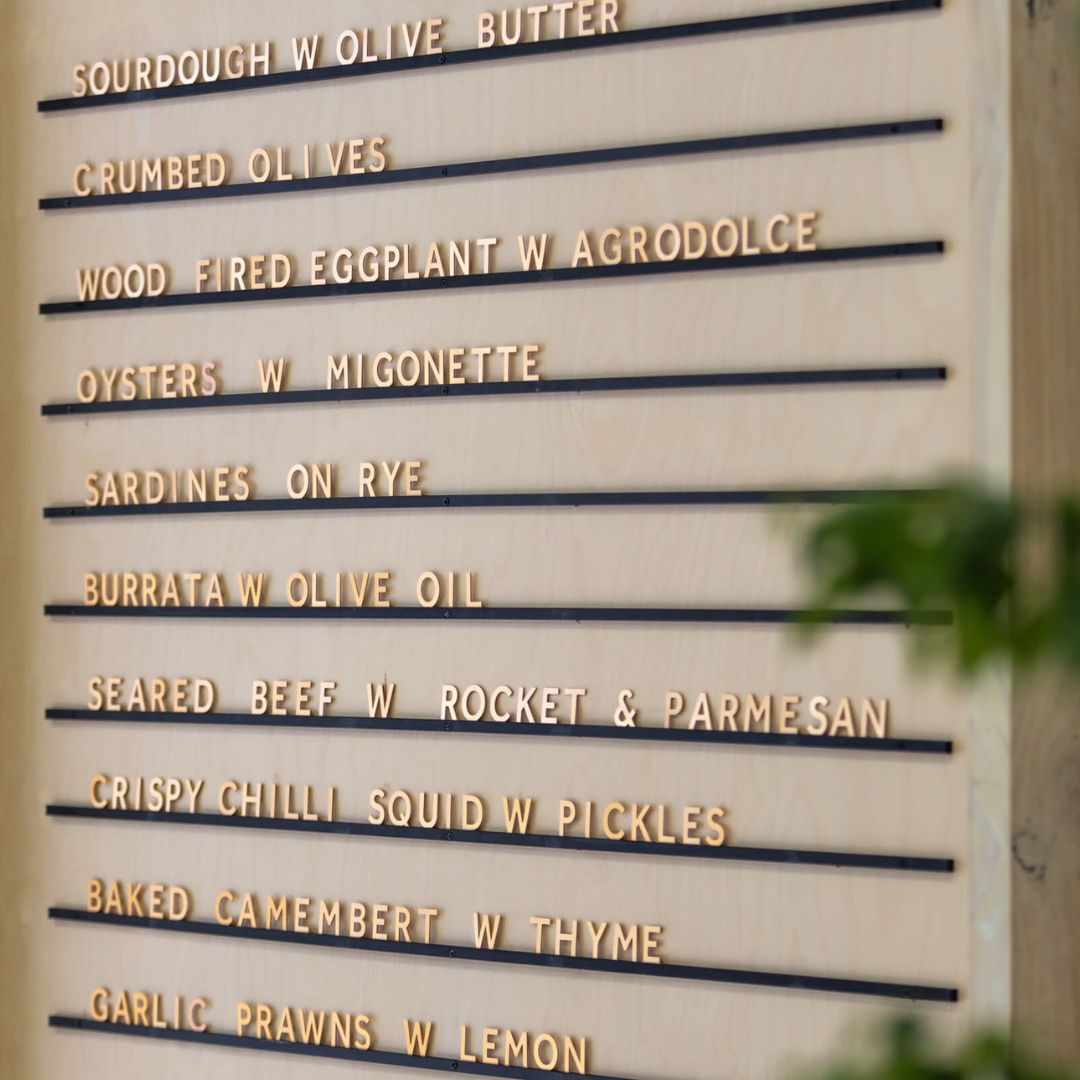
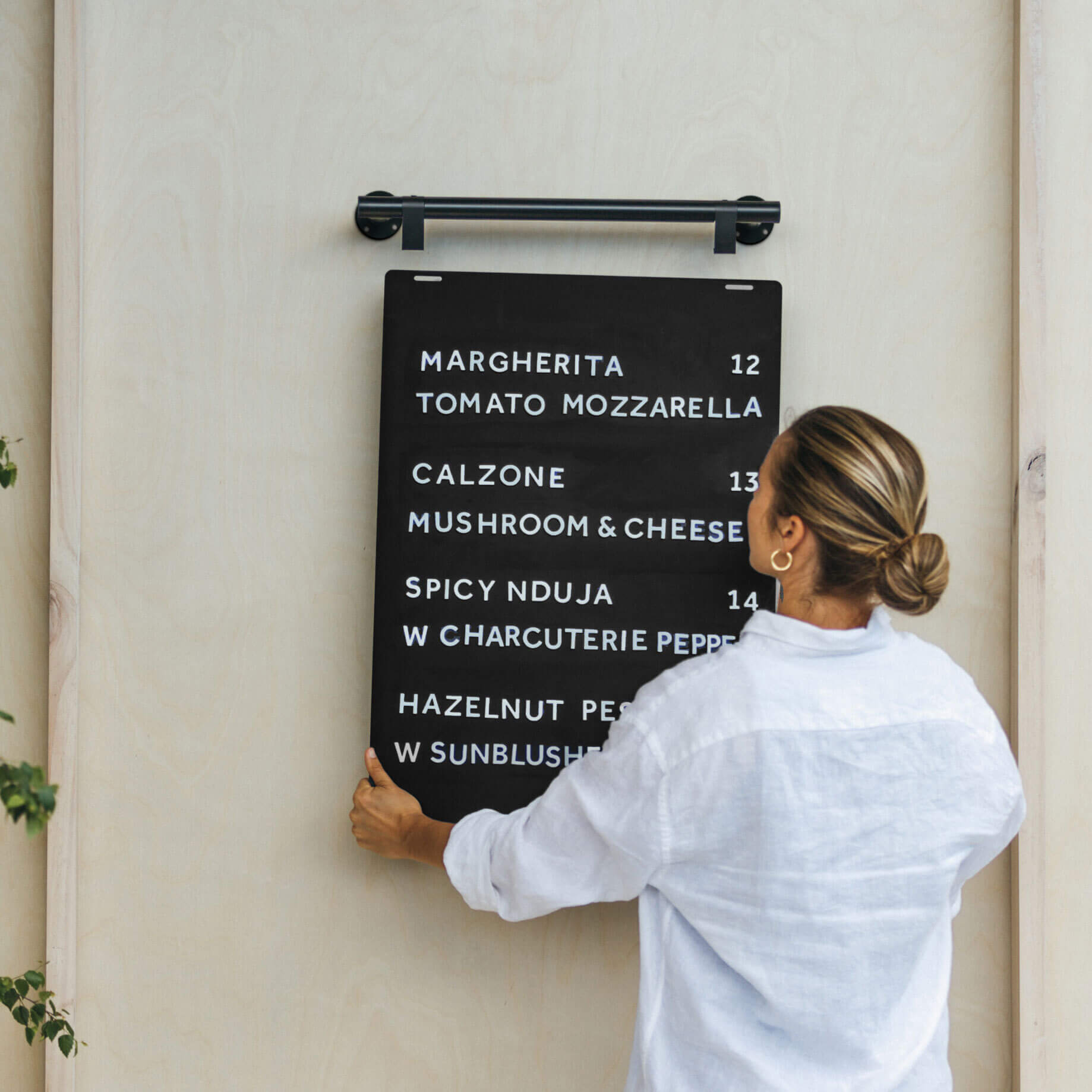
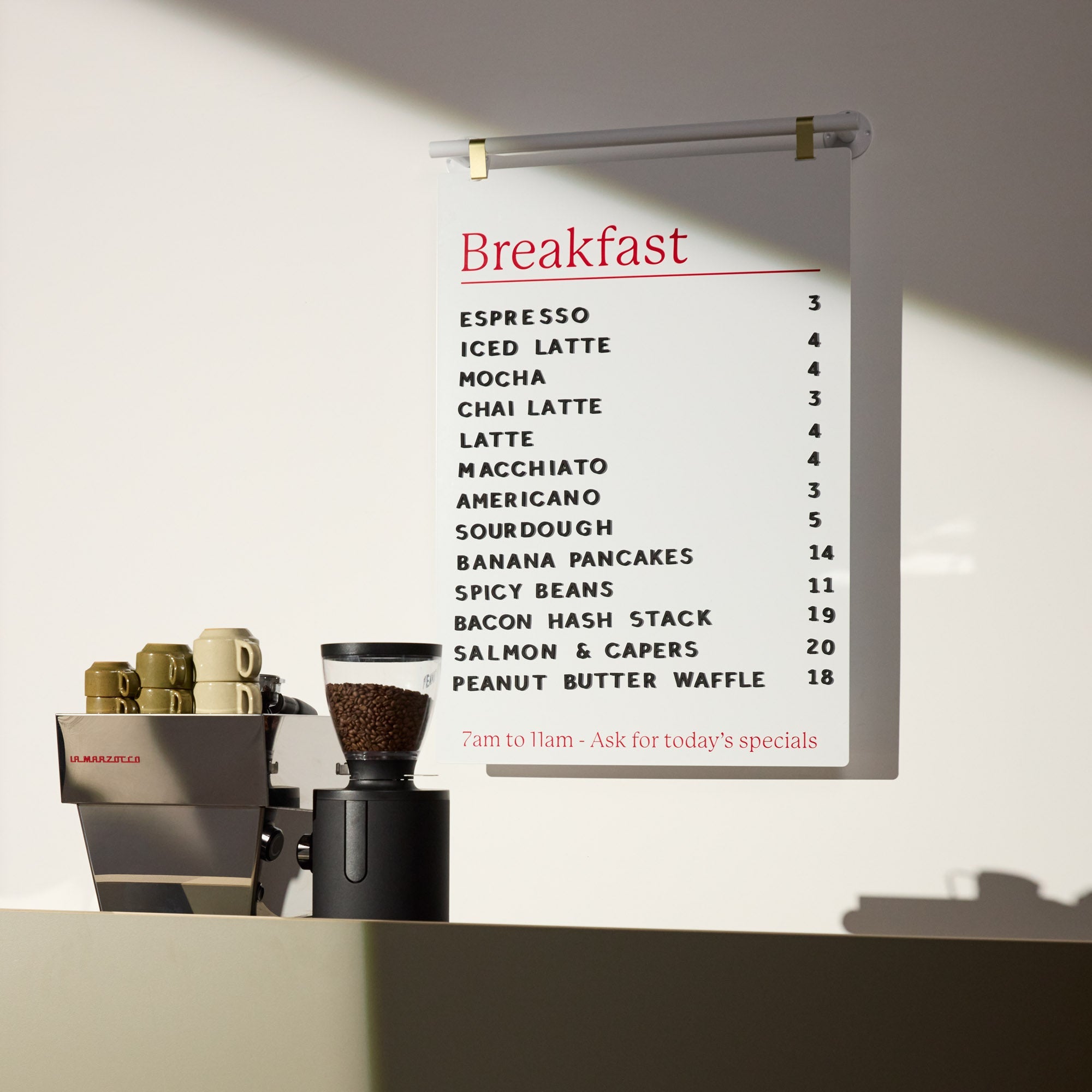
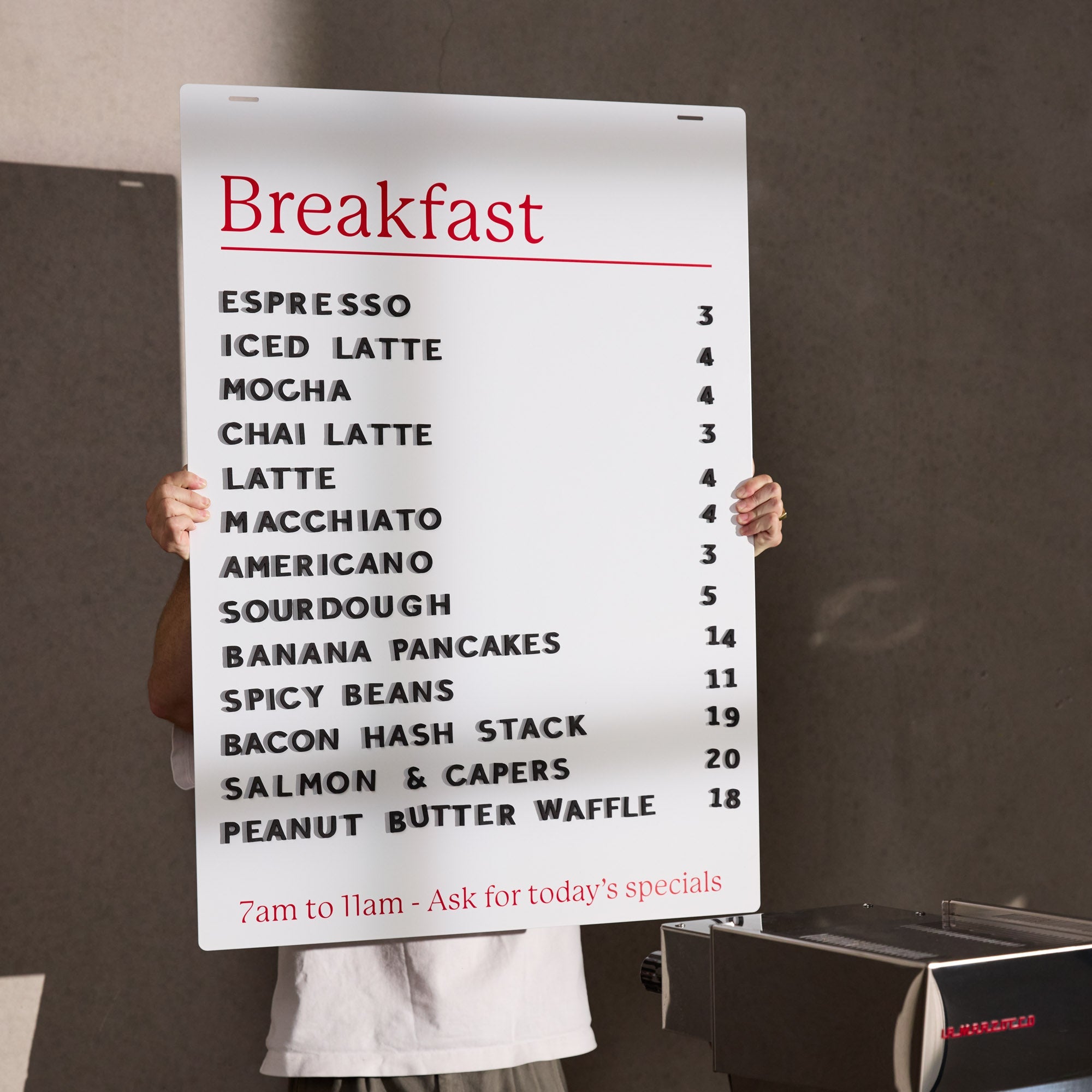
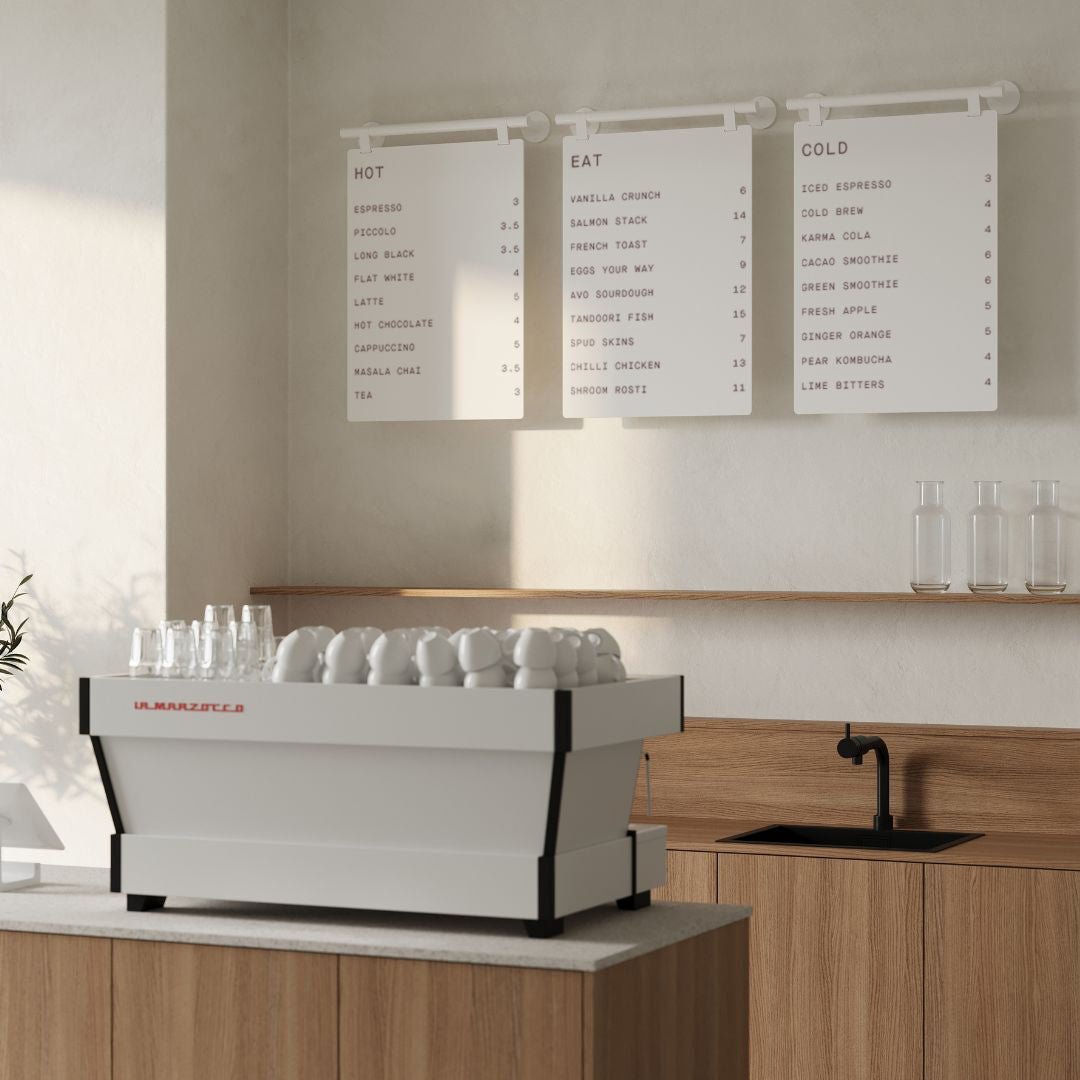
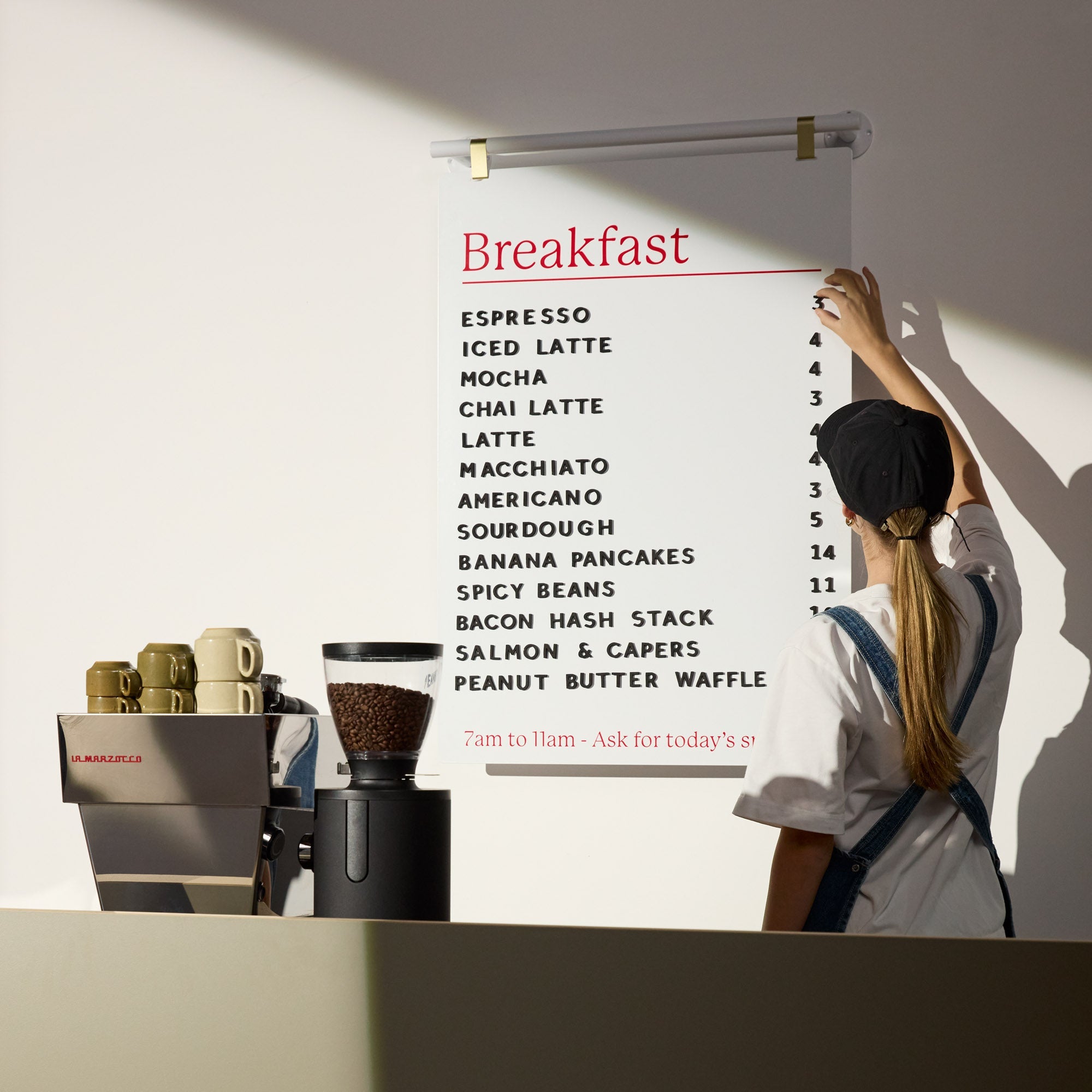
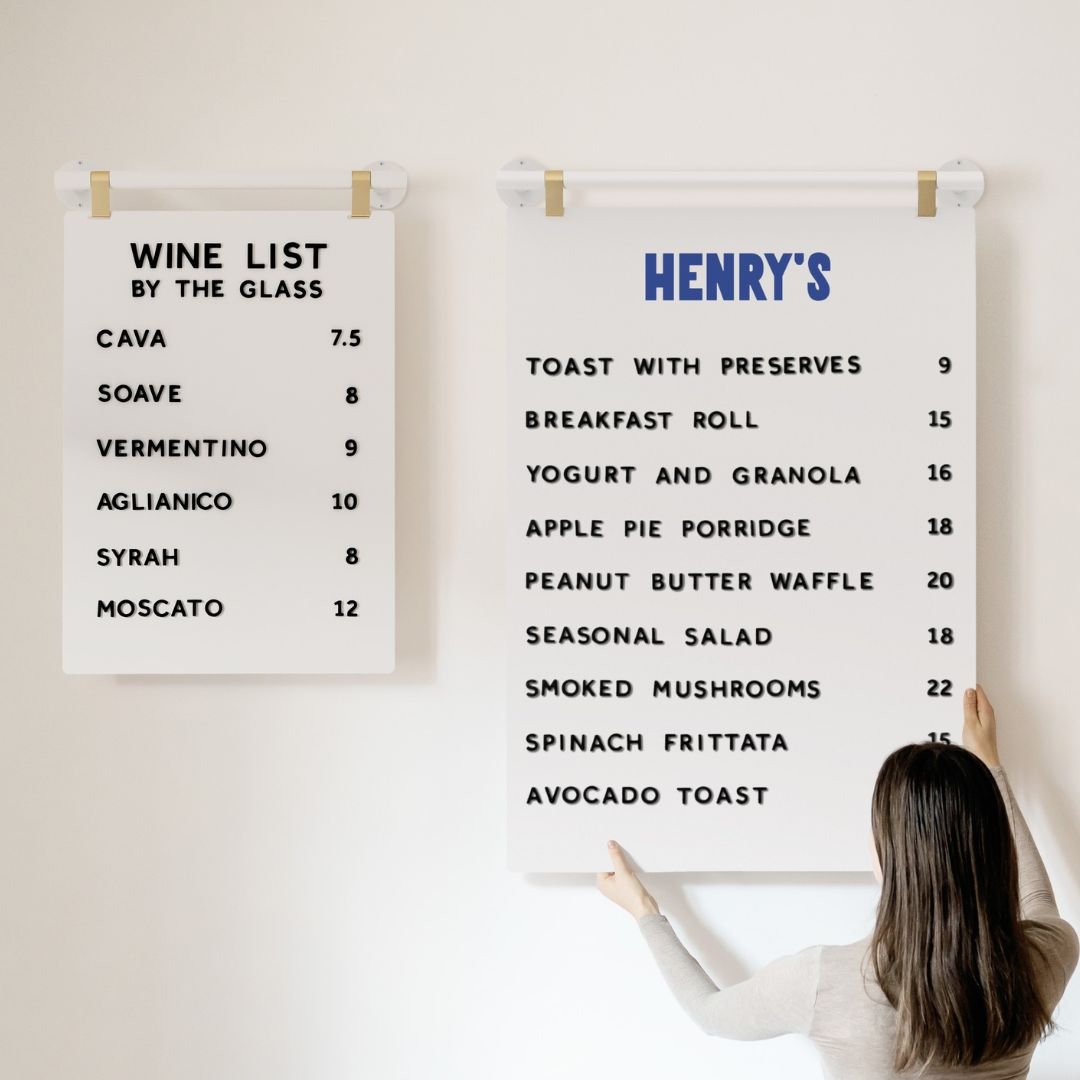
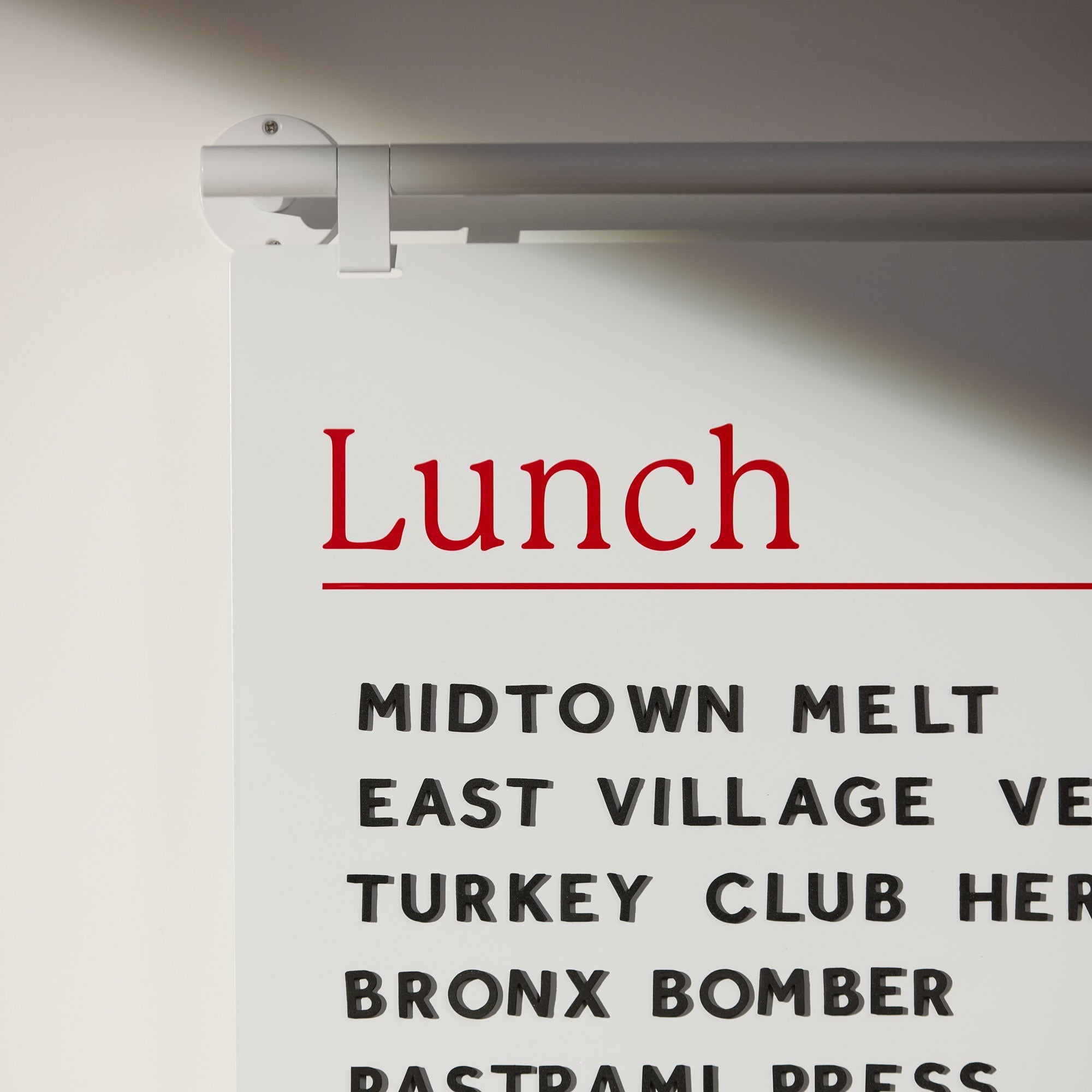
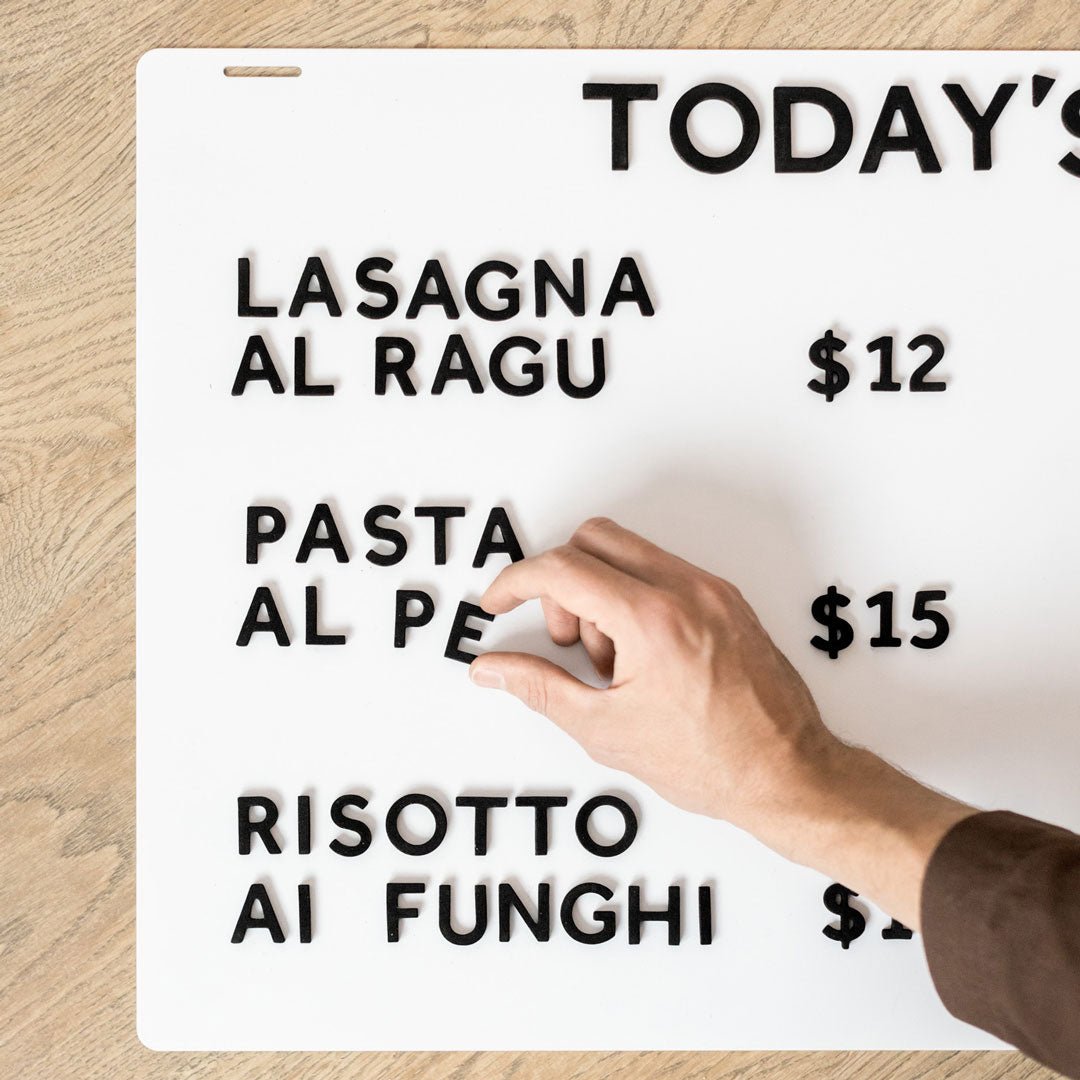
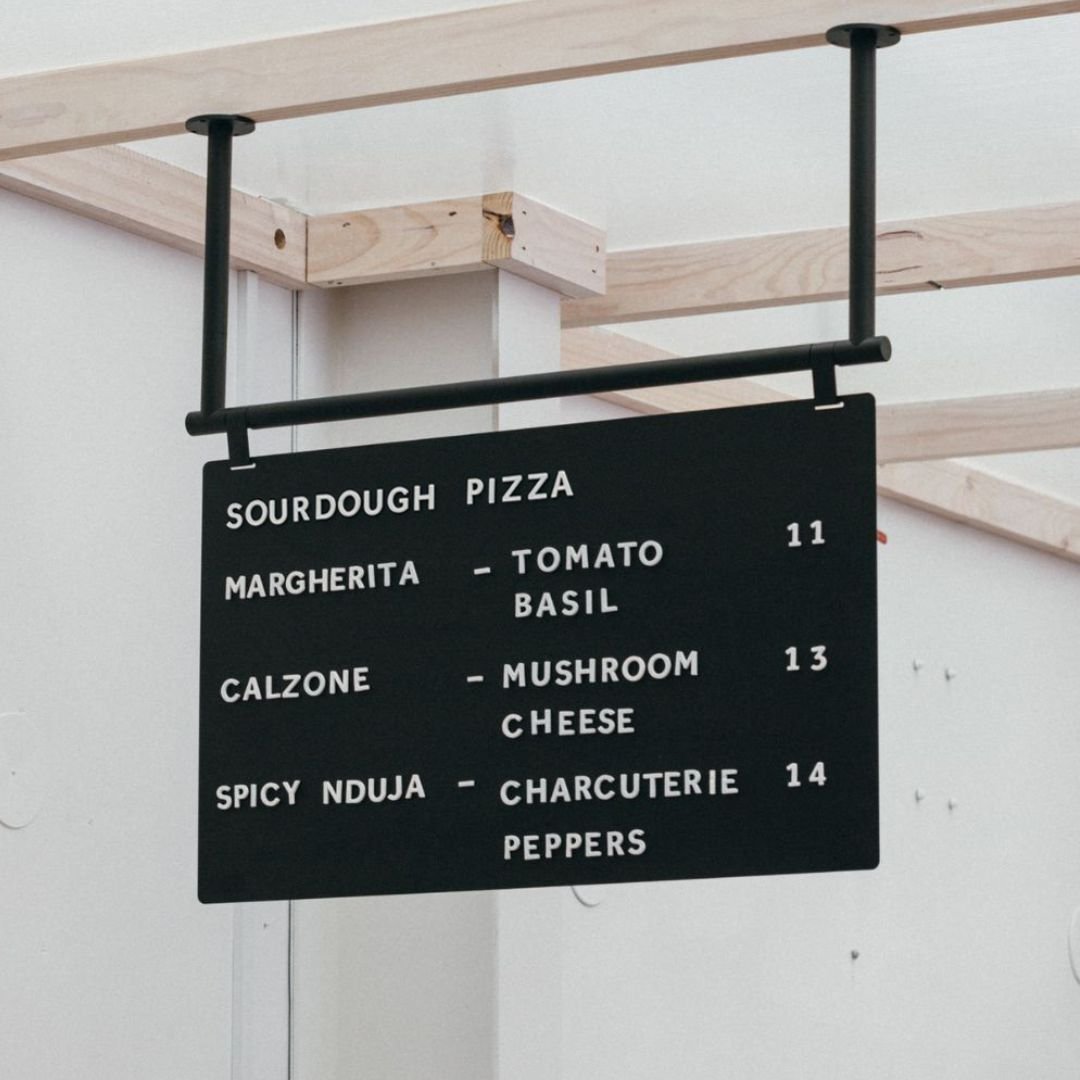
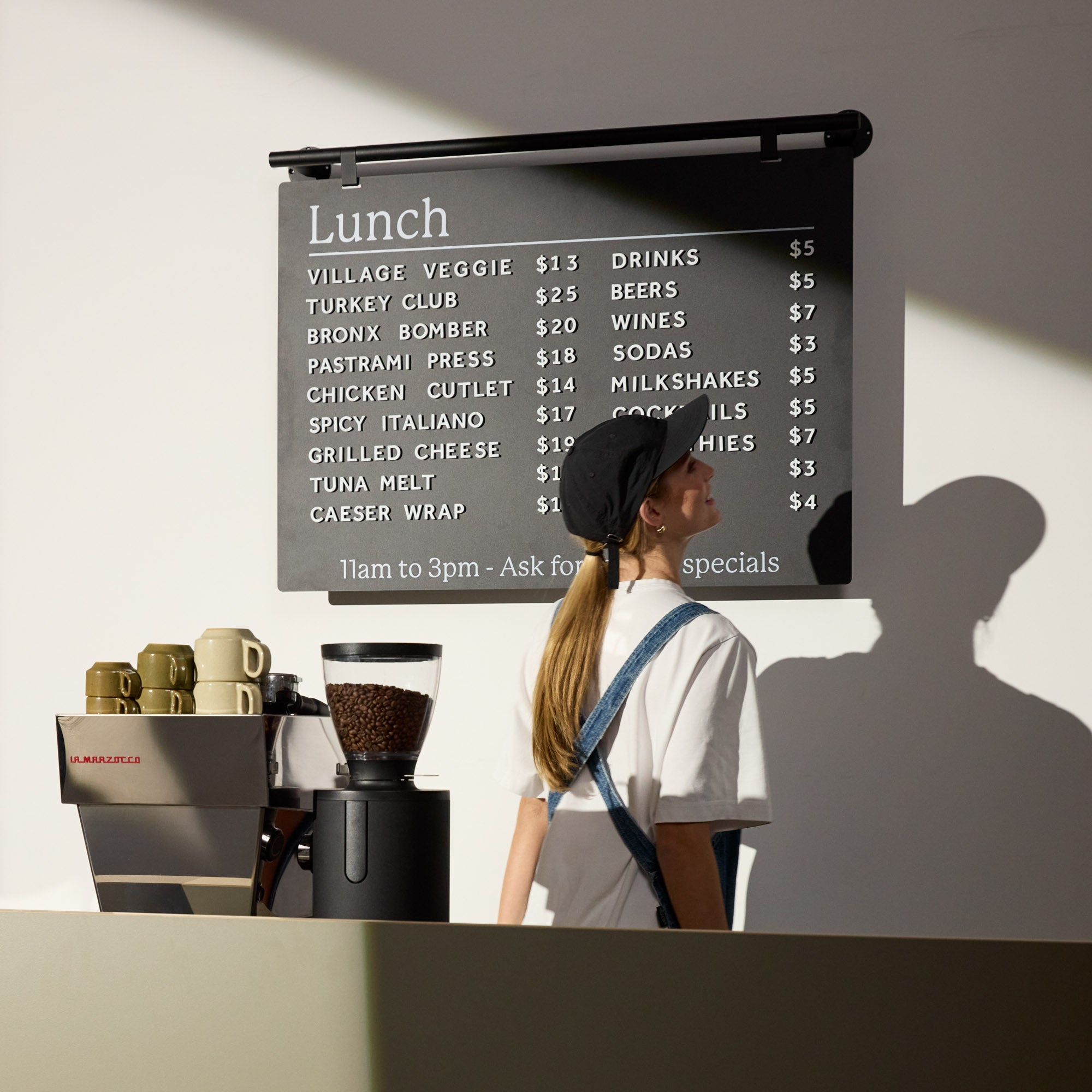
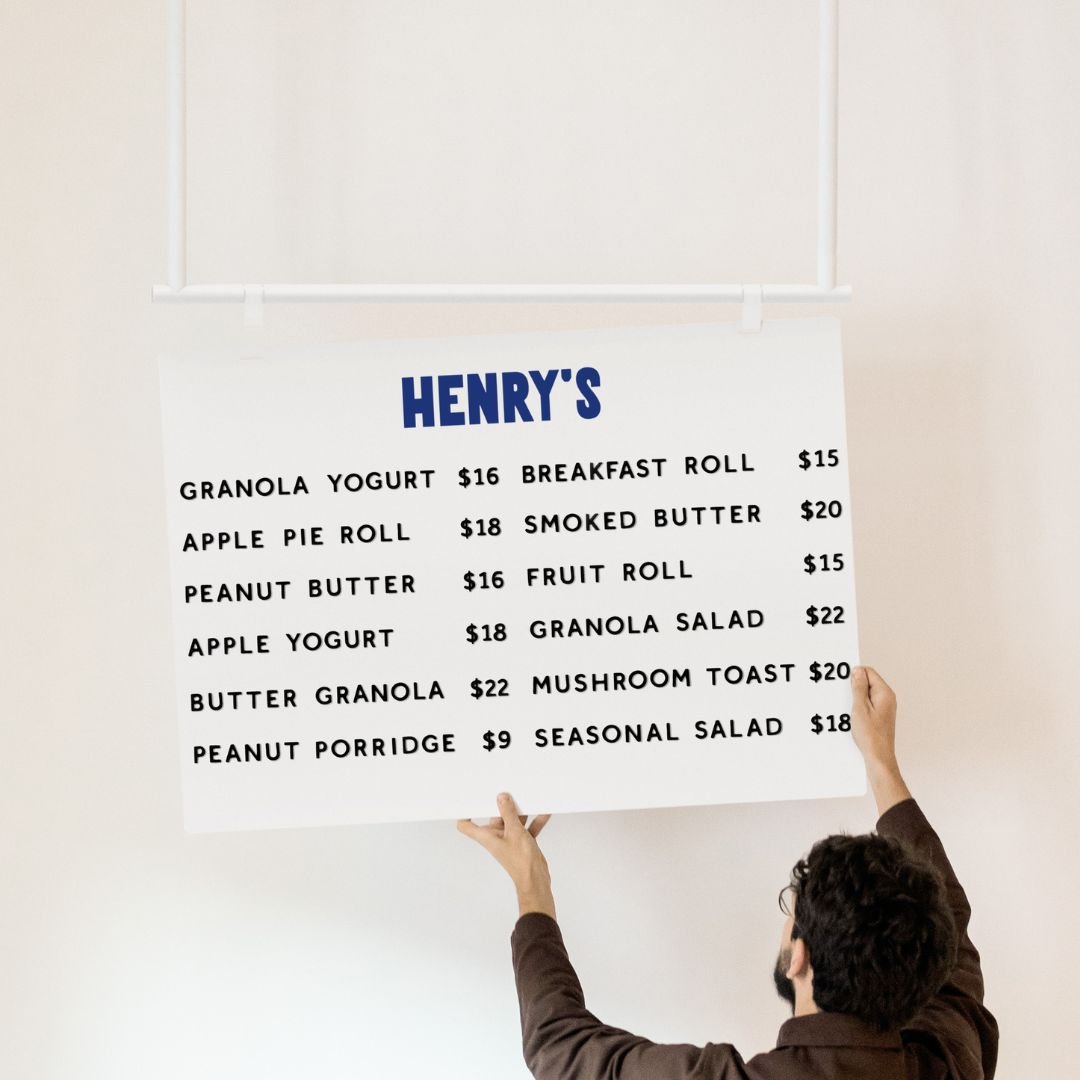
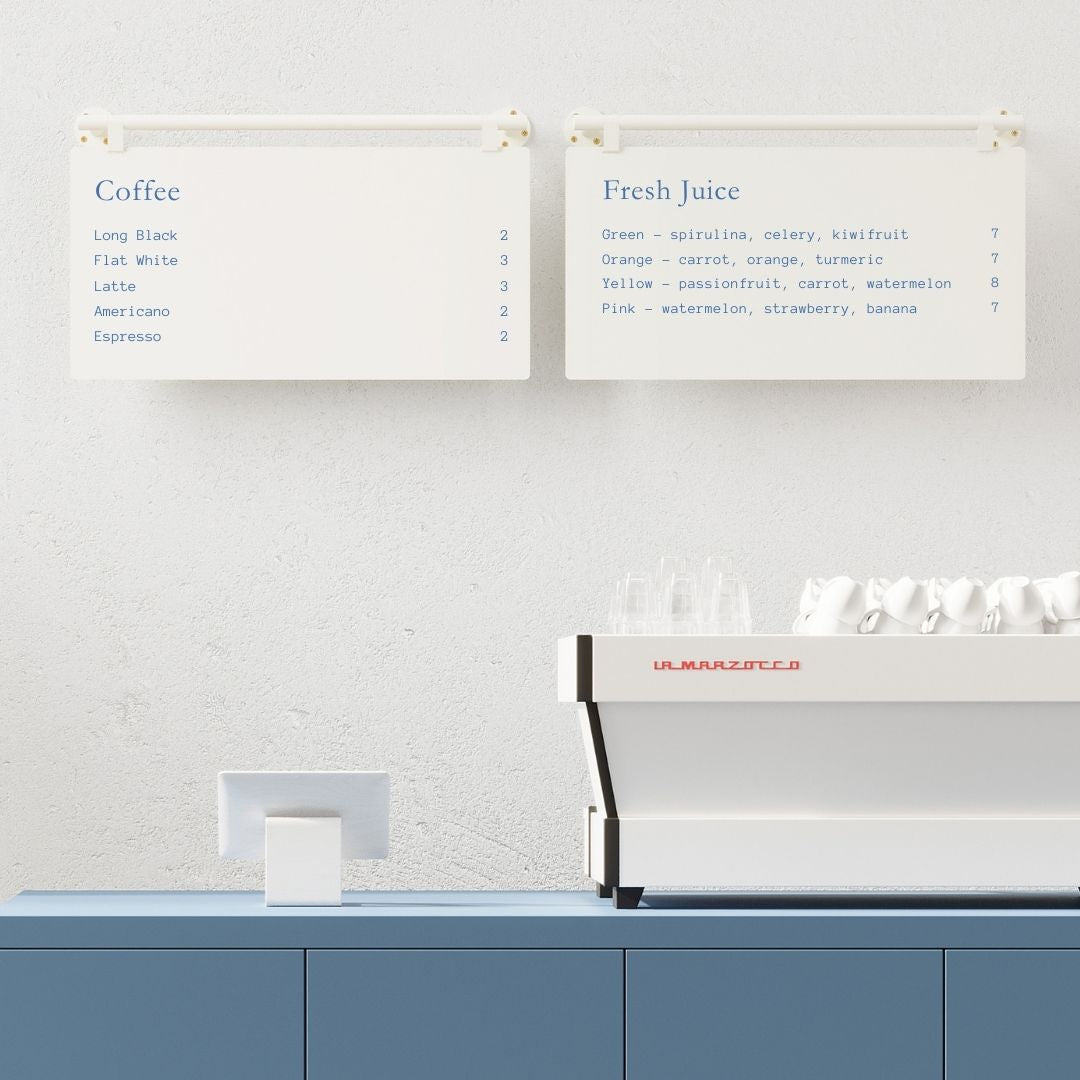
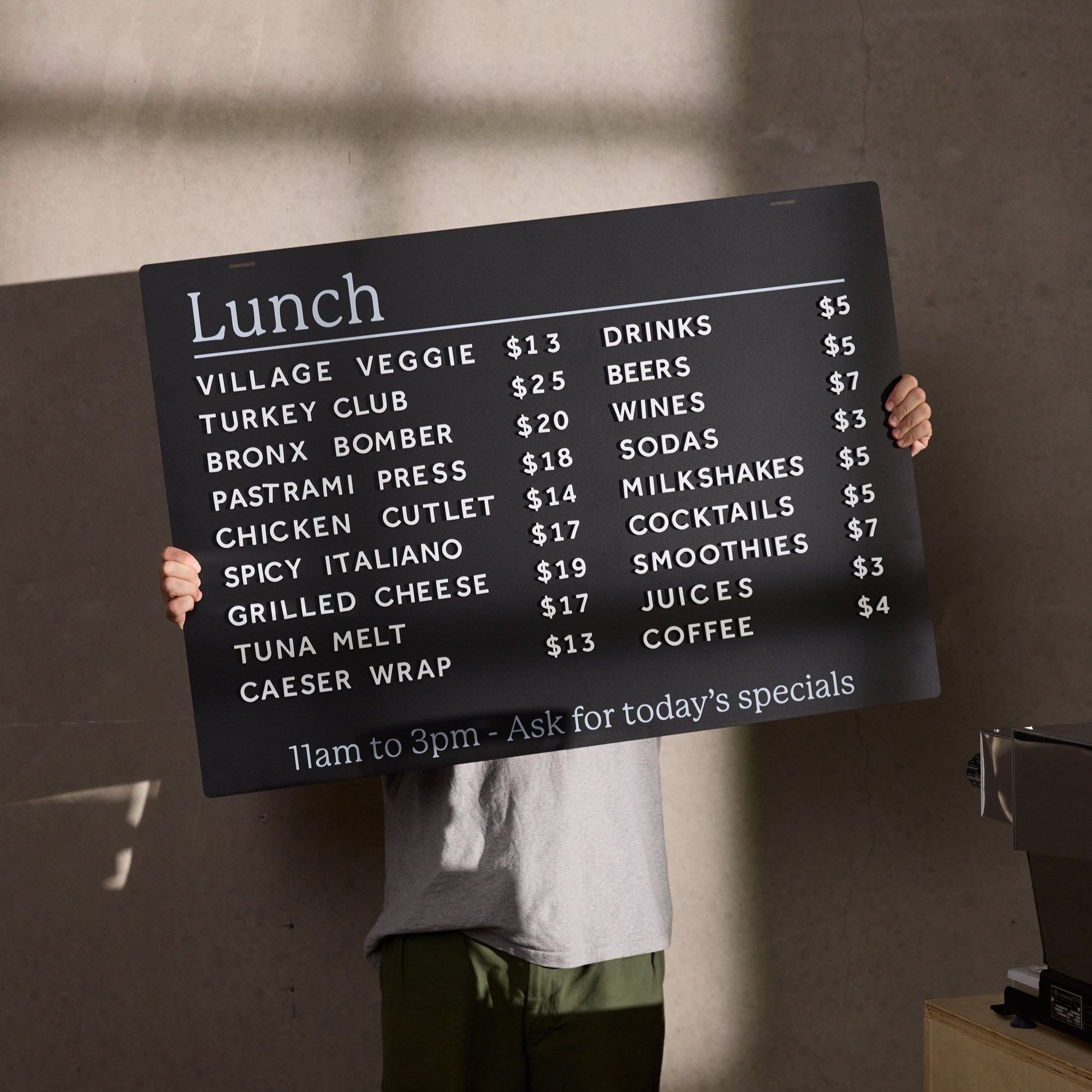
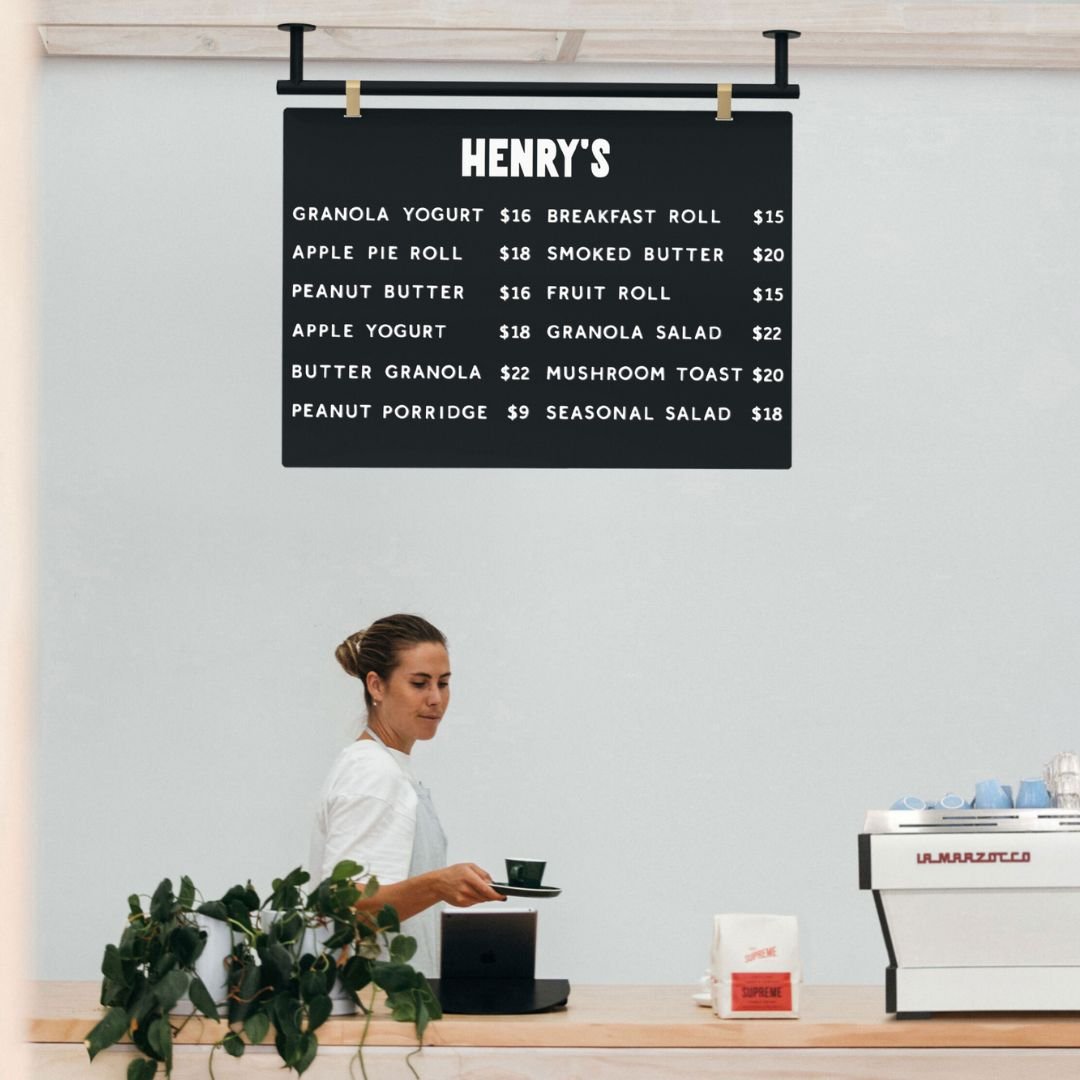
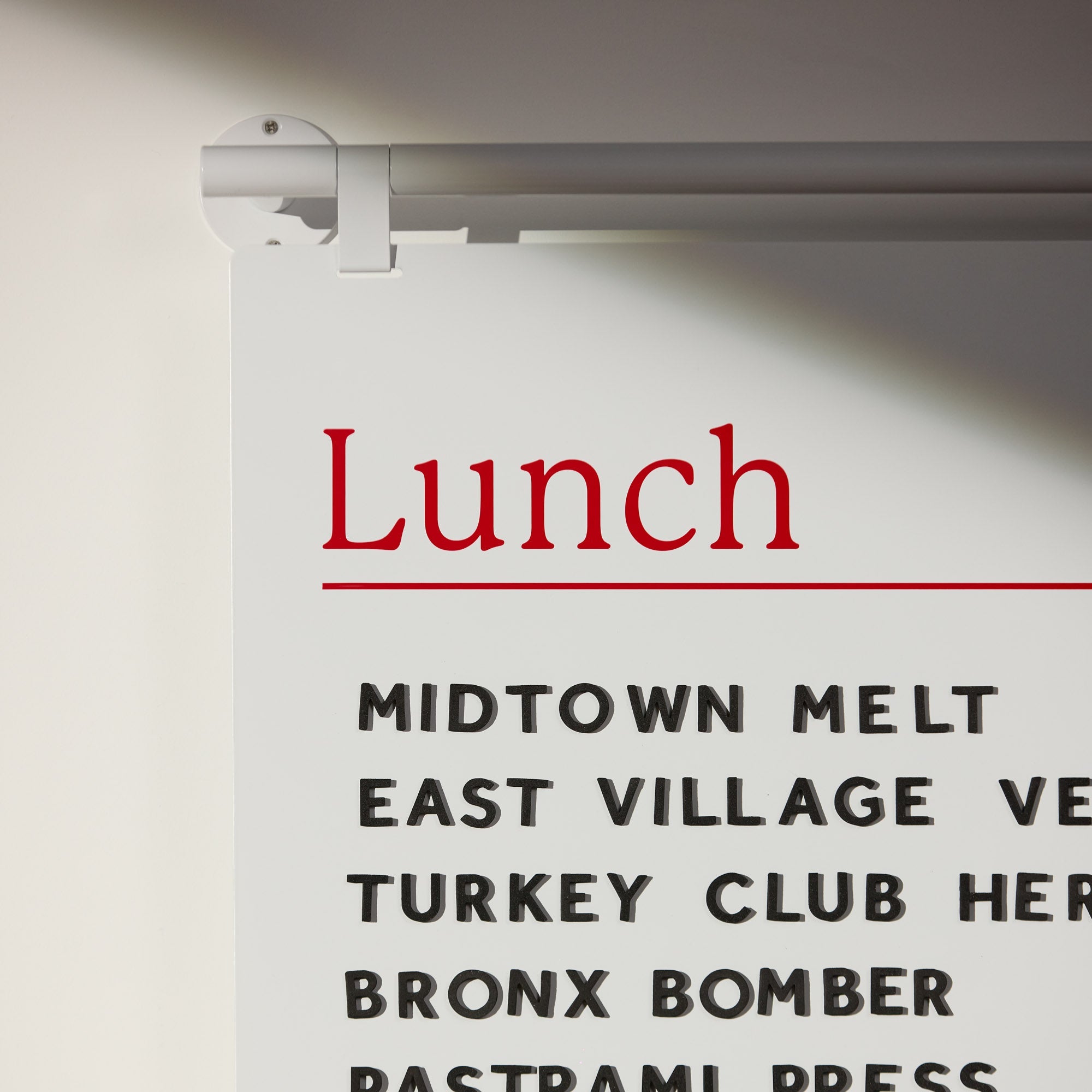
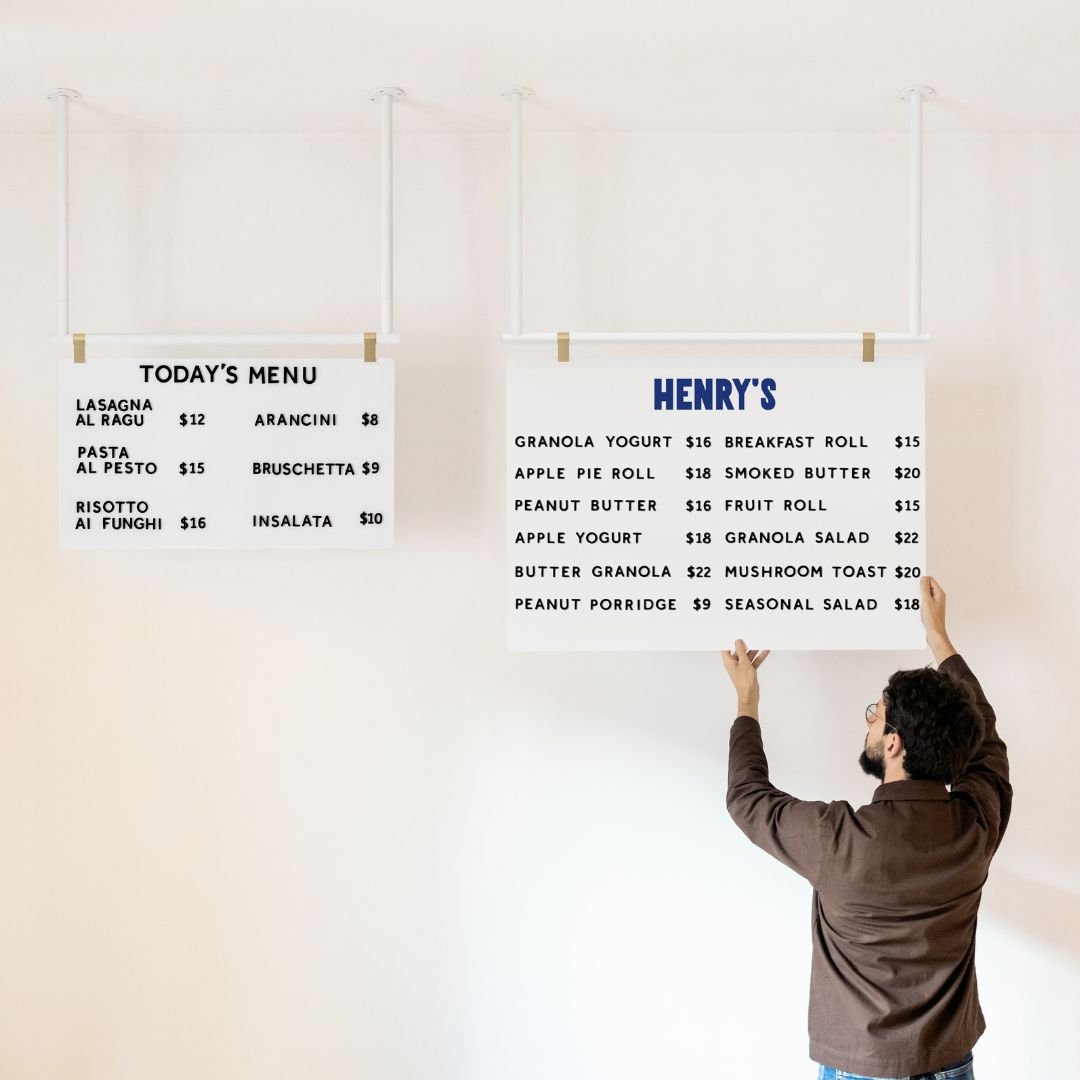
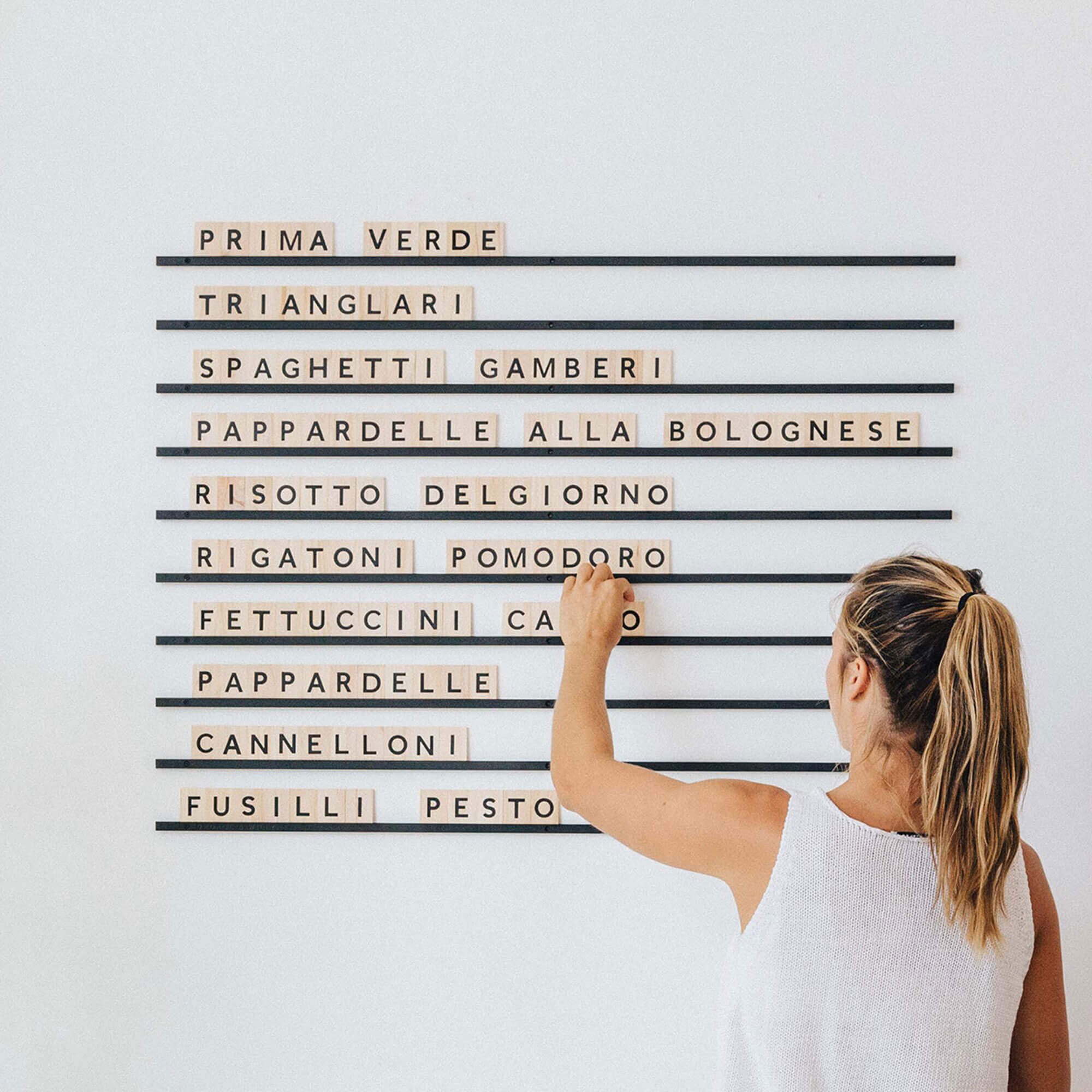
- Interior Signage: A backlit logo in a lobby or an LED neon sign in a restaurant creates a memorable interior focal point. Pair these with a quick change Magnetic Letter Menu Board for daily messages.
- Directional Signage: In larger venues like malls or campuses, illuminated wayfinding signs help guide people effectively. A compact wall mounted marker like the Vertical Blade Sign can boost sightlines without clutter.
Frequently Asked Questions about Illuminated Signage
1. What is the most cost effective type of illuminated signage?
For a large, graphic heavy sign, a standard LED lightbox is often the most budget friendly option. For lit lettering, front lit channel letters offer a great balance of impact and cost.
2. How long do LED signs really last?
High quality LEDs are rated for 50,000 to 100,000 hours. If your sign is on for 12 hours every night, that’s a lifespan of 11 to 22 years before the lights begin to dim significantly.
3. Do I always need a permit for an illuminated sign?
Almost always for exterior signs. Interior signs may not require a permit, but it’s essential to check your local city or county regulations before installing any new electrical signage.
4. Can I make my existing sign illuminated?
Yes, often you can. Upgrading old fluorescent signs to LED is a very common project. Adding external lighting to a non lit sign is also a straightforward way to add illumination.
5. What is the difference between a lightbox and a push through acrylic sign?
A lightbox illuminates a flat graphic panel from behind for a uniform glow. A push through sign offers a more premium, 3D effect by having thick acrylic letters protrude through a metal face, so only the letters themselves light up.
6. What’s the real difference between traditional neon and LED neon?
Traditional neon uses electrified gas in fragile glass tubes. LED neon uses flexible, durable plastic tubes with LEDs inside to mimic that look. LED neon is much more energy efficient, safer, and longer lasting.
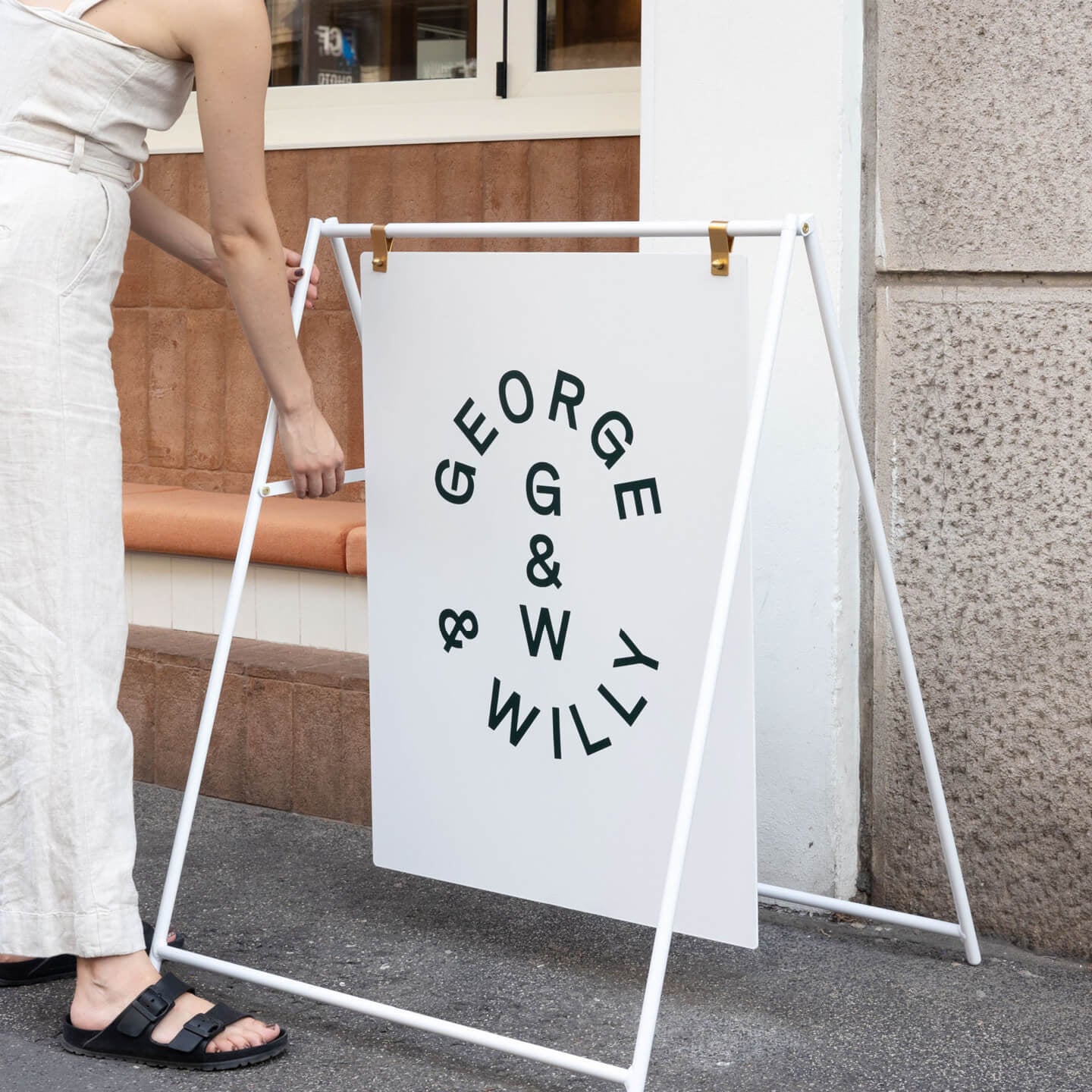
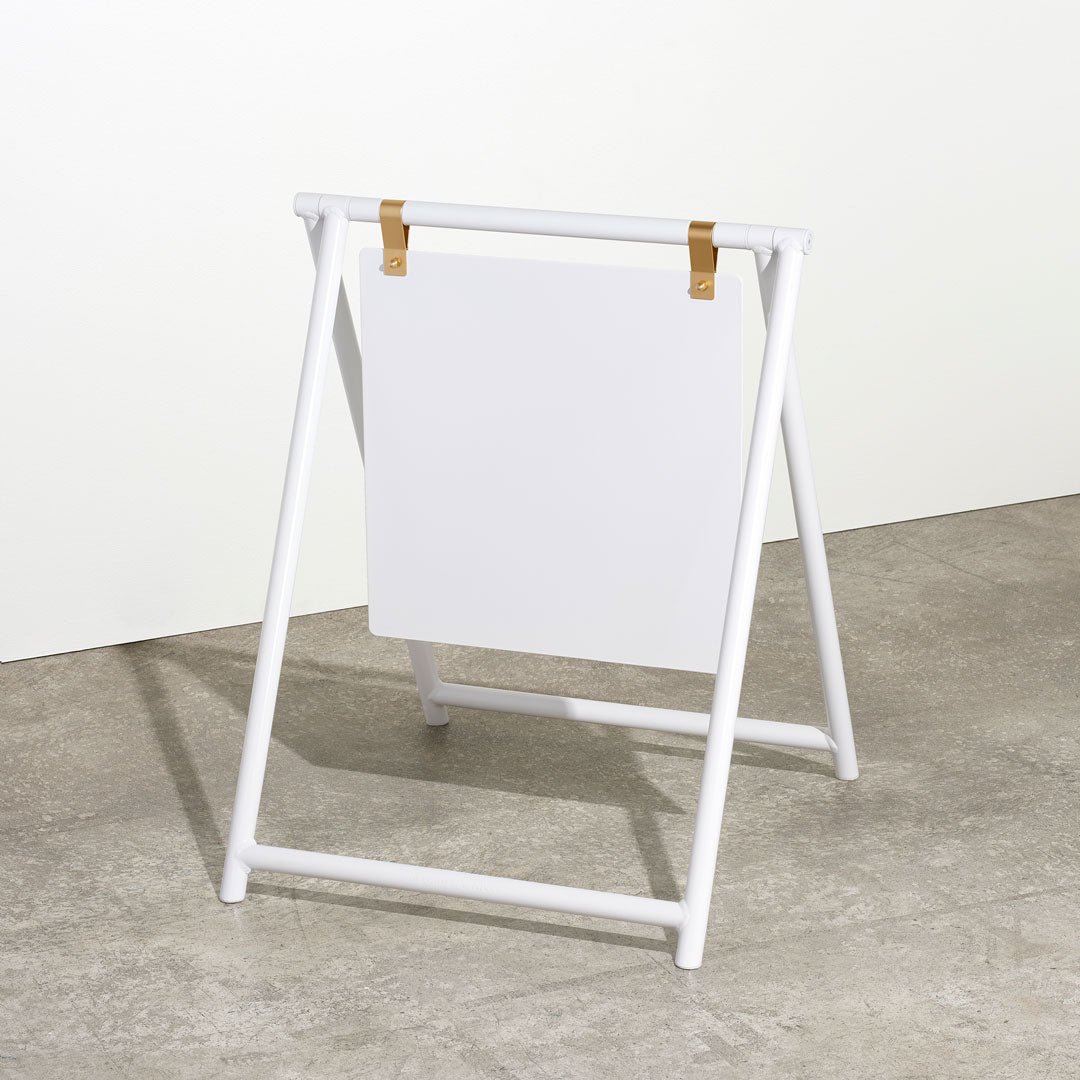
Choosing the right illuminated signage is a key step in building a visible and memorable brand. By understanding the options and planning carefully, you can create a sign that not only lights up your storefront but also helps your business thrive. To get inspired with simple, effective, and beautifully designed options, start with classics like the A Frame Sign and build a cohesive kit around your illuminated sign.