






Navigating a sprawling industrial park, a busy warehouse, or a multi-building campus can feel like trying to solve a maze. For delivery drivers, new employees, and first-time visitors, confusion can lead to delays, frustration, and even safety hazards. This is where a smart system of industrial wayfinding signage becomes essential. It’s more than just putting up a few signs; it’s about creating a clear, intuitive navigation system that guides people and vehicles smoothly from the front gate to their exact destination.
A well-planned industrial wayfinding signage strategy improves efficiency, enhances safety, and boosts the professional image of your entire property. Let’s explore the key components that create a seamless navigational experience.
Navigating the Big Picture: From the Street to the Loading Dock
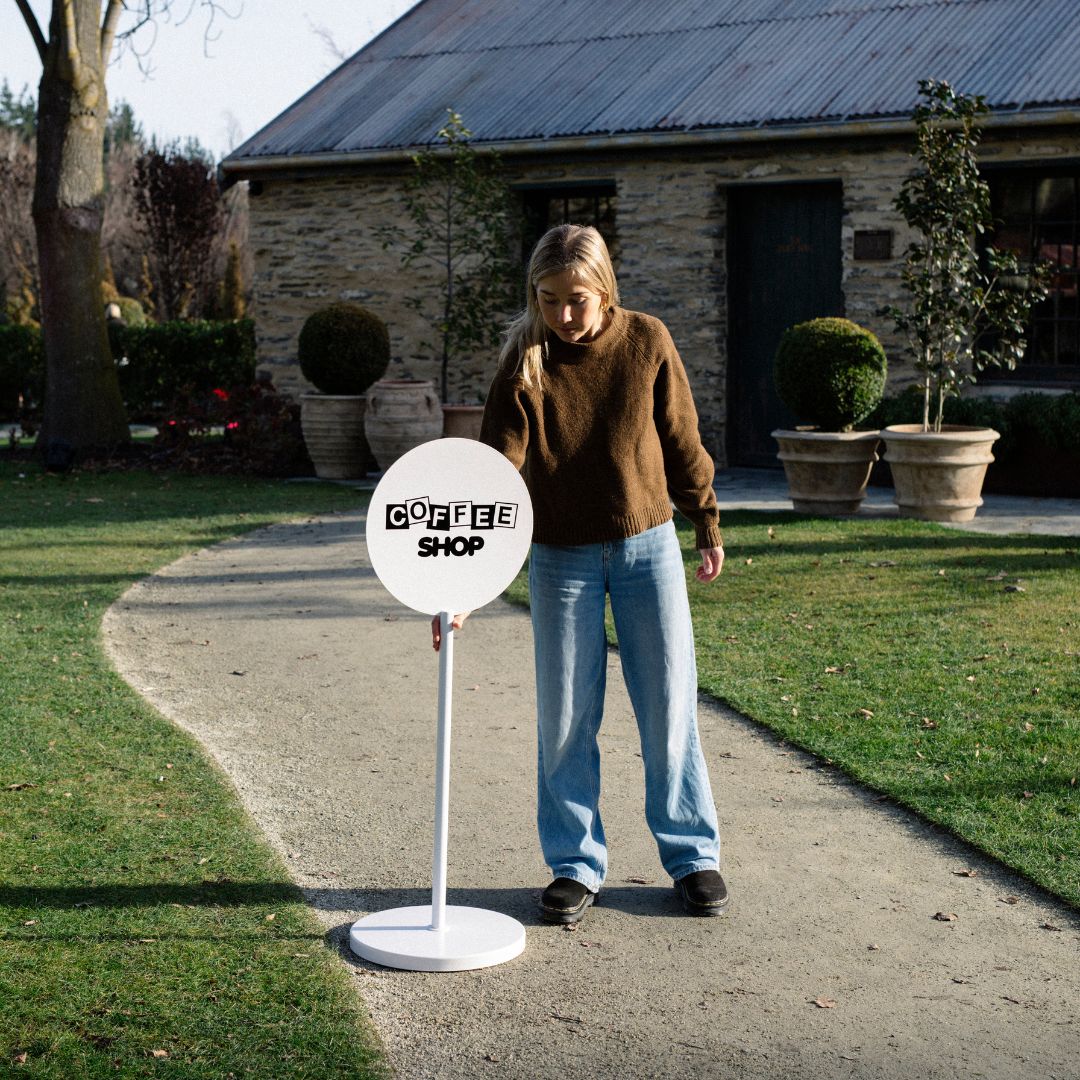
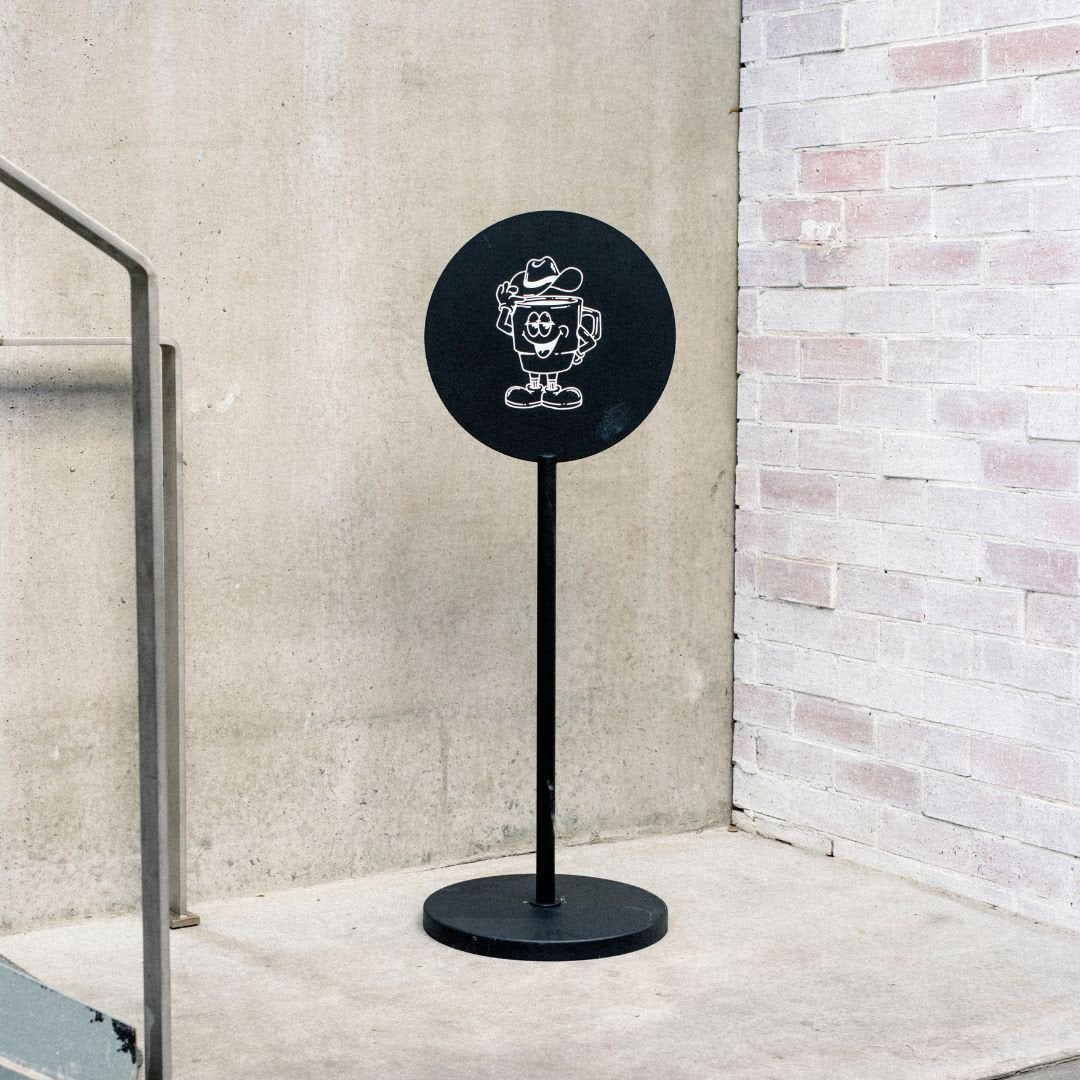
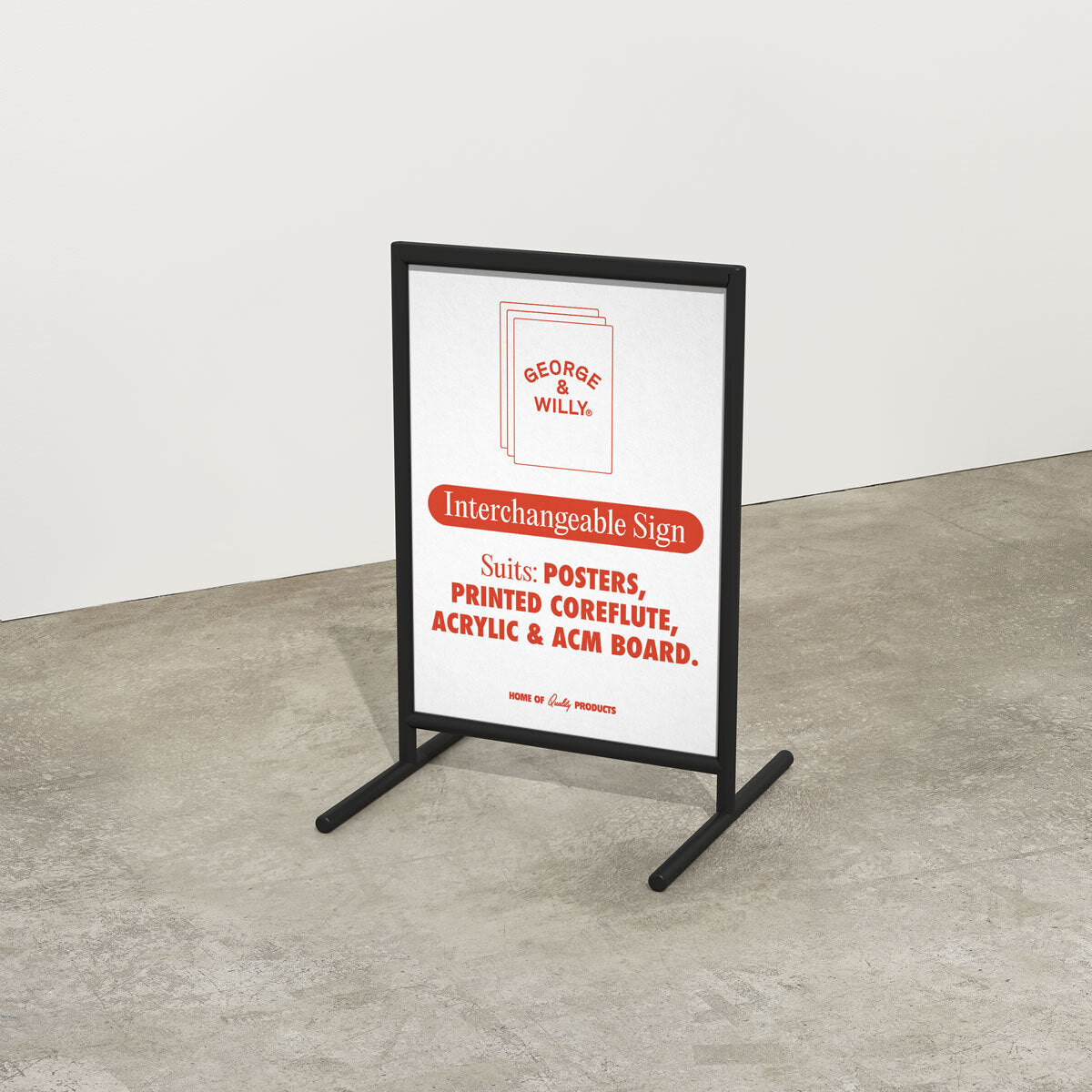
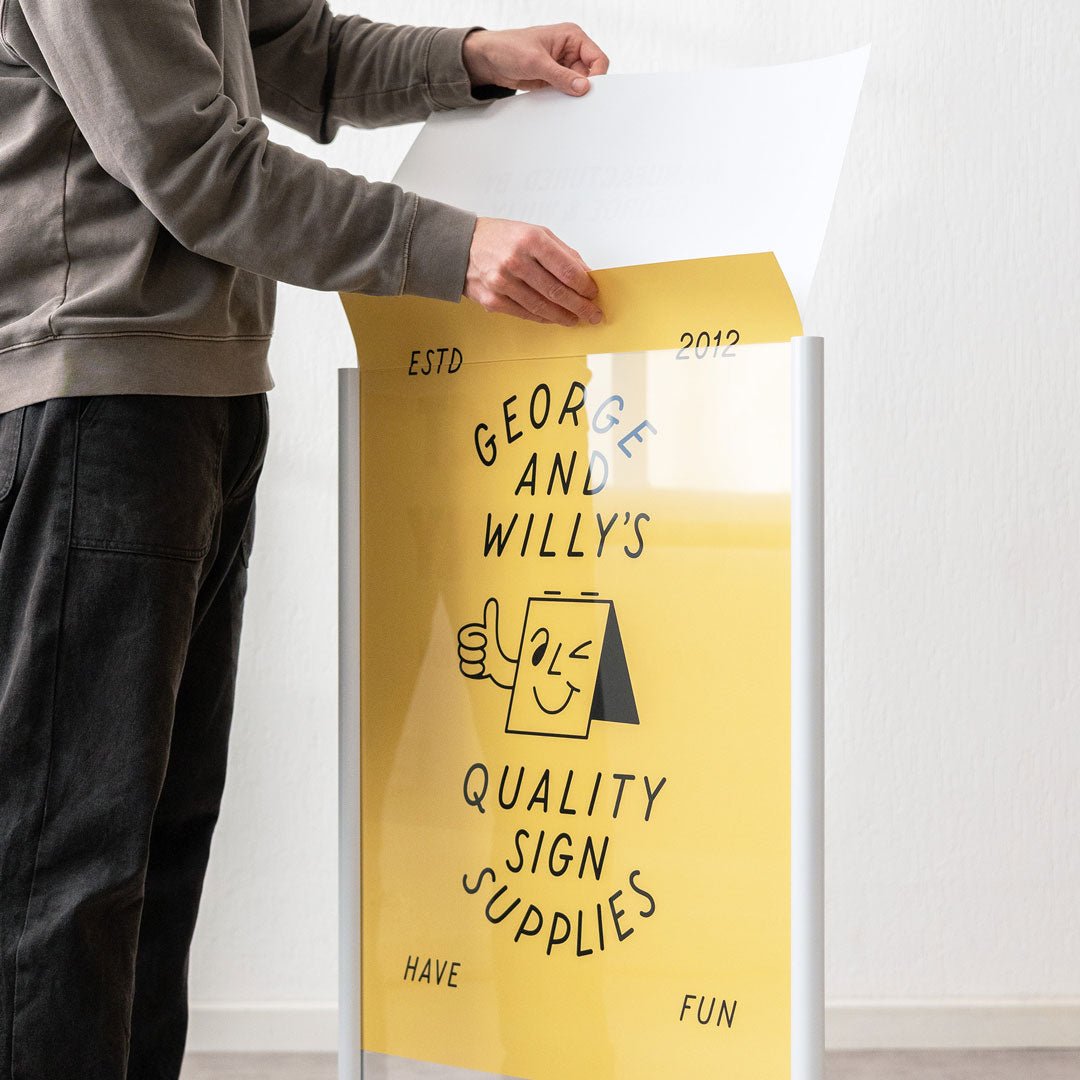
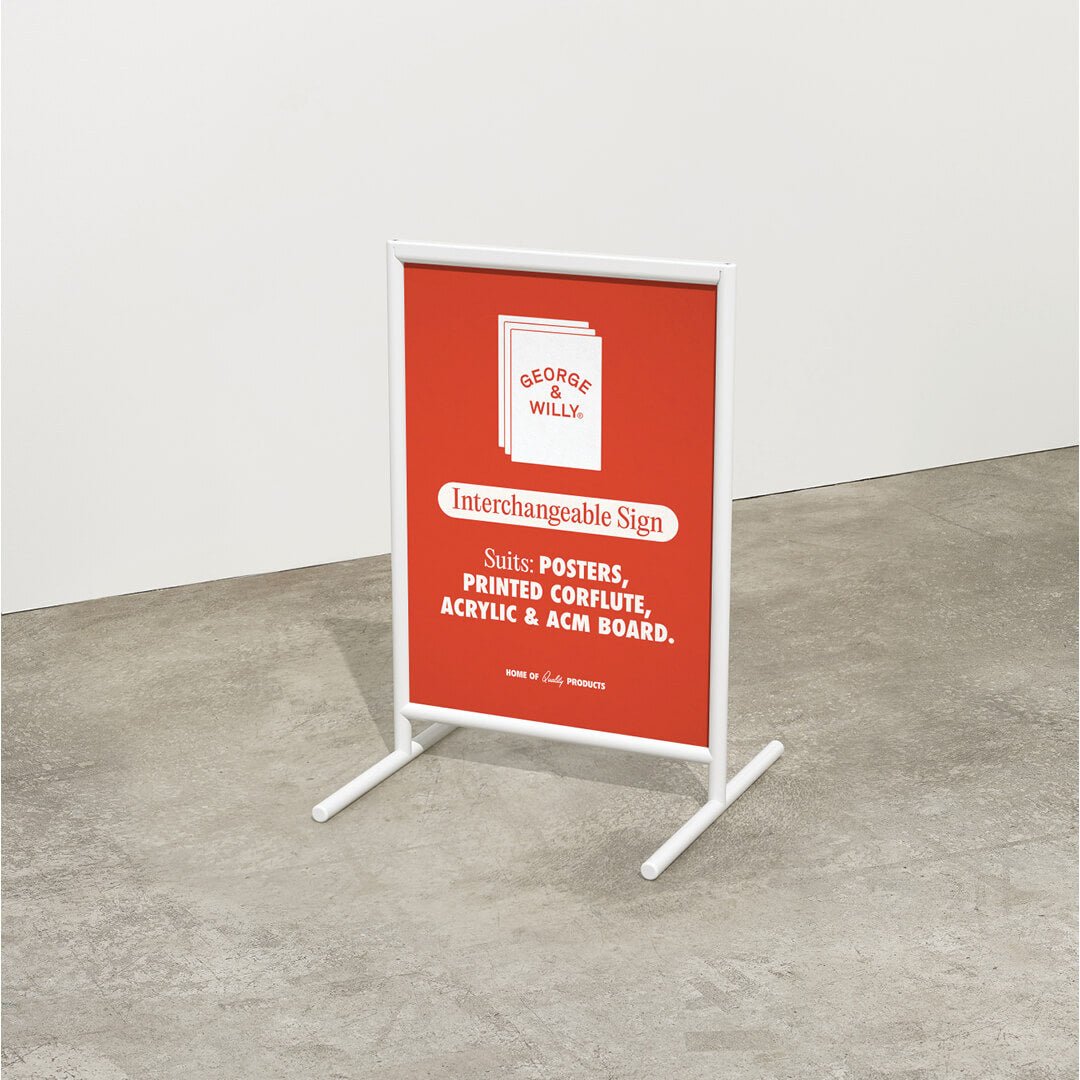
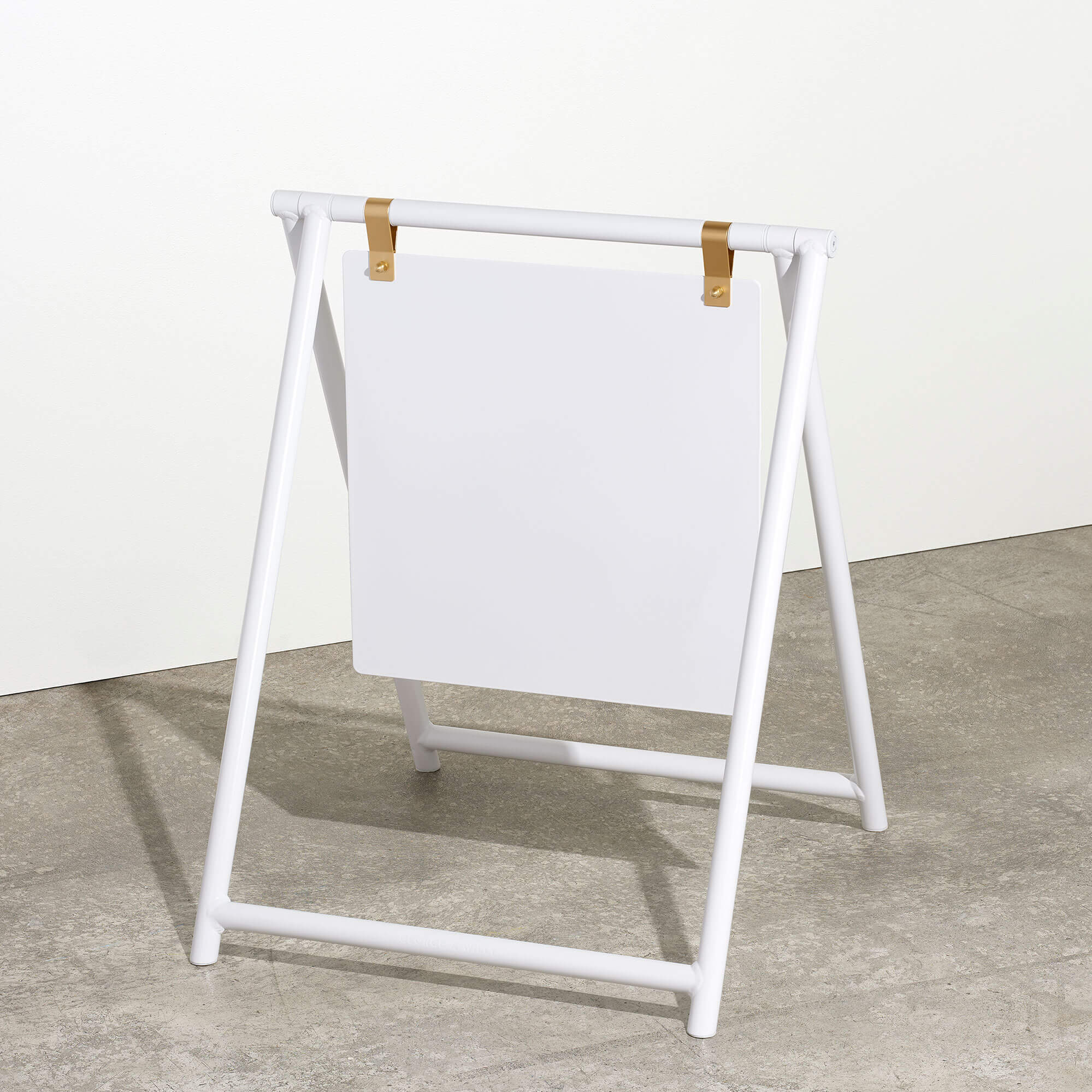
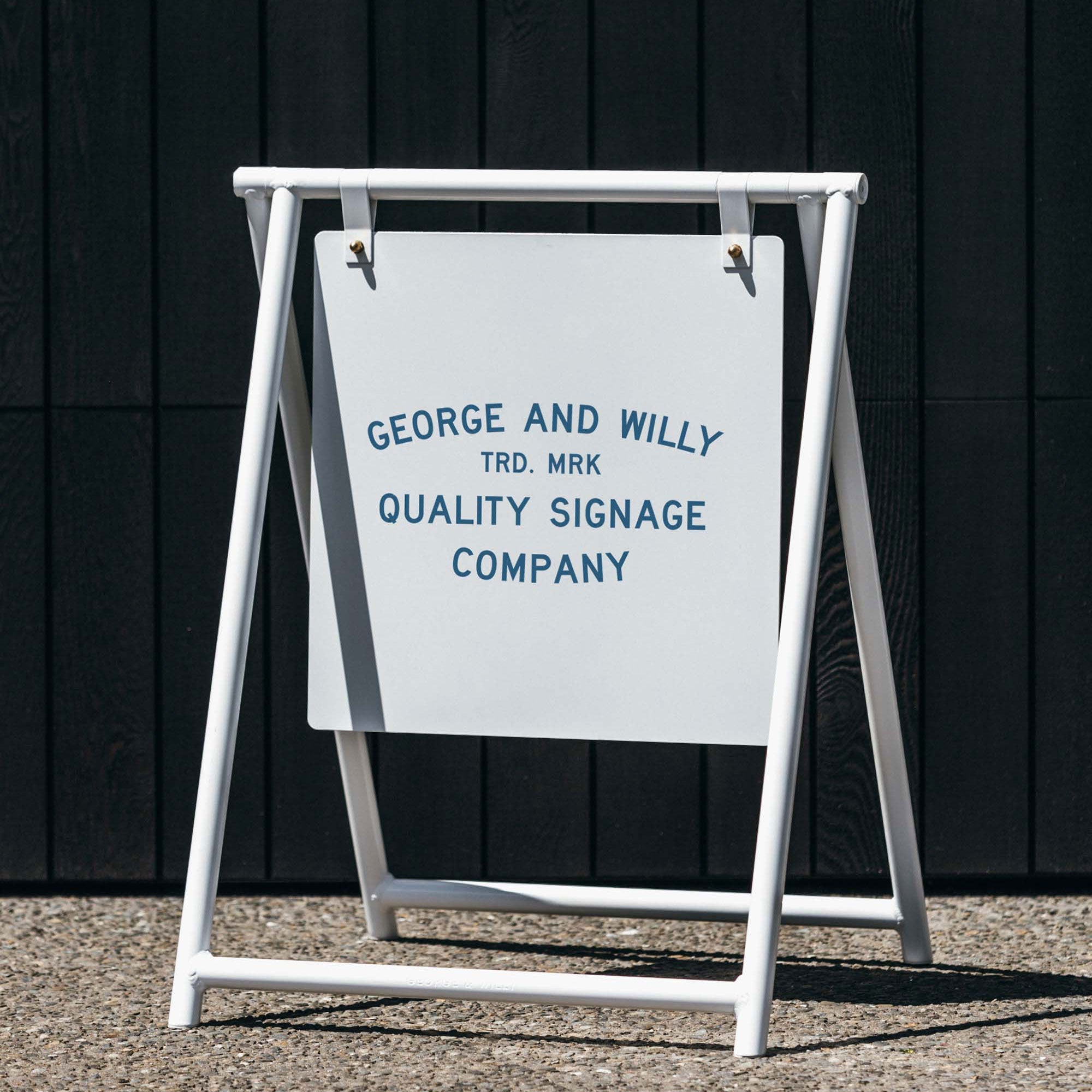
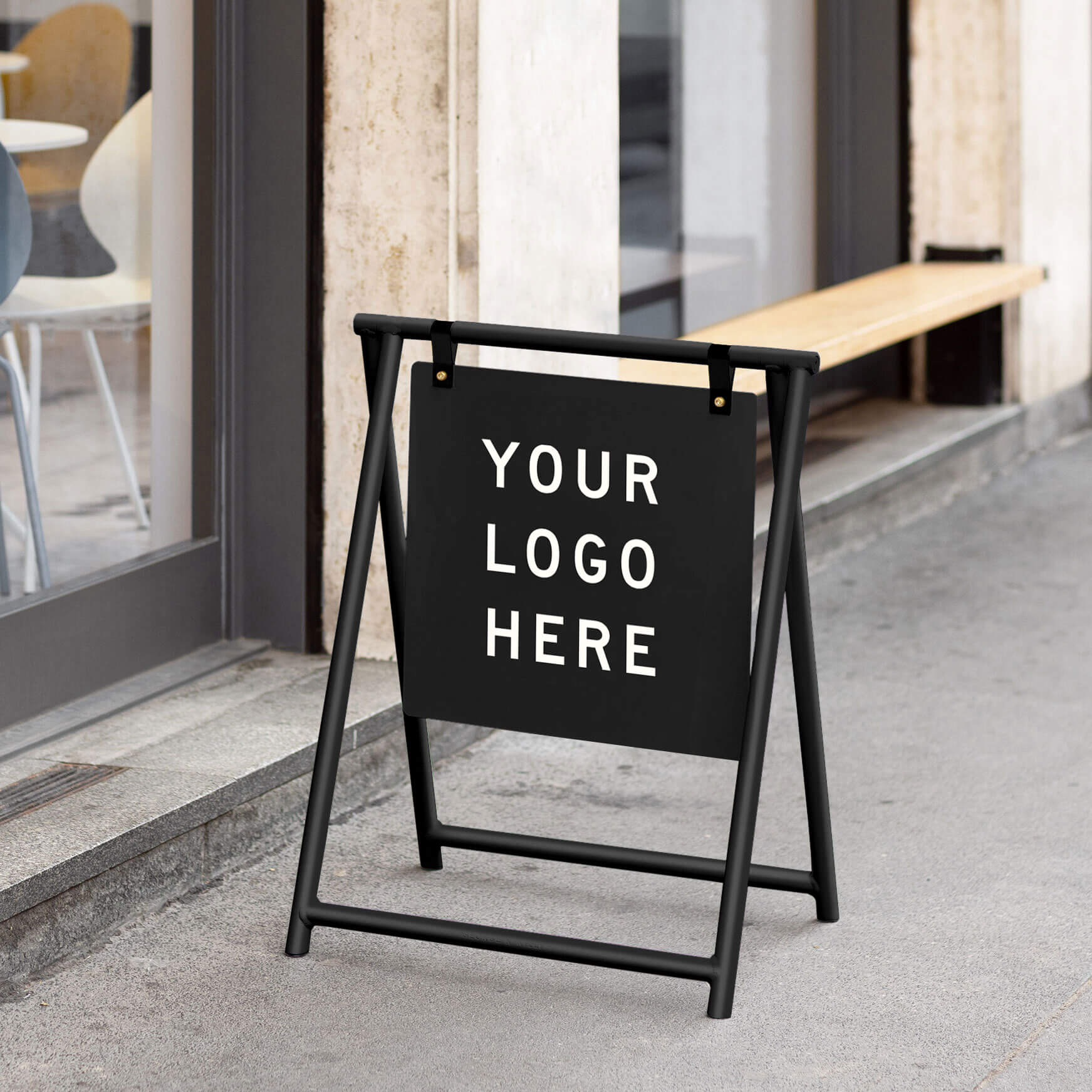
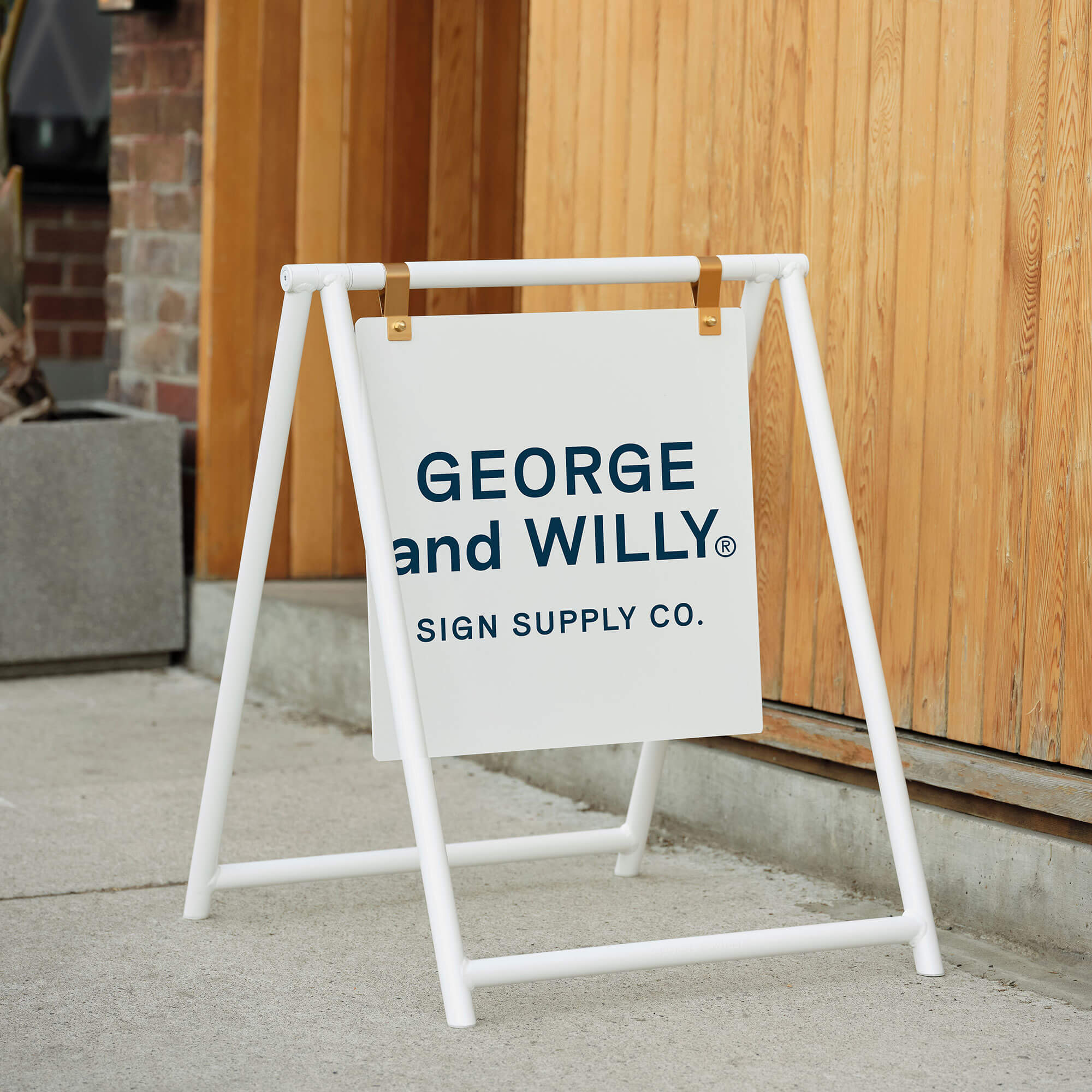
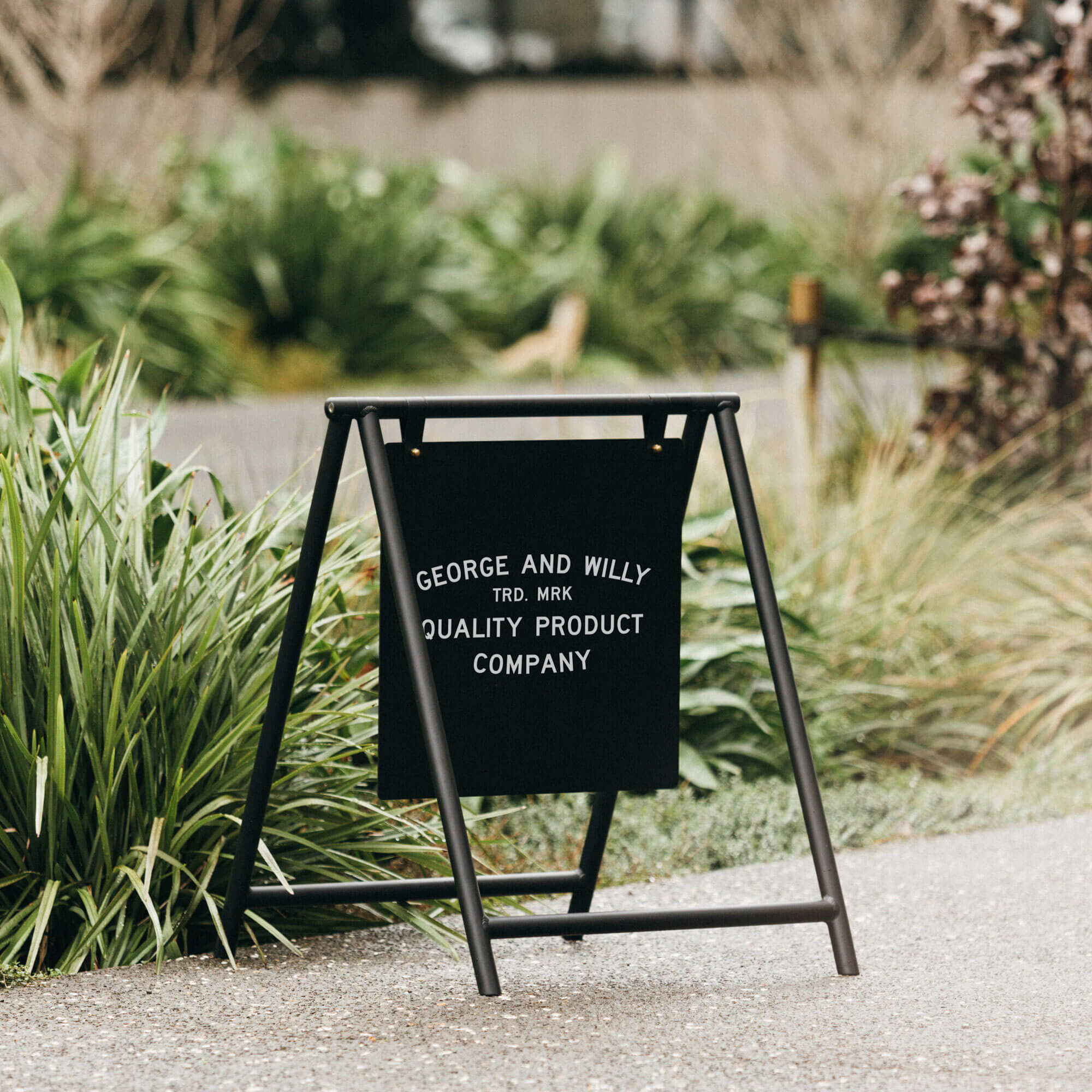
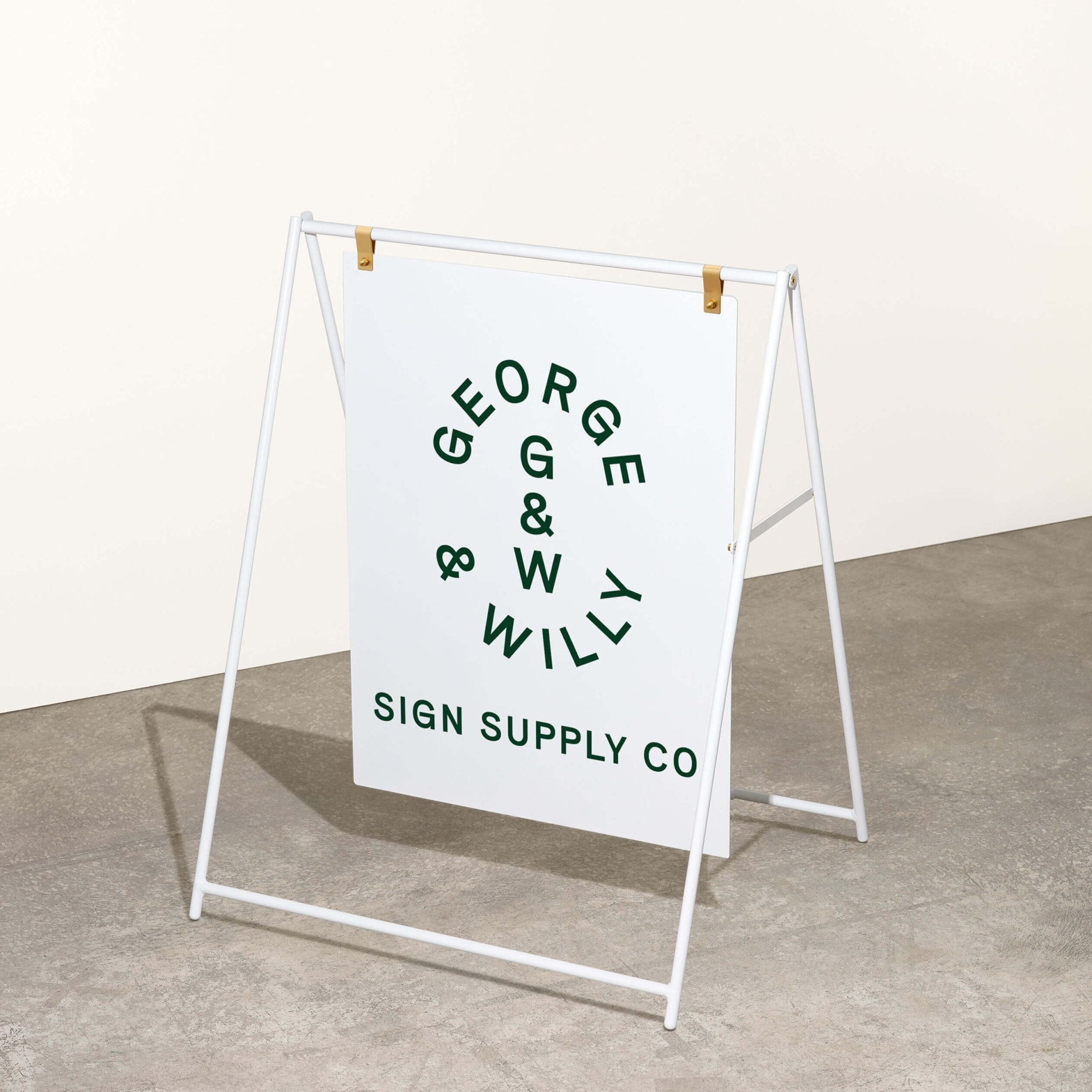
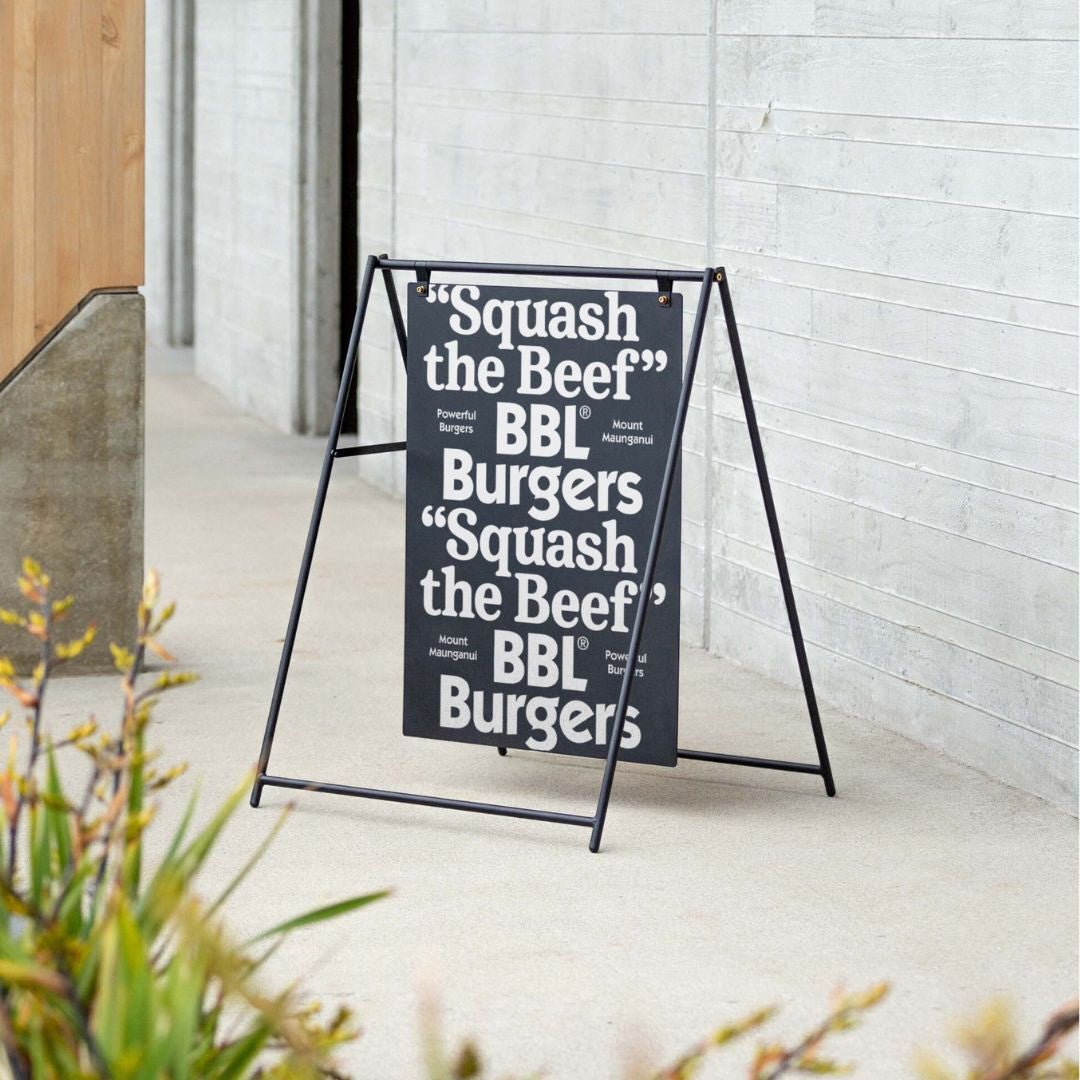
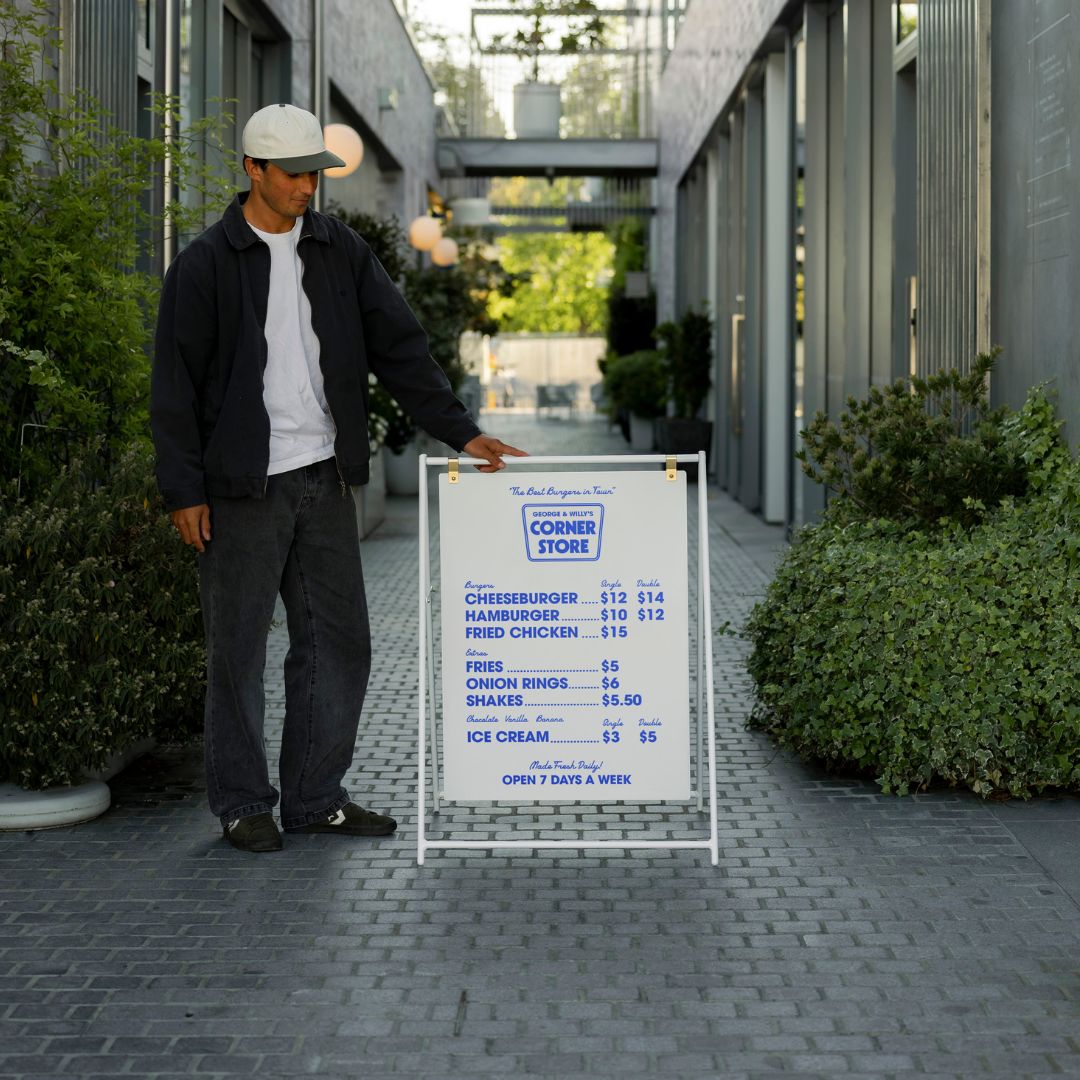
Effective wayfinding starts before a vehicle even enters your property. At busy entrances, a Sidewalk Sign can call out Visitor Parking or Delivery Check‑In. It’s about providing a clear path for everyone, especially for logistics and delivery personnel who are often on a tight schedule.
Industrial Property and Yard Wayfinding
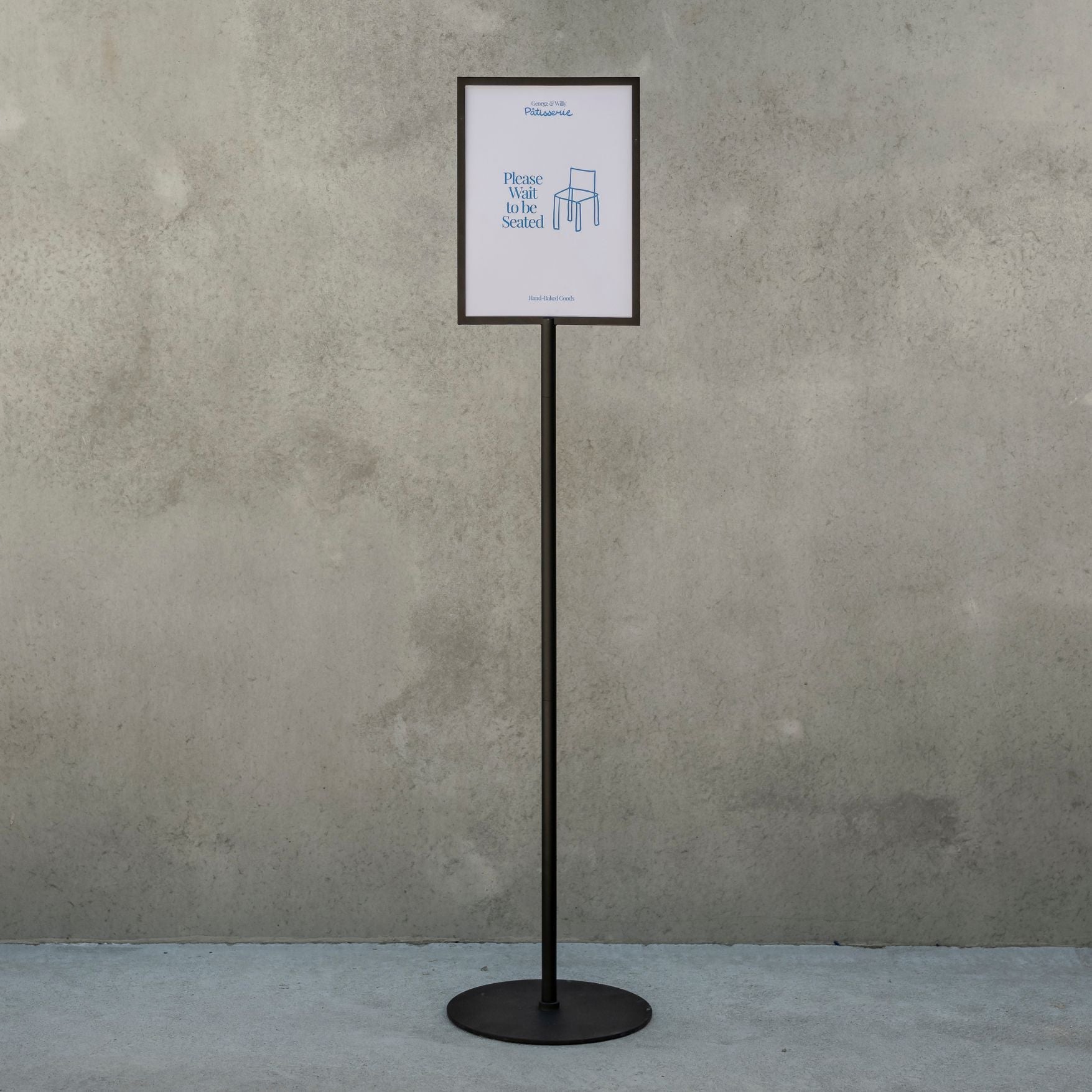
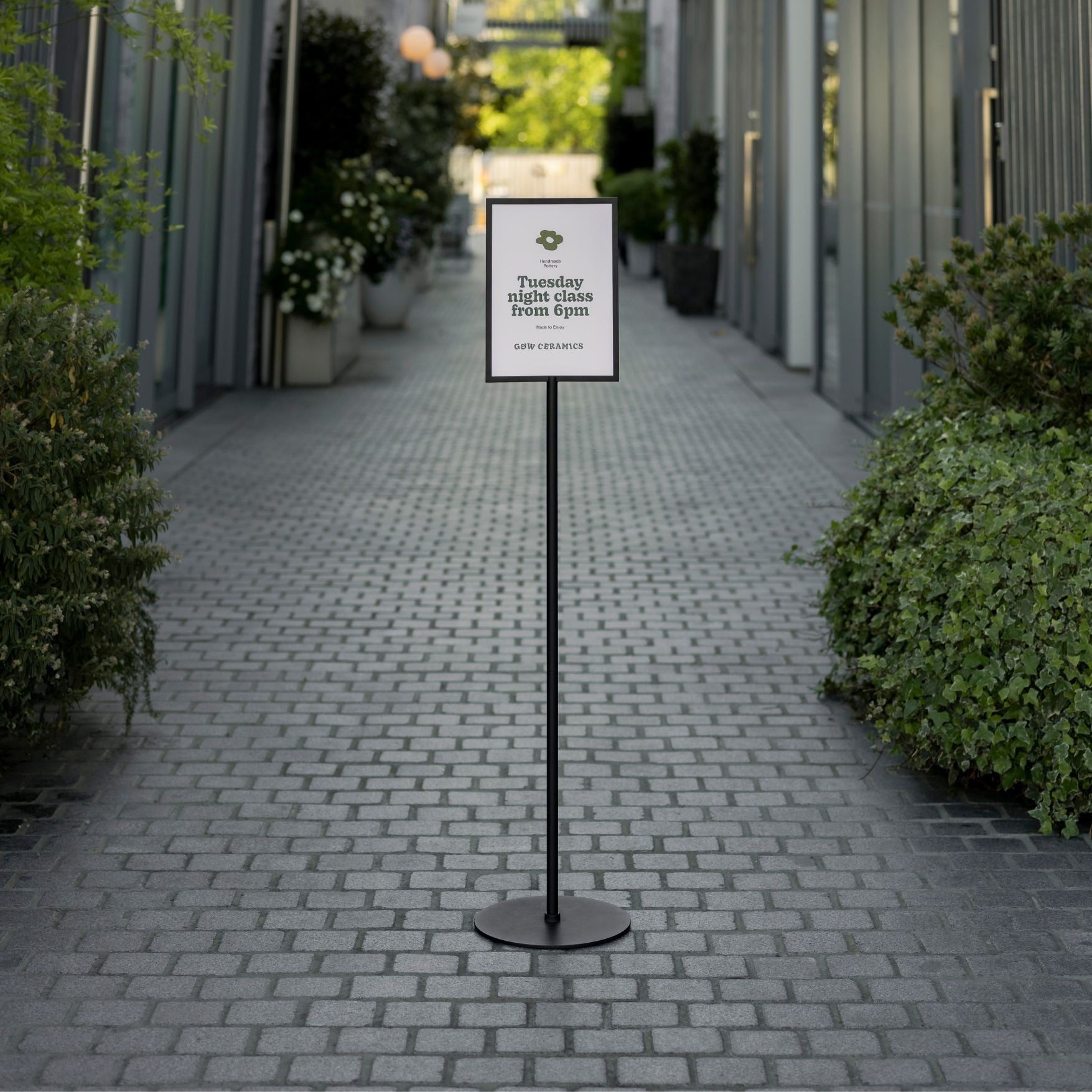
Industrial property wayfinding is the complete system of signs and visual cues that guides people across an entire complex. This broad system is supported by industrial yard wayfinding, which focuses specifically on the outdoor spaces like internal roads, parking areas, and loading zones. The goal is to eliminate guesswork. Signs should be placed at key decision points, like intersections and entrances, to prevent a 40 foot trailer from taking a wrong turn. A good system might start with a large directory at the entrance, such as a Standing Stand, and continue with clear directional signs along every internal road.
Making Life Easier for Delivery Drivers
Delivery driver navigation is a critical piece of the logistics puzzle. Confusing layouts are a common headache for drivers, and research shows that around 19% of failed deliveries are caused by inaccurate or unclear address details. Wasted time searching for the right dock costs logistics companies billions annually. Clear dock and warehouse signs, featuring large building numbers and directional arrows pointing to “Receiving,” are fundamental. Mount a Wall-Mounted Sign where drivers must choose a lane. These simple cues can turn a stressful delivery into a smooth, efficient drop off.
The Power of Custom and Orientation Maps
For truly complex sites, standard signage might not be enough. This is where custom mapping and orientation maps come in.
-
Custom Mapping: This involves creating a site specific map of your facility that highlights internal roads, building entrances, and specific loading docks. These can be provided to drivers in advance or displayed on a sign at the entrance, acting as an internal GPS for your property.
-
Orientation Map: An orientation map is a classic “You Are Here” guide. Placed at main entrances or key junctions, it gives visitors a complete overview of the property layout. Studies show that when visitors can orient themselves with a map upfront, they make navigational decisions much faster.
The Key Sign Types in an Industrial Wayfinding System
A comprehensive industrial wayfinding signage system uses various types of signs that work together. Each type serves a distinct purpose, from giving directions to enforcing rules.
Guiding Movement and Flow
-
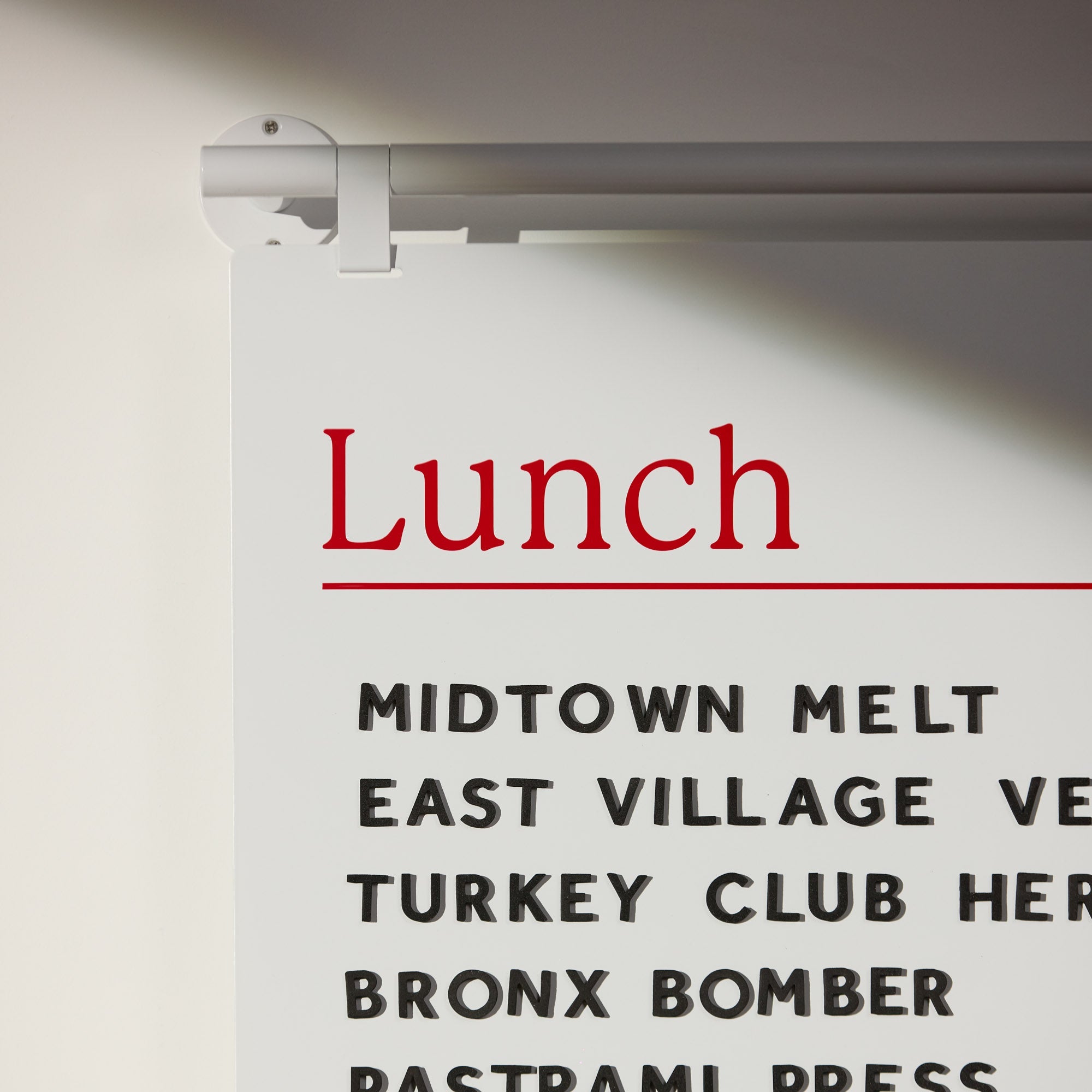
Directional Sign: This is the most basic wayfinding tool, a sign with a location name and an arrow (e.g., “Warehouse B →”). They are essential at any point where a person needs to make a decision about which way to go. For projecting visibility down corridors or along building faces, a Blade Sign works well.
-
Parking Sign: Parking signs manage the flow and organization of vehicle lots. They designate areas for visitors, employees, and trucks, and they enforce safety with speed limits and stop signs. Considering that 1 in 5 motor vehicle accidents happen in parking lots, clear signage is crucial for safety.
-
Traffic Flow Optimization: This isn’t a single sign but a strategy that uses signage to create the safest and most efficient routes. This includes creating one way lanes in a yard or warehouse aisles, which can significantly reduce congestion and the risk of collisions. Optimizing routes for workers can be a huge productivity booster, as studies have found walking can account for up to 50% of the time in manual order picking.
Identifying Places and People
-
Identification Sign: This type of sign answers the question, “Am I in the right place?” It can be a company name on a building or a large address number visible from the road. Good identification signage builds trust; one survey found that nearly 70% of consumers believe a sign’s quality reflects the quality of the business itself. For long‑range visibility on building facades, a Projecting Shop Sign creates a clear landmark.
-
Tenant and Building Identification Sign: In multi tenant properties, these signs list the various companies and identify each building. This can be a large monument sign at the entrance or individual signs on each building. Clear identification is not just for visitors; it’s also critical for emergency responders.
-
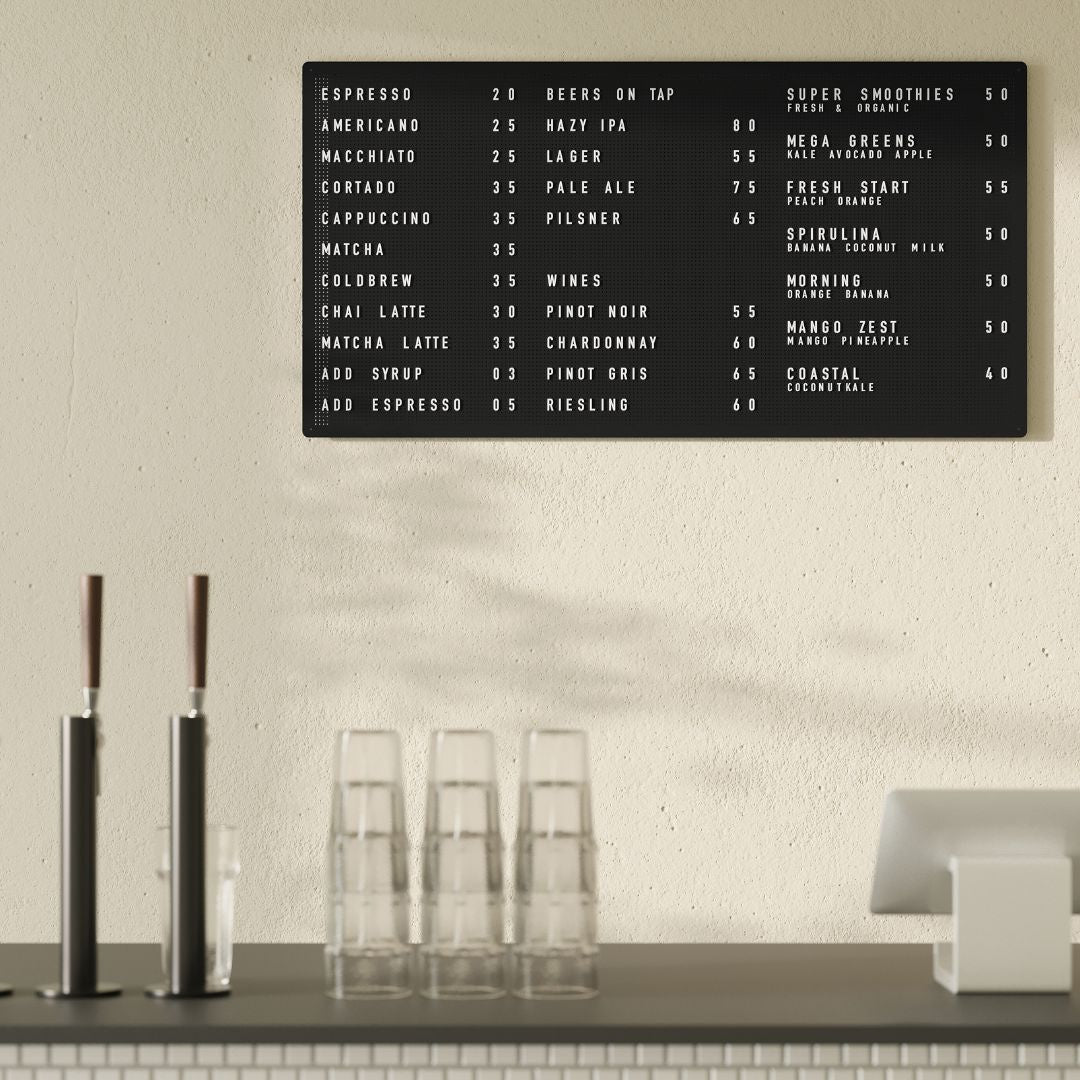
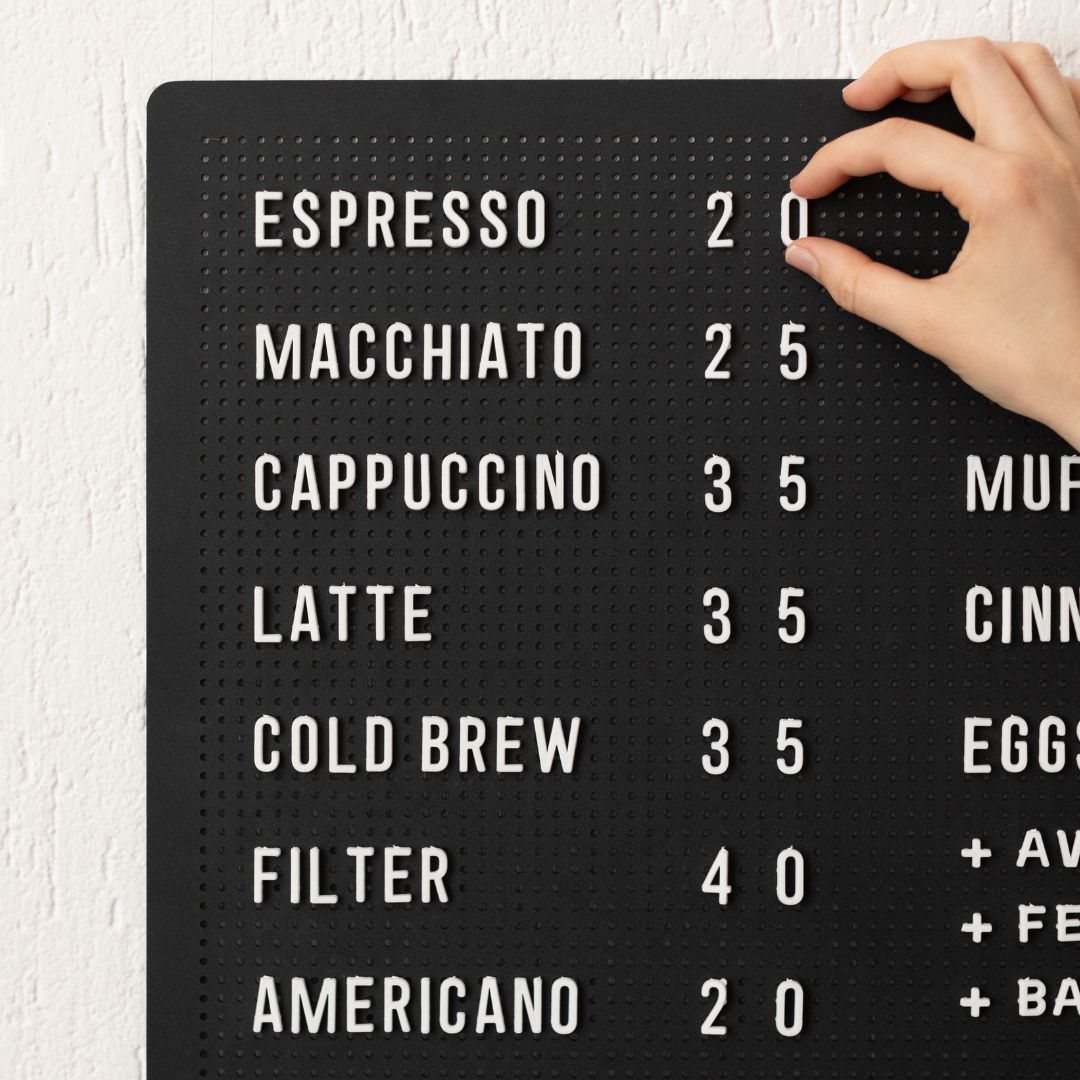
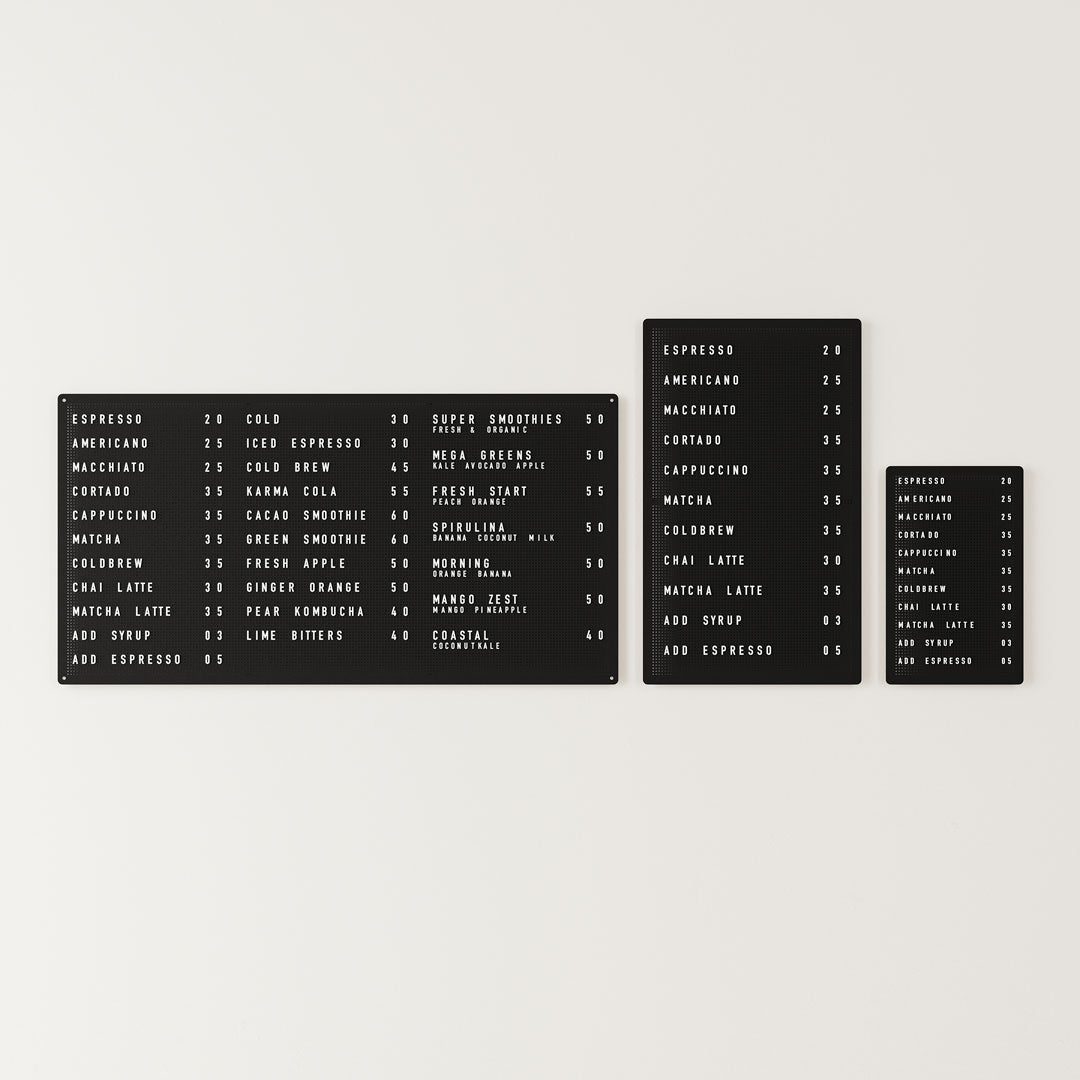
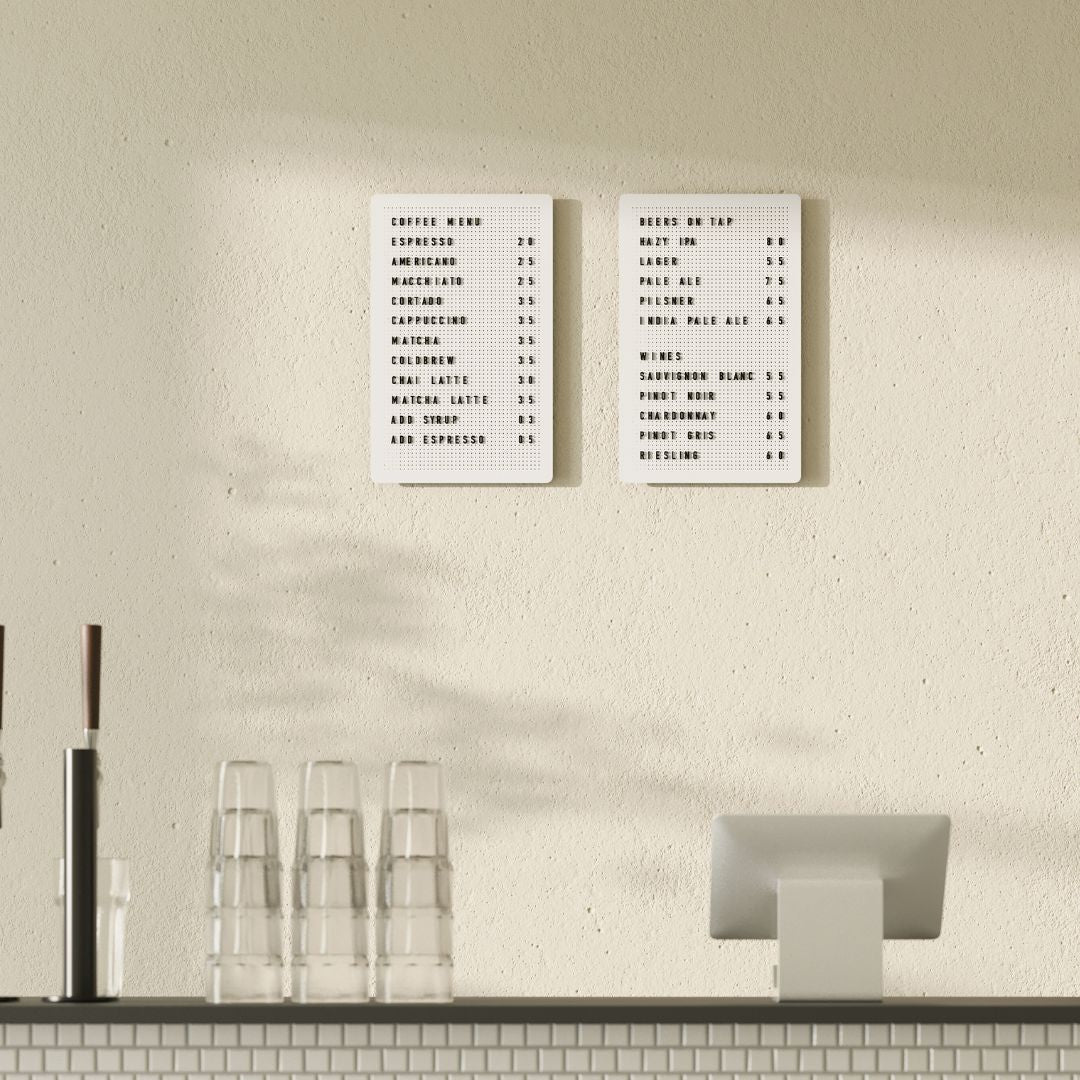
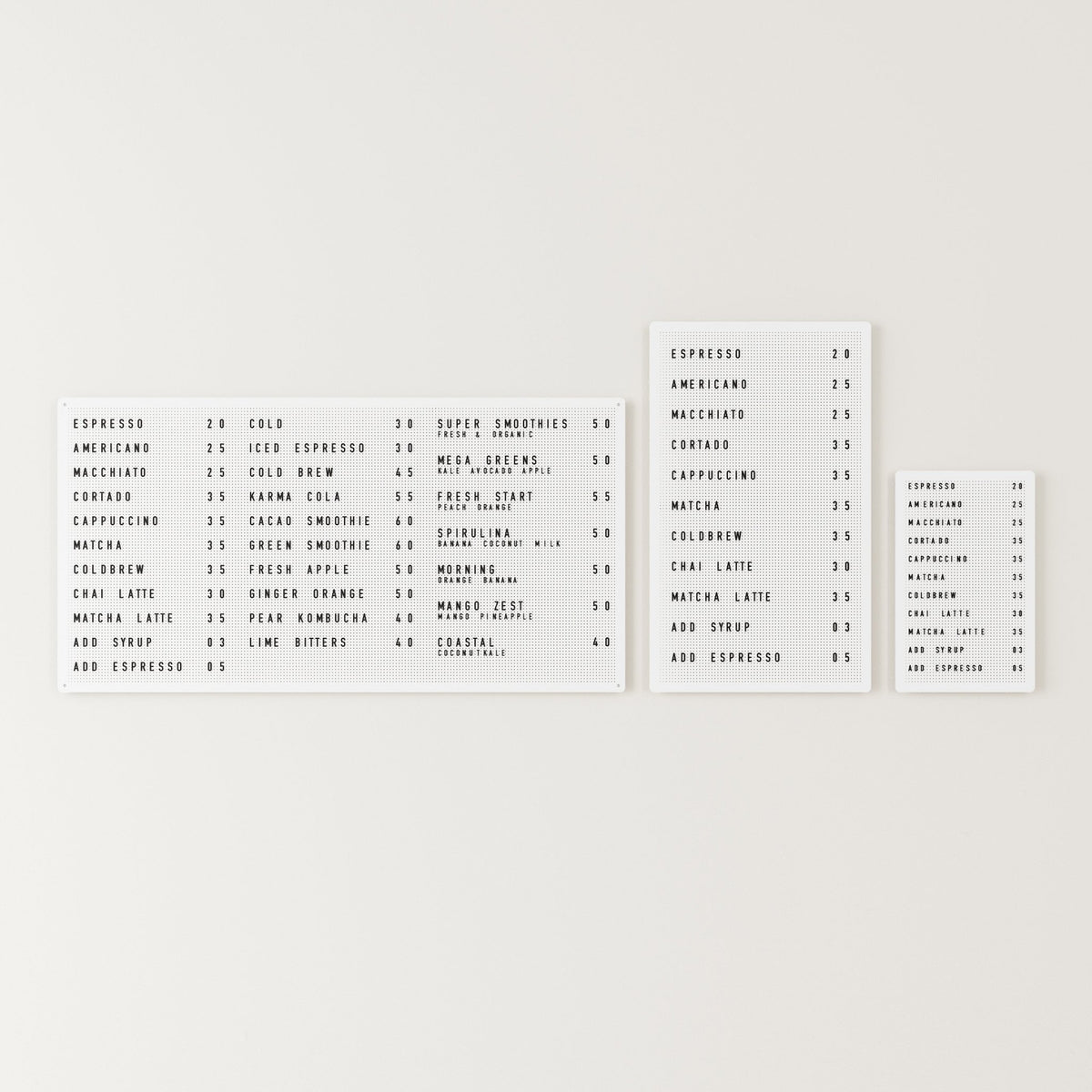
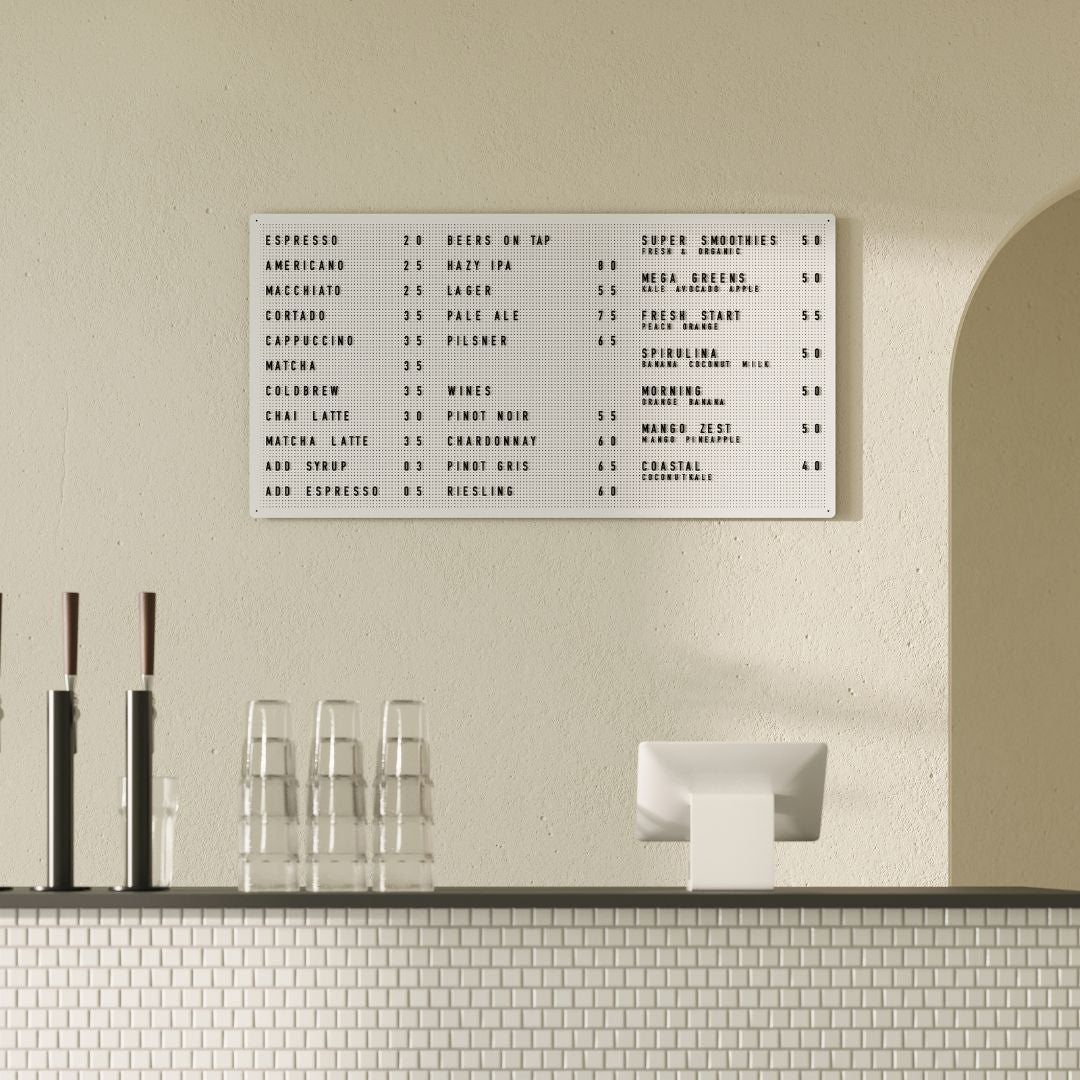
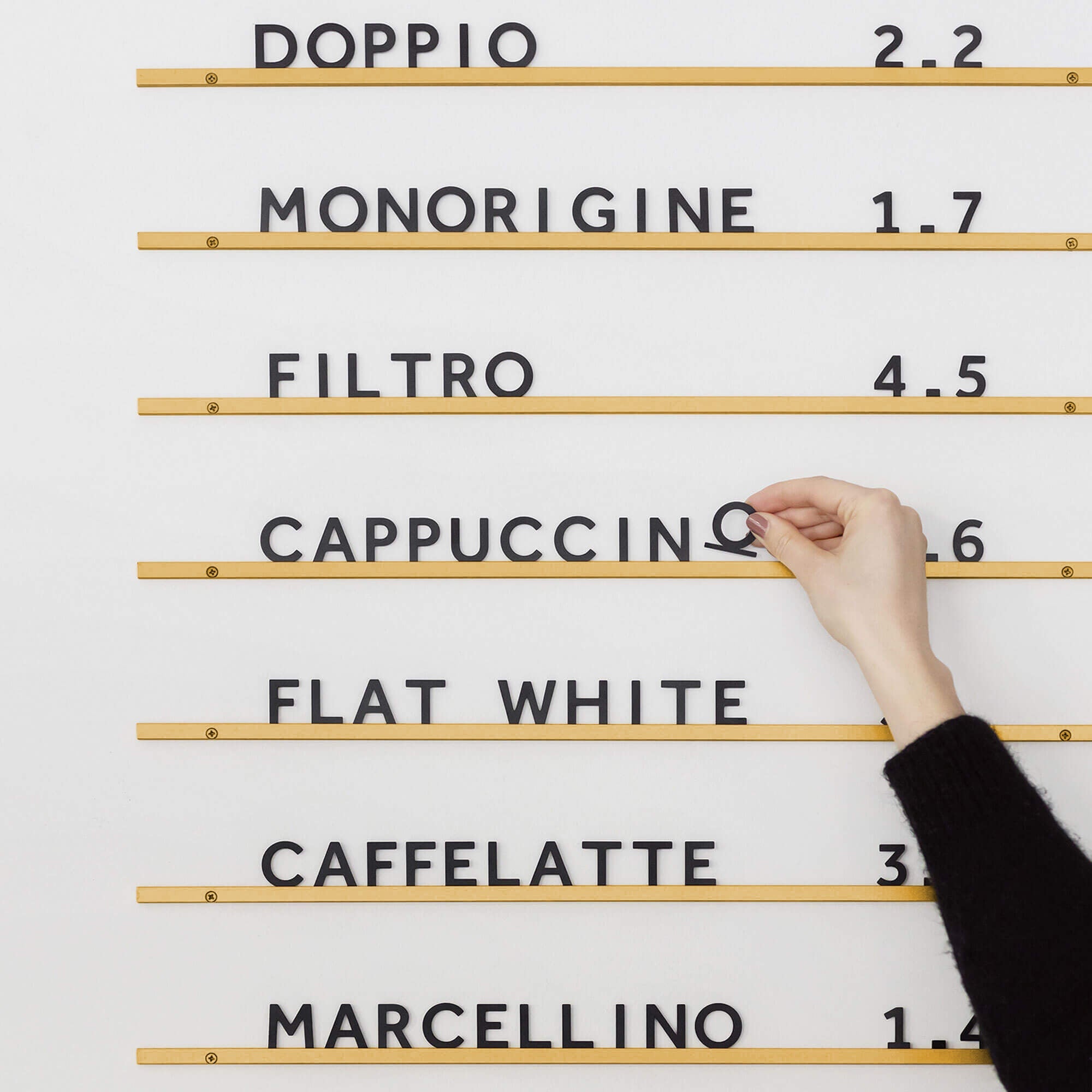
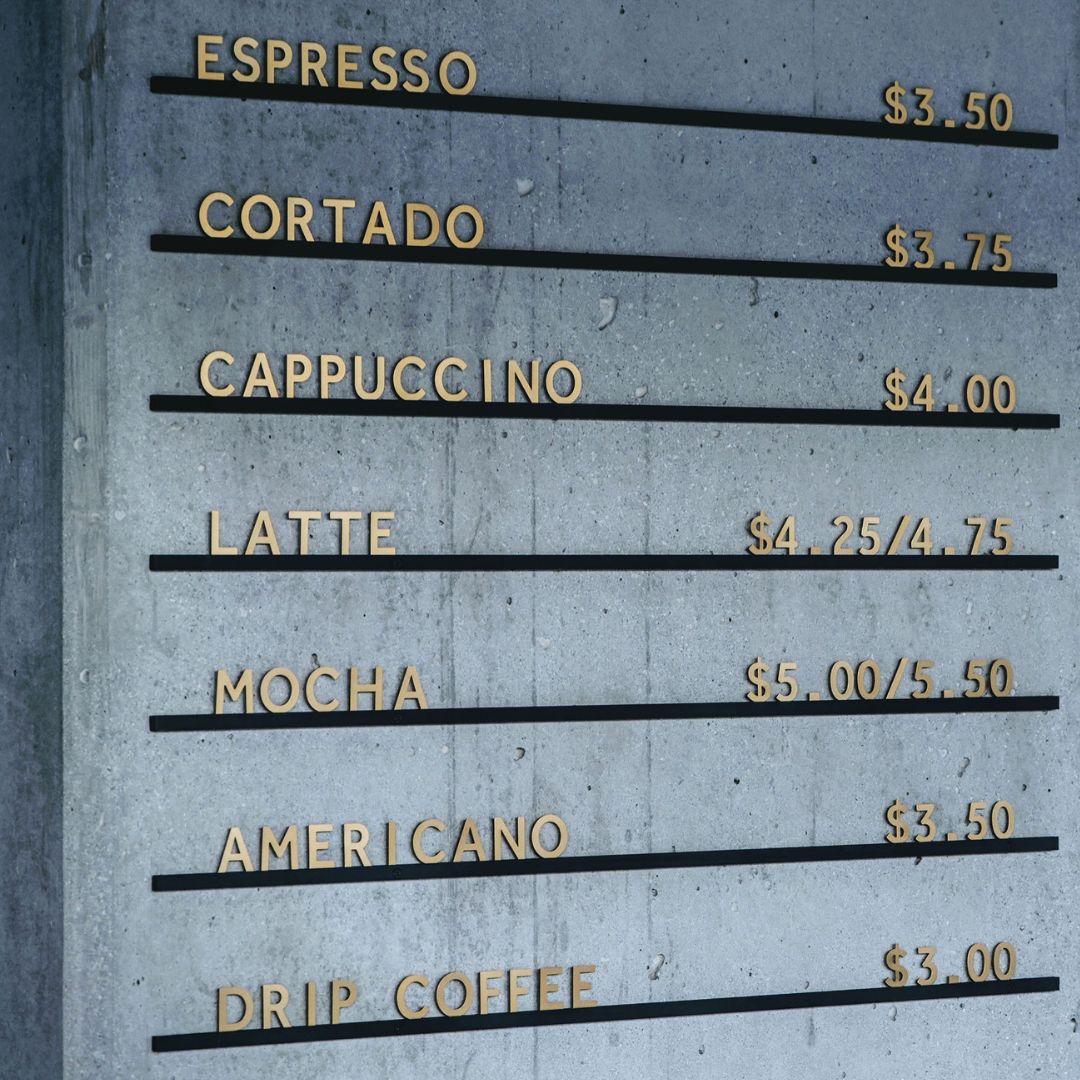
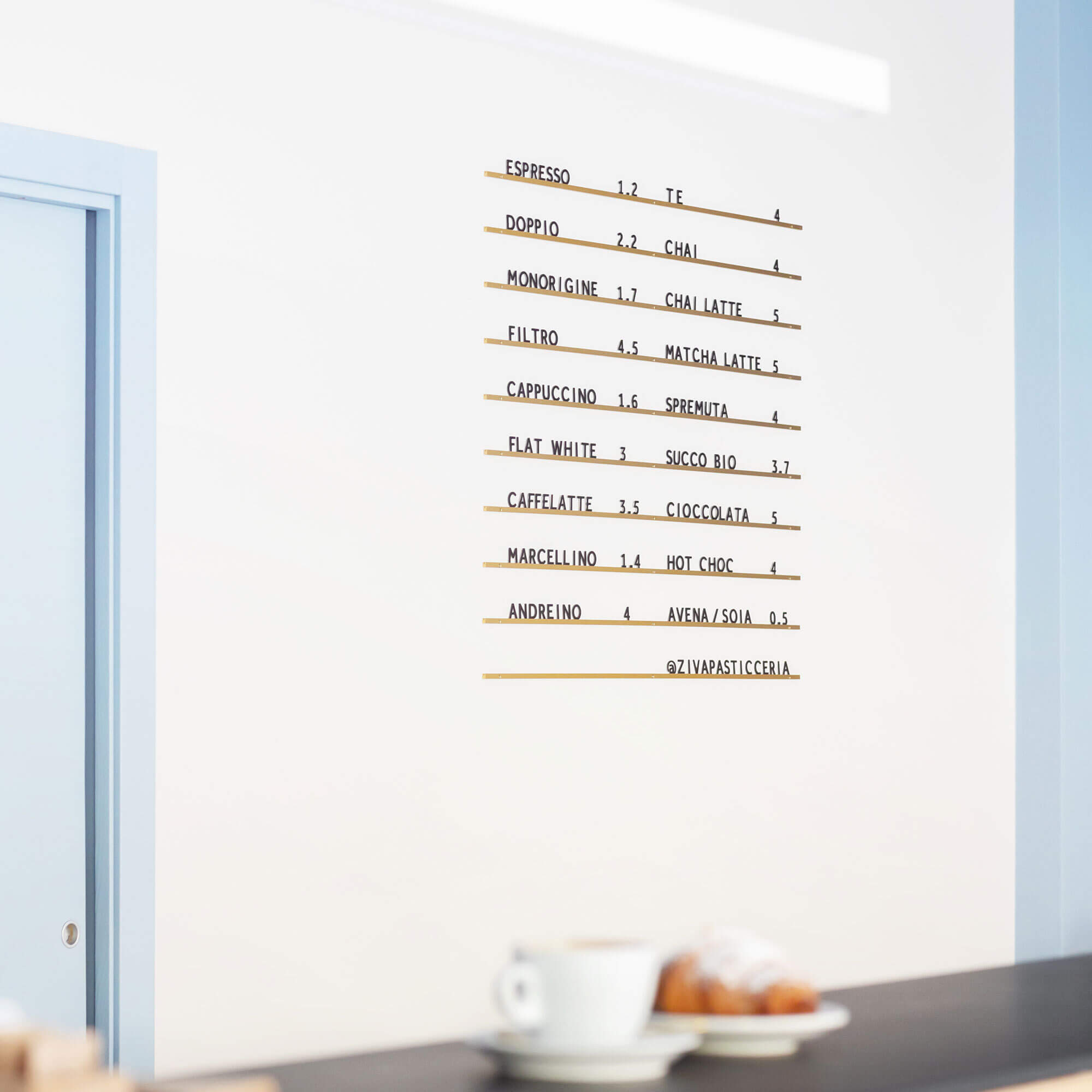
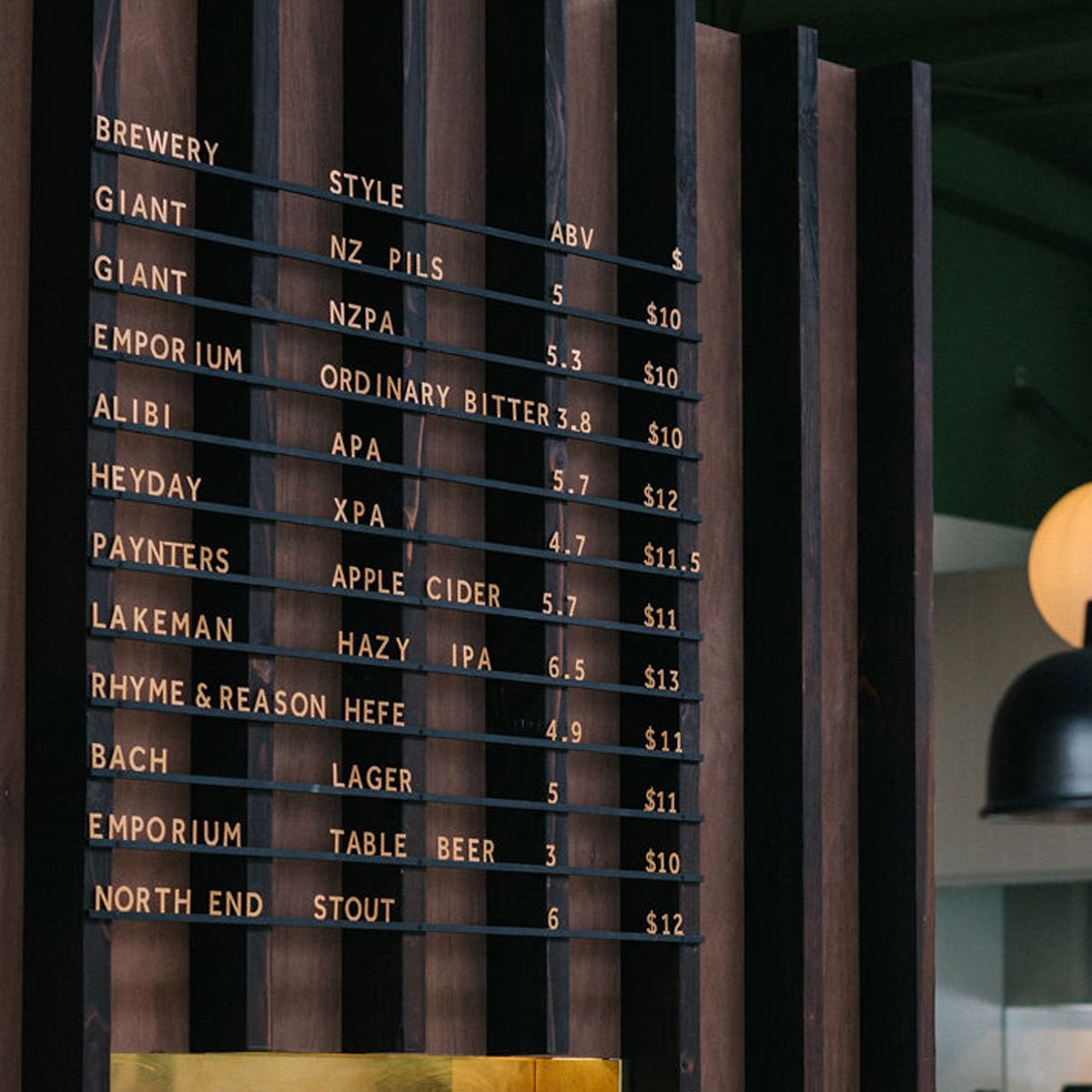
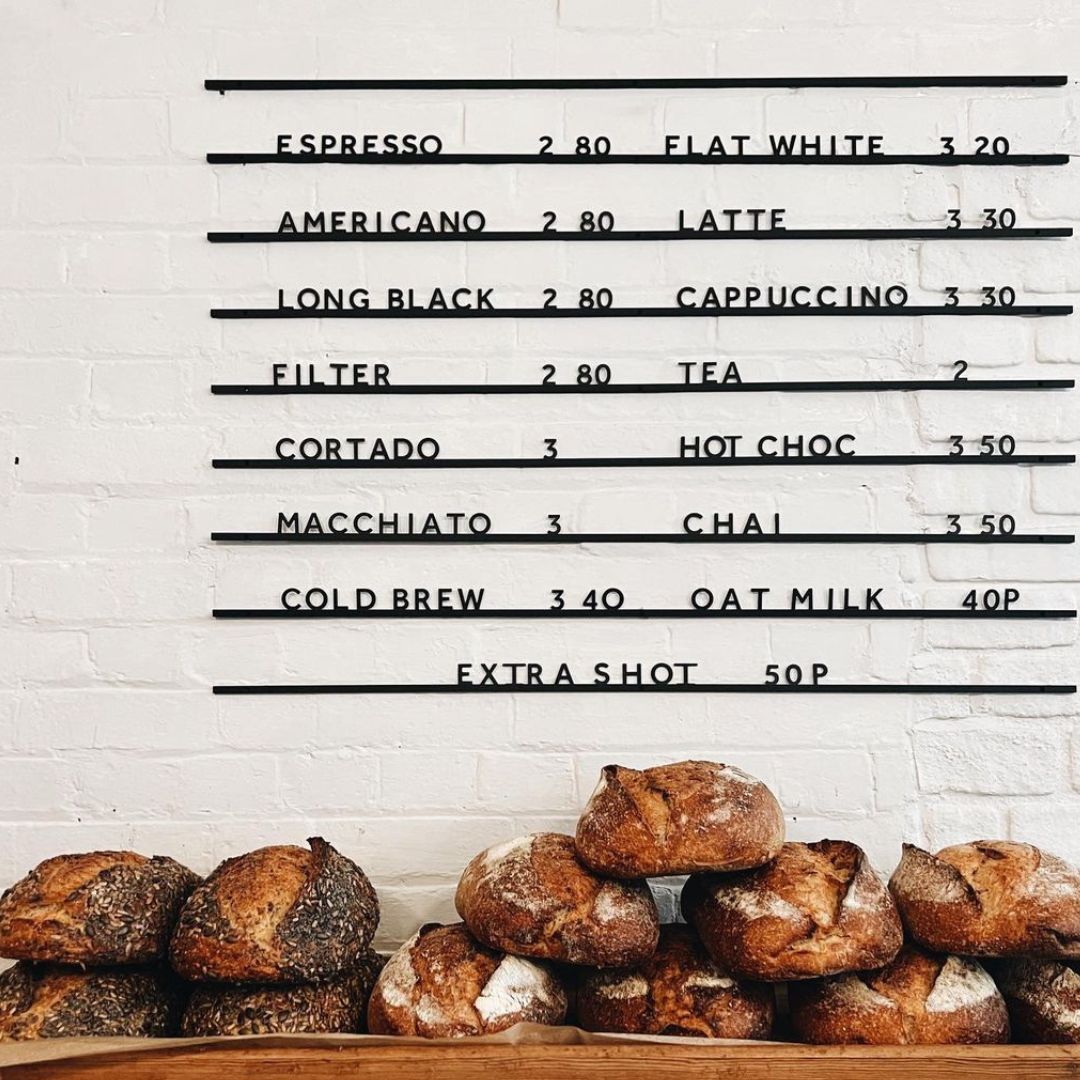
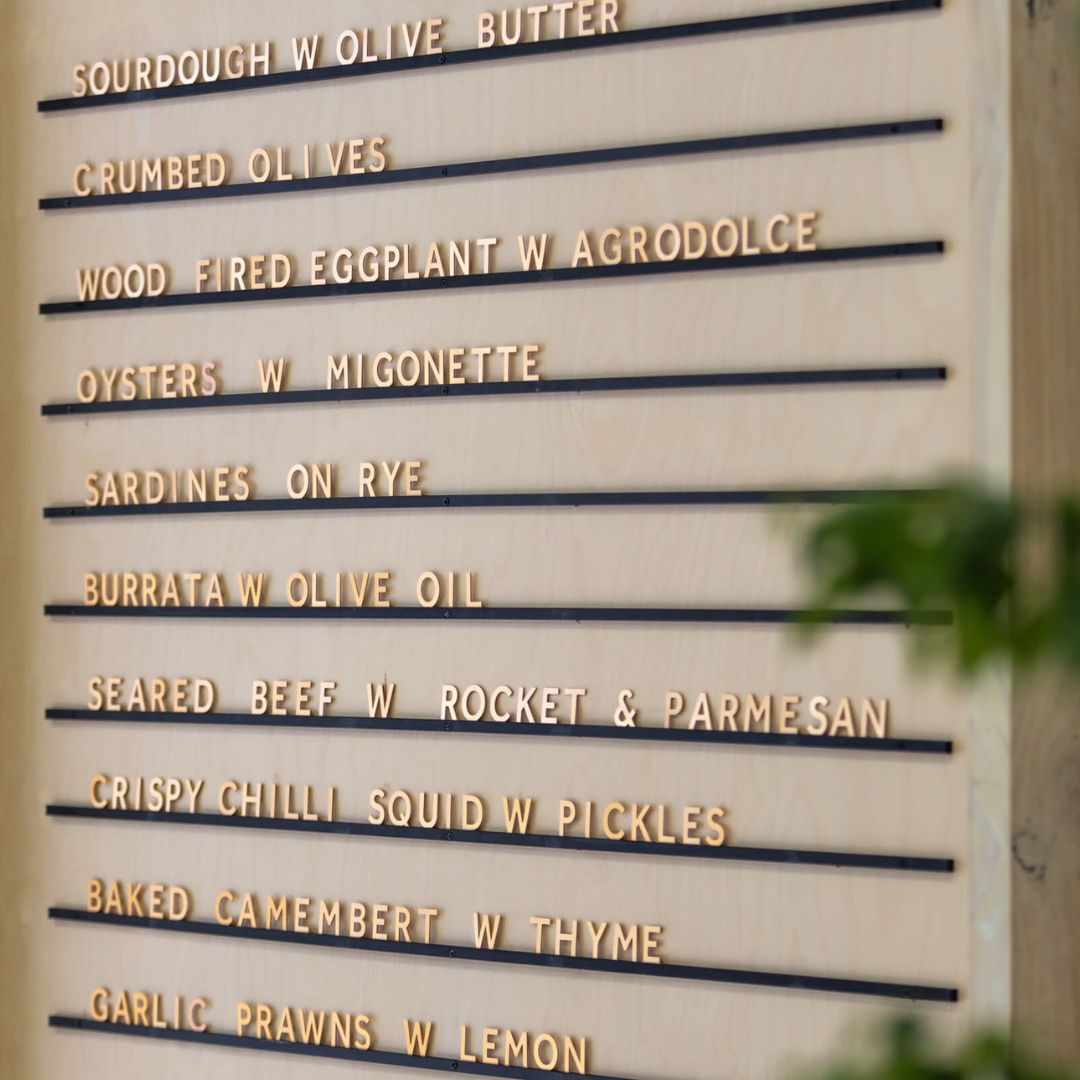
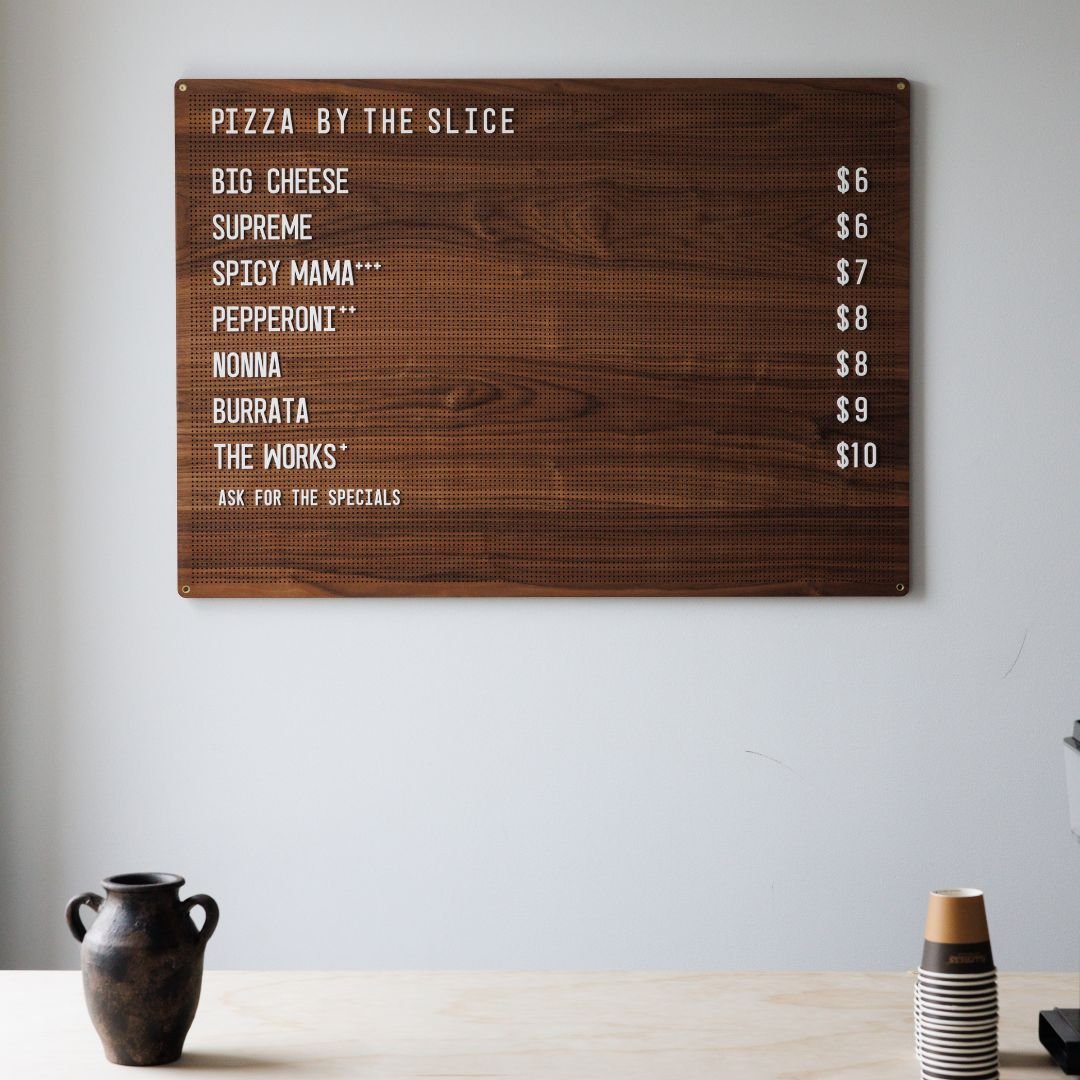
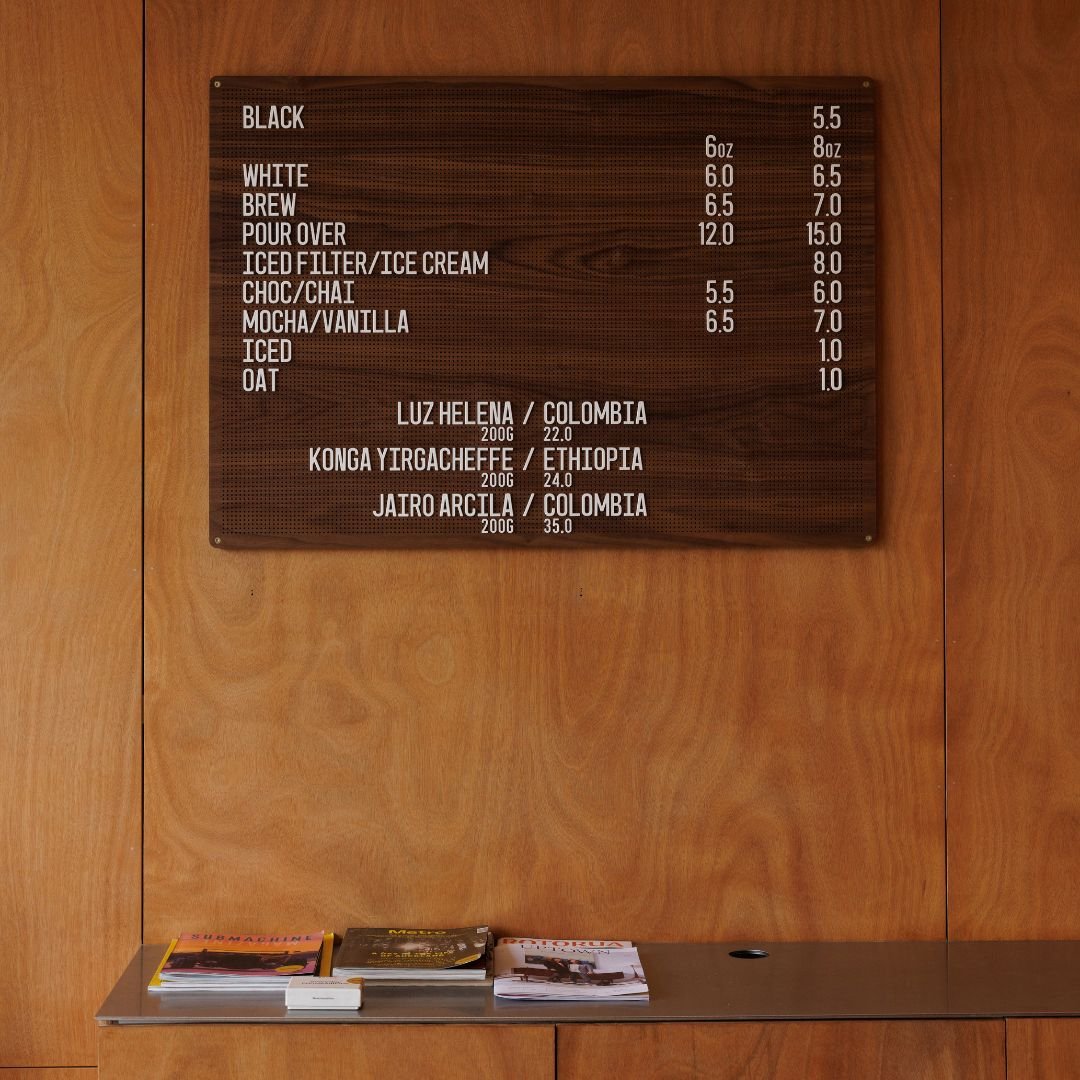
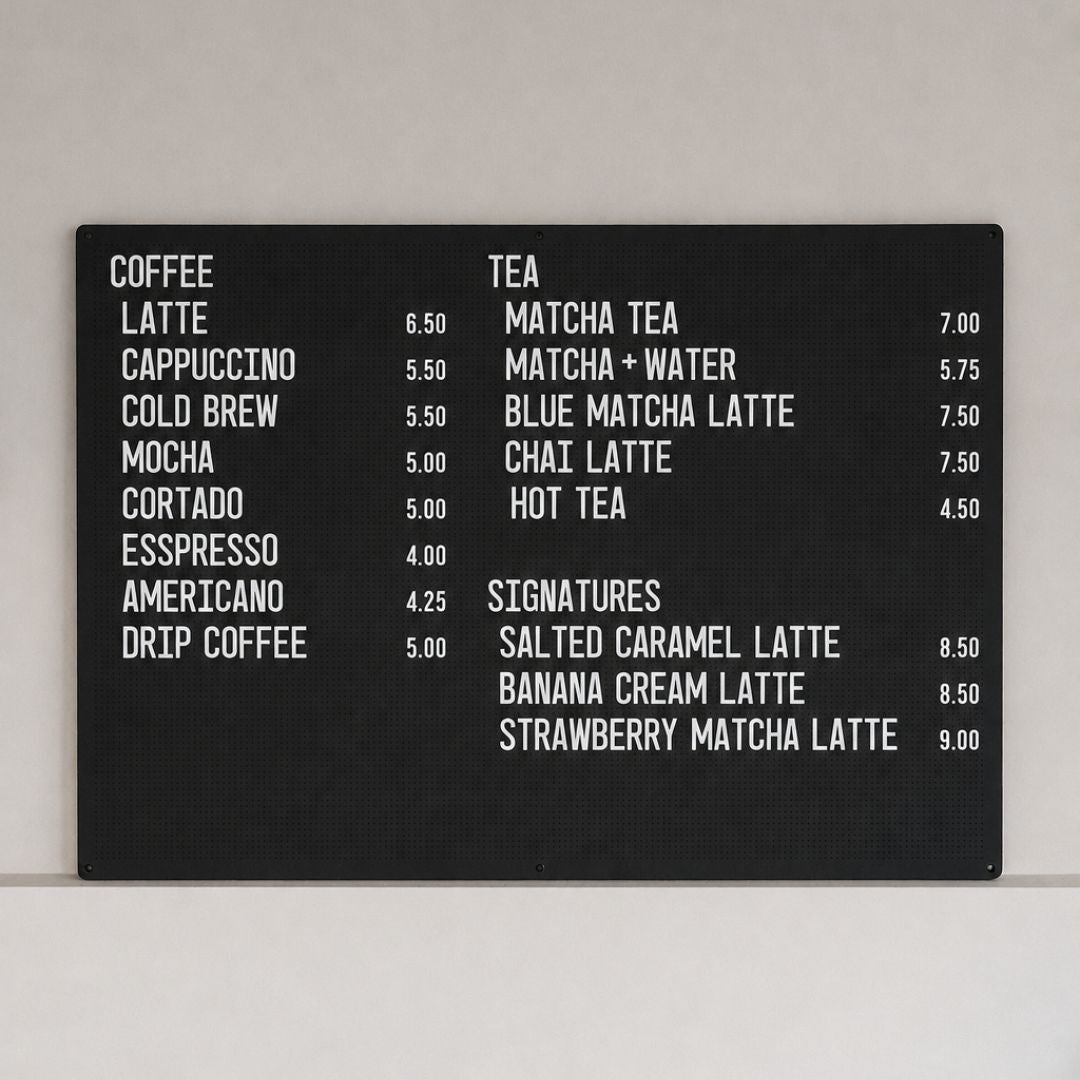
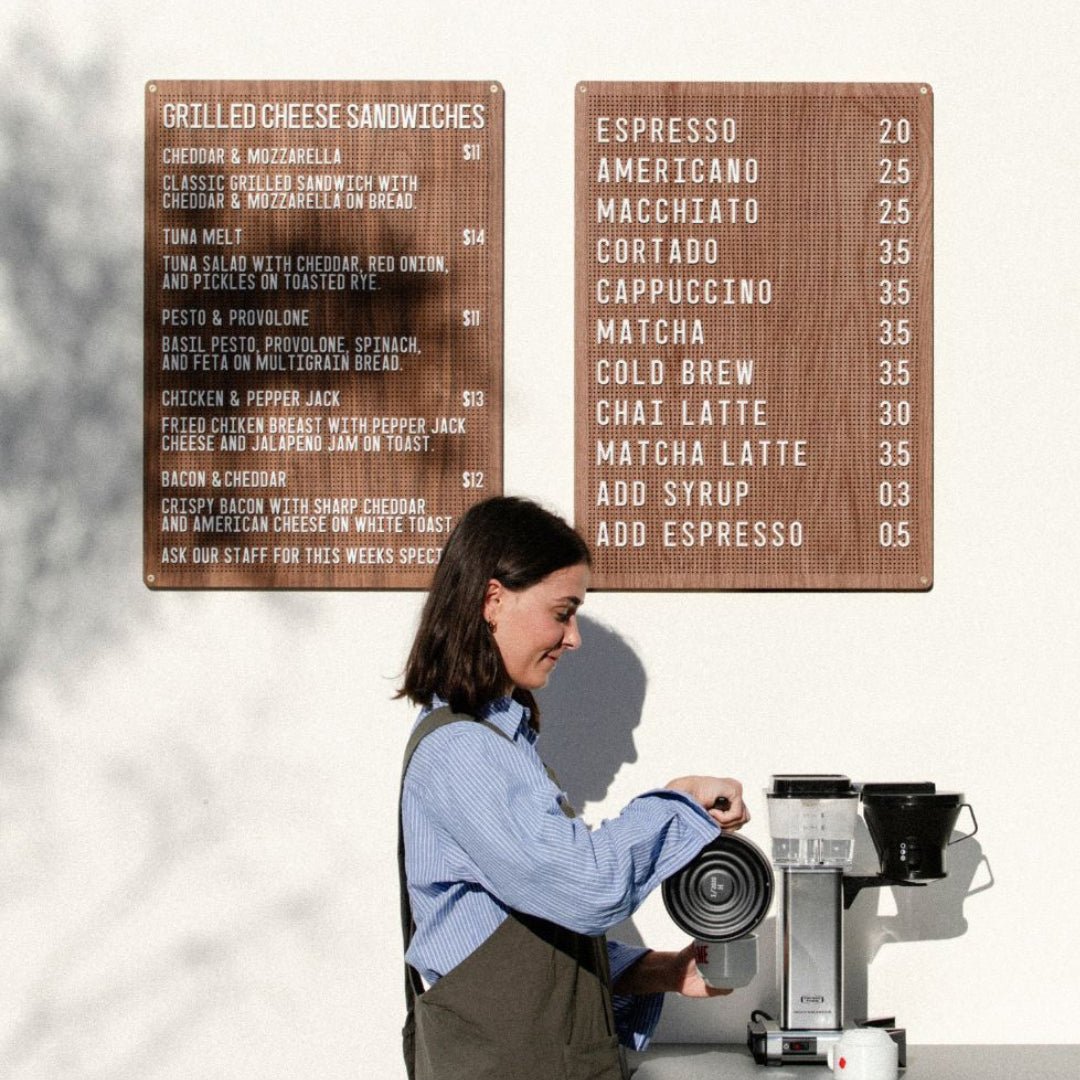
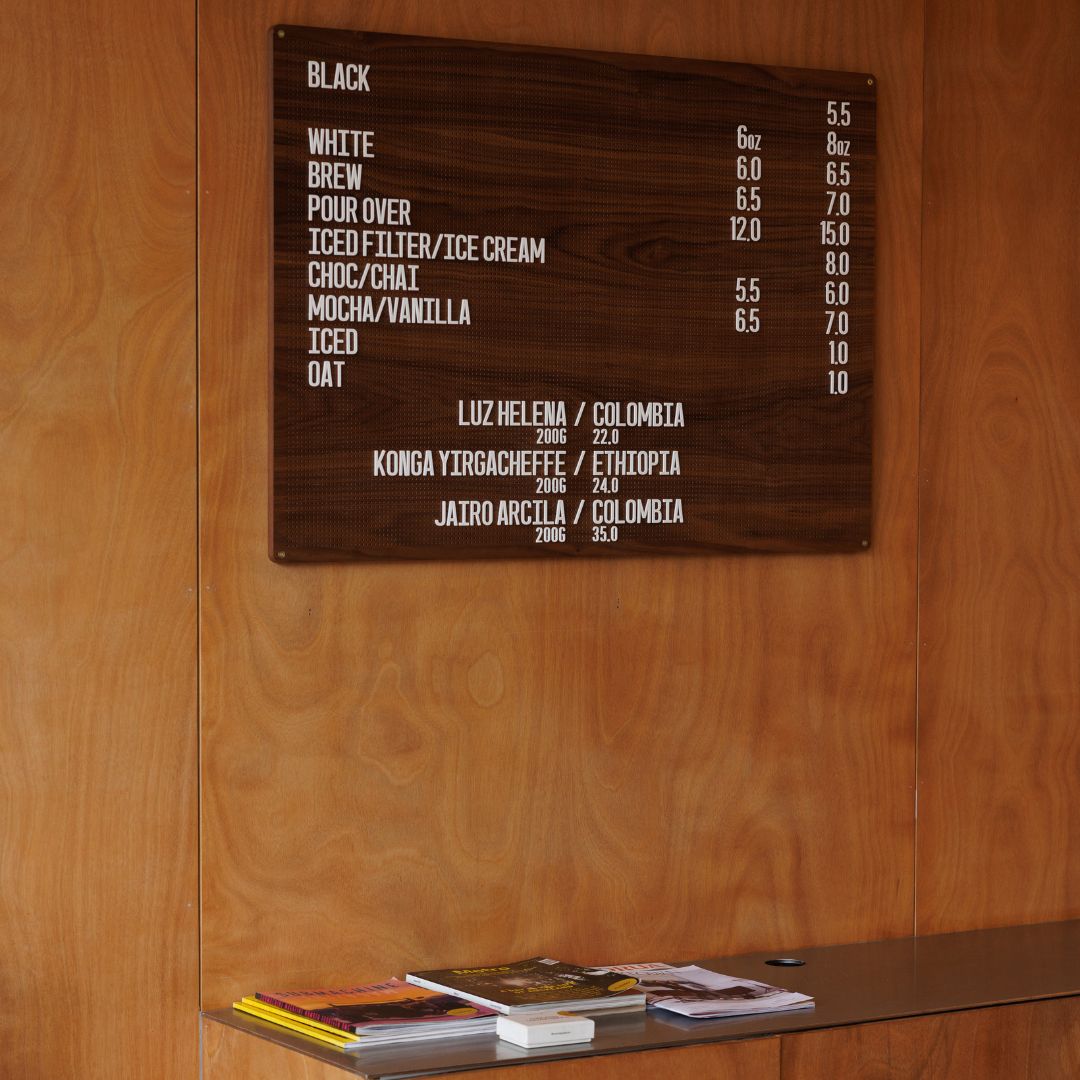
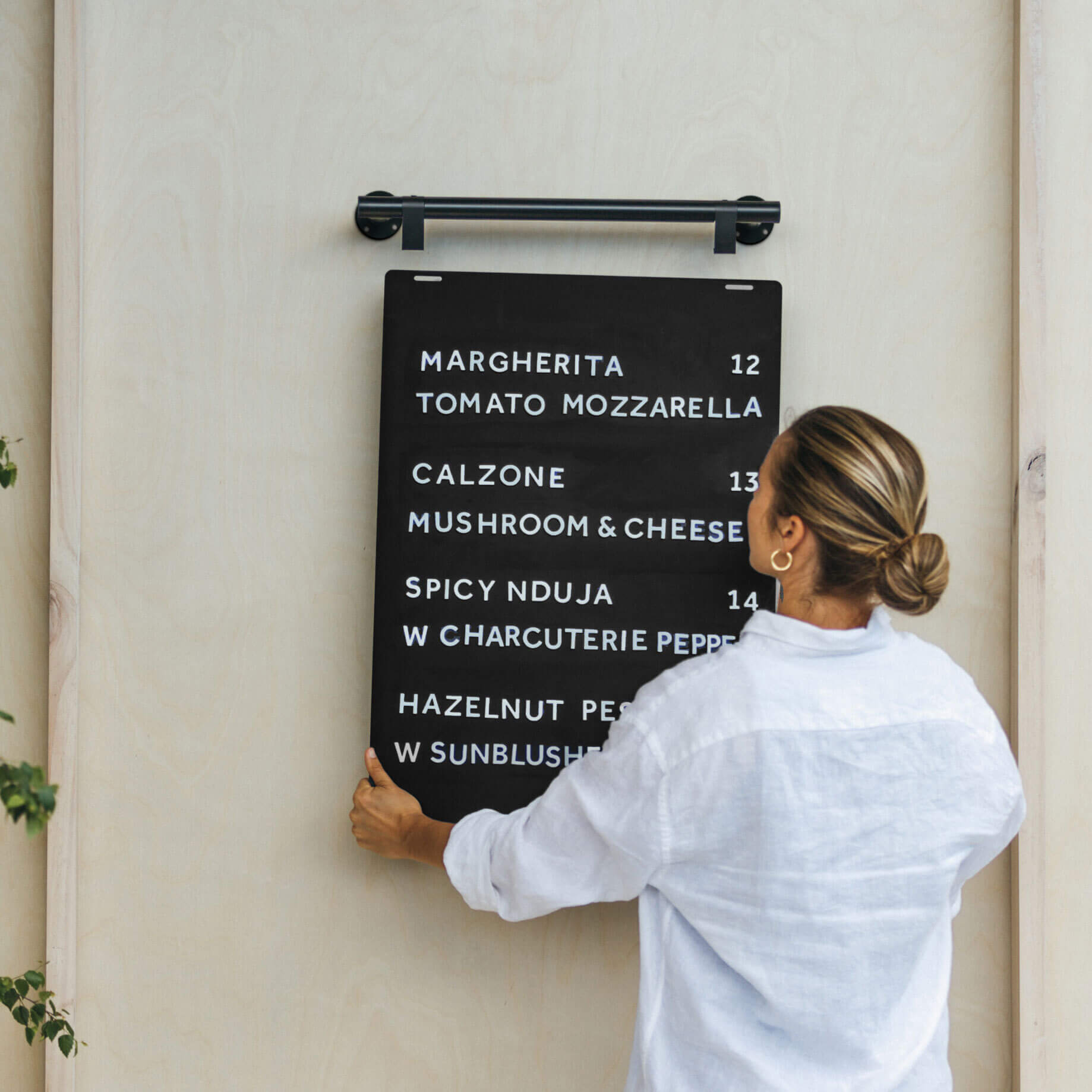
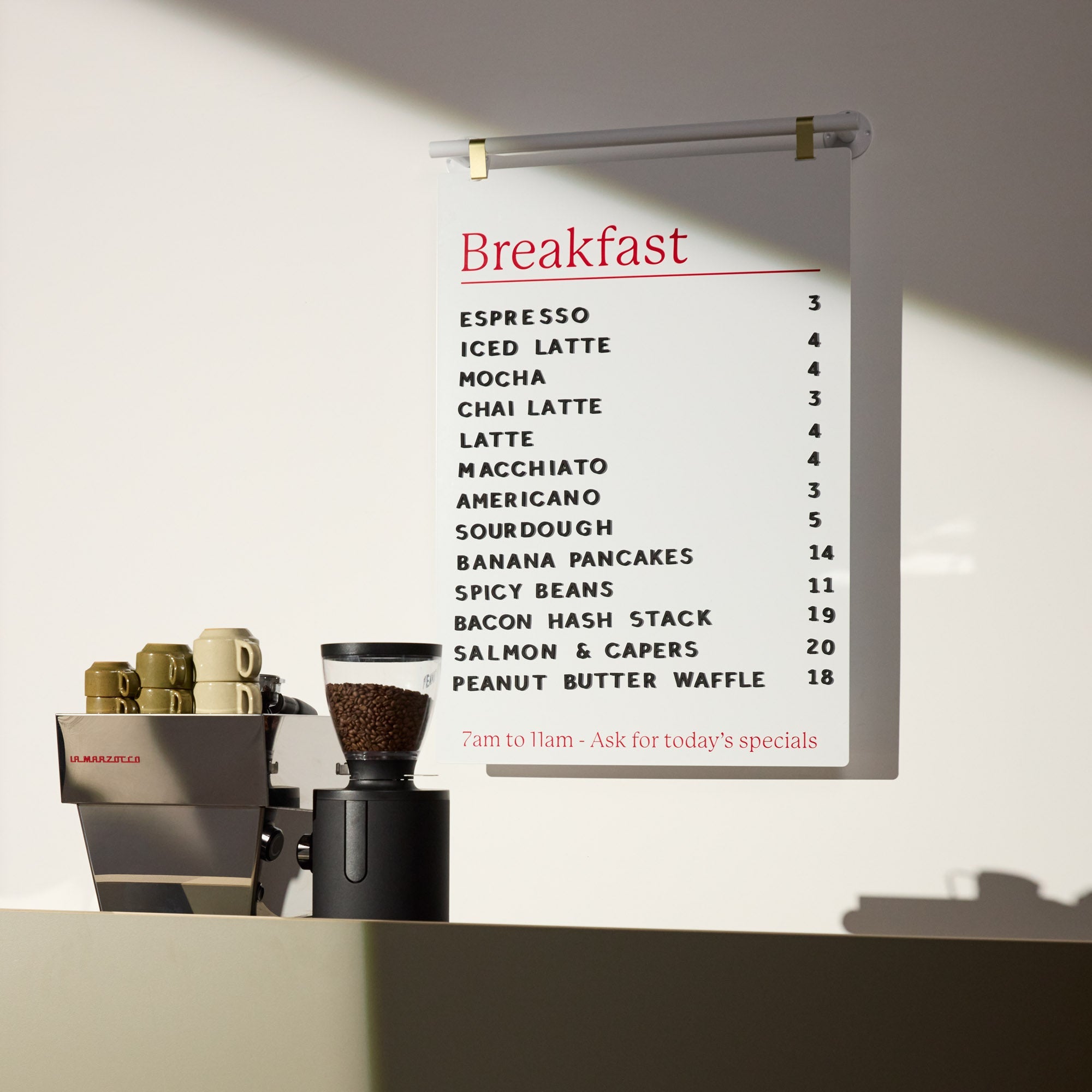
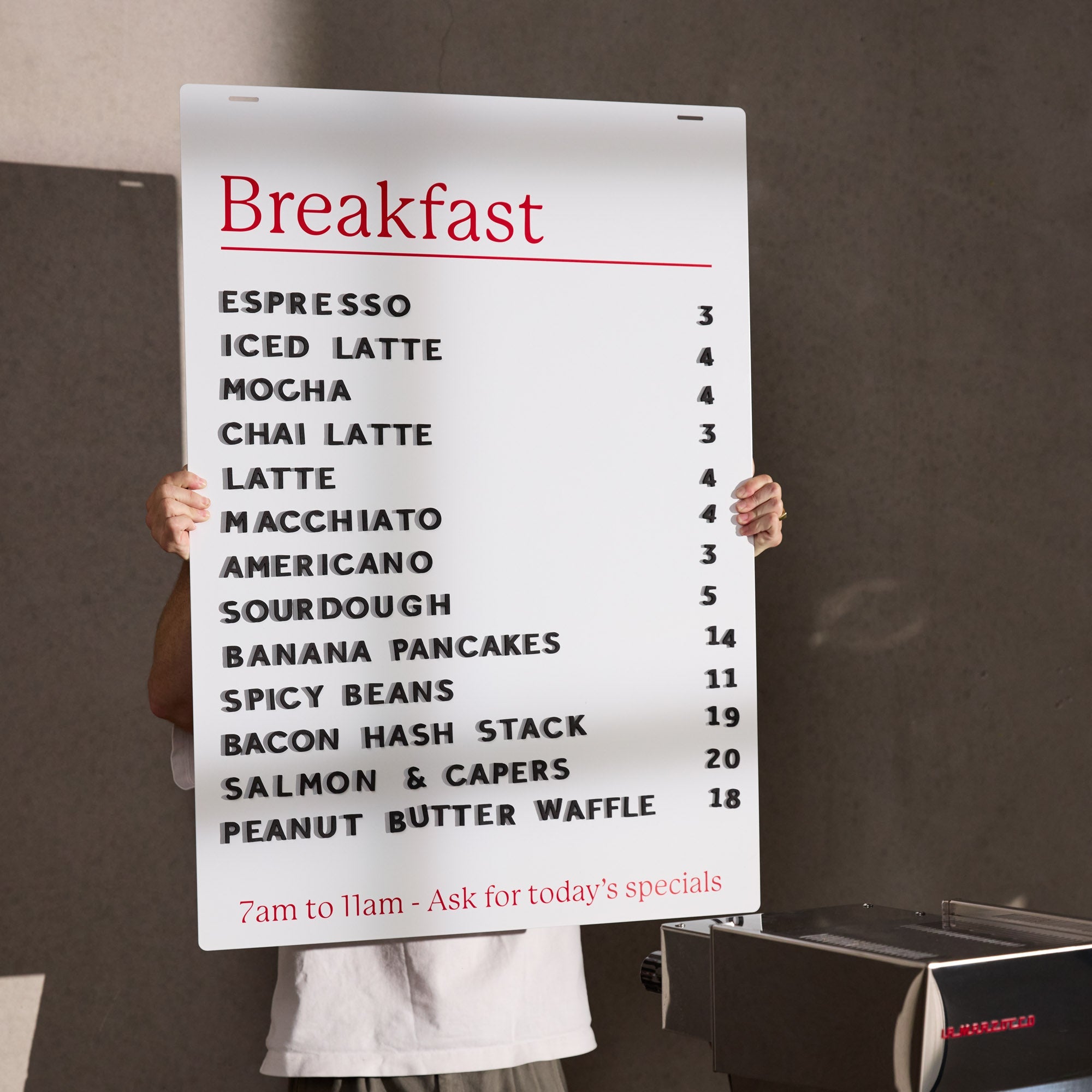
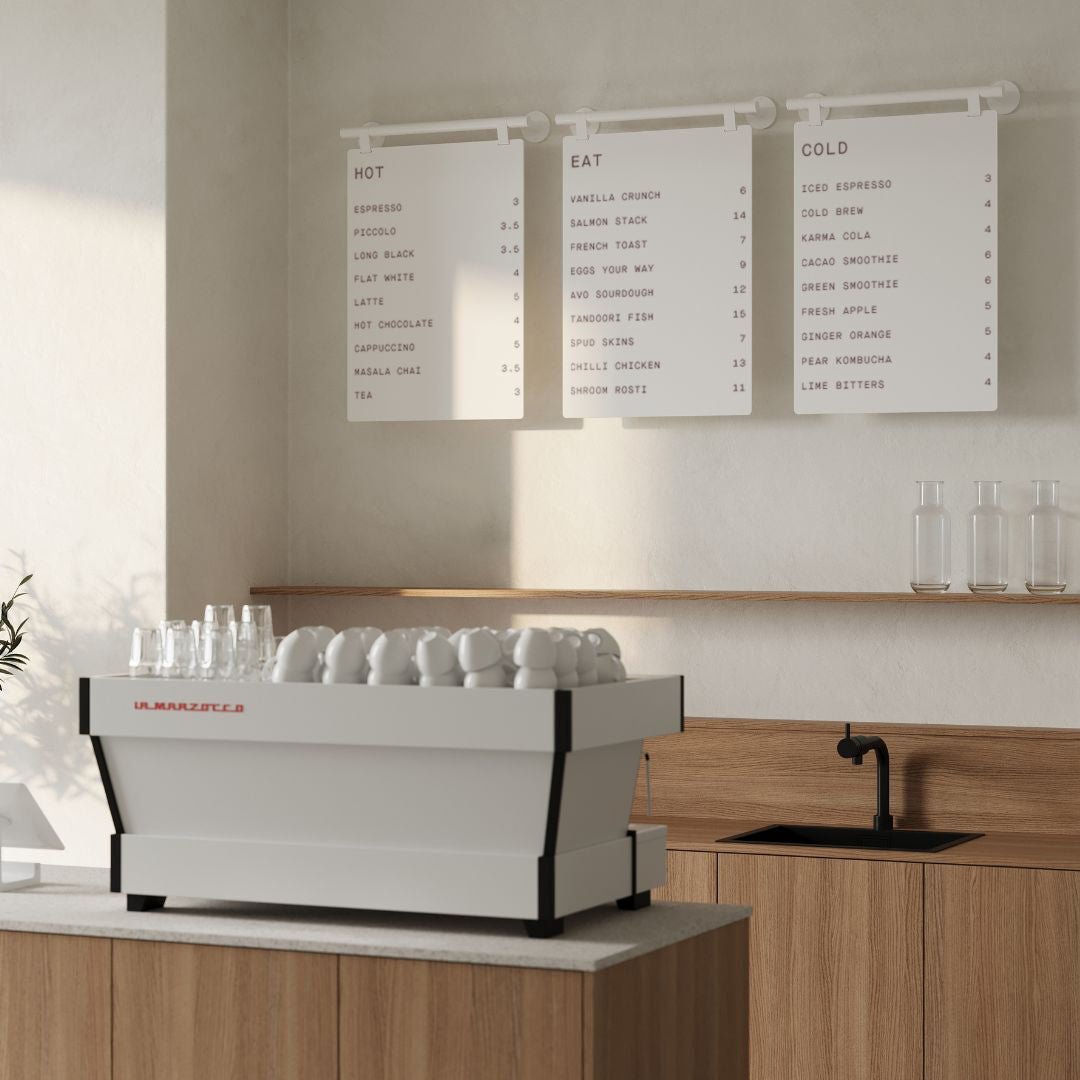
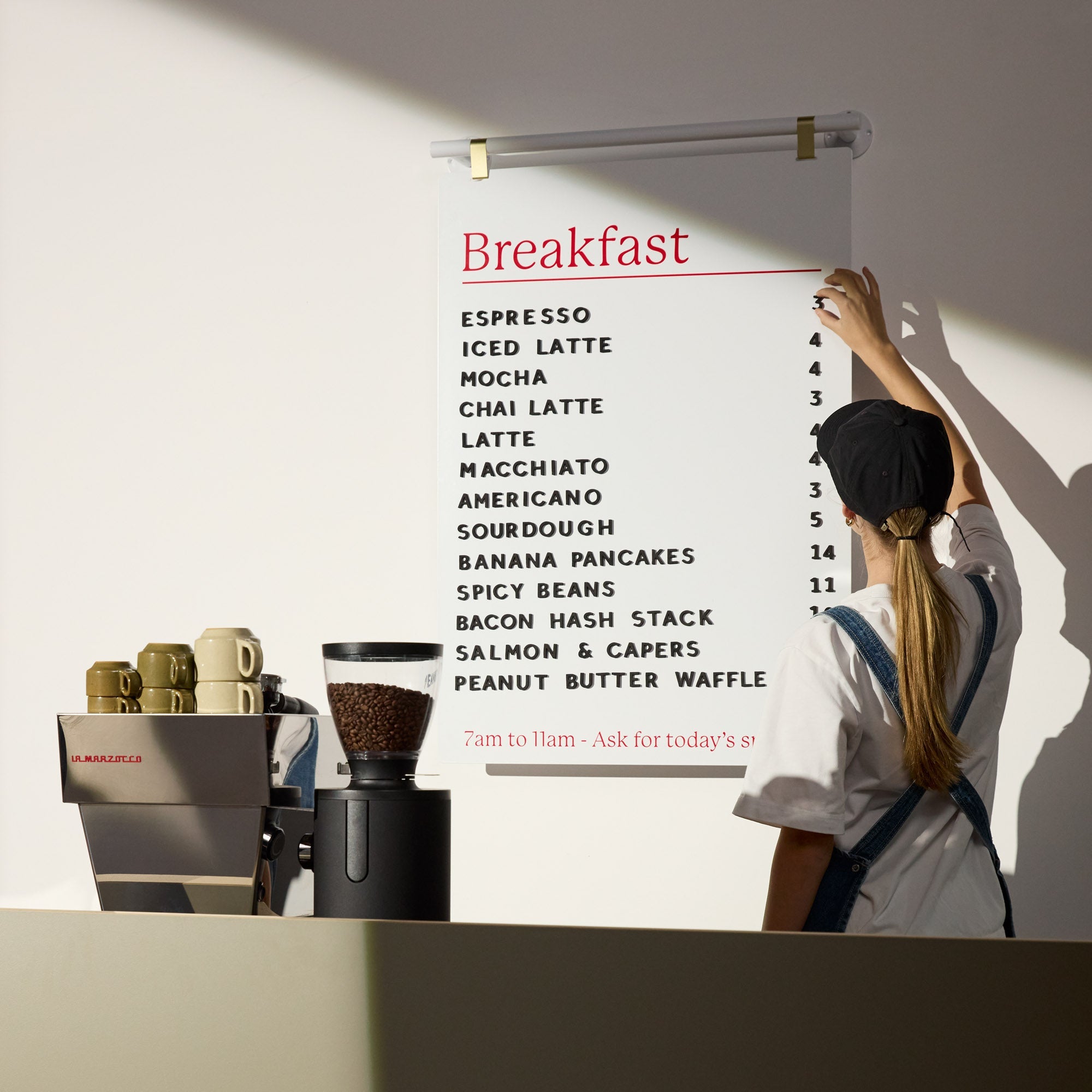
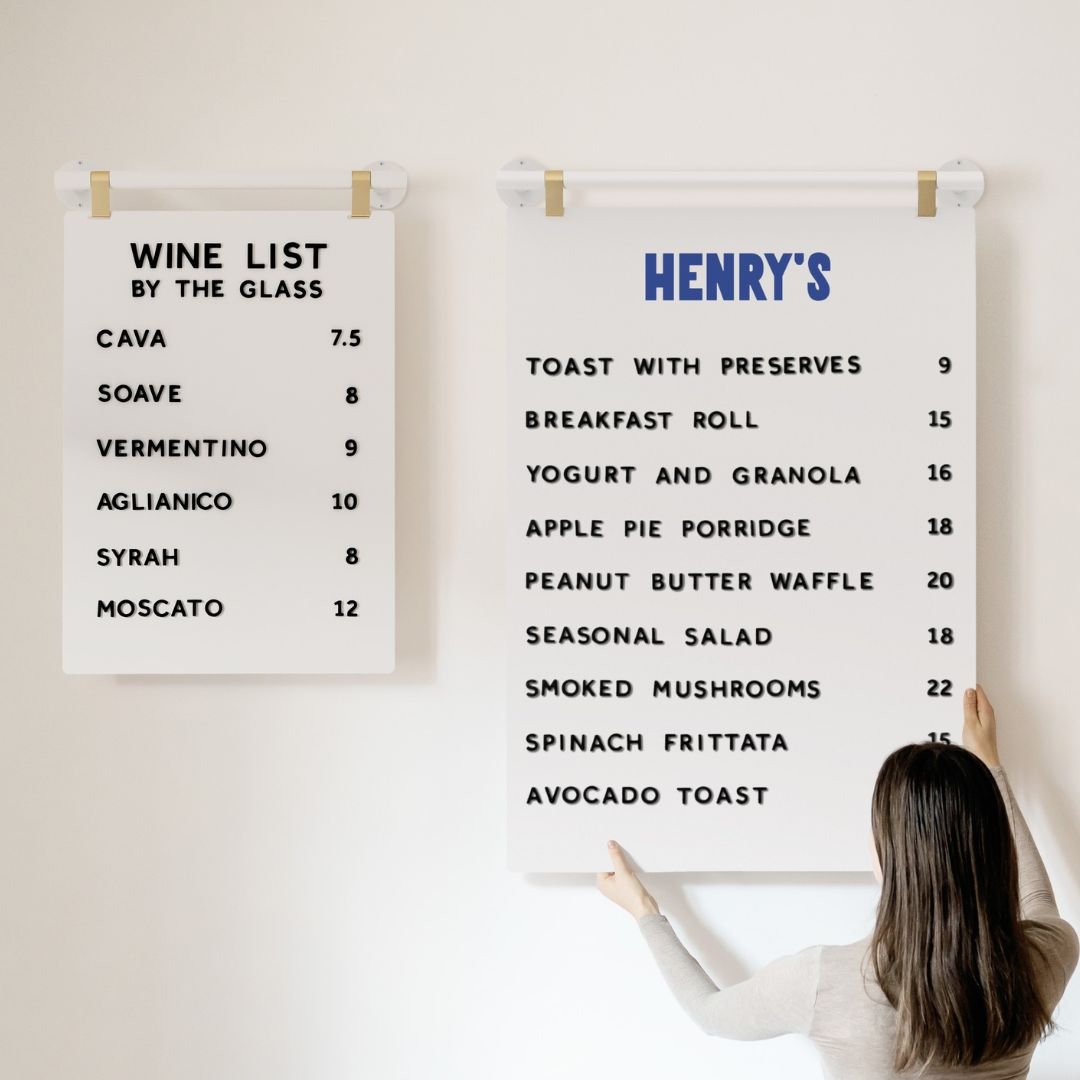
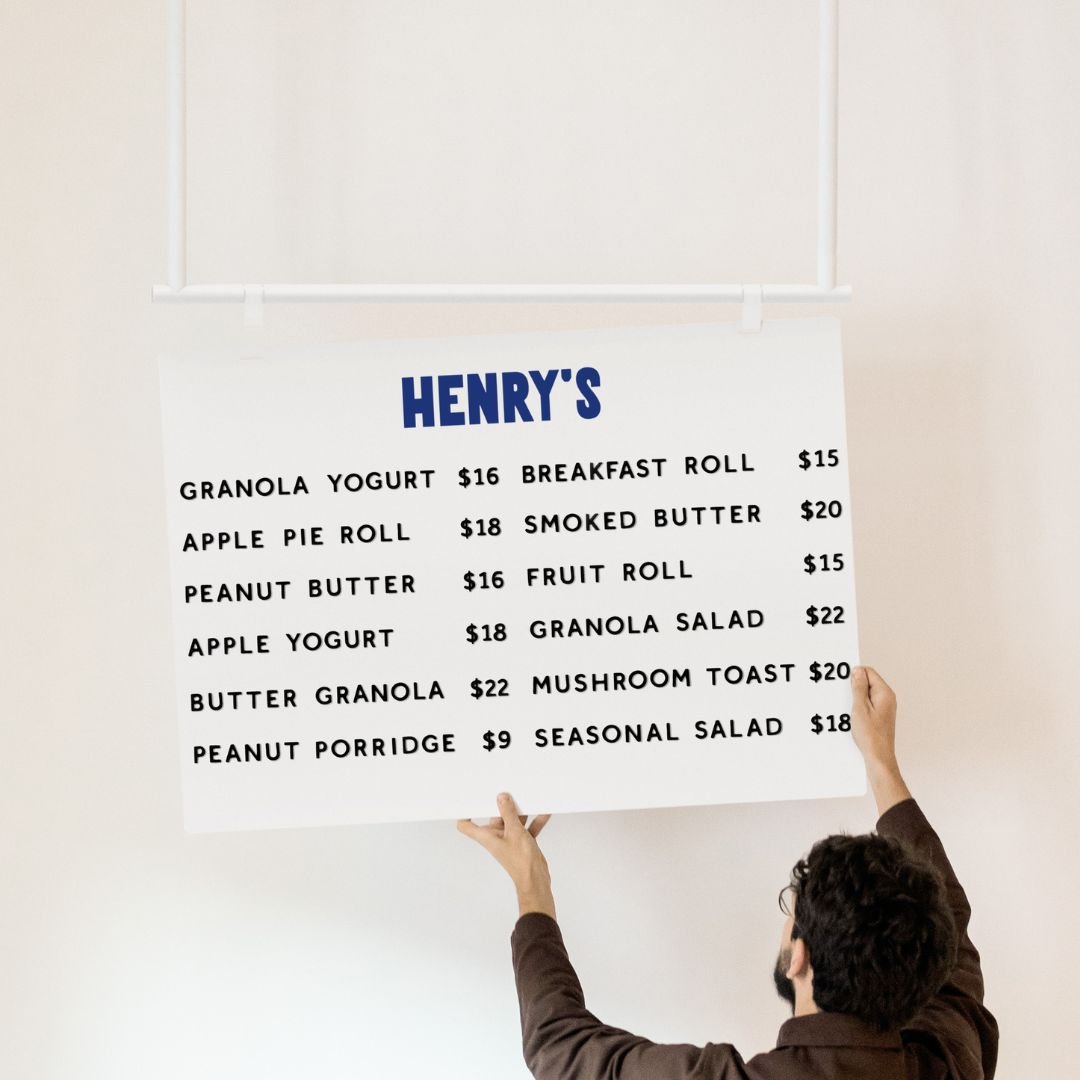
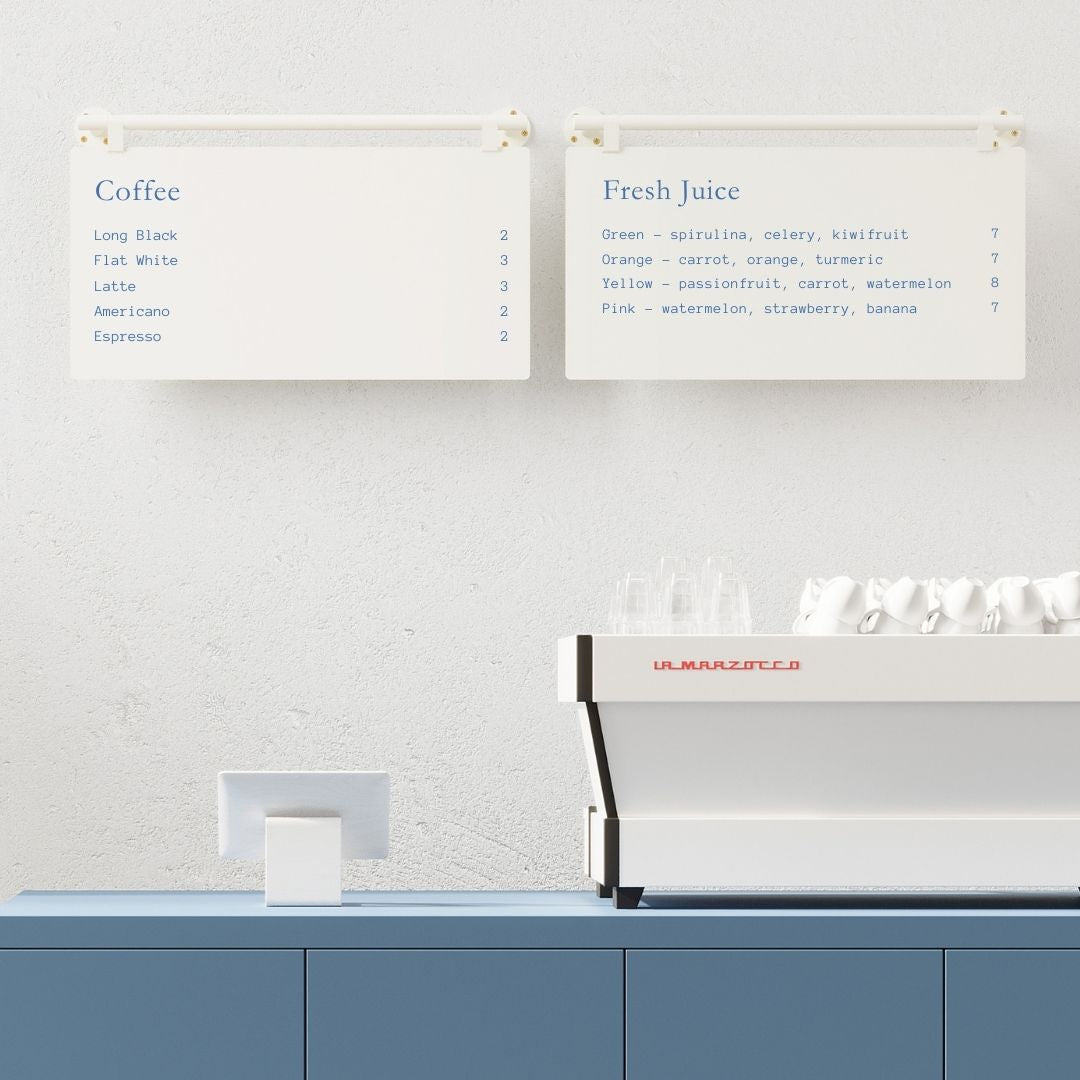
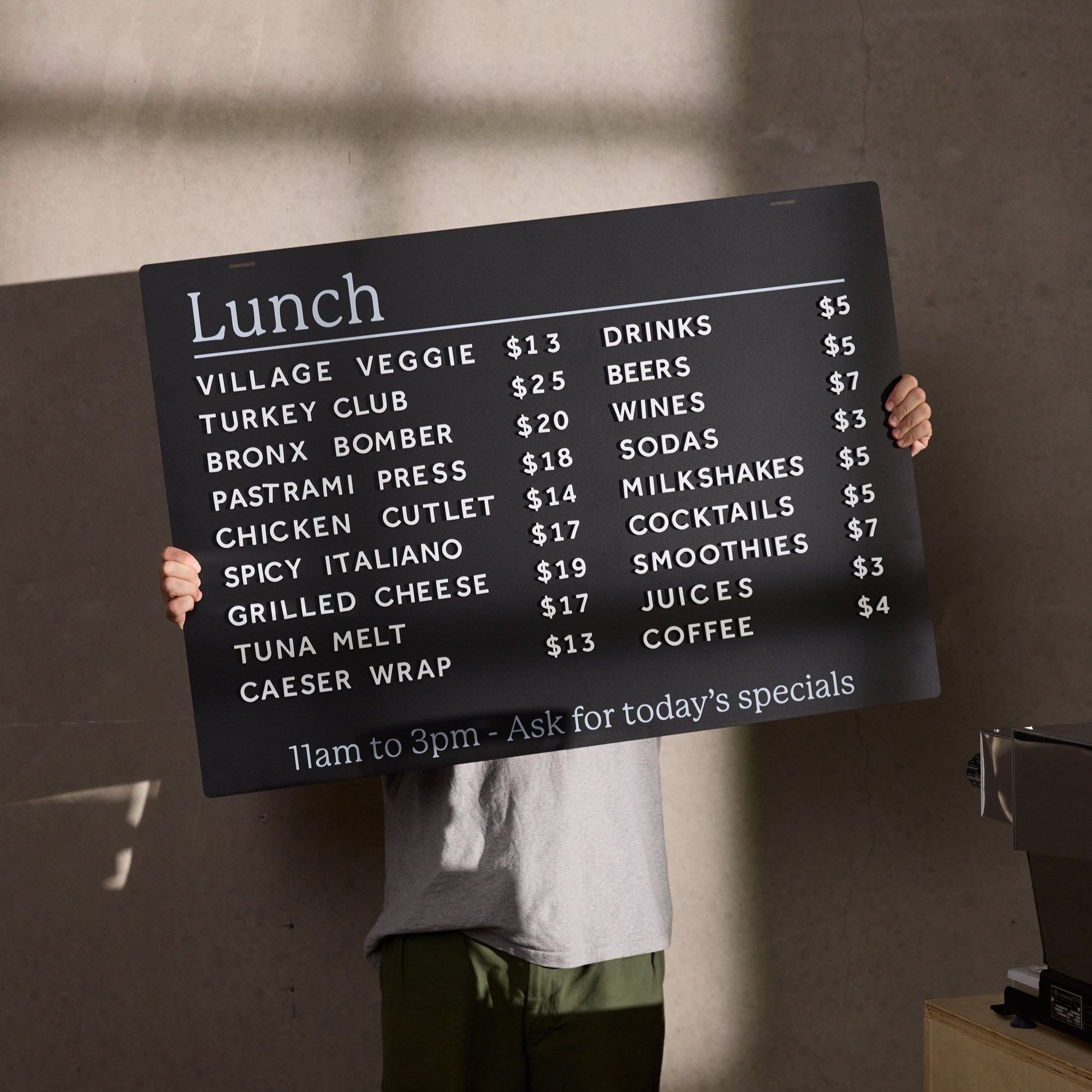
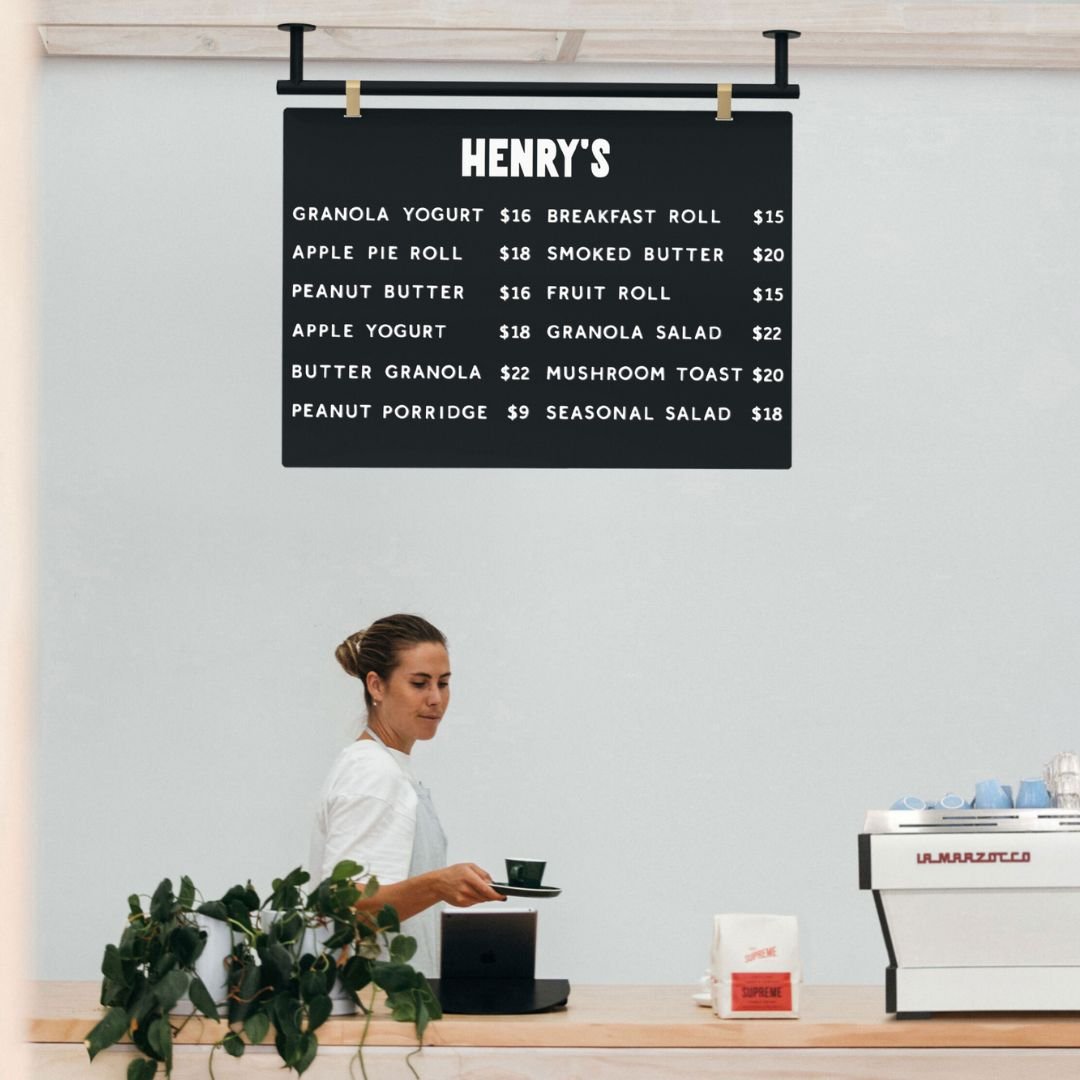
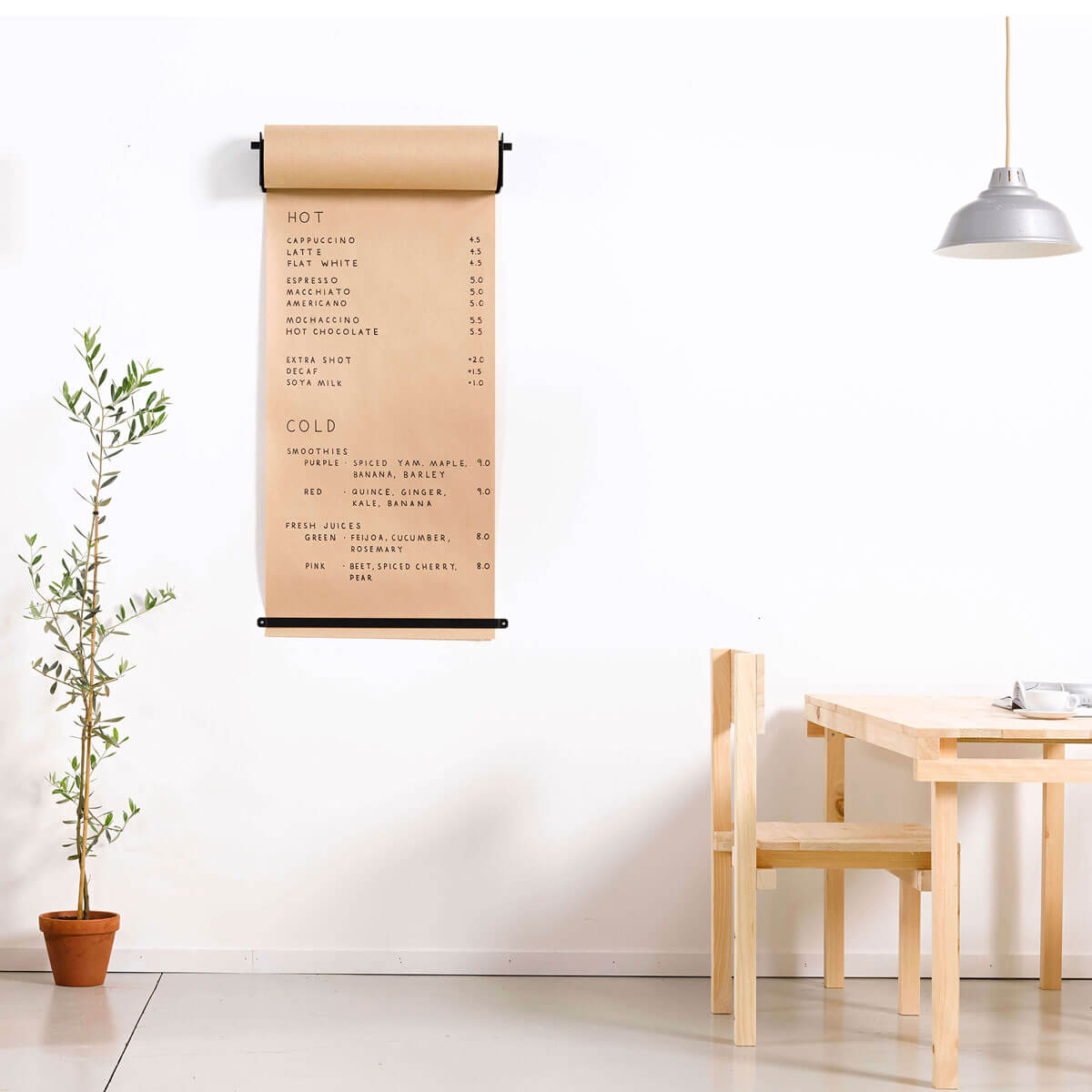
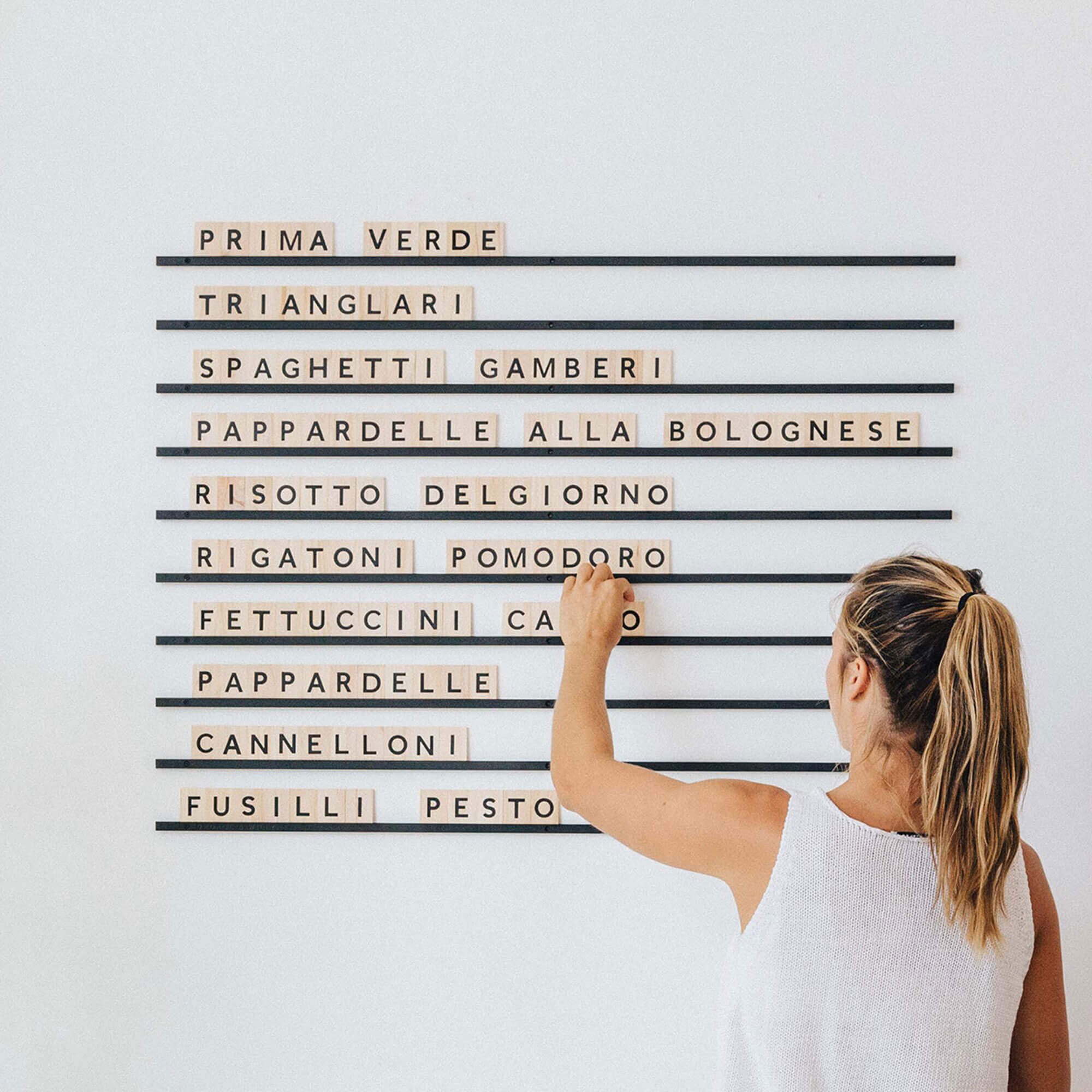
Directory Sign: Usually found at an entrance or in a lobby, a directory sign lists all the occupants or departments within a building or park. It acts as an index, allowing visitors to quickly find the specific suite number or location they need. A Rail Menu makes a clean, changeable lobby directory.
-
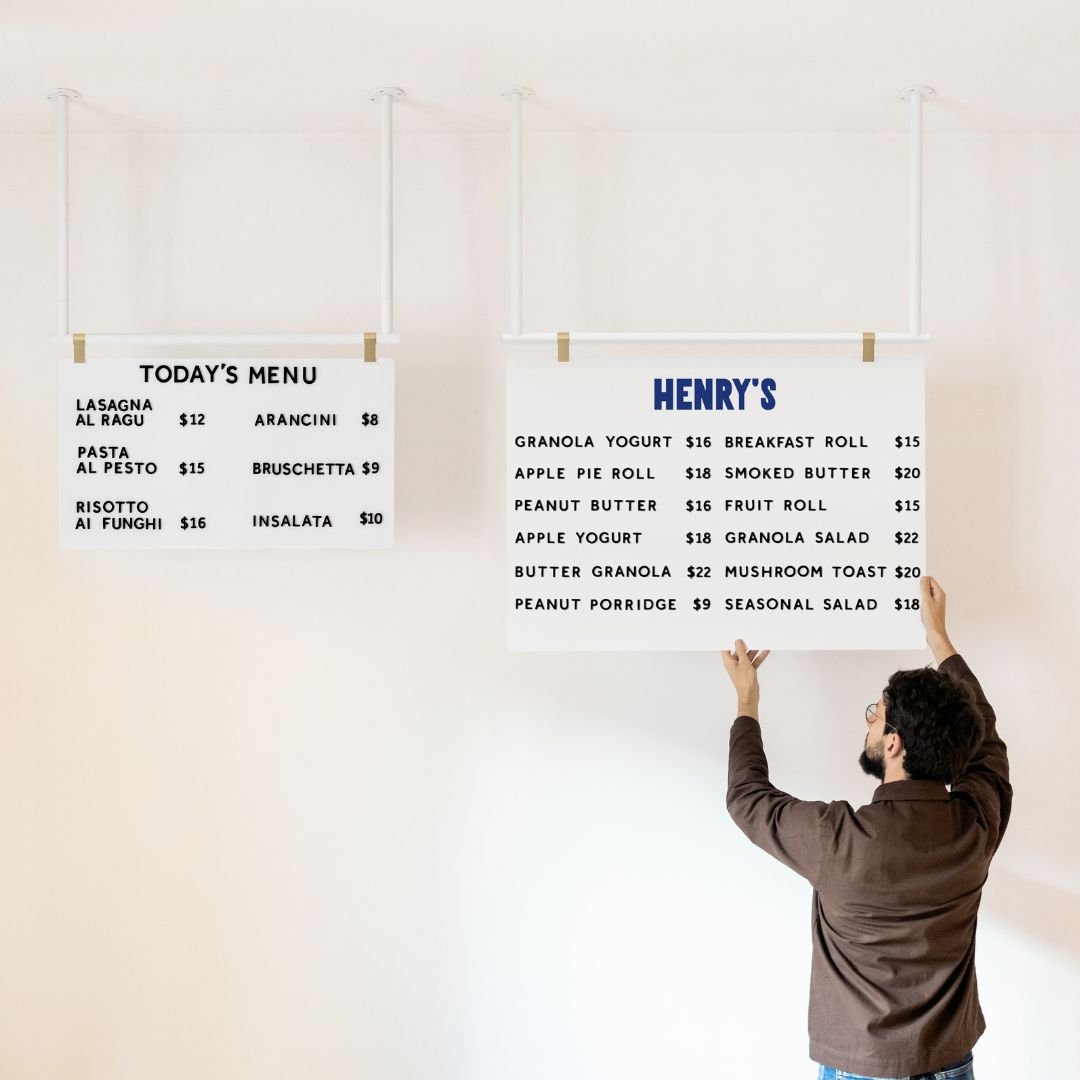
Room Identification Sign: This is the final step in wayfinding, labeling specific rooms like “Conference Room A” or “Electrical Closet.” In many public buildings, these signs are required to meet specific accessibility standards. For durable door labels that suit an industrial aesthetic, consider a Hanging Sign.
Communicating Information, Rules, and Safety
-
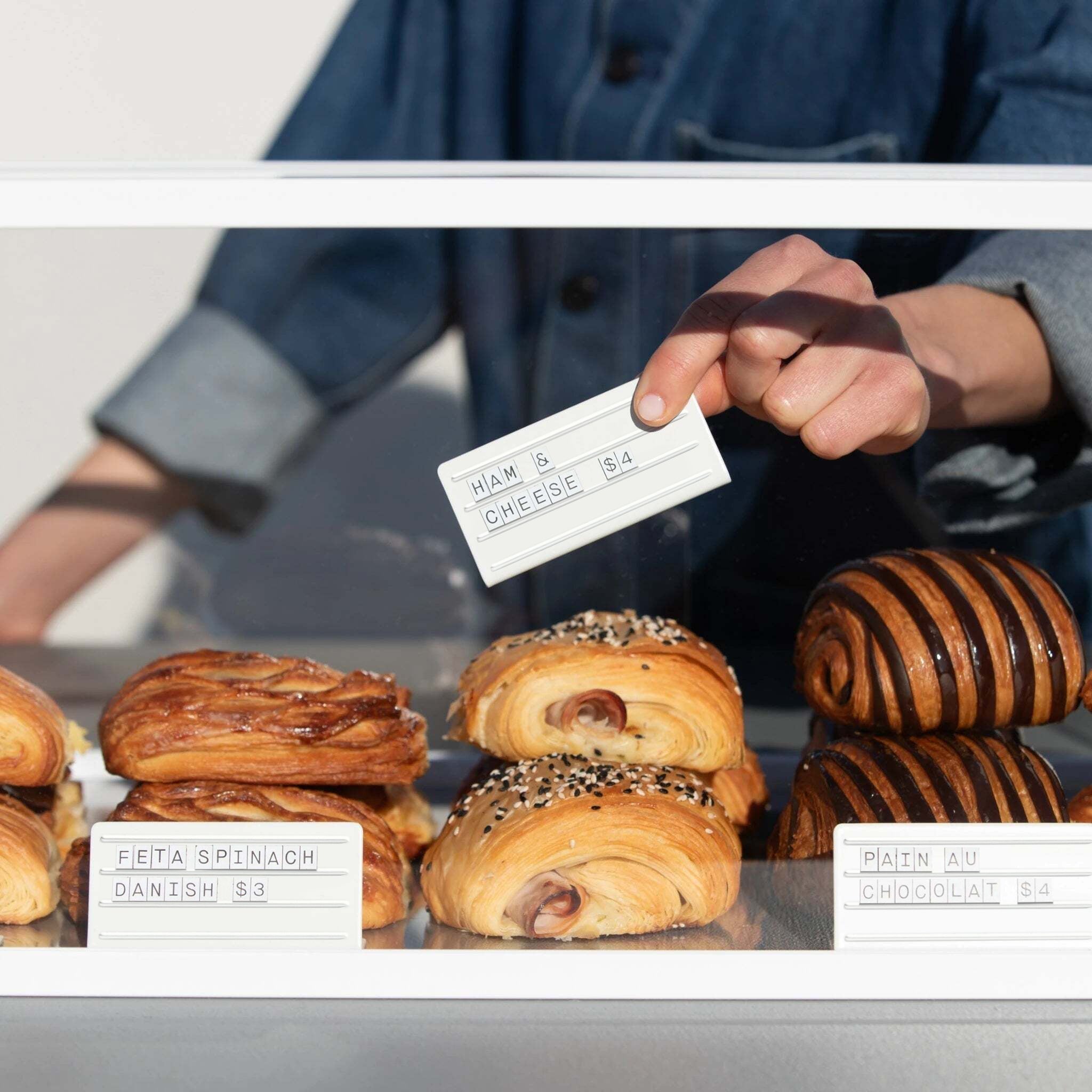
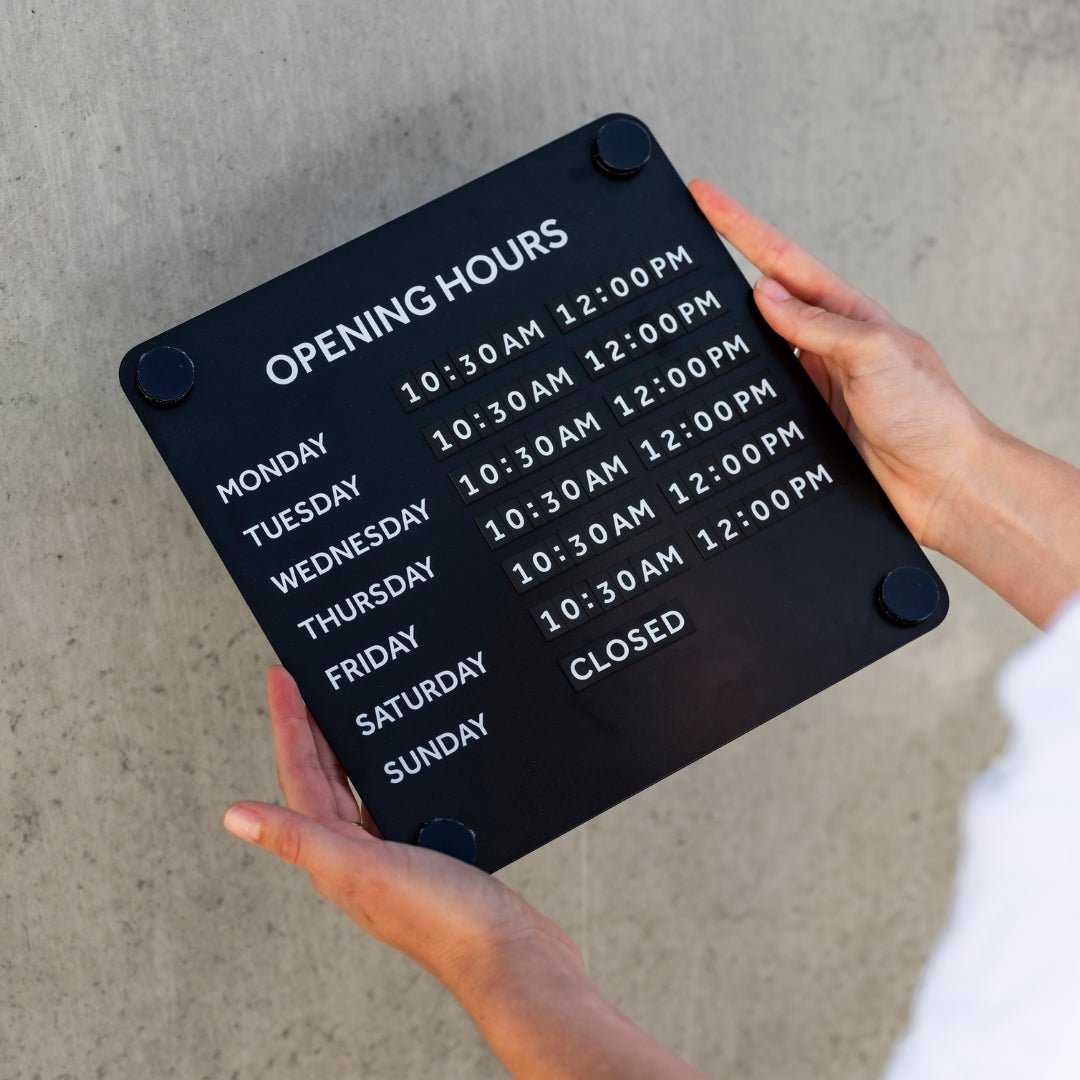
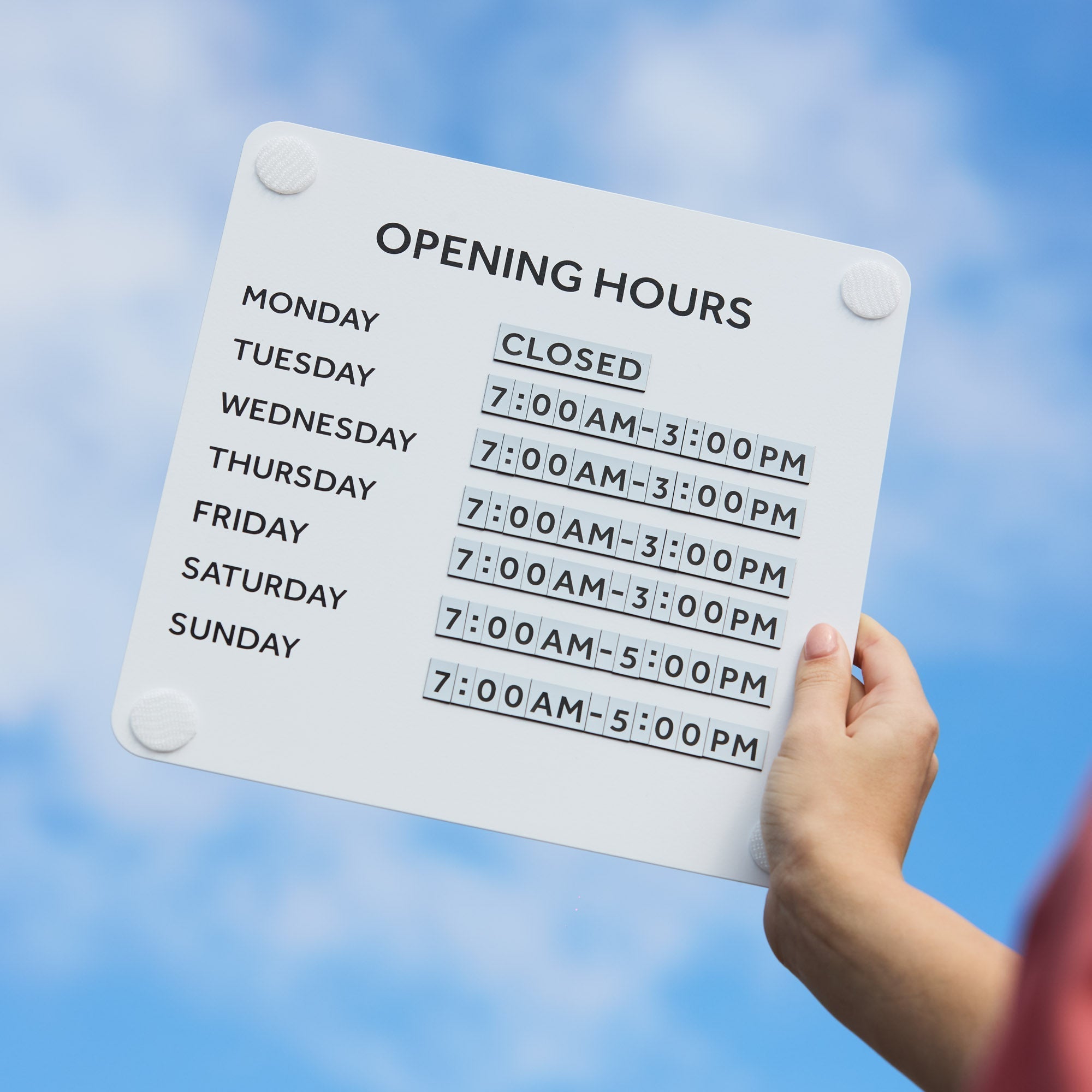
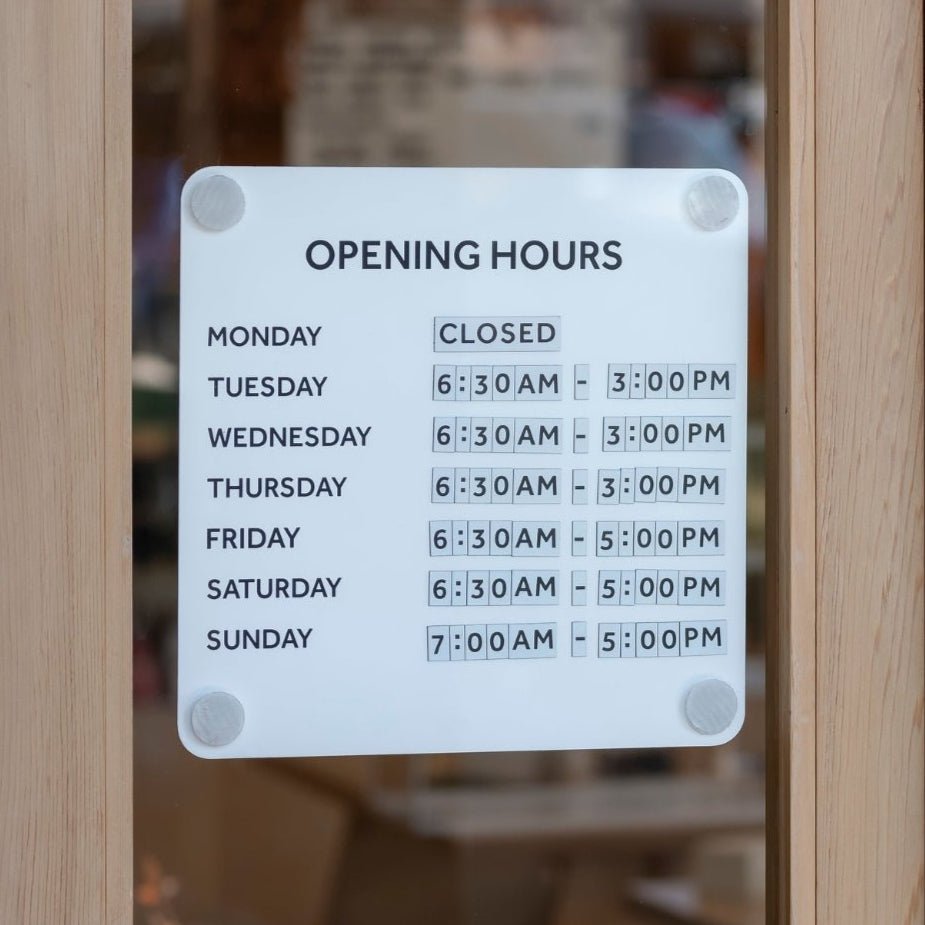
Informational Sign: These signs provide helpful information that isn’t directional or a warning, such as “Hours of Operation” or “Visitor Check In at Main Office.” At reception, Counter Signs are a tidy way to present these messages.
-
Regulatory Sign: A regulatory sign informs people of laws or company policies they must follow. Examples include “Speed Limit 10 MPH” or “Authorized Personnel Only.” They are not suggestions; they are rules designed to maintain order and safety.
-
Warning Sign: A warning sign indicates a potential hazard that could cause serious injury, such as “Warning: Forklift Traffic” or “Warning: High Voltage.” These signs typically use an orange and black color scheme to grab attention.
-
Safety and Compliance Signage: This is a broad category that includes all signs related to workplace safety and legal regulations. Effective safety signage, from mandatory PPE reminders to emergency exit routes, is a powerful tool for preventing accidents. Research suggests that well signed facilities can reduce incident rates by 30 to 50% in high risk areas.
Designing Signs That Actually Work
The effectiveness of industrial wayfinding signage depends heavily on its design. If people can’t read or understand a sign quickly, it fails at its job.
Readability, Symbols, and Accessibility
Following typography and readability best practices is non negotiable. This means using clear, sans serif fonts and ensuring the text is large enough for the intended viewing distance (a good rule of thumb is 1 inch of letter height for every 10 feet of distance). High contrast color combinations, like black on yellow or white on black, are the most legible from afar.
Pictograms and symbols are also incredibly powerful. A simple arrow or a universally recognized icon for a restroom can convey a message faster than words and transcends language barriers. That said, combining a symbol with text is often the best approach, as some icons can be ambiguous on their own.
For accessibility, an ADA sign is designed to comply with the Americans with Disabilities Act. These signs, typically for permanent rooms like restrooms and offices, must feature raised tactile lettering and Grade 2 braille. They also have strict rules for mounting height (usually 48 to 60 inches from the floor) and non glare finishes to ensure everyone can navigate a space independently.
Technology and Durability
The physical properties of your signs matter, especially outdoors.
-
All Weather Visibility: Signs must be made from durable materials with UV resistant inks to prevent fading and damage from sun, rain, and snow.
-
Reflective Sign: For nighttime visibility, a reflective sign is crucial. These signs use special materials that bounce light from headlights back toward the driver, making them appear to glow in the dark. Roadway safety standards often require critical signs to be retroreflective for this very reason.
-
LED Illuminated Sign: An LED illuminated sign offers excellent visibility day and night. LEDs are incredibly energy efficient, using up to 75% less energy than older lighting technologies, and they last for years with minimal maintenance. A beautifully designed, illuminated sign can make a business stand out. For businesses looking for a clean, modern aesthetic, the Round Light Box Sign from George & Willy provides a stunning and efficient way to display a brand.
-
Digital Wayfinding Sign: For a dynamic solution, a digital wayfinding sign uses an electronic screen to display maps and directions. These are perfect for large, complex venues like airports or campuses, as the information can be updated in real time. Digital displays can capture 400% more views than static signs, making them highly effective at grabbing attention.
Staying Compliant with Local Rules
Finally, remember that installing industrial wayfinding signage isn’t a free for all. City code compliance is a crucial step. Nearly every municipality has its own sign code that regulates the size, height, placement, and lighting of outdoor signs. Before investing in new signage, always check your local ordinances and secure any necessary permits. This ensures your signs are legal, safe, and won’t be subject to fines or forced removal.
A well thought out industrial wayfinding signage system is a smart investment that pays dividends in efficiency, safety, and professionalism. By combining the right types of signs with user friendly design and durable materials, you can transform your property from a confusing maze into a well oiled machine.
For those looking to build a cohesive and design forward signage system, exploring the range of durable and minimalist signs offered by George & Willy is a great place to start. Their products, from A frame signs to menu boards, provide a perfect blank canvas for any business to create a welcoming and easy to navigate space.
Frequently Asked Questions
1. What is the main purpose of industrial wayfinding signage?
The primary goal is to help people and vehicles navigate a complex industrial property safely and efficiently. This reduces confusion for delivery drivers and visitors, improves operational workflow, and enhances overall site safety by clearly marking routes, hazards, and important locations.
2. How can I make my industrial site easier for delivery drivers to navigate?
Start with clear building and dock identification signs that are visible from a distance. Use large directional signs at every intersection. Providing a custom map of your facility at the entrance or sending one in advance can also significantly reduce driver confusion and speed up delivery times.
3. Are ADA compliant signs required everywhere in an industrial facility?
Not necessarily. ADA standards primarily apply to signs identifying permanent rooms and spaces (like restrooms, offices, and room numbers). These require tactile text and braille. Directional, informational, and temporary signs generally do not need to be tactile, but they should still be designed with high contrast and clear typography for visual accessibility.
4. What is the most important factor for sign readability?
Contrast is arguably the most critical factor. The difference in brightness between the text and the background determines how easily the sign can be read from a distance. High contrast combinations like black on yellow, white on black, or black on white are consistently the most effective. Text size is a close second.
5. Can I install any sign I want on my property?
No, most cities and counties have sign codes or ordinances that regulate the size, height, placement, and sometimes even the lighting and materials of exterior signs. It is essential to check with your local planning or building department and obtain any required permits before installing new industrial wayfinding signage.
6. Do I need illuminated signs for my facility?
If your facility operates or receives deliveries after dark, illuminated or reflective signs are essential for safety and navigation. Reflective signs are a passive solution that light up in headlights, while LED illuminated signs provide active, constant visibility for key identification and directional signage.
7. How often should I audit my industrial wayfinding signage?
It’s a good practice to audit your signage at least once a year or whenever there are significant changes to your site layout. Walk or drive through your property from the perspective of a first time visitor to check for faded signs, obstructed views, confusing directions, or missing information.
8. Where can I find high quality, design focused signage for my business?
For businesses seeking a cohesive and minimalist aesthetic, brands like George & Willy specialize in well designed, durable signage solutions. They offer a range of products from storefront signs to tabletop displays that are built to last and elevate a brand’s physical presence.