




In an age of digital listings and virtual tours, the humble real estate sign still holds incredible power. A well placed sign is a 24/7 salesperson for your property, and for many potential buyers, it is the first tangible connection they have to a listing. This guide covers everything you need to know about creating effective real estate signs custom tailored to your brand, from design principles and materials to legal compliance and the latest technology.
Why Custom Real Estate Signs Are a Game Changer
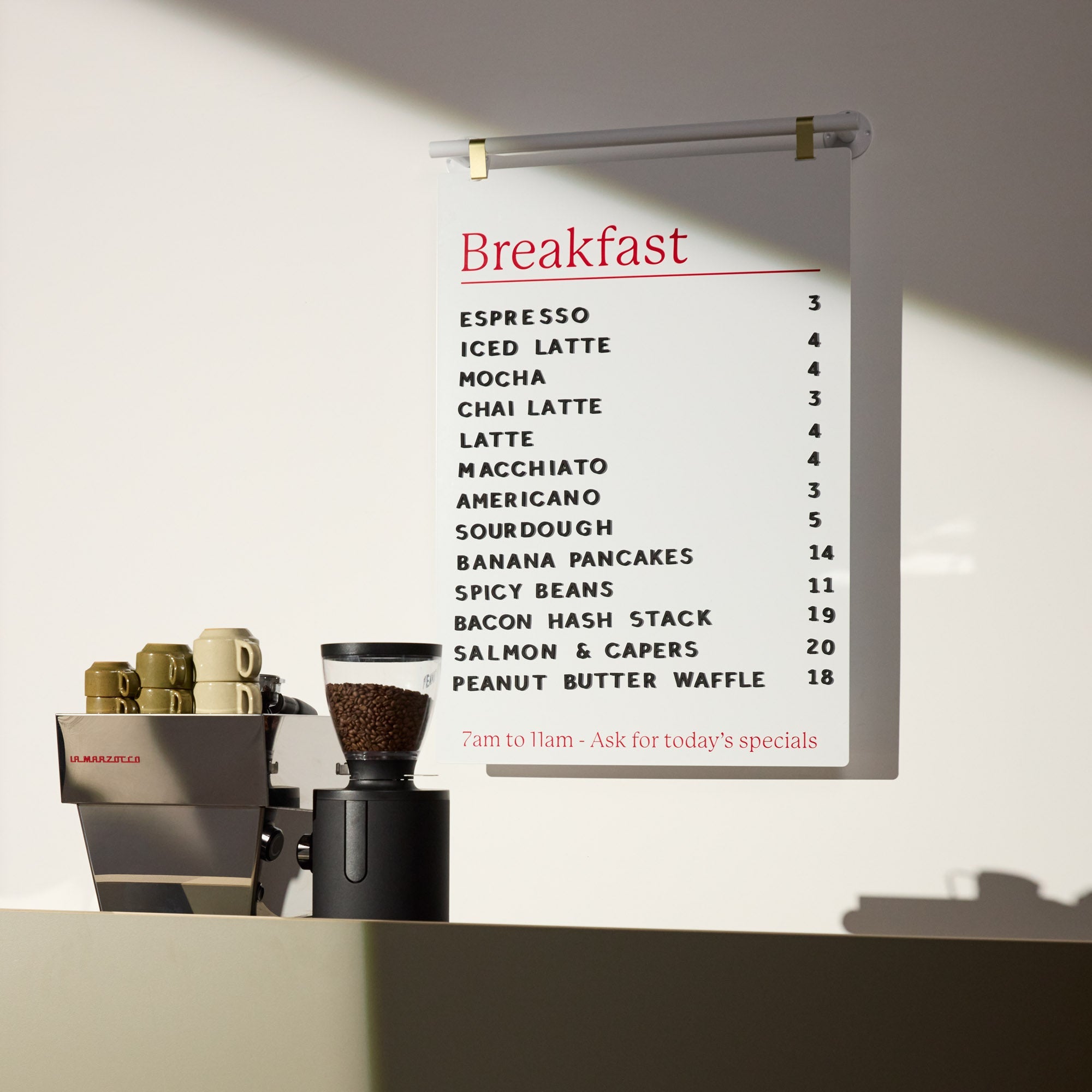
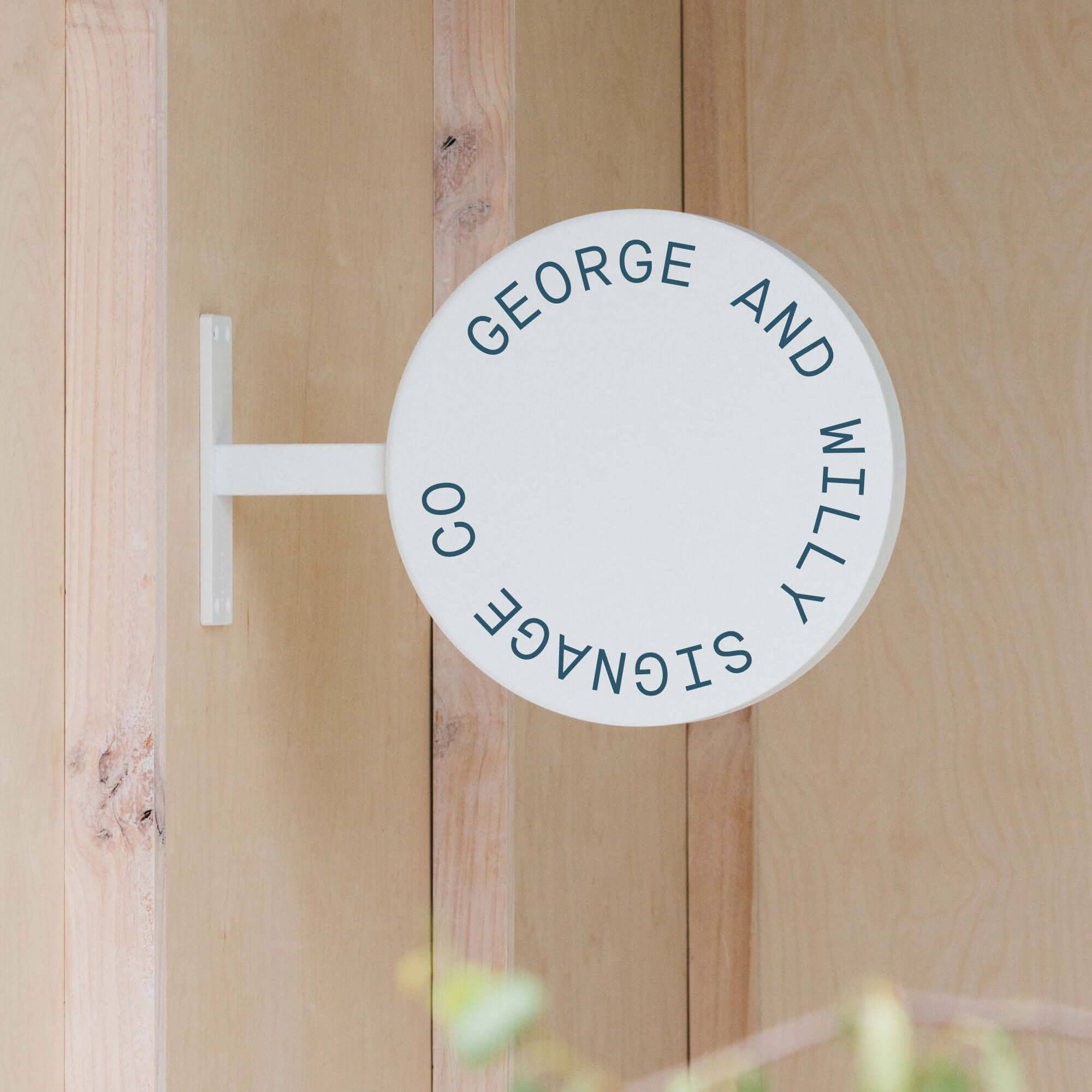
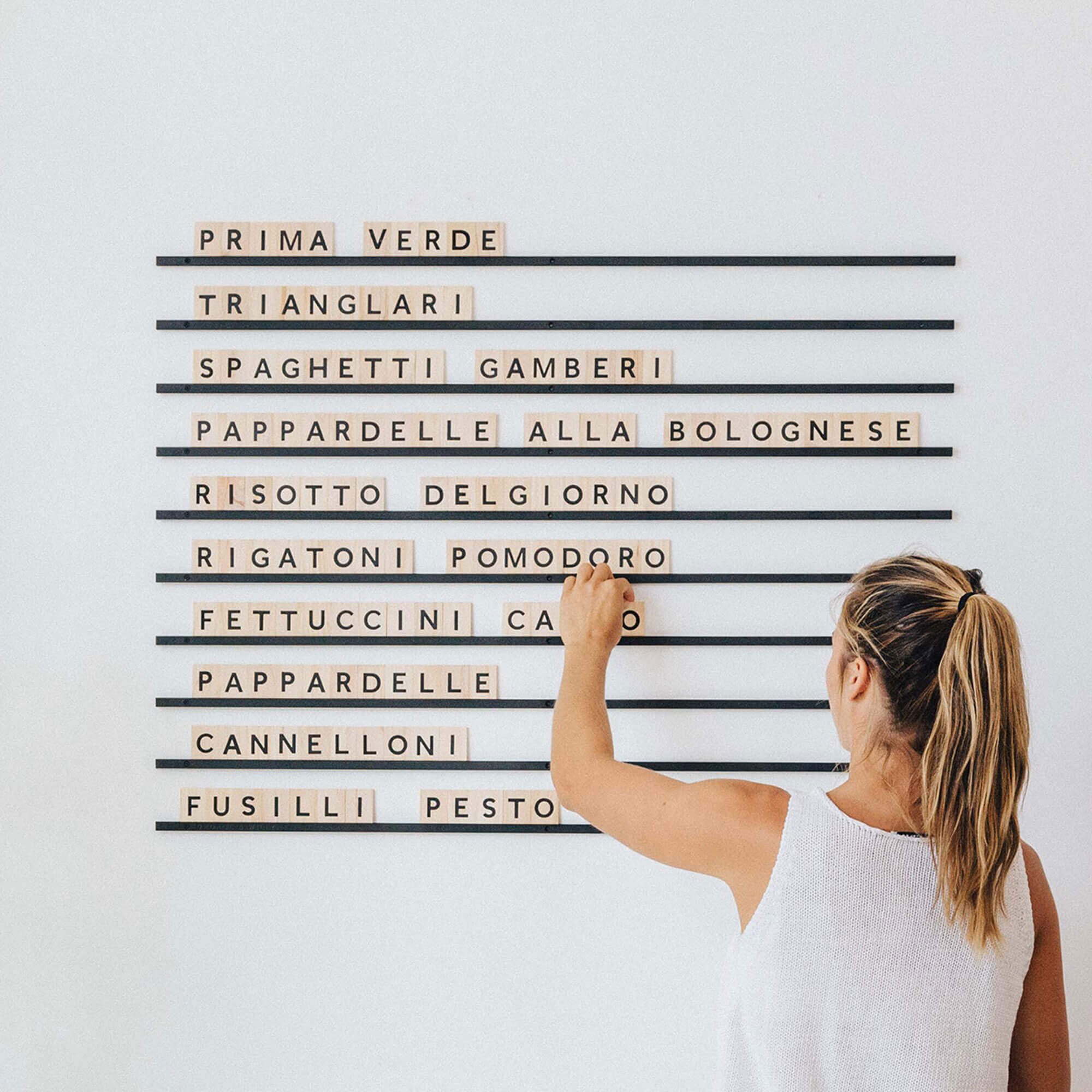
Generic, off the shelf signs might get the job done, but they won’t make you stand out. Creating real estate signs custom to your brand is one of the smartest marketing moves you can make. It builds brand recognition and conveys a sense of professionalism that buyers and sellers notice. For your brokerage storefront, a Vertical Blade Sign boosts sidewalk visibility and ties your office branding to your yard and open house signage.
Stand Out with Strong Branding and Design
Your sign is a direct reflection of your professional service. A clean, professional, and unique sign suggests you handle your listings with the same care.
Here are a few key design tips for readability and branding:
- Less is More: A cluttered sign is an unreadable sign. Stick to the essentials: “For Sale” or “Open House,” your brokerage or name, and a clear phone number or website. Too much text will just become a blur to anyone driving by.
- High Contrast is Key: Use colors that are easy to read from a distance. Classic combinations like dark text on a white background or white text on a dark blue background work best. Consistent use of your brand colors is also vital for brand recognition.
- Use Templates for Consistency: If you are not a graphic designer, real estate sign design templates are your best friend. They ensure a professional layout with proper font sizing and color contrast. Many brokerages provide official templates, which helps build a cohesive brand image and trust with clients.
Accessibility and Readability Standards
For your real estate signs custom to be effective, they must be legible from a distance. A general rule is that for every 10 feet of viewing distance, letters should have at least one inch of height. Use clean, bold, sans serif fonts like Helvetica or Arial for maximum clarity. Avoid decorative or script fonts that are difficult to read from a moving vehicle.
Navigating the Rules: Legal and Compliance Checklist
Before ordering or placing your real estate signs custom, it is critical to understand the rules. A misplaced sign can result in fines or damage to your professional reputation.
Local Regulations and Permits
Every city and county has its own sign ordinances. These codes dictate the maximum size, height, and placement of signs. They also have rules for temporary signage, such as A frames or open house directionals, including how long they can be displayed. Always check your local municipal code to ensure compliance.
HOA and Condo Association Rules
Properties within a Homeowners Association (HOA) or condo complex often have strict rules about signage. These can include restrictions on sign size, color, design, and placement. Some HOAs may only permit a specific type of sign post. Always get a copy of the Covenants, Conditions, and Restrictions (CC&Rs) before placing a sign.
Brokerage and State Requirements
Your brokerage will have its own branding guidelines you must follow. Additionally, state real estate commissions often have rules about signage, such as requiring the brokerage’s name to be prominently displayed or mandating the inclusion of your license number.
Fair Housing and Legal Compliance
All real estate advertising, including signage, must comply with the Fair Housing Act. This means using nondiscriminatory language. It is a best practice to include the Equal Housing Opportunity logo on your signs to show your commitment to fair housing principles.
Choosing the Right Sign for the Job
A comprehensive marketing strategy uses a mix of signage to guide, inform, and attract potential buyers. Getting your real estate signs custom designed is a key part of this strategy.
The Classic Yard Sign
The traditional yard sign is the cornerstone of property marketing. It acts as a constant advertisement, catching the eye of neighbors and drive by buyers. It’s a cost effective tool that works around the clock to signal that a property is available.
Open House and Directional Signs
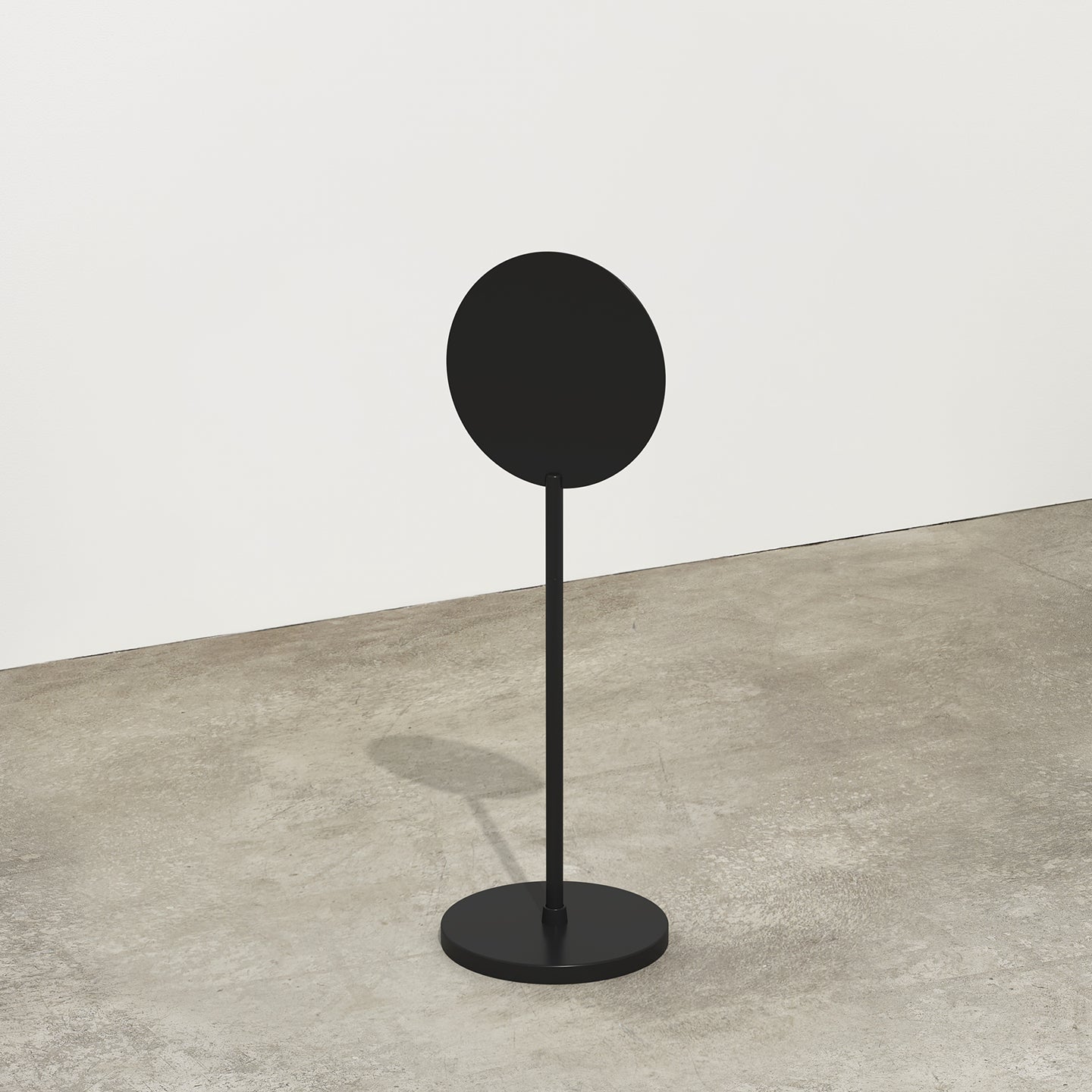
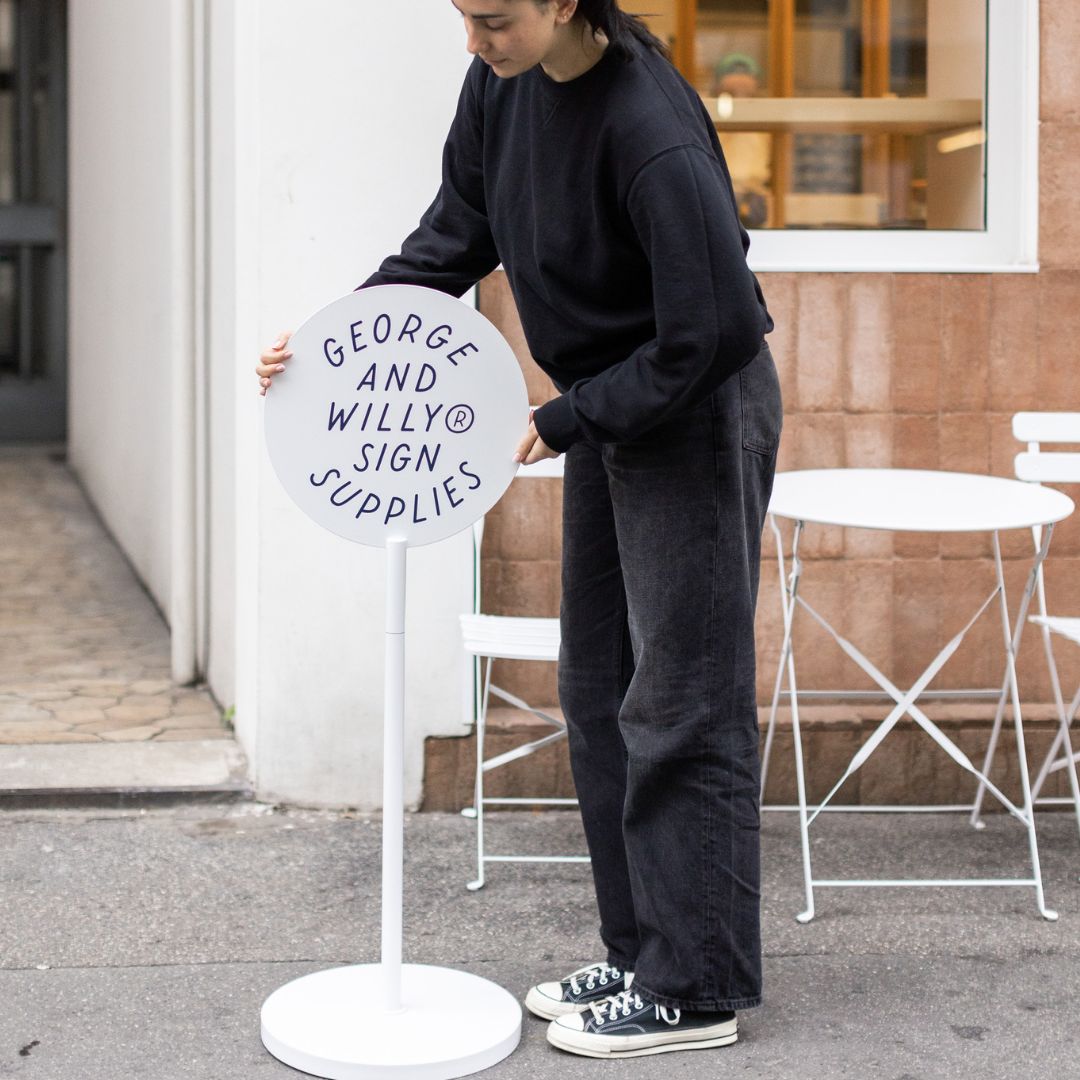
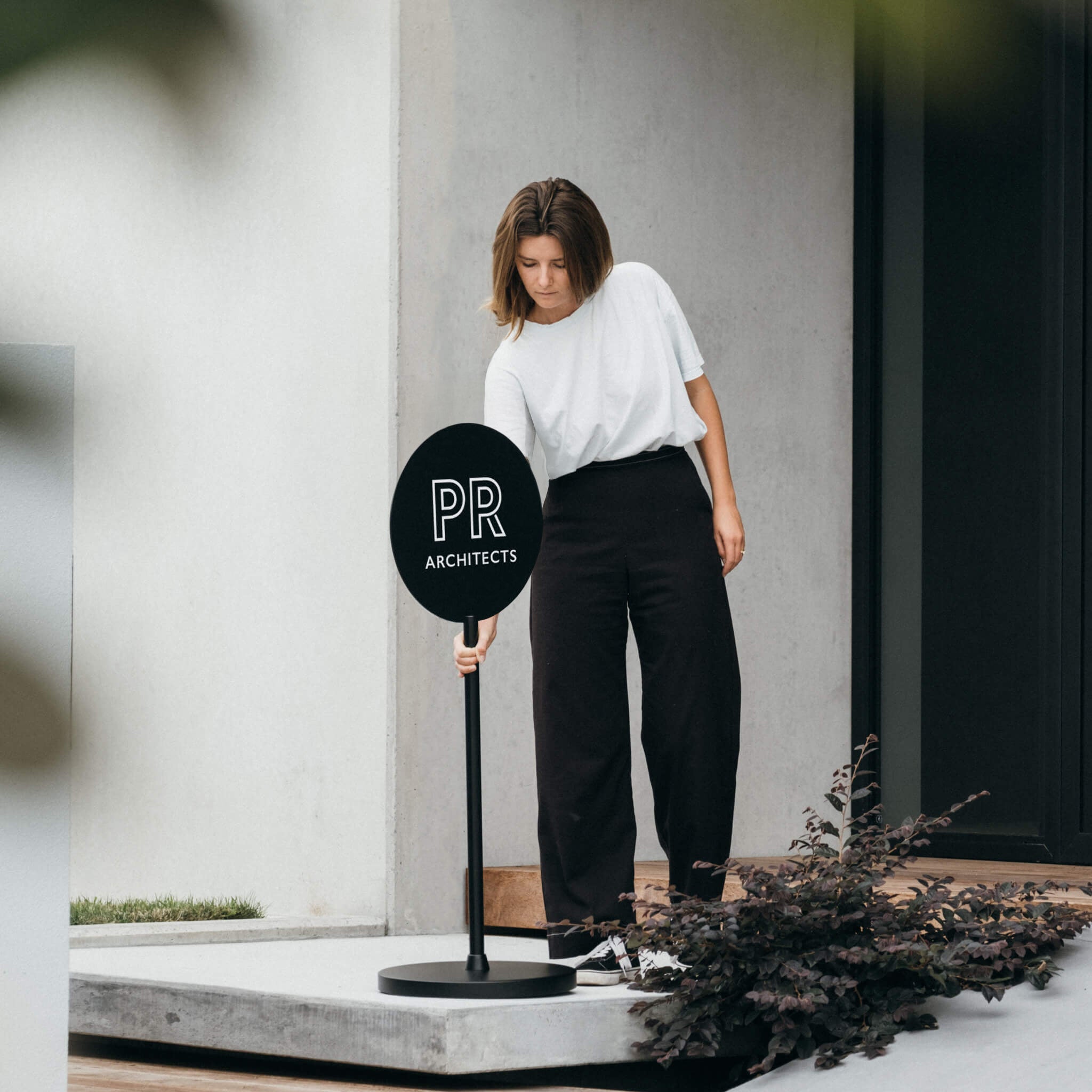
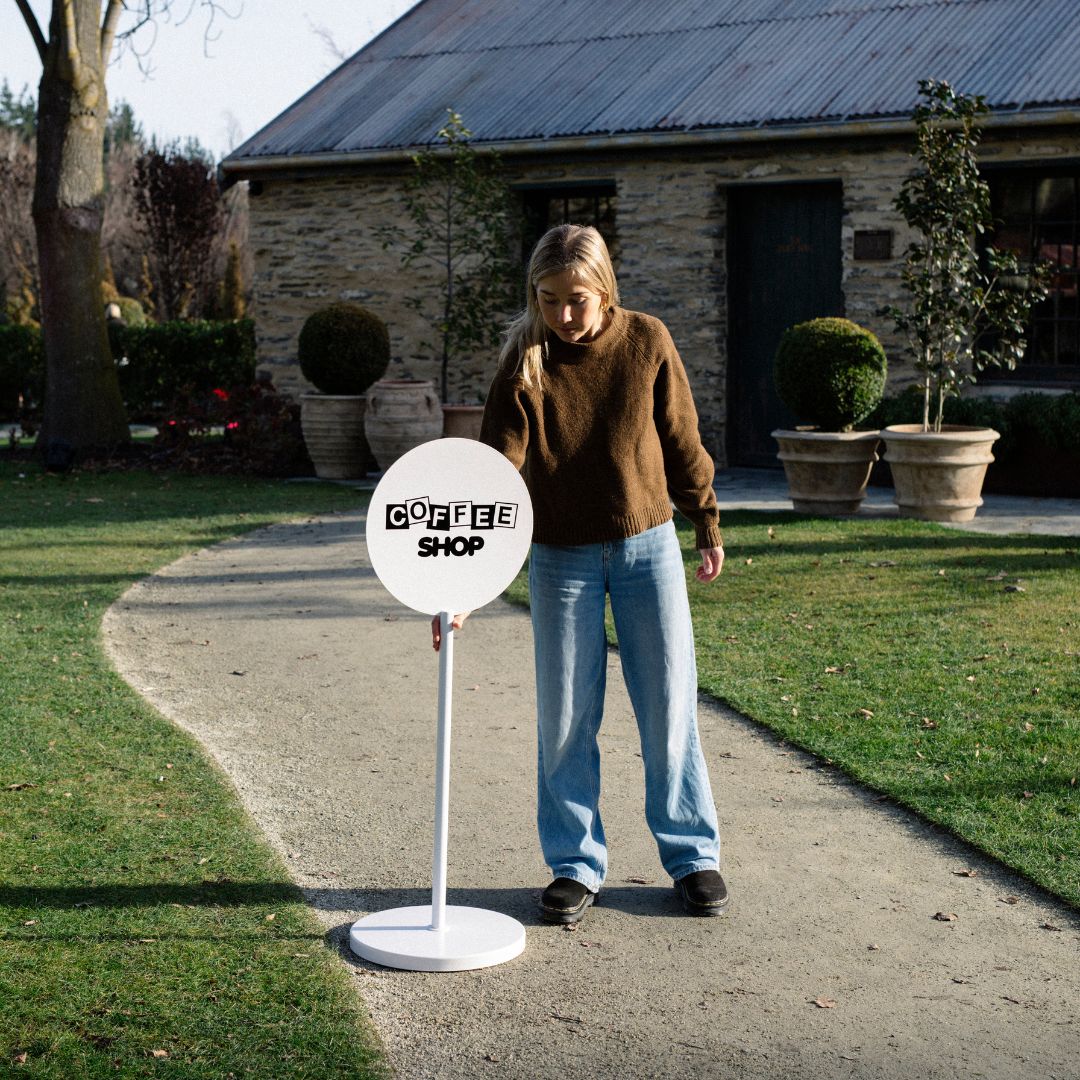
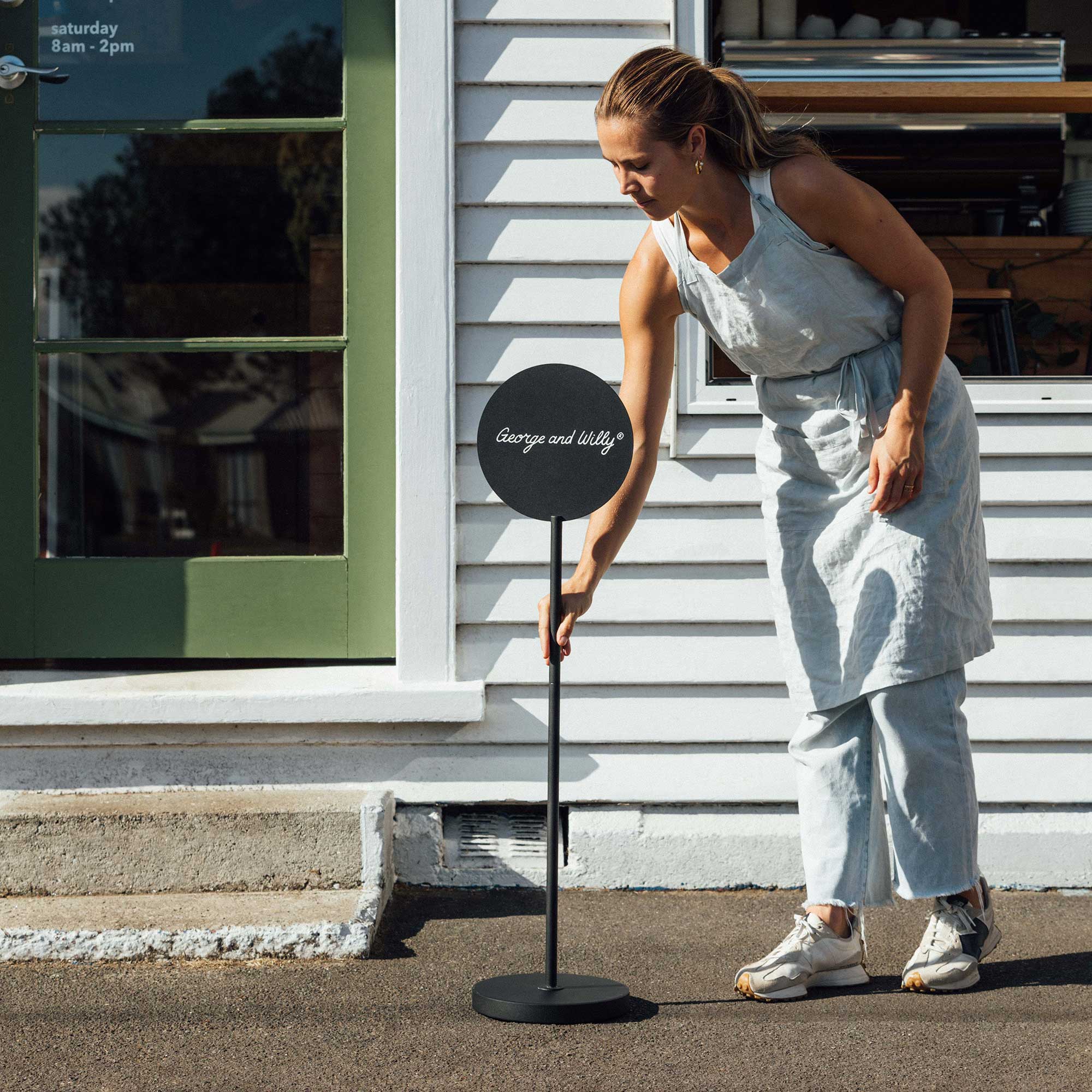
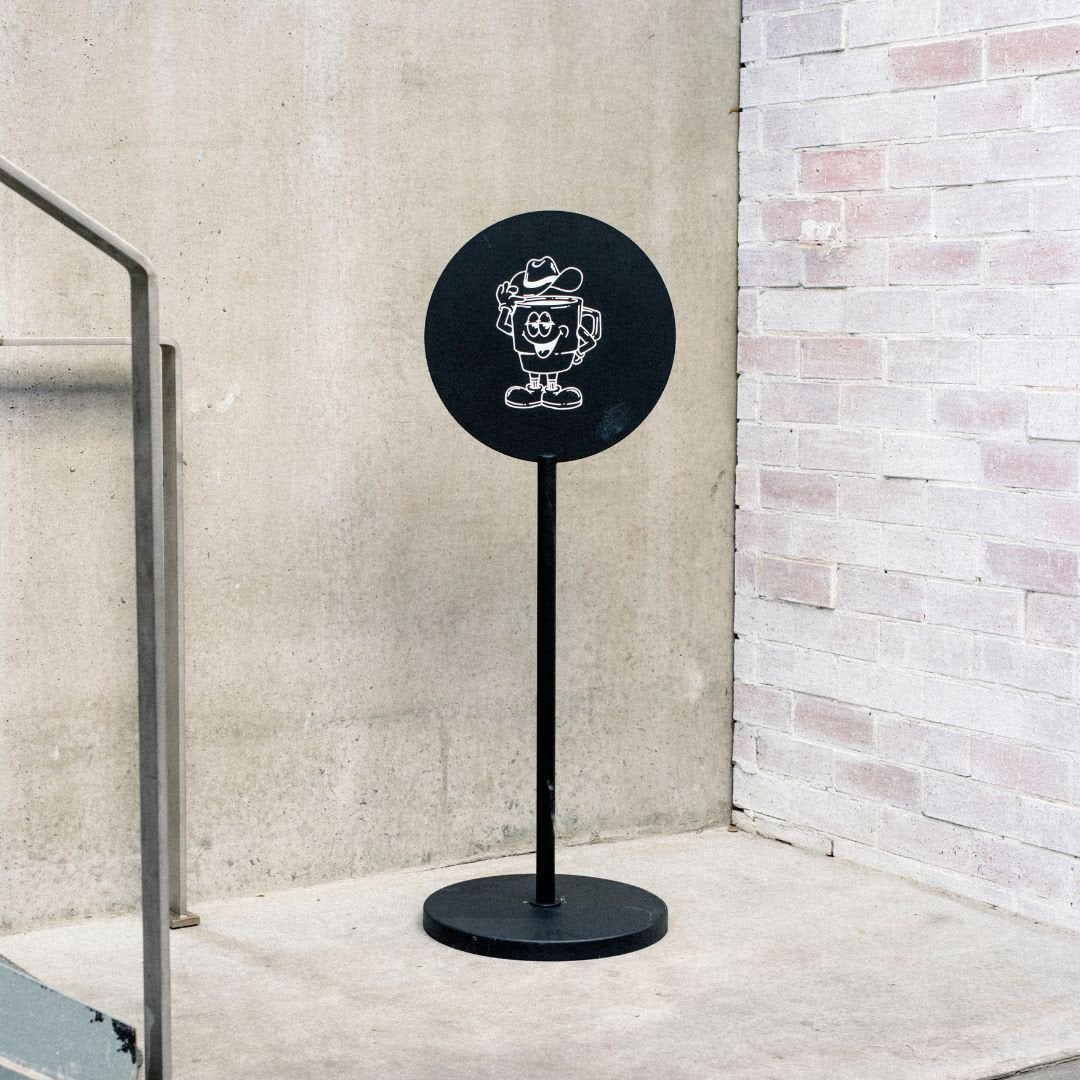
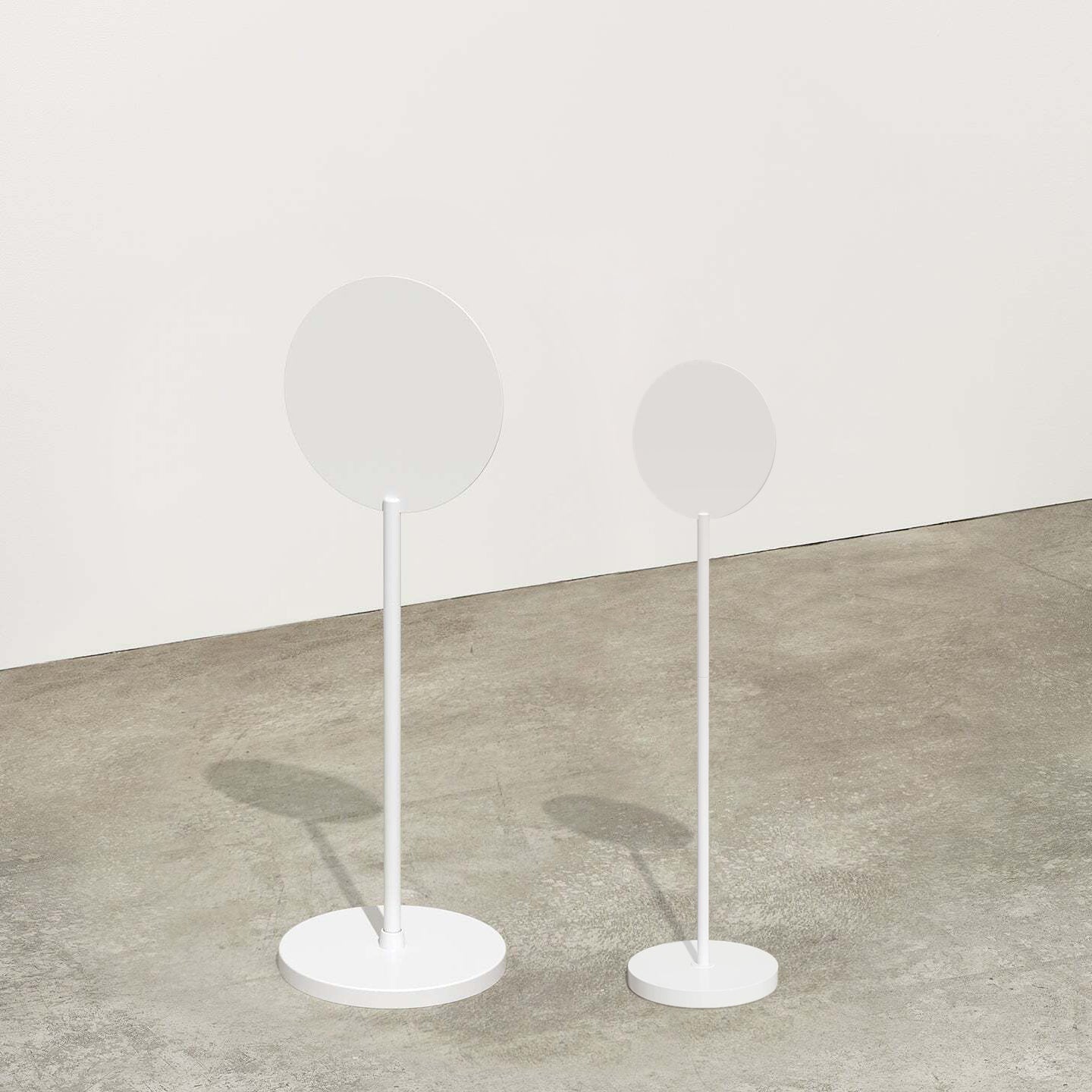
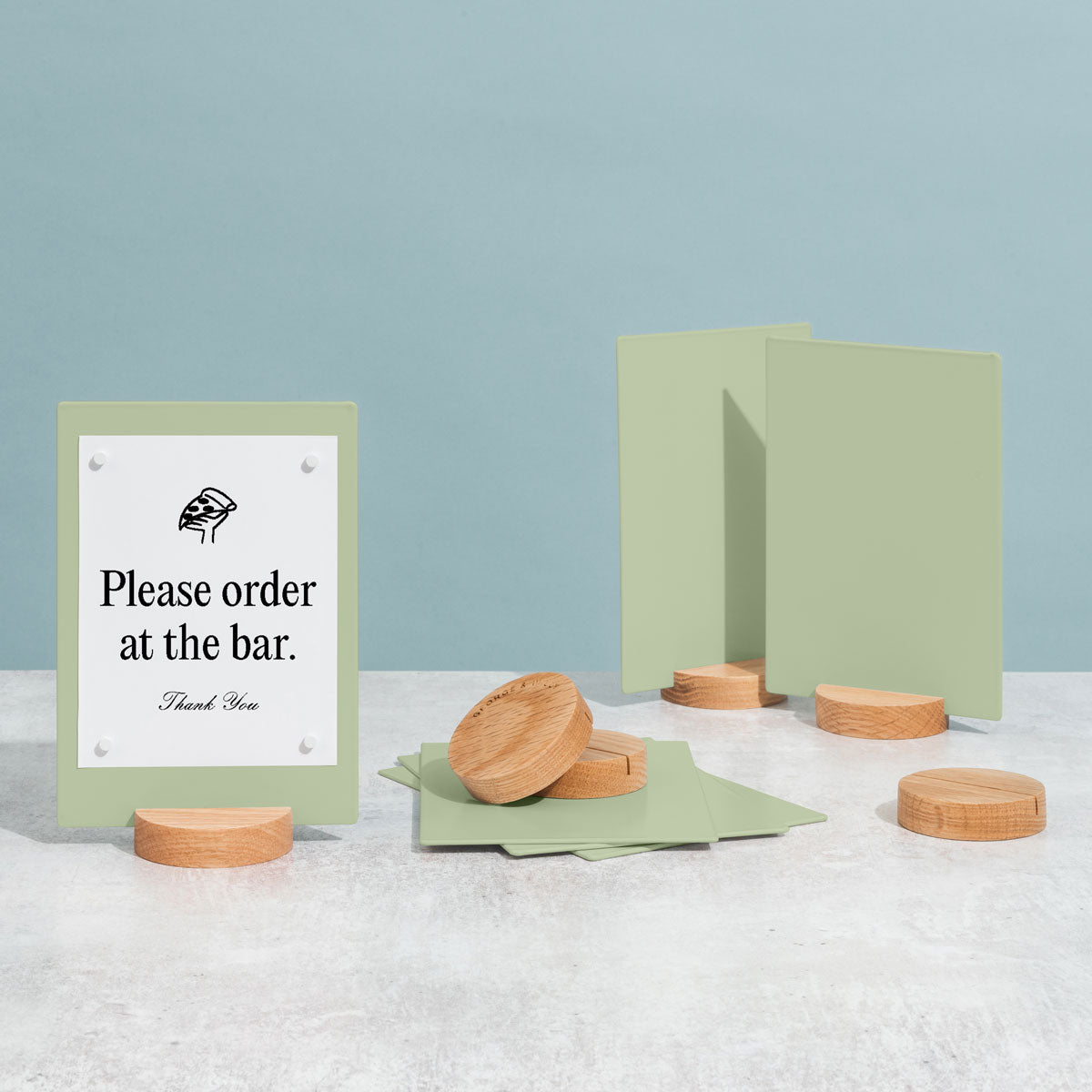
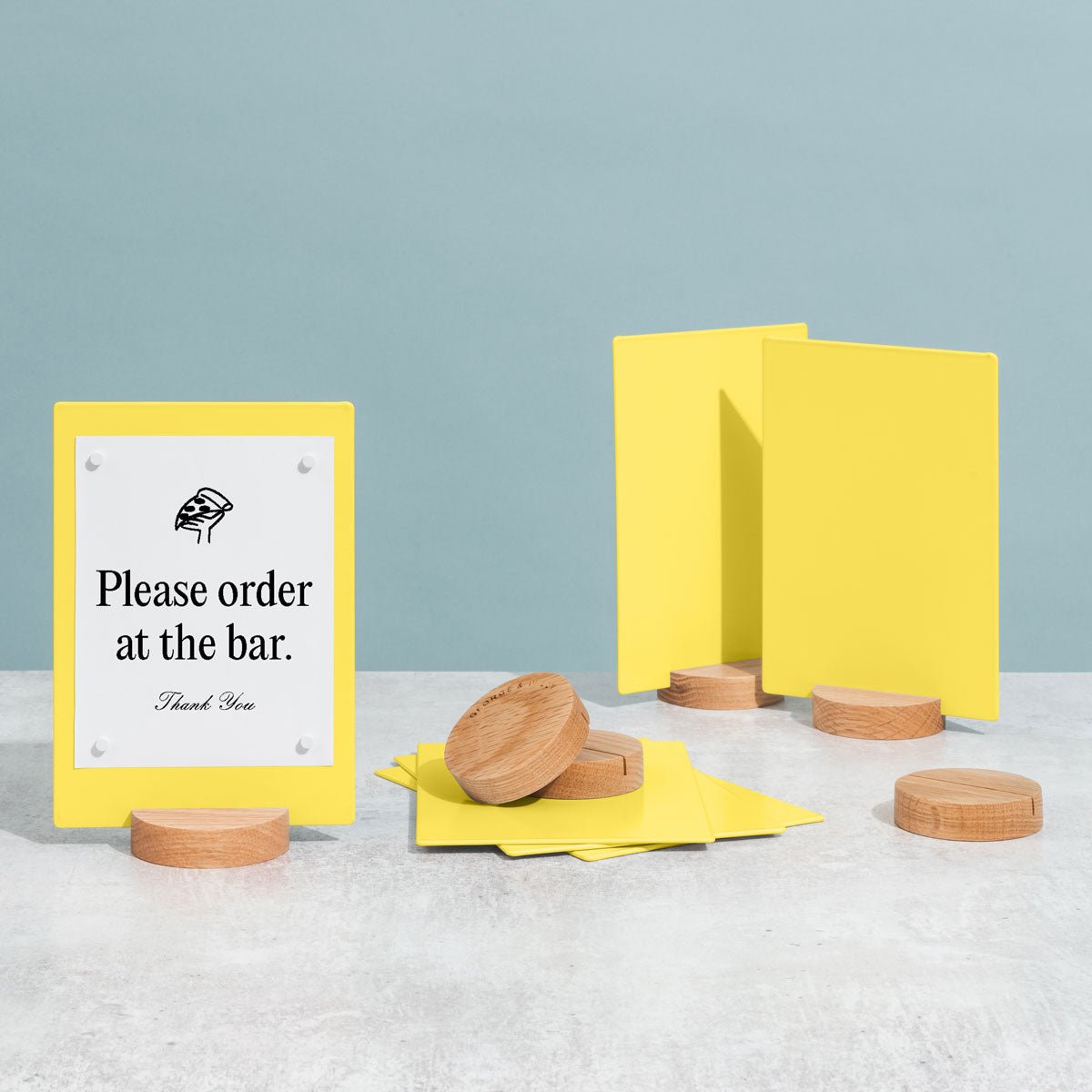
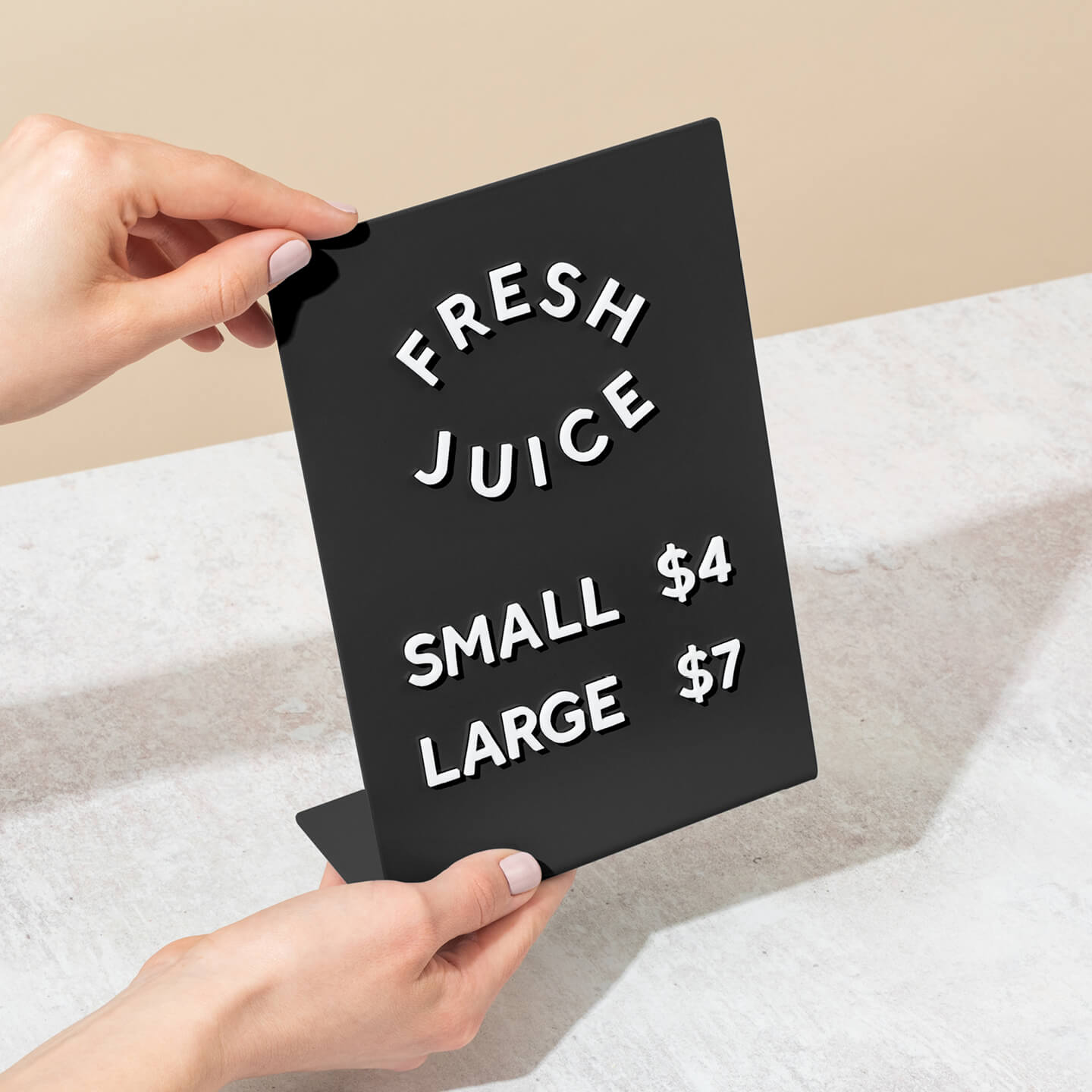
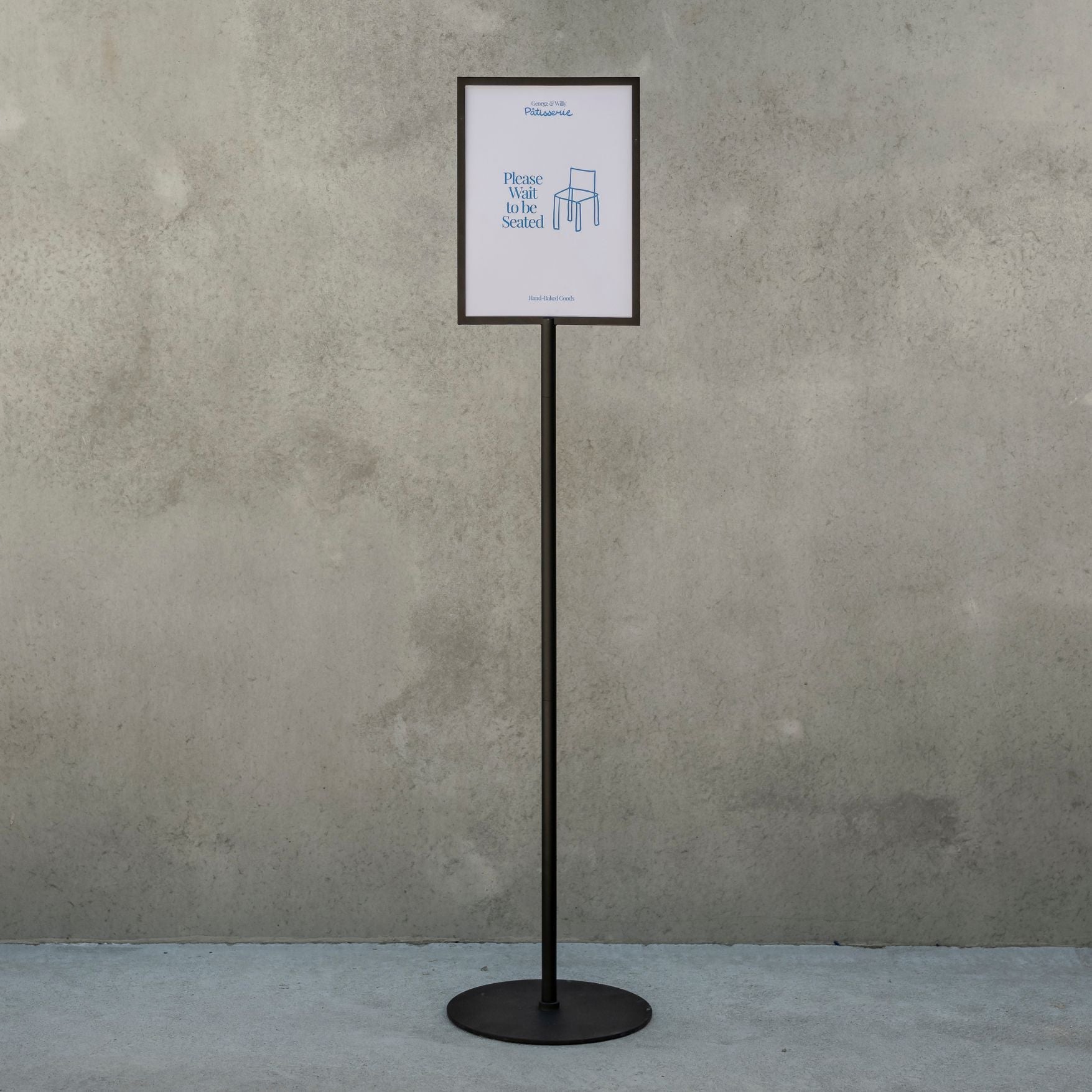
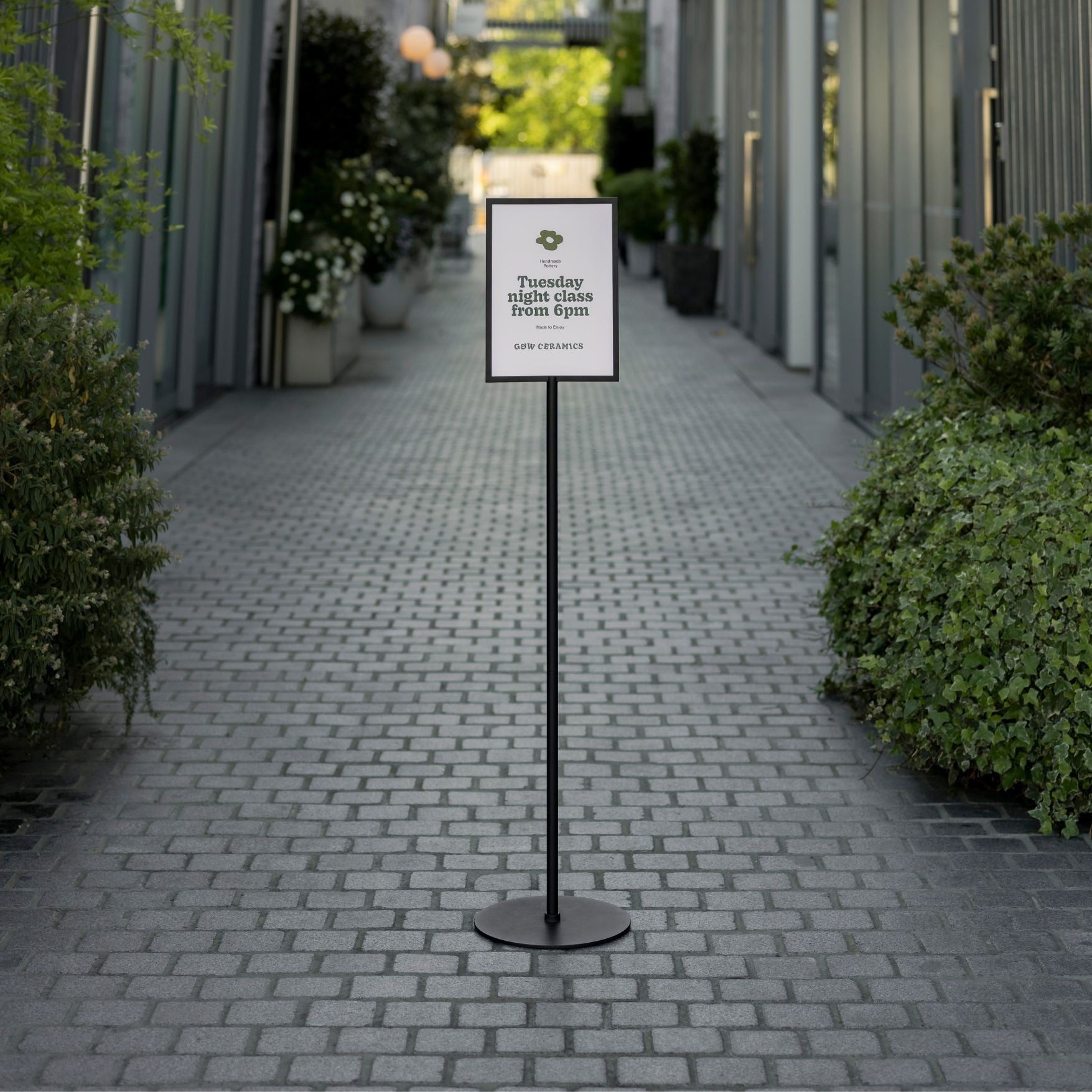
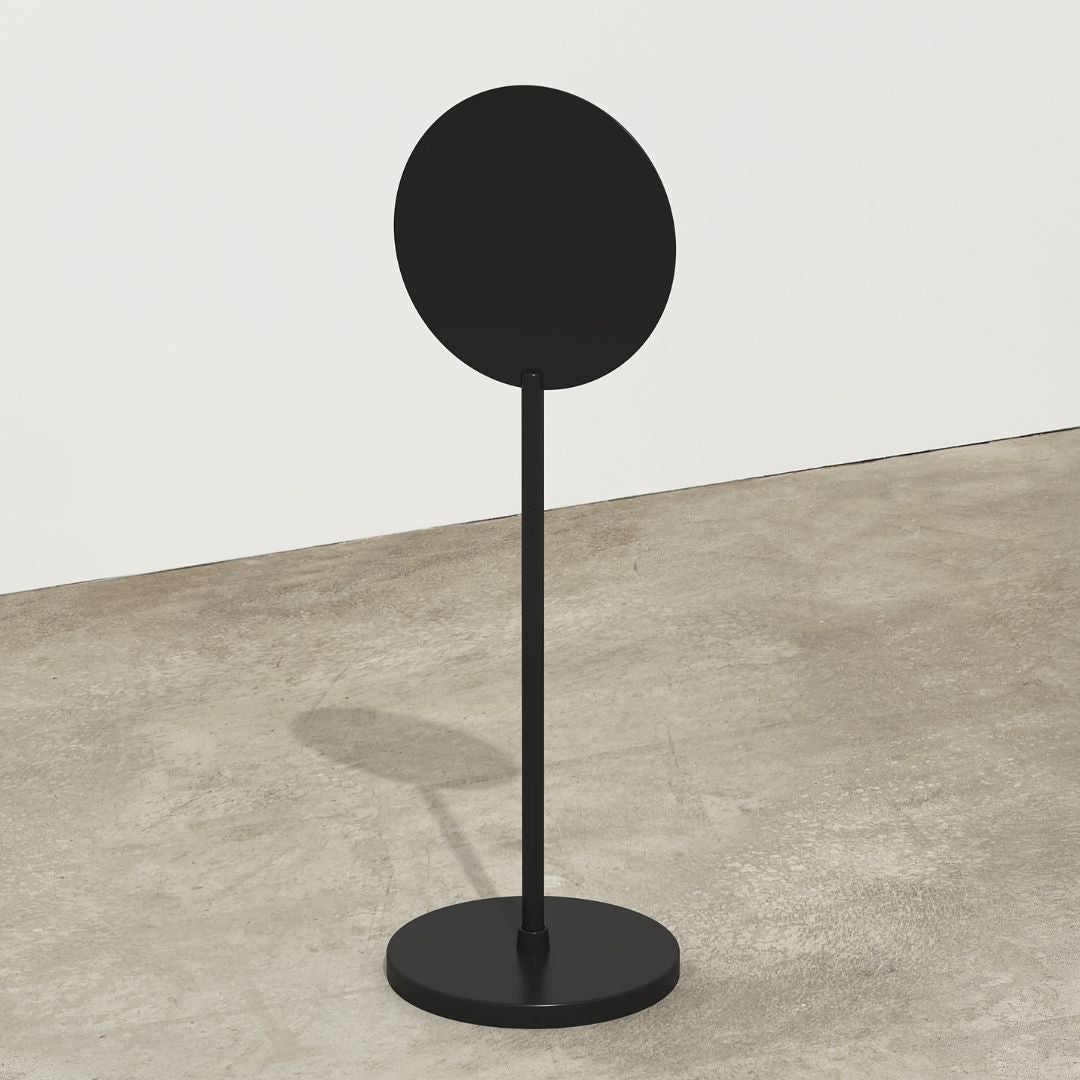
To host a successful open house, you need to drive foot traffic. An open house sign in the yard is just the start. Use multiple directional signs at major intersections and neighborhood entrances to guide visitors. Place a Standing Round Sign by the entry to signal arrival without cluttering the yard.
A Frame Sidewalk Signs
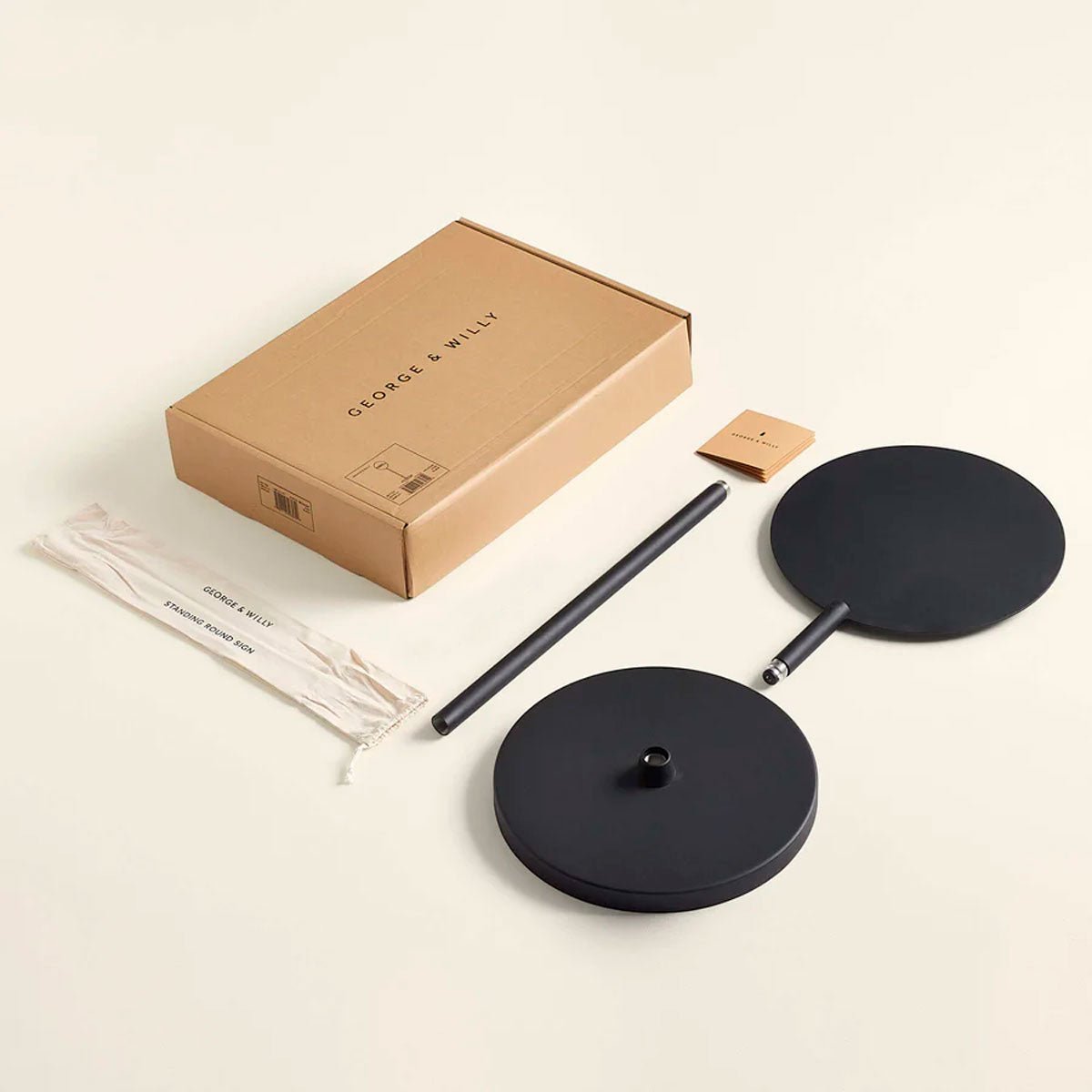
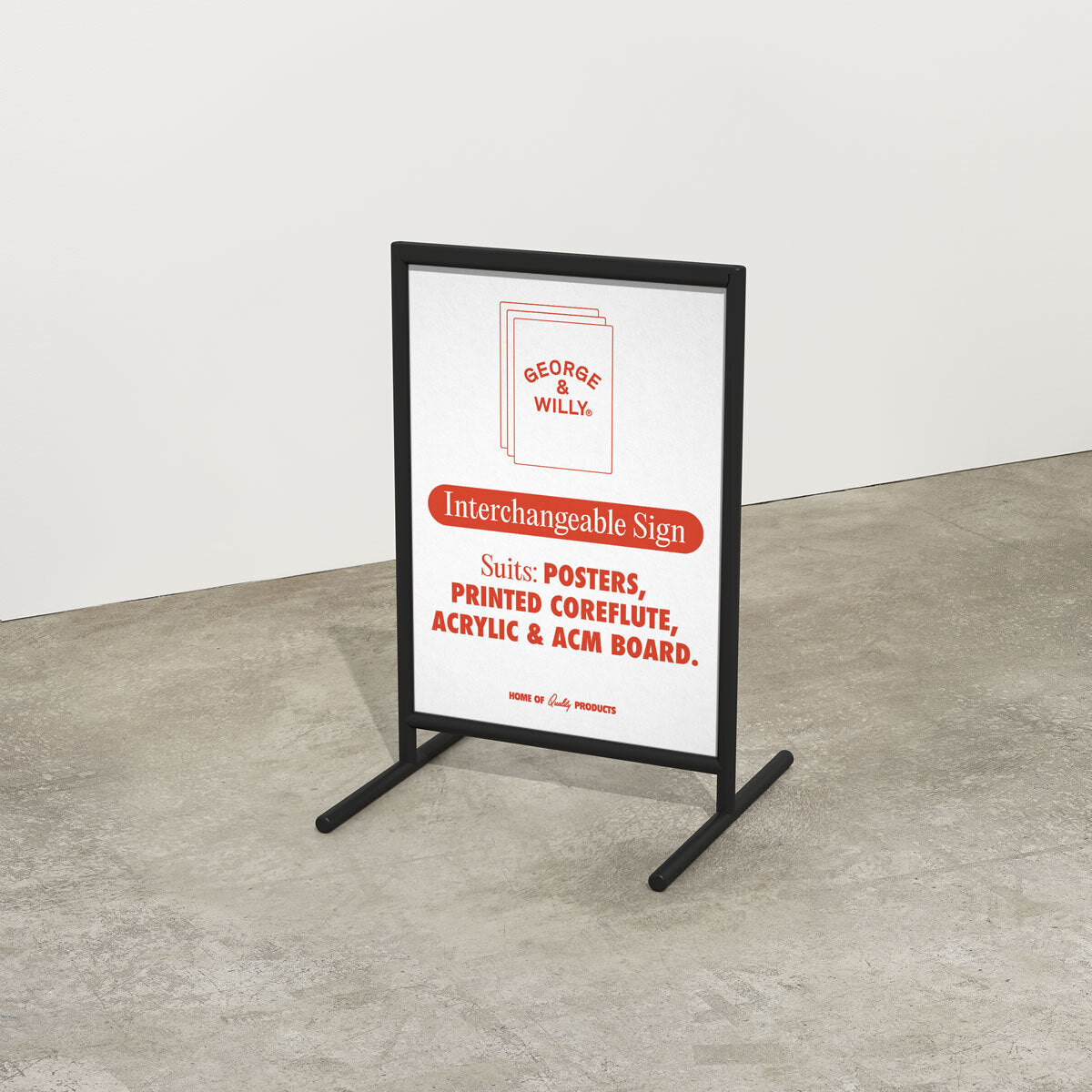
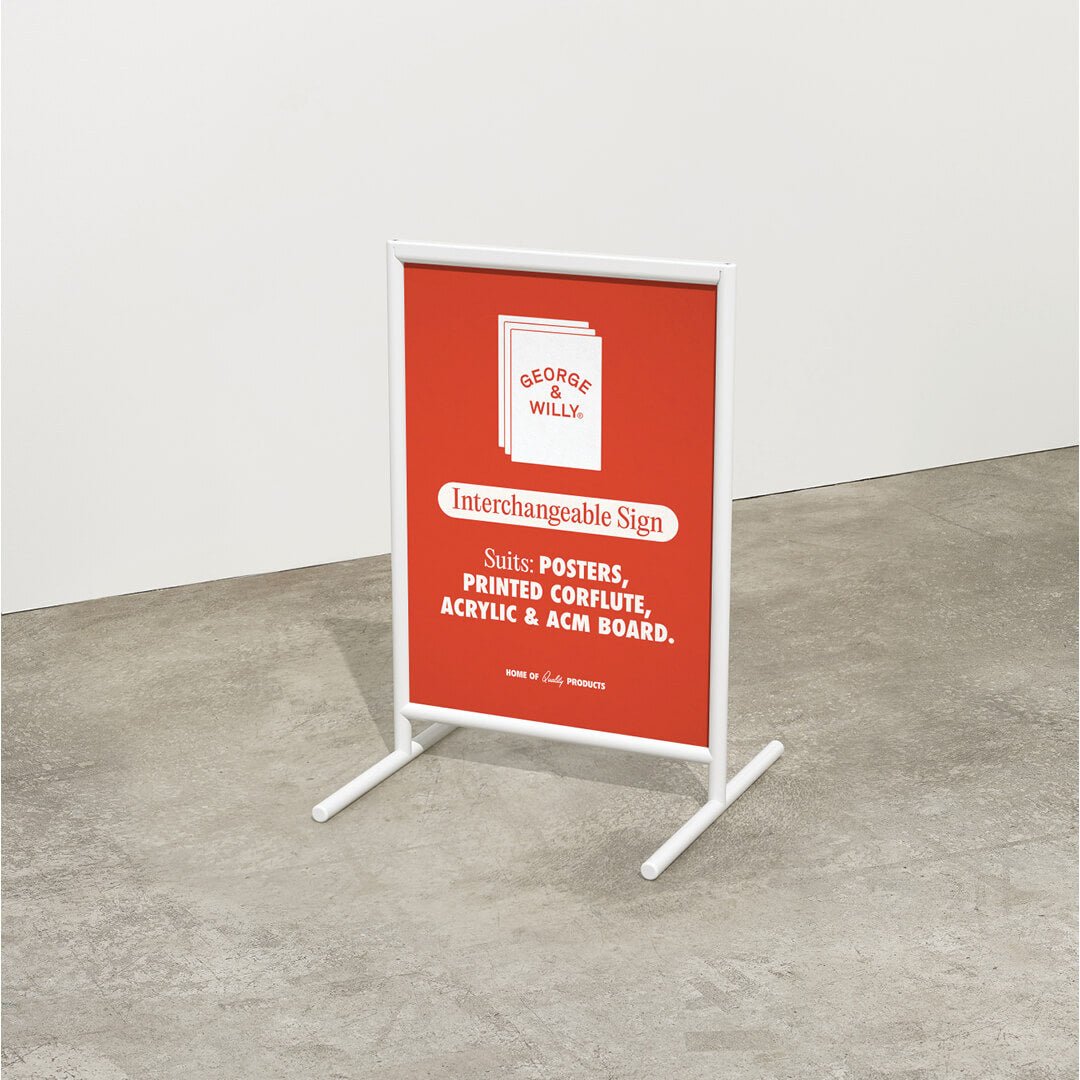
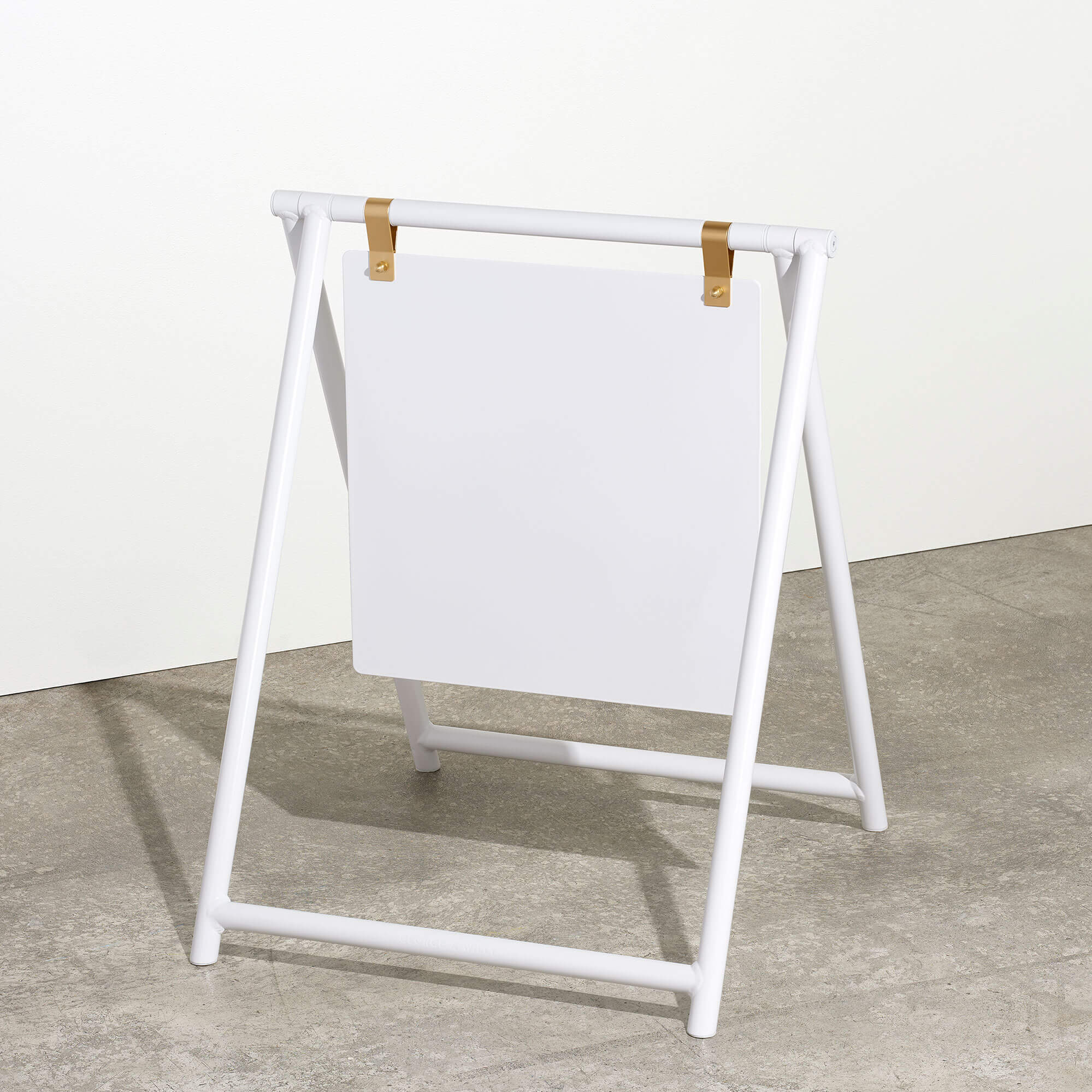
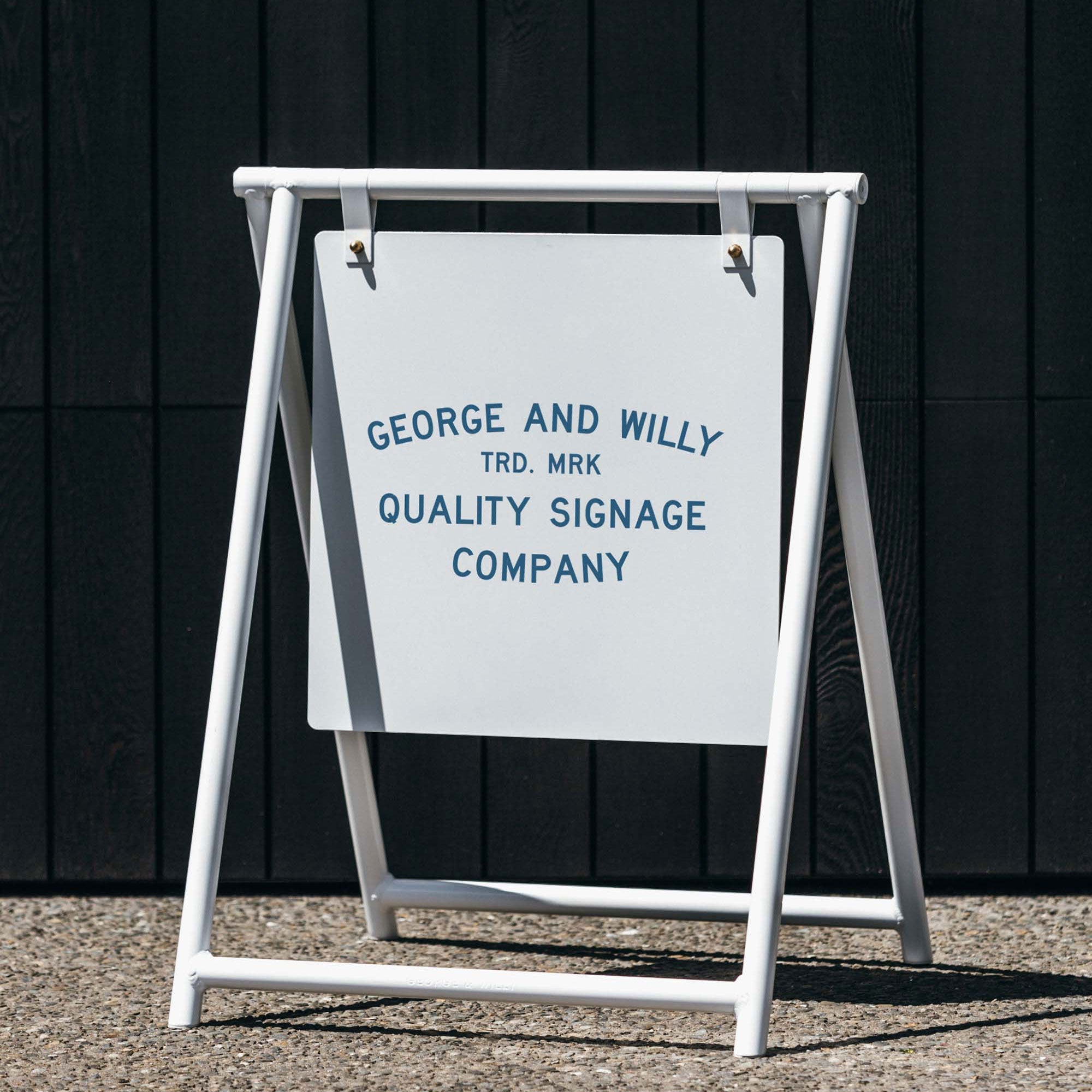
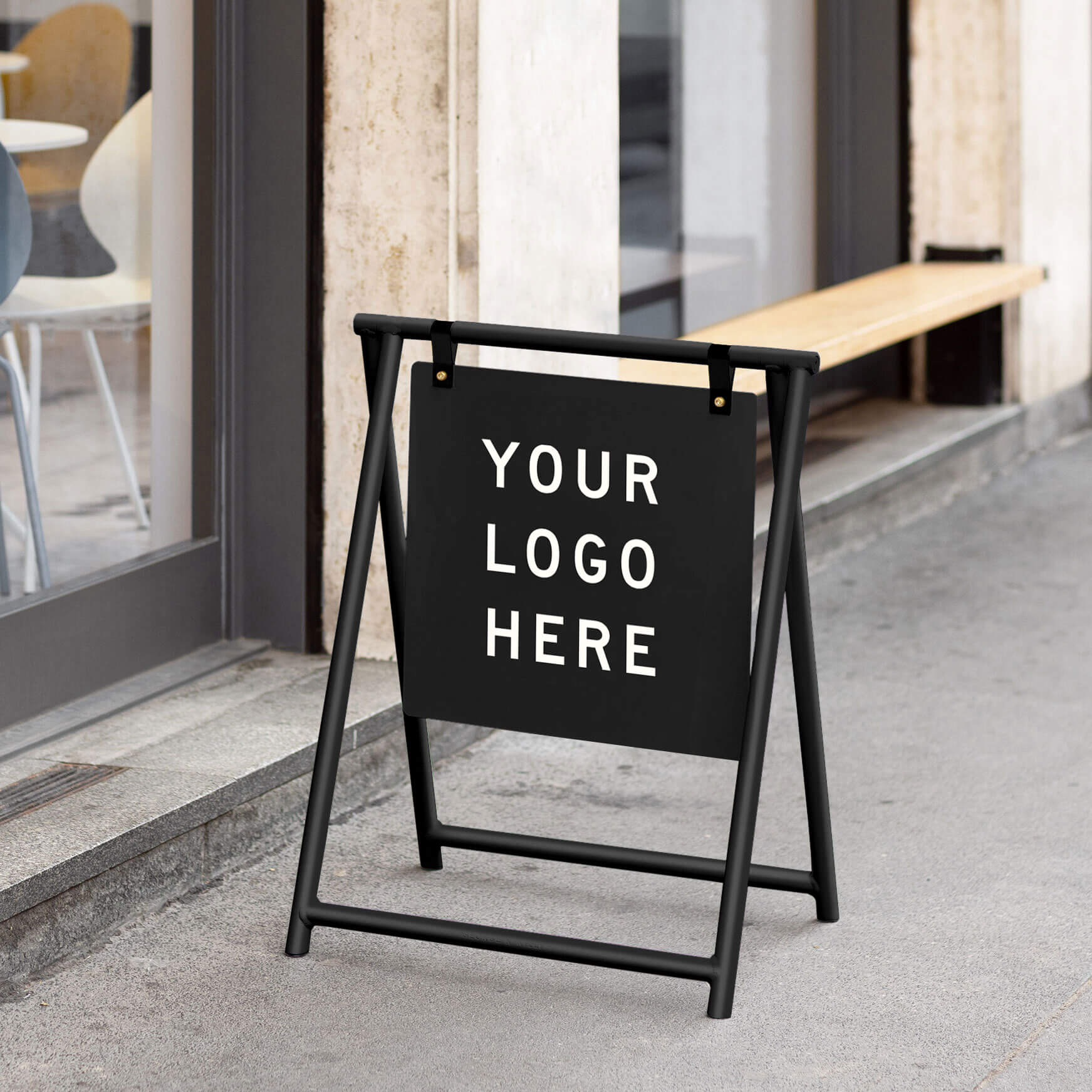
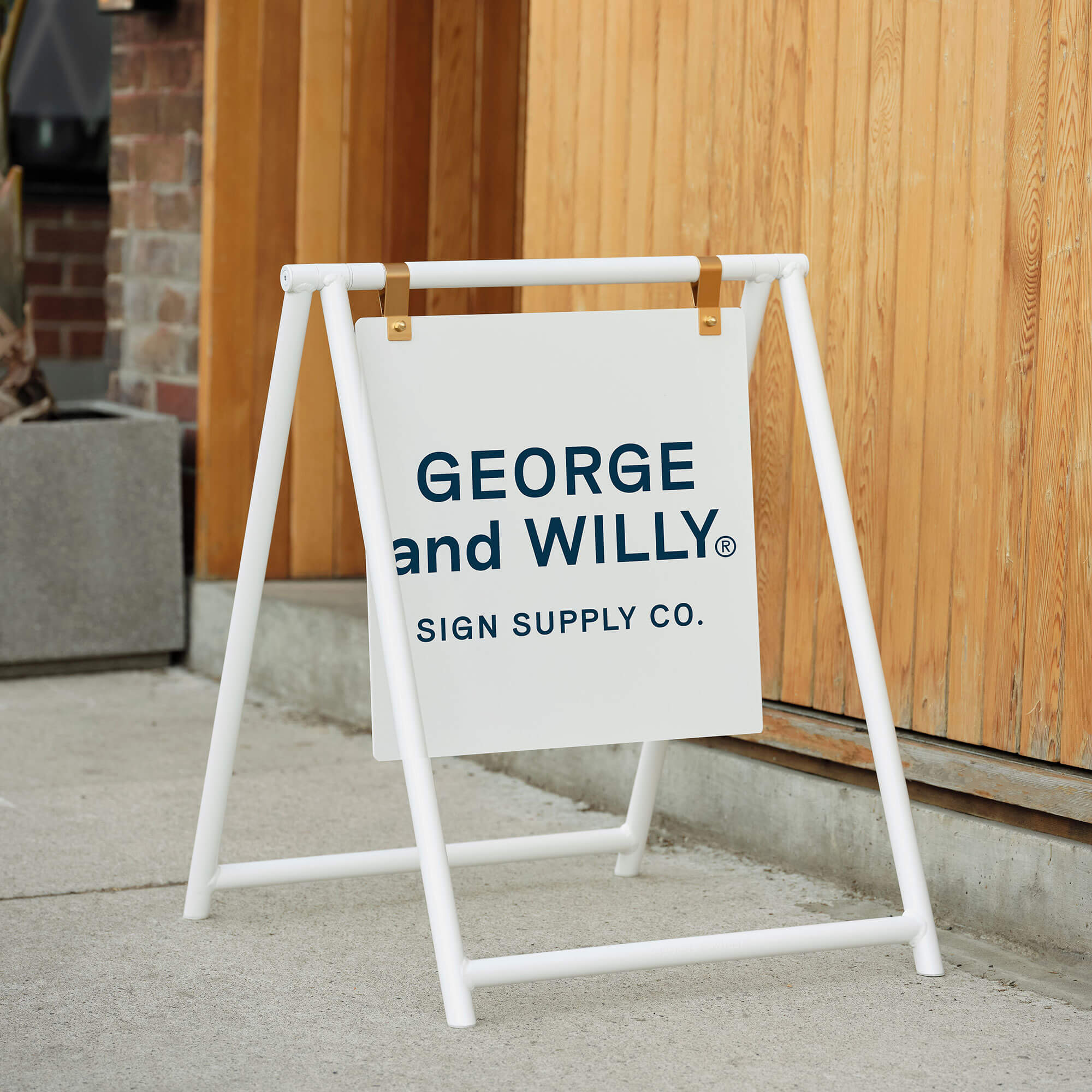
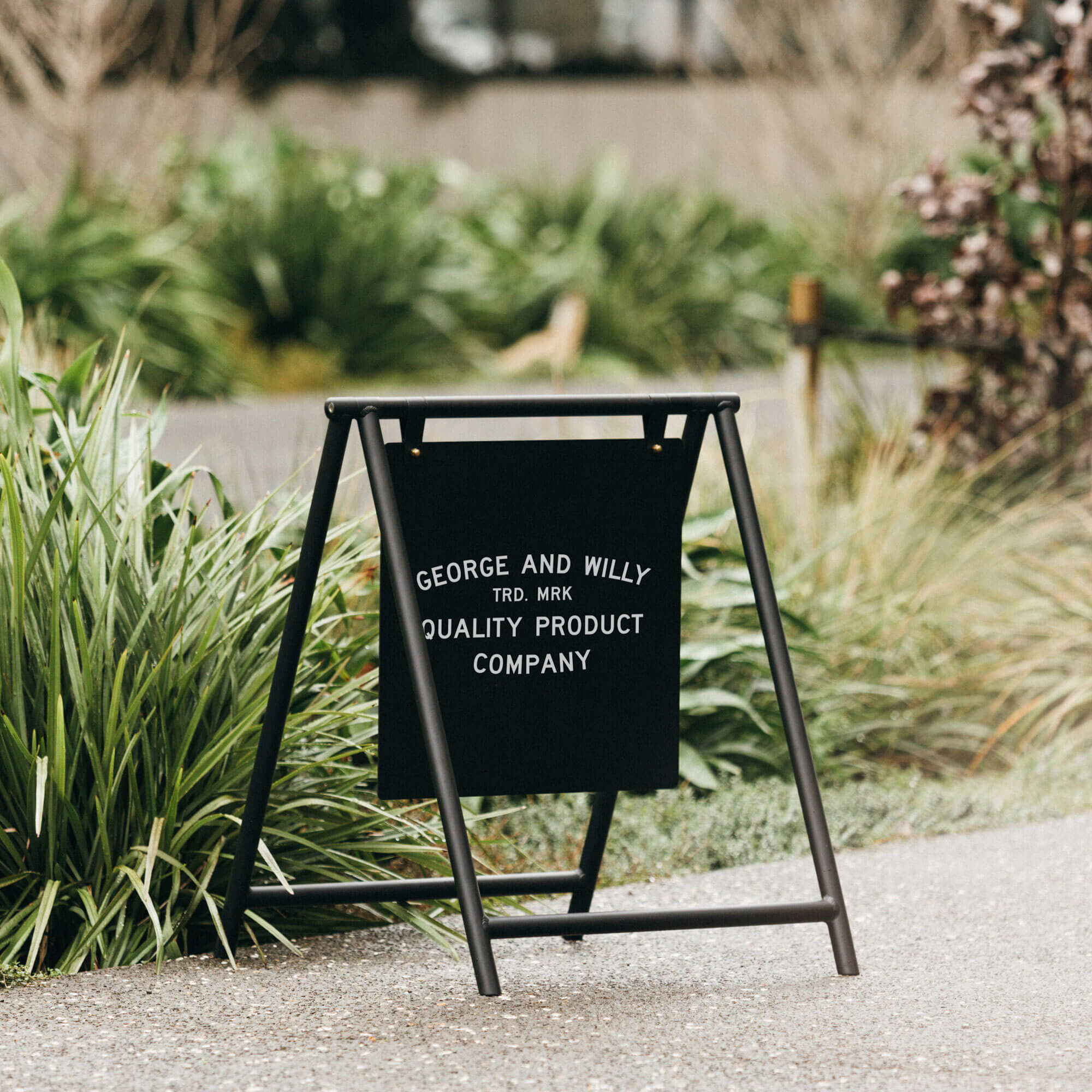
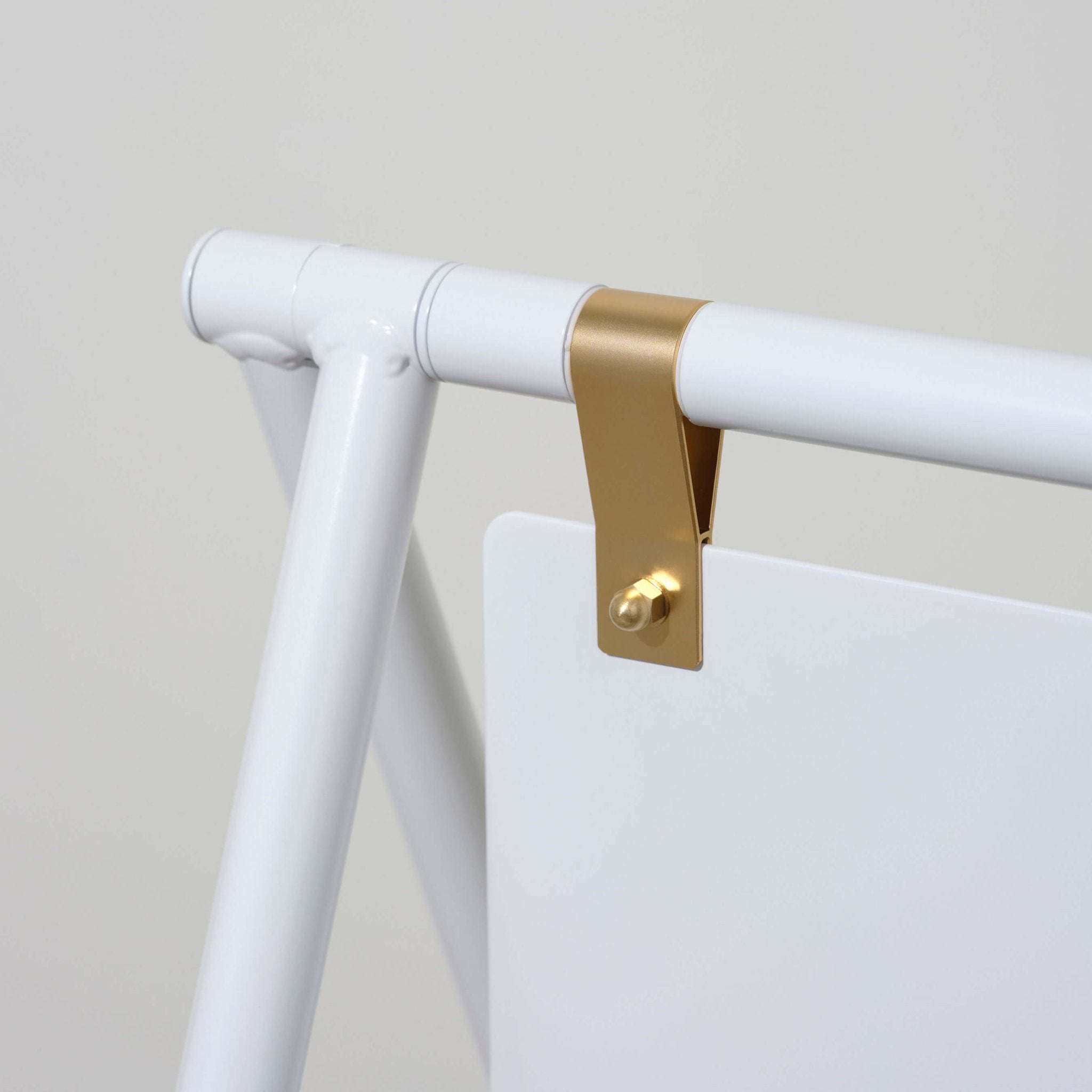
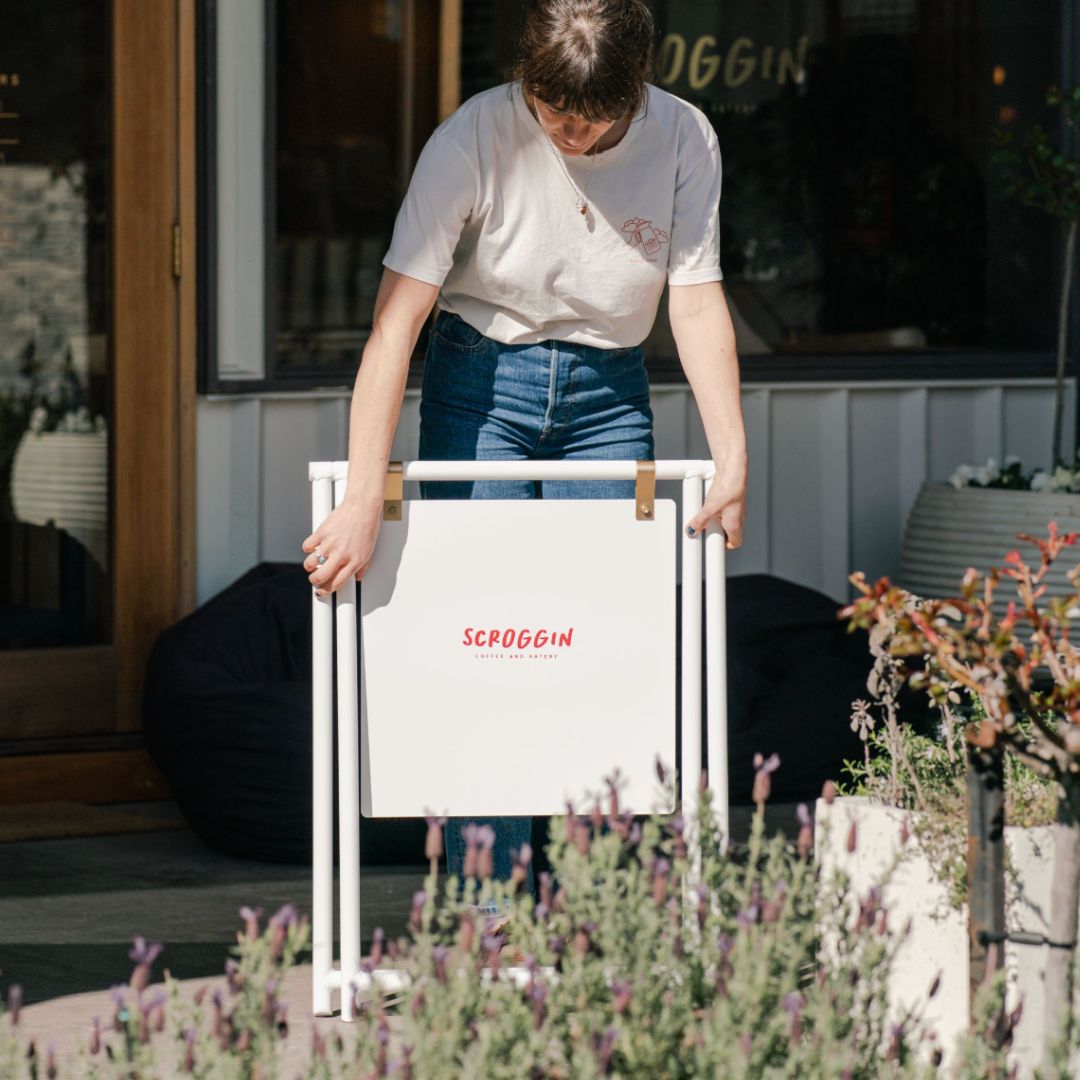
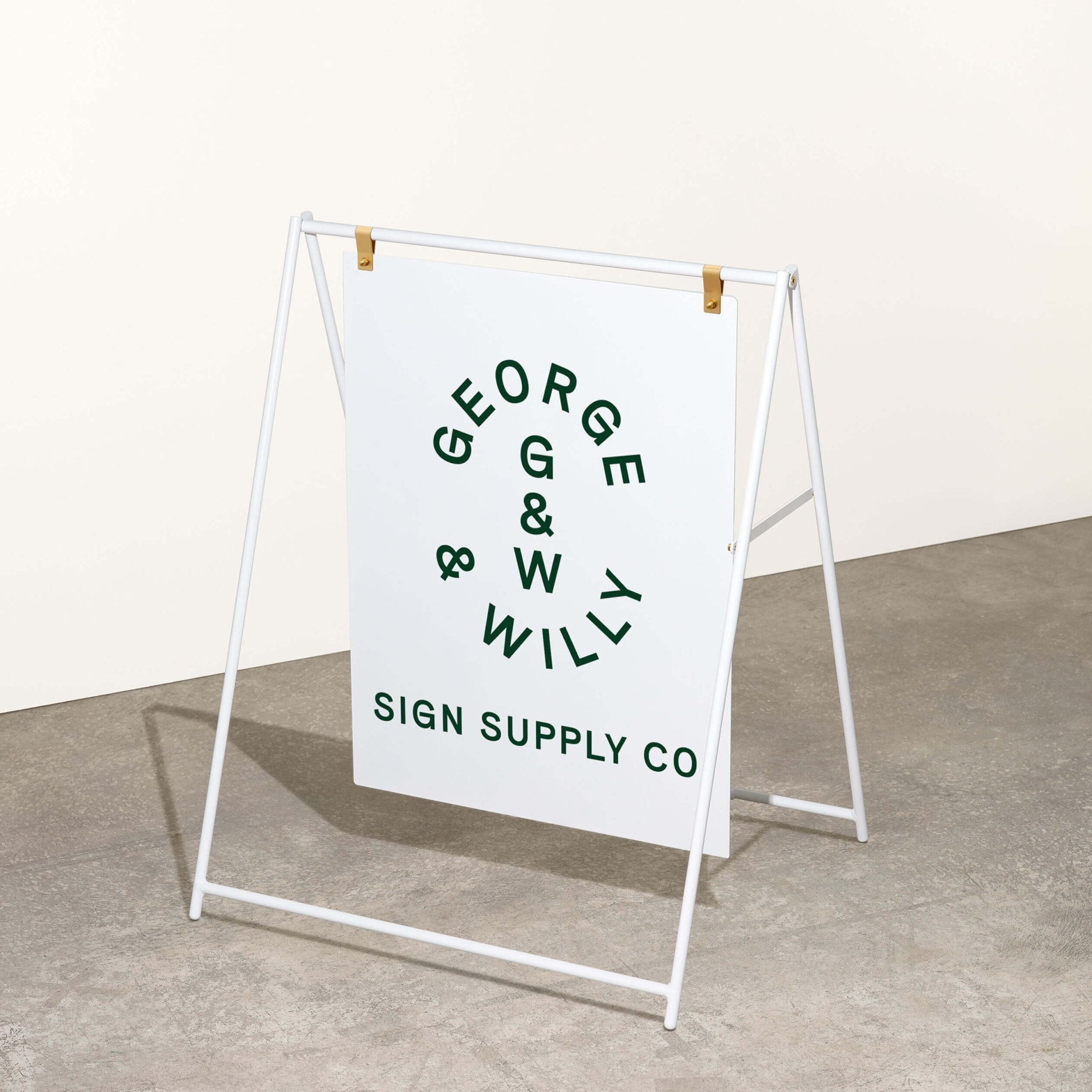
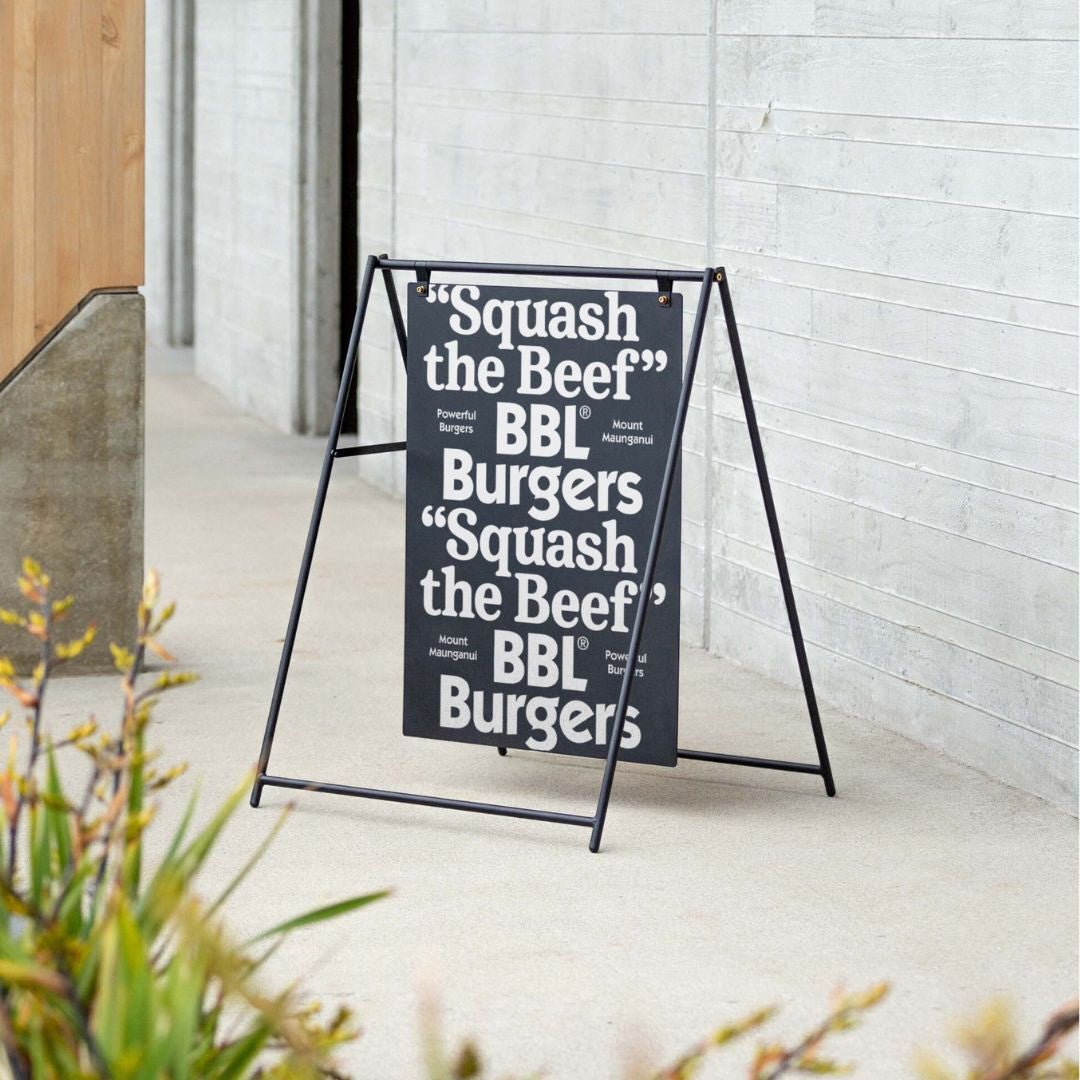
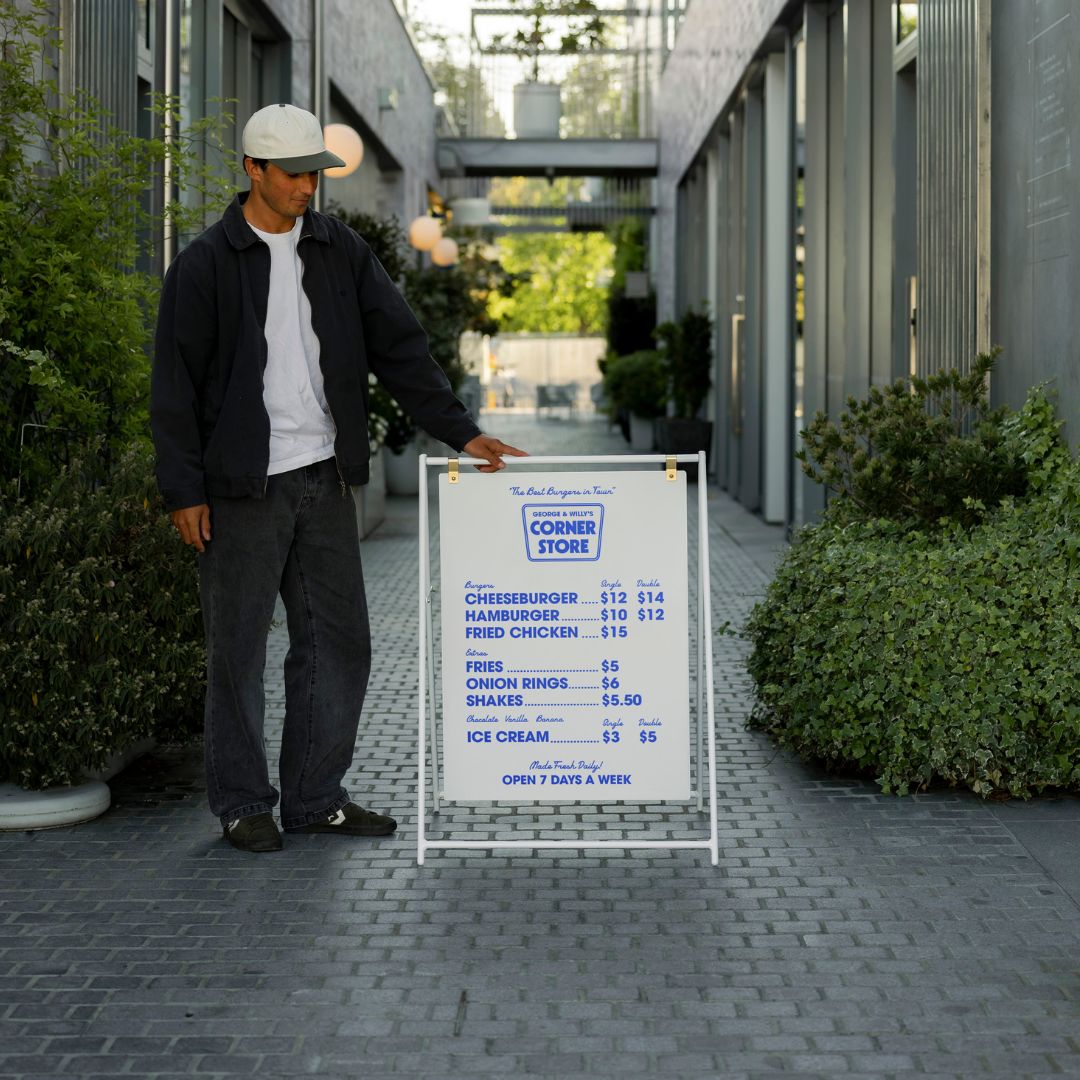
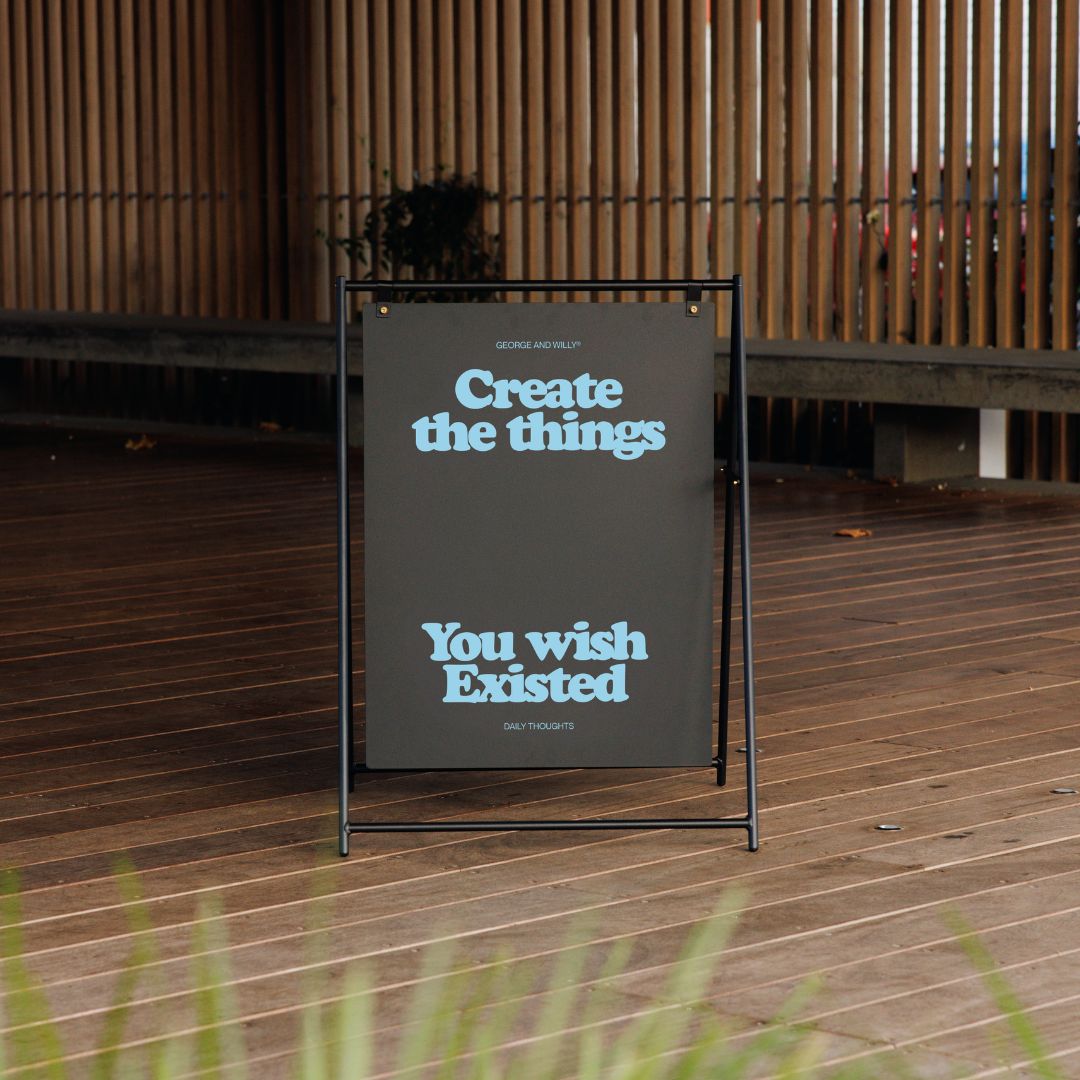
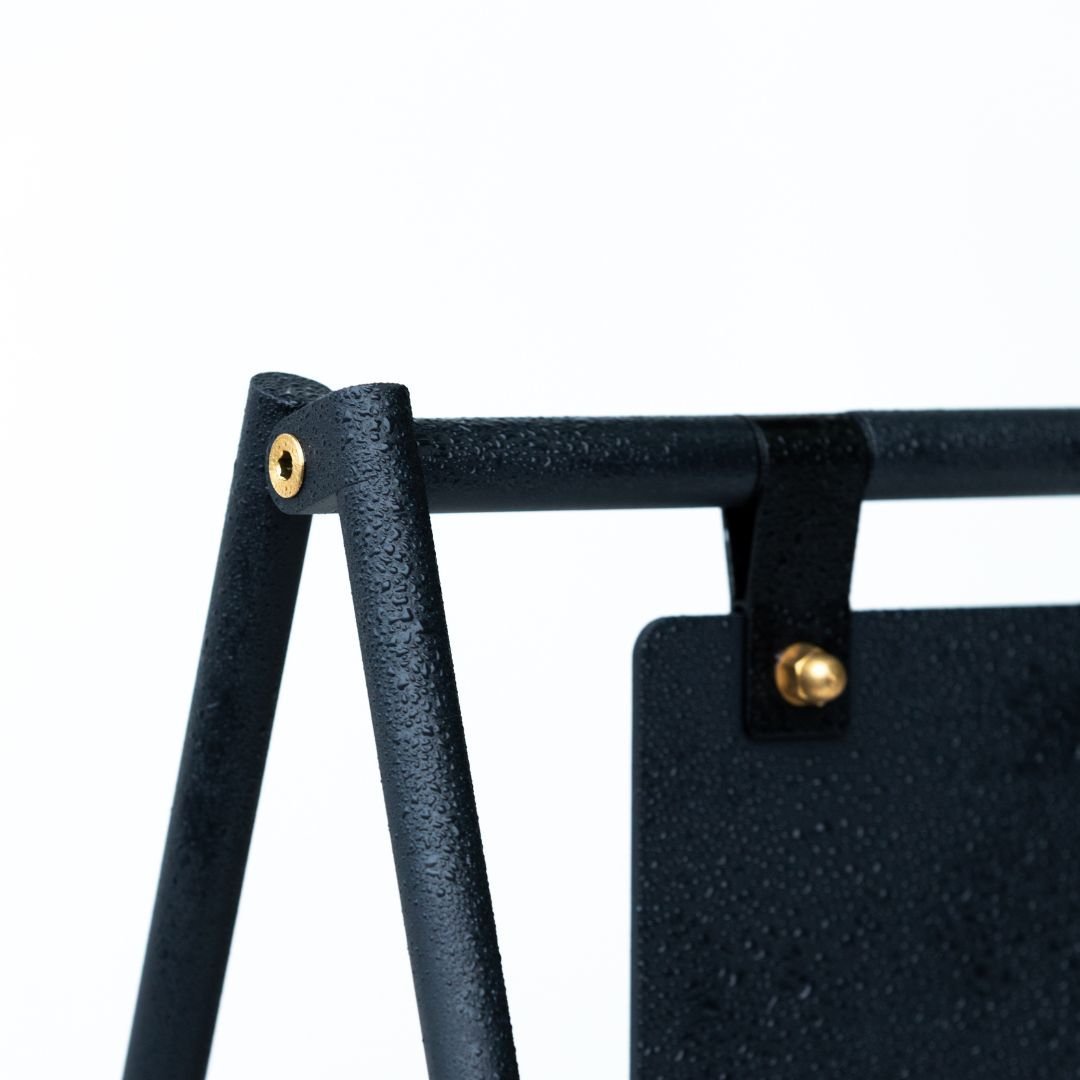
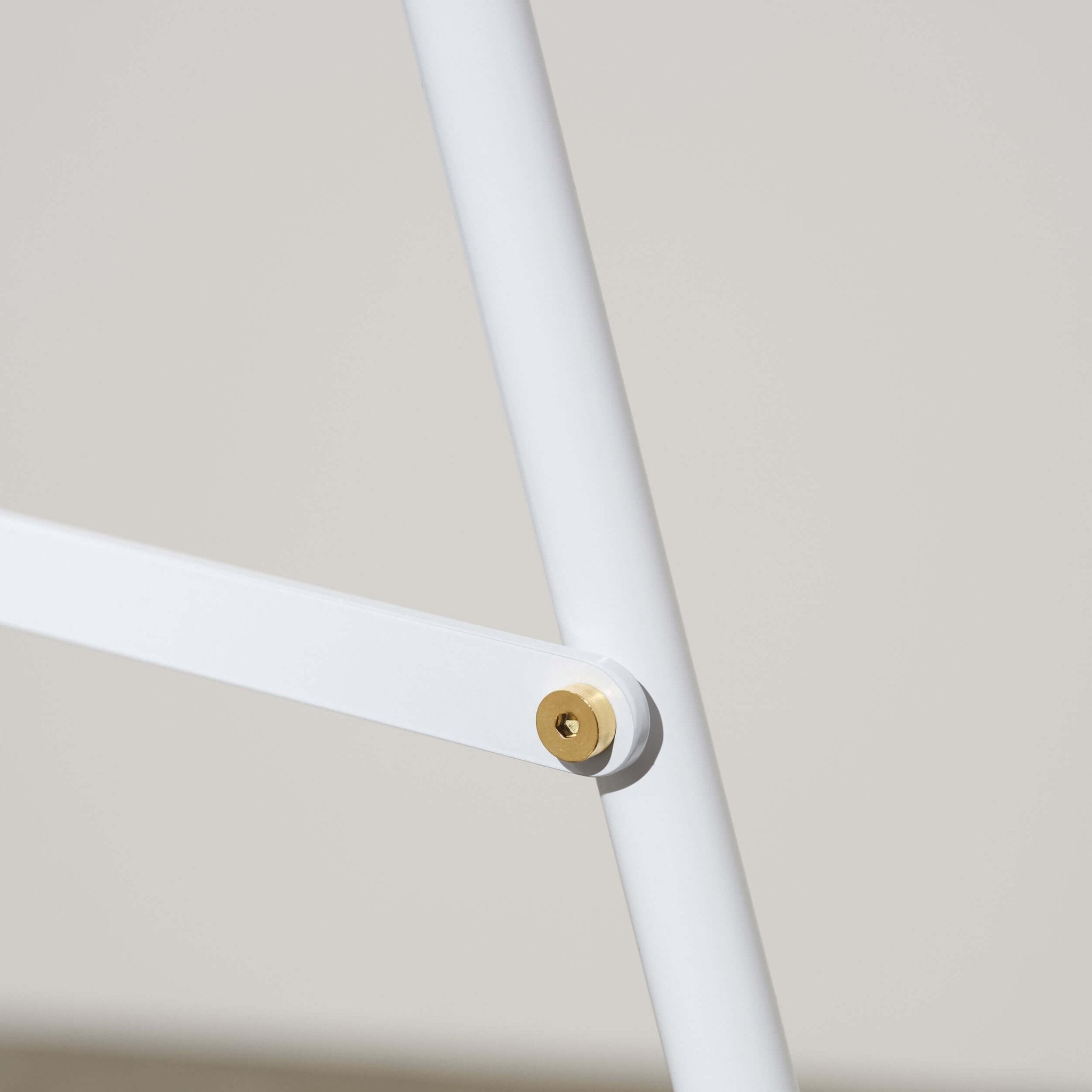
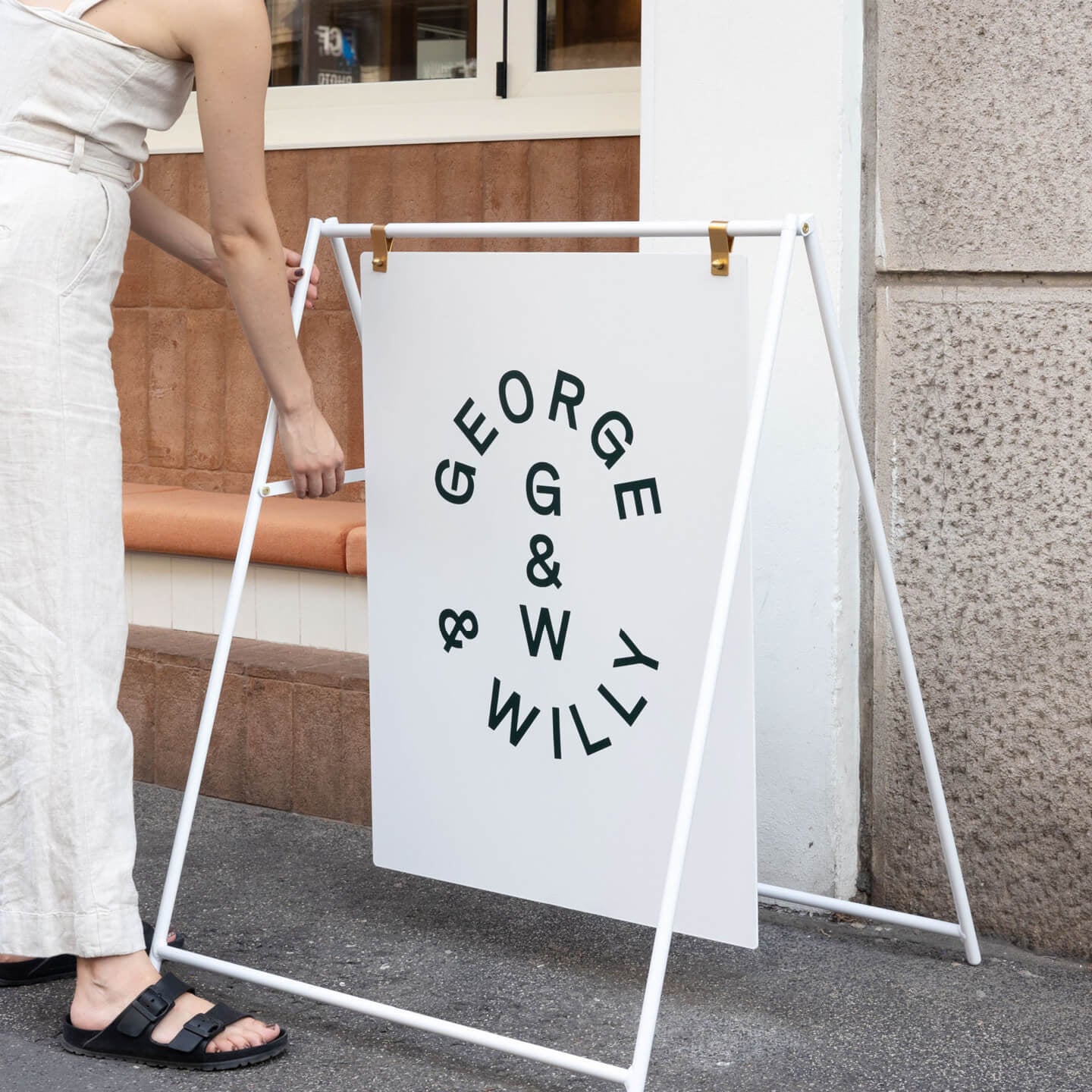
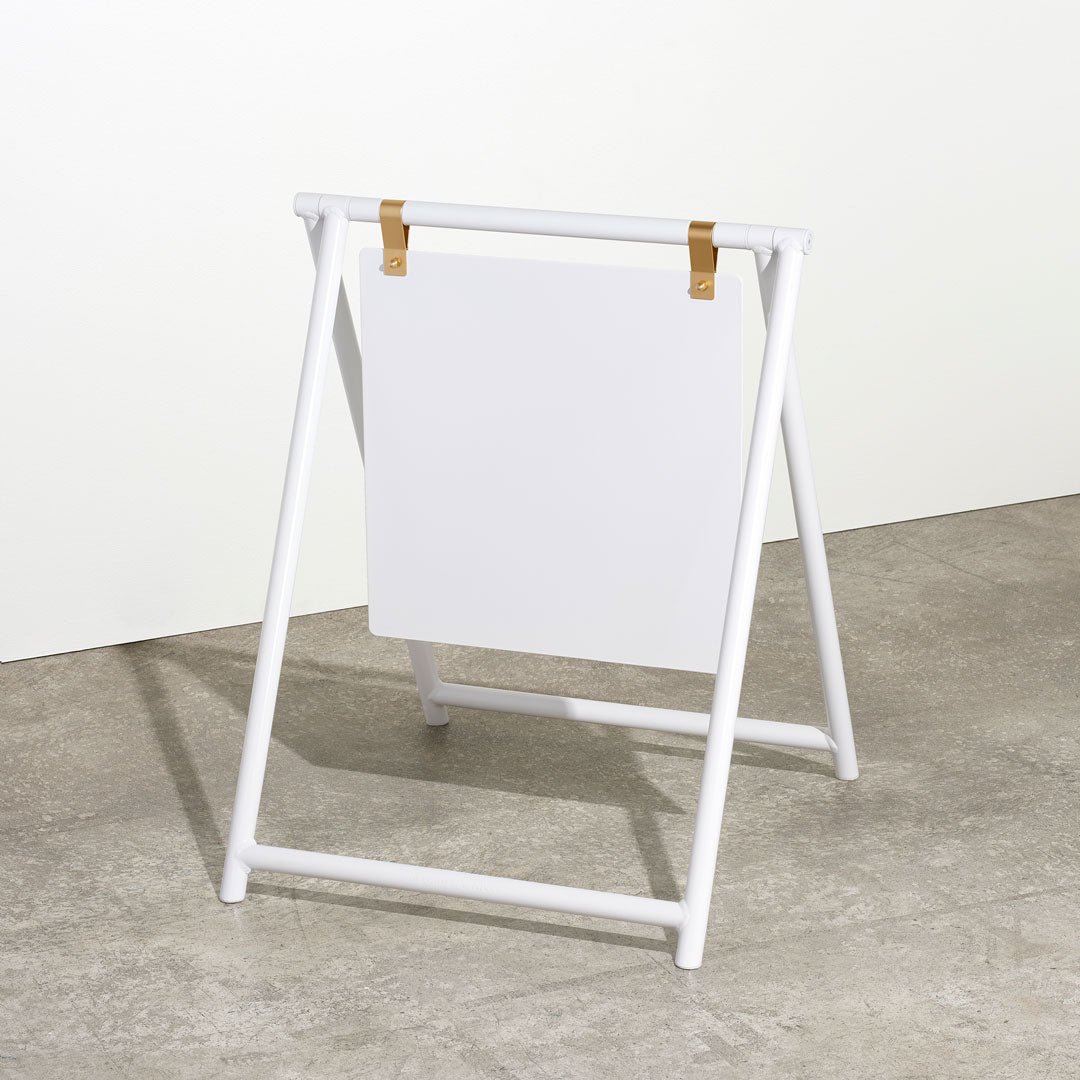
For properties with high foot traffic, like condos or homes in walkable neighborhoods, an A frame sidewalk sign is an invaluable tool. For a modern and durable option, consider a minimalist A frame sign. These arrive as a blank canvas, perfect for applying your own vinyl logo. You can find high quality, powder coated aluminum options at George & Willy. If you prefer a softer silhouette, the Rounded Sidewalk Sign is a great alternative.
High Impact Banners and Flags
When you need to make a big statement, banners and a Flag Sign are the way to go. A large banner is perfect for new developments or commercial properties. A tall feather flag, with its constant movement, is nearly impossible to miss and adds excitement to an open house.
Mobile and Alternative Signage
Think beyond the front yard to expand your reach.
- Car Magnet: A car magnet turns your vehicle into a mobile billboard.
- Window Decal: For condos or storefronts where a yard sign isn’t an option, a window decal is a perfect solution.
- Digital Display: A digital display in a window can showcase a rotating slideshow of property photos or a video tour, capturing significantly more views than static signs.
A Guide to Real Estate Sign Materials and Finishes
Choosing the right material for your real estate signs custom order depends on your budget, durability needs, and desired aesthetic.
Aluminum and Aluminum Composite for Longevity
If you want a sign that will last for years, an aluminum sign is the gold standard. Aluminum is completely rust proof and durable. For an even better option, aluminum composite panels offer the strength of aluminum at about half the weight, making them incredibly flat, strong, and weather resistant.
Reflective Aluminum for 24/7 Visibility
To make sure your sign works day and night, consider reflective aluminum. This material uses a special film that reflects light from headlights, making your sign glow in the dark. It is a fantastic way to capture attention in the evening.
Corrugated Plastic for Budget Friendly Campaigns
For temporary signs like directional arrows, corrugated plastic is the most economical choice. It is lightweight, waterproof, and incredibly affordable, making it perfect for short term use.
Finishes and Protective Coatings
To extend the life of your signs, consider protective finishes. UV lamination protects against sun fading, while a matte or gloss finish can enhance your design. For signs in high traffic urban areas, an anti graffiti coating can be a wise investment.
The Foundation of a Great Sign: Frames, Posts, and Hardware
The way you display your real estate signs custom is just as important as the sign itself. The right hardware ensures stability and contributes to your professional image.
Metal Frames and H Stakes
For most standard yard signs, a sturdy metal frame is the workhorse of the industry. Angle iron frames are strong and affordable. For corrugated plastic signs, simple H stakes are a lightweight and easy to use option for pushing signs into the ground.
Colonial and Cross Arm Posts for a Premium Feel
For a more upscale presentation, a colonial post or cross arm post is an excellent choice. This classic setup, where the sign hangs from an arm, elevates the sign for better visibility and conveys a sense of quality that is perfect for high end properties.
Pro Tips for Maximum Impact in 2025
With your sign type and material selected, a few final touches will ensure your message hits home.
Size Matters: Why 18x24 Inches is the Standard
The most common for sale sign size is 18x24 inches. This dimension offers the perfect balance of visibility and portability. It is large enough to be read from the street but compact enough to handle easily. Plus, most frames and posts are designed to fit this standard size.
Double Sided Printing for Maximum Exposure
Unless your sign is mounted against a wall, it should always have double sided printing. This simple upgrade ensures your message is visible to traffic coming from both directions, effectively doubling your sign’s exposure.
Proper Installation, Safety, and Weather Guidance
A leaning sign looks unprofessional and can be a safety hazard. Before installation, check for underground utilities. Ensure the sign is securely anchored to withstand wind and does not obstruct sidewalks or sightlines for drivers. Always check local ordinances, as many cities have rules about placement on public right of ways.
The Power of Sign Riders
Sign riders are smaller signs that attach to your main sign to provide additional, timely information. Common riders include “Open House,” “Sale Pending,” “Price Reduced,” or a unique feature like “Pool” or “Acreage.” They are a flexible way to update your marketing message without replacing the entire sign.
Supercharge Your Sign with Technology
Modern signs can do more than just display information.
- QR Codes and NFC Tags: Add a QR code or Near Field Communication (NFC) tag to your sign that links directly to the online listing, a virtual tour, or your contact information. This provides an immediate, interactive experience for interested buyers.
- Lighting for Night Visibility: Beyond reflective materials, consider using a small, solar powered spotlight to illuminate your sign after dark. This small addition can make a huge difference in visibility.
Add a Brochure Box for Take Home Info
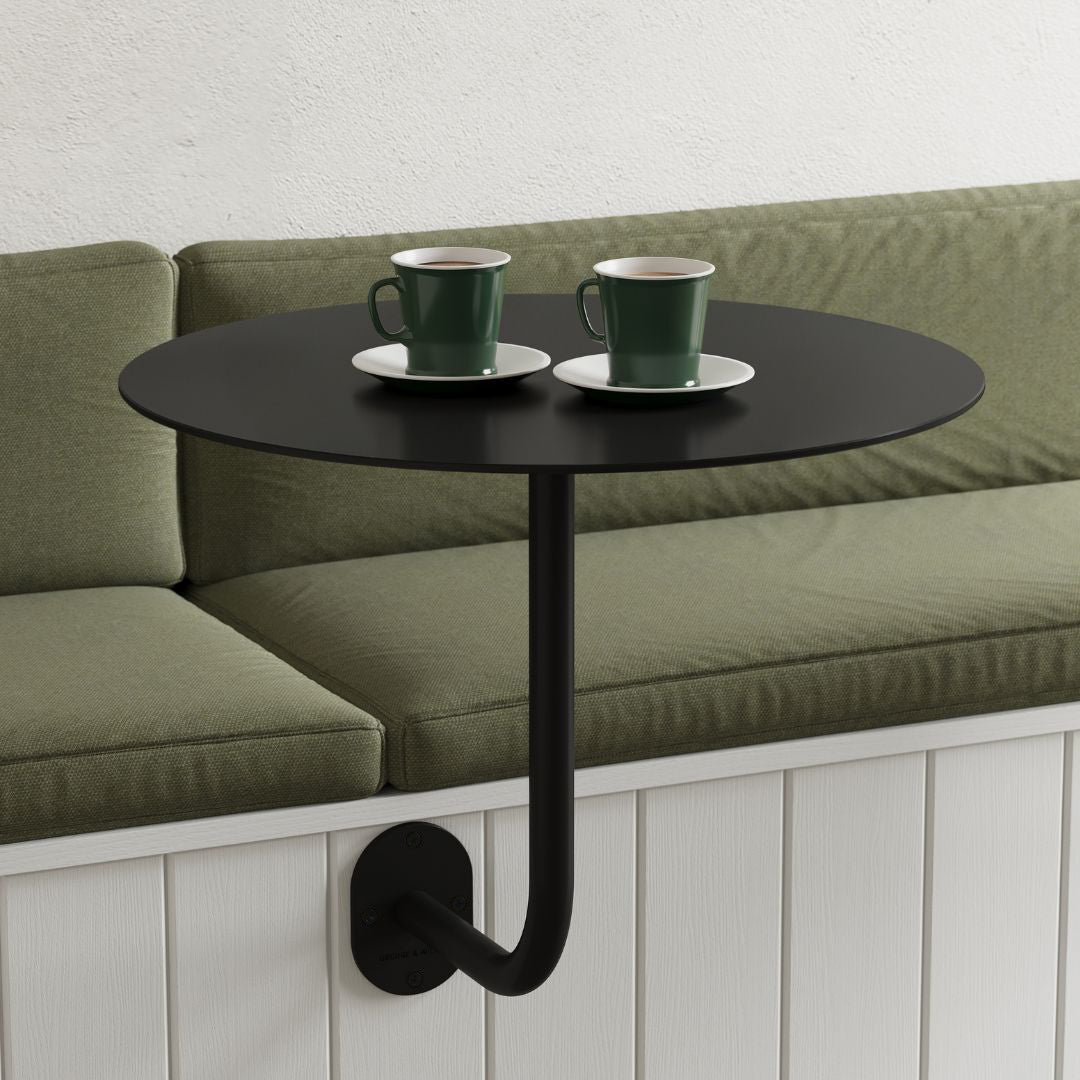
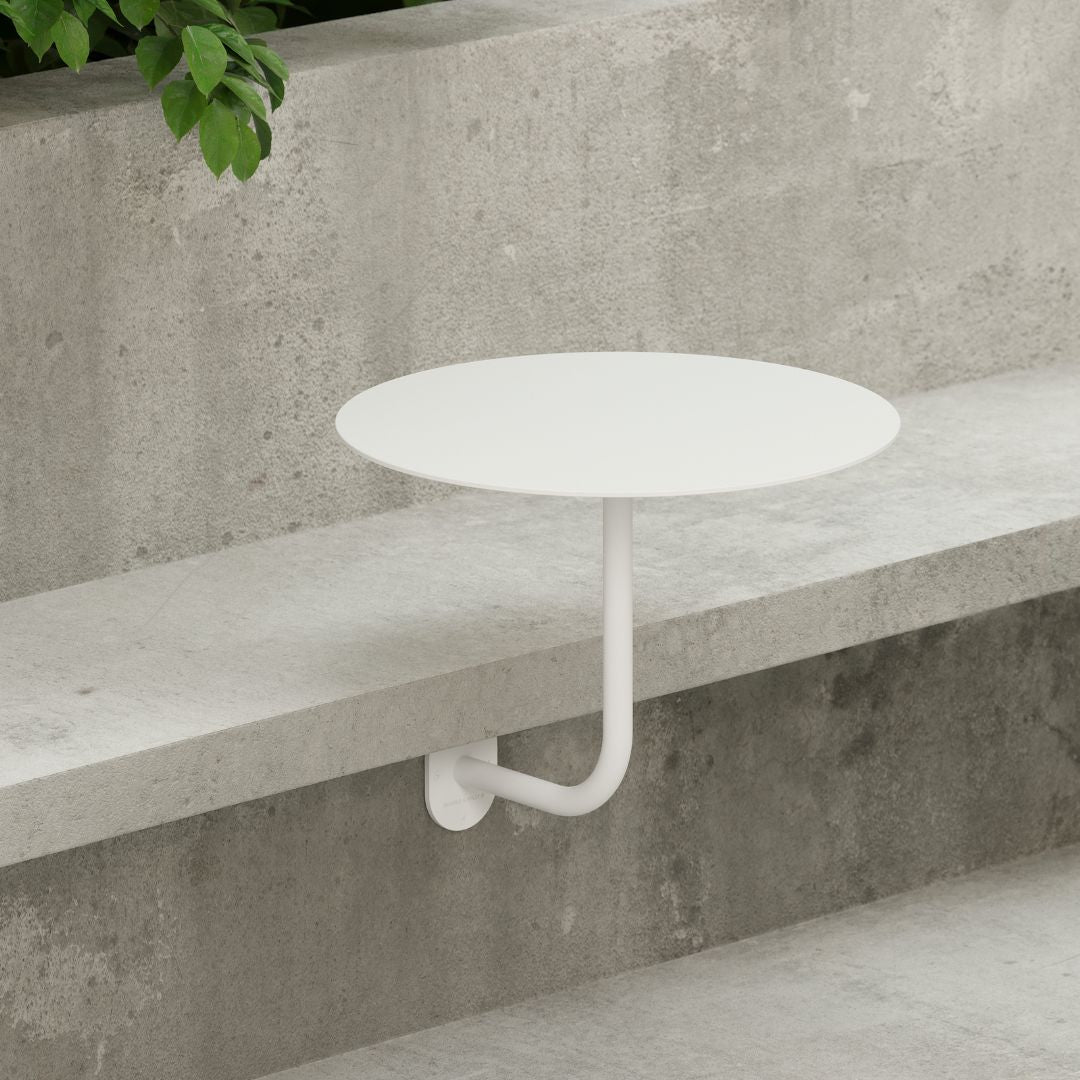
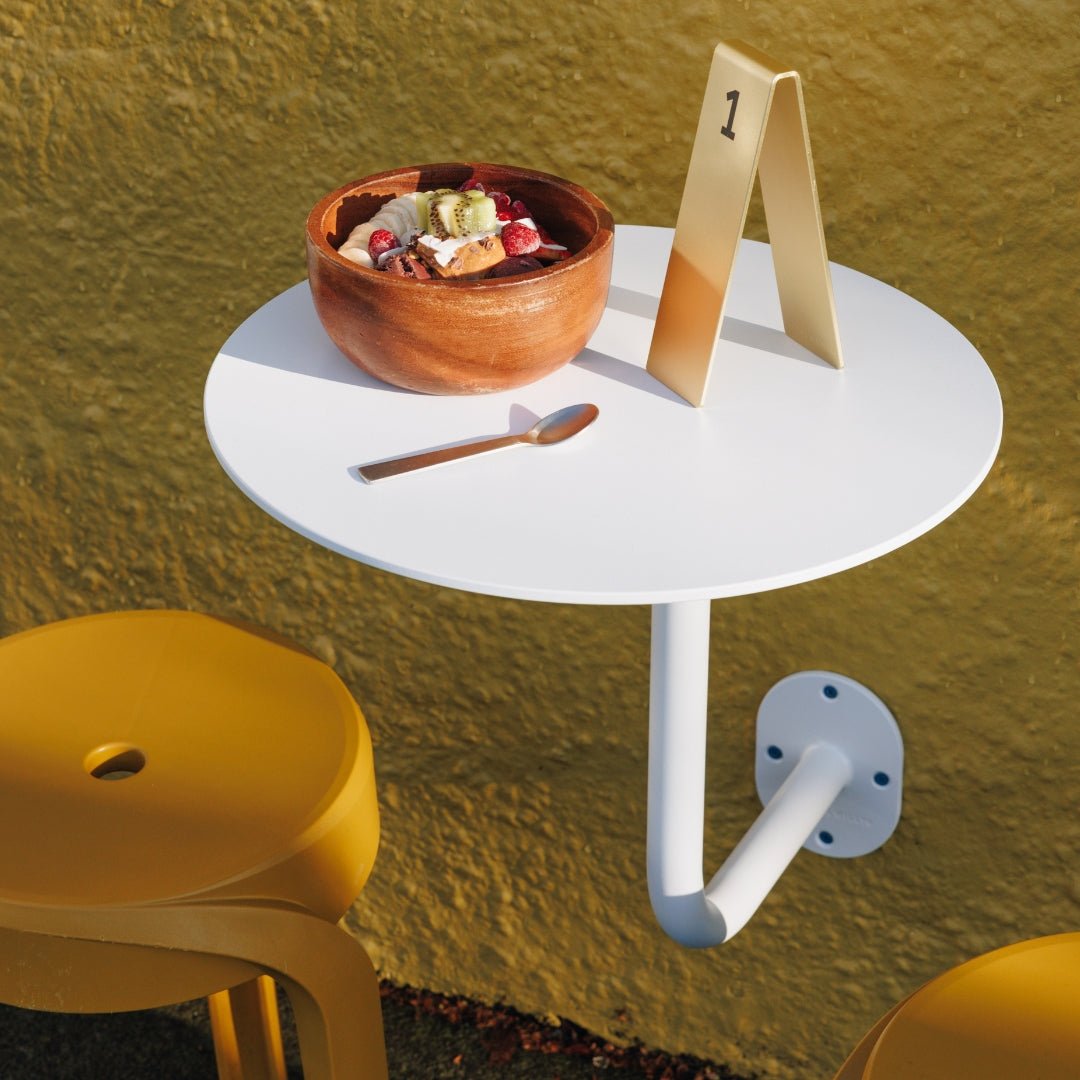
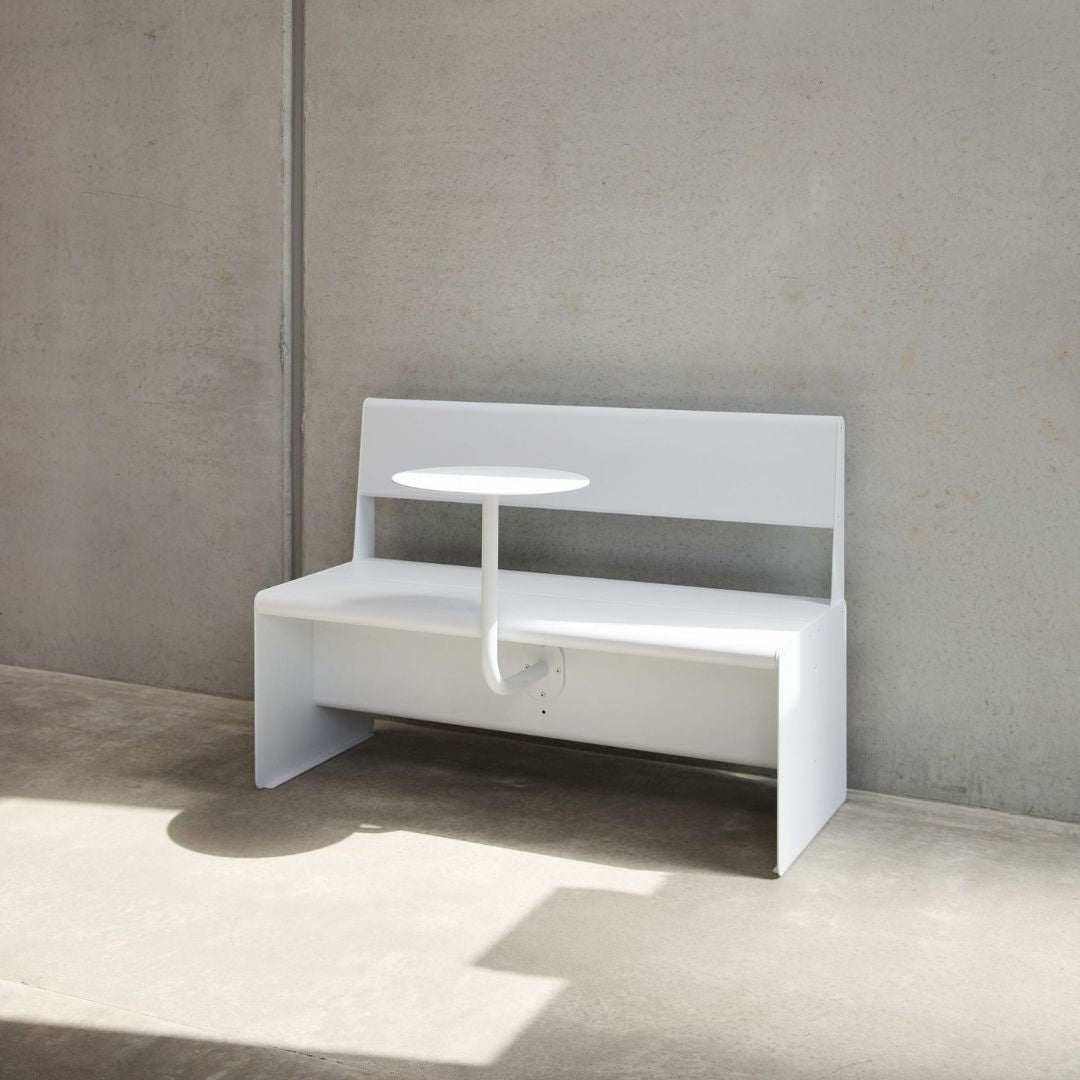
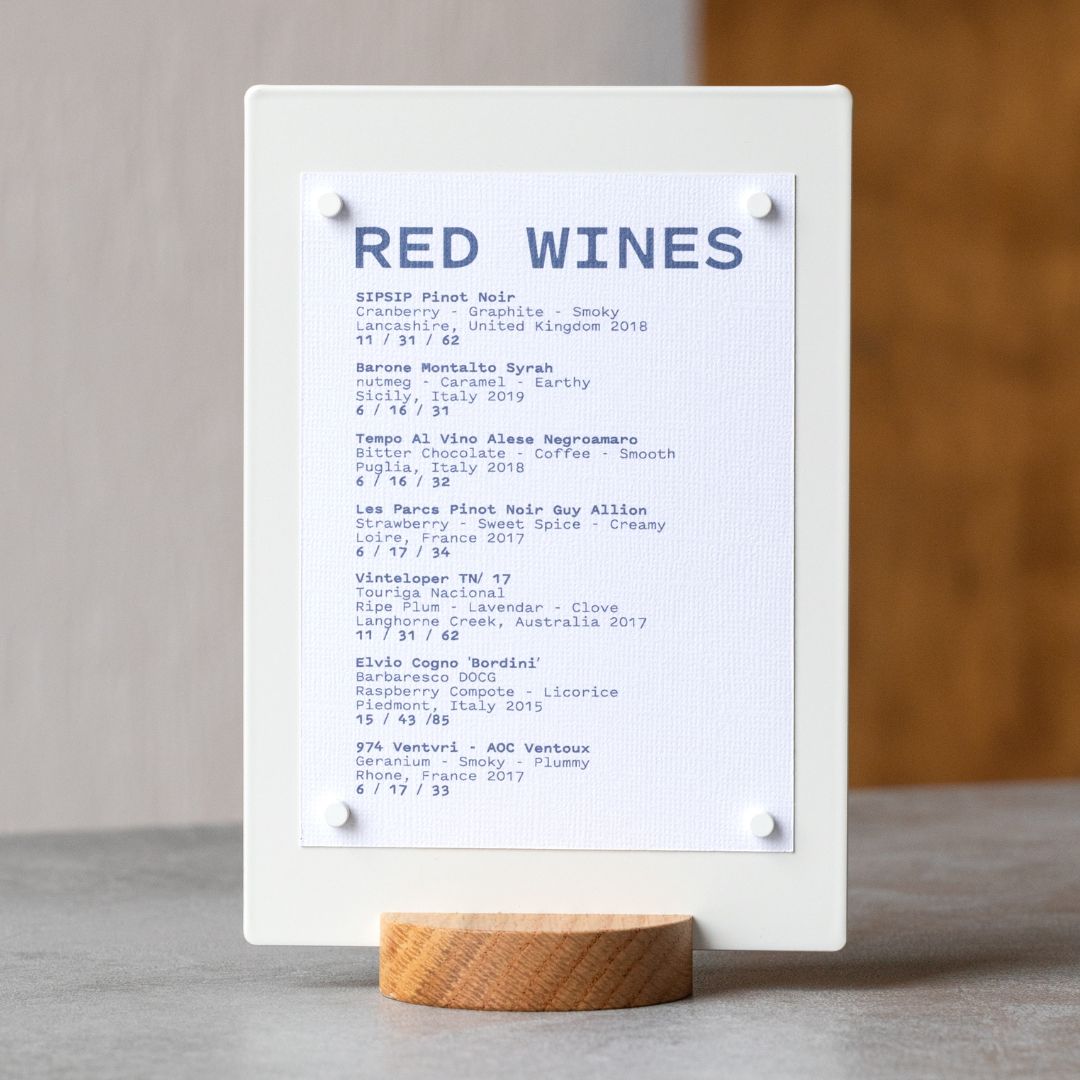
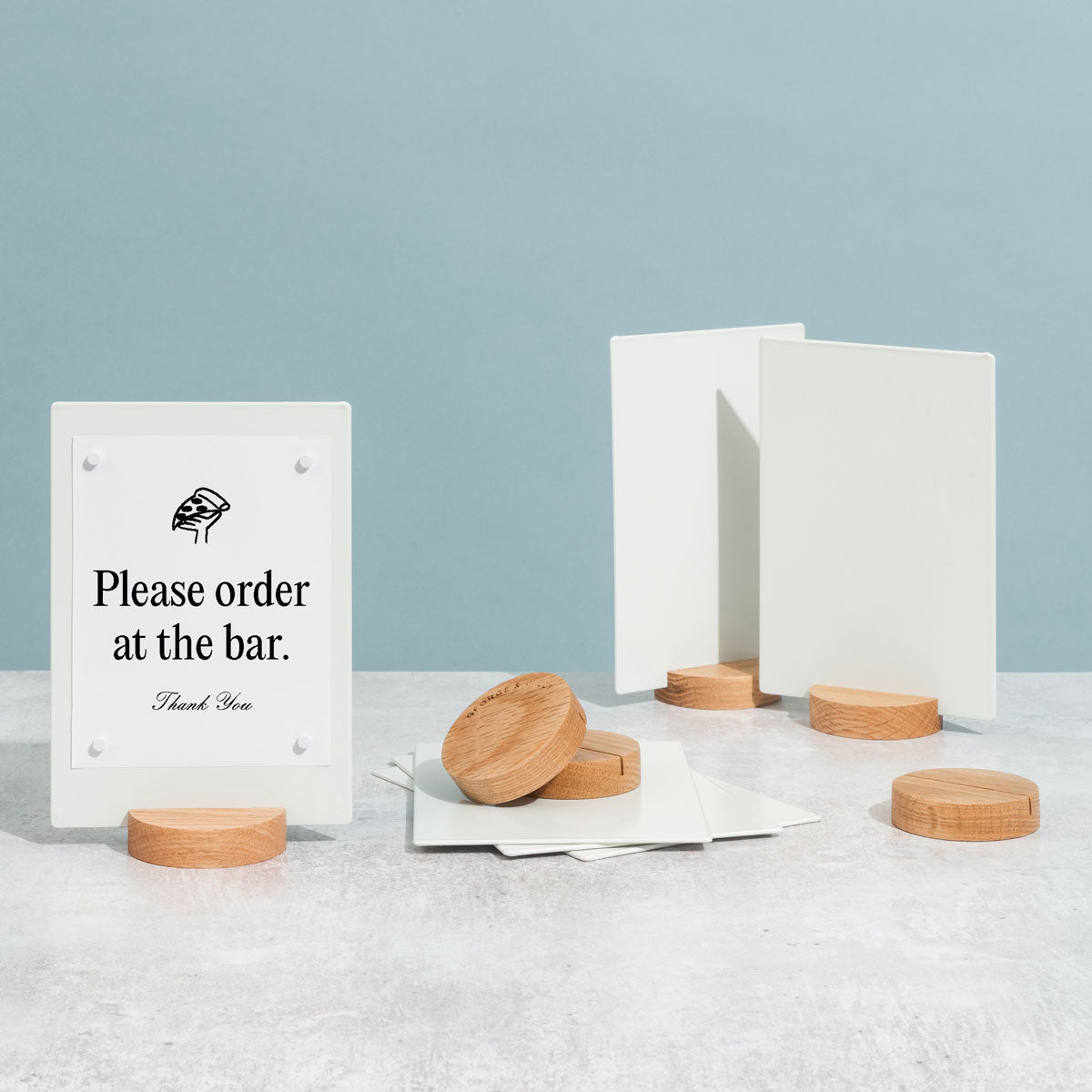
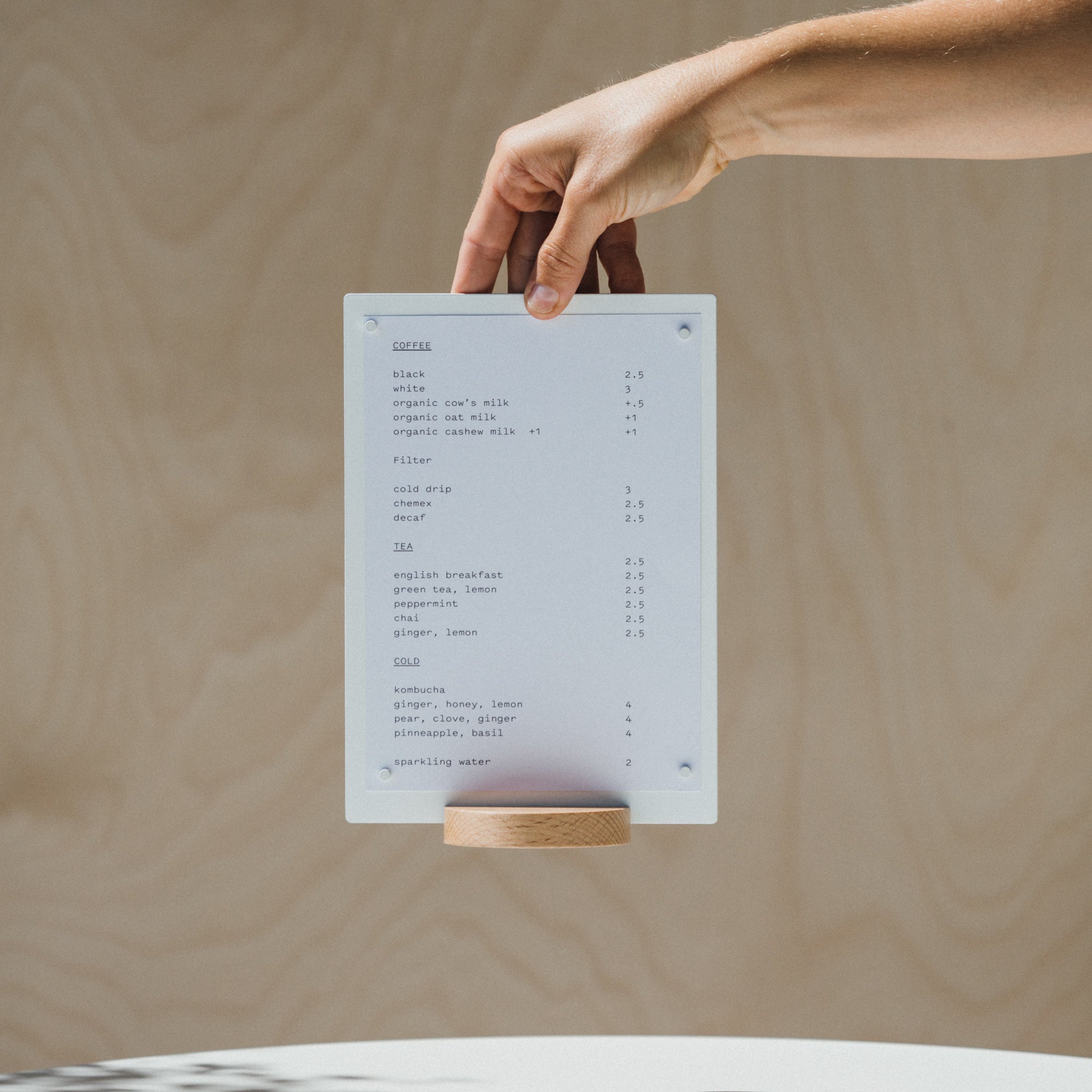
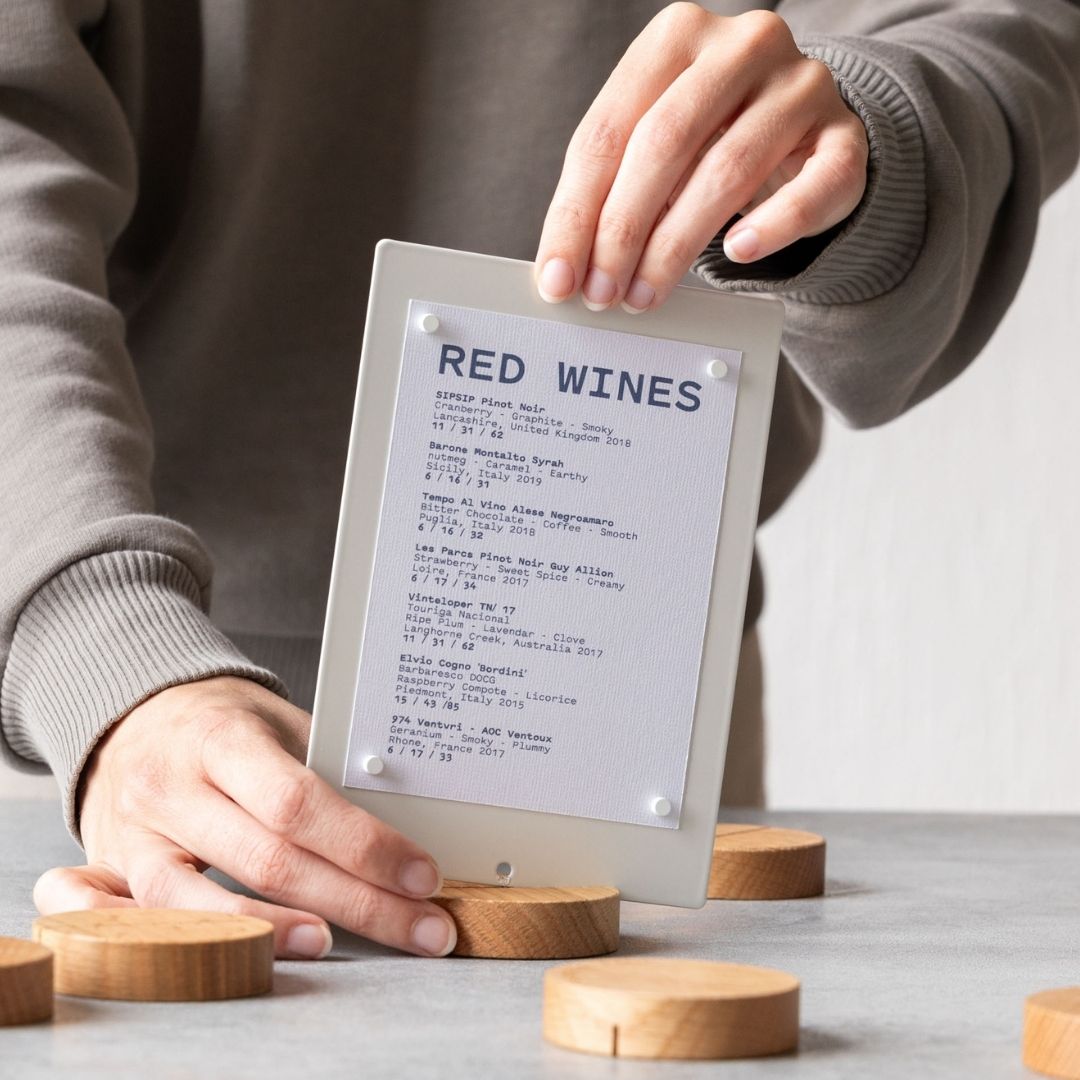
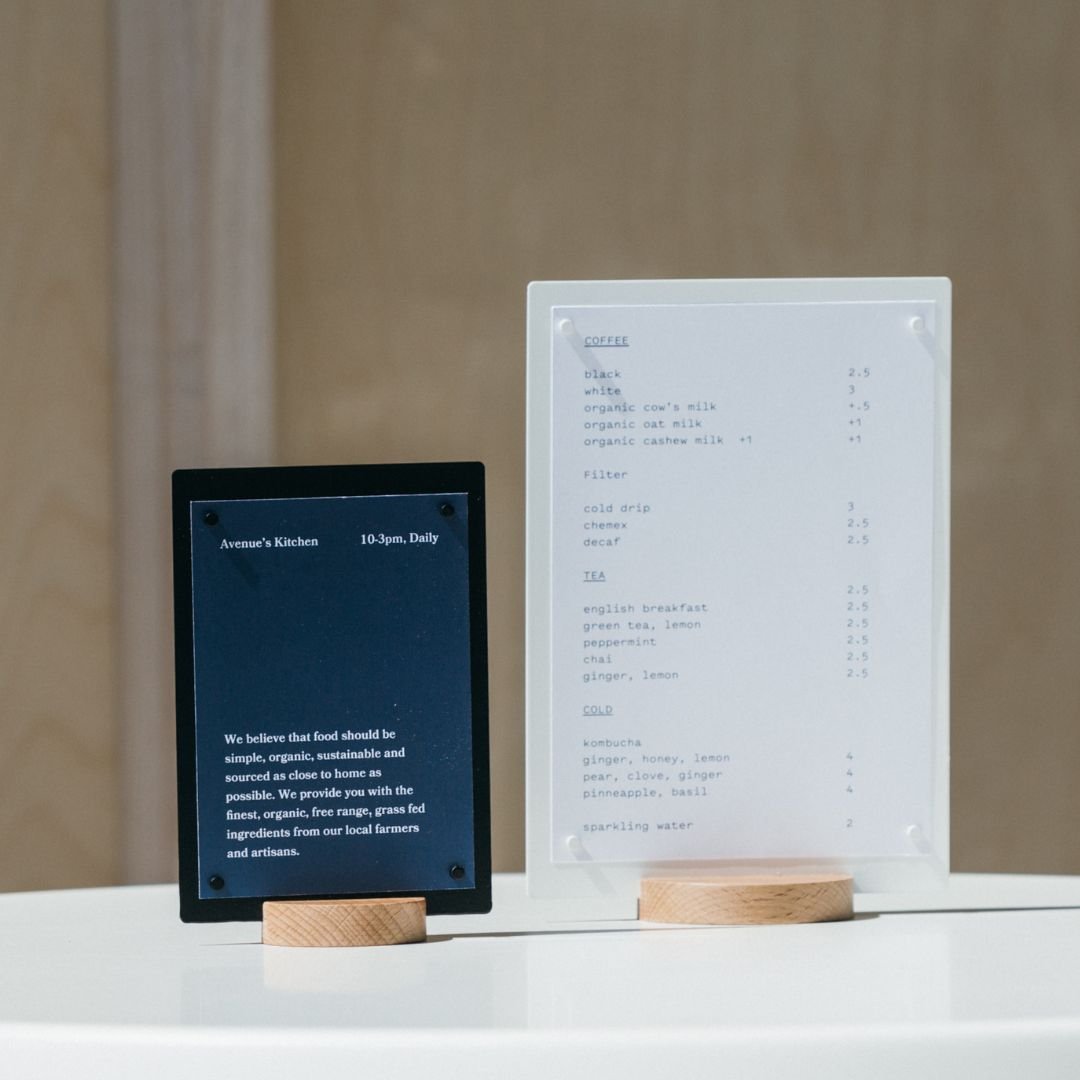
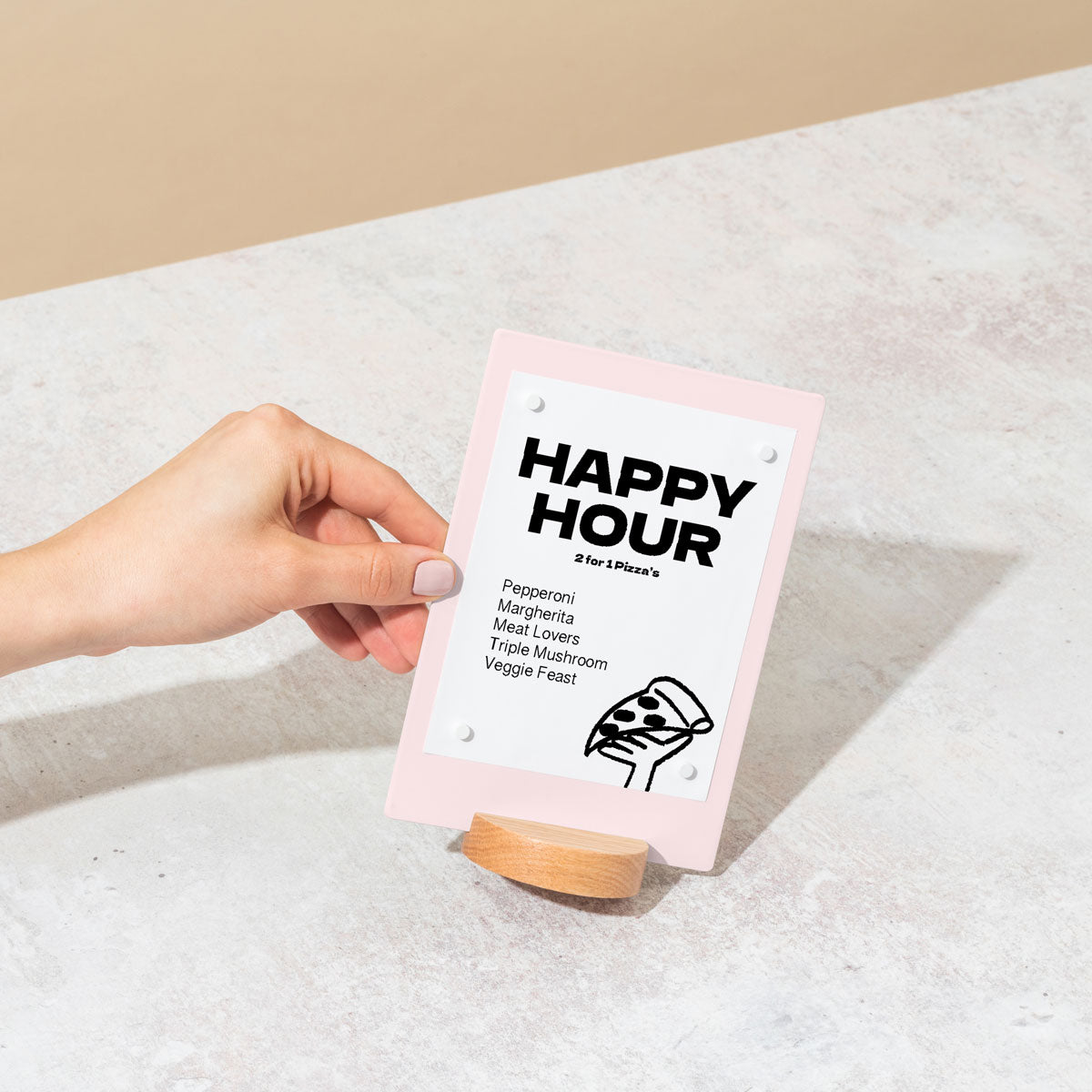
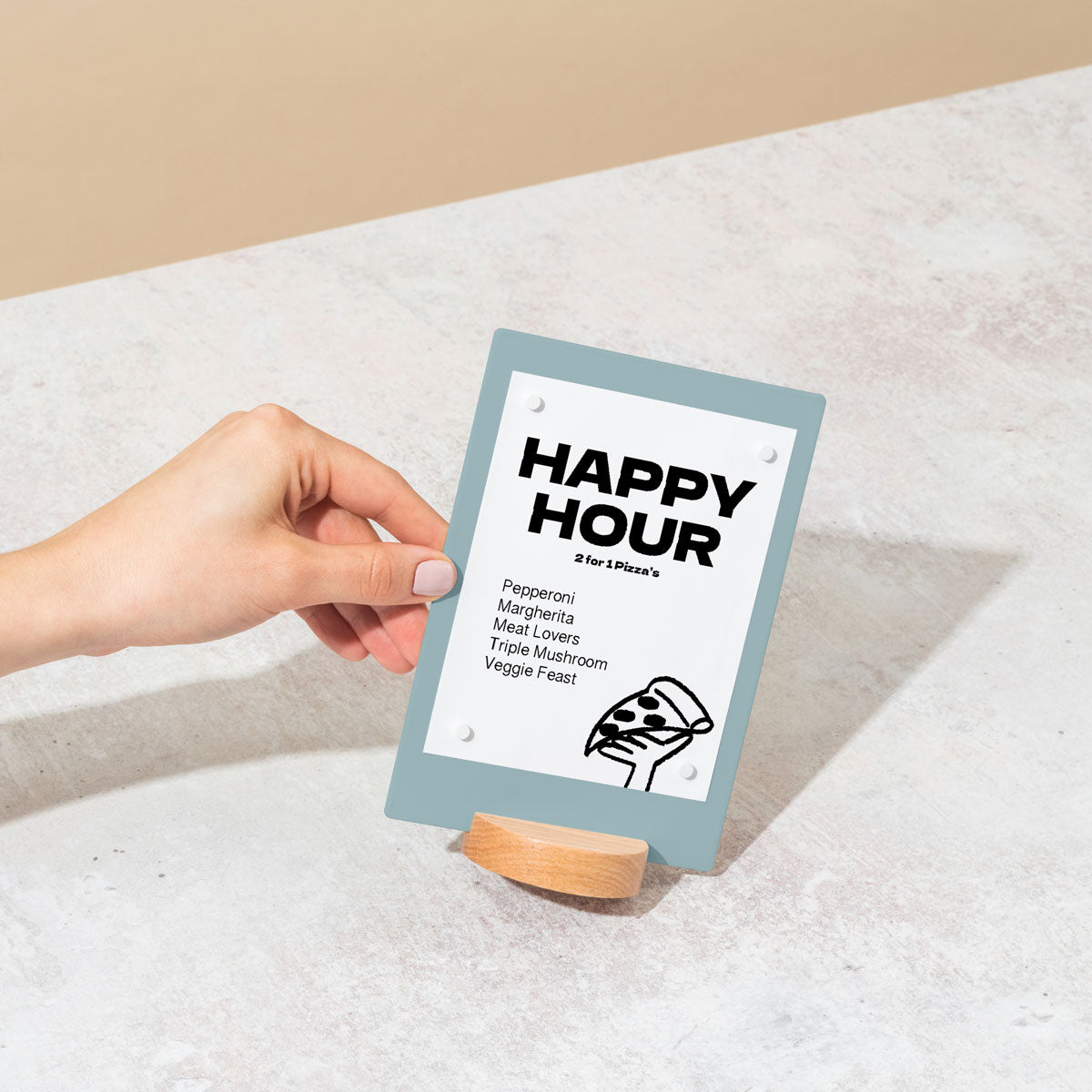
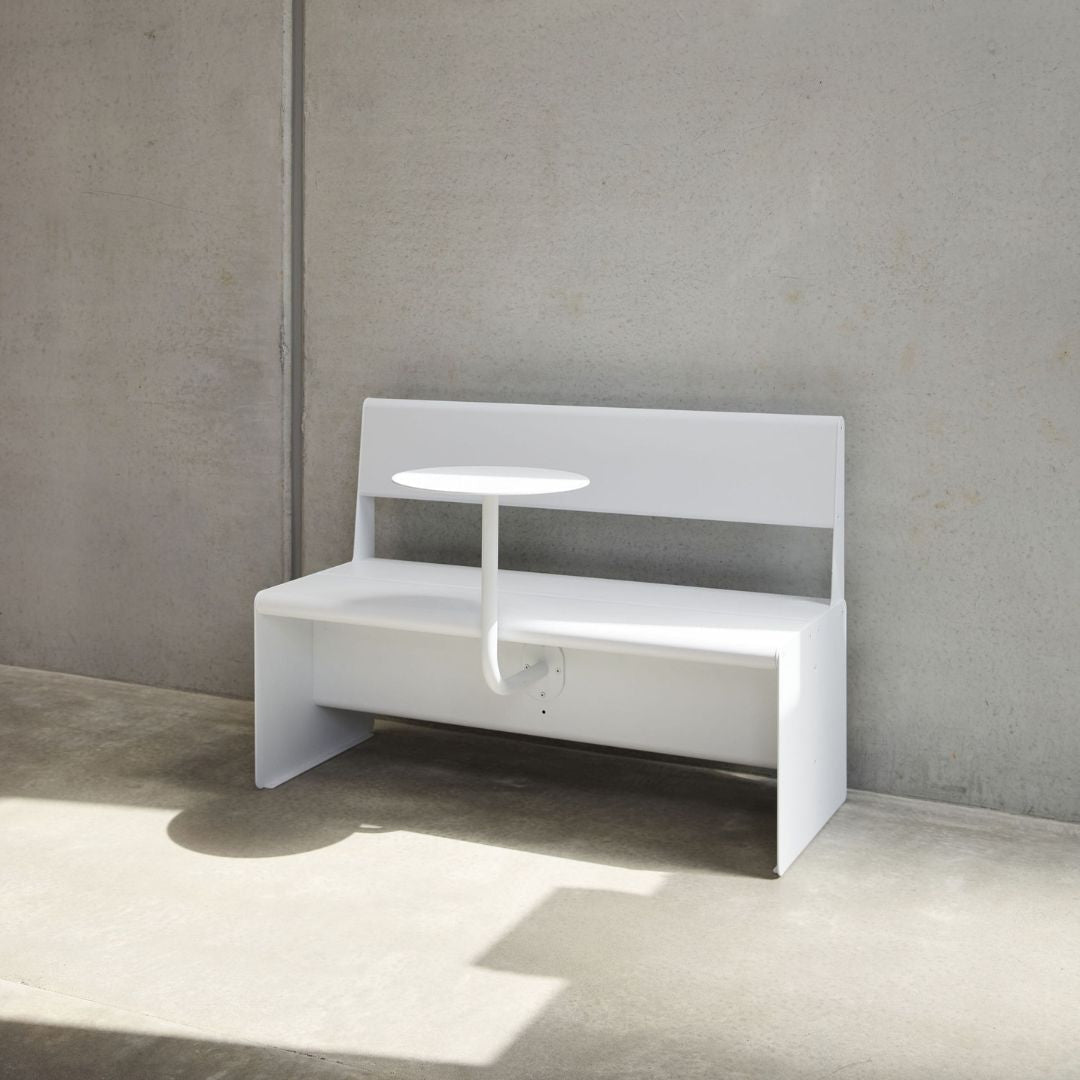
A brochure box attached to your sign post is a fantastic way to provide immediate information. Pair it with a Table Top Sign at the entry to display a QR code linking to the full listing. Inside the home, small Counter Signs can highlight specific features room by room. Be sure to keep your brochure box well stocked.
Planning and Logistics: From Order to Installation
- Understanding Costs: Prices for signs vary widely based on material, size, and quantity. Get quotes from multiple local sign shops. Remember to factor in the cost of hardware and any potential permit fees.
- Preparing Your Files: When working with a local printer for your graphics, they will need a high resolution, print ready file. This is typically a vector format like AI, EPS, or PDF. Ensure your file uses the CMYK color mode and includes a “bleed” (extra image area) if the design goes to the edge.
- Maintenance and Storage: Clean your signs periodically with mild soap and water to keep them looking professional. Store them flat in a cool, dry place to prevent warping or damage, ensuring you can reuse them for future listings.
The Future of Real Estate Signage: 2025 Trends
The world of real estate signs custom is getting smarter. Look for emerging trends like dynamic QR codes that can be updated in real time to point to different links (e.g., from “Just Listed” to “Open House This Sunday”). Digital displays using e paper technology, similar to an e reader, are also becoming more accessible, allowing for easily changeable messages and images without a constant power source.
Conclusion
While the real estate world continues to evolve, the power of a great sign remains constant. By focusing on creating real estate signs custom to your brand, choosing the right materials, following legal guidelines, and leveraging smart technology, you can turn a simple sign into a powerful marketing tool. It’s an investment that attracts buyers, builds your reputation, and ultimately helps you sell properties faster.
Ready to elevate your property’s first impression? Explore the collection of minimalist, durable signage at George & Willy to find the perfect foundation for your brand.
Frequently Asked Questions
1. What makes a real estate sign effective?
An effective real estate sign is highly readable, professional, and consistent with your brand. It should use high contrast colors, simple fonts, and have a clear, concise message. Its material, frame, placement, and legal compliance also play crucial roles.
2. What is the best material for outdoor real estate signs?
For long term durability, aluminum or aluminum composite panels are the best choices. They are rust proof and weather resistant. For short term needs like open house directionals, corrugated plastic is a very cost effective option.
3. How do I get my blank sign customized?
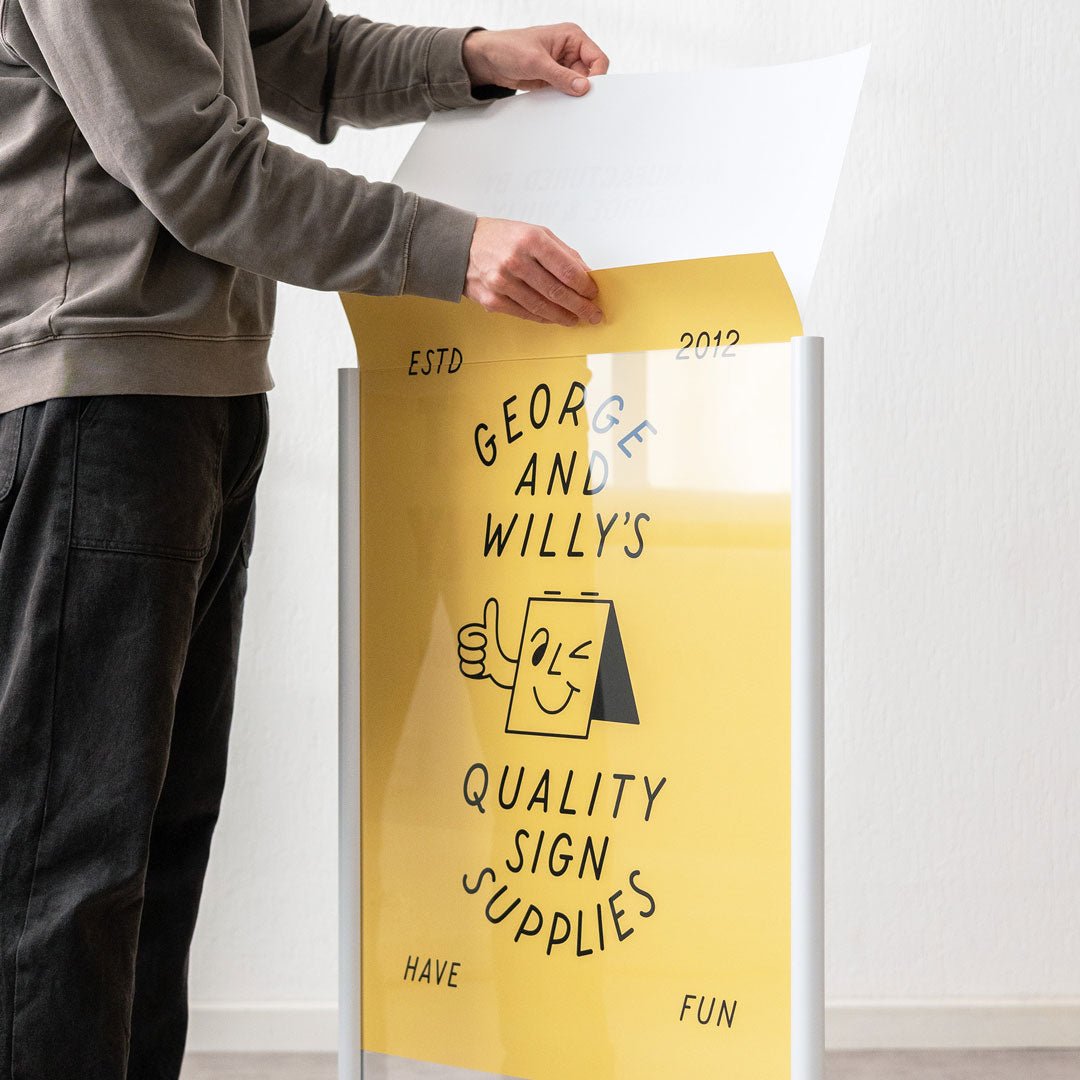
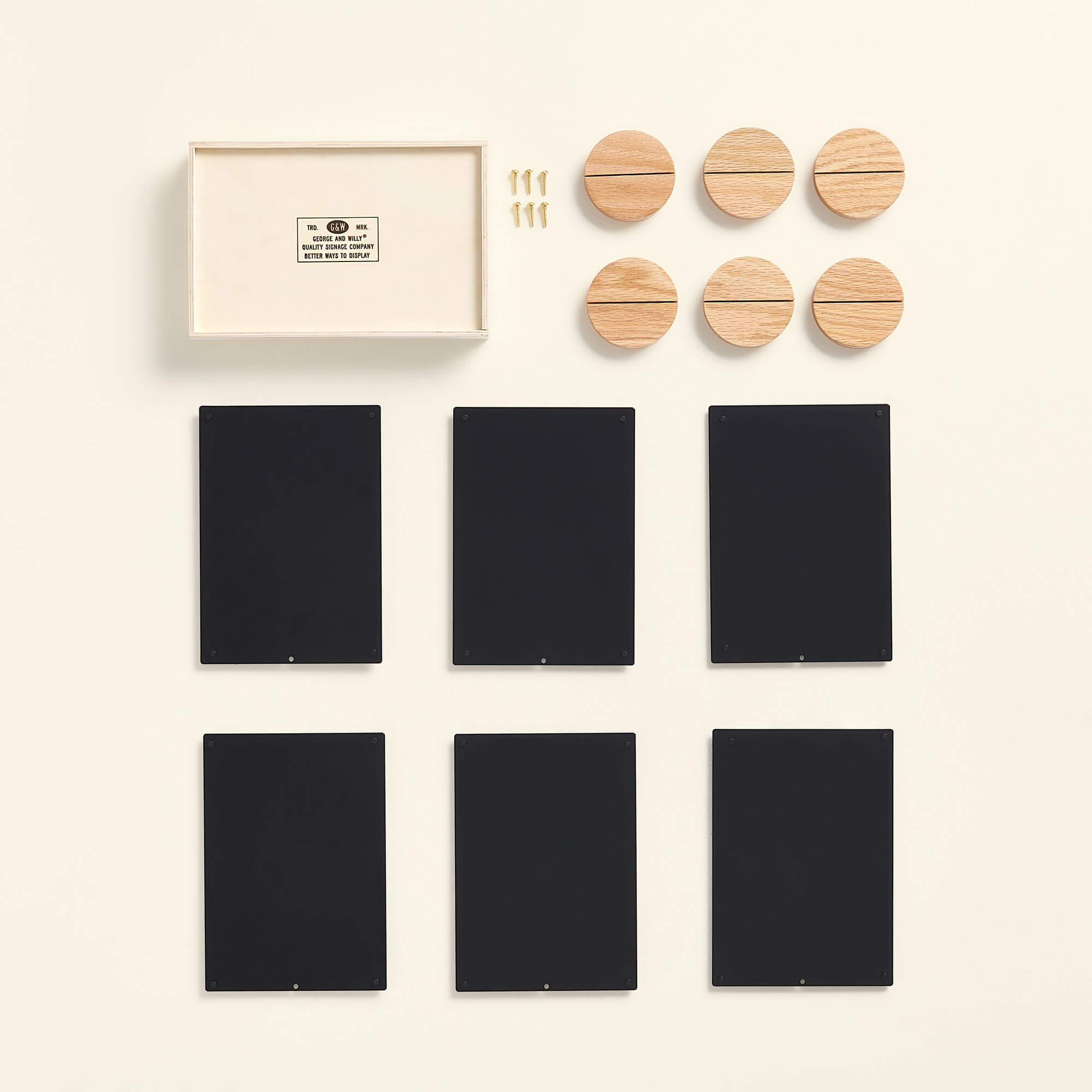
After purchasing high quality, unbranded hardware, you can partner with a local sign shop or printer. They can print your design on vinyl decals and apply them professionally to the sign face, giving you a custom look on a durable foundation.
4. What information should I put on a custom real estate sign?
Less is more. The most critical information is the purpose of the sign (“For Sale,” “Open House”), your brand identity (brokerage name or logo), and a primary call to action (phone number, website, or QR code).
5. How do I make my sign interactive for buyers?
The easiest way is to add a QR code. A potential buyer can scan it with their smartphone and be taken directly to the property listing website, a video tour, or a contact form. This bridges the gap between physical and digital marketing.
6. What are the most common legal mistakes with real estate signs?
The most common mistakes are placing signs on public property without permission (like on a utility pole or in a median), leaving signs up for too long in violation of temporary sign codes, and not following specific HOA rules for a neighborhood.
7. Why is the 18x24 inch size so common for yard signs?
The 18x24 inch size is an industry standard because it balances visibility with practicality. It is large enough to be easily read from a typical residential street but small enough to be portable and compliant with most local sign ordinances.
8. Where can I find high quality hardware for my real estate signs?
For minimalist and design focused hardware, such as A frame signs and other display products, check out the thoughtfully designed signage collection at George & Willy for inspiration.