



A great pavement sign does one job: stop people walking past and bring them through your door. Whether you run an independent café on a busy high street, a boutique retail shop, a pub, or a restaurant, the right pavement sign can be one of the most cost-effective marketing tools you own.
This guide covers the best pavement sign options for UK businesses in 2026 — what they are, where they work best, what to look for when buying, and how to get the most out of them. All hardware examples reference design-led, durable signage from George and Willy, shipping from the Netherlands to the UK with duties and taxes included.
Why Pavement Signs Still Work in 2026
In an era of social media and digital advertising, it might seem old-fashioned to invest in a sign on the pavement outside your business. But the data tells a different story. Foot traffic remains one of the primary drivers of revenue for UK hospitality and retail businesses, and a well-placed pavement sign is one of the few marketing tools that works 24 hours a day, requires no ongoing spend, and targets exactly the right audience — people who are already physically nearby and looking for somewhere to go.
A good pavement sign:
- Captures impulse decisions from passing pedestrians
- Communicates your offer before someone even steps inside
- Reinforces your brand at street level
- Works as a daily specials board, directional sign, or promotional tool
- Requires no electricity, no subscription, and no designer to update
For UK businesses on busy high streets, market towns, or pedestrianised areas, pavement signs are an essential part of the signage toolkit.
Do You Need a Licence for a Pavement Sign in the UK?
Before placing a sign on a public pavement, it is worth checking your local council's guidelines. In many parts of the UK, placing a sign on a public footpath technically requires permission from your local highway authority, and some councils actively enforce this — particularly in town centres, conservation areas, and pedestrianised high streets.
Key things to check:
- Whether your council requires a pavement licence or advertisement consent
- Any size restrictions on pavement signs in your area
- Whether you are in a conservation area, which may have stricter rules
- The distance your sign must be from the kerb to allow safe pedestrian passage
If your sign is placed on private land directly outside your premises — for example, a private car park or forecourt — you generally do not need a licence. When in doubt, contact your local council's planning or highways department before putting a sign out.
The Best Types of Pavement Signs for UK Businesses
1. A-Frame Signs
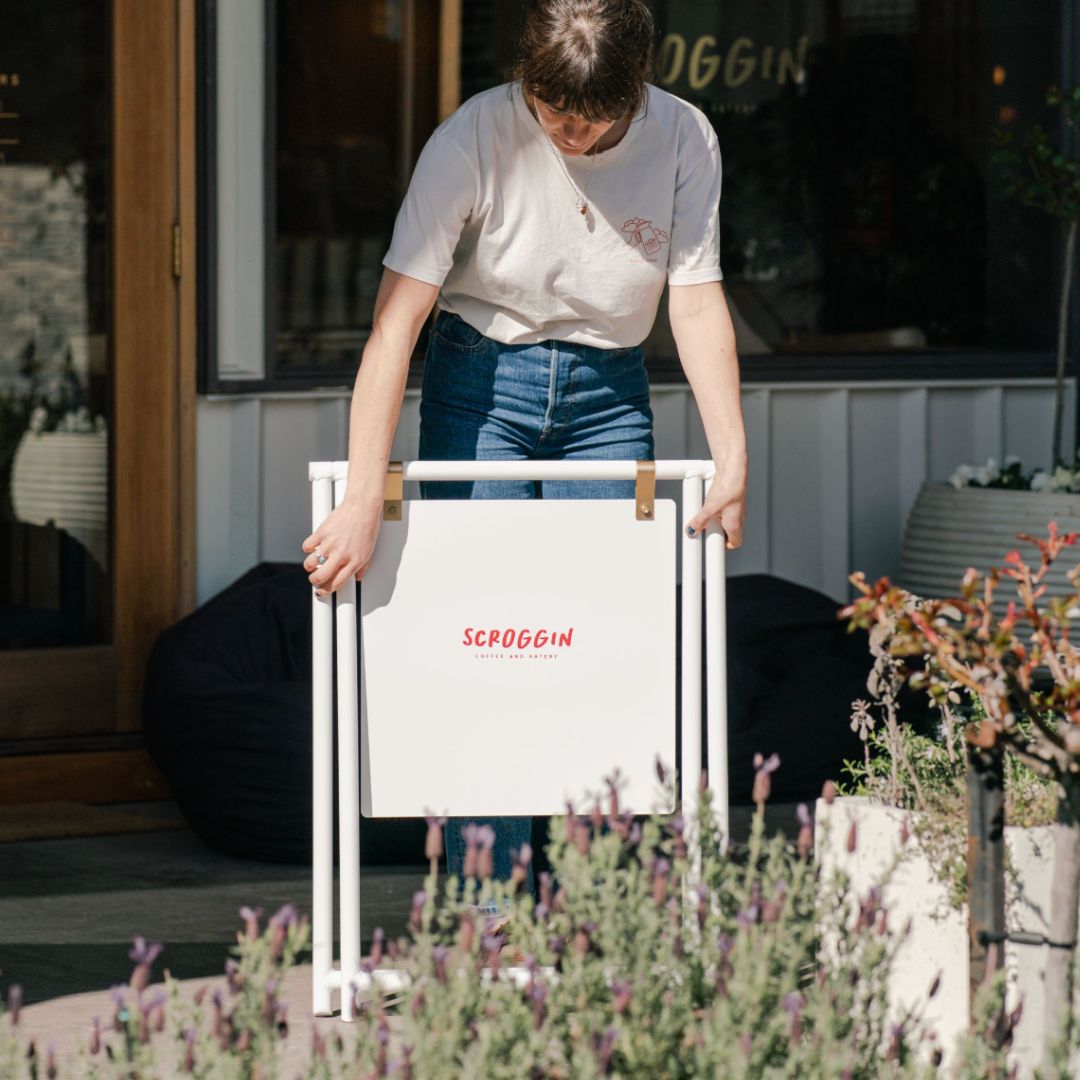
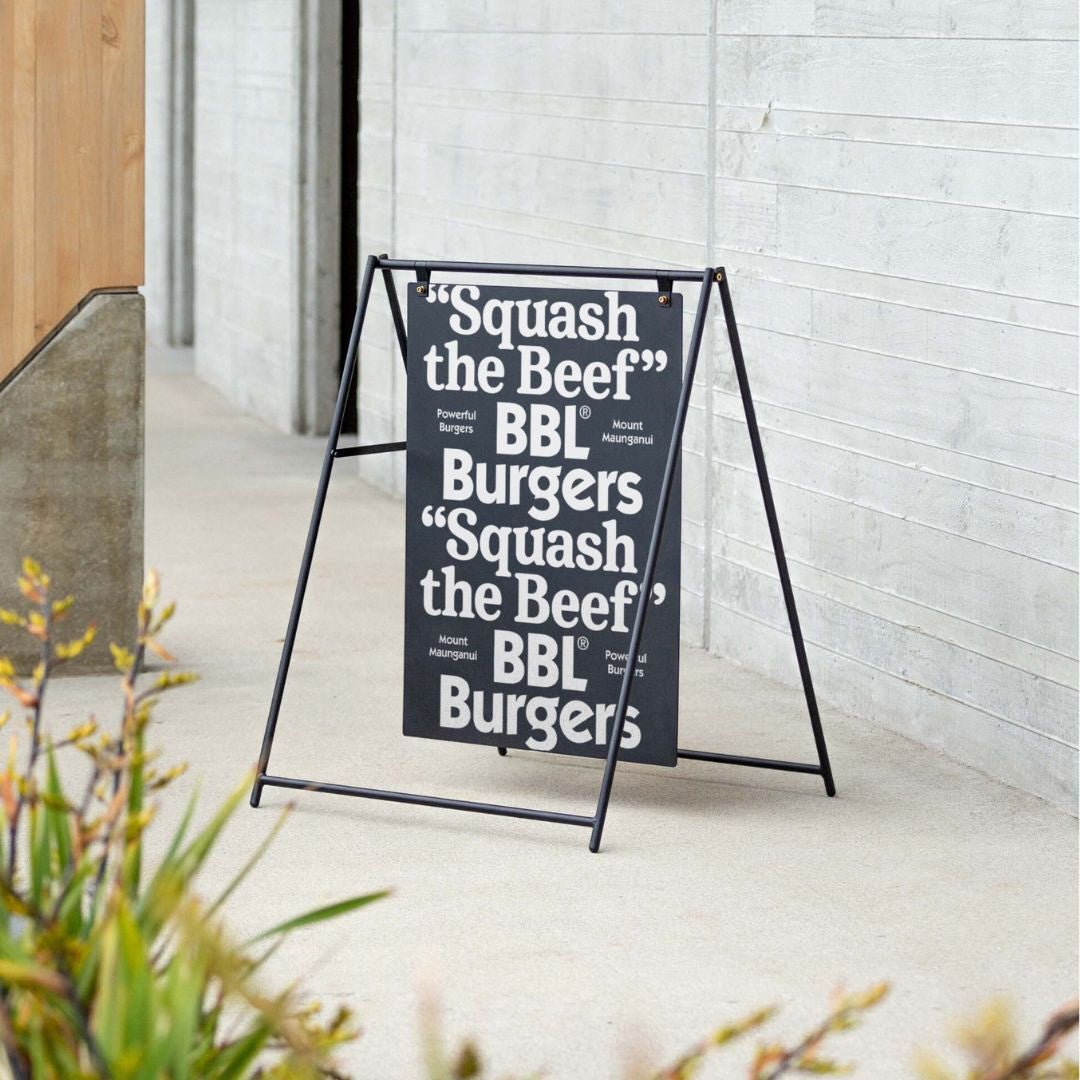
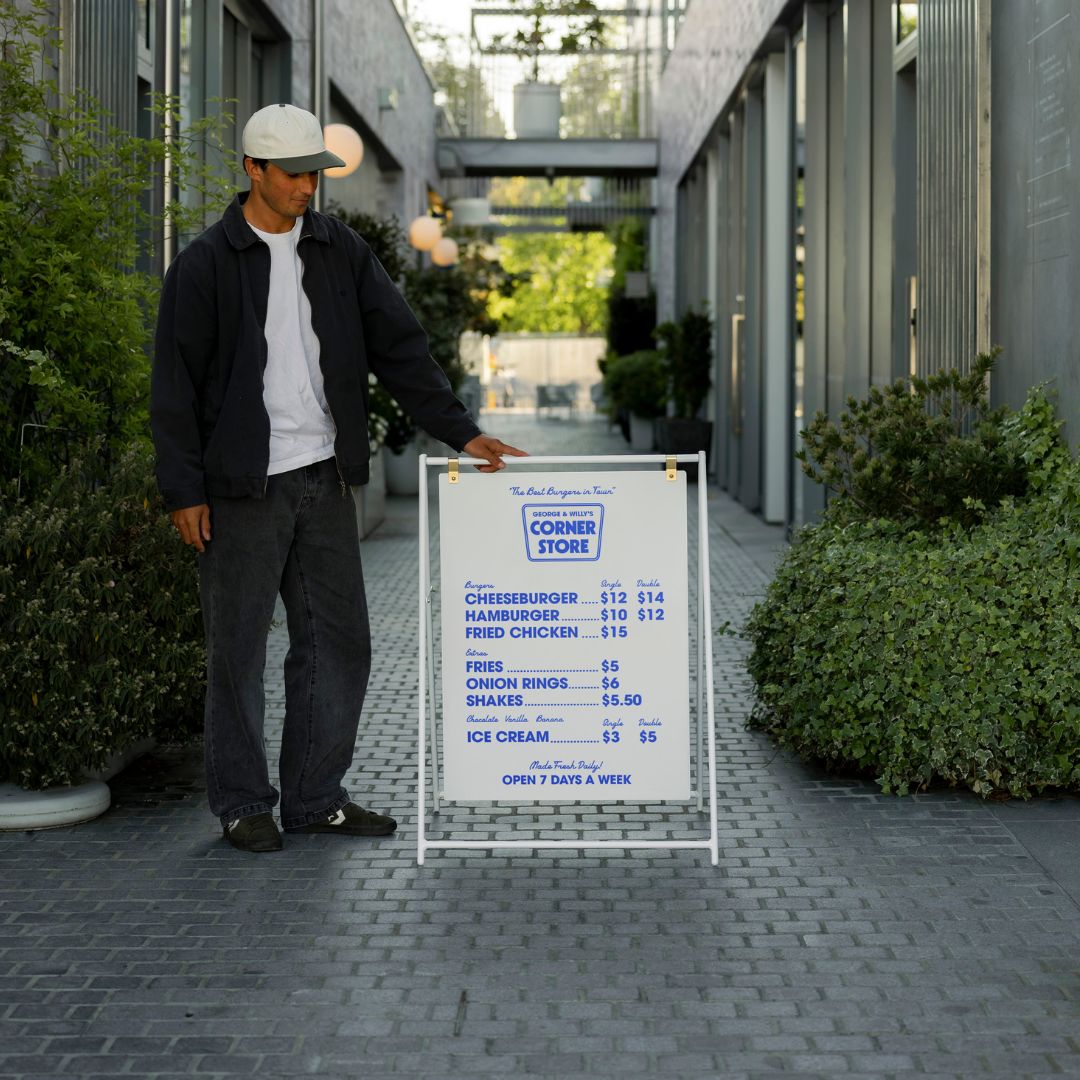
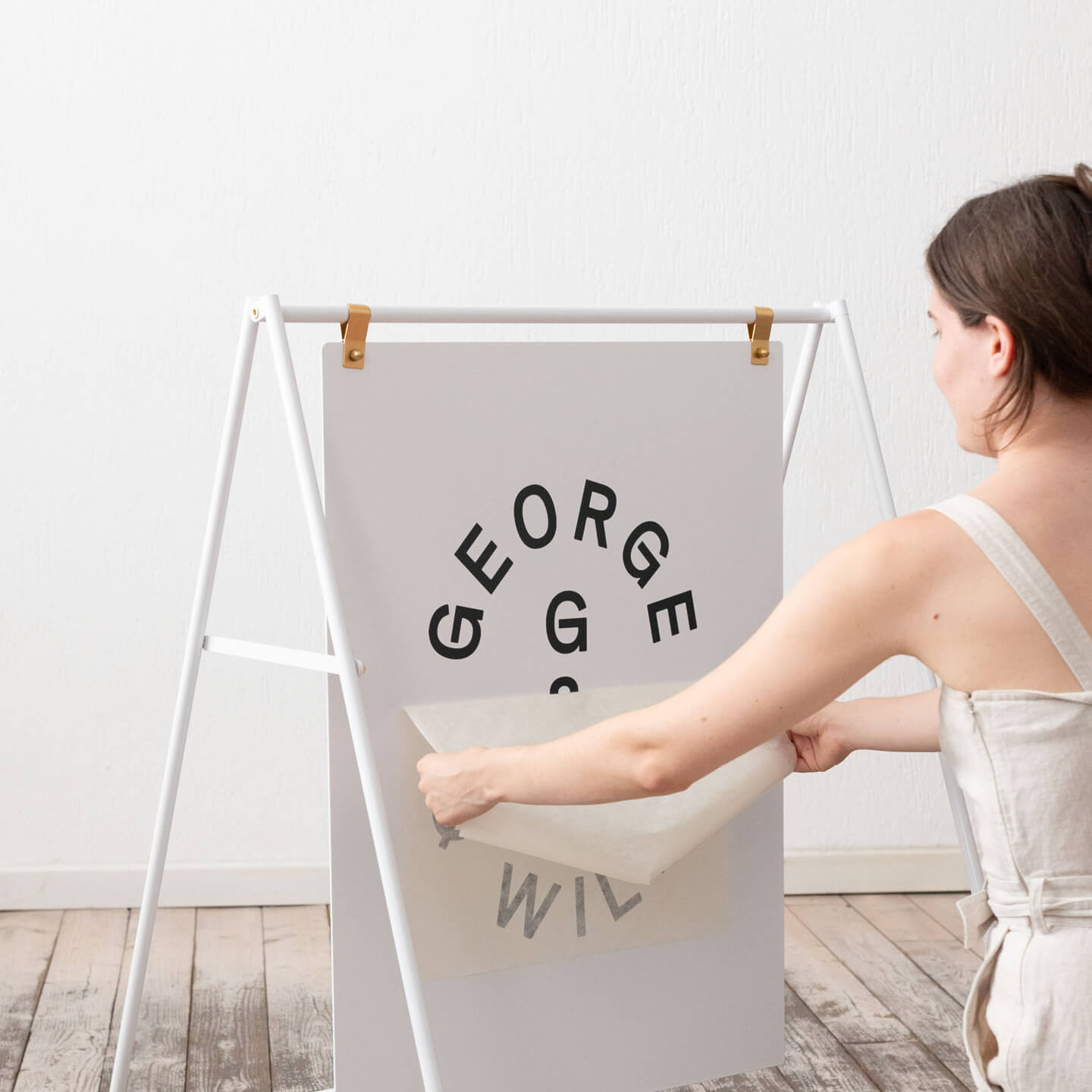
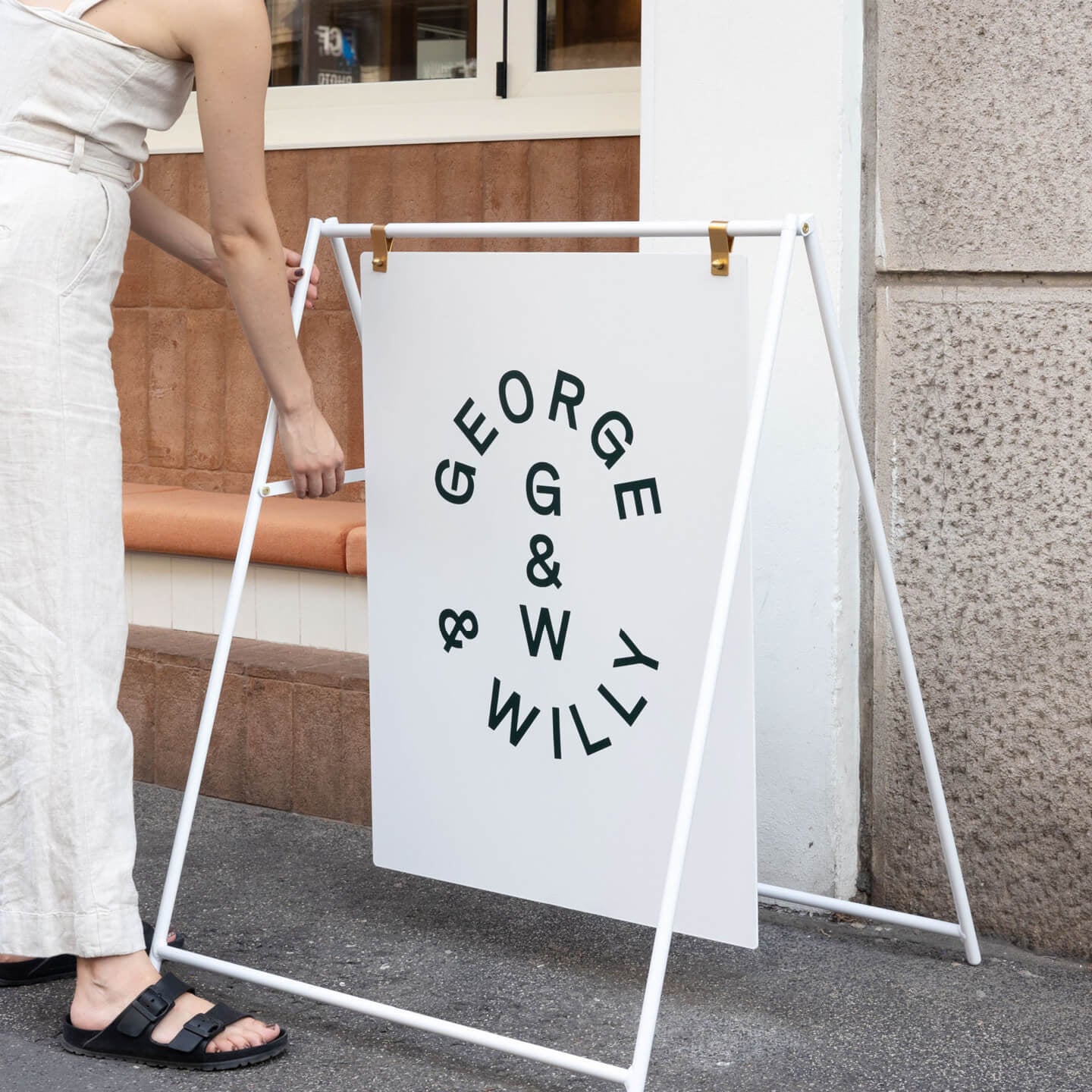
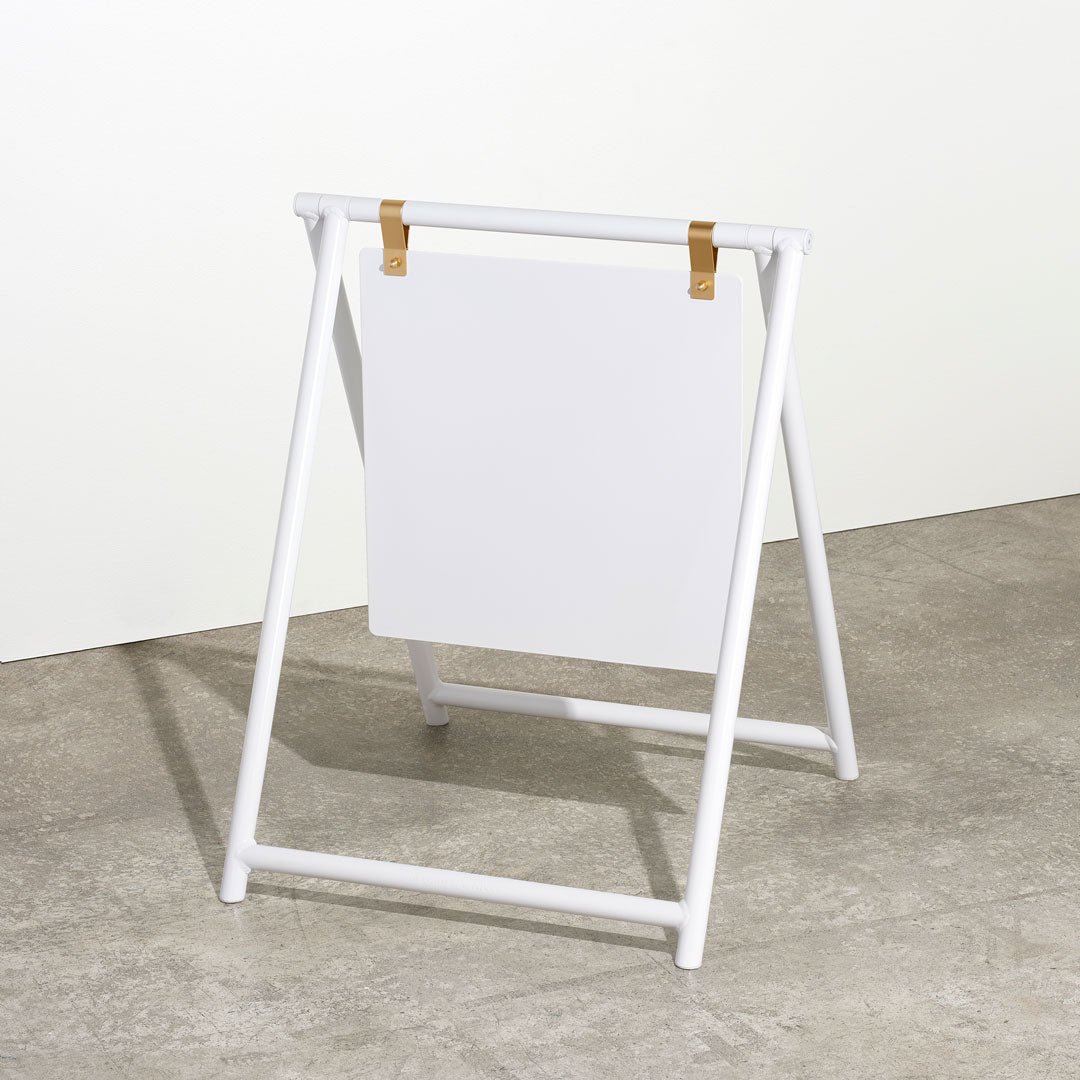
The A-frame — sometimes called a sandwich board — is the classic pavement sign, and for good reason. It is stable, portable, folds flat for storage, and works on virtually any surface. The double-sided format means it captures foot traffic from both directions on a busy high street, and the wide face gives you plenty of space for bold messaging.
Best for: cafés, restaurants, pubs, retailers, salons, and any business on a pedestrianised street or busy pavement.
What to look for:
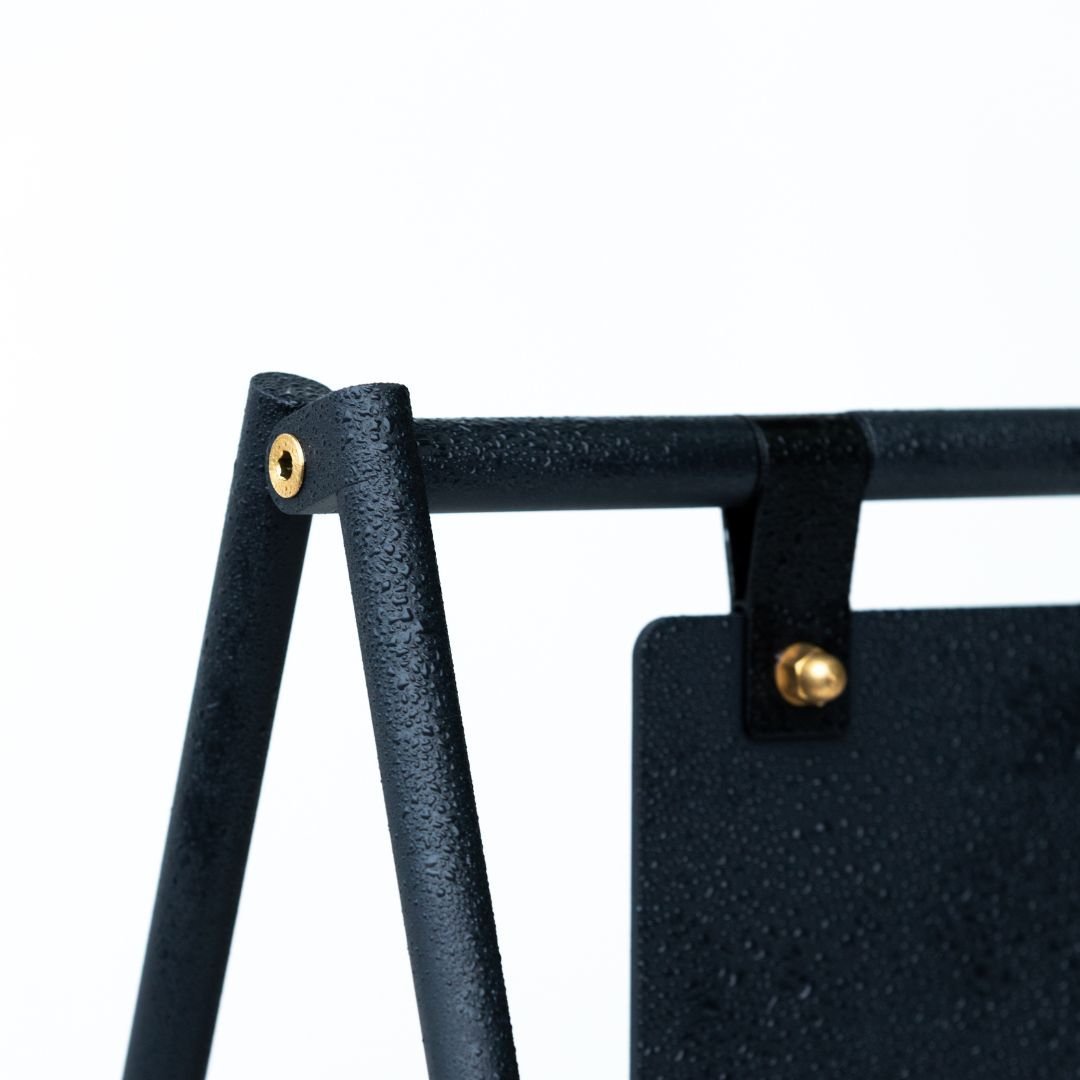
- Powder-coated aluminium or steel construction for weather resistance
- Interchangeable face panels so you can swap messaging without replacing the whole sign
- Folding design for easy storage overnight
- Weighted or anchored base for stability in wind
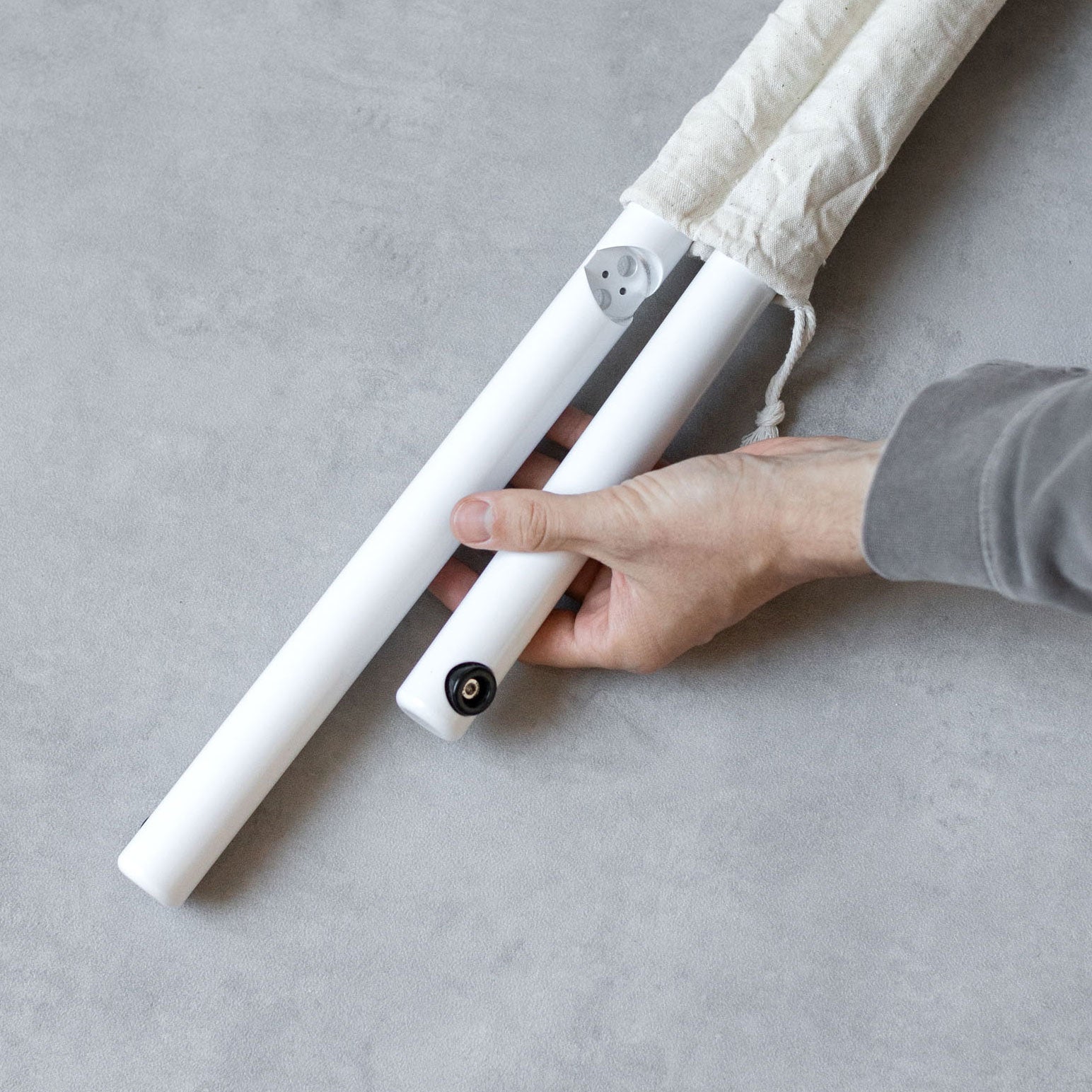
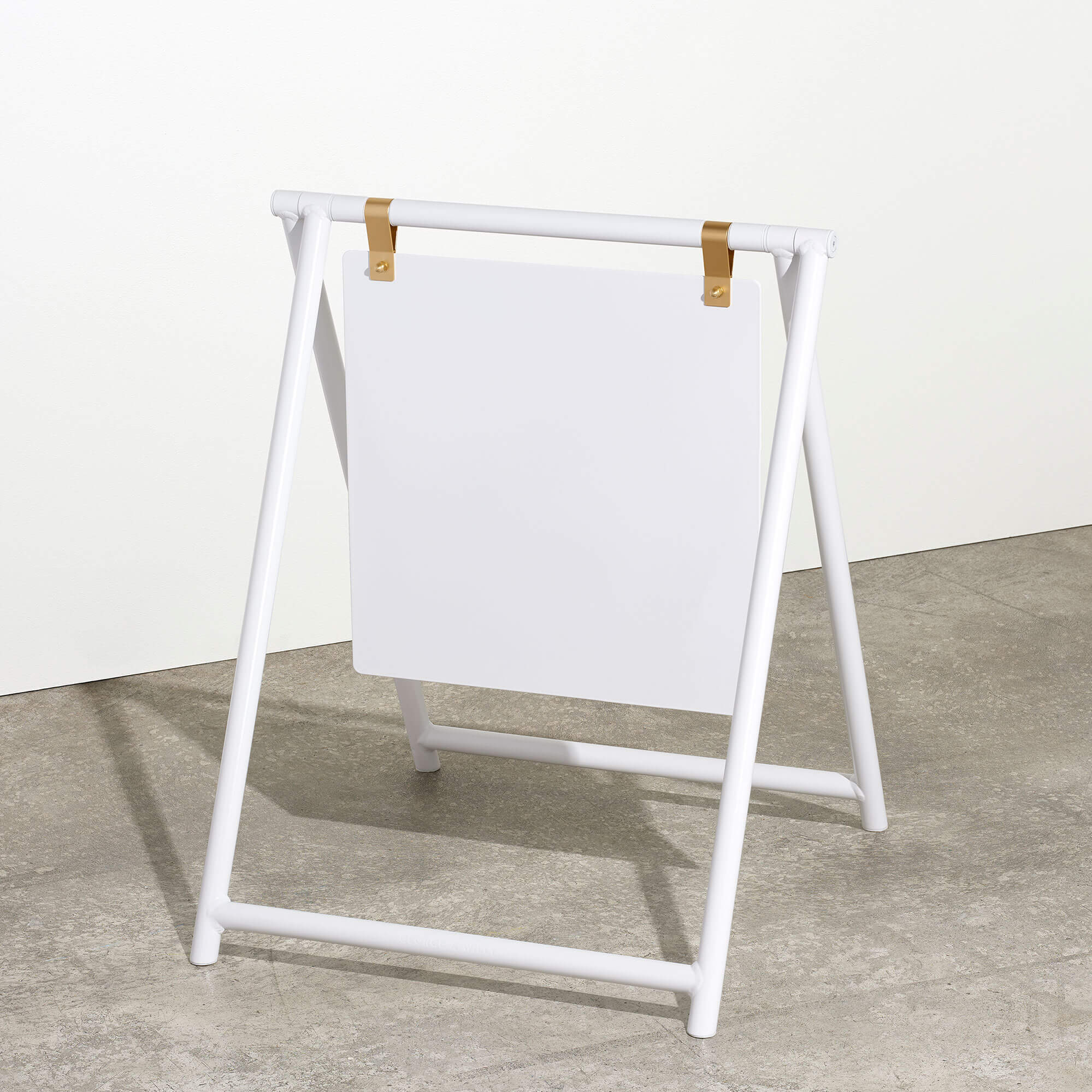
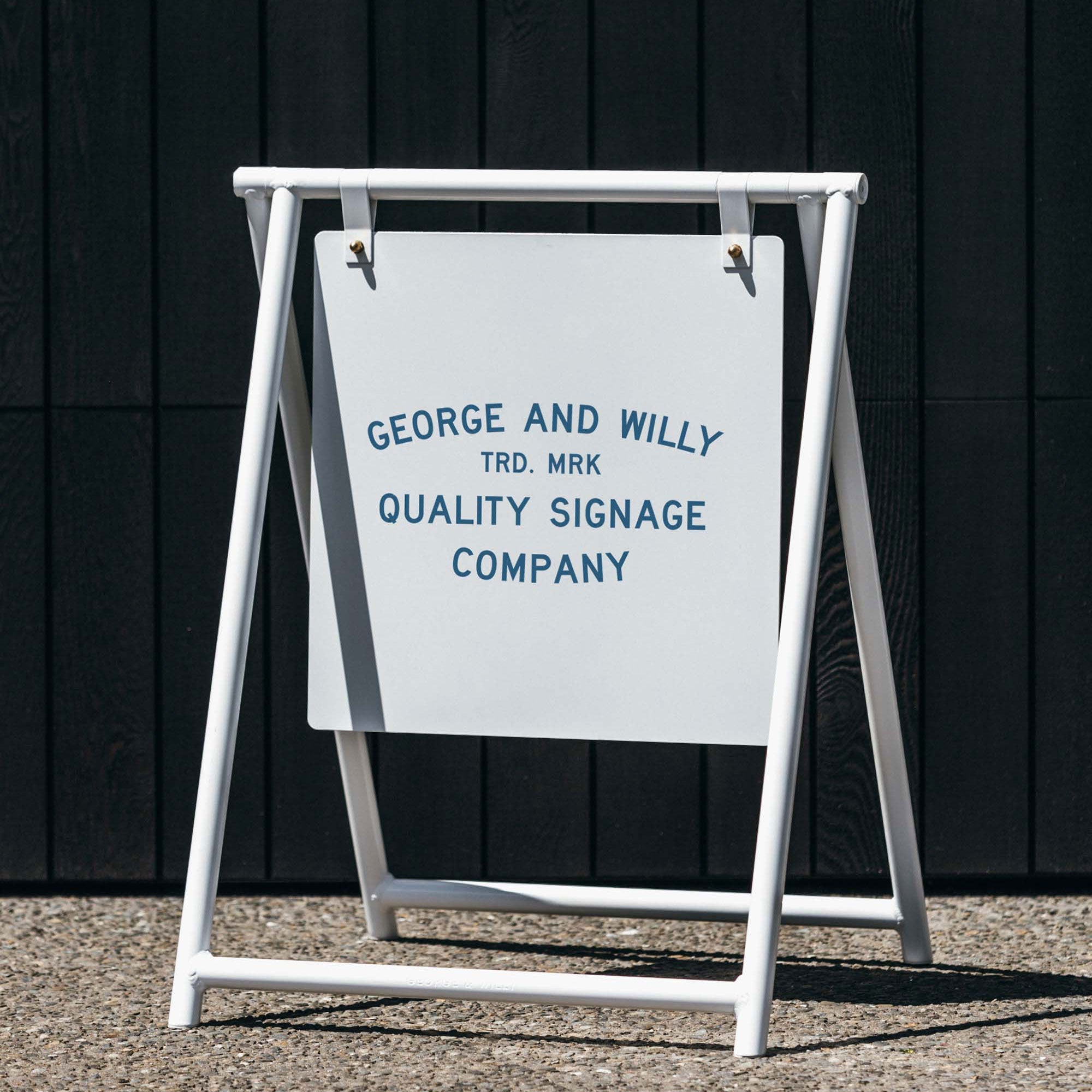
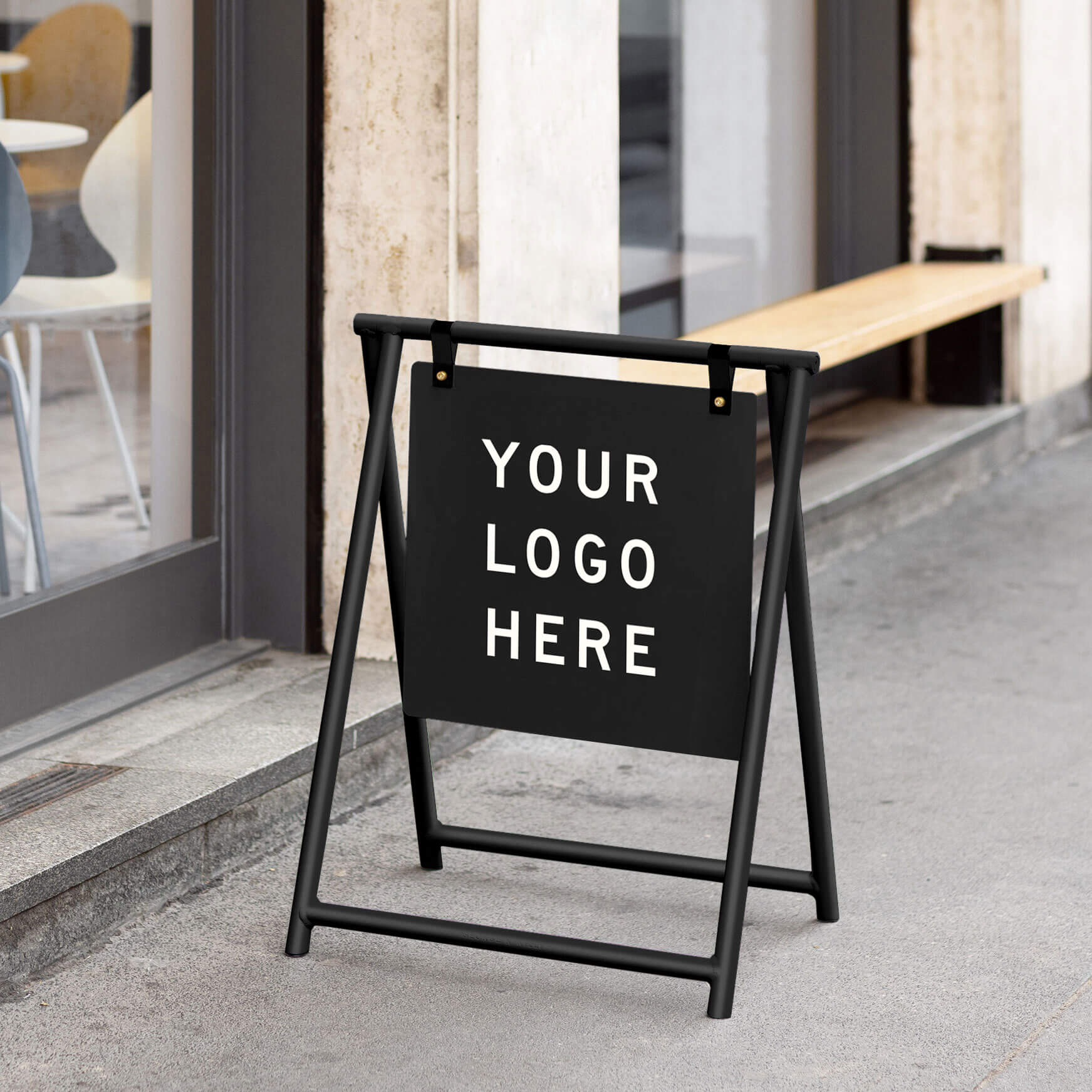
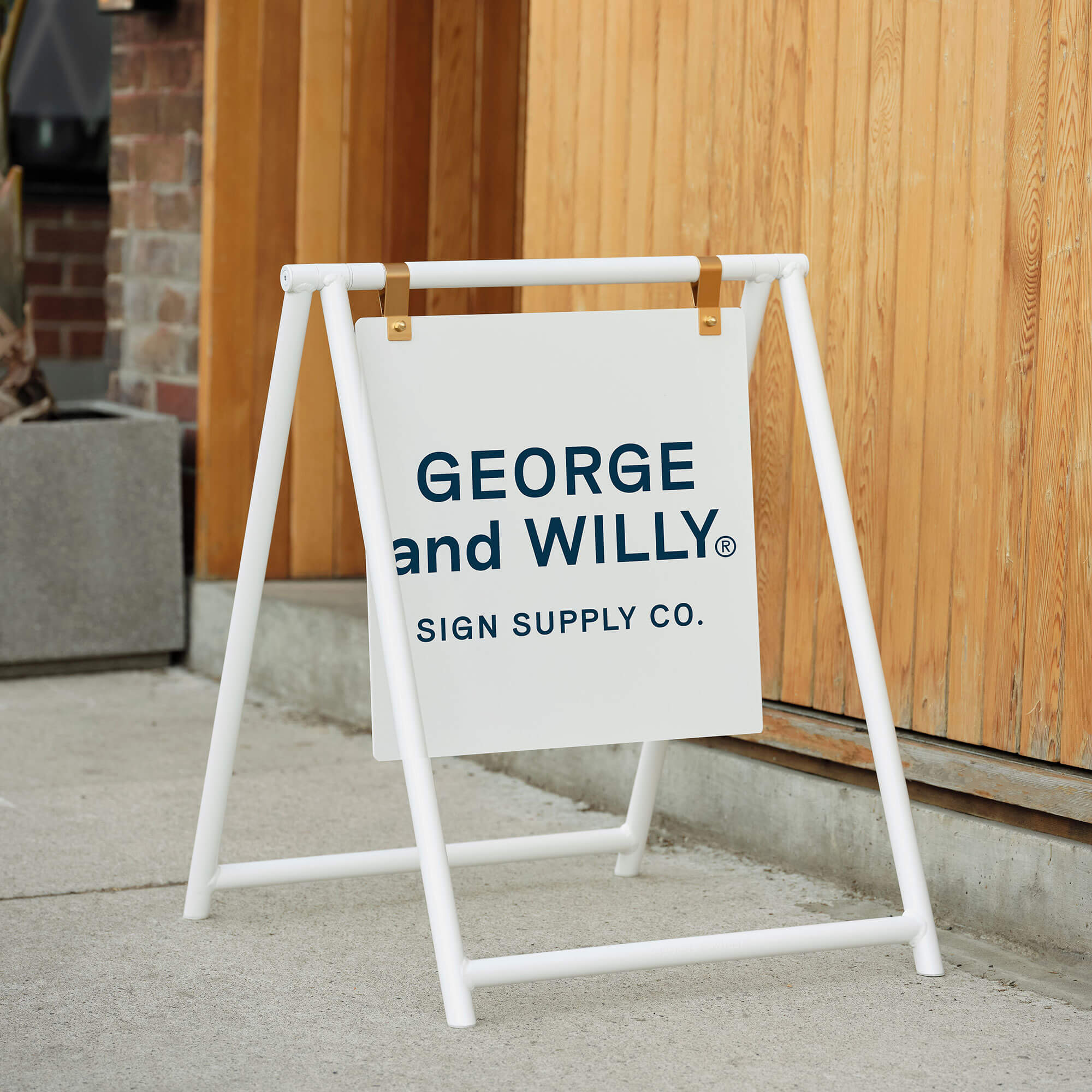
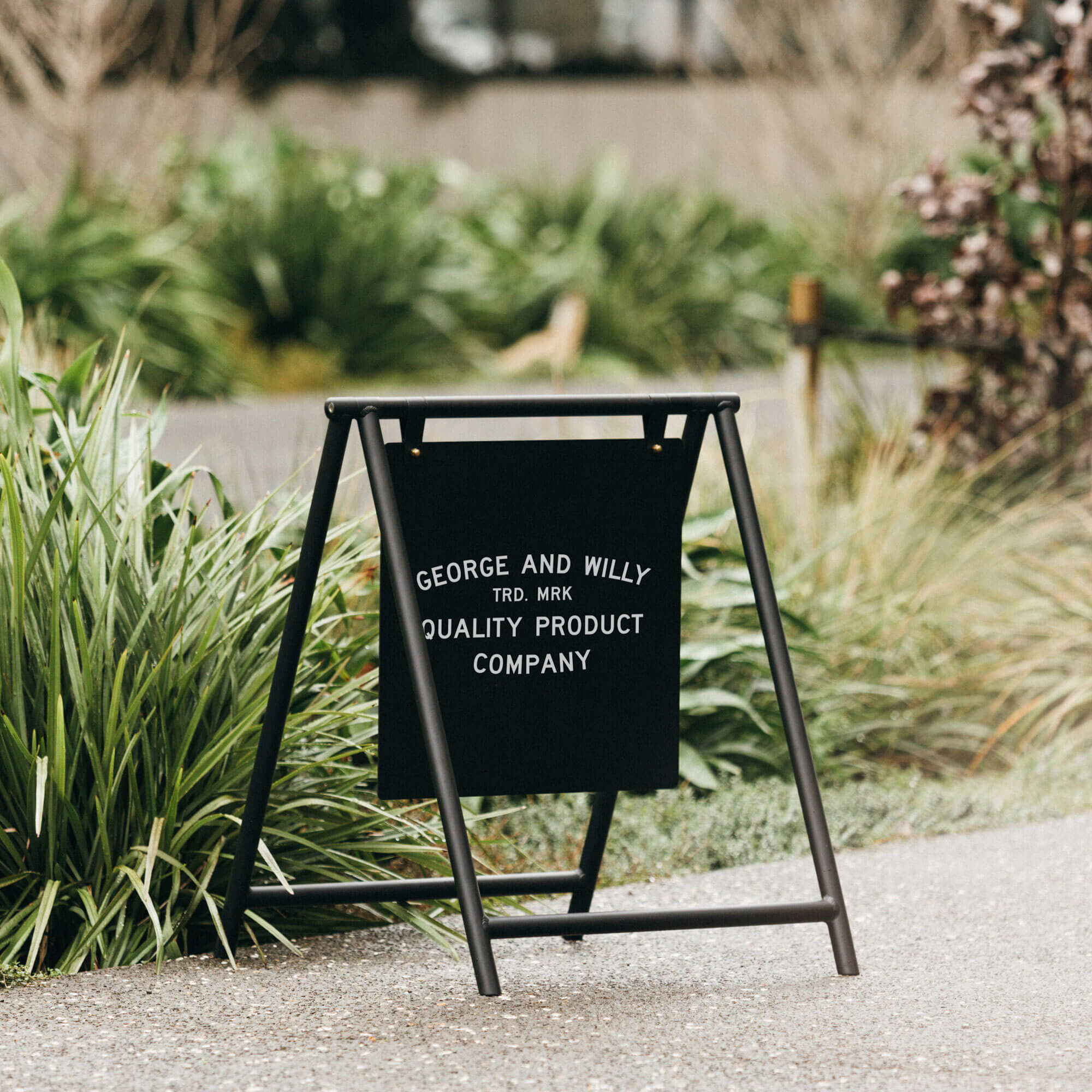
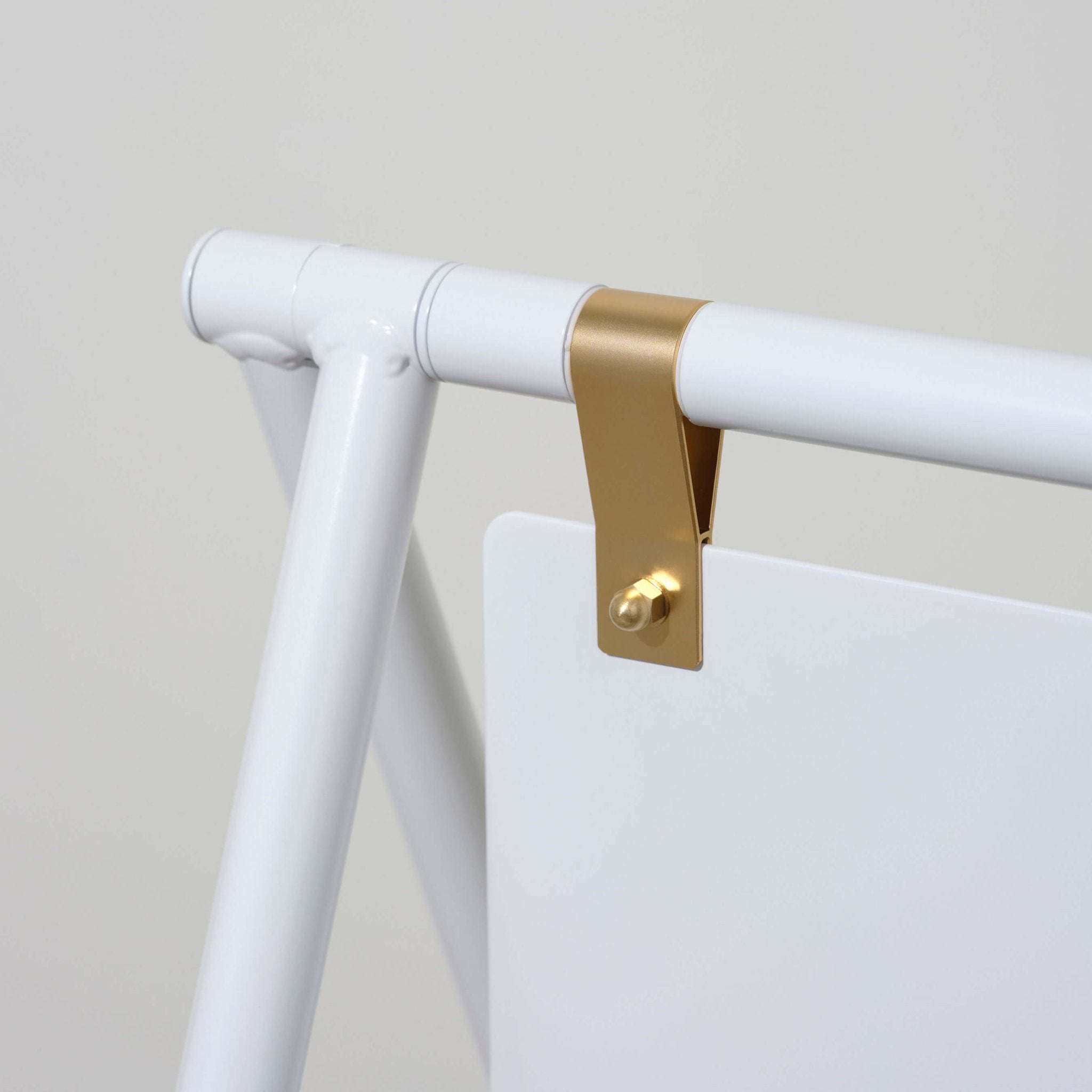
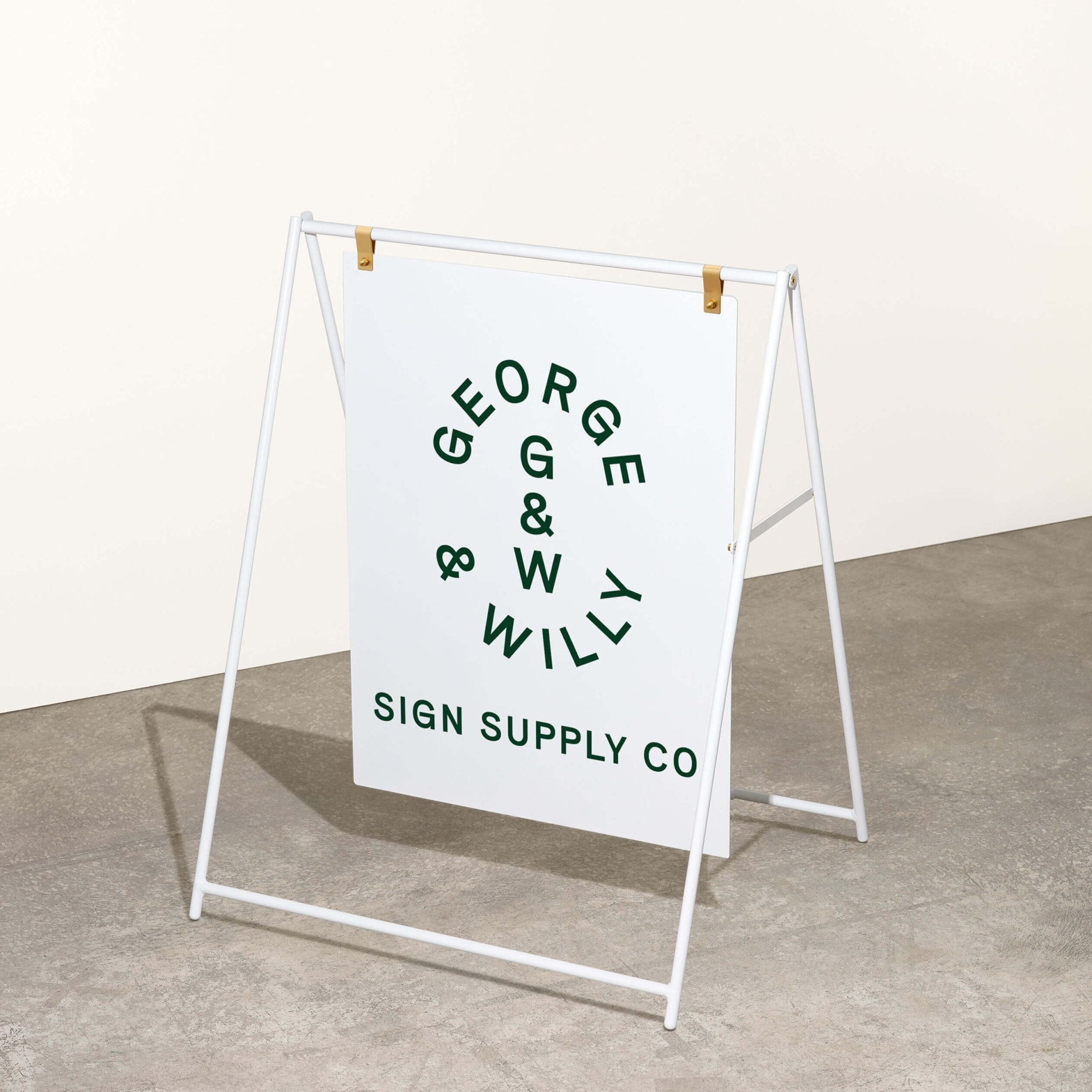
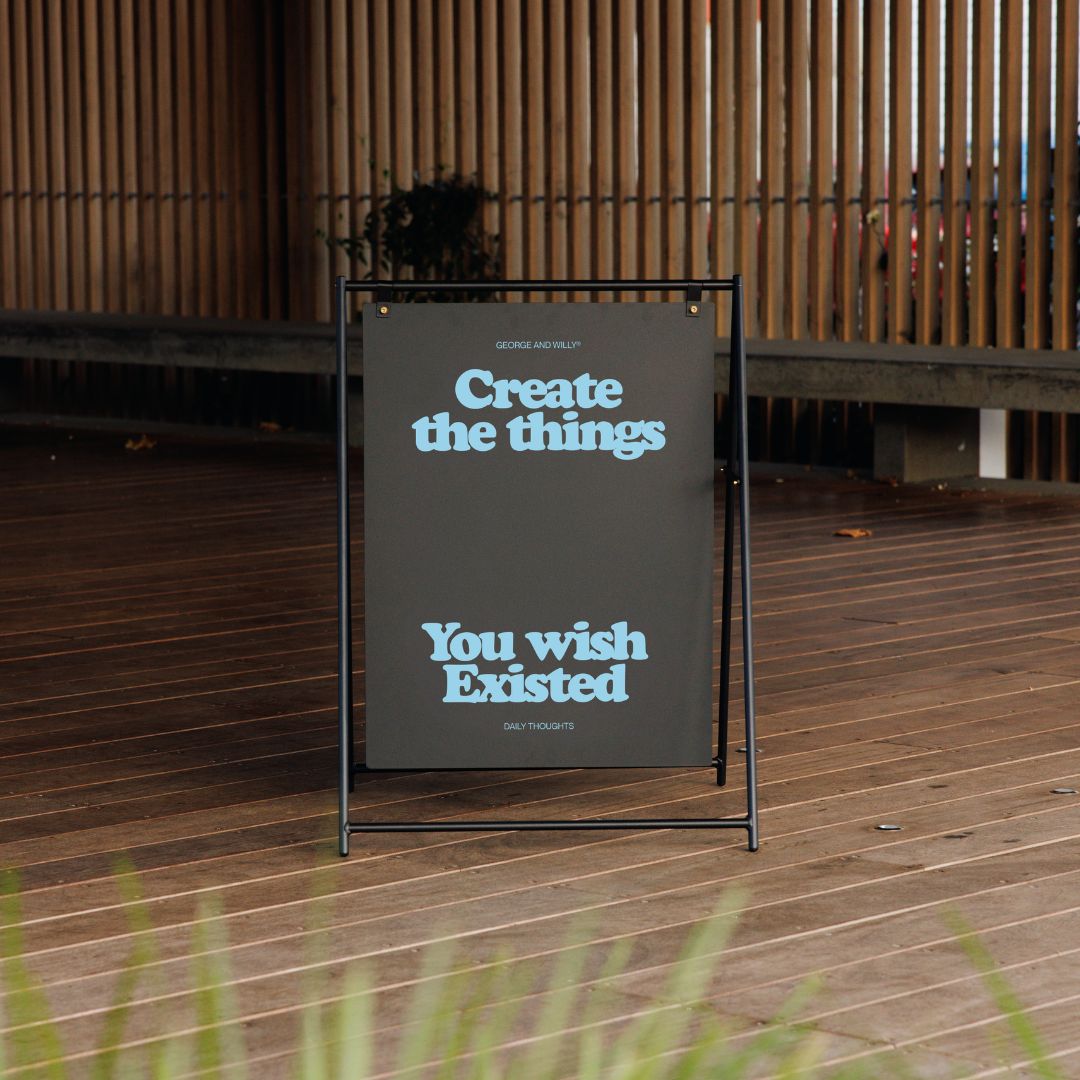
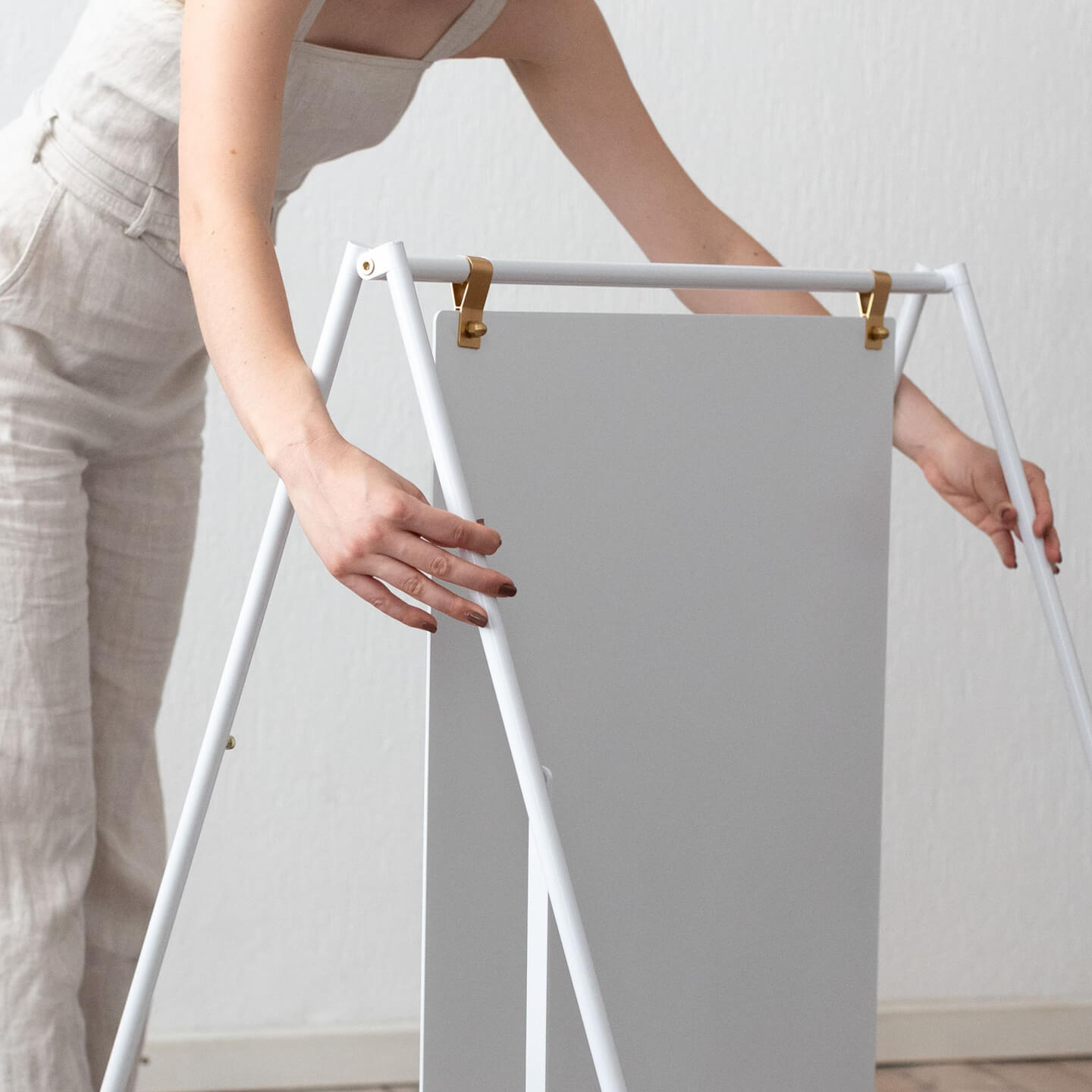
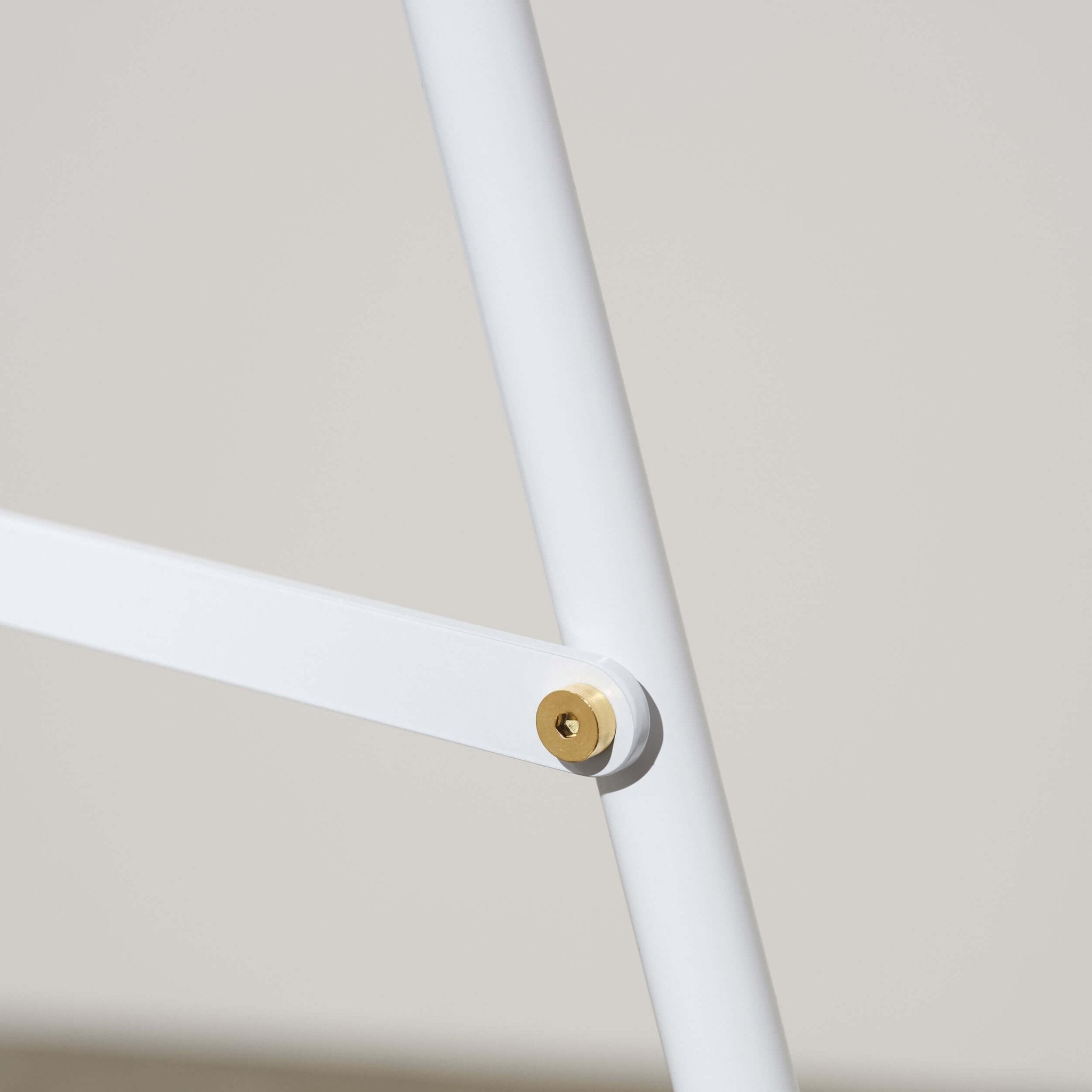
The A-Frame Sign from George and Willy is made from powder-coated aluminium with brass hardware and colour-matched straps. It folds flat, weighs approximately 4kg, and arrives blank so you can apply your own branding via vinyl decal through a local signwriter.
Tip: in the UK, A-frame signs are sometimes referred to as A-boards or sandwich boards. All three terms mean the same thing, but "A-board" is particularly common in planning and council documentation.
2. Poster Pavement Signs
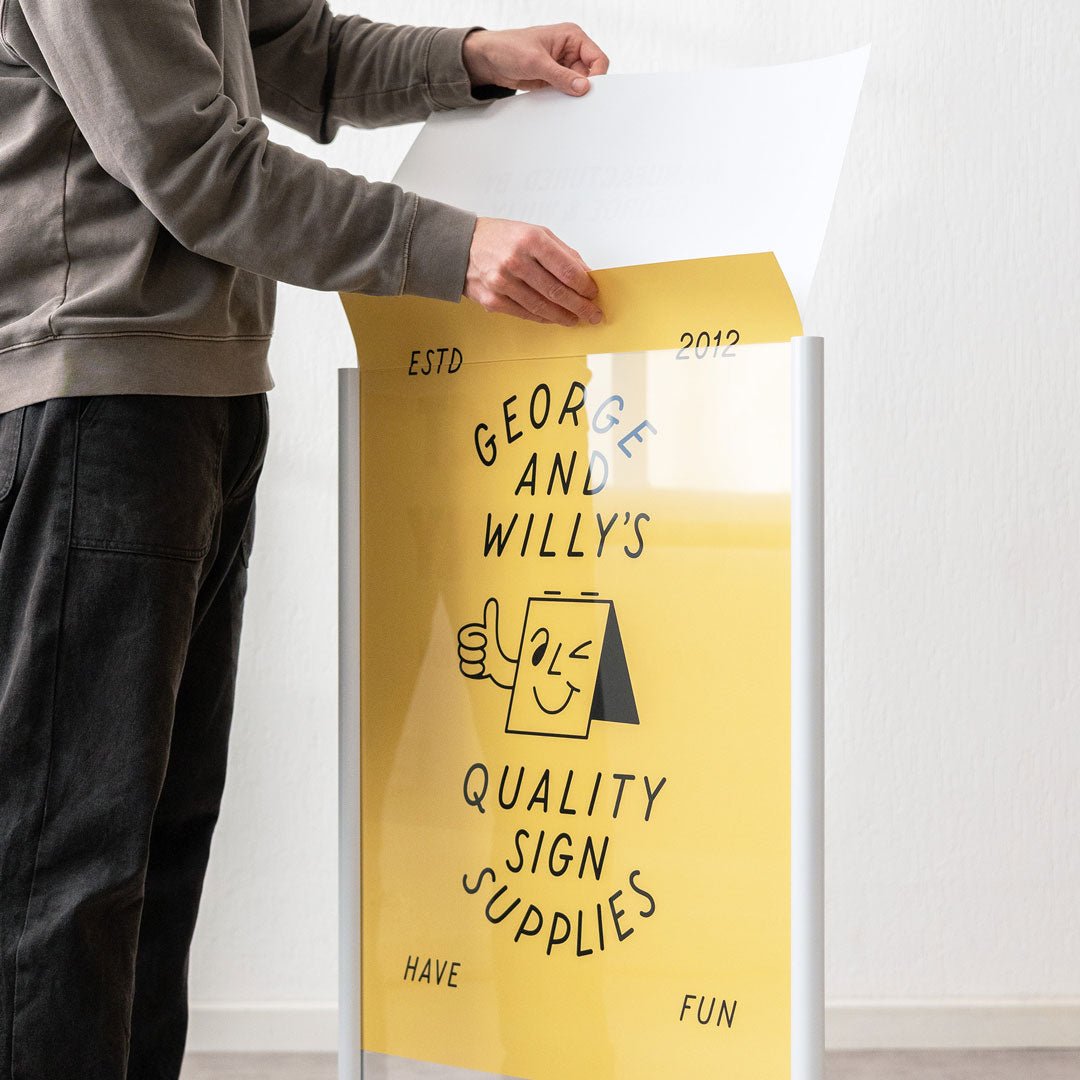
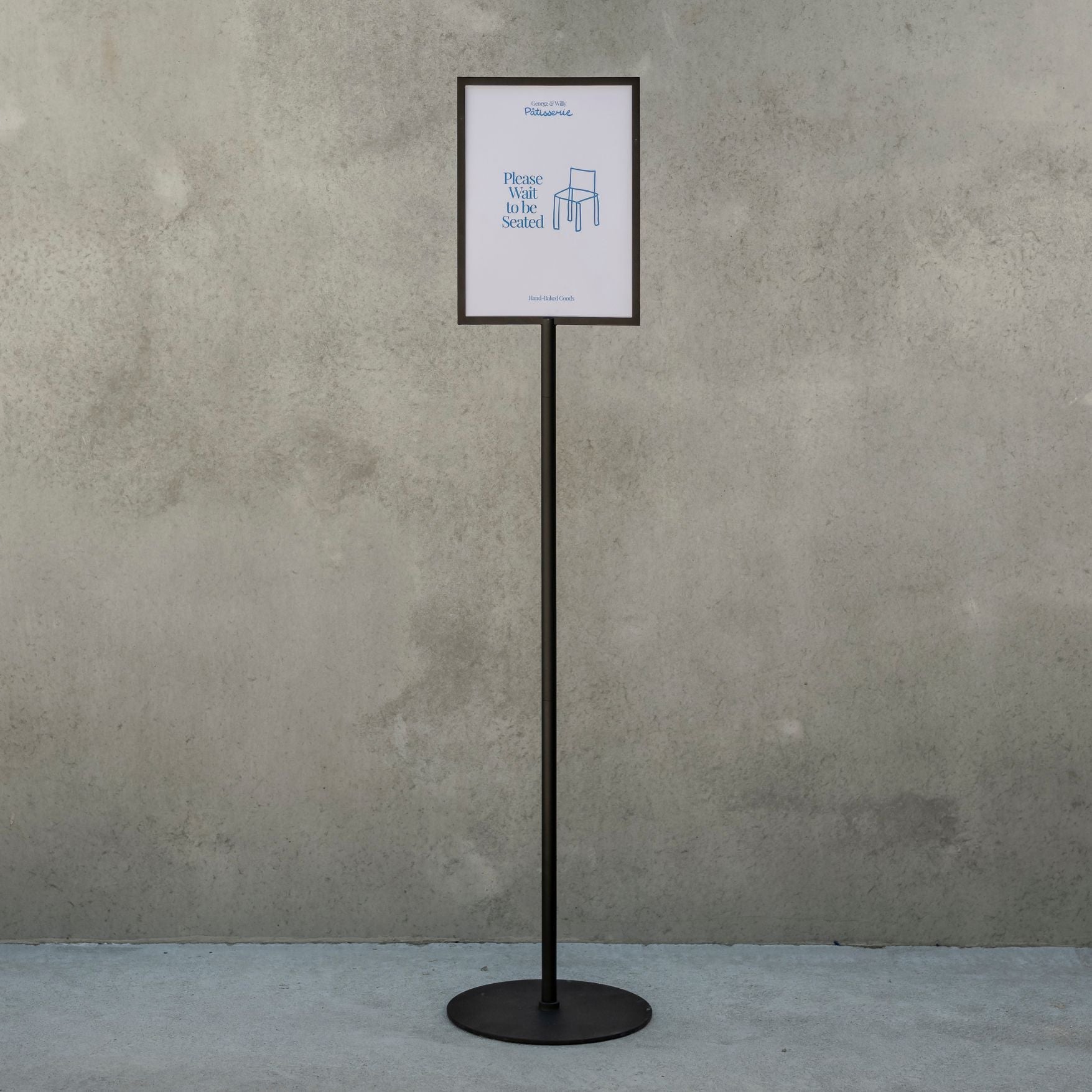
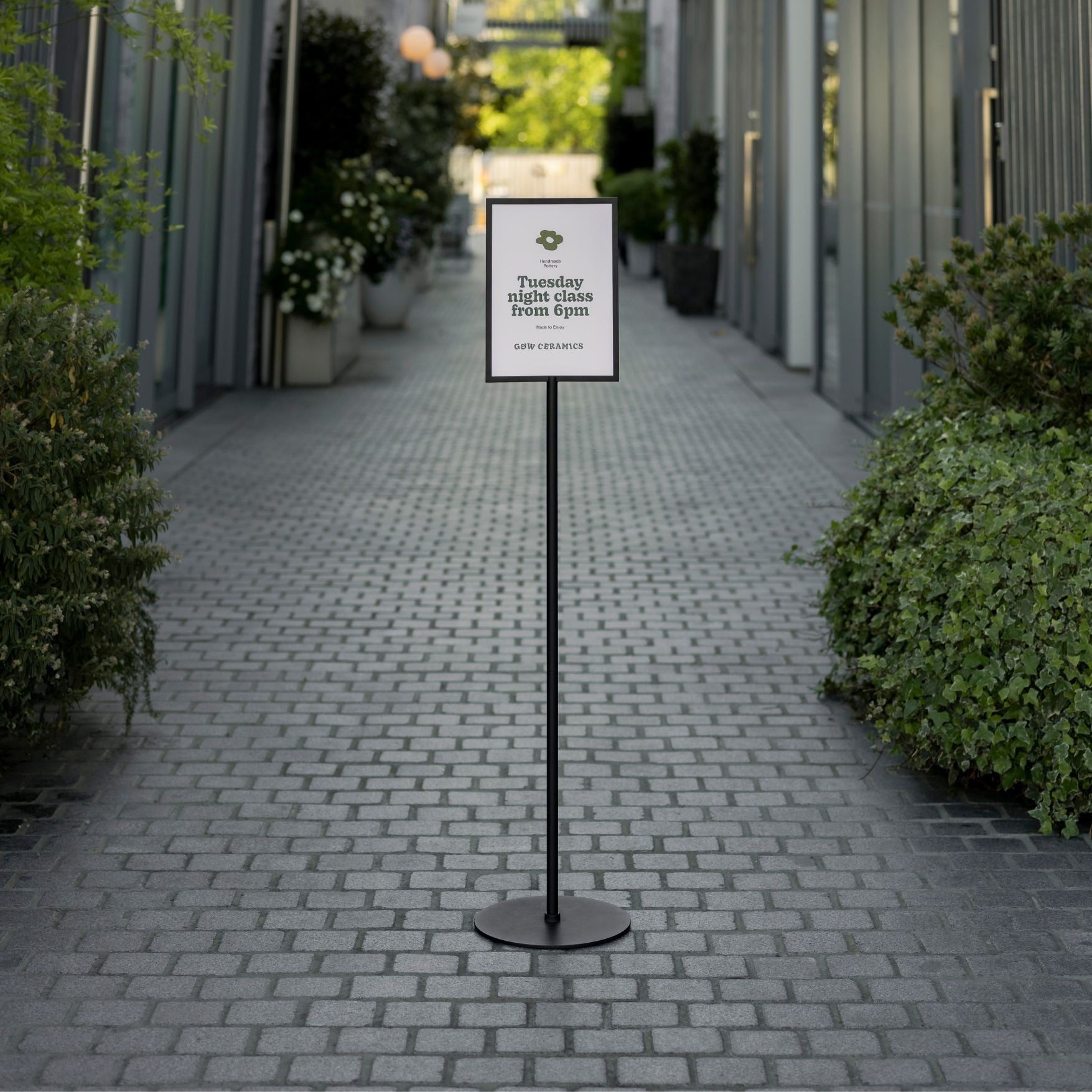
A poster pavement sign uses a frame to display a printed poster — typically A1 or A0 size — behind a clear acrylic or perspex panel. This format is ideal if you want high-quality printed graphics, photography, or seasonal campaign imagery on your pavement sign, without the limitations of hand-written or letter-based displays.
Best for: retailers, restaurants with seasonal menus, businesses running regular promotional campaigns, or anywhere you want photography or full-colour printed graphics on the pavement.
What to look for:
- Robust frame construction that can handle UK weather
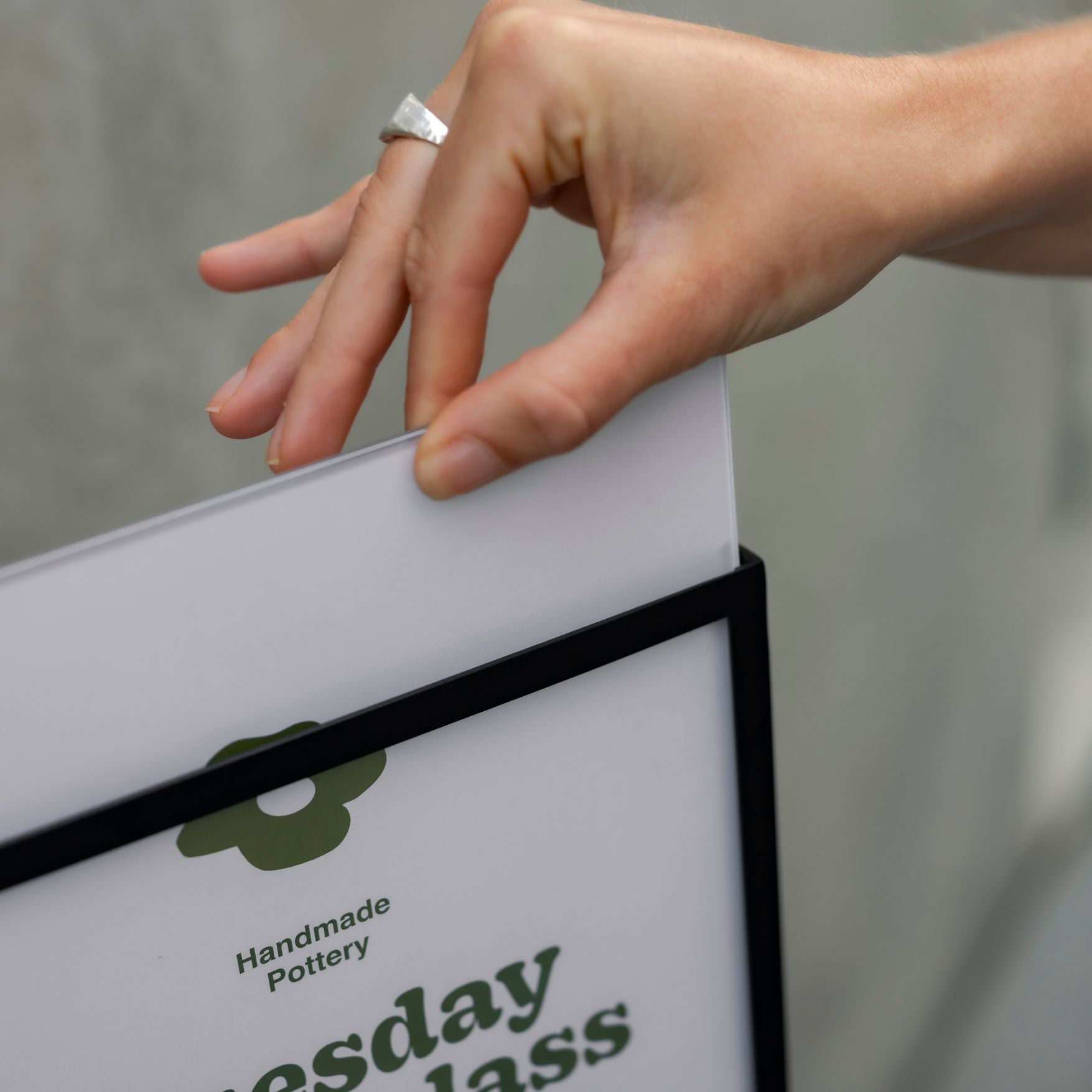
- Easy poster swap mechanism — snap frames or slide-in channels
- UV-resistant acrylic panels to protect printed posters from fading
- Weighted or sandbag base for outdoor stability
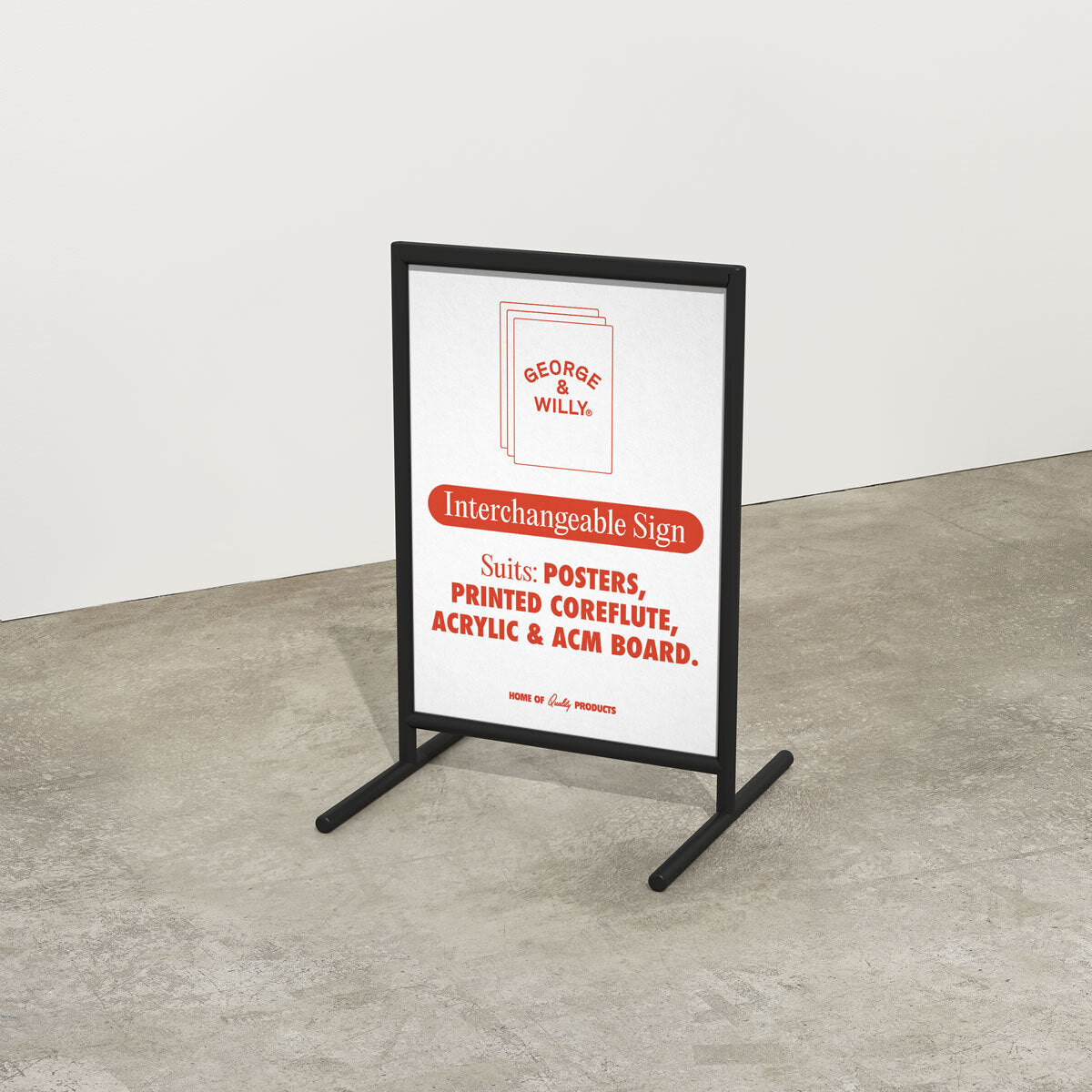
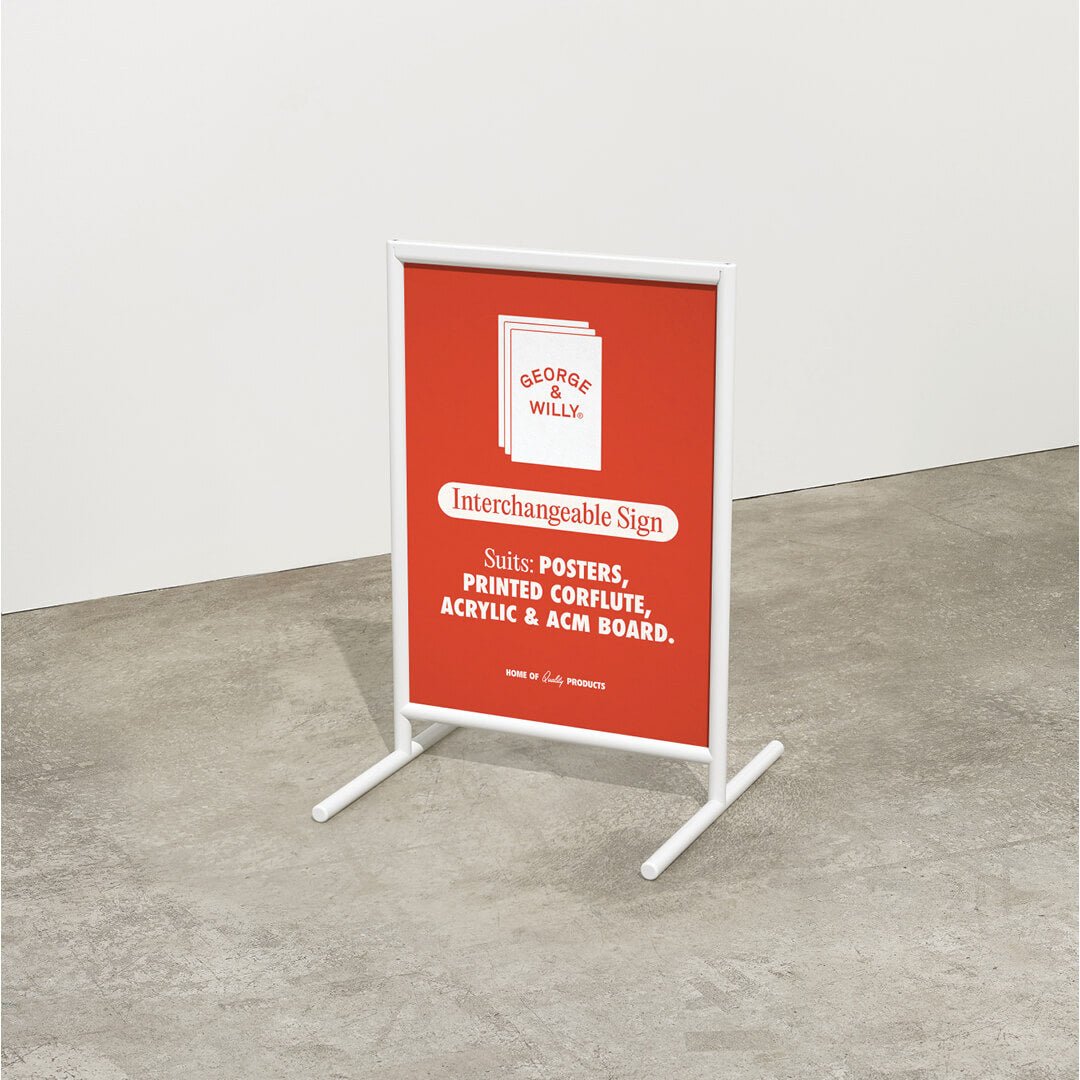
The Poster Sidewalk Sign from George and Willy features a powder-coated steel frame with clear acrylic panels and brass bolt detailing. It arrives ready to display your own printed poster inserts, making it easy to refresh your messaging as often as you need.
3. Standing Round Signs
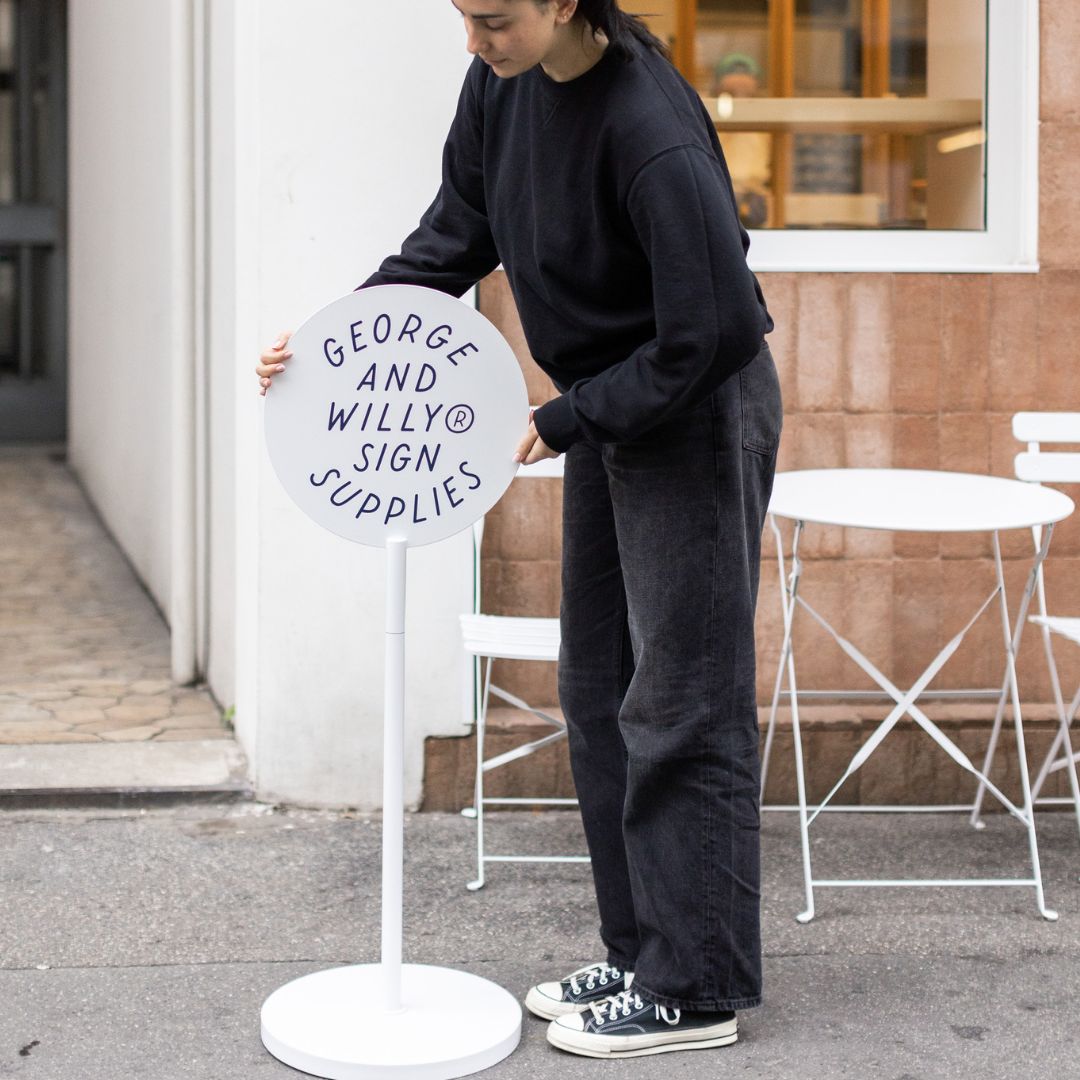
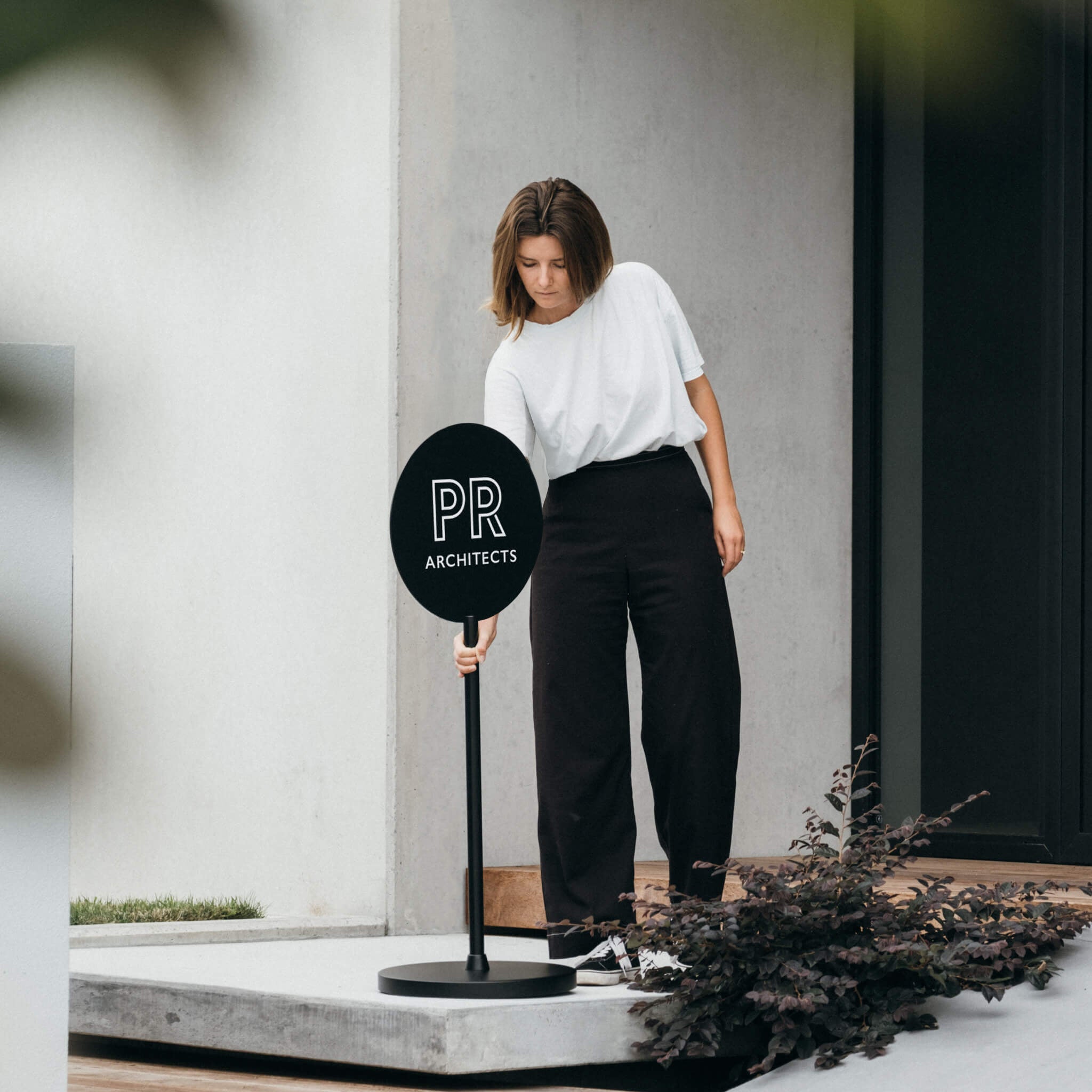
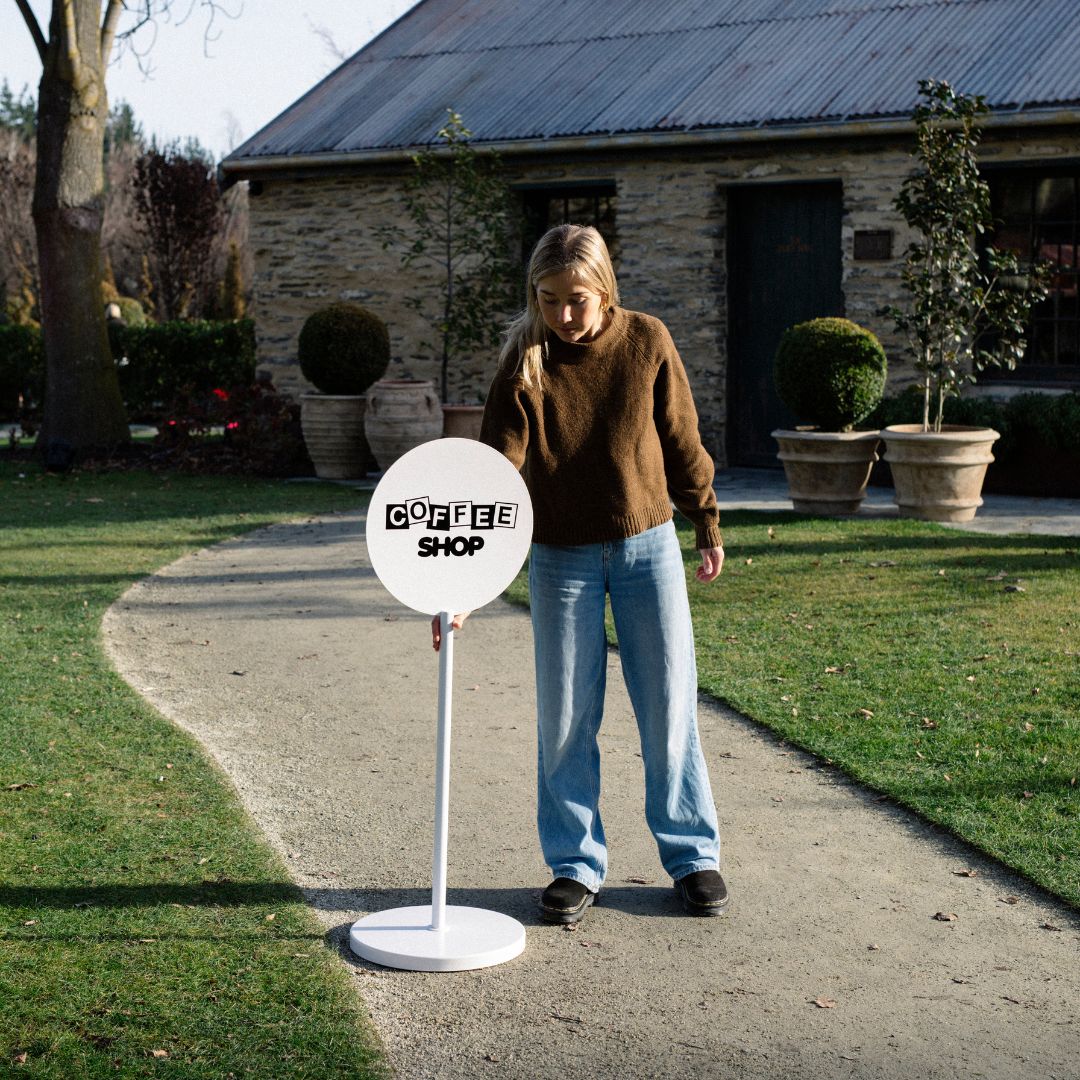
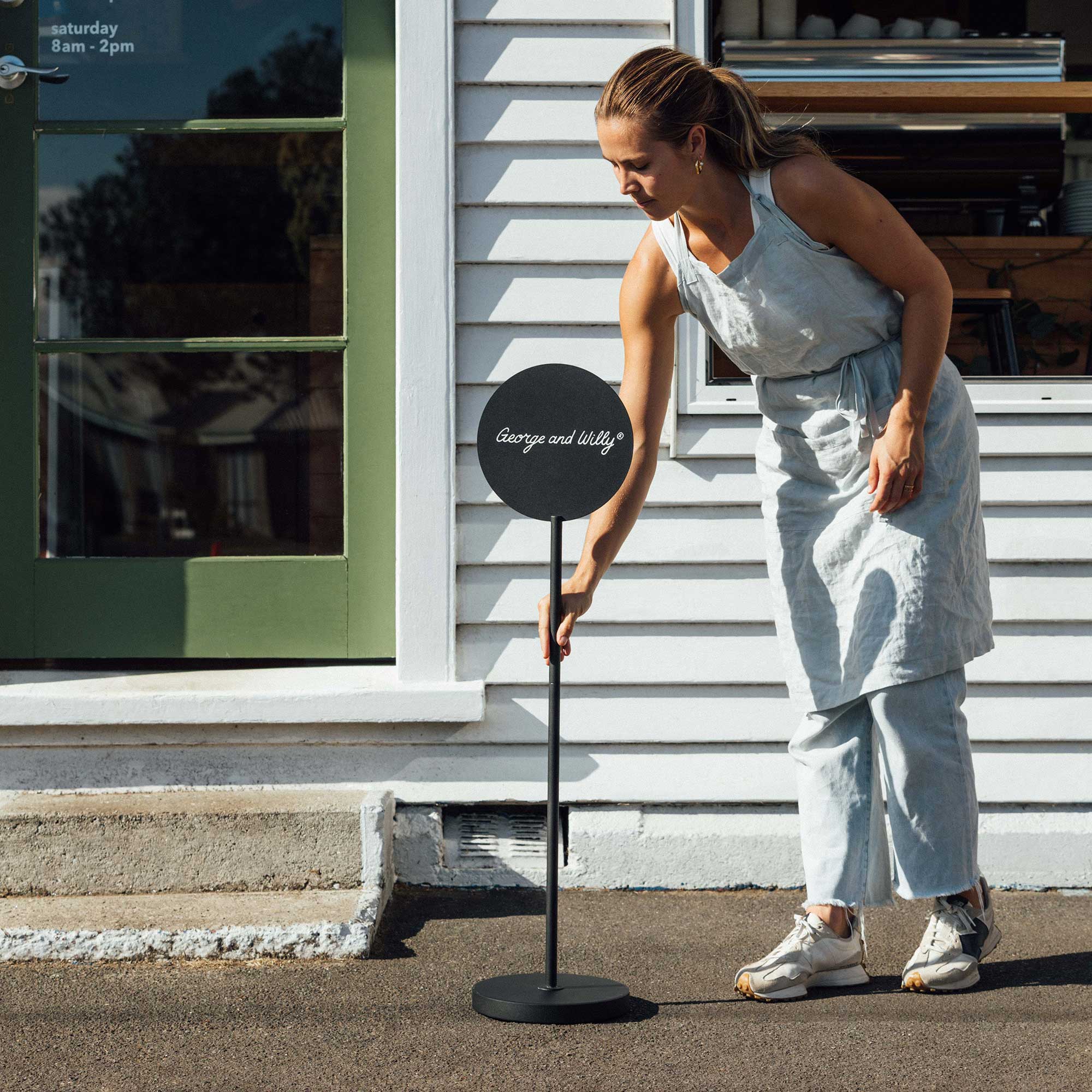
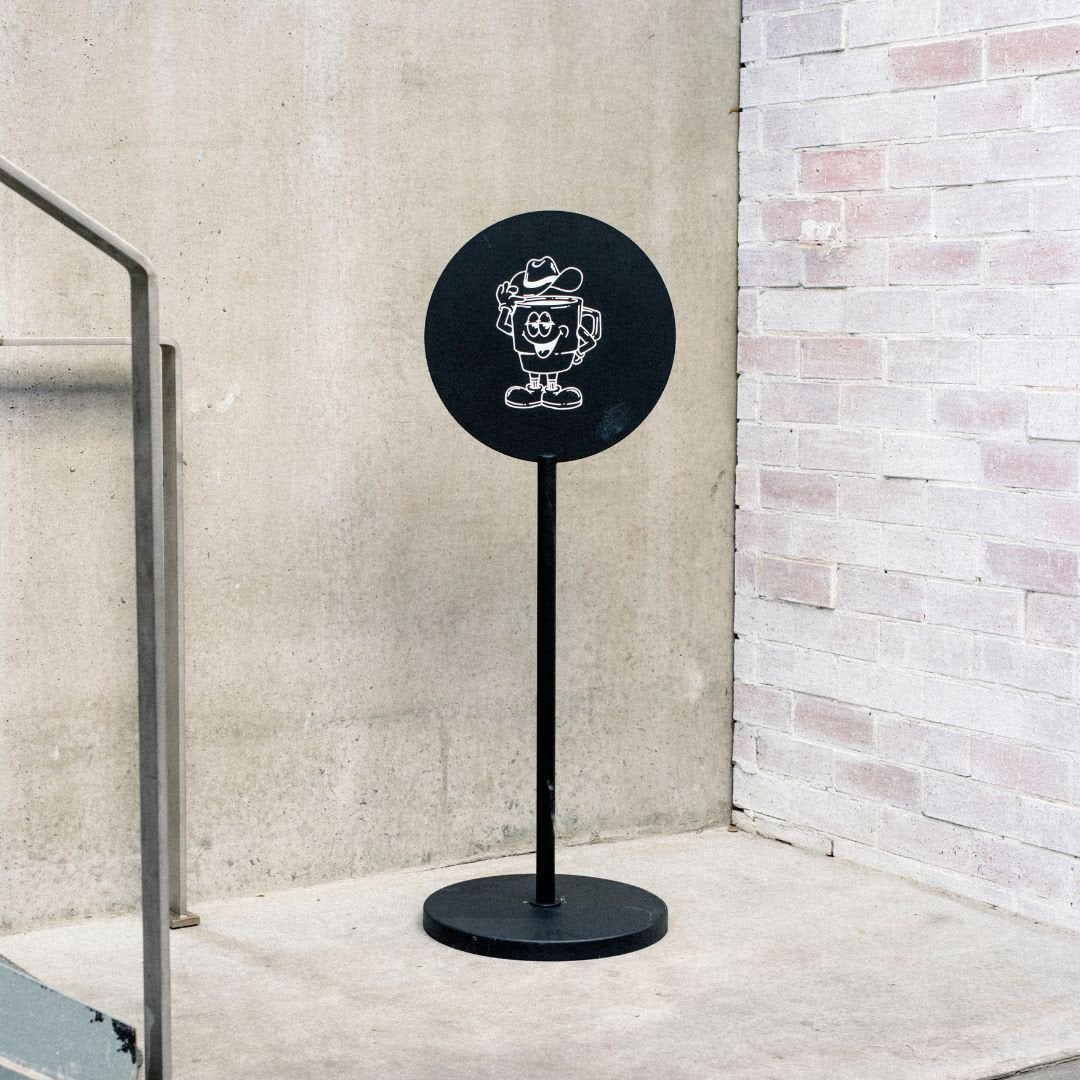
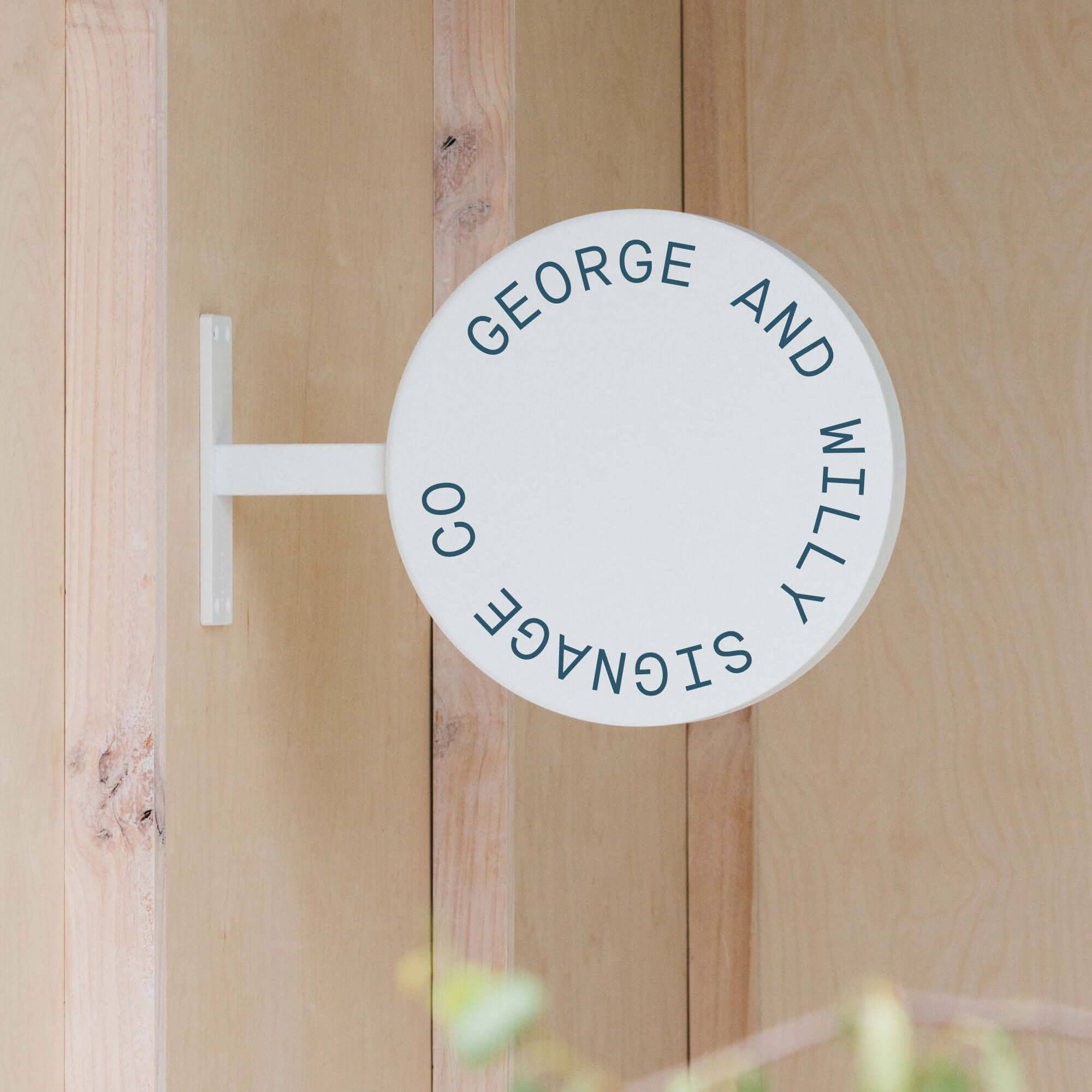
A standing round sign offers something different from the standard rectangular A-frame — a circular face panel that stands out visually on a busy street. The round format is distinctive, works particularly well for businesses with a circular or badge-style logo, and has a premium, considered feel that suits design-conscious brands.
Best for: specialty coffee shops, boutique retailers, craft breweries, delis, and any business that wants a pavement sign that doubles as a brand statement.
What to look for:
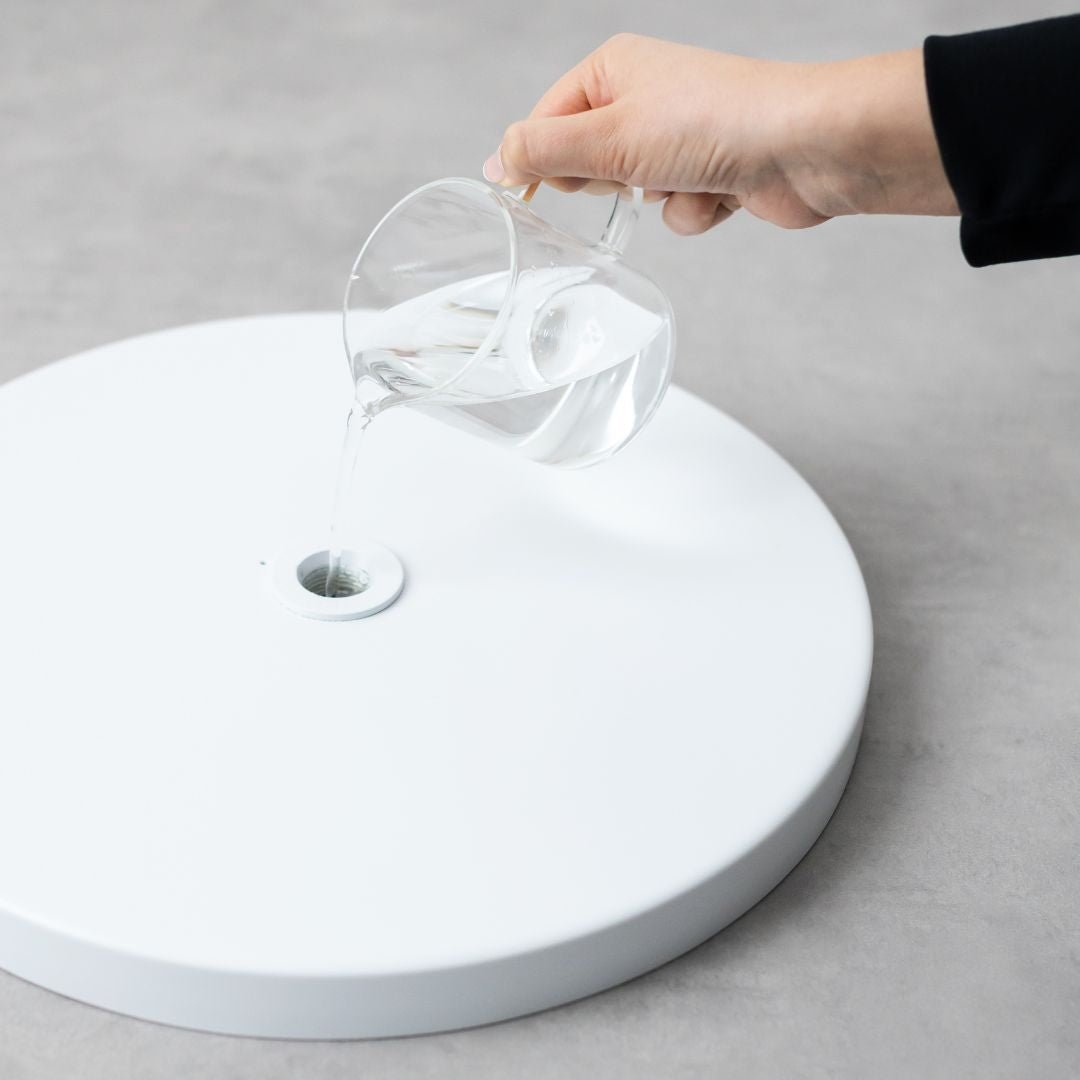
- Weighted base for outdoor stability — some models allow water or sand filling
- Powder-coated finish for weather resistance
- Blank face panel for custom vinyl branding
- Available in multiple sizes
The Standing Round Sign from George and Willy features a fillable weighted base for stability on the pavement, and a blank face panel that your signwriter can apply a logo or graphic to. Available in two sizes and multiple finishes.
4. Sandwich Board Signs
The traditional sandwich board — two panels connected by a hinge or chain at the top — is one of the oldest forms of street-level advertising, and it remains one of the most effective. Modern sandwich boards have evolved significantly from the hand-painted wooden boards of decades past, with powder-coated steel and aluminium options that are far more durable and weather-resistant.
Best for: cafés, pubs, market stalls, food trucks, and businesses that want a classic, no-fuss pavement presence.
What to look for:
- Durable hinge or strap connection at the top
- Chalkboard, whiteboard, or interchangeable panel face options
- Folds flat for overnight storage
- Stable base that won't blow over in a breeze
Browse the full Sandwich Board Signs range from George and Willy for options suited to UK outdoor conditions.
5. Large Pavement Signs
For businesses that need maximum visibility — on a dual carriageway, a large forecourt, or a busy retail park — a large format pavement sign can make a significant difference. These signs are taller and wider than a standard A-frame, giving you a bigger canvas for bold messaging that can be read from a greater distance.
Best for: drive-through businesses, petrol station forecourts, large restaurant or pub exteriors, businesses set back from the road, or anywhere visibility from a distance is important.
What to look for:
- Heavy-duty frame construction
- Large face panel — A0 or bigger
- Weighted or ground-anchored base
- Weather-resistant finish
The Large Sidewalk Sign from George and Willy is a substantial pavement sign with a powder-coated steel frame and a large blank face panel suited to vinyl application. Available in black and white finishes.
6. Sandbag Signs
A sandbag sign uses a weighted sandbag base to keep the sign stable on the pavement — no drilling, no permanent fixing, and no council permission required for placement on private land. This makes sandbag signs a practical option for businesses that need a pavement sign but cannot drill into the ground or attach to a wall.
Best for: businesses on private forecourts, car parks, or any outdoor space where you need a stable freestanding sign without permanent fixing.
What to look for:
- Robust frame that can support a sandbag base
- Easy to reposition as needed
- Weather-resistant finish
Browse the Outdoor Signs range from George and Willy for options suited to UK outdoor use.
How to Get the Most Out of Your Pavement Sign
Buying the right pavement sign is only half the job. Here is how to make sure it actually works for your business.
Keep the message simple
A pavement sign is read by people walking past at normal walking pace — you have roughly two to three seconds to communicate your message. Keep it to one clear idea: your daily special, your offer, your opening hours, or a simple call to action. Avoid cramming in too much information.
Use high contrast
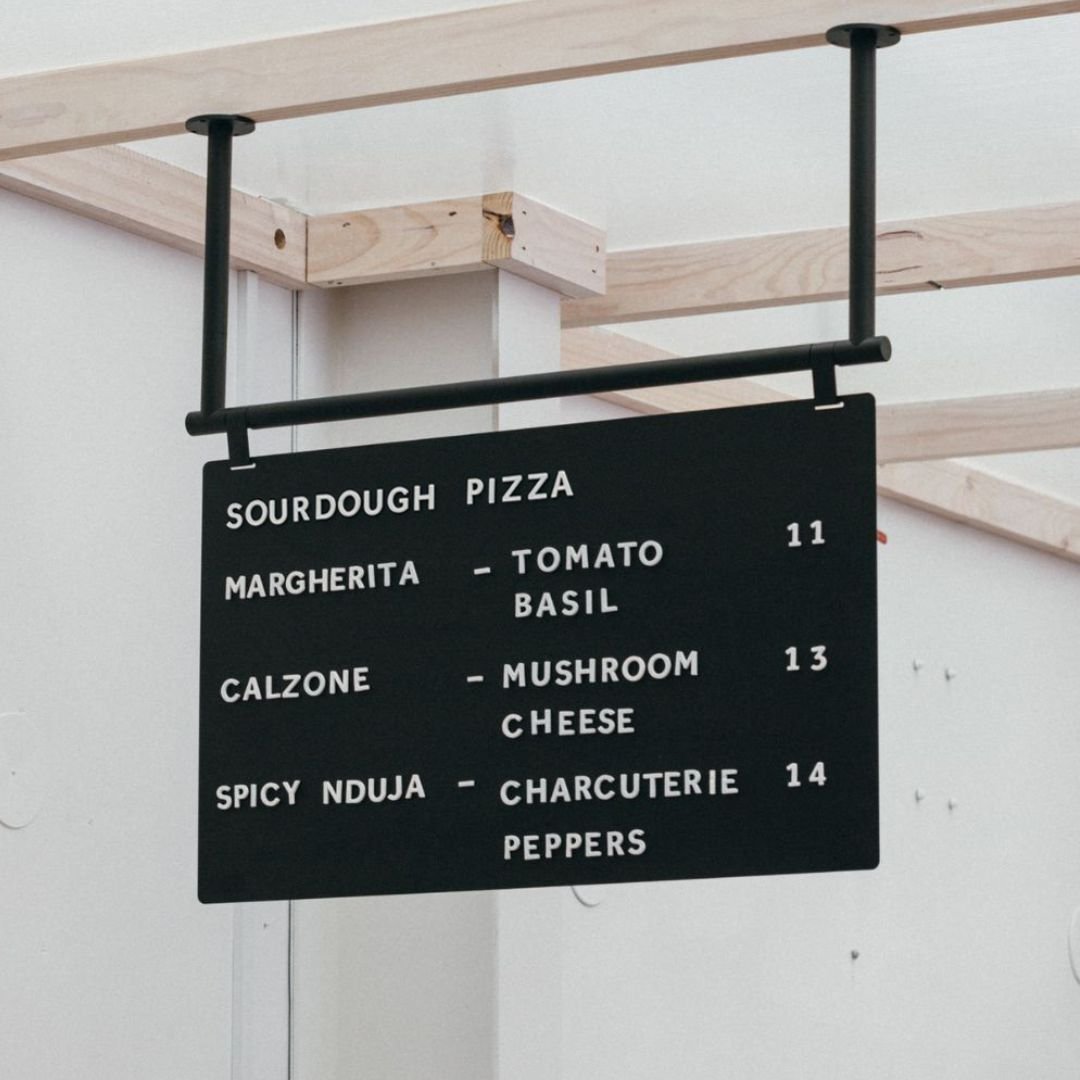
Black on white, or white on black, is almost always the most legible combination. Avoid light text on a light background or dark text on a dark background. If you are using printed graphics, make sure the key message is large enough to read from several metres away.
Place it in the sightline
The best position for a pavement sign is directly in the natural walking path of your target customer — not tucked to the side where it can be easily missed. Angle it slightly towards oncoming foot traffic rather than pointing it straight ahead.
Change it regularly
A pavement sign that says the same thing every day quickly becomes invisible to regular passers-by. Change your messaging weekly — daily specials, seasonal offers, events, or simply a different call to action — to keep it fresh and worth reading.
Bring it in overnight
Most powder-coated steel and aluminium pavement signs are weather-resistant, but bringing portable signs indoors overnight extends their lifespan significantly and reduces the risk of theft or wind damage.
Buying Criteria: What to Look for in a UK Pavement Sign
Weather resistance — UK weather is unpredictable. Look for powder-coated aluminium or steel construction, which resists rust and handles rain without warping or fading.
Stability — Wind is the enemy of pavement signs. Look for a weighted base, sandbag option, or a design with a low centre of gravity. A sign that blows over is a safety hazard as well as a frustration.
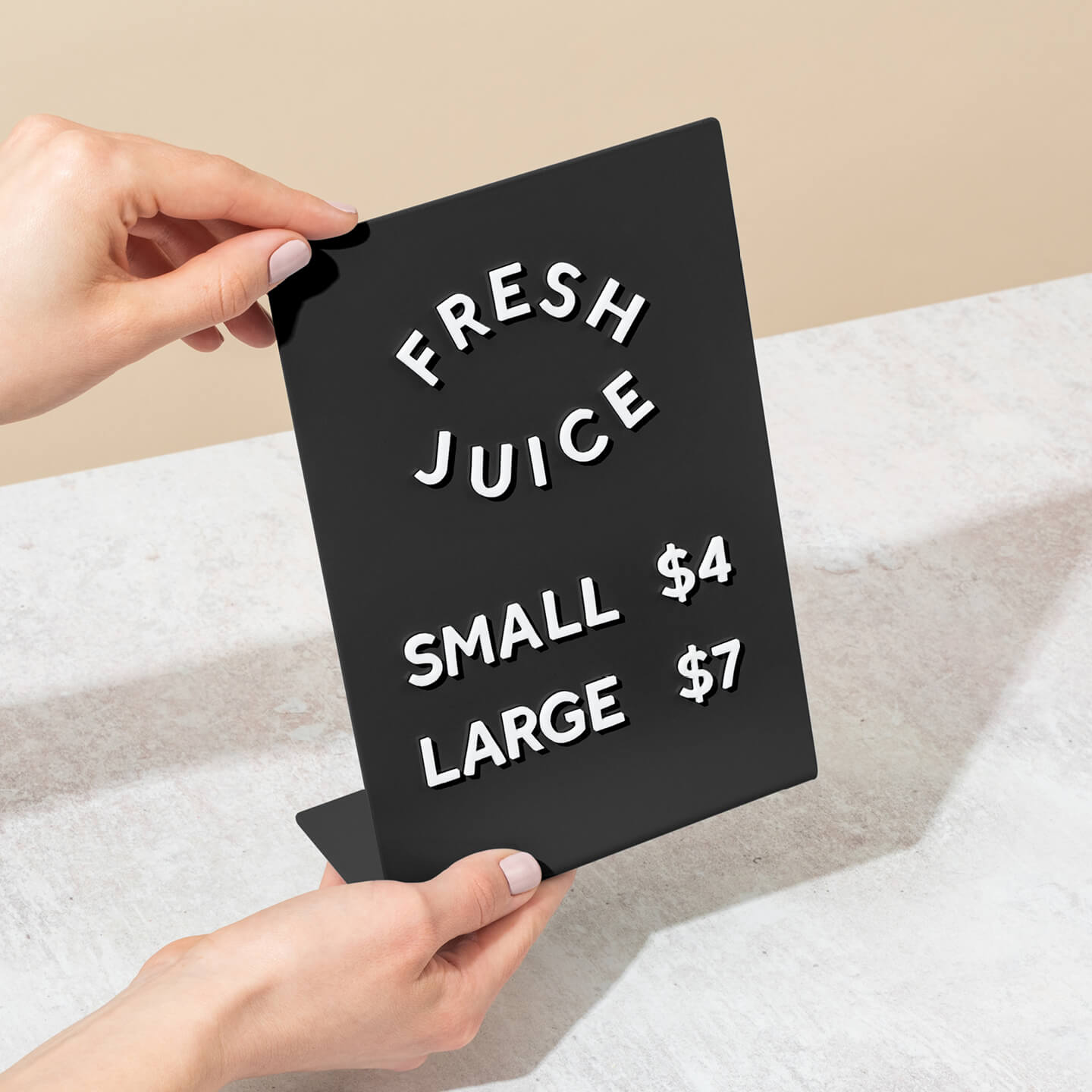
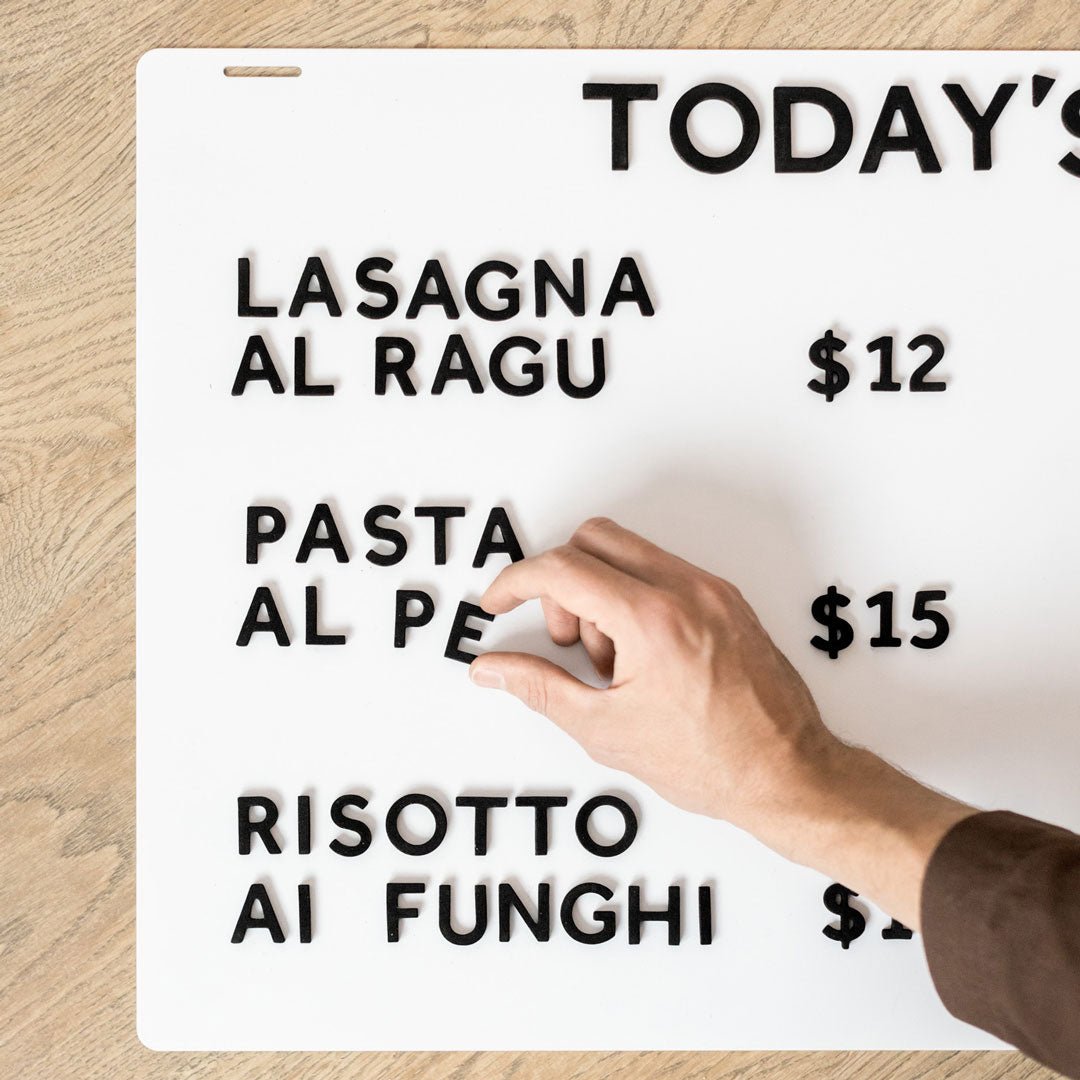
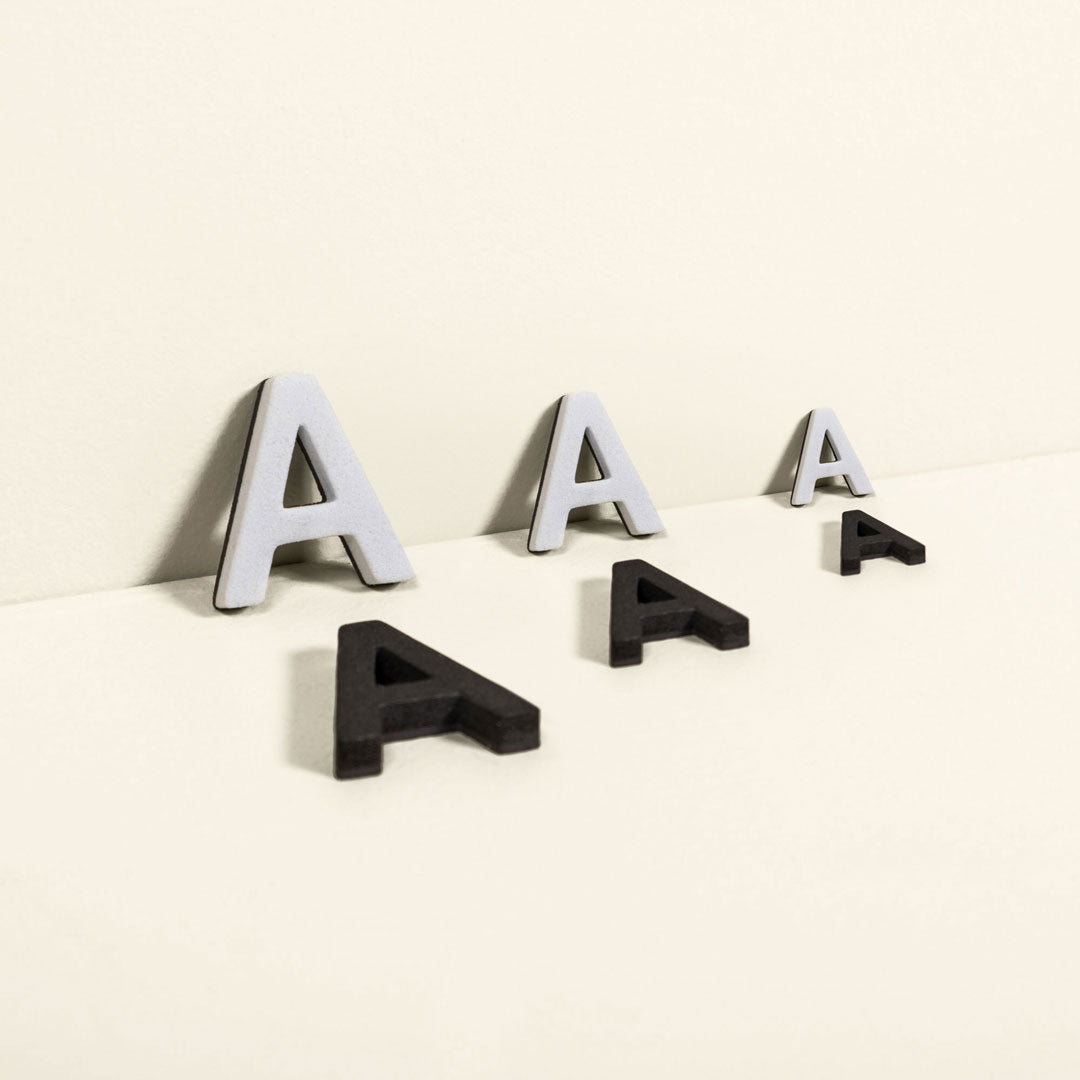
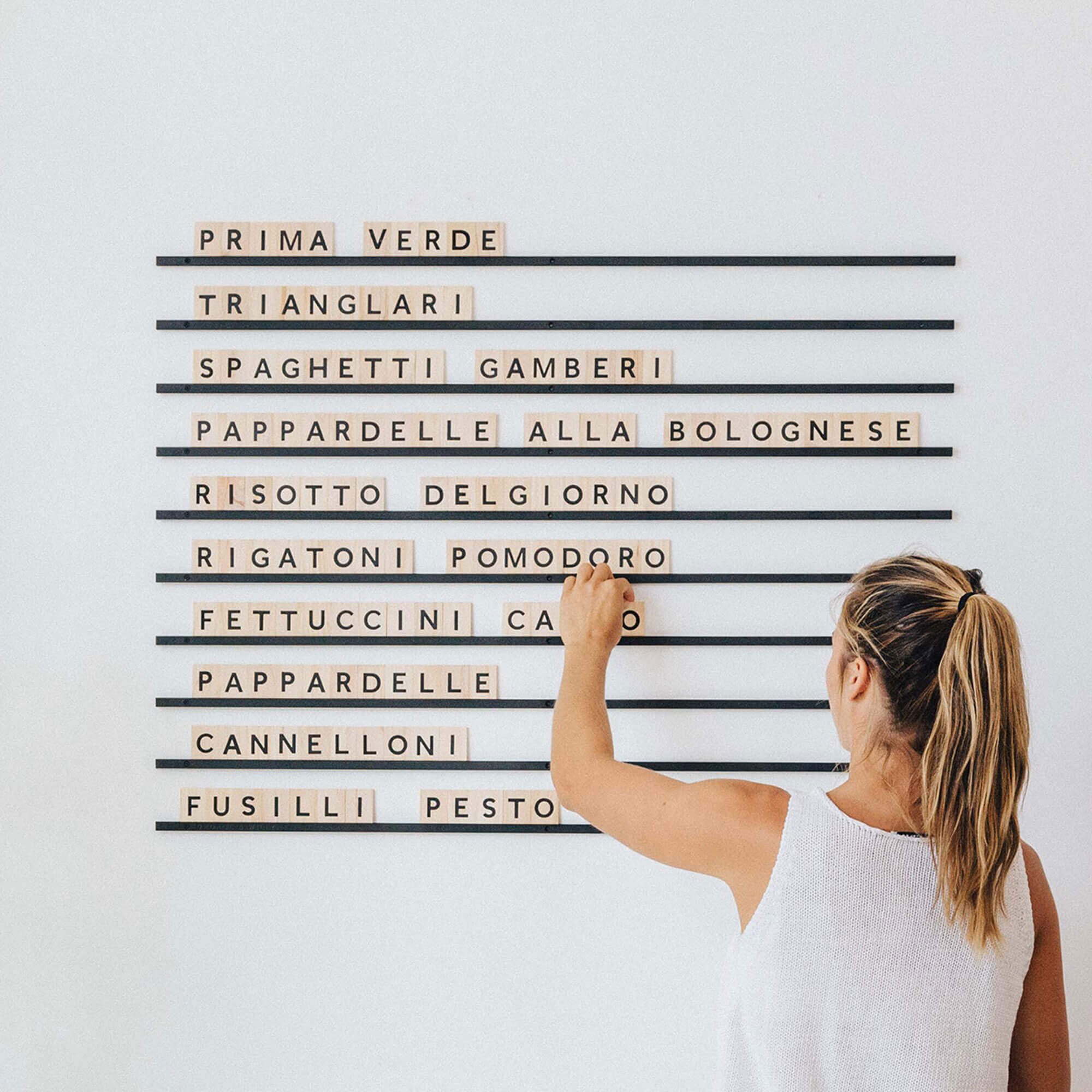
Ease of update — If you cannot update your sign quickly and easily, you won't do it regularly. Interchangeable face panels, magnetic letter systems, and easy poster swap mechanisms all help.
Size — Match the size of your sign to the distance from which it needs to be read. A small A-frame is fine for a narrow pedestrianised street; a larger sign is needed if you are set back from the road or competing with other visual noise.
Finish and brand fit — Your pavement sign is part of your brand. Choose a finish — black, white, brass, bronze — that is consistent with the rest of your shopfront and interior signage.
Shipping and returns — George and Willy ships to the UK from the Netherlands with duties and taxes included (Delivered Duty Paid), so the price you see is the price you pay. Orders process in one to two working days, with express delivery targeting one to five working days. Full price items have a 100-day change of mind return window and all products include a 2-year warranty.
Pavement Signs by Business Type
Cafés and coffee shops — An A-frame with a daily specials board or a poster sign with seasonal campaign imagery. Keep the message simple: today's special, a new seasonal drink, or your Wi-Fi password.
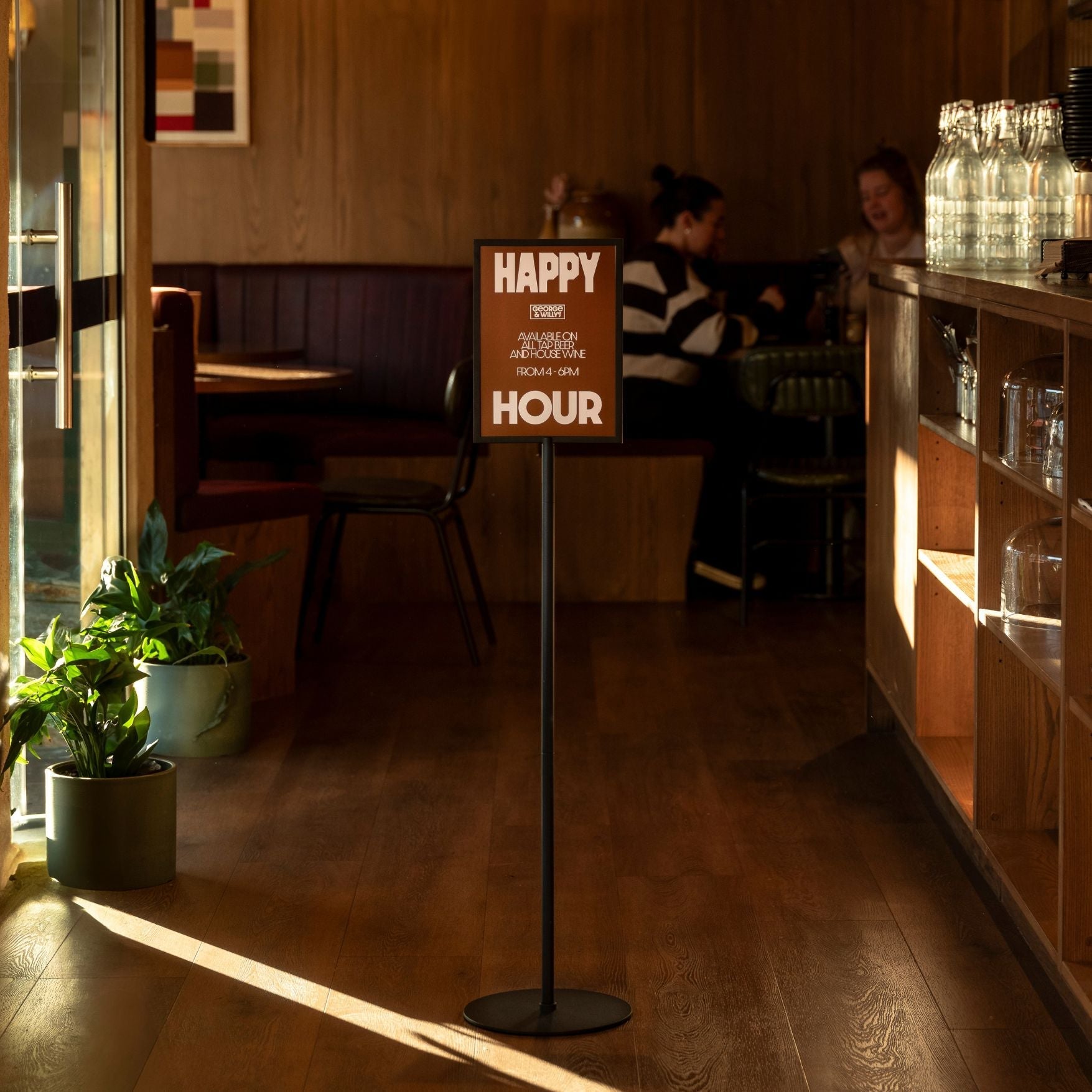
Pubs and bars — A sandwich board or A-frame works well for happy hour promotions and live event listings. A standing round sign with your logo is a great brand statement outside the entrance.
Restaurants — A poster pavement sign lets you display high-quality food photography or a seasonal menu. Change it monthly to keep it fresh.
Retail shops — A large A-frame or poster sign works well for sale promotions, new arrivals, or directional messaging if your entrance is not immediately obvious from the street.
Salons and service businesses — A simple A-frame with your key offer or a seasonal promotion. Keep it benefit-led: "Walk-ins welcome today" or "10% off all cuts this week."
Conclusion: The Right Pavement Sign for Your UK Business
The best pavement sign for your business depends on where you are, what you sell, and how often you want to change your messaging. For most UK high street businesses, a well-made A-frame or sandwich board is the most versatile and cost-effective starting point. If you want printed graphics or photography, a poster pavement sign gives you more creative flexibility. And if brand presence is the priority, a standing round sign makes a statement that a standard A-frame simply cannot.
Whatever you choose, invest in quality construction. A cheap pavement sign that rusts, warps, or blows over after one winter is a false economy. Powder-coated steel or aluminium, a weighted base, and an easy-to-update face panel will serve your business reliably for years.
Browse the full range of pavement signs and outdoor signage from George and Willy — shipping to the UK from the Netherlands with duties included.
FAQ
Do I need a licence to put a pavement sign outside my business in the UK?
If the sign is on a public footpath, you may need permission from your local highway authority or council. Rules vary significantly between local authorities. If the sign is on private land directly outside your premises, you generally do not need a licence. Always check with your local council before placing a sign on a public pavement.
What is the difference between an A-frame sign and a sandwich board?
Very little — the terms are often used interchangeably. Both describe a two-panel sign connected at the top that stands in an A-shape. "Sandwich board" is the older, more traditional term; "A-frame" or "A-board" is more commonly used today, including in planning and council documentation.
How do I stop my pavement sign blowing over?
Look for a sign with a weighted base, a sandbag option, or a low centre of gravity. Avoid placing signs in exposed positions during high winds. Some signs allow you to fill the base with water or sand for added stability.
Can I use a pavement sign outdoors in all weather?
Powder-coated aluminium and steel signs are designed for outdoor use in UK weather conditions. For best results, bring portable signs indoors overnight and during severe weather to extend their lifespan.
How quickly does George and Willy ship to the UK?
Orders typically process in one to two working days. UK orders ship from the Netherlands with duties and taxes included. Express delivery targets one to five working days; economy delivery targets three to seven working days.
What if the sign is not right for my business?
Full price items have a 100-day change of mind return window. All products include a 2-year warranty covering faulty workmanship and materials in normal use.