





Turning your car, van, or truck into a mobile billboard is one of the smartest marketing moves you can make. With the right vehicle signs, you create thousands of impressions every day, building brand recognition just by driving around town. But with so many options, from full wraps to simple magnets, how do you choose the right one?
This guide breaks down everything you need to know about vehicle signs, helping you select the perfect type for your business, budget, and goals.
The Main Types of Vehicle Signs
Your vehicle is a blank canvas. Here are the most popular ways to turn it into a piece of advertising art.
Vehicle Vinyl Lettering and Decals
These are classic choices for clean, professional branding.
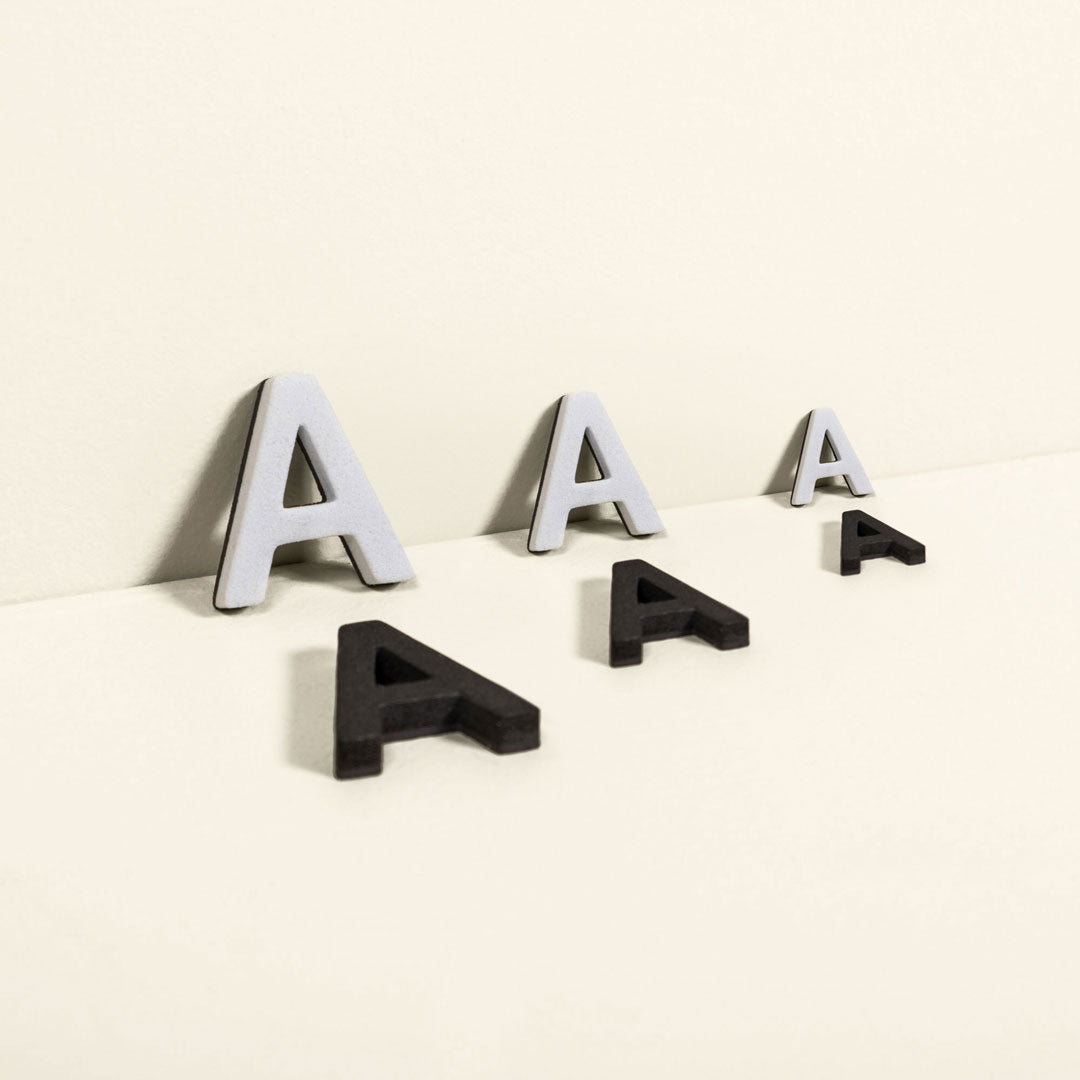
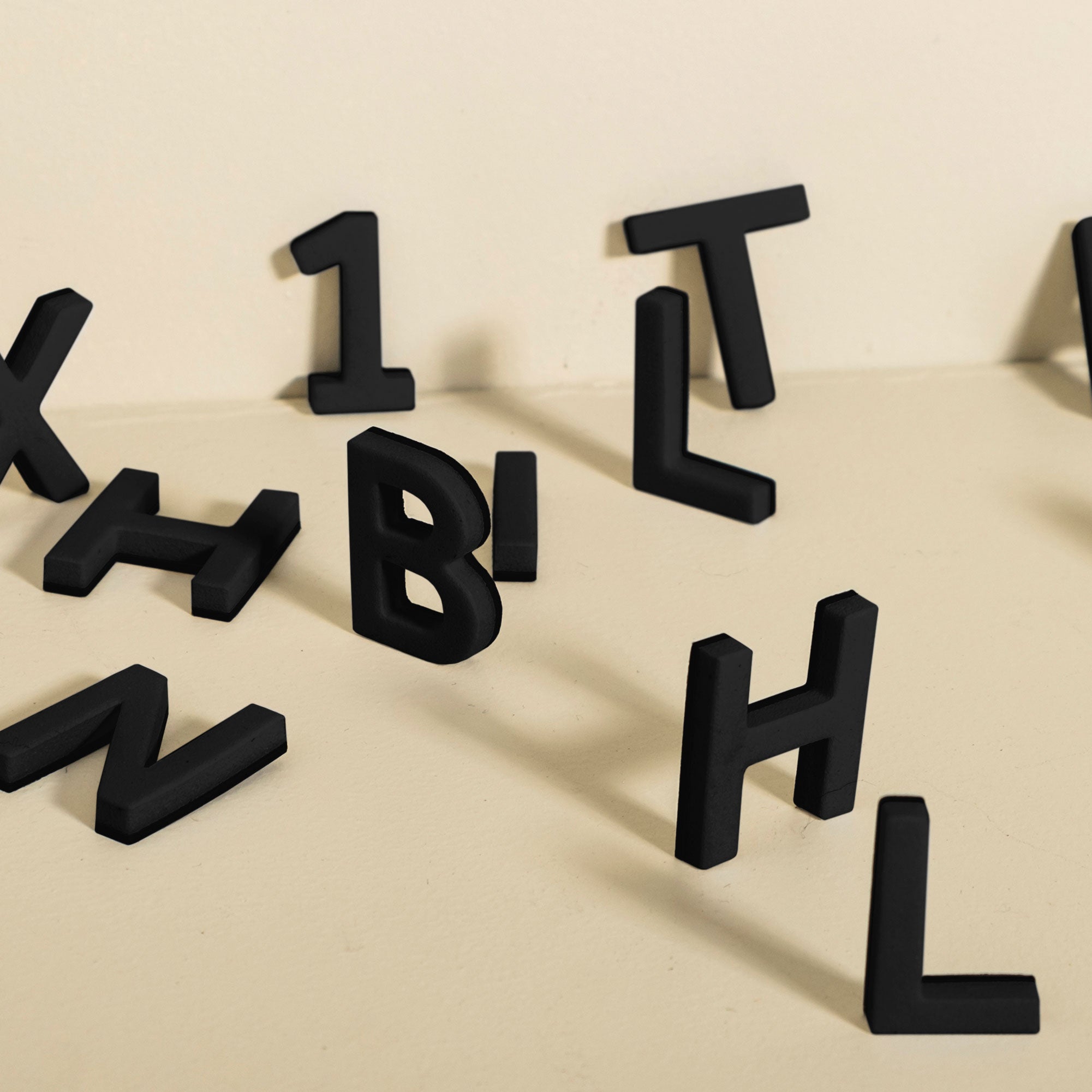
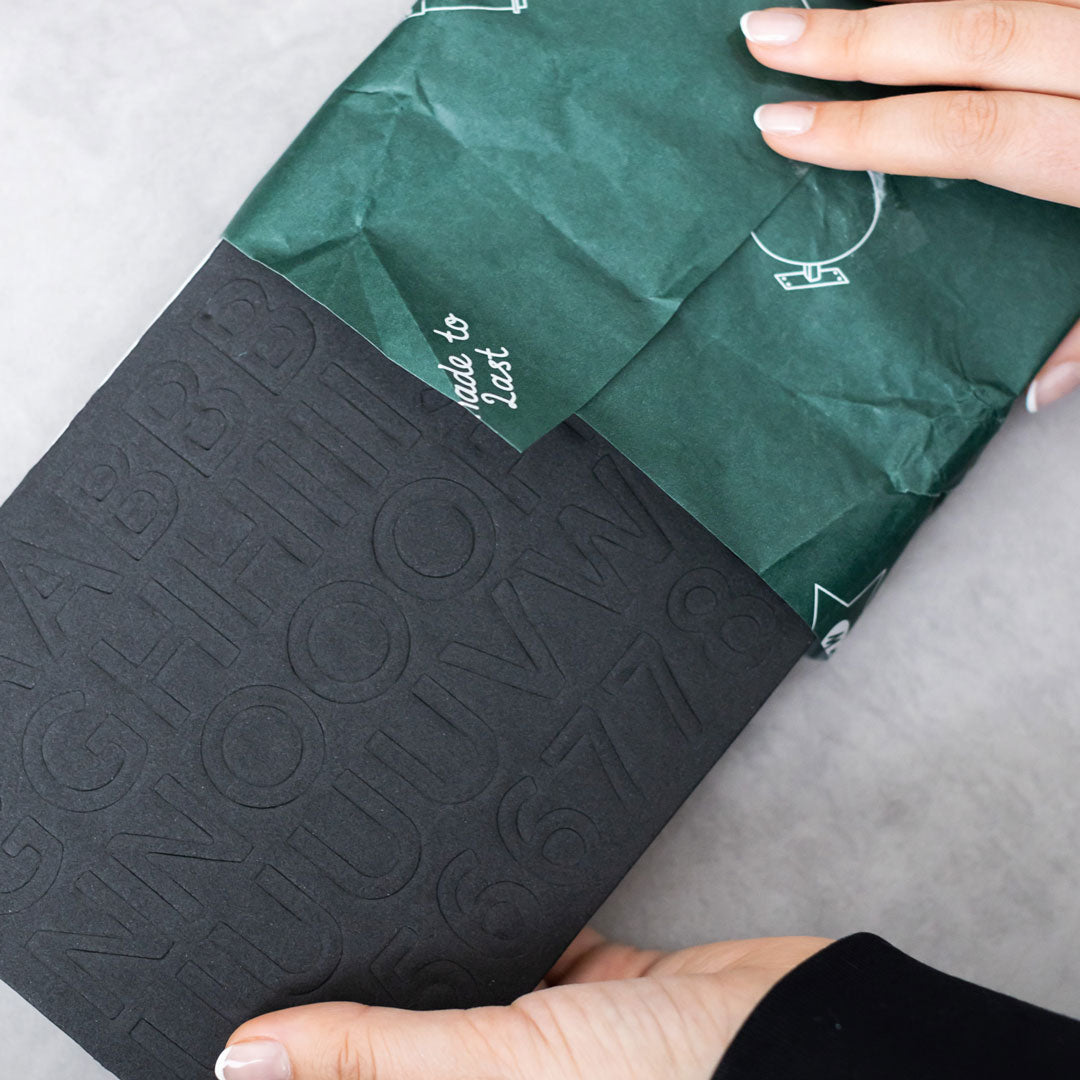
- Vehicle Vinyl Lettering: This consists of individually cut letters, numbers, and simple logos made from solid colored vinyl. There is no background, so when applied, the lettering looks like it was painted directly onto your vehicle. It’s perfect for displaying your business name, phone number, or regulatory information like USDOT numbers.
- Vehicle Vinyl Decal: A decal is typically a graphic printed onto a sheet of vinyl. This allows for complex, full color designs, including photos, gradients, and intricate logos. Decals are applied as a single piece and are ideal when you need more visual punch than simple text can provide.
Vehicle Wraps: Maximum Impact
A vehicle wrap is a large vinyl graphic designed to cover a significant portion, or even all, of your vehicle’s paint.
- Partial Wrap: This covers only a part of the vehicle, like the doors, the rear, or the hood. A partial wrap is a cost effective way to make a big statement, blending the design with your vehicle’s original paint color for a dynamic look.
- Full Wrap: A full wrap covers the entire painted surface of your vehicle, offering a complete transformation. This provides maximum advertising space and has the added benefit of protecting the original paint from UV rays and minor scratches.
Car Magnets: The Flexible Option
A car magnet is a removable sign made from a magnetized sheet that sticks to a vehicle’s steel body panels. These are perfect for anyone who uses a personal vehicle for business and needs to add or remove branding on demand. They are a go to solution for realtors, contractors, and delivery drivers.
Window Graphics
Don’t forget about your windows. They offer prime real estate for vehicle signs.
- Window Decals: These are typically solid vinyl decals applied to windows. For safety, they shouldn’t obstruct the driver’s view, so they are often placed on rear or side passenger windows.
- Window Perf: This special perforated vinyl film allows for full color graphics on the outside while remaining see through from the inside. It’s a great way to add branding to your rear window without compromising visibility, though you should always check local regulations on window coverage.
Understanding the Costs of Vehicle Signs
The price of vehicle signs can vary widely. Here’s a look at typical budget ranges and the other fees you should anticipate.
Comprehensive Cost Breakdown by Sign Type
- Car Magnets: Generally the most affordable option, a pair of quality magnets can range from $50 to $200.
- Vinyl Lettering & Decals: For simple lettering or small logos, costs can range from $150 to $700, depending on complexity and coverage.
- Partial Wraps: A great middle ground, partial wraps typically cost between $1,000 and $3,000.
- Full Wraps: For a complete transformation, expect to invest between $2,500 and $6,000 for a standard car or van. Larger vehicles like box trucks can cost more.
Additional Costs to Consider
- Design Fees: If you don’t have a print ready design, expect to pay a graphic designer. This can range from a simple setup fee of $100 to over $1,000 for a full custom wrap design.
- Installation Labor: This is often included in a quote from a sign shop, but it’s a significant part of the cost, especially for wraps. Labor can account for 40 to 50 percent of the total price.
- Removal Fees: If you need to remove old graphics, this service can cost several hundred dollars, as it is a labor intensive process.
Designing Your Message for the Road
An effective vehicle sign is readable and memorable.
What Should Your Vehicle Sign Say?
Less is more. A vehicle in motion gives viewers only a few seconds to absorb your message. Focus on these three essentials:
- Who you are: Your business name and logo.
- What you do: A short, clear description of your service (e.g., “Plumbing & Heating”).
- How to reach you: A phone number or an easy to remember website.
Readability is Everything
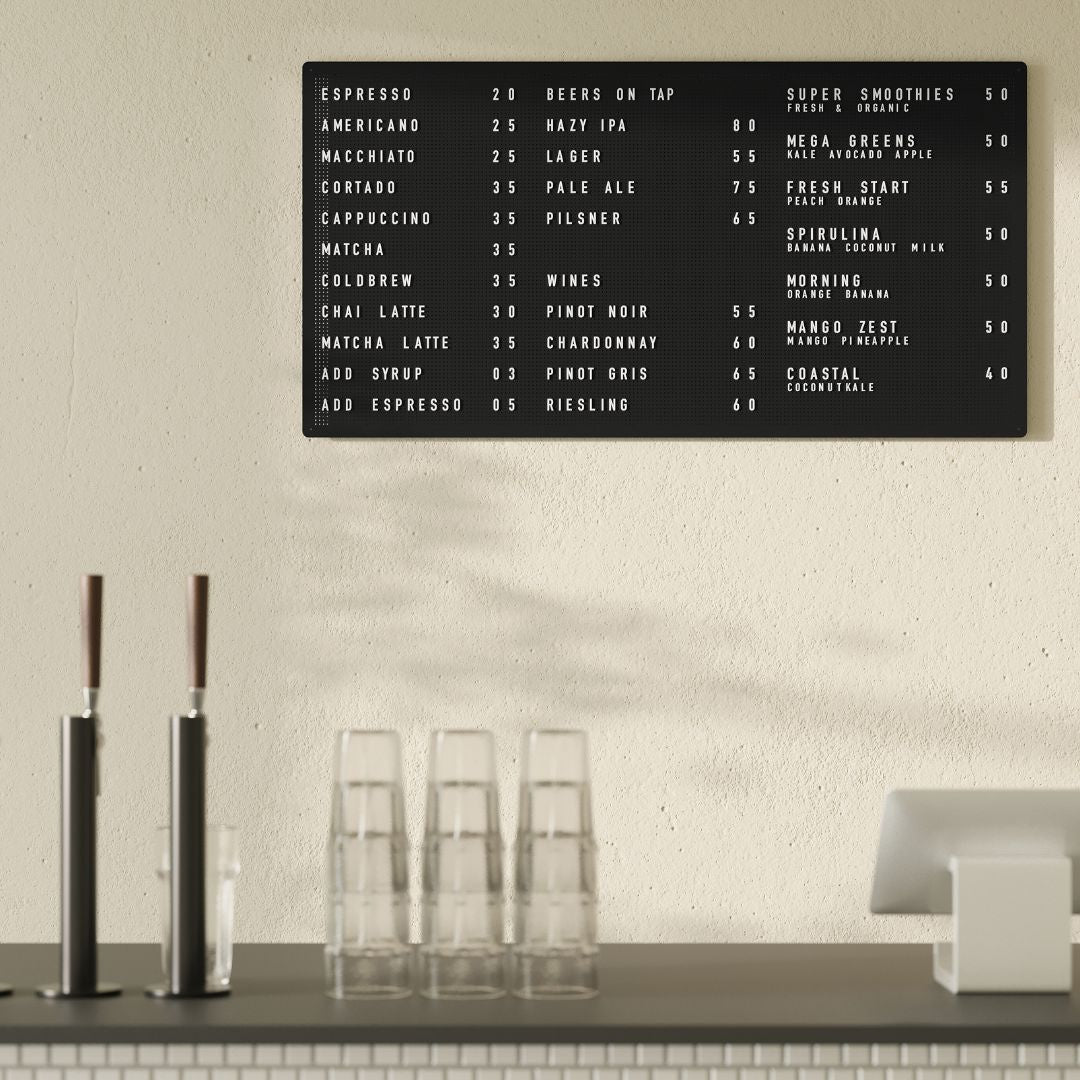
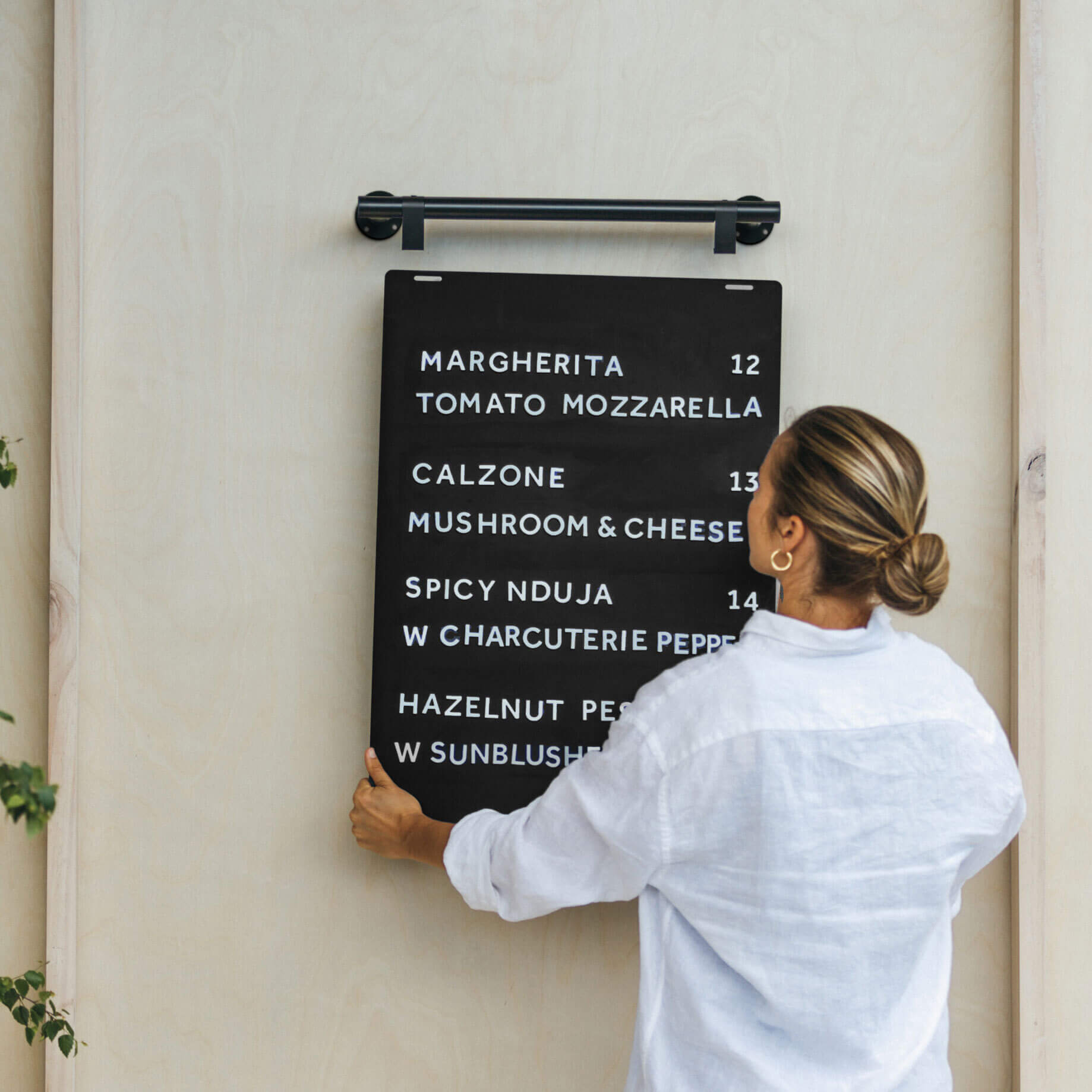
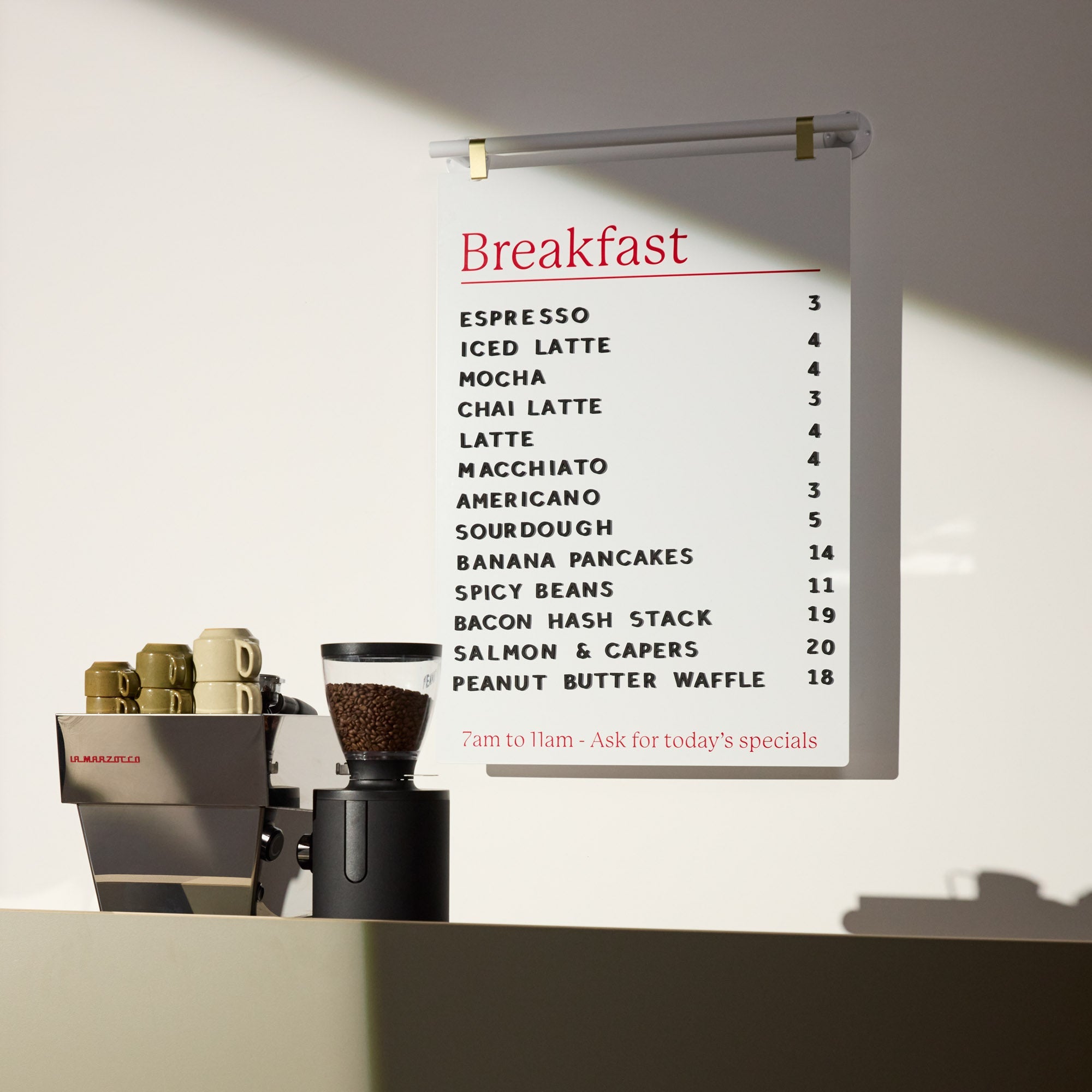
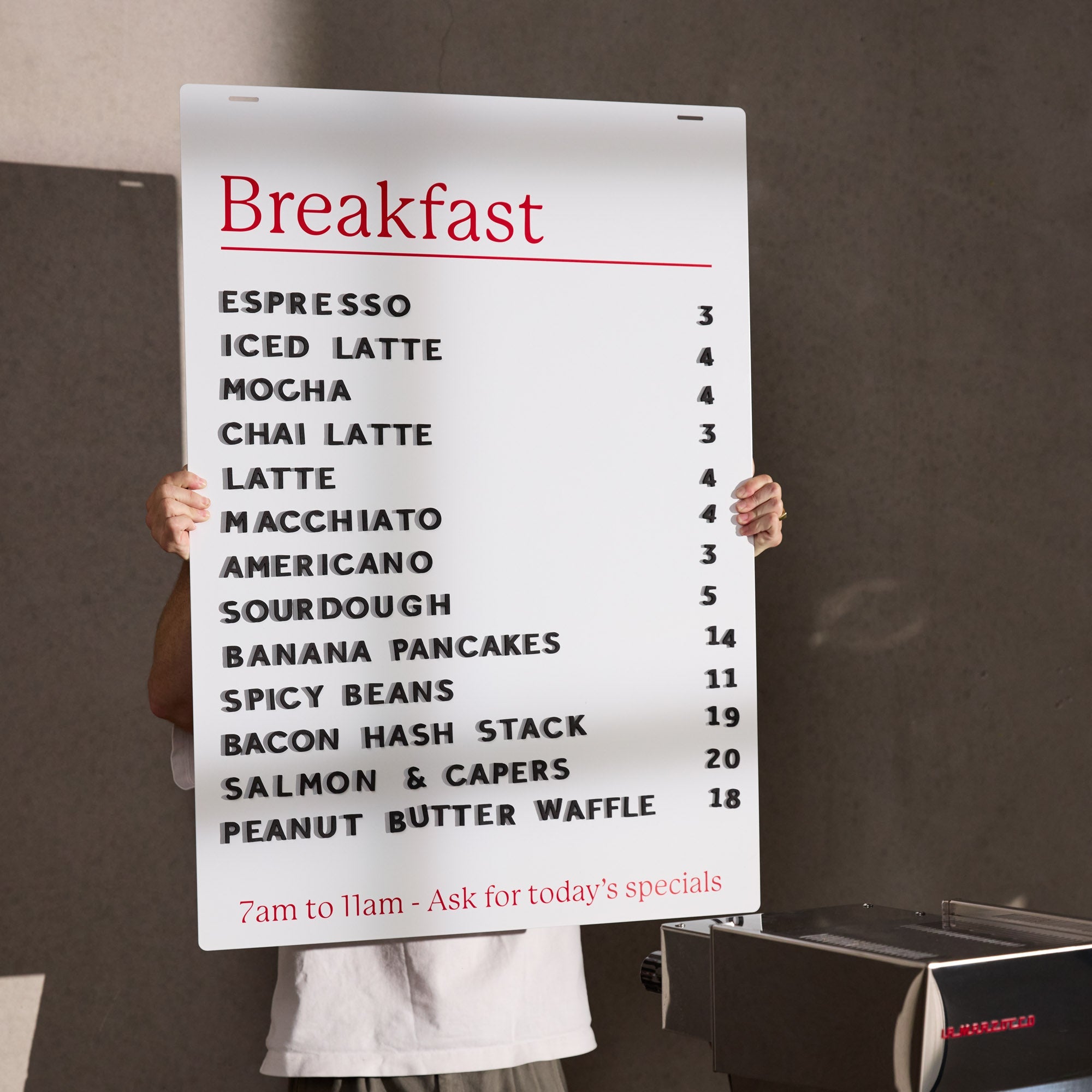
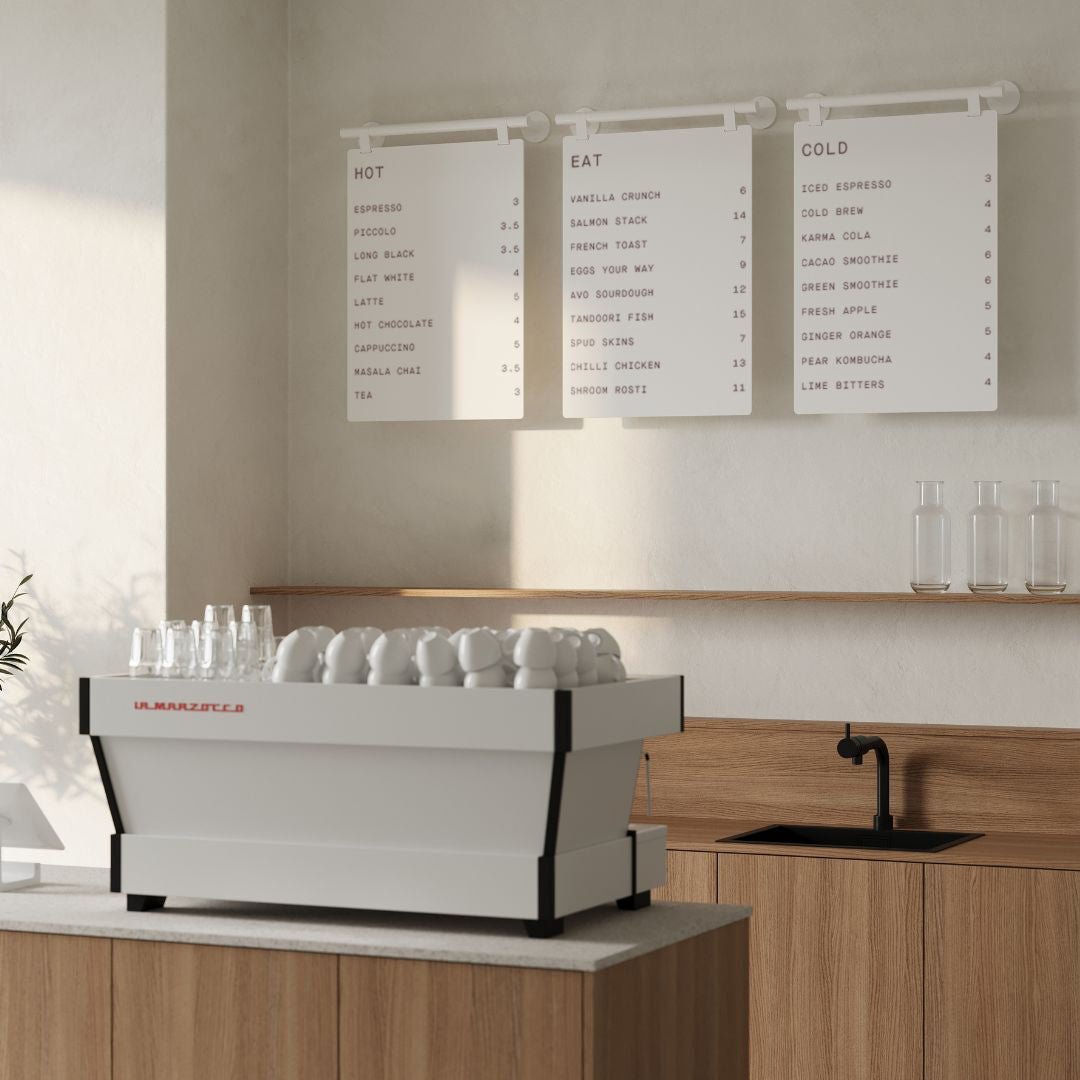
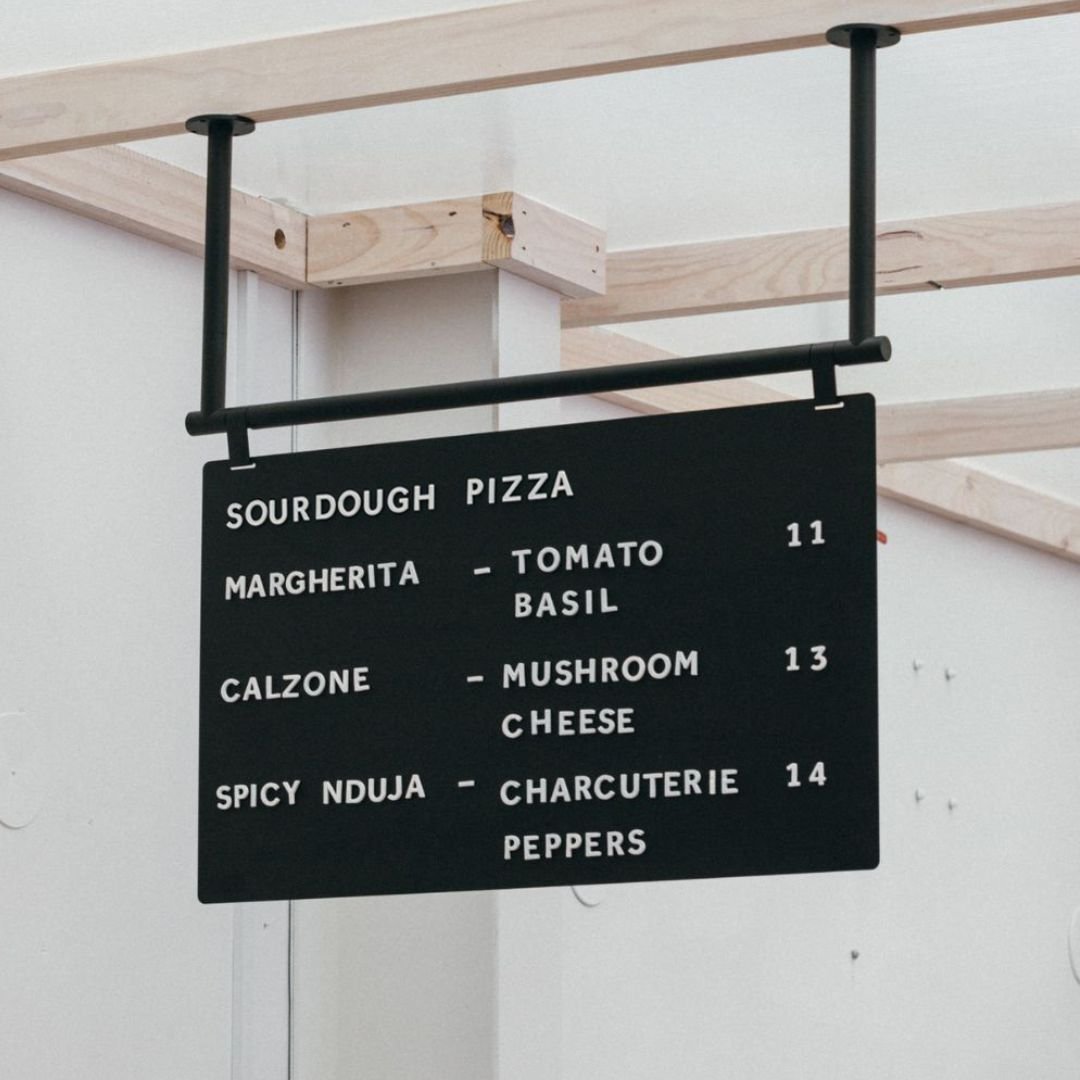
If people can’t read your sign, your investment is wasted. Use clean, bold fonts and high contrast colors, such as white text on a dark vehicle or black text on a light one, for maximum legibility. For interior price lists, a Menu Board with reversible tiles helps maintain contrast and fast changes.
Best Placement for Vehicle Signs
- Rear: This is the most valuable space. Drivers behind you in traffic are a captive audience.
- Sides: Side panels are great for your company name and logo, visible to passing cars and pedestrians.
- Hood and Front: These areas are less important while driving but can be effective when the vehicle is parked. When you’ve pulled up to a jobsite, set out a pavement sign to capture foot traffic and reinforce your brand message.
Materials and Durability
The quality of the material determines how your vehicle signs will look and how long they will last.
Material Grade: Cast vs. Calendered Vinyl
- Cast Vinyl: This is the premium, top grade material. It’s thin, flexible, and conforms beautifully to complex curves, making it the only choice for full vehicle wraps. Cast vinyl is incredibly durable, often lasting seven to ten years outdoors.
- Calendered Vinyl: This is a more budget friendly option that is thicker and more rigid. It’s best for flat or gently curved surfaces. Its outdoor lifespan is typically three to six years.
Wrap vs. Paint Comparison
A high quality wrap offers more design flexibility than paint and is often more affordable than a custom paint job. It also protects the original paint, which can help a vehicle’s resale value. A wrap can be removed, while paint is permanent.
How Long Will Your Signs Last?
Durability depends on the material, sun exposure, and climate. High quality cast vinyl can last for over seven years. Applying a UV protective laminate over printed graphics can also extend their life by preventing fading.
Installation and Removal
Proper application is critical for a professional look and long term durability.
DIY vs. Professional Installation
You can install smaller vehicle signs yourself, like car magnets or simple vinyl lettering. The key is preparation. The surface must be perfectly clean. However, for large graphics or wraps, professional installation is highly recommended. Look for installers with certifications like 3M Certified or Avery Dennison Certified, as they have been trained to achieve a bubble free, long lasting finish.
The Removal Process and Paint Safety
When it’s time to remove your graphics, it’s best to hire a professional. They use heat guns to soften the adhesive, allowing the vinyl to be pulled off without damaging the factory paint. It is crucial to apply vinyl to fully cured factory paint. Applying it to a fresh paint job can cause damage upon removal.
Legal, Safety, and Compliance
Before you invest in vehicle signs, it’s important to understand the rules of the road.
- Local Regulations: Most cities allow branded business vehicles but have laws against parking a vehicle on a public street for the sole purpose of advertising, which they may classify as a “mobile billboard”.
- HOA Restrictions: Many Homeowners Associations have rules prohibiting commercial vehicles. If you live in an HOA, removable options like car magnets are a fantastic solution.
- Reflective Film: For commercial trucks, specific classes of reflective tape are often required by the Department of Transportation (DOT) to enhance nighttime visibility and safety.
Managing a Branded Fleet
If your business runs multiple vehicles, fleet graphics are the key to creating a powerful and consistent brand presence. This involves applying a unified design across all your vehicles. A consistent fleet turns your daily operations into a highly effective marketing campaign.
Carry that same look to your physical location with a hanging sign that projects into the street for visibility. For a softer profile, consider a Round Outdoor Shop Sign at your entrance.
Choosing the Right Vehicle Signs for Your Business
The right choice comes down to your specific needs.
- For long term branding: A full or partial vehicle wrap made from high quality cast vinyl is your best bet for durability and impact.
- For clean, professional text on a budget: Vinyl lettering offers a crisp, painted on look.
- For flexibility on a personal vehicle: Car magnets are the undisputed winner.
- For complex, colorful logos: Printed vinyl decals offer limitless design possibilities.
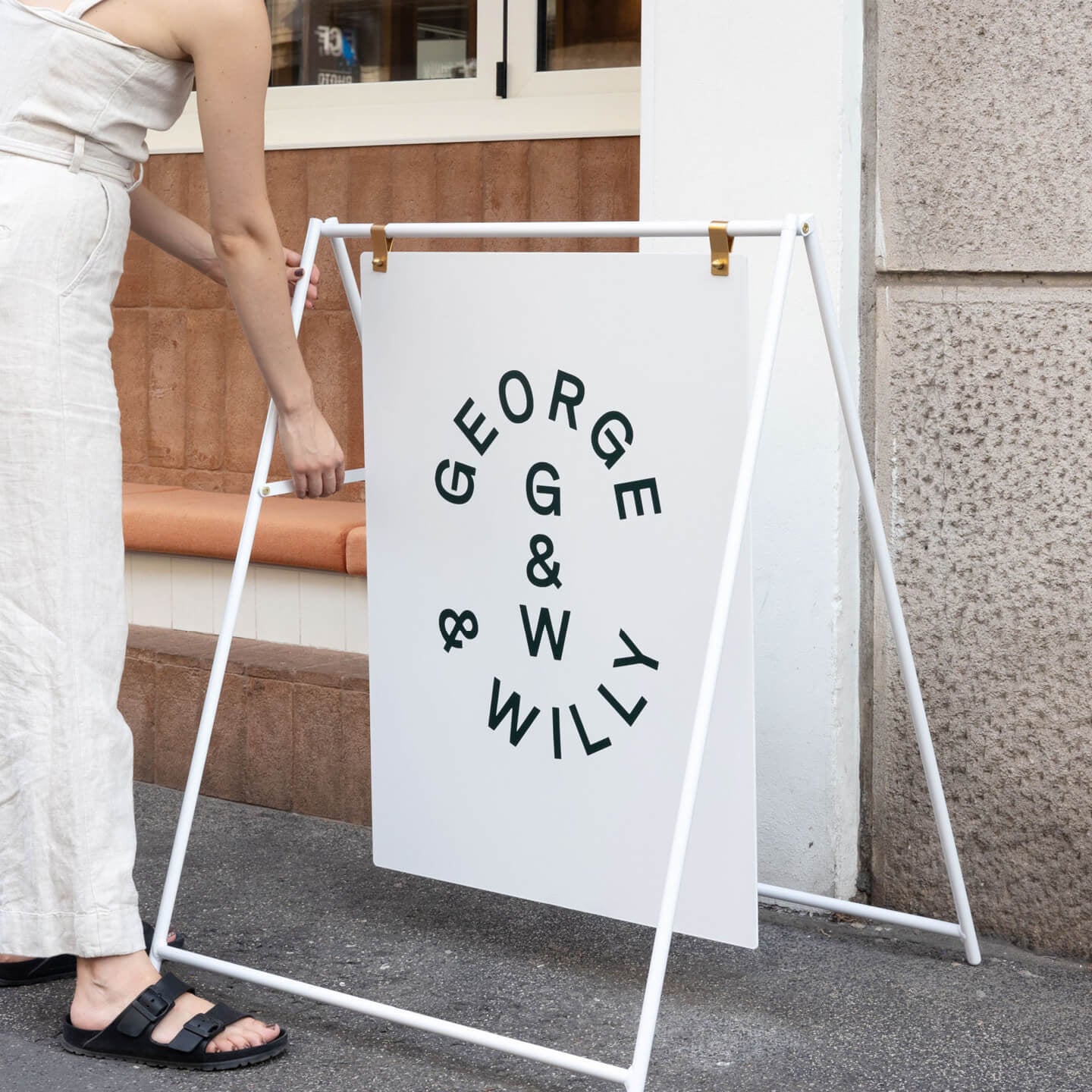
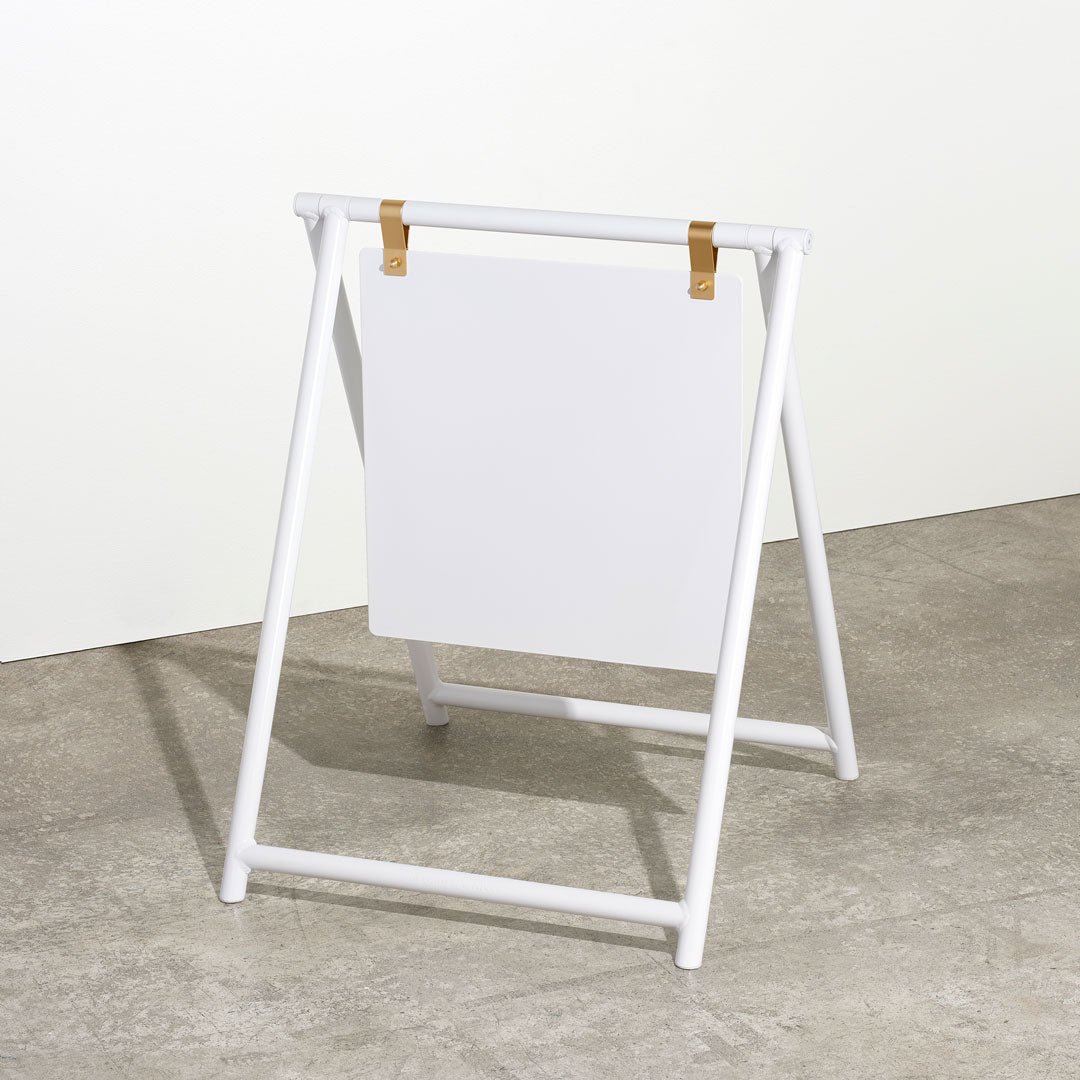
No matter which option you choose, remember that your vehicle signs are a reflection of your brand. For businesses looking for a minimalist aesthetic, pairing custom vehicle decals with beautifully crafted sidewalk signs can create a premium brand experience. You can find a range of blank, high quality signs at George & Willy, from the Rounded Sidewalk Sign for curb appeal to blade and wall signs, all perfect for local customization.
Frequently Asked Questions About Vehicle Signs
1. What is the most cost effective vehicle sign?
For the lowest initial cost, a pair of custom car magnets or simple vinyl lettering are the most affordable. However, wraps often provide the best return on investment due to their visibility.
2. Can I put a wrap or decals on a leased car?
Yes. This is a very common practice. Be sure to use a high quality removable vinyl so the graphics can be removed cleanly at the end of the lease.
3. How do I know if a magnet will stick to my car?
Use a simple refrigerator magnet to test the doors and other panels. It will not adhere to aluminum, fiberglass, or plastic.
4. How big should the letters be on my van or truck?
For key information like a phone number, aim for at least 5 to 6 inches in height to be easily readable from a few car lengths away.
5. How long do vehicle signs last?
It depends on the material. A high quality cast vinyl wrap can last 7 years or more, while an economy vinyl decal might last 3 to 6 years.
6. Do I need a professional to install my vehicle signs?
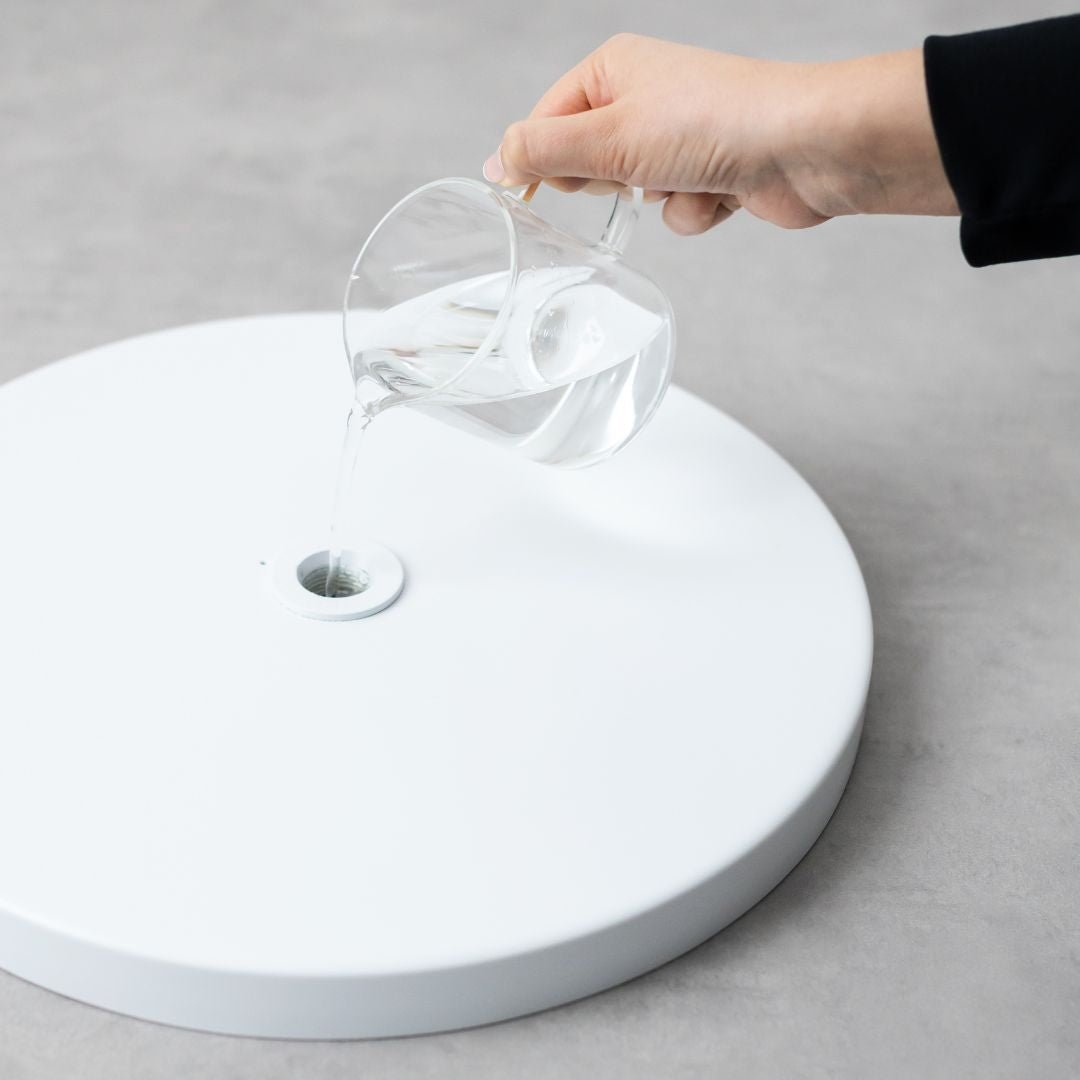
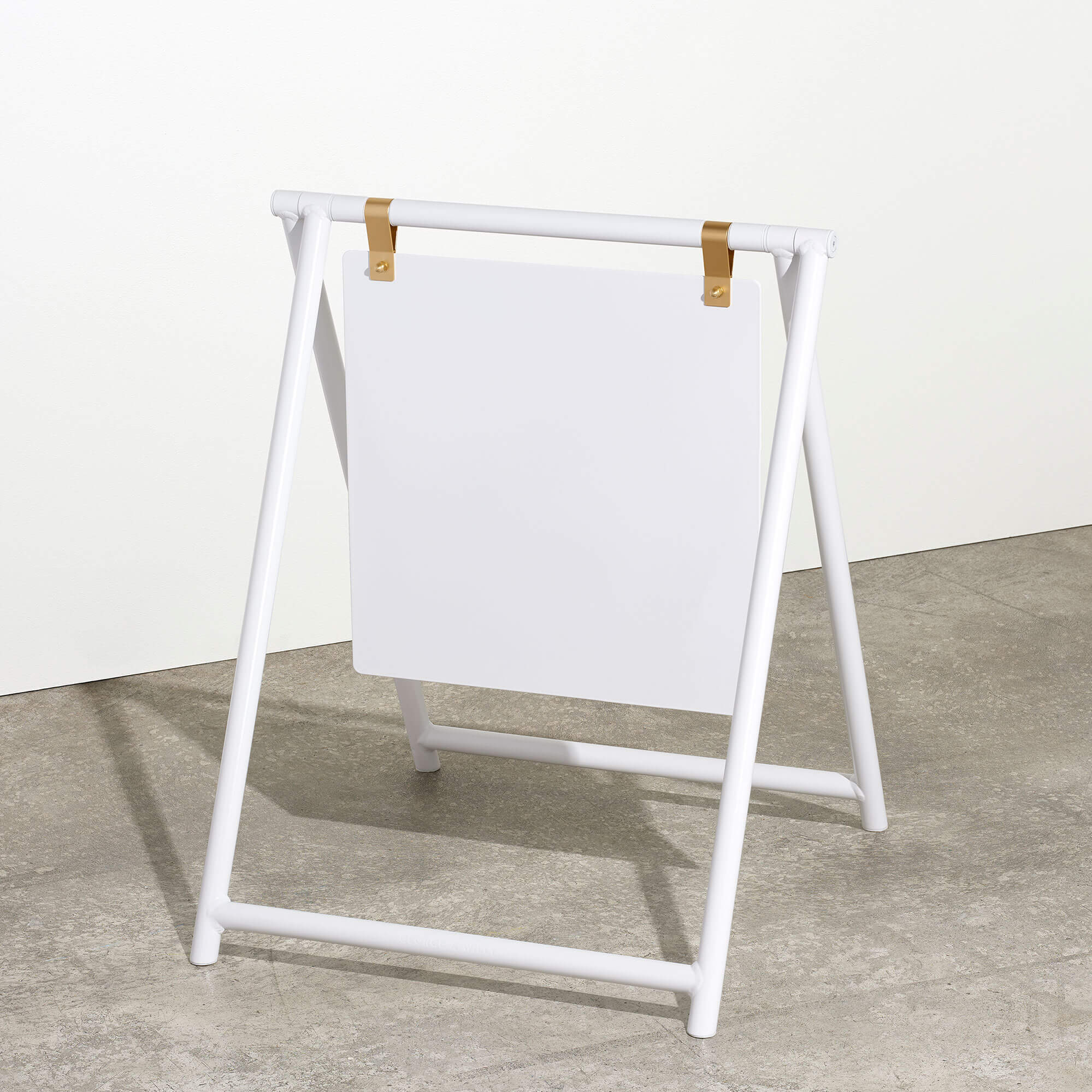
For small decals and magnets, DIY installation is manageable. For large graphics and wraps, professional installation is strongly recommended. If you’re also setting out an A Frame on windy days, add a Sandbag for A Frame Signs to keep it steady.