Signage for Shopfronts, Stores & Businesses
Most businesses need signage in three or four places: something outside to be found, something at the door, something inside to guide people, and something at the counter. This page covers everything we make, grouped by where it goes.
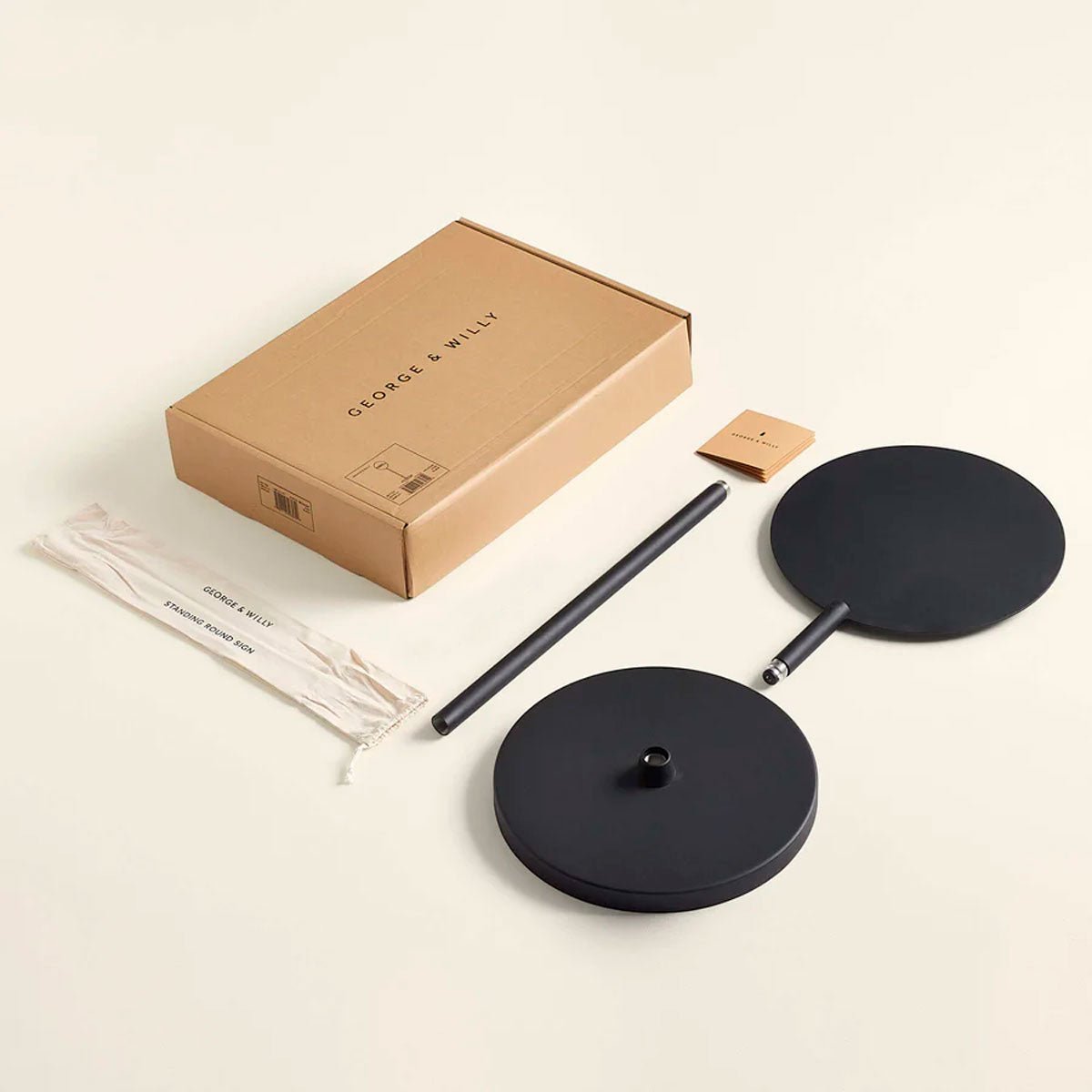
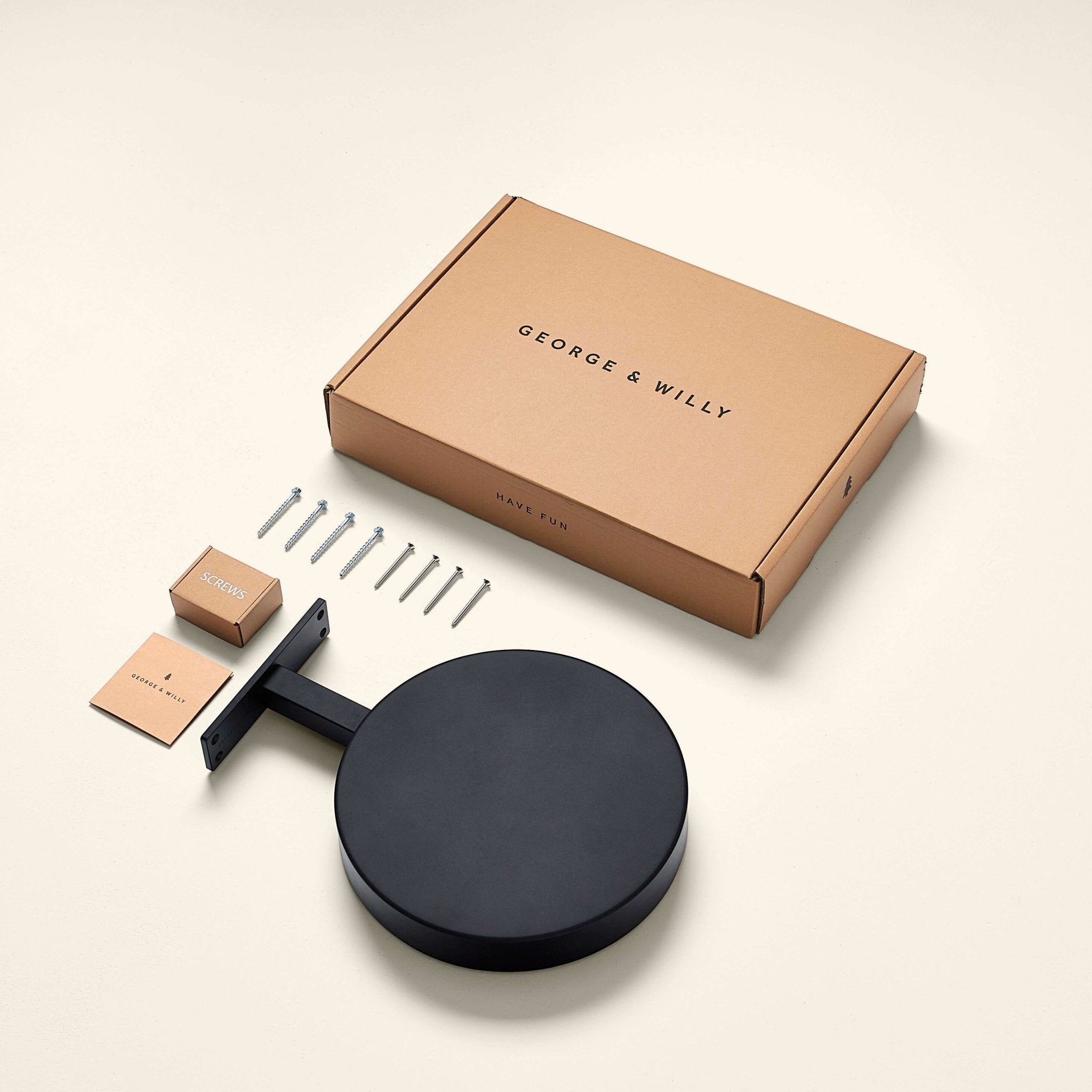
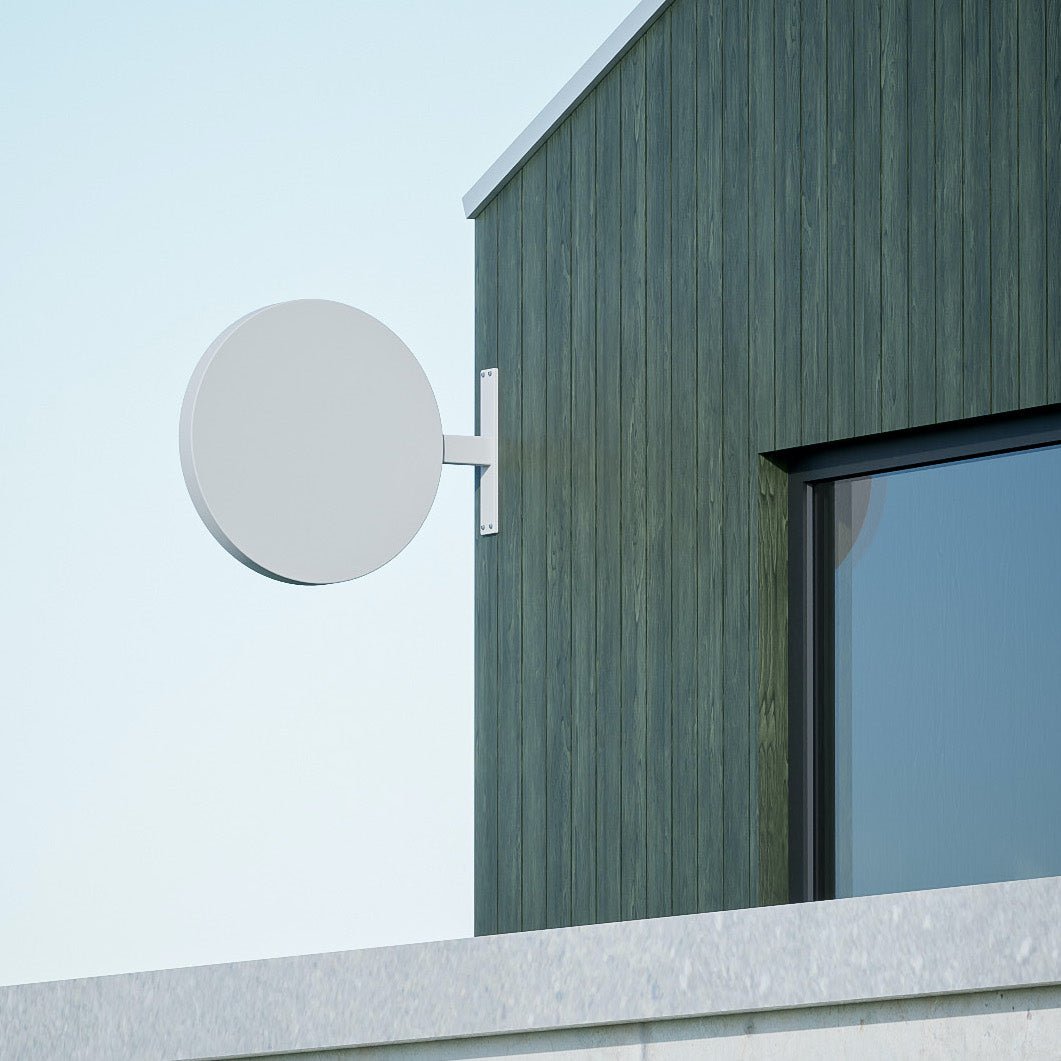
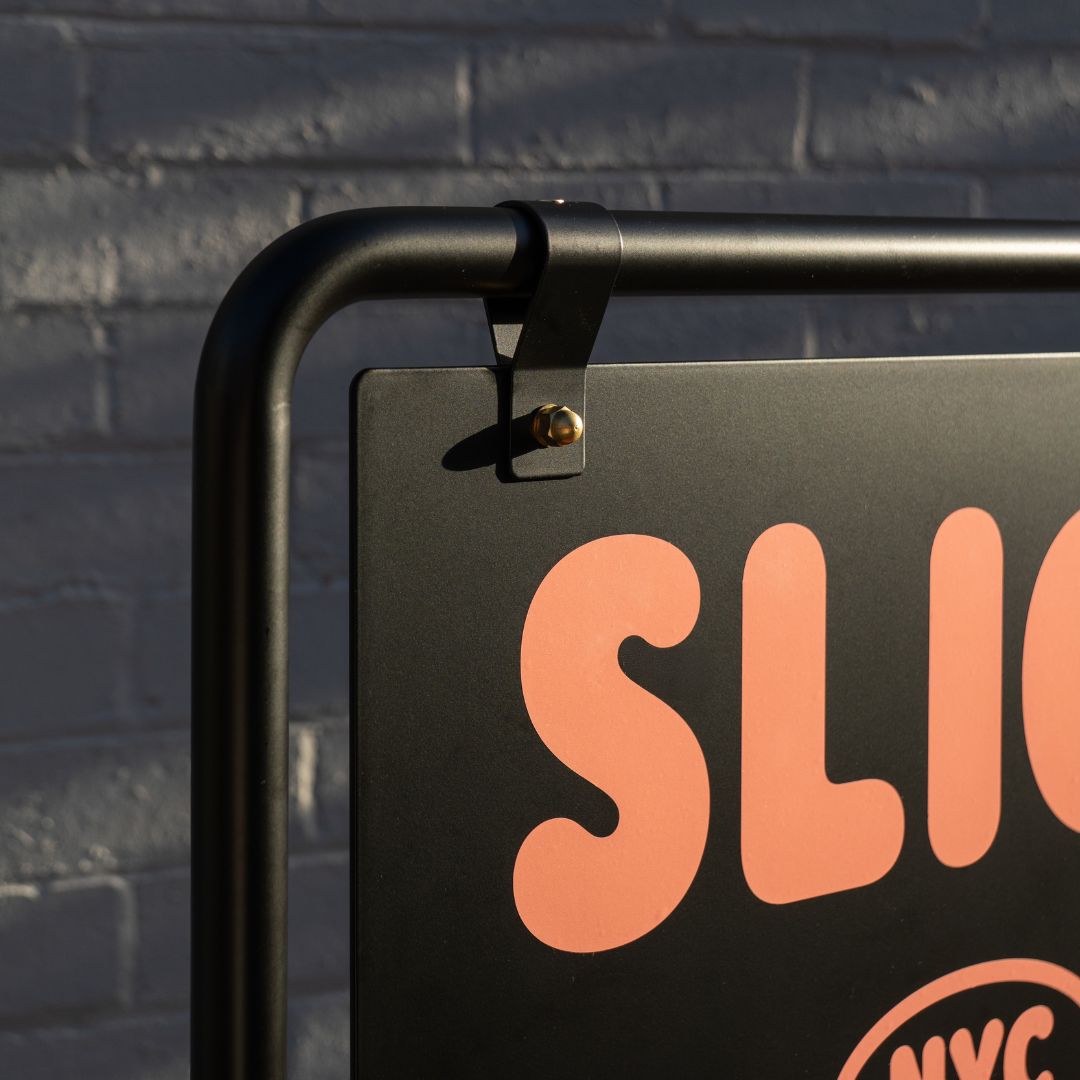
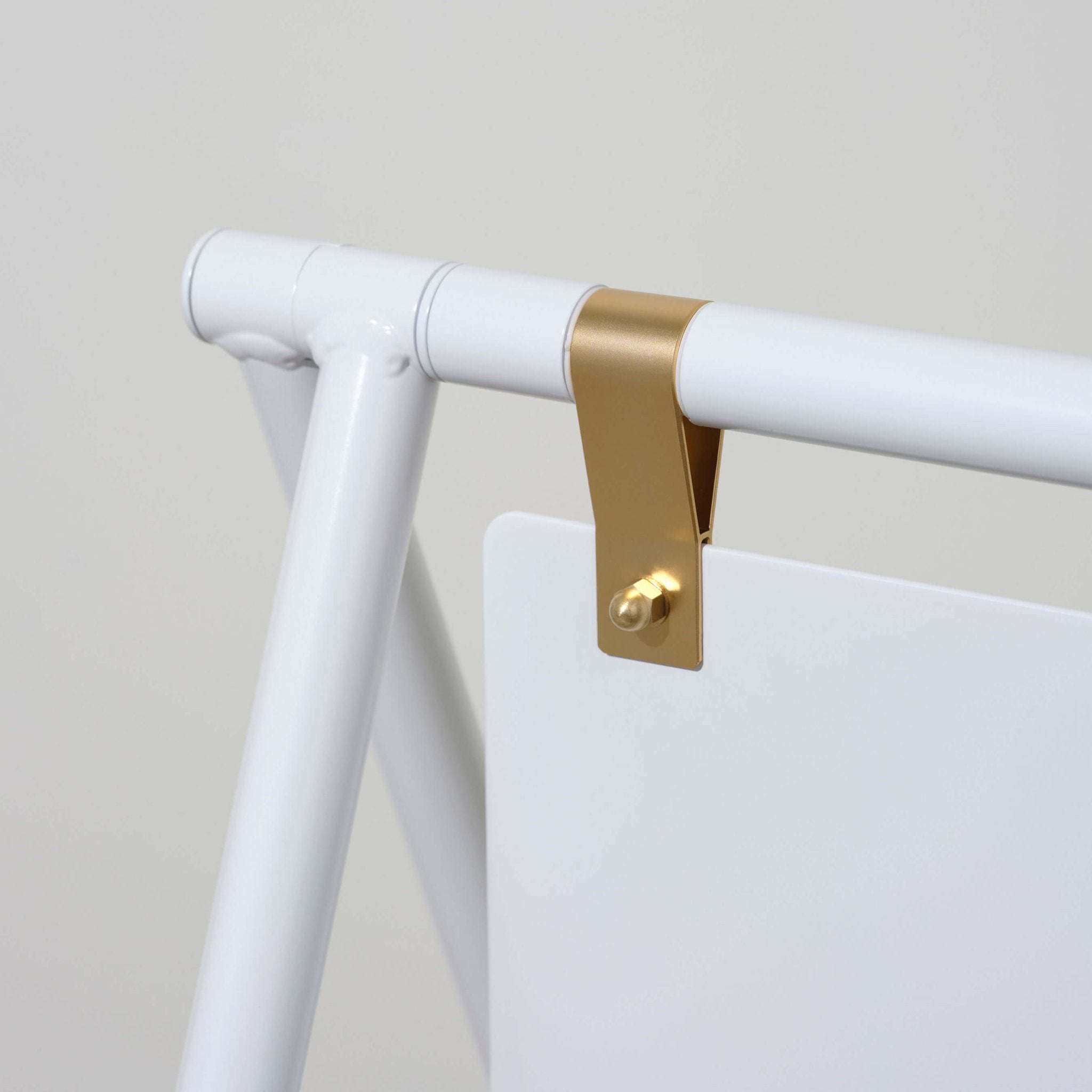
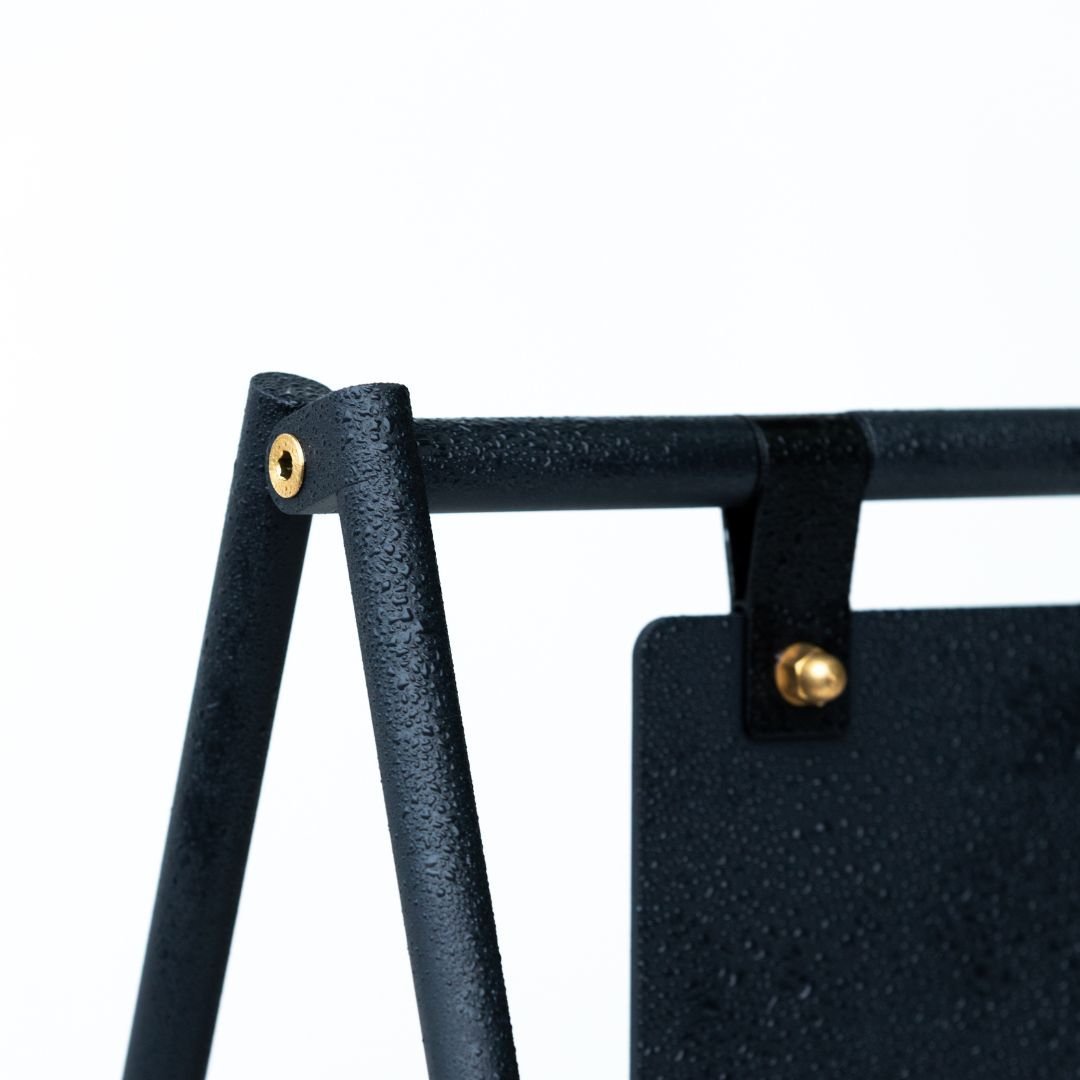
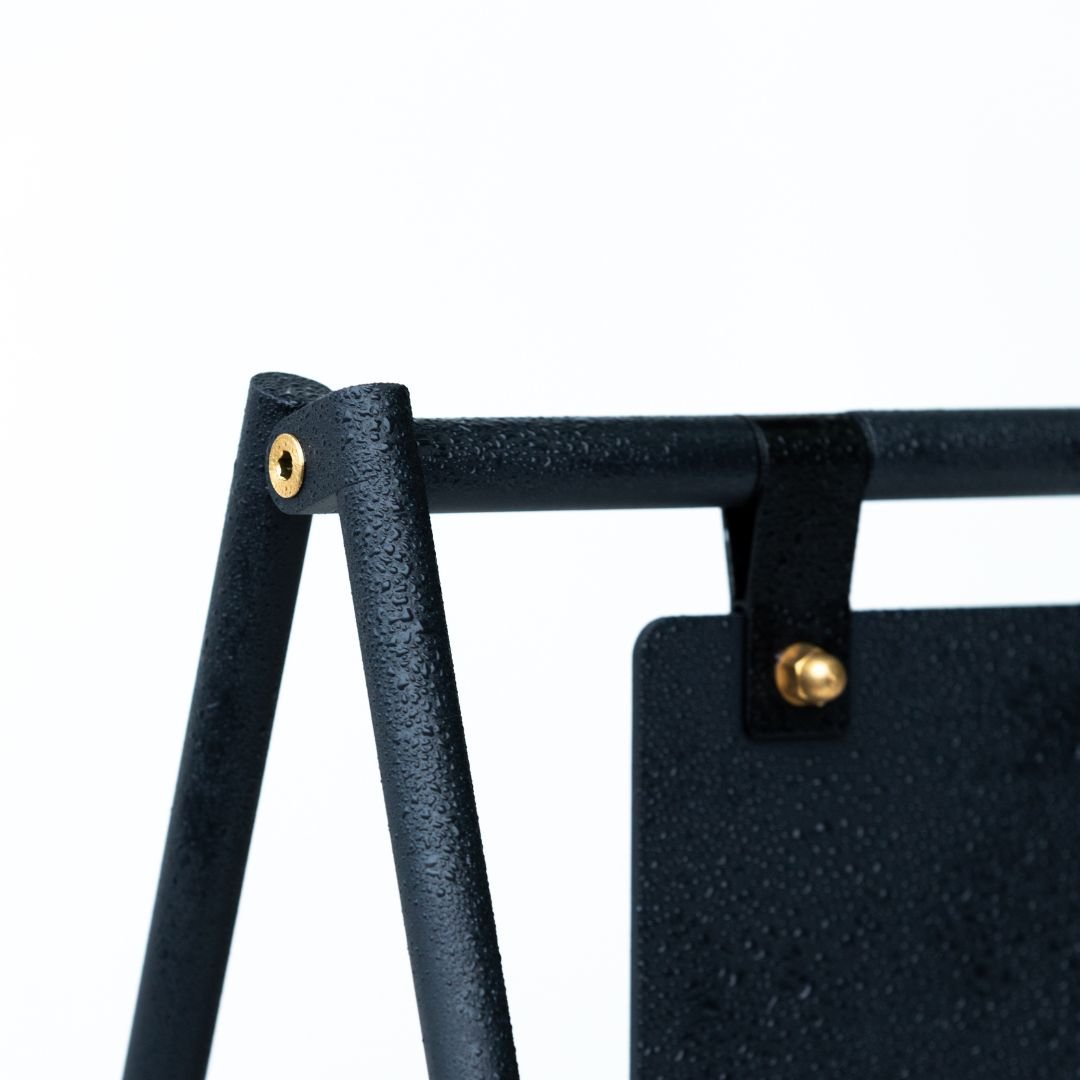
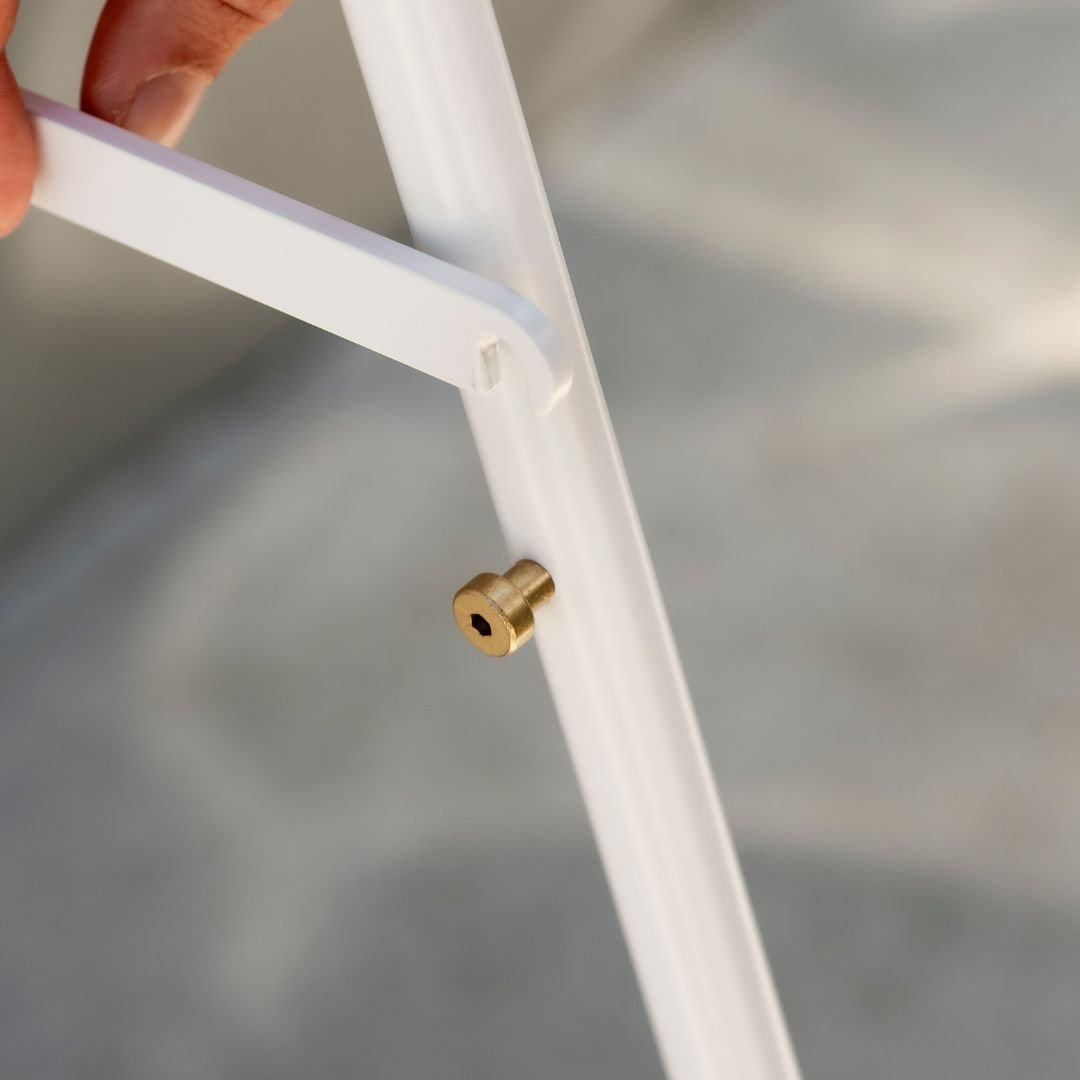
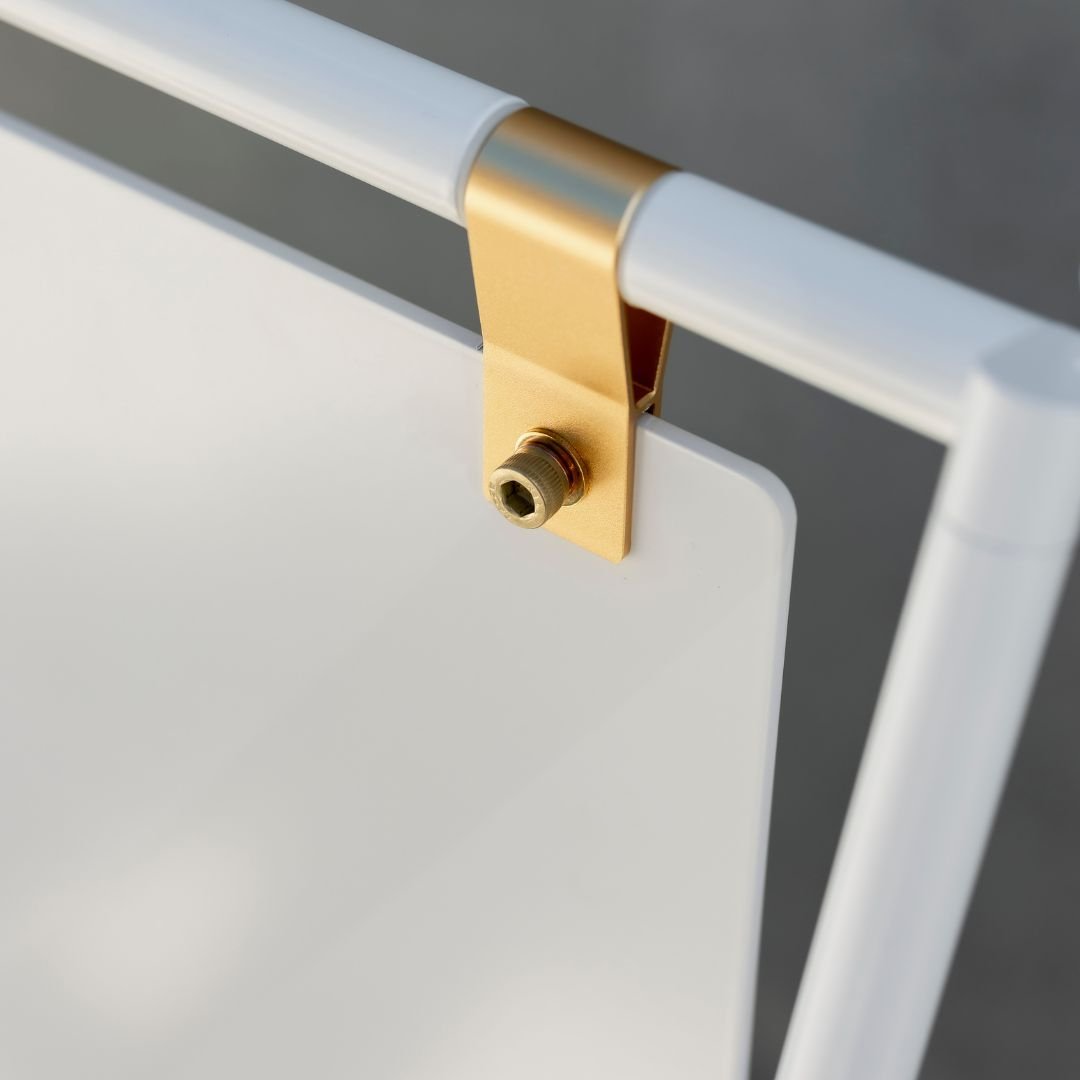
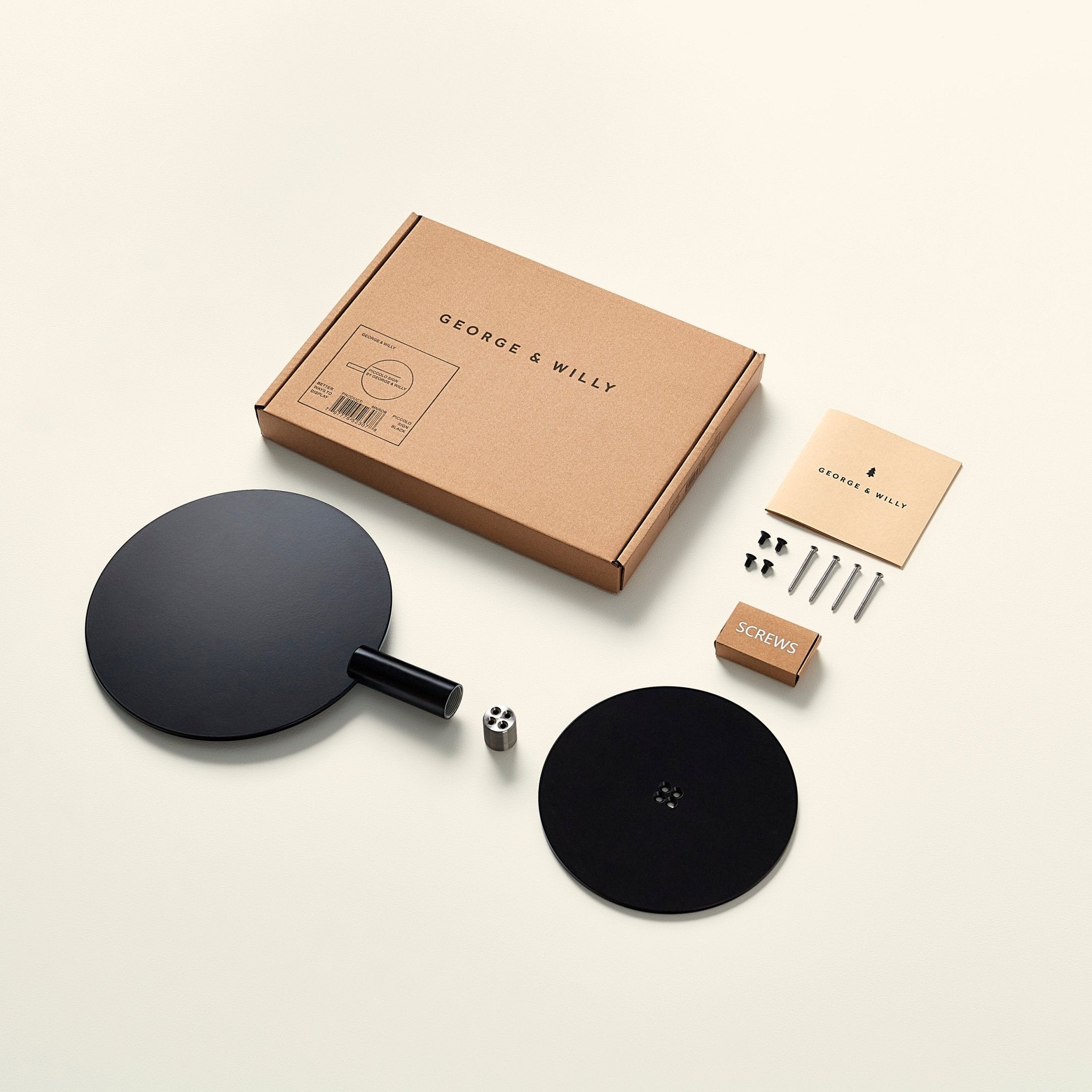
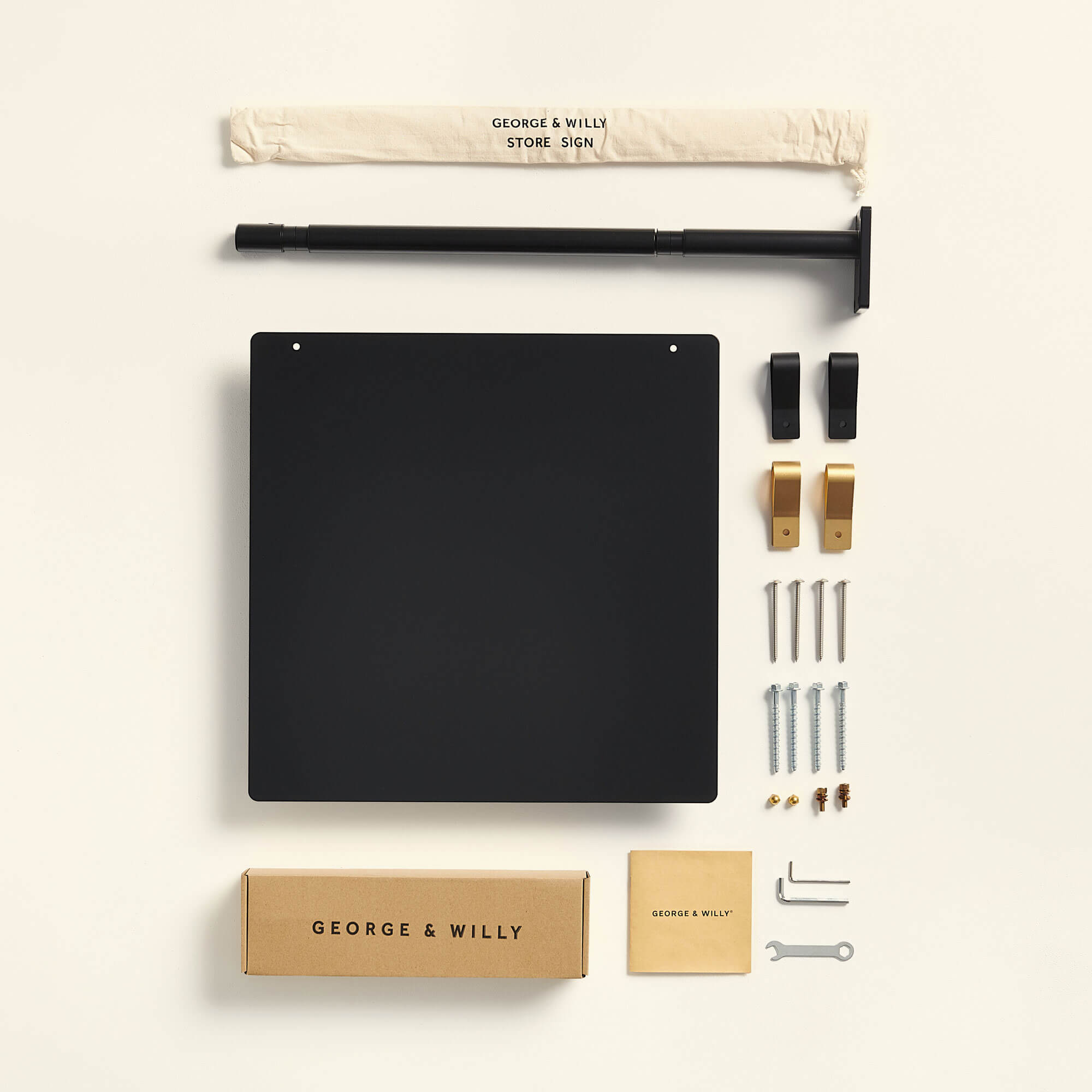
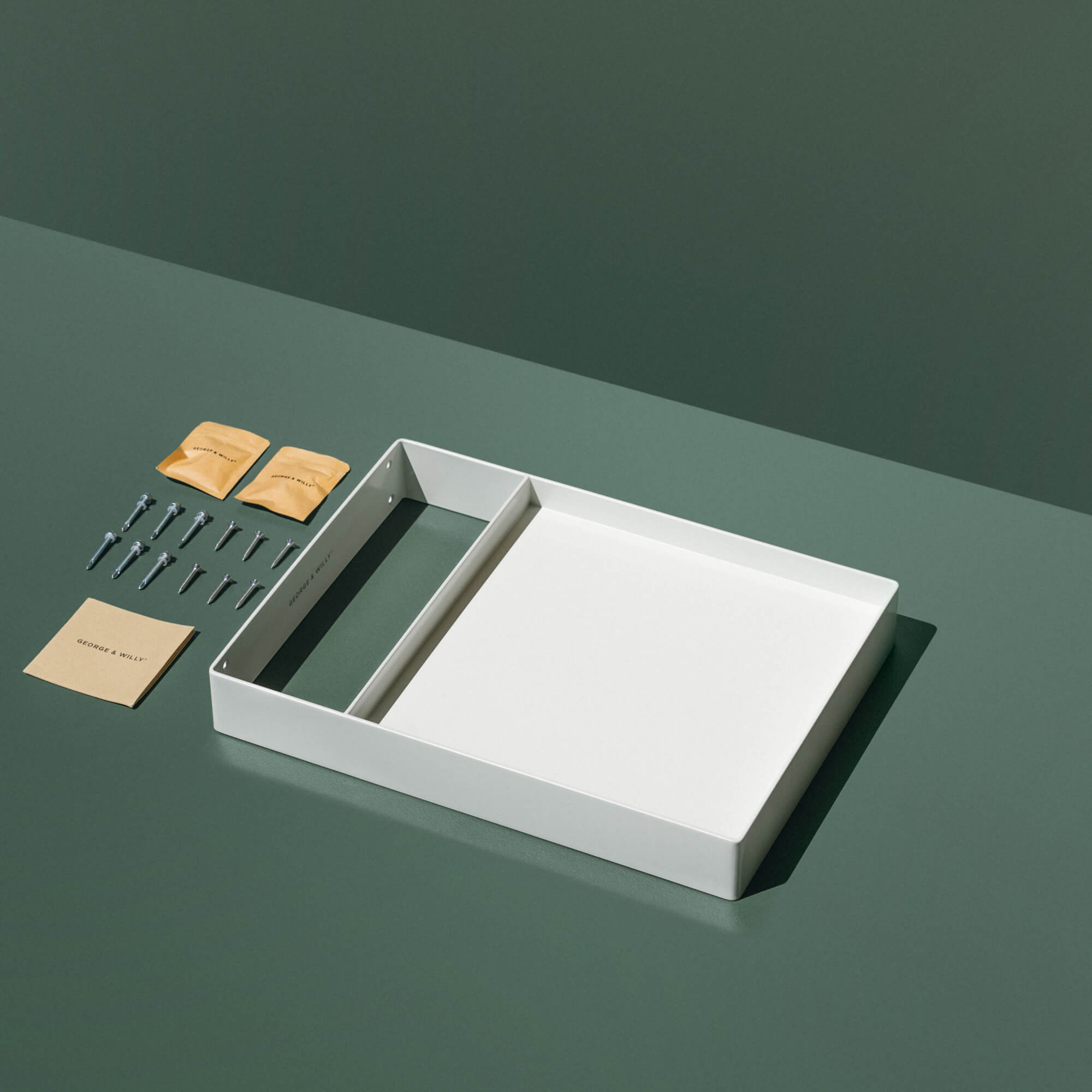
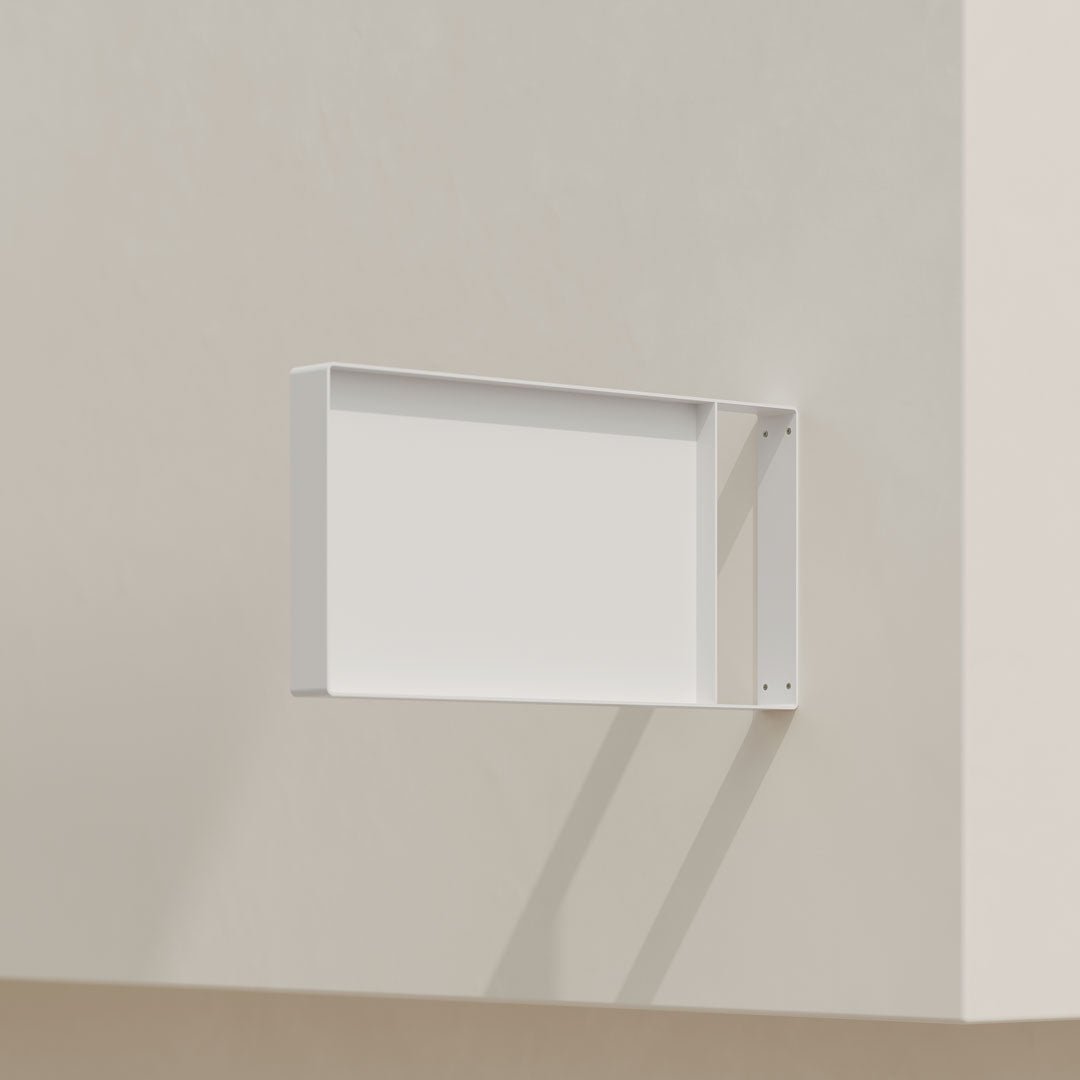
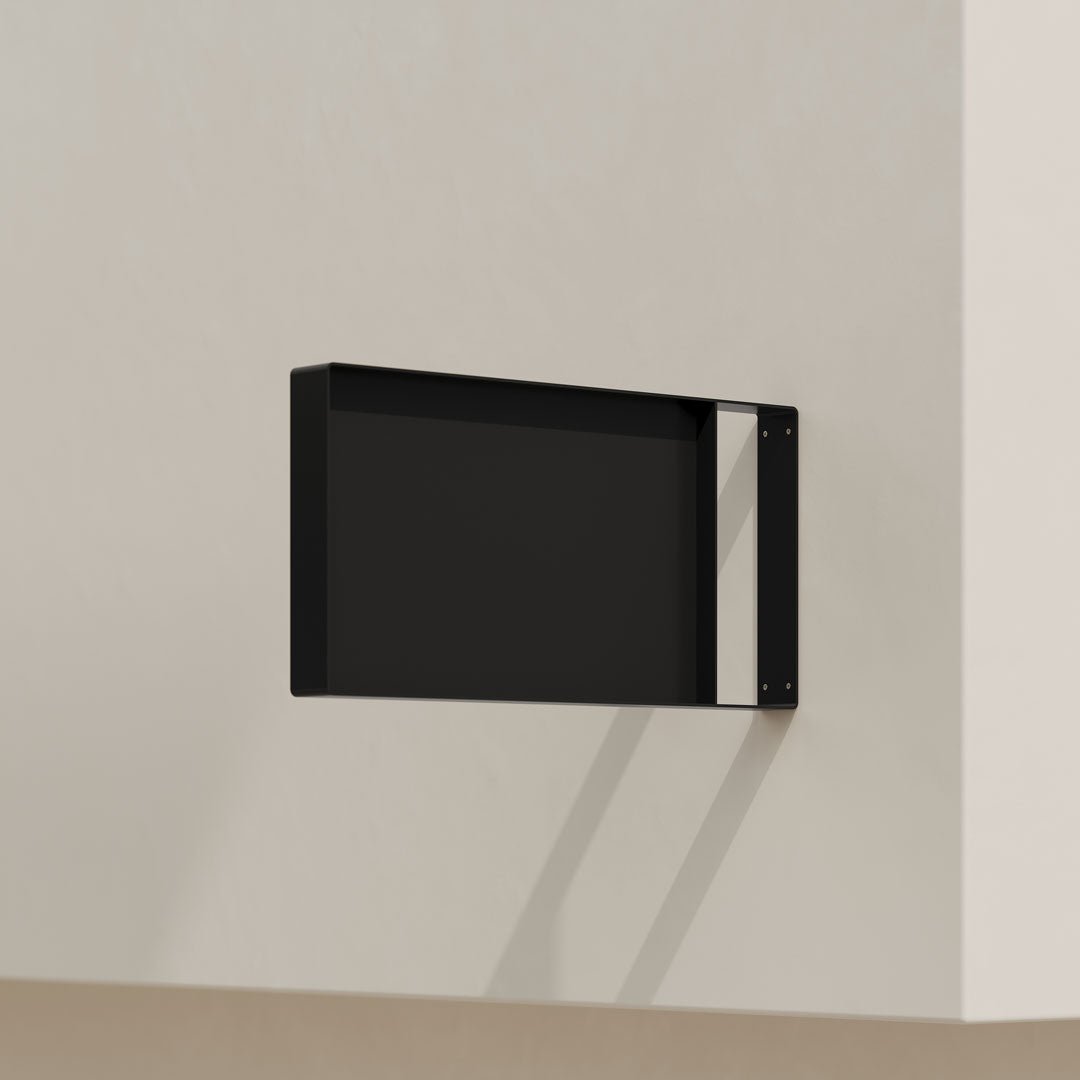
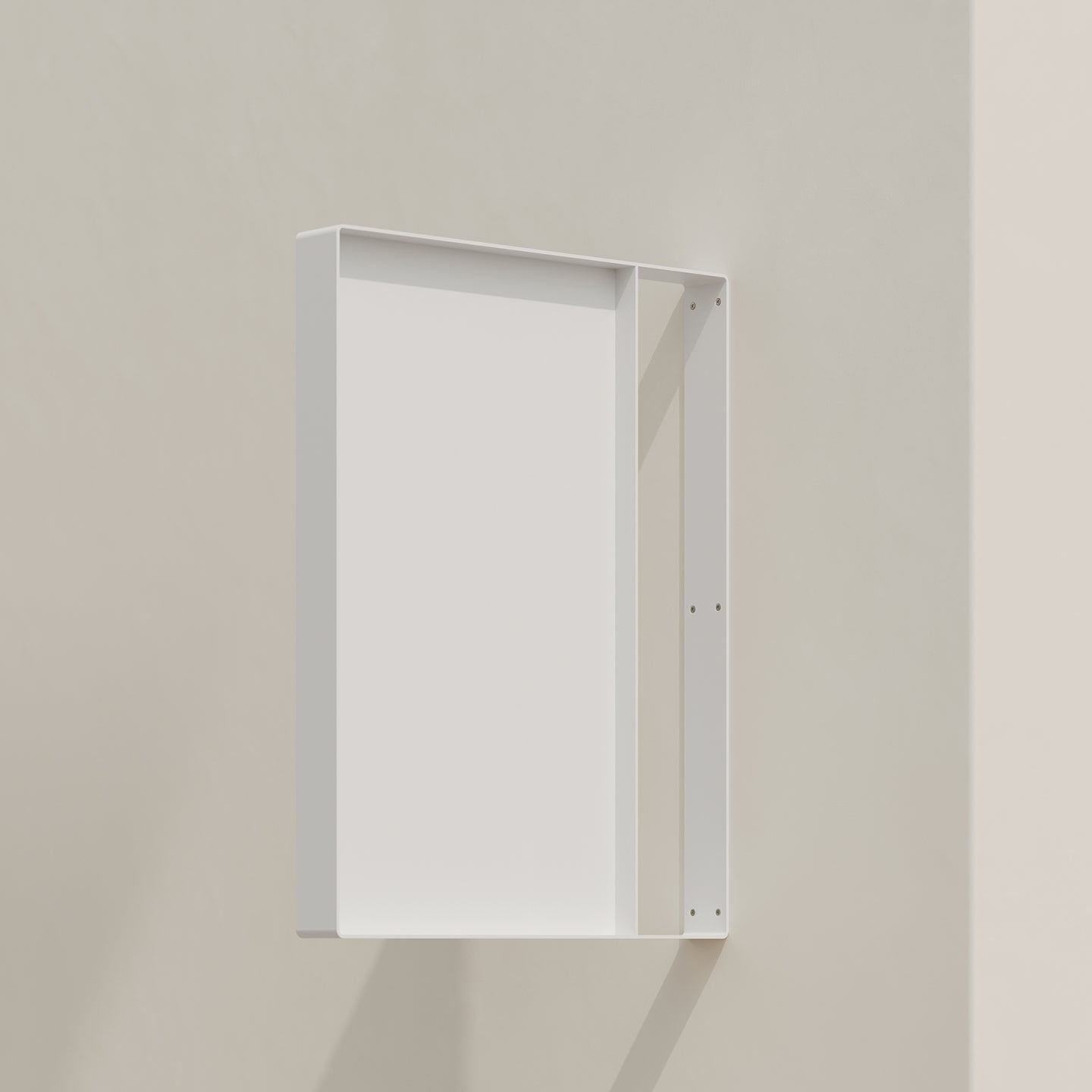
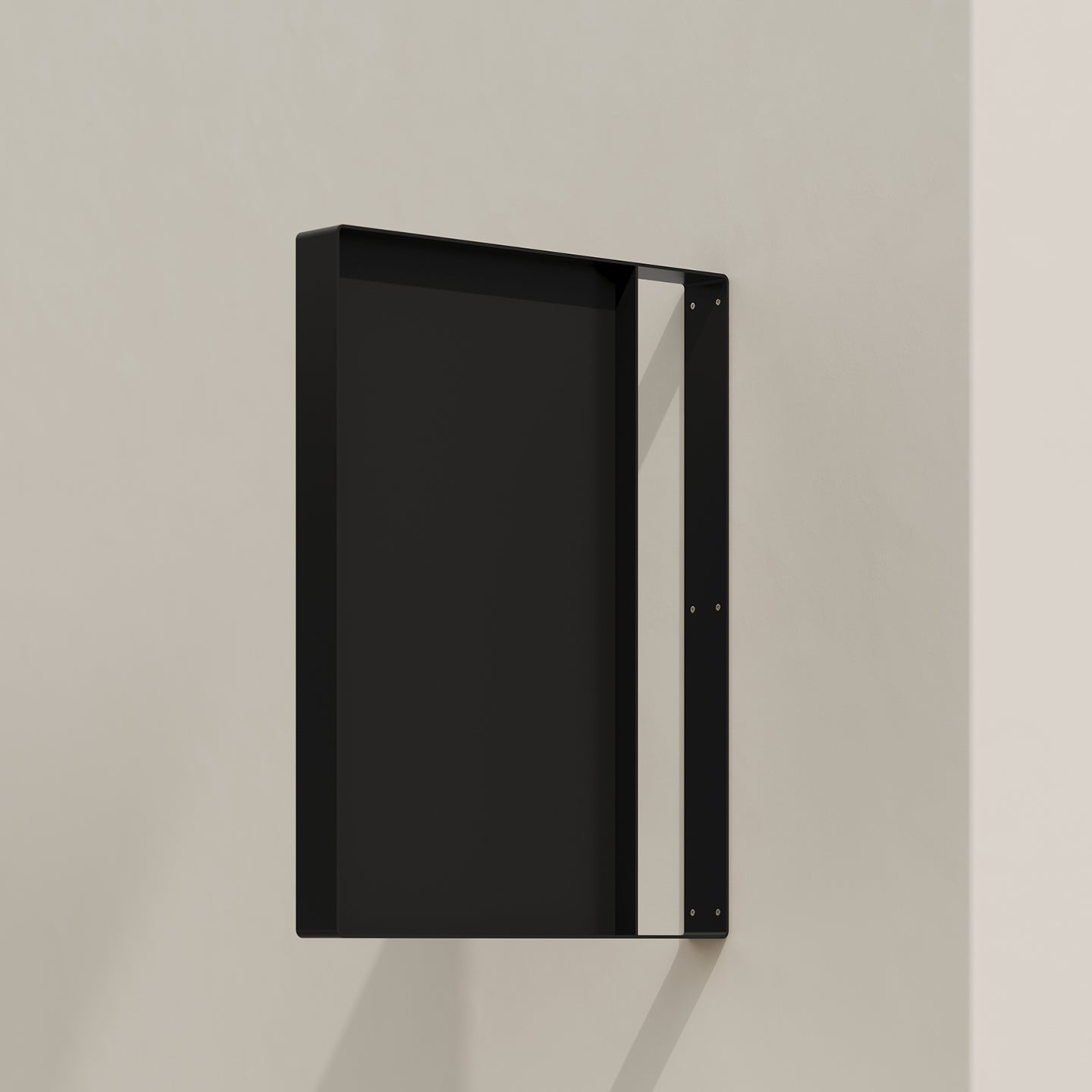
Every sign is powder-coated aluminum and arrives blank, so a local signwriter applies your artwork and the whole fit-out matches your brand rather than ours.
Outside: being found
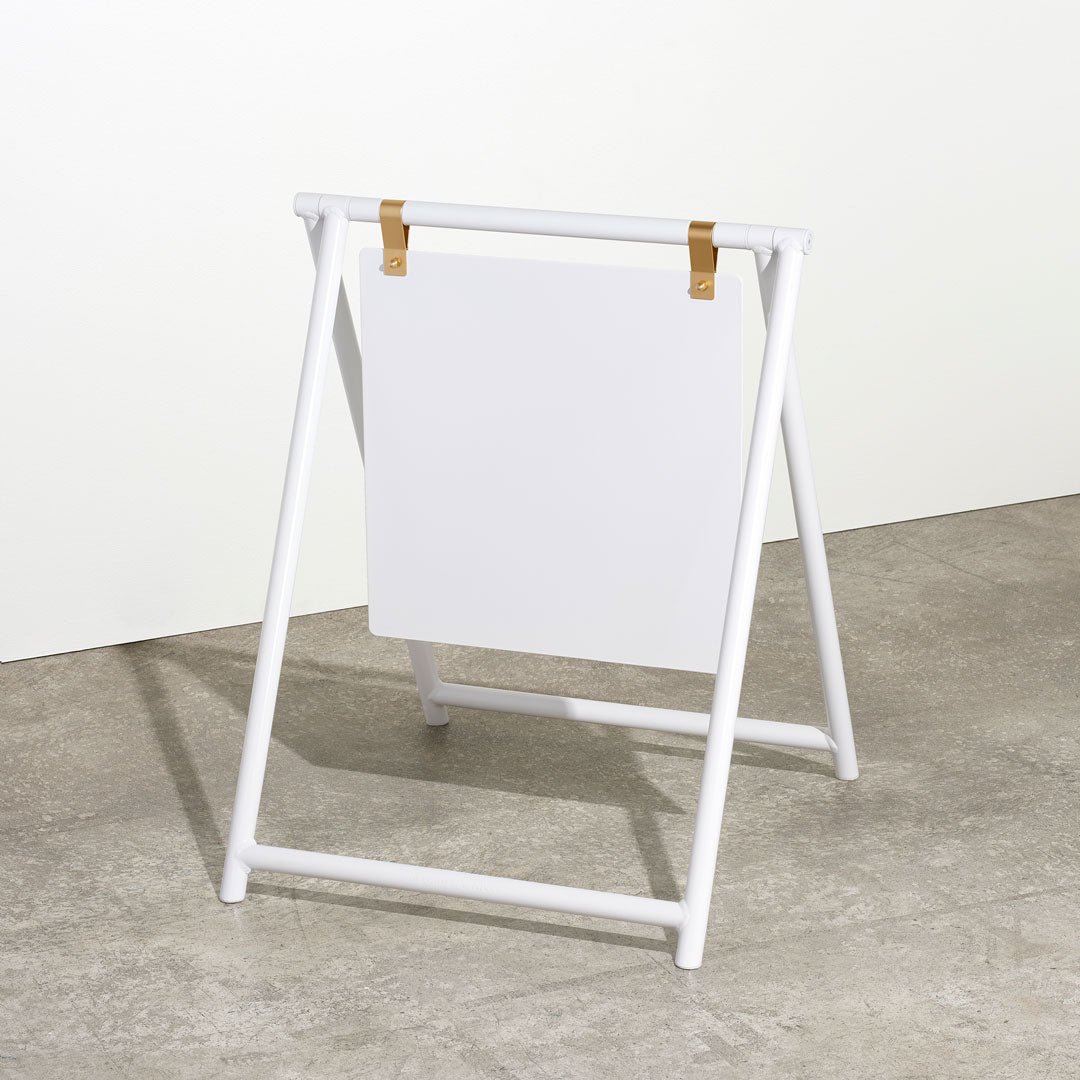
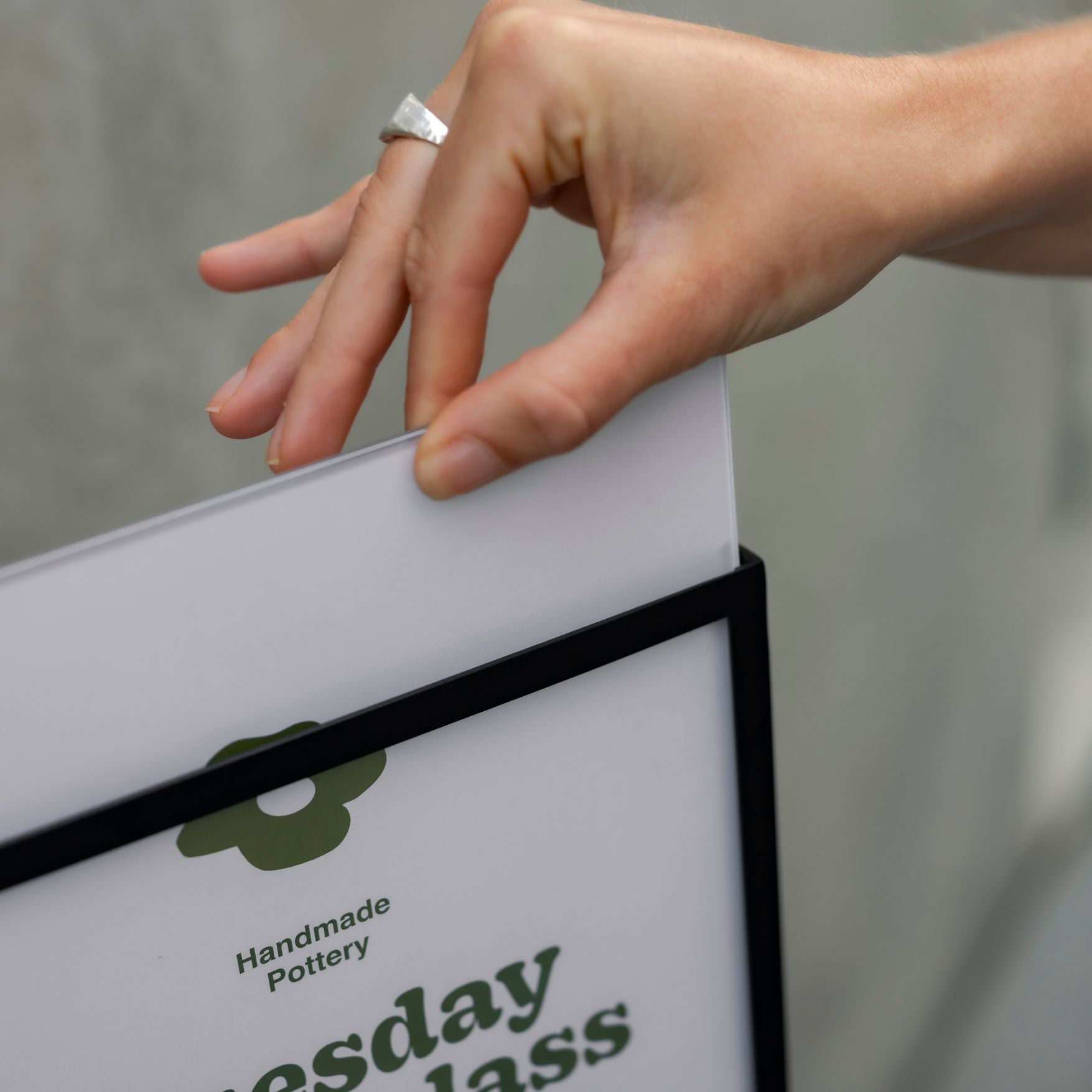
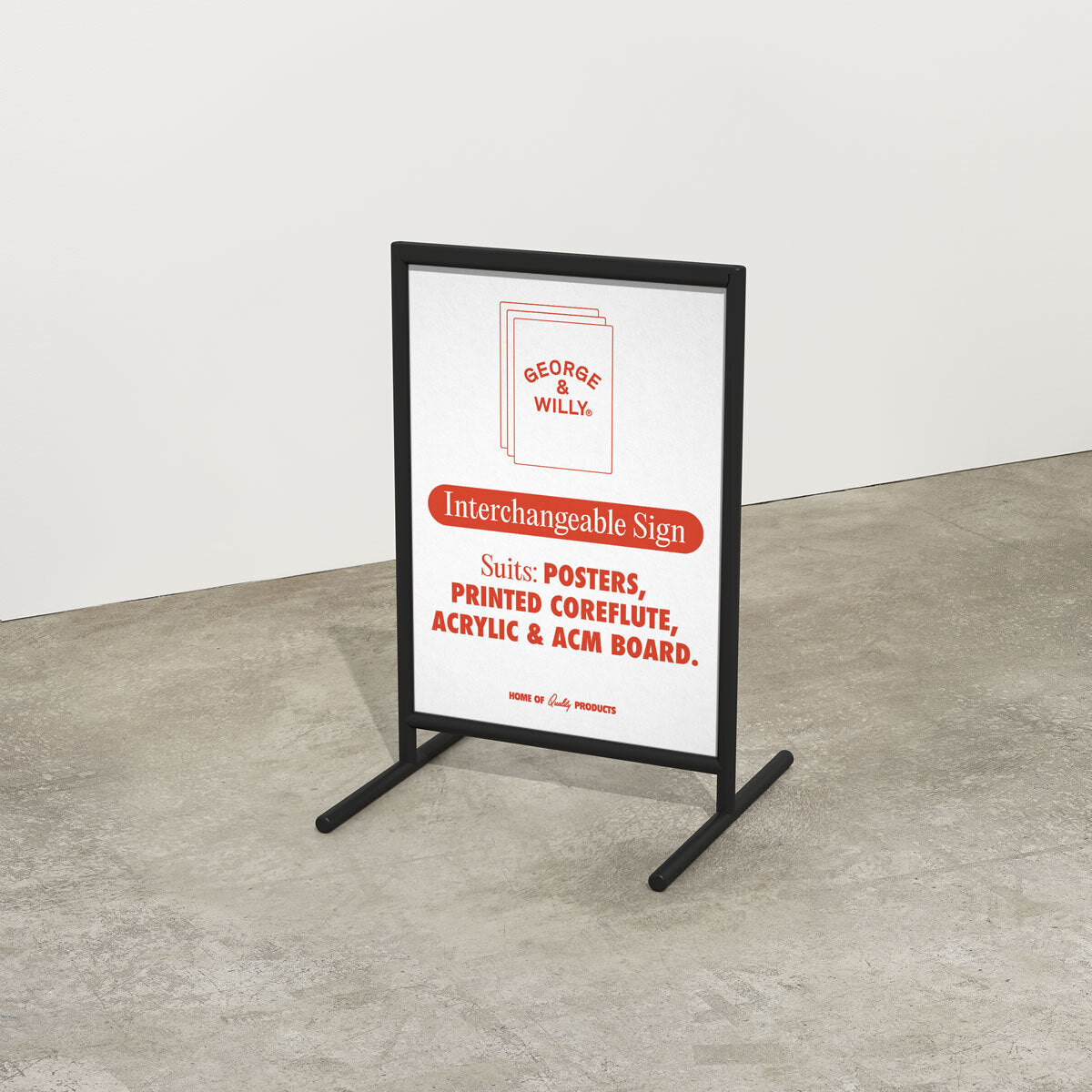
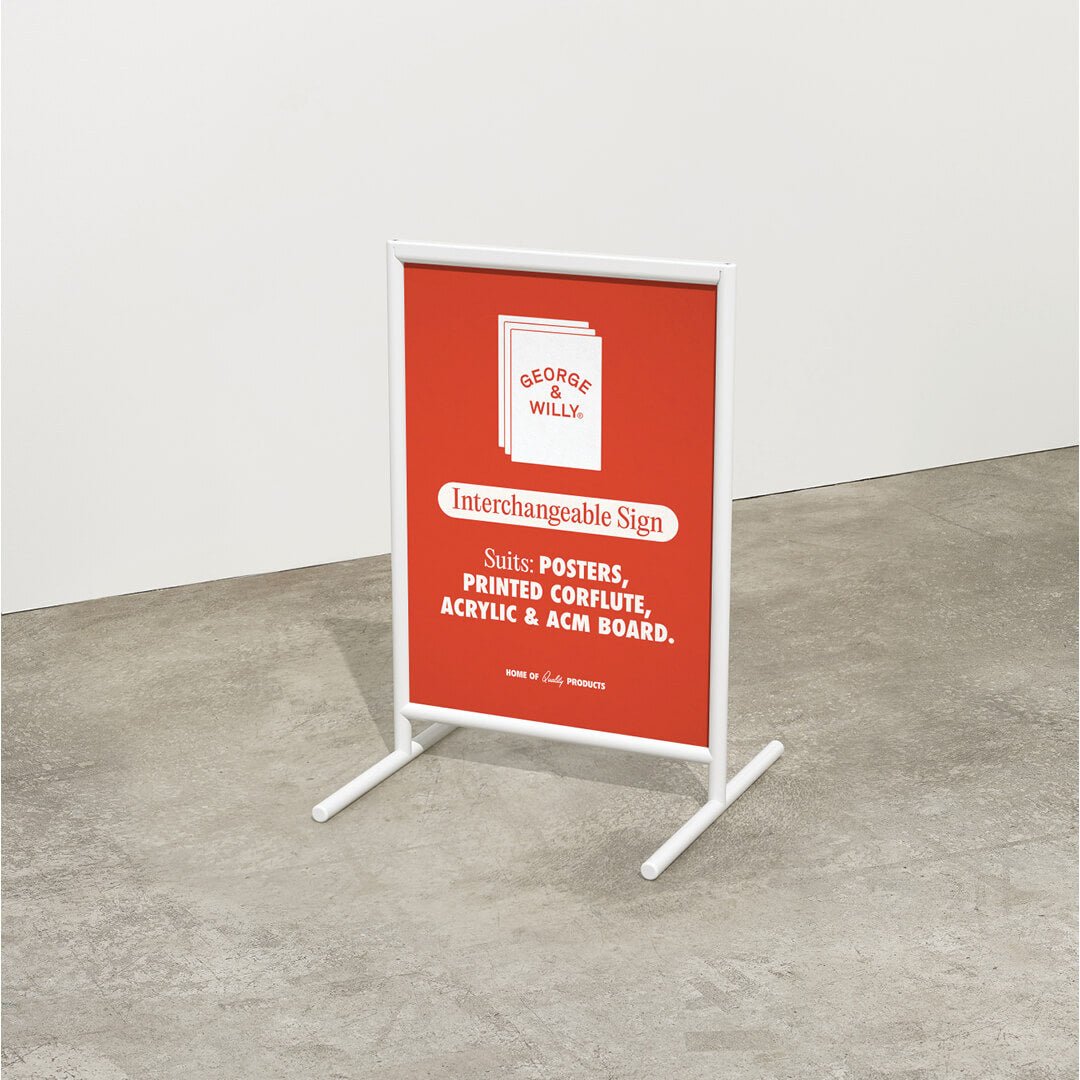
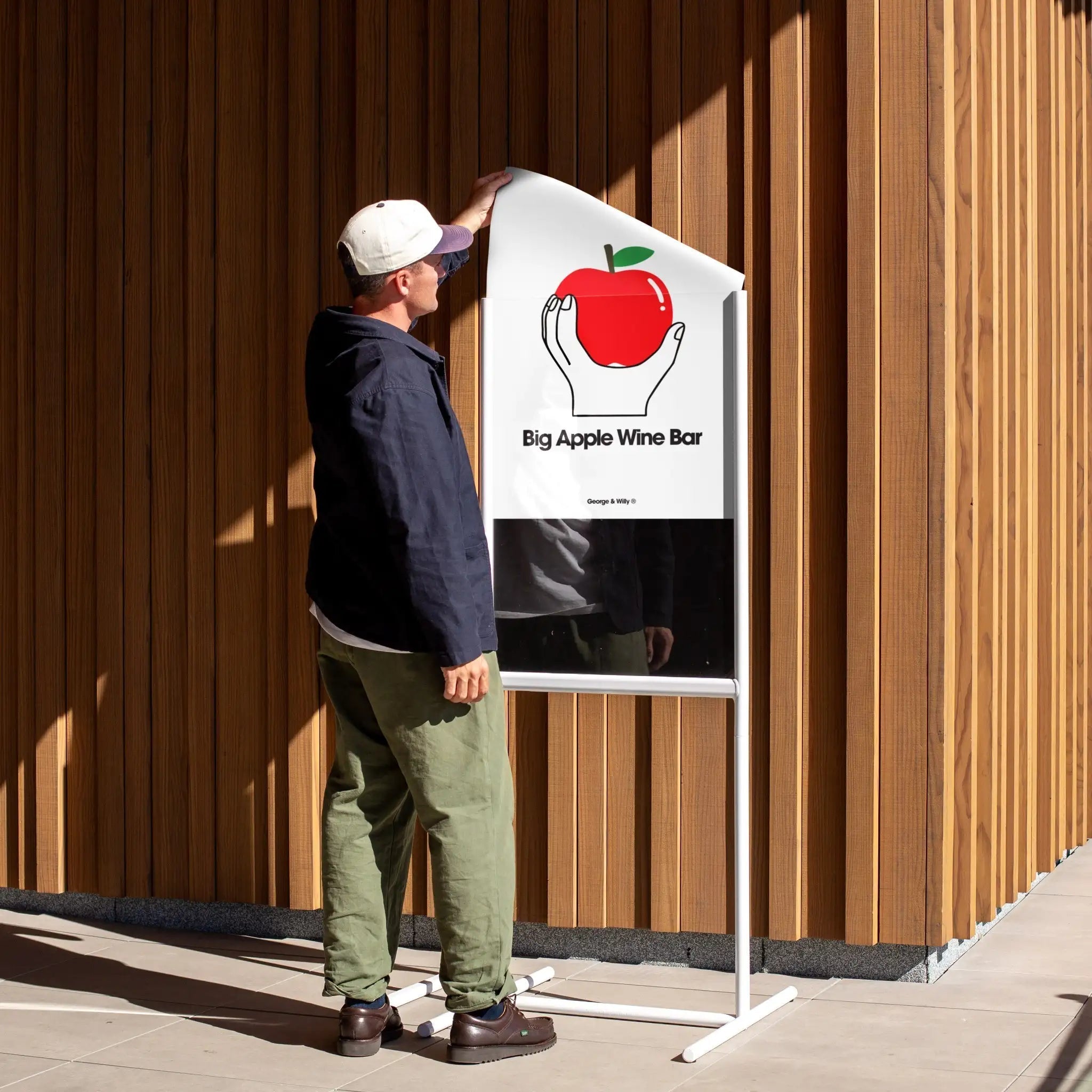
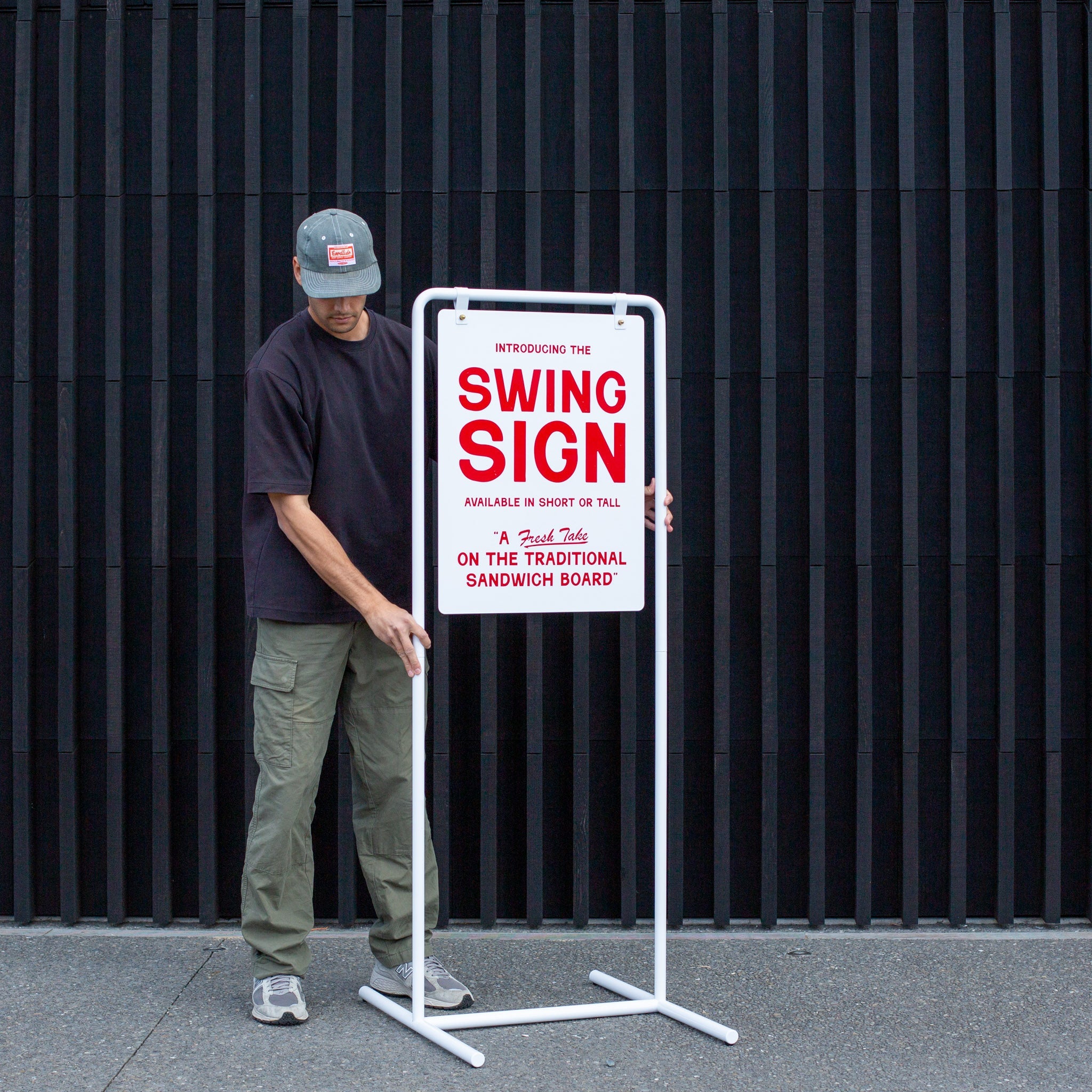
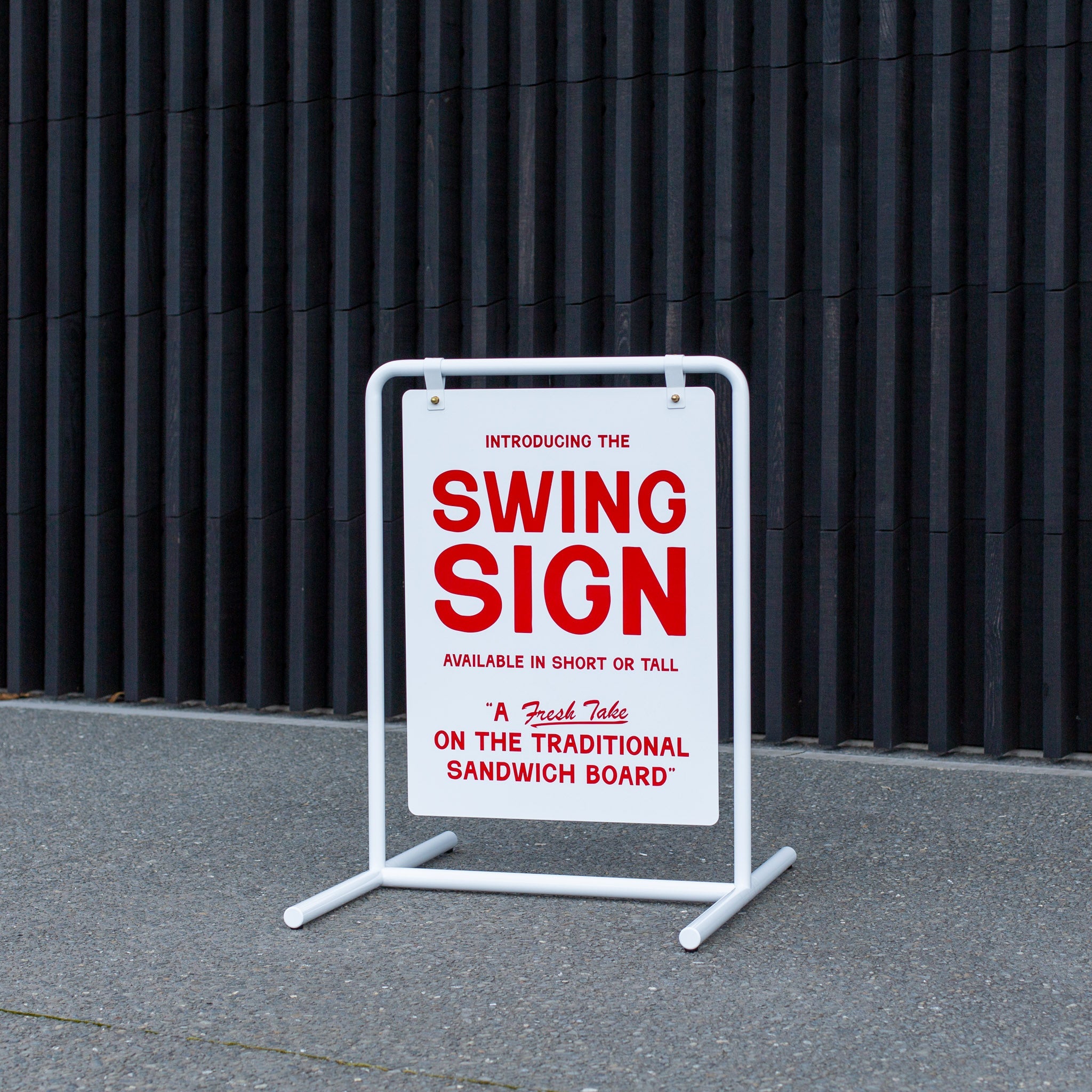
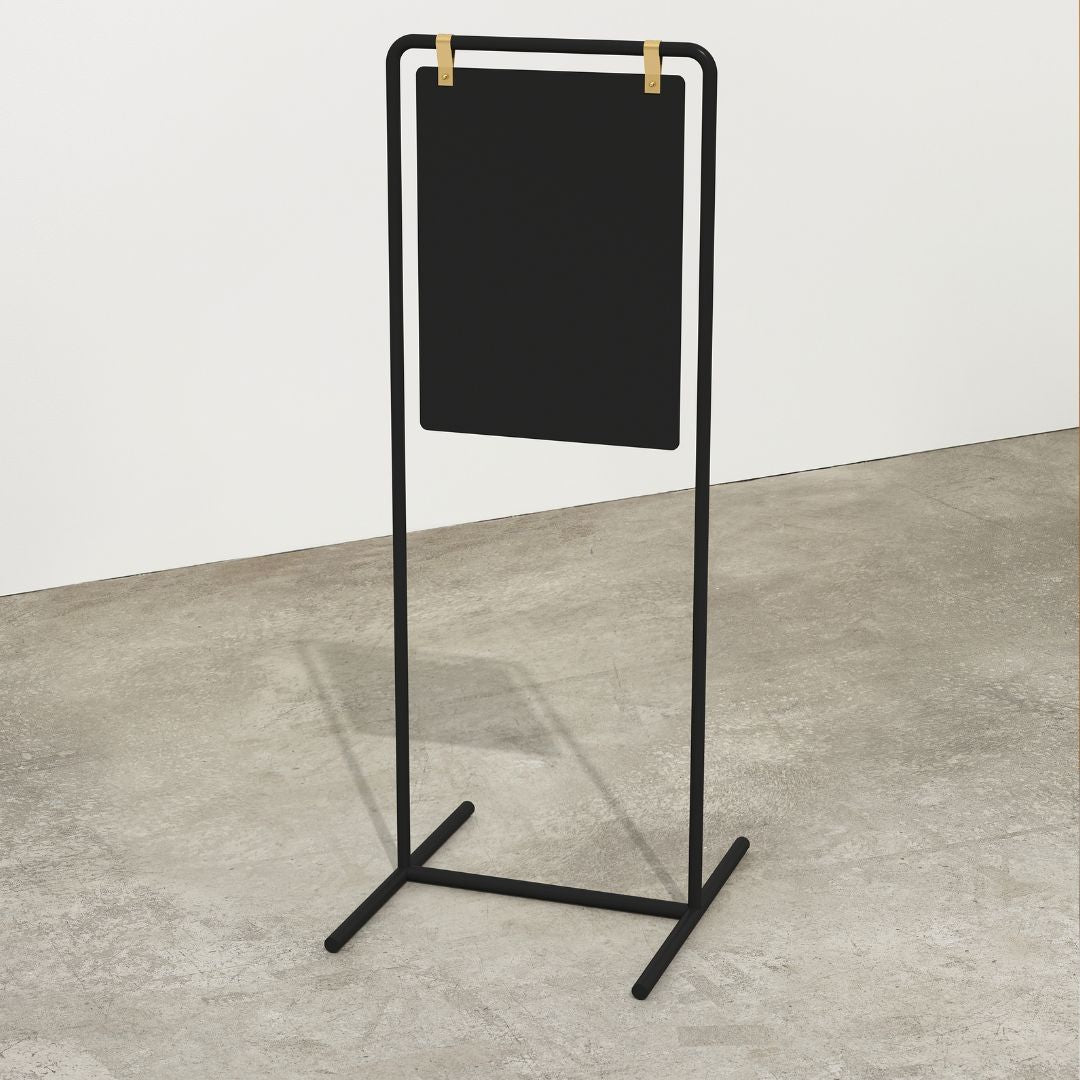
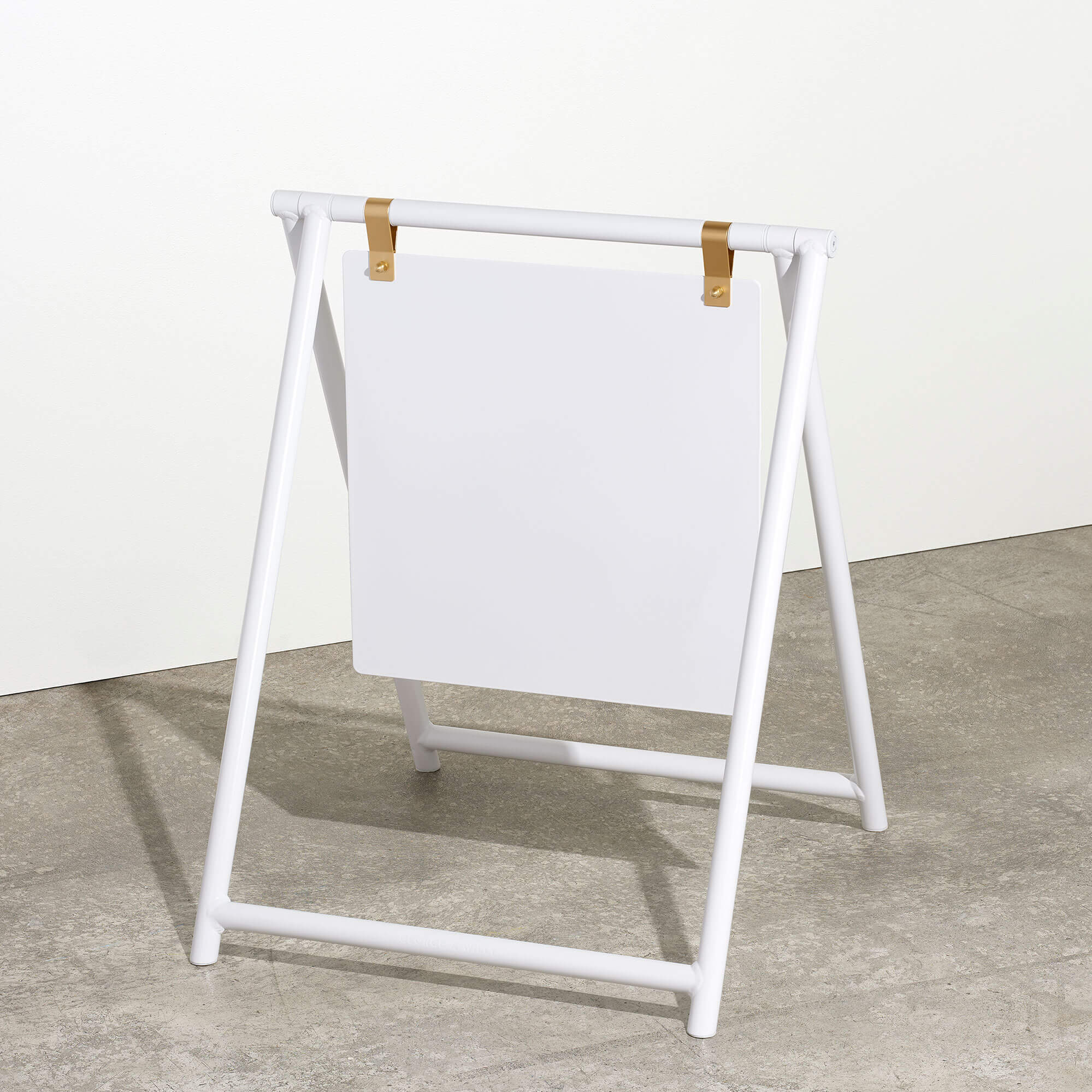
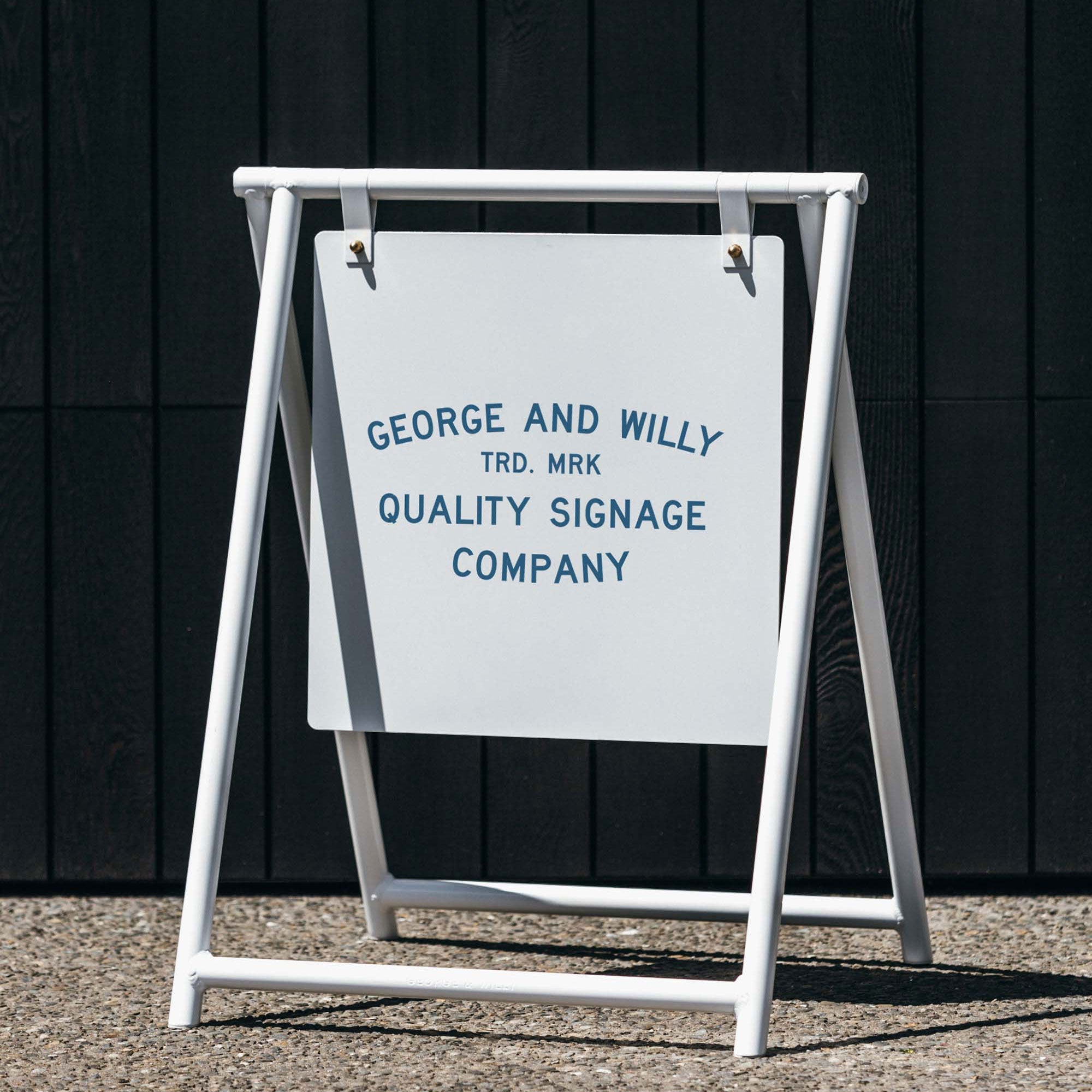
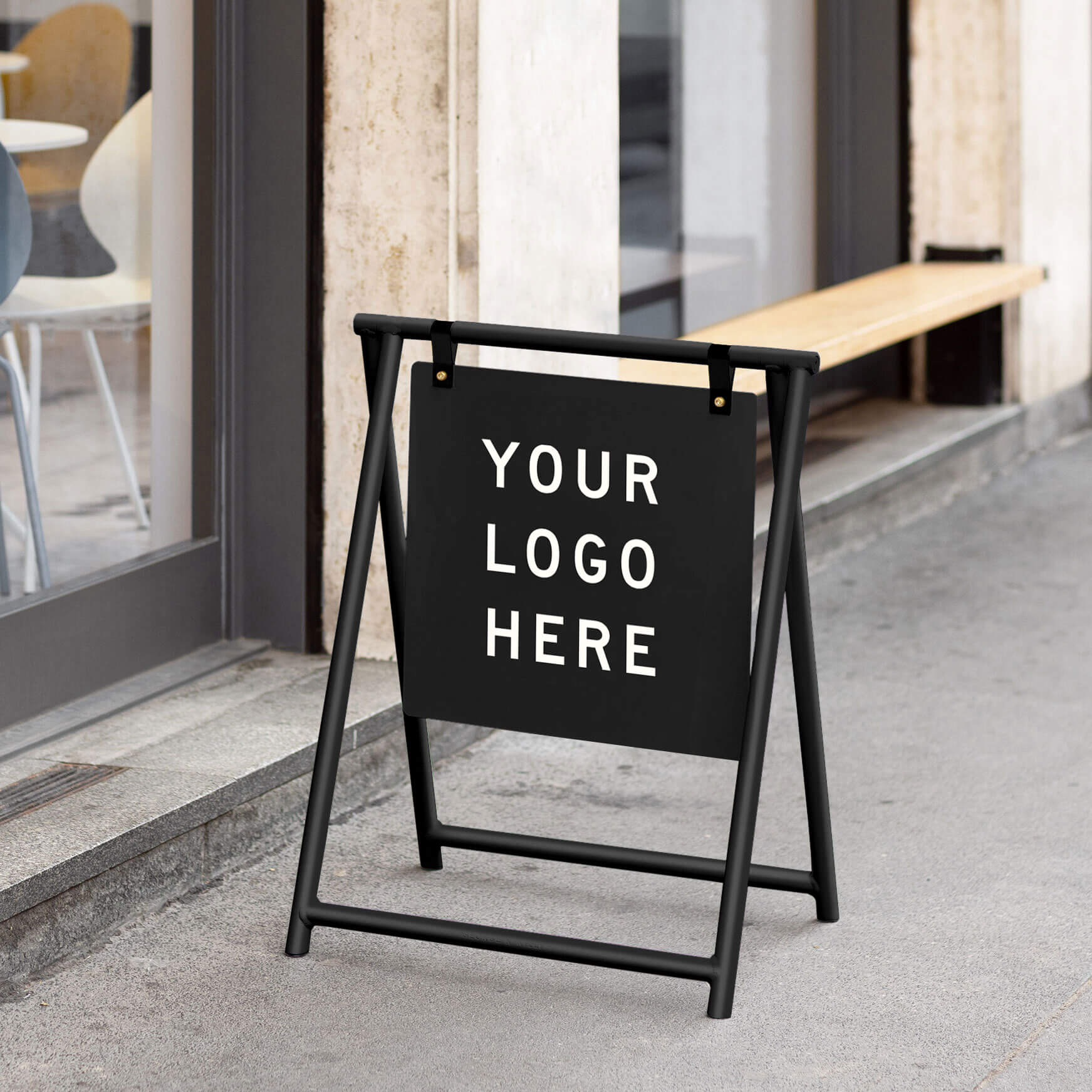
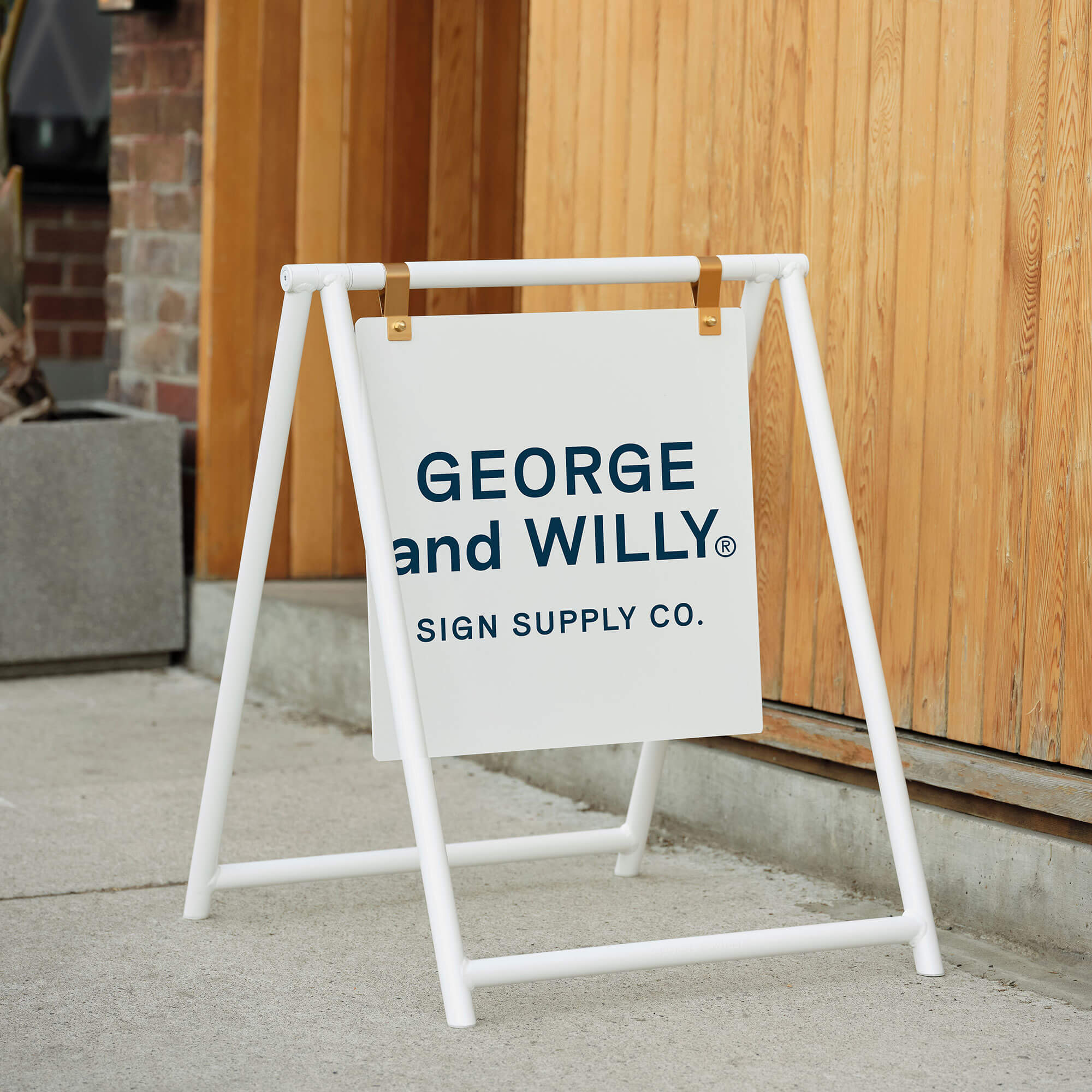
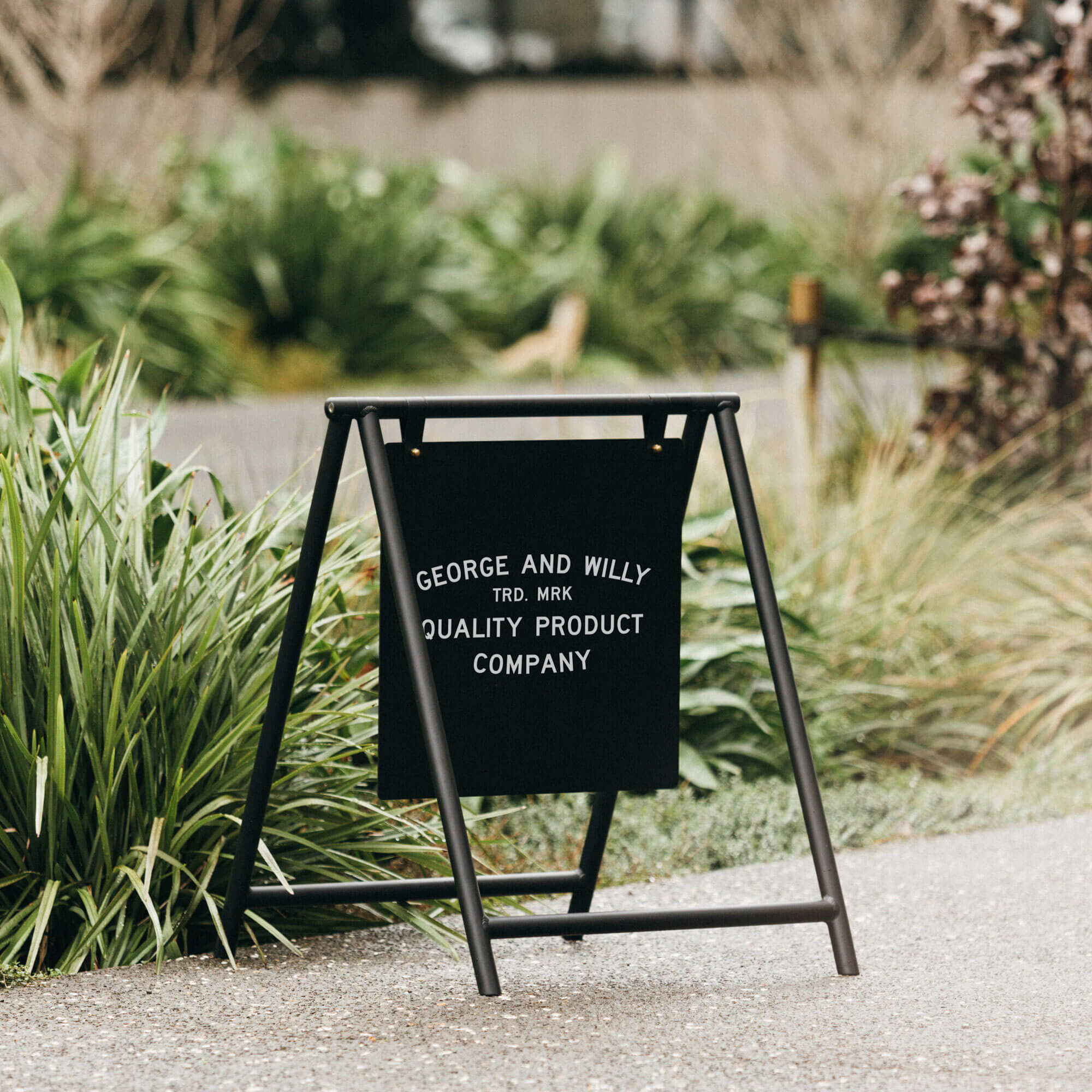
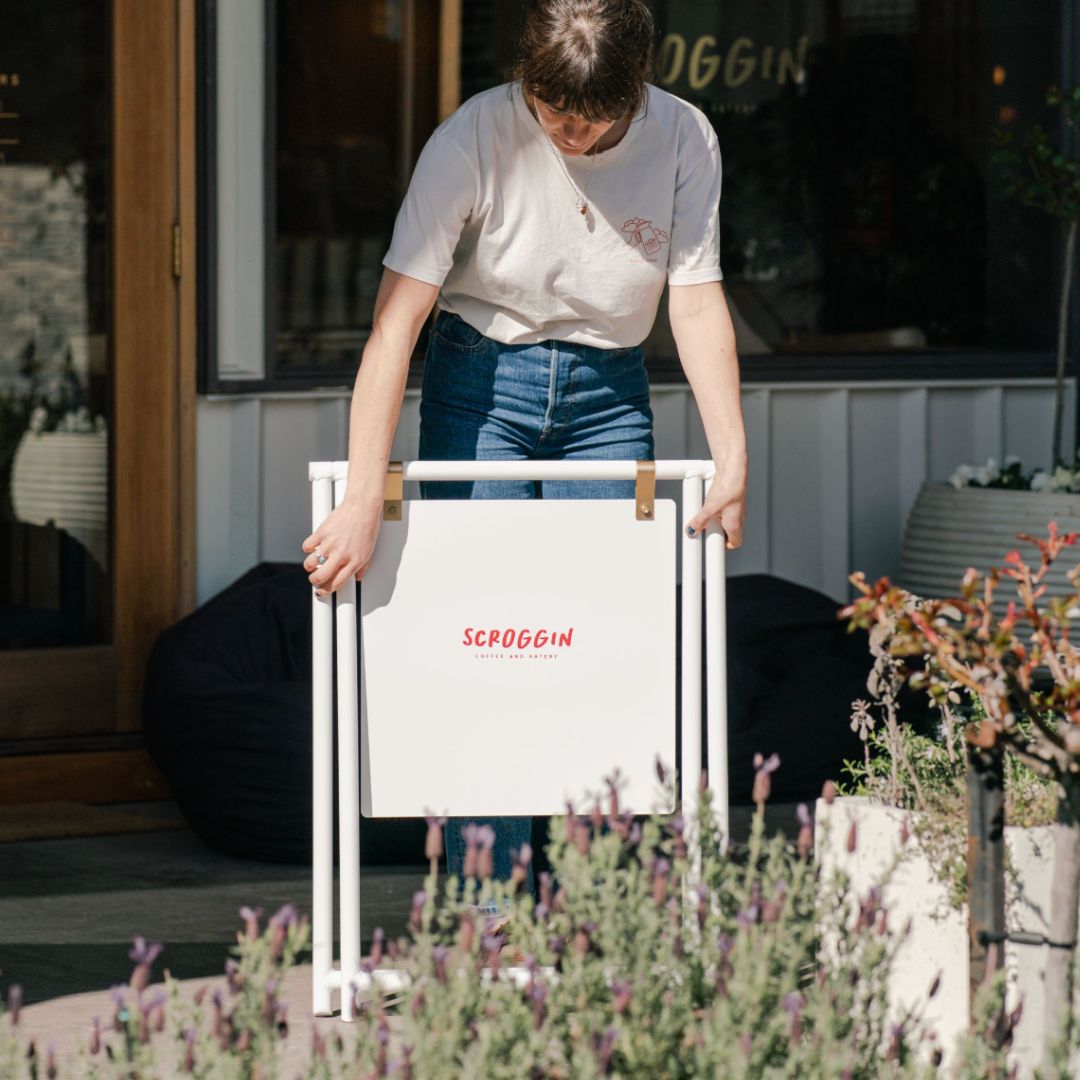
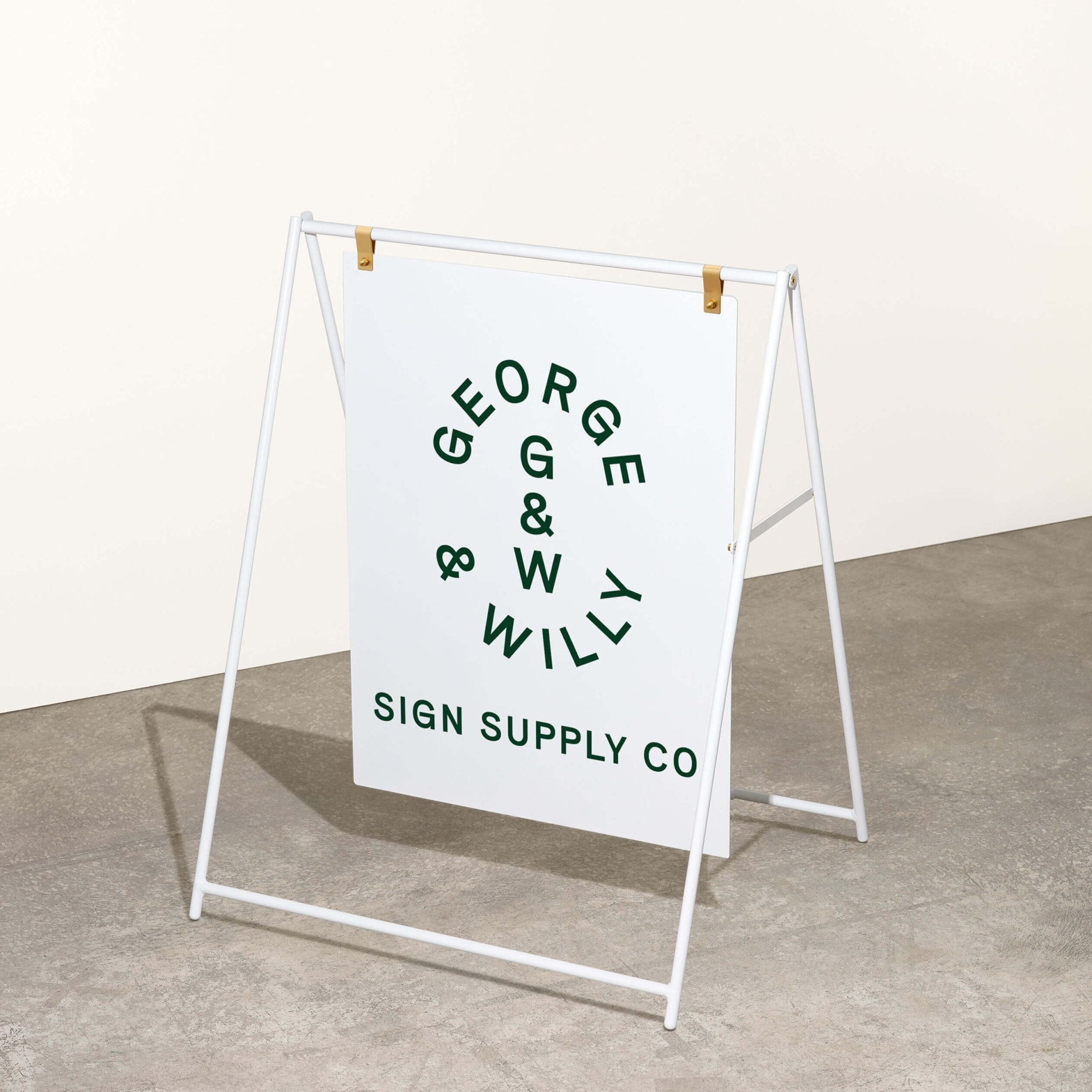
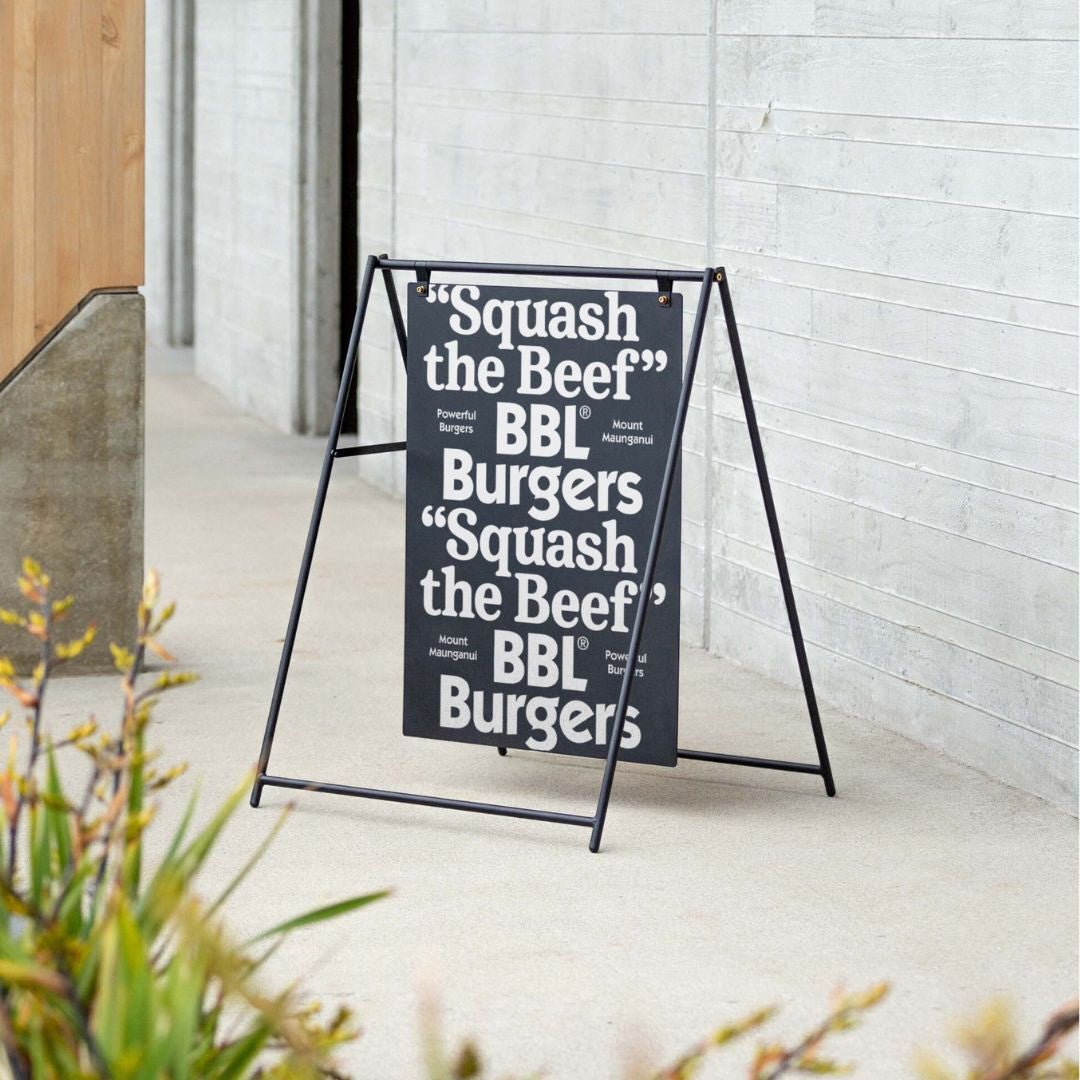
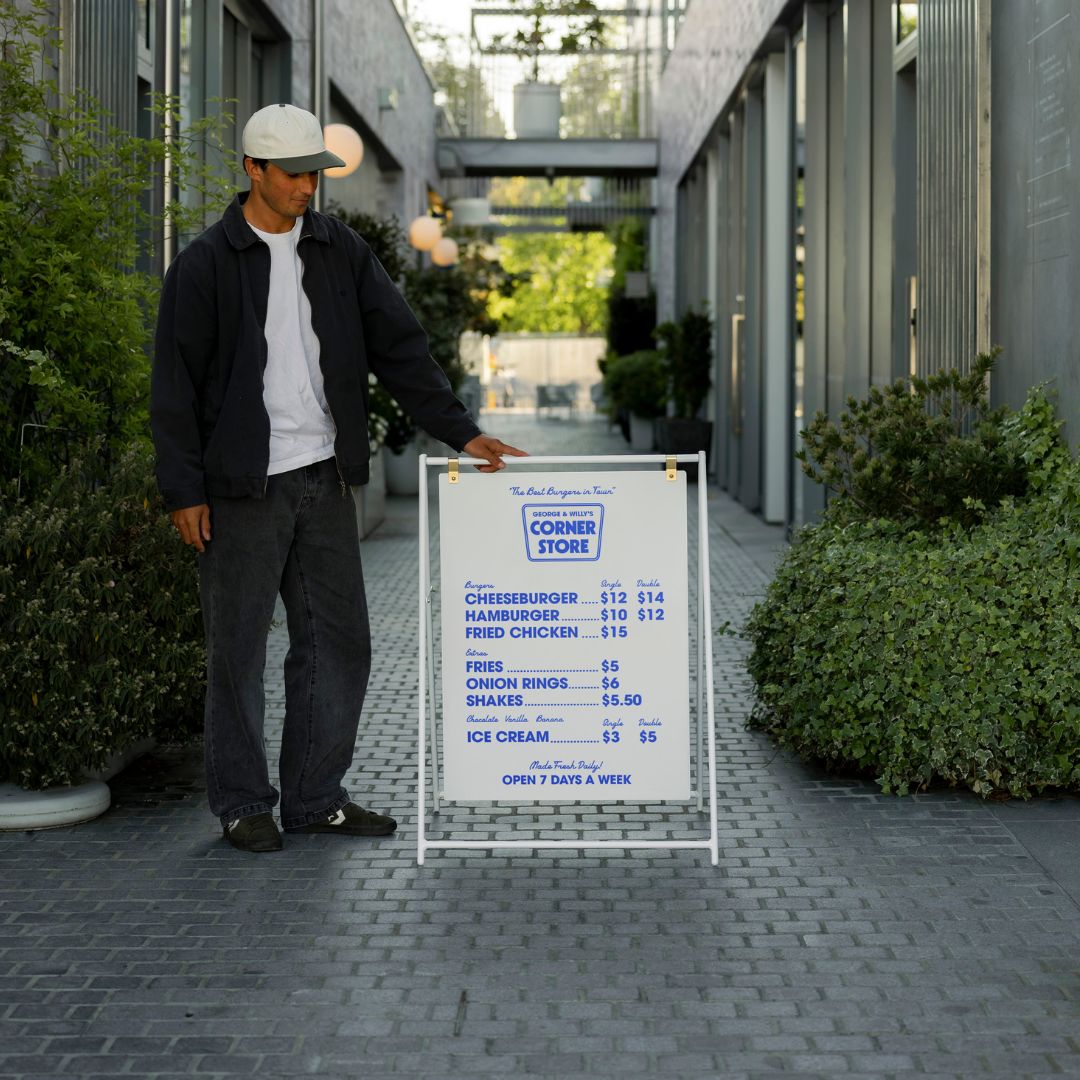
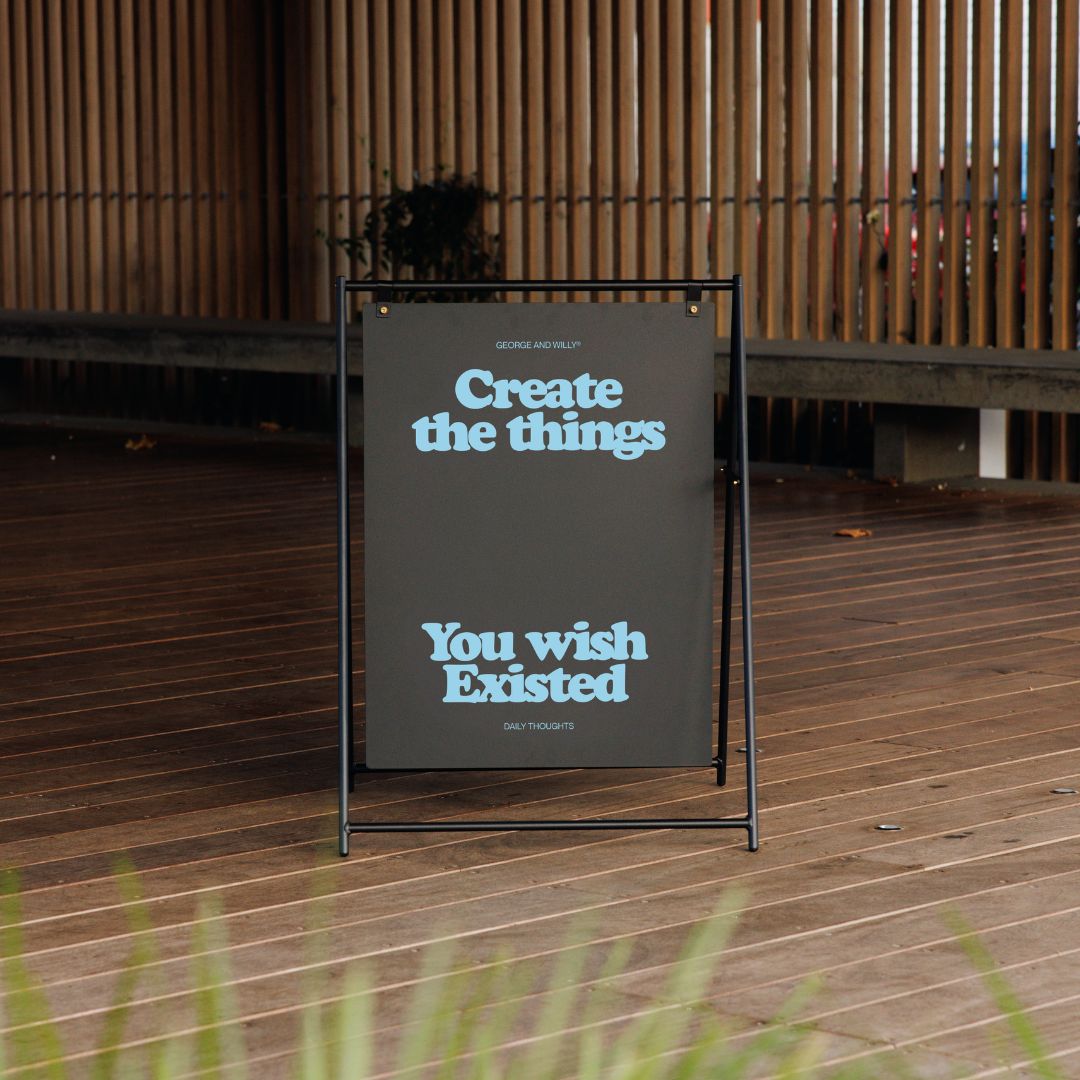
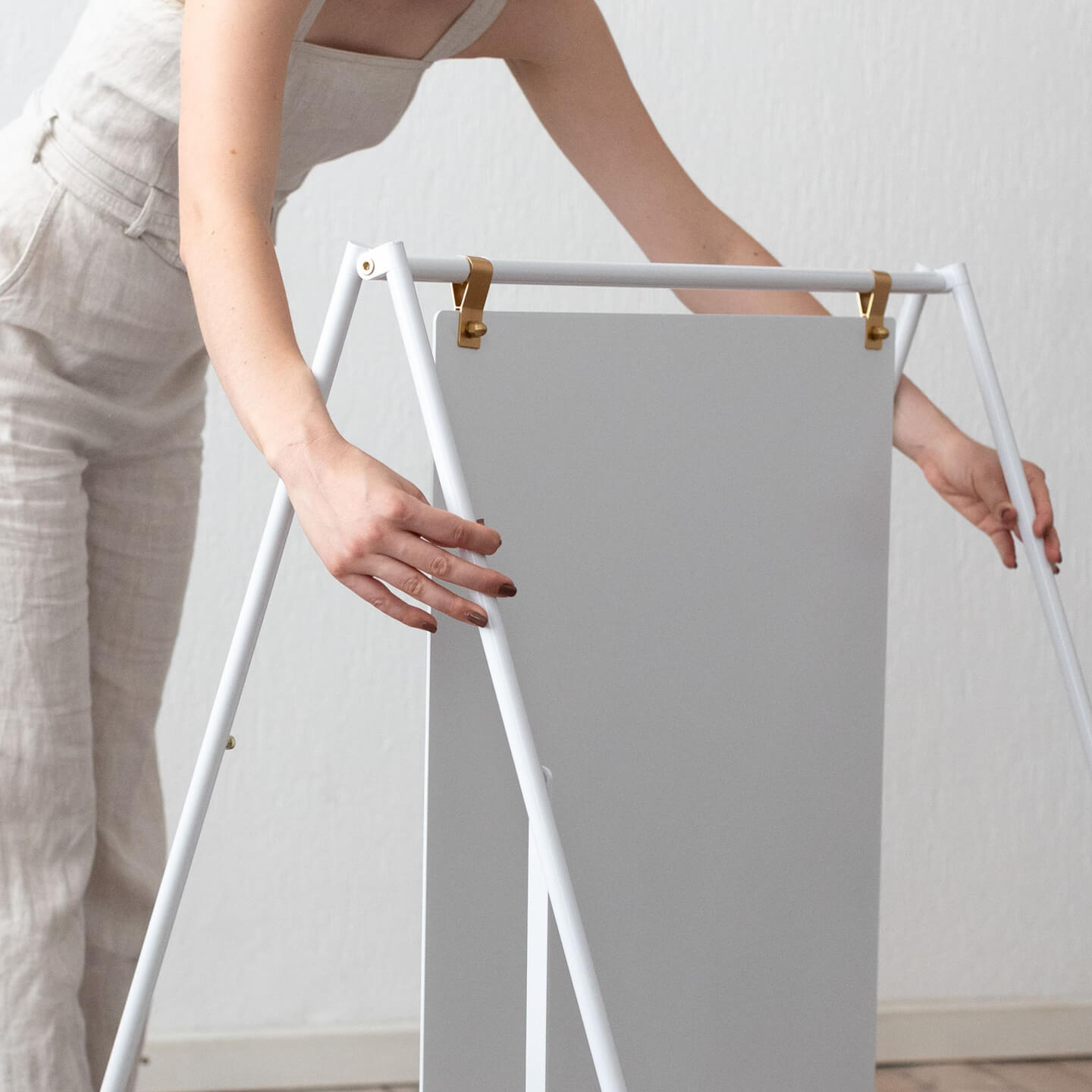
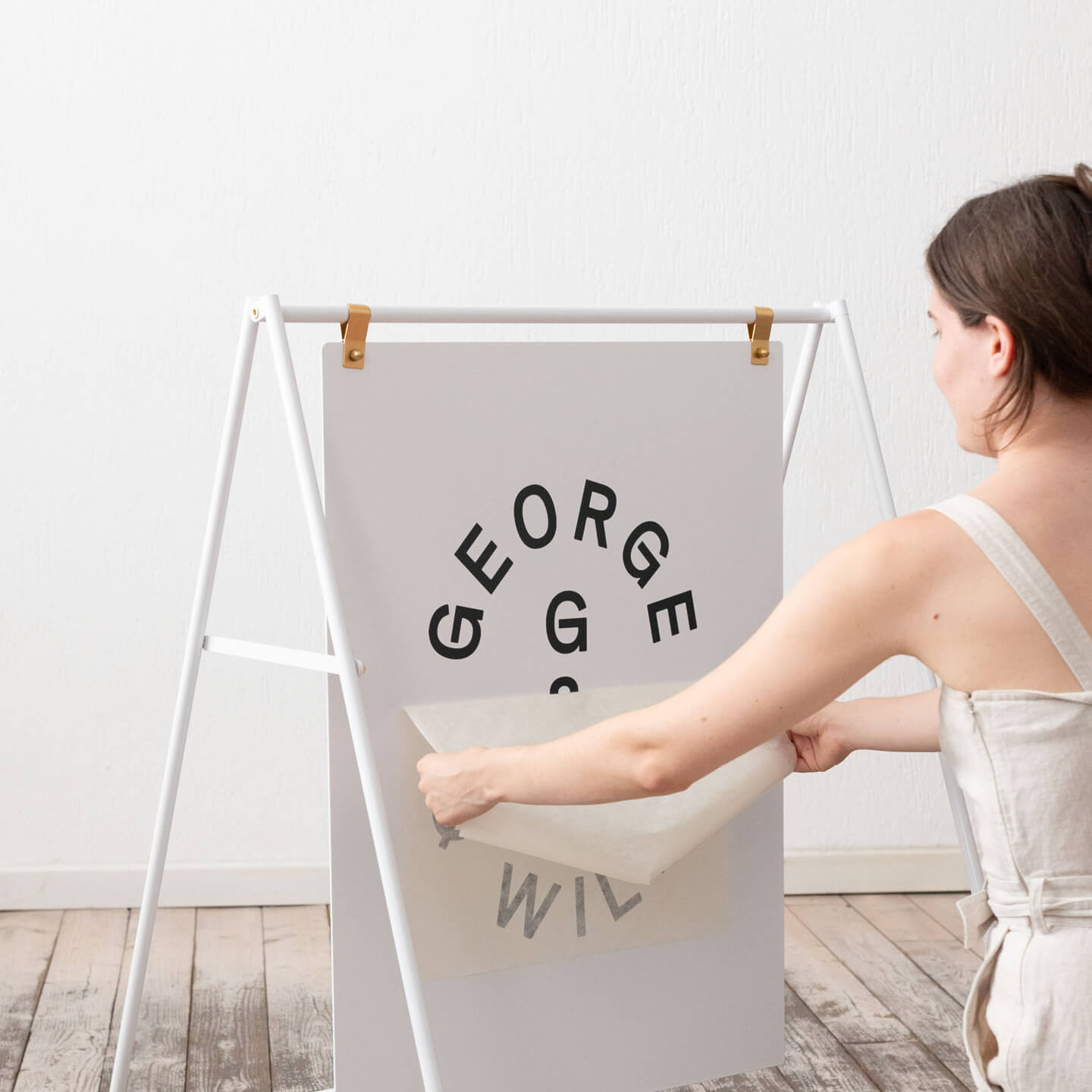
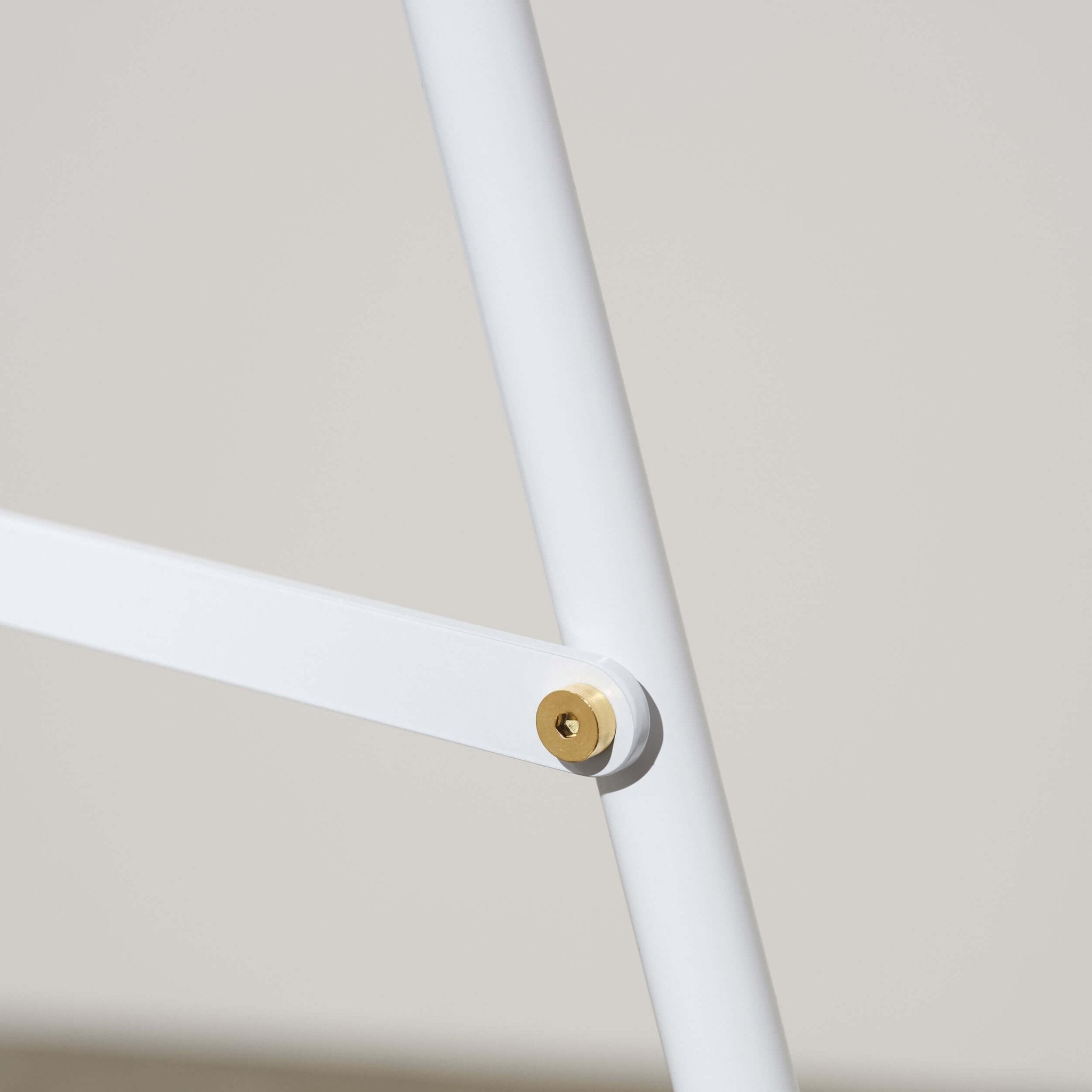
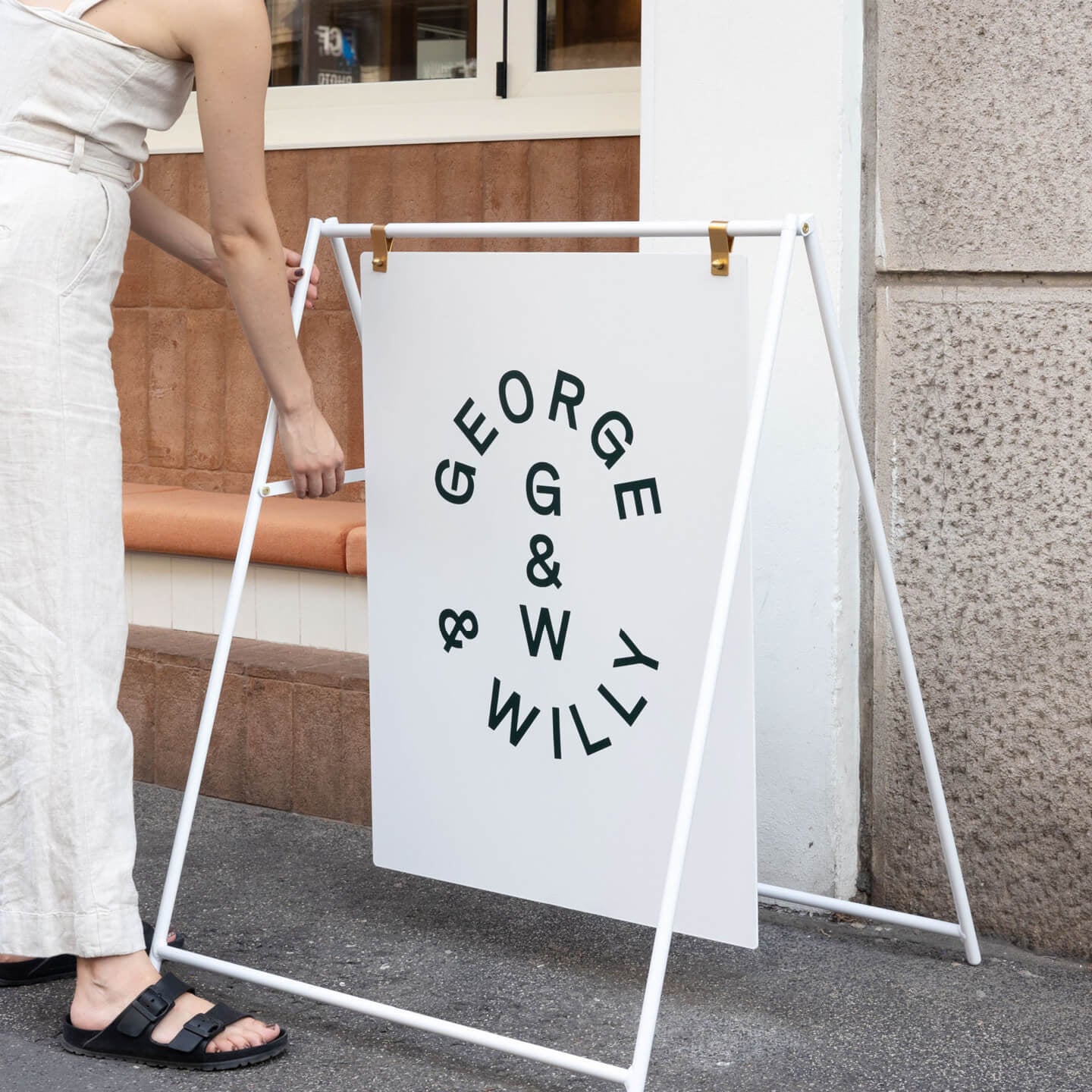
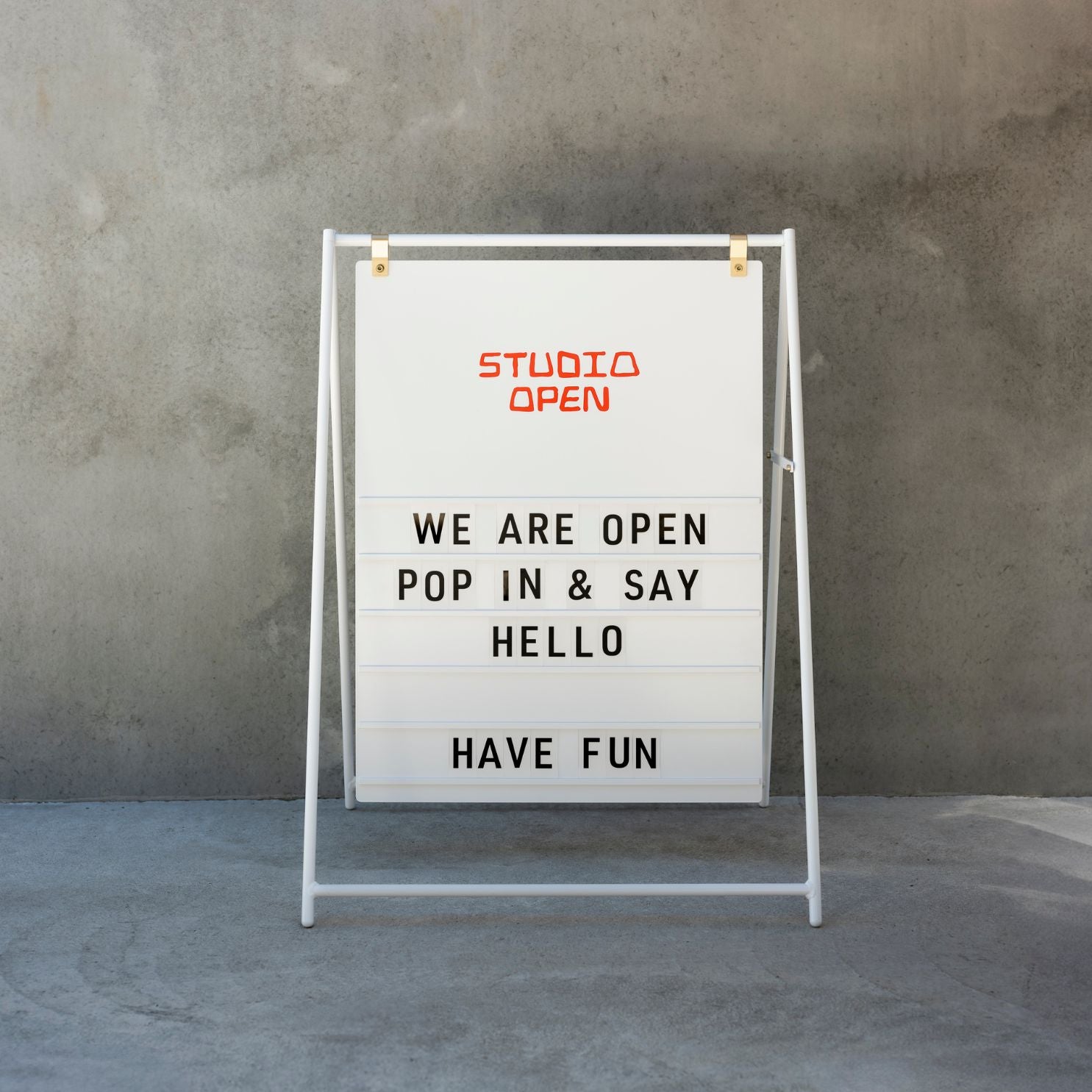
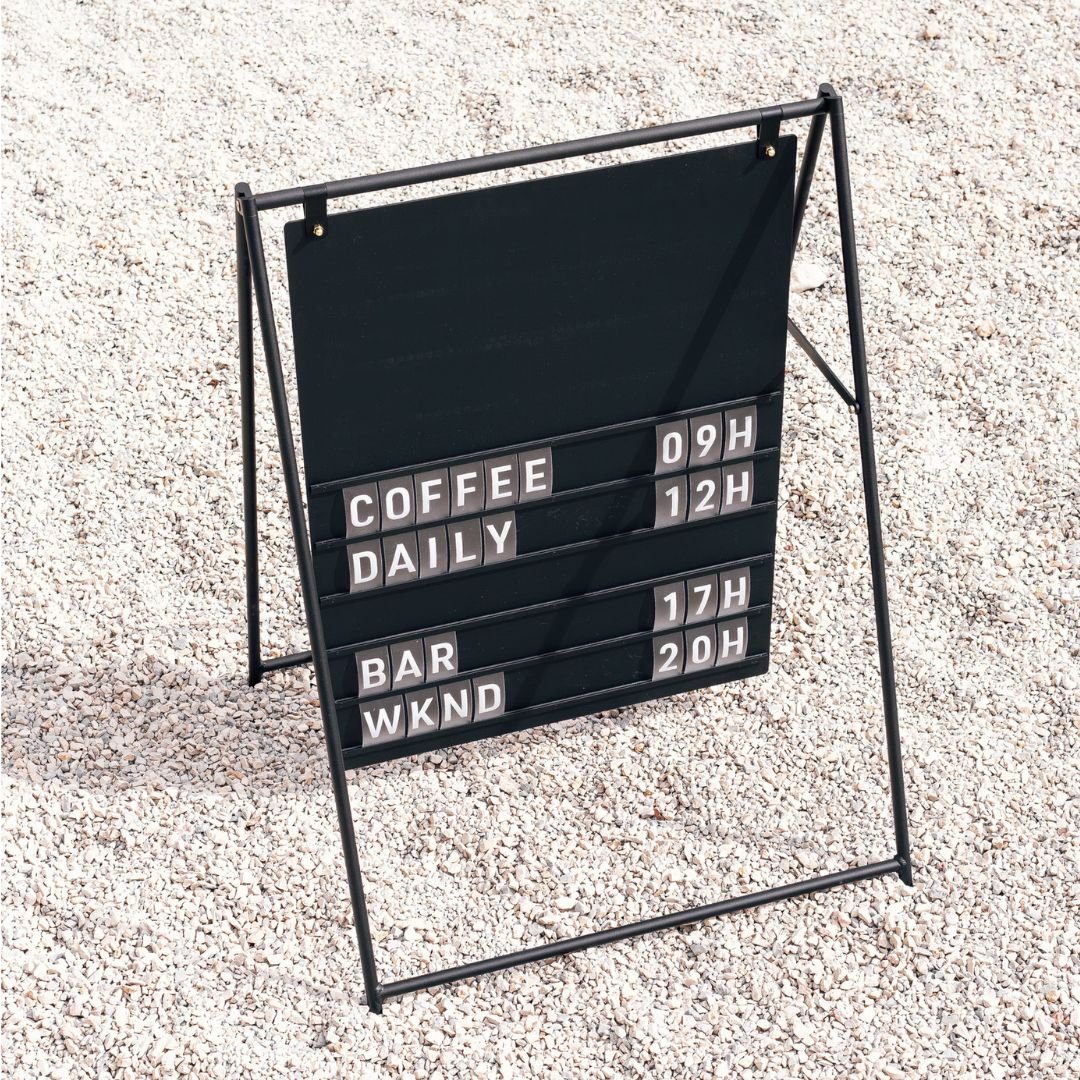
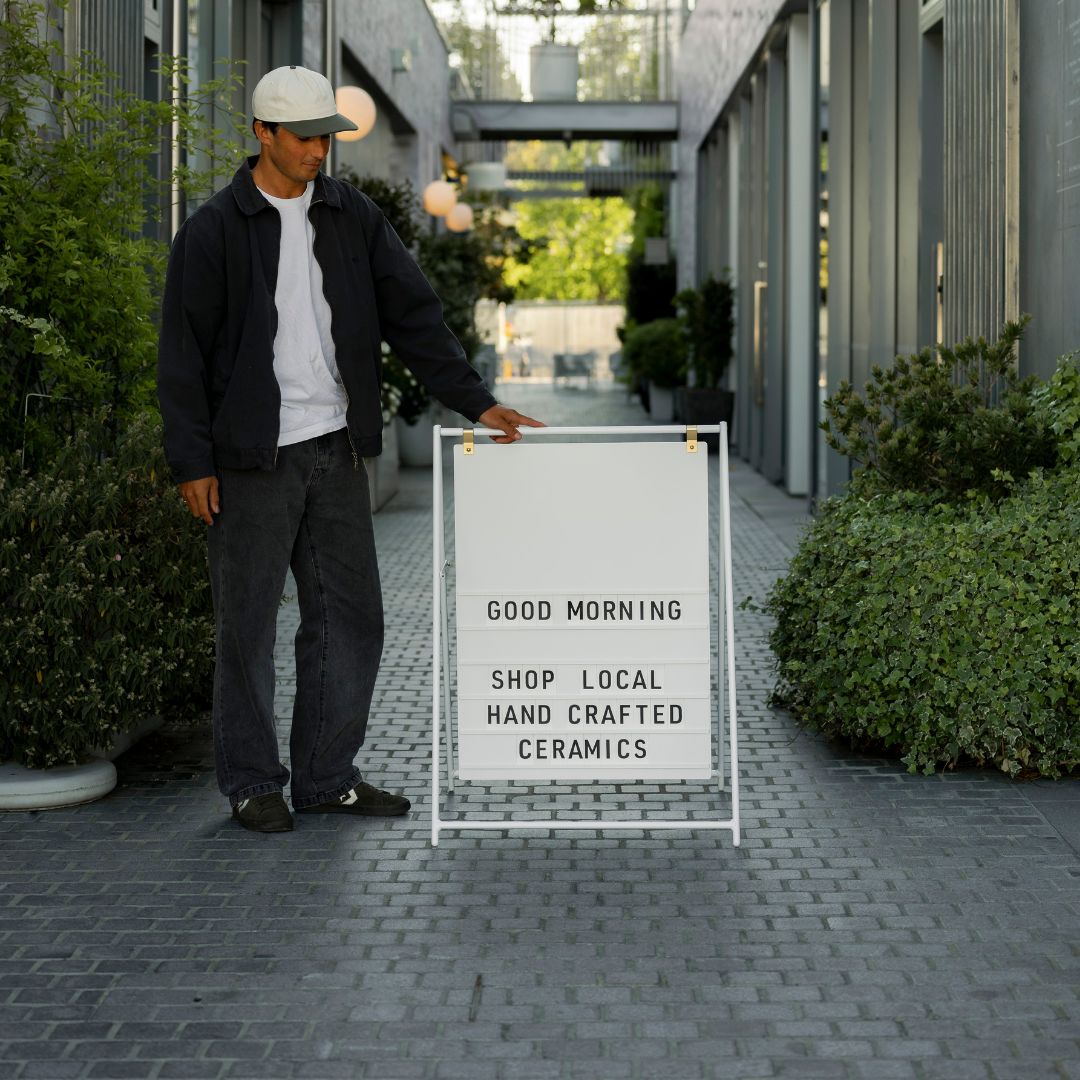
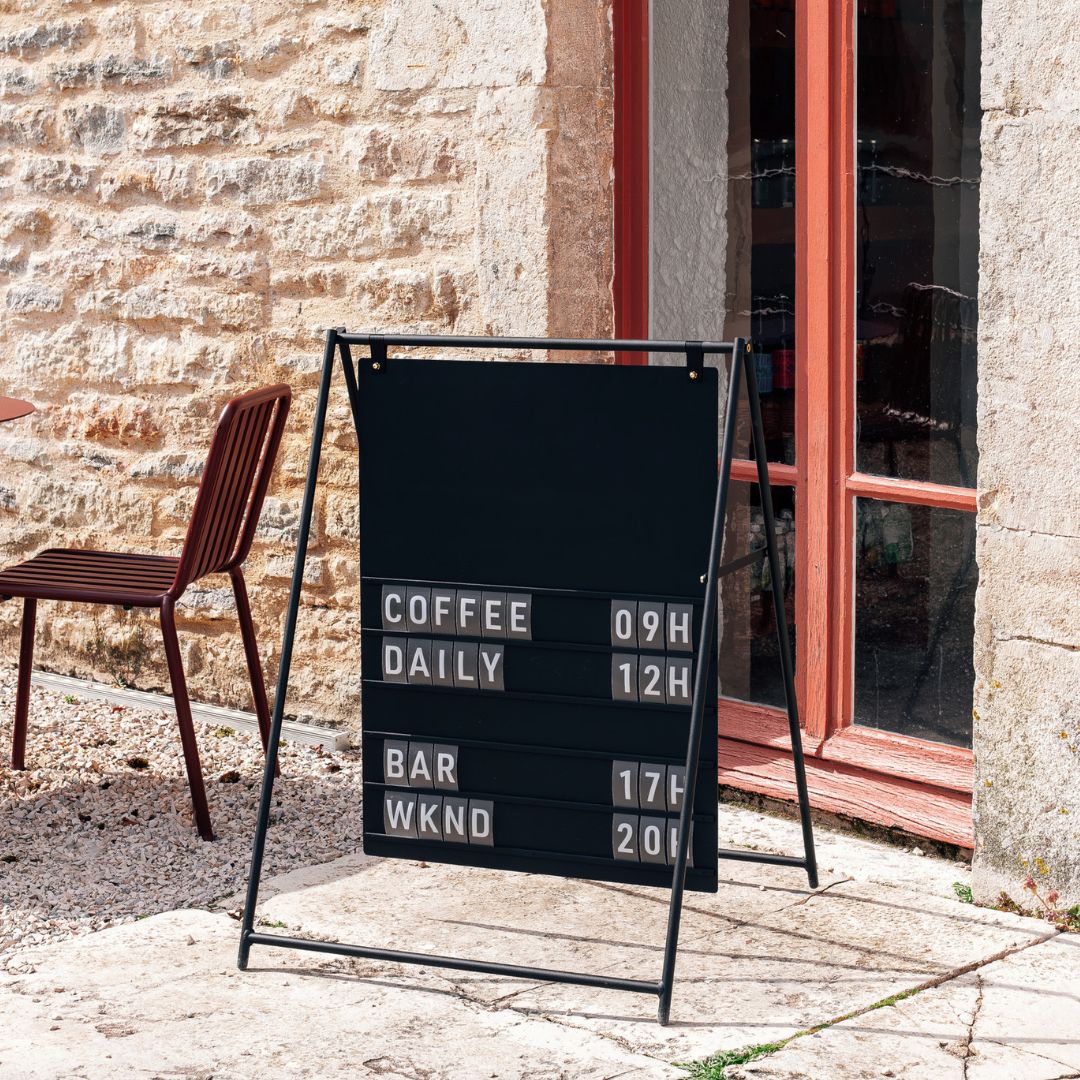
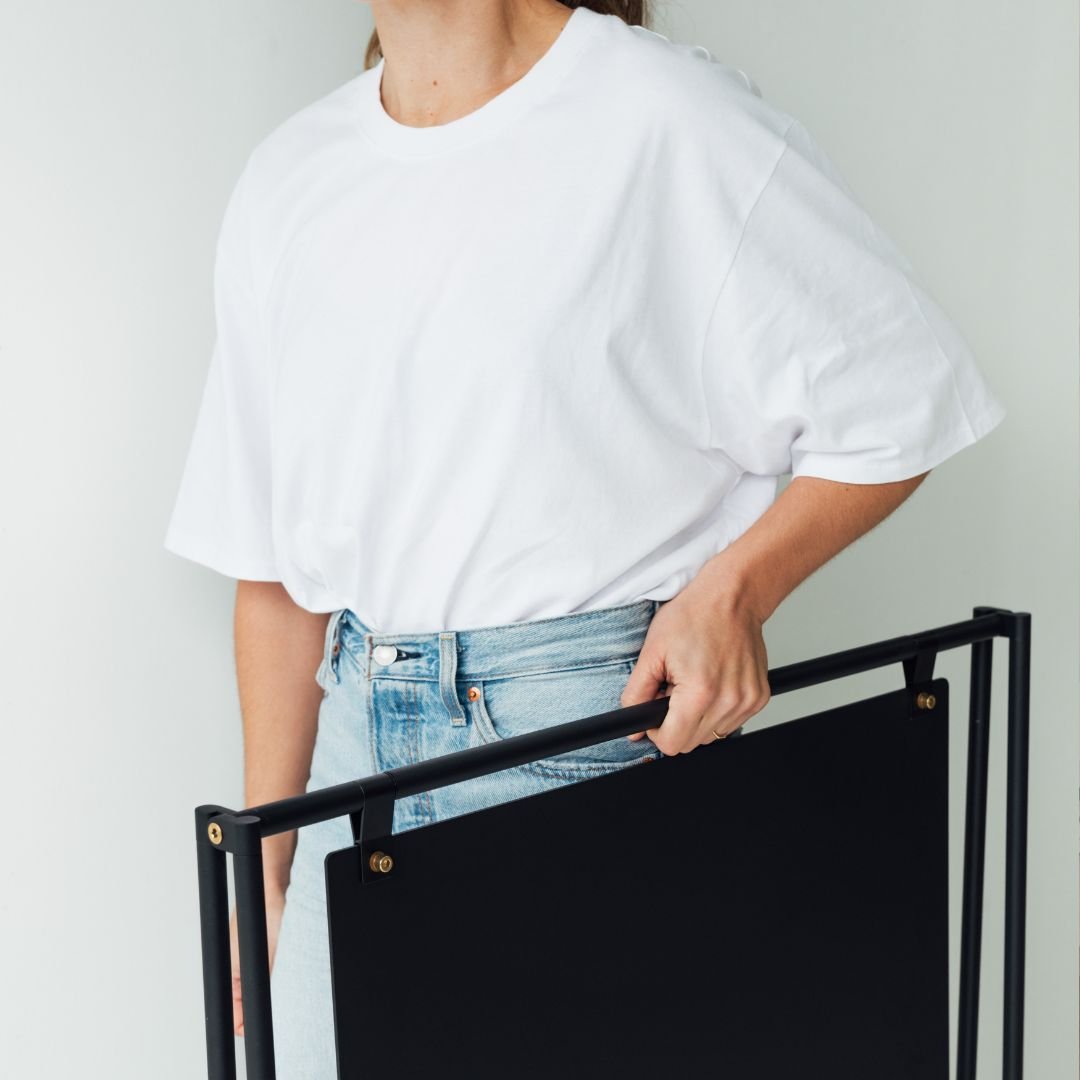
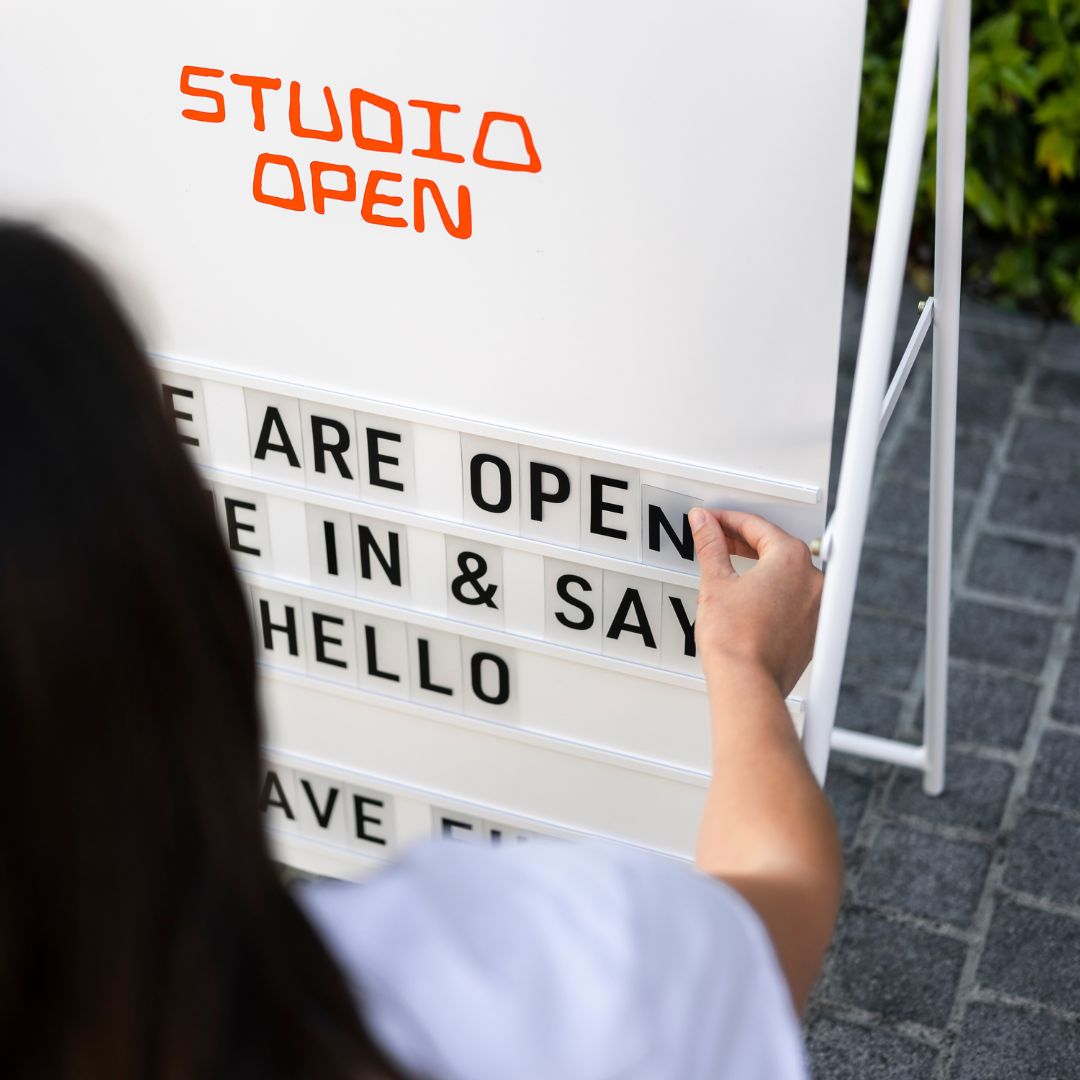
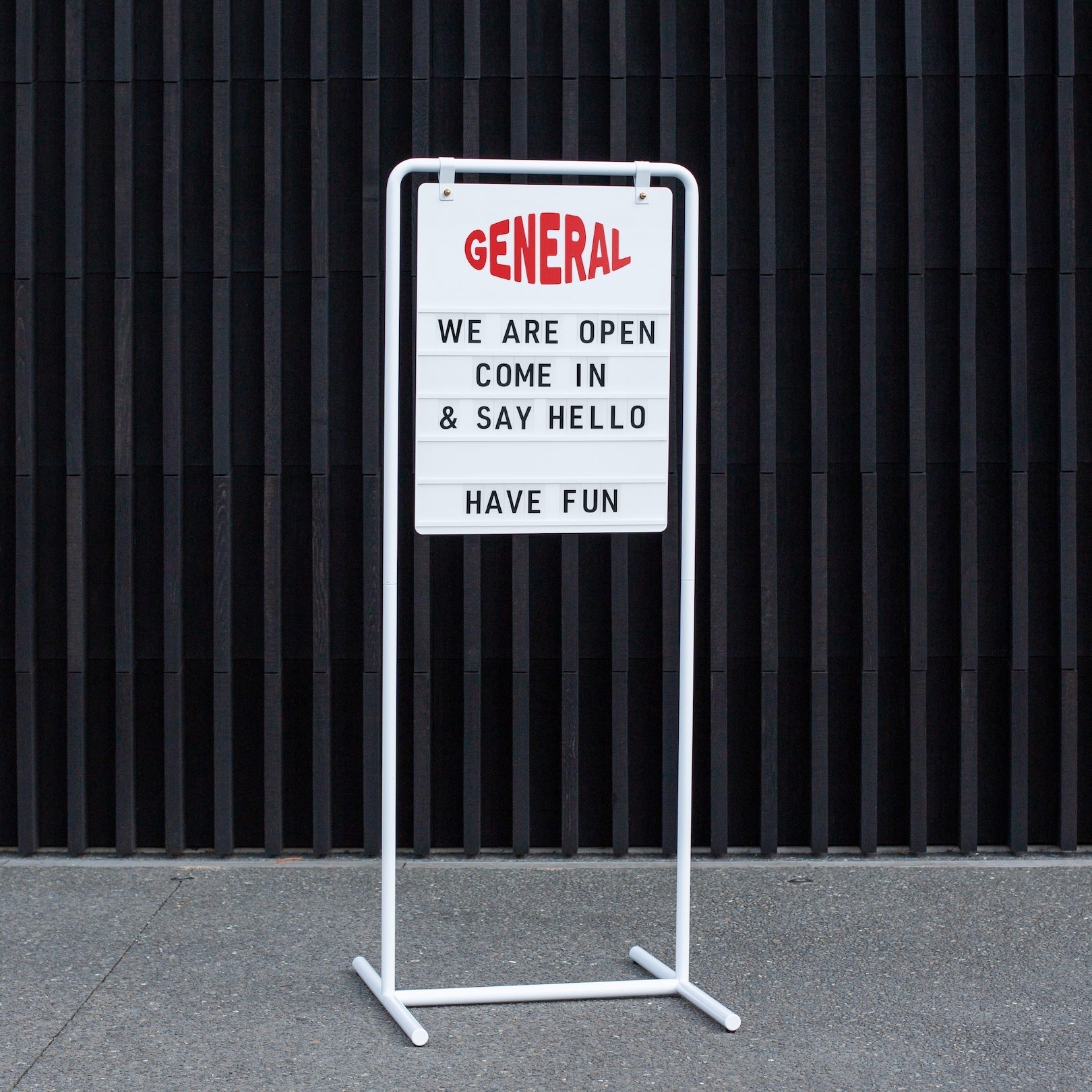
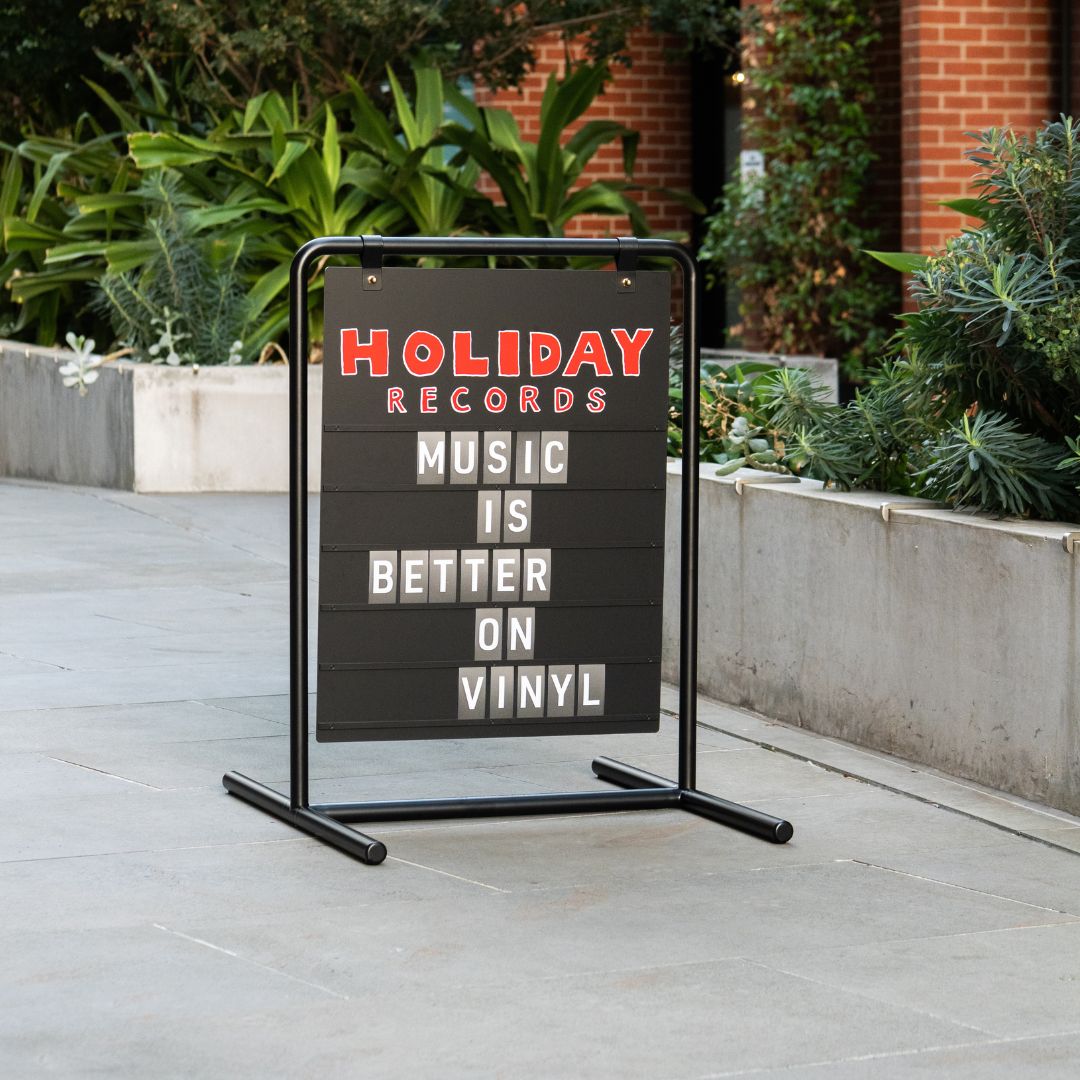
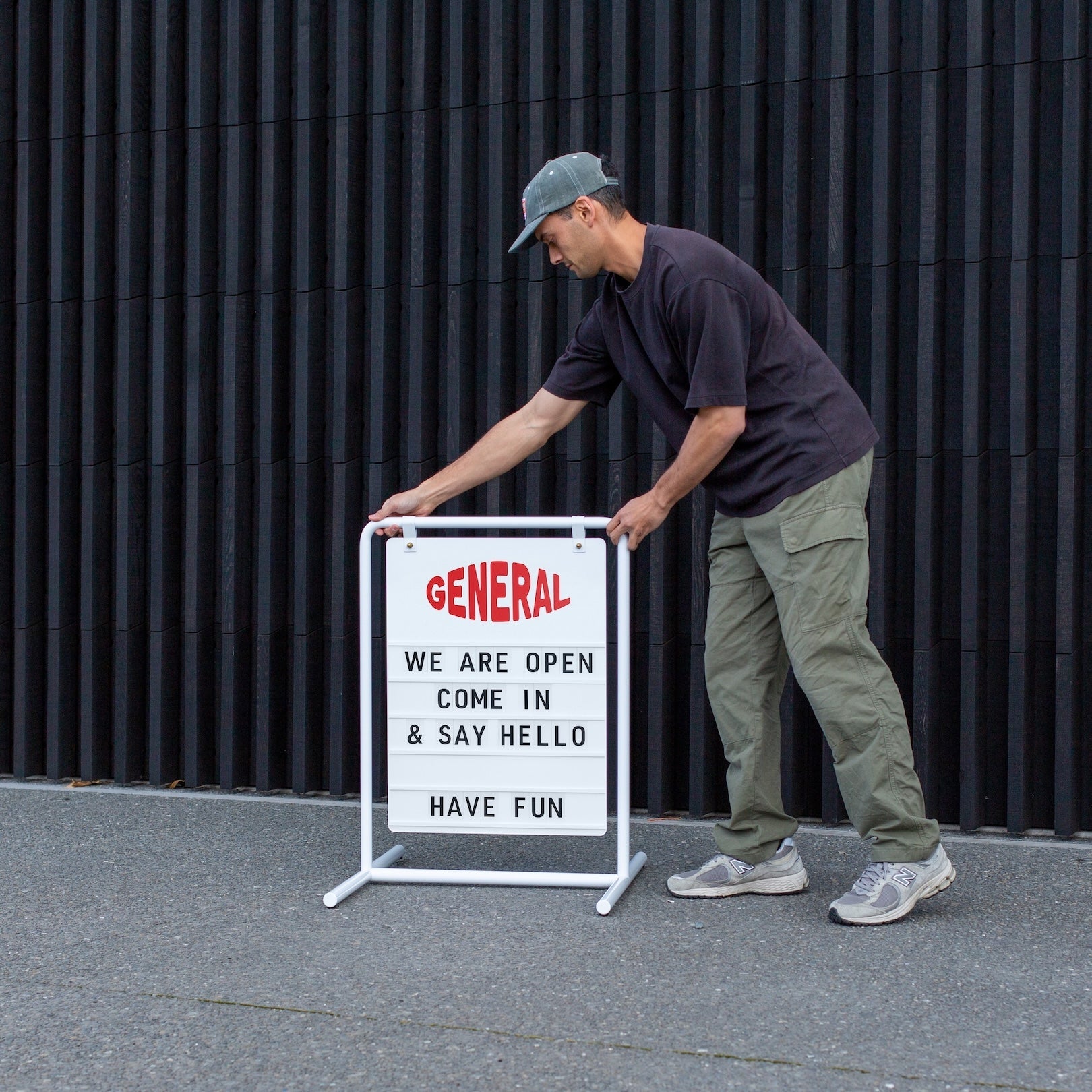
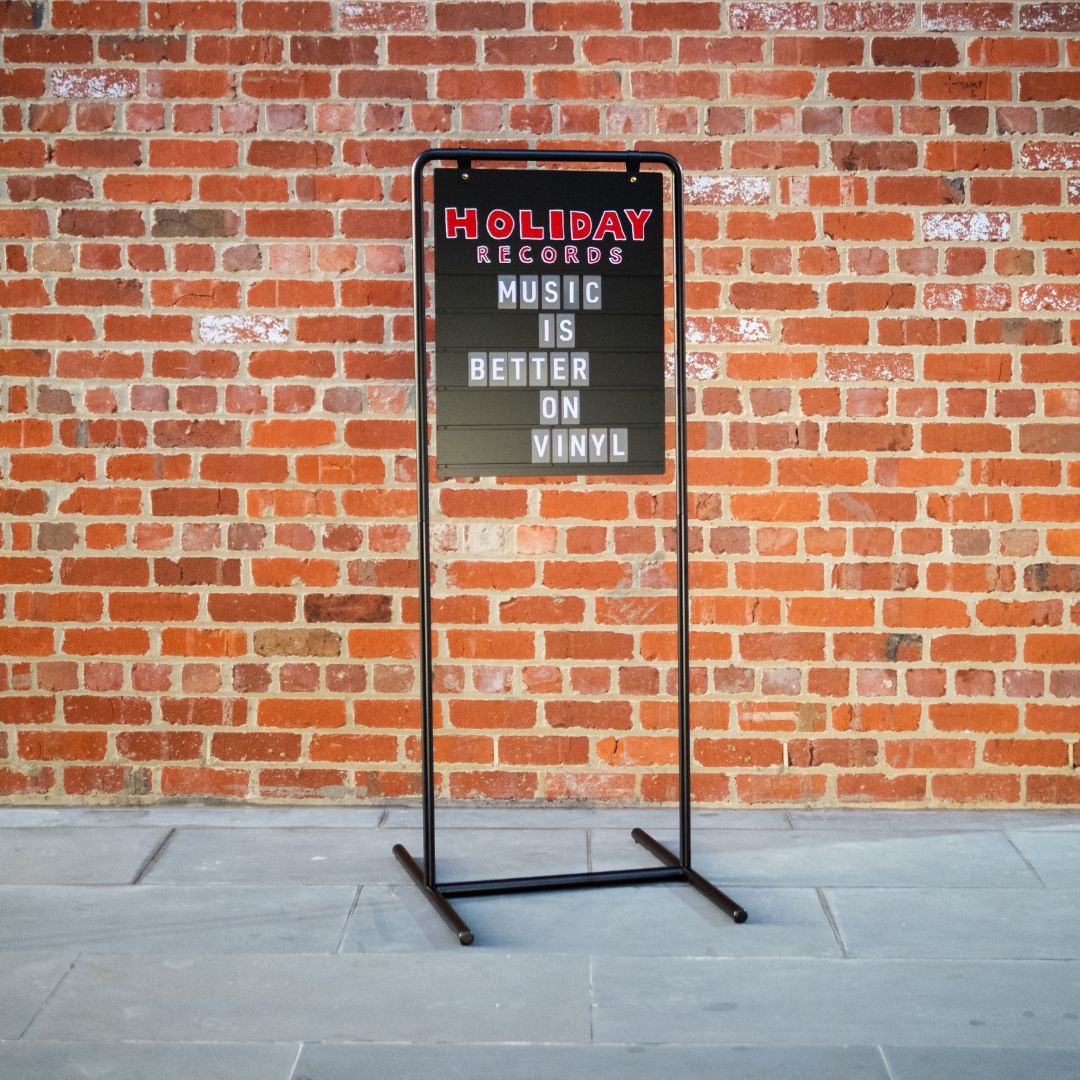
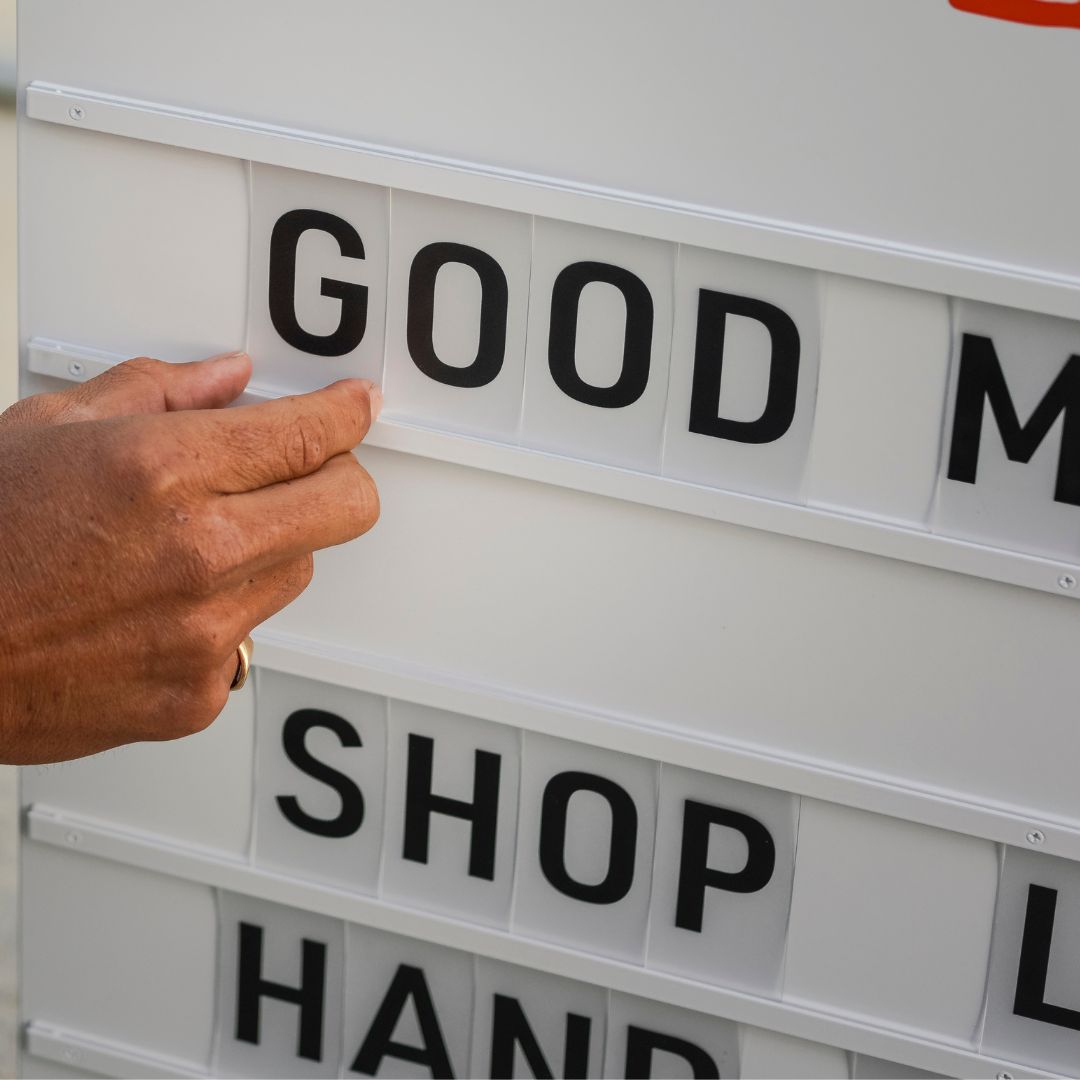
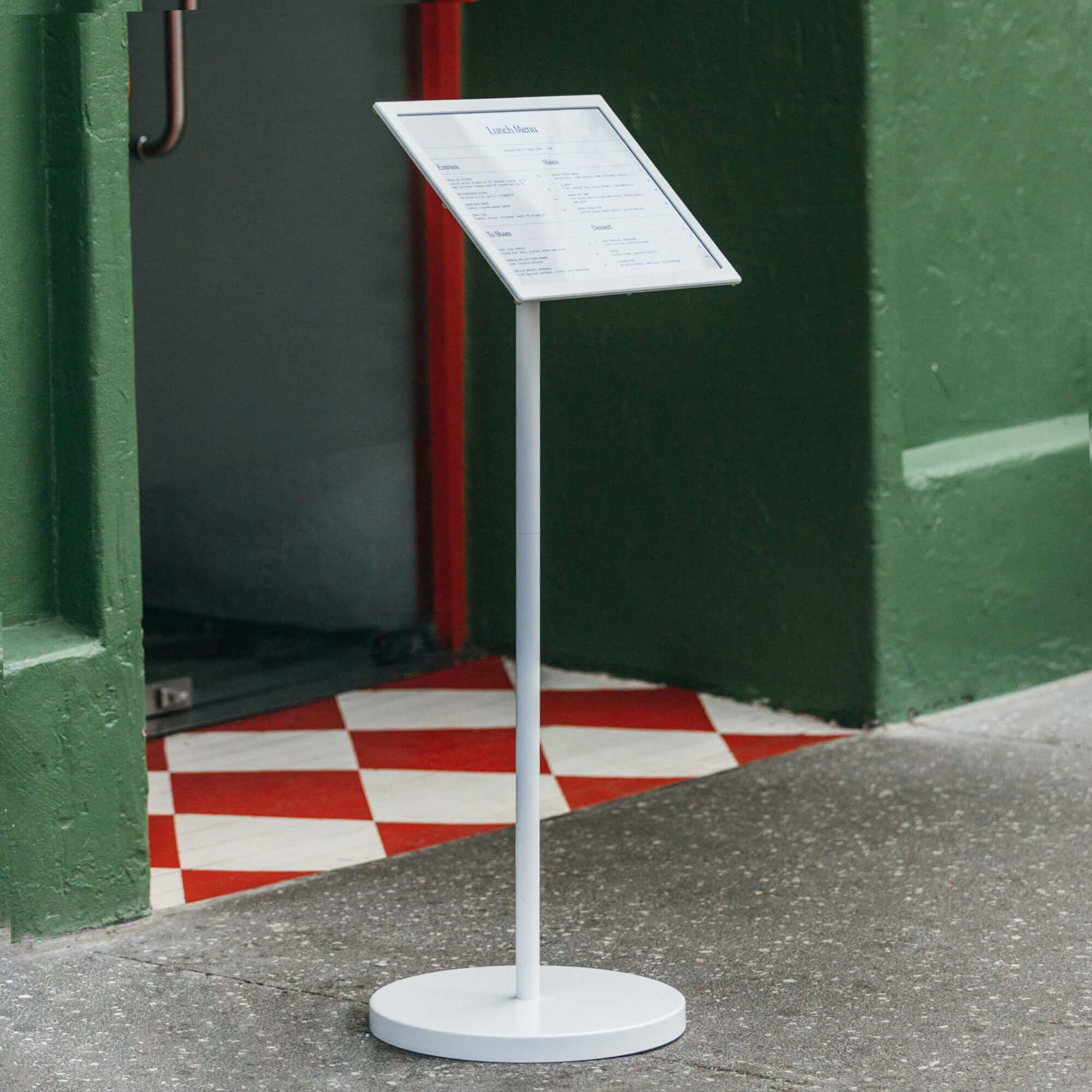
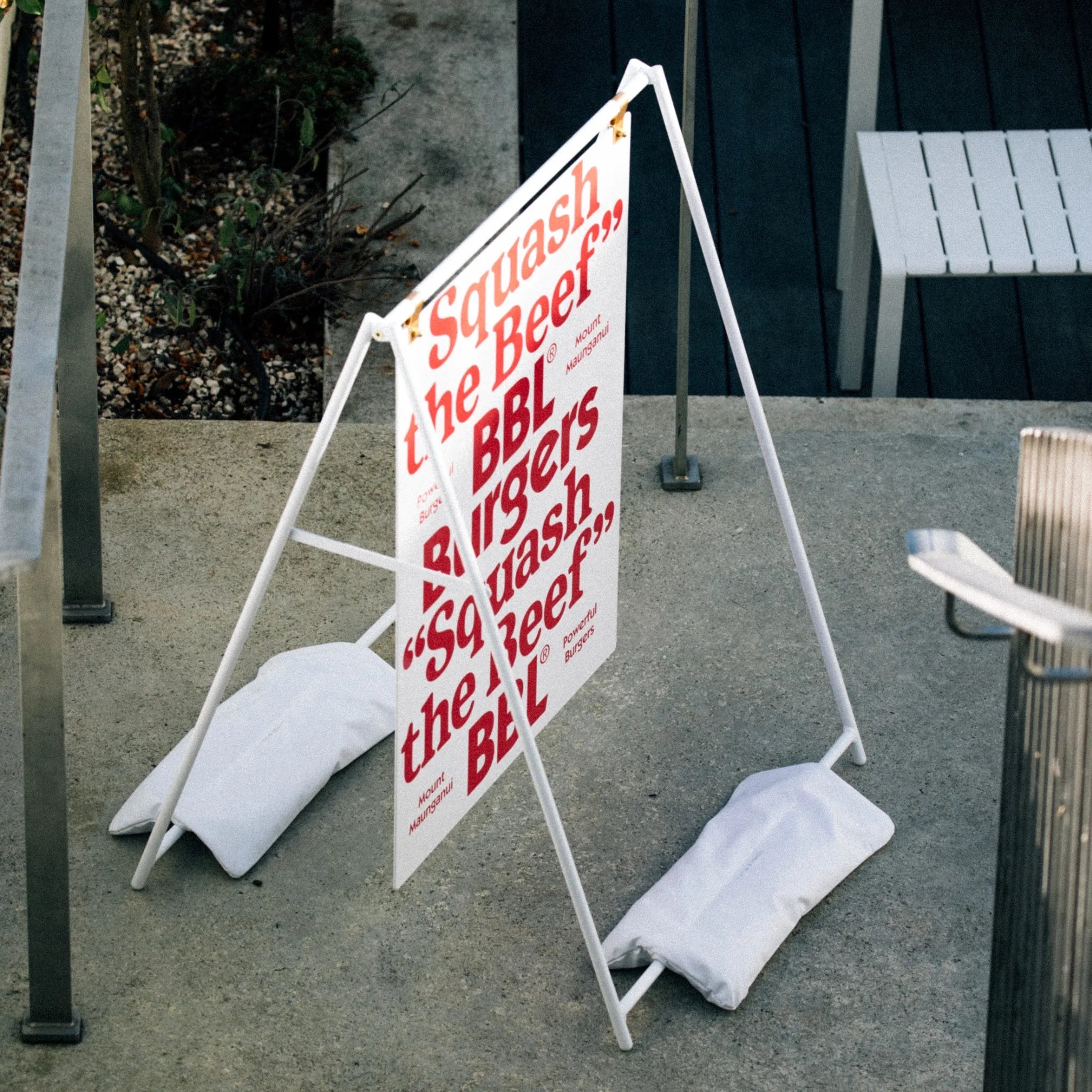
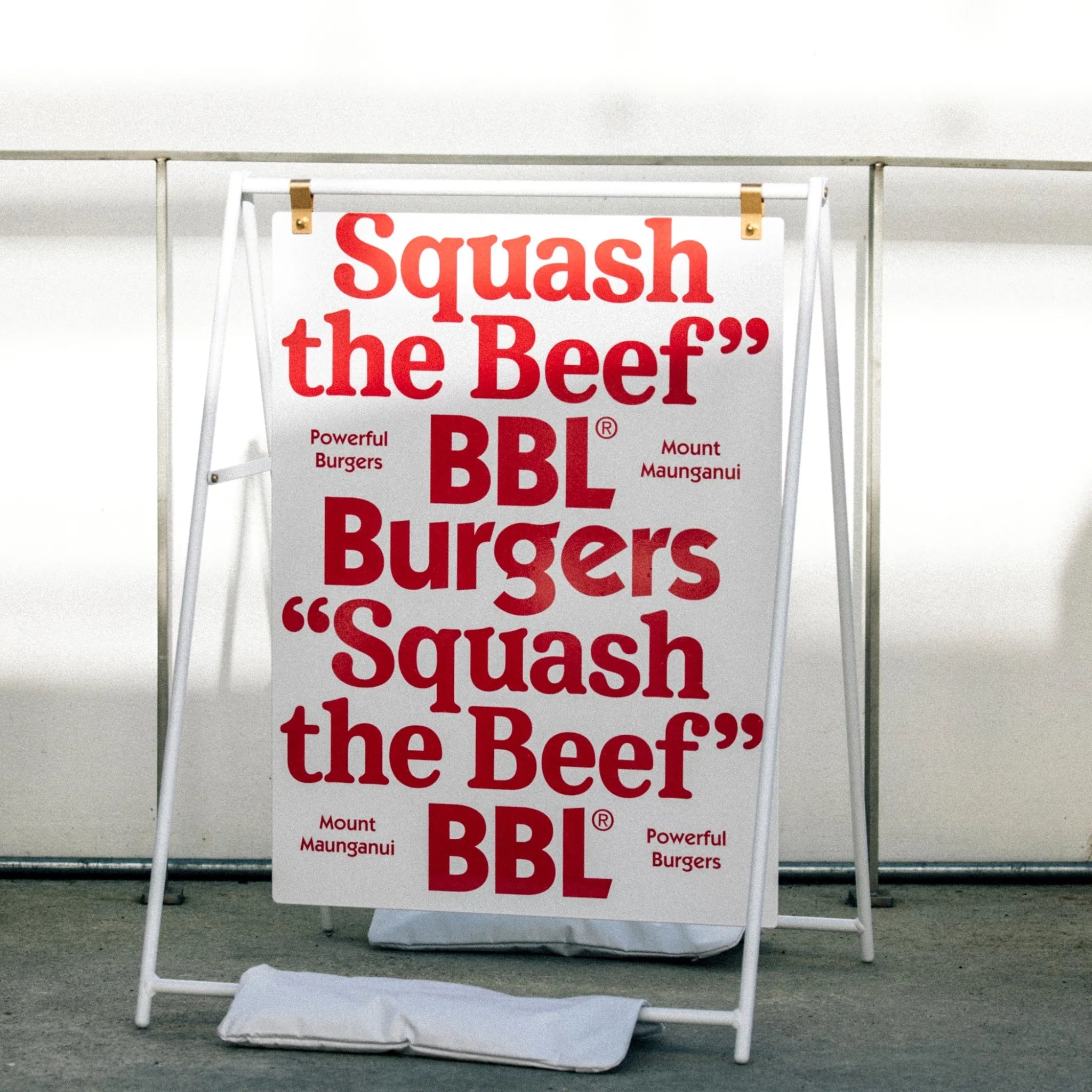
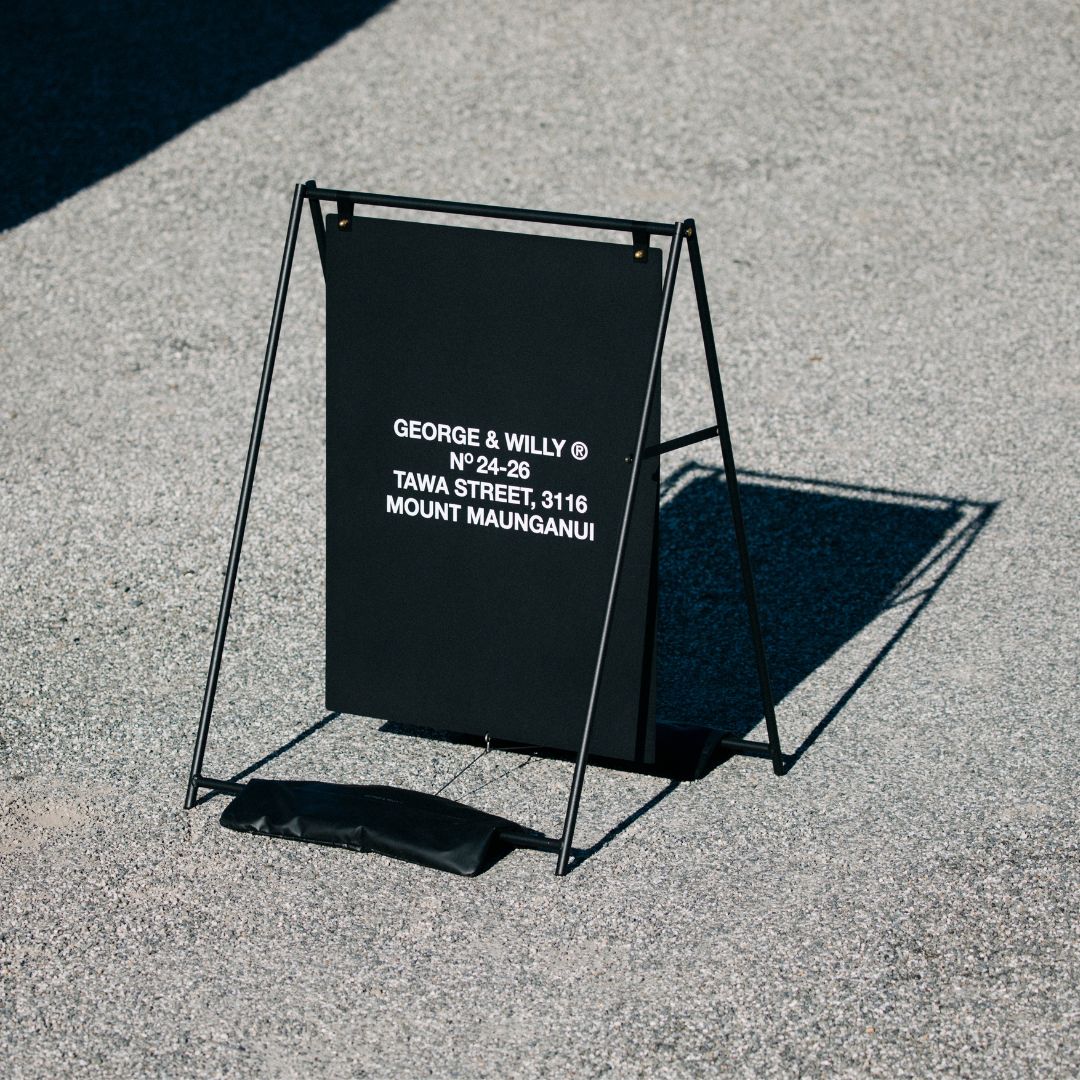
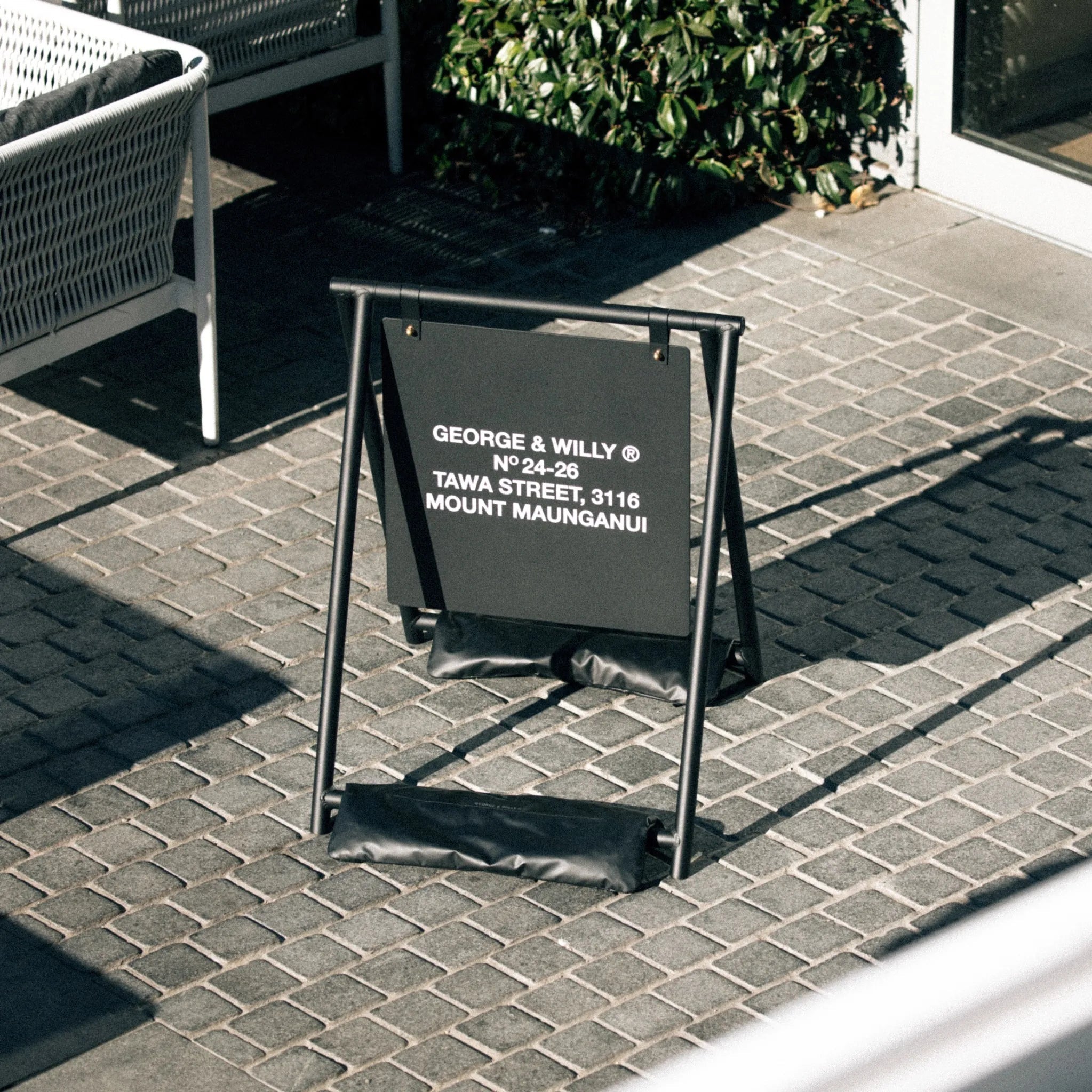
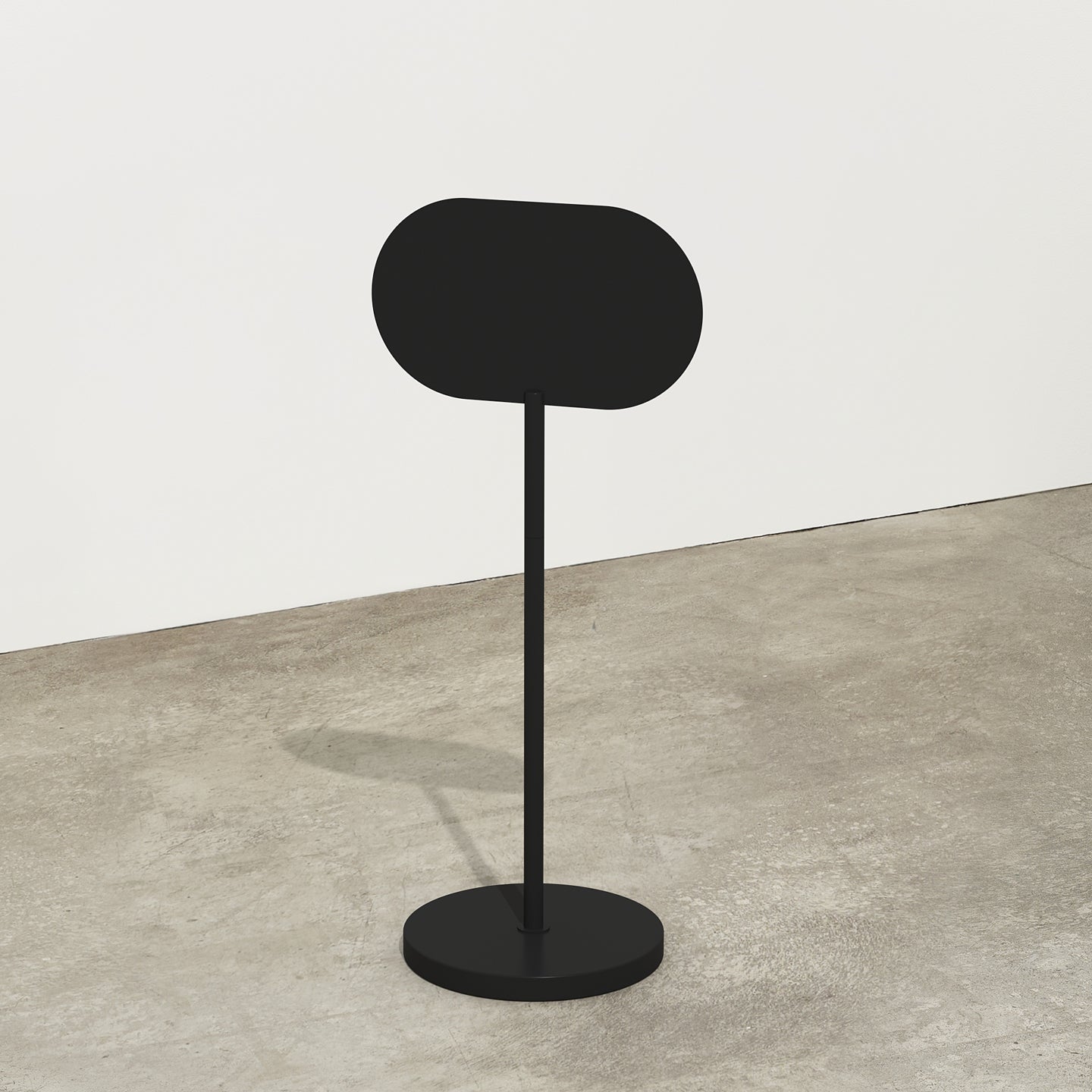
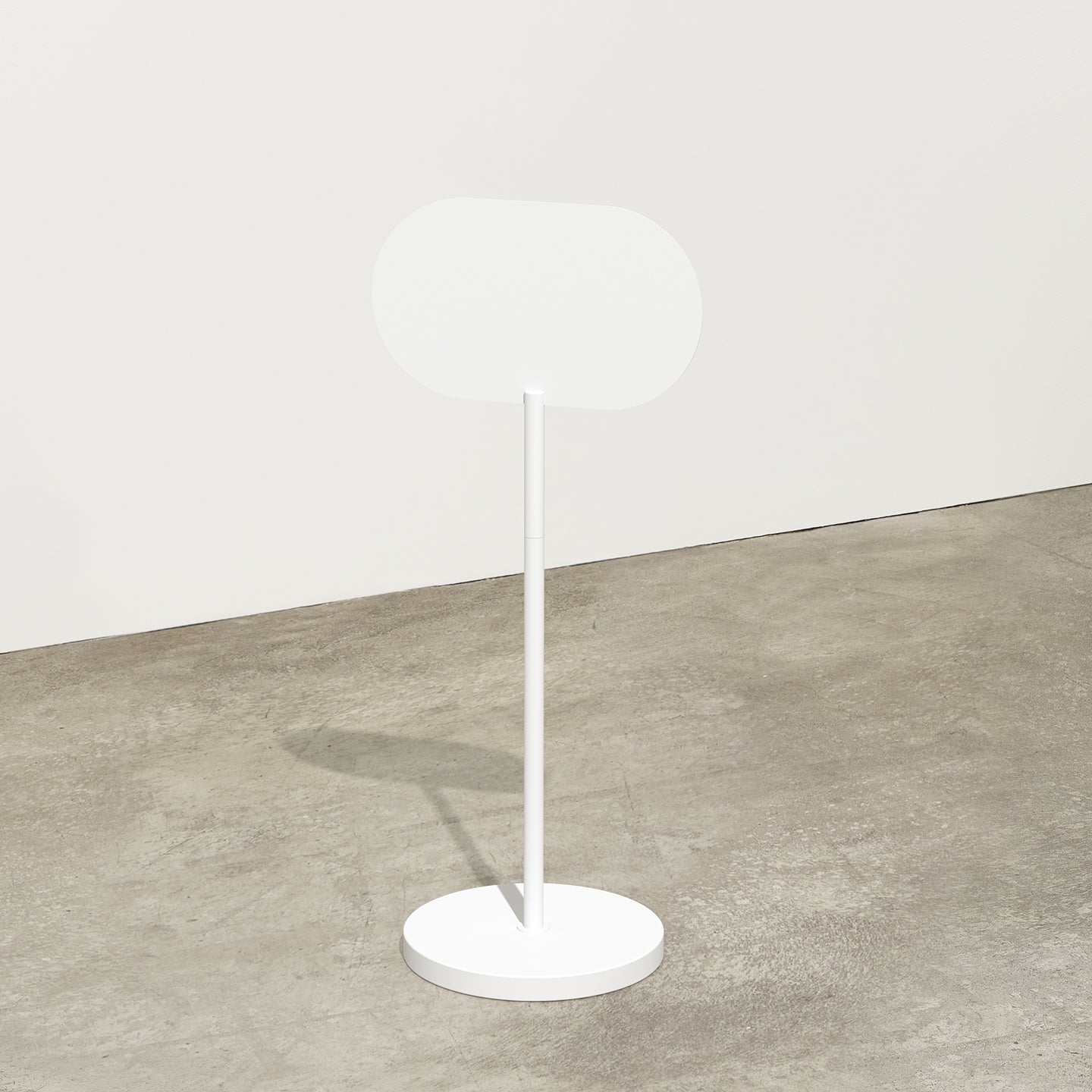
Sidewalk signs stand on the footpath, at eye level for people walking past. Folding A-frames, swinging signs, letter boards for daily specials, and poster frames for printed artwork.
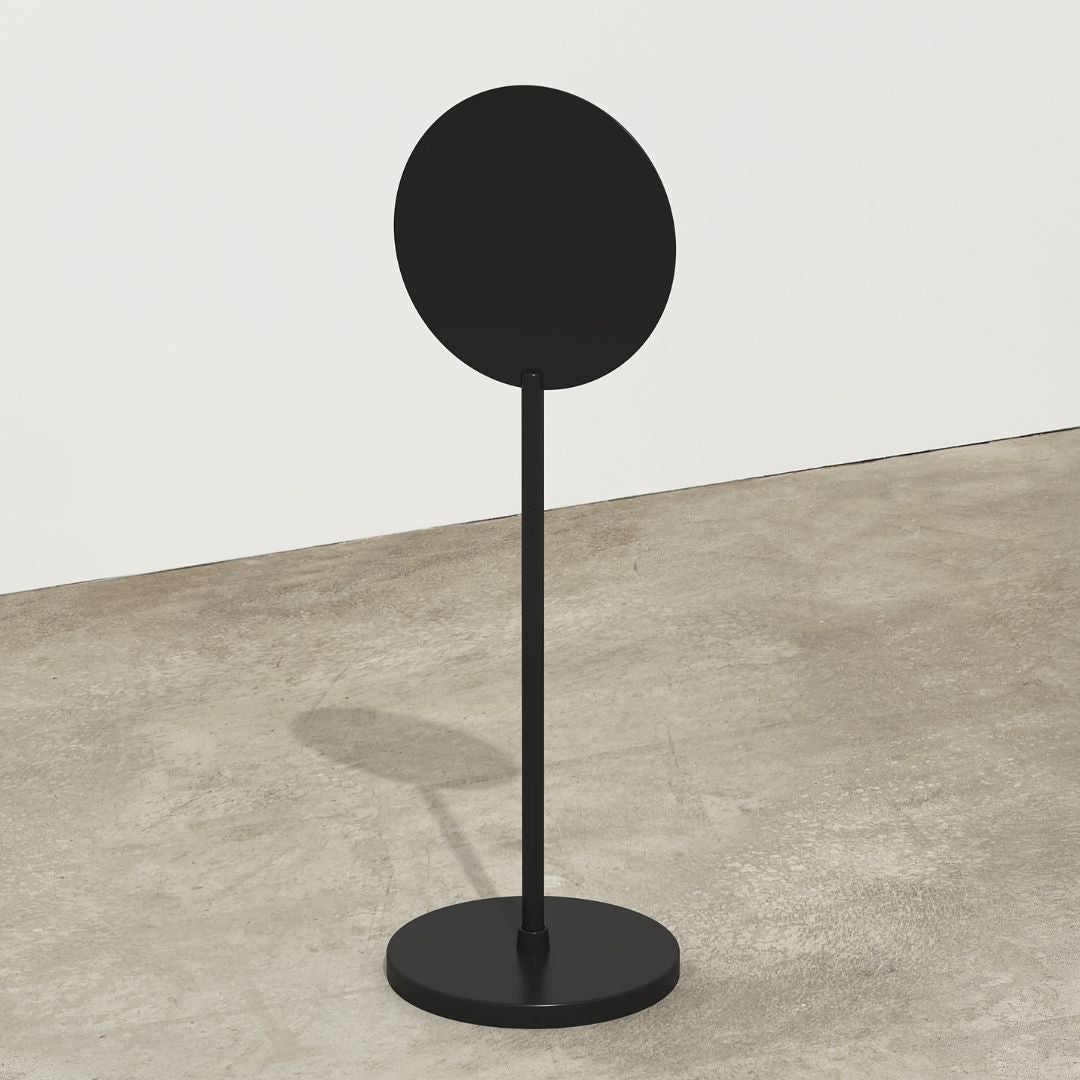
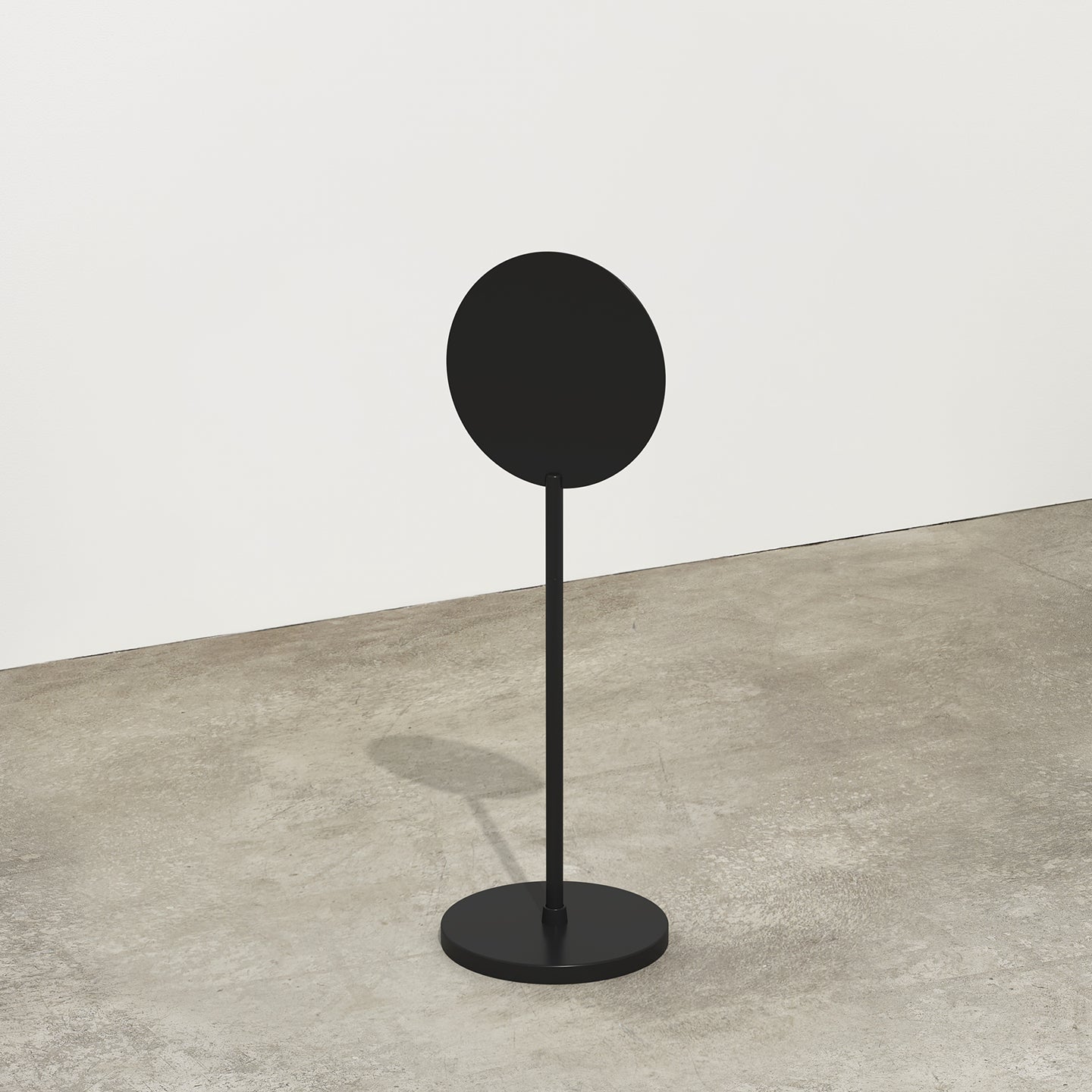
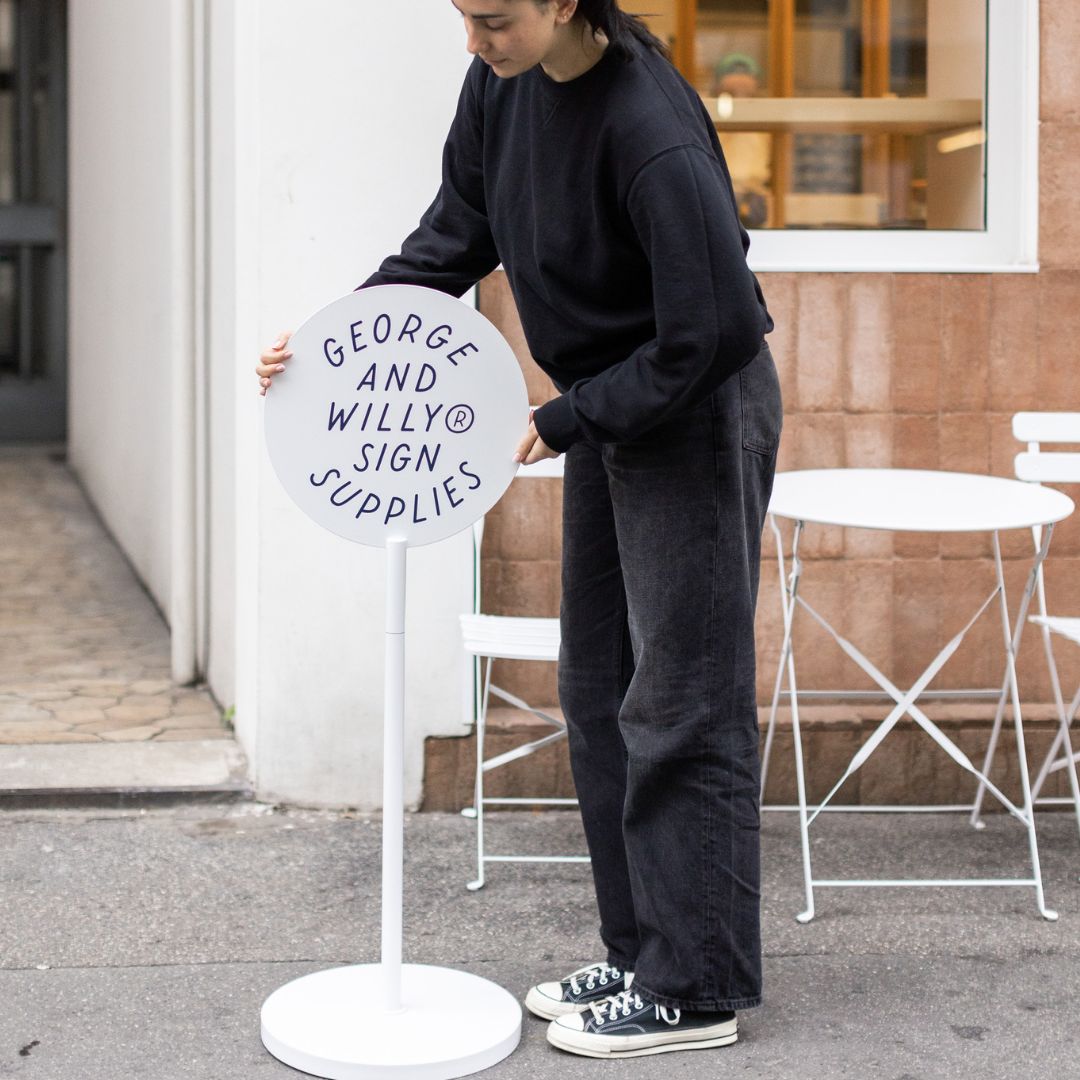
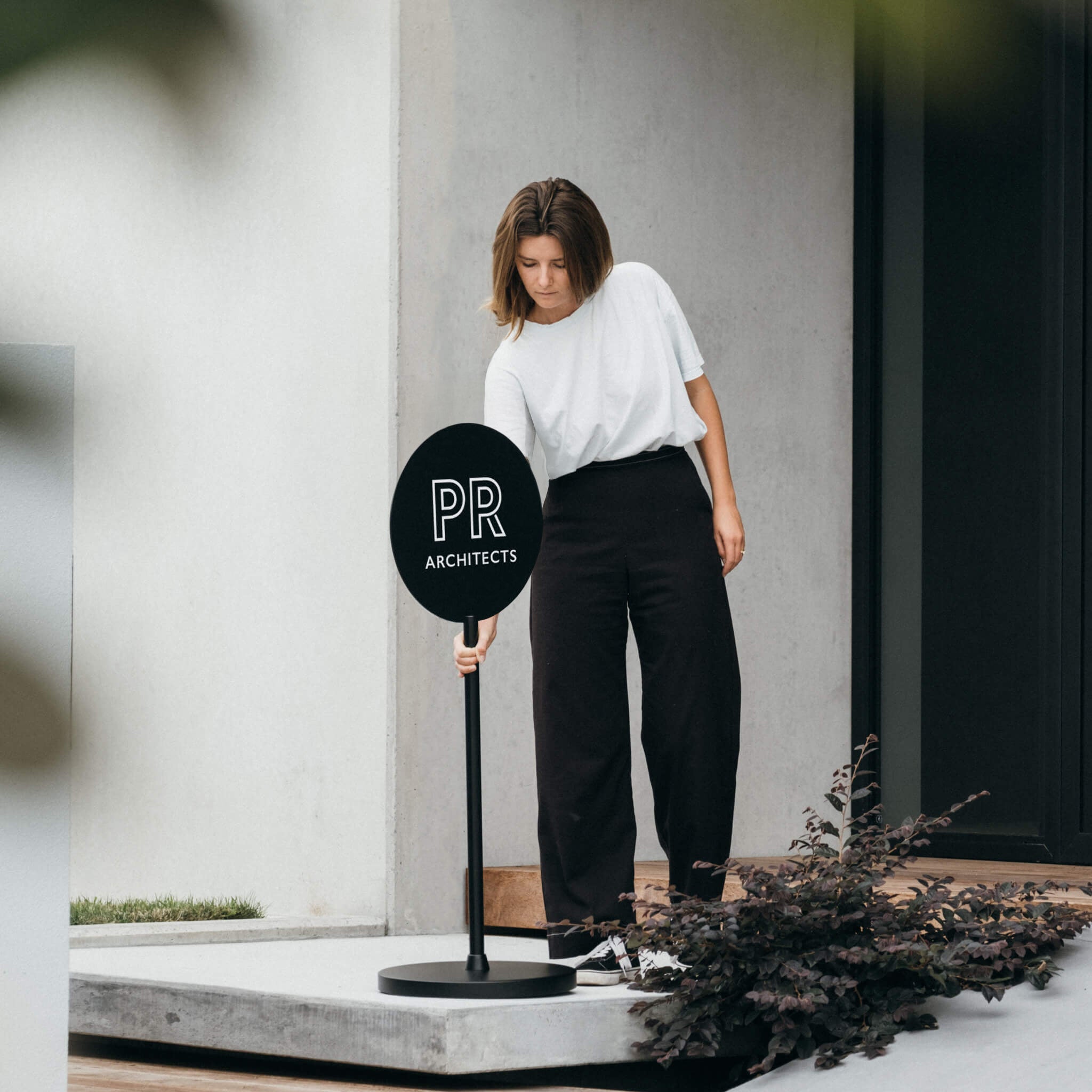
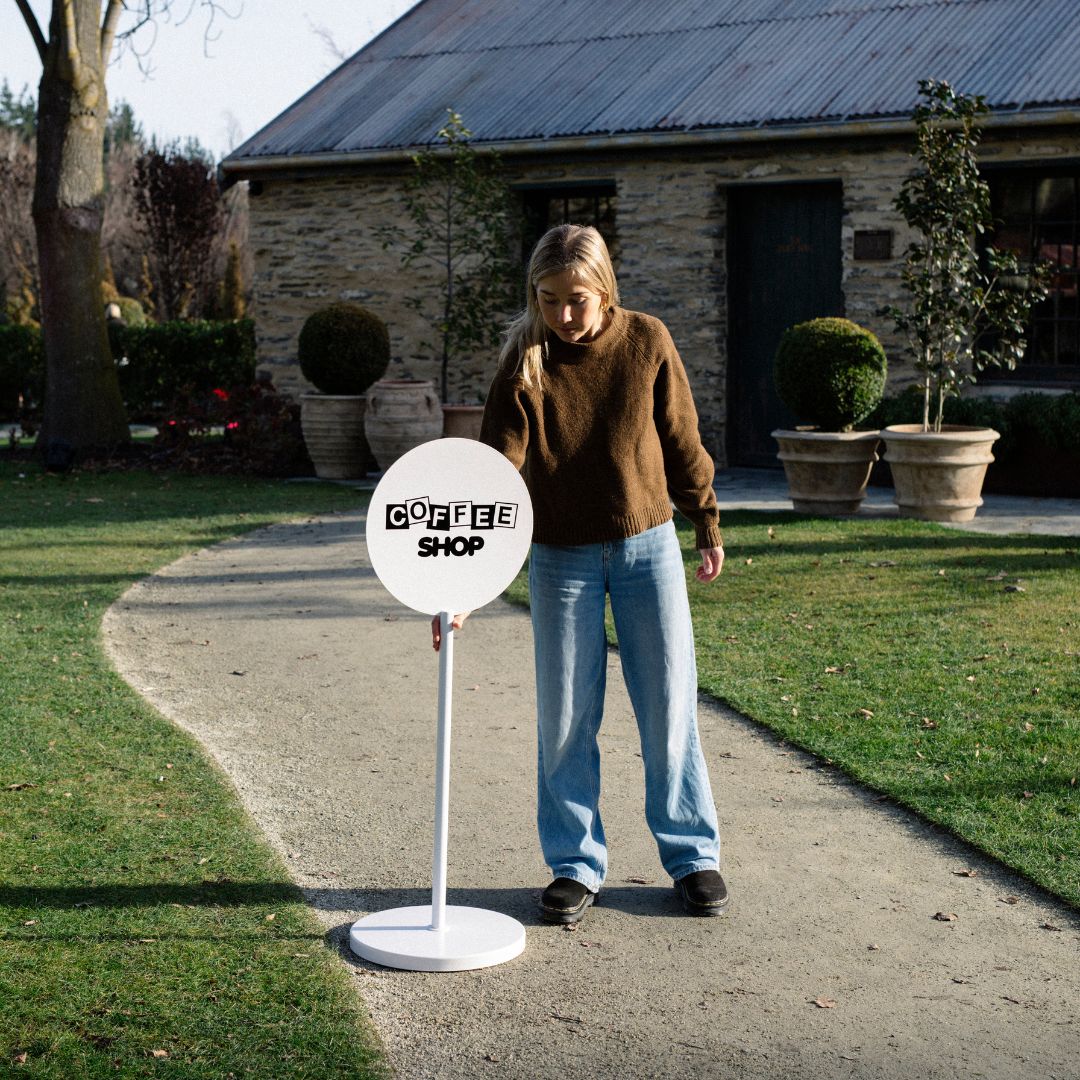
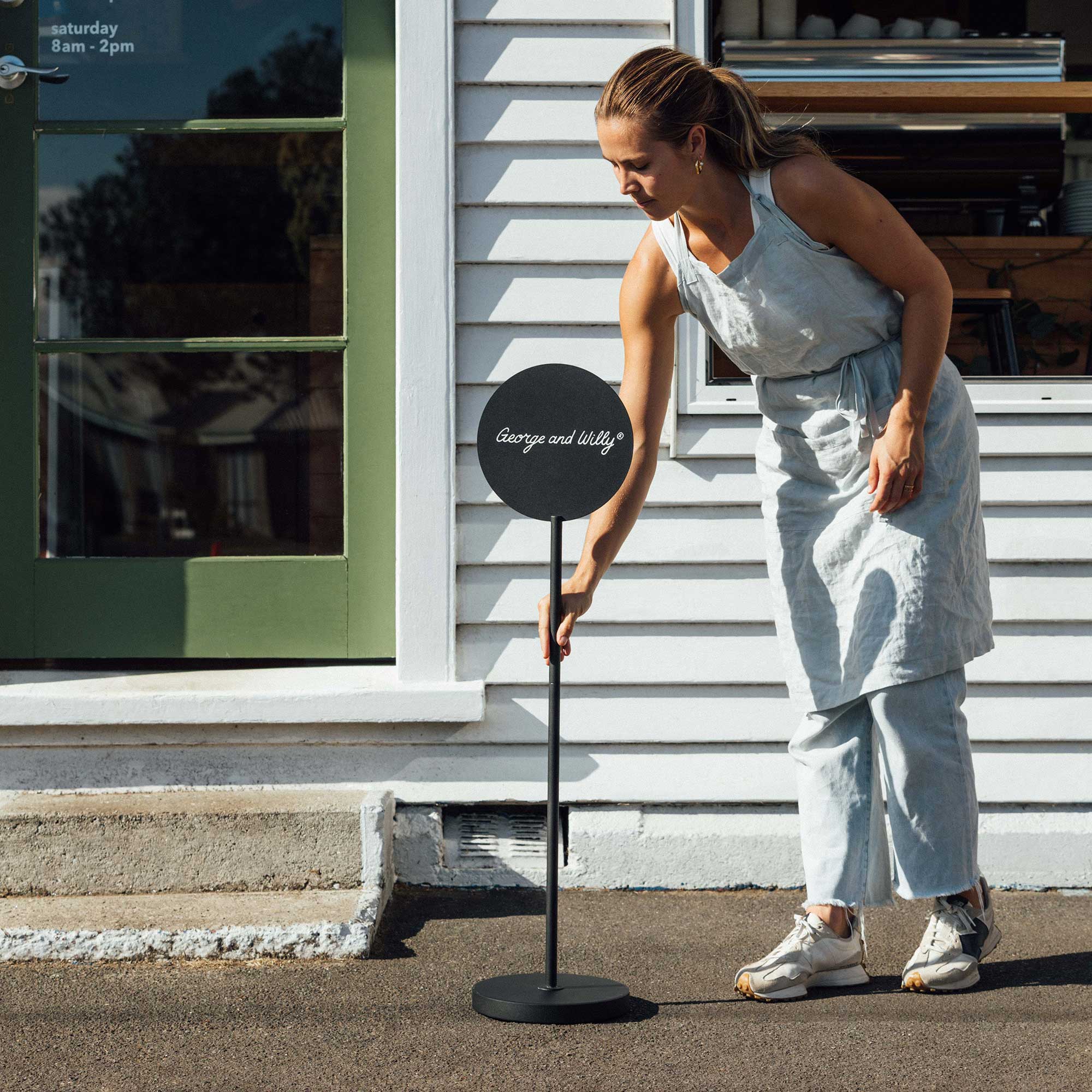
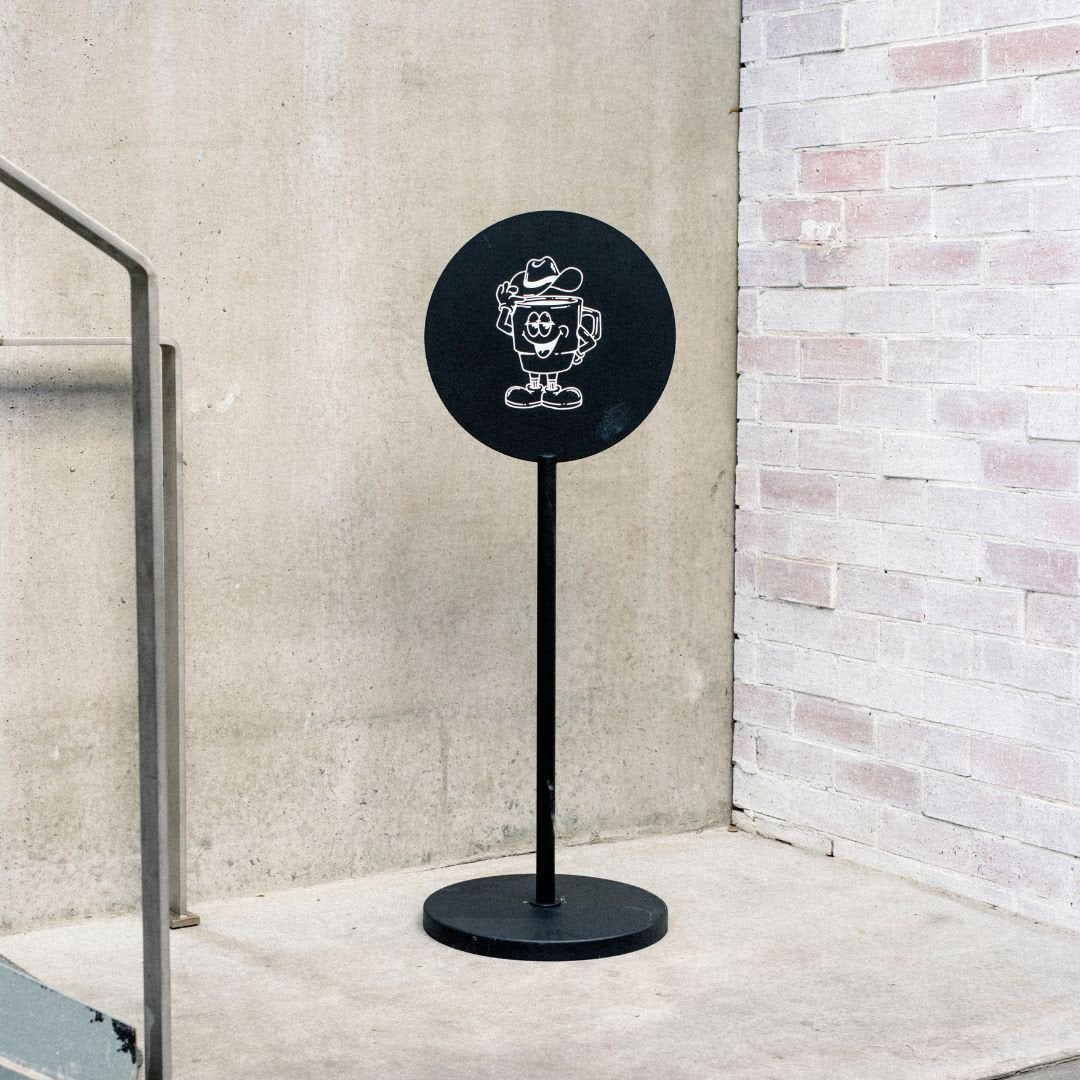
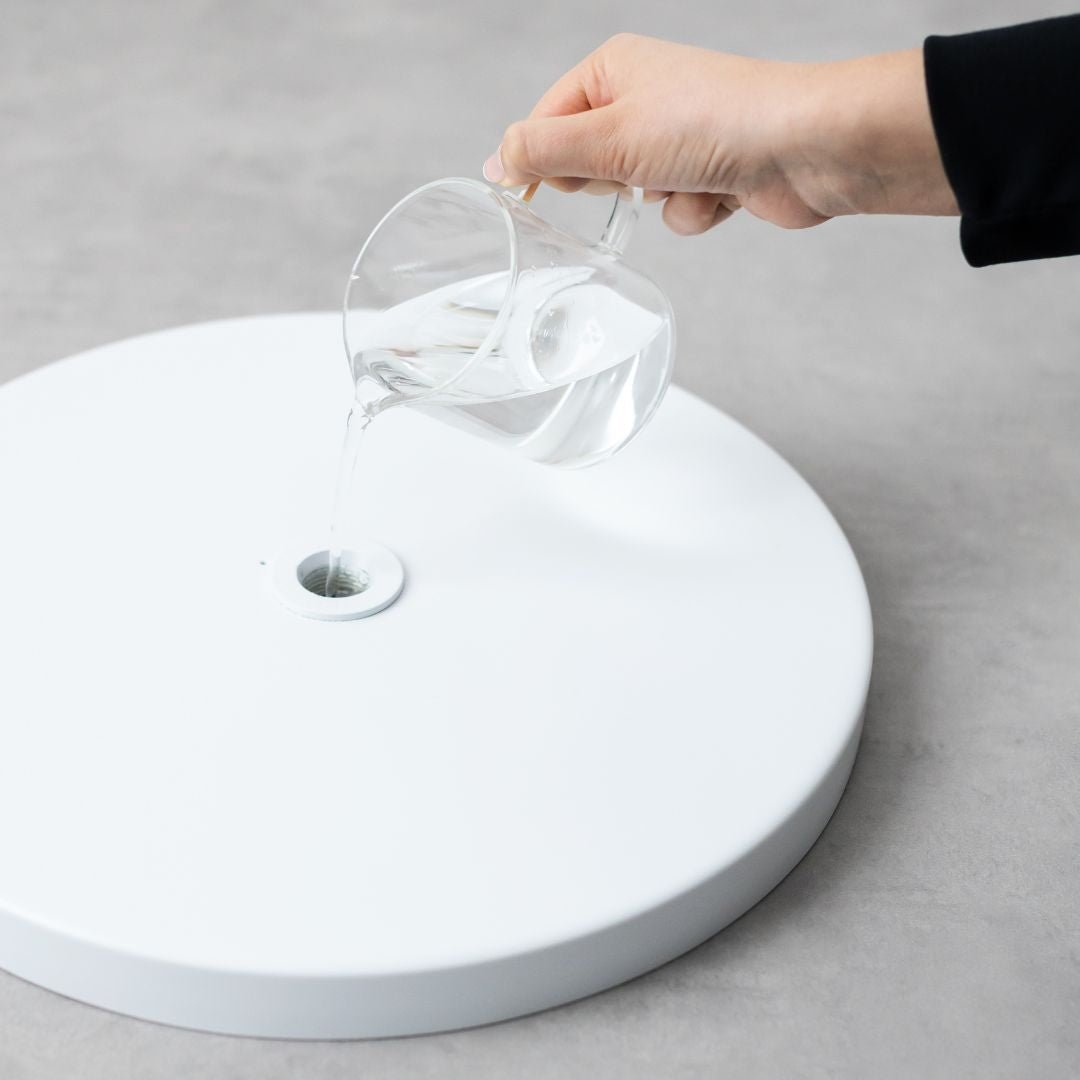
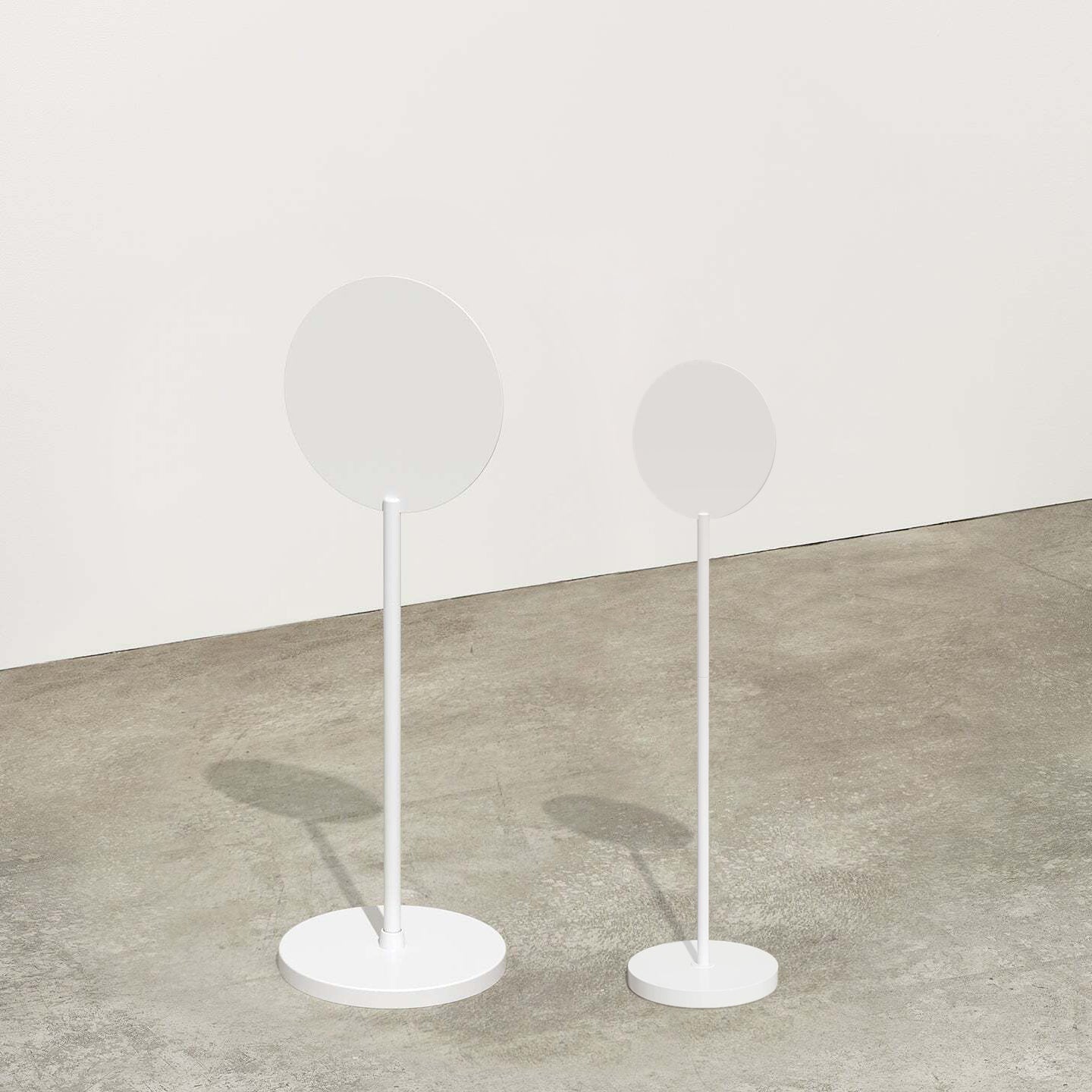
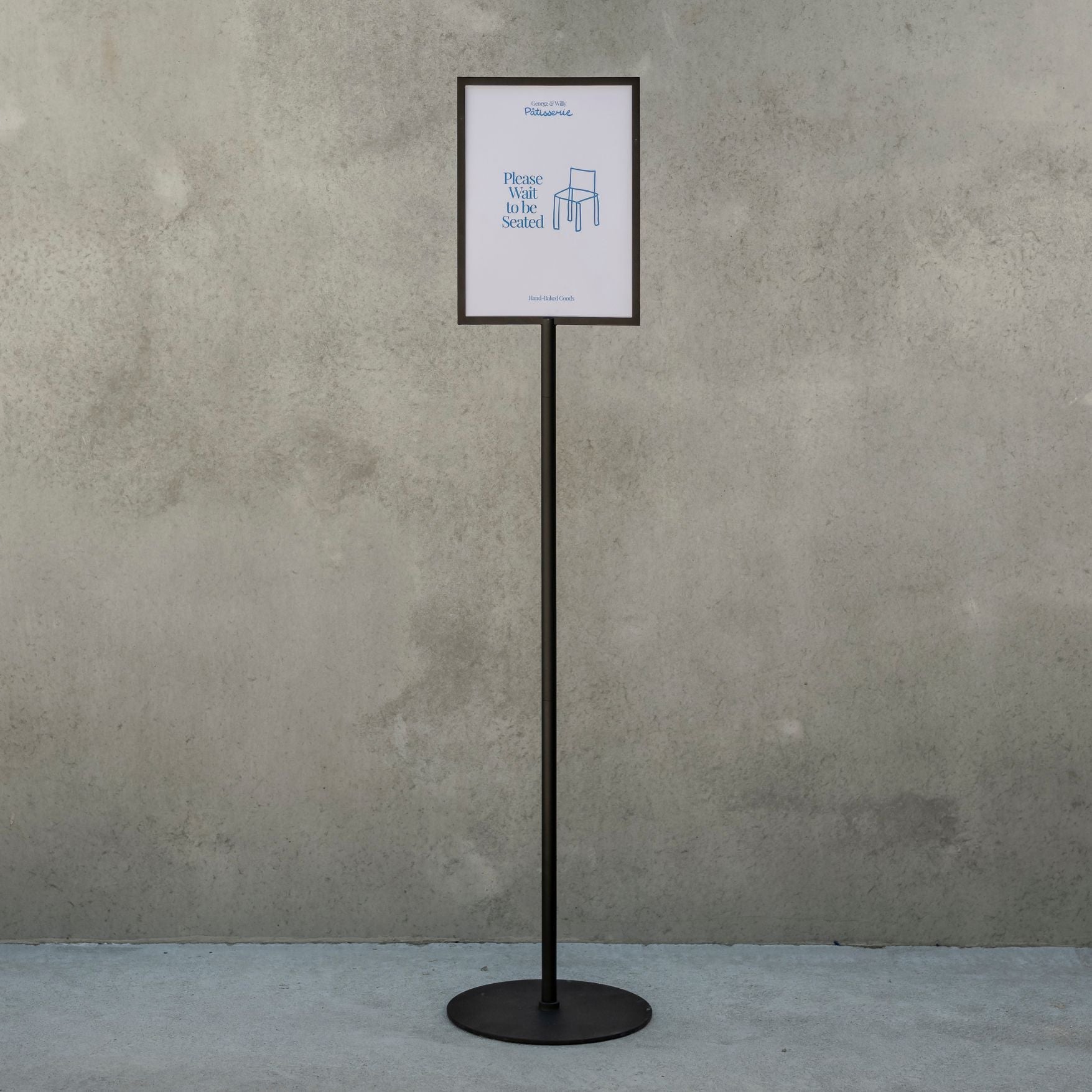
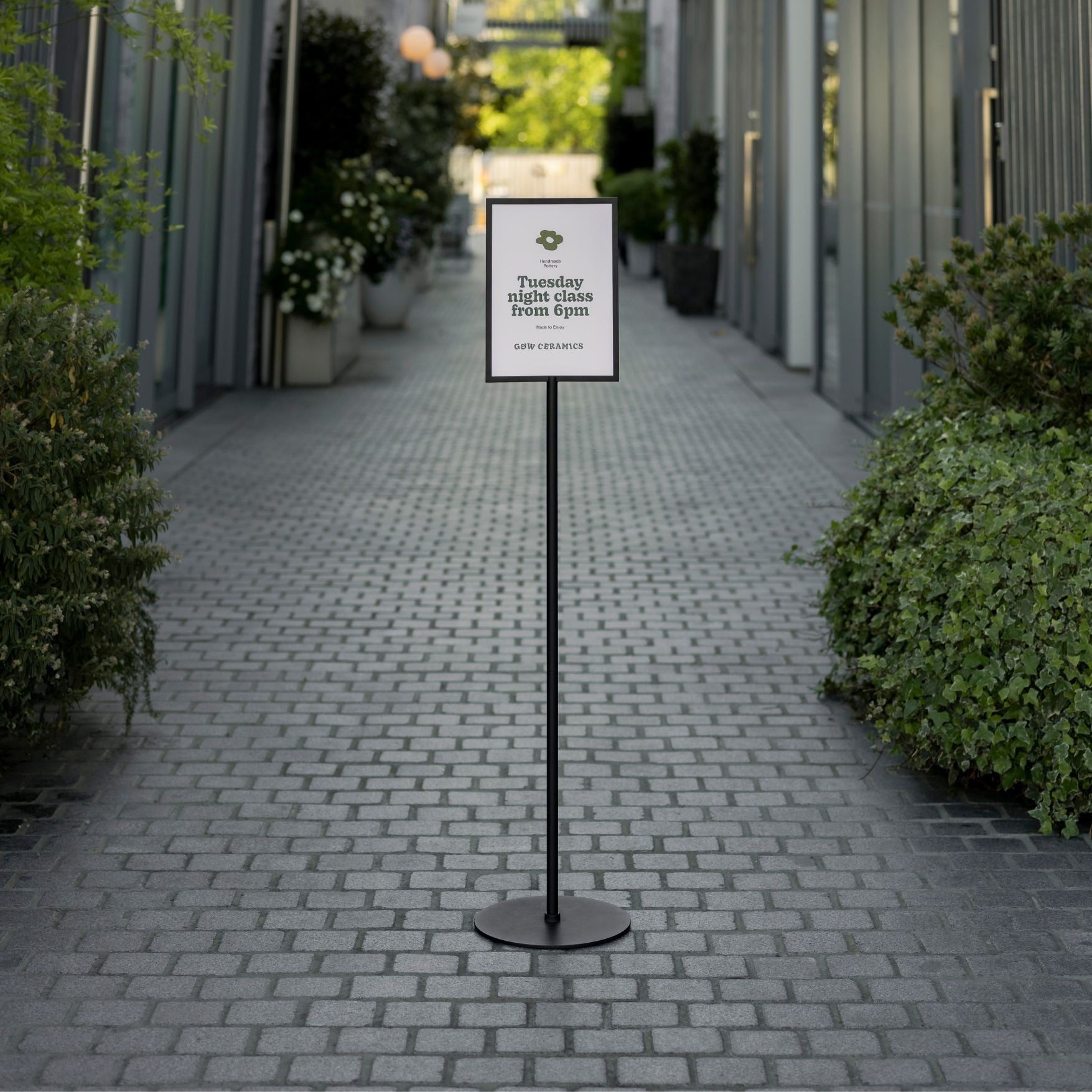
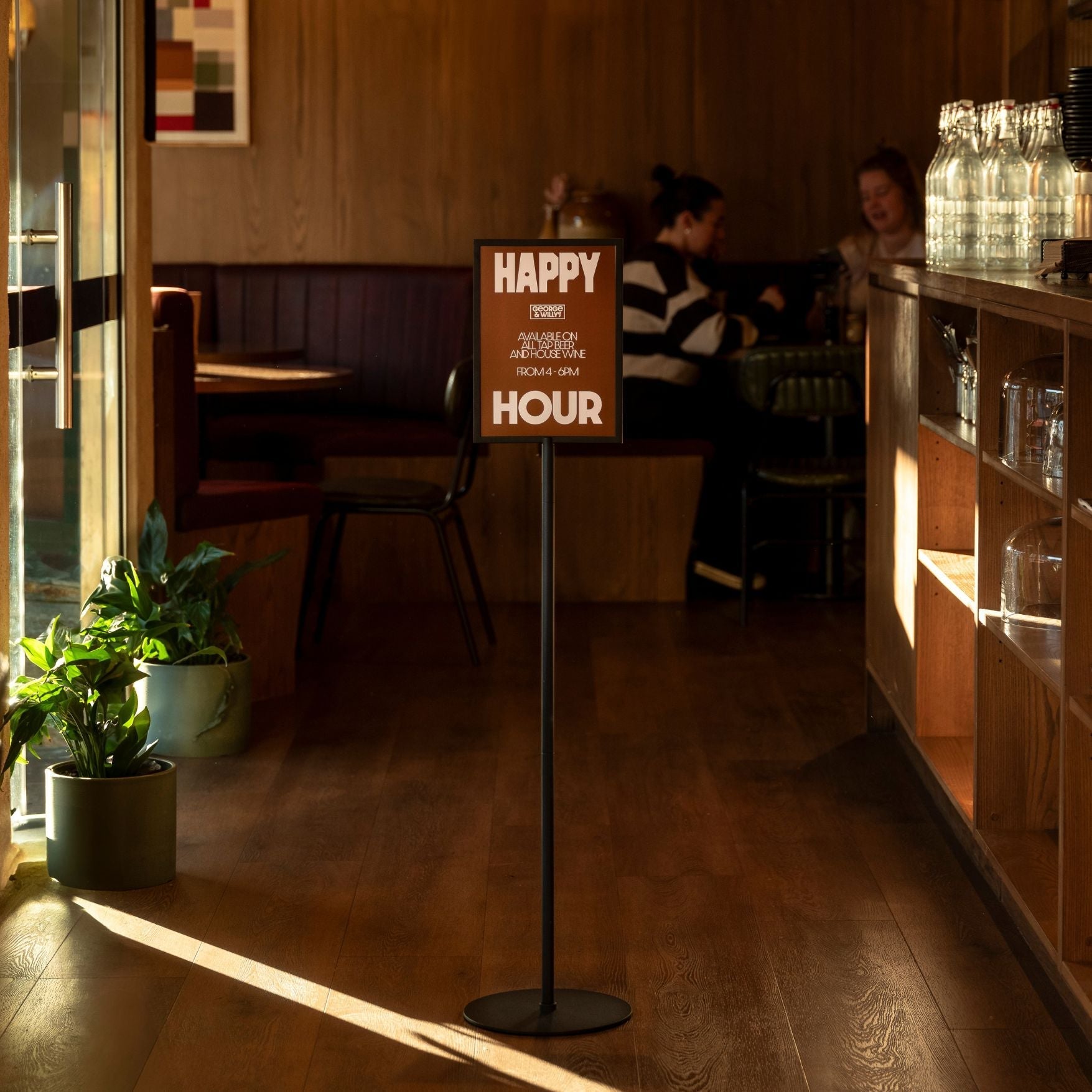
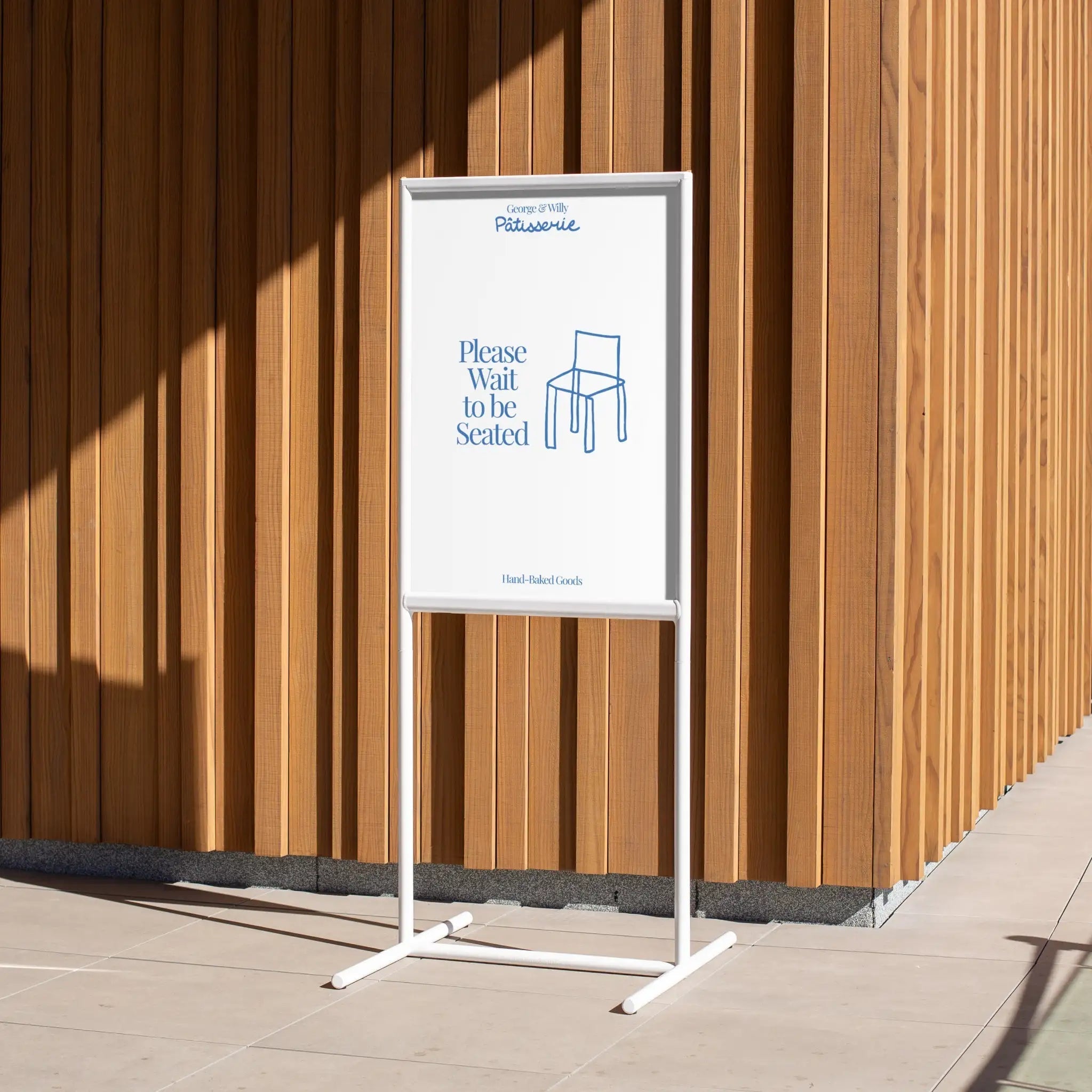
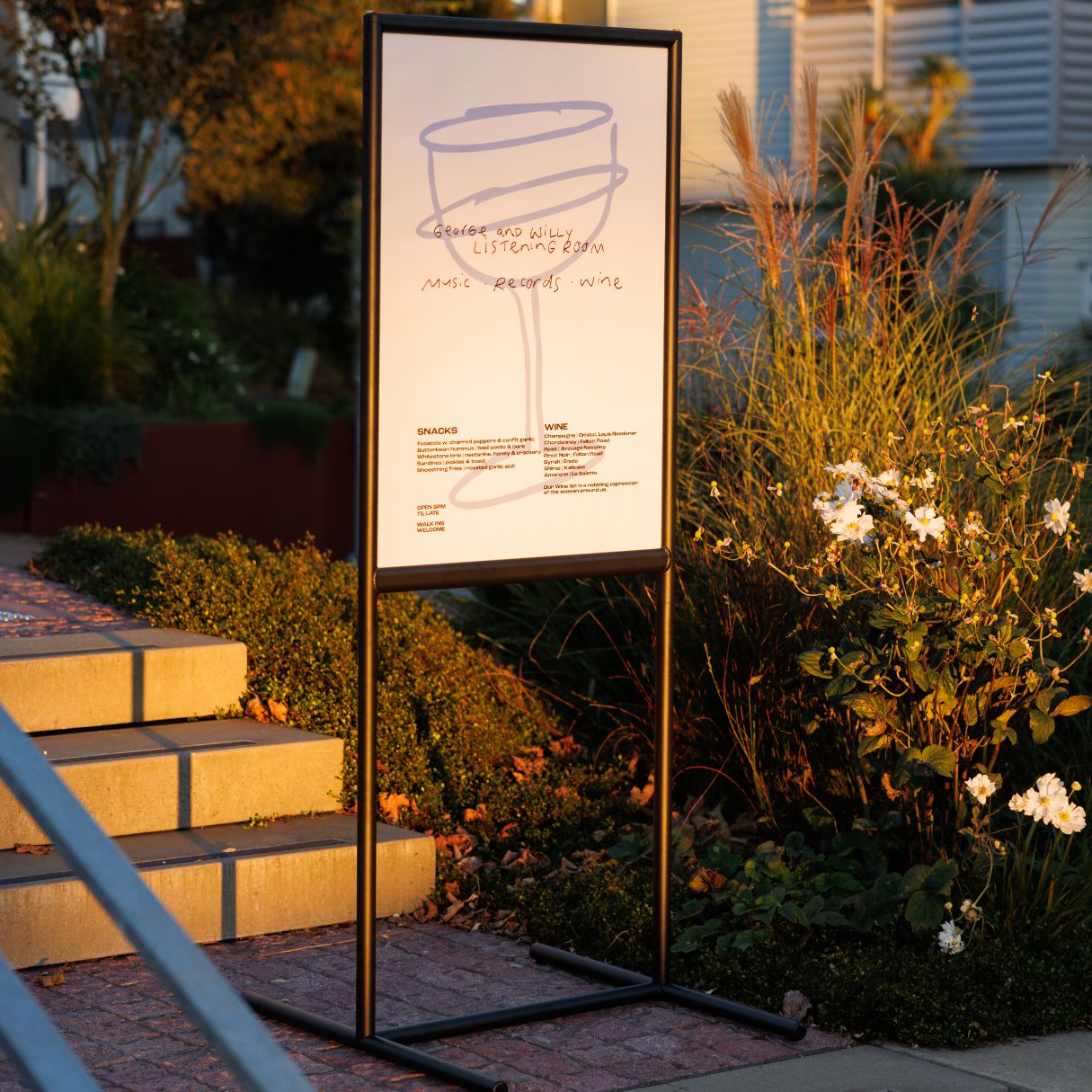
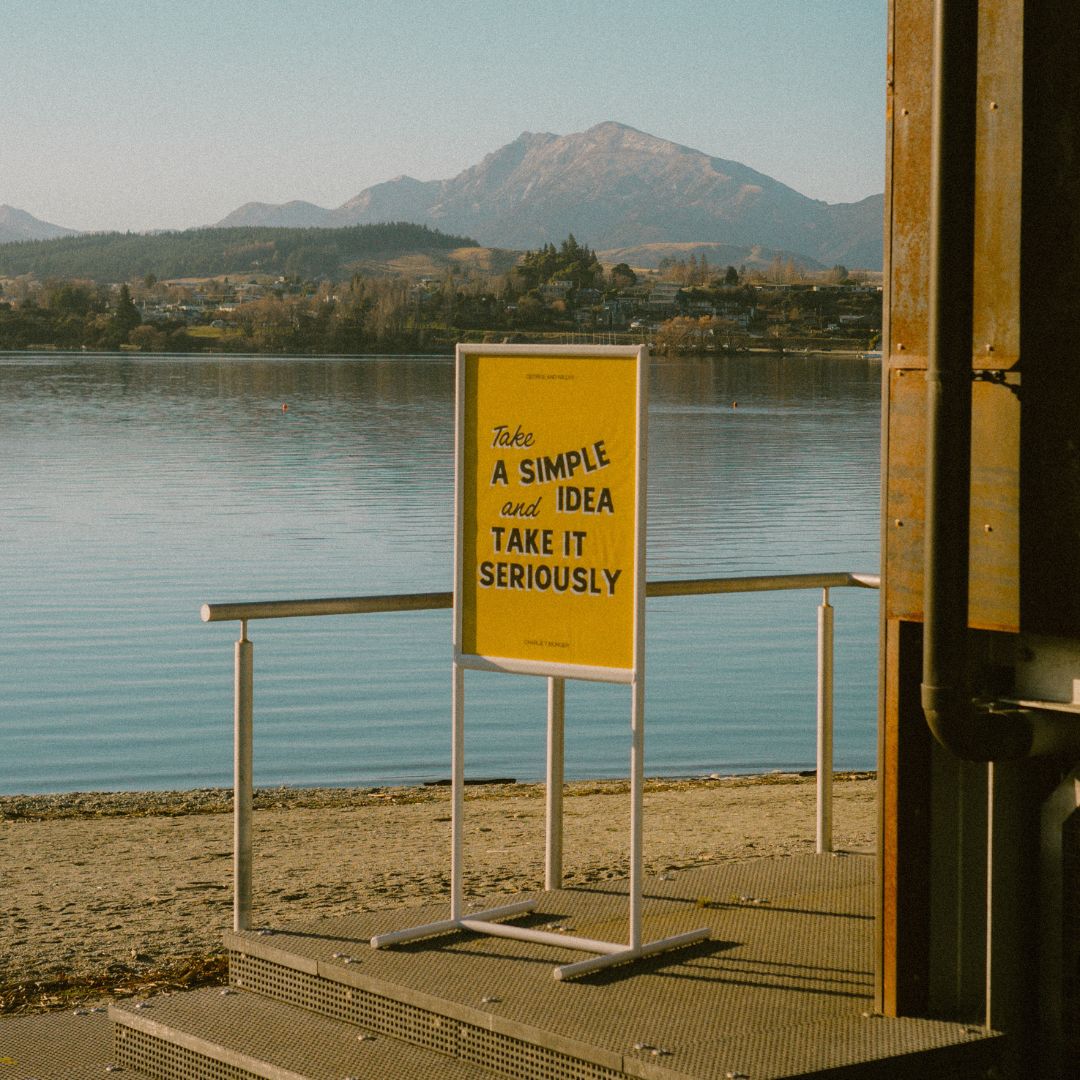
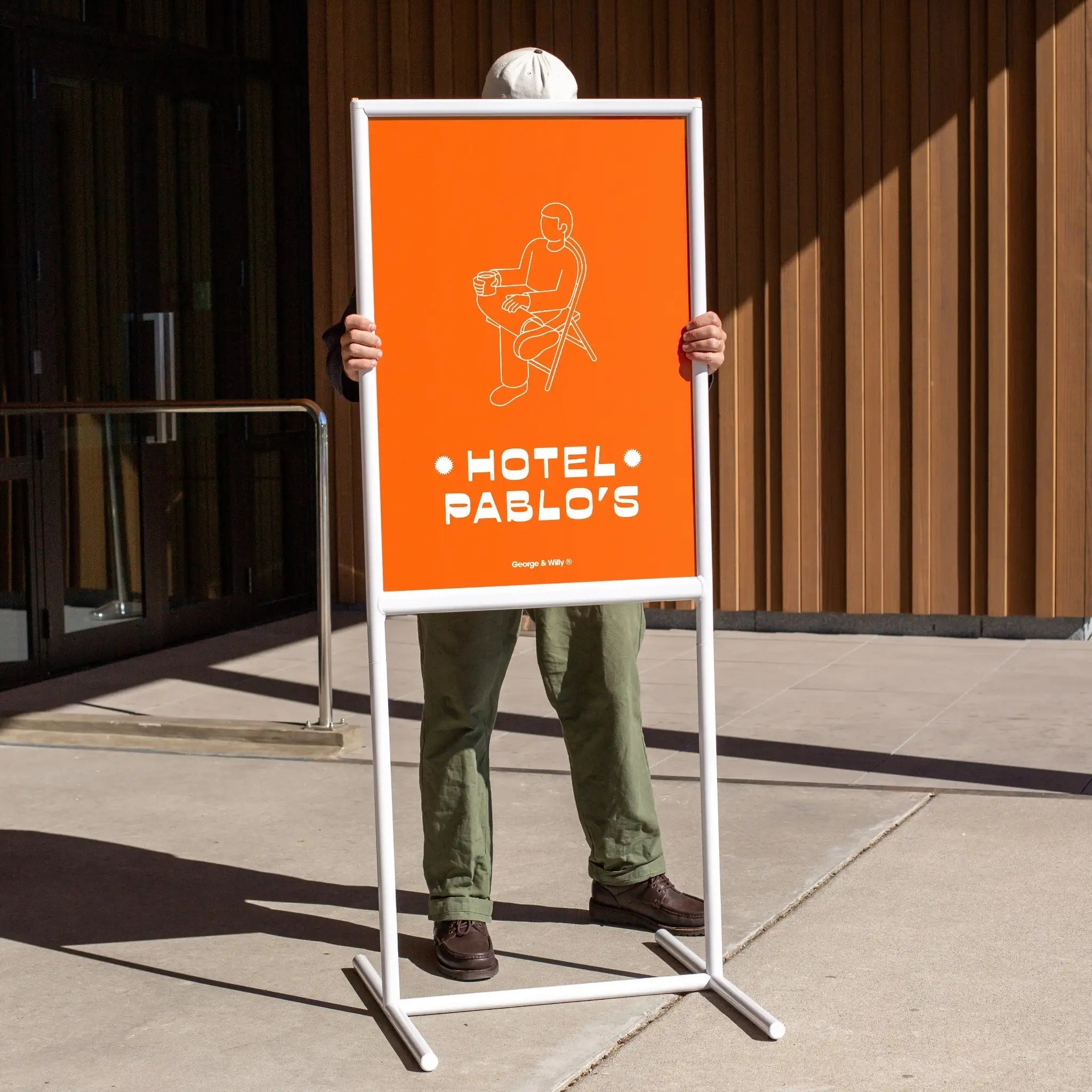
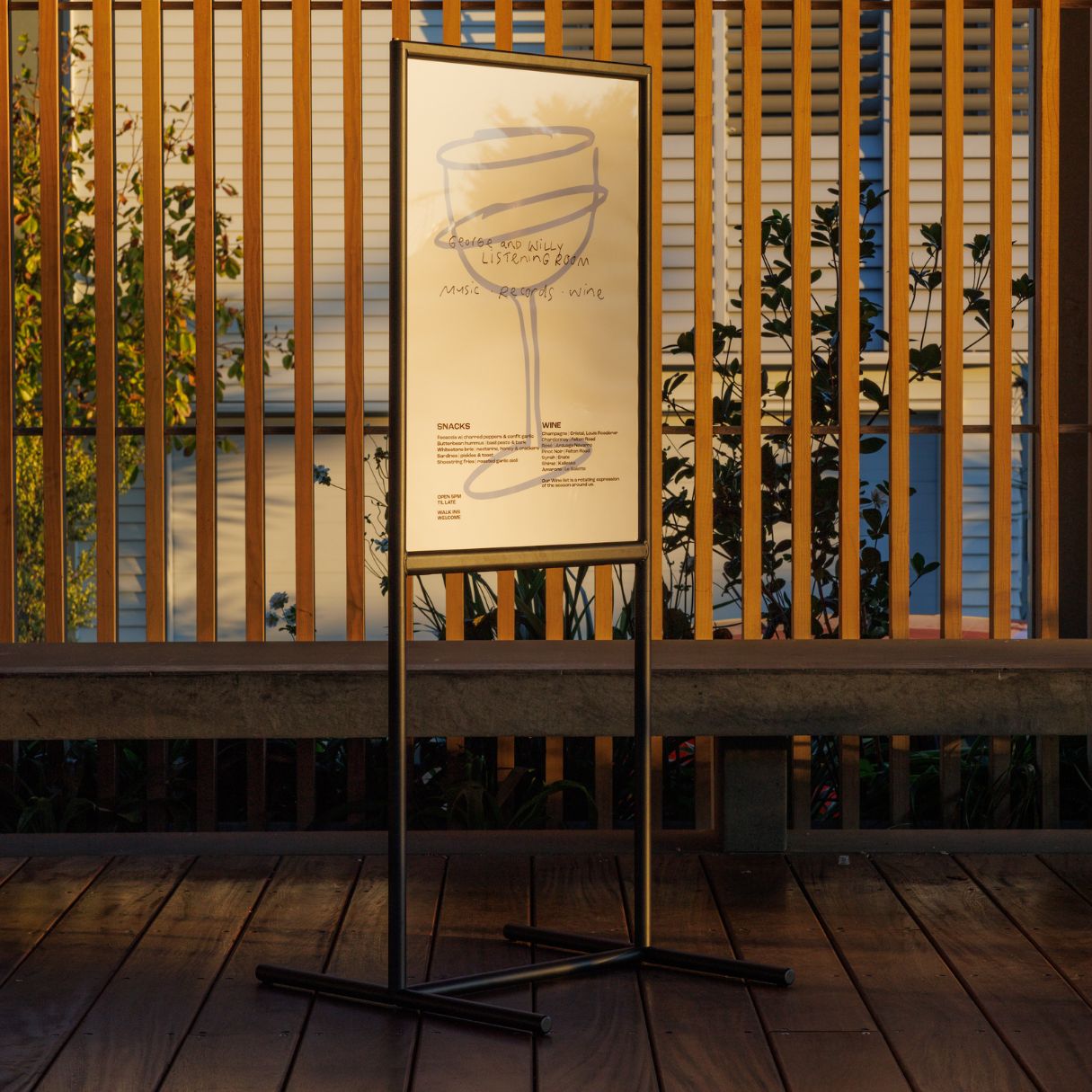
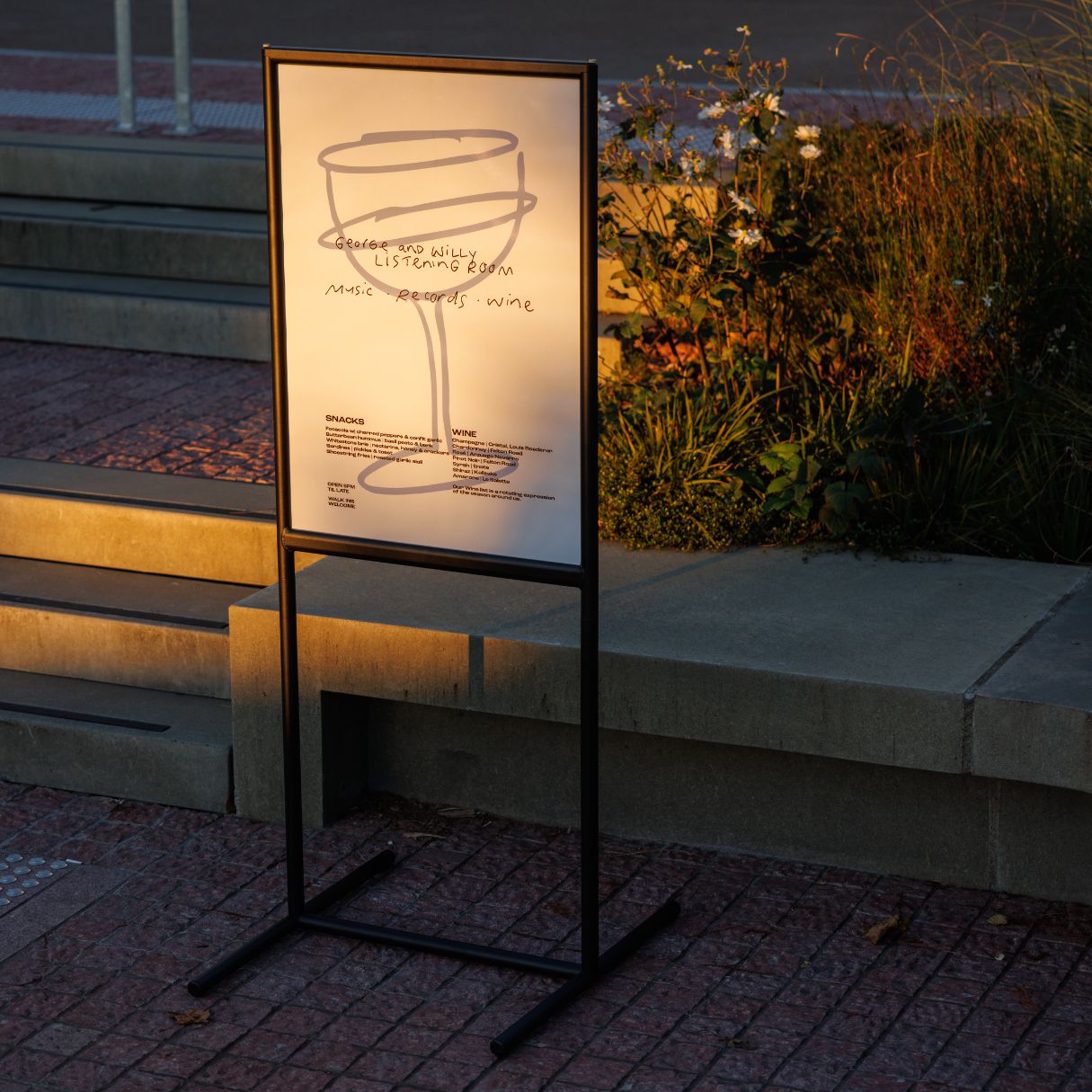
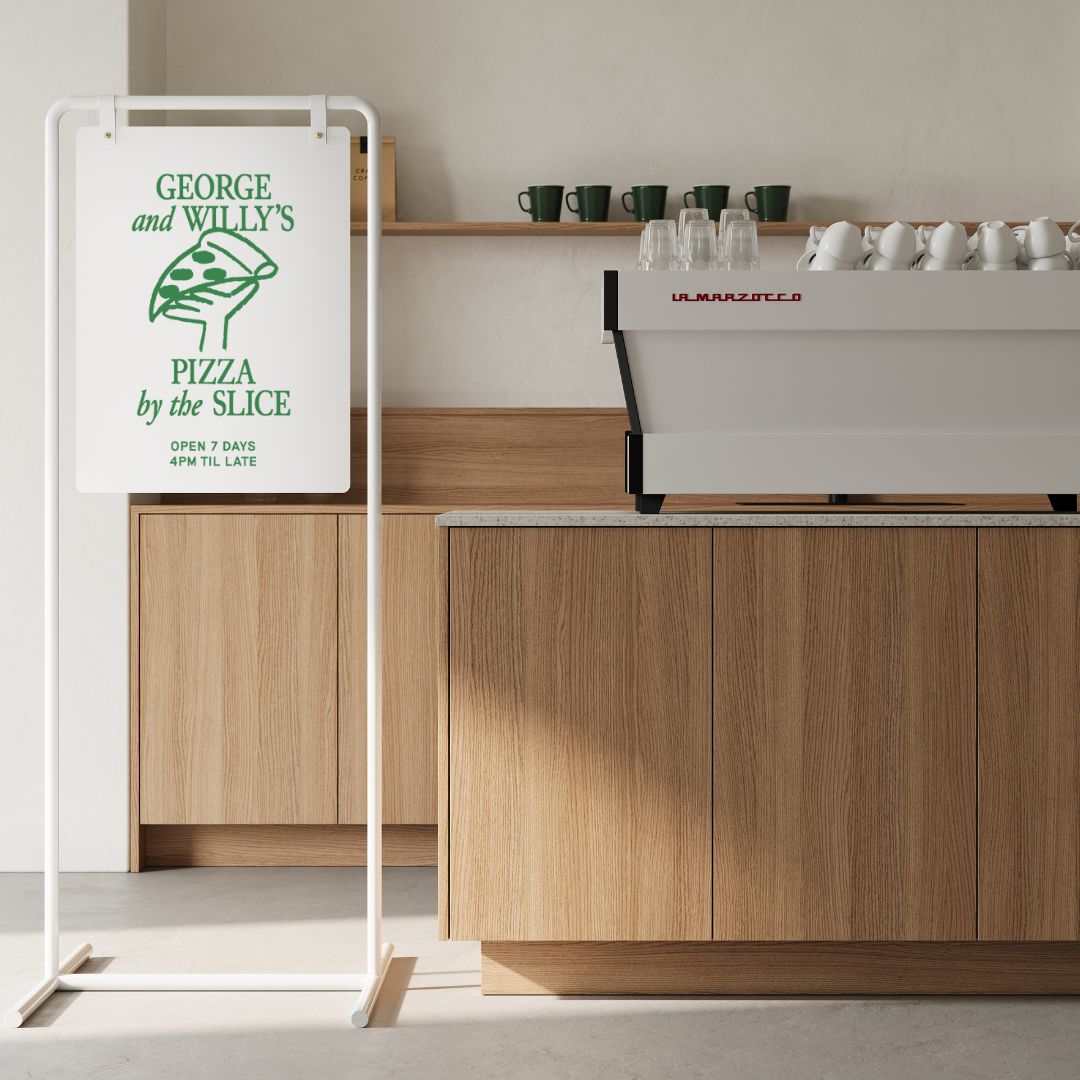
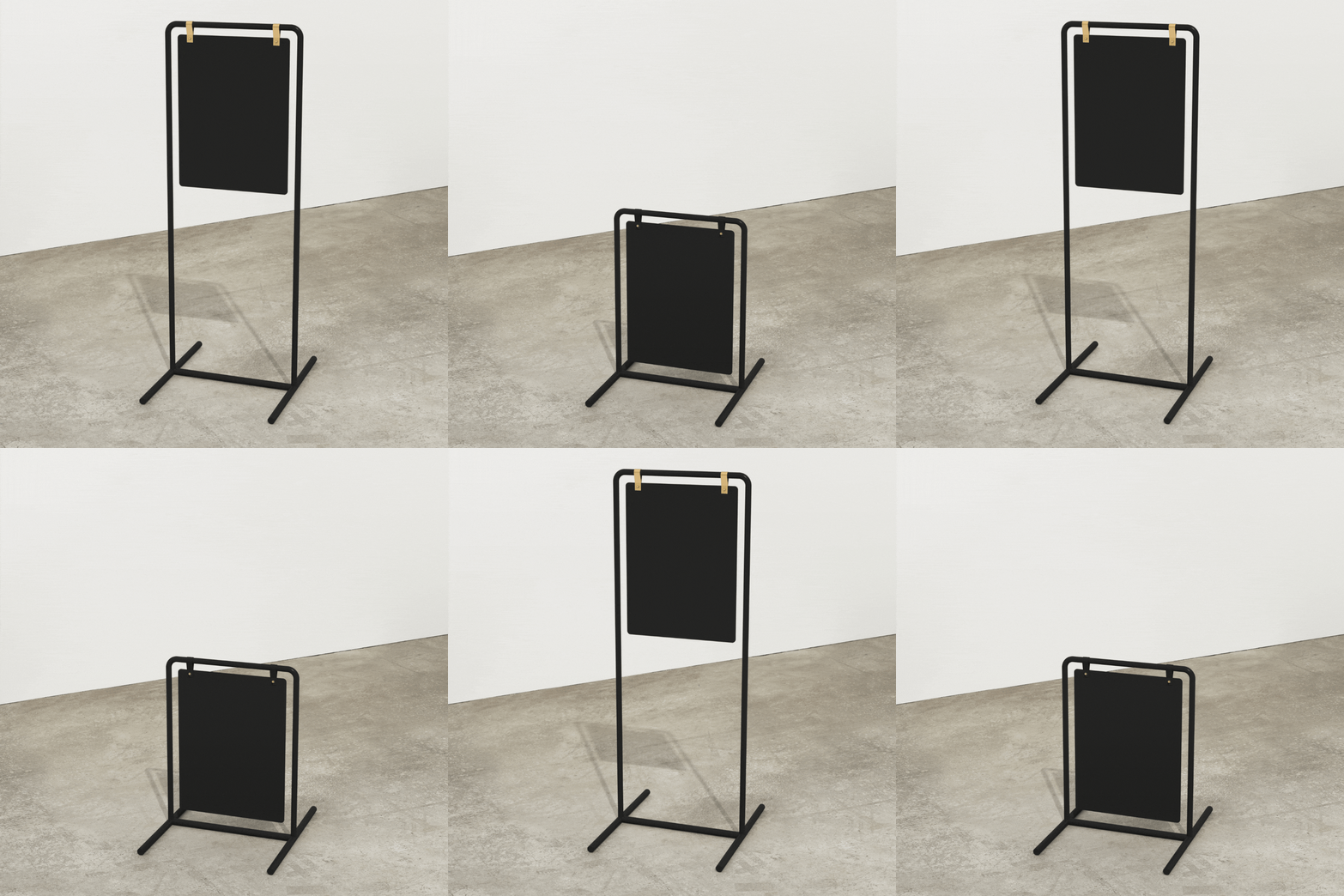
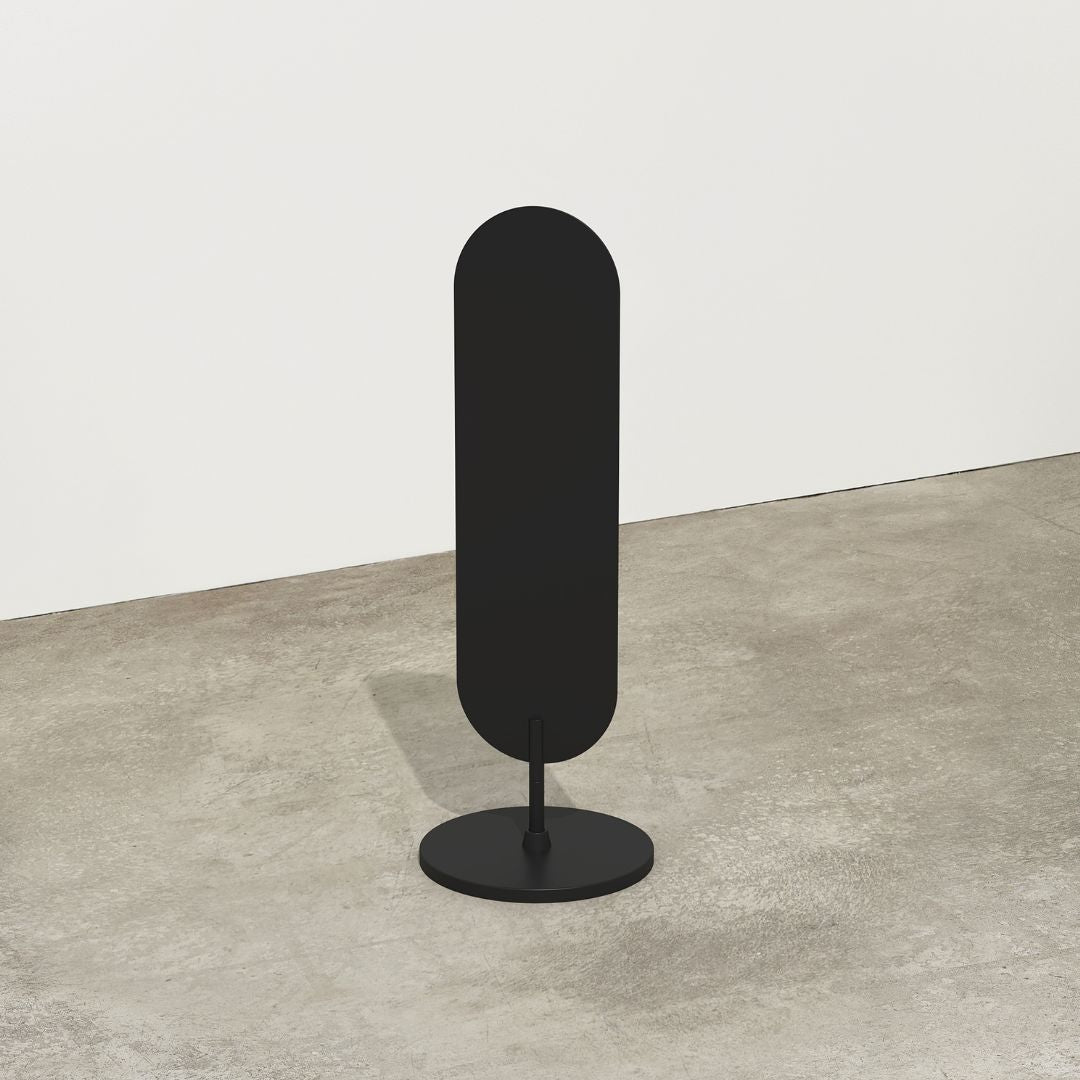
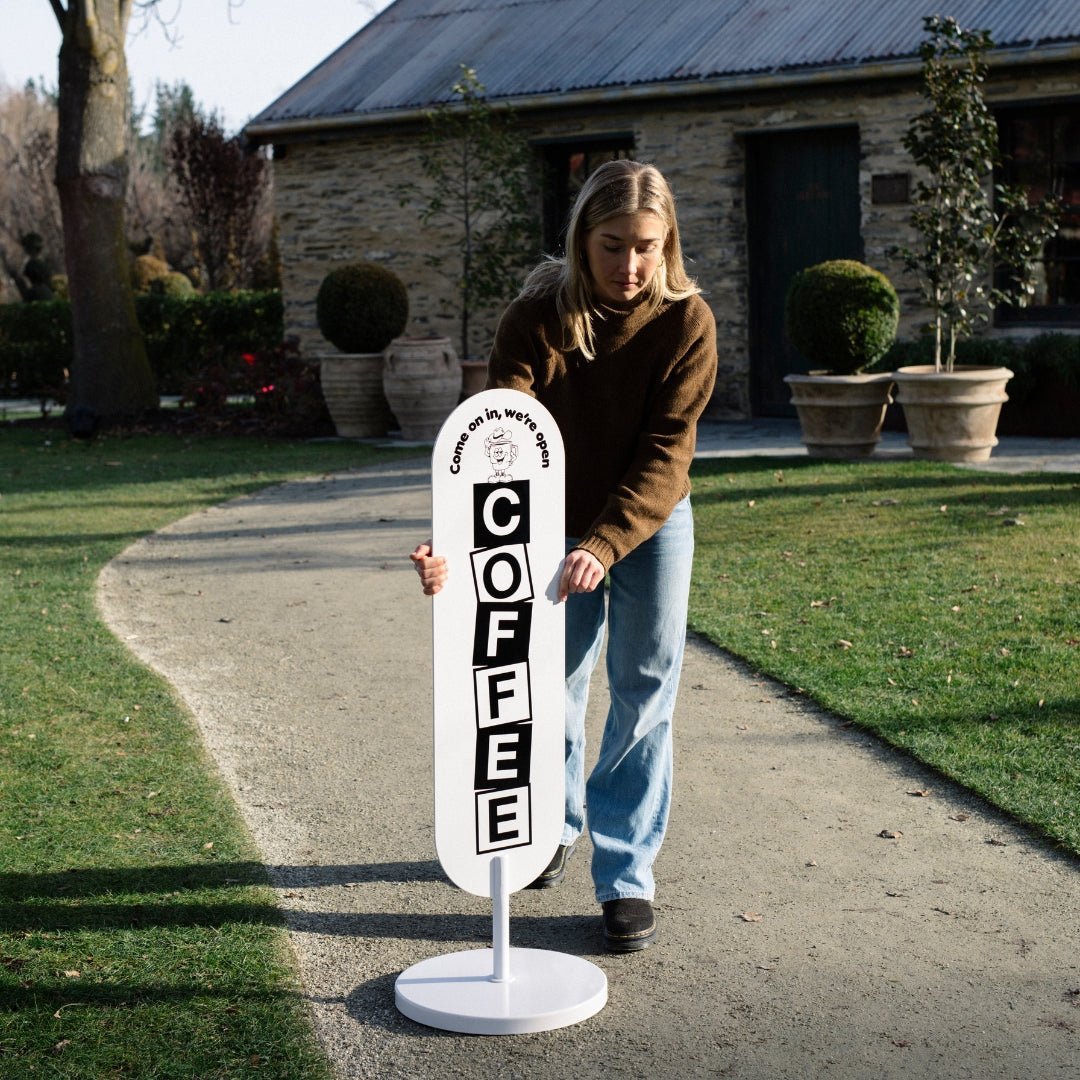
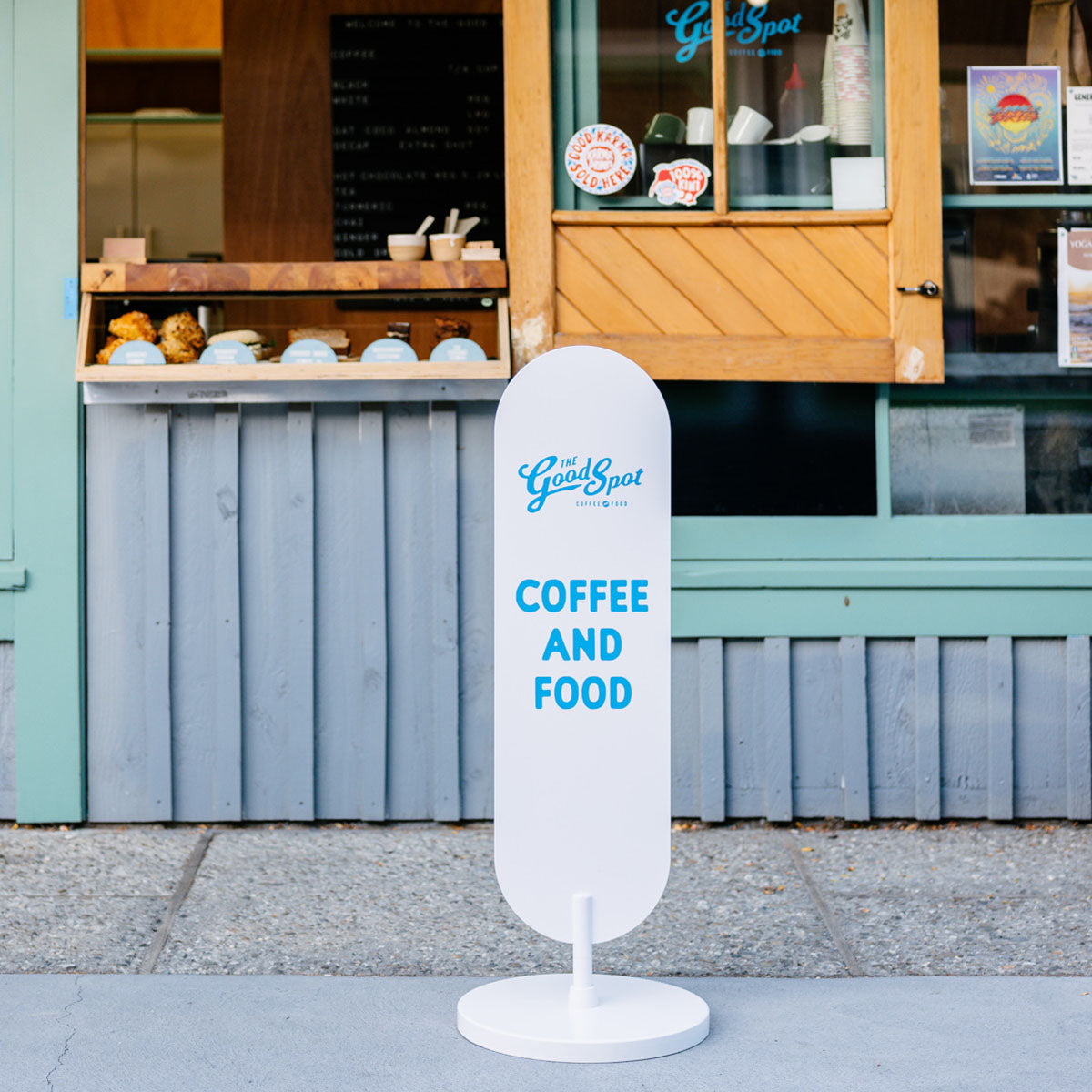
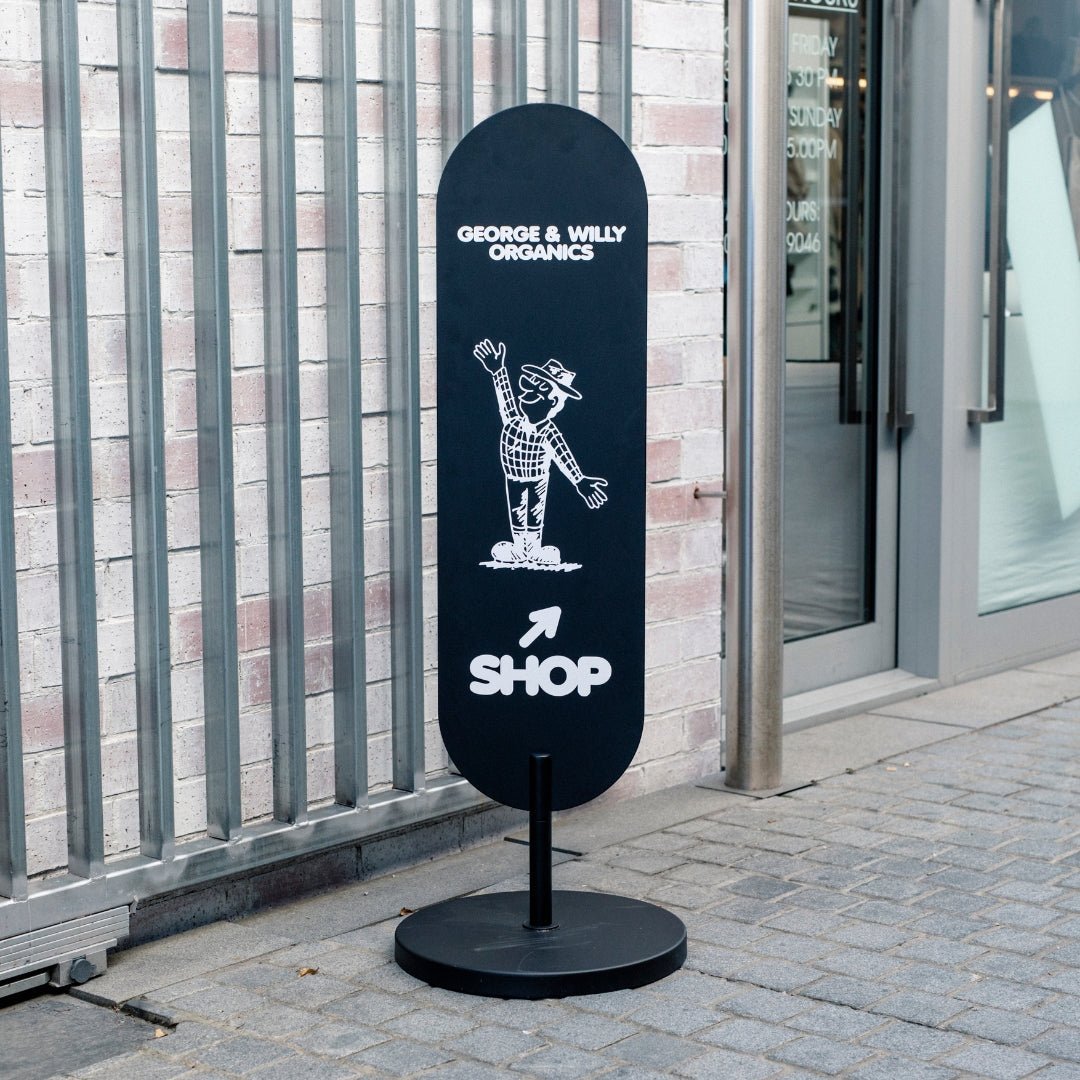
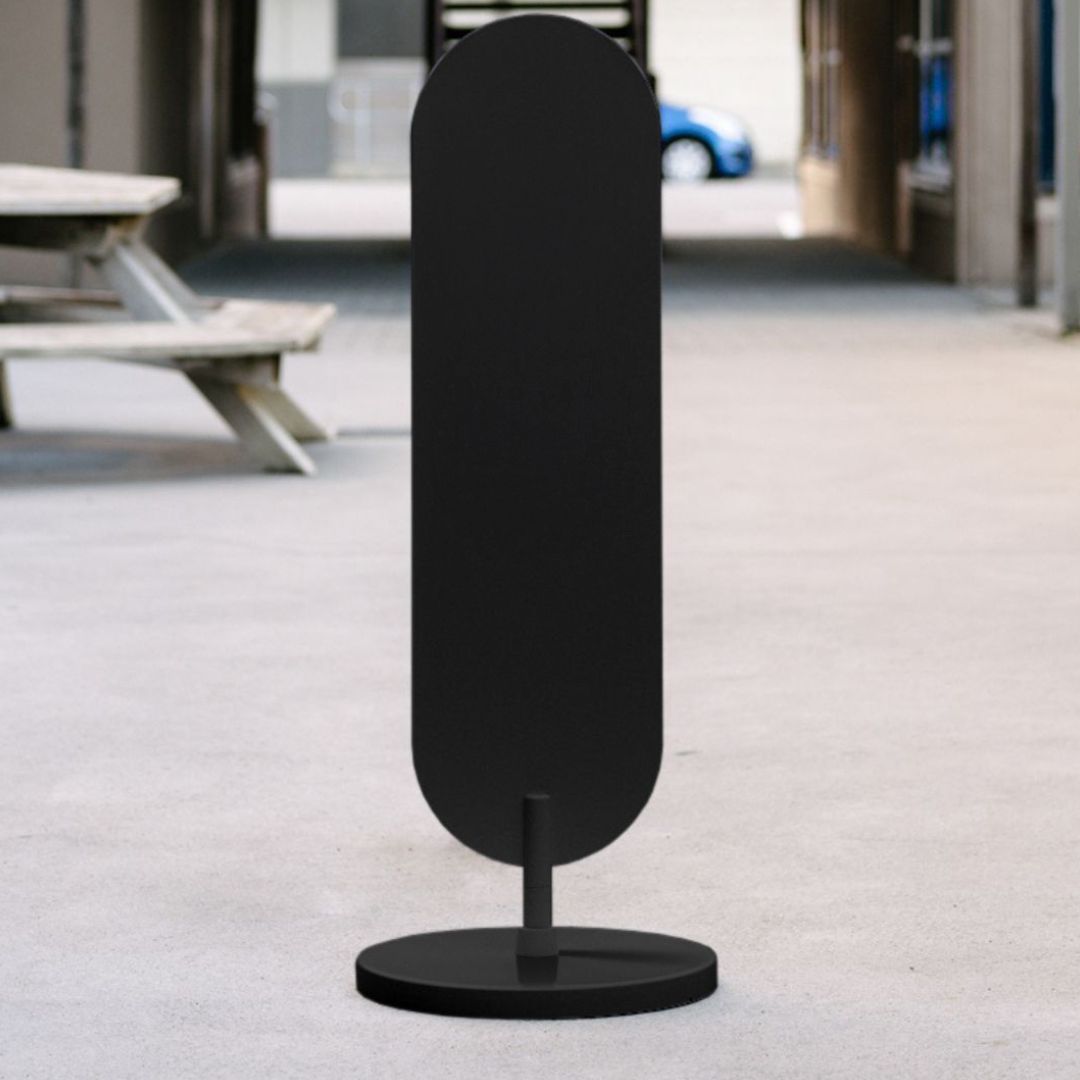
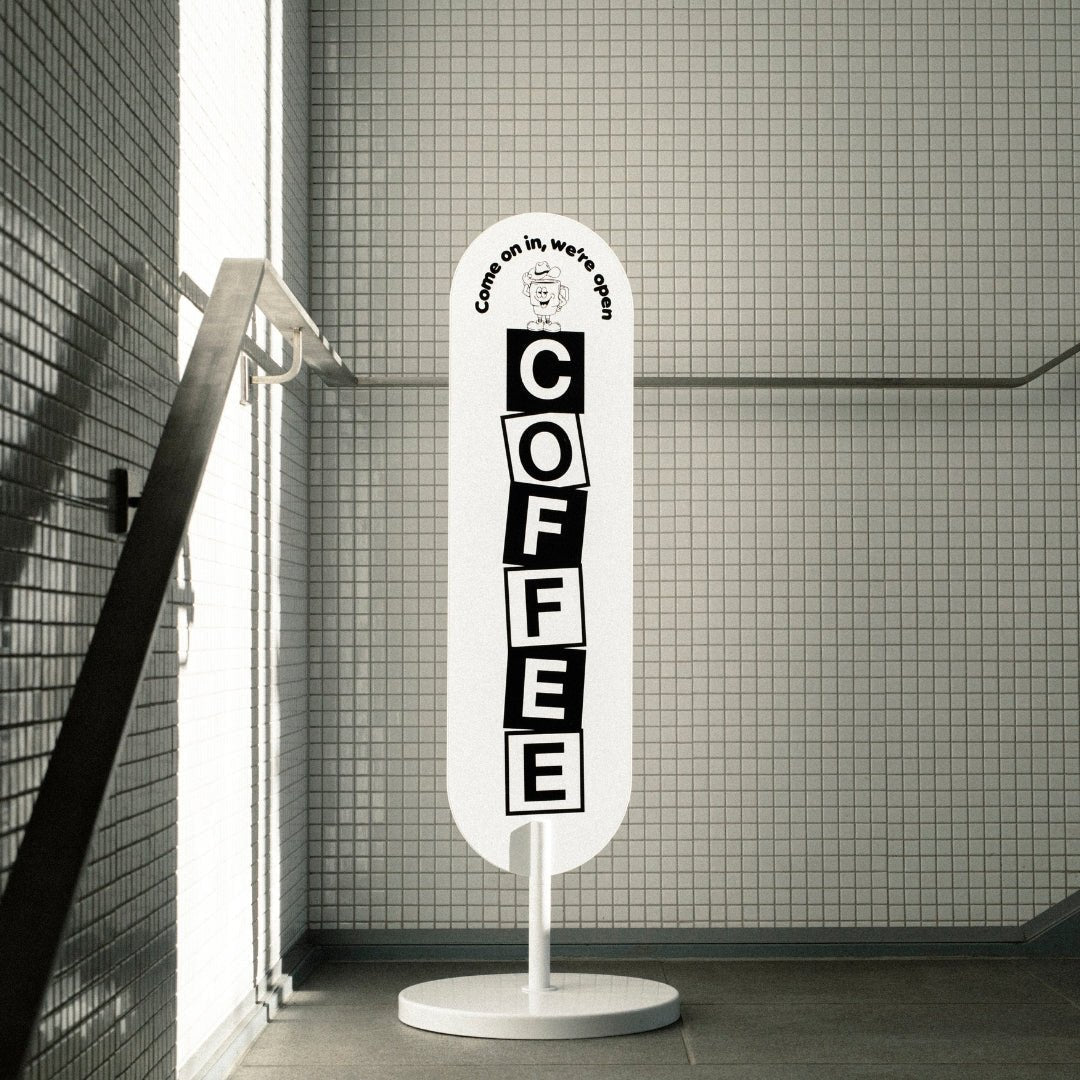
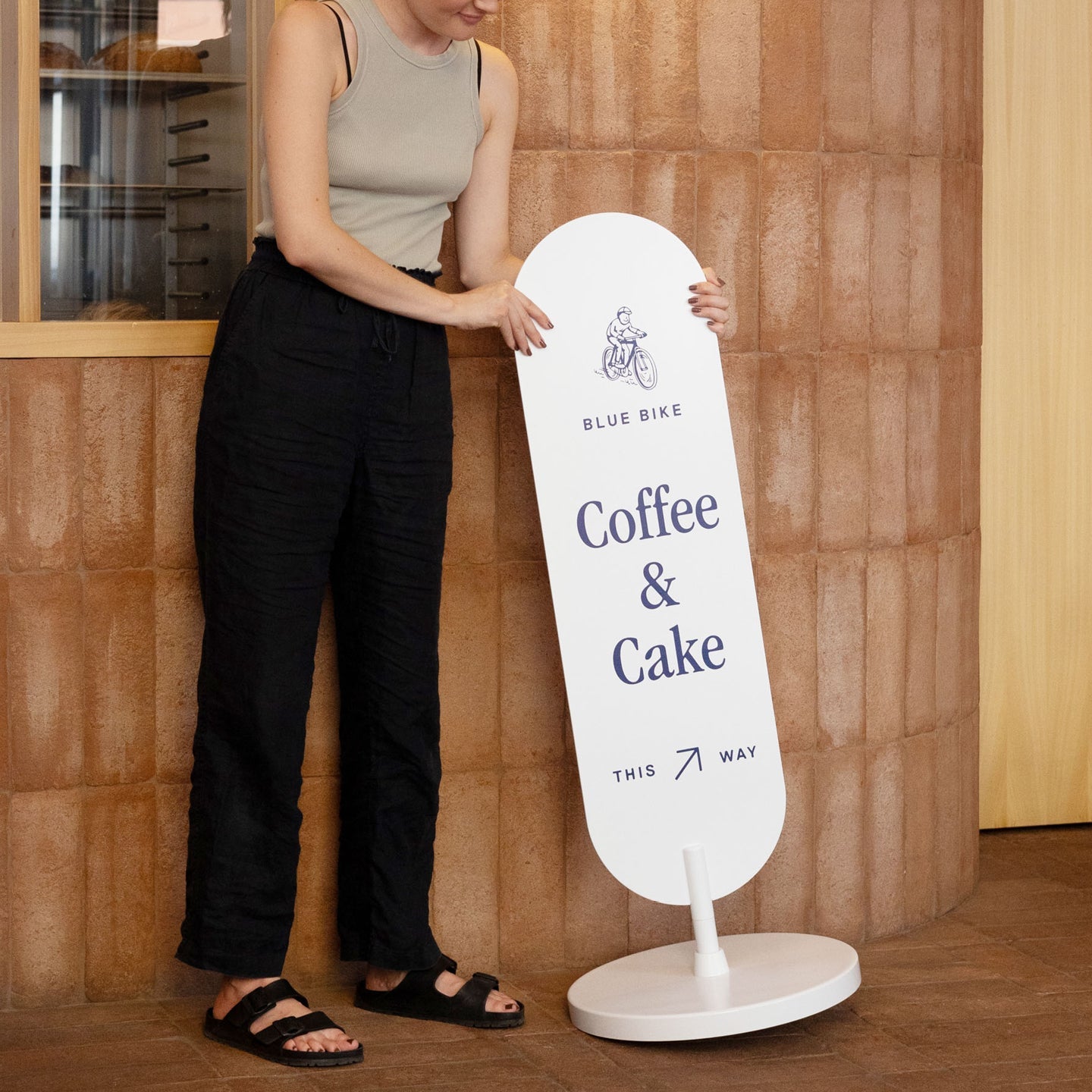
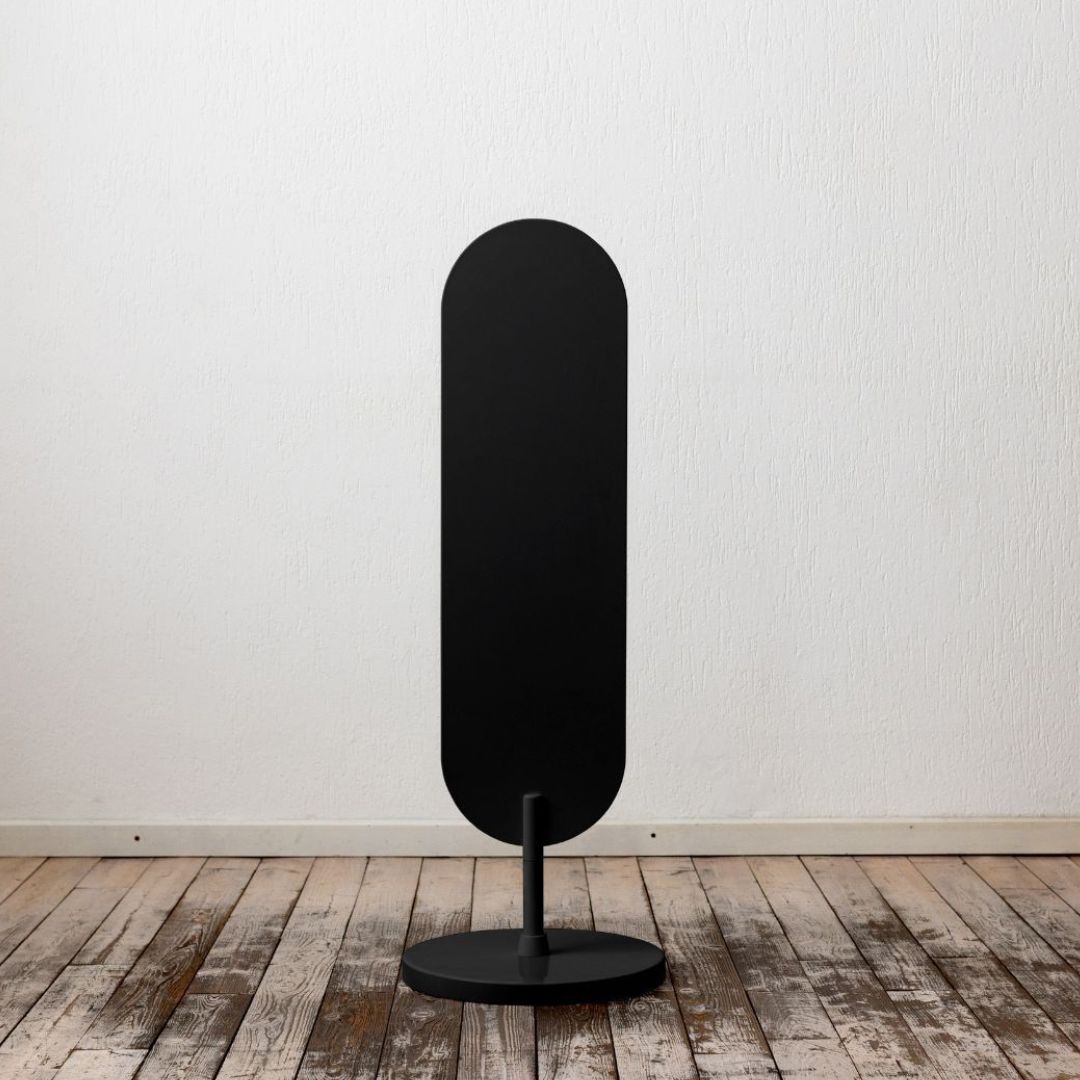
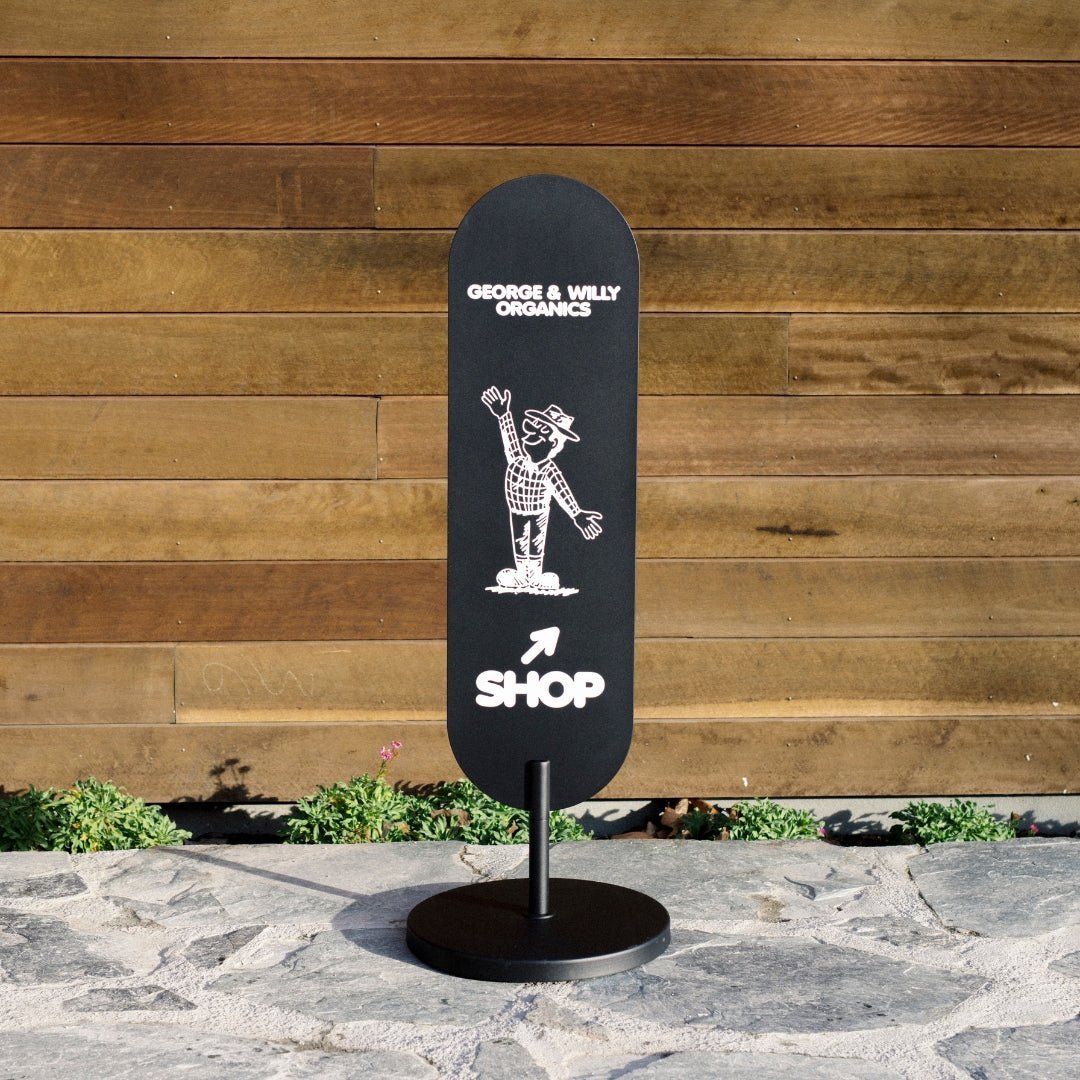
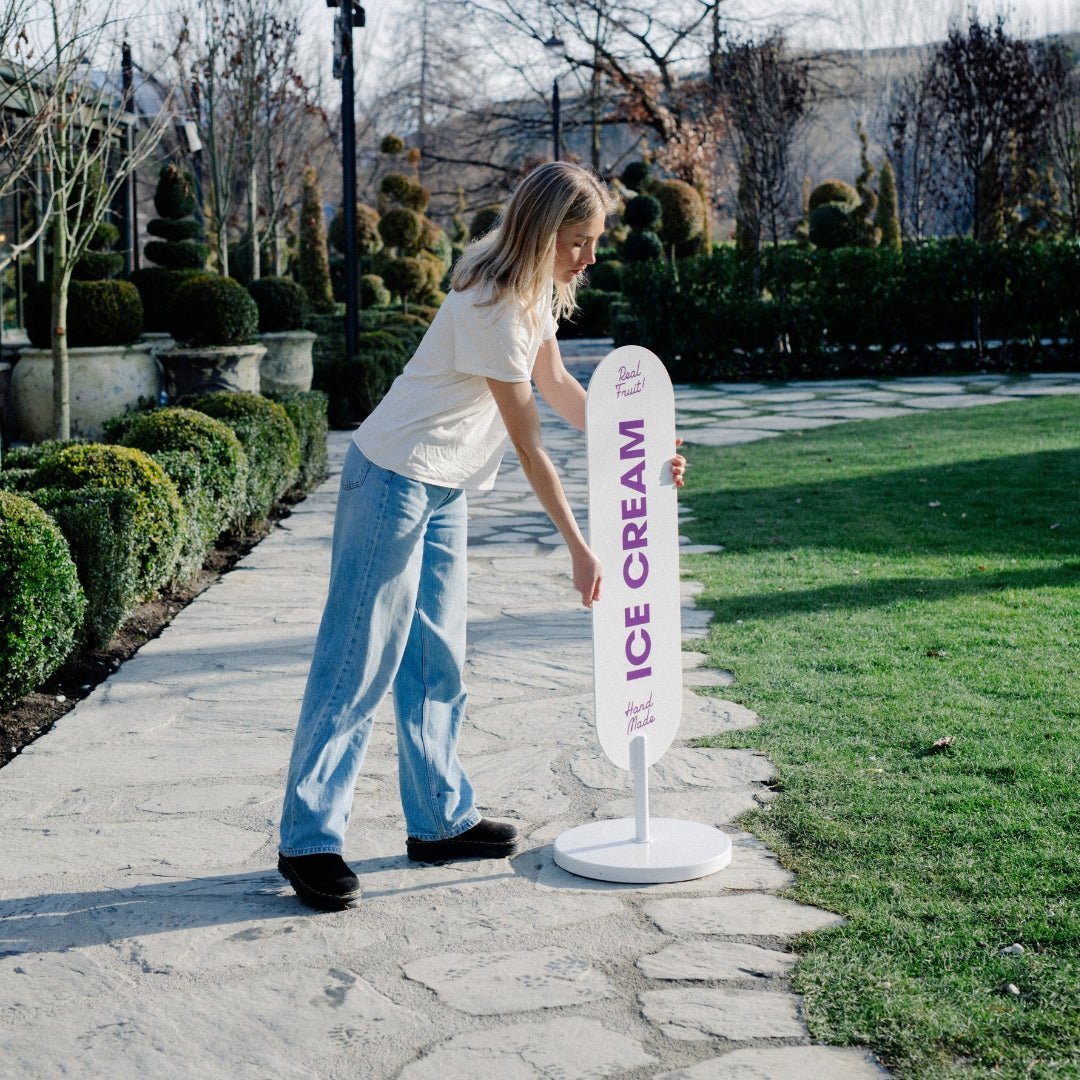
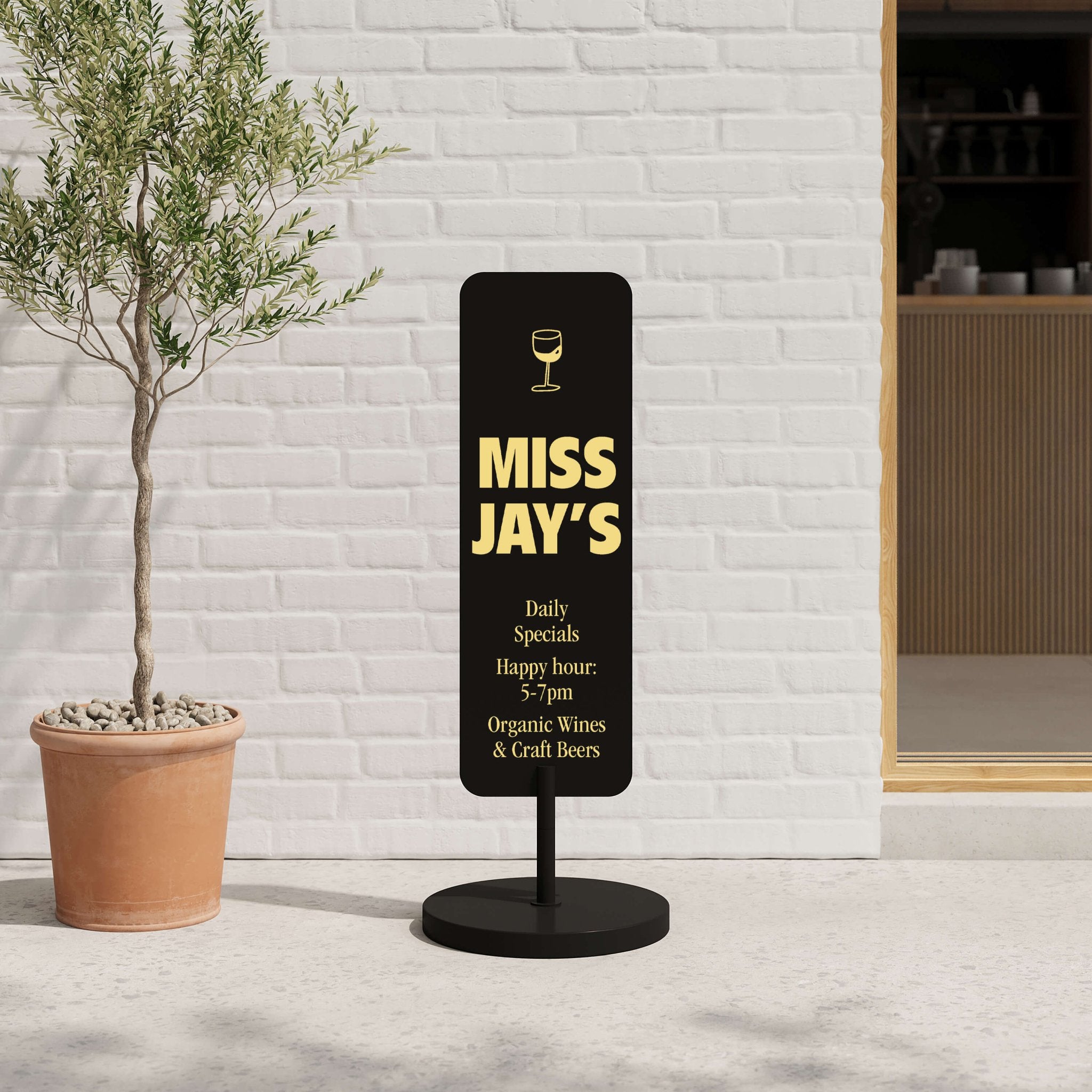
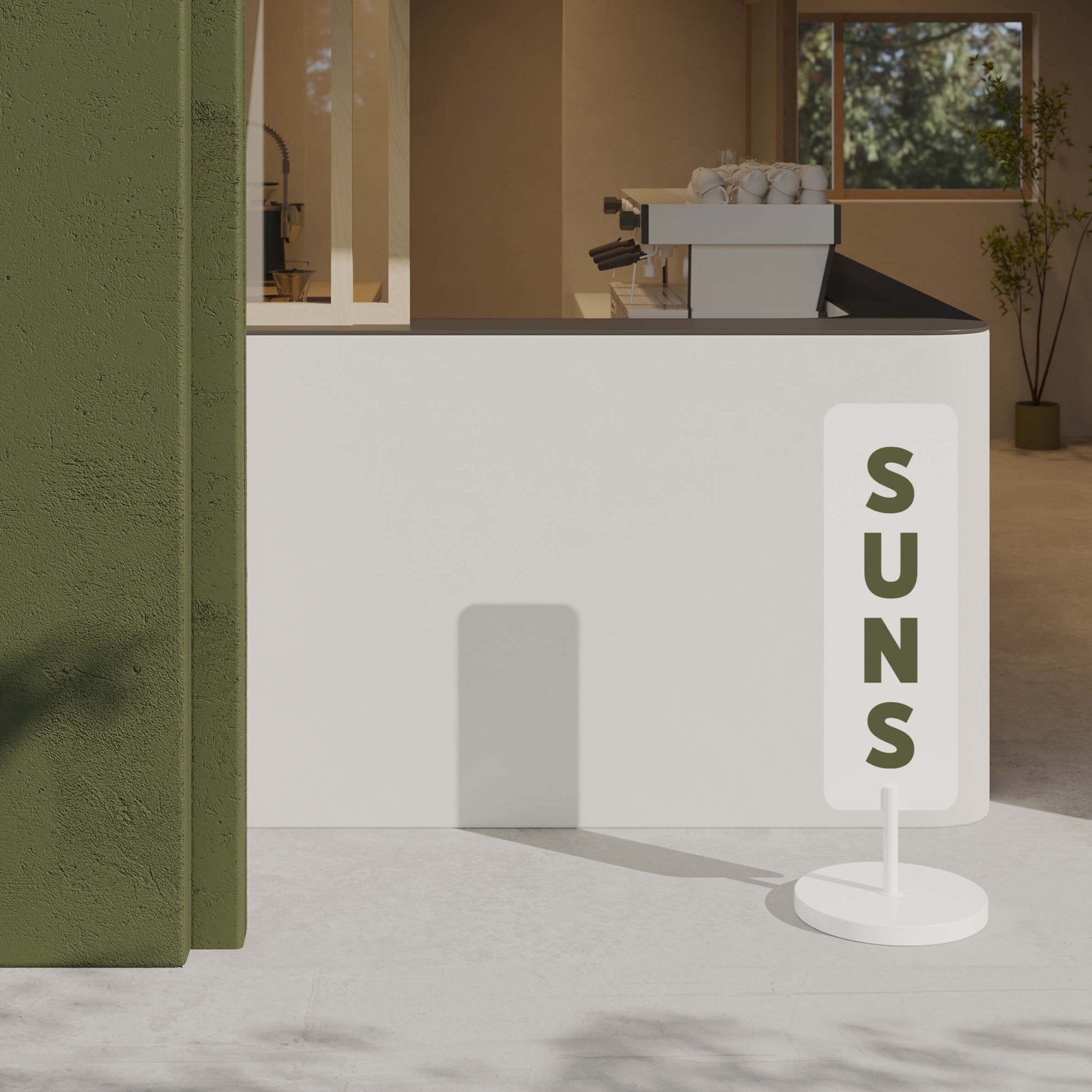
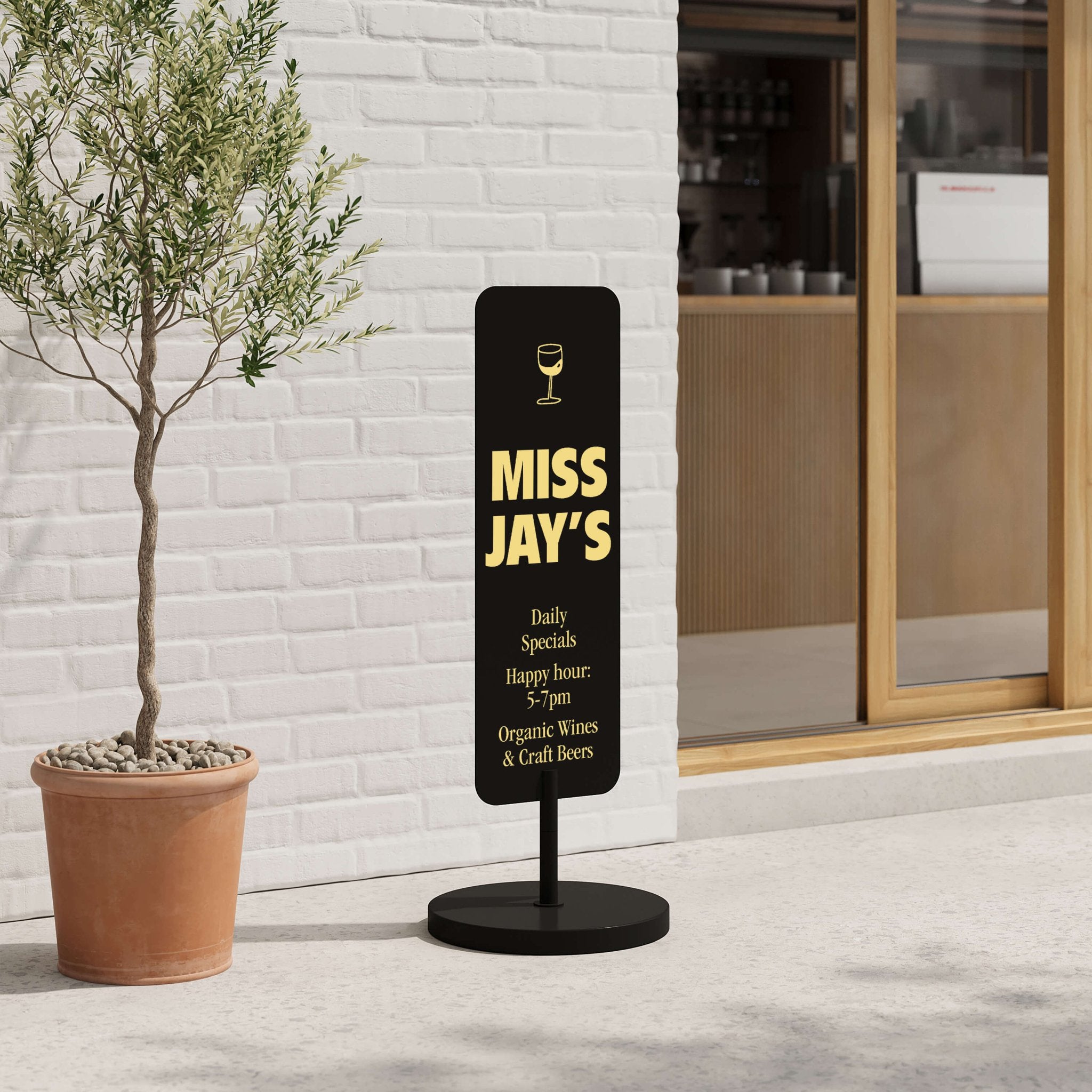
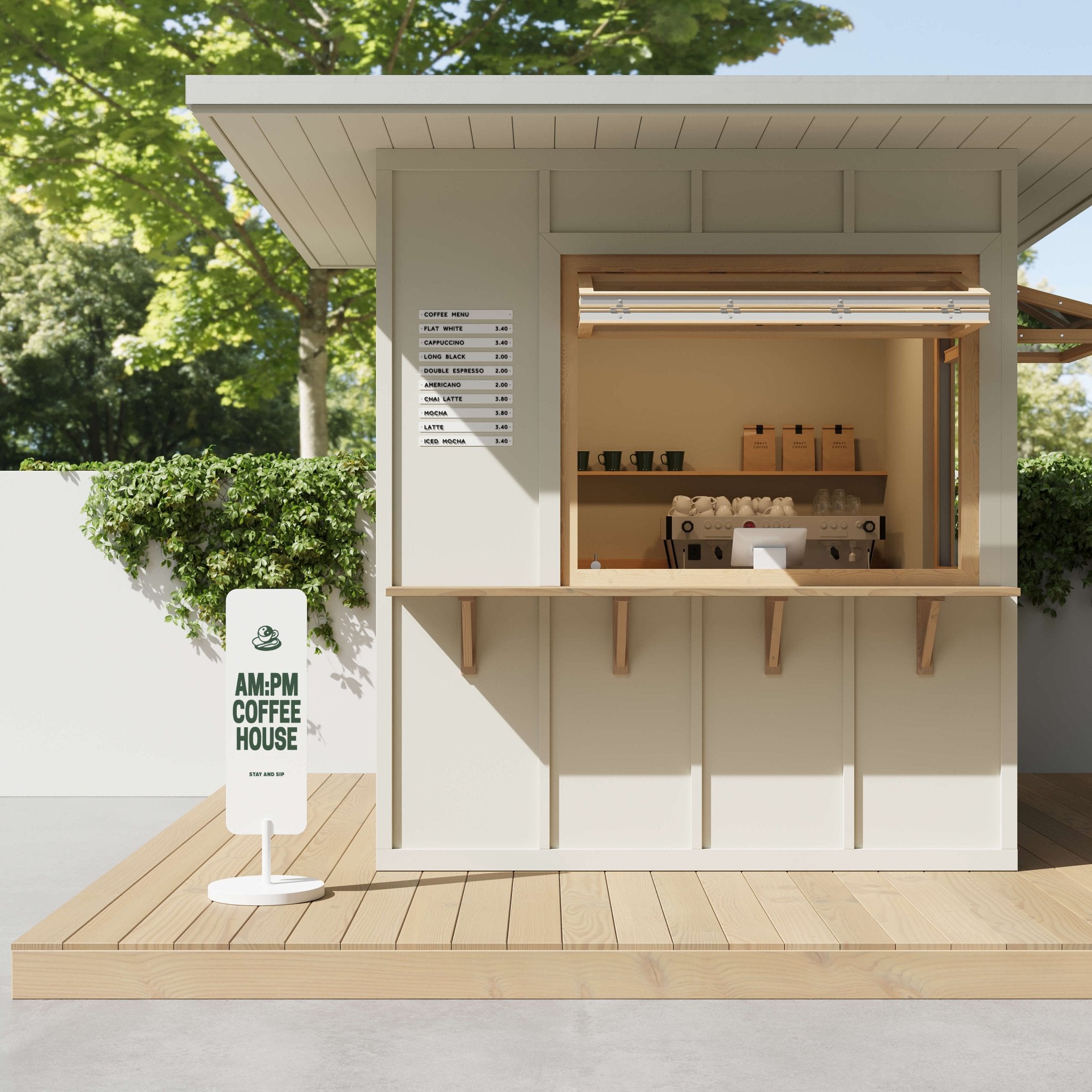
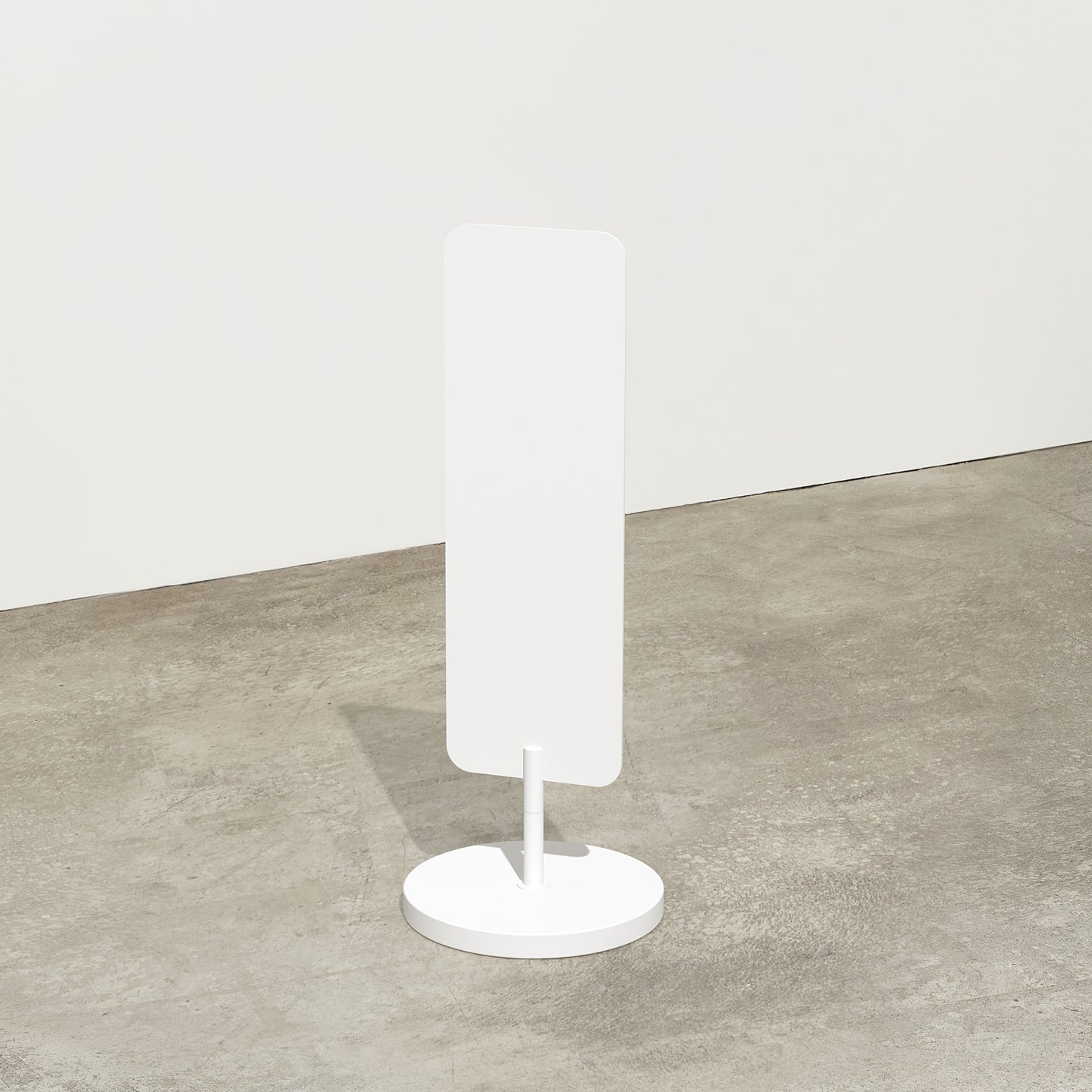
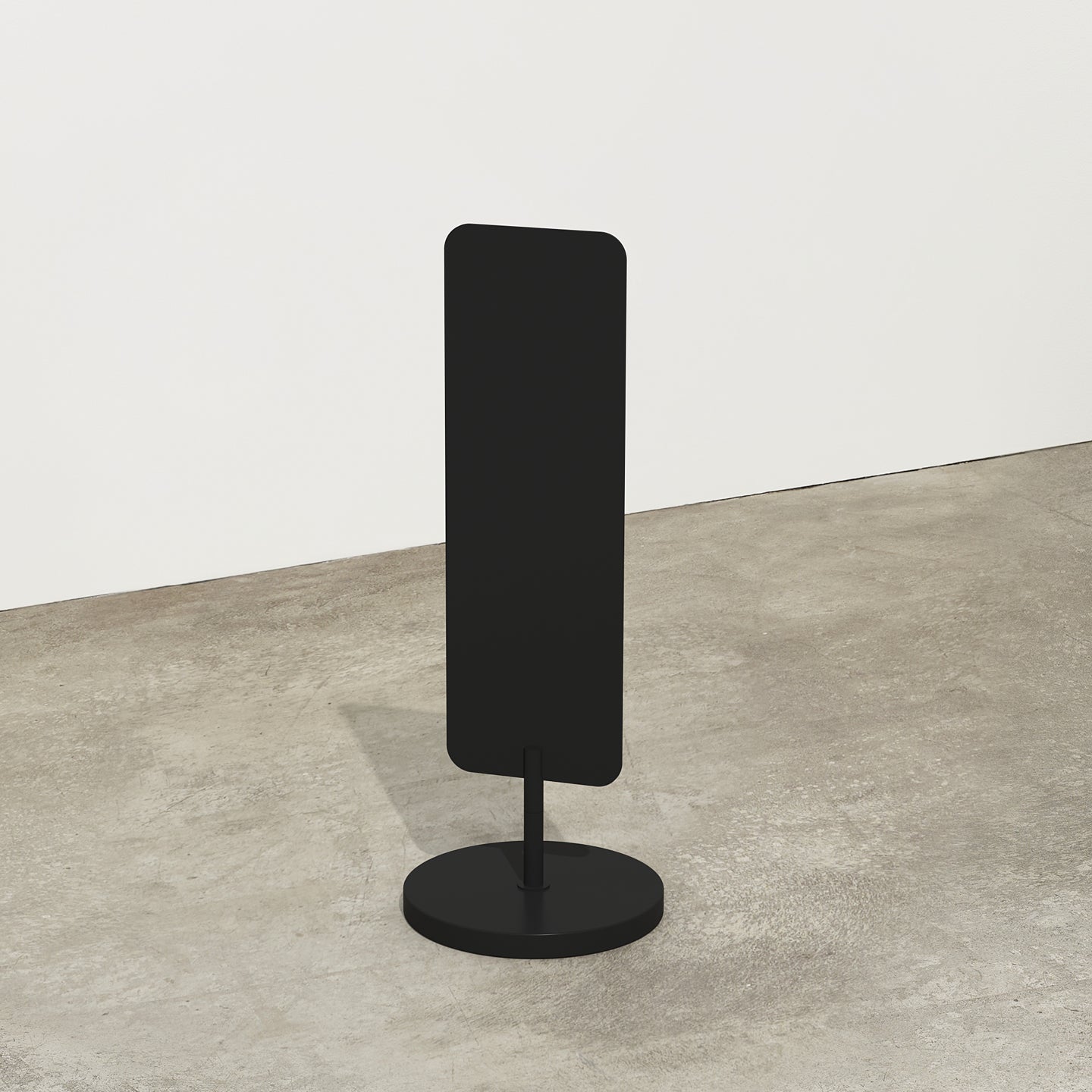
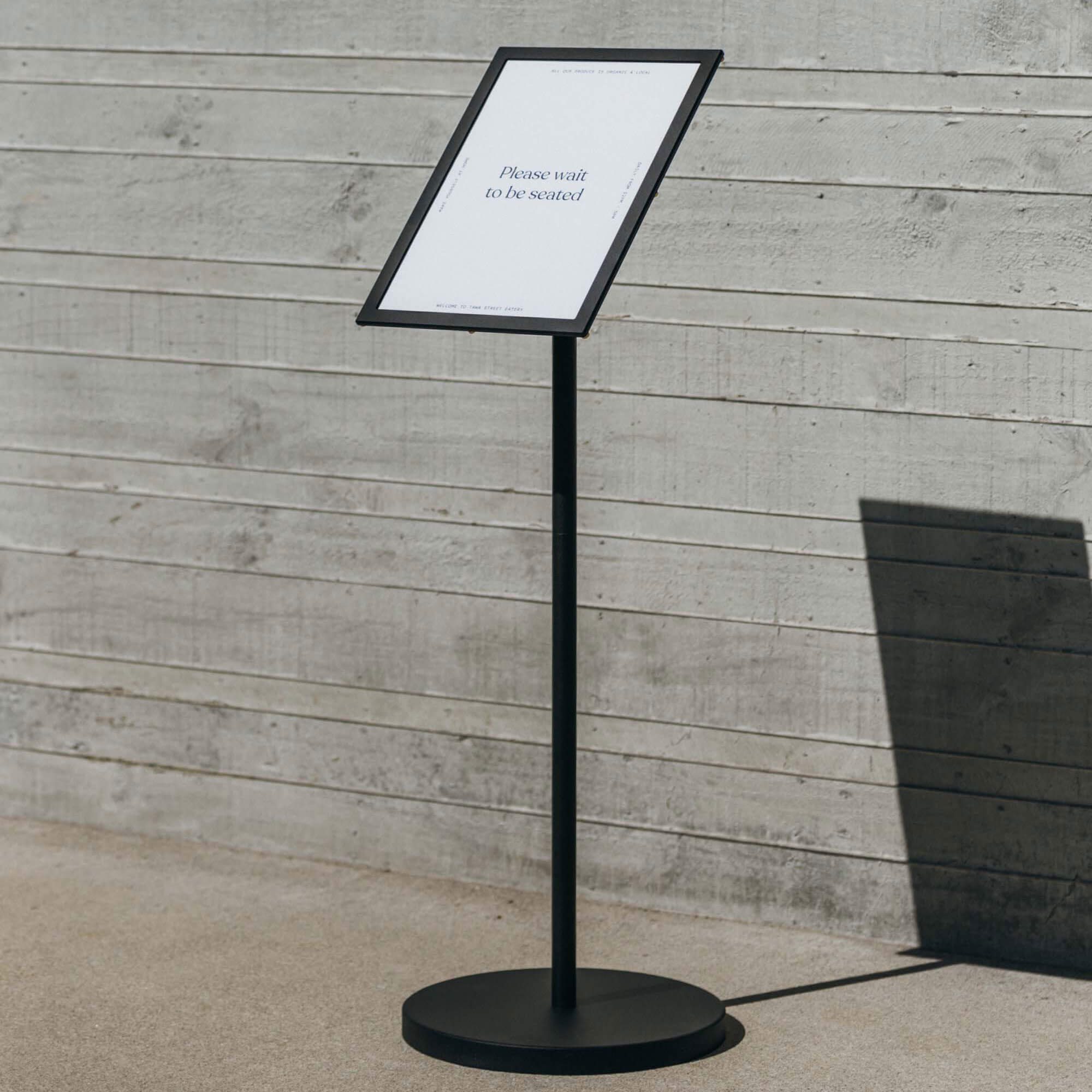
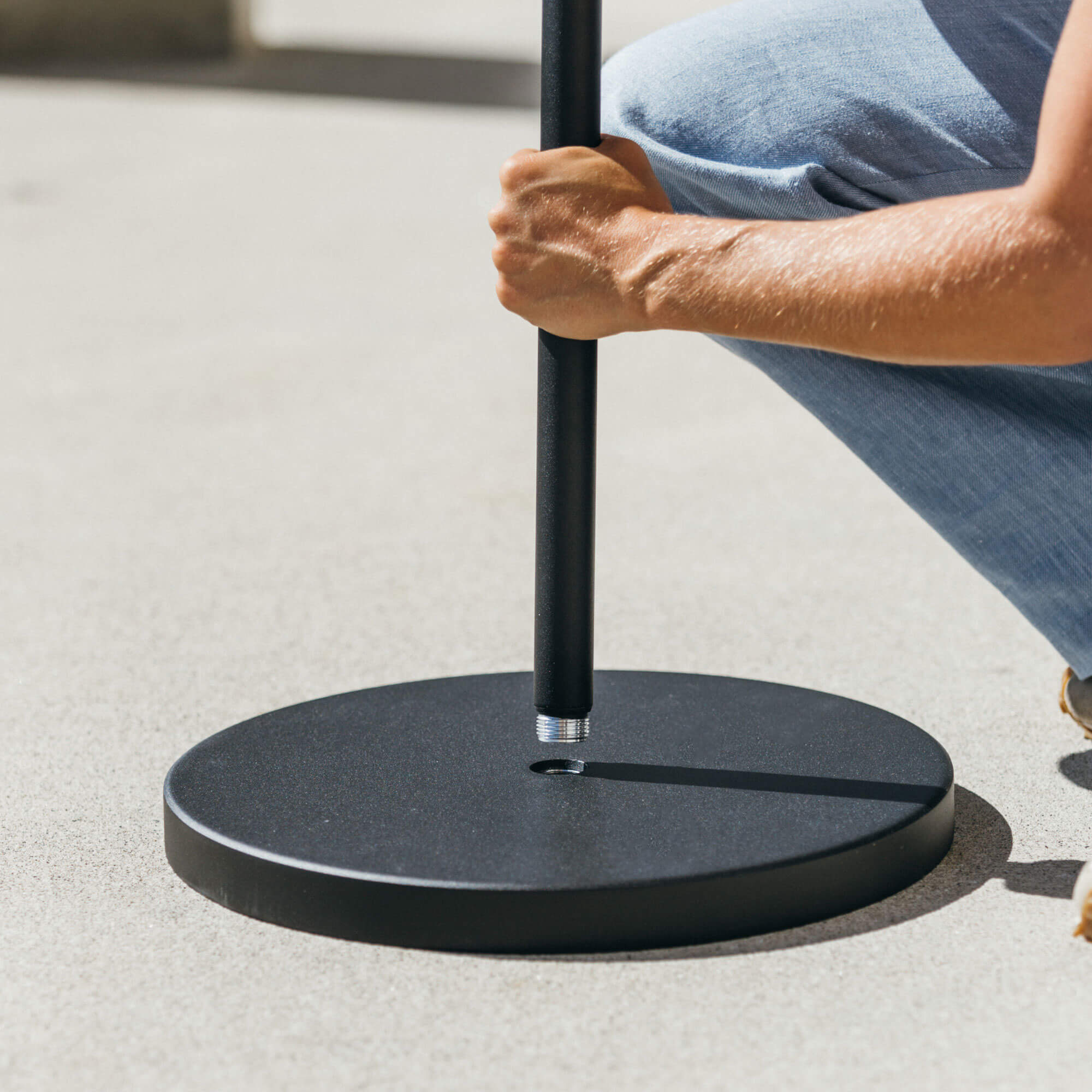
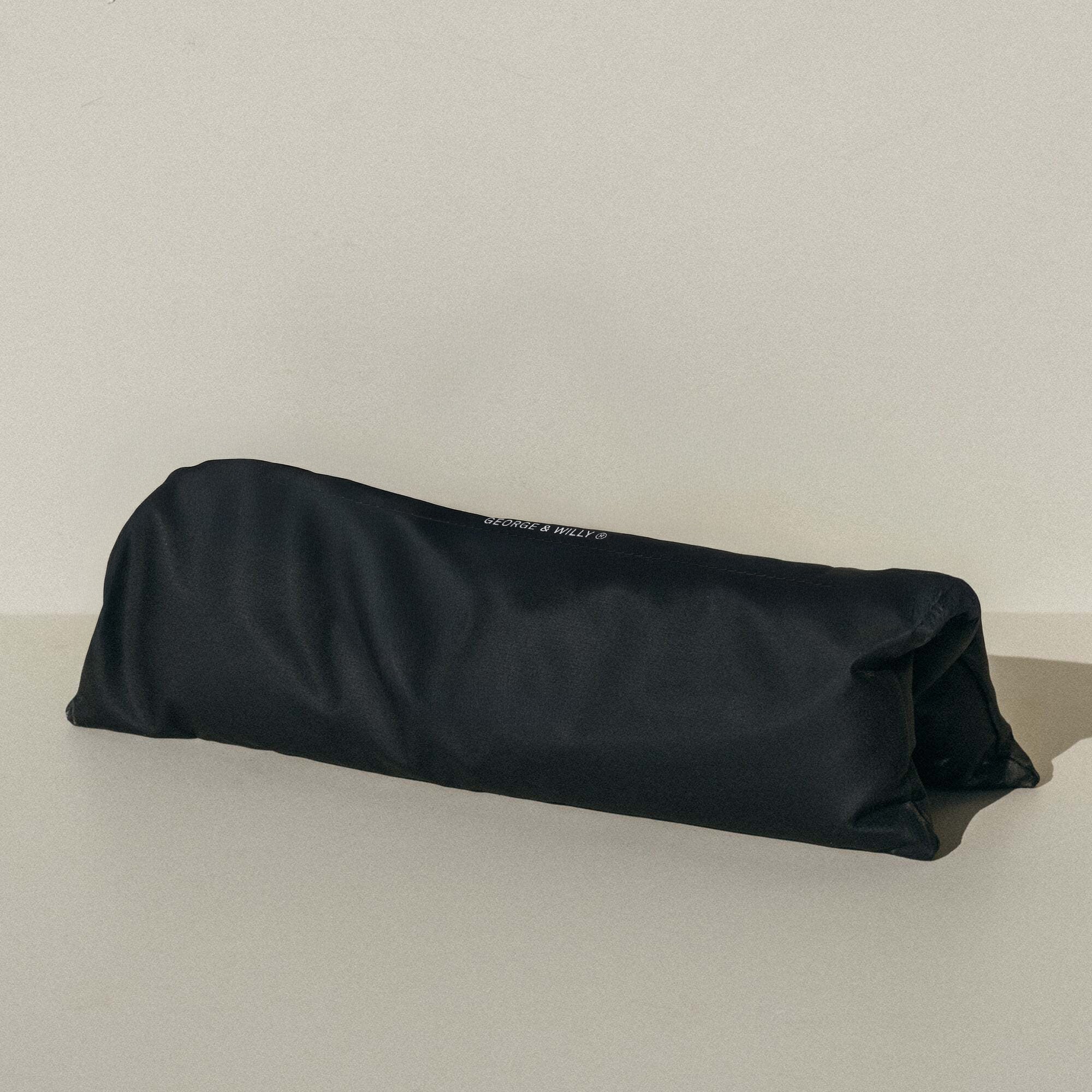
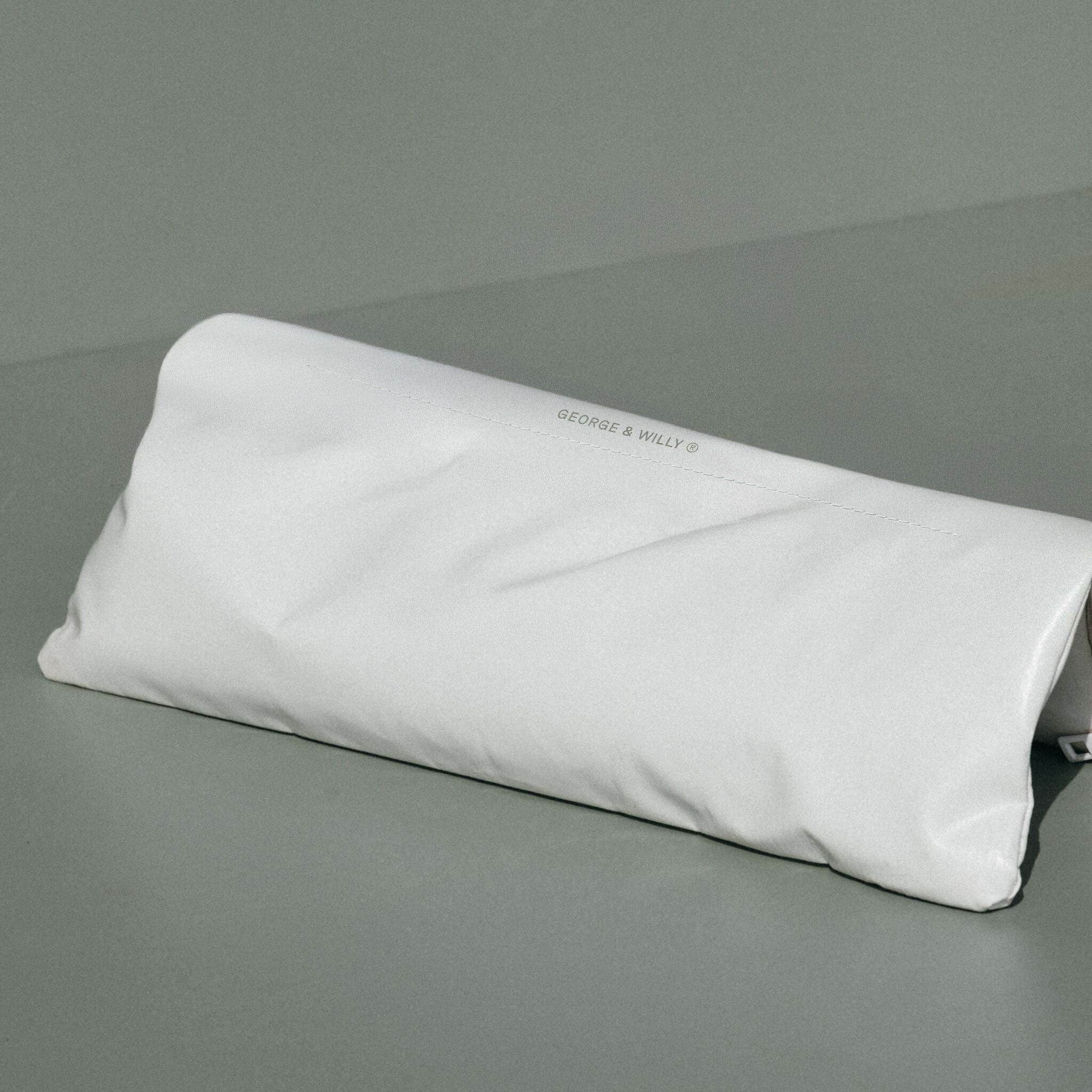
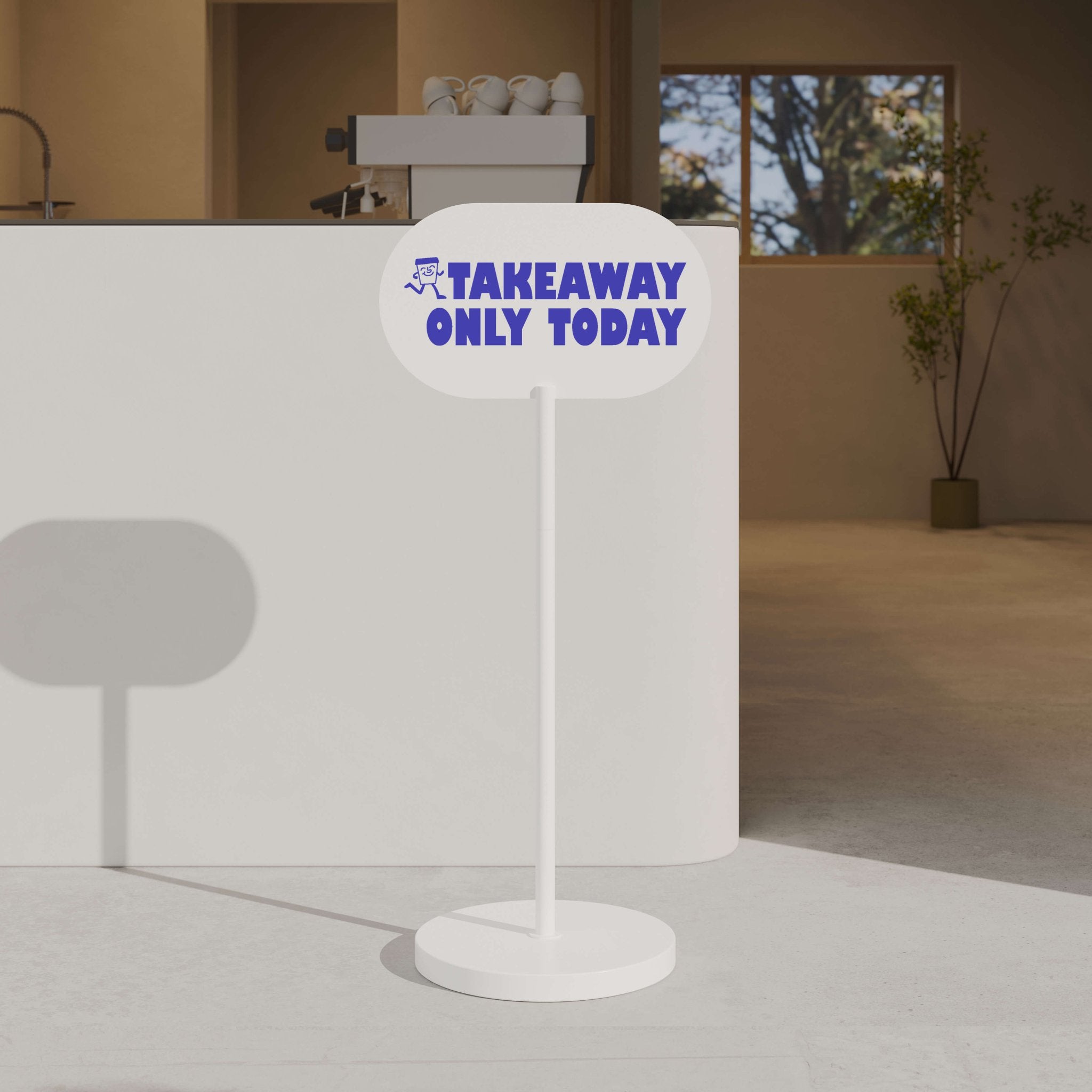
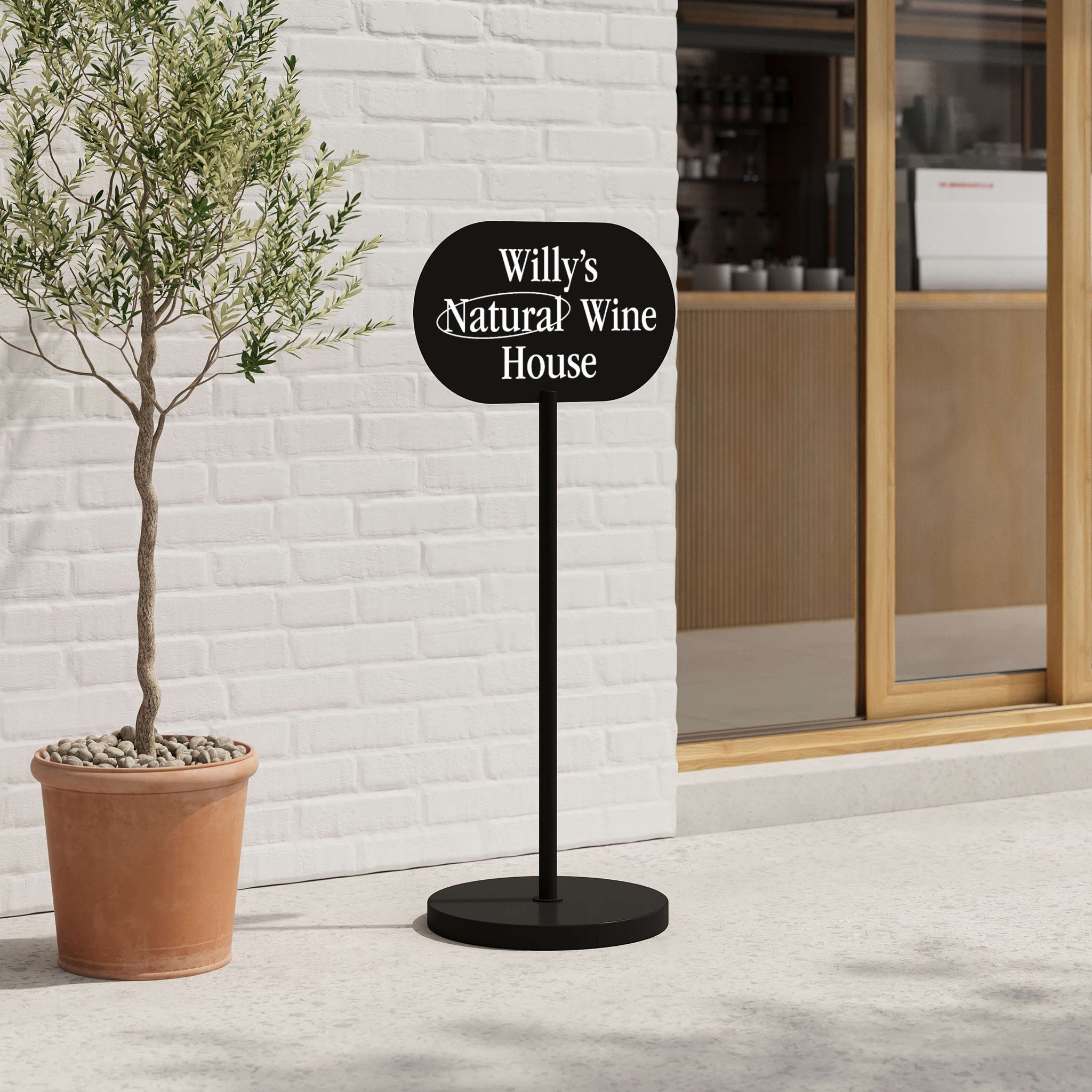
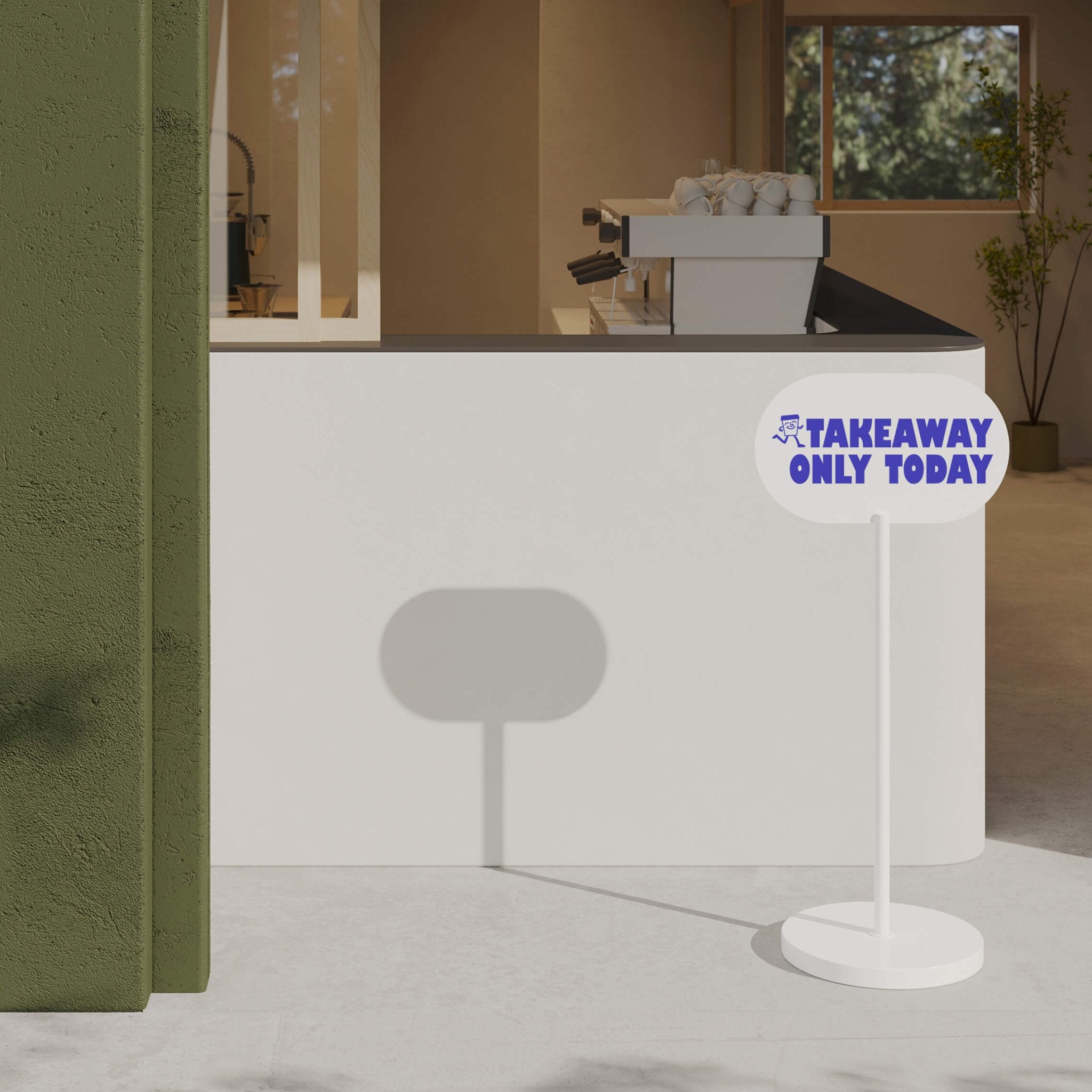
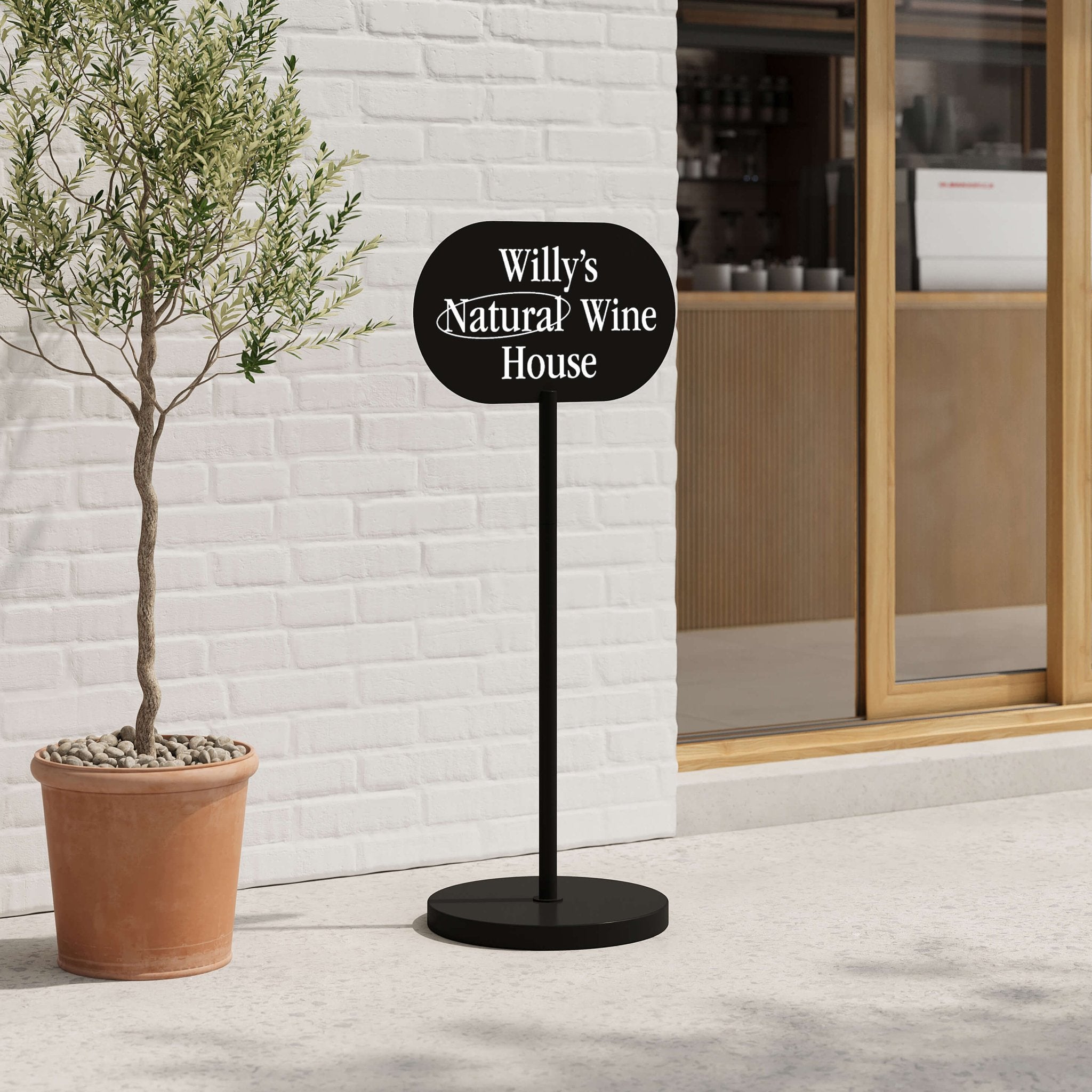
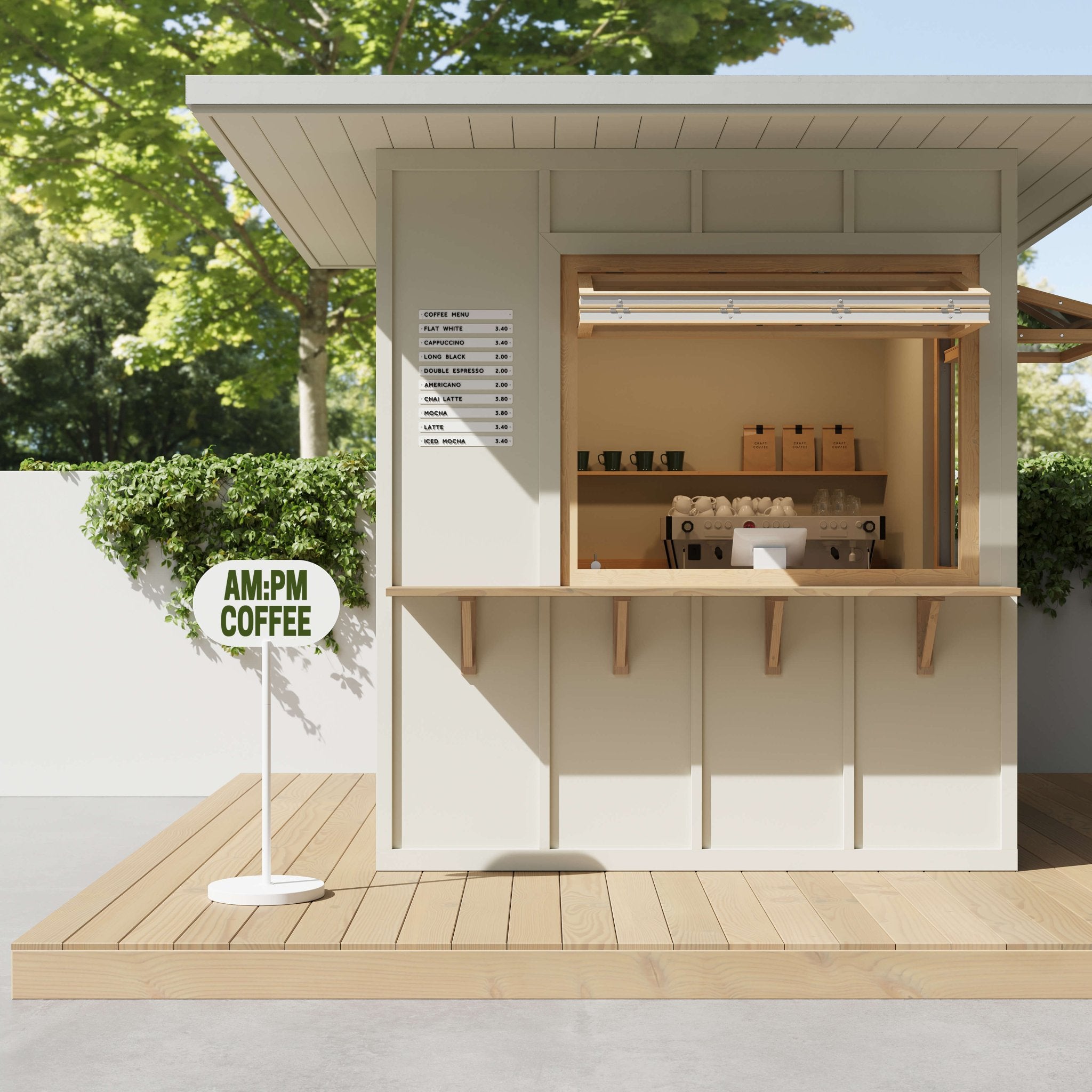
Standing signs are the taller upright format, visible further down the street. Some have water-fillable bases for stability in exposed spots.
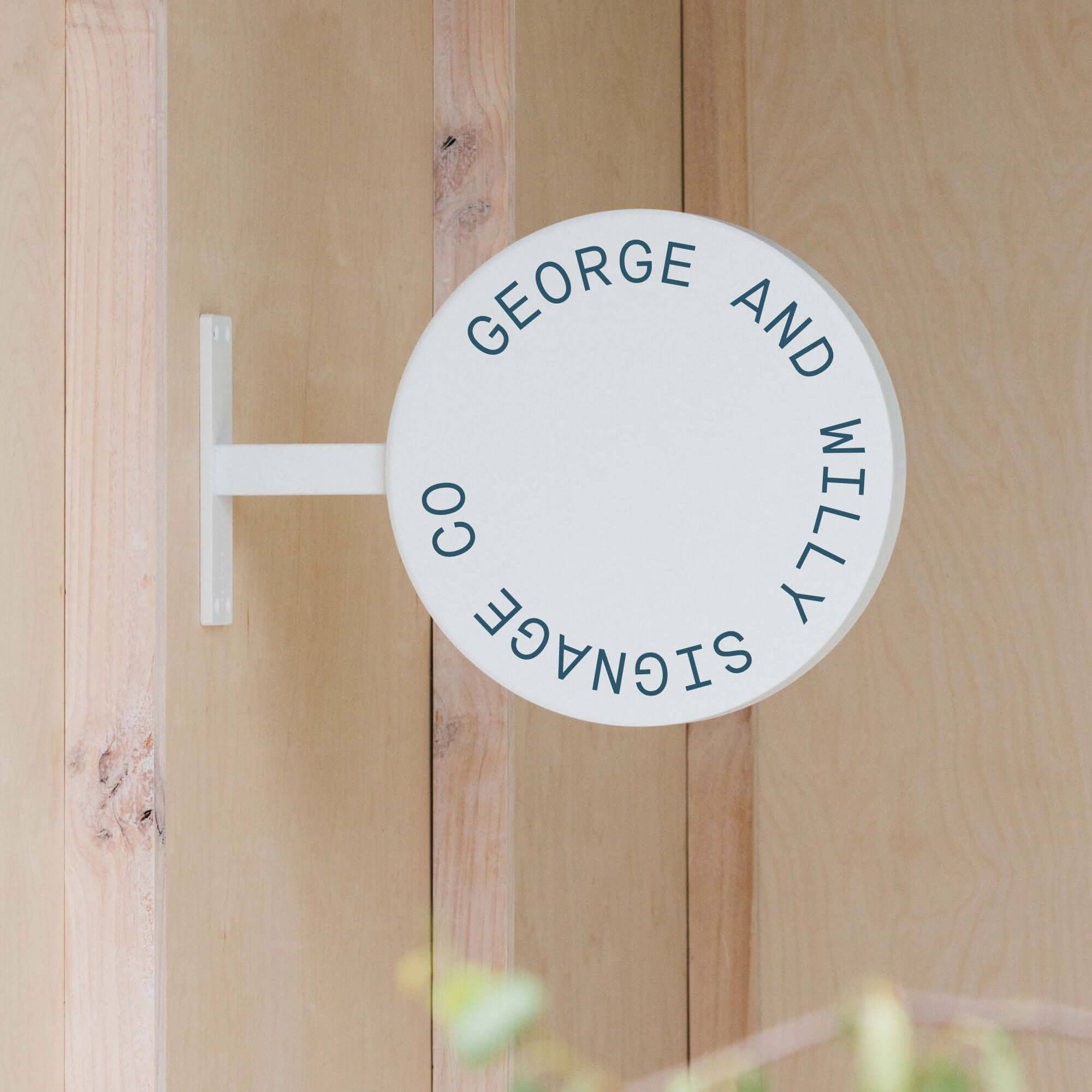
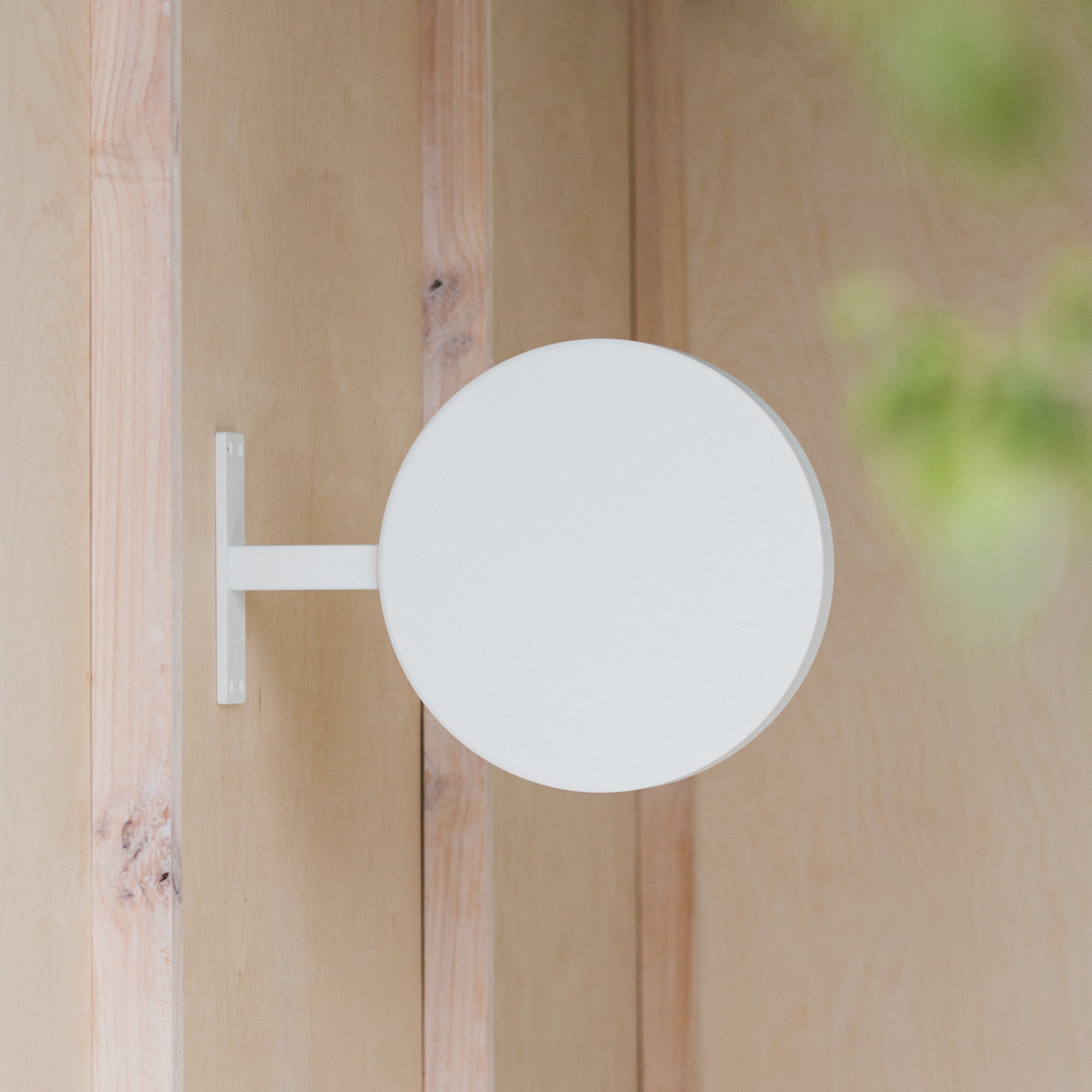
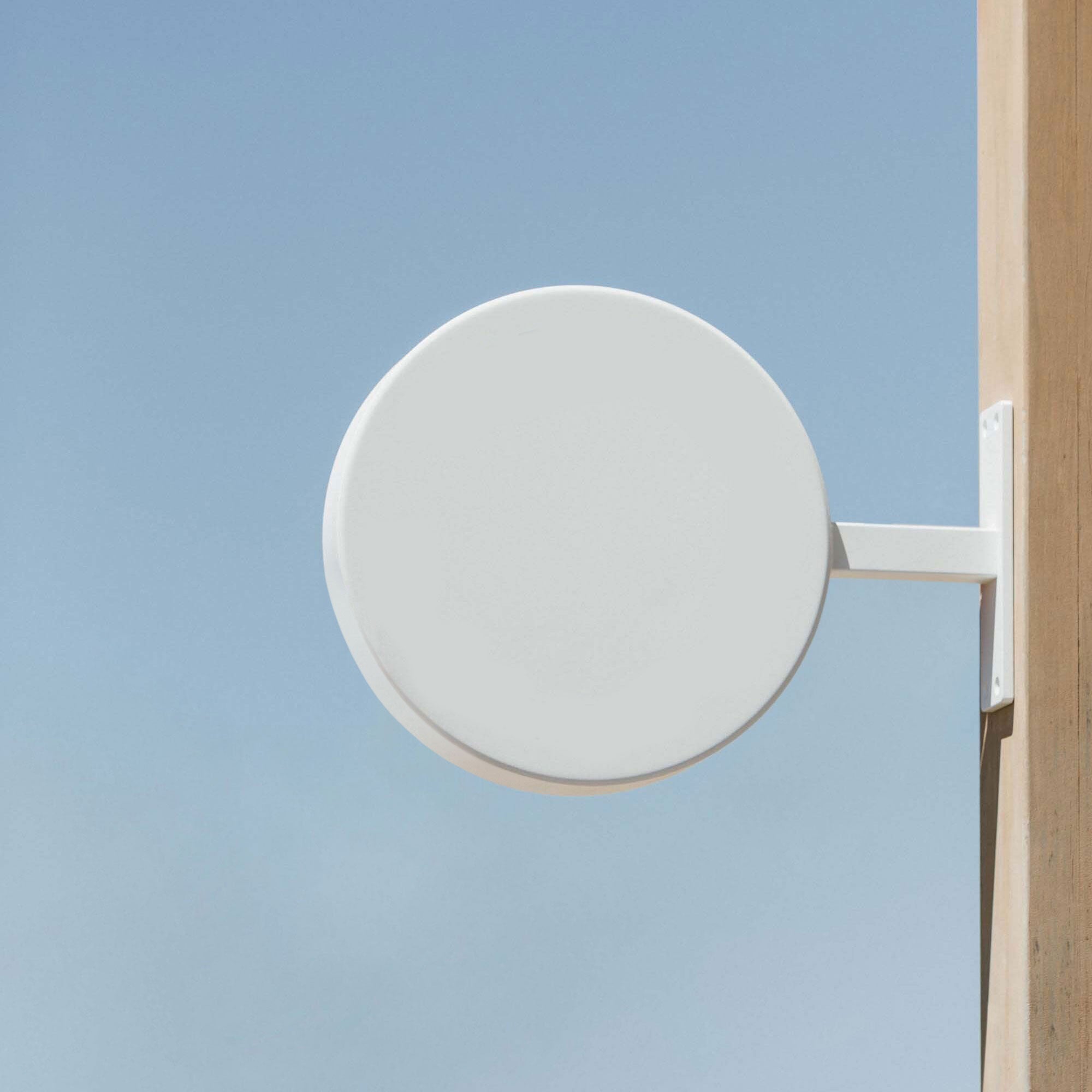
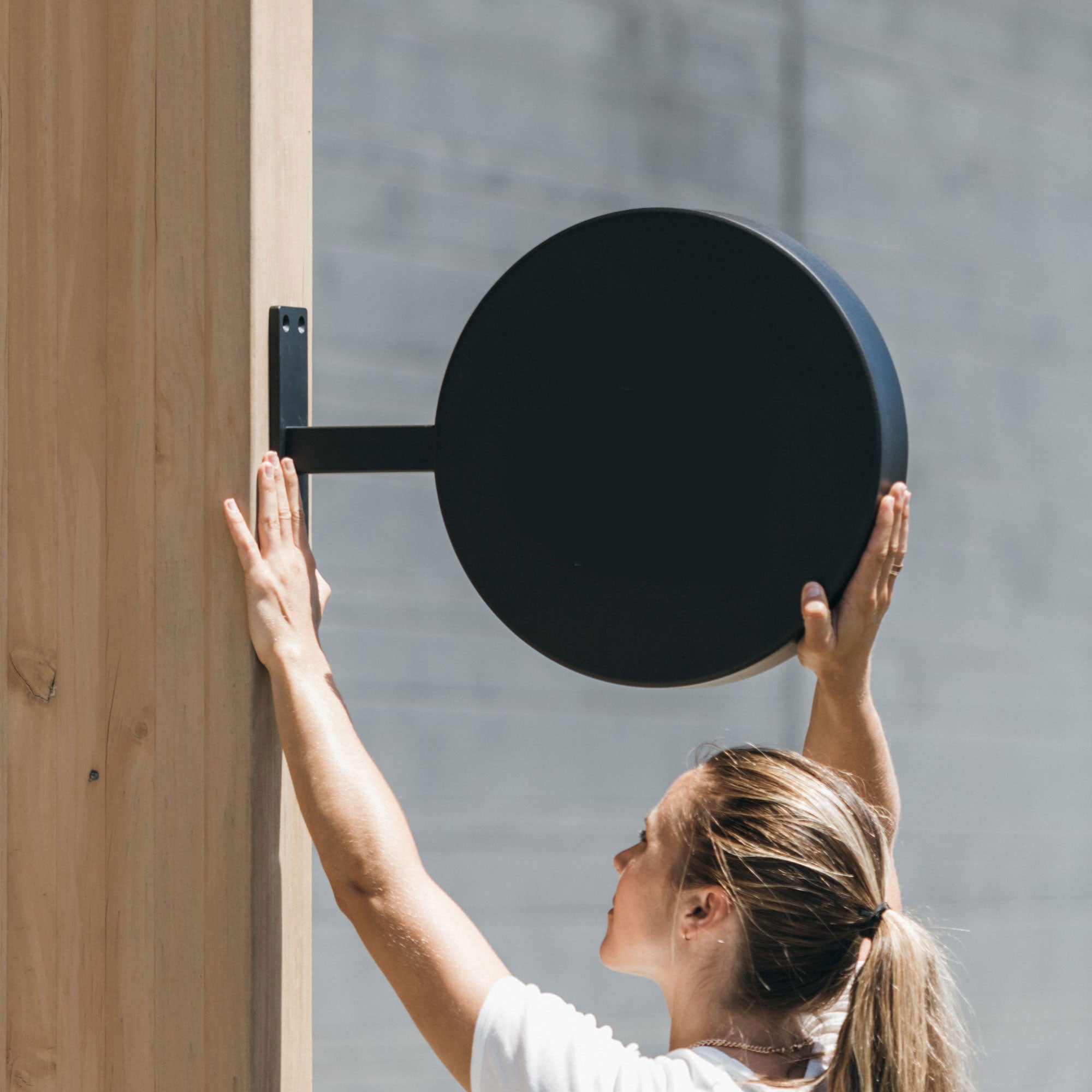
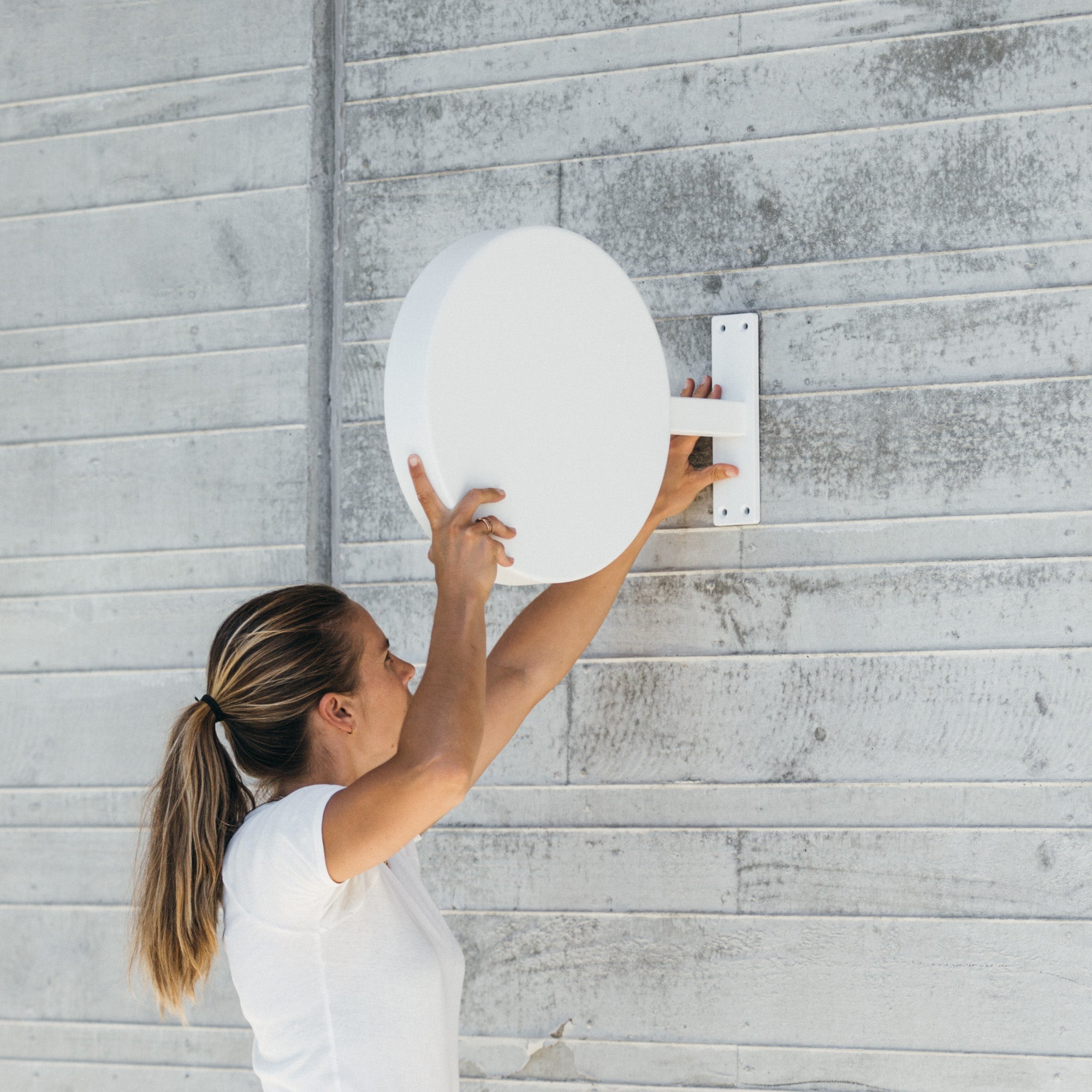
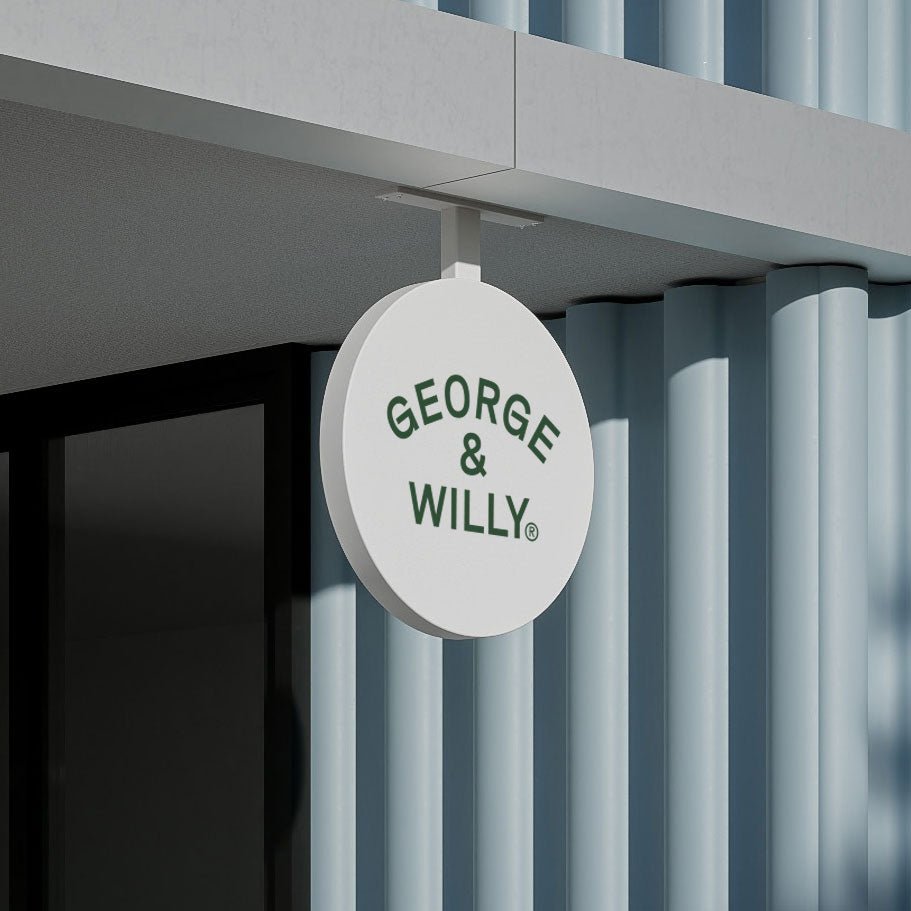
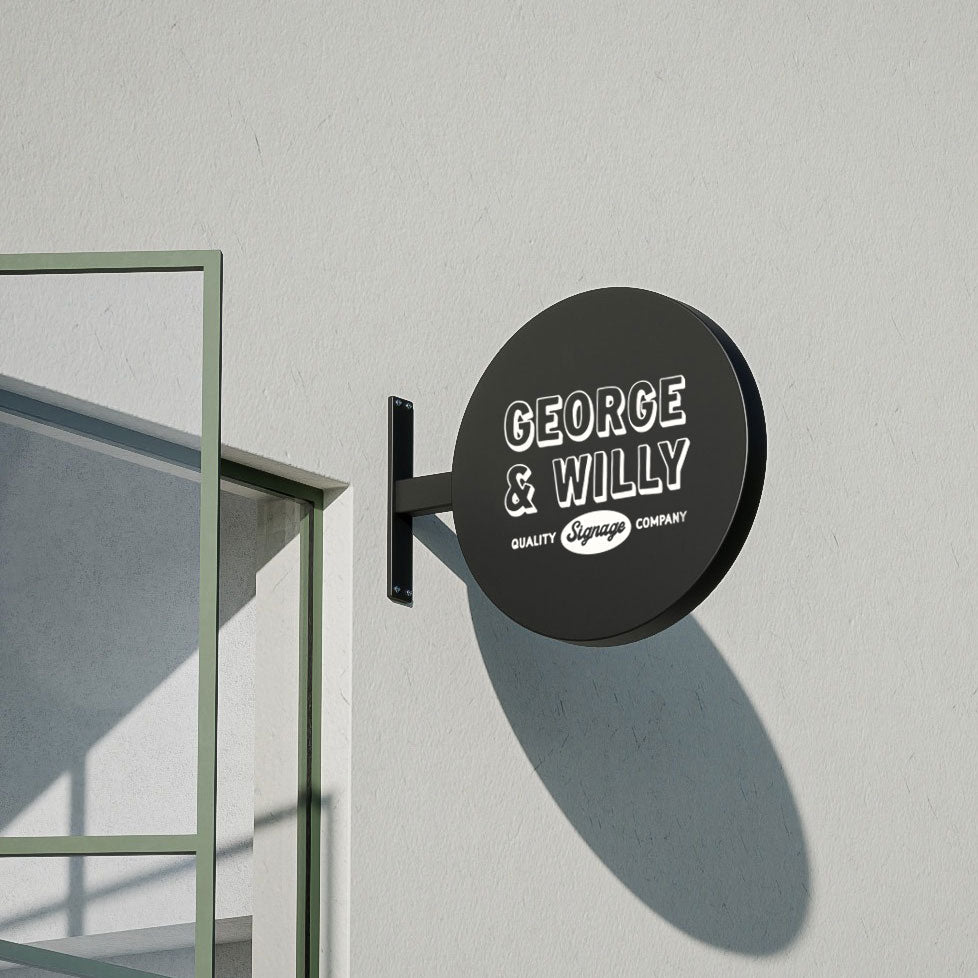
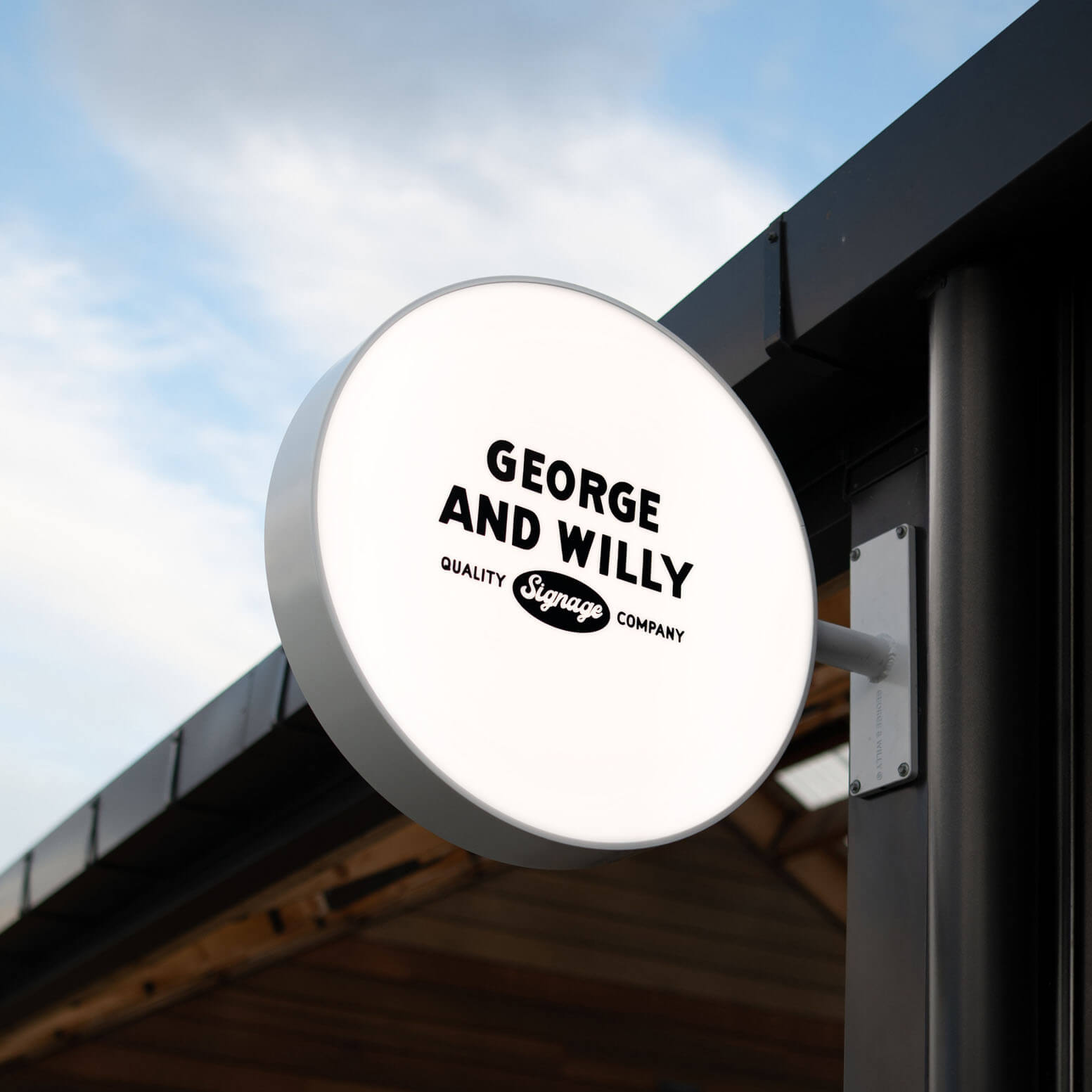
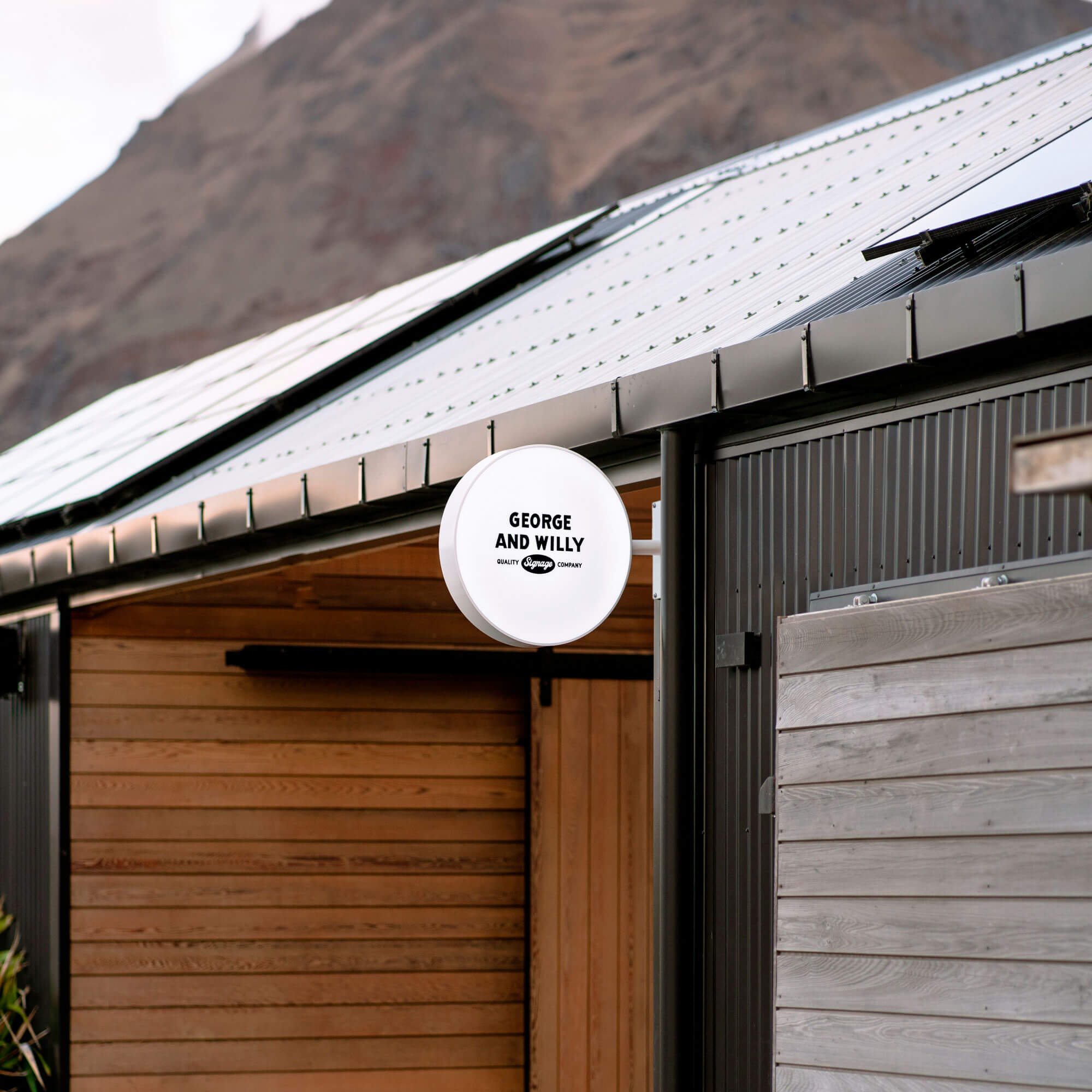
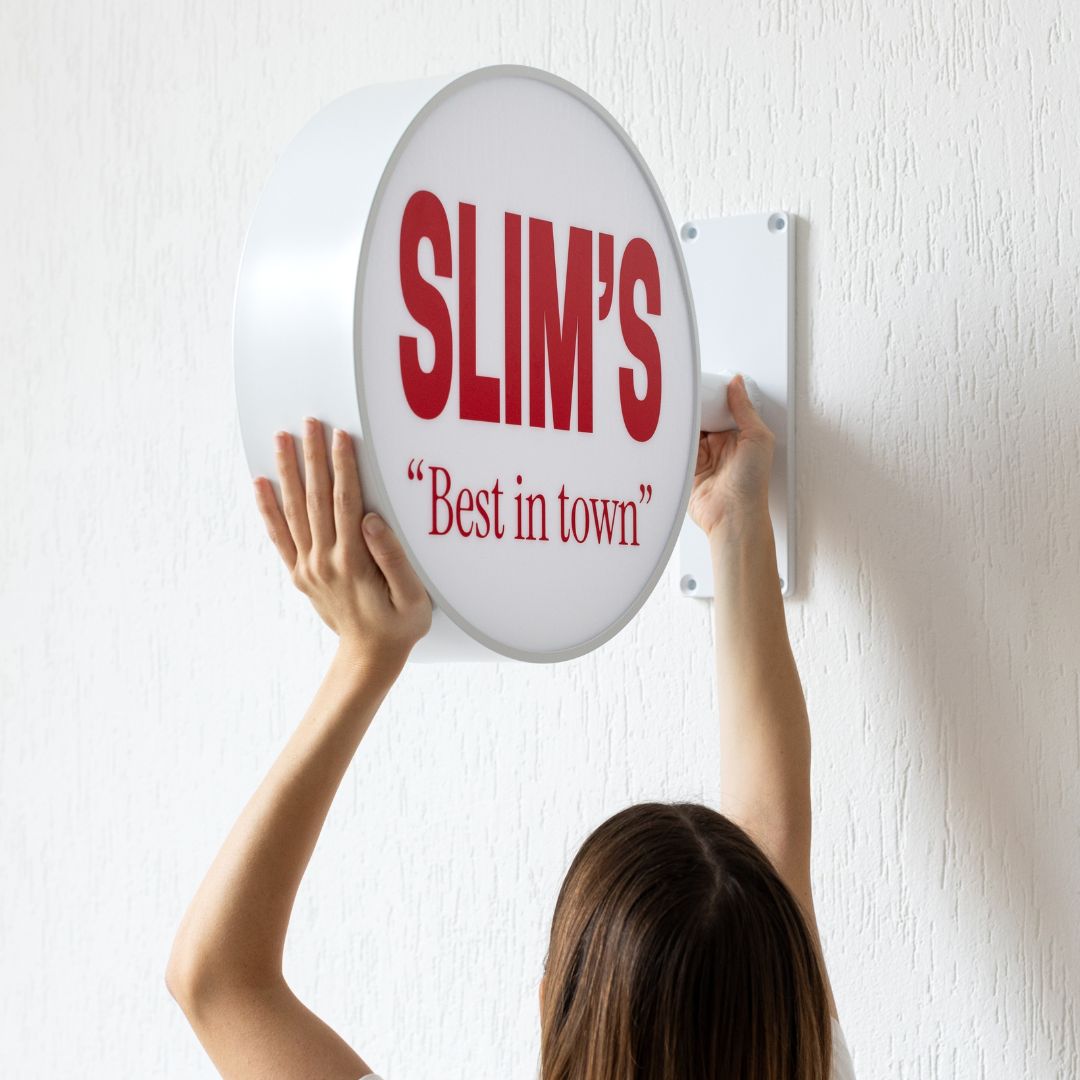
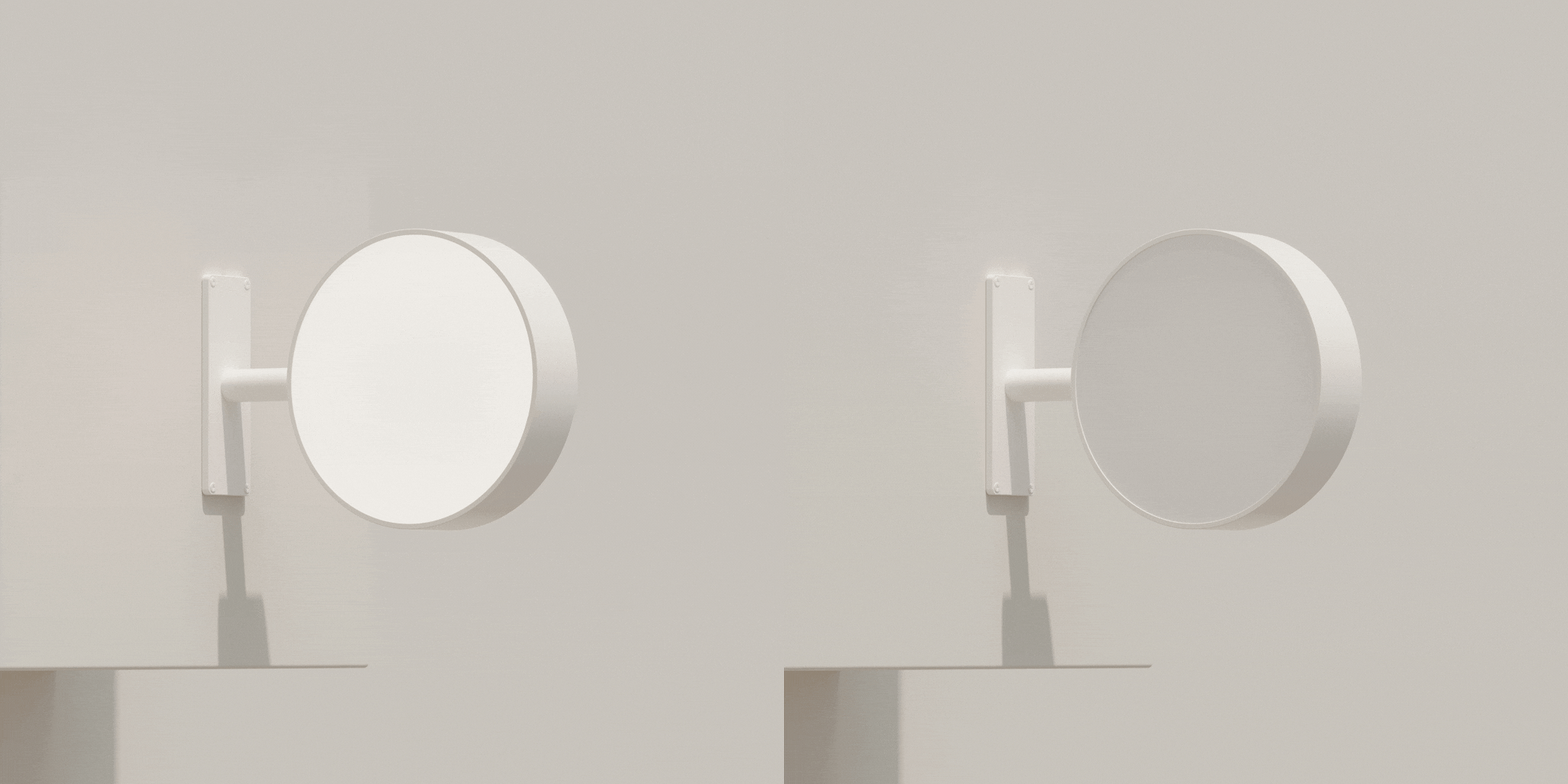
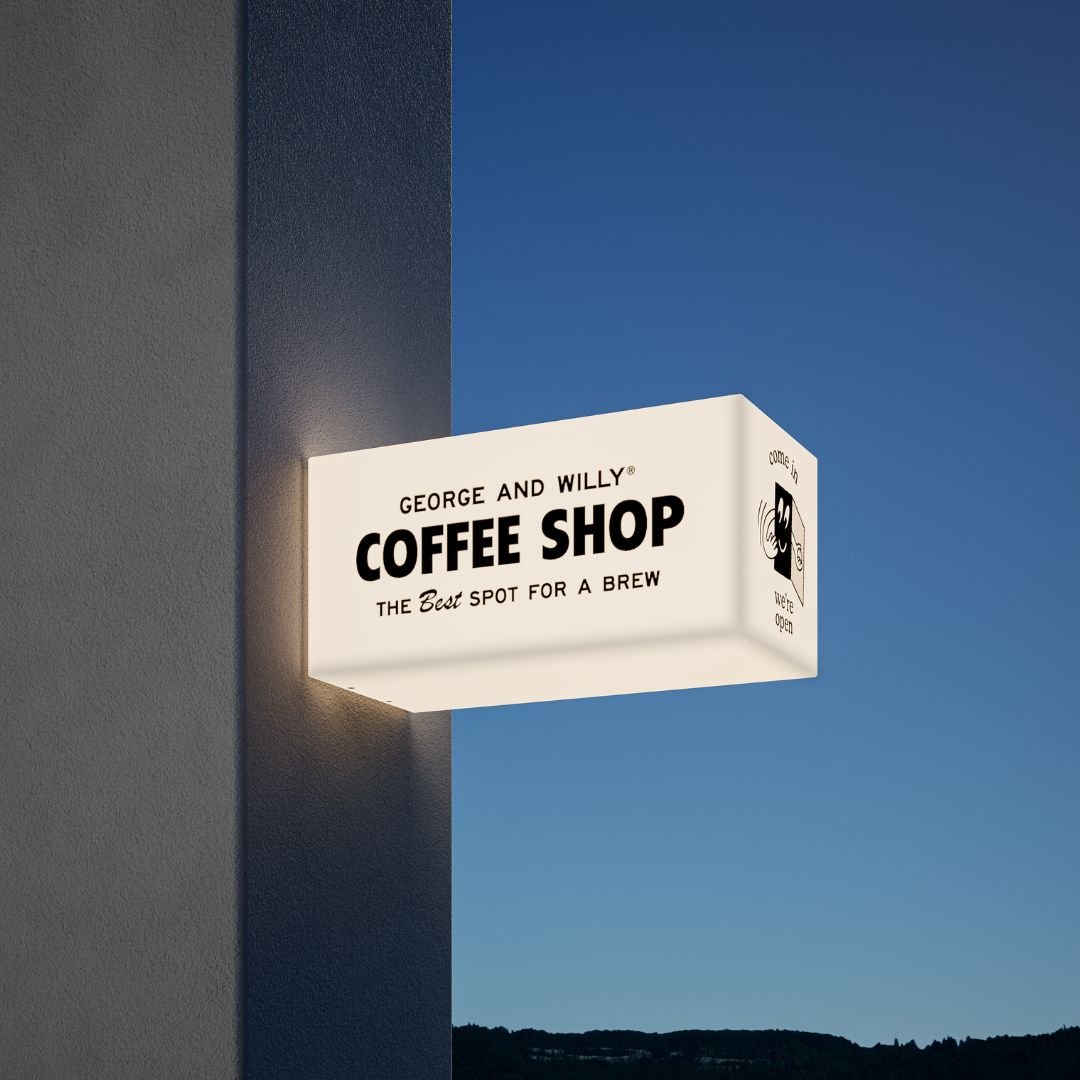
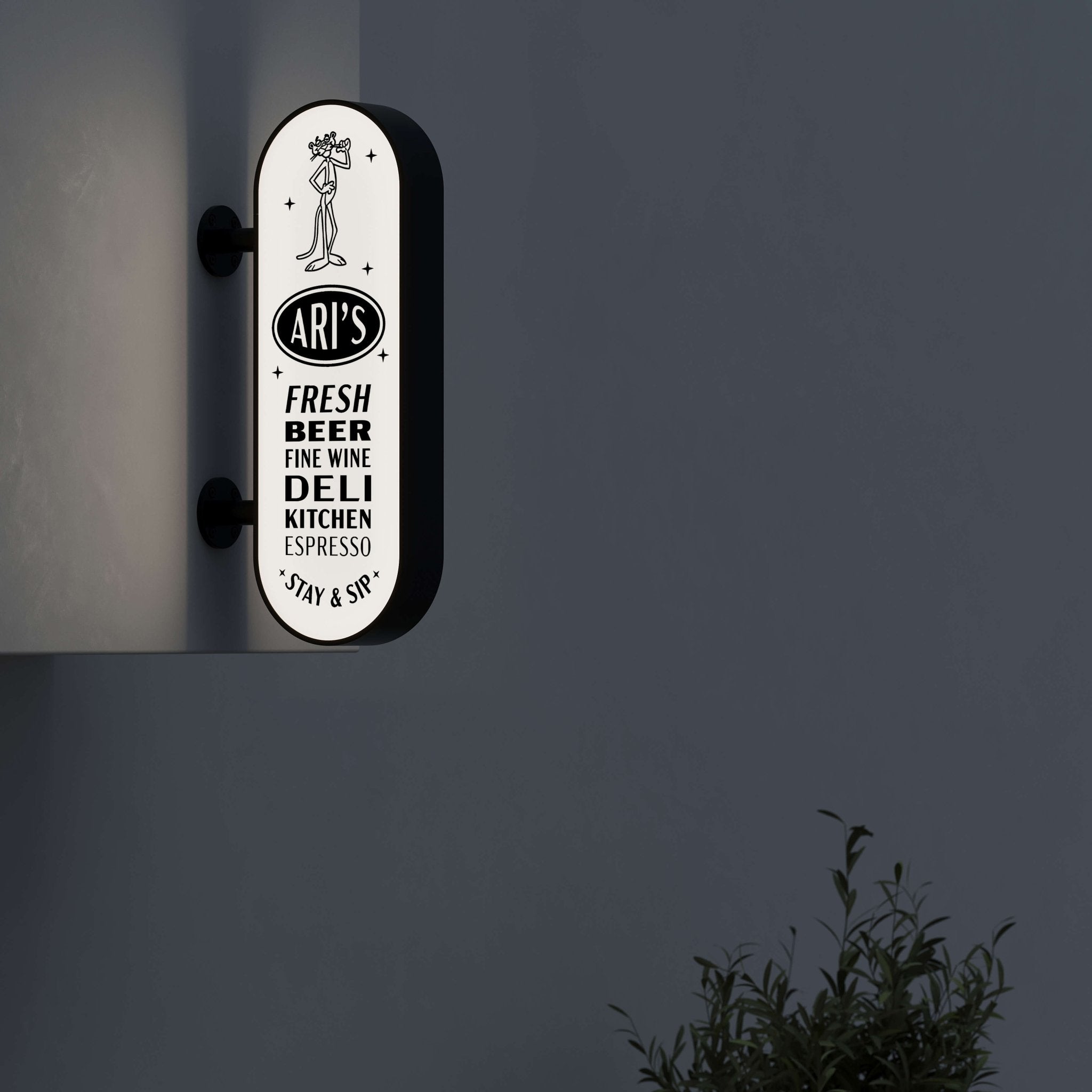
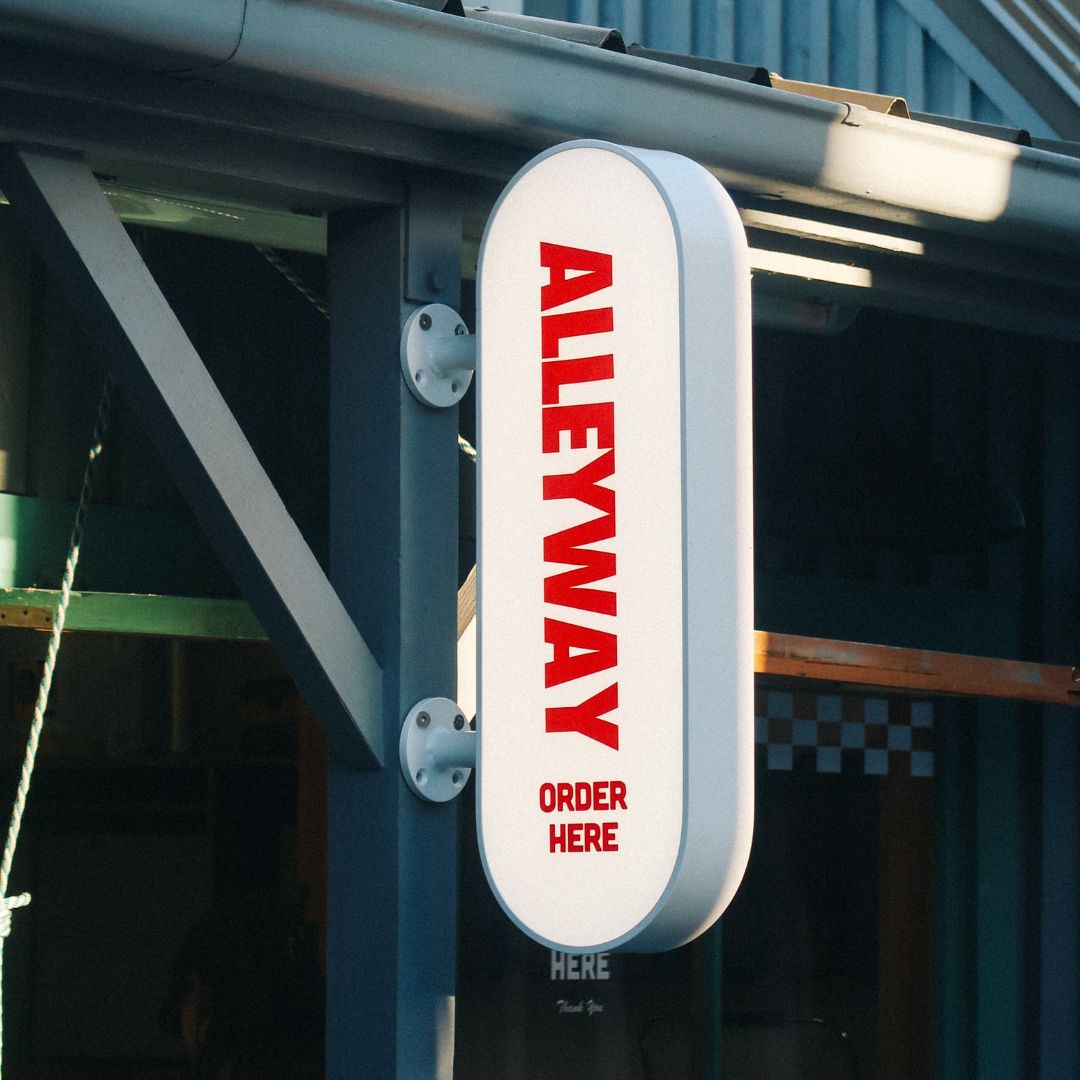
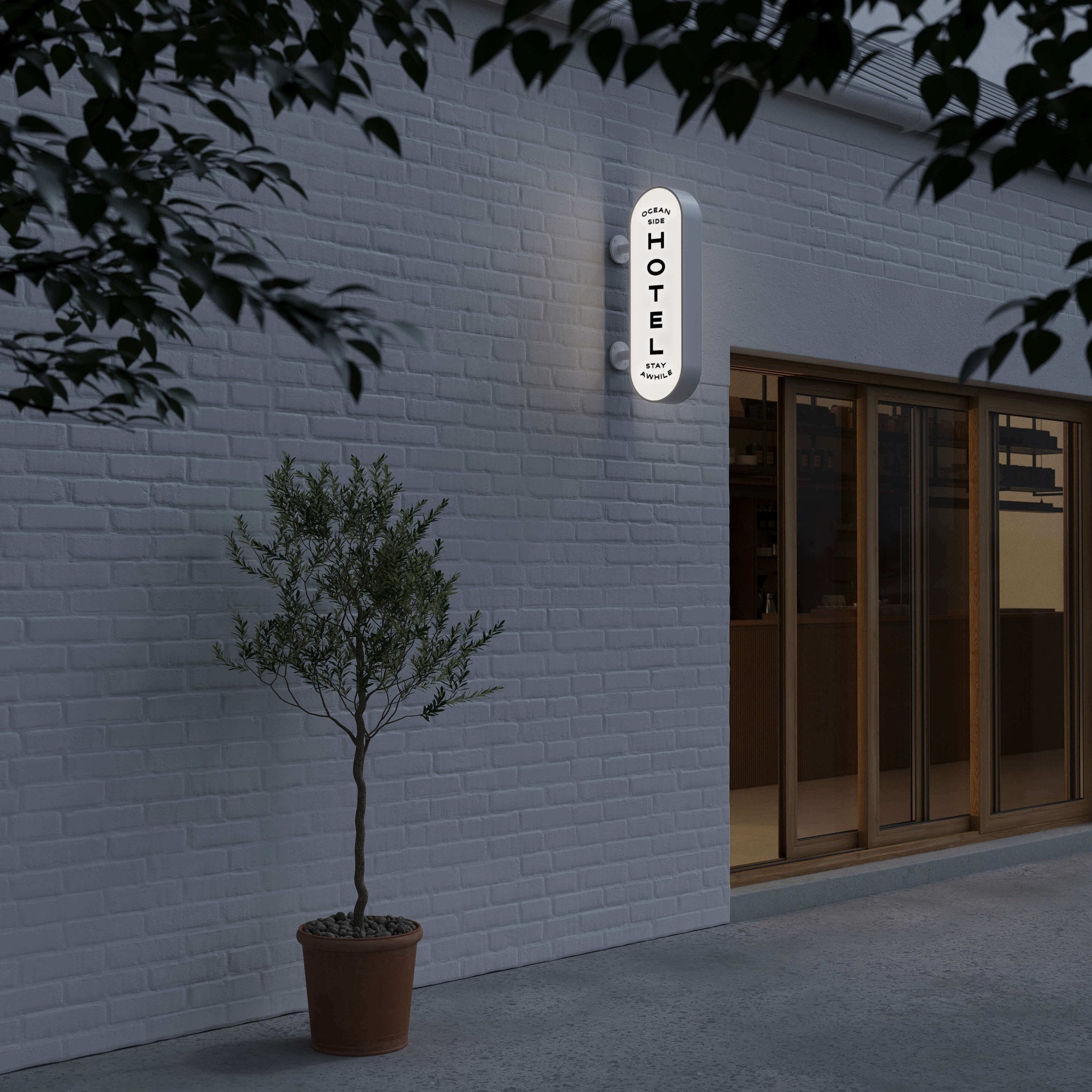
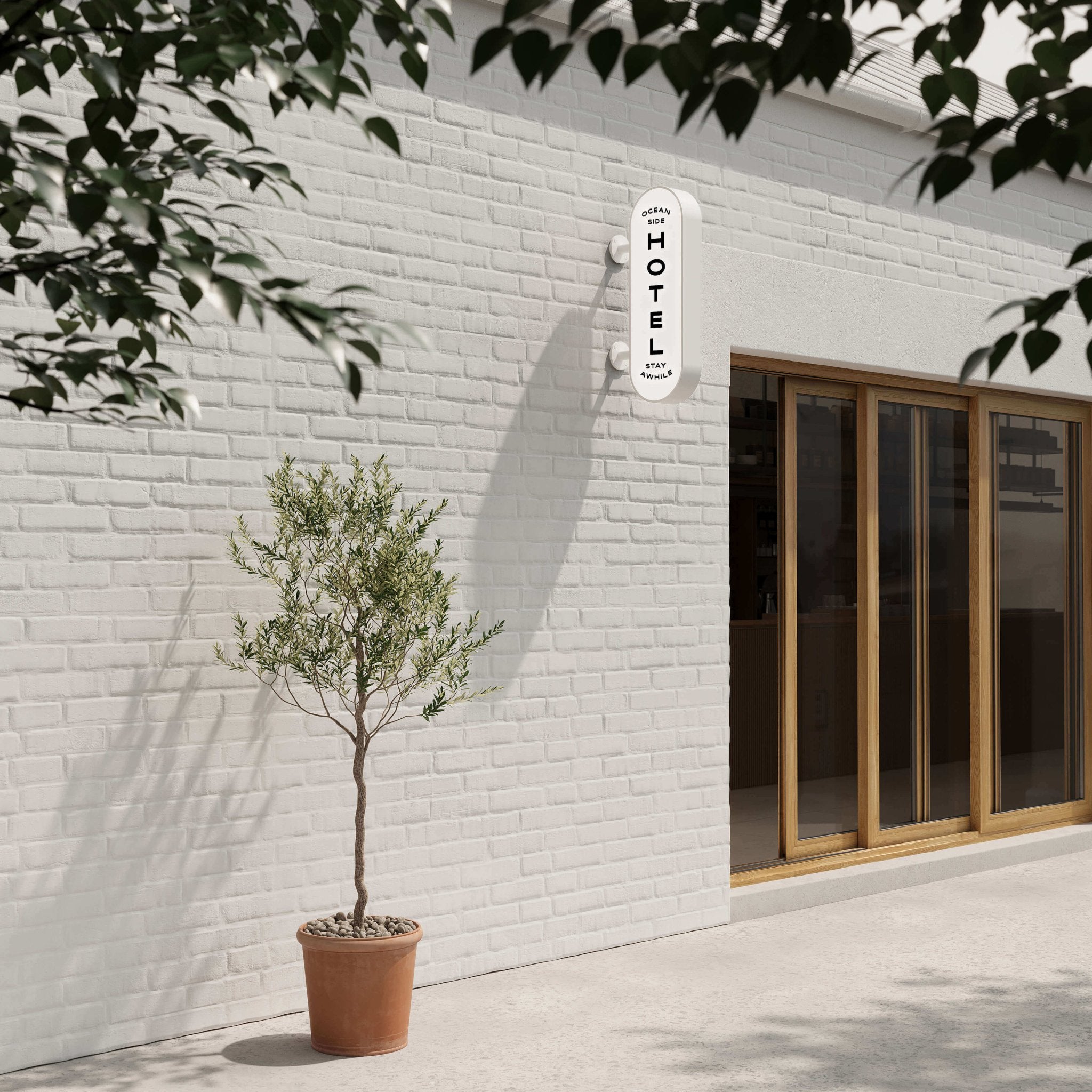
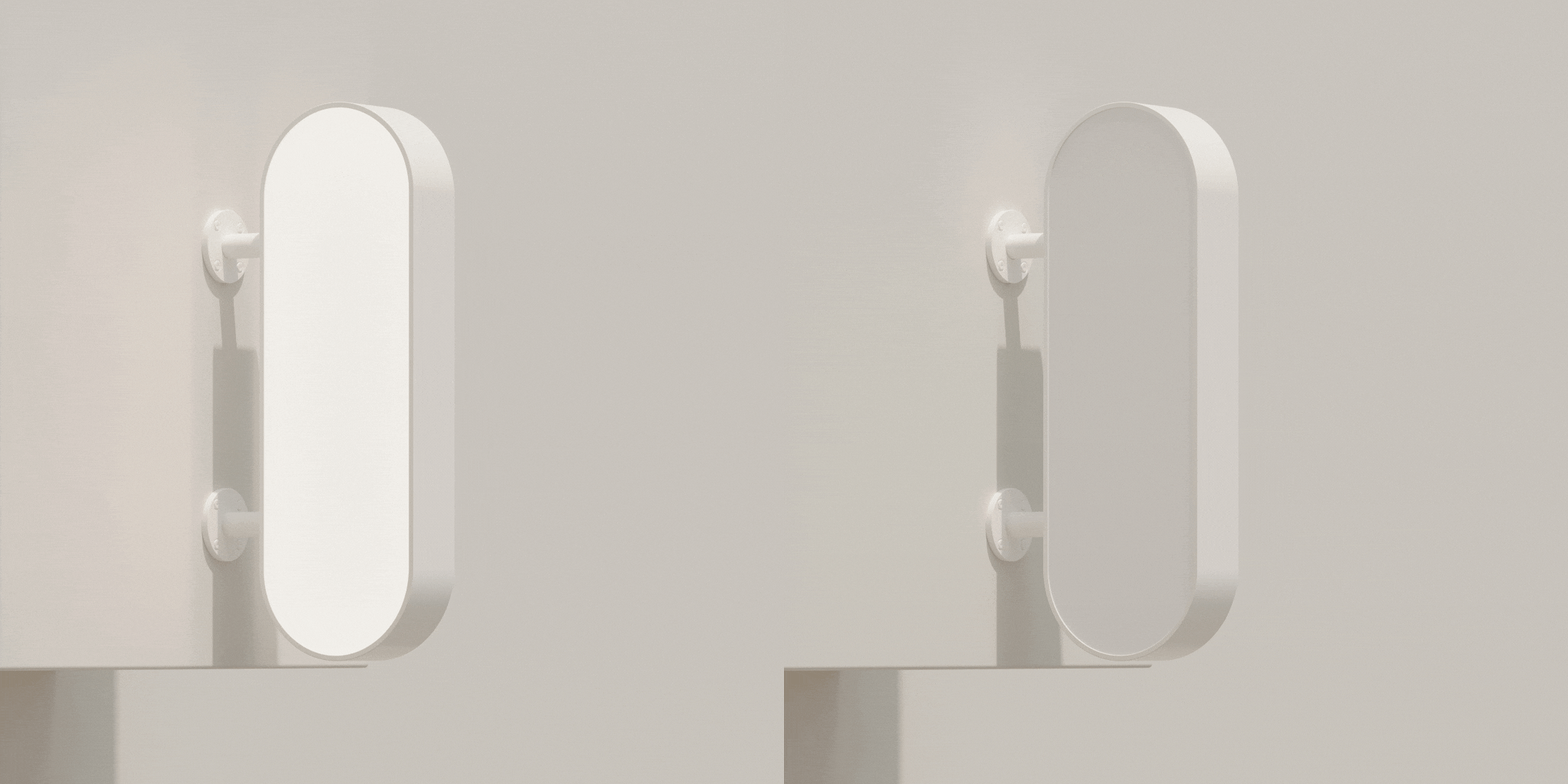
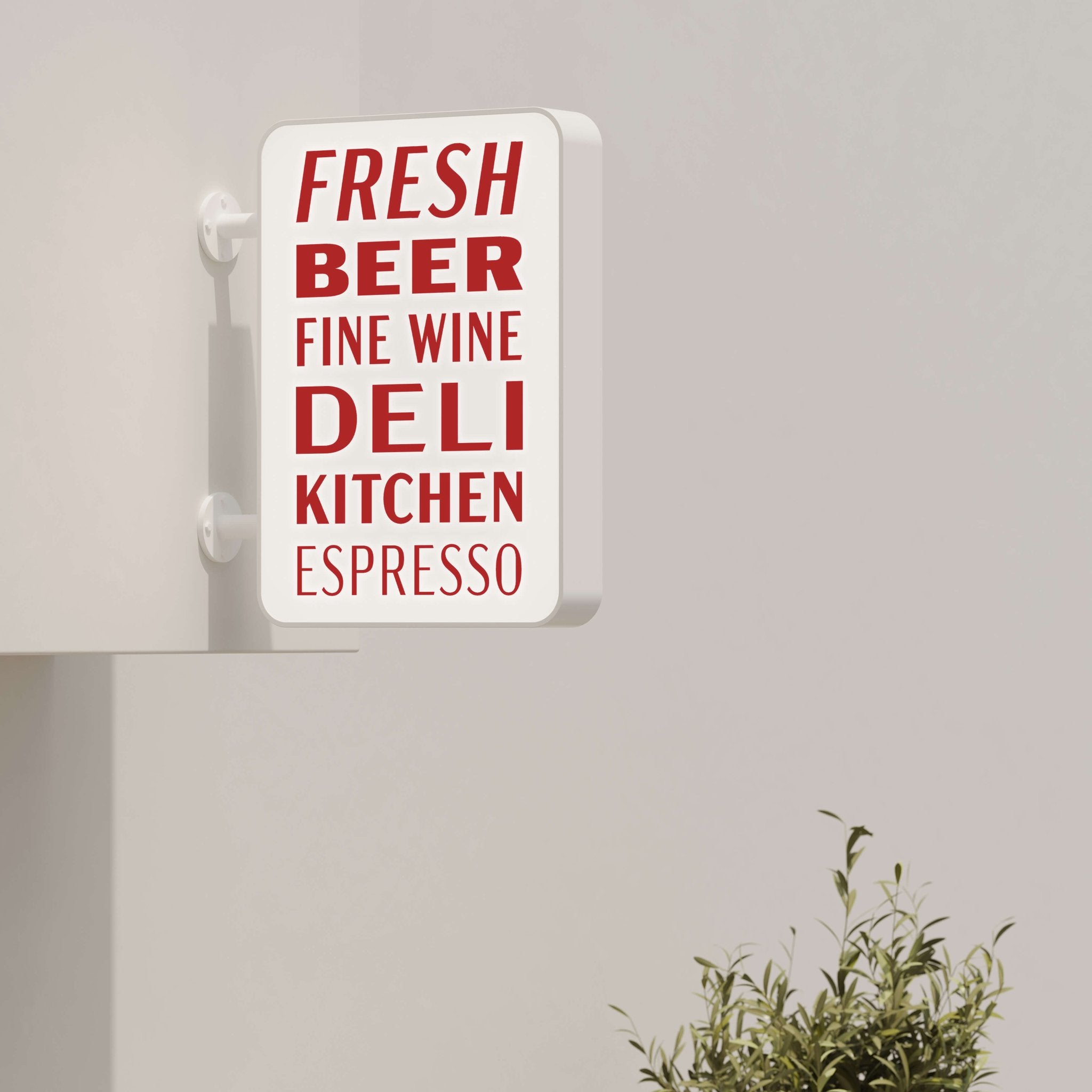
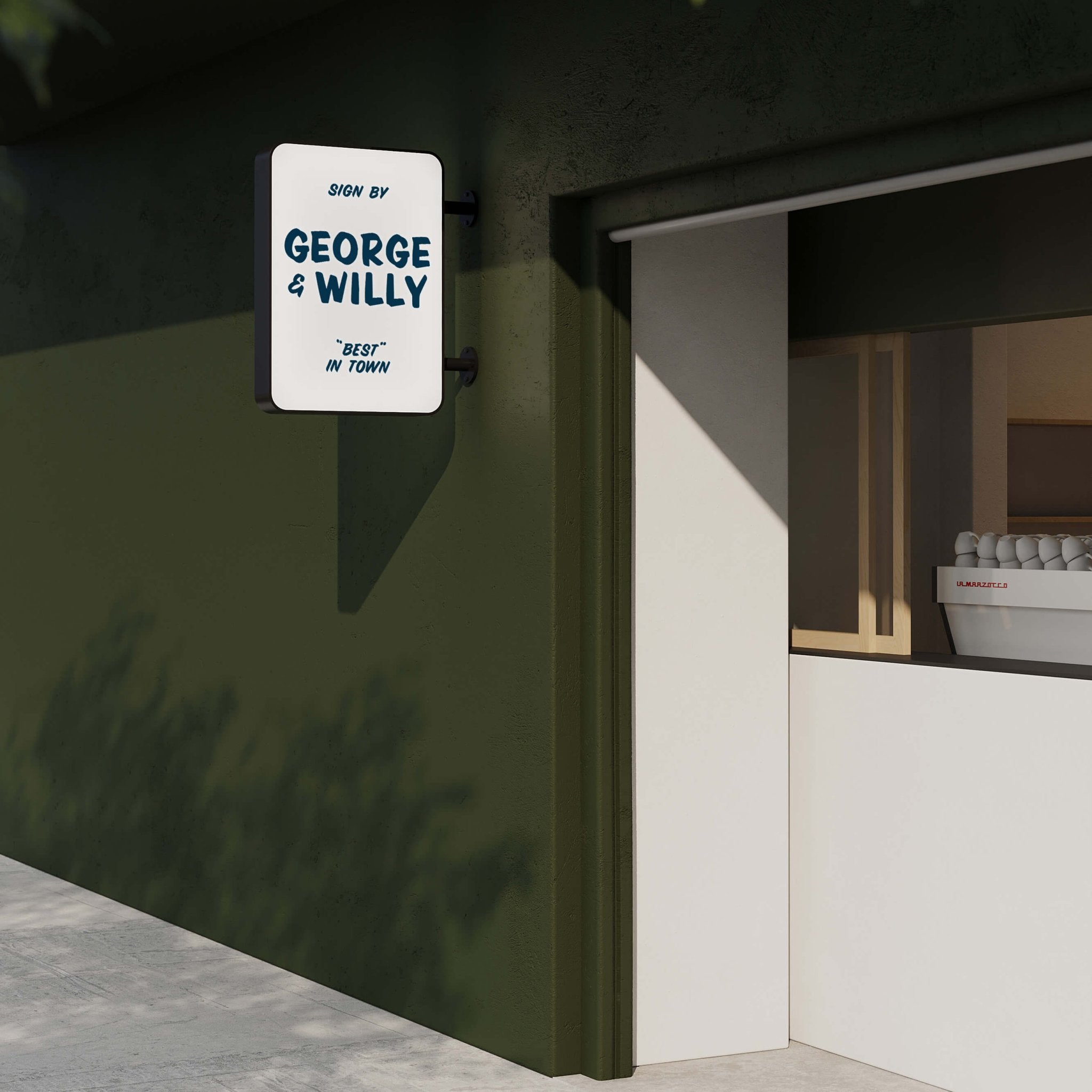
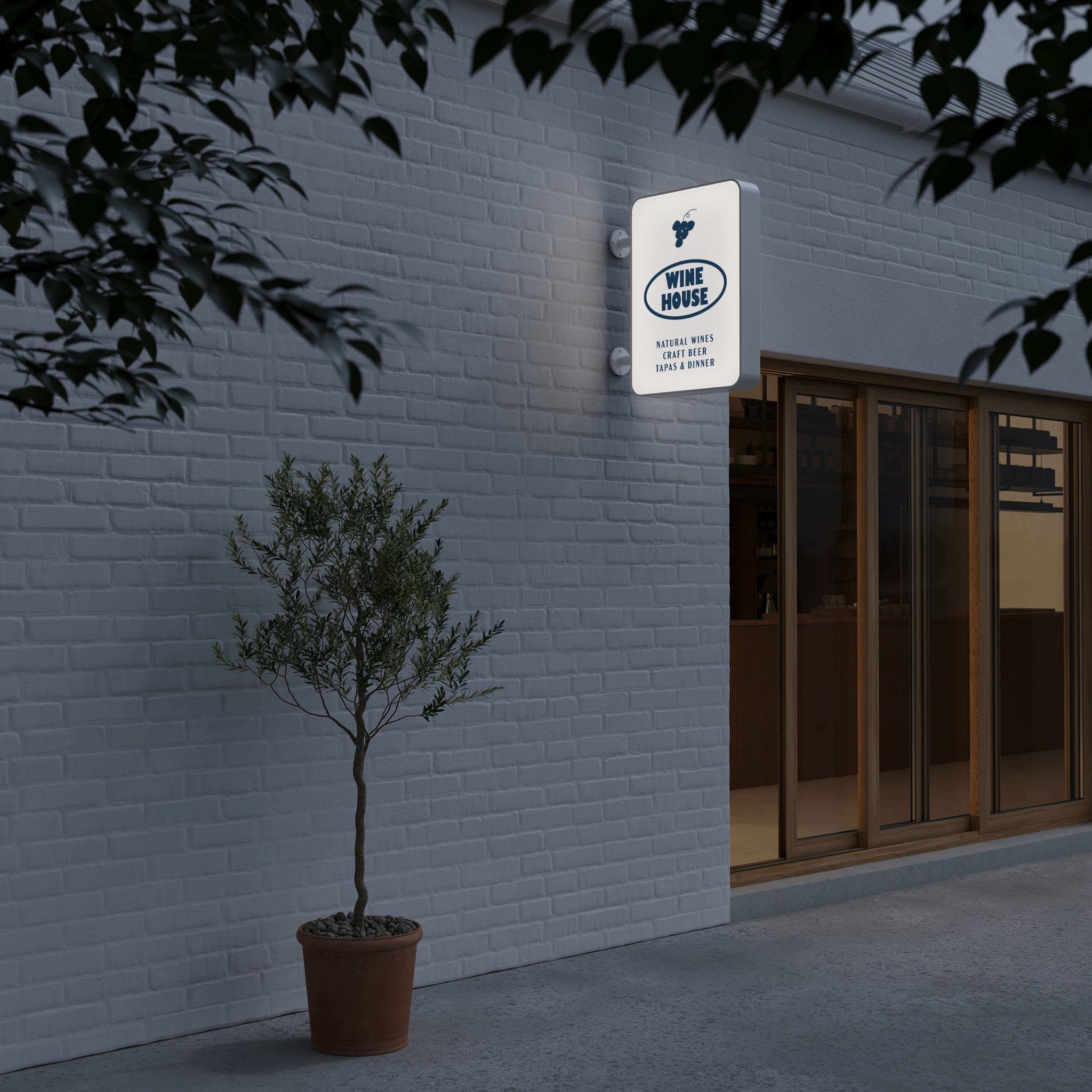
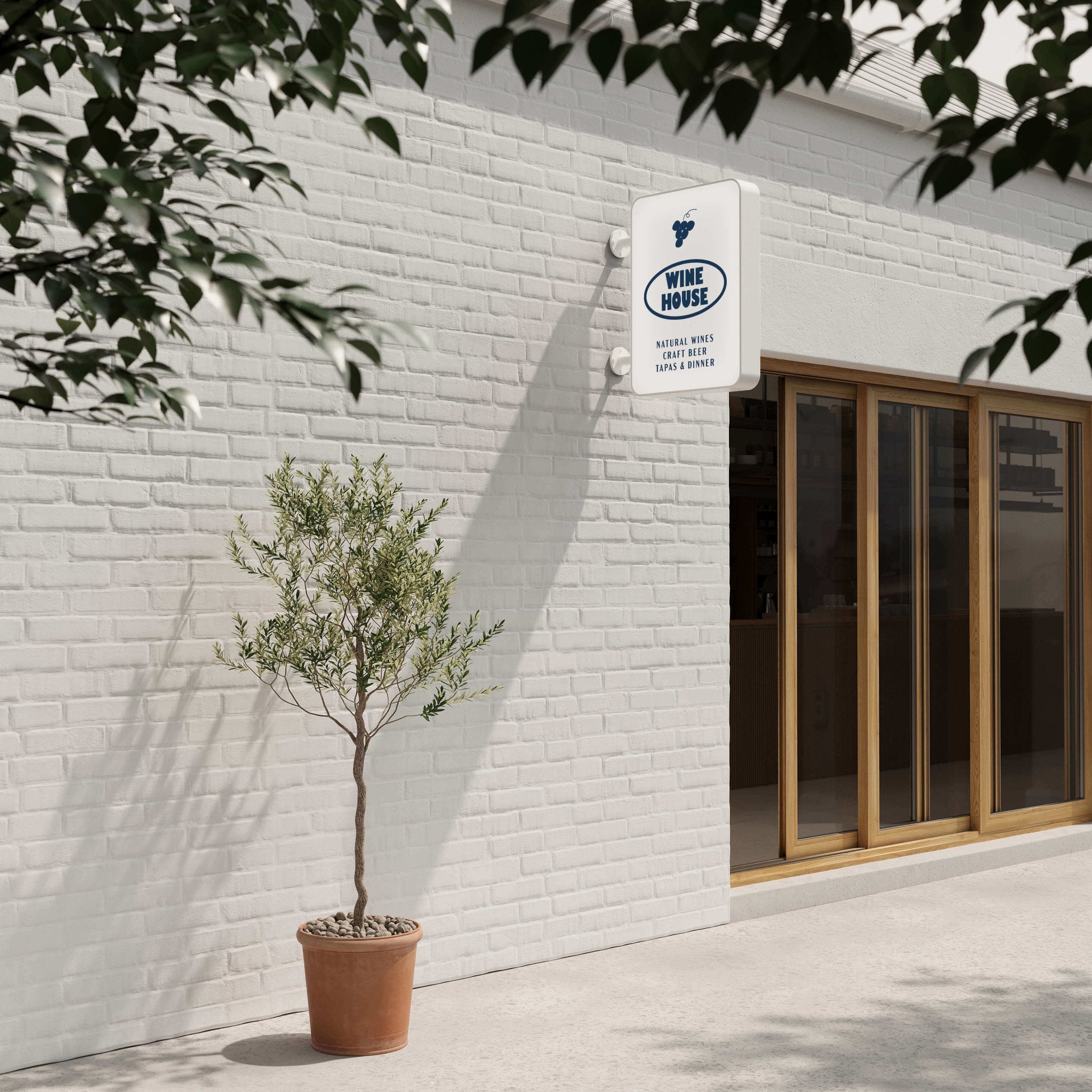
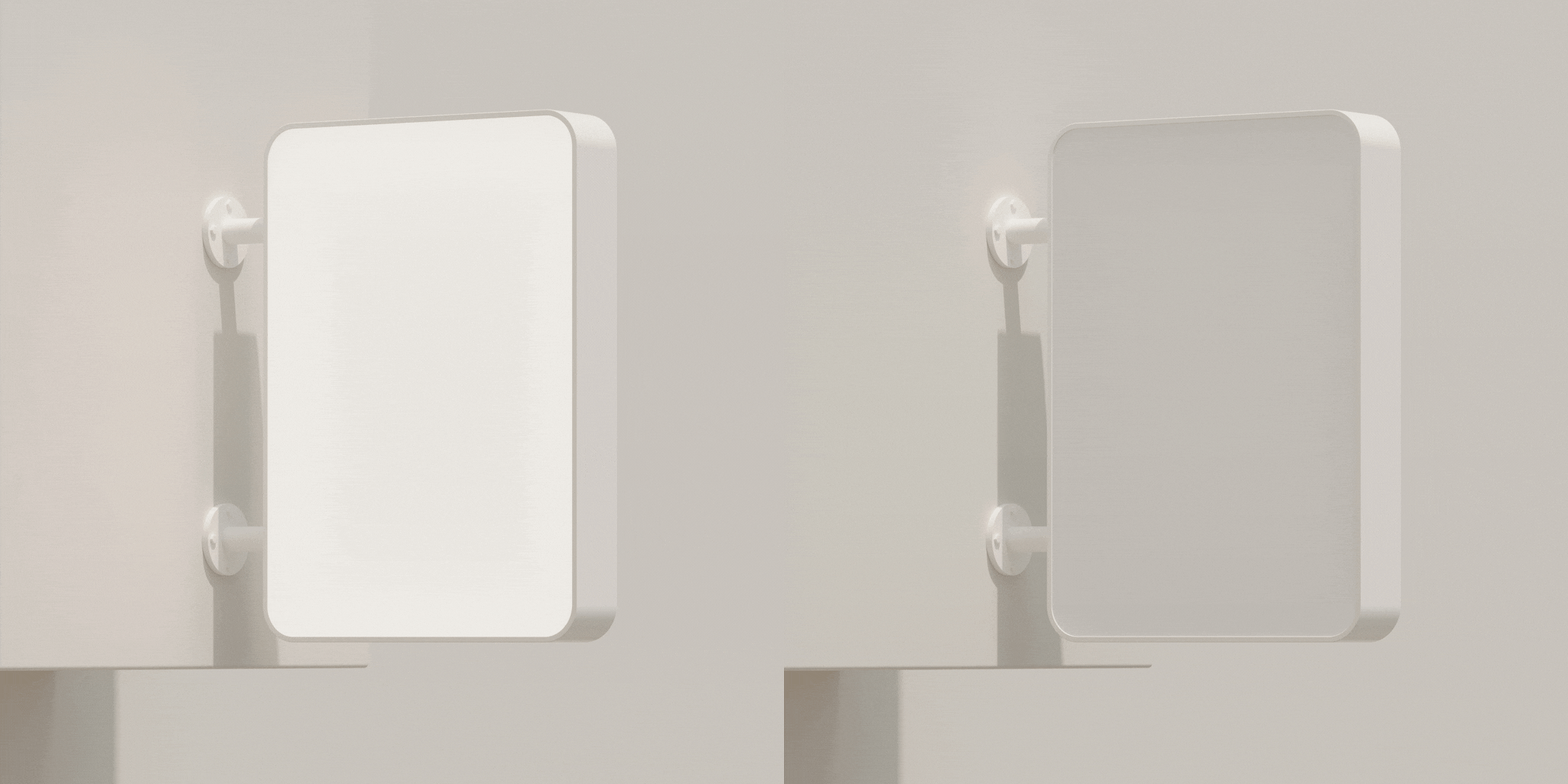
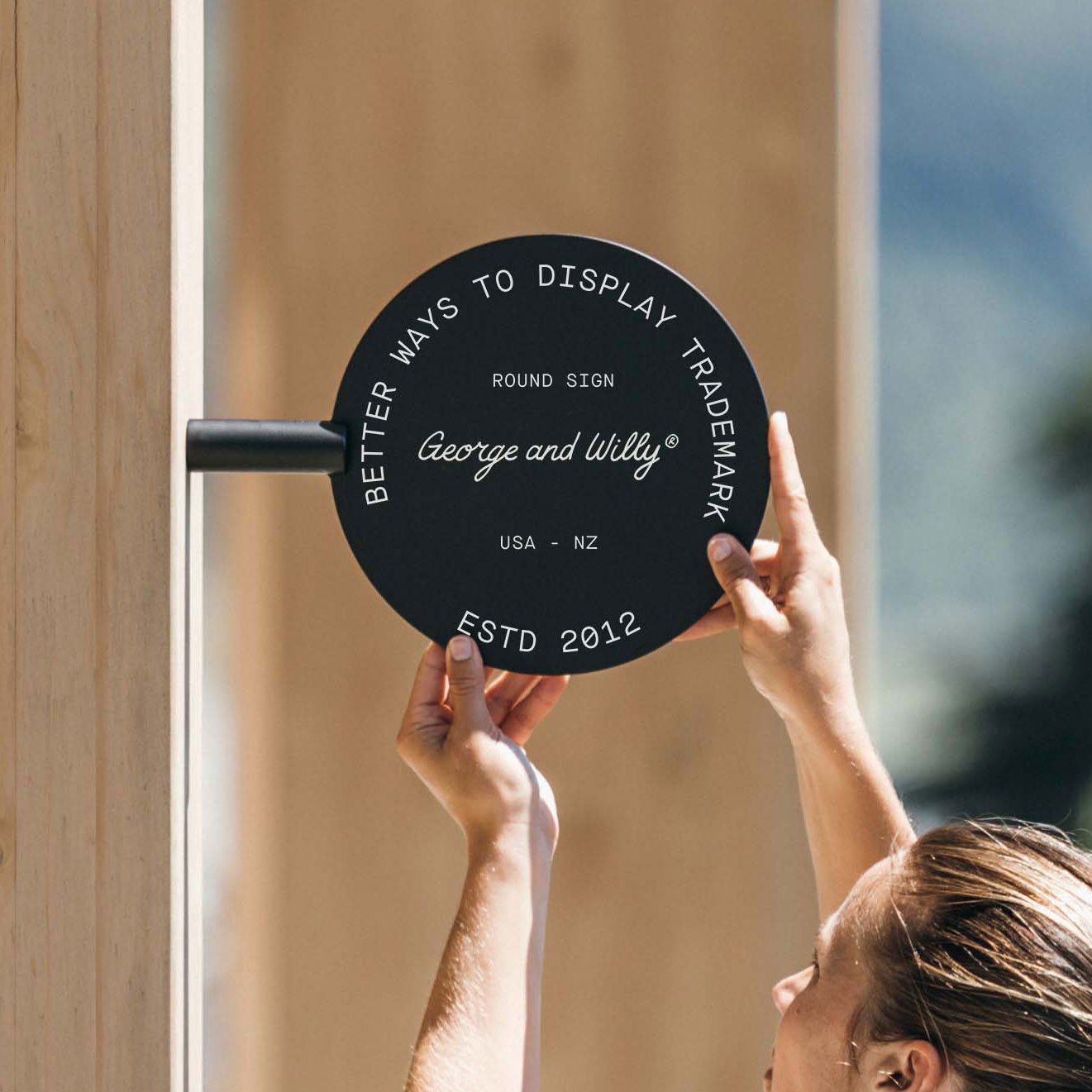
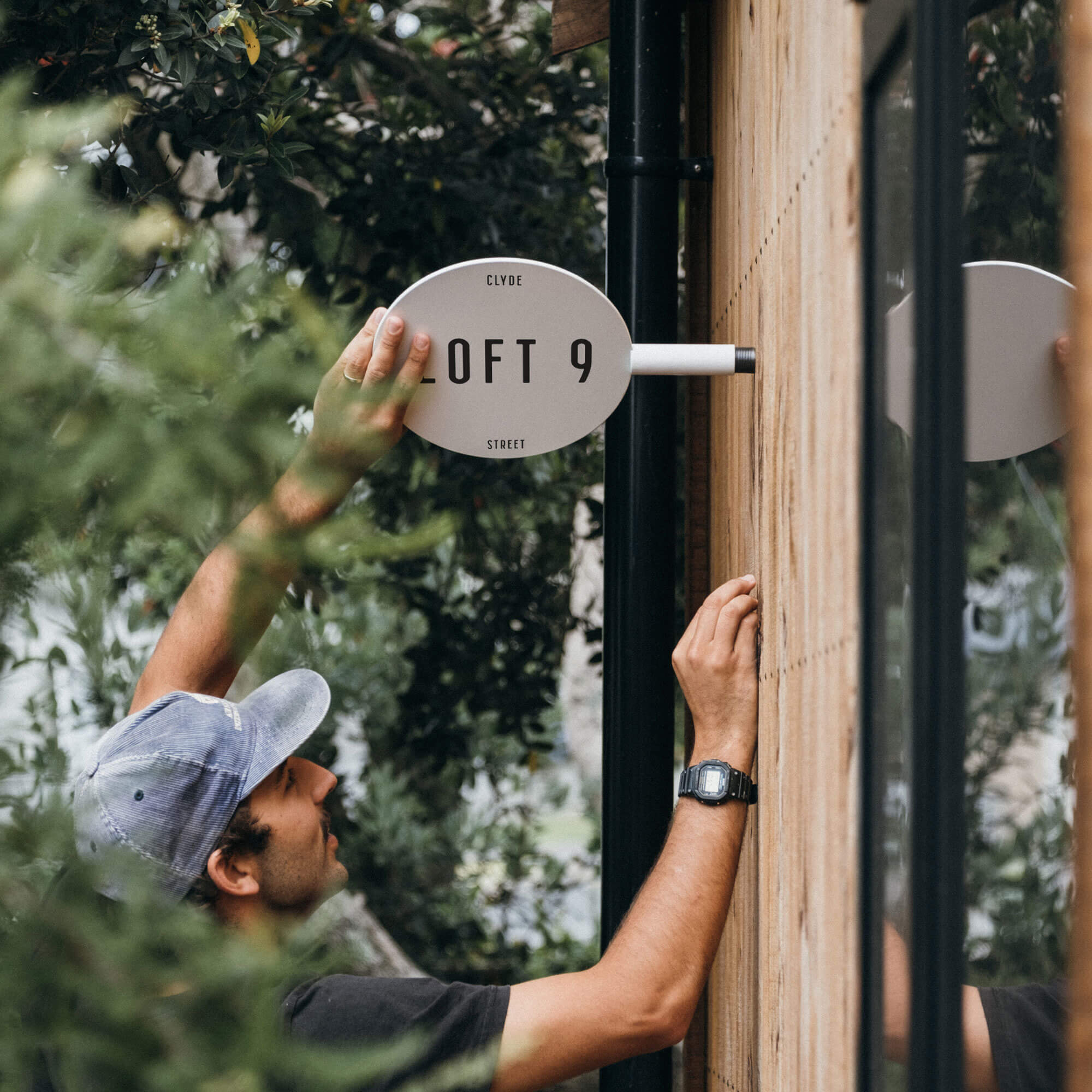
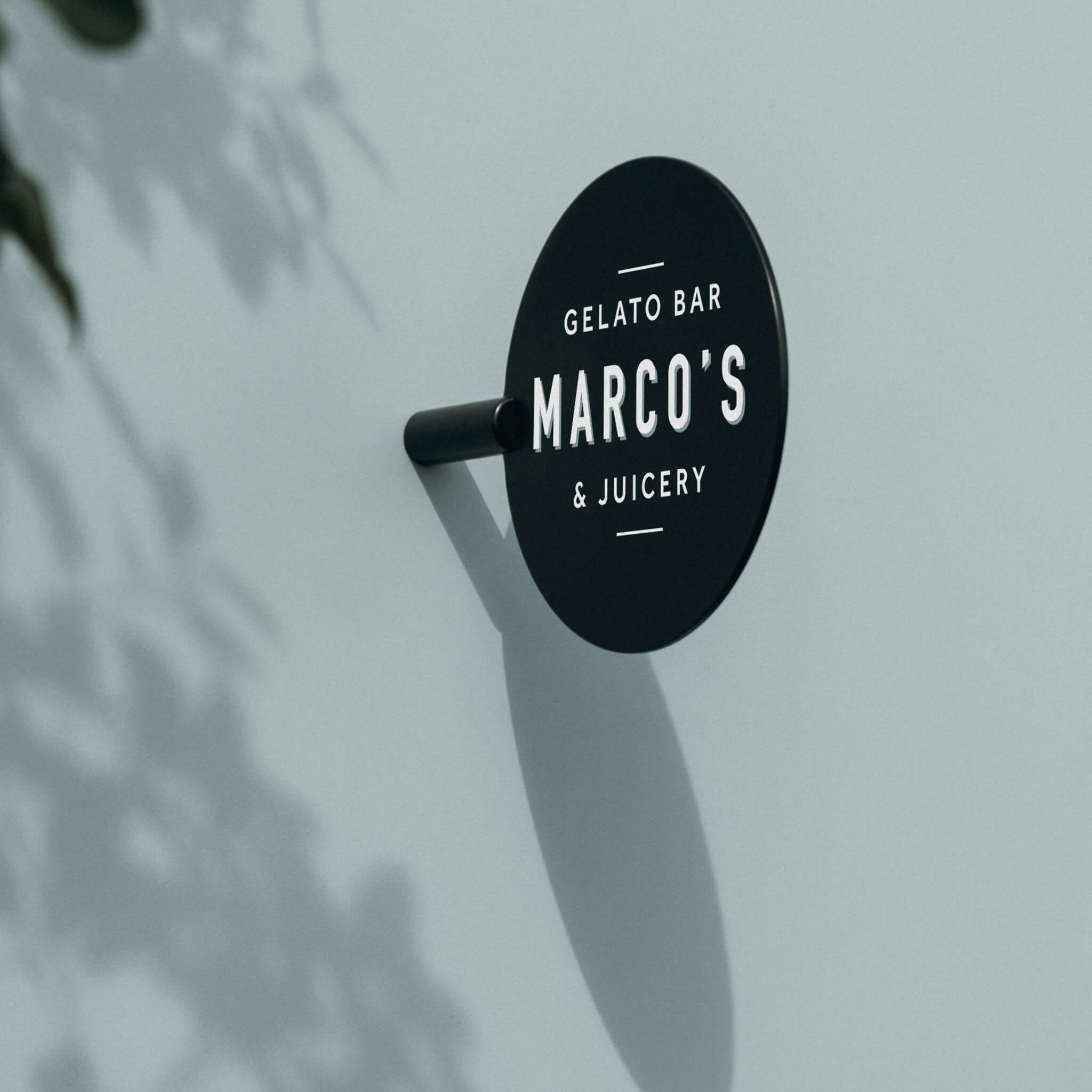
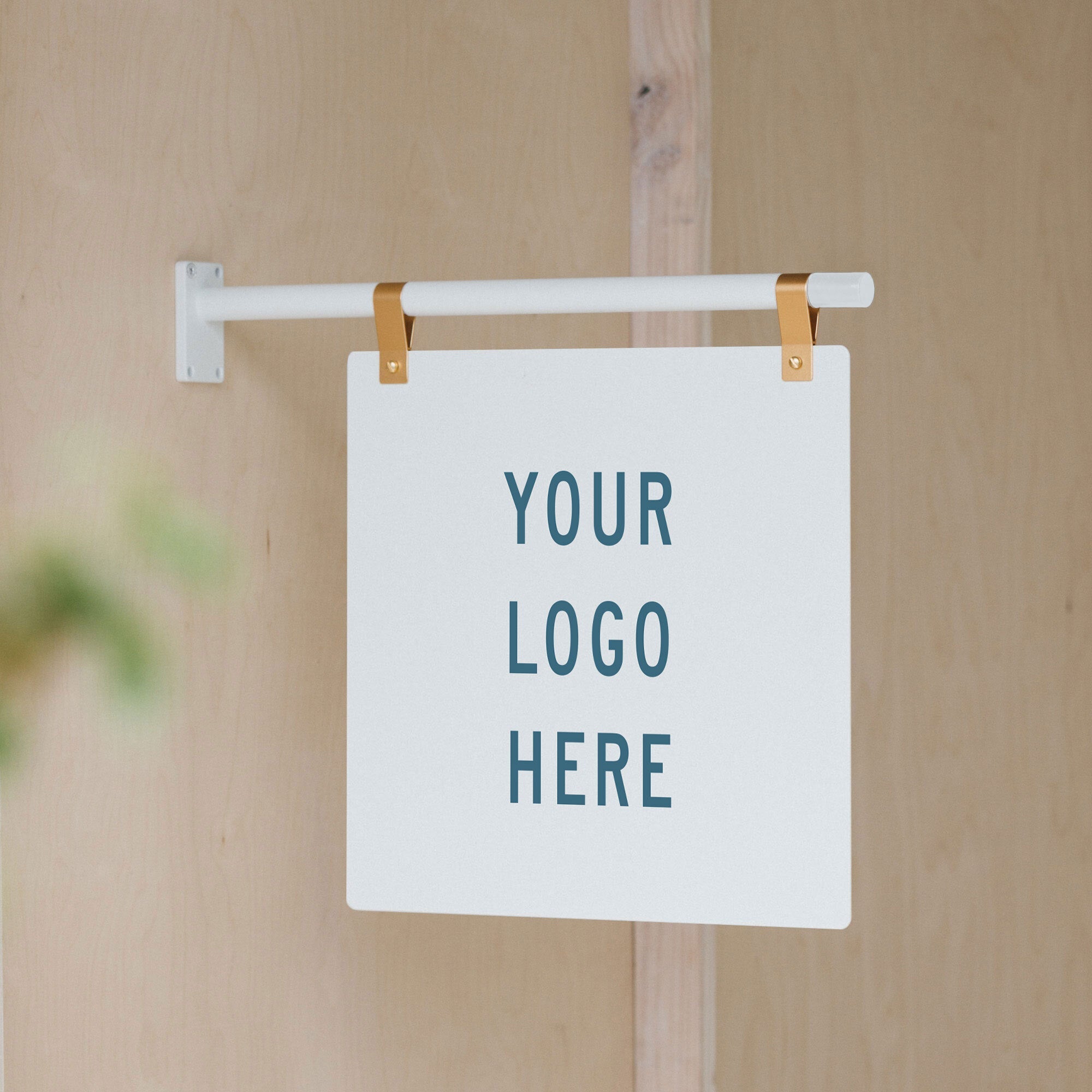
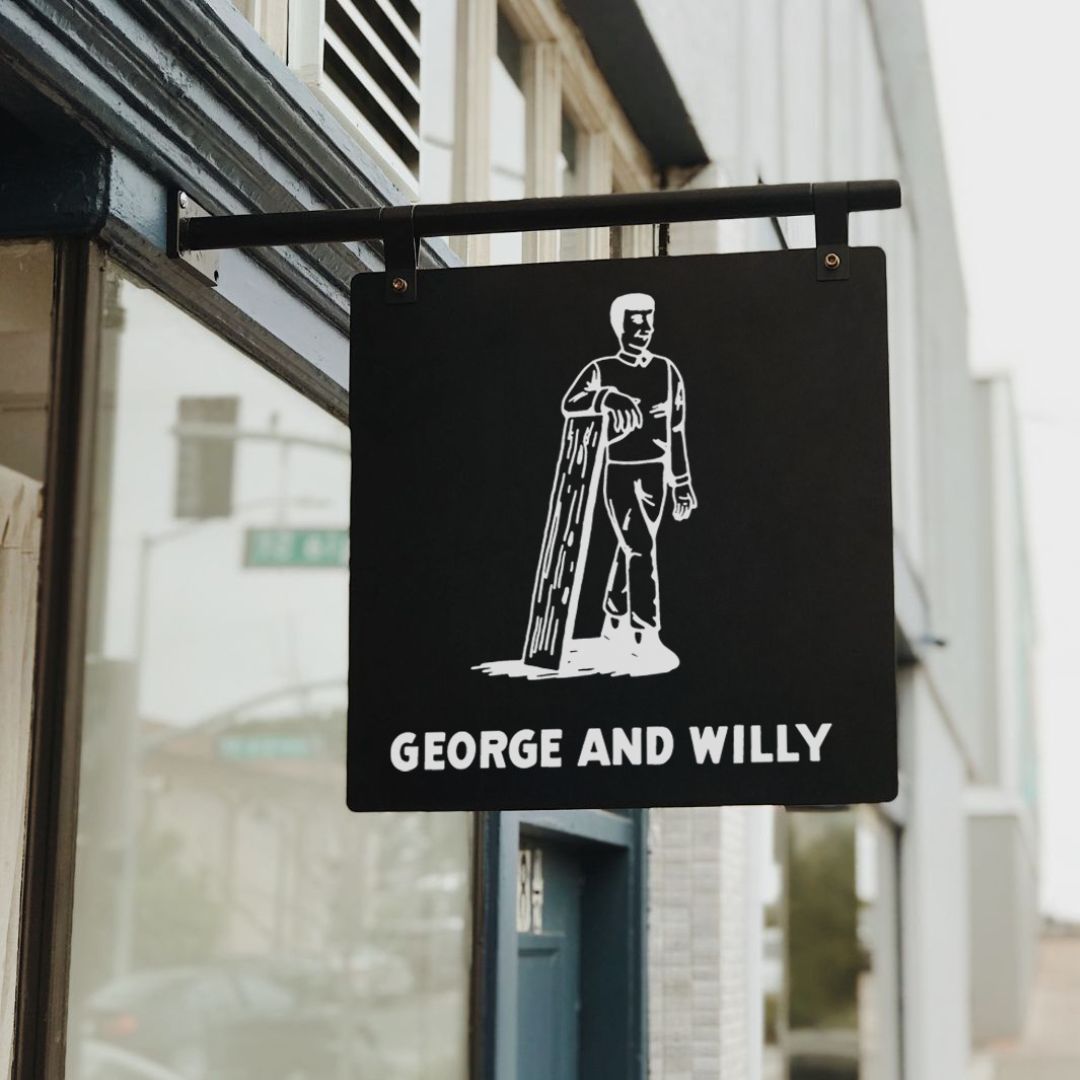
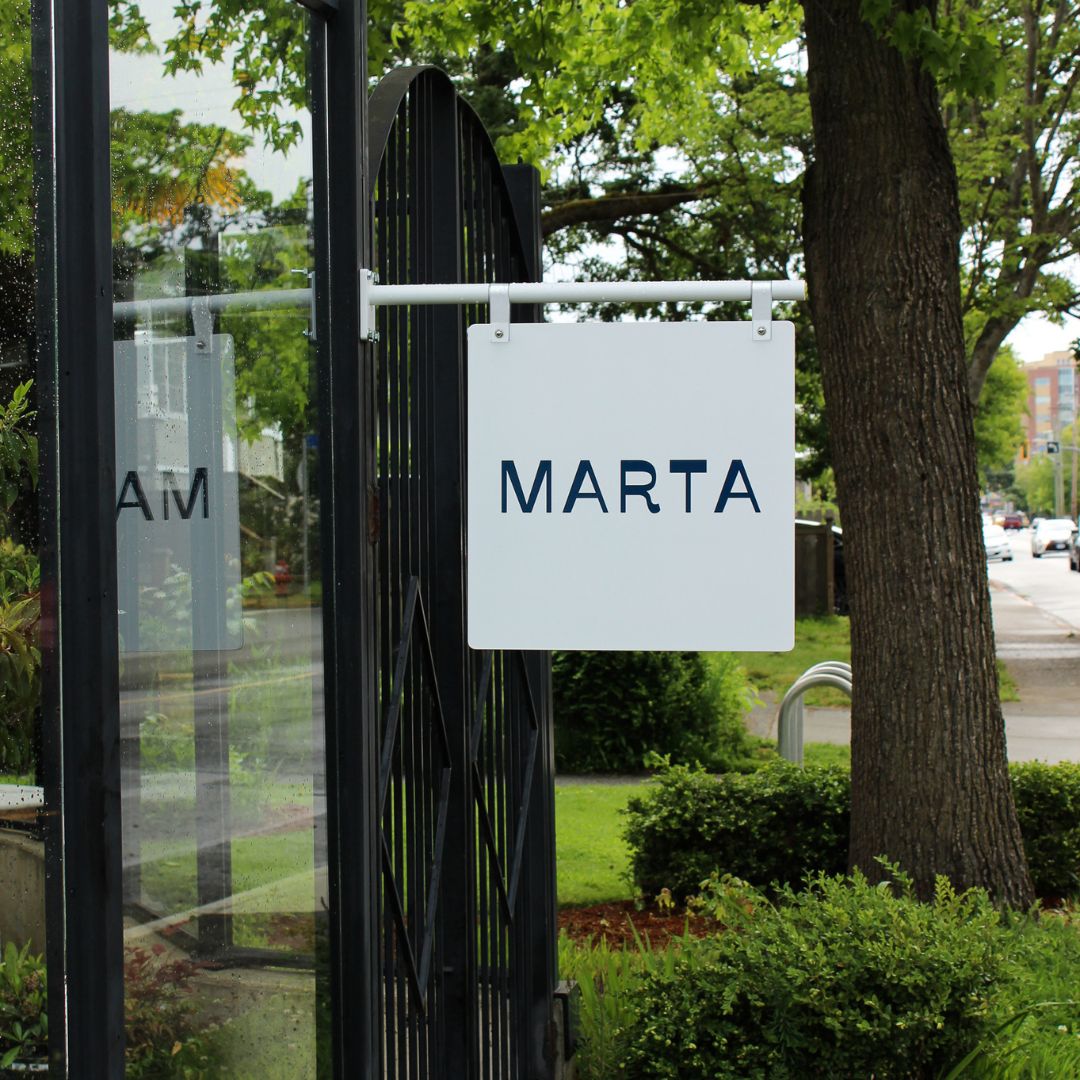
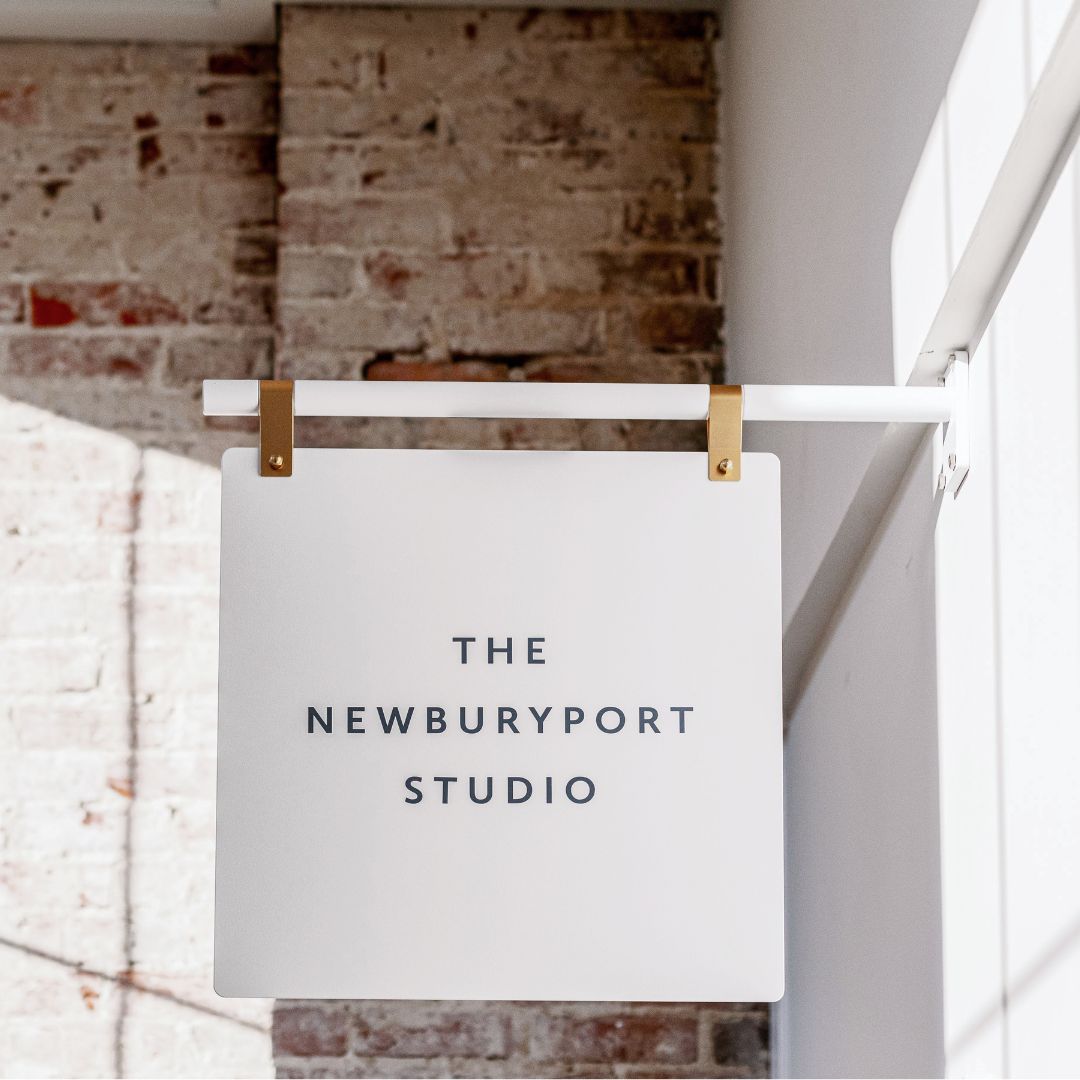
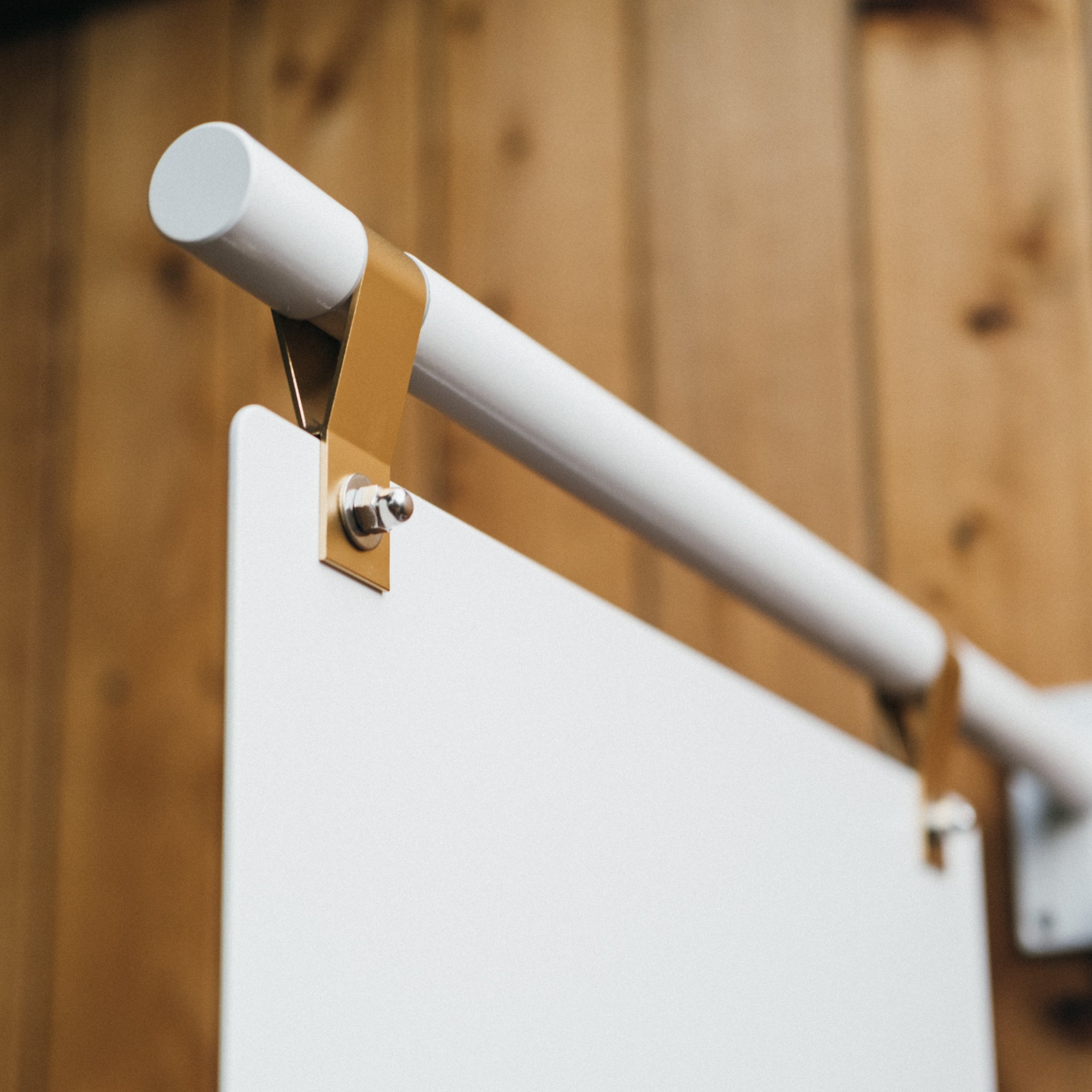
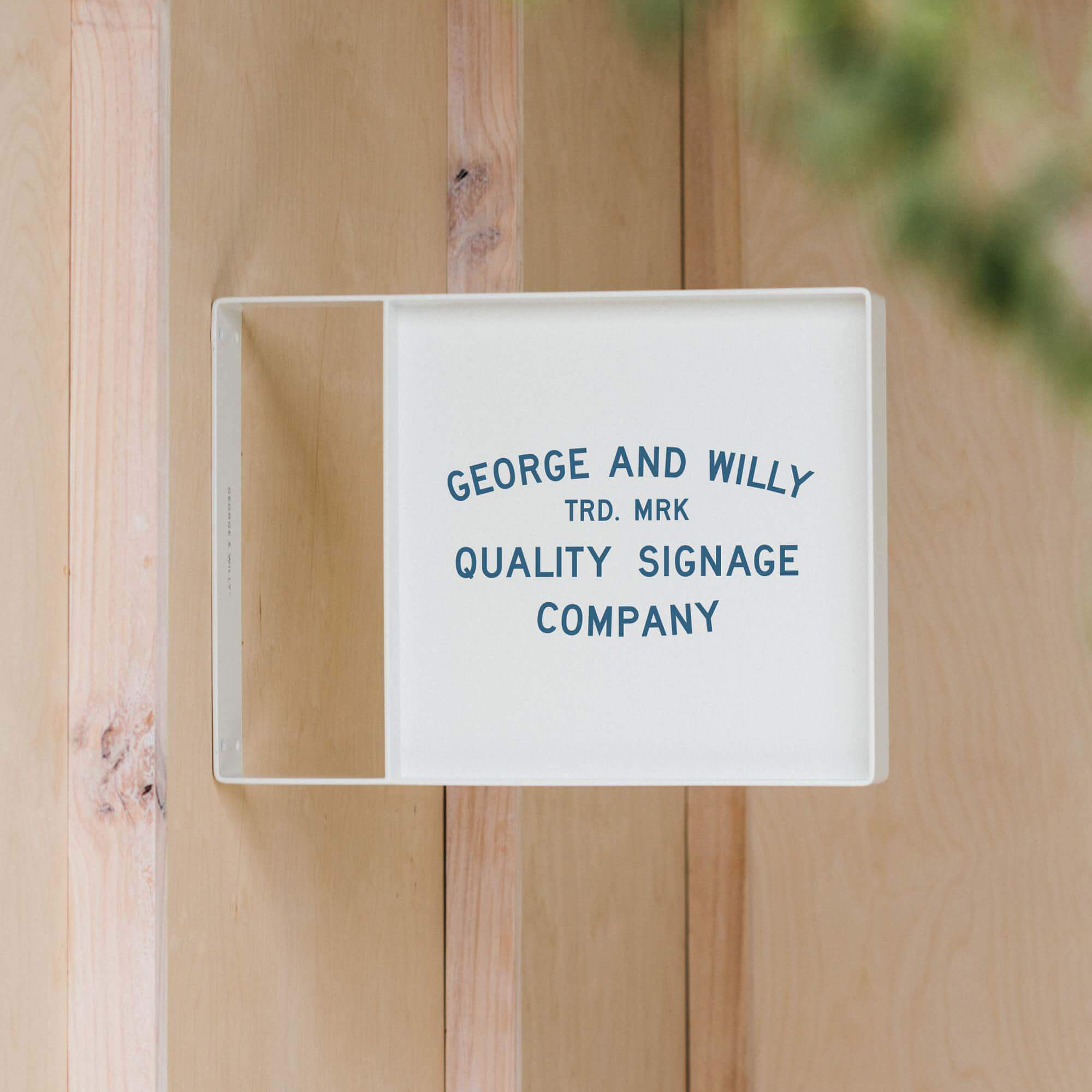
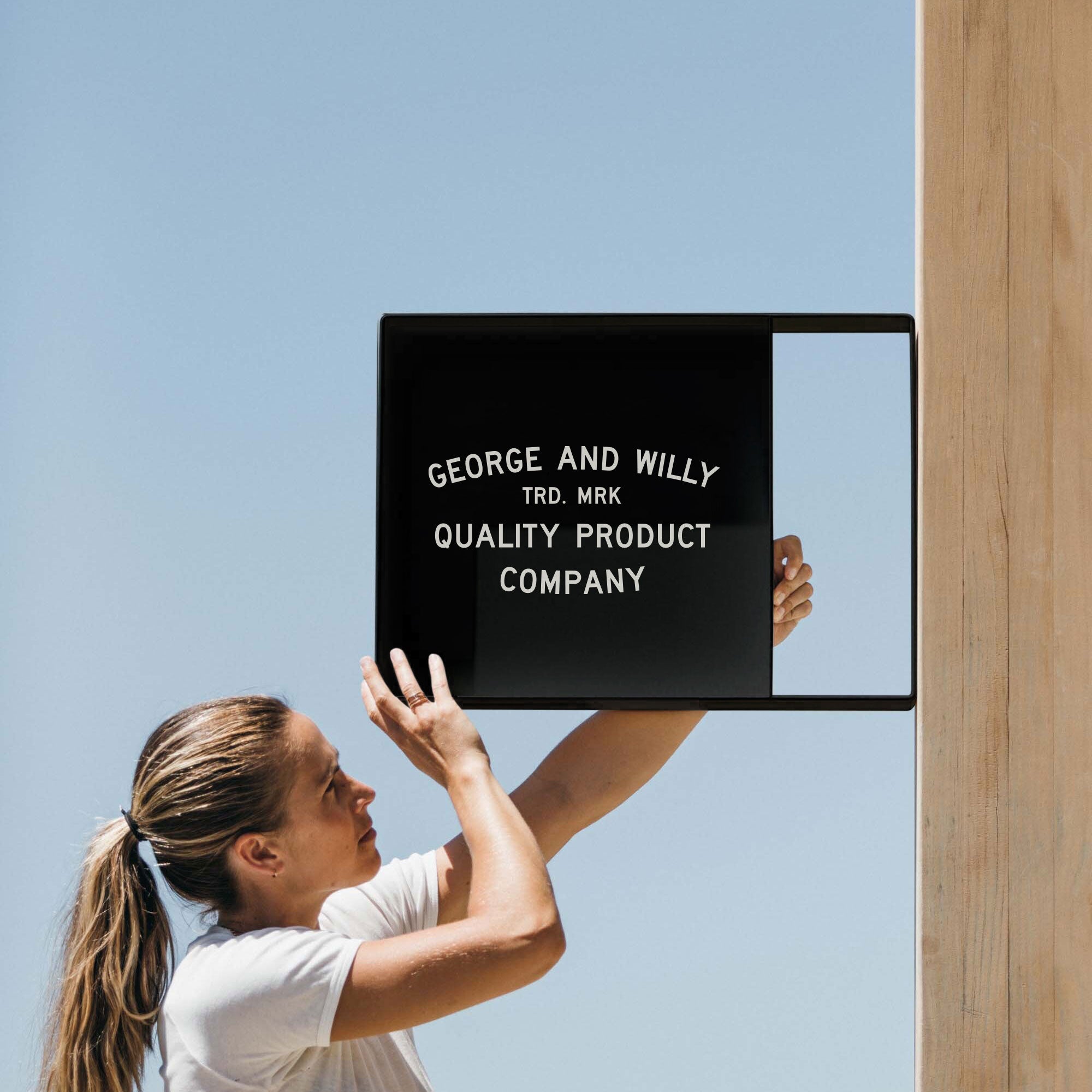
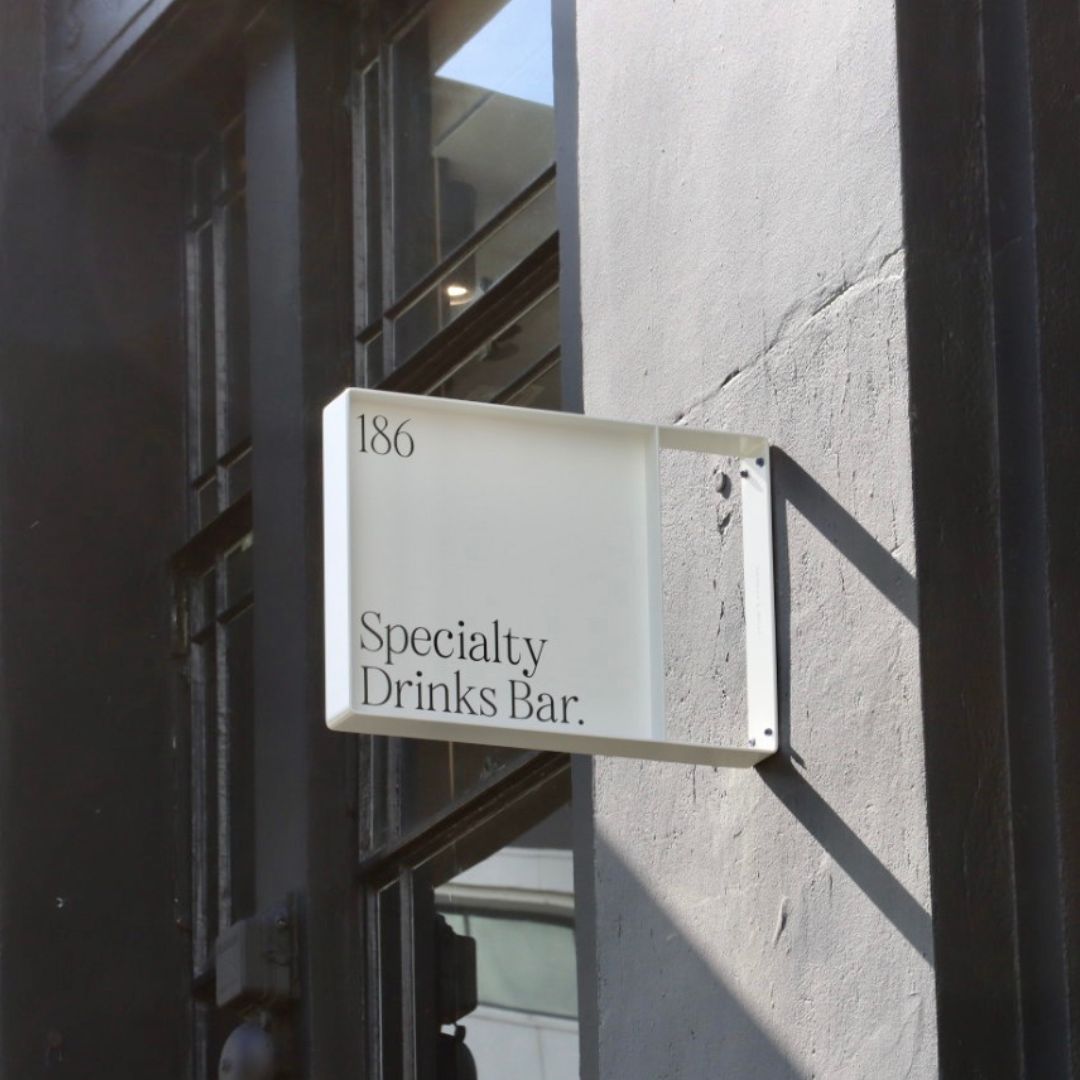
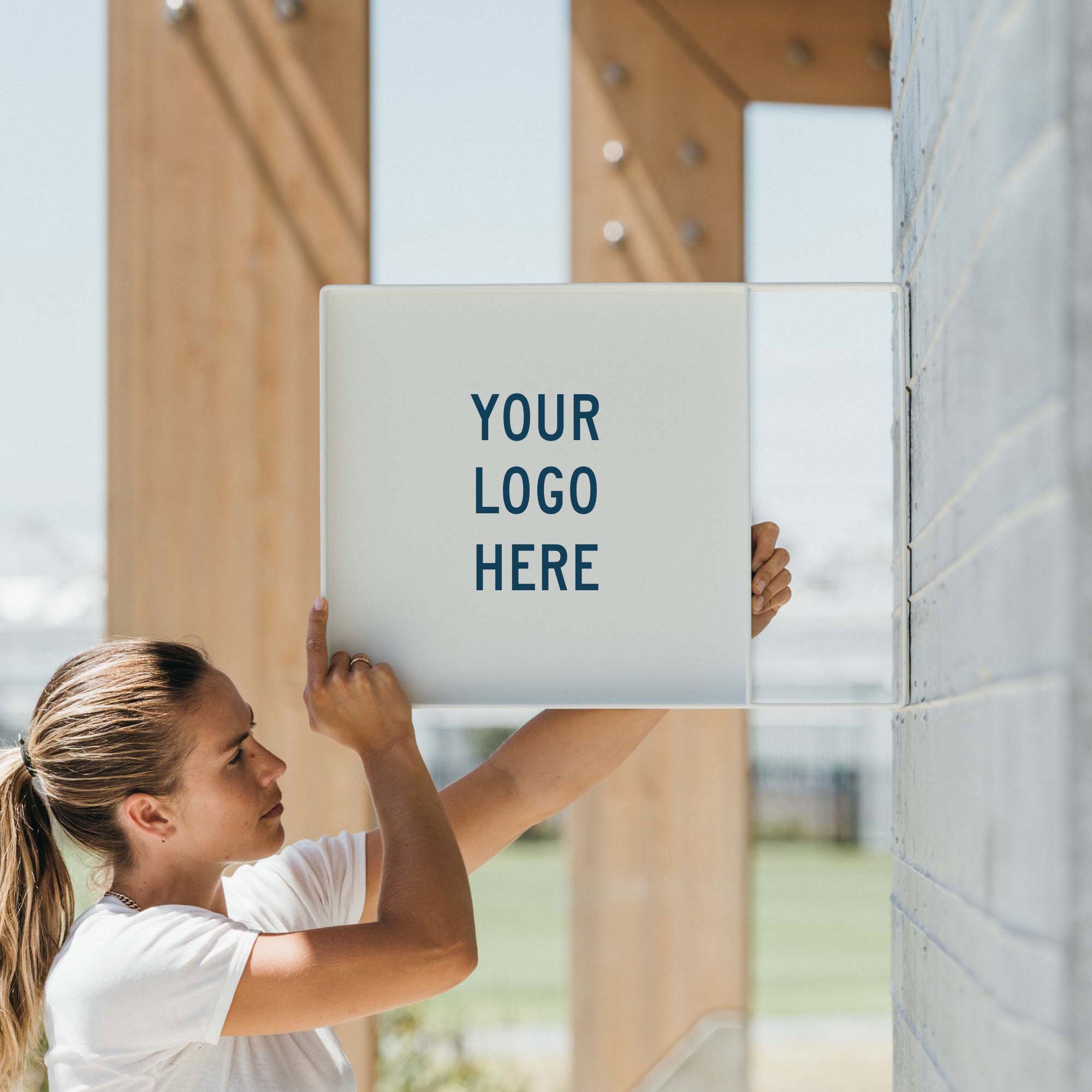
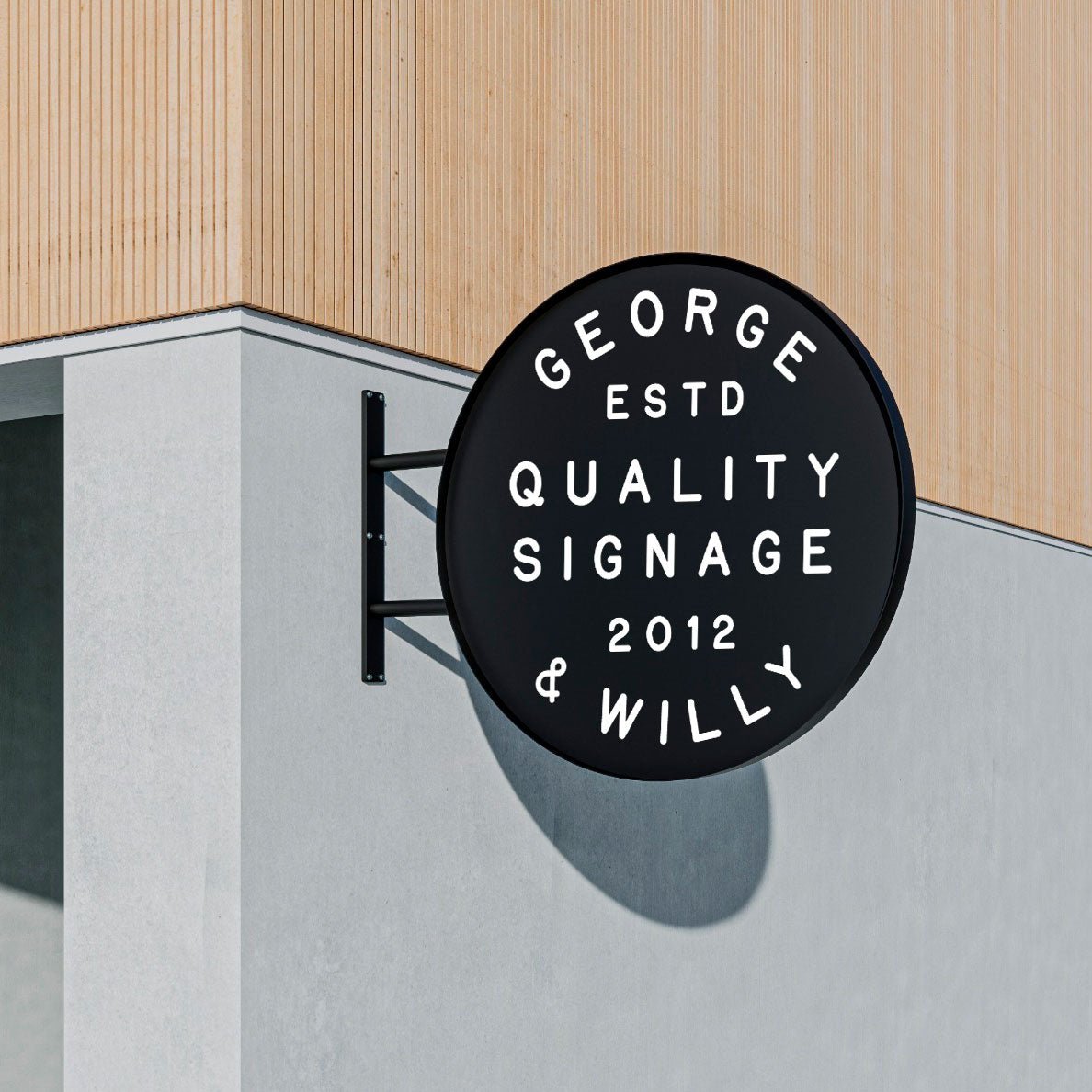
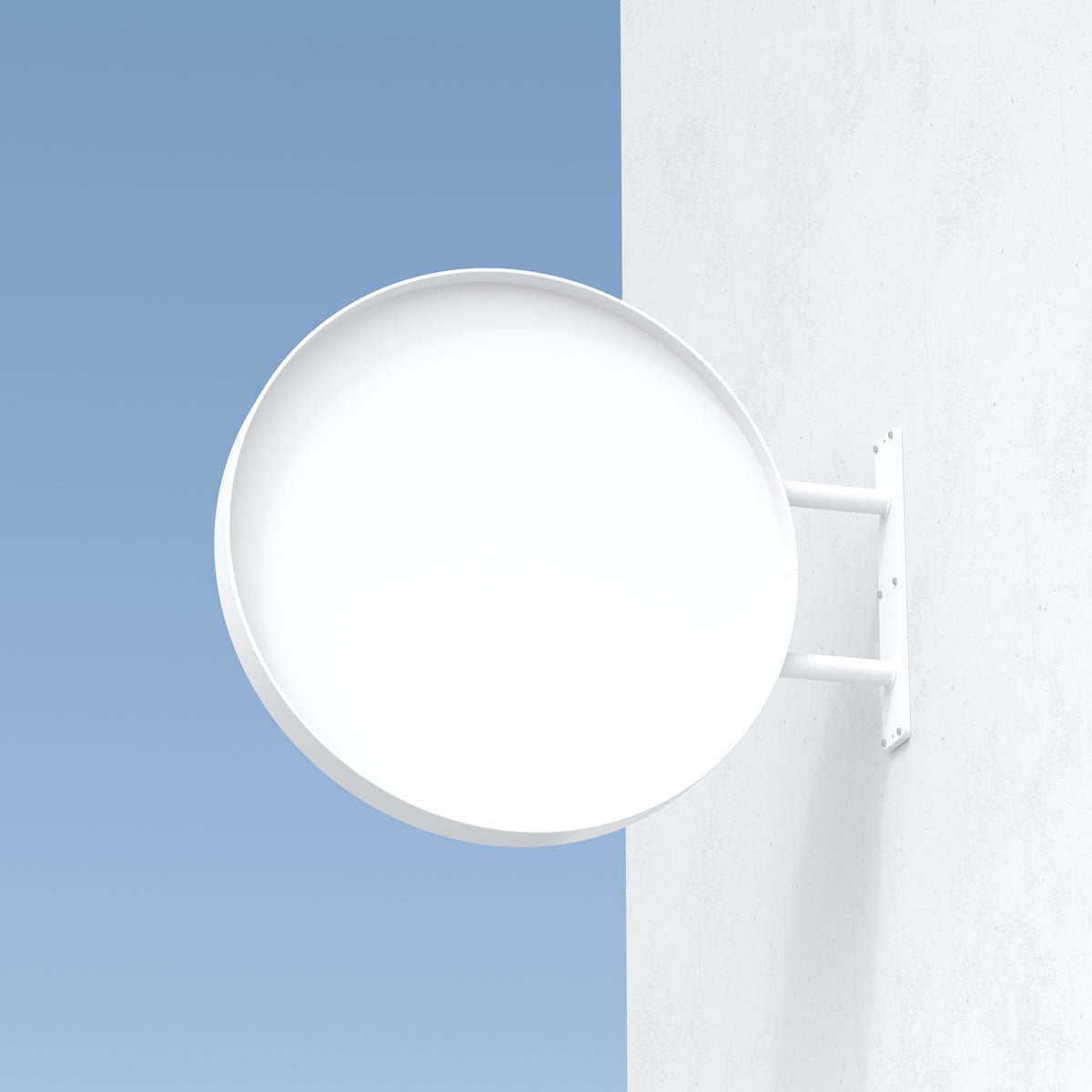
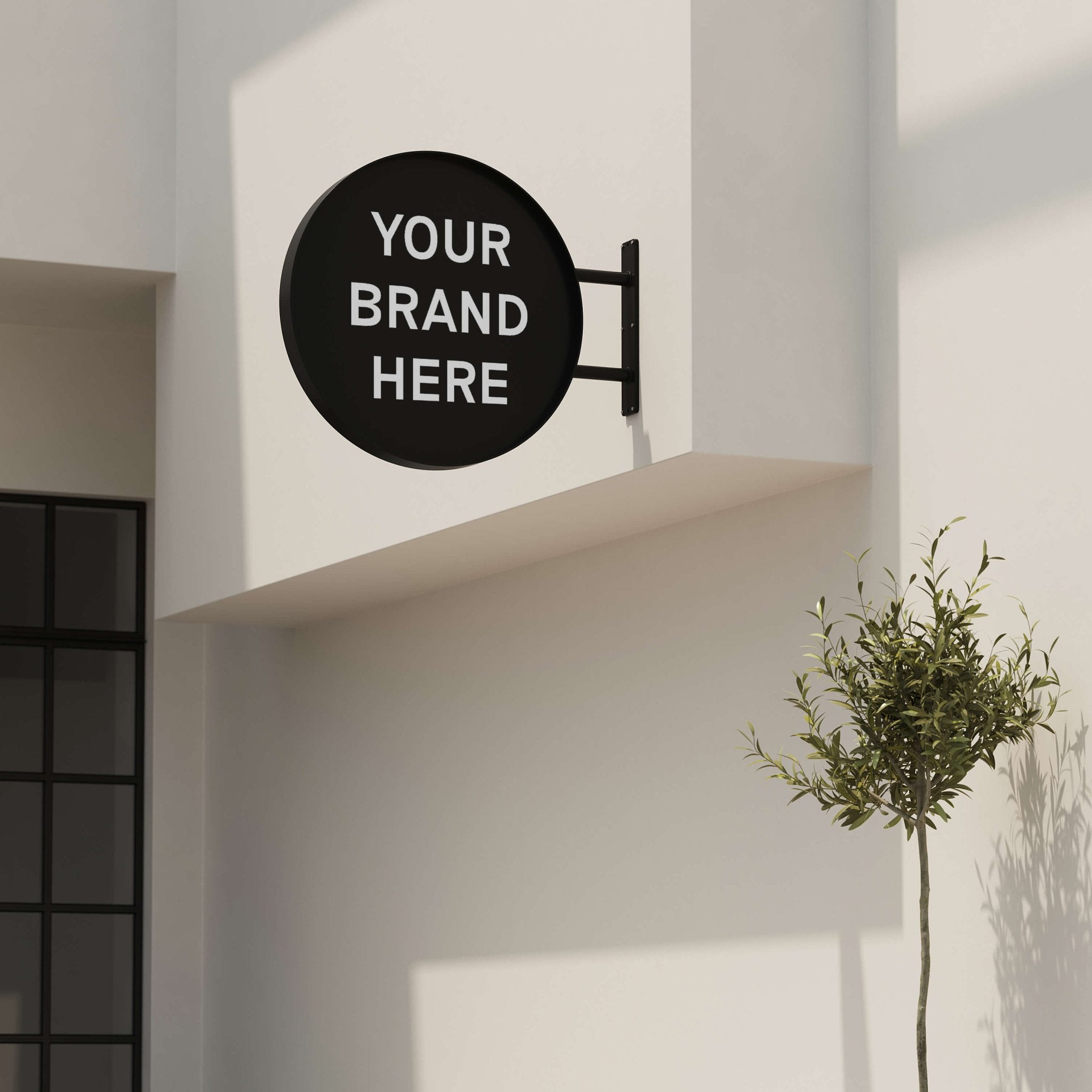
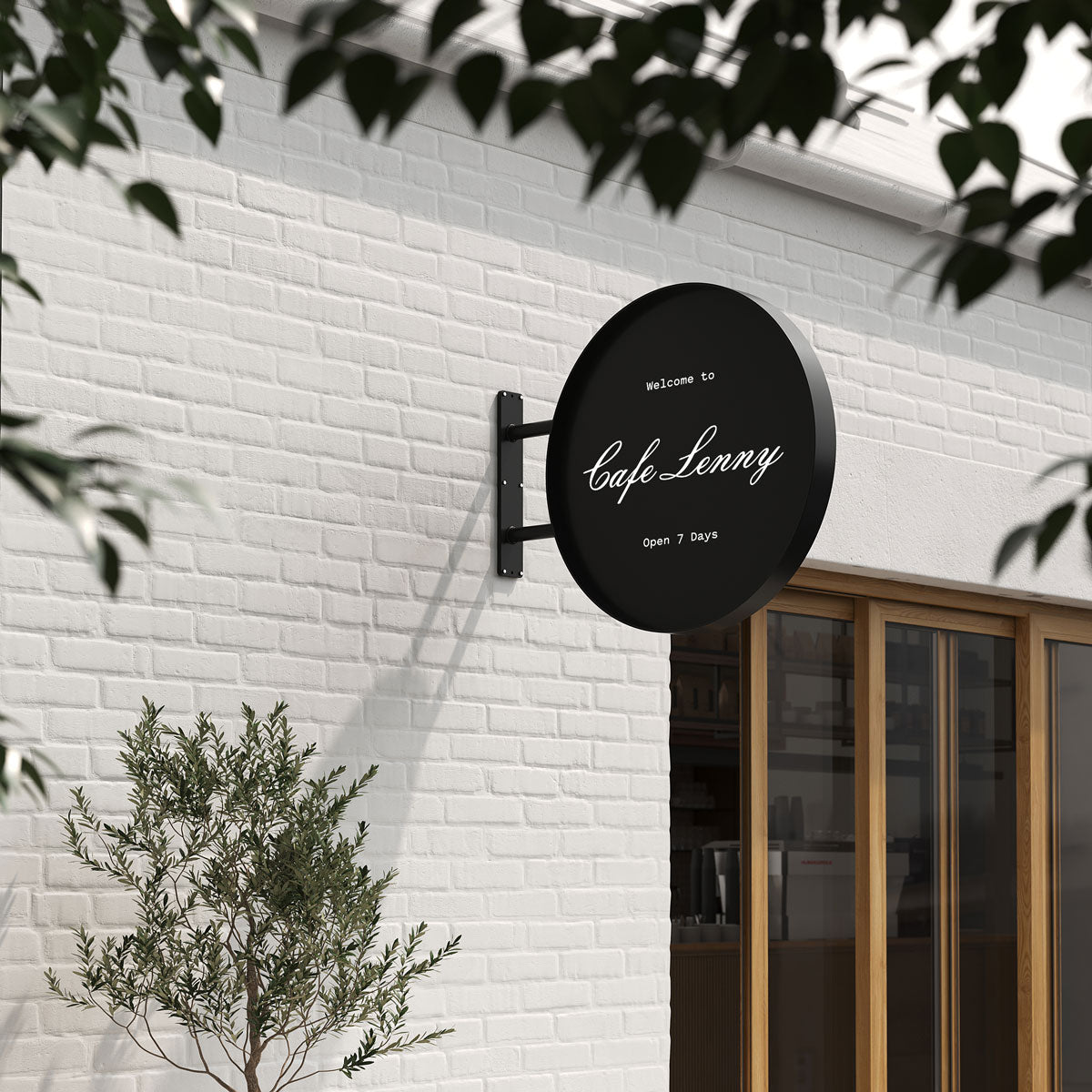
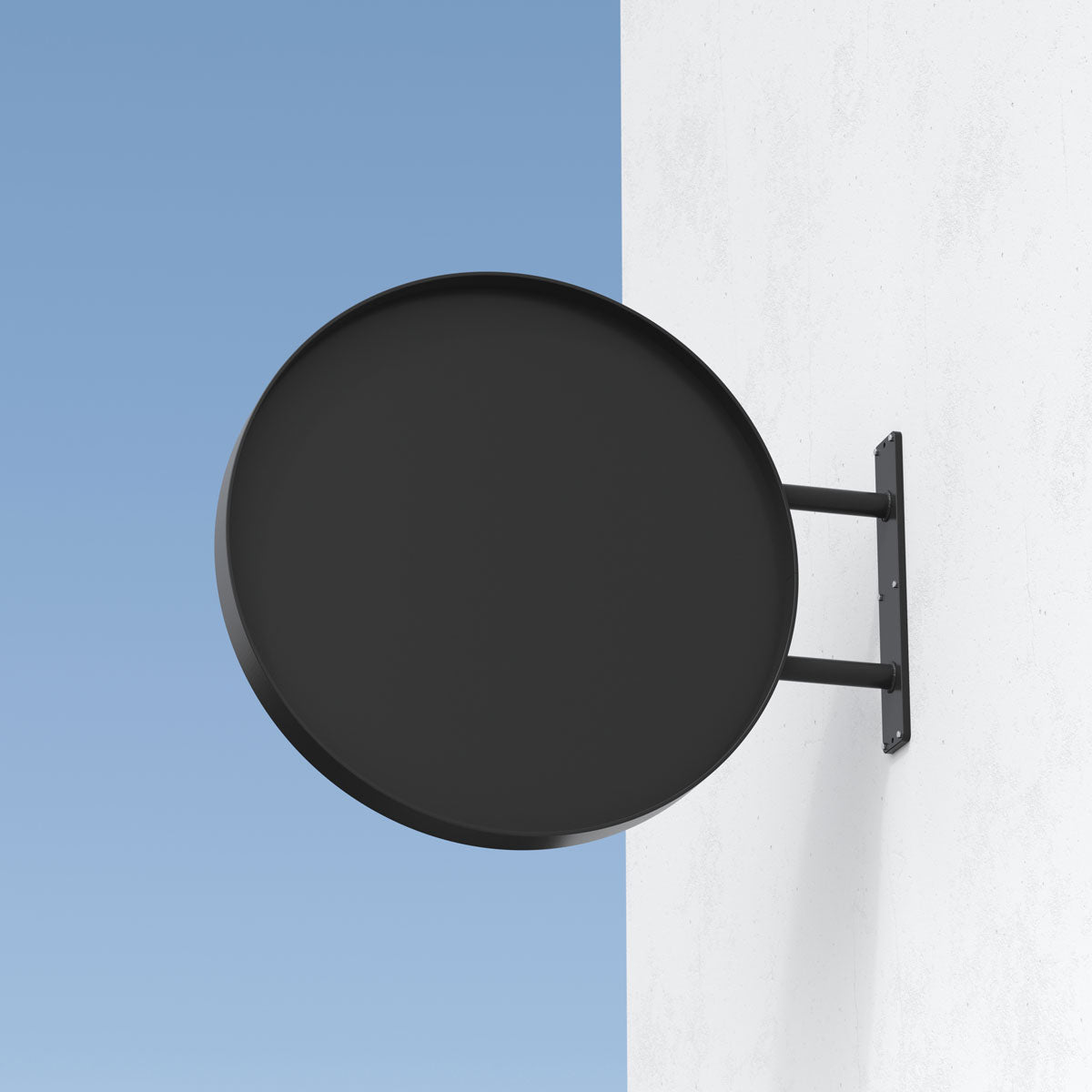
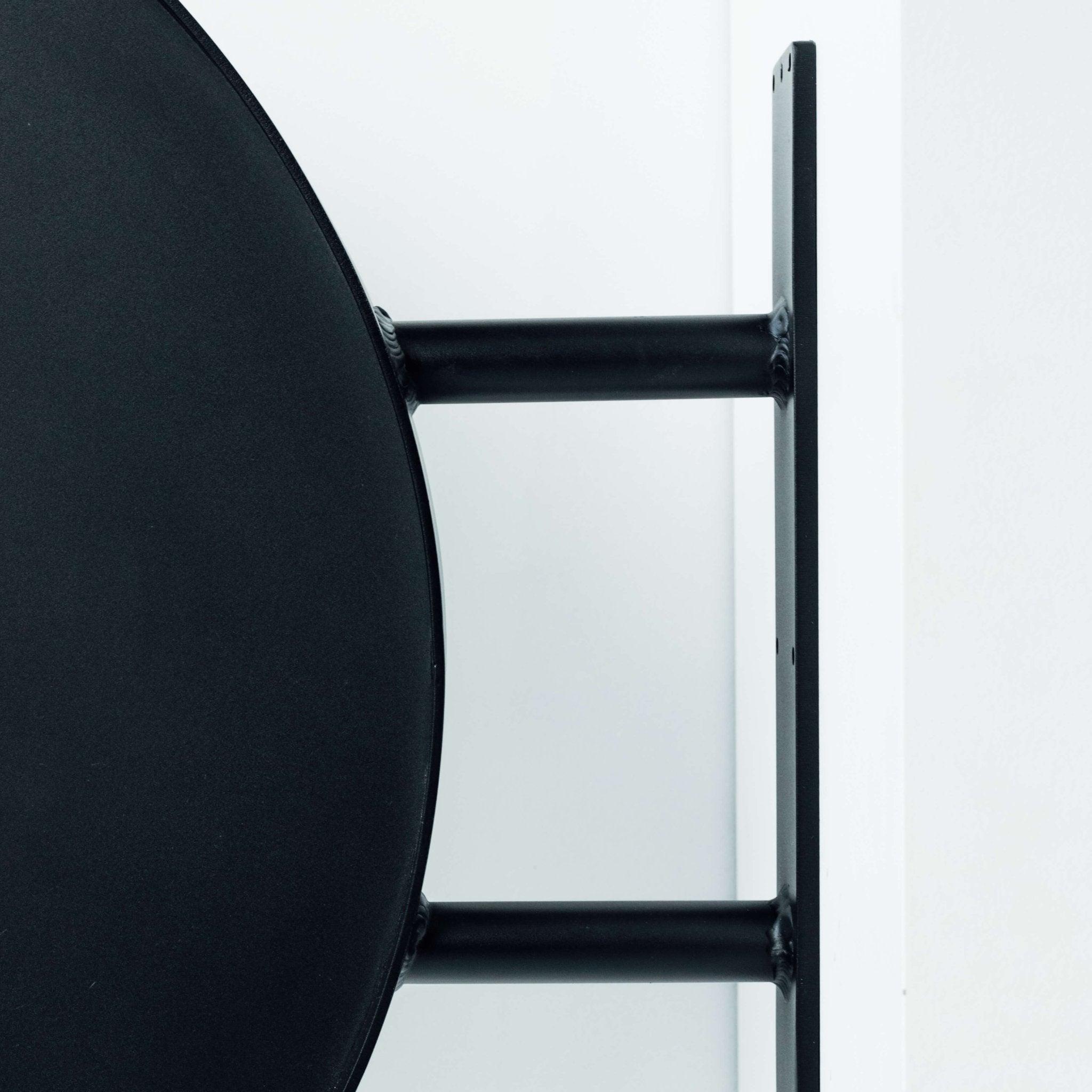
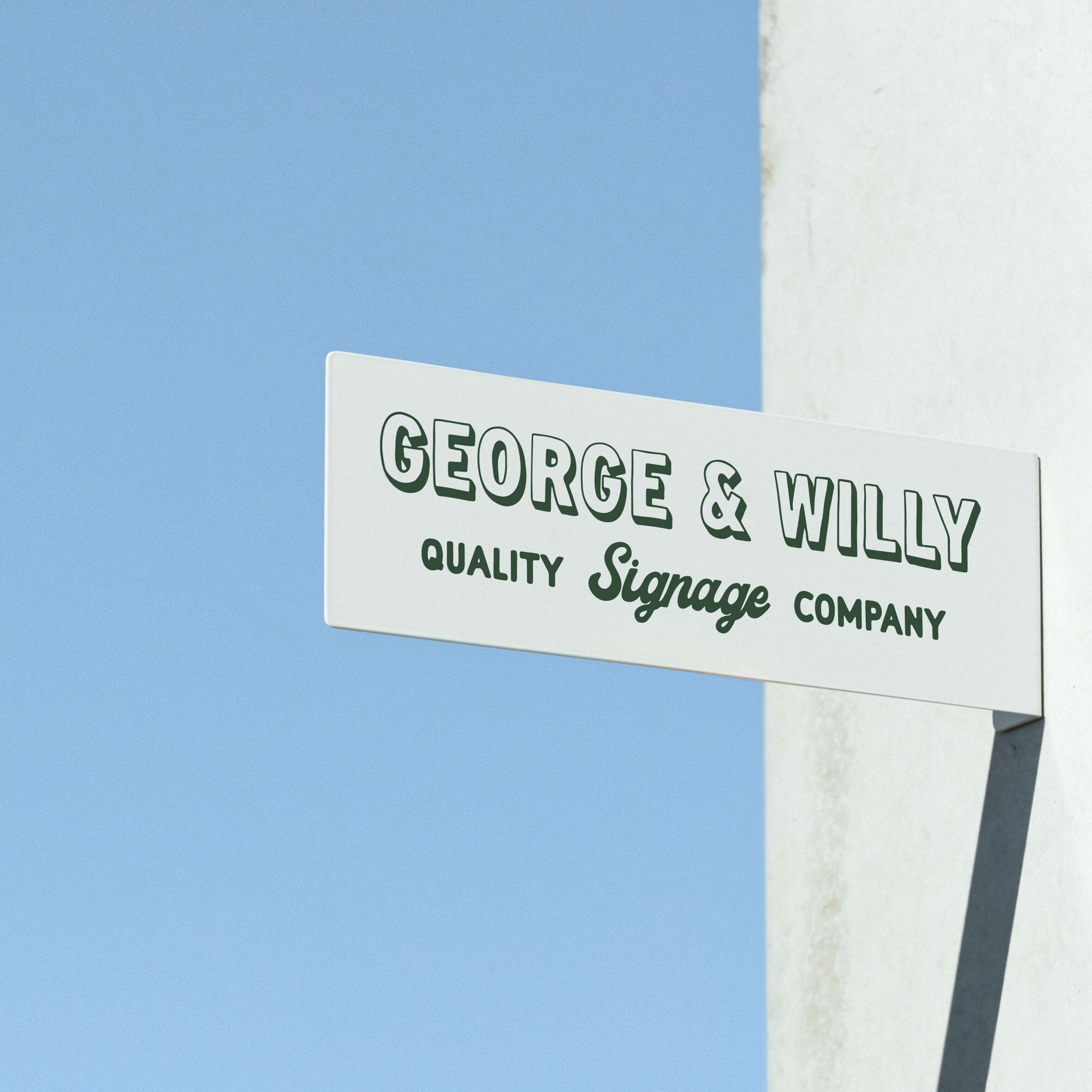
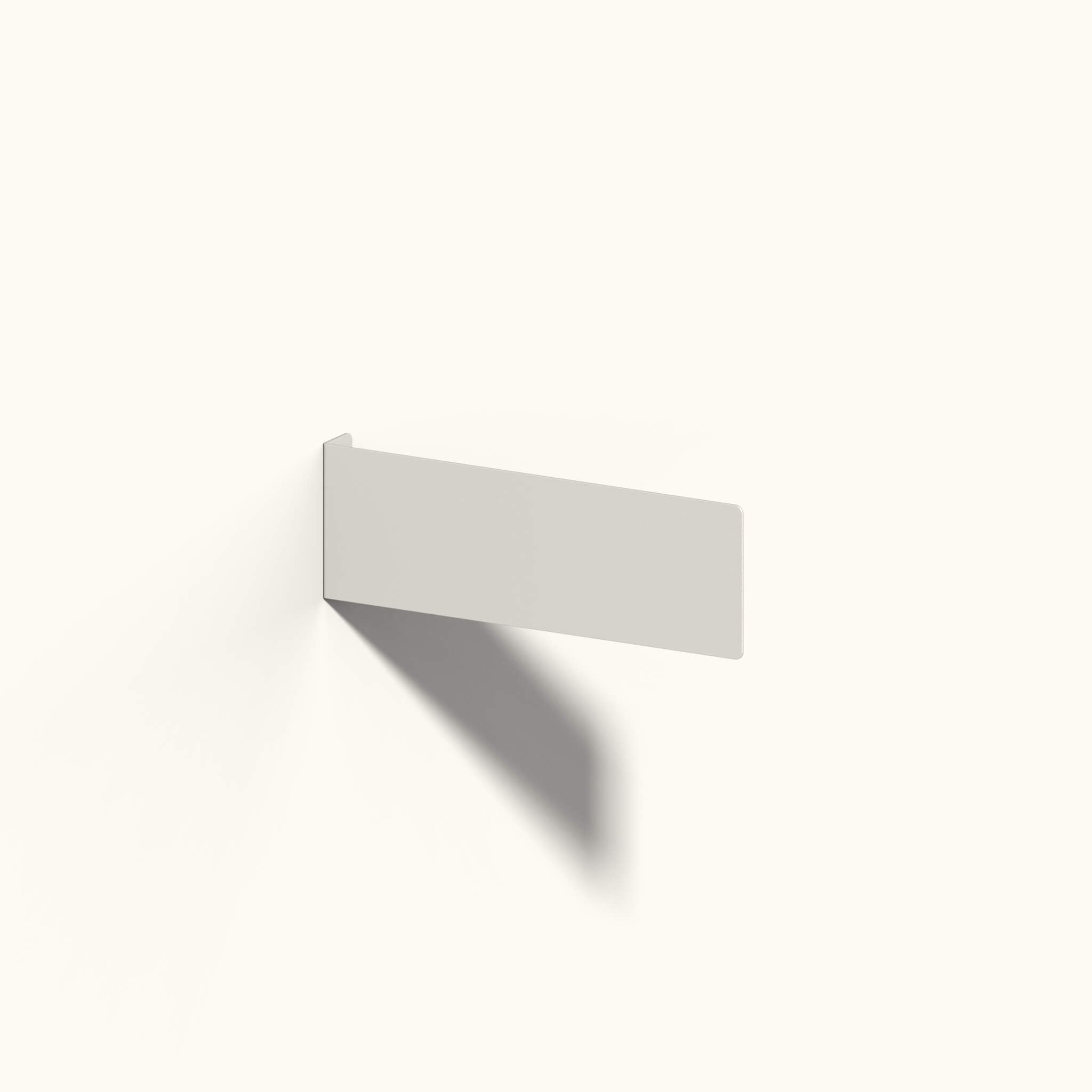
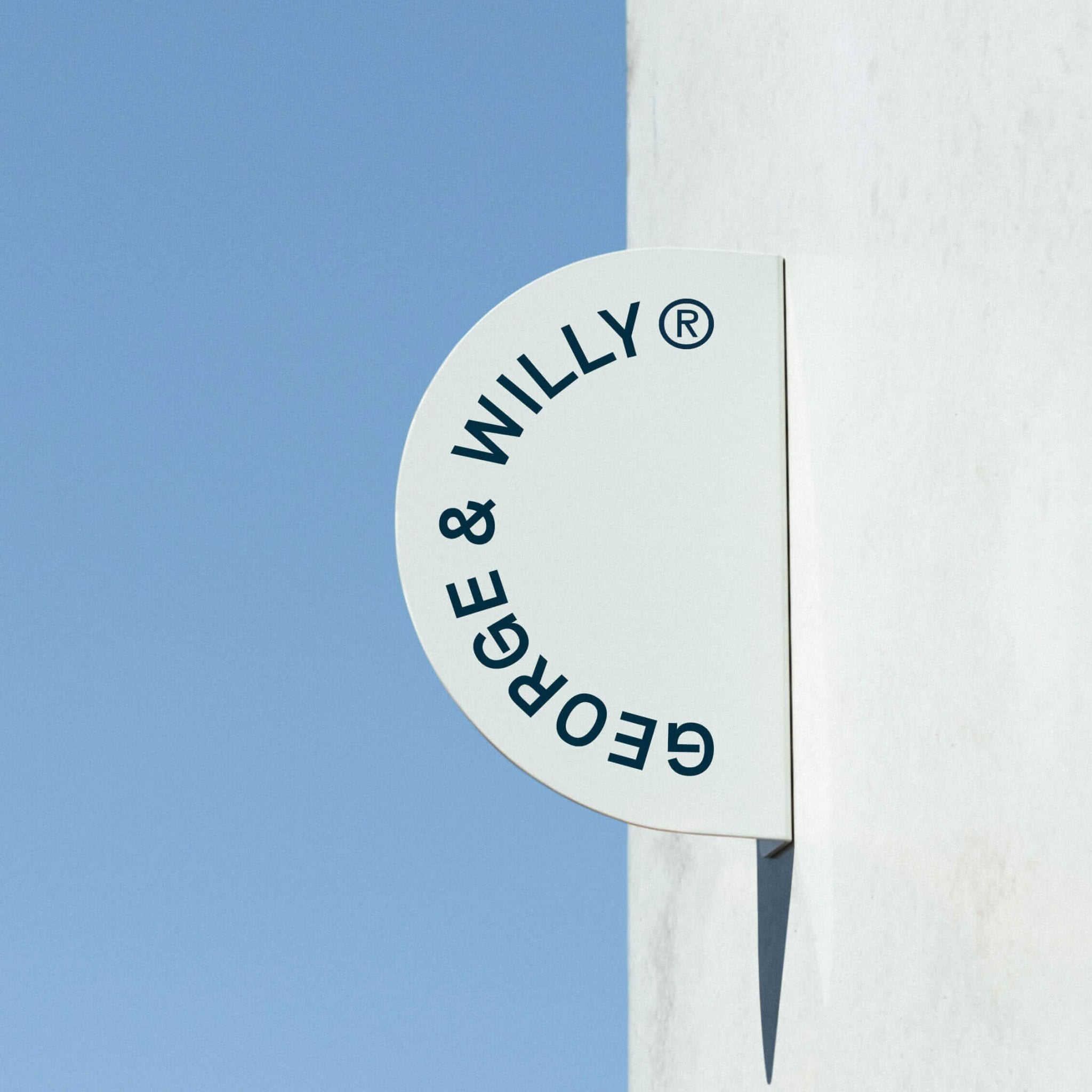
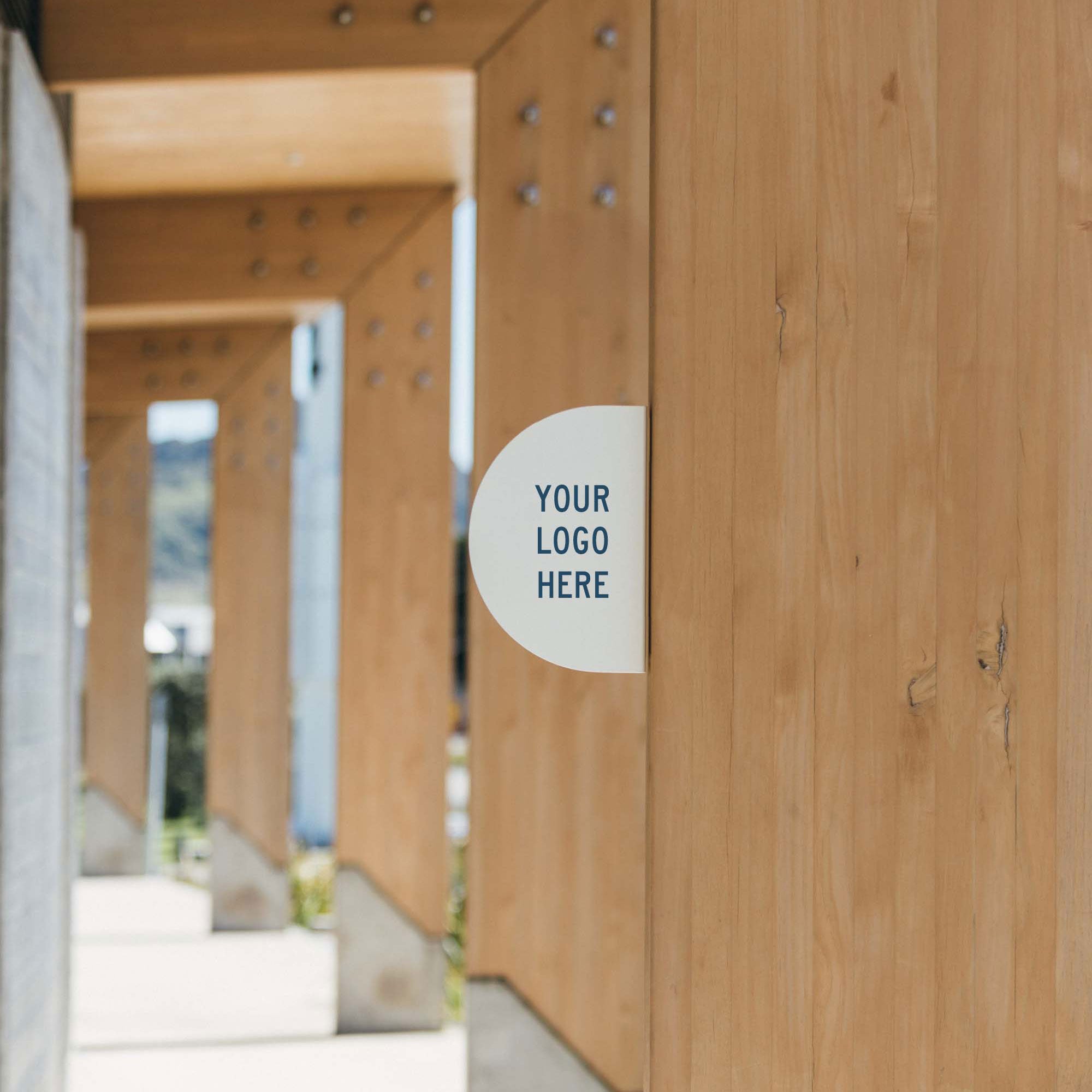
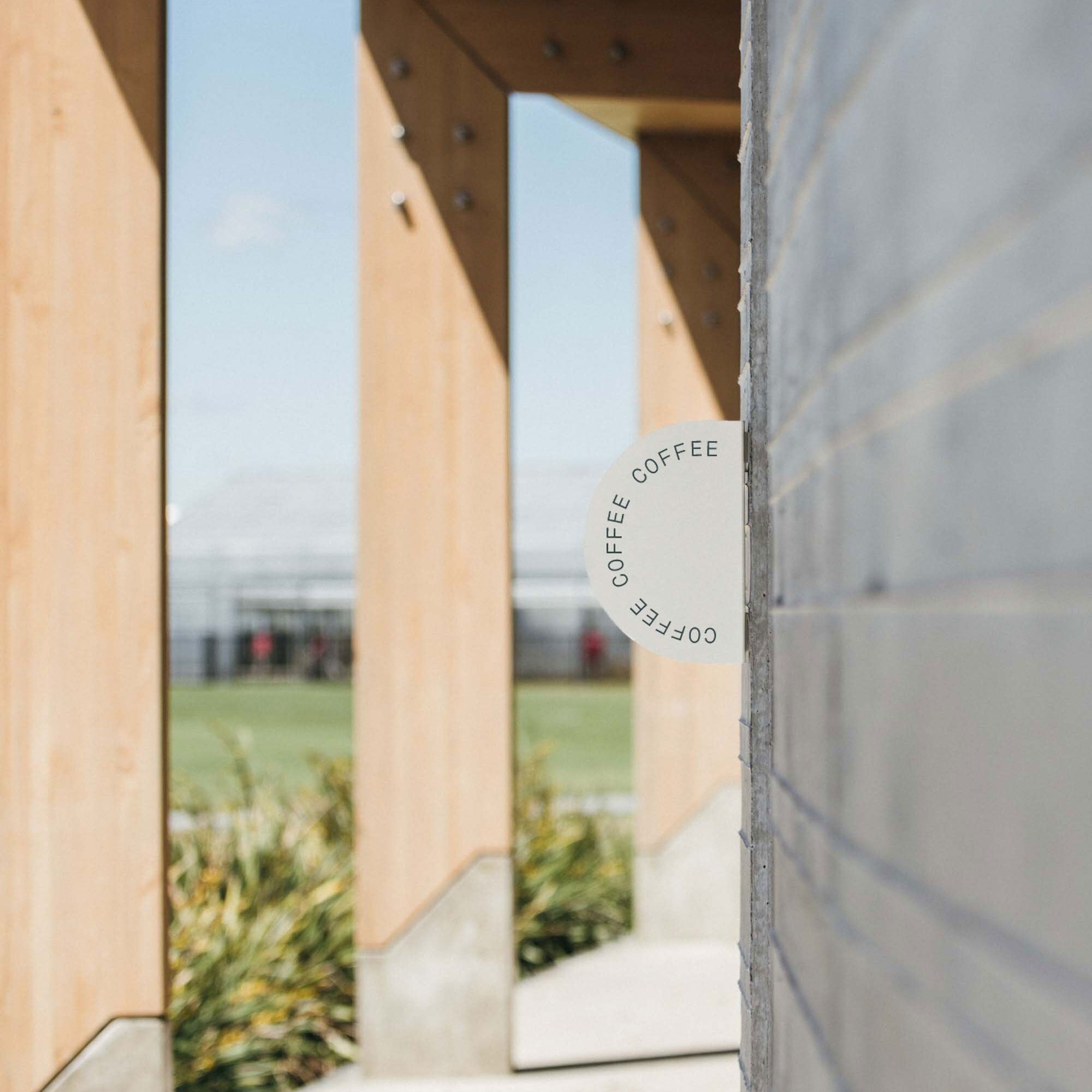
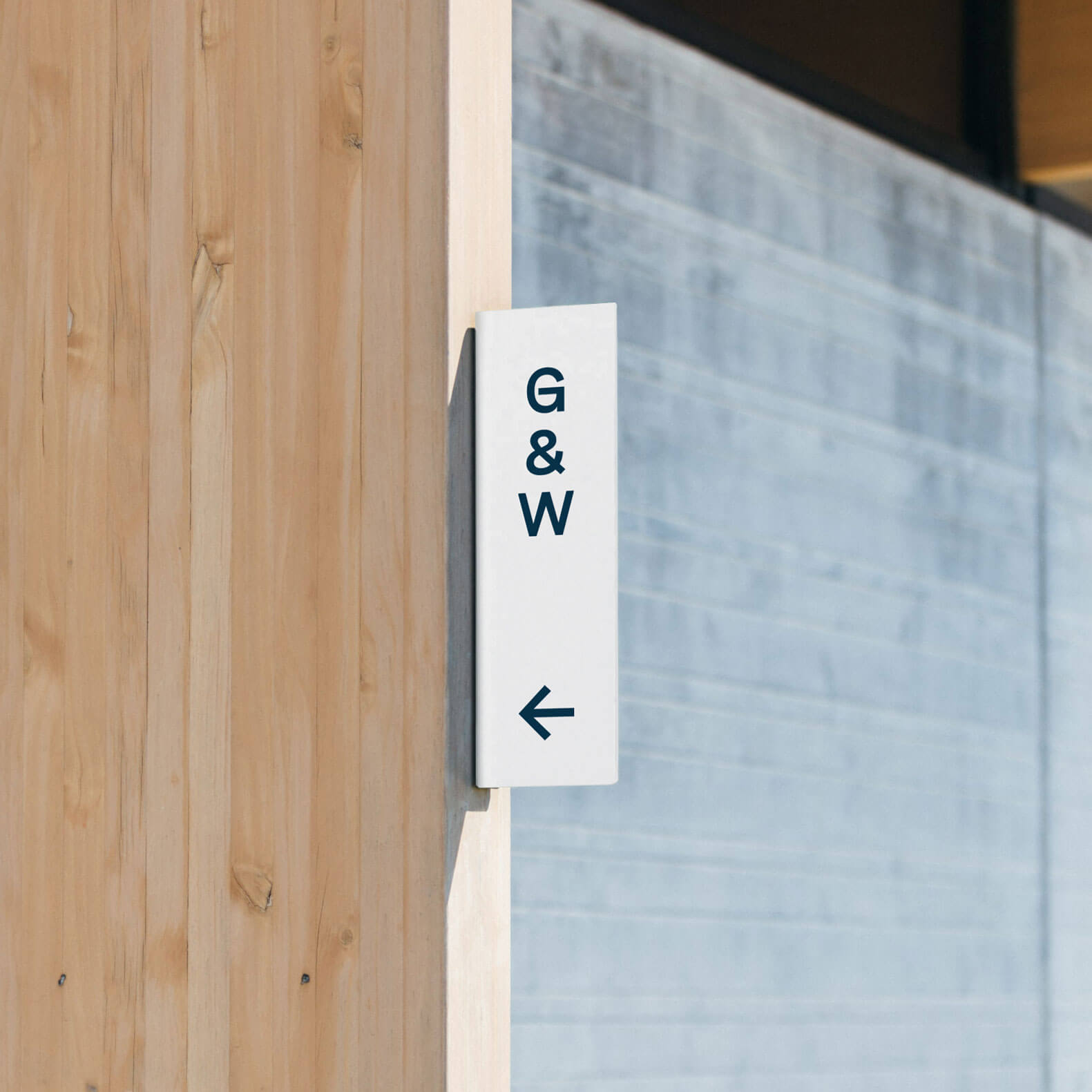
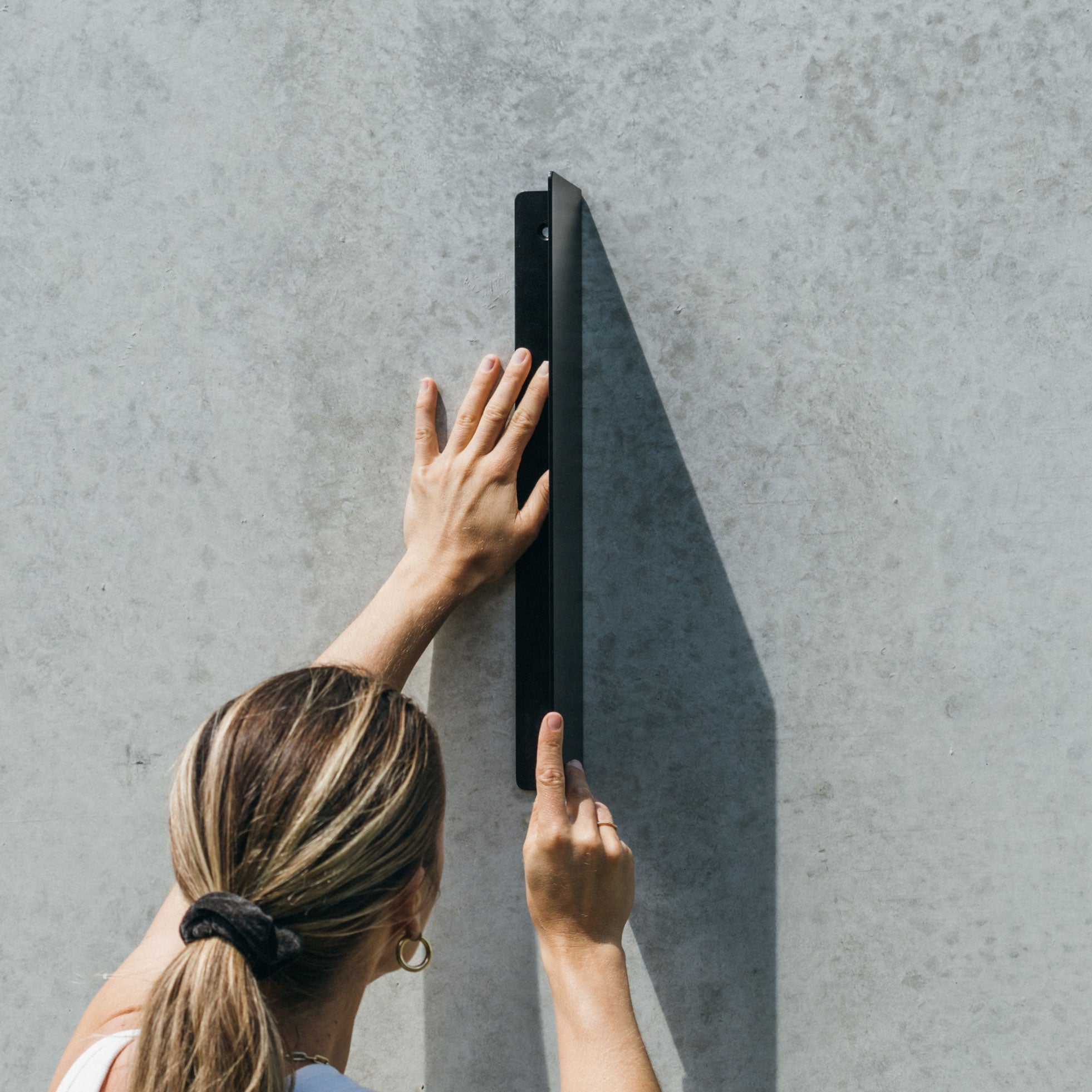
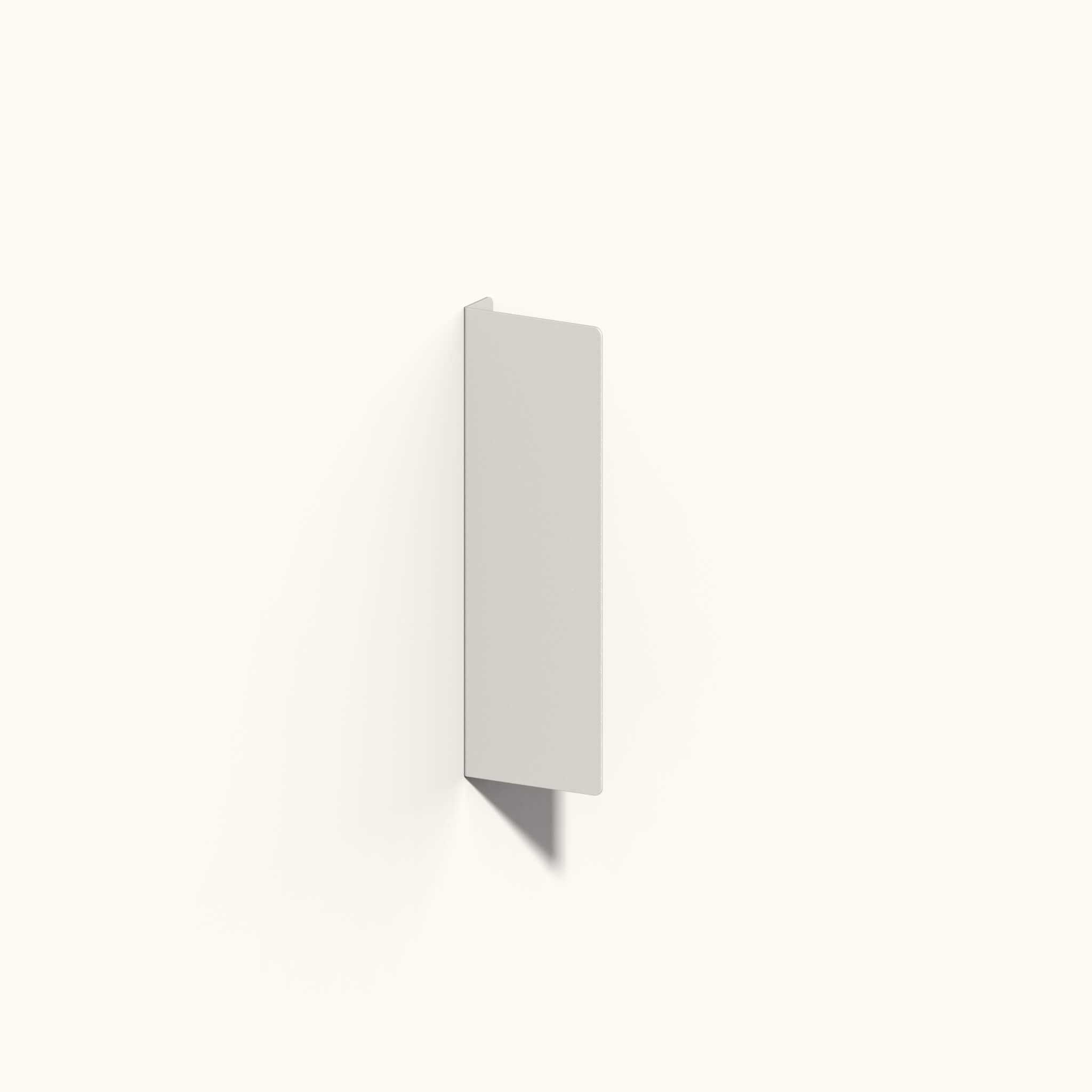
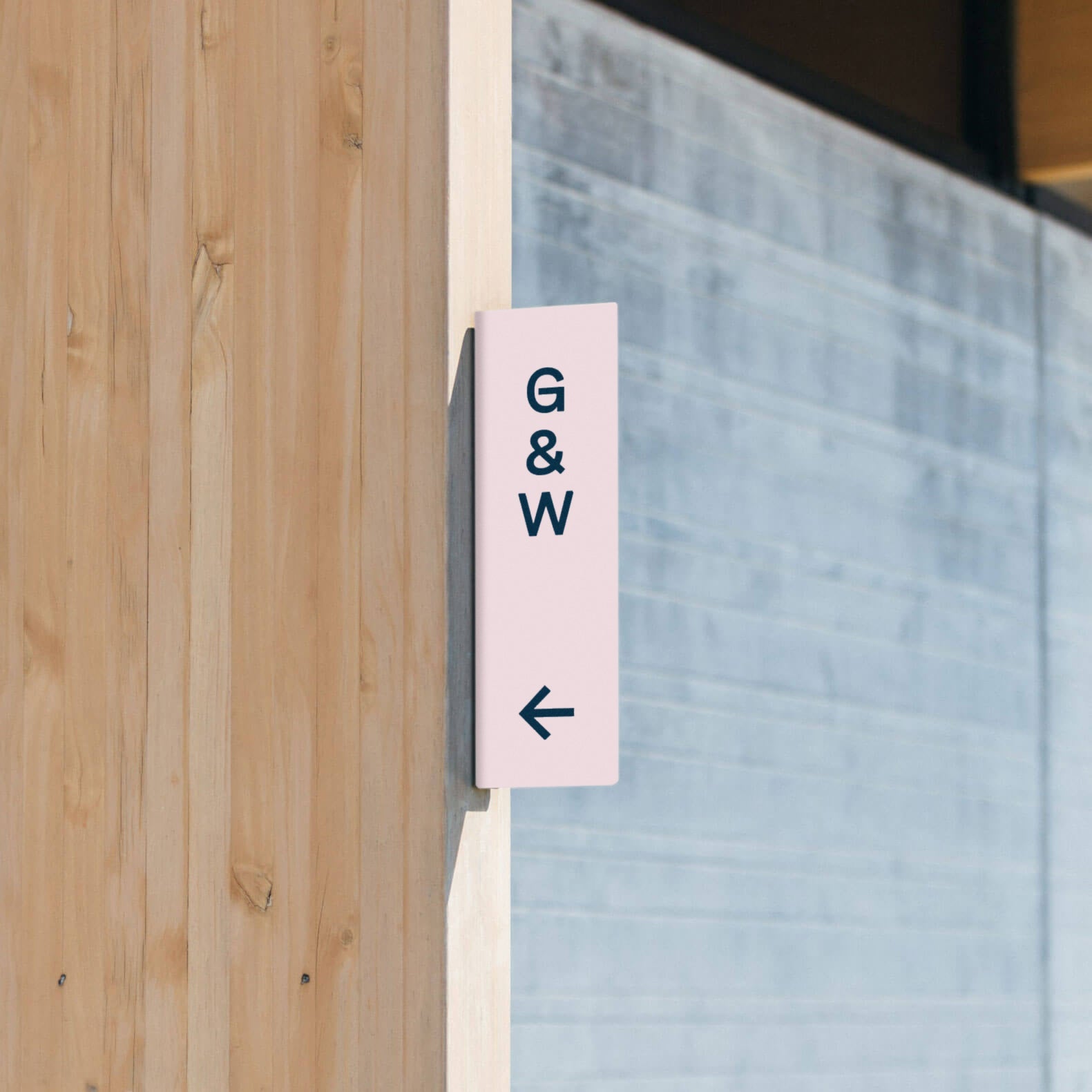
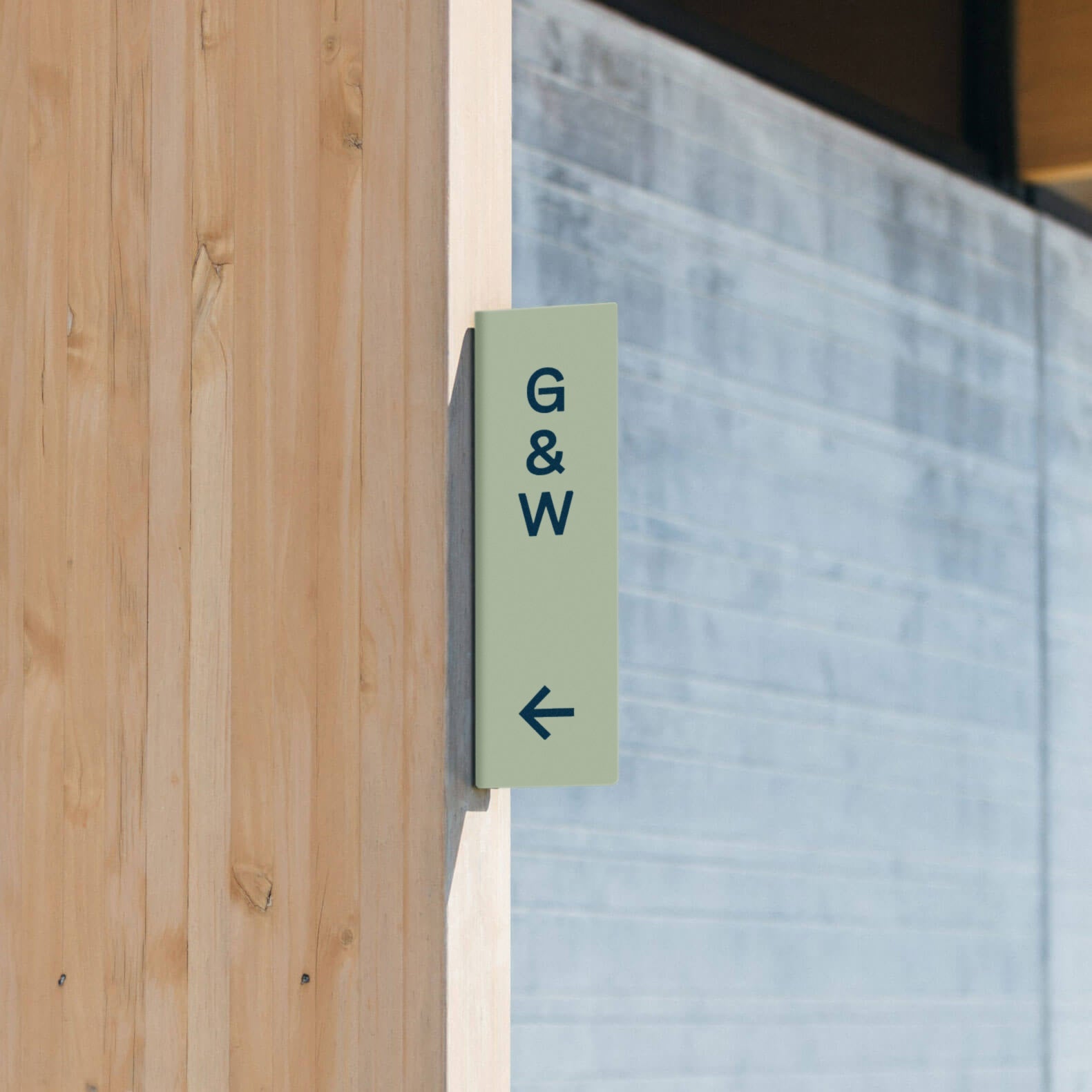
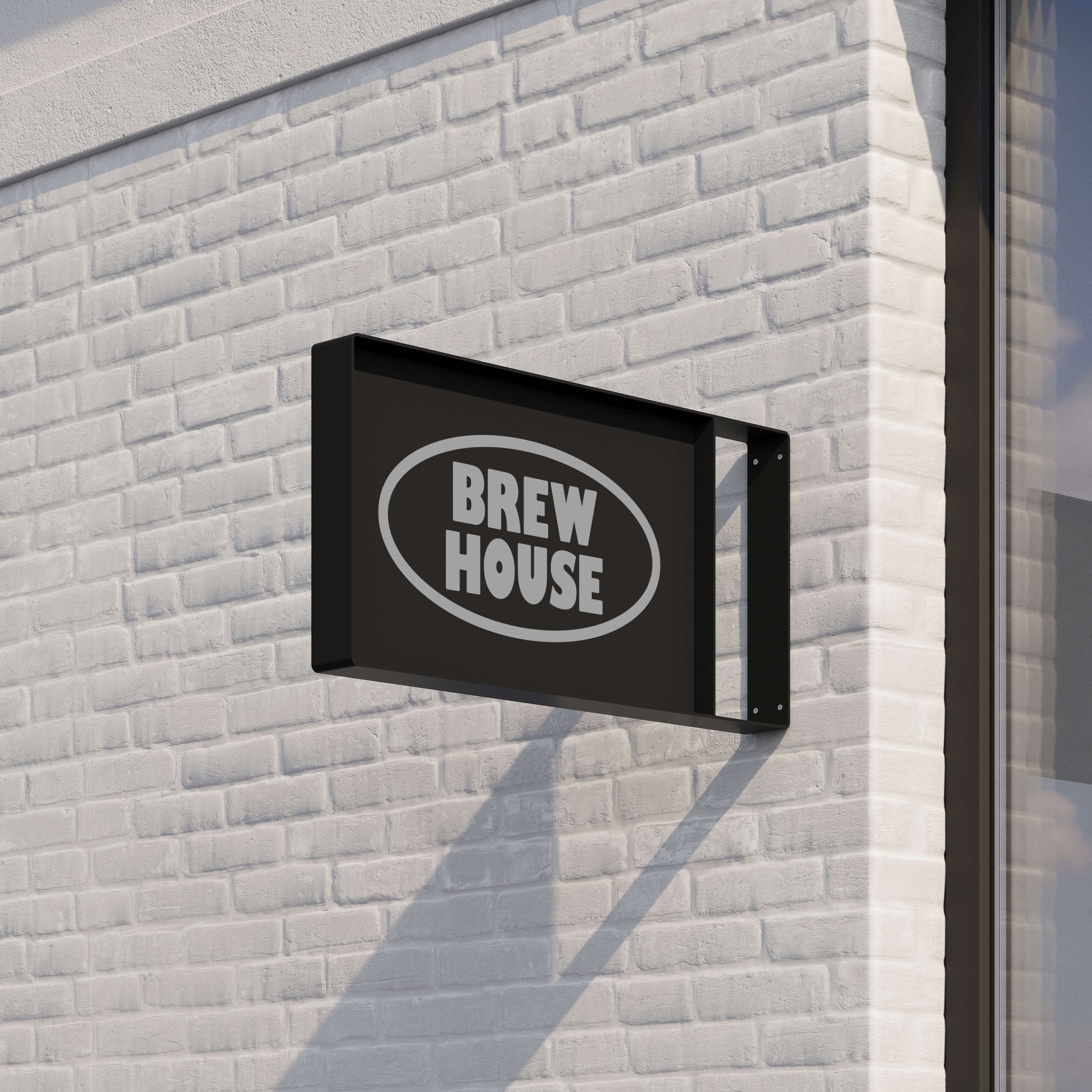
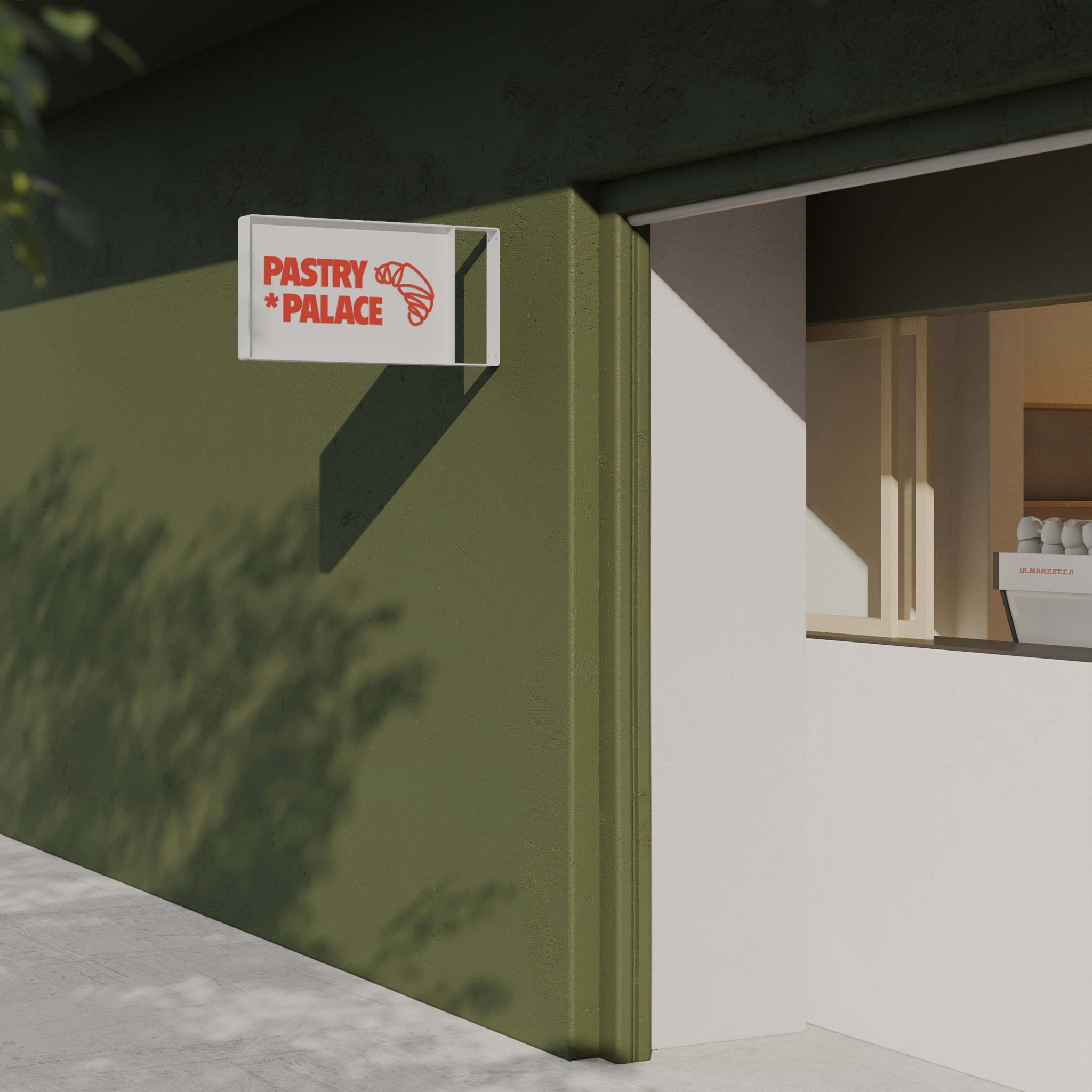
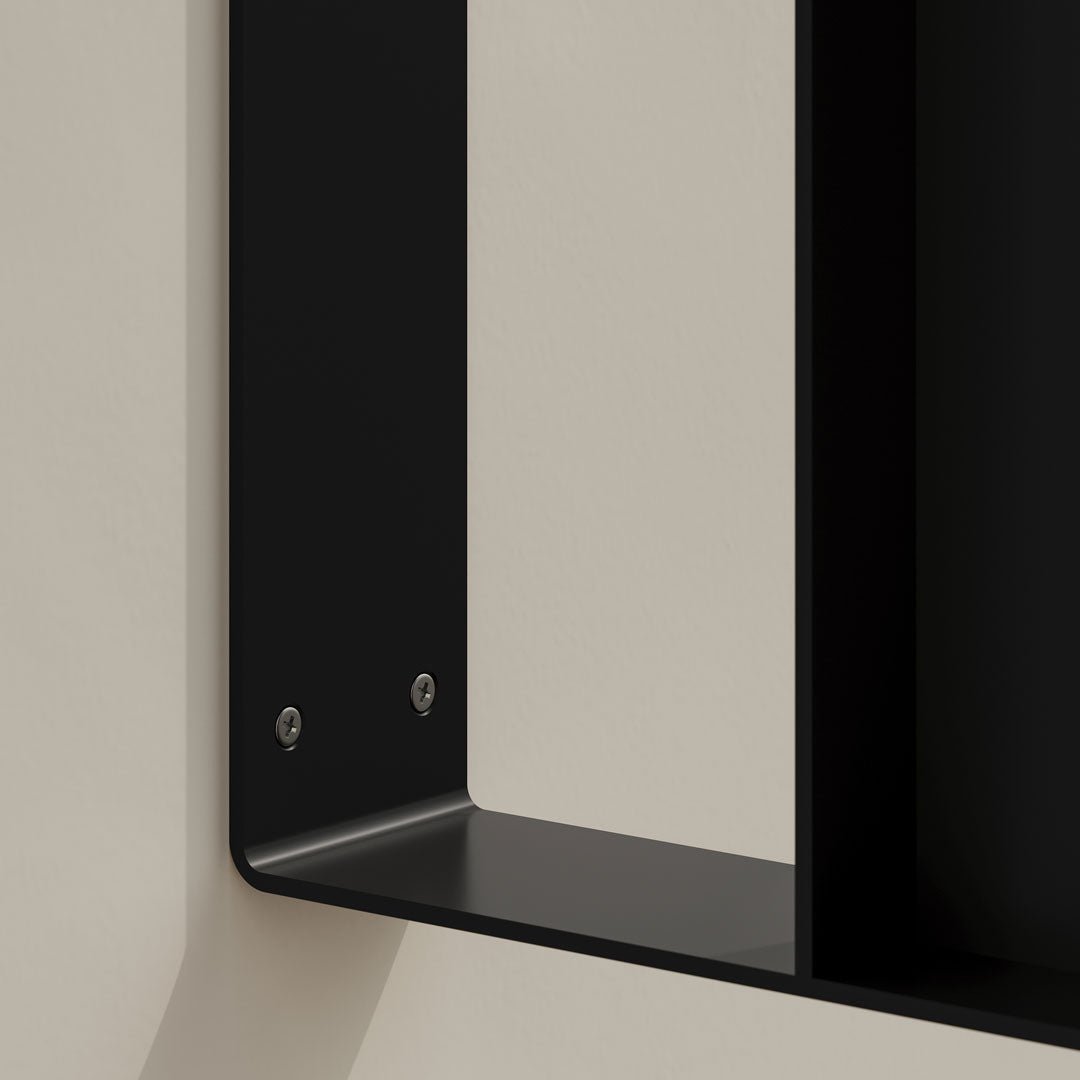
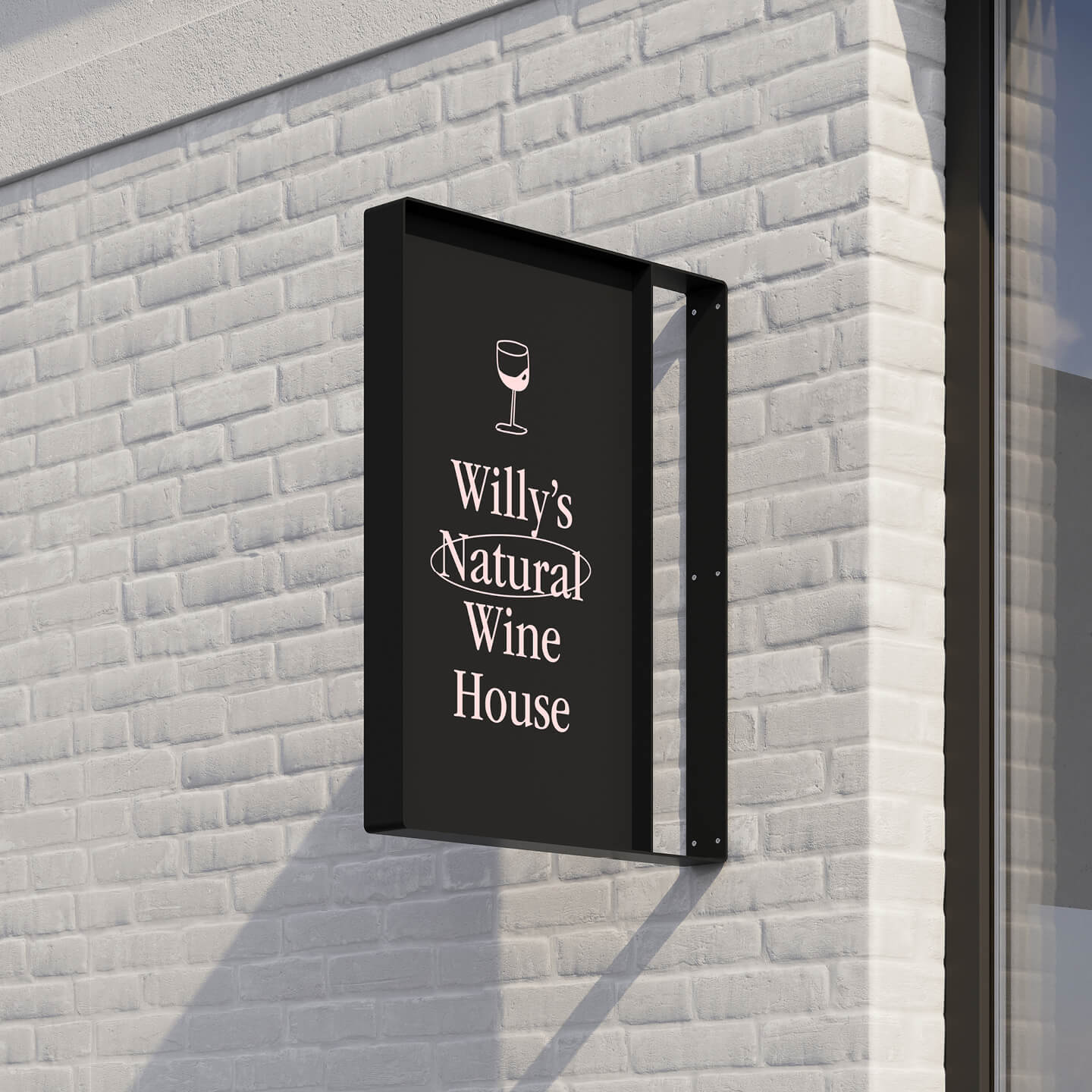
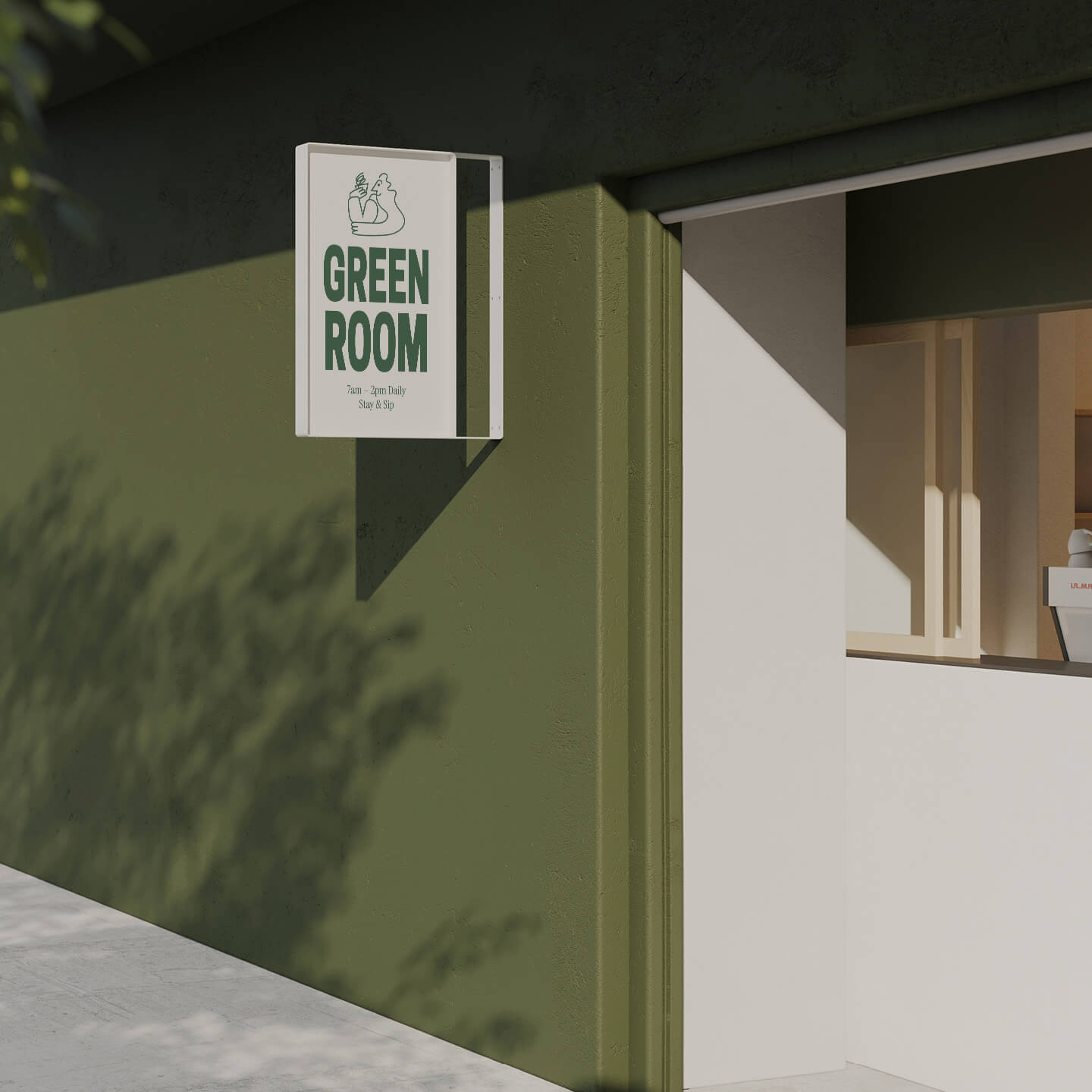
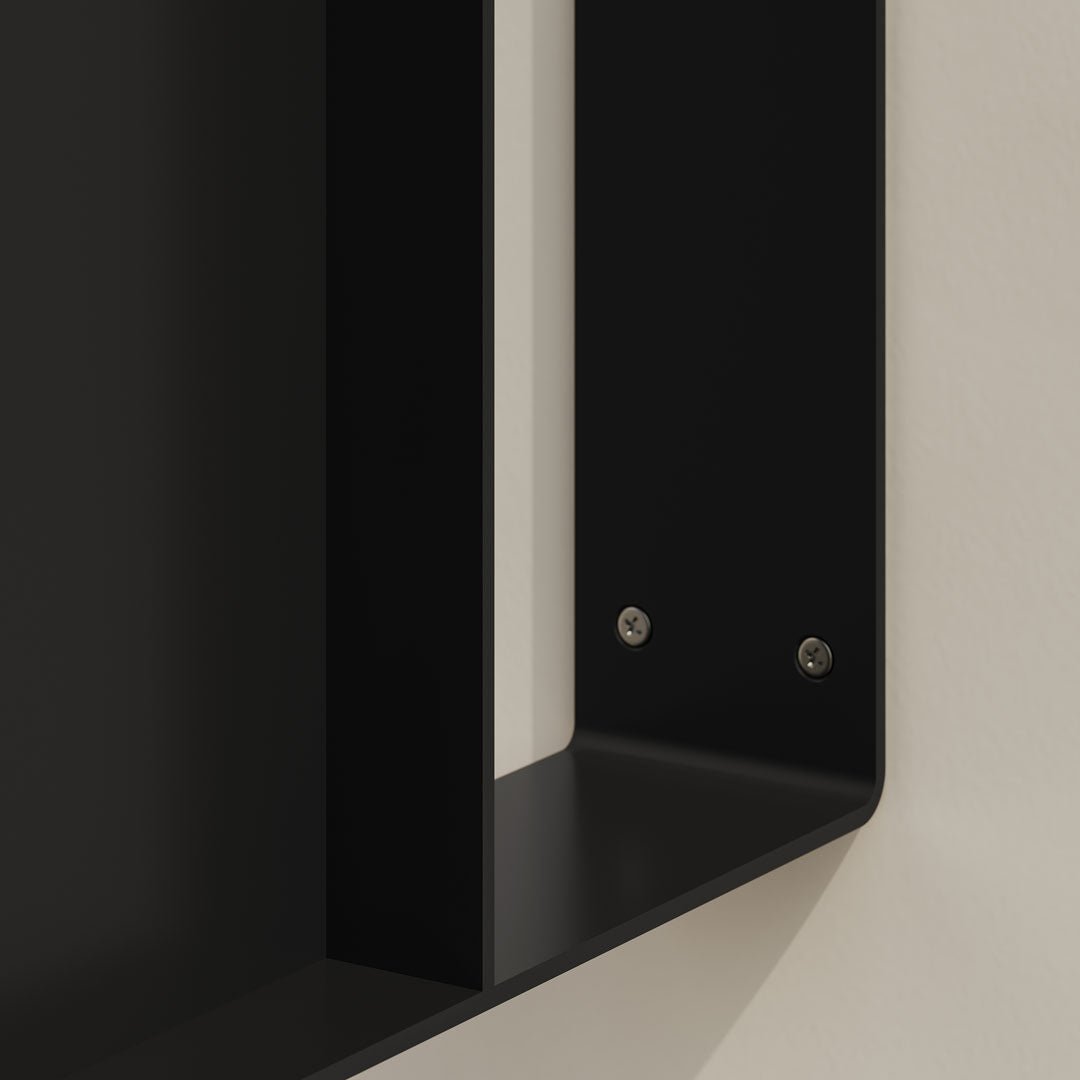
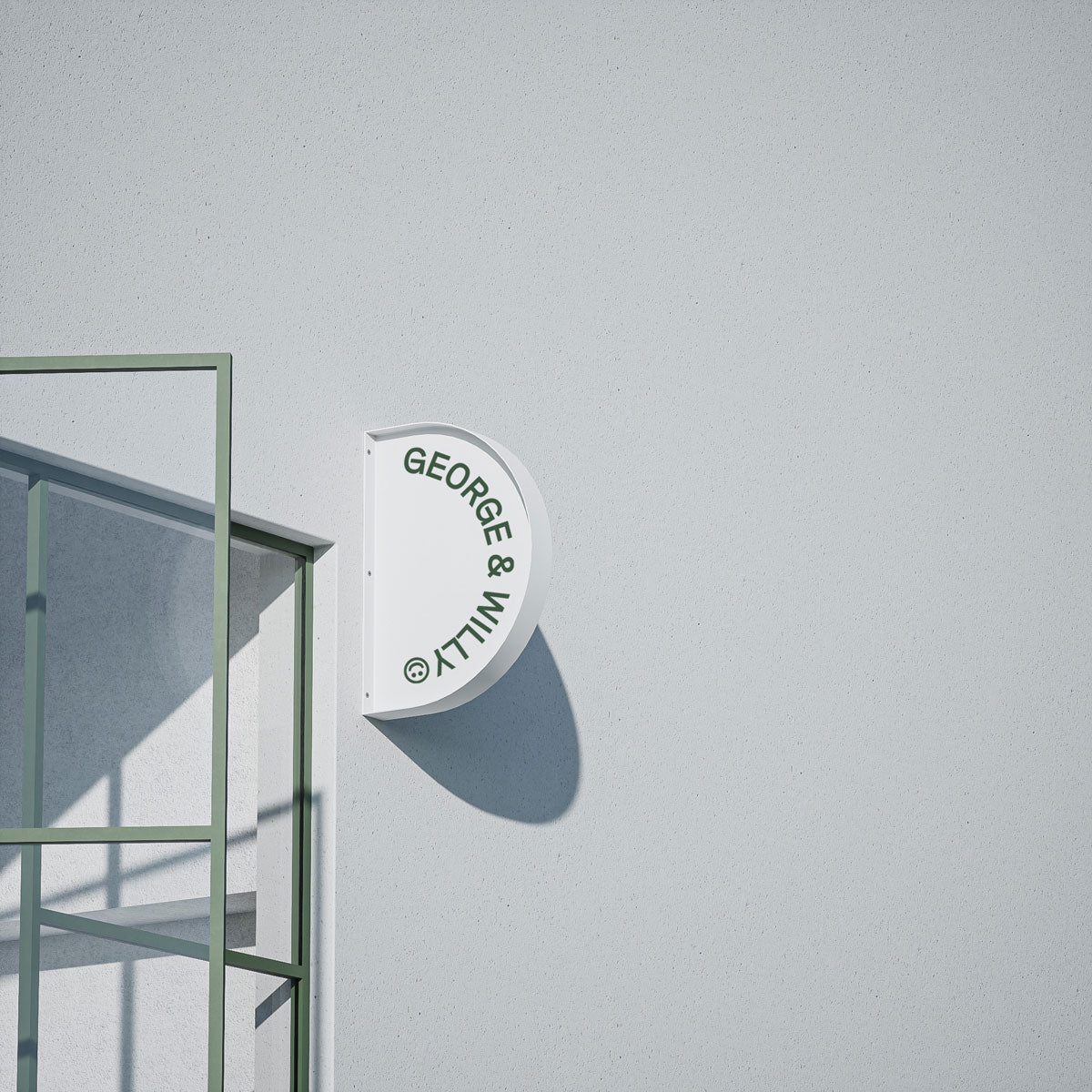
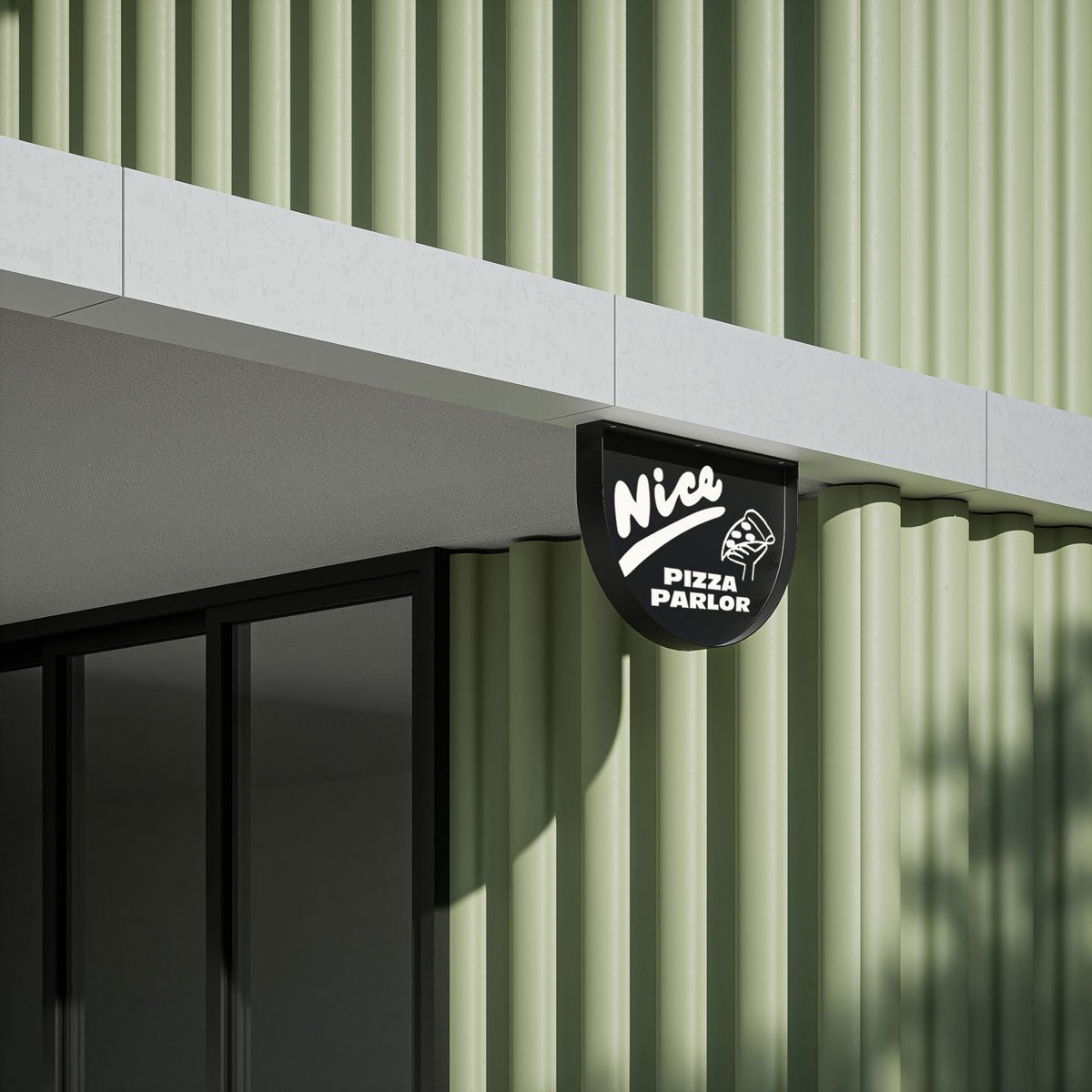
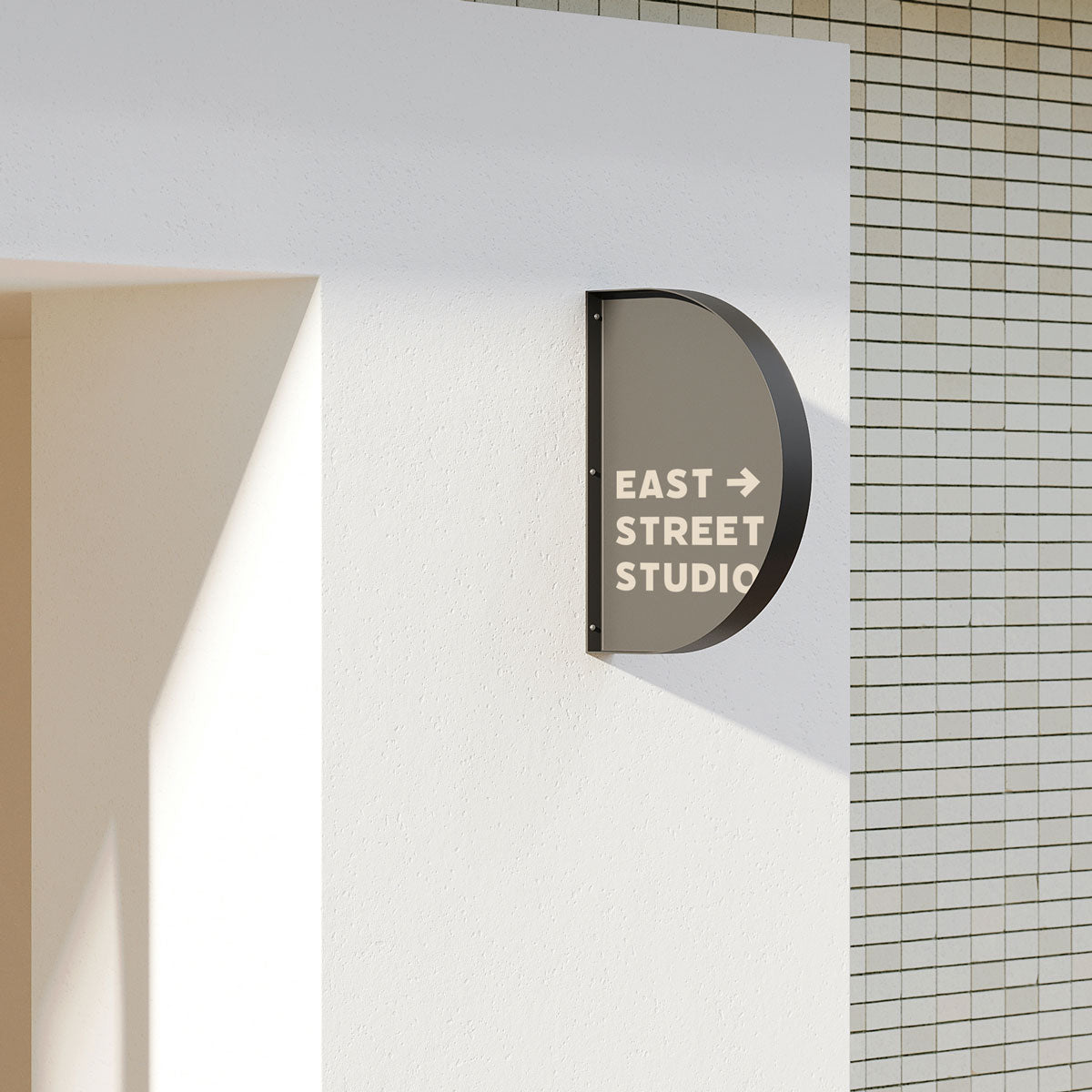
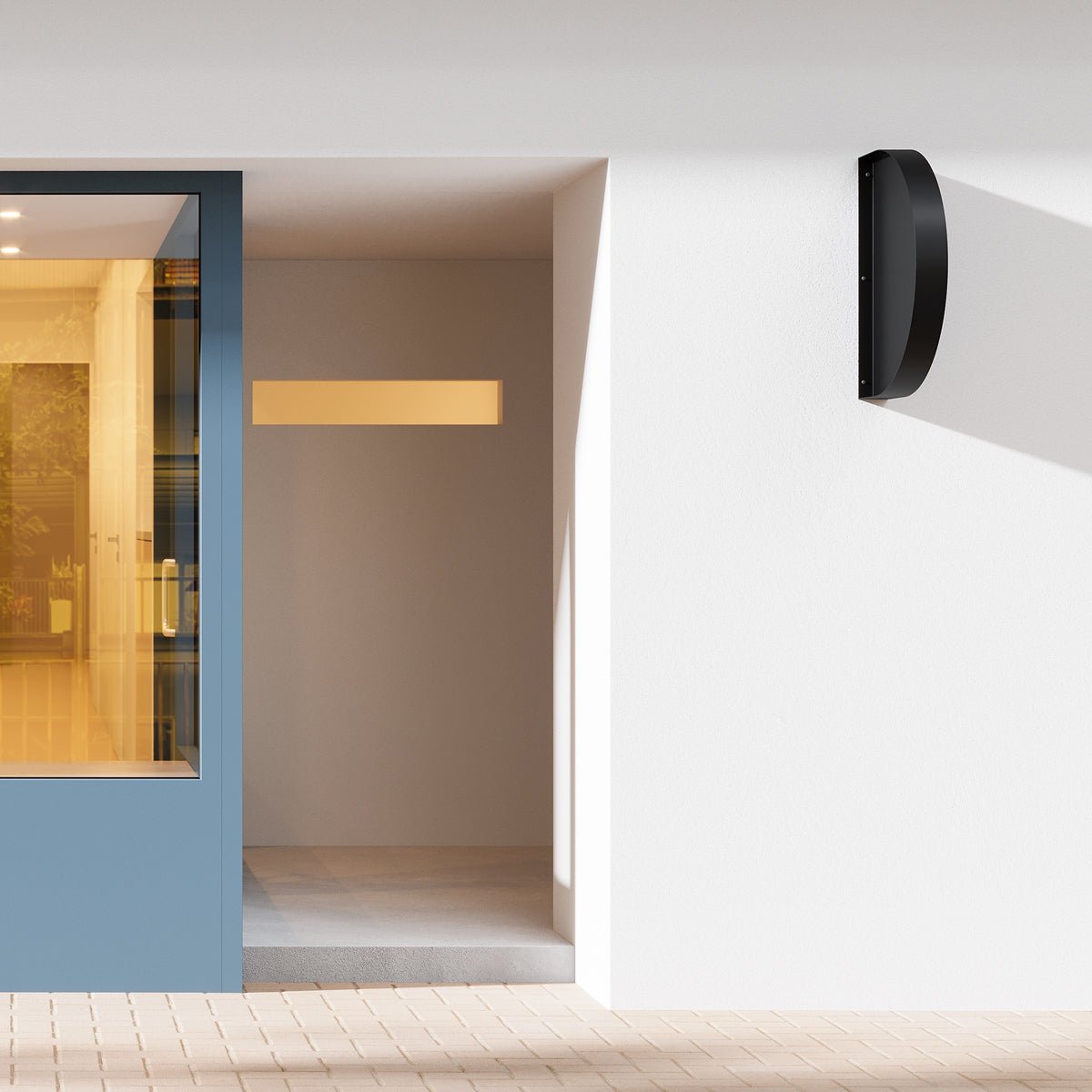
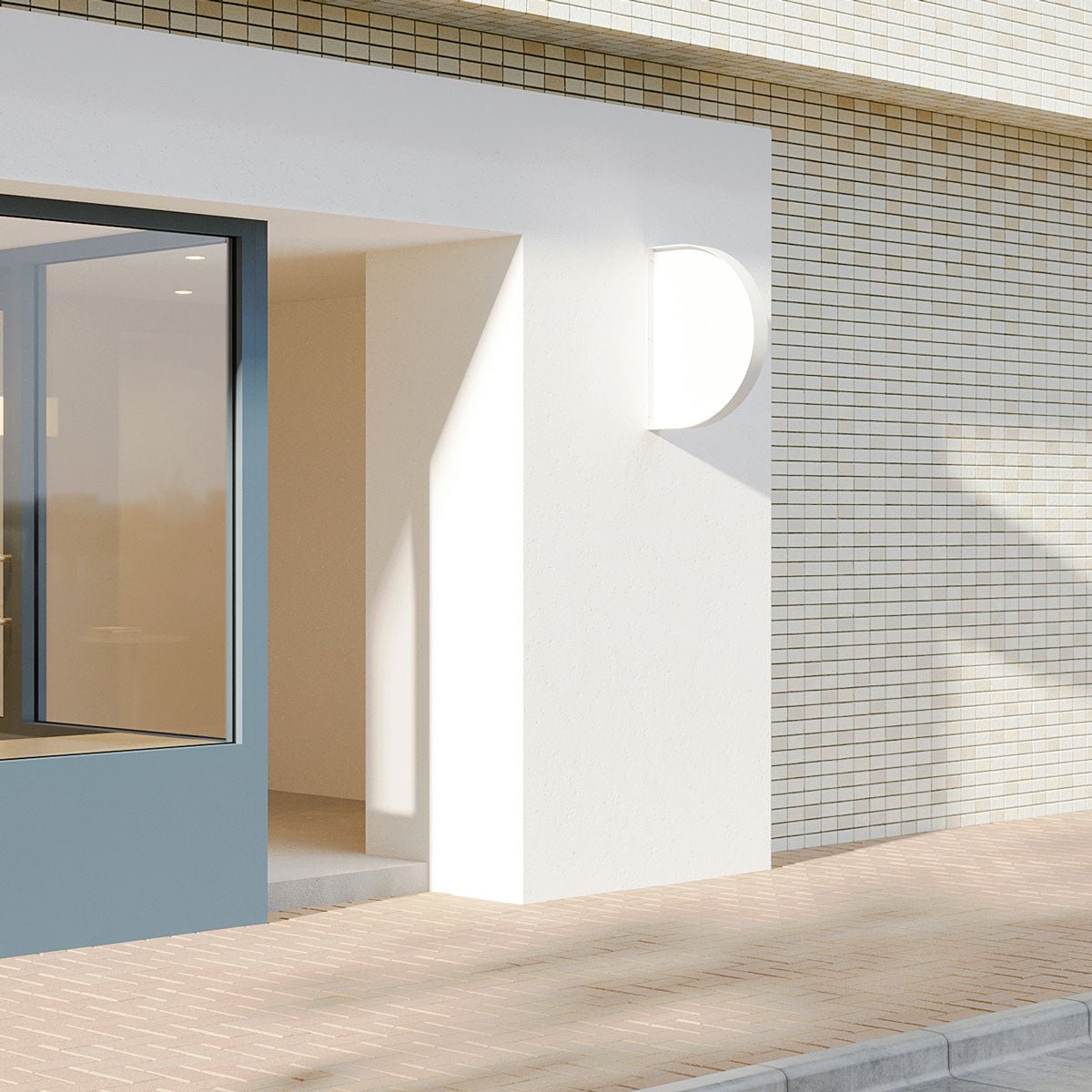
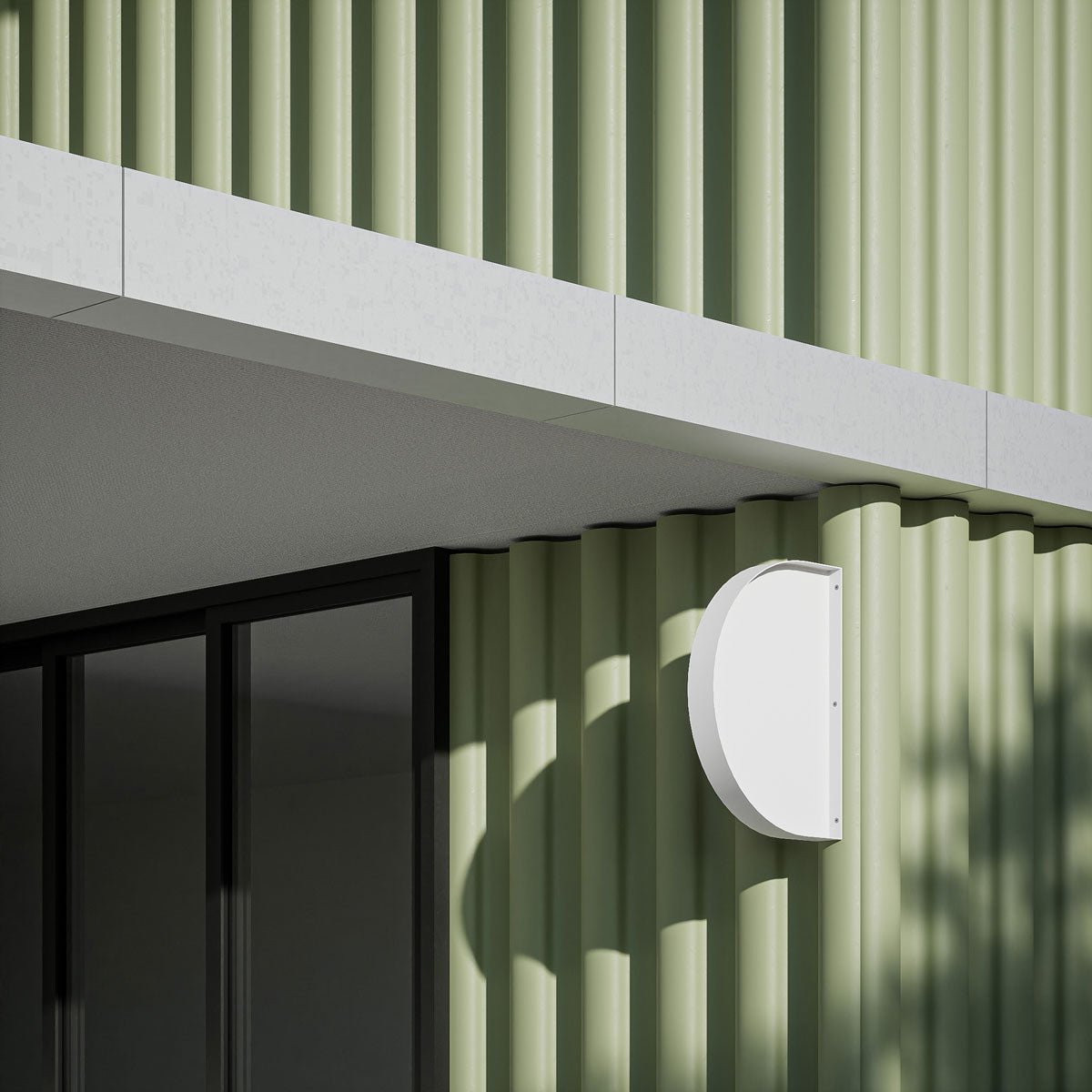
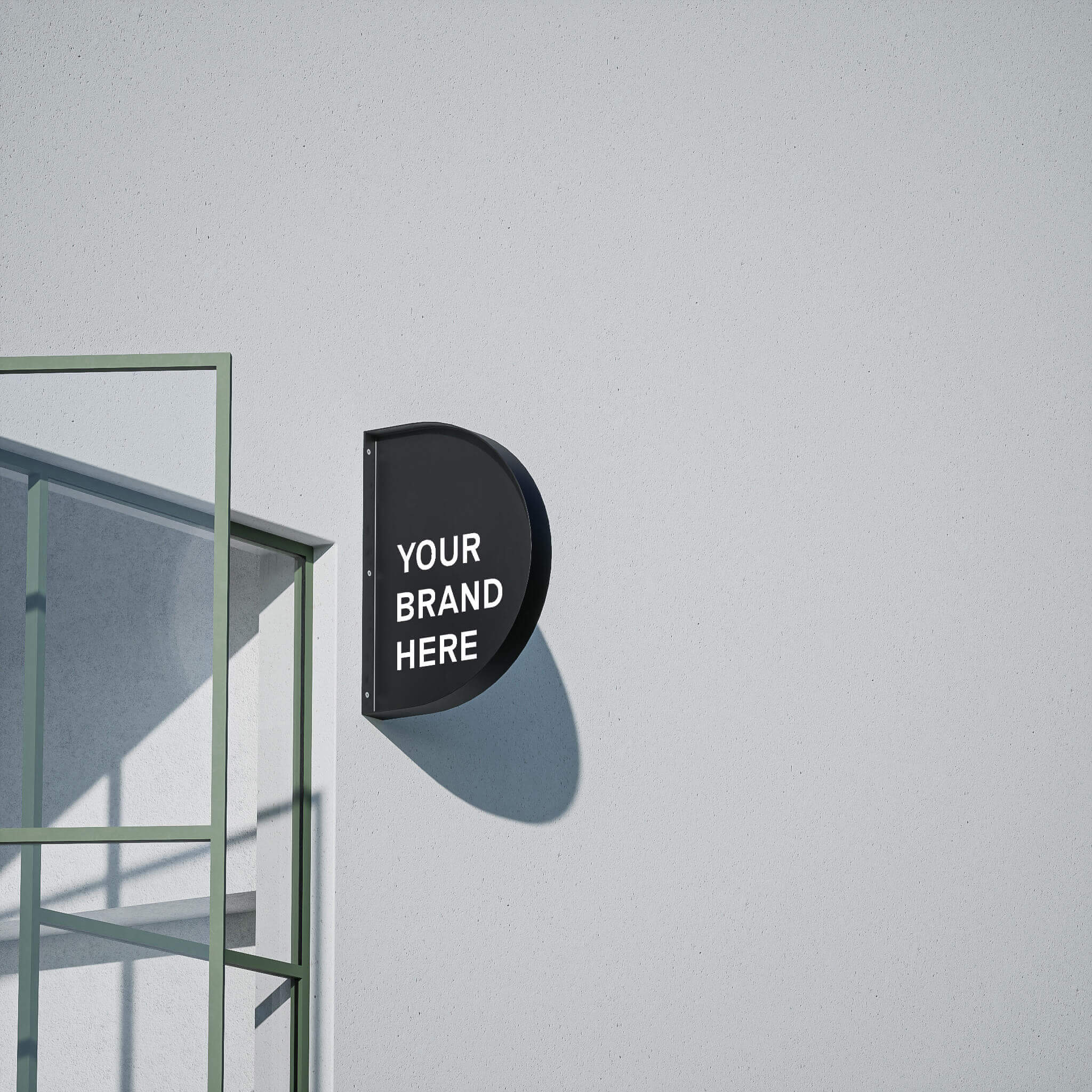
Blade signs project from your building, so they're read from along the street rather than only face-on. Sizes from small wayfinding signs up to an 80 cm storefront face.
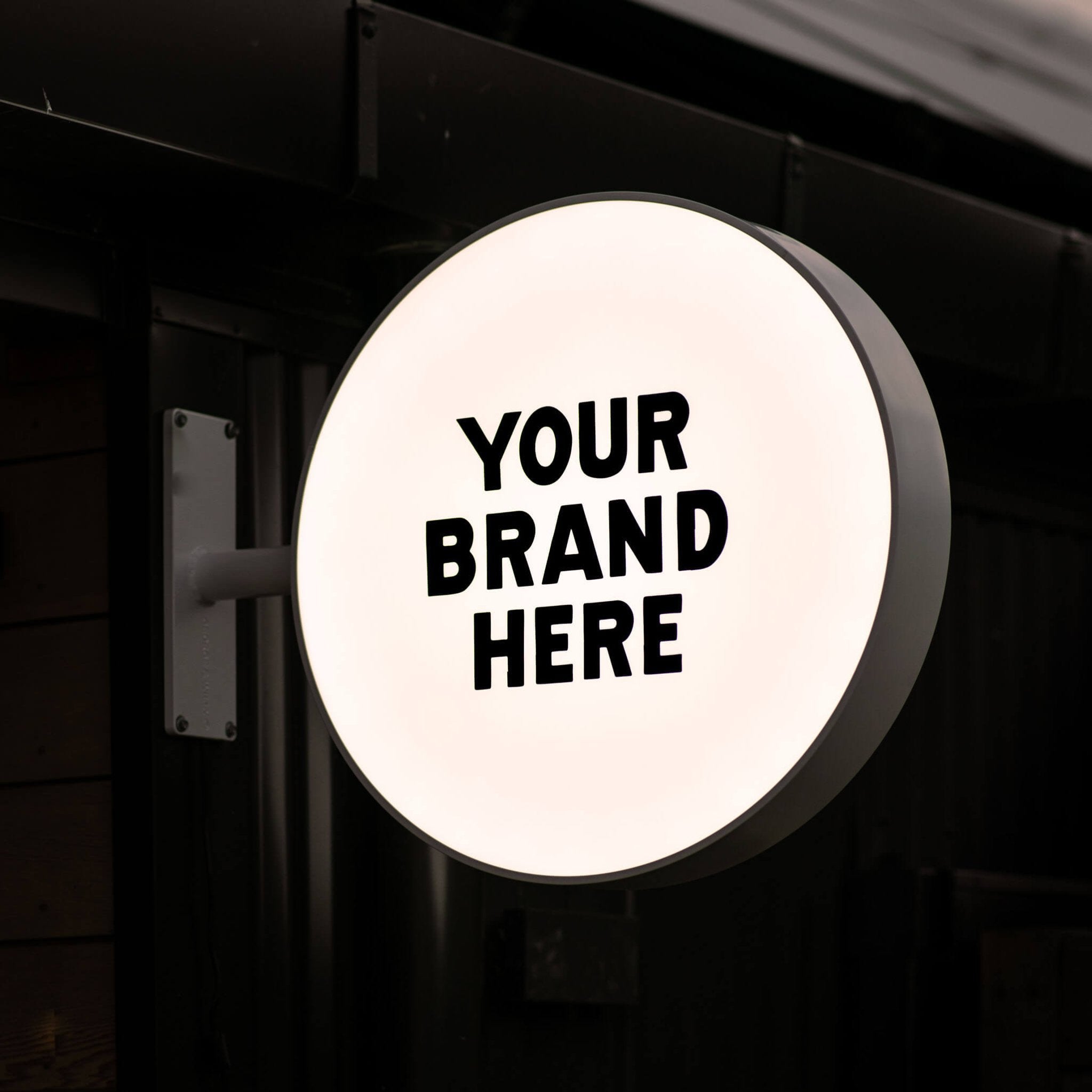
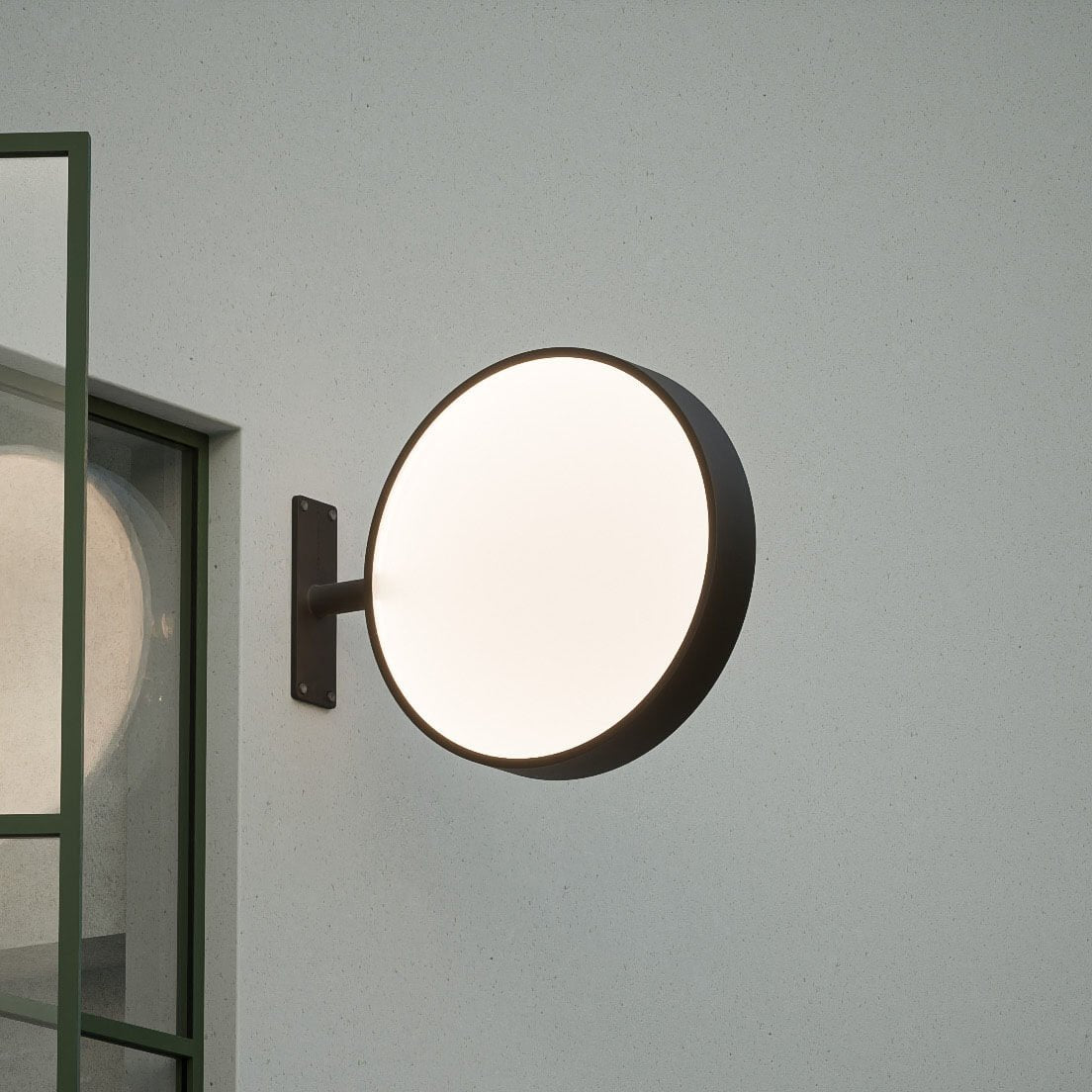
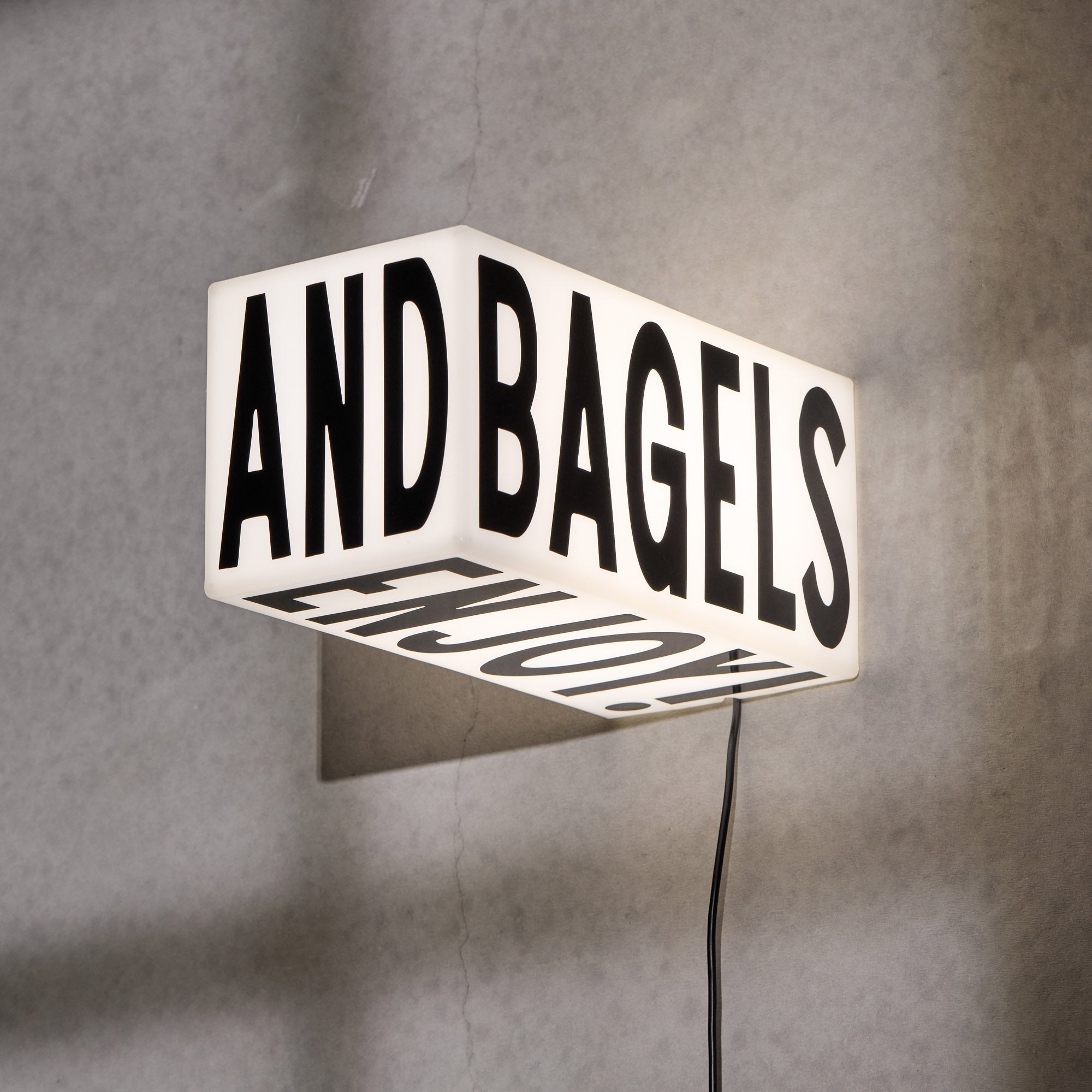
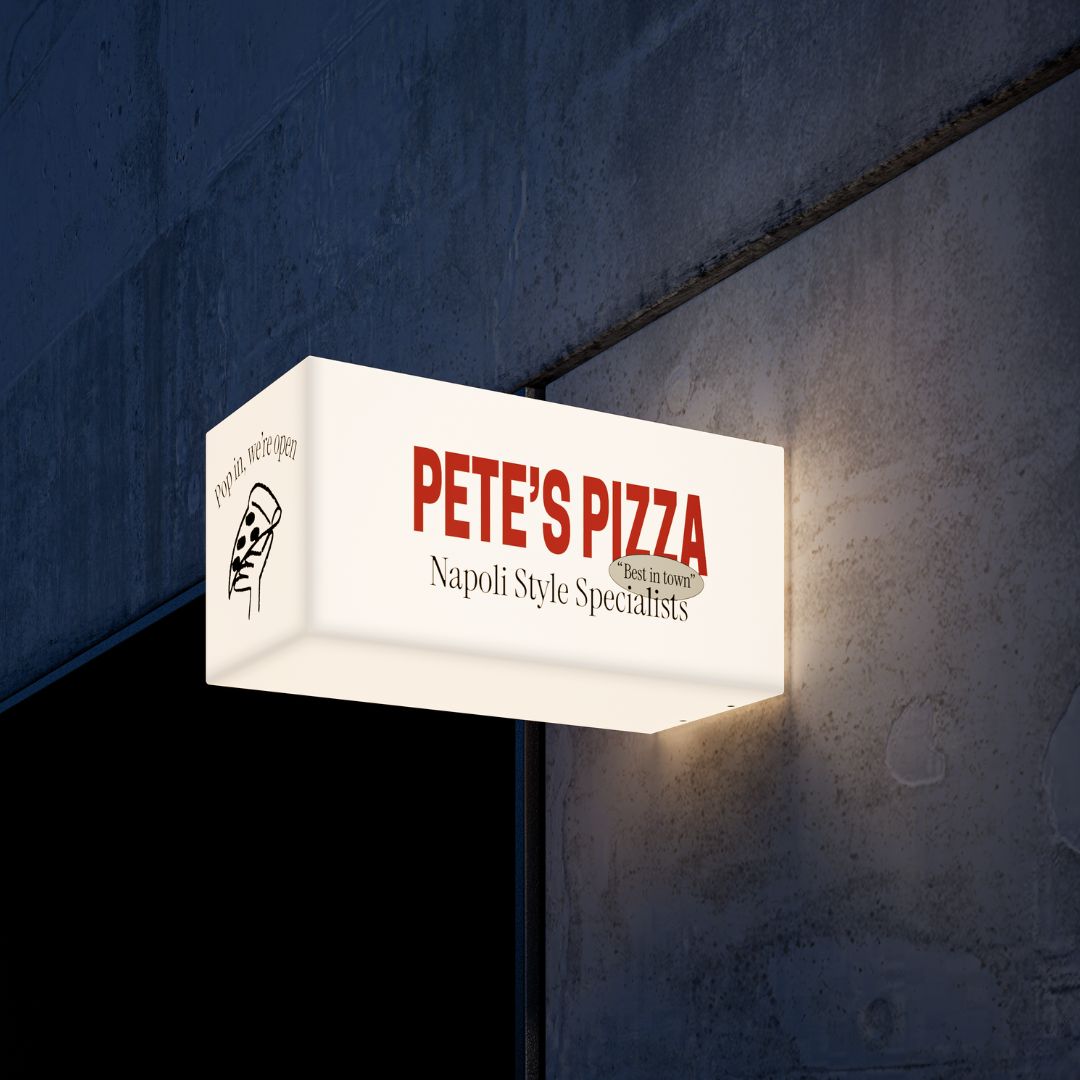
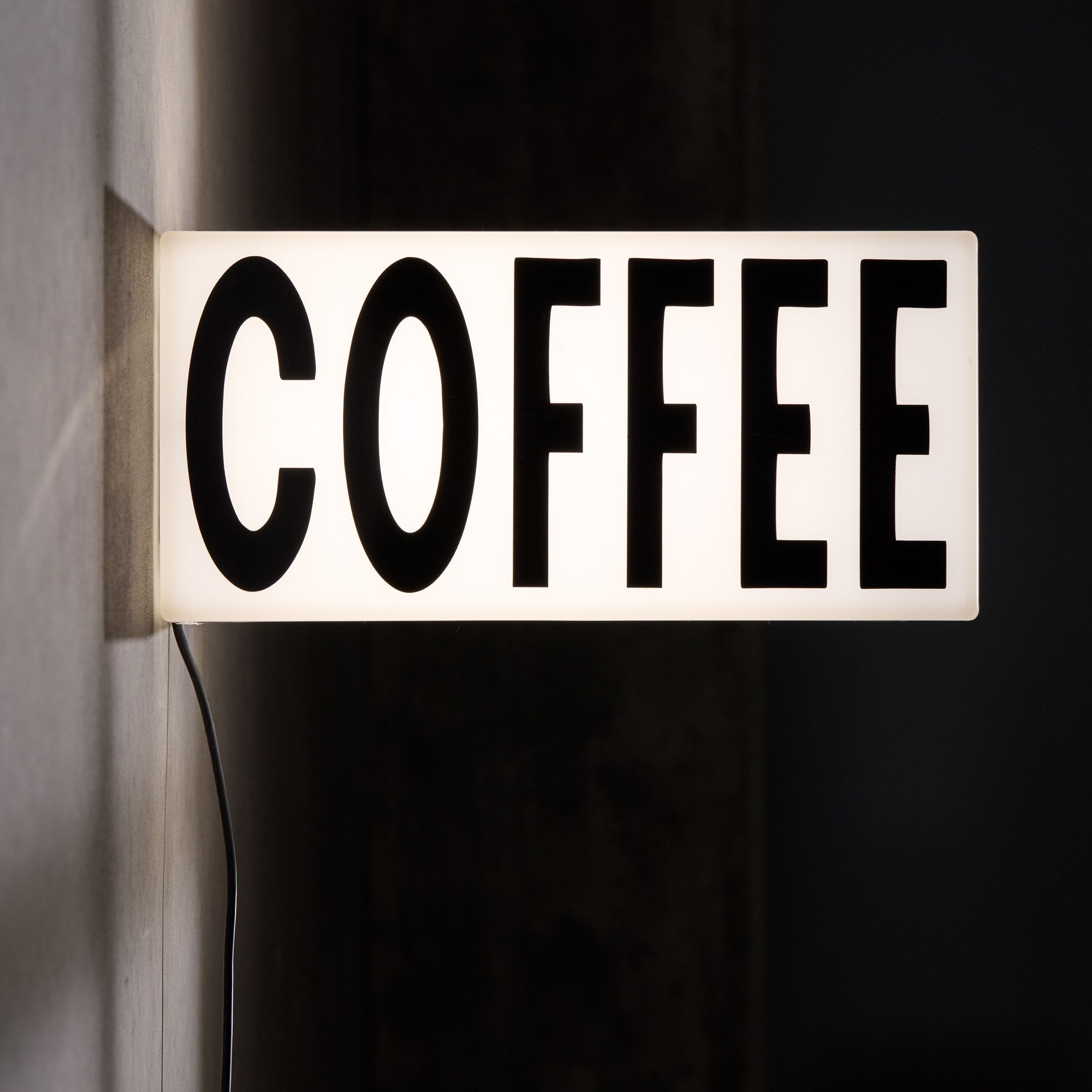
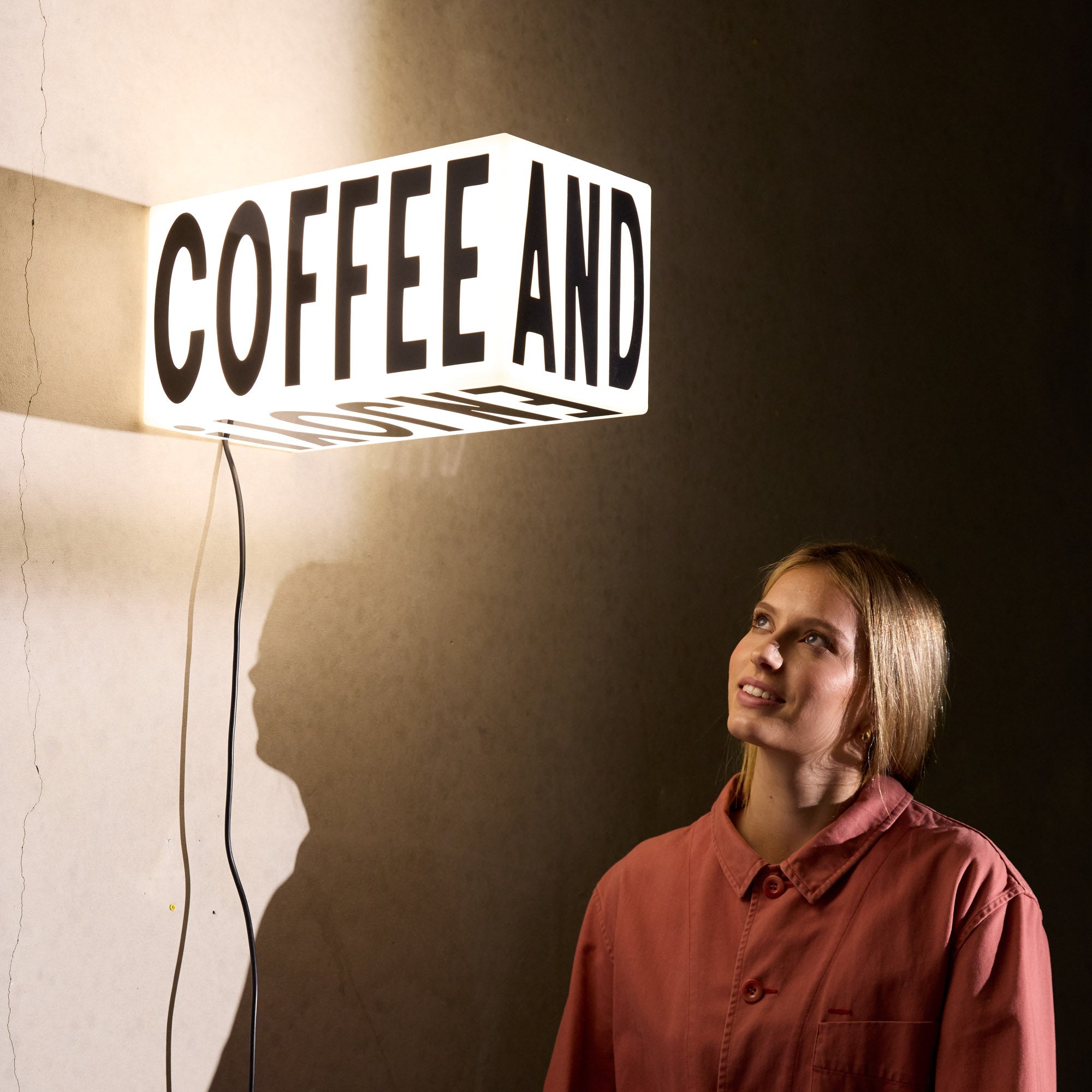
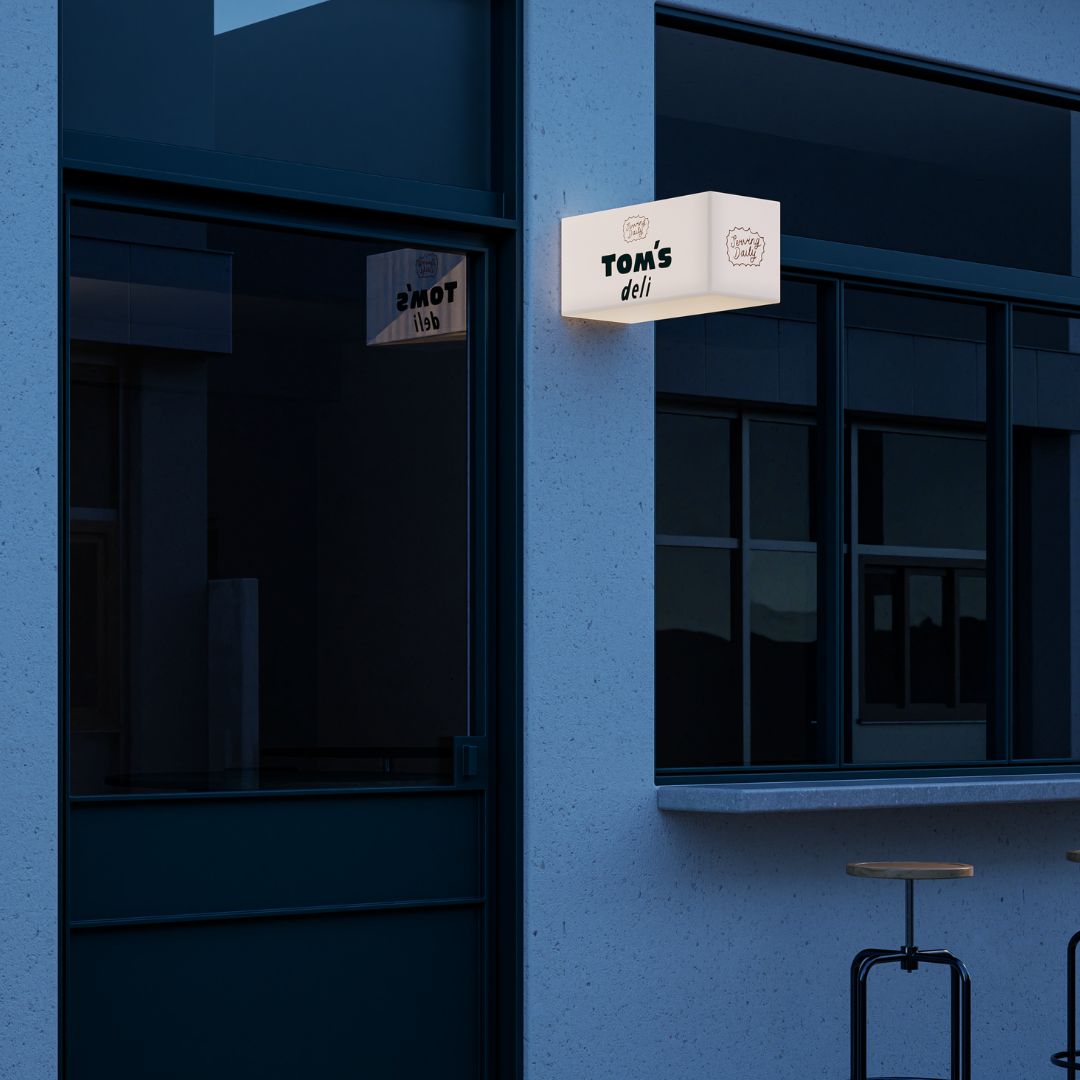
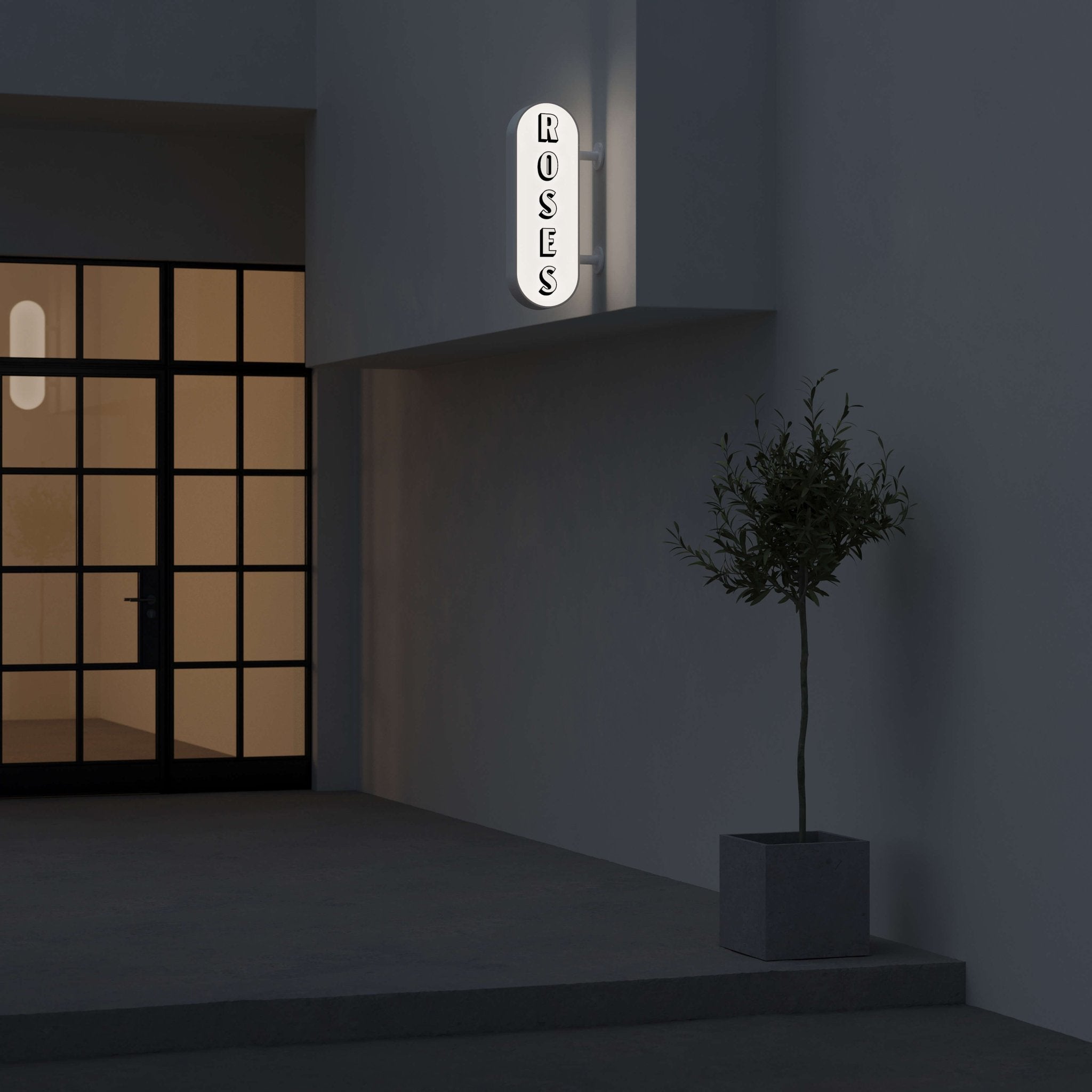
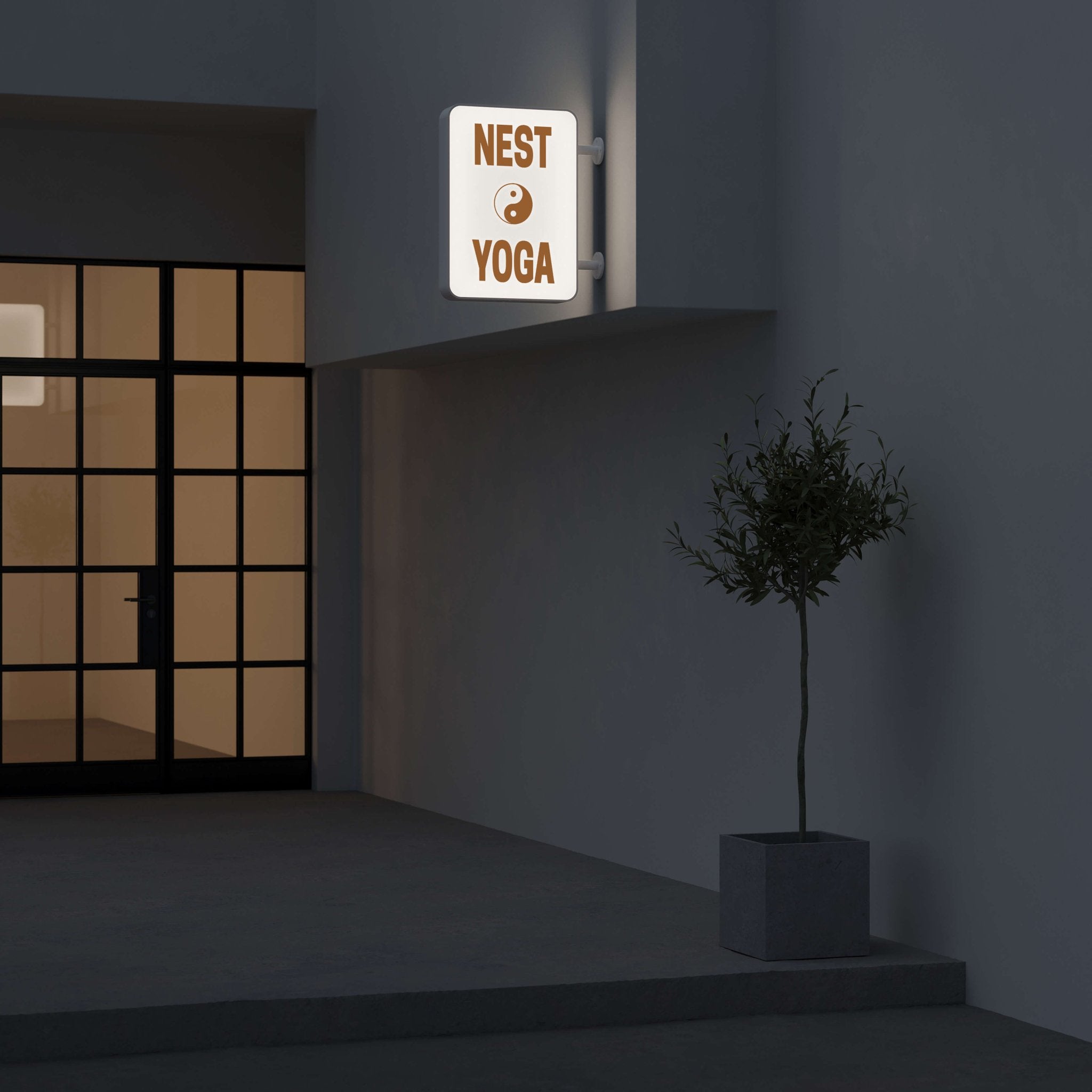
Light box signs are illuminated, so your frontage still reads after dark.
At the door
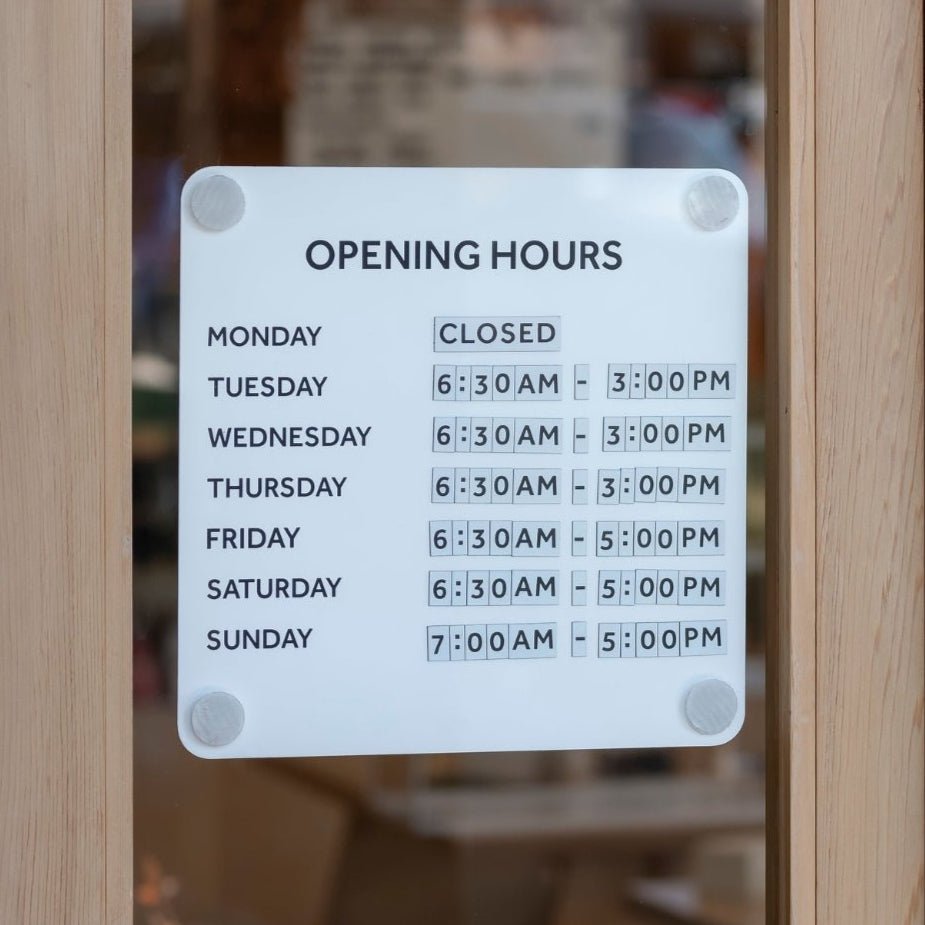
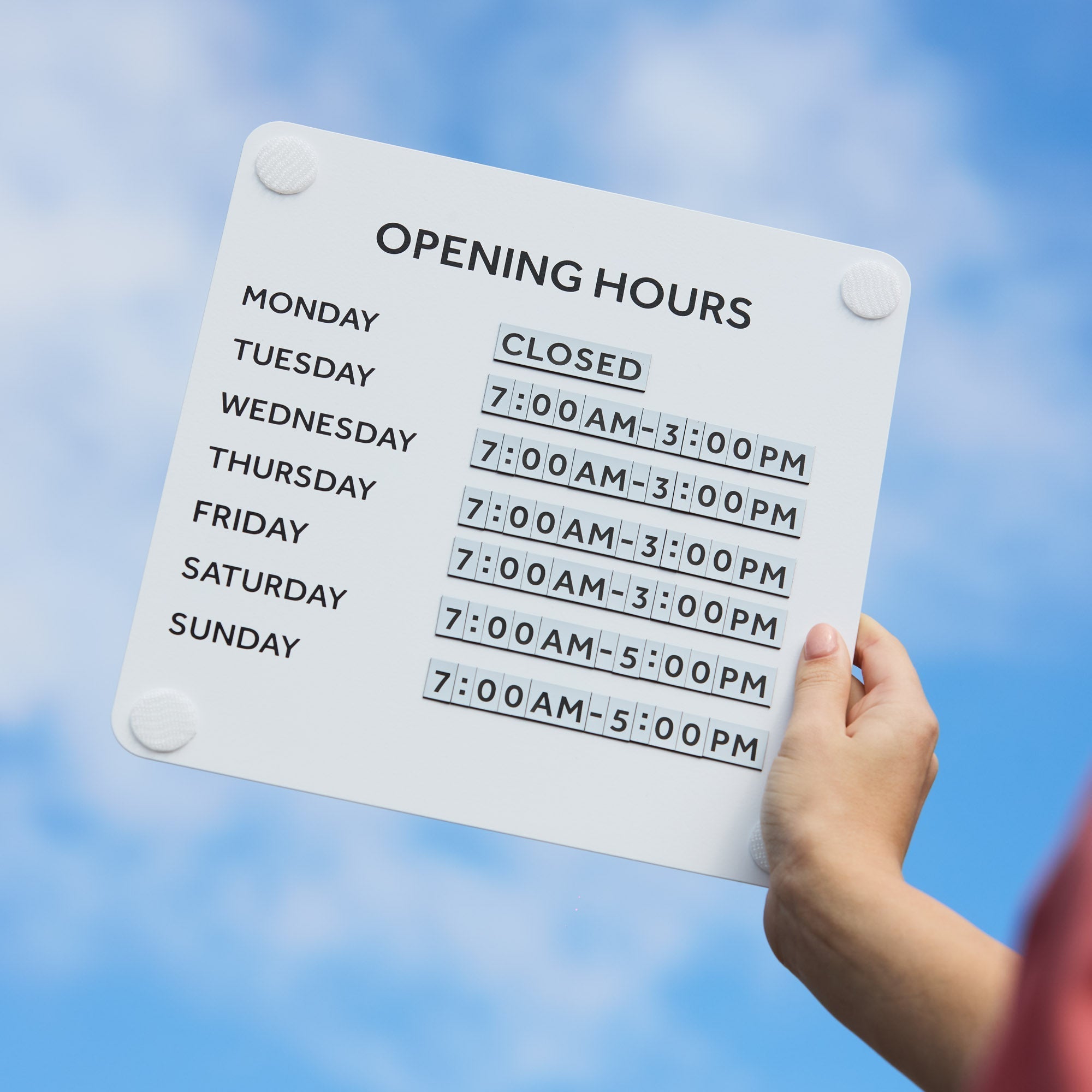
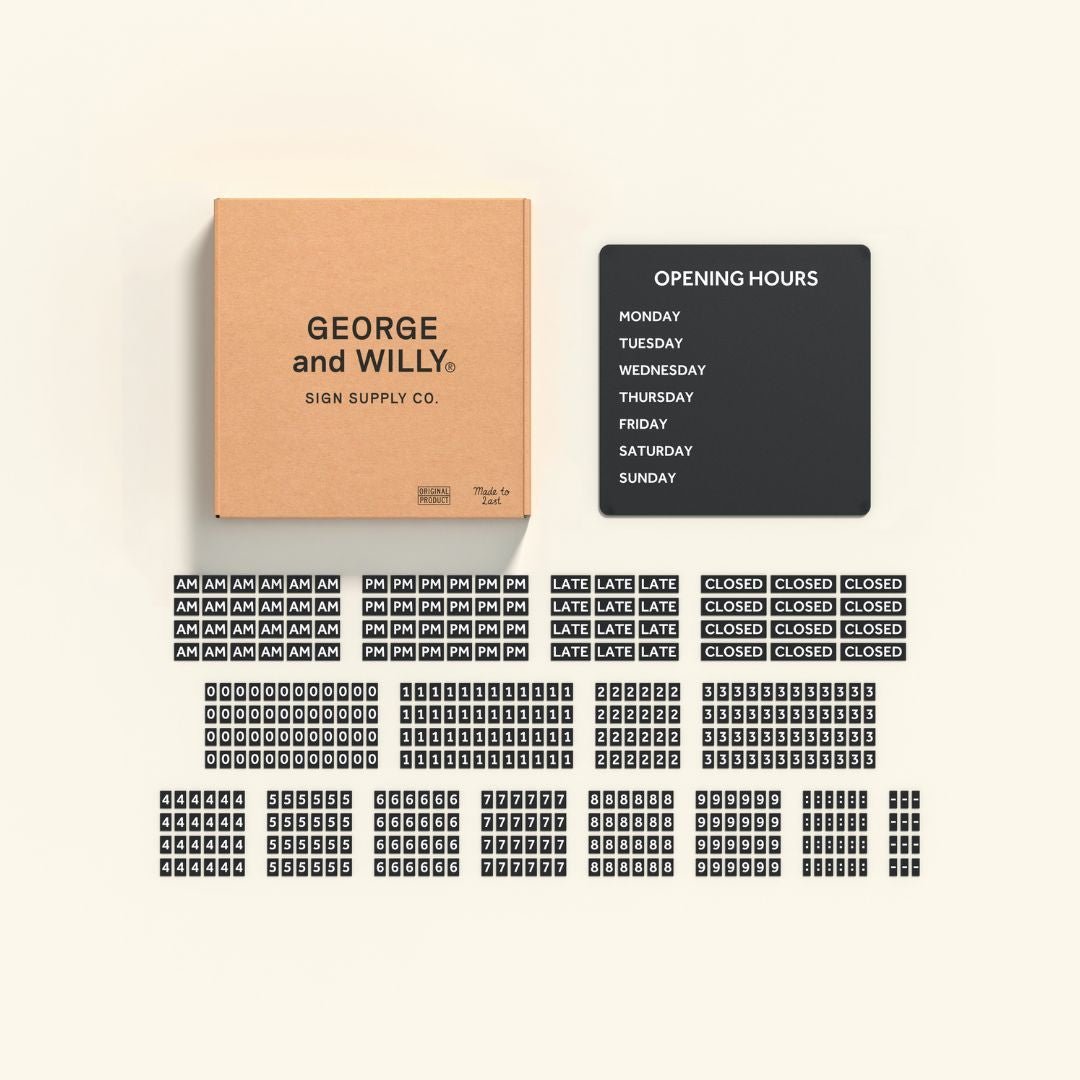
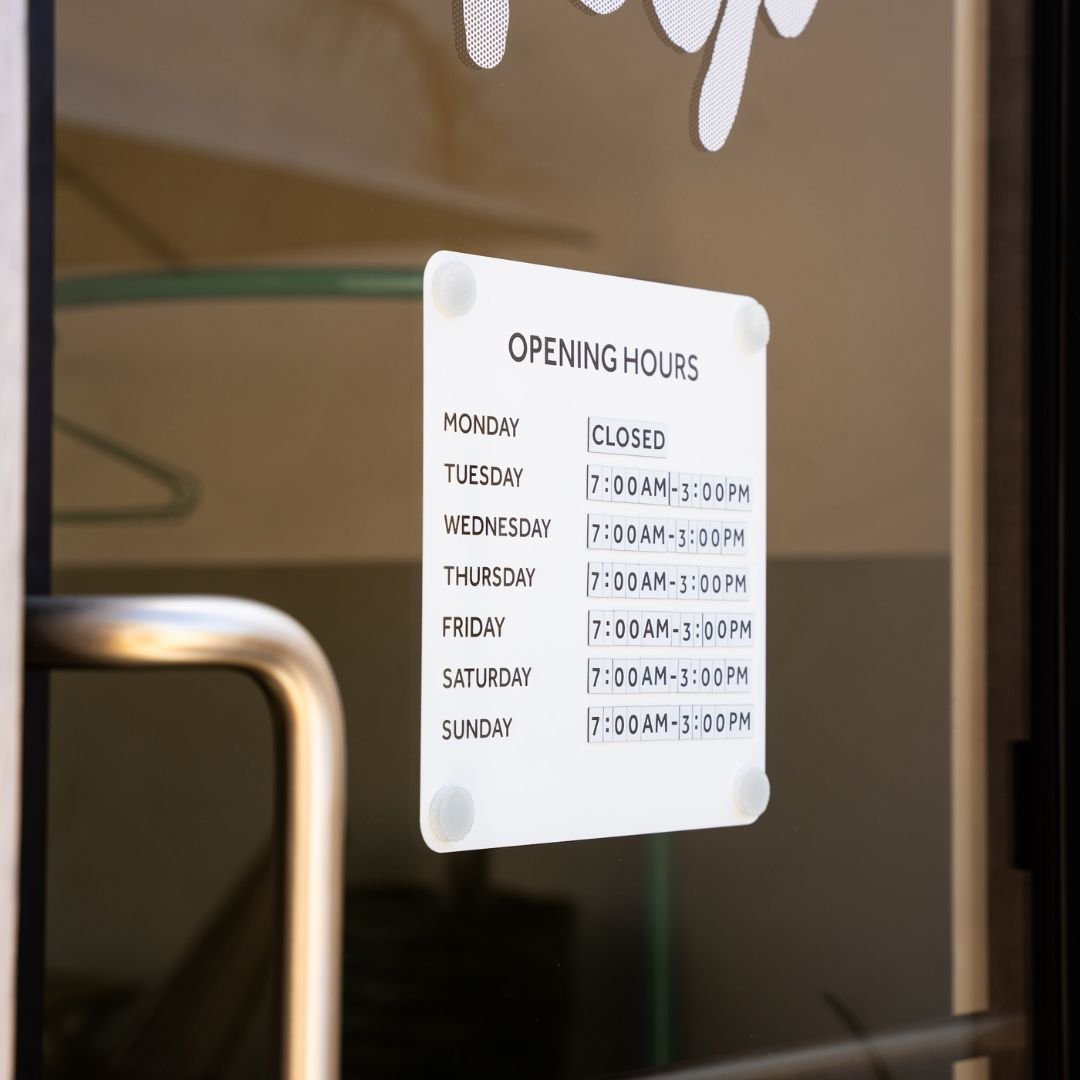
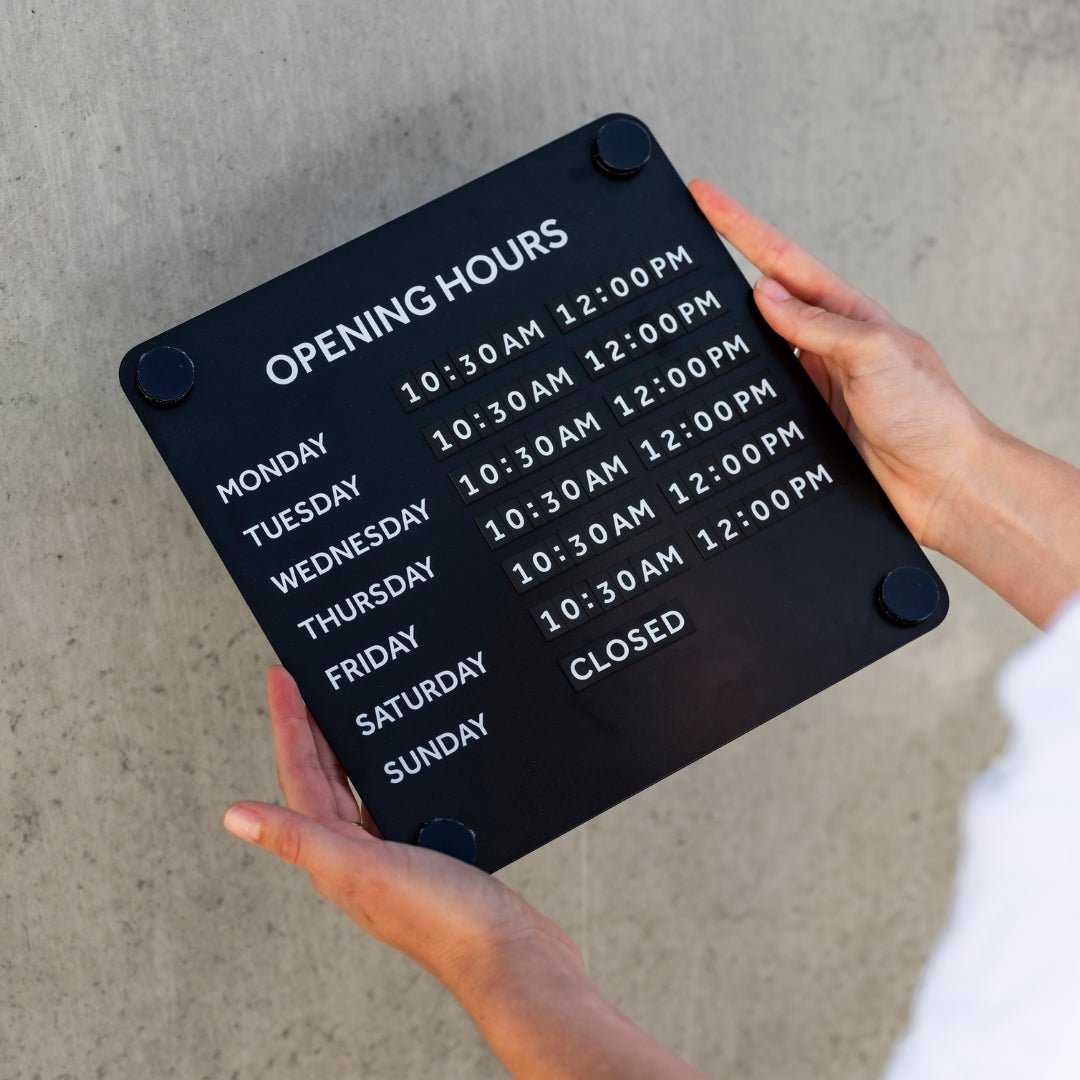
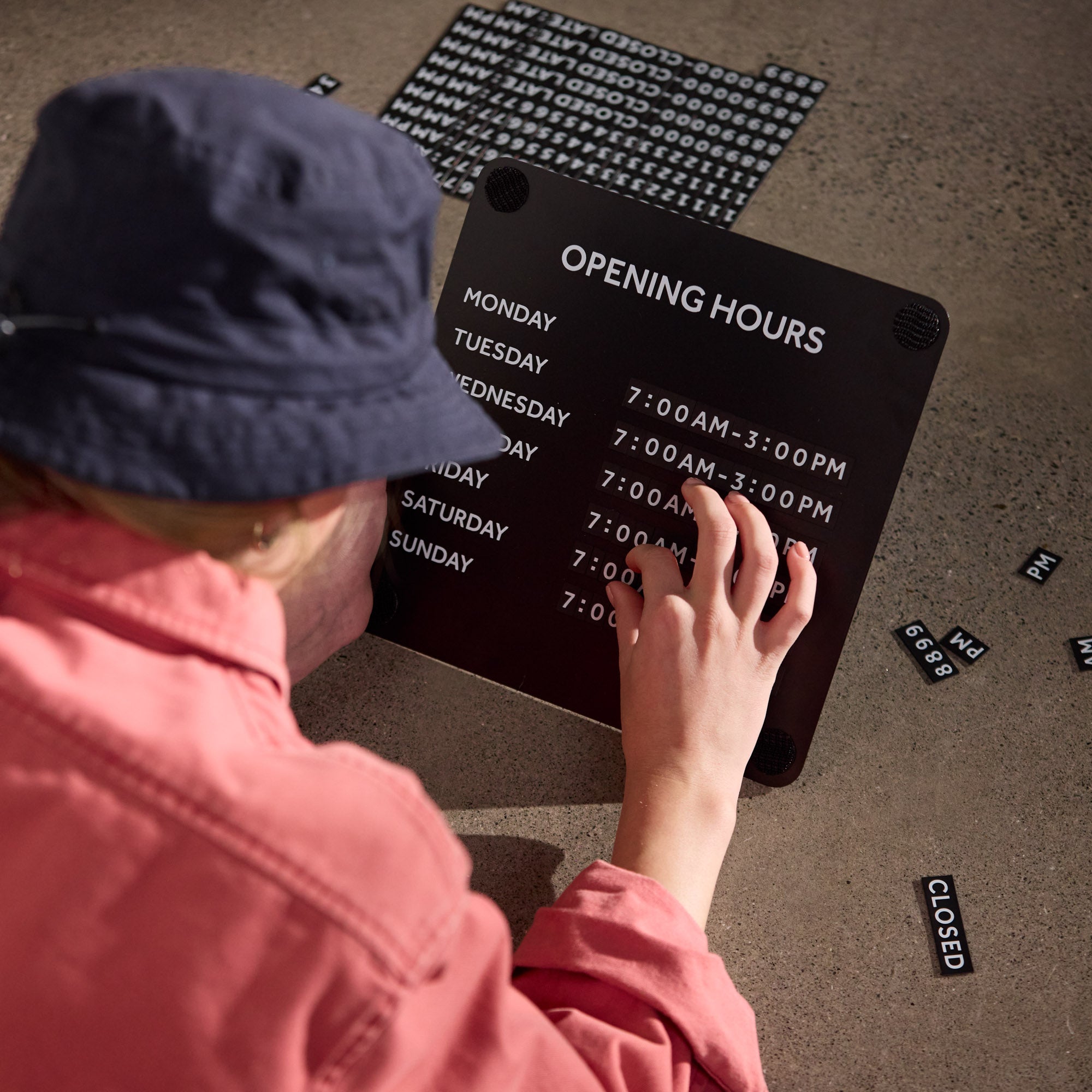
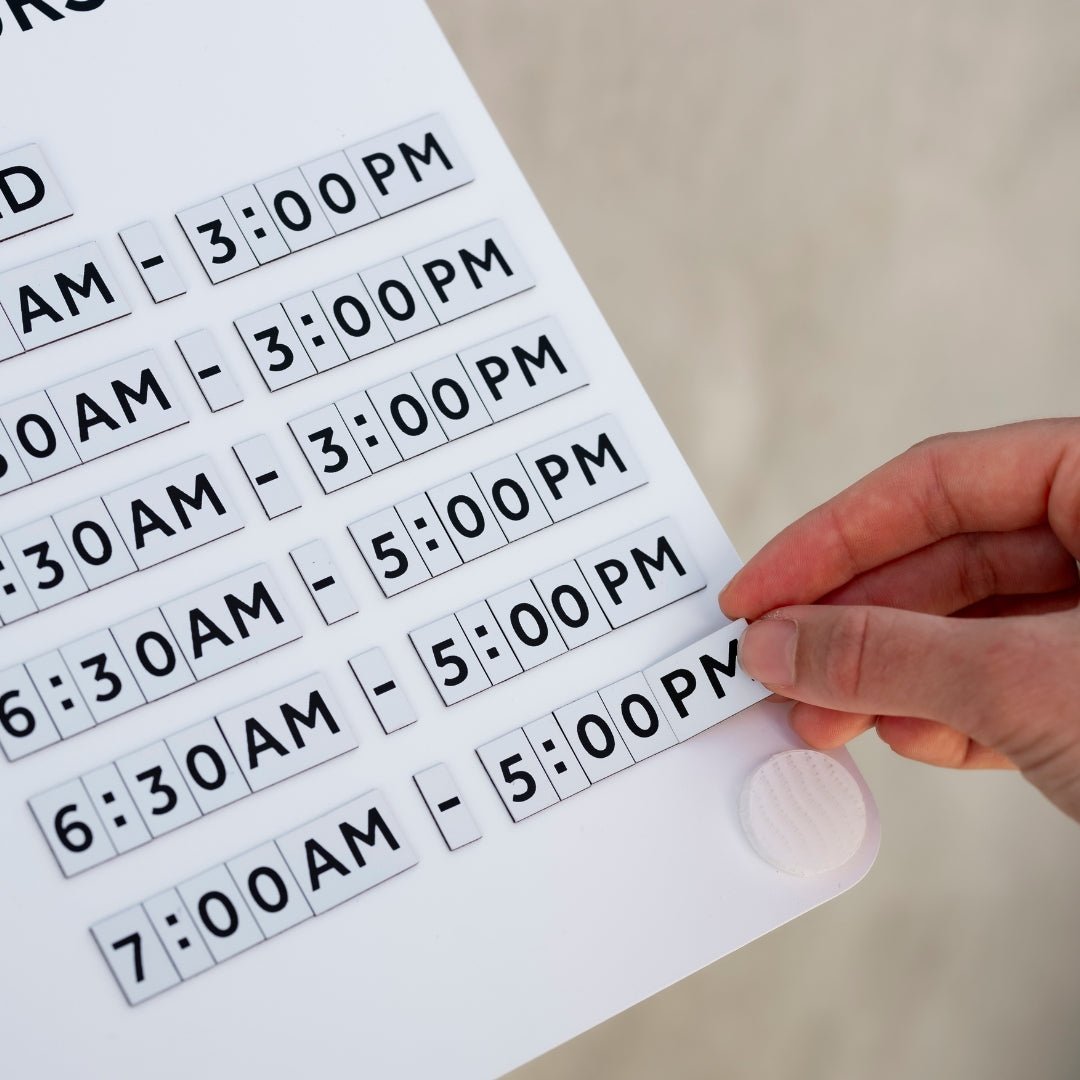
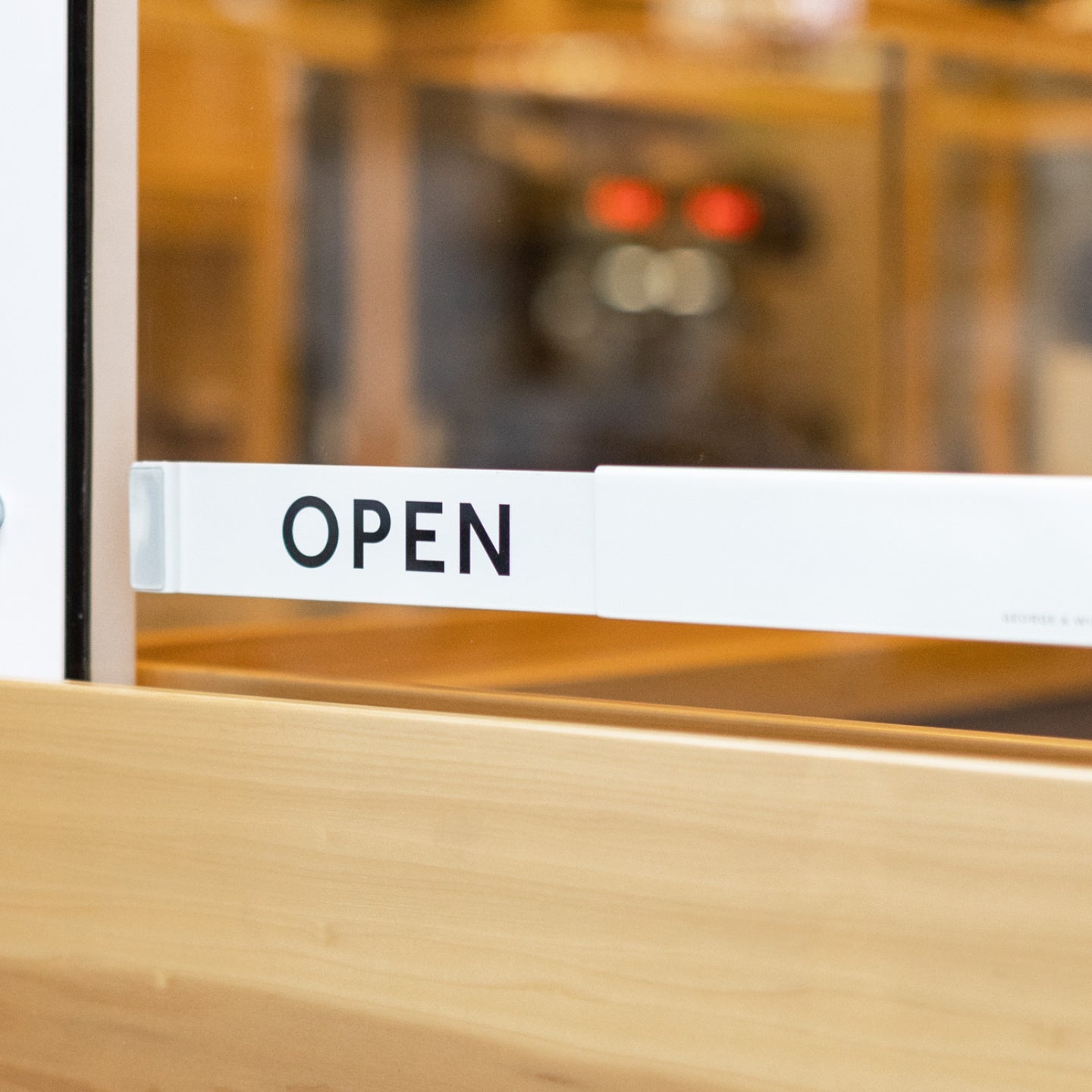
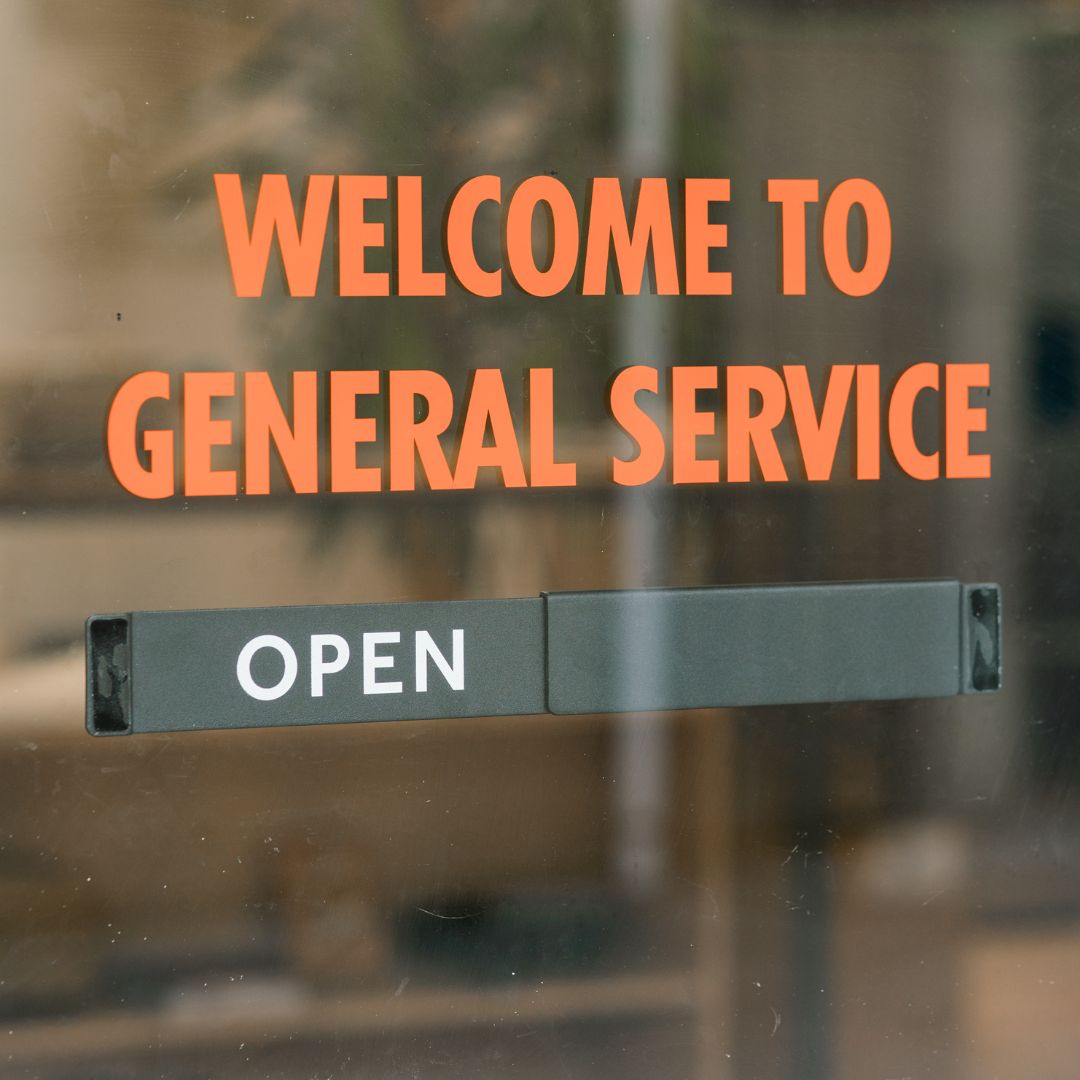
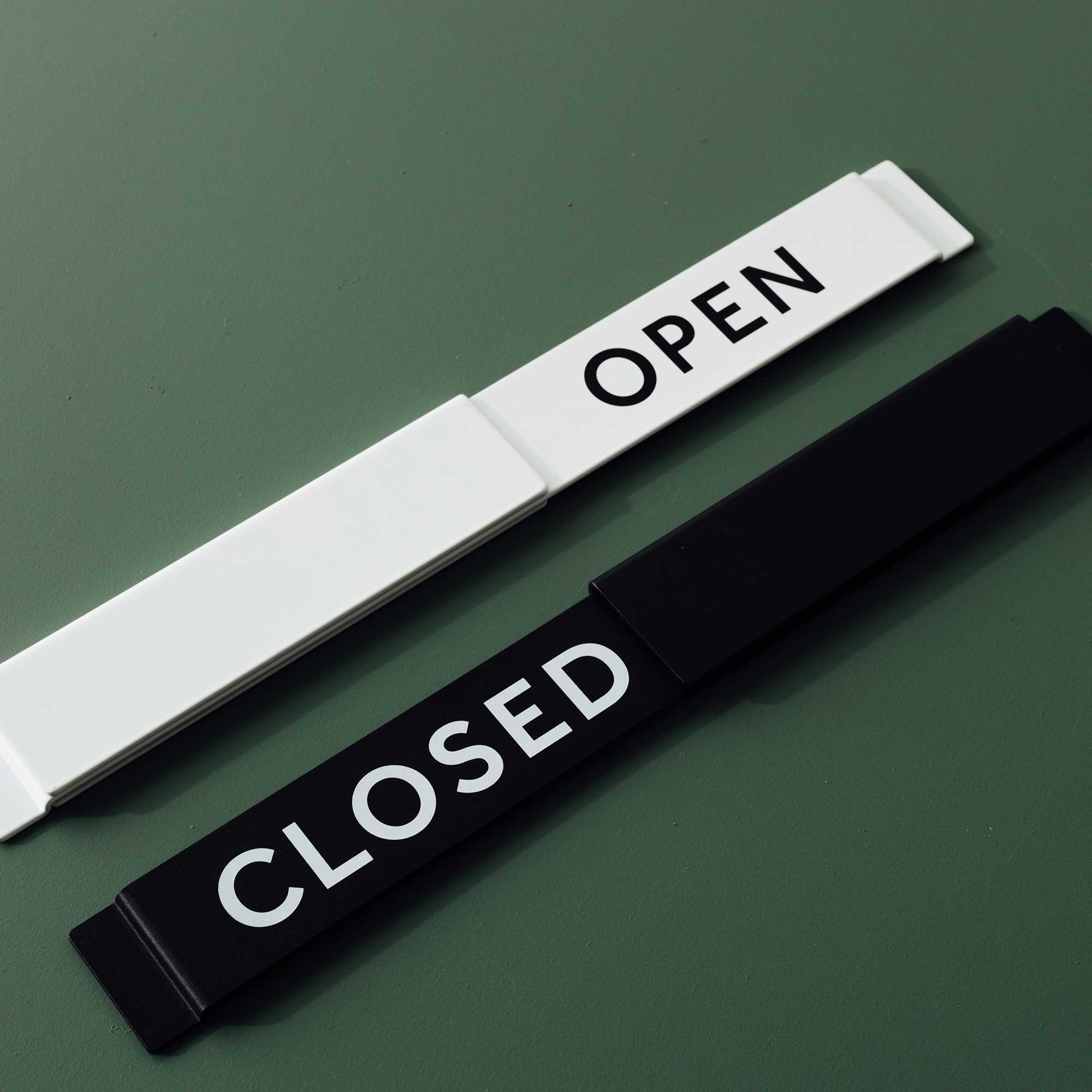
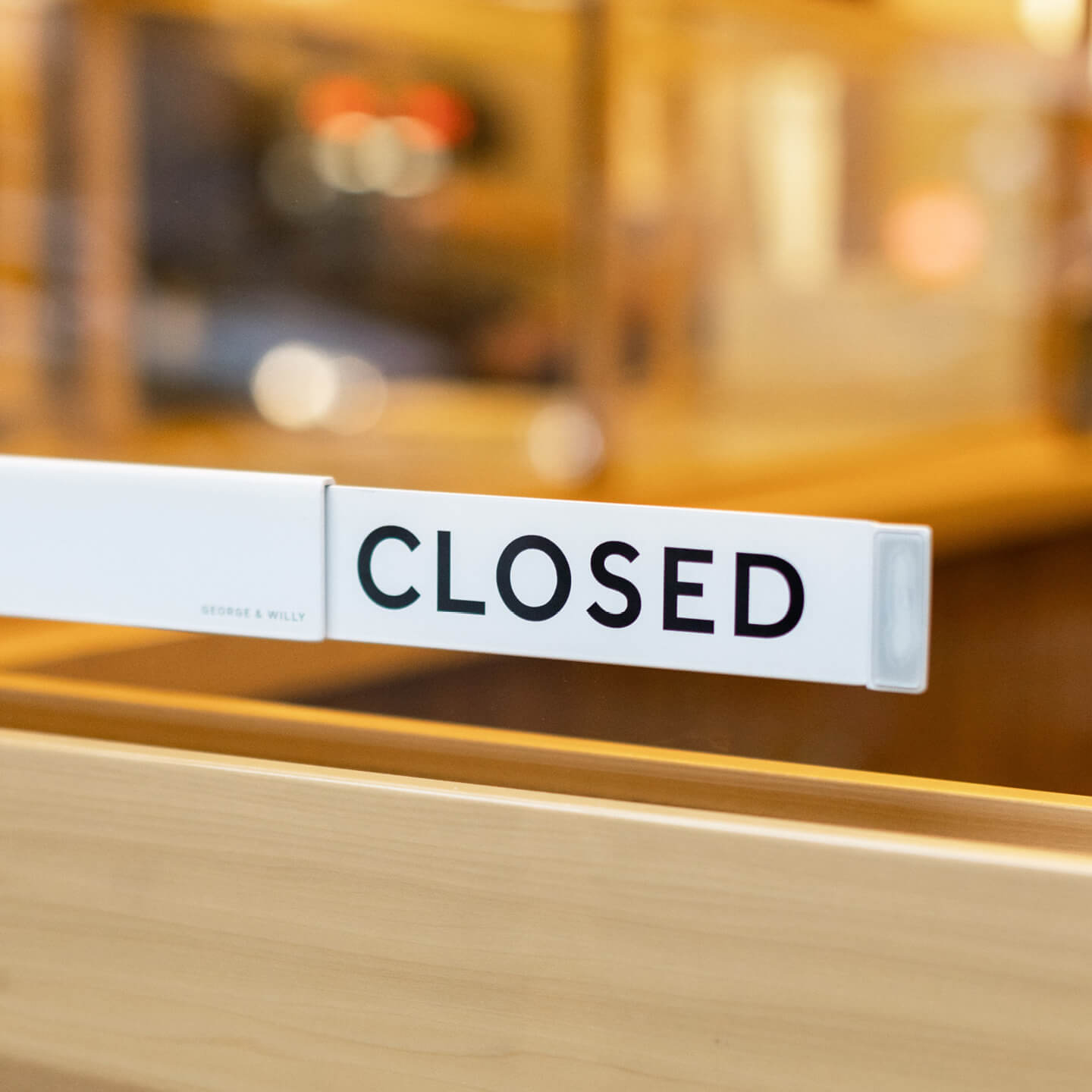
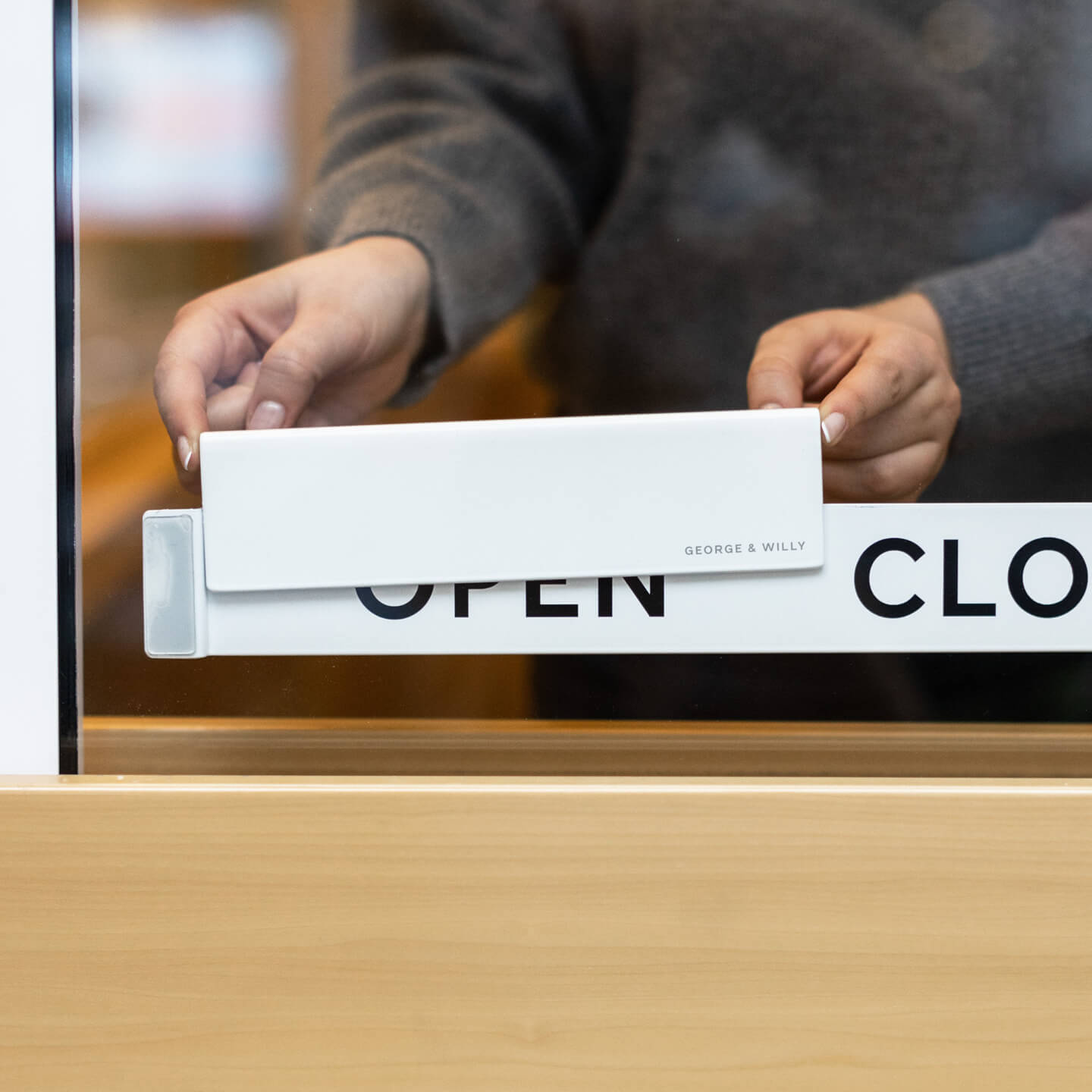
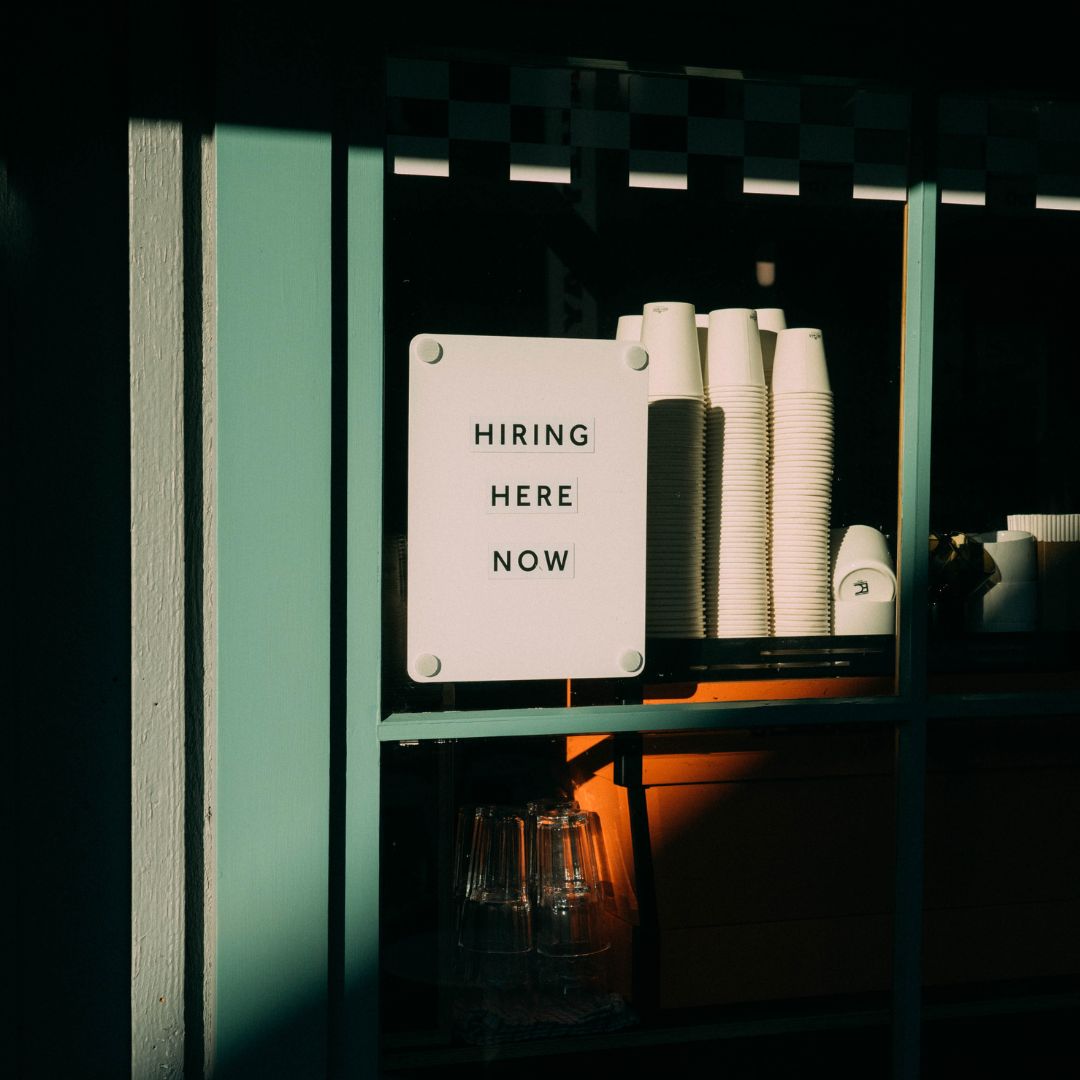
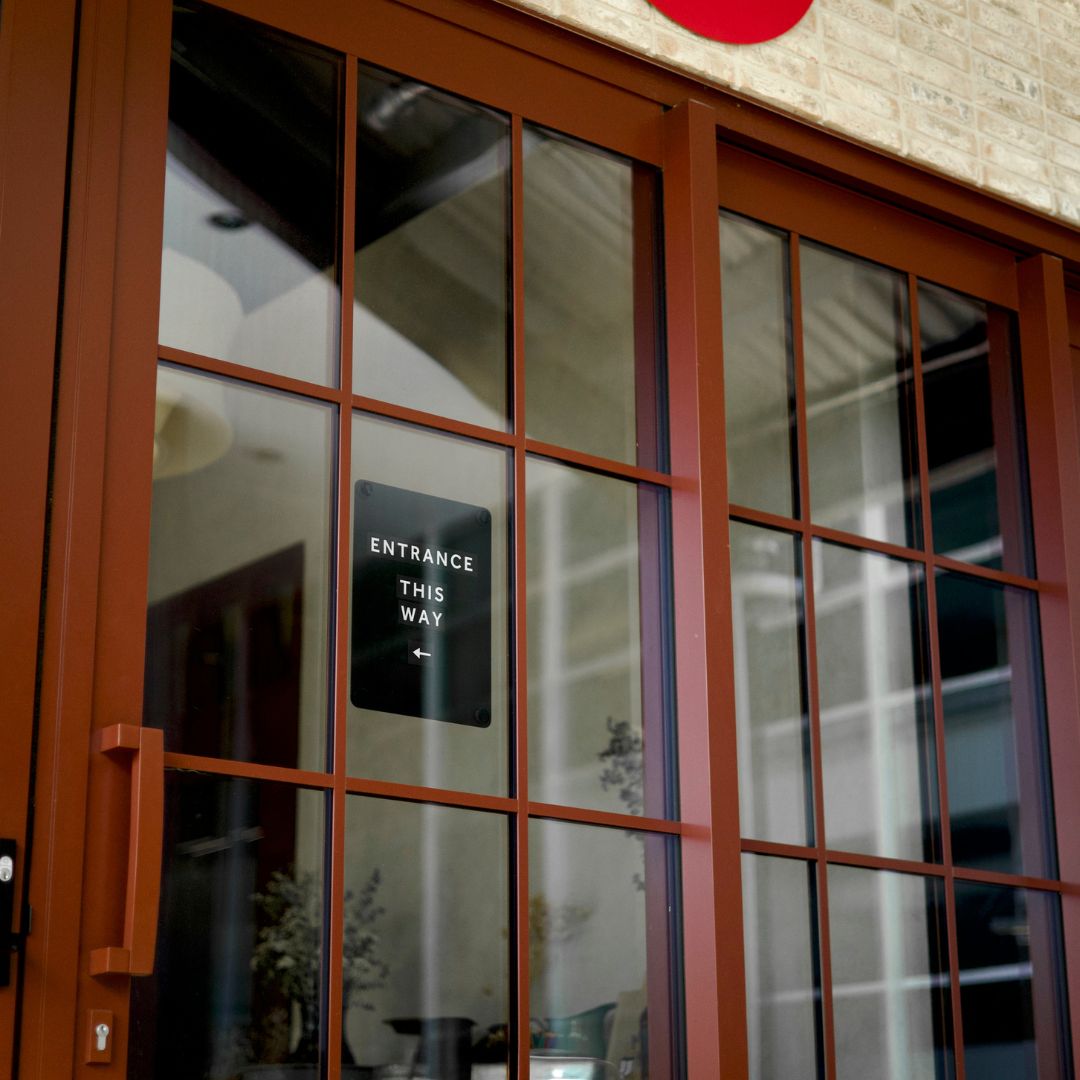
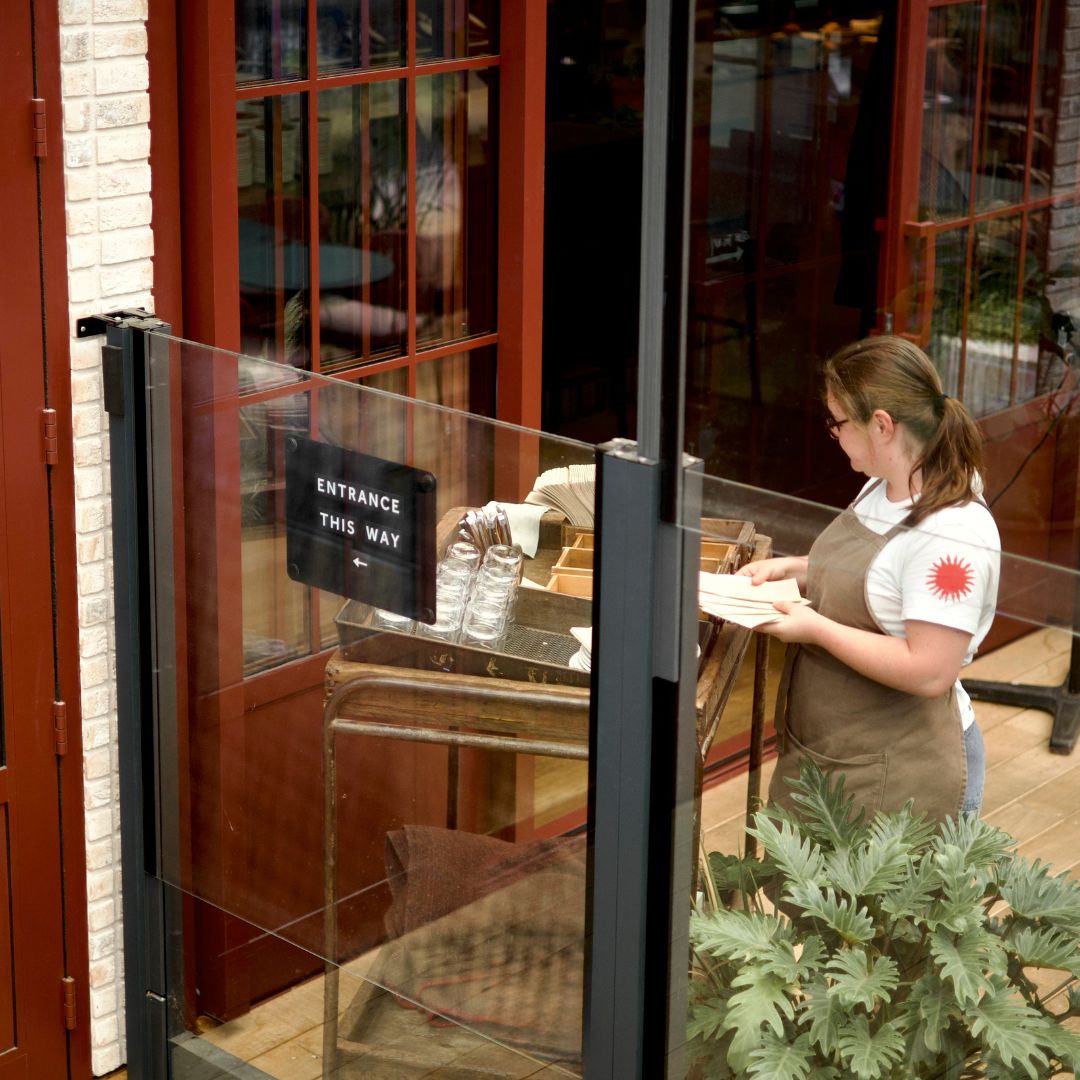
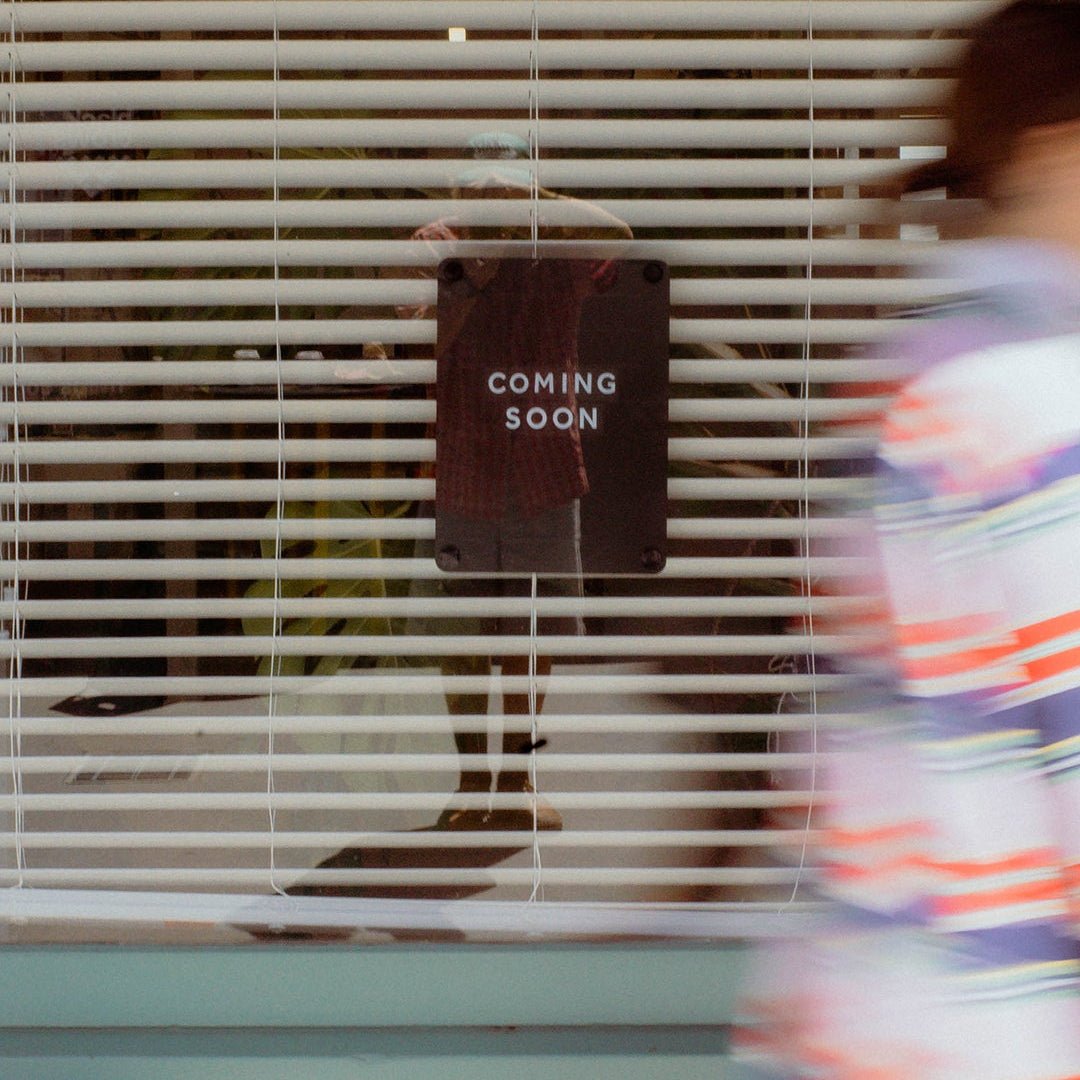
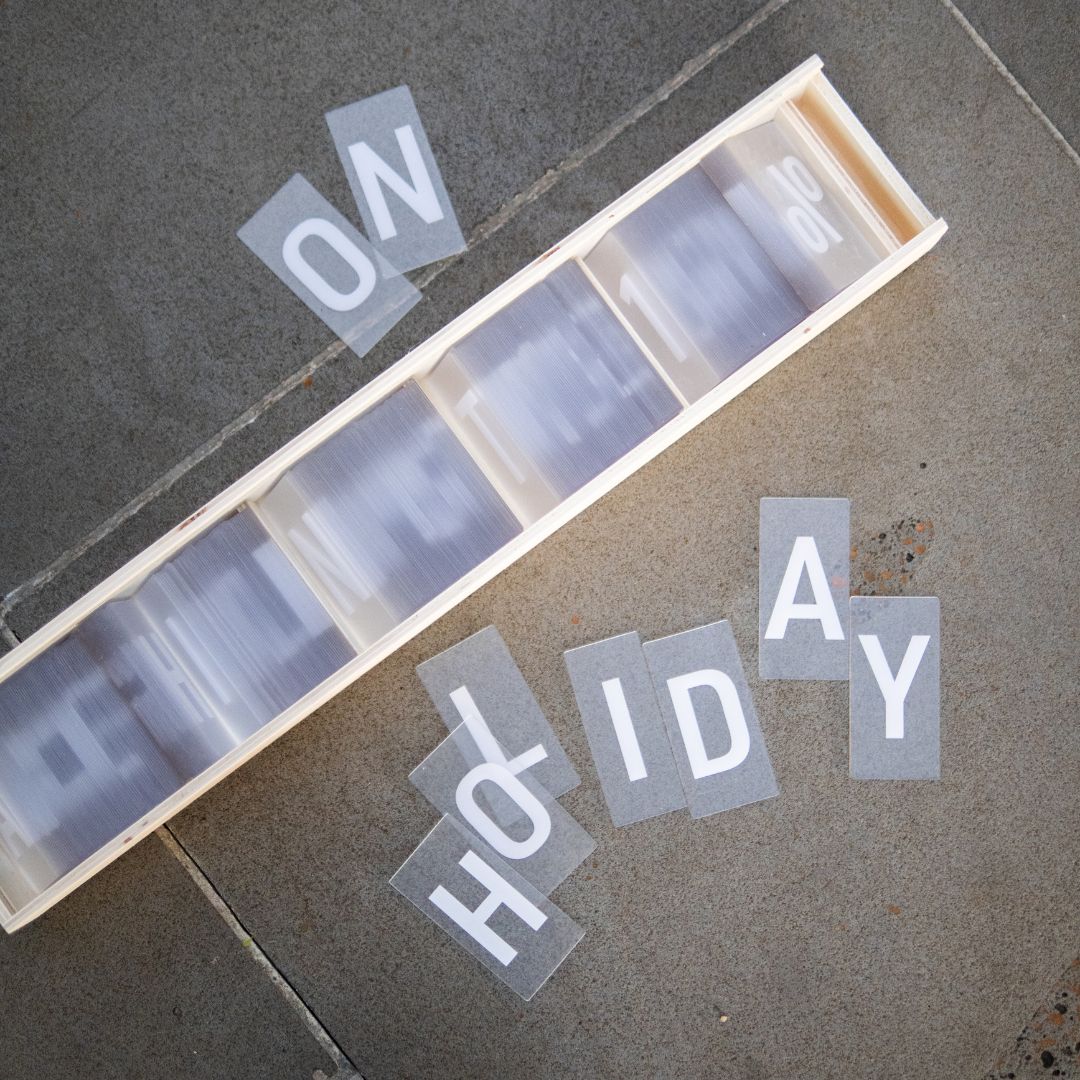
Door and window signs mount to the glass — trading hours with magnetic numbers, an open/closed slider, and a magnetic word board for anything else you need to say that day.
Inside: wayfinding
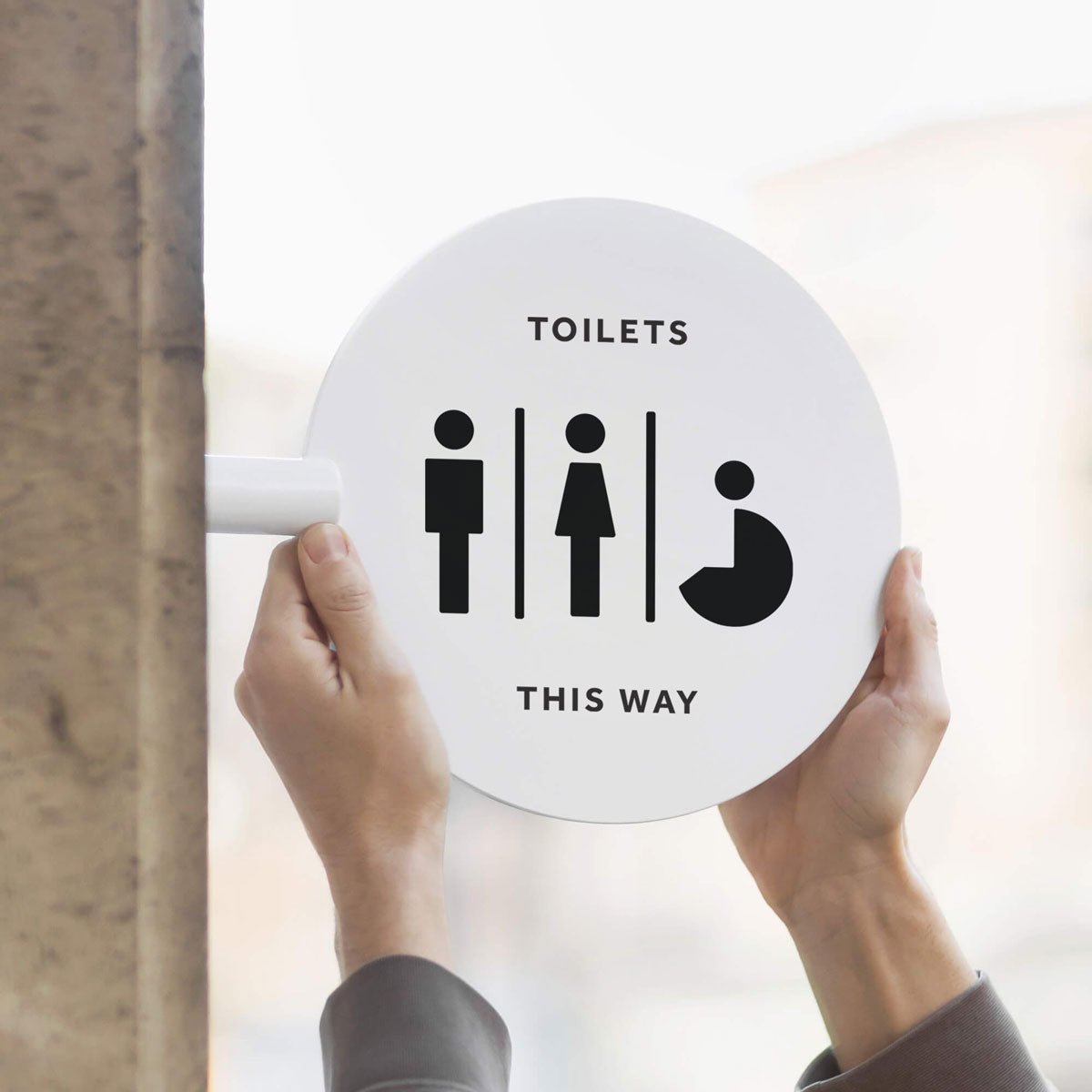
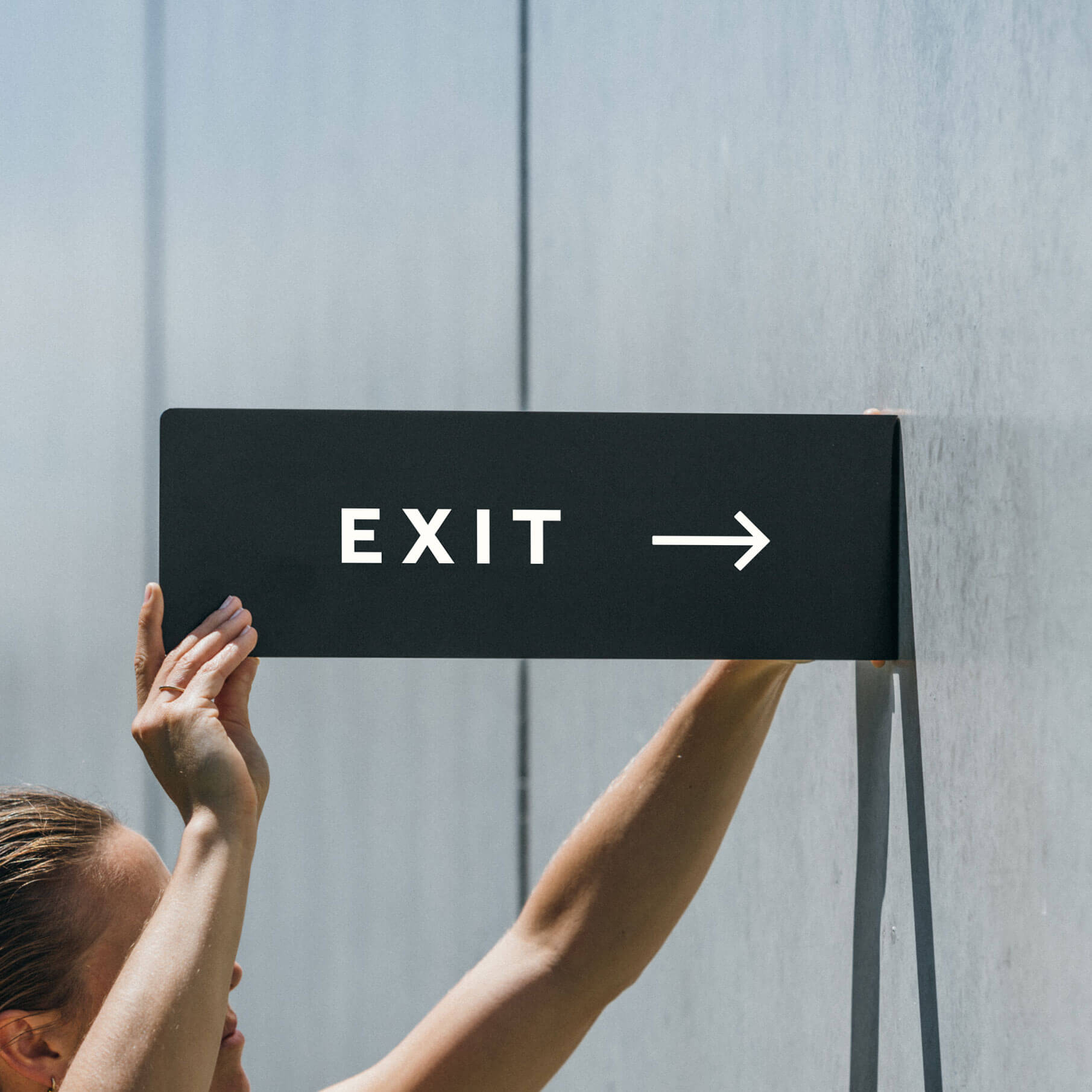
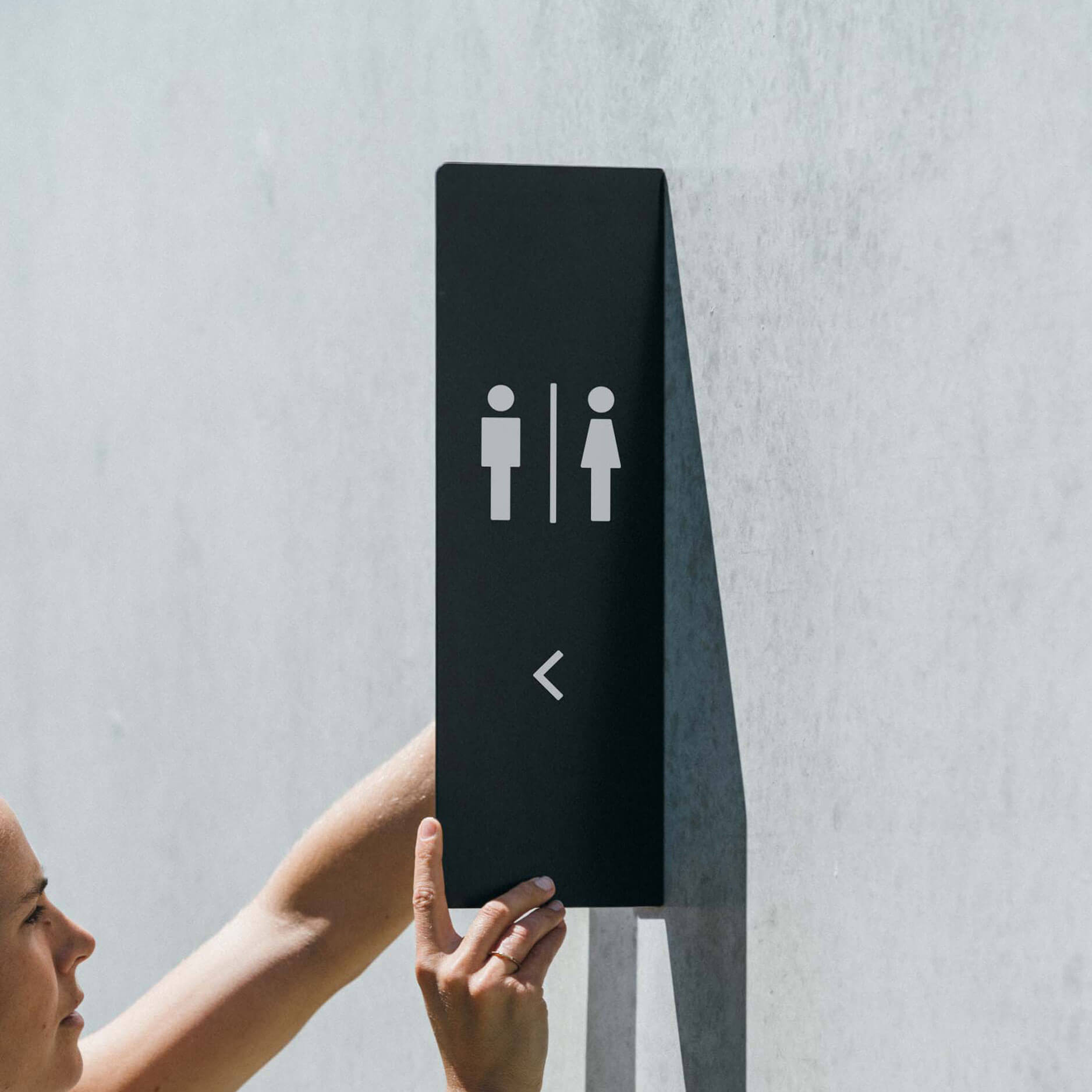
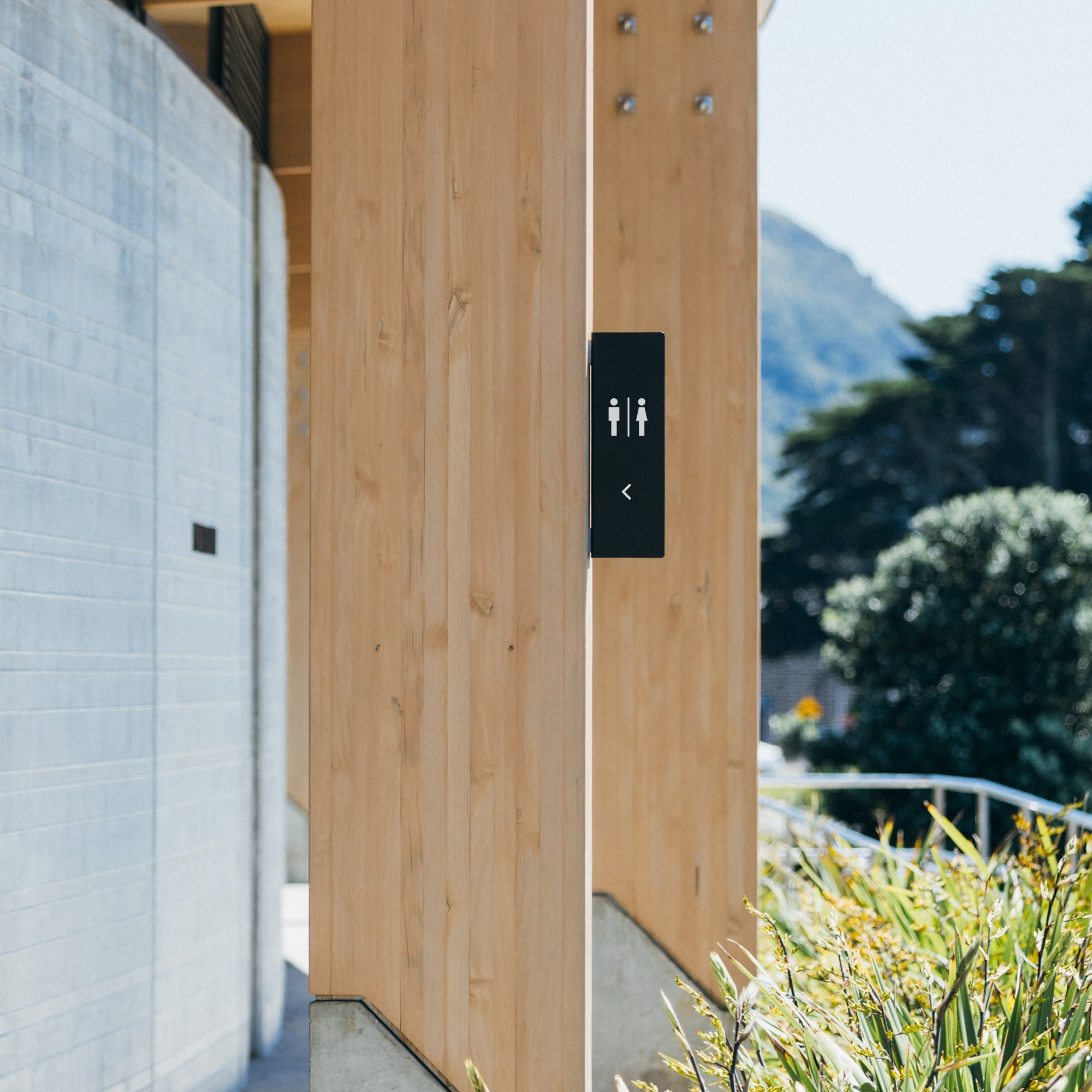
Bathroom and restroom signs project from the wall so they're visible down a corridor. Seven shapes, all supplied blank so you choose the symbol and wording.
Office signs cover room names, directional signage and reception.
At the counter
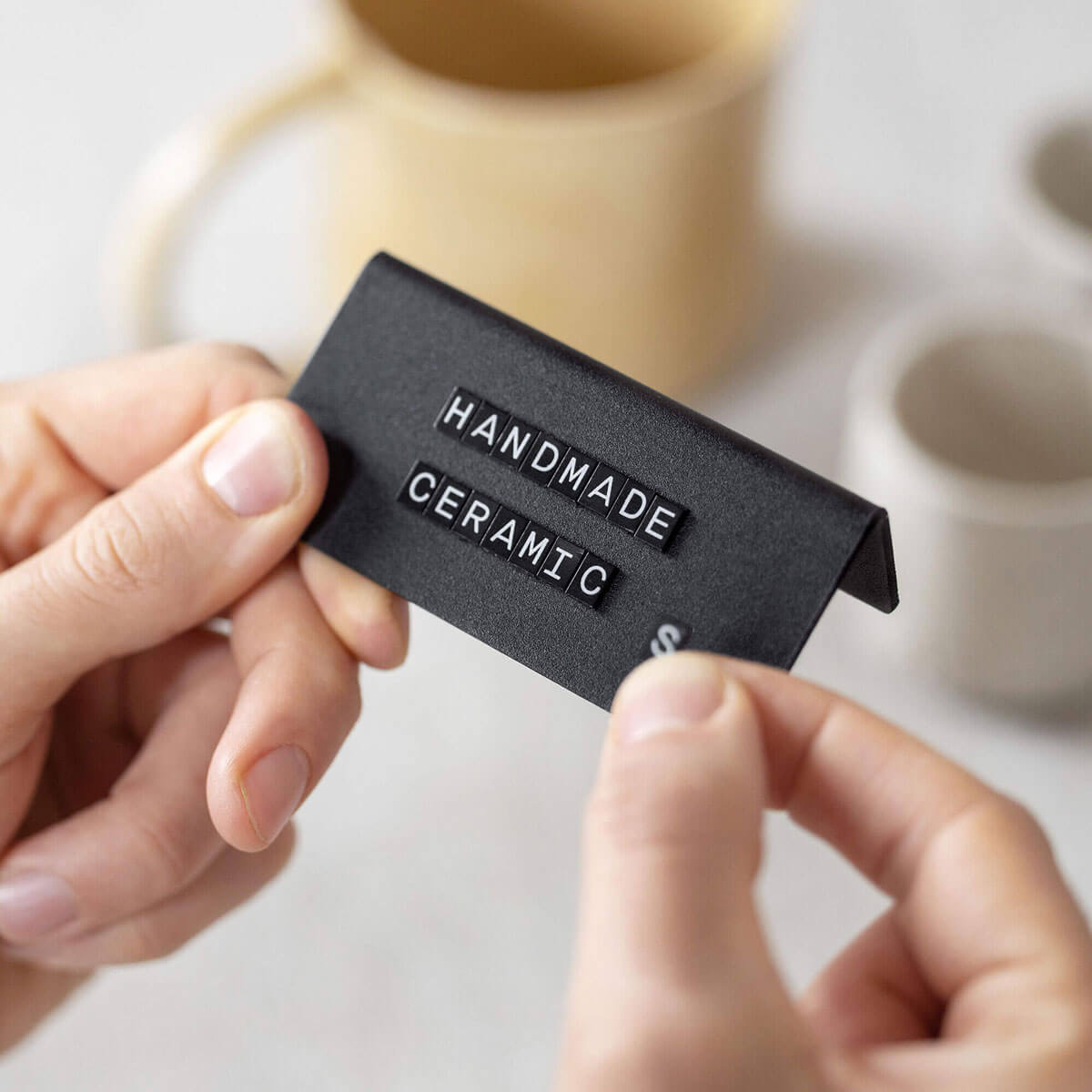
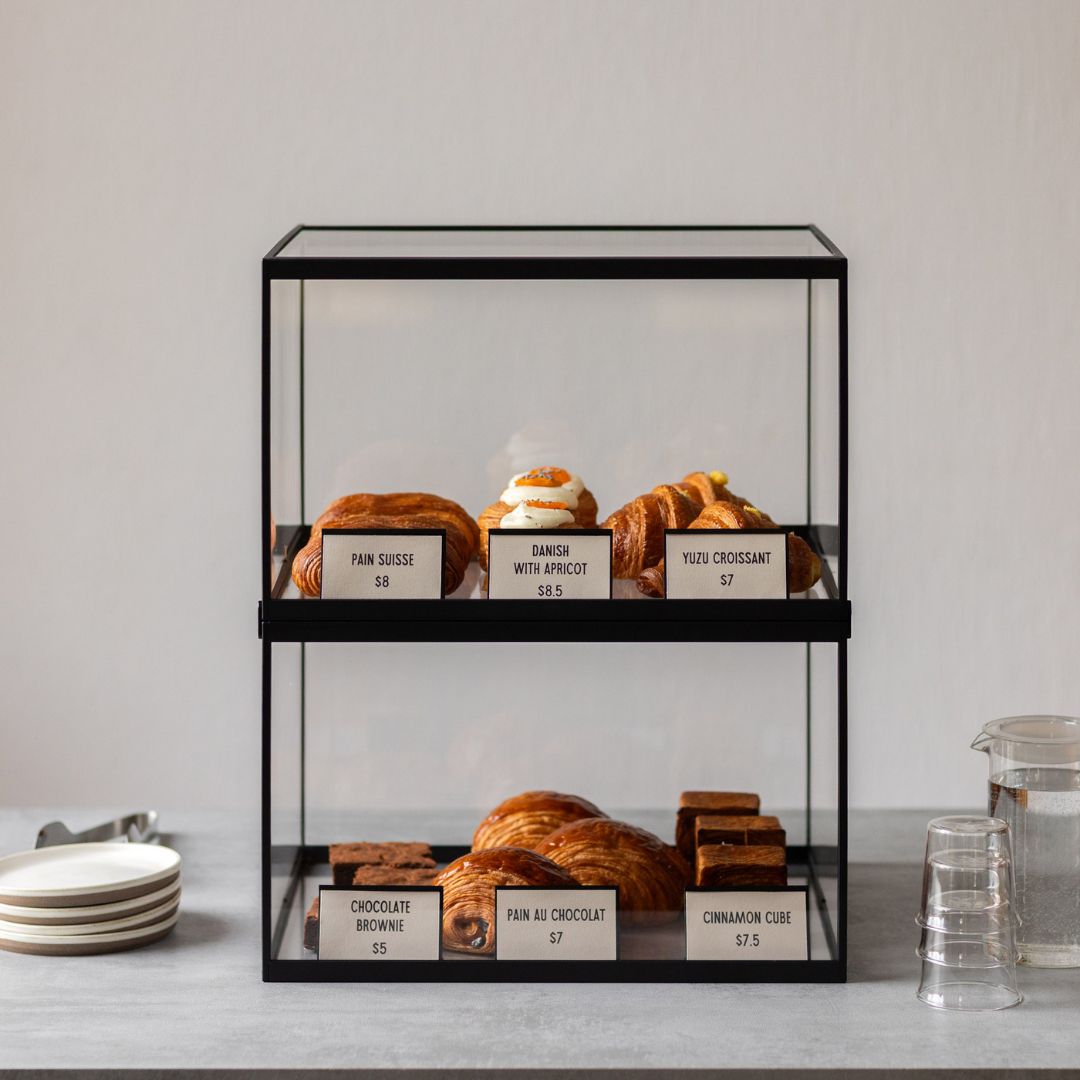
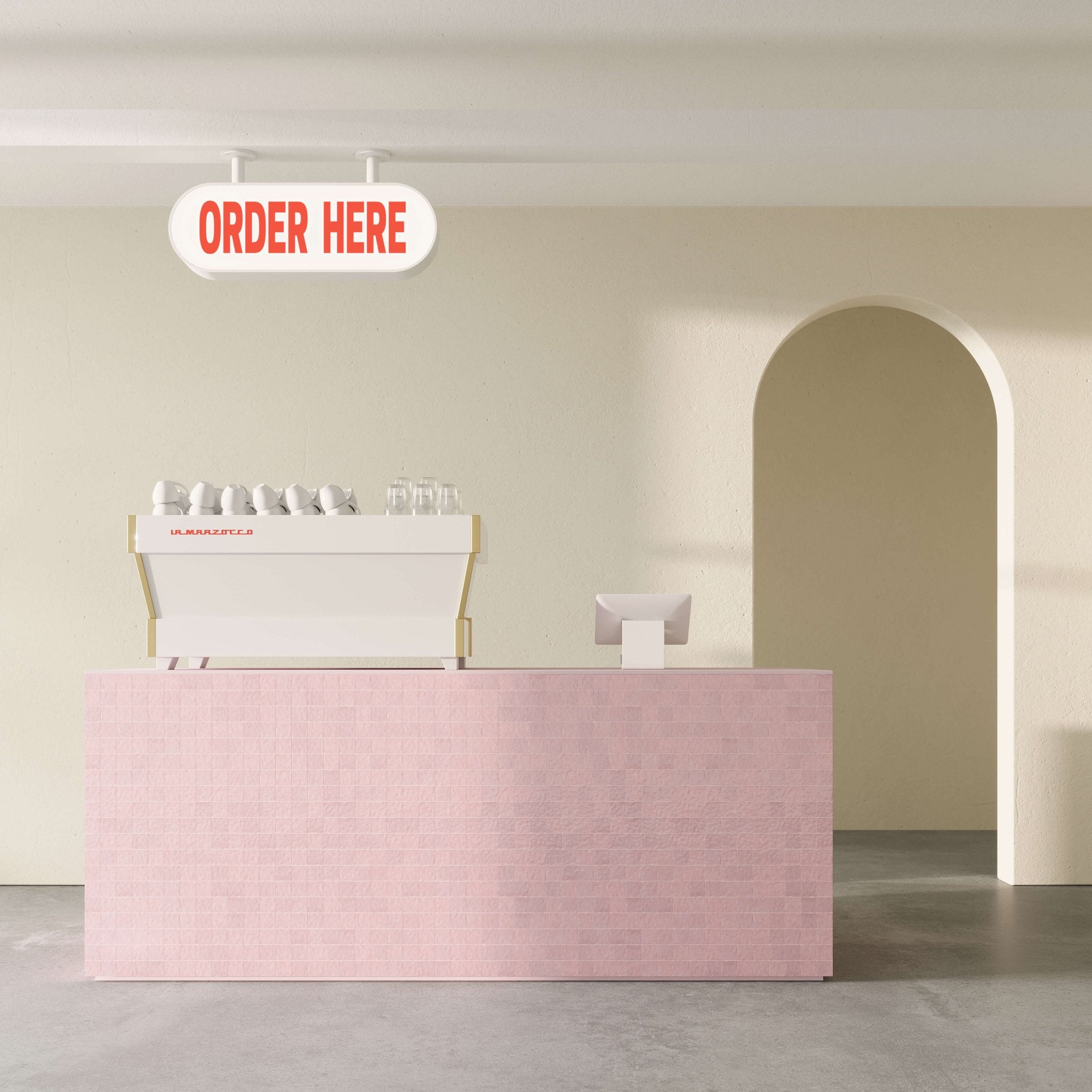
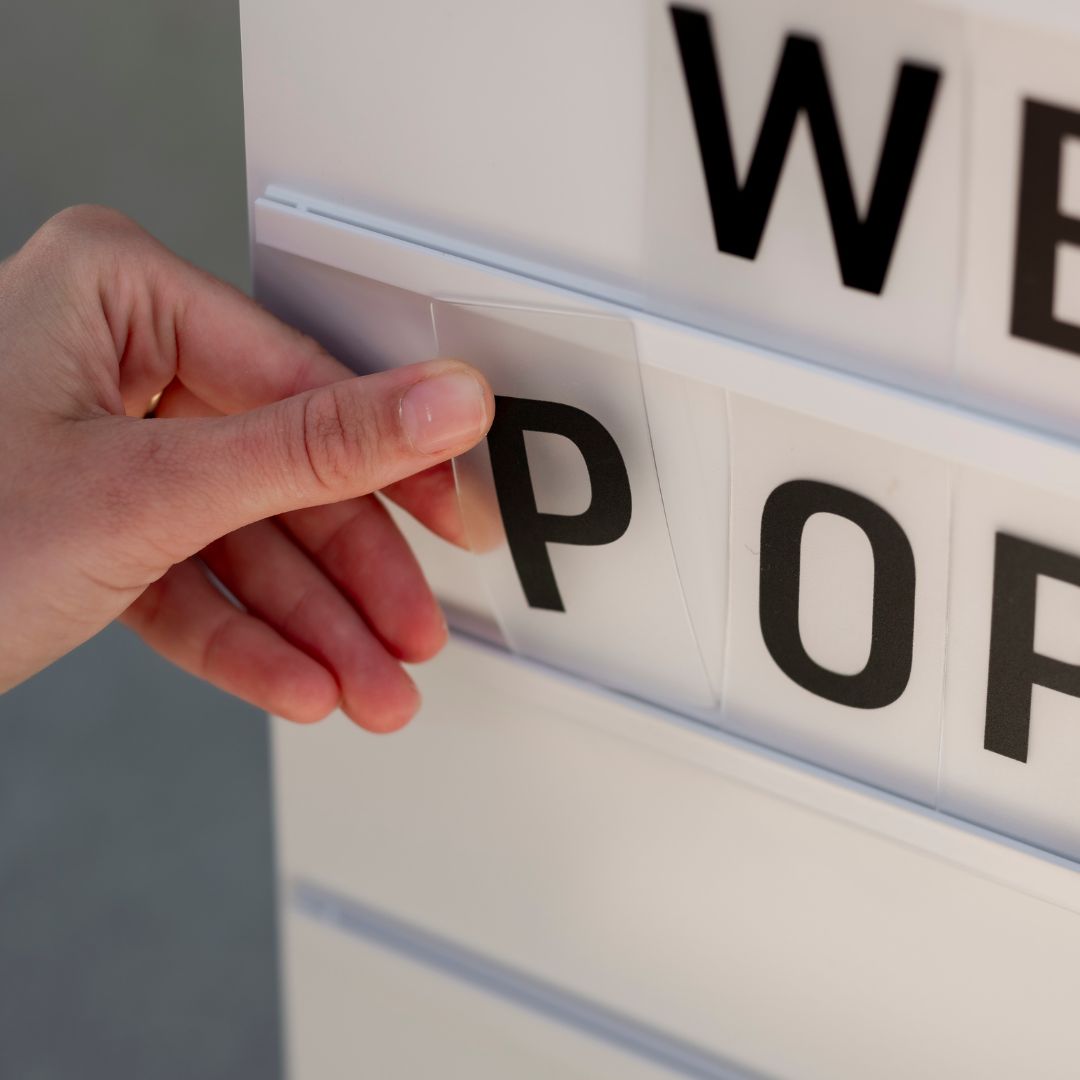
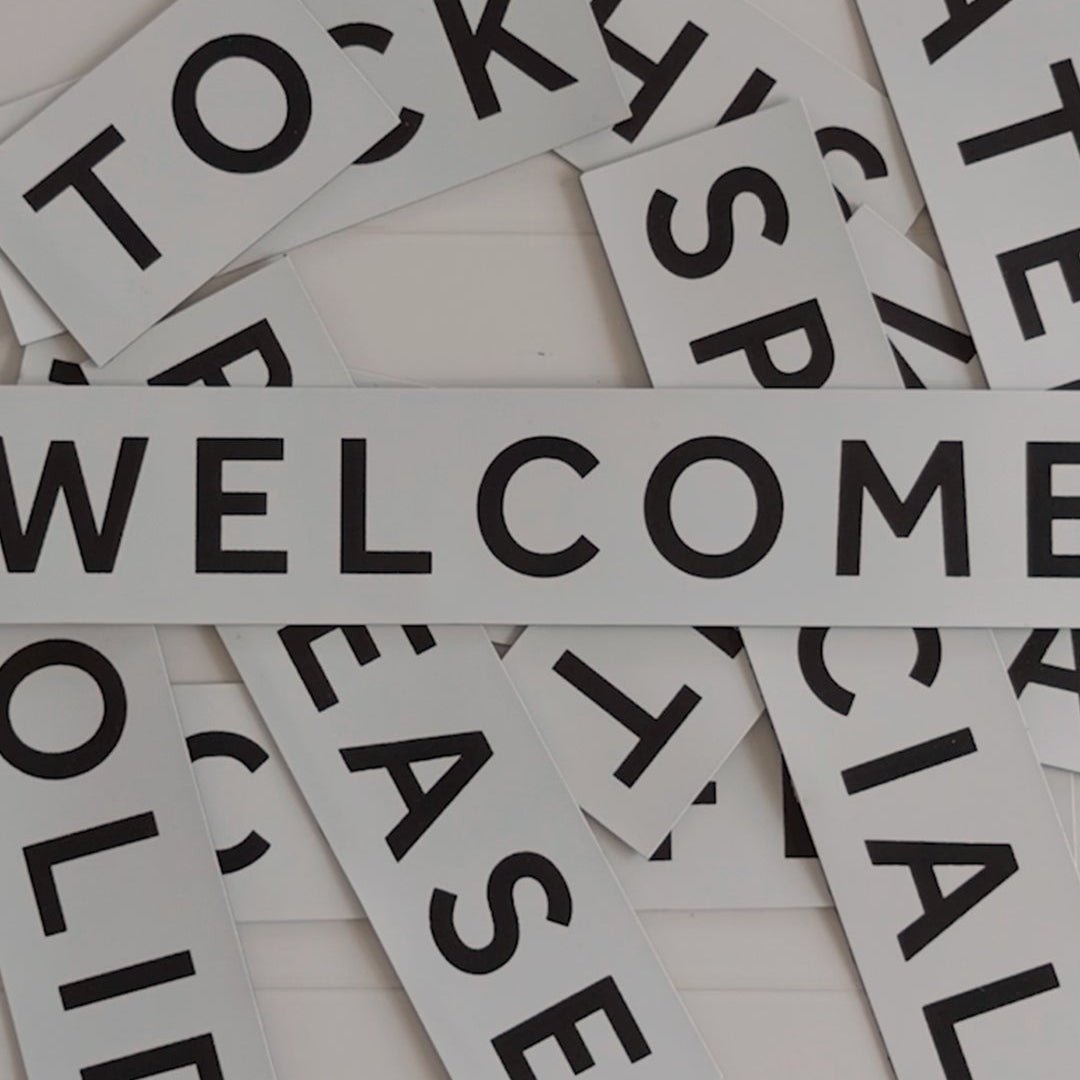
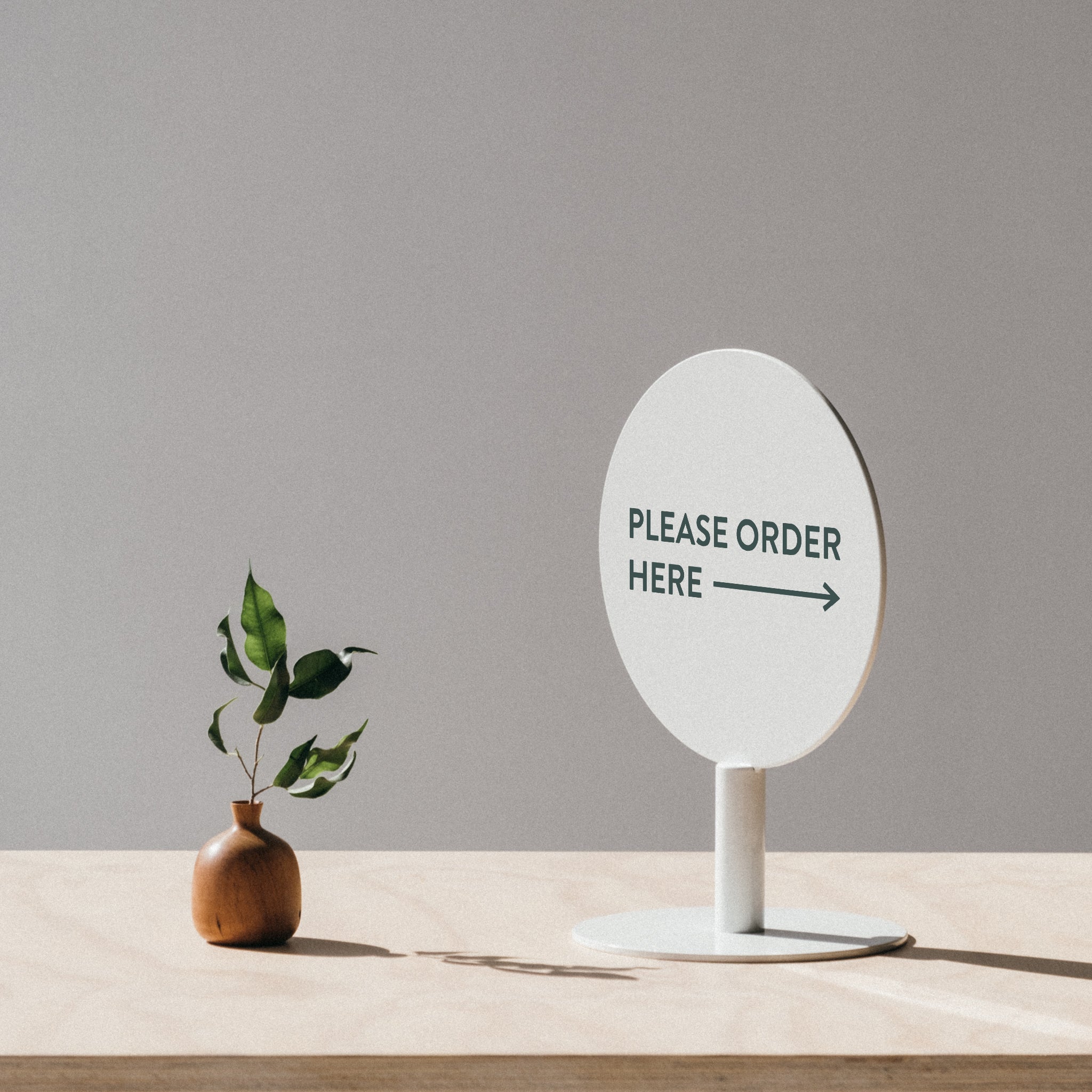
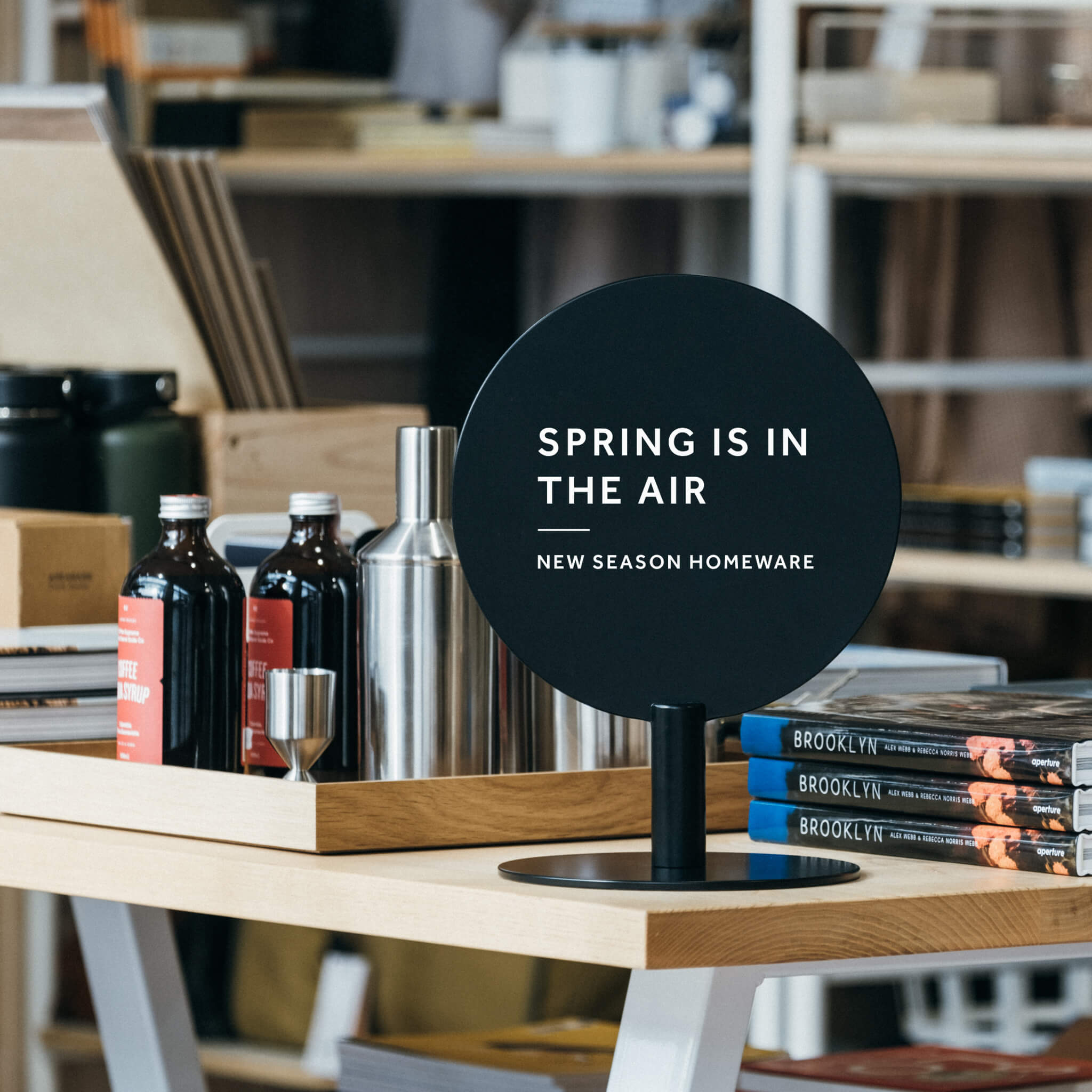
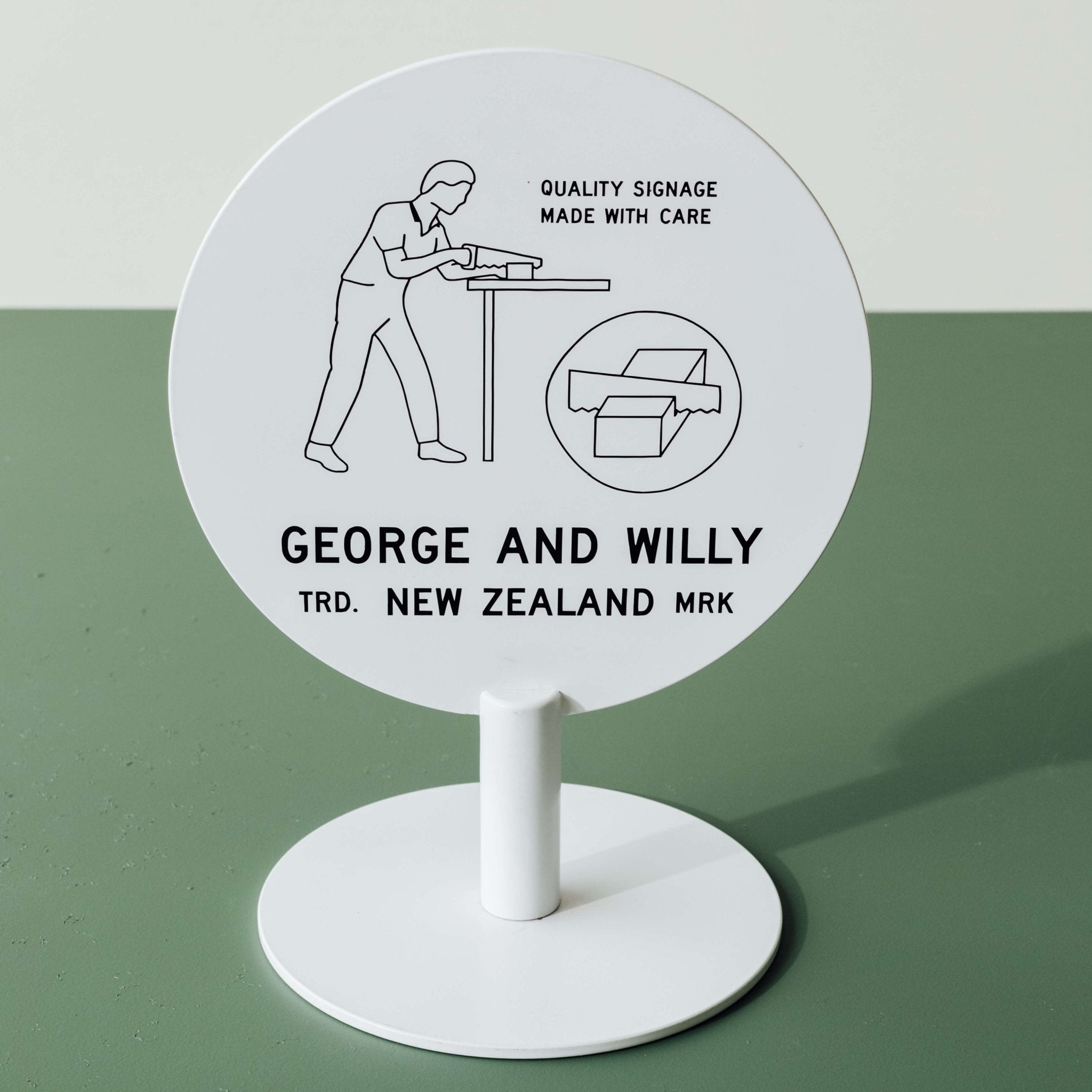
Tabletop and counter signs handle prices, product names and table numbers — magnetic letters, handwritten cards, or printed inserts, all updated in seconds.
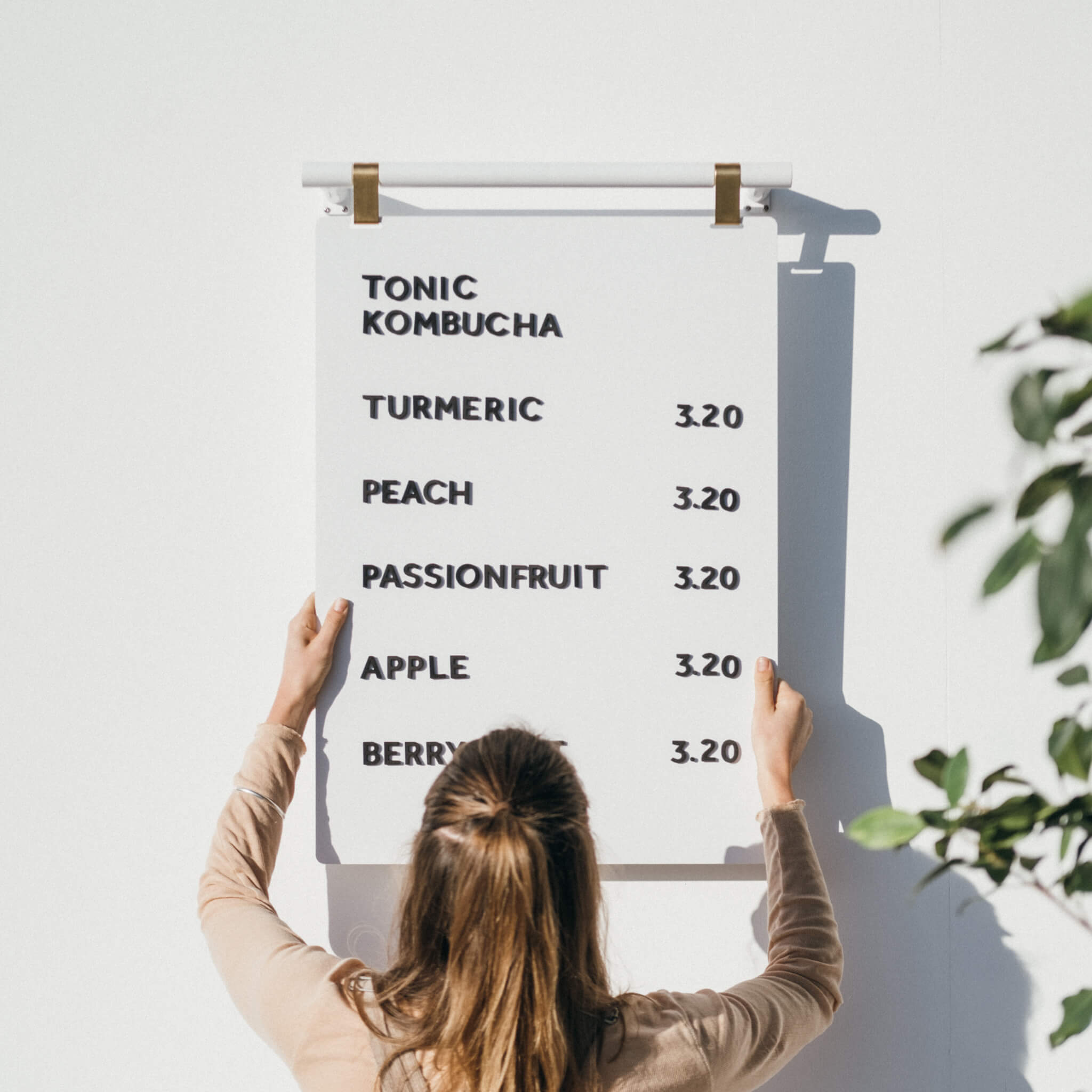
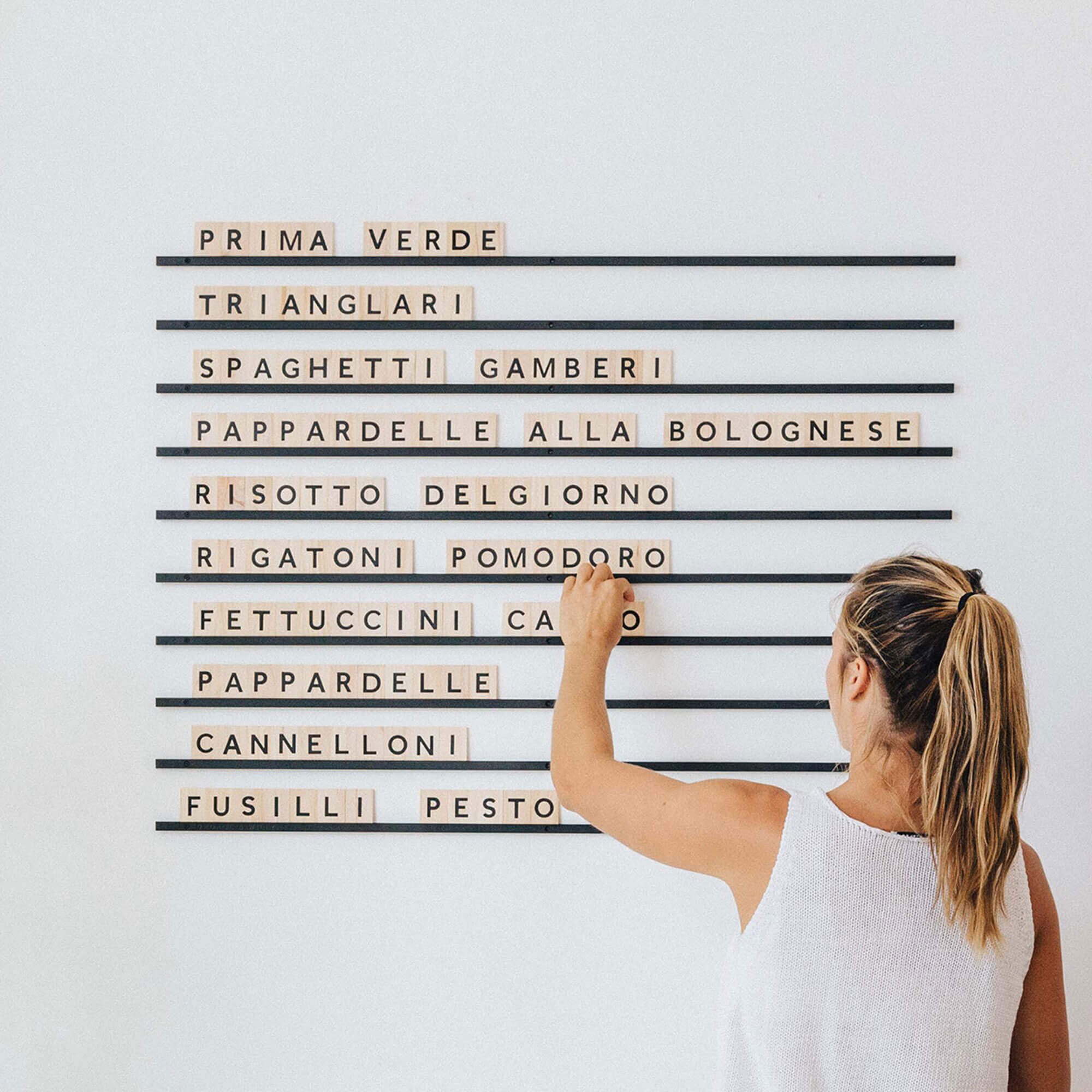
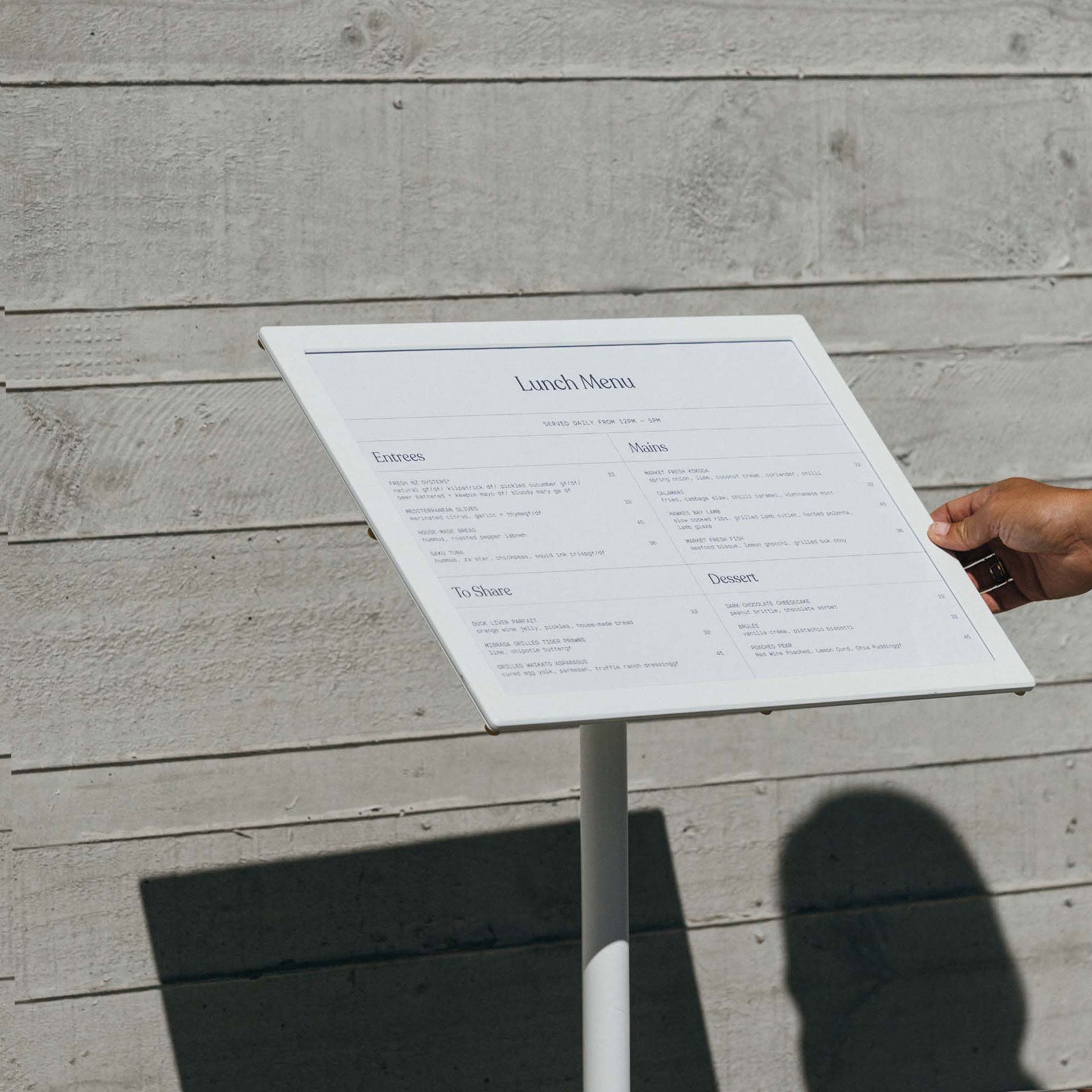
Menu boards display your menu on a wall, above the counter, or at an entrance.
Common questions
What signage does a business actually need?
At minimum: something outside that identifies you, and your trading hours at the door. Beyond that it depends on your space — a venue on a busy footpath benefits from a sidewalk sign; one set back from the street needs a projecting blade sign to be seen at all; anywhere with public facilities needs restroom signage.
The test is whether a first-time visitor could find you, know whether you're open, and find their way around without asking.
Which sign is best for a narrow or busy street?
A blade sign. Because it projects perpendicular to the building, it's visible to people walking along the street rather than only those directly in front — which is the difference between being noticed and being walked past on a busy footpath.
What if I can't drill into the building?
Freestanding signage needs no fixings at all. Sidewalk signs and standing signs sit on the footpath and come inside at close, which also suits leased premises, footpath trading and businesses that reconfigure often.
Which signs work outdoors?
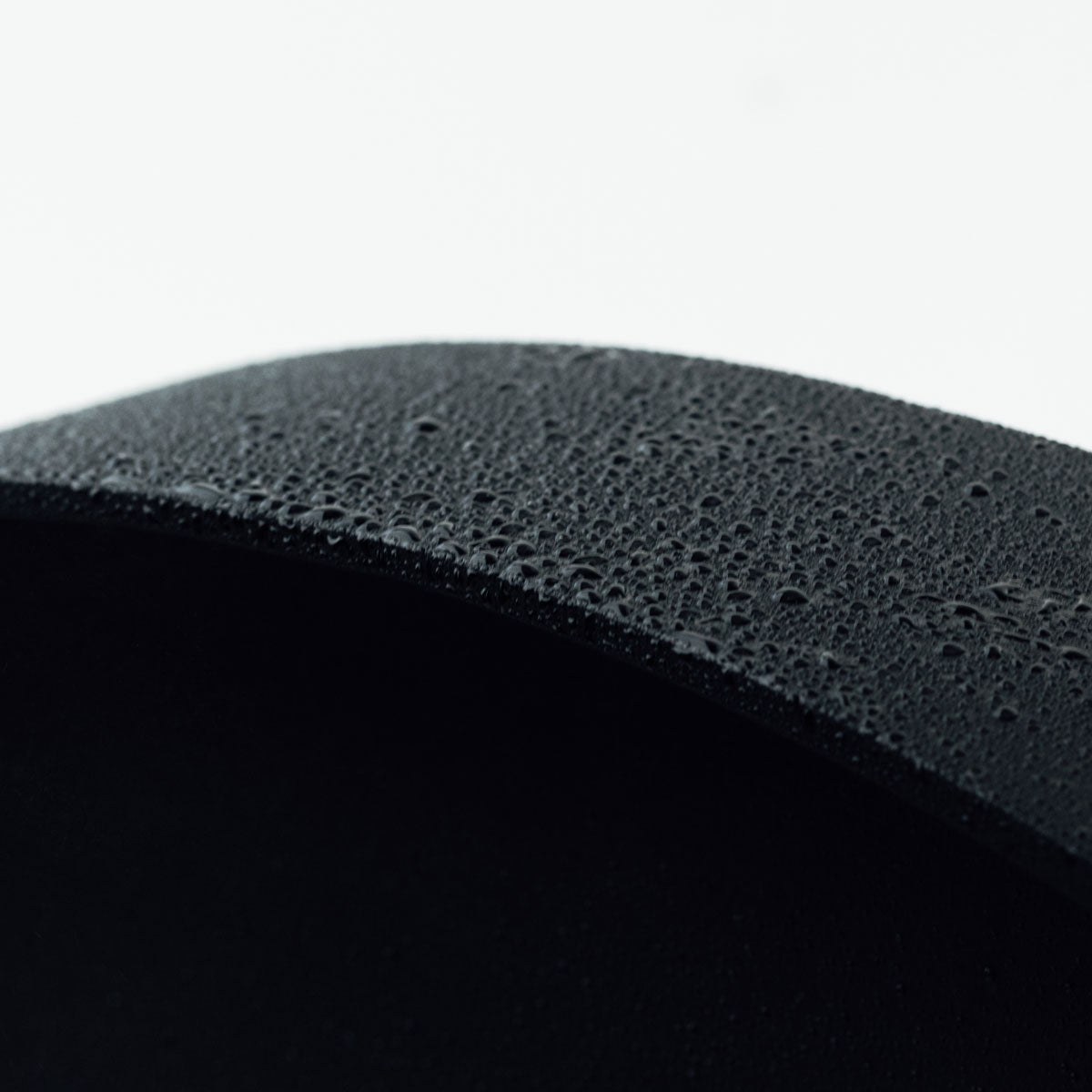
Our aluminum signs — sidewalk, standing, blade and light box — are built for exterior use and won't rust, including in coastal locations. Menu boards and counter signs contain steel elements, so they're for indoor use or fully covered areas.
Can I get signs with my logo on them?
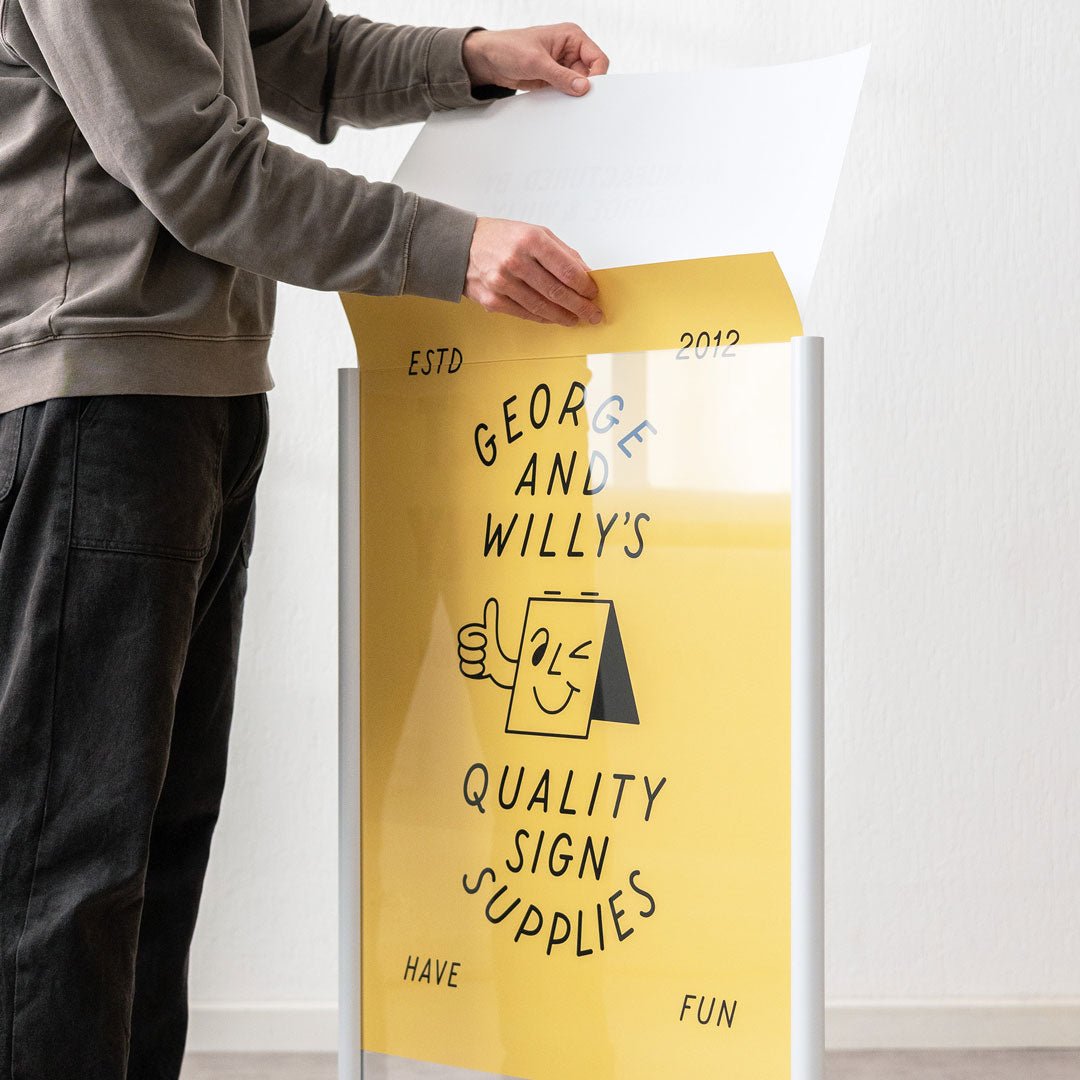
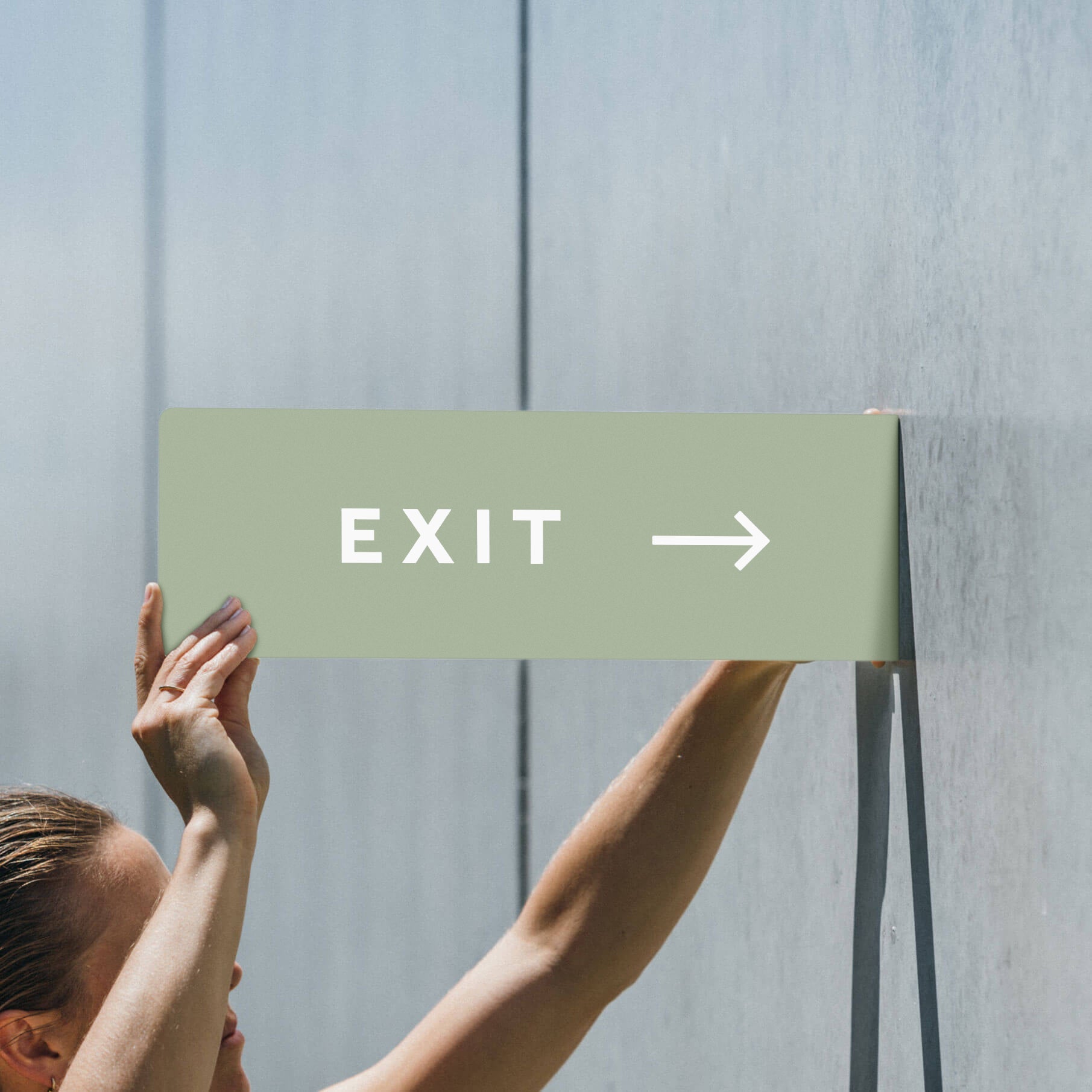
Yes, and this is how all our signs work. They arrive blank, and a local signwriter applies a vinyl decal of your artwork. That means the sign is genuinely custom to your branding, and you can change the artwork later without replacing the sign. For a different colour, a local powder-coating specialist can recoat the sign — our guide to powder coating covers the process.
Do I need council approval?
It depends on the sign and your location. Signs projecting over a public footpath, and freestanding signs placed on one, often need consent — with rules covering projection, clearance height and sometimes size. Requirements vary by council, so check locally before installing.
Do you ship to my country?
We ship to the United Kingdom, Europe, the USA, Canada, Australia, New Zealand and Japan. Full details are on our shipping page.