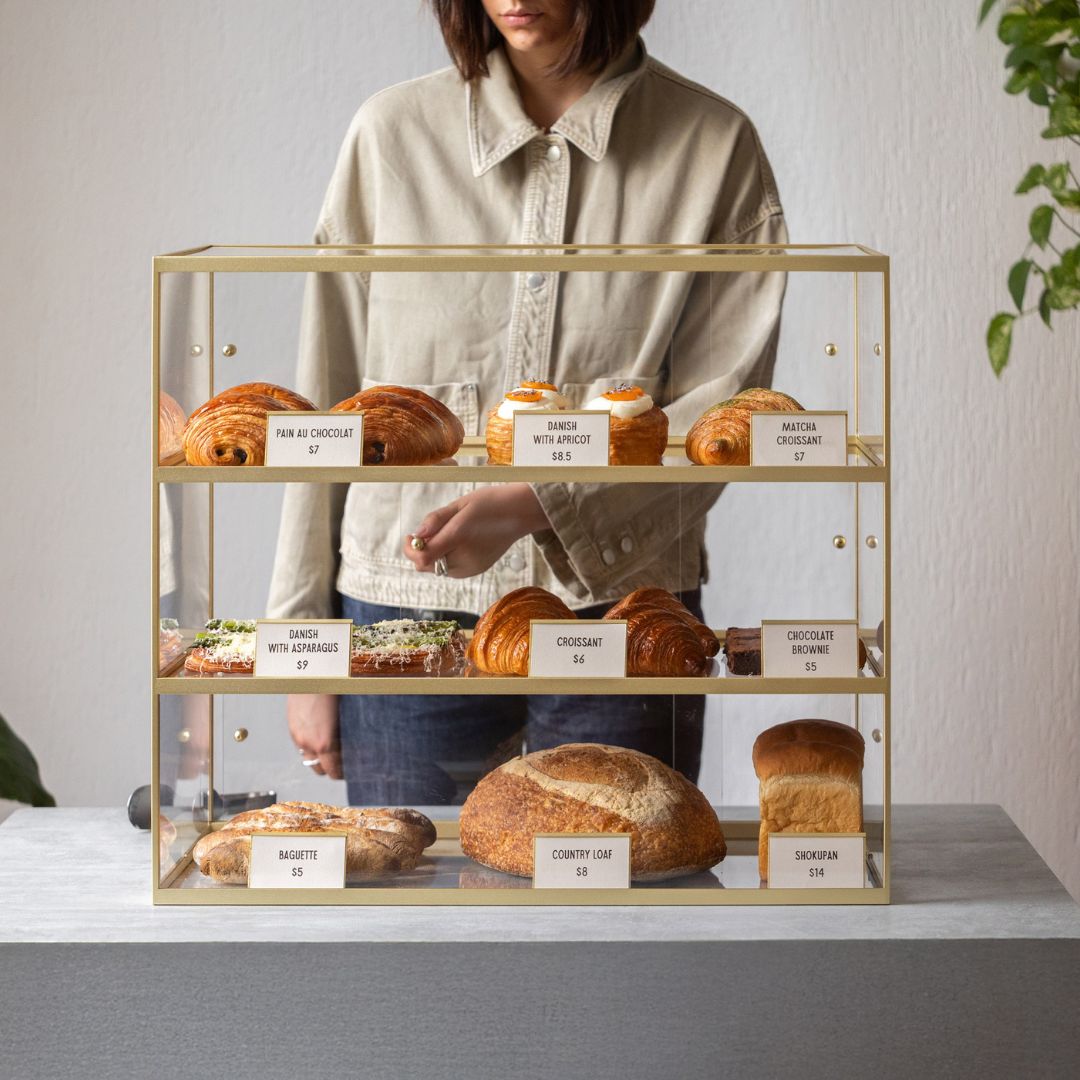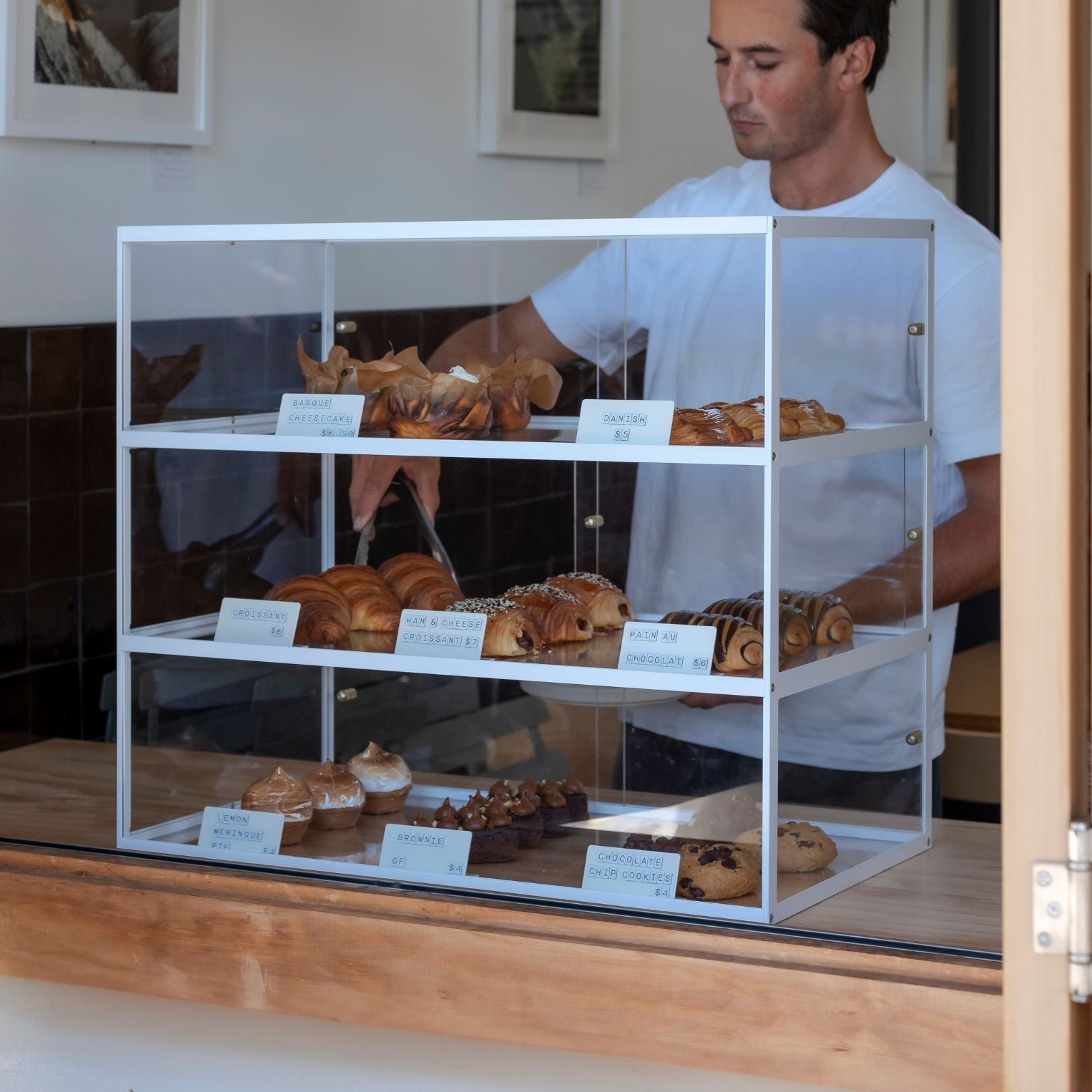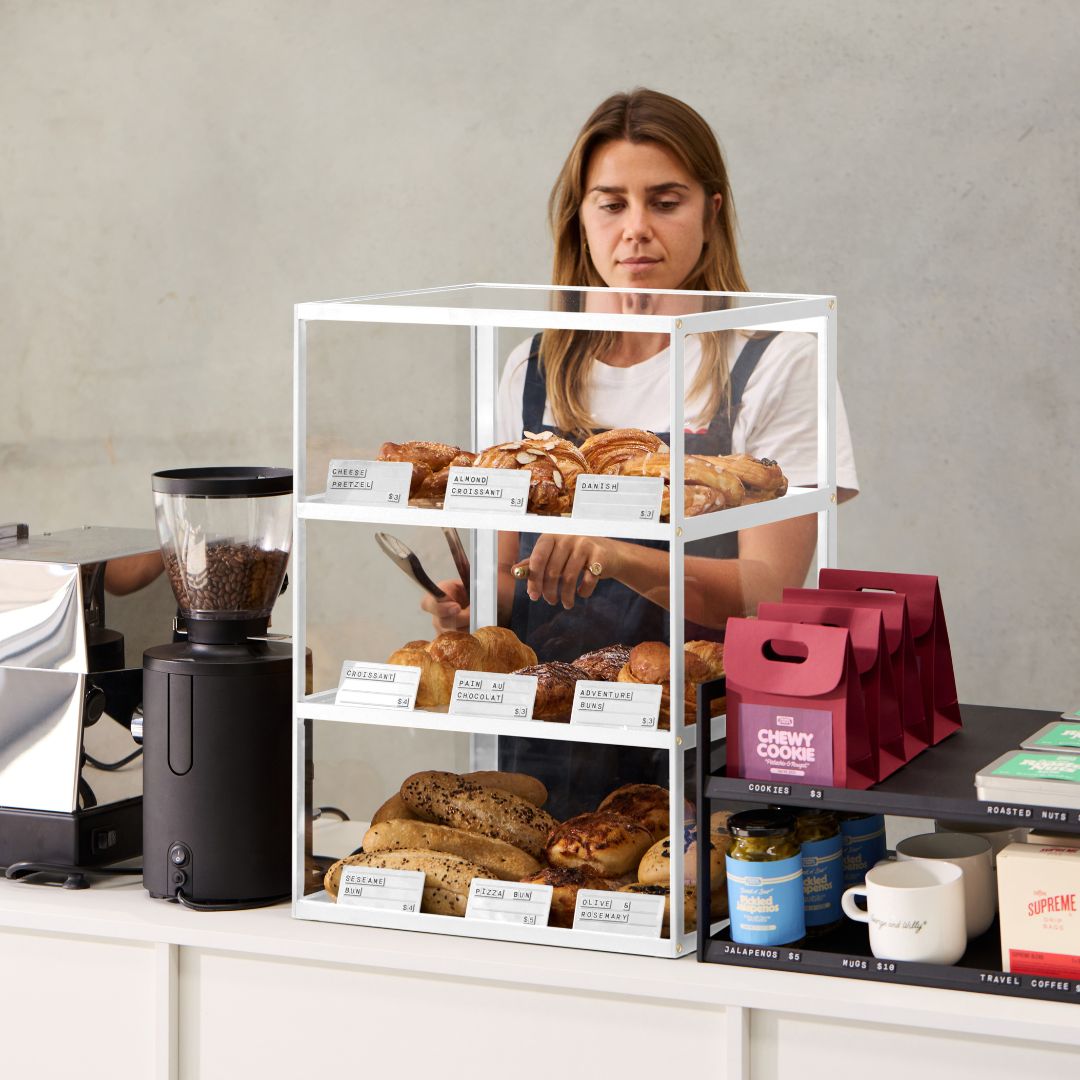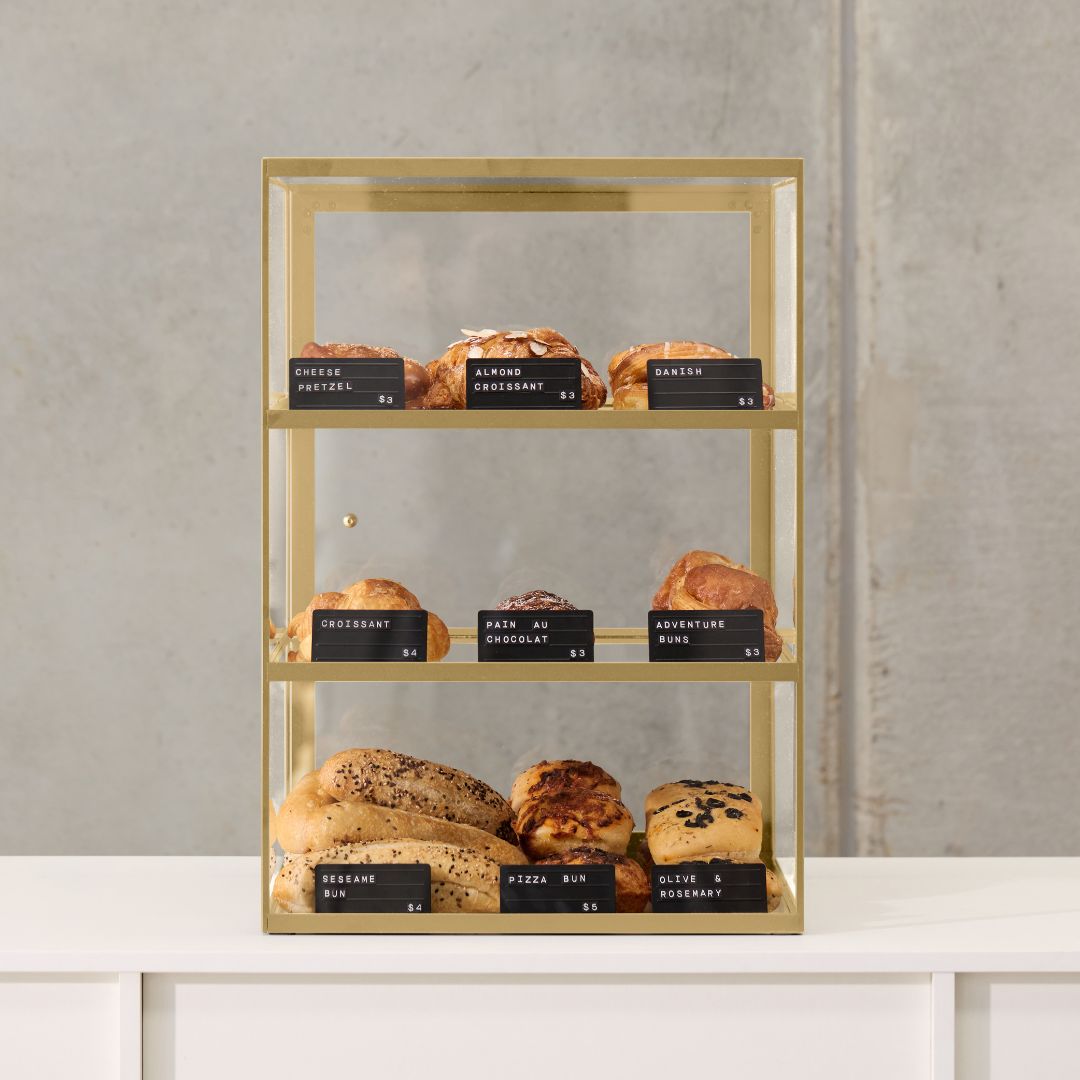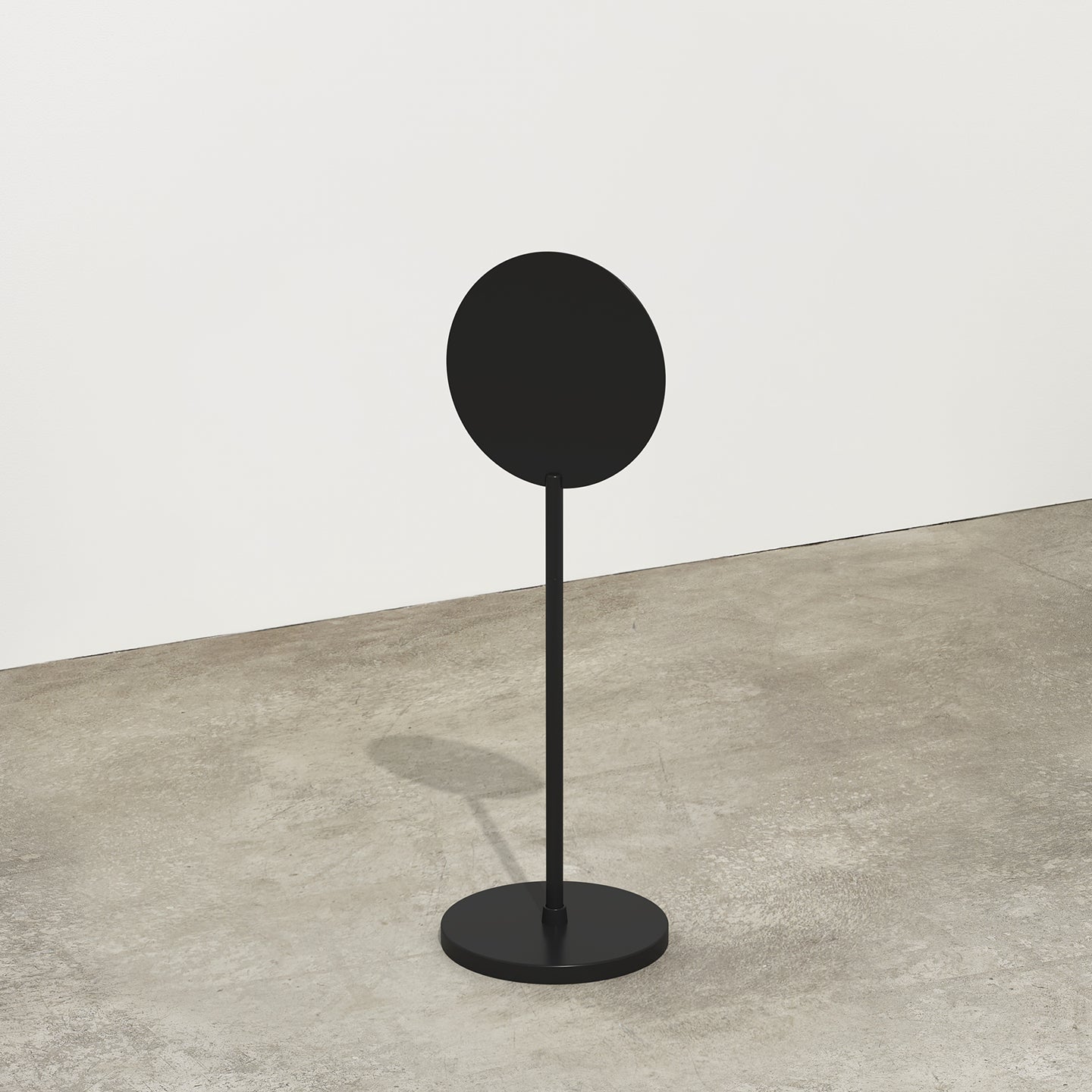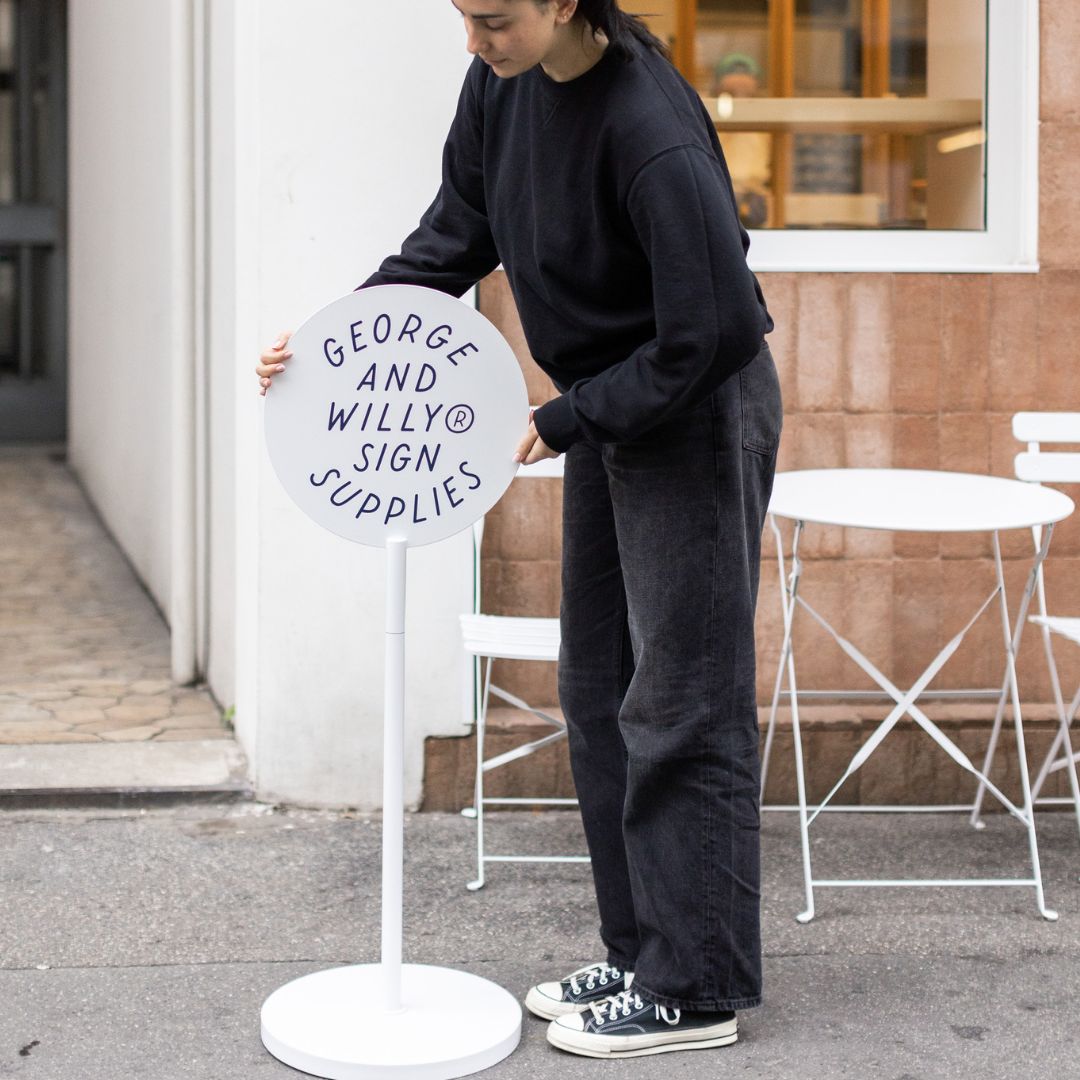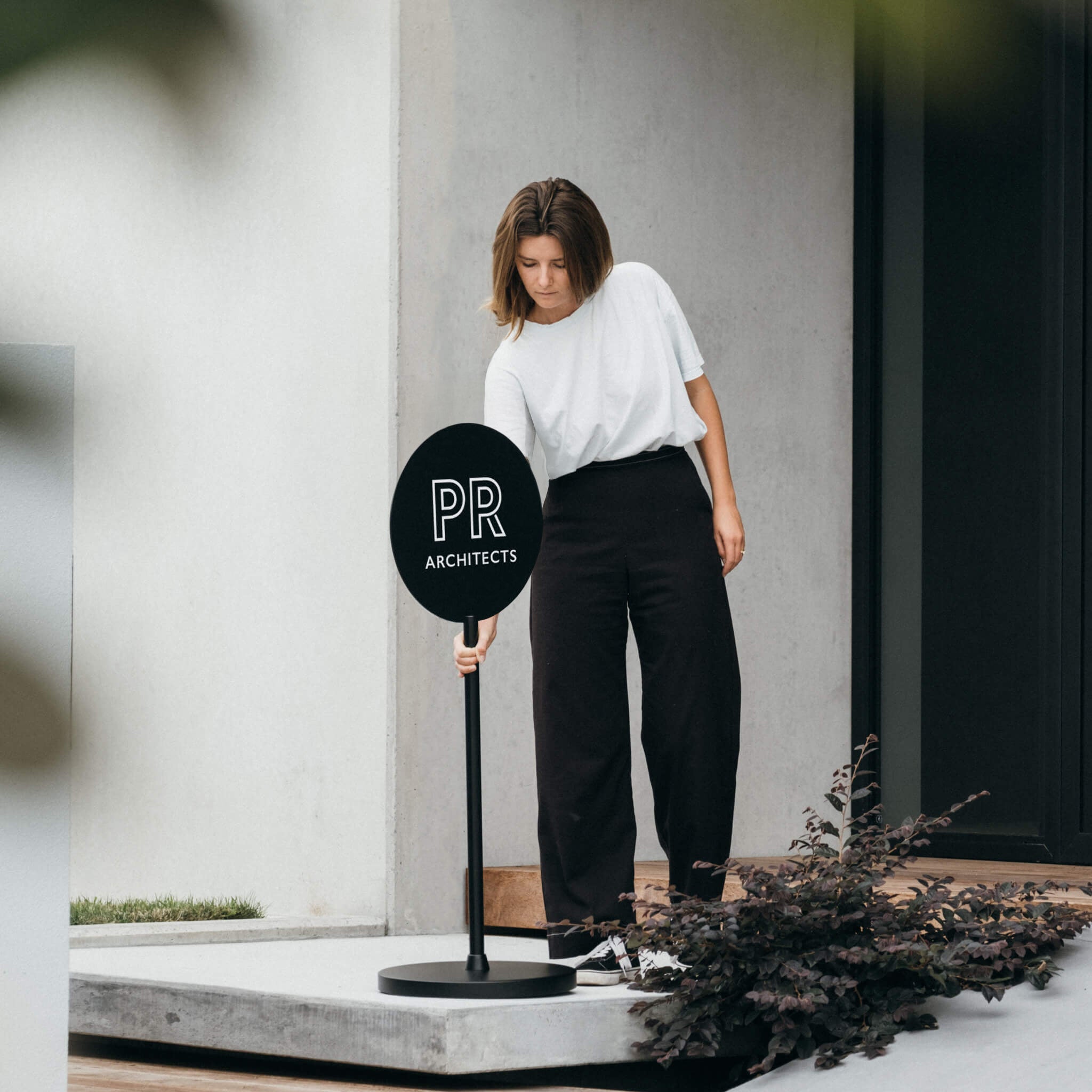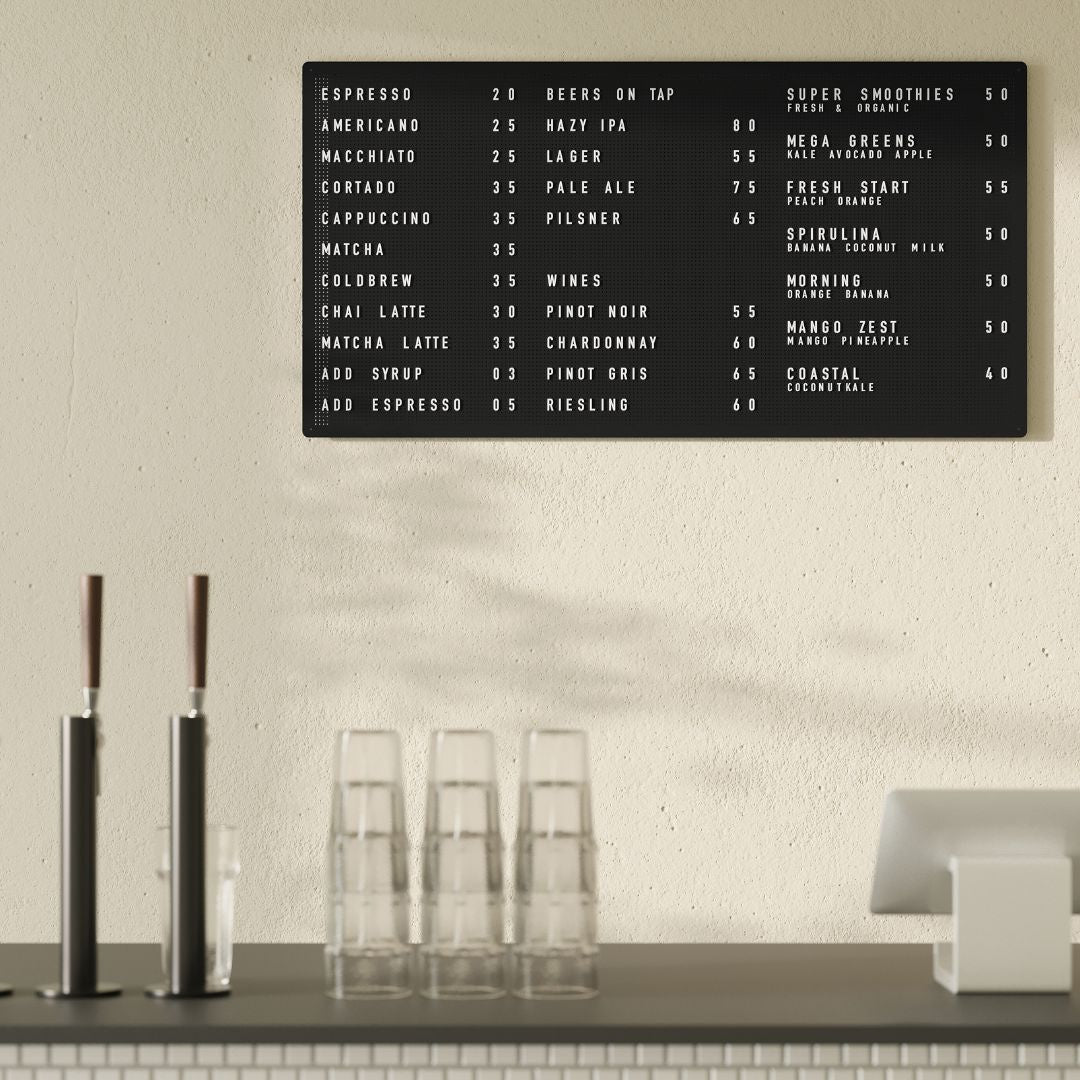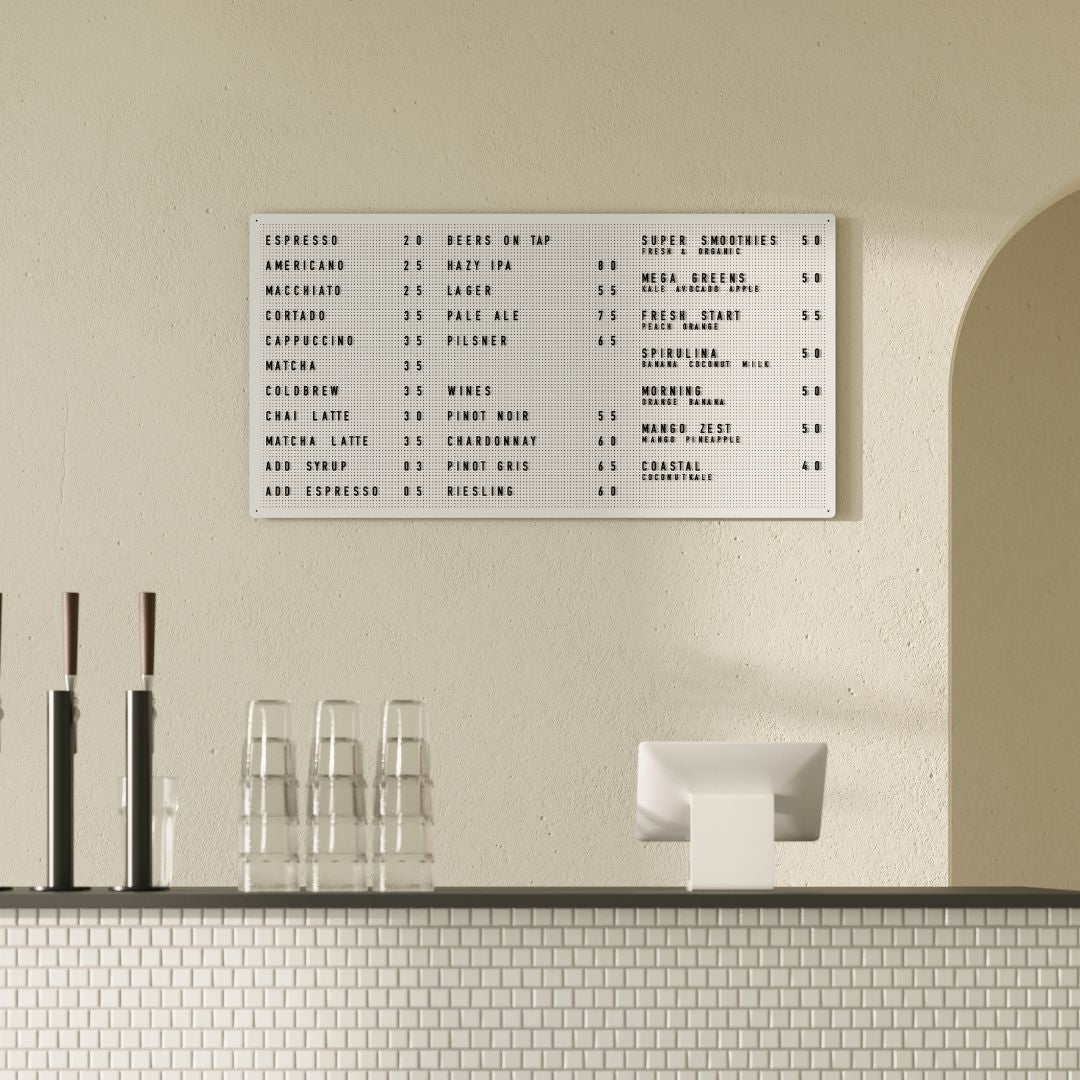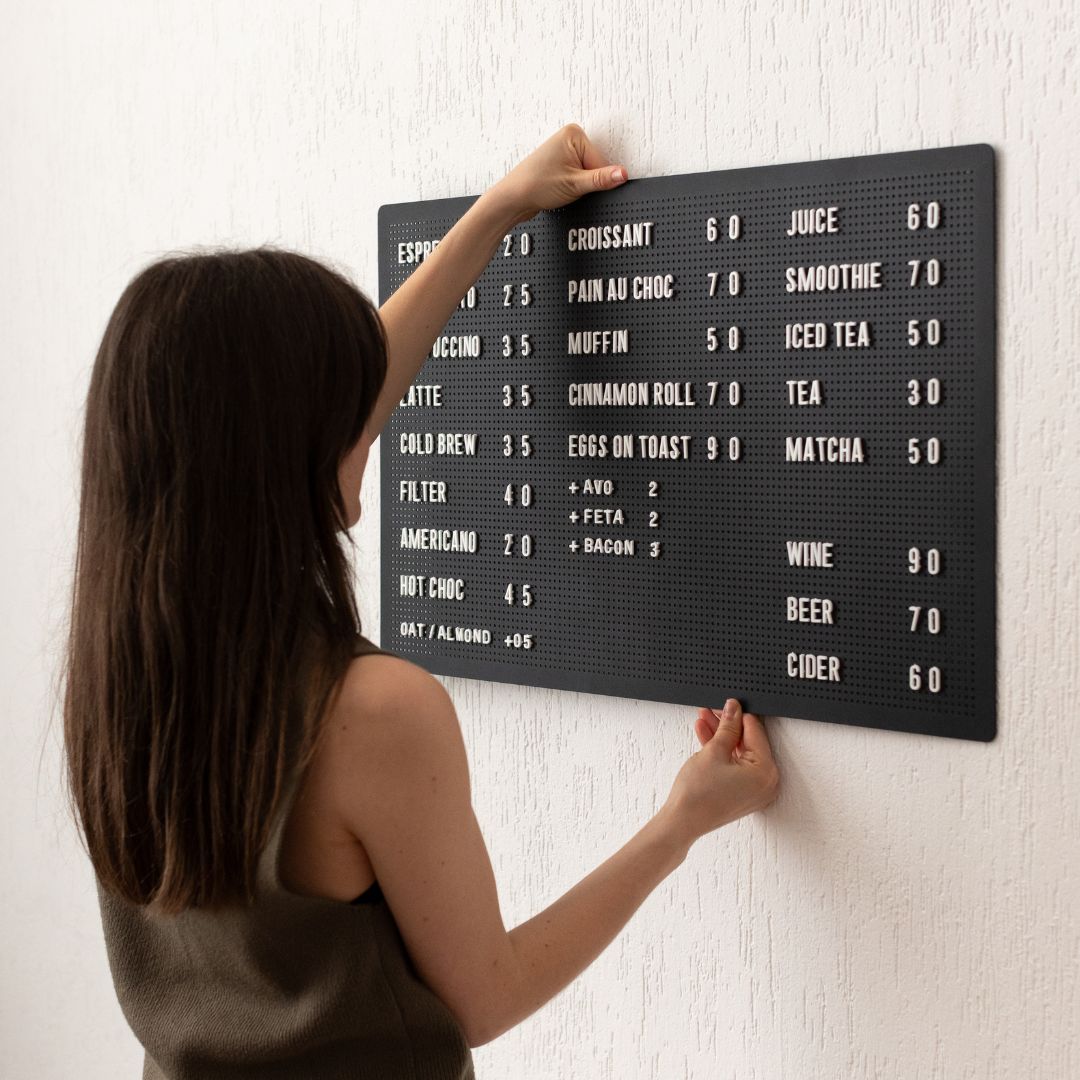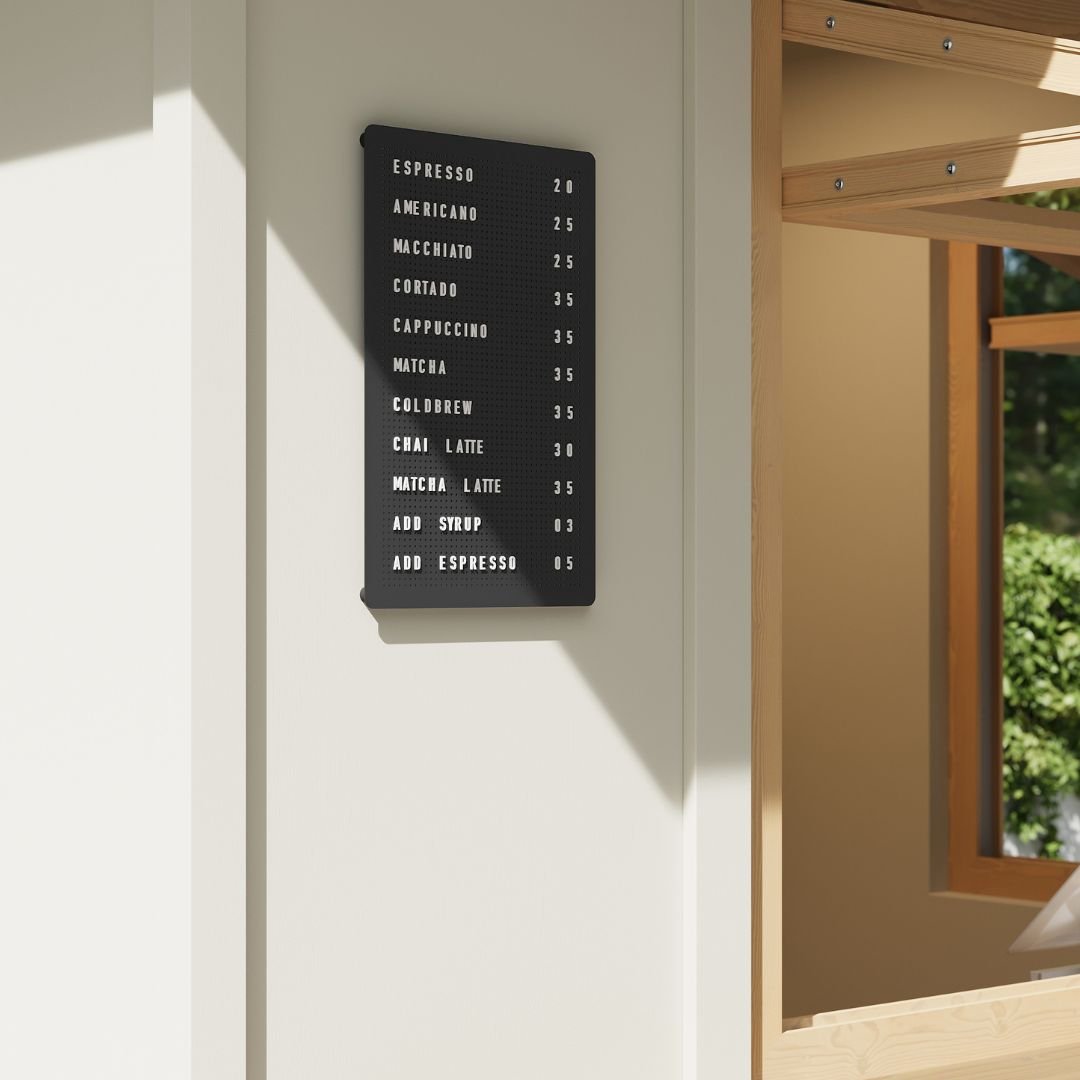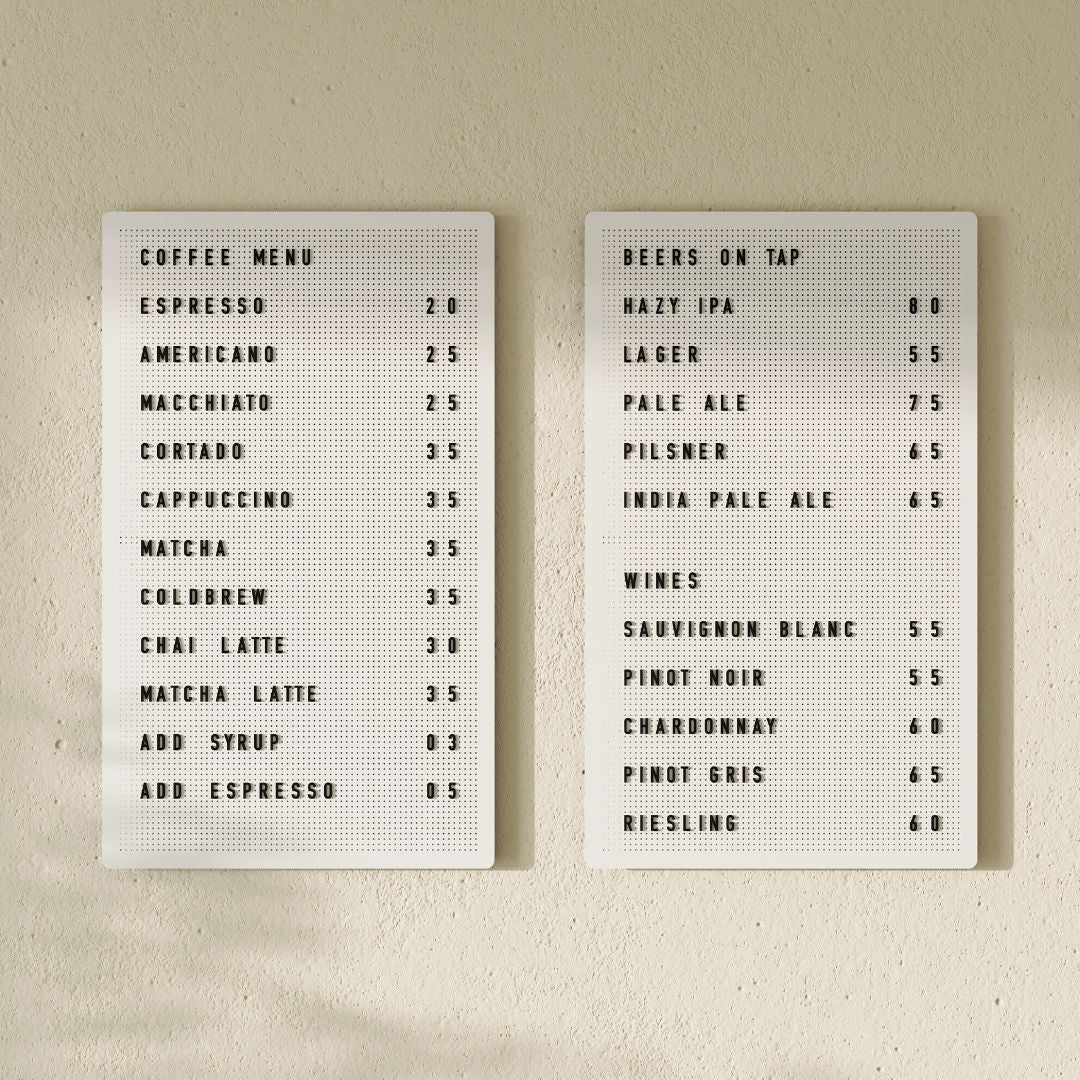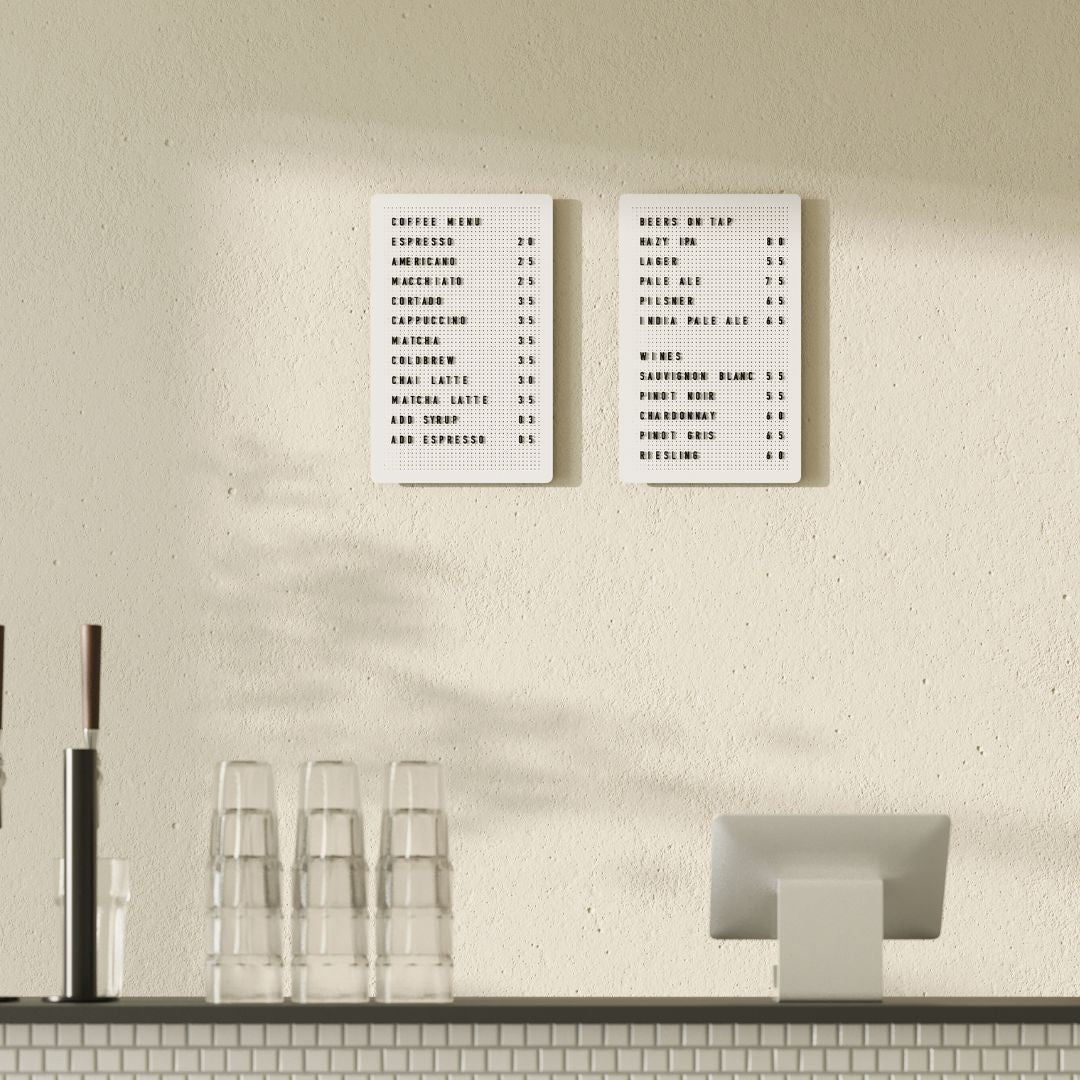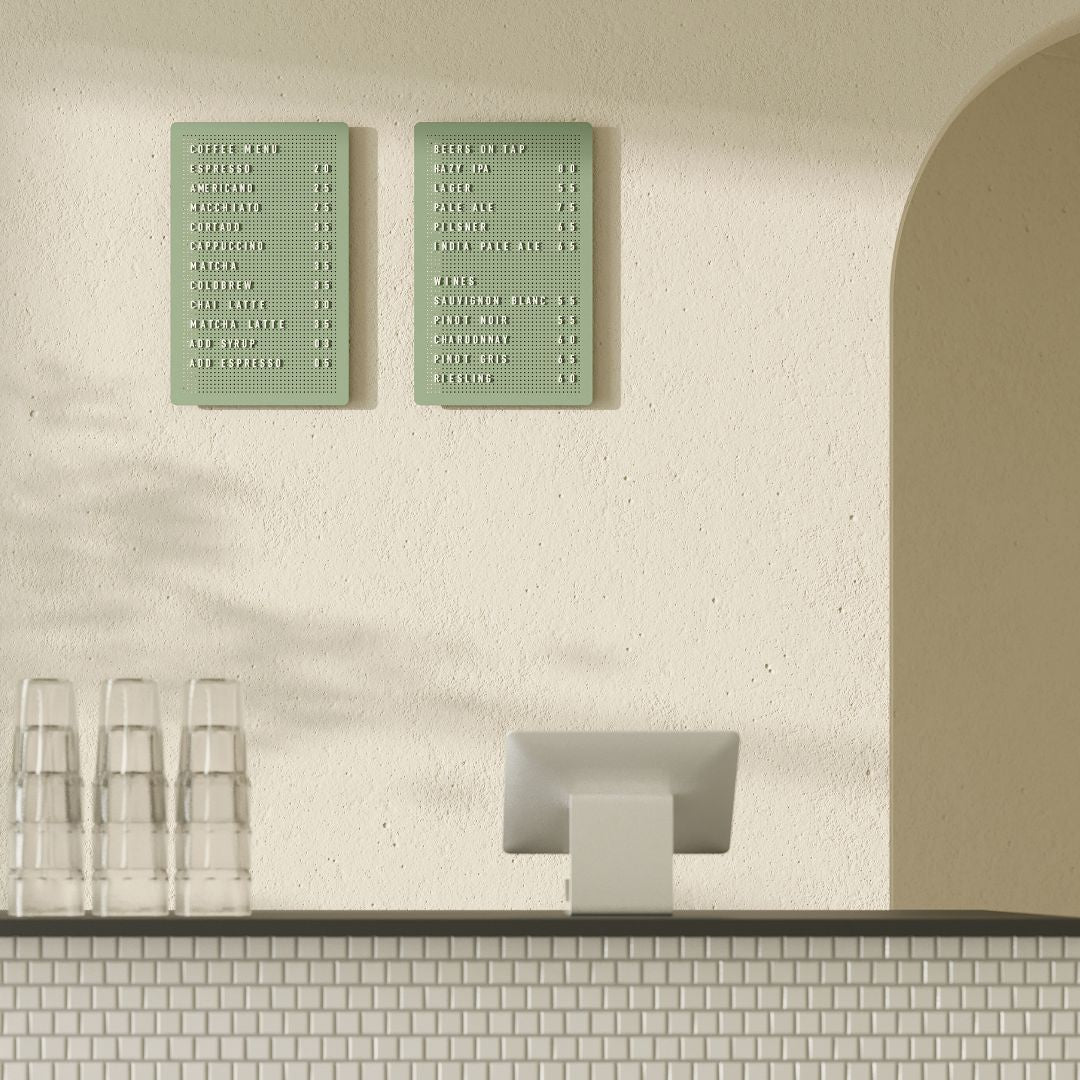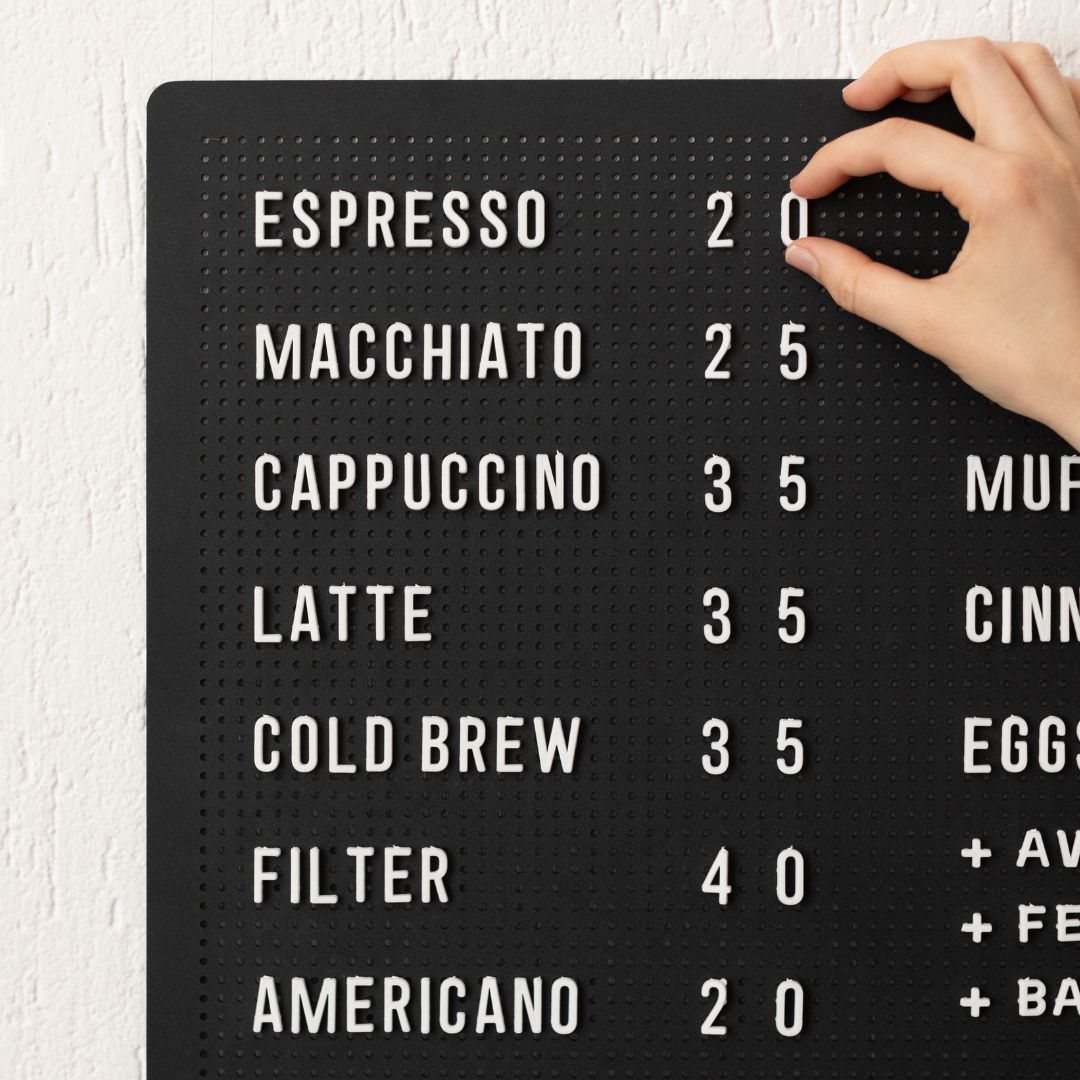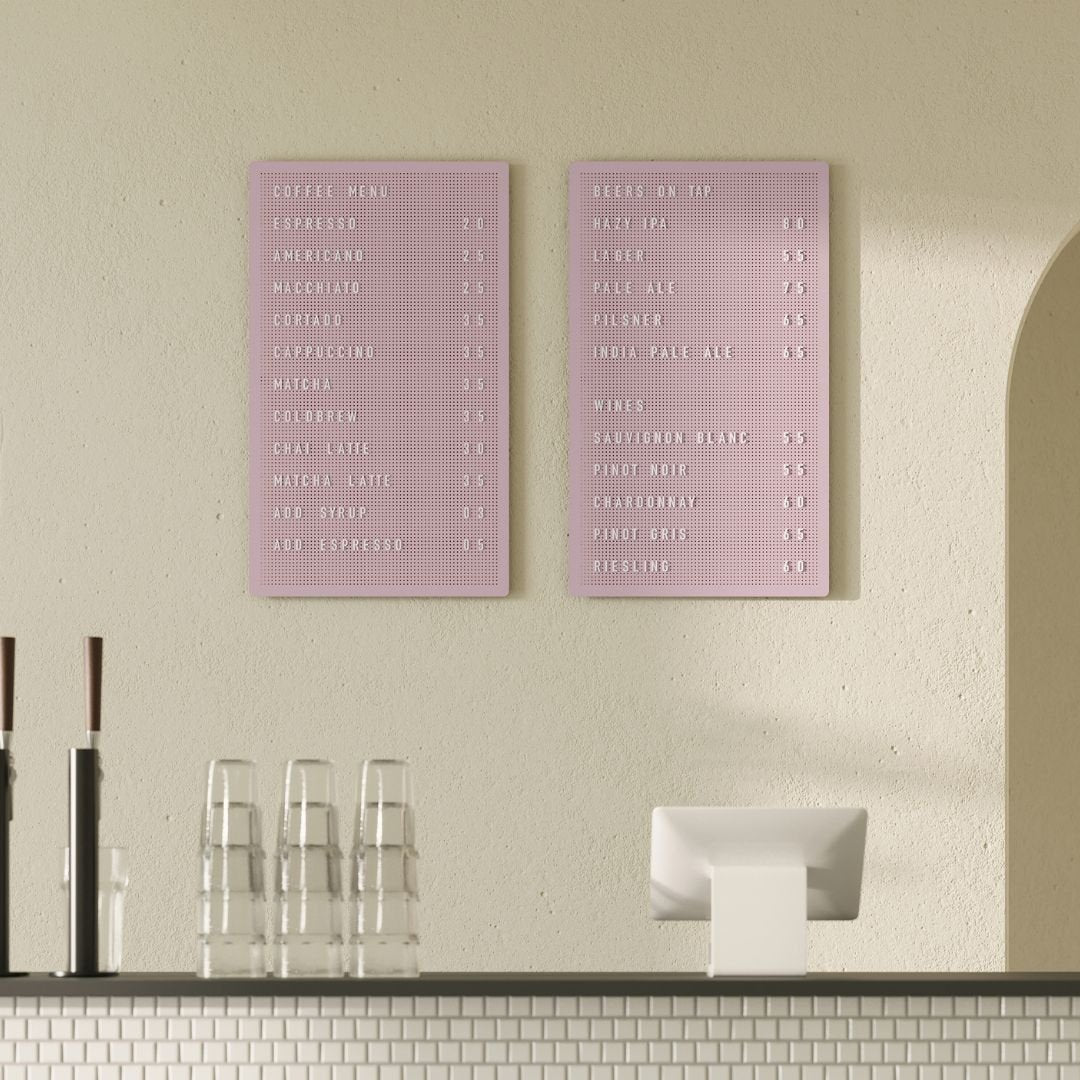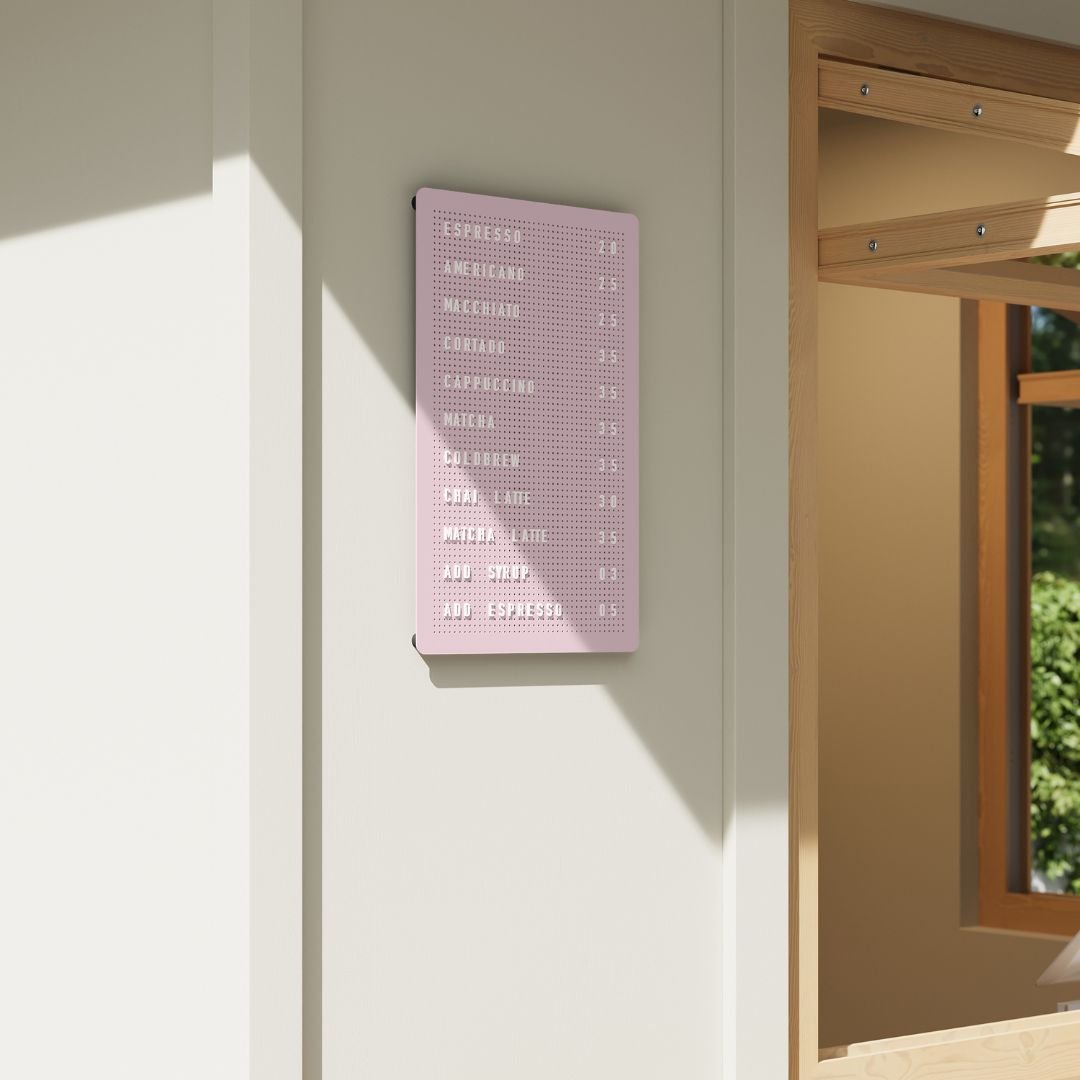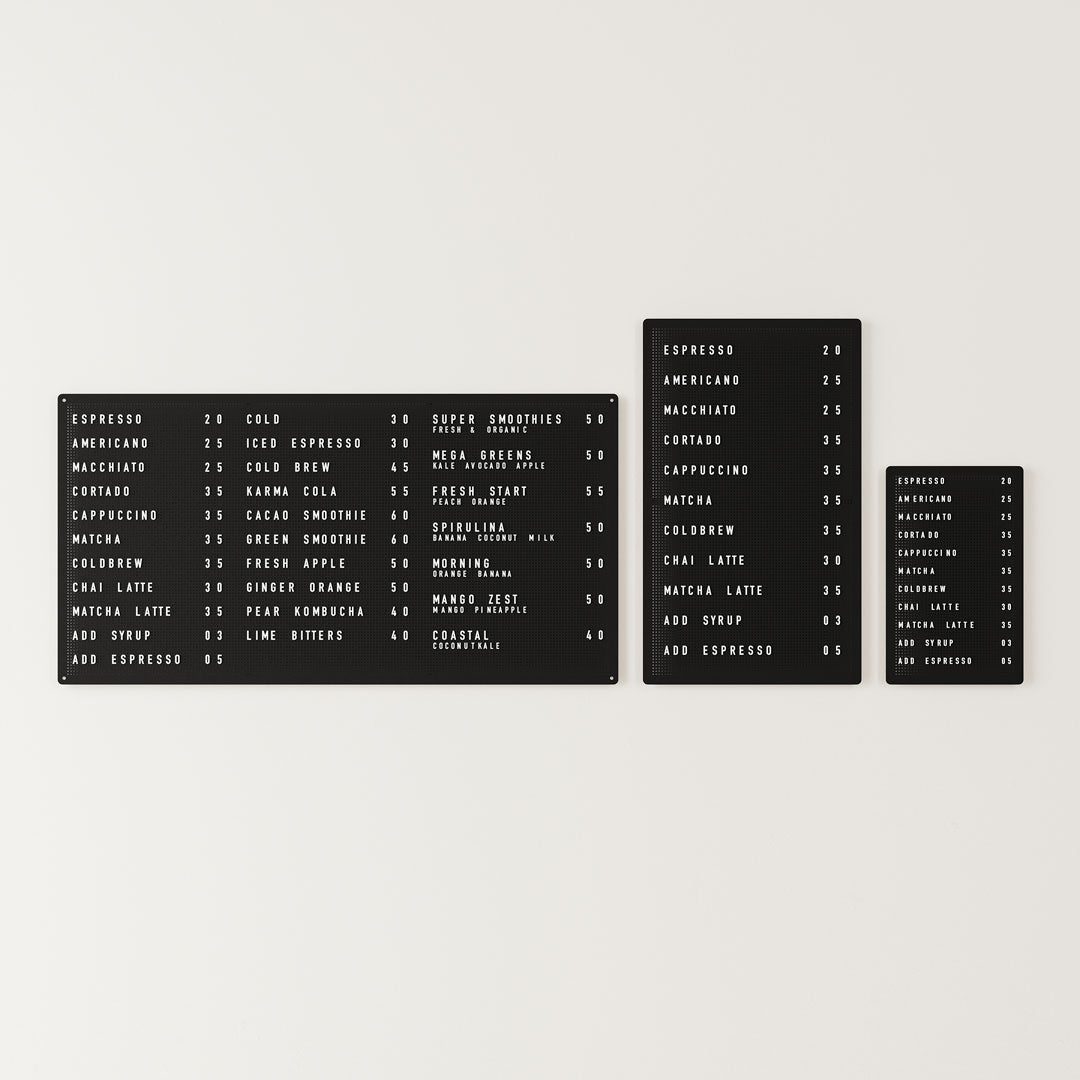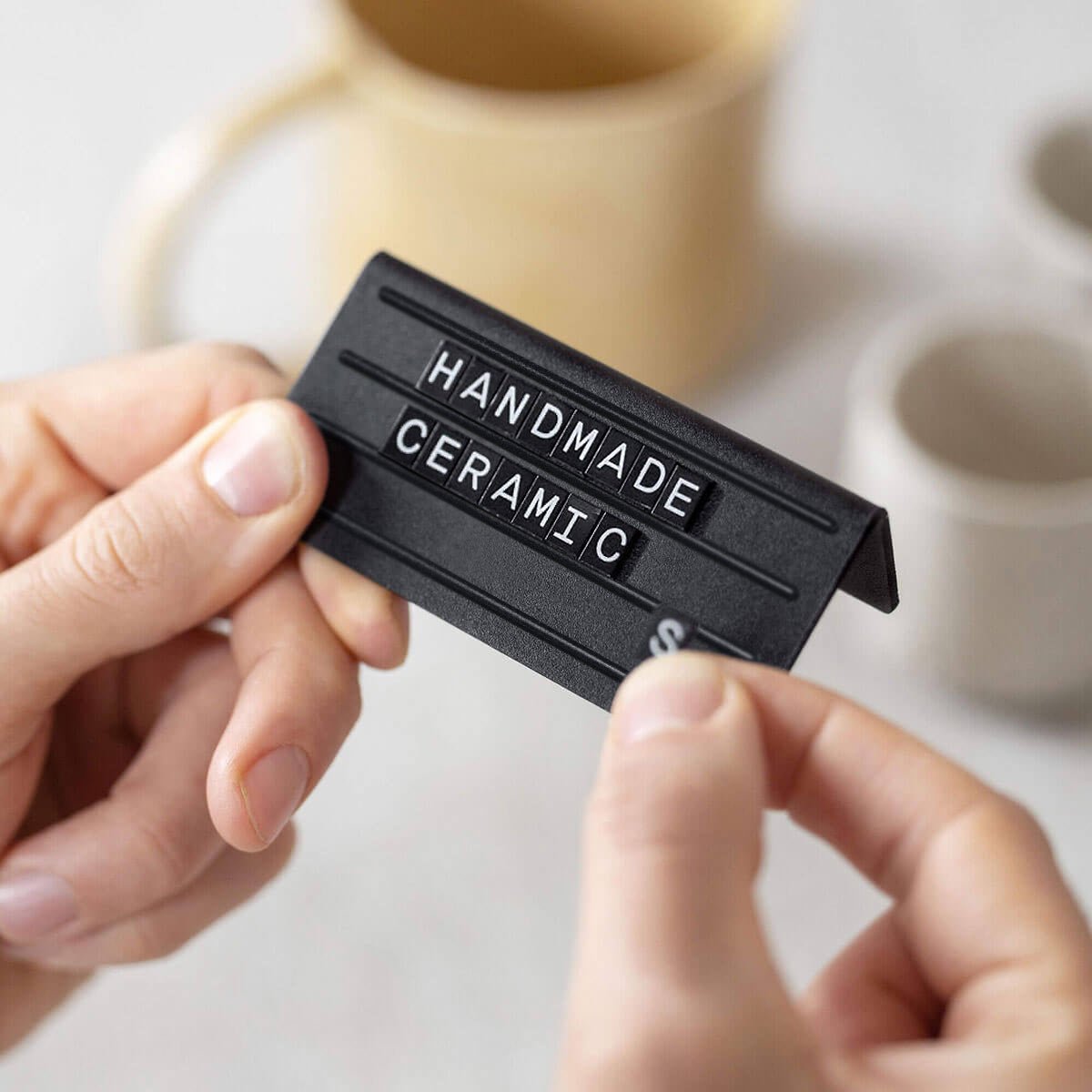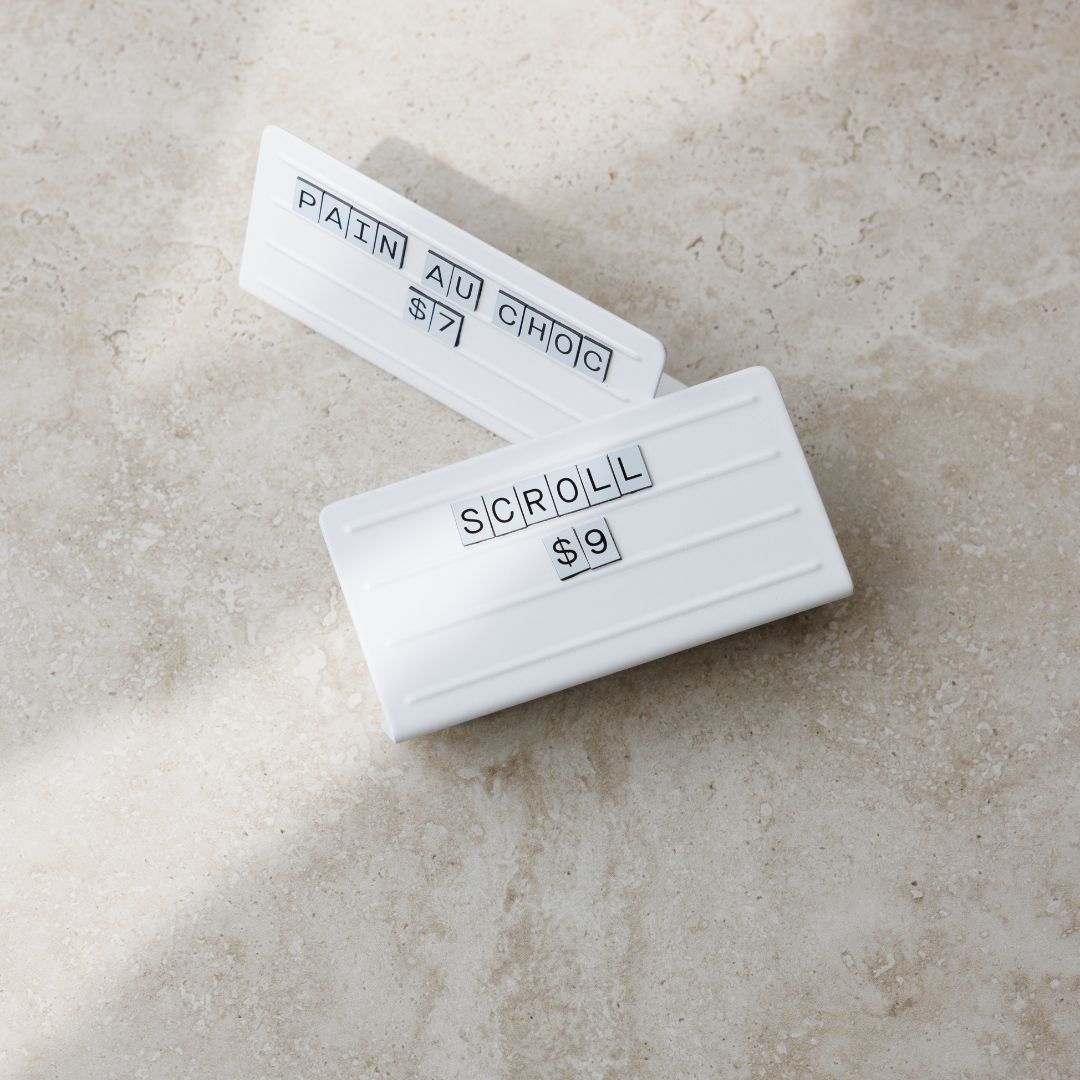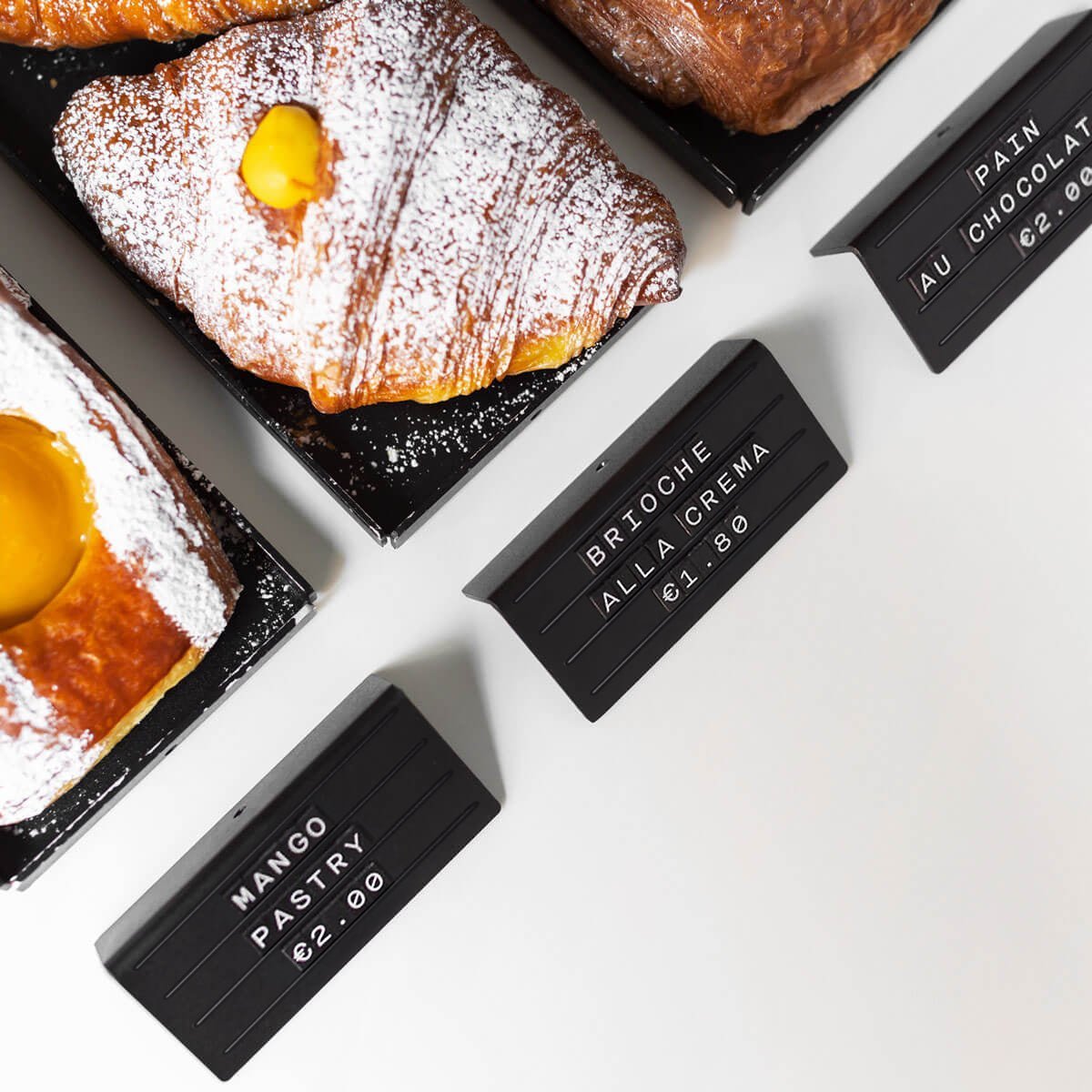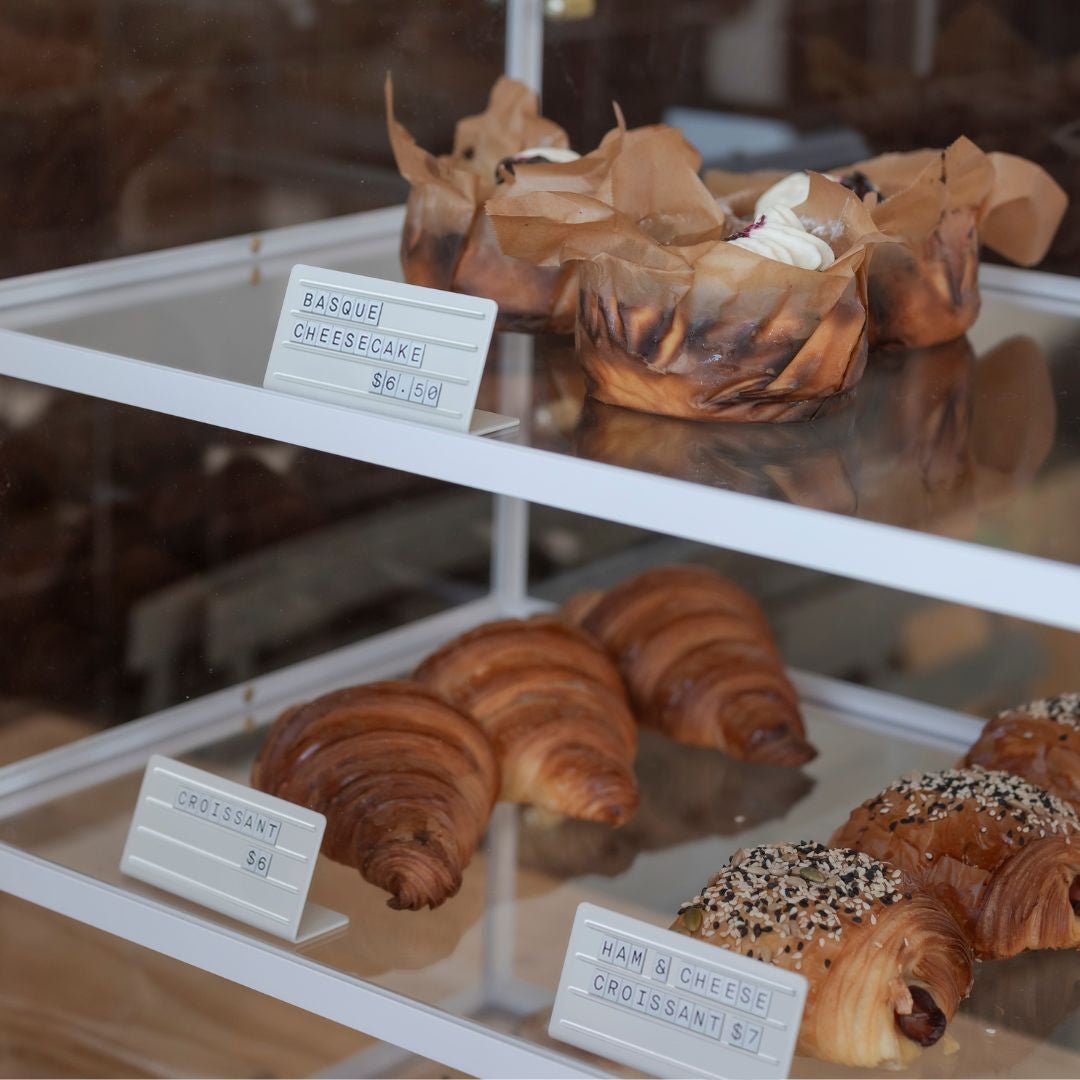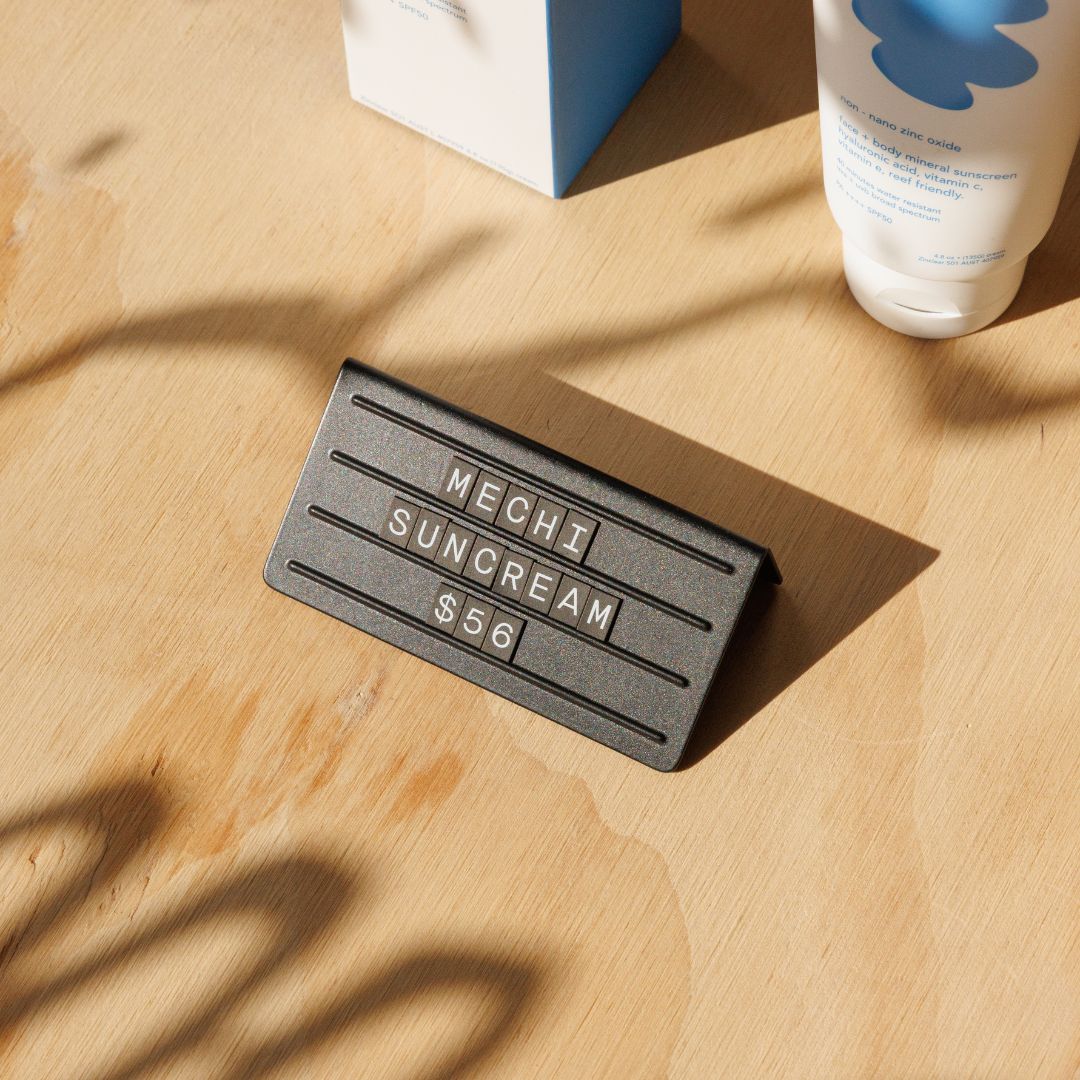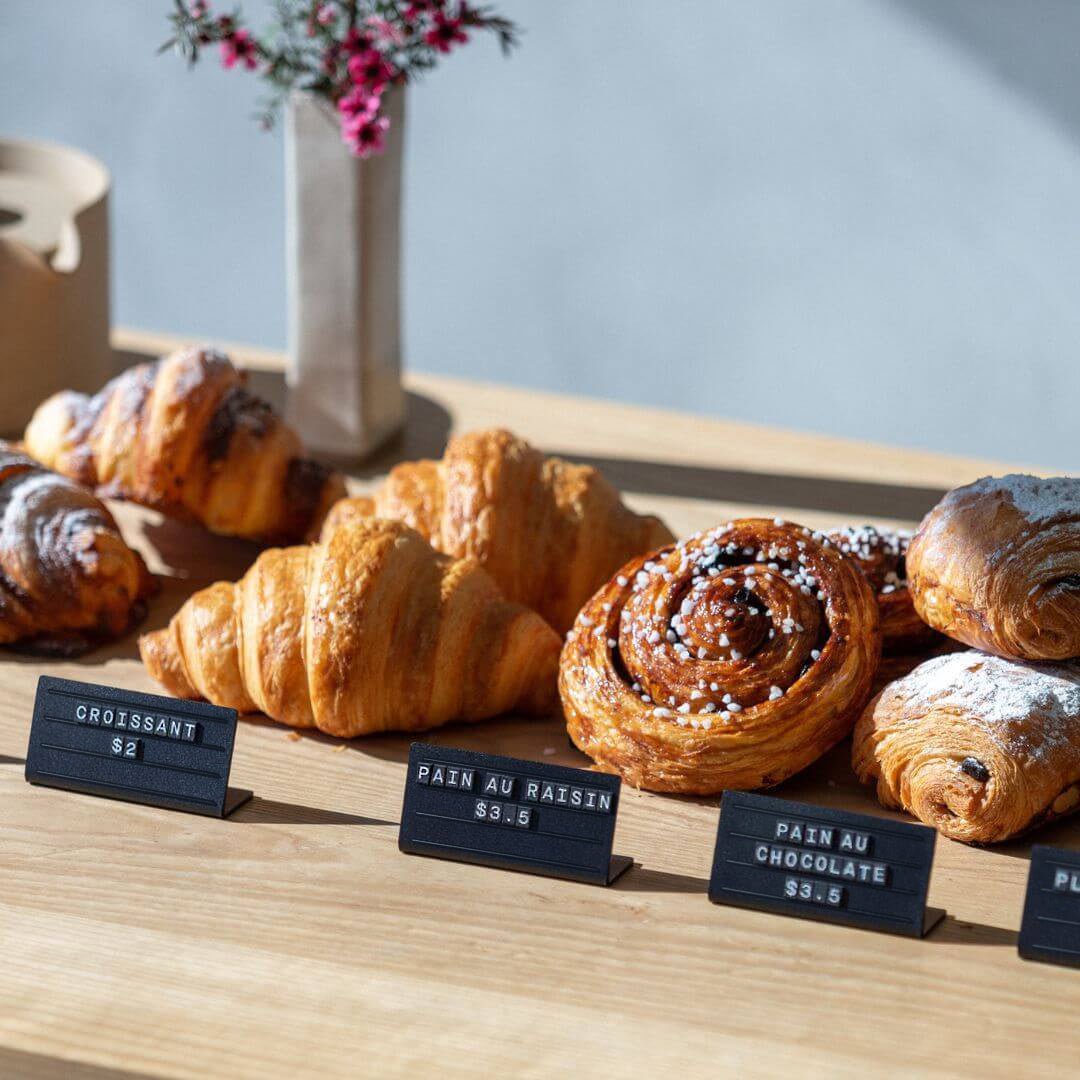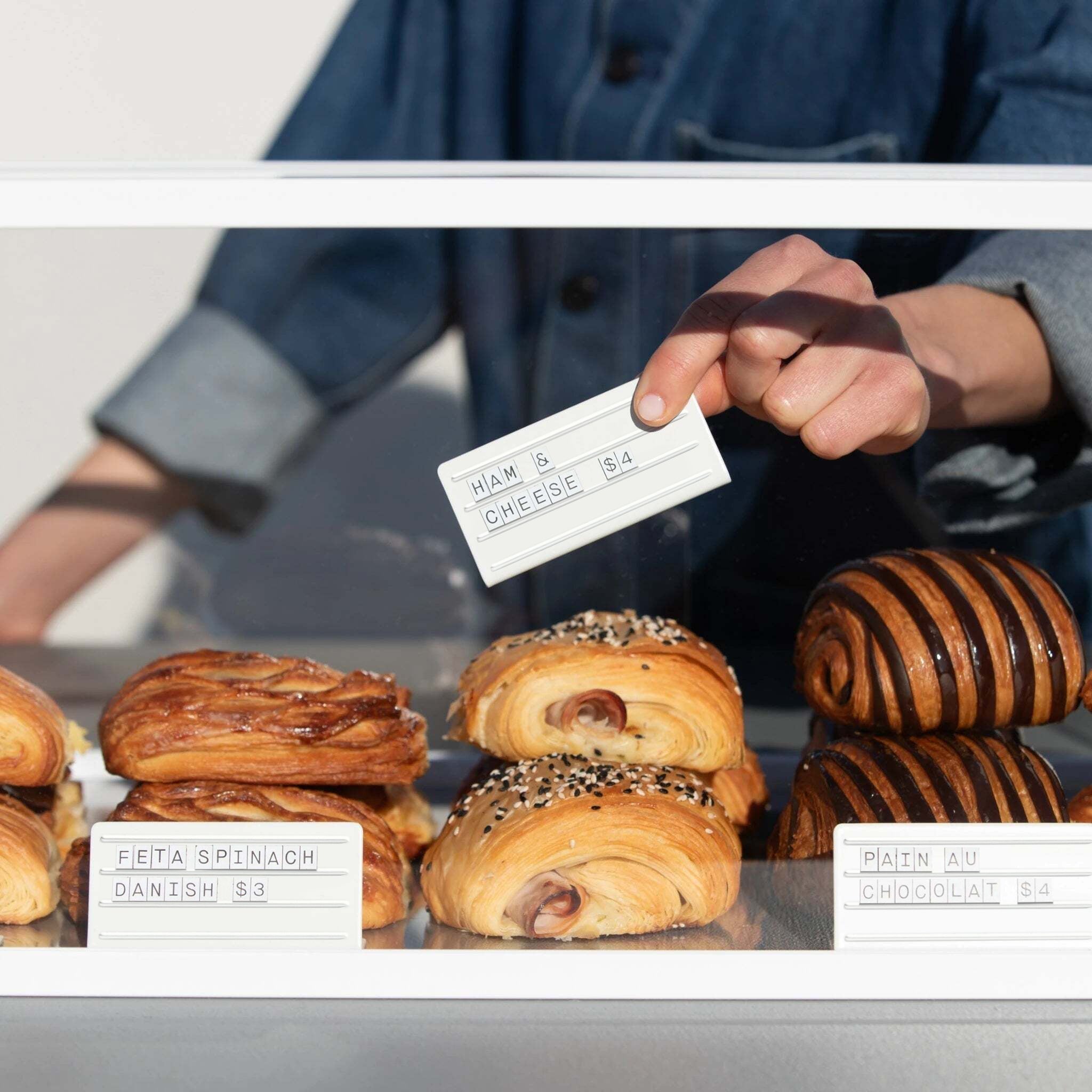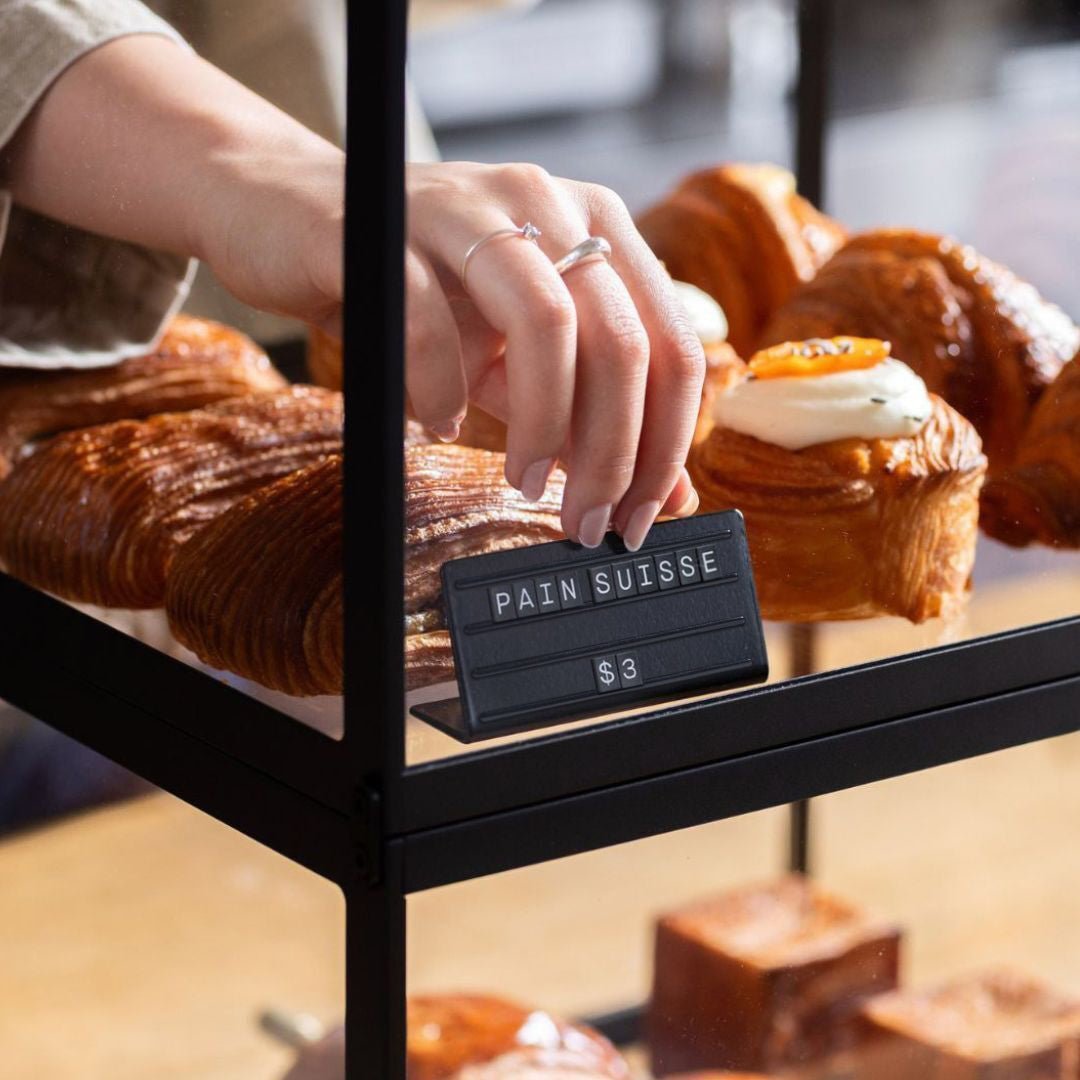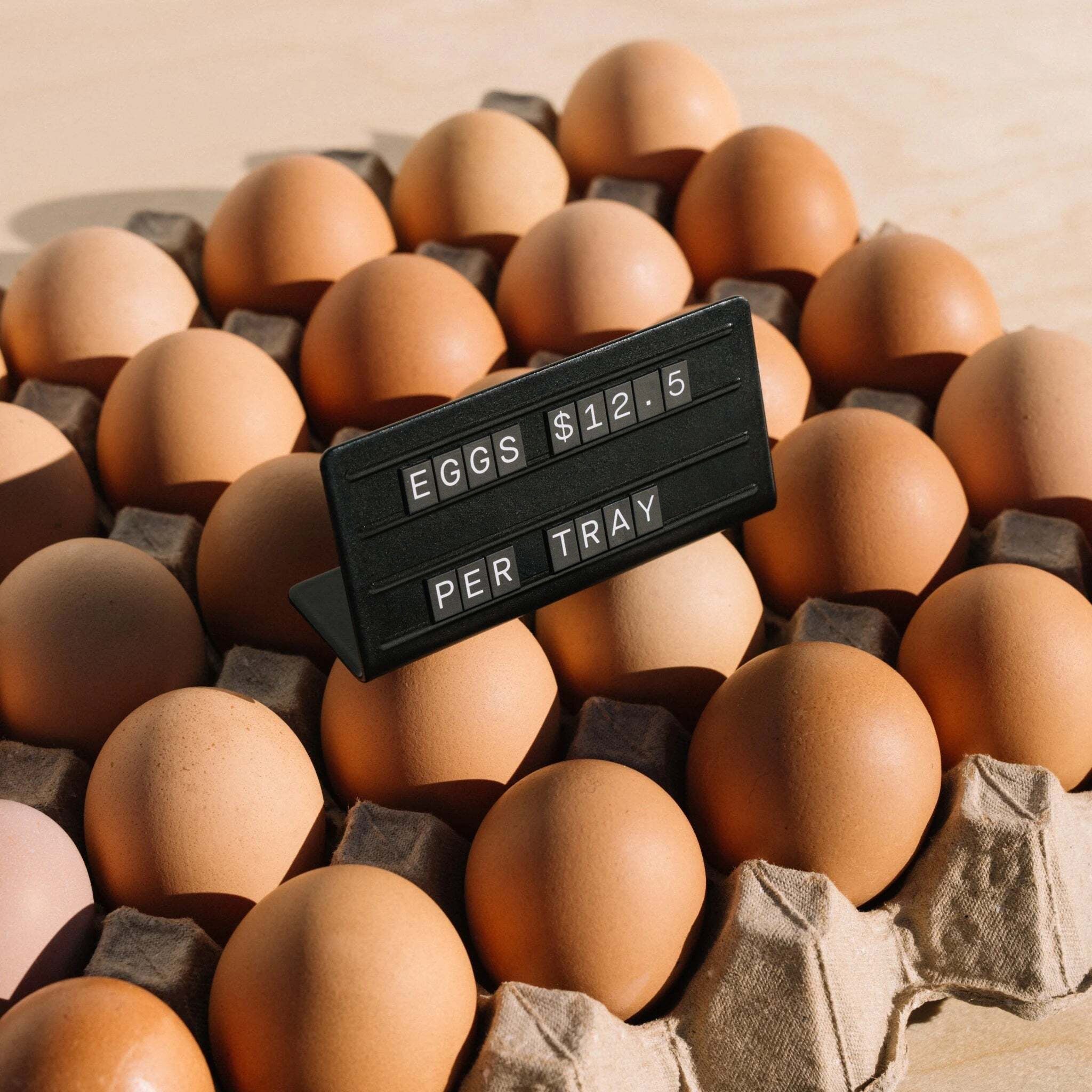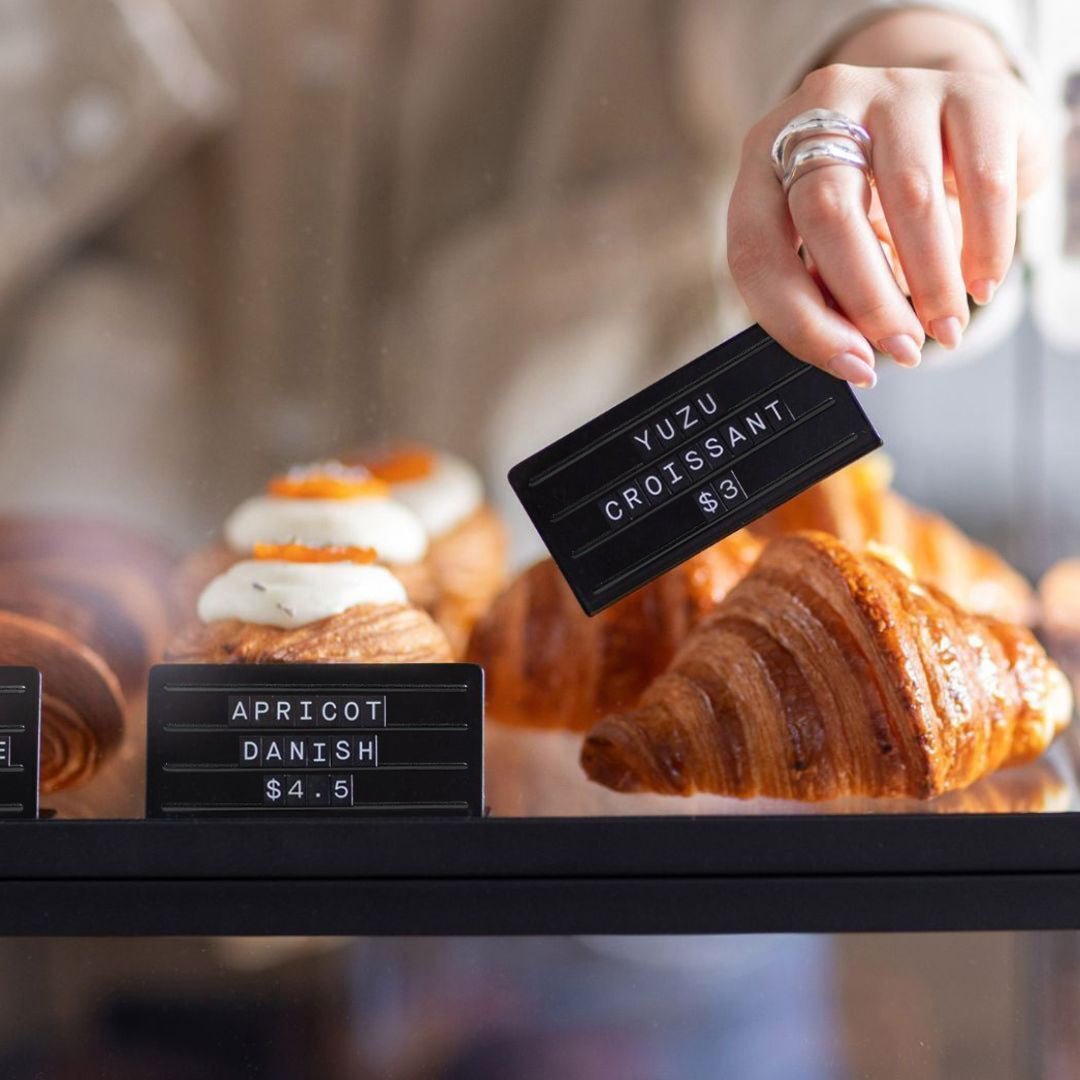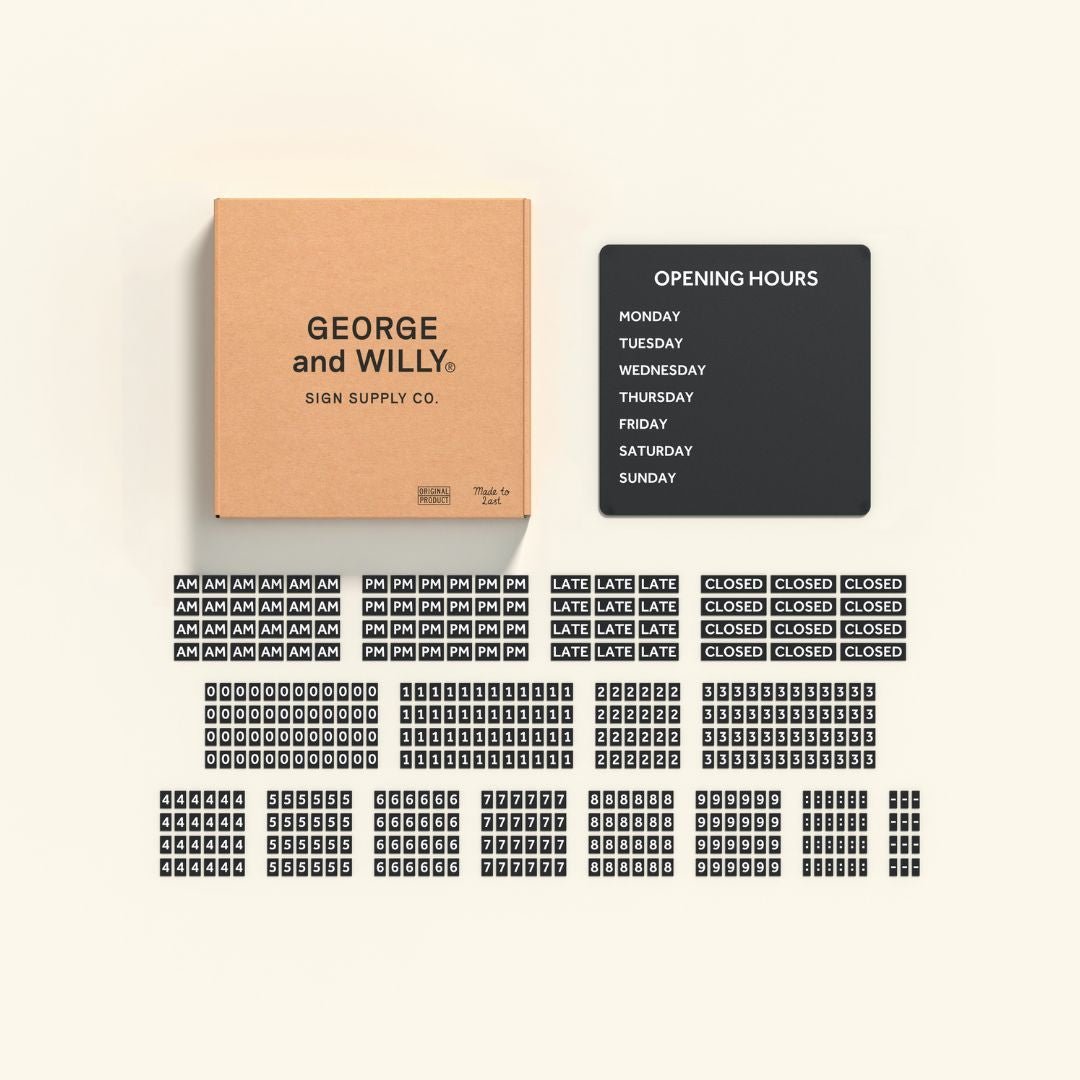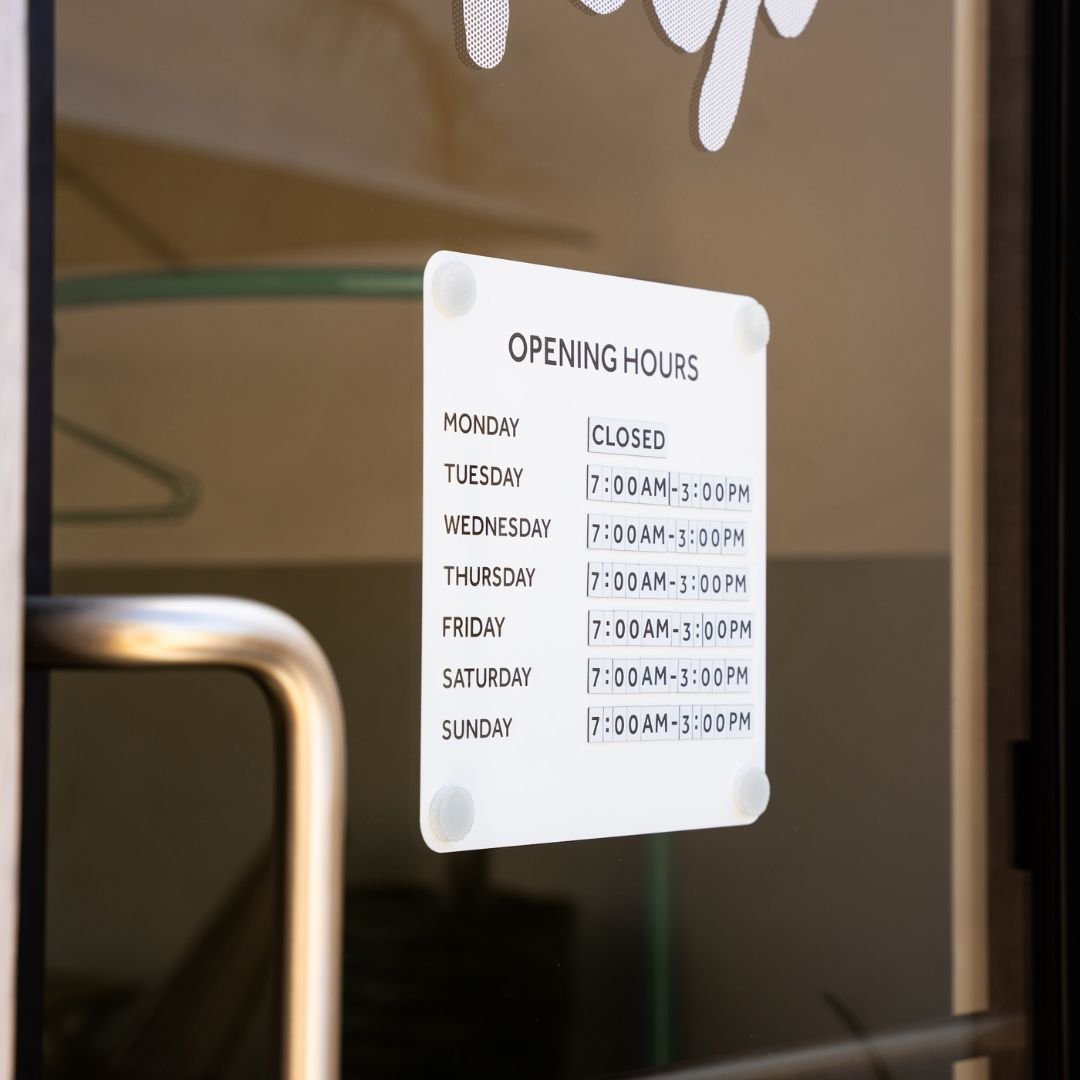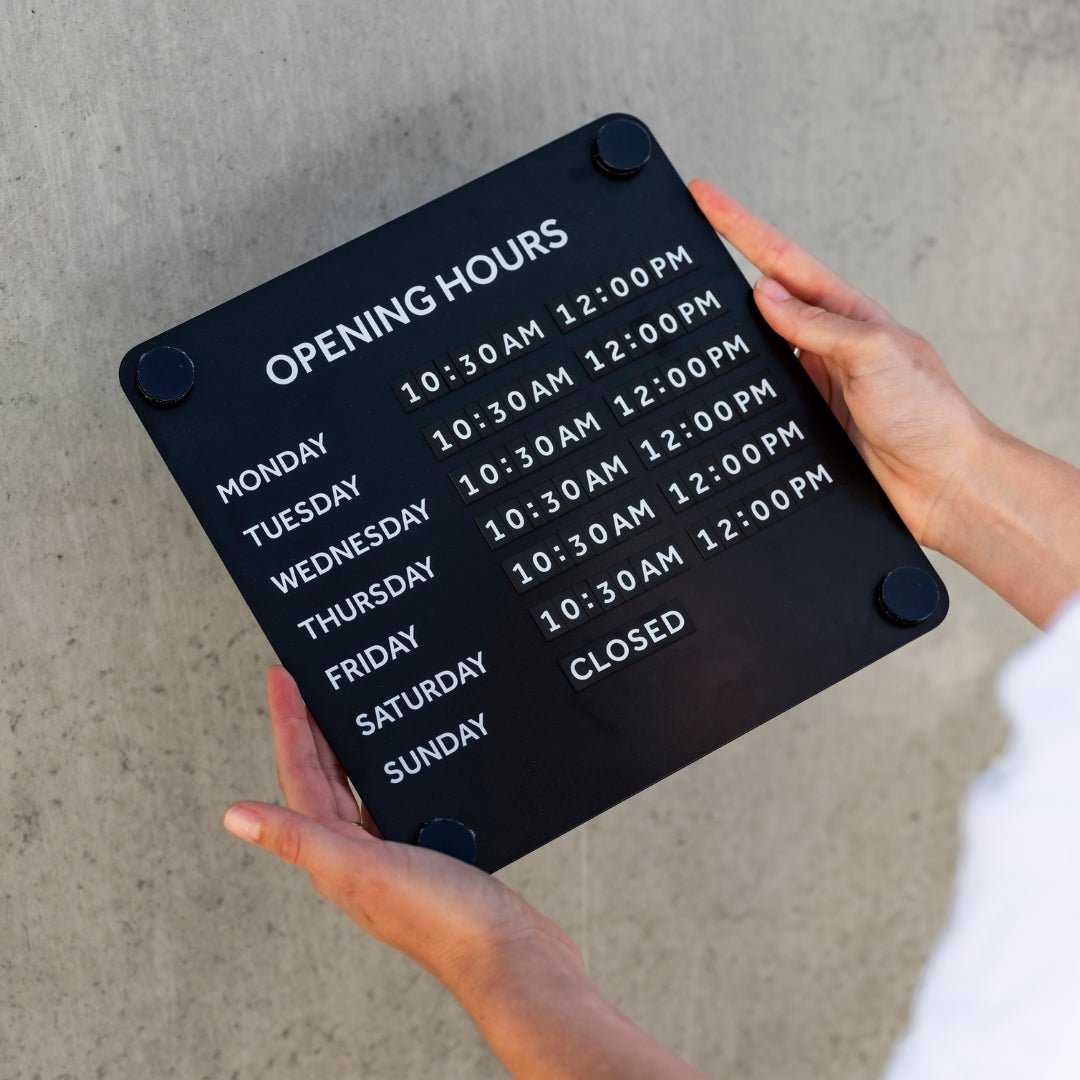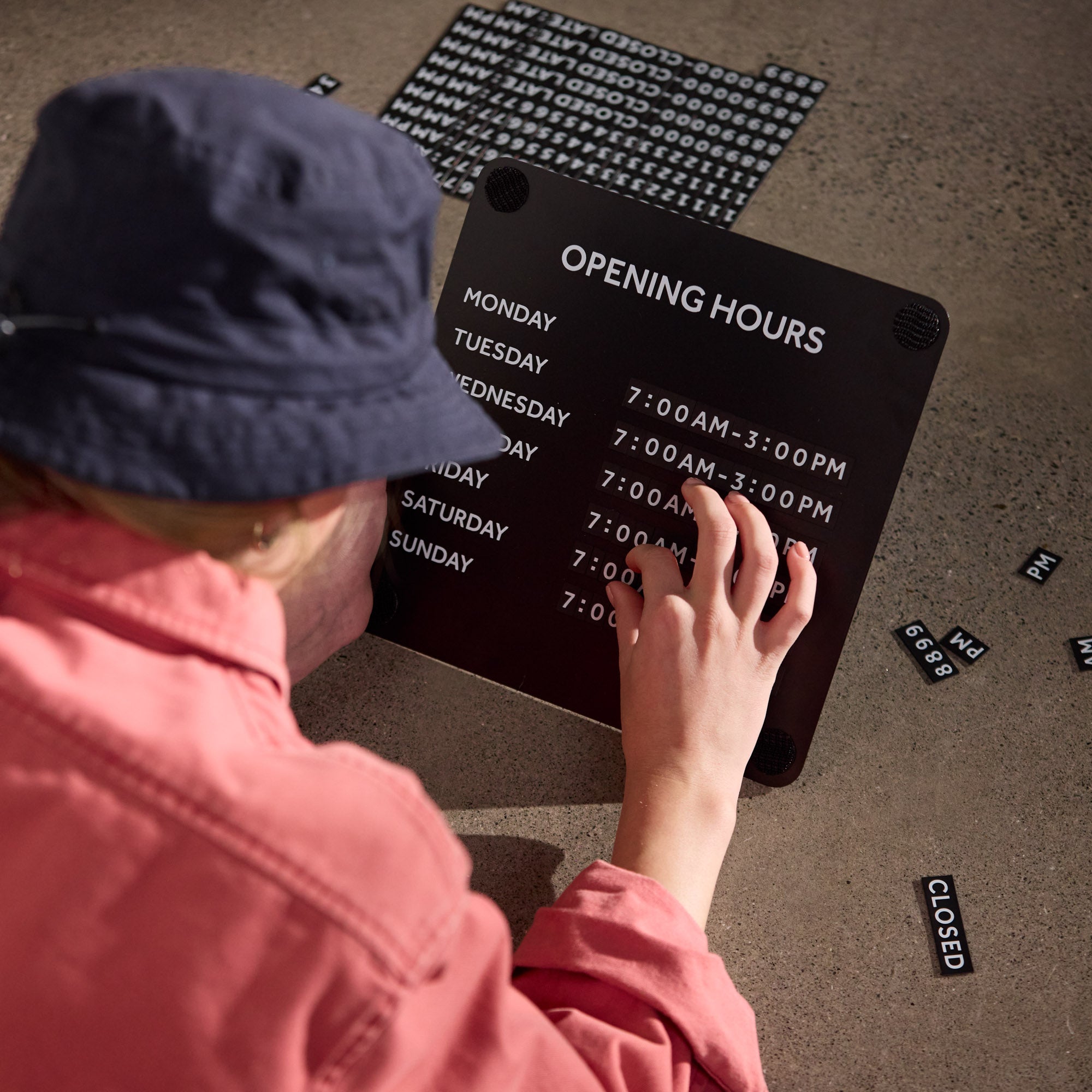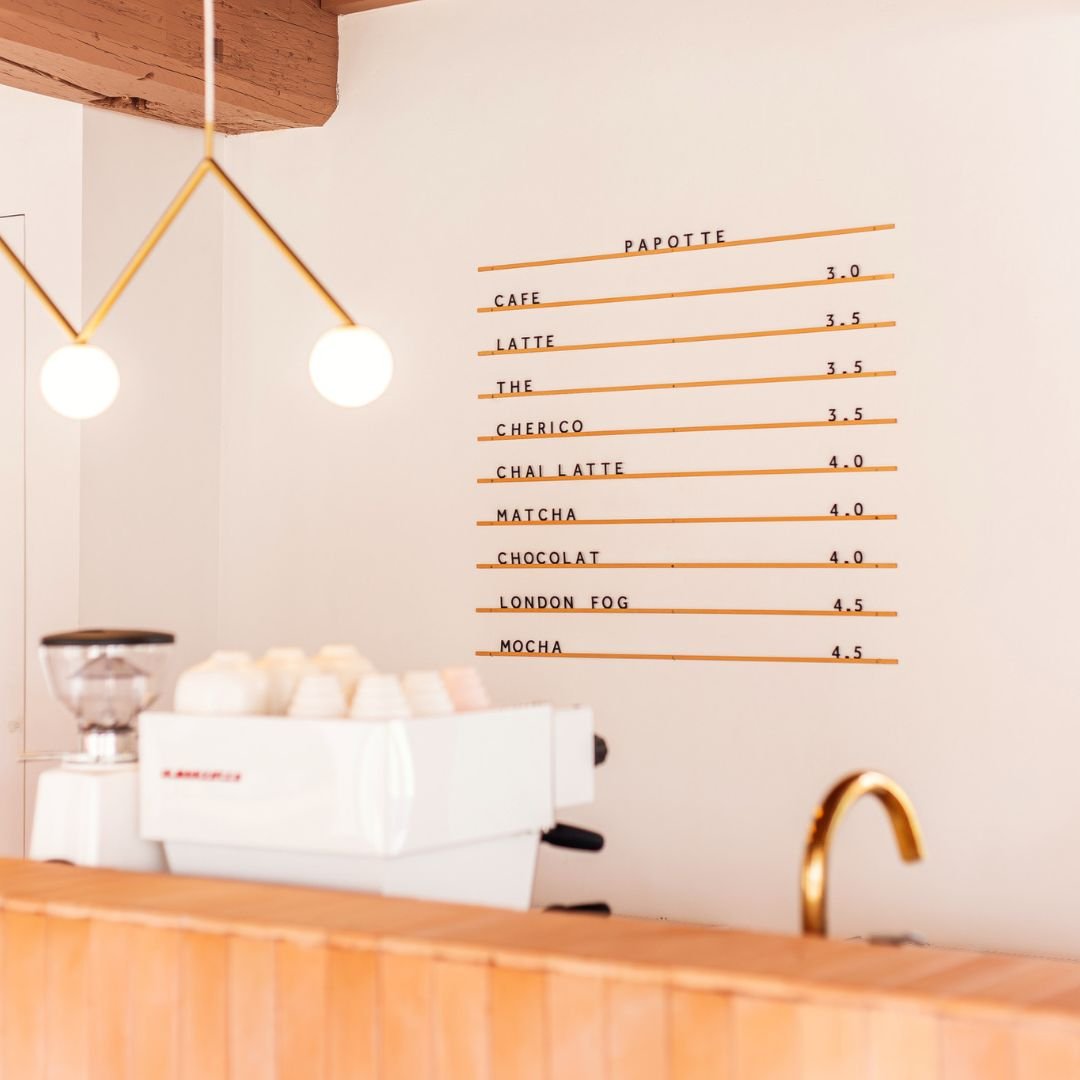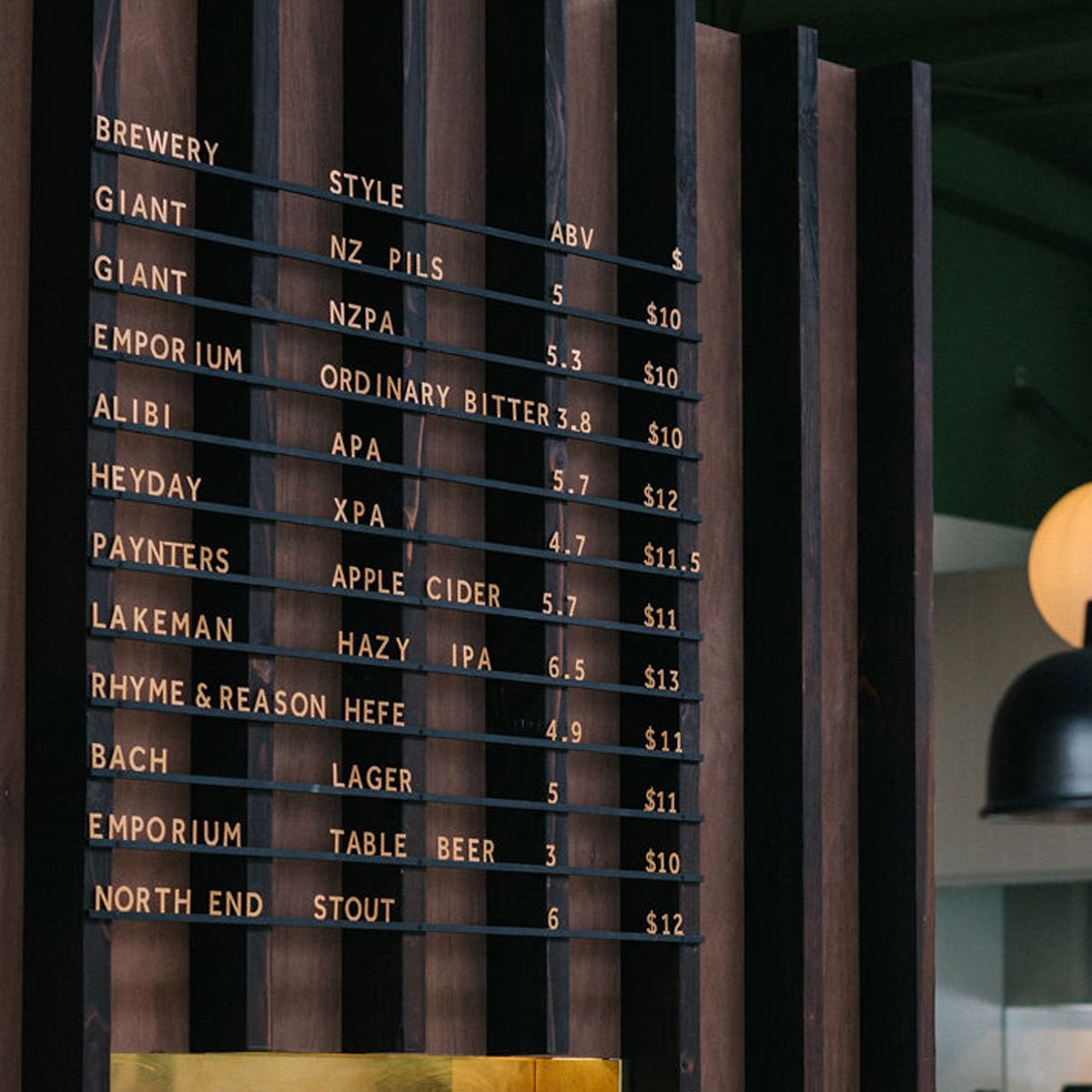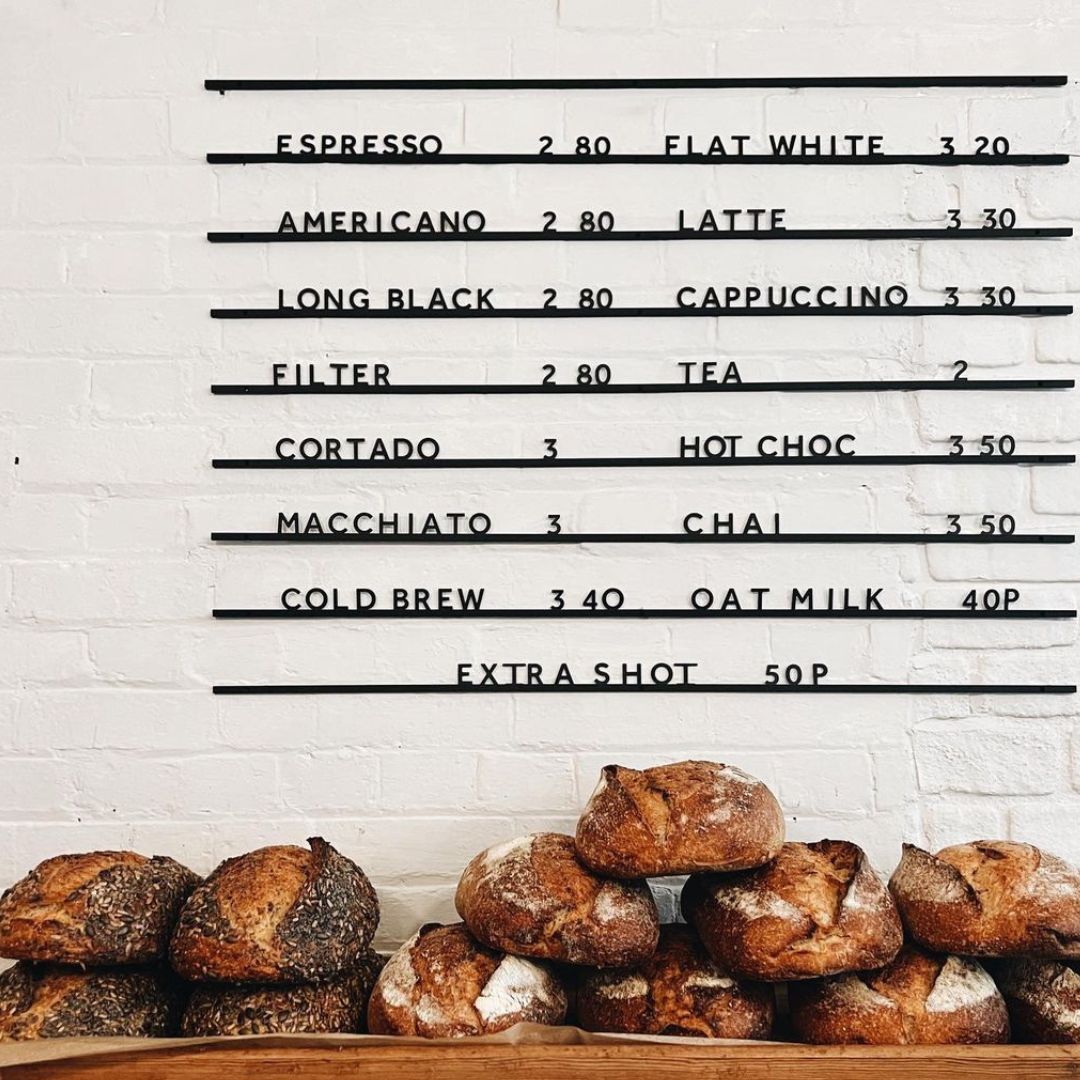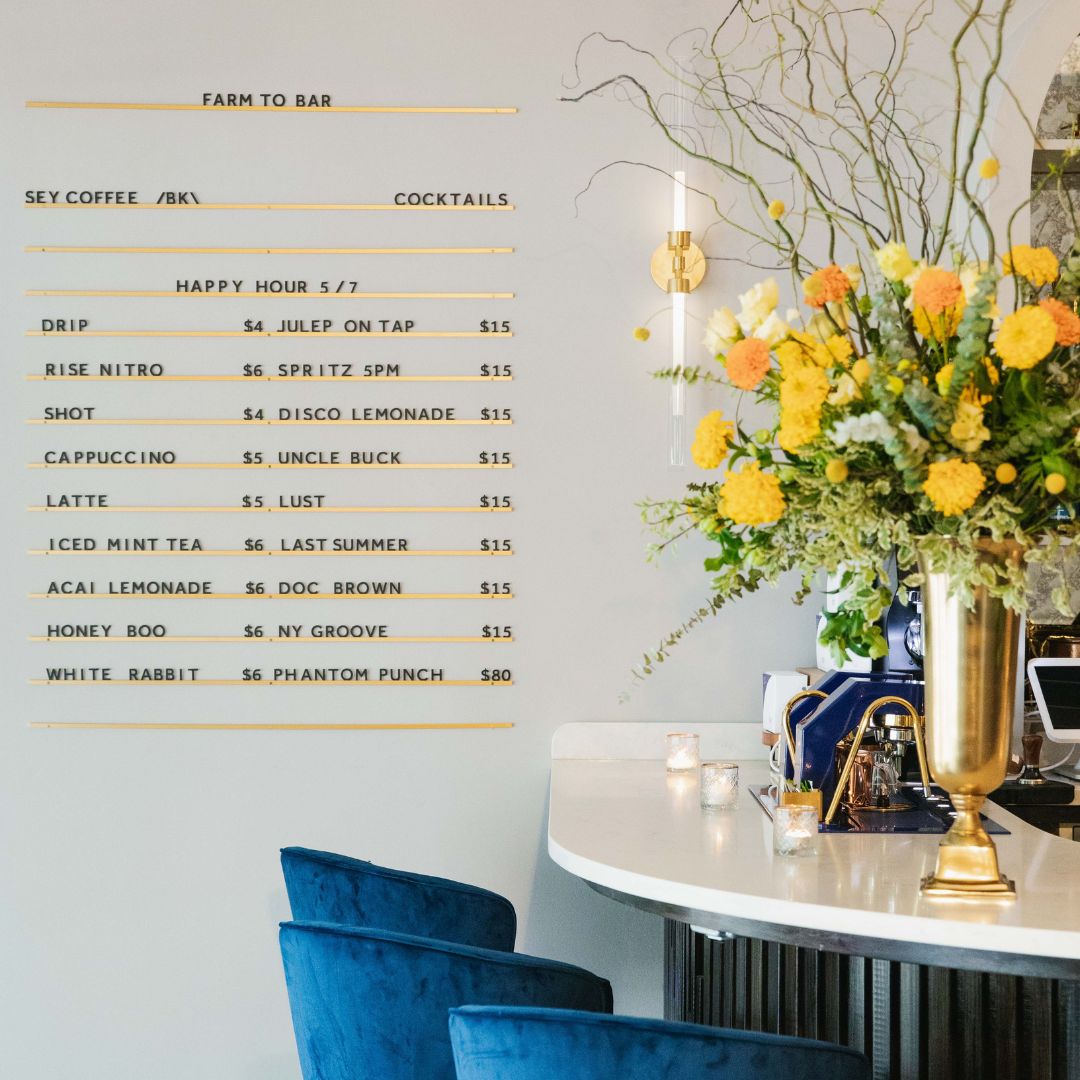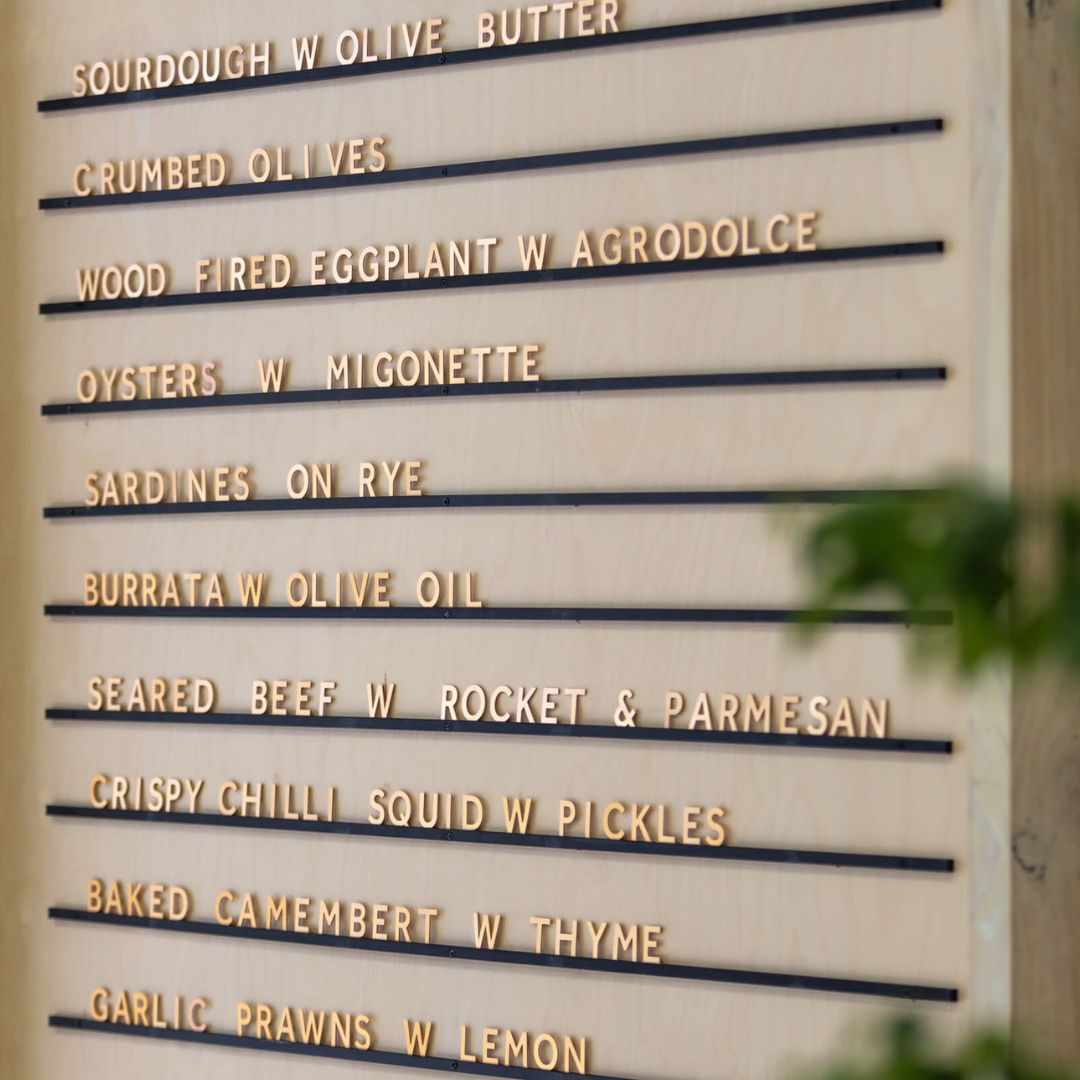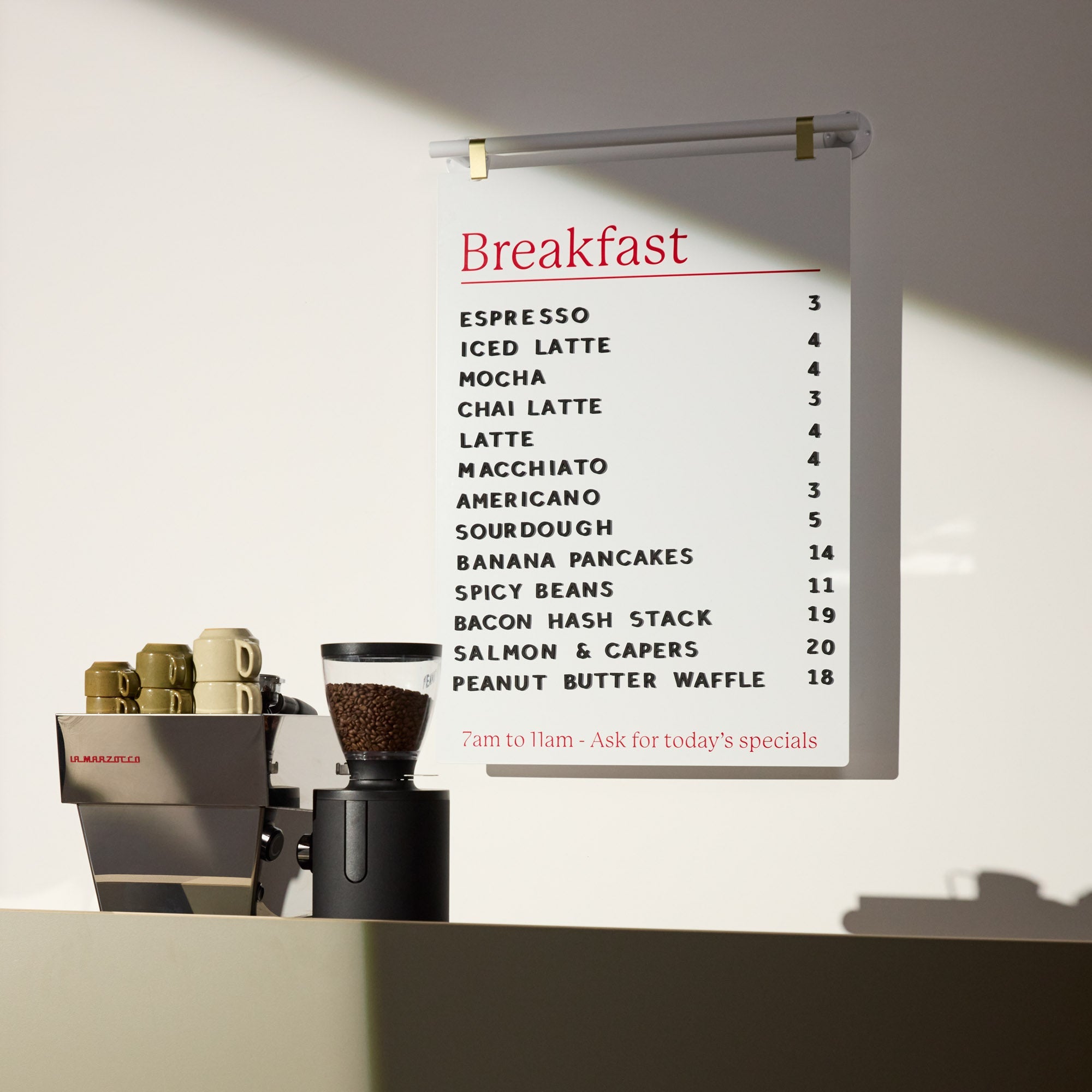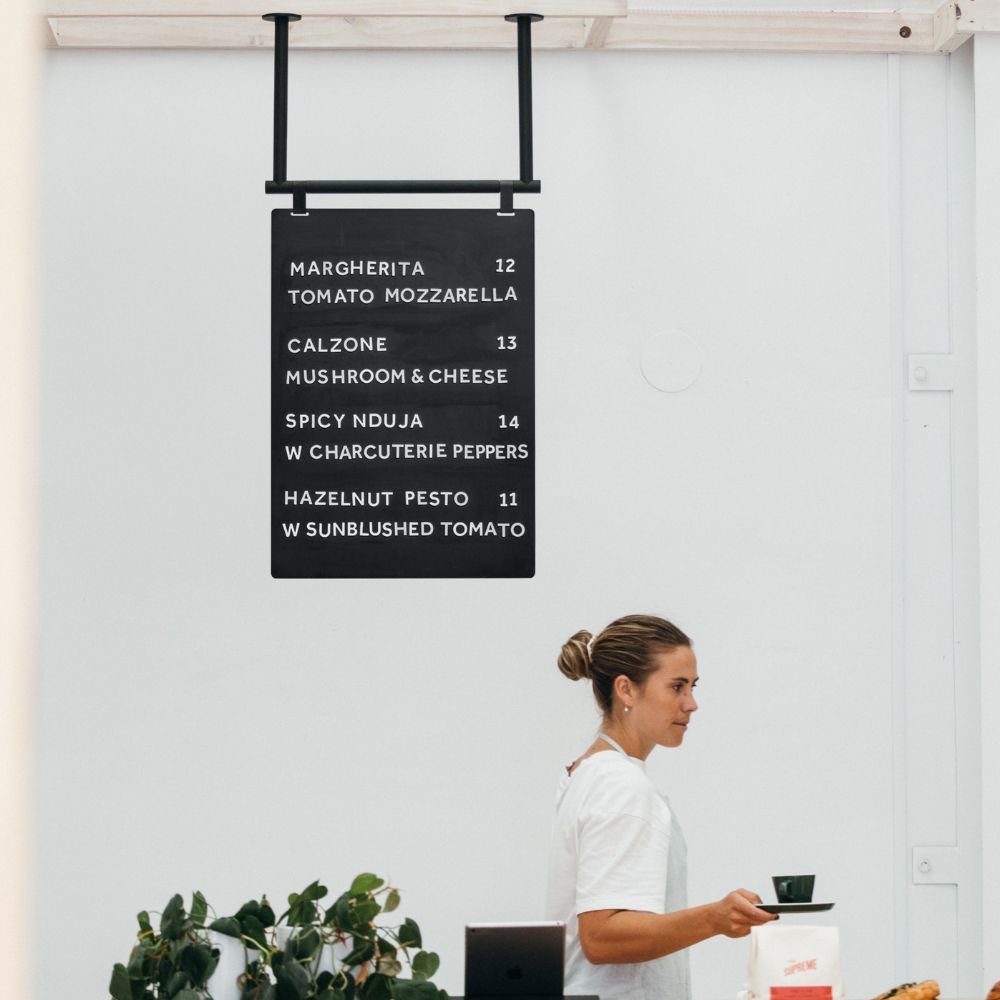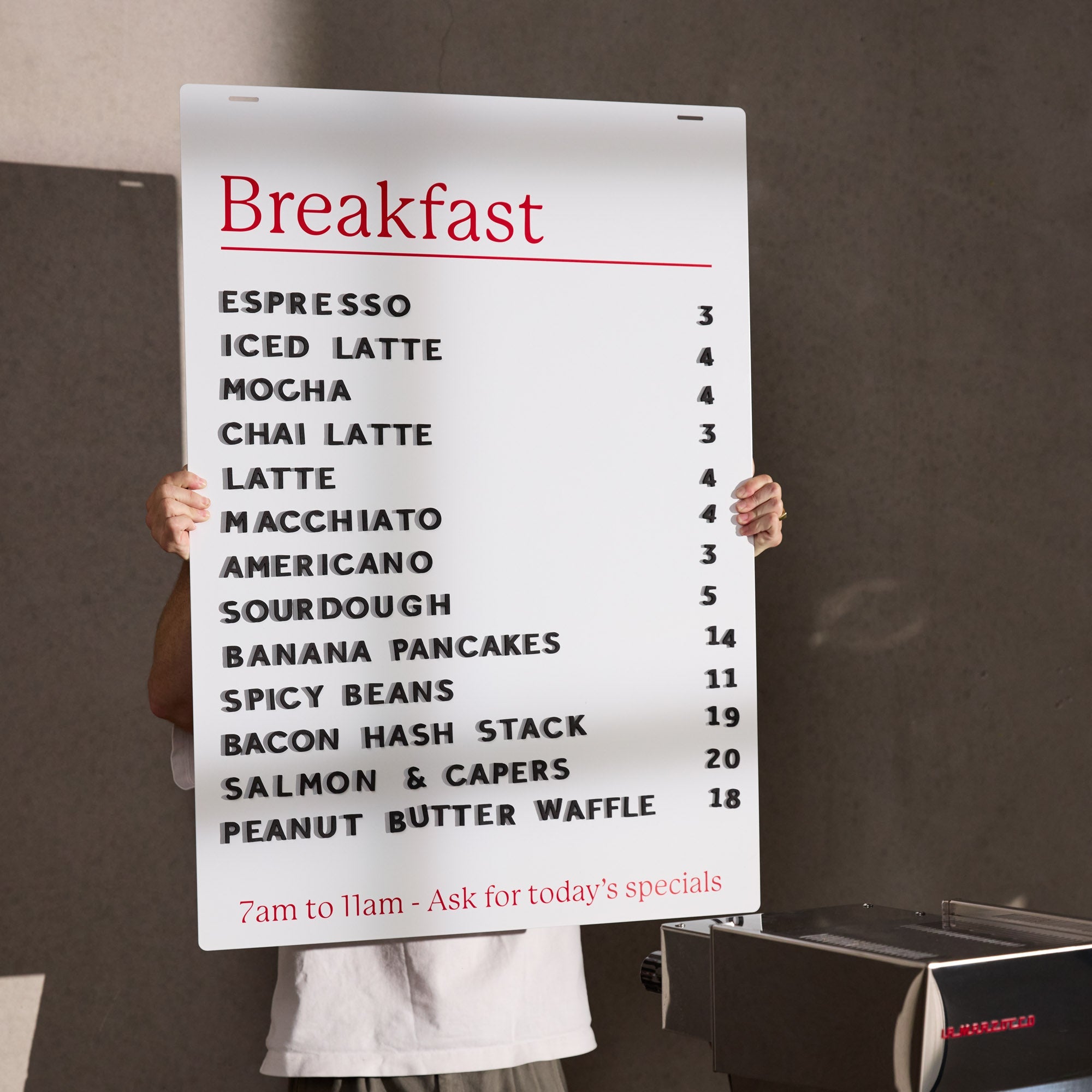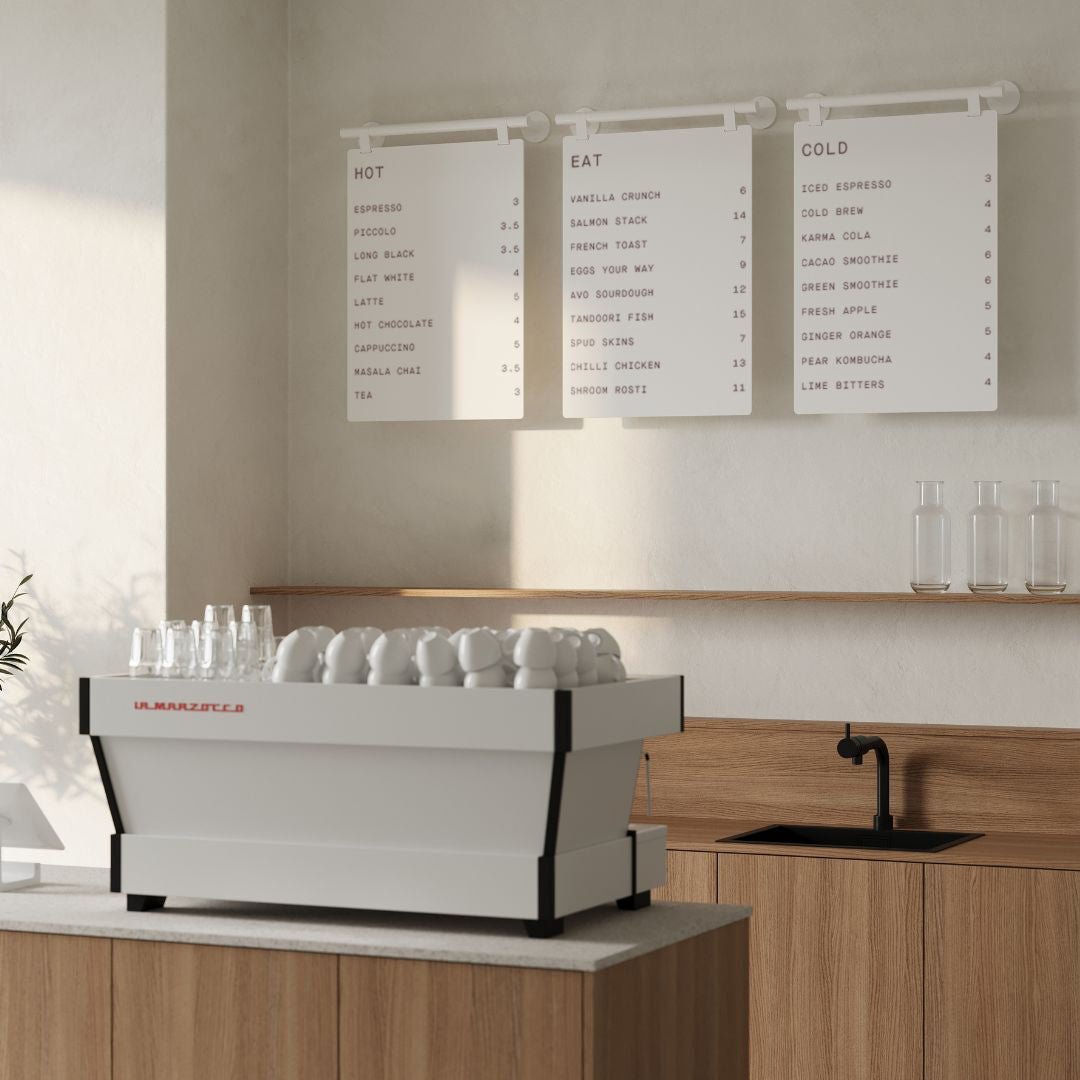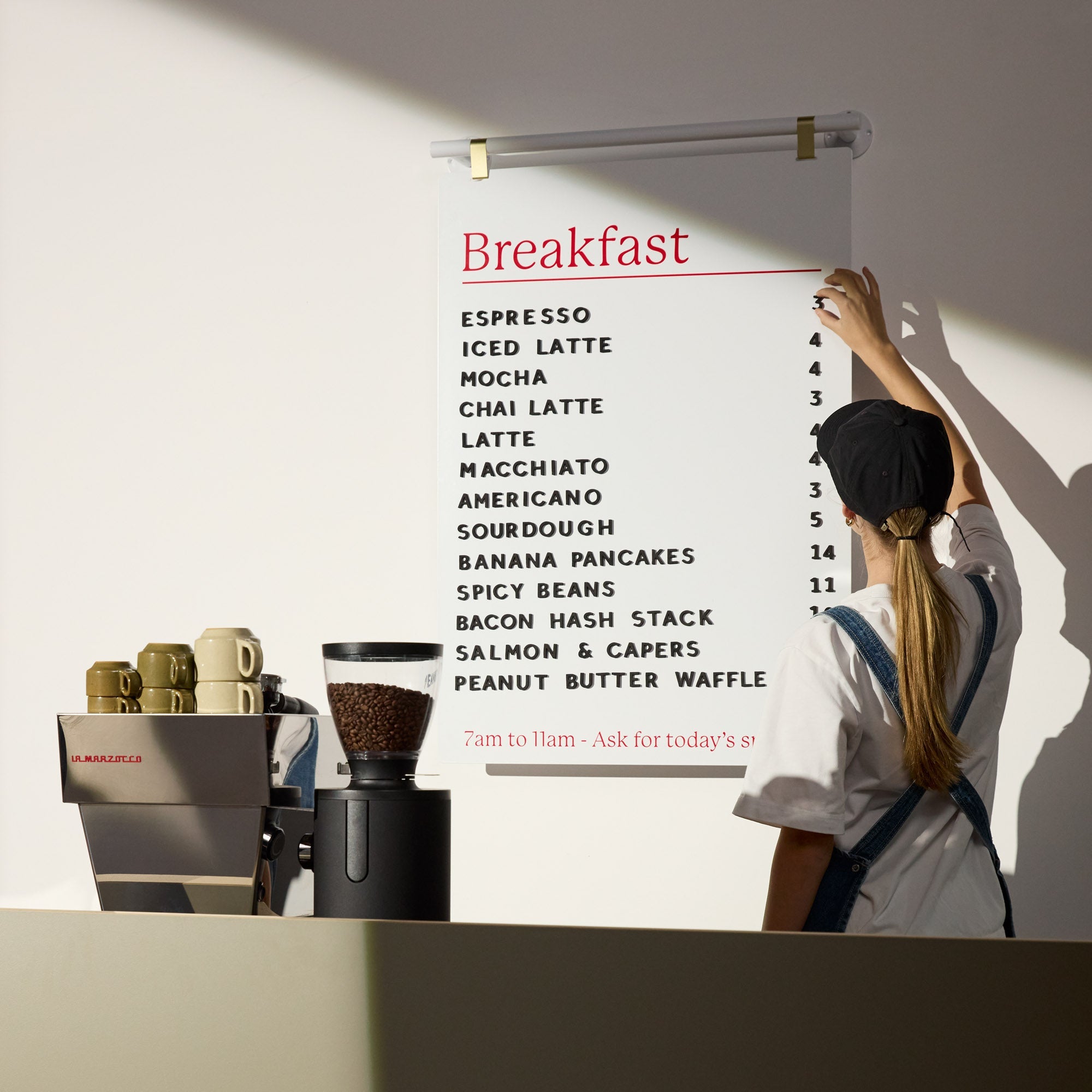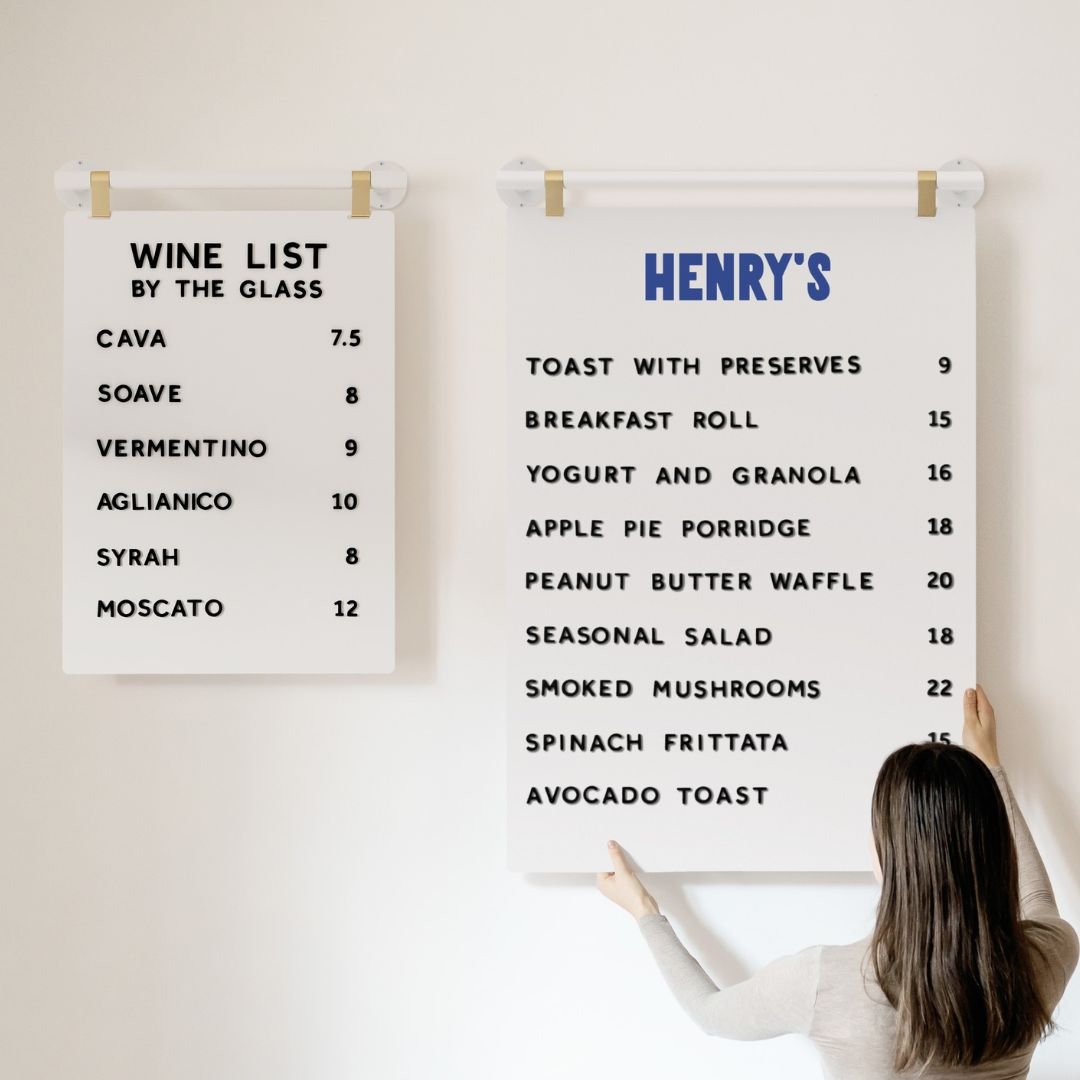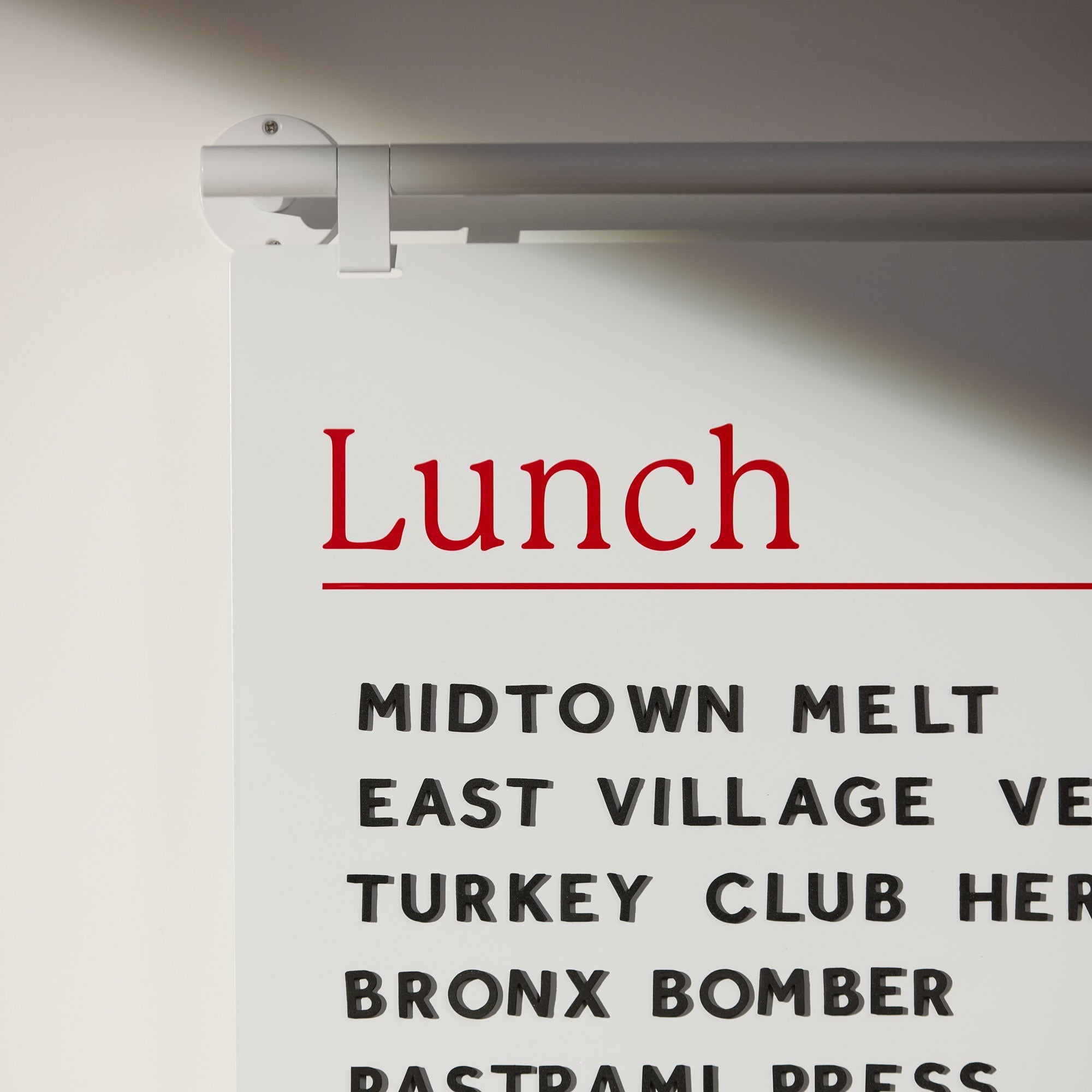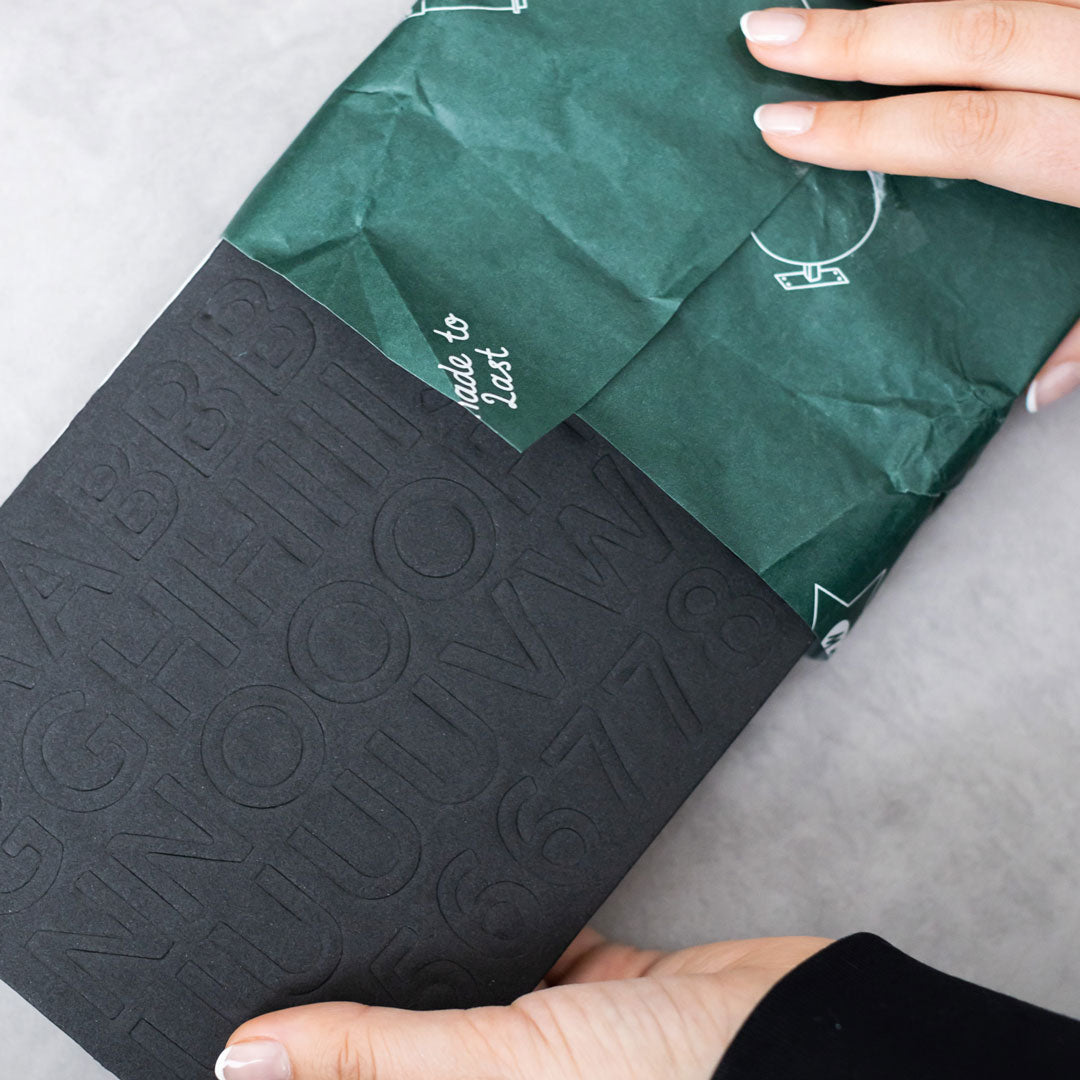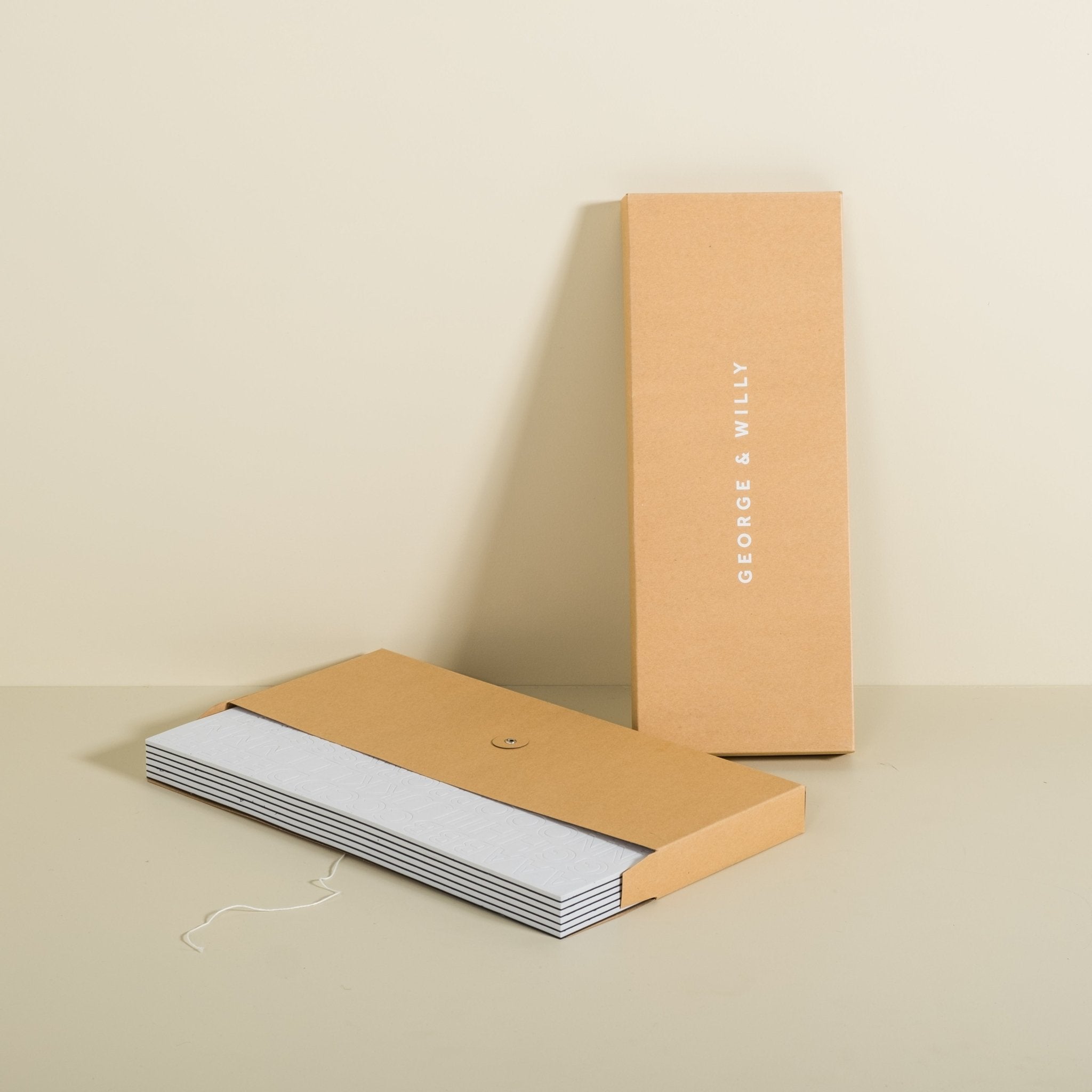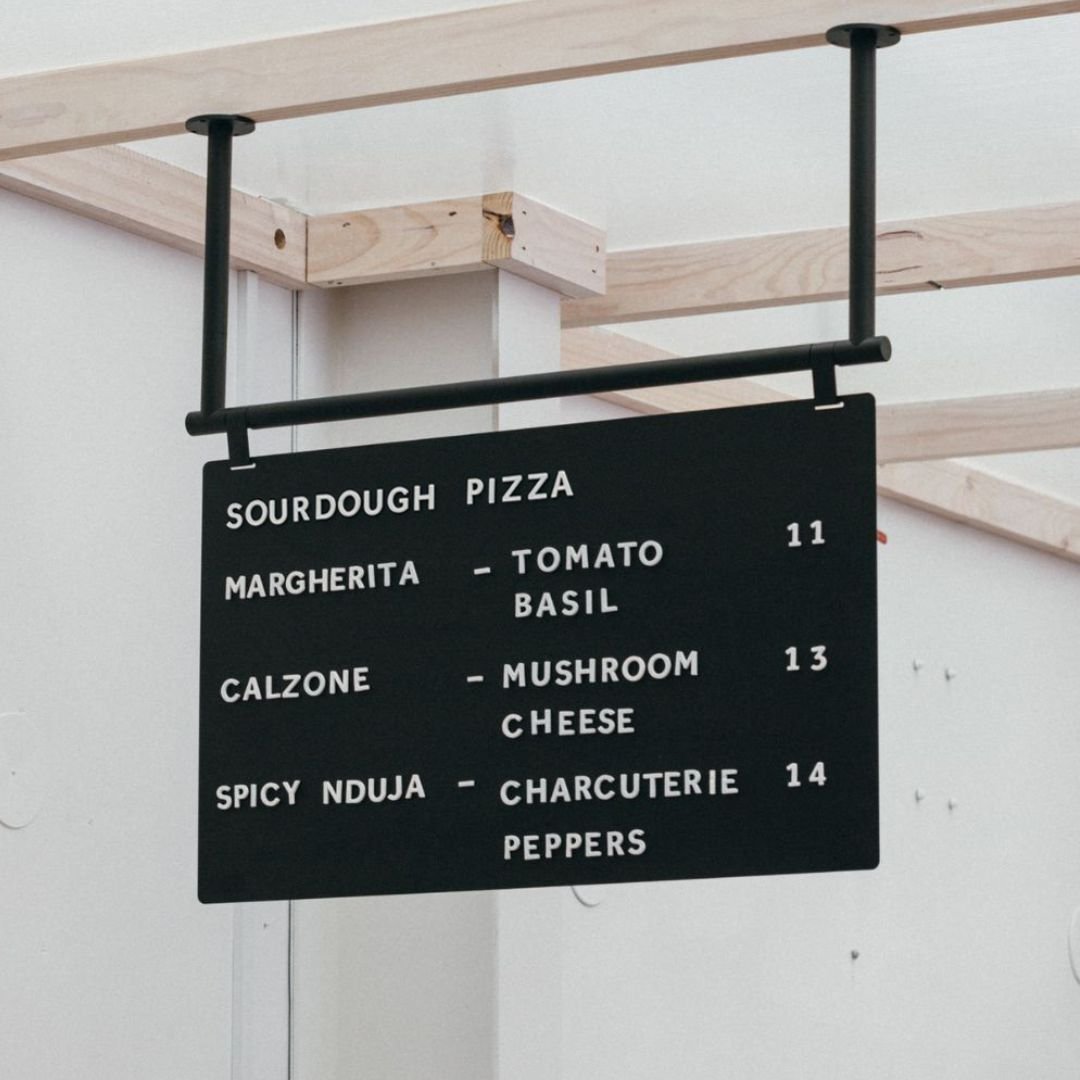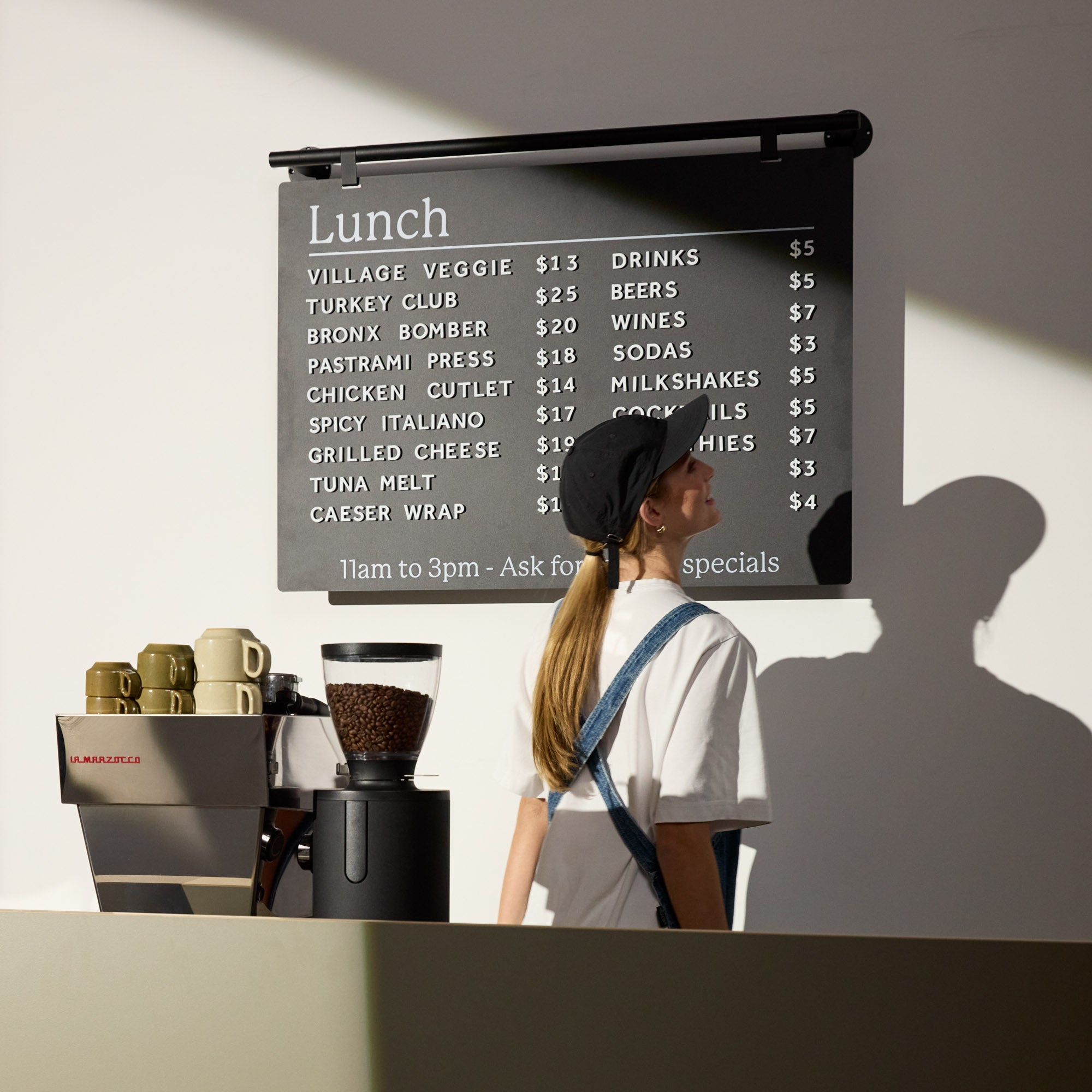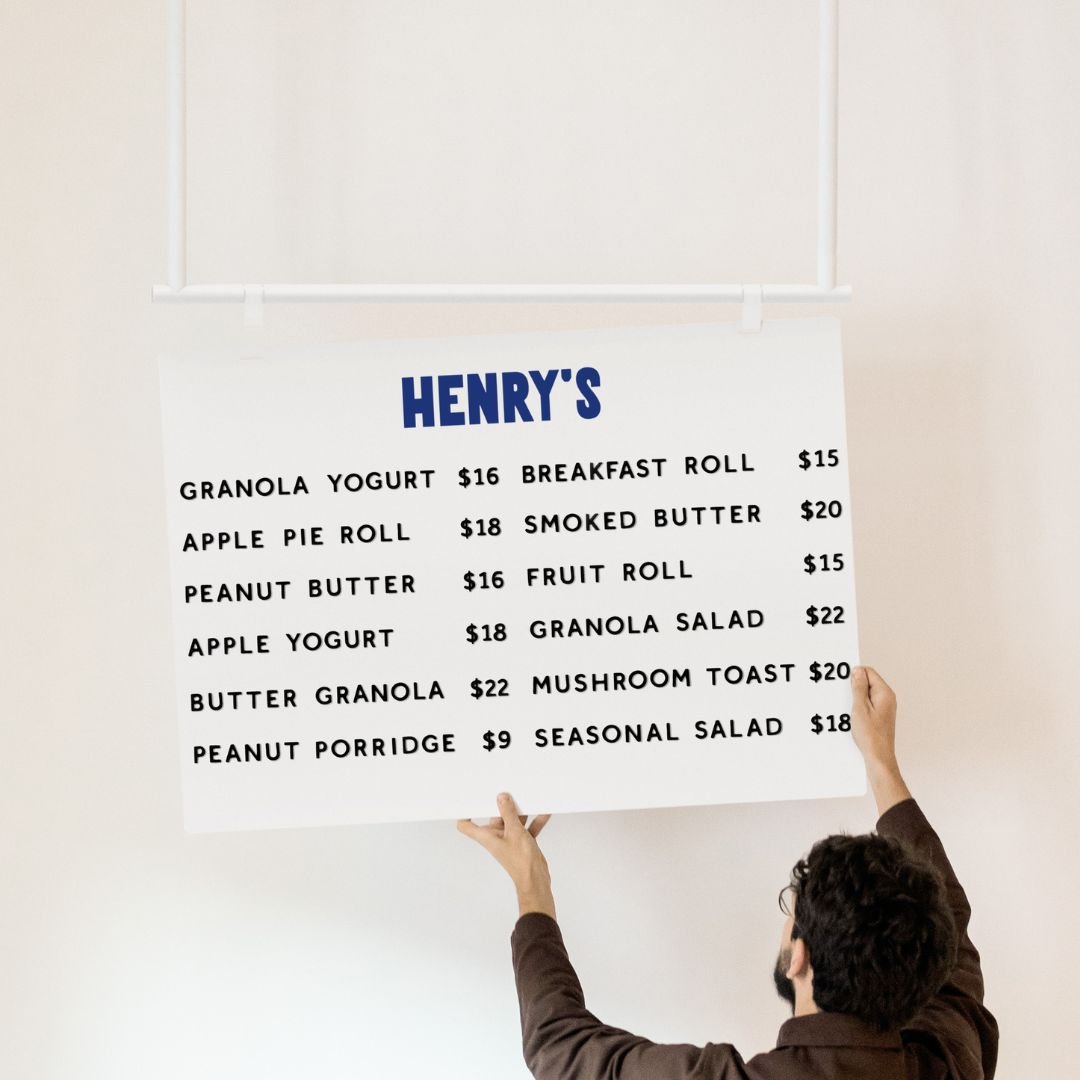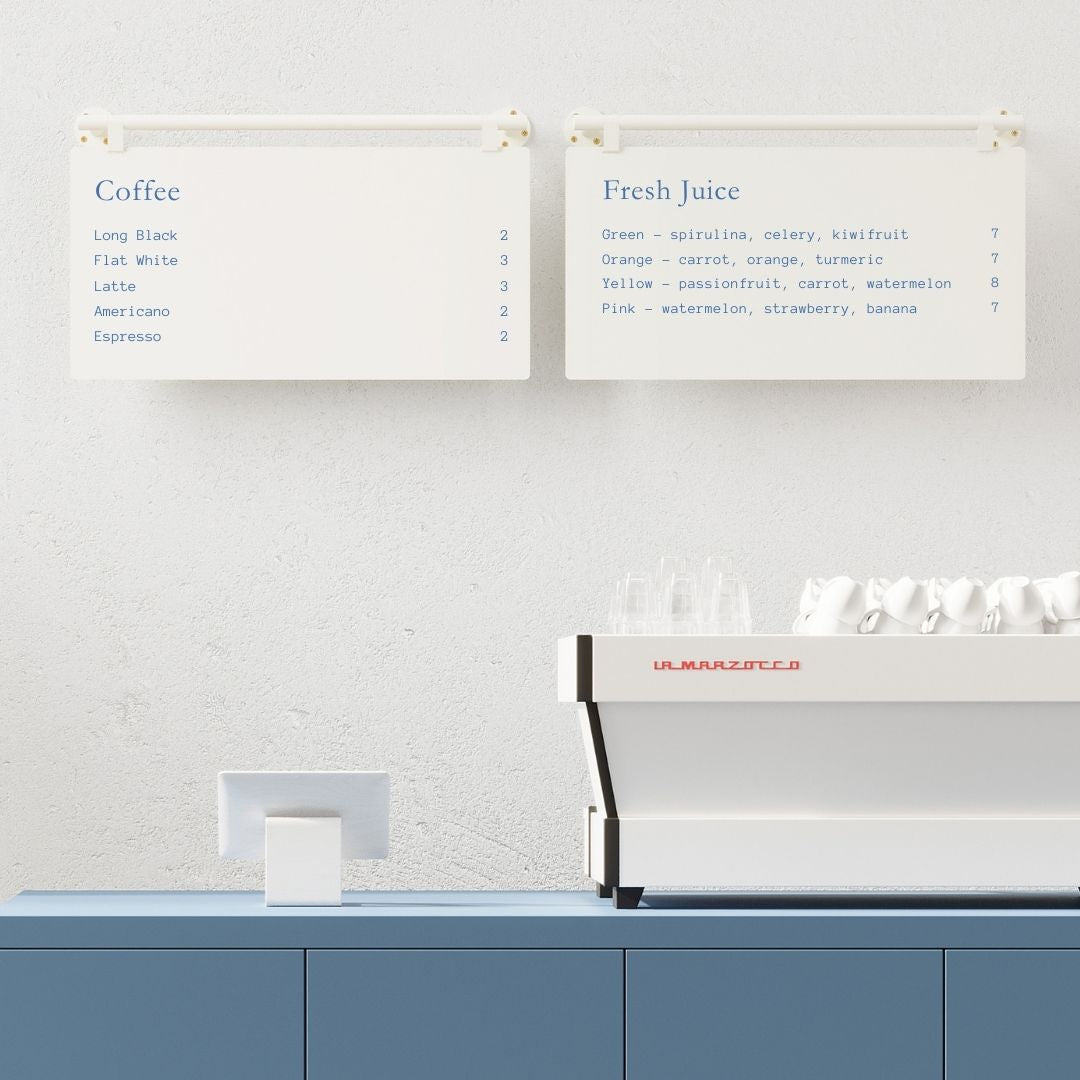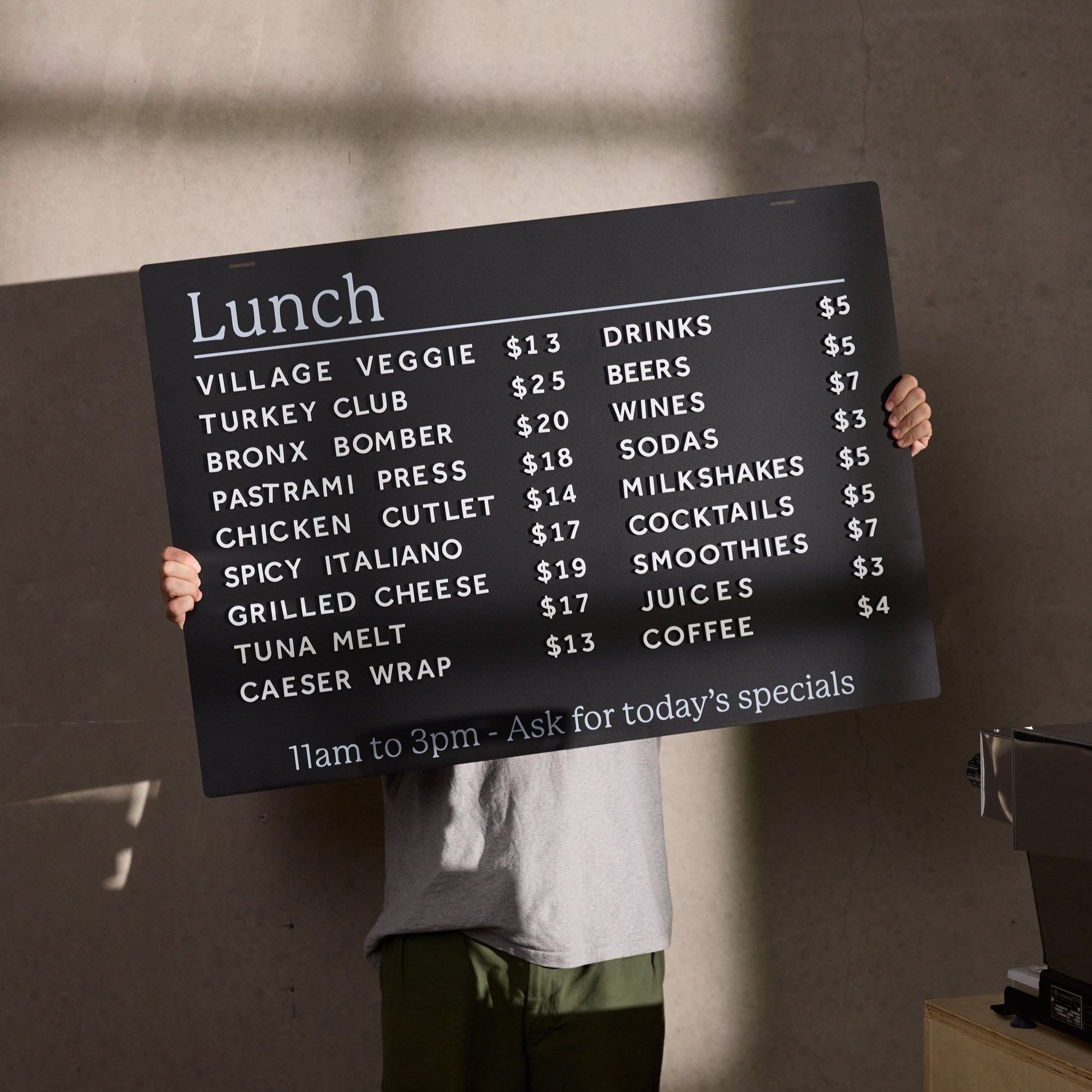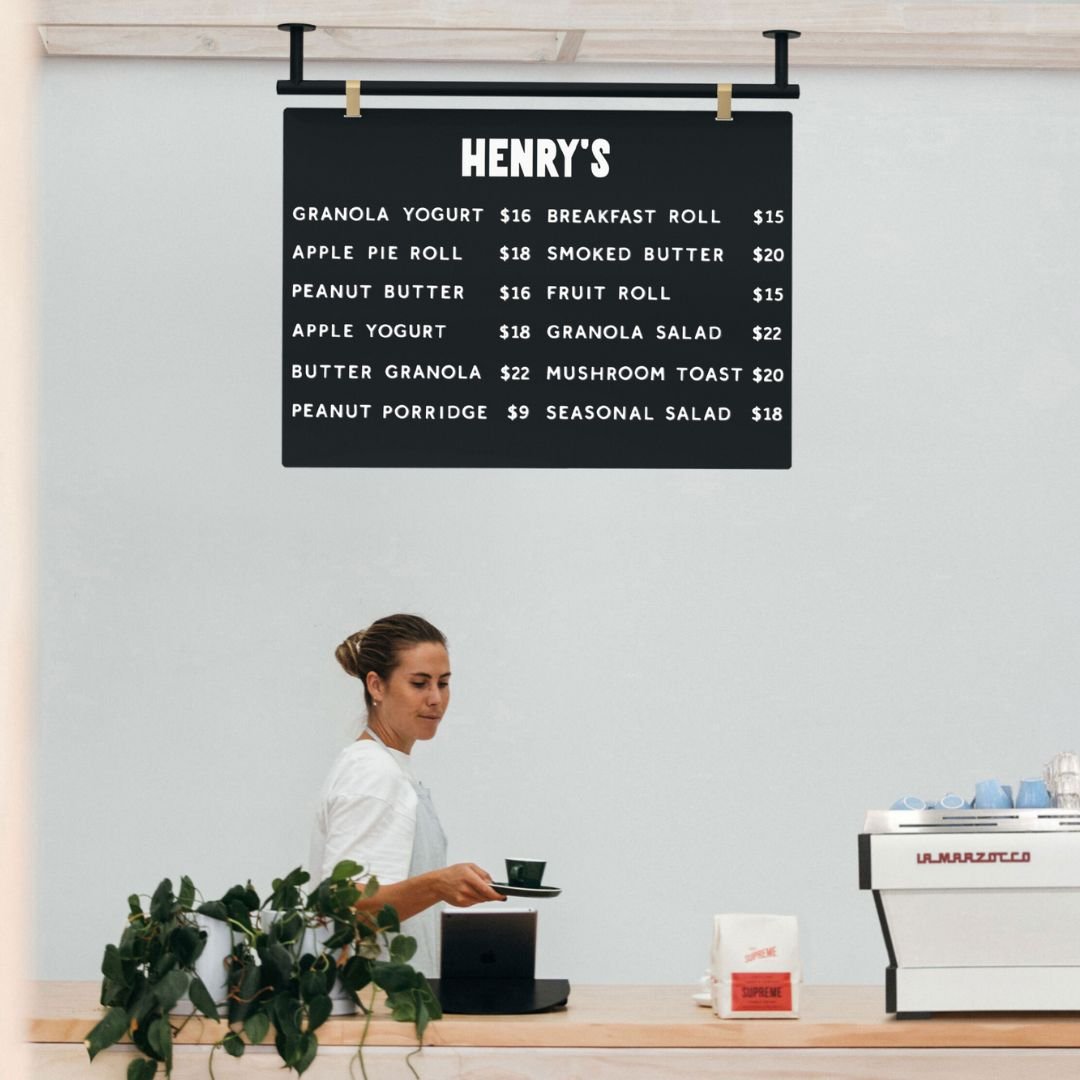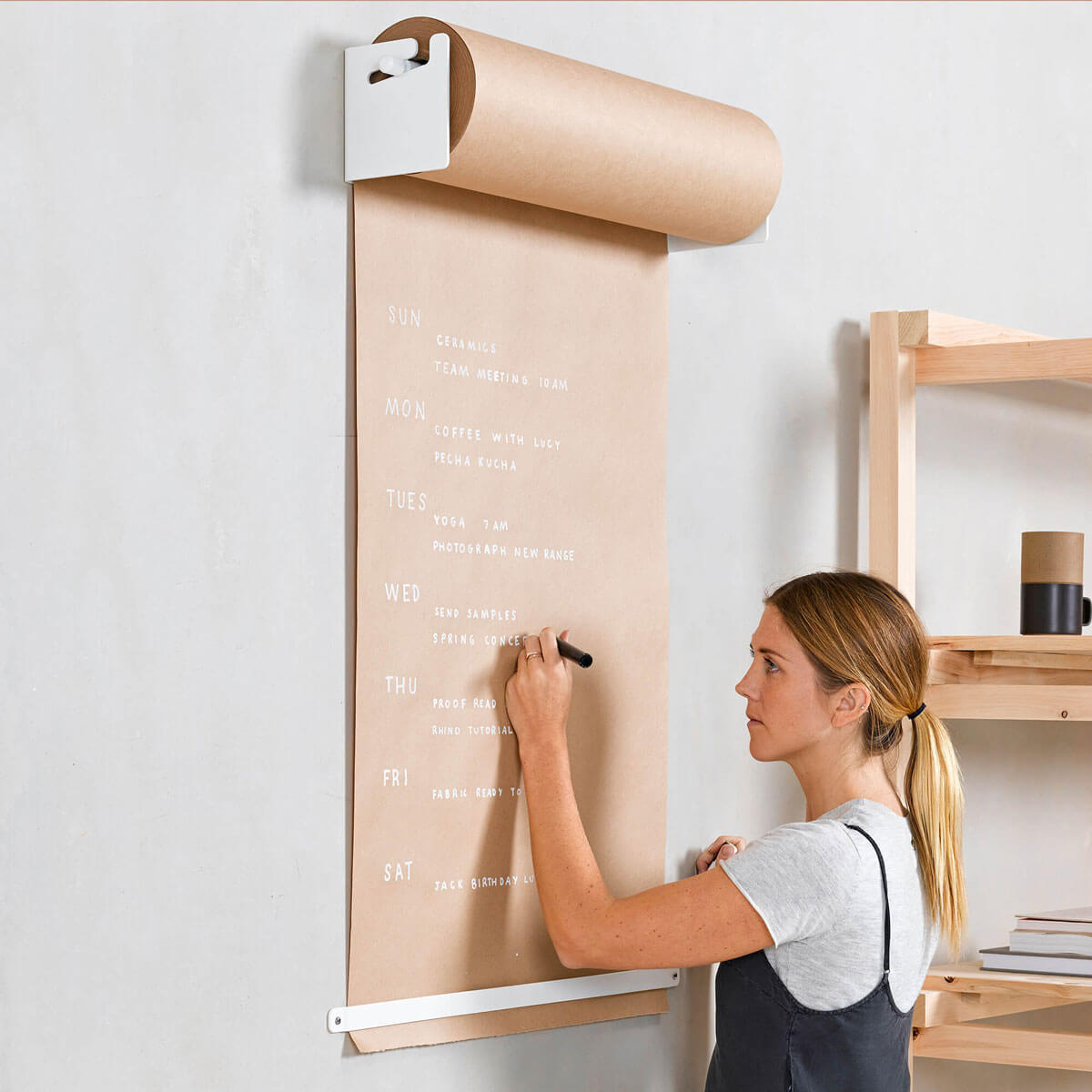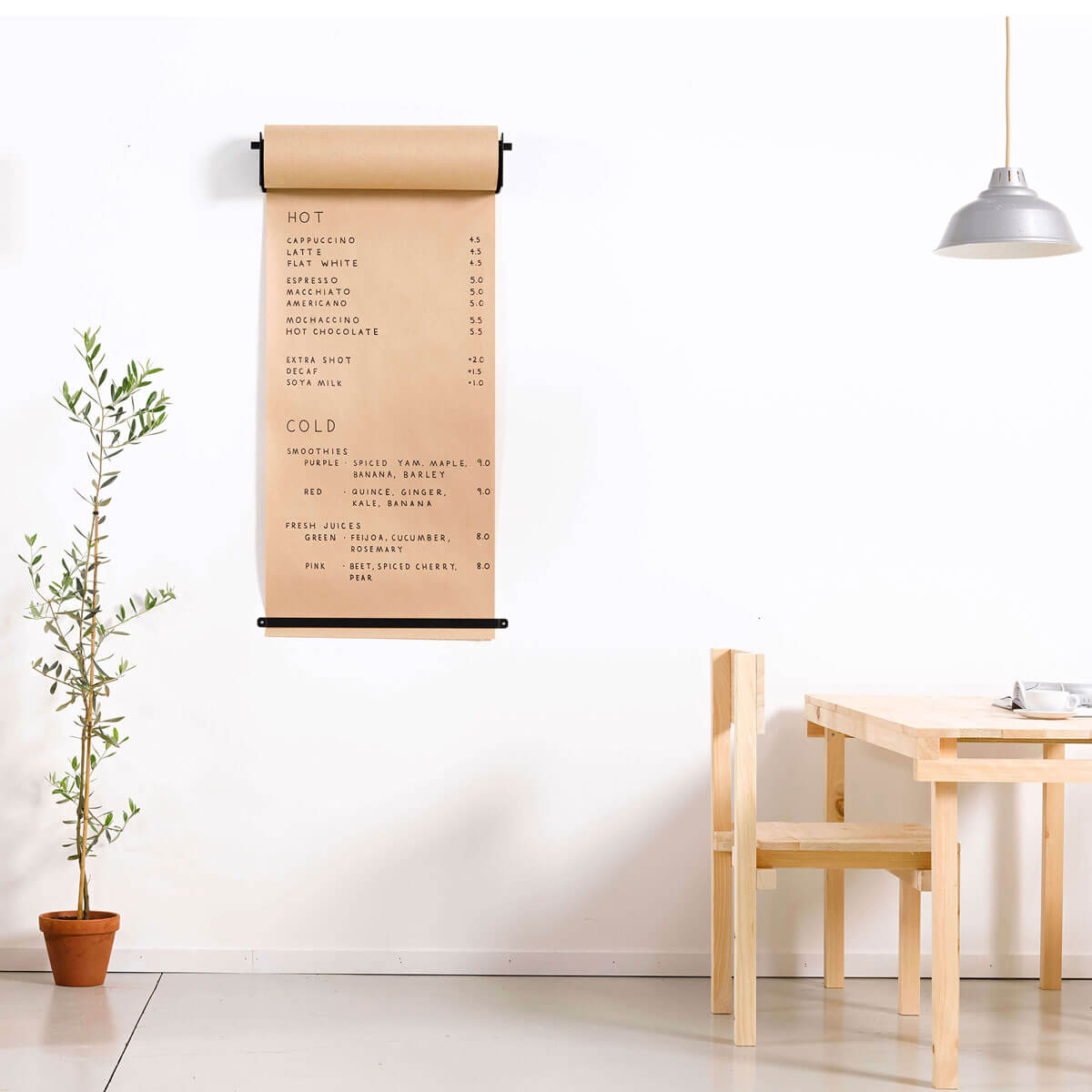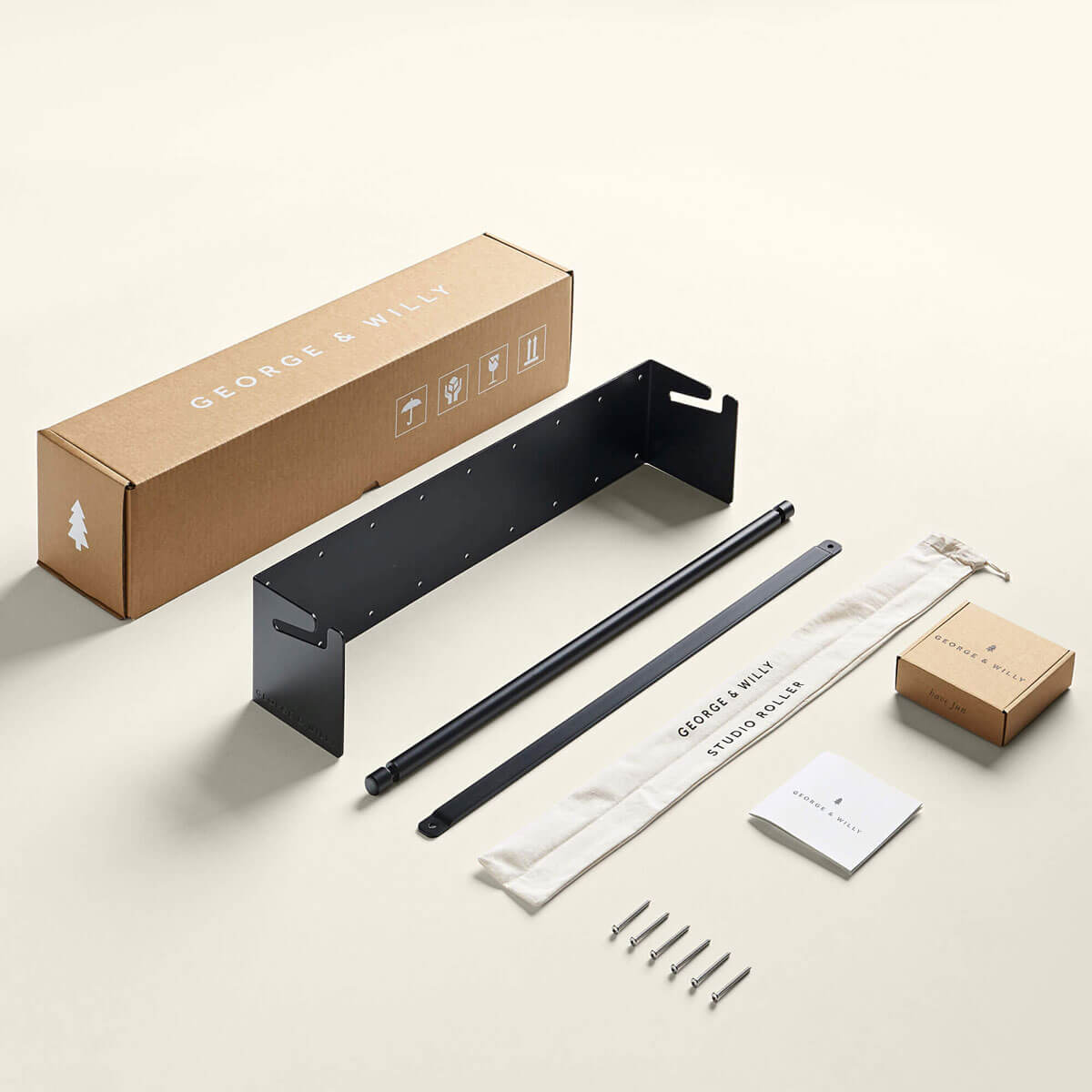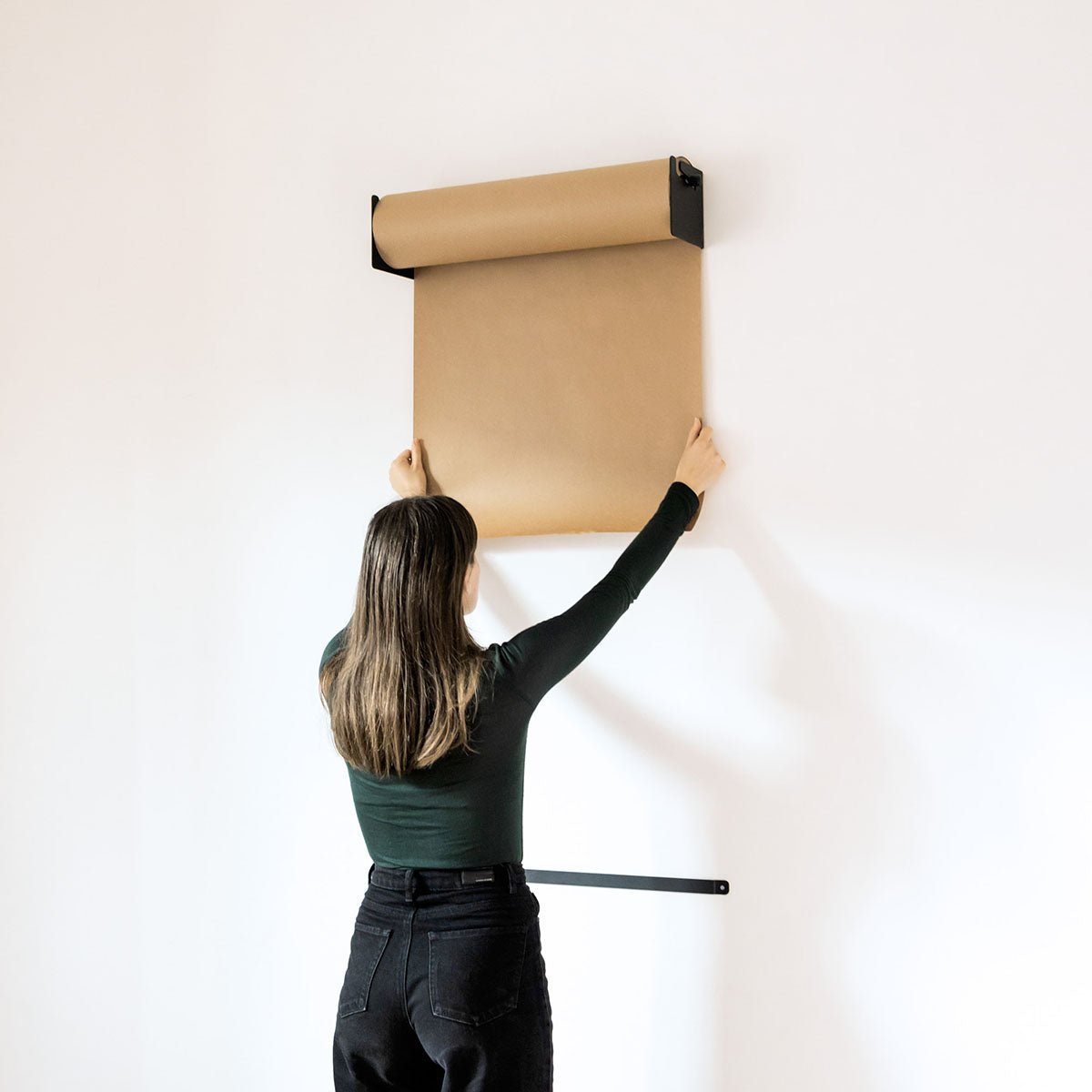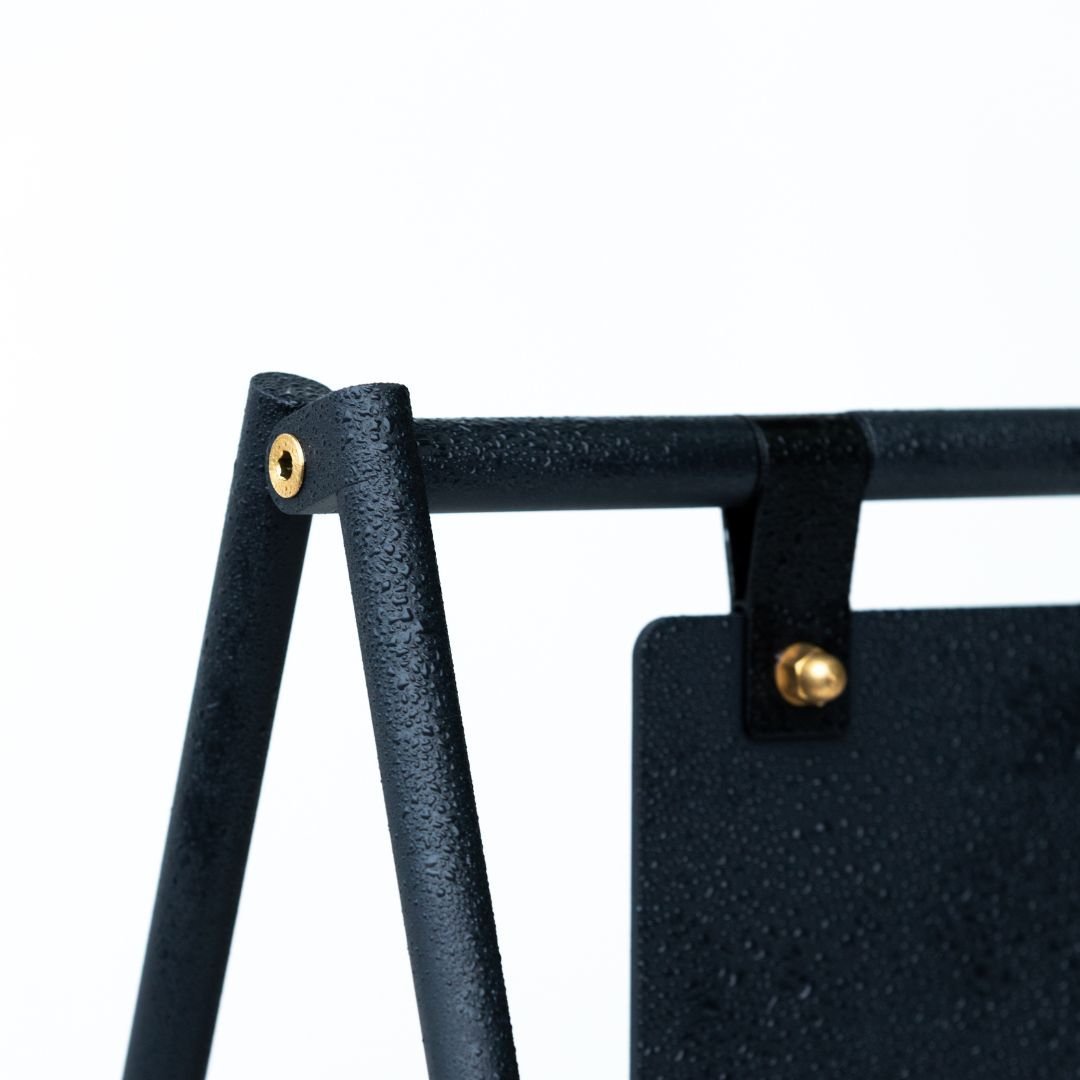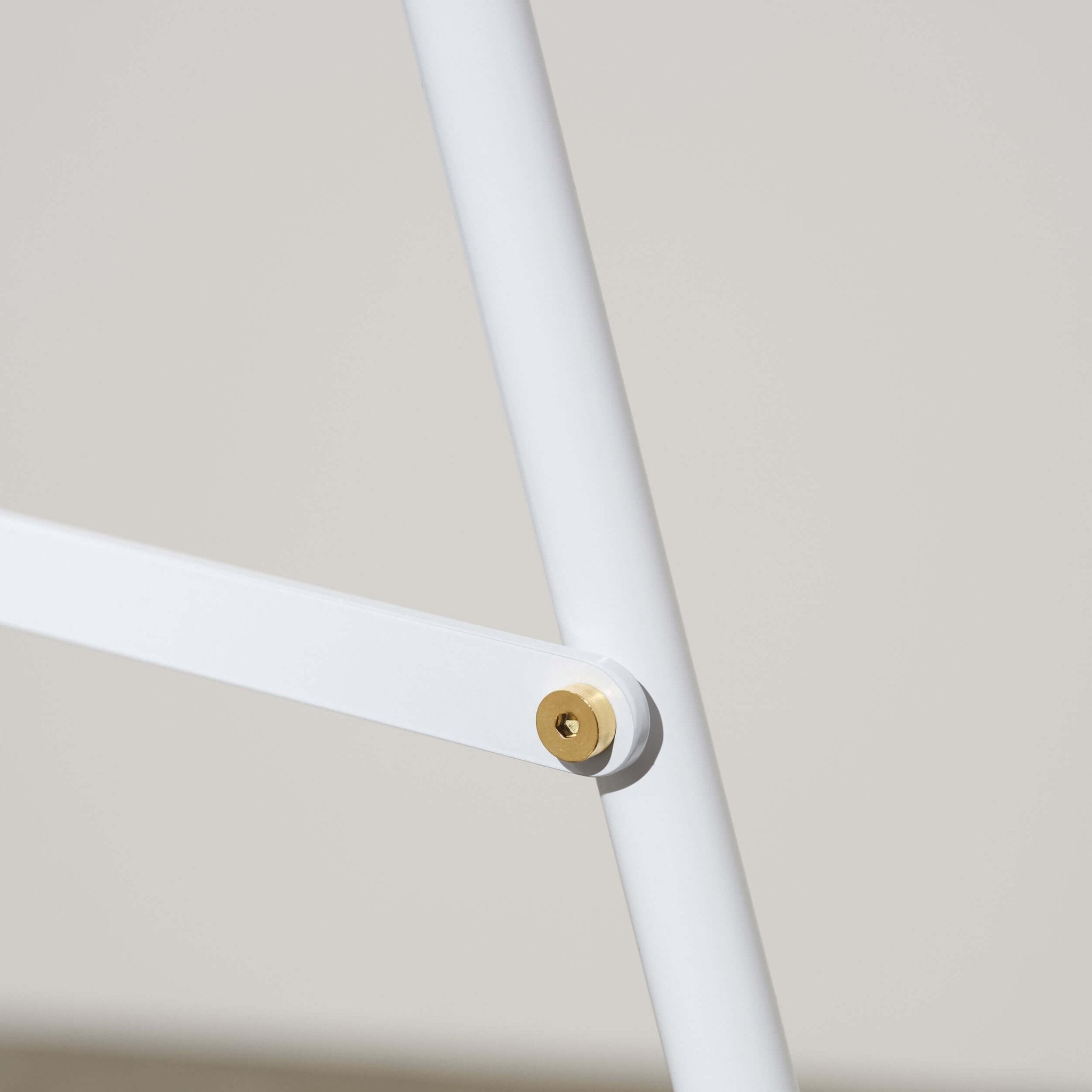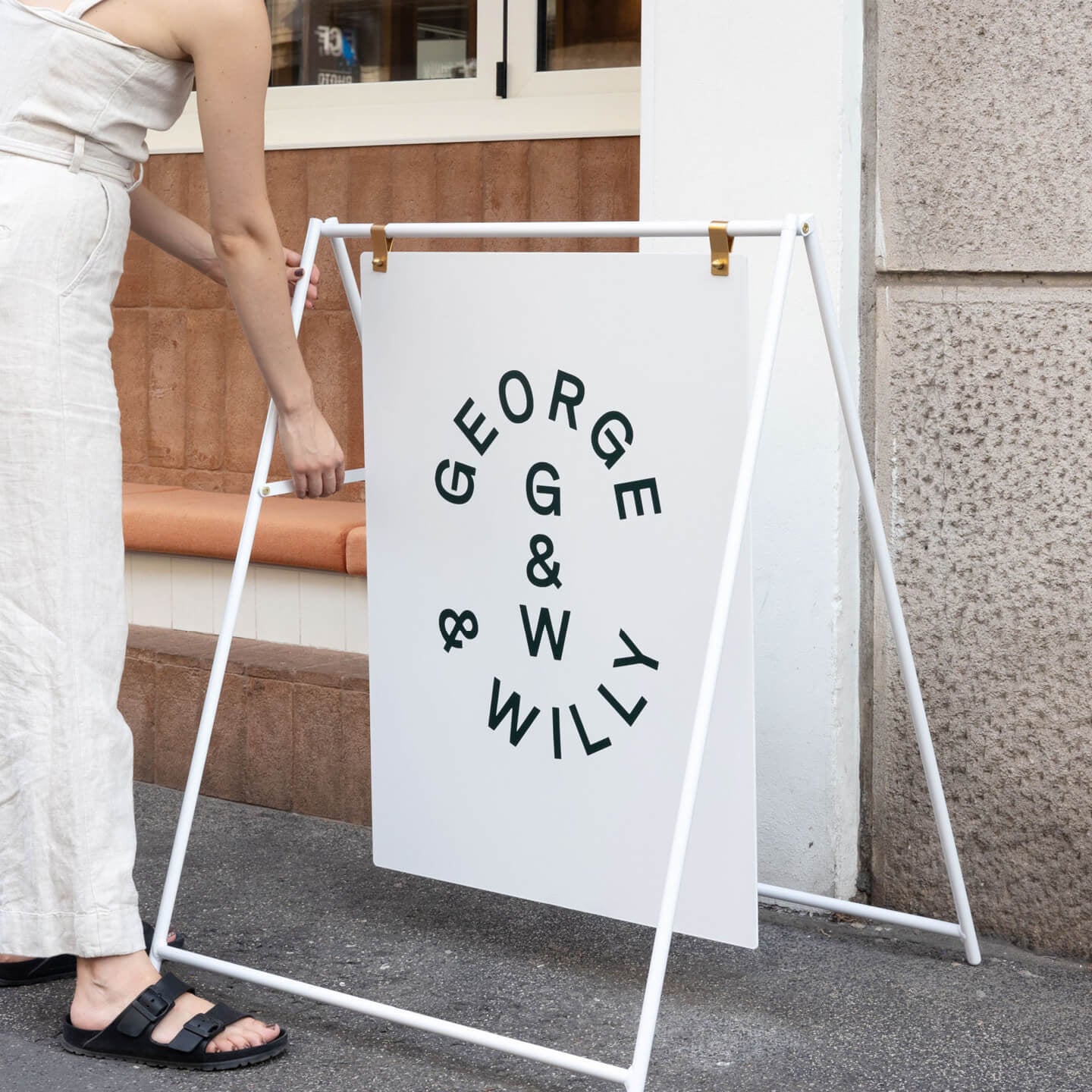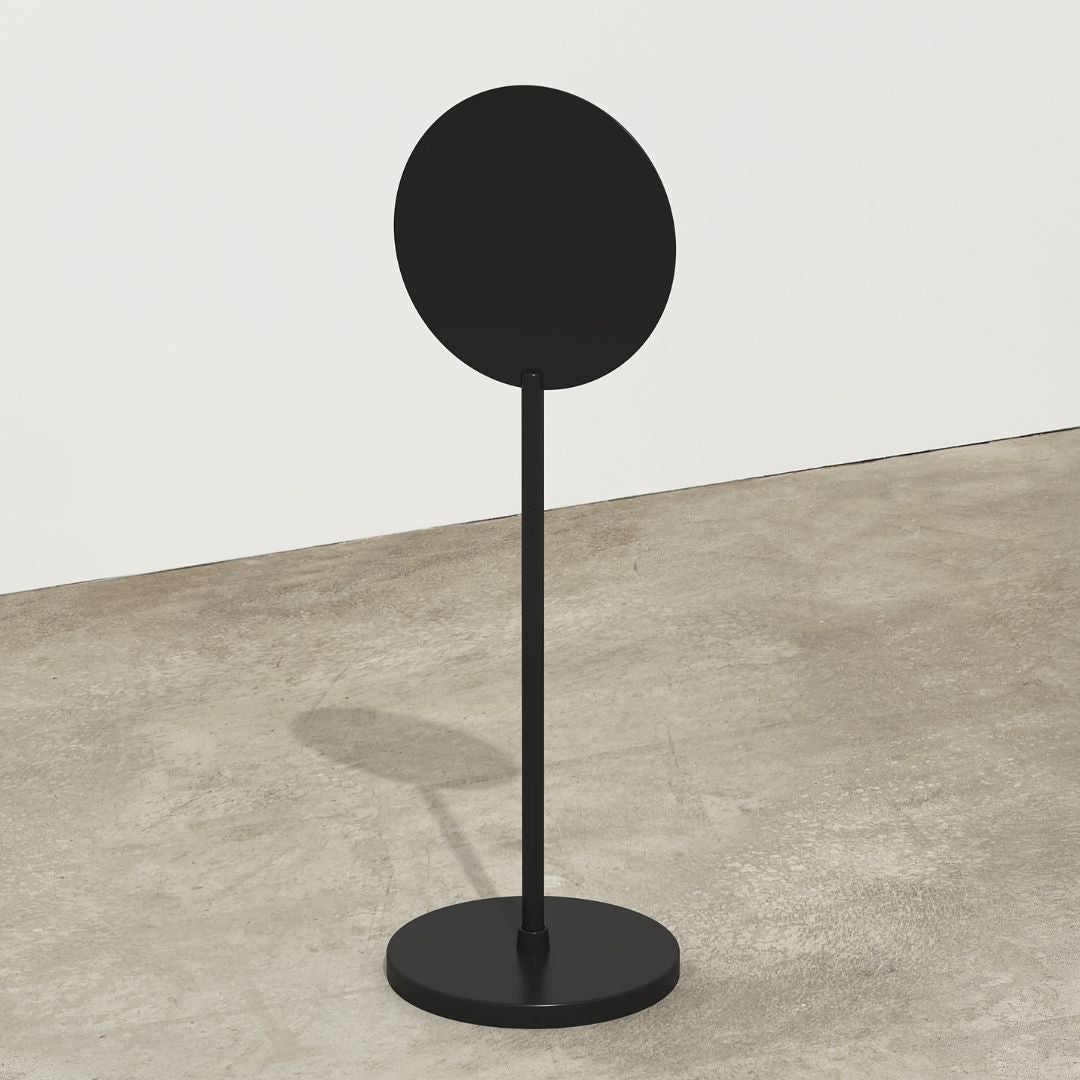


In the world of cafe, restaurant, and retail design, some classics never fade. The menu letter board is one of them. Far from being just a nostalgic throwback, these changeable displays are a smart, stylish, and incredibly effective way to communicate with your customers. They combine timeless charm with practical flexibility, allowing you to update prices, announce specials, or share a witty quote in minutes.
Whether you’re opening a new coffee shop or refreshing your boutique’s look, a well chosen menu letter board can transform your space and even boost your bottom line. Let’s dive into everything you need to know about choosing, using, and loving your menu letter board.
What Exactly Is a Menu Letter Board?
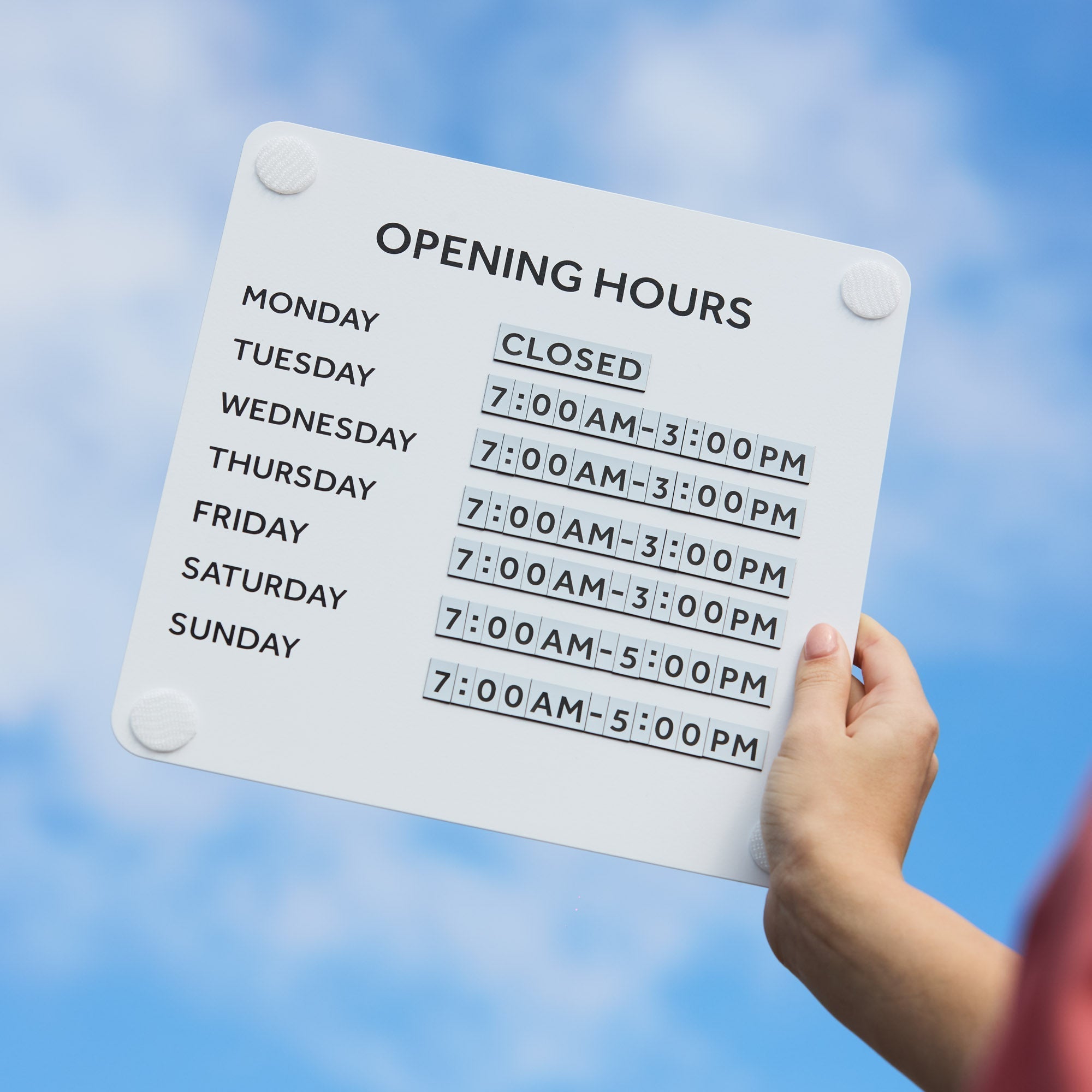
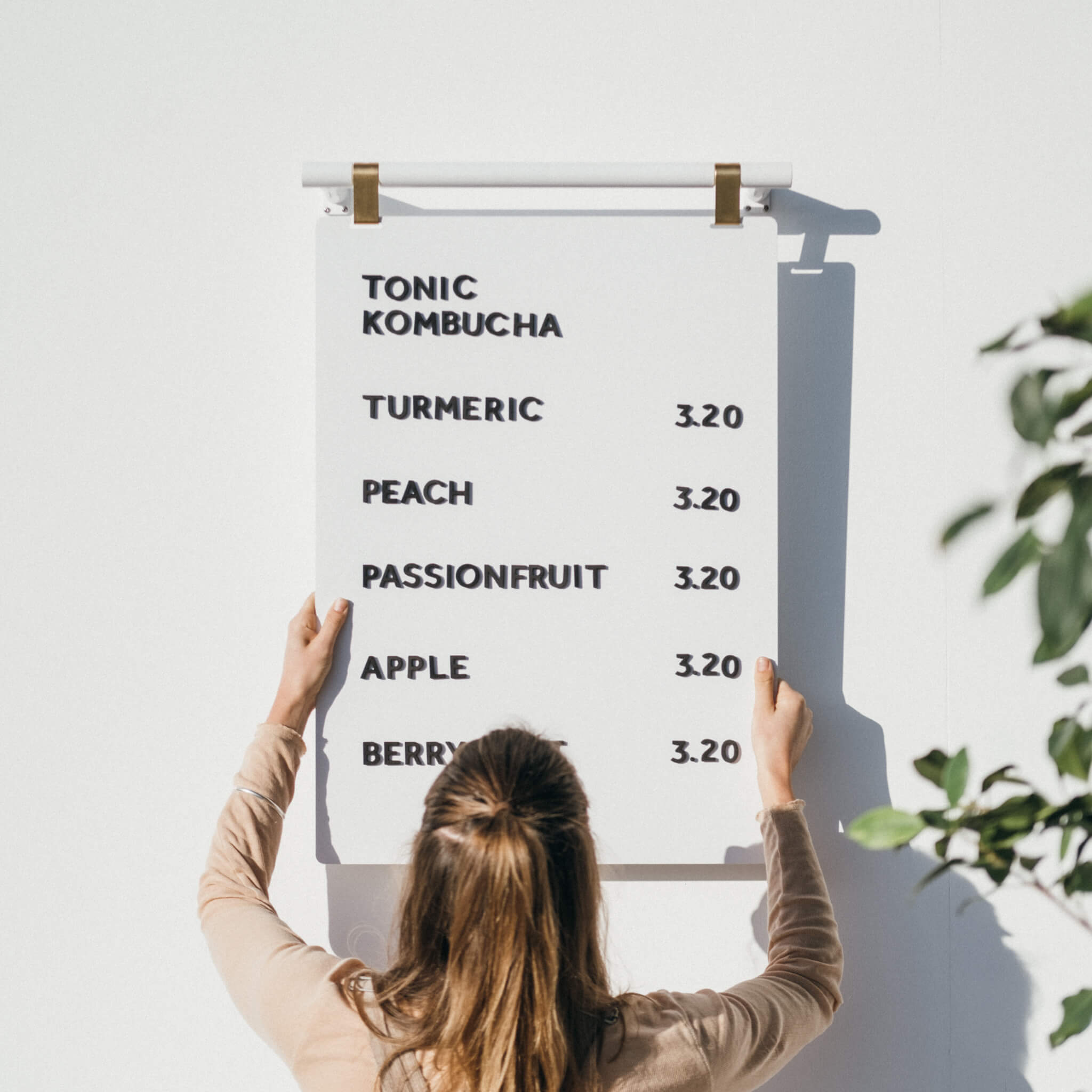
At its core, a menu letter board is a sign designed for displaying changeable information using individual letters, numbers, and symbols. Unlike a static printed sign, you can rearrange the characters whenever you need to. This makes it perfect for menus that change with the seasons, daily specials, or promotional pricing.
These boards are a crucial tool that blends branding with information. The style of the board itself, from minimalist aluminum rails to a classic felt letter board, says a lot about your brand’s personality before a customer even reads the menu.
Why a Menu Letter Board is a Smart Business Move
Beyond just looking good, a thoughtfully used menu board can have a real impact on customer behavior and your sales.
- Boost Your Revenue: Clear and legible in store signage is a powerful tool. Research shows that easy to read signs, like a well organized menu, can increase overall sales.
- Encourage Impulse Buys: The right message can turn a browser into a buyer. Studies have found that in store signage prompting additional items, like a board suggesting a pastry with coffee, can stimulate more impulse purchases.
- Ultimate Flexibility: From a daily special display to a welcome message or event announcement, a letter board lets you communicate in real time. You can adapt your messaging instantly without the cost or delay of reprinting.
- Simple and Cost Effective: Forget the recurring cost and hassle of reprinting paper menus for every small change. A menu letter board is a one time investment that offers endless updates.
- Authentic and Engaging: In a digital world, the tactile, analog nature of a letter board feels authentic and personal. Involving your team in creatively arranging the board can also add a unique personality to your space.
- Improve Menu Profitability: A changeable menu allows for menu engineering. You can strategically place high margin items in prominent positions to draw attention and guide customer choices, directly impacting your return on investment.
Choosing Your Perfect Menu Letter Board
Finding the right style depends on your brand aesthetic, your budget, and how you plan to use it.
A Quick Comparison of Letter Board Types
| Board Type | Pros | Cons | Best For |
|---|---|---|---|
| Magnetic | Extremely easy and fast to update, clean modern look, precise alignment. | Can be a higher initial investment. | Cafes, bars, and retailers with frequent menu changes. |
| Tile | Very organized and uniform appearance, satisfying grid look. | Slower to update than magnetic boards. | Restaurants and bakeries wanting a structured, classic menu. |
| Peg | Classic workshop vibe, very tactile and secure. | Limited to smaller messages, letters can be tedious to change. | Displaying quotes, featured items, or short lists. |
| Felt | Soft, nostalgic, and warm aesthetic, letters are held securely. | Felt can attract dust over time, requires gentle cleaning. | Cozy cafes and boutiques aiming for a handcrafted feel. |
| Atelier | Highly refined architectural look, a true design statement. | Premium price point, designed for aesthetics over speed. | High end hospitality, galleries, and design studios. |
Exploring the Different Styles
Magnetic Menu Boards
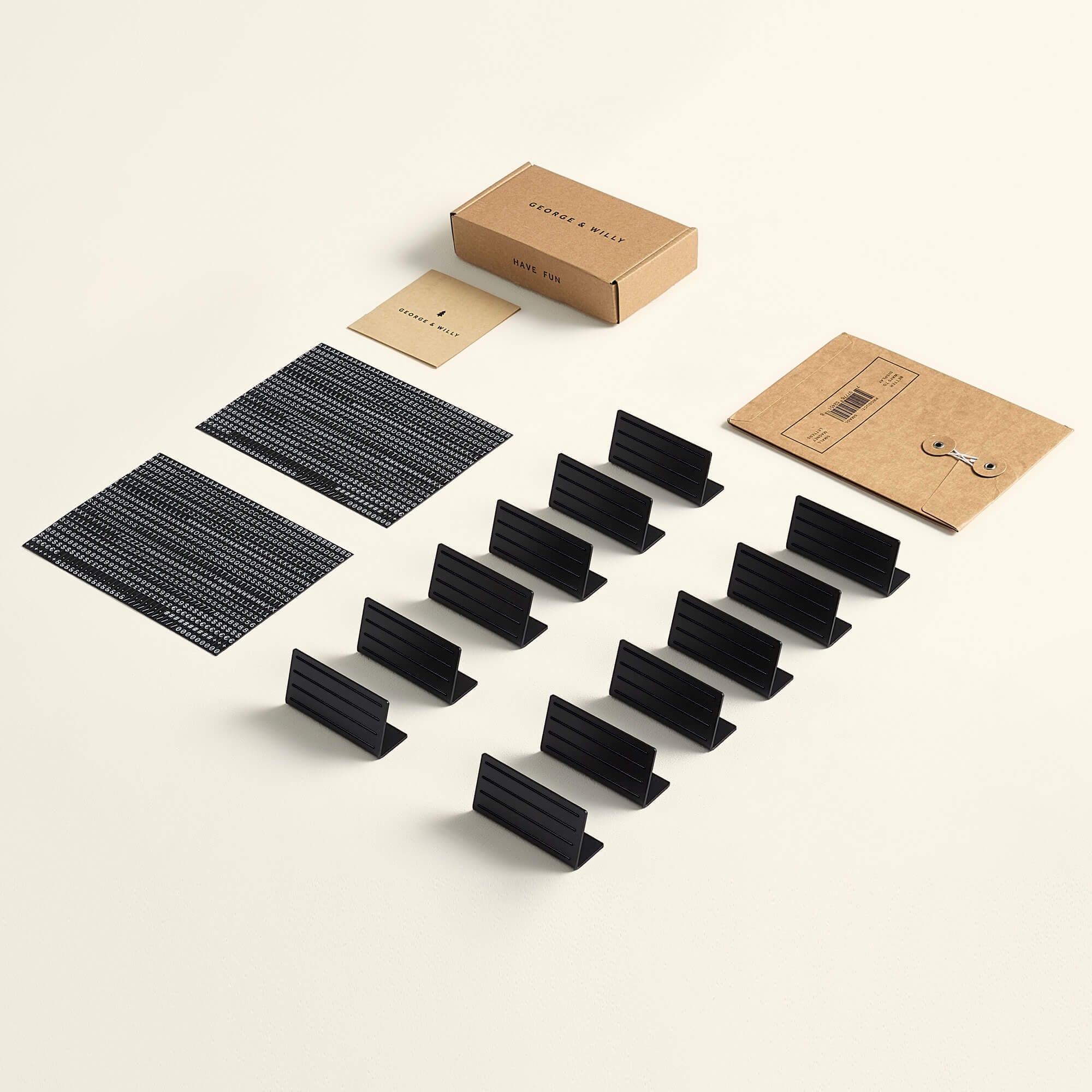
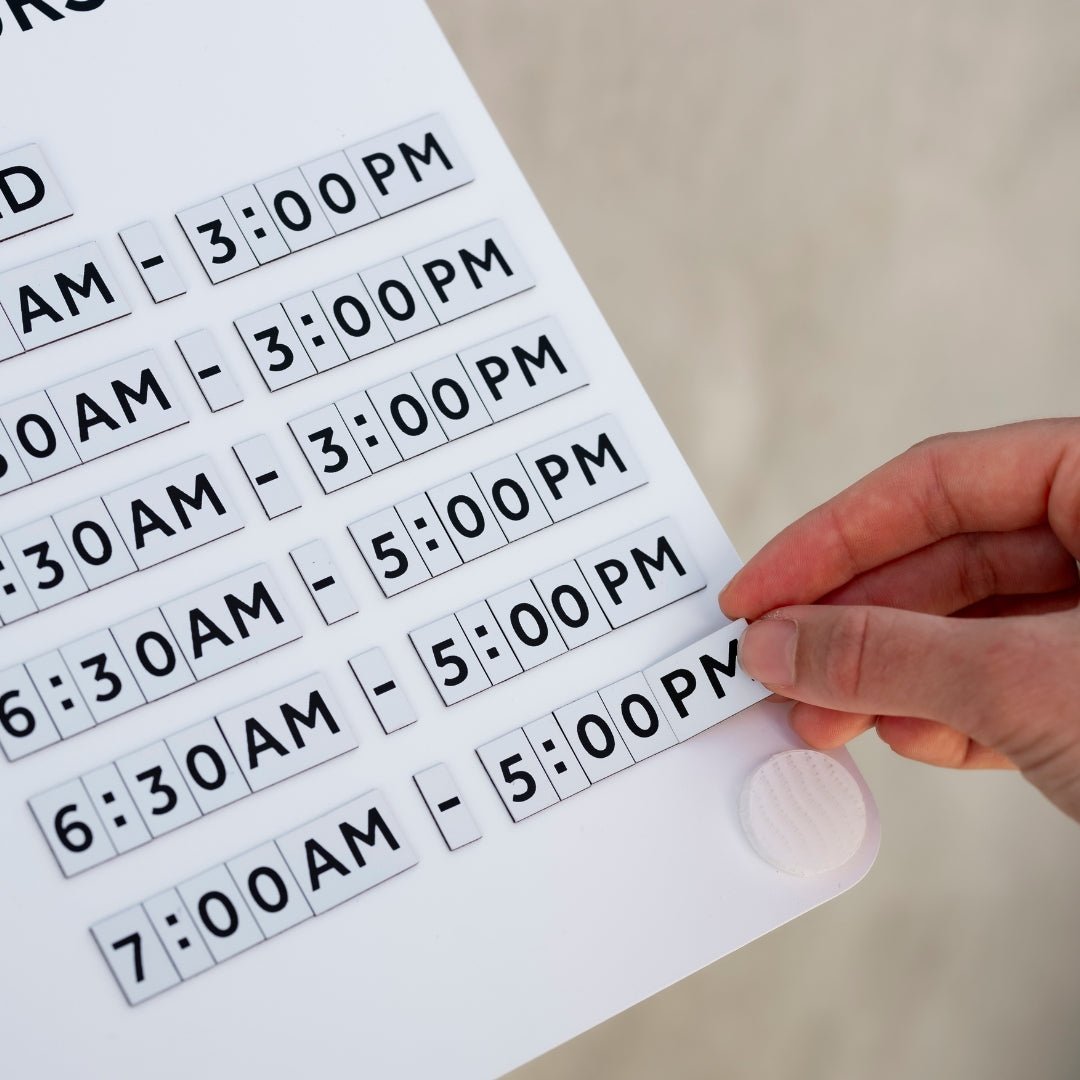
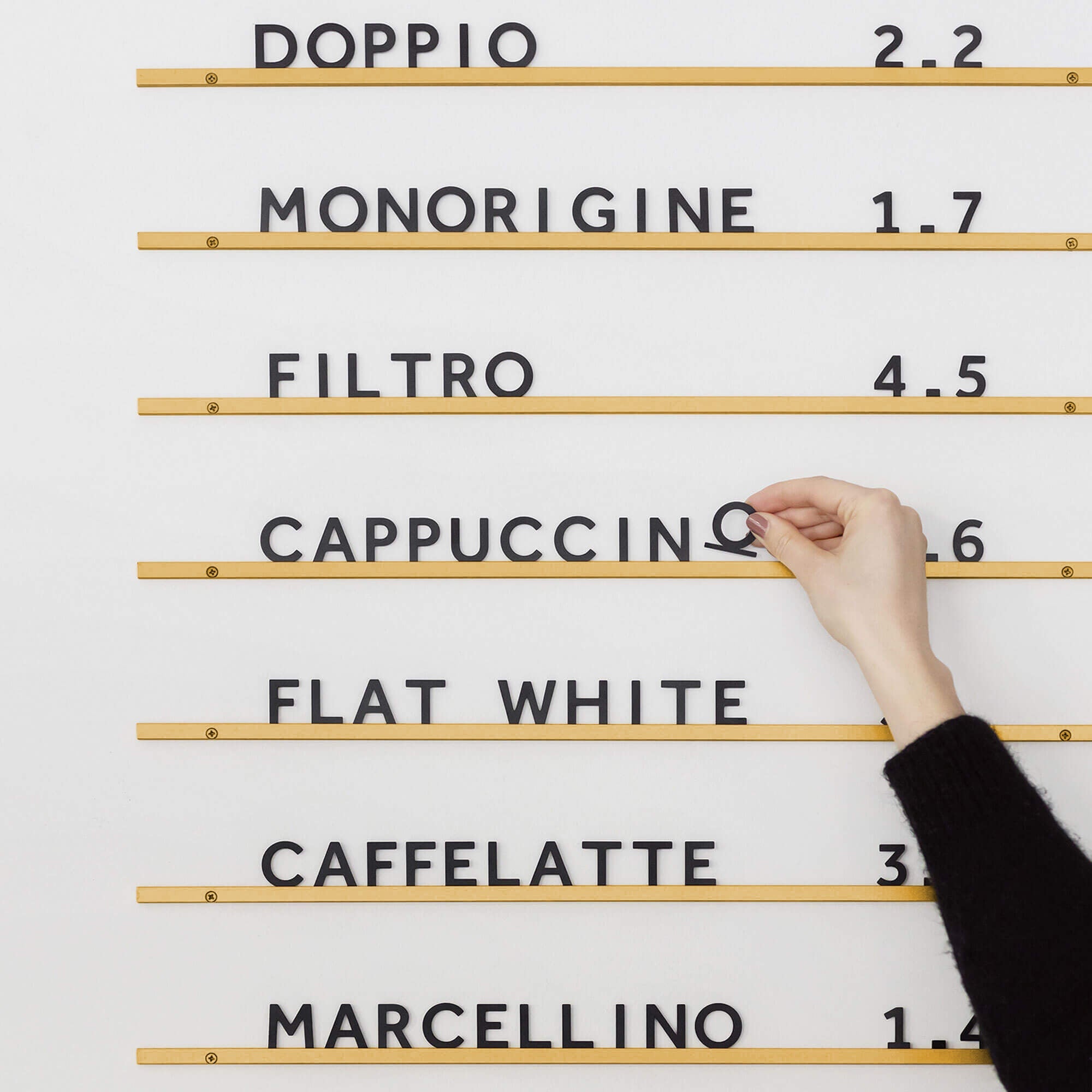
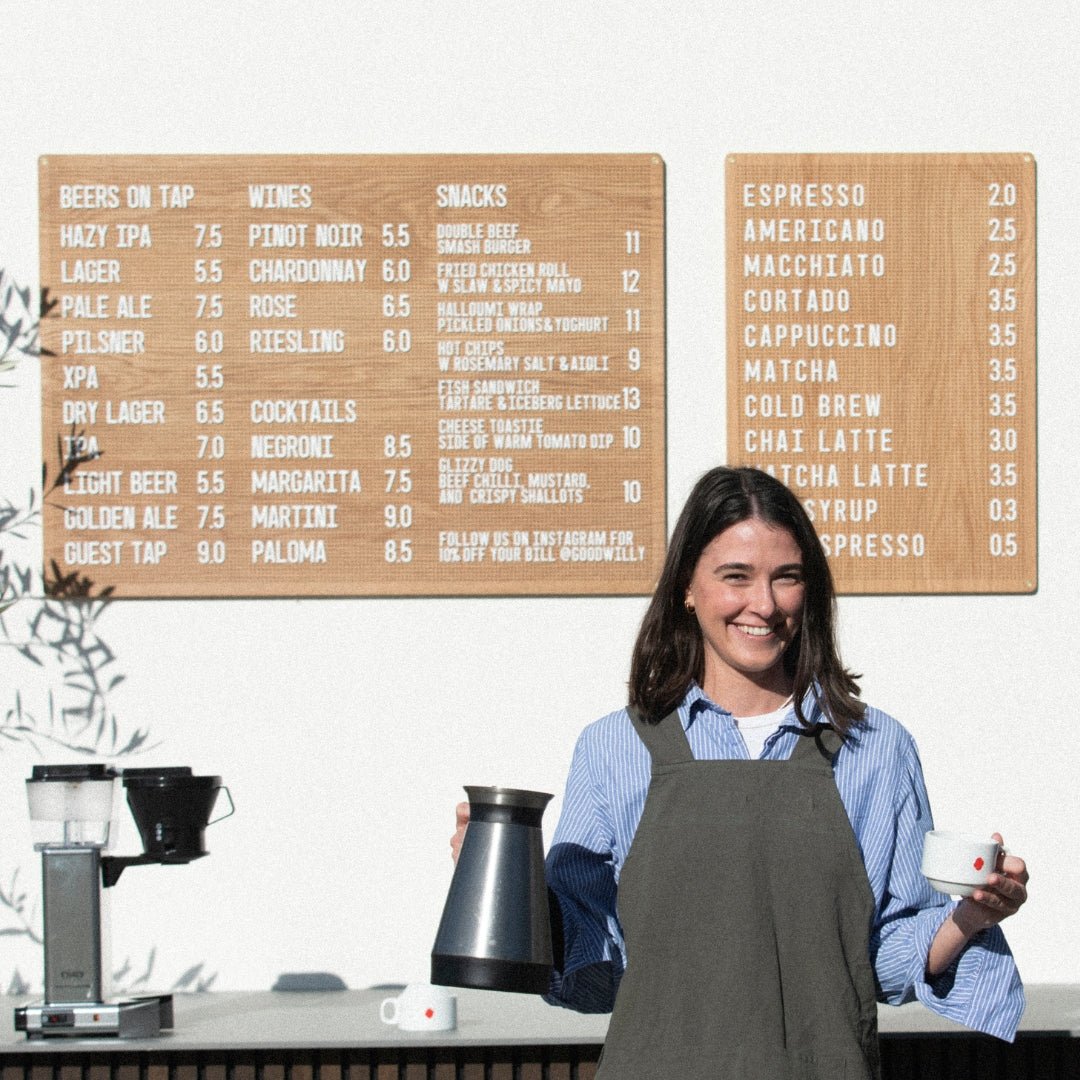
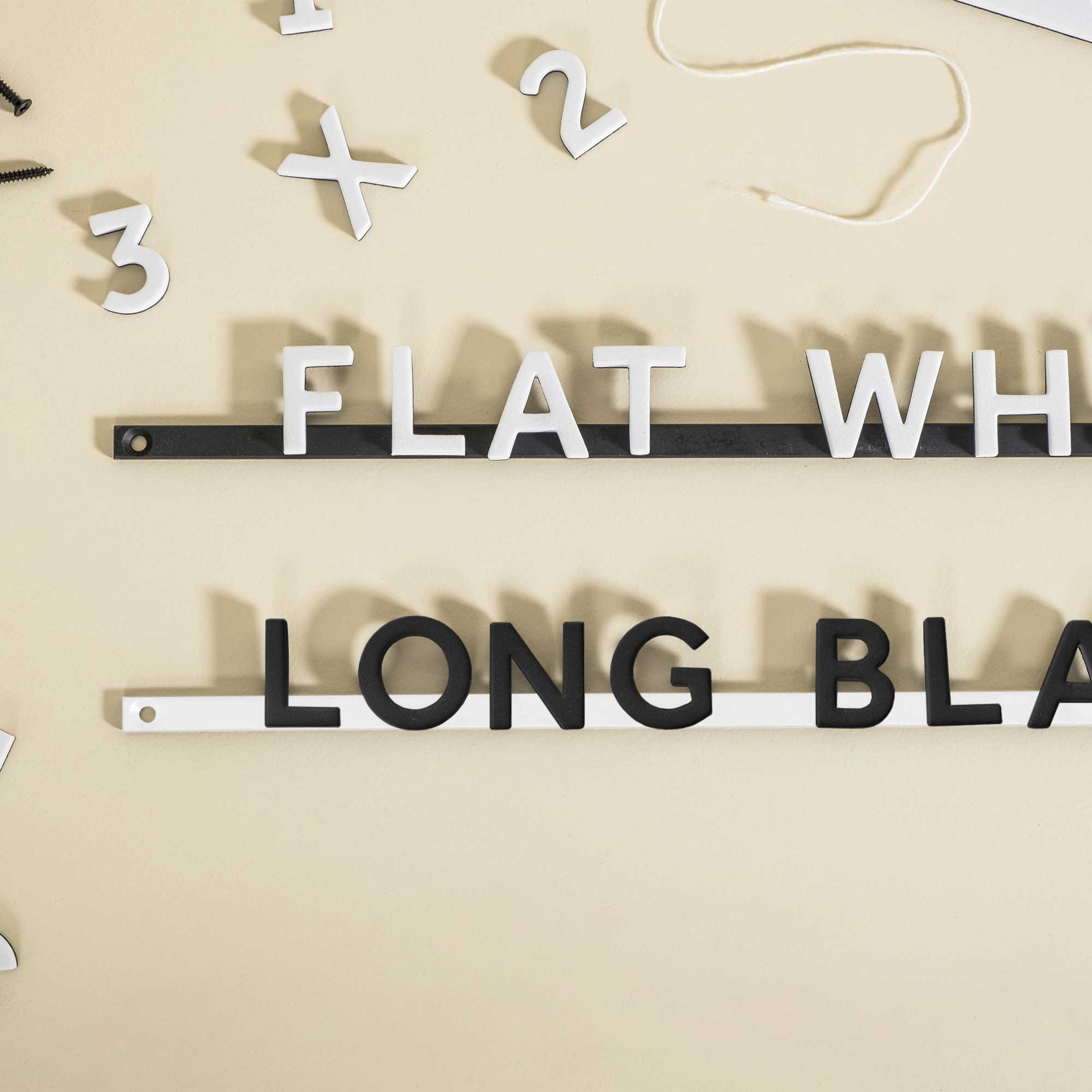
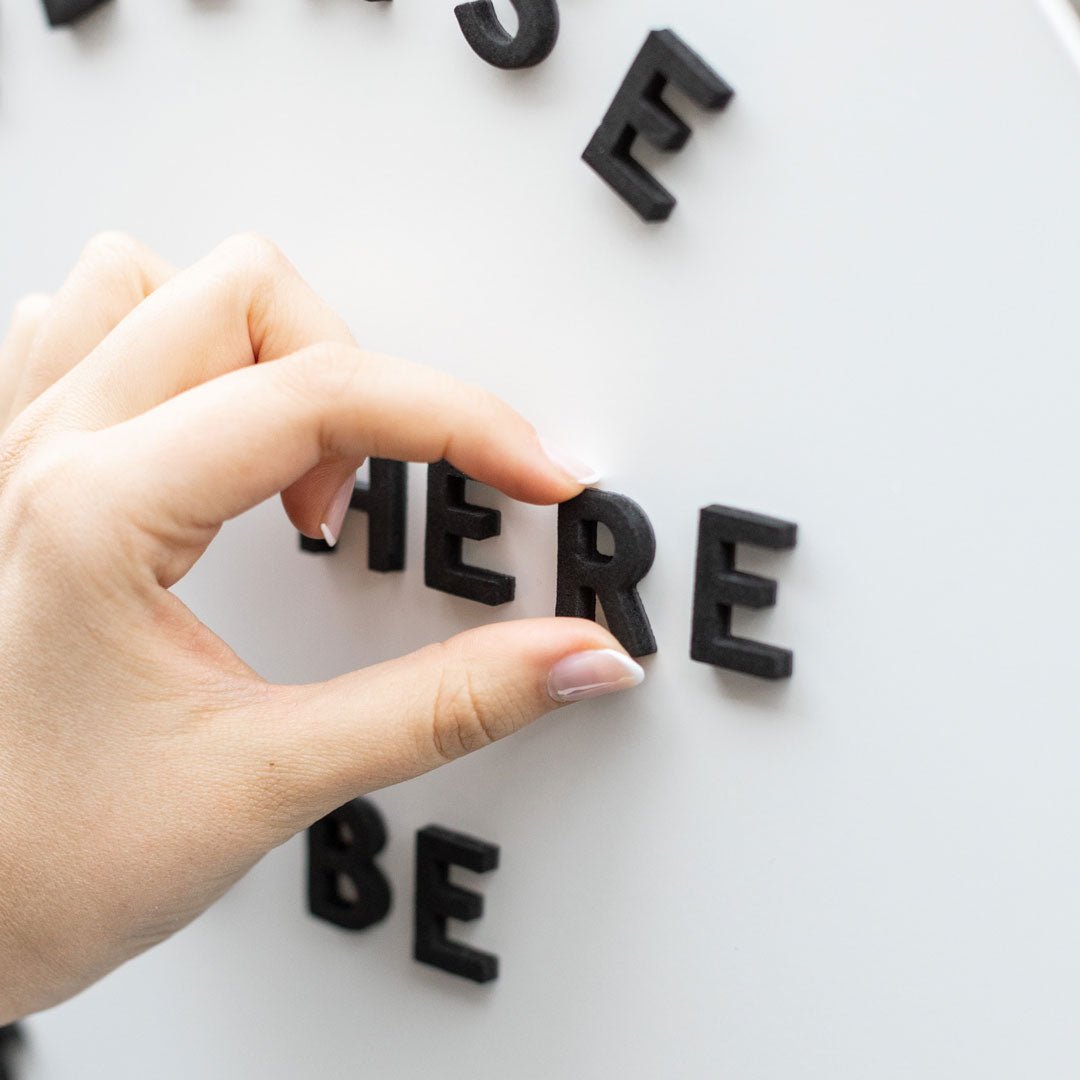
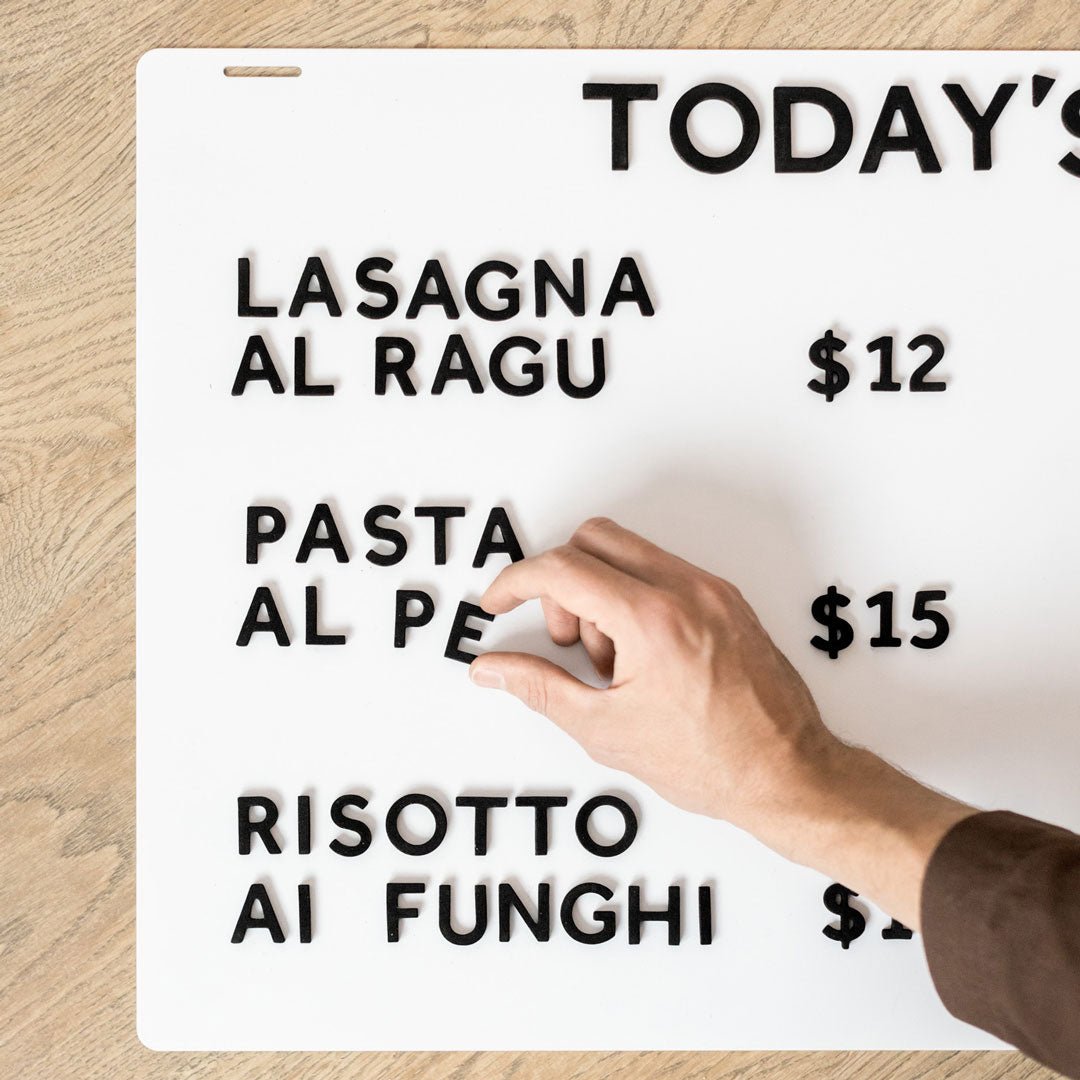
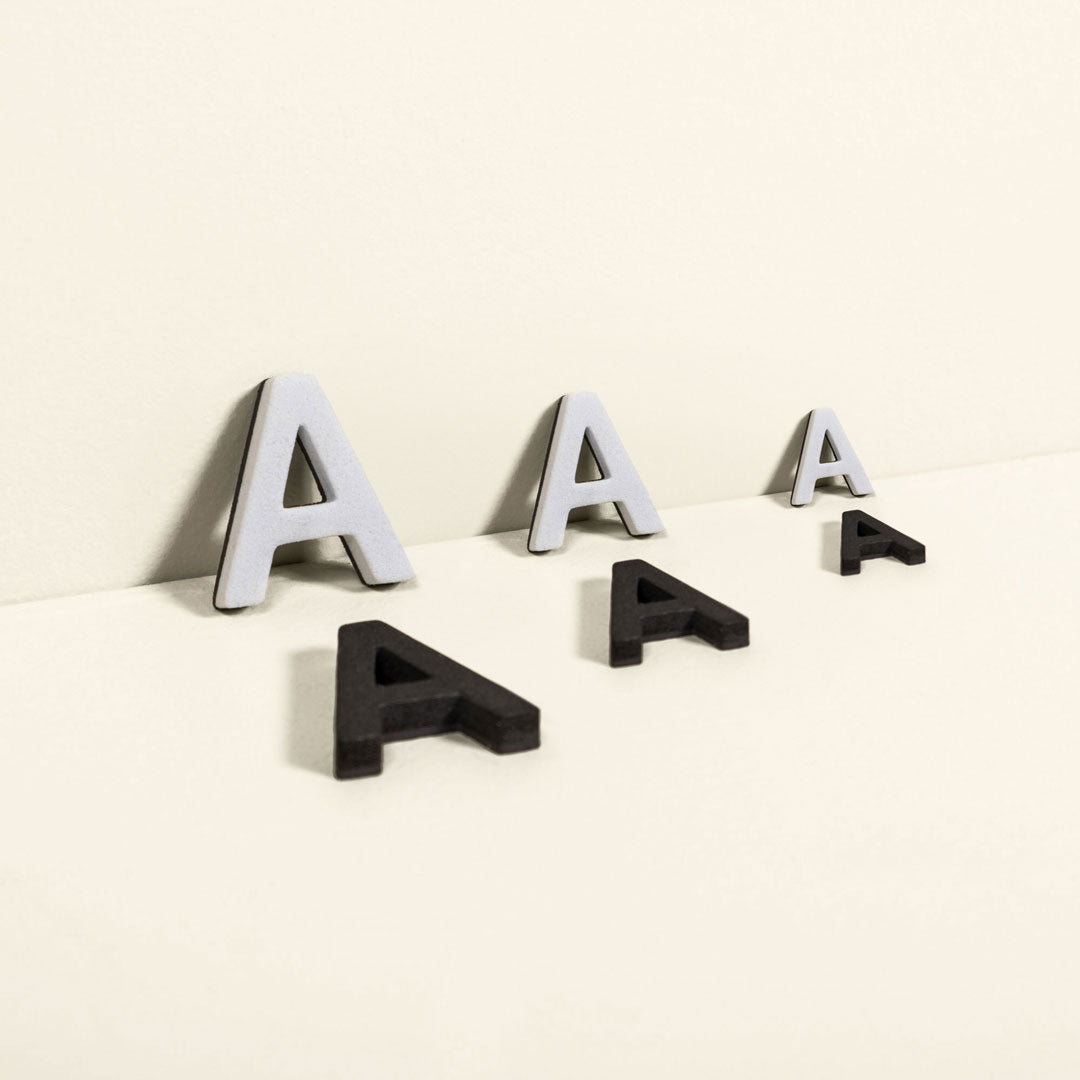
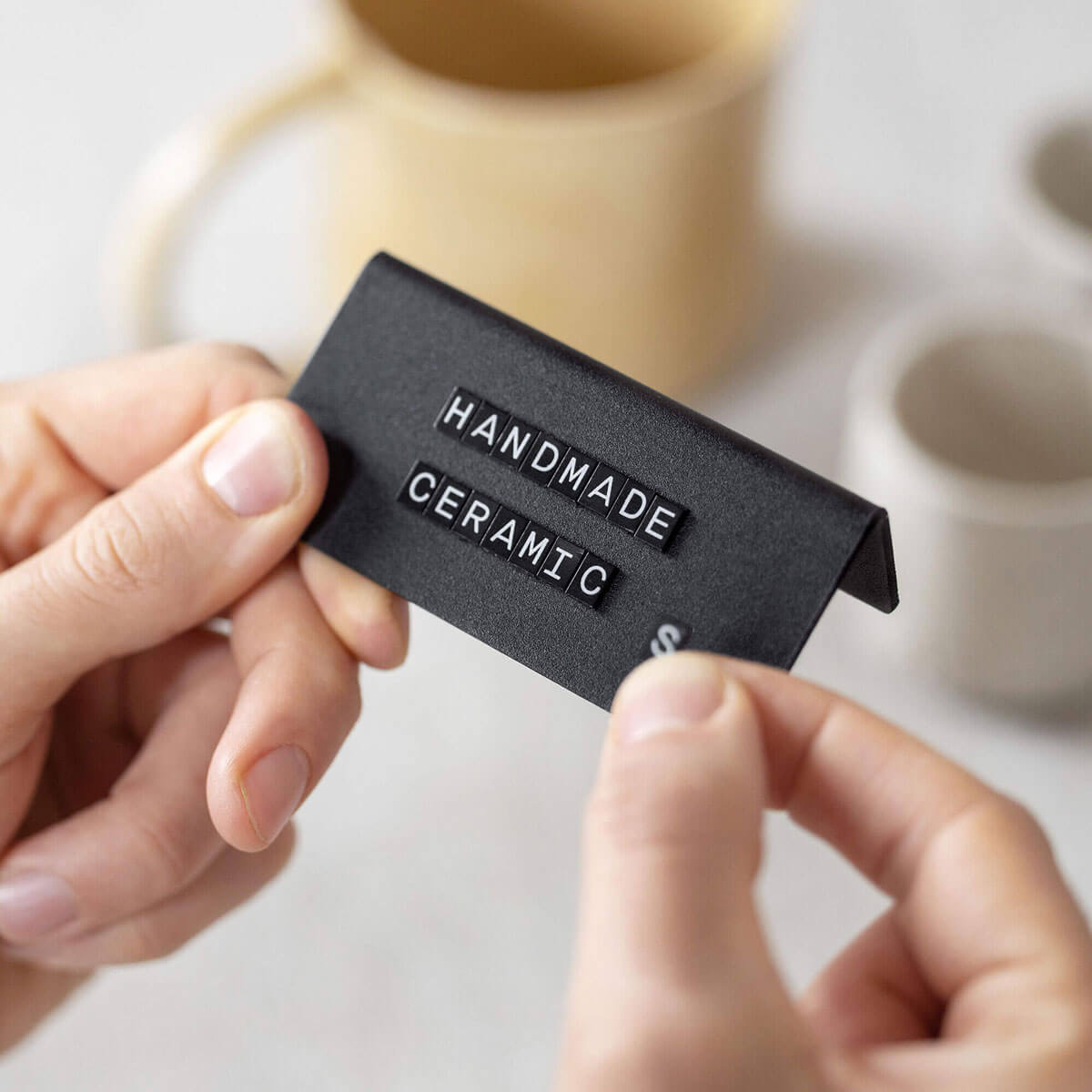
These systems use tiny, powerful magnets embedded in the letters that stick to metal rails. This design allows for quick, precise alignment and is incredibly easy to update. A magnetic menu letter board offers a clean, modern look perfect for contemporary spaces. For example, the Magnetic Menu Board from George & Willy comes with over 1,000 characters, providing plenty of options for extensive lists.
Tile Menu Boards
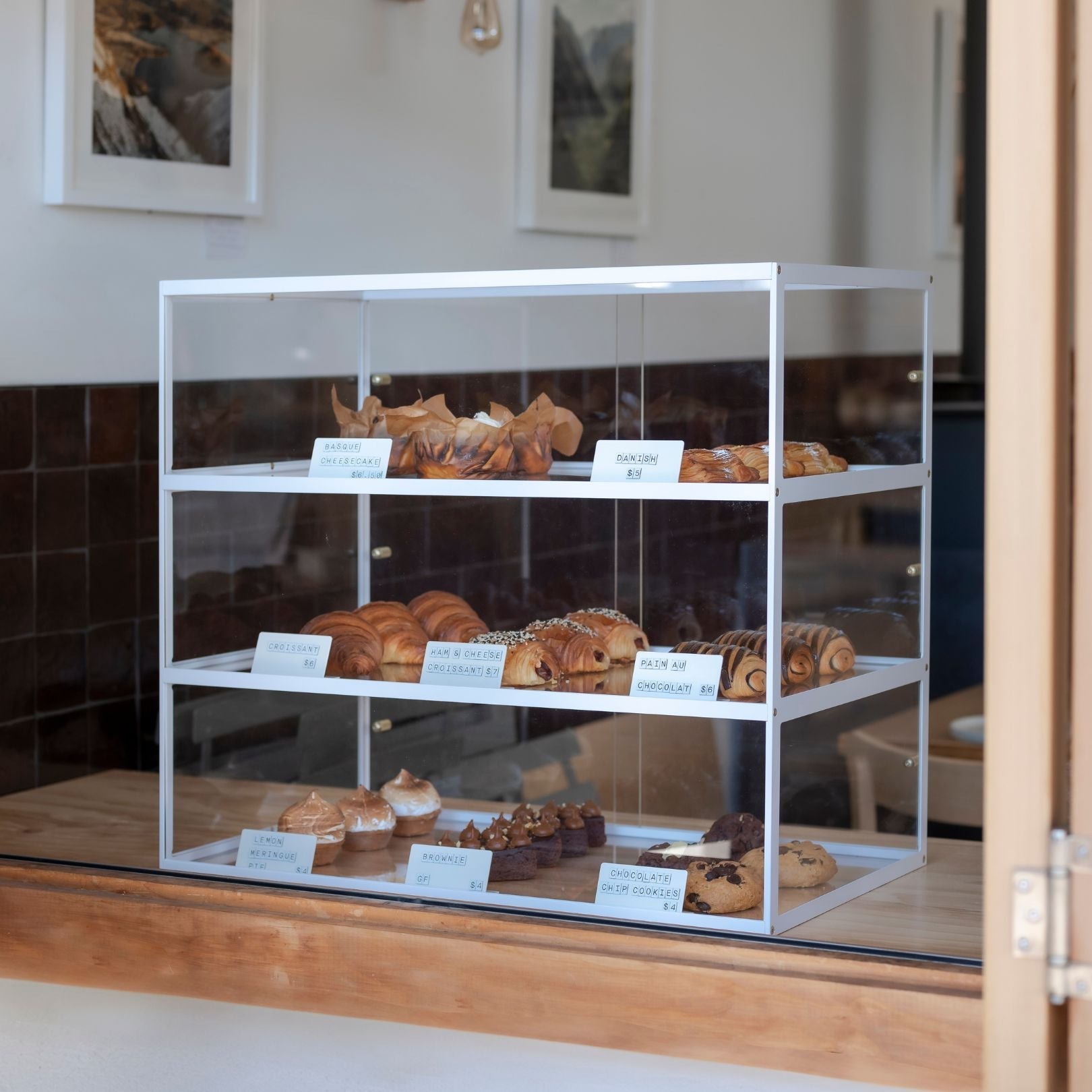
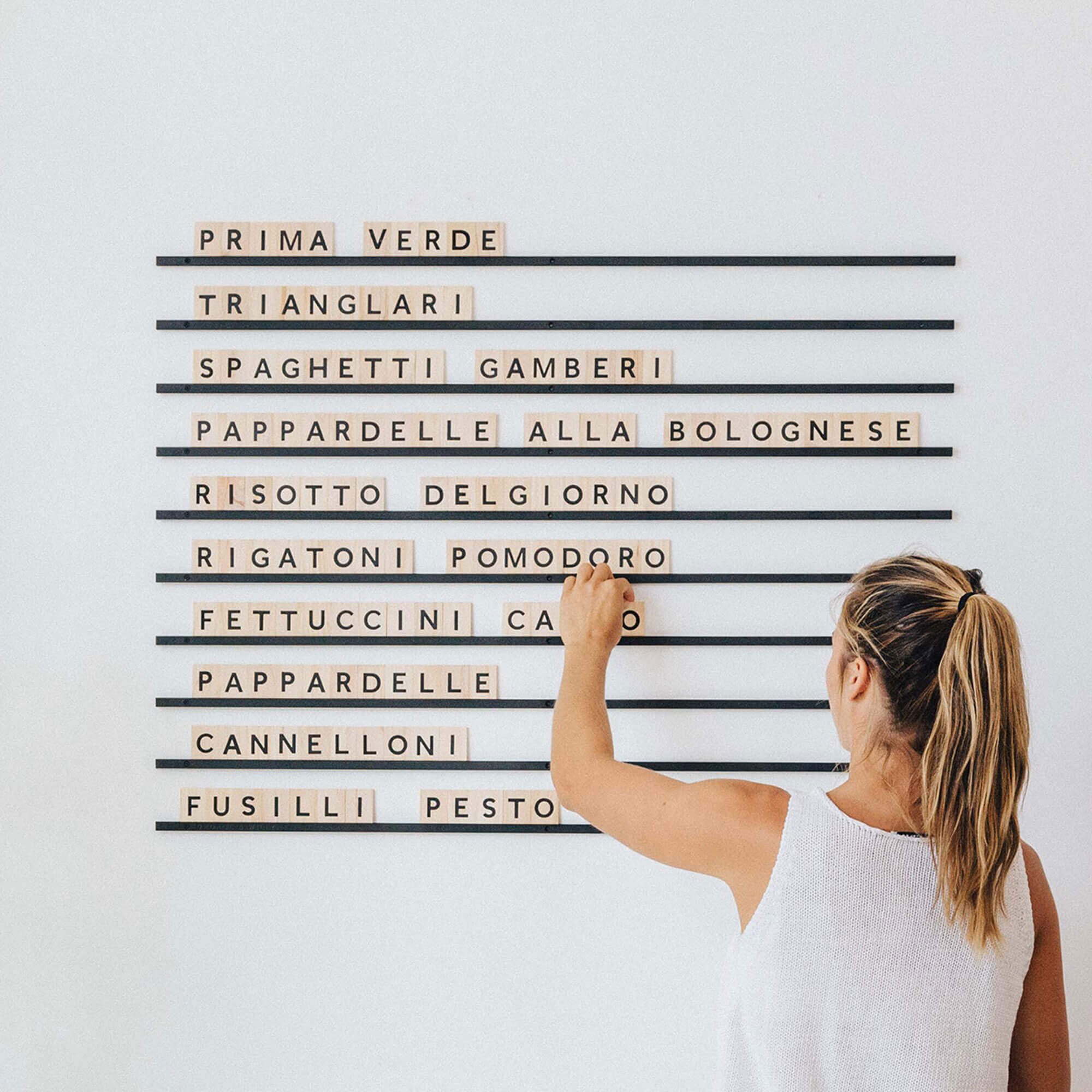
Tile boards feature letters printed on small tiles that slide into horizontal rails. This creates a satisfyingly organized and uniform appearance. Many businesses love the neat, grid like look of a tile menu letter board. Some clever designs, like George & Willy’s Menu Board, feature reversible tiles with black and white sides, giving you double the creative options with a single set.
Peg Letter Boards
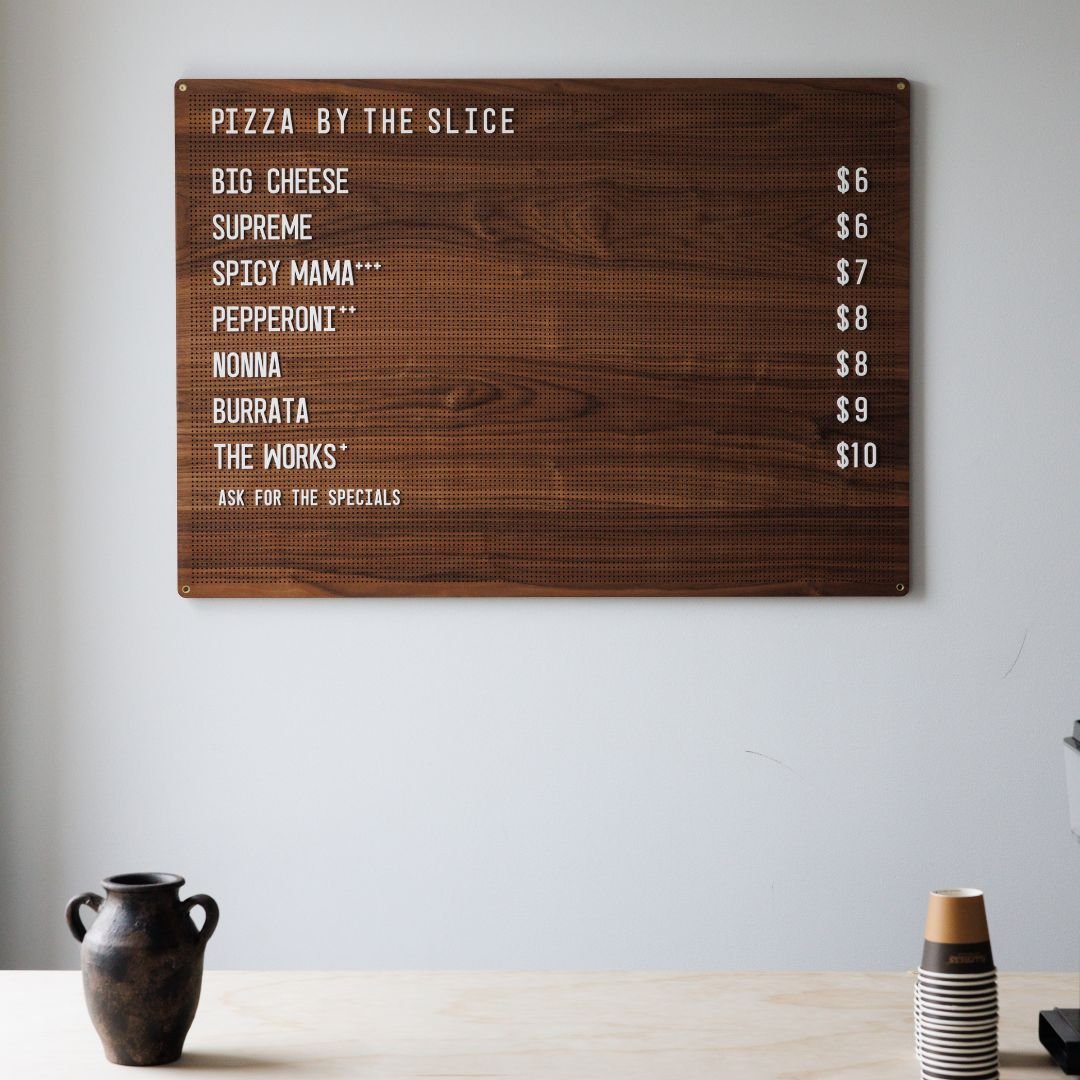
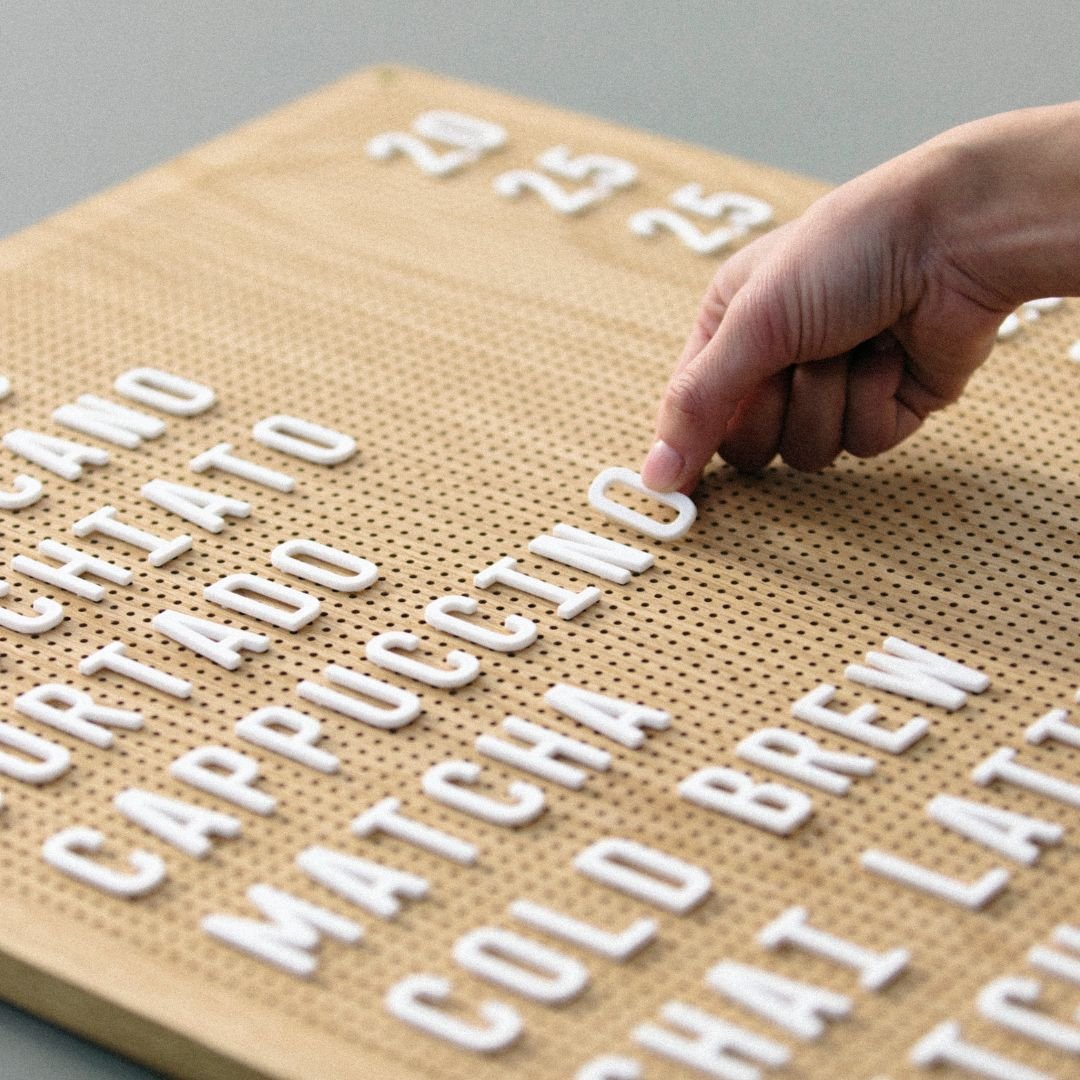
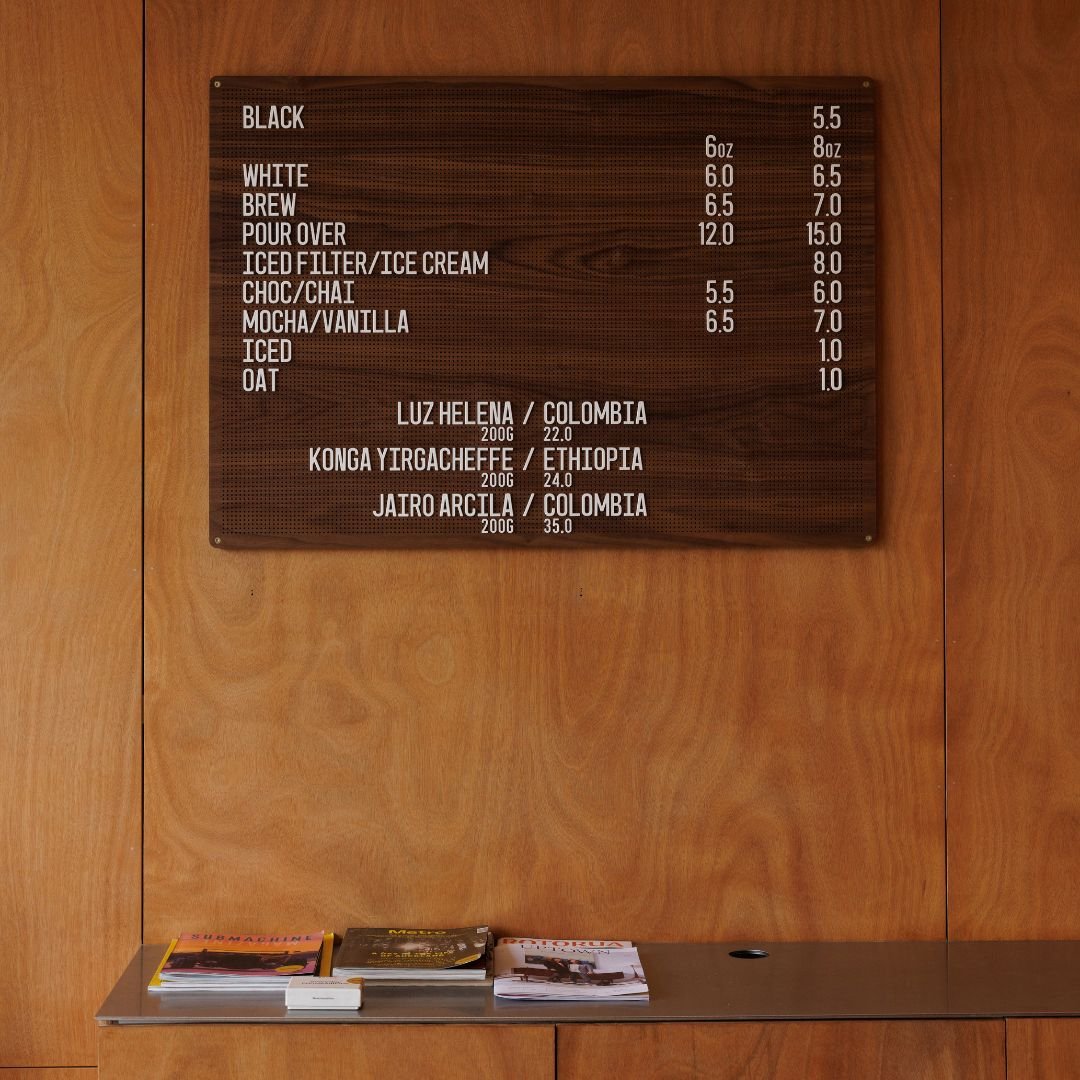
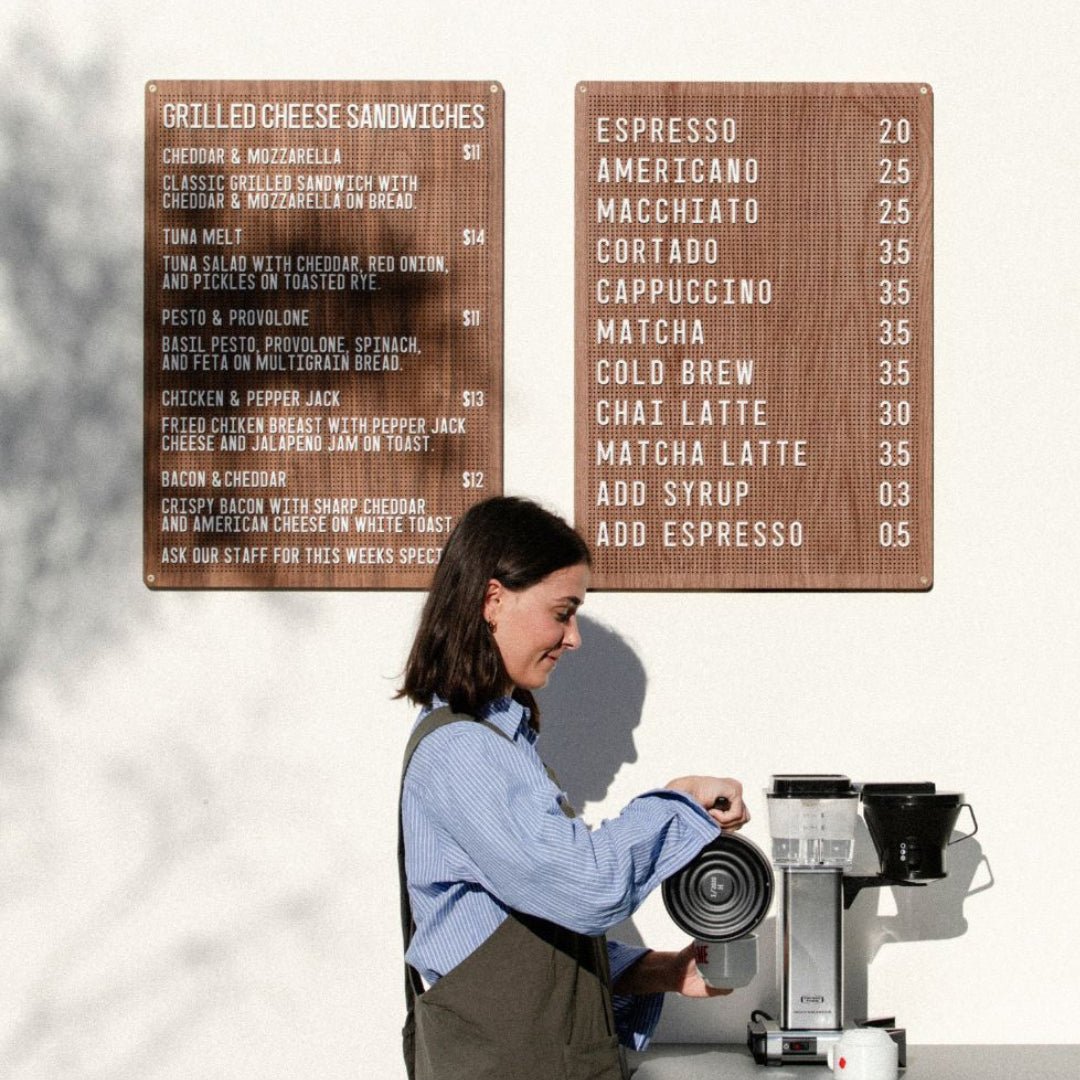
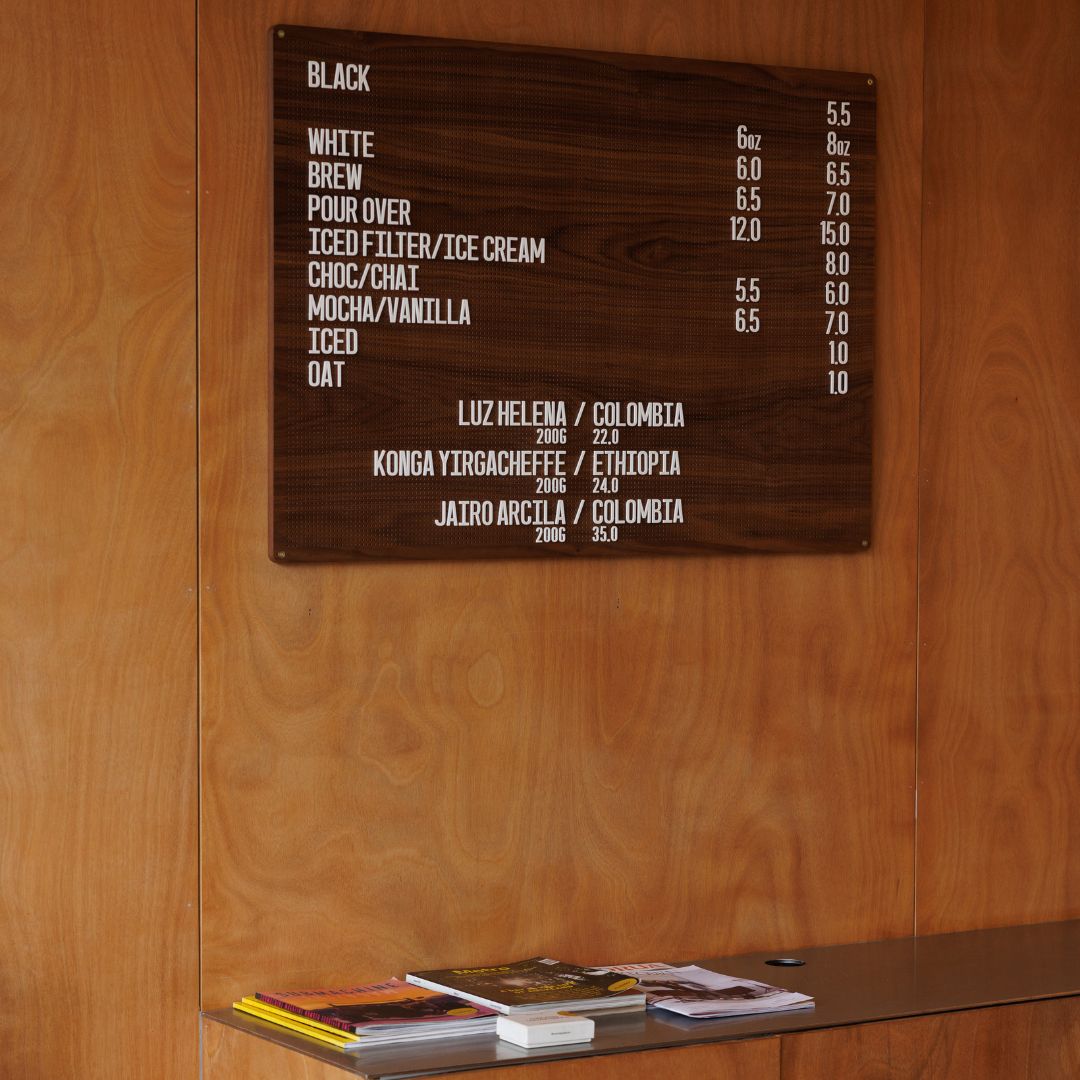
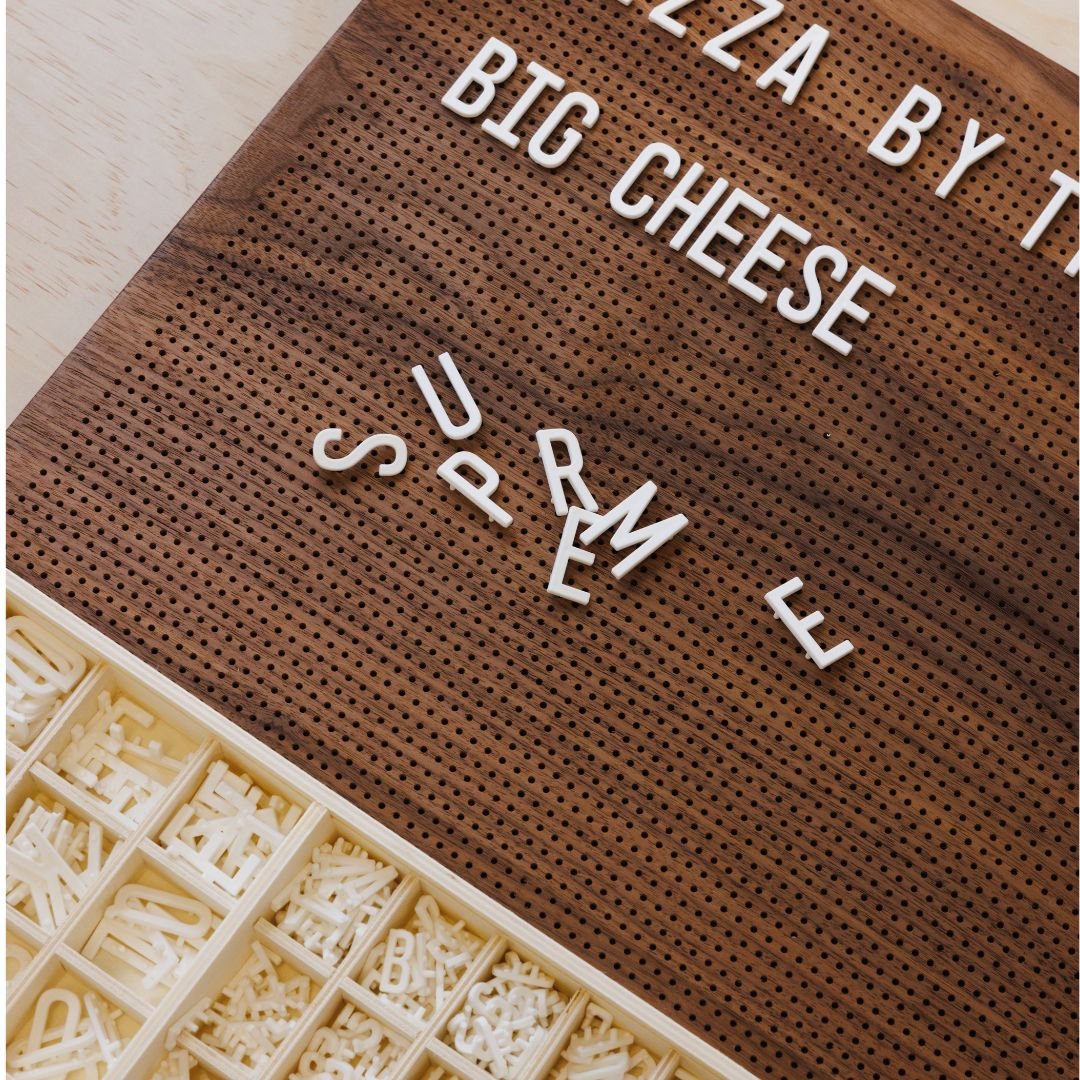
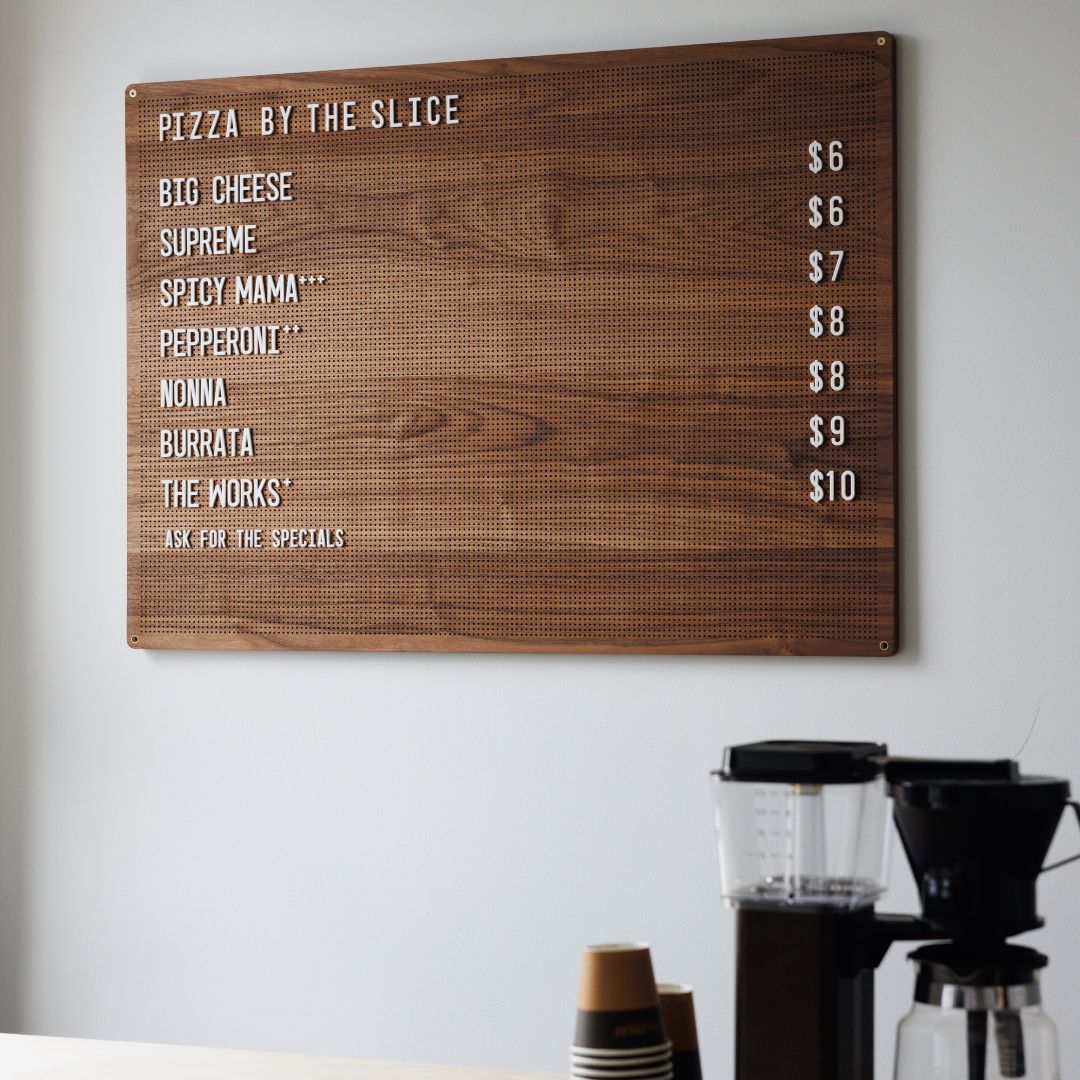
The peg letter board is a true classic. It uses characters with small pegs on the back that poke into a perforated board. This style offers a distinctively retro or workshop vibe and is perfect for short, punchy messages or featured items. For a refined take, consider the Wooden Letter Board for a warm, tactile look that still feels premium.
Felt Letter Boards
A true cafe classic, the felt letter board offers a soft, textural backdrop for your message. The dense felt securely holds tabbed letters in place, creating a look that feels both nostalgic and warm. It’s perfect for spaces aiming for a cozy, inviting aesthetic. The Market Felt Board brings a refined touch to this beloved style.
Atelier Letter Boards
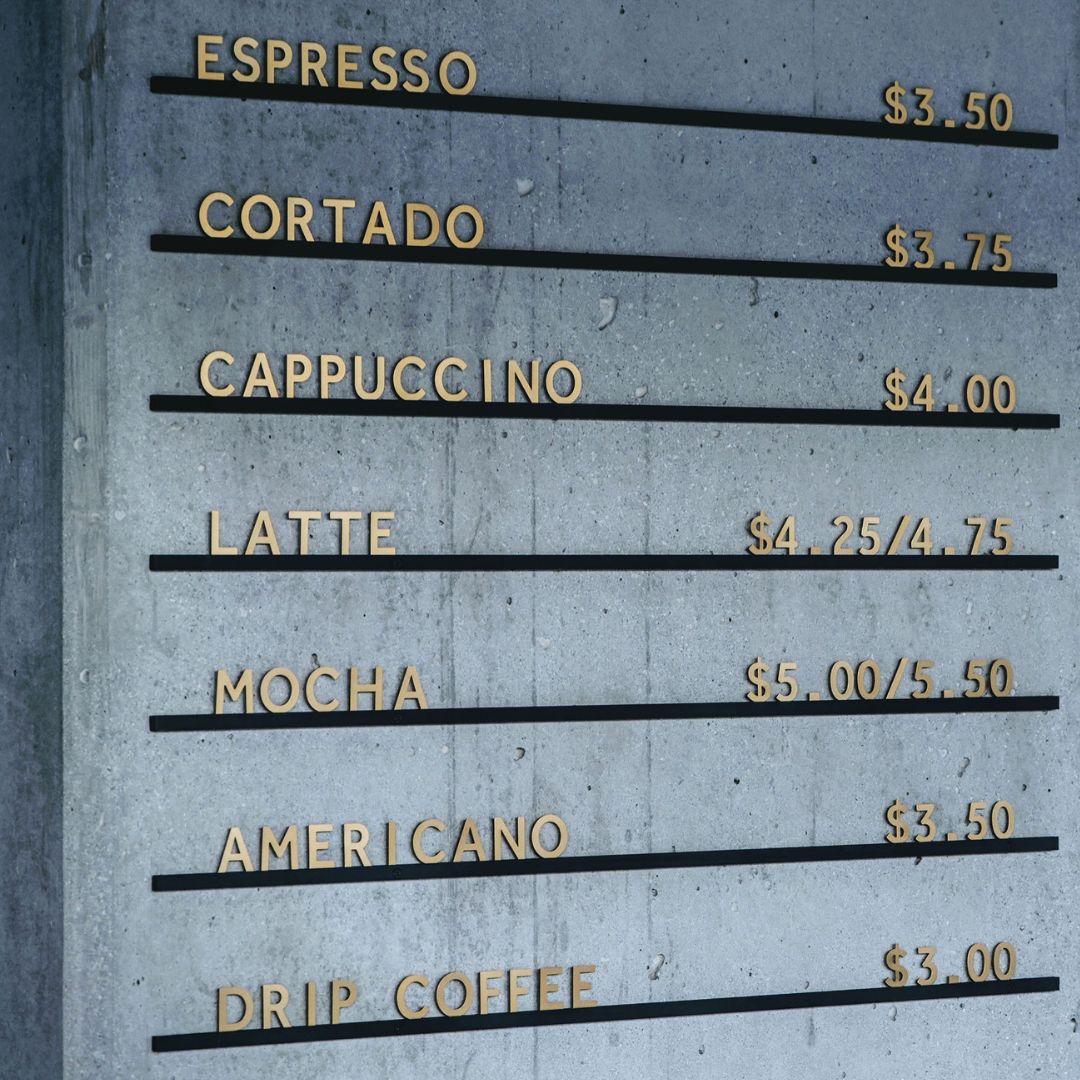
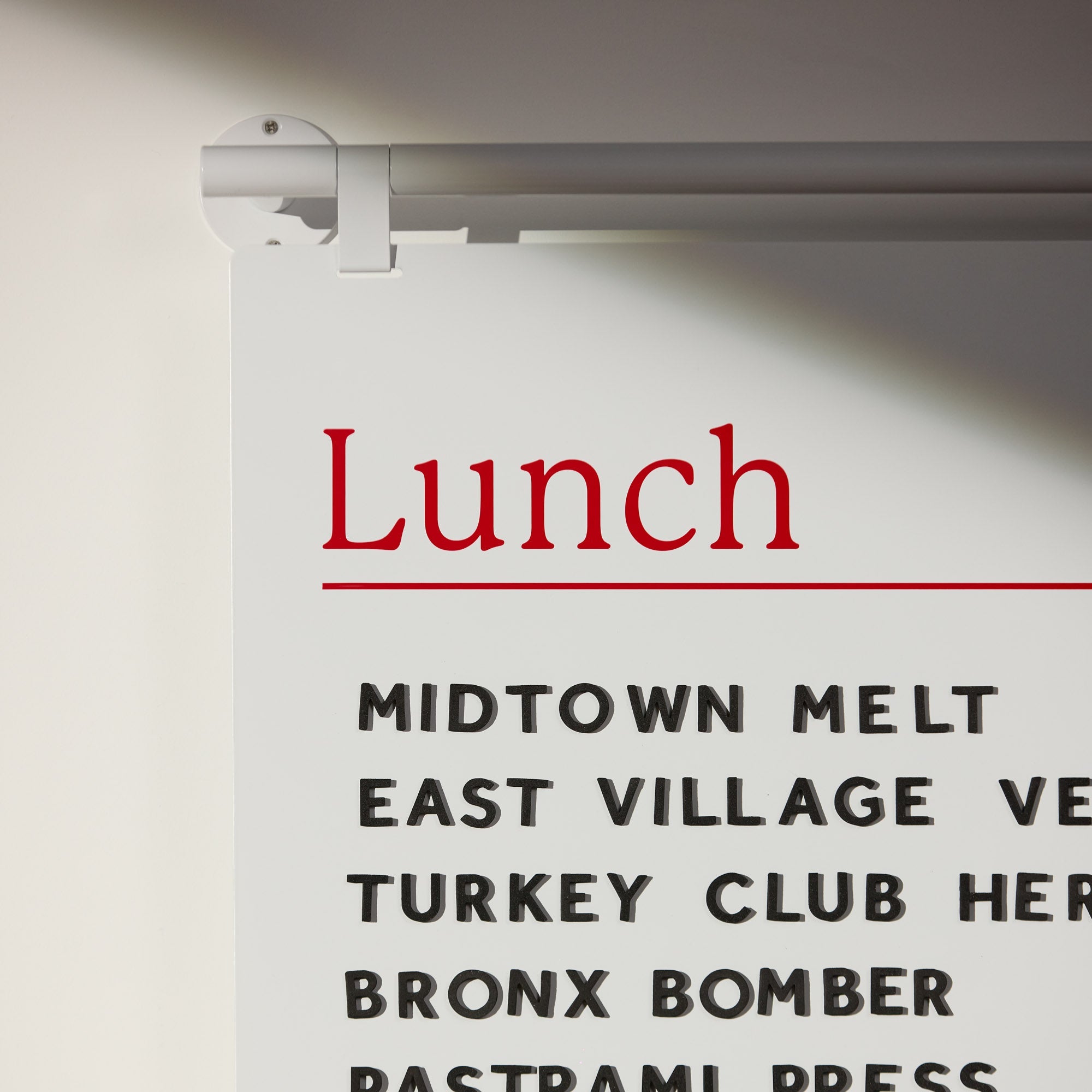
For a truly refined and architectural statement, the Atelier Letter Board features meticulously designed letters that sit on sleek, minimalist rails. This system is perfect for high end boutiques and hospitality spaces where every detail contributes to a sophisticated brand experience. It transforms a simple menu into a piece of art.
Key Considerations Before You Buy
Sizing, Dimensions, and Readability
Consider where your board will hang and how far away customers will be. A general rule for readability is that for every 10 feet of viewing distance, letters should be at least 1 inch tall. Ensure your layout has enough negative space to avoid looking cluttered. This not only improves readability but also aligns with accessibility principles, making your menu easier for everyone to read.
Pricing: What to Expect
Menu letter boards are an investment in your space. Prices vary based on size, materials, and design complexity.
- Entry Level (Under $300): You can find smaller felt or peg boards in this range, like the Peg Letter Board ($260) or Market Felt Board ($240). These are great for specials or welcome messages.
- Mid Range ($300 to $450): This is the sweet spot for most high quality, full size menu systems. Options include the Magnetic Menu Board ($380) and the tile based Menu Board ($440).
- Premium (Over $450): These are often architectural, statement pieces like the Atelier Letter Board ($540), where the design and materials are the primary focus.
Materials and Durability
A great menu letter board needs to stand up to the daily hustle of a busy commercial space. Many high quality signs are built from powder coated aluminum or steel.
Aluminum is a fantastic choice because it’s lightweight and naturally resistant to rust, making it suitable for covered outdoor areas. The powder coating is a dry powder finish baked onto the metal, creating a protective layer far more durable than traditional paint. This finish resists chipping, scratching, and fading, ensuring your board looks sharp for years. This focus on durable, premium materials and sustainable timbers is key to creating products that last.
Digital vs. Analog Menu Boards
Digital screens offer dynamic content but come with drawbacks. They can be expensive, suffer from glare, and contribute to a less personal, more corporate atmosphere. Analog letter boards offer a tactile authenticity that digital screens cannot replicate. They are immune to technical glitches, feel more handcrafted, and align perfectly with brands that value a warm, personal connection with their customers.
Installation and Setup Guide
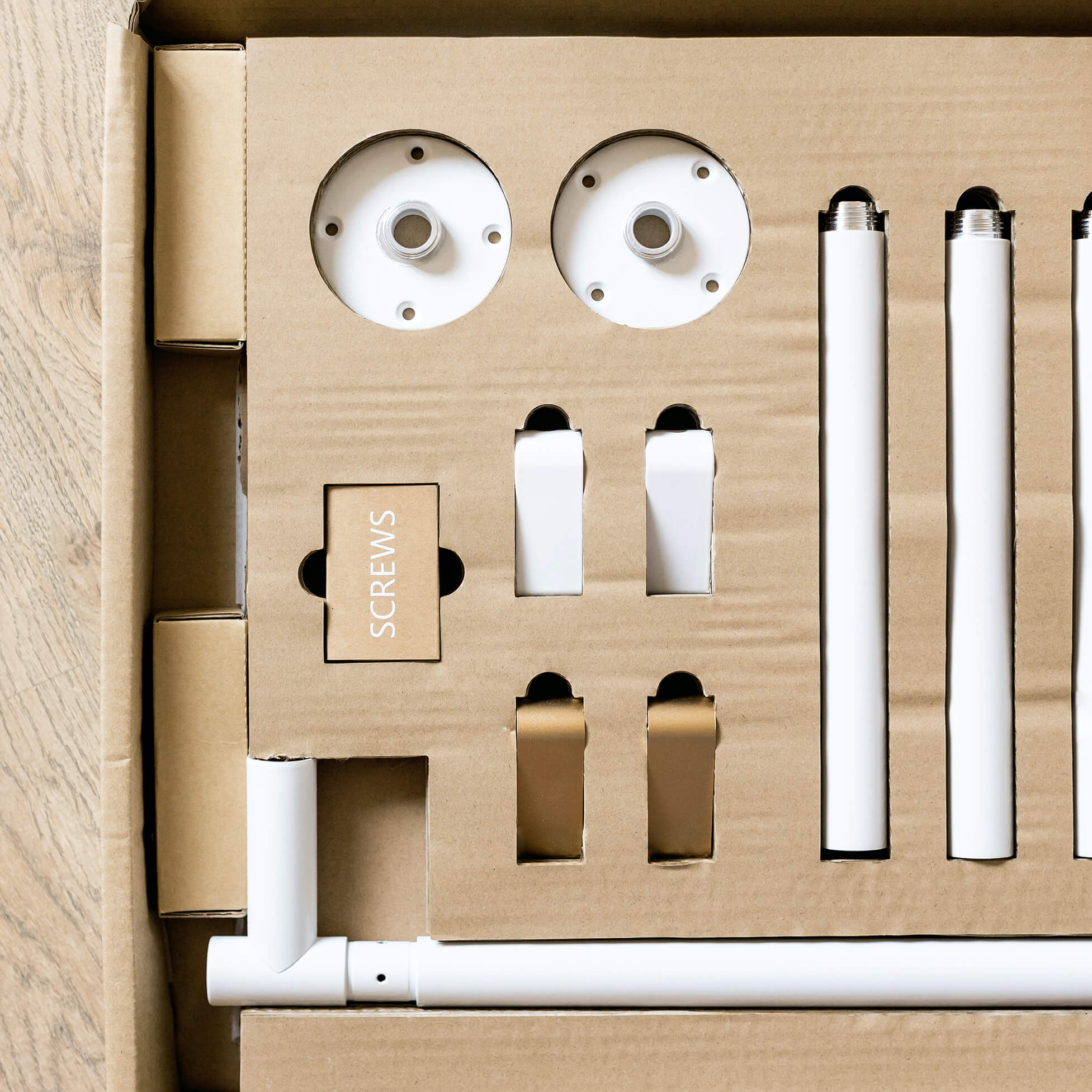
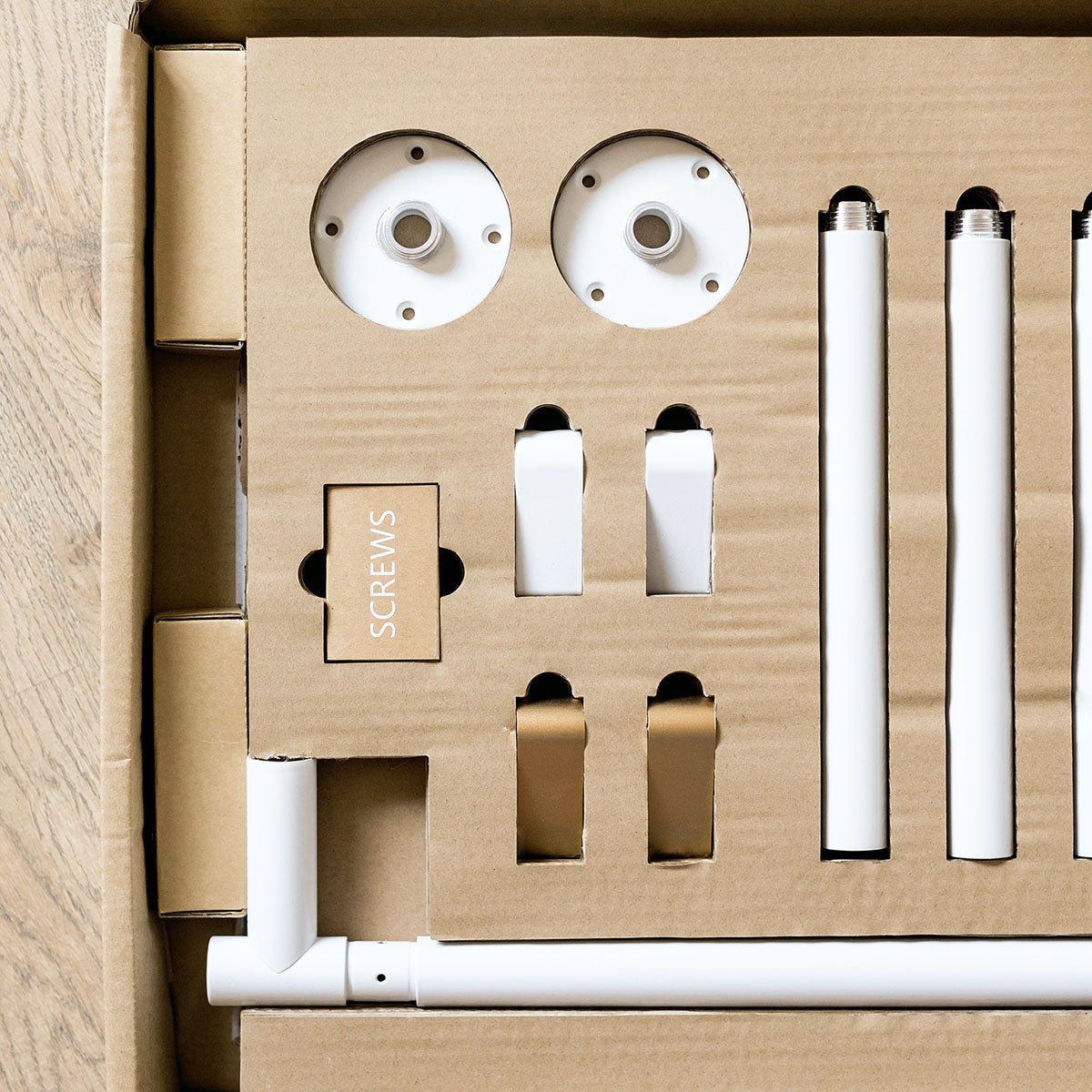
Most wall mounted boards come with all the necessary hardware for a straightforward DIY project.
- Plan Your Layout: Before drilling, use a pencil and level to mark where your rails or board will go. Consider customer eye level and ensure the placement is well lit.
-
Check Your Surface:
- Drywall: Use the provided wall anchors for a secure hold.
- Wood: You can screw directly into the wood.
- Brick or Concrete: You will need a masonry drill bit and appropriate plugs or anchors.
- Install the Board: Attach the rails or backer board to the wall using the marked guides and a drill. Double check that everything is level before tightening the screws.
- Manage Lighting: Position your board to avoid direct reflections from windows or overhead lights that could cause glare. Adjustable spotlights can be a great way to highlight your menu.
Designing an Effective Menu Display
Once you’ve chosen your board, how you use it makes all the difference.
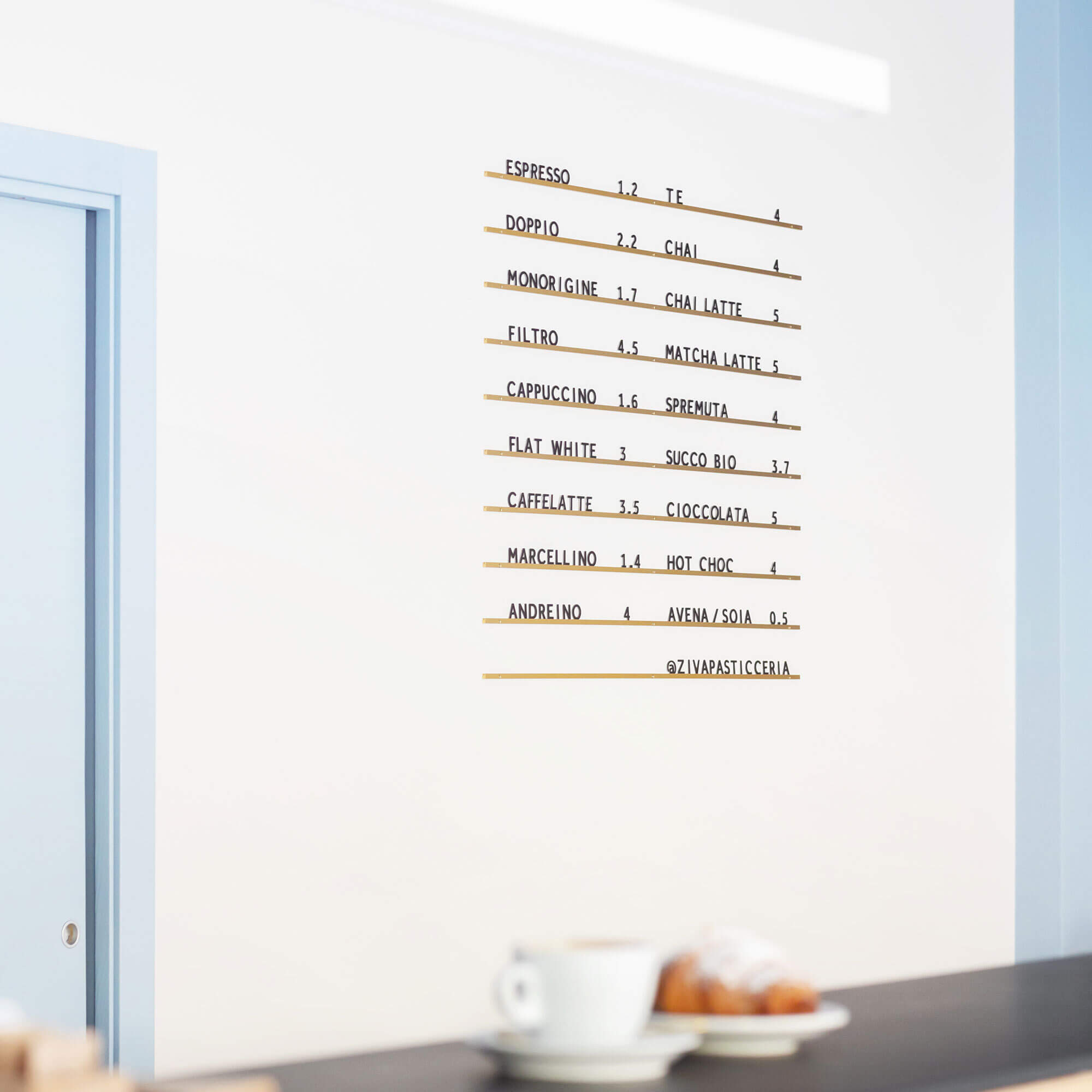
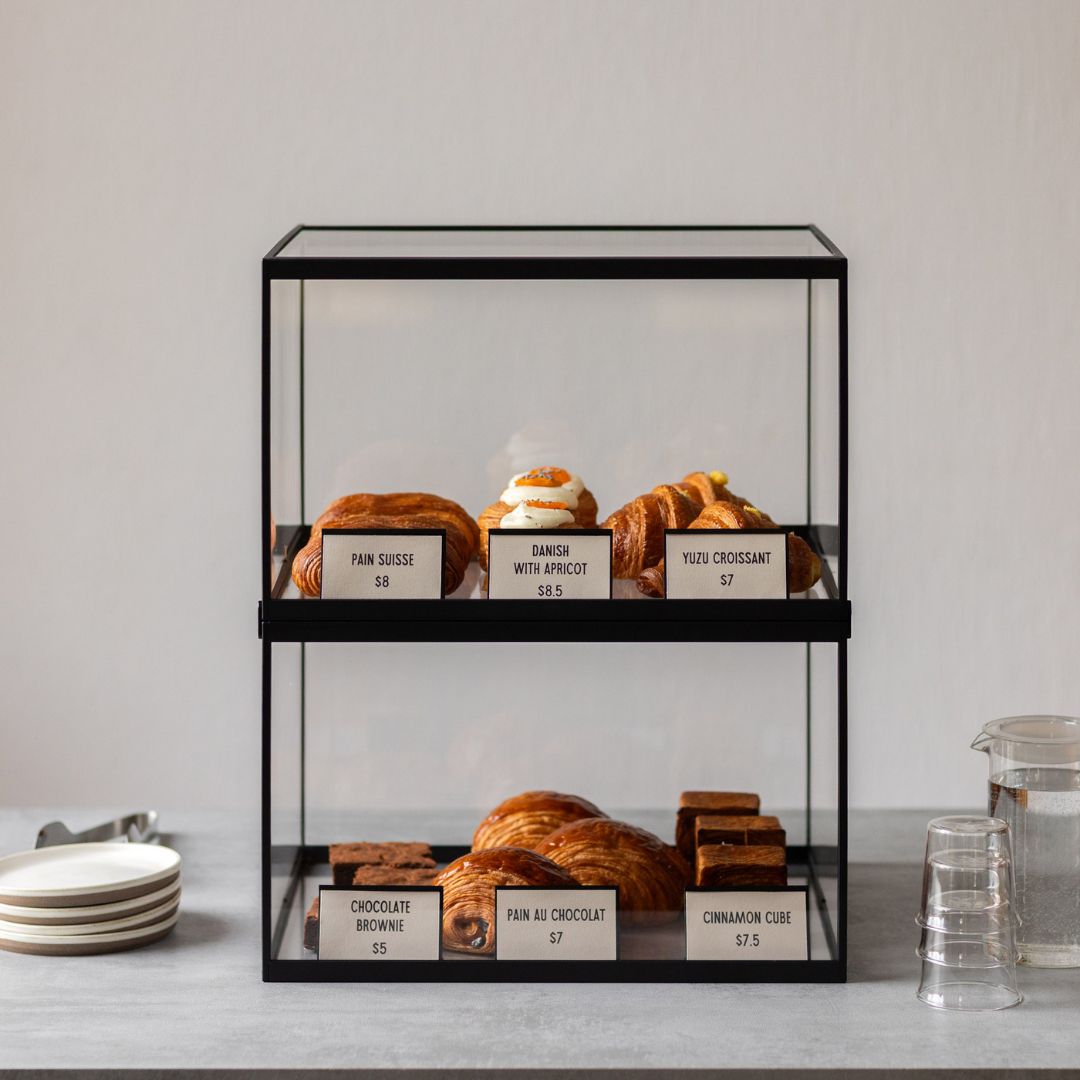
- Readability is Everything: Use a simple layout with clear headings. Create a visual hierarchy by using spacing to highlight bestsellers or specials.
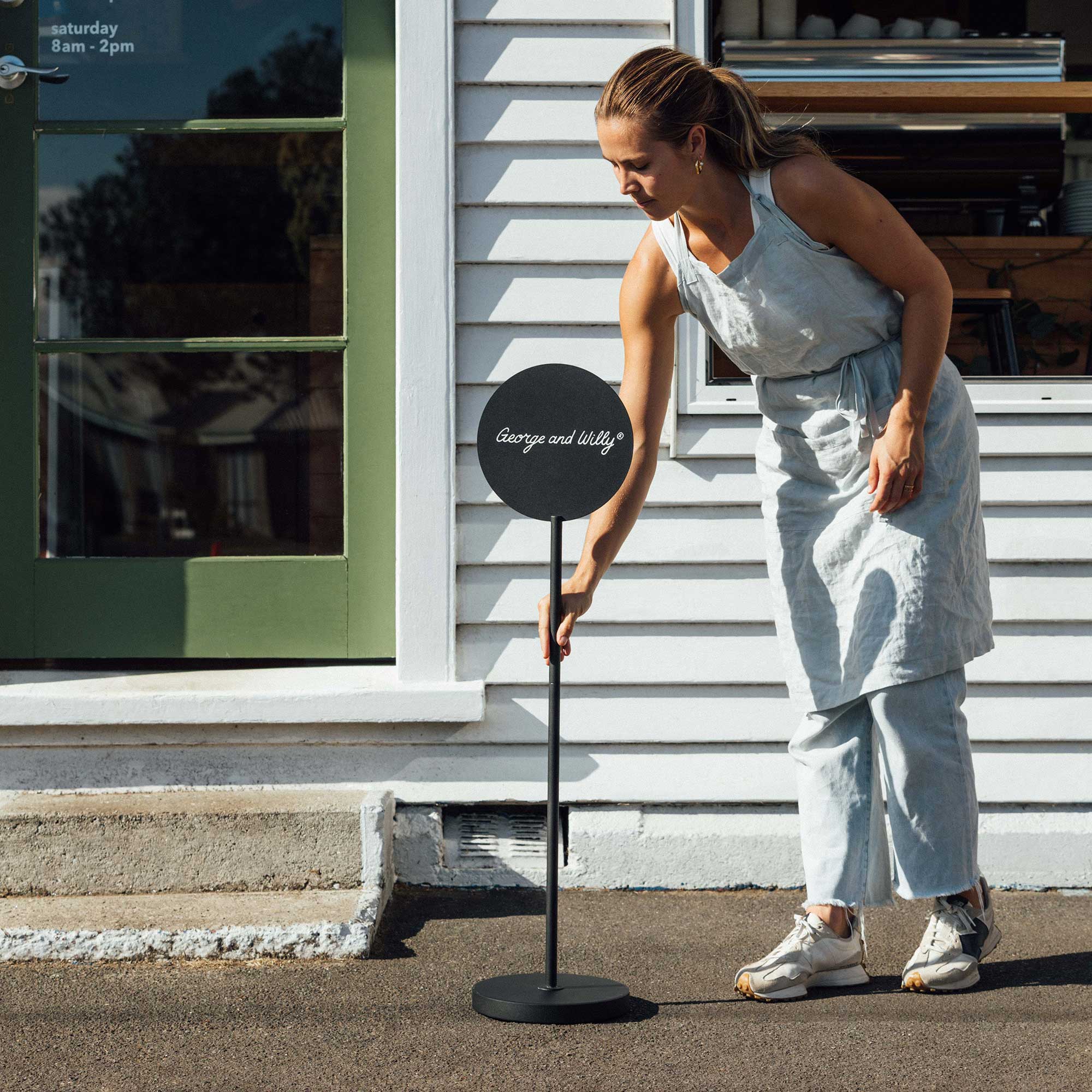
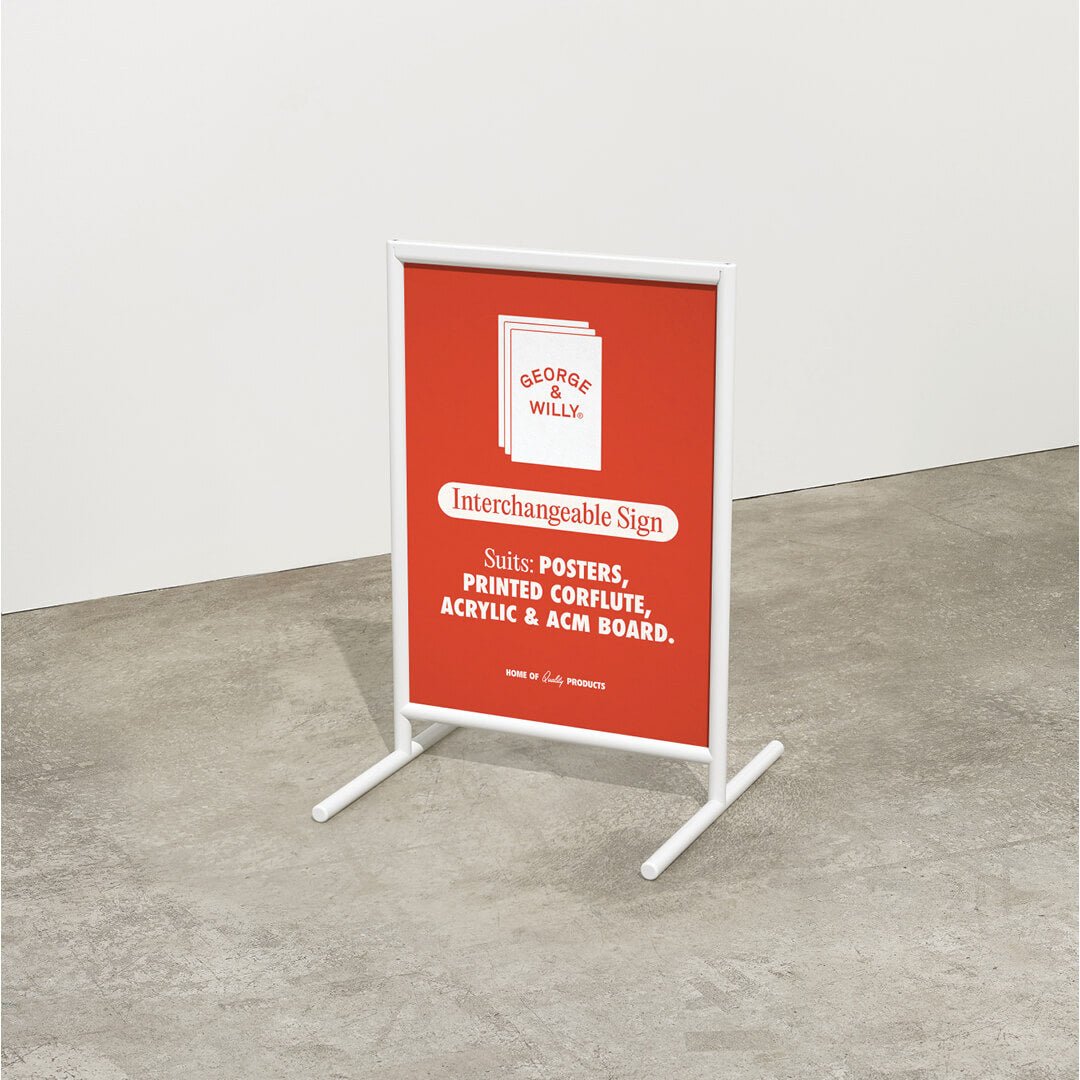
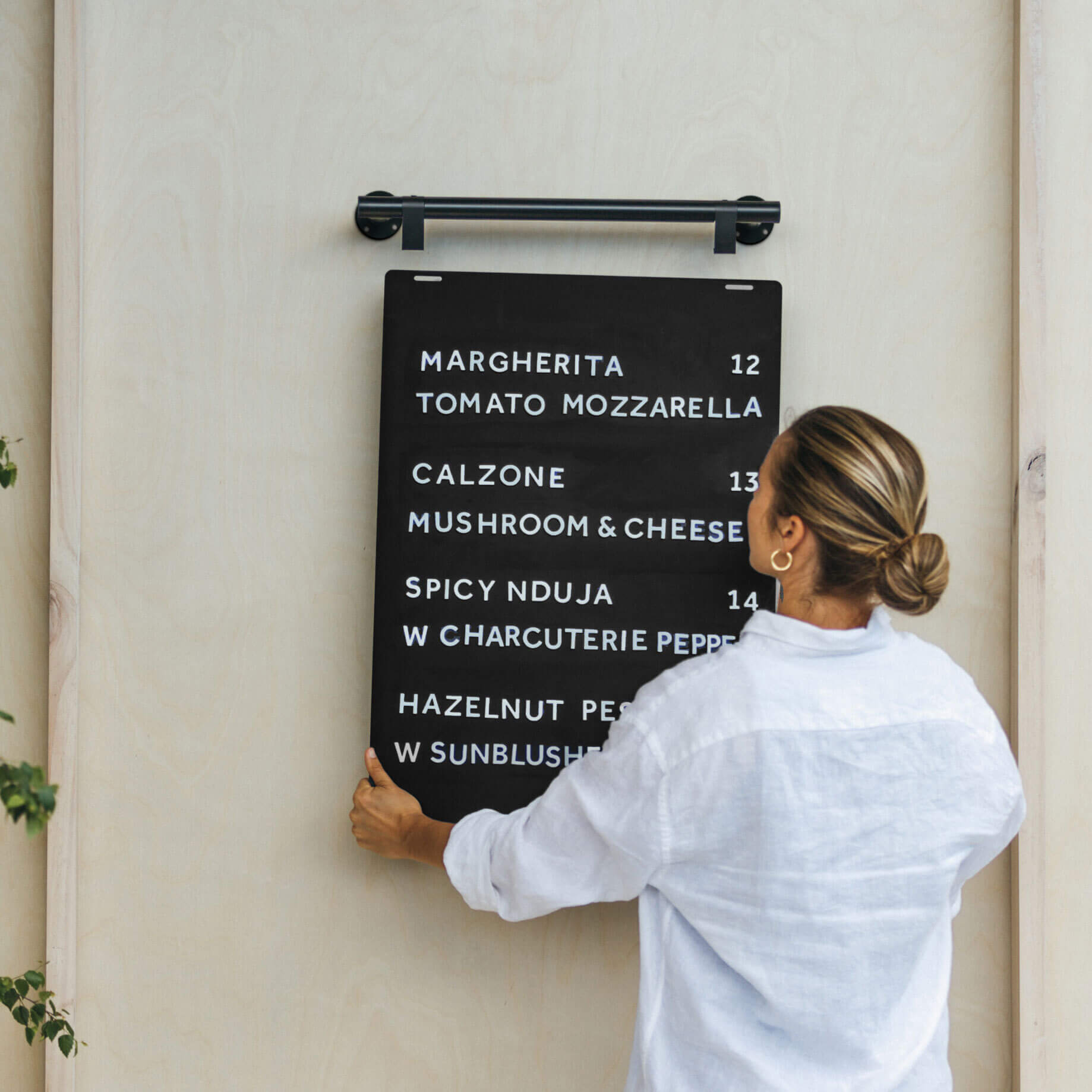
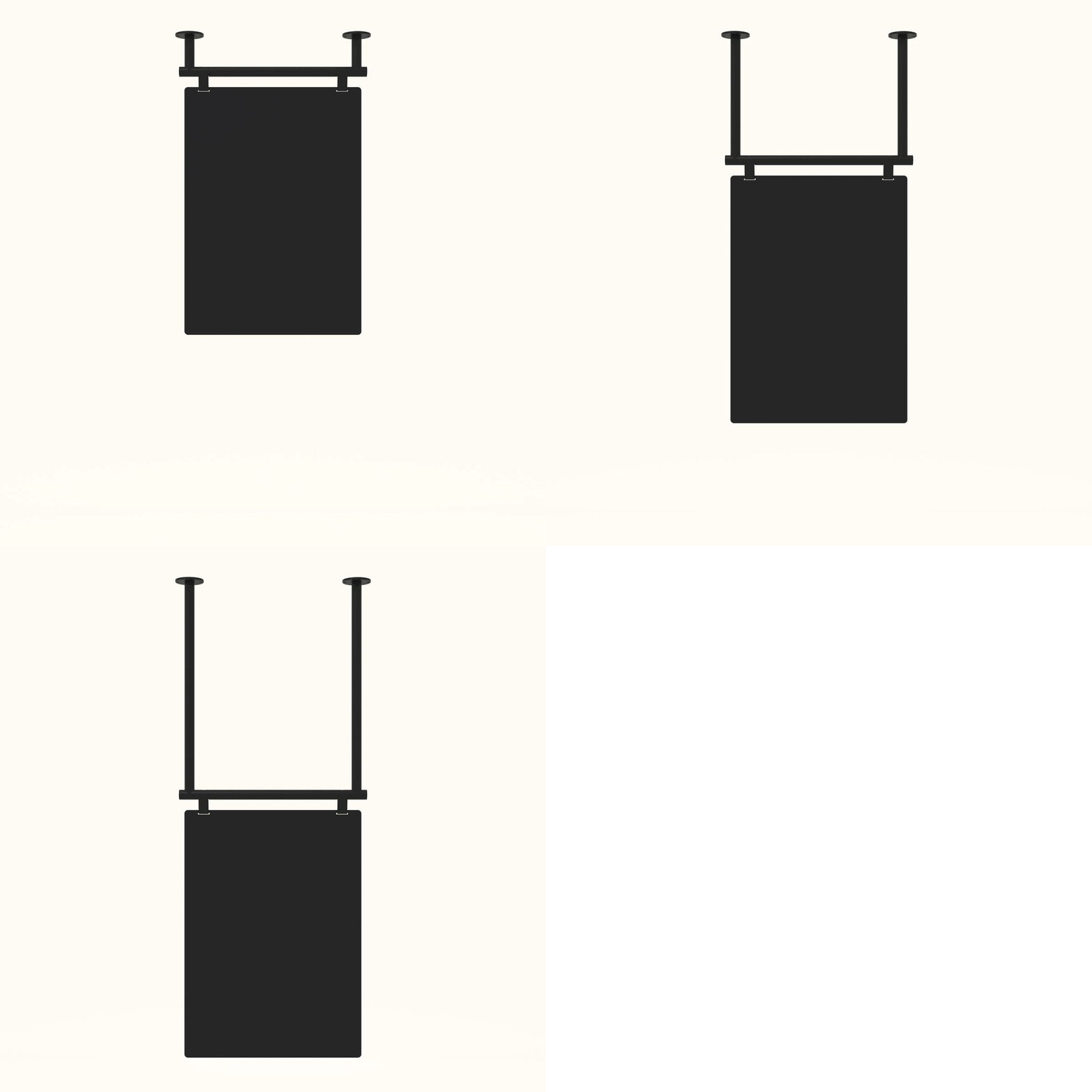
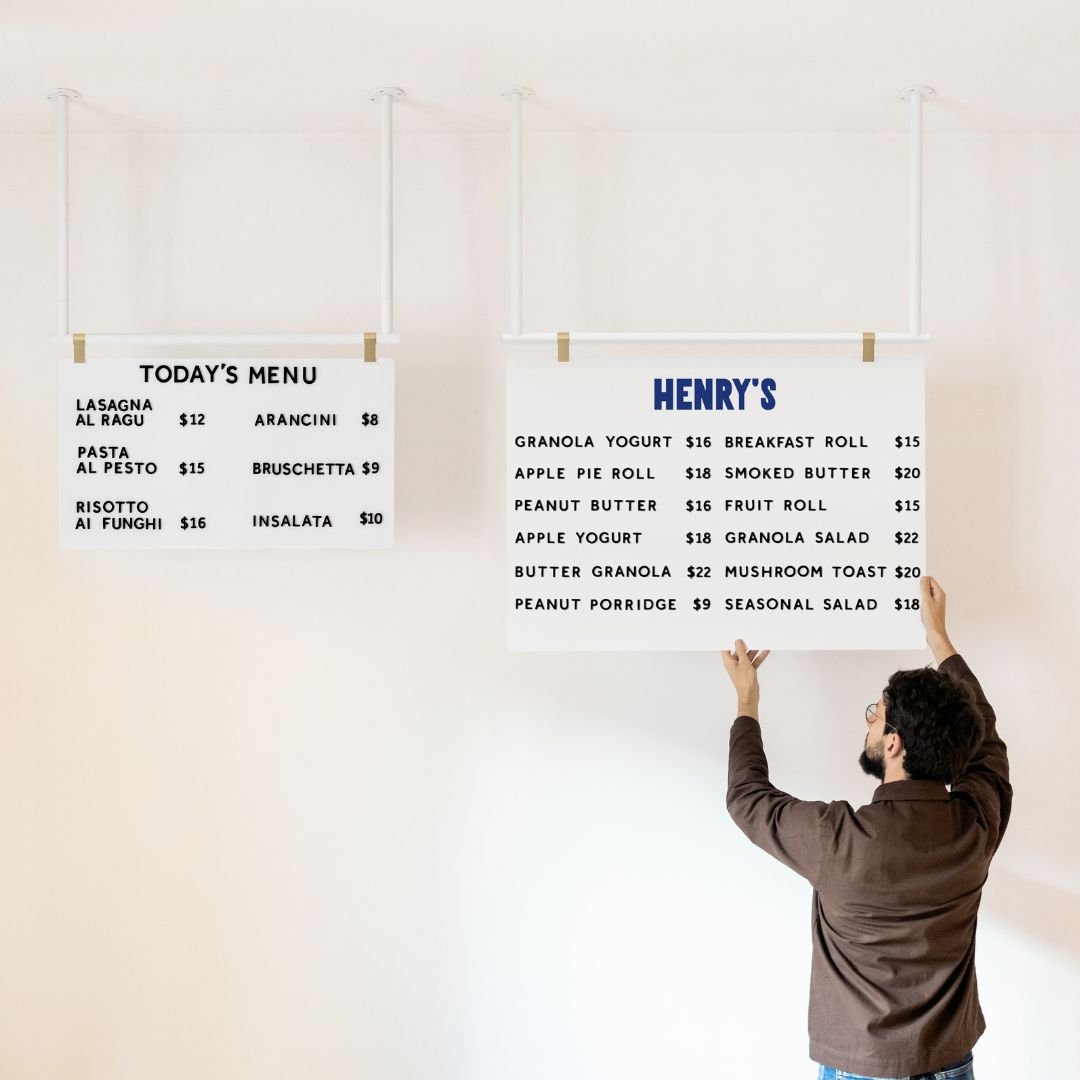
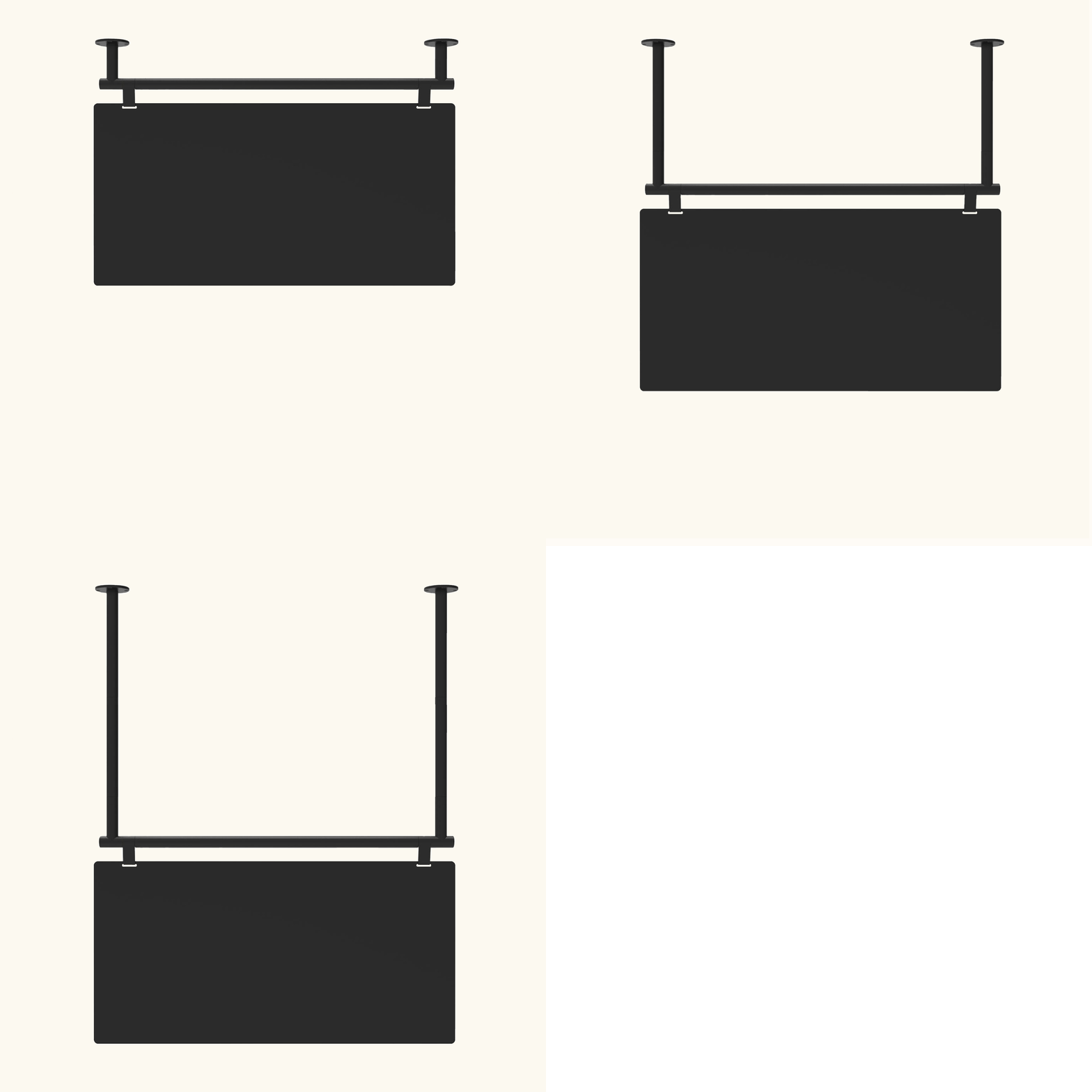
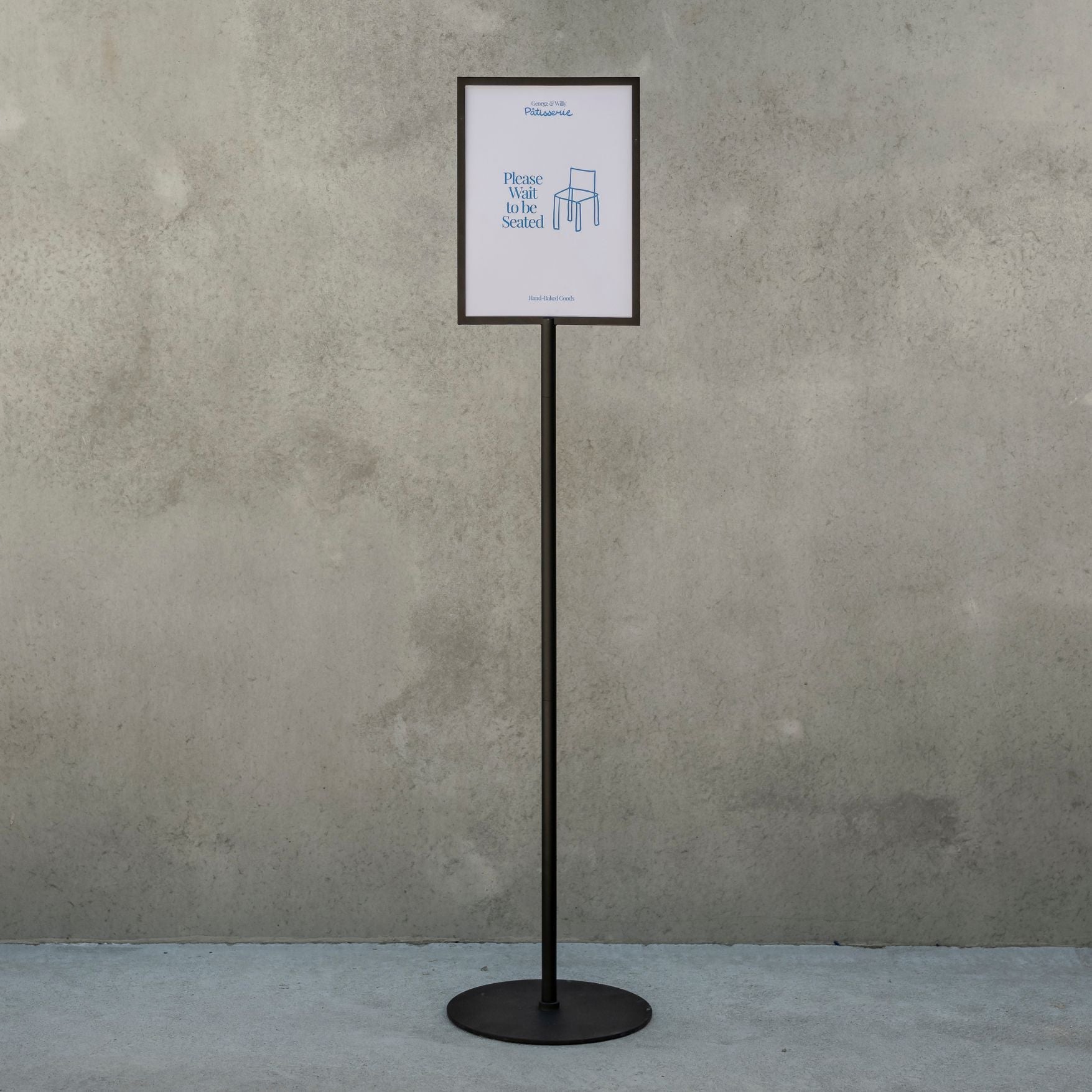
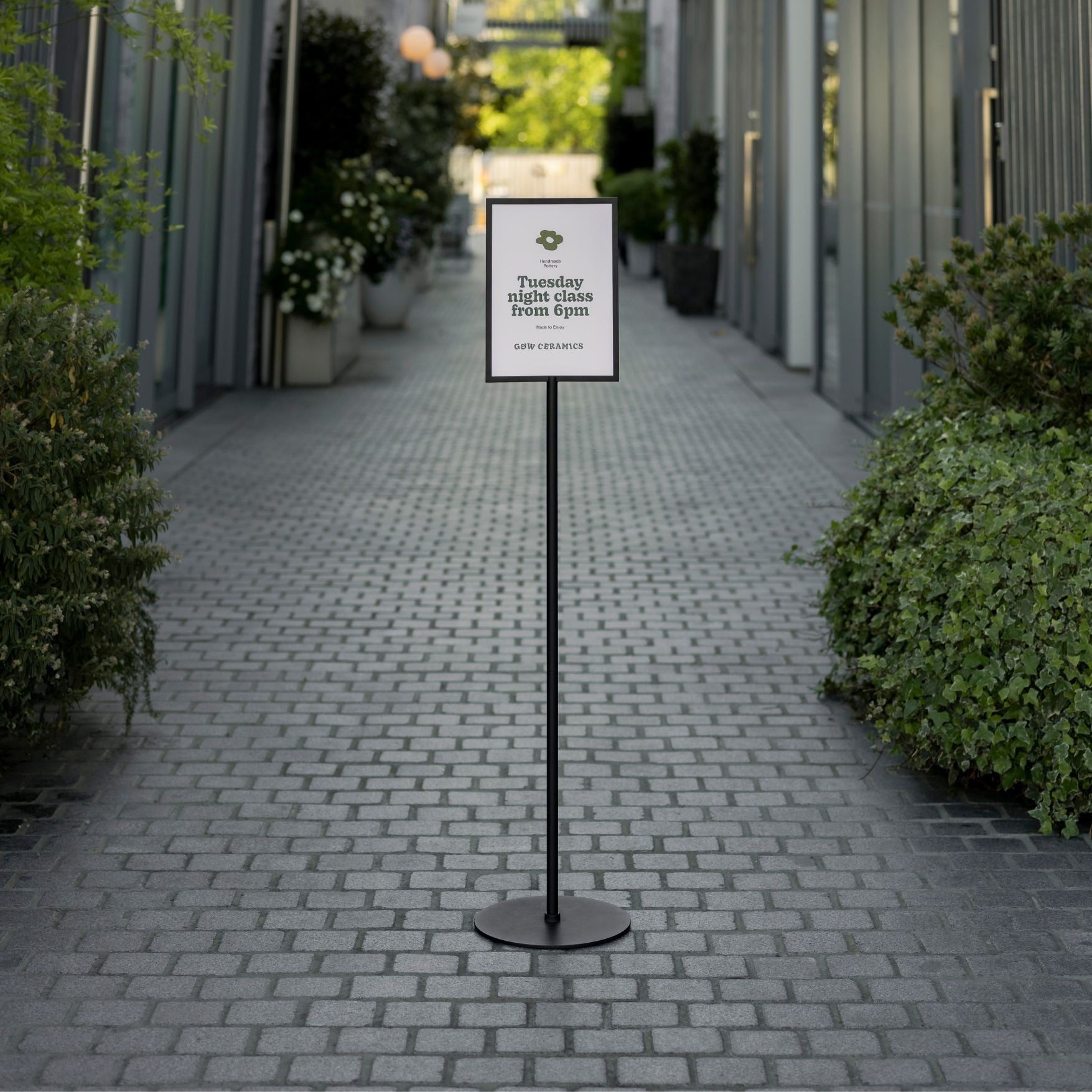
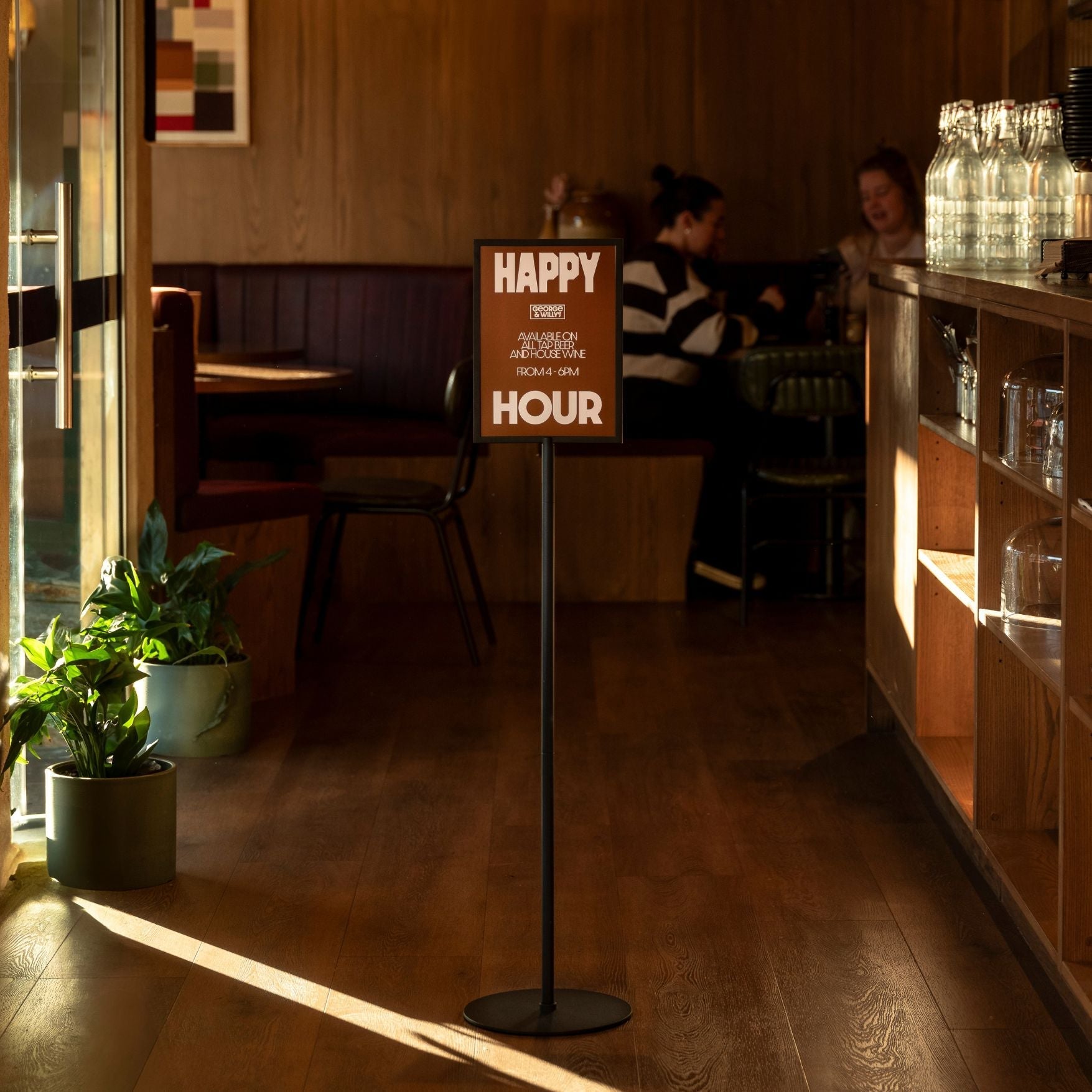
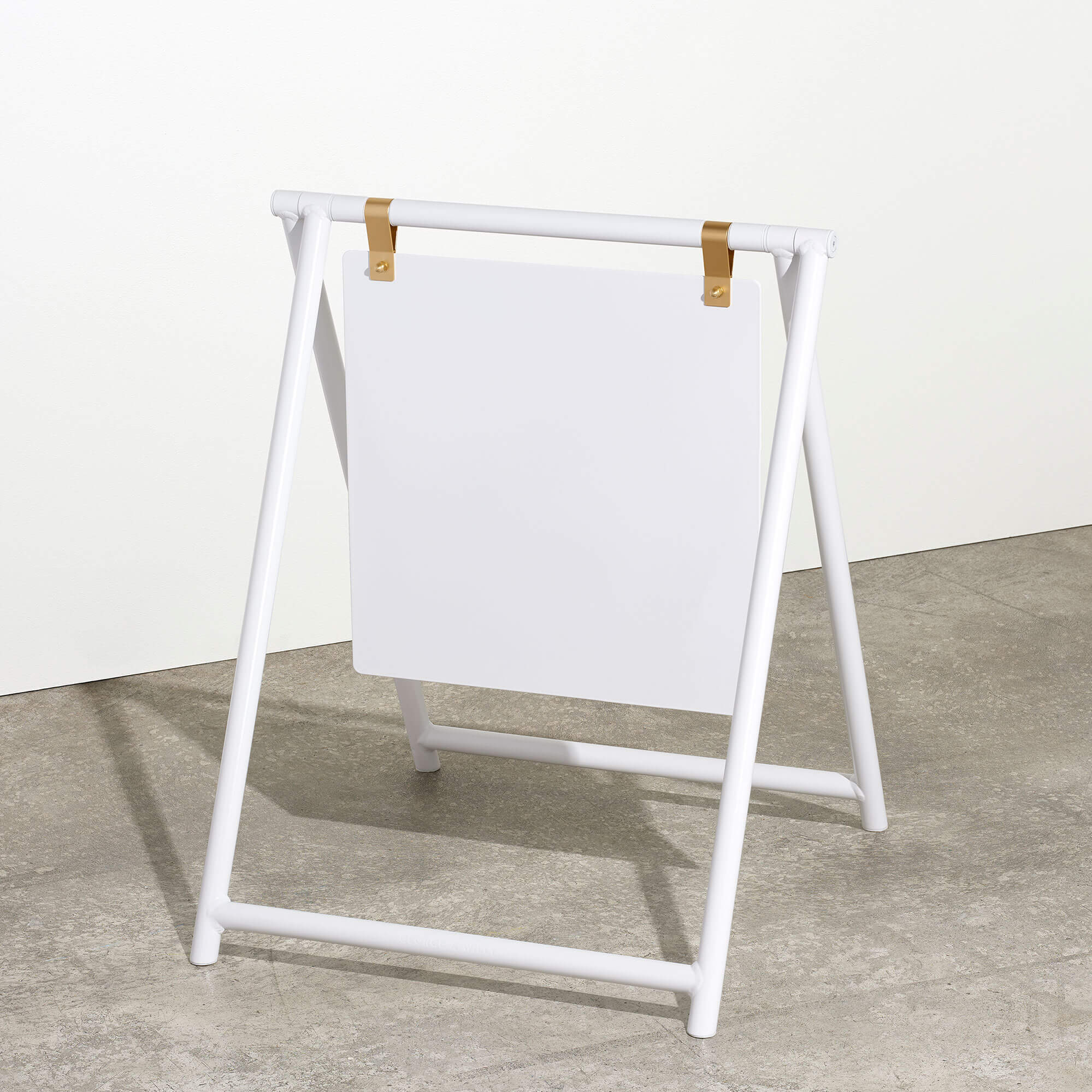
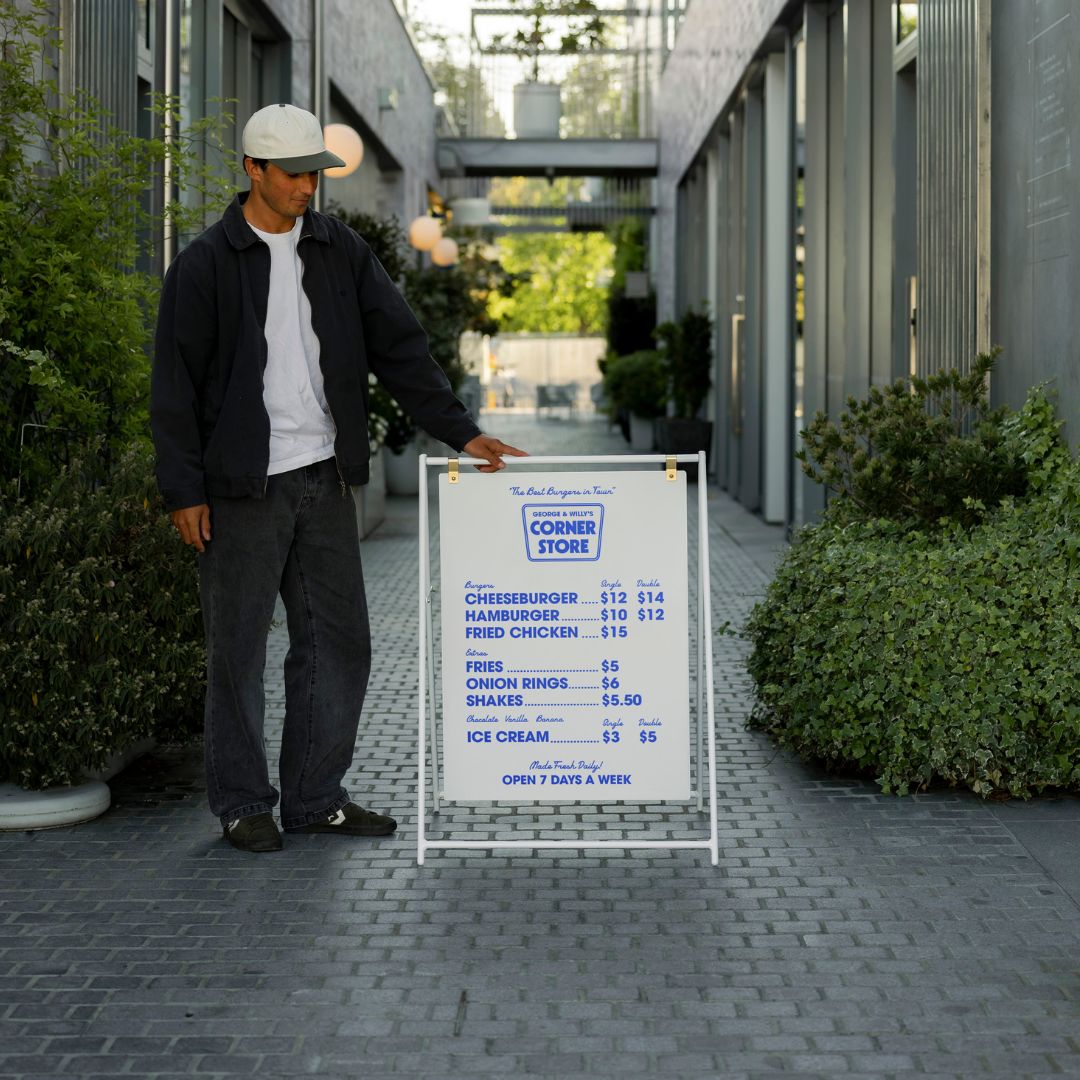
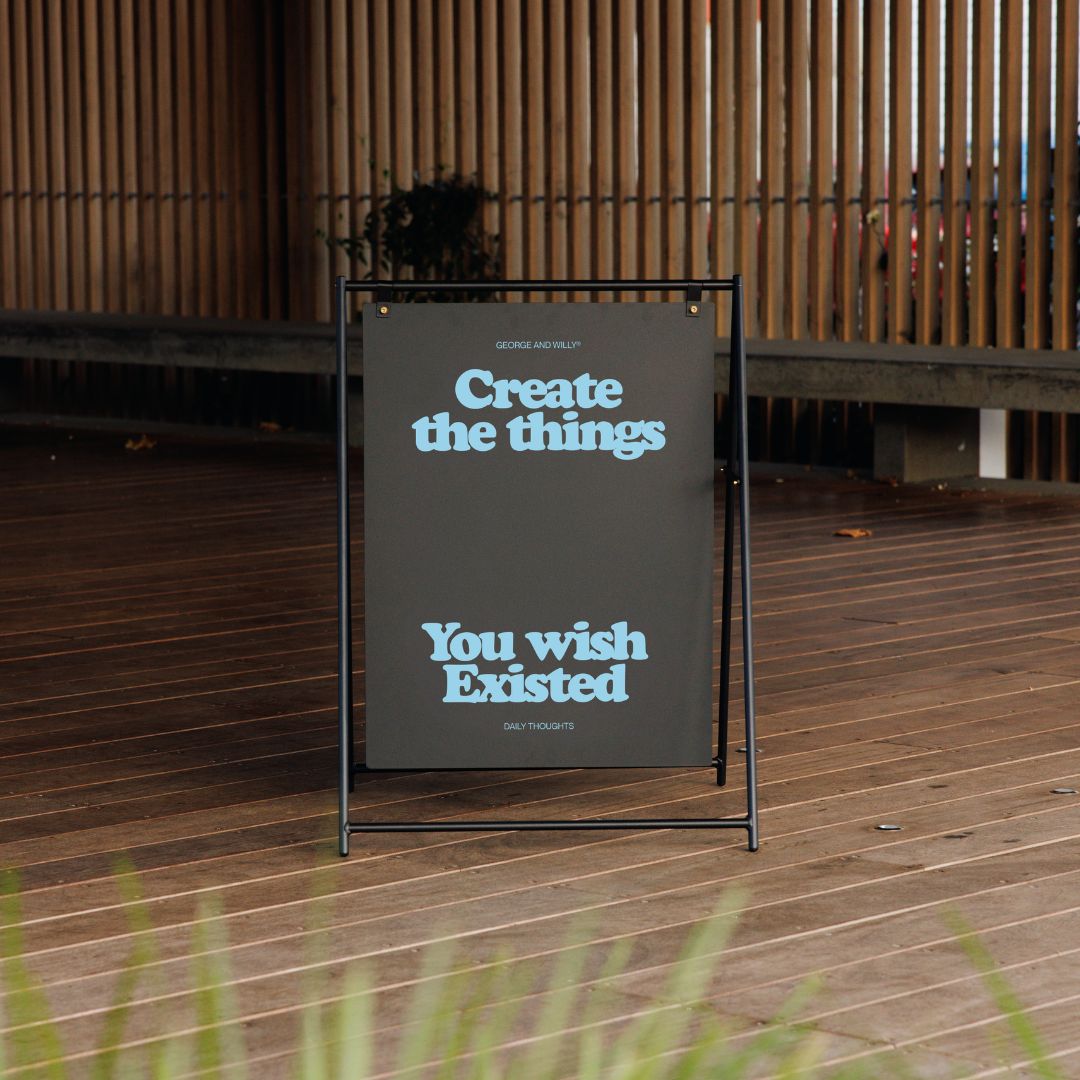
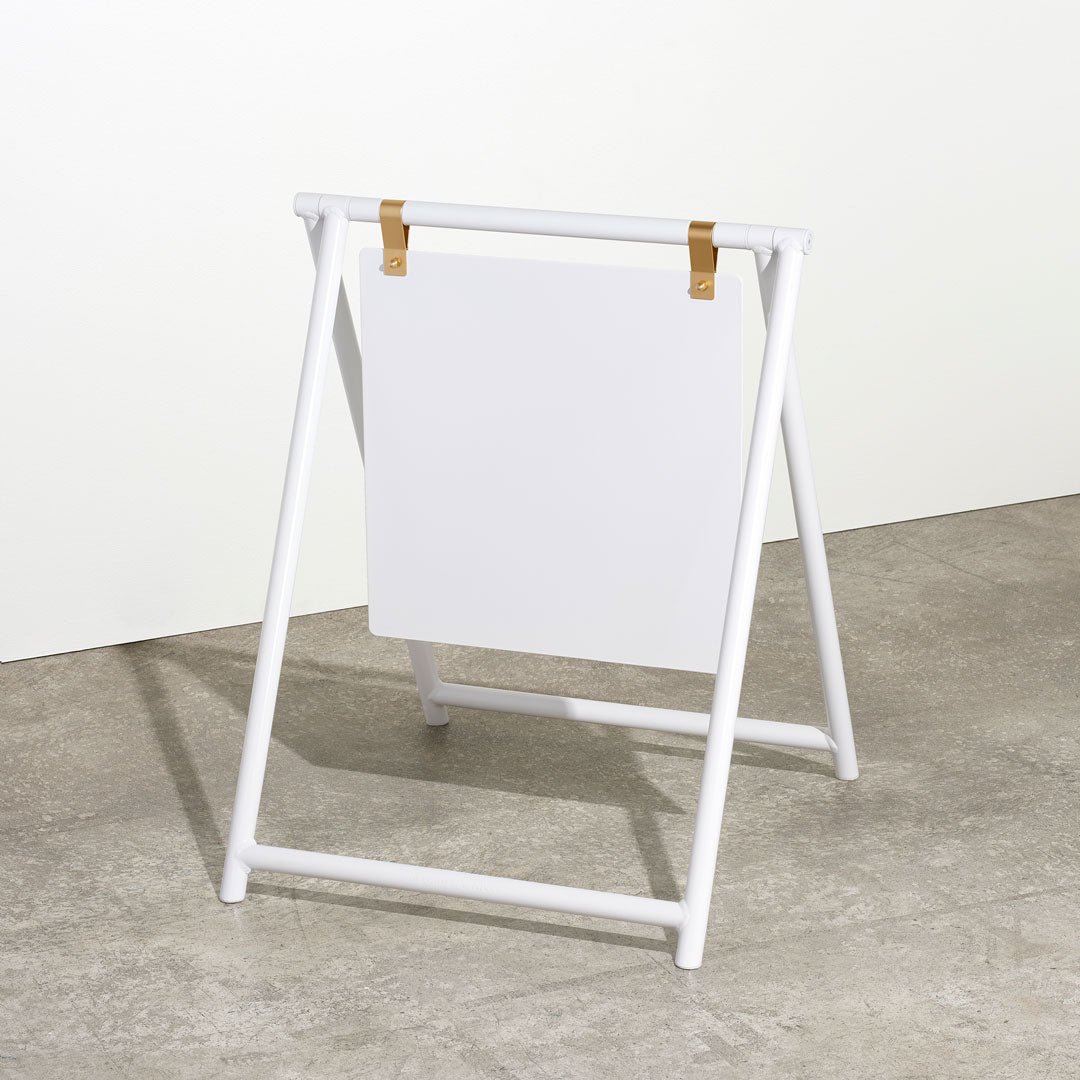
- Location, Location, Location: Place your menu board where it is easily seen. For flexible positioning, a Menu Stand lets you bring the menu to your customers. In tighter spaces, a Hanging Menu Board keeps sightlines clear.
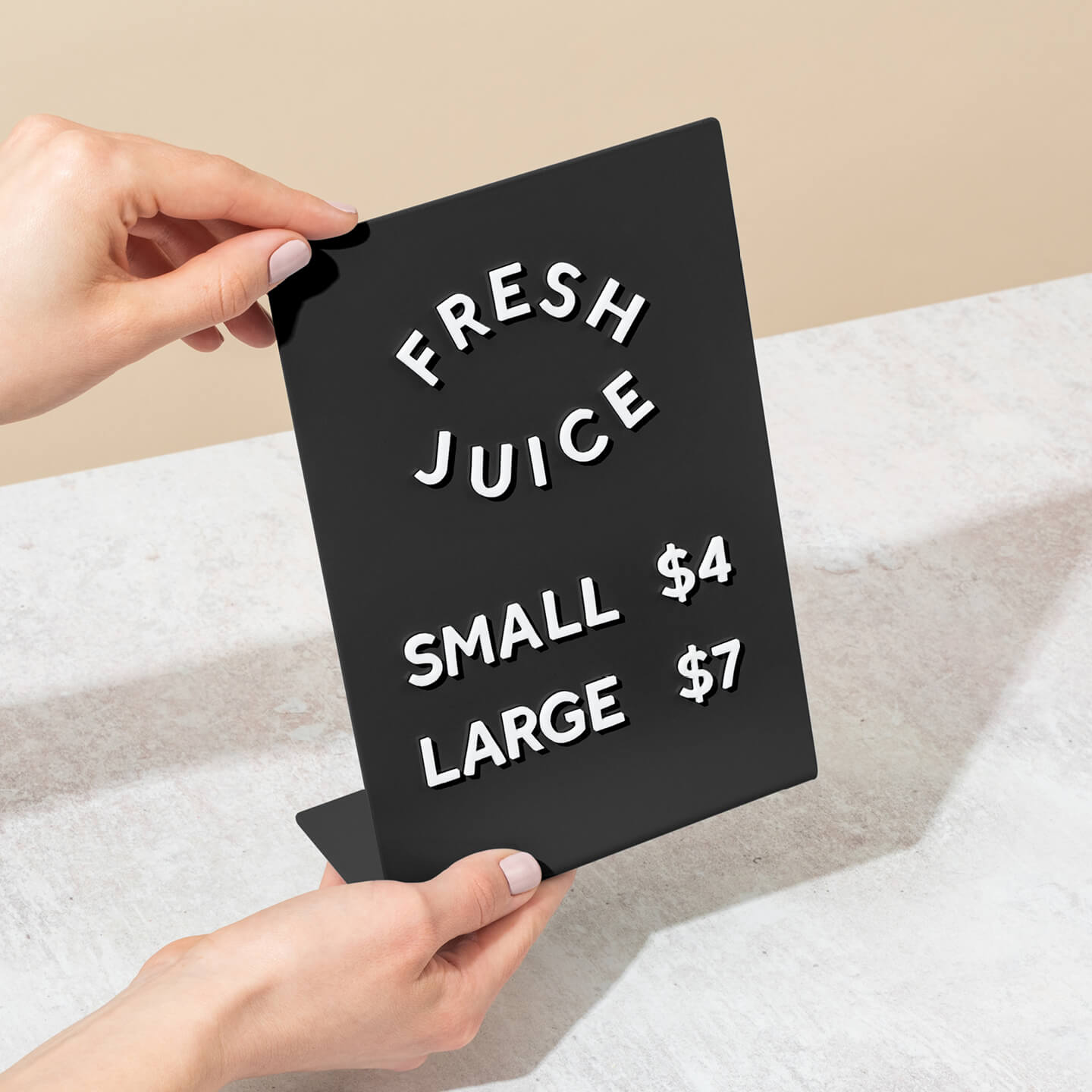
- Prioritize High Contrast: For your message to be effortlessly readable, always choose a high contrast color combination. Timeless pairings like white letters on a black board are effective because they create maximum clarity.
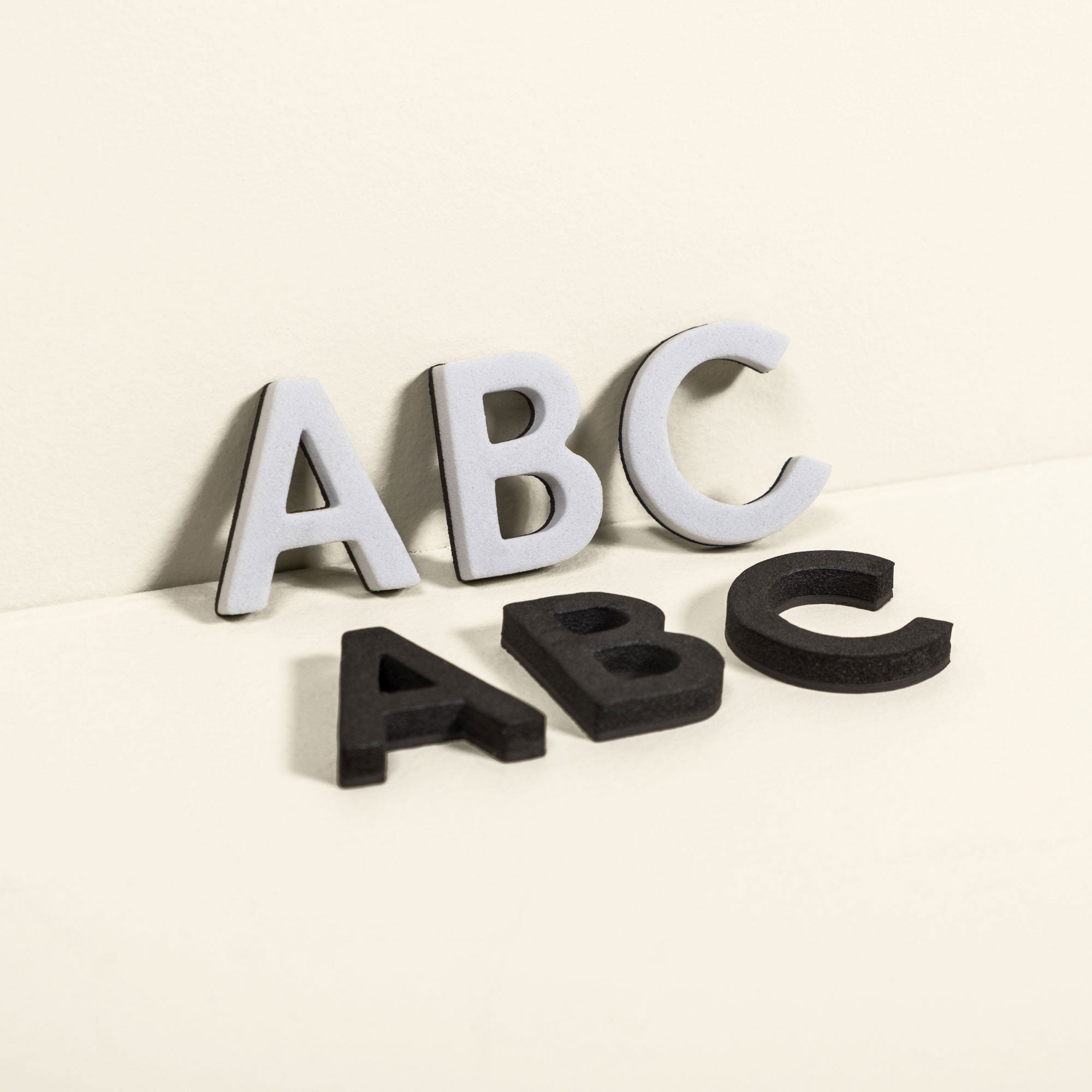
- Keep It Fresh: Use your board to test new items and promote seasonal specials. Keep spare Magnet Letters on hand so you can update prices in seconds.
- Get Social: A well designed letter board is highly photogenic. Use it as a backdrop for social media posts featuring new products or daily quotes to engage your online community.
Maintenance, Customization, and Accessories
- Cleaning and Care: The boards and letters can be easily wiped down with a damp cloth. This makes them a hygienic and professional option.
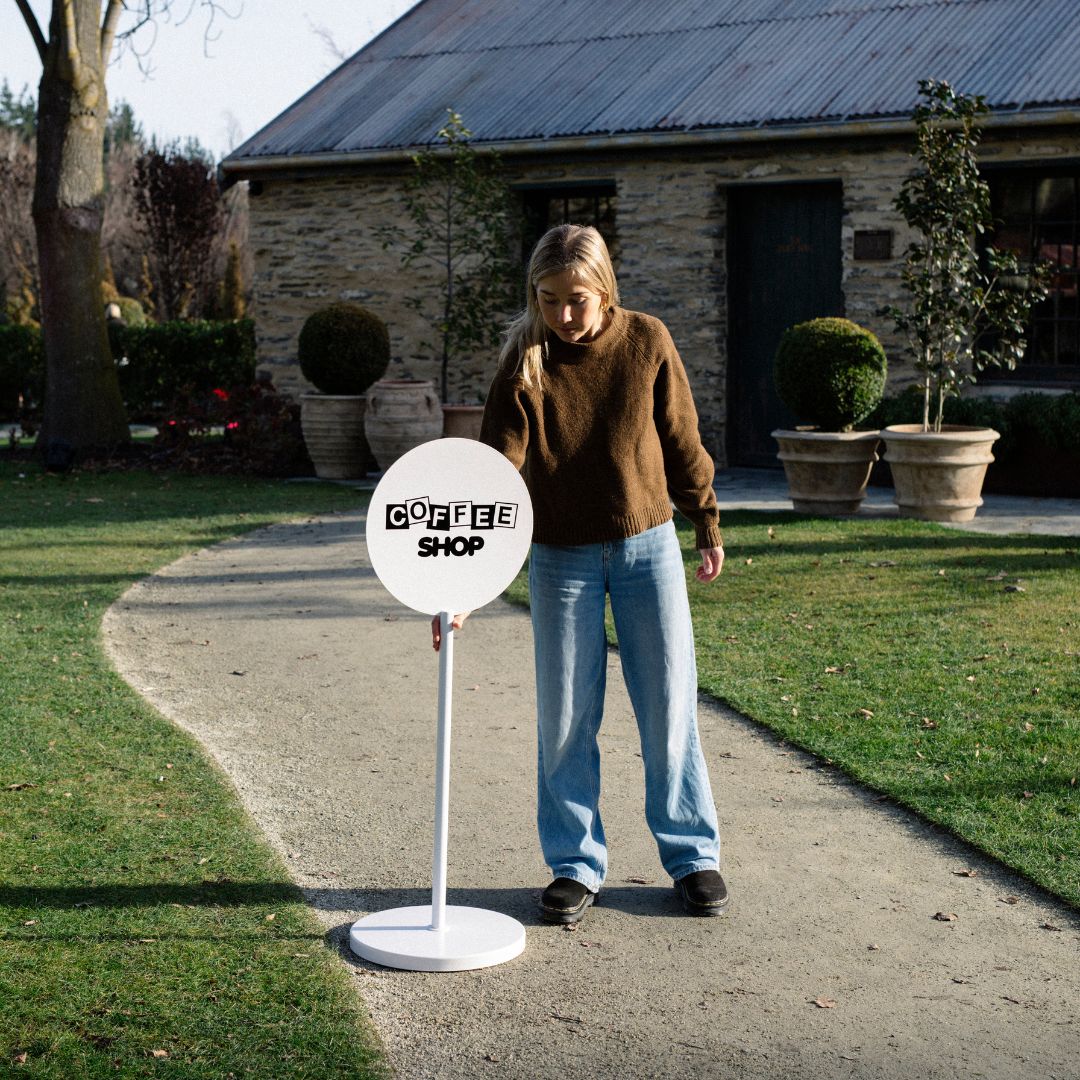
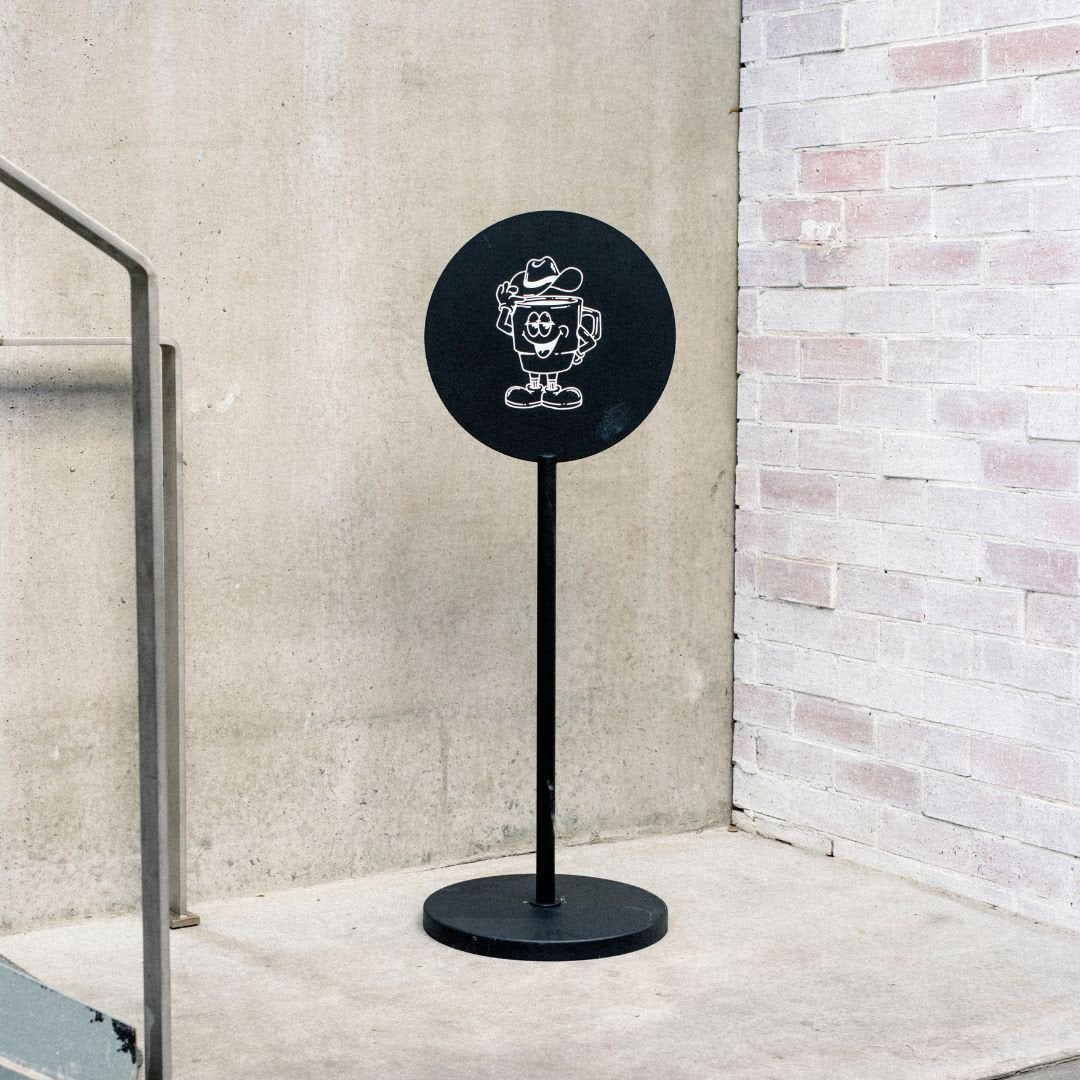
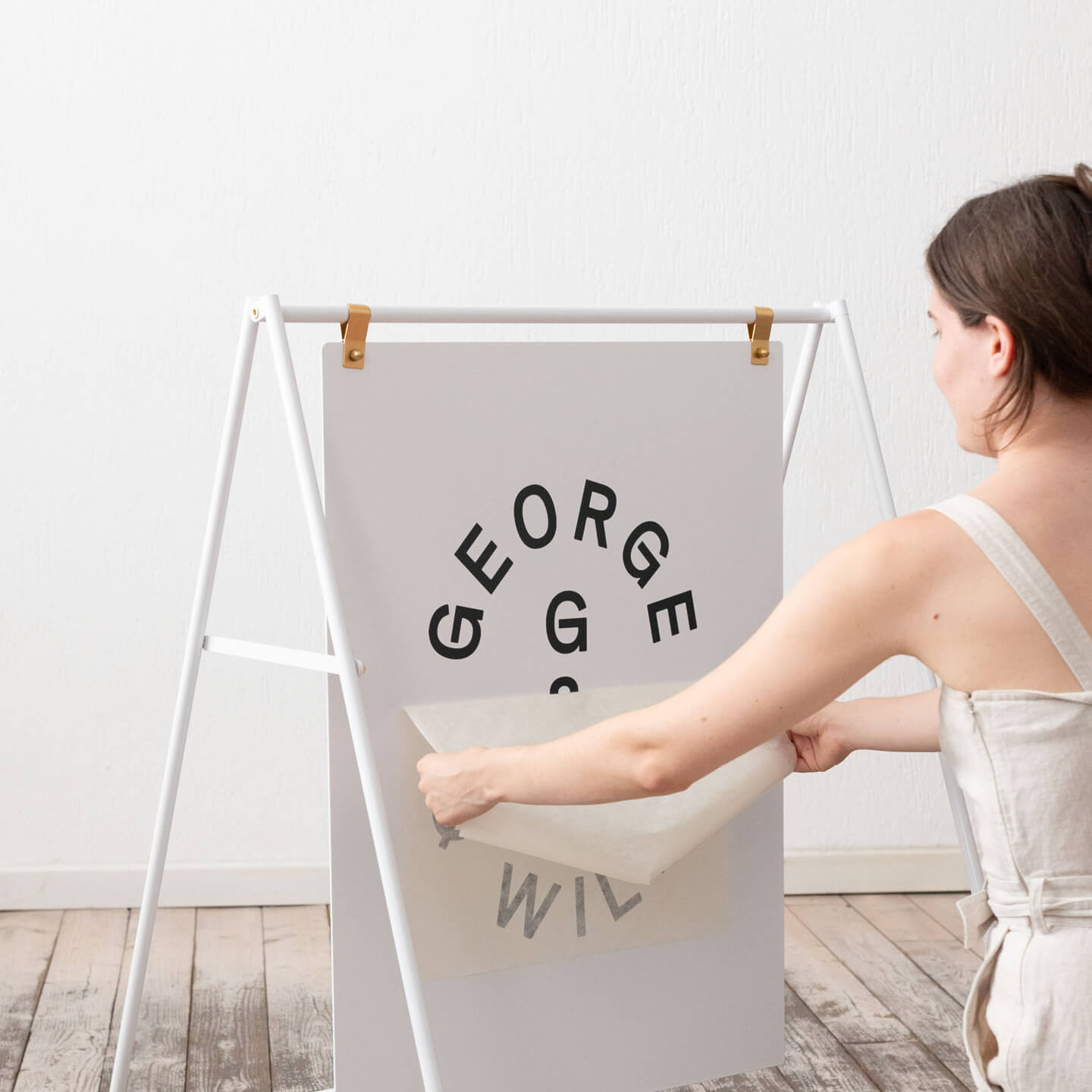
- Customization: While most design led boards arrive blank, they are a perfect canvas for your brand. The easiest way to add a logo is with a vinyl decal from a local sign shop. This gives you a professional, custom look without the high cost of fabrication.
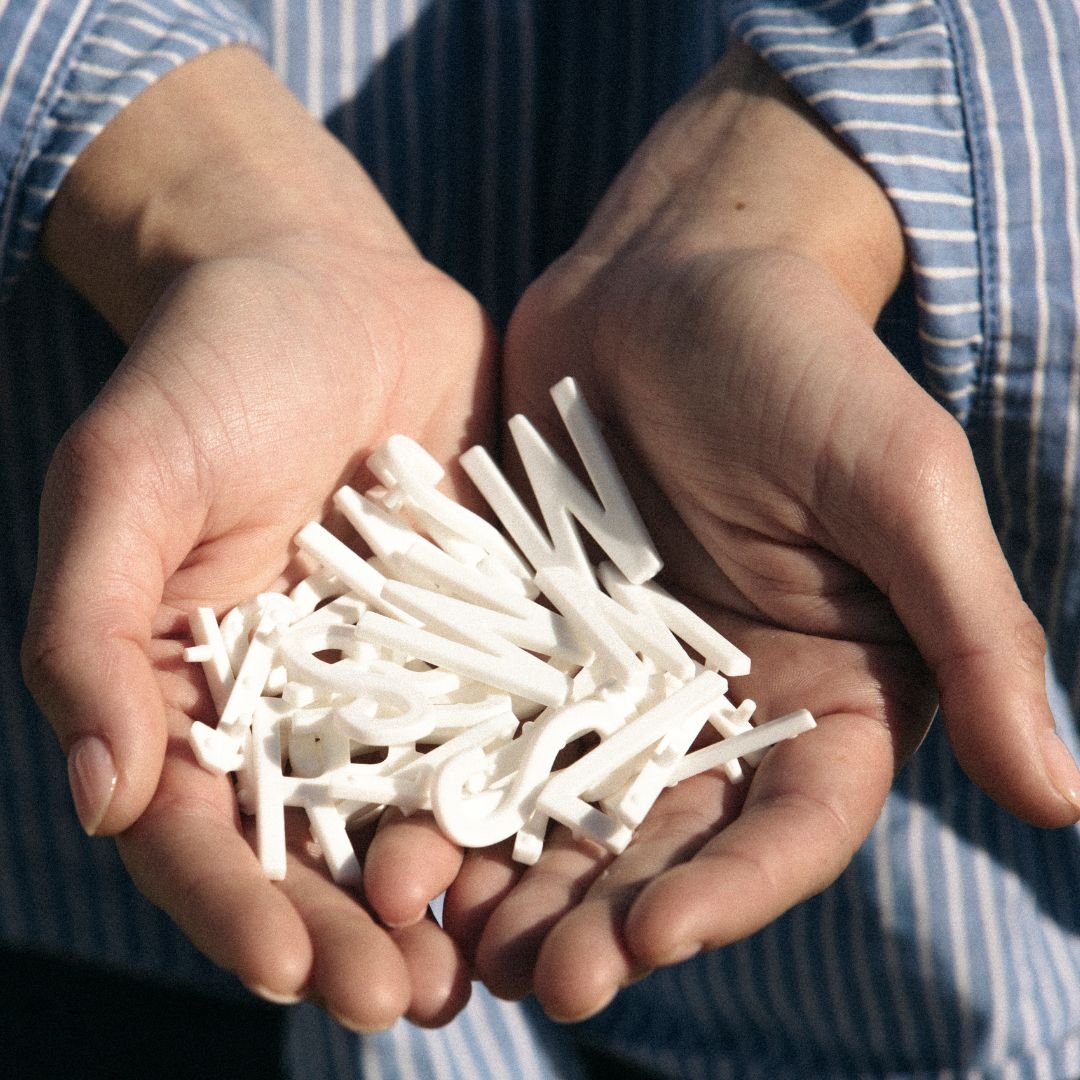
- Letter Organization: A simple partitioned tray for your spare characters is a game changer. Having your letters, numbers, and symbols sorted makes menu updates a quick and simple task.
Frequently Asked Questions
What’s the difference between a menu letter board and a chalkboard?
A menu letter board uses uniform, pre made characters for a clean and consistent look that is very easy to read. Chalkboards offer a more rustic, freehand style but can be messy and harder to keep neat. For hand drawn flexibility, consider a Market Chalk Board Menu.
Can I use a menu letter board outside?
It depends on the materials. Boards made from powder coated aluminum and steel are designed to be weather resistant and can be used in covered outdoor areas. Always check the manufacturer’s recommendations.
How do I install a wall mounted menu letter board?
Most boards come with hardware and clear instructions. Installation typically involves screwing rails or a backer board into the wall. Because many are made with lightweight aluminum, they are often a straightforward project.
Are menu letter boards easy to clean?
Yes. The boards and plastic or metal letters can be easily wiped down with a damp cloth, making them a hygienic and professional option.
Can I buy extra letters if I run out?
Many reputable suppliers offer extra character sets for purchase (see Extra Menu Board Letters). This is great for businesses with large menus.
How do I add my logo to a menu letter board?
The easiest way to add your branding is with a vinyl decal. You can have a local sign shop create a decal of your logo to apply to the board.