

Your restaurant’s first impression happens on the sidewalk, long before a customer takes their first bite. An effective outdoor restaurant menu board is more than just a list of prices; it’s a silent salesperson, a brand ambassador, and a crucial tool for turning passersby into paying customers. Whether you run a bustling cafe, a high volume drive thru, or a trendy food truck, getting your outdoor menu right is essential.
This guide covers everything you need to know about the modern outdoor restaurant menu board, from the tough technology that makes it work to the smart features that can boost your sales.
Why an Outdoor Digital Menu Board is a Smart Investment
Switching from static posters to a digital outdoor restaurant menu board can feel like a big leap, but the benefits are compelling and immediate.
Durability in Any Weather: These boards are built to handle the elements. A professionally made waterproof menu board can withstand rain, dust, and temperature swings, keeping your menu looking sharp all year long.
Always Visible: Using high brightness screens and anti glare technology, digital menus stay readable whether it’s a bright sunny afternoon or a dark evening.
Instant Updates: The ability to change menu items, prices, and promotions with a few clicks is a game changer. You can update your offerings in real time across one or multiple locations using cloud based software.
Boosted Sales: Dynamic visuals are powerful. Highlighting high margin items with beautiful photos can significantly influence customer choices. One study found that adding a photo of a salad to a digital display increased its sales by up to 90% among certain customers. Another survey showed restaurants saw an average sales increase of 8 to 10% after switching to digital menus.
Long Term Cost Savings: While the initial investment is higher, digital boards eliminate the recurring costs of printing and shipping new menus. This saves money and reduces paper waste over time.
A Better Customer Experience: Clear, accurate, and easy to read menus make ordering faster and more pleasant. Dynamic content can also reduce perceived wait times by keeping customers engaged.
Built to Last: The Technology Behind a Great Outdoor Menu Board
An outdoor restaurant menu board needs to be tough. It lives outside, facing everything from summer sun to winter storms. Here’s the key technology that makes it possible.
Weatherproof Construction and IP Ratings
Weatherproof construction ensures a menu board is sealed against the environment. The key metric here is the Ingress Protection or IP rating. This two digit code tells you how well the enclosure protects against solids (like dust) and liquids.
The first digit (0 to 6) rates protection from solids, with 6 being completely dust tight. The second digit (0 to 8) rates protection from water. For an outdoor restaurant menu board, you should look for a rating of at least IP65.
IP65: This means the unit is totally protected from dust and can withstand low pressure water jets from any direction, which is perfect for handling rain.
IP66: This offers protection against powerful water jets, making it even more robust during heavy storms.
This level of weatherproofing is achieved with rubber gaskets, sealed seams, and waterproof cable ports, ensuring the electronics inside stay safe and dry.
High Brightness and Anti Glare Displays for Sunlight Readability
Visibility is everything for an outdoor menu. A screen that looks great indoors will appear washed out and unreadable under direct sunlight. This is where sunlight readability comes in.
This is achieved through two key features:
High Brightness: Standard indoor screens typically have a brightness of 250 to 300 nits. An outdoor digital menu board needs much more, usually starting at 1,000 nits but often going as high as 3,000 nits to be truly “sunlight readable”. This intense brightness ensures your menu content stays crisp and clear, even on the sunniest days.
Anti Glare Technology: High brightness alone isn’t enough if your screen acts like a mirror. Anti glare coatings or etched glass scatter reflections, reducing the mirror effect and keeping your menu legible. This means customers see your delicious food photos, not a reflection of themselves.
Smart Brightness and Energy Efficient LED Tech
Blasting a 3,000 nit screen at full power all night would be blinding and wasteful. That’s why most outdoor displays use auto dimming brightness control. An ambient light sensor detects the surrounding light conditions, automatically dimming the screen at night and brightening it during the day.
This simple feature is brilliant for a few reasons:
It maintains perfect visibility around the clock.
It saves a significant amount of energy. A Samsung study found auto dimming can reduce power consumption by around 30%.
It extends the display’s lifespan by reducing heat and stress on the components.
Modern menu boards rely on energy efficient LED technology. Compared to old fluorescent or neon signs, LEDs use far less power (up to 80% less than neon), run cooler, and last much longer. This makes your bright, beautiful display surprisingly affordable to run.
Durable Materials for Any Environment
The enclosure of an outdoor restaurant menu board needs to be as tough as the screen inside.
For most locations, powder coated aluminum or steel provides excellent durability. But for businesses in coastal areas, corrosion resistant materials are a must. Salt in the air can quickly rust standard steel, even if it’s painted.
Aluminum: This is an ideal choice because it doesn’t rust. It naturally forms a protective oxide layer that shields it from moisture and salt. Anodizing and powder coating can be added for even greater protection in seaside locations.
Marine Grade Stainless Steel: Another excellent, though often more expensive, option that holds up well against salt spray.
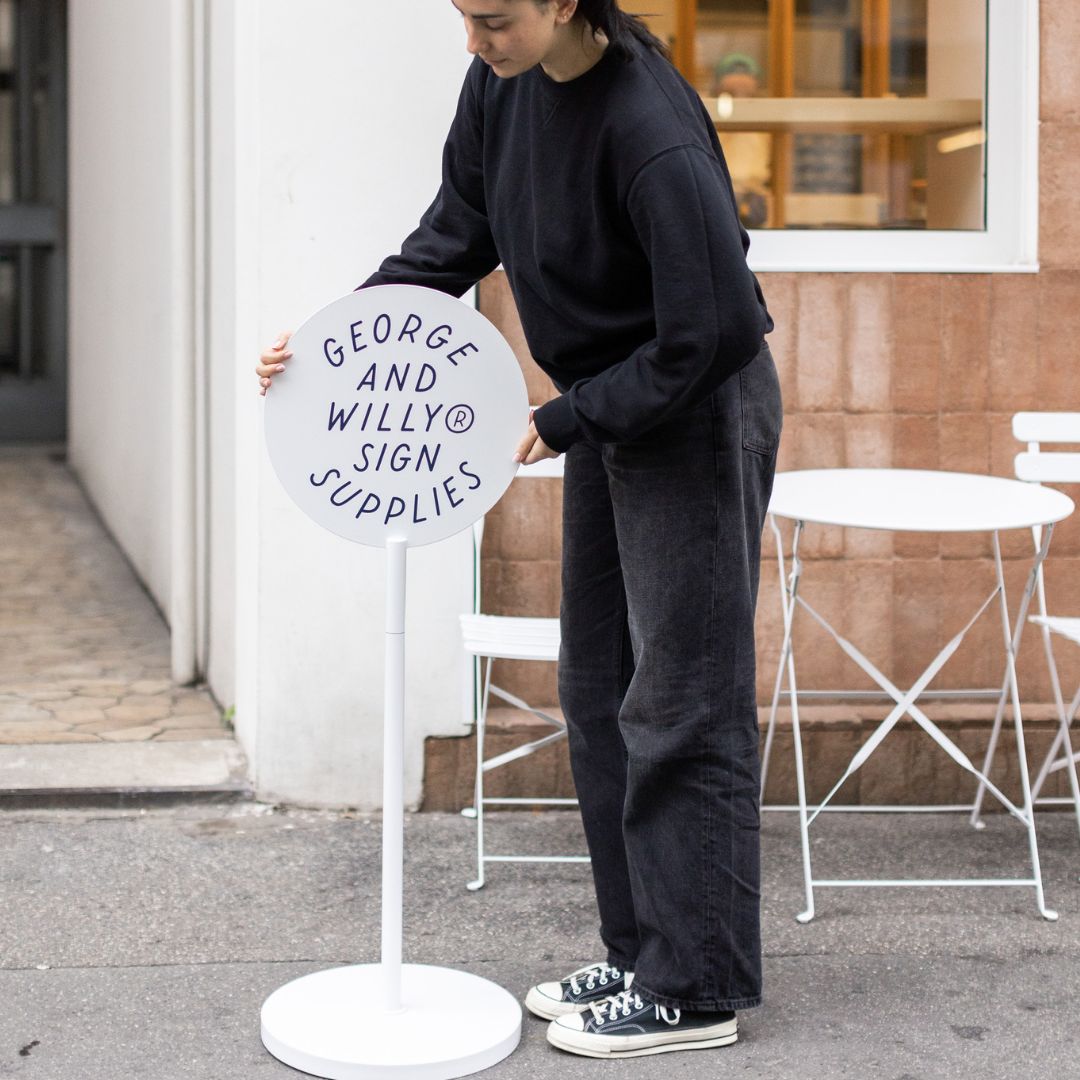
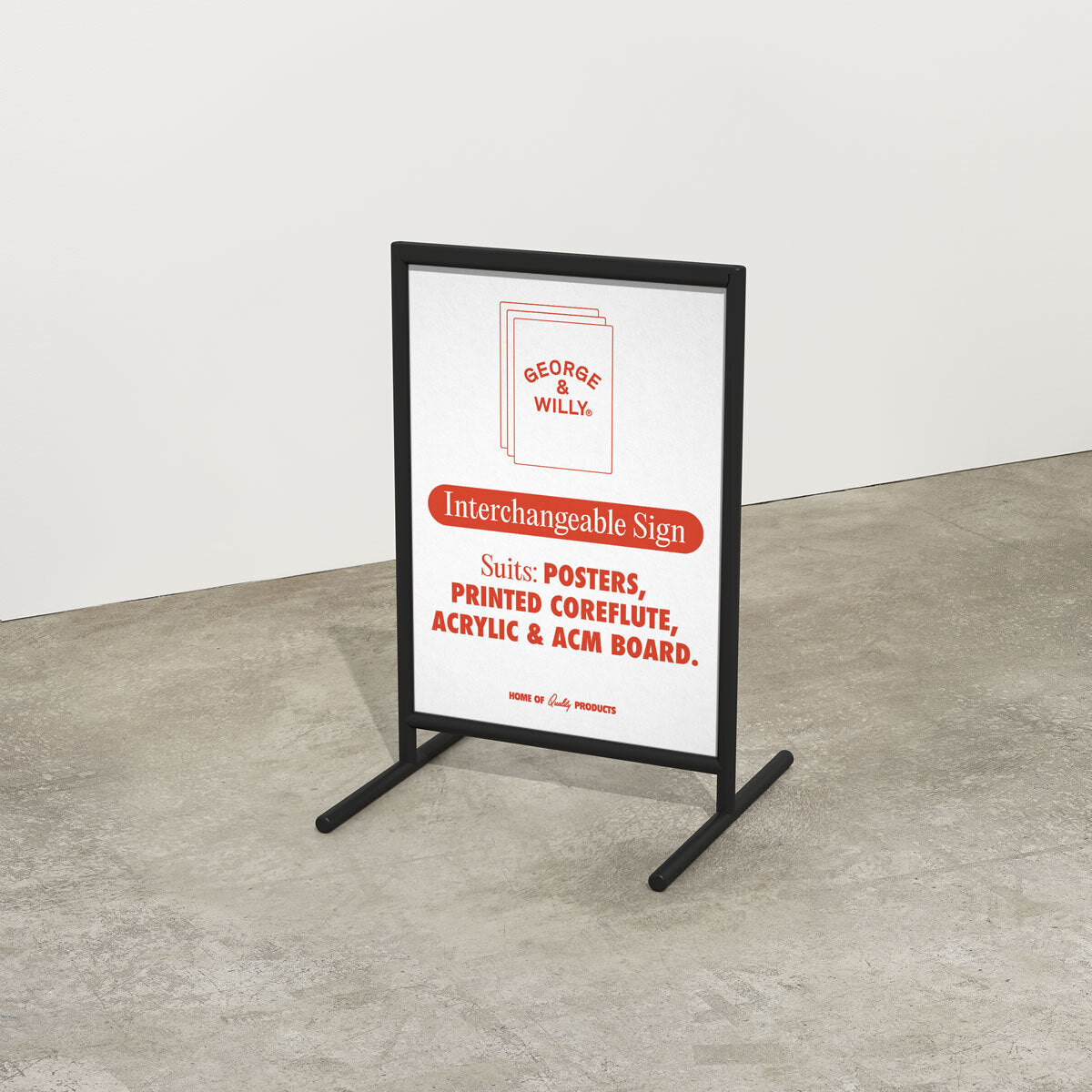
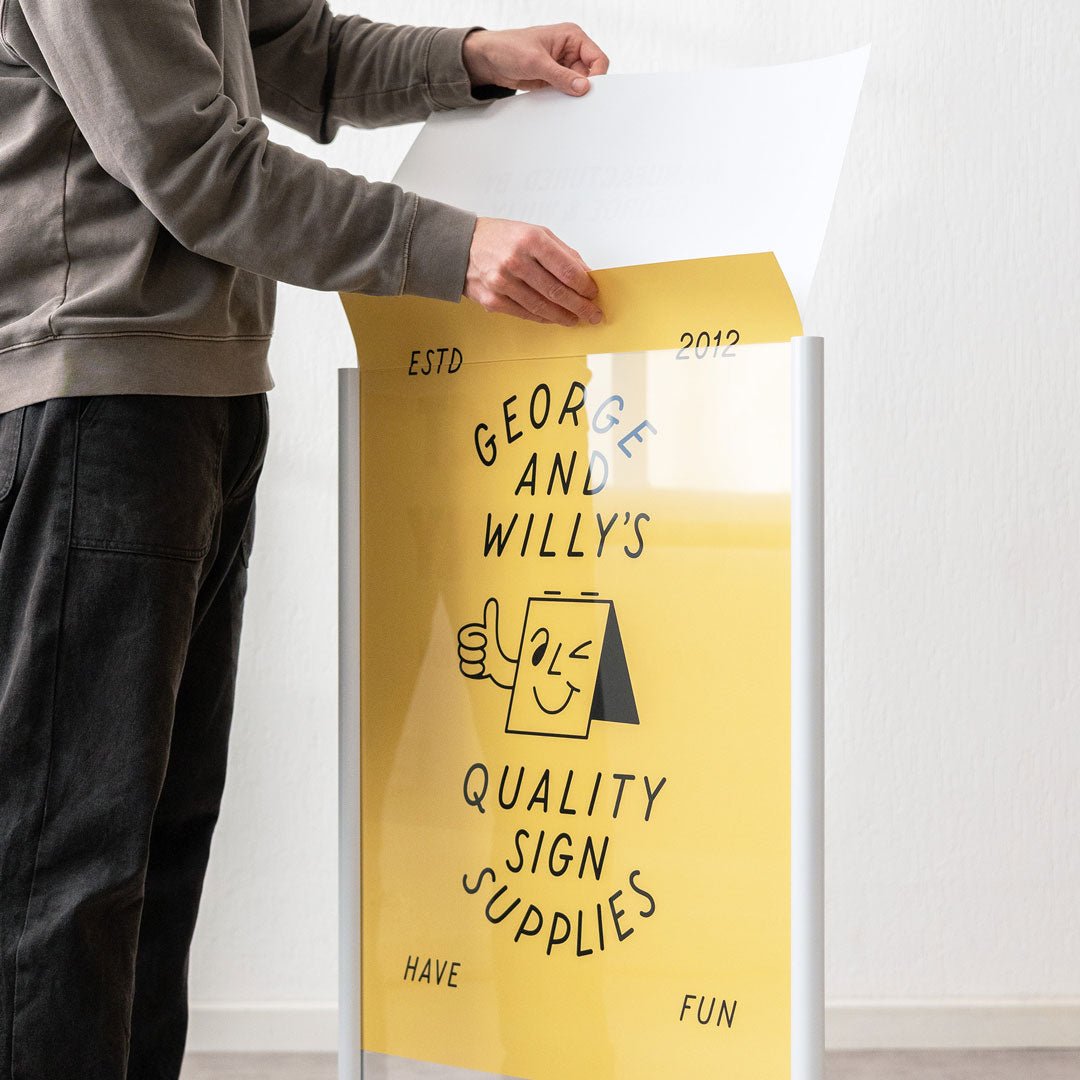
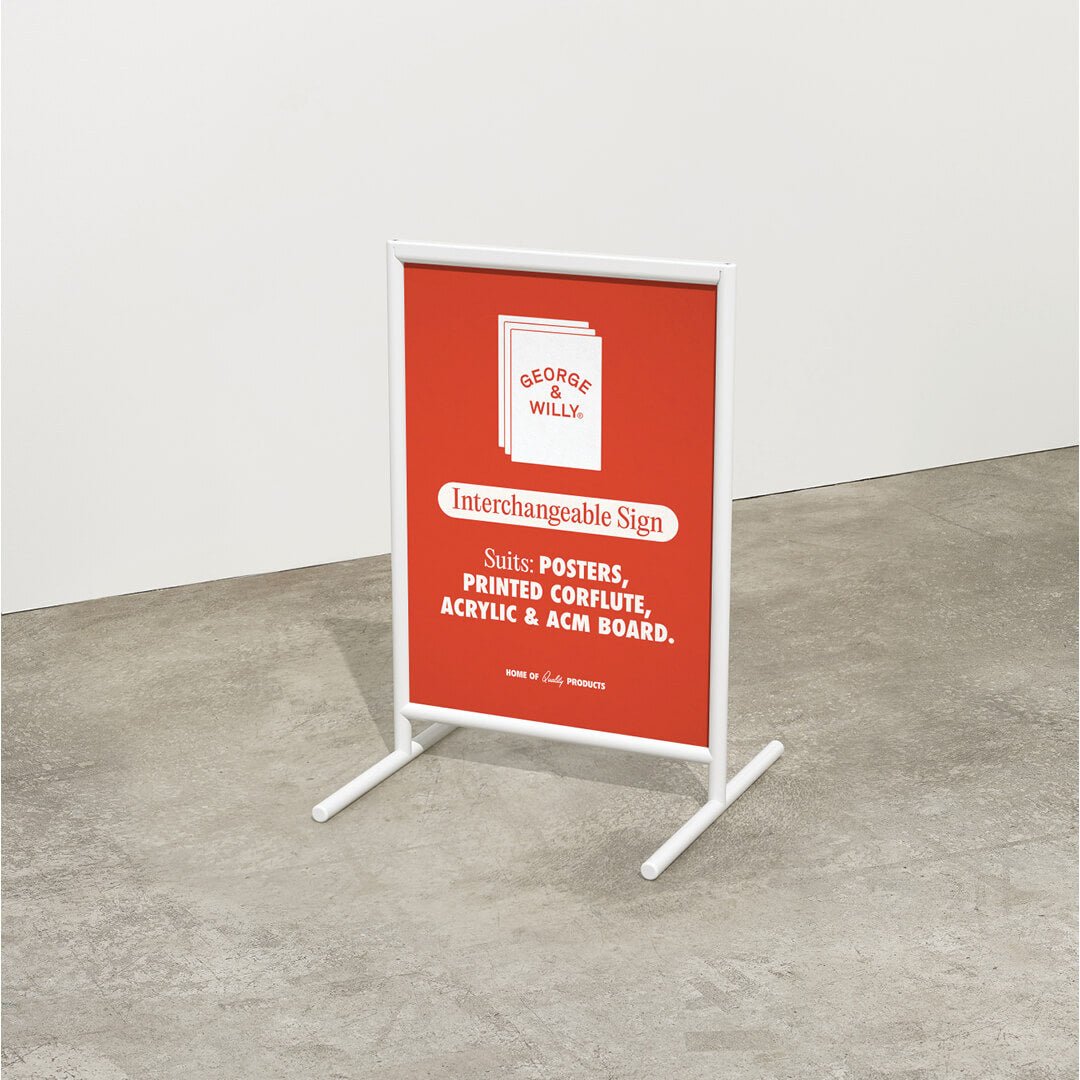
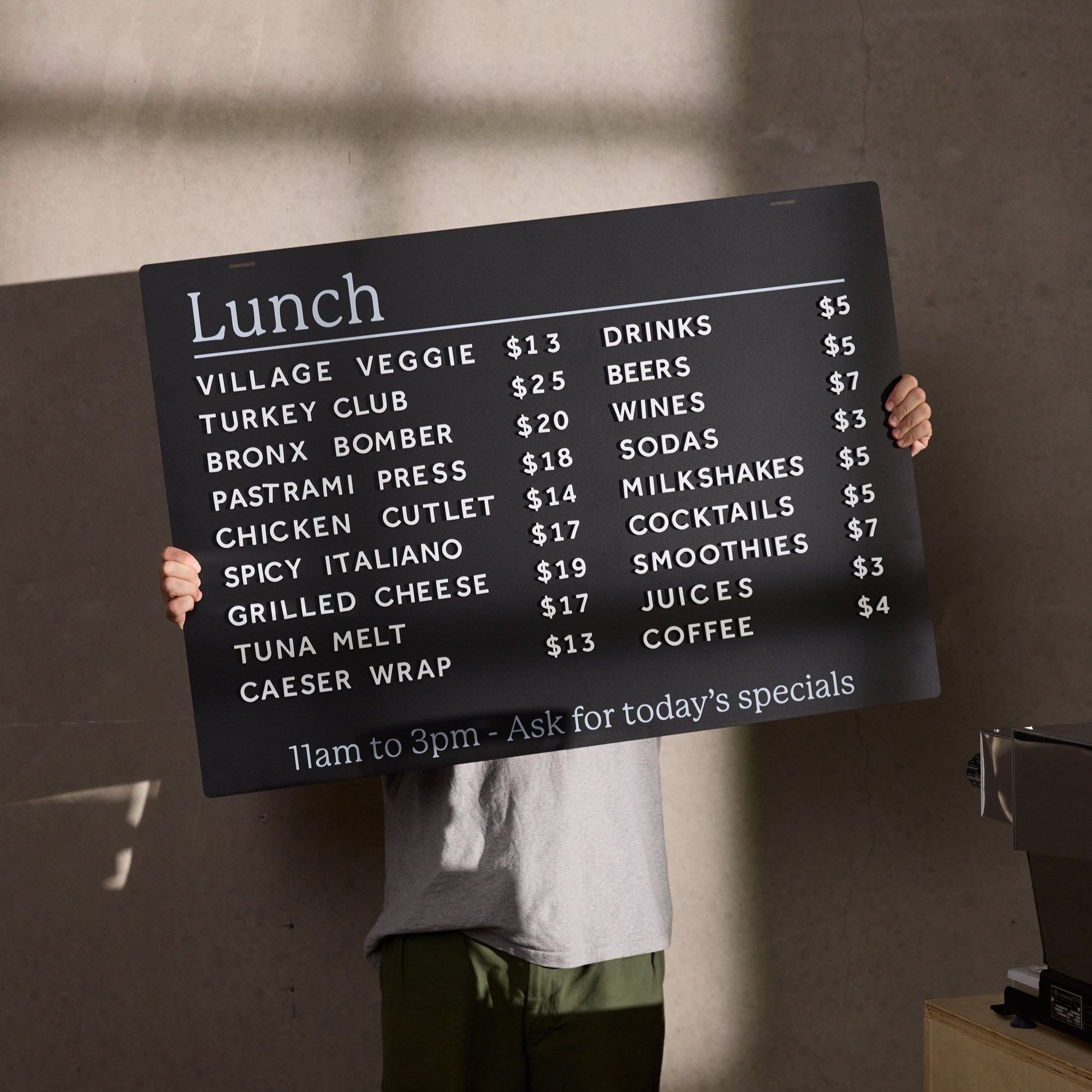
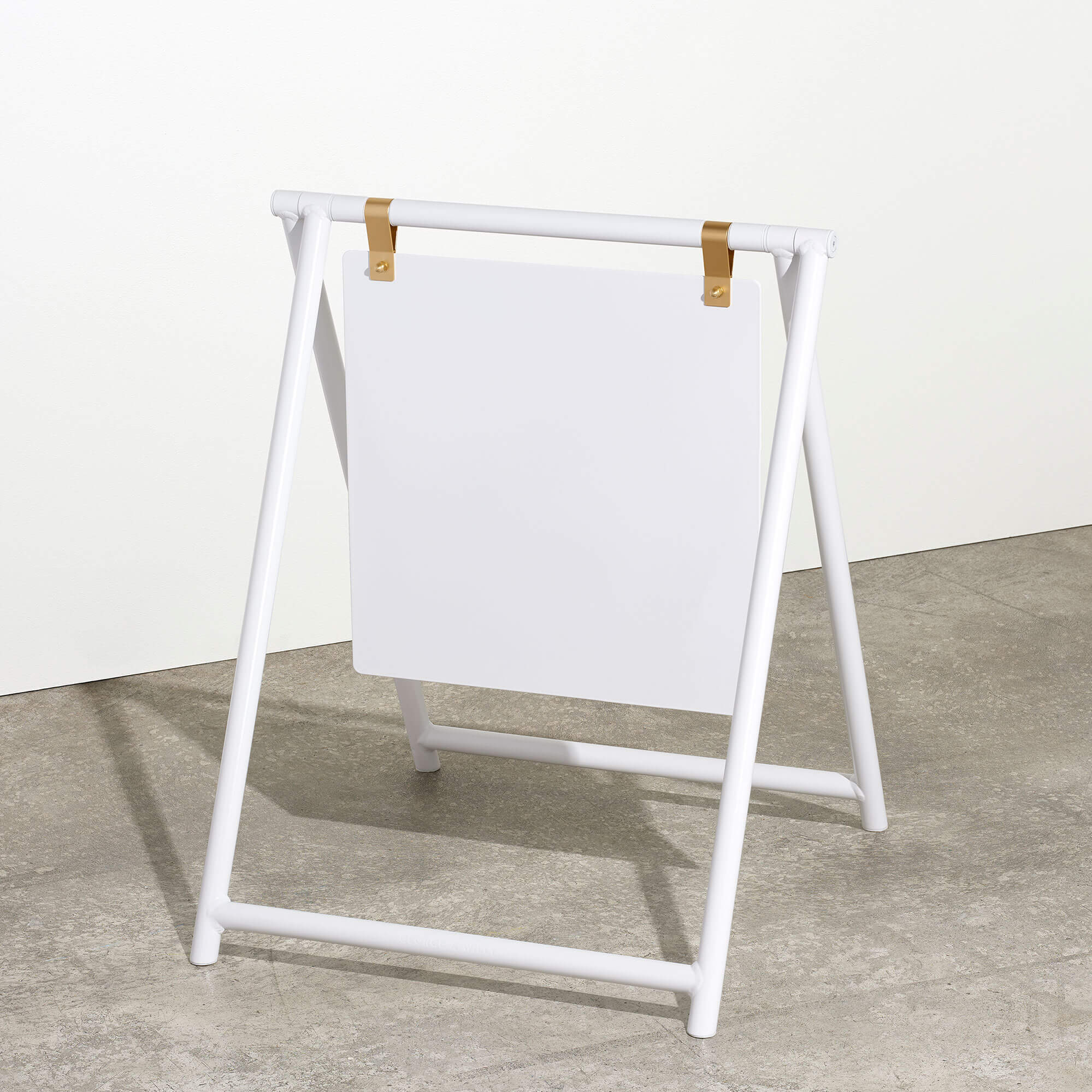
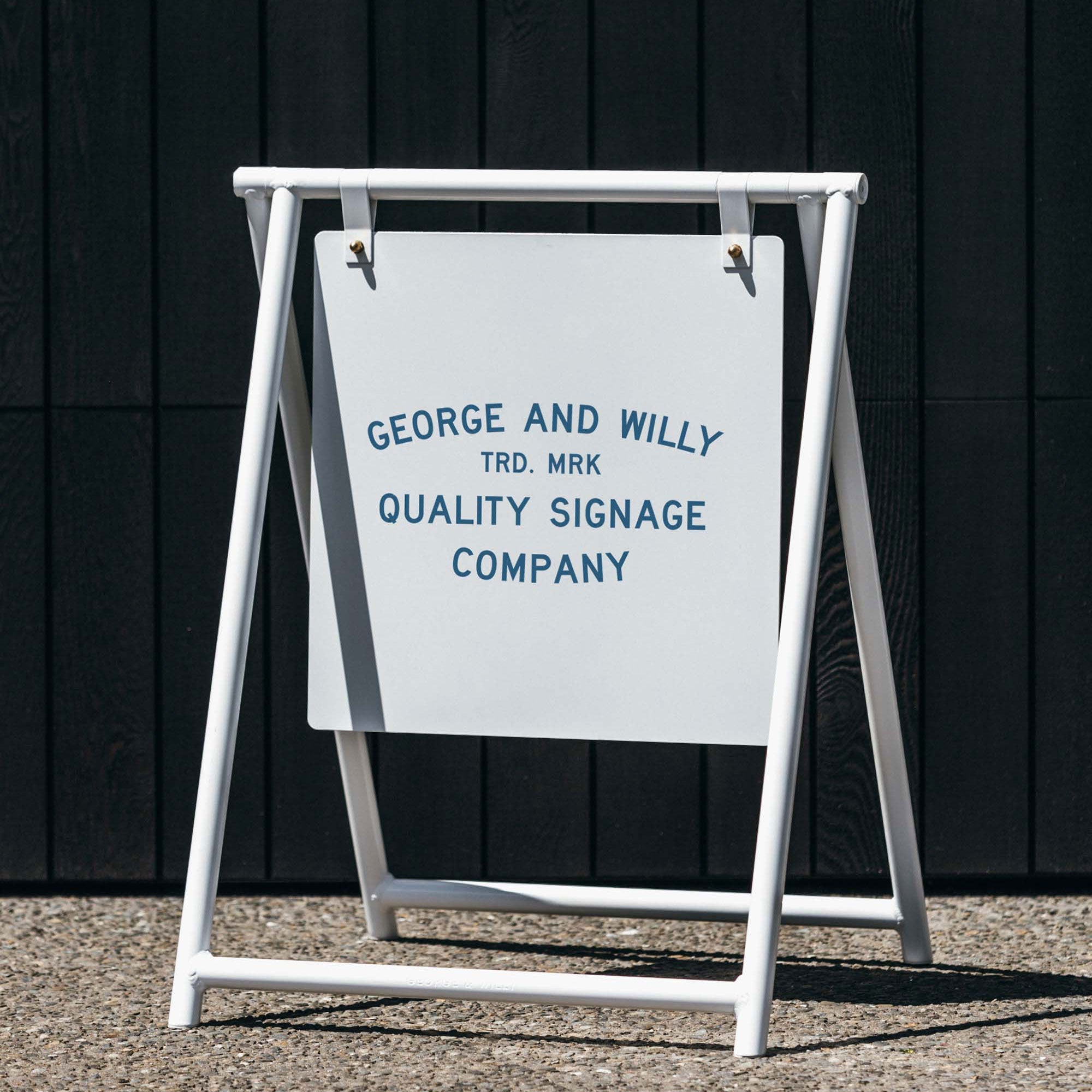
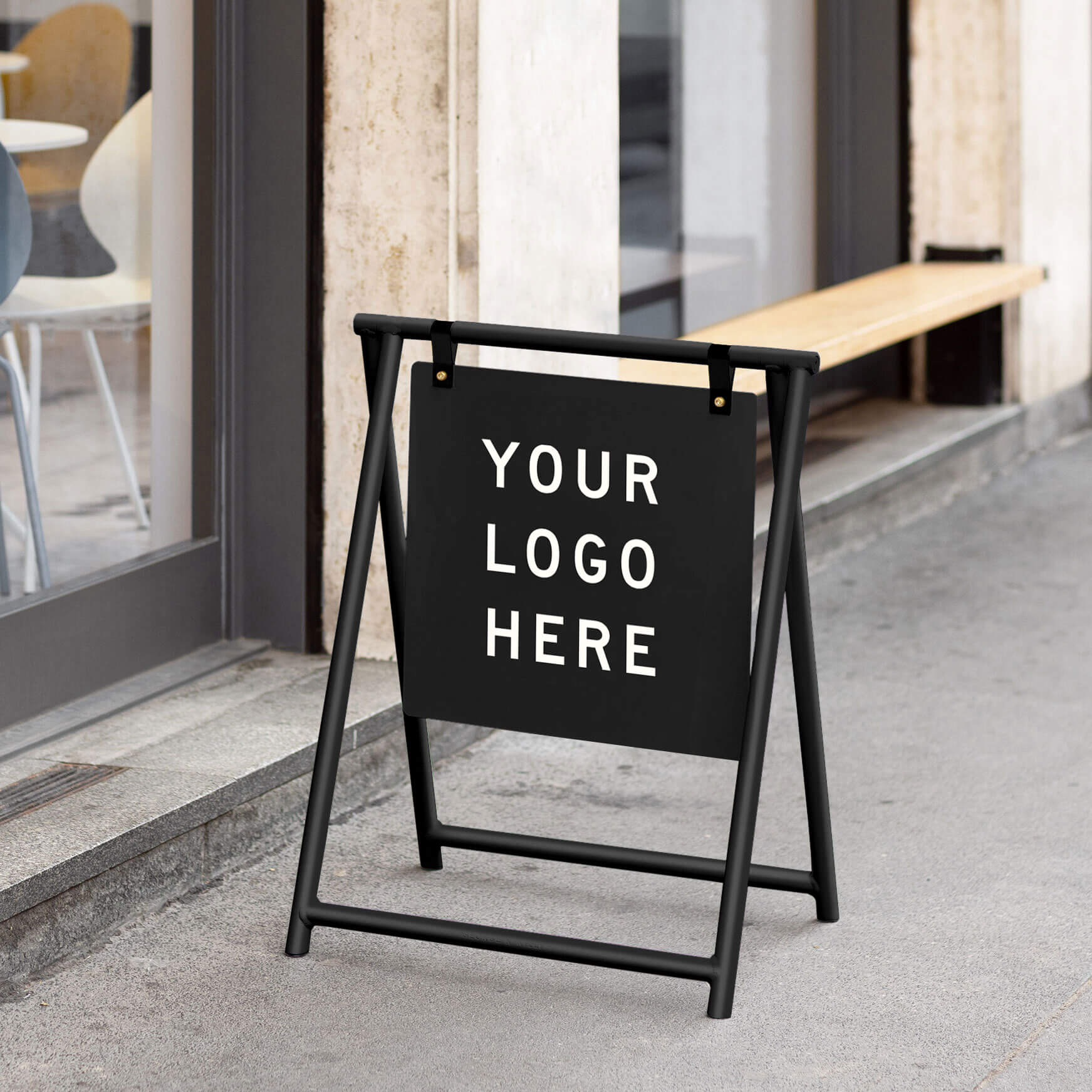
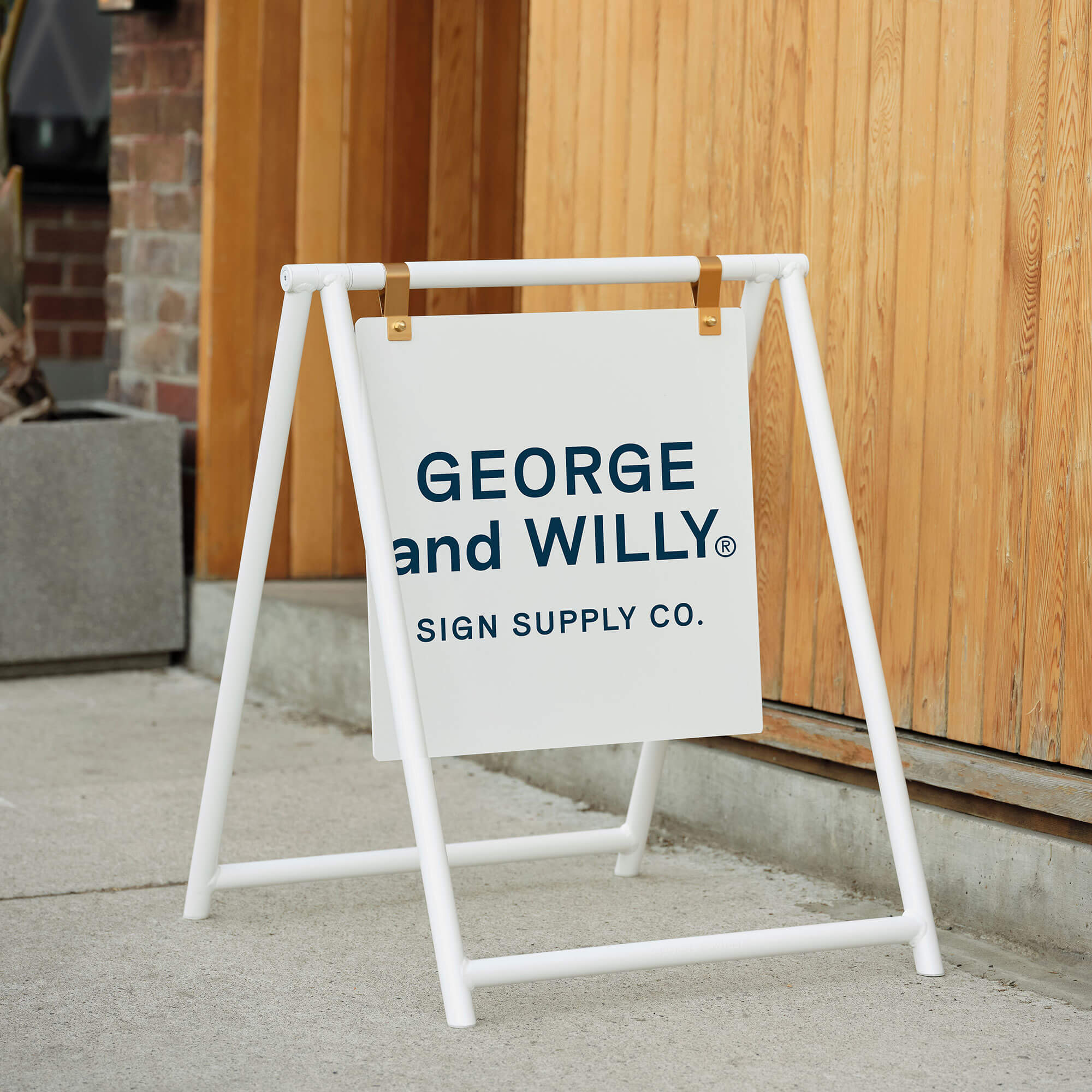
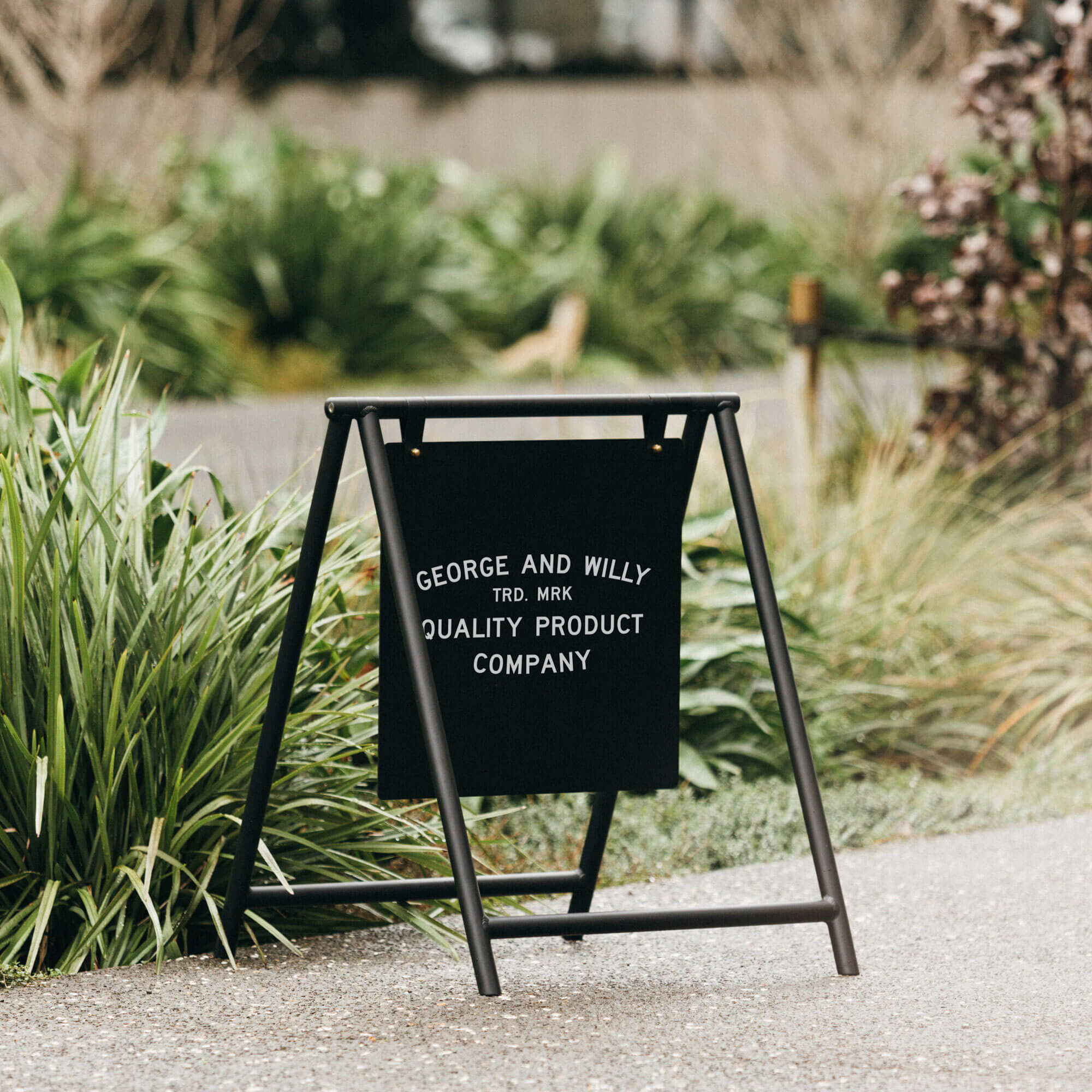
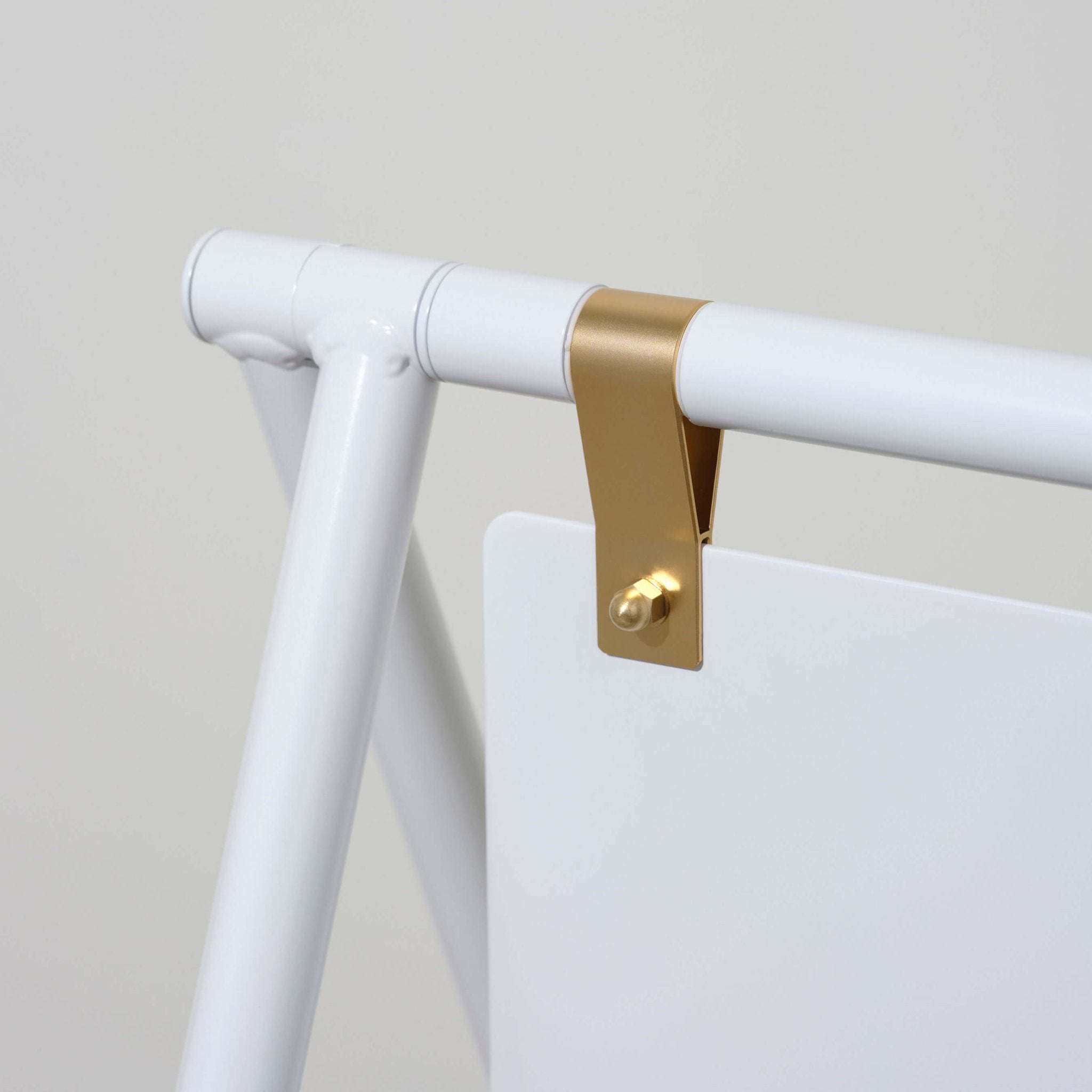
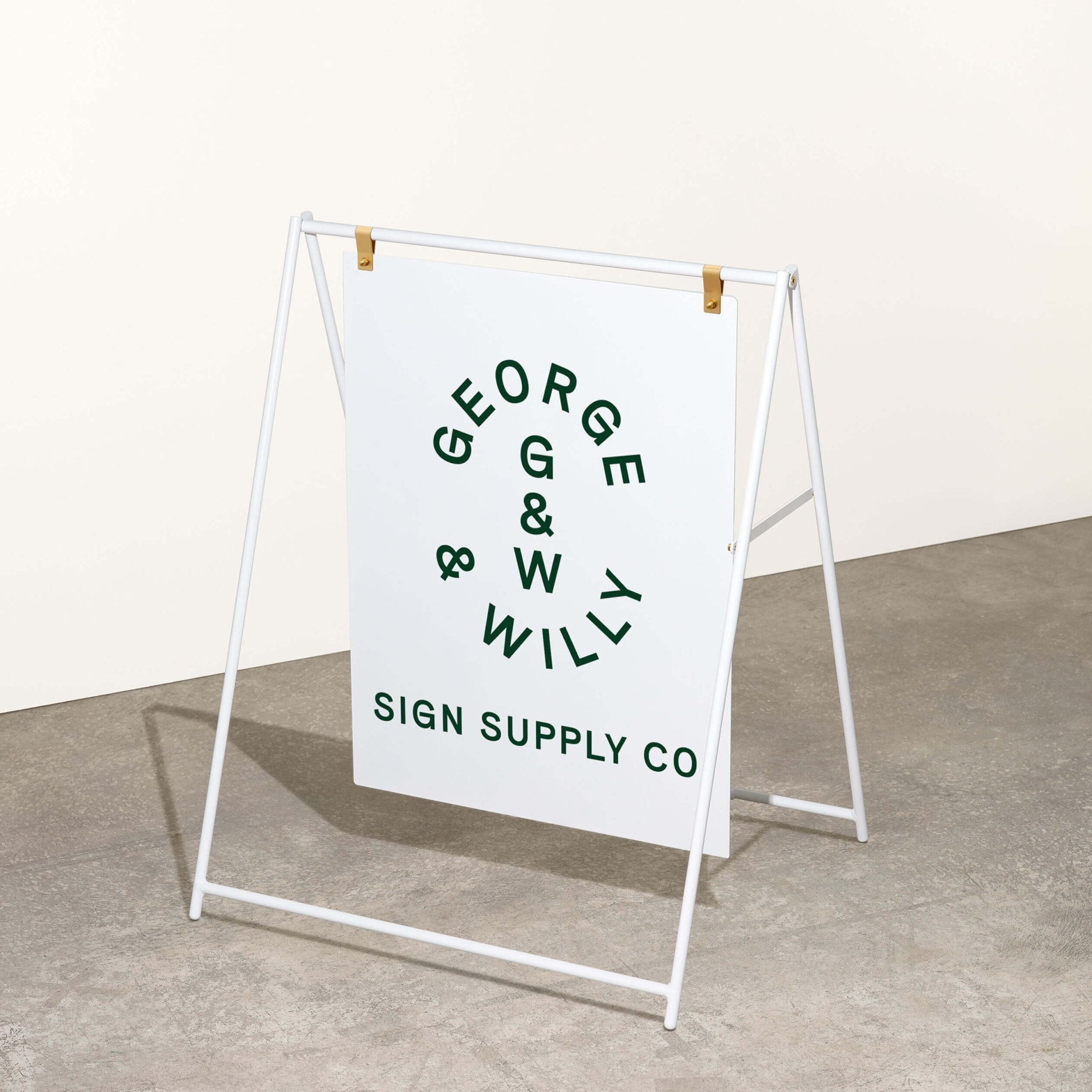
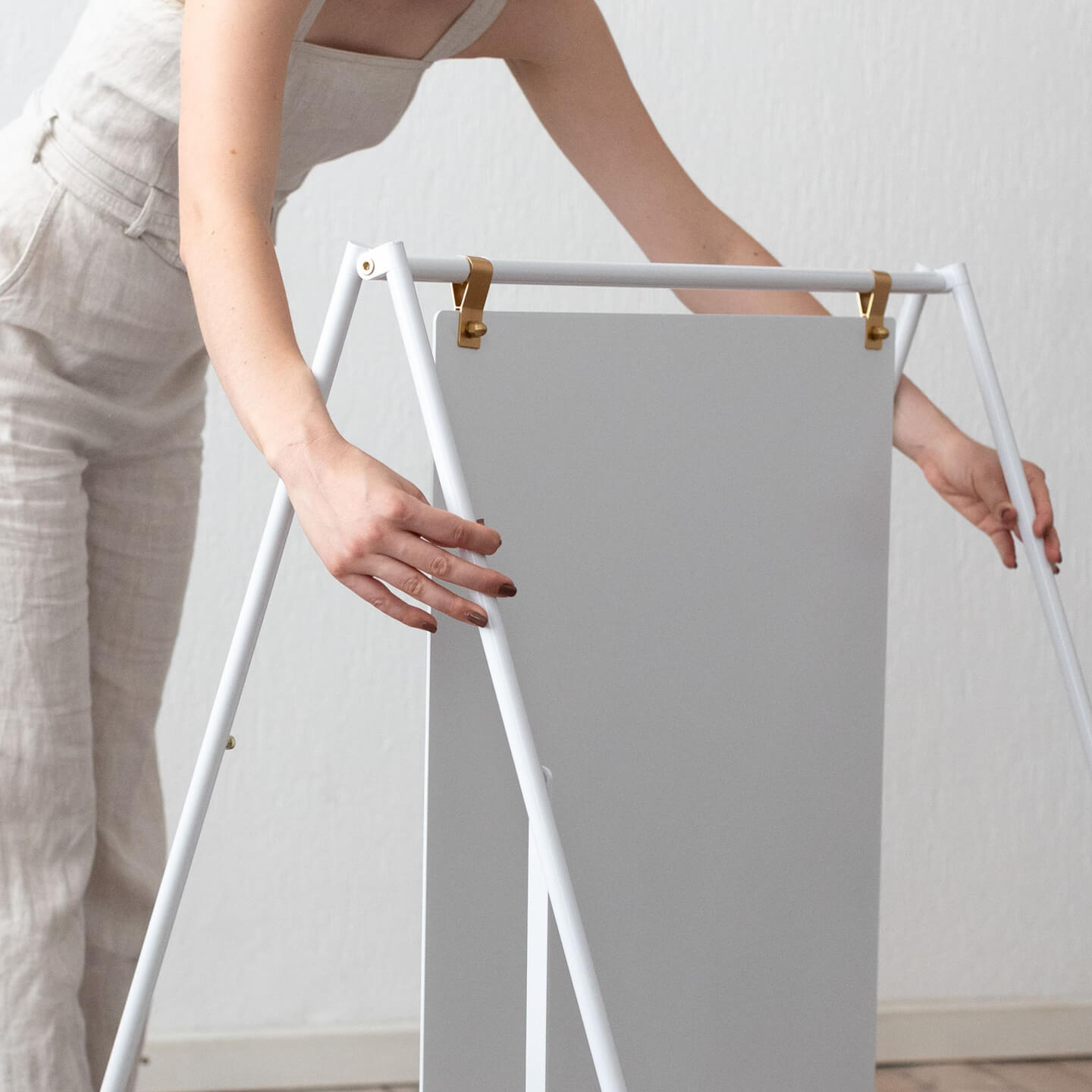
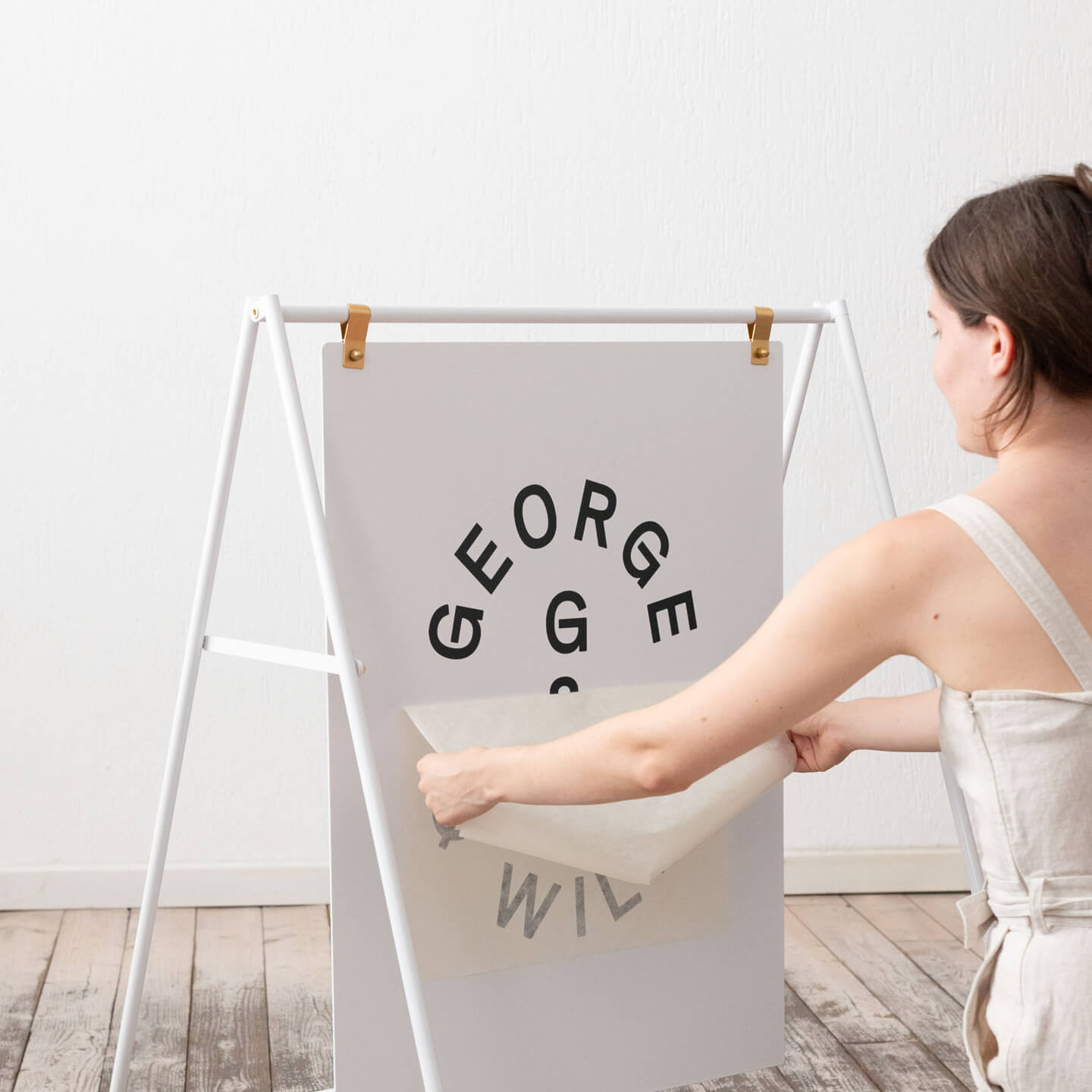
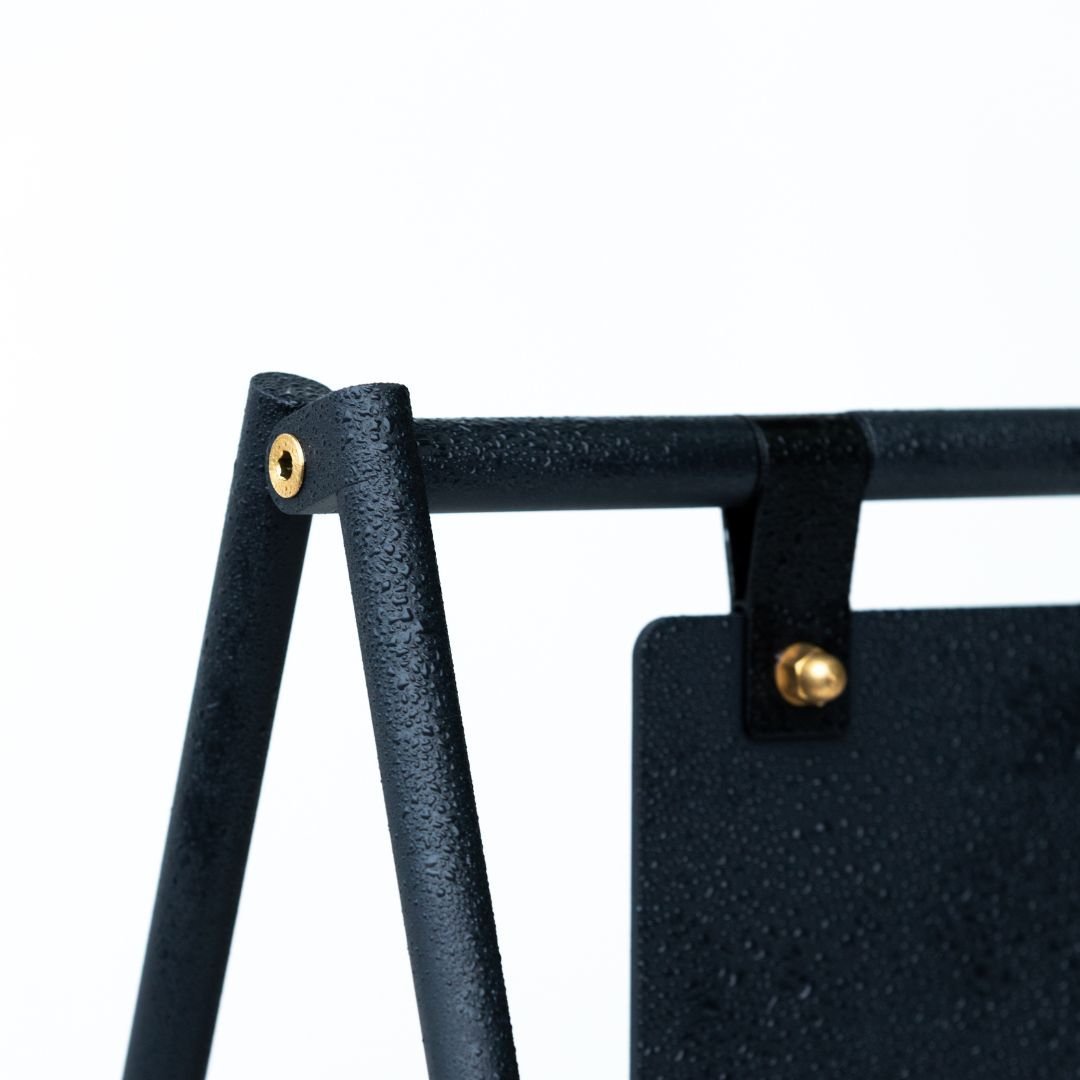
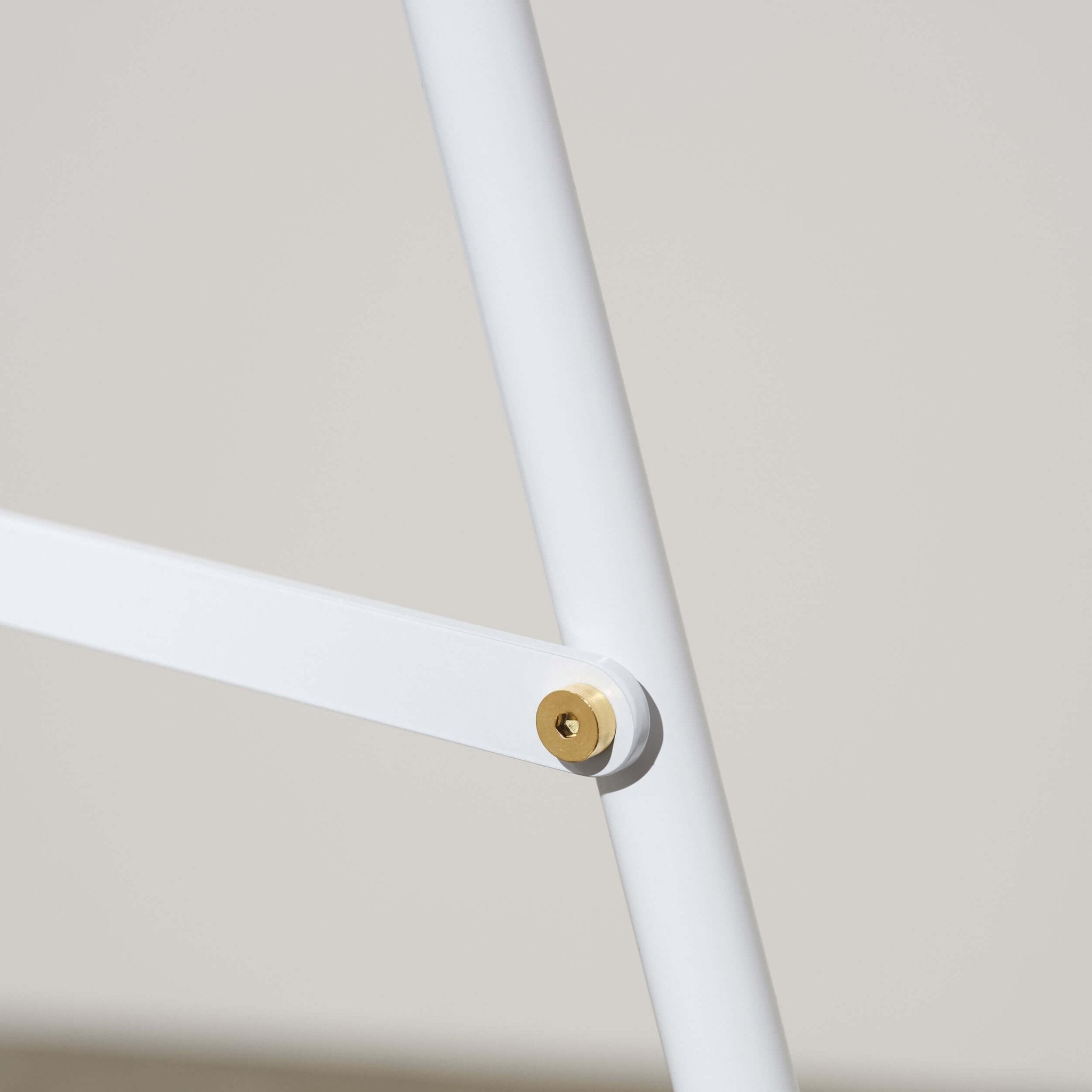
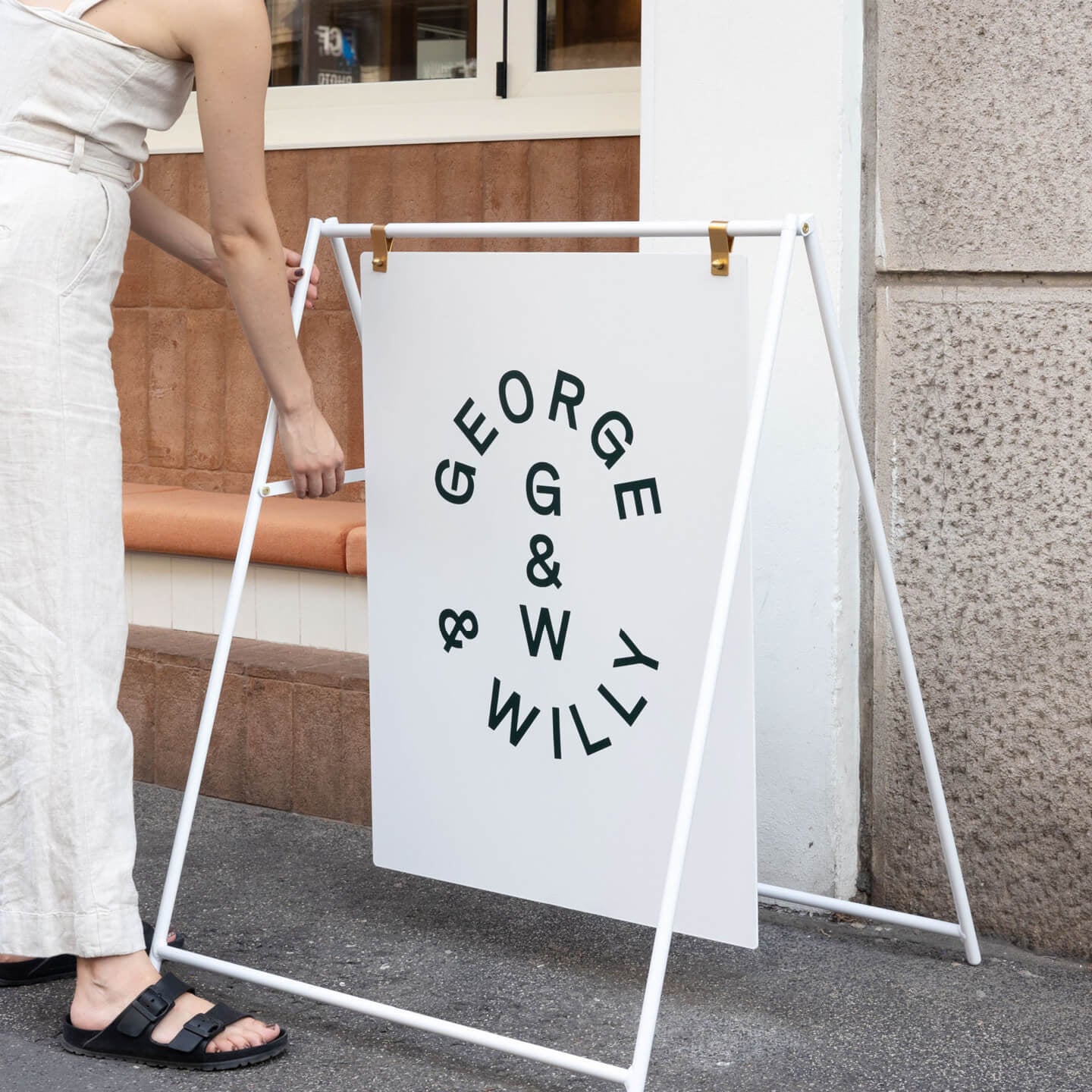
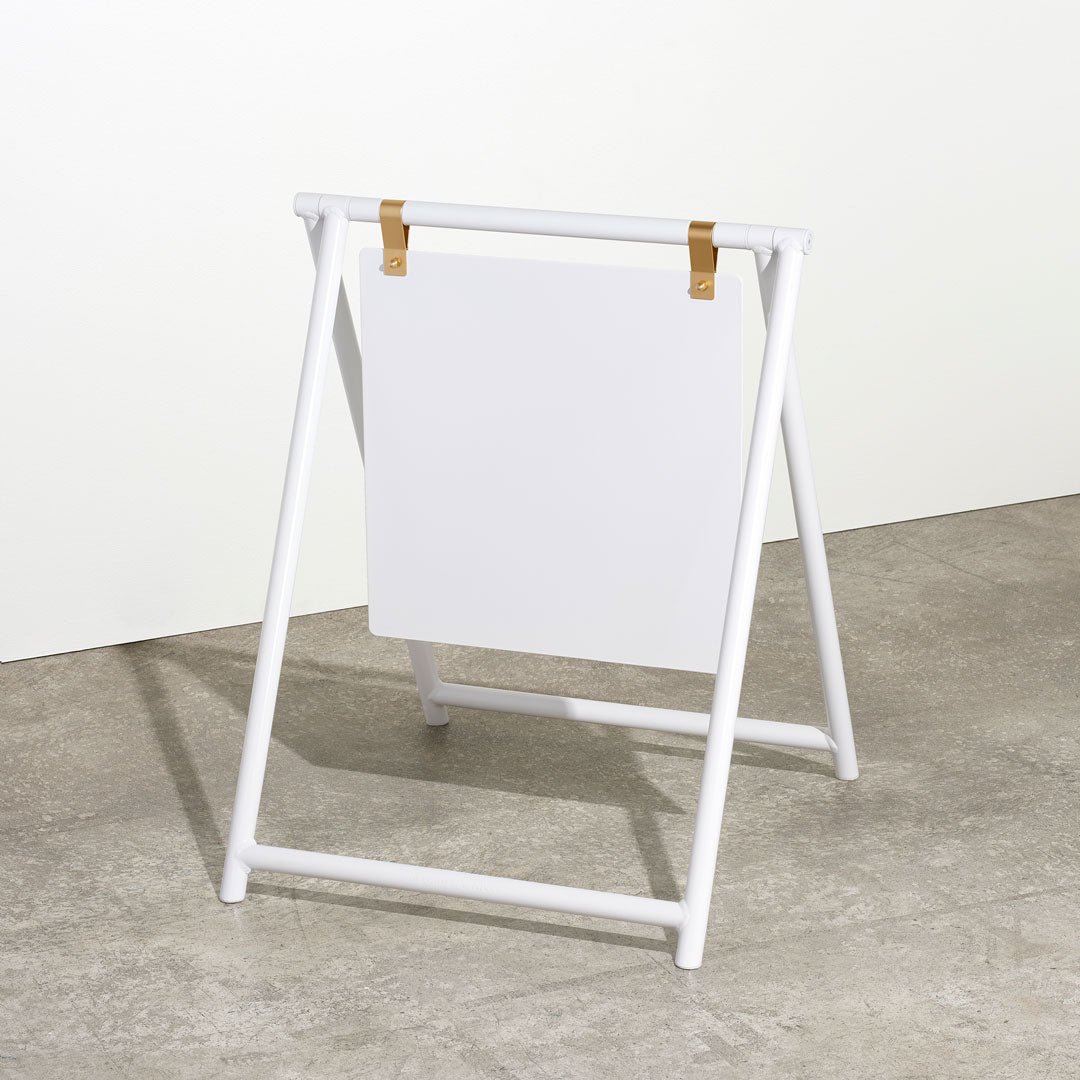
For businesses looking for stylish, durable, non digital options, many of the same principles apply. At George & Willy, we focus on materials like powder coated aluminum for our A-board signs and other outdoor products, ensuring they look great for years, even in tough conditions.
Putting Your Menu Board to Work: Common Applications
An outdoor restaurant menu board is incredibly versatile. Here’s how different types of food businesses put them to use.
The Drive Thru Menu Board
The drive thru is the lifeblood of many quick service restaurants, accounting for around 70% of sales on average. A drive thru menu board is therefore one of the most critical pieces of equipment a restaurant can own.
Digital boards excel here because they are bright enough to be read easily from a car, even in direct sun. They also allow for instant updates and dayparting, automatically switching from the breakfast menu to the lunch menu at a scheduled time. This efficiency is why major chains like Wendy’s are investing millions to upgrade their drive thru lanes with digital displays.
The Outdoor Café Menu Board
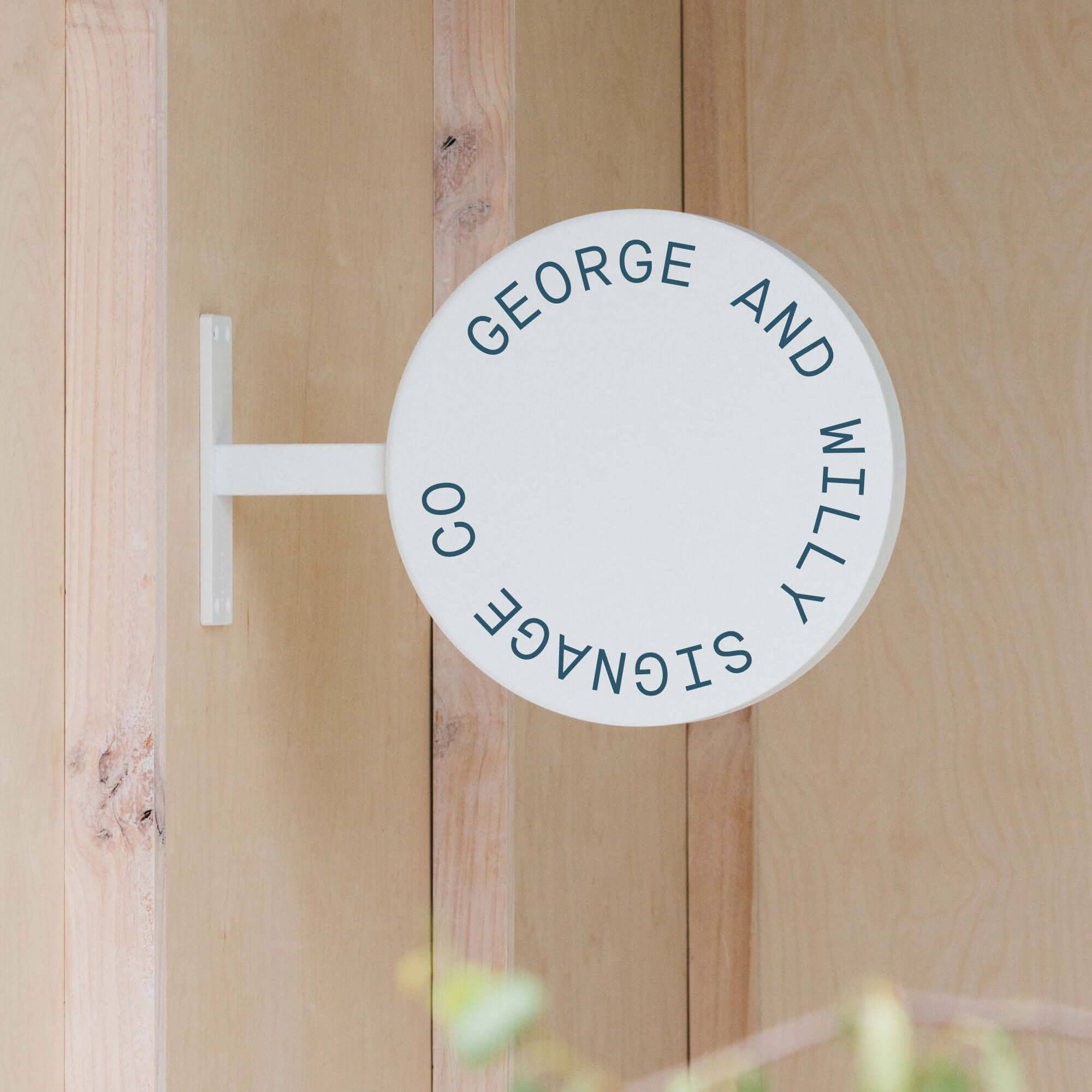
For cafes with sidewalk seating or heavy foot traffic, an outdoor café menu board acts as both a menu and an advertisement. Placing a screen near the entrance can entice people walking by with tempting photos of latte art and daily specials, and pairing it with a slim storefront hanging sign can catch attention from down the street.
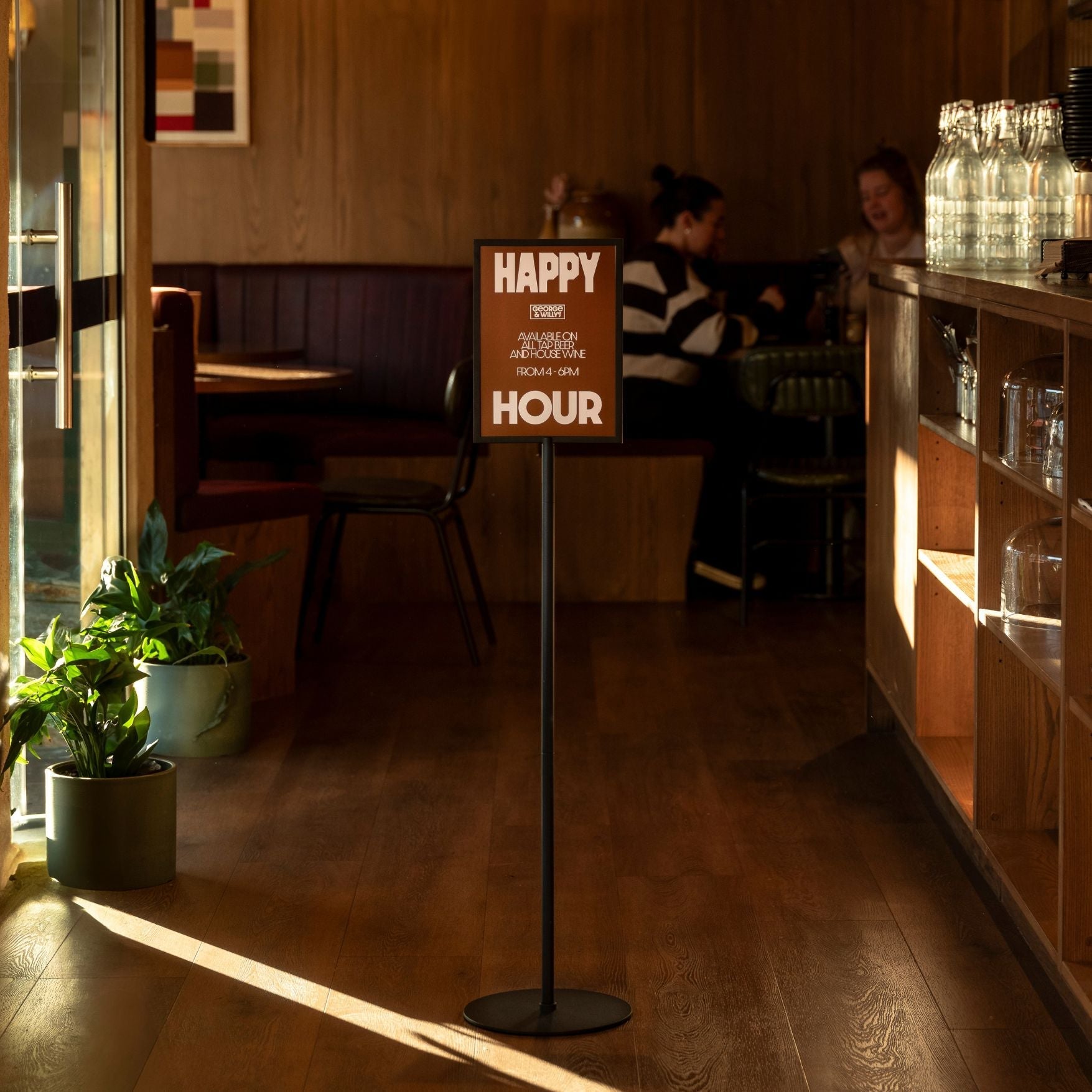
It also helps speed up service by allowing customers to decide what they want before they even get to the counter, reducing congestion inside. Displaying a “happy hour” promotion in real time can stimulate impulse buys from nearby office workers or shoppers.
The Food Truck Menu Board
Food trucks operate in competitive, fast paced environments. A digital food truck menu board offers a huge advantage over a messy, hard to read chalkboard.
Vendors can update the menu in seconds to mark items as sold out, preventing customer disappointment. Vibrant photos and videos can make a truck’s offerings stand out in a crowded festival. And the ability to schedule different menus for different times of day provides incredible flexibility with zero hassle.
Catering and Pop Up Menu Boards
For temporary setups like food stalls, catering events, or pop up restaurants, a menu board needs to be portable, durable, and easy to set up. A waterproof digital menu board is a great option for mobile vendors who need to make frequent menu changes.
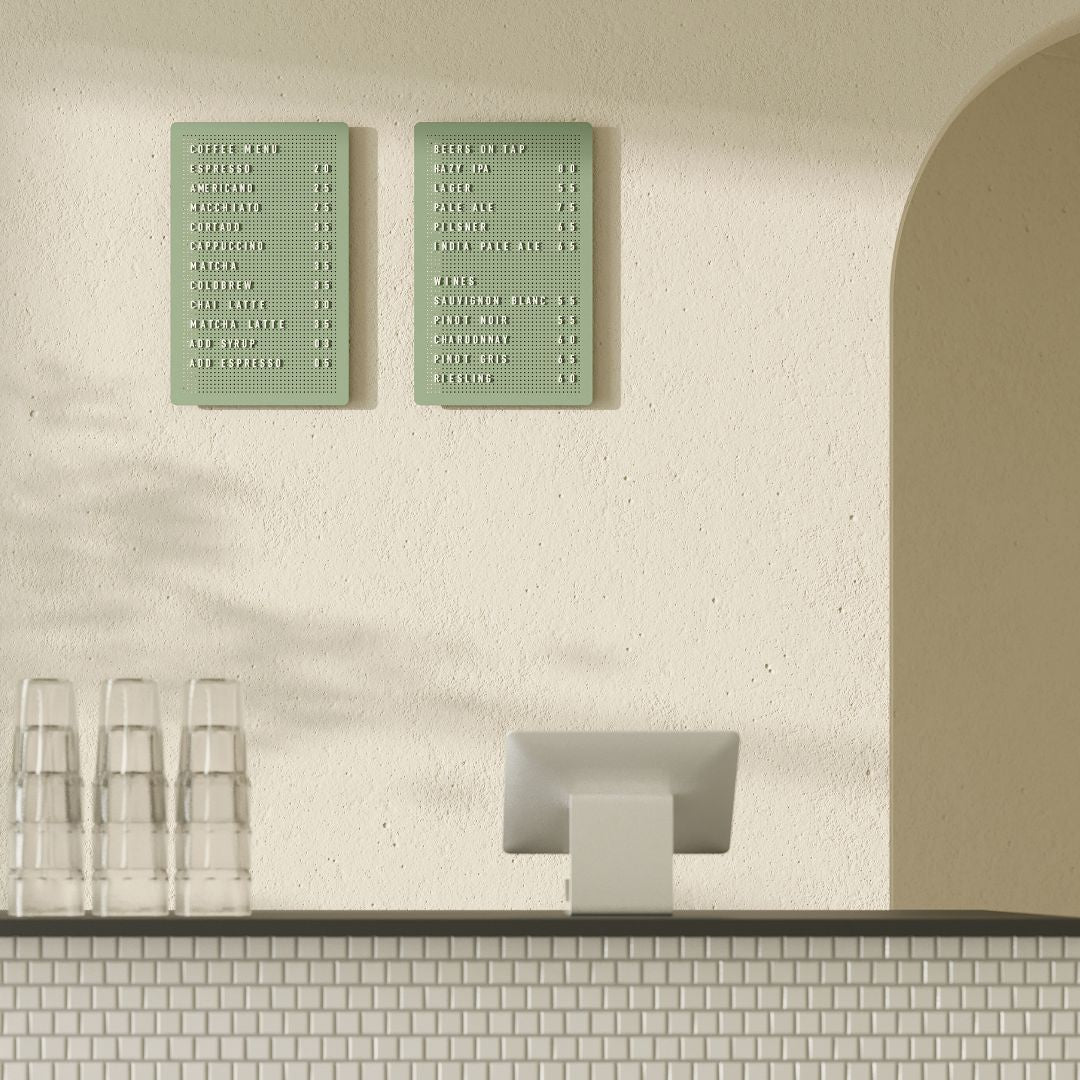
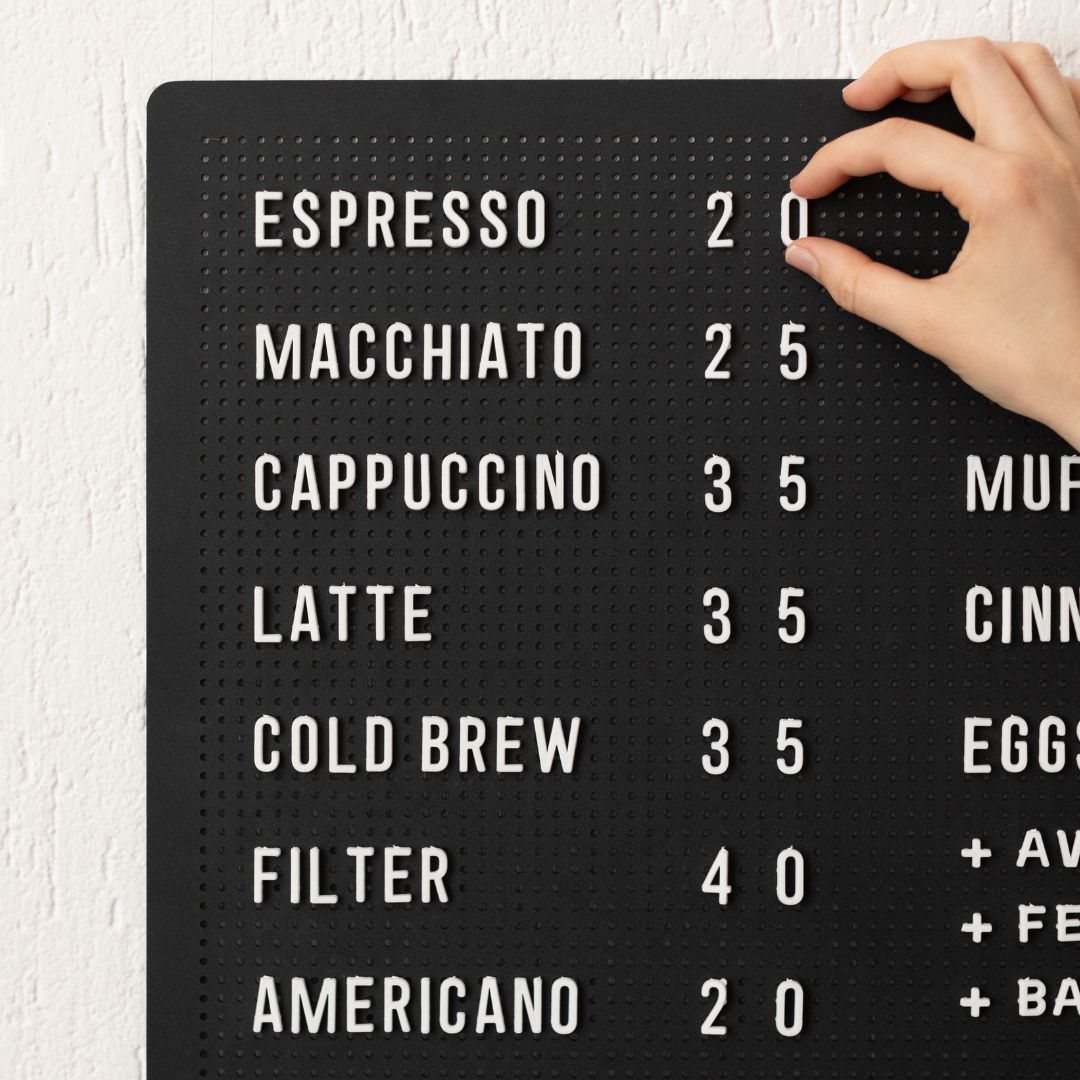
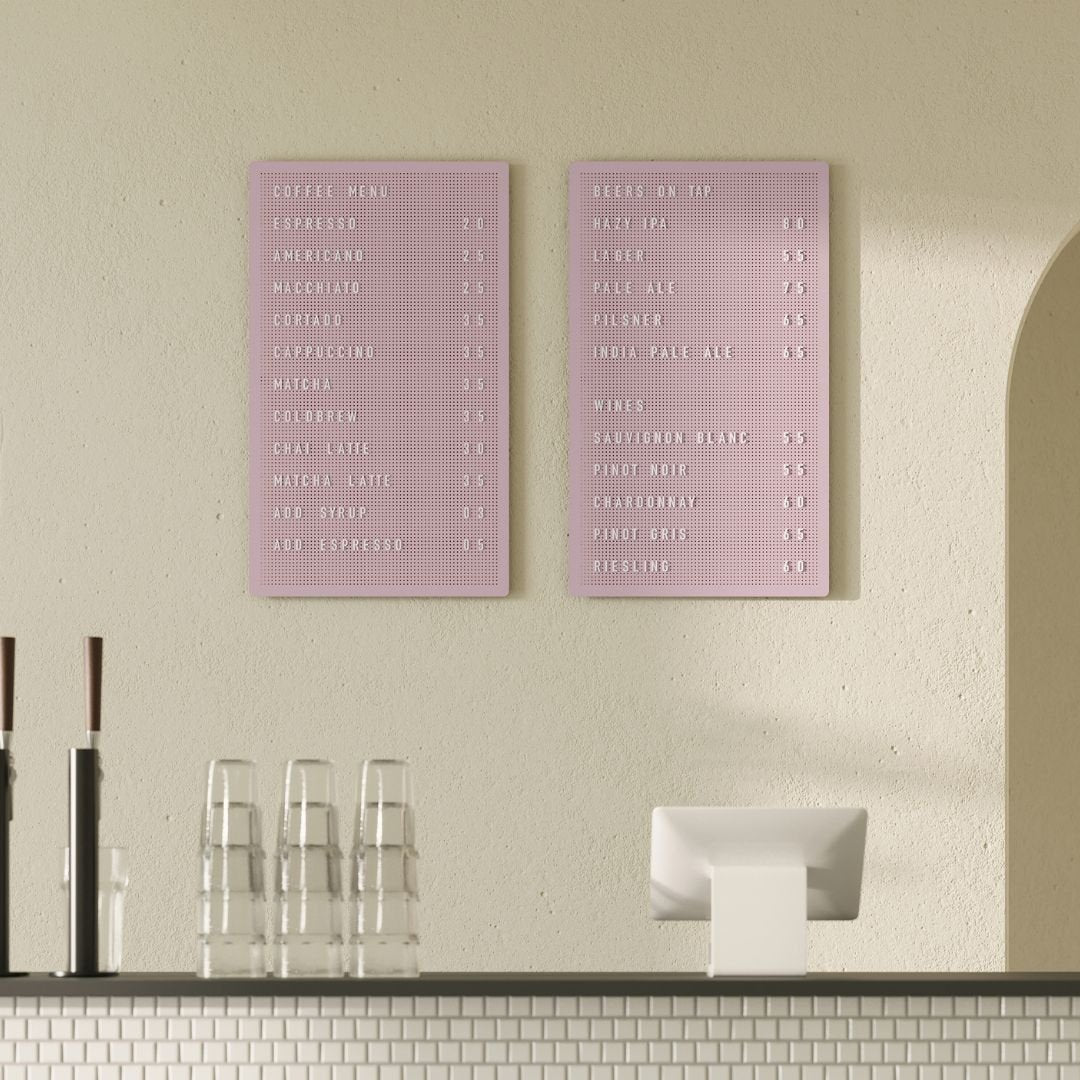
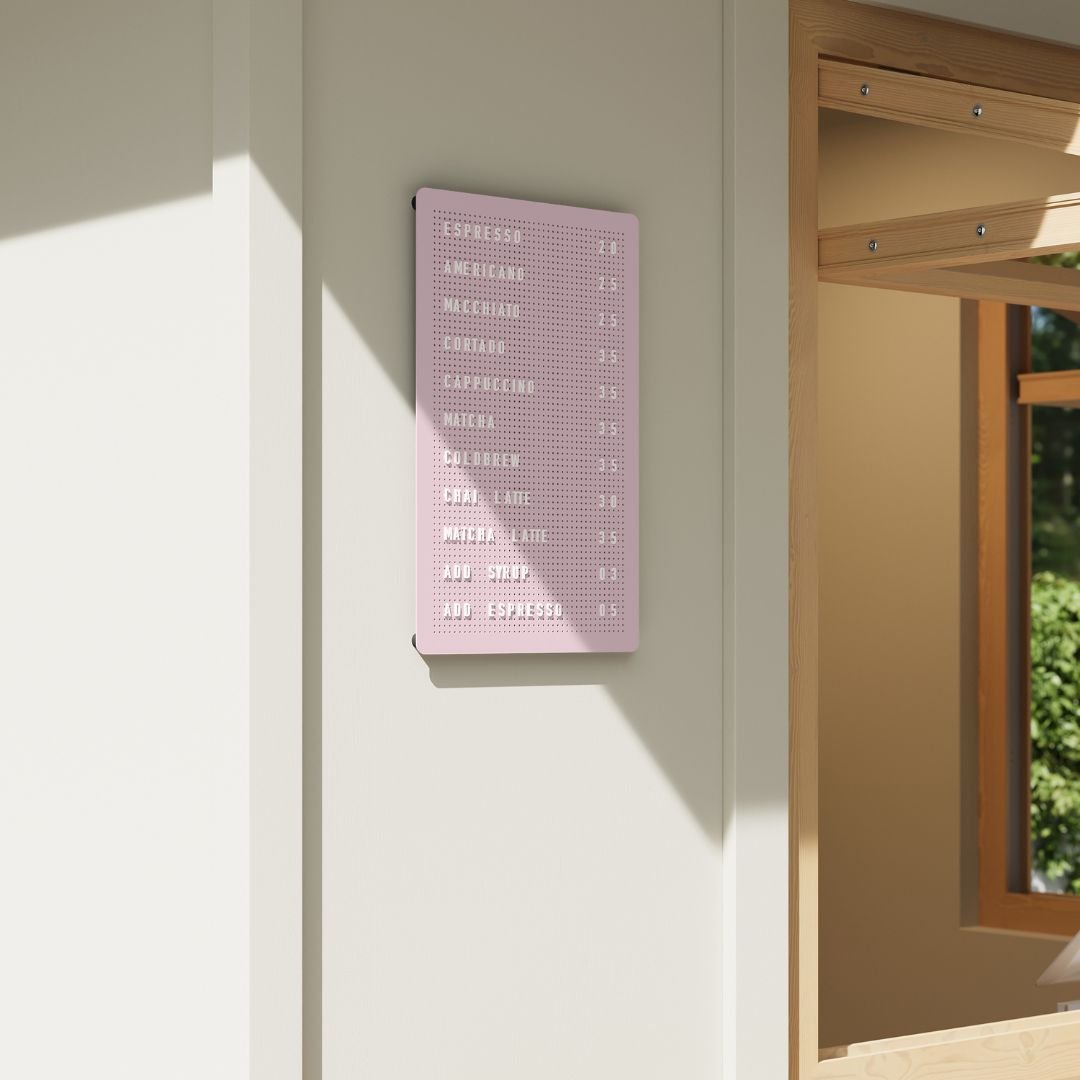
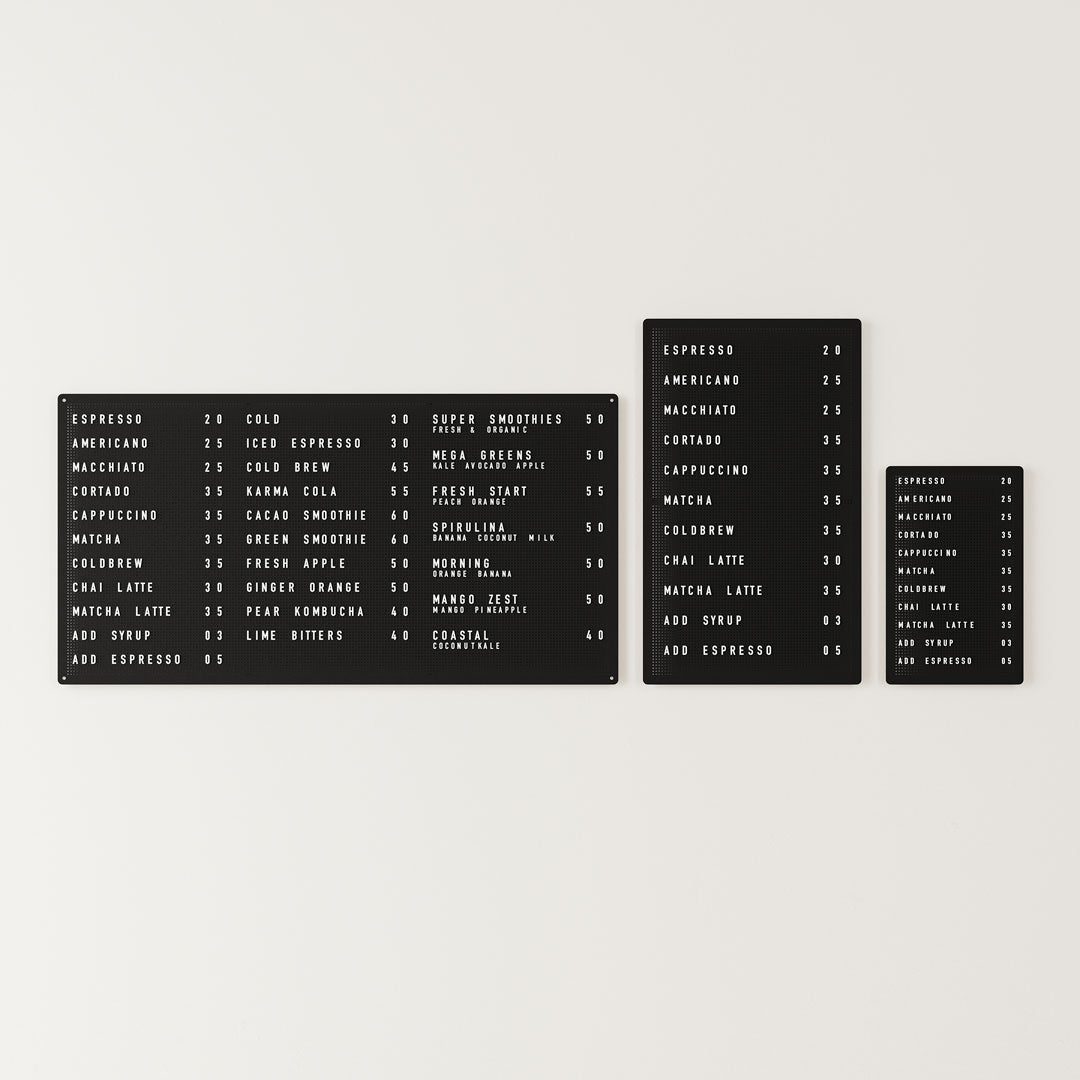
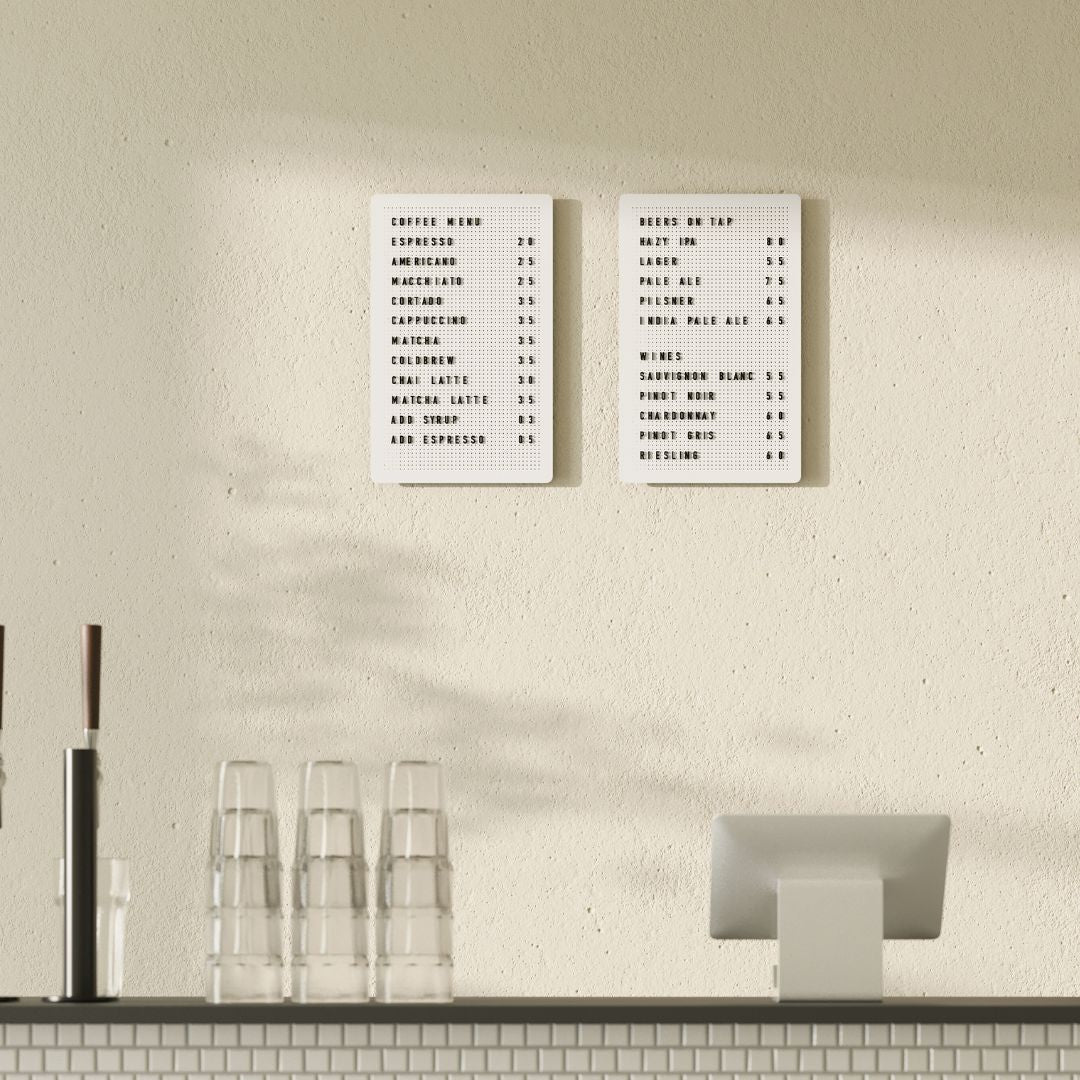
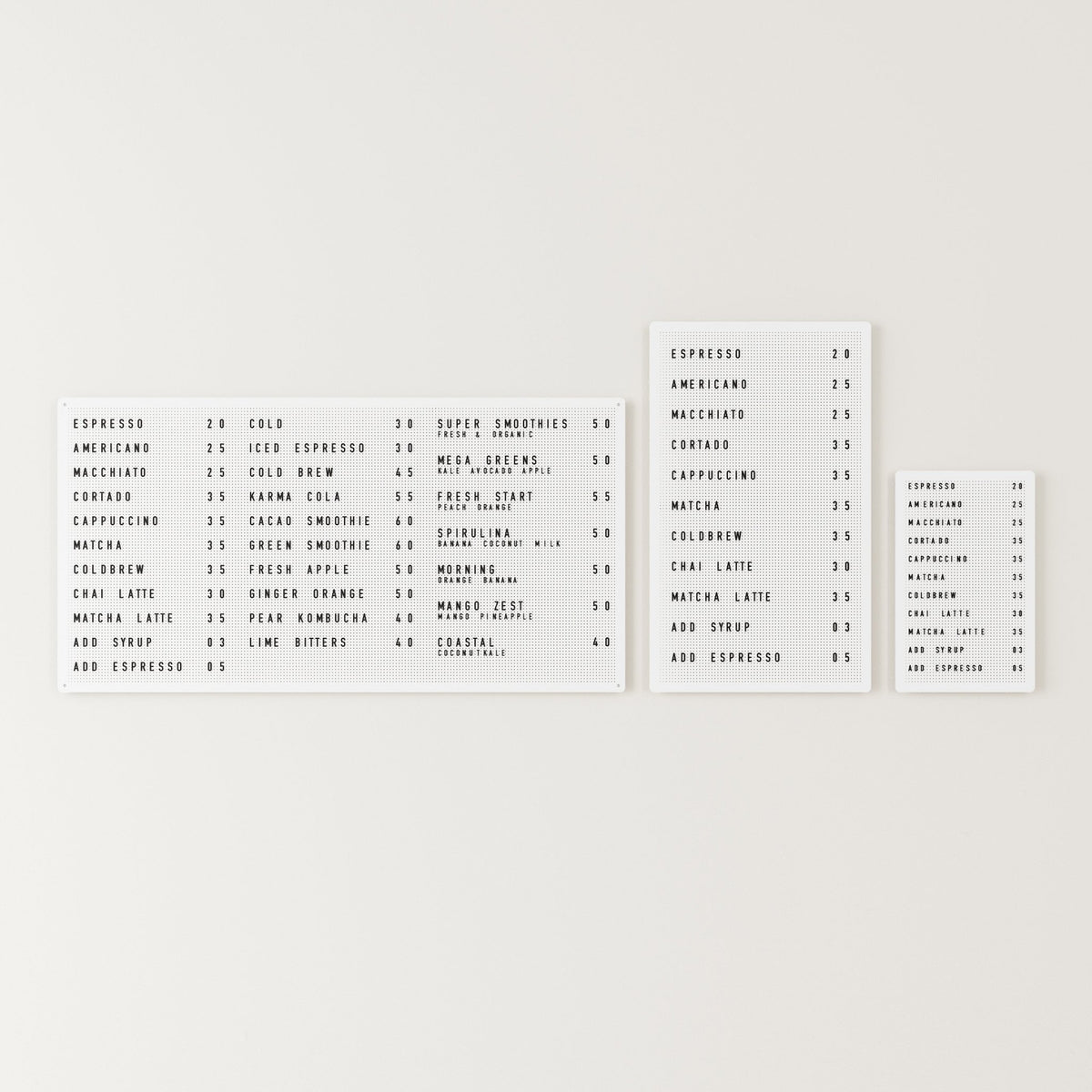
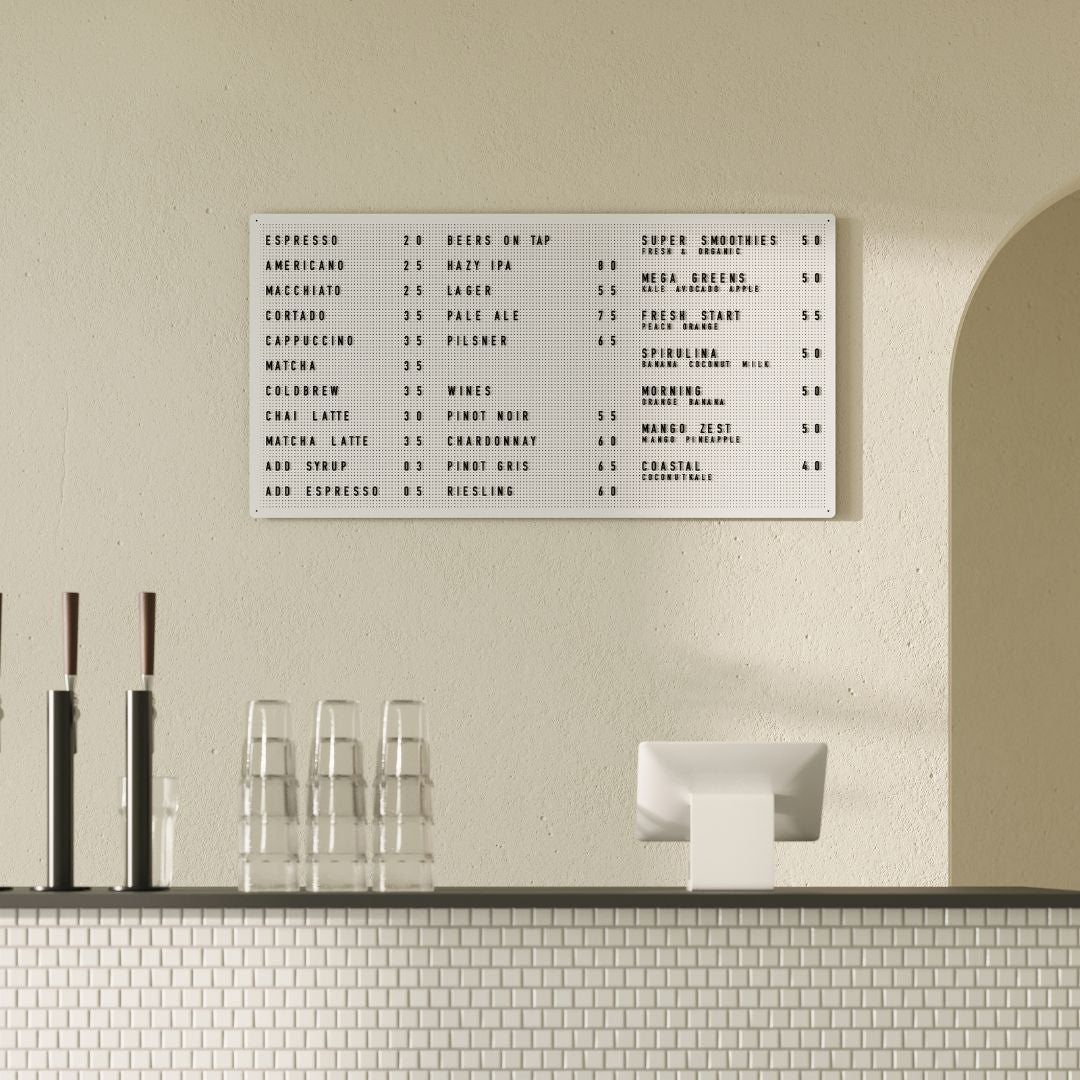
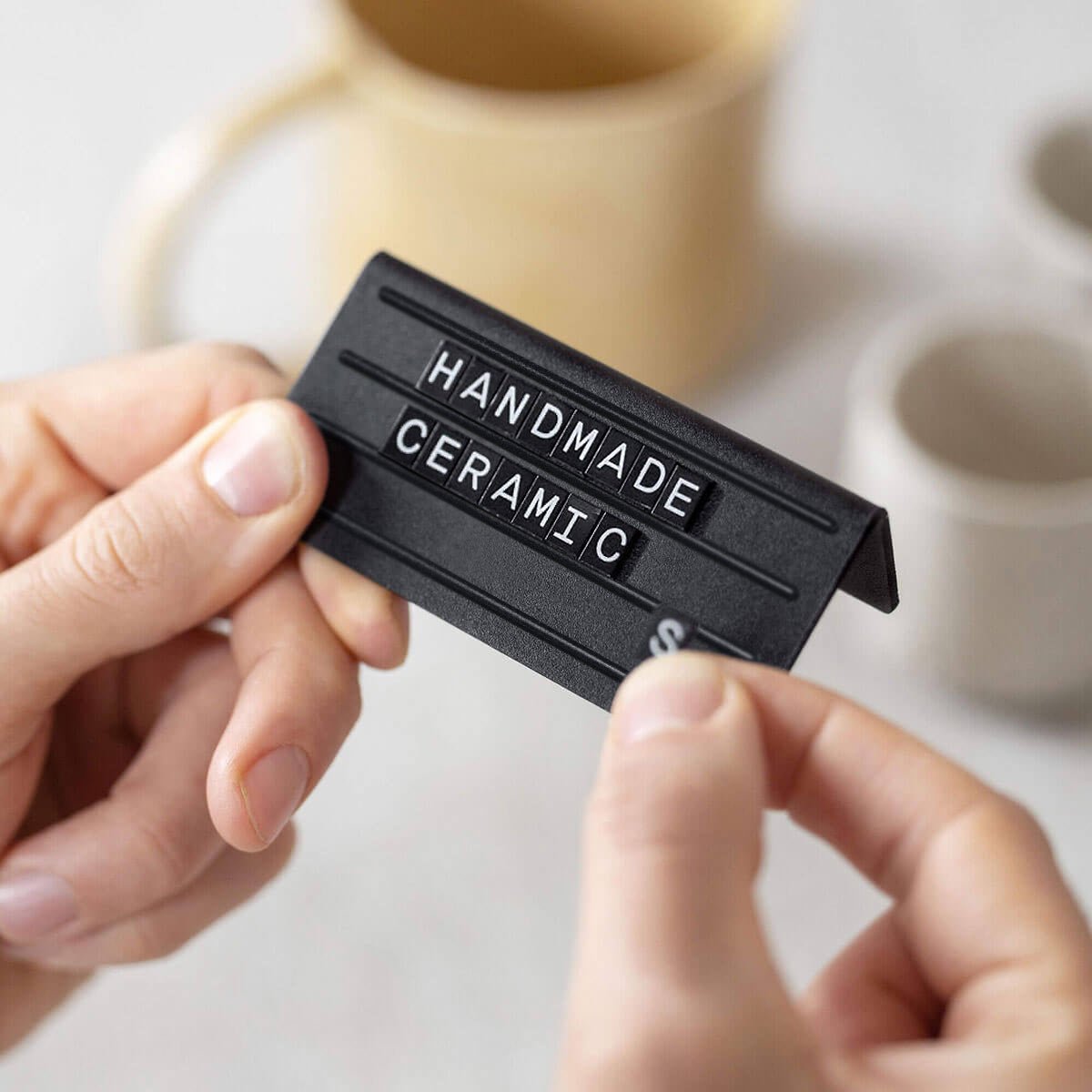
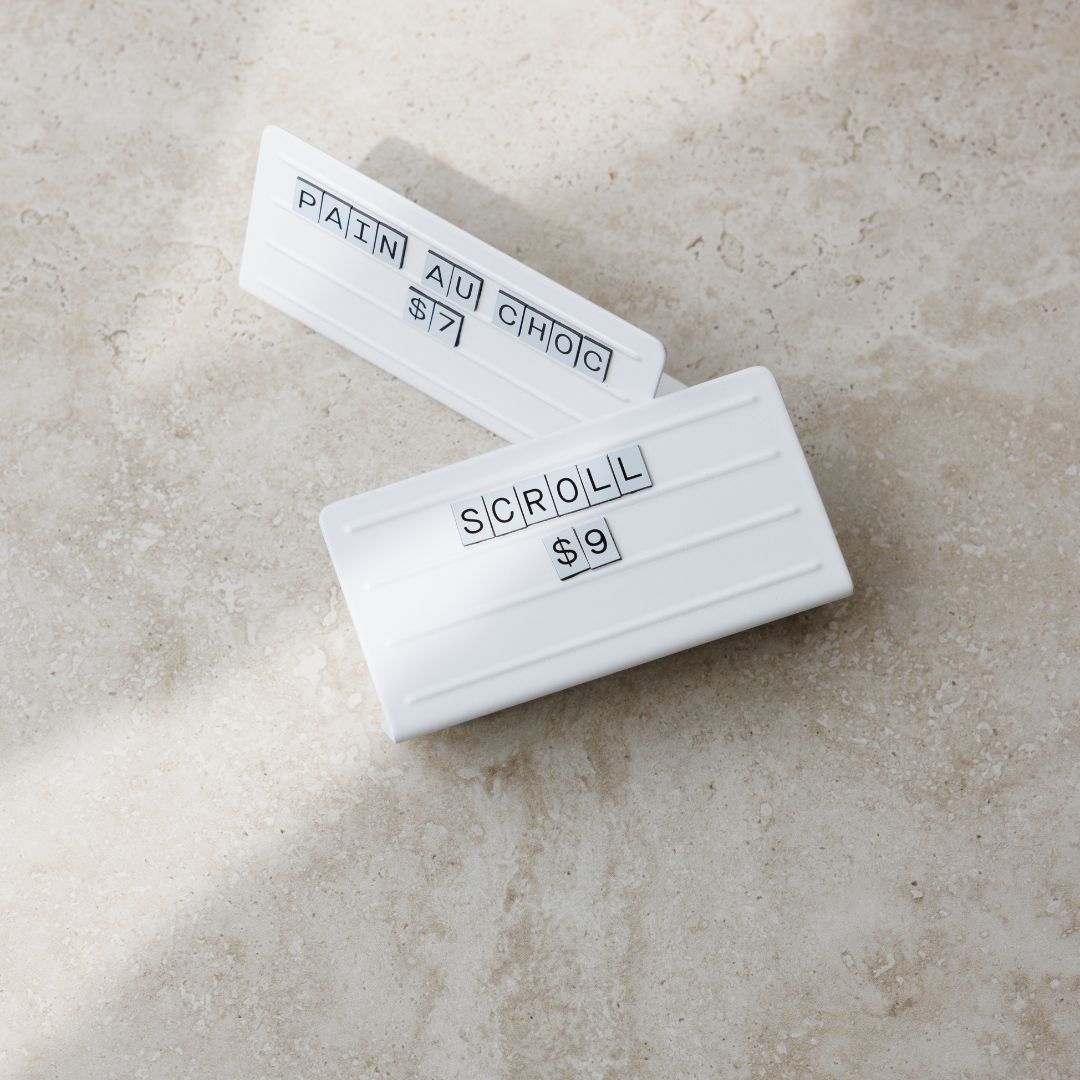
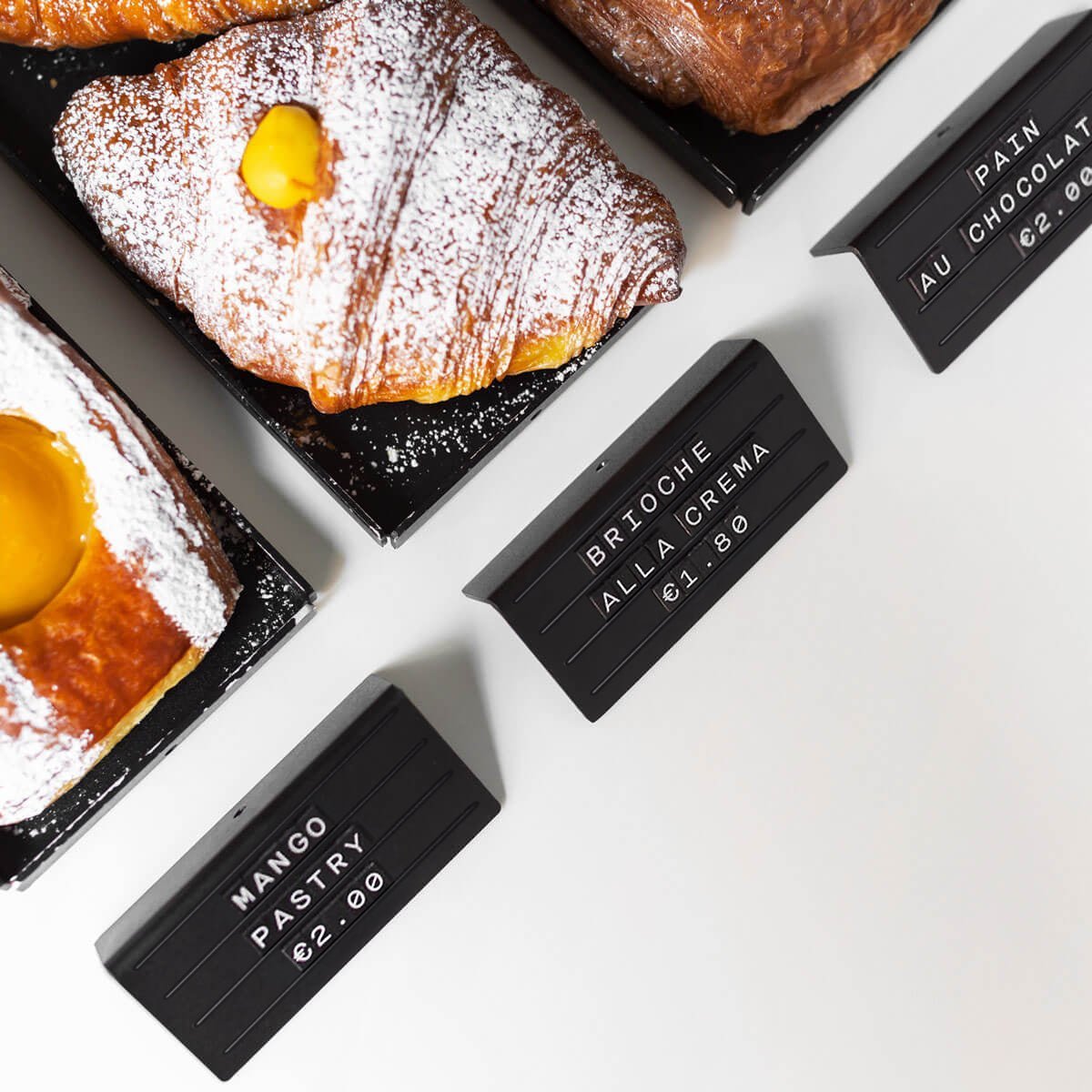
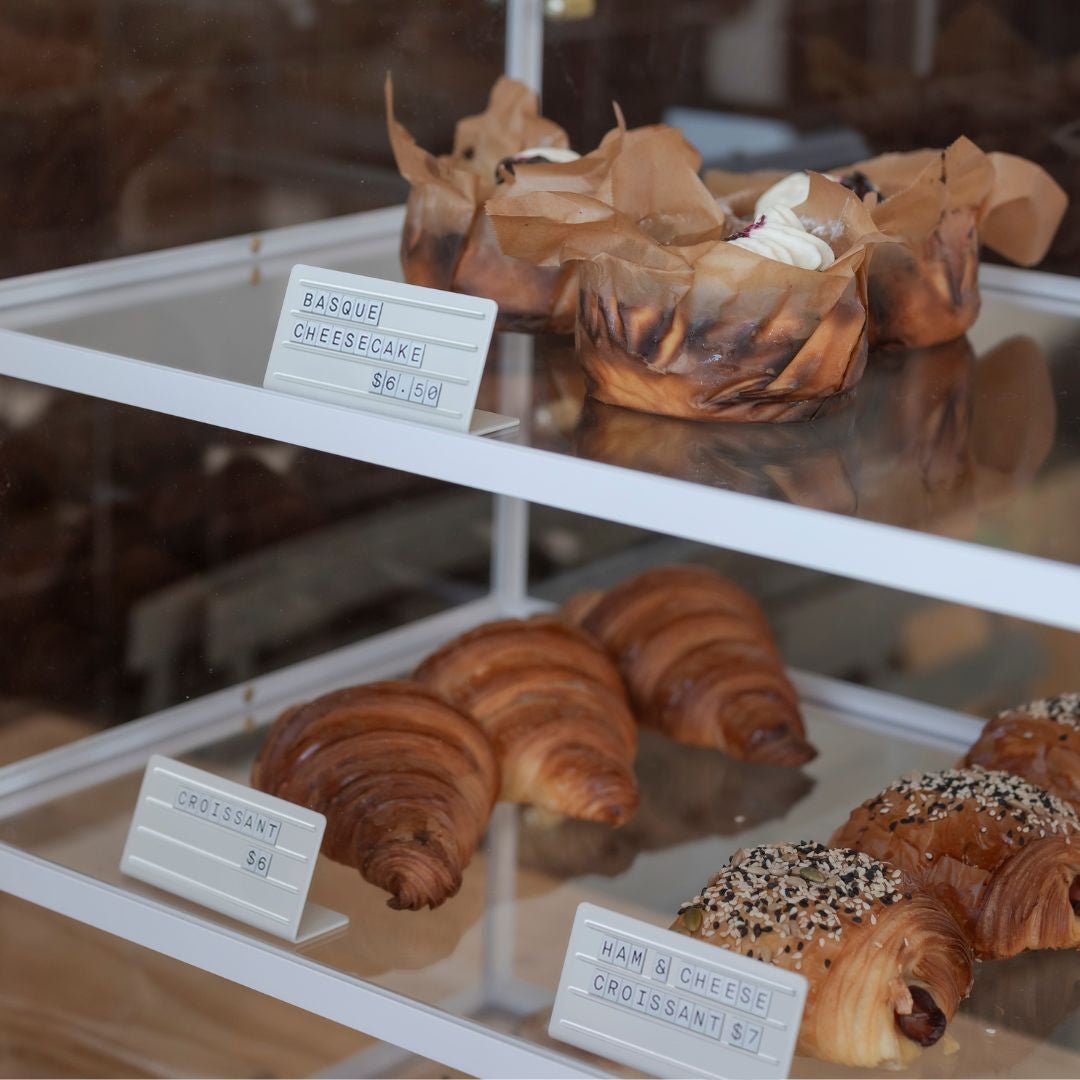
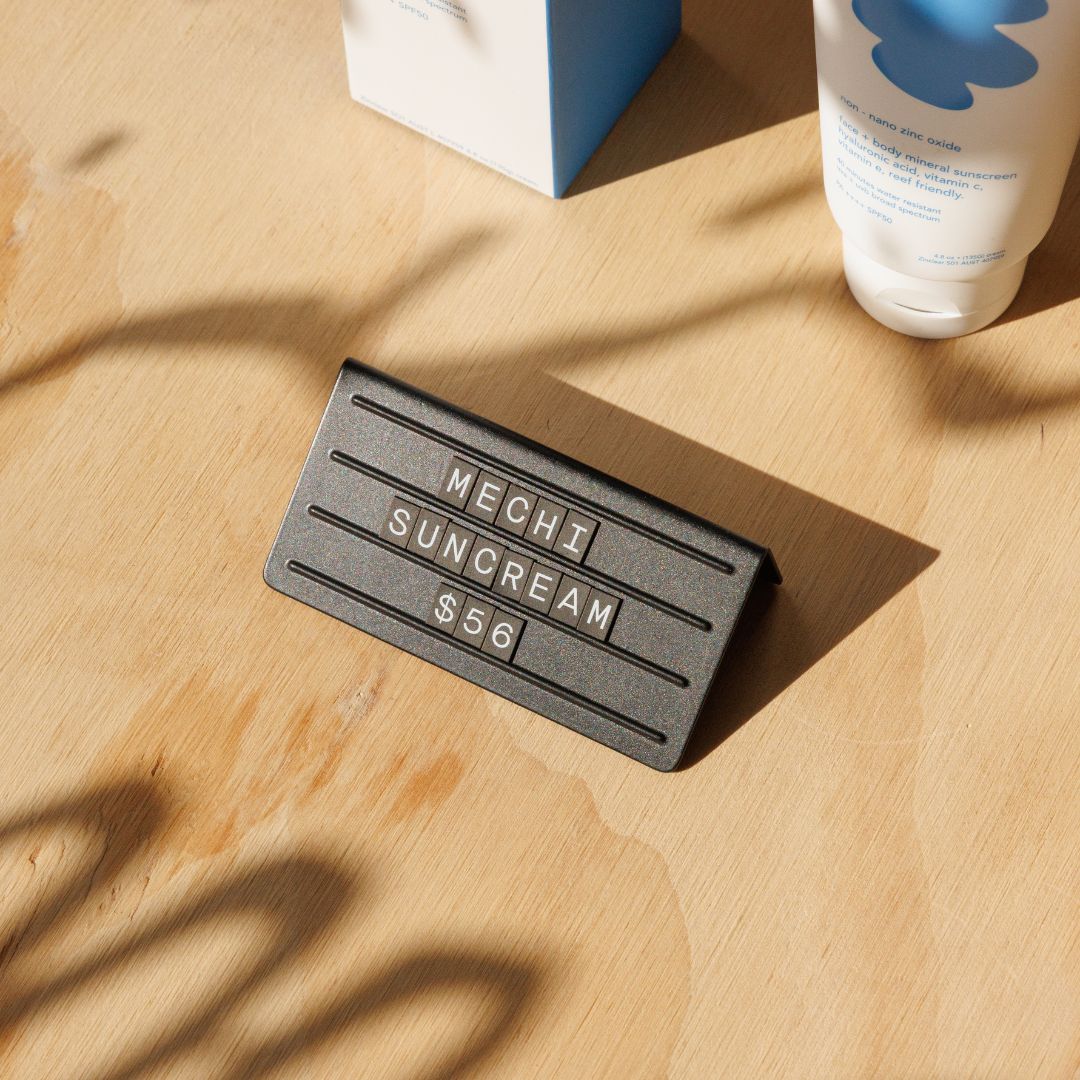
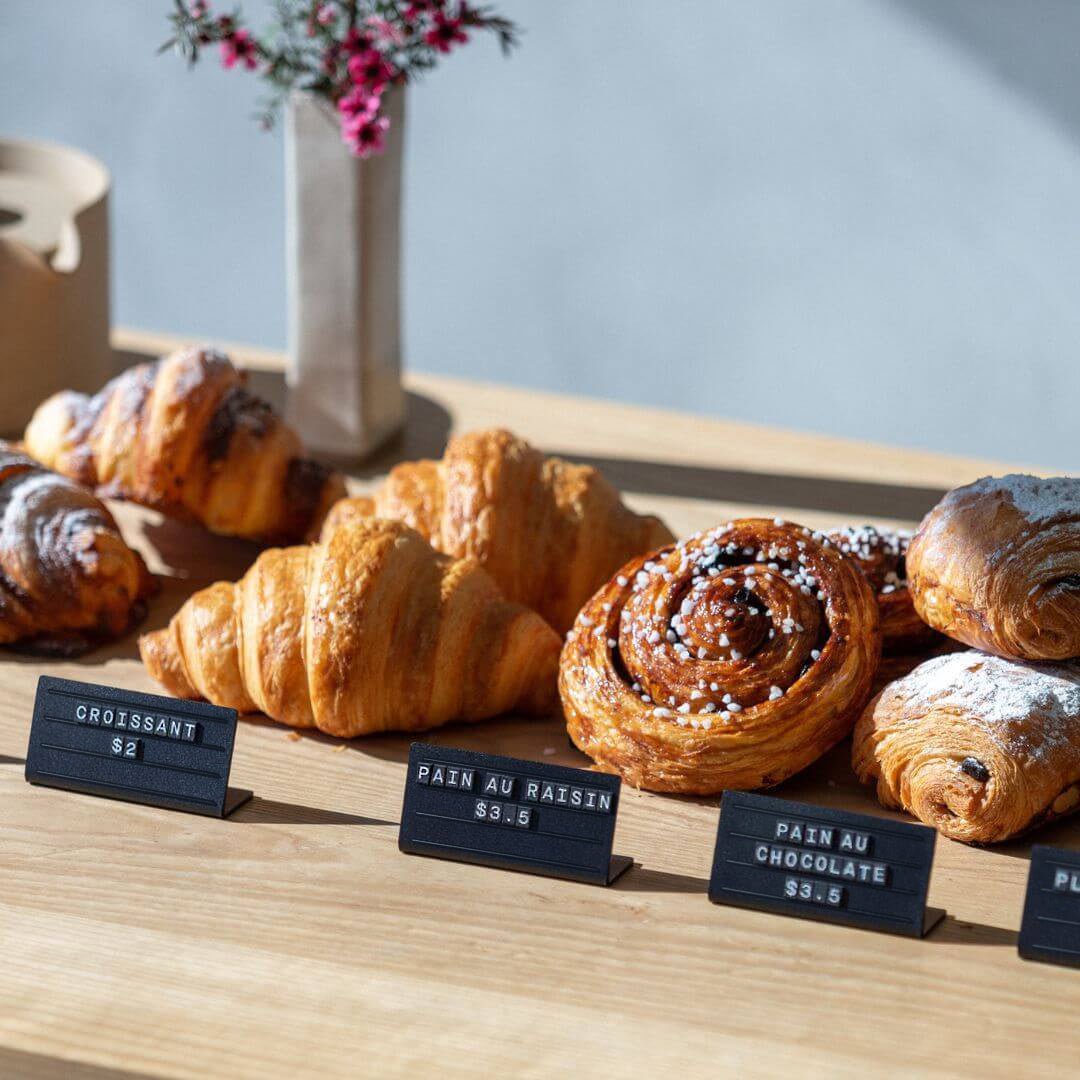
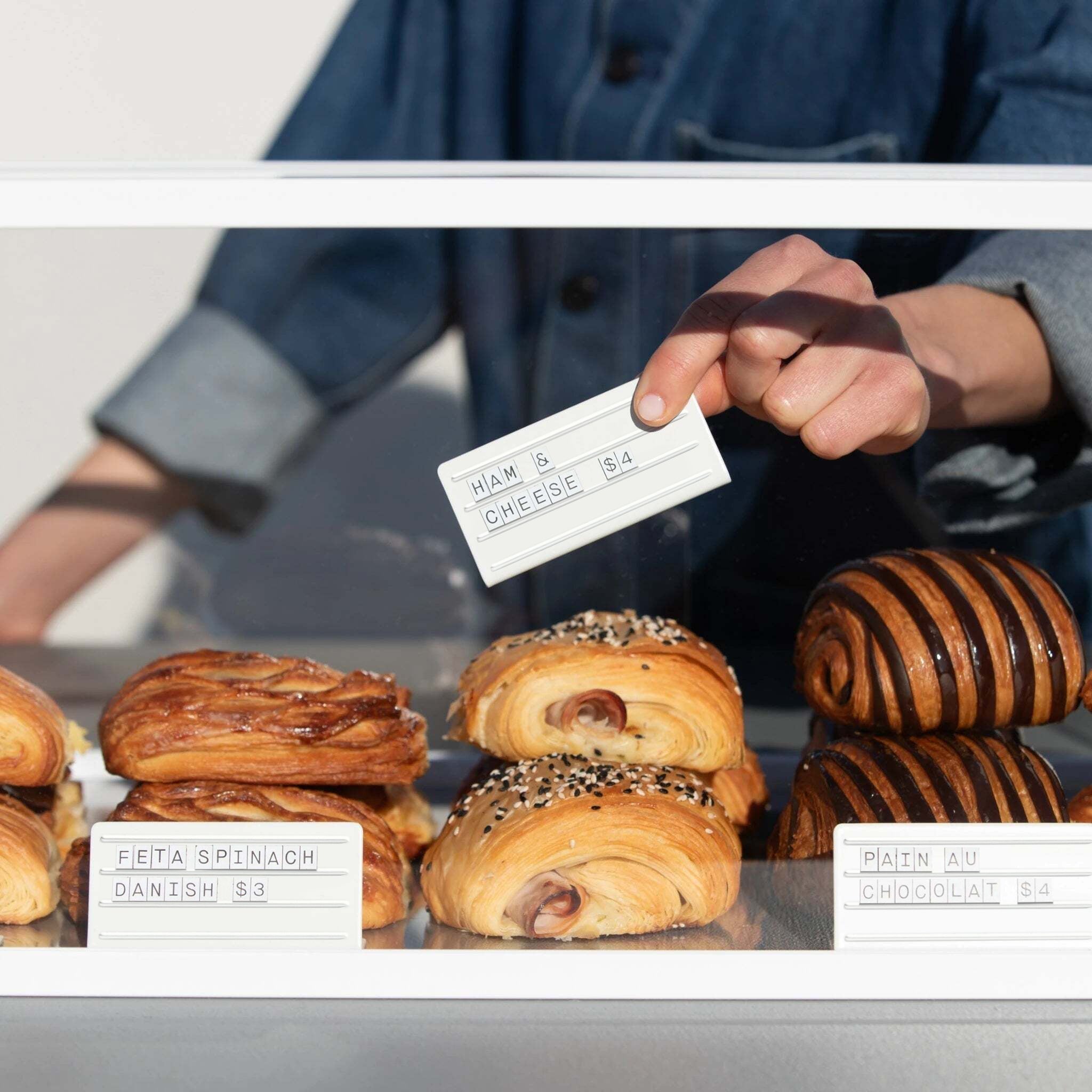
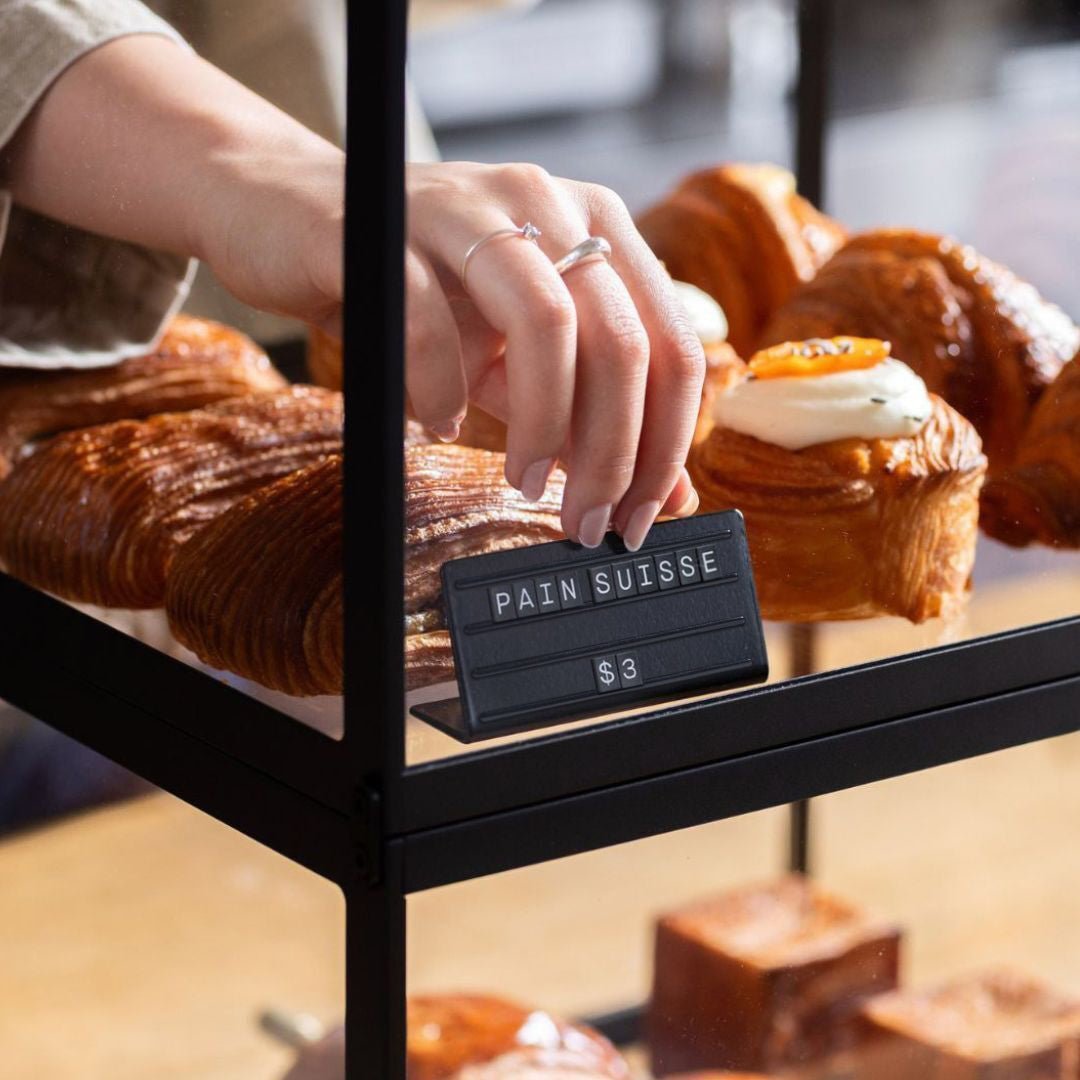
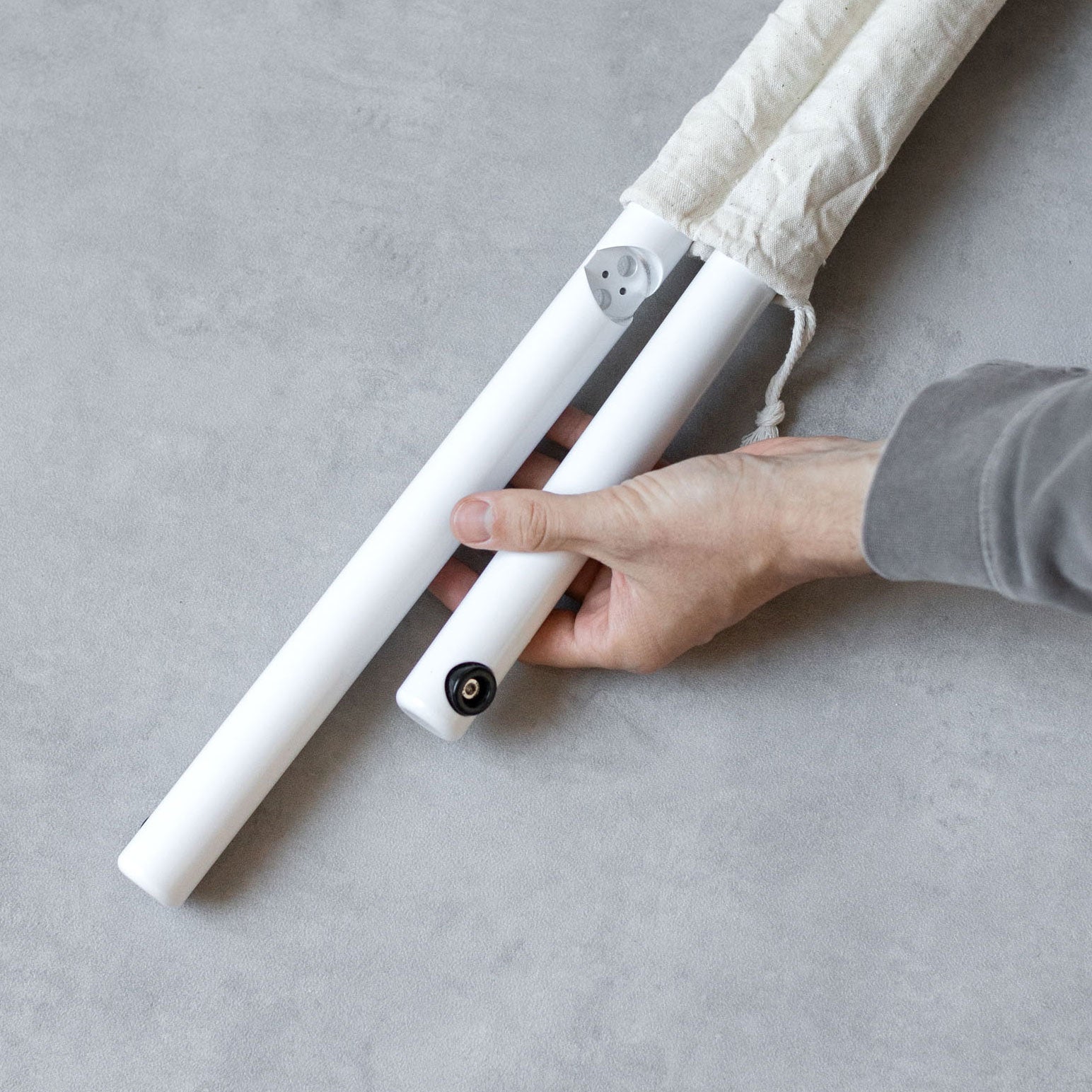
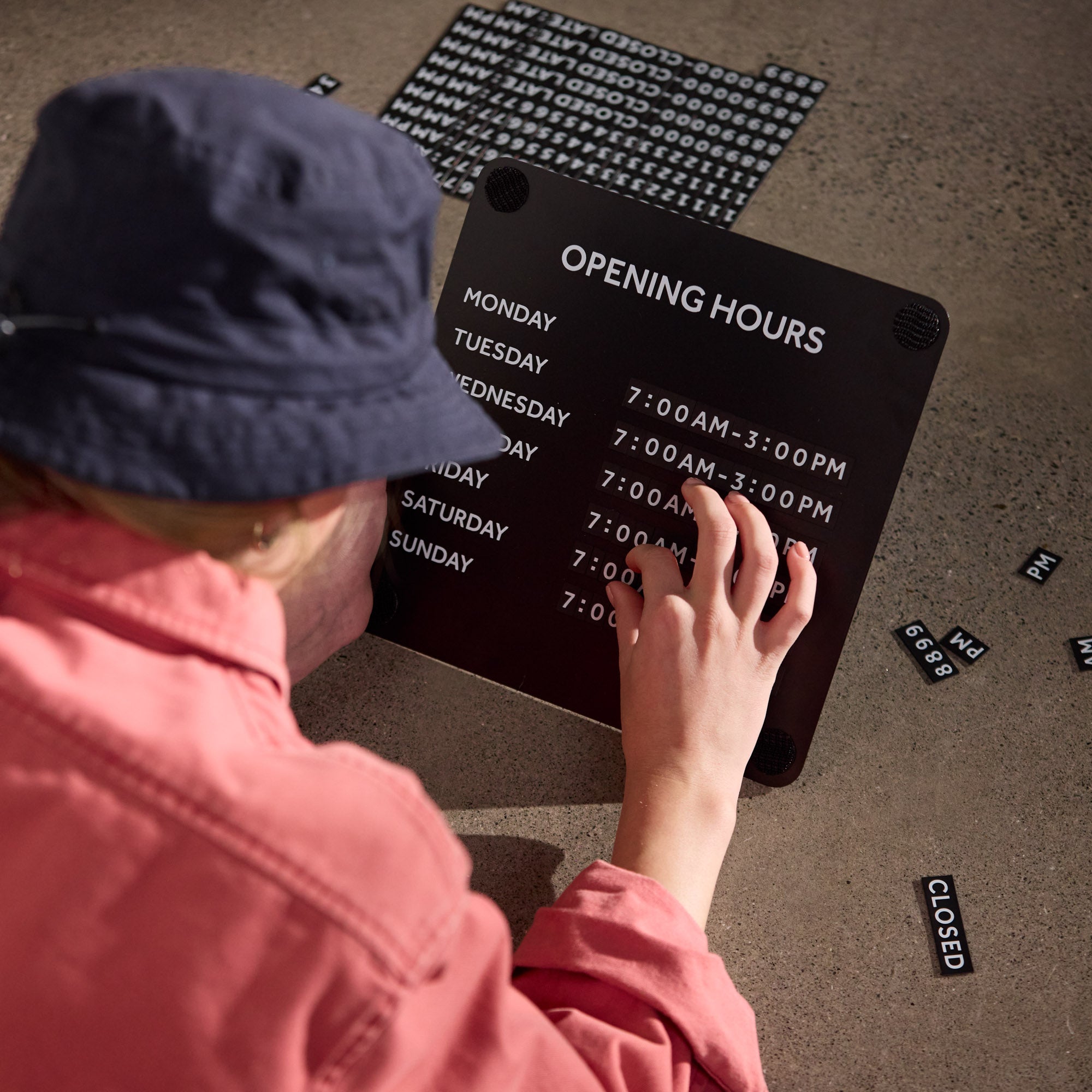
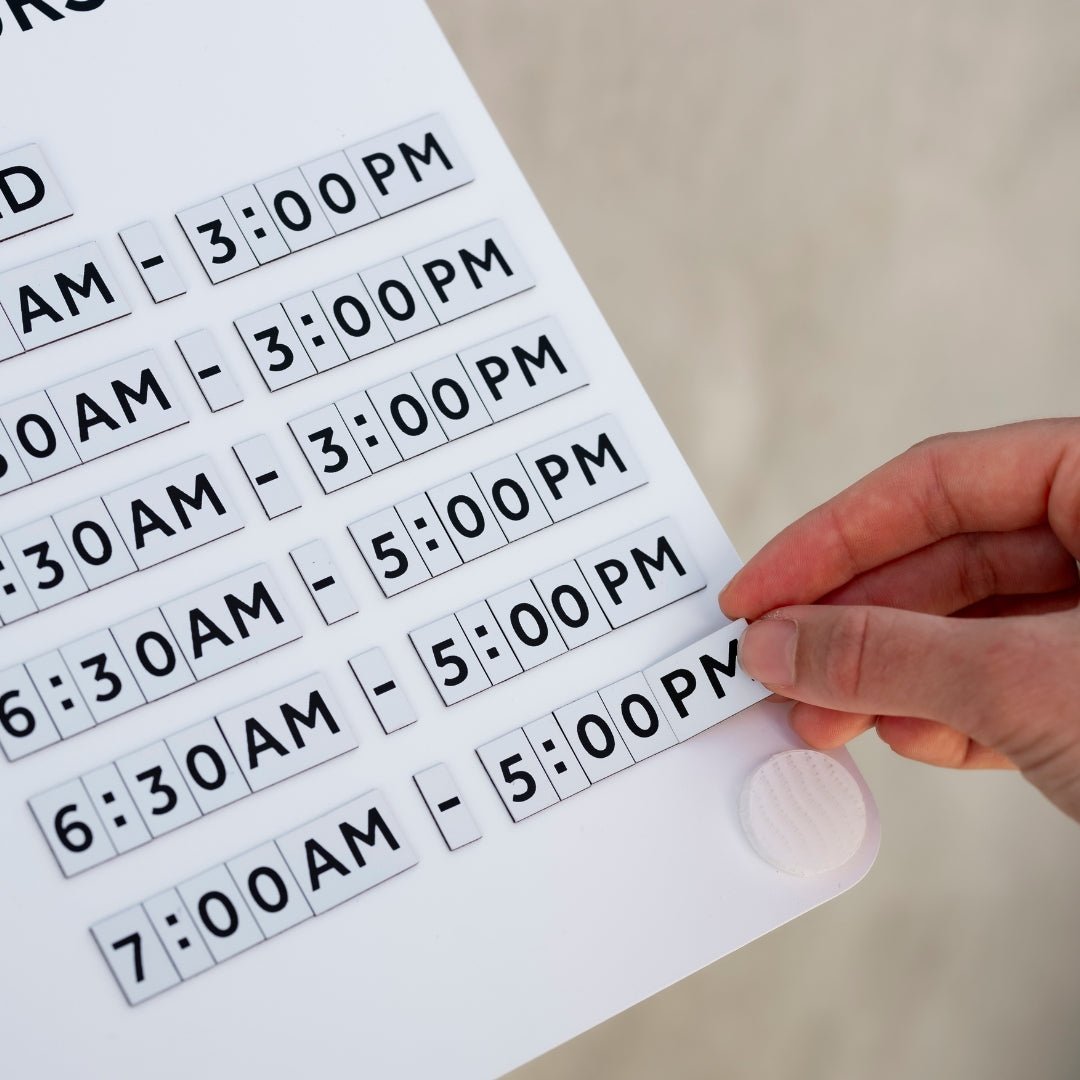
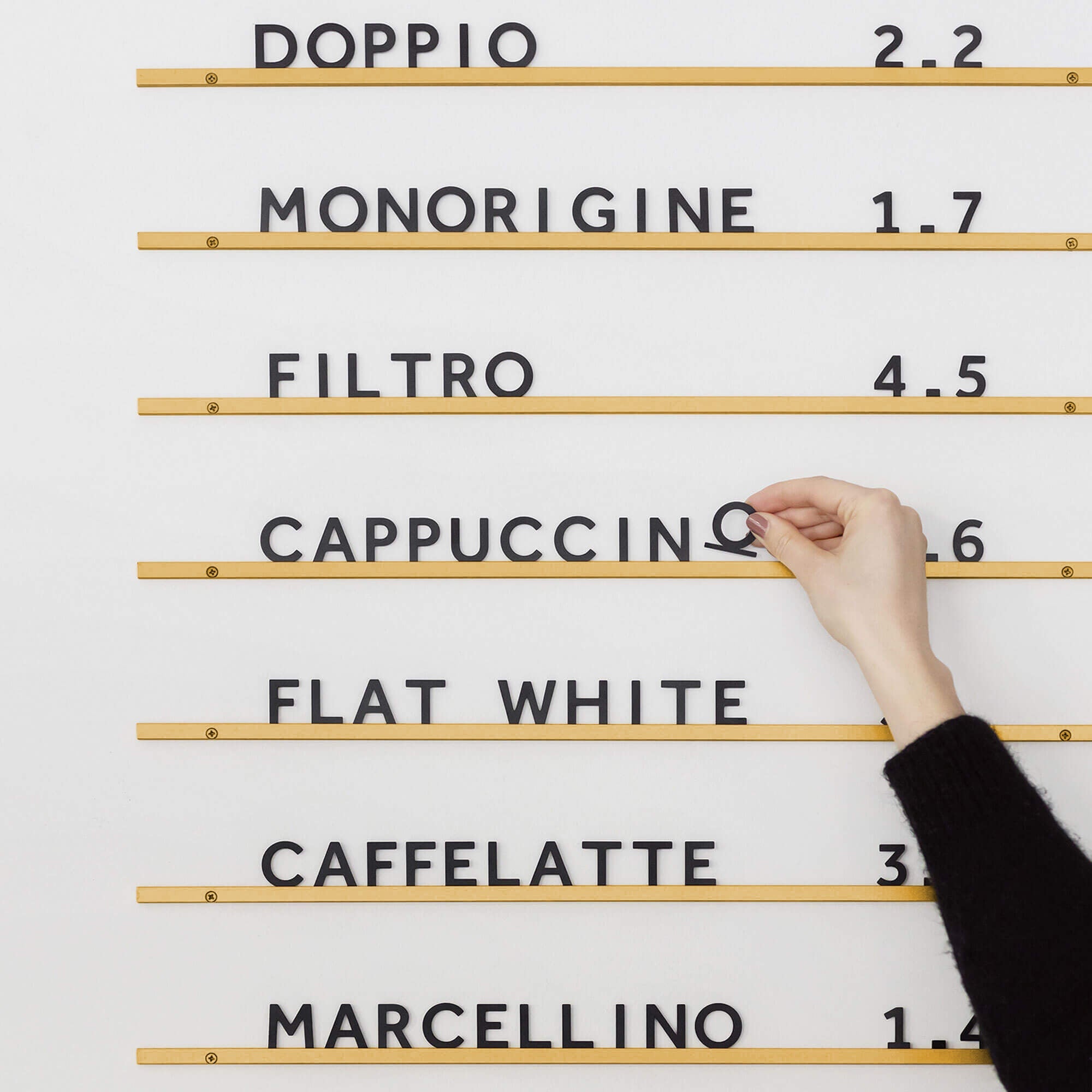
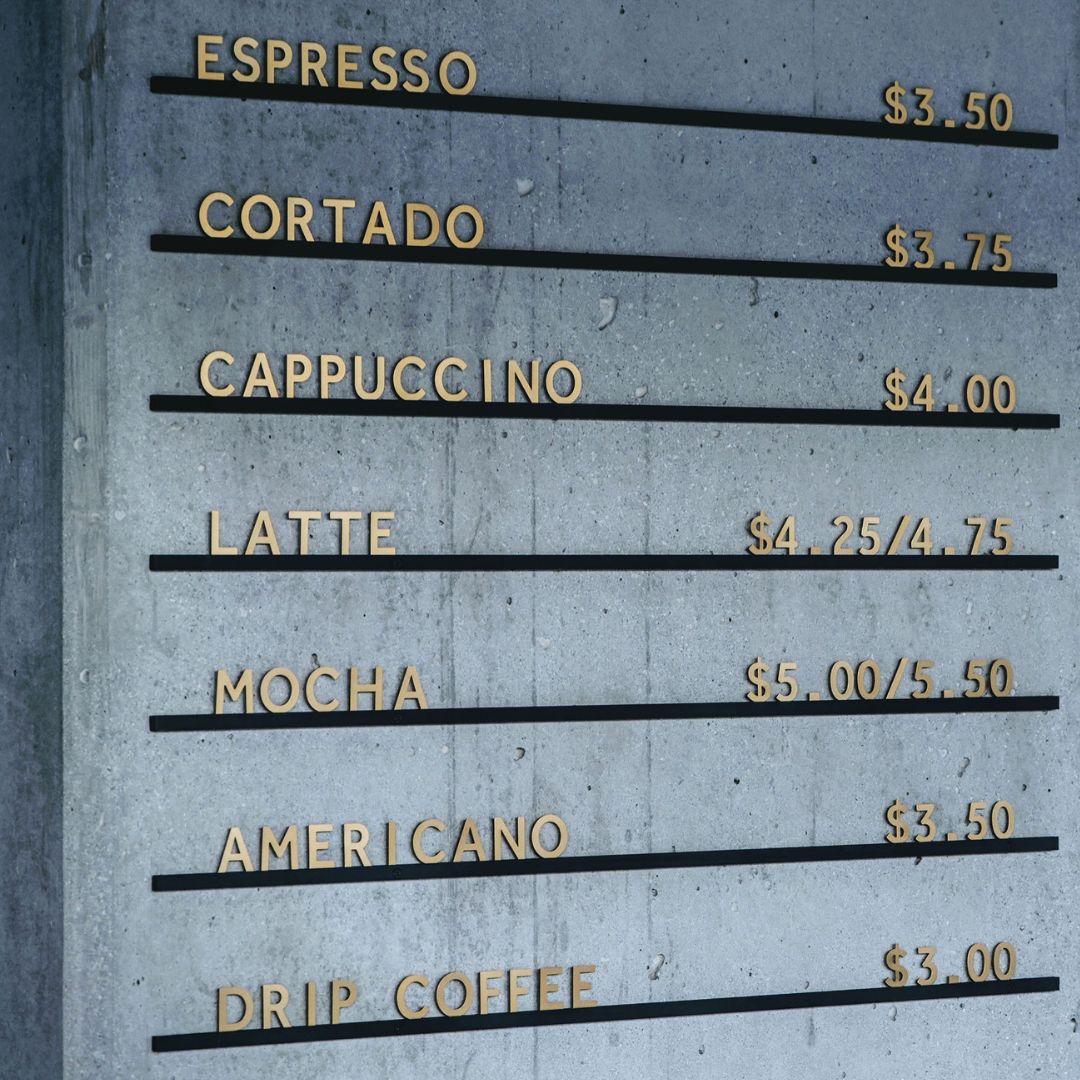
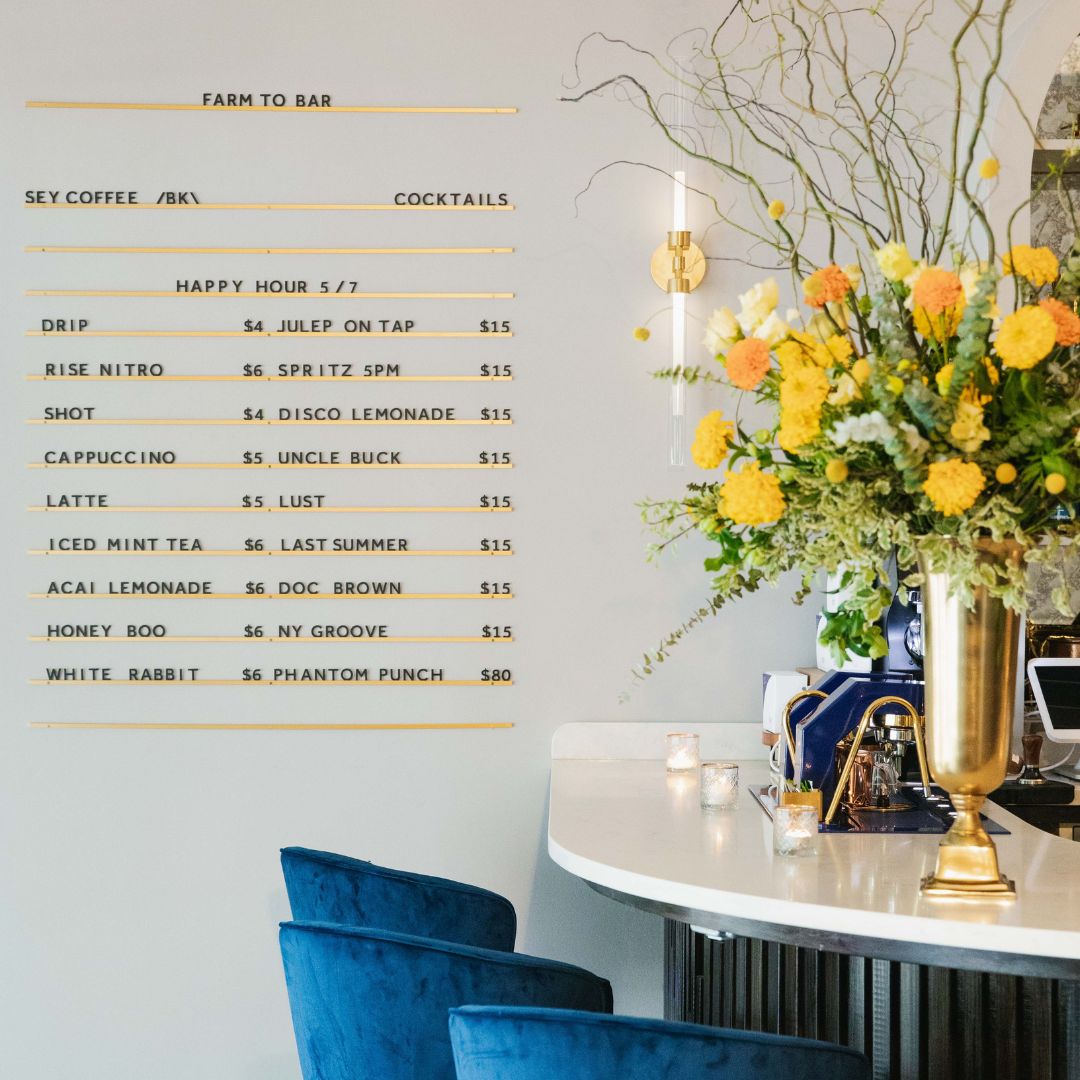
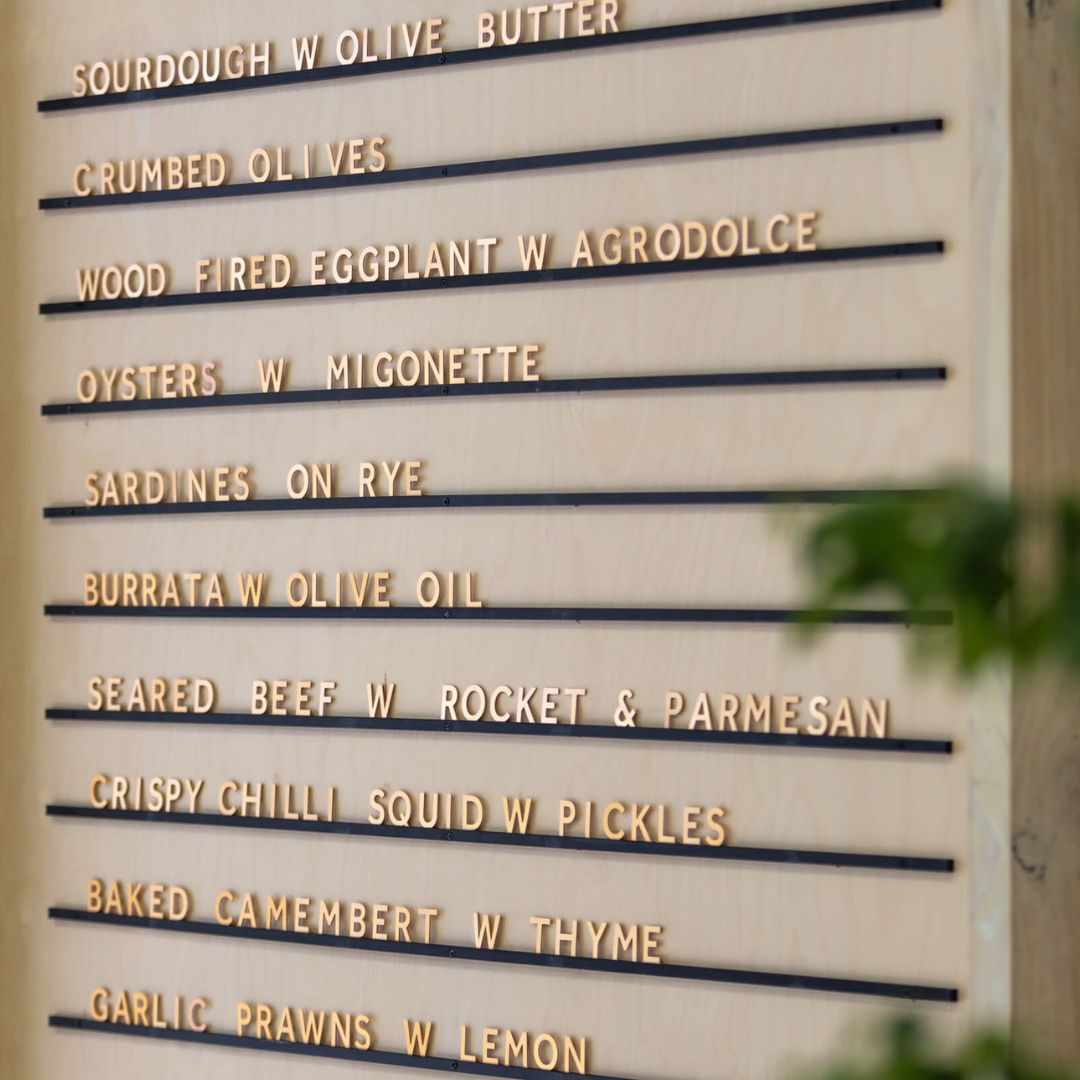
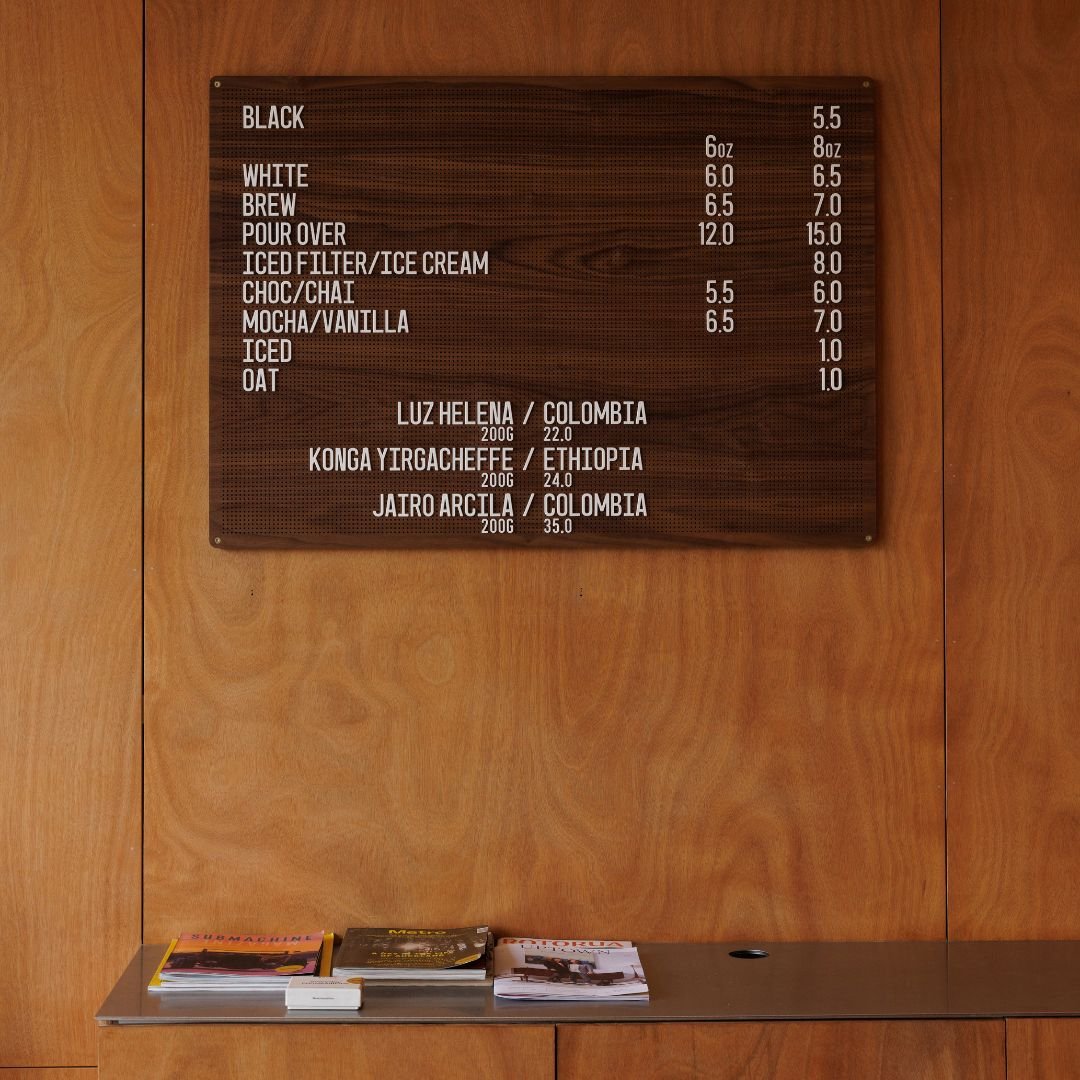
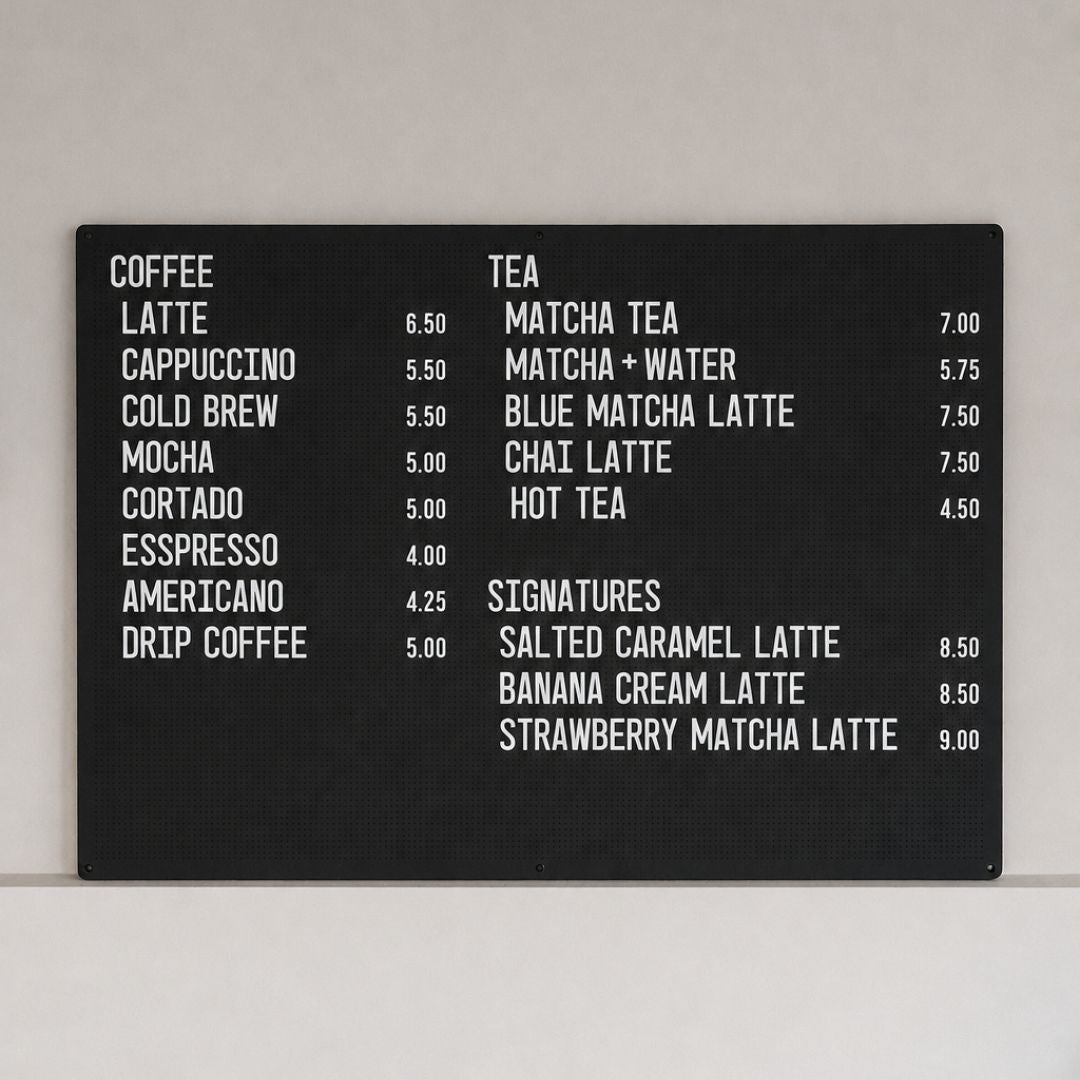
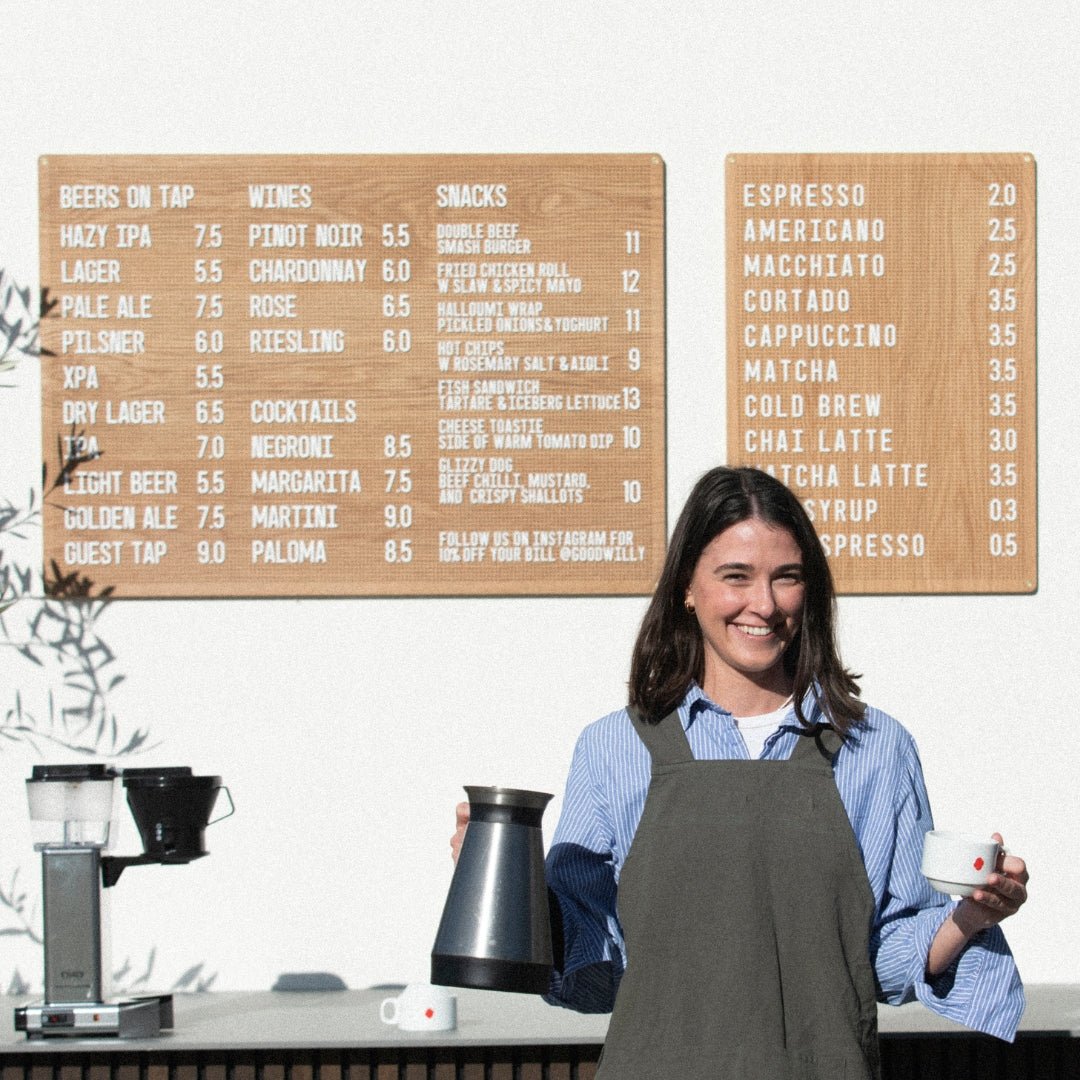
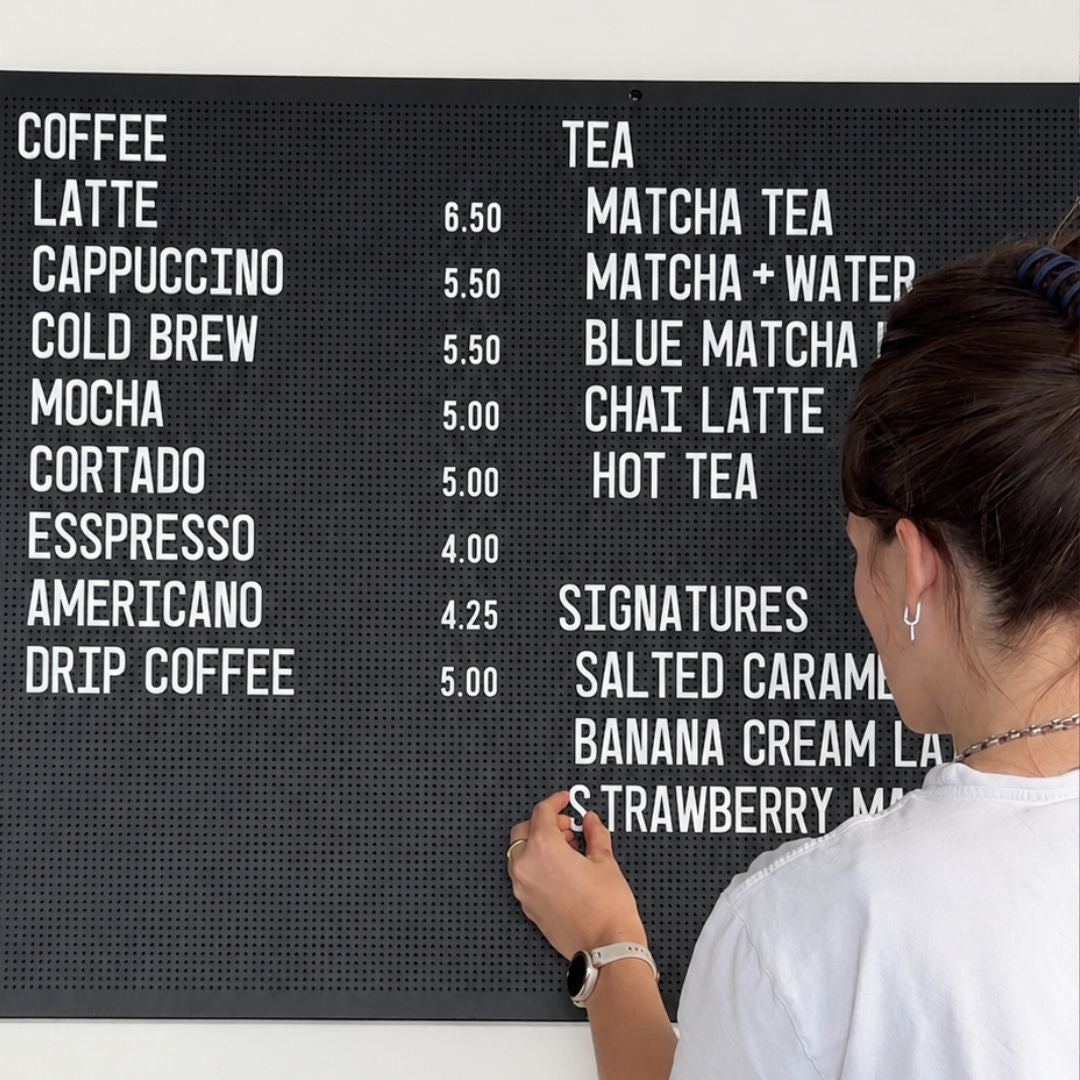
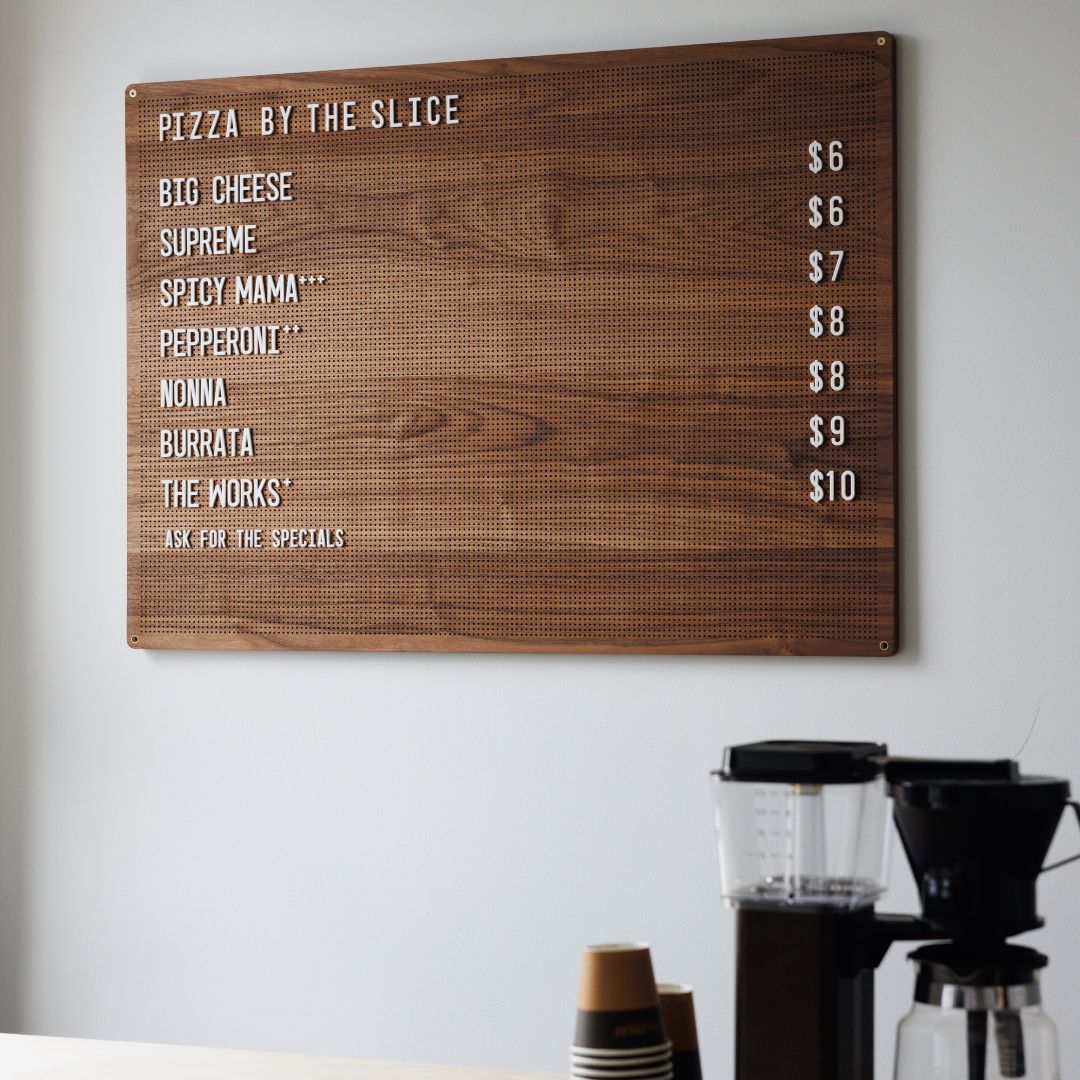
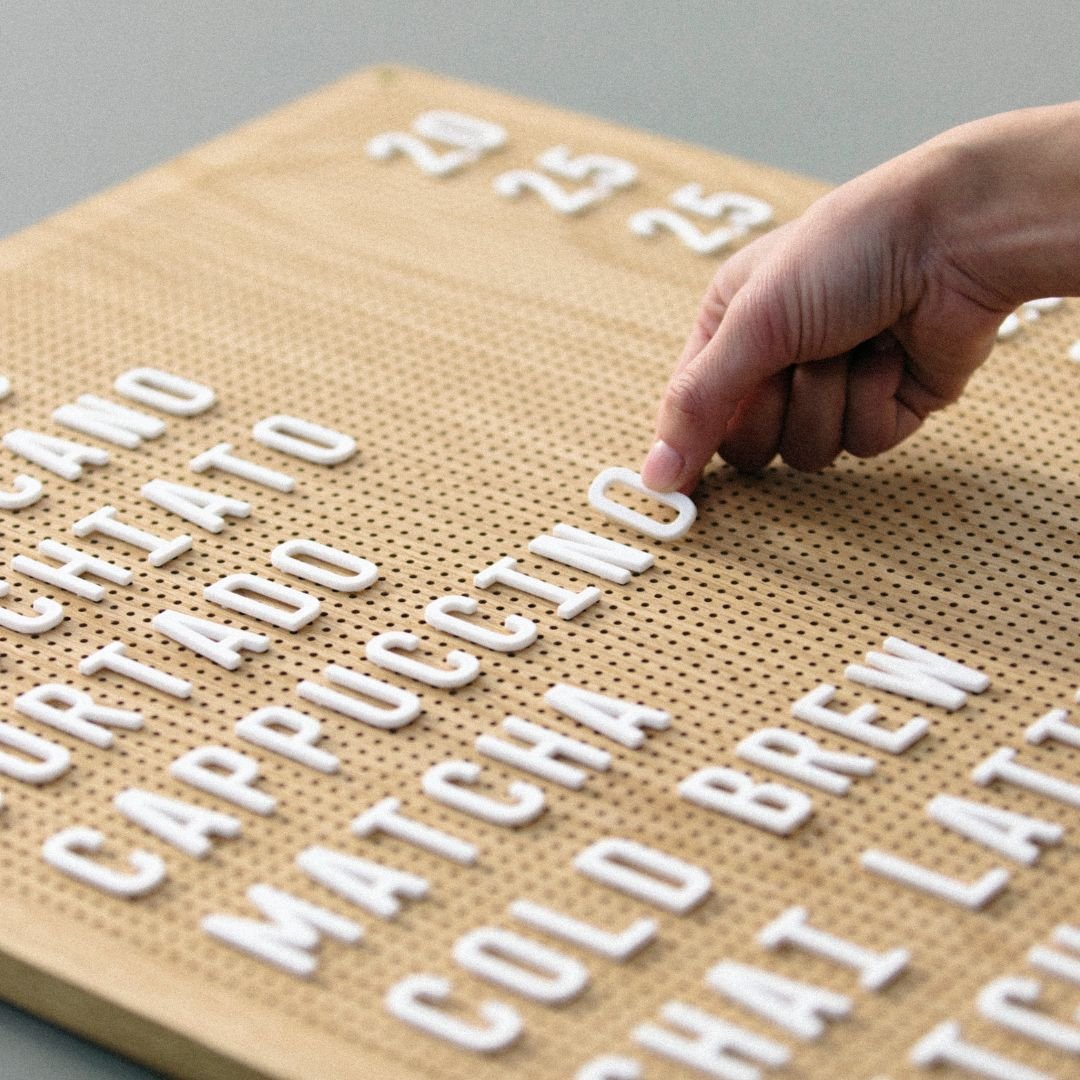
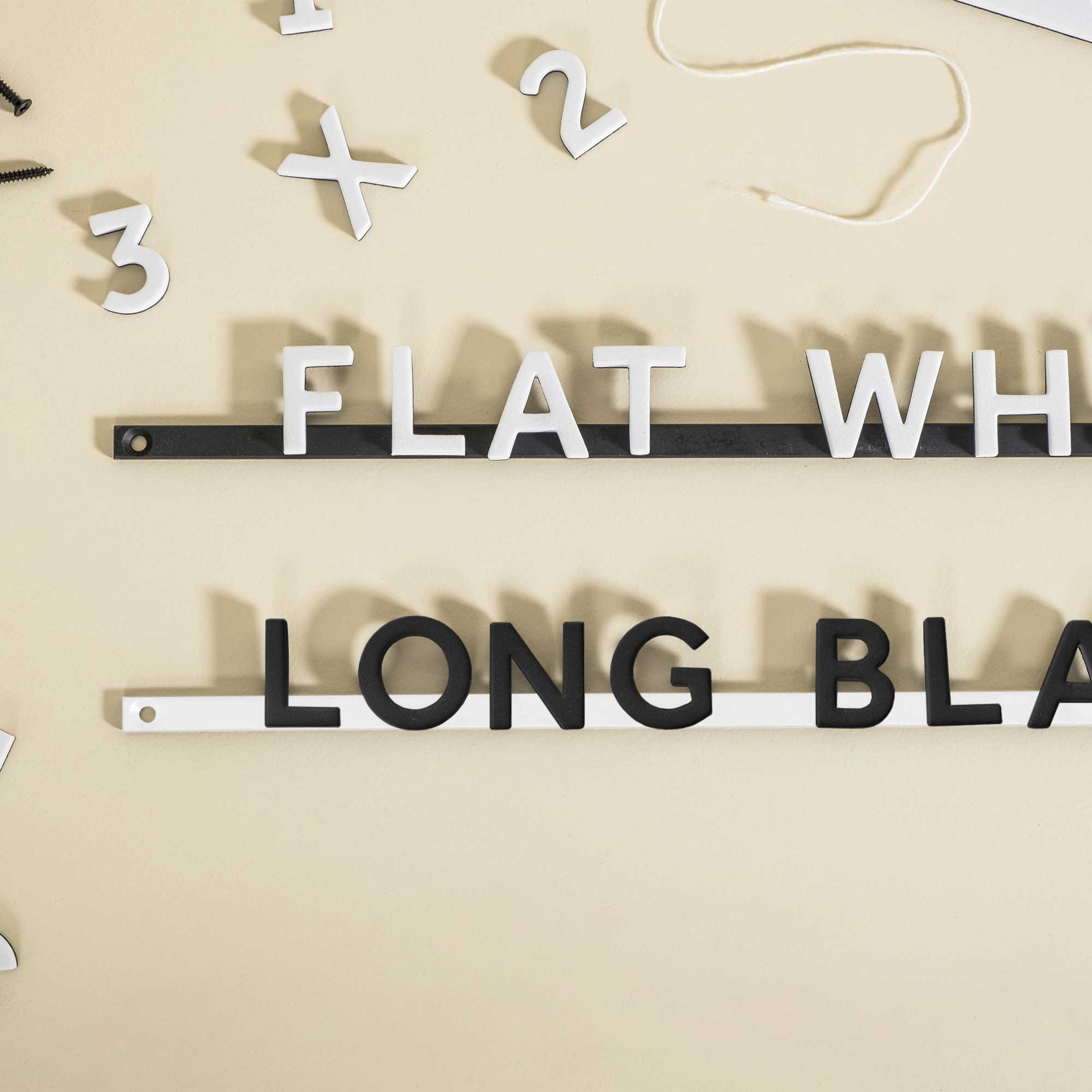
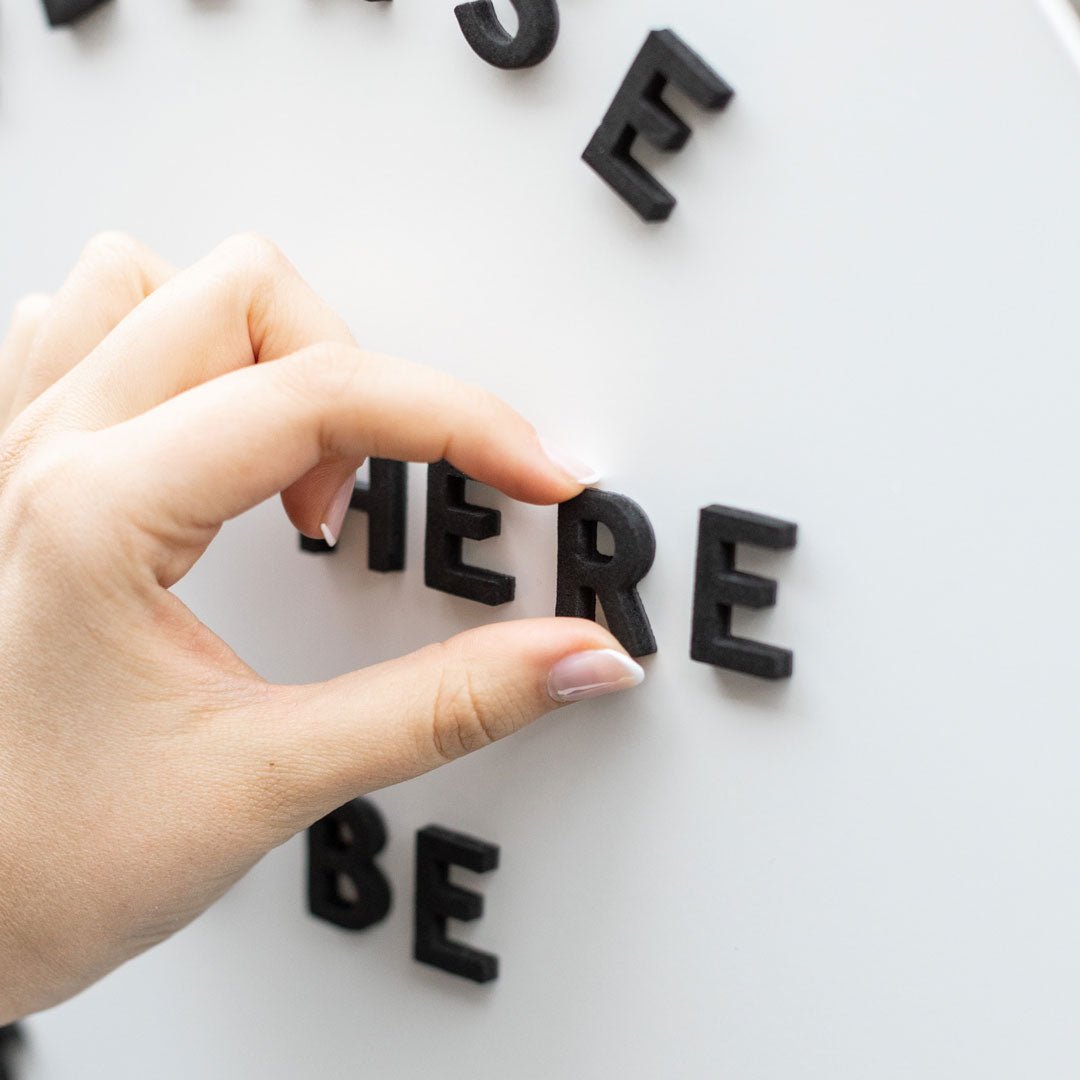
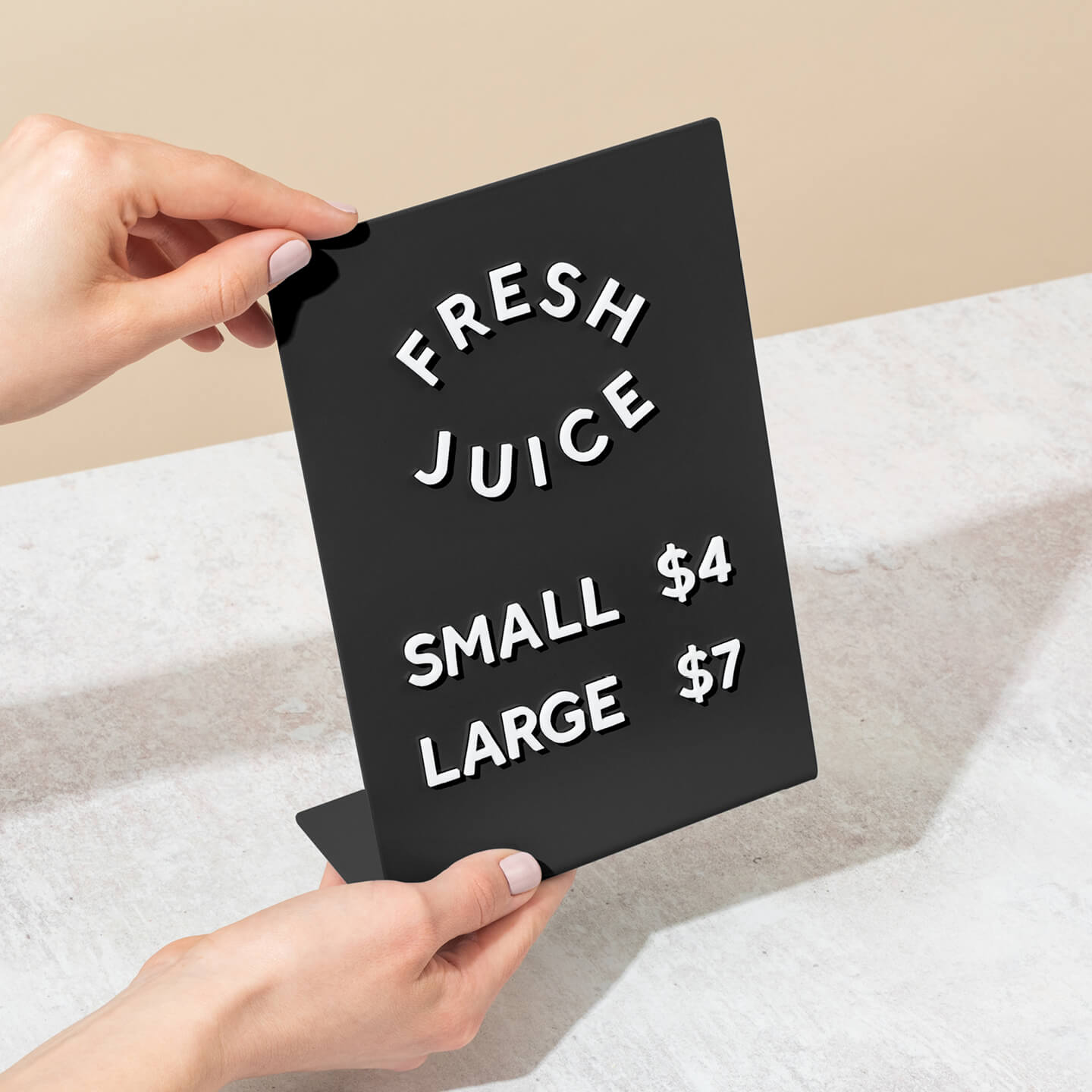
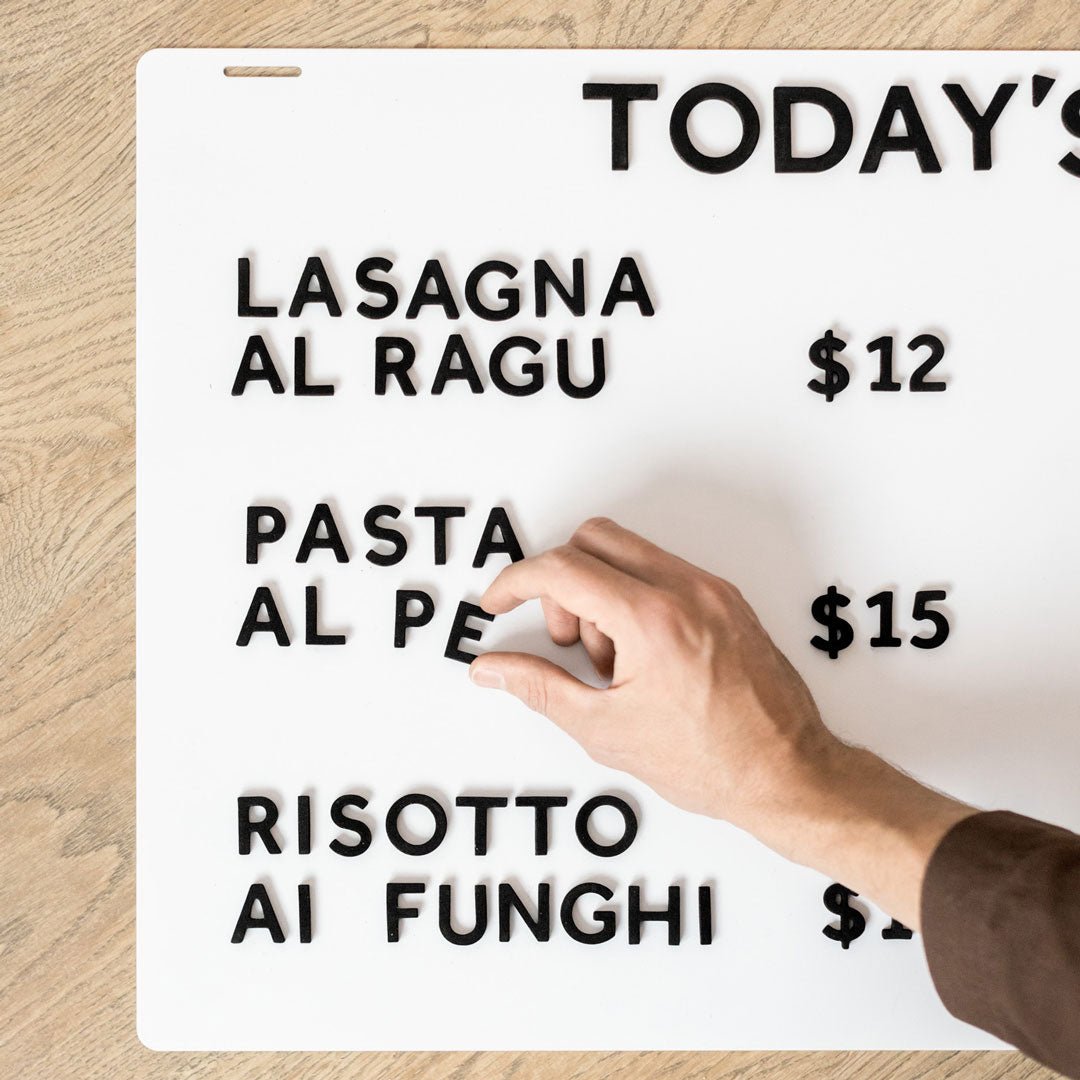
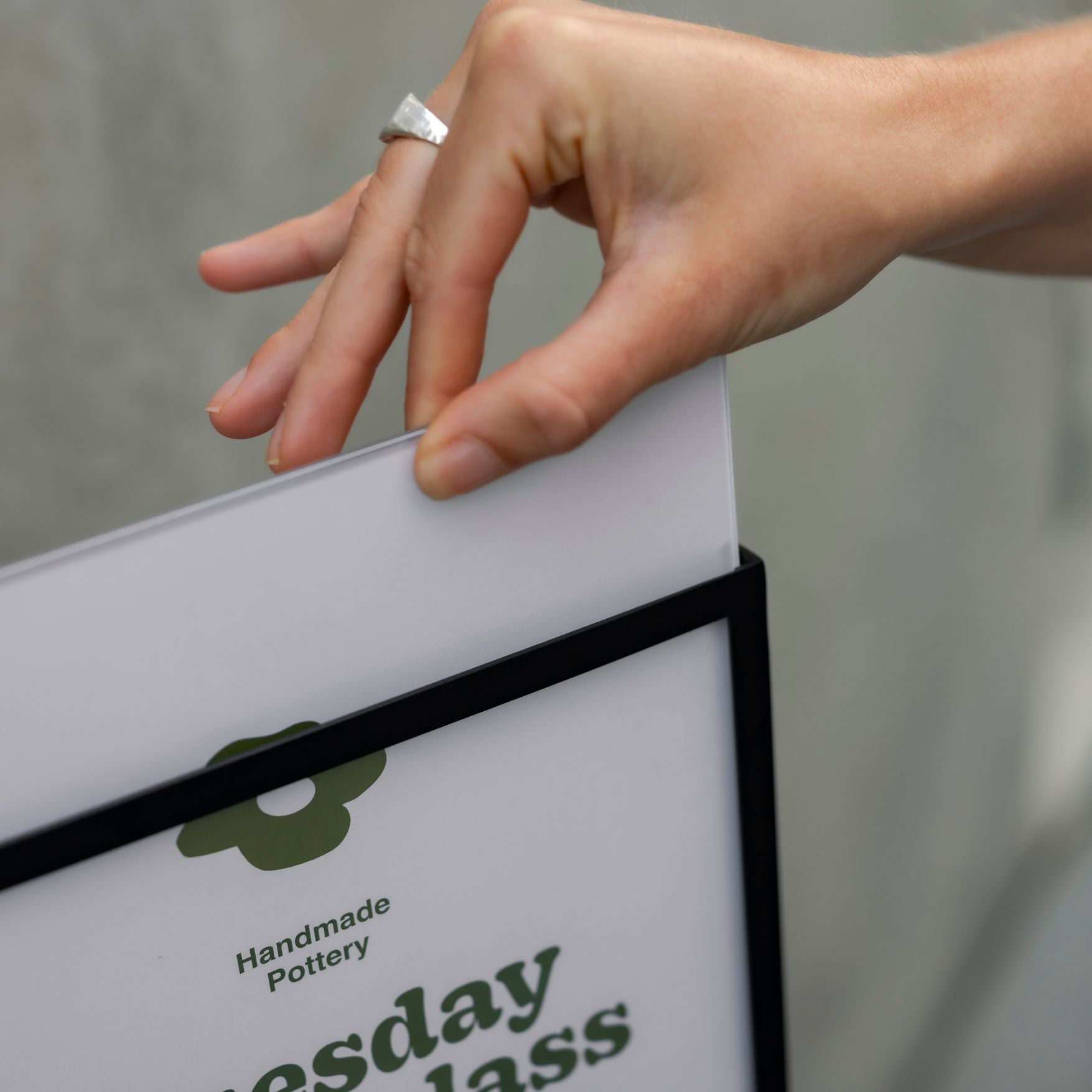
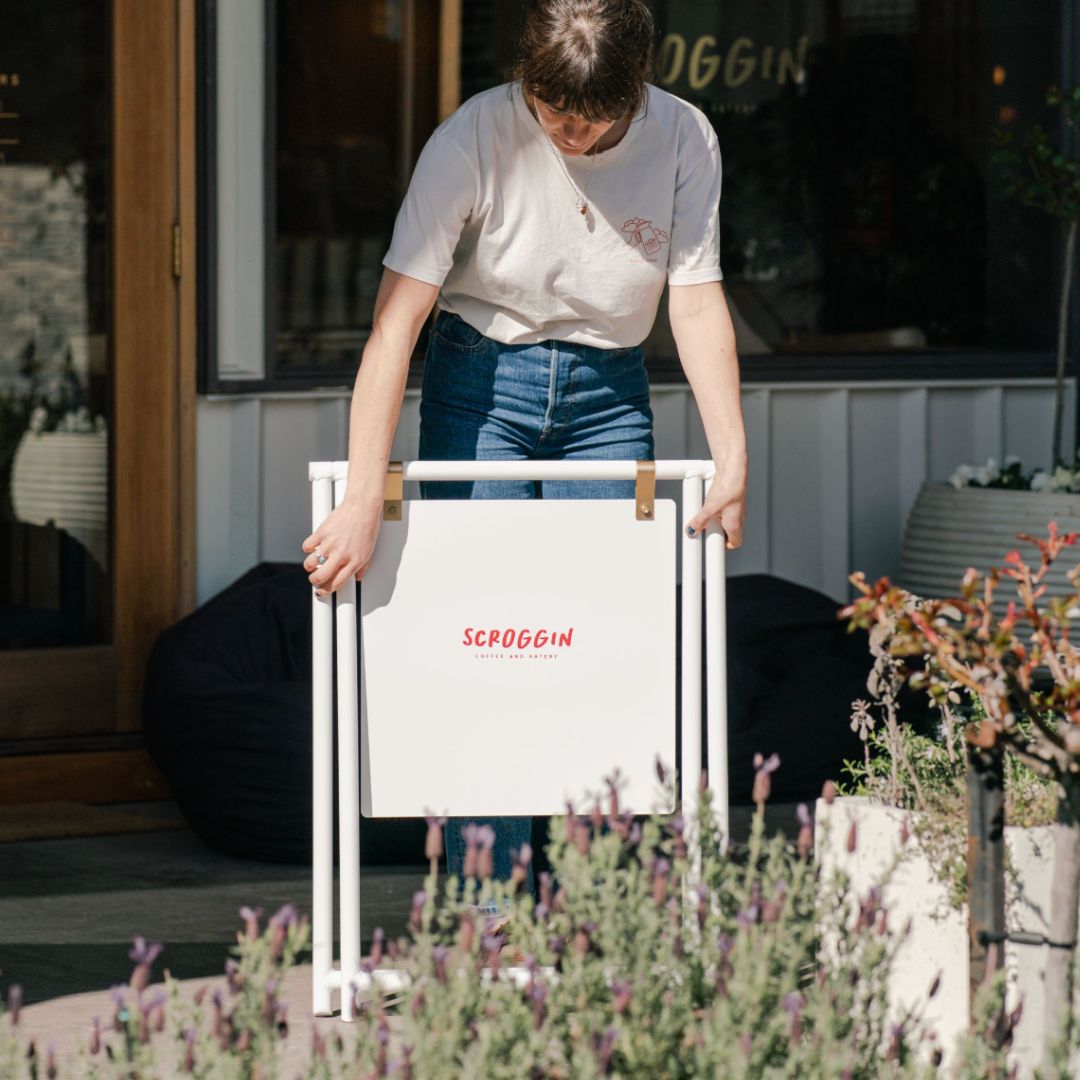
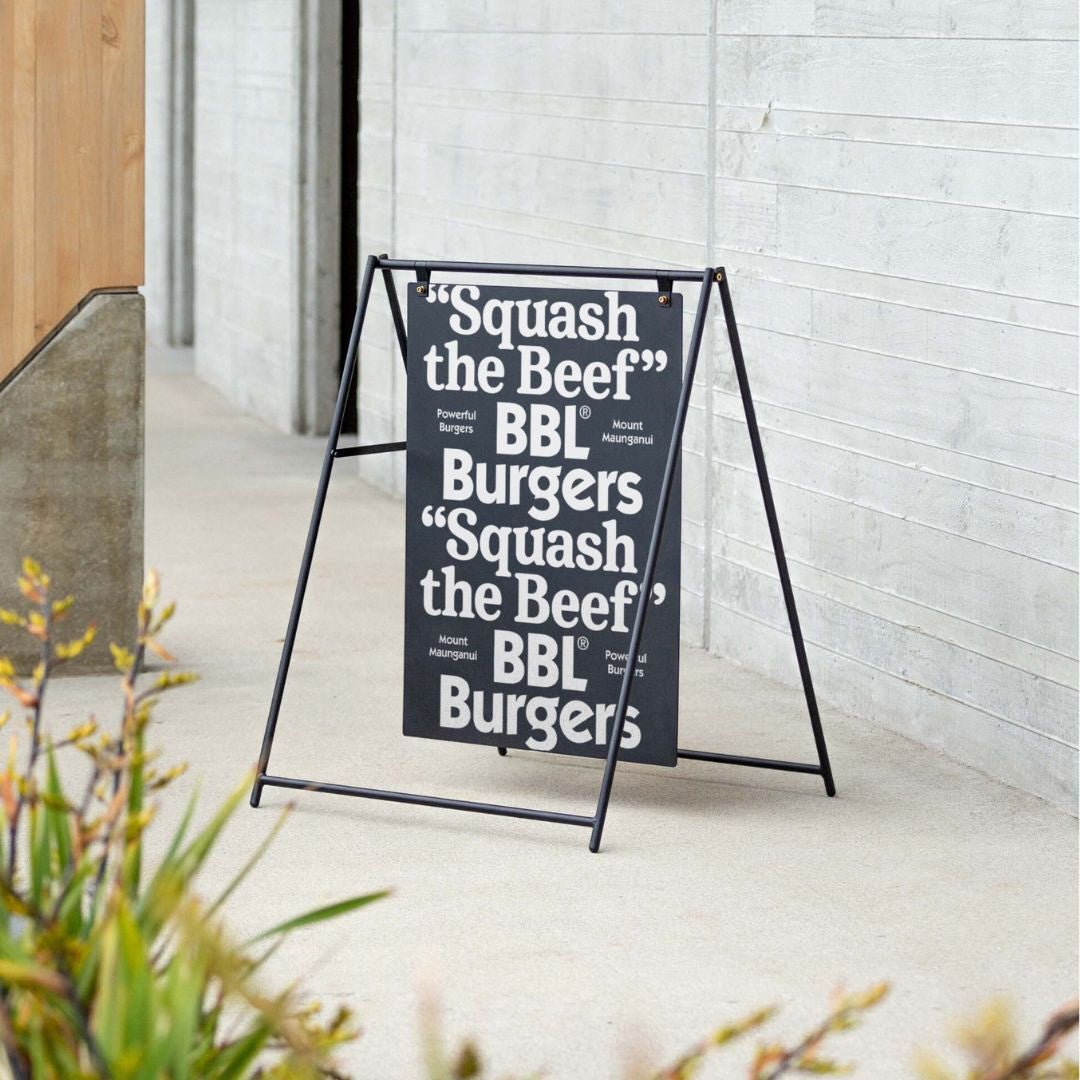
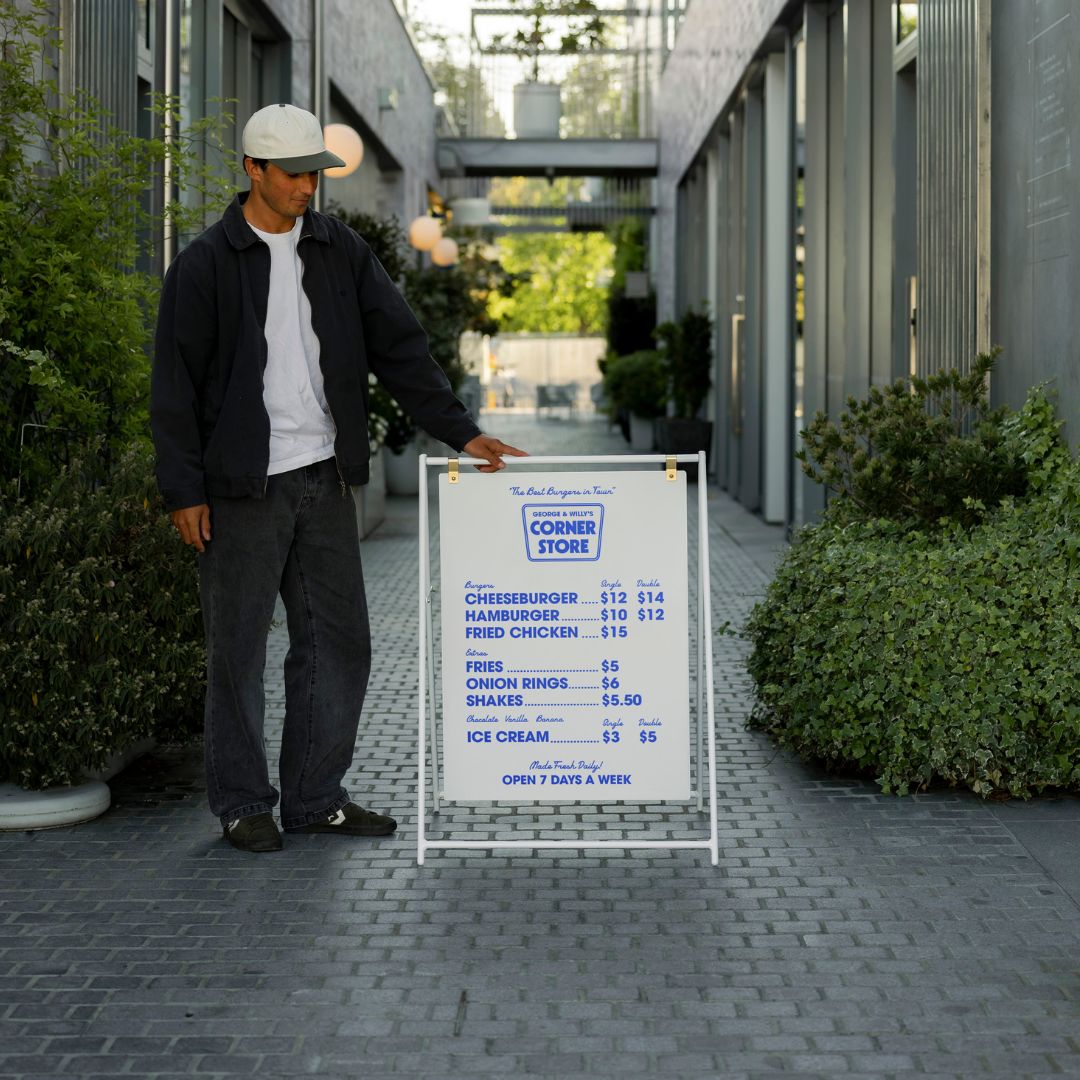
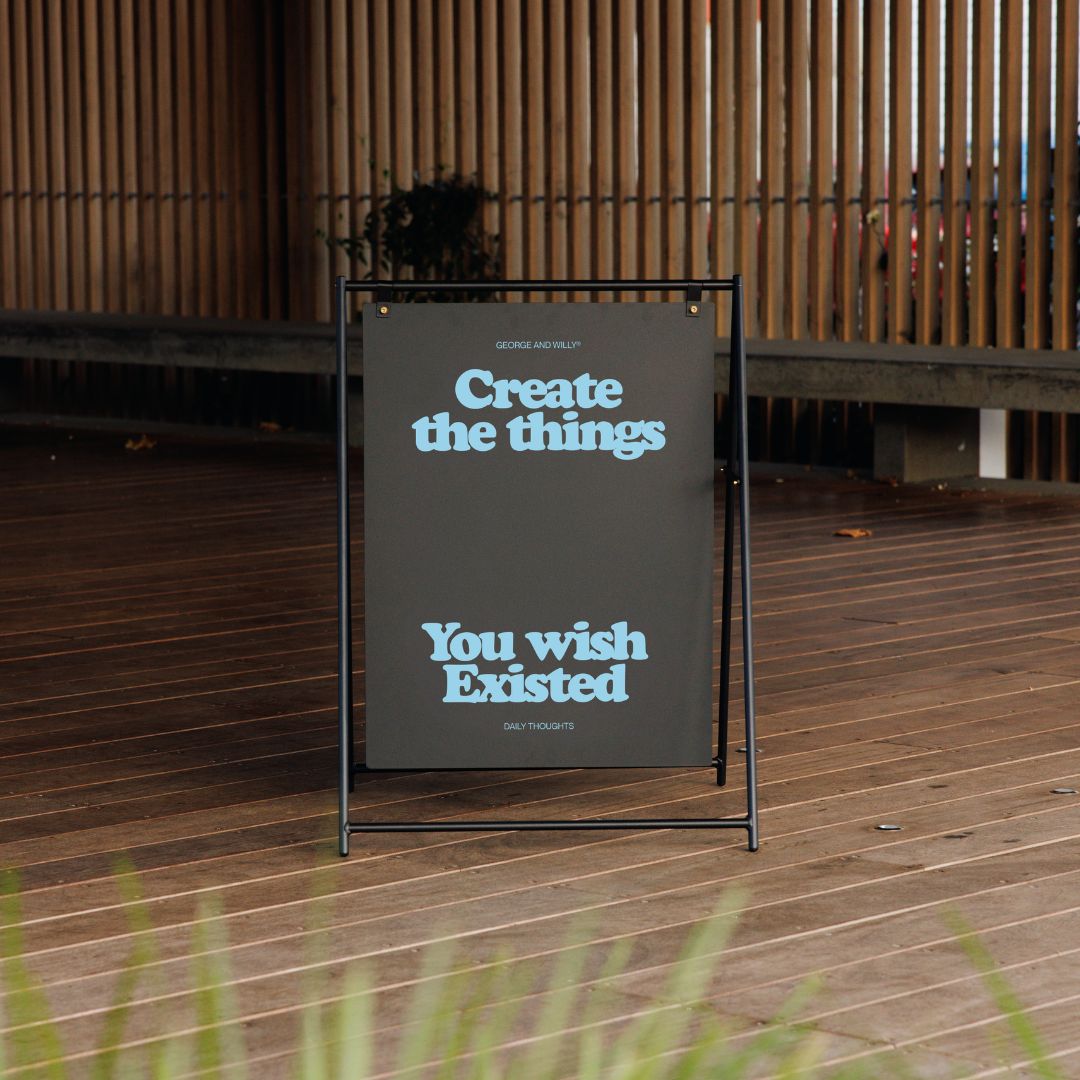
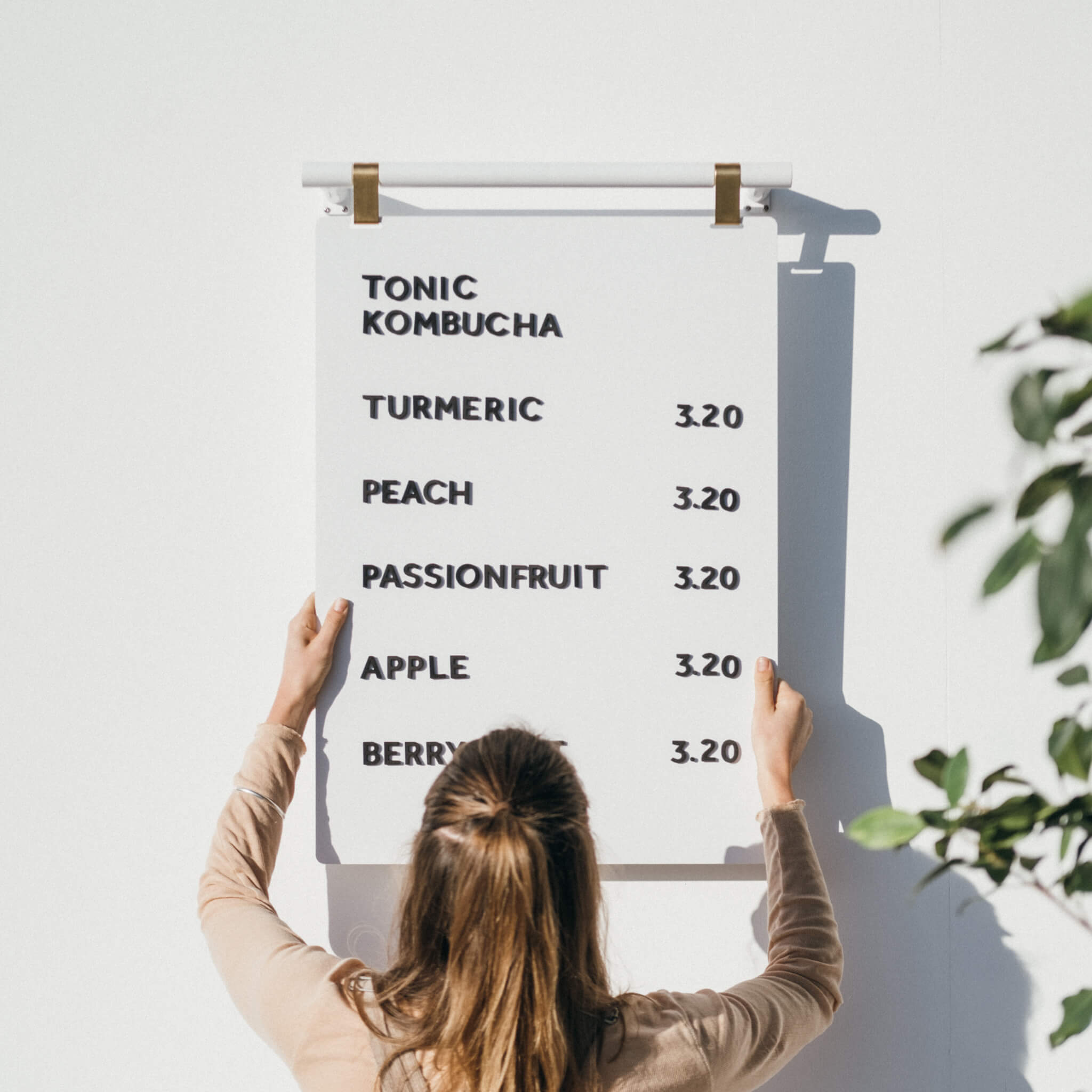
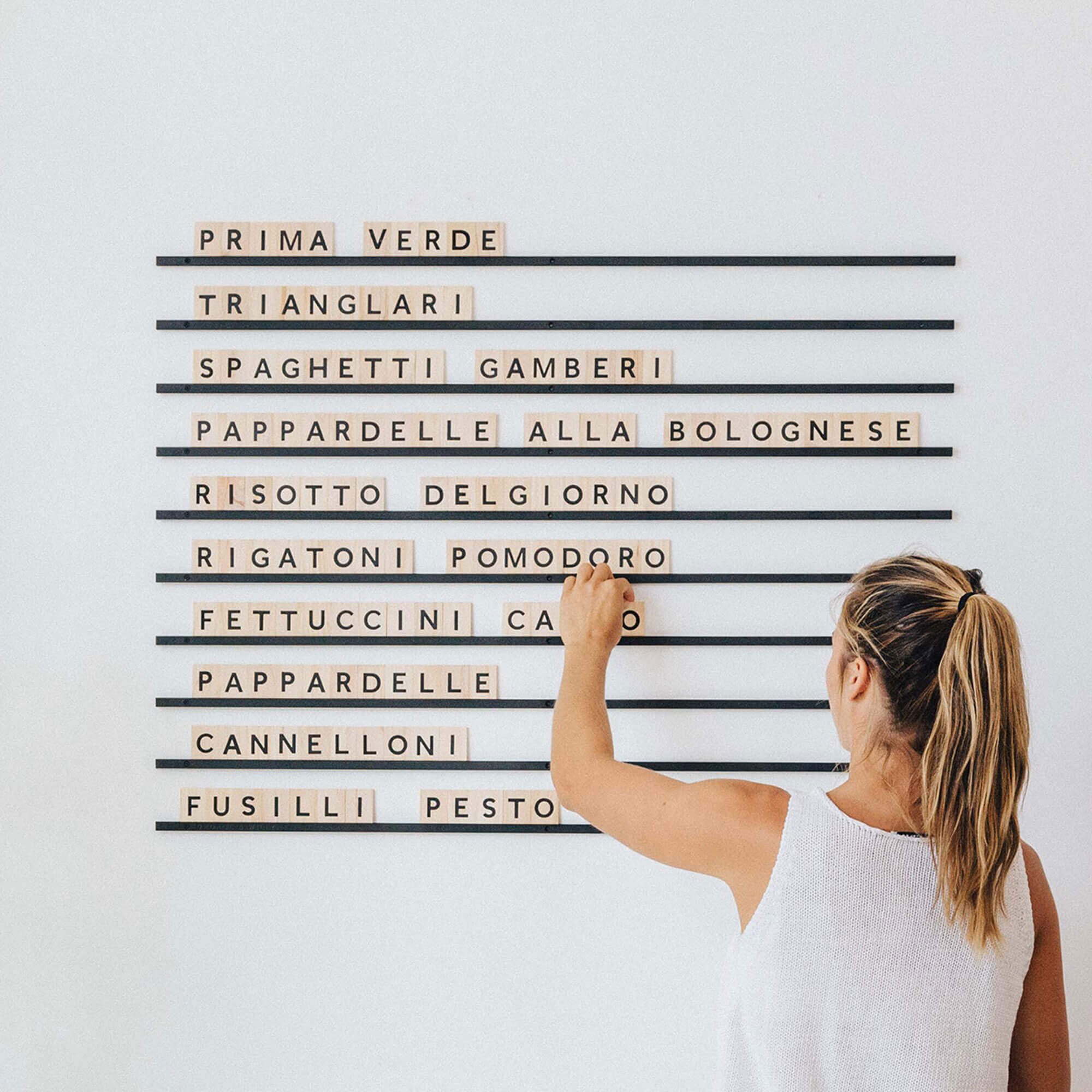
However, for pop ups without reliable power, well designed analog solutions can be just as effective. Lightweight, foldable displays like the pavement a-board signs or changeable letter boards offer a stylish, attention grabbing menu that’s easy to transport and set up anywhere.
Practical Considerations for Your Outdoor Menu Board
Beyond the technology, there are a few practical things to consider when choosing and installing an outdoor restaurant menu board.
Ideal Placement for Maximum Impact
Where you place your menu board matters. The goal is to position it in a high traffic, highly visible area where it can’t be missed. If your street has heavy foot traffic, a curbside pavement sign can reinforce visibility and draw passersby to the menu.
Mount it on a street facing wall, near your entrance, or on a prominent patio corner.
Position the sign at or slightly above eye level for easy reading.
Ensure it’s not obscured by trees, furniture, or parked cars.
Consider the flow of foot traffic and angle the board to face oncoming pedestrians.
A well placed menu board acts as a silent salesperson, converting passersby into customers by showing them what you offer before they even step inside.
Customizable Design and Mounting Options
Your cafe menu board should complement your restaurant’s aesthetic, not clash with it. Many digital board manufacturers offer different enclosure colors or styles to match your branding.
Mounting options are also flexible. Boards can be:
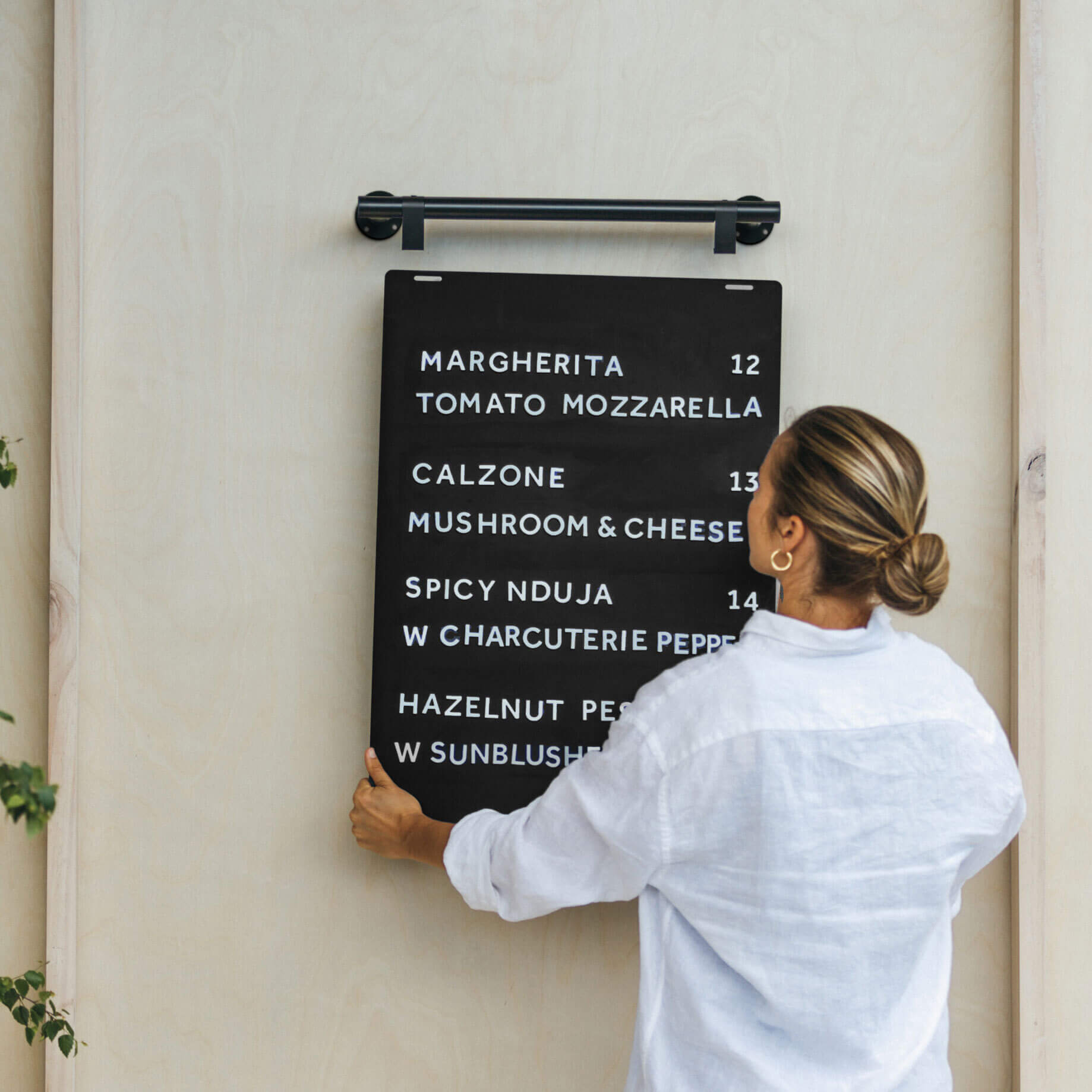
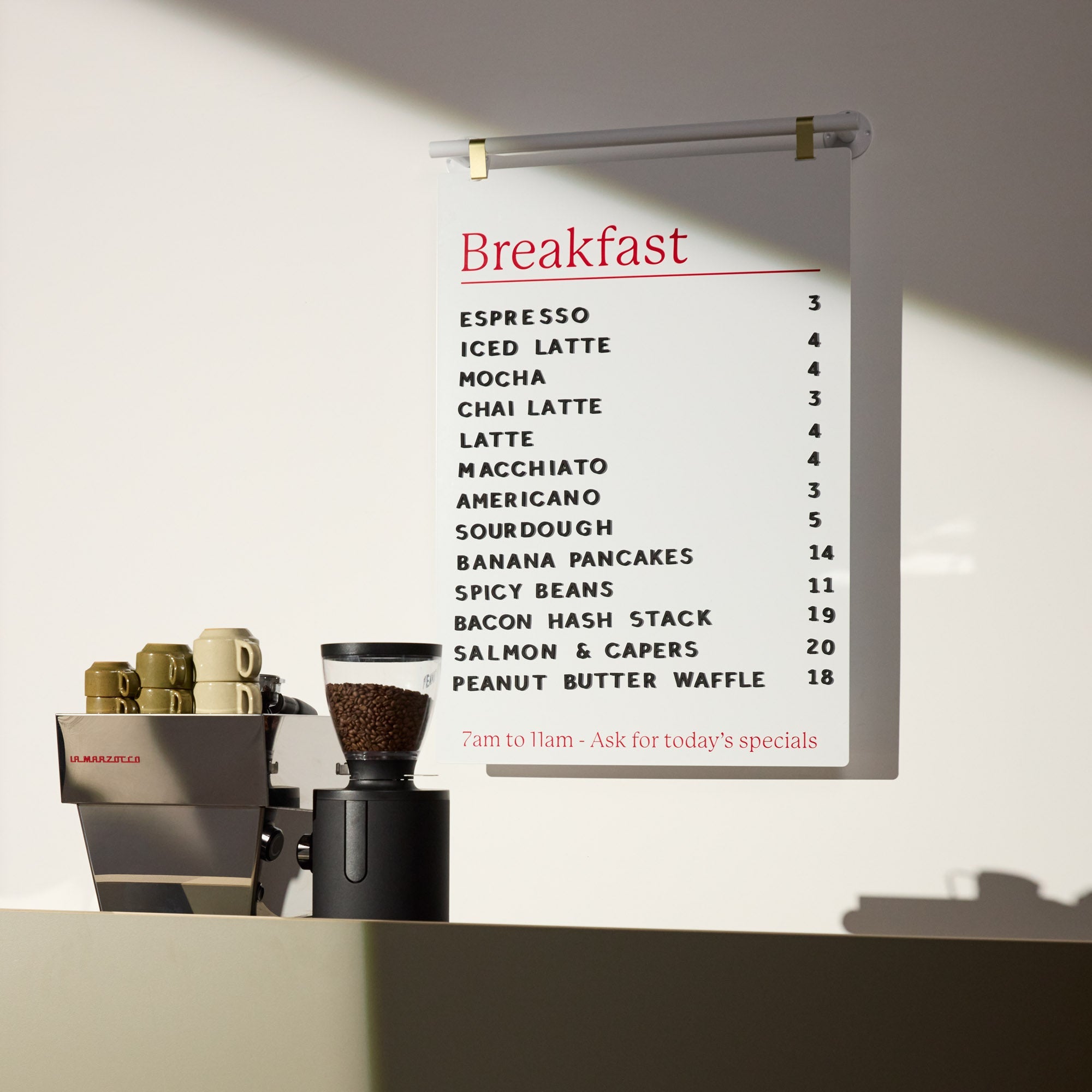
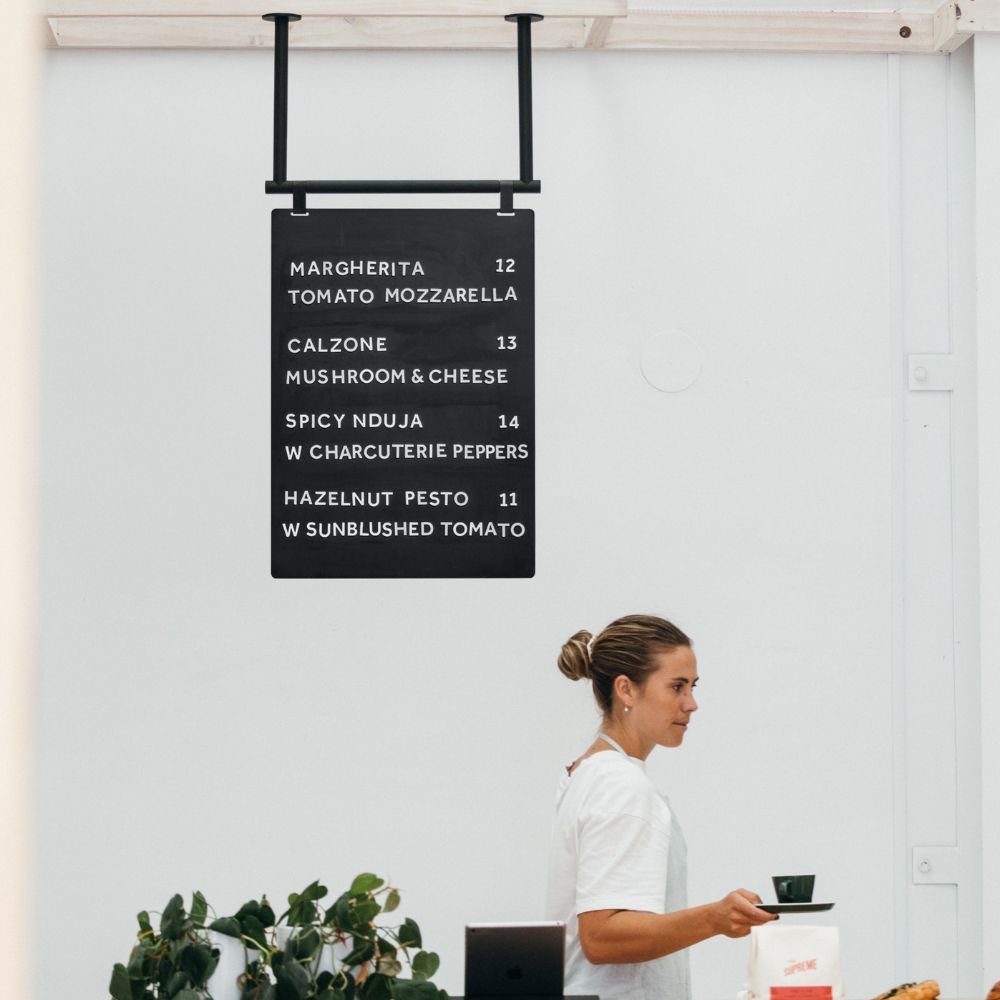
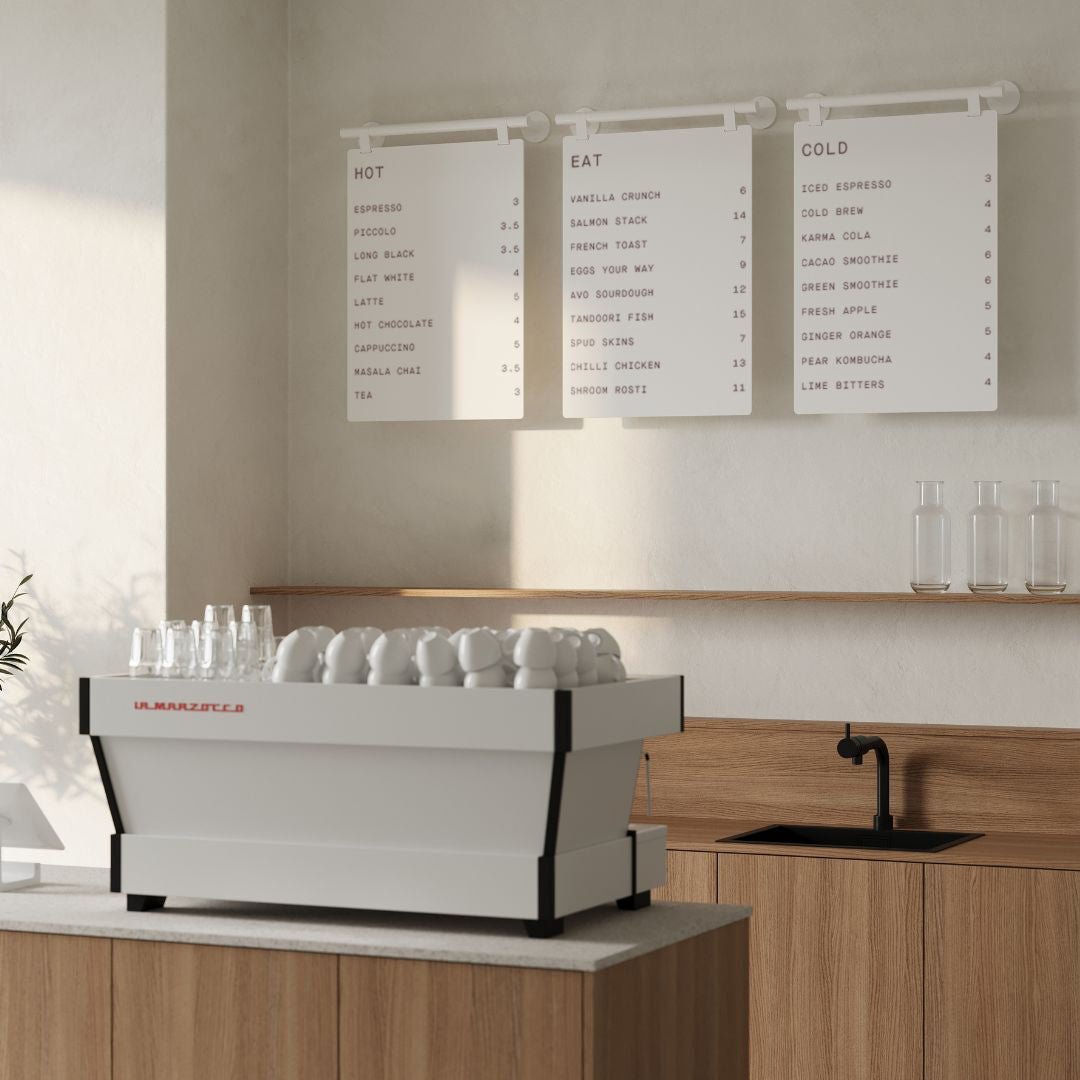
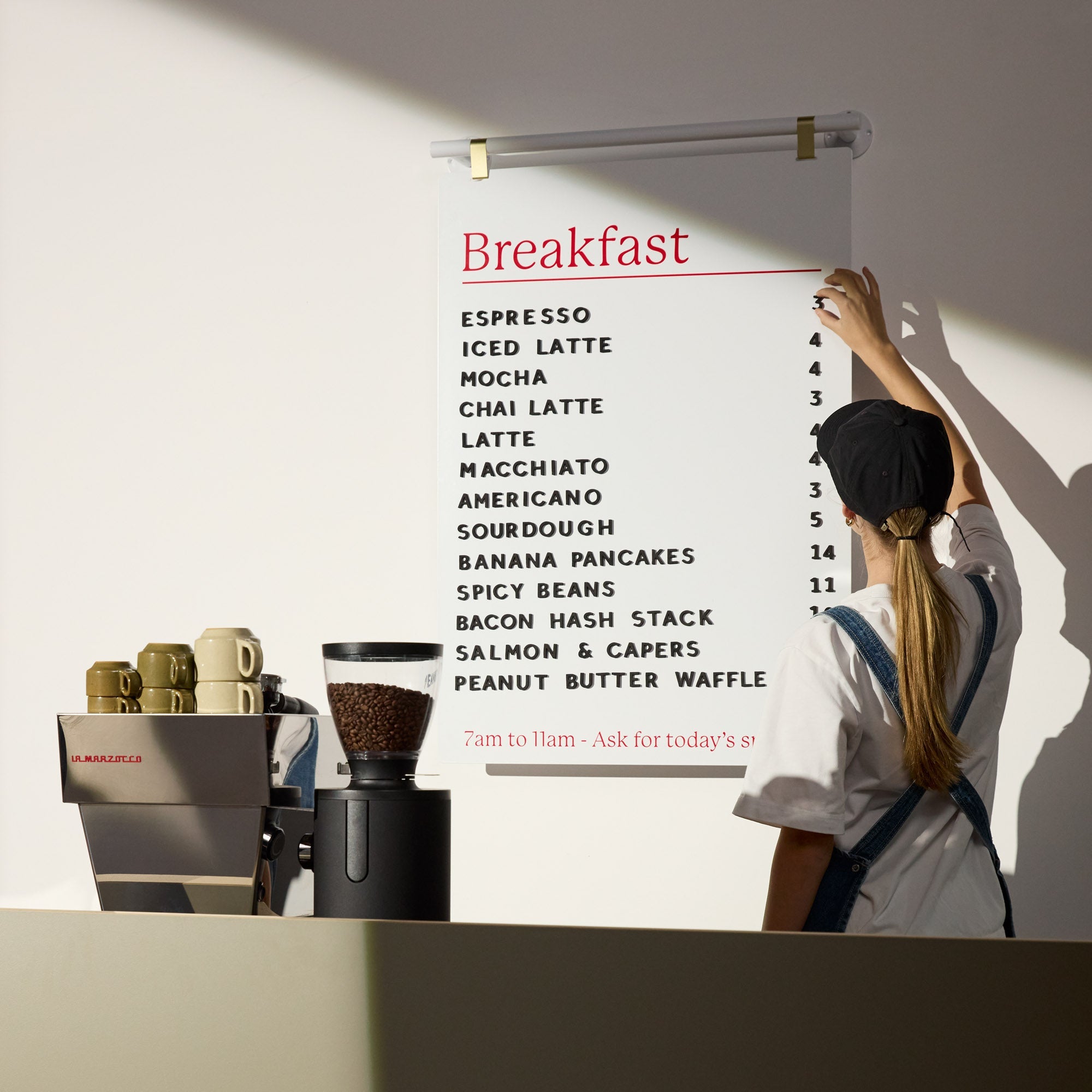
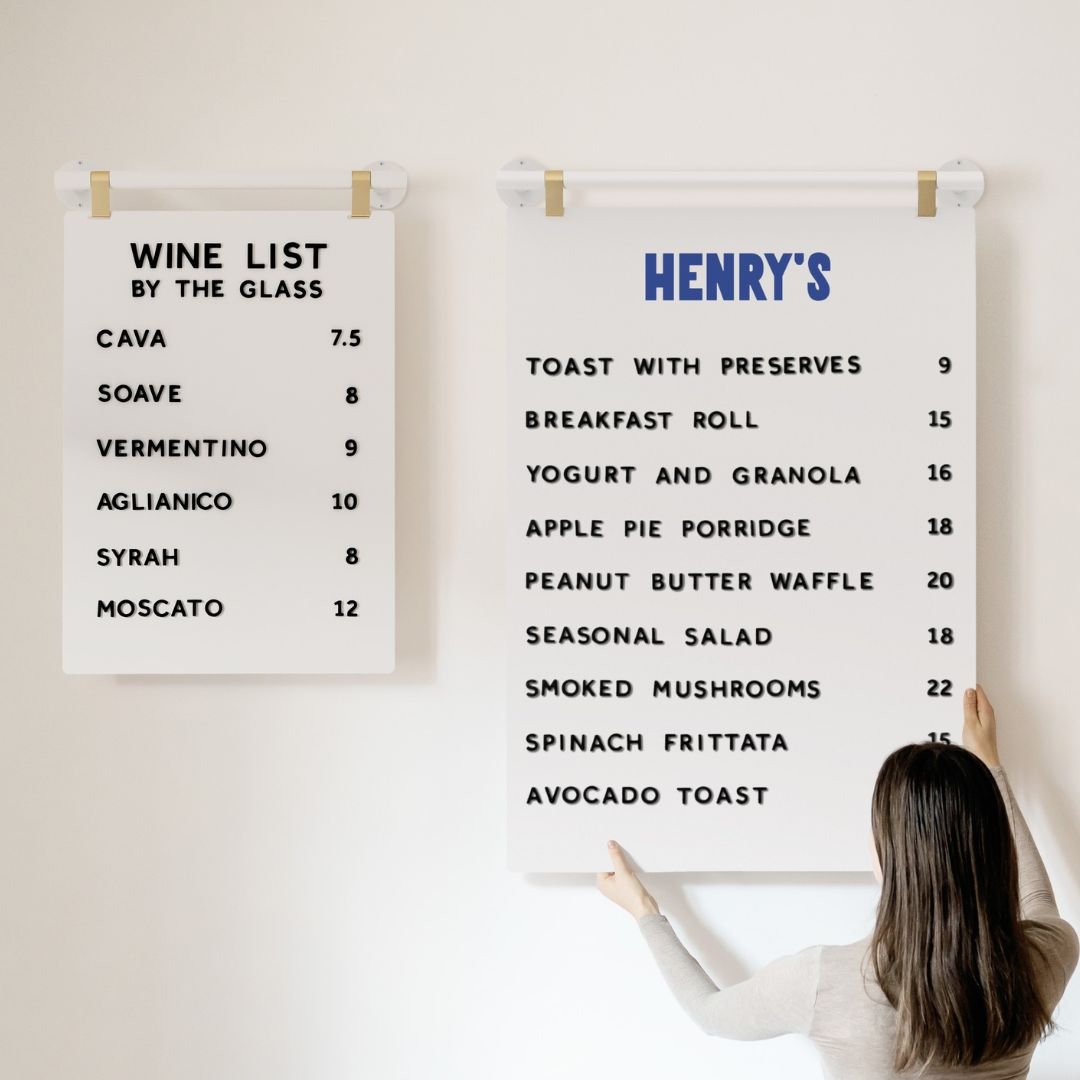
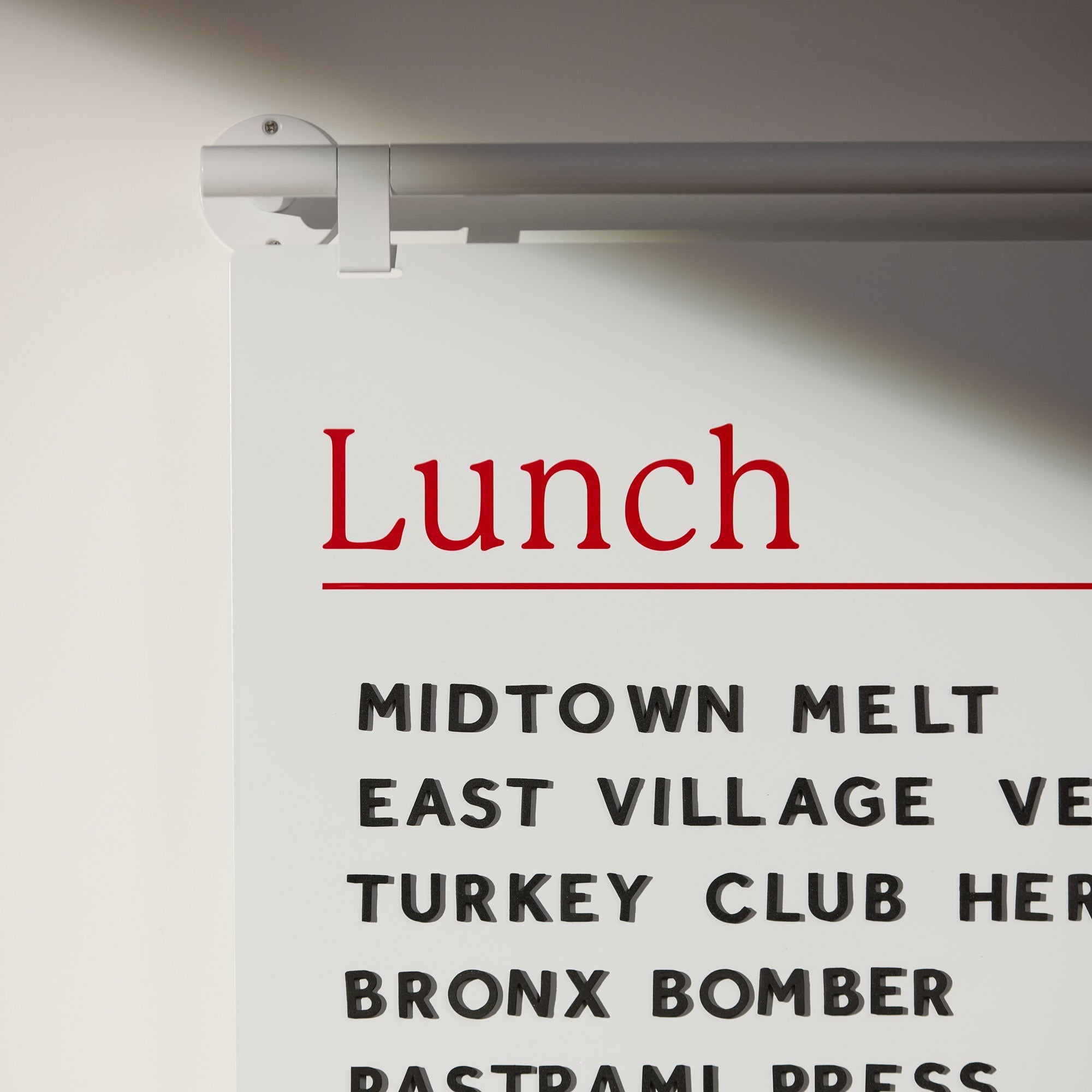
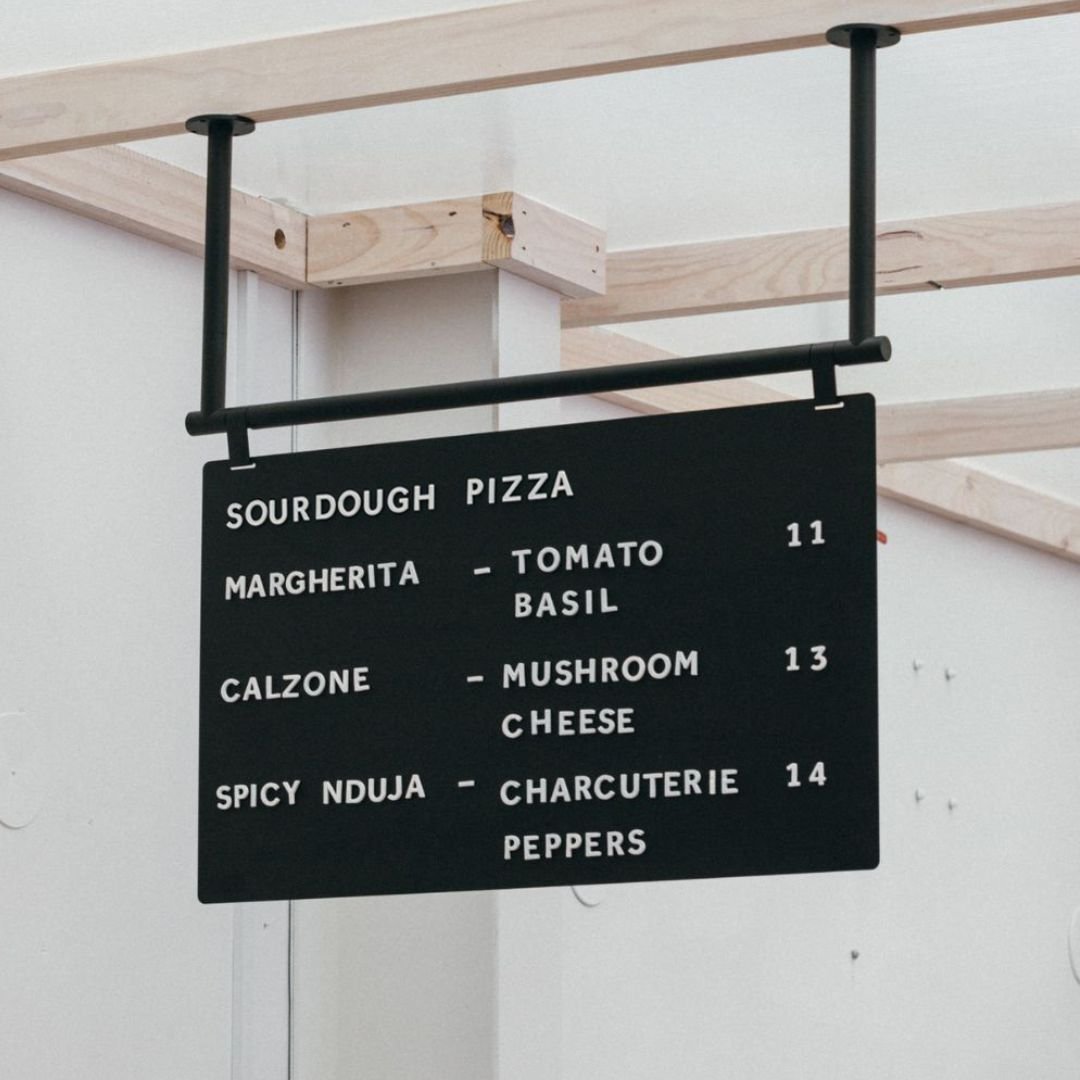
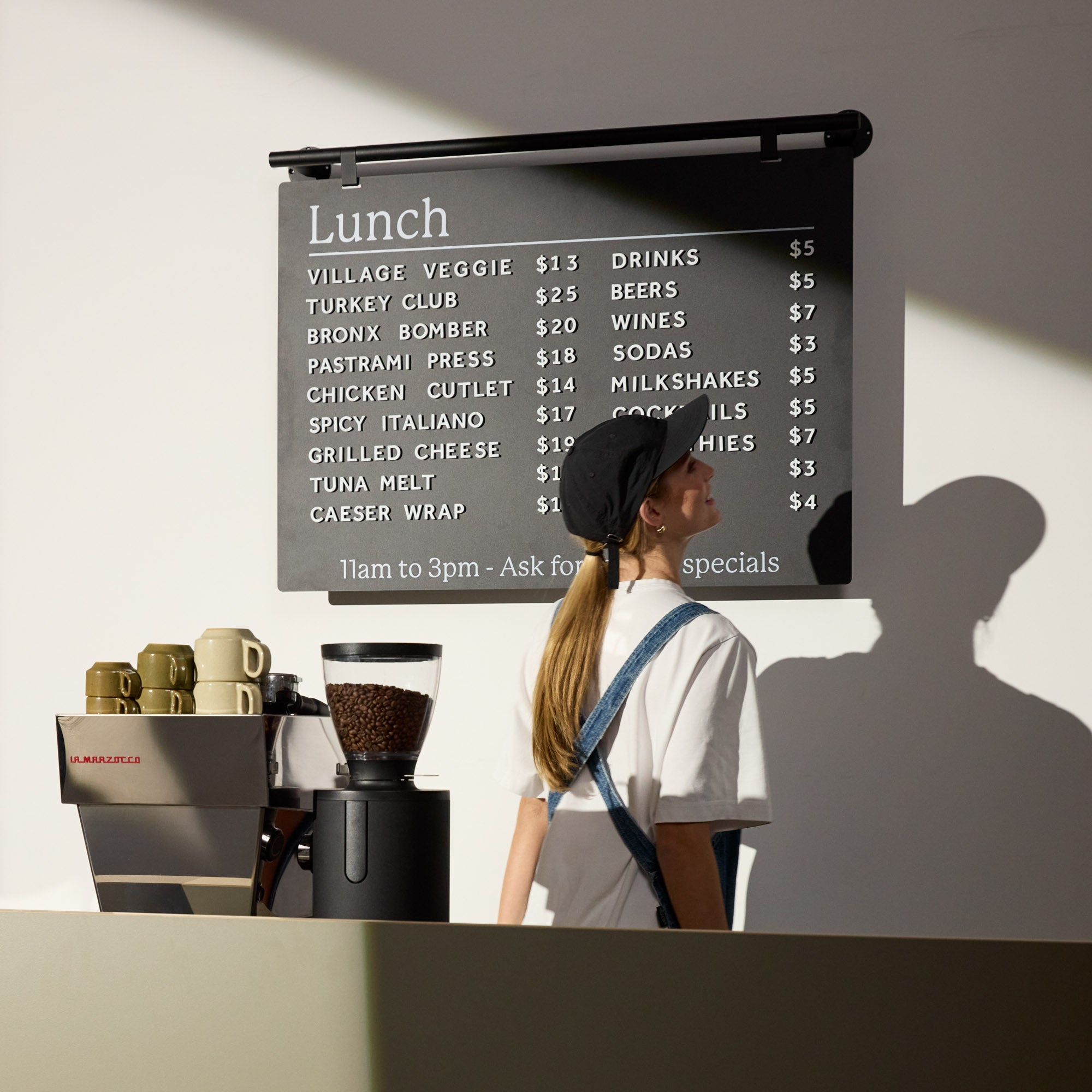
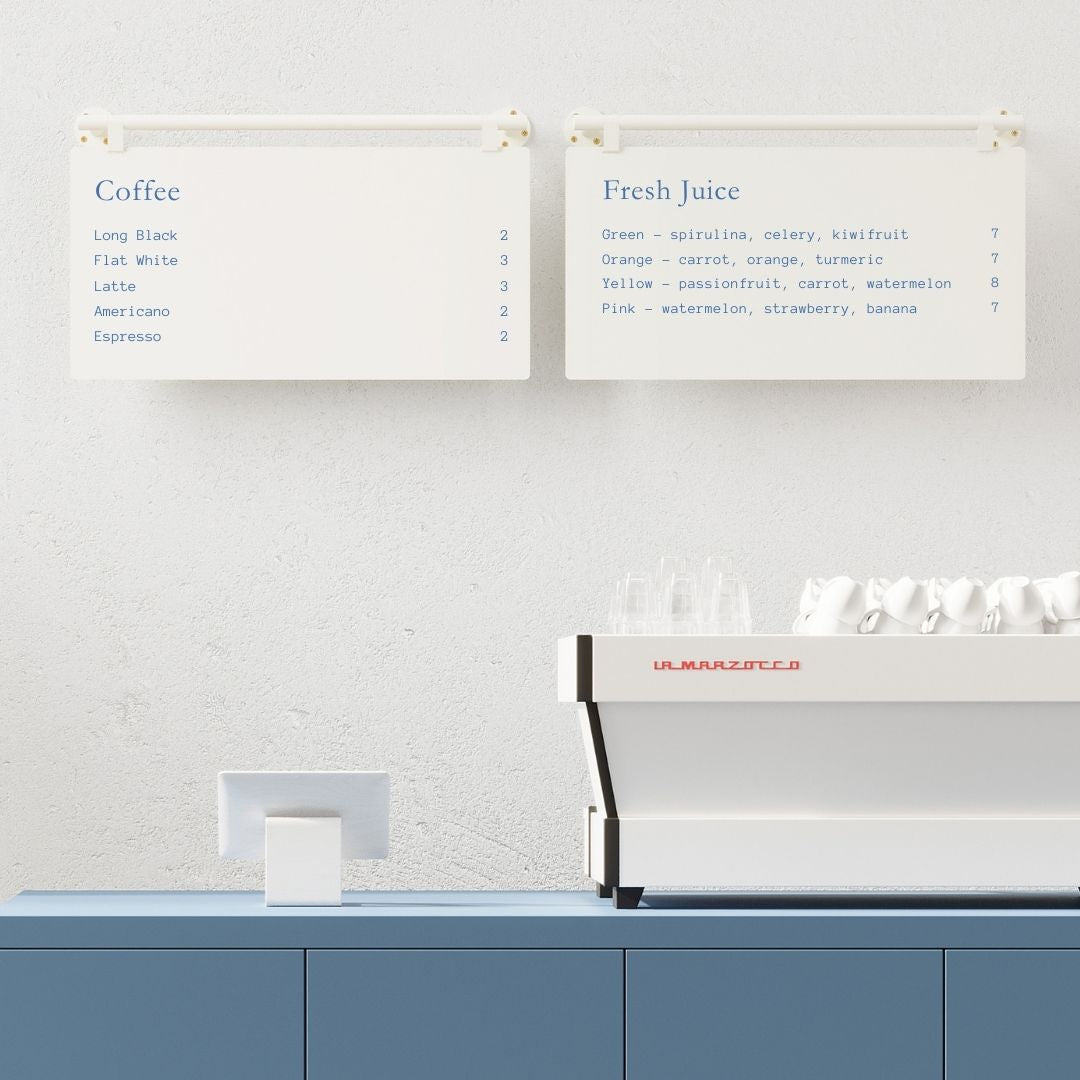
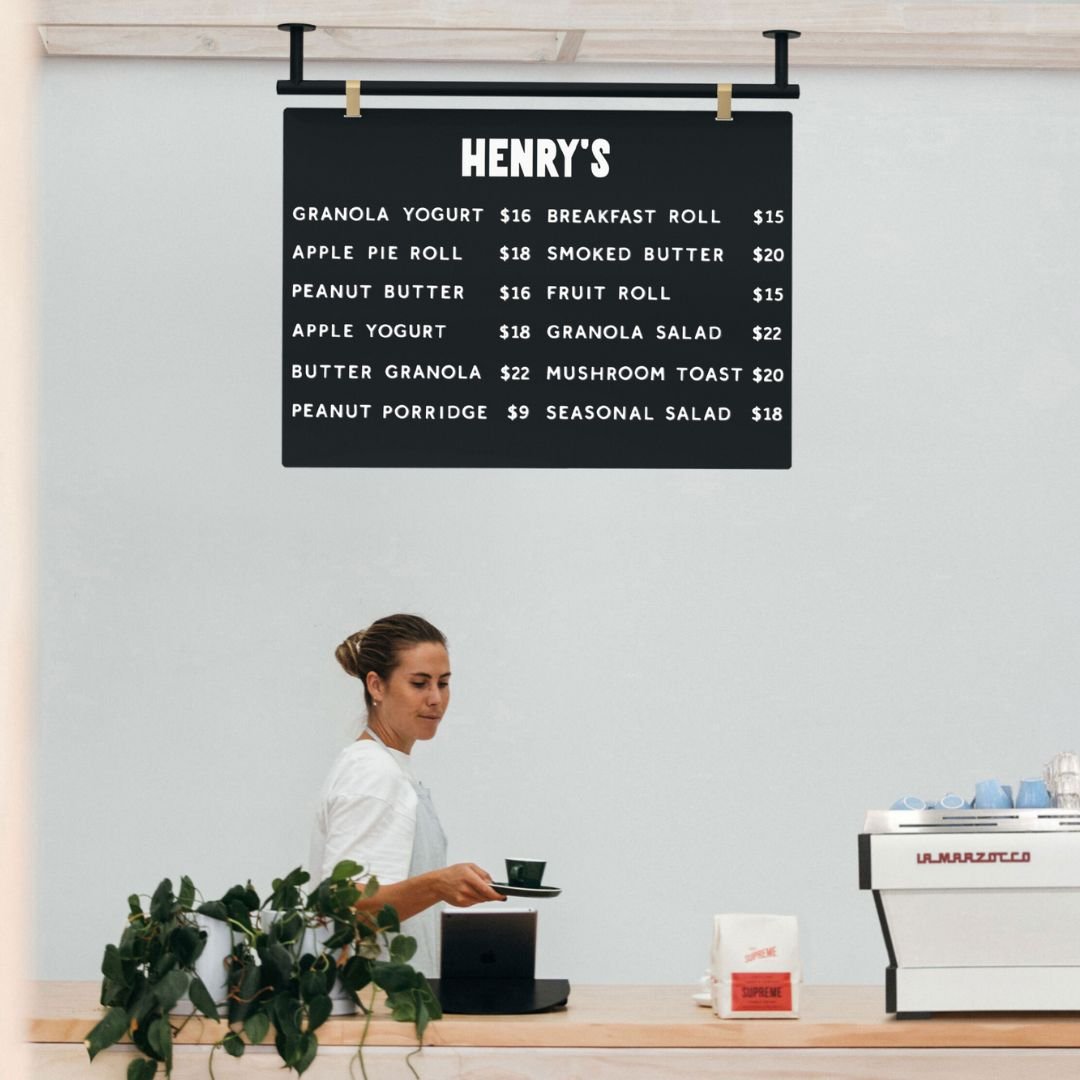
Wall mounted (e.g., a Hanging Menu Boards)
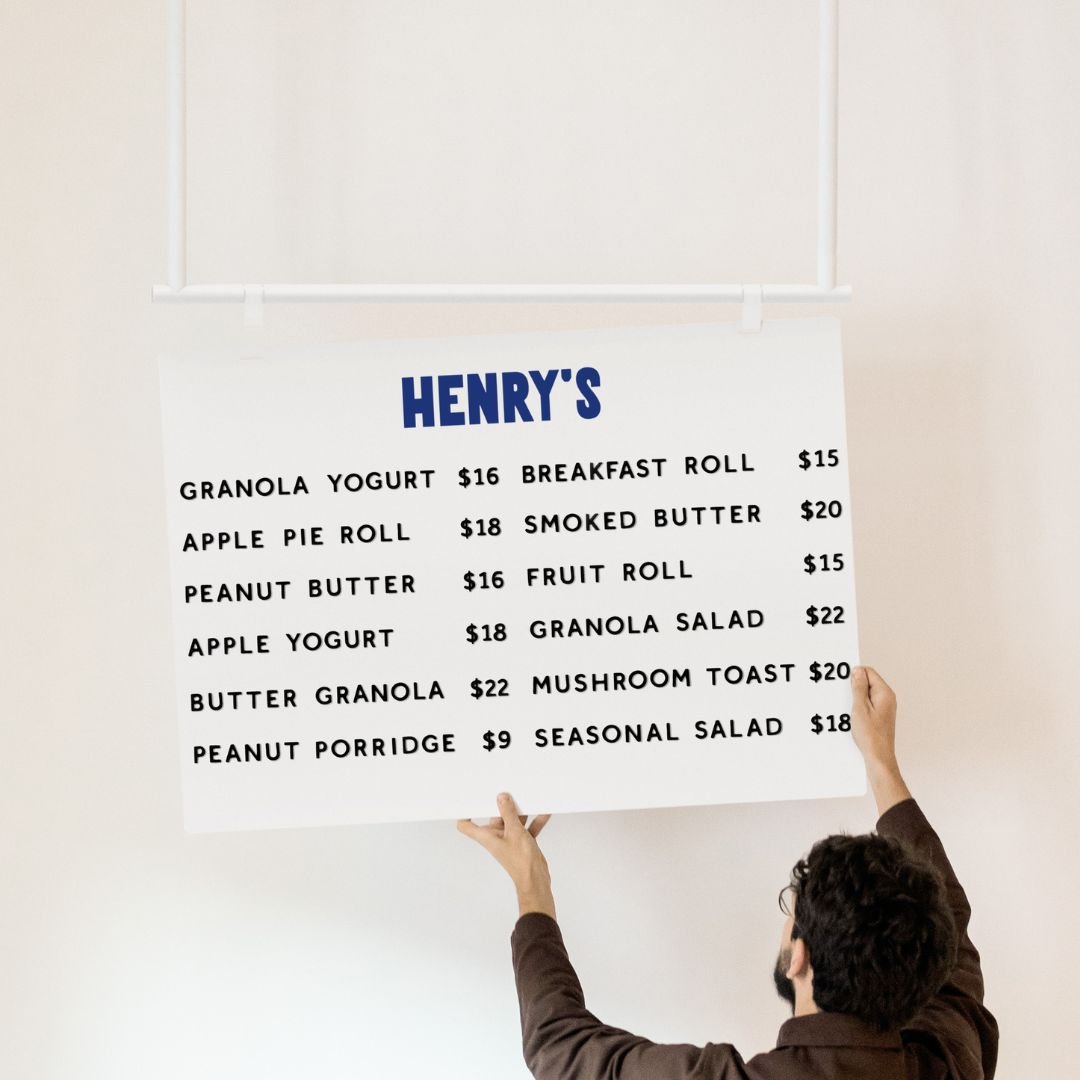
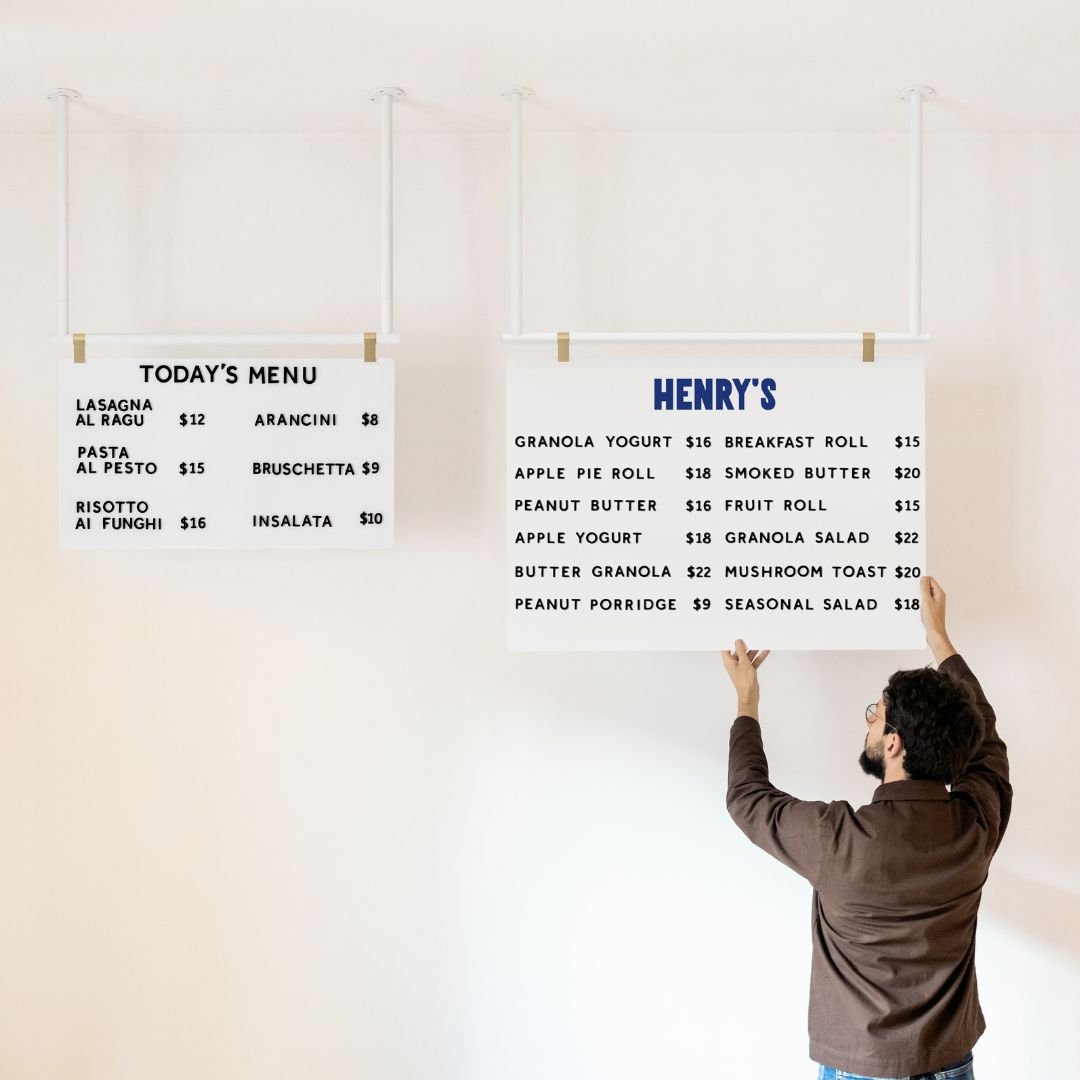
Hung from the ceiling (e.g., a Ceiling Menu Board)
Pole mounted
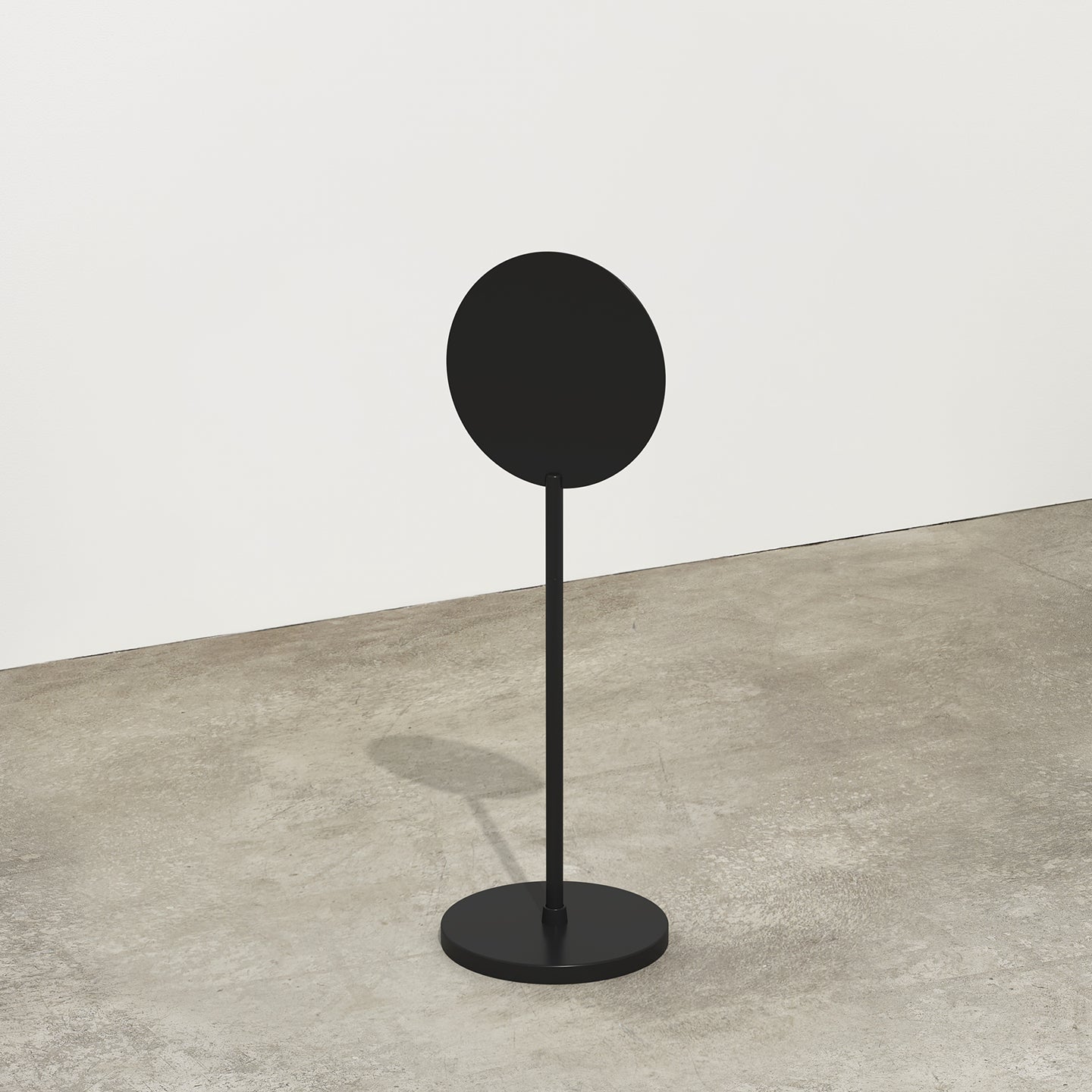
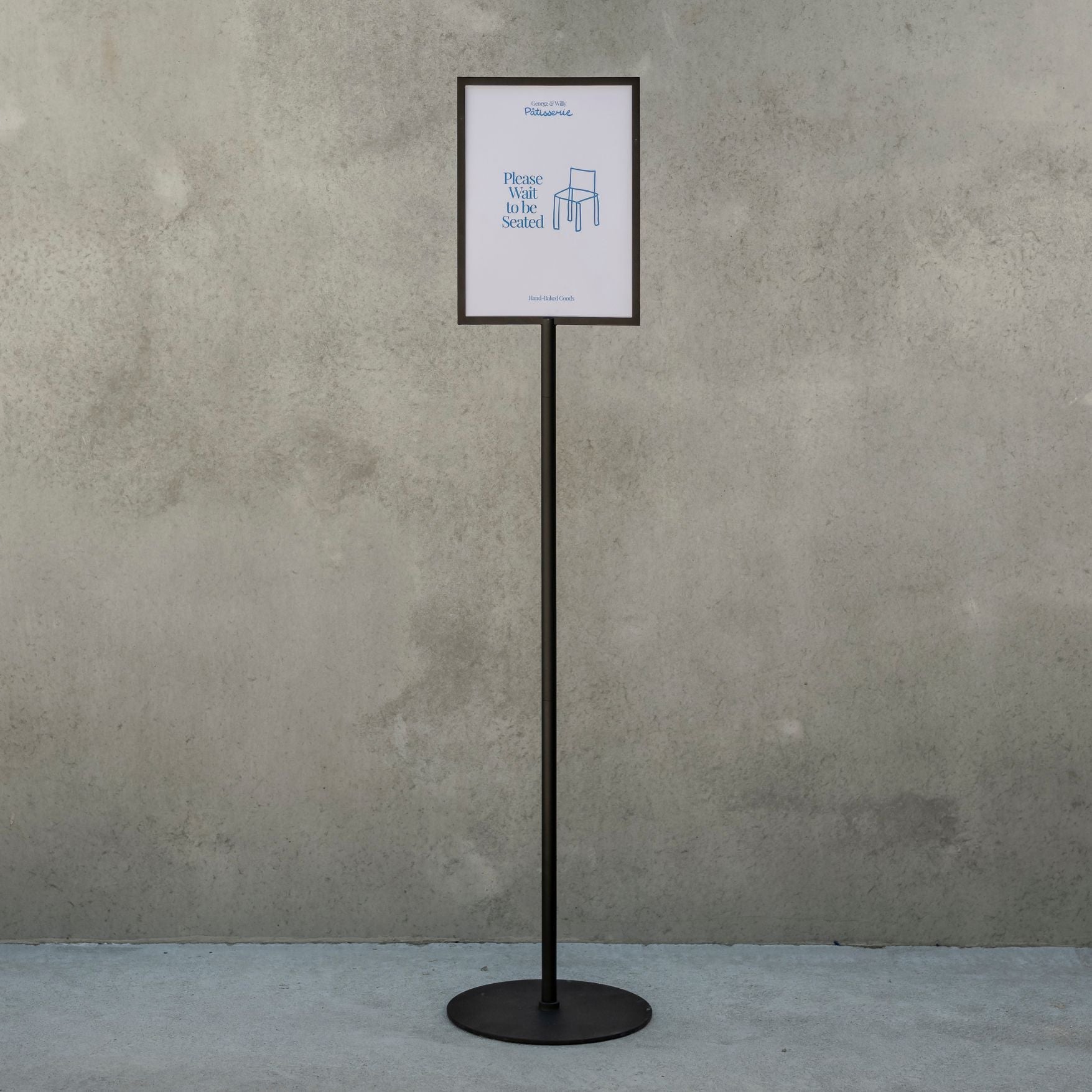
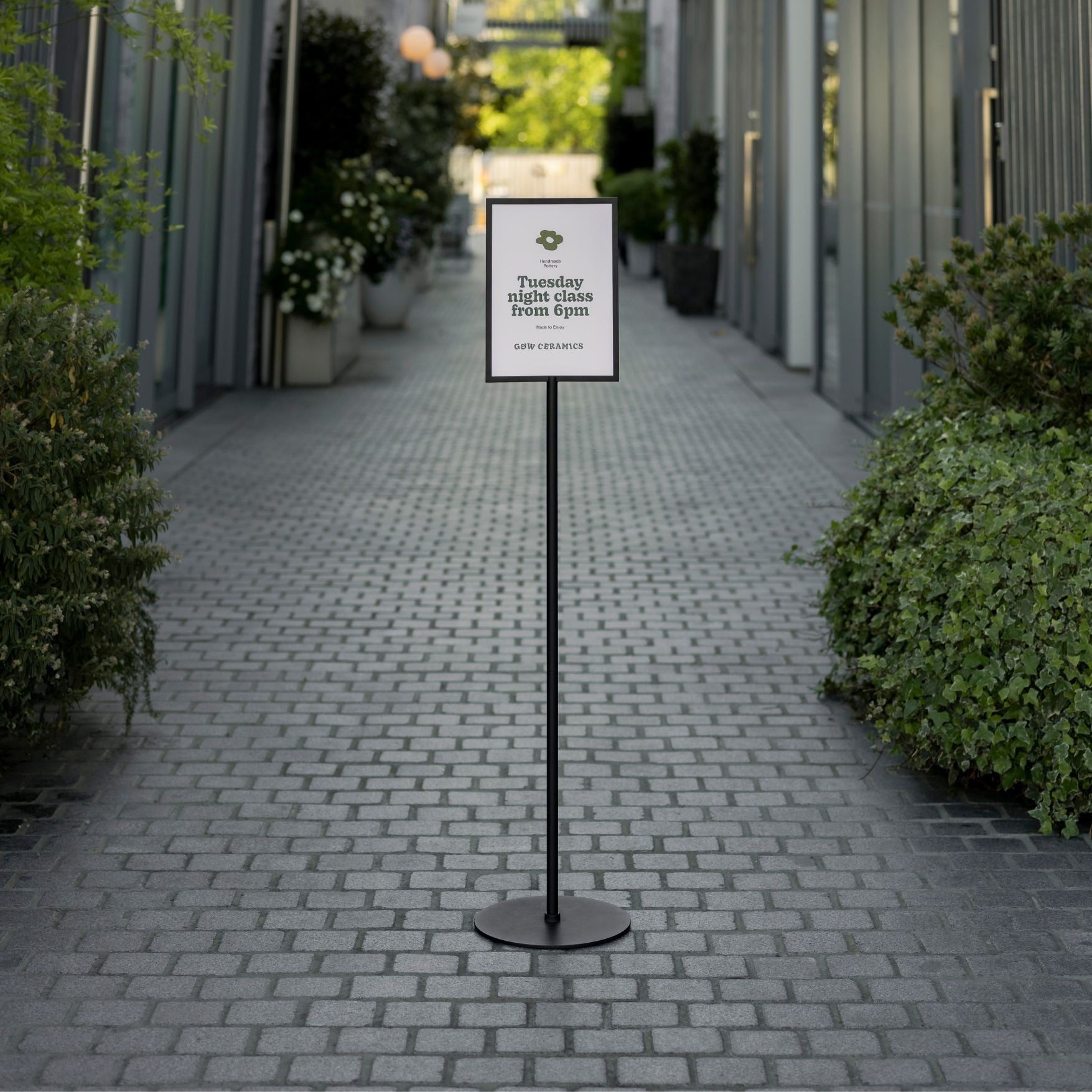
Placed on a freestanding pedestal (e.g., a Menu Stand)
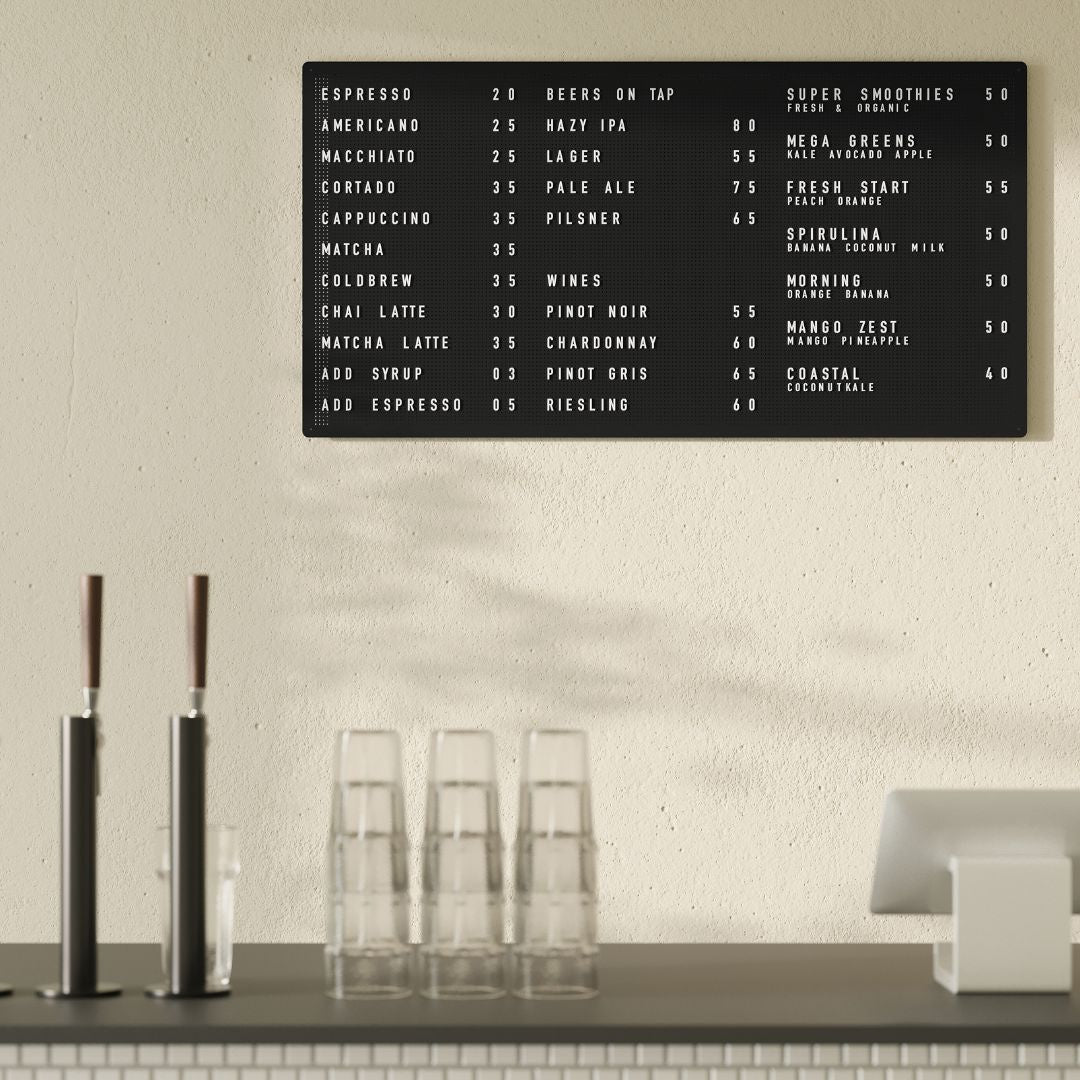
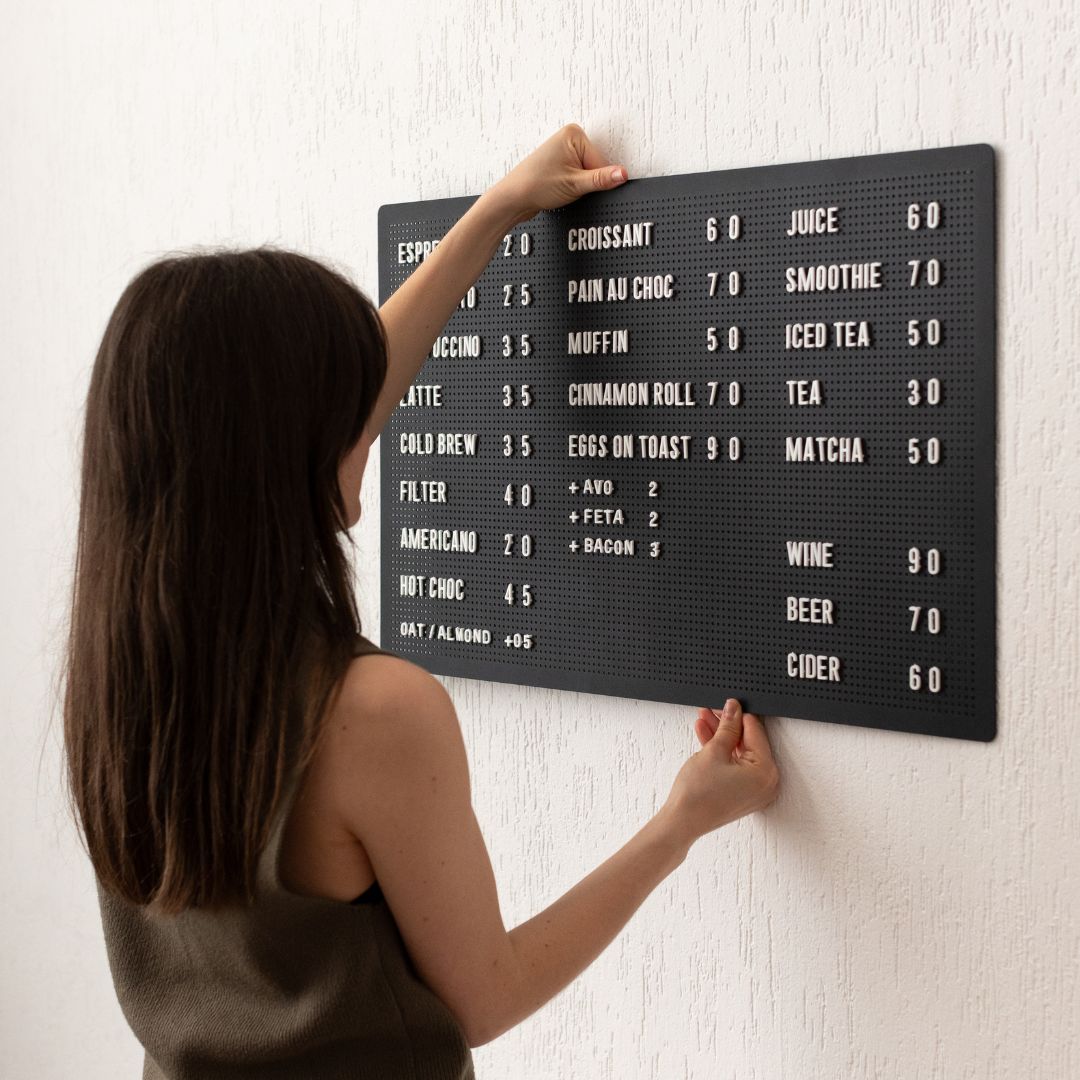
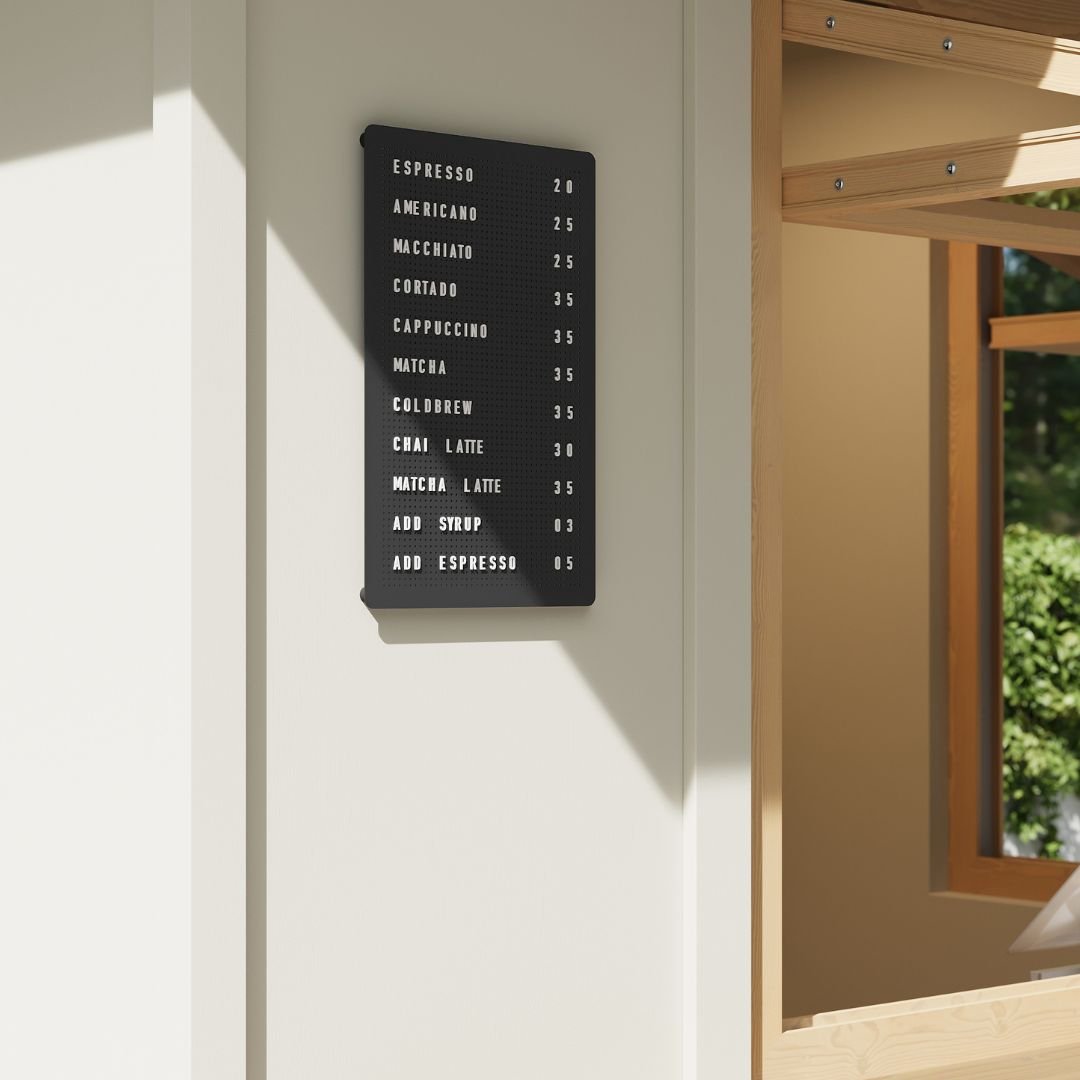
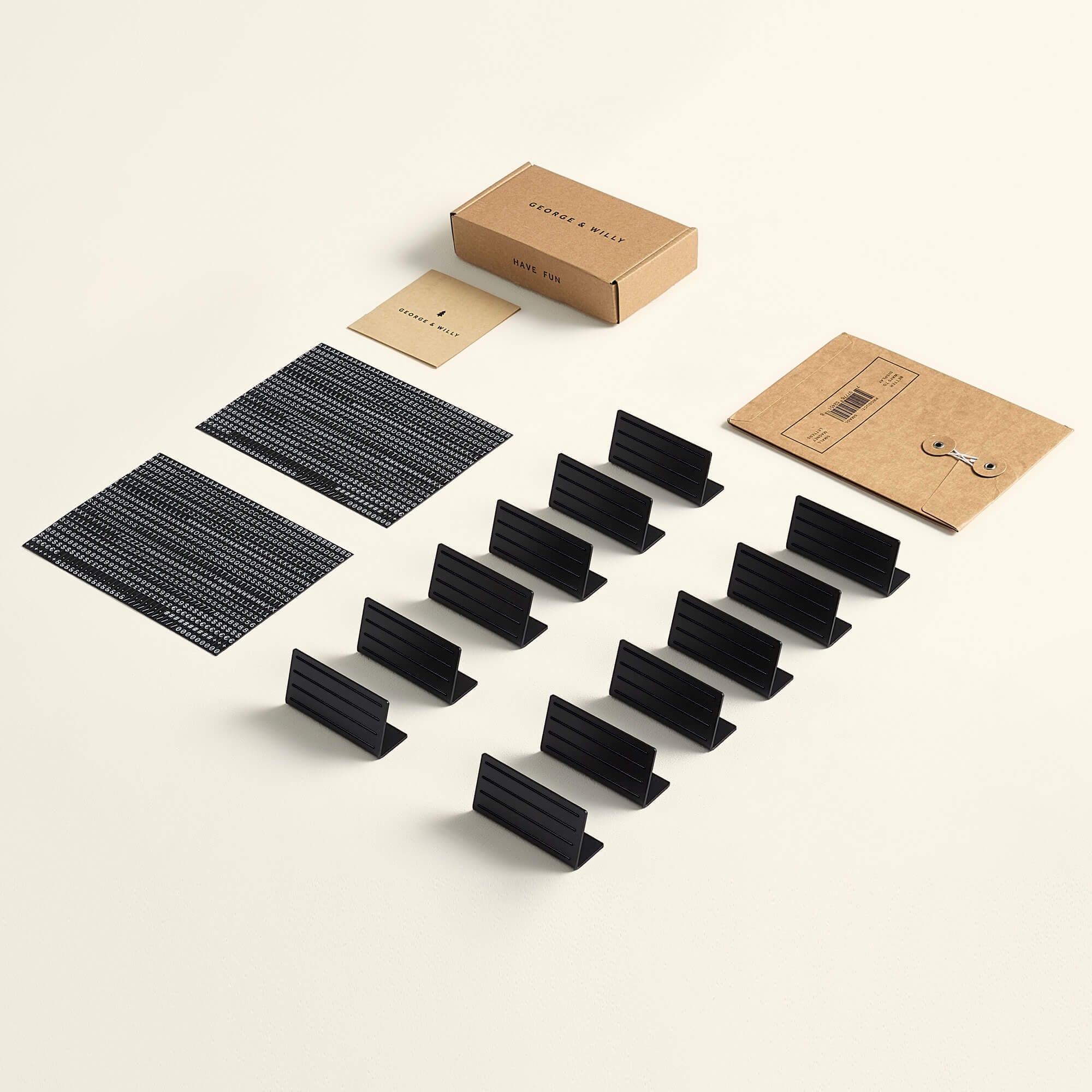
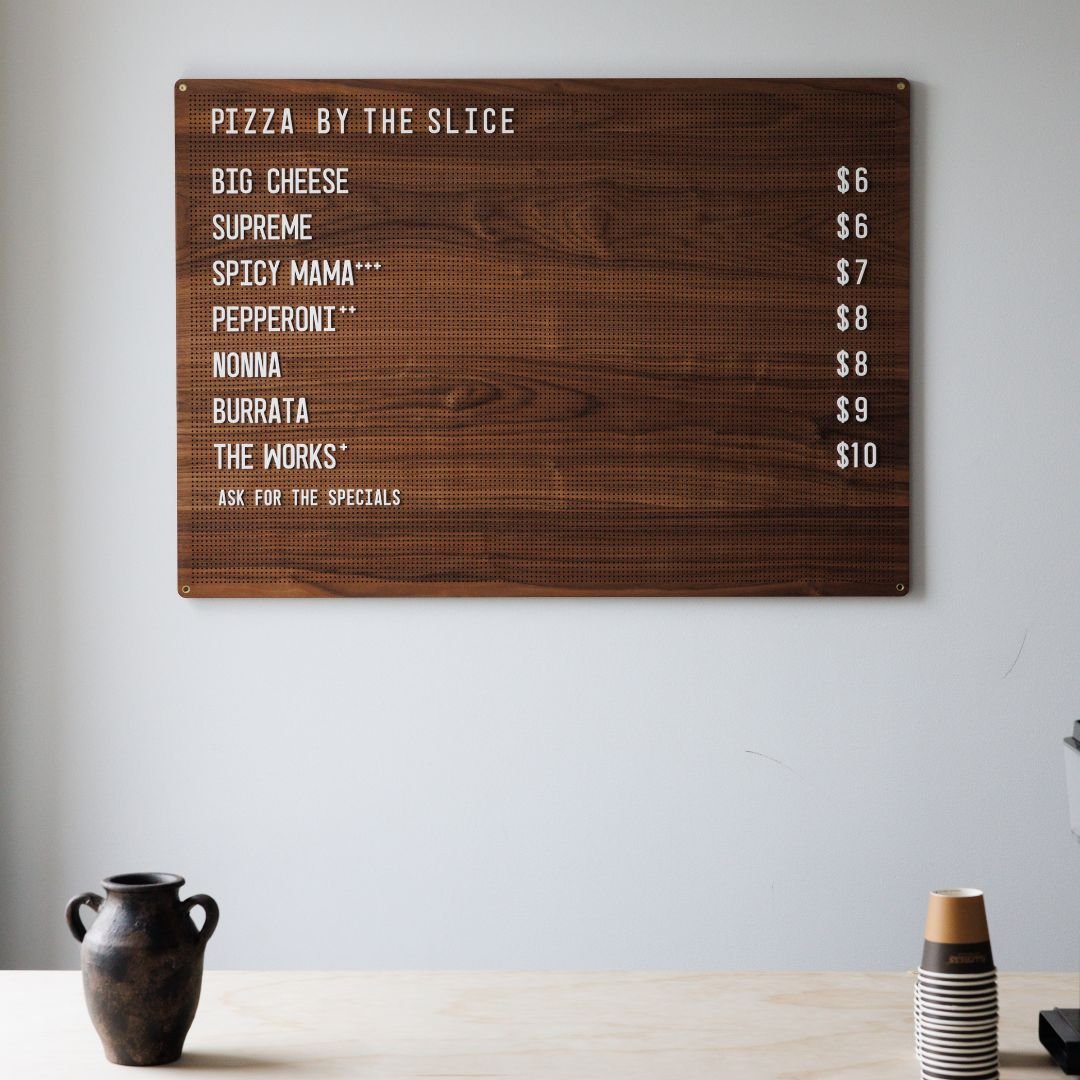
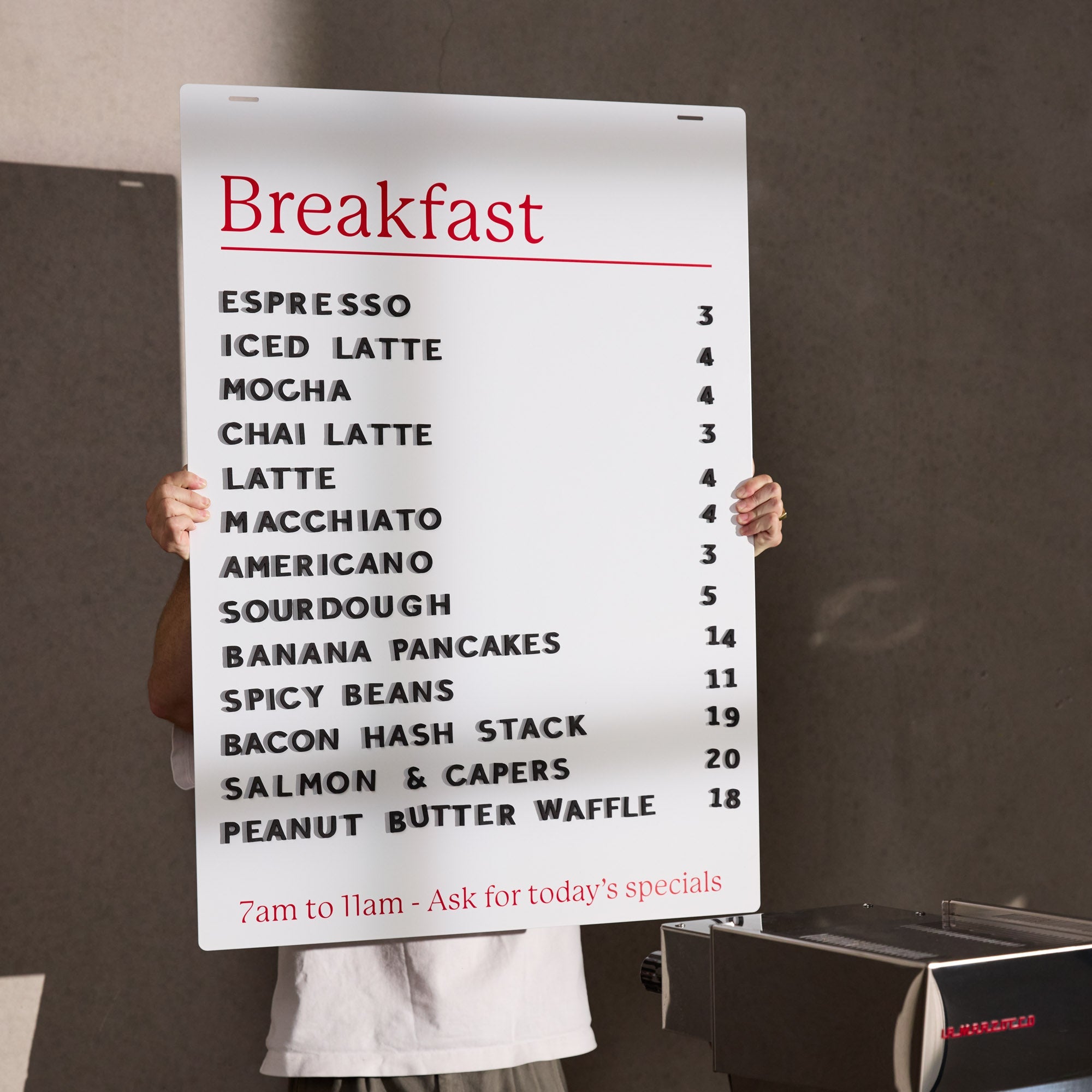
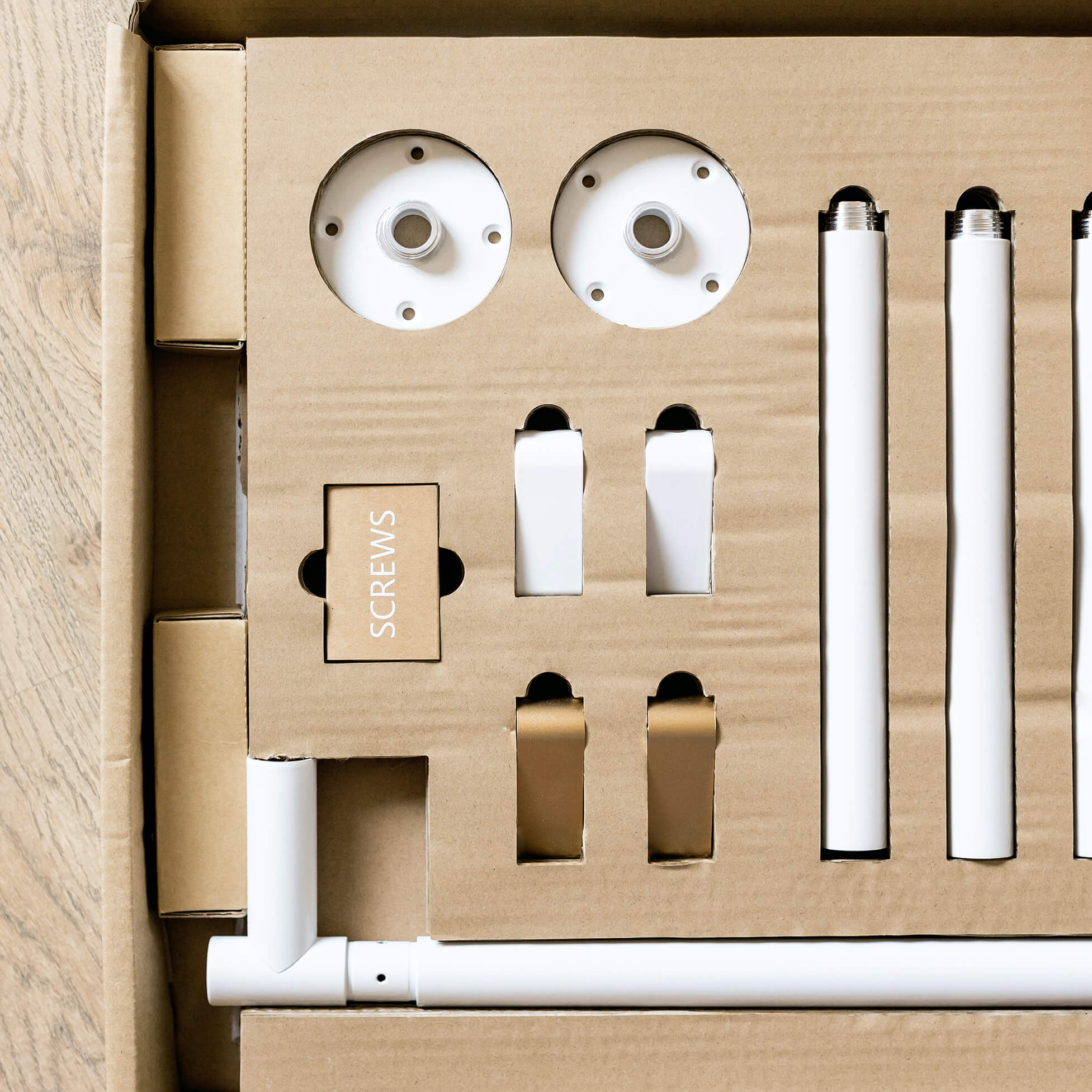
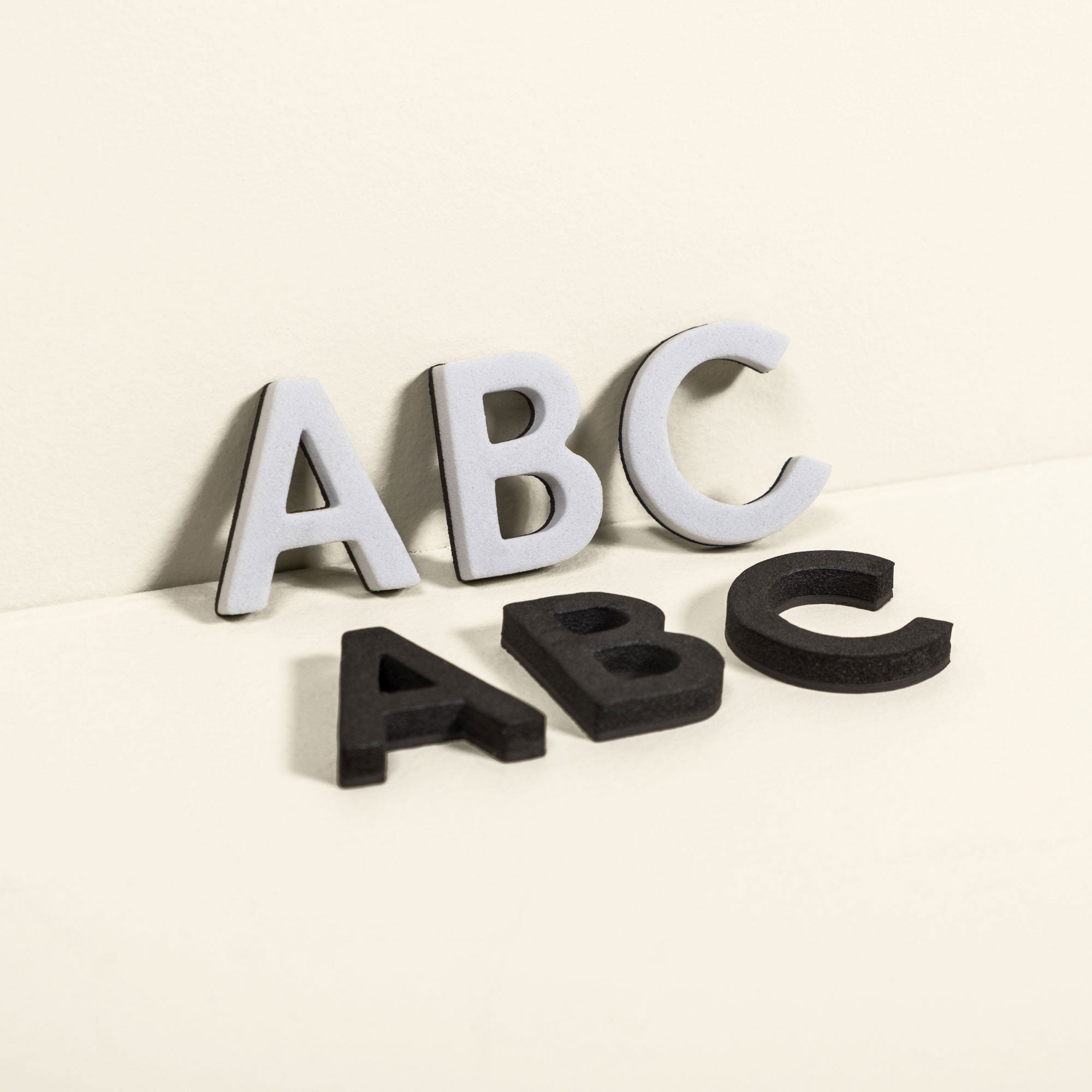
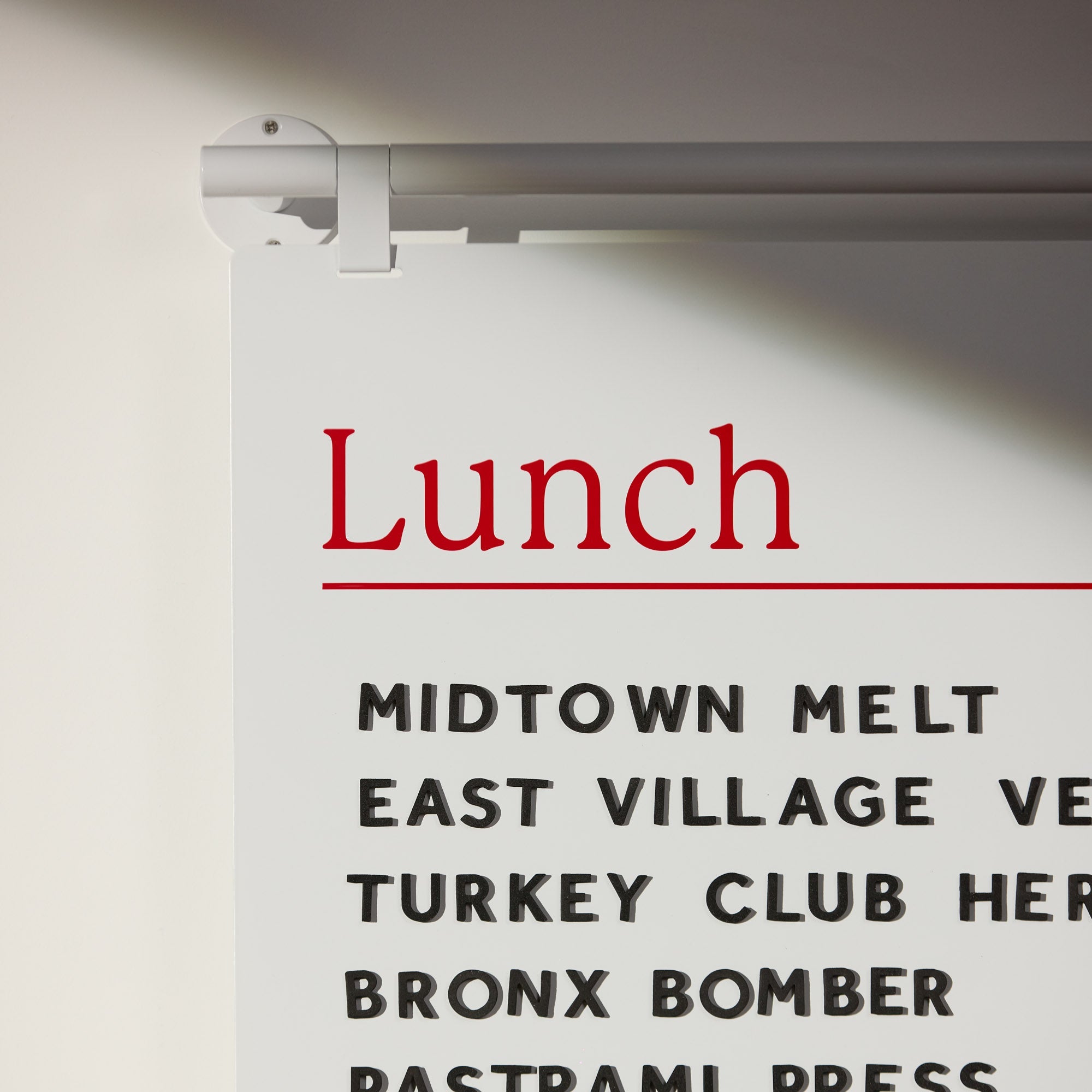
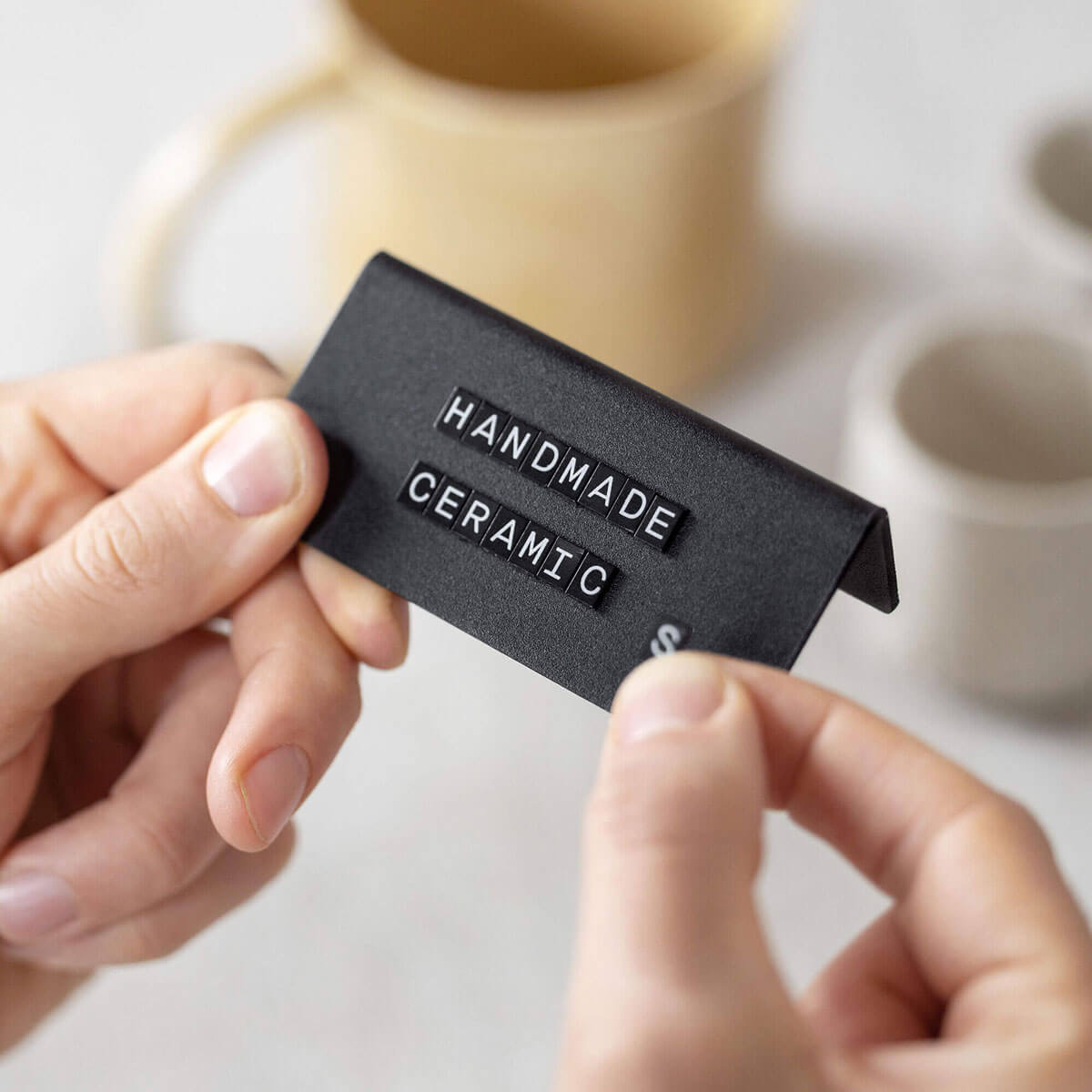
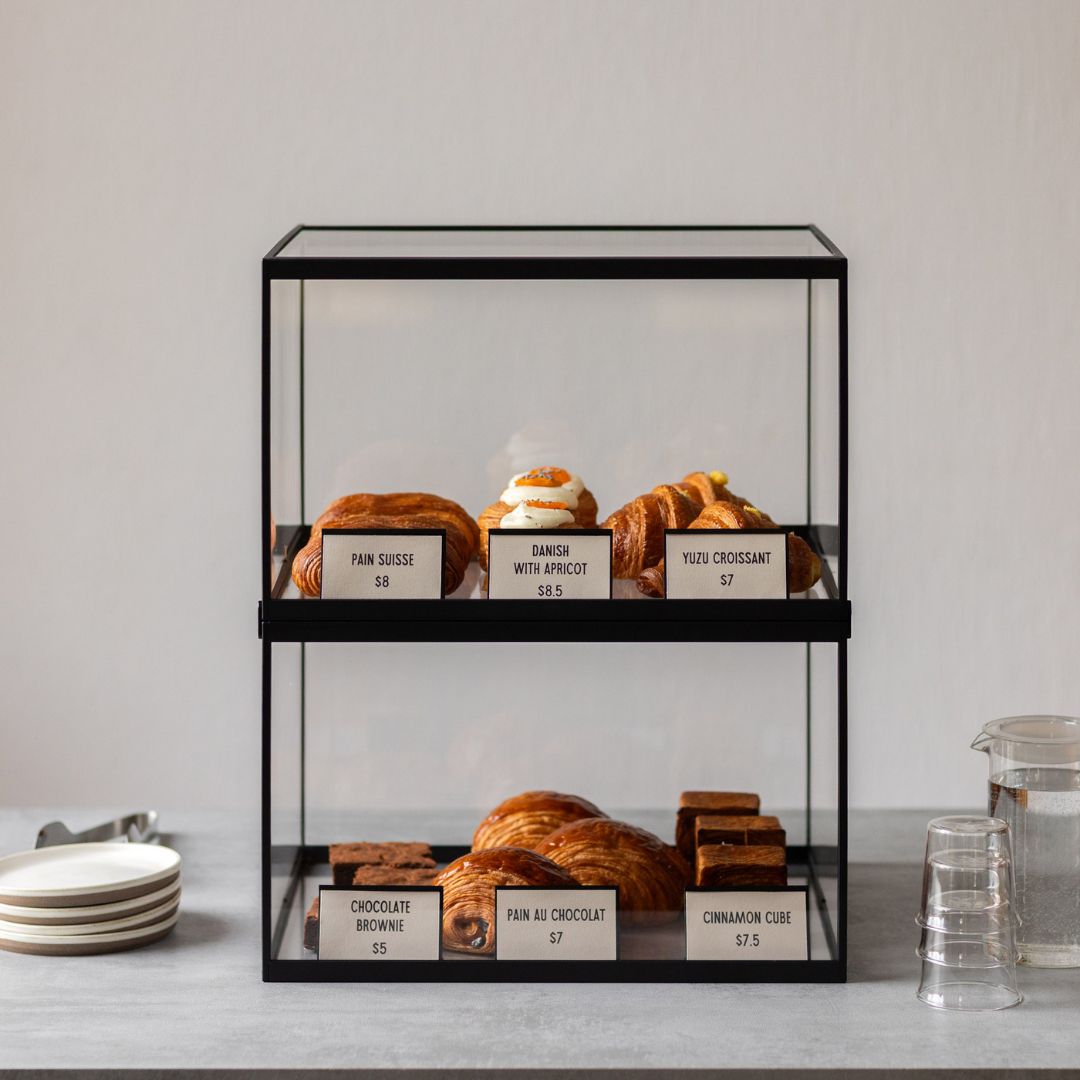
This allows you to choose a format that perfectly suits your space. For those who value tactile design, non digital systems like our Magnetic Menu Board offer a clean, minimalist aesthetic with endless layout flexibility.
Protective, Tamper Resistant Enclosures
Any outdoor restaurant menu board is an investment that needs protection from more than just the weather. A protective, tamper resistant enclosure is the armor that shields the display from vandalism and theft.
These enclosures are typically made of steel or aluminum and feature high security locks, hidden hinges, and tamper proof screws. The front is covered with shatterproof, impact resistant glass to protect the screen from physical damage. This robust design ensures your equipment stays secure 24/7.
Managing Your Menu: Content and Control
The real power of a digital outdoor restaurant menu board lies in its software. Modern systems give you complete, effortless control over what your customers see.
Remote Content Management via the Cloud
Forget swapping out posters or using USB sticks. With remote content management, you can update your menu from anywhere with an internet connection.
Using a cloud based Content Management System (CMS), you can log into a web portal to change prices, add specials, or update images. These changes are sent to your screens in real time. For a restaurant chain, this is revolutionary. You can push a price change to every single location instantly with one click, ensuring total brand consistency.
Real Time Promotion Scheduling
Real time promotion scheduling, also known as dayparting, lets you schedule content to appear automatically at specific times.
Schedule your breakfast menu to switch to lunch at 11:00 AM sharp.
Display a happy hour banner that only appears from 4 PM to 6 PM on weekdays.
Program weekend only specials that run automatically on Saturdays and Sundays.
This automation saves your staff time and ensures customers always see the most relevant, timely offers, which can directly help boost revenue.
Touchscreen and Interactive Menus
A touchscreen interactive menu board turns your display into a self service kiosk. Customers can browse the menu, customize their orders, and even pay directly on the screen.
This technology can streamline ordering and reduce lines at the counter. It’s also a powerful upselling tool. Automated prompts like, “Would you like to add a drink?” are incredibly effective. One analysis found that self order kiosks often lead to higher ticket orders, with customers spending around 20% more on average. QSRs have reported significant sales lifts after deploying interactive screens.
The Investment: Cost and Lifespan
An outdoor restaurant menu board is a long term investment. Here’s what you can expect in terms of cost and durability.
What is the Lifespan of a Digital Menu Board?
A commercial grade digital menu board is built for continuous use and can last for many years. Most LED displays are rated for 50,000 to 100,000 hours of operation.
In real world terms, this translates to about 5 to 10 years of reliable service. Features like auto dimming and proper ventilation can help extend this lifespan even further by reducing heat and component stress. While the screen may eventually be replaced due to technological upgrades, a well maintained board is a durable, long lasting asset.
How Much Does an Outdoor Digital Menu Board Cost?
The cost of a digital menu board varies widely based on size, features, and durability.
A basic indoor setup using a consumer TV could be done for under $500.
A professional, single screen outdoor digital menu board with a weatherproof enclosure and high brightness display typically costs between $2,000 and $5,000 per screen for the initial hardware investment.
Larger screens or those with interactive touch capabilities will be at the higher end of that range or more. A 65 inch 4K interactive touchscreen can cost $4,000 or more on its own.
Remember to also budget for installation, mounting hardware, and any monthly software subscription fees. While the upfront cost is significant, many restaurants find the return on investment through increased sales and operational savings makes it worthwhile.
Frequently Asked Questions
1. What is a waterproof menu board?
A waterproof menu board is a digital display built with a sealed, weatherproof enclosure that protects its electronic components from rain, snow, and humidity. They typically have an IP rating of IP65 or higher, certifying they can withstand water exposure without damage.
2. What is the best material for an outdoor restaurant menu board in a coastal area?
Aluminum is an excellent choice for coastal environments because it is naturally corrosion resistant and does not rust when exposed to salt and moisture. Marine grade stainless steel is another durable option.
3. How do you update the content on an outdoor digital menu board?
Most modern systems use remote, cloud based content management software. This allows you to log into a web portal from any computer or mobile device to change prices, images, and promotions instantly. The updates are sent to the screen over the internet.
4. Can a digital menu board be read in direct sunlight?
Yes, if it is designed for outdoor use. A “sunlight readable” display achieves this with a combination of a very high brightness screen (1,000+ nits) and anti glare or anti reflective screen coatings that reduce the mirror effect from the sun.
5. How long does an outdoor digital menu board last?
You can expect a commercial grade outdoor display to have a lifespan of 5 to 10 years with normal use. The LED backlight is often rated for 50,000 hours or more of operation before it begins to dim.
6. Are there good non digital alternatives for an outdoor menu?
Absolutely. For many businesses, especially those prioritizing a specific aesthetic or portability, high quality analog menu boards are a fantastic choice. Options like changeable letter boards or A-frame signs from George & Willy offer timeless style, durability, and the flexibility to update your menu easily.