


Yard signs for business are a surprisingly powerful and cost effective way to get noticed. Whether you’re announcing a grand opening, promoting a sale, or guiding customers to your location, the humble yard sign works hard. To get the most out of them, you need a smart approach covering everything from design and materials to placement and local rules. This guide will walk you through everything you need to know about making yard signs for business work for you.
Getting the Basics Right: Size, Material, and Durability
Before you even think about design, you need to decide on the physical properties of your sign. These foundational choices impact visibility, longevity, and your budget.
Choosing the Right Yard Sign Size
When it comes to yard signs for business, size is critical for effectiveness. The most common yard sign format is 18 by 24 inches, which is large enough to be seen from the road without overwhelming a small space. A sign that is too small won’t be readable, while one that is too large might violate local ordinances.
A good rule of thumb for readability is to have one inch of letter height for every 10 feet of viewing distance. This means if you want drivers 50 feet away to read your message, your text should be at least five inches tall. Always check with your city or homeowners association, as many have restrictions on sign dimensions, especially for business or political signs.
Selecting the Best Yard Sign Material
The material you choose affects your sign’s appearance, durability, and cost.
Corrugated Plastic: Also known as Coroplast, this is the most popular material for temporary yard signs. It’s lightweight, waterproof, and affordable. Its fluted structure, similar to cardboard, gives it rigidity. Corrugated plastic is ideal for short term use, like for a weekend event or a seasonal promotion.
Aluminum: For a more professional and long lasting option, aluminum is a top choice, especially in real estate. Aluminum signs are rust proof, weather resistant, and project a high quality image. An aluminum sign can last for three or more years outdoors, making it a great investment for signs you plan to reuse.
Aluminum Composite: This material features a plastic core sandwiched between two thin aluminum sheets. It offers a middle ground, providing more strength and longevity than plastic alone but at a lower cost than solid aluminum.
Ensuring Your Yard Sign is Durable
Durable yard signs for business have to withstand sun, wind, and rain. A sign’s lifespan can range from six months to over five years depending on the material and climate. Corrugated plastic signs typically last between six months and two years, while aluminum signs can endure for three to five years or more.
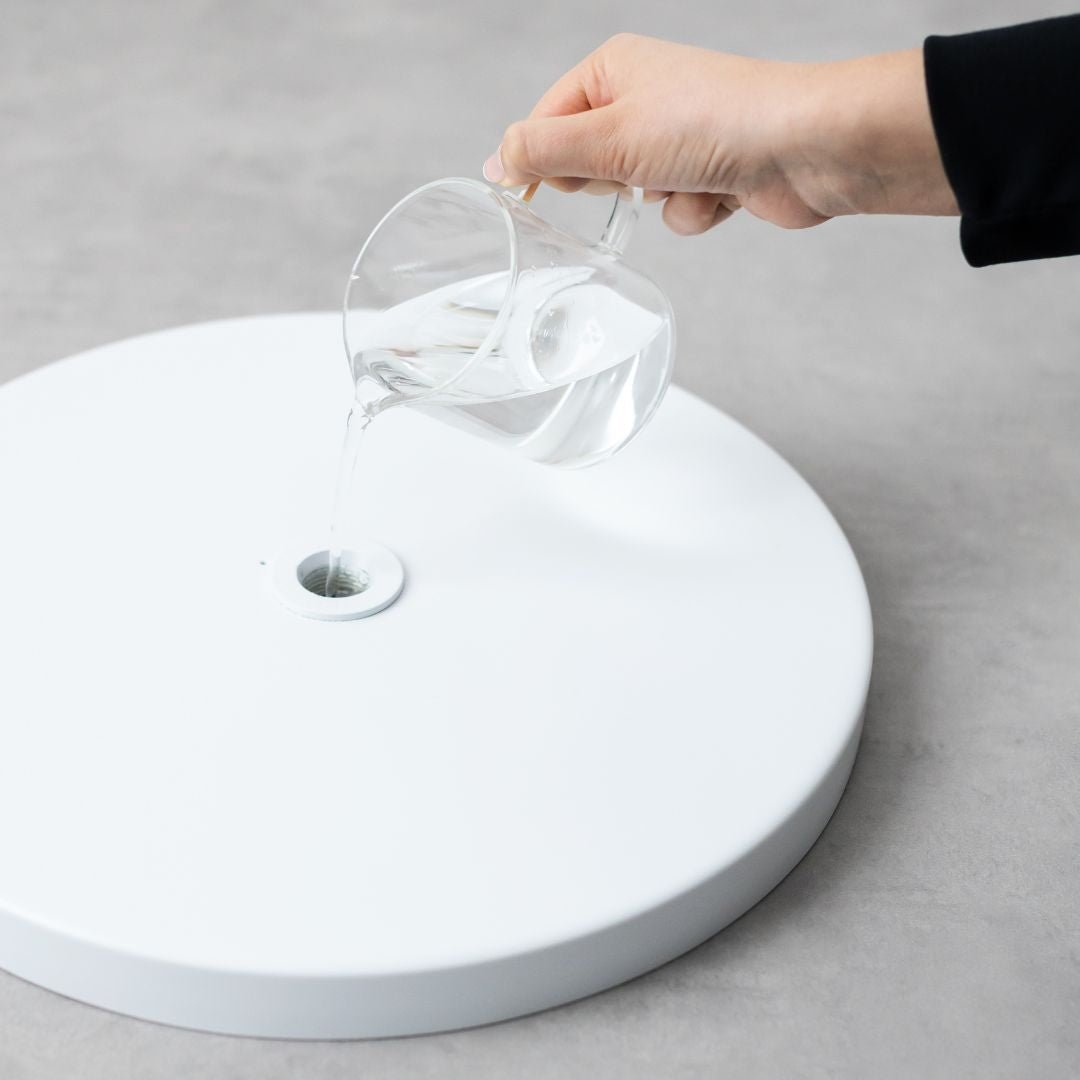
Sunlight is a major factor in a sign’s deterioration. Ultraviolet (UV) rays cause colors to fade and plastic to become brittle. To combat this, some signs are printed with UV resistant inks or have a protective laminate coating. Wind is another common cause of failure. A standard corrugated plastic sign can handle winds of about 20 to 30 mph, while a sturdily mounted aluminum sign can withstand winds of 40 mph or more. To improve durability, place signs near windbreaks like buildings or fences and consider taking them down during severe weather warnings. If you’re using a board-style sidewalk sign, add a stabilizing sandbag for A‑Frame signs to help prevent tipping.
Designing Effective Yard Signs for Business
A great design is what makes your sign grab attention and deliver its message in just a few seconds.
Nailing the Graphic Design
You have about two seconds to capture the attention of a passing driver. This means your message must be simple, clear, and concise. Stick to one key point, like your business name and phone number or a short, punchy slogan.
High contrast colors are essential for legibility. Black text on a yellow background or white text on a dark blue background are classic, effective combinations. Avoid low contrast pairings like yellow on white. Use clean, bold fonts like Arial or Helvetica. A FedEx Office survey found that nearly eight in ten consumers entered a store for the first time simply because its sign caught their eye.
Following Artwork and File Setup Guidelines
To ensure your sign prints correctly, follow these technical guidelines:
Resolution: Design your artwork at the actual sign dimensions with a resolution of at least 150 DPI (dots per inch).
Bleed: Include a bleed, which is an extra margin of the background color or image that extends beyond the trim edge. This prevents white borders if the cutting is slightly off.
Color Mode: Always design in CMYK color mode, which is the standard for printing. RGB colors used for screens can look different when printed.
Fonts: Convert your text to outlines or embed the fonts to prevent any substitution issues at the printer.
For double sided yard signs for business, you’ll need to provide two separate artwork files or a single file with clearly marked sides. Be mindful that bold graphics on one side of a corrugated plastic sign might show through as a faint “ghost” image in bright light. Opaque materials like aluminum are perfect for double sided printing because there is no show through.
Proofing, Color Matching, and Finishing Touches
Always review the proof your printer sends you. Check every detail, including spelling, phone numbers, and dates. It’s a good idea to have a second person look it over. Remember that colors on your screen may not perfectly match the final printed colors. If precise color is crucial, you can request a physical sample.
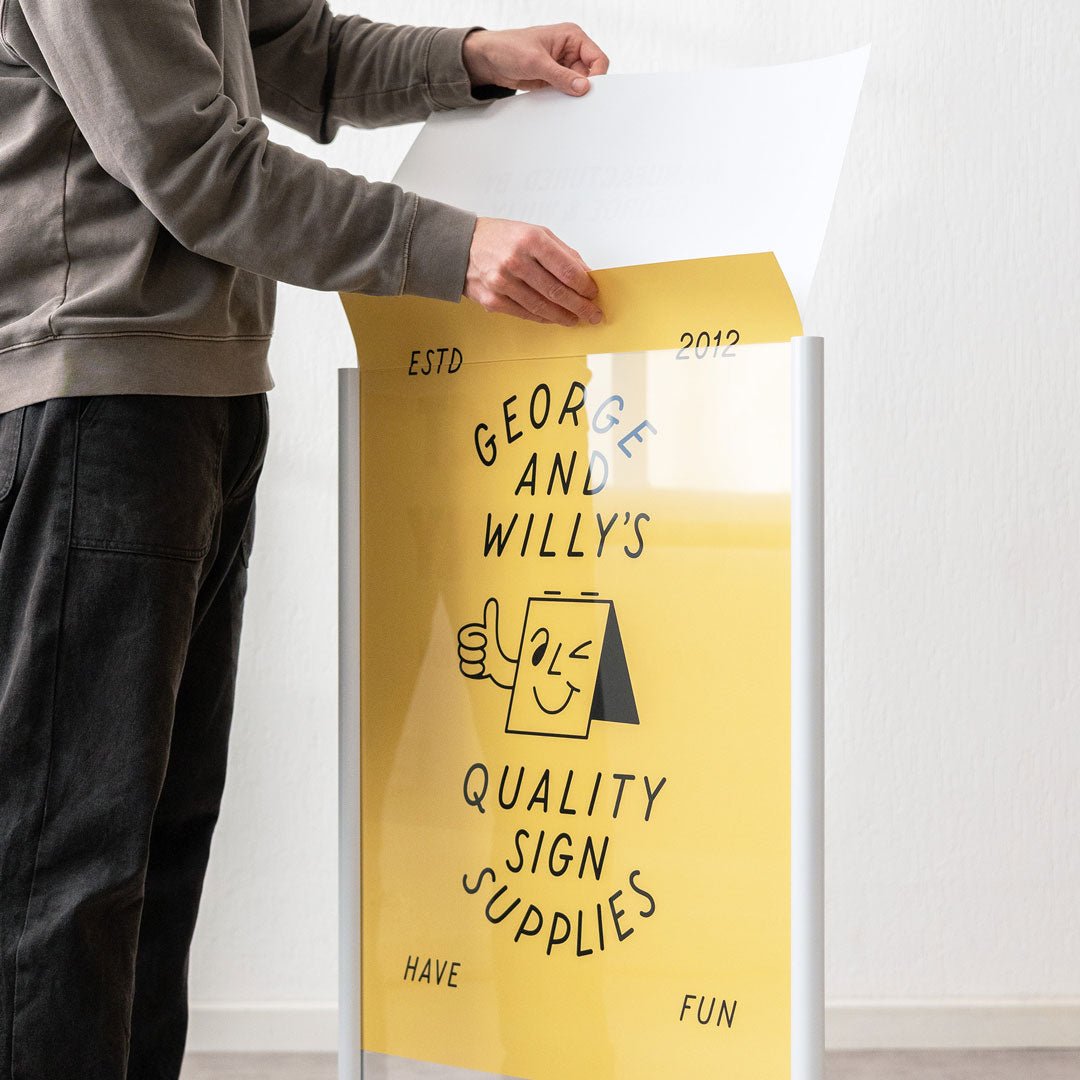
You can also explore finishing options to enhance your sign. Lamination adds UV protection and scratch resistance, extending the life of your sign. You can also opt for thicker materials for added rigidity. Custom shapes, like an arrow or a house, can make your sign stand out. Grommets (reinforced metal eyelets) are a great addition if you plan to hang your sign on a fence.
Installation and Strategy for Yard Signs for Business
Once your signs are designed and printed, it’s time to get them out into the world.
Hardware and Frames
The way you display your sign is just as important as the sign itself.
Wire H Stakes: These are the most common and affordable option for corrugated plastic signs. The stakes slide into the sign’s flutes and are then pushed into the ground.
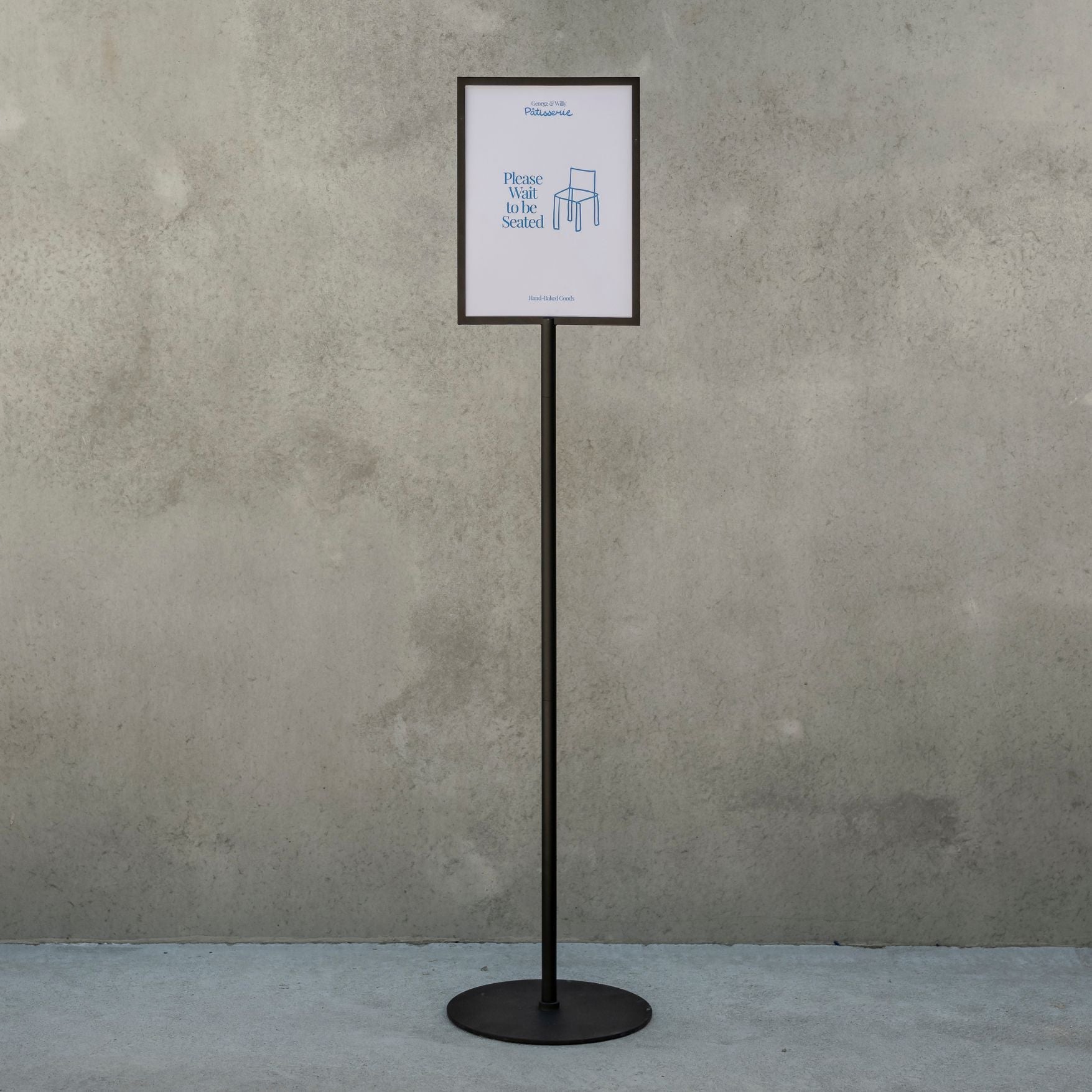
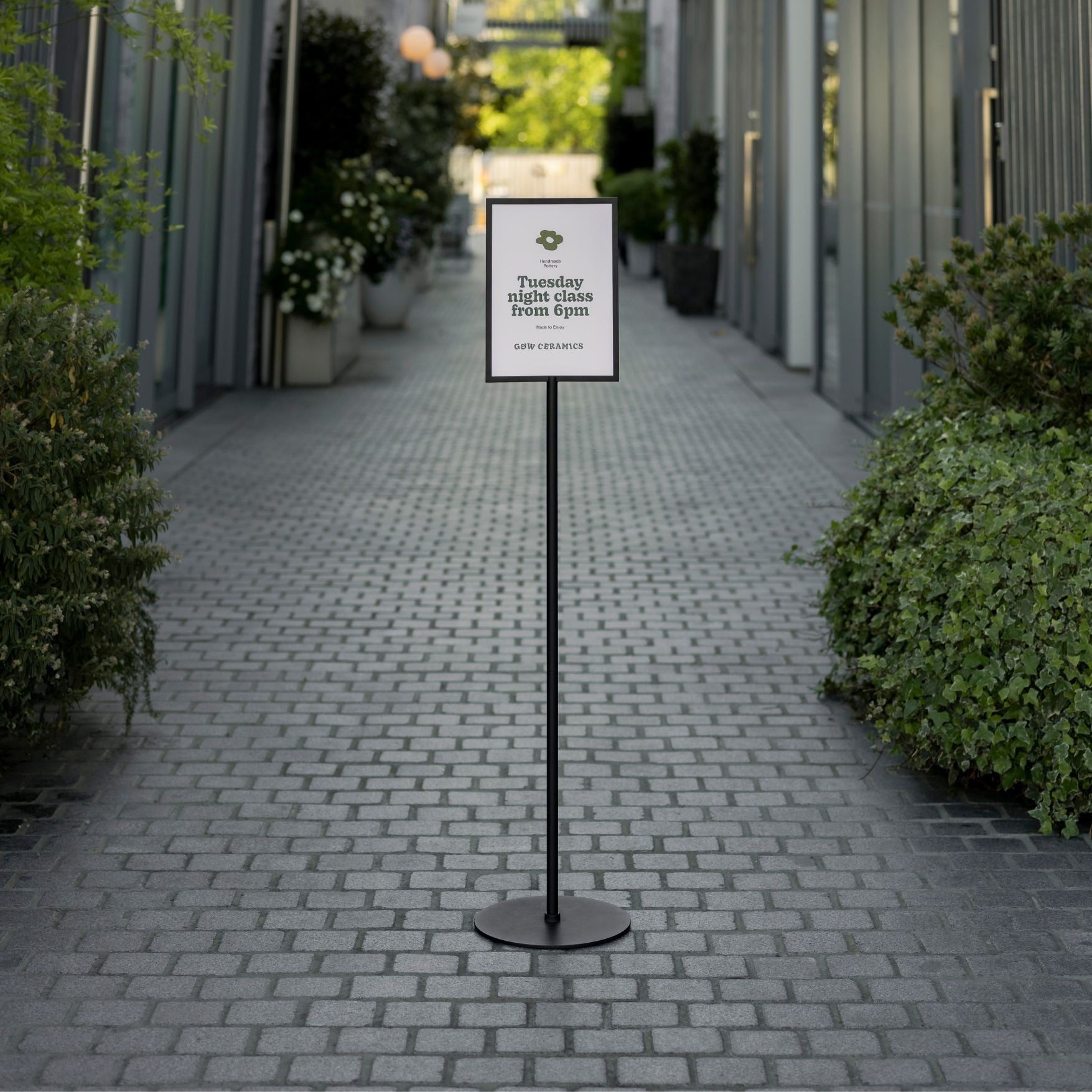
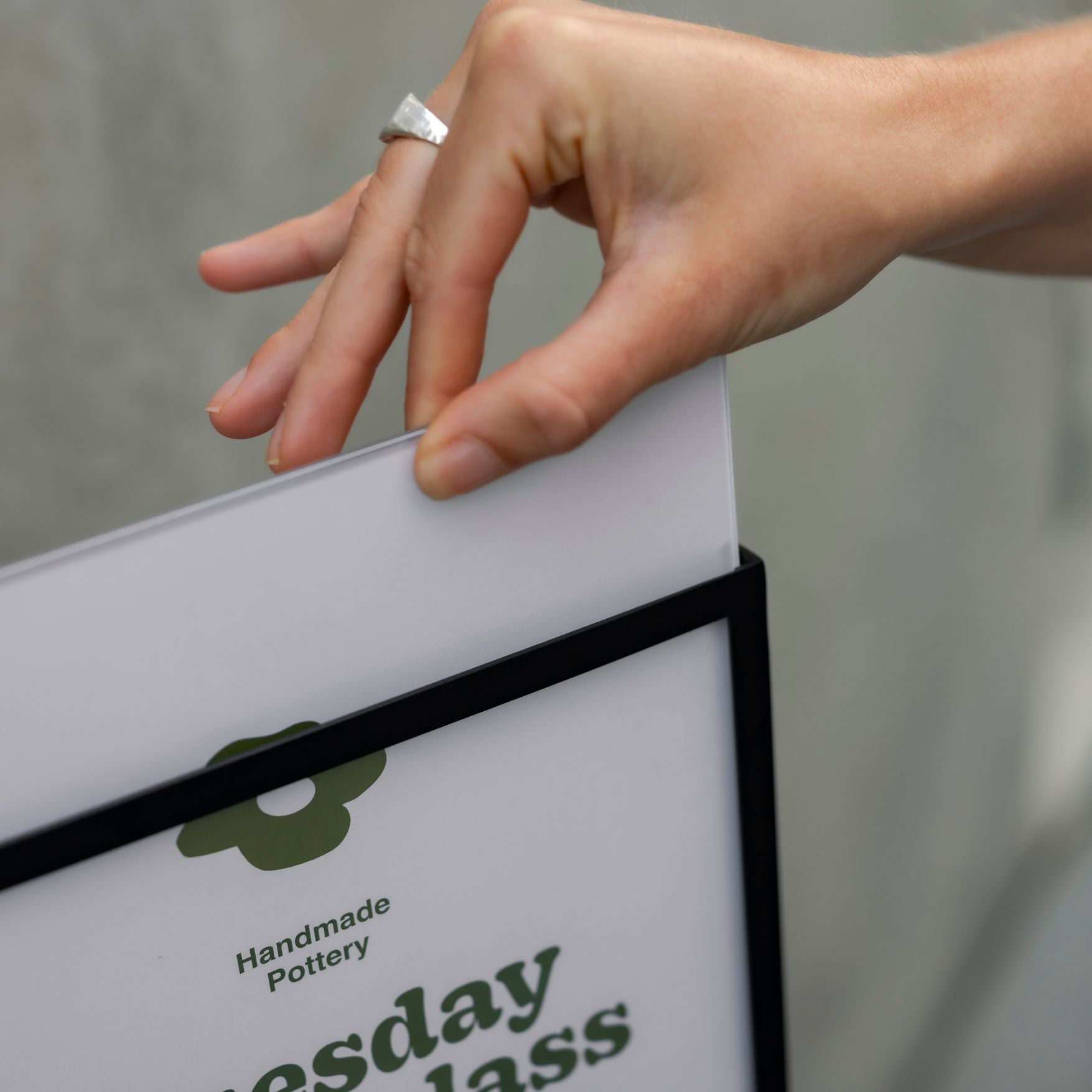
Metal Frames and Posts: For heavier aluminum signs or a more polished look, sturdy metal frames or posts are a better choice. They offer more stability, especially in windy conditions.
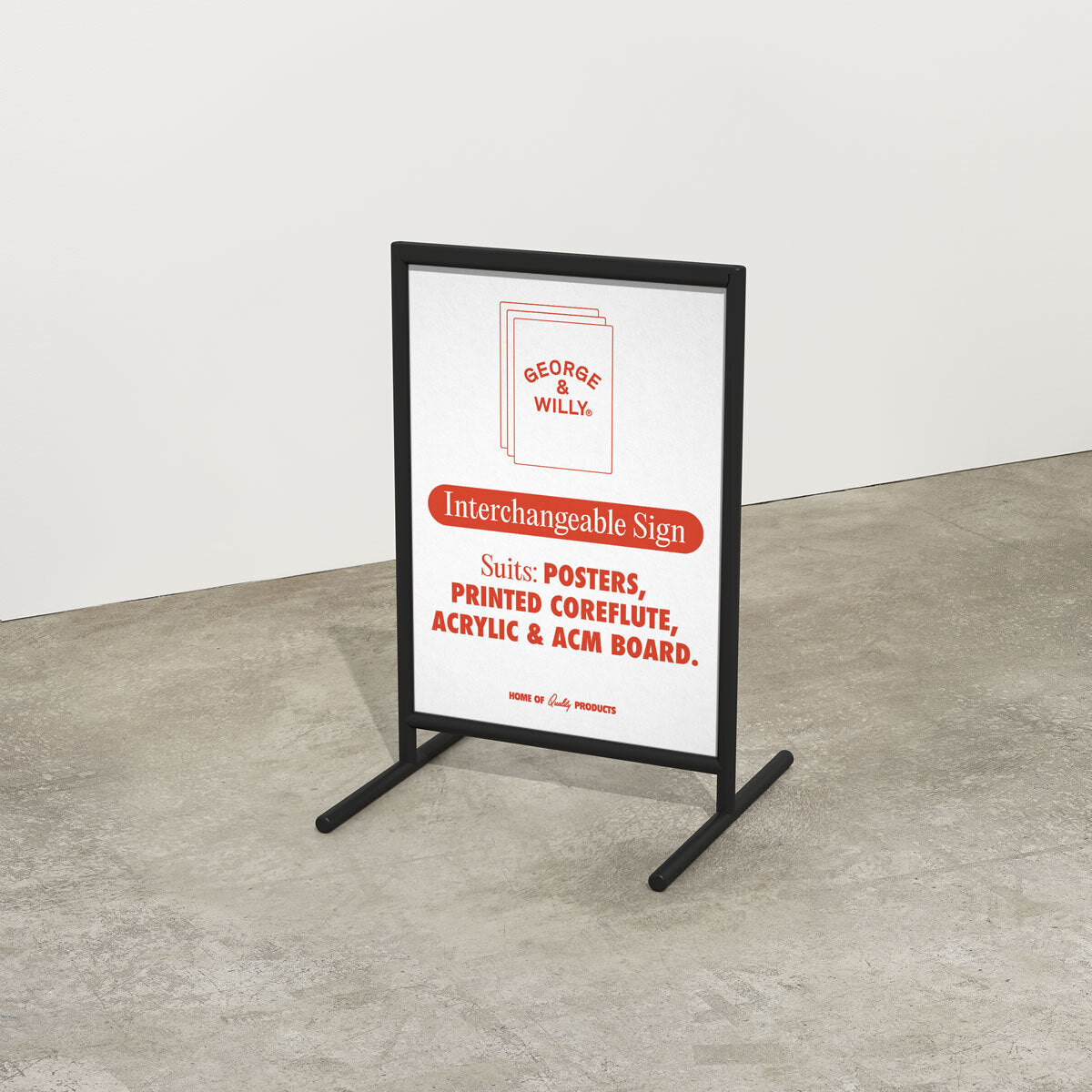
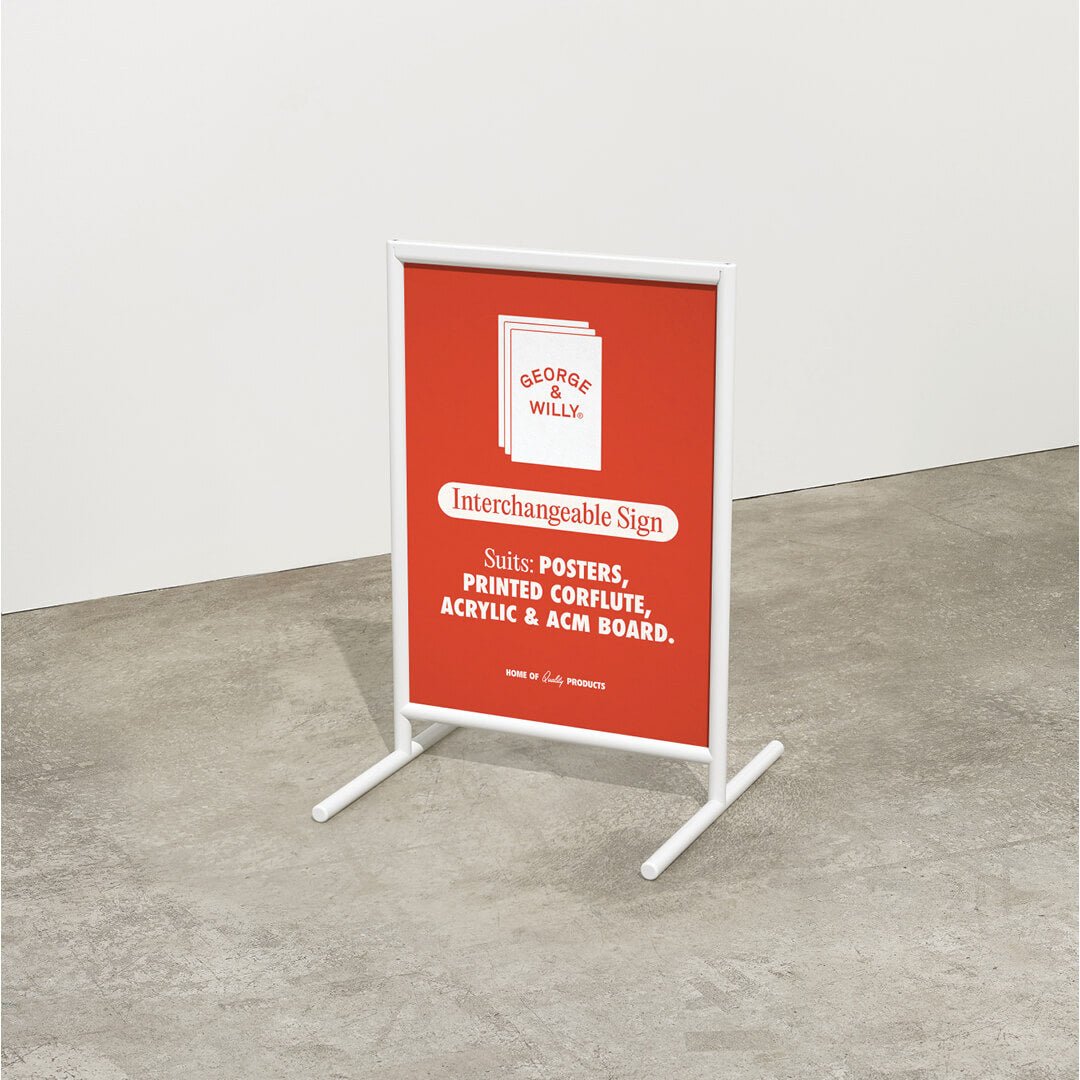
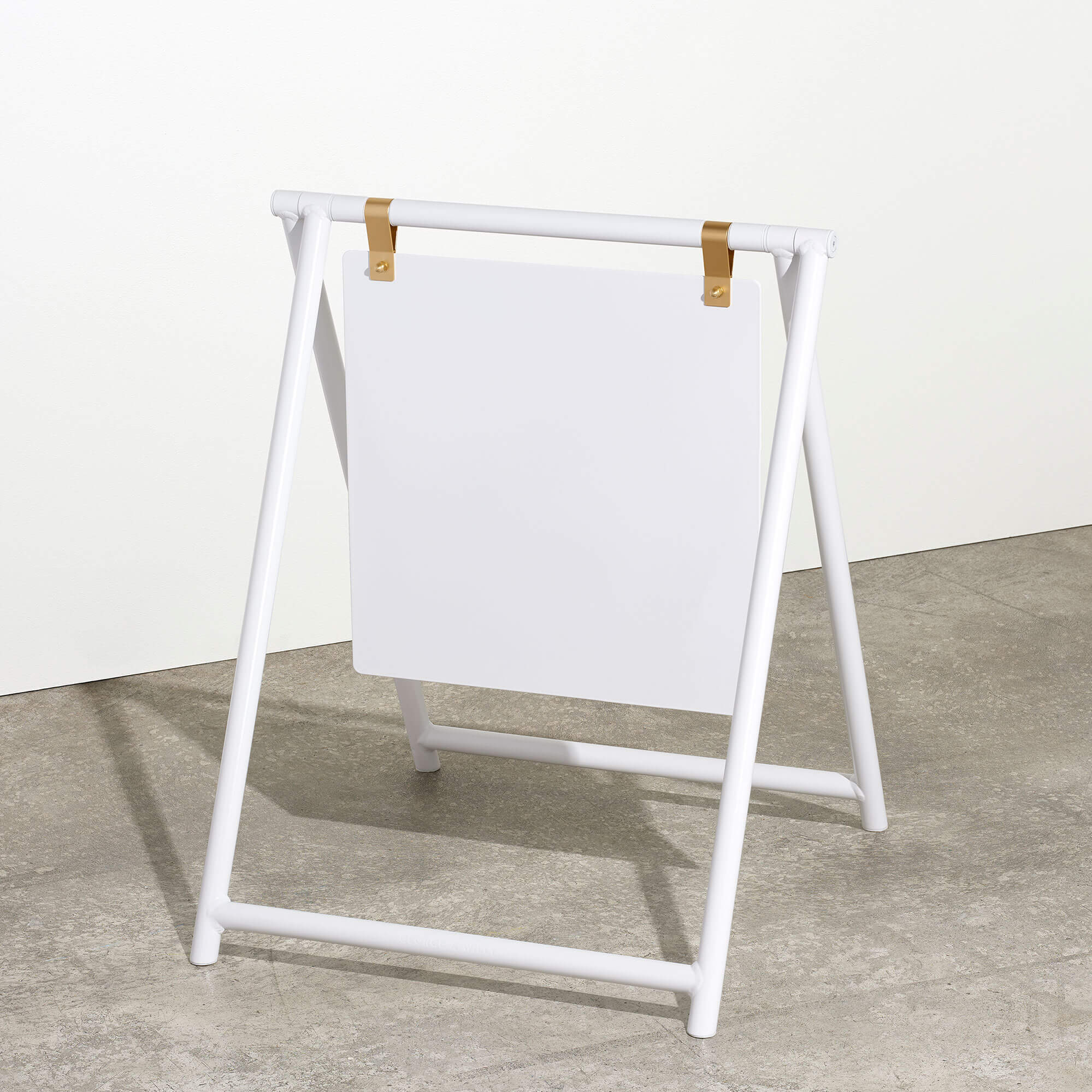
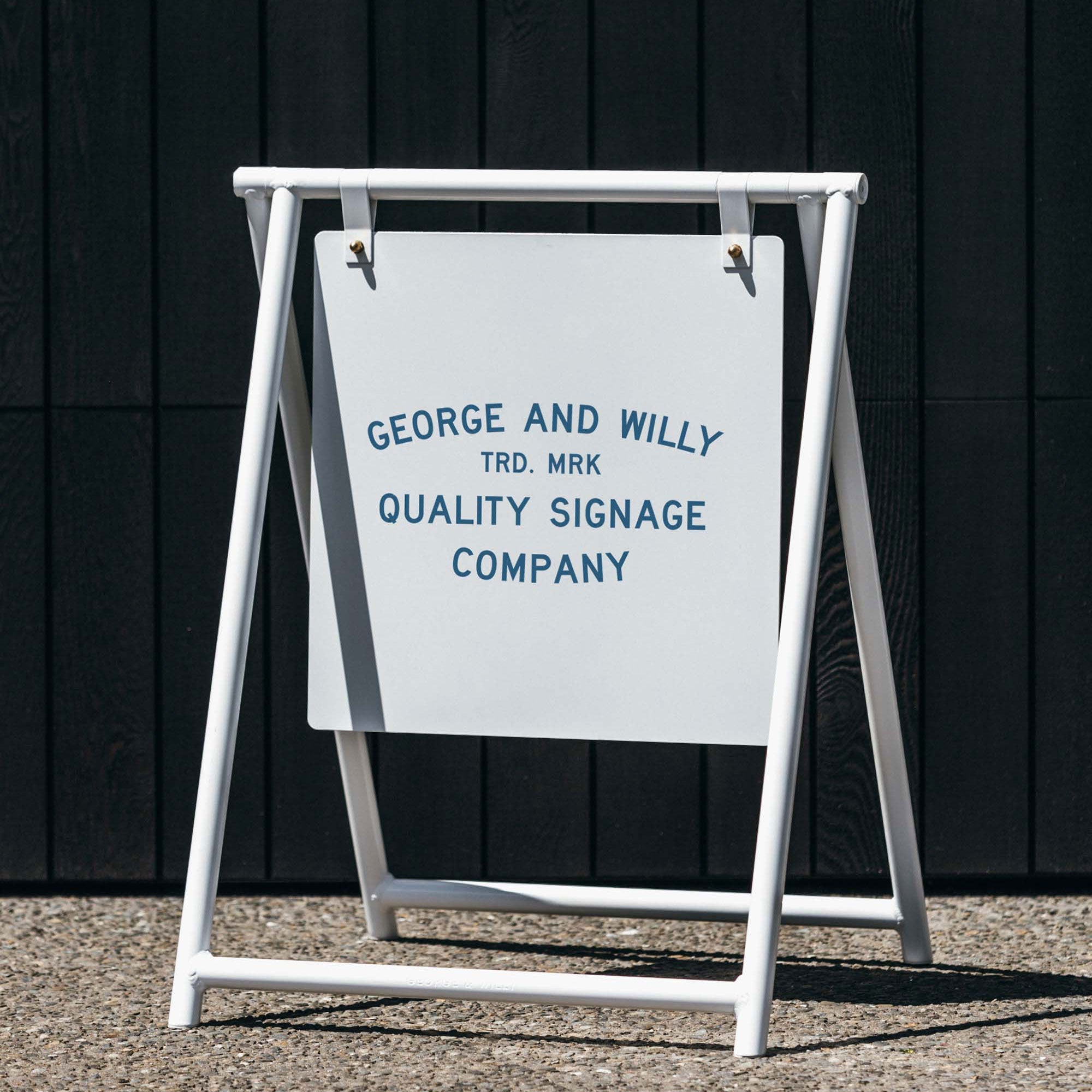
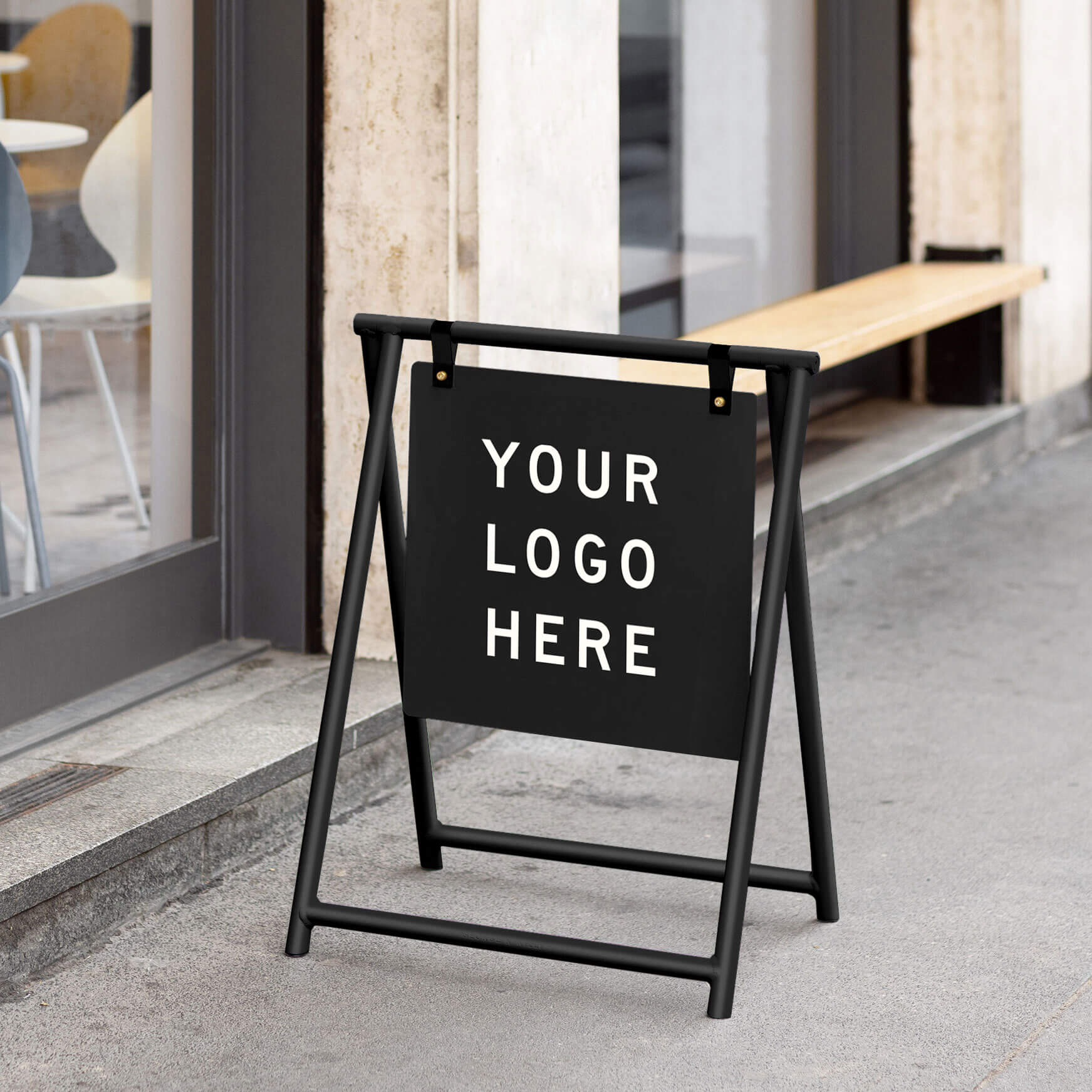
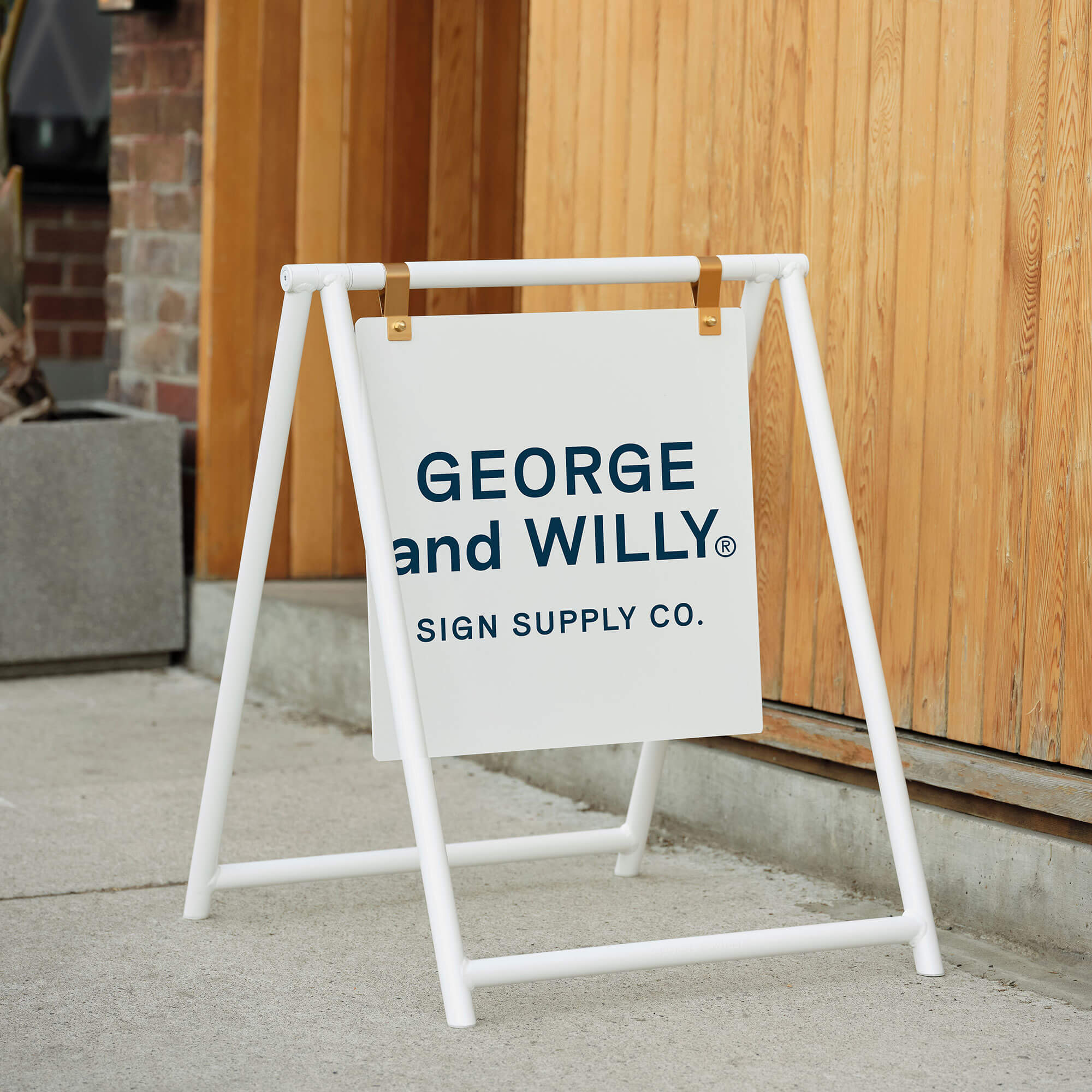
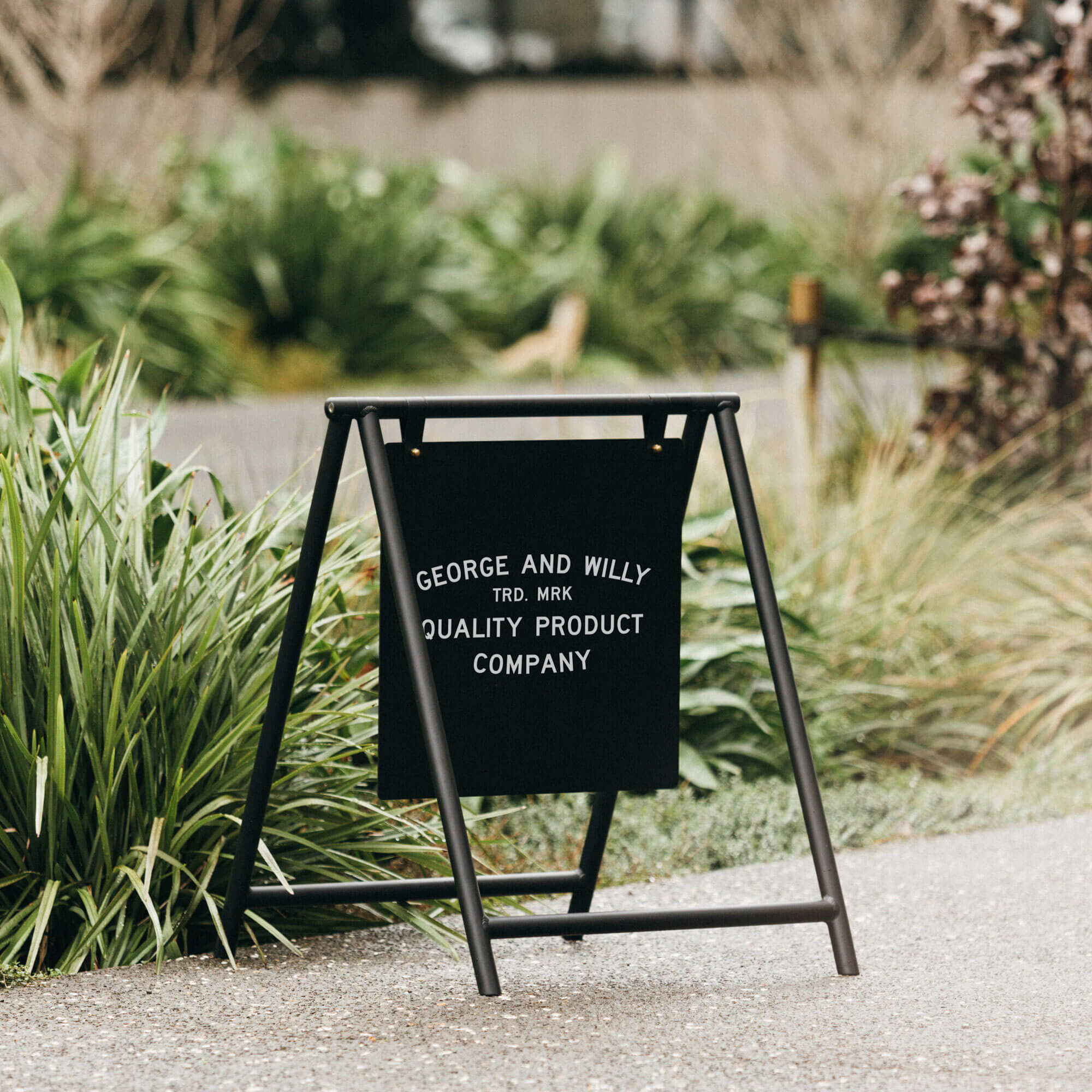
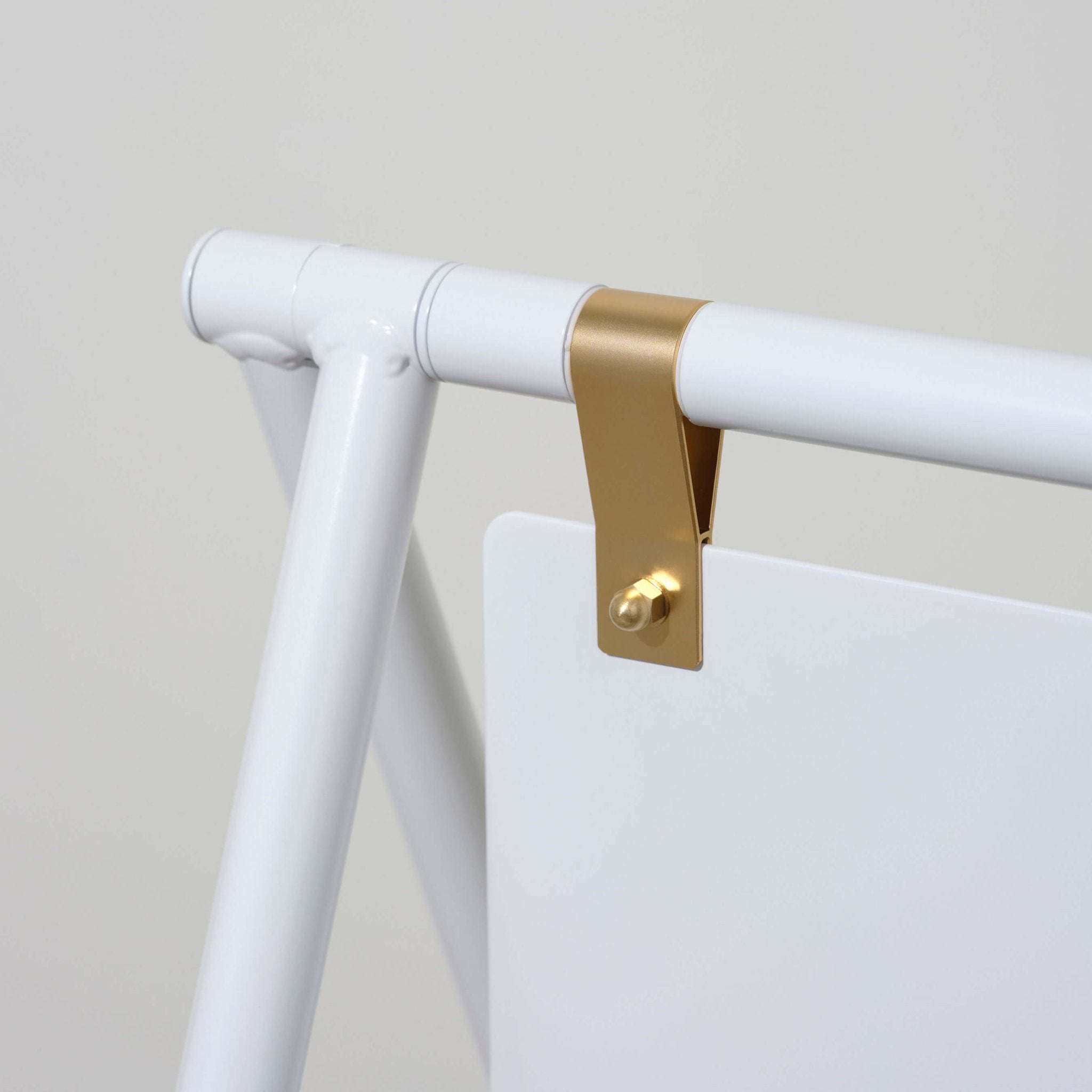
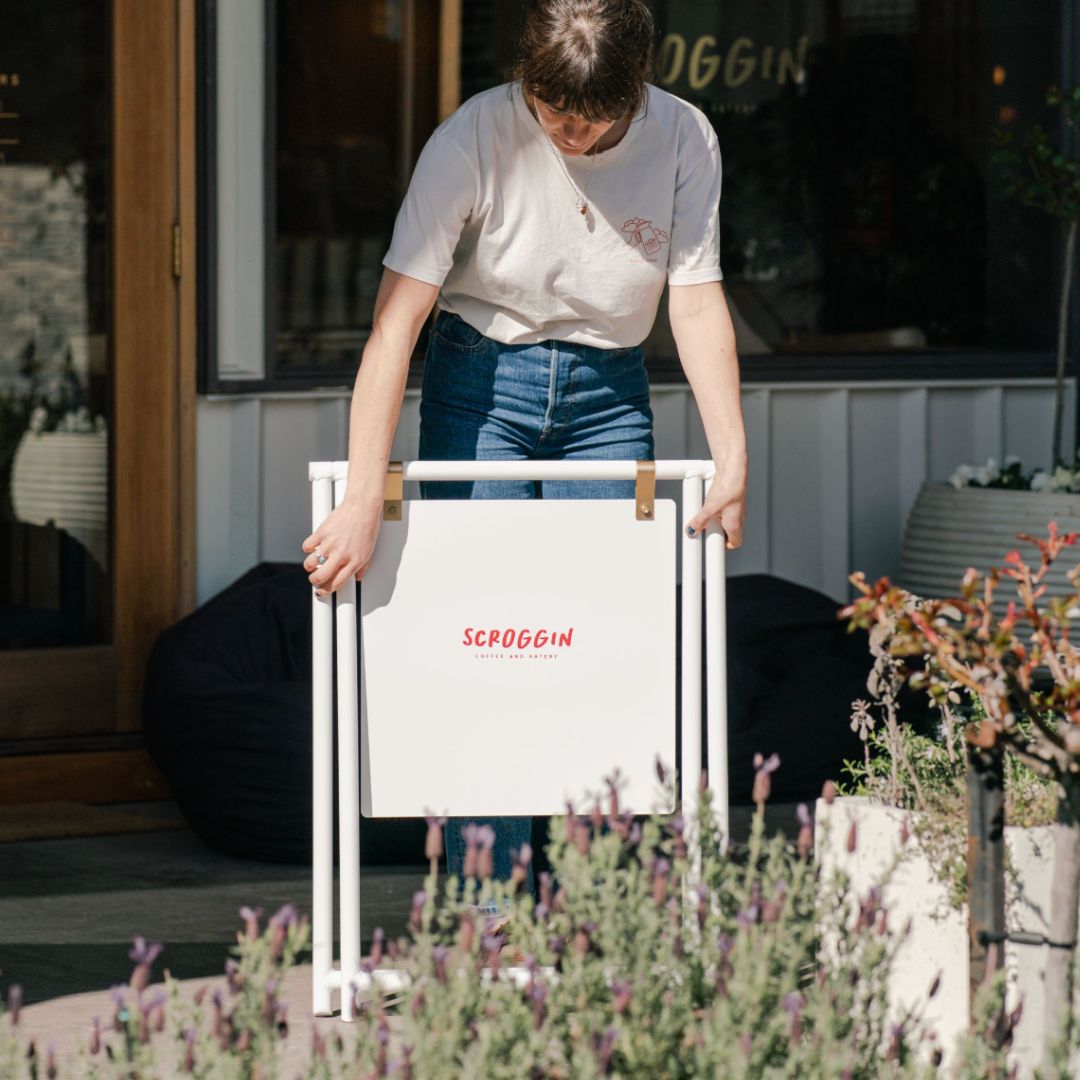
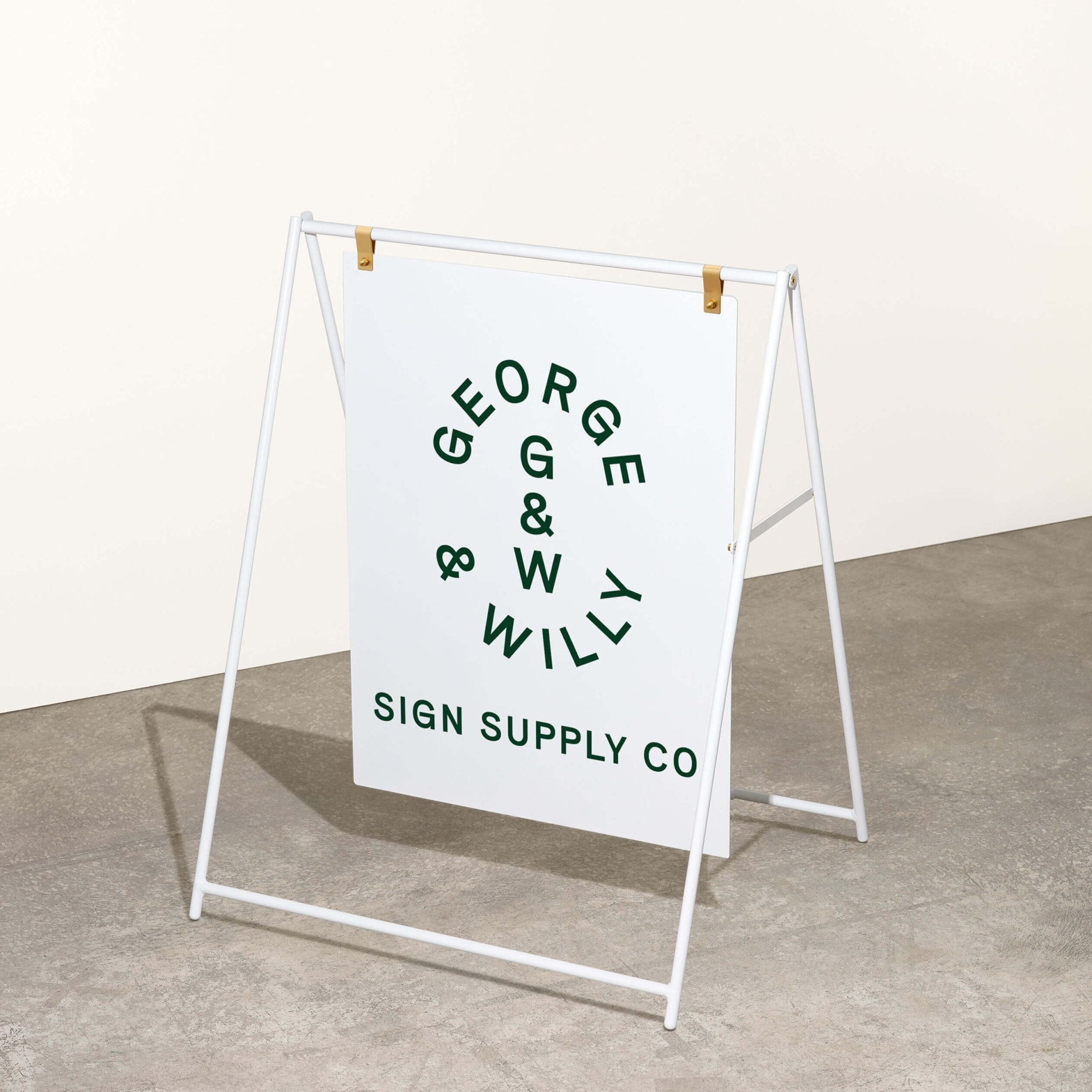
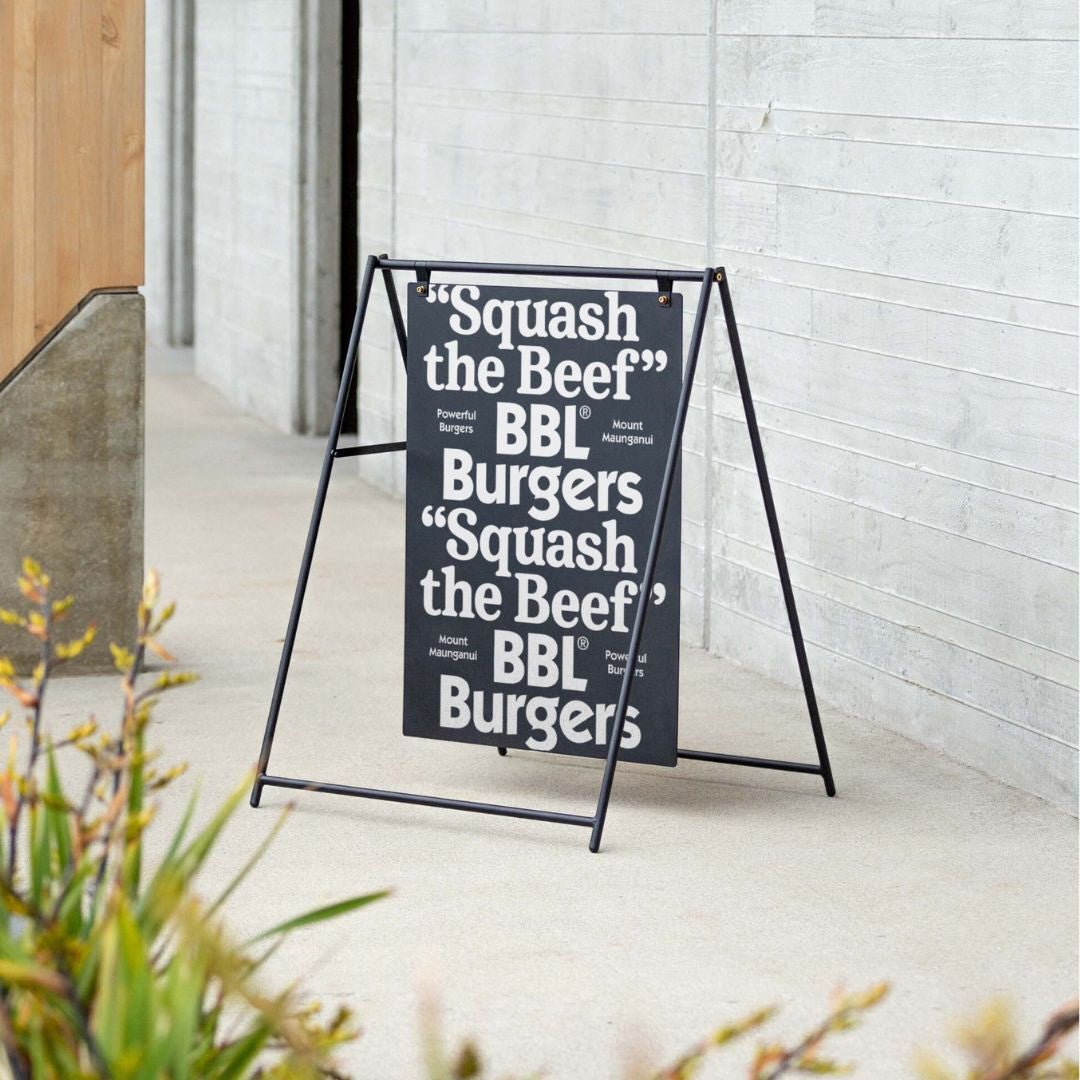
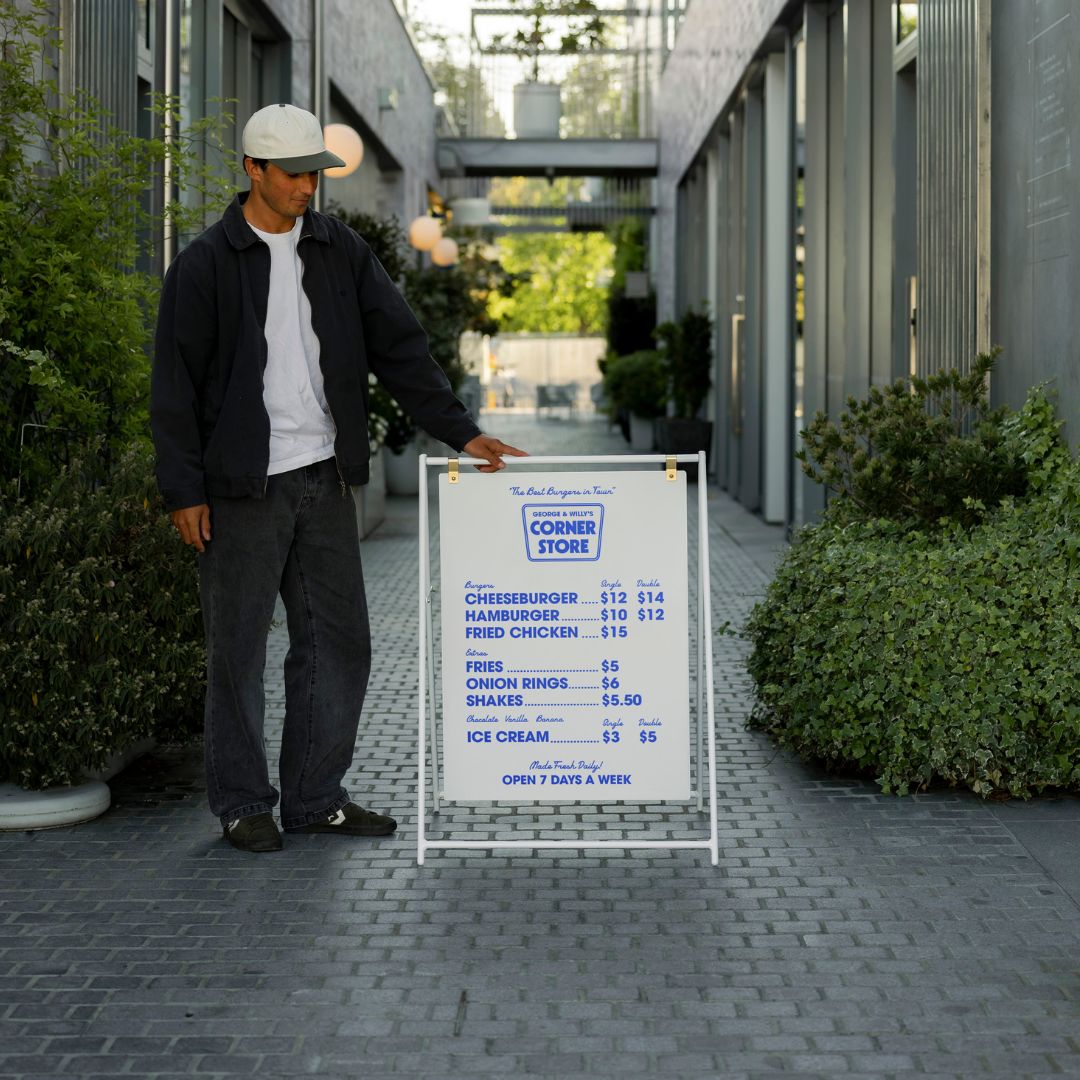
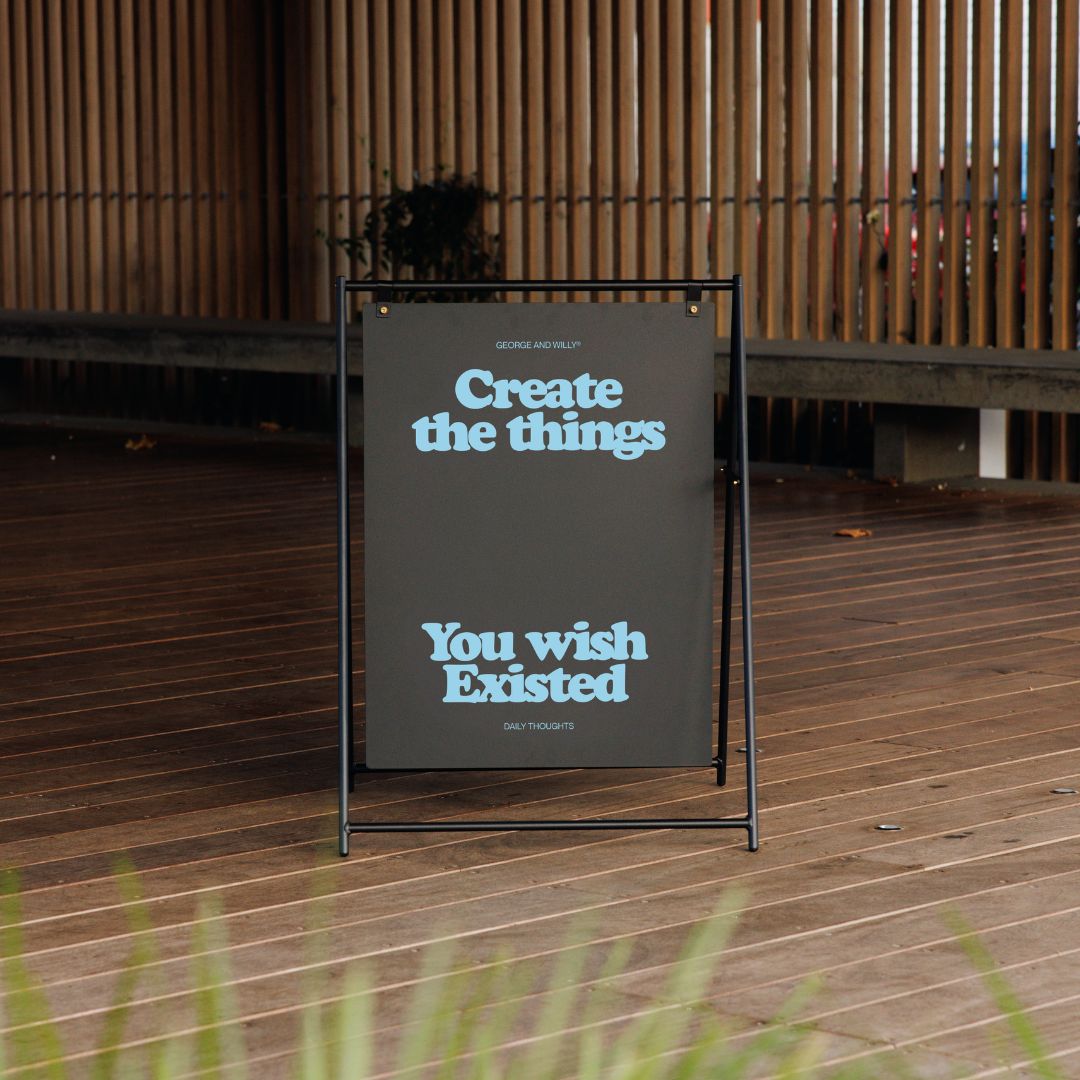
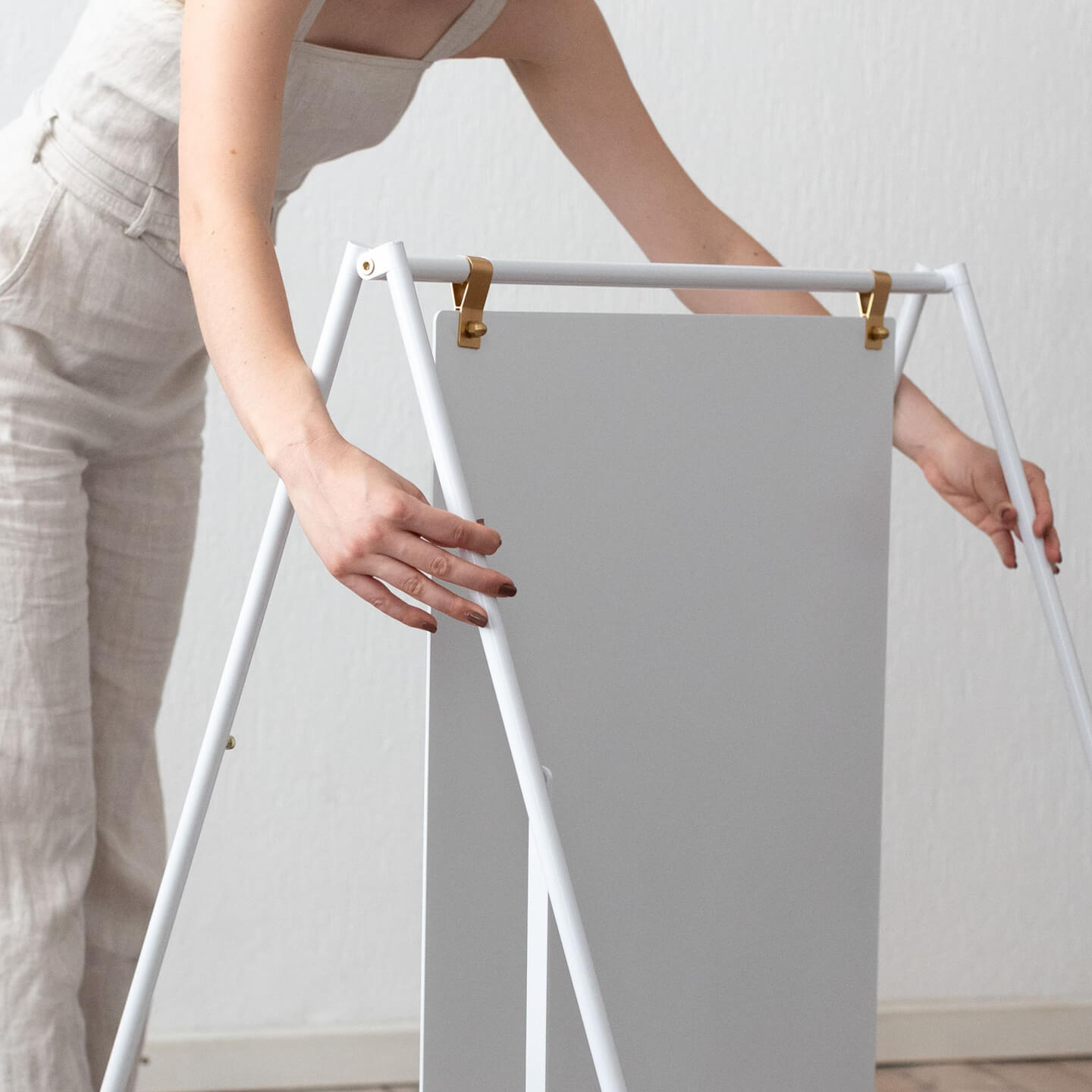
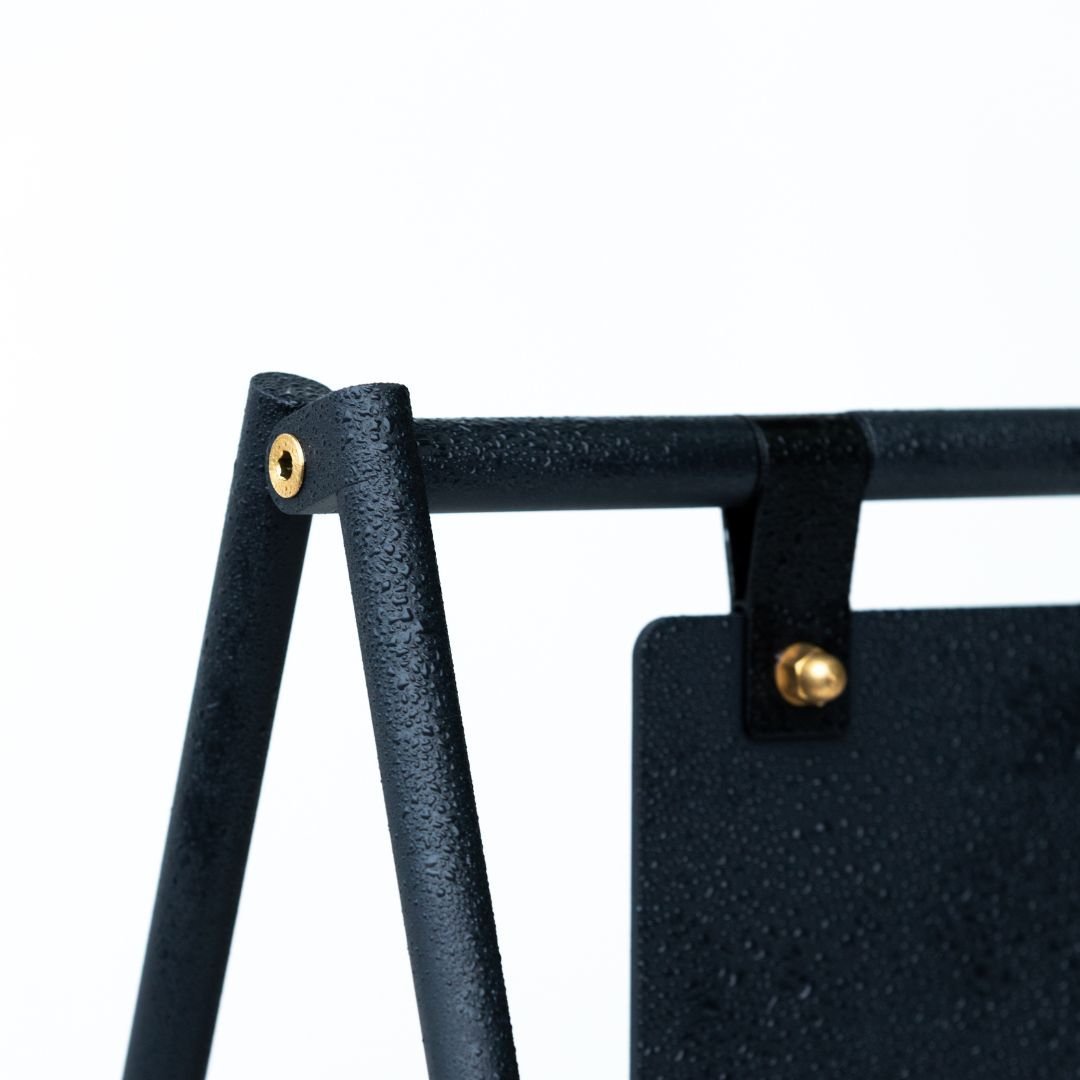
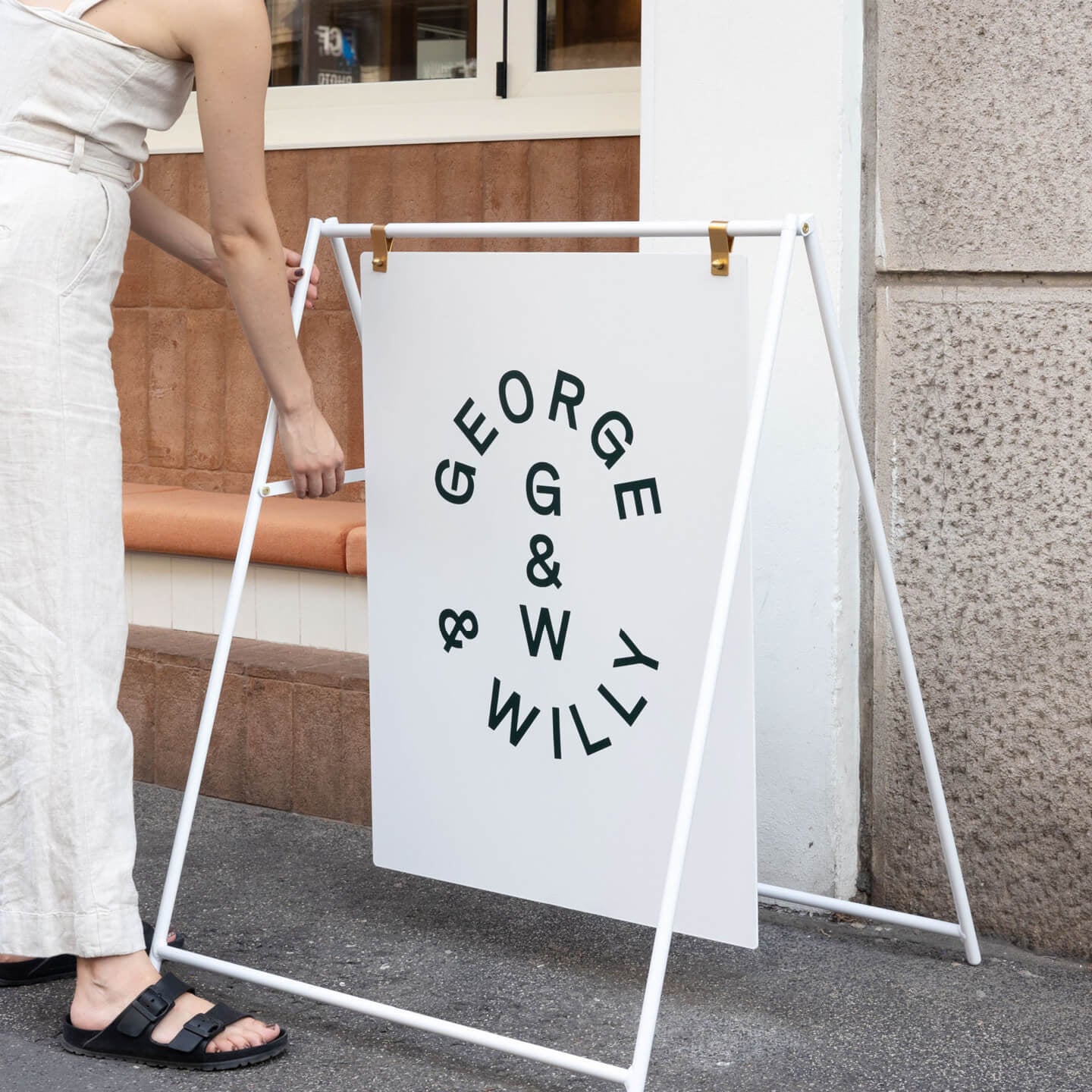
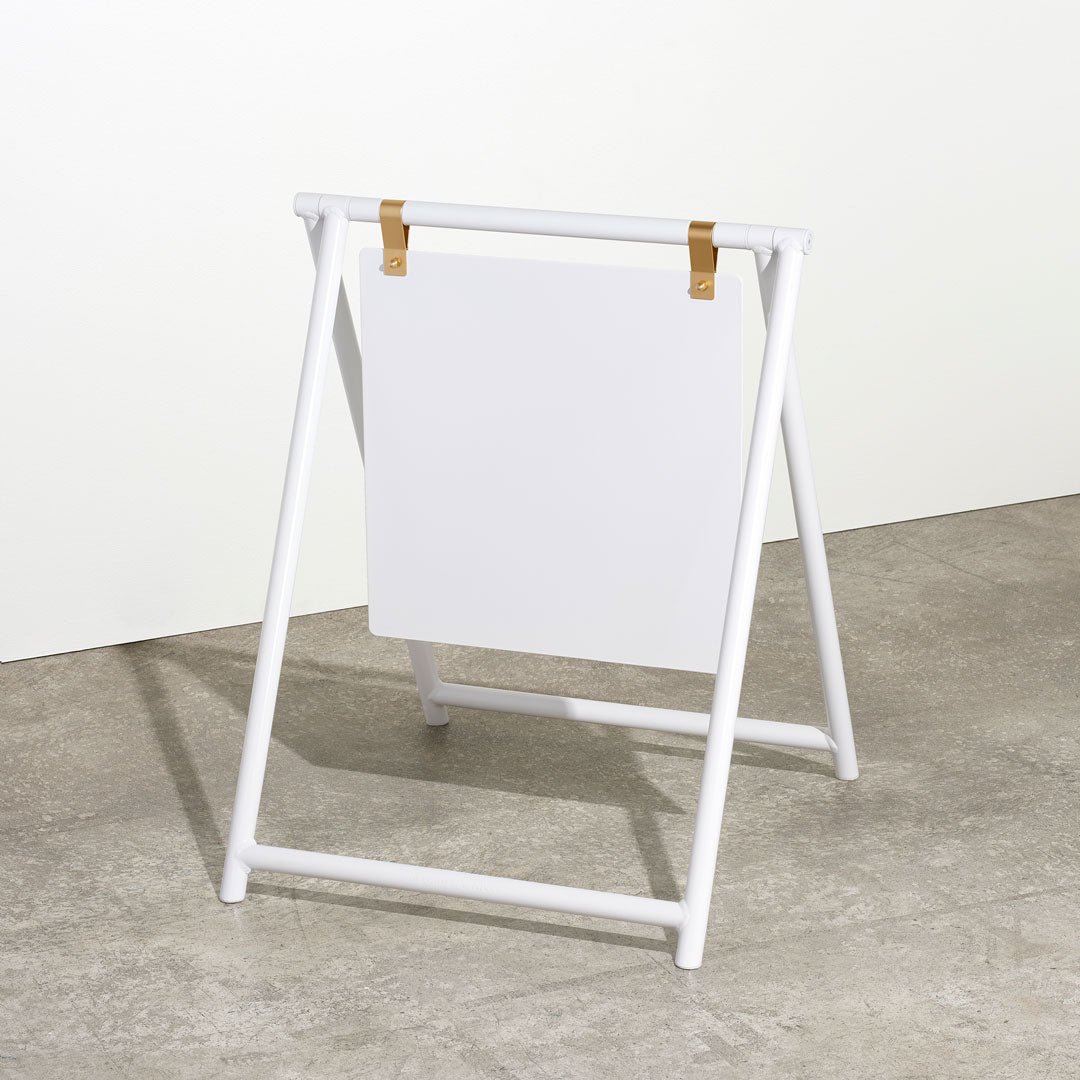
A Frame Signs: Also known as sandwich boards, these are portable and perfect for sidewalks or open houses. They don’t require staking into the ground, making them easy to move. For businesses wanting a durable and stylish option, an elegant A‑Frame Sign can elevate your storefront presence.
Production and Shipping
Plan your timeline carefully. Many printers offer a 2 to 3 business day production time, but you also need to account for shipping. If you have a deadline, place your order well in advance. Local print shops may offer same day service for a premium. When your signs arrive, they will likely be packed flat in a box. Inspect the package for any damage before opening.
Installation and Permitting Rules
Before you place any signs, check your local regulations. Many cities and HOAs have rules about the size, location, and duration of yard signs. Always get permission before placing a sign on private property. Never put signs on public property like medians or utility poles without approval.
When installing, make sure the sign doesn’t obstruct visibility for drivers. Push stakes deep enough into the ground for stability, and if the ground is hard, you can soften it with water first.
Putting Yard Signs for Business to Work
Yard signs are incredibly versatile. Here’s how different types of businesses can use them effectively.
Real Estate Yard Signs
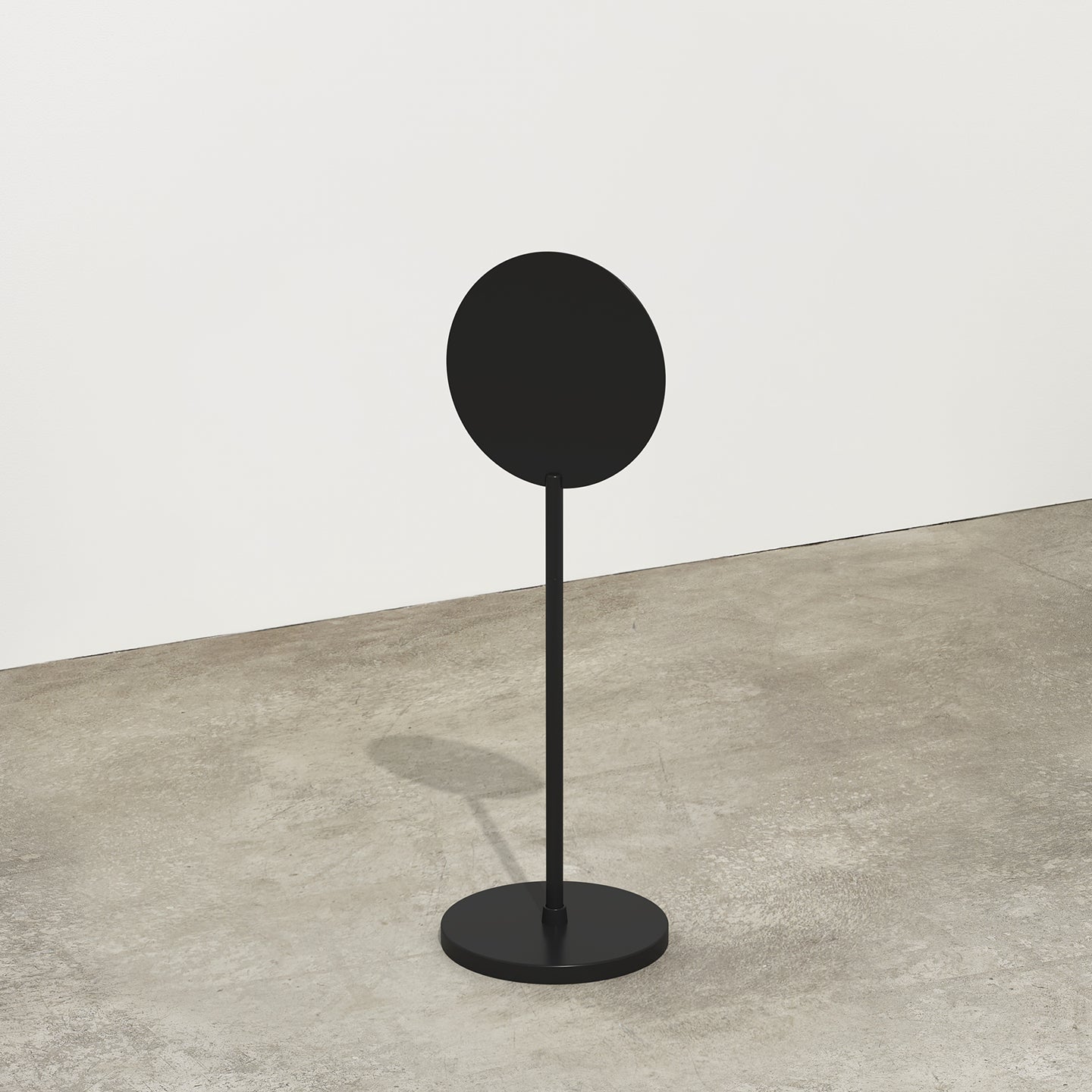
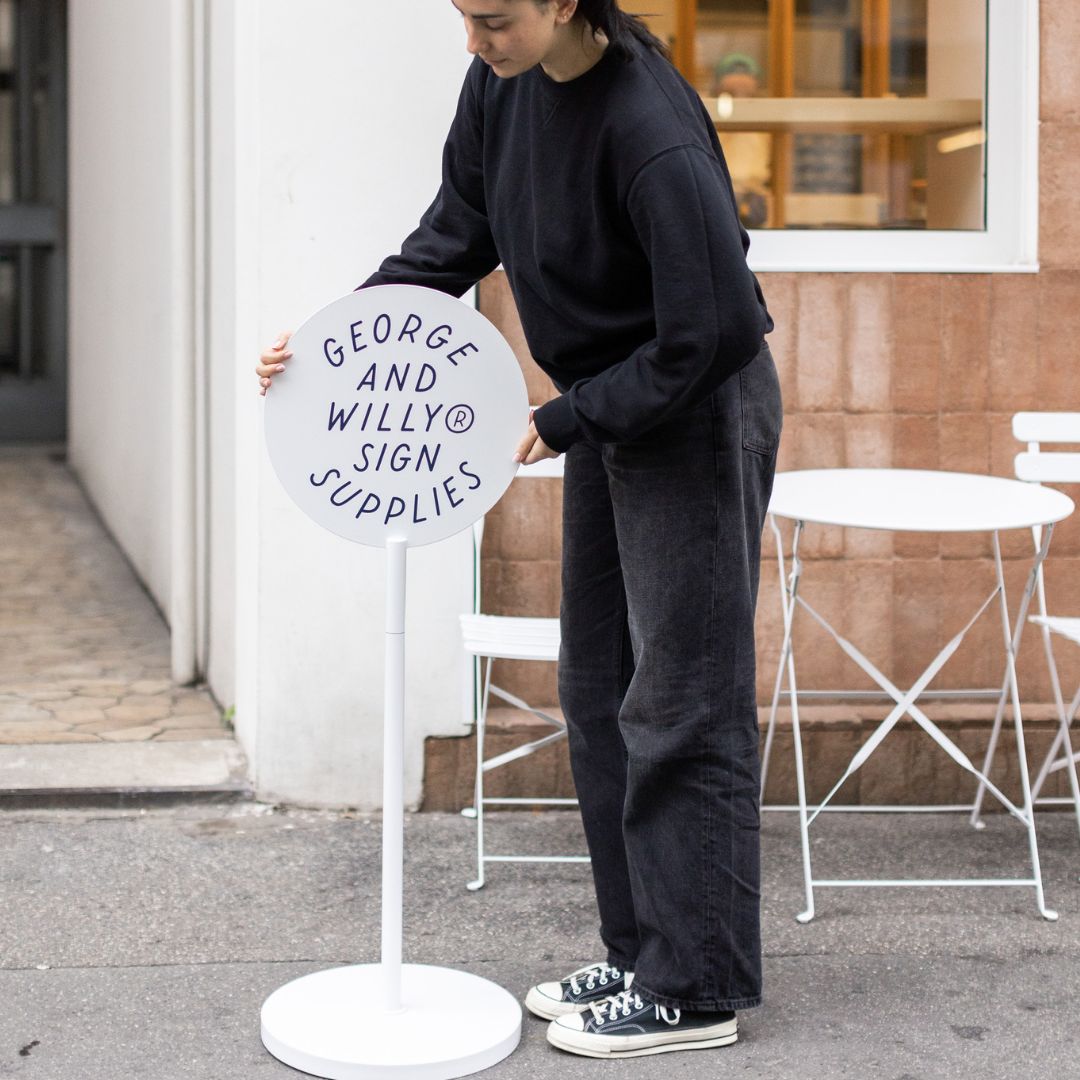
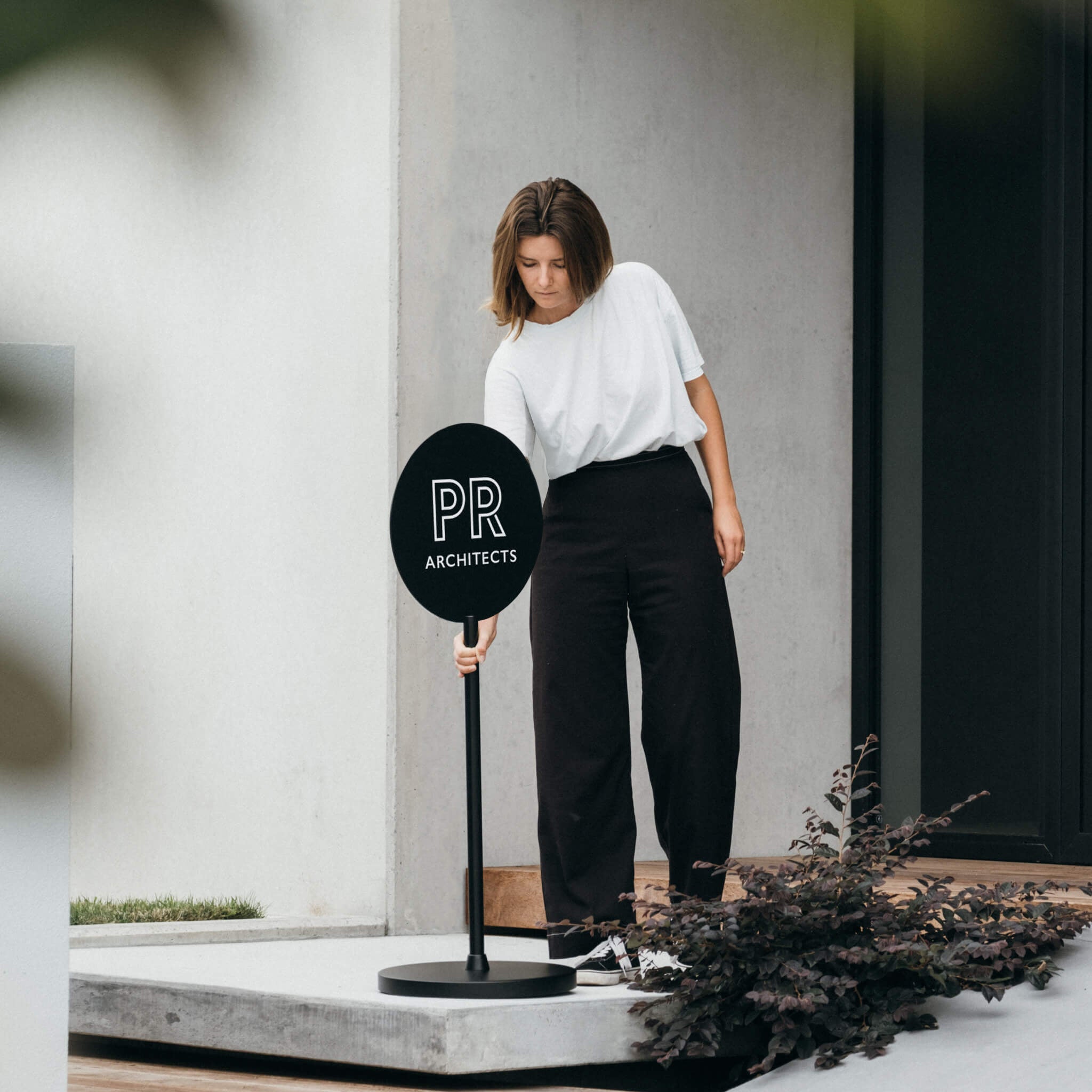
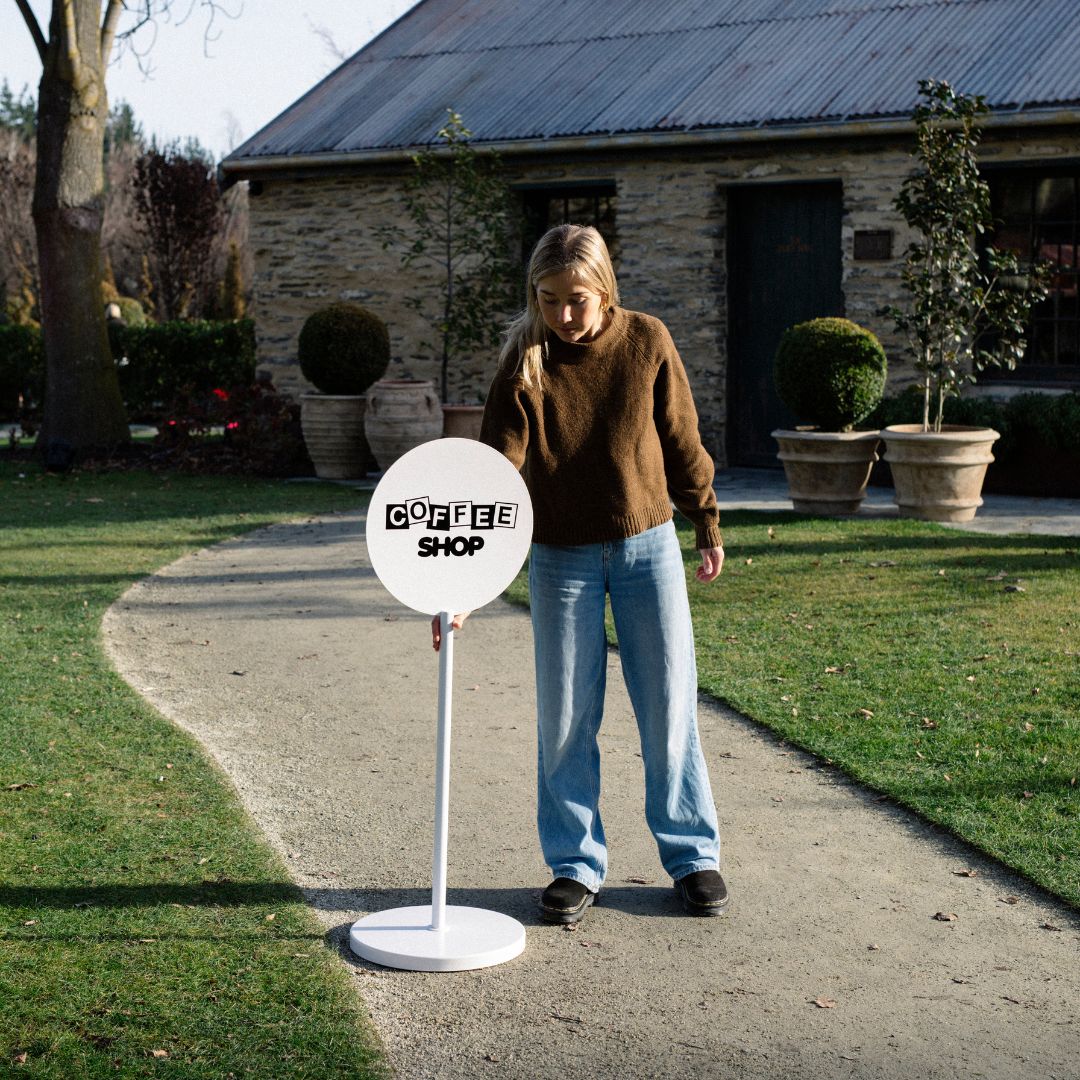
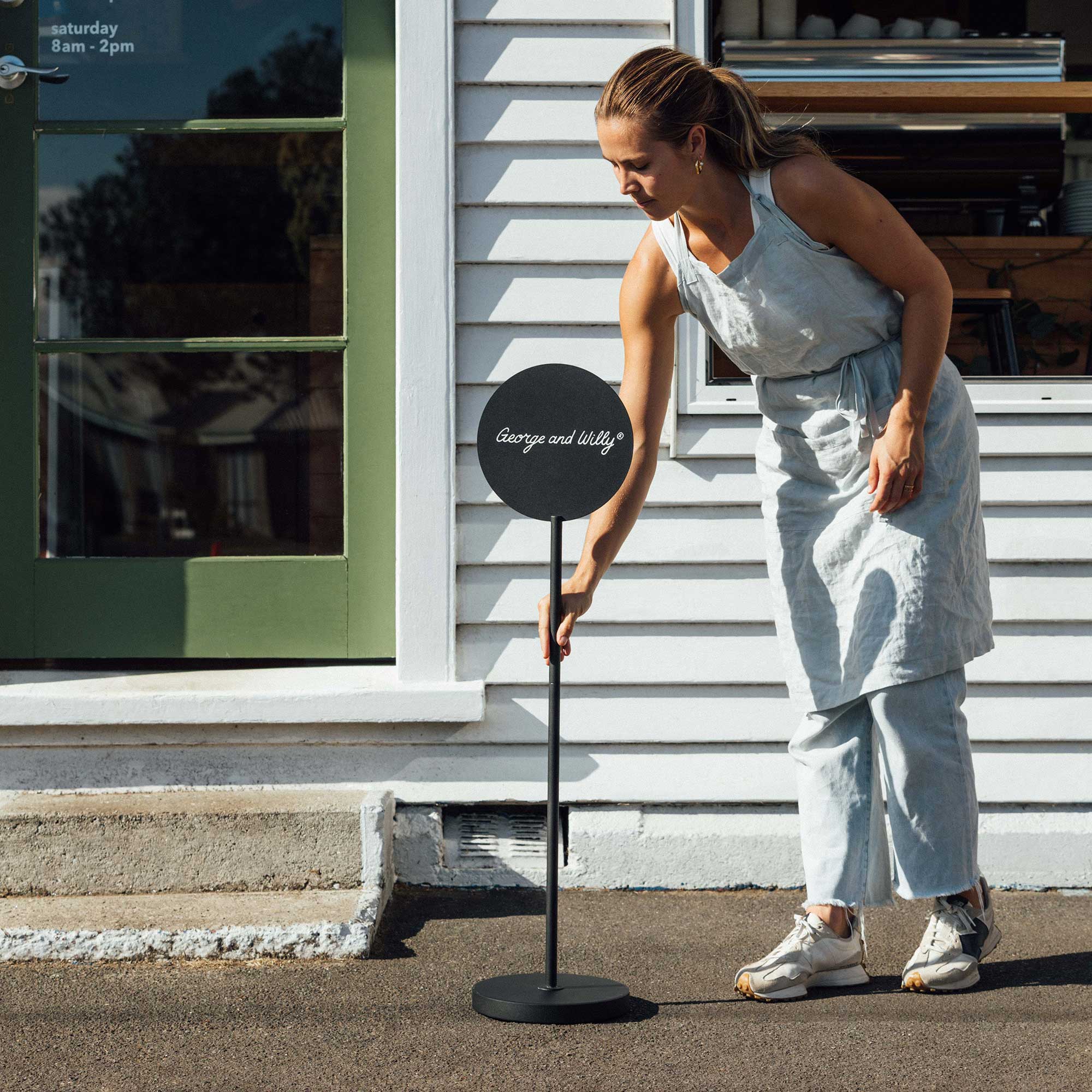
Yard signs for business are a cornerstone of real estate marketing. A professional “For Sale” sign not only advertises the property but also builds brand recognition for the agent. Many realtors prefer durable aluminum signs mounted on sturdy posts for a high quality look. Supplemental signs, like “Open House” directionals, are also crucial for driving traffic. For consistent curbside branding between showings, a reusable standing sign can complement your yard signs.
Retail Promotions and Events
For retail businesses, yard signs for business are mini billboards that can announce sales, grand openings, and special events. A study showed that 76% of consumers have entered a store based on its signage. Use bold, simple messages and clear directional arrows to guide customers to your door. For a more permanent and polished look at your storefront, consider pairing temporary yard signs with a beautiful sidewalk business sign to attract daily foot traffic.
Contractors and Service Businesses
Contractors, landscapers, and other service providers can generate a steady stream of local leads with yard signs. Placing a sign on the lawn of a current job site acts as a powerful endorsement to the entire neighborhood. It’s hyperlocal marketing at its best. Always get the homeowner’s permission, and make sure your sign clearly displays your company name, service, and contact information.
Frequently Asked Questions About Yard Signs for Business
1. What is the most effective size for a yard sign?
The standard 18 by 24 inch size is often the most effective. It offers a great balance of visibility for passing cars while being compact enough for most locations and compliant with many local regulations.
2. How long do yard signs typically last?
The lifespan depends on the material. A standard corrugated plastic sign can last from 6 months to 2 years, while a more durable aluminum sign can last 3 to 5 years or even longer, making it a great reusable investment.
3. What colors are best for yard sign visibility?
High contrast color combinations are key. Black on yellow, white on blue, and black on white are some of the most readable pairings from a distance.
4. Can I put yard signs anywhere?
No. You should always place signs on private property with the owner’s permission. Placing signs on public property like medians, sidewalks, or utility poles is often illegal and can result in fines. Always check local city and HOA rules first.
5. Are double sided signs worth the extra cost?
Yes, if your sign will be seen from multiple directions. Double sided signs can double your visibility for a marginal increase in price, offering excellent value for high traffic areas.
6. How do I make my yard sign stand out?
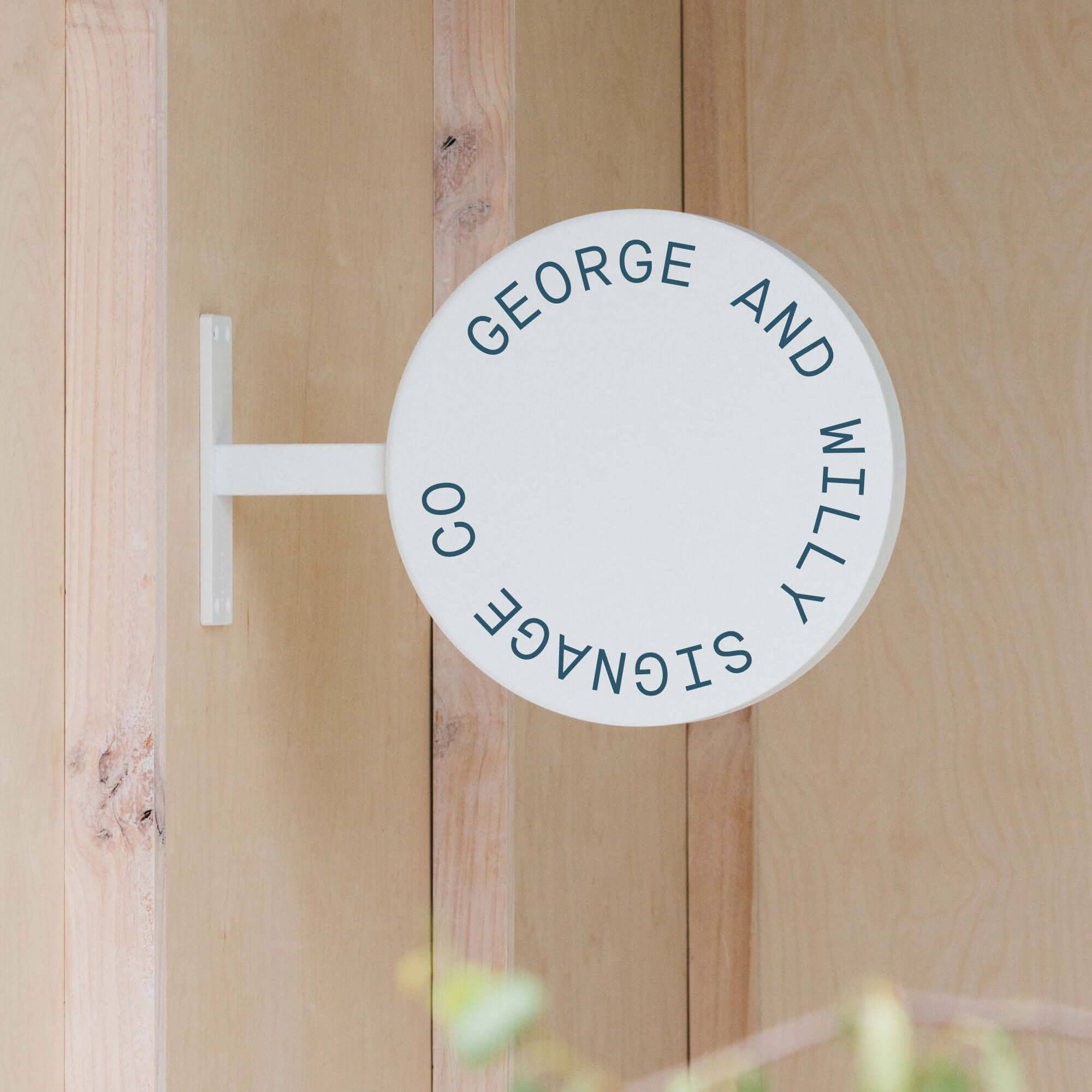
Use a clean, simple design with a clear call to action. A unique shape or a high quality frame can also help your sign get noticed. For a truly professional touch, pair your temporary signs with a permanent blade sign like the blade sign.
7. What is the best way to secure a yard sign in the wind?
Use sturdy stakes and push them deep into the ground. Placing the sign near a natural windbreak like a building or hedge can also help. For very windy areas, consider a heavier freestanding option like a metal sign.
8. How quickly can I get custom yard signs?
Production times vary, but many online printers can produce standard signs in 2 to 3 business days. Local shops may even offer same day or next day services. Remember to factor in shipping time.